
What does the $60 billion USD palm oil industry have in common with Big Tobacco? A lot according to this report by the World Health Organisation. Palm oil industry lobbying tactics are used to influence research into the health impacts of palm oil and also to influence consumer buying habits. The dire health and environmental impacts of palm oil are hidden from consumers by clever marketing. These lobbying, marketing and greenwashing tactics are reminiscent of tobacco and alcohol health lobbying.
Tag Archives: Palm oil
Why Peanut Butter Might Trigger the Next Pandemic
Palm oil is found in roughly 50 percent of packaged household products ranging from peanut butter to lipstick. Now, researchers link its harvesting to disease outbreaks that could spread to humans. This is the first study to examine the cause-and-effect relationship between changes in forest cover and subsequent disease outbreaks on a global scale.
Certification Schemes Fail to Stop Palm Oil Deforestation

71 rights groups warn that certification schemes like RSPO and FSC fail to stop deforestation and abuses. Learn why they are called tools of greenwashing.
The people versus Feronia: Fighting palm oil agrocolonialism in the Congo
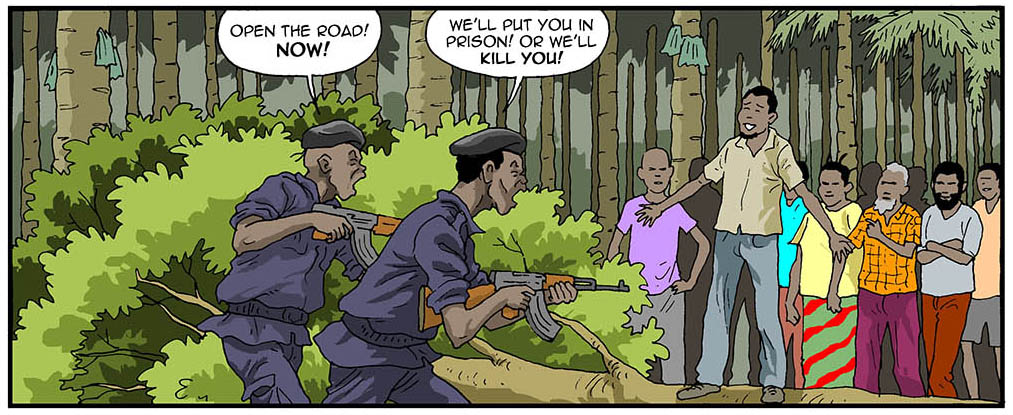
This powerful #comic is by Didier Kassai and Dieudonne Botoko Kendewa is about a community in the #Congo 🇨🇩 living next to the #Feronia #palmoil plantation. They faced #violence and #landgrabbing from this corporation. Take action! #Boycottpalmoil 🌴🩸☠️🚫
PepsiCo
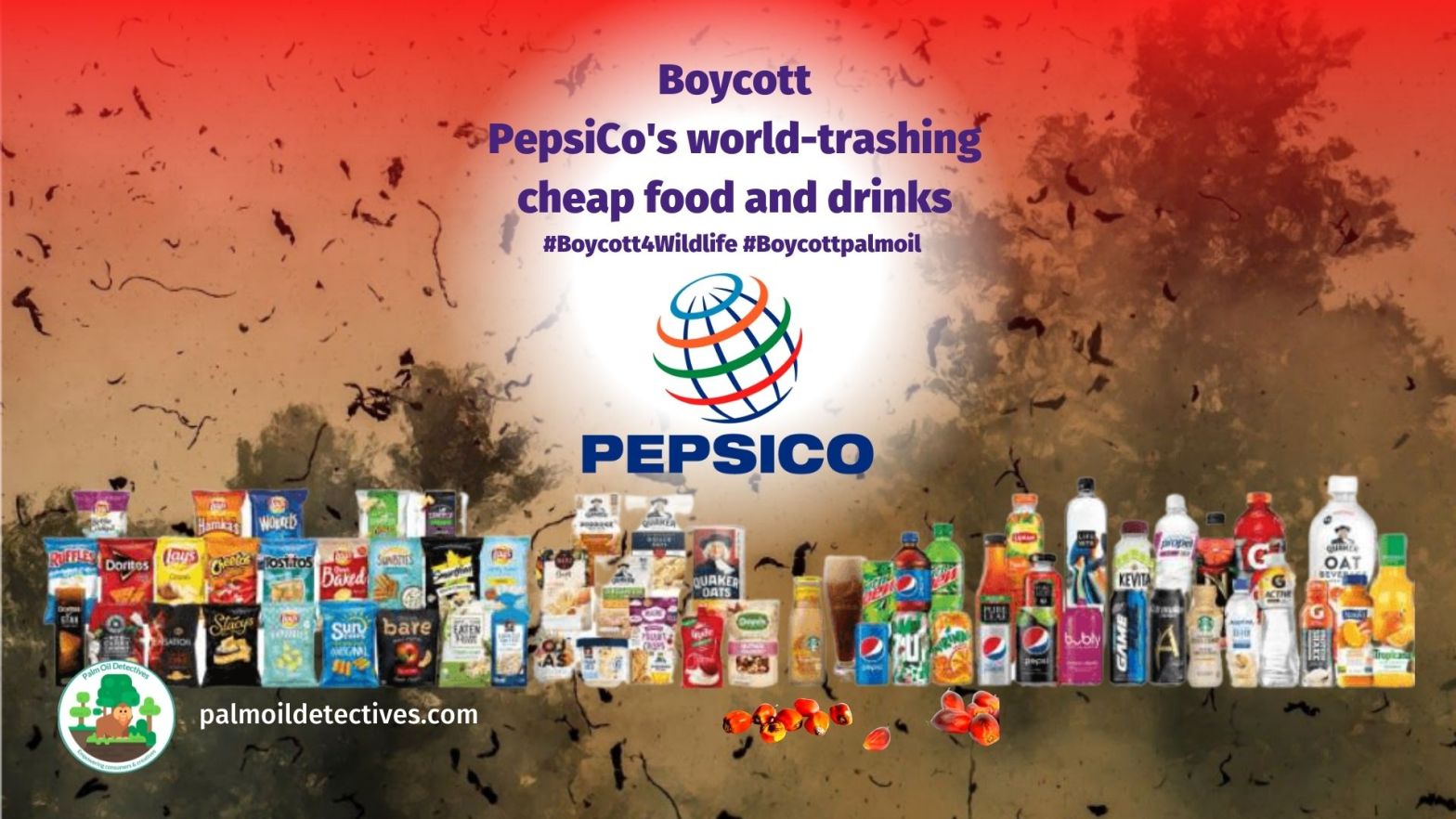
Despite decades of promises to end deforestation for palm oil PepsiCo (owner of crisp brands Frito-Lay, Cheetos and Doritos along with hundreds of other snack food brands) have continued sourcing palm oil that strongly linked to ecocide, indigenous landgrabbing, and the habitat destruction of the rarest animals on earth. All of these animals are onContinue reading “PepsiCo”
Want to avoid palm oil? You need a ‘palm oil free’ label

The most important factor determining whether consumers avoid purchasing a product containing palm oil is not how they feel about orangutans, the environment, or anything else for that matter. It’s whether they know what’s in the product. Melbourne Business School When #consumers are told about #palmoil being in products – they will avoid them accordingContinue reading “Want to avoid palm oil? You need a ‘palm oil free’ label”
Procter & Gamble
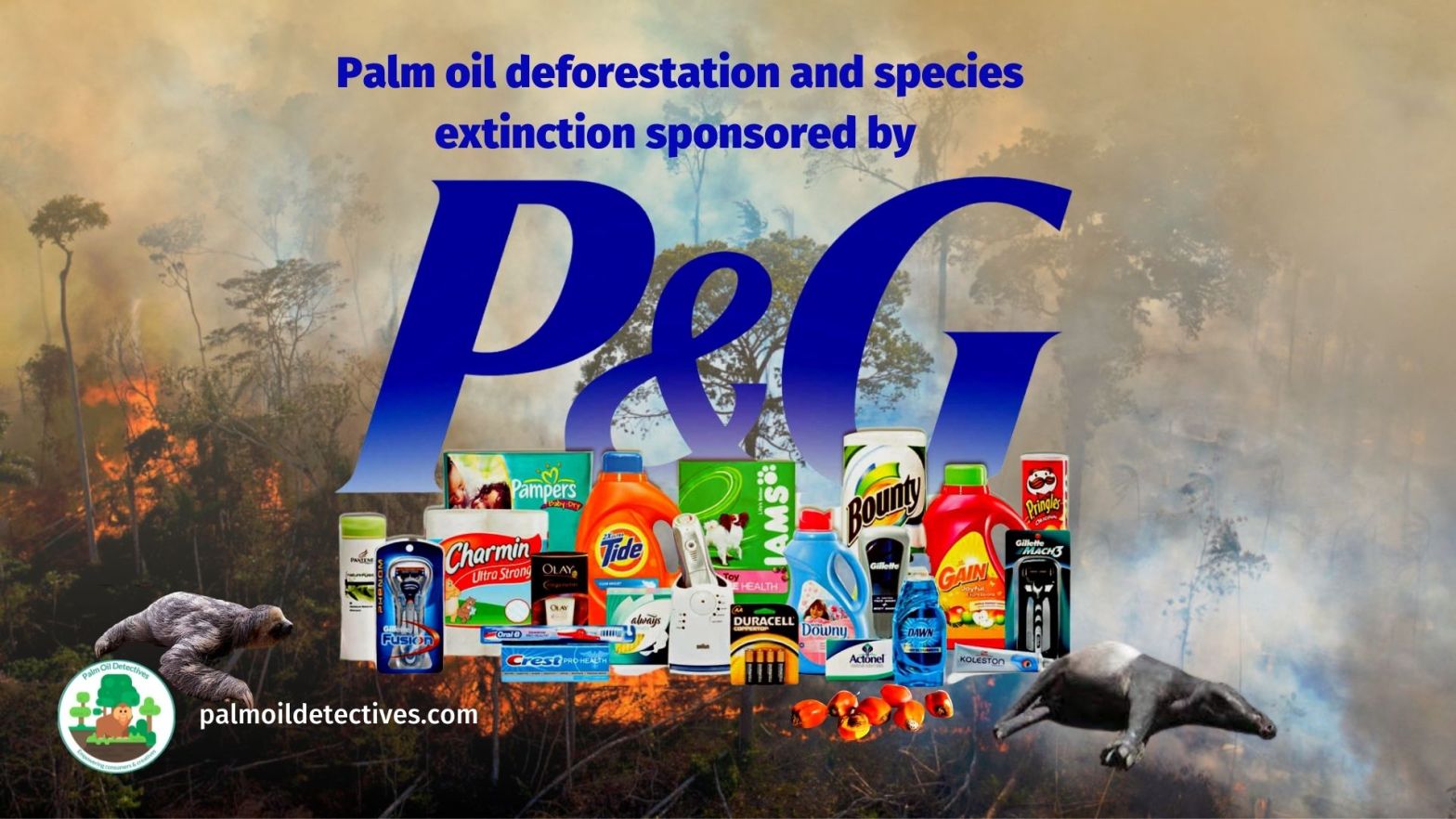
Despite decades of promises to end deforestation for palm oil Procter & Gamble or (P&G as they are also known) have continued sourcing palm oil that causes ecocide, indigenous landgrabbing, and the habitat destruction of the rarest animals on earth. All of these animals are on a knife-edge of survival. It is for this reason,Continue reading “Procter & Gamble”
Up to 90% of Cargill, Wilmar, Musim Mas’ Palm Oil Linked To Deforestation
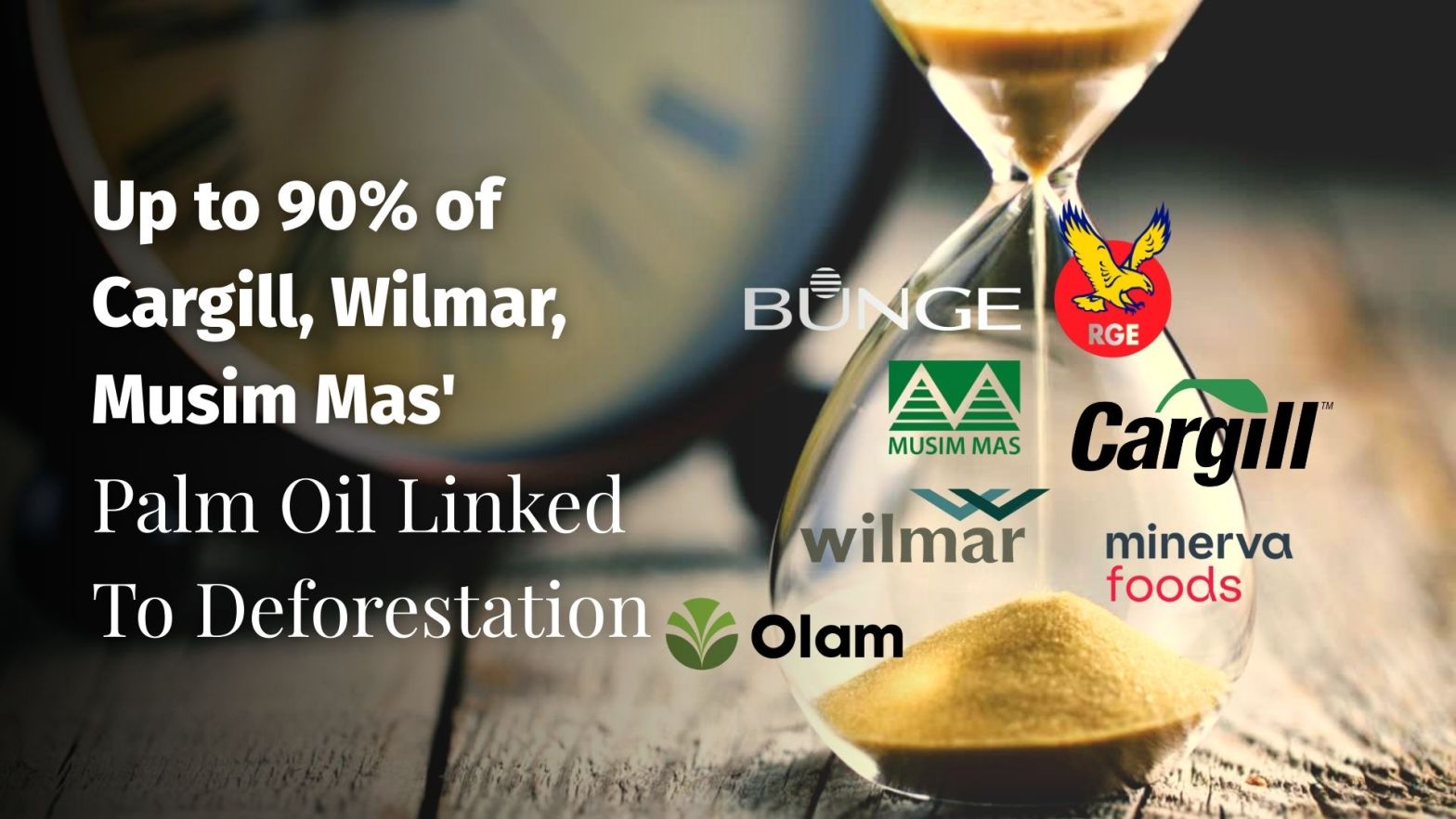
Research finds that between 15-90% of palm oil processed by global palm oil traders: #Cargill, #MusimMas and #Wilmar is unable to be adequately traced. This is due to opaque indirect sourcing and is linked to deforestation. Palm oil deforestation is sending thousands of rare, #endangered species of #animals and #plants towards #extinction and leads to the violent displacement of indigenous peoples. The loss of carbon sinks from deforestation plays a significant role in global warming and the climate emergency. Take action every time you shop and #BoycottPalmOil #Boycott4Wildlife
Health Physician Dr Evan Allen

Bio: Dr Evan Allen Dr. Evan Allen, the author of Oversaturated, believes that a pervasive distortion of the truth ignores decades of established research and has led millions of people to embrace a diet high in saturated fat. Furthermore that this diet results in millions of people suffering the consequences of diabetes, dementia and heart diseaseContinue reading “Health Physician Dr Evan Allen”
More protein and good for the planet: 9 reasons we should be eating microalgae
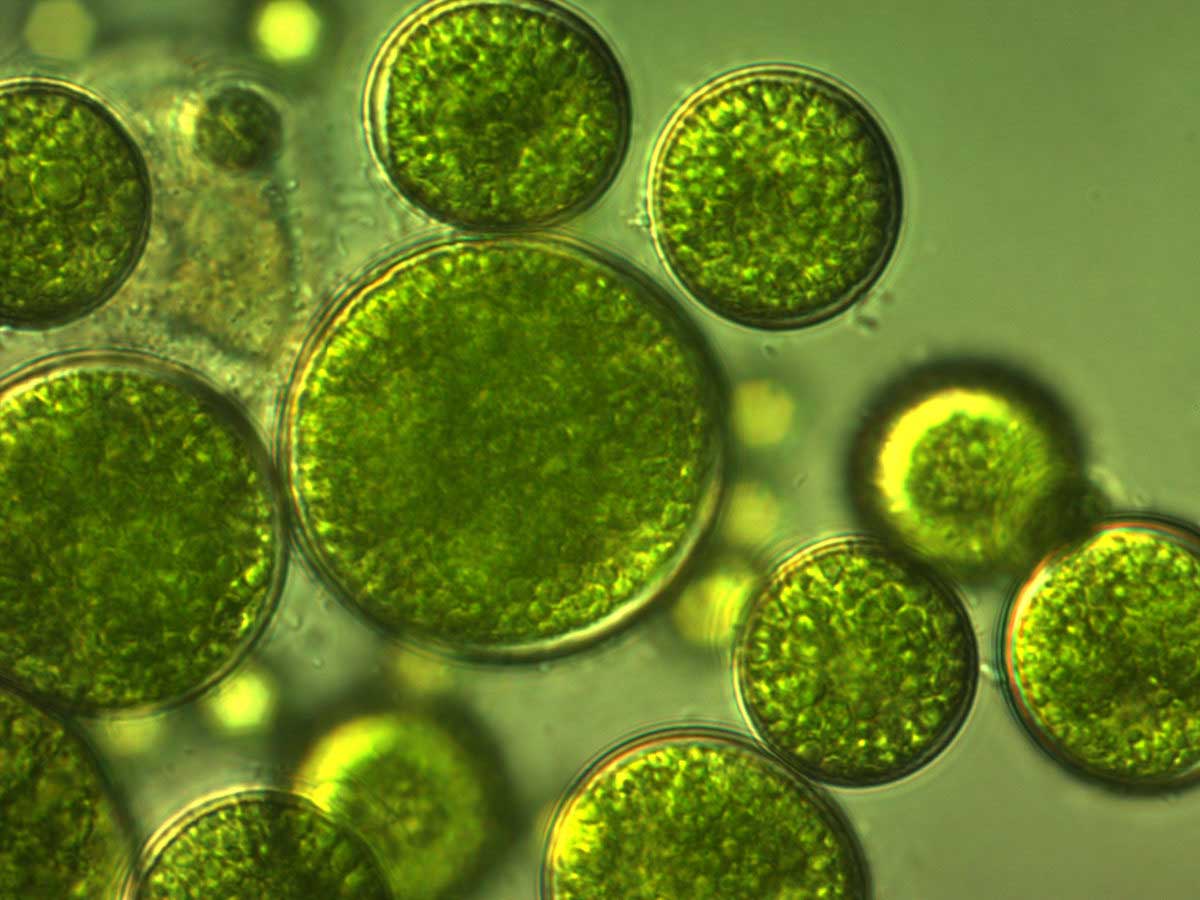
As the climate change advances and deforestation continues at pace, the land we use for growing energy-intensive crops such as wheat corn, soy and palm oil is becoming less productive. We need to find ways to feed the earth’s growing population that isn’t so burdensome on the environment. One potential solution is to cultivate microalgaeContinue reading “More protein and good for the planet: 9 reasons we should be eating microalgae”
Research: Small room for compromise between oil palm cultivation and primate conservation in Africa
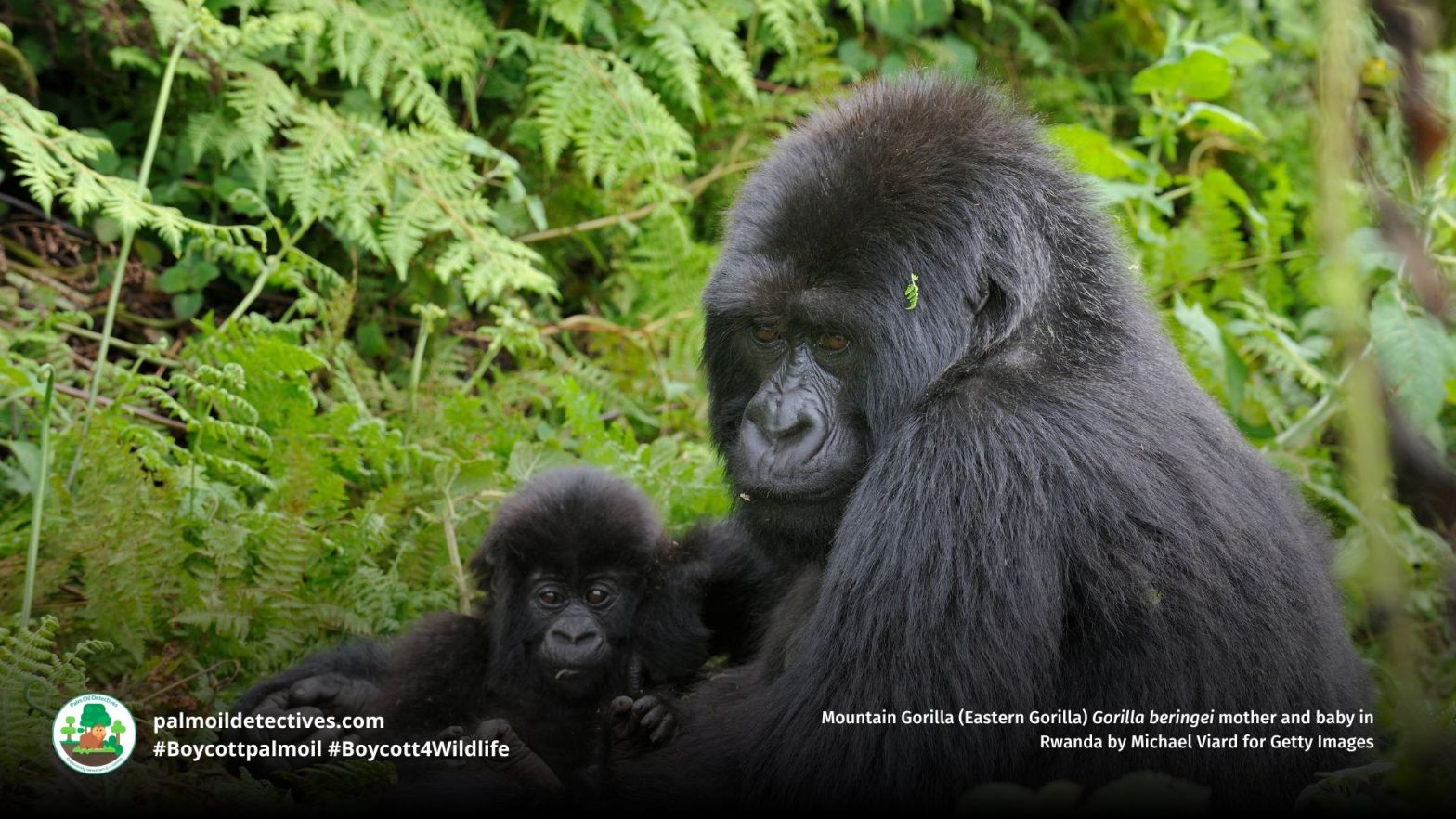
Research shows that future palm oil expansion is a major threat to Africa’s tropical forests and their rich primate biodiversity, Fight back boycott palm oil!
Research: Zoonotic Disease Outbreaks Linked to Forest Cover and Palm Oil Expansion
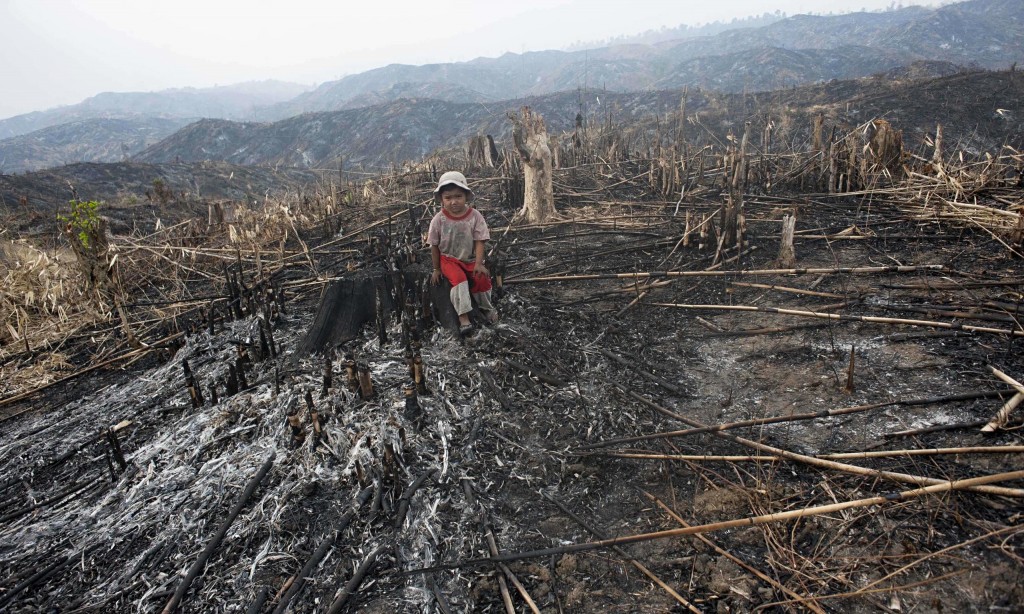
#Research finds that #deforestation is a major cause of #biodiversity loss with a negative impact on human health. Outbreaks of vector-borne #zoonotic #diseases are associated with increases in areas of #palmoil plantations.
How do we stop the world’s ecosystems from going into a death spiral? A #SteadyState Economy
What is a Steady State Economy? A Steady State Economy is a mildly fluctuating economy that does not exceed ecological and planetary limits. A Steady State Economy is not an alternative economic ideology that is centred on endless GDP growth. It is neither capitalism nor communism. Economic growth, with all of its downsides, is clearlyContinue reading “How do we stop the world’s ecosystems from going into a death spiral? A #SteadyState Economy”
Divide and Intimidate: The Playbook of Palm Oil Landgrabs
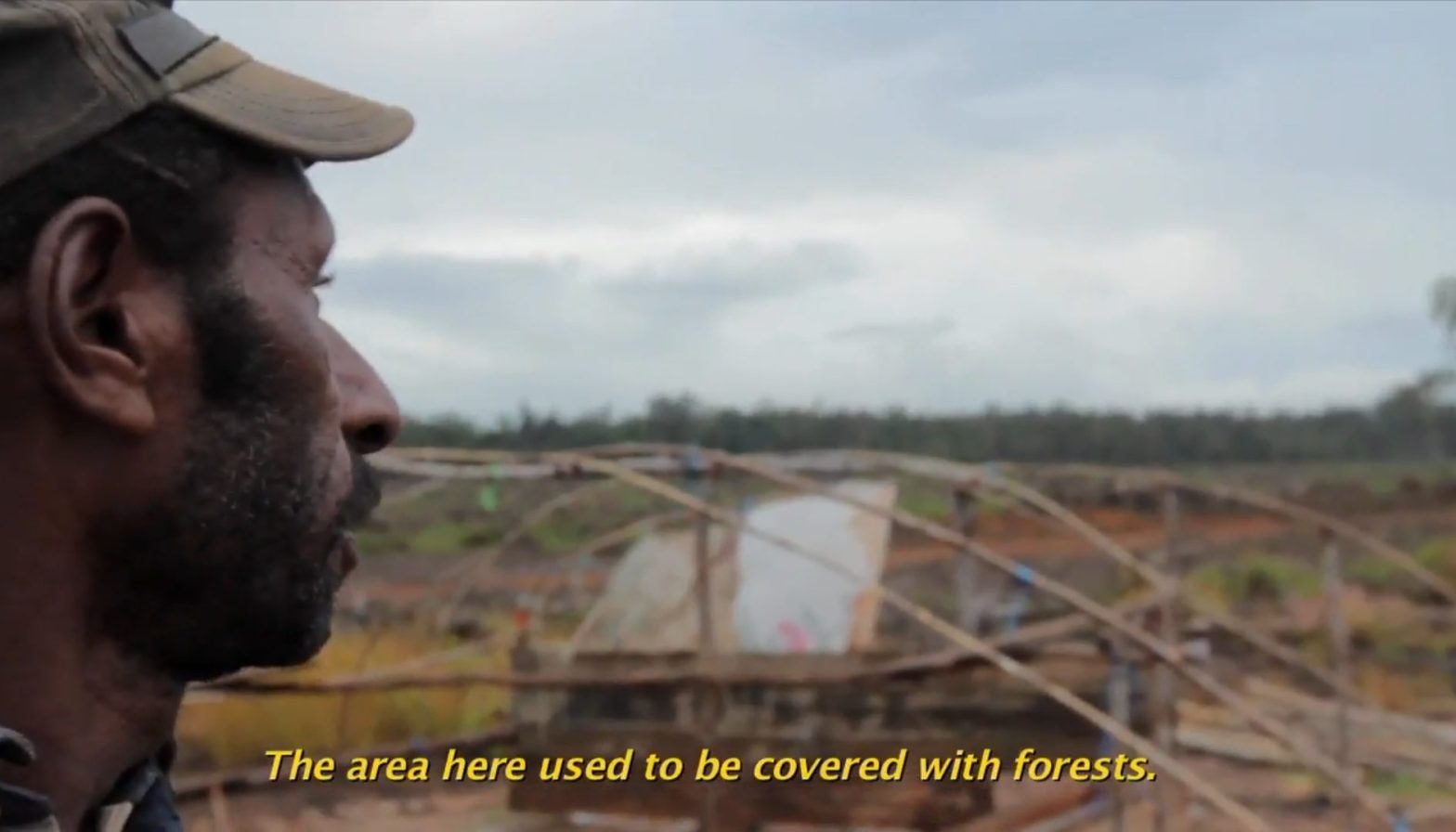
The insidious playbook of palm oil companies “Promise, Divide, Intimidate and Coerce” reveals the 12 corrupt tactics used to grab community land in Africa
Zoologist and TV Presenter Dr George McGavin
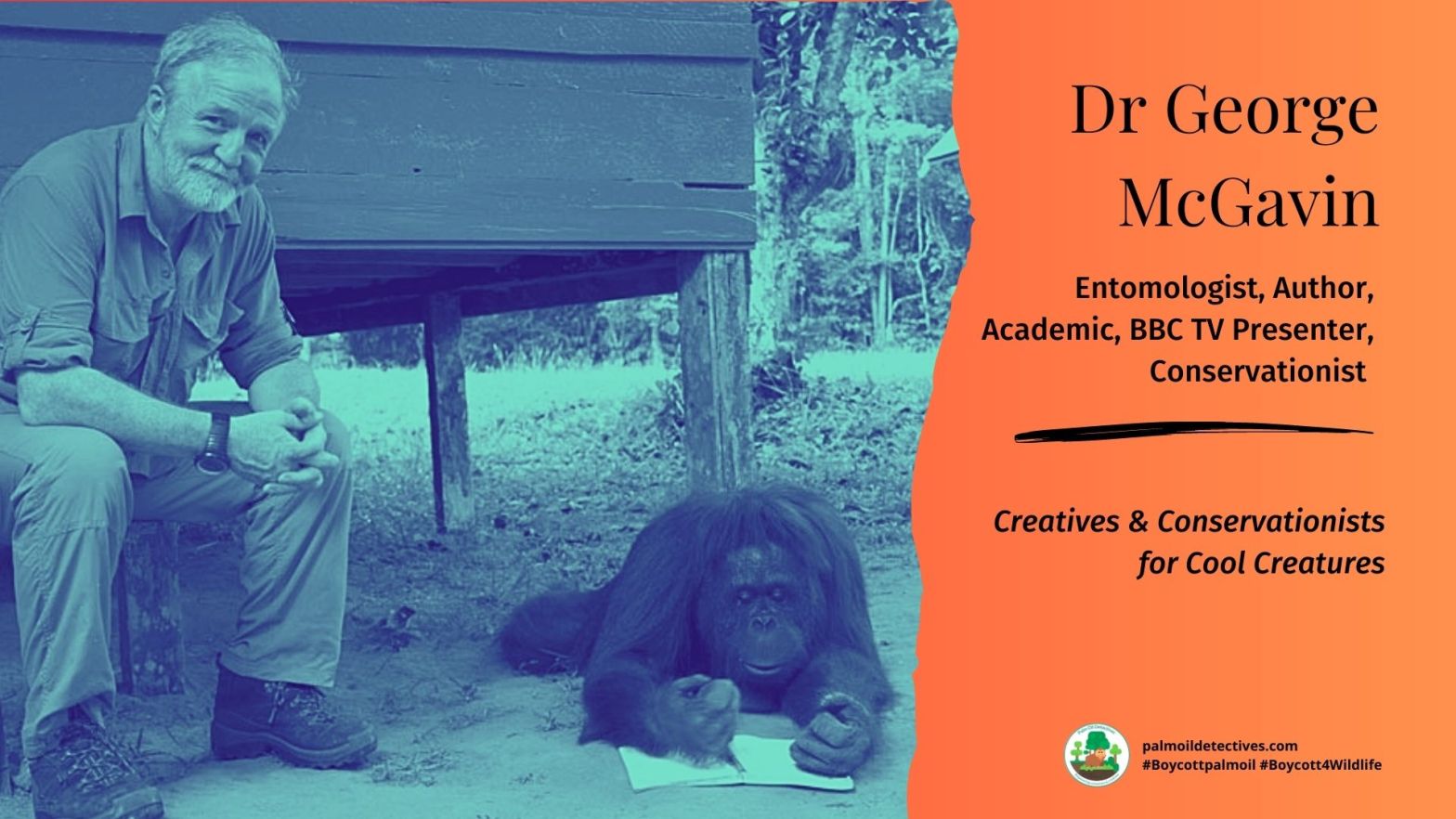
Dr George McGavin FLS FRGS Hon. FSB Hon. FRES studied Zoology at Edinburgh University, followed by a PhD in entomology at Imperial College and the Natural History Museum in London. After 25 years as an academic at Oxford University he became an award-winning television presenter. George is an Honorary Research Associate of the Oxford University Museum of Natural History and an Honorary Principal Research Fellow at Imperial College. George is also a Fellow of the Linnean Society and the Royal Geographical Society, an Honorary Fellow of the Royal Society of Biology and an Honorary Life Fellow of the Royal Entomological Society. As well as his many TV documentaries, George has written numerous books on insects and other animals. In 2019 he became the President of the Dorset Wildlife Trust.
Palm Oil Free Sunscreens & Insect Repellent

Protect yourself from the #sun 🌞⛱️🌻 while protecting 1000’s of #animals 🦧🦜🪲🦏🐘 from #palmoil #ecocide. Reject #beauty brands like #Loreal and Avon and find #PalmOilFree #Sunscreen. Fight back now! #BoycottPalmOil #Boycott4Wildlife
Dayak Indigenous Ethnographer Dr Setia Budhi
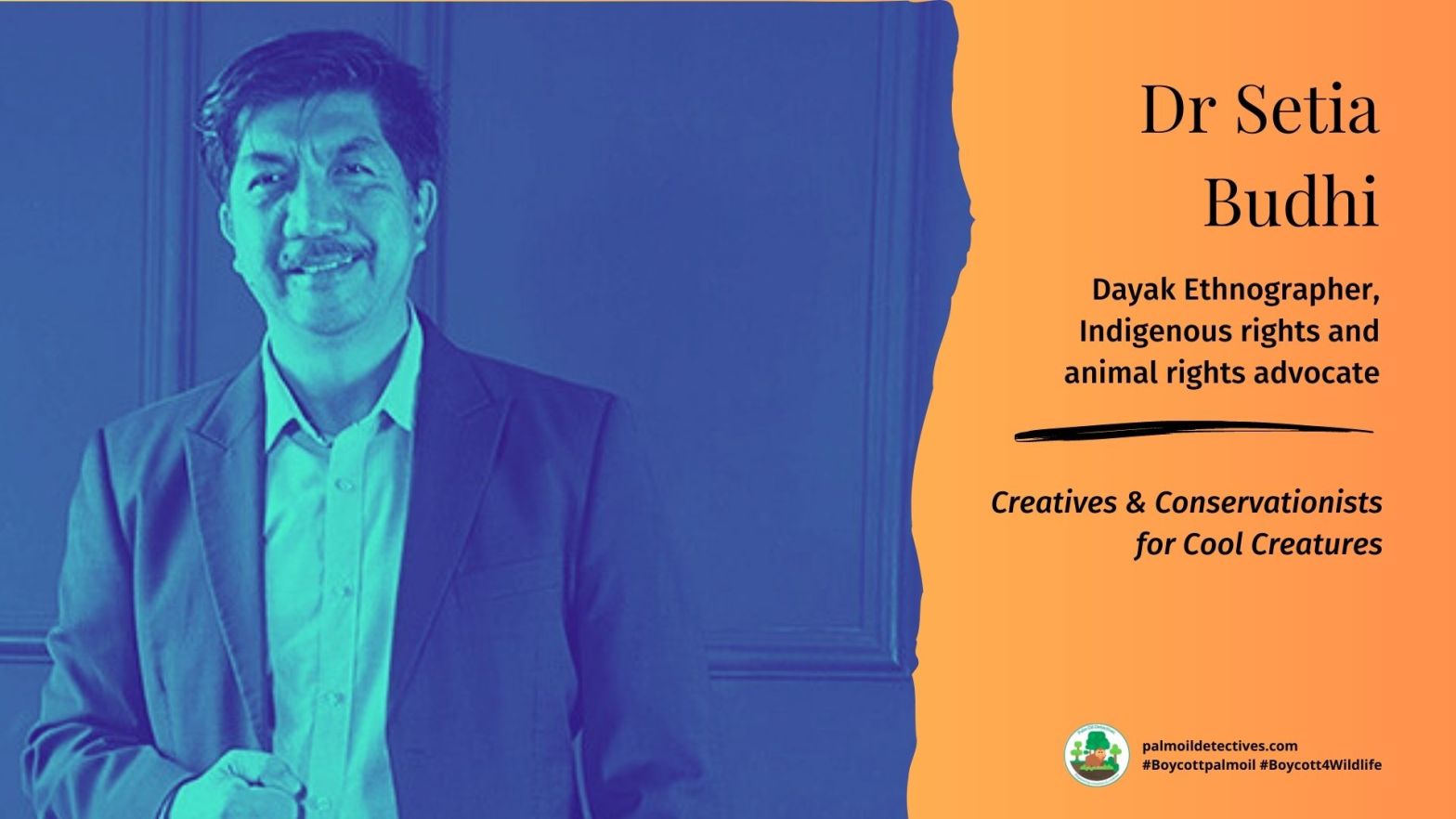
Dr Setia Budhi is a senior lecturer in Anthropology and Sociology at Universitas Lambung Mangkurat. He is an indigenous advocate, forest conservationist and a research specialist in Dayak ethnography in South, Central and East Kalimantan. He completed his PhD in 2010 at UKM Malaysia under the supervision of Prof. Awang Hasmadi Awang Moeis and Prof. Aishah Bt Mohamed. He now serves as Head of the Sociology Department and a member of the Indonesian Anthropology Association of South Kalimantan-Indonesia.
His research relates to the Dayak people and impact of socio-cultural changes, exploitation of natural resources and modernisation on their lives. In particular, he investigates how the depletion of the forest affects the availability of food sources for Indigenous Dayak peoples.
Wildlife Vet Dr Richard K Ssuna
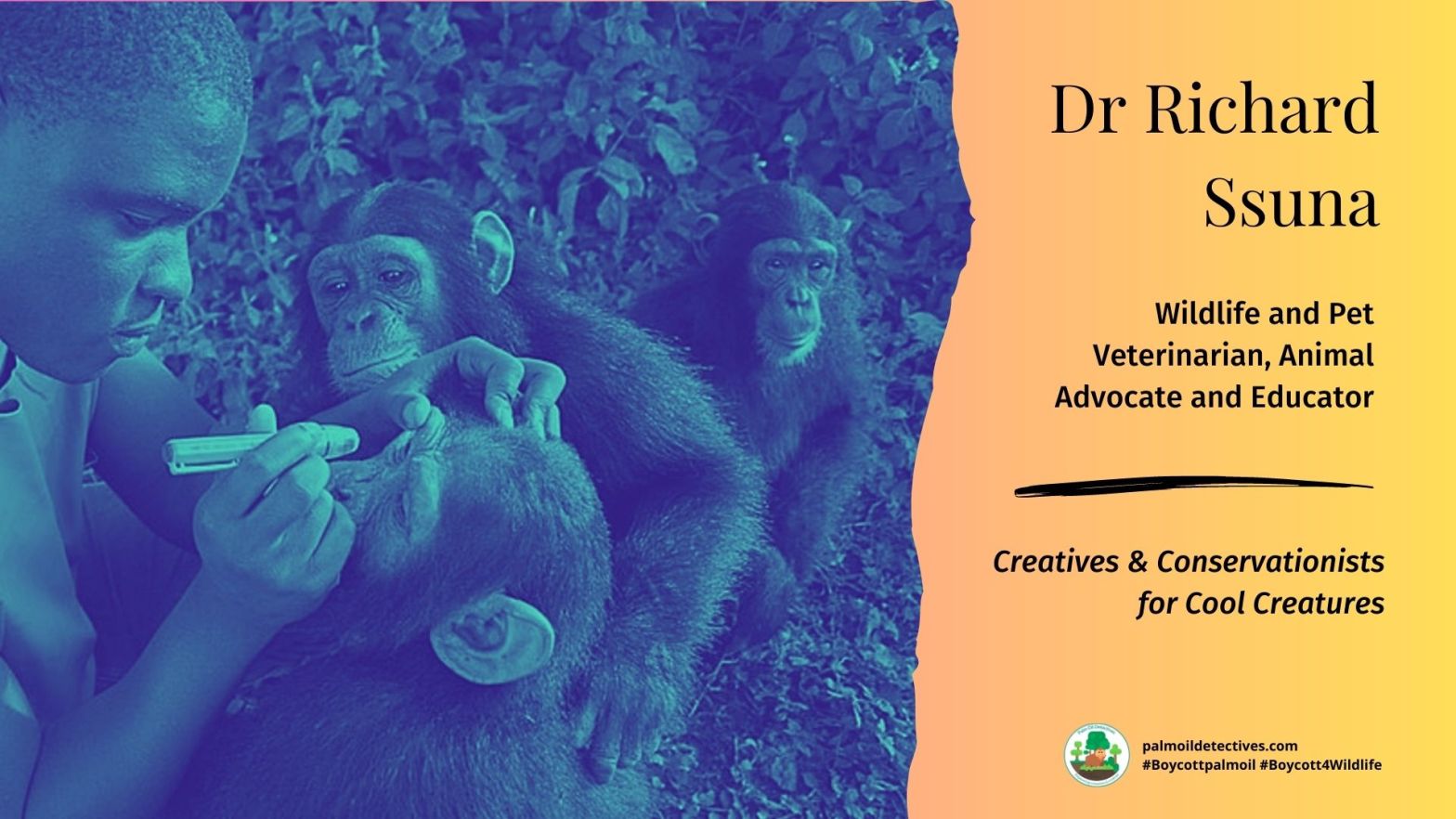
Dr Richard K. Ssuna has been caring for (wild and domesticated) animals as a Veterinarian for over 20 years. In the past he’s worked for the Uganda Society for the Protection and Care of Animals (USPCA), the Jane Goodall Institute and Chimpanzee Sanctuary, Wildlife Conservation Trust on Ngamba Island Chimpanzee Sanctuary and the Lilongwe Wildlife Centre. Dr Ssuna also established the Lilongwe Society and Protection of Animals (LSPCA) and also worked as the technical advisor for the Second Chance Chimpanzee Refuge in Liberia. He is currently the Founder of All Creatures Animal Welfare Trust in Malawi, Lesotho and Uganda.
In a real sense, the public has been hoodwinked into believing that a palm oil certification equates to a more sustainable product and as result, companies fetch even more cash for it. Read more about by Dr Ssuna does advocates for the #Boycottpalmoil #Boycott4Wildlife
Demand for meat is driving deforestation in Brazil – changing the soy industry could stop it
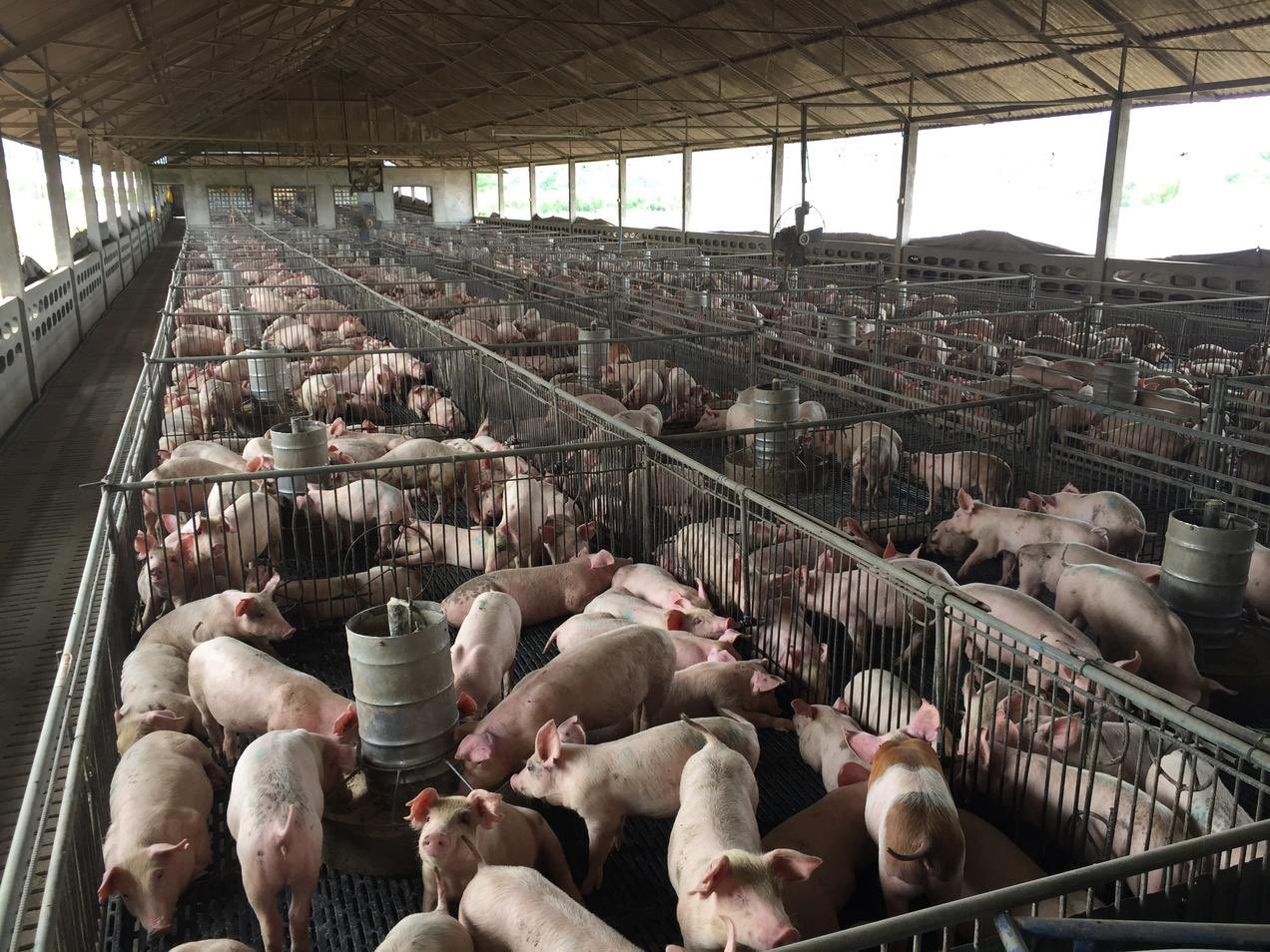
For many people, soy as a commodity has a pretty innocuous reputation thanks to its association with vegan food and meat alternatives. However don’t be fooled – crops of this pale legume are behind much of Brazil’s epidemic of deforestation. Much more #soy is fed to farm animals that people eat than is used in vegan food. Since 2000, #Brazil has doubled its total area of soy plantation to 36 million hectares and become the world’s largest producer. This expansion has erased vast swathes of forest and other habitats in some of the country’s most biodiverse regions. Soy, along with palm oil and meat deforestation are the biggest land-hungry commodities in South America and threaten the world’s largest rainforest biosphere. Help fight against this ecocide every time you shop, be #vegan #BoycottPalmOil #Boycott4Wildlife
Palm Oil Lobbyists Getting Caught Lying Orangutan Land Trust and Agropalma
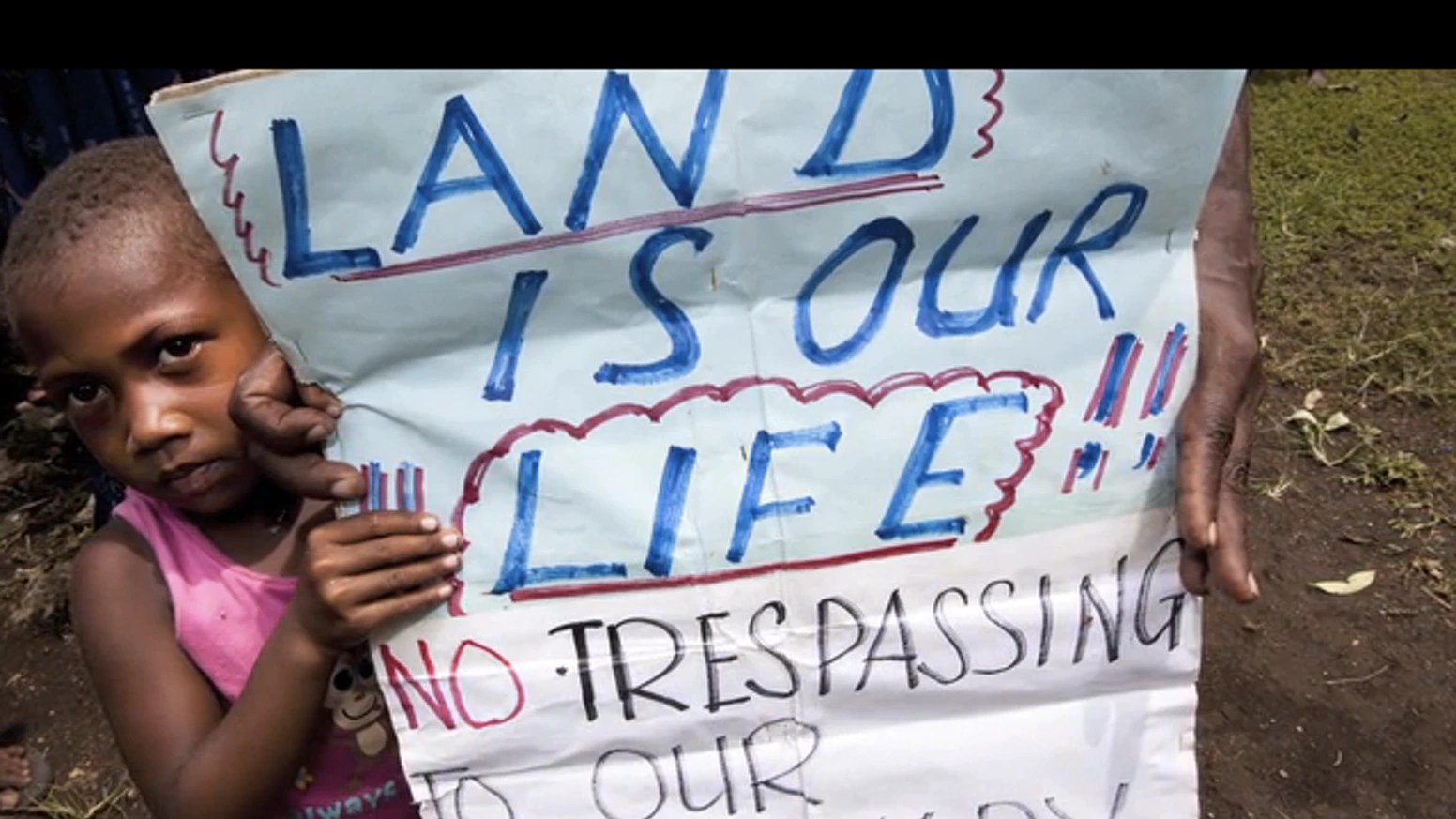
For decades, investigative journalists have been exposing that illegal land grabbing from Indigenous peoples as a regular occurrence in West Papua, South and Central America, Africa and Asia. Indigenous people’s land is being forcibly (and often violently) taken from them by predatory palm oil companies. Major supermarket brands and also palm oil producers that areContinue reading “Palm Oil Lobbyists Getting Caught Lying Orangutan Land Trust and Agropalma”
Forgotten Animals of Secretly Destroyed Forests
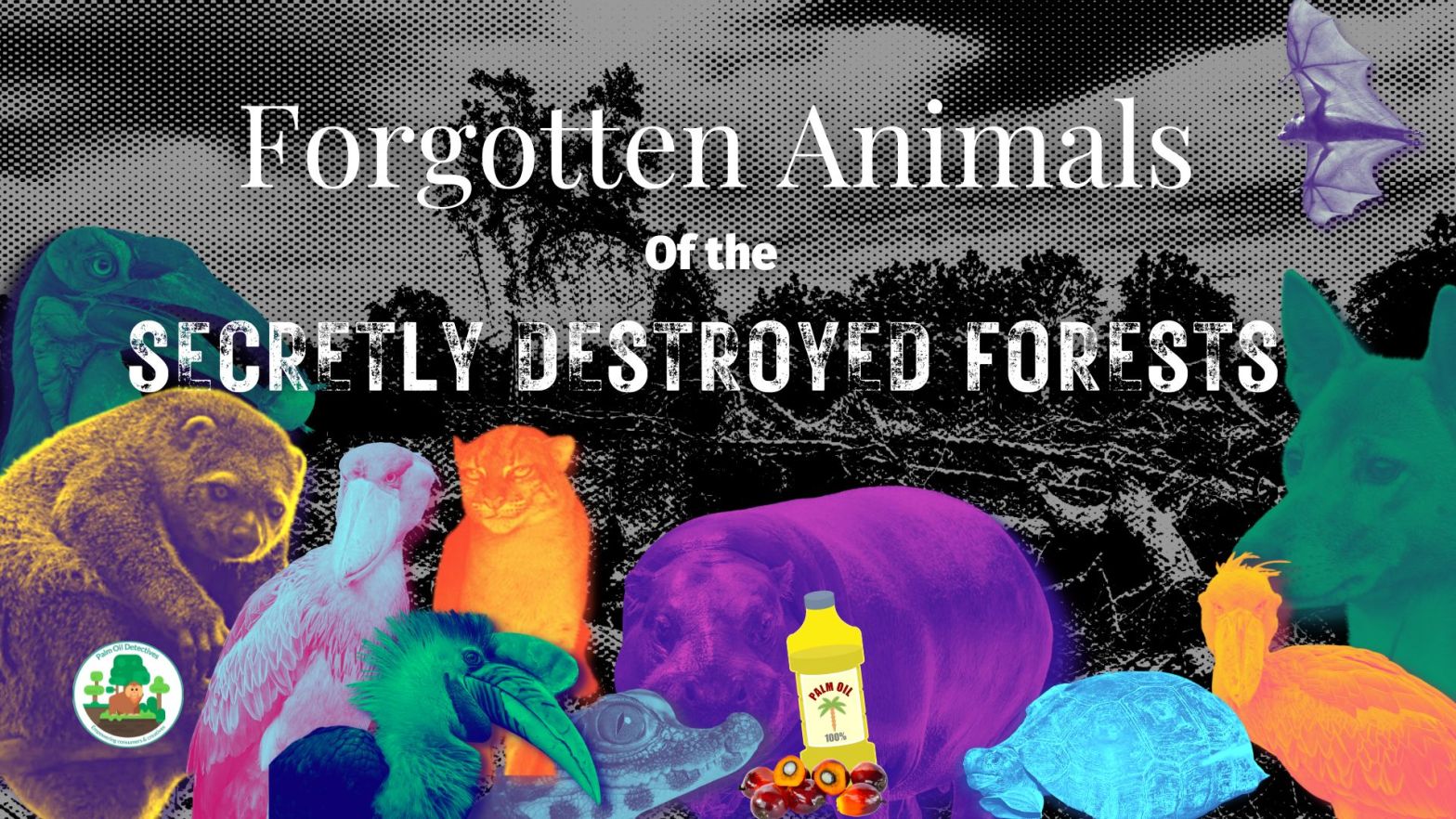
Don’t let the forests go silent! 1000’s of forgotten animals are nearing extinction due to palm oil deforestation. Take action and boycott palm oil today!
The rise of ultra-processed foods and why they’re really bad for our health

Unlike traditionally produced foods humans have been making for many millennia, ultra-processed foods contain ingredients to prolong their shelf-life and artificially augment the food’s taste or texture. This occurs at the expense of nutritional value and as a result, human populations with a high consumption of ultra processed foods like palm oil, saturated fats and refined sugar are at high risk of chronic diseases like diabetes and obesity along with increased mortality risk from cardiovascular disease, #stroke, #dementia and gastrointestinal #cancer. Take action for your #health and #BoycottPalmOil
Ariel Toucan Ramphastos ariel
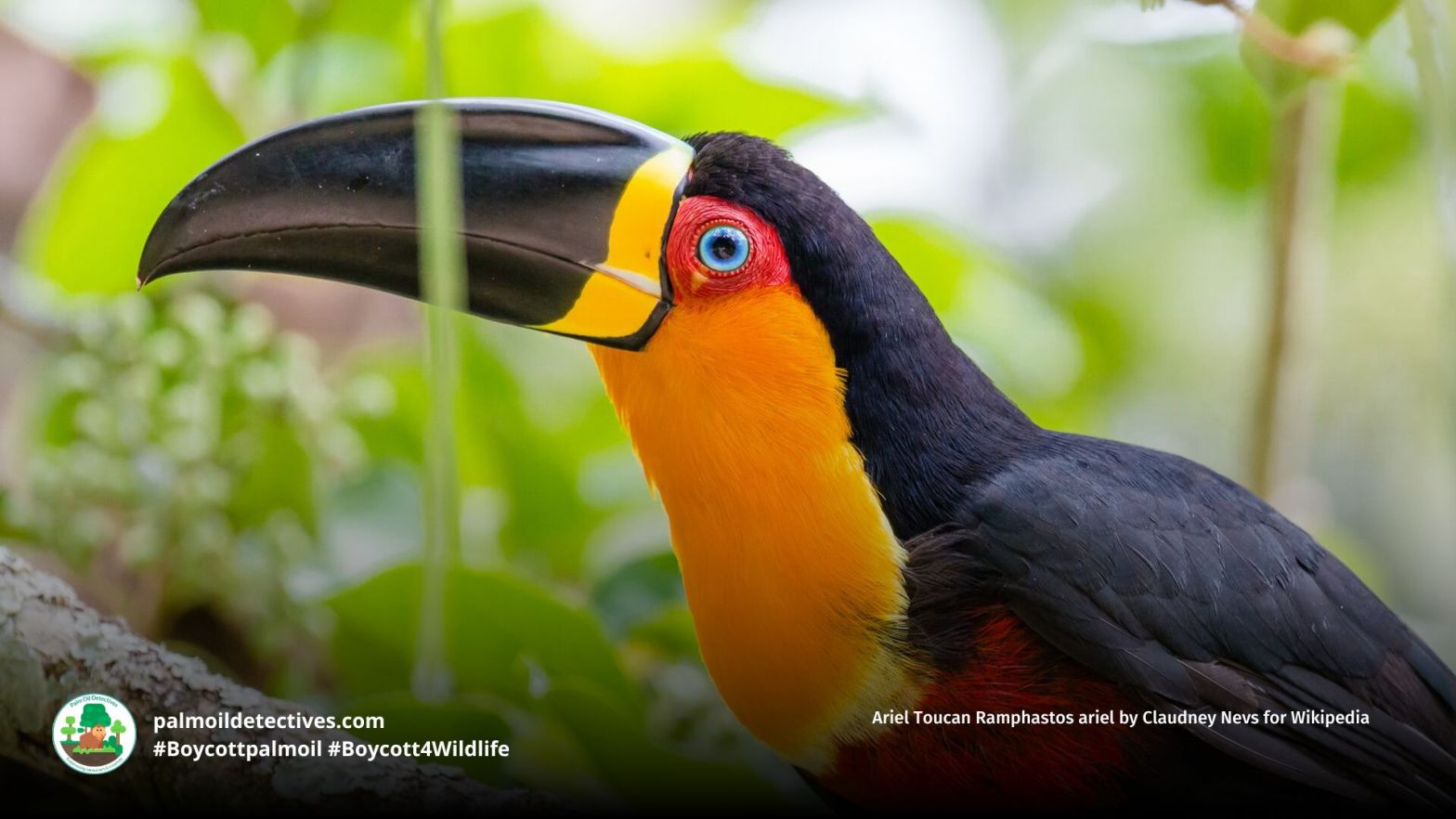
Ariel Toucans are vibrant and charismatic birds of South America under threat from palm oil, soy, meat and gold mining deforestation. Take action for them!
Tana River Mangabey Cercocebus galeritus
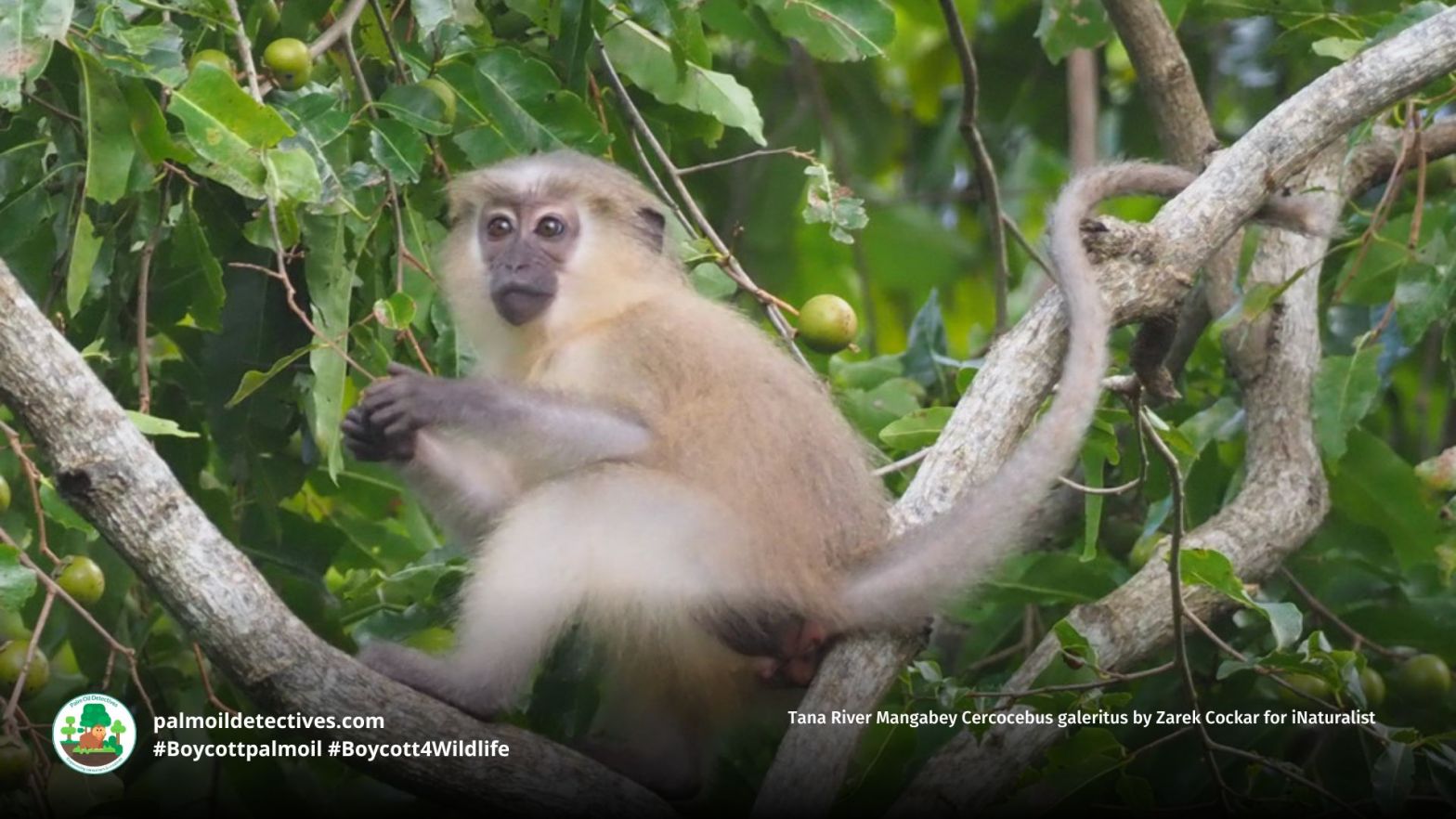
The Tana River Mangabey Cercocebus galeritus is a long-faced and slender old world monkey of #Kenya listed as Critically Endangered due to ongoing habitat destruction, dam construction, logging, and the degradation of floodplain forest ecosystems. Once protected by the Tana River #Primate Reserve, these #monkeys despite being key seed dispersers in their ecosystem are now more vulnerable than ever after the legal de-gazetting of their habitat. With only around 1,000 individuals remaining, this highly social and adaptable primate faces a devastating future unless urgent action is taken. Use your wallet as a weapon to end the destruction of their home. #BoycottPalmOil #Boycott4Wildlife #Vegan #BoycottMeat
Eastern Gorilla Gorilla beringei
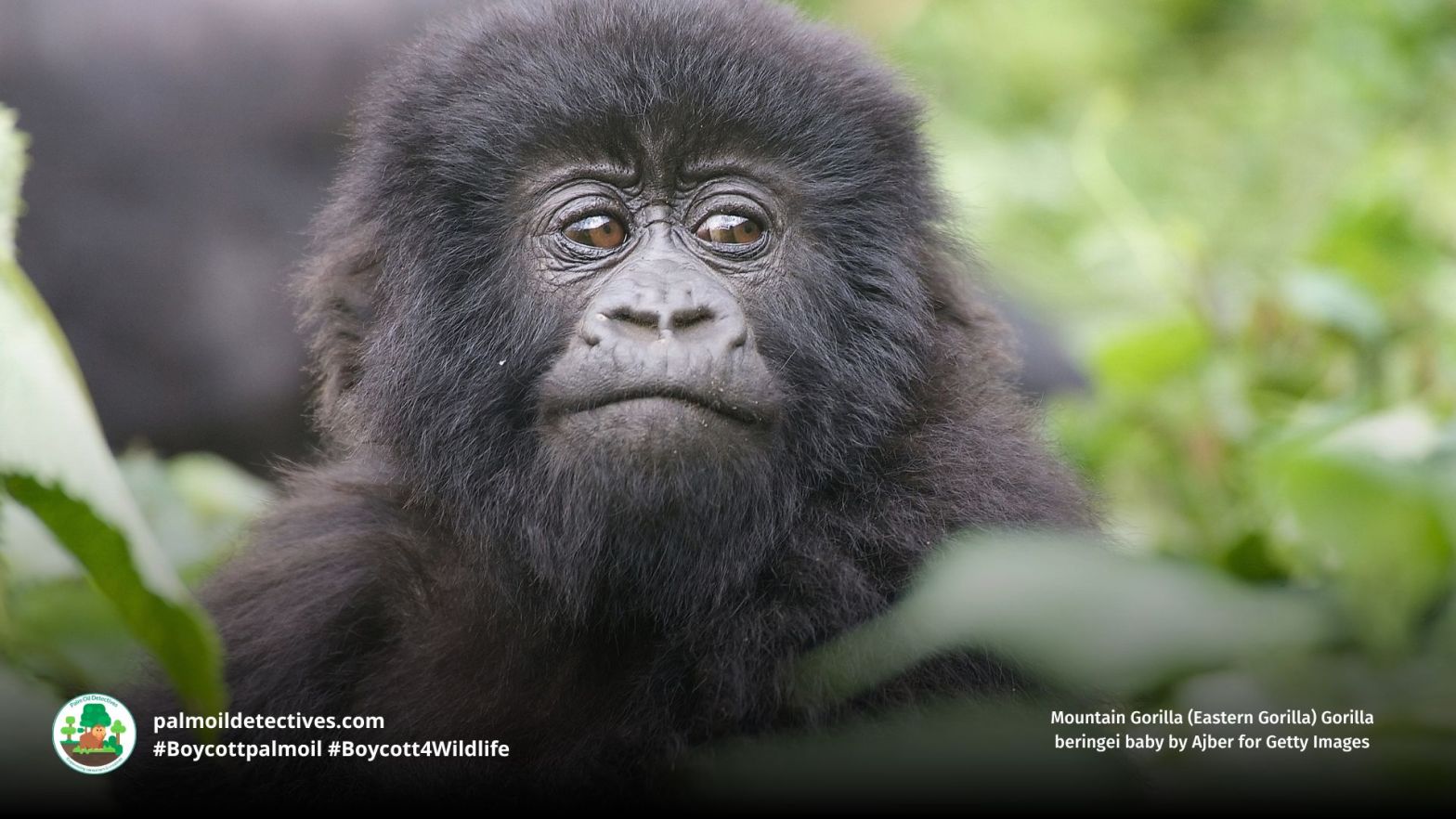
Eastern Gorillas, the world’s largest primates are Critically Endangered in DRC, Rwanda, and Uganda. Help them survive be vegan and boycott palm oil now
Great Green Macaw Ara ambiguus
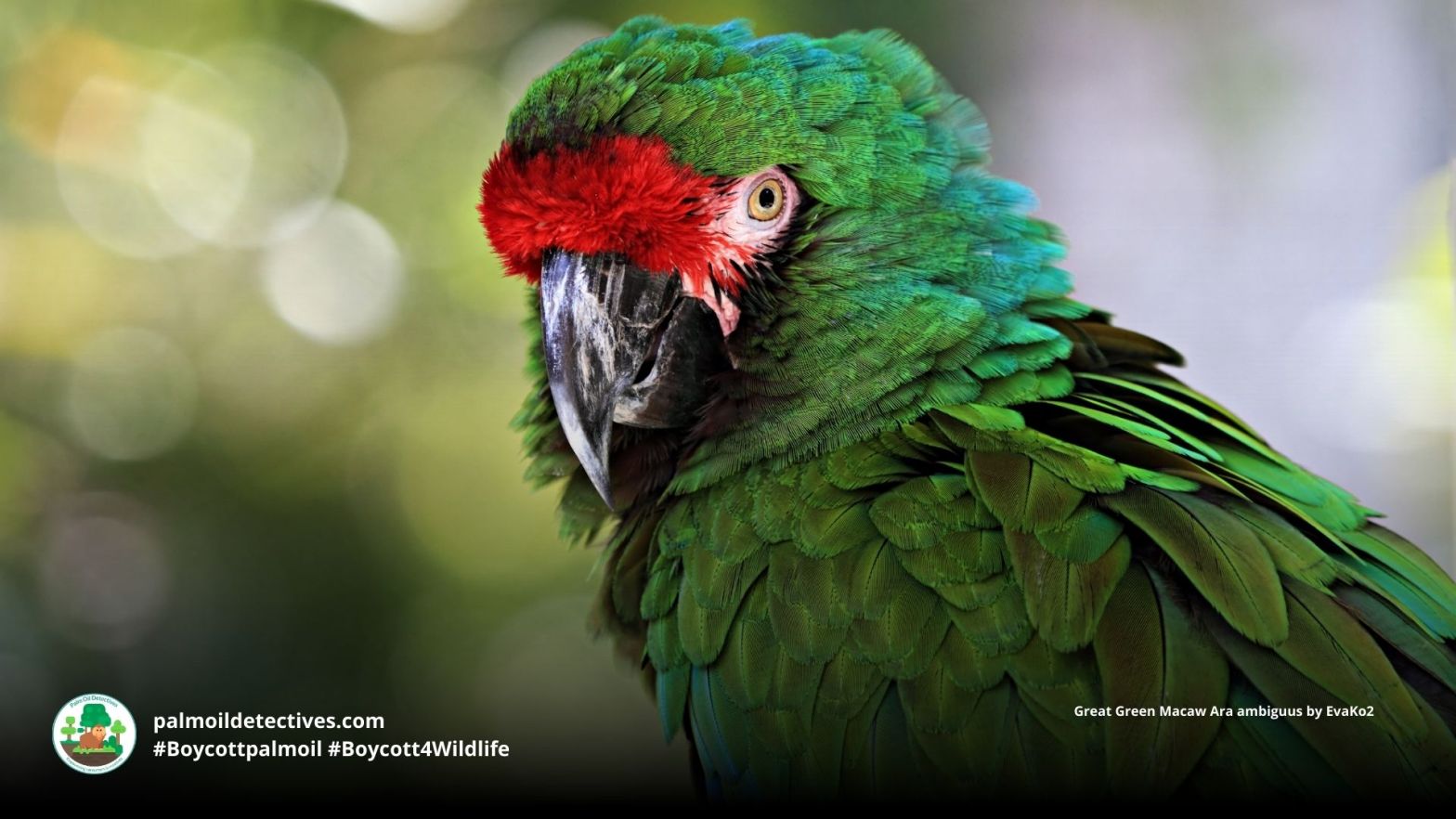
The Great Green Macaw Ara ambiguus are the largest macaw species and in flight they are dazzling symbol of Central and South America’s vanishing rainforests. Draped in shimmering green plumage with a fiery red forehead and striking blue-tipped feathers, these parrots are key players in their ecosystem. With their powerful beaks, they crack open tough nuts, dispersing seeds that sustain the forest’s delicate balance. Yet, these vibrant giants are under siege.
Deforestation—driven by palm oil plantations, illegal logging, and agriculture—has decimated the old-growth forests they call home. Their lifeline, the mountain almond tree, is vanishing, taking with it vital macaw nesting sites. Alarmingly, Great Green Macaw populations in Costa Rica and Ecuador have dwindled to critical levels, leaving fewer than 3,500 individuals to soar freely the skies.
Fight for their survival every time you shop. Support indigenous-led conservation and use your wallet as a weapon: #BoycottPalmOil #Boycott4Wildlife.
Harlequin Poison Frog Oophaga histrionica
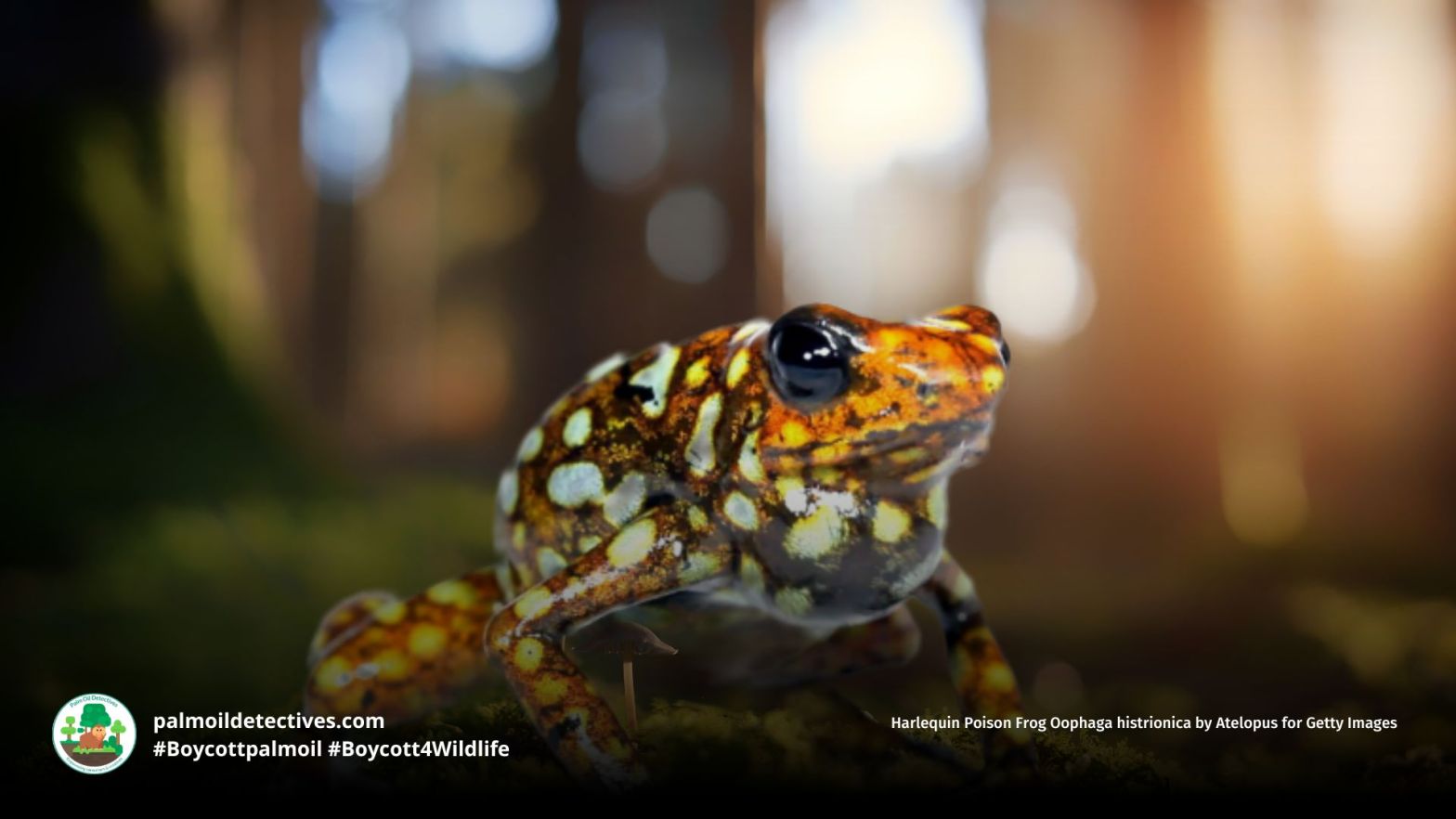
Chocó rainforests, the harlequin poison frog is as deadly as it is beautiful. Cloaked in hypnotic shades of orange, yellow, green and black, this tiny amphibian is a master of chemical warfare—their skin is infused with powerful alkaloid toxins that can paralyse or kill predators. But despite their formidable defences, they are completely helpless against human destruction.
Once thriving in the dense, misty forests of western Colombia, this critically endangered frog is now on the brink of extinction. Illegal mining, rampant deforestation for palm oil plantations, and the relentless wildlife trade have devastated their fragile rainforest home. The same vibrant colours that warn predators away have made them a prime target for smugglers supplying the exotic pet trade.
This extraordinary species is a vital part of its ecosystem, controlling insect populations and contributing to the rainforest’s delicate balance. But unless urgent action is taken, the harlequin poison frog could vanish forever.
Protect their rainforest home. Say no to palm oil, reject the illegal pet trade, and demand stronger protections for Colombia’s amphibians. #BoycottPalmOil #Boycott4Wildlife
Orinoco Crocodile Crocodylus intermedius
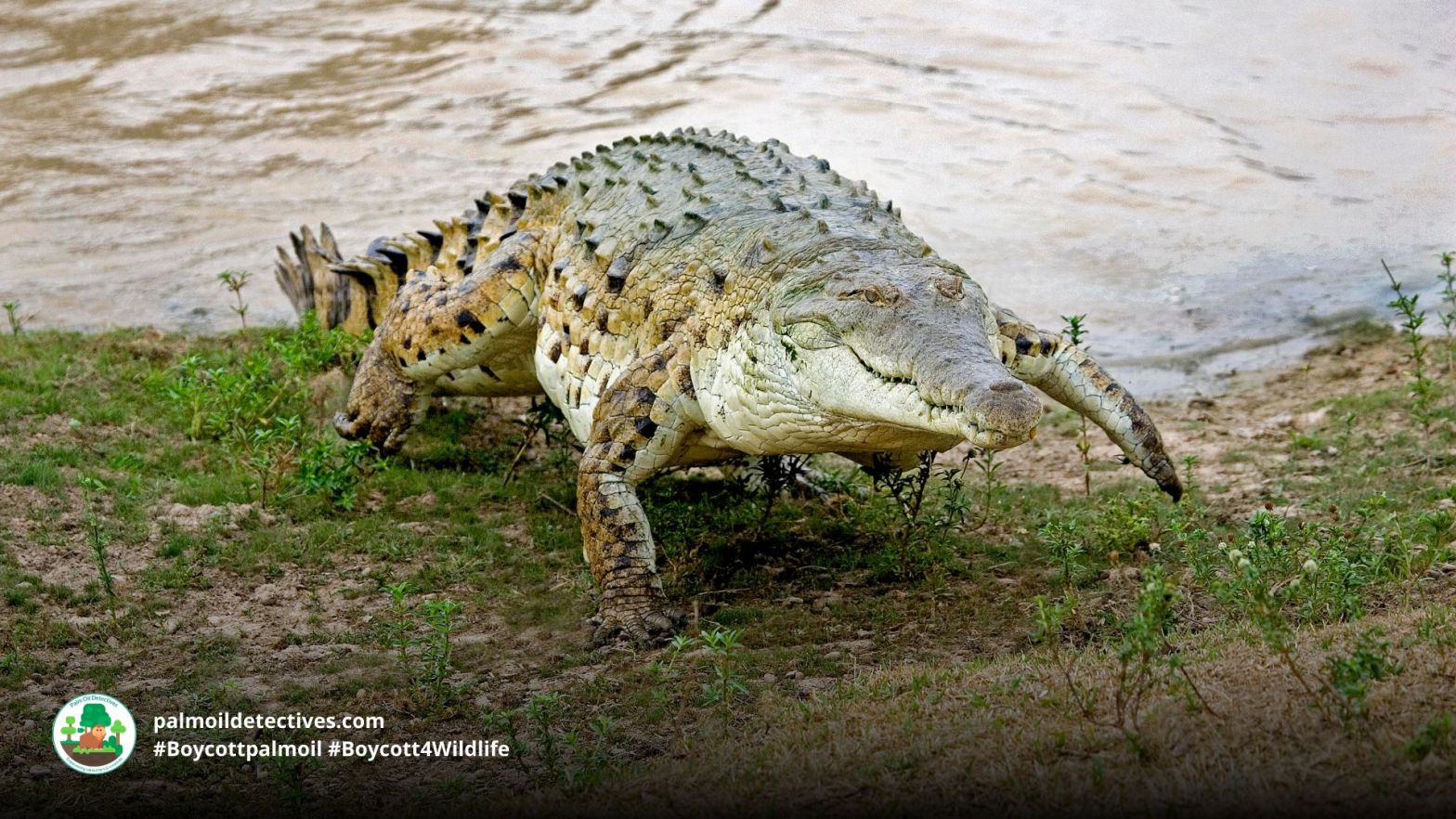
Endemic to the Orinoco River Basin in #Colombia and #Venezuela, the majestic Orinoco Crocodile is one of the rarest and most threatened reptiles on Earth. These intelligent, powerful apex predators once ruled vast waterways across northern South America, but today, their numbers have plummeted by more than 80% due to hunting, habitat loss, pollution, and deforestation. They are now restricted to tiny, fragmented populations across fewer than 34 rivers. #Goldmining and #palmoil #pollution pose a massive risk, imperiling these magnificent crocodiles. Urgent conservation efforts are essential to safeguard the Orinoco Crocodile from the brink of extinction. Boycott #palmoil, #soy, and #beef products contributing to deforestation. #BoycottGold4Yanomami Reject crocodile skin and be #vegan, and #BoycottPalmOil #Boycott4Wildlife
Golden-headed Lion Tamarin Leontopithecus chrysomelas

The Golden-Maned Lion Tamarin faces a battle for survival, with threats from habitat loss, particularly due to palm oil deforestation, the illegal pet trade, predation, disease, and climate change. These majestic creatures, with their striking golden manes and vibrant personalities, are teetering on the brink due to the relentless destruction of their home. But there’s hope, and it starts with us. By choosing to #BoycottPalmOil, supporting the #Boycott4Wildlife movement, and embracing a #Vegan lifestyle, we can make a profound impact. Together, we have the power to safeguard the forests, preserve the planet’s biodiversity, and ensure the survival of the Golden-Maned Lion Tamarin.
Black-faced Lion Tamarin Leontopithecus caissara
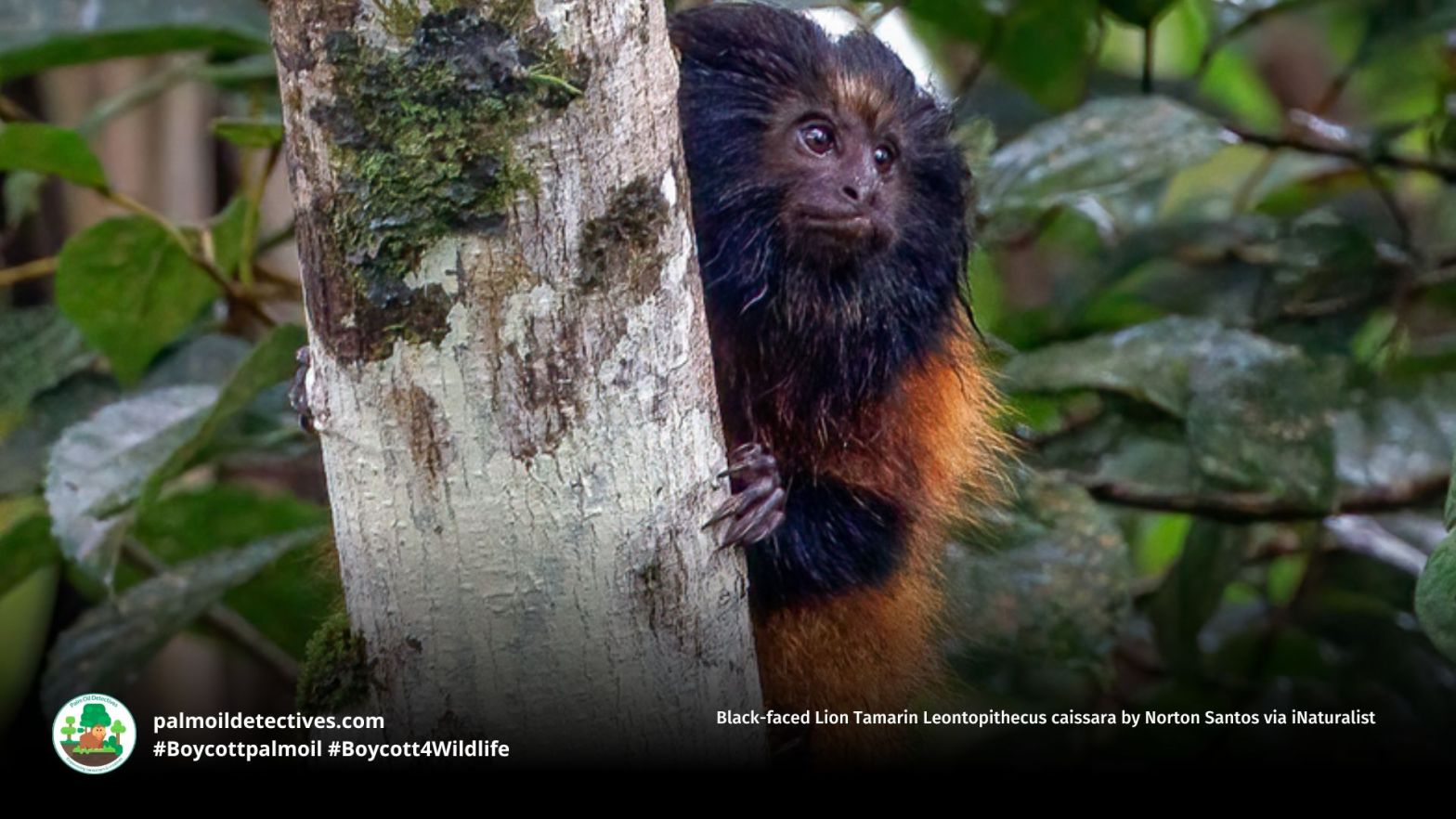
The black-faced lion #tamarin Leontopithecus caissara, also known as the Superagüi lion tamarin, is listed as Critically Endangered on the IUCN Red List. With a total population of fewer than 400 individuals and a fragmented, low-lying coastal habitat of #Brazil, this species is on the edge of extinction. Threats include logging, the illegal #pettrade, palm oil, #soy and #meat deforestation and urban expansion. Conservation efforts have begun, but there is still enormous work to do to protect these irreplaceable #primates. Protect this rare and charismatic #primate by taking urgent action. #BoycottPalmOil #Boycott4Wildlife #Vegan
 Palm Oil Detectives