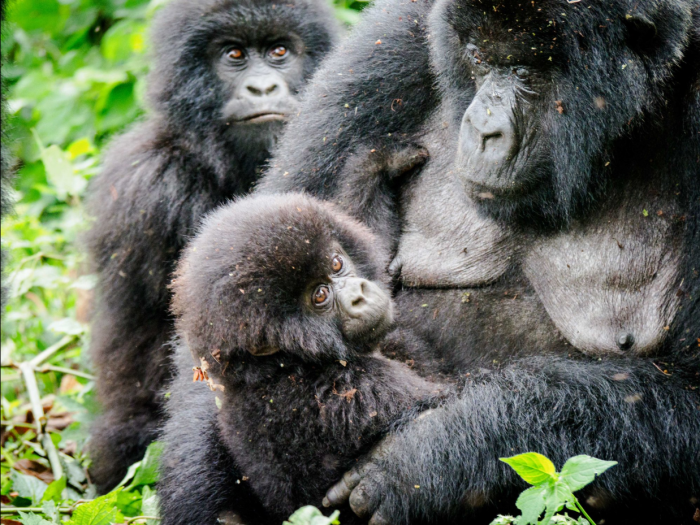
Western Lowland Gorilla Gorilla gorilla

Mighty, intelligent and gentle Western Lowland Gorillas are well-loved apes, they are #critically endangered by #deforestation and habitat loss for #palmoil, cocoa and mining along with disease and illegal poaching in #Congo #Nigeria #Cameroon Help them to survive every time you shop! Join the #Boycott4Wildlife

Forgotten Animals of Secretly Destroyed Forests

Don’t let the forests go silent! 1000’s of forgotten animals are nearing extinction due to palm oil deforestation. Take action and boycott palm oil today!

The rise of ultra-processed foods and why they’re really bad for our health

Unlike traditionally produced foods humans have been making for many millennia, ultra-processed foods contain ingredients to prolong their shelf-life and artificially augment the food’s taste or texture. This occurs at the expense of nutritional value and as a result, human populations with a high consumption of ultra processed foods like palm oil, saturated fats and refined sugar are at high risk of chronic diseases like diabetes and obesity along with increased mortality risk from cardiovascular disease, #stroke, #dementia and gastrointestinal #cancer. Take action for your #health and #BoycottPalmOil

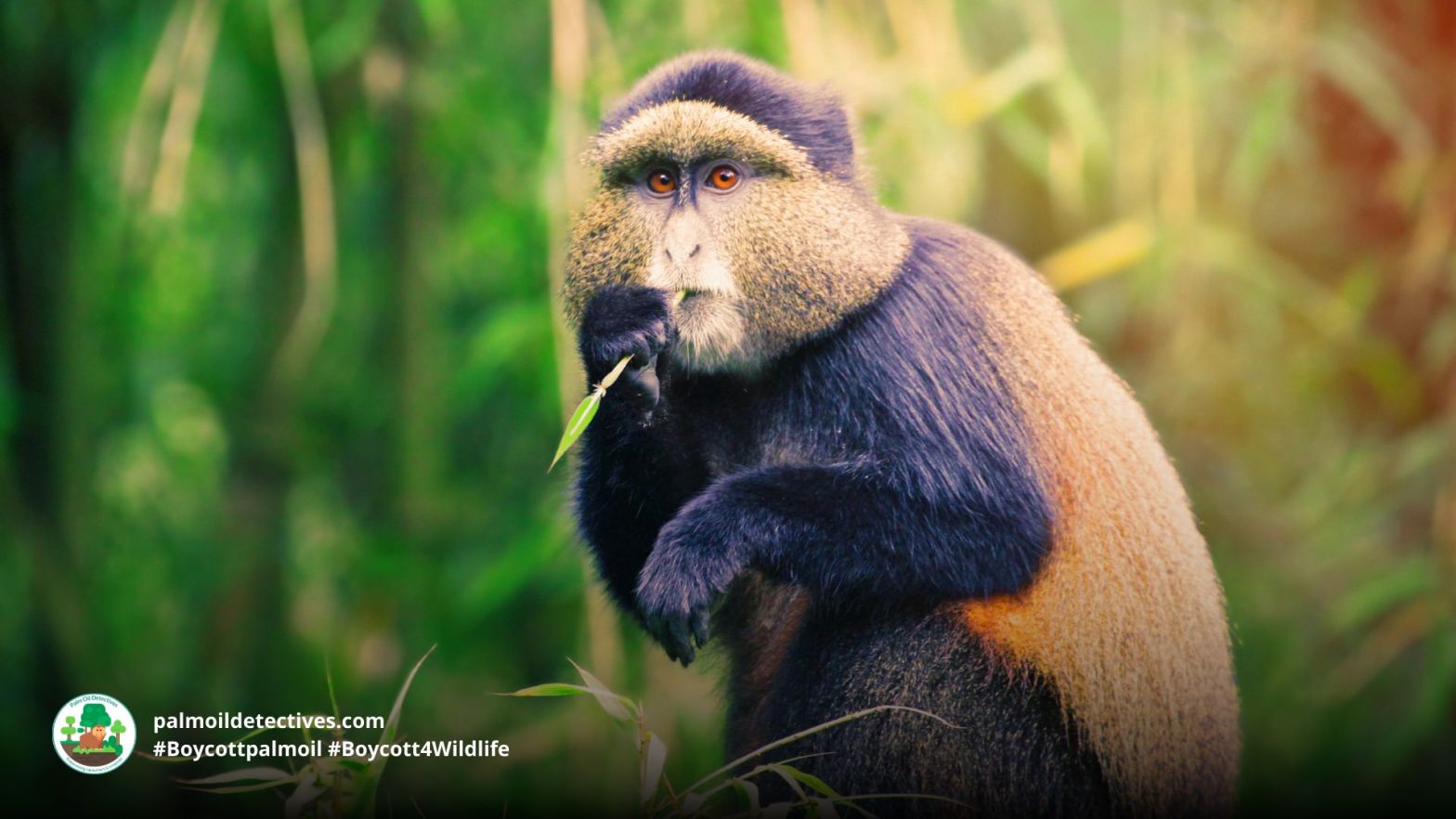
Golden Monkey Cercopithecus mitis kandti

In the mist-laden bamboo forests of the Virunga massif, the golden monkey Cercopithecus mitis kandti darts through dappled sunlight and the tree canopy. This endangered primate is found only in the high-altitude forests of the Albertine Rift, nestled deeply in volcanic mountains. They are found in four national parks: Mgahinga, in south-west Uganda; Volcanoes, in north-west #Rwanda; and Virunga and Kahuzi-Biéga, in the eastern Democratic Republic of #Congo. Like many other animals in the region they are protected and yet human threats including #mining #hunting and #agriculture continue to come dangerously close. Help these sweet-faced and severely threatened #primates every time you shop #BoycottPalmOil #Boycott4Wildlife

Eyewitness by Craig Jones: A mother and baby orangutan are rescued from an RSPO palm oil plantation in Sumatra

Bio: Craig Jones One of Britain’s finest wildlife photographers, Craig Jones is also one of the most humble and down-to-earth guys you will ever meet. His photography and stories capture the lives of endangered rainforest animals that we hold so dearly to our hearts: Sumatran orangutans, Sumatran tigers, Sumatran elephants, Siamangs and more. His workContinue reading “Eyewitness by Craig Jones: A mother and baby orangutan are rescued from an RSPO palm oil plantation in Sumatra”

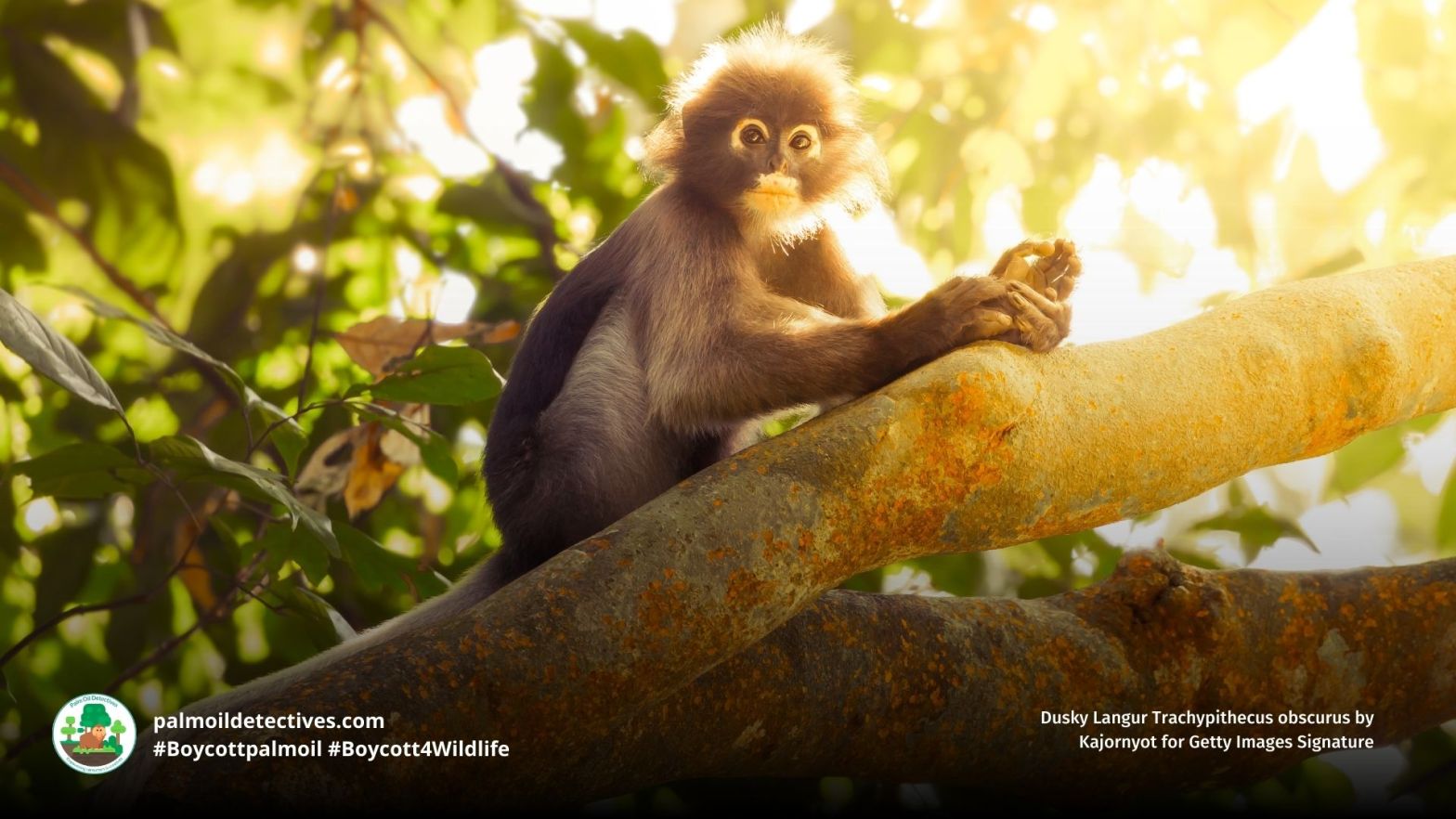
Dusky Langur Trachypithecus obscurus

The dusky langur, also known as the spectacled langur or dusky leaf monkey, is one of Southeast Asia’s most charismatic primates. Living in #Thailand, #Myanmar and #Malaysia they have vivid white eye patches that resemble spectacles and a fluffy dark-grey coat, they cut an unmistakable figure against the rustling emerald canopy of the rainforest. These intelligent and agile #monkeys play a crucial role in their ecosystems by dispersing seeds, keeping forests healthy and thriving. Yet, deforestation for agriculture—particularly #palmoil, rubber, and durian plantations—alongside hunting and illegal #wildlifetrade, is pushing them closer to extinction. Without urgent intervention, the forests they call home will be razed, and their populations will continue to plummet. Use your voice to protect them—fight for their survival and #BoycottPalmOil #Boycott4Wildlife every time you shop

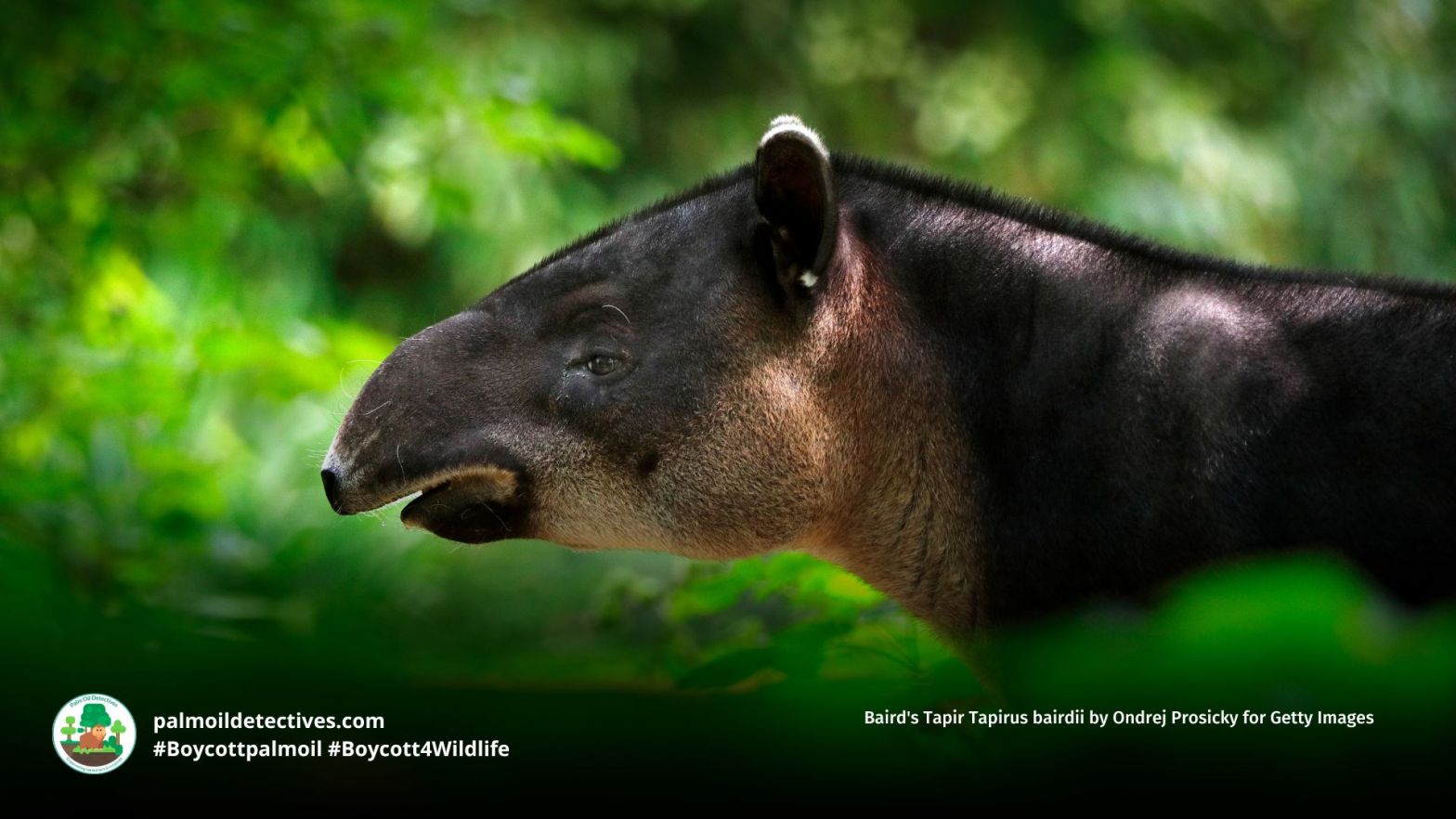
Baird’s Tapir Tapirus bairdii

Baird’s tapirs may look like they are relatives of elephants, but they’re actually closer kin to horses, donkeys, zebras, and rhinoceroses. Also known as the Central American tapir, they are the largest land mammals in Central America and a living relic of an ancient lineage.

Their robust, stocky bodies and distinctive trunk-like snout make them unique among mammals. However, they are now Endangered, with fewer than 5,000 individuals left in the wild.

Tragically, palm oil, soy and meat deforestation, hunting, and human encroachment are driving this species toward extinction. Protecting their habitats is critical to ensuring their survival. Use your wallet as a weapon—boycott palm oil and support conservation initiatives. #BoycottPalmOil #Boycott4Wildlife
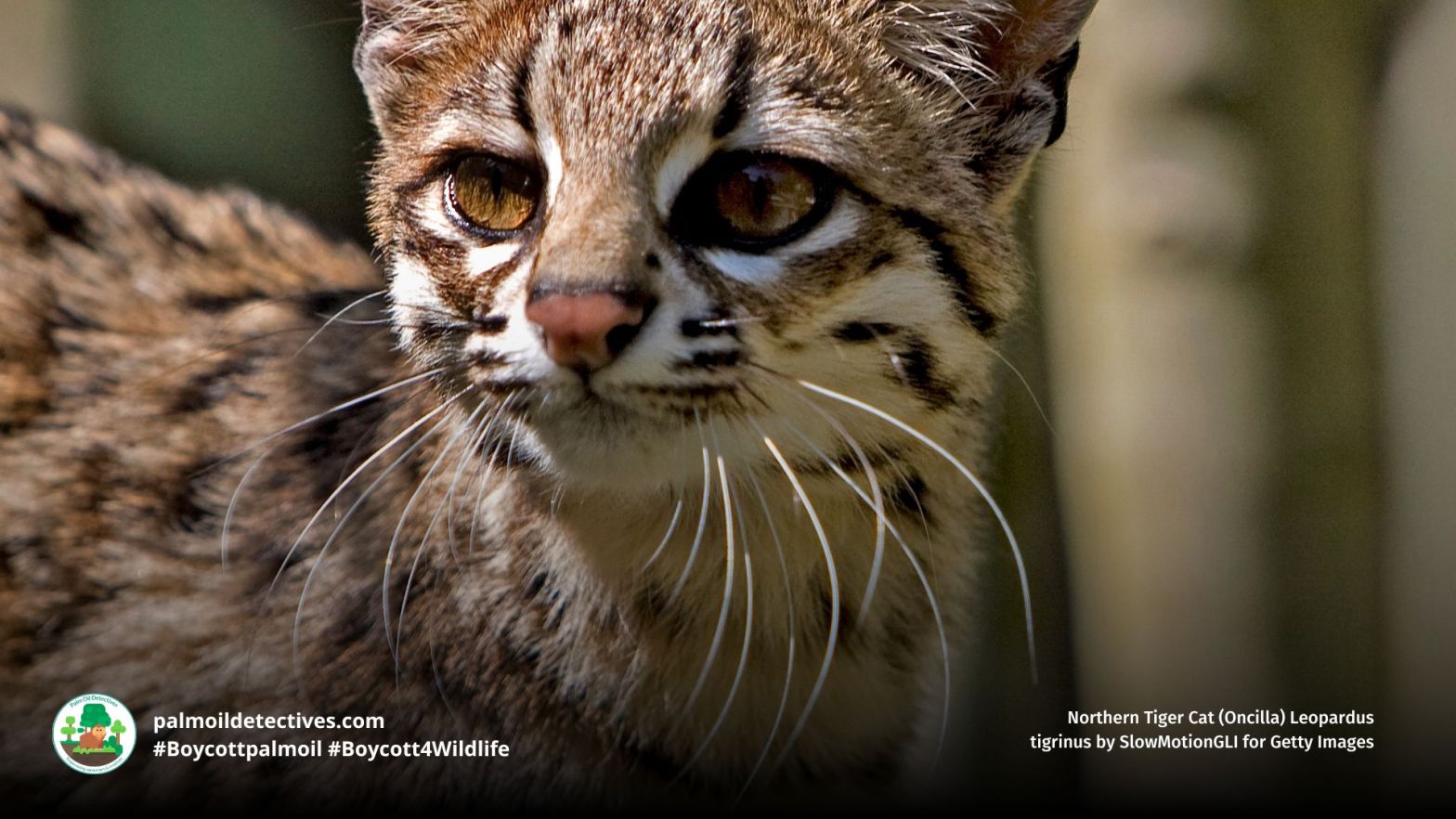
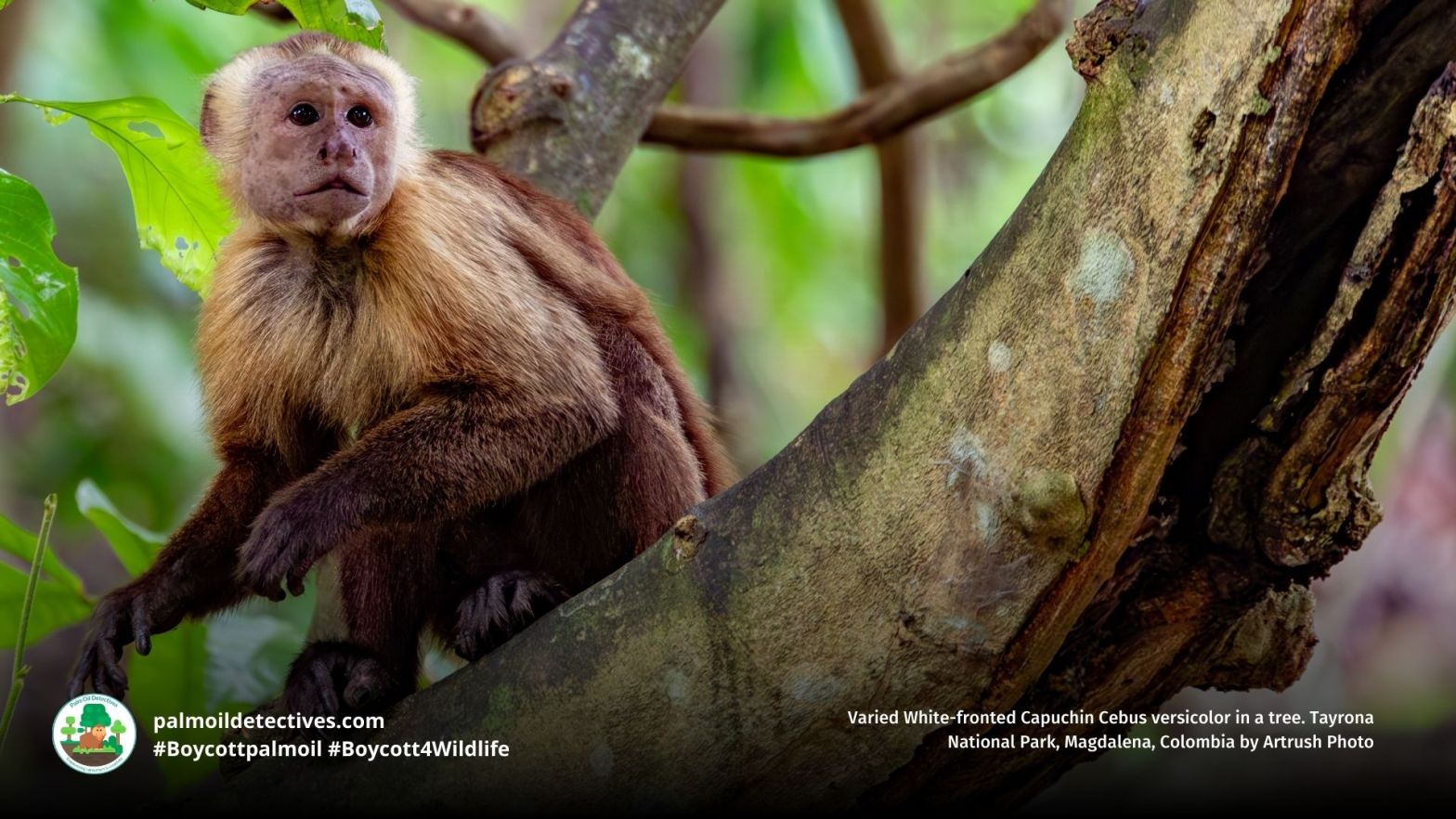
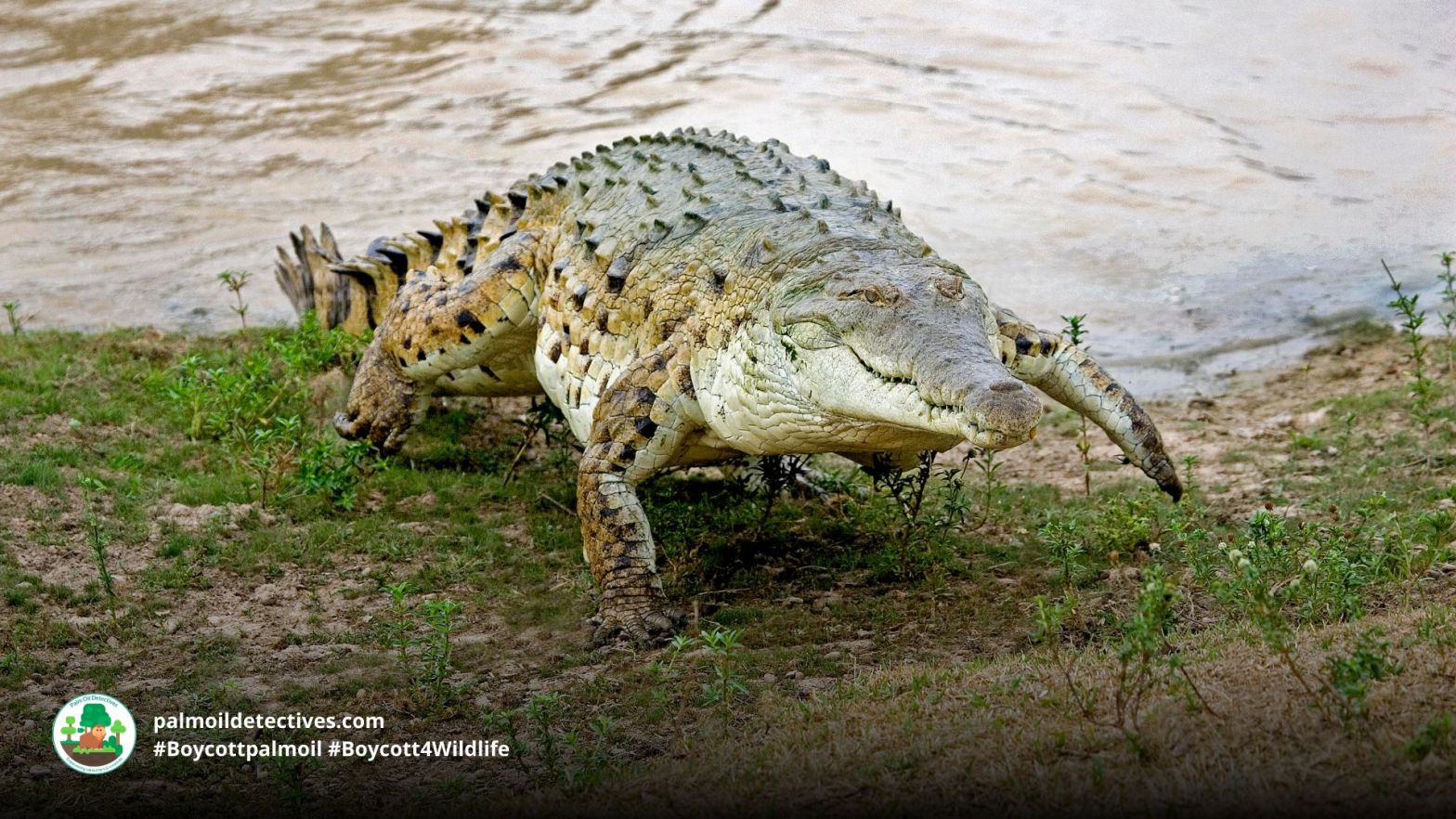
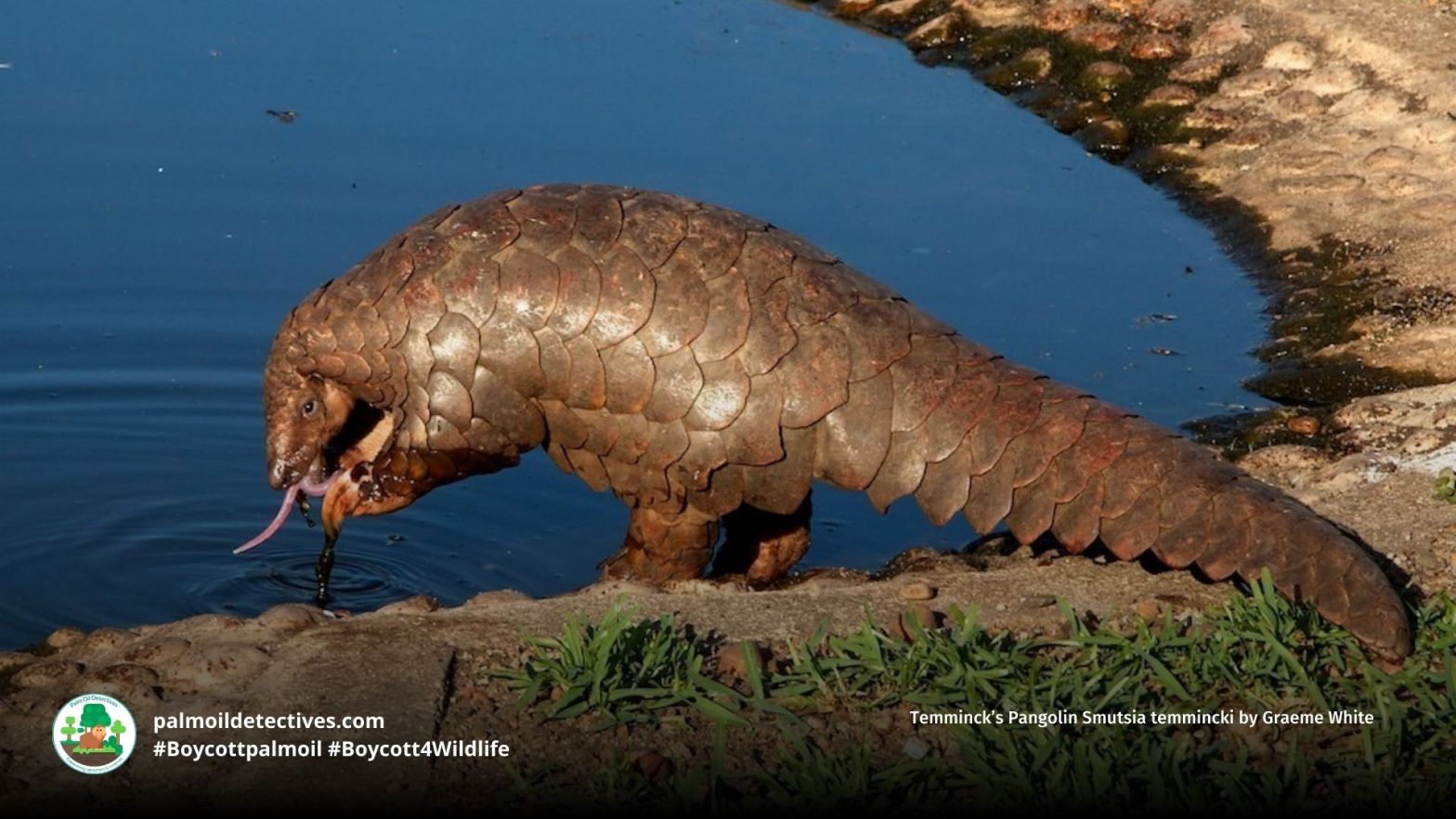
Varied White-fronted Capuchin Cebus versicolor

The Varied White-Fronted Capuchin Cebus versicolor is an intelligent, tenacious and resourceful small primate endemic to the forests of Colombia. With their pale white faces, reddish-gold coats, they are both striking in appearance and crucial to their ecosystems. These capuchins play an essential role in seed dispersal, ensuring the health and regeneration of their forest homes.

Tragically, their populations are declining due to deforestation, hunting, and the illegal wildlife trade. Protecting these forests is critical to their survival. Support indigenous-led conservation, adopt a vegan lifestyle and #BoycottPalmOil and #Boycott4Wildlife to take meaningful action for these incredible primates.

Crested Capuchin Sapajus robustus

Crested Capuchins are one of Brazil’s most endangered primates. A few thousand remain, facing extinction due to palm oil, mining, soy. Take action for them!

Nature’s Hidden Wealth: Conservation’s Opportunity

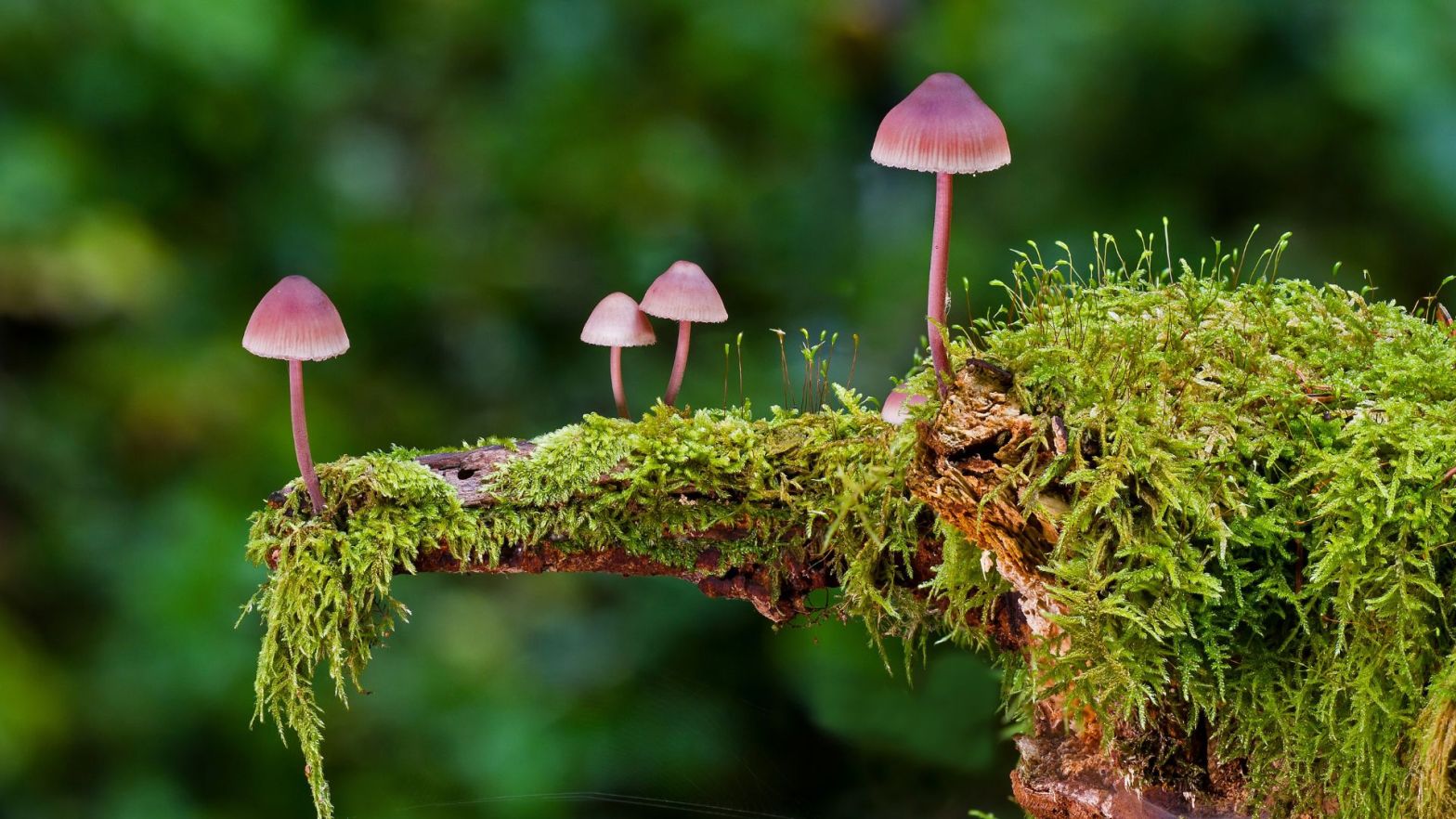
Animals and plants constitute a very small part of our native biodiversity (roughly 5%). The vast majority – fungi, bacteria and the enormous diversity of other microscopic organisms, including invertebrates – is a massive, largely unexplored economic resource.

The best known examples of commercial uses for biodiversity are the thousands of drugs secreted by bacteria and fungi. But others are examples of what is known as “bio-inspiration” and “bio-mimicry”, where wild species provide the blueprints for products. The combination of nature and biotechnology can offer us all a tentative reason to hope for the future.

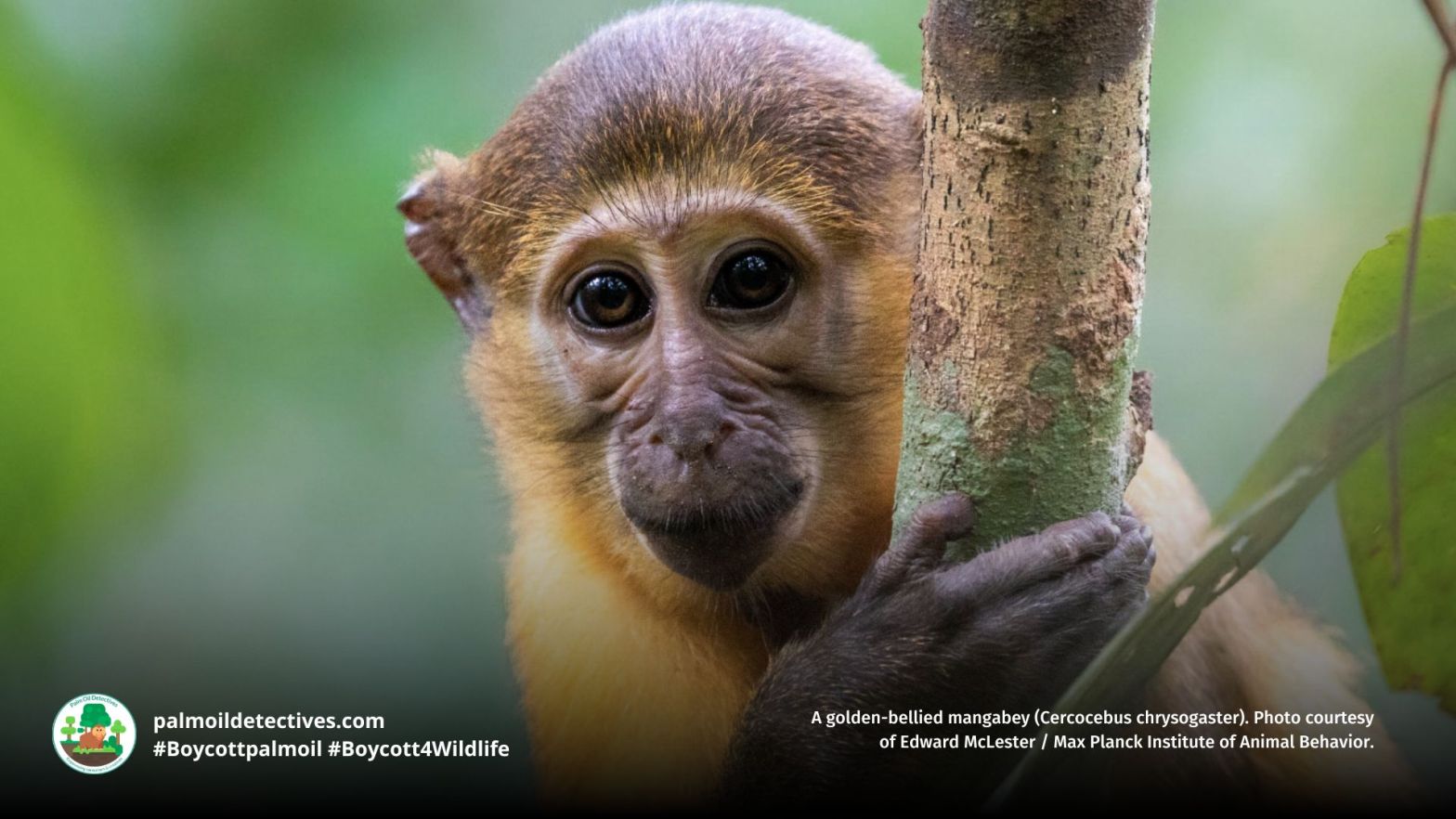
Golden-bellied Mangabey Cercocebus chrysogaster

The golden-bellied mangabey (Cercocebus chrysogaster) is an intriguing and elusive monkey endemic to the Democratic Republic of Congo (DRC). Named for the vibrant golden hue of their undersides, these primates are known for their intelligence, complex social behaviours, and unique ecological role. Found in the remote tropical forests along the Congo River Basin, these monkeys remain poorly studied due to their limited range and secretive nature.

Tragically, the golden-bellied mangabey faces mounting threats from habitat destruction, driven by logging, mining, and agricultural expansion, including palm oil plantations. Their population continues to decline due to hunting and habitat fragmentation. Act now to protect their fragile habitat—boycott palm oil and stand against deforestation. #BoycottPalmOil #Boycott4Wildlife

Drill Mandrillus leucophaeus

The Drill is one of the most visually arresting, emotionally complex, and endangered #monkeys on Earth. Endemic to a narrow slice of rainforest in #Nigeria, #Cameroon, and Bioko Island, these intelligent primates have lost over 50% of their population in just three decades. They face a terrifying gauntlet of threats: #palmoil plantations, #hunting for the #bushmeat trade, #timber logging, and a tidal wave of new #infrastructure creation. Though rarely seen, Drills are capable of extraordinary behaviour—forming multi-species foraging alliances, mourning their dead, and navigating their crumbling world with grace and resilience. Only a few thousand of these precious #primates remain alive. Take action every time you shop, be #Vegan and #BoycottPalmOil #Boycott4Wildlife

Explainer: What is a tipping point, and why should we care?

Lately, you may have heard someone say that we have reached a “tipping point.” Recently, we have witnessed dramatic shifts in our social and economic states of being. Our ability to understand and act thoughtfully around this single concept could determine the fate of life on Earth. Help reverse the upheavals and tipping points every time you shop #Boycott4Wildlife

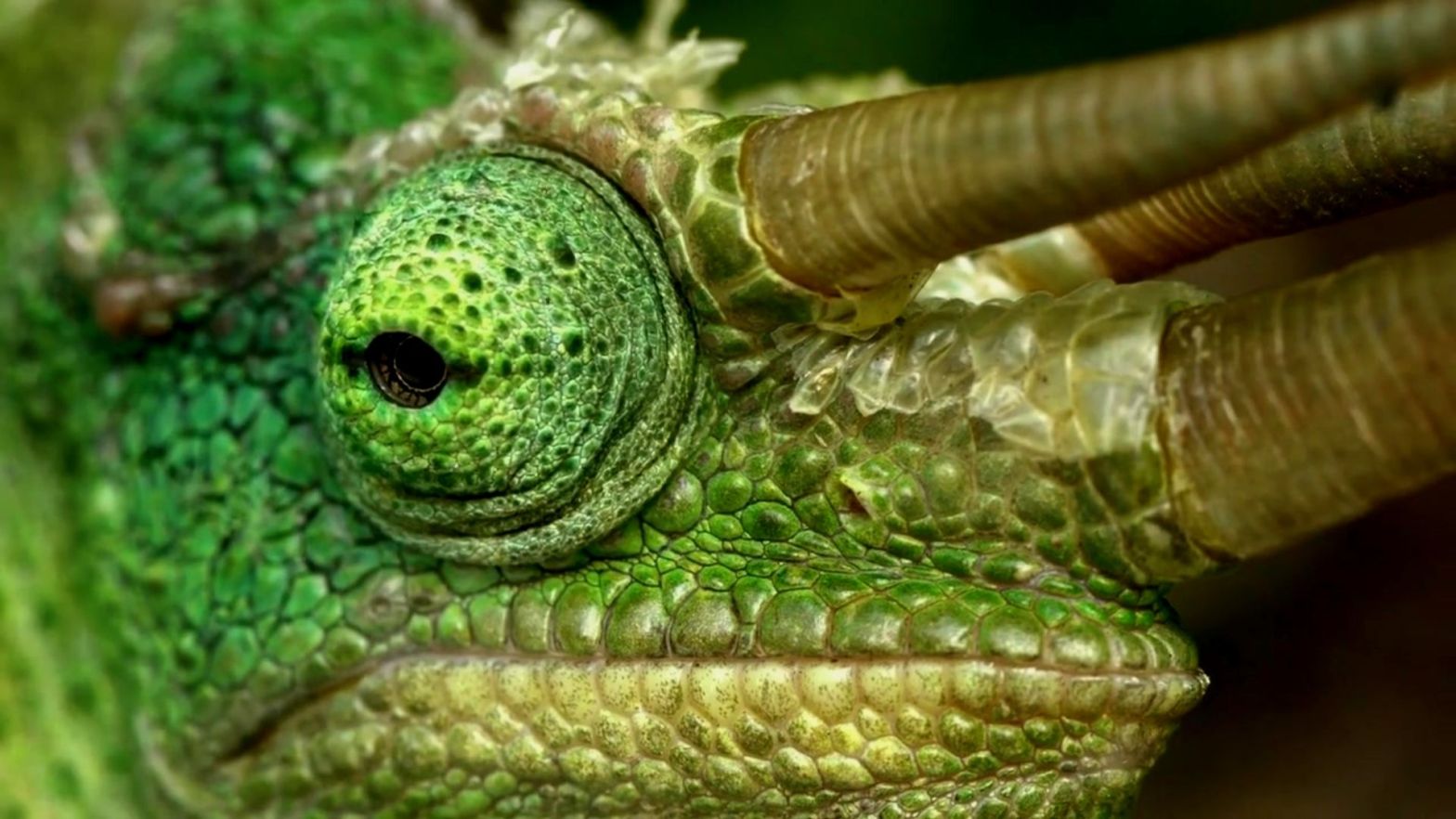
Four-horned Chameleon Trioceros quadricornis

Protect the Four-Horned Chameleons, native to Cameroon’s rainforests, these extraordinary reptiles are now listed as Vulnerable, boycott palm oil for them!

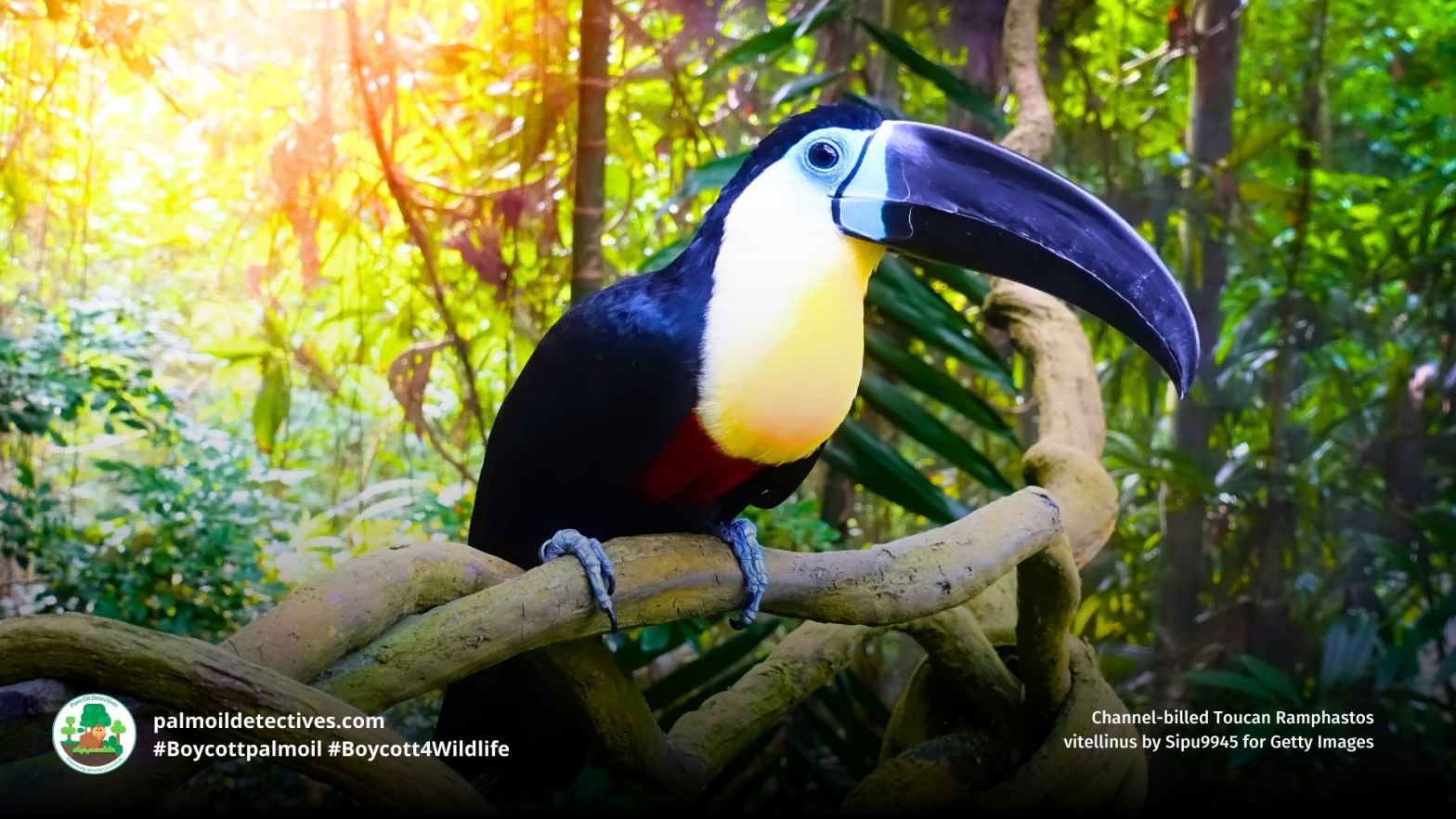
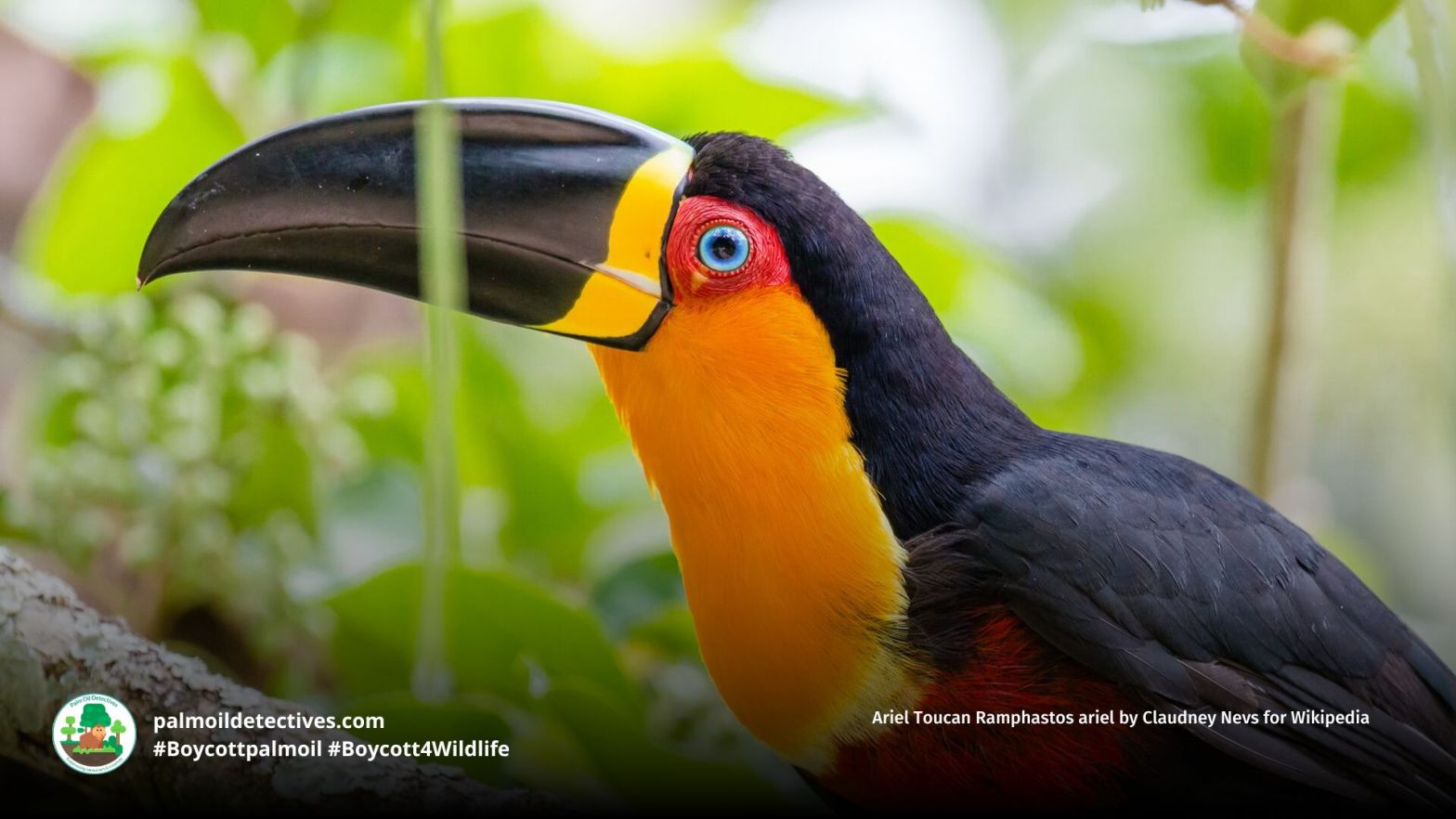
Ariel Toucan Ramphastos ariel

Ariel Toucans are vibrant and charismatic birds of South America under threat from palm oil, soy, meat and gold mining deforestation. Take action for them!

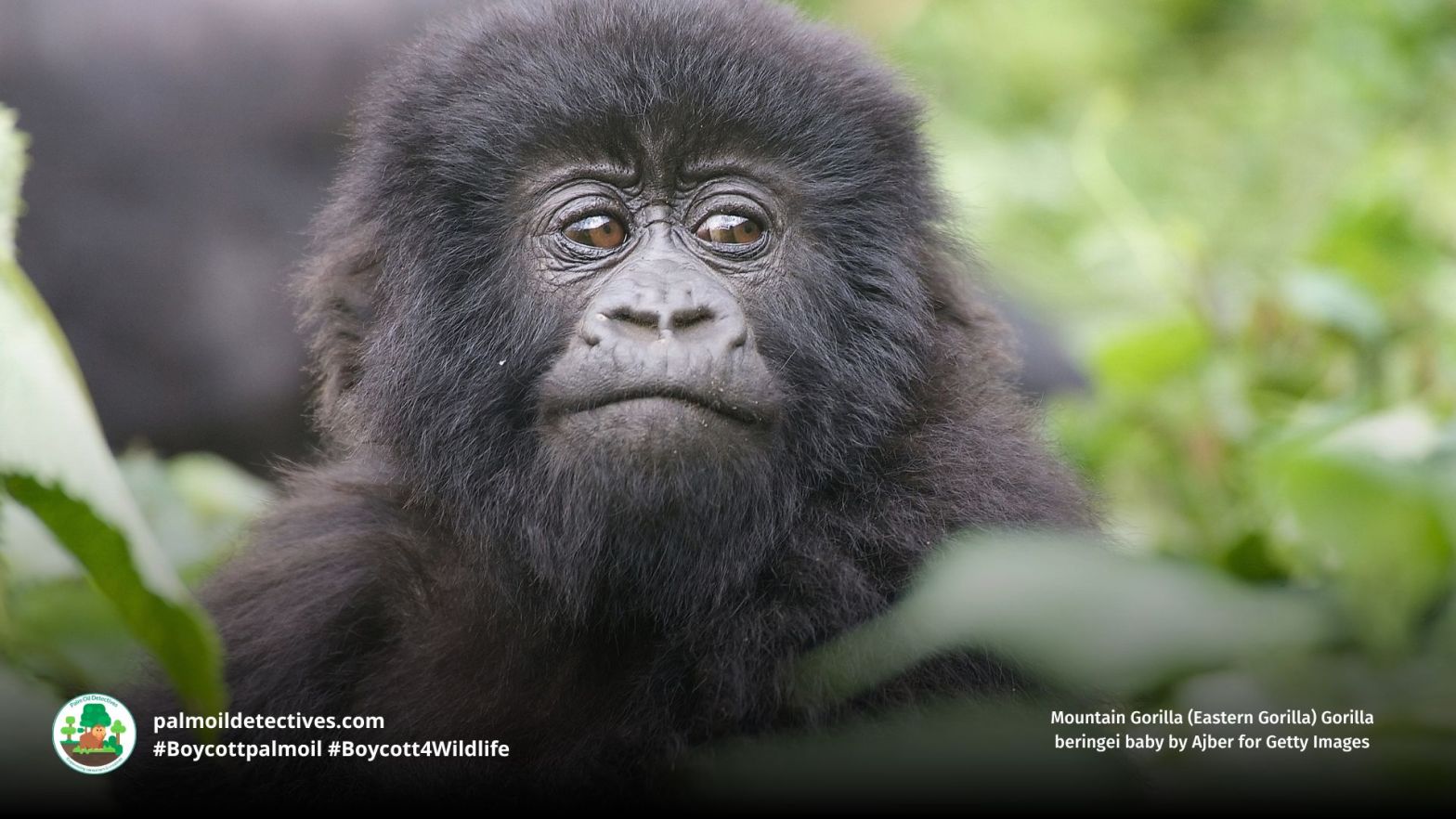
Eastern Gorilla Gorilla beringei

Eastern Gorillas, the world’s largest primates are Critically Endangered in DRC, Rwanda, and Uganda. Help them survive be vegan and boycott palm oil now

Yucatán Black Howler Monkey Alouatta pigra

Their range is being rapidly destroyed for palm oil and sugar cane deforestation and mining. They are also facing human persecution and hunting pressures. Yucatán Black Howler Monkeys have been classified as endangered since 2004. Help them every time you shop and #Boycottpalmoil #Boycott4Wildlife

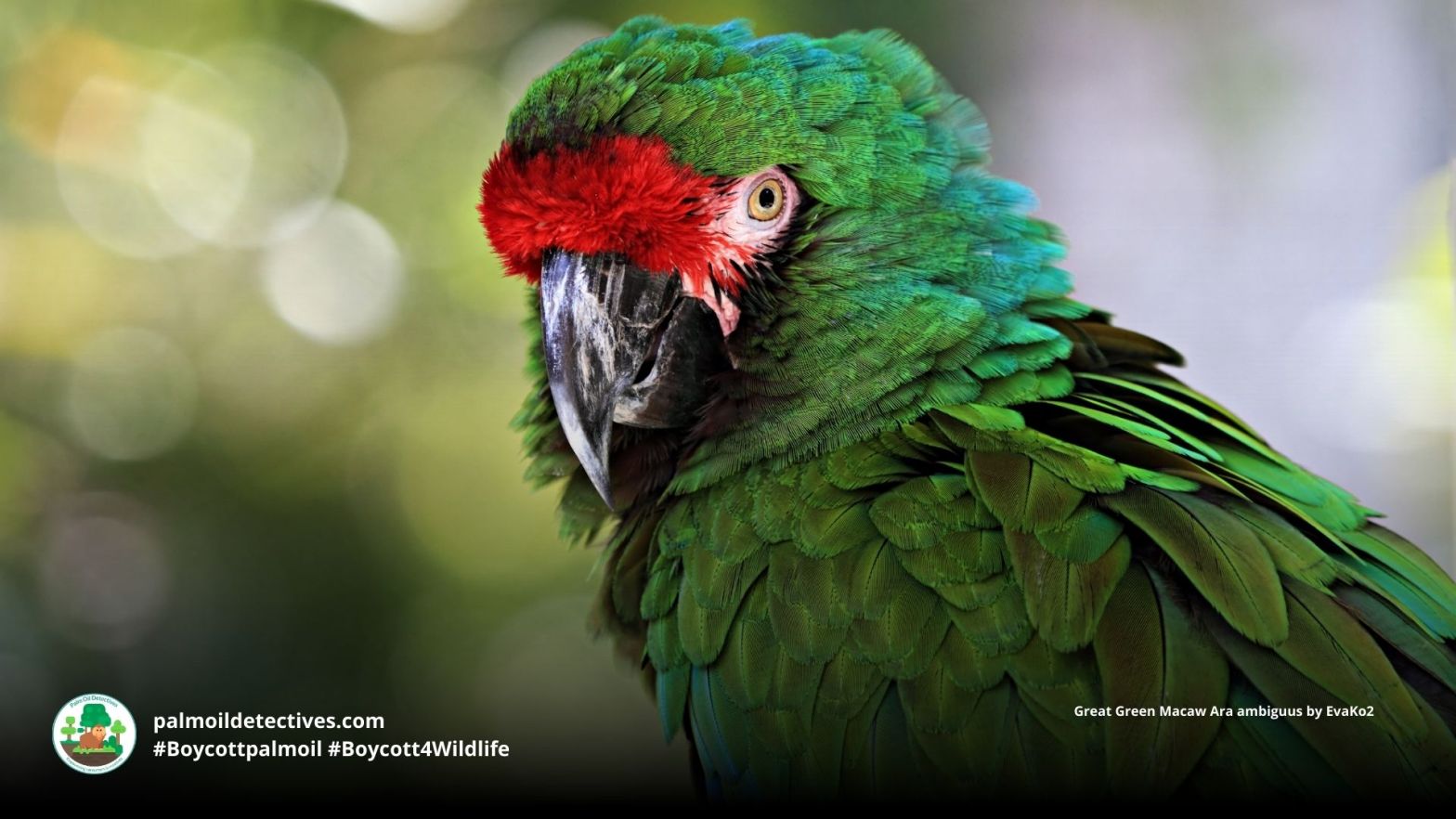
Great Green Macaw Ara ambiguus

The Great Green Macaw Ara ambiguus are the largest macaw species and in flight they are dazzling symbol of Central and South America’s vanishing rainforests. Draped in shimmering green plumage with a fiery red forehead and striking blue-tipped feathers, these parrots are key players in their ecosystem. With their powerful beaks, they crack open tough nuts, dispersing seeds that sustain the forest’s delicate balance. Yet, these vibrant giants are under siege.

Deforestation—driven by palm oil plantations, illegal logging, and agriculture—has decimated the old-growth forests they call home. Their lifeline, the mountain almond tree, is vanishing, taking with it vital macaw nesting sites. Alarmingly, Great Green Macaw populations in Costa Rica and Ecuador have dwindled to critical levels, leaving fewer than 3,500 individuals to soar freely the skies.

Fight for their survival every time you shop. Support indigenous-led conservation and use your wallet as a weapon: #BoycottPalmOil #Boycott4Wildlife.

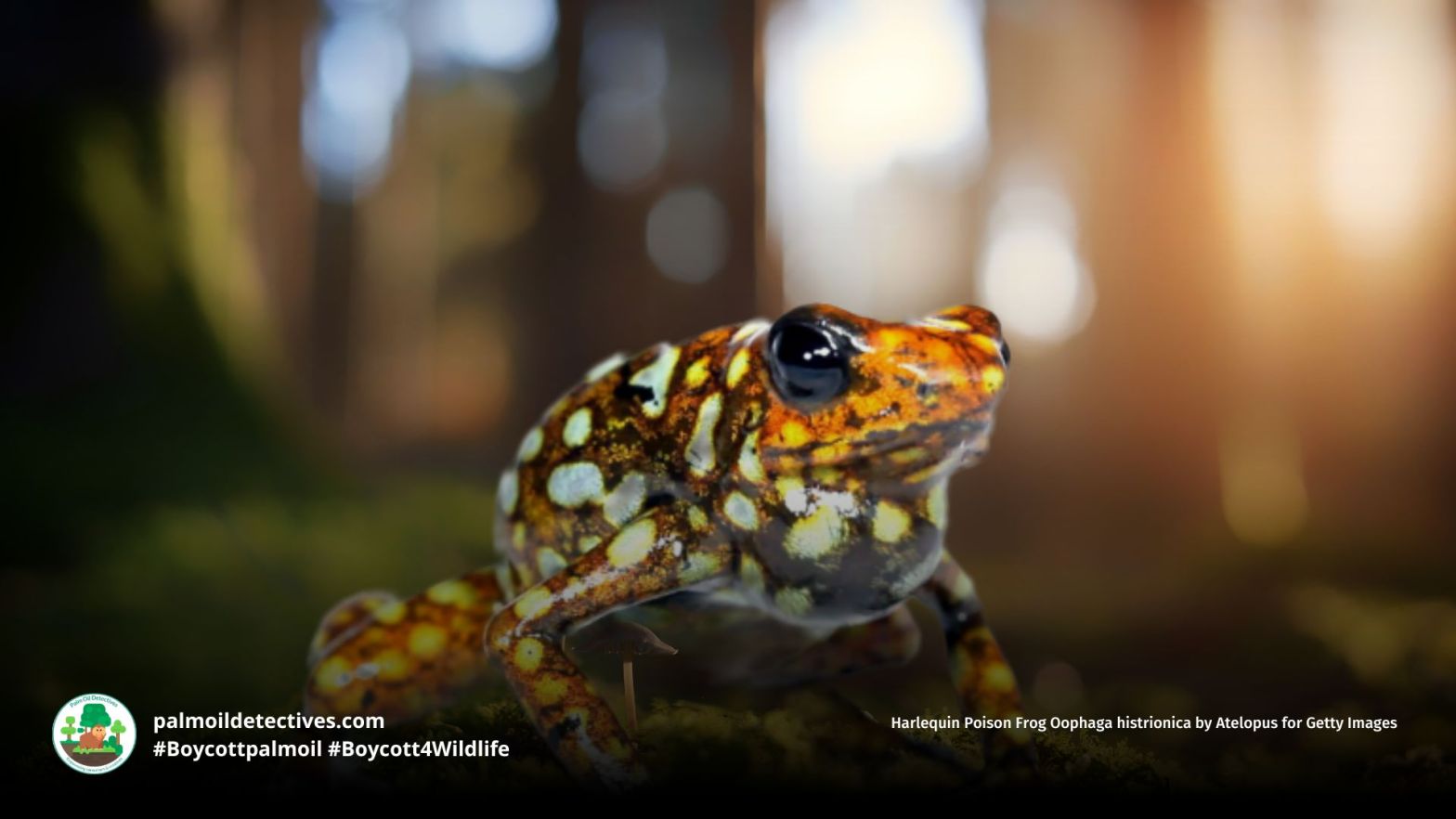
Harlequin Poison Frog Oophaga histrionica

Chocó rainforests, the harlequin poison frog is as deadly as it is beautiful. Cloaked in hypnotic shades of orange, yellow, green and black, this tiny amphibian is a master of chemical warfare—their skin is infused with powerful alkaloid toxins that can paralyse or kill predators. But despite their formidable defences, they are completely helpless against human destruction.

Once thriving in the dense, misty forests of western Colombia, this critically endangered frog is now on the brink of extinction. Illegal mining, rampant deforestation for palm oil plantations, and the relentless wildlife trade have devastated their fragile rainforest home. The same vibrant colours that warn predators away have made them a prime target for smugglers supplying the exotic pet trade.

This extraordinary species is a vital part of its ecosystem, controlling insect populations and contributing to the rainforest’s delicate balance. But unless urgent action is taken, the harlequin poison frog could vanish forever.

Protect their rainforest home. Say no to palm oil, reject the illegal pet trade, and demand stronger protections for Colombia’s amphibians. #BoycottPalmOil #Boycott4Wildlife
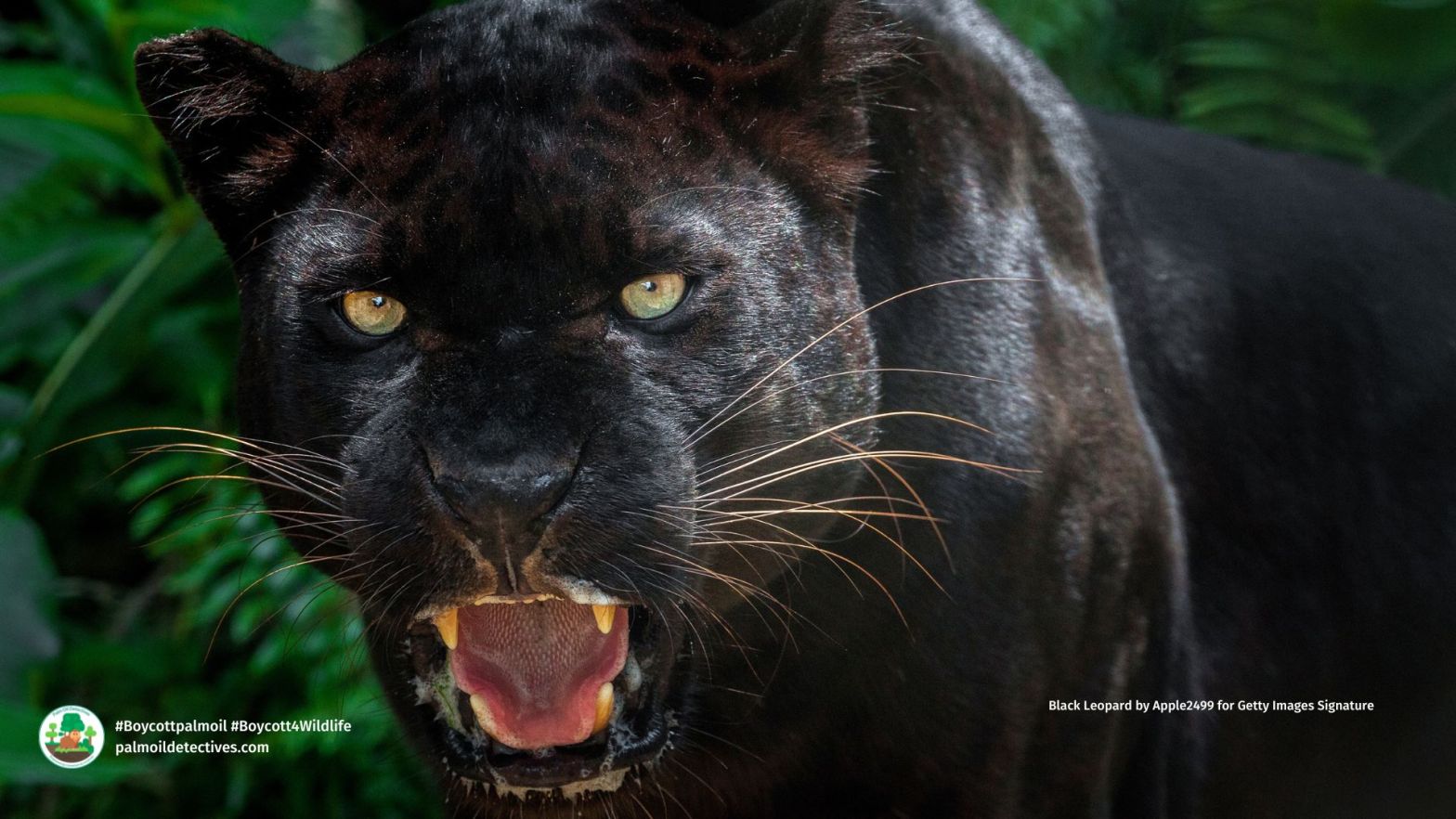
Orinoco Crocodile Crocodylus intermedius

Endemic to the Orinoco River Basin in #Colombia and #Venezuela, the majestic Orinoco Crocodile is one of the rarest and most threatened reptiles on Earth. These intelligent, powerful apex predators once ruled vast waterways across northern South America, but today, their numbers have plummeted by more than 80% due to hunting, habitat loss, pollution, and deforestation. They are now restricted to tiny, fragmented populations across fewer than 34 rivers. #Goldmining and #palmoil #pollution pose a massive risk, imperiling these magnificent crocodiles. Urgent conservation efforts are essential to safeguard the Orinoco Crocodile from the brink of extinction. Boycott #palmoil, #soy, and #beef products contributing to deforestation. #BoycottGold4Yanomami Reject crocodile skin and be #vegan, and #BoycottPalmOil #Boycott4Wildlife

Golden-headed Lion Tamarin Leontopithecus chrysomelas

The Golden-Maned Lion Tamarin faces a battle for survival, with threats from habitat loss, particularly due to palm oil deforestation, the illegal pet trade, predation, disease, and climate change. These majestic creatures, with their striking golden manes and vibrant personalities, are teetering on the brink due to the relentless destruction of their home. But there’s hope, and it starts with us. By choosing to #BoycottPalmOil, supporting the #Boycott4Wildlife movement, and embracing a #Vegan lifestyle, we can make a profound impact. Together, we have the power to safeguard the forests, preserve the planet’s biodiversity, and ensure the survival of the Golden-Maned Lion Tamarin.

Black-faced Lion Tamarin Leontopithecus caissara

The black-faced lion #tamarin Leontopithecus caissara, also known as the Superagüi lion tamarin, is listed as Critically Endangered on the IUCN Red List. With a total population of fewer than 400 individuals and a fragmented, low-lying coastal habitat of #Brazil, this species is on the edge of extinction. Threats include logging, the illegal #pettrade, palm oil, #soy and #meat deforestation and urban expansion. Conservation efforts have begun, but there is still enormous work to do to protect these irreplaceable #primates. Protect this rare and charismatic #primate by taking urgent action. #BoycottPalmOil #Boycott4Wildlife #Vegan
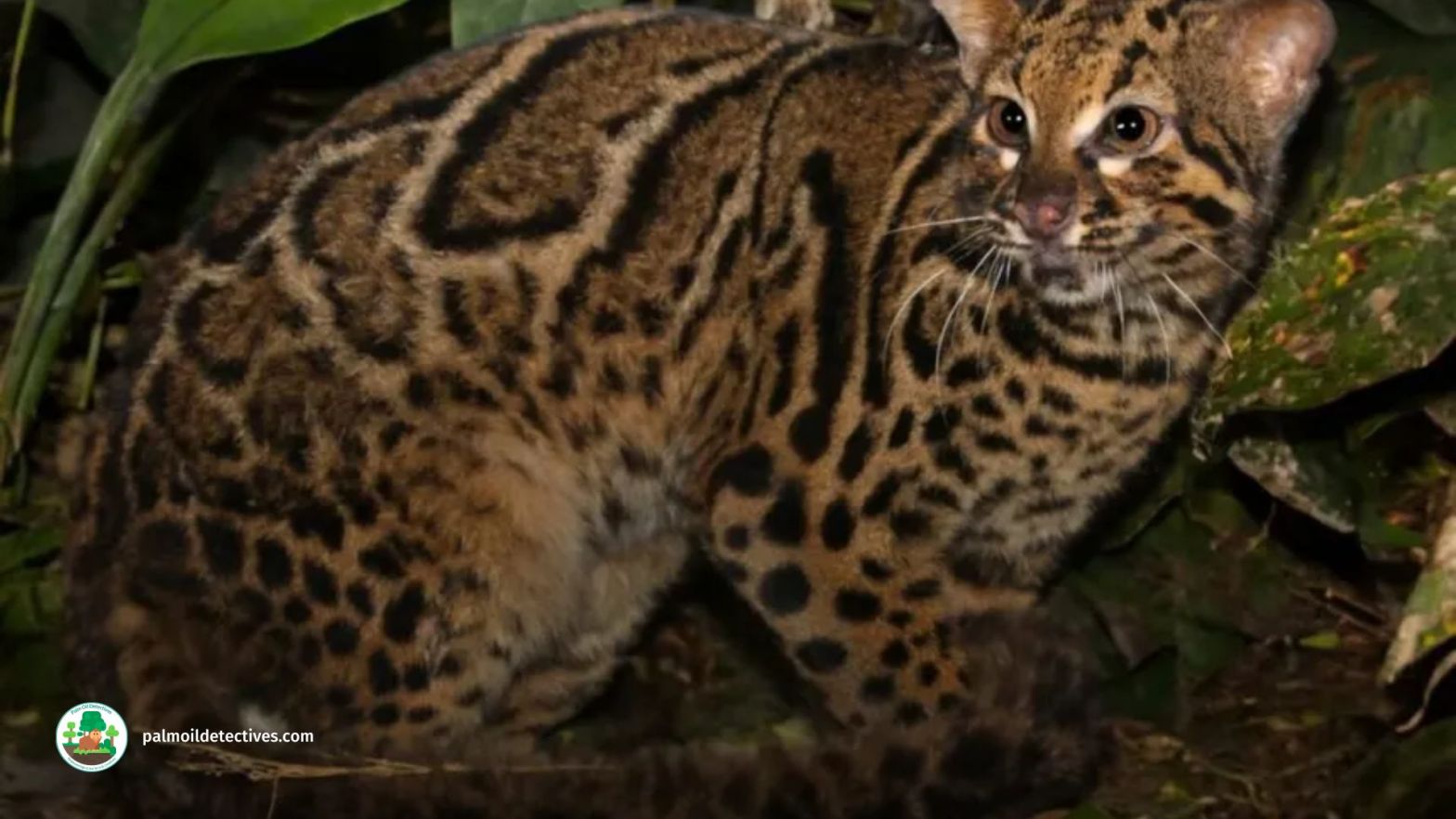
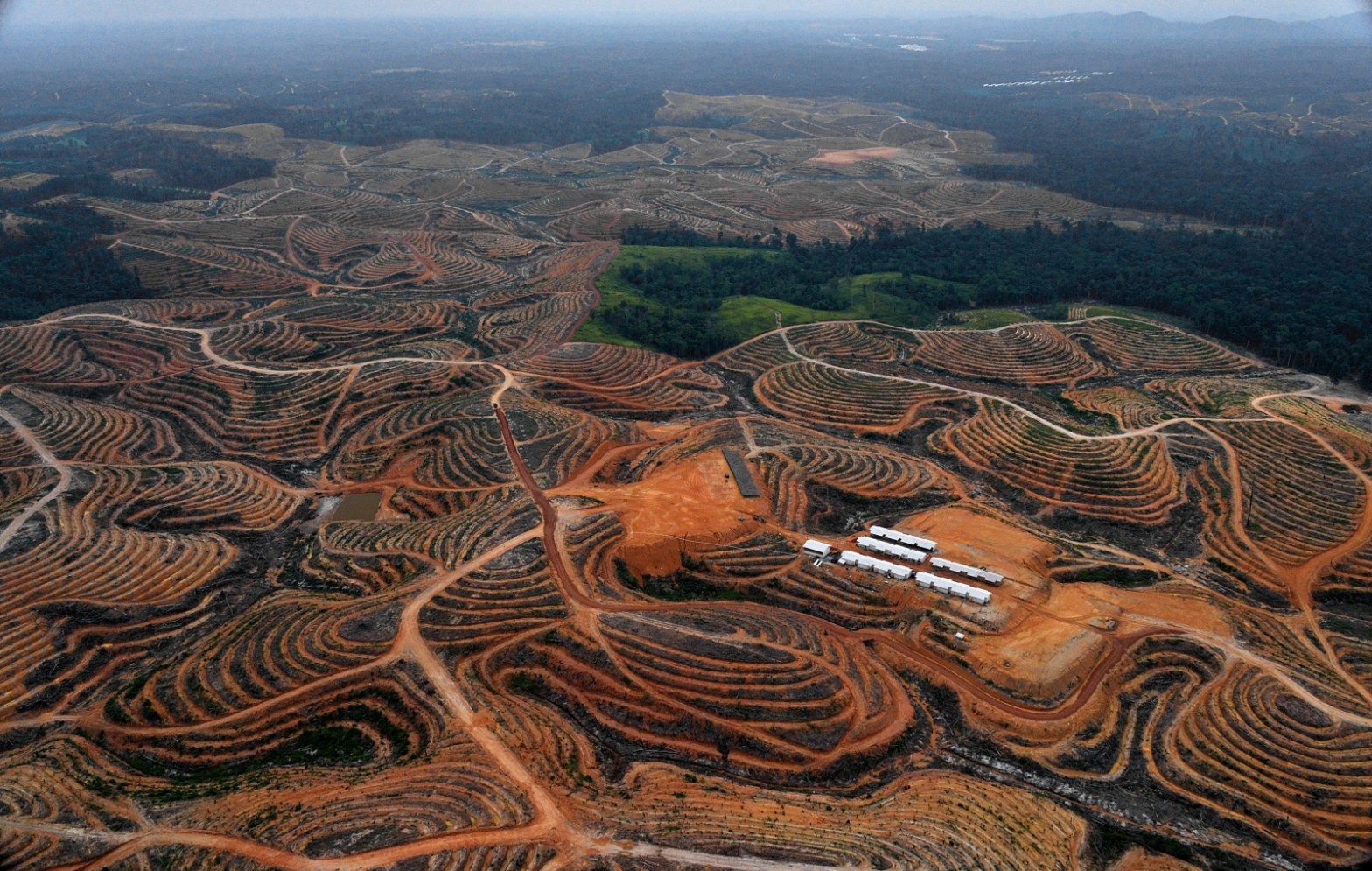
Palm oil plantations are bad for wildlife great and small: study

#Palmoil plantations have an overall negative impact on #biodiversity, according to research released this week. The #study, published in Nature Communications, found palm oil plantations are home to fewer insect species than even intensive rubber tree plantations. A forests expert at James Cook University, Bill Laurance, said of the research: “The big message is that oil palm is bad for biodiversity, in every sense of the word — even when compared to damaged rainforests that are regenerating after earlier logging or clearing.” Make sure you take action every time you shop and #BoycottPalmOil #Boycott4Wildlife!

Chimpanzee Pan troglodytes

Chimpanzees (Pan troglodytes) are one of humanity’s closest living relatives and the most widespread of all great apes, with a vast historical range stretching across 21 African countries. Despite this, they are now classified as Endangered by the IUCN Red List due to catastrophic declines of more than 50% over a 75-year period, from 1975 to a projected 2050. These losses are driven by a lethal cocktail of threats: rampant poaching, habitat destruction for palm oil and logging, industrial mining, disease outbreaks like Ebola, and illegal trafficking. Subspecies such as P. t. ellioti have been reduced to only a few thousand individuals, while the once widespread P. t. verus is now Critically Endangered. Protecting them means dismantling the extractive industries that are ripping Africa’s forests apart such as the meat industry and palm oil industry. Help them when you #BoycottPalmOil #Boycott4Wildlife and be #Vegan #BoycottMeat

Leopard Panthera pardus

Of all the great cats prowling the wild, few inspire as much awe and fascination as the leopard Panthera pardus. Sleek, powerful, and enigmatic, leopards are found across a staggering range—from sub-Saharan Africa, forests of West Africa and the Middle East to Central Asia and the forests of Southeast Asia. Yet this extraordinary adaptability masks a disturbing truth. The leopard is currently listed as Vulnerable on the IUCN Red List, with some subspecies such as the Amur, Arabian, and Javan leopard are on the very brink of extinction. Across their range, these elusive big cats are being driven into ever-shrinking patches of habitat, with populations decimated by deforestation, rampant poaching, prey depletion, and the relentless spread of palm oil plantations and other monoculture. Help leopards every time you shop and #BoycottPalmOil #Boycott4Wildlife
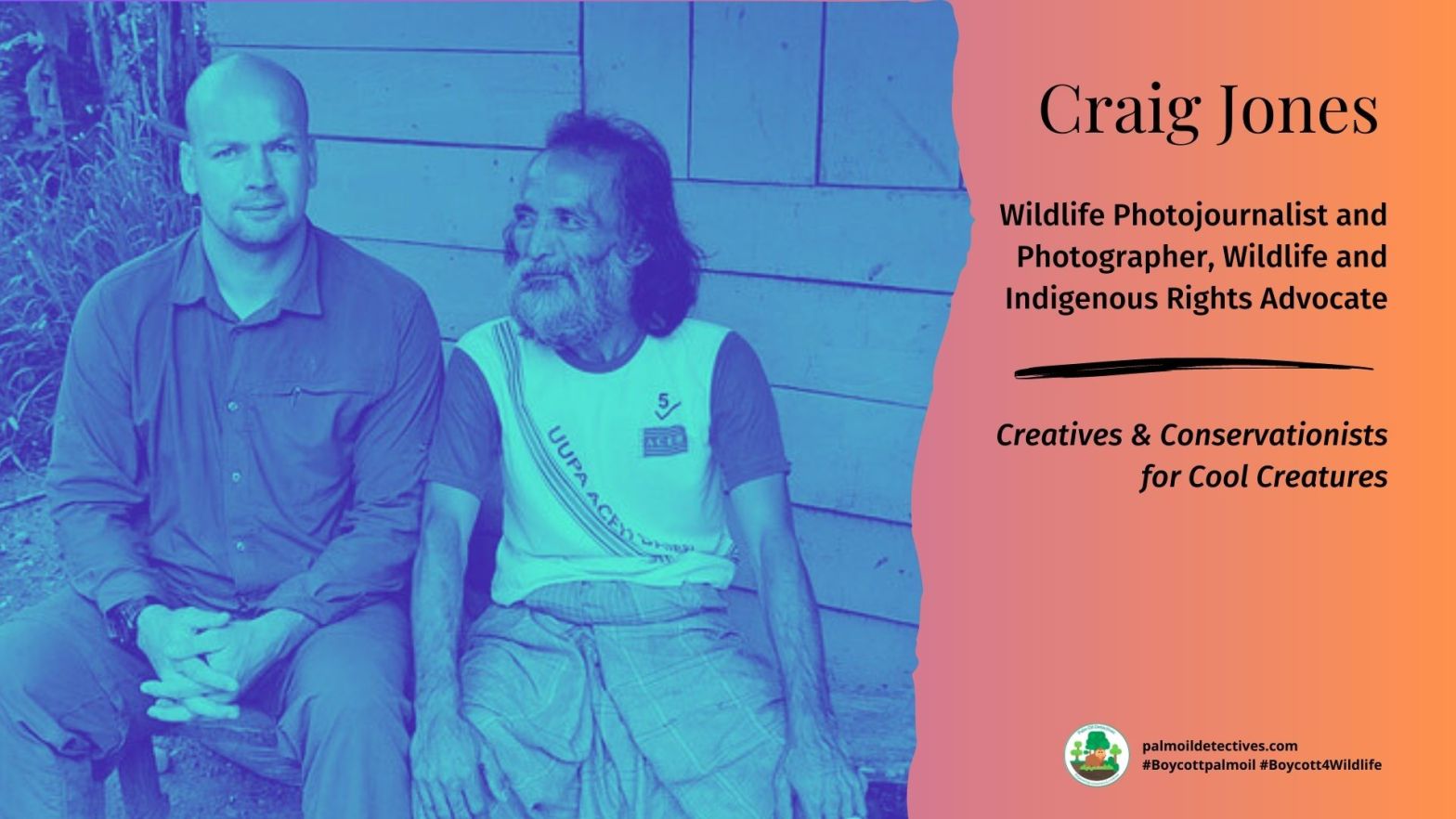
Hoge’s Side-necked Turtle Mesoclemmys hogei

The Hoge’s Side-necked Turtle Ranacephala hogei—also known as Hoge’s Toadhead Turtle—is one of #Brazil’s rarest and most endangered reptiles. Having diverged from other turtles some 80 million years ago, they are evolutionary survivors now on the brink. With fewer than 2,000 individuals thought to remain, their populations have plummeted due to #palmoil #soy and #meat #deforestation, damming, water pollution, and incidental deaths in fisheries. Once feared lost from parts of their range, new research using citizen science and extensive fieldwork has rediscovered them in previously unknown areas, sparking renewed hope. But the threats remain. Help them every time you shop and #BoycottPalmOil #Boycott4Wildlife, be #Vegan and #BoycottMeat

Maned Three-toed Sloth Bradypus torquatus

The Maned Three-toed Sloth live in the Atlantic coastal forests of eastern Brazil. They thrive in areas with high rainfall and no dry season. Remarkably, their reproductive habits are synced with nature’s rhythm: females typically give birth annually between February and April, while mating peaks from August to October. This species matures sexually between their second and third year and can live to over 12 years old in the wild.

As palm oil, soy and meat deforestation expands across their range – their lives are at risk. Help protect these gentle and wonderous creatures and use your wallet as a weapon. #BoycottGold4Yanomami #BoycottPalmOil and #Boycott4Wildlife. 🦥🌳

PZ Cussons

PZ Cussons is a British-owned global retail giant. They own well-known supermarket brands in personal care, cleaning, household goods and toiletries categories, such as Imperial Leather, Morning Fresh, Carex, Radiant laundry powder and more. (See below for full list)

Savvy consumers have been pressuring PZ Cussons to cease using deforestation palm oil. Yet they have failed on this.

The lengthy childhood of endangered orangutans is written in their teeth

Orangutan populations of all three species are critically endangered in the wild. One of the things that may hamper their survival is the time they take to rear new generations.

Just like human mothers, primate mothers raise only a few slow-growing offspring during their reproductive years. An orangutan mother will not give birth again until she’s finished providing milk to her previous offspring. Nursing can take a long time and vary across seasons, as found in research published in Science Advances. Help these beautiful and rare great apes to survive when you #BoycottPalmOil #Boycott4Wildlife in the supermarket!

Sinu Parakeet Pyrrhura subandina

Help find the Sinu Parakeet. With no confirmed sightings since 1949, these vibrant parrots may already be extinct, victims of relentless palm oil expansion.