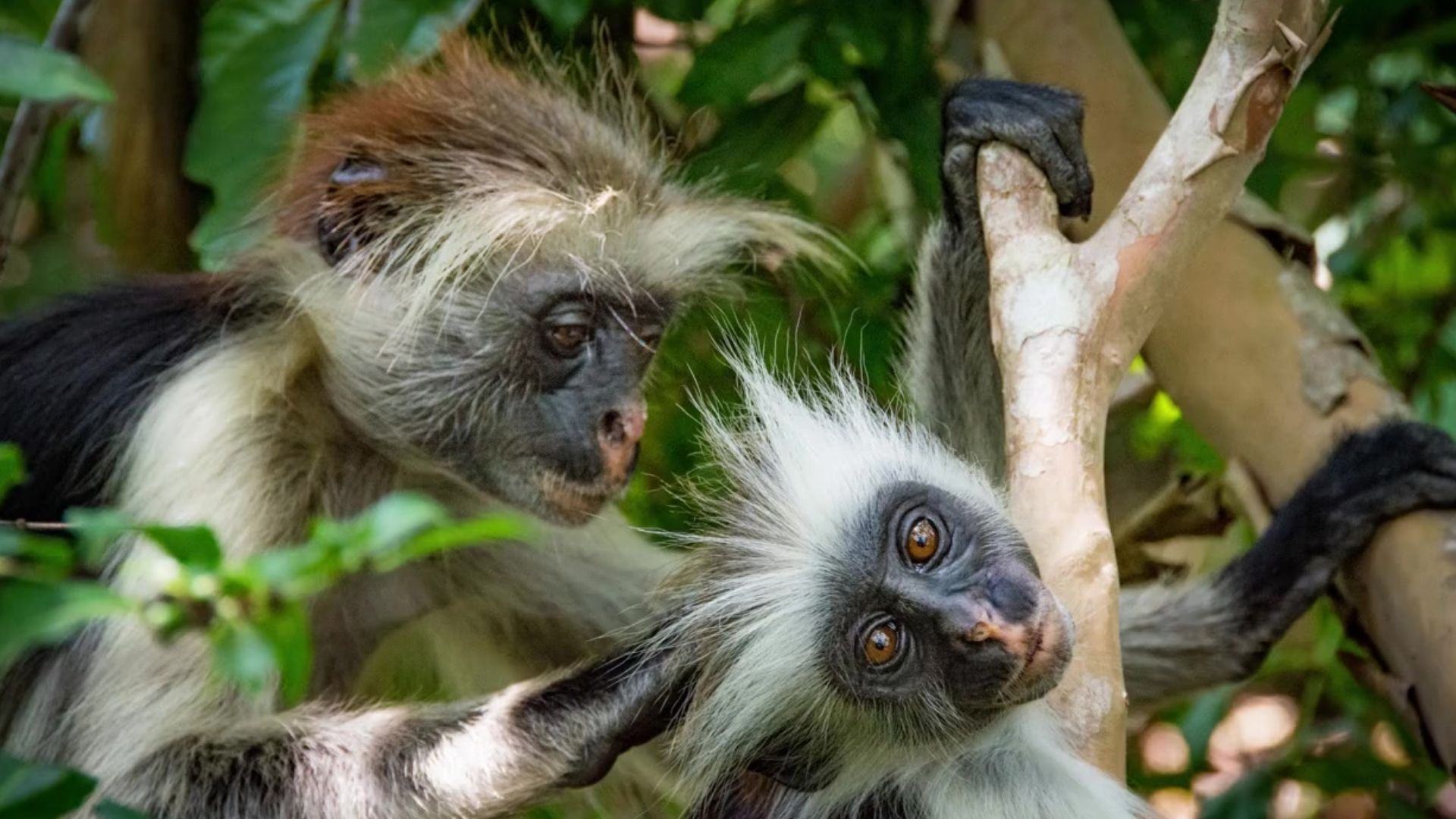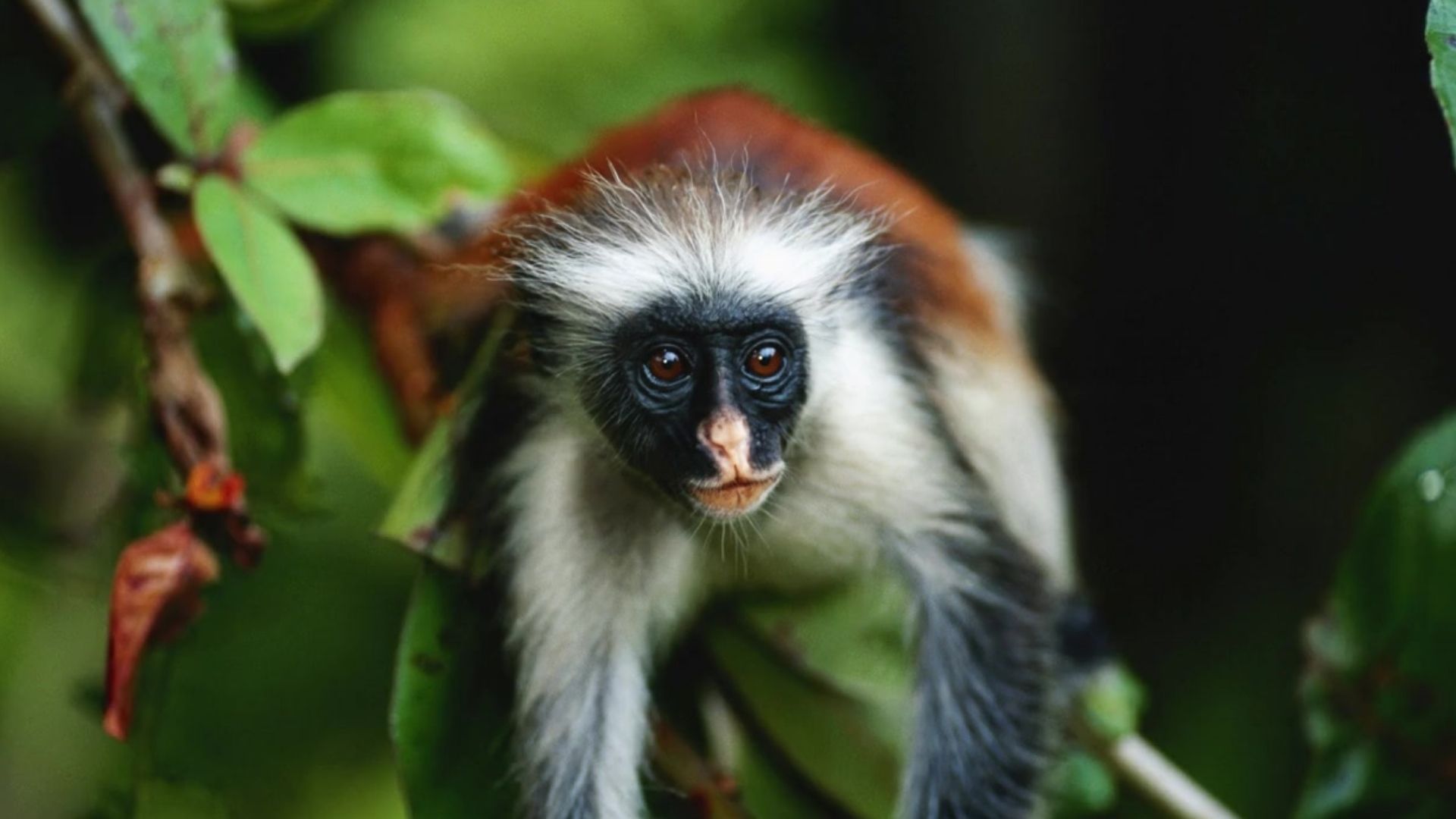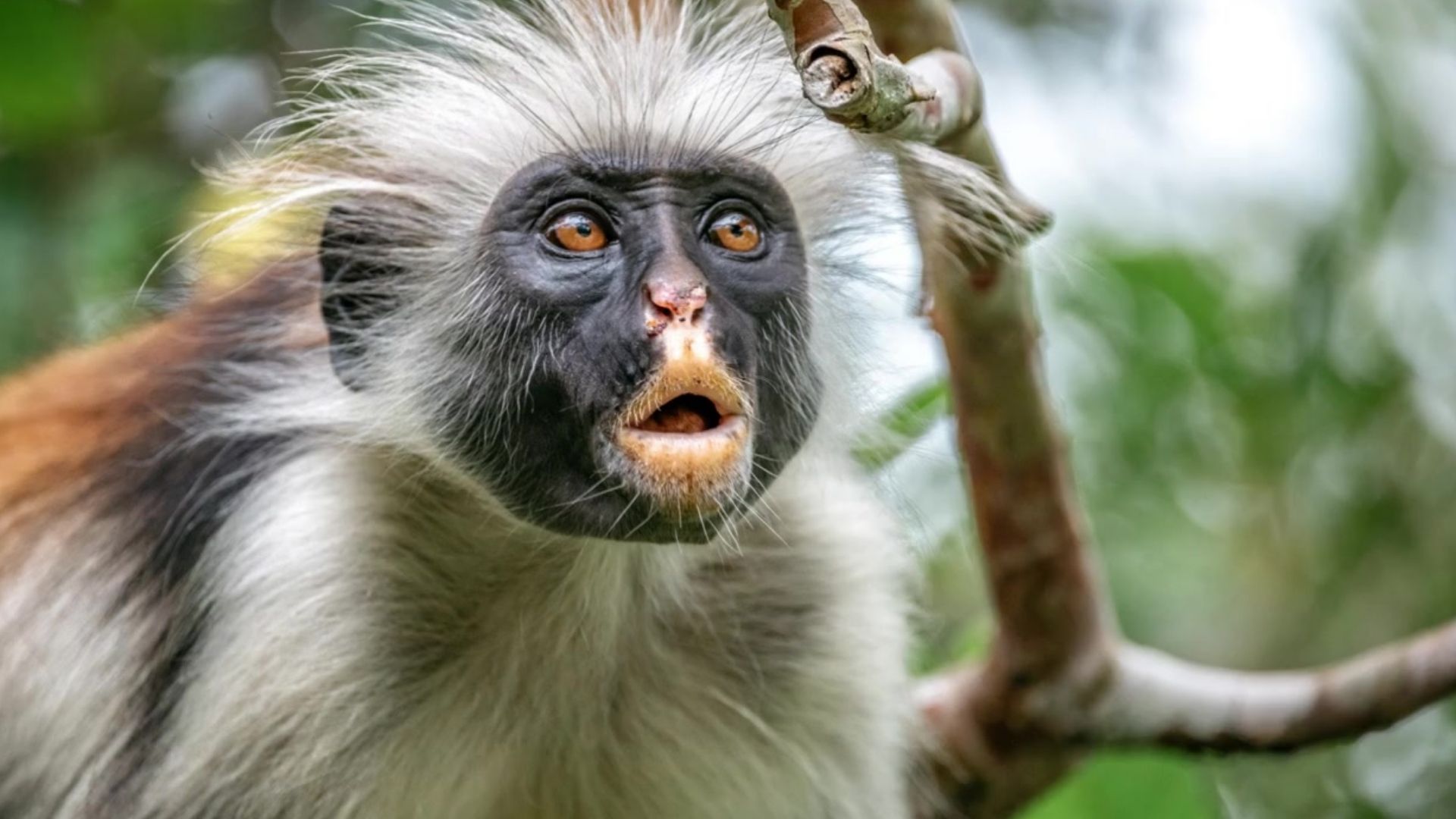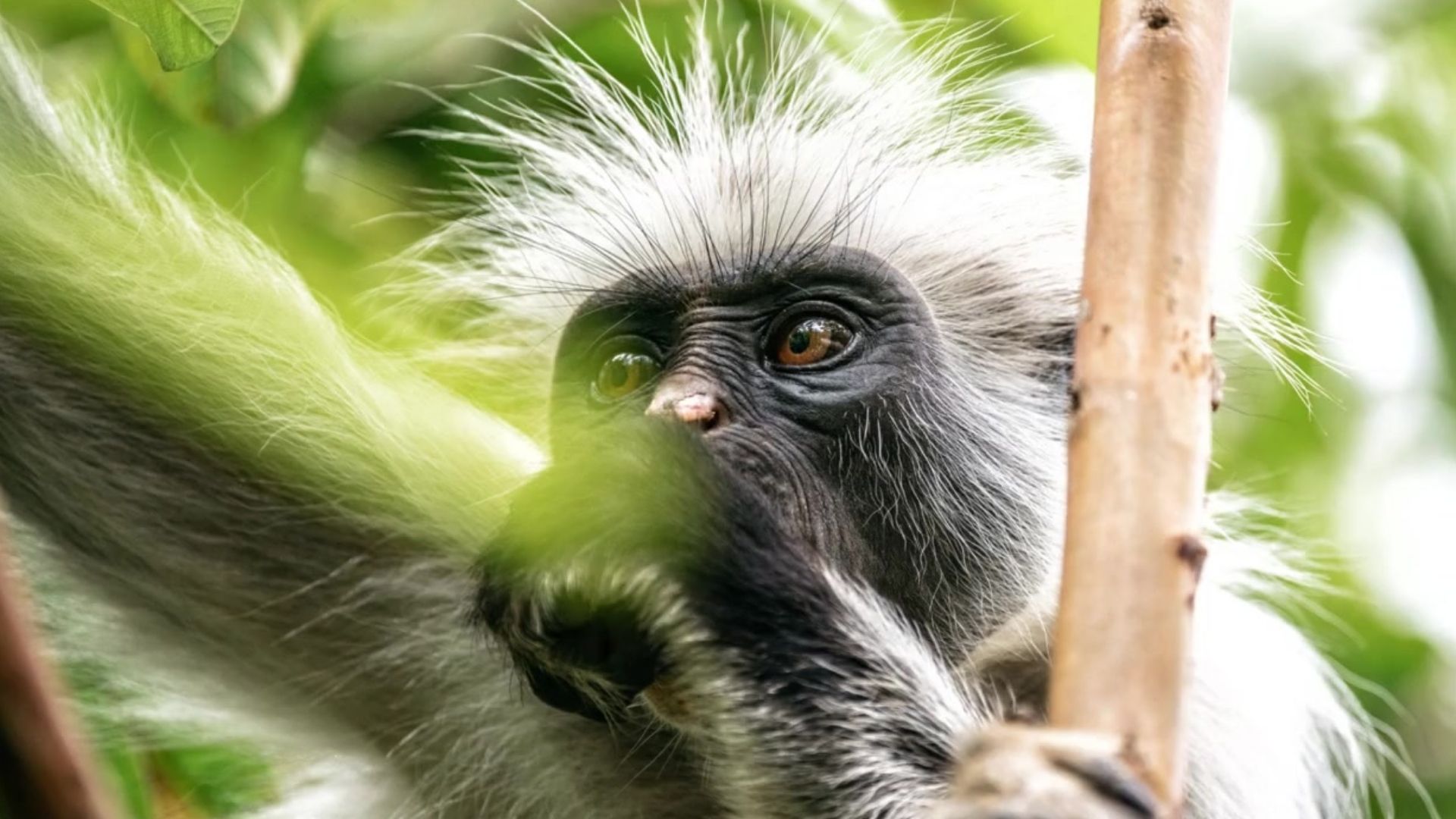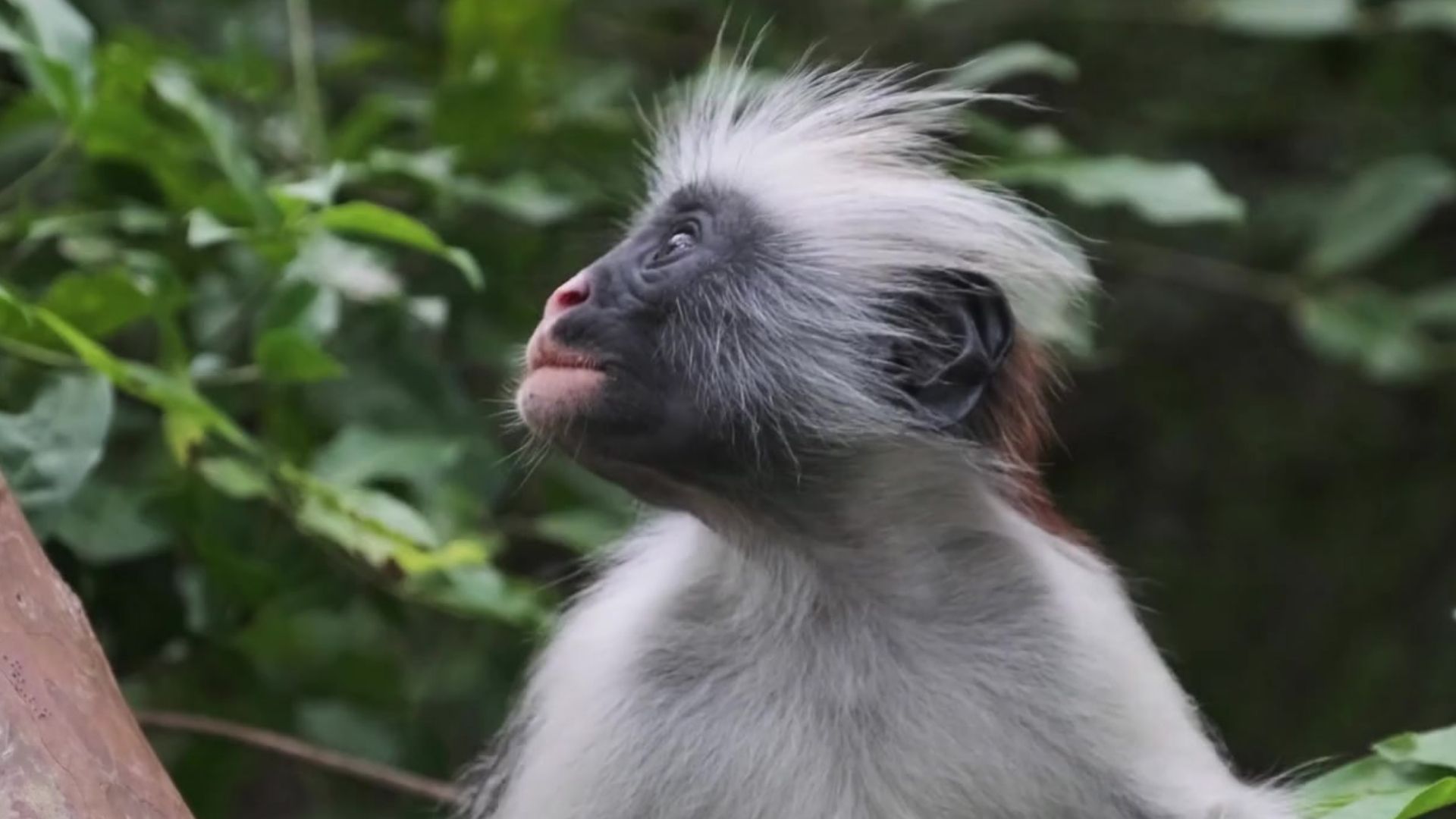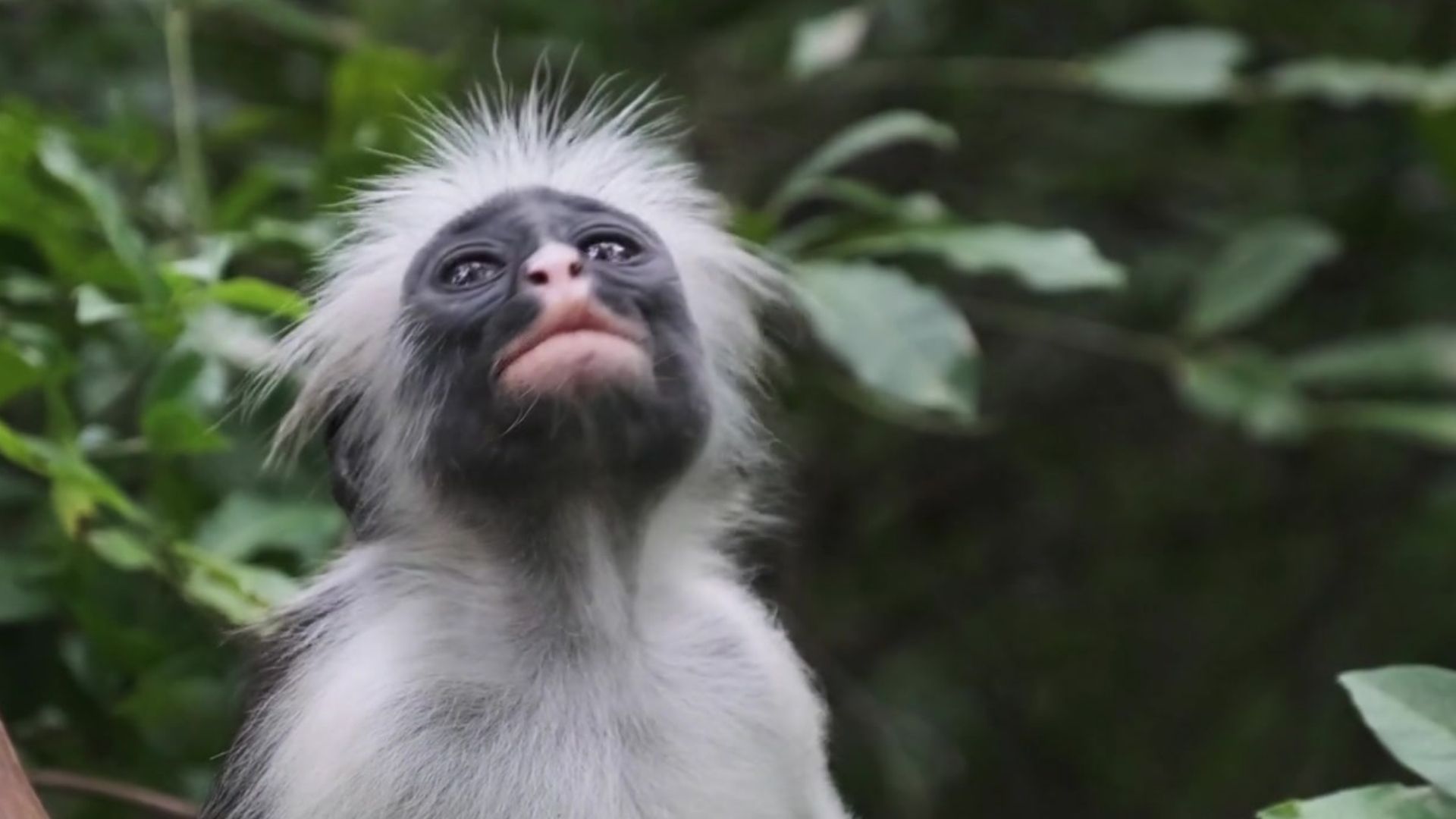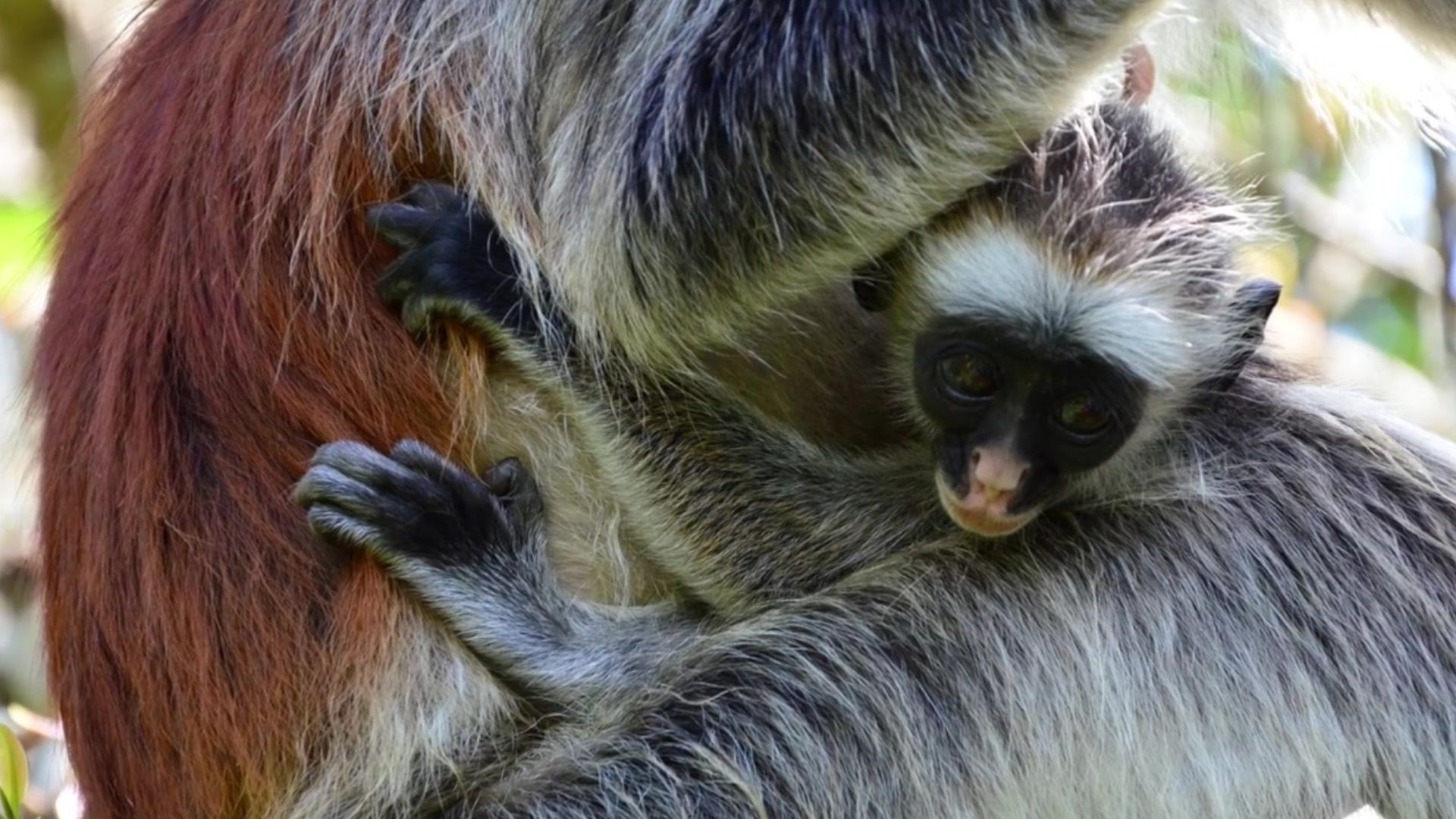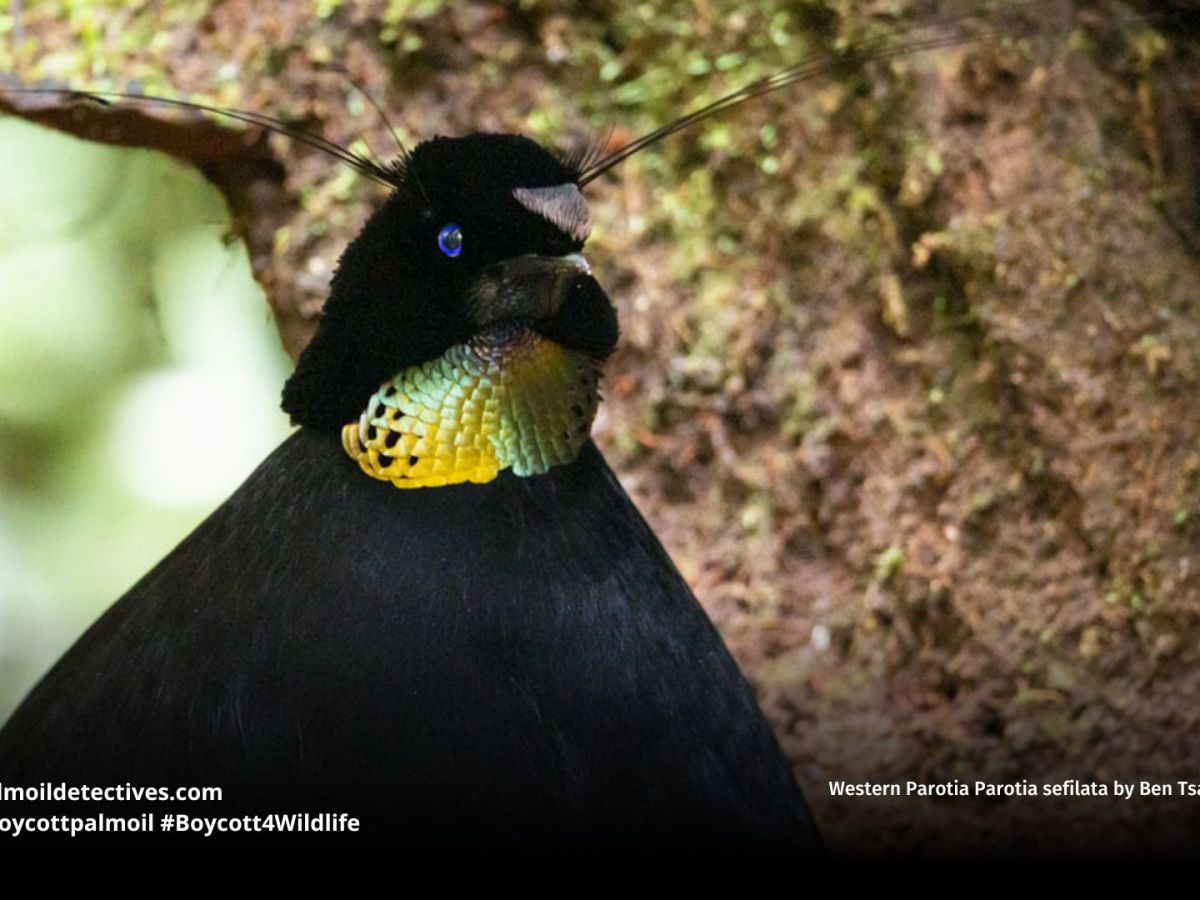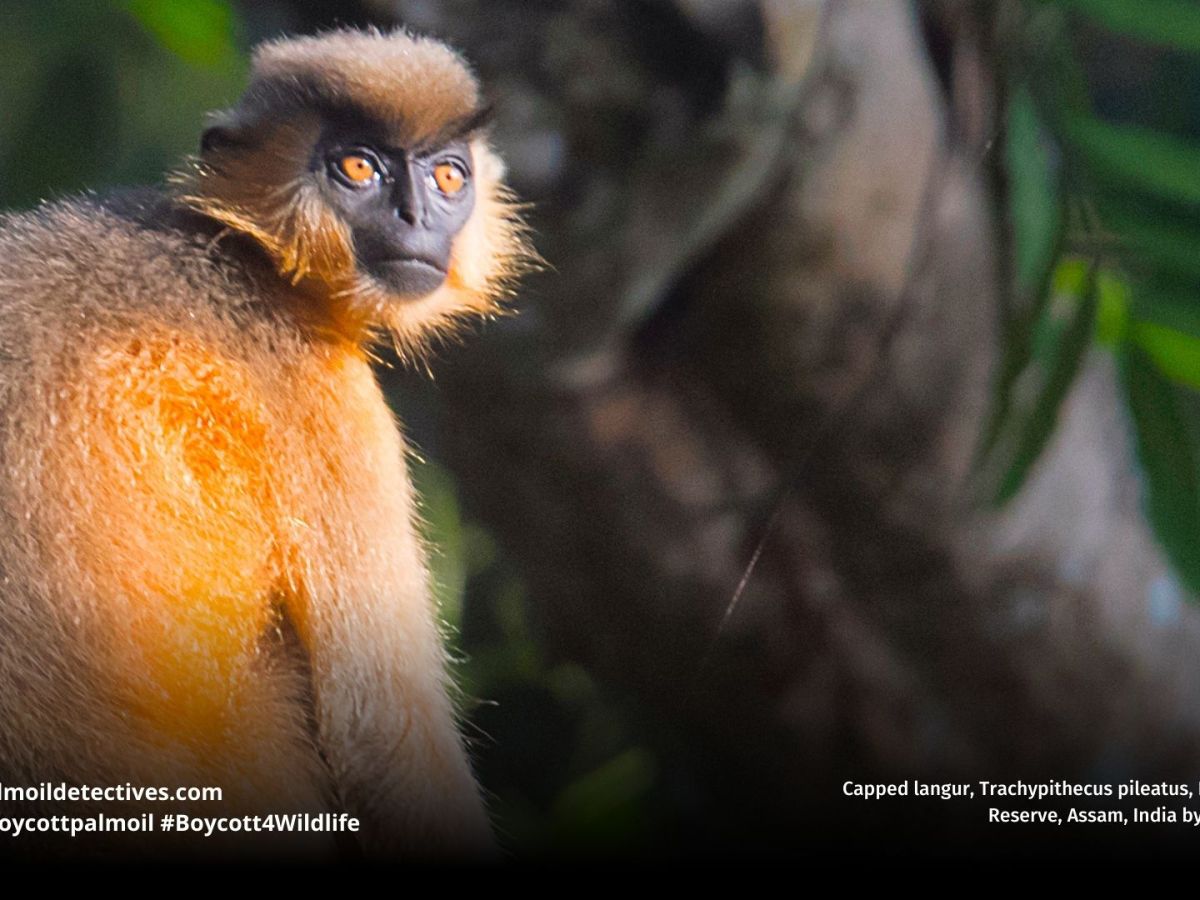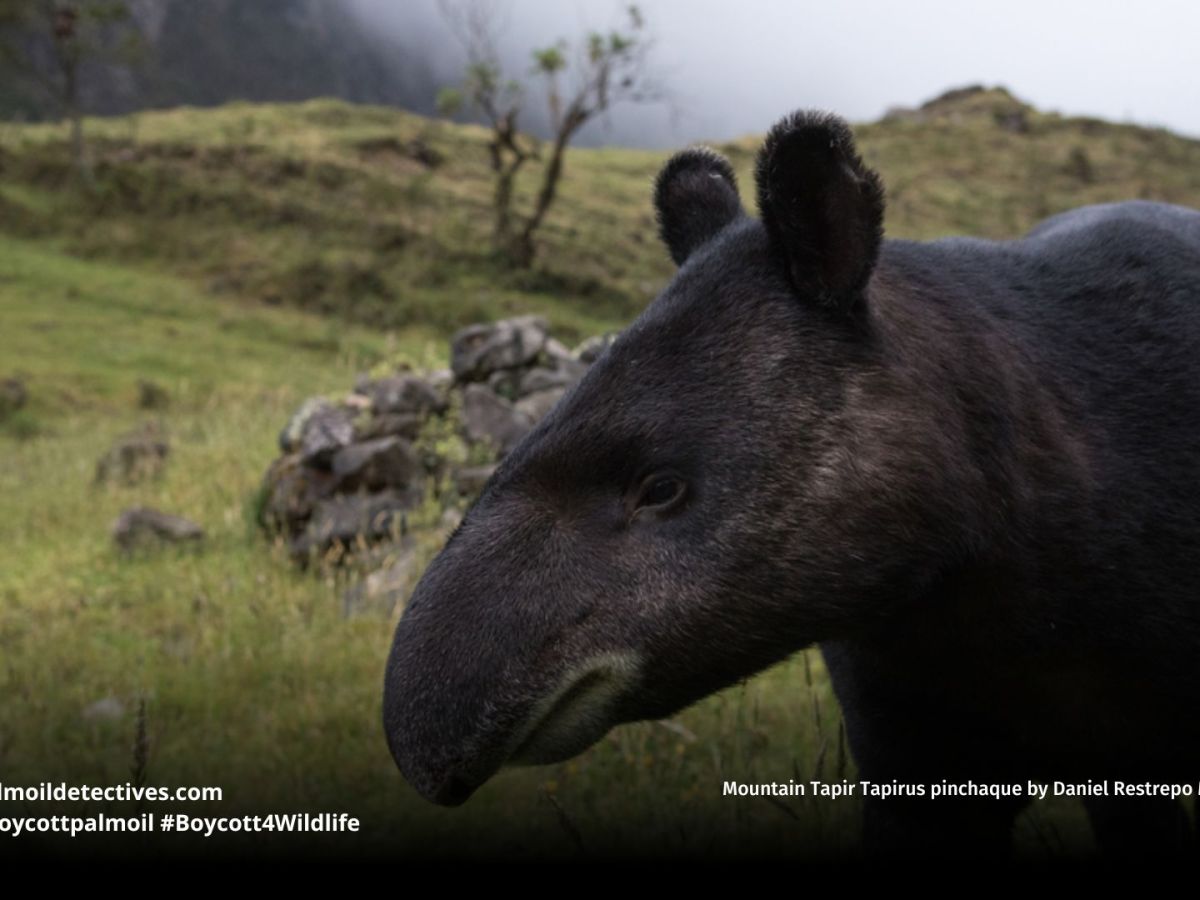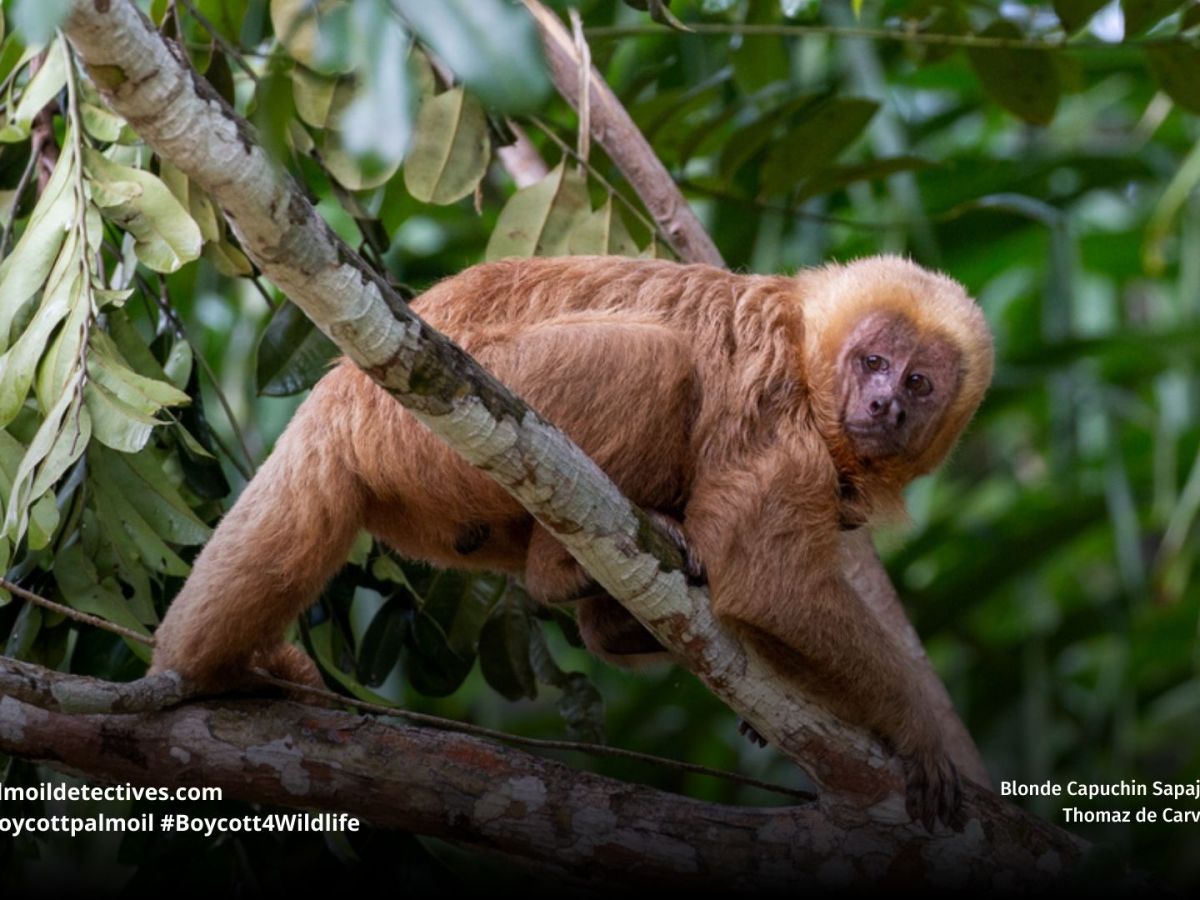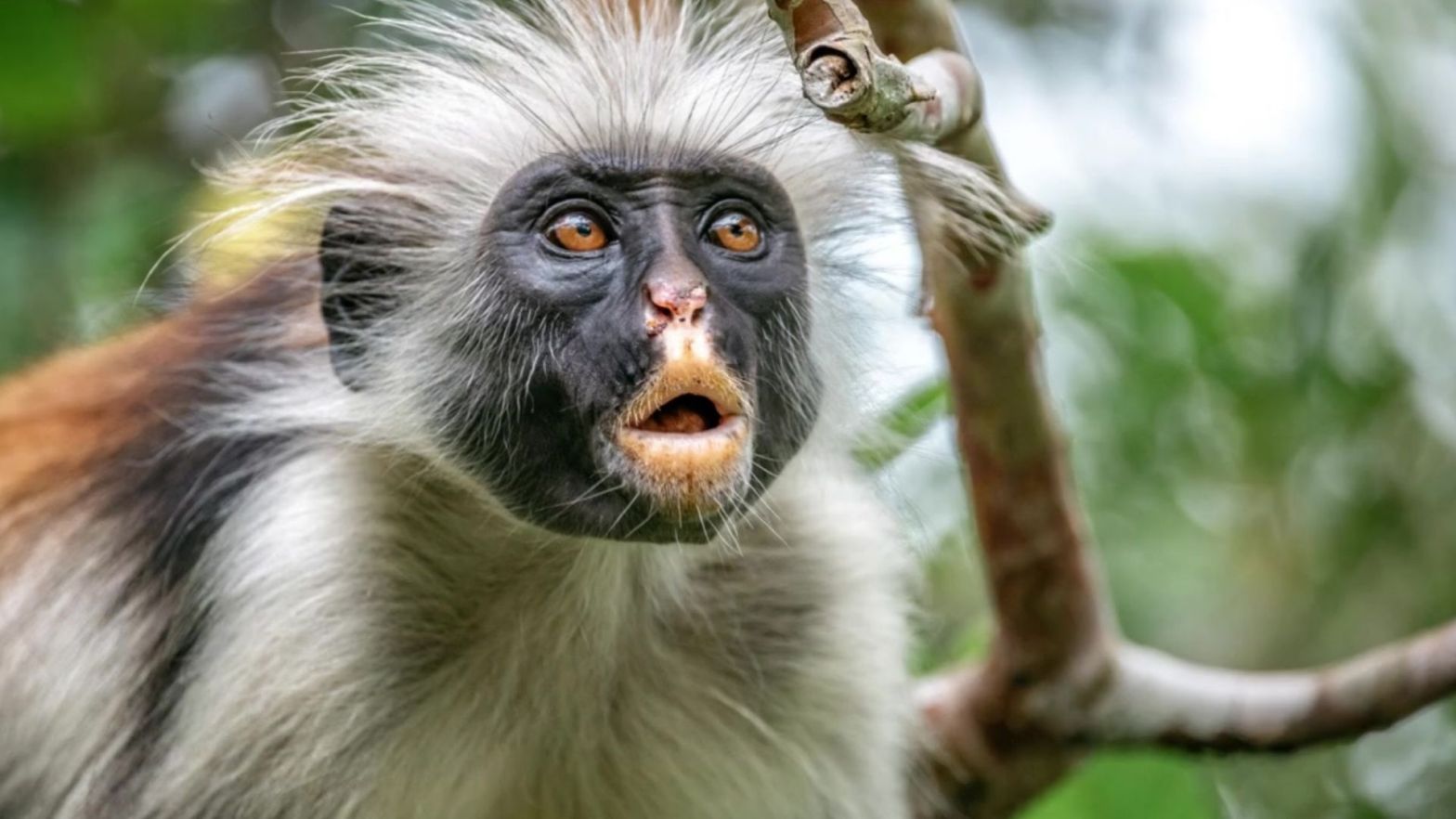
Miss Waldron’s Red Colobus Piliocolobus waldroni

Miss Waldron’s Red Colobus Piliocolobus waldroni

Red List Status: Critically Endangered (Possibly Extinct) — see the Red List for current status.

Locations: This species historically ranged across the moist forests between the Nzi-Bandama River system in south-eastern Côte d’Ivoire to south-western Ghana, especially along the Ehy lagoon and Tanoé River forests.

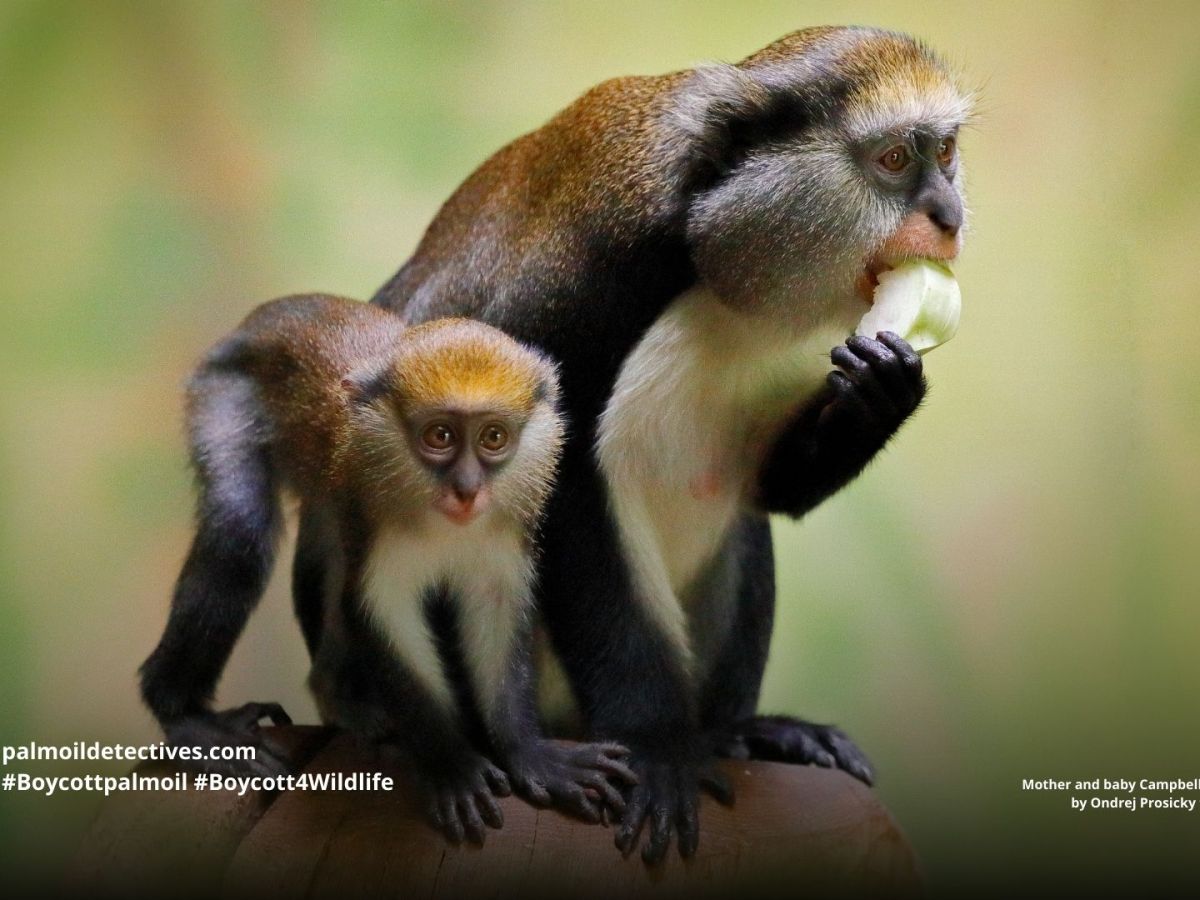
Miss Waldron’s Red Colobus, a secretive old world primate sport chestnut, black, and white white fur that surrounds their expressive faces. They live in the dense canopies of West Africa’s dwindling forests. Their story is one of ever-increasing fragility, on the edge of survival. Sightings of these magnificent primates have faded away since 1978. The last evidence, a skin, emerged in 2002.

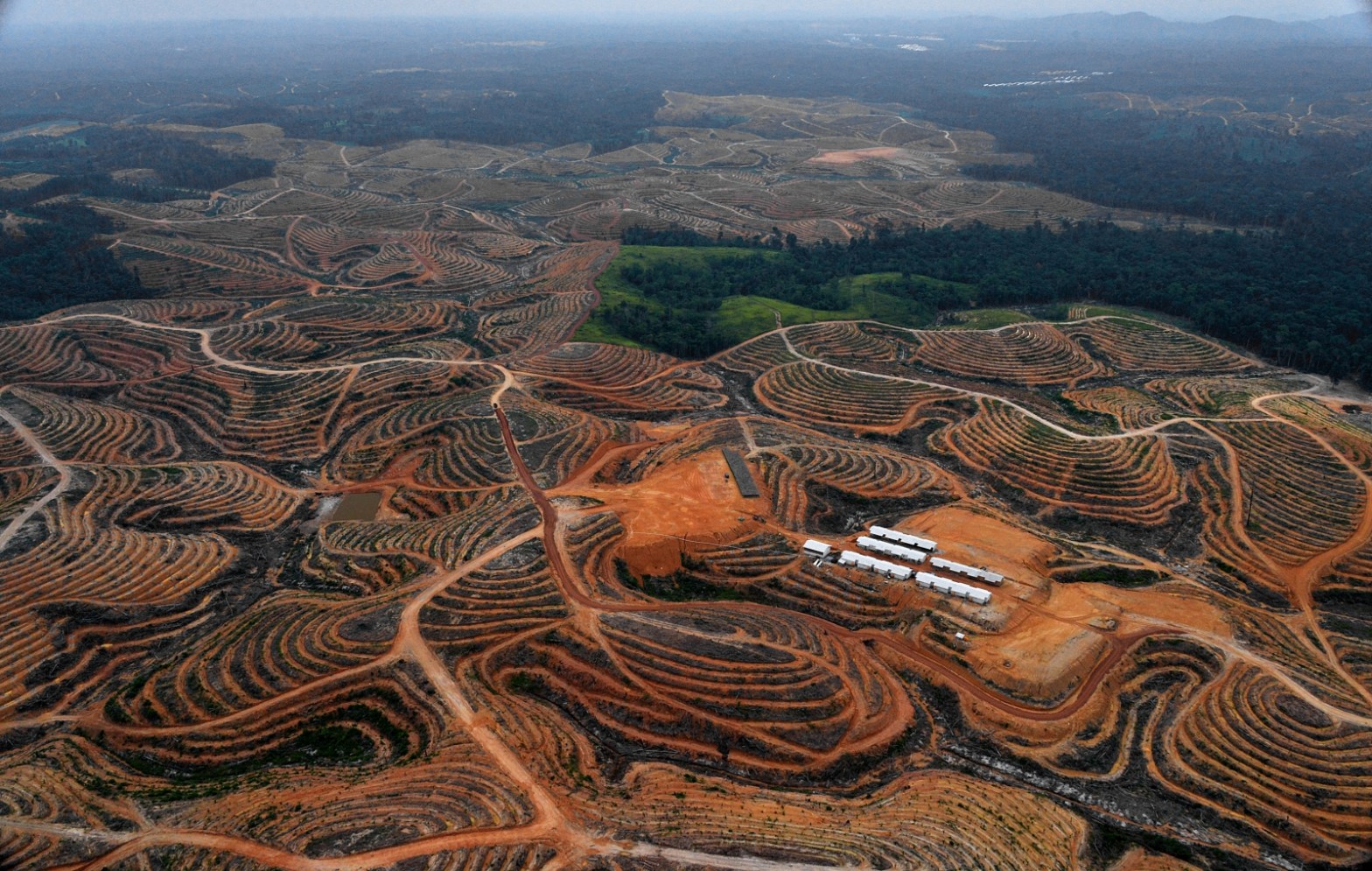
These monkey species have been driven towards the extinction by palm oil, cocoa, and rubber plantations along with hunting for bushmeat. Their calls, once a common cacophony are now nearly permanently silenced. Miss Waldron’s Red Colobus serve as a living warning for forest health. They disappear before most other mammals wherever the forests fall. Support indigenous sovereignty and safeguarding of ecosystems—use your wallet as a weapon and #BoycottPalmOil #Boycott4Wildlife.

The Miss Waldron’s Red Colobus ❤️🐒🐵 is critically endangered in #Ghana 🇬🇭🇨🇮 #Ivory Coast in #Africa due to #palmoil 🌴🪔 #cocoa 🍫 #rubber #deforestation. Help them each time you shop, #Boycottpalmoil #Boycott4wildlife @palmoildetect https://palmoildetectives.com/2021/02/15/miss-waldrons-red-colobus-piliocolobus-waldroni/

Intelligent and gentle, Miss Waldron’s Red Colobus ❤️🐒🐵 is critically endangered in #Ghana 🇬🇭🇨🇮 #Ivory Coast in #Africa mainly due to #palmoil 🌴🪔 #cocoa 🍫 #deforestation. Don’t let them vanish! #Boycottpalmoil #Boycott4wildlife @palmoildetect https://palmoildetectives.com/2021/02/15/miss-waldrons-red-colobus-piliocolobus-waldroni/

Appearance & Behaviour

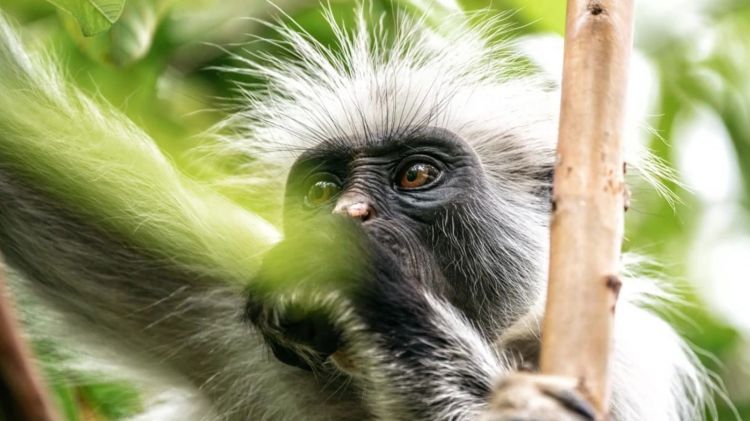
Miss Waldron’s Red Colobus displays a unique palette: chestnut-red fur with black and white markings, white whiskers, and tufts framing their expressive and emotive faces. Unlike most monkey species, their thumbs are mere stubs, giving their hands a four-fingered look. Adults can weigh up to around 10kg, with slender limbs and a long tail designed for deft swinging through the canopy. They leap with agility between dense foliage and enormous arbours in large, cohesive groups. Play, grooming and distinctive calls mark their hours and days. After feasting on leaves, they rest. Their complex stomachs do the hard work of breaking down tough plant fibres.

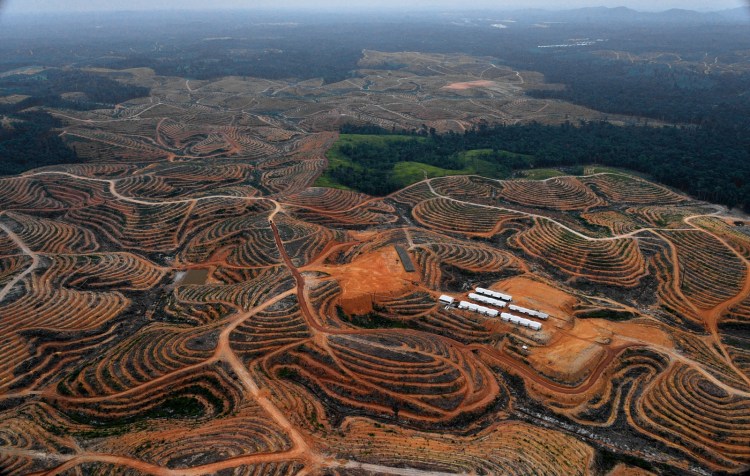
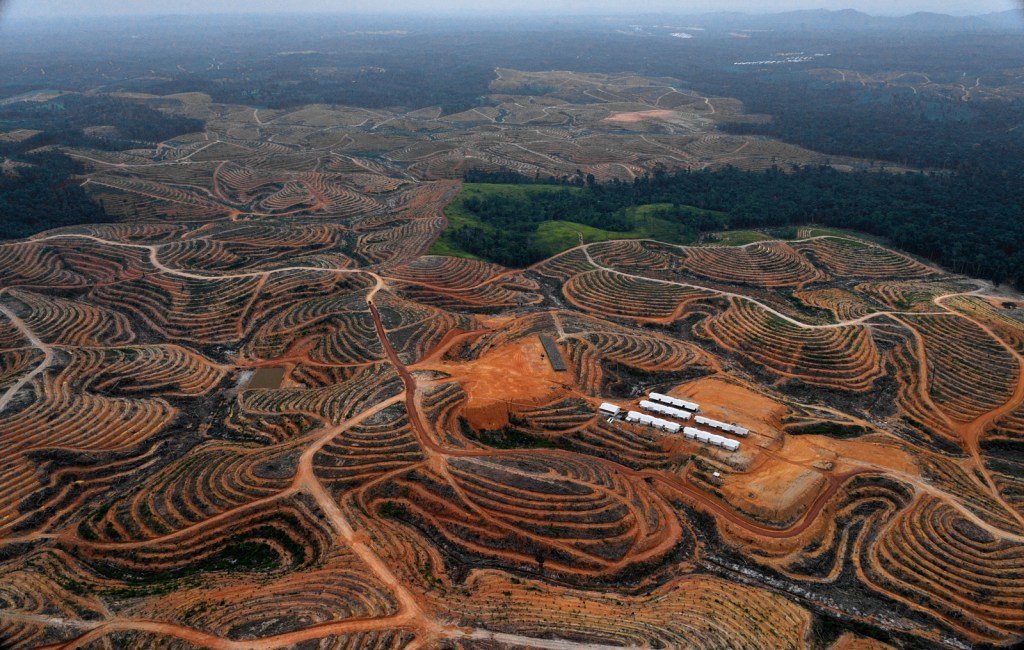
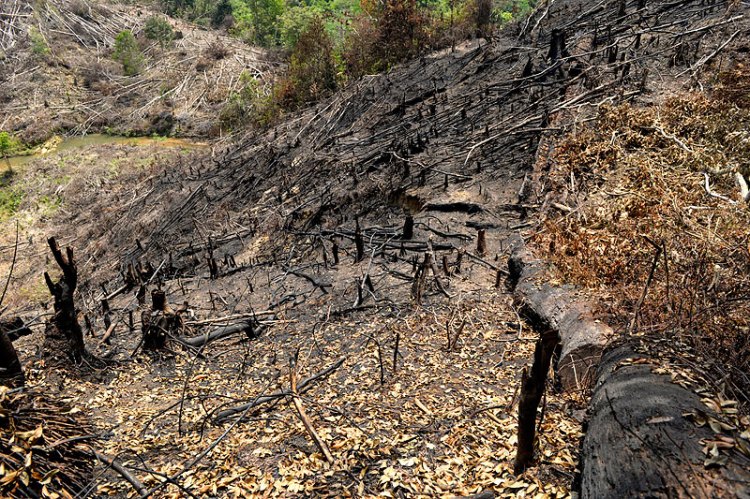
Deforestation through logging, charcoal production, cocoa farming and clearance for agricultural land (including industrial oil palm and rubber tree plantations), occurred over much of the species range in the last 50-60 years.

IUCN Red List

“The disappearance of Miss Waldron’s red colobus is a sign of a wave of extinction of animals that can only live in forests. How many of them will go? At what point will we care? It is going to be a cascade. It is the beginning of a series of extinctions of animals.”

Inza Koné, chair of the African Primatological Society. Mongabay

Threats

Palm oil, cocoa, and rubber deforestation

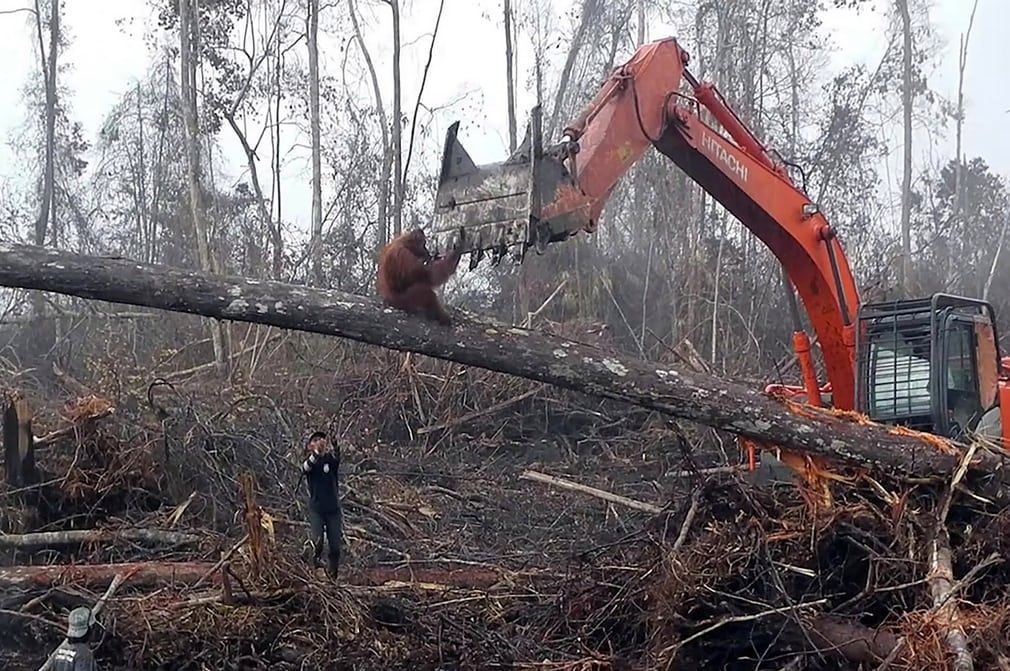
Miss Waldron’s Red Colobus stands at the frontline of critical deforestation. The expansion of palm oil, cocoa, and rubber plantations has driven catastrophic habitat loss across their limited range. These industrial crops, together with timber extraction and intensifying smallholder agriculture, have erased mature forests from south-eastern Côte d’Ivoire and south-western Ghana, erasing the monkey’s last havens. Unlike more adaptable species, Miss Waldron’s Red Colobus cannot survive outside dense, old-growth forests—the only world they have ever known.

Bushmeat hunting and wildlife trade

Entire groups have fallen to bushmeat hunters, their large size making them easy targets. Logging roads and increased access allow hunters deeper entry, compounding population collapse. Their stress-prone biology makes even brief disturbances lethal: groups fragment and fade, never returning. The region’s strong tradition of bushmeat consumption ensures constant pressure.

Diet

Miss Waldron’s Red Colobus is a specialist leaf-eater, relying on young, tender leaves of mature forest trees. They supplement this with fruits, seeds, and flowers, but leaves dominate their intake for most of the year. Their four-chambered stomach ferments tough plant material, much like a cow’s stomach, letting them exploit foods other primates ignore. When leaves become scarce, they adjust by eating seeds and flowers, sometimes foraging with other monkeys to find nutritious patches.

Mating & Reproduction

Females show distinctive sexual swellings, signalling their readiness to mate. Miss Waldron’s Red Colobus lives in multi-male, multi-female groups, with females typically leaving their birth group upon maturity. After mating, gestation lasts about five to six months, with single infants born during the rainy season. Mothers nurture their young closely—infants cling tightly as the group travels the canopy. Detailed data on their wild reproduction is limited because of the severe decline, but their social bonds are vital for raising the next generation.

Geographic Range

Historically, Miss Waldron’s Red Colobus ranged only in the dense, humid forests straddling eastern Côte d’Ivoire and western Ghana—never extending past the Volta River. Most recent evidence for their possible survival comes from the swamp forests between the Ehy lagoon and Tanoé River in south-eastern Côte d’Ivoire. Forest clearing for industrial and smallholder agriculture has eliminated almost all historic populations, leaving only the faintest hope that a remnant persists in inaccessible swamp forests.

FAQs

Are Miss Waldron’s Red Colobus extinct?

Miss Waldron’s Red Colobus is classified as Critically Endangered (Possibly Extinct). The last verified sighting was in 1978, and no living group has been seen by scientists in over forty years despite repeated surveys. Occasional reports, like a skin in 2002 and calls in 2008, leave a slim possibility that a tiny, non-viable remnant persists. Without meaningful sightings, extinction is imminent unless efforts uncover a surviving population.

How many Miss Waldron’s Red Colobus are left in the world?

There is no confirmed wild population of Miss Waldron’s Red Colobus remaining. Surveys have failed to detect any groups for decades, and experts consider the total population likely to be zero or functionally extinct. If any individuals survive, the group would be too small to recover naturally and may not reproduce.

Where do Miss Waldron’s Red Colobus live?

They are (or were) forest specialists, limited exclusively to the upper canopy of mature, moist swamp and semi-deciduous forests along the Ehy lagoon and Tanoé River in south-eastern Côte d’Ivoire, with small populations once present in south-western Ghana. These habitats have almost entirely disappeared due to palm oil, cocoa, and rubber expansion.

Are Miss Waldron’s Red Colobus intelligent?

Miss Waldron’s Red Colobus displays advanced social intelligence, shown by their cooperative group structures, complex vocalisations, and ability to form alliances with other monkeys to avoid predators. Their subtle communication and gentle social behaviour reflect the high intelligence characteristic of African colobines.

Take Action!

Fight for their survival every time you shop: #BoycottPalmOil #Boycott4Wildlife.
Support indigenous-led conservation and agroecology. Let your choices drive change—protect what remains of West Africa’s forest canopies by demanding transparent, deforestation-free supply chains and championing community-driven land management.

Support the conservation of this species
Colobus Conservation

Further Information

iucn-rating-critically-endangered

Linder, J.M., Cronin, D.T., Ting, N., et al. (2024). Red colobus monkeys: Flagships for African tropical forest conservation. Conservation Letters. https://doi.org/10.1111/conl.13014

Minhós, T., Borges, F., Parreira, B., Oliveira, R., Aleixo-Pais, I., Leendertz, F. H., Wittig, R., Rodríguez Fernandes, C., et al. (2022). The importance of well protected forests for the conservation genetics of West African colobine monkeys. American Journal of Primatology, 84(1), e23453. https://doi.org/10.1002/ajp.23453

Oates, J.F., Koné, I., McGraw, S. & Osei, D. 2020. Piliocolobus waldroni (amended version of 2019 assessment). The IUCN Red List of Threatened Species 2020: e.T18248A166620835. https://dx.doi.org/10.2305/IUCN.UK.2020-1.RLTS.T18248A166620835.en. Downloaded on 15 February 2021.

Roberts, D. L., & Kitchener, A. C. (2006). Inferring extinction from biological records: Were we too quick to write off Miss Waldron’s Red Colobus Monkey (Piliocolobus badius waldronae)? Biological Conservation, 128(2), 285-287. https://doi.org/10.1016/j.biocon.2005.09.033


Contribute to palm oil detectives - black rhino in profile

How can I help the #Boycott4Wildlife?


Take Action in Five Ways

1. Join the #Boycott4Wildlife on social media and subscribe to stay in the loop: Share posts from this website to your own network on Twitter, Mastadon, Instagram, Facebook and Youtube using the hashtags #Boycottpalmoil #Boycott4Wildlife.

Join 3,176 other subscribers

2. Contribute stories: Academics, conservationists, scientists, indigenous rights advocates and animal rights advocates working to expose the corruption of the palm oil industry or to save animals can contribute stories to the website.
3. Supermarket sleuthing: Next time you’re in the supermarket, take photos of products containing palm oil. Share these to social media along with the hashtags to call out the greenwashing and ecocide of the brands who use palm oil. You can also take photos of palm oil free products and congratulate brands when they go palm oil free.

4. Take to the streets: Get in touch with Palm Oil Detectives to find out more.

5. Donate: Make a one-off or monthly donation to Palm Oil Detectives as a way of saying thank you and to help pay for ongoing running costs of the website and social media campaigns. Donate here

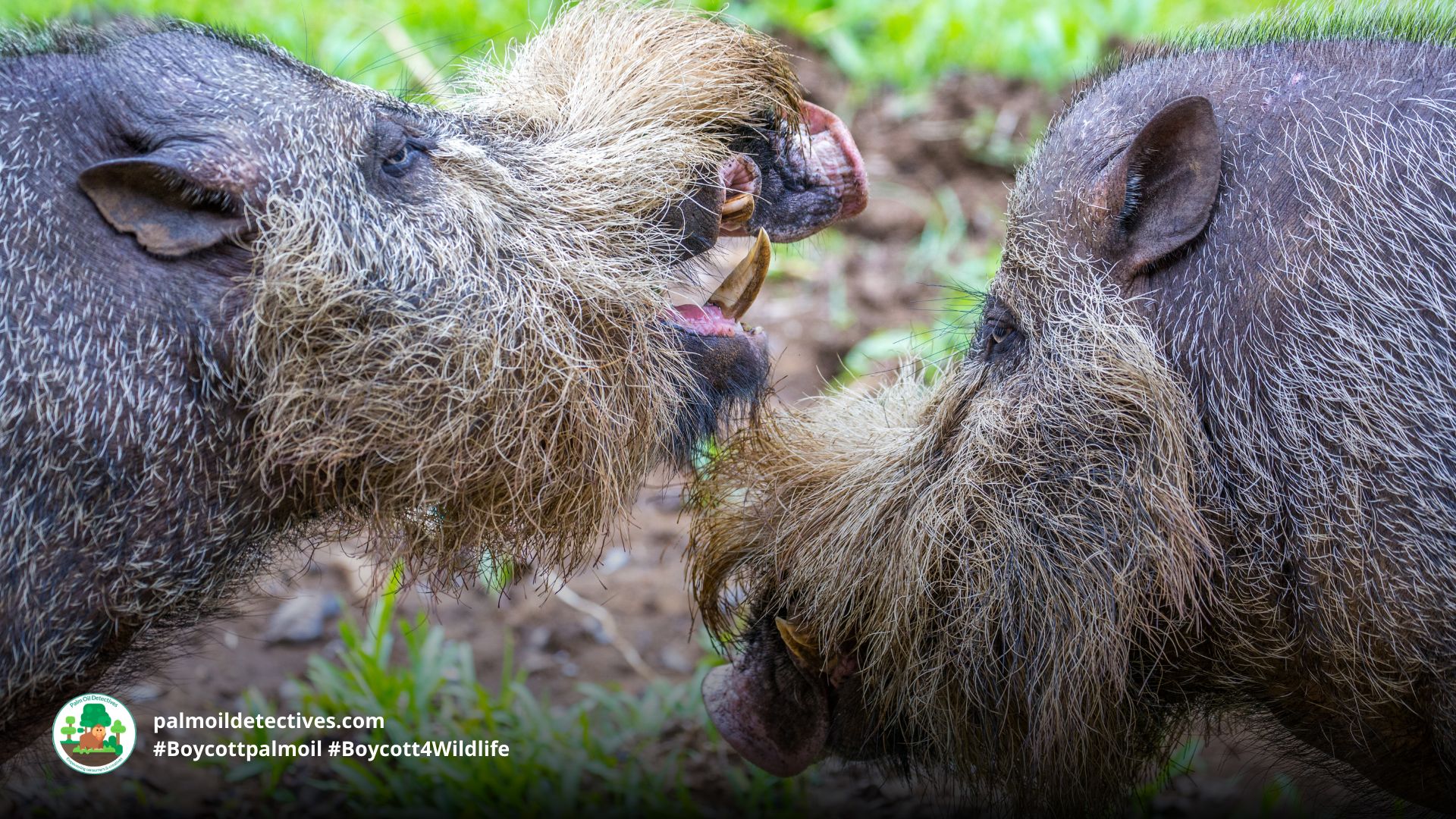
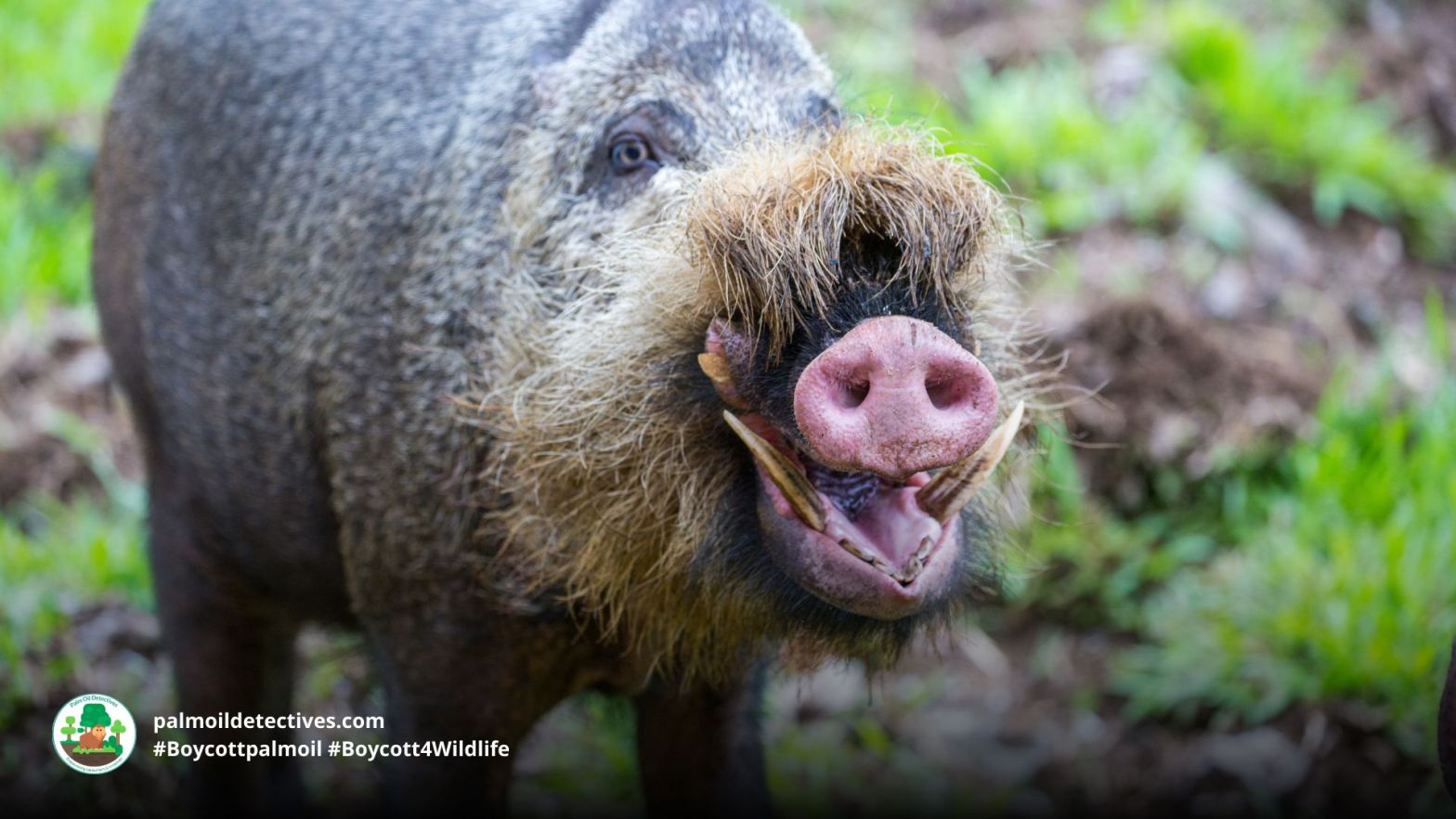
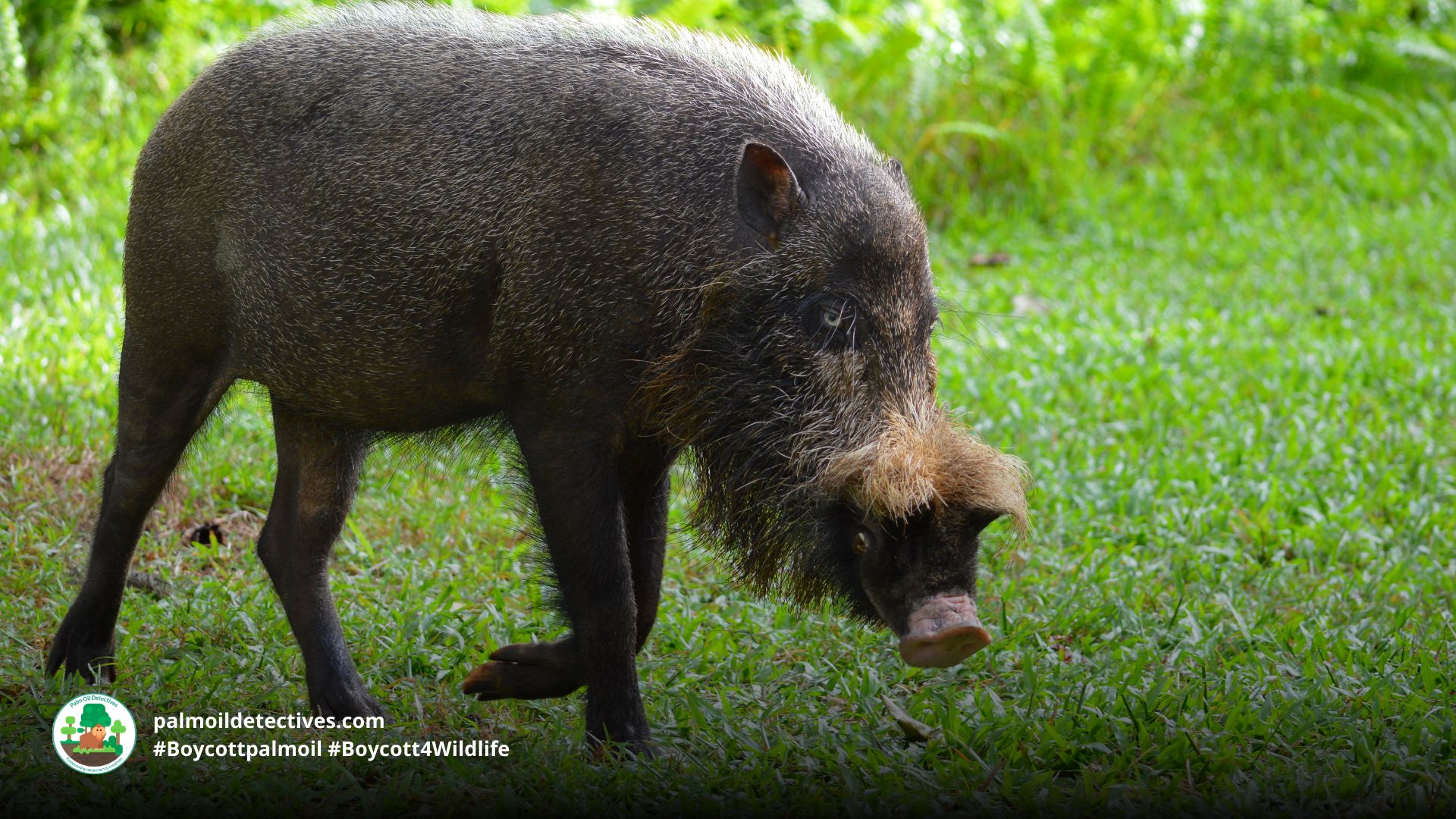
Bearded Pig Sus barbatus

Bearded Pig Sus barbatus

IUCN Red List Status: Vulnerable

Location: Bearded Pigs are found across Borneo, the Malay Peninsula, Sumatra, and the Philippines, including Palawan. They inhabit tropical rainforests, mangroves, peat swamps, and logged forests, sometimes venturing into agricultural areas.

Extant (resident): Brunei Darussalam; Indonesia (Kalimantan, Sumatera); Malaysia (Peninsular Malaysia, Sarawak, Sabah)

Possibly Extinct: Philippines

Extinct: Singapore

A gardener of the forests in #Asia the Bearded Pig is a vital part of many ecosystems. #Extinct in some countries, they are #Vulnerable due to #deforestation for #palmoil and #rubber. Help them and #Boycottpalmoil #Boycott4Wildlife @palmoildetect https://palmoildetectives.com/2021/02/15/bearded-pig-sus-barbatus/

Gentle gardeners of #Borneo, Bearded #Pigs 🐷🩷 have distinguished and cheeky whiskers that set them apart from others. They’re #vulnerable due to #palmoil #deforestation, fight for their survival #Boycottpalmoil 🌴⛔️ #Boycott4Wildlife @palmoildetect https://palmoildetectives.com/2021/02/15/bearded-pig-sus-barbatus/


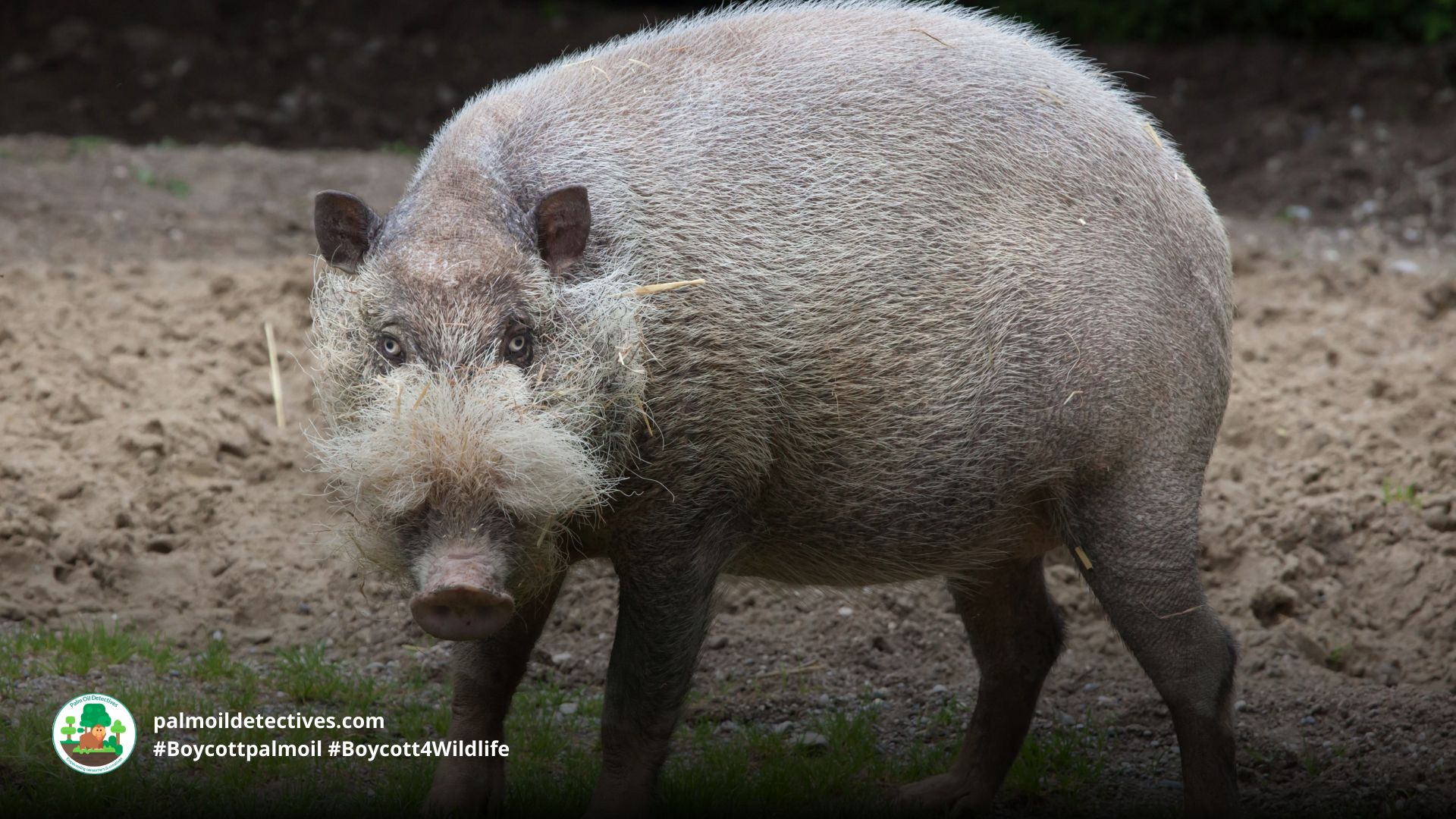
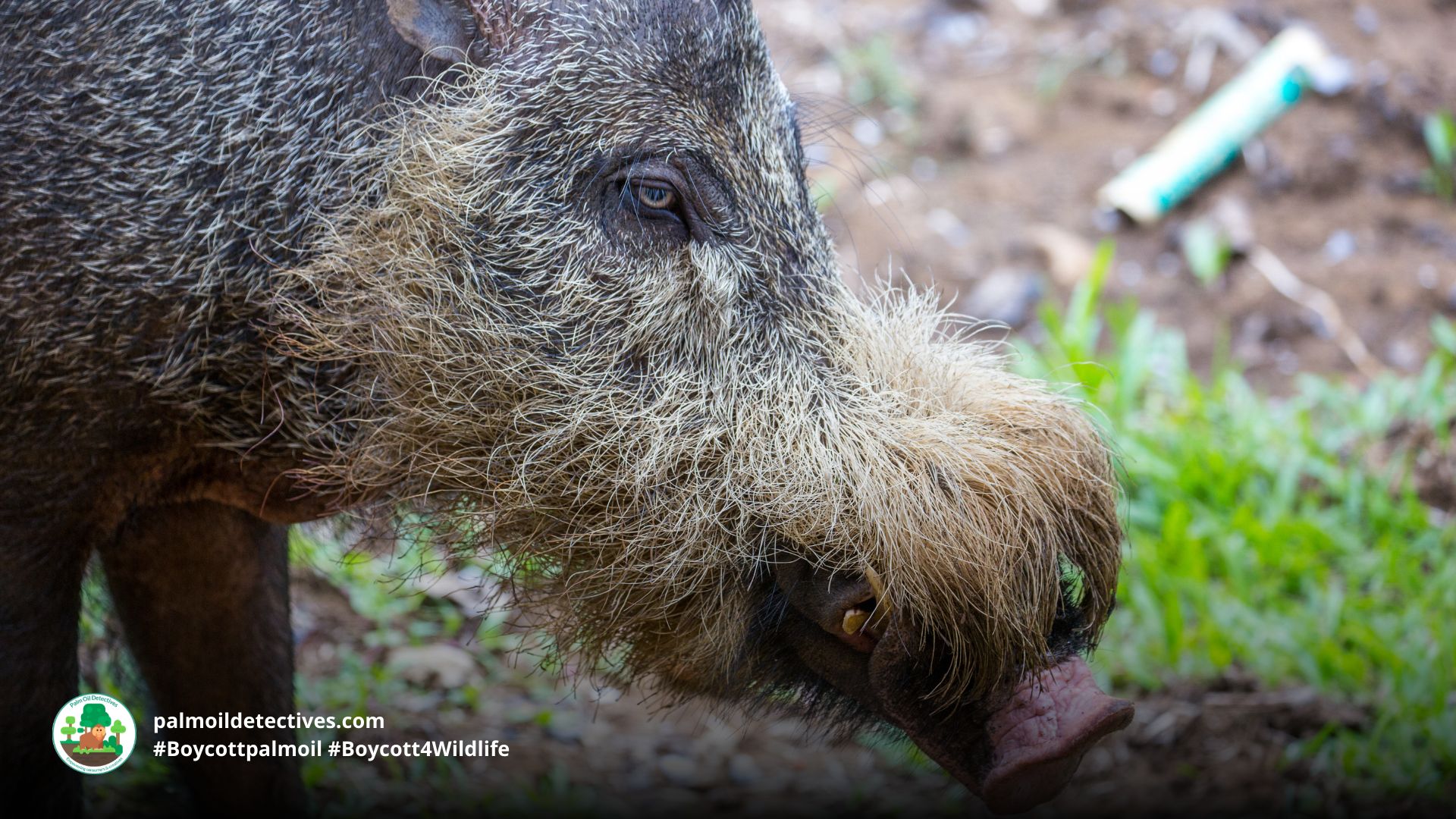
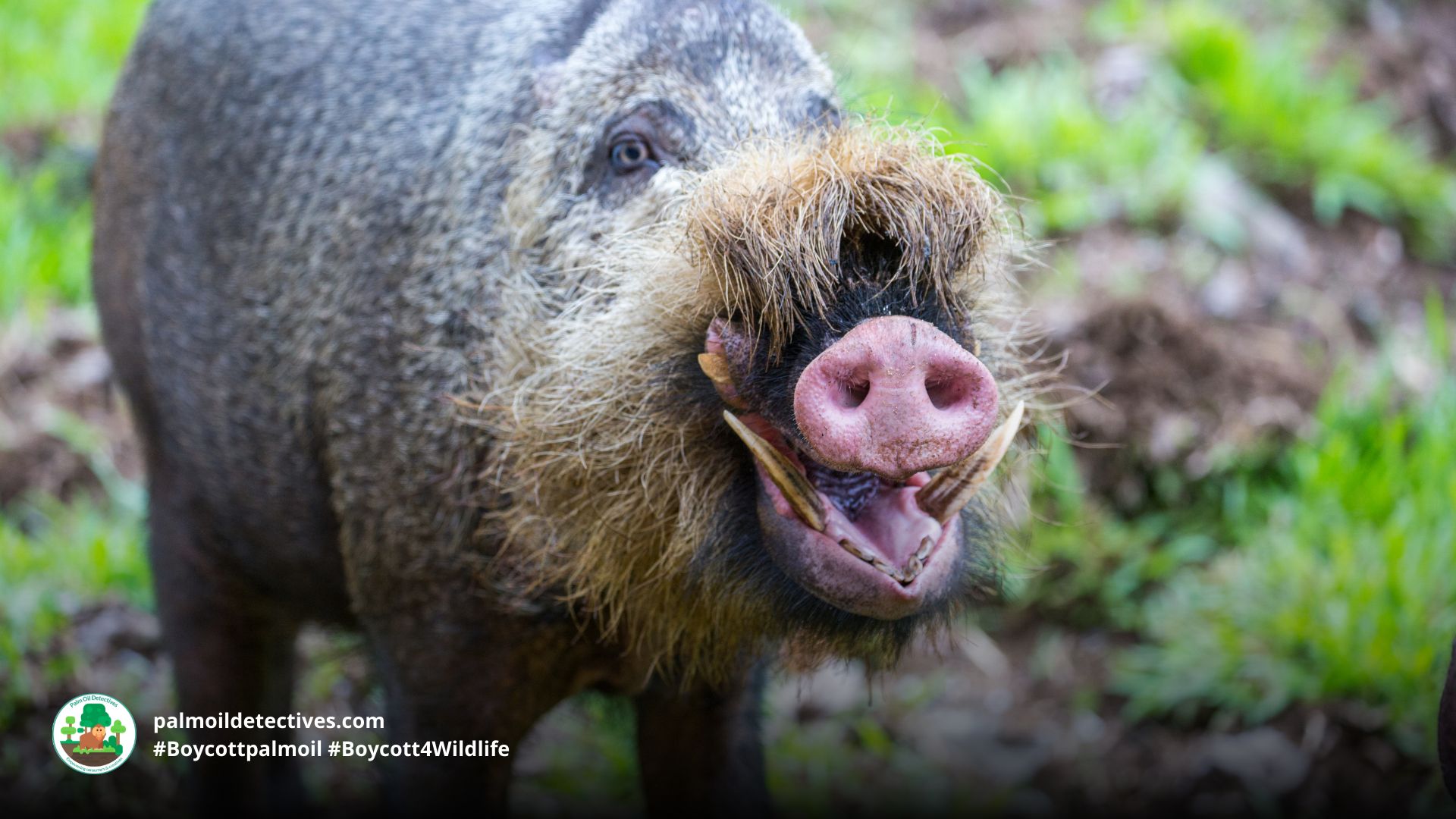
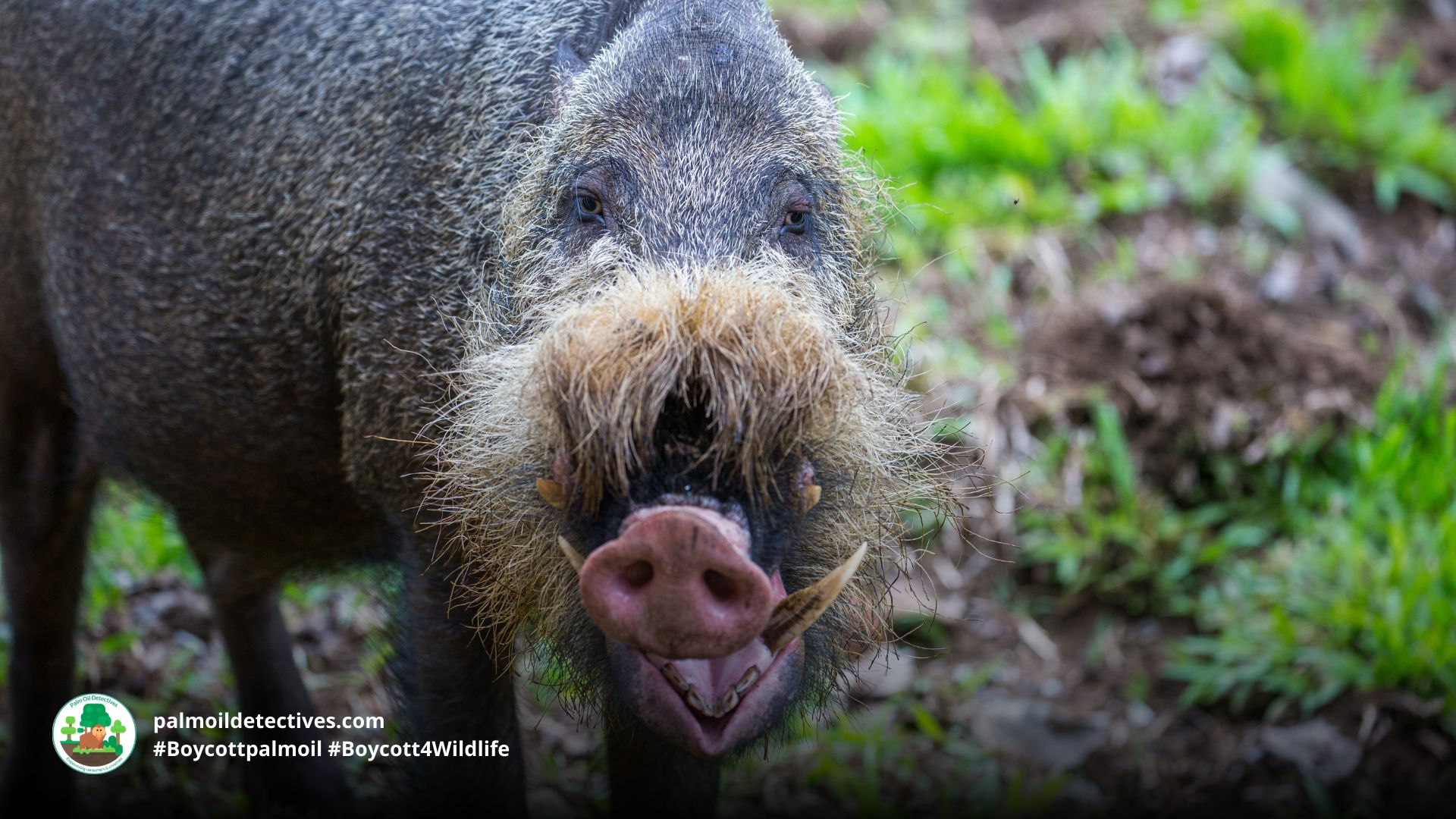
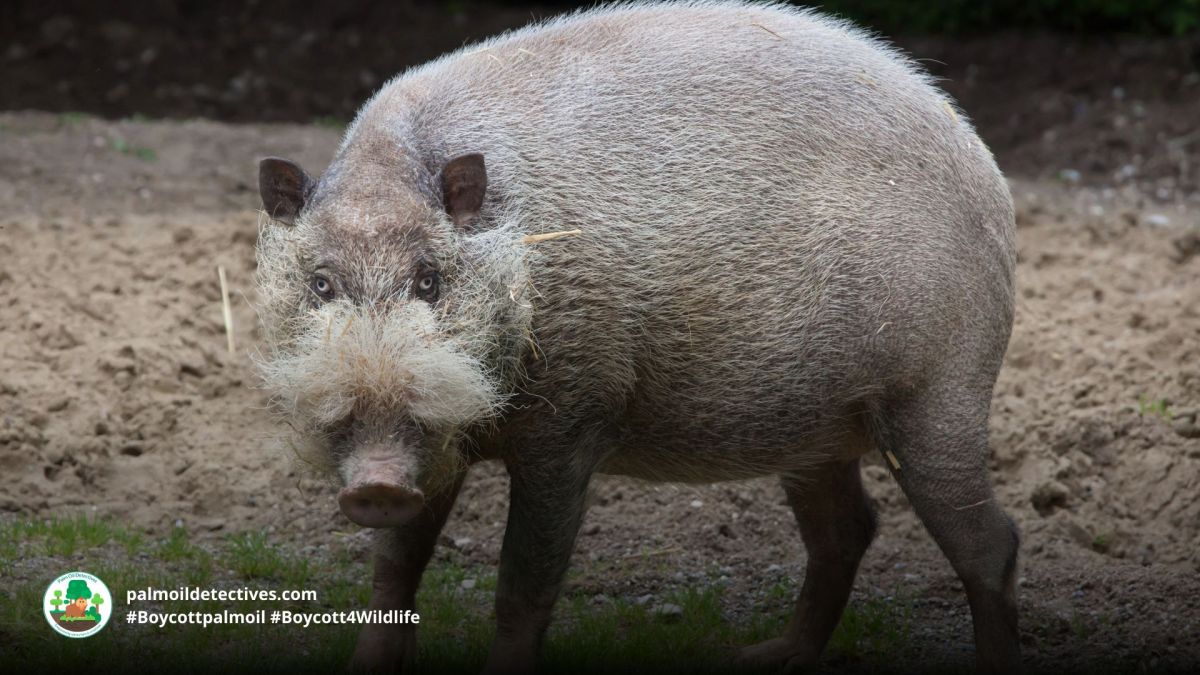
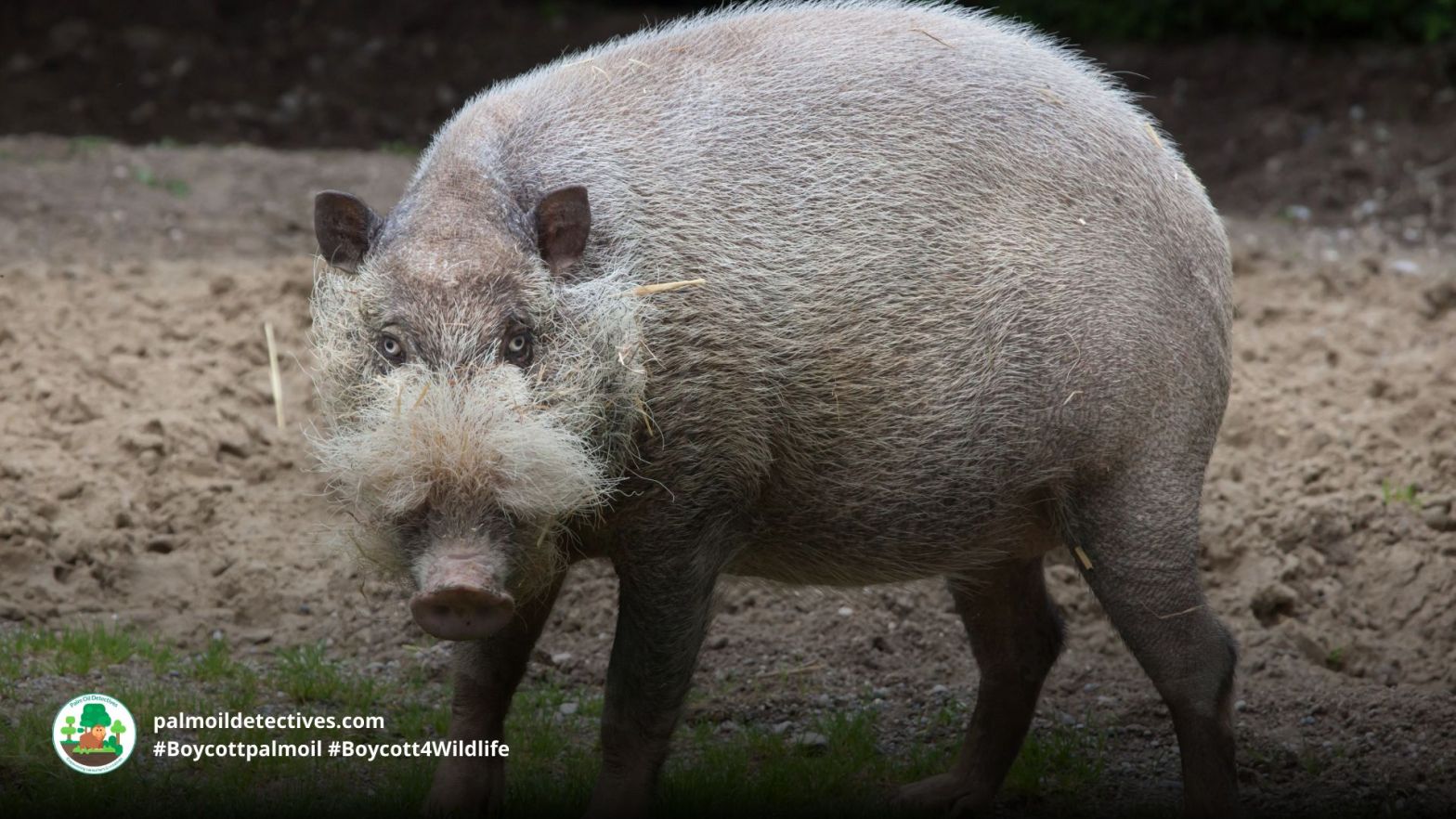
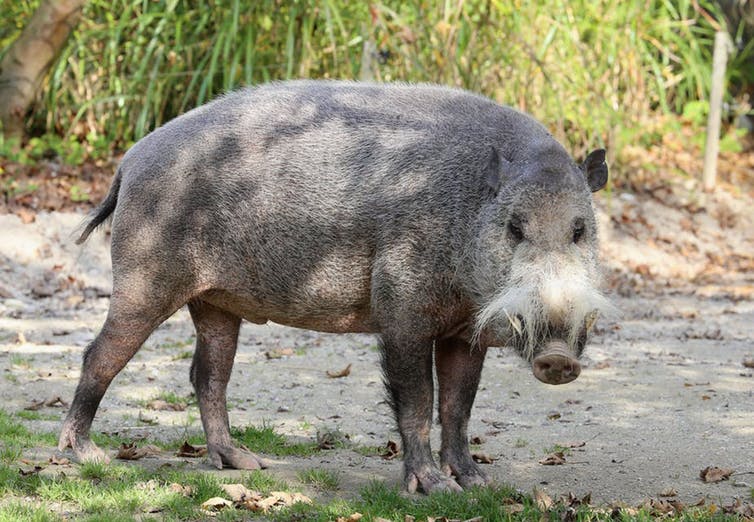
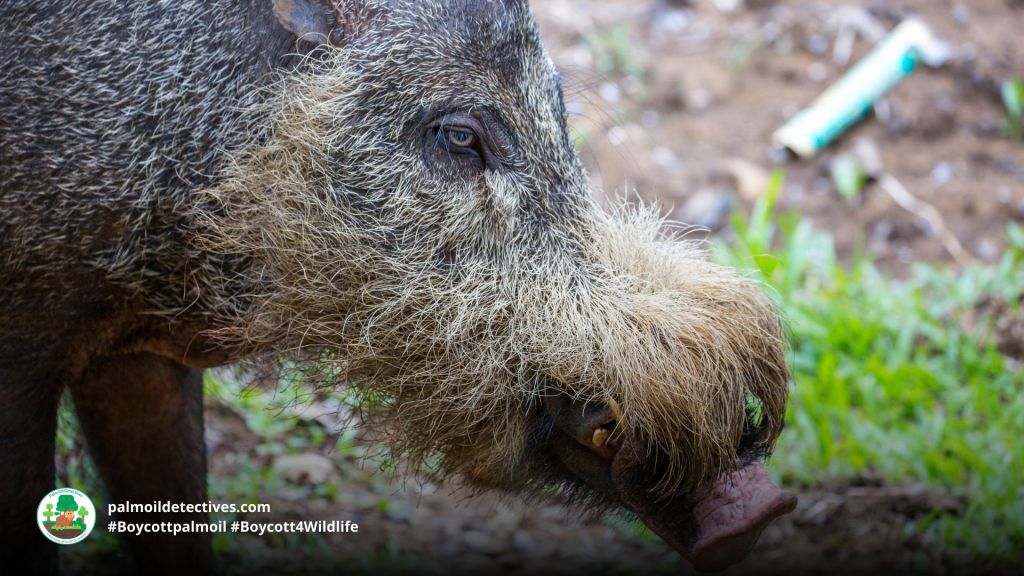
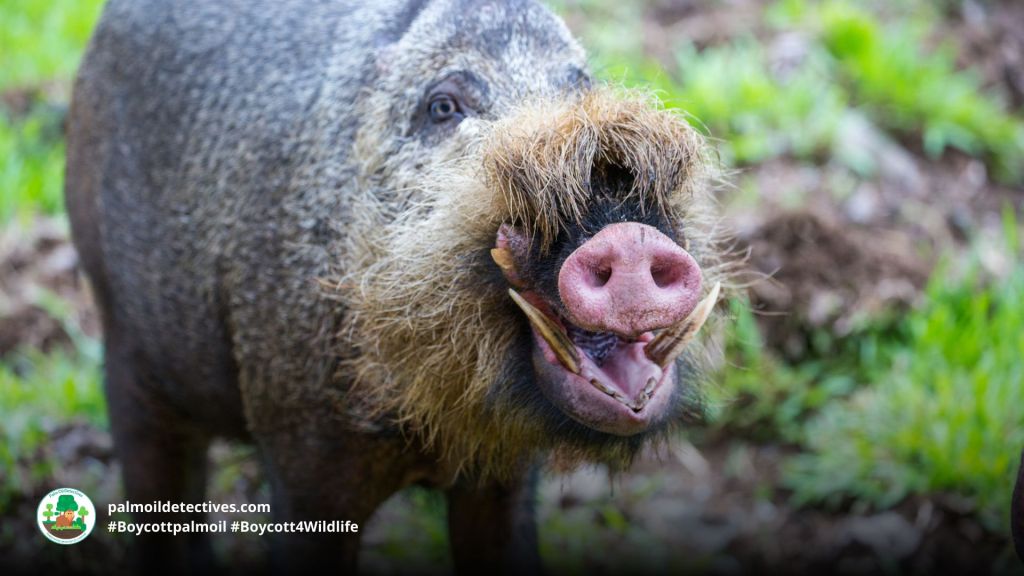
Bearded Pigs have hair which grows along their lower jaws that resembles a beard – giving them their distinctive whiskery appearance and their name. The Bearded Pig is an integral part of Southeast Asia’s tropical ecosystems, known for their unique appearance and critical role as seed dipersers in forest health. They are the only pig species known to migrate, moving in synchrony with fruiting seasons. However, they face mounting threats from habitat loss for palm oil and timber, along with illegal hunting, and disease. Help them to survive and use your wallet as a weapon in the supermarket #BoycottPalmOil #Boycott4Wildlife


Appearance and Behaviour

The Bearded Pig is a striking wild pig of the rainforest, recognised by their wiry “beard” of coarse hair framing a long, mud-streaked snout. Their shaggy coats, a mix of grey-brown and lighter streaks, seem made for blending into the dappled forest floor. Small, keen eyes glint with intelligence, and their long legs carry their robust bodies— weighing between 40 to 120 kilograms—through thick vegetation with quiet purpose.

Foraging families can often be heard before they’re seen, with soft grunts and snuffling sounds that echo through the undergrowth. In migration, the rhythm of hooves and the rustle of leaves mark their passage, as they travel great distances in search of fruiting trees.

The Palawan Bearded Pig (Sus barbatus ahoenobarbus), smaller and with a less pronounced beard, shares these traits, however they are adapted to the unique environment of Palawan Island.

In Sumatra, habitat loss and fragmentation have been the highest in the world over the last 20 years, putting S. b. oi at direct threat of extinction (Margono et al. 2011, Meitten 2012). The same situation probably applies to Bangka and the Riau Archipelago where the persistence of the species is unclear today.

IUCN Red List

Diet

Bearded Pigs are omnivores, thriving on a diverse diet of fruits, seeds, roots, tubers, fungi, and small invertebrates. They are keystone seed dispersers in the rainforest, consuming figs, dipterocarp seeds, and other forest fruits, and scattering seeds through their foraging. When natural food is scarce, they may venture into fields to feed on crops like maize and rice.

Reproduction and Mating

These pigs breed year-round, but their reproduction often aligns with fruiting seasons. Females give birth to litters of four to eight piglets, born with striped coats that blend into the forest floor. Family groups are tightly bonded, with mothers fiercely protective of their young.

Geographic Range

Bearded Pigs inhabit rainforests, mangroves, and peat swamps across Borneo, Sumatra, the Malay Peninsula, and Palawan. While they thrive in intact forests, they are adaptable and can survive in logged forests and agricultural areas. However, their seasonal migrations require connected habitats, making forest corridors essential. Habitat fragmentation is a looming and major threat to this enigmatic wild pig.

Their population is believed to have declined by 30% over the last three generations (taken as 21 years) by hunting, shrinkage in distribution, and habitat destruction and degradation.

Threats

Palm oil and timber deforestation:

Bearded Pigs are losing their habitats at an alarming rate due to the expansion of out-of-control palm oil plantations, logging, and agricultural activities. The relentless clearing of forests for monoculture plantations not only reduces their foraging grounds but also fragments the connected landscapes they rely on for migration. Without intact forest corridors, their survival is increasingly precarious.

Illegal hunting and bushmeat trade:

Bearded Pigs are heavily hunted across their range for their meat. While some hunting is for subsistence, illegal hunting and commercial trade exacerbate the pressure on their populations. This unregulated hunting threatens not just the species but also the indigenous communities whose cultural practices and diets are deeply intertwined with their presence.

African swine fever and other diseases

Emerging infectious diseases, including African swine fever, pose a significant threat to wild pig populations. The rapid spread of this disease in Southeast Asia has raised concerns about its impact on already vulnerable species like the Bearded Pig. These diseases can decimate populations and further weaken their chances of survival.

Habitat fragmentation

The destruction of forest corridors caused by deforestation and infrastructure development disrupts the seasonal migrations of Bearded Pigs. Without connected habitats, these pigs are forced to remain in smaller, isolated areas, reducing access to food and increasing competition. Habitat fragmentation also isolates populations, which can lead to reduced genetic diversity over time.

FAQs

What does the Bornean Bearded Pig eat?

Bearded Pigs eat a mix of fruits, seeds, roots, fungi, and invertebrates. Their role as seed dispersers makes them essential to the rainforest ecosystem, as they help regenerate forests by spreading seeds through their droppings.

Is the Bearded Pig endangered?

The Bearded Pig is classified as Vulnerable. Populations are declining due to habitat destruction, hunting, and disease, and their reliance on intact forest corridors for migration makes them particularly vulnerable.

How are Bearded Pigs adapted to the tropical rainforest?

Bearded Pigs are highly adapted to rainforest life. Their migratory behaviour helps them track fruiting seasons, and their long snouts and strong jaws allow them to forage for tubers and seeds. Their omnivorous diet and ability to travel long distances and disperse seeds make them vital to forest health.

What are the physical characteristics of the Palawan Bearded Pig?

The Palawan Bearded Pig (Sus barbatus ahoenobarbus), a subspecies, is smaller and has shorter hair and a less pronounced beard compared to the Bearded Pig. Found exclusively on Palawan Island, they share the ecological significance of their mainland relatives in their seed dispersal activities that help forests to flourish.

Take Action!

The survival of the Bearded Pig depends on preserving their habitats and protecting forest corridors. Support indigenous-led conservation, boycott palm oil products, and advocate against illegal hunting to ensure their future. #BoycottPalmOil #Boycott4Wildlife

Support the conservation of this species

This animal has no protections in place. Read about other forgotten species here. Create art to support this forgotten animal or raise awareness about them by sharing this post and using the #Boycottpalmoil #Boycott4Wildlife hashtags on social media. Also you can boycott palm oil in the supermarket.

Further Information

IUCN Rating vulnerable

Luskin, M., Ke, A., Meijaard, E., Gumal, M. & Kawanishi, K. 2017. Sus barbatus (errata version published in 2018). The IUCN Red List of Threatened Species 2017: e.T41772A123793370. https://dx.doi.org/10.2305/IUCN.UK.2017-3.RLTS.T41772A44141317.en. Downloaded on 15 February 2021.

Mongabay. (2022). The only pig species known to migrate: The Bearded Pig. Retrieved from https://news.mongabay.com/2022/09/the-only-pig-species-known-to-migrate-the-bearded-pig/

Mongabay. (2023). Bearded pigs: A cultural keystone species for Borneo’s indigenous groups. Retrieved from https://news.mongabay.com/2023/03/bearded-pigs-a-cultural-keystone-species-for-borneos-indigenous-groups-study/

Reko Forest. (n.d.). Wildlife of RER: The Bearded Pig. Retrieved from https://www.rekoforest.org/field-stories/wildlife-of-rer-the-bearded-pig/

Wildlife Conservation Society (WCS). (2022). Infectious diseases threaten Bornean pigs. Retrieved from https://blog.wcs.org/photo/2022/03/29/infectious-diseases-threaten-bornean-pigs-bearded/


Contribute to palm oil detectives - black rhino in profile

How can I help the #Boycott4Wildlife?


Take Action in Five Ways

1. Join the #Boycott4Wildlife on social media and subscribe to stay in the loop: Share posts from this website to your own network on Twitter, Mastadon, Instagram, Facebook and Youtube using the hashtags #Boycottpalmoil #Boycott4Wildlife.

Join 3,176 other subscribers

2. Contribute stories: Academics, conservationists, scientists, indigenous rights advocates and animal rights advocates working to expose the corruption of the palm oil industry or to save animals can contribute stories to the website.
3. Supermarket sleuthing: Next time you’re in the supermarket, take photos of products containing palm oil. Share these to social media along with the hashtags to call out the greenwashing and ecocide of the brands who use palm oil. You can also take photos of palm oil free products and congratulate brands when they go palm oil free.

4. Take to the streets: Get in touch with Palm Oil Detectives to find out more.

5. Donate: Make a one-off or monthly donation to Palm Oil Detectives as a way of saying thank you and to help pay for ongoing running costs of the website and social media campaigns. Donate here

Africa’s Palm Oil Boom Threatens Forests, People, Animals

In #Liberia 🇱🇷 #DRC 🇨🇩 #Uganda 🇺🇬 #Africa, an estimated 3 million ha rainforest owned by locals has been acquired by #palmoil companies putting at risk 100’s of #animals Take action when you shop! #BoycottPalmOil 🌴🩸🔥🧐❌#Boycott4Wildlife @palmoildetect https://palmoildetectives.com/2021/02/14/as-palm-oil-production-ramps-up-in-africa-communities-work-to-avoid-problems-plaguing-other-regions/

Meanwhile, the palm oil industry has grown in other parts of the globe. Latin America, for example, has seen an uptick in palm production. And over the past decade or so, large-scale palm oil production has expanded into West and Central Africa. While some people have welcomed this in hopes it will bring economic opportunity, a number of communities are trying to resist — either the presence of the industry itself or the way individual companies operate in their countries. How these efforts play out could determine whether the industry can find a way to be more sustainable in Africa, and also the fate of communities across the continent, not to mention that of nonhuman primates.

Palm oil companies will not just displace [people in affected communities], but their culture, their history, their value, their traditional institutions, will all be completely altered,” says Alfred Brownell, founder of the Liberian lawyers network Green Advocates and currently a distinguished scholar in residence at Northeastern University School of Law in Boston. He lives in the U.S. in exile out of fear for his life, after he says he was threatened by private security guards protecting land being cleared of sacred sites to make way for palm oil development in Liberia. But he has represented indigenous communities in Liberia’s Sinoe County, where residents say that since the palm oil company Golden Veroleum Liberia (GVL) arrived in 2010, crops have been destroyed, shrines desecrated, burial grounds and grave sites denigrated, rivers diverted or dammed, and precious wetland areas polluted.

“It was a fertile ground for growing vegetables and other food staples to complement our local food basket,” Brownell wrote in a letter to RSPO on behalf of residents. “All of these are no more. All of the swamps within our communities have been filled in to make way for oil palm.”

Liberia is home to the largest remaining tract of West Africa’s Upper Guinean forest, which has some of the richest biodiversity in the world. In addition to wetlands and farmland that communities depend on, the forest is threatened by expanding palm oil production, among other commercial activities. If it disappears, Brownell says, so too does the spiritual connection that many indigenous communities have with it. “That’s why we took this complaint before the roundtable,” he says.

Rising Demand, Growing Industry

Palm oil production continues to grow steadily throughout the world. “Production has been doubling worldwide every 10 years during the past 40 years,” says Thomas Mielke, CEO of the market analysis firm Oil World. “Palm oil has become the most important vegetable oil worldwide.”

That’s because it’s cheap, and there are more uses for it all the time. It’s in all kinds of packaged food, from crackers to ice cream to instant noodles, and the rapidly growing consumption of processed foods globally is a big reason for the exploding demand. It’s also used in soap and cosmetics, in biodiesel, and as a mineral oil replacement. And because it is a very productive crop, impacts on land use could be even greater if the world were to try to replace palm with a different vegetable oil.

In Africa, an estimated 3 million hectares (almost 7.5 million acres) of land “traditionally used or inhabited by local communities,” covering both forest and farmland, have been acquired by palm oil companies, according to Devlin Kuyek, a researcher with GRAIN, a nonprofit that supports small farmers. That’s in line with reporting from The Economist in 2014, when the magazine reported, “In the past decade, politicians in west Africa and countries of the Congo basin have leased out around 1.8m hectares [4.5 million acres] of land for palm-oil plantations, according to Hardman, a London-based research company. Another 1.4m hectares [3.5 million acres] is being sought. Foreign companies sniffing around include groups such as Wilmar, Olam, Sime Darby, Golden Veroleum and Equatorial Palm Oil.” Meanwhile, pointing to statistics from the nonprofit Proforest, The Guardian reported in 2016 that “[a]s much as 22m hectares (54m acres) of land in west and central Africa could be converted to palm plantations over the next five years.”

While exact numbers on future large-scale expansion are difficult to predict, the industry is undoubtedly growing. “Despite having little plantation area currently, some countries in Latin America and Africa experienced greater percent growth during [2003–13] than did either Indonesia or Malaysia,” researchers wrote in PLOS One in 2016. “If these growth rates continue, oil palm plantation expansion in these countries will likely have increased impacts.”

Toward Sustainability

From Liberia to the Democratic Republic of Congo, a battle has been emerging in recent years over where and how palm oil should be developed. There are concerns about impacts on local water supplies, wildlife populations, biodiversity and climate change. But the heart of the matter, what’s making communities speak out en masse, is control over land. To expand their palm oil production, a number of companies have relied on what critics describe as land grabs.

Communities aren’t opposed to growing oil palm. Unlike in Indonesia and Latin America, oil palm is native to West Africa, and an important traditional crop with a variety of uses. But in the past it has grown wild or been integrated into fields with other crops. The large global producers rely on monoculture plantations.  

The RSPO was established in 2004 to create environmental and social standards for the palm oil industry. A number of environmentalists and human rights groups, however, have criticized it as ineffective or not effective enough. One study that evaluated a set of sustainability metrics on palm oil plantations in Indonesia found no difference between plantations that were RSPO-certified and those that were not. Another found that certification was sometimes associated with lower rates of deforestation, but many plantations were in areas where much of the forest had already been destroyed.

“Brands that use palm oil, meanwhile, use the certification to assure customers that the ingredient is sustainable. They talk a great talk, but they’re all basing their sourcing on RSPO certification, though, that all the negative attention to the RSPO has prompted some improvements. There’s some teeth to the mechanism now, which I don’t think was the case a couple years ago. But it’s definitely not a panacea. There’s still a lot of loopholes, and I think it does provide a veneer of credibility.”

David Pred, executive director of Inclusive Development International, a nonprofit human rights organization.

In Africa, the very certification that’s supposed to ensure sustainability is actually responsible for communities losing more land than what will even be used for production, according to Kuyek. The RSPO, he says, incentivizes companies to include more land in their contracts than they will convert to plantations, so they can say they are setting aside a certain amount for protection. “In a kind of sinister way,” he says, “it actually encourages a larger land grab.” Asked if he sees any validity to the land protection statute along the lines of ecological conservation, Kuyek wrote in an email, “I’m afraid I don’t. There can be no meaningful programme for ecological conservation embedded in a fundamentally, destructive model of plantation agriculture.”

Read more on Ensia

Animals endangered by palm oil in Liberia

How our food choices cut into forests and put us closer to viruses

As the global population has doubled to 7.8 billion in about 50 years, industrial agriculture has increased the output from fields and farms to feed humanity. One of the negative outcomes of this transformation has been the extreme simplification of ecological systems, with complex multi-functional landscapes converted to vast swaths of monocultures that lack the complexity of biodiversity found in tropical rainforests. Industrial agriculture is the biggest threat to rare wild animals and rare wild plants in the world. Fight back and resist extinction every time you shop – be #Vegan and #BoycottPalmOil #Boycott4Wildlife

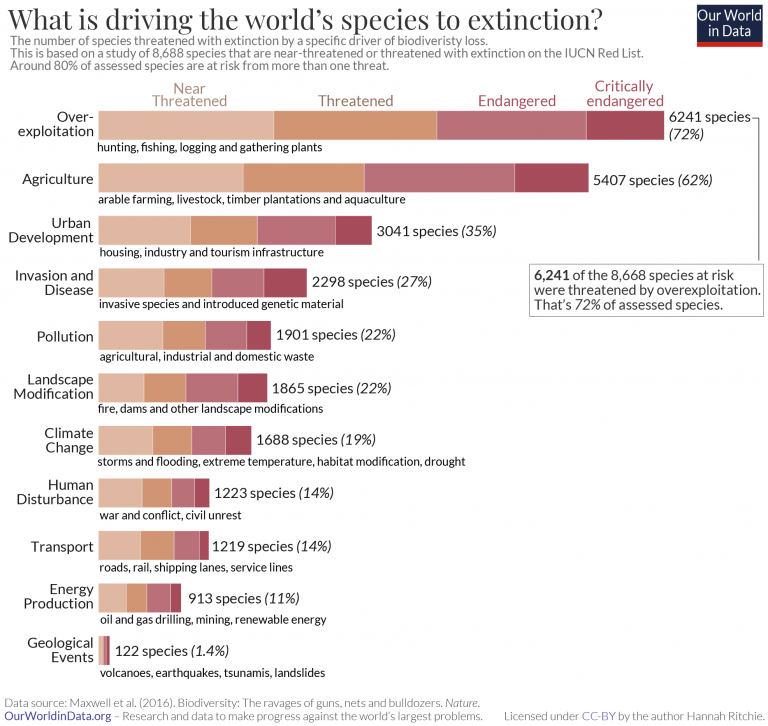
What is driving species to extinction?

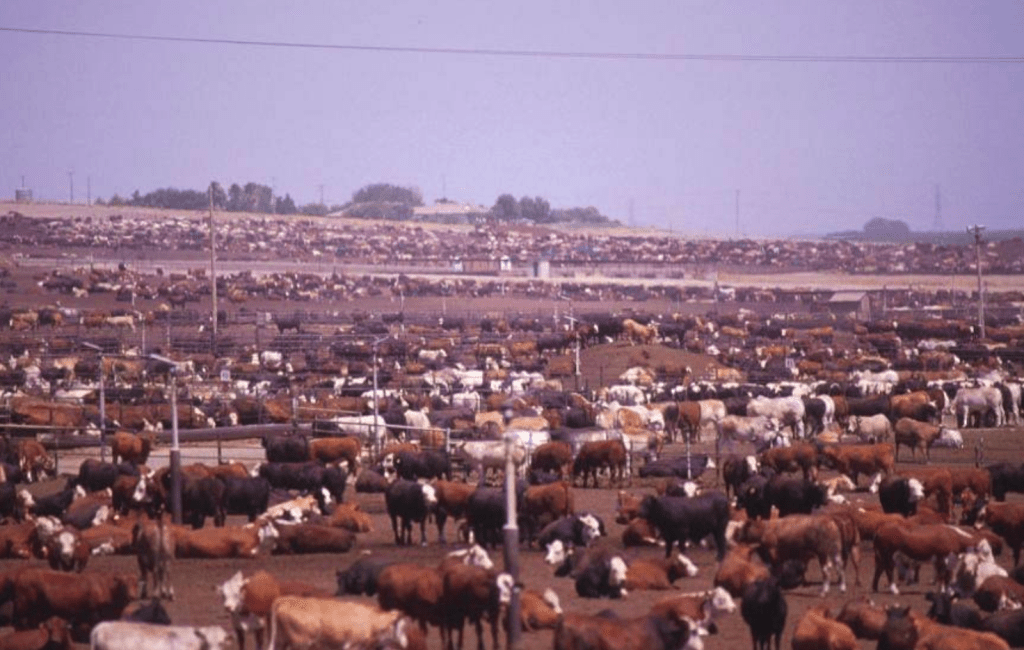
From cattle farming to oil palm plantations, industrial agriculture remains the greatest driver of deforestation, particularly in the tropics. And as agricultural activities expand and intensify, ecosystems lose plants, wildlife and other biodiversity.

The permanent transformation of forested landscapes for commodity crops currently drives more than a quarter of all global deforestation. This includes soy, palm oil, beef cattle, coffee, cocoa, sugar and other key ingredients of our increasingly simplified and highly processed diets.

The erosion of the forest frontier has also increased our exposure to infectious diseases, such as Ebola, malaria and other zoonotic diseases. Spillover incidents would be far less prevalent without human encroachment into the forest.

We need to examine our global food system: Is it doing its job, or is it contributing to forest destruction and biodiversity loss — and putting human life at risk?

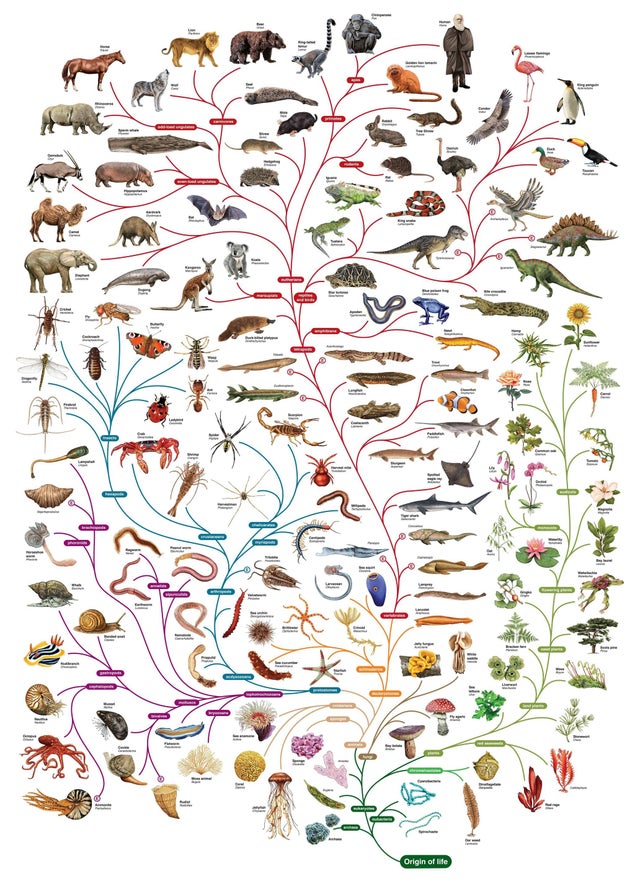
Animal extinction visual

What are we eating?

The food most associated with biodiversity loss also tends to also be connected to unhealthy diets across the globe. Fifty years after the Green Revolution — the transition to intensive, high yielding food production reliant on a limited number of crop and livestock species — nearly 800 million people still go to bed hungry; one in three is malnourished; and up to two billion people suffer some sort of micronutrient deficiency and associated health impacts, such as stunting or wasting.

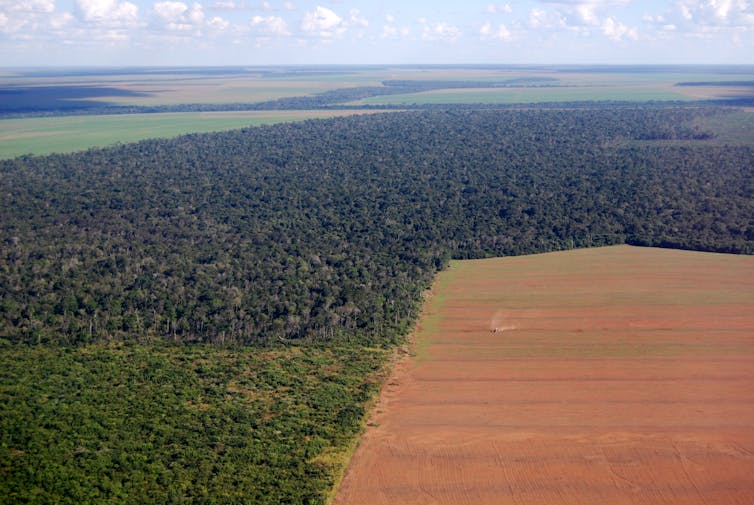
Forest cut down for an agricultural field
A large soy field cuts into the forest in Brazil. (Shutterstock)

The environmental impacts of our agricultural systems are also severe. The agricultural sector is responsible for up to 30 per cent of greenhouse gas emissions, soil erosion, excessive water use, the loss of important pollinators and chemical pollution, among other impacts. It is pushing planetary boundaries even further.

In short, modern agriculture is failing to sustain the people and the ecological resources on which they rely. The incidence of infectious diseases correlates with the current loss of biodiversity.

Deforestation and disease

Few viruses have generated more global response than the SARS-CoV-2 virus responsible for the current pandemic. Yet in the past 20 years, humanity has also faced SARS, MERS, H1N1, Chikungunya, Zika and numerous local outbreaks of Ebola. All of them are zoonotic diseases and at least one, Ebola, has been linked to deforestation.

Farming large numbers of genetically similar livestock along the forest frontier may provide a route for pathogens to mutate and become transmissible to humans. Forest loss and landscape change bring humans and wildlife into ever-increasing proximity, heightening the risk of an infectious disease spillover.

An estimated 70 per cent of the global forest estate is now within just one kilometre of a forest edge — a statistic that starkly illustrates the problem. We are destroying that critical buffer that forests provide.

Zoonoses may be more prevalent in simplified systems with lower levels of biodiversity. In contrast, more diverse communities lower the risk of spillover into human populations. This form of natural control is known as the “dilution effect” and illustrates why biodiversity is an important regulatory mechanism.

The pandemic is further heightening pressures on forests. Increased unemployment, poverty and food insecurity in urban areas is forcing internal migration, as people return to their rural homes, particularly in the tropics. This trend will no doubt increase demands on remaining forest resources for fuel wood, timber and further conversion for small-scale agriculture.

Wet markets under scrutiny

The links between zoonoses and wildlife has led to many calls during the current pandemic to ban the harvest and sale of wild meat and other forms of animal source foods.

Shoppers and vendors in an open-air market, with fruits and vegetables nearby
Vendors sell vegetables at a wet market in Bangkok, Thailand. (AP Photo/ Gemunu Amarasinghe)

Even before the COVID-19 pandemic took hold, international agencies, including the Committee on World Food Security, have been concerned about the long-term viability of our current food system: could it provide diverse and nutritious diets while maintaining environmental sustainability and landscape diversity? The current pandemic has highlighted major shortfalls in our environmental stewardship.

We must harness the interconnected nature of our forests and food systems more effectively if we are to avoid future crises. Better integration of forests, agroforests (the incorporation of trees into agricultural systems) at the broader landscape scale, breaking down the institutional, economic, political and spatial separation of forestry and agriculture, can provide the key to a more sustainable, food secure and healthier future.

Terry Sunderland, Professor in the Faculty of Forestry, University of British Columbia. This article is republished from The Conversation under a Creative Commons license. Read the original article.


Take Action in Five Ways

1. Join the #Boycott4Wildlife on social media and subscribe to stay in the loop: Share posts from this website to your own network on Twitter, Mastadon, Instagram, Facebook and Youtube using the hashtags #Boycottpalmoil #Boycott4Wildlife.

Join 3,176 other subscribers

2. Contribute stories: Academics, conservationists, scientists, indigenous rights advocates and animal rights advocates working to expose the corruption of the palm oil industry or to save animals can contribute stories to the website.
3. Supermarket sleuthing: Next time you’re in the supermarket, take photos of products containing palm oil. Share these to social media along with the hashtags to call out the greenwashing and ecocide of the brands who use palm oil. You can also take photos of palm oil free products and congratulate brands when they go palm oil free.

4. Take to the streets: Get in touch with Palm Oil Detectives to find out more.

5. Donate: Make a one-off or monthly donation to Palm Oil Detectives as a way of saying thank you and to help pay for ongoing running costs of the website and social media campaigns. Donate here

Palm Oil Deforestation Threatens Sulawesi’s Macaques

#Sulawesi is part of a biodiversity hotspot – a region with at least 1,500 endemic #plants, specifically those with developed tissues. Less than 30% of the original primary vegetation cover remains.

Intensified illegal #timber logging and expansions of #palmoil plantations and farms have destroyed rainforests on Indonesia’s fourth-largest island, Sulawesi, threatening the biodiversity of a world-renowned epicentre of evolutionary biology. Help them to survive when you shop and #BoycottPalmOil #Boycott4Wildlife

#PalmOil and #timber expansion on #Sulawesi #Indonesia 🇮🇩 threatens the home of one of the world’s oldest and most emotionally expressive #primates, the Sulawesi black crested #macaque 🐵🐒🤎Help them survive #Boycottpalmoil 🌴🩸☠️🔥🚜⛔️ #Boycott4Wildlife https://palmoildetectives.com/2021/02/14/deforestation-on-indonesian-island-of-sulawesi-destroys-habitat-of-endemic-primates/

The expressive and ancient #Sulawesi Crested Black #Macaque 🐒 is tragically critically #endangered in #Sulawesi #Indonesia 🇮🇩 due to #palmoil #ecocide and #hunting. Help them survive #Boycottpalmoil #Boycott4Wildlife @palmoildetect 🌴🪔🔥🙊🚫https://palmoildetectives.com/2021/02/14/deforestation-on-indonesian-island-of-sulawesi-destroys-habitat-of-endemic-primates/

Jatna Supriatna, Universitas Indonesia

The island is known as the Wallacea hotspot, referring to British naturalist Alfred Russel Wallace.

Although not yet as severe or dramatic as in the country’s larger islands of Sumatra/Sumatera and Kalimantan, my recent research reveals deforestation in Sulawesi has reached an alarming rate, destroying the habitats of endemic macaques and tarsiers.

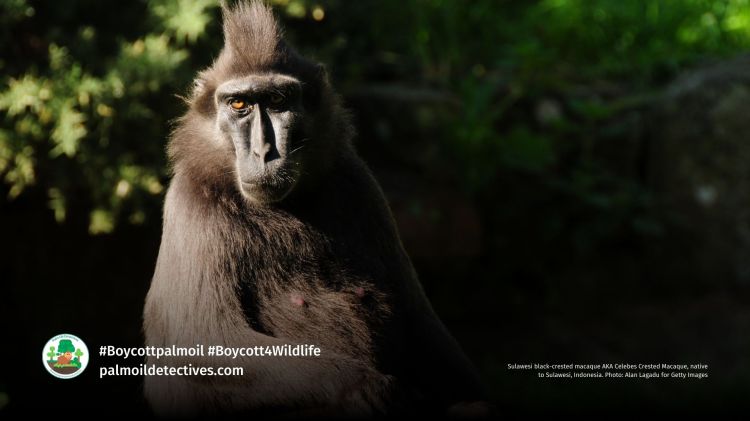
Sulawesi black-crested macaque AKA Celebes Crested Macaque, native to Sulawesi, Indonesia. Photo: Alan Lagadu for Getty Images

My research finds Sulawesi lost 10.89% of its forest cover, or 2.07 million hectares, between 2000 and 2017, based on data from Global Forest Change Maps and the Indonesian Ministry of Environment and Forestry.

West Sulawesi and Southeast Sulawesi suffered the highest rates of deforestation, losing 13.41% and 13.37% of forest cover during that period.

The average rate of deforestation on the island’s provinces ranged from 0.42% to 0.85% each year, still lower than the national average rate of 1% per year.

Sulawesi black-crested macaque AKA Celebes Crested Macaque, native to Sulawesi, Indonesia drinking from a river. Photo: Artrush for Getty Images

The impact on endemic primates

The increasing rate of deforestation in Sulawesi has taken its toll on the local primates, which account for almost a third of all primates in Indonesia.

Sulawesi has only two primate genera, Tarsius and Macaques, but these have diversified into more species than those same genera on other islands of Indonesia.

Hybrids and back-crosses of Sulawesi macaques are also renowned, making Sulawesi an important field laboratory for the study of genetics and primate evolution.

Sulawesi is also a home for 17 endemic primates that are of particular interest to primatologists due to their importance for Sulawesi’s highly distinctive biota. The island is an important habitat for endemic primates that is similar in kind, though not in scale, to that of Madagascar.

These primates are very good umbrella indicators of change in other species because they disperse the seeds of many trees, helping to maintain diversity and healthy populations of those forest species.

The current extent and rates of deforestation in Sulawesi have impacted hybrid zones and contact zones of all primates.

Hybrid zones are areas where different species of macaques breed or hybridise. Contact zones are areas of interaction among different species, where hybrids may arise between macaques.

As forest loss has continued to proceed at a high rate, primate habitat is highly affected.

Macaques ochreata, or booted macaque, in Southeast Sulawesi and Tarsius pelengensis, or Peleng tarsier, in Central Sulawesi have lost the most habitat at 14%, followed by M. hecki, known as Heck’s macaque, and M.tonkeana, or Tonkeana macaque.

Forest loss has occurred in all macaque contact zones. Another newly described species, Tarsius supriatnai, known as Jatna’s tarsier, is also facing threats due to deforestation. The research results show the species has lost 12% of its habitat.

The extent of deforestation in the hybrid zones is alarming, with the greatest loss of forest occurring in the zones between M. tonkeana and M. ochreata.

In Central Sulawesi, road construction threatens the zone between M. tonkeana and M. hecki. Corn, cocoa and coffee plantations are replacing the forests of Enrekang region, which are in the hybrid zones between M. maura, or Moor macaque, and M. tonkeana.

Macaques maura, or Moor macaques. ANTARA FOTO/Darwin Fatir/kye/16

Changes for human needs

Overall, we concluded that conflict between the need for human livelihoods and the need to protect primates would continue as deforestation rates have increased in the habitats of all Sulawesi primates.

The remaining habitat of the primates is not enough for them to survive unless the forest remnants become protected and carefully managed.

The two provinces with the highest rates of deforestation, West and Southeast Sulawesi, have had their forests turned into agricultural land for oil palm, maize and cocoa, as well as nickel mining.

Illegal logging also causes deforestation in the area, even in protected areas and national parks.

This problem is made worse by the fact that a significant proportion of the population relies on farming for survival. Population pressure and the lack of non-agricultural employment lead to demands for more agricultural land, which can only come at the cost of forests.

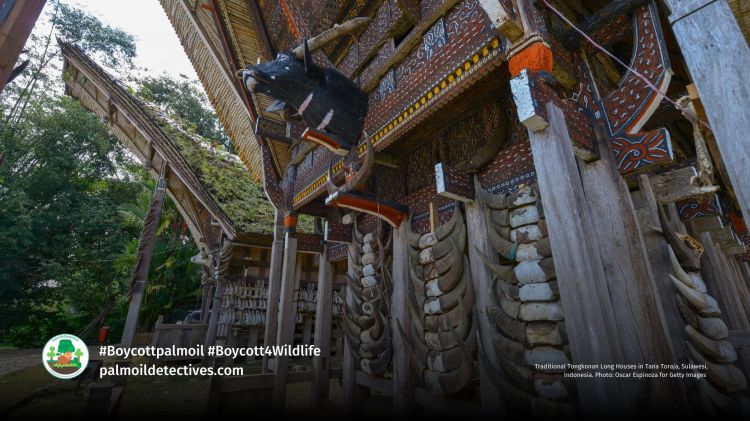
 Traditional Tongkonan Long Houses in Tana Toraja, Sulawesi, Indonesia. Photo: Oscar Espinoza for Getty Images
Traditional Tongkonan Long Houses in Tana Toraja, Sulawesi, Indonesia. Photo: Oscar Espinoza for Getty Images

Jatna Supriatna, Professor of Conservation Biology, Universitas Indonesia This article is republished from The Conversation under a Creative Commons license. Read the original article.


Take Action in Five Ways

1. Join the #Boycott4Wildlife on social media and subscribe to stay in the loop: Share posts from this website to your own network on Twitter, Mastadon, Instagram, Facebook and Youtube using the hashtags #Boycottpalmoil #Boycott4Wildlife.

Join 3,176 other subscribers

2. Contribute stories: Academics, conservationists, scientists, indigenous rights advocates and animal rights advocates working to expose the corruption of the palm oil industry or to save animals can contribute stories to the website.

3. Supermarket sleuthing: Next time you’re in the supermarket, take photos of products containing palm oil. Share these to social media along with the hashtags to call out the greenwashing and ecocide of the brands who use palm oil. You can also take photos of palm oil free products and congratulate brands when they go palm oil free.

4. Take to the streets: Get in touch with Palm Oil Detectives to find out more.

5. Donate: Make a one-off or monthly donation to Palm Oil Detectives as a way of saying thank you and to help pay for ongoing running costs of the website and social media campaigns. Donate here

Borneo’s bearded pig: forest gardener and eocosysem protector!

Borneo – fourth-largest island in the world, home to more than 20 million people. With so many well known species on the island like elephants, rhinos and orangutans, one species continues to fly under the radar. Sus barbatus AKA the Borneo Bearded Pig should be the most emblematic animal on the island. This wild boar owes its name to an abundant tuft of upward- and forward-pointing bristles covering its cheeks and lower jaw. The bearded pig is a tireless migrator, either alone or in large herds. It often travels hundreds of kilometres to obtain its preferred foods. In doing so, it plays a crucial role as the gardener of the forests of Borneo. Help them to survive when you shop, make sure you #BoycottPalmOil #Boycott4Wildlife.

A fragile landscape

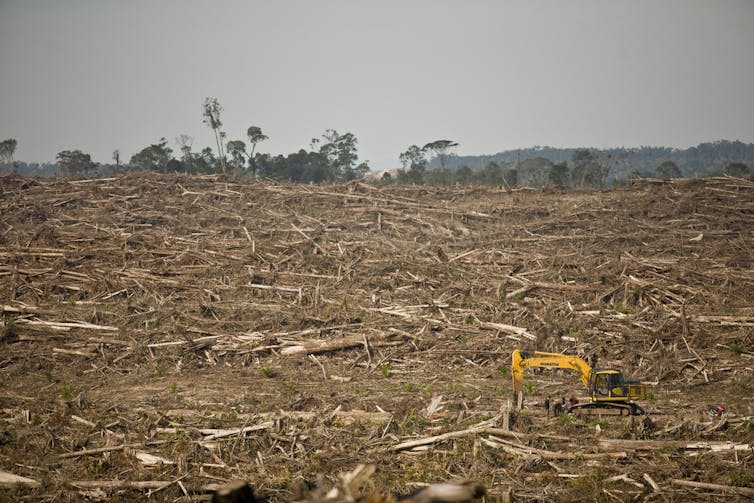
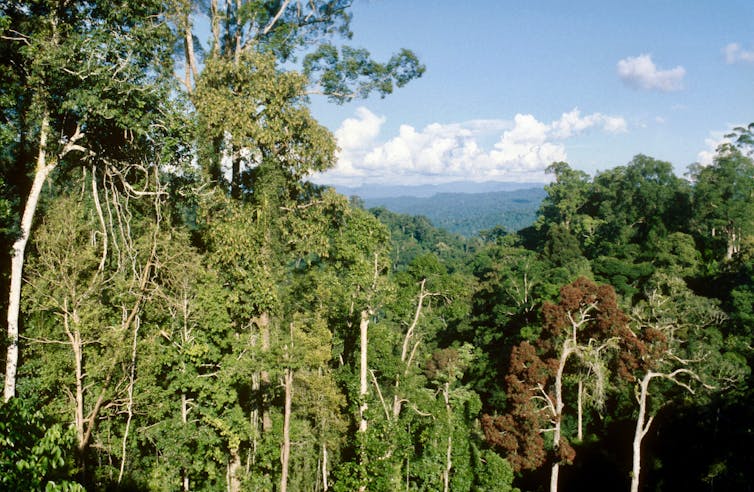
The 743,330km2 island is home to the largest area of forest in Asia. But Borneo is one of the world’s most intensively deforested regions. At the beginning of the 1970s, its forest area was around 56 million hectares. In 45 years 20 million of that has been cut down. Intensive logging, open-pit mining, rapid expansion of agro-industrial plantations – oil palms in particular – and hazardous peatland development all endanger Borneo’s forests.

The migration of the rural poor from the overpopulated islands of Madura, Java and Bali is constitute another threat over the forest. Used to a land-intensive style of farming, they clear the forest to grow crops. At times they come into conflict with the native populations, which can turn violent.

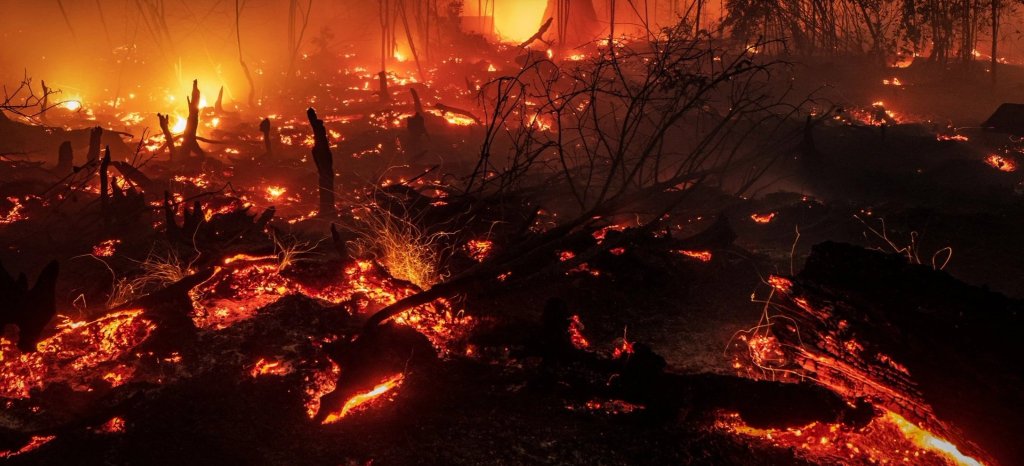
Large wildfires, sparked by droughts caused by the El Niño phenomenon, further destroy the forest.

The bearded boar, one of the most emblematic animals of the Malay archipelago. Rufus46/Wikipedia, CC BY
Forest clear-cutting prior to the creation of a palm-oil plantation. Borneo (Indonesia), 2009. Rainforest Action Network/Flickr, CC BY-NC

Orangutan, clouded leopard and … the bearded pig

Borneo is rich in its biodiversity and home to many unique species. Its unique plants include carnivorous nepenthes as well as Rafflesia arnoldii, which produces the largest flower in the world with the smell of rotting flesh. Animals such as the orangutan, Borneo pygmy elephant, clouded leopard, long-nosed proboscis monkey and tufted ground squirrel call it home.

One species that is rarely mentioned is the bearded pig, Sus barbatus, despite the hog being the most emblematic animal of the island. This wild boar owes its name to an abundant tuft of upward- and forward-pointing bristles covering its cheeks and lower jaw. There are two subspecies: S. barbatus oi, present only in Sumatra, and S. barbatus barbatus, present on the Malay Peninsula and Borneo.

The bearded pig is a tireless migrator, either alone or in large herds. It often travels hundreds of kilometres to obtain its preferred foods. In doing so, it plays a crucial role as the gardener of the forests of Borneo.

Tireless gardener of Dipterocarpaceae

To understand this function of the wild boar, it is necessary to evoke the singular feature of Borneo’s forest: the predominance of a family of trees, the Dipterocarpaceae. These tall evergreens, mainly located in low-altitude forests, are easily recognisable by their “crown shyness” – the crowns of mature trees do not touch each other.

Most of the wood species exploited by the forest industry come from this family alone, thus increasing the sensitivity of the Borneo forest to unsustainable logging.

At irregular intervals of 2-15 years, a unique phenomenon occurs: all the Dipterocarpaceae species – as well as several species of Fagaceae associated with them and which produce lipid-rich acorns – dispense their fruits all at once within a short period, which does not exceed a few weeks.

Sometimes up to 90% of similar trees in one portion of the forest will bear fruit at the same time. From an evolutionary biology point of view, such mast fruiting, concentrated in space and time, aims to overwhelm potential predators, a strategy renown as “predator satiation”.

Because the phenomenon occurs in a staggered manner within the forest mosaic, animals that seek these nutritious fruits – first and foremost the bearded pig – must migrate from one fruiting zone to the next. In so doing, they perform an essential function for the dipterocarp trees, dispersing their seeds over vast distances.

A tireless forager, the bearded pig also reshapes the soil surface and accelerates the decomposition of organic matter. It browses and cleans the undergrowth, improving the access of tree roots to soil nutrients.

Dipterocarpaceae forest. Edmond Dounias/IRD, CC BY

A mediator with the spirit world

As it evolved, the bearded pig has adapted to the unpredictable pattern of dipterocarp mast fruiting.

It is omnivorous and can live off alternative food sources when dipterocarp trees aren’t producing fruit, periods that can last several years.

When abundant food is available, the boar’s efficient metabolism allows it to stock fat that will help it survive during the lean times.

Its physical attributes also reinforce its ability to survive: it’s highly fertile, reproduces early and can live in either small or large groups. Its long legs are adapted to extensive migrations through dense forests, and it’s an adept swimmer, too. All the better to maximise access to coveted resources.

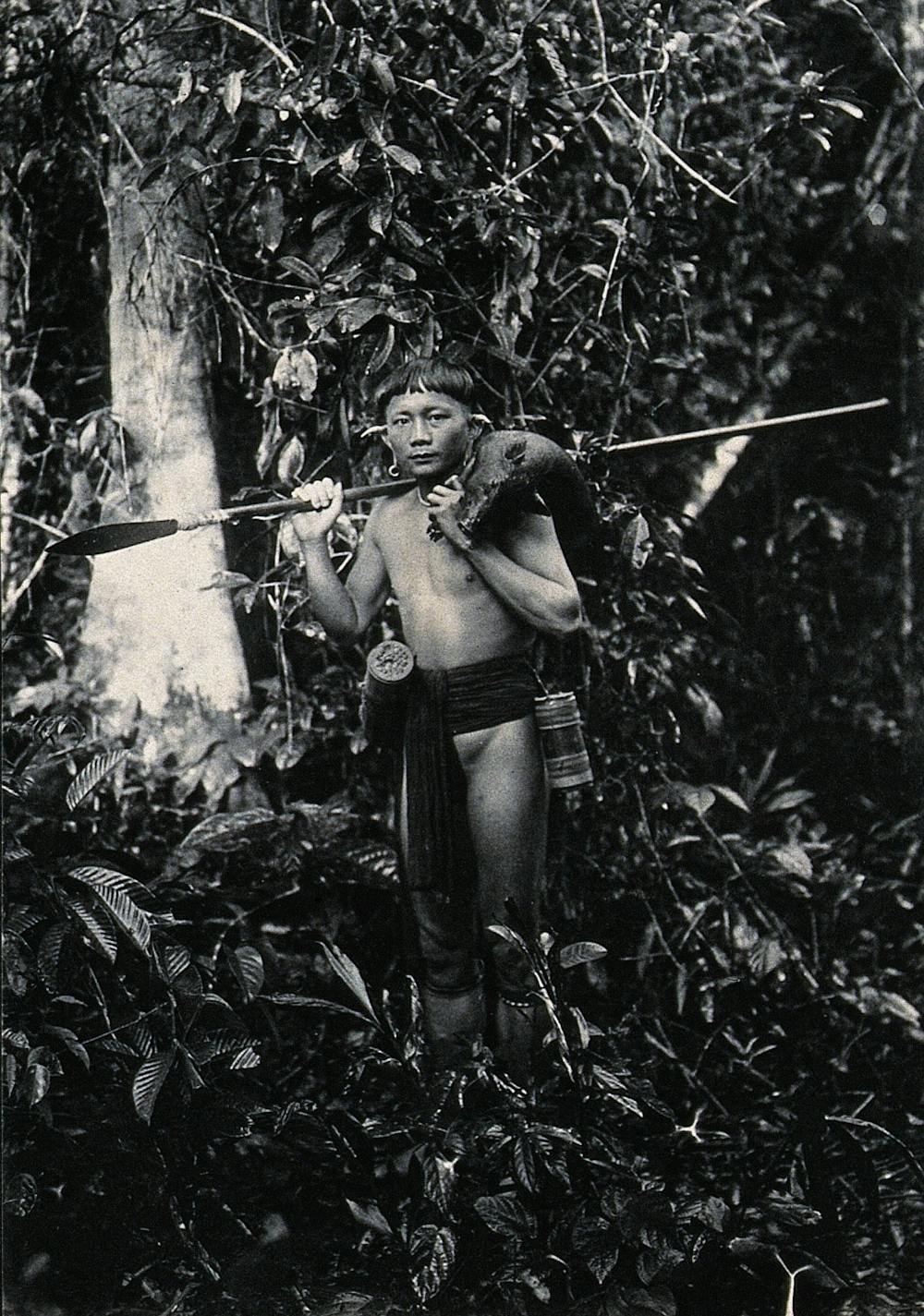
The bearded pig is also the favourite game of the peoples of Borneo: it represents 97% of the bushmeat volume consumed by the Punan hunter-gatherers.

Bearded boar hunting, a millennial practice in Borneo. Charles Hose, Author provided

The hunting of wild boar, a practice attested to go back more than 35,000 years, justifies the prominent position of this animal in the culture of Borneo dwellers. They attribute to it a symbolic role as mediator between men and the spirits that regulate access to forest resources.

The rarefaction of the wild boar or the discovery of dead individuals in the forest are thus all bad omens. The Punan interpret these as expressions of the wrath of supernatural forces against them, signalling a need to restore harmony through frugal behaviour and the intervention of a shaman.

Through its interactions with other forest wildlife – birds, monkeys, barking deer – the bearded boar reveals the relationship that the peoples of Borneo have with their forests, their concern for a sane cohabitation with all the living creatures of the forest and a reasonable use of its resources. For the inhabitants of Borneo, this mammal is much more than just game. https://www.youtube.com/embed/XCktNumO8kY?wmode=transparent&start=0 Wild boar hunting by the Punan (2000).

Ecological and cultural keystone

Although its omnivorous diet and adaptability allow it to survive in even the most degraded environments and keep it away from the verge of extinction, the bearded pig is nevertheless classified as vulnerable on the IUCN Red List. This is an undeniable indicator of the severe degradation of the forests of Borneo.

More efficiently than the most eminent ecologists, wild-boar hunters are in the front line of detecting the slightest behavioural change in their most charismatic resource. Sentinels of their environment, they can be incomparable partners for the international scientific community in monitoring and understanding the various drivers of change, including climate change, that affect their forests.

An ecological and cultural keystone species, the bearded pig is a strange mammal that nonetheless bears witness to the fact that no sustainable preservation of forests is conceivable without the decisive contribution of indigenous knowledge, and without recognition of the indigenous peoples’ specific vision of the world.

Edmond Dounias, Directeur de recherche, interactions bioculturelles, Institut de recherche pour le développement (IRD) This article is republished from The Conversation under a Creative Commons license. Read the original article.


Take Action in Five Ways

1. Join the #Boycott4Wildlife on social media and subscribe to stay in the loop: Share posts from this website to your own network on Twitter, Mastadon, Instagram, Facebook and Youtube using the hashtags #Boycottpalmoil #Boycott4Wildlife.

Join 3,176 other subscribers

2. Contribute stories: Academics, conservationists, scientists, indigenous rights advocates and animal rights advocates working to expose the corruption of the palm oil industry or to save animals can contribute stories to the website.

3. Supermarket sleuthing: Next time you’re in the supermarket, take photos of products containing palm oil. Share these to social media along with the hashtags to call out the greenwashing and ecocide of the brands who use palm oil. You can also take photos of palm oil free products and congratulate brands when they go palm oil free.

4. Take to the streets: Get in touch with Palm Oil Detectives to find out more.

5. Donate: Make a one-off or monthly donation to Palm Oil Detectives as a way of saying thank you and to help pay for ongoing running costs of the website and social media campaigns. Donate here
Opinion: Seven strategies that offer hope for rainforests

Company policies, new technologies, innovative financing and more are brightening prospects for the tropical rainforests — but time is short.

February 18, 2020 — This piece was excerpted from Rainforest:Dispatches From Earth’s Most Vital Frontlines by Tony Juniper, Copyright © Tony Juniper. Reproduced by permission of Island Press, Washington, D.C.

The continuing clearance and degradation of tropical rainforests is not inevitable: It can be stopped and reversed. What follows is a description of seven strategies that have been shown to work.

1. Multiple Stakeholders

In the Amani Forest of Tanzania, “islands” of vegetation have been likened to the Galápagos Islands because of the exceptionally rich wildlife they support.

In the 1970s some conservationists believed it to be doomed by logging, farming and the expansion of tea plantations. In 1997, however, the forest was protected in the Amani Nature Reserve. Today it hosts a thriving research station.

The Amani Forest’s remarkable turnaround shows the benefits of multiple stakeholders being involved — in its case, local communities, the national government, scientific bodies, conservation groups and the international aid community.

2. Company (and Country) Policy

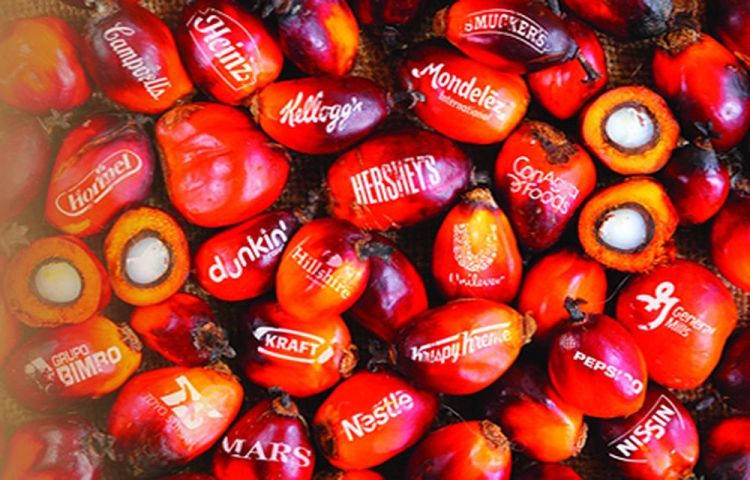
A number of multinational companies have adopted zero deforestation policies, often influenced by consumers. They include Johnson & Johnson, Unilever, Colgate-Palmolive, Krispy Kreme, Dunkin’ Donuts, McDonald’s, Nestlé. Hershey’s and Mars.

These commitments might end the anonymous purchase of ingredients from globalized markets, instead sourcing on the basis of where and how they are produced. And more than 60 countries are implementing programs under the auspices of REDD, with partnerships building between governments, companies, local communities and conservation and development groups.

3. New Technologies

New technologies are increasingly able to reveal change in forest cover in near-real-time, a helpful tool to fight corruption.

One of the key technology initiatives is Global Forest Watch, led by the World Resources Institute. In the past 10 years its capability has been transformed by access to the entire NASA Landsat archive, Europe’s Sentinel satellite program and Google’s computing cloud.

The main Global Forest Watch map reveals where deforestation has been most intense. Organizations can use the information for conservation purposes, including Interpol to crack down on shipments of illegally cut timber. Campaigners can use it to put pressure on companies, governments and international agencies.

4. Restoration for Social Good

Under the Bonn Challenge, countries and others signed up to goals to protect remaining forests and to increase forest cover by 3.5 million square kilometers (1.4 million square miles) by 2030. Although these are ambitious goals, progress is being made.

Importantly, the Bonn Challenge has been established not only as a vehicle for the recovery of forests but also to promote national development. This is for most tropical countries an essential frame for action. It is a fact of political life that poverty reduction generally trumps environmental priorities, so explicitly pursuing forest conservation and restoration because it is good for economic and social reasons is vital.

5. Protect and Conserve

The establishment of national parks, ecological reserves, indigenous territories and other designations aimed at the conservation of forests has over the decades made a huge positive difference.

Disputes and conflicts have sometimes accompanied their designation, for example, in curtailing local people’s rights of access. Thoughtful and inclusive planning can resolve at least some such conflicts. Enforcement of existing rules, including those to prevent poaching and maintain the integrity of protected areas, is also key.

6. Carbon Offsets

The world will be flying more in the decades ahead — and flights are for many in the developed world the largest part of an individual’s (and often a business’s) carbon footprint. If aviation is going to contribute to meeting global carbon reduction goals, there is also going to be a need for offsets.

Carbon held in natural systems, including tropical rainforests and the peat beneath them, is vital. Might it be possible to use money from a carbon charge on flight tickets to pay for rainforest protection and restoration? It seems to me that it has to be considered, even if a workable scheme won’t be perfect.

7. Innovative Financing

Long-term finance could come from investments in sustainable supply chains from multinational companies, including those behind global chocolate and coffee brands. Trust funds built up from royalties paid to governments by mining companies exploiting valuable ore bodies in or near rainforests could help. Small levies on ecotourism would be another source. Lottery money could make a difference, as could fines charged through crackdowns on illegal activities. There could be payments for ecosystem services — for example, from water companies receiving pure water from intact forests.

These and other sources of finance could add up to far more than the profits involved in destroying the forest. And such sums devoted to forest conservation would be money well spent, considering the wide range of benefits that would result.

The Road Ahead

The fact that I can paint this relatively optimistic picture of the road ahead says a great deal about how far the world has come in a very short time. When I began my campaign work for the rainforests back in 1990 I wouldn’t have thought such progress would be possible. Today, however, the case for the rainforests has been successfully made and action is being taken. A corner is being turned.

The new road ahead is a long one. Going down it as quickly as we can will be vital for protecting tropical rainforests and people. Should we drive hard and fast, we could secure the bargain of the century — climatic stability, water security, energy and food security, reduced social and political chaos and misery, the very future of life on Earth.

We know all we need to know to do this. What it requires now is for all of us to join in with this historic task. This is not only a call to action for company executives and government ministers, but all of us, in looking carefully at who we vote for, what we eat and consume. After all, there’s no reason we must continue to watch the inexorable decline of the tropical rainforests. We can save most of what is left and put back much of what’s gone, if we want to. Read more

Brands Using 100% Deforestation Free Palm Oil

These brands have been proven to have already ceased deforestation for palm oil, soy, meat and timber. Verification of this status has been sought from Greenpeace, Rainforest Action Network and Chain Reaction Research.


Currently, there are no known brands in this category.

To report a change in status for a brand, please get in touch using the Contact form.

The changed status of a brand’s supply chain will be independently verified by industry watchdogs.

Find out more below about the research undertaken by Palm Oil Detectives for this website, frequently asked questions, alternative brands that you can buy in the meantime, that are palm oil free.

There are many well-known supermarket brands continuing to destroy rain forest and sending species extinct with their palm oil supply chain.

Get brand changes in your inbox

Palm Oil Free Brands

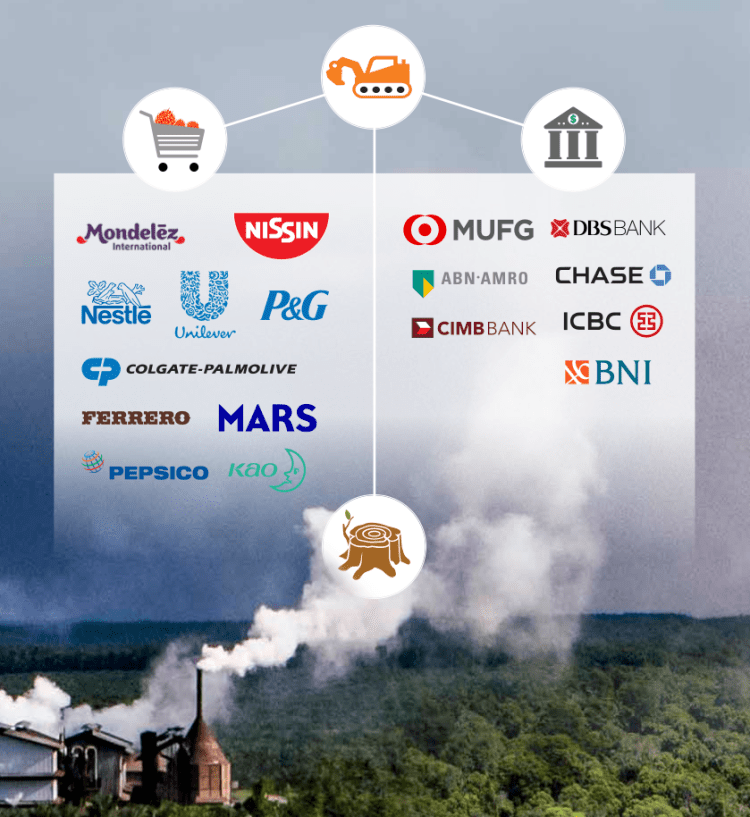
The RSPO is a global certification scheme for palm oil that certifies palm oil as ‘sustainable’. Yet this word means absolutely nothing, as RSPO members – the biggest supermarket brands in the world: (#Unilever, #Nestle, #Colgate-Palmolive, L’Oreal, Avon, Mars, #Mondelez, Cargill, #Danone and more) all continue with illegal indigenous landgrabbing, deforestation, human rights abuses, #slavery and violence on their palm oil plantations.

This is why Palm Oil Detectives advocates for a full boycott on these global brands because of their #palmoil #corruption. Here are some brands that do not use palm oil in a variety of categories.

Boycott Palm Oil in all seasons, for many reasons

Get brand changes in your inbox

Palm Oil Free Haircare

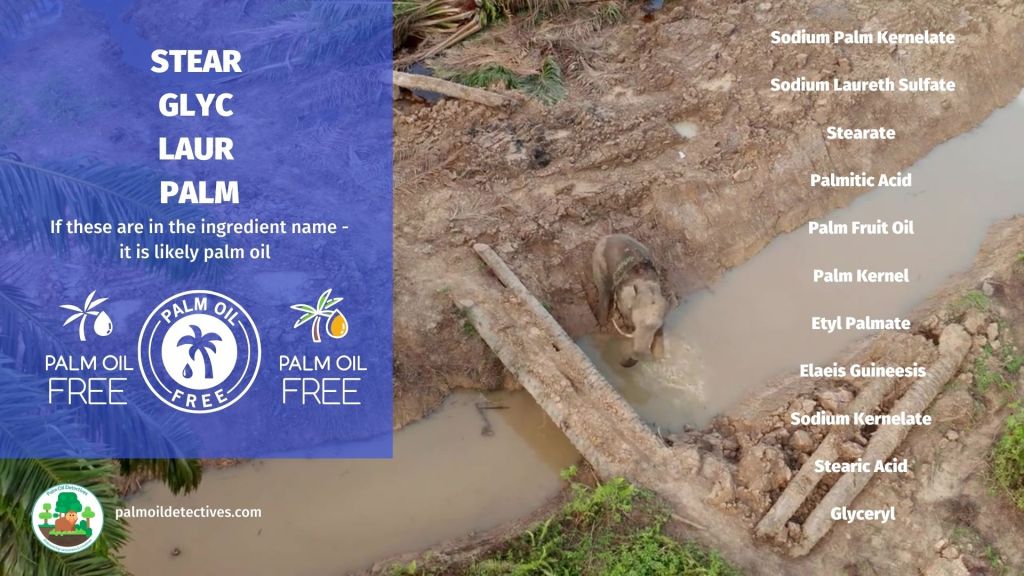
Keep your hair looking beautiful without contributing to tropical deforestation with rainforest-destroying palm oil. If you are ever in doubt look for the prefixes: LAUR, STEAR, GYLC and PALM in the ingredients list on packaging – this is likely palm oil. Another tip is to shop for locally produced shampoos and conditioners that are made from organic, palm oil free ingredients.

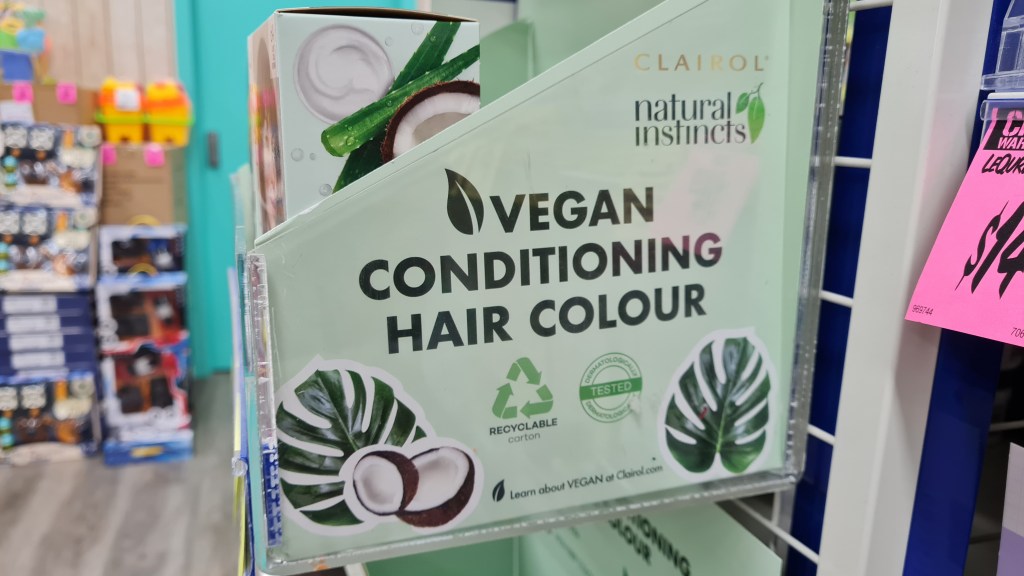
Palm oil in NOT vegan

Did you know that palm oil is one of the world’s most destructive crops, as it can only be harvested in tropical rainforest and peatland landscapes where the highest concentration of endangered species live? The majority of palm oil and soy is fed to farm animals that people eat. This is why palm oil is an animal rights issue. And it is for these reasons that palm oil is NOT considered vegan by animal activists. It may be a plant-based substance, but it is NOT VEGAN. Brands claiming that their products are plant-based AKA vegan but yet still using palm oil are simply greenwashing extinction and ecocide!

This is an example of greenwashing: products with palm oil ARE NOT vegan

Any product that contains palm oil IS NOT vegan

Palm Oil Free Haircare, Shampoos & Conditioners

100% Pure: sunscreen, haircare, skincare, cosmetics, candles

Acala Vegan Shampoo and Conditioner Bars

Awake Organics: Haircare, soap, skincare, deodorant.

Bain & Savon: soap, haircare, deodorant, skincare.

Balade en Provence

Beauty and the Bees

Better You

Beauty Kubes

Bloomtown: Soap, bath products, candles, giftware.

Booda Organics: deodorant, skincare, haircare, soap.

Castell Apothecary: soaps, candles, home fragrance, skincare, haircare

Conscious Skincare

Desert Shadow – hair colours

Dindi Naturals

Earth Sense Organics

Ecologic: Soaps and cleansers

Ethique: soaps, makeup and haircare range.

Evohe: soap, skincare, haircare, cosmetics.

Friendly Soap

Fushi: skin and hair organic oils

Greenfinch Naturals

J.R.Liggett’s Tea Tree & Hemp Oil Shampoo Bar

Khala Naturals

Kokoa UK

Get brand changes in your inbox

Palm Oil Free Chocolate, Candy and Confectionery

Buying chocolate, candy or lollies as a gift or just want to indulge yourself? Then enjoy your chocolate fix without eating rainforest-destroying palm oil! If you are ever in doubt look for the prefixes: LAUR, STEAR, GYLC and PALM in the ingredients list on packaging – this is most likely palm oil. Another tip is to shop for locally produced chocolate and vegan chocolate (if you happen to be vegan).

Also – cocoa is another highly controversial ingredient linked to deforestation and human rights abuses. Mighty Earth create regular guides profiling (big and small) chocolate brands so you can decide which ones to purchase and which ones to #BoycottPalmOil #Boycott4Wildlife!

Did you know that palm oil is one of the world’s most destructive crops, as it can only be harvested in tropical rainforest and peatland landscapes where the highest concentration of endangered species live? The majority of palm oil and soy is fed to farm animals that people eat. This is why palm oil is an animal rights issue. And it is for these reasons that palm oil is NOT considered vegan by animal activists. It may be a plant-based, but it is NOT VEGAN. Brands claiming that their products are plant-based AKA vegan but yet still using palm oil are simply greenwashing extinction and ecocide!

Here are some dairy chocolate and vegan dairy-free chocolate without palm oil. This list was created by Mighty Earth and vetted for cocoa sustainability.

Palm Oil Free Chocolate and Confectionery

Mighty Earth’s 2023 Chocolate Scorecard

The attached report is created each year by Mighty Earth and strives to call to account chocolate (and other food) manufacturers and retailers. Make sure that you cross-reference whether or not these brands are using palm oil. Most of them do and you can read about their ongoing palm oil ecocide here.

Mighty Earth Chocolate Scorecard 2023

Get brand changes in your inbox

Palm Oil Free Biscuits, Cakes and Cookies

Are you wanting some sweet snacks, cookies or biscuits for your next gaming session? Then enjoy your time without eating rainforest-destroying palm oil! Seek out palm oil free biscuits and cookies and other snack foods. If you are ever in doubt look for the prefixes: LAUR, STEAR, GYLC and PALM in the ingredients list on packaging – this is most likely palm oil. Another tip is to shop for locally produced biscuits and cookies that are made with healthier alternatives like olive oil. Or even better – you can make your own and they will be much healthier and palm oil free.

Did you know that palm oil is one of the world’s most destructive crops, as it can only be harvested in tropical rainforest and peatland landscapes where the highest concentration of endangered species live? The majority of palm oil and soy is fed to farm animals that people eat. This is why palm oil is an animal rights issue. And it is for these reasons that palm oil is NOT considered vegan by animal activists. It may be a plant-based substance, but it is NOT VEGAN. Mass-produced biscuits and cookies by brands like Hersheys, Mondelez, Nestle and Danone like to claim that their biscuits are plant-based AKA vegan. However, if they are still using palm oil, they are simply greenwashing extinction and ecocide!

Palm Oil Free Biscuits, Cakes and Cookies

Cocoa Loco

Equal Exchange

Hodmedods

Infinity Foods

Island Bakery

Melinda’s Gluten Free Goodies

Mr Organic

The Captain’s Cookies

Vego Chocolate and biscuits


Mighty Earth’s 2023 Chocolate Scorecard

The attached report is created each year by Mighty Earth and strives to call to account chocolate (and other food) manufacturers and retailers. Make sure that you cross-reference whether or not these brands are using palm oil. Most of them do and you can read about their ongoing palm oil ecocide here.

Mighty Earth Chocolate Scorecard 2023

Get brand changes in your inbox

Palm Oil Free Sauces and Condiments

Here are some palm oil free sauces and condiments that do not contain rainforest-destroying palm oil. If you are ever in doubt look for the prefixes: LAUR, STEAR, GYLC and PALM in the ingredients list – this is most likely palm oil. Another tip is to shop for locally produced food instead of mass-produced food.

Did you know that palm oil is one of the world’s most destructive crops, as it can only be harvested in tropical rainforest and peatland landscapes where the highest concentration of endangered species live? The majority of palm oil and soy is fed to farm animals that people eat. This is why palm oil is an animal rights issue. And it is for these reasons that palm oil is NOT considered vegan by animal activists. It may be a plant-based substance, but it is NOT VEGAN. Brands like Nestle or McDonald’s claiming vegan status are simply greenwashing extinction and ecocide!

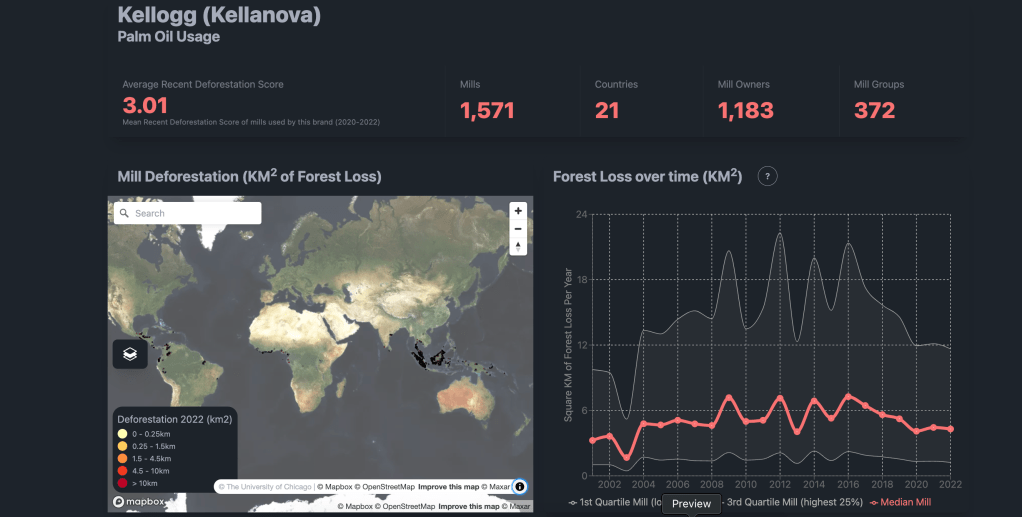
Hi @GreenpeaceUK @FOEInt @RAN @EIA_News I’m now a Palm Oil Detective. I’m buy #palmoilfree #sauces as the big brands @MDLZ @Nestle @KelloggCompany @danone destroy forests causing species extinction #Boycott4Wildlife

Palm oil free sauces and condiments

Get brand changes in your inbox

Palm Oil Free Pet Food & Pet Products

Here are some palm oil free #petfood #brands that DO NOT use rainforest-destroying #palmoil. If you are ever in doubt look for the prefixes: LAUR, STEAR, GYLC and PALM in the ingredients list on packaging – this is most likely palm oil. Another tip is to shop for locally produced products instead of mass-produced pet food.

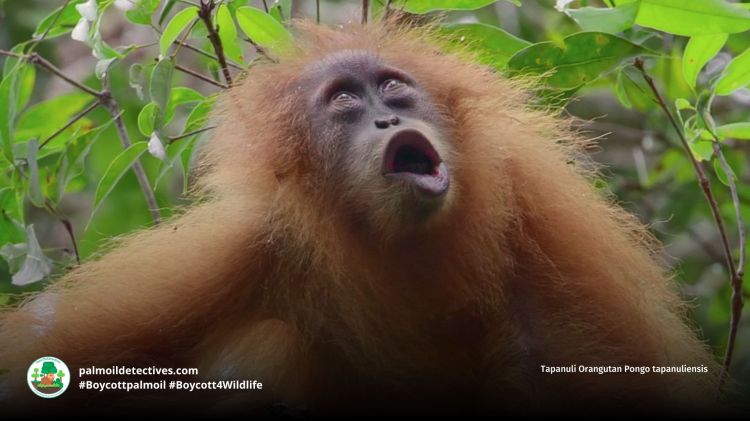
Tapanuli Orangutan Pongo tapanuliensis

Did you know that palm oil is one of the world’s most destructive crops, as it can only be harvested in tropical rainforest and peatland landscapes where the highest concentration of endangered species live? The majority of palm oil and soy is fed to farm animals that people eat. This is why palm oil is an animal rights issue. And it is for these reasons that palm oil is NOT considered vegan by animal activists. It may be a plant-based substance, but it is NOT VEGAN. Brands claiming that their products are plant-based AKA vegan but yet still using palm oil are simply greenwashing extinction and ecocide!

Palm Oil Free Pet Food

Get brand changes in your inbox

Palm Oil Free Cooking Oil, Margarine and Spreads

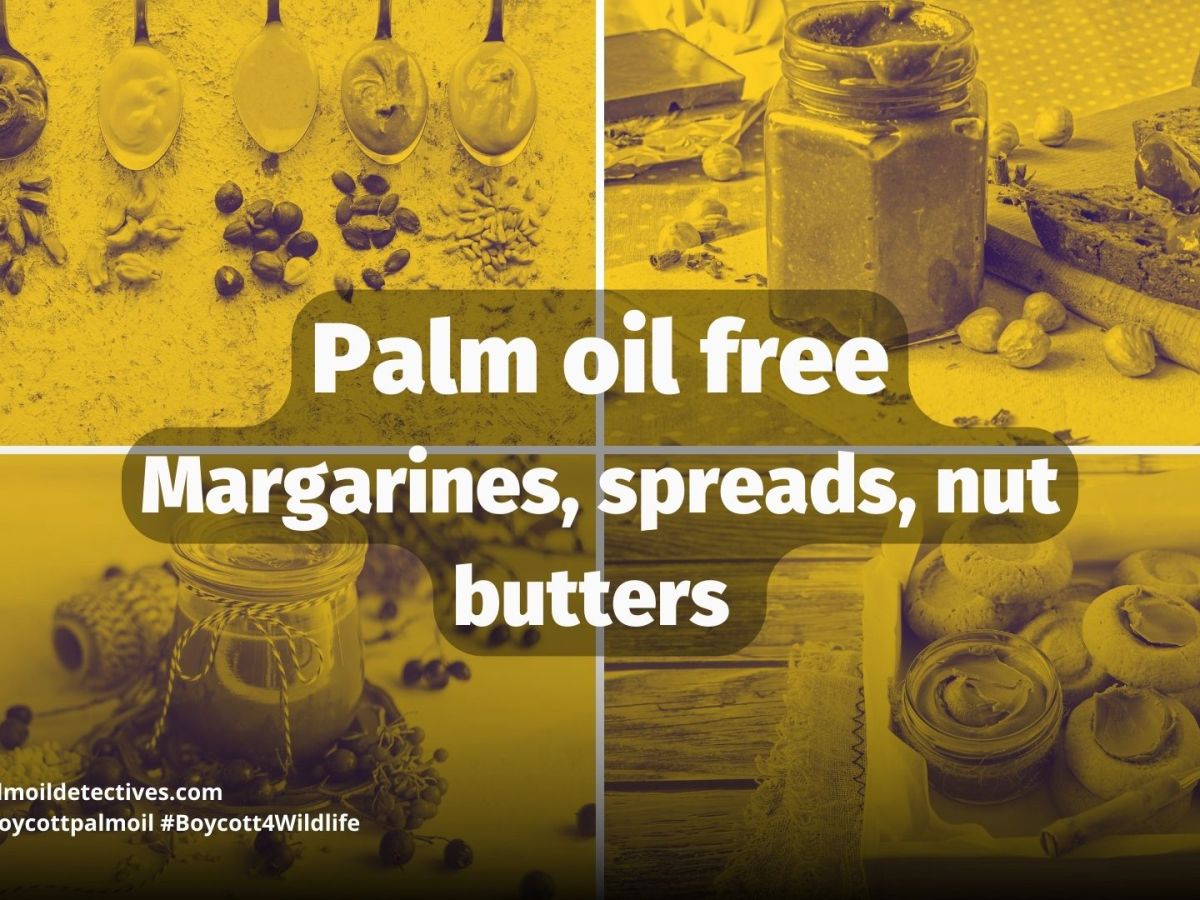
Are you an avid lover of #Nutella and other spreadable butters and #margarines? Consider that many popular brands come tarnished with dirty #palmoil. Why is palm oil dirty? It has destroyed millions of hectares of rainforests all over the world. Firstly in SE Asia and increasingly now in Africa, South and Central America as well as India. Wild animals and indigenous peoples suffer the most. Here’s a helpful guide so that you can AVOID the major supermarket brands and still enjoy your hit of nut butter and chocolate spread WITHOUT Nutella.

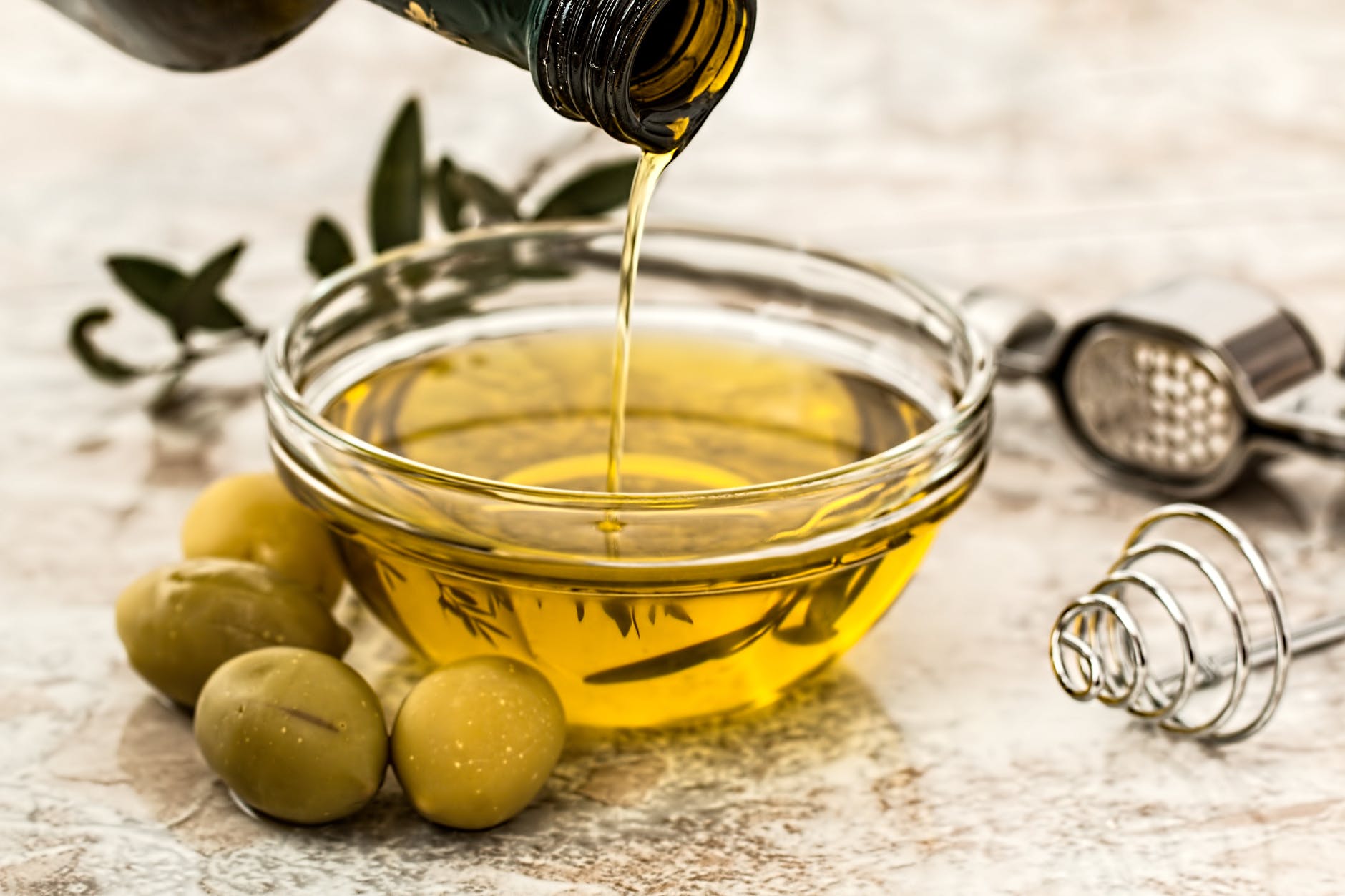
By choosing locally produced cooking oils such as olive, sesame or peanut oil and by making your own foods instead of buying convenience foods you’re doing your health and the animals a favour. If you are ever in doubt look for the prefixes: LAUR, STEAR, GYLC and PALM in the ingredients list on packaging – this is most likely palm oil. Take action and buy #PalmOilFree #Vegan and #BoycottPalmOil #Boycott4Wildlife

DYK that #Nutella by #Ferrero contains forest-destroying #palmoil? Help #animals and #indigenous peoples by going #palmoilfree with your nut butters and cooking oil. Resist and #Boycottpalmoil #Boycott4Wildlife 🌴🔥🫢⛔️ learn more palmoildetect ➡️ https://palmoildetectives.com/2021/02/11/palm-oil-free-cooking-oil-margarine-and-spreads/

Here’s some nut #butter 🥜 #margarine and #cooking – free from #palmoil. Always buy #palmoilfree! As consuming palm oil is linked to human #health problems like #stroke and #heartattack. Please #Boycottpalmoil #Boycott4Wildlife 🌴🔥🛢️⛔ learn more https://palmoildetectives.com/2021/02/11/palm-oil-free-cooking-oil-margarine-and-spreads/

Palm oil is one of the world’s most destructive crops, as it can only be harvested in tropical rainforest and peatland landscapes where the highest concentration of endangered species live. The majority of palm oil and soy is fed to farm animals that people eat. This is why palm oil is an animal rights issue. And it is for these reasons that palm oil is NOT considered vegan by animal activists. It may be a plant-based substance, but it is NOT VEGAN. Convenience food mega-brands that make spreads and margarines like Mondelez, Nestle, Danone, CocaCola, Pepsi, Hersheys and Ferrero claim that the palm oil they use is vegan. Yet all palm oil is linked to greenwashing, extinction and ecocide!


Companies should give the people what they want – palm oil free!

Research finds that palm oil free labelling encourages more people to purchase these products

“The perceived effects of palm oil on health have the strongest influence on consumption intent, followed by environmental damage caused by palm oil production…Our research suggests that companies developing palm oil-free products could benefit from a label on the product stating their palm oil-free nature.”

Plasek B, Lakner Z, Badak-Kerti K, Kovács A, Temesi Á. Perceived Consequences: General or Specific? The Case of Palm Oil-Free Products. Sustainability. 2021; 13(6):3550. https://doi.org/10.3390/su13063550

“Results revealed that consumer exposed to the ‘palm oil free’ products showed a lower risk perception compared to those exposed to the ‘with sustainable palm oil’ products and to products without claim. Moreover, the product evaluation was better in the ‘palm oil free’ condition compared to the “with sustainable palm oil” condition”

Vergura, Donata Tania & Zerbini, Cristina & Luceri, Beatrice. (2019). “Palm oil free” vs “sustainable palm oil”: the impact of claims on consumer perception. British Food Journal. DOI:10.1108/BFJ-01-2019-0020

“Products with a free-from label were considered healthier than products without such a label, with the strongest effects occurring for labels indicating that products were free of GMOs and free of palm oil.”

Hartmann C, Hieke S, Taper C, Siegrist M. European consumer healthiness evaluation of ‘Free-from’ labelled food products. Food Qual Prefer. 2018;68:377-388. doi:10.1016/j.foodqual.2017.12.009.


Palm Oil Free Cooking Oils, Margarine, Nut Butters and Spreads

Biona: UK company. Sauces, nut butters and snacks. Available in UK stores and ships worldwide.

99th Monkey: Made in Australia and ships worldwide. Nut butters and spreads.

Carly’s nut butters: Made in the UK. Ships to the UK, EU and worldwide.

Coppola Foods: Made in Italy. Pasta sauces, pasta, tapenades and cooking oils. Available worldwide.

Clear Spring: UK company specialising in plant-based Japanese foods. Available in-store in the UK. Ships worldwide.

Fabalous: Made in the UK. Nut butters and spreads. Available in stores in the UK, USA, EU, Australia and ships worldwide.

Fix & Fogg: Made in New Zealand. USA, Australia, New Zealand, Asia, speciality shops throughout the world.

Flower Farm NL Made in the Netherlands. Available in the UK, The Netherlands, Belgium, France.

Ground Up Nut Butters: Made in the USA. Available in the USA only

HealthyCo Sweden: Made in Sweden. 30 countries worldwide including Japan, Europe, UK, USA.

Hellenic Farms: Made in Greece. Nut butters and teas. In-store in EU and the UK. Ships worldwide.

Hillfield Foods

Hodmedods: Made in the UK. Plant-based cake mixes, sauces, cooking oils, canned vegetables. Ships to the UK.

Infinity Foods Cooperative

JEM: Made in the USA. Nut butters and snacks. Ships to the UK, EU, USA and Canada.

Liberation Foods: chocolate, spreads, nuts.

Olivado: Made in NZ and Australia. Olive oil and avocado oil. Available in stores in Australia, New Zealand and throughout Asia.

Organico: Spanish olive oil. Ships worldwide

Our Paula’s vegan butter

Papa Outang: Made in France. Ships throughout the world.

Pip & Nut: UK company. Nut butters, spreads and snacks. Available in UK shops and ships around the world.

Meridian: Made in the UK. Nut butters and snacks. Available in UK, EU, CA, AU and USA shops and online shops worldwide.

Miyokos Vegan Dairy: Made in the USA. Available in UK, EU, CA and USA stores and online shops worldwide. Vegan dairy products including vegan butter.

Mr Organic: Spreads, sauces, biscuits and snacks. Available in UK and EU shops and ships throughout the world.

Naturli: Danish company with production in Australia and the UK. Vegan butters, snacks and Available throughout the world.

Naturya: UK company. Cereal toppers, nut butters and snacks. Available in UK stores and ships worldwide.

Nutlers Nut Butter: Made in Greece. Available in Europe, USA, Canada but ships worldwide.

Nocciolata: Made in Italy, available in shops and online worldwide.

Plamil Foods: Made in the UK, available in supermarkets in the UK and online shops worldwide.

Raw Gorilla: Made in the UK. Cereals, snacks, chocolate. Ships worldwide.

Sun and Seed: Made in the UK. Nut butters and cooking oils. Available in the UK and ships to the EU.

Supernature: Made in the UK. Infused olive oils. UK only.

TBH (To Be Honest): Noah Schnapp from Stranger Things’ Nutella alternative: Made in the USA. Shipping in the USA only.

The Greek Kitchen: Olive oil, olive tapenades and spreads. Available in stores in the UK and ships within the UK.

Vego: snacks, nut butters, chocolate. Available in stores worldwide.

Wild Friends Nut Butters and Sauces: Made in the USA. Ships to USA only.

palm-oil-free-margarine-vegan-butter-gif.gif

Get brand changes in your inbox

Palm Oil Free Ice-cream and Frozen Desserts

Sadly, there are not very many palm oil free icecream brands that do not use rainforest-destroying palm oil. If you are ever in doubt or confused about whether or not something contains palm oil, look for the prefixes. When you find LAUR, STEAR, GYLC and PALM in the ingredients list on packaging – this is most likely palm oil. Another tip is to shop for locally produced ice-cream instead of mass-produced brands.

Booja Booja

Golden North

Perfect World Ice-cream (vegan and palm oil free)

Northern Bloc

Get brand changes in your inbox

Palm Oil Free Crisps, Snacks, Convenience Foods

Here are some palm oil free convenience food and snack brands that DO NOT use rainforest-destroying palm oil. If you are ever in doubt look for the prefixes: LAUR, STEAR, GYLC and PALM in the ingredients list on packaging – this is most likely palm oil. Another tip is to shop for locally produced products instead of mass-produced convenience foods. Take action for your health and for wildlife when you go #PalmOilFree and #BoycottPalmOil #Boycott4Wildlife

Did you know that palm oil is one of the world’s most destructive crops, as it can only be harvested in tropical rainforest and peatland landscapes where the highest concentration of endangered species live? The majority of palm oil and soy is fed to farm animals that people eat. This is why palm oil is an animal rights issue. And it is for these reasons that palm oil is NOT considered vegan by animal activists. It may be a plant-based substance, but it is NOT VEGAN. Convenience food megabrands like Mondelez, Nestle, Danone, CocaCola, Pepsi, Hersheys and Ferrero claiming that their products are plant-based AKA vegan but yet still using palm oil are simply greenwashing extinction and ecocide!

Palm Oil Free Crisps, Snacks, Convenience Foods

Get brand changes in your inbox

Palm Oil Free Soap

Here are some palm oil free soaps that do not contain rainforest-destroying palm oil. If you are ever in doubt look for the prefixes: LAUR, STEAR, GYLC and PALM in the ingredients list on packaging – this is most likely palm oil. Another tip is to shop for locally produced soaps instead of mass-produced soap and hand sanitiser. Every year, more and more brands are going #palmoilfree, fight back against extinction and ecocide every time you shop! #BoycottPalmOil #Boycott4Wildlife

Wash your hands knowing you’re not using #palmoil 🧐🫧 ALL PALM OIL is linked to #ecocide and #deforestation. “Sustainable” palm oil is a big fat greasy #greenwashing lie. Lean how to go #PalmOilFree and #BoycottPalmOil 🌴🩸☠️💩💰🚜🔥🚫#Boycott4Wildlife https://palmoildetectives.com/2021/02/11/palm-oil-free-soap/

Palm oil is NOT vegan

Did you know that palm oil is one of the world’s most destructive crops, as it can only be harvested in tropical rainforest and peatland landscapes where the highest concentration of endangered species live? The majority of palm oil and soy is fed to farm animals that people eat. This is why palm oil is an animal rights issue. And it is for these reasons that palm oil is NOT considered vegan by animal activists. It may be a plant-based substance, but it is NOT VEGAN. Soap brands like Palmolive, Unilever and L’Oreal claiming that their soap is plant-based AKA #vegan, yet are still using palm oil are simply greenwashing extinction and ecocide!

Palm Oil Free Soap

100% Pure: sunscreen, haircare, skincare, cosmetics, candles

Alter/Native

Amazing oils

Asanabar LLC

Ase Terra: soap, candles, skincare

Avril

Awake Organics: Haircare, soap, skincare, deodorant.

Balade en Provence

Belladonna Soaps and Body Butters

Bloomtown: Soap, bath products, candles, giftware.

Booda Organics: deodorant, skincare, haircare, soap.

Bosistos

Butt Naked

Cedar and Stone: skincare, soap, gifts

Caurnie: Uk only.

Conscious Skincare

Dindi Naturals

Donegal Natural Soap Company

Dr Jacobs Naturals

Earth Sense Organics

Ecologic: Soaps and cleansers

Ethique: soaps, makeup and haircare range.

Evohe: soap, skincare, haircare, cosmetics.


An easy palm oil free recipe for soap by RMR Savage on Mastodon

Thank you RMR Savage for this easy melt and pour lavender and rosemary soap recipe!

Melt and pour soap is one of the easiest ways to make soap and it’s safe to make with your children. One of the reasons I make it is to avoid palm oil as I find it in more and more hygiene products these days. You don’t need a lot of ingredients and you can easily source palm oil free melt and pour bases from suppliers.

One soap I love making is lavender and rosemary. I use either a clear glycerine base or a shea butter soap base. This recipe also uses a microwave, which takes up less energy than a gas/electric hob and should be quicker without a risk of burning your soap base. For this you only need a few more ingredients, so here’s what you need and how to make it:

Ingredients

  • 500g soap base (palm oil free)
  • Natural blue colouring such as indigo powder
  • Lavender oil
  • Rosemary oil
  • Dried lavender flowers
  • Silicone moulds
  • A jug and a wooden spoon
  • Cup (with cold water)

Step one:

Cut your soap base into smaller cubes about 1-2cm. Then add some into a clean jug that you can use in a microwave. I normally add just a handful of cubes at a time. Here’s where that cup of water comes handy. Place the jug on one side in your microwave and place the cup of water opposite. The water will absorb excess microwaves to make it harder to burn your soap. Set the timer for short bursts to avoid the soap boiling (which means it’s burnt). I’d recommend 45 second bursts. Once your cubes start melting, gradually add the remainder, continuing the short bursts.

Step two:

Once your soap base has completely melted you’ll now be able to add your essential oils. I use equal amounts of rosemary and lavender oil, mixing with the wooden spoon. Then, before the soap base has a chance to form a skin on the top, add in your colour. I won’t add amounts because I think everyone has a different colour that they prefer. Softer, lighter colours are more attractive to me, so I don’t use much at all. At this point I don’t yet add the dried flowers.

Step three:

Pour your coloured and scented soap base into moulds. I find silicone ones easier to use and there’s lots of different designs to choose from. Next add your dried flowers. This creates a scrub layer, which is acts as a gentle exfoliator for skin.

Palm Oil Free Soap - image by RMR Savage. The lavender farm – a nice day out and a way to harvest as much lavender as you need!
The lavender farm – a nice day out and a way to harvest as much lavender as you need!

Get brand changes in your inbox

Palm Oil Free Skincare products

Here are some palm oil free skincare and beauty products that do not contain rainforest-destroying palm oil. If you are ever in doubt look for the prefixes: LAUR, STEAR, GYLC and PALM in the ingredients list on packaging – this is most likely palm oil. Another tip is to shop for locally produced products instead of mass-produced skincare or beauty brands.

How much of your #skincare 🫧🧼😶‍🌫️ routine contains #palmoil? If you brands like #Aveeno Johnson and Johnson and #Olay you’re lathering #ecocide onto your face. Instead go #PalmOilFree 💡 and #BoycottPalmOil #Boycott4Wildlife 🌴🪔🩸🤢🔥🚫 @palmoildetect https://palmoildetectives.com/2021/02/11/palm-oil-free-skincare-products/

Palm oil is NOT vegan

Did you know that palm oil is one of the world’s most destructive crops, as it can only be harvested in tropical rainforest and peatland landscapes where the highest concentration of endangered species live? The majority of palm oil and soy is fed to farm animals that people eat. This is why palm oil is an animal rights issue. And it is for these reasons that palm oil is NOT considered vegan by animal activists. It may be a plant-based substance, but it is NOT VEGAN. Mass-produced skincare brands like Palmolive, Avon, L’Oreal, Unilever like to claim that their skincare and beauty products are plant-based AKA vegan. However, if they are still using palm oil, they are simply greenwashing extinction and ecocide!

Palm Oil Free Skincare products

100% Pure: sunscreen, haircare, skincare, cosmetics

Adorn Cosmetics

AKT London – Deodorant

Amaranthine

Amazing oils

Asanabar LLC

Ase Terra: soap, candles, skincare

Avirida

Awake Organics: Haircare, soap, skincare, deodorant.

Beautifully Authentic

Better You: vitamins, skincare.

Badger

Bain & Savon: soap, haircare, deodorant, skincare.

Belladonna Soaps and Body Butters

Bite: toothpaste and deodorant

Bloomtown

Bosistos

Booda Organics: deodorant, skincare, haircare, soap.

Butt Naked

Castell Apothecary: soaps, candles, home fragrance, skincare, haircare

Cedar and Stone: skincare, soap, gifts

Chantecaille

Conscious Skincare

Crafted by Lori

DenTABS: toothpaste

Dindi Naturals

Georganics

Grin Natural – Toothpaste

Earth Conscious: deoderant

Earth Tu Face

Earth Sense Organics

Ethique

Evohe: soap, skincare, haircare, cosmetics.

Fairypants

Fat and the Moon

Friendly Soap

Fushi: skin and hair organic oils

Hand in Hand

Heavenly Organics

Khala Naturals

Kokoa UK

Get brand changes in your inbox

Palm Oil Free Cleaning Products

Clean your home without using rainforest-destroying palm oil. Major #brands making #cleaning products 🧹🧼🫧 like Colgate-Palmolive Reckitt, Unilever, PZ Cussons and others tell lies and destroy rainforests. Don’t buy the #greenwashing of soc-called “sustainable” #palmoil 🌴🤮💀☠️❌ Instead shop #palmoilfree. If you are ever in doubt look for the prefixes: LAUR, STEAR, GYLC and PALM in the ingredients list – this is most likely palm oil. Another tip is to shop for locally produced cleaning products and brands instead of mass-produced products. Use your wallet as a weapon #BoycottPalmOil #Boycott4Wildlife

Did you know that palm oil is one of the world’s most destructive crops, as it can only be harvested in tropical rainforest and peatland landscapes where the highest concentration of endangered species live? The majority of palm oil and soy is fed to farm animals that people eat. This is why palm oil is an animal rights issue. And it is for these reasons that palm oil is NOT considered vegan by animal activists. It may be a plant-based substance, but it is NOT VEGAN. Brands making cleaning products like PZ Cussons, Colgate-Palmolive, Reckitt and Unilever claiming vegan status are simply greenwashing extinction and ecocide!

Palm Oil Free Cleaning Products

Get brand changes in your inbox

Palm Oil Free Breakfast Cereals

It might seem like #palmoilfree #cereals and #breakfast foods are hard to come by. However when you get back to basics with #wholefoods and you poach, bake or fry them, you can create wonderful breakfast dishes that are also super healthy. Look for oats, pearl barley, rye, quinoa and use your favourite plant-based milk, fresh or dried fruit and nuts and you can make a far superior breakfast cereal. Here are some palm oil free cereals for those who want to actively boycott and buycott alternatives. Help wild tropical animals, the environment and indigenous peoples #BoycottPalmOil #Boycott4Wildlife

Alara

Amisa

Biona

Hodmedods

Infinity Foods

Melinda’s Gluten Free Goodies

MOMA

Rude Health

Get brand changes in your inbox

Palm Oil Free Makeup, Cosmetics and Perfume

Here are some palm oil free makeup, cosmetics and perfume brands that do not use rainforest-destroying palm oil. If you are ever in doubt look for the prefixes: LAUR, STEAR, GYLC and PALM in the ingredients list on packaging – this is most likely palm oil. Another tip is to shop for locally produced products instead of mass-produced cosmetics, beauty and makeup brands. Beauty should never come at the cost of rainforest animals and indigenous peoples. Go #PalmOilFree and #BoycottPalmOil #Boycott4Wildlife

Palm oil is NOT vegan

Did you know that palm oil is one of the world’s most destructive crops, as it can only be harvested in tropical rainforest and peatland landscapes where the highest concentration of endangered species live? The majority of palm oil and soy is fed to farm animals that people eat. This is why palm oil is an animal rights issue. And it is for these reasons that palm oil is NOT considered vegan by animal activists. It may be a plant-based substance, but it is NOT VEGAN. Beauty brands like Avon, Unilever, L’Oreal, Procter & Gamble, PZ Cussons, Johnson & Johnson claiming that their products are plant-based AKA vegan but yet still using palm oil are simply greenwashing extinction and ecocide!

Palm Oil Free Makeup, Cosmetics and Perfume

Get brand changes in your inbox

Brands Using Deforestation Palm Oil

These brands (all of them RSPO members) use palm oil linked to the destruction of rainforests – the precious habitat of endangered species.

Every year, these brands (along with many others) contributed to the destruction of 100,000’s of hectares of rainforest in Indonesia, Malaysia and Papua New Guinea, West Papua, South and Central America and Africa. Therefore, these brands are directly involved in the extinction of thousands of endangered species.

You can help the animals and the forest by changing your supermarket choices and boycotting these mega brands along with all sub-brands. Here are some palm oil free alternatives too.

Share to Twitter

How do you boycott the endless #greed of large food companies causing massive #extinction 🦏🐅🐒 and human #health damage? Go #palmoilfree and boycott Colgate, #Unilever, #Pepsi, Ferrero and others. Fight back and #Boycottpalmoil #Boycott4Wildlife 🌴🔥⛔ @palmoildetect https://wp.me/pcFhgU-EV

DYK #palmoil is in 60% of all supermarket goods? It’s causing massive #ecocide in #rainforests. Fight back and boycott the greed and #greenwashing of #Mondelez #Unilever #Nestle Learn how to #BoycottPalmOil #Boycott4Wildlife 🧐🔥🌴🤮 @palmoildetect https://wp.me/pcFhgU-EV


These are the forgotten animals of the secretly destroyed forests…

They have no formal protections in place

Their species exist on the knife-edge of survival

Can you pledge to protect them by boycotting brands destroying their home?

Can you stop eating the meat and palm oil in products that’s killing their home?

#Boycott4Wildlife

Feature Image: Used with permission from Robin Wood Deutschland

Something went wrong. Please refresh the page and/or try again.

Contribute to palm oil detectives - black rhino in profile

How can I help the #Boycott4Wildlife?


Take Action in Five Ways

1. Join the #Boycott4Wildlife on social media and subscribe to stay in the loop: Share posts from this website to your own network on Twitter, Mastadon, Instagram, Facebook and Youtube using the hashtags #Boycottpalmoil #Boycott4Wildlife.

Join 3,176 other subscribers

2. Contribute stories: Academics, conservationists, scientists, indigenous rights advocates and animal rights advocates working to expose the corruption of the palm oil industry or to save animals can contribute stories to the website.

3. Supermarket sleuthing: Next time you’re in the supermarket, take photos of products containing palm oil. Share these to social media along with the hashtags to call out the greenwashing and ecocide of the brands who use palm oil. You can also take photos of palm oil free products and congratulate brands when they go palm oil free.

4. Take to the streets: Get in touch with Palm Oil Detectives to find out more.

5. Donate: Make a one-off or monthly donation to Palm Oil Detectives as a way of saying thank you and to help pay for ongoing running costs of the website and social media campaigns. Donate here
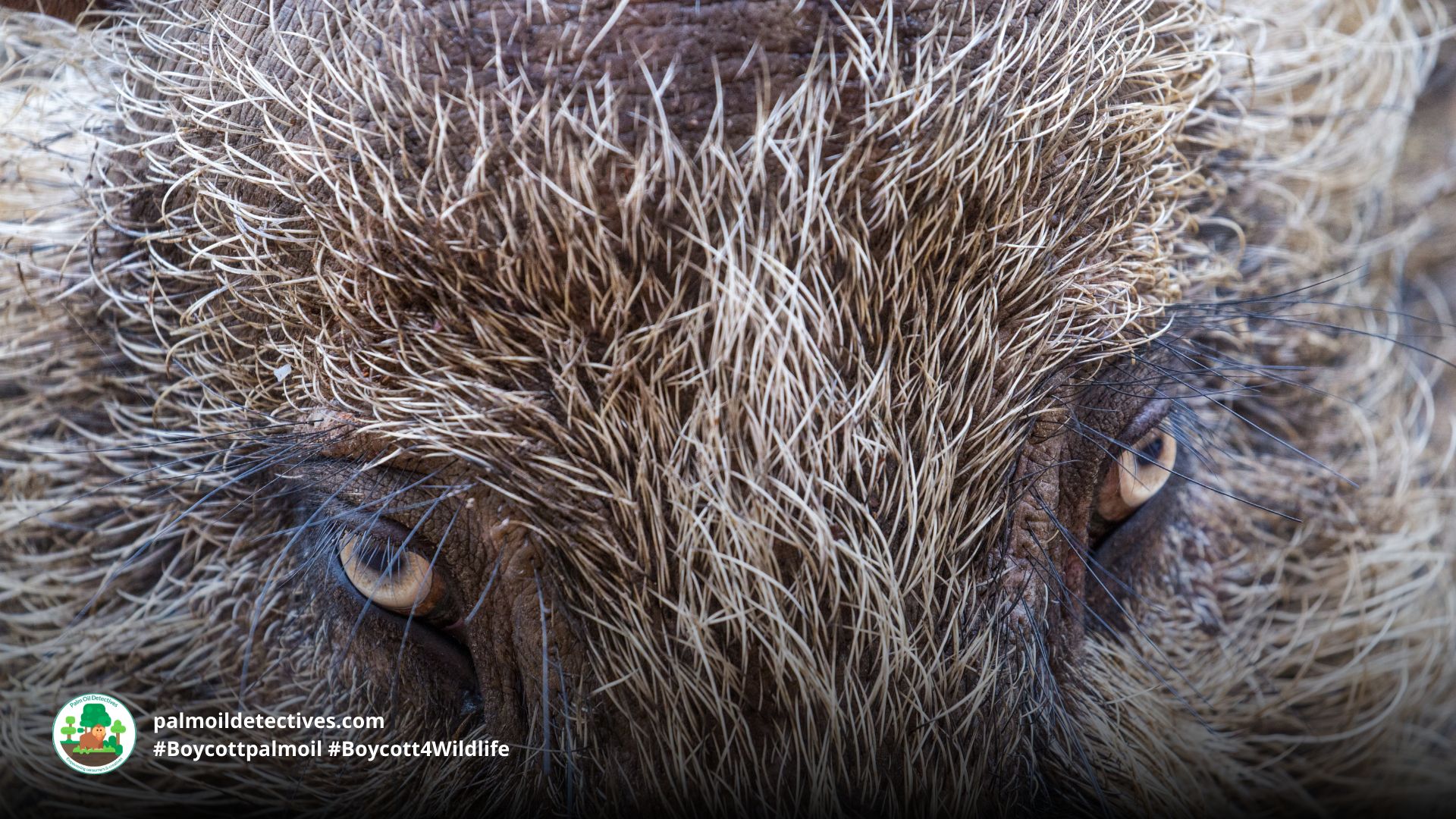
Kelloggs/Kellanova

In late 2023, Kelloggs became Kellanova for their US arm. Savvy consumers have been pressuring Kelloggs for decades to cease using deforestation palm oil. Yet they actually haven’t stopped this. From their website:

‘All of the palm oil that is used in our products is sourced from a combination of the Roundtable of Sustainable Palm Oil (RSPO) Certified Segregated supply chain, RSPO Mass Balance mixed-source supply and the purchase of Green Palm certificates.’

Read more: Kelloggs website

This phrasing above means absolutely nothing. In reality, Kelloggs’ supply chain continues to slash and burn thousands of hectares of forests and release mega-tonnes of carbon into the atmosphere. Kellogg’s is therefore involved in the killing thousands of endangered species. Once these animals are gone – they are gone for good. See research on Kelloggs’s palm oil sources including a PDF of their palm oil mills.

Boycott Kelloggs because their products contain palm oil linked to deforestation and species extinction

View Kelloggs/Kellanova’s recent palm oil deforestation

Data courtesy of Palm Watch, a multidisciplinary research initiative by the University of Chicago.

#Kelloggs/Kellanova uses so-called “sustainable” #palmoil yet still causes #deforestation and child slavery for #palmoil in their child-friendly #cereal 🥣 Fight back when you #Boycottpalmoil #Boycott4Wildlife @palmoildetect 🌴⛔️🧐🔥https://palmoildetectives.com/2021/02/09/kelloggs/

#Palmoil used by #Kelloggs’s brands is so-called “sustainable” yet it still causes #deforestation #ecocide #extinction and #indigenous landgrabbing. Fight back against the greenwash ☠️🧐🌴🤮⛔️ and #BoycottPalmOIl #Boycott4Wildlife @palmoildetect https://palmoildetectives.com/2021/02/09/kelloggs/

Global Witness October 2021 Report: Violence and death for palm oil connected to household supermarket brands (RSPO members)

“One palm oil firm, Rimbunan Hijau, [Papua New Guinea] negligently ignored repeated and avoidable worker deaths and injuries on palm oil plantations, with at least 11 workers and the child of one worker losing their lives over an eight-year period.

Papua New Guinea -landgrabbing for palm oil

“Tainted palm oil from Papua New Guinea plantations was sold to household name brands, all of them RSPO members including Kellogg’s, Nestlé, Colgate, Danone, Hershey’s and PZ Cussons and Reckitt Benckiser”

The true price of palm oil: How global finance funds deforestation, violence and human rights abuses in Papua New Guinea – Global Witness, 2021

Kelloggs brands with deforestation palm oil

Kelloggs makes claims of sustainability for palm oil on their website. However these claims do not match what is happening on the ground. This is pure greenwashing.
The brand has a high ranking on the WWF Scorecard and has an RSPO certification. However this high ranking is greenwashing and this mega-brand is purchasing huge amounts of palm oil from four mills that are responsible for 44% of all deforestation: Jhonlin, Mulia Sawit, Tunas Baru Lampung and Peputra Group

Source: chain reaction research

Palm Oil Detectives thinks it is wise to boycott all Kelloggs sub-brands until it has been independently verified that they have stopped 100% of their deforestation activities throughout the world.

Kelloggs brands with deforestation palm oil

Sign a petition telling Kelloggs to stop deforestation!

Kelloggs own a vast global empire of cereal and food brands…

The most updated list of their stable of brands from their website includes:

All-Bran®
Apple Jacks®
Austin®
Bear Naked®
Carr’s®
Cheez-It®
Club®
Corn Pops®
Cracklin’ Oat Bran®
Crispix®
Eggo®
Froot Loops®
Frosted Mini-Wheats®
Gardenburger®
Honey Smacks®
Incogmeato™

Joybol
Jumbo Snax
Kashi®
Kellogg’s Frosted Flakes®
Kellogg’s Limited Edition
Kellogg’s Corn Flakes®
Kellogg’s Raisin Bran®
Krave®
MorningStar Farms®
Mueslix®
Nutri-Grain®
Pop-Tarts®
Pringles®
Pure Organic
Rice Krispies®
Smart Start®
Special K®
Toasteds®
Town House®
Zesta®

More Information

The Chain: Repeat Offenders Continue to Clear Forests for Oil Palm in Southeast Asia

Wikipedia

Kelloggs

Research: Palm Oil deforestation and its connection to retail brands

Mondelēz

Despite the virtue-signalling of the palm oil certification body the RSPO, Mondelez’s so-called “sustainable” palm oil is linked to 37.000ha of palm oil deforestation since 2016 (Source: Chain Reaction Research).

Mondelez destroys rainforests, sending animals extinct and release mega-tonnes of carbon into the atmosphere, and killing hundreds of endangered species. Once these animals are gone – they are gone for good. See research on Mondelēz’s palm oil sources.

Share this to BlueSky / Twitter

Serial rainforest destroyer #Mondelez 😱 uses “sustainable” #palmoil from #RSPO yet the continue with #palmoil #deforestation, #humanrights abuses and ecocide. Resist the greenwashing when you shop and #Boycottpalmoil #Boycott4Wildlife @palmoildetect 🌎😨🔥🌴🚫 https://wp.me/scFhgU-mondelez

Maker of Cadbury, Belvita and other junk food: Mondelez uses “sustainable” #palmoil from #RSPO, yet this #greenwashing does NOT STOP #deforestation and #extinction. Fight back in the supermarket #Boycottpalmoil #Boycott4Wildlife 🌴🤢🔥🐒🐘🚫 @palmoildetect https://wp.me/scFhgU-mondelez

View Mondelez’s recent palm oil deforestation

Data courtesy of Palm Watch, a multidisciplinary research initiative by the University of Chicago.

View Mondelez's recent palm oil deforestation
View Mondelez’s recent palm oil deforestation

Dying for a Cookie: How Mondelez’s palm oil feeds the climate and extinction crisis

Mondelez is on the board of the RSPO,9 is a signatory to the New York Declaration on Forests and co-chairs the Consumer Goods Forum Palm Oil Working Group. However, Mondelez continues to source palm oil from rainforest destroyers, despite its stated commitment to responsible sourcing.

Dying for a Cookie: How Mondelez’s palm oil feeds the climate and extinction crisis

In light of this – the pledges about palm oil on their website are a massive joke

‘Mondelēz International is committed to sourcing palm oil sustainably and eradicating deforestation and human rights violations in the palm oil supply. We take this responsibility seriously.’

Mondelēz website.

Palm Oil Detectives thinks it is wise to boycott all Mondelēz sub-brands until it has been indepedently verified that they have stopped 100% of their deforestation activities throughout the world.

Mondelēz own a vast global empire of snackfood, confectionery, food and beverage brands…

Mondelez own a vast global empire of snackfood, confectionery, food and beverage brands...
2014 Infographic

The most updated list of their stable of brands from their website includes:

Biscuits

  • Barni
  • belVita
  • Chips Ahoy!
  • Club Social
  • Enjoy Life Foods
  • Honey Maid
  • Kinh Do
  • Mooncake
  • Kinh Do Fresh Bread
  • Lu
  • Lu Petit Beurre
  • Mikado
  • Nabisco
  • Newton’s
  • Nilla
  • Nutter Butter
  • Oreo
  • Premium
  • Prince
  • Ritz
  • Tate’s Bake Shop
  • Tiger
  • Trakinas
  • Triscuit
  • Tuc
  • Wheat Things

Beverages

  • Bournvita
  • Clight
  • Tang

Meals

  • Philadelphia
  • Royal
  • Sottilette

Chocolate

  • 5 Star
  • Alpen Gold
  • Cadbury
  • Cadbury Creme Egg
  • Cadbury Dairy Milk
  • Cadbury Dairy Milk Eclairs
  • Cadbury Eclairs
  • Cadbury Roses
  • Côte d’Or
  • Freia
  • Lacta
  • Marabou
  • Milka
  • Toblerone

Gum and Confectionery

  • Halls
  • Trident

More Information

The Chain: Repeat Offenders Continue to Clear Forests for Oil Palm in Southeast Asia

Wikipedia

Mondelēz

Research: Palm Oil deforestation and its connection to retail brands

Johnson & Johnson

Global mega-brand Johnson & Johnson have issued a position statement on palm oil in 2020.

‘At Johnson & Johnson, we are committed to doing our part to address the unsustainable rate of global deforestation, particularly in precious rain forests.’

~ Johnson & Johnson

However, despite this virtue signalling, the brand’s supply chain continues to slash and burn forests and release mega-tonnes of carbon into the atmosphere, and killing hundreds of endangered species. Once these animals are gone – they are gone for good. See research on Johnson & Johnson’s palm oil sources.

JohnsonAndJohnson @JNJNews use “sustainable” #palmoil yet they continue with mass #deforestation #extinction 🦏🐘🦧 for #palmoil ☠️🌴🪔⛔️. Say no to their #greed and #greenwashing! When you shop #BoycottPalmOil #Boycott4Wildlife @palmoildetect https://palmoildetectives.com/2021/02/09/johnson-johnson/

Do u use JohnsonAndJohnson #soap and #cleaning products? “Sustainable” #palmoil they use is far from “clean”. It’s linked to #deforestation 🦏🐘🦧, all for a dirty ingredient nobody even wants! ☠️🌴🪔⛔️.#BoycottPalmOil #Boycott4Wildlife @palmoildetect https://palmoildetectives.com/2021/02/09/johnson-johnson/

View Johnson & Johnson’s recent palm oil deforestation

Data courtesy of Palm Watch, a multidisciplinary research initiative by the University of Chicago.

In a new oil-palm plantation near Sungaihantu, in South Kalimantan, the skeleton of a tree is the last relic of the rainforest that once was.

Johnson & Johnson makes claims of sustainability including a ‘promise’ to stop deforestation. Promises mean nothing – action is what matters.
Johnson & Johnson has a high ranking on the WWF Scorecard and an RSPO certification. However this high ranking is greenwashing and this mega-brand is purchasing huge amounts of palm oil from two mills that are responsible for deforestation: Peputra Group and Jhonlin.

Source: chain reaction research
Boycott Johnson and Johnson 2025

Johnson & Johnson own a vast global stable of consumer health, personal care and pharmaceutical products….

Johnson & Johnson sub-brands
See more at Drug Report

Consumer health products

  • Tylenol
  • Motrin
  • Zyrtec
  • Benadryl
  • Benylin
  • BENGAY
  • Zarbee’s
  • Imodium
  • Rhinocort
  • Nicorette
  • Pepcid
  • Sudafed
  • Listerine
  • Band-Aid
  • Neosporin
  • Polysporin
  • Caladryl
  • Johnson’s (including Baby Powder)
  • Desitin
  • Penaten
  • Maui Moisture
  • Carefree
  • Stayfree
  • Compeed
  • Rembrandt
  • Mylanta
  • Tucks

Medical devices

  • Acclarent
  • Biosense Webster
  • Cerenovus
  • DePuy Synthes
  • Ethicon
  • Mentor

Pharmaceutical subsidiaries

  • Janssen
  • Actelion
  • Cilag
  • Crucell
  • Novira

Food Products

  • Splenda
  • Lactaid
  • Benecol

Personal care and skincare

  • Clean & Clear
  • C&C By Clean & Clear
  • OGX
  • Neutrogena
  • Aveeno
  • Aveeno Baby
  • Dr.Ci:Labo
  • Neostrata
  • Exuviance
  • Dabao
  • bebe
  • Genomer
  • Sundown
  • Rogaine
  • Women’s Rogaine
  • Regaine
  • Labo Labo
  • Lubriderm
  • PizBuin
  • Le Petit Marseillais

Vision and optical

  • Acuvue
  • Abbott Medical Optics
  • Tear Science
  • Visine

More Information

The Chain: Repeat Offenders Continue to Clear Forests for Oil Palm in Southeast Asia

Wikipedia

The Drug Report

L’Oreal

‘Our goal is by 2020 to have none of our products linked to deforestation.’

L’Oreal’s website statement on palm oil

This target has been and gone. Still, enormous environmental and social damage continues to be caused by L’Oreal and its palm oil. Despite being an RSPO member, L’Oreal continues to be involved in human rights abuses, deforestation, child slavery and rape for the palm oil that goes into their beauty products.

If you use @LOrealGroupe #makeup 💋💄 and #cosmetics then you’re purchasing #palmoil #ecocide and #humanrights abuses with every bottle. L’Oreal are worth it – worth boycotting! #BoycottPalmOil #Boycott4Wildlife 🔥🦧😿 @palmoildetect https://palmoildetectives.com/2021/02/09/loreal/

@LOrealGroupe is worth it…worth boycotting forever 🧐👎because they use so-called “sustainable” #palmoil that still causes #deforestation! Resist the #greenwashing lie and #Boycott4Wildlife #Boycottpalmoil 🌴🪔⛔️🔥 @palmoildetect https://palmoildetectives.com/2021/02/09/loreal/

View L’Oreal’s recent palm oil deforestation

Data courtesy of Palm Watch, a multidisciplinary research initiative by the University of Chicago.

Loreal Boycott palm oil

“Because you’re worth it!”…but not if you live in the third world, are paid almost nothing and are treated like dirt

A 2020 Associated Press investigation found L’Oreal, Unilever, Johnson&Johnson and Avon involved in rape, child slavery and human rights abuses in their palm oil plantations.

L’Oreal and its supply chain are destroying rainforests, releasing mega-tonnes of carbon into the atmosphere, and killing hundreds of endangered species. Once these animals are gone – they are gone for good.

L'Oreal Brands Owned 2021

L’Oreal makes claims of sustainability including a ‘promise’ to stop deforestation. Promises mean nothing – action is what matters.
L’Oreal has a high ranking on the WWF Scorecard and an RSPO certification. However this high ranking is greenwashing and this mega-brand is purchasing huge amounts of palm oil from three mills that are responsible for deforestation: Jhonlin, Indonusa, and Peputra Group

Source: chain reaction research

Given this evidence, it is wise to boycott all L’Oreal-owned sub-brands until it is proven that they have ceased 100% of their deforestation activities and human rights abuses throughout the world.

L’Oreal @loreal use #palmoil that’s certified @RSPOtweets “sustainable” yet they cause #deforestation #extinction #ecocide #illegal #landgrabbing. Join the #Boycott4Wildlife to protest with your wallet!

L’Oreal own a vast global stable of perfume, beauty, haircare and cosmetics brands…

L’Oreal Brands Owned 2021

Atelier Cologne

Biotherm

Cacharel

Clarisonic

Color&Co

Dark & Lovely

Decléor

Diesel

Drakkar Noir

Essie

Garnier

Giorgio Armani Beauty

IT Cosmetics

Kérastase

Kiehl’s

Kim Chi Chic Beauty

Lancôme

La Roche Posay

L’Oreal Paris

L’Oréal Professionnel

Magic Shave

Matrix

Maybelline

Niely

NYX Professional Makeup

Pureology

Ralph Lauren

Redken

Shu Uemura

Skinceuticals

Urban Decay (cosmetics)

Valentino

Vichy Laboratories

Victor & Rolf

YvesSaintLaurent

Yuesai

Get brand changes in your inbox

Nestlé

In 2020, retail giant Nestlé formed a coalition with other brands, virtue-signalling that they will stop all deforestation. Yet they continue to purchase palm oil from mills that chop down millions of hectares forests.

Nestlé is destroying rainforests, releasing mega-tonnes of carbon into the atmosphere, and killing hundreds of endangered species. Once these animals are gone – they are gone for good. See Nestlé’s full list of mills where they buy palm oil, six of these are actively destroying forest.
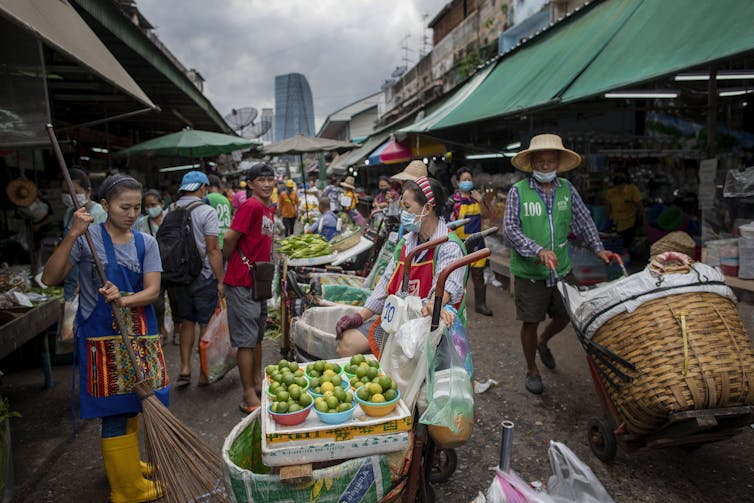
Not only does #Nestle believe water is not a #humanright they prioritise dirty #palmoil greed and profit over #humanrights and #animalrights. Boycott the faux “sustainable” palm oil of Nestle! #Boycottpalmoil #Boycott4Wildlife ☠️🌴🚫 https://palmoildetectives.com/2021/02/09/nestle/ via @palmoildetect
Buy #palmoilfree and #boycott all @Nestle 🍫🍪🍬 products. Their so-called “sustainable” #palmoil is destroying rainforests, causing #humanrights abuses and #extinction 🐅🐘🦍🦜 Fight back and #Boycottpalmoil #Boycott4Wildlife @palmoildetect https://palmoildetectives.com/2021/02/09/nestle/

View Nestlé’s palm oil deforestation for the past year

Data courtesy of Palm Watch, a multidisciplinary research initiative by the University of Chicago.

Swiss multinational Nestlé received hundreds of thousands of alerts of forest clearing near its palm oil suppliers in 2019 via satellite monitoring.

Nestlé identified over 1,000 cases of deforestation per day in palm oil areas. SwissInfo (2020).

Global Witness October 2021 Report: Violence and death for palm oil connected to household supermarket brands (RSPO members)

“One palm oil firm, Rimbunan Hijau, [Papua New Guinea] negligently ignored repeated and avoidable worker deaths and injuries on palm oil plantations, with at least 11 workers and the child of one worker losing their lives over an eight-year period.

Papua New Guinea -landgrabbing for palm oil

“Tainted palm oil from Papua New Guinea plantations was sold to household name brands, all of them RSPO members including Kellogg’s, Nestlé, Colgate, Danone, Hershey’s and PZ Cussons and Reckitt Benckiser”

The true price of palm oil: How global finance funds deforestation, violence and human rights abuses in Papua New Guinea – Global Witness, 2021

Nestlé makes claims of sustainability including a ‘promise’ to stop deforestation. Promises mean nothing – action is what matters.
Nestlé has a high ranking on the WWF Scorecard and an RSPO certification. However this high ranking is greenwashing and this mega-brand is purchasing huge amounts of palm oil from six mills that are responsible for deforestation: Jhonlin, Mulia Sawit, Tunas Baru Lampung, Peputra Group, Musirawas
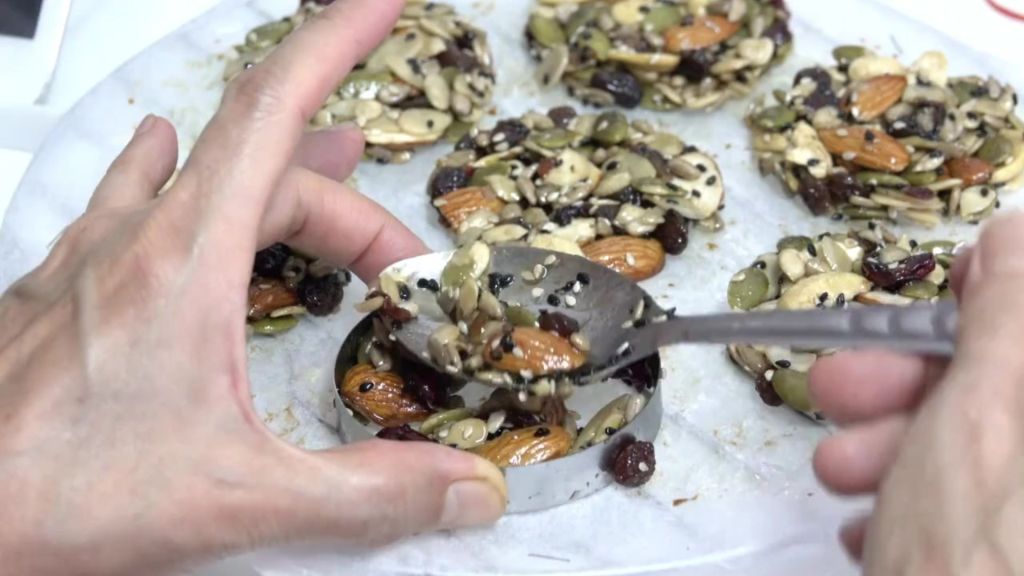
Source: chain reaction research
Nestle Boycott palm oil

Based on evidence from many different corruption whistleblower organisations – it is best to boycott all Nestlé-owned brands until it has been proven that they have ceased with human rights abuses, slavery, deforestation and indigenous land-grabbing for palm oil and other commodities.

Nestlé own a vast global stable of food and beverage brands and products

Infographic via Visualstan

Beverages

Coffee

Cereals

Chilled

  • Chamyto (Brazil, Mexico, Chile)
  • Chambinho (Brazil)
  • Chandelle (Brazil, Chile)
  • Chiquitín (Mexico, Chile)
  • Club (Mexico)
  • Hirz (Switzerland)
  • La Laitière (France, Belgium, UK)
  • La Lechera (Spain, Mexico)
  • LC1 (Switzerland)
  • Le Viennois (France, Belgium, Switzerland)
  • Moça (Brazil)
  • Molico (Brazil, now Svelty)
  • Munch Bunch (UK)
  • Nestlé
  • Nesvita (India, Pakistan)
  • Ninho (Brazil)
  • Ski
  • Sollys (Brazil)
  • Sveltesse (France)
  • Svelty (Mexico)
  • Yoco

Foodservice products

  • Chef-Mate
  • Davigel
  • Minor’s
  • Santa Rica

Frozen convenience foods

Frozen desserts

  • Åhusglass (Sweden)
  • Aino (Finland)
  • Camy (Spain, Portugal)
  • D’Onofrio (Peru)
  • Делта (Delta, Bulgaria)
  • Δέλτα (Delta, Greece)
  • Dreyer’s
  • Drumstick
  • Eskimo (Finland)
  • Frigor (Argentina)
  • Frisco (Switzerland)
  • Froneri
  • Häagen-Dazs (North America only)
  • Hjem-IS (Norway)
  • Kimo (Egypt)
  • Kimy (Philippines)
  • Kotijäätelö (Finland)
  • Maxibon
  • Mat Kool (Malaysia)
  • Mivvi
  • Motta (Italy)
  • Mövenpick (Switzerland)
  • Nestlé Drumstick – The Original Sundae Cone
  • Nestlé Ice Cream
  • Nestlé Princessa (Poland)
  • Oreo Frozen Dessert Sandwiches (Canada)
  • Outshine
  • Pingviini (Finland)
  • Push-Up
  • Real Dairy
  • Savory (North America – United States and Canada and Chile)
  • Schöller (Germany and Austria)
  • Skinny Cow
  • Sorbetes (Philippines)
  • Temptations (Philippines)
  • Underground is (Denmark)
  • zer0% Fat (Philippines)

Healthcare nutrition

  • Boost
  • Carnation Instant Breakfast
  • Compleat
  • Crucial
  • Diabetisource
  • Fibersource
  • Garden of Life
  • Glytrol [41]
  • Impact
  • Isosource
  • Meritene
  • Modulen
  • Atrium Innovations
  • Douglas Laboratories
  • Genestra brands
  • Garden of Life
  • Novasource Renal
  • Nutren
  • Optifast
  • Optifibre
  • Peptamen
  • Pure Encapsulations
  • Resorb
  • Resource
  • Sustagen
  • Trophic
  • Wobenzym

Instant foods

Nestlé Purina petcare products

The following products are manufactured by Nestlé Purina.[45]

Refrigerated products

Yogurt

Bottled Water

Chocolate, confectionery and baked goods

Performance nutrition

  • Neston
  • Nesvita
  • Pria
  • Supligen

Petcare

  • Bakers
  • Beta
  • Bonio
  • Bonnie
  • Castor & Pollux
  • Chef Michael’s Canine Creations
  • Felix
  • Fido (French equivalent brand to Bakers and Beneful)
  • Go Cat
  • Gourmet
  • Lily’s Kitchen
  • Lucky Dog
  • Merrick
  • Mon Petit
  • PetLife
  • Purina
  • Supercoat
  • Tails .com
  • Tidy Cats
  • Totalcare
  • Whole Earth Farms
  • Winalot

Seasonings

  • Carpathia
  • CHEF
  • Haoji
  • Maggi
  • Thomy
  • Totole
  • Winiary

Shelf stable

Nestle brand bottled water throughout the world

Colgate-Palmolive

Despite global retail giant Colgate-Palmolive forming a coalition with other brands in 2020, virtue-signalling that they will stop all deforestation, they continue to do this – destroying rainforest and releasing mega-tonnes of carbon into the atmosphere, and killing hundreds of endangered species. Once these animals are gone – they are gone for good. See research on Colgate-Palmolive.

Colgate-Palmolive makes claims of sustainability including a ‘promise’ to stop deforestation. Promises mean nothing – action is what matters.
Colgate-Palmolive has a high ranking on the WWF Scorecard and an RSPO certification. However this high ranking is greenwashing and this mega-brand is purchasing huge amounts of palm oil from all over the world linked to slavery, human rights abuses, deforestation, violence and ecocide.

Source: chain reaction research

Colgate Palmolive @CP_News makers of #toothpaste 🦷🪥use so-called “sustainable” #palmoil , yet continue #deforestation and #landgrabbing causing the death of children for palm oil. #Boycottpalmoil #Boycott4Wildlife 💀🌴🦧🔥🙊⛔️ @palmoildetect https://palmoildetectives.com/2021/02/09/colgate-palmolive/

Famed #toothpaste maker #Colgate-Palmolive uses so-called “sustainable” #palmoil yet continue buying #deforestation and ecocide. Tell them you don’t want dirty palm oil and #BoycottPalmOIl 🦧😿🌴⛔️ #Boycott4Wildlife @palmoildetect https://palmoildetectives.com/2021/02/09/colgate-palmolive/

View Colgate-Palmolive’s recent palm oil deforestation

Data courtesy of Palm Watch, a multidisciplinary research initiative by the University of Chicago.

Boycott Colgate-Palmolive 2025

AJAX made by Colgate-Palmolive looks eco-friendly but contains rainforest destroying palm oil

Don’t be fooled by the greenwashing words and design on the packaging and in-store displays! Colgate-Palmolive is deeply embedded in deforestation for palm oil all over the world – despite their RSPO membership and claim to use “sustainable” palm oil.

Colgate-Palmolive own a vast global stable of pet care, personal care and cleaning products….

Ajax
Axion
Baby Magic
Cibaca (brand)
Cold Power
Colgate (toothpaste)
Darlie
Hill’s Pet Nutrition
Irish Spring
Mennen
Murphy Oil Soap
Palmolive (brand)
Protex (soap)
Sanex
Science Diet
Skin Bracer
Softsoap
Speed Stick
Suavitel
Teen Spirit (deodorant)
Tom’s of Maine
UltraBrite
Vel Soap

Yet despite this, they continue with slavery, human rights abuses, deforestation and ecocide

See 2021 Global Witness report

Global Witness October 2021 Report: Violence and death for palm oil connected to household supermarket brands (RSPO members)

“One palm oil firm, Rimbunan Hijau, [Papua New Guinea] negligently ignored repeated and avoidable worker deaths and injuries on palm oil plantations, with at least 11 workers and the child of one worker losing their lives over an eight-year period.

Papua New Guinea -landgrabbing for palm oil

“Tainted palm oil from Papua New Guinea plantations was sold to household name brands, all of them RSPO members including Kellogg’s, Nestlé, Colgate, Danone, Hershey’s and PZ Cussons and Reckitt Benckiser”

The true price of palm oil: How global finance funds deforestation, violence and human rights abuses in Papua New Guinea – Global Witness, 2021

Unilever

In 2020, global retail giant Unilever unveiled a deforestation-free supply chain promise. By 2023 they would be deforestation free. This has been and gone and they are still causing deforestation.

This brand has a litany of broken promises around deforestation. Unilever is been responsible for 55,000ha of deforestation in their palm oil supply chain since 2016. (Source: Chain Reaction Research).

Buy #palmoilfree and #boycott all Unilever @Unilever products. Their so-called “sustainable” #palmoil destroys #rainforests and causing massive species #extinction. Fight back and #BoycottPalmOil 🌴🪔🔥☠️ #Boycott4Wildlife @palmoildetect https://palmoildetectives.com/2021/02/09/unilever/

Did you know @Unilever is only “making a better world” for their investors NOT the planet? Their use of “sustainable” #palmoil destroys #rainforests causing #extinction. Fight back and #BoycottPalmOil 🌴🪔🔥☠️ #Boycott4Wildlife @palmoildetect https://palmoildetectives.com/2021/02/09/unilever/

View Unilever’s recent palm oil deforestation

Data courtesy of Palm Watch, a multidisciplinary research initiative by the University of Chicago.

Unilever makes claims of sustainability including a ‘promise’ to have a deforestation-free supply chain by 2023. Promises mean nothing – action is what matters.
Unilever has a high ranking on the WWF Scorecard and an RSPO certification. However Unilever is purchasing huge amounts of palm oil from five mills that are responsible for deforestation: Musirawas, Mulia Sawit, Tunas Baru Lampung, Indonusa and Peputra Group.

Source: chain reaction research
Deforestation in the Amazon to make way for palm oil

Unilever own a vast global stable of food, beverage and personal care brands…

Food and beverages

Condiments and extracts

  • Amino – dehydrated soup (Poland)
  • Amora – French mayonnaise and dressings
  • Aromat – seasoning (South Africa, Sweden, Switzerland)
  • Best Foods – mayonnaise, sandwich spreads, peanut butter and salad dressings
  • Bovril – beef extract
  • Calvé – sauces, ketchup, mustard, mayonnaise, peanut butter
  • Chicken Tonight – wet sauces range (excluding the United Kingdom and Ireland)
  • Colman’s – mustard, condiments, packet sauces, OK Fruity Sauce
  • ConimexAsian spices (Netherlands)
  • Continental – side dishes
  • Fanacoa – mayonnaise, mustard, ketchup (Argentina and for export to Latin America)
  • Fruc – ketchup, mayonnaise and condiments
  • Hellmann’smayonnaise
  • Jawara – hot sauce (Indonesia)
  • Kecap Bangosoya sauce in Indonesia
  • Kissan – ketchups, squashes and jams (India and Pakistan)
  • Lady’s Choice – mayonnaise, peanut butter and sandwich spreads (Philippines, Malaysia)
  • Lao Cai – seasoning
  • Salsa Lizano – Costa Rican condiment
  • Maille – French mustard
  • Marmite – yeast extract spread (except in Australia and New Zealand, called Our Mate)
  • Robertson’s – spices/seasoning (South Africa)
  • Royco – stock cubes, non-MSG stock (Indonesia, Kenya)
  • Sir Kensington’s – Ketchup, Mustard, Mayonnaise, Ranch, Vinaigrettes (US, Canada)
  • Slott’s – mustard (Sweden)
  • Sunce (Sun) – mayonnaise (Serbia, North Macedonia, Bosnia and Herzegovina, Montenegro), brand now discontinued, Sunce factory now produces Unilever brand Knorr mayonnaise
  • Tortex – ketchup (Poland)
  • Turun sinappi – mustard (Finland/Sweden)
  • Unox – soups, smoked sausages

Desserts

  • Alsa – desserts and syrups
  • Ben & Jerry’s – ice cream
  • Breyers – ice cream
  • Darko (Дарко) – ice cream (Bulgaria)
  • Fudgsicle – ice pops
  • Grom – gelato (Italy)
  • Heartbrand – ice cream (umbrella logo)
  • Klondike – ice cream sandwiches
  • Magnum – ice cream
  • Paddle Pop – ice cream (Australia, Indonesia, Malaysia [incorporated with Wall’s], discontinued in the Philippines)
  • Popsicle – frozen treats
  • Seru – low-cost ice cream (Indonesia)
  • Streets – ice cream (Australia/New Zealand)
  • Talenti – gelato
  • Wall’s – ice cream, frozen desserts
  • Weis – frozen fruit desserts, ice cream

Other foods

Teas

Other beverages

Personal care & beauty products

  • Andrelon
  • Aviance
  • Axe
  • Badedas
  • Block & White
  • Caress
  • Clear
  • Citra
  • Cream Silk
  • Dove
  • Elle18
  • Fair & Lovely
  • Folicure
  • Glysolid
  • Hamam
  • Hazeline
  • Lakme
  • Lever2000
  • Modshair
  • Monsamon
  • Neutral
  • Organics
  • Pears
  • Pinds
  • Simple
  • St Ives
  • Suave
  • Sunsilk
  • Tigi
  • Ultrex
  • Vaseline
  • V05