Lowland tapir populations in the Atlantic Forest in South America are at risk of almost complete disappearance, scientists have estimated. Weighing up to 250 kg, the animal can adapt to most habitats in South America—but its populations continue to decline across their range. Take action for these beautiful irreplaceable animals every time you shop, be #vegan for forests, farmed animals and wild animals and #BoycottPalmOil#Boycott4Wildlife
Today, its survival is seriously threatened: it can be found in just 1.78% of its original distributional range in the Atlantic Forest biome, which covers parts of Brazil, Argentina and Paraguay. The main long-term threat to its well-being is population isolation, as hunting and highways keep populations away from each other.
Urgent measures need to be taken to connect isolated populations and ensure the long-term conservation of tapirs, warn the authors of a new study on the distribution and conservation status of lowland tapirs in the South American Atlantic Forest, published in the open-access journal Neotropical Biology and Conservation.
“Of the 48 tapir populations identified during the study, between 31.3% and 68.8% are demographically unviable (low number of individuals), and between 70.8% and 93.8% of the populations are genetically unviable (low gene flow). Only 3-14 populations are still viable in the long run when both criteria are considered. The evidence suggests that with the appropriate conservation actions, the lowland tapir could be broadly distributed throughout the Atlantic Forest,” says Kevin Flesher.
“Tapirs have low reproductive potential, including a long reproductive cycle with the birth of just one young after a gestation period of 13-14 months and intervals of up to three years between births. Our populational simulations clearly show how, in the case of small populations, even the loss of a single individual per year can result in rapid extinction of an entire local population,” adds Medici.
Kevin Flesher dedicated 15 years to visiting 93 reserves in the Atlantic Forest, talking to people and analyzing 217 datasets, before he compiled the necessary data to design conservation actions that can ensure the survival of tapirs in the area.
The states of São Paulo and Paraná in Brazil have the largest number of remaining populations: 14 and 10, respectively. The two largest populations are in Misiones, Argentina, and in the neighboring Iguaçu and Turvo reserves, in Paraná and Rio Grande do Sul, Brazil.
“As far as our knowledge goes, there is no evidence of movement of tapirs between these populations,” points out Medici.
Tapirs adapt well to the secondary forest habitats that dominate the Atlantic Forest biome
The distance between population fragments, however, is not what is stopping them.
“The central problem is the multiple threats they face while crossing the habitat,” explains Flesher. Highways are one major obstacle that limits the access of tapirs to forests with adequate habitat. “For example, the heavy traffic on highway BR-101 (which cuts the Brazilian Atlantic Forest from North to South) is a death trap to wildlife. Tapirs often die when attempting to cross it,” explains Medici.
The construction of highways and expansion of traffic in and around natural areas is a serious threat to large tapir populations that might otherwise have the chance to thrive, like those in Misiones, Argentina, and Serra do Mar, Brazil.
“Roadkill is a significant cause of death in six of the eight reservations in which highways cross tapir populations, and the expansion of the roadway grid in the country threatens to cause population fragmentation in at least four populations,” points out Flesher. This is why finding ways to allow tapirs to cross highways safely is an urgent conservation priority.
Lowland Tapir by Alexander Blanco
The results of the study, however, give cause for “cautious optimism” for the future of tapirs in the area: after decades of dedicated conservation efforts, the situation is starting to improve.
“Despite these continuing challenges for tapir conservation, most populations appear to be stable or increasing and the conservation outlook for the species is better than several decades ago, when the first efforts to protect the species began,” Kevin Flesher concludes.
Original source:
Flesher KM, Medici EP (2022) The distribution and conservation status of Tapirus terrestris in the South American Atlantic Forest. Neotropical Biology and Conservation 17(1): 1-19.https://doi.org/10.3897/neotropical.17.e71867
2. Contribute stories: Academics, conservationists, scientists, indigenous rights advocates and animal rights advocates working to expose the corruption of the palm oil industry or to save animals can contribute stories to the website.
3. Supermarket sleuthing: Next time you’re in the supermarket, take photos of products containing palm oil. Share these to social media along with the hashtags to call out the greenwashing and ecocide of the brands who use palm oil. You can also take photos of palm oil free products and congratulate brands when they go palm oil free.
4. Take to the streets: Get in touch with Palm Oil Detectives to find out more.
5. Donate: Make a one-off or monthly donation to Palm Oil Detectives as a way of saying thank you or to help pay for ongoing running costs.
Palm Oil is a vegetable oil found in many products It is responsible for destroying many millions acres of rain forests chasing species after species to extinction levels especially awesome Orangutan Demand full Palm Oil labeling and stop buying their products before too late pic.twitter.com/3gDSF25YnL
A Steady State Economy is a mildly fluctuating economy that does not exceed ecological and planetary limits.
A Steady State Economy is not an alternative economic ideology that is centred on endless GDP growth. It is neither capitalism nor communism.
Economic growth, with all of its downsides, is clearly unsustainable in the 21st century. Long-term recession is no panacea either. A steady state economy is the sustainable alternative to perpetual economic growth.
Economic growth was never a magic bullet; it is simply an increase in the production and consumption of goods and services–it can’t possibly lead to a sustainable outcome. In contrast, the steady state economy provides the means for present and future generations to achieve a high quality of life.
In this interview, Palm Oil Detectives speaks with Martin Tye, a representative of the Center for the Advancement of the Steady State Economy (CASSE) in Regional Australia. Martin studies ecological economics and history and passionate about improving the quality of life for current and future generations and restoring wildlife.
How do we stop the world’s ecosystems from going into a death spiral? A #SteadyState Economy. An interview with @SteadyStateEcon’s Australasian leader @MartinRev21
palm oil on fire After a forest fire in Sumatra – Craig Jones Wildlife Photography Say no to palm oil biodiesel
“Somehow, we have come to think the whole purpose of the economy is to grow, yet growth is not a goal or purpose. The pursuit of endless growth is suicidal.”
David Suzuki
The goal of Steady State Economics is to substitute the model of endless GDP growth with a stable and mildly fluctuating economy
The term often refers to a national economy, but ‘Steady State’ economics also be applied to a local, regional, or global economy.
An economy can reach a steady state after a period of growth or after a period of downsizing or degrowth.
#SteadyState Economics calls for everyone to demand a shift from a model of endless GDP growth towards a mildly fluctuating economy that exists in harmony with animals and ecosystems @steadystateecon @martinrev21 #Boycott4Wildlife
Economic growth A.K.A. GDP growth encourages wasteful overconsumption and #ecocide. Be a part of the solution, push for a #SteadyState economy and #Boycott4Wildlife the global brands destroying the world @steadystateecon @martinrev21
In a #SteadyState economy people would choose to consume materials responsibly, conserving, economising, and recycling where appropriate. This movement is aligned to the #Boycott4Wildlife find out more @steadystateecon @martinrev21
A steady state economy entails a population growth and per capita consumption that is stabilised and balanced.
GDP is a solid indicator of economic activity and environmental impact – not well-being. All else equal, the steady state economy is indicated by stabilised, or mildly fluctuating GDP.
Gross Domestic Product (GDP) is not a good indicator of well-being
Economic growth, otherwise known as GDP growth, encourages wasteful overconsumption
In a steady state economy, people consume enough to meet their needs and lead meaningful, joyful lives without undermining the life-support systems of the planet
With a Steady State economy, conspicuous consumption becomes a thing of the past
People choose to consume energy and materials responsibly, conserving, economising, and recycling where appropriate.
Citizens (yes citizens, not consumers) recognise that the culture of materialism as a bankrupt ideology and a poor path to happiness.
People forget about trying to accumulate evermore stuff, instead focusing on more worthwhile pursuits.
Personal and societal decisions about how much to consume take into account sustainability principles and the needs of future generations.
If the world continues on its current trajectory, in 20 years what will happen doesn’t bear thinking about. Things will get very ugly!
Industrial scale food agriculture is a necessary support to growing economies- all part and parcel of the package, in particular their demand for growing populations (consumers- who need to be fed, so they can buy).
A growing economy consumes natural resources and produces wastes. This results in biodiversity loss, air and water pollution, climate destabilisation, and other major environmental threats.
GDP growth metrics fails to consider the ecological impacts of production, or recognise ecological limits to growth. So ecological pressures continue unabated.
What would steady state global agriculture look like?
Just as a growth economy tends to impart industrial characteristics to its agricultural systems, a steady state economy tends to impart sustainable characteristics to its agricultural systems.
Such an economy requires a fixed quantity of food. There is no need for constantly increasing the amount of food produced, and there is a calming effect on the landscape – not as much land needs to be in crop-production mode.
Low throughput of energy and materials
In addition to stable population and consumption, a steady state economy features stable and relatively low throughput of energy and materials, a characteristic that applies to the agricultural sector.
Decentralised and local
The best way to achieve sustainable throughput in agricultural systems is to decentralize. Inputs, especially fossil fuel inputs, can be reduced by shifting to local systems of production, distribution and consumption. Agriculture in a Steady State Economy
If the world adopts Steady State model now, in 20 years significant improvements will be visible in the world
Guided by a dashboard of ecological, social and economic progress indicators (GPI’s) we will have begun to re-shape the world.
Ecosystems would have started their recovery, economies would be progressing towards a restructured smaller local and sustainable scale.
As resource pressures ease, so too will international and regional tensions
People will see improved life satisfaction as “well-being” replaces “growth” as a goal.
In this version of the future, the world would be a much happier and positive place than it is today. In this state, human achievement and potential will be maximised.
The Steady State economics model offers goals like sustainability and fairness with the least amount of impingement on individual freedoms.
1. Maintain the health of ecosystems and the life-support services they provide.
2. Extract renewable resources like fish and timber at a rate no faster than they can be regenerated.
3. Consume non-renewable resources like fossil fuels and minerals at a rate no faster than they can be replaced by the discovery of renewable substitutes.
4. Deposit wastes in the environment at a rate no faster than they can be safely assimilated.
The Steady Stater Podcast
To explain the concepts of the Steady State Economy, CASSE created a podcast in 2021.
A steady state: The only kind of economy that’s sustainable in the long term
It is an economy that meets people’s needs without undermining the life-support services of the planet.
This will paint a more realistic picture of the state of things, better inform policy and guide the changes they need to make.
The strongest move policy-makers can make is to adopt new performance indicators to replace GDP
People need to understand that “economic growth” is propping up short sighted economic parasites
Cop26 deforestation
We see resistance to change in the fossil fuel lobby, the palm oil lobby, meat agriculture, property developers, retail chains etc. Before universally smoking was frowned upon, we saw resistance from the tobacco industry. Before this, slave holders also resisted change.
Despite sustained and vigorous attempts by corporates and industry certification schemes like RSPO, MSC and FSC to downplay the impact and effectiveness of consumer boycotts, it turns out that boycotts are impactful and drive social change. They force profit-first and greedy corporations to change their ways and do better. They also create a tangible sense…
Simplicity and non-violence are obviously closely related
As physical resources are limited, people satisfying their needs by means of a modest use of resources are obviously less likely to be at each other’s throats than people depending upon a high rate of use. Equally, people who live in highly self-sufficient local communities are less likely to get involved in large-scale violence than people whose existence depends on world-wide systems of trade. ~ Buddhist Economics By E. F. Schumacher
Activists can take individual action and collective action to effect change
200 years ago global population was around 1 billion- Off the back of fossil fuels we grew to 8 billion. Switching that scale to new energy sources is not as easy, nor as "environmental" as you may think.
The best book we ever wrote on #degrowth is now published!
It advances hard thinking about d grassroots & institutional politics that can realize transformations toward degrowth in d current political conjuncture.
A stable population promotes ecological restoration/economic resilience/social justice & puts us in a strong position to aid those in need. https://t.co/Dw9UL3w3G5
Is constant movement the same as living? Is flying the only way to move? Should green domestic flights be our priority in a scarce energy world? And until such miraculous technology develops, will Denmark restrict flying?@cecilia_keating#BanFlightsUSAhttps://t.co/8N3ElReDbs
"Our obsession with GDP hasn't been around that long. It was only in the mid-20th century that gross national product (GDP) became the go-to measure of economic success, providing a metric for competition between capitalism and communism" — @rubyjrussellhttps://t.co/3XXuDsjJ75
Czech, B. 2006. Steady state economy. Encyclopedia of Earth. Eds. Tom Tietenberg et al., National Council for Science and the Environment, Washington, DC.
Czech, B. 2009. Ecological economics, in Encyclopaedia of Life Support Systems. Developed under the auspices of UNESCO-EOLSS Publishers, Oxford, UK (copy compliments of UNESCO).
Mill, John Stuart. 1848. “Of the Stationary State,” Book IV, Chapter VI in Principles of Political Economy: With Some of Their Applications to Social Philosophy, J.W. Parker, London, England.
Schumacher, E.F. 1966. “Buddhist Economics” in Guy Wint (ed.), Asia: A Handbook, Anthony Blond Ltd., London, U.K.
Oil palm plantation companies use very similar tactics wherever they operate to try and take over the land of communities. Knowing that they can count on high-level politicians and state authorities for support, the companies routinely make promises they do not intend to keep, try to silence and marginalise opposition to their plans and divide communities.
Where necessary, they coerce, intimidate, harass and even have opponents to their activities killed. Villagers, especially in remote places, often think such violence, intimidation and land grabbing is only happening to them.
Community representatives may initially believe the plantation company’s promises because they are unaware of community experiences elsewhere.
Questions to ask
1 Who is behind the company?
2 Who is funding the company and its expansion plans?
3 Who will the company sell its palm oil to?
4 Palm oil companies are not charities.
Succinct & important report on #PalmOil#LandGrabbing from GRAIN (também disponível em Português, Español, & Français). Booklet: 12 tactics palm oil companies use to grab community land https://t.co/rAMIL7b7Iu
The reality, however, is that violence – and in particular sexual violence against women– is an inseparable part of the industrial plantation model and that the tactics companies use to take community land have been fine-tuned through decades of experience around the world.
Global Witness October 2021 Report: Violence and death for palm oil connected to household supermarket brands (RSPO members)
“One palm oil firm, Rimbunan Hijau, [Papua New Guinea] negligently ignored repeated and avoidable worker deaths and injuries on palm oil plantations, with at least 11 workers and the child of one worker losing their lives over an eight-year period.
“Tainted palm oil from Papua New Guinea plantations was sold to household name brands, all of them RSPO members including Kellogg’s, Nestlé, Colgate, Danone, Hershey’s and PZ Cussons and Reckitt Benckiser”
This booklet describes the main tactics companies use to get their hands on community land. It considers questions such as:
How do companies trick communities into agreeing to give them control over their land?
Why are empty promises made by the company about generating local employment or health and education facilities so effective in convincing communities to allow them onto their land?
What can communities do to stop the theft of their land, and the destruction of the local water springs, creeks, rivers, forests and other places that are affected by the plantations?
What can communities do in situations where the company has already taken their land?
And, why do projects promoted by some companies and governments in which peasant farmers grow oil palm under contract for the company result in debt and poverty for participating farmers?
This booklet is not a step-by-step manual that, if followed, will stop a company from setting up a plantation on community land. The objective of this booklet is to support communities who want to strengthen their resistance and better prepare themselves to stop corporations from setting up industrial oil palm plantations on their land. If a community is aware of community experiences elsewhere, it can more easily recognise company tactics. A community can then discuss different responses early on, so that when one way of resisting the company’s plans fails, the community can persevere and try a different way, while being prepared for new tactics that the company might use.
We hope these descriptions of company tactics will inspire others to plan, prepare, and keep their communities united and to build alliances with neighbouring communities and regional or international networks. The booklet is a work in progress. We welcome feedback and suggestions for change. GRAIN and WRM
Barbara Crane Navarro is a French-American artist, writer, Indigenous and animal activist who lives near Paris. From 1968 to 1973 she studied at Rhode Island School of Design, then she went on to study at the San Francisco Art Institute in San Francisco, California, for a BFA.
Her work over many decades has been informed and inspired by time spent with indigenous communities. She took various study trips devoted to the exploration of techniques and natural pigments of different indigenous communities including the Dogon of Mali, West Africa, and the Yanomami communities in Venezuela and Brazil.
Over many years, during the winters, she studied the techniques of traditional Bogolan painting. Hand woven fabric is dyed with boiled bark from the Wolo tree or crushed leaves from other trees, then painted with mud from the Niger river which oxidizes in contact with the dye. Through the Dogon and the Yanomami, her interest in the multiplicity of techniques and supports for aesthetic expression influenced her artistic practice.
Her voyages to the Amazon Rainforest have informed several series of paintings created while living among the Yanomami. The support used is roughly woven canvas prepared with acrylic medium then textured with a mixture of sand from the river bank and lava. This supple canvas is then rolled and transported on expeditions into the forest. These are then painted using a mixture of acrylic colors and Achiote and Genipap, the vegetal pigments used by the Yanomami for their ritual body paintings and on practical and shamanic implements. Barbara is deeply concerned about the ongoing devastation of the Amazon Rainforest and this has inspired many of her films, installation projects and children’s books.
Palm Oil Detectives is honoured to interview to Barbara Crane Navarro about her fascinating work, indigenous activism, the devastation of deforestation and land-grabbing from gold mining on the Indigenous Yanomami people
2. By following the #BoycottGold4Yanomami hashtag on Twitter and share out other people’s tweets
“I wrote Rainforest Magic, children’s stories about Yanomami children Namowë and Meromi to honour the Yanomami families I love and to raise awareness of the disappearing Amazon” #BoycottGold4Yanomami @BarbaraNavarro
#Yanomami children as young as 12 are forced into prostitution for illegal miners that take over their rainforest home for gold mining. Fight back against this with your wallet and refuse to buy gold! #BoycottGold4Yanomami @BarbaraNavarro
“In the Venezuelan and Brazilian Amazon, I witnessed the destruction of nature from deforestation and gold mining worsen as I returned year after year”
Barbara Crane Navarro
The Yanomami communities I spent time with were very worried about this situation and the shamans worked to fight against it, but this has been in vain so far.
Since my birth, I was always an artist and spent my childhood drawing and painting
I want to understand why people in indigenous societies spend so much time and effort creating art and with such an incredible variety of supports and substances.
“Since 2005, I’ve created a performance and film project: Fire Sculpture, to bring urgent attention to rainforest destruction. And to protest against the continuing destruction of the Yanomami’s territory. I’ve publicly set fire to my totemic sculptures. These burning sculptures symbolise the degradation of nature and the annihilation of indigenous cultures that depend on the forest for their survival.”
~ Barbara Crane Navarro
The idea of burning the sculptures was to make a symbolic point about how Yanomami and other indigenous communities are endangered by our consumerism which creates chaos and destruction where they live, in their ancestral home.
I wrote Amazon Rainforest Magic, two stories of Yanomami children Namowë, a Yanomami boy and Meromi, a Yanomami girl in honour of the families I know and love
Several of the Yanomami children and their families I know well are among the characters in the two books of the series.
I self-published my books with CreateSpace years ago which was subsequently bought by Amazon’s KDP. Now my books are only available on Amazon or here at my gallery near Paris, where my artwork is also available.
“Amazon Rainforest Magic” presents a world that at first might seem whimsical, where people, animals, and plants joke, conspire, and argue with each other. The serious point is that humans are no more important than any of the other creatures – all are mutually dependent, some are just more aware of it than others.
The plants and the animals, each with special knowledge, accompany the hero, Namowë, as he embarks on a life-saving quest for a cure for his ailing youngest sister. When he embarks on this exciting journey through the jungle, he has already taken a big step toward maturity.
Behind the charming artwork and story is a clear message that we humans are not separate from our environment and that to put ourselves above nature is arbitrary and ultimately counter-productive.
Illustration by Barbara Crane Navarro from her book “Amazon Rainforest Magic – The adventures of Meromi, a Yanomami girl
All of the various indigenous communities along the rivers in the Amazon are very alarmed at the acceleration of the devastation of the forests.
“I discovered that much of the Yanomami’s art is about venerating nature and the spirits of the forests, sky, water and the animals.”
~ Barbara Crane-Navarro
Tundra project/Nature Morte
The repercussions of the 2019 fires in the Amazon and Arctic regions continue to impact forests, water, the atmosphere and indigenous communities. This art is an artistic dialogue between two territories and two geomorphologies. Each have a planetary resonance.
It’s important consumers know that every shopping choice we make has repercussions on the lives of people in other parts of the world
I try to eat only local and in-season vegetables grown nearby. What I grow myself I keep as jam and conserve to eat in the winter months.
Many different indigenous communities in the nine countries of the Amazon region are devastated by gold mining with its resulting deforestation, violence against indigenous peoples, mercury poisoning and Covid-19 propagated by gold miners.
Amazonian gold mine
"Kopenawa said illegal gold miners, emboldened by Bolsonaro's criticism of native land protections, are invading his people's ancestral lands on the border with Venezuela in growing numbers and using automatic weapons to intimidate the #Yanomami."#MarcoTemporalNãohttps://t.co/YHE5AowST9
Gold miners are propagating #Covid-19 in #Yanomami communities in Brazil & Venezuela !! How can Cartier reconcile their gold extraction business model – destroying trees & indigenous lives & their "art" shows -"The Yanomami Struggle" ?https://t.co/rcf6kfOeIz via @wordpressdotcom
As the price of gold rises, the Yanomami indigenous lands along Brazil’s border with Venezuela has seen illegal miners grow 10x to 20,000, also fueling drug trafficking and organized crime: https://t.co/dgP5Cp1VCg by @LauraMillanL
Behind the insatiable appetite for #gold is a dark secret of money laundering, illegal #mining, environmental damage and human misery. #BoycottGold4Yanomami @BarbaraNavarro
Forests and rivers are a spiritual and practical necessity for Indigenous people
However their access to food and water is removed by palm oil and soy plantations, cattle grazing and gold mining, which contaminates the water and kills the fish. Forest wildfires are happening in the Amazon due to degraded and destroyed forests and rivers.
If there’s a crackdown in Peru, you just smuggle the gold across the border to Chile. Or if there’s a crackdown all across Latin America, then you can simply sell your gold through the Emirates, where there are very few controls. It’s a very difficult industry to completely eliminate the opportunities for money laundering, because it’s so global and you can just keep shifting your business.
Nobody needs to use gold jewelry or watches to decorate themselves. There are so many less destructive and non-destructive options. Small elements of gold are in phones and other electronic items. We should replace them as seldom as possible.
Barbara Crane Navarro
We all need to boycott palm oil, soy, meat, exotic wood, gold and any other product of deforestation.
Indigenous peoples know that their well-being depends on healthy forests and ecosystems. They see the evidence of that truth around them every day.
Mining incursions in the Amazon jungle. Maned Three-toed Sloth Bradypus torquatusThe Dolphin and the gold miners’ boat at twilight, from my children’s book series- Amazon Rainforest Magic, the adventures of Meromi, a Yanomami girl
The future well-being of people in the West will be determined by how soon we realise that we must respect nature and not take more than we need, just as indigenous peoples do.
“If we continue to treat nature as a commodity, all the living world, including us, will suffer”
~ Barbara Crane Navarro
Every effort, even the smallest effort, is important
I can’t predict the outcome, but I believe that we have to fight every day in order to mitigate the damage we’re doing.
“I was born in 1950 and we are no longer living in the world that I knew when I was young”
I was 20 when humans began using more resources every year than the earth could replenish.
~ Barbara Crane Navarro
“It has been heart wrenching to witness the decline of nature and to grieve for what has disappeared.”
Barbara Crane Navarro
[Before] The pristine Amazon rainforest. [After] Absolute devastation following gold mining in the Yanomami territory at the border of Venezuela and Brazil.
There are many rainforest animals that I love that make the Amazon rainforest absolutely enchanting. The monkeys, pink river dolphins, giant river otters, capybaras, tapirs, macaws and so many birds and butterflies are some of my favourites.
Here are a few of the 1000’s of animals disappearing forever due to out-of-control extractive mining, palm oil and meat deforestation in the Amazon jungle
If you want to make a difference to the lives of Indigenous people in the Amazon, there are some NGOs to avoid, and others that are really making a difference…
Some NGOS such as Survival claim to be helping indigenous people are great pretenders. They spread awareness but don’t offer practical on the ground support for people like the Yanomami.
These NGOS that allegedly work for Indigenous Rights simply lobby to governments to recognise indigenous land rights. They write and talk about issues affecting Indigenous peoples without having any real, tangible impact.
APIB on the other hand are taking the Brazilian government to court! They have an emergency campaign now concerning gold mining, deforestation and Covid.
Please donate to APIB:
With the funds they will take the Brazilian government to court for this disgraceful ecocide and genocide!
Photography, Art: Barbara Crane Navarro, PxFuel, Creative Commons, Wikipedia, Greenpeace, Sean Weston, Igarapé Institute.
Words: Barbara Crane Navarro
I welcome you to connect with me, you can find me here on Twitter @BarbaraNavarro
"We Yanomami people want the competent authorities to investigate the murders of members of an isolated community by illegal gold miners in our lands!! Two isolated indigenous people were shot dead by gold miners in Yanomami Land!" #StopGOLD! #Please#Boycott Dirty Blood #GOLD! https://t.co/iS0IBmplcdpic.twitter.com/btVxbdRNL0
Yanomami and Trees – Gold Mining and Gold Luxury items / COVID-19 propagated by Gold Miners « No – Pas de Cartier ! » – The Exhibition is prolonged now through next year until 4 December 2022 https://t.co/8hhlV8FIs6 via @wordpressdotcom
Hunger for Gold in the Global North is fueling a living hell in the Global South. Here are 13 reasons to #BoycottGold4Yanomami. Take action every time you shop! Say no to gold and #BoycottGold!
"If they are devastating the Amazon in search of gold there is a buyer's market.Who buys this gold?The big brands and brands in the fashion world?" Who then buys this gold as trinkets? Please make sure it's not you! BOYCOTT #GOLD !!!https://t.co/P5GsyqgiAT via @wordpressdotcom
Responsible gold mining can deliver significant and lasting economic and social benefits to local communities and national economies. Discover how, in our evidence-based report ‘The Social and Economic Contribution of Gold Mining’: https://t.co/YbOvXdFv7Fpic.twitter.com/2ak0l1L3Wy
Switzerland, one of the world’s biggest gold-buying nations has weak and pathetic policies for monitoring the origin of gold
The message is loud and clear: the current system to prevent the importation and refining in Switzerland of illegal gold has been found lacking. The country’s financial watchdog reports that Customs data is not sufficiently transparent to differentiate between mined gold, bank gold and recycled gold, all of which are imported under the same code (HS 710812). This absence of identification means bars of dubious origin can easily slip through the net. The report also pinpoints inadequate legislation, compounded by underwhelming penalties: at worst, a CHF 2,000 fine.
Since there is no way to measure whether any given land could feasibly produce the reported amount of gold, illegal miners can co-opt owners of illegal permits to ‘wash’ gold for a fee – estimated by the public prosecutor’s office at 10% of the value of the gold transaction
If there’s a crackdown in Peru, you just smuggle the gold across the border to Chile. Or if there’s a crackdown all across Latin America, then you can simply sell your gold through the Emirates, where there are very few controls. It’s a very difficult industry to completely eliminate the opportunities for money laundering, because it’s so global and you can just keep shifting your business.
Drug-cartel associates posing as precious-metals traders buy and mine gold in Latin America. Cocaine profits are their seed money. They sell the metal through front companies — hiding its criminal taint — to refineries in the United States and other major gold-buying nations like Switzerland and the United Arab Emirates.
Once the deal is made, the cocaine kingpins have successfully turned their dirty gold into clean cash. To the outside world, they’re not drug dealers anymore; they’re gold traders. That’s money laundering.
Mining in Indigenous territories of the Amazon is responsible for 23% of deforestation, up from 4% in 2017
“Over the past decade, illegal mining incursions — mostly small-scale gold extraction operations — have increased fivefold on Indigenous lands and threefold in other protected areas of Brazil”
“The Amazon Rainforest does not burn by itself. Behind every fire that is lit is corporate greed, like agribusiness. And behind them are the largest banks and corporations in the world. They are the ones who profit from this destruction. They profit from every centimeter of land invaded, from every tree cut and burned. In the flames, they see money.”
Venezuela’s illegitimate Maduro regime has rolled back Indigenous rights to stop Yanomami from protesting against gold mining
Venezuela’s constitution recognises its indigenous populations, yet their rights are trampled by the illegitimate Maduro criminal regime. The land is also occupied by armed Colombian groups and others working for the Maduro regime, which seeks to profit from selling the illegally mined minerals.
Far Right president Jair Bolsonaro’s racist policies in Brazil call for an increase in gold mining, palm oil and cattle grazing and the ‘integration’ of Indigenous people
More than 15% of the national territory is demarcated as indigenous land and quilombolas. Less than a million people live in these truly isolated places in Brazil, exploited and manipulated by NGOs. Let’s together integrate these citizens and value all Brazilians.
Jair Bolsonaro
Mais de 15% do território nacional é demarcado como terra indígena e quilombolas. Menos de um milhão de pessoas vivem nestes lugares isolados do Brasil de verdade, exploradas e manipuladas por ONGs. Vamos juntos integrar estes cidadãos e valorizar a todos os brasileiros.
“We are experiencing an emergency to defend indigenous lives and our territories. We need the world to know this, and to do its part. Indigenous land: not an inch less. Indigenous blood: not a single drop more.”
Sex trafficking is common by women and children, as indigenous people’s traditional means of survival on the land is taken from them
The scale of sex trafficking and paedophilia around illegal gold mines in parts of Latin America is staggering. Thousands of people working there fall prey to labor exploitation by organised crime groups, simply because they have to survive. Girls as young as 12 working in the brothels and bars around illegal gold mines.
Mining regions in the rainforest have become epicenters of human trafficking, disease and environmental destruction, according to government officials and human rights investigators. Miners are forced into slavery. Prostitutes set up camps near the miners, fueling the spread of sexually transmitted infections. One human rights group found that 2,000 sex workers, 60 percent of them children, were employed in a single mining area in Peru. Meanwhile, strip mining and the indiscriminate use of mercury to ferret out gold are turning swaths of the world’s most biodiverse ecosystems into a nightmarish moonscape. In 2016, Peru declared a temporary state of emergency over widespread mercury poisoning in Madre de Dios, a jungle province rife with illegal mining. Nearly four in five adults in the area’s capital city tested positive for dangerous levels of mercury…”
Gold miners are controlled by fear of having their fingers cut off or of being executed
The illegitimate Maduro regime both controls the illegal gold mining and turns a blind eye to environmental and human rights abuses. Human Rights Watch report collected testimonials from Venezuelan gold miners. The report revealed that miners are kept under tight control by syndicates of armed criminals, such as the guerilla organisation FARC, also known as the Revolutionary Armed Forces of Colombia, and the ELN, also known as the National Liberation Army. If miners or other members of the public are caught stealing they have their fingers publicly cut off or are killed.
Deadly mercury is used to extract gold out of the sludge. This poisons and kills everything in its path
Firstly, water cannons blast away river banks. After this, toxic mercury is used by miners to extract gold from the sediment. After the process, the dumping of mercury contaminates the soil and seeps into the air and water. This permanently destroys the water table, dispersing mercury 100’s of miles away, contaminating fishing stocks, animals and humans. Both people and animals in gold mining regions have high levels of mercury present in their bodies, leading to chronic illnesses and problems with brain function.
“Gold mining significantly limits the regrowth of Amazonian forests, and greatly reduces their ability to accumulate carbon. Recovery rates on abandoned mining pits and tailing ponds were among the lowest ever recorded for tropical forests, compared to recovery from agriculture and pasture.”
Venezuelan gold from Yanomami territories is laundered and ends up in global brands of jewellery and electronics
An investigation of mercury trafficking networks in the Amazon reveals how Venezuelan gold is laundered into legitimate supply chains and could end up in products made by the world’s biggest corporations.
The tainted gold leaves the refineries in glittering bars stamped with their logos, and is sold to international corporations that incorporate the precious metal in our phones, computers, cars, and other technologies.
There are more than 1 million children working in goldmines around the world. Some of this gold ends up in our mobile telephones. This is the conclusion of the study conducted by SOMO Centre for Research in recent months, which was commissioned by Stop Child Labour.
Every year, the electronics industry uses 279,000 kg of gold with a value of more than 10 billion euros. Making it the third largest buyer of gold after the jewellery industry and the financial sector. Even though nearly all electronics companies state that they do not accept child labour, they are almost doing nothing to actively eradicate child labour in goldmines.
This makes a unique and special gift for the one you love. It also does not require more mining to get the gold jewellery. This is the ONLY form of sustainable gold jewellery.
5. Fix and repair old mobile phones and laptops rather than buying new ones containing gold
This can be hard with the planned obsolescence of a lot of technology (in other words the short lifespan). However all we can do is do our best. Also you can pressure tech brands to make their goods more long-lasting and repairable and cite this as a critical reason why their industry is corrupt, greedy and needs to change.
6. Support Indigenous Rights NGOs that actually stop landgrabbing in the Amazon, Africa and elsewhere like Articulation of Indigenous Peoples of Brazil (APIB)
APIB recently successfully took the Brazilian government and Bolsonaro to court for ecocide and deforestation. Avoid supporting NGO’s that do very little other than virtue-signalling, like Survival.
The Amazonian Royal Flycatcher is a member of a family of birds called the tyrant flycatchers, which occur throughout North and South America. This is the biggest family of birds in the world, with more than 400 species. As the name implies, the majority of tyrant flycatchers are entirely insectivorous (though they do not necessarily specialise in flies), while the ‘tyrant’ part comes from the noisy, aggressively territorial behaviour of some species in the group. Help them to survive every time you shop and #BoycottPalmOil#Boycott4Wildlife.
This particular member of the tyrant flycatcher family is known as the Amazonian royal flycatcher. The most identifiable feature of this bird species is that incredible fan of feathers on its head. Both sexes possess them: the male’s, as seen above, typically has fiery orange-red feathers, while the female’s are usually yellow.
Most of the time, though, Amazonian royal flycatchers keeps their crest flat on their heads. When concealed like this, the flycatcher looks like an ordinary brown little bird. Only when it is displaying or behaving aggressively – such as when it is handled by humans – does the bird’s crown unfurl, revealing that spectacular semi-circle of elongated feathers. The effect is enhanced even more when the flycatcher sways its head and slowly opens and closes its bill to reveal a bright orange mouth.
New investigation in the Amazon documents impact of palm oil plantations on Indigenous communities –
Mongabay Newscast
Palm oil plantations look likely to become a new cause of deforestation and pollution across the Amazon: though companies say their supply chains are green and sustainable, critics in Brazil–including scientists & federal prosecutors–cite deforestation, chemical pollution, and human rights violations. Mongabay's Rio-based editor Karla Mendes investigated one such project in Para State and joins us to discuss the findings of her new report, Déjà vu as palm oil industry brings deforestation, pollution to Amazon. Beside the health toll of chemical sprays on Indigenous people whose land it encroaches, Mendes studied satellite imagery to disprove claims that the company only plants on land that's already been deforested. Also joining the show are a scientist who's documented contamination of water sources and related health impacts, Sandra Damiani from the University of Brasília, plus a federal prosecutor in the Amazon region, Felício Pontes Júnior, who is trying to hold palm oil companies accountable for polluting Indigenous communities. Palm oil is used in a huge array of consumer goods sold in most countries–from snacks to ice cream & shampoo—and is a main cause of rainforest loss in Africa and Southeast Asia. Now, the industry sees the Amazon as prime new ground. Episode artwork: Fresh palm oil fruit, West Kalimantan, Indonesia. Photo courtesy of Nanang Sujana for CIFOR. Please invite your friends to subscribe to the Mongabay Newscast wherever they get podcasts, or download our free app in the Apple App Store or in the Google Store to have access to our latest episodes at your fingertips. If you enjoy the Newscast, please visit http://www.patreon.com/mongabay to pledge a dollar or more to keep the show growing, Mongabay is a nonproft media outlet and all support helps! Supporting at the $10/month level now delivers access to Insider Content at Mongabay.com, too, please visit the link above for details. See all our latest news from nature's frontline at Mongabay's homepage: news.mongabay.com or find us on Facebook, Twitter, and Instagram by searching for @mongabay. Feedback is always welcome: submissions@mongabay.com.
1. Join the #Boycott4Wildlife on social media and subscribe to stay in the loop: Share posts from this website to your own network on Twitter, Mastadon, Instagram, Facebook and Youtube using the hashtags #Boycottpalmoil#Boycott4Wildlife.
2. Contribute stories: Academics, conservationists, scientists, indigenous rights advocates and animal rights advocates working to expose the corruption of the palm oil industry or to save animals can contribute stories to the website.
3. Supermarket sleuthing: Next time you’re in the supermarket, take photos of products containing palm oil. Share these to social media along with the hashtags to call out the greenwashing and ecocide of the brands who use palm oil. You can also take photos of palm oil free products and congratulate brands when they go palm oil free.
More and more palm oil free 🦧 products in Australia 🇦🇺. Customer awareness is increasing month by month. Of course Bart Van Assen will keep pushing "sustainable" palm oil with Orangutan Land Trust. Boycott palm oil to protect wildlife! There is not planet B #boycott4wildlifepic.twitter.com/rm7chub5Rb
If possible to get Ovomaltine, please promote it among your friends. It openly advertises with 0 palm oil. No RSPO no bullshit. For me it even tasts better than nuttela. It substantiates that chocolate spread can be made delicious without filthy palm oil. pic.twitter.com/cyV5Tm3tLd
4. Take to the streets: Get in touch with Palm Oil Detectives to find out more.
5. Donate: Make a one-off or monthly donation to Palm Oil Detectives as a way of saying thank you and to help pay for ongoing running costs of the website and social media campaigns. Donate here
Tree kangaroos are so unusual that when Europeans first encountered them in Australia in 1872, back on the continent they were sceptical if they were real! Who would believe a #kangaroo could climb a tree?
Early explorers considered the very idea of a climbing roo ridiculous, but these animals are specially adapted to life in the trees. They likely all evolved from a terrestrial ancestor earlier in the Pliocene, 5.3 million to 2.5 million years ago.
Tree kangaroos look like marsupial bears, but can climb trees like monkeys. Healesville Sanctuary, Author provided
Tree kangaroos have much longer forelimbs than their ground-dwelling cousins and their claws are much larger and strongly curved. This provides much stronger grip when climbing trees and gripping smaller branches.
They still have large strong hind limbs, but their feet are shorter, broader and have a long curved claw on each toe.
The pad of the hindfoot is single, large and with prominent grooves, all of which enhance the animal’s grip when climbing and walking in the canopy. The tails of tree kangaroos aren’t capable of grasping things like a monkey’s, but they’re long and often held out behind the animal for balance.
But perhaps one of the most obvious differences between tree kangaroos and their terrestrial cousins is their adorably small bear-like ears.
Threatened with extinction
Two species of tree kangaroos are found in the forests of northeast Australia and 12 species in the jungles of New Guinea. All species of tree kangaroos are threatened with extinction in New Guinea, although much about these animals is unknown.
The current population size is unknown, but this species of tree kangaroo is thought to be declining in the wild. Healesville Sanctuary, Author provided
Traditionally hunted for food, hassled by dogs and threatened by the destruction of their forest habitat, the soft thud of tree roo feet among the trees is falling silent.
But conservation work in their natural habitat and through a globally managed tree kangaroo captive breeding program is helping not only the species, but the people who live alongside them.
Baby Chimbu – a new hope
Chimbu was born in Victoria, but is really an international fellow. His mother Mani came from the National Zoo and Aquarium in Canberra, and his father Bagam arriving from Kreffeld Zoo in Germany.
Baby Chimbu brings hope to a species nearing extinction. Healesville Sanctuary, Author provided
Mani and Bagam were paired based on the recommendation of scientists and managers who maintain a studbook of Goodfellow’s tree kangaroos around the world.
These gorgeous animals are generally chocolate brown on the back, shading to pale brown or cream on the face and belly, and often with a single or double narrow pale stripe down the back.
Their beautiful striped tails are one of their most noticeable features. And while the current population size is unknown, this tree kangaroo is thought to be declining due to hunting for food, local trading for cultural purposes, and habitat destruction through local deforestation and shifting cultivation.
Chimbu ventured out of his mum’s pouch to sample some tasty salad. Healesville Sanctuary, Author providedAn international network of captive tree kangaroos helps conserve this species. Healesville Sanctuary, Author provided
Although the Goodfellow’s tree kangaroos are officially endangered, we don’t know much about them in the wild. Right now, the Wildlife Conservation Society is working out how many are in the wild and where, so scientists can develop a detailed conservation program.
1. Join the #Boycott4Wildlife on social media and subscribe to stay in the loop: Share posts from this website to your own network on Twitter, Mastadon, Instagram, Facebook and Youtube using the hashtags #Boycottpalmoil#Boycott4Wildlife.
2. Contribute stories: Academics, conservationists, scientists, indigenous rights advocates and animal rights advocates working to expose the corruption of the palm oil industry or to save animals can contribute stories to the website.
3. Supermarket sleuthing: Next time you’re in the supermarket, take photos of products containing palm oil. Share these to social media along with the hashtags to call out the greenwashing and ecocide of the brands who use palm oil. You can also take photos of palm oil free products and congratulate brands when they go palm oil free.
More and more palm oil free 🦧 products in Australia 🇦🇺. Customer awareness is increasing month by month. Of course Bart Van Assen will keep pushing "sustainable" palm oil with Orangutan Land Trust. Boycott palm oil to protect wildlife! There is not planet B #boycott4wildlifepic.twitter.com/rm7chub5Rb
If possible to get Ovomaltine, please promote it among your friends. It openly advertises with 0 palm oil. No RSPO no bullshit. For me it even tasts better than nuttela. It substantiates that chocolate spread can be made delicious without filthy palm oil. pic.twitter.com/cyV5Tm3tLd
4. Take to the streets: Get in touch with Palm Oil Detectives to find out more.
5. Donate: Make a one-off or monthly donation to Palm Oil Detectives as a way of saying thank you and to help pay for ongoing running costs of the website and social media campaigns. Donate here
Location: Indonesia (Sulawesi, Lembeh, Togian Islands, Muna, Butung) This vibrant, charismatic species is found only on the island of Sulawesi and its offshore islands in Indonesia. It inhabits lowland and montane rainforest ecosystems up to 1,800 metres above sea level, especially thriving in evergreen and tall primary forests.
Introduction
The Knobbed #HornbillsRhyticeros cassidix announce themselves in gorgeous swirls of colourful feathers and beaks. They are currently listed as Vulnerable on the IUCN Red List in #Sulawesi#Indonesia due to rapidly accelerating #palmoil and #timber#deforestation, #hunting, and habitat degradation across Sulawesi. Despite being relatively common in some areas, this iconic #hornbill is suffering from extensive loss of lowland forest, fires, gold #mining concessions, and encroachment from palm oil plantations. As a seed-dispersing frugivore with unique breeding requirements, their survival is intrinsically linked to the preservation of large, undisturbed forest tracts. Their dramatic decline underscores the urgent need to halt industrial land use in Sulawesi’s remaining rainforest. Use your power as a consumer to #BoycottPalmOil #Boycott4Wildlife every time you shop.
Strikingly adorned with a large casque and vivid red-orange bill, the Knobbed Hornbill is unmistakable. Males have a prominent casque or ‘knob’ atop their bill and an unfeathered blue throat, while females sport an all-black plumage with a pale blue throat and lack the enlarged casque. Their broad wings and swooping flight pattern make them a spectacular sight to behold against the dense forest canopy.
These hornbills are highly vocal, using deep guttural calls to communicate across the forest. Pairs form long-term monogamous bonds and are typically seen together or in small family groups. Knobbed Hornbills are known for their territoriality and their habit of chasing off other birds and primates at fruiting trees, underlining their dominance within the rainforest canopy. Their daily routine includes long flights to feeding sites, often crossing fragmented landscapes to reach fruiting trees.
Diet
Primarily frugivorous, Knobbed Hornbills play a vital role in seed dispersal across Sulawesi’s ecosystems. They are particularly reliant on fig trees (Ficus spp.), which are a keystone food source for many tropical species. In addition to figs, they consume a wide variety of fruits, and are known to supplement their diet with insects, small reptiles, bird eggs, and even nestlings. Their foraging involves both perching and in-flight plucking of fruit, often from the upper canopy.
Their dependence on large-fruiting trees ties them ecologically to primary rainforest, making them especially vulnerable to habitat disturbance and deforestation. The decline of fig populations through forest clearing and degradation directly threatens their long-term food security.
Reproduction and Mating
Knobbed Hornbills nest in natural tree cavities high in the forest canopy, typically between 13 and 53 metres above ground level. Breeding depends on the availability of very large, old-growth trees—many of which are targeted for logging. The female seals herself inside the nest cavity with mud and regurgitated food, leaving only a small slit through which the male passes food during the entire incubation and chick-rearing period.
This remarkable nesting behaviour, while effective in predator avoidance, renders the female and chick completely reliant on the male’s continued presence and food provisioning. Any disturbance or death of the male during this time is likely to result in nest failure. Following hatching, the female remains sealed for several more weeks before emerging with the young chick.
Geographic Range
This species is endemic to Sulawesi and nearby islands including Lembeh, Togian, Muna and Butung in Indonesia. Historically widespread across Sulawesi’s forests, the Knobbed Hornbill is now increasingly confined to fragmented tracts of habitat due to extensive logging and agricultural conversion.
Although still described as locally common in less-disturbed areas, population declines of these hornbills have been recorded across its entire range. Many protected areas are poorly enforced, and forests in lowland Sulawesi have experienced staggering losses. Between 1985 and 1997, 89% of lowland forests were lost, and forest loss has only accelerated since then (FWI/GFW, 2002; Holmes, 2002).
Threats
Recent analysis has suggested that the Knobbed Hornbill may be declining at a rate approaching 40% over three generations based on recent and ongoing rates of habitat loss on Sulawesi (D. Holmes in litt. 1999, Kinnaird and O’Brien 2007).
IUCN red list
Palm Oil Deforestation
Sulawesi’s forests have been devastated by large-scale agricultural expansion, especially for oil palm and rice fields. Between 1997–2001 alone, forest loss accelerated to 36.1% per decade, wiping out vital hornbill habitat (Kinnaird & O’Brien, 2007). The hornbill’s strong dependency on large trees for nesting makes them acutely vulnerable to such losses.
Commercial Logging and Mining
Logging, both legal and illegal, has fragmented their habitat, making nesting success increasingly difficult. Additionally, gold mining operations in regions like Buton have destroyed critical tracts of primary forest, adding chemical and noise pollution to the ecosystem (Hamzah et al., 2023).
Fire and Climate Impacts
Severe fires, such as those in 1997, have reduced breeding success in subsequent years by decimating fig-bearing trees and altering microclimates within the forest (del Hoyo et al., 2001). Increasing climate instability will likely worsen fire frequency and intensity in coming decades.
Illegal Hunting for Bushmeat and their Casques
Hornbills are hunted for bushmeat and their casques are sometimes sold as ornaments. Although technically protected, enforcement is weak and hunting continues even within protected forests, especially near roads and settlements (Winarni & Jones, 2011).
Take Action!
Protecting the Knobbed Hornbill means safeguarding Sulawesi’s last remaining primary forests. You can help:
Boycott palm oil and use your wallet as a weapon every time you shop.
Support indigenous-led conservation on Sulawesi that focuses on protecting forest corridors and nesting trees.
Pressure governments and companies to halt destructive mining and logging activities in Sulawesi.
Advocate for hornbill-safe agroecology and forest-friendly livelihoods in Indonesia.
FAQs
How many Knobbed Hornbills are left in the wild?
While no definitive census exists, the population is believed to be rapidly declining across Sulawesi, with many formerly common areas now devoid of breeding pairs. Fragmentation has isolated populations and reduced breeding success due to lack of nesting trees (Winarni & Jones, 2011).
How long do Knobbed Hornbills live?
In the wild, hornbills can live up to 30 years, with some individuals in captivity recorded beyond that. However, successful reproduction in the wild depends on stable territory, availability of fig trees, and access to nesting sites—conditions that are increasingly rare in Sulawesi’s degraded forests (Kinnaird & O’Brien, 2005).
Why are hornbills important to the rainforest?
Knobbed Hornbills are critical seed dispersers. Their diet of large fruits like figs means they spread the seeds of keystone species far and wide. Without hornbills, seed dispersal and rainforest regeneration slows, threatening the entire ecosystem (Kitamura et al., 2011).
What role does palm oil play in their decline?
Palm oil plantations are one of the biggest drivers of forest loss in Sulawesi. These monocultures replace biodiverse ecosystems with sterile landscapes, eliminating food sources, nesting trees, and pushing hornbills toward extinction. Avoiding palm oil is essential to saving this species.
You can support this beautiful animal
There are no known conservation activities for this animal. Share out this post to social media and join the #BoycottPalmOil#Boycott4Wildlife on social media to raise awareness
Hamzah, A. S., Nasri, N., & Ardiansyah, A. (2023). Status, diversity, and feeding guilds of avifauna in the mining area. IOP Conference Series: Earth and Environmental Science, 1277, 012036. https://doi.org/10.1088/1755-1315/1277/1/012036
Martin, T. E., & Blackburn, G. A. (2010). Impacts of tropical forest disturbance upon avifauna on a small island with high endemism: implications for conservation. Conservation and Society, 8(2), 127–139. https://doi.org/10.4103/0972-4923.68914
Viseshakul, N., Charoennitikul, W., Kitamura, S., Kemp, A., Thong-aree, S., Surapunpitak, Y., Poonswad, P., & Ponglikitmongkol, M. (2011). A phylogeny of frugivorous hornbills linked to the evolution of Indian plants within Asian rainforests. Journal of Evolutionary Biology, 24(7), 1533–1545. https://doi.org/10.1111/j.1420-9101.2011.02285.x
Winarni, N. L., & Jones, M. (2011). Effect of anthropogenic disturbance on the abundance and habitat occupancy of two endemic hornbill species in Buton Island, Sulawesi. Bird Conservation International, 21(1), 28–36. https://doi.org/10.1017/S0959270911000141
1. Join the #Boycott4Wildlife on social media and subscribe to stay in the loop: Share posts from this website to your own network on Twitter, Mastadon, Instagram, Facebook and Youtube using the hashtags #Boycottpalmoil#Boycott4Wildlife.
2. Contribute stories: Academics, conservationists, scientists, indigenous rights advocates and animal rights advocates working to expose the corruption of the palm oil industry or to save animals can contribute stories to the website.
3. Supermarket sleuthing: Next time you’re in the supermarket, take photos of products containing palm oil. Share these to social media along with the hashtags to call out the greenwashing and ecocide of the brands who use palm oil. You can also take photos of palm oil free products and congratulate brands when they go palm oil free.
More and more palm oil free 🦧 products in Australia 🇦🇺. Customer awareness is increasing month by month. Of course Bart Van Assen will keep pushing "sustainable" palm oil with Orangutan Land Trust. Boycott palm oil to protect wildlife! There is not planet B #boycott4wildlifepic.twitter.com/rm7chub5Rb
If possible to get Ovomaltine, please promote it among your friends. It openly advertises with 0 palm oil. No RSPO no bullshit. For me it even tasts better than nuttela. It substantiates that chocolate spread can be made delicious without filthy palm oil. pic.twitter.com/cyV5Tm3tLd
4. Take to the streets: Get in touch with Palm Oil Detectives to find out more.
5. Donate: Make a one-off or monthly donation to Palm Oil Detectives as a way of saying thank you and to help pay for ongoing running costs of the website and social media campaigns. Donate here
Greenwashing’s most insidious and darkest form is the attempt to discredit, humiliate, harass, abuse and stalk individuals in order to silence individuals and stop them from sharing research and reports with others about corporate corruption, greenwashing and ecocide.
Targets of Greenwashing by Gaslighting, Abuse, Stalking and Harassment
Targets of this kind of greenwashing could be researchers, conservationists, activists, investigative journalists, whistle-blowers, concerned consumers or brands (both big and small) who have taken a stand against palm oil and refuse to use it in their products.
Anybody who delves too deeply into the inconsistencies, misinformation and corruption in the palm oil industry is a target for this.
This form of greenwashing is not isolated to the palm oil lobby, many other industries apply these dark tactics to cool down criticism online about the environmental damage and ecocide caused by fossil fuels, meat, dairy, timber and extractive open-cut mining.
Harassment and abuse has the ability to intimidate and scare some individuals into silence and stop them participating in online conversations or from asking too many questions.
Abusive, gaslighting and greenwashing Pro Palm Oil Lobbyists on Twitter:
It is recommend to block all of these people to make your Twitter experience more enjoyable with less palm oil greenwashing, abuse, harassment and hate in your life
Bart Van Assen is the most vile and abusive troll of all. He has harassed me and stalked me in two successive workplaces and has been banned several times from Mastadon and Twitter for harassment and abuse. You can also find him doing the same to other people on Instagram
Ray Whitley:@RayWhitley13 (Fake vegan/lobbyist who does not advocate for animals on Twitter but instead simply foments divisiveness and hate on Twitter)
Gaslighting is a powerful tool for greenwashing and psychological manipulation. The gaslighter sows seeds of doubt in online conversations from questioning and doubtful researchers and consumers.
A gaslighter will tell individuals that they are wrong and misinformed about the corruption, deforestation, human rights abuses of brands and certification schemes.
That they know far less about an issue than so-called ‘experts’. However, on closer examination, these ‘experts’ are a series of researchers, Zoos or conservation NGOs that are paid by the industry. They produce positive research or ambiguous and inconclusive research that supports their spurious claims of green sustainability.
Your "solid and trusted" and "without doubt or bias" make that a loaded question. There will always be doubt and (personal) bias, except amongst #truthers. Hence my earlier point: based on your personal expertise, are there major gaps in the various standards?
Wow, the shallow attempts at shaming others for following a pro-sustainability account (@orangulandtrust) really puts you amongst the #EcoFascists. Do we Southeast Asian people all look alike to you too? This is what the #BoycottPalmOil#Cult: shallow lies without any evidence!
A quick check of the Complaints Casetracker shows she has yet to submit a single complaint. Perhaps she has no such evidence? https://t.co/giE0KSqkHv
— Orangutan Land Trust🦧 (also on Bluesky) (@orangulandtrust) October 10, 2021
RSPO is not-for-profit. Do you have evidence that @OrangutansSOS, @bornean_OU, @orangutanOC, @OURF, or @orangulandtrust who all support sustainability in palm oil are paid off? Does that allegation extend to David Attenborough & Jane Goodall? If not, this is libelous.
— Michelle Desilets🦧 (Bluesky: @savetheorangutan) (@orangutans) September 14, 2021
Please ignore the #sustainabilitydenier trolls and look to the experts who agree that choosing sustainable palm oil is the best choice for wildlife such as elephants and orangutans.
— Michelle Desilets🦧 (Bluesky: @savetheorangutan) (@orangutans) October 5, 2021
If u find that your admittedly uninformed personal opinion disagrees w/ expert consensus on a technical topic, please consider that “all the experts know something I don’t” is a more likely explanation than “I alone solved a complex problem that experts have long been studying.”
— Michelle Desilets🦧 (Bluesky: @savetheorangutan) (@orangutans) December 3, 2019
Ya know, I'm inclined to side with experts like Lone Droscher Nielsen who work on the front line rescuing orangutans from unsustainable oil palm plantations than anonymous, unqualified twitter accounts like @palmoildetect. #justsayinpic.twitter.com/dDcFvjfZM5
— Michelle Desilets🦧 (Bluesky: @savetheorangutan) (@orangutans) October 25, 2021
— Michelle Desilets🦧 (Bluesky: @savetheorangutan) (@orangutans) August 23, 2021
Beware of anonymous #sustainabilitydenier troll @vanessafiji. Like all members of the RSPO, Orangutan Land Trust receive no remuneration from RSPO for their participation, support or activities whatsoever.
— Orangutan Land Trust🦧 (also on Bluesky) (@orangulandtrust) January 31, 2021
Discrediting people (especially researchers) who produce evidence of corruption, deforestation, and human rights abuses associated with so-called ‘sustainable’ palm oil.
Targets of this form of harassment: researchers, whistleblowers, journalists, activists. Any person (particularly a public figure) who takes a clear and strong stance palm oil, who calls out the corruption of the RSPO and advocates for a palm oil boycott will receive online abuse.
Below: Serial online abuser and greenwasher Michelle Desilets of Orangutan Land Trust cuts and pastes the same response underneath of all tweets calling for a palm oil boycott to attempt to discredit the #Boycottpalmoil#Boycott4Wildlife movement.
Pictured: Serial online abuser and greenwasher Michelle Desilets of Orangutan Land Trust cuts and pastes the same response underneath of all tweets calling for a palm oil boycott to attempt to discredit the evidence I’ve gathered about the RSPO’s corruption.
Other targets of greenwashing by discrediting on social media:
Dr Roberto Gatti: Lead author of peer-reviewed research showing that “sustainable” palm oil is not sustainable.
Aurora Sustainability Group: A group of researchers who produced peer-reviewed research showing that “sustainable” palm oil is not sustainable.
Dr Setia Budhi: Dayak ethnographer who refuses to be cowed or silenced about the immense corruption and indigenous landgrabbing associated with “sustainable” RSPO plantations in Borneo. Read interview and update.
Craig Jones: Independent photographer who visited an RSPO “sustainable” palm oil plantation in Sumatra (PT Sisirau) and witnessed a mother and baby being rescued from a location of total ecocide – an area illegally destroyed for palm oil – yet “sustainable”. Read this story and the report about the biodiversity of PT Sisirau.
Isabella Guerrini de Clare: Author of peer-reviewed research showing that “sustainable” palm oil is not sustainable.
Neue Zurcher Zeitung: Media outlet in Germany that published OSINT satellite data showing incontrovertible and clear evidence of destruction of protected rainforests and within RSPO palm oil plantations.
Dr Birute Galdikas – the most respected orangutan researcher in the world, who has spent 50 years of her life in the field helping orangutans. She has for decades been a vocal critic against the palm oil industry. One of the few researchers who is brave enough to stand up to large corporations and the RSPO.
Well, this one didn’t age well. The expertise of 3 PhDs and 1 MSc – with over half a century experience between them – surely trump 2 PhDs arguing Google Earth Pro equals satellite imagery. Did @robertocgatti & @Saturnustea just got #PWNED?https://t.co/OiATb0N0ncpic.twitter.com/5Q7FVB5e6p
Can you suggest another explanation for how he measured deforestation in POIG-certified concessions in Asia when all POIG-certified concessions were in South America? Another #GattiGaffe
— Michelle Desilets🦧 (Bluesky: @savetheorangutan) (@orangutans) November 10, 2020
I have been working in Indonesia, so I have first hand facts experience, on the top of being a scientist PhD in land restoration that gives me enough confidence to say you don’t know your facts. I can bury you with science. #biasedhttps://t.co/BT8waSjYiEhttps://t.co/Er0sPEnSPh
— Michelle Desilets🦧 (Bluesky: @savetheorangutan) (@orangutans) September 9, 2021
@IcelandFoods, in their failure to source sustainable palm oil, are not contributing to the solution. We encourage Iceland to follow ohter supermarkets like Waitrose, M&S, Tesco, Coop, Aldi, Lidl, etc and commit to 100% sustainable palm oil.#ChooseSustainable and #SaveOrangutans
— Orangutan Land Trust🦧 (also on Bluesky) (@orangulandtrust) September 9, 2019
— Michelle Desilets🦧 (Bluesky: @savetheorangutan) (@orangutans) July 4, 2021
"Forests of Asia are exhausted?" What nonsense! Conventional palm oil remains a serious threat to forests around the world including Asia. That's why conservation experts call for sustainable, deforestation-free palm oil (and not a blanket boycott).
— Orangutan Land Trust🦧 (also on Bluesky) (@orangulandtrust) November 2, 2021
Jane, I’m a scientist. I don’t look for facts on the internet. I worked in Indonesia land restoration and wrote and read academic papers. Study for yourself and open to the truth before the media do if you want to be a good influencer for the rain forest restoration
— Isabella Guerrini de Claire (@IsabellaGuerrin) November 1, 2020
As a scientist, Dr Budhi, you know that science doesn't deal in absolutes like postulated in your question. Hence, you're not "just asking" a dishonest question. You're just #sealioning! to trick your 'opponent'.
I think you're confused, @adinarenner, as slash-and-burn is legally practiced in traditional farming (and a guerrilla warfare) and illegal for industrial plantations. If you need more context, I can put you in touch with local experts who know more on this issue. https://t.co/GFZXOXCqiU
The denominator used by Gatti et al. to predict deforestation was the total area of concessions rather than the total forest area within concessions – which may have resulted in incorrect percentage estimates of deforestation. #PoorGraspofMathematics
— Orangutan Land Trust🦧 (also on Bluesky) (@orangulandtrust) May 4, 2020
@palmoildetect is not a bonafide organisation. We suggest you look towards experts in the issue rather than anonymous twitter accounts for your information.
— Orangutan Land Trust🦧 (also on Bluesky) (@orangulandtrust) October 6, 2021
The methodology used in Gatti's report is seriously flawed leading to unjustified conclusions. #NotScience
— Orangutan Land Trust🦧 (also on Bluesky) (@orangulandtrust) September 25, 2019
Evidently, he doesn't: between 2001-2017, plantation expanded by 6.2 Mha of which 3.1 Mha (half!) was forest (https://t.co/sqQ2LIxGwh). But evidently, you have the attention span of a goldfish ("Beyond the Myths" blink "Beyond the Myths" …) so I lost you at "between 2001-2017". pic.twitter.com/RMZ6diLPgy
This is called irresponsible tweeting! In fact, it could be libelous. The photograph does not seem to be at Camp Leakey. The OCCQ is not open to the public and never has been. I would recommend coming to Camp Leakey and seeing #ethicaltourism at its best.
Your game is plain and evident. Trying to discredit whoever question so called ‘sustainable palm oil’. I think is the word ‘oil’ that make you all so delusional while getting paid by exploiting corporations. It is plenty of academic research out there. You have trouble reading
There is no lying a mother and baby were rescued from a @RSPOtweets plantation and read the first paragraph in this link some of the links were taken down but the papers https://t.co/6YDdALmUrb
*sigh* no, Klaus, it does not mean that. Simplify the sentence if it is too complex for you, e.g.: It’s vital that all [people] in the [world] do their bit for [climate change and deforestation]. It means that some (but not all) people/players right now do that.
Orangutan Land Trust is known by critics of the industry and whistle-blowers of ‘sustainable’ palm oil corruption as the Palm Oil Lies Trust
This charity’s three ‘volunteers’ Bart W Van Assen, Michelle Desilets and Jane Griffiths are responsible for most of the misinformation and greenwashing about the sustainable palm oil on social media.
They confuse unaware consumers and harass critics calling them trolls, sustainability deniers, psychopaths, morons and conspiracy theorists – they behave very professionally. For nearly 20 years they have greenwashed the RSPO’s atrocious record on deforestation, human rights violations and illegal land-grabbing.
Bart Van Assen
Former auditor trainer for the RSPO and FSC, Bart Van Assen juggles various account names on Twitter before getting them banned for abusing people.
Bart has had 3 accounts banned from Twitter: @thewicorman@wildingrocks @bartwvanassen for harassment, abuse and stalking people. As a result of this behaviour, he has also had several police cases opened against him. He even talks in detail about how he stalked palm oil corruption whistleblower @ExposeLies2 on his website: Wilding Rocks. He has abused and harassed countless other people.
He currently uses: @palmoiltruther, @Apes4Forests @Forests4Apes @BartWVanAssen @eachtreematters @vliegerholland on Twitter. In the past, Bart has trained people to undertake audits in order to verify that palm oil plantations adhere to RSPO certified sustainable standards. The RSPO’s audits have been independently verified by different organisations to be fraudulent.
Bart’s now permanently suspended account on Twitter with the same name
A tweet from Bart Van Assen, former lead auditor for the RSPO and HCV admitting that the main goal of the RSPO, FSC and other certification initiatives is not to prevent deforestation. (Bart has formerly used @palmoiltruther on Twitter but now changes between @Forest4Apes or @Apes4Forests depending on times when he attempts to conceal his identity).
Bart Van Assen: Former RSPO and FSC Auditor and vile troll on Twitter and Mastadon
Bart Van Assen AKA @palmoiltruther and 3 other banned Twitter accounts @wildingrocks @thewicorman @bartwvanassen, banned for abuse and harassment of people exposing corruption of RSPO so-called ‘sustainable’ palm oil Bart Van Assen Palm Oil Truther Orangutan Land Trust – Harassment and Abuse, getting banned from Twitter Bart Van Assen AKA Wilding Rocks AKA The Wicorman AKA PalmOilTruther harassing people and getting banned from Twitter Bart Van Assen AKA Wilding Rocks AKA The Wicorman AKA PalmOilTruther harassing people and getting banned from Twitter Bart Van Assen AKA Wilding Rocks AKA The Wicorman AKA PalmOilTruther harassing people and getting banned from Twitter Bart Van Assen AKA Wilding Rocks AKA The Wicorman AKA and stalking people from Twitter and getting banned from Twitter Bart Van Assen and Michelle Desilets harass, abuse and attempt to discredit anyone who exposes corruption of the so-called ‘sustainable’ palm oil industry Michelle Desilets threatening and harassing people
Bart Van Assen: Lead Auditor Trainer for the RSPO
and full time greenwasher and online abuser of any person who declares that they want to boycott palm oil
"It's too easy to say that so much is left to be done. It's a continuous improvement process and we have already accomplished a lot and will continue to do so." – @BartWvanAssen#BASP2020pic.twitter.com/OUsf72akmm
Many of these reports cite extremely poor auditing is a major reason for the failure of the RSPO. In other words, the auditing process is not, nor has ever been robust enough to prevent human rights abuses, deforestation and illegal indigenous land-grabbing from taking place.
“Non-adherence to the RSPO’s standards is systemic and widespread, and has led to ongoing land conflicts, labour abuses and destruction of forests.
“As the world approaches 2020 targets to halt deforestation, the RSPO needs to rapidly implement radical solutions to restore its credibility. We question whether the RSPO is willing and able to rectify its systemic failures – ultimately, voluntary certification is too limited by its voluntary nature.”
“While RSPO is often referred to as the best scheme in the sector, it has several shortcomings; most notably it has not prevented human rights violations and it does not require GHG emissions reductions.”
“Implementation of [the RSPO’s] standards is often weak, with serious audit failures being reported, many members failing to meet the full range of membership requirements and grievances slow to be addressed.”
“Without assurance mechanisms that properly function, the RSPO has little credibility and its claims are hollow.
“RSPO companies have continued to be beset by assurance issues in 2020. Associated Press notably reported on labour violations in Malaysia, including by RSPO members. These allegations included forced labour, the abuse of women and child labour, among others.”
A 2019 World Health Organisation (WHO) report into the palm oil industry and RSPO finds extensive greenwashing of palm oil deforestation and the murder of endangered animals (i.e. biodiversity loss)
It was also acknowledged that the taskforce did not have the capacity to handle the responsibilities that it had set itself, and that besides training, a new model where the work was outsourced might be needed.
In ending the session, the panelists identified the most important things that would kickstart better assurance, namely: obtaining feedback to improve the assurance system, formulating better social policy, improved communications, rigour in meeting deadlines, and maintaining credible audits.
Yes, his function within the POtroll-osphere is a) giving out fraudulent certificates & b) insulting tweeps who call out the fraud. pic.twitter.com/tad1uKoZ83
— VanessaFiji 😷🇪🇺 #BanPalmOil #StillWithCorbyn (@VanessaFiji) December 29, 2020
/S I'm sure all the conservation and social groups that have joined the RSPO somehow are 'crooked' 🙄🙄🙄. Man, the intellectual dishonesty of @augenzeuge is toxic, nothing "kritisch' about this one. https://t.co/Yp0Tq8Udss
Gatti made up insane claims about deforestation, which don't fit at all with the real science. He then failed to scrub his links to a boycott site from the web. Some more lies about death threats don't surprise me. But feel free to show evidence of said death threats!
Jeez! How many times has the information about derivatives been explained to this nincompoop! She can't possibly claim to be ignorant…so she is simply making this shit up to try to confuse consumers it seems.
— Michelle Desilets🦧 (Bluesky: @savetheorangutan) (@orangutans) August 24, 2021
Could it be that no one cares what this ignorant, rabid troll has to say?
— Michelle Desilets🦧 (Bluesky: @savetheorangutan) (@orangutans) October 25, 2021
Always fun to watch @vanessafiji desperate attempts to deflect from temperate to tropical (rain)forests. Her inaction on the ongoing, wide-spread destruction of few remaining forests in Europe fully expose her faux activism.https://t.co/qwPbulqkSE
— Michelle Desilets🦧 (Bluesky: @savetheorangutan) (@orangutans) August 5, 2021
I've tried to research this via Google University but the only link I found for "boycott + manual + typewriter" was this? https://t.co/4qhZopUANh Is there some conspiracy to cover up the history of the boycott?
— Michelle Desilets🦧 (Bluesky: @savetheorangutan) (@orangutans) September 4, 2021
…allegation from a small posse of #sustainabilitydenier trolls whenever it is pointed out that conservation and social NGOs support sustainable palm oil despite there being no such evidence for the claim. 5/5
— Michelle Desilets🦧 (Bluesky: @savetheorangutan) (@orangutans) October 26, 2021
— Orangutan Land Trust🦧 (also on Bluesky) (@orangulandtrust) October 21, 2021
…like @orangutancentre and @bornean_OU come in. It's unhelpful when #sustainabilitydenier trolls attack these organisations calling them either "1) crazy 2) sold out to corporate interests" for supporting sustainability in palm oil, as one tweeted yesterday. 2/2
— Orangutan Land Trust🦧 (also on Bluesky) (@orangulandtrust) September 10, 2021
Jane is a ‘volunteer’ for Orangutan Land Trust, rarely does she openly harass or abuse people, however she does jump to most conversations about palm oil and gaslights and generates doubt. She casts doubt by citing the partnership of the World Association of Zoos and Aquariums (WAZA) and the RSPO and an approval of the RSPO from David Attenborough in the form of a handwritten letter.
In fact all these organisations & more support sustainable palm oil because they understand the science behind why a boycott is not the best way to protect wildlife and their habitats: pic.twitter.com/58qWhIIy7Z
Sir David Attenborough disagrees with you: “We can protect wildlife by buying products made with deforestation free sustainable palm oil. From companies that support local people, use existing palm oil plantations without cutting down more rainforest.” pic.twitter.com/KZLJ6yKqyx
Example: Greenwashing with lies, abuse, discrediting whistleblowers
Craig Jones, one of the most respected photojournalists in Britain recorded a mother and baby close to death on an RSPO palm oil plantation – PT Sisirau in 2012
He was later told that he needed to hold off on releasing the photos of this hellish scene until after the RSPO conference.
Bart and Michelle claim that Craig was lying about this, that PT Sisirau was not an RSPO member palm oil plantation. The problem with that accusation is that there is public evidence from the RSPO’s own website which shows that this is a blatant lie.
A complaint was made to the RSPO by Helen Buckland, personal friend of Michelle Desilets and Director of OrangutanSOS. She attempted to prevent Craig from publishing the deeply horrific images until after the RSPO conference that year. The RSPO took a full year to send investigators to the plantation to examine the situation. The complaint, meeting minutes and report is below.
Michelle Desilets who conducts greenwashing for the RSPO in her ‘volunteer’ role for Orangutan Land Trust is also on the Complaints Panel for the RSPO. She investigates complaints of human rights and labour abuses, illegal land-grabbing, ecocide and illegal deforestation on RSPO palm oil plantations. She was part of the decision-making on PT Sisirau, so her tweets are a blatant lie that has been caught out.
A letter advising of the cancellation of PT Sisrau’s RSPO membership following the incident of illegal deforestation and orangutan harm, documented by Craig Jones.
Meeting minutes from a Complaints Panel for the RSPO – which features Michelle Desilets on the panel.
Despite the presence of some threatened species, the area has an impoverished animal community. It is useful to look at the families that are missing. There were no tracks of: scavenging viverrids, arboreal squirrels and tupaiids and tragulids. All these would be expected in scrub and agricultural areas.
There were no overflying ardeids and other water birds from the nearby coastal wetland areas. No overflying hornbills from the adjacent from the nearby protected forests. In the scrub and secondary areas there were no drongos, flowerpeckers, starlings, flycatchers and babblers living off the local insects and fruit. There was a single cuckoo calling and no calls from barbets. And despite being a palm growing area, there were no parrots and no aerial feeding swifts.
The area within the project site and beyond in the Gunung Leuser Ecosystem area was extensively disturbed and clearance removed most of the low mobility, forest dependent species in the project site and beyond.
Anti-Corporate Activism and Collusion: The Contentious Politics of Palm Oil Expansion in Indonesia, (2022). Ward Berenschot, et. al., Geoforum, Volume 131, 2022, https://doi.org/10.1016/j.geoforum.2022.03.002
Balanced Growth (2020), In: Leal Filho W., Azul A.M., Brandli L., özuyar P.G., Wall T. (eds) Responsible Consumption and Production. Encyclopedia of the UN Sustainable Development Goals. Springer, Cham
Berenschot, W., Hospes, O., & Afrizal, A. (2023). Unequal access to justice: An evaluation of RSPO’s capacity to resolve palm oil conflicts in Indonesia. Agriculture and Human Values, 40, 291-304. https://doi.org/10.1007/s10460-022-10360-z
Carlson, K. M., Heilmayr, R., Gibbs, H. K., Noojipady, P., et al. (2018). Effect of oil palm sustainability certification on deforestation and fire in Indonesia. PNAS, 115(1), 121-126. https://doi.org/10.1073/pnas.1704728114
Cazzolla Gatti, R., Liang, J., Velichevskaya, A., & Zhou, M. (2018). Sustainable palm oil may not be so sustainable. Science of The Total Environment, 652, 48-51. https://pubmed.ncbi.nlm.nih.gov/30359800/
Cosimo, L. H. E., Masiero, M., Mammadova, A., & Pettenella, D. (2024). Voluntary sustainability standards to cope with the new European Union regulation on deforestation-free products: A gap analysis. Forest Policy and Economics, 164, 103235. https://doi.org/10.1016/j.forpol.2024.103235
Gatti, L., Pizzetti, M., & Seele, P. (2021). Green lies and their effect on intention to invest. Journal of Business Research, 127, 376-387. https://doi.org/10.1016/j.jbusres.2021.01.028
Holzner, A., Rameli, N. I. A. M., Ruppert, N., & Widdig, A. (2024). Agricultural habitat use affects infant survivorship in an endangered macaque species. Current Biology. https://pubmed.ncbi.nlm.nih.gov/38194972/
Meemken, E. M., Barrett, C. B., Michelson, H. C., et al. (2021). Sustainability standards in global agrifood supply chains. Nature Food. https://doi.org/10.1038/s43016-021-00299-2
Nygaard, A. (2023). Is sustainable certification’s ability to combat greenwashing trustworthy? Frontiers in Sustainability, 4, Article 1188069. https://doi.org/10.3389/frsus.2023.1188069
Oppong-Tawiah D, Webster J. Corporate Sustainability Communication as ‘Fake News’: Firms’ Greenwashing on Twitter. Sustainability. 2023; 15(8):6683. https://www.mdpi.com/2071-1050/15/8/6683
Saager, E. S., Iwamura, T., Jucker, T., & Murray, K. A. (2023). Deforestation for oil palm increases microclimate suitability for the development of the disease vector Aedes albopictus. Scientific Reports, 13(1), 9514. https://www.nature.com/articles/s41598-023-35452-6
World Health Organisation. (2019). The palm oil industry and noncommunicable diseases. World Health Organisation Bulletin, 97, 118-128. https://pubmed.ncbi.nlm.nih.gov/30728618/
Palm Oil Detectives is completely self-funded by its creator. All hosting and website fees and investigations into brands are self-funded by the creator of this online movement. If you like what I am doing, you and would like me to help meet costs, please send Palm Oil Detectives a thanks on Ko-Fi.
Locations: Western lowland Ecuador (Esmeraldas, Manabí, Guayas, Los Ríos, Santa Elena provinces) and extreme north-west Peru (Tumbes, Piura). The Ecuadorian White-fronted Capuchin survives in fragments of coastal dry forest and humid foothill woodland.
The Ecuadorian White-fronted Capuchin is a clever, social monkey, once a common sight in Ecuador’s lush coastal forests. Today, their world is shattered—over 90% of their habitat has vanished to palm oil, cattle, and soy. Chainsaws, fire, and bulldozers have left only scattered islands of green. Farmers shoot capuchins for raiding crops, hunters snatch infants for the illegal pet trade, and #mining operations poison the streams where they once drank. Now, fewer than ten thousand remain. Stand with indigenous communities defending the last forests. Use your wallet as a weapon. #BoycottPalmOil#Boycott4Wildlife#Vegan
The Ecuadorian White-fronted #Capuchin is a medium sized monkey with light brown back and white underside, giving this species its alternative name of Ecuadorian White-fronted Capuchin. This species is very similar to other species of white-fronted capuchin, and was only classified as a separate species in 2013.
The Ecuadorian White-fronted Capuchin is a medium-sized primate, measuring 35–50 cm with a tail of equal length and weighing 2–4 kg. Their fur is warm brown above and creamy white on the face, chest, and inner limbs. Dark, expressive eyes scan for danger while nimble fingers probe bark crevices for insects. Troops of up to twenty individuals move through the canopy, led by experienced females who choose the day’s path. At dawn, males bark in chorus, warning rivals and claiming feeding rights. These capuchins are quick learners, using sticks to dig for insects and stones to crack open nuts. They are deeply social, grooming each other and forming strong family bonds.
Threats
The Ecuardorian White-fronted Capuchin is affected by deforestation and hunting for bushmeat and the pet trade. Forests in the western lowlands of Ecuador have been severely reduced in the past half-century (Dodson and Gentry 1991, Sierra 2013, Gonzalez-Jaramillo 2016). Where habitat loss has fragmented forests, Cebus aequatorialis forages in plantations of corn (maize), bananas, plantain and cacao, and is persecuted and hunted by farmers for this reason.
IUCN red list
Palm oil, timber, meat, and soy deforestation
The Ecuadorian White-fronted Capuchin is classified as Critically Endangered due to catastrophic habitat loss, with over 90% of their original forest destroyed since the 1970s. Palm oil plantations, cattle ranching, and soy fields have replaced ancient trees and dense canopies with monocultures that offer no food or shelter. Logging companies and ranchers burn the understory, while new roads slice through the last forest fragments, leaving capuchins trapped in shrinking islands.
Hunting, bushmeat, and illegal pet trade
When the forest is destroyed this exposes the capuchins to predatory birds, domestic dogs, and hunters. Farmers shoot Ecuadorian White-fronted Capuchins when they raid crops. Hunters target adults for bushmeat and capture infants for sale in local markets and border towns. The pet trade is especially brutal: infants are torn from mothers, who are often killed. Most captured juveniles die from stress, dehydration, and malnutrition before sale. Removing even a few breeding females from a small population can collapse an entire troop. Weak enforcement and low penalties mean illegal hunting and trade continue, even in protected areas. The trauma of captivity and the loss of family bonds cause extreme suffering and early death for capuchins in the illegal pet trade (Cervera et al., 2018; Guerrero-Casado et al., 2020).
Hunting, bushmeat, and illegal pet tradeMining, pollution, and fire
Mining operations in Esmeraldas and Manabí dump toxic sediment and chemicals into rivers and streams, killing the aquatic insects and crabs capuchins need for protein. Open-pit mines destroy entire watersheds, leaving behind barren land where forest once stood. Mining roads allow illegal loggers and hunters deeper access, accelerating destruction. Fires set for pasture or mining often escape, burning fruit trees and destroying nesting sites. Pesticides and herbicides sprayed on crops poison insects and contaminate streams, further reducing food sources for capuchins. The cumulative impact of mining, fire, and pollution leaves the remaining habitat degraded and dangerous for the Ecuadorian White-fronted Capuchin (González-Jaramillo et al., 2016; Sierra, 2013).
Fragmentation and population collapse
Many forest fragments are now too small to support a troop year-round. Deforestation continues even inside protected areas, with satellite data showing ongoing annual losses. Isolated groups face genetic bottlenecks and inbreeding, further threatening survival (Dodson & Gentry, 1991; González-Jaramillo et al., 2016; Sierra, 2013).
Field surveys at 83 forest fragments found capuchins at only 13 sites, many with encounter rates below one animal per kilometre walked. Camera traps in Pacoche and Punta Gorda record fewer than two capuchins per thousand trap-days. The population is now so small and scattered that inbreeding, disease, and local extinction are constant risks. Suitable habitat in Peru is confined to just 611 km² inside two reserves, both threatened by illegal logging and fire. Even a small increase in adult deaths could push the species beyond recovery (Guerrero-Casado et al., 2020; Jack & Campos, 2012).
Diet
Ecuadorian White-fronted Capuchins are omnivores, feasting on figs, guavas, palm nuts, beetles, spiders, and small lizards. They dig into rotten logs and leaf litter with agile hands, and wade into streams to catch freshwater crabs. When wild fruit is scarce, they raid maize, banana, and cacao plantations, bringing them into conflict with farmers (Campos & Jack, 2013). Ecuadorian White-fronted Capuchins are the prey animals of large raptors, small cat carnivores such as margays and snakes.
Reproduction and Mating
Females give birth every two to three years after a gestation of about 160 days. A single infant clings to their mother’s back for five months and nurses for up to a year. Youngsters practise tool use and foraging skills by eight months, watched by older siblings and aunts. Males leave their birth troop at four to five years, while females often stay and form the core of the group. In undisturbed forest, capuchins can live for 25 years or more, but hunting and habitat stress cut most lives short (Campos & Jack, 2013).
Geographic Range
The Ecuadorian White-fronted Capuchin once ranged from the Guayllabamba–Esmeraldas river system in Ecuador south to Tumbes and Piura in Peru. Today, they survive in a handful of protected areas and private reserves: Cerro Blanco, Mache-Chindul, Chongón-Colonche, Jama-Coaque, Pacoche, and the Noroeste Biosphere Reserve. Their range has shrunk by more than 90%, and the remaining fragments are separated by farmland and pasture (Guerrero-Casado et al., 2020; Jack & Campos, 2012).
FAQs
How many Ecuadorian White-fronted Capuchins remain in the wild?
Population estimates suggest fewer than ten thousand Ecuadorian White-fronted Capuchins remain, with some sources placing the number below five thousand. Habitat suitability modelling once projected a carrying capacity of 12,500 individuals if all remaining forest fragments were occupied at median density, but field surveys show many of these areas are now empty. The population has declined by more than 80% over the last three generations, meeting IUCN criteria for Critically Endangered status. Camera trap studies in protected areas record encounter rates of less than one capuchin per 1,000 trap-days, indicating extremely low population densities (Campos & Jack, 2013; Cervera et al., 2018).
The Ecuadorian White-fronted Capuchin has lost over 90% of their original forest habitat to palm oil, cattle, and soy. Ongoing hunting and the illegal pet trade further reduce numbers. Even inside reserves, illegal logging, mining, and fires persist, preventing population recovery. The combination of these threats meets the Red List criteria for Critically Endangered. The species is at risk of extinction within a generation unless urgent action is taken (Dodson & Gentry, 1991; Sierra, 2013).
Do Ecuadorian White-fronted Capuchins make good pets?
No. Captive capuchins develop bone disease, dental problems, and severe stress. The pet trade drives hunters to kill mothers and seize infants, accelerating extinction. Keeping these monkeys as pets is illegal and causes immense suffering. The pet trade is immensely cruel, rips families of monkeys apart and fuels extinction (Cervera et al., 2018).
There are no known conservation activities for this animal. Share out this post to social media and join the #BoycottPalmOil#Boycott4Wildlife on social media to raise awareness
Moscoso, P., de la Torre, S., Cornejo, F.M., Mittermeier, R.A., Lynch, J.W. & Heymann, E.W. 2021. Cebus aequatorialis (amended version of 2020 assessment). The IUCN Red List of Threatened Species 2021: e.T4081A191702052. https://dx.doi.org/10.2305/IUCN.UK.2021-1.RLTS.T4081A191702052.en. Downloaded on 06 June 2021.
New investigation in the Amazon documents impact of palm oil plantations on Indigenous communities –
Mongabay Newscast
Palm oil plantations look likely to become a new cause of deforestation and pollution across the Amazon: though companies say their supply chains are green and sustainable, critics in Brazil–including scientists & federal prosecutors–cite deforestation, chemical pollution, and human rights violations. Mongabay's Rio-based editor Karla Mendes investigated one such project in Para State and joins us to discuss the findings of her new report, Déjà vu as palm oil industry brings deforestation, pollution to Amazon. Beside the health toll of chemical sprays on Indigenous people whose land it encroaches, Mendes studied satellite imagery to disprove claims that the company only plants on land that's already been deforested. Also joining the show are a scientist who's documented contamination of water sources and related health impacts, Sandra Damiani from the University of Brasília, plus a federal prosecutor in the Amazon region, Felício Pontes Júnior, who is trying to hold palm oil companies accountable for polluting Indigenous communities. Palm oil is used in a huge array of consumer goods sold in most countries–from snacks to ice cream & shampoo—and is a main cause of rainforest loss in Africa and Southeast Asia. Now, the industry sees the Amazon as prime new ground. Episode artwork: Fresh palm oil fruit, West Kalimantan, Indonesia. Photo courtesy of Nanang Sujana for CIFOR. Please invite your friends to subscribe to the Mongabay Newscast wherever they get podcasts, or download our free app in the Apple App Store or in the Google Store to have access to our latest episodes at your fingertips. If you enjoy the Newscast, please visit http://www.patreon.com/mongabay to pledge a dollar or more to keep the show growing, Mongabay is a nonproft media outlet and all support helps! Supporting at the $10/month level now delivers access to Insider Content at Mongabay.com, too, please visit the link above for details. See all our latest news from nature's frontline at Mongabay's homepage: news.mongabay.com or find us on Facebook, Twitter, and Instagram by searching for @mongabay. Feedback is always welcome: submissions@mongabay.com.
1. Join the #Boycott4Wildlife on social media and subscribe to stay in the loop: Share posts from this website to your own network on Twitter, Mastadon, Instagram, Facebook and Youtube using the hashtags #Boycottpalmoil#Boycott4Wildlife.
2. Contribute stories: Academics, conservationists, scientists, indigenous rights advocates and animal rights advocates working to expose the corruption of the palm oil industry or to save animals can contribute stories to the website.
3. Supermarket sleuthing: Next time you’re in the supermarket, take photos of products containing palm oil. Share these to social media along with the hashtags to call out the greenwashing and ecocide of the brands who use palm oil. You can also take photos of palm oil free products and congratulate brands when they go palm oil free.
More and more palm oil free 🦧 products in Australia 🇦🇺. Customer awareness is increasing month by month. Of course Bart Van Assen will keep pushing "sustainable" palm oil with Orangutan Land Trust. Boycott palm oil to protect wildlife! There is not planet B #boycott4wildlifepic.twitter.com/rm7chub5Rb
If possible to get Ovomaltine, please promote it among your friends. It openly advertises with 0 palm oil. No RSPO no bullshit. For me it even tasts better than nuttela. It substantiates that chocolate spread can be made delicious without filthy palm oil. pic.twitter.com/cyV5Tm3tLd
4. Take to the streets: Get in touch with Palm Oil Detectives to find out more.
5. Donate: Make a one-off or monthly donation to Palm Oil Detectives as a way of saying thank you and to help pay for ongoing running costs of the website and social media campaigns. Donate here
At the end of the 20th century, environmental problems began to arise from unchecked capitalist growth. Out of-control global corporates needed strong storytelling and PR to support their continued exponential growth.
The marketing and PR tactics employed to justify the continued growth of these brands and products despite their destruction, is known as:
Here is a ten-part series abt #greenwashing by ‘sustainable’ #palmoil lobbyists, certified #palmoil is a greenwashing lie according to @greenpeaceUK @EIA_News @foeint @sumofus @mightyearth @NZZ @AP #Boycottpalmoil
Claiming a brand or commodity is ‘green’ using a narrow definition or series of characteristics
For example, when a brand talks about satellite monitoring to stop palm oil deforestation, however deforestation continues to take place or perhaps even accelerate in spite of this, that’s ‘Hidden Trade-Off’
Claiming a brand or commodity is ‘green’ without any supporting evidence
Making baseless claims is one of the easiest greenwashing tactics. For example when an advertisement claims that a product has several environmental benefits, but the company can’t back up these claims with any scientific data or evidence.
Claiming a brand or commodity is ‘green’ or ‘sustainable’ based on broad generalisations, unclear language or vague statements
For example having vague requirements for certification schemes like the RSPO that are easily manipulated or where loopholes or vagueness in certification standards can be exploited by RSPO members.
Claiming a brand or commodity is green based on unreliable, ineffective endorsements or eco-labels such as the RSPO, Forest Stewardship Council (FSC) or FairTrade coffee and cocoa.
Most certifications and eco-labels add a ‘green sheen’ to brands. Yet according to Greenpeace – even the most respected certifications in the world rarely have a positive environmental and social impact.
Claiming a brand, commodity or industry is green based on irrelevant information
A common greenwashing tactic is to shift the conversation towards a an irrelevant issue that deflects from the environmental issue at hand.
For example, palm oil lobbyists steer online conversations away from criticising ‘sustainable’ palm oil or calling for a boycott of palm oil, towards other topics that are irrelevant.
Claiming that brand, commodity or industry is greener than others in the same category in order to excuse ecocide, deforestation, human rights and animal rights abuses
For example, the main justification for using palm oil over other oil crops by palm oil lobbyists is: “Palm oil uses less land than other oil crops. Therefore, even though this crop is causing indigenous land-grabbing, ecocide, deforestation, fires, species extinction and causing air and water pollution – it’s still better than other oils”
Telling outright lies over and over to consumers, or skillfully omitting the truth in statements, until the lies are believed as truth
Brands and food agriculture lobbyists generate blatant lies that appear in advertising or on social media. The lie could be falsifying support from respected authorities or individuals on environmental issues. The lie could also be a turn of phrase which ‘massages the truth’ for consumers.
‘Deforestation by fire is prohibited for RSPO members’
Yet in reality, deforestation is allowed to continue by palm oil traders, manufacturers within that certification scheme.
Using corporate partnerships, sponsorships and research funding to give a commodity, an industry, certification scheme or supermarket brand a ‘greener’ reputation
Global supermarket brands that are members of the RSPO provide sponsorship money to Zoos, city councils in the UK and small businesses in order to push the lie of sustainable palm oil to school children and unaware consumers.
Corporate partnerships, sponsorships and research funding are easy ways to gain legitimacy and win consumer trust.
Attempting to humiliate, gaslight, discredit, harass and stalk any vocal critics of a brand, commodity or industry certification in order to scare individuals into silence.
Greenwashing’s most insidious and darkest form is the attempt to discredit, humiliate, harass, abuse and stalk individuals in order to stop them from sharing information with others about corporate corruption.
Targets of this kind of greenwashing could be researchers, conservationists, activists, investigative journalists, whistle-blowers or concerned and aware consumers who delve too deeply into issues, such as corruption in the palm oil industry.
Anti-Corporate Activism and Collusion: The Contentious Politics of Palm Oil Expansion in Indonesia, (2022). Ward Berenschot, et. al., Geoforum, Volume 131, 2022, https://doi.org/10.1016/j.geoforum.2022.03.002
Balanced Growth (2020), In: Leal Filho W., Azul A.M., Brandli L., özuyar P.G., Wall T. (eds) Responsible Consumption and Production. Encyclopedia of the UN Sustainable Development Goals. Springer, Cham
Berenschot, W., Hospes, O., & Afrizal, A. (2023). Unequal access to justice: An evaluation of RSPO’s capacity to resolve palm oil conflicts in Indonesia. Agriculture and Human Values, 40, 291-304. https://doi.org/10.1007/s10460-022-10360-z
Carlson, K. M., Heilmayr, R., Gibbs, H. K., Noojipady, P., et al. (2018). Effect of oil palm sustainability certification on deforestation and fire in Indonesia. PNAS, 115(1), 121-126. https://doi.org/10.1073/pnas.1704728114
Cazzolla Gatti, R., Liang, J., Velichevskaya, A., & Zhou, M. (2018). Sustainable palm oil may not be so sustainable. Science of The Total Environment, 652, 48-51. https://pubmed.ncbi.nlm.nih.gov/30359800/
Cosimo, L. H. E., Masiero, M., Mammadova, A., & Pettenella, D. (2024). Voluntary sustainability standards to cope with the new European Union regulation on deforestation-free products: A gap analysis. Forest Policy and Economics, 164, 103235. https://doi.org/10.1016/j.forpol.2024.103235
Gatti, L., Pizzetti, M., & Seele, P. (2021). Green lies and their effect on intention to invest. Journal of Business Research, 127, 376-387. https://doi.org/10.1016/j.jbusres.2021.01.028
Holzner, A., Rameli, N. I. A. M., Ruppert, N., & Widdig, A. (2024). Agricultural habitat use affects infant survivorship in an endangered macaque species. Current Biology. https://pubmed.ncbi.nlm.nih.gov/38194972/
Meemken, E. M., Barrett, C. B., Michelson, H. C., et al. (2021). Sustainability standards in global agrifood supply chains. Nature Food. https://doi.org/10.1038/s43016-021-00299-2
Nygaard, A. (2023). Is sustainable certification’s ability to combat greenwashing trustworthy? Frontiers in Sustainability, 4, Article 1188069. https://doi.org/10.3389/frsus.2023.1188069
Oppong-Tawiah D, Webster J. Corporate Sustainability Communication as ‘Fake News’: Firms’ Greenwashing on Twitter. Sustainability. 2023; 15(8):6683. https://www.mdpi.com/2071-1050/15/8/6683
Saager, E. S., Iwamura, T., Jucker, T., & Murray, K. A. (2023). Deforestation for oil palm increases microclimate suitability for the development of the disease vector Aedes albopictus. Scientific Reports, 13(1), 9514. https://www.nature.com/articles/s41598-023-35452-6
World Health Organisation. (2019). The palm oil industry and noncommunicable diseases. World Health Organisation Bulletin, 97, 118-128. https://pubmed.ncbi.nlm.nih.gov/30728618/
Palm Oil Detectives is completely self-funded by its creator. All hosting and website fees and investigations into brands are self-funded by the creator of this online movement. If you like what I am doing, you and would like me to help meet costs, please send Palm Oil Detectives a thanks on Ko-Fi.
When a brand makes token changes while continuing with deforestation, ecocide or human rights abuses in another part of their business – this is ‘Hidden Trade Off’
Hidden Trade-Off
When a brand makes token changes while continuing with deforestation, ecocide or human rights abuses in another part of their business – this is ‘Hidden Trade Off’
For example, Nestle talks up satellite monitoring to stop palm oil deforestation. Yet their deforestation continues to accelerate in spite of this – this is ‘Hidden Trade-Off”
A major company supplying brands like Nestlé & PepsiCo continues to source its #palmoil from plantations that deforest prime orangutan habitat in Sumatra, in violation of 'no deforestation' and 'no peatland destruction' policies, @hans_nich reports: https://t.co/ajRqFtas4f
“Nestlé pledged to ensure the palm oil it uses would be sourced in an environmentally friendly and socially responsible manner within ten years. It has not succeeded – despite the very long time it gave itself. While the Swiss-based multinational is pacifying consumers with PR promises, its business with cheap palm oil from obscure sources is booming. The price for this is being paid by people and nature in tropical countries. Rainforest Rescue therefore recommends consumers avoiding products that contain palm oil.“
At the same time, they purchase palm oil linked to violence, and the deaths of palm oil workers in Papua New Guinea including children. This palm oil finds its way into our homes.
Exclusive: Palm oil executives have been caught on camera apparently admitting to human rights abuses in Papua New Guinea (PNG), home to the world's third largest rainforest, linking global brands to deforestation and child labour. https://t.co/HRsGFcbExi
“One palm oil firm, Rimbunan Hijau, [Papua New Guinea] negligently ignored repeated and avoidable worker deaths and injuries on palm oil plantations, with at least 11 workers and the child of one worker losing their lives over an eight-year period.
“Tainted palm oil from Papua New Guinea plantations was sold to household name brands including Kellogg’s, Nestlé, Colgate, Danone, Hershey’s and PZ Cussons and Reckitt Benckiser”
Global beauty brands virtue-signal and greenwash about how they promote gender equality or care about people in the developing world. Yet at the same time, the palm oil they source is harvested by women and children who experience sexual violence, rape and slavery working on palm oil plantations.
Greenwashing
Congrats to @LOrealGroupe! First company worldwide to be granted EDGEPlus certification for intersectional gender equity! @IWPResearch applauds your efforts to create a fair and equitable workplace for all.
— Johnson & Johnson Health Equity (@JNJHealthEquity) February 2, 2021
We are proud to have donated an item with every item purchased throughout the month of August to Feed the Children, with a total donation of 3.4 million products, and we want to thank you for helping us support Feed the Children. pic.twitter.com/gp4lKpjh9u
Women on plantations often face sexual abuse, ranging from verbal harassment and threats to rape, and victims rarely speak out. When they do, companies often don’t take action or police charges are either dropped or not filed because it comes down to the accuser’s word against the man’s.
Palm oil was found in the supply chains of some of the biggest names in the $530 billion beauty business, including L’Oréal, Unilever, Procter & Gamble, Avon and Johnson & Johnson. A wide range of abuses also were linked to mills and plantations that have been certified by the Roundtable on Sustainable Palm Oil (RSPO).
Olam is a cocoa and palm oil processing company and an RSPO member. They hand out low-interest loans to workers on their plantations.
At the same time, they are being investigated for child labour and slave labour in Ghana
Greenwashing
Giving Ghanaian women access to low-interest loans and then supporting them improves health and social status. A finalist for this year’s Olam Food Prize wants to make Ghanaian women healthier, happier, and more financially secure. https://t.co/I4WQoJmK6k#foodsecuritypic.twitter.com/gZKwM4867F
After Brazil sues Olam International for R$ 300 million over alleged child and slave labor in its suply chain, company admits that it cannot trace its supplies. “There is no way for the buyer of the commodity to know where it came from.”#SlaveLabourhttps://t.co/g0QUVBsjLxpic.twitter.com/Yq4acWLdan
The RSPO create a fund for smallholder palm oil farmer’s children. At the same time they are involved in child slavery on their palm oil plantations
Greenwashing
Each year, 100 underprivileged children in Jambi Province, Indonesia are awarded with a fully-funded year of education sponsored by the Berkah Mandah Lestari Independent Smallholders Association through RSPO Credits sales. Read more: https://t.co/2XInApA02N
— Roundtable on Sustainable Palm Oil (@RSPOtweets) July 30, 2021
Anti-Corporate Activism and Collusion: The Contentious Politics of Palm Oil Expansion in Indonesia, (2022). Ward Berenschot, et. al., Geoforum, Volume 131, 2022, https://doi.org/10.1016/j.geoforum.2022.03.002
Balanced Growth (2020), In: Leal Filho W., Azul A.M., Brandli L., özuyar P.G., Wall T. (eds) Responsible Consumption and Production. Encyclopedia of the UN Sustainable Development Goals. Springer, Cham
Berenschot, W., Hospes, O., & Afrizal, A. (2023). Unequal access to justice: An evaluation of RSPO’s capacity to resolve palm oil conflicts in Indonesia. Agriculture and Human Values, 40, 291-304. https://doi.org/10.1007/s10460-022-10360-z
Carlson, K. M., Heilmayr, R., Gibbs, H. K., Noojipady, P., et al. (2018). Effect of oil palm sustainability certification on deforestation and fire in Indonesia. PNAS, 115(1), 121-126. https://doi.org/10.1073/pnas.1704728114
Cazzolla Gatti, R., Liang, J., Velichevskaya, A., & Zhou, M. (2018). Sustainable palm oil may not be so sustainable. Science of The Total Environment, 652, 48-51. https://pubmed.ncbi.nlm.nih.gov/30359800/
Cosimo, L. H. E., Masiero, M., Mammadova, A., & Pettenella, D. (2024). Voluntary sustainability standards to cope with the new European Union regulation on deforestation-free products: A gap analysis. Forest Policy and Economics, 164, 103235. https://doi.org/10.1016/j.forpol.2024.103235
Gatti, L., Pizzetti, M., & Seele, P. (2021). Green lies and their effect on intention to invest. Journal of Business Research, 127, 376-387. https://doi.org/10.1016/j.jbusres.2021.01.028
Holzner, A., Rameli, N. I. A. M., Ruppert, N., & Widdig, A. (2024). Agricultural habitat use affects infant survivorship in an endangered macaque species. Current Biology. https://pubmed.ncbi.nlm.nih.gov/38194972/
Meemken, E. M., Barrett, C. B., Michelson, H. C., et al. (2021). Sustainability standards in global agrifood supply chains. Nature Food. https://doi.org/10.1038/s43016-021-00299-2
Nygaard, A. (2023). Is sustainable certification’s ability to combat greenwashing trustworthy? Frontiers in Sustainability, 4, Article 1188069. https://doi.org/10.3389/frsus.2023.1188069
Oppong-Tawiah D, Webster J. Corporate Sustainability Communication as ‘Fake News’: Firms’ Greenwashing on Twitter. Sustainability. 2023; 15(8):6683. https://www.mdpi.com/2071-1050/15/8/6683
Saager, E. S., Iwamura, T., Jucker, T., & Murray, K. A. (2023). Deforestation for oil palm increases microclimate suitability for the development of the disease vector Aedes albopictus. Scientific Reports, 13(1), 9514. https://www.nature.com/articles/s41598-023-35452-6
World Health Organisation. (2019). The palm oil industry and noncommunicable diseases. World Health Organisation Bulletin, 97, 118-128. https://pubmed.ncbi.nlm.nih.gov/30728618/
Claiming a brand or commodity is green without any supporting evidence
No Proof
Making baseless claims is one of the easiest greenwashing tactics. For example when an advertisement claims that a product has several environmental benefits, but the company can’t back up these claims with any scientific data or evidence.
The RSPO promises to deliver this with their certification:
1. Improves the livelihoods of small holder farmers
2. Stops illegal indigenous land-grabbing and human rights abuses
3. Stops deforestation
They sell the idea of ‘sustainable’ palm oil to consumers so that they will continue to buy it from brands using it.
10 Tactics of Sustainable Palm Oil Greenwashing Tactic 2 No Proof
Greenwashing with No Proof
The reassurances of certified sustainable palm oil are based on promises, not real world outcomes.
Consumers are offered the reassuring lie of sustainable palm oil with little proof or evidence that it actually works.
The Roundtable for Sustainable Palm Oil (RSPO) ads
Each of these claims by the Roundtable of Sustainable Palm Oil (RSPO) are not supported by OSINT and peer-reviewed research, by investigative reports from journalists or environmental and human rights NGOs. These are examples of ‘Greenwashing with No Proof’.
In this TVC, the Malaysian Palm Oil Council called the destructive crop ‘The Tree of Life that helps our planet to breathe, and gives a home to hundreds of species of flora and fauna’.
Much to the council’s embarrassment, the TV advertisement, along with the amended version from the following year were both banned by the British Advertising Standards Authority because they were deemed misleading.
The sustainability standards of the RSPO haven’t managed to stop deforestation, human rights abuses, violence, illegal indigenous land-grabbing and endangered species protection.
RSPO: 14 years of failure to eliminate violence and destruction from the industrial palm oil sector
Friends of the Earth and 100 other human rights and environmental NGOS co-signed this letter in 2018
During its 14 years of existence, RSPO – the Roundtable on Sustainable Palm Oil – has failed to live up to its claim of “transforming” the industrial palm oil production sector into a so-called “sustainable” one. In reality, the RSPO has been used by the palm oil industry to greenwash corporate destruction and human rights abuses, while it continues to expand business, forest destruction and profits.
RSPO presents itself to the public with the slogan “transforming the markets to make sustainable palm oil the norm”. Palm oil has become the cheapest vegetable oil available on the global market, making it a popular choice among the group that dominates RSPO membership, big palm oil buyers.
They will do everything to secure a steady flow of cheap palm oil. They also know that the key to the corporate success story of producing “cheap” palm oil is a particular model of industrial production, with ever-increasing efficiency and productivity which in turn is achieved by:
Planting on a large-scale and in monoculture, frequently through conversion of tropical biodiverse forests
Using “high yielding” seedlings that demand large amounts of agrotoxics and abundant water.
Squeezing cheap labour out of the smallest possible work force, employed in precarious conditions so that company costs are cut to a minimum
Making significant up-front money from the tropical timber extracted from concessions, which is then used to finance plantation development or increase corporate profits.
Grabbing land violently from local communities or by means of other arrangements with governments (including favourable tax regimes) to access land at the lowest possible cost.
Those living on the fertile land that the corporations choose to apply their industrial palm oil production model, pay a very high price.
Violence is intrinsic to this model:
violence and repression when communities resist the corporate take over of their land because they know that once their land is turned into monoculture oil palm plantations, their livelihoods will be destroyed, their land and forests invaded. In countless cases, deforestation caused by the expansion of this industry, has displaced communities or destroyed community livelihoods where
companies violate customary rights and take control of community land;
sexual violence and harassment against women in and around the plantations which often stays invisible because women find themselves without possibilities to demand that the perpetrators be prosecuted;
Child labour and precarious working conditions that go hand-in-hand with violation of workers’ rights;
working conditions can even be so bad as to amount to contemporary forms of slavery. This exploitative model of work grants companies more economic profits while allowing palm oil to remain a cheap product. That is why, neither them or their shareholders do anything to stop it.
exposure of workers, entire communities and forests, rivers, water springs, agricultural land and soils to the excessive application of agrotoxics;
depriving communities surrounded by industrial oil palm plantations of their food sovereignty when industrial oil palm plantations occupy land that communities need to grow food crops.
RSPO’s proclaimed vision of transforming the industrial oil palm sector is doomed to fail because the Roundtable’s certification principles promote this structural violent and destructive model.
The RSPO also fails to address the industry’s reliance on exclusive control of large and contingent areas of fertile land, as well as the industry’s growth paradigm which demands a continued expansion of corporate control over community land and violent land grabs.
None of RPSO’s eight certification principles suggests transforming this industry reliance on exclusive control over vast areas of land or the growth paradigm inherent to the model.
Industrial use of vegetable oils has doubled in the past 15 years, with palm oil being the cheapest. This massive increase of palm oil use in part explains the current expansion of industrial oil palm plantations, especially in Africa and Latin America, from the year 2000 onward, in addition to the existing vast plantations areas in Malaysia and Indonesia that also continue expanding.
On the ground, countless examples show that industrial oil palm plantations continue to be synonymous to violence and destruction for communities and forests. Communities’ experiences in the new industrial oil palm plantation frontiers, such as Gabon, Nigeria, Cameroon, Liberia, Sierra Leone, Peru, Honduras, Brazil, Colombia, Ecuador, are similar to past and ongoing community experiences in Indonesia and Malaysia.
RSPO creates a smokescreen that makes this violence invisible for consumers and financiers. Governments often fail to take regulatory action to stop the expansion of plantations and increasing demand of palm oil; they rely on RSPO to deliver an apparently sustainable flow of palm oil.
For example, in its public propaganda, RSPO claims it supports more than 100,000 small holders. But the profit from palm oil production is still disproportionally appropriated by the oil palm companies: in 2016, 88% of all certified palm oil came from corporate plantations and 99,6% of the production is corporate-controlled.
RSPO also claims that the principle of Free, Prior and Informed Consent (FPIC) is key among its own Principles and Criteria. The right to FPIC implies, among others, that if a community denies the establishment of this monoculture in its territory, operations cannot be carried out. Reality shows us, however, that despite this, many projects go ahead.
Concessions are often guaranteed long before the company reaches out to the affected communities. Under these circumstances, to say that FPIC is central to RSPO is bluntly false and disrespectful.
RSPO also argues that where conflicts with the plantation companies arise, communities can always use its complaint mechanism. However, the mechanism is complex and it rarely solves the problems that communities face and want to resolve.
This becomes particularly apparent in relation to land legacy conflicts where the mechanism is biased against communities. It allows companies to continue exploiting community land until courts have come to a decision. This approach encourages companies to sit out such conflicts and count on court proceedings dragging on, often over decades.
Another argument used by RSPO is that industrial oil palm plantations have lifted millions of people out of poverty. That claim is certainly questionable, even more so considering that there is also an important number of people who have been displaced over the past decades to make space for plantations.
Indigenous communities have in fact lost their fertile land, forests and rivers to oil palm plantations, adversely affecting their food, culture and local economies.
The RSPO promise of “transformation” has turned into a powerful greenwashing tool for corporations in the palm oil industry. RSPO grants this industry, which remains responsible for violent land grabbing, environmental destruction, pollution through excessive use of agrotoxics and destruction of peasant and indigenous livelihoods, a “sustainable” image.
What’s more, RSPO membership seems to suffice for investors and companies to be able to claim that they are “responsible” actors. This greenwash is particularly stunning, since being a member does not guarantee much change on the ground. Only recently, a company became RSPO member after it was found to deforest over 27.000 hectares of rainforest in Papua, Indonesia.
Certification is structurally dependent on the very same policies and regulation that have given rise to the host of environmental devastation and community land rights violations associated with oil palm plantations. These systemic governance issues are part of the destructive economic model, and embedded in state power.
For this reason, voluntary certification schemes cannot provide adequate protection for forests, community rights, food sovereignty and guarantee sustainability. Governments and financiers need to take responsibility to stop the destructive palm oil expansion that violates the rights of local communities and Indigenous Peoples.
As immediate steps, governments need to:
Put in place a moratorium on palm oil plantations expansion and use that as a breathing space to fix the policy frameworks;
Drastically reduce demand for palm oil: stop using food for fuel;
Strengthen and respect the rights of local communities and Indigenous Peoples to amongst others, self-determination and territorial control.
Promote agro-ecology and community control of their forests, which strengthens local incomes, livelihoods and food sovereignty, instead of advancing industrial agro-businesses.
Signatures
Aalamaram-NGOAcción Ecológica, Ecuador
ActionAid, France
AGAPAN Amics arbres
Arbres amics
Amis de la Terre France
ARAARBA (Asociación para la Recuperación del Bosque Autóctono)
Asociación Conservacionista YISKI, Costa Rica Asociación Gaia El Salvador
Association Congo Actif, Paris
Association Les Gens du Partage, Carrières-sous-Poissy
Association pour le développement des aires protégées, Swizterland
BASE IS
Bézu St Eloi
Boxberg OT Uhyst
Bread for all
Bruno Manser Fund
CADDECAE, Ecuador
Campaign to STOP GE Trees
CAP, Center for Advocacy Practices
Centar za životnu sredinu/ Friends of the Earth Bosnia and Herzegovina
CESTA – FOE El Salvador
CETRI – Centre tricontinental
Climate Change Kenya
Coalición de Tendencia Clasista. (CTC-VZLA)
Colectivo de Investigación y Acompañmiento Comunitario
Collectif pour la défense des terres malgaches – TANY, Madagascar
Community Forest Watch, Nigeria
Consumers Association of Penang
Corporate Europe Observatory
Cuttington University
Down to Earth Consult
El Campello
Environmental Resources Management and Social Issue Centre (ERMSIC) Cameroon
Environmental Rights Action/Friends of the Earth Nigeria
“Environmental damage and social injustice were reasons why the global palm oil certification, the Roundtable on Sustainable Palm Oil (RSPO) was established. In practice, requirements for oil palm certifications are easily violated. Lots of things are problematic. Often location permits are issued by the central and local governments and they neglect important social responsibilities to indigenous peoples.
Research shows that RSPO certified sustainable palm oil does not:
Improve farmer livelihoods.
Provide protection for endangered species.
Prevent deforestation and fires.
We find that, while sustainability standards can help improve the sustainability of production processes in certain situations, they are insufficient to ensure food system sustainability at scale, nor do they advance equity objectives in agrifood supply chains.
There was no significant difference was found between certified and non-certified plantations for any of the sustainability metrics investigated, however positive economic trends including greater fresh fruit bunch yields were revealed. To achieve intended outcomes, RSPO principles and criteria are in need of substantial improvement and rigorous enforcement.
Oil palm plantations support much fewer species than do forests and often also fewer than other tree crops. Further negative impacts include habitat fragmentation and pollution, including greenhouse gas emissions.
I have been working in Indonesia, so I have first hand facts experience, on the top of being a scientist PhD in land restoration that gives me enough confidence to say you don’t know your facts. I can bury you with science. #biasedhttps://t.co/BT8waSjYiEhttps://t.co/Er0sPEnSPh
Anti-Corporate Activism and Collusion: The Contentious Politics of Palm Oil Expansion in Indonesia, (2022). Ward Berenschot, et. al., Geoforum, Volume 131, 2022, https://doi.org/10.1016/j.geoforum.2022.03.002
Balanced Growth (2020), In: Leal Filho W., Azul A.M., Brandli L., özuyar P.G., Wall T. (eds) Responsible Consumption and Production. Encyclopedia of the UN Sustainable Development Goals. Springer, Cham
Berenschot, W., Hospes, O., & Afrizal, A. (2023). Unequal access to justice: An evaluation of RSPO’s capacity to resolve palm oil conflicts in Indonesia. Agriculture and Human Values, 40, 291-304. https://doi.org/10.1007/s10460-022-10360-z
Carlson, K. M., Heilmayr, R., Gibbs, H. K., Noojipady, P., et al. (2018). Effect of oil palm sustainability certification on deforestation and fire in Indonesia. PNAS, 115(1), 121-126. https://doi.org/10.1073/pnas.1704728114
Cazzolla Gatti, R., Liang, J., Velichevskaya, A., & Zhou, M. (2018). Sustainable palm oil may not be so sustainable. Science of The Total Environment, 652, 48-51. https://pubmed.ncbi.nlm.nih.gov/30359800/
Cosimo, L. H. E., Masiero, M., Mammadova, A., & Pettenella, D. (2024). Voluntary sustainability standards to cope with the new European Union regulation on deforestation-free products: A gap analysis. Forest Policy and Economics, 164, 103235. https://doi.org/10.1016/j.forpol.2024.103235
Gatti, L., Pizzetti, M., & Seele, P. (2021). Green lies and their effect on intention to invest. Journal of Business Research, 127, 376-387. https://doi.org/10.1016/j.jbusres.2021.01.028
Holzner, A., Rameli, N. I. A. M., Ruppert, N., & Widdig, A. (2024). Agricultural habitat use affects infant survivorship in an endangered macaque species. Current Biology. https://pubmed.ncbi.nlm.nih.gov/38194972/
Meemken, E. M., Barrett, C. B., Michelson, H. C., et al. (2021). Sustainability standards in global agrifood supply chains. Nature Food. https://doi.org/10.1038/s43016-021-00299-2
Nygaard, A. (2023). Is sustainable certification’s ability to combat greenwashing trustworthy? Frontiers in Sustainability, 4, Article 1188069. https://doi.org/10.3389/frsus.2023.1188069
Oppong-Tawiah D, Webster J. Corporate Sustainability Communication as ‘Fake News’: Firms’ Greenwashing on Twitter. Sustainability. 2023; 15(8):6683. https://www.mdpi.com/2071-1050/15/8/6683
Saager, E. S., Iwamura, T., Jucker, T., & Murray, K. A. (2023). Deforestation for oil palm increases microclimate suitability for the development of the disease vector Aedes albopictus. Scientific Reports, 13(1), 9514. https://www.nature.com/articles/s41598-023-35452-6
World Health Organisation. (2019). The palm oil industry and noncommunicable diseases. World Health Organisation Bulletin, 97, 118-128. https://pubmed.ncbi.nlm.nih.gov/30728618/
Claiming a brand or commodity is green based on unreliable, ineffective endorsements or eco-labels such as the RSPO, Forest Stewardship Council (FSC) or FairTrade coffee and cocoa.
Fake Labels
Most certifications and eco-lavels add a ‘green sheen’ to brands. Yet according to Greenpeace – even the most respected certifications in the world rarely have a positive environmental and social impact
Yayy! It's the last day of the last meeting for the #RSPO STANDARDS REVIEW TASFORCE. It's been the most consultative review in our history. Stakeholders across geographies, cultures & background worked hard to reach consensus on the new standard. Sorrounded by great heroes! pic.twitter.com/tnjFc0kOu9
In 2022 Unilever put its money where it’s mouth is. Given the failings of so-called “sustainable” palm oil, they have decided to collaborate with biotech company Genomatica on as lab-based alternative to palm oil and fossil fuel derived cleaning and cosmetic ingredients.
The Vice President of the European Parliament Heidi Hautala does not trust the RSPO’s false and weak promise of “sustainable” palm oil
She replies to my conversation on Twitter to advise of this…
Heidi Hautala, Vice-President of the European Parliament and part of the the Human Rights and Democracy panel and Eco-Management and Audit Scheme (EMAS)
“No voluntary standards or industry schemes have done the job fully [of eliminating deforestation or human rights abuses]. That is why the game-changing EU CSDDD [Corporate Sustainability Due Diligence Directive] is mandatory. Certification is a useful tool but will not liberate the company from its duty of due diligence”
~ Heidi Hautala, Vice-President of the European Parliament and part of the the Human Rights and Democracy panel and Eco-Management and Audit Scheme (EMAS)
No voluntary standards or industry schemes ever have done the job fully. That is why the gamechanging EU #CSDDD is mandatory. Certification is a useful tool but will not liberate the company from its duty of due diligence. @EPinASEAN@EP_Trade
A 2019 World Health Organisation (WHO) report into the palm oil industry finds extensive greenwashing of human rights abuses, deforestation, air pollution and human health impacts
“While RSPO is often referred to as the best scheme in the sector, it has several shortcomings; most notably, it allows the conversion of secondary forests and the draining of peatlands, it has not prevented human rights violations and it does not require GHG emissions reductions.
“In light of this, we call for action to reduce demand for palm oil, such as ditching biofuels targets, as well as channelling new plantations into non-forested areas by putting in place a strong moratorium on palm oil expansion to forests and peatlands. Most schemes in this sector should be abolished in light of their failures on multiple fronts.”
MSI Insight Report on Standards and Scope for Multistakeholder Initiatives (MSIs) like the RSPO
“Rather than transforming the underlying conditions or practices that lead to abuse, Multi-Stakeholder Initiatives (MSI’s) risk embedding certain business-as-usual practices and creating a misperception that they are effectively addressing human rights concerns when they are not.
“Both Roundtable on Sustainable Palm Oil (RSPO) and Indonesian Sustainable Palm Oil (ISPO) schemes are failing to ensure that palm oil is being produced and traded legally, let alone sustainably. They cannot be relied upon by overseas consumers concerned about their role in the global chain that leads to deforestation.”
Instead of guaranteeing that deforestation and other harms are excluded from supply chains, certification with inadequate governance, standards and/or enforcement enables destructive businesses to continue operating as usual.
More broadly, by improving the image of forest and ecosystem risk commodities and so stimulating demand, certification risks actually increasing the harm caused by the expansion of commodity production.
Instead of being an effective forest protection tool, certification schemes thus end up greenwashing products linked to deforestation, ecosystem destruction and rights abuses.
The analyses conducted in the study indicate that while certifications can help prevent greenwashing, they can also contribute to eco-opportunism. The theory of eco-opportunism warns that this can lead to free riding and greenwashing, where products are falsely advertised as sustainable but fail to meet certified standards.
Nygaard, A. (2023). Is sustainable certification’s ability to combat greenwashing trustworthy? Frontiers in Sustainability, 4, Article 1188069. https://doi.org/10.3389/frsus.2023.1188069
RSPO’s complaint procedures are lengthy and ineffective; the high incidence of substandard audits (up to 60%) indicates a lack of quality control in the system. Even if complaints are brought to the complaints mechanism, the RSPO member can decide to leave the RPSO scheme without negative con- sequences. This could disincentivize the RSPO scheme from sanctioning members over complaints in order to minimize its risk of losing members.
In some cases, the same auditors investigated complaints against companies that they had previously audited themselves. This represents a clear conflict of interest and therefore compromises the complaints mechanism.
There is also a lack of transparency in the awarding of contracts, certification processes, audit reports or the withdrawal of a contract or certification or accreditation. This lack of transparency largely shields the actors from scrutiny by civil society.
Gaslighting, harassing or stalking vocal critics of a brand, commodity or industry certification in order to silence these critics – this is greenwashing!
Tweet from Bart Van Assen, former lead auditor for the RSPO and HCV admitting that the main goal of the RSPO, FSC and other certification initiatives is not to prevent deforestation. (Bart has formerly used @palmoiltruther on Twitter but now changes between @vliegerholland @Forest4Apes or @Apes4Forests depending on times when he attempts to conceal his identity).
Destruction Certified by Greenpeace 2021
“The RSPO complaints system receives and resolves few cases. Out of 64 RSPO member companies, only 17 grievances were reported and only 3 resolved”
Gaslighting, harassing or stalking vocal critics of a brand, commodity or industry certification in order to silence these critics – this is greenwashing!
This investigation is the first RIN project that covers rainforests in the Amazon, Congo Basin, and SE Asia.
Six RIN reporters worked together to uncover how the palm oil certification RSPO fails at resolving complaints of deforestation and labor abuses.https://t.co/ib1aEHdHJo
— Rainforest Investigations Network (RIN) (@Rainforest_RIN) June 27, 2022
"RSPO conference rocked by multiple NGO reports of illegalities in member concessions"
Allegations including widespread illegal fires, human rights abuses, fraudulent certifications & permitting irregularities ignored by global palm oil body.https://t.co/fWb6XuMgCIpic.twitter.com/beVCMfDbLM
“Non-adherence to the RSPO’s standards is systemic and widespread, and has led to ongoing land conflicts, labour abuses and destruction of forests.
“As the world approaches 2020 targets to halt deforestation, the RSPO needs to rapidly implement radical solutions to restore its credibility. We question whether the RSPO is willing and able to rectify its systemic failures – ultimately, voluntary certification is too limited by its voluntary nature.”
“While RSPO is often referred to as the best scheme in the sector, it has several shortcomings; most notably it has not prevented human rights violations and it does not require GHG emissions reductions.”
“Implementation of [the RSPO’s] standards is often weak, with serious audit failures being reported, many members failing to meet the full range of membership requirements and grievances slow to be addressed.”
“Without assurance mechanisms that properly function, the RSPO has little credibility and its claims are hollow.
“RSPO companies have continued to be beset by assurance issues in 2020. Associated Press notably reported on labour violations in Malaysia, including by RSPO members. These allegations included forced labour, the abuse of women and child labour, among others.”
A 2019 World Health Organisation (WHO) report into the palm oil industry and RSPO finds extensive greenwashing of palm oil deforestation and the murder of endangered animals (i.e. biodiversity loss)
It was also acknowledged that the taskforce did not have the capacity to handle the responsibilities that it had set itself, and that besides training, a new model where the work was outsourced might be needed.
In ending the session, the panelists identified the most important things that would kickstart better assurance, namely: obtaining feedback to improve the assurance system, formulating better social policy, improved communications, rigour in meeting deadlines, and maintaining credible audits.
No significant difference was found between certified and non-certified plantations for any of the sustainability metrics investigated, however positive economic trends including greater fresh fruit bunch yields were revealed. To achieve intended outcomes, RSPO principles and criteria are in need of substantial improvement and rigorous enforcement.
RSPO members continue to be exposed for violations of the body’s own standard and this ongoing trend makes the RSPO’s claims of sustainability unreliable.
We identified 64 conflicts that involved RSPO member companies, of which 17 prompted communities to convey their grievances to the RSPO’s conflict resolution mechanism…We conclude that—on all counts—the conflict resolution mechanism is biased in favor of companies. The result of these biases is that the actual capacity of the RSPO’s mechanism to provide a meaningful remedy for rural communities’ grievances remains very limited. This unequal access to justice sustains conflicts between companies and communities over land.
Afrizal, A., Hospes, O., Berenschot, W. et al. Unequal access to justice: an evaluation of RSPO’s capacity to resolve palm oil conflicts in Indonesia. Agric Hum Values40, 291–304 (2023). https://doi.org/10.1007/s10460-022-10360-z
Certification schemes too weak to uphold the European Union Deforestation Regulation
[Voluntary Sustainability Standards] fell short in providing a comprehensive prohibition of deforestation and forest degradation. They also presented variable coverage of the relevant legislation outlined in the EUDR, as well as deficiencies in their systems to assure compliance with the standards. Overall, this study indicates that VSS schemes can be incorporated as elements of due diligence systems but are insufficient to demonstrate compliance with the EUDR.
Cosimo, L. H. E., Masiero, M., Mammadova, A., & Pettenella, D. (2024). Voluntary sustainability standards to cope with the new European Union regulation on deforestation-free products: A gap analysis. Forest Policy and Economics, 164, 103235. https://doi.org/10.1016/j.forpol.2024.103235
Eco-labels and certifications for agricultural crops have yet to halt land use change. Sparse and uneven market uptake only partially explain this outcome. Loopholes in certification standards and enforcement mechanisms also play a role.
We find that, while sustainability standards can help improve the sustainability of production processes in certain situations, they are insufficient to ensure food system sustainability at scale, nor do they advance equity objectives in agrifood supply chains.
Big brand sustainability, while important, will not on its own resolve the problems of global environmental change. In conclusion, the article highlights the importance of a co-regulatory governance approach that includes stronger state regulations, sustained advocacy, more responsible individual consumerism, and tougher international legal constraints to go beyond the business gains from big brand sustainability to achieve more transformational, ‘absolute’ global environmental progress.
Product packaging cues are a means of communication to consumers. This study reflects on use and effectiveness of sustainability cues on packaging. The conversion of cue recognition to driving purchasing behavior is low.
This article argues that the form of sustainability offered by certification schemes such as the RSPO fetishes the commodity palm oil in order to assuage critical consumer initiatives in the North. This technical-managerial solution is part of a larger project: the “post-political” climate politics regime (Swyngedouw) that attempts to “green” the status quo.
Anti-Corporate Activism and Collusion: The Contentious Politics of Palm Oil Expansion in Indonesia, (2022). Ward Berenschot, et. al., Geoforum, Volume 131, 2022, https://doi.org/10.1016/j.geoforum.2022.03.002
Balanced Growth (2020), In: Leal Filho W., Azul A.M., Brandli L., özuyar P.G., Wall T. (eds) Responsible Consumption and Production. Encyclopedia of the UN Sustainable Development Goals. Springer, Cham
Berenschot, W., Hospes, O., & Afrizal, A. (2023). Unequal access to justice: An evaluation of RSPO’s capacity to resolve palm oil conflicts in Indonesia. Agriculture and Human Values, 40, 291-304. https://doi.org/10.1007/s10460-022-10360-z
Carlson, K. M., Heilmayr, R., Gibbs, H. K., Noojipady, P., et al. (2018). Effect of oil palm sustainability certification on deforestation and fire in Indonesia. PNAS, 115(1), 121-126. https://doi.org/10.1073/pnas.1704728114
Cazzolla Gatti, R., Liang, J., Velichevskaya, A., & Zhou, M. (2018). Sustainable palm oil may not be so sustainable. Science of The Total Environment, 652, 48-51. https://pubmed.ncbi.nlm.nih.gov/30359800/
Cosimo, L. H. E., Masiero, M., Mammadova, A., & Pettenella, D. (2024). Voluntary sustainability standards to cope with the new European Union regulation on deforestation-free products: A gap analysis. Forest Policy and Economics, 164, 103235. https://doi.org/10.1016/j.forpol.2024.103235
Gatti, L., Pizzetti, M., & Seele, P. (2021). Green lies and their effect on intention to invest. Journal of Business Research, 127, 376-387. https://doi.org/10.1016/j.jbusres.2021.01.028
Holzner, A., Rameli, N. I. A. M., Ruppert, N., & Widdig, A. (2024). Agricultural habitat use affects infant survivorship in an endangered macaque species. Current Biology. https://pubmed.ncbi.nlm.nih.gov/38194972/
Meemken, E. M., Barrett, C. B., Michelson, H. C., et al. (2021). Sustainability standards in global agrifood supply chains. Nature Food. https://doi.org/10.1038/s43016-021-00299-2
Nygaard, A. (2023). Is sustainable certification’s ability to combat greenwashing trustworthy? Frontiers in Sustainability, 4, Article 1188069. https://doi.org/10.3389/frsus.2023.1188069
Oppong-Tawiah D, Webster J. Corporate Sustainability Communication as ‘Fake News’: Firms’ Greenwashing on Twitter. Sustainability. 2023; 15(8):6683. https://www.mdpi.com/2071-1050/15/8/6683
Saager, E. S., Iwamura, T., Jucker, T., & Murray, K. A. (2023). Deforestation for oil palm increases microclimate suitability for the development of the disease vector Aedes albopictus. Scientific Reports, 13(1), 9514. https://www.nature.com/articles/s41598-023-35452-6
World Health Organisation. (2019). The palm oil industry and noncommunicable diseases. World Health Organisation Bulletin, 97, 118-128. https://pubmed.ncbi.nlm.nih.gov/30728618/
Palm Oil Detectives is completely self-funded by its creator. All hosting and website fees and investigations into brands are self-funded by the creator of this online movement. If you like what I am doing, you and would like me to help meet costs, please send Palm Oil Detectives a thanks on Ko-Fi.
Claiming that a brand, commodity or industry is greener than others in the same category, in order to excuse ecocide, deforestation, human rights and animal rights abuses.
The Lesser of Two Evils
The main argument by palm oil lobbyists is that palm oil is better than other crops because it has a higher yield. This argument of a ‘lesser of two evils’ is used to justify and excuse the ecocide, deforestation and human rights abuses associated with ‘sustainable’ palm oil.
“Palm oil uses less land than other oil crops. Therefore, even though palm oil causes indigenous landgrabbing, deforestation, fires, species extinction and causing air and water pollution – it’s still better than other oils”
This ‘Lesser of Two Evils’ argument is supported by WWF and scientists who are part of the IUCN’s Palm Oil Task Force such as Dr Eric Meijaard and Mathew Streubig who are paid by RSPO members to produce favourable palm oil industry research. This argument for higher crop yield is used to maintain the status quo and dominance of palm oil over other oil crops, and also excuses the ecocide, deforestation, human rights abuses and tropical extinction that is ongoing for palm oil, and for so-called ‘sustainable’ palm oil.
Founding members of the RSPO along with WWF talking about why sustainable palm oil is important
Global demand for vegetable oils is projected to increase by 46% by 2050. Meeting this demand through additional expansion of oil palm versus other vegetable oil crops will lead to substantial differential effects on biodiversity, food security, climate change, land degradation and livelihoods.
At it’s core, it is an economic argument, not an environmental one
Source: WWF
RSPO certified sustainable palm oil is only better than other oils if it stops deforestation, improves the income of workers, stops violence and human rights abuses and stops the extinction of animals. These problems are still ongoing after 17 years since the RSPO began. In fact, NO RSPO member can be 100% certain that their palm oil is free of deforestation and human rights abuses.
The IUCN Palm Oil Taskforcer features the same scientists who are paid by the RSPO to produce favourable research
Greenwashing by researchers, lobbyists and ‘partner NGOs’ who are paid by RSPO members (supermarket brands) to convince the public of the merits of ‘sustainable’ palm oil – using the ‘Lesser of Two Evils’ argument
It's because conventional palm oil is catastrophic to orangutans & forests, that choosing sustainable palm oil is critical for their survival. Lone Droscher-Nielsen: "The single-most important thing we can all do to save orangutans is demand sustainable palm oil." pic.twitter.com/KzrT5VrM3O
Vilifying or boycotting #palmoil🌴won't transform our #food system.🌴as revealed in the report, is the most productive oil per hectare. #Working together in achieving #sustainability for all Veg Oils should be our common goal.https://t.co/xInsTqGU6j
— Council of Palm Oil Producing Countries (@CPOPC_NET) October 15, 2021
Without #palmoil an area as big as Australian continent will be deforested by less efficient #oilseed crops.
Low yields for coconut mean it is not a viable alternative at scale for palm oil. The best alternative to palm oil is sustainable palm oil. pic.twitter.com/8Ap381g9DN
— Orangutan Land Trust🦧 (@orangulandtrust) March 31, 2020
As an example, palm oil could be replaced by butter from cows fed with unsustainable soy grown at the expense of Amazon forest. Response from RSPO CEO, Darrel Webber ↓ 2/2 pic.twitter.com/BaJccIUOK1
— Roundtable on Sustainable Palm Oil (@RSPOtweets) April 12, 2018
If #palmoil is here to stay, and the options are to do nothing or to improve management, why not try improve management? It is easy to be against, but it is a lot harder to be constructive. Saying ‘no’ to palm oil, means saying ‘yes’ to other crops. @IUCN@RSPOtweetspic.twitter.com/R1RZ34xUBv
It's because conventional palm oil is catastrophic to orangutans & their forest home, that choosing sustainable palm oil is critical for their survival. Lone Droscher-Nielsen: "The single-most important thing we can all do to save orangutans is demand sustainable palm oil."
According to UN criteria palm oil plantation is forest. Soybean, rapeseed, sunflower, canola, are not forest. It is wise to replace them with palm oil. It needs only 10% of lands than other vegetable oils do. pic.twitter.com/4nlOfwu7Gu
Due to low yields of rapeseedand other temperate oilseeds, if we were to replace our consumption of palm oil in the UK with these, it would require more agricultural land than we have at our disposal. In other words, at a global scale, banning palm oil is not a solution.
— Orangutan Land Trust🦧 (@orangulandtrust) July 5, 2018
Hi Tracey. We wish that were so. Sadly, the alternatives do cause rainforest deforestation. This graphic shows the amount of land needed to produce the alternative oils. Palm oil is the most efficient, but needs to be produced in a sustainable way. pic.twitter.com/sTYsx9YKF9
"The Kinabatangan area is a livelihood for countless people. Removing demand for certain crops by boycotting them only drives people into poverty and regresses the situation. We must work with land owners, both big and small, to make their landscape more resilient for nature." pic.twitter.com/GqhB6Wjytl
No significant difference was found between certified and non-certified plantations for any of the sustainability metrics investigated, however positive economic trends including greater fresh fruit bunch yields were revealed. To achieve intended outcomes, RSPO principles and criteria are in need of substantial improvement and rigorous enforcement.
The Neue Zuercher Zeitung used several cases to highlight where slash-and-burn techniques continue on RSPO-certified land, and where new plantations are threatening important ecosystems. These examples are representative of the huge gap between the need for environmental protection and the ever-increasing global demand for palm oil.
The problem & potential of #ecolabels in 3 images: The left concession detains fires from outside thanks to mandatory fire management. On the right concession, the fire starts within and destroys orang-utan habitats. The fire was not investigated by RPSO. #SWIR#satellite 🛰️ pic.twitter.com/htWapUnSBN
Global Witness October 2021 Report: Violence and death for palm oil connected to household supermarket brands (RSPO members)
“One palm oil firm, Rimbunan Hijau, [Papua New Guinea] negligently ignored repeated and avoidable worker deaths and injuries on palm oil plantations, with at least 11 workers and the child of one worker losing their lives over an eight-year period.
“Tainted palm oil from Papua New Guinea plantations was sold to household name brands, all of them RSPO members including Kellogg’s, Nestlé, Colgate, Danone, Hershey’s and PZ Cussons and Reckitt Benckiser”
Palm oil industry lobbyists refuse to endorse or support this new technology. Instead they provide weak excuses for the continuation of the destruction of rainforests including: a synthetic version is expensive to make, a synthetic version won’t contain the same vitamins as palm oil made from dead rainforests.
Of all the options to create a #PalmOilFree world that is a very expensive one!!
I admire your commitment to this cause though – well done.
Ahmad Parveez said the synthetic palm oil could cause harm to the environment due to the required fermentation processes.
“The question is whether synthetic palm oil is more environmentally friendly and sustainable because the production of synthetic materials requires chemicals and microbes.
“How much energy and chemicals are used in the fermentation process and how can the synthetic product be claimed to be more sustainable than the original product?” he said.
Anti-Corporate Activism and Collusion: The Contentious Politics of Palm Oil Expansion in Indonesia, (2022). Ward Berenschot, et. al., Geoforum, Volume 131, 2022, https://doi.org/10.1016/j.geoforum.2022.03.002
Balanced Growth (2020), In: Leal Filho W., Azul A.M., Brandli L., özuyar P.G., Wall T. (eds) Responsible Consumption and Production. Encyclopedia of the UN Sustainable Development Goals. Springer, Cham
Berenschot, W., Hospes, O., & Afrizal, A. (2023). Unequal access to justice: An evaluation of RSPO’s capacity to resolve palm oil conflicts in Indonesia. Agriculture and Human Values, 40, 291-304. https://doi.org/10.1007/s10460-022-10360-z
Carlson, K. M., Heilmayr, R., Gibbs, H. K., Noojipady, P., et al. (2018). Effect of oil palm sustainability certification on deforestation and fire in Indonesia. PNAS, 115(1), 121-126. https://doi.org/10.1073/pnas.1704728114
Cazzolla Gatti, R., Liang, J., Velichevskaya, A., & Zhou, M. (2018). Sustainable palm oil may not be so sustainable. Science of The Total Environment, 652, 48-51. https://pubmed.ncbi.nlm.nih.gov/30359800/
Cosimo, L. H. E., Masiero, M., Mammadova, A., & Pettenella, D. (2024). Voluntary sustainability standards to cope with the new European Union regulation on deforestation-free products: A gap analysis. Forest Policy and Economics, 164, 103235. https://doi.org/10.1016/j.forpol.2024.103235
Gatti, L., Pizzetti, M., & Seele, P. (2021). Green lies and their effect on intention to invest. Journal of Business Research, 127, 376-387. https://doi.org/10.1016/j.jbusres.2021.01.028
Holzner, A., Rameli, N. I. A. M., Ruppert, N., & Widdig, A. (2024). Agricultural habitat use affects infant survivorship in an endangered macaque species. Current Biology. https://pubmed.ncbi.nlm.nih.gov/38194972/
Meemken, E. M., Barrett, C. B., Michelson, H. C., et al. (2021). Sustainability standards in global agrifood supply chains. Nature Food. https://doi.org/10.1038/s43016-021-00299-2
Nygaard, A. (2023). Is sustainable certification’s ability to combat greenwashing trustworthy? Frontiers in Sustainability, 4, Article 1188069. https://doi.org/10.3389/frsus.2023.1188069
Oppong-Tawiah D, Webster J. Corporate Sustainability Communication as ‘Fake News’: Firms’ Greenwashing on Twitter. Sustainability. 2023; 15(8):6683. https://www.mdpi.com/2071-1050/15/8/6683
Saager, E. S., Iwamura, T., Jucker, T., & Murray, K. A. (2023). Deforestation for oil palm increases microclimate suitability for the development of the disease vector Aedes albopictus. Scientific Reports, 13(1), 9514. https://www.nature.com/articles/s41598-023-35452-6
World Health Organisation. (2019). The palm oil industry and noncommunicable diseases. World Health Organisation Bulletin, 97, 118-128. https://pubmed.ncbi.nlm.nih.gov/30728618/
Palm Oil Detectives is completely self-funded by its creator. All hosting and website fees and investigations into brands are self-funded by the creator of this online movement. If you like what I am doing, you and would like me to help meet costs, please send Palm Oil Detectives a thanks on Ko-Fi.
#Birds can certainly get very angry – and the owner of a galah or corella would be well advised not to get near this bird when the head feathers are raised — but birds can be joyful and playful, can get depressed and, as studies have shown, a neglectful or bare environment can even make them pessimistic.
Birds may feel for others (have empathy) and even console them, may have a sense of justice, may show deep affection for their partner and grieve for their loss. I witnessed the mate of a fatally injured tawny frogmouth not moving from the spot next to their dead partner for three days, and then dying on the fourth. 🌴🩸🧐 Be #vegan for them! ❌ #BoycottPalmOil#Boycott4Wildlife
July on the Northern Tableland, near Armidale in New South Wales, is usually the beginning of the breeding season and field observations start early.
I sat and watched in freezing temperatures. The sun was just rising above the horizon of this 1000m-high plateau when through binoculars I saw a young lone magpie, walking gingerly, literally tip-toeing, occasionally interrupted by little bouts of running and, unusually, heading straight for its territorial boundary.
In the last stretch to the border, the bird edged along a row of pine trees, staying low, and kept looking over its shoulder, especially when crossing the neighbour’s border. Shortly afterwards, a female was seen in his company.
Later, the male backtracked and, when far enough into his own territory, started foraging rather aimlessly as if nothing had happened.
What had I witnessed? Did this young male magpie understand that he was breaking several important magpie social rules and could face punishment for this transgression if caught? Did he have a sense of morality?
Science has traditionally shunned the idea of emotions in animals, not just for fear of anthropomorphism or over-interpretation, but also because there is a very long cultural history that played out a divide between mind and body and reason and emotions.
Pet owners have always known that their pets can be affectionate, sulky, jealous, sad, excited and deliberately naughty, as well as doing extraordinary things for their owners. The animals we know best in this regard are obviously dogs and cats.
Following on from Darwin, he identified “four Fs” as part of survival: fight, flee, fornicate and feed. These translate into basic feelings of fear, hunger and sexual drive – now called motivational states.
But there is a lot more to bird emotions. Dangerous and horrible experiences are usually remembered. Memory helps survival. Modern urban birds have been shown to remember faces of people considered dangerous and threatening.
We now know that the bird brain is lateralised (each side of the brain controls a different set of functions) as in humans and other vertebrates. The right hemisphere expresses intense emotions (such as fear and attack). The left hemisphere has routine, considered responses and may inhibit some of the strong responses of the right hemisphere.
So birds are more similar to humans than had ever been thought, but with an important difference: birds are generally not aggressive without cause. Technically, aggression is an emotion that is dysfunctional, has no purpose and often even harms the individual displaying it.
Timneh Parrot Psittacus timneh
Birds can certainly get very angry – and the owner of a galah or corella would be well advised not to get near this bird when the head feathers are raised — but birds can be joyful and playful, can get depressed and, as studies have shown, a neglectful or bare environment can even make them pessimistic.
Birds may feel for others (have empathy) and even console them, may have a sense of justice, may show deep affection for their partner and grieve for their loss. I witnessed the mate of a fatally injured tawny frogmouth not moving from the spot next to its dead partner for three days, and then dying on the fourth.
Social smarts
Australian native birds have an unusually high percentage of pair-bonding (over 90% of species) and the highest concentrations of cooperative species (relatives or siblings helping at the nest) anywhere in the world. Cockatoos bonding for life often have intense close partnerships, which are nurtured by constant grooming and attention to each other’s needs.
Such intense cohabitation of individuals, often for many years (how about 60 years of “marriage” in sulphur-crested cockatoos?), may also create frictions and dissatisfactions that require solutions to keep the pair or group together.
For instance, the lazy helper at the nest who only pretends to help in feeding, as happens among white-winged choughs, may get scolded by an adult. A group of apostlebirds building a mud nest together, transporting mud to the nest in relays, may spot an individual that is not pulling its weight.
Apostlebirds breed in families, and all are expected to pull their weight. Gisela Kaplan, Author provided
I have witnessed on several occasions near Copeton Dam (in Inverell, NSW) apostlebirds become so outraged that they approach the individual with heightened calling and may even peck it until the intimidated individual falls back into line and does its share.
For instance, there are observations of dusky wood-swallows (belonging to the same family of birds as butcherbirds and magpies) in Western Australia’s Wheatbelt hassling a restless flycatcher with a larva in his beak, perched on a branch. One wood-swallow flew above the flycatcher, while the other simultaneously flew directly at it, snatched the larva from its beak while it was distracted by the other bird hovering overhead, and took it away. So who got the prize?
If all behaviour in animals is selfish, then the one who caught it should have gulped it down, but it did not. It gave it to the bird that had distracted the flycatcher. Perhaps the two birds reversed roles in the next, similar, situation. But it still meant overcoming the temptation to eat.
The noisy miner who defended a puppy. Gisela Kaplan, Author provided
A noisy miner, one of the cooperative honeyeaters, I had hand-raised grew up over several weeks in the company of very young ridgeback pups near the edge of a nature reserve in a NSW coastal area.
One pup was sleeping on the porch in the sun and I was some distance away. I was alerted by the alarm calls of the noisy miner and turned around to see it swooping right down to a lace monitor’s head – doing so over and over again. I ran as quickly as I could, by now also shouting once the risk to the pup was more than apparent.
When the monitor spotted me, it turned and fled. The noisy minor had risked its life to save the pup. At no other occasion did the bird attempt to swoop a lace monitor. Its response was very specific to this situation.
And, as I have been asked often, could birds have a sense of humour? Perhaps.
Our gallah, Philip, deeply affectionate (and jealous!) had learned the names of all our dogs and was such a good mimic of our voices that he could easily and effectively call the dogs to attention.
Imagine the picture: a bird less than a foot tall, standing on the floor and calling four massive Rhodesian ridgebacks to attention. Then, when he got them all in line in front of him, he walked away, swaying his head and even making little chuckling sounds.
The degree to which emotions and complex feelings for others were developed may well depend on social organisation. It may be that birds with long-term social bonds show more complex behaviour and brains than those whose associations are only fleeting.
What they get out of it is perhaps not debatable — more joy, more grief, but also a greater degree of safety and usually a longer life. There are clear benefits of sticking together in a difficult and fickle continent.
Dr George McGavin FLSFRGS Hon. FSB Hon. FRES studied Zoology at Edinburgh University, followed by a PhD in entomology at Imperial College and the Natural History Museum in London. After 25 years as an academic at Oxford University he became an award-winning television presenter. George is an Honorary Research Associate of the Oxford University Museum of Natural History and an Honorary Principal Research Fellow at Imperial College. George is also a Fellow of the Linnean Society and the Royal Geographical Society, an Honorary Fellow of the Royal Society of Biology and an Honorary Life Fellow of the Royal Entomological Society. As well as his many TV documentaries, George has written numerous books on insects and other animals. In 2019 he became the President of the Dorset Wildlife Trust.
In his downtime, he enjoys walking in the windswept coasts of Dorset. He dearly hopes that the insects named after him will survive him.
Palm Oil Detectives is honoured to interview to Dr George McGavin about his fascinating work, environmental activism, the devastation of deforestation and why we should all boycott palm oil.
Photo credits: Claire Thompson, BBC, Rupert Soskin, Mark McEwen, Johnny Rogers.
“I want everyone to stop buying products containing #palmoil. The whole industry, and many others like it, driven solely by desire to make money #Boycottpalmoil and #Boycott4Wildlife” @BBC presenter/Entomologist Dr George McGavin @Georgecmcgavin
“The bleating about sustainable growth is an absurdity. It’s not possible. We have a fixed pot of resources. Any degree of growth is ultimately unsustainable” @BBC presenter/entomologist @Georgecmcgavin #degrowth#Boycott4Wildlife
“Ask yourself what’s more important, cheap biscuits and face cream? Or the survival of the most diverse and complex habitat on earth? I support the #Boycottpalmoil#Boycott4Wildlife movement” @BBC presenter/entomologist @Georgecmcgavin
“If we keep treating the world like a factory – churning out cheap food we will destroy natural habitats, wild places, destroy magnificent #animals. We will head for the ultimate disaster” @georgecmcgavin @BBC Presenter #Boycottpalmoil#Boycott4Wildlife
“Local people are often victims, as they defend their territory so as not to be displaced by #palmoil. This is #Illegal#Indigenous#landgrabbing for so-called ‘sustainable’ #palmoil” @BBC presenter/entomologist @georgecmcgavin
My favourite documentary to present was The Lost Land of the Volcano series
It was the most remote and the most challenging shoot I’ve ever faced. Myself and the team filmed around Mount Bosavi in Papua New Guinea, a volcano that last erupted when early humans were leaving Africa to colonise the rest of the planet.
We recorded rare biodiversity and also uncovered new species. At the time of filming, logging was taking place 30 km away from the volcano. One of the expedition’s aims was to find evidence to support the case to protect the area.
Dr George McGavin
If you had of told me as a 14 year old boy that I would be doing what I’m doing now, I would never have believed you
I had a very bad stammer as a kid. It’s not something that can just be cured. You just get better at dealing with it. I still had difficulties with fluency into my 40’s. However, age, knowledge and confidence are wonderful things.
Photo credit: Mark McEwen
Teaching is in my blood
It’s about sharing the beauty and importance of the natural world with an audience.
My need to do this was strong enough to overcome the considerable difficulties I faced as a young person having a stammer.
TV presenting and teaching are very similar
It’s all about captivating the audience and getting information across to them in a compelling way. The only difference is simply that TV audiences are far bigger. I want all people to care about the natural world. After 25 years of ‘preaching to the converted’ at the university, I jumped at the chance to try and reach an audience perhaps less interested in animals and natural history.
Insects are vital to the survival of all other species of Earth, ourselves included.
Insects are the powerhouse and engine room behind the entire planet
Insects are far more diverse and interesting than any vertebrate. Vertebrate animals make up less than 3% of all known species. The vast majority of species on Earth are invertebrates, largely unseen by humans and mistakenly considered to be less important. Most of these are arthropods: the insects, spiders and crustaceans. They are the major pollinators, predators, herbivores and recyclers, the food source for most species
I am always rather puzzled as to why big animals seem to hog the limelight in the press and in the popular imagination.
I returned from a forest expedition in and around Mount Bosavi, an extinct volcano in the Southern Highland Province of Papua New Guinea. It is hard to estimate how many of the insects and spiders we collected will be new species!
Our group discovered at least 16 new species of frogs; 2 new species of lizards; 3 new species of fish; and one undescribed, endemic woolly giant rat.
Needless to say, it was the rat that caused quite a stir; on my return, the media were lining up to ask about it.
No interest in the wondrous jumping spiders, the weird beetles, or the funky flies we had gathered. All right, if pushed, I have to agree that the woolly giant rat was a pretty impressive beast and quite tame, having never seen human beings before, but what really excited me were the smaller creatures we encountered.
While filming the BBC series Monkey Planet in 2008, I fell in love with an orphaned orangutan named Dora
Photo credit: Claire Thompson
Her mother had been killed and Dora had been a pet. She spent several years in a cage before she was rescued. When I met her, she was in the process of being rehabilitated.
In the wild, she would have learned how to live in the rainforest from her mother over many years. However, in the sanctuary she was taught by humans what to eat and how to survive in a few short years. After the experience of meeting Dora, she was destined to be relocated and released into an area of safe habitat.
Photo credit: Claire Thompson
I asked what Dora’s chances of survival might be. I was shocked to learn that it was a well under 50%. I hope she made it.
I’ve seen some fabulous species in the wild. Tigers, jaguars, sloths, anacondas. However, I don’t need to see them anymore. I just need to know that they’re all safe and that they will survive into the future.
~ Dr George McGavin
75% of terrestrial species (mostly insects) live in rainforests
What was 12-14% of tropical rainforests has been destroyed and now covers less than 6% of the Earth’s land surface. This deforestation is catastrophic and must be ended
Dr George McGavin – private collection, insects. Dr George McGavin – private collection Photo credit: Rupert Soskin, BBC
At the rate they are being destroyed, most of the world’s rainforests will be lost or seriously degraded by the end of this century. We are on course to lose more than half of all extant species. It’s basic arithmetic.
I want everyone to stop buying products containing palm oil
The whole industry (and many others like it) is driven solely by the desire to make money
“I want everyone to stop buying products containing #palmoil. The whole industry, and many others like it, is driven solely by the desire to make money. #Boycottpalmoil and #Boycott4Wildlife” @BBC presenter/Entomologist Dr George McGavin @Georgecmcgavin
Ask yourself what is more important…cheap biscuits and yet another type of face cream? Or the survival of the most diverse and complex habitat on Earth?
I don’t believe palm oil can ever be sustainable. There is an enormous amount of greenwashing around this issue.
~ Dr George McGavin
‘I don’t believe palm oil can ever be sustainable. There is an enormous amount of greenwashing around this issue. I support the #Boycottpalmoil#Boycott4Wildlife movement’ @Georgecmcgavin
‘Ask yourself what’s more important, cheap biscuits and facecream or the survival of the most diverse and complex habitat on earth? I support the #Boycottpalmoil#Boycott4Wildlife movement’ @Georgecmcgavin
Saving tropical forest is the one thing we should be doing do right now. Countries with tropical forest should be paid by the rest of the world for keeping it intact.
Dr George McGavin
Before: A virgin tropical rainforest. After: a lifeless monoculture of palm oil as far as the eye can see.
Here are a few of the 1000’s of animals disappearing forever due to out-of-control agriculture: palm oil, soy, timber, meat, cocoa, coffee…
Proper legislation would avoid the issue of consumers being fooled. I do not knowingly buy things with palm oil; however, manufacturers can use 200 or so names for palm oil to confuse consumers. This needs to change.
And we're about to lose this wonderful animal for ever in return for cheap shampoo and biscuits….. https://t.co/HSwcEtI61f
The constant bleating about sustainable growth is an absurdity. It is not possible. It never was. We have a fixed pot of resources, a finite amount of stuff, any degree of growth is ultimately unsustainable.
Dr George McGavin
“The constant bleating about sustainable growth is an absurdity. It’s not possible. It never was. We have a fixed pot of resources. Any degree of growth is ultimately unsustainable” @Georgecmcgavin #degrowth#Boycott4Wildlife
There are insane practices going on in agriculture that are destroying the earth
~ Dr George McGavin
I think out-of-control capitalism has a lot to answer for
Practices such as growing soy bean or palm kernel to ship half way around the world to feed cattle somewhere else. Or a 6,000 mile round journey in order to process and then sell fruit back to the region where it was grown. Or insecticides that are marketed as being “bee-friendly.” The greenwashing around these practices is just madness.
All global brands seem to be doing is churning out endless stuff that consumers don’t really need
We have overcome all manner of diseases. We have glimpsed into the far reaches of the universe. We have delved deeply into the sub-atomic structures of matter.
We can rearrange the code of life, even make new forms of life. We have avoided wars recently. Yet what we now face is very different.
Pollution from clothing waste shipped from the EU, Australia and the USA to Ghana. Source: ABC Four Corners Australia Pollution from clothing waste shipped from the EU, Australia and the USA to Ghana. Source: ABC Four Corners Australia Our plan to stop forest fires – Spelling Mistakes Cost Lives
As long as we continue to treat the world like a factory – churning out cheaper and cheaper food – we will destroy natural habitats, destroy wild places and destroy magnificent animals. We will head for the ultimate disaster.
Dr George McGavin
“As long as we continue to treat the world like a factory – churning out cheap food – we will destroy natural habitats, wild places and destroy magnificent #animals. We will head for the ultimate disaster” @georgecmcgavin @BBC #Boycottpalmoil#Boycott4Wildlife
Measuring success according to GDP and economic growth is no longer a sensible plan at all
We are very smart animals, but we cannot see that there are limits to growth.
Pollution run-off in an RSPO member palm oil plantation in Sumatra. Craig Jones Wildlife PhotographyImages: BBC, Craig Jones Wildlife Photography.
Politicians focus on short term solutions rather than long-term repercussions of what they are doing now
These law-makers and politicians know it all already. They just can’t bring themselves to do anything about it. They should be being proactive, but instead they are being reactive.
The bottom line is, the people in charge and also the majority of people out there, do not value the natural world enough – we love to take from it, but we do not give anything back. This has been the case for the past century since the industrial revolution and now we are going to reap the absolutely devastating storm.
The ecological and climate threat is now bigger than anything that humans have ever faced in history
This cannot be emphasised enough. For politicians, it’s bigger than they can imagine. What will it take before we realise that we face a really huge existential threat? Politicians, industry lobby groups and the media need to stop being complicit in the greenwashing, focusing on ‘feel good fluff’ and ignoring of what is going on in our world. All of us need to stop burying our head in the sand and look, really look at what is going on. Yes it’s terrifying, but it’s reality.
“No western economy wants to jump in first to intervene. No country wants their economy to take the hit first.
“The fact is that the entire global economy will take a massive hit very soon, if we do not do something quickly.”
I welcome you to connect with me, you can find me here on Twitter @georgecmcgavin
You know all the fancy toothbrushes you can buy these days? I reckon the Pale Tussock caterpillar might be a model for the next 'innovation' in oral hygiene! pic.twitter.com/PlI5KNwZfj
Oh what's this – a teensy glimmer of hope? How about actually restoring meadows? Reduce pesticide and fertiliser use by 50%- that would be good. https://t.co/XK1d5ACe9J
Extant: Bangladesh; Bhutan; Cambodia; China; India; Indonesia (Kalimantan, Jawa, Sumatera); Lao People’s Democratic Republic; Malaysia (Sarawak, Sabah, Peninsular Malaysia); Myanmar; Nepal; Philippines; Thailand; Vietnam
Presence Uncertain: Brunei Darussalam
Status: Vulnerable
You may smell a Binturong in an Asian forest before you see them. They give off the aroma of buttered popcorn or cheesy crisps due to a compound in their urine that they use to attract mates. The binturong, Arctictis binturong, is a fascinating and rare mammal who roam the dense rainforests of Southeast Asia. Often called the “bearcat” due to their looks, binturongs are neither bears nor cats, but are more closely related to civets. With their monkey-like prehensile tail, thick wiry fur, and a popcorn-like scent, these unique and irreplaceable creatures play vital roles as seed dispersers in S.E Asian forests, particularly for strangler figs (Ficus spp.), making them keystone species in their ecosystem.
Habitat loss has been the predominant driver of decline of the Binturong’s southern (Sundaic) portion of the range, where a significant proportion of lowland habitats have been converted to other land-uses that do not support the species e.g. oil palm plantations.
IUCN red list
#Binturongs AKA Bearcats are not actually related to cats or bears. They smell of buttered popcorn and #vulnerable due to #palmoil #deforestation in SE #Asia 🇮🇩🇻🇳🇲🇾🇵🇭 Help them every time you #BoycottPalmOil 🌴🪔⛔️#Boycott4Wildlife @palmoildetect https://palmoildetectives.com/2021/10/16/binturong-arctictis-binturong/
#Binturongs and other #civets in SE #Asia are kept in cages for cruel #KopiLuwak #coffee 🤮☕️ Another threat is #palmoil #deforestation. Help end #AnimalCruelty for vulnerable Binturongs! #BoycottPalmOil 🌴🪔⛔️#Boycott4Wildlife @palmoildetect https://palmoildetectives.com/2021/10/16/binturong-arctictis-binturong/
Their expressive eyes, tufted ears, and long whiskers enhance their unique look, while their prehensile tail acts as a fifth limb, allowing them to deftly navigate treetops (Cambridge University Press, 2024)
Although the binturong is known colloquially as the ‘Bearcat’, the species isn’t related to cats or bears. They are small carnivorans belonging to the family Viverridae and they are related to palm civets.
The scent glands of the Binturong secrete a musk which some have likened to the aroma of cheesy crisps or buttered popcorn. This is due to a scent in their urine of 2-acetyl-1-pyrroline, a compound which they use to mark territory and signal their presence to other binturongs (National Geographic, 2024).
They possess a prehensile tail and are mainly tree-dwelling. Binturongs use their powerful limbs and tail to climb trees. They move slowly and deliberately but are capable climbers. Their diet consists mainly of fruit, particularly figs, but they also consume small mammals, birds, and insects, showcasing their omnivorous tendencies (Mongabay, 2016).
The species is heavy and stocky and can weigh up to 20 kilos. While more agile and smaller arboreal animal species can leap between trees, due to the Binturong’s heavy frame, they must descend to the ground to go from one tree to another.
There are no records of this species from within blocks of monoculture plantations such as palm oil or rubber. Habitat loss and degradation are major threats to the Binturong (Schreiber et al. 1989) as is fragmentation, particularly in those parts of the range where hunting is heavy.
Threats
IUCN Status: Vulnerable
The binturong (Arctictis binturong) faces multiple overlapping threats, including habitat destruction for palm oil and timber, hunting, illegal trade, and exploitation for commercial products. These threats, exacerbated by weak enforcement of conservation laws, are causing dramatic population declines across its range.
Illegal Wildlife and Pet Trade
Tragically, the binturong is heavily exploited across their range in Asia for their meat, skin, use in civet coffee production, and the pet trade. Recent research highlights alarming statistics on the trade of binturongs, revealing the following:
Online Trade: A study identified 594 advertisements offering over 720 live binturongs during the study period, with the majority (97.6%) appearing on Facebook (Springer, 2024). The trade primarily caters to the pet market, with most animals likely sourced illegally from the wild.
Seizures: Data from wildlife seizures revealed 103 live binturongs confiscated, further underscoring the prevalence of illegal hunting for this species despite existing wildlife protection laws (Springer, 2024).
Regulatory Challenges: Traders and buyers openly operate without fear of detection, highlighting weak enforcement and legislative gaps. Addressing these gaps, enhancing law enforcement, and prosecuting offenders are critical to halting the illegal trade of binturongs.
Online Platforms: The role of platforms like Facebook in facilitating illegal wildlife trade demands immediate attention. Establishing stringent regulations and accountability for online wildlife traders is vital to curbing this issue.
Palm Oil and Timber Deforestation:
Unsustainable logging and agricultural land conversion are rapidly depleting binturong habitats, particularly in Peninsular Malaysia and Sumatra (Cambridge University Press, 2024).
Palm oil plantations have destroyed vast tracts of rainforest in Indonesia, Malaysia, and Thailand, leading to habitat fragmentation and population isolation. Lowland rainforests, where binturongs thrive, are particularly vulnerable to clearance (IUCN, 2016).
Habitat destruction due to logging, palm oil plantations, and agricultural expansion is a leading threat to the binturong.
In Indonesia, 40% of forest loss between 2000–2012 occurred in protected areas, including national parks (Rode-Margano et al., 2014).
In mainland Southeast Asia, extensive deforestation has fragmented and degraded binturong habitats. In Thailand, large-scale deforestation has significantly reduced the species’ range (Chutipong et al., 2014).
Climate Change
A study by Abedin et al. (2025) warns that climate change could drastically reduce suitable habitats for the binturong. Currently, 26% of its habitat is suitable for survival, but projections show a 90% decline in suitability in the near future.
Current habitat patches are already highly fragmented, and future changes will exacerbate this isolation, leaving isolated populations even more vulnerable to extinction. The study highlights the urgent need for transboundary wildlife corridors across South and Southeast Asia to connect fragmented populations (Abedin et al., 2025).
Illegal Pet and Wildlife Trade
Binturongs are heavily exploited in the illegal wildlife trade for their meat, skins, and use in traditional medicine, as well as for the exotic pet trade:
Pet Trade: Binturongs are among the most frequently caged live carnivores displayed in markets in Laos. Over 97% of online pet trade advertisements for binturongs were found on Facebook during one study (Springer, 2024). Many animals sold in this trade are young, illegally captured from the wild.
Snaring and Opportunistic Hunting
Recent camera-trap surveys reveal that binturongs frequently descend to the ground, making them vulnerable to snares and traps. The increased use of snares has a devastating impact on ground-foraging species like the binturong, who are often caught unintentionally (Naniwadekar et al., 2013).
Isolated Populations
Historically considered relatively common, binturongs are now rare across most of their range. Camera-trap surveys indicate severe declines in Laos, Cambodia, and Vietnam due to habitat loss and hunting pressures (Willcox et al., 2014). The species is approaching national extinction in China due to rampant deforestation and opportunistic logging.
Exploitation for Products
Binturongs are exploited commercially for a variety of products:
Skin Trade: Their pelts are frequently found in markets in Laos and other parts of Southeast Asia.
Meat and Traditional Medicine: The species is hunted for food in countries like Laos and Vietnam, where its meat is considered a delicacy. Civet meat, including binturongs, is in high demand across China and Vietnam and the Philippines. In Northeast India, binturong meat is consumed in states like Nagaland and Assam as part of subsistence hunting practices.
Civet Coffee Exploitation: In Indonesia, binturongs and common palm civets are captured and kept in captivity to produce ‘kopi luwak’ or civet coffee, which is a popular but ethically repugnant practice and product involving extreme animal cruelty.
Take Action!
The dire combination of habitat loss, illegal trade, and hunting makes immediate conservation action essential to protect the binturong. Advocating for indigenous-led conservation and stricter enforcement of wildlife laws is crucial to secure its future. Use your wallet as a weapon and support #BoycottPalmOil and #Boycott4Wildlife.
Diet
Binturongs are frugivores, with a diet heavily reliant on figs (Ficus spp.). They also consume other fruits, leaves, eggs, small mammals, and carrion. Their role as seed dispersers is crucial for maintaining rainforest biodiversity, as they propagate seeds over large distances, ensuring the survival of many tree species (Britannica, 2024).
Reproduction and Mating
Binturongs exhibit delayed implantation, allowing females to time births with optimal environmental conditions. After a gestation period of approximately 92 days, females give birth to 1–3 cubs. Juveniles are dependent on their mothers for several months, during which they develop climbing and foraging skills (Mongabay, 2016).
Geographic Range
Binturongs inhabit tropical rainforests across Southeast Asia, including:
India: Northeastern states such as Assam and Arunachal Pradesh.
Indonesia: Lowland forests in Sumatra and Borneo.
Malaysia: Forest reserves in Peninsular Malaysia.
Philippines: Palawan Island.
Vietnam and Laos: Annamite Mountains and other forested regions.
FAQs
What are some facts about binturongs?
Binturongs are unique mammals that can smell like buttered popcorn or cheesy crispps, thanks to a chemical compound in their urine. They are crucial seed dispersers, particularly for strangler figs. Binturongs are also one of the few carnivores with a fully prehensile tail, aiding their arboreal lifestyle (Britannica, 2024).
What is the IUCN status of binturong?
The binturong is listed as Vulnerable on the IUCN Red List, with its population declining by over 30% in the last 30 years due to habitat destruction, poaching, and the illegal pet trade (IUCN, 2016).
How do binturongs help the environment?
Binturongs are keystone species in their ecosystems. By consuming and dispersing the seeds of many fruiting trees, particularly figs, they help regenerate rainforests and maintain biodiversity (Cambridge University Press, 2024).
How many binturongs are left in the world?
Exact population numbers are unknown, but surveys suggest densities as low as 10 individuals per 100 square kilometres in some regions, indicating a sharp population decline (IUCN, 2016).
You can support this beautiful animal
Support indigenous-led conservation and agroecology to protect binturongs and their rainforest habitats. Use your wallet as a weapon. #BoycottPalmOil#Boycott4Wildlife.
ABConservation is an organisation dedicately solely to the protection of Binturongs and they work to stop the illegal pet trade and ads on social media and much more. Find out more: ABConservation
Irawati Dwi Arini, D., Fitriari, U., & Fahmi Firdaus, M. (2024). Observation on Binturong (Arctictis binturong) behaviour and its conservation management practices at Semarang Zoo, Central Java. BIO Web of Conferences, 123, Article 01045. https://doi.org/10.1051/bioconf/202412301045
Willcox, D.H.A., Chutipong, W., Gray, T.N.E., Cheyne, S., Semiadi, G., Rahman, H., Coudrat, C.N.Z., Jennings, A., Ghimirey, Y., Ross, J., Fredriksson, G. & Tilker, A. 2016. Arctictis binturong. The IUCN Red List of Threatened Species 2016: e.T41690A45217088. https://dx.doi.org/10.2305/IUCN.UK.2016-1.RLTS.T41690A45217088.en. Downloaded on 08 June 2021.
1. Join the #Boycott4Wildlife on social media and subscribe to stay in the loop: Share posts from this website to your own network on Twitter, Mastadon, Instagram, Facebook and Youtube using the hashtags #Boycottpalmoil#Boycott4Wildlife.
2. Contribute stories: Academics, conservationists, scientists, indigenous rights advocates and animal rights advocates working to expose the corruption of the palm oil industry or to save animals can contribute stories to the website.
3. Supermarket sleuthing: Next time you’re in the supermarket, take photos of products containing palm oil. Share these to social media along with the hashtags to call out the greenwashing and ecocide of the brands who use palm oil. You can also take photos of palm oil free products and congratulate brands when they go palm oil free.
More and more palm oil free 🦧 products in Australia 🇦🇺. Customer awareness is increasing month by month. Of course Bart Van Assen will keep pushing "sustainable" palm oil with Orangutan Land Trust. Boycott palm oil to protect wildlife! There is not planet B #boycott4wildlifepic.twitter.com/rm7chub5Rb
If possible to get Ovomaltine, please promote it among your friends. It openly advertises with 0 palm oil. No RSPO no bullshit. For me it even tasts better than nuttela. It substantiates that chocolate spread can be made delicious without filthy palm oil. pic.twitter.com/cyV5Tm3tLd
4. Take to the streets: Get in touch with Palm Oil Detectives to find out more.
5. Donate: Make a one-off or monthly donation to Palm Oil Detectives as a way of saying thank you and to help pay for ongoing running costs of the website and social media campaigns. Donate here
Over the course of the 20th century, capitalism preserved its momentum by moulding the ordinary person into a consumer. Using advertising to encourage in people the ravenous hunger for purchasing more stuff and the accompanying feeling of hollowness and a need for more and more.
At the end of the 20th century, environmental problems began to arise from unchecked capitalist growth
Ever-expanding growth and the over-exploitation of land, water and animals continued at pace. Even despite its immense cost to animals, ecosystems and people in the developing world.
Even despite predictions by scientists that the world would be destroyed.
Out of-control global corporates needed strong storytelling and PR to support their continued exponential growth.
This insane need for economic/corporate growth gave rise to the ‘Green Growth’ and ‘Sustainability’ movements. The marketing and PR tactics employed to justify the continued growth of these brands and products despite their destruction, is known as:
Greenwashing
Interesting insight from Bertrand Swiderski of @GroupeCarrefour and Ayla Ziz of @Danone on how to “nudge the consumer” to make more ethical choices, and “move their behaviour” #2021SRSpic.twitter.com/kK7u4YFHbh
— European Supermarket Magazine (@esm_magazine) October 13, 2021
The origins of greenwashing can be found in the origins of consumerism, advertising and marketing itself
This is most powerfully illustrated by one of the original source about marketing from between the world wars by Edward Bernays, a landmark book called Propaganda published in 1928. This book would be instrumental for setting in train the agenda for economic growth in the West in the 20th Century.
“The conscious and intelligent manipulation of the organized habits and opinions of the masses is an important element in democratic society. Those who manipulate this unseen mechanism of society constitute an invisible government which is the true ruling power of our country.… It is they who pull the wires which control the public mind, who harness old social forces and contrive new ways to bind and guide the world”
Mass production is profitable only if its rhythm can be maintained—that is if it can continue to sell its product in steady or increasing quantity.… Today supply must actively seek to create its corresponding demand … [and] cannot afford to wait until the public asks for its product; it must maintain constant touch, through advertising and propaganda … to assure itself the continuous demand which alone will make its costly plant profitable.
WHO considers marketing by the palm oil industry to be akin to tobacco and alcohol marketing
Marketing of palm oil does not occur in the traditional sense. Responding to a backlash against accusations of poor environmental and labour practices, the industry has sought to portray its products as sustainable, while highlighting the contribution to poverty alleviation. There is also a mutual benefit for the palm oil and processed food industry, with the latter targeting advertisements for ultra-processed foods towards children (similar to efforts by the tobacco and alcohol industries in targeting children and adolescents) and the palm oil refining industry benefiting from the corresponding increase in sales of foods containing palm oil.
A 2019 World Health Organisation (WHO) report into the palm oil industry and RSPO finds extensive greenwashing of palm oil deforestation and the murder of endangered animals (i.e. biodiversity loss)
Sustainability is meaningless, it’s time for a new enlightenment
Effectively, sustainability became the main ingredient of a “having your cake and eating it” ideology. The environment, and its ecological systems, were deemed to be sustained while equally economic development could continue apace.
But if sustainable development had delivered on its promise, humanity would now not be facing the crisis we call climate change.
Greenwashing solves nothing.
What was, and is, actually needed is the opposite of what has been promoted in order to try to maintain the economic status quo.
Research into how to influence voluntary standards using expert knowledge
“The ability of developing countries, especially small-scale actors within them, to shape standard setting and management to their advantage depends not only on overcoming important structural differences…but also on more subtle games. These include promoting the enrolment of one expert group or kind of expert knowledge over another, using specific formats of negotiation, and legitimating particular modes of engagement over others.”
The Vice President of the European Parliament Heidi Hautala does not trust the RSPO’s false and weak promise of “sustainable” palm oil
She replies to my conversation on Twitter to advise of this…
Heidi Hautala, Vice-President of the European Parliament and part of the the Human Rights and Democracy panel and Eco-Management and Audit Scheme (EMAS)
“No voluntary standards or industry schemes have done the job fully [of eliminating deforestation or human rights abuses]. That is why the game-changing EU CSDDD [Corporate Sustainability Due Diligence Directive] is mandatory. Certification is a useful tool but will not liberate the company from its duty of due diligence”
~ Heidi Hautala, Vice-President of the European Parliament and part of the the Human Rights and Democracy panel and Eco-Management and Audit Scheme (EMAS)
No voluntary standards or industry schemes ever have done the job fully. That is why the gamechanging EU #CSDDD is mandatory. Certification is a useful tool but will not liberate the company from its duty of due diligence. @EPinASEAN@EP_Trade
Naive because embedded within capitalism is the drive towards exponential growth and the ecosystems and resources of our planet are finite – which makes it naive to think that we can continue to labour under the same system, yet expect a different result.
Still Van Der Ven has some valid insights to share here about how a eco-label could theoretically be designed to be free from greenwashing.
An eco-label without greenwashing has yet to materialise. This is because our current economic system does not consider ‘value’ to include: human rights, animal rights, the beauty of unspoiled nature and forests left intact – the only way the current system quantifies ‘value’ is financial growth. The virtue-signalling about doing the right thing and improving human rights, animal rights, environmental sustainability is greenwashing. If businesses DID care, these issues would have been sorted. Instead, they provide consumers with empty words and promises.
Dubious eco-labels keep everything offline or hidden behind pay walls; credible eco-labels make their information freely available online, including information around breaches of rules and regulations and their resolutions, governance and funding.
Is it independent?
Consumers and procurement professionals should be wary of self-awarded ecolabels. Instead seek out ecolabels from a credible third-party organisation.
There should also be independence between the organisation that sets the standard and the organization that audits compliance against its criteria. This is important for preventing a conflict of interest.
Standard-setters generally receive revenues based on how widely their eco-labels are used. An eco-labeling organization that checks compliance against its own standard has an incentive to overlook non-compliances and set a lower bar for achievement.
Is it inclusive?
Do all stakeholders get a say in decision-making? If an eco-label promotes sustainable coffee production, then it should involve coffee farmers, scientists, processers, NGOs, and community members (amongst others) in standard-setting.
When a brand makes token changes while continuing with deforestation, ecocide or human rights abuses in another part of their business – this is ‘Hidden Trade Off’
For example, Nestle talks up satellite monitoring to stop palm oil deforestation. Yet…
Claiming a brand or commodity is ‘green’ or ‘sustainable’ based on broad generalisations, unclear language or vague statements Jump to section Greenwashing: Vagueness in Language Greenwashing: Vagueness in certification standards Reality: Auditing of RSPO a failure Quote: EIA: Who Watches…
Claiming a brand or commodity is green based on unreliable, ineffective endorsements or eco-labels such as the RSPO, Forest Stewardship Council (FSC) or FairTrade coffee and cocoa. Greenwashing: Fake Labels and fake certifications Ecolabels are designed to reassure consumers that…
Learn how lobbyists use irrelevant information and deflection to shift the conversation away from their environmental harms, e.g. “sustainable” palm oil.
Claiming that a brand, commodity or industry is greener than others in the same category, in order to excuse ecocide, deforestation, human rights and animal rights abuses. Jump to section Greenwashing: Lesser of Two Evils: Palm Oil Uses Less Land…
Greenwashing lies are falsifying support from authorities to back up claims or using spurious research data to back up the greenwashing, boycott palm oil!
Greenwashing Tactic 8. Companies use design principles and subliminal language to signal ‘greenness’ and trigger unconscious emotional responses in consumers
Gaslighting, harassing or stalking vocal critics of a brand, commodity or industry certification in order to silence these critics – this is greenwashing!
Learn ten marketing and PR tactics used for “sustainble” palm oil greenwashing to justify endless growth by the palm oil industry. Boycott palm oil now!
Anti-Corporate Activism and Collusion: The Contentious Politics of Palm Oil Expansion in Indonesia, (2022). Ward Berenschot, et. al., Geoforum, Volume 131, 2022, https://doi.org/10.1016/j.geoforum.2022.03.002
Balanced Growth (2020), In: Leal Filho W., Azul A.M., Brandli L., özuyar P.G., Wall T. (eds) Responsible Consumption and Production. Encyclopedia of the UN Sustainable Development Goals. Springer, Cham
Berenschot, W., Hospes, O., & Afrizal, A. (2023). Unequal access to justice: An evaluation of RSPO’s capacity to resolve palm oil conflicts in Indonesia. Agriculture and Human Values, 40, 291-304. https://doi.org/10.1007/s10460-022-10360-z
Carlson, K. M., Heilmayr, R., Gibbs, H. K., Noojipady, P., et al. (2018). Effect of oil palm sustainability certification on deforestation and fire in Indonesia. PNAS, 115(1), 121-126. https://doi.org/10.1073/pnas.1704728114
Cazzolla Gatti, R., Liang, J., Velichevskaya, A., & Zhou, M. (2018). Sustainable palm oil may not be so sustainable. Science of The Total Environment, 652, 48-51. https://pubmed.ncbi.nlm.nih.gov/30359800/
Cosimo, L. H. E., Masiero, M., Mammadova, A., & Pettenella, D. (2024). Voluntary sustainability standards to cope with the new European Union regulation on deforestation-free products: A gap analysis. Forest Policy and Economics, 164, 103235. https://doi.org/10.1016/j.forpol.2024.103235
Gatti, L., Pizzetti, M., & Seele, P. (2021). Green lies and their effect on intention to invest. Journal of Business Research, 127, 376-387. https://doi.org/10.1016/j.jbusres.2021.01.028
Holzner, A., Rameli, N. I. A. M., Ruppert, N., & Widdig, A. (2024). Agricultural habitat use affects infant survivorship in an endangered macaque species. Current Biology. https://pubmed.ncbi.nlm.nih.gov/38194972/
Meemken, E. M., Barrett, C. B., Michelson, H. C., et al. (2021). Sustainability standards in global agrifood supply chains. Nature Food. https://doi.org/10.1038/s43016-021-00299-2
Nygaard, A. (2023). Is sustainable certification’s ability to combat greenwashing trustworthy? Frontiers in Sustainability, 4, Article 1188069. https://doi.org/10.3389/frsus.2023.1188069
Oppong-Tawiah D, Webster J. Corporate Sustainability Communication as ‘Fake News’: Firms’ Greenwashing on Twitter. Sustainability. 2023; 15(8):6683. https://www.mdpi.com/2071-1050/15/8/6683
Saager, E. S., Iwamura, T., Jucker, T., & Murray, K. A. (2023). Deforestation for oil palm increases microclimate suitability for the development of the disease vector Aedes albopictus. Scientific Reports, 13(1), 9514. https://www.nature.com/articles/s41598-023-35452-6
World Health Organisation. (2019). The palm oil industry and noncommunicable diseases. World Health Organisation Bulletin, 97, 118-128. https://pubmed.ncbi.nlm.nih.gov/30728618/
Palm Oil Detectives is completely self-funded by its creator. All hosting and website fees and investigations into brands are self-funded by the creator of this online movement. If you like what I am doing, you and would like me to help meet costs, please send Palm Oil Detectives a thanks on Ko-Fi.
He’s a golden haired orangutan, at least that’s what the villagers called him….
He is a male of the species of Pongo pygmaeus. This orangutan appears all the time on the slopes of the Müller Mountains, located10,000 meters from the Mantikip Dayak village in the lush green heart of Borneo.
News spreads rapidly throughout the village of the presence of this magnificent creature with the golden hair.
As a result, leaves and branches of the tree glisten with golden flashes of light. Not only that, plants such as Meranti trees, Balau Wood, Keruing and weeds catch the hairs and become woven in golden threads.
From his explorations of the jungle, the orangutan’s golden hair sticks to trees, leaves and tree branches
Craig Jones Wildlife Photography. A female orangutan at dawn in Sumatra Craig Jones Wildlife Photography – Virgin and untouched rainforest in Sumatra Craig Jones Wildlife Photography. A female orangutan at dawn in Sumatra Craig Jones Wildlife Photography
Large and small birds alight from branches drag along the orangutan’s golden hairs. Birds, flying low in the late afternoon flap their wings and the golden hairs drop gently into the river, turning this gold as well.
A little boy bathing in the river emerges with his body covered in golden threads. The village of Mantikip is cloaked in gold.
Golden threads of hair pile up in aquatic plants and drift along the rushing water of the river turning it gold. The orangutan with the golden hair shows himself in the forest, in the Kumpai plants, the gardens, river and the village.
Do you know the reason why the orangutan has golden hair? It is from the poisonous liquid that’s stuck to his body. This comes from palm oil mill run-off and waste on the south side of the Müller Mountains – this is the root cause.
One day, indigenous people enter the grounds of the oil palm plantation to look for food. Word-of-mouth rapidly spreads throughout their community and soon many people enter the area looking for food. The entire population is afflicted by itching, rashes and fever. Some residents are so thirsty and desperate for water that they take water from the flowing river. They are later found dead in their homes.
“Dayak family, Central Kalimantan” by IndoMet in the Heart of Borneo is licensed under CC BY 2.0
A week later, word of the orangutan with the golden fur and the possible presence of toxic liquid from the factory’s waste reaches the ears of Freddy Kumbayang, director of the local palm oil mill.
He orders his staff to immediately leave the forest. He does not believe that waste leaking from his palm oil mill is the real reason for the poisoning of the local water supply.
In front of a small gathering of his staff and the local villagers, Kumbayang holds court and starts to speak.
“There must be something wrong,” he says angrily, “Our company is very clean and ethical, we would not be stupid like this. We have a zero tolerance policy on pollution! Disposing of waste into the forest means that we kill ourselves.”
“We work according to the standards of the world’s palm oil companies,” he adds loudly. “We are members of the RSPO. We are not to blame here!”
“Only uneducated and stupid people would say that toxic waste comes from our factory! We know that the natives in this area are easily swayed by the provocations of the townspeople.”
That same afternoon, Freddy Kumbayang and a few members of his staff go together into the mountains and forest to investigate the allegations in person.
Freddy Kumbayang and his team move along the slopes of the Müller Mountains. He orders his staff to fetch water flowing down the hillside. “Take some water samples here for lab analysis”, he says.
Later as darkness falls, the small group descend into the forest.
When they arrive at a small bridge over the river, they see golden threads dancing in the wind, twinkling on the surface of the leaves, caught at the river’s edge.
The golden-haired orangutan stares at the humans curiously from deep within the shadows. He waggles his hands and feet to shed his fur. Everything in the forest has turned golden in the evening light.
“For sure, this only happens on the surface of the leaves and twigs, so these trees are safe,” Kumbayang says.
“Let’s check in the forest” he says “Quickly! before the pollution report is caught on camera by journalists!” he orders his staff to walk into the deep darkness of the forest.
“Keep moving!” he barks. So they march deep into the west Kalimantan wilderness.
No one knows what became of the palm oil company group or what they discovered in the jungle. Perhaps they found hornbills, bats or found the orangutan with the golden hair?
A week after the incident, the SAR team find decomposing human bodies on the rocky slopes of the Müller Mountains. It’s the bodies of Freddy Kumbayang and his staff.
One family never went into the forest and never touched the river water. Miraculously, they had an old well beside their home. The toxic liquid from the palm oil factory that destroyed the river and turned the orangutan’s hair golden did not seep into their water supply – they were the only people to survive.
An environmental report issued later showed that the orangutan’s fur was contaminated with palm oil mill waste.
The world looks on and sees with open eyes the horrendous cost to animals and indigenous people of this corrupt industry. The world condemns oil palm plantations to this day.
Written in Bakumpai Village Saturday 3 October 2021 by Dr Setia Budhi
Dedication: “In this forest valley, for you A…with love”
Dr Setia Budhi
I am proud of your concern for the Borneo, which I happen to be here. For years there have been sharing stories, sad and angry. These are the days when we connect with each other. Against those who destroy rainforests. I said "many thanks". Don't get tired of fighting.🙏 pic.twitter.com/L9Nu2g2WLj
— Setia Budhi @BerukHutan @Ethnographer (@setiabudhi18) October 1, 2021
This is a fictional story that mimics real life…
A 2021 report by Global Witness revealed workers on a palm oil plantation in Papua New Guinea died as a result of consuming contaminated water.
These palm oil plantations supply so-called ‘sustainable’ brands that use RSPO certified ‘sustainable’ palm oil, supposedly free of human rights abuses and destruction, but this is not the case. Here are the brands: Kelloggs, Hersheys, Nestle, Danone, PZ Cussons, AAK, Colgate-Palmolive, General Mills.
Dayak Indigenous Ethnographer Dr Setia Budhi: In His Own Words
“I’ve been doing ethnographic field research since early 2013, by visiting several villages of the Dayak Siang, Dayak Bakumpai and Dayak Oot Danum tribes. My field research is related to the Dayak peoples. How the exploitation of natural resources, modernisation and the depleted forests affects their ability to find food.”
Dr Setia Budhi is a senior lecturer in Anthropology and Sociology at Universitas Lambung Mangkurat. He is an indigenous advocate, forest conservationist and a research specialist in Dayak ethnography in South, Central and East Kalimantan. He completed his PhD in 2010 at UKM Malaysia under the supervision of Prof. Awang Hasmadi Awang Moeis and Prof.…
Definition: Using corporate and NGO partnerships, sponsorships and research funding to give a commodity, an industry, ecolabel or company a ‘green’ and ‘eco-friendly’ reputation
Greenwashing occurs when private companies and global multinational corporations leverage the reputation of NGOs, researchers and ecolabels in order to greenwash their own murky and ambiguous reputation.
“A concern of [private corporations] is the absence of legitimacy, which can come with government action. Thus, private companies can choose to engage in partnerships with nongovernmental organizations (NGOs) for their actions to have a legitimacy framework.”
Orangutan Land Trust funded by rainforest destroying palm oil co. Kulim Malaysia Berhad
Orangutan Land Trust accepts a cheque for $500,000 for ‘worthy organisations on the ground’ from Kulim Malaysia Berhad, a palm oil company that is a corporate partner of Orangutan Land Trust as well and that has deforestation in their supply chain.
Kulim Malaysia Berhad provides Orangutan Land Trust with a $500,000 USD cheque.
BSI, a company that conducts audits for the RSPO is a corporate partner of Orangutan Land Trust. BSI approved the certification of another one of Orangutan Land Trust’s partners Kulim Malaysia Berhad recognising them as being ‘sustainable’ according to the RSPO
In 2015, Orangutan Land Trust listed Kulim Malaysia Berhad, a palm oil company as one of their corporate partners on their website.
Orangutan Land Trust Corporate Sponsors Partrners Oct 2015
“Responsible and committed companies like Kulim ensure that no orangutan habitat is affected by their operations while also supporting conservation efforts outside their concession areas,” said Michelle Desilets, Executive Director, Orangutan Land Trust.
A Facebook group called the HAZE Action Team posted this about Orangutan Land Trust accepting the cheque for 500K from Kulim, a palm oil company that was disgraced in the same year for deforestation.
Again in 2019 on Twitter, Michelle Desilets was asked who received the money in Kalimantan. She did not answer. She has since been asked many times and only ever provided evasive answers about who exactly received the 500K from Kulim Malaysia Berhad
Before I remove anything, would you be able to tell me who the three organisations in Kalimantan are and how much of the fund from Kulim they received please? Thanks.
Morning Michelle, did you see my previous questions? I’m genuinely interested to learn more about how @orangulandtrust and @RedOrangutangen used the fund to help the local communities and conservation efforts in Kalimantan. 🌏❤️
Orangutan Land Trust funded by Agropalma: during their decades-long destruction of the Amazon for palm oil
Orangutan Land Trust mentions fellow RSPO member Agropalma as being a sponsor and funder on their website and annual ACOP ( a report given to the RSPO) in 2014. Agropalma are listed on the OLT website until 2019.
“With Agropalma’s generous support, we can enable conservation activities in Indonesia and Malaysia that will not only help to protect the orangutan, but also all the biodiversity that shares its rainforest habitat”.
Agropalma: "The success of the Forest Reserves Protection and Biodiversity Monitoring Program is greatly related to the zero deforestation and forest preservation policy adopted by the Group in 2001." https://t.co/yCPx2EYwA8
— Orangutan Land Trust🦧 (also on Bluesky) (@orangulandtrust) July 20, 2018
Oh I see. Agropalma (as well as Daabon) have managed to be efficient producing both organic and sustainable palm oil but agree it is not the norm. @msabrito@DaabonOrganics
— Michelle Desilets🦧 (Bluesky: @savetheorangutan) (@orangutans) July 27, 2018
It IS in South America. Why not go on a scavenger hunt and see if you can spot the jaguar on the Sustainable Palm Oil Choice website (and name the country)? https://t.co/GRxRz94AD4 Here's a hint: "Agropalma"
— Michelle Desilets🦧 (Bluesky: @savetheorangutan) (@orangutans) June 17, 2019
A report by the Palm Oil Innovation Group (POIG) on their website between 2014-2020 reveals that Agropalma have been paying Orangutan Land Trust 10,000 GBP per quarter. Read report
In 2022, Agropalma were the subject of a 2022 Global Witness report into the destruction of the Amazon rainforest and violence against indigenous land defenders. Read report
Orangutan Land Trust and New Britain Palm Oil (NBPOL): Deep financial links
There are deep financial and management links between the NGO Orangutan Land Trust, the RSPO, and palm oil company New Britain Palm Oil.
In 2012, in addition to receiving funds from Agropalma – Orangutan Land Trust received funds from palm oil company New Britain Palm Oil, while Michelle Desilets (and others) made decisions on the RSPO’s Complaints Panel about human rights cases related to New Britain Palm Oil. Read original document
In 2012 Michelle Desilets and Simon Lord went onto TV to spruik the benefits of the RSPO and sustainable palm oil together. See original
Concurrently from 2012-2017 Simon Lord was the Sustainability Manager for New Britain Palm Oil as well as being the registered Director of Orangutan Land Trust during the period where cash donations were made from New Britain Palm Oil to Orangutan Land Trust.
Global brands and RSPO members Ferrero and Wilmar (linked to extensive human rights abuses and deforestation) work together with Chester Zoo, Orangutan Land Trust and the RSPO to promote sustainable palm oil
Michelle Desilets of Orangutan Land Trust pushing “sustainable” palm oil at a Ferrero corporate event in 2016
Nutella van to give out free breakfasts at Chester Zoo this week – Cheshire Live: The much-loved cocoa hazelnut spread will be spreading happiness with more than 5,000 delicious breakfasts available in two tasty recipes for… https://t.co/ZgEOHbka4Q#breakfast#recipes#greatfood
Great discussions with fish & chips companies who are committed to sustainability and use RSPO certified sustainable #palmoil🐟🍟 pic.twitter.com/h8WmfRIKIg
— Roundtable on Sustainable Palm Oil (@RSPOtweets) October 14, 2019
WWF provides an annual Palm Oil Scorecard which ranks supermarket brands (RSPO members) providing consumers with baseless reassurances of palm oil sustainability.
WWF’s Palm Oil Scorecard ranks RSPO members (supermarket brands) such as: Tesco, Nestle, Ferrero, Unilever, Pepsi, CocaCola, Hersheys, Colgate-Palmolive, L’Oreal, Avon, Johnson&Johnson, Mondelez, PZ Cussons, Mars. This score card omits deforestation, fires, human rights abuses, illegal landgrabbing, violence and ecocide caused by these same RSPO members, by using ‘green’ words and design.
A founding member of the RSPO, WWF adds legitimacy and is a well-known global conservation brand. Their mission of saving animals has been overtaken by corporate interests and the need for corporate funding.
Chester Zoo provides educational and marketing resources to the Zoo network. The RSPO members (supermarket brands) provide sponsorship and funding in exchange for the promotion of sustainable palm oil.
When you stock up on goodies for trick-or-treaters this year, try supporting brands who are members of @RSPOtweets', like these! By supporting companies who use sustainably sourced palm oil, you can help save wild orangutans' habitats. Learn more at https://t.co/wIybcHvv57. pic.twitter.com/V2lywyhxZZ
Shop smart this Halloween with sustainable palm-oil candy options! 🎃
These companies are committed to using certified sustainable palm oil, helping to save wildlife including orangutans, tigers, and hornbills. 🌿 pic.twitter.com/6QGBW4ddZz
— Global Action on Sustainable Palm Oil (@EPOA_EU) June 13, 2018
This morning @waza signed an agreement with @RSPOtweets to promote the use of sustainable palm oil! We can only applaud this as we are committed to encouraging our members and the public to do the same! https://t.co/r6Wr0caMVJ
Deforestation threatens our entire planet. @chesterzoo's Faye Sherlock looks at the incredible work being done to create Sustainable Palm Oil Communities across the UK and save tropical forests in our latest blog 👇https://t.co/zXlk5ZDMPp
Chester Zoo and the RSPO promote educational resources and marketing materials about ‘sustainable’ palm oil to children and teens across the UK
Thank you Chester Zoo for another fun and educational visit! Today we learnt about Palm Oil and the Zoo's Sustainable Palm Oil Challenge! @LearnatCZ RT pic.twitter.com/KbJKY6kUfT
Yr 7 have been developing their Chester Zoo Palm oil project protest art pieces, using Rob and Roberta Smith for their inspiration. There have been some incredible outcomes.. looking forward to seeing the colour being added next lesson! #SustainablePalmOil#ChesterZoo#IgniteTTSpic.twitter.com/sayw6YVcfO
— St John Plessington Catholic College (@SJPHeadteacher) June 22, 2021
Here’s our education resource of the week: Deforestation Detectives. 🔎
This is a detective activity investigating palm oil and is suitable for Years 2 to 6. 🙌
— Size of Wales | Maint Cymru (@sizeofwales) October 7, 2021
This term, Year 6 have been studying deforestation and the need for sustainable palm oil in our everyday items. Our research of products, sustainable sources and the effect on wildlife culminated in a group being invited to deliver a presentation at @chesterzoo for @LearnatCZ
Chester Zoo, Ferrero, Orangutan Land Trust and the RSPO push sustainable palm oil to city councils in the ‘Sustainable Palm Oil Cities’ initiative.
Checking out #ChezJules restaurant in Chester, the first restaurant partner in the sustainable palm oil city project by Chester ZOO! Good to be sure that our dinner contains sustainable palm oil! @chesterzoo @EPOA_EU pic.twitter.com/VLZcZlsc4W
Mobile apps are promoted by zoos and the RSPO to push sustainable palm oil
The Giki Earth, Cheyenne Mountain Zoo app and Impact Score App promote ‘sustainable’ palm oil to consumers, giving them the reassurances of ‘orangutan safe’ and ‘sustainable’ choices in the supermarket
We're piloting a new app enabling consumers to check the sustainability of the palm oil used in their everyday food products by simply scanning the barcode.📱🙌
‘Orangutan Friendly’ recommendations in the Cheyenne Mountain Zoo app include all RSPO ‘certified sustainable’ members linked to deforestation, ecocode and human rights abuses for palm oil
SEnSOR (Socially and Environmentally Sustainable Oil palm Research) is a research programme set-up to examine the environmental and social impact of the RSPO. However, as this photo from Twitter reveals, it is funded by the RSPO, along with the industry – meaning global supermarket brands and palm oil companies that are part of the RSPO. No specific mention of industry funding is present on any research papers, the university websites, the SEnSOR website or anywhere else.
The SEnSOR project receives funding from the RSPO but is still apparently able to release findings that are independent and critical of the certification scheme.
Funding relationships with the RSPO are left off the University of York’s website. There is no mention at all of palm oil research or of SEnSOR project on the University of Oxford’s website either.
juego de mesa para certificarse RSPO, cortesía de U Oxford, juegos para aprender y caminar el proceso. divertido! pic.twitter.com/FMmRuBVWgb
The results of SEnSOR’s research studies reveal that RSPO certification is ineffective at stopping deforestation, loss of biodiversity and improving livelihoods of smallholder farmers. Read more.
Wilmar and SEARRP have worked together since 2006 where the collaboration between both parties to support academic research has shed light on the impact and role of sustainably managed palm oil plantations in supporting and maintaining forest biodiversity in and around the plantations.
Among the key findings of the research were a proposed forest patch size that is viable for biodiversity conservation, the importance of forest quality to increase viability for conservation and the position of a conservation area in relation to other intact forest areas in the landscape.
The partnership had also culminated in a workshop organised in 2015 in Amsterdam, The Netherlands, entitled “Enhancing biodiversity conservation in the oil palm industry: Translating science into action”. Read more
To be successful in avoiding biodiversity losses RSPO plantations need to demonstrate avoided deforestation, and reduced fragmentation with higher forest cover and connectivity within their concession areas.
Dr Jennifer Lucey’s research, which is funded by the RSPO and industry sets out the minimum amount of rainforest that can be left over for endangered species by the palm oil industry.
Dr Eric Meijaard is the Chair of the IUCN Palm Oil Taskforce
He produces research about sustainable palm oil that is either ambiguous and inconclusive or positive about the effect that ‘sustainable’ palm oil plantations have on biodiversity and ecology. He publicly promotes the idea of sustainable palm oil, despite its links to ecocide, deforestation and human rights abuses associated with RSPO members (supermarket brands, palm oil traders and producers).
We find positive effects on prices and income from sale of certified products. However, we find no change in overall household income and assets for workers. The wages for workers are not higher in certified production.
We find that, while sustainability standards can help improve the sustainability of production processes in certain situations, they are insufficient to ensure food system sustainability at scale, nor do they advance equity objectives in agrifood supply chains.
Chester Zoo: promoting “sustainable” palm oil and connected to slavery
Chester Zoo has a ‘Modern Slavery’ act on their website which prohibits slavery in their suppliers and partners. Yet they are a public partner of the RSPO, an industry certification scheme deeply embedded in ecocide, corruption, deforestation, human rights abuses. They also partner with Ferrero and receive funding from them – a global food company and RSPO member involved in slavery, deforestation and human rights abuses.
Yet Chester Zoo partners with and promotes RSPO members and receives funding from Ferrero, a global food company and RSPO member with links to child slavery and deforestation.
A 2021 Investigation by Global Witness finds that palm oil companies in Papua New Guinea are alleged to have been involved in corruption, child labour, apparent tax evasion, deforestation, worker deaths and paying police to assault villagers.
The palm oil from these mills is used by RSPO members Colgate-Palmolive, Kelloggs, General Mills, Nestle, Hersheys, Danone, PZ Cussons – finds its way into our weekly supermarket shop.
A 2021 campaign by Sum of Us delivers 260,000 signatures on a petition to the US government to order Ferrero to stop sourcing palm oil.
Ferrero’s palm oil used in products like Ferrero Rocher and Nutella. Their palm oil is linked to child slavery, violence, human rights abuses and deforestation.
During its 14 years of existence, RSPO – the Roundtable on Sustainable Palm Oil – has failed to live up to its claim of “transforming” the industrial palm oil production sector into a so-called “sustainable” one. In reality, the RSPO has been used by the palm oil industry to greenwash corporate destruction and human rights abuses, while it continues to expand business, forest destruction and profits.
RSPO presents itself to the public with the slogan “transforming the markets to make sustainable palm oil the norm”. Palm oil has become the cheapest vegetable oil available on the global market, making it a popular choice among the group that dominates RSPO membership, big palm oil buyers.
They will do everything to secure a steady flow of cheap palm oil. They also know that the key to the corporate success story of producing “cheap” palm oil is a particular model of industrial production, with ever-increasing efficiency and productivity which in turn is achieved by:
Planting on a large-scale and in monoculture, frequently through conversion of tropical biodiverse forests
Using “high yielding” seedlings that demand large amounts of agrotoxics and abundant water.
Squeezing cheap labour out of the smallest possible work force, employed in precarious conditions so that company costs are cut to a minimum
Making significant up-front money from the tropical timber extracted from concessions, which is then used to finance plantation development or increase corporate profits.
Grabbing land violently from local communities or by means of other arrangements with governments (including favourable tax regimes) to access land at the lowest possible cost.
Those living on the fertile land that the corporations choose to apply their industrial palm oil production model, pay a very high price.
Violence is intrinsic to this model:
violence and repression when communities resist the corporate take over of their land because they know that once their land is turned into monoculture oil palm plantations, their livelihoods will be destroyed, their land and forests invaded. In countless cases, deforestation caused by the expansion of this industry, has displaced communities or destroyed community livelihoods where
companies violate customary rights and take control of community land;
sexual violence and harassment against women in and around the plantations which often stays invisible because women find themselves without possibilities to demand that the perpetrators be prosecuted;
Child labour and precarious working conditions that go hand-in-hand with violation of workers’ rights;
working conditions can even be so bad as to amount to contemporary forms of slavery. This exploitative model of work grants companies more economic profits while allowing palm oil to remain a cheap product. That is why, neither them or their shareholders do anything to stop it.
exposure of workers, entire communities and forests, rivers, water springs, agricultural land and soils to the excessive application of agrotoxics;
depriving communities surrounded by industrial oil palm plantations of their food sovereignty when industrial oil palm plantations occupy land that communities need to grow food crops.
RSPO’s proclaimed vision of transforming the industrial oil palm sector is doomed to fail because the Roundtable’s certification principles promote this structural violent and destructive model.
The RSPO also fails to address the industry’s reliance on exclusive control of large and contingent areas of fertile land, as well as the industry’s growth paradigm which demands a continued expansion of corporate control over community land and violent land grabs.
None of RPSO’s eight certification principles suggests transforming this industry reliance on exclusive control over vast areas of land or the growth paradigm inherent to the model.
Industrial use of vegetable oils has doubled in the past 15 years, with palm oil being the cheapest. This massive increase of palm oil use in part explains the current expansion of industrial oil palm plantations, especially in Africa and Latin America, from the year 2000 onward, in addition to the existing vast plantations areas in Malaysia and Indonesia that also continue expanding.
On the ground, countless examples show that industrial oil palm plantations continue to be synonymous to violence and destruction for communities and forests. Communities’ experiences in the new industrial oil palm plantation frontiers, such as Gabon, Nigeria, Cameroon, Liberia, Sierra Leone, Peru, Honduras, Brazil, Colombia, Ecuador, are similar to past and ongoing community experiences in Indonesia and Malaysia.
RSPO creates a smokescreen that makes this violence invisible for consumers and financiers. Governments often fail to take regulatory action to stop the expansion of plantations and increasing demand of palm oil; they rely on RSPO to deliver an apparently sustainable flow of palm oil.
For example, in its public propaganda, RSPO claims it supports more than 100,000 small holders. But the profit from palm oil production is still disproportionally appropriated by the oil palm companies: in 2016, 88% of all certified palm oil came from corporate plantations and 99,6% of the production is corporate-controlled.
RSPO also claims that the principle of Free, Prior and Informed Consent (FPIC) is key among its own Principles and Criteria. The right to FPIC implies, among others, that if a community denies the establishment of this monoculture in its territory, operations cannot be carried out. Reality shows us, however, that despite this, many projects go ahead.
Concessions are often guaranteed long before the company reaches out to the affected communities. Under these circumstances, to say that FPIC is central to RSPO is bluntly false and disrespectful.
RSPO also argues that where conflicts with the plantation companies arise, communities can always use its complaint mechanism. However, the mechanism is complex and it rarely solves the problems that communities face and want to resolve.
This becomes particularly apparent in relation to land legacy conflicts where the mechanism is biased against communities. It allows companies to continue exploiting community land until courts have come to a decision. This approach encourages companies to sit out such conflicts and count on court proceedings dragging on, often over decades.
Another argument used by RSPO is that industrial oil palm plantations have lifted millions of people out of poverty. That claim is certainly questionable, even more so considering that there is also an important number of people who have been displaced over the past decades to make space for plantations.
Indigenous communities have in fact lost their fertile land, forests and rivers to oil palm plantations, adversely affecting their food, culture and local economies.
The RSPO promise of “transformation” has turned into a powerful greenwashing tool for corporations in the palm oil industry. RSPO grants this industry, which remains responsible for violent land grabbing, environmental destruction, pollution through excessive use of agrotoxics and destruction of peasant and indigenous livelihoods, a “sustainable” image.
What’s more, RSPO membership seems to suffice for investors and companies to be able to claim that they are “responsible” actors. This greenwash is particularly stunning, since being a member does not guarantee much change on the ground. Only recently, a company became RSPO member after it was found to deforest over 27.000 hectares of rainforest in Papua, Indonesia.
Certification is structurally dependent on the very same policies and regulation that have given rise to the host of environmental devastation and community land rights violations associated with oil palm plantations. These systemic governance issues are part of the destructive economic model, and embedded in state power.
For this reason, voluntary certification schemes cannot provide adequate protection for forests, community rights, food sovereignty and guarantee sustainability. Governments and financiers need to take responsibility to stop the destructive palm oil expansion that violates the rights of local communities and Indigenous Peoples.
As immediate steps, governments need to:
Put in place a moratorium on palm oil plantations expansion and use that as a breathing space to fix the policy frameworks;
Drastically reduce demand for palm oil: stop using food for fuel;
Strengthen and respect the rights of local communities and Indigenous Peoples to amongst others, self-determination and territorial control.
Promote agro-ecology and community control of their forests, which strengthens local incomes, livelihoods and food sovereignty, instead of advancing industrial agro-businesses.
Signatures
Aalamaram-NGOAcción Ecológica, Ecuador
ActionAid, France
AGAPAN Amics arbres
Arbres amics
Amis de la Terre France
ARAARBA (Asociación para la Recuperación del Bosque Autóctono)
Asociación Conservacionista YISKI, Costa Rica Asociación Gaia El Salvador
Association Congo Actif, Paris
Association Les Gens du Partage, Carrières-sous-Poissy
Association pour le développement des aires protégées, Swizterland
BASE IS
Bézu St Eloi
Boxberg OT Uhyst
Bread for all
Bruno Manser Fund
CADDECAE, Ecuador
Campaign to STOP GE Trees
CAP, Center for Advocacy Practices
Centar za životnu sredinu/ Friends of the Earth Bosnia and Herzegovina
CESTA – FOE El Salvador
CETRI – Centre tricontinental
Climate Change Kenya
Coalición de Tendencia Clasista. (CTC-VZLA)
Colectivo de Investigación y Acompañmiento Comunitario
Collectif pour la défense des terres malgaches – TANY, Madagascar
Community Forest Watch, Nigeria
Consumers Association of Penang
Corporate Europe Observatory
Cuttington University
Down to Earth Consult
El Campello
Environmental Resources Management and Social Issue Centre (ERMSIC) Cameroon
Environmental Rights Action/Friends of the Earth Nigeria
Associated Press investigation (2020) finds widespread violence, rape and slavery of women by RSPO members: Colgate-Palmolive, L’Oreal, Avon, Unilever, Johnson&Johnson, for palm oil that ends up in beauty brands
Women on plantations often face sexual abuse, ranging from verbal harassment and threats to rape, and victims rarely speak out.
When they do, companies often don’t take action or police charges are either dropped or not filed. 2/7https://t.co/NPRaVrHk9a
Dayak Indigenous Ethnographer Dr Setia Budhi: In His Own Words
“The expansion of oil palm plantations has created many detrimental environmental impacts, such as deforestation, loss of biodiversity, land conflicts, labour conflicts, and social conflicts around plantations.
“Environmental damage and social injustice were reasons why the global palm oil certification, the Roundtable on Sustainable Palm Oil (RSPO) was established.
“In practice, requirements for oil palm certifications are easily violated. Lots of things are problematic.”
Global corporates are responsible for the majority of palm oil production and deforestation risk, not smallholder farmers
The three biggest palm oil traders: Sinar Mas, Wilmar and Musim Mas – all RSPO members, also have the biggest deforestation risk. Deforestation goes against the RSPO’s rules.
No significant difference was found between certified and non-certified plantations for any of the sustainability metrics investigated, however positive economic trends including greater fresh fruit bunch yields were revealed. To achieve intended outcomes, RSPO principles and criteria are in need of substantial improvement and rigorous enforcement.
The Neue Zuercher Zeitung used several cases to highlight where slash-and-burn techniques continue on RSPO-certified land, and where new plantations are threatening important ecosystems. These examples are representative of the huge gap between the need for environmental protection and the ever-increasing global demand for palm oil.
The problem & potential of #ecolabels in 3 images: The left concession detains fires from outside thanks to mandatory fire management. On the right concession, the fire starts within and destroys orang-utan habitats. The fire was not investigated by RPSO. #SWIR#satellite 🛰️ pic.twitter.com/htWapUnSBN
Anti-Corporate Activism and Collusion: The Contentious Politics of Palm Oil Expansion in Indonesia, (2022). Ward Berenschot, et. al., Geoforum, Volume 131, 2022, https://doi.org/10.1016/j.geoforum.2022.03.002
Balanced Growth (2020), In: Leal Filho W., Azul A.M., Brandli L., özuyar P.G., Wall T. (eds) Responsible Consumption and Production. Encyclopedia of the UN Sustainable Development Goals. Springer, Cham
Berenschot, W., Hospes, O., & Afrizal, A. (2023). Unequal access to justice: An evaluation of RSPO’s capacity to resolve palm oil conflicts in Indonesia. Agriculture and Human Values, 40, 291-304. https://doi.org/10.1007/s10460-022-10360-z
Carlson, K. M., Heilmayr, R., Gibbs, H. K., Noojipady, P., et al. (2018). Effect of oil palm sustainability certification on deforestation and fire in Indonesia. PNAS, 115(1), 121-126. https://doi.org/10.1073/pnas.1704728114
Cazzolla Gatti, R., Liang, J., Velichevskaya, A., & Zhou, M. (2018). Sustainable palm oil may not be so sustainable. Science of The Total Environment, 652, 48-51. https://pubmed.ncbi.nlm.nih.gov/30359800/
Cosimo, L. H. E., Masiero, M., Mammadova, A., & Pettenella, D. (2024). Voluntary sustainability standards to cope with the new European Union regulation on deforestation-free products: A gap analysis. Forest Policy and Economics, 164, 103235. https://doi.org/10.1016/j.forpol.2024.103235
Gatti, L., Pizzetti, M., & Seele, P. (2021). Green lies and their effect on intention to invest. Journal of Business Research, 127, 376-387. https://doi.org/10.1016/j.jbusres.2021.01.028
Holzner, A., Rameli, N. I. A. M., Ruppert, N., & Widdig, A. (2024). Agricultural habitat use affects infant survivorship in an endangered macaque species. Current Biology. https://pubmed.ncbi.nlm.nih.gov/38194972/
Meemken, E. M., Barrett, C. B., Michelson, H. C., et al. (2021). Sustainability standards in global agrifood supply chains. Nature Food. https://doi.org/10.1038/s43016-021-00299-2
Nygaard, A. (2023). Is sustainable certification’s ability to combat greenwashing trustworthy? Frontiers in Sustainability, 4, Article 1188069. https://doi.org/10.3389/frsus.2023.1188069
Oppong-Tawiah D, Webster J. Corporate Sustainability Communication as ‘Fake News’: Firms’ Greenwashing on Twitter. Sustainability. 2023; 15(8):6683. https://www.mdpi.com/2071-1050/15/8/6683
Saager, E. S., Iwamura, T., Jucker, T., & Murray, K. A. (2023). Deforestation for oil palm increases microclimate suitability for the development of the disease vector Aedes albopictus. Scientific Reports, 13(1), 9514. https://www.nature.com/articles/s41598-023-35452-6
World Health Organisation. (2019). The palm oil industry and noncommunicable diseases. World Health Organisation Bulletin, 97, 118-128. https://pubmed.ncbi.nlm.nih.gov/30728618/
Palm Oil Detectives is completely self-funded by its creator. All hosting and website fees and investigations into brands are self-funded by the creator of this online movement. If you like what I am doing, you and would like me to help meet costs, please send Palm Oil Detectives a thanks on Ko-Fi.
Claiming a brand or commodity is ‘green’ or ‘sustainable’ based on broad generalisations, unclear language or vague statements
Vagueness
For example having vague requirements for certification schemes like the RSPO that are easily manipulated or exploited.
Share this insight on Twitter…
Greenwashing Tactic #3: Vagueness: Claiming a brand or commodity is green by using vague generalisations or by having vague guiding principles which are subject to corruption. We #Boycott4Wildlife#Boycottpalmoil#ResistGreenwashing
Vagueness in language: ‘Complex problems require complex solutions’
Corporate-ese
As @Nestle launched Beneath the Surface, an interactive video platform to inform consumers about the complex sustainability issues in palm oil supply chains, we reflect on how to reach smallholder farmers so palm oil is sustainable from a social and environmental perspective.
Such an important topic, thanks for providing a balanced perspective on such a complex issue. Engaging brands and consumers is essential to build a sustainable industry – here is an informative infographic to help bust myths about the impact of a palm oil boycott. pic.twitter.com/fP1q49ryTi
— Roundtable on Sustainable Palm Oil (@RSPOtweets) September 6, 2019
“The industry cannot work in suboptimal silos. Full integration or cooperation across the entire value chain is a necessity and everyone has to play their part,” said RSPO advisor M.R. Chandran on Malaysia's #palmoil industry.
— Roundtable on Sustainable Palm Oil (@RSPOtweets) August 6, 2021
Most of the large supermarkets in UK are delivering 100% CSPO on own brand products, which is a tremendous achievement. Complex problems have complex solutions. RSPO won’t solve the problem alone. But it is a part of the solution.
— Orangutan Land Trust🦧 (@orangulandtrust) July 23, 2021
Saying RSPO certification makes no difference is simply ignorance. Complex problems have complex solutions. RSPO won’t solve the problem alone. But it is a part of the solution. As these nearly 100 conservation experts explain here: https://t.co/hZeGz80Tu7
We along with the ape conservationists we work with are passionate supporters of RSPO Sustainable Palm, as we believe it is key to tackling deforestation. It's such a complex issue it's hard to explain in one sentence, so please read our Palm Oil statement https://t.co/mZwLO2gCRj
"Establishing traceability in palm oil supply chains is a notoriously difficult exercise, but is essential if companies want to ensure the palm oil they source comes from sustainable sources." WWF Philippa Walker thank you for sha…https://t.co/Di8v27MoD9https://t.co/Azm1gOhmQ1
That seems to be the crux of the problem with consumers regarding this issue: a failure to see the nuance and to recognise that making the differentiation between conventional & sustainable palm oil will make a difference to the impacts on the ground.
The RSPO fails to audit its own members adequately or to uphold their own vague and ill-defined voluntary standards, 17 years after the RSPO began
Reports, peer-reviewed research, OSINT, investigative journalism and books below from the past two decades have shown how the RSPO has failed to hold its members to account for human rights abuses, illegal indigenous landgrabbing, ecocide, violence and death, extinction, slavery and rape on certified sustainable palm oil plantations.
“Non-adherence to the RSPO’s standards is systemic and widespread, and has led to ongoing land conflicts, labour abuses and destruction of forests.
“As the world approaches 2020 targets to halt deforestation, the RSPO needs to rapidly implement radical solutions to restore its credibility. We question whether the RSPO is willing and able to rectify its systemic failures – ultimately, voluntary certification is too limited by its voluntary nature.”
“While RSPO is often referred to as the best scheme in the sector, it has several shortcomings; most notably it has not prevented human rights violations and it does not require GHG emissions reductions.”
“Implementation of [the RSPO’s] standards is often weak, with serious audit failures being reported, many members failing to meet the full range of membership requirements and grievances slow to be addressed.”
“Without assurance mechanisms that properly function, the RSPO has little credibility and its claims are hollow.
“RSPO companies have continued to be beset by assurance issues in 2020. Associated Press notably reported on labour violations in Malaysia, including by RSPO members. These allegations included forced labour, the abuse of women and child labour, among others.”
A 2019 World Health Organisation (WHO) report into the palm oil industry and RSPO finds extensive greenwashing of palm oil deforestation and the murder of endangered animals (i.e. biodiversity loss)
Anti-Corporate Activism and Collusion: The Contentious Politics of Palm Oil Expansion in Indonesia, (2022). Ward Berenschot, et. al., Geoforum, Volume 131, 2022, https://doi.org/10.1016/j.geoforum.2022.03.002
Balanced Growth (2020), In: Leal Filho W., Azul A.M., Brandli L., özuyar P.G., Wall T. (eds) Responsible Consumption and Production. Encyclopedia of the UN Sustainable Development Goals. Springer, Cham
Berenschot, W., Hospes, O., & Afrizal, A. (2023). Unequal access to justice: An evaluation of RSPO’s capacity to resolve palm oil conflicts in Indonesia. Agriculture and Human Values, 40, 291-304. https://doi.org/10.1007/s10460-022-10360-z
Carlson, K. M., Heilmayr, R., Gibbs, H. K., Noojipady, P., et al. (2018). Effect of oil palm sustainability certification on deforestation and fire in Indonesia. PNAS, 115(1), 121-126. https://doi.org/10.1073/pnas.1704728114
Cazzolla Gatti, R., Liang, J., Velichevskaya, A., & Zhou, M. (2018). Sustainable palm oil may not be so sustainable. Science of The Total Environment, 652, 48-51. https://pubmed.ncbi.nlm.nih.gov/30359800/
Cosimo, L. H. E., Masiero, M., Mammadova, A., & Pettenella, D. (2024). Voluntary sustainability standards to cope with the new European Union regulation on deforestation-free products: A gap analysis. Forest Policy and Economics, 164, 103235. https://doi.org/10.1016/j.forpol.2024.103235
Gatti, L., Pizzetti, M., & Seele, P. (2021). Green lies and their effect on intention to invest. Journal of Business Research, 127, 376-387. https://doi.org/10.1016/j.jbusres.2021.01.028
Holzner, A., Rameli, N. I. A. M., Ruppert, N., & Widdig, A. (2024). Agricultural habitat use affects infant survivorship in an endangered macaque species. Current Biology. https://pubmed.ncbi.nlm.nih.gov/38194972/
Meemken, E. M., Barrett, C. B., Michelson, H. C., et al. (2021). Sustainability standards in global agrifood supply chains. Nature Food. https://doi.org/10.1038/s43016-021-00299-2
Nygaard, A. (2023). Is sustainable certification’s ability to combat greenwashing trustworthy? Frontiers in Sustainability, 4, Article 1188069. https://doi.org/10.3389/frsus.2023.1188069
Oppong-Tawiah D, Webster J. Corporate Sustainability Communication as ‘Fake News’: Firms’ Greenwashing on Twitter. Sustainability. 2023; 15(8):6683. https://www.mdpi.com/2071-1050/15/8/6683
Saager, E. S., Iwamura, T., Jucker, T., & Murray, K. A. (2023). Deforestation for oil palm increases microclimate suitability for the development of the disease vector Aedes albopictus. Scientific Reports, 13(1), 9514. https://www.nature.com/articles/s41598-023-35452-6
World Health Organisation. (2019). The palm oil industry and noncommunicable diseases. World Health Organisation Bulletin, 97, 118-128. https://pubmed.ncbi.nlm.nih.gov/30728618/
Palm Oil Detectives is completely self-funded by its creator. All hosting and website fees and investigations into brands are self-funded by the creator of this online movement. If you like what I am doing, you and would like me to help meet costs, please send Palm Oil Detectives a thanks on Ko-Fi.
Telling outright lies over and over again to consumers until they are believed as truth
Greenwashing by Lying
Blatant lies that appear in advertising or on social media. The lie could be falsifying support from respected authorities or individuals on environmental issues. Or the lie could be research with ambiguous results being made to sound positive. Sometimes, it is a clear and obvious lie.
RSPO marketing materials make grand claims that are not supported by any evidence at all.
#BiodiversityDay | Supporting development and protecting the earth’s biodiversity are not mutually exclusive. When it comes to sustainable palm oil, the RSPO is committed to promoting both for the benefit of people, planet and prosperity. https://t.co/kyIb8I0C9Xpic.twitter.com/pkx24ocN23
— Roundtable on Sustainable Palm Oil (@RSPOtweets) May 22, 2023
The team from Chester Zoo encourage children to save endangered species by buying sustainable palm oil.
Lyrics: ‘We have a choice – and it’s sustainable palm oil’
No #sustainable palm oil does not hurt #orangutans. The conventional production of palm oil does that. As consumers, we can choose sustainable palm oil when we shop & help protect #orangutans & other endangered species. pic.twitter.com/tYcecYWKkT
Deforestation, burning, and harming or killing rare, threatened or endangered species such as the orangutan are prohibited by the RSPO. Failure to comply with these rules will result in suspension or termination of certification and membership of RSPO growers. @RSPOtweets
— Orangutan Land Trust🦧 (also on Bluesky) (@orangulandtrust) April 5, 2020
Tapanuli orangutan among 10 new species in 2018 – The Jakarta Post https://t.co/X5aMo7KFC9 Orangutan Land Trust are working with The Body Shop and Yayasan Ekosistem Lestari to help protect these orangutans. pic.twitter.com/ELkmbMqZW1
— Orangutan Land Trust🦧 (also on Bluesky) (@orangulandtrust) June 2, 2018
1️⃣It means #NoDeforestation, no peat, no exploitation 2️⃣It promotes transparency in the #SupplyChain 3️⃣It ensures environmentally friendly practices and community welfare support
“In the plantation, the calls of birds and beasts are replaced by a deathly silence, which is particularly eerie in the glaring heat of the midday sun. Sounds of life are replaced by sounds of death—roaring bull-dozers, gnawing chainsaws, the crackle of illegal burning, and the rumble of overloaded trucks carrying oil palm fruit and timber.”.
Currently certified grower supply bases and concessions in Sumatra and Borneo are located in large mammal’s habitat and in areas that were biodiverse tropical forests less than 30 years ago. We suggest that certification schemes claim for the “sustainable” production of palm oil just because they neglect a very recent past of deforestation and habitat degradation.
Oil palm plantations support much fewer species than do forests and often also fewer than other tree crops. Further negative impacts include habitat fragmentation and pollution, including greenhouse gas emissions.
We found that certified plantation concessions that are committed to deforestation-free production are limited in their ability to prevent further biodiversity loss, due to the past conversion of forest habitats to plantations. Concession holders can improve forest habitats through corridor development and other measures, which would mitigate, but not prevent, further biodiversity loss.
We uncover the global patterns of oil palm expansion and find that global oil palm expansion has a very high degree of potential conflict with local biodiversity. Globally, 99.9% of oil palm plantations overlapped with Conservation Priority Zones (CPZs) and oil palm plantations encroached on 231 protected areas.
Le Yu, Yue Cao, Yuqi Cheng, Qiang Zhao, Yidi Xu, Kasturi Kanniah, Hui Lu, Rui Yang & Peng Gong (2022) A study of the serious conflicts between oil palm expansion and biodiversity conservation using high-resolution remote sensing, Remote Sensing Letters, DOI: 10.1080/2150704X.2022.2063701
The problem & potential of #ecolabels in 3 images: The left concession detains fires from outside thanks to mandatory fire management. On the right concession, the fire starts within and destroys orang-utan habitats. The fire was not investigated by RPSO. #SWIR#satellite 🛰️ pic.twitter.com/htWapUnSBN
We found a high overlap between areas of high oil palm suitability and areas of high conservation priority for primates. Overall, we found only a few small areas where oil palm could be cultivated in Africa with a low impact on primates (3.3 Mha, including all areas suitable for oil palm). These results warn that, consistent with the dramatic effects of palm oil cultivation on biodiversity in Southeast Asia, reconciling a large-scale development of oil palm in Africa with primate conservation will be a great challenge.
As of 2019, more than 60% of the palm oil plantations in the study area were in Key Biodiversity Areas. KBAs are sites that contribute significantly to the global persistence of biodiversity in terrestrial, freshwater and marine ecosystems. RSPO-certified plantations, comprising 63% of the total cultivated area assessed, did not produce a statistically significant reduction in deforestation and appear to be ineffective at reducing encroachment into ecologically sensitive areas in Guatemala.
Calli P. VanderWilde, Joshua P. Newell, Dimitrios Gounaridis, Benjamin P. Goldstein, Deforestation, certification, and transnational palm oil supply chains: Linking Guatemala to global consumer markets, Journal of Environmental Management, Volume 344, 2023. https://doi.org/10.1016/j.jenvman.2023.118505
There was no significant difference was found between certified and non-certified plantations for any of the sustainability metrics investigated, however positive economic trends including greater fresh fruit bunch yields were revealed. To achieve intended outcomes, RSPO principles and criteria are in need of substantial improvement and rigorous enforcement.
“The big message is that oil palm is bad for biodiversity, in every sense of the word — even when compared to damaged rainforests that are regenerating after earlier logging or clearing.”
We analyse consequences of the globally important land-use transformation from tropical forests to oil palm plantations. Species diversity, density and biomass of invertebrate communities suffer at least 45% decreases from rainforest to oil palm.
Palm oil also poses a global risk for zoonotic diseases such as Covid-19
Taking into account the human population growth, we find that the increases in outbreaks of zoonotic and vector-borne diseases from 1990 to 2016 are linked with deforestation, mostly in tropical countries, and with reforestation, mostly in temperate countries. We also find that outbreaks of vector-borne diseases are associated with the increase in areas of palm oil plantations.
‘Europeans have destroyed their forests for agriculture, so why can’t we do the same in the tropics? Stopping our economic development is hypocrisy and colonialism’
‘Sustainable palm oil helps the livelihood of workers on RSPO certified palm oil plantations.‘
Research analysing media and social media messages around palm oil in Malaysia and Indonesia finds that palm oil lobbyists use an ‘Us’ Versus ‘Them’ narrative, in other words, they invoke colonial racism to justify continued deforestation and ecocide.
Four mutually complementary narratives were used by Indonesian and Malaysian media to construe denialism These denialist narratives appeal to a nationalist sentiment of ‘us’ – palm oil-producing developing countries – and ‘them’ – western developed countries producing research critical of the industry.
We had the luck to be born into a developed country, I believe we need to acknowledge the right of lesser-developed countries to develop. We simply have no right to tell a country like Indonesia to forgo economic development, but we can help to steer that development in a sustainable direction.
Social media messaging by palm oil lobbyists reflects a focus on ‘Us’: poor, palm oil producing nations, versus ‘Them’: the ‘greedy, already developed West.
75 years of Indonesia's independence also means 75 years of #palmoil for the #prosperity prosperity of Indonesians. Palm oil for the people, for the planet, for better livelihood of the world (food, feed, fuel). pic.twitter.com/JNqrM6CEfw
— Council of Palm Oil Producing Countries (@CPOPC_NET) August 17, 2020
Sadly, Activists Inc poisoned the well for decades in Europe with their shallow solutions. And now they have lost control over their creature and it runs amok throughout its governments. That's a mighty uphill battle against the wilful ignorance of Europe's lazy consumerism. https://t.co/riCPiLmu6t
The #UN@FoodSystems Summit should take into account the role #PalmOil plays in helping producing countries reaching the #SDGs, bringing development in rural areas and providing local communities access to healthcare and education. https://t.co/coje85RU1U
A 2021 Investigation by Global Witness found that palm oil companies in Papua New Guinea are alleged to have been involved in corruption, child labour, tax evasion, deforestation, worker deaths and paying police to assault villagers.
The palm oil from these mills in Papua New Guinea is used by RSPO members Colgate-Palmolive, Kelloggs, General Mills, Nestle, Hersheys, Danone, PZ Cussons – finds its way into our weekly supermarket shop.
"RSPO conference rocked by multiple NGO reports of illegalities in member concessions"
Allegations including widespread illegal fires, human rights abuses, fraudulent certifications & permitting irregularities ignored by global palm oil body.https://t.co/fWb6XuMgCIpic.twitter.com/beVCMfDbLM
This investigation is the first RIN project that covers rainforests in the Amazon, Congo Basin, and SE Asia.
Six RIN reporters worked together to uncover how the palm oil certification RSPO fails at resolving complaints of deforestation and labor abuses.https://t.co/ib1aEHdHJo
— Rainforest Investigations Network (RIN) (@Rainforest_RIN) June 27, 2022
A 2019 World Health Organisation (WHO) report into the palm oil industry finds extensive greenwashing of human rights abuses
Certified goods improve the price and income of sale for certified goods, but they do not advance equity, income or assets for workers
We identified 64 conflicts that involved RSPO member companies, of which 17 prompted communities to convey their grievances to the RSPO’s conflict resolution mechanism…We conclude that—on all counts—the conflict resolution mechanism is biased in favor of companies. The result of these biases is that the actual capacity of the RSPO’s mechanism to provide a meaningful remedy for rural communities’ grievances remains very limited. This unequal access to justice sustains conflicts between companies and communities over land.
Afrizal, A., Hospes, O., Berenschot, W. et al. Unequal access to justice: an evaluation of RSPO’s capacity to resolve palm oil conflicts in Indonesia. Agric Hum Values40, 291–304 (2023). https://doi.org/10.1007/s10460-022-10360-z
We find positive effects on prices and income from sale of certified products. However, we find no change in overall household income and assets for workers. The wages for workers are not higher in certified production.
We find that, while sustainability standards can help improve the sustainability of production processes in certain situations, they are insufficient to ensure food system sustainability at scale, nor do they advance equity objectives in agrifood supply chains.
Oil palm expansion is shaped by wider political economies and development policies.
Market-based development policies have favored large-scale over smallholder production.
Benefits from oil palm are unevenly distributed across rural population.
Violence across forest frontiers has fueled conflicts linked to oil palm.
Weak forest governance has led to significant deforestation by industrial plantations.
A. Castellanos-Navarrete, F. de Castro, P. Pacheco, The impact of oil palm on rural livelihoods and tropical forest landscapes in Latin America, Journal of Rural Studies, Volume 81, 2021, https://doi.org/10.1016/j.jrurstud.2020.10.047.
Deforestation by fire for palm oilDeforestation – Craig Jones Wildlife Photography After a forest fire in Sumatra – Craig Jones Wildlife Photography Research: Palm Oil Deforestation and its connection to retail brands
This article argues that the form of sustainability offered by certification schemes such as the RSPO fetishes the commodity palm oil in order to assuage critical consumer initiatives in the North. This technical-managerial solution is part of a larger project: the “post-political” climate politics regime (Swyngedouw) that attempts to “green” the status quo.
“While RSPO is often referred to as the best scheme in the sector, it has several shortcomings; most notably, it allows the conversion of secondary forests and the draining of peatlands, it has not prevented human rights violations and it does not require GHG emissions reductions.
“In light of this, we call for action to reduce demand for palm oil, such as ditching biofuels targets, as well as channelling new plantations into non-forested areas by putting in place a strong moratorium on palm oil expansion to forests and peatlands. Most schemes in this sector should be abolished in light of their failures on multiple fronts.”
MSI’s (Multi-Stakeholder Initiatives including the RSPO and Rainforest Alliance) are inadequate in detecting human rights abuses and uphold standards
“MSIs put considerable emphasis on the standards that they set, but have not developed effective mechanisms for detecting abuses, enforcing compliance with those standards, or transparently disclosing levels of compliance. Despite the emergence of models that enable rights holders to legally enforce MSIs’ standards or to be actively engaged in monitoring companies for abuses, MSIs have not adopted them. By focusing on setting standards without adequately ensuring if members are following those standards, MSIs risk providing companies and governments with powerful reputational benefits despite the persistence of rights abuses.”
The difficulty of addressing and resolving oil palm conflicts is due not only to the inadequacies of Indonesia’s legal framework regarding land and plantations but also to the way in which Indonesia’s informalized state institutions foster collusion between local power holders and palm oil companies. This collusion enables companies to evade regulation, suppress community protests and avoid engaging in constructive efforts to resolve conflicts. Furthermore, this collusion has made the available conflict resolution mechanisms largely ineffective.
Women working in the palm oil industry in Indonesia are facing sexual violence and exploitation, a new investigation reveals. pic.twitter.com/HI8uO6ozhm
Associated Press Investigation (2020) finds wide-spread rape, human rights abuses and slavery on palm oil plantations for well known brands: Unilever, Johnson & Johnson, L’Oreal, Avon, Colgate Palmolive
Dayak Indigenous Ethnographer Dr Setia Budhi: In His Own Words
“The expansion of oil palm plantations has created many detrimental environmental impacts, including deforestation, loss of biodiversity, land conflicts, labour conflicts, and social conflicts around plantations.
“Environmental damage and social injustice were reasons why the global palm oil certification, the Roundtable on Sustainable Palm Oil (RSPO) was established.
“In practice, requirements for oil palm certifications are easily violated. Lots of things are problematic.”
Global corporates are responsible for the majority of palm oil production and deforestation risk, not smallholder farmers
The three biggest palm oil traders: Sinar Mas, Wilmar and Musim Mas – are founding members of the RSPO. They have the biggest deforestation risk of all other palm oil companies combined. Deforestation goes against the RSPO’s rules – yet these big companies do not lose their RSPO membership or face punishment.
During its 14 years of existence, RSPO – the Roundtable on Sustainable Palm Oil – has failed to live up to its claim of “transforming” the industrial palm oil production sector into a so-called “sustainable” one. In reality, the RSPO has been used by the palm oil industry to greenwash corporate destruction and human rights abuses, while it continues to expand business, forest destruction and profits.
RSPO presents itself to the public with the slogan “transforming the markets to make sustainable palm oil the norm”. Palm oil has become the cheapest vegetable oil available on the global market, making it a popular choice among the group that dominates RSPO membership, big palm oil buyers.
They will do everything to secure a steady flow of cheap palm oil. They also know that the key to the corporate success story of producing “cheap” palm oil is a particular model of industrial production, with ever-increasing efficiency and productivity which in turn is achieved by:
Planting on a large-scale and in monoculture, frequently through conversion of tropical biodiverse forests
Using “high yielding” seedlings that demand large amounts of agrotoxics and abundant water.
Squeezing cheap labour out of the smallest possible work force, employed in precarious conditions so that company costs are cut to a minimum
Making significant up-front money from the tropical timber extracted from concessions, which is then used to finance plantation development or increase corporate profits.
Grabbing land violently from local communities or by means of other arrangements with governments (including favourable tax regimes) to access land at the lowest possible cost.
Those living on the fertile land that the corporations choose to apply their industrial palm oil production model, pay a very high price.
Violence is intrinsic to this model:
violence and repression when communities resist the corporate take over of their land because they know that once their land is turned into monoculture oil palm plantations, their livelihoods will be destroyed, their land and forests invaded. In countless cases, deforestation caused by the expansion of this industry, has displaced communities or destroyed community livelihoods where
companies violate customary rights and take control of community land;
sexual violence and harassment against women in and around the plantations which often stays invisible because women find themselves without possibilities to demand that the perpetrators be prosecuted;
Child labour and precarious working conditions that go hand-in-hand with violation of workers’ rights;
working conditions can even be so bad as to amount to contemporary forms of slavery. This exploitative model of work grants companies more economic profits while allowing palm oil to remain a cheap product. That is why, neither them or their shareholders do anything to stop it.
exposure of workers, entire communities and forests, rivers, water springs, agricultural land and soils to the excessive application of agrotoxics;
depriving communities surrounded by industrial oil palm plantations of their food sovereignty when industrial oil palm plantations occupy land that communities need to grow food crops.
RSPO’s proclaimed vision of transforming the industrial oil palm sector is doomed to fail because the Roundtable’s certification principles promote this structural violent and destructive model.
The RSPO also fails to address the industry’s reliance on exclusive control of large and contingent areas of fertile land, as well as the industry’s growth paradigm which demands a continued expansion of corporate control over community land and violent land grabs.
None of RPSO’s eight certification principles suggests transforming this industry reliance on exclusive control over vast areas of land or the growth paradigm inherent to the model.
Industrial use of vegetable oils has doubled in the past 15 years, with palm oil being the cheapest. This massive increase of palm oil use in part explains the current expansion of industrial oil palm plantations, especially in Africa and Latin America, from the year 2000 onward, in addition to the existing vast plantations areas in Malaysia and Indonesia that also continue expanding.
On the ground, countless examples show that industrial oil palm plantations continue to be synonymous to violence and destruction for communities and forests. Communities’ experiences in the new industrial oil palm plantation frontiers, such as Gabon, Nigeria, Cameroon, Liberia, Sierra Leone, Peru, Honduras, Brazil, Colombia, Ecuador, are similar to past and ongoing community experiences in Indonesia and Malaysia.
RSPO creates a smokescreen that makes this violence invisible for consumers and financiers. Governments often fail to take regulatory action to stop the expansion of plantations and increasing demand of palm oil; they rely on RSPO to deliver an apparently sustainable flow of palm oil.
For example, in its public propaganda, RSPO claims it supports more than 100,000 small holders. But the profit from palm oil production is still disproportionally appropriated by the oil palm companies: in 2016, 88% of all certified palm oil came from corporate plantations and 99,6% of the production is corporate-controlled.
RSPO also claims that the principle of Free, Prior and Informed Consent (FPIC) is key among its own Principles and Criteria. The right to FPIC implies, among others, that if a community denies the establishment of this monoculture in its territory, operations cannot be carried out. Reality shows us, however, that despite this, many projects go ahead.
Concessions are often guaranteed long before the company reaches out to the affected communities. Under these circumstances, to say that FPIC is central to RSPO is bluntly false and disrespectful.
RSPO also argues that where conflicts with the plantation companies arise, communities can always use its complaint mechanism. However, the mechanism is complex and it rarely solves the problems that communities face and want to resolve.
This becomes particularly apparent in relation to land legacy conflicts where the mechanism is biased against communities. It allows companies to continue exploiting community land until courts have come to a decision. This approach encourages companies to sit out such conflicts and count on court proceedings dragging on, often over decades.
Another argument used by RSPO is that industrial oil palm plantations have lifted millions of people out of poverty. That claim is certainly questionable, even more so considering that there is also an important number of people who have been displaced over the past decades to make space for plantations.
Indigenous communities have in fact lost their fertile land, forests and rivers to oil palm plantations, adversely affecting their food, culture and local economies.
The RSPO promise of “transformation” has turned into a powerful greenwashing tool for corporations in the palm oil industry. RSPO grants this industry, which remains responsible for violent land grabbing, environmental destruction, pollution through excessive use of agrotoxics and destruction of peasant and indigenous livelihoods, a “sustainable” image.
What’s more, RSPO membership seems to suffice for investors and companies to be able to claim that they are “responsible” actors. This greenwash is particularly stunning, since being a member does not guarantee much change on the ground. Only recently, a company became RSPO member after it was found to deforest over 27.000 hectares of rainforest in Papua, Indonesia.
Certification is structurally dependent on the very same policies and regulation that have given rise to the host of environmental devastation and community land rights violations associated with oil palm plantations. These systemic governance issues are part of the destructive economic model, and embedded in state power.
For this reason, voluntary certification schemes cannot provide adequate protection for forests, community rights, food sovereignty and guarantee sustainability. Governments and financiers need to take responsibility to stop the destructive palm oil expansion that violates the rights of local communities and Indigenous Peoples.
As immediate steps, governments need to:
Put in place a moratorium on palm oil plantations expansion and use that as a breathing space to fix the policy frameworks;
Drastically reduce demand for palm oil: stop using food for fuel;
Strengthen and respect the rights of local communities and Indigenous Peoples to amongst others, self-determination and territorial control.
Promote agro-ecology and community control of their forests, which strengthens local incomes, livelihoods and food sovereignty, instead of advancing industrial agro-businesses.
Signatures
Aalamaram-NGOAcción Ecológica, Ecuador
ActionAid, France
AGAPAN Amics arbres
Arbres amics
Amis de la Terre France
ARAARBA (Asociación para la Recuperación del Bosque Autóctono)
Asociación Conservacionista YISKI, Costa Rica Asociación Gaia El Salvador
Association Congo Actif, Paris
Association Les Gens du Partage, Carrières-sous-Poissy
Association pour le développement des aires protégées, Swizterland
BASE IS
Bézu St Eloi
Boxberg OT Uhyst
Bread for all
Bruno Manser Fund
CADDECAE, Ecuador
Campaign to STOP GE Trees
CAP, Center for Advocacy Practices
Centar za životnu sredinu/ Friends of the Earth Bosnia and Herzegovina
CESTA – FOE El Salvador
CETRI – Centre tricontinental
Climate Change Kenya
Coalición de Tendencia Clasista. (CTC-VZLA)
Colectivo de Investigación y Acompañmiento Comunitario
Collectif pour la défense des terres malgaches – TANY, Madagascar
Community Forest Watch, Nigeria
Consumers Association of Penang
Corporate Europe Observatory
Cuttington University
Down to Earth Consult
El Campello
Environmental Resources Management and Social Issue Centre (ERMSIC) Cameroon
Environmental Rights Action/Friends of the Earth Nigeria
— Centre for Economic Performance (@CEP_LSE) March 11, 2022
This paper provides novel granular evidence on the interaction between the Ebola epidemic, deforestation, and palm oil plantations in Liberia. The palm oil multinationals, exploiting the health crisis, stepped up deforestation to increase output. The effect on deforestation is more severe in areas inhabited by politically unrepresented ethnic groups, characterized by a reduction in tree coverage by 6.5%.
We also document an increase of more than 125% in the likelihood of fire events within concessions during the epidemic. This suggests that not only did the palm oil companies foster deforestation, but further that they used forest fires to do so. This is particularly harmful to the environment, and the smoke and the haze may have severe health consequences, apart from being a source of carbon dioxide.
This deforestation was accompanied by a 150% increase in the amount of land dedicated to cultivation.
This exploitative behaviour was highly profitable for palm oil companies, with a 1428% increase in the value of Liberian palm oil’s exports compared with the pre-Ebola period. Unfortunately, we cannot say the same for local people or the local environment.
The problem is that many consumers don't know what sustainable means, or consider the nuance. They see palm oil and think "dead orangutans" or "deforestation" without understanding that sustainable palm oil is that which is deforestation-free & orangutan-friendly.
— Michelle Desilets🦧 (Bluesky: @savetheorangutan) (@orangutans) November 19, 2021
We're committed to a sustainable palm oil supply chain with no deforestation, no peatland development and no exploitation of workers. We're proud to be in the top 10% of all companies who participated in @World_Wildlife's 2021 Palm Oil Buyer's Scorecard. https://t.co/jmvx6MzSBvpic.twitter.com/ECYxGweG9x
The Palm Oil Innovation Group has been delivering deforestation-free palm oil for a number of years & since Nov 2018, RSPO has also prohibited deforestation. Certification is done by independent Certification Bodies. See https://t.co/MyEKTsVxlnhttps://t.co/85sgEyJulY@RSPOtweets
— Orangutan Land Trust🦧 (also on Bluesky) (@orangulandtrust) September 5, 2019
Since November 2018, the RSPO has prohibited deforestation. Prior to that it prohibited the clearing of primary forest and any secondary forest containing High Conservation Values.
— Orangutan Land Trust🦧 (also on Bluesky) (@orangulandtrust) September 5, 2019
Hi, we share your concerns on palm oil sourcing and the links to deforestation. We’re committed to achieving deforestation-free commodities through RSPO certification, supply chain mapping, & satellite monitoring. Please check our progress here: https://t.co/Q2Ebeo33ZP
Research into media coverage of the environmental impact of palm oil in Indonesia shows they deny it’s causing ecocide
We found that media reporting of the denialist narrative is more prevalent than that of the peer-reviewed science consensus-view that palm oil plantations on tropical peat could cause excessive greenhouse gas emissions and enhance the risk of fires.
Our article alerts to the continuation of unsustainable practices as justified by the media to the public, and that the prevalence of these denialist narratives constitute a significant obstacle in resolving pressing issues such as transboundary haze, biodiversity loss, and land-use change related greenhouse gas emissions in Southeast Asia.
"Environmentally, the palm oil industry is fully aware of the sustainability aspect, hence palm oil should not be associated with deforestation. It should be understood in a holistic and non-discriminatory manner." 🇲🇨Amb. Andri Hadi. pic.twitter.com/XzBJO37Ecu
— Council of Palm Oil Producing Countries (@CPOPC_NET) October 13, 2021
Indonesian President Joko Widodo’s administration has achieved four consecutive years of deforestation declines via land-use reforms and re-establishing a logging moratorium. This significant work culminated in 2020 when the country gained its lowest deforestation rates since monitoring began, reaching a 75% drop year-over-year.
Tweet from Bart Van Assen, former lead auditor for the RSPO and HCV admitting that the main goal of the RSPO, FSC and other certification initiatives is not to prevent deforestation. (Bart has formerly used @palmoiltruther on Twitter but now changes between @Forest4Apes or @Apes4Forests depending on times when he attempts to conceal his identity).
Is there such a thing as sustainable palm oil? Satellite images show protected rainforest on fire – Neue Zürcher Zeitung (NZZ)
Certification had no causal impact on forest loss in peatlands or active fire detection rates.
No significant difference was found between certified and non-certified plantations for any of the sustainability metrics investigated, however positive economic trends including greater fresh fruit bunch yields were revealed. To achieve intended outcomes, RSPO principles and criteria are in need of substantial improvement and rigorous enforcement.
The Neue Zuercher Zeitung used several cases to highlight where slash-and-burn techniques continue on RSPO-certified land, and where new plantations are threatening important ecosystems. These examples are representative of the huge gap between the need for environmental protection and the ever-increasing global demand for palm oil.
The problem & potential of #ecolabels in 3 images: The left concession detains fires from outside thanks to mandatory fire management. On the right concession, the fire starts within and destroys orang-utan habitats. The fire was not investigated by RPSO. #SWIR#satellite 🛰️ pic.twitter.com/htWapUnSBN
A 2019 World Health Organisation (WHO) report into the palm oil industry and RSPO finds extensive greenwashing of palm oil deforestation and the murder of endangered animals (i.e. biodiversity loss)
Anti-Corporate Activism and Collusion: The Contentious Politics of Palm Oil Expansion in Indonesia, (2022). Ward Berenschot, et. al., Geoforum, Volume 131, 2022, https://doi.org/10.1016/j.geoforum.2022.03.002
Balanced Growth (2020), In: Leal Filho W., Azul A.M., Brandli L., özuyar P.G., Wall T. (eds) Responsible Consumption and Production. Encyclopedia of the UN Sustainable Development Goals. Springer, Cham
Berenschot, W., Hospes, O., & Afrizal, A. (2023). Unequal access to justice: An evaluation of RSPO’s capacity to resolve palm oil conflicts in Indonesia. Agriculture and Human Values, 40, 291-304. https://doi.org/10.1007/s10460-022-10360-z
Carlson, K. M., Heilmayr, R., Gibbs, H. K., Noojipady, P., et al. (2018). Effect of oil palm sustainability certification on deforestation and fire in Indonesia. PNAS, 115(1), 121-126. https://doi.org/10.1073/pnas.1704728114
Cazzolla Gatti, R., Liang, J., Velichevskaya, A., & Zhou, M. (2018). Sustainable palm oil may not be so sustainable. Science of The Total Environment, 652, 48-51. https://pubmed.ncbi.nlm.nih.gov/30359800/
Cosimo, L. H. E., Masiero, M., Mammadova, A., & Pettenella, D. (2024). Voluntary sustainability standards to cope with the new European Union regulation on deforestation-free products: A gap analysis. Forest Policy and Economics, 164, 103235. https://doi.org/10.1016/j.forpol.2024.103235
Gatti, L., Pizzetti, M., & Seele, P. (2021). Green lies and their effect on intention to invest. Journal of Business Research, 127, 376-387. https://doi.org/10.1016/j.jbusres.2021.01.028
Holzner, A., Rameli, N. I. A. M., Ruppert, N., & Widdig, A. (2024). Agricultural habitat use affects infant survivorship in an endangered macaque species. Current Biology. https://pubmed.ncbi.nlm.nih.gov/38194972/
Meemken, E. M., Barrett, C. B., Michelson, H. C., et al. (2021). Sustainability standards in global agrifood supply chains. Nature Food. https://doi.org/10.1038/s43016-021-00299-2
Nygaard, A. (2023). Is sustainable certification’s ability to combat greenwashing trustworthy? Frontiers in Sustainability, 4, Article 1188069. https://doi.org/10.3389/frsus.2023.1188069
Oppong-Tawiah D, Webster J. Corporate Sustainability Communication as ‘Fake News’: Firms’ Greenwashing on Twitter. Sustainability. 2023; 15(8):6683. https://www.mdpi.com/2071-1050/15/8/6683
Saager, E. S., Iwamura, T., Jucker, T., & Murray, K. A. (2023). Deforestation for oil palm increases microclimate suitability for the development of the disease vector Aedes albopictus. Scientific Reports, 13(1), 9514. https://www.nature.com/articles/s41598-023-35452-6
World Health Organisation. (2019). The palm oil industry and noncommunicable diseases. World Health Organisation Bulletin, 97, 118-128. https://pubmed.ncbi.nlm.nih.gov/30728618/
Palm Oil Detectives is completely self-funded by its creator. All hosting and website fees and investigations into brands are self-funded by the creator of this online movement. If you like what I am doing, you and would like me to help meet costs, please send Palm Oil Detectives a thanks on Ko-Fi.
Locations: Forests near the northwestern Sierra Nevada de Santa Marta, Magdalena and La Guajira regions, Colombia
The Santa Marta white-fronted capuchin greets dawn light with urgent calls and agile leaps through dense forest canopy, their dark brown coats glinting cinnamon in sun-flecks. They face intense pressure from expanding palm oil plantations and cattle ranching that strip ancestral forests and sever vital water sources. Their loss would echo through these biodiverse forests and the lives of Indigenous communities who steward them. Use your wallet as a weapon and #BoycottPalmOil#Boycott4Wildlife.
Santa Marta White-fronted Capuchin Cebus malitiosusSanta Marta White-fronted Capuchin Cebus malitiosusSanta Marta White-fronted Capuchin Cebus malitiosusSanta Marta White-fronted Capuchin Cebus malitiosus
Appearance & Behaviour
They have slender bodies measuring about 45.7 cm head-to-body and 43.3 cm of semi-prehensile tail length (Red List, 2015). Their deep brown fur is contrasted by pale yellow shoulders and ochre-tawny underparts. They move with remarkable grace, vaulting on long limbs and using their semi-prehensile tail for balance. In groups up to 35 individuals, adult males tolerate each other within their troop yet fiercely defend against outsiders. All members perform branch-break displays—an unusual habit where even infants snap twigs to the forest floor, signalling social cohesion.
Threats
The Santa Marta white-fronted capuchin is threatened in Colombia by habitat loss and fragmentation due to cattle ranching and oil palm agro-industries. Pet trade may also pose imminent threats to wild populations of the Santa Marta white-fronted capuchin, especially in areas where tourism is widespread.
IUCN red list
Palm oil deforestation
Endangered status stems largely from widespread clearing of forest for palm oil, which replaces biodiverse canopy with monocultures, destroying food-stock trees and disrupting water cycles (Red List, 2015). Traditional seafaring and agroecological practices, vital to Indigenous sovereignty, are displaced as lands fall under unsustainable industrial palm oil.
Cattle ranching
Ranch expansion on the Sierra’s lower slopes fragments capuchin habitat and increases human–wildlife conflict. Grazing lands replace complex forest layers with invasive grasses, accelerating soil erosion and water loss crucial to these capuchins’ survival (Red List, 2015).
Diet
They forage for fruits, seeds, flowers, young leaves and invertebrates. Their omnivorous diet includes insects, larvae, eggs and occasional small vertebrates, supporting seed dispersal and pest control — ecological roles central to forest regeneration (Wikipedia, n.d.).
Mating & Reproduction
Females bear a single infant after an estimated 160-day gestation. Newborns initially cling to mothers’ shoulders, later shifting to their backs. Sexual maturity arrives around four years, when males disperse to seek new groups; females remain in natal troops, reinforcing matrilineal bonds. Group members share grooming and infant care, strengthening social networks (Wikipedia, n.d.).
Geographic Range
Today, Cebus malitiosus occupies fragmented patches of dry tropical, lowland and montane forests at 200–1,000 m elevation near Santa Marta’s northwestern base. Historical clearing for agriculture and palm oil has reduced their range to under 5,000 km², with key populations in Sierra Nevada de Santa Marta National Natural Park.
FAQs
What makes the Santa Marta white-fronted capuchin unique?
The Santa Marta white-fronted capuchin displays a rare group-wide branch-breaking behaviour, where even infants participate, reinforcing social bonds. They exhibit darker fur and less extensive pale areas than other white-fronted capuchins, adaptations to their montane habitat’s cooler microclimate (Red List, 2015).
Why are they endangered?
Their Endangered status results from habitat fragmentation by palm oil and cattle ranches, which uproot Indigenous agroecological stewards and degrade water-rich forests. Limited range and low reproductive rates exacerbate vulnerability to climate-driven droughts and forest fires (Red List, 2015).
Take Action!
Use your wallet as a weapon and #BoycottPalmOil#Boycott4Wildlife. Support indigenous-led agroecology to defend capuchin homelands.
CITES. (n.d.). Appendices I, II and III [Database]. Convention on International Trade in Endangered Species of Wild Fauna and Flora. https://cites.org/eng/app/appendices.php
1. Join the #Boycott4Wildlife on social media and subscribe to stay in the loop: Share posts from this website to your own network on Twitter, Mastadon, Instagram, Facebook and Youtube using the hashtags #Boycottpalmoil#Boycott4Wildlife.
2. Contribute stories: Academics, conservationists, scientists, indigenous rights advocates and animal rights advocates working to expose the corruption of the palm oil industry or to save animals can contribute stories to the website.
3. Supermarket sleuthing: Next time you’re in the supermarket, take photos of products containing palm oil. Share these to social media along with the hashtags to call out the greenwashing and ecocide of the brands who use palm oil. You can also take photos of palm oil free products and congratulate brands when they go palm oil free.
More and more palm oil free 🦧 products in Australia 🇦🇺. Customer awareness is increasing month by month. Of course Bart Van Assen will keep pushing "sustainable" palm oil with Orangutan Land Trust. Boycott palm oil to protect wildlife! There is not planet B #boycott4wildlifepic.twitter.com/rm7chub5Rb
If possible to get Ovomaltine, please promote it among your friends. It openly advertises with 0 palm oil. No RSPO no bullshit. For me it even tasts better than nuttela. It substantiates that chocolate spread can be made delicious without filthy palm oil. pic.twitter.com/cyV5Tm3tLd
4. Take to the streets: Get in touch with Palm Oil Detectives to find out more.
5. Donate: Make a one-off or monthly donation to Palm Oil Detectives as a way of saying thank you and to help pay for ongoing running costs of the website and social media campaigns. Donate here
This is arguably society’s biggest challenge, and arguably its biggest failure: the continuing loss of species from Earth. The massive impact we are having on the planet has firmly entrenched us in a period of our history commonly called the Anthropocene.
Background or “normal” rates of extinction vary through time but are typically in the order of one to two species per year. Current rates of extinction, however, are estimated to have reached 1000 to 10,000 times this rate. Help animals to survive when you shop and be #Vegan 🌿🍌🍇 #Boycottpalmoil 🌴🩸🤮☠️#Boycott4Wildlife
The passing of Lonesome George, the last Pinta Island Tortoise, is emblematic of the mass extinction of species the earth is currently experiencing. Flickr/A Davey
The state of extinction
We still have little idea of how many species exist on Earth. Only a fraction (~1.5 million of an estimated 5 million) have been formally described, and even fewer assessed for their conservation status. How do we conserve what we don’t know exists?
Forgotten Species on Palm Oil Detectives
These species have no known conservation actions in place and are silently disappearing before we can save them. Do something about it by boycotting supermarket brands linked to tropical deforestation. Join the #Boycott4Wildlife
Something went wrong. Please refresh the page and/or try again.
If Earth were a house, it would be as though we had listed the contents of only one room, and even then were not aware of their true value, while simultaneously the house was being demolished.
It is important to note that extinction – the permanent loss of species – is a natural process that is counterpoint to speciation, the creation of new species through evolution.
If you want to see a Japanese river otter, you’ll have to visit the museum. Hamura Municipal Zoo, Tokyo/Wikimedia Commons
There have been at least five episodes of mass extinctions in the past, during which anywhere from 60 to 96% of existing species became extinct. Indeed, 99% of all existing species that have ever existed are now extinct.
Volcanic eruptions and asteroid impacts are among the prime suspects as the cause of previous mass extinctions – including the oft-cited demise of the dinosaurs. Yes, extinctions, even mass extinctions, are not unprecedented. The difference this time is that humanity is the cause of the earth’s sixth mass extinction event, through such anthropogenic impacts as habitat loss and modification, the spread of invasive species and climate change.
Farewelling species
Some 875 species have been recorded as declining to extinction between 1500 and 2009 which, the observant will note, is entirely consistent with a background of extinction rate of 1-2 species per year. What, then, are the grounds for supposing that the current rate of extinction actually exceeds this value by such a huge margin?
The key phrase is “have been recorded”. As already discussed, the majority of species have not been identified or described. A reasonable supposition is that unrecognised species are lost at a rate comparable with that of known ones.
We now also have reasonable estimates of species diversity in particular habitats, such as insects in tropical forests. Our measures of the proportion of such habitats that have been destroyed therefore provide a good basis for estimating species loss. If these estimates are right, we are now living through a period where the rate of extinction is 1,000 to 10,000 times the background rate.
Delving deeper, the IUCN Red List of Threatened Species notes that 36% of the 47,677 species assessed are threatened with extinction, which represents 21% of mammals, 30% of amphibians, 12% of birds, 28% of reptiles, 37% of freshwater fishes, 70% of plants, and 35% of invertebrates.
There is one brighter note: a recent study by Fisher and Blomberg has shown that depending on species’ characteristics and other factors such as the places where they occur, remnant populations of some species may still turn up.
But an exclusive focus on extinction is inappropriate anyway, given that many surviving species are hanging on only by the barest of threads. The dire situation of Australia’s marsupials is stark evidence of this. Even iconic and once abundant species such as the Tasmanian Devil are now on the brink of oblivion.
Many species listed as critically endangered, like this leaf-scaled sea snake, are close to or already extinct. Hal Cogger
Deep in debt
A further sobering thought is encompassed in the concept of “extinction debt”. Recent studies in Europe have demonstrated that the species currently at highest risk of extinction most likely got that way because of human actions 50 to 100 years ago.
I’m sure many of us have driven on an Australian country road, admiring the grand old eucalypts that stand alone in the nearby paddocks – remnants of the pre-agricultural landscape. But you may also have noticed that under the big trees there are often no little trees. Hence, when the big trees die, as they inevitably will, there will be nothing to replace them.
If we want to avert extinctions from our legacies we will need to direct conservation efforts most into areas carrying the highest debts.
At our own peril
But why should it matter to us if we have a few less species? The simple answer is that we are connected to and deeply dependent on other species. From pollination of our crops by bees, to carbon storage by our forests, and even the bacteria in our mouths, we rely upon biodiversity for our very existence. We neglect this at our own peril. And of course there are equally justified arguments for keeping species based purely on their aesthetic and cultural importance, or for their own sake.
Doom-and-gloom predictions tend to paralyse us, rather than jolting us into action. So what can be done? There are wonderful examples of individuals and organisations working at both small and large scales to tackle and even sometimes turn back the tide of extinctions.
There are also some compelling personal approaches, such as that of Alejandro Frid who is writing a series of letters to his daughter as a way of confronting the issues of climate change and biodiversity loss. But what is urgently needed, of course, is radical change in society as a whole in the way it interacts with its environment.
Until then, my fellow ecologists and I must continue to work hard to sell our message and spread awareness of society’s biggest challenge.
1. Join the #Boycott4Wildlife on social media and subscribe to stay in the loop: Share posts from this website to your own network on Twitter, Mastadon, Instagram, Facebook and Youtube using the hashtags #Boycottpalmoil#Boycott4Wildlife.
2. Contribute stories: Academics, conservationists, scientists, indigenous rights advocates and animal rights advocates working to expose the corruption of the palm oil industry or to save animals can contribute stories to the website.
3. Supermarket sleuthing: Next time you’re in the supermarket, take photos of products containing palm oil. Share these to social media along with the hashtags to call out the greenwashing and ecocide of the brands who use palm oil. You can also take photos of palm oil free products and congratulate brands when they go palm oil free.
More and more palm oil free 🦧 products in Australia 🇦🇺. Customer awareness is increasing month by month. Of course Bart Van Assen will keep pushing "sustainable" palm oil with Orangutan Land Trust. Boycott palm oil to protect wildlife! There is not planet B #boycott4wildlifepic.twitter.com/rm7chub5Rb
If possible to get Ovomaltine, please promote it among your friends. It openly advertises with 0 palm oil. No RSPO no bullshit. For me it even tasts better than nuttela. It substantiates that chocolate spread can be made delicious without filthy palm oil. pic.twitter.com/cyV5Tm3tLd
4. Take to the streets: Get in touch with Palm Oil Detectives to find out more.
5. Donate: Make a one-off or monthly donation to Palm Oil Detectives as a way of saying thank you and to help pay for ongoing running costs of the website and social media campaigns. Donate here
Locations: Endemic to Sulawesi and nearby islands, Indonesia
The Sulawesi hornbill (Rhabdotorrhinus exarhatus) is a striking and large yellow and black bird endemic to Sulawesi, Indonesia. Known for their unique vocalisations and social nature, including communal shared breeding practices, these medium-sized hornbills are integral to the rainforest ecosystem, acting as crucial seed dispersers for many important tree species.
Sadly, the Sulawesi hornbill is classified as Vulnerable due to habitat destruction from logging, agriculture, and palm oil plantations, as well as poaching for the illegal pet trade. Protecting their remaining rainforest habitats is essential to ensuring their survival. Fight for their survival every time you shop. #BoycottPalmOil #Boycott4Wildlife
Sulawesi Hornbill Rhabdotorrhinus exarhatusSulawesi Hornbill Rhabdotorrhinus exarhatus
Appearance and Behaviour
The Sulawesi hornbill Rhabdotorrhinus exarhatus is a medium-sized hornbill, measuring about 45 cm in length. Male hornbills are easily recognised by their predominantly black plumage accented by vibrant yellow feathers around their face and throat, giving them a striking appearance in the lush greenery of Sulawesi’s forests. This contrasts to female birds with all black feathers on their faces. Their sturdy, slightly curved bills are pale brown and red with prominent grooves, and their modest casque—a protuberance on the upper bill—adds to their distinctive profile.
Known for their lively and social nature, Sulawesi hornbills often produce a variety of vocalisations, including loud, bracing calls that carry through the dense forest. Their behaviour is equally captivating; these birds are playful and resourceful, using their powerful bills to grasp fruit, engage in social interactions, and navigate their arboreal habitat. Usually observed in pairs or small family groups, they are a charismatic presence in their native ecosystems.
These hornbills are known for their energetic behaviour, often moving through the canopy in search of fruit or insects. They are social birds, typically seen in pairs or small groups. Vocal and communicative, they produce loud and distinctive calls that echo through the forest.
The Sulawesi Hornbill is threatened with habitat destruction, with forest on Sulawesi being lost at a rate of 16.9% per ten years during 1985-1997; and 36.1% per ten years during 1997-2001 (based on D. A. Holmes in litt. 1999 and Kinnaird and O’Brien 2007). The species’s specialised breeding requirements (including a dependence on large trees) makes them particularly vulnerable to forest loss and degradation (e.g. Winarni and Jones 2012). Hunting, both for food and for keeping as pets, is also a serious threat (del Hoyo et al. 2001).
IUCN red list
Threats
IUCN Status: Vulnerable
Habitat Loss for timber and palm oil plantations:
Sulawesi hornbills have lost significant portions of their natural habitat to deforestation for logging, agriculture, and palm oil plantations. These activities not only destroy critical nesting sites but also reduce food availability.
Protected areas like Bogani Nani Wartabone National Park have faced encroachment, further limiting their habitat.
Hunting and Pet Trade:
Hornbills are hunted for their striking appearance and taken from the wild for the illegal pet trade. Poaching poses a significant threat, particularly to isolated populations.
Fragmented Populations:
Habitat fragmentation isolates populations, reducing genetic diversity and increasing vulnerability to environmental changes and human disturbances.
Take action against habitat destruction and illegal wildlife trade. Use your wallet as a weapon and #BoycottPalmOil#Boycott4Wildlife.
Geographic Range
An Indonesian endemic, the Sulawesi Hornbill is distributed in the tropical lowland, swamps and primary forests of Sulawesi and nearby islands, including Lembeh and Buton from sea level to altitude up to 1,100 metres. There are two subspecies of the Sulawesi Hornbill. The nominate subspecies, P. e. exarhatus, occurs in north Sulawesi, and P. e. sanfordi are found in central, east and south Sulawesi, Buton and Muna Island. However, habitat destruction has pushed them into increasingly fragmented and degraded forest patches.
Diet
Sulawesi hornbills are primarily frugivorous, with their diet consisting largely of figs and other fruits. They also consume insects and small vertebrates to supplement their nutrition. Their role as seed dispersers is vital for maintaining forest biodiversity. By feeding on fruit and dispersing seeds across vast distances, they facilitate forest regeneration and ensure the survival of numerous plant species.
Reproduction and Mating
The Sulawesi Hornbill is a social species who live in groups of up to 20 individuals. Only the dominant pair breeds, while the remaining members of the group act as helpers.
During the breeding season, Sulawesi hornbills exhibit unique nesting behaviour. Females seal themselves into tree cavities, leaving only a small slit for the male partner and other helper birds to pass food through. This process helps protect the eggs and chicks from predators. After an incubation period of 40–50 days, the chicks hatch and remain dependent on their parents for several months before fledging.
Their diet consists mainly of fruits, figs and insects. The female seals herself inside a tree hole to lay her eggs. During this time, the male and helpers provide food for the female and the young.
Sulawesi hornbills are predominantly frugivores, feeding mainly on figs and other forest fruits. They occasionally consume insects, small reptiles, or amphibians to supplement their diet. Their role as seed dispersers is crucial to forest health. By eating fruit and spreading seeds across their range, they contribute significantly to the regeneration of their rainforest habitat.
Which species of hornbill is most regularly sighted in Pulau Ubin and the main Singapore island?
While Sulawesi hornbills are endemic to Indonesia, other hornbill species, such as the Oriental pied hornbill (Anthracoceros albirostris), are commonly seen in Pulau Ubin and Singapore. Conservation efforts in these regions have led to the successful reintroduction of Oriental pied hornbills, making them a frequent sight in urban and semi-urban areas.
How to identify this species?
The Sulawesi Hornbill also known as the Sulawesi Tarictic Hornbill, Temminck’s hornbill or Sulawesi Dwarf Hornbill, is a relatively small, approximately 45 cm (18 in) long, black hornbill. The male has a yellow face and throat, and yellowish horn bill with black markings. The female has all-black plumage and a darker bill.
What sounds does the Sulawesi hornbill make?
Sulawesi hornbills are known for their loud and distinctive vocalisations, often described as an excited, bracing series of notes: “kerok-tee-kerok-tee-kerok-tee-tee…” These calls can last several seconds and are often heard as part of their territorial or mating displays. Their vocalisations echo through the forest, making them one of the more easily detectable species despite their elusive nature.
You can support this beautiful animal
There are no known conservation activities for this animal. Share out this post to social media and join the #BoycottPalmOil#Boycott4Wildlife on social media to raise awareness
1. Join the #Boycott4Wildlife on social media and subscribe to stay in the loop: Share posts from this website to your own network on Twitter, Mastadon, Instagram, Facebook and Youtube using the hashtags #Boycottpalmoil#Boycott4Wildlife.
2. Contribute stories: Academics, conservationists, scientists, indigenous rights advocates and animal rights advocates working to expose the corruption of the palm oil industry or to save animals can contribute stories to the website.
3. Supermarket sleuthing: Next time you’re in the supermarket, take photos of products containing palm oil. Share these to social media along with the hashtags to call out the greenwashing and ecocide of the brands who use palm oil. You can also take photos of palm oil free products and congratulate brands when they go palm oil free.
More and more palm oil free 🦧 products in Australia 🇦🇺. Customer awareness is increasing month by month. Of course Bart Van Assen will keep pushing "sustainable" palm oil with Orangutan Land Trust. Boycott palm oil to protect wildlife! There is not planet B #boycott4wildlifepic.twitter.com/rm7chub5Rb
If possible to get Ovomaltine, please promote it among your friends. It openly advertises with 0 palm oil. No RSPO no bullshit. For me it even tasts better than nuttela. It substantiates that chocolate spread can be made delicious without filthy palm oil. pic.twitter.com/cyV5Tm3tLd
4. Take to the streets: Get in touch with Palm Oil Detectives to find out more.
5. Donate: Make a one-off or monthly donation to Palm Oil Detectives as a way of saying thank you and to help pay for ongoing running costs of the website and social media campaigns. Donate here
Wild #bonobos, like other Great #Apes and humans, spend long childhoods with their mothers, learning the social skills they need to function as emotionally stable members of their community. But orphaned bonobos at sanctuaries don’t have that kind of upbringing. Can they still learn the skills they need to get by in bonobo society? A study by Zanna Clay and Frans de Waal in PNAS found that the mother-infant bond is vital in developing healthy social and emotional skills. Help these mighty and intelligent primates when you shop and #BoycottPalmOil #Boycott4Wildlife
A big step forward for understanding maternal care
Clay and de Waal did their work at Lola ya Bonobo in the Republic of Congo, which cares for bonobos orphaned by the illegal bushmeat trade.
There are mother-reared apes here, but also orphans who would have experienced the trauma of being torn (literally) from their dead mothers’ bodies, and seeing other members of their group slaughtered. And while they are raised by human surrogates, they lose that bond with their mother.
This forested sanctuary environment is a stark contrast to the laboratory where Harry Harlow and his team conducted early studies of maternal deprivation or “the nature of love” in Rhesus macaques (monkeys) in the 1950s.
Orphan bonobos at a Congo sanctuary don’t understand how to comfort others or themselves as well as those reared by their mums. Flickr/Princess Stand in the Rain
In a horrific set of experiments, the tiny monkeys were removed from their mothers only hours after birth, and given access to artificial inanimate substitute mothers made of hard “wire” or softer terry towelling and foam. If frightened, the tiny monkeys would run to the cloth mother, but not the wire mother.
One juvenile bonobo embraces another after the other lost a fight. Zanna Clay at Òlola ya Bonoboó
Not surprisingly, the monkeys in later years were psychologically damaged.
These studies reflect the poor understanding of maternal care and mental health even in humans in the 1940s and 1950s. Human orphanages or “foundling homes” at the time often provided little care, with no consistent caregiver or affection or attachment possible. Western child-rearing practices were often cold, detached and “hands-off” compared to today, where crying children are held and comforted.
How can we understand primates’ social development?
Thirty-six bonobo bystanders were included in the analysis: thirteen adults, eleven adolescents, six mother-reared juveniles and six orphan juveniles.
Responses to others’ distress were measured by recording instances when a bonobo bystander offered “affiliative consolation” (such as sitting close to, touching, grooming, playing, holding, patting) to a bonobo “victim” in distress (shown by screaming, whimpering, self-embracing). This distress usually happened after conflict or a tantrum.
Juvenile bystanders offered consolation more than either adults or adolescents, but the mother-reared youngsters were almost three times as likely to embrace or comfort a distressed friend or companion.
If a juvenile was within 3 metres of a “victim” needing comfort, the mother-reared juveniles tended to immediately approach and comfort, whereas the orphans’ immediate response was more avoidant – fleeing, moving away or screaming.
Overcoming self-distress was measured by seeing how long it took for “victim” bonobos to stop screaming and anxiously “self-scratching” after conflict. Although the orphans tended to scream for about 10 seconds (on average), the difference was not significantly different from mother-reared bonobos.
However, the orphan bonobos were about four times as likely to start screaming again (after stopping for 30 seconds or longer), and on average took more than 2 minutes to recover compared to about 30 seconds for the mother-reared juveniles.
To measure sustained play and friendships, researchers recorded the length of social bouts of play. Mother-reared juveniles spent twice as long playing with others as orphans did.
Mother-reared bonobos also initiated play with others twice as often as orphans, and had three times as many friends. This suggests that the mother-reared youngsters were more sociable and playful than orphaned bonobos.
Having a mother helps
In short, the mother-reared bonobos were more socially and emotionally “competent” than orphan bonobos.
The results were used to construct a “composite sociality index” to see if general social competence was related to how the bonobos dealt with their own distress or that of others. The index or “best-fitting model” to account for the results was that juveniles who were high on sociality were more likely to console others, especially if the “victim” was a friend.
After reviewing this article, I am rushing home to give my daughter a big hug and to send an email of support to friends and colleagues who work with orphaned Great Apes in sanctuaries such as the one described here, tirelessly campaigning to stop the organised illegal trafficking and trade of Great Apes.
1. Join the #Boycott4Wildlife on social media and subscribe to stay in the loop: Share posts from this website to your own network on Twitter, Mastadon, Instagram, Facebook and Youtube using the hashtags #Boycottpalmoil#Boycott4Wildlife.
2. Contribute stories: Academics, conservationists, scientists, indigenous rights advocates and animal rights advocates working to expose the corruption of the palm oil industry or to save animals can contribute stories to the website.
3. Supermarket sleuthing: Next time you’re in the supermarket, take photos of products containing palm oil. Share these to social media along with the hashtags to call out the greenwashing and ecocide of the brands who use palm oil. You can also take photos of palm oil free products and congratulate brands when they go palm oil free.
More and more palm oil free 🦧 products in Australia 🇦🇺. Customer awareness is increasing month by month. Of course Bart Van Assen will keep pushing "sustainable" palm oil with Orangutan Land Trust. Boycott palm oil to protect wildlife! There is not planet B #boycott4wildlifepic.twitter.com/rm7chub5Rb
If possible to get Ovomaltine, please promote it among your friends. It openly advertises with 0 palm oil. No RSPO no bullshit. For me it even tasts better than nuttela. It substantiates that chocolate spread can be made delicious without filthy palm oil. pic.twitter.com/cyV5Tm3tLd
4. Take to the streets: Get in touch with Palm Oil Detectives to find out more.
5. Donate: Make a one-off or monthly donation to Palm Oil Detectives as a way of saying thank you and to help pay for ongoing running costs of the website and social media campaigns. Donate here
Eastern pygmy marmoset: Southwestern Amazon Basin, including northeastern Peru, western Brazil (states of Amazonas and Acre), eastern Bolivia, and confirmed in Ecuador north of the Marañón River
The petite pygmy #marmoset, the world’s tiniest true #monkey, boasts a mix of brownish-gold, grey, and tawny fur. These little wonders, weighing just around 100 grams, communicate uniquely using chemical, vocal, and visual cues to ensure group safety and harmony. Although these #marmosets prefer river-edge forests and can adapt to secondary forests, their homes are under serious threat. Rampant #deforestation for #meat, #goldmining, and #palmoil cultivation are eroding their habitats, pushing the subspecies Cebuella niveiventris towards a “Vulnerable” status. The situation is dire, with an estimated 30% reduction in their population in just 18 years. Protect these delicate creatures and their home – use your wallet as a weapon, be #vegan, #BoycottPalmOil, and #Boycott4Wildlife.🌳🐒
The pygmy marmoset is world’s smallest true monkey, with a head-body length ranging from 117 to 152 mm and a tail of 172 to 229 mm. The average adult body weight is just over 100 grams, with the only sexual dimorphism of females being a little heavier. Their fur colour is a mixture of brownish-gold, grey, and black on their backs and head and yellow, orange, and tawny on their underparts. Pygmy marmosets use special types of communication to give alerts and warning their family members. These include chemical, vocal, and visual types of communication. This is believed to serve to promote group cohesion and avoidance of other family groups.
Pygmy marmosets are highly social, living in small family groups of two to nine individuals, usually a monogamous breeding pair and their offspring. Their days are spent foraging, grooming, and communicating through a complex system of calls, gestures, and scent marking. The pygmy marmoset’s most distinctive behaviour is their gum-feeding: using sharp, chisel-like incisors, they gnaw holes in the bark of trees to stimulate the flow of sap, which they lap up with their agile tongues. This adaptation makes them one of the few primates specialised for a diet of tree exudates.
Threats
Pygmy Marmosets have undergone a population reduction suspected to be >30% over a three-generation period (18 years) due to a continuing decline in area, extent and quality of habitat from deforestation, mining, oil palm cultivation, settlements and other anthropogenic threats, and from hunting.
IUCN red list
Palm oil, meat, and soy deforestation
The western pygmy marmoset is classified as Vulnerable on the Red List, with habitat loss the primary threat to both species. Across the Amazon Basin, forests are being cleared for palm oil plantations, cattle ranching, and soy cultivation, especially in Brazil and Peru. These industrial-scale operations strip away the dense, multi-layered vegetation that pygmy marmosets depend on for food and shelter. The once-continuous canopy is reduced to isolated patches, forcing marmosets into ever-smaller territories and increasing competition for resources.
Logging and habitat fragmentation
Logging operations further fragment the remaining forest habitat of pygmy marmosets. Roads and clearings cut through the forest, severing the connections that marmosets rely on for movement and foraging. Fragmentation isolates populations, reducing genetic diversity and increasing vulnerability to disease and environmental change. In many areas, only small, isolated groups of marmosets remain, cut off from neighbouring populations by expanses of cleared land.
Hunting and capture for the illegal pet trade
Hunting for the illegal pet trade is a persistent threat to pygmy marmosets. Their small size and appealing appearance make them attractive targets for wildlife traffickers. Capturing marmosets often involves killing adult animals to obtain infants, tearing families apart and leaving young marmosets to suffer in captivity. The pet trade is a relentless pressure, fuelled by demand for exotic pets and the ongoing destruction of their natural habitat.
Gold mining and associated water and soil pollution
Climate change and associated food source shortages
Climate change adds further pressure, altering rainfall patterns and the availability of food resources and shelter. The pygmy marmoset’s world is becoming hotter, drier, and less predictable, with the forests they depend on shrinking year by year. Extreme weather events, such as floods and droughts, can destroy habitat and isolate populations even further.
Diet
Pygmy marmosets are gum-feeding specialists, or “gummivores,” with tree sap and gum making up the majority of their diet. Using their sharp, chisel-like incisors, they gnaw holes in the bark of trees to stimulate the flow of sap, which they lap up with their agile tongues. This adaptation allows them to exploit a food source that few other animals can access. In addition to tree exudates, pygmy marmosets also eat insects, nectar, and occasionally fruit, but these make up a much smaller part of their diet. Their feeding habits are closely tied to the health of the forest, and the loss of tree cover threatens their ability to find enough to eat.
Reproduction and Mating
Pygmy marmosets are monogamous, forming lifelong pair bonds within their family groups. Only the dominant female in the group breeds, typically producing twins twice a year after a gestation period of about four and a half months. The mother is the primary caregiver, nursing and grooming her young, while the father and other group members help carry and protect the infants. This cooperative parenting is essential for the survival of the young, as the forest is full of predators and other dangers. Offspring remain with their parents until they reach maturity, learning the skills they need to survive in the wild.
Geographic Range
The western pygmy marmoset (Cebuella pygmaea) is found in the northwestern Amazon Basin, including Colombia, Ecuador, Peru, and Brazil (north of the Solimões/Amazon River). The eastern pygmy marmoset (Cebuella niveiventris) inhabits the southwestern Amazon Basin, including northeastern Peru, western Brazil (states of Amazonas and Acre), eastern Bolivia, and has recently been confirmed in Ecuador north of the Marañón River. Both species prefer river-edge forests and dense undergrowth, rarely venturing more than 18 metres above the ground. Their historical range has contracted due to deforestation and human encroachment, and they are now restricted to the few remaining patches of suitable habitat.
FAQs
How many pygmy marmosets are left?
There are no precise population estimates for the eastern or western pygmy marmoset, but both species are believed to be declining due to habitat loss, hunting, and the illegal pet trade. The western pygmy marmoset is classified as Vulnerable on the Red List, with a population reduction of more than 30% projected over three generations. The eastern pygmy marmoset likely faces similar threats, though it has not been formally assessed as a separate species.
What are the characteristics of the pygmy marmoset?
Pygmy marmosets are the smallest monkeys in the world, with adults measuring just 12 to 16 centimetres in body length and weighing between 110 and 122 grams. They have soft, dense fur, sharp claws for climbing, and specialised incisors for gnawing tree bark to access sap. Pygmy marmosets are highly social, living in small family groups, and communicate through a complex system of calls, gestures, and scent marking. Their most distinctive behaviour is their gum-feeding, which makes them unique among primates.
Where do pygmy marmosets live?
Pygmy marmosets are found in the Amazon Basin of South America. The western pygmy marmoset inhabits the northwestern Amazon, including Colombia, Ecuador, Peru, and Brazil (north of the Solimões/Amazon River). The eastern pygmy marmoset lives in the southwestern Amazon, including northeastern Peru, western Brazil (states of Amazonas and Acre), eastern Bolivia, and has been confirmed in Ecuador north of the Marañón River. Both species prefer river-edge forests and dense undergrowth.
What are the threats to the survival of the pygmy marmoset?
The main threats to the survival of pygmy marmosets are habitat loss from palm oil plantations, cattle ranching, soy cultivation, and logging, as well as hunting for the illegal pet trade. Deforestation and fragmentation isolate populations, reducing genetic diversity and increasing vulnerability to disease and environmental change. Mining and climate change add further pressure, altering the availability of food and shelter. The pet trade is a persistent threat, fuelled by demand for exotic pets and the ongoing destruction of their natural habitat.
Do pygmy marmosets make good pets?
Pygmy marmosets do not make good pets. Captivity causes extreme stress, loneliness, and early death for these highly social, intelligent animals. The pet trade rips families apart and fuels extinction, as infants are stolen from their mothers and forced into unnatural, impoverished conditions. Protecting pygmy marmosets means rejecting the illegal pet trade and supporting their right to live wild and free in their forest home.
What is the lifespan of a pygmy marmoset?
Pygmy marmosets have an average lifespan of about 12 years in the wild, though this can be much shorter in captivity due to stress and inadequate care. Their survival is closely tied to the health of their forest home and the strength of their social bonds. The loss of habitat and the pressures of the pet trade make it increasingly difficult for pygmy marmosets to reach old age.
Take Action!
Use your wallet as a weapon and #BoycottPalmOil #Boycott4Wildlife. Support indigenous-led conservation and agroecology. Reject products linked to deforestation, mining, and the illegal wildlife trade. Adopt a #vegan lifestyle and #BoycottMeat to protect wild and farmed animals alike. Every choice matters—stand with the pygmy marmoset and defend the forests of the Amazon.
You can support this beautiful animal
There are no known conservation activities for this animal. Share out this post to social media and join the #BoycottPalmOil#Boycott4Wildlife on social media to raise awareness
de la Torre, S., Calouro, A.M., Wallace, R.B., Mollinedo, J.M., Messias, M.R. & Valença-Montenegro, M.M. 2021. Cebuella niveiventris (amended version of 2020 assessment). The IUCN Red List of Threatened Species 2021: e.T136865A191707236. https://dx.doi.org/10.2305/IUCN.UK.2021-1.RLTS.T136865A191707236.en. Downloaded on 06 June 2021.
de la Torre, S., Shanee, S., Palacios, E., Calouro, A.M., Messias, M.R. & Valença-Montenegro, M.M. 2021. Cebuella pygmaea (amended version of 2020 assessment). The IUCN Red List of Threatened Species 2021: e.T136926A191707442. https://dx.doi.org/10.2305/IUCN.UK.2021-1.RLTS.T136926A191707442.en. Downloaded on 06 June 2021.
1. Join the #Boycott4Wildlife on social media and subscribe to stay in the loop: Share posts from this website to your own network on Twitter, Mastadon, Instagram, Facebook and Youtube using the hashtags #Boycottpalmoil#Boycott4Wildlife.
2. Contribute stories: Academics, conservationists, scientists, indigenous rights advocates and animal rights advocates working to expose the corruption of the palm oil industry or to save animals can contribute stories to the website.
3. Supermarket sleuthing: Next time you’re in the supermarket, take photos of products containing palm oil. Share these to social media along with the hashtags to call out the greenwashing and ecocide of the brands who use palm oil. You can also take photos of palm oil free products and congratulate brands when they go palm oil free.
More and more palm oil free 🦧 products in Australia 🇦🇺. Customer awareness is increasing month by month. Of course Bart Van Assen will keep pushing "sustainable" palm oil with Orangutan Land Trust. Boycott palm oil to protect wildlife! There is not planet B #boycott4wildlifepic.twitter.com/rm7chub5Rb
If possible to get Ovomaltine, please promote it among your friends. It openly advertises with 0 palm oil. No RSPO no bullshit. For me it even tasts better than nuttela. It substantiates that chocolate spread can be made delicious without filthy palm oil. pic.twitter.com/cyV5Tm3tLd
4. Take to the streets: Get in touch with Palm Oil Detectives to find out more.
5. Donate: Make a one-off or monthly donation to Palm Oil Detectives as a way of saying thank you and to help pay for ongoing running costs of the website and social media campaigns. Donate here
The Giant Anteater is classed as Vulnerable due to widespread deforestation and #palmoil, soy, meat, sugarcane and gold mining across their range. They are often victims to frequent deliberate and accidentally lit fires in the Amazon. These gentle creatures are becoming increasingly rare. But there’s a lot of actions you can take. Make sure you #Boycottpalmoil#BoycottGold#Boycottmeat and #Boycott4Wildlife to help them every time you shop.
Extant (resident): Argentina; Bolivia; Brazil; Colombia; Costa Rica; Ecuador; French Guiana; Guyana; Honduras; Nicaragua; Panama; Paraguay; Peru; Suriname; Venezuela
Possibly Extinct: Argentina; Belize; El Salvador; Guatemala; Uruguay
Vulnerable
Geographic Range
Giant Anteaters live in tropical moist forests, dry forests, savannas, and open grasslands. They’ve also been spotted in the Gran Chaco and timber plantations. Recent camera trap data suggest they might be more abundant in upland forests of the Brazilian Amazon than previously thought. These animals need large areas with forested patches to survive.
Appearance and unusual characteristics
Giant Anteaters have a striking and unforgettable appearance. They are covered in wiry, grey and brown fur with a distinctive black and white stripe running along their bodies. Their elongated snouts and long, sticky tongues are perfectly adapted for feeding on ants and termites. With their bushy tails and long, curved claws, they are supremely strange looking creatures, making them captivating to behold.
Sensitive Smell: Their sense of smell is about 40 times more sensitive than our own. This allows them to locate ants and termites, their primary food sources, which are often hidden underground or inside mounds. This also ensures that they can consume enough food to meet their dietary needs.
Low Body Temperature: They have a lower body temperature (91°F/32°C) compared to most mammals. This is likely related to their low-calorie diet of insects, which provides less energy compared to other food sources. By maintaining a lower body temperature, this helps them to conserve energy.
Walking on Knuckles: They walk on their knuckles in order to protect their large, sharp claws. These sharpened talons need to be kept razor sharp so that they can effectively break into ant and termite mounds.
Sleeping Habits: They sleep in a ball and cover themselves with their tails for camouflage and cooling down on hot tropical nights.
Diet
Giant Anteaters primarily feed on ants and termites. They use their long, sticky tongues to extract insects from nests, consuming up to 30,000 insects in a single day. They can also enjoy tucking into super-ripe, soft fruit like mangos and avocados.
Mating and reproduction
Giant Anteaters have a polygynous mating system, where males may mate with multiple females. Breeding can occur throughout the year, but the exact timing may vary based on environmental conditions. Giant Anteaters are mostly solitary animals. Each year, females give birth to a single baby after a gestation period of 171-184 days. Mothers carry their babies on their backs for about six months. In captivity, females can start reproducing at 18-22 months, with the oldest known mothers being 20-24 years old. In the wild, females reach sexual maturity around 2 years old, but data on their longevity and survival rates are limited. The generation length in the wild is estimated to be around 7 years.
Threats
Giant Anteaters face a number of serious human-related threats to their existence including:
Massive deforestation for palm oil, soy, gold mining and meat: The Giant Anteater is at risk from habitat loss in parts of their range, and this is a significant threat to Central American populations in particular.
Fires across their range: Where this species inhabits grassland habitats, they are particularly susceptible to fires.
Sugar plantations and wildfires: In Brazil, burning of sugar cane plantations prior to their harvest leads to the death of significant numbers of giant anteaters due to severe burn injuries (F. Miranda pers. comm. 2013).
Road accidents and incidents with dogs: Animals are sometimes killed on roads or by dogs. Giant anteaters are hunted for food throughout their distribution
Human persecution: They are seen as pests and are hunted.
The illegal pet trade: Some are taken an exploited for the illegal pet trade in some parts of their range.
You can support this beautiful animal
There are no known conservation activities for this animal. Share out this post to social media and join the #BoycottPalmOil#Boycott4Wildlife on social media to raise awareness
1. Join the #Boycott4Wildlife on social media and subscribe to stay in the loop: Share posts from this website to your own network on Twitter, Mastadon, Instagram, Facebook and Youtube using the hashtags #Boycottpalmoil#Boycott4Wildlife.
2. Contribute stories: Academics, conservationists, scientists, indigenous rights advocates and animal rights advocates working to expose the corruption of the palm oil industry or to save animals can contribute stories to the website.
3. Supermarket sleuthing: Next time you’re in the supermarket, take photos of products containing palm oil. Share these to social media along with the hashtags to call out the greenwashing and ecocide of the brands who use palm oil. You can also take photos of palm oil free products and congratulate brands when they go palm oil free.
More and more palm oil free 🦧 products in Australia 🇦🇺. Customer awareness is increasing month by month. Of course Bart Van Assen will keep pushing "sustainable" palm oil with Orangutan Land Trust. Boycott palm oil to protect wildlife! There is not planet B #boycott4wildlifepic.twitter.com/rm7chub5Rb
If possible to get Ovomaltine, please promote it among your friends. It openly advertises with 0 palm oil. No RSPO no bullshit. For me it even tasts better than nuttela. It substantiates that chocolate spread can be made delicious without filthy palm oil. pic.twitter.com/cyV5Tm3tLd
4. Take to the streets: Get in touch with Palm Oil Detectives to find out more.
5. Donate: Make a one-off or monthly donation to Palm Oil Detectives as a way of saying thank you and to help pay for ongoing running costs of the website and social media campaigns. Donate here
Stay safe in the summer heat and be reassured that the sunscreen on your skin is not destroying rainforests for palm oil. Here’s a selection of palm oil free sunscreens and insect repellents. Many brands are being pressured to include a palm oil free alternative and consumer pressure is how we get them to listen to us! Take action every time you shop and #BoycottPalmOil#Boycott4Wildlife
Deforestation in West PapuaDeforestation in the Democratic Republic of Congo. Photo: Wikipedia. Craig Jones Wildlife Photography – Complete destruction of protected forests in Sumatra for palm oil Deforestation for palm oilOrangutan baby screams at being separated from his mother on a newly destroyed forest in an RSPO member palm oil plantation. Craig Jones Wildlife PhotographyCommon supermarket brands that are RSPO members linked to deforestation and human rights abusesPalm Oil Problem #2 Palm Oil is destroying rainforests
Did you know that palm oil is one of the world’s most destructive crops, as it can only be harvested in tropical rainforest and peatland landscapes where the highest concentration of endangered species live? The majority of palm oil and soy is fed to farm animals that people eat. This is why palm oil is an animal rights issue. And it is for these reasons that palm oil is NOT considered vegan by animal activists. It may be a plant-based substance, but it is NOT VEGAN. Brands like Nestle or McDonald’s claiming vegan status are simply greenwashing extinction and ecocide!

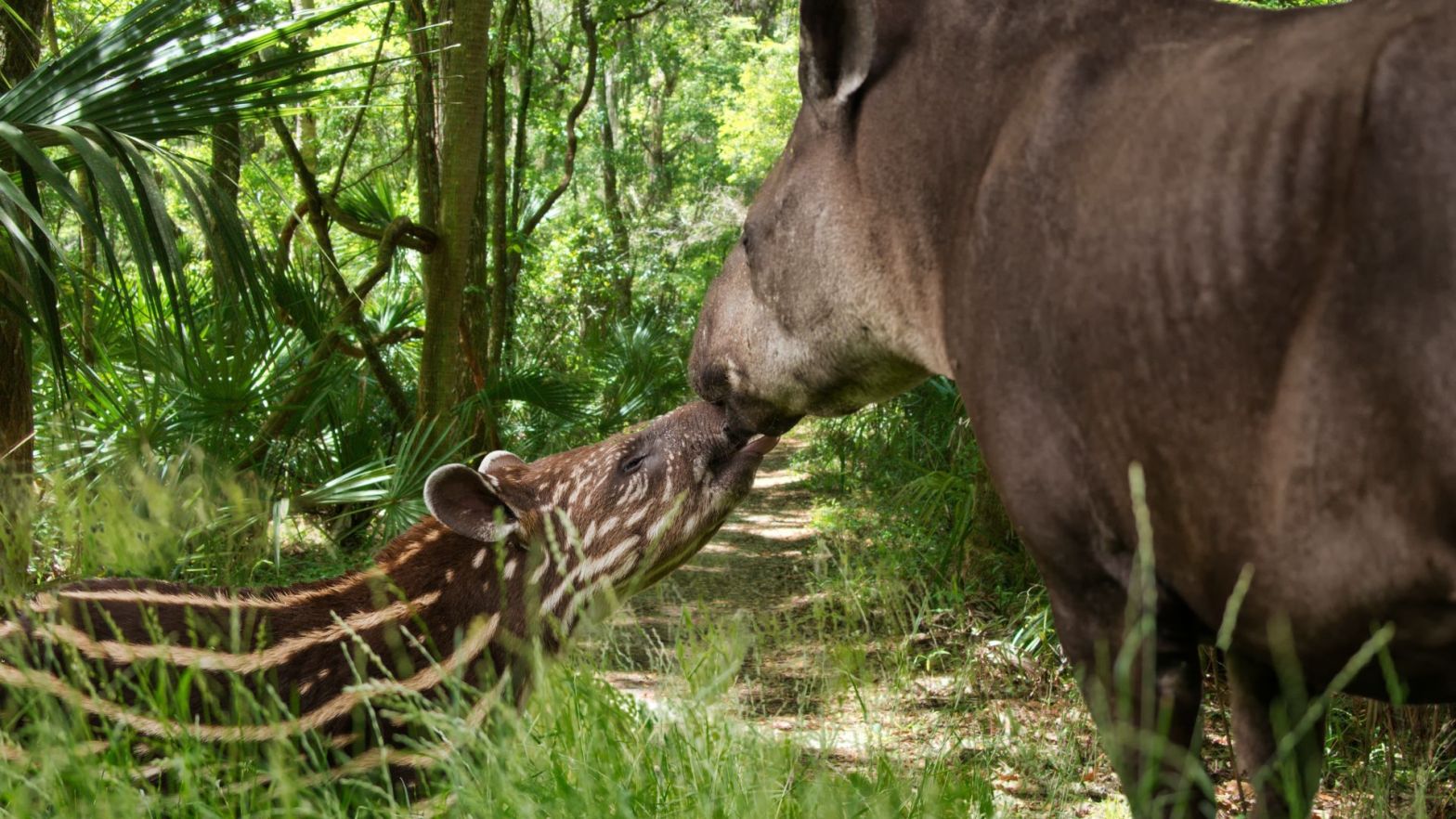

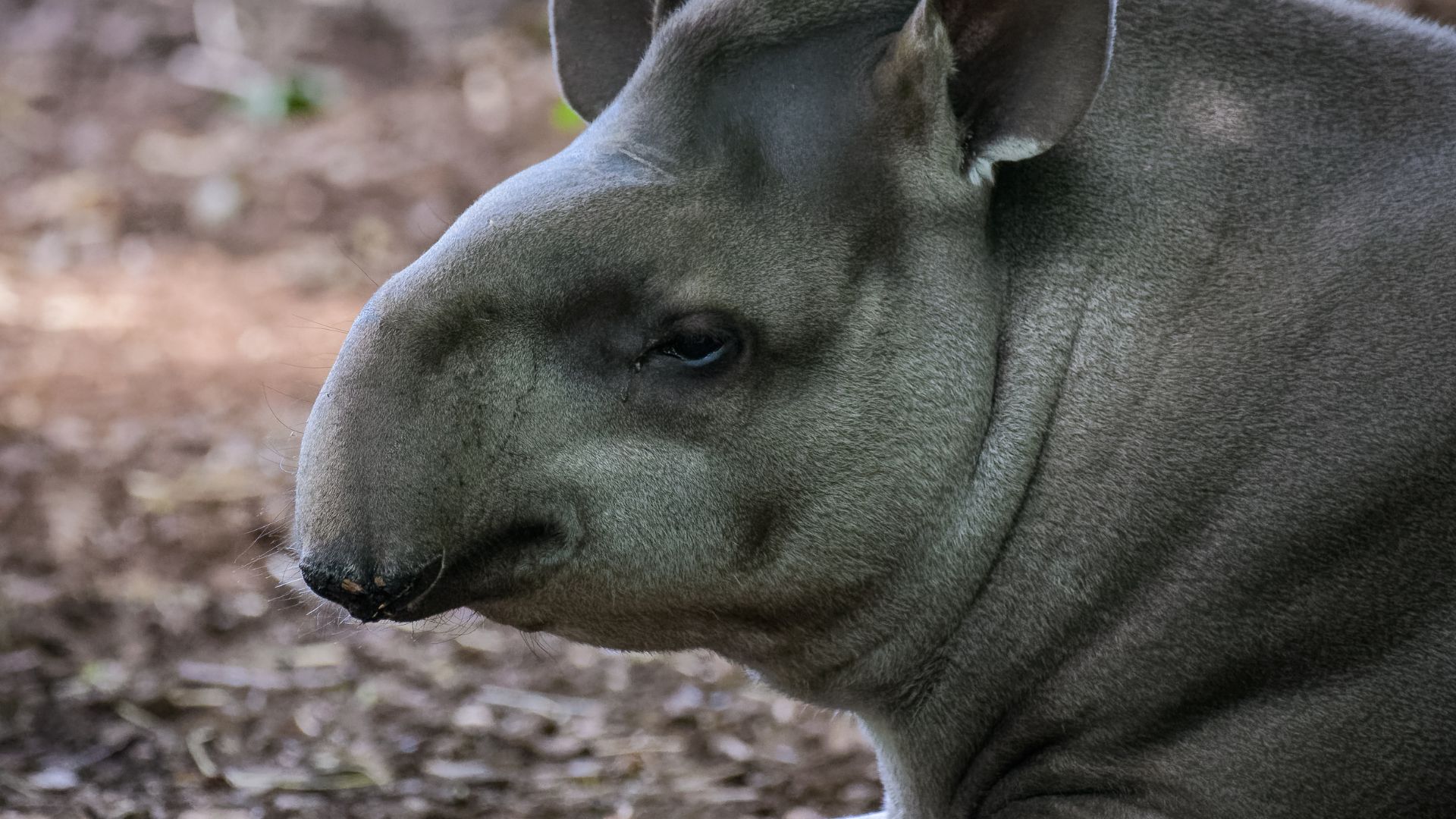

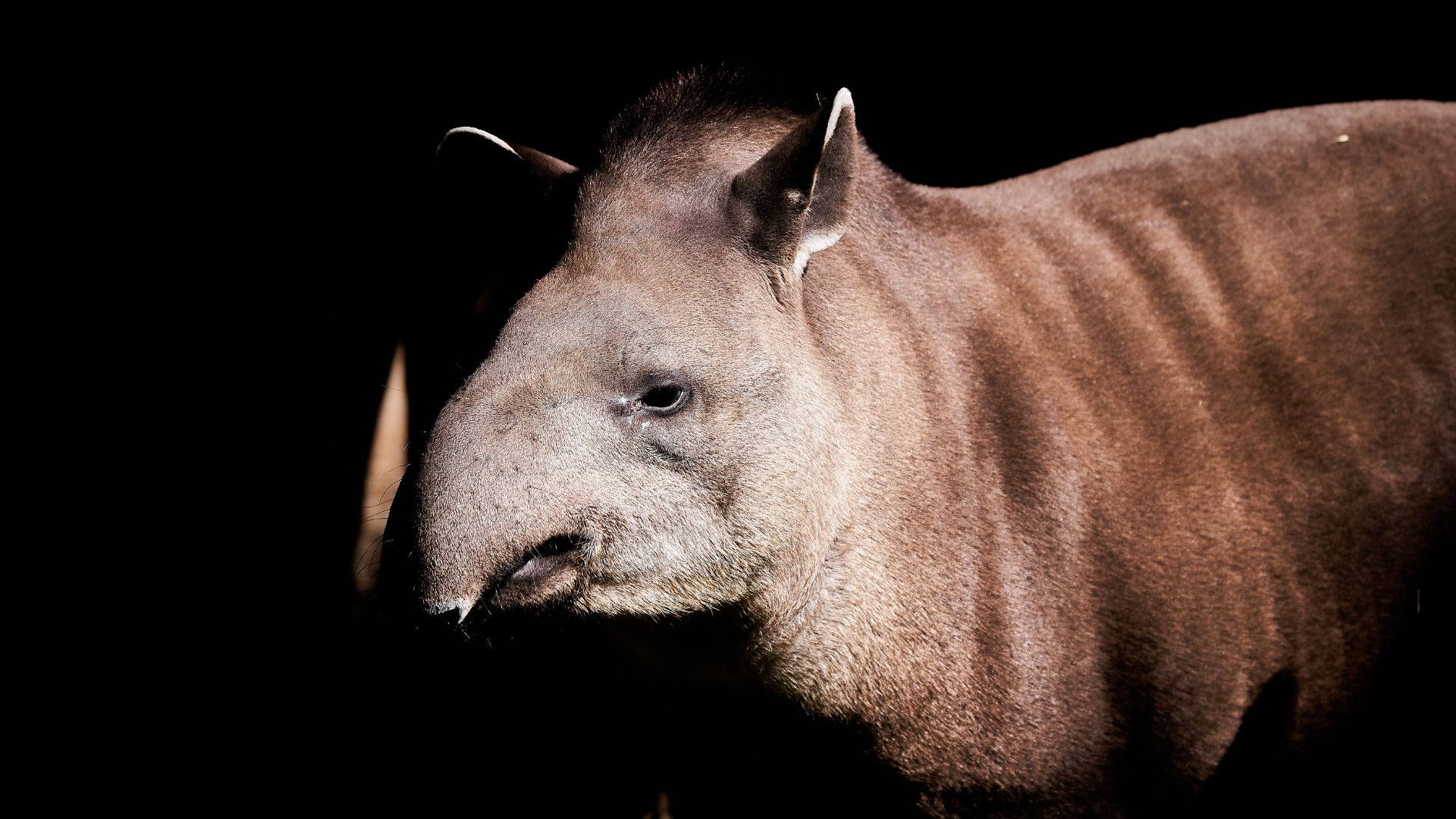
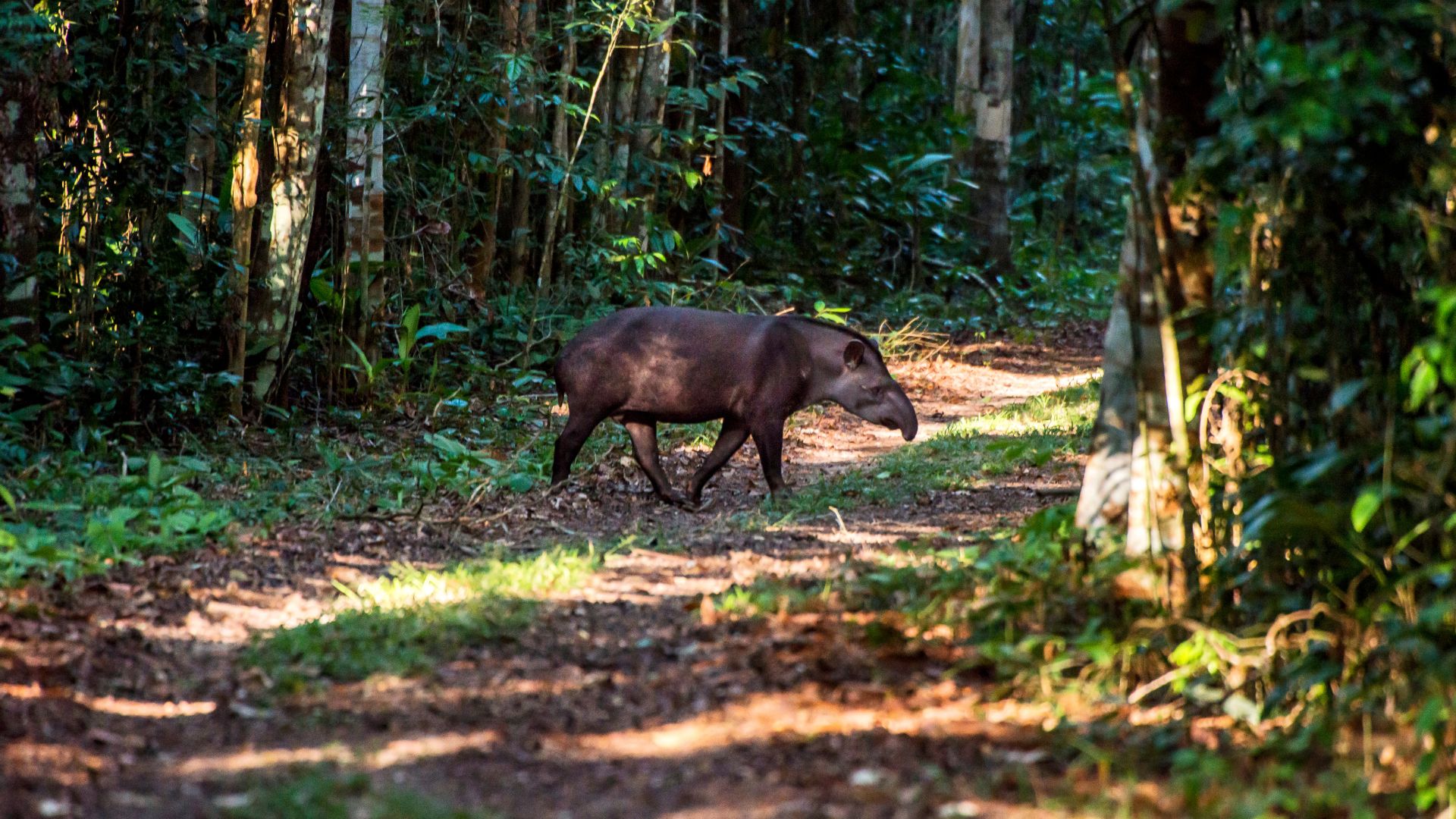
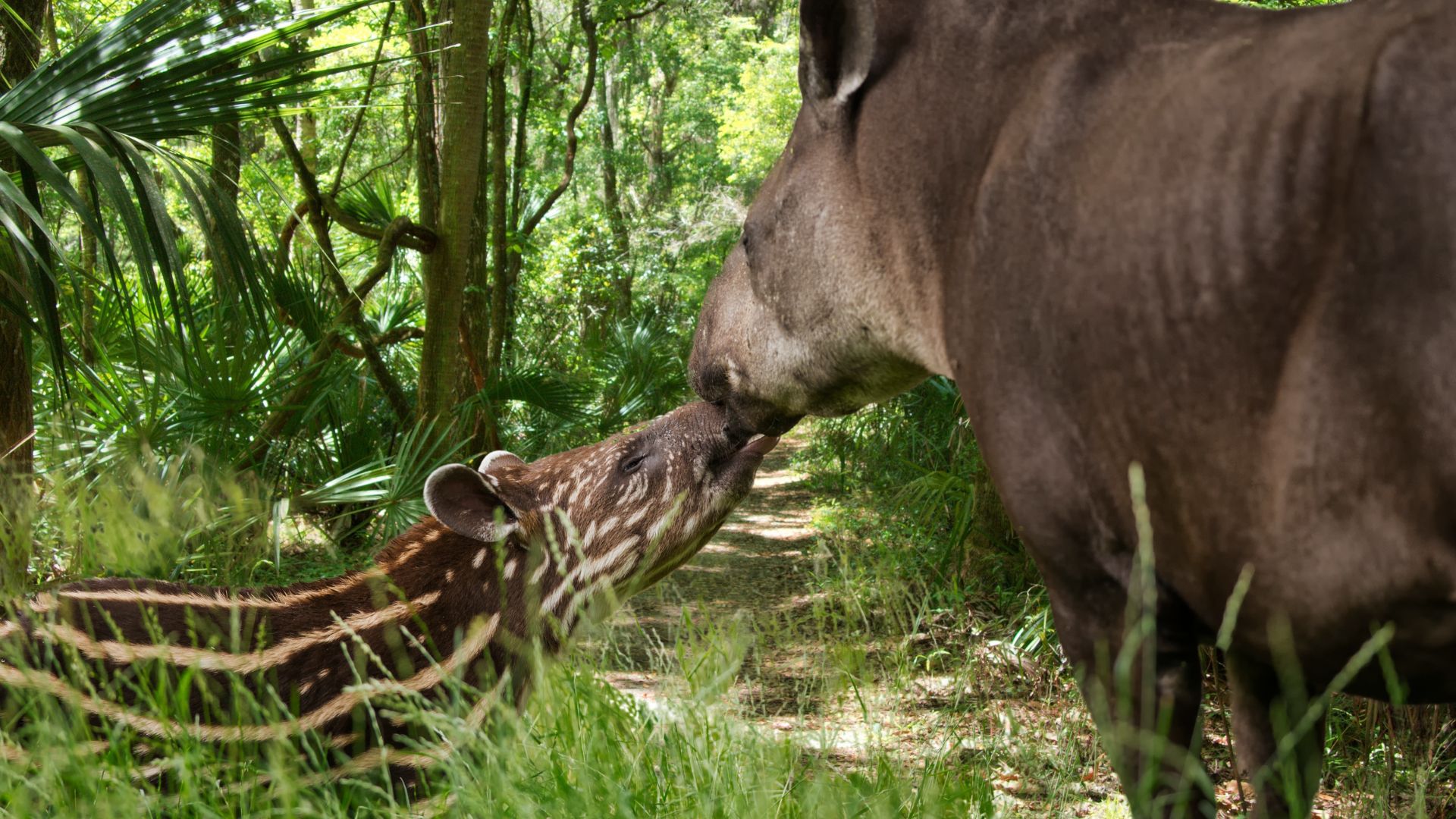

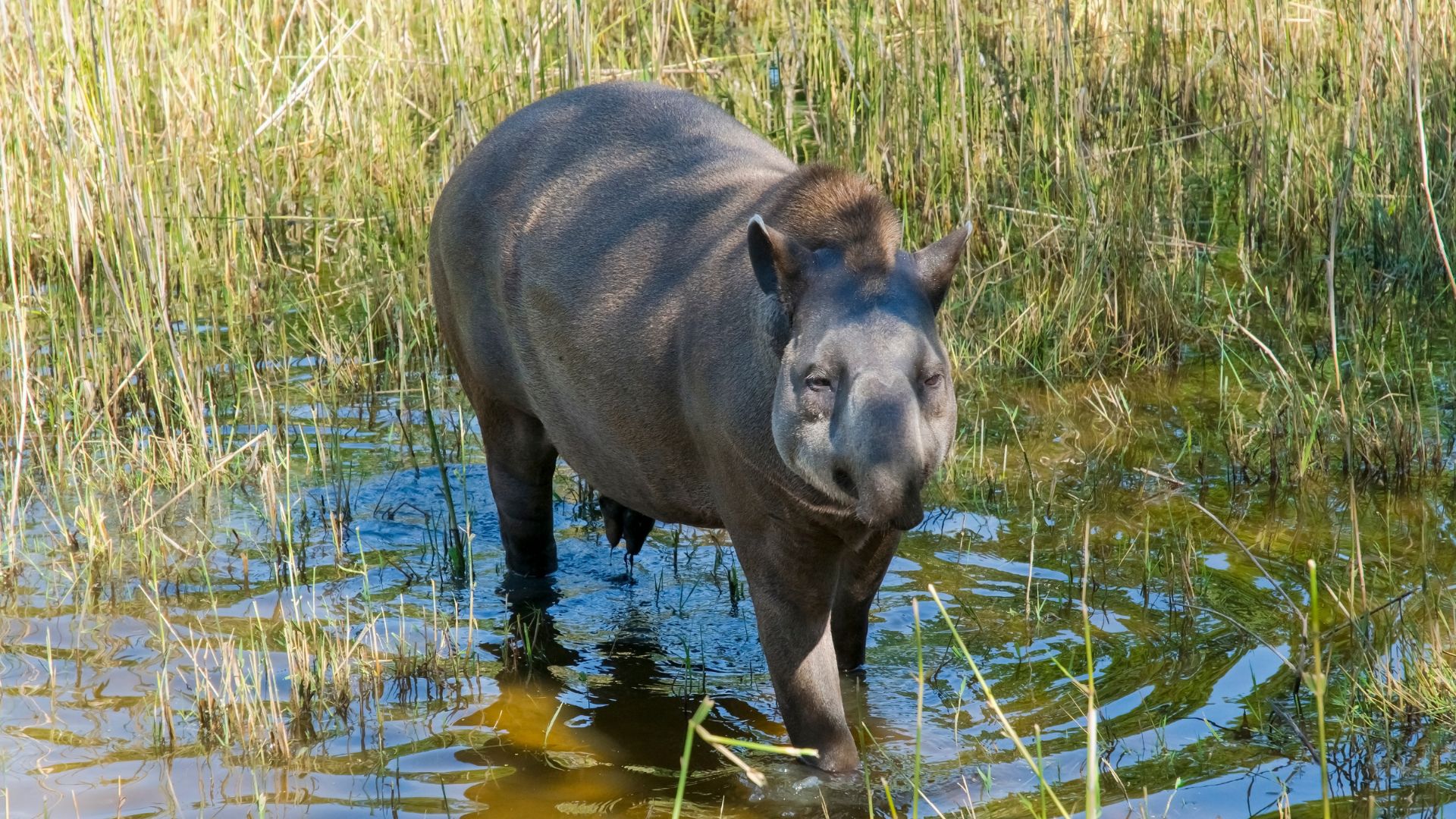
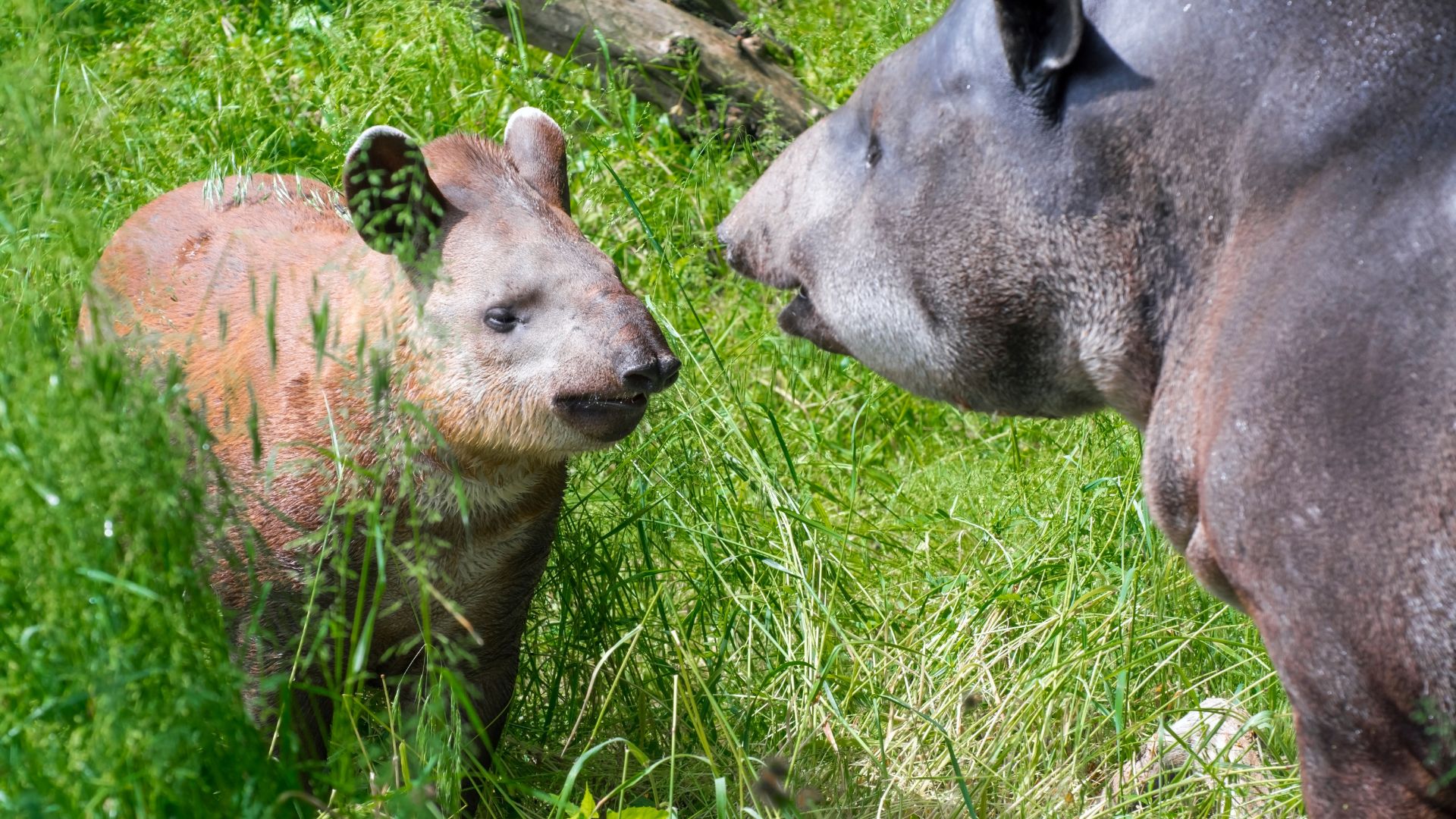
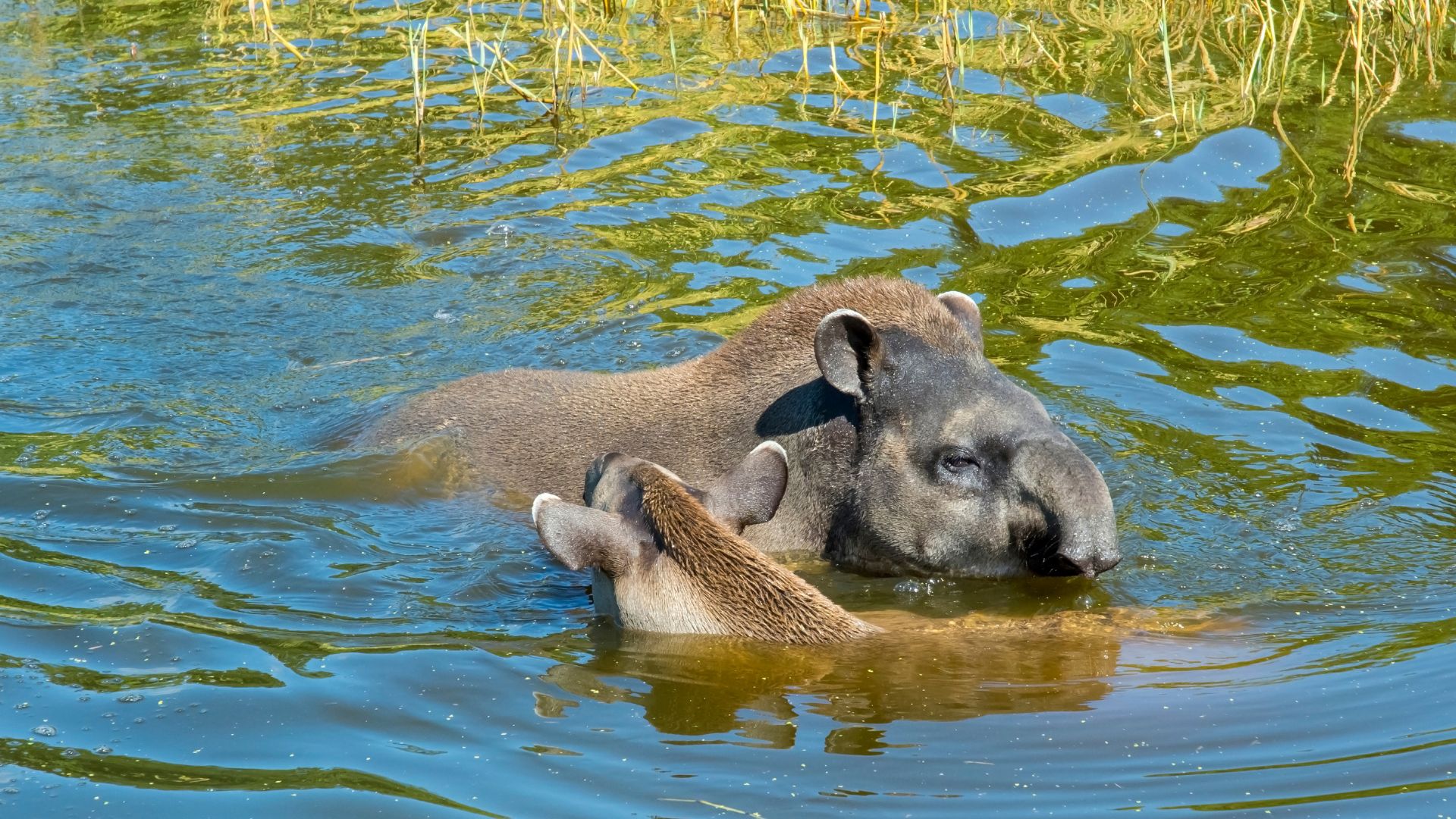
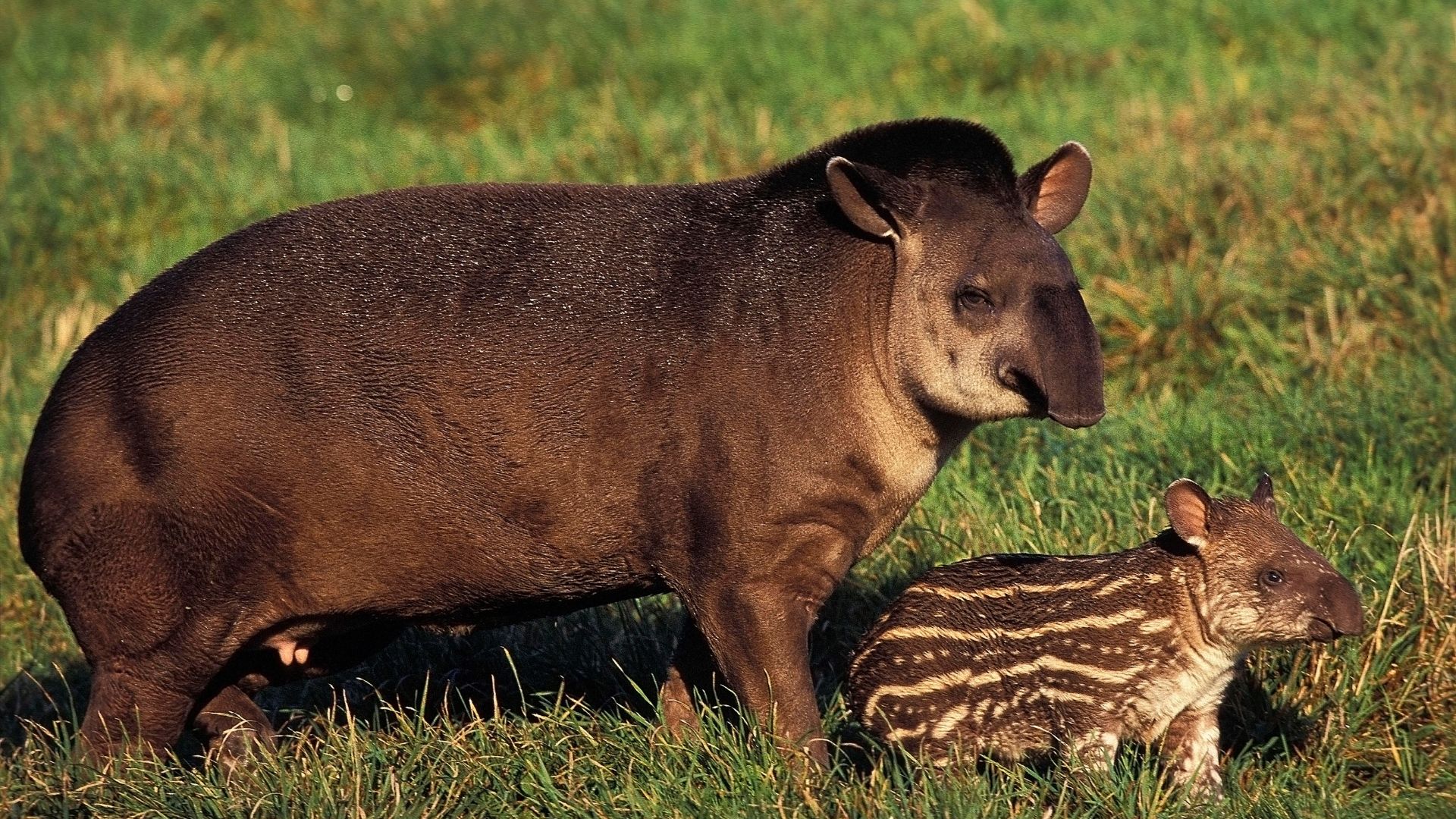
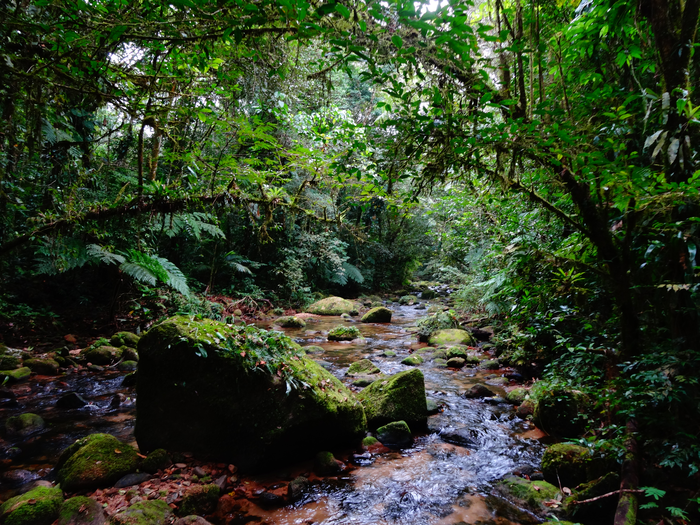
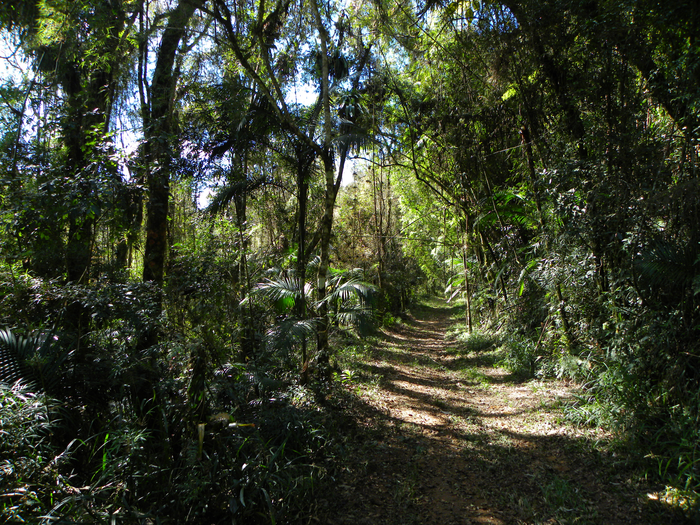
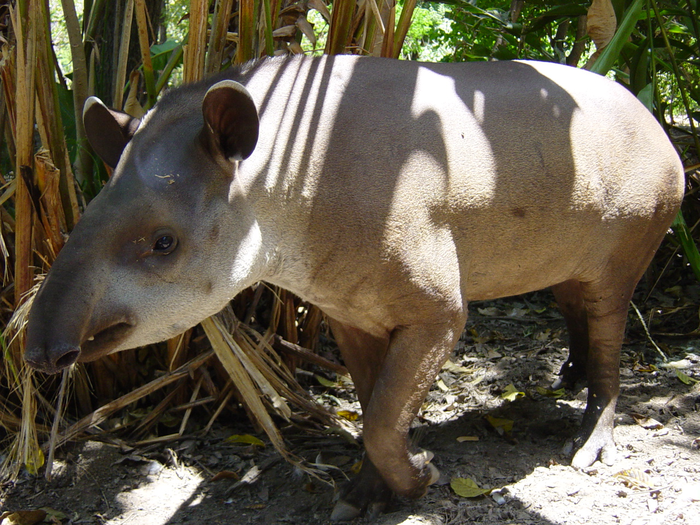

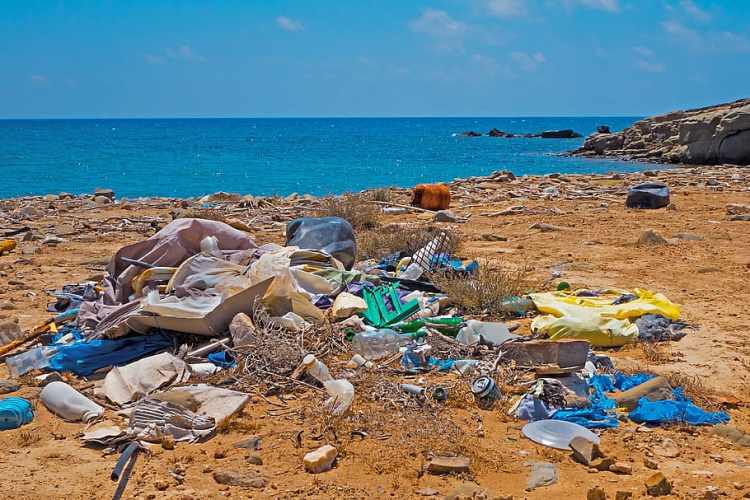
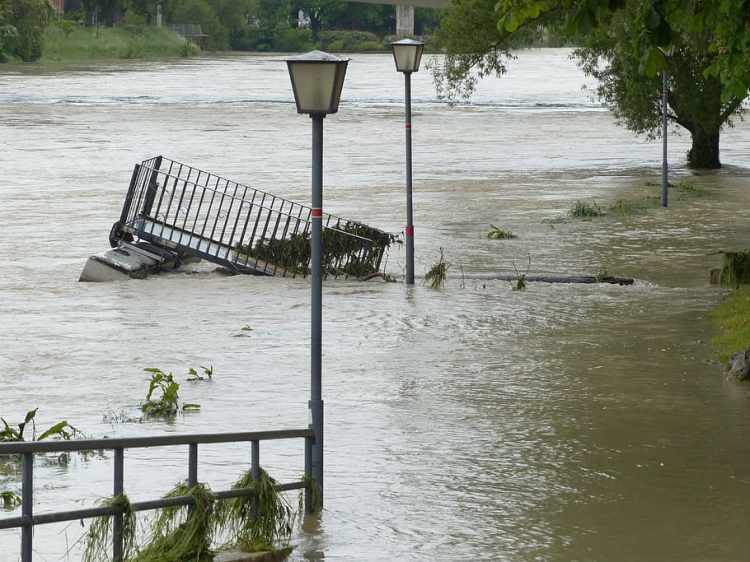
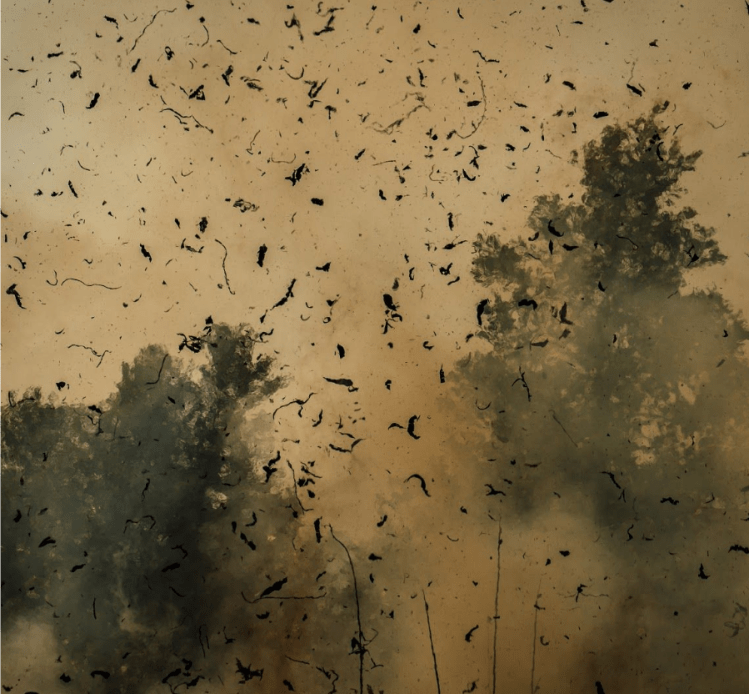
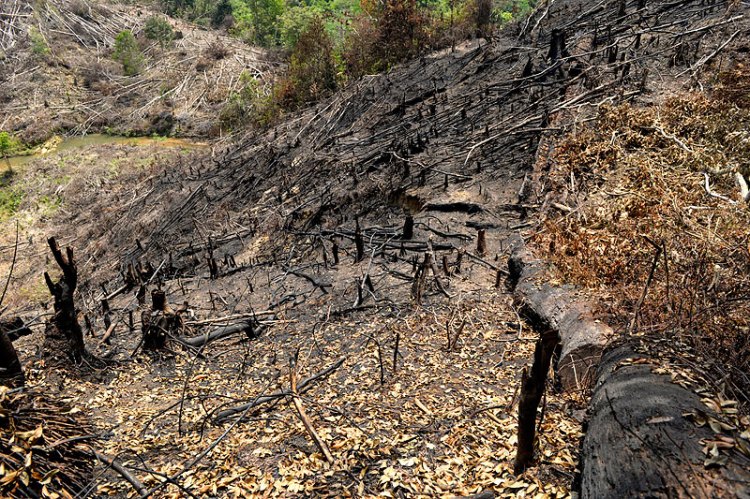




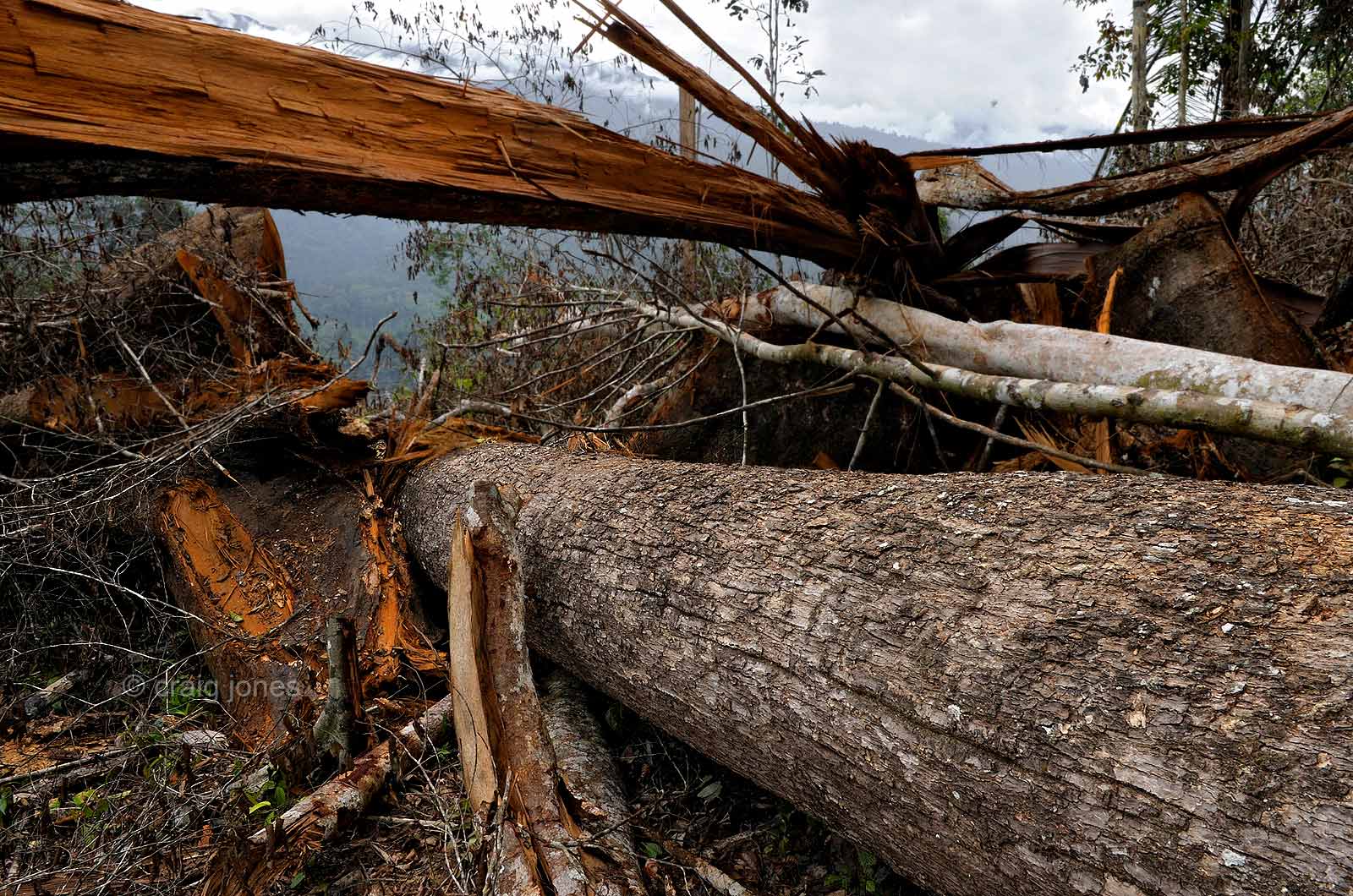

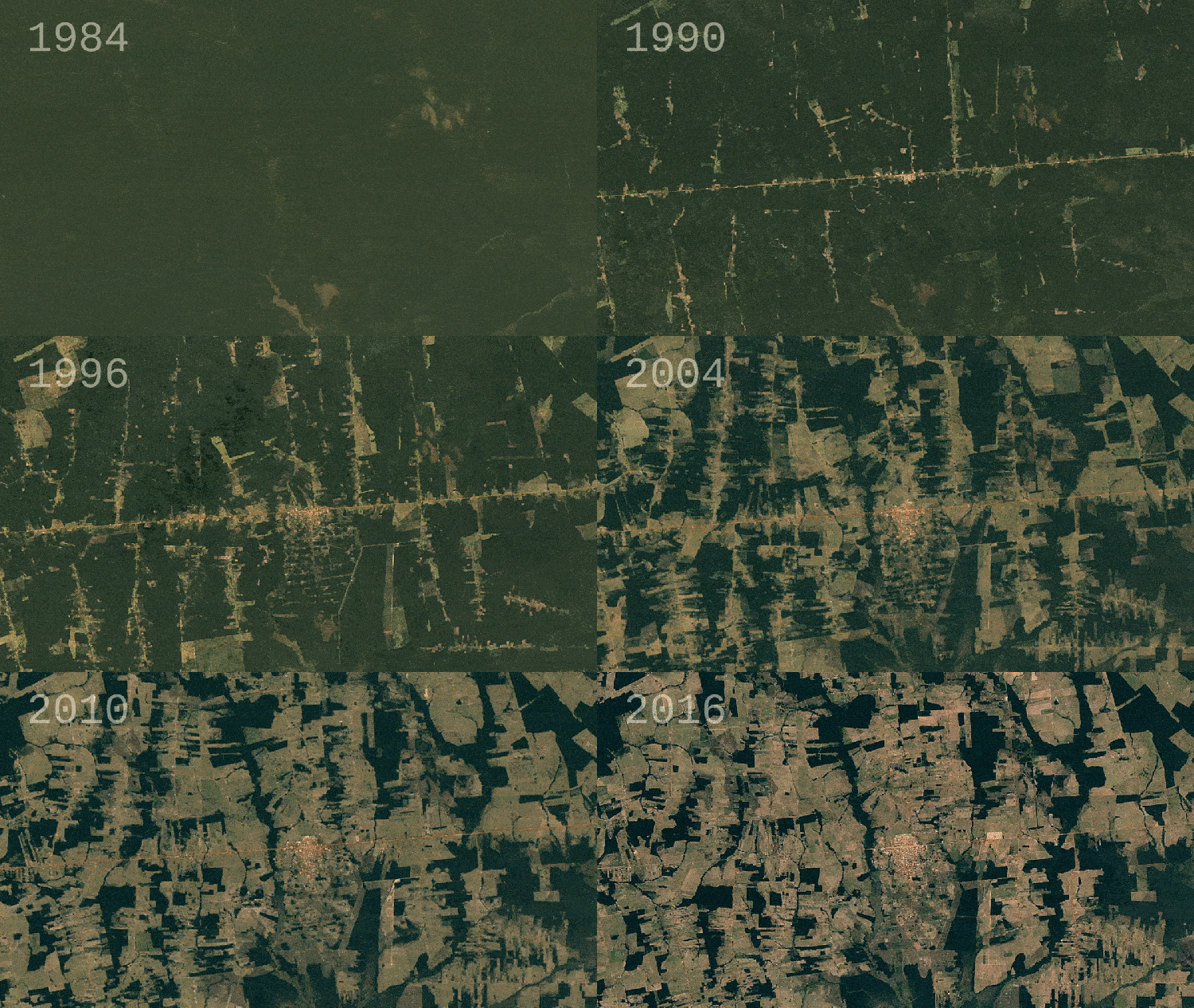

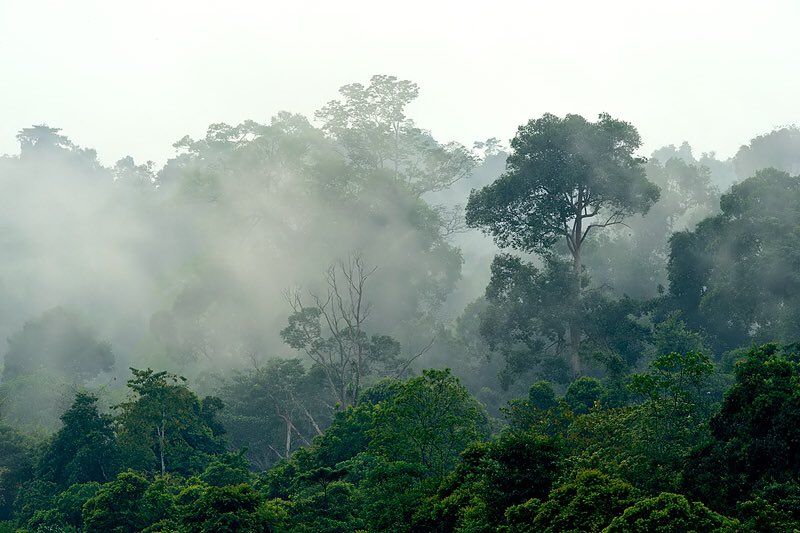


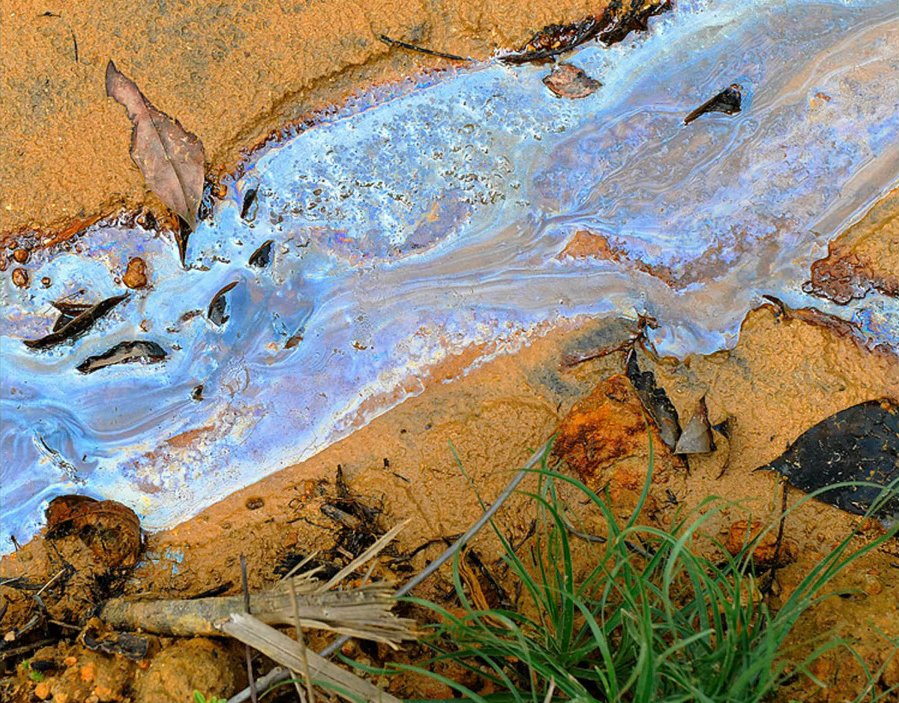



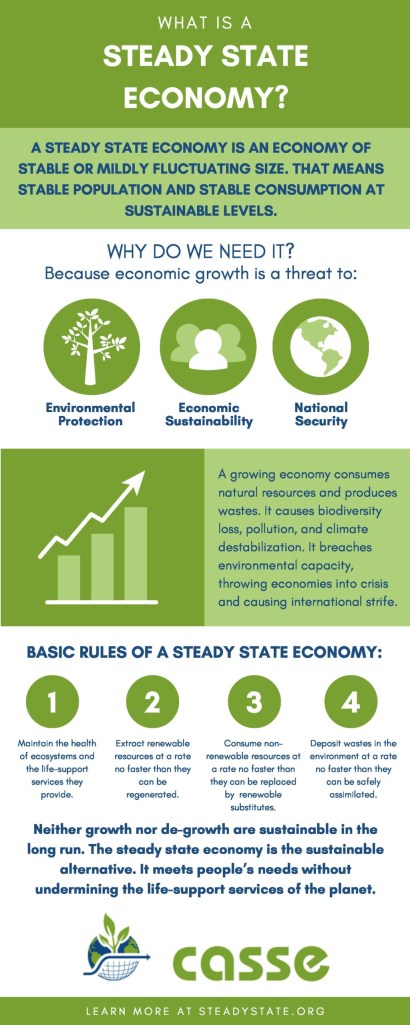






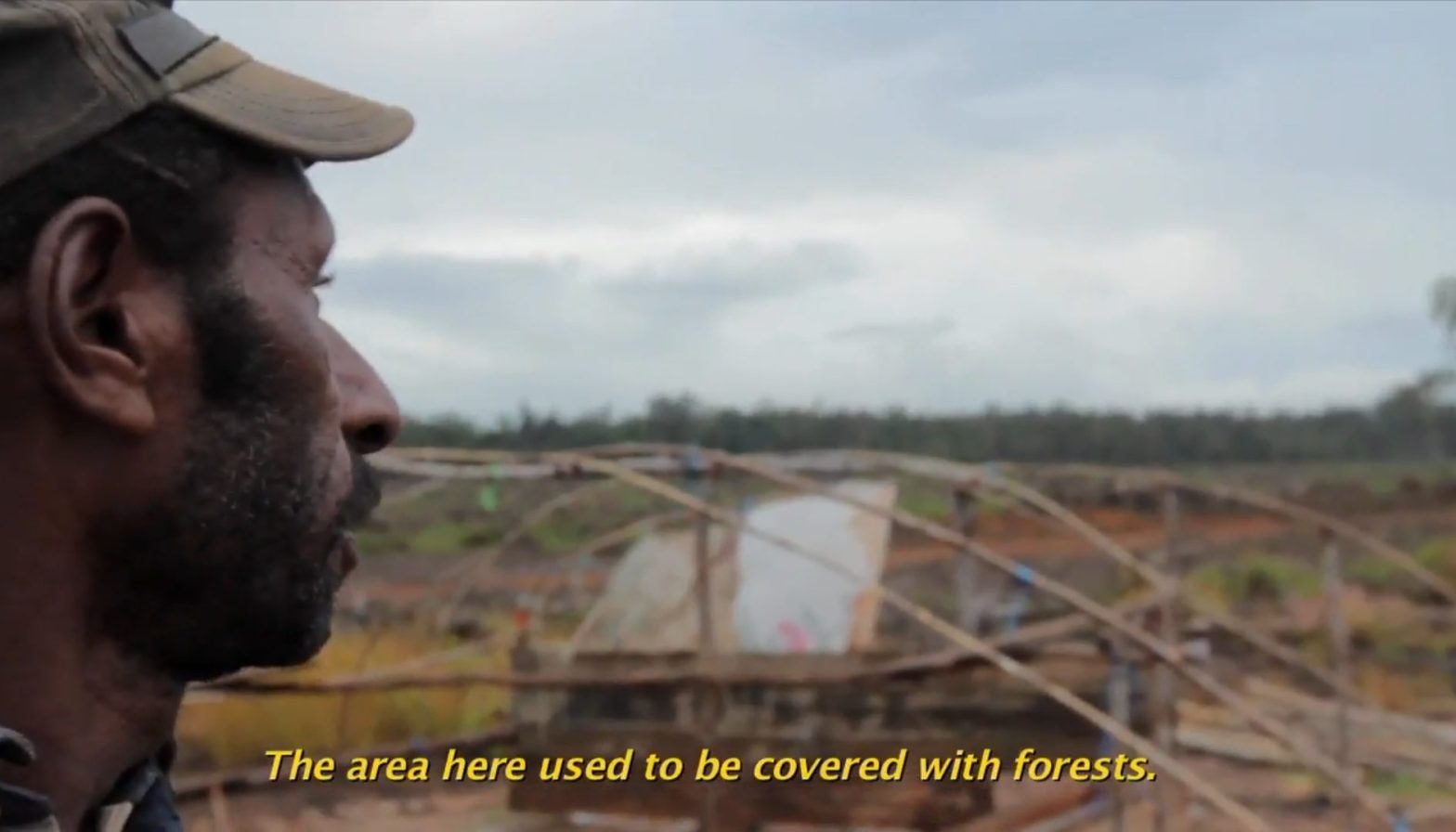
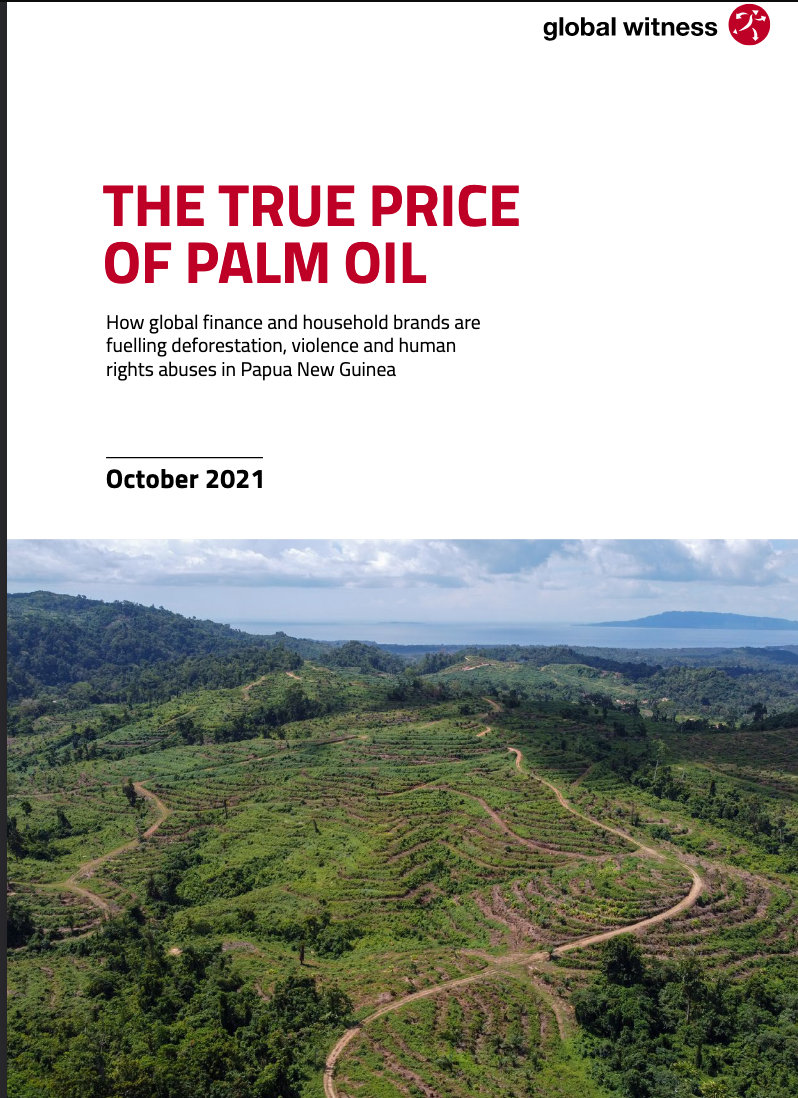
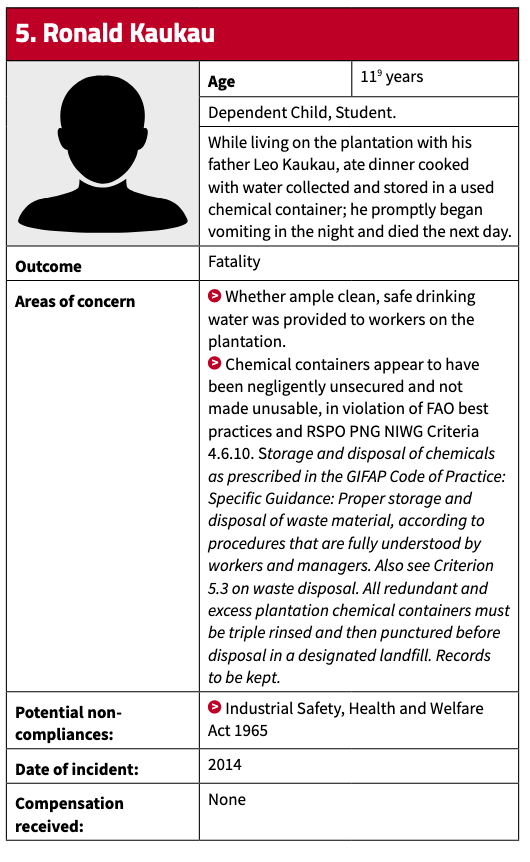
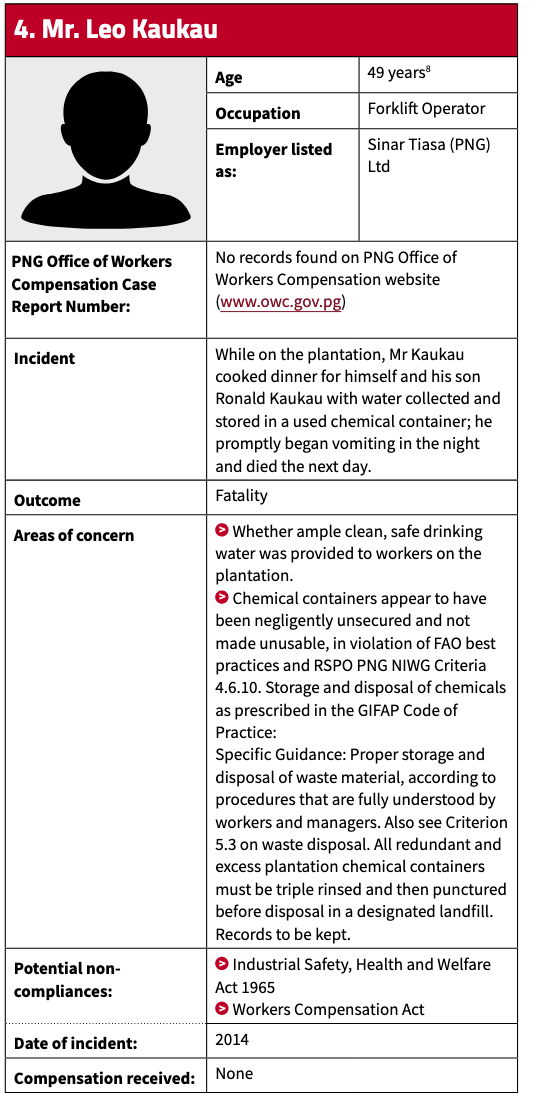
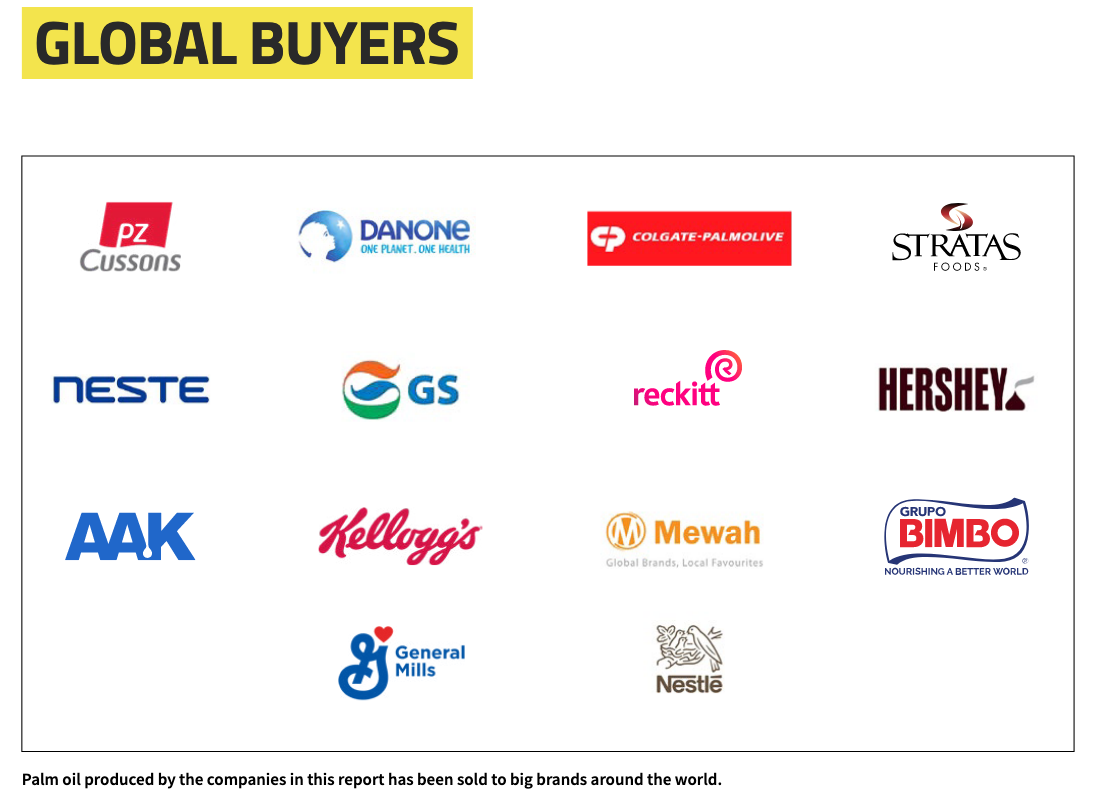
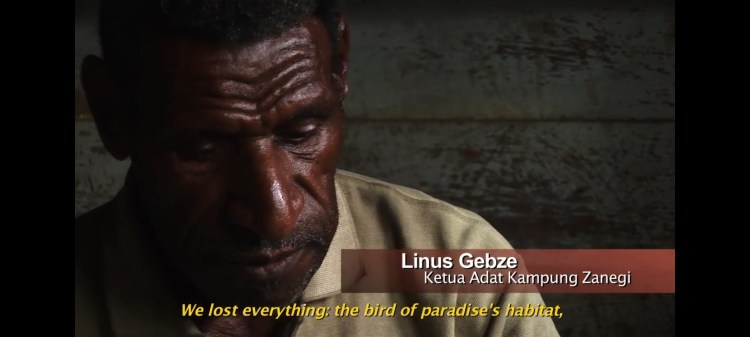
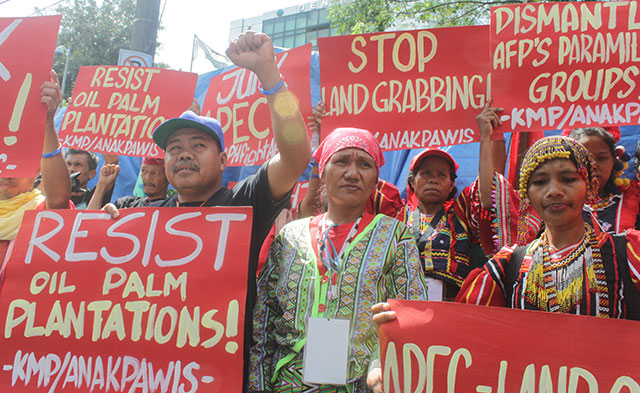

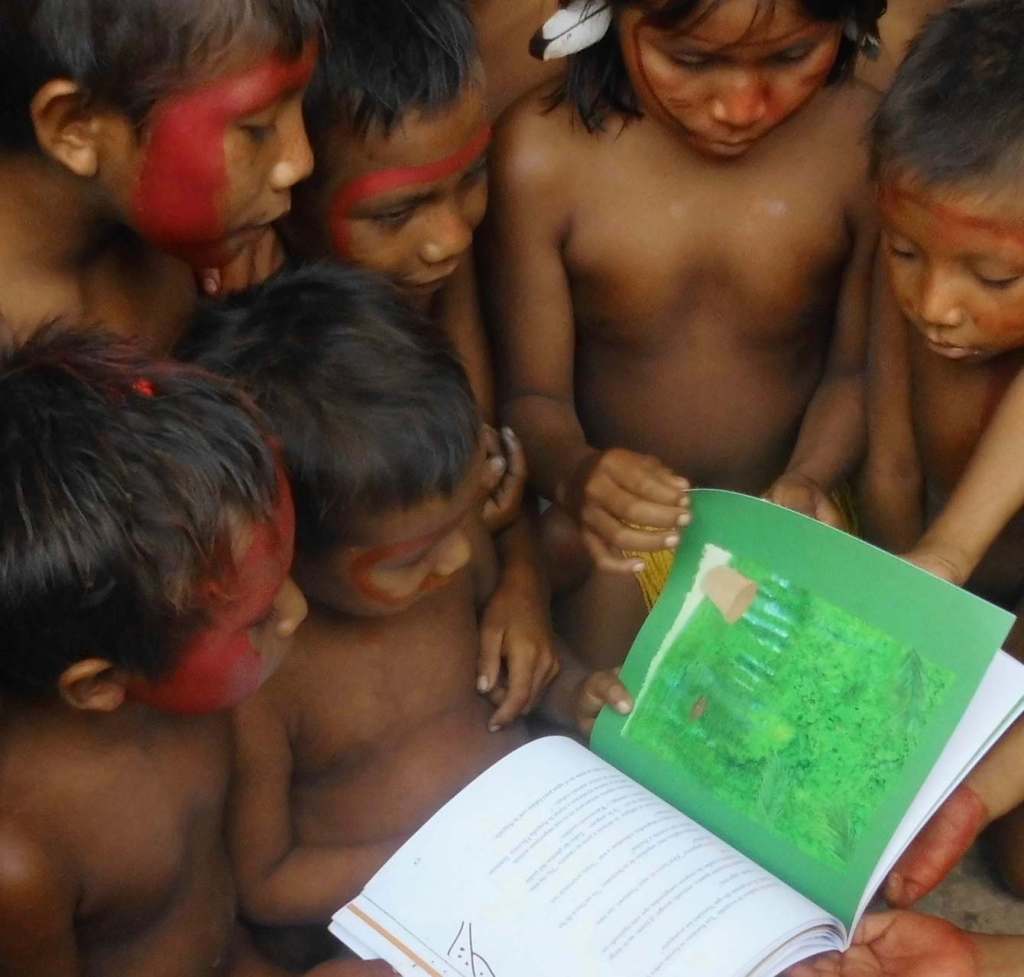


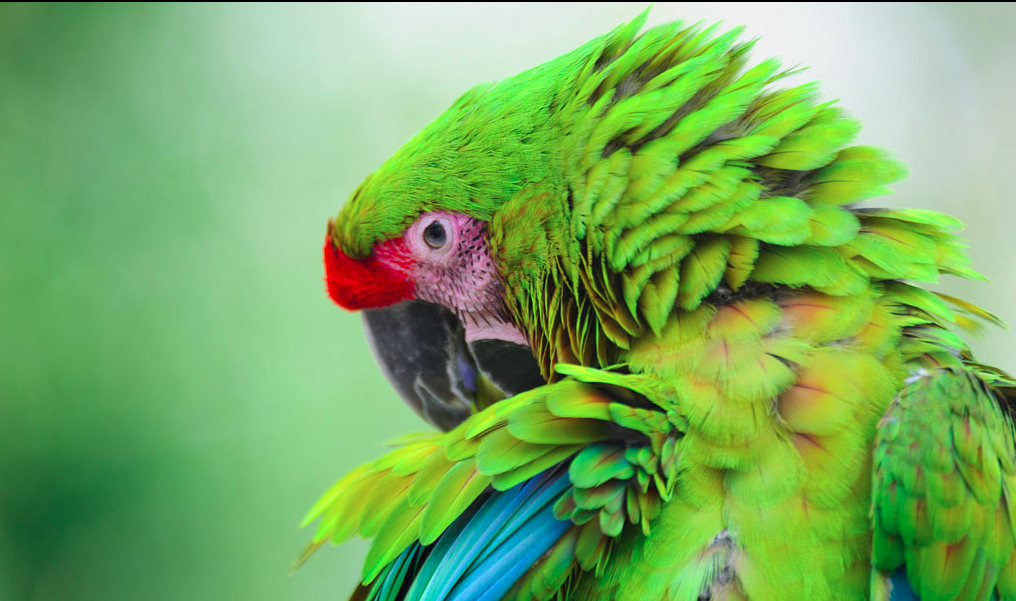

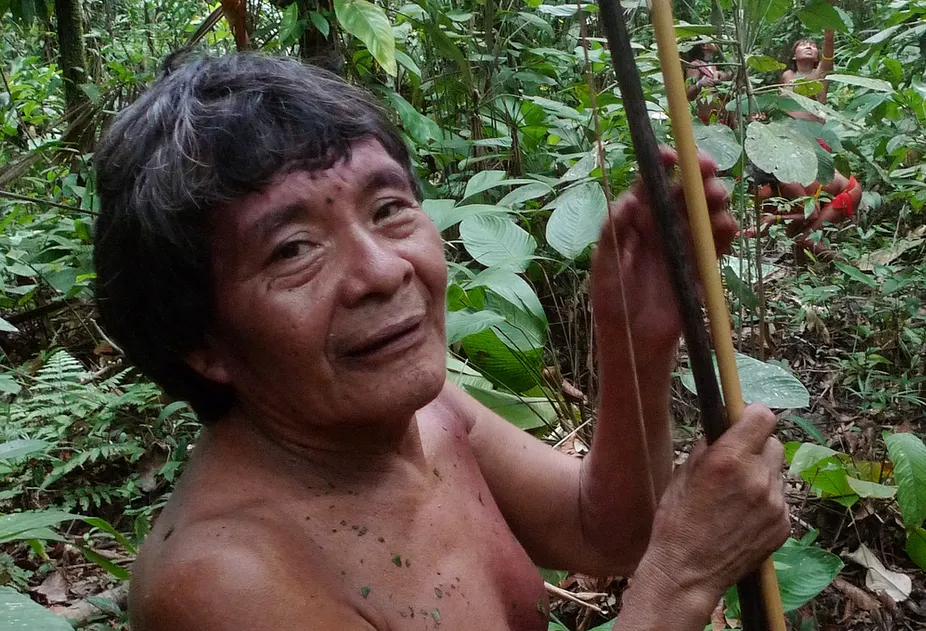
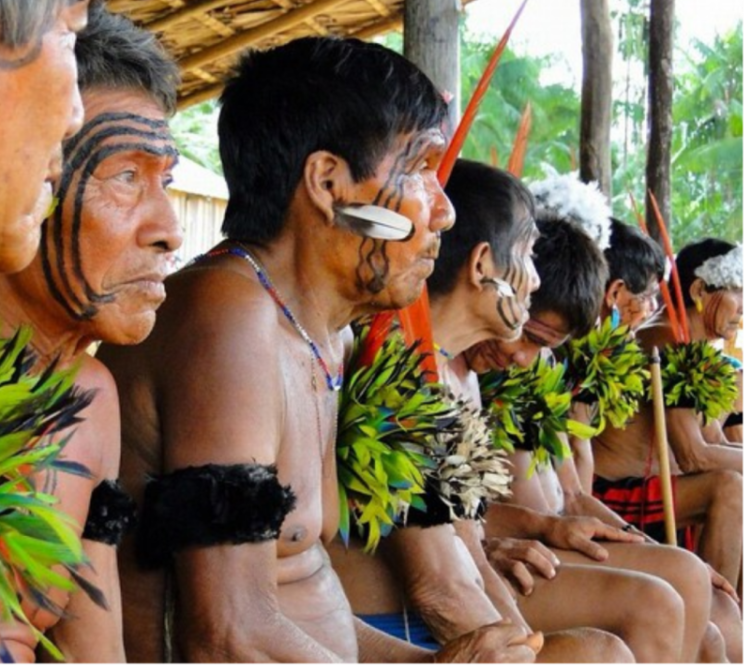







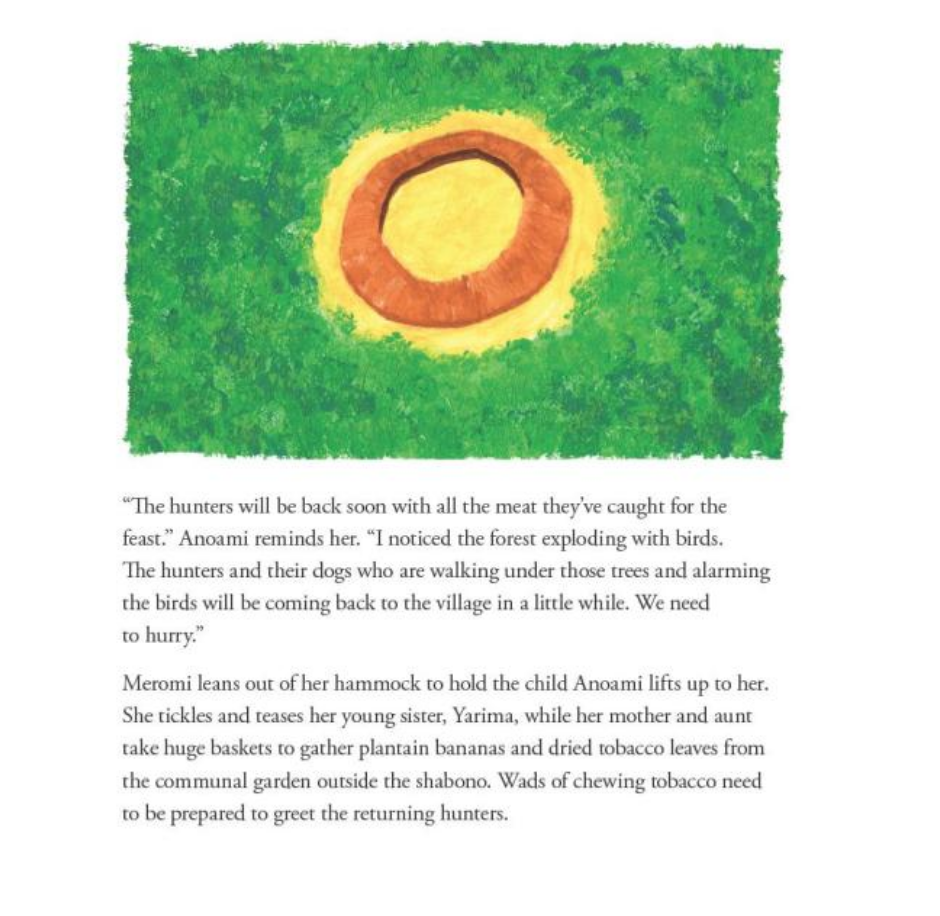
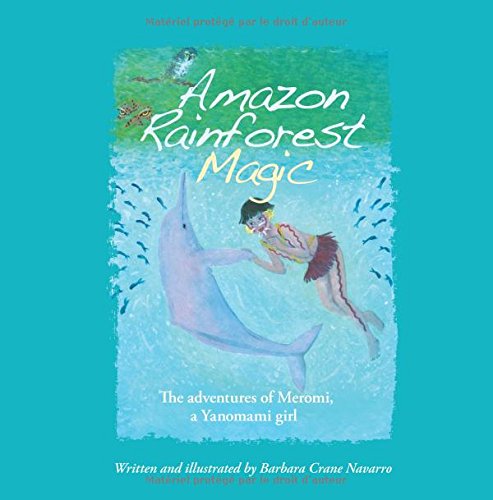
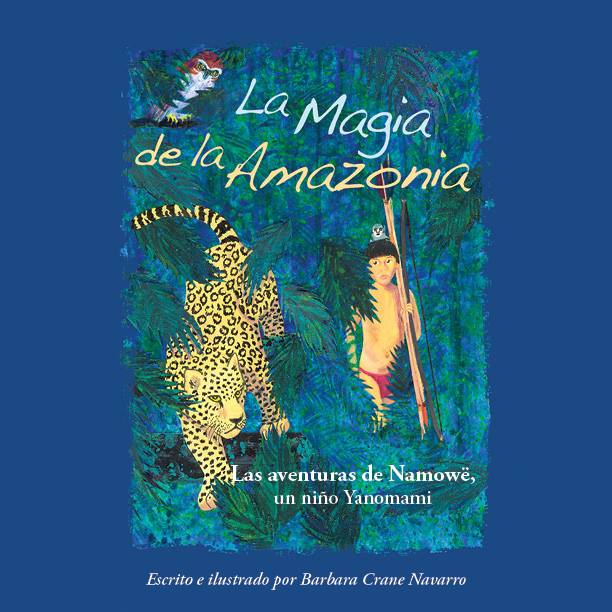

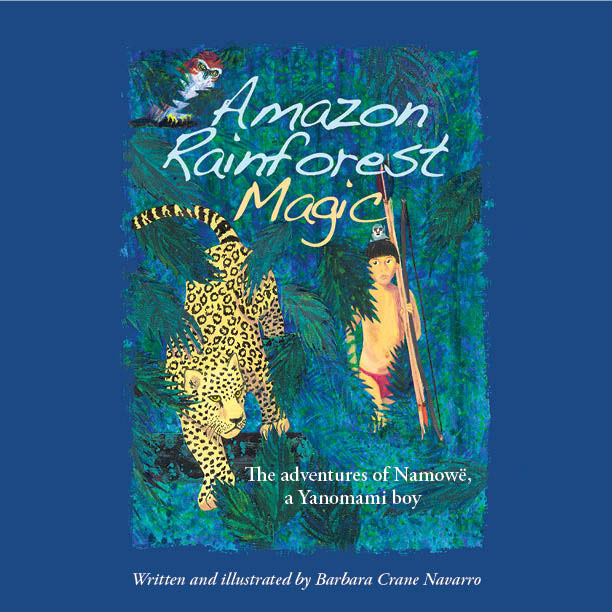


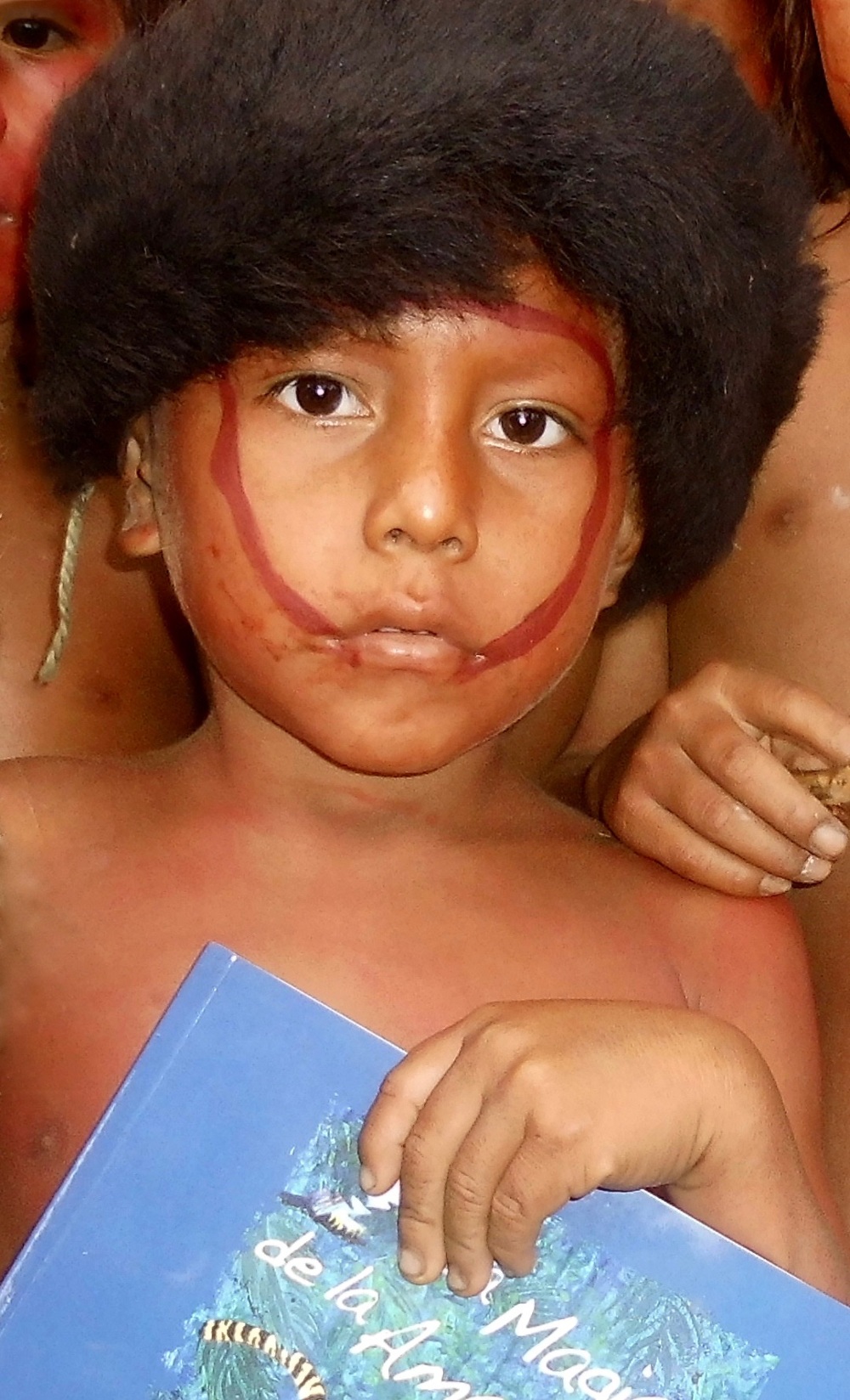


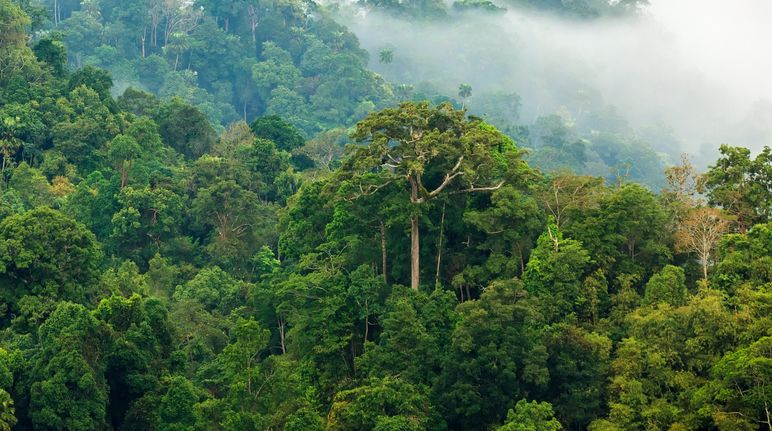
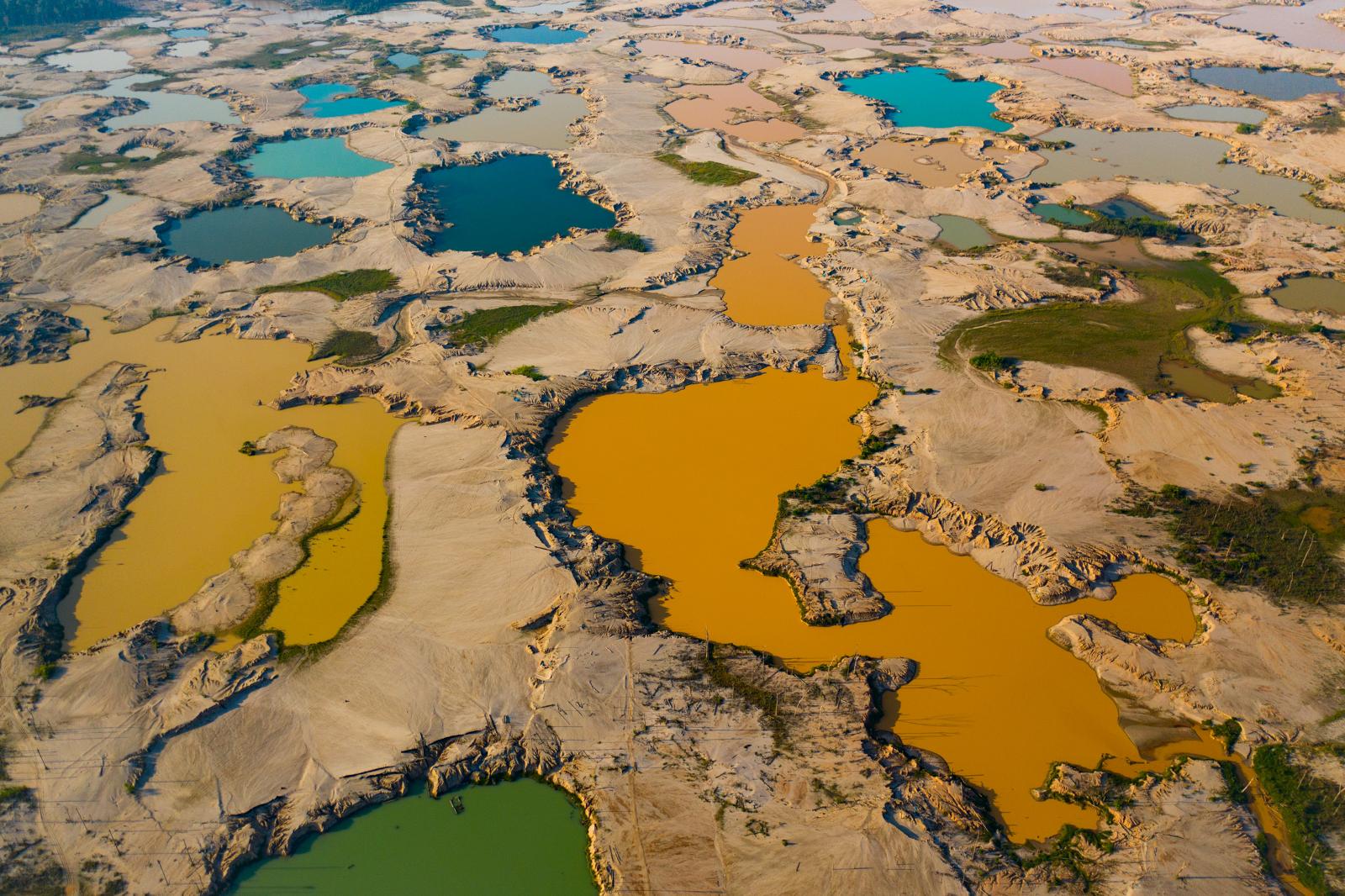

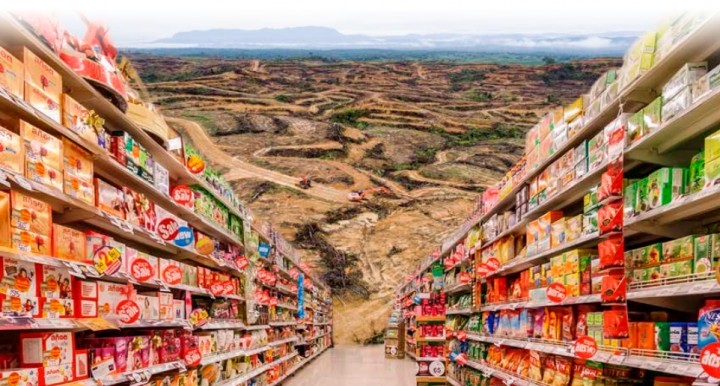
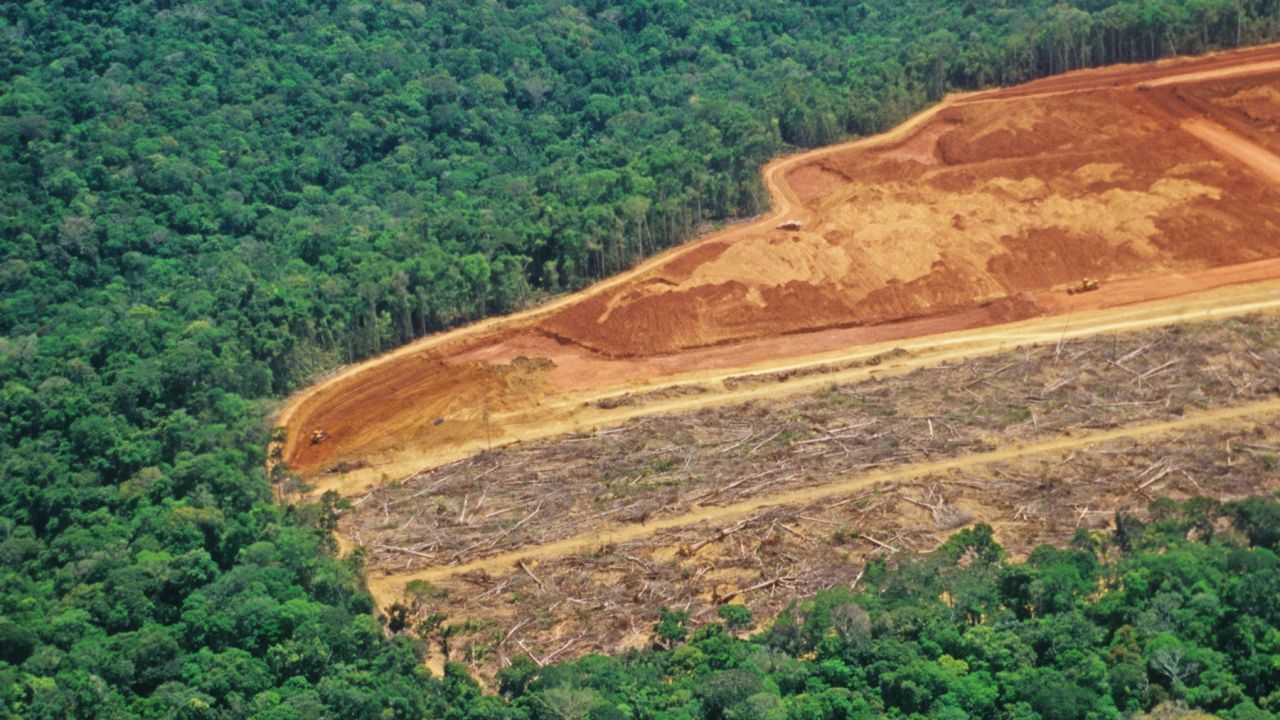
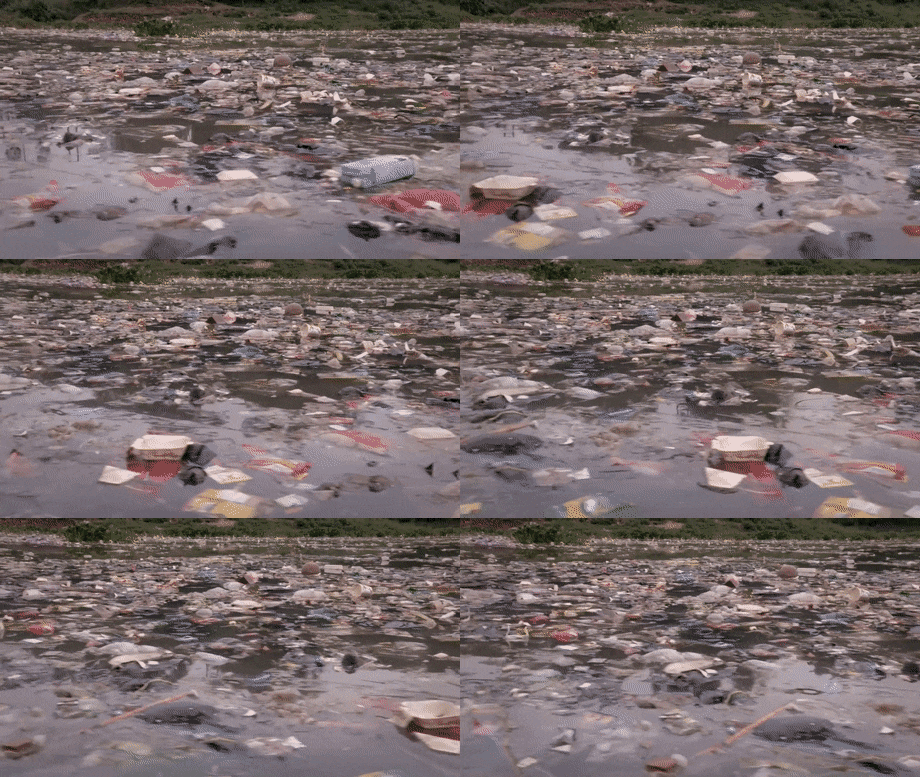
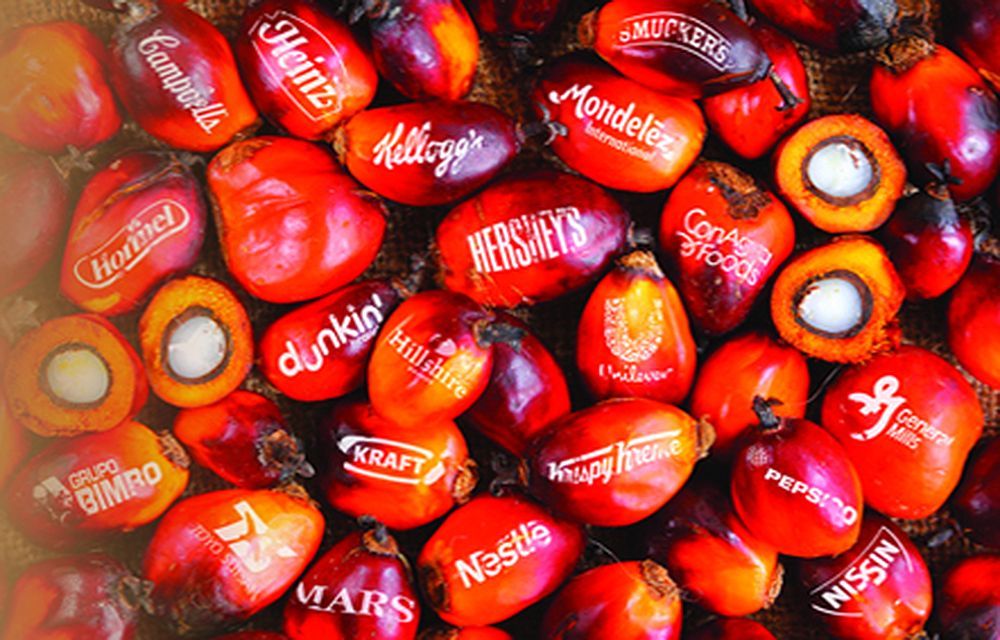
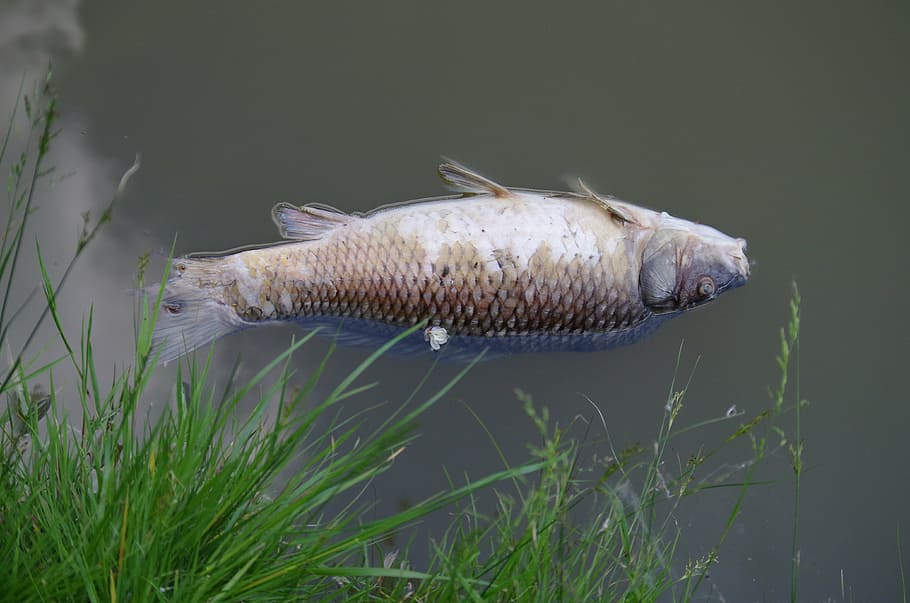
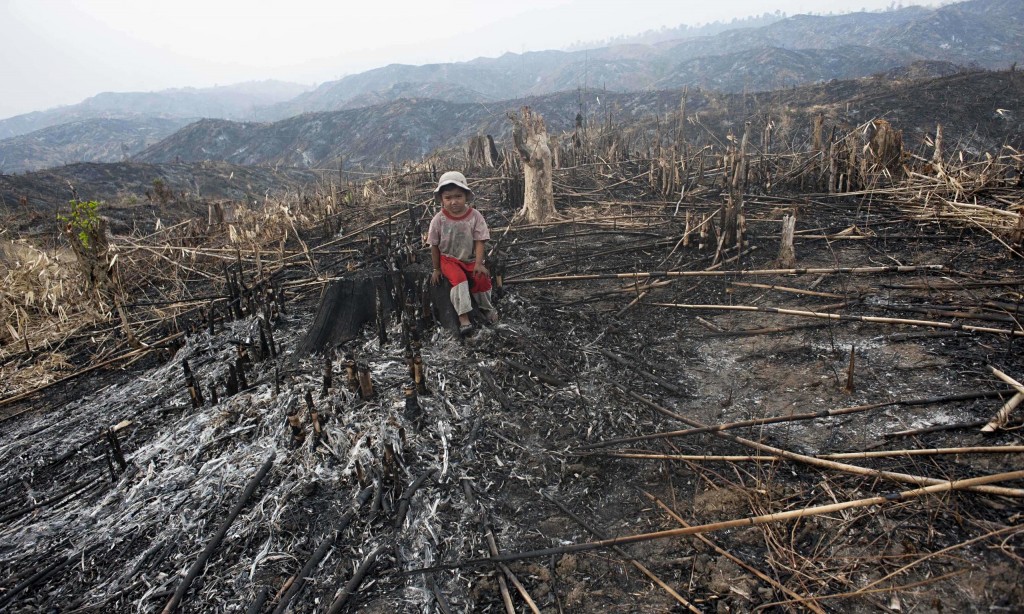
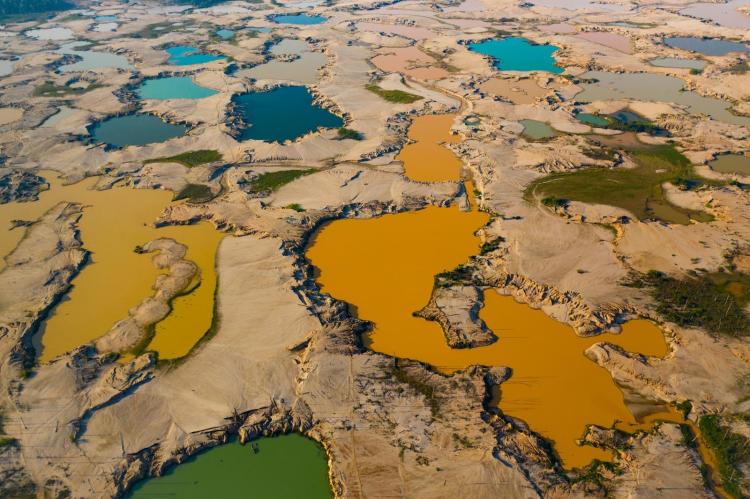


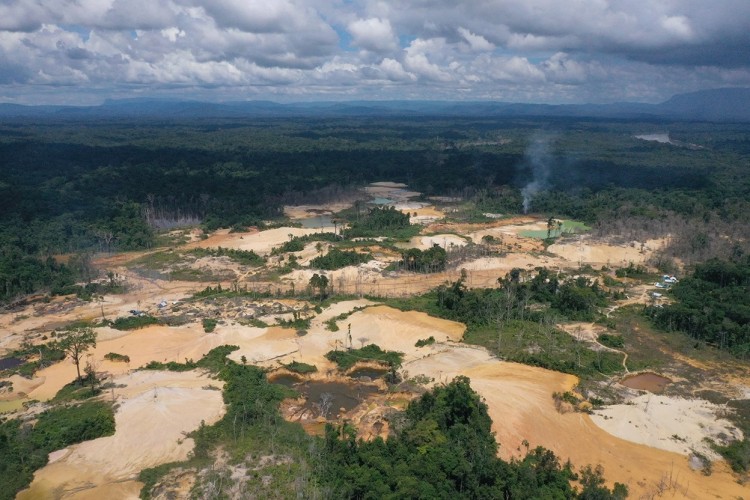
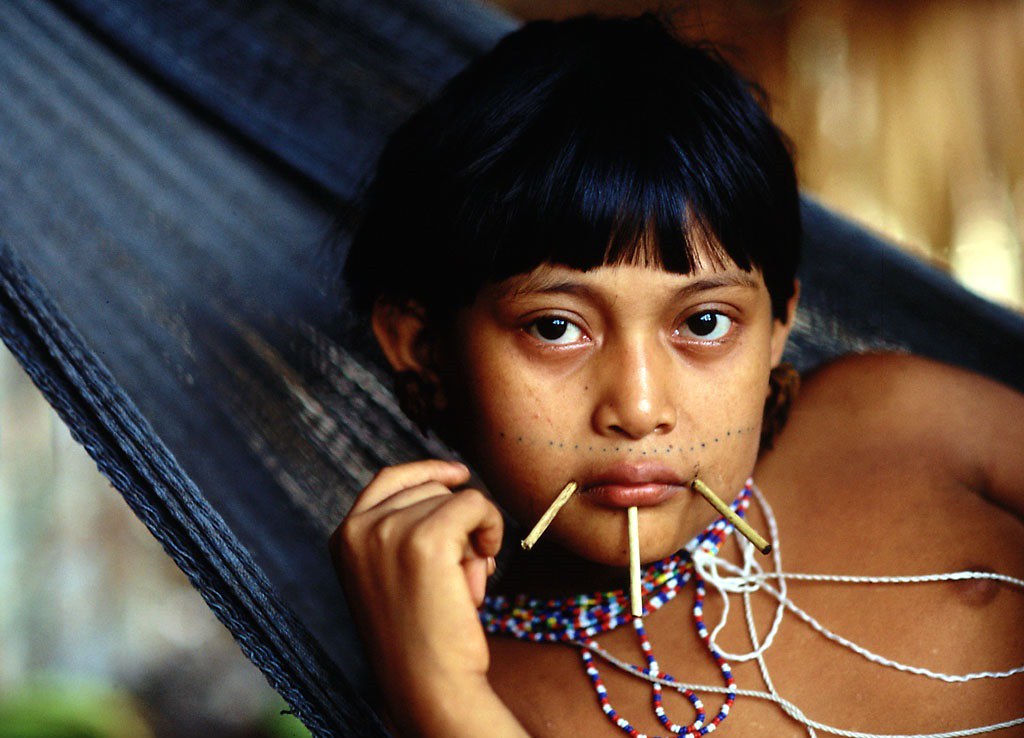


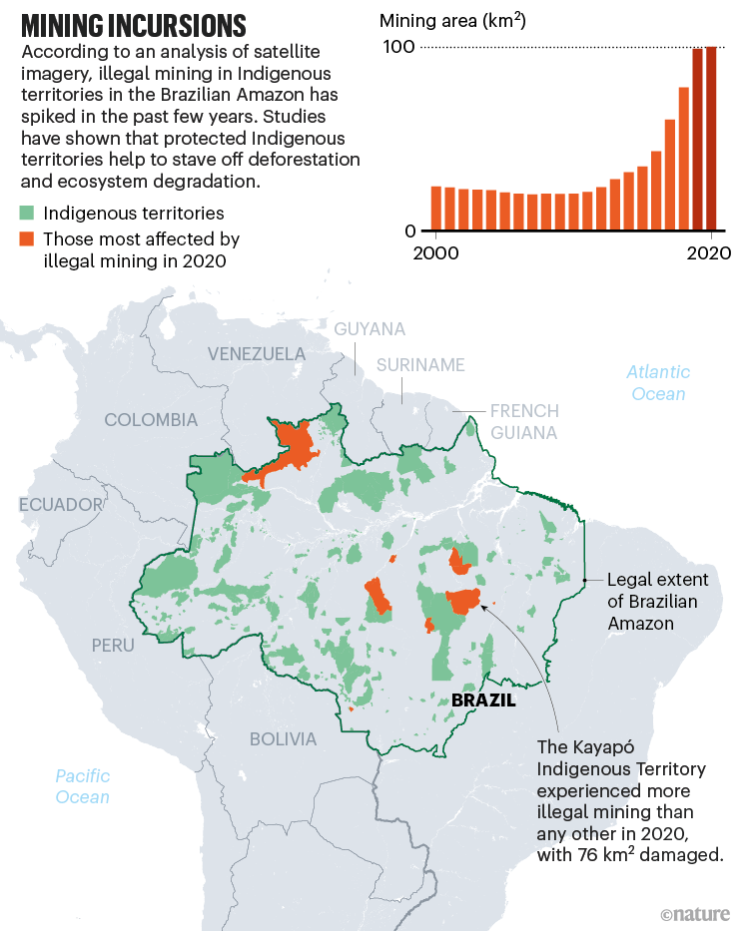

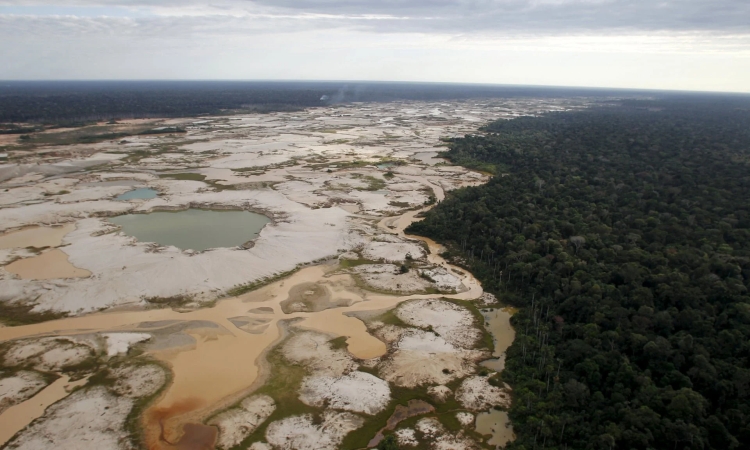

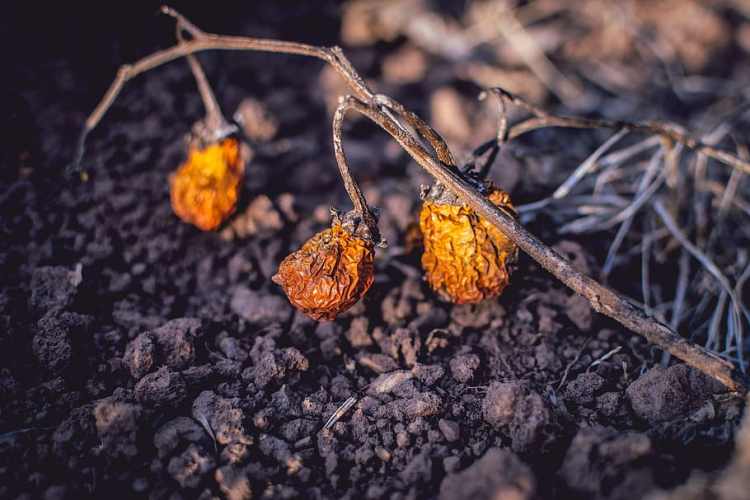
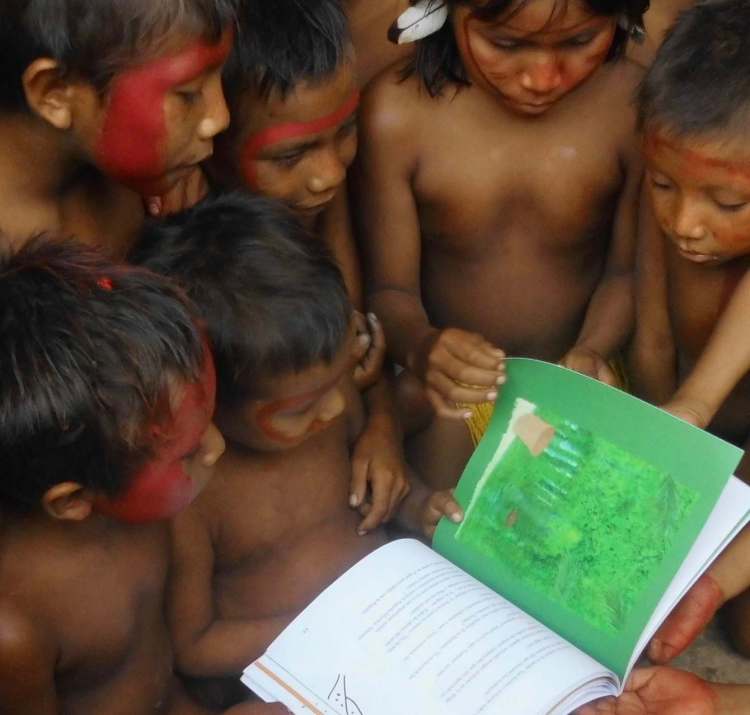

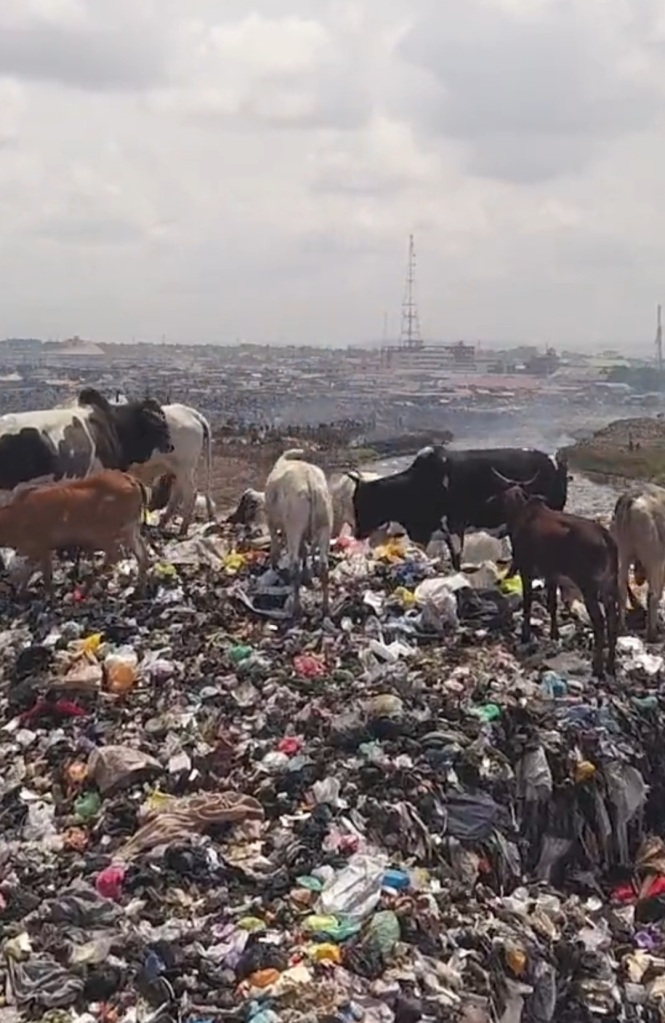
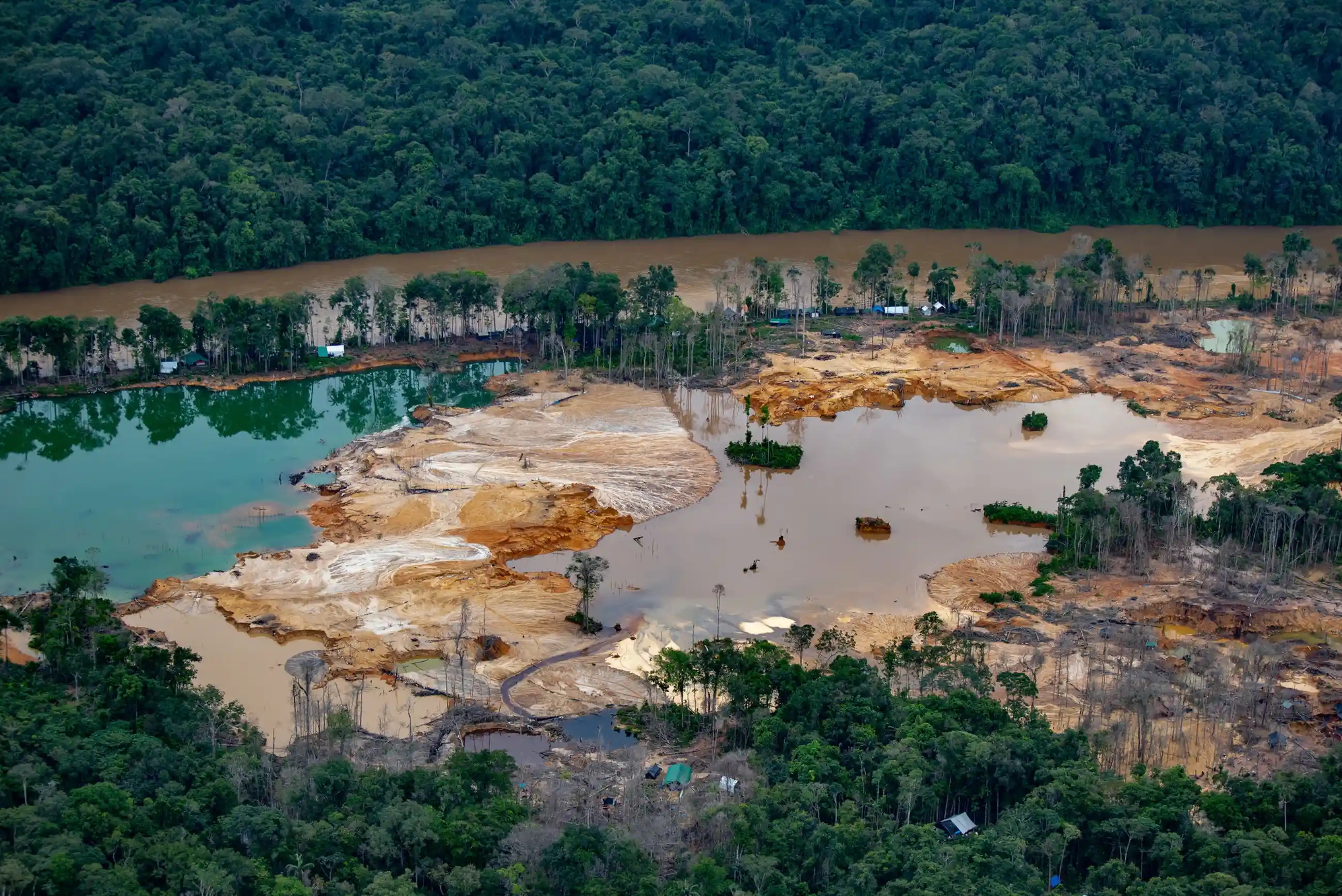
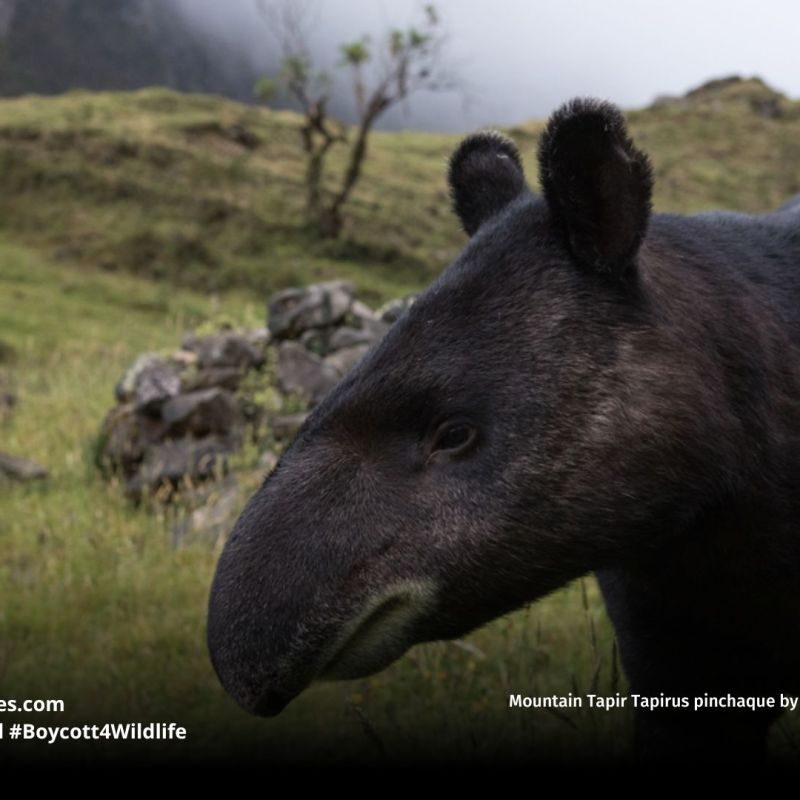



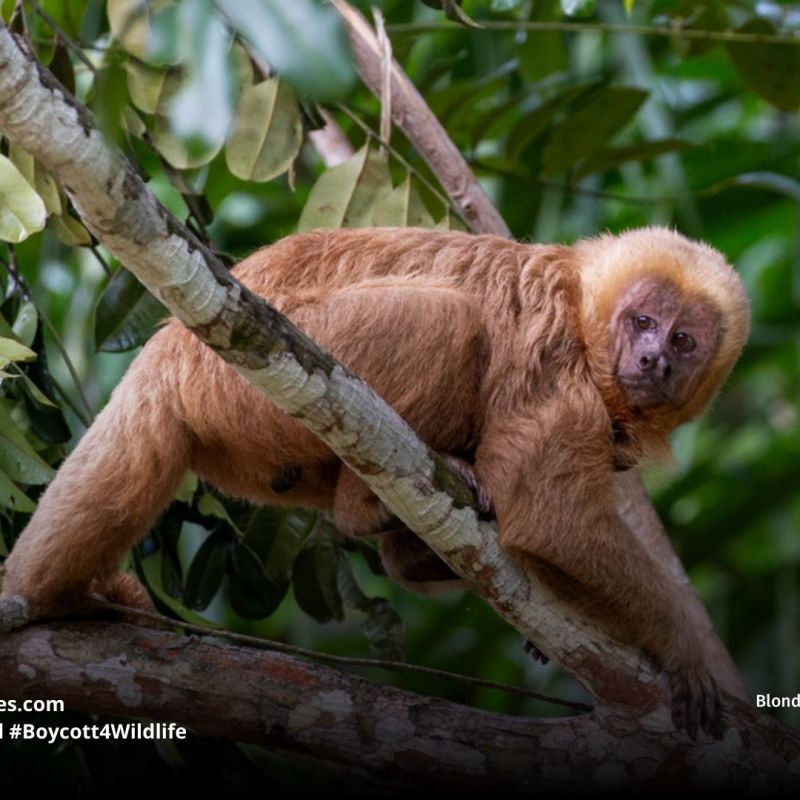


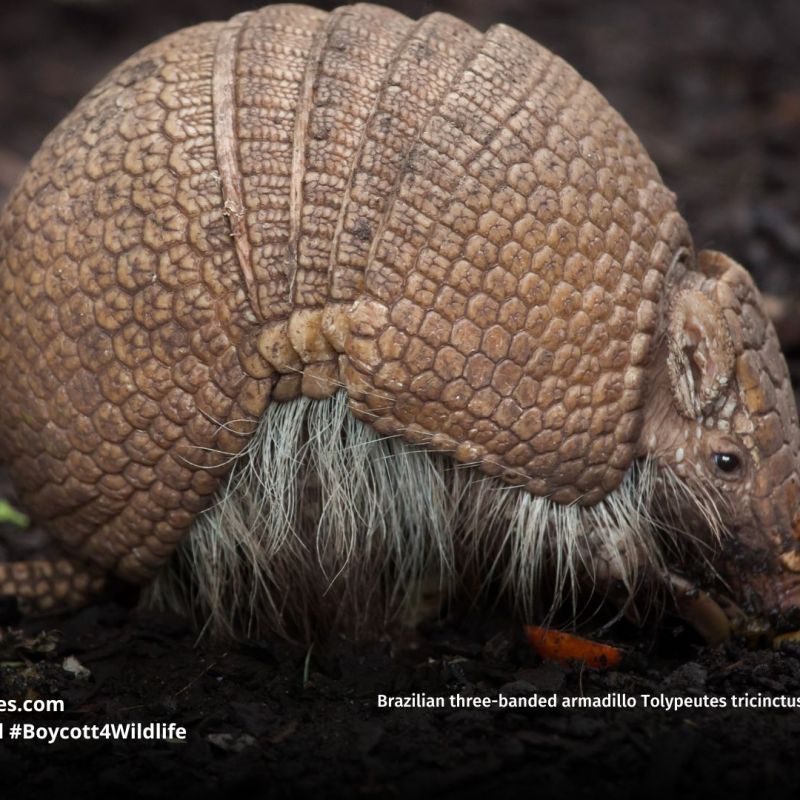

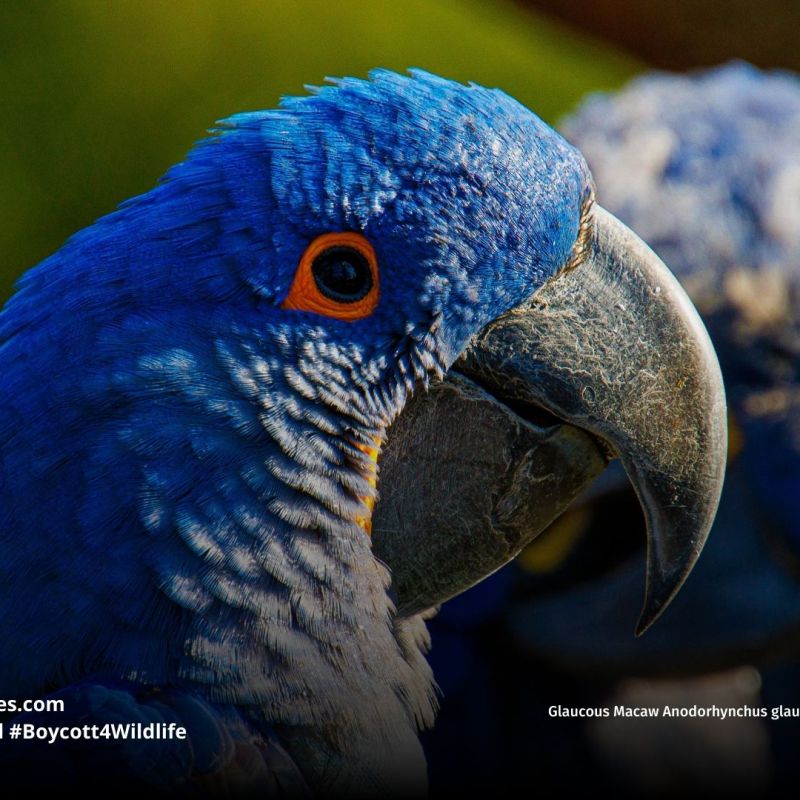




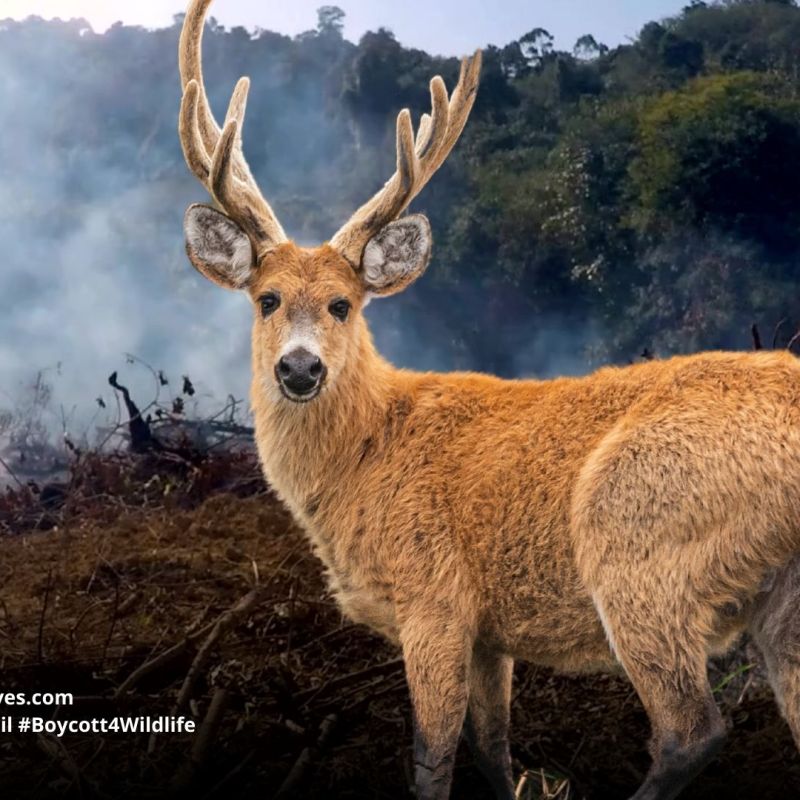
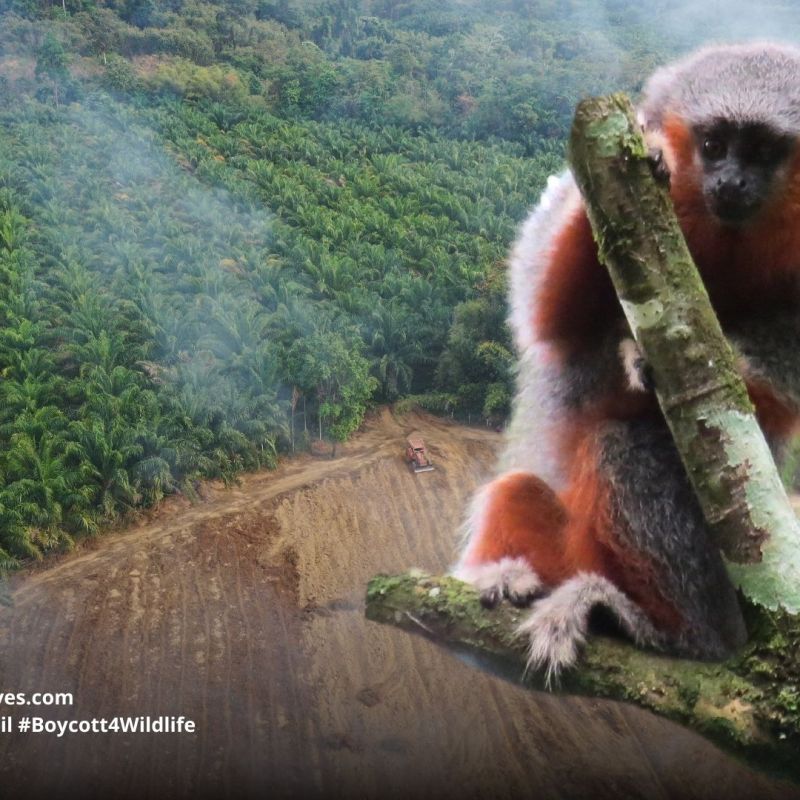


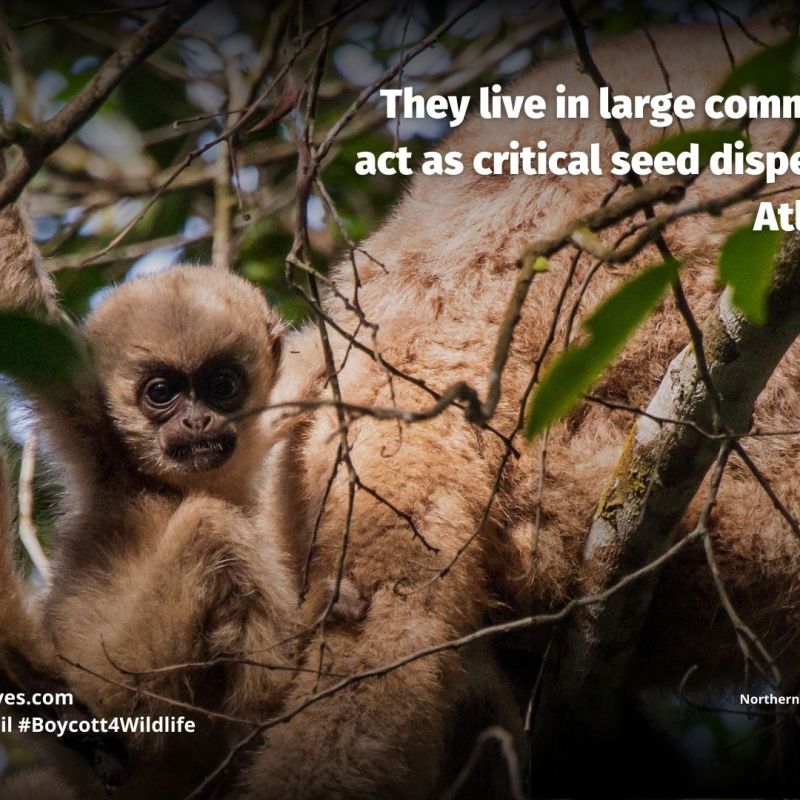




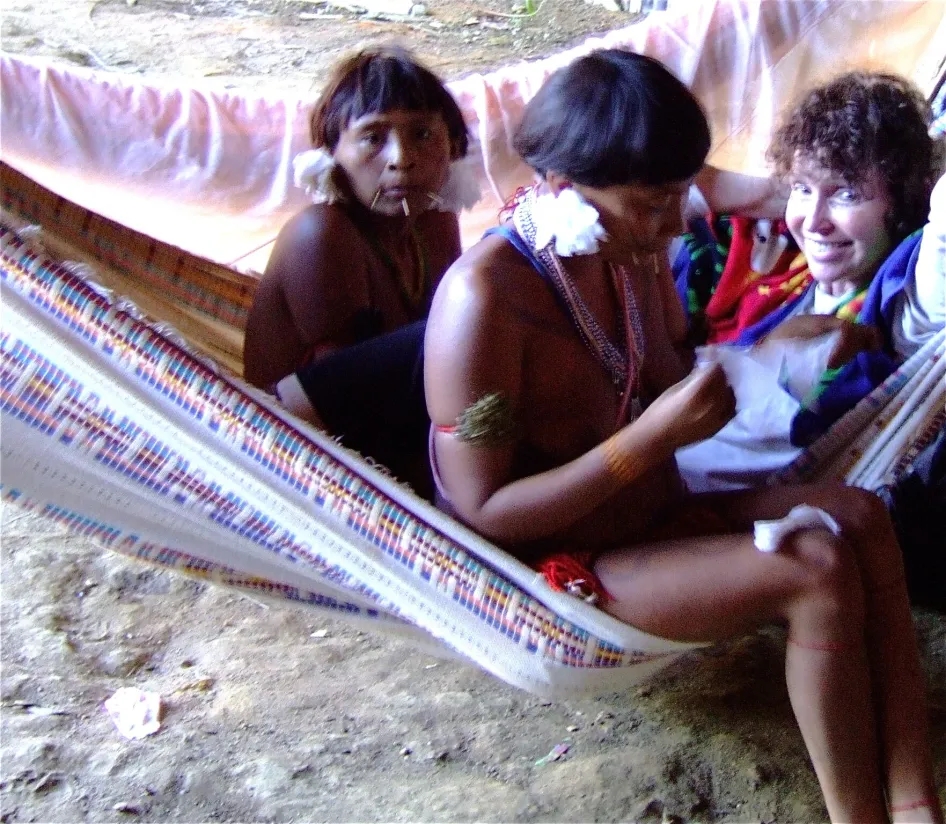


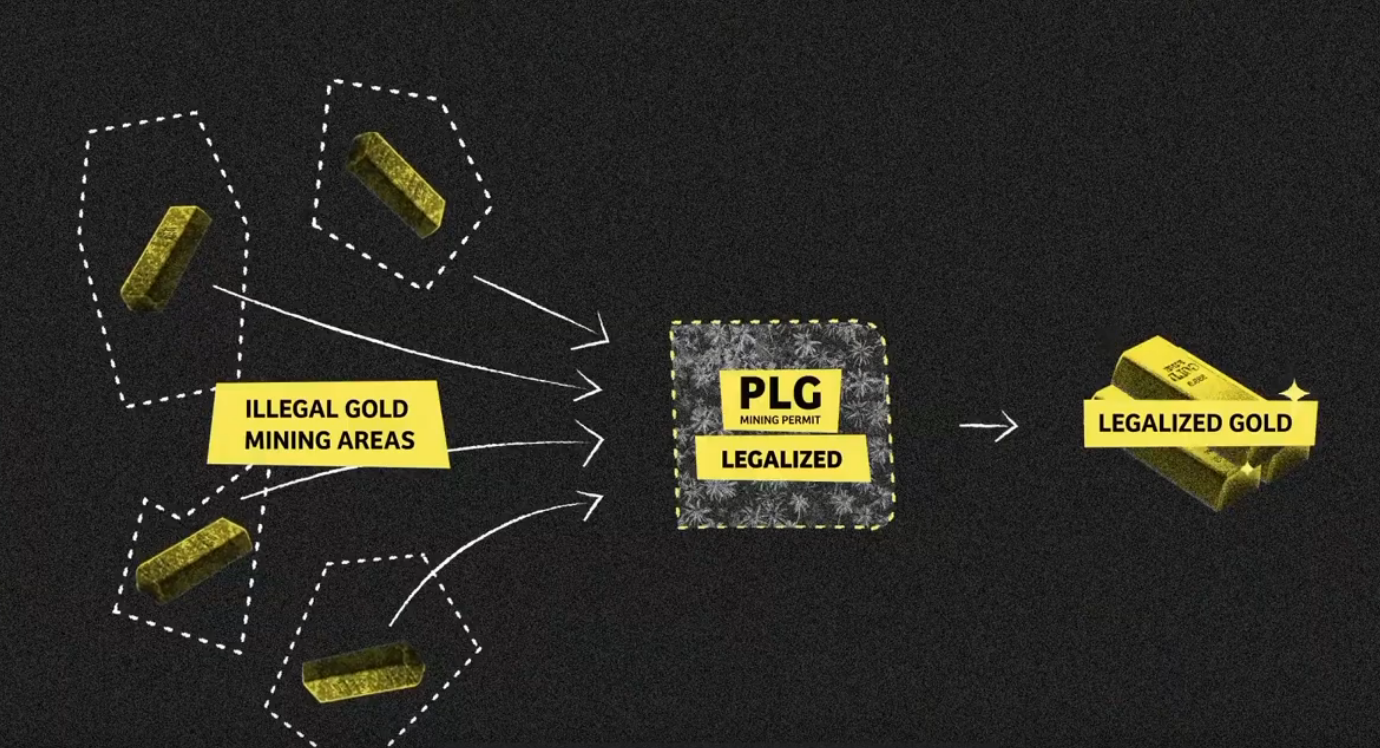
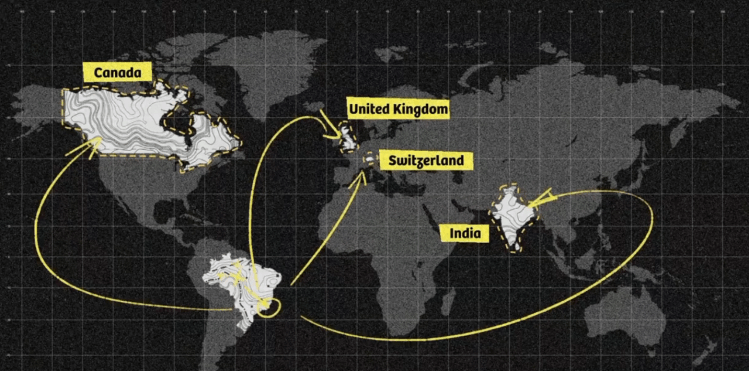



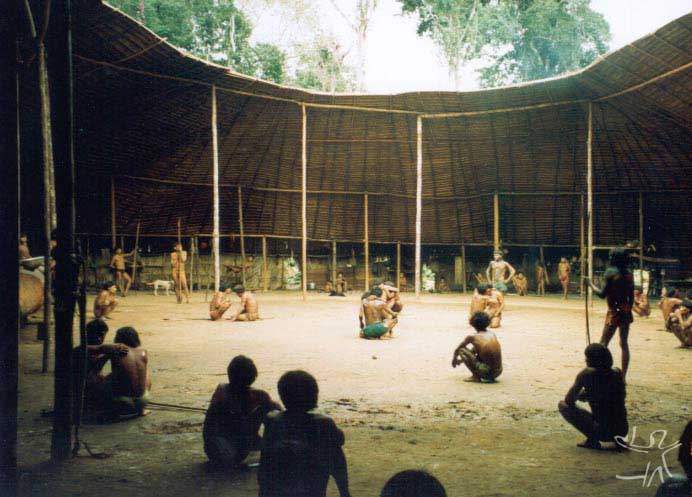
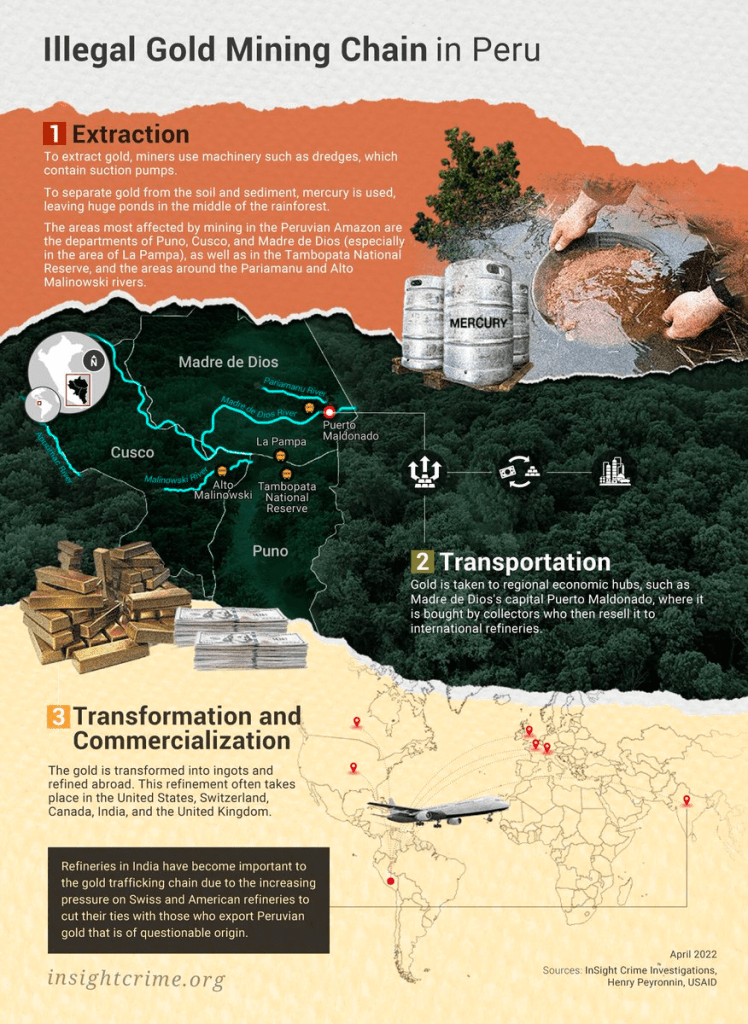

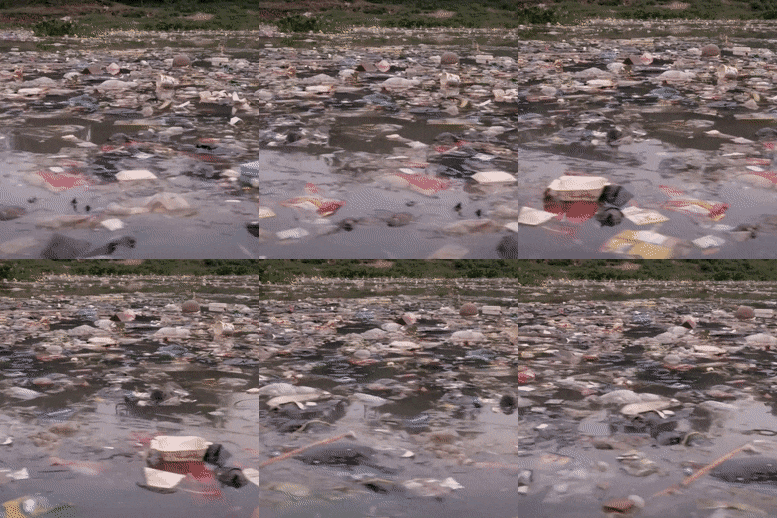
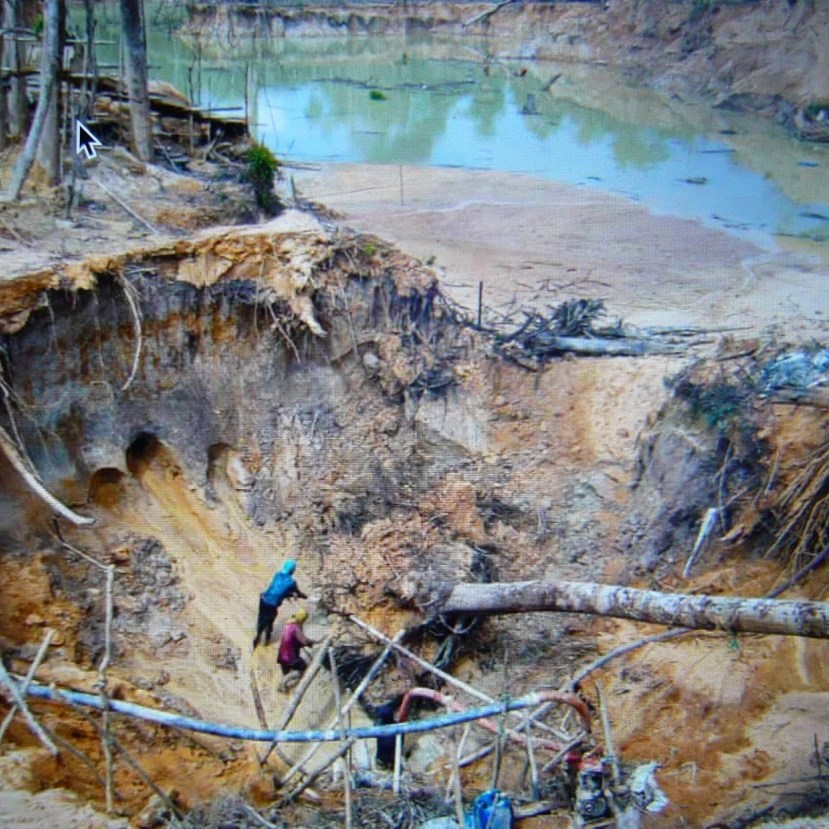

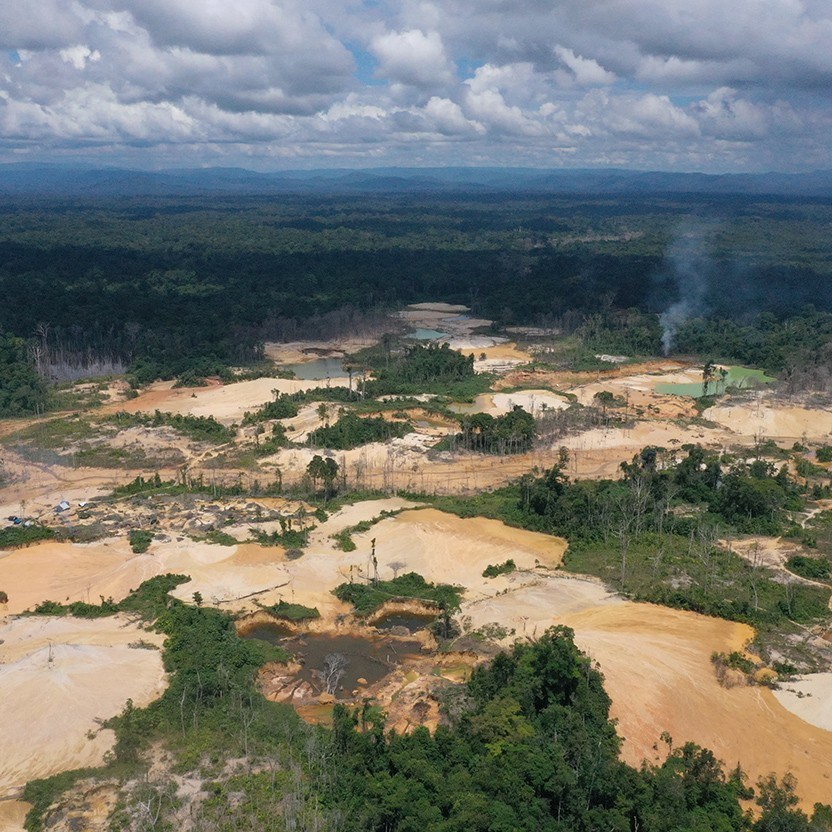
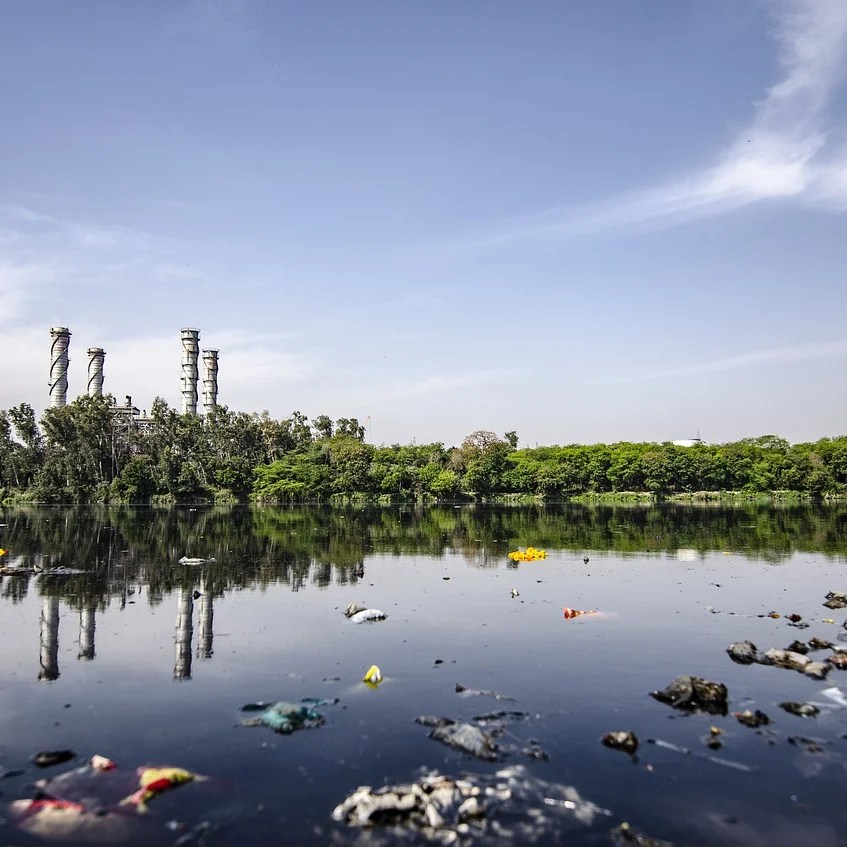



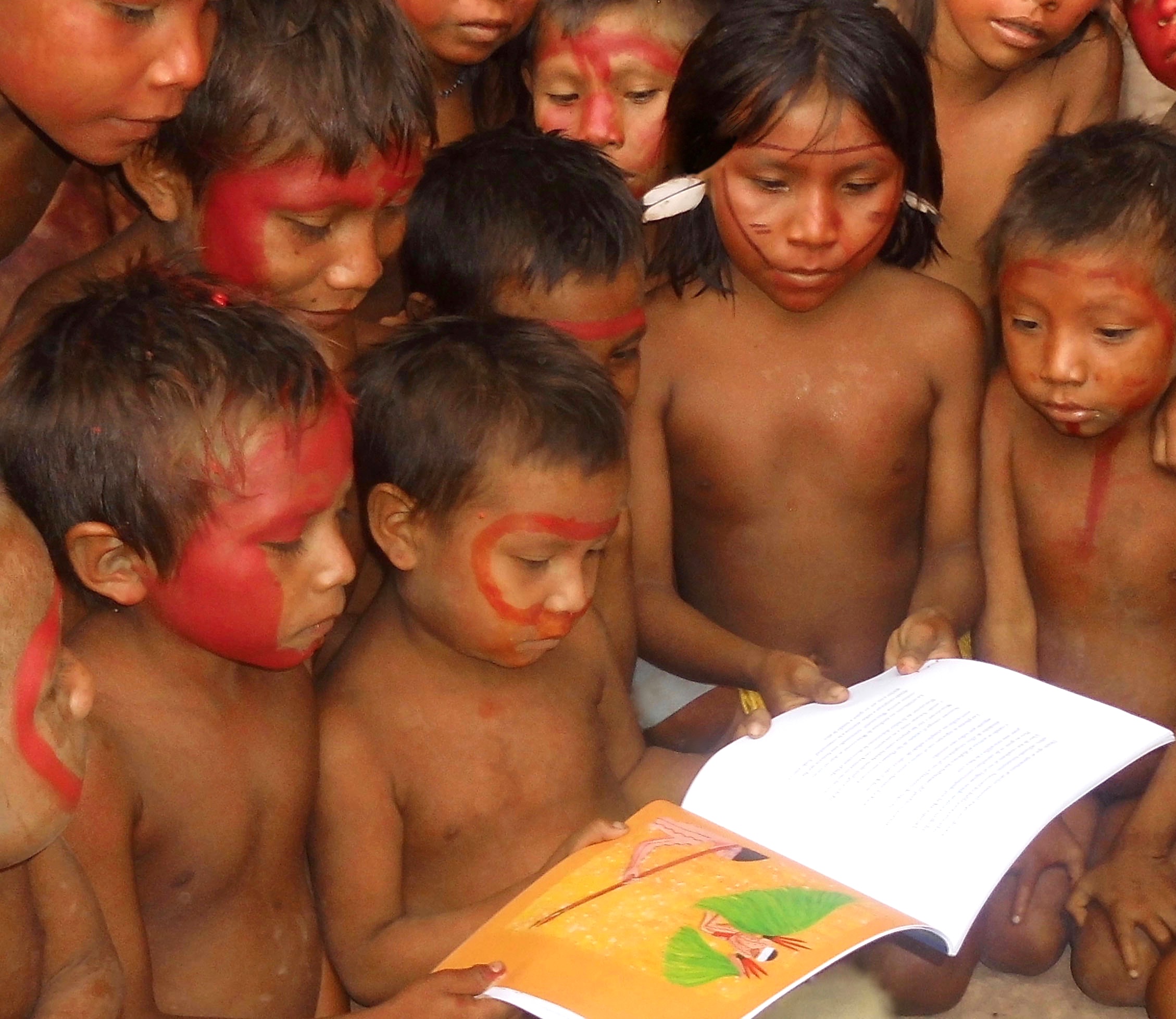

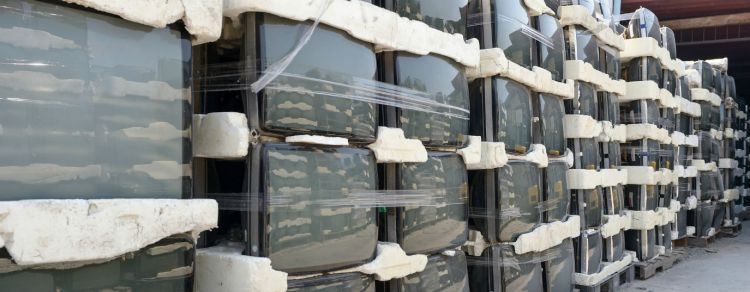
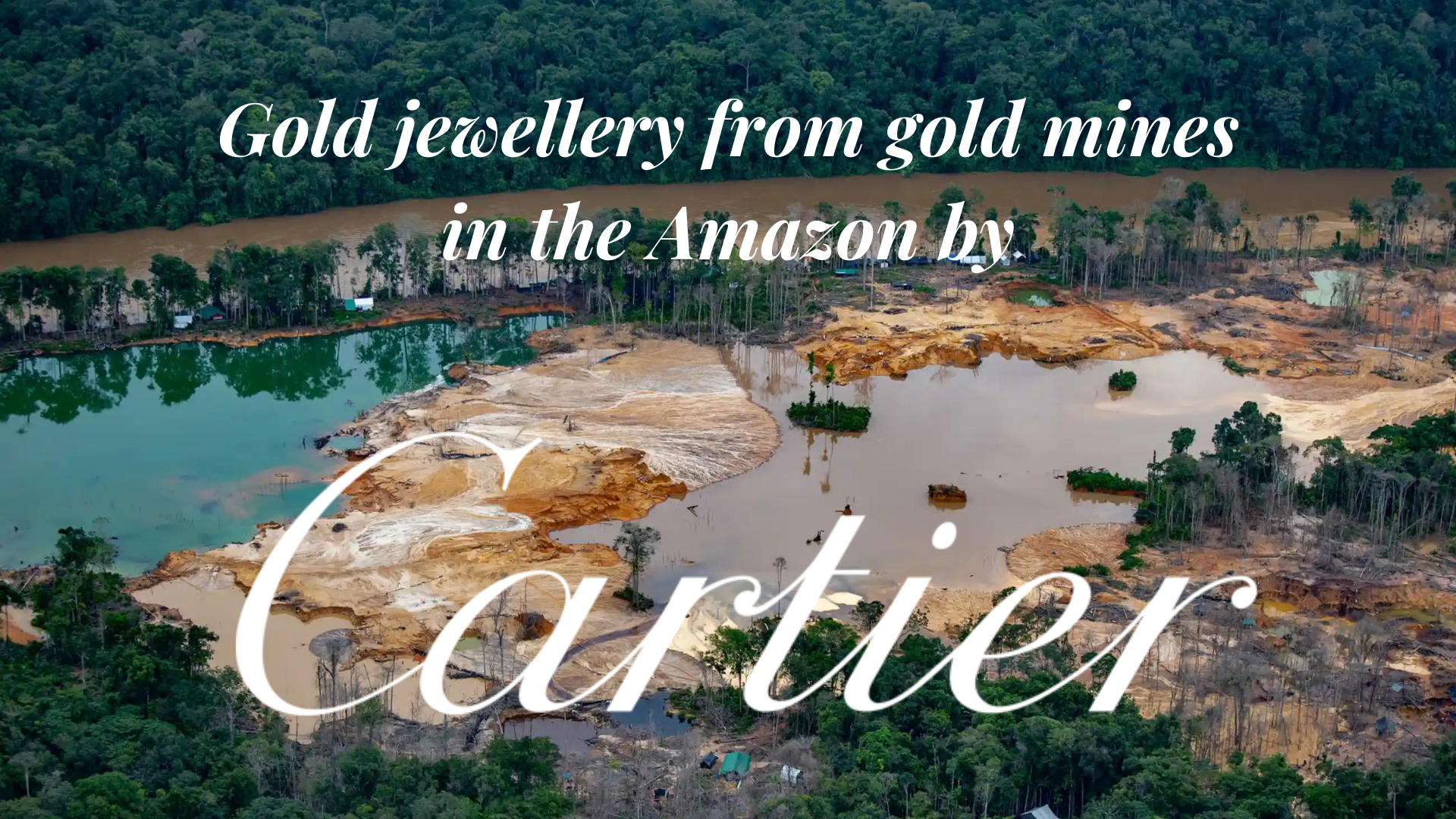



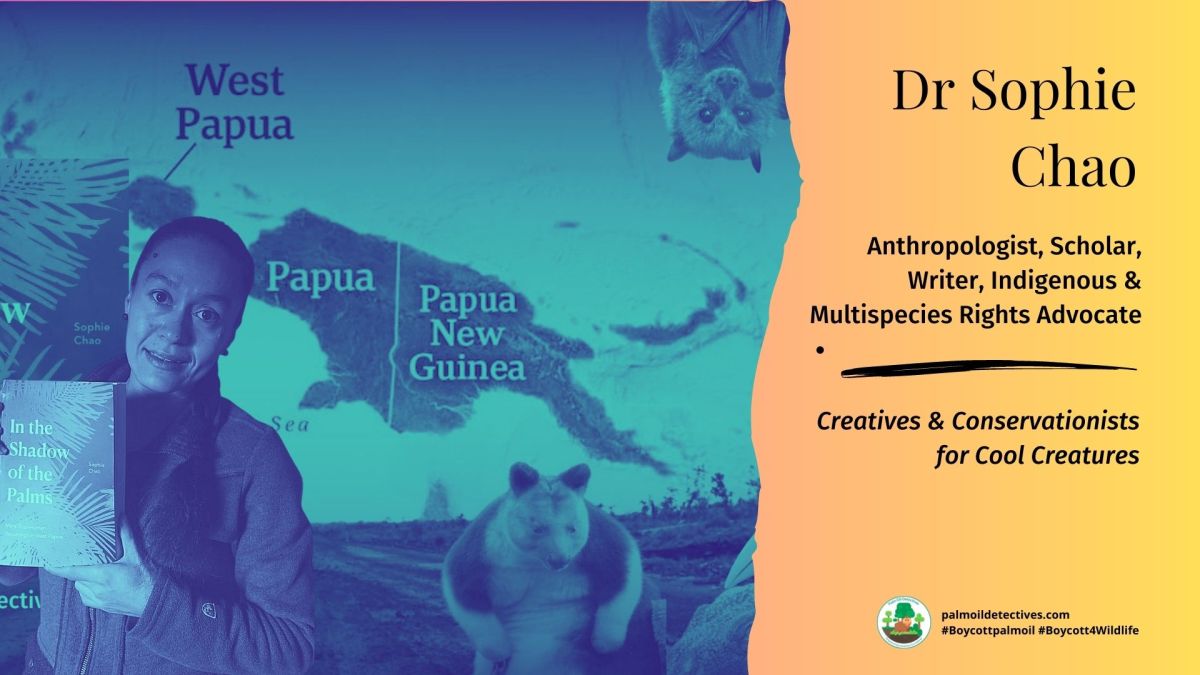
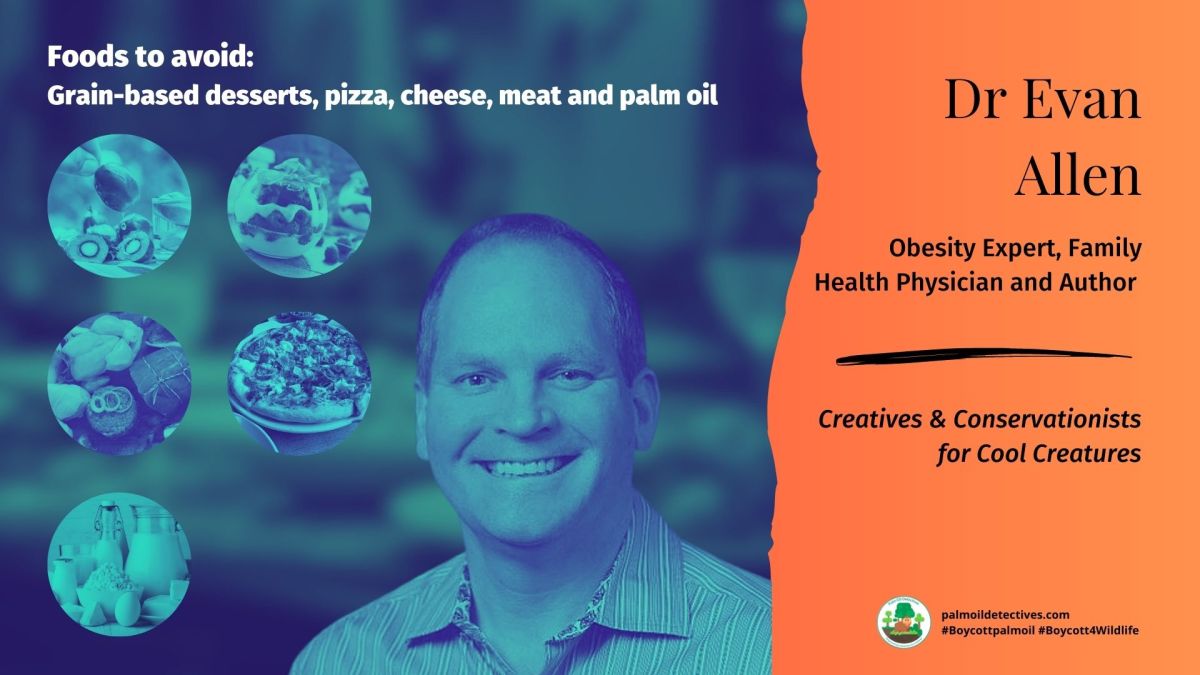


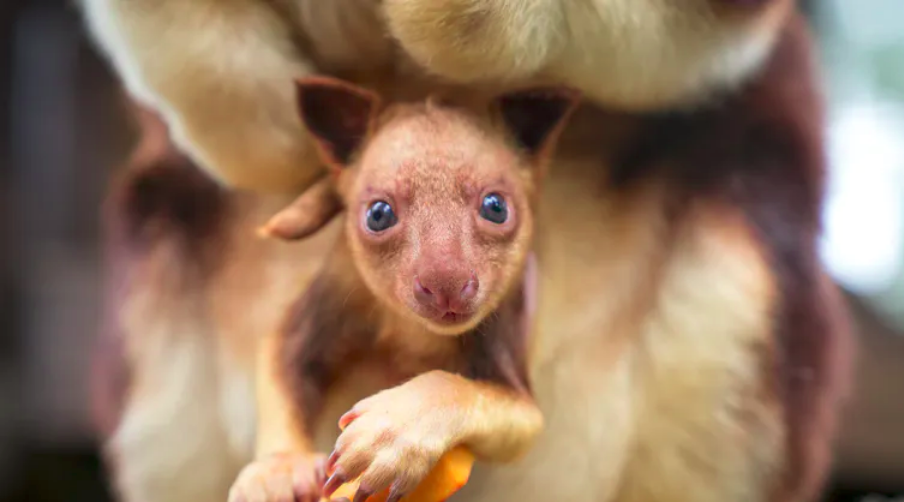

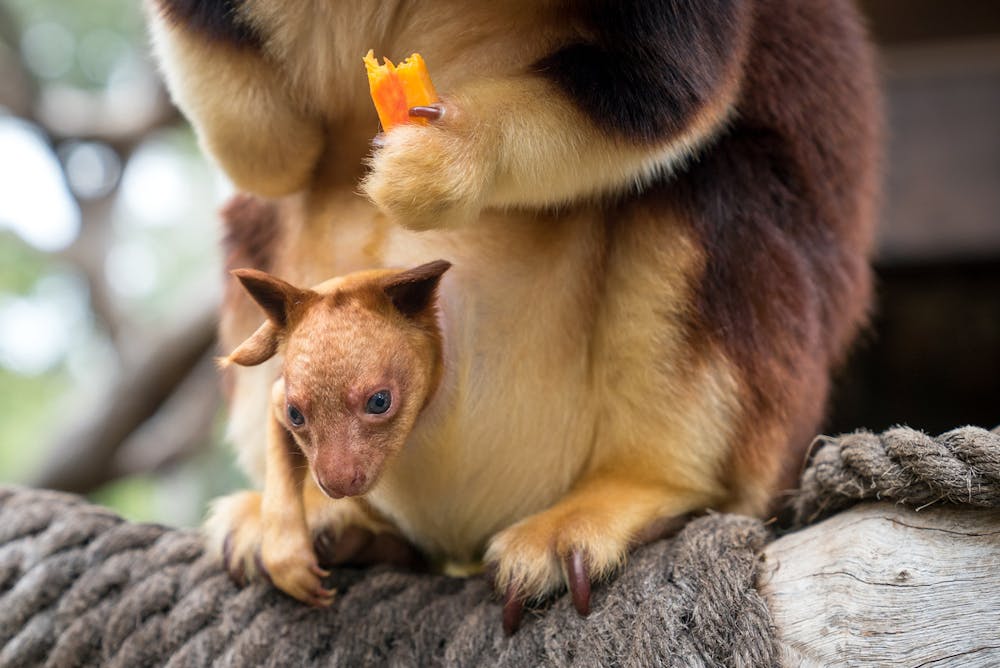

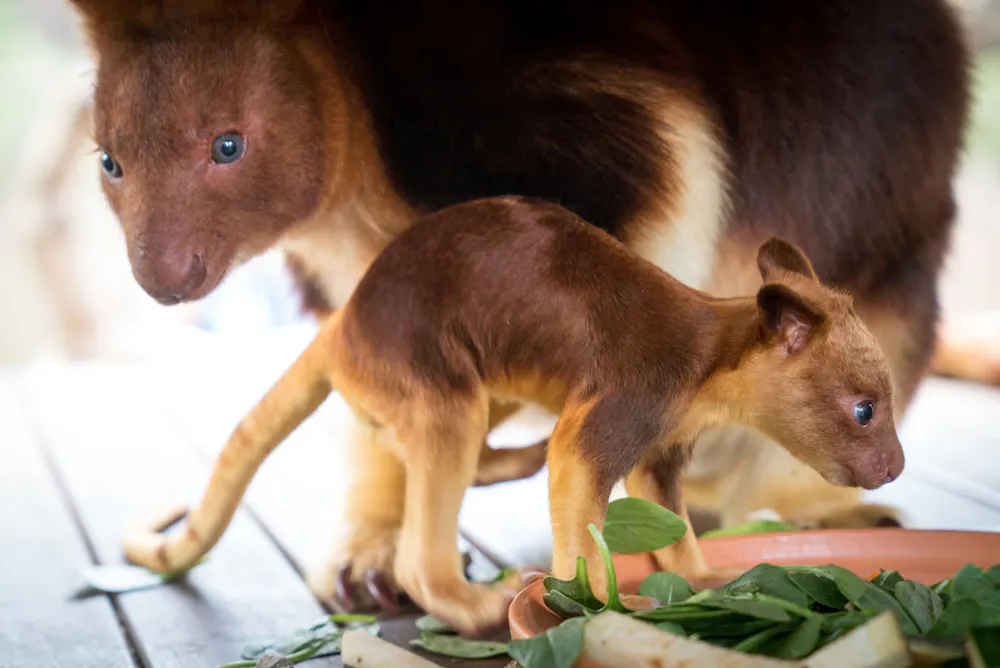
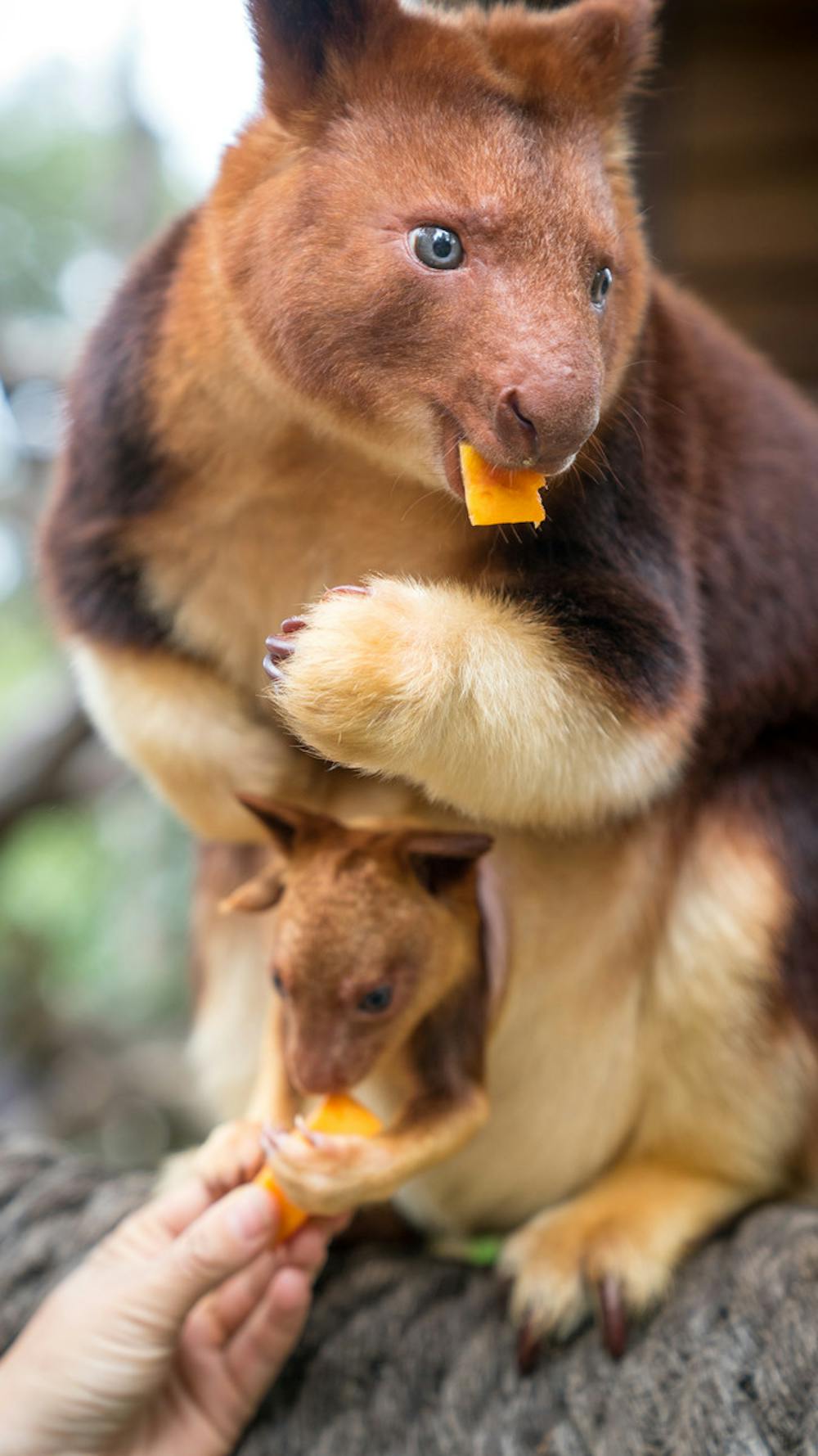

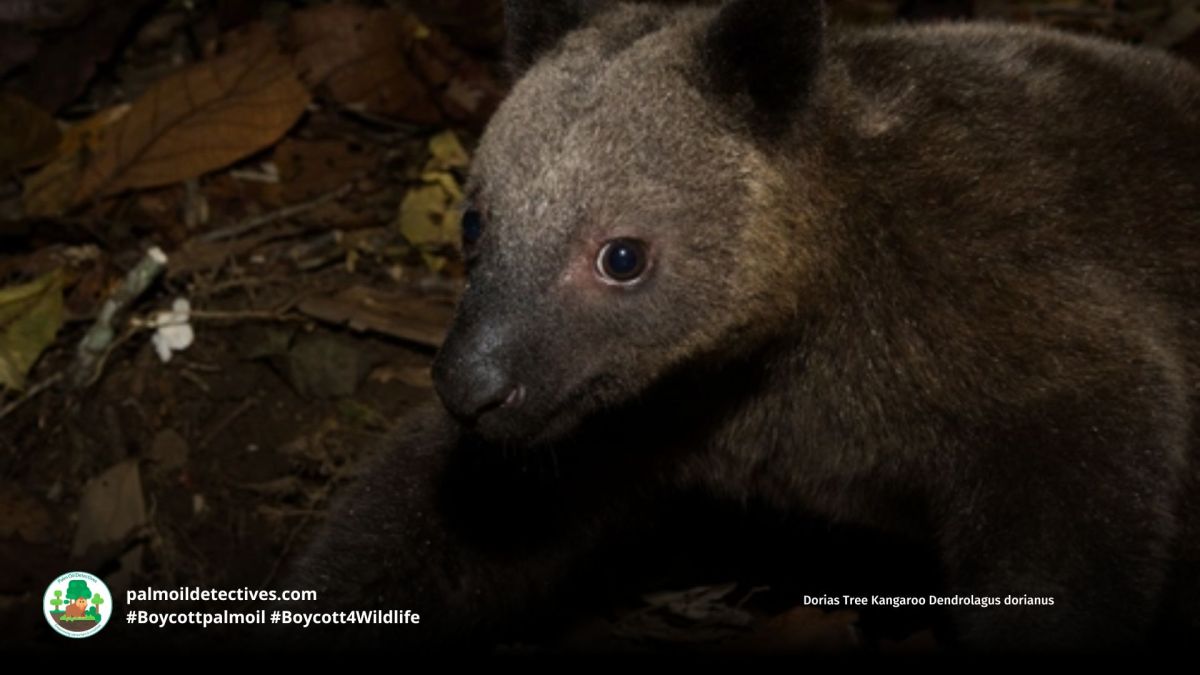

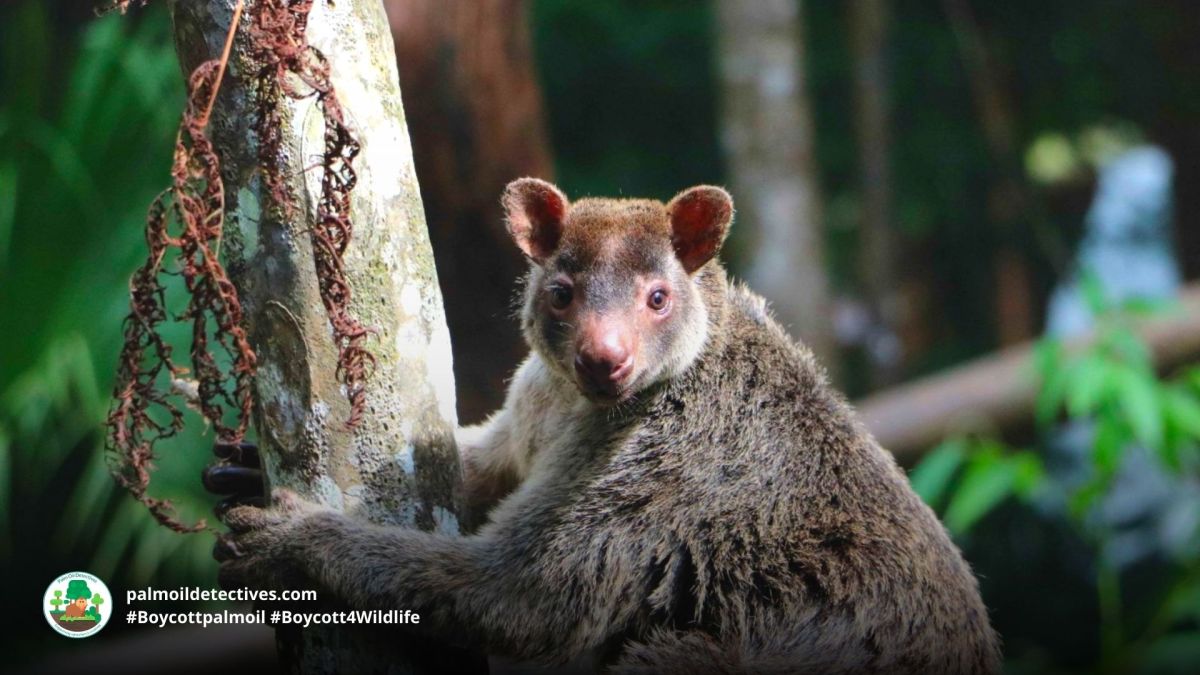

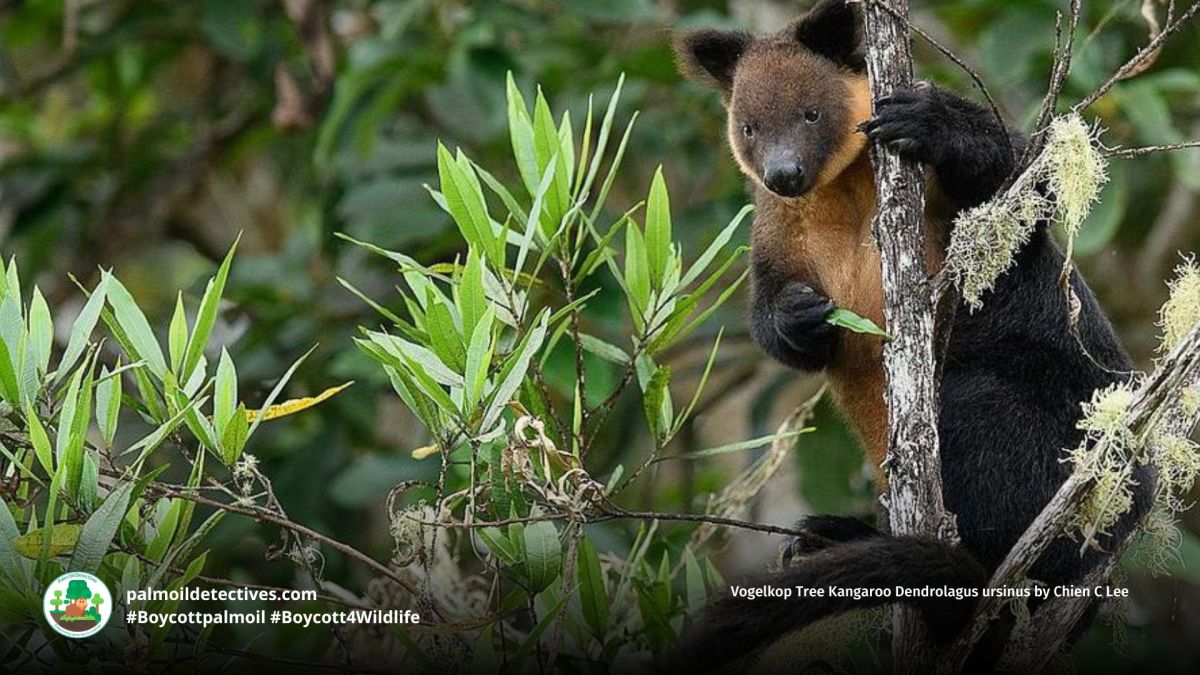


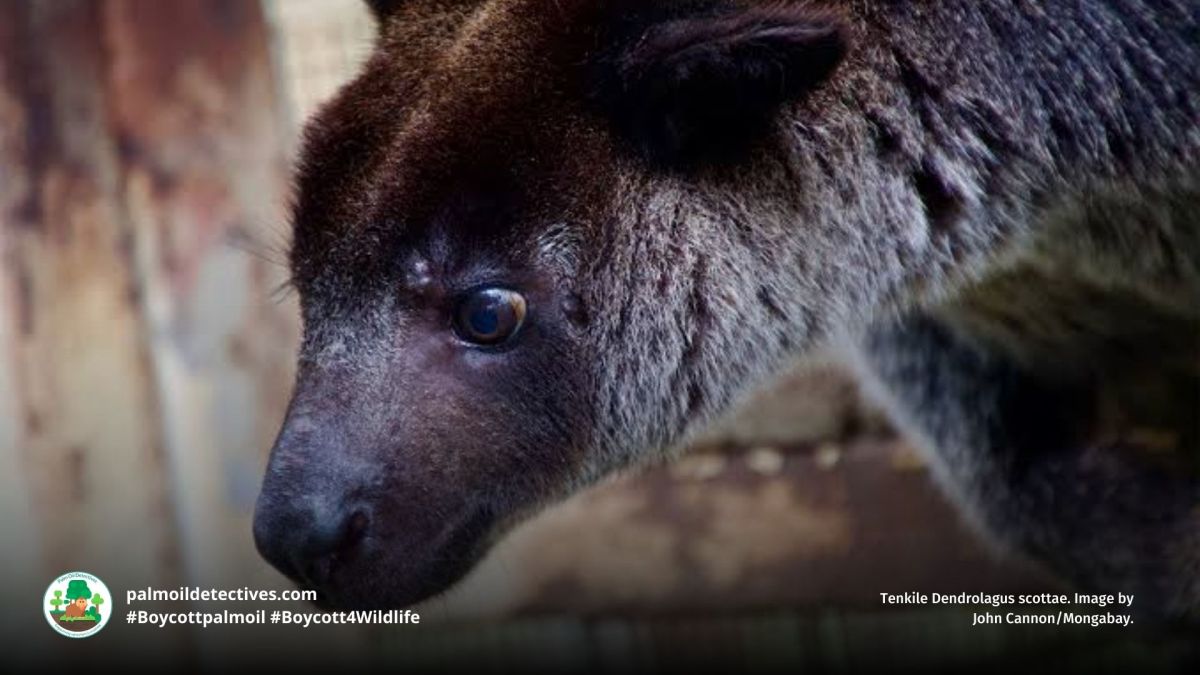
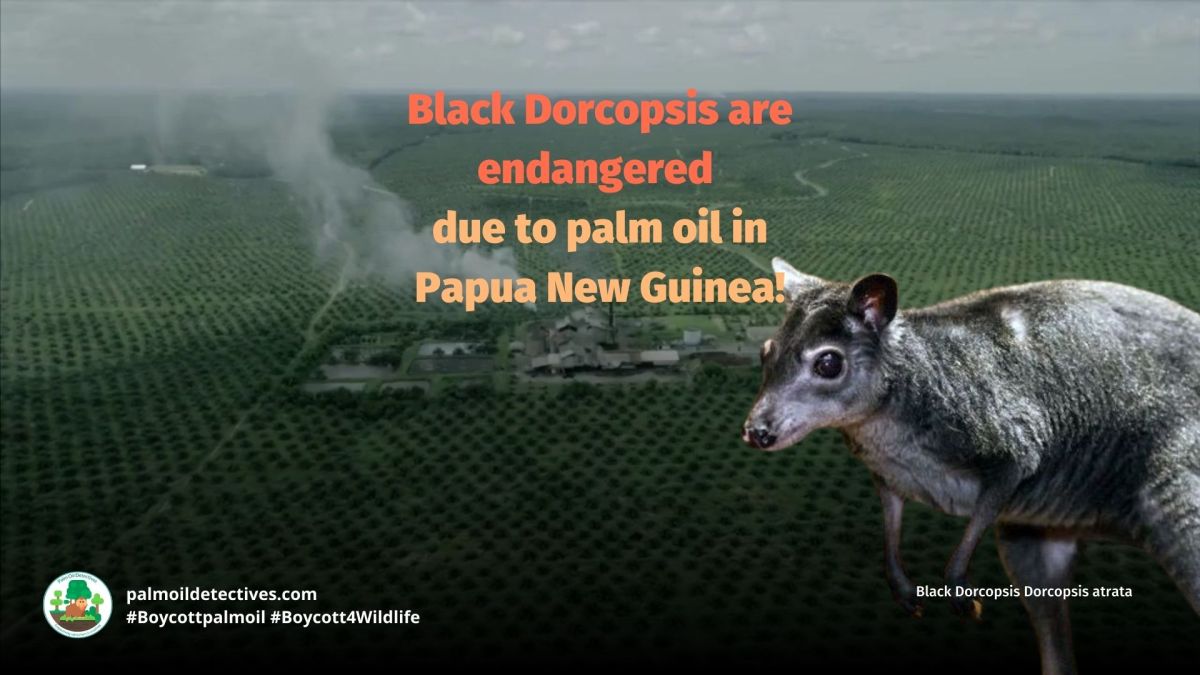
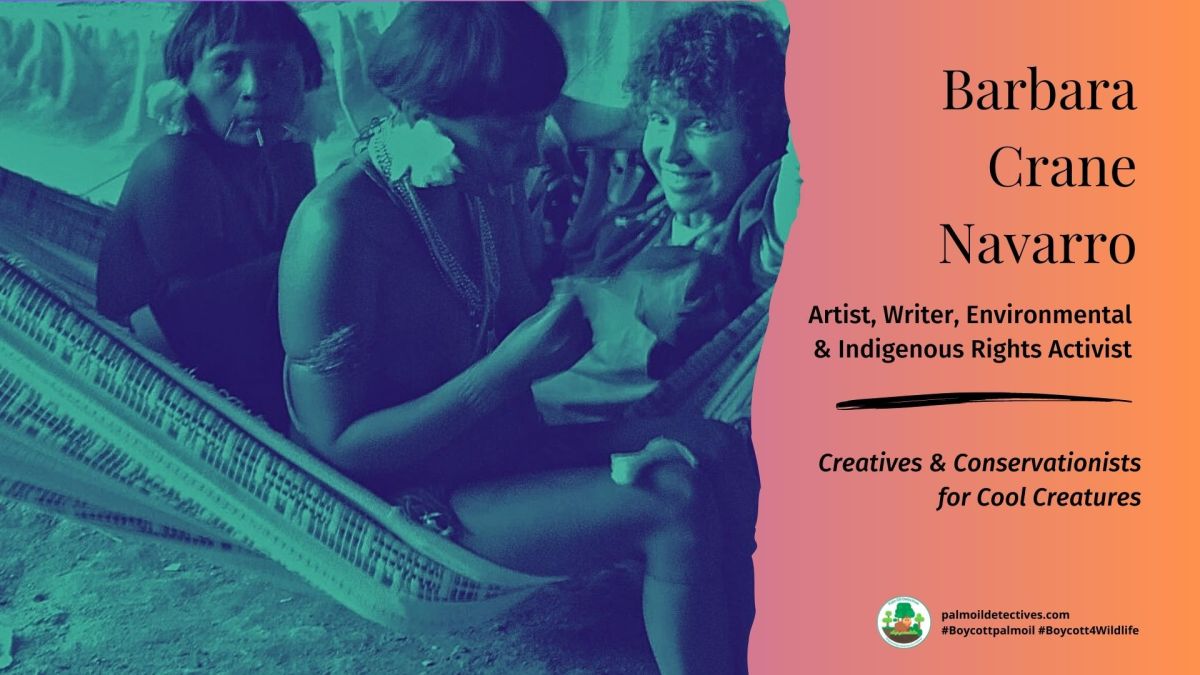




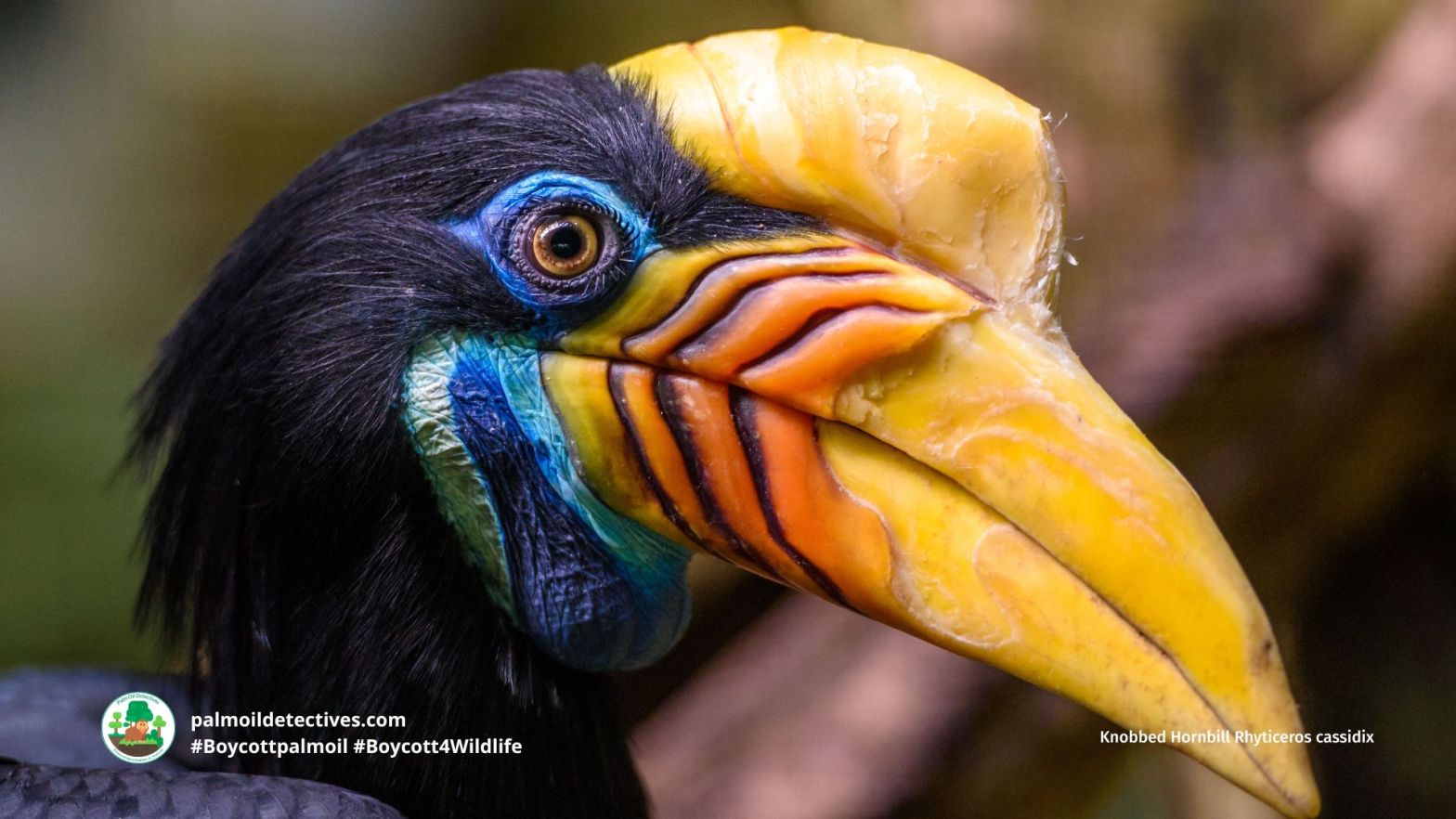
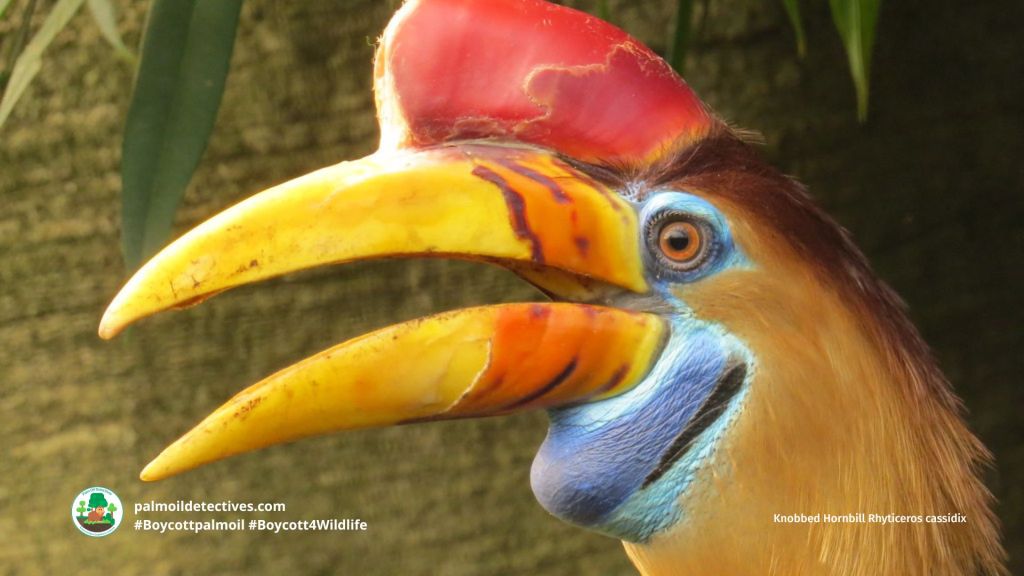
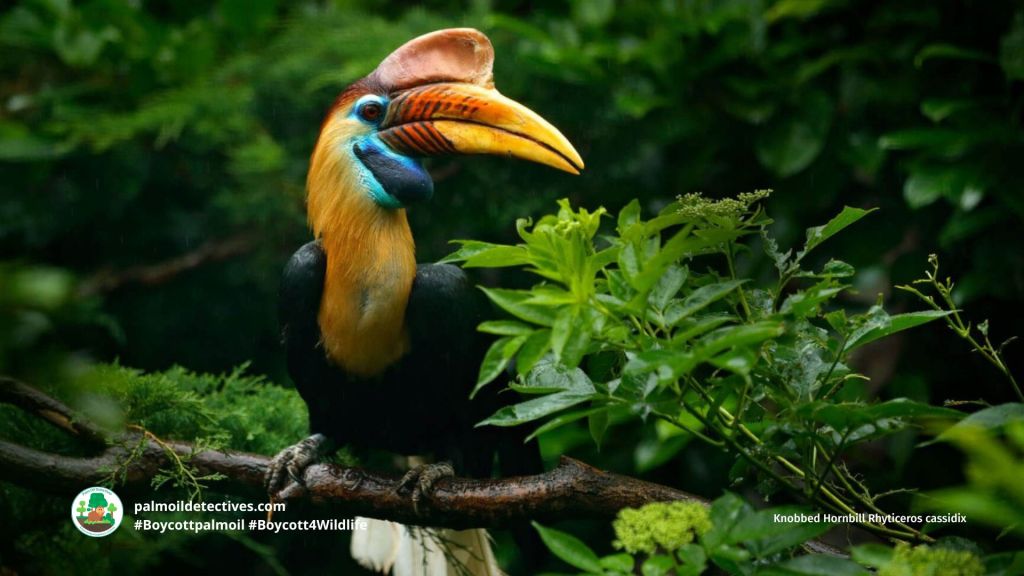
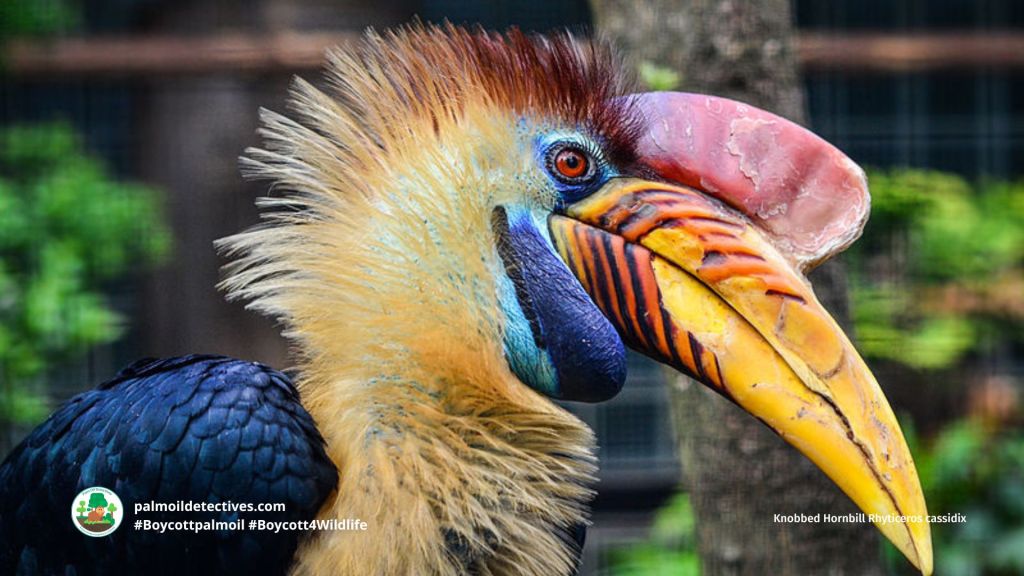
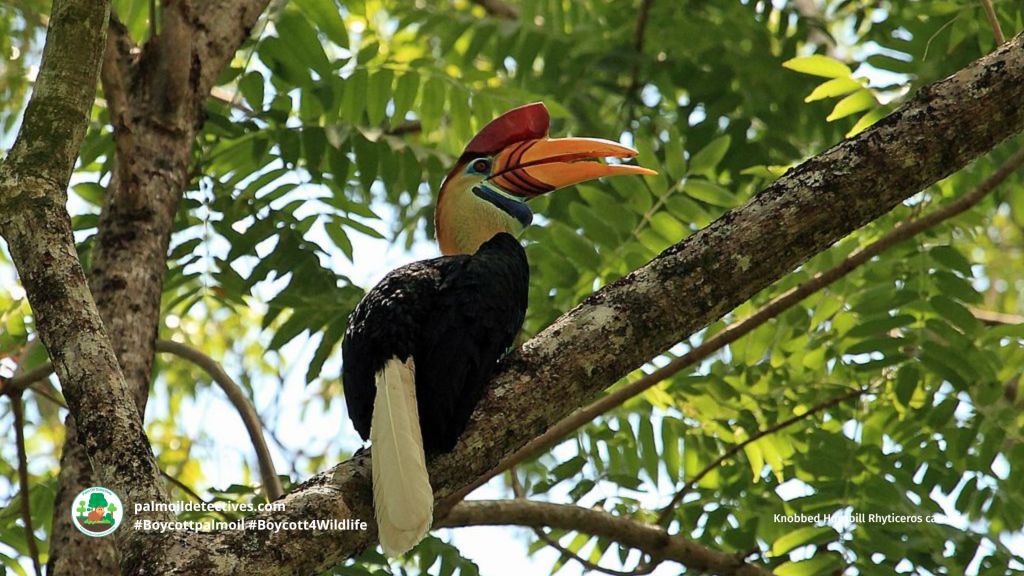
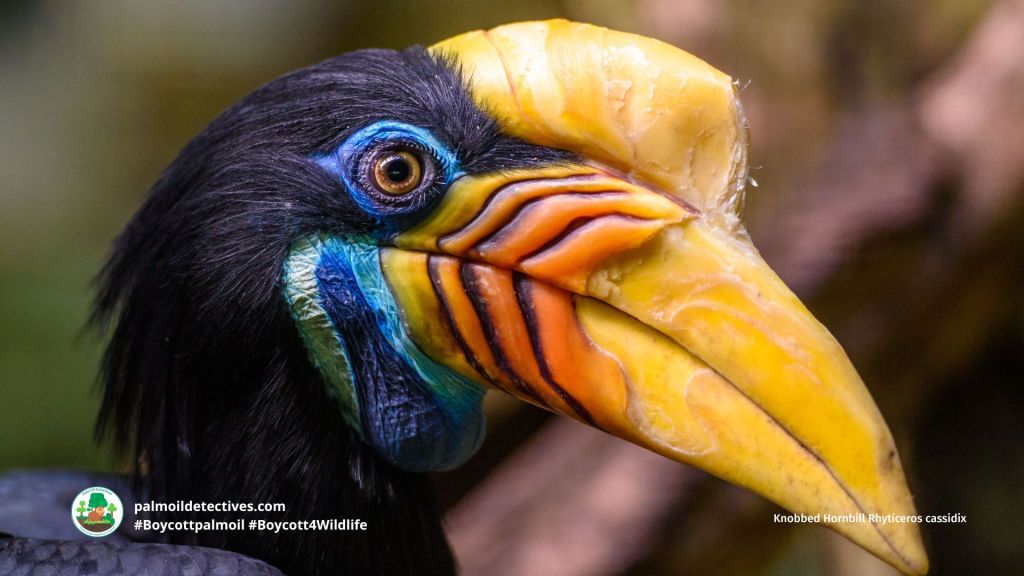
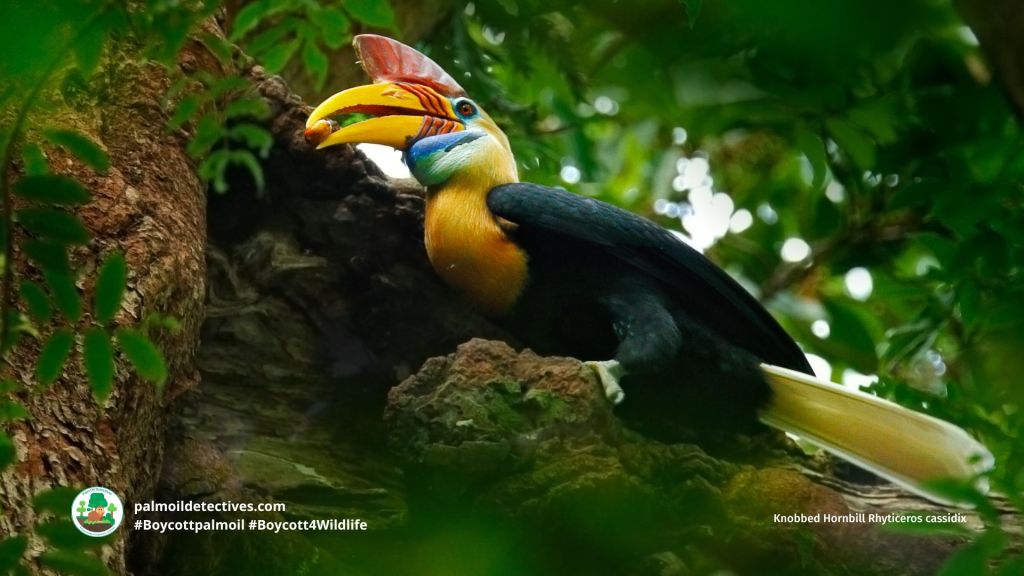
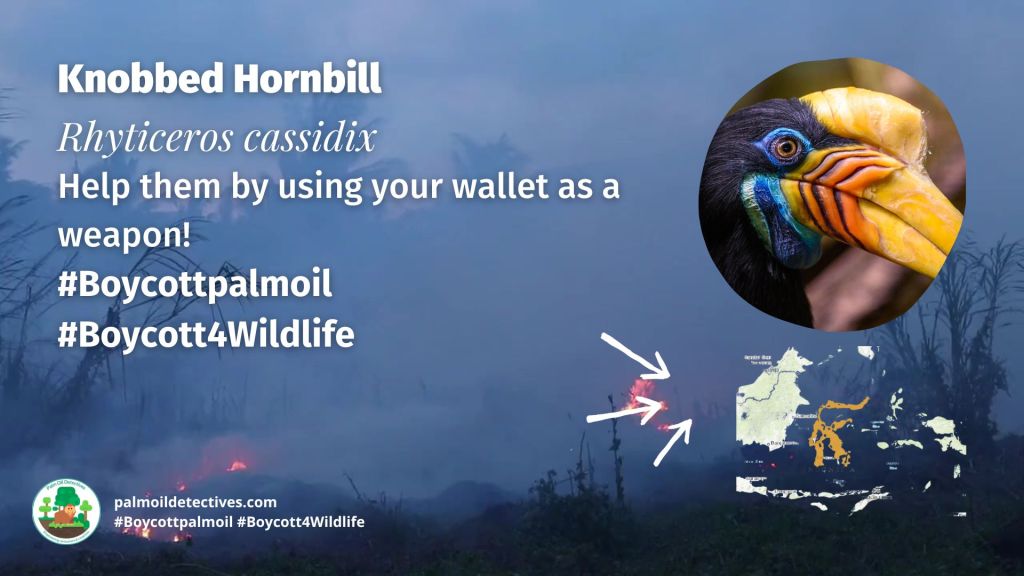
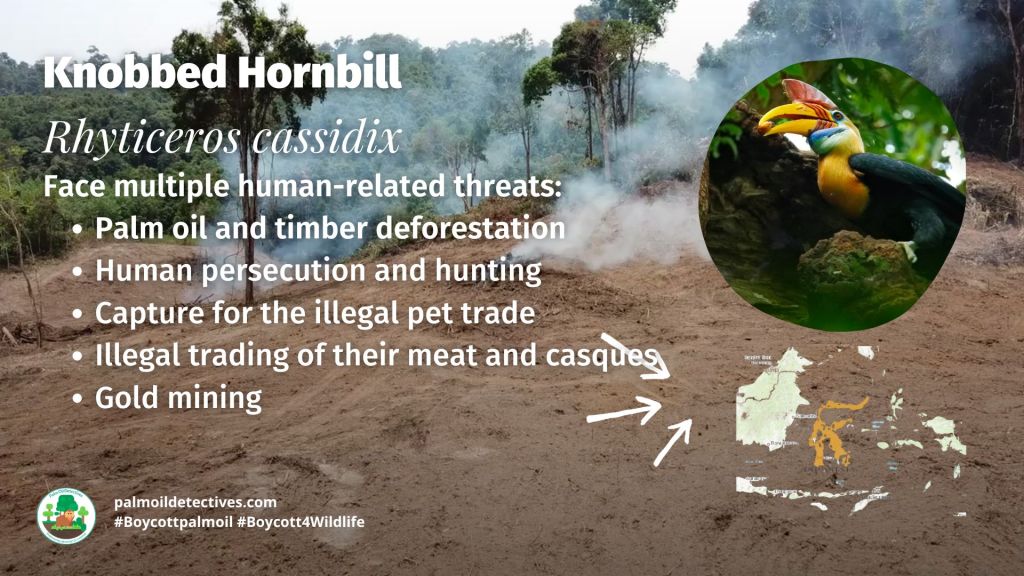



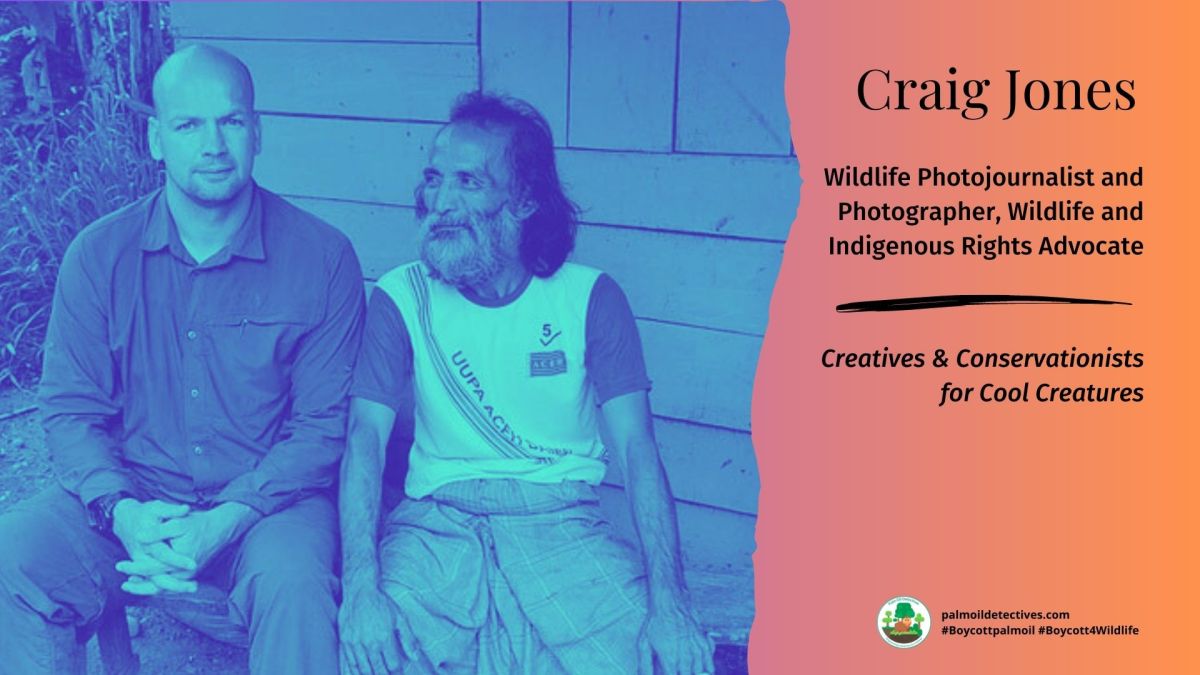




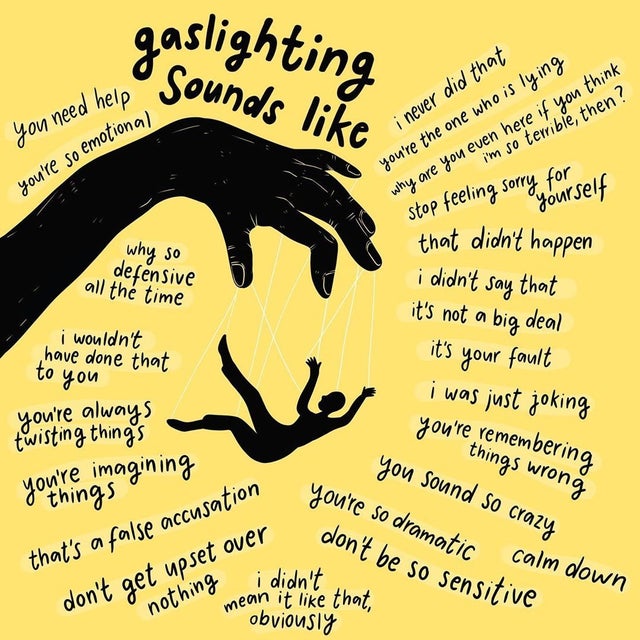
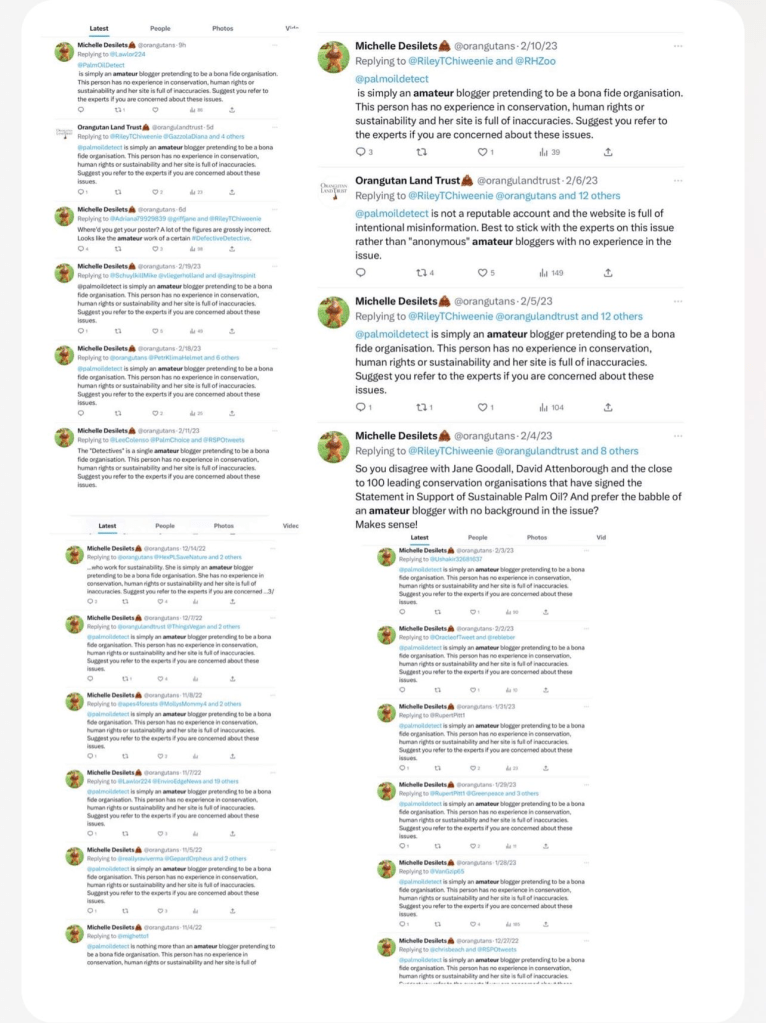
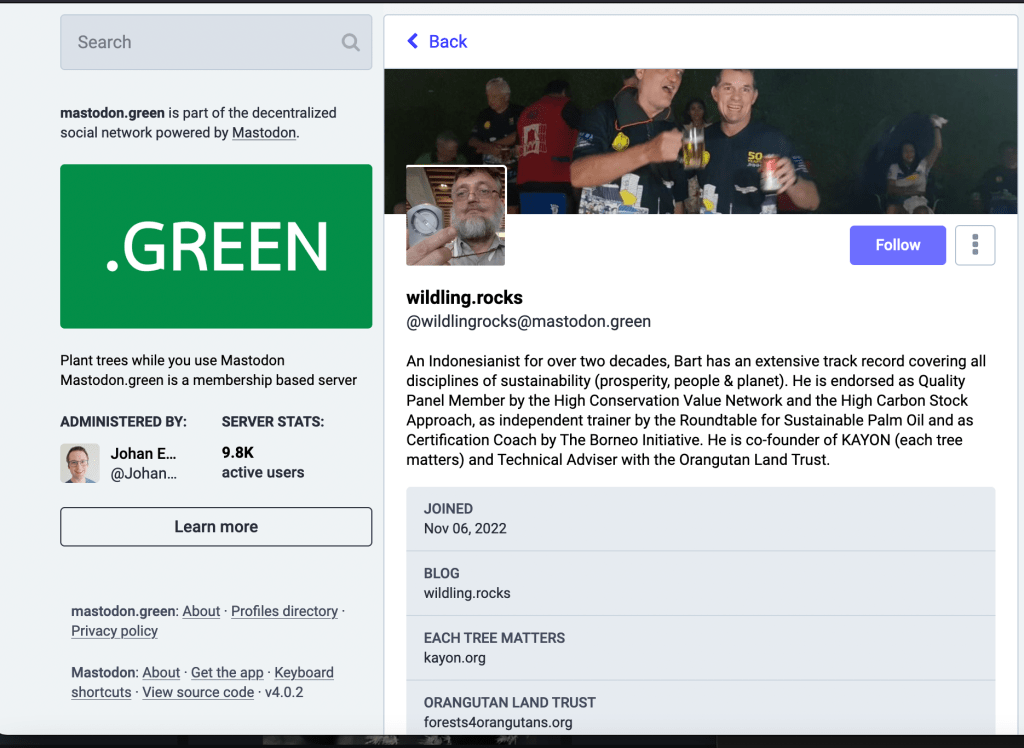
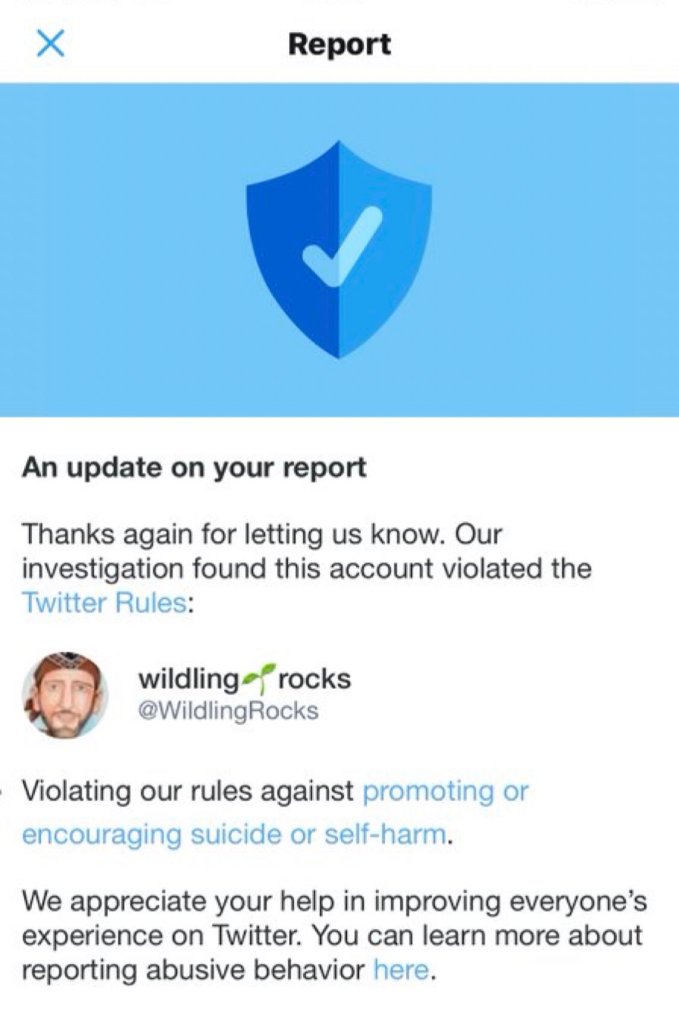
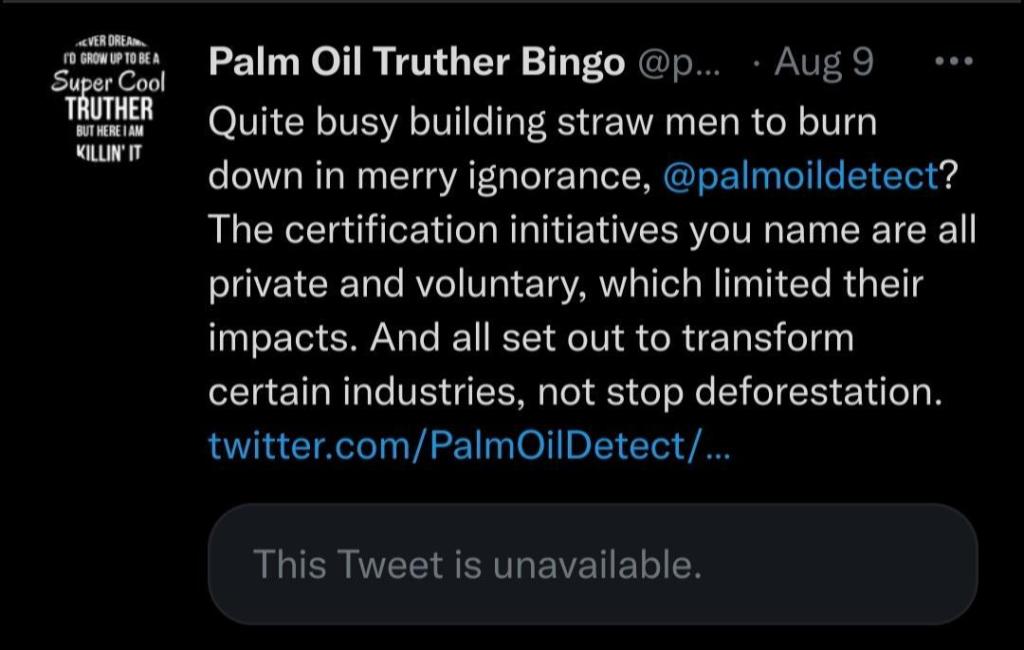
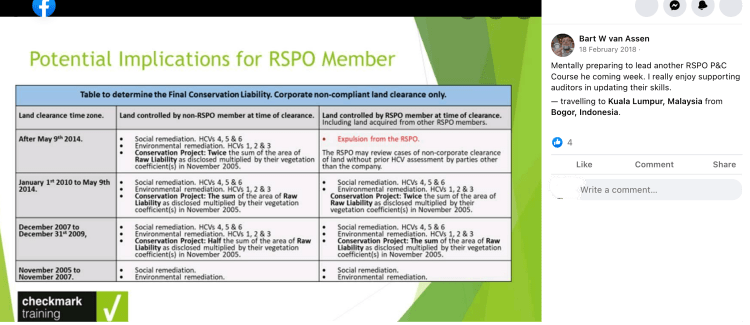
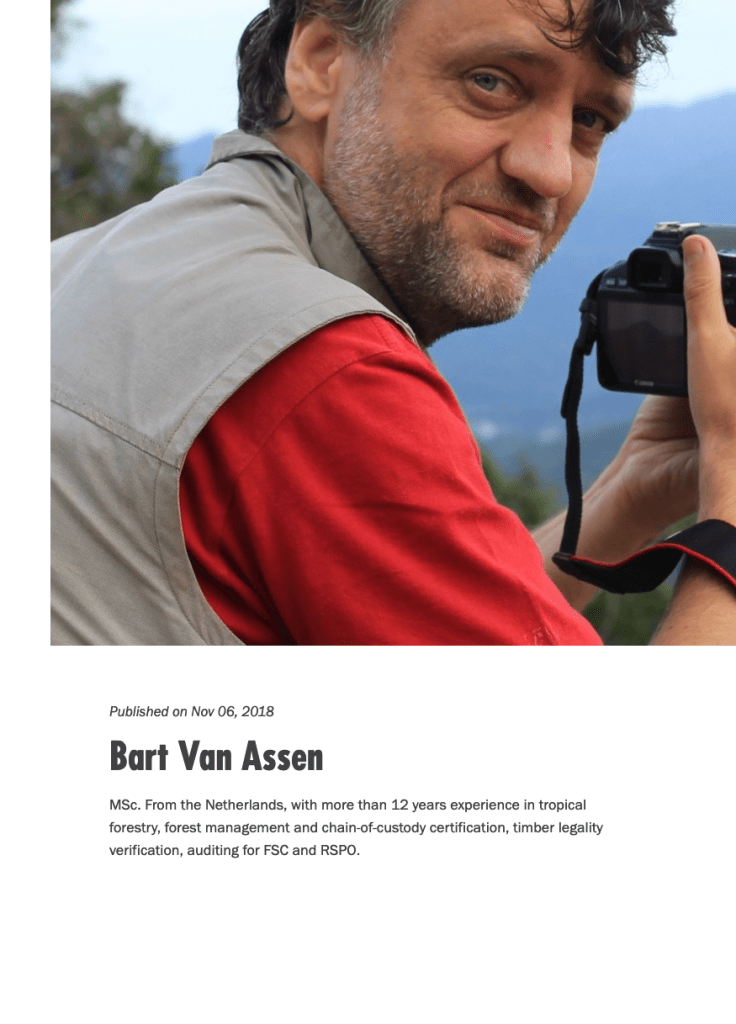
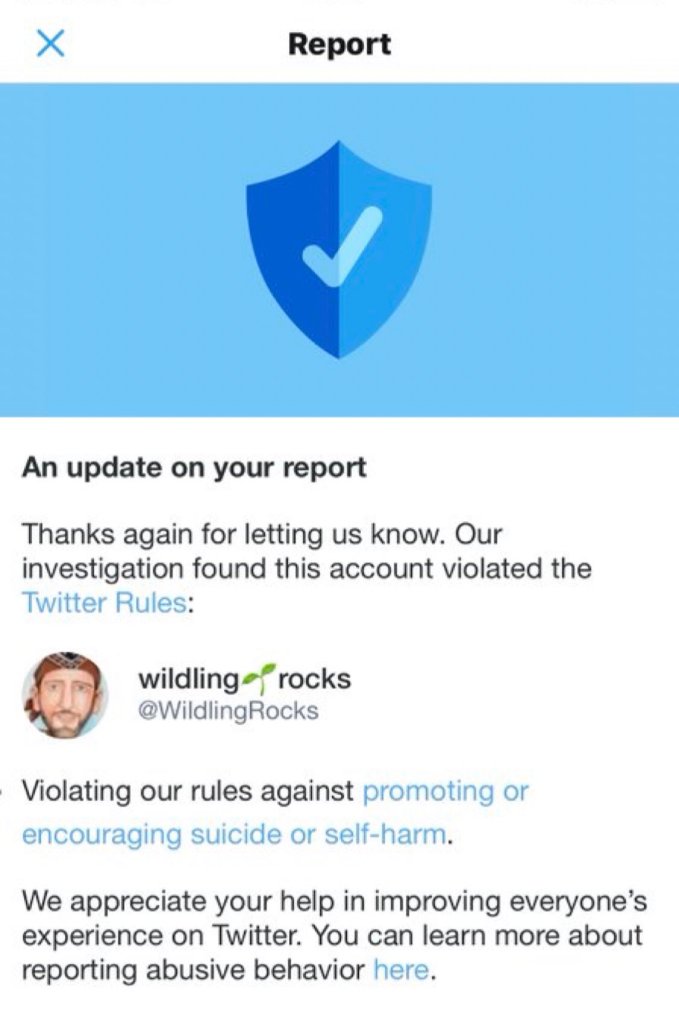
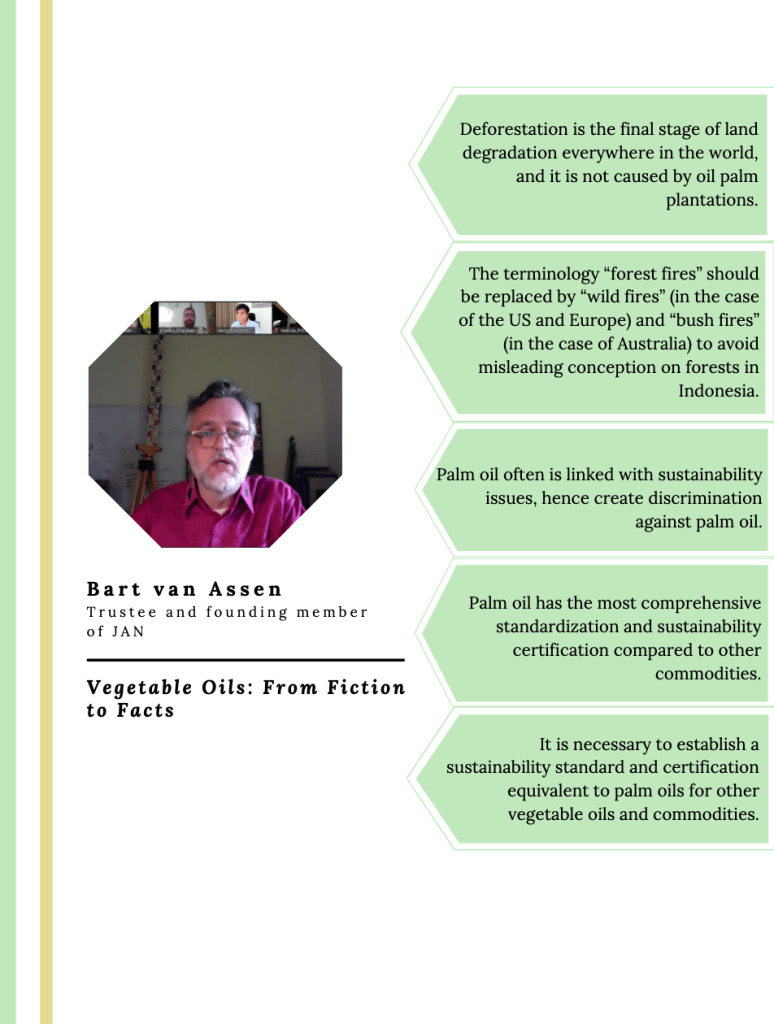

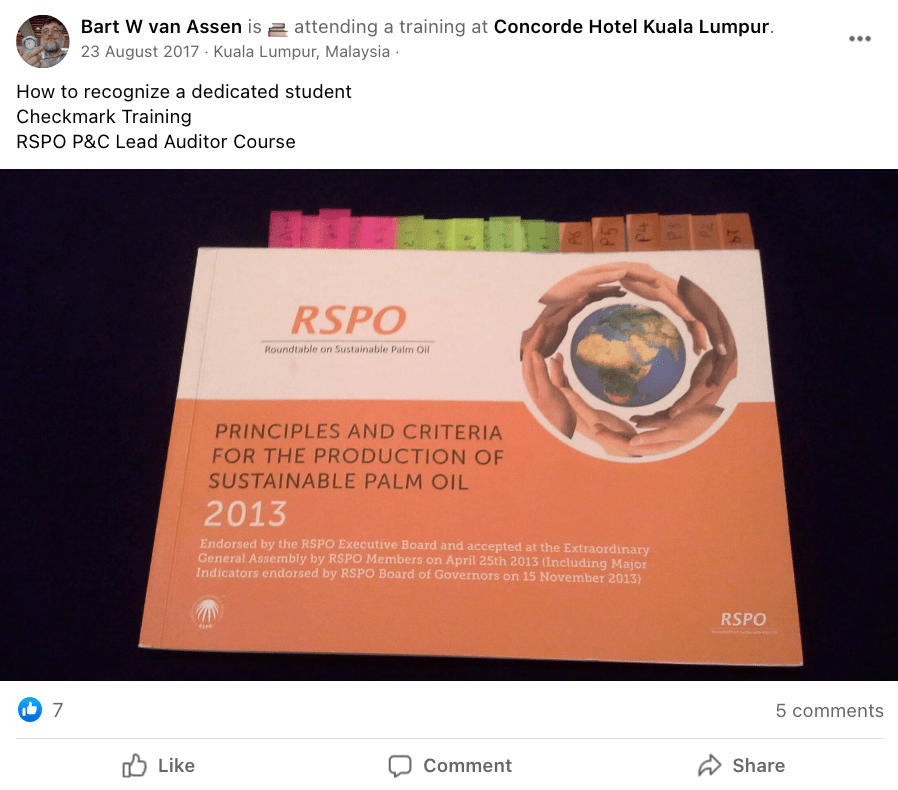
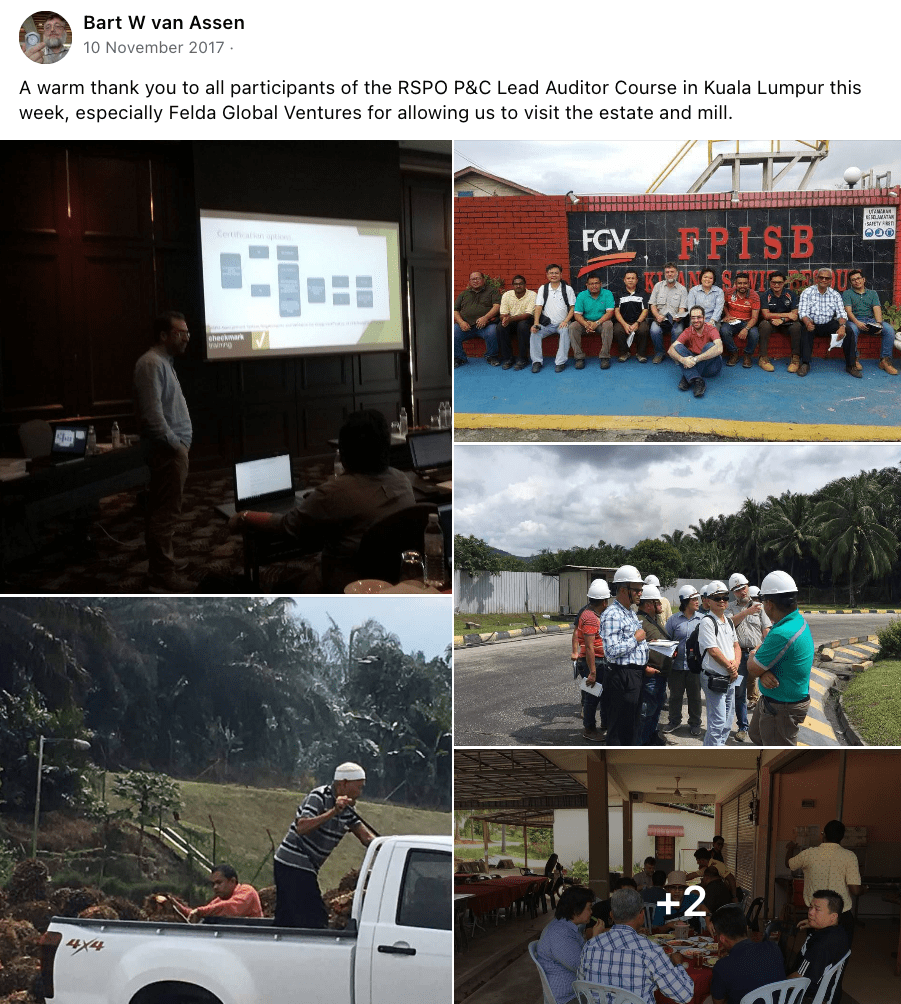
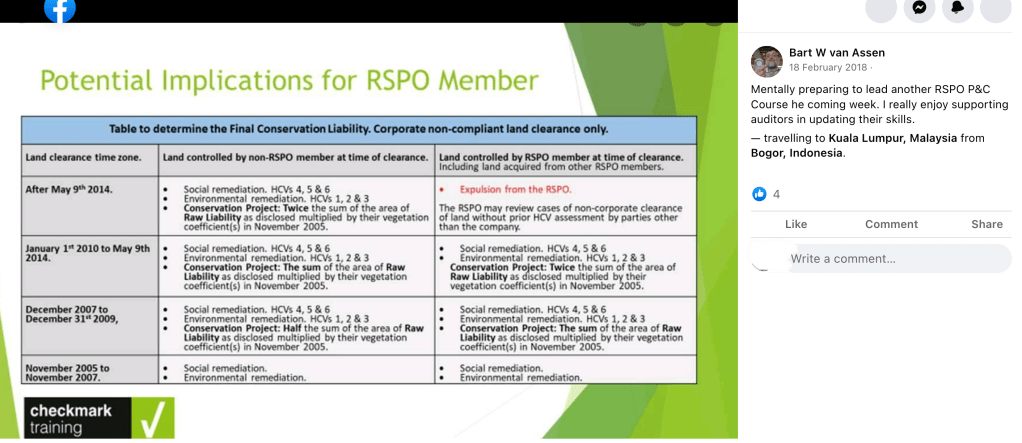
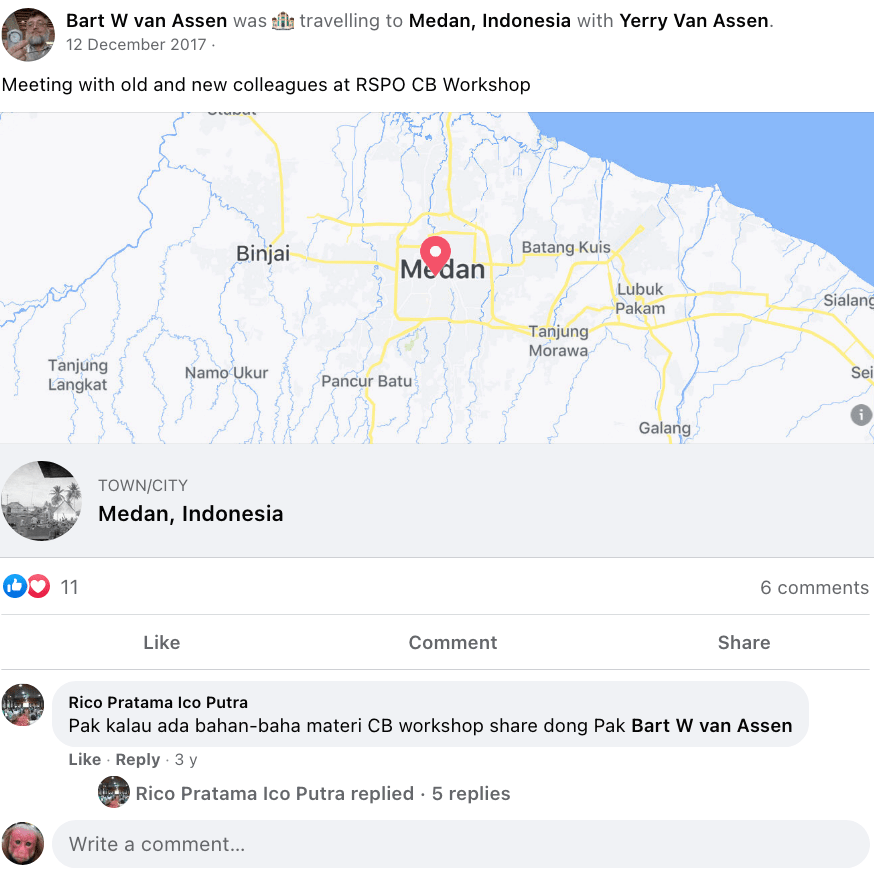
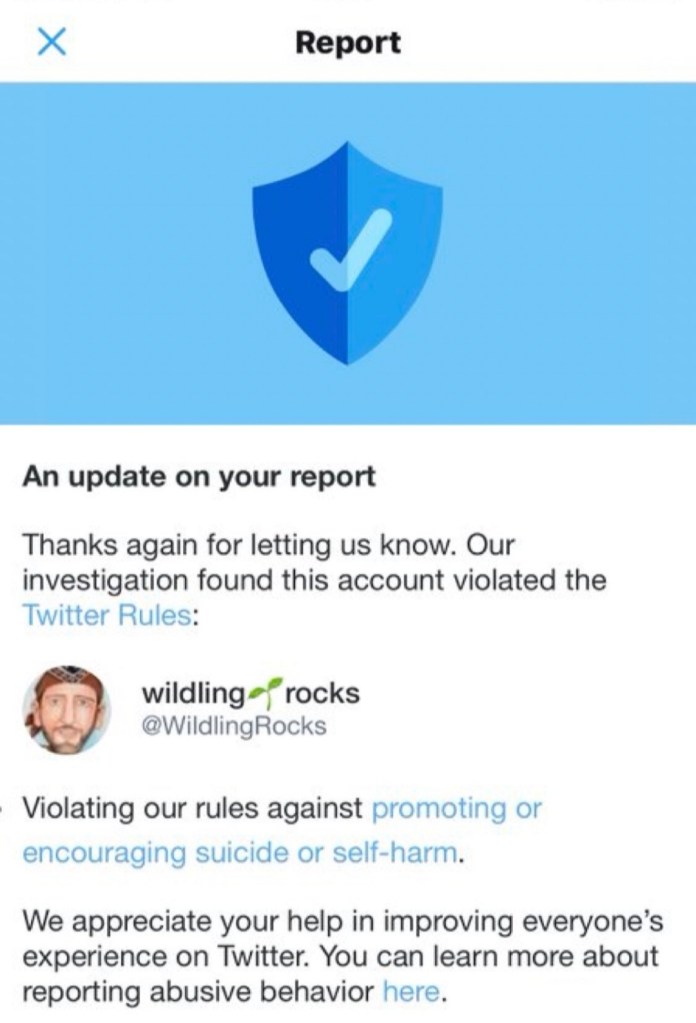
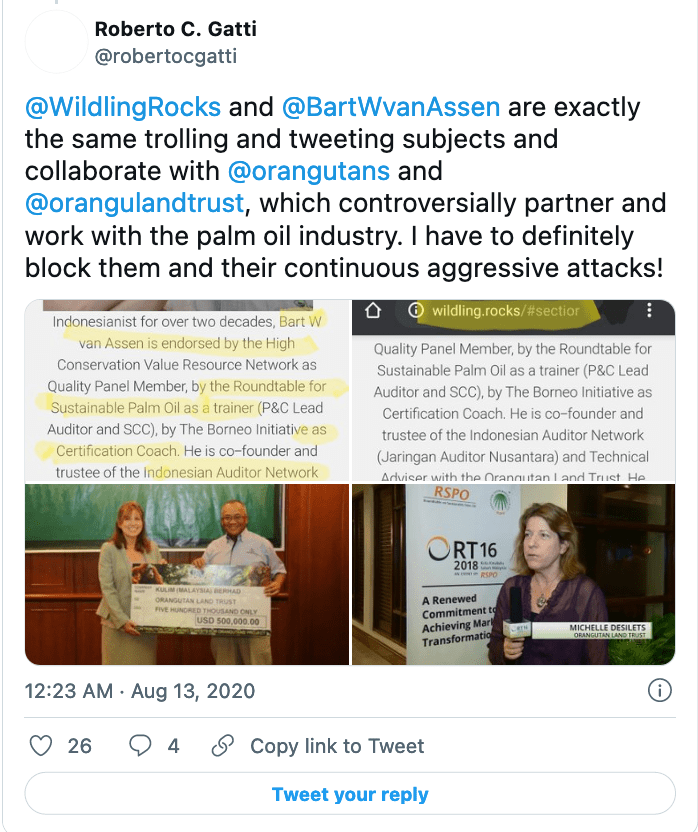
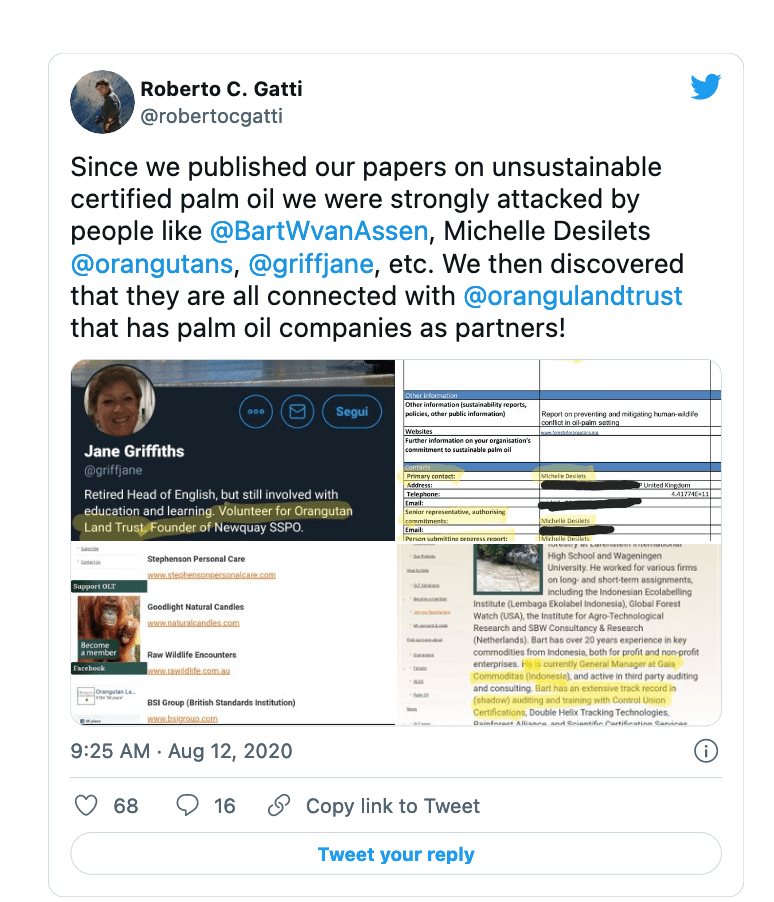

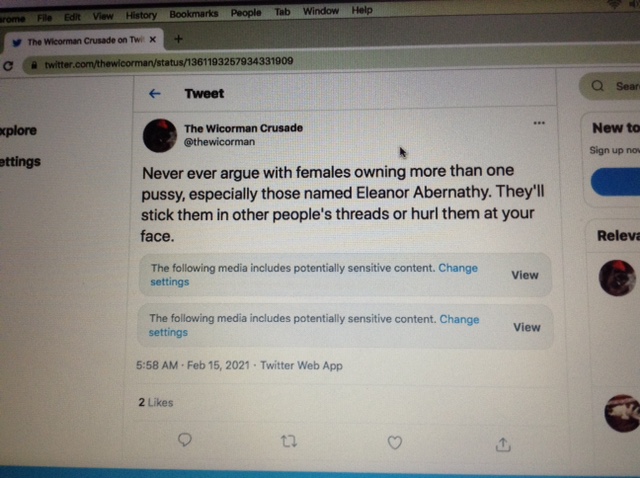
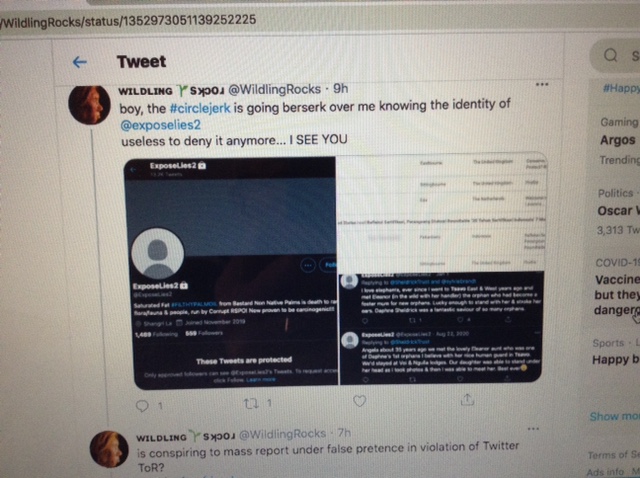
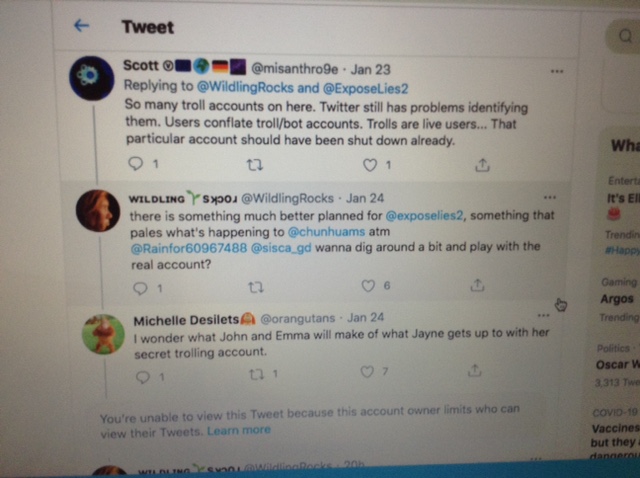
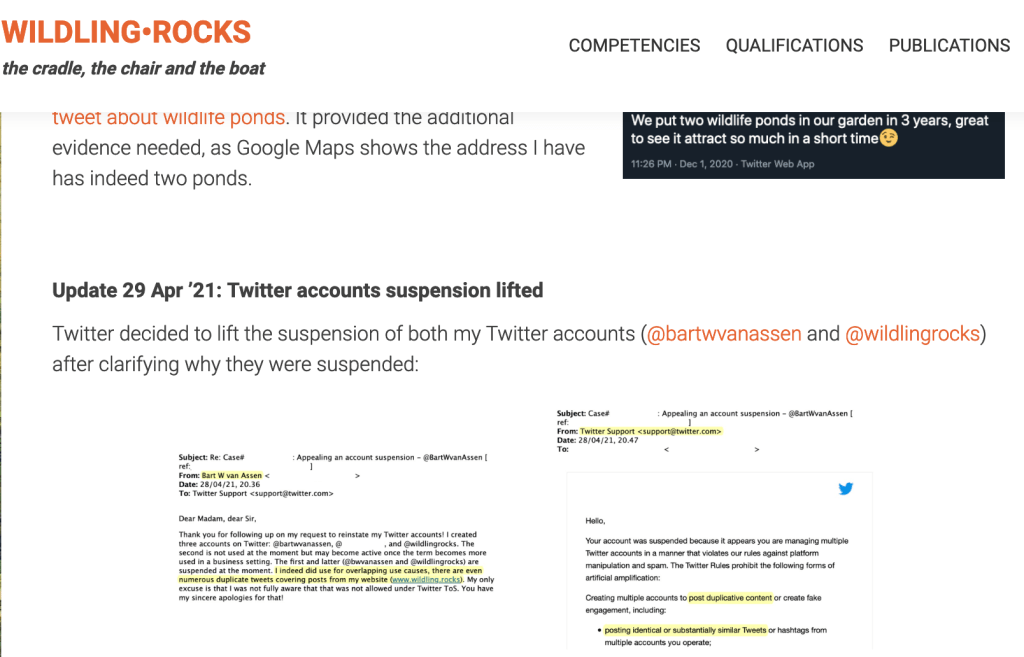
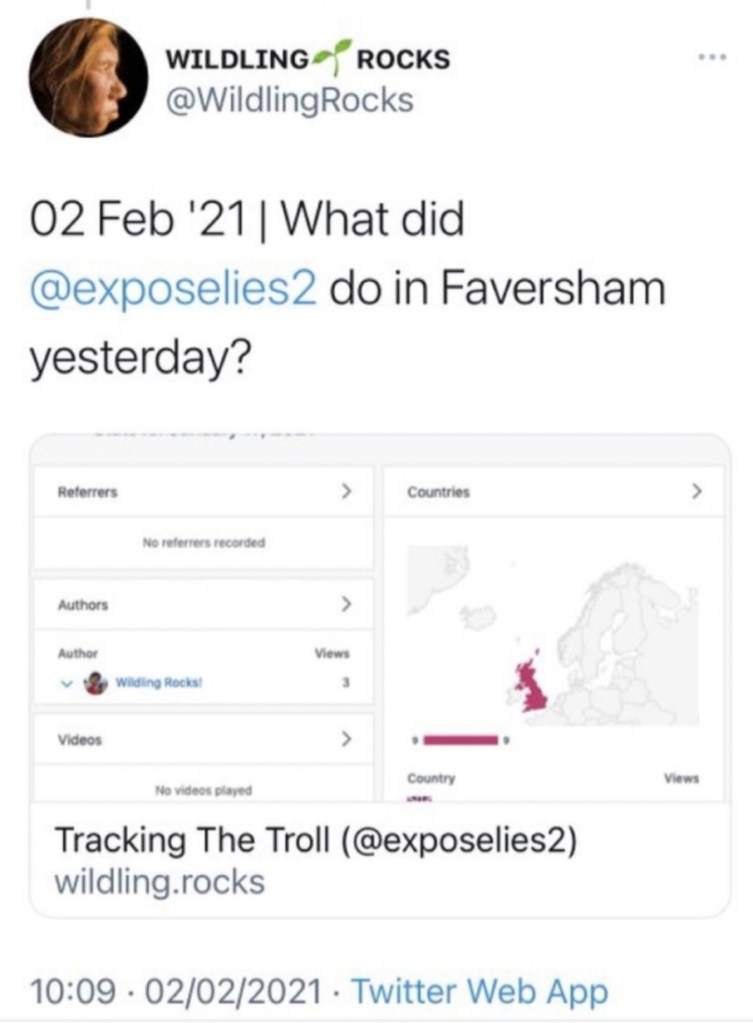


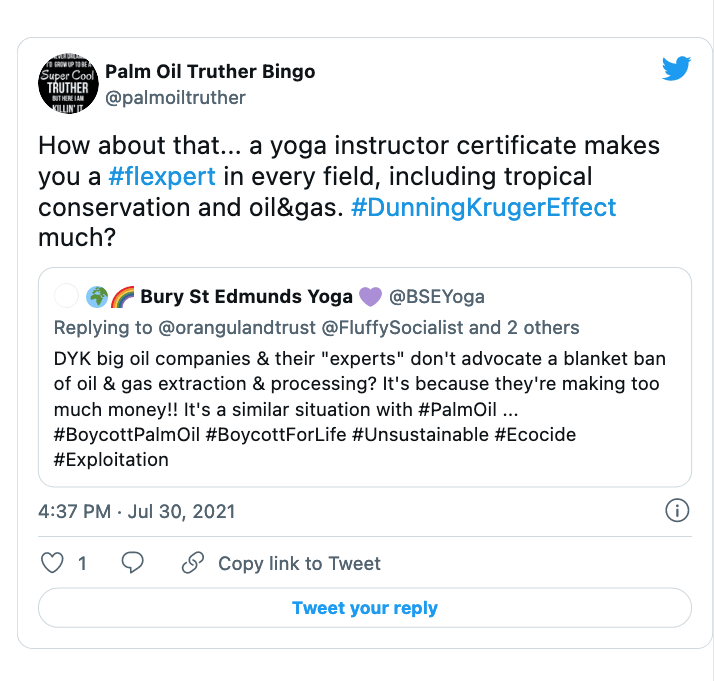
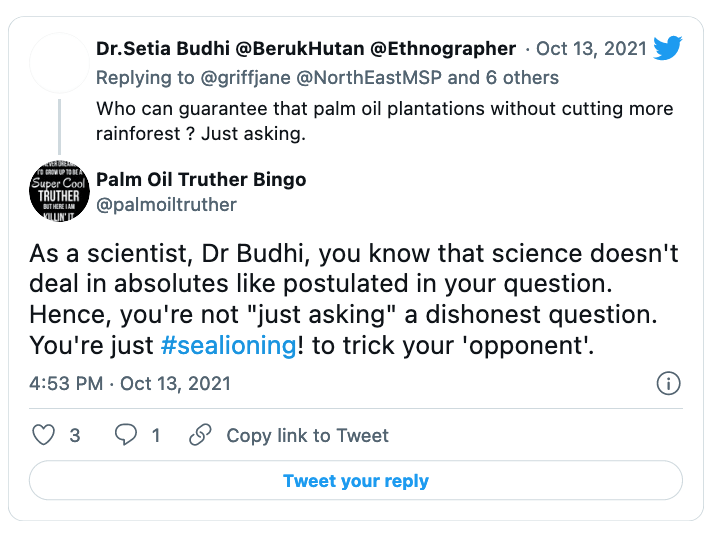

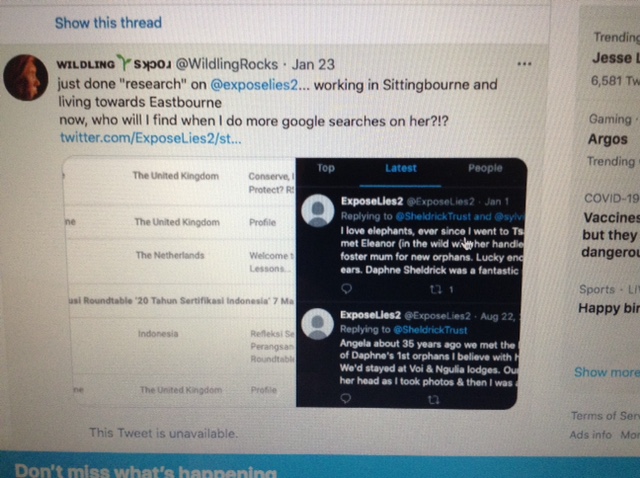
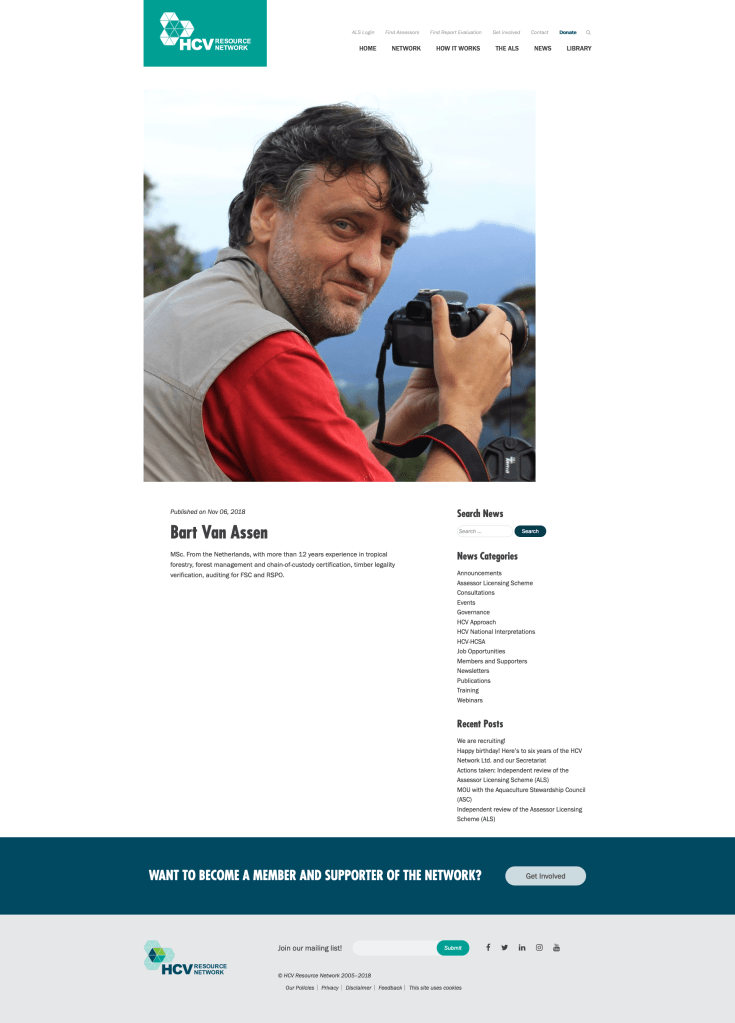
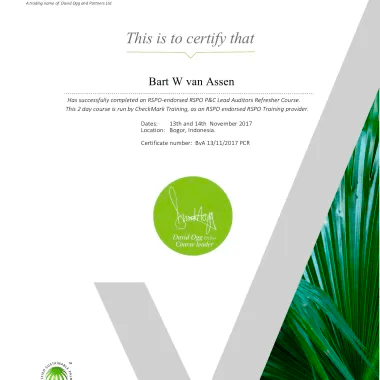


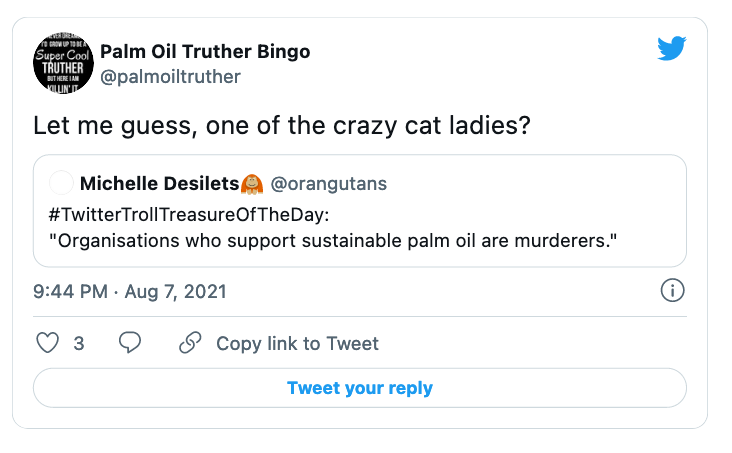
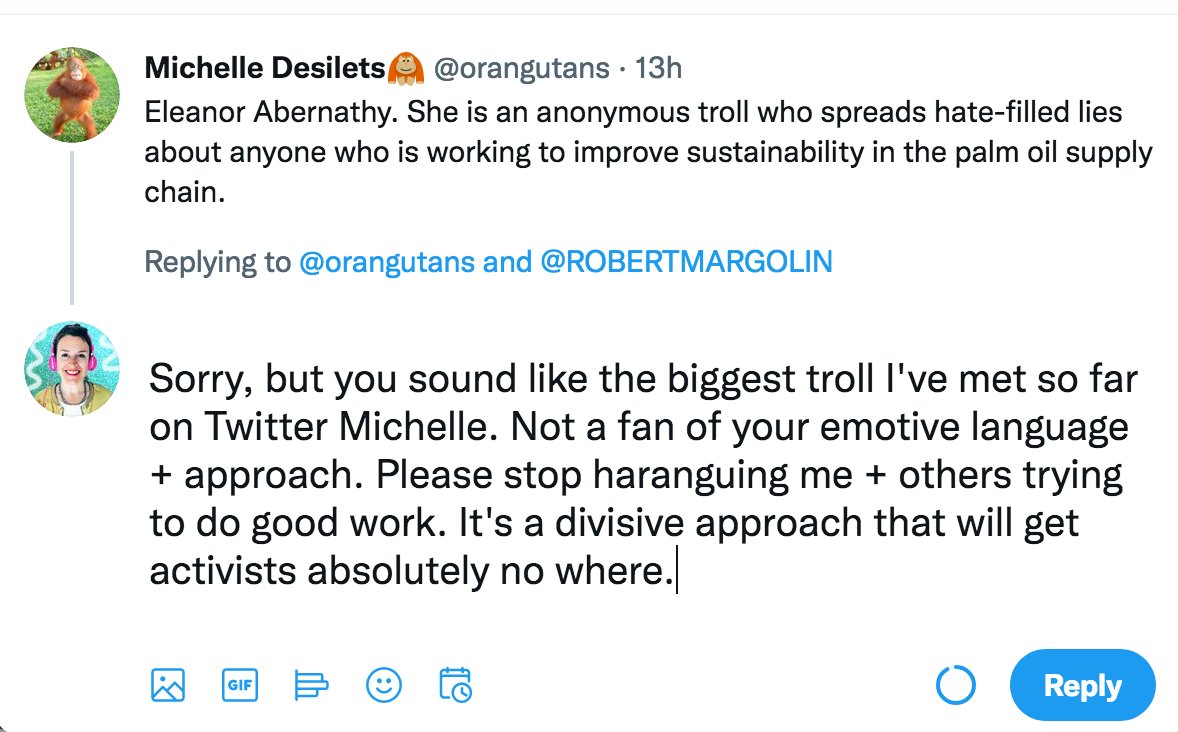
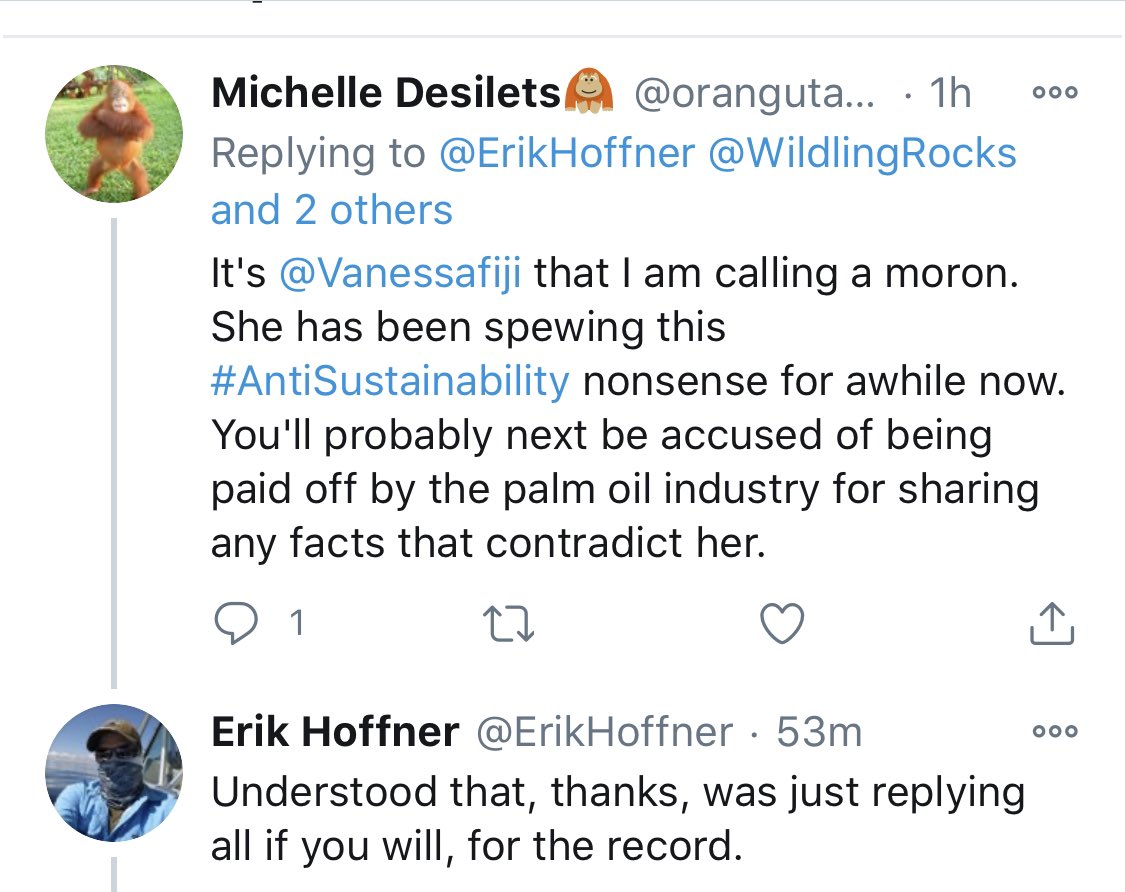
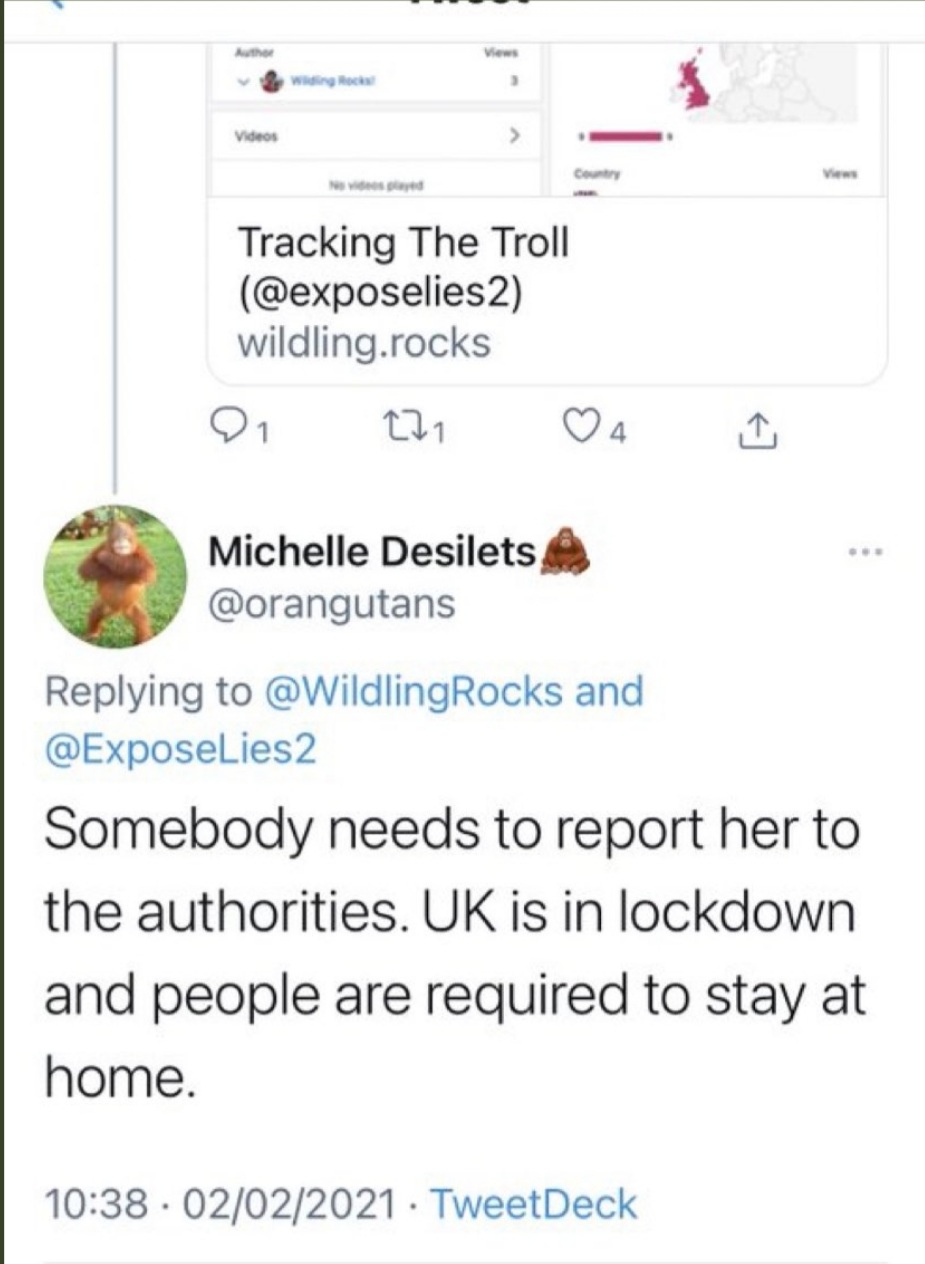

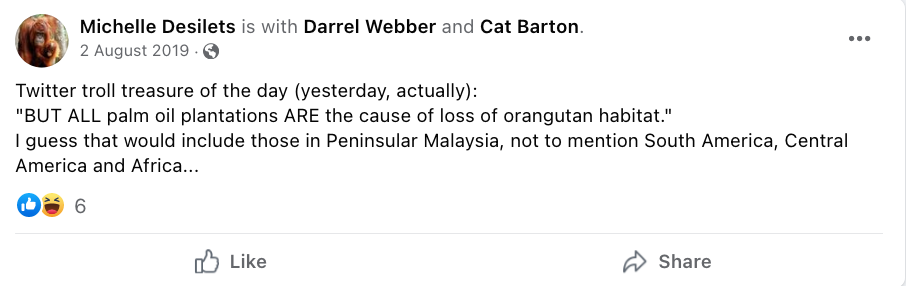
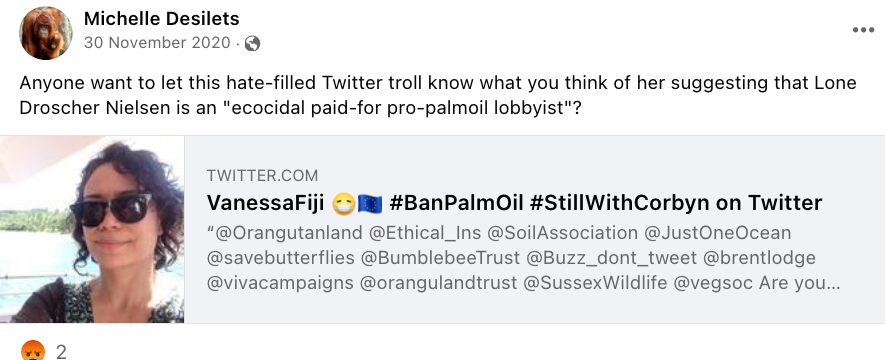
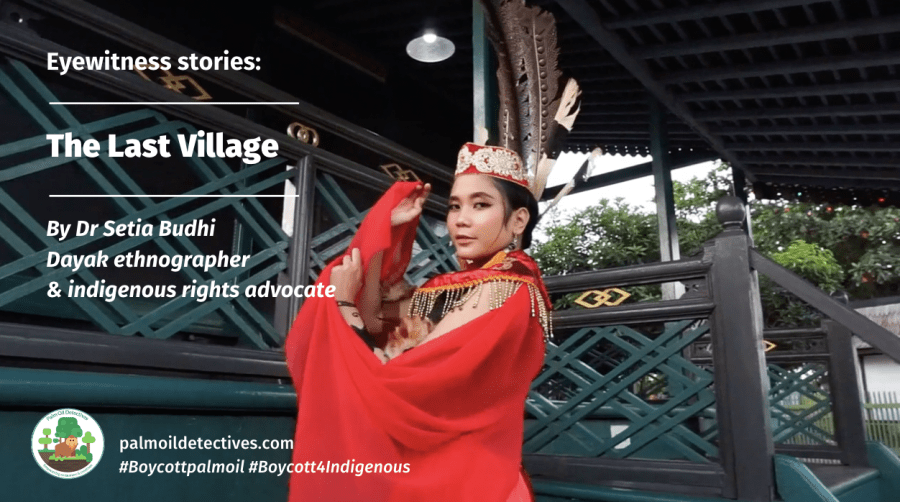


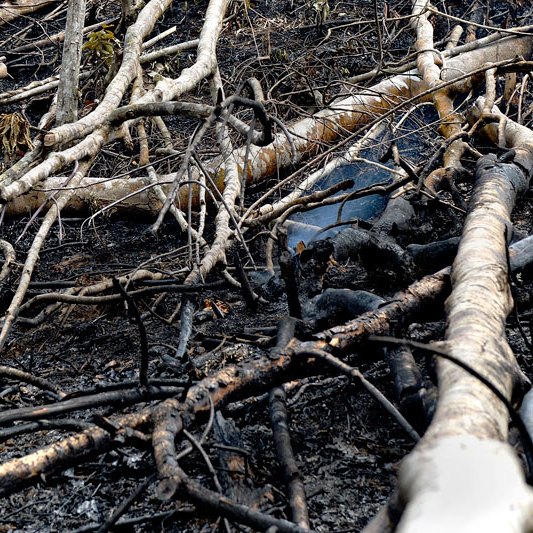


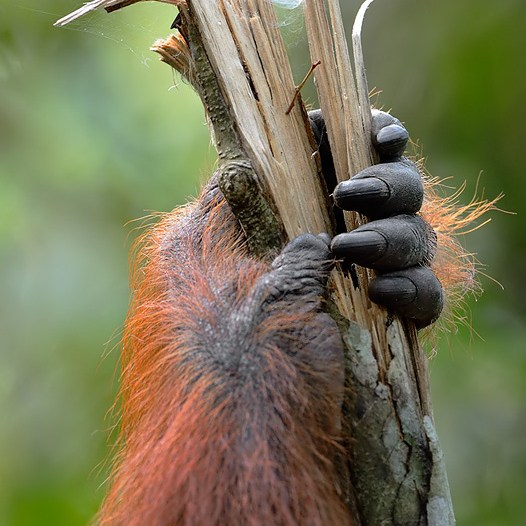
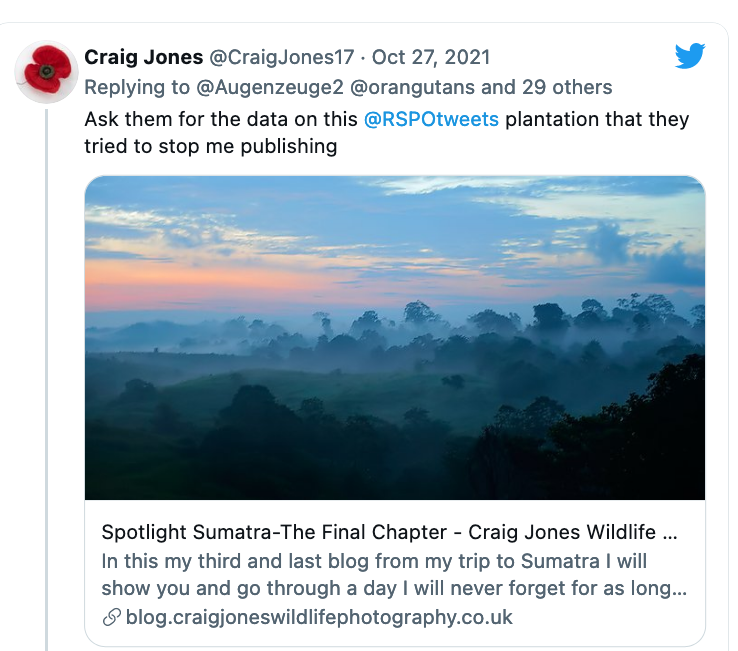
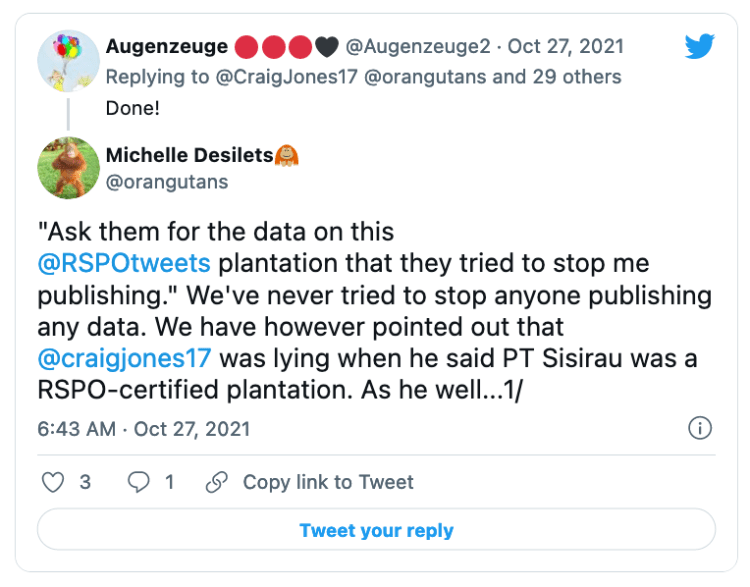
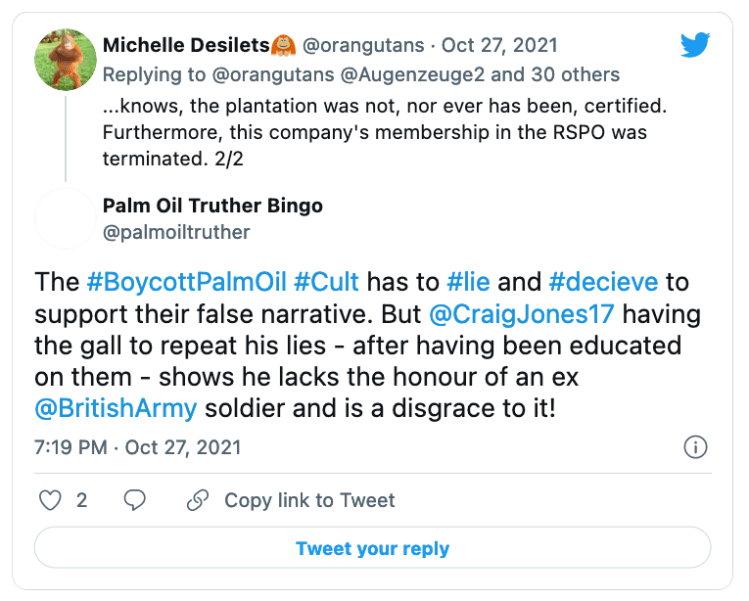
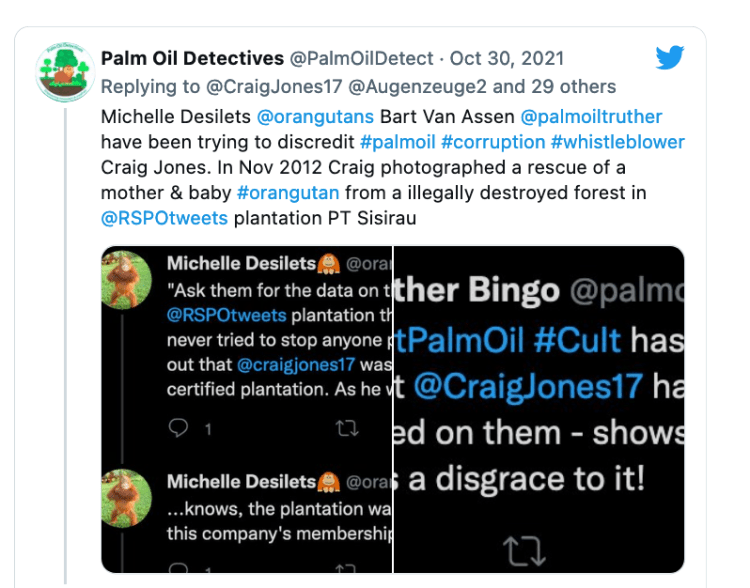

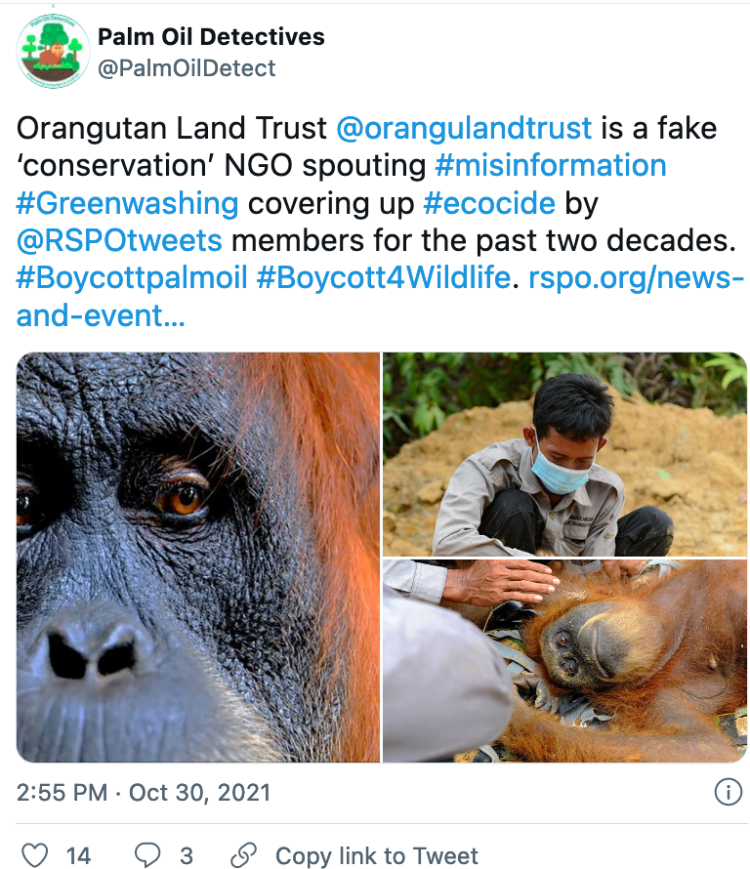
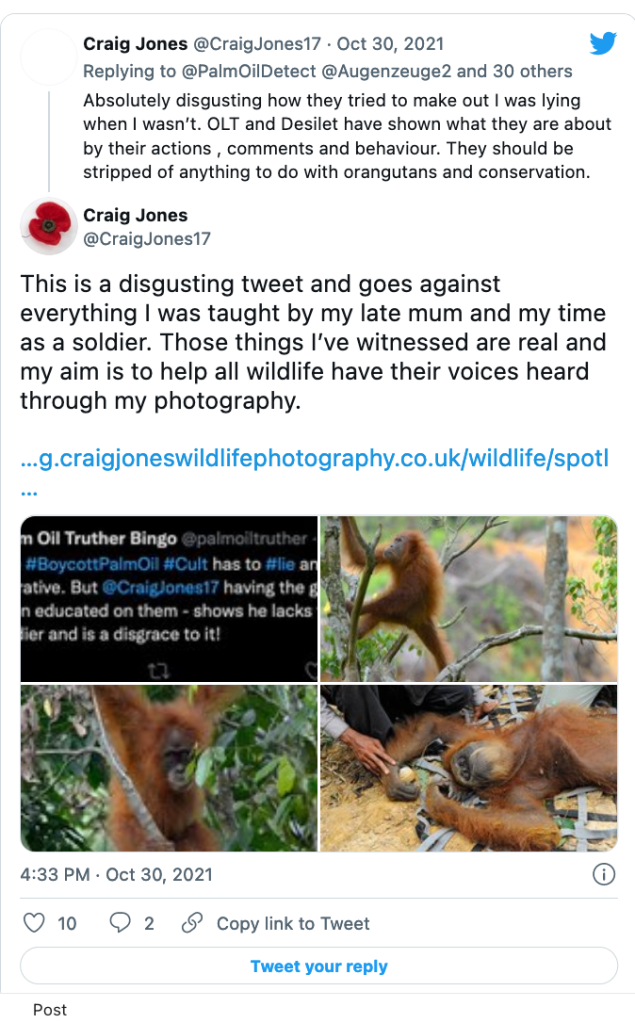
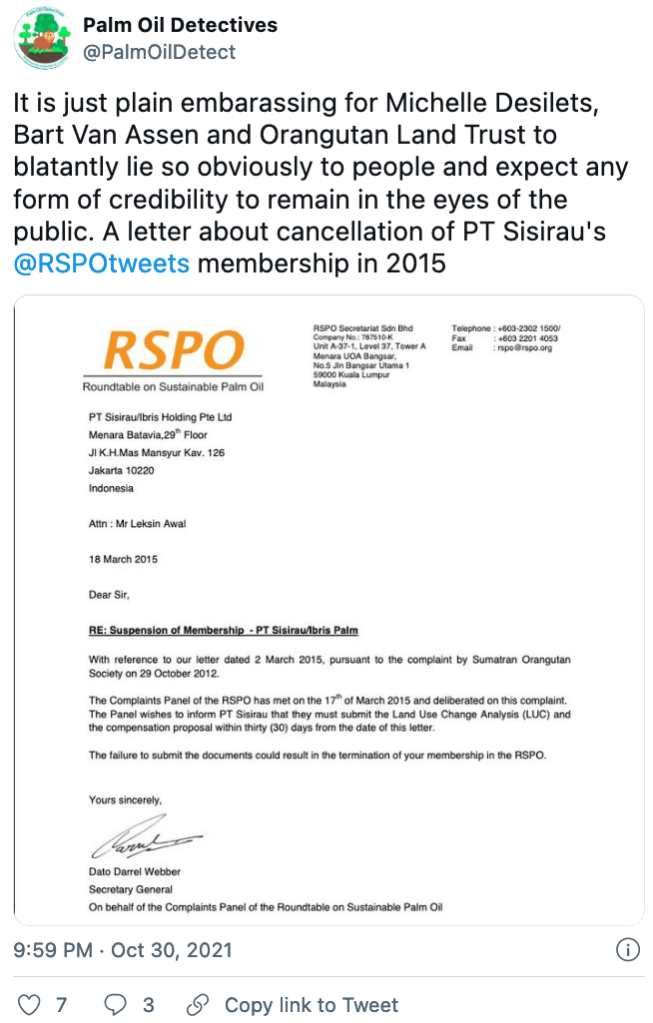
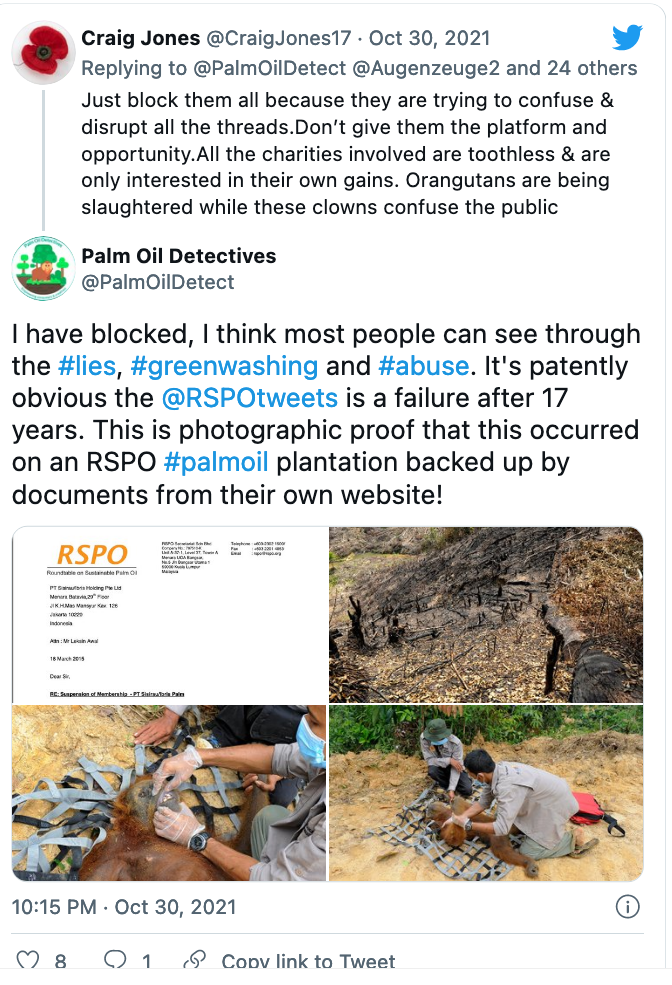
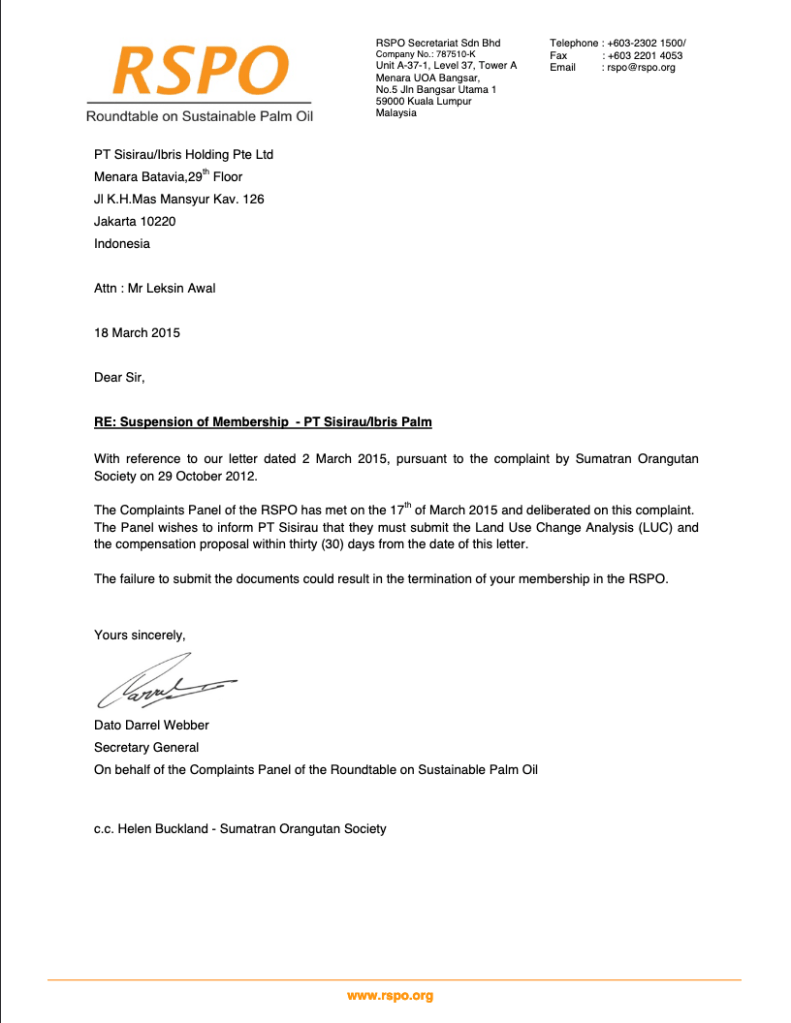
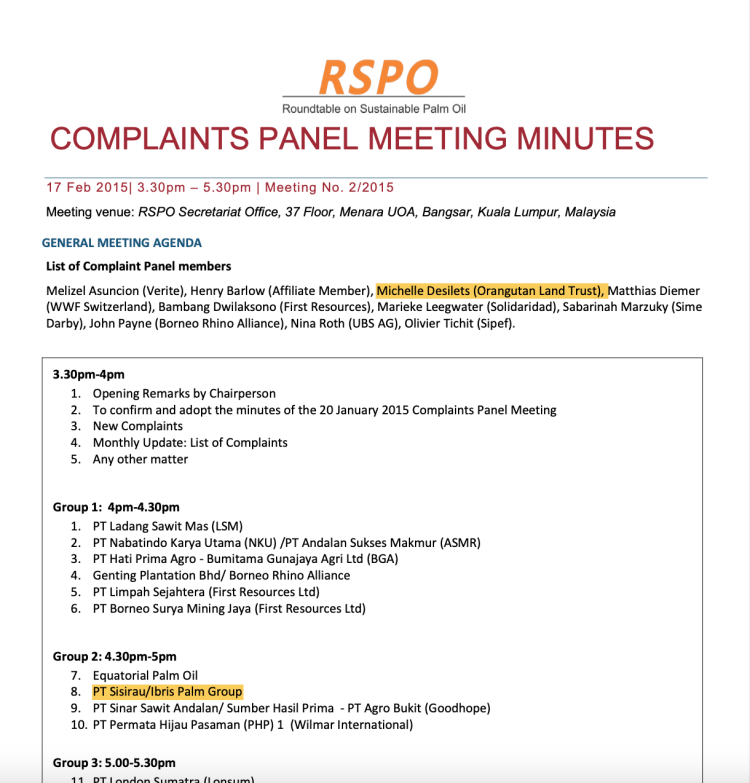

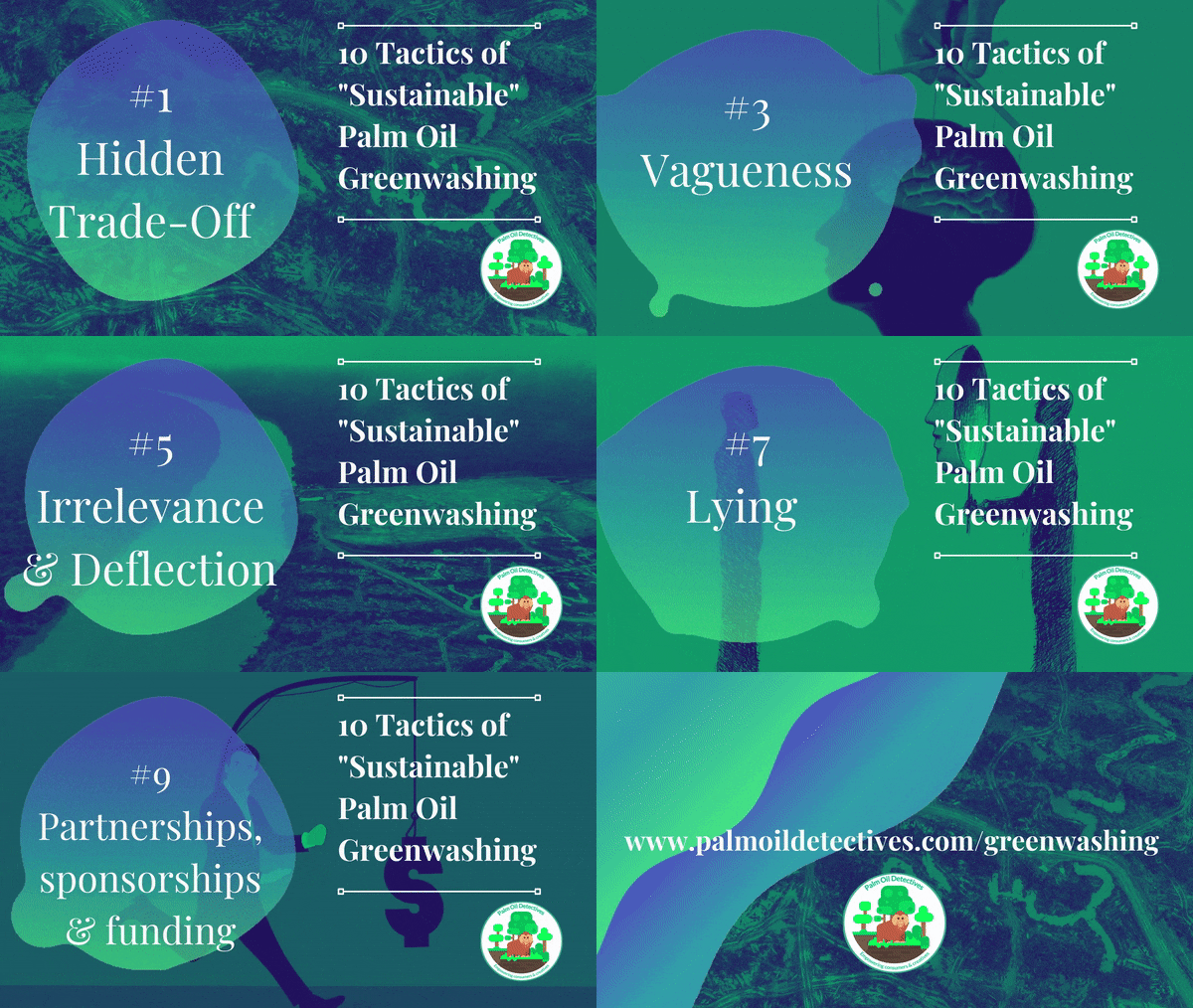





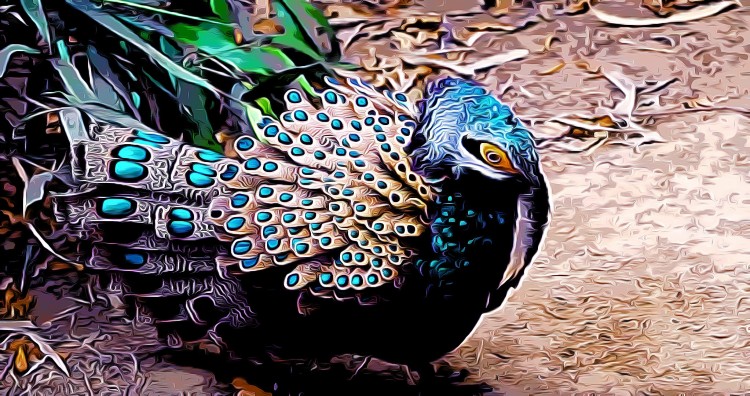
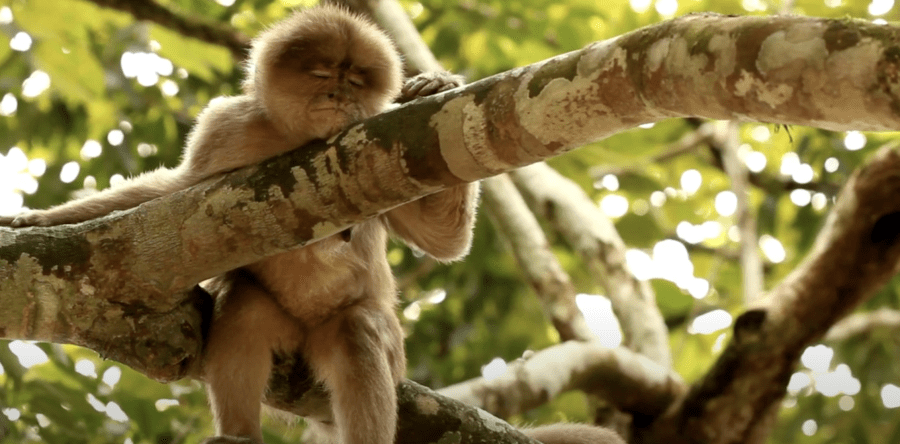


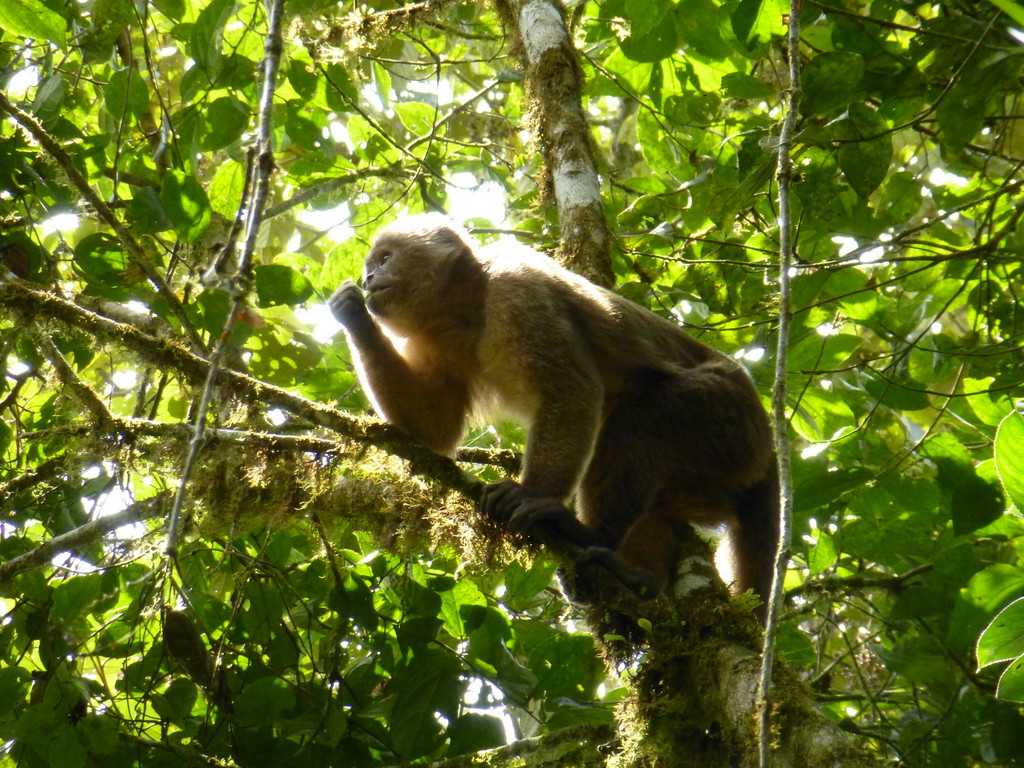
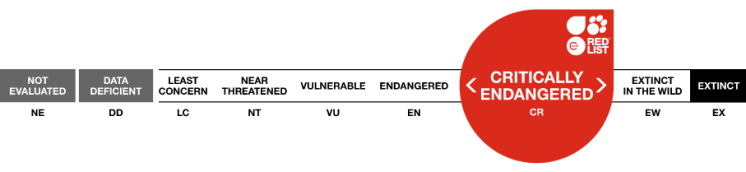







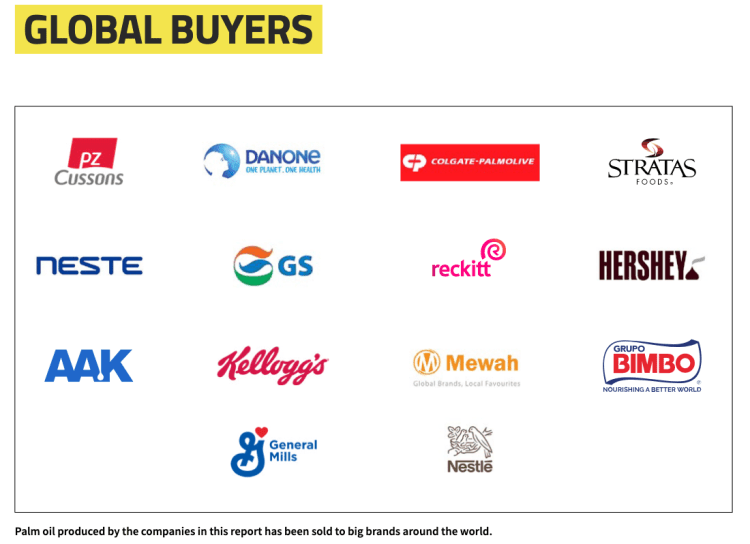
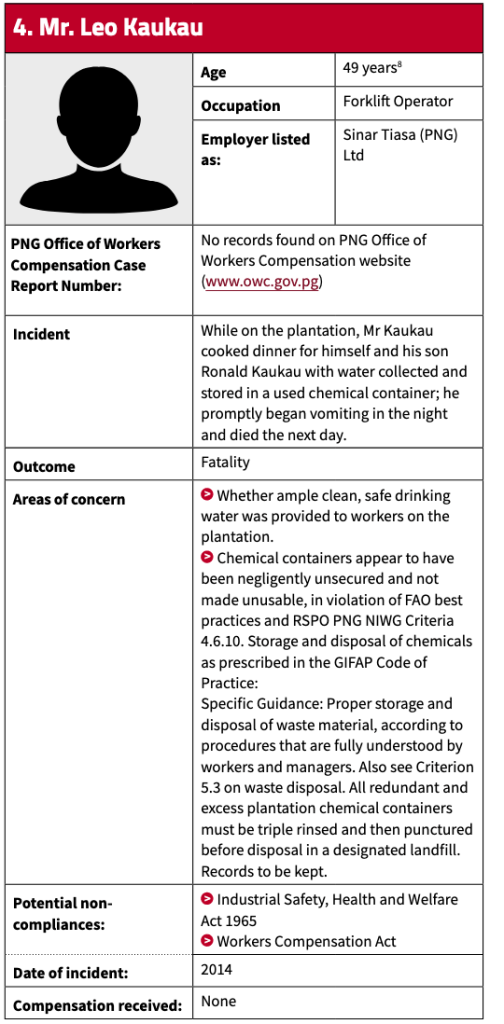
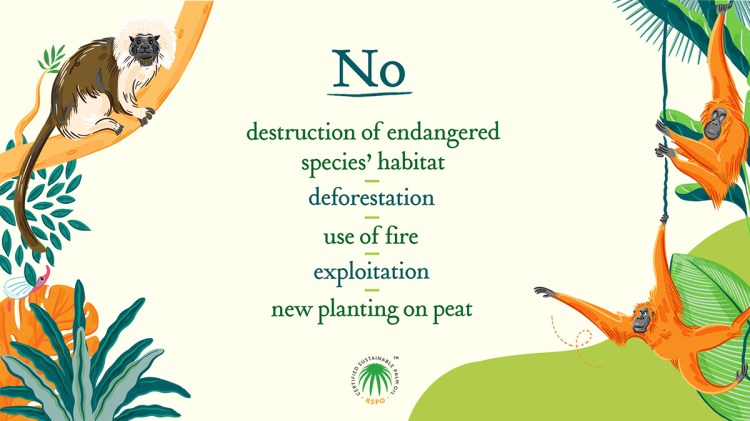
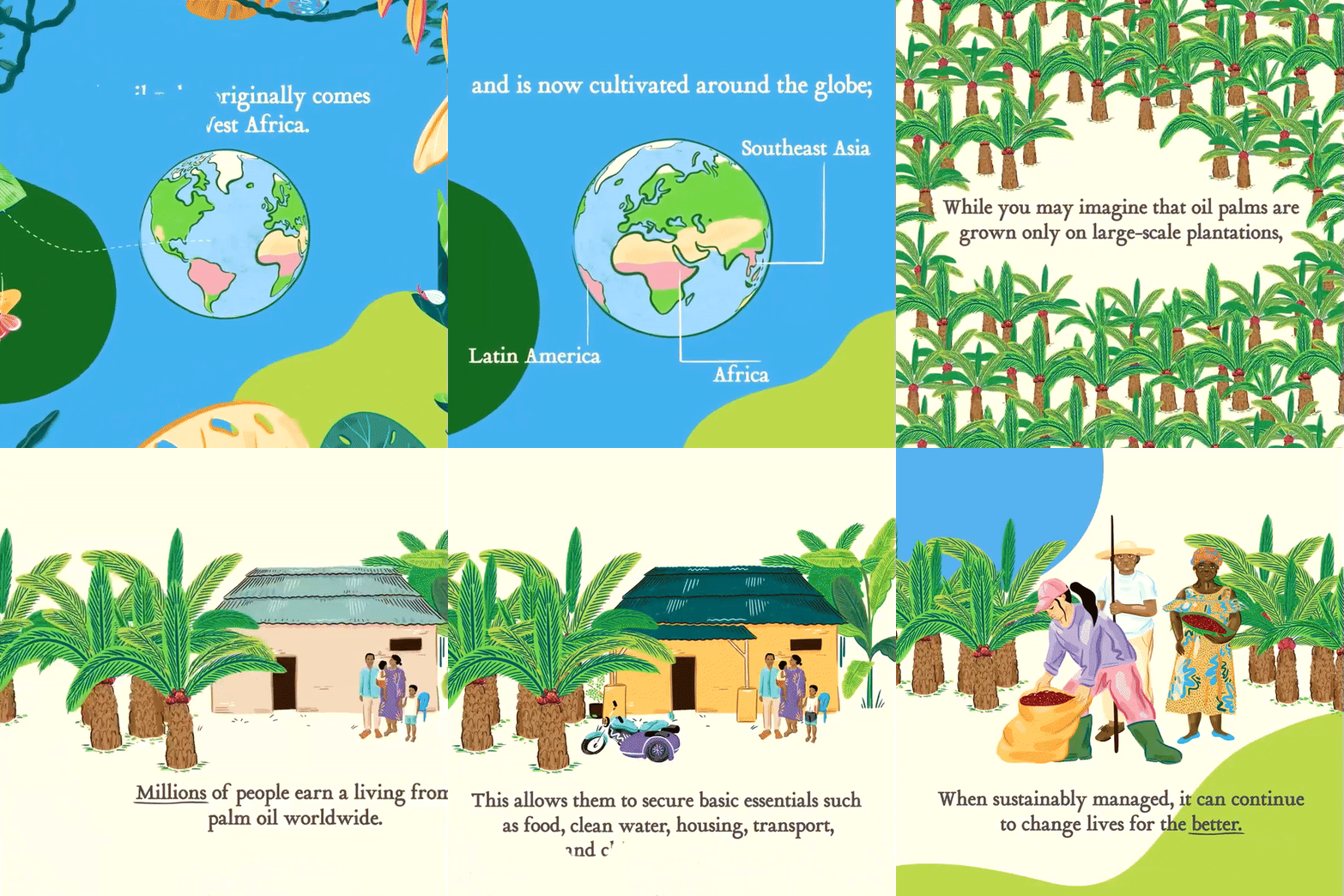
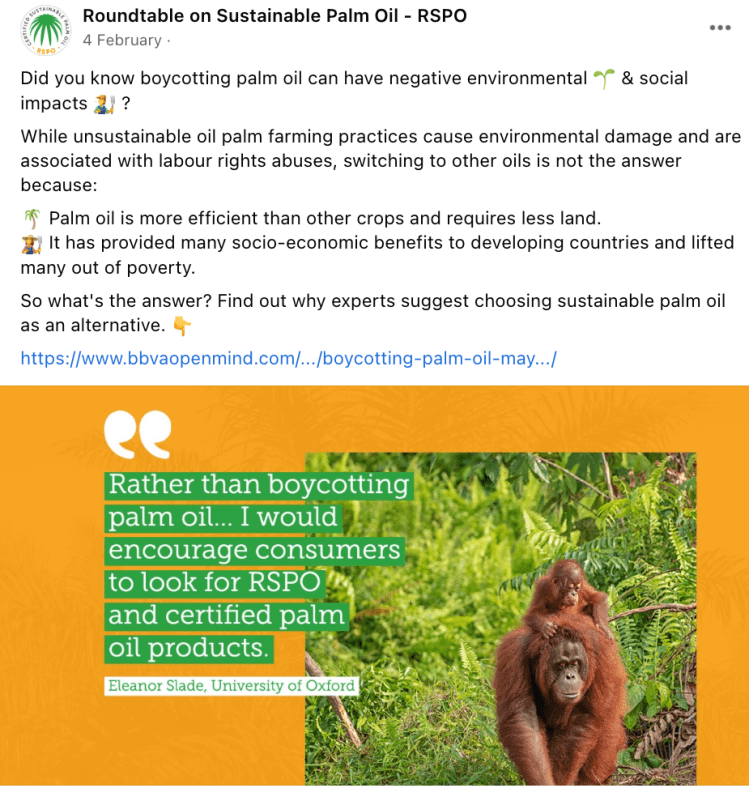

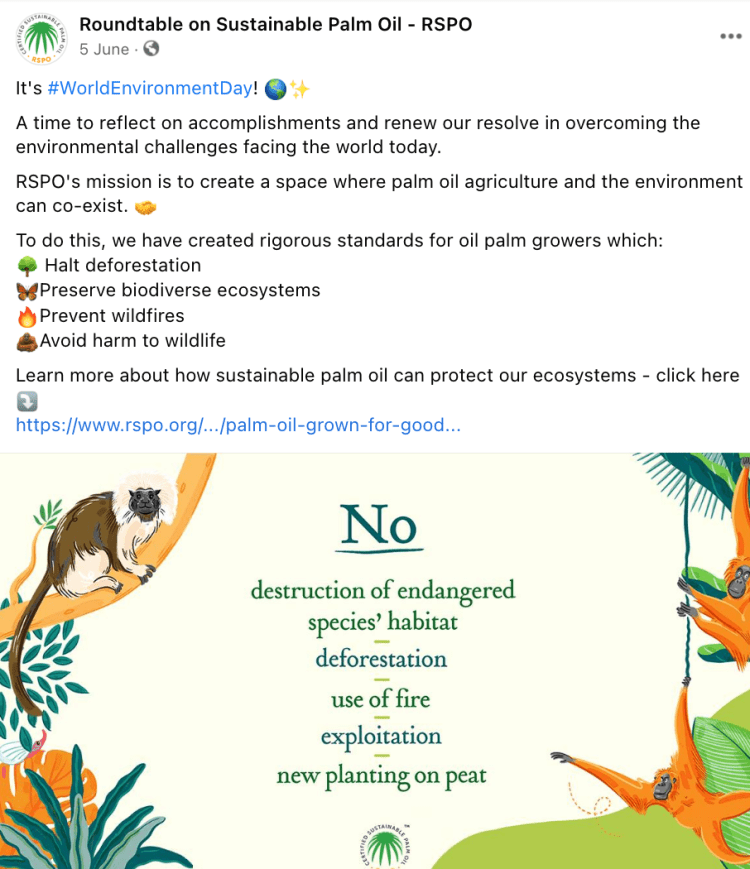

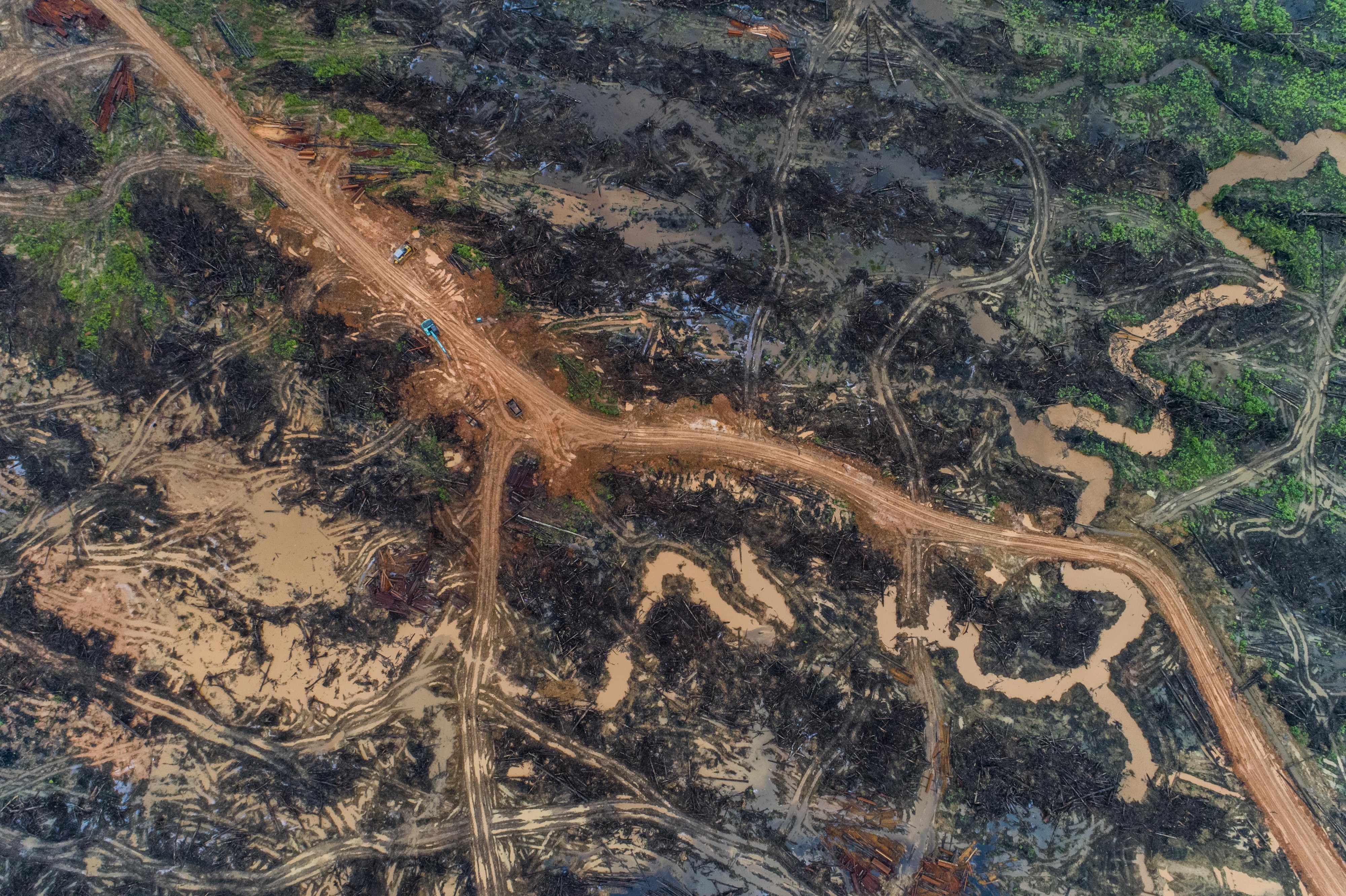

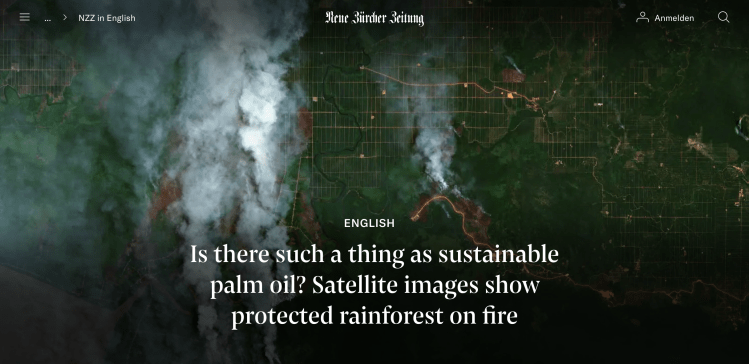
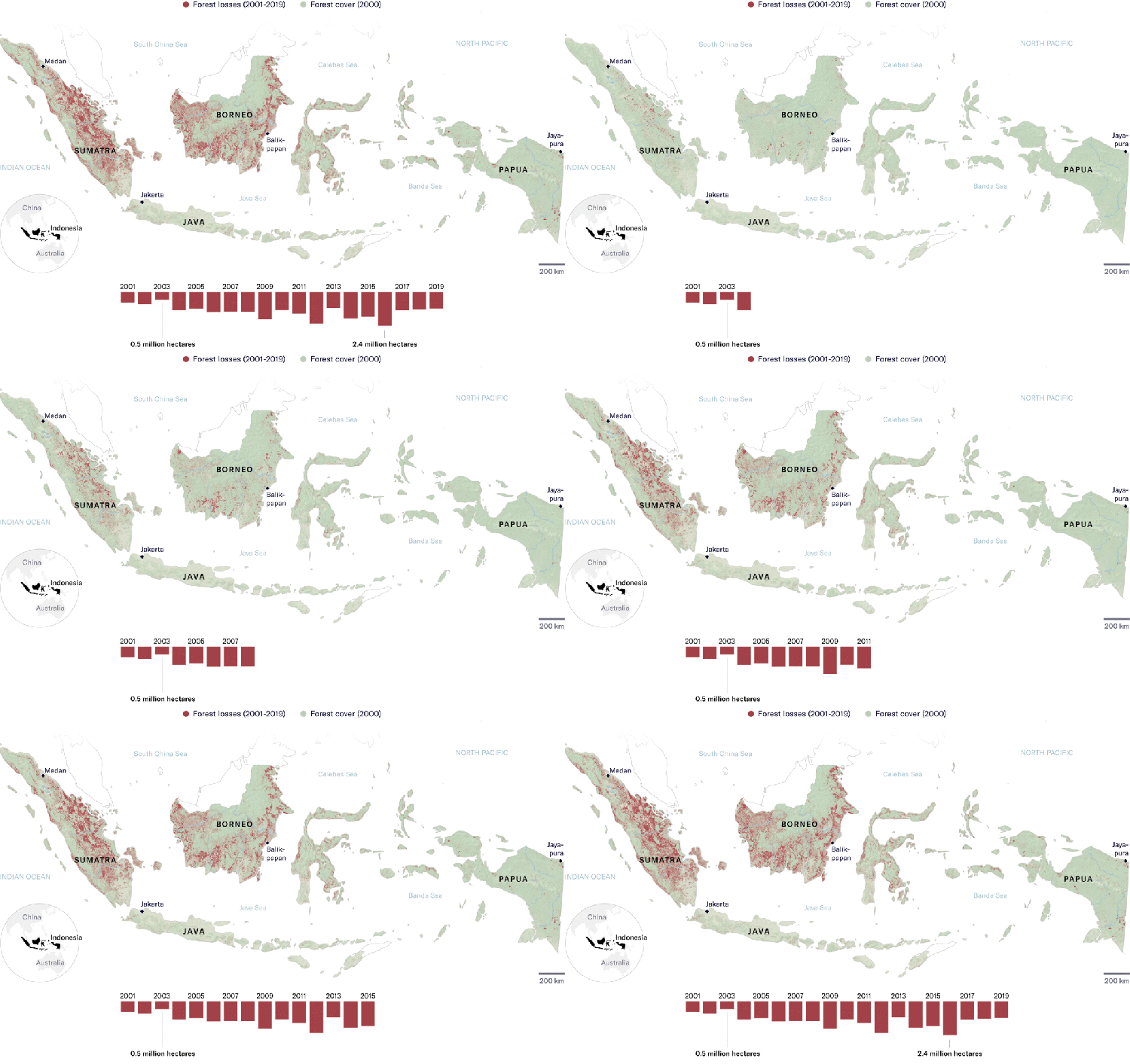
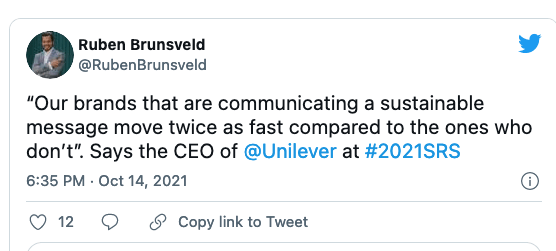





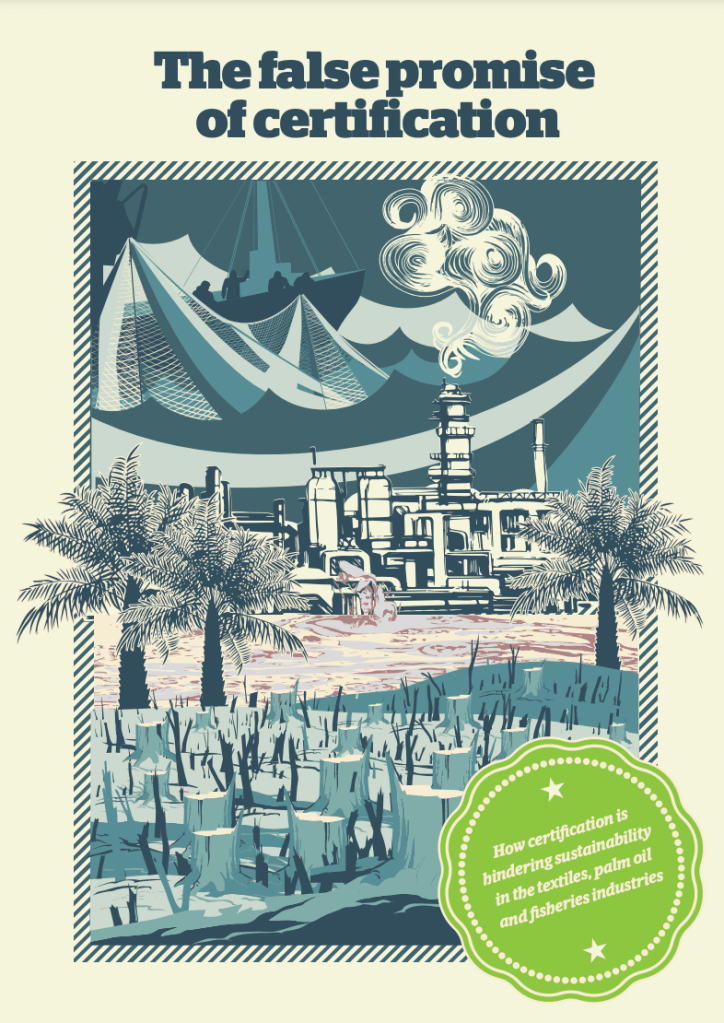
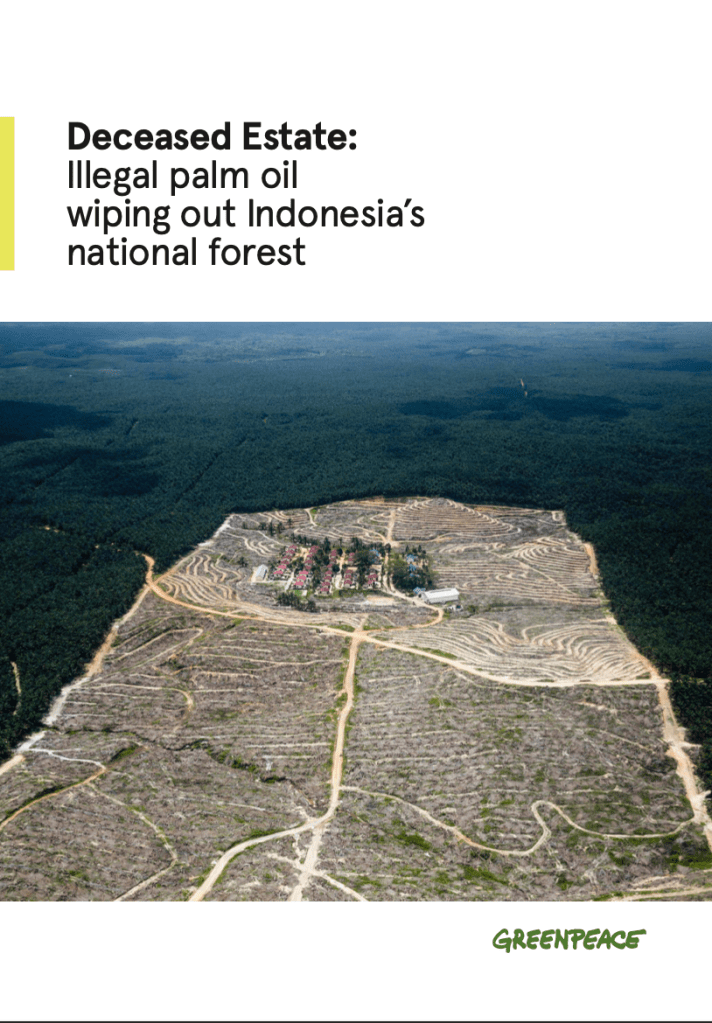
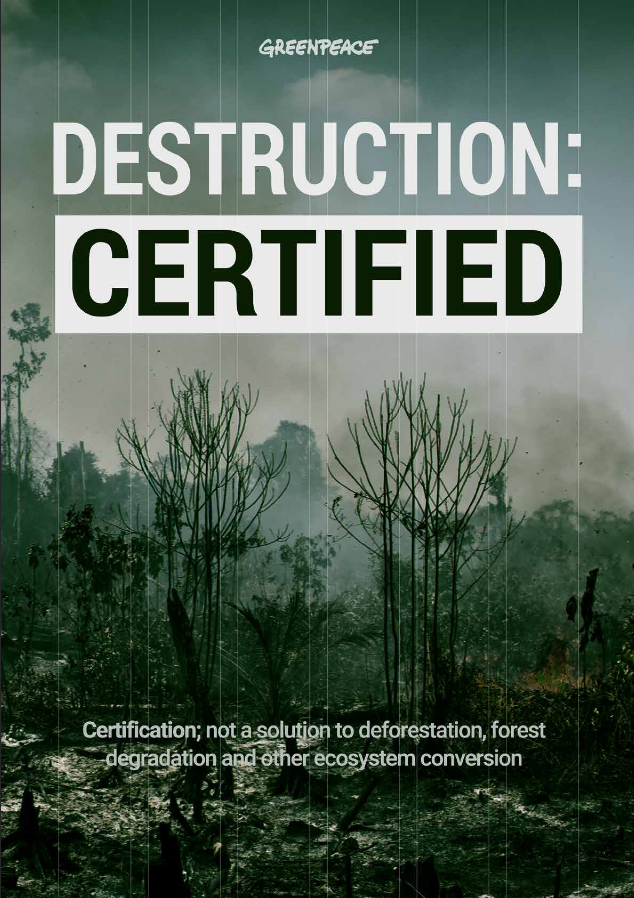

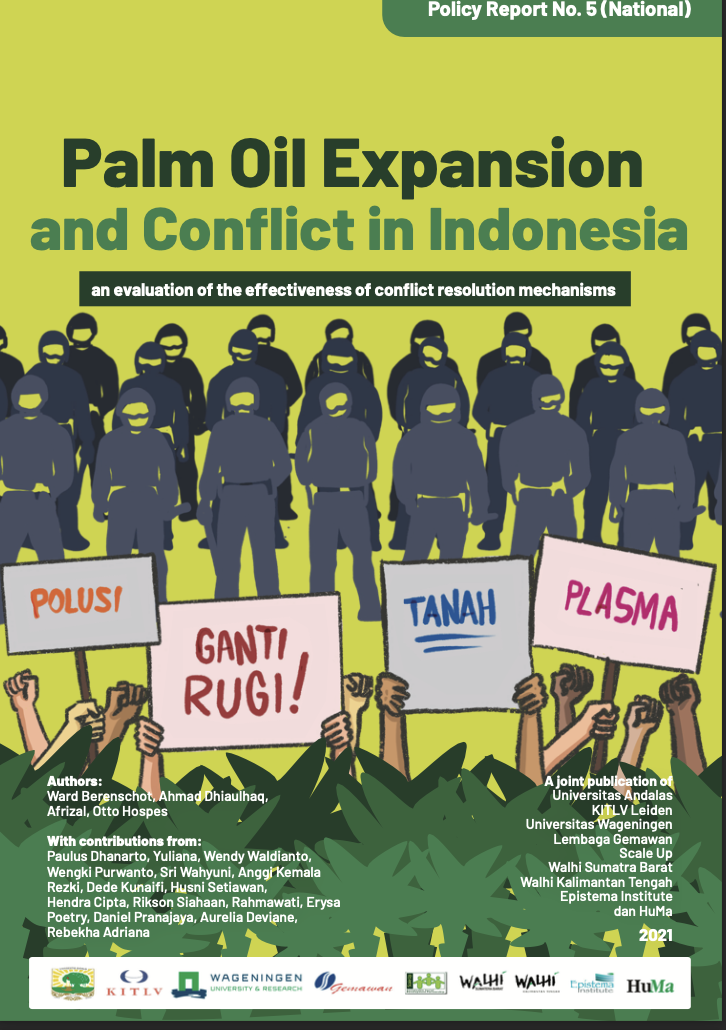

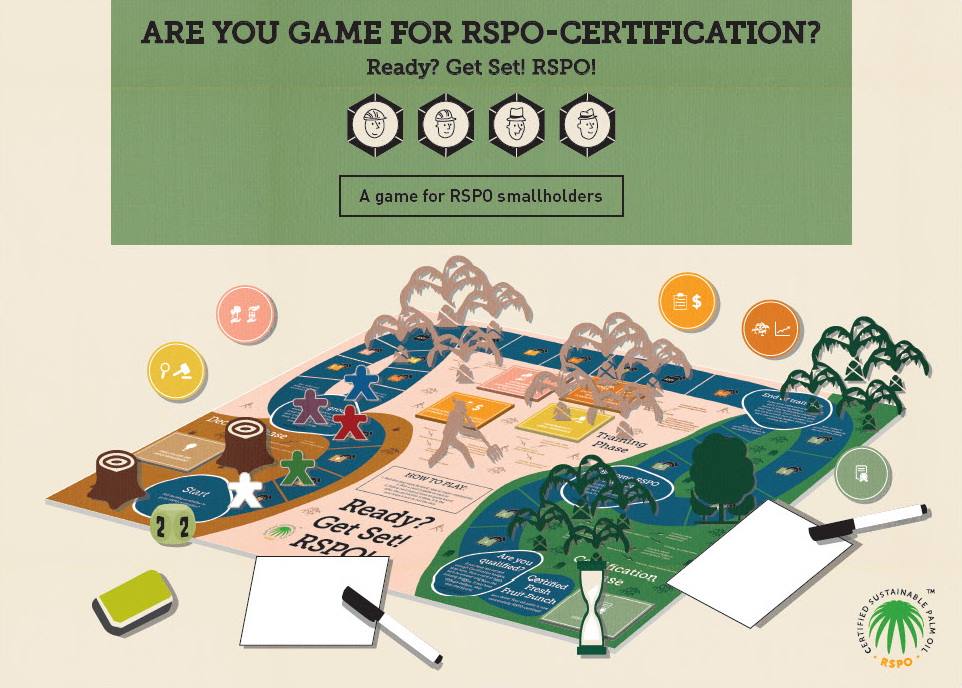

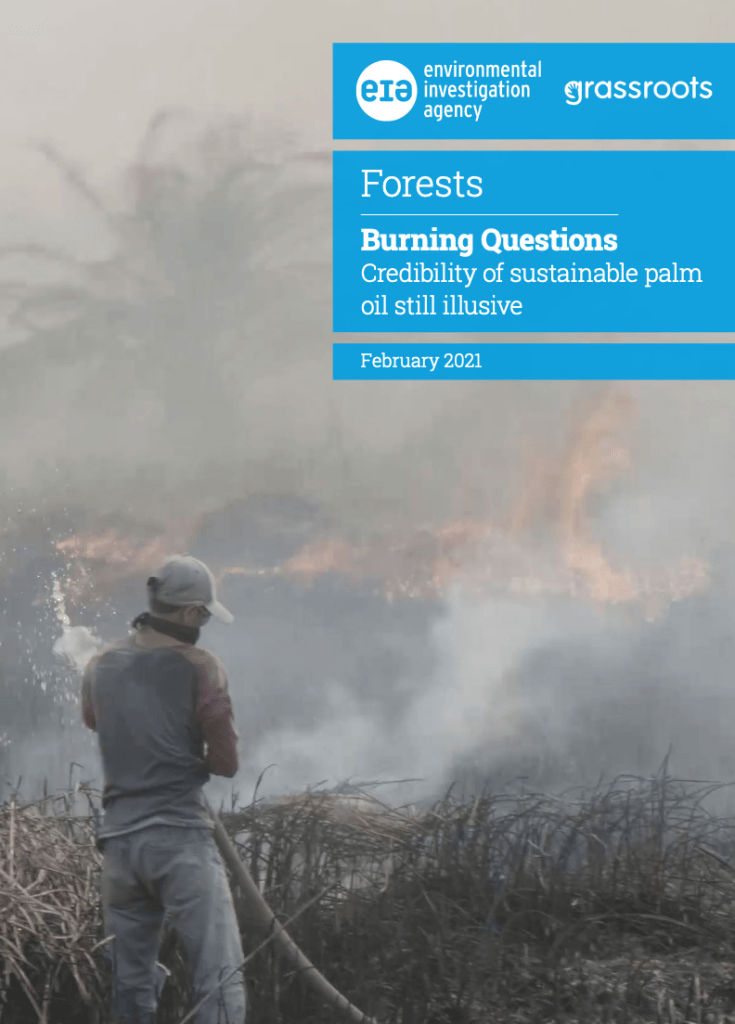


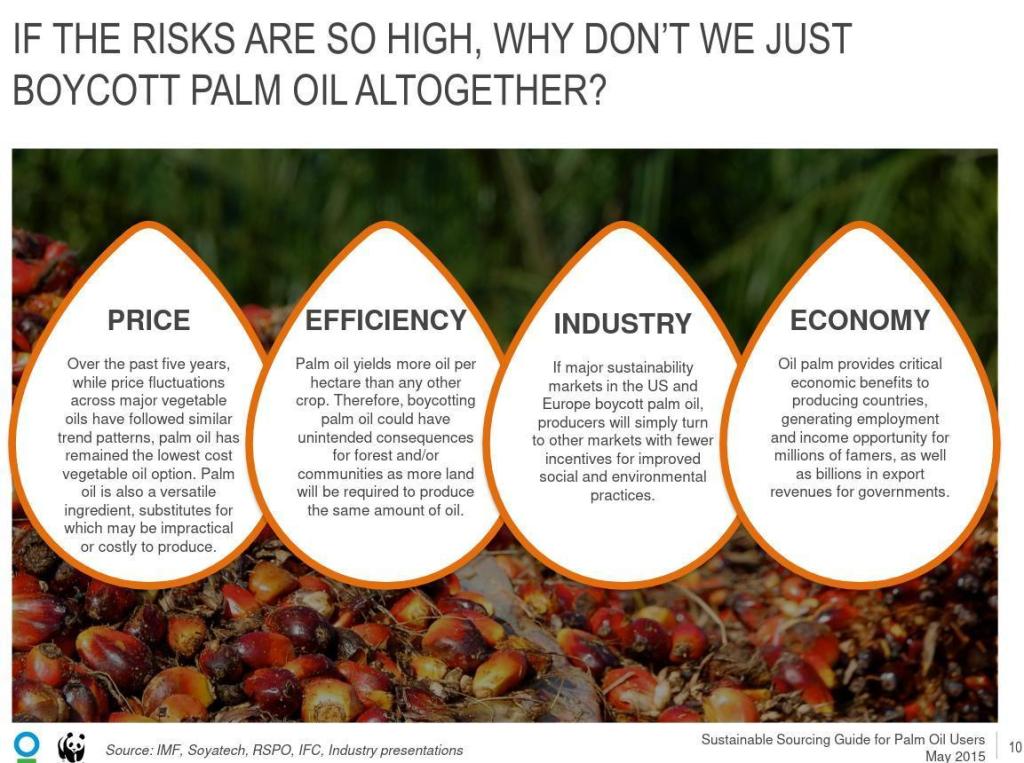
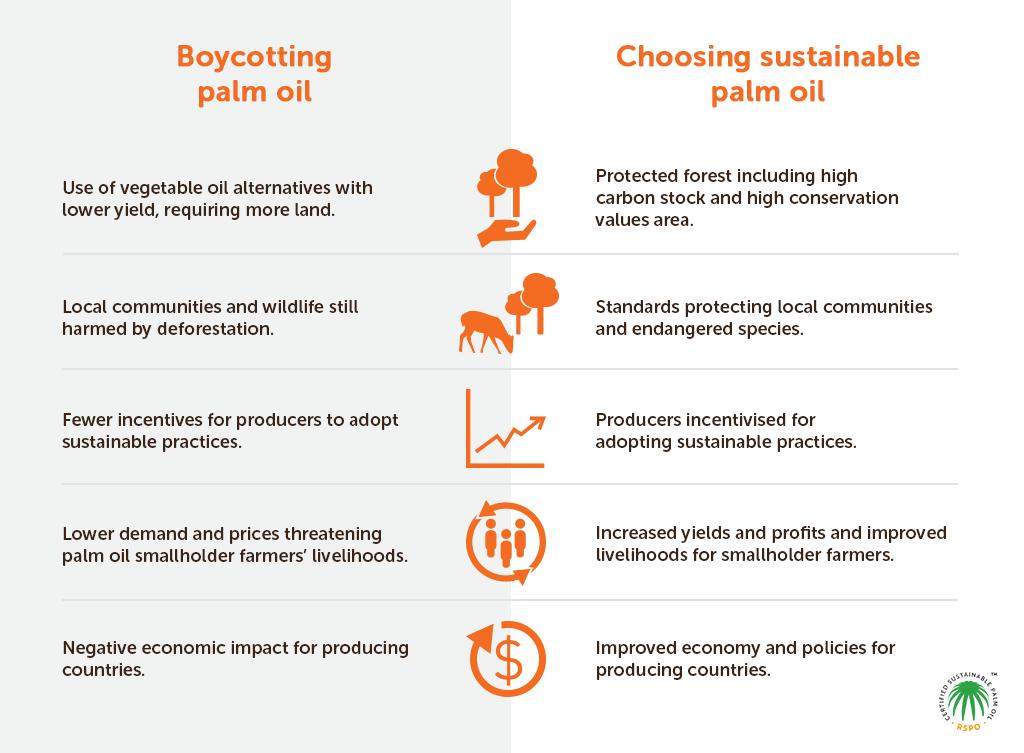

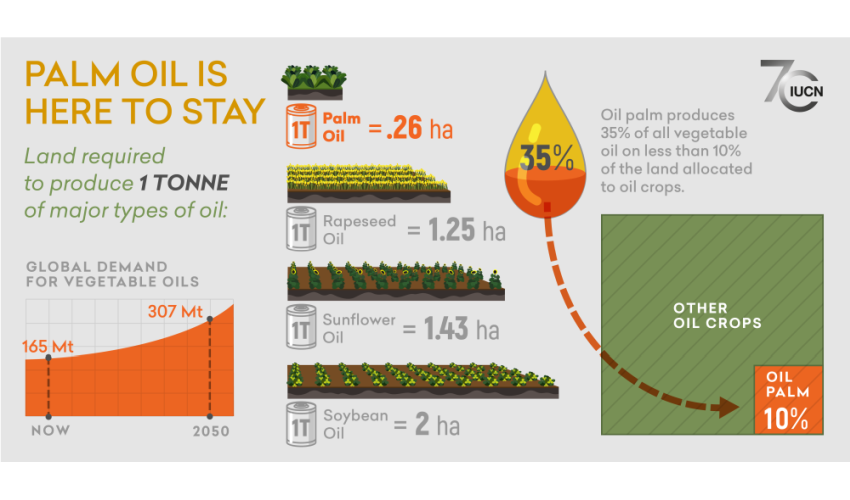


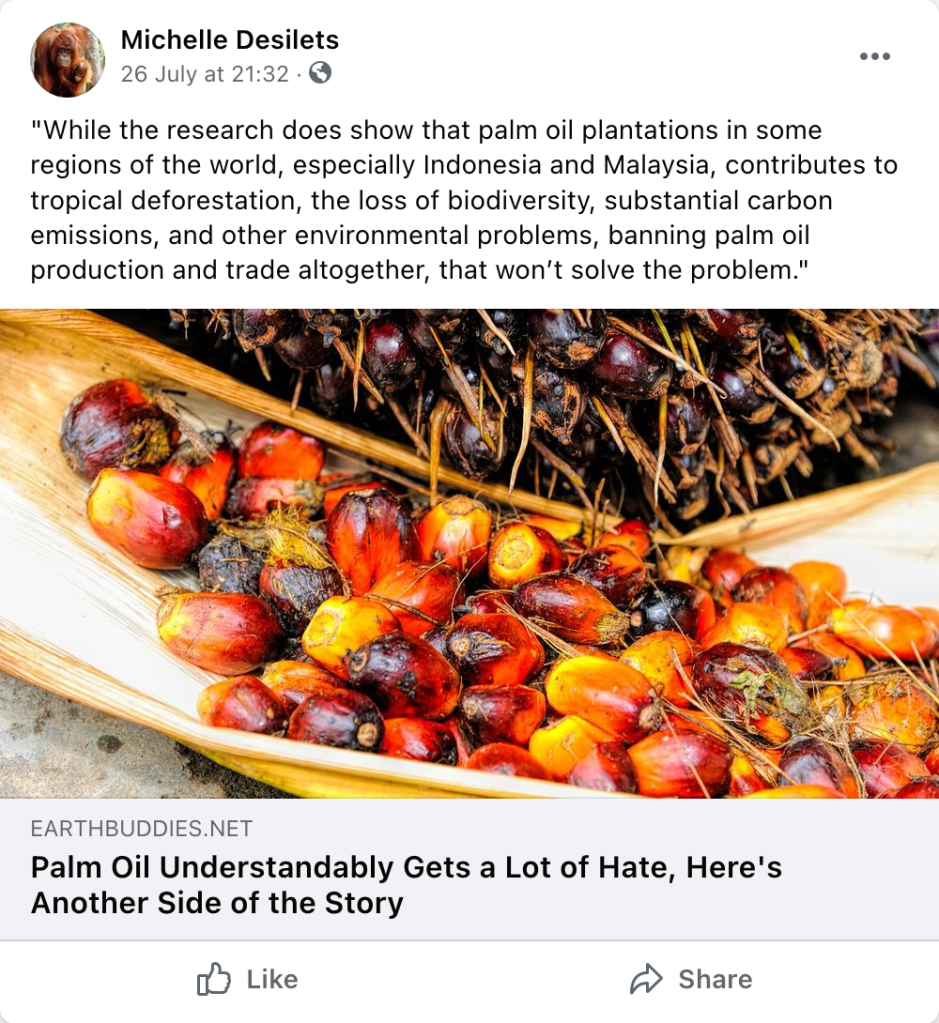


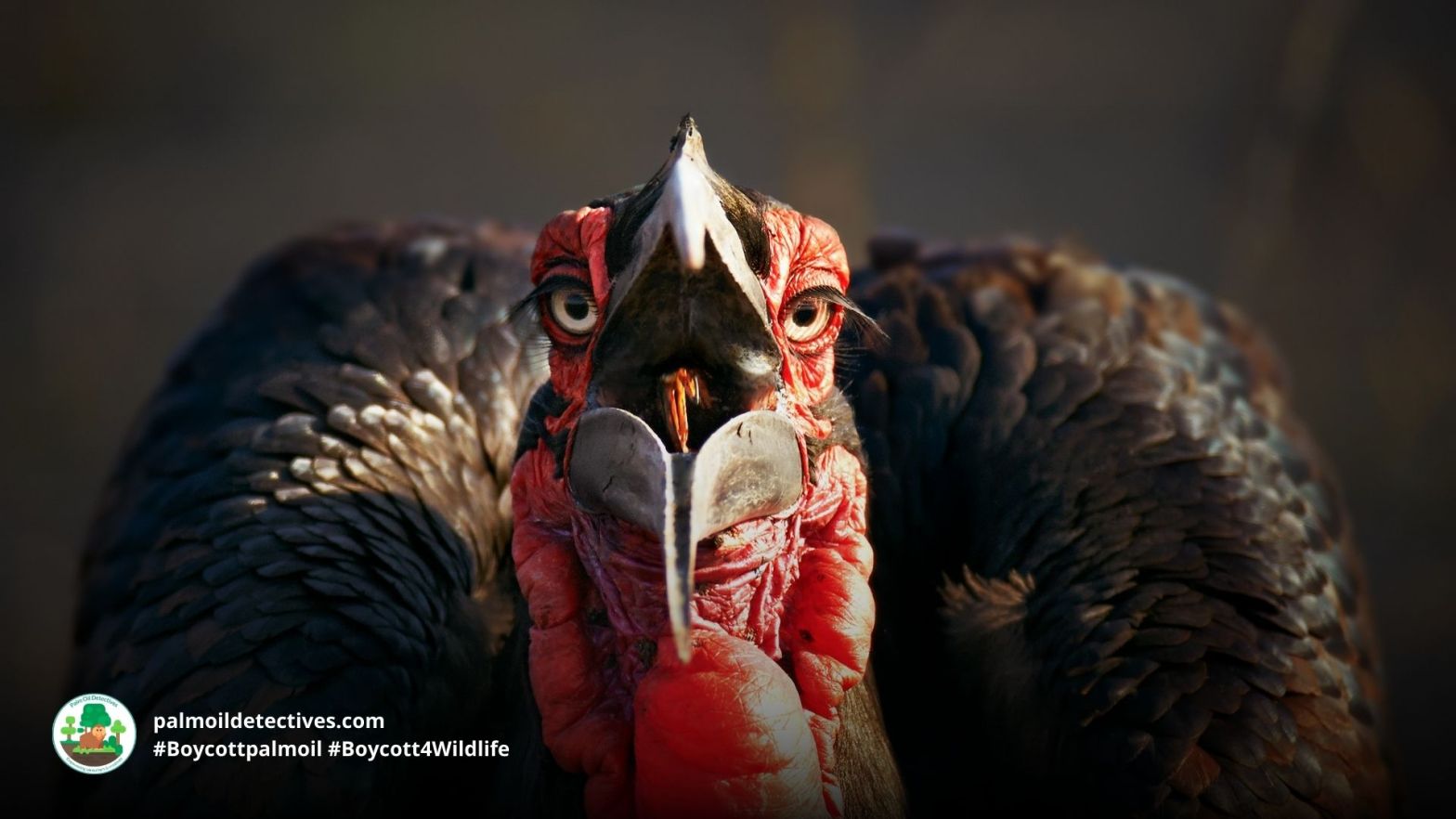
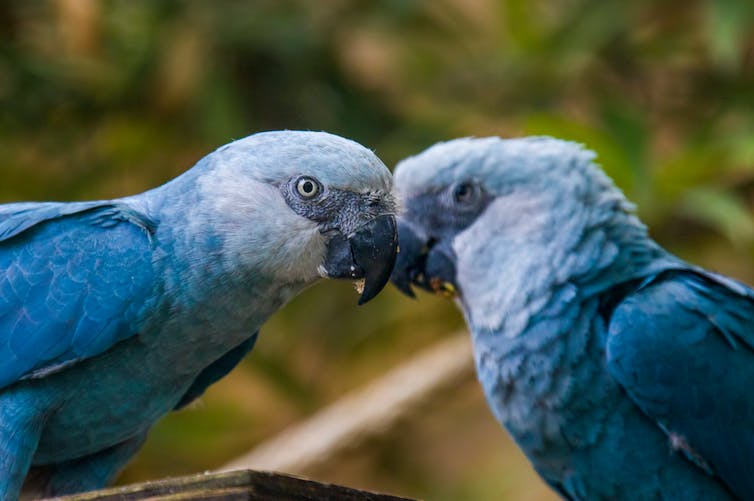
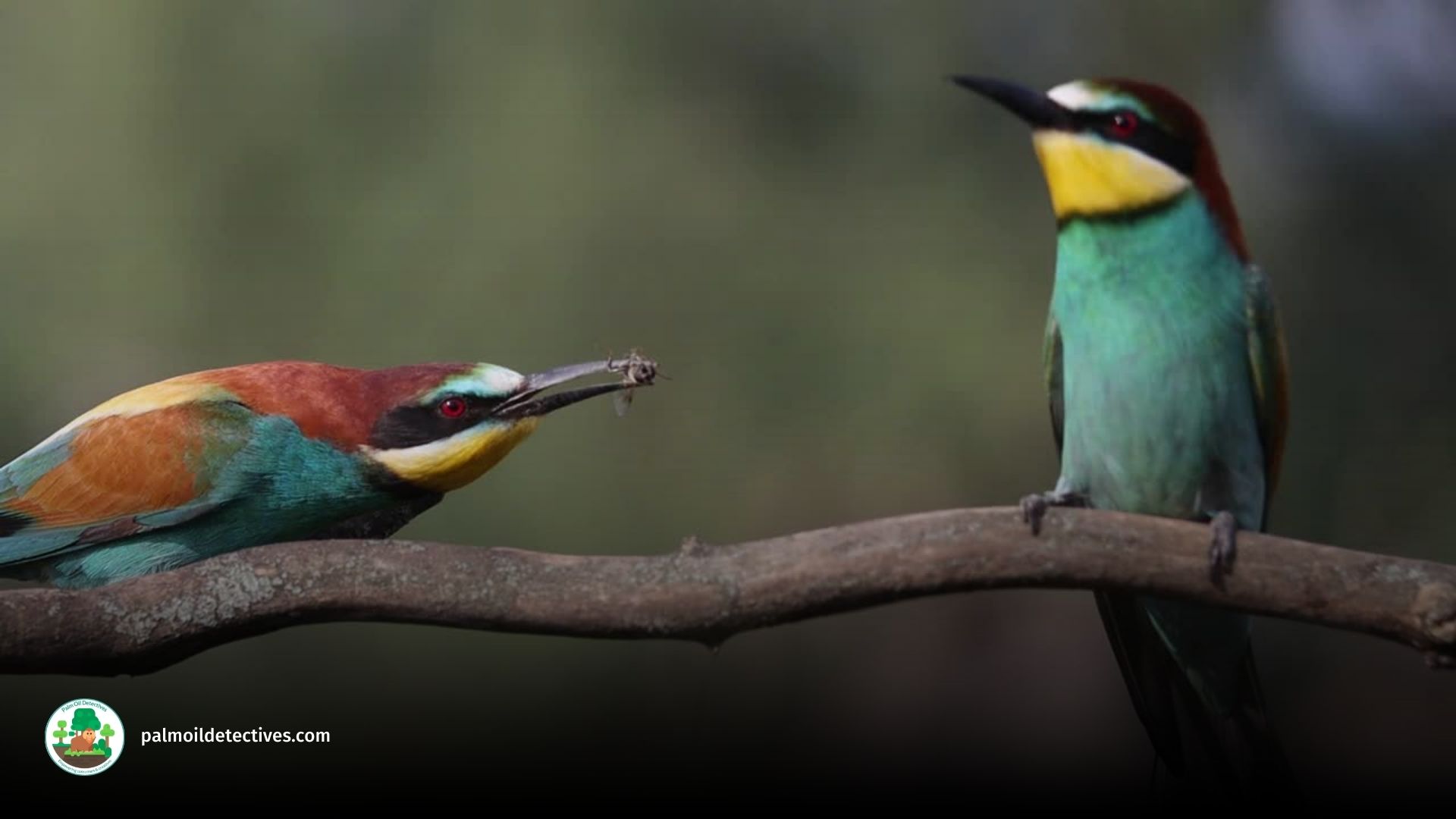

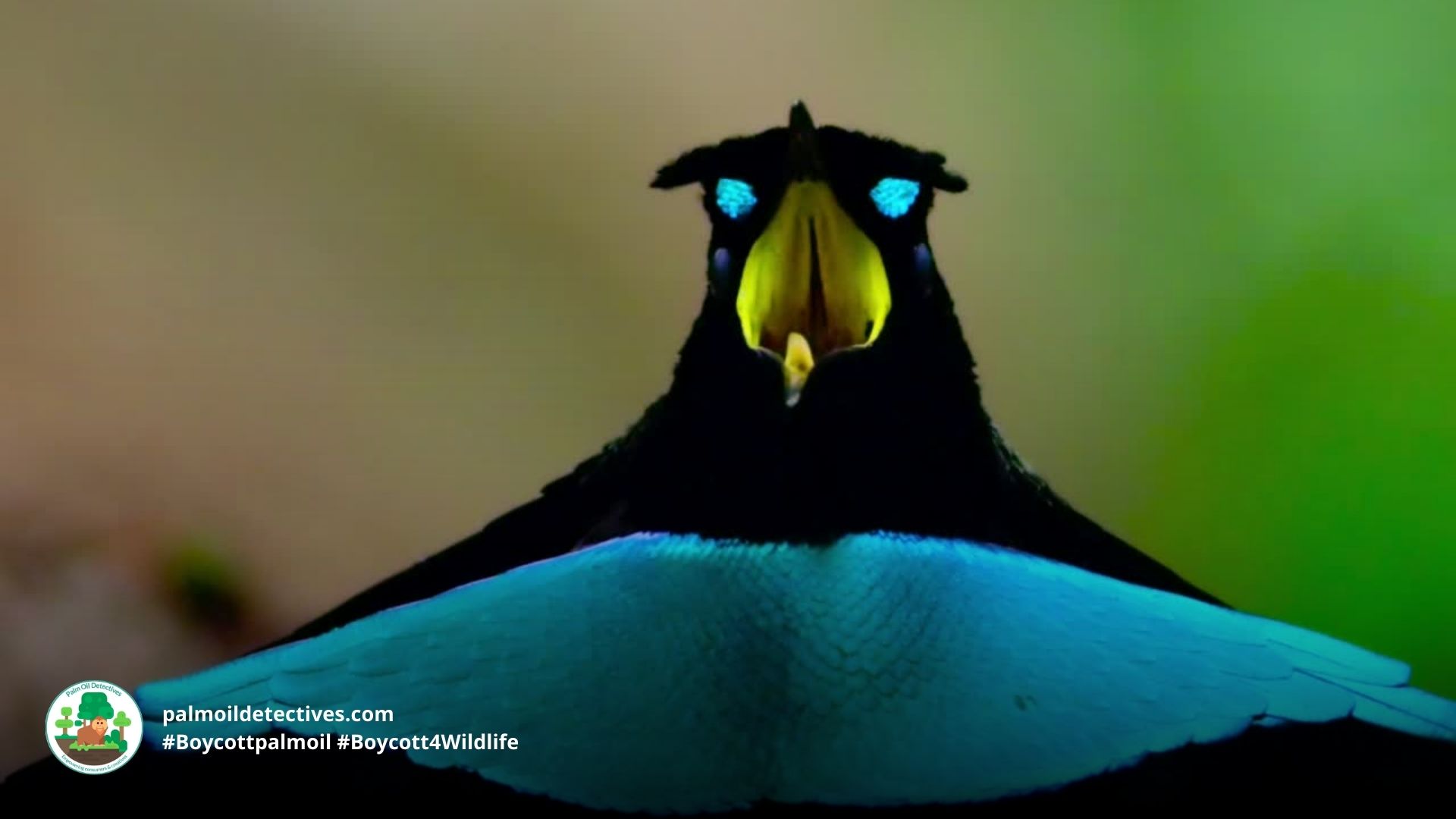
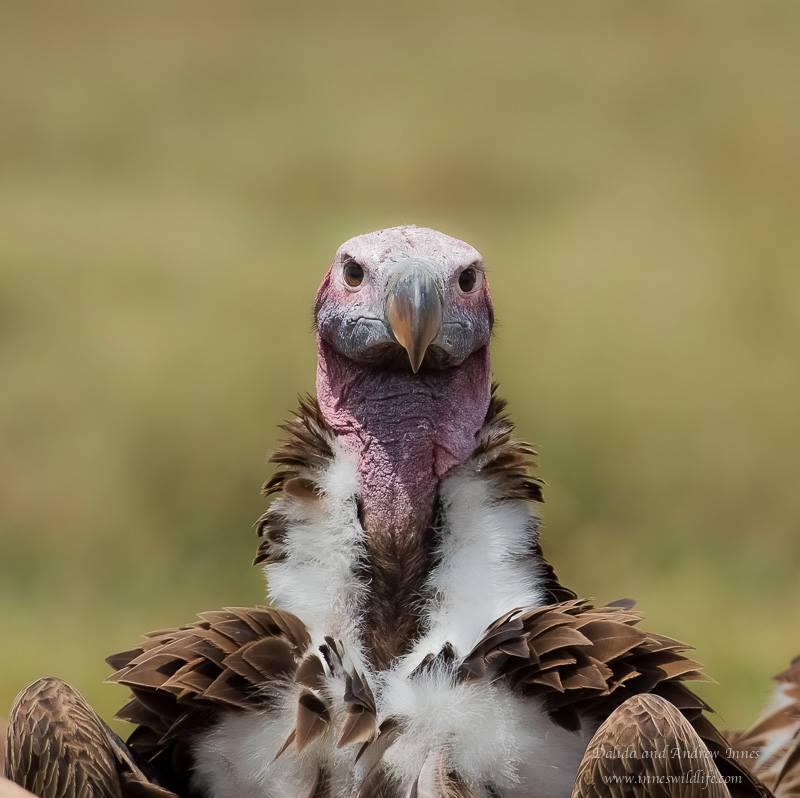

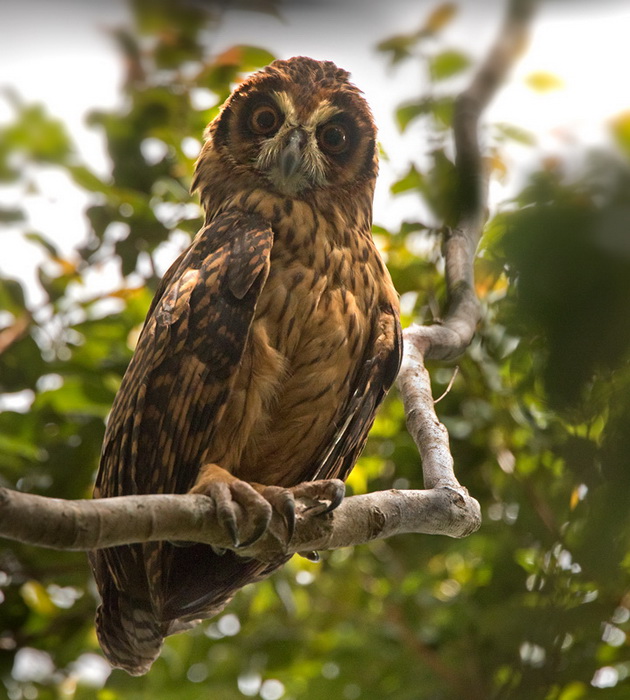
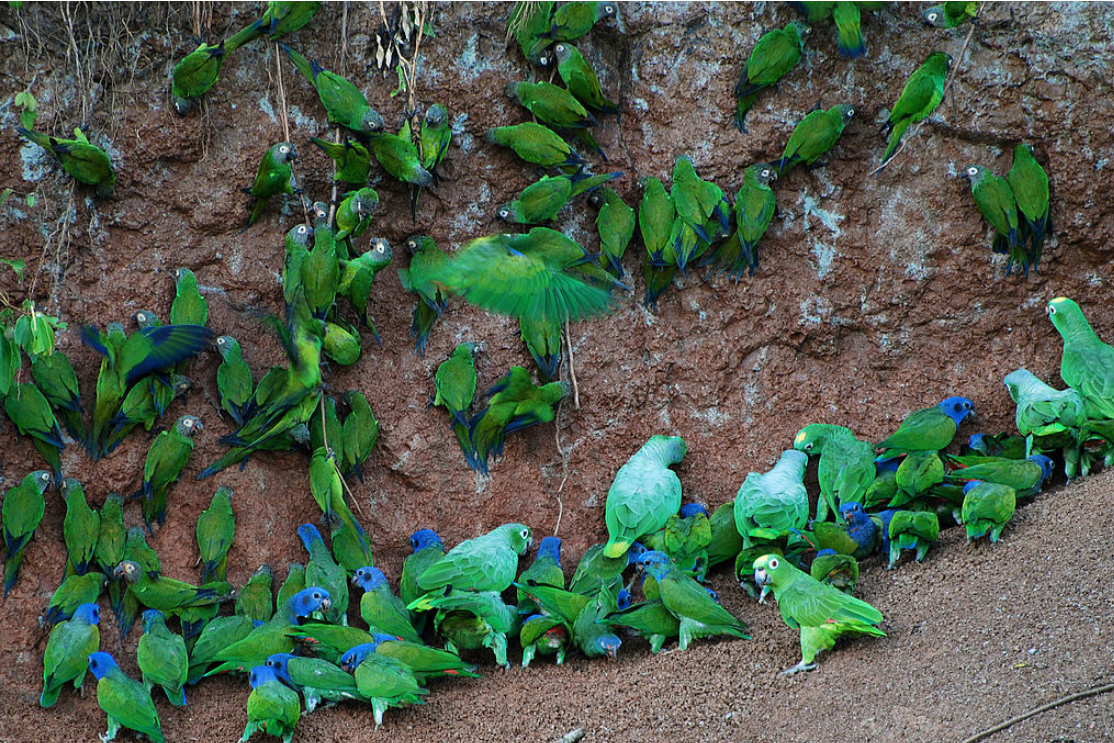
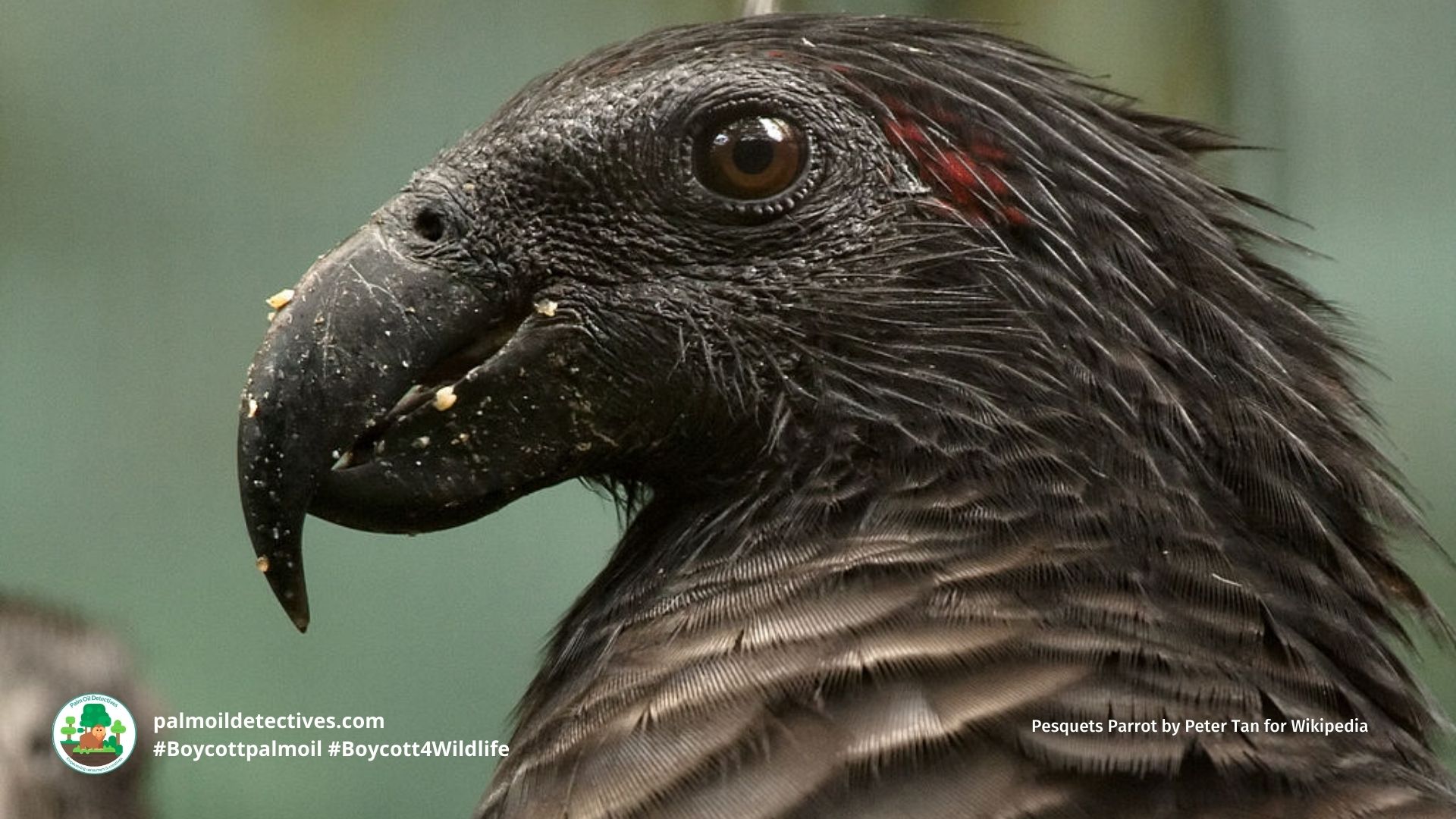
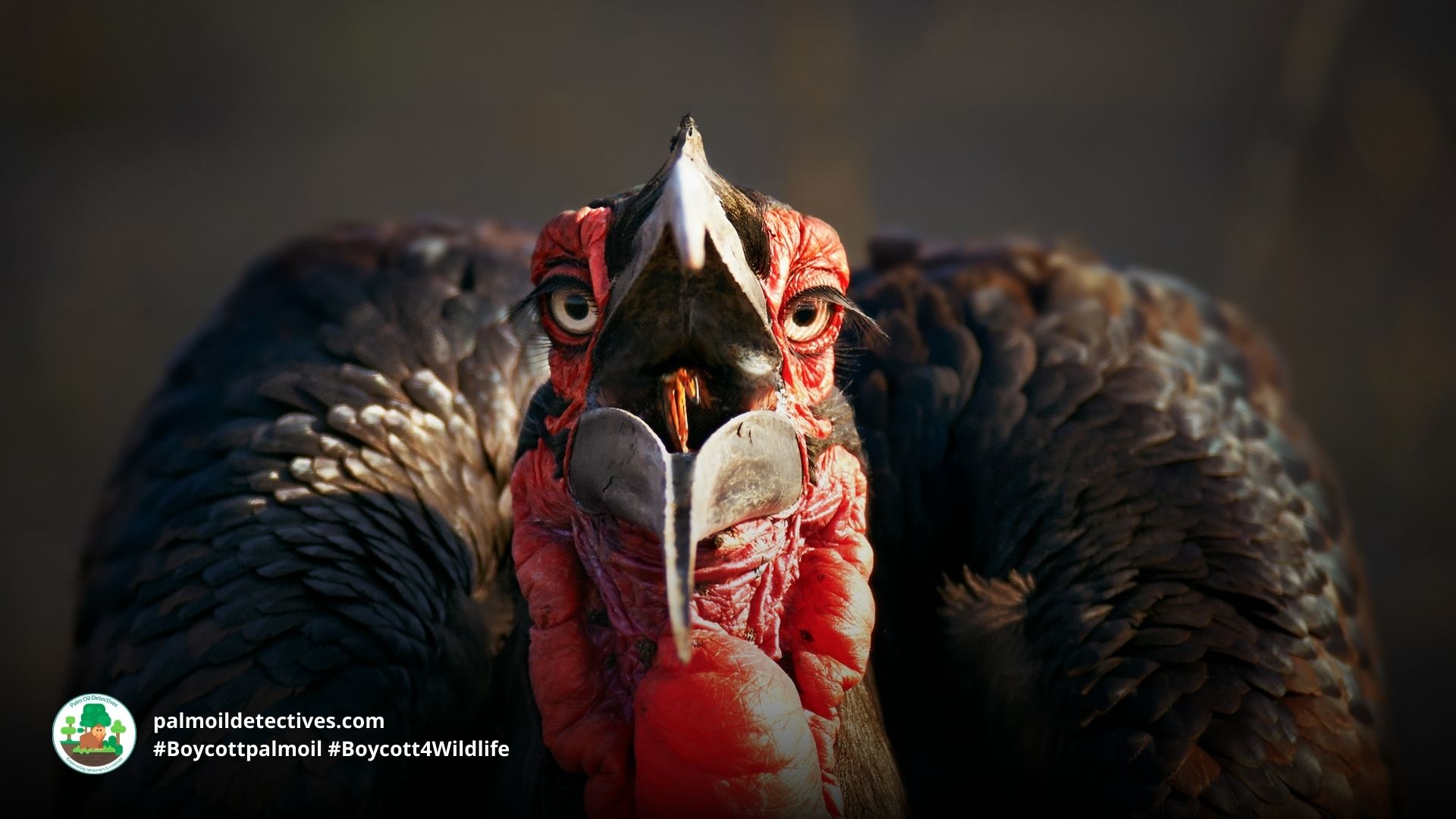


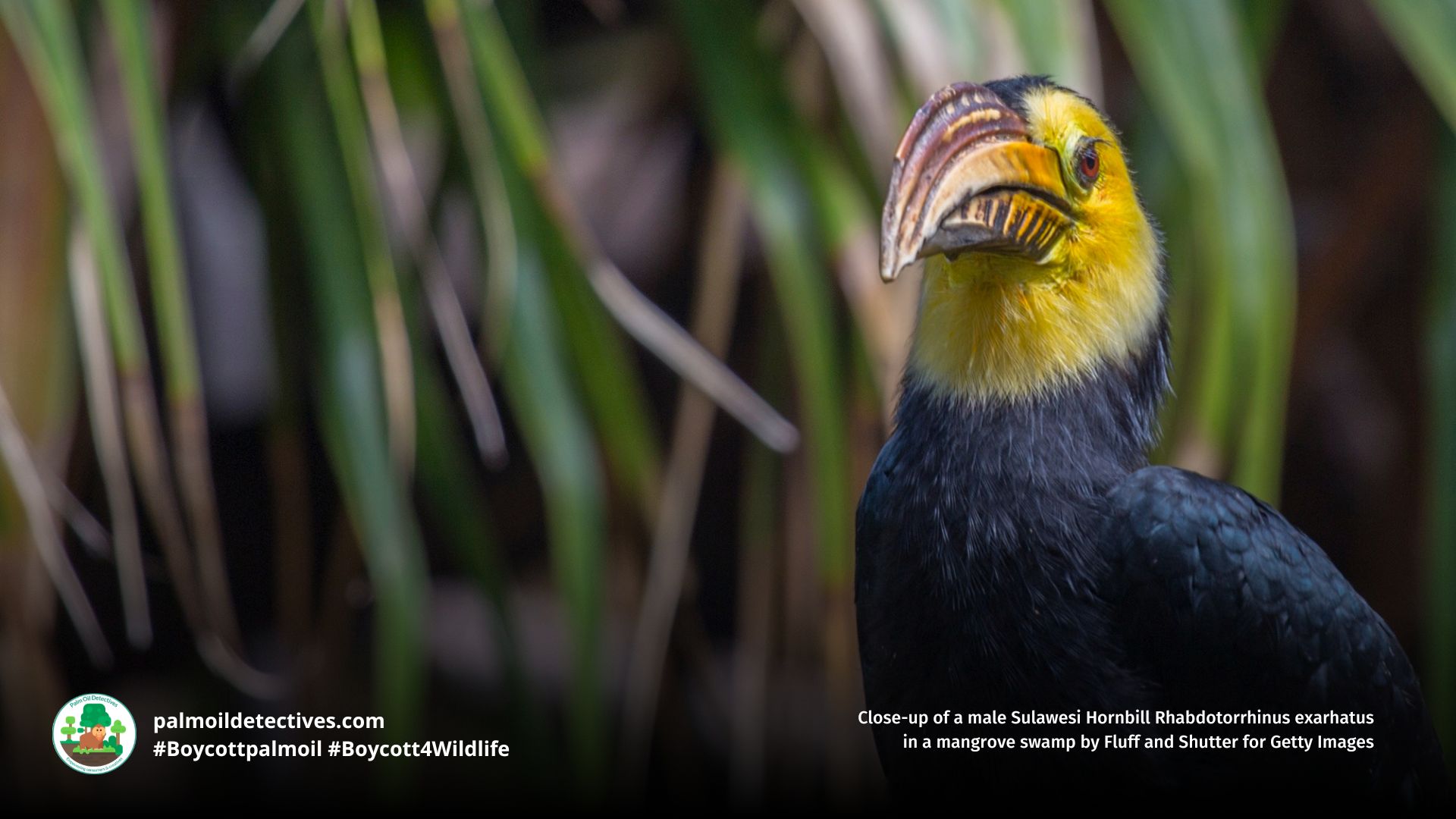
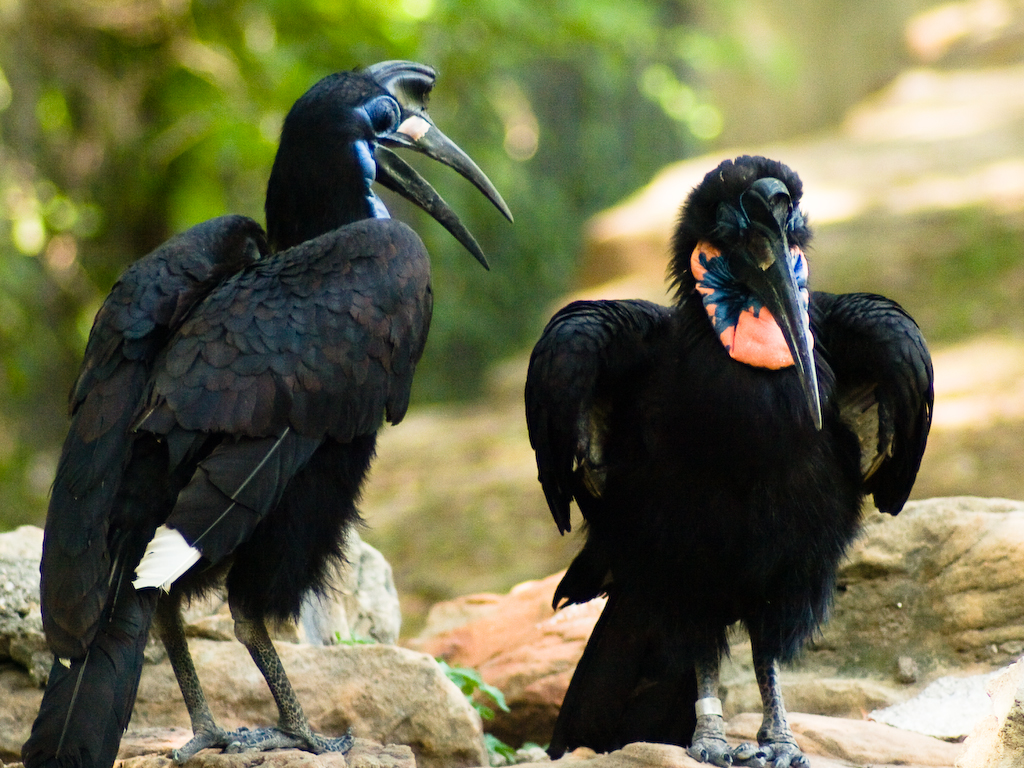
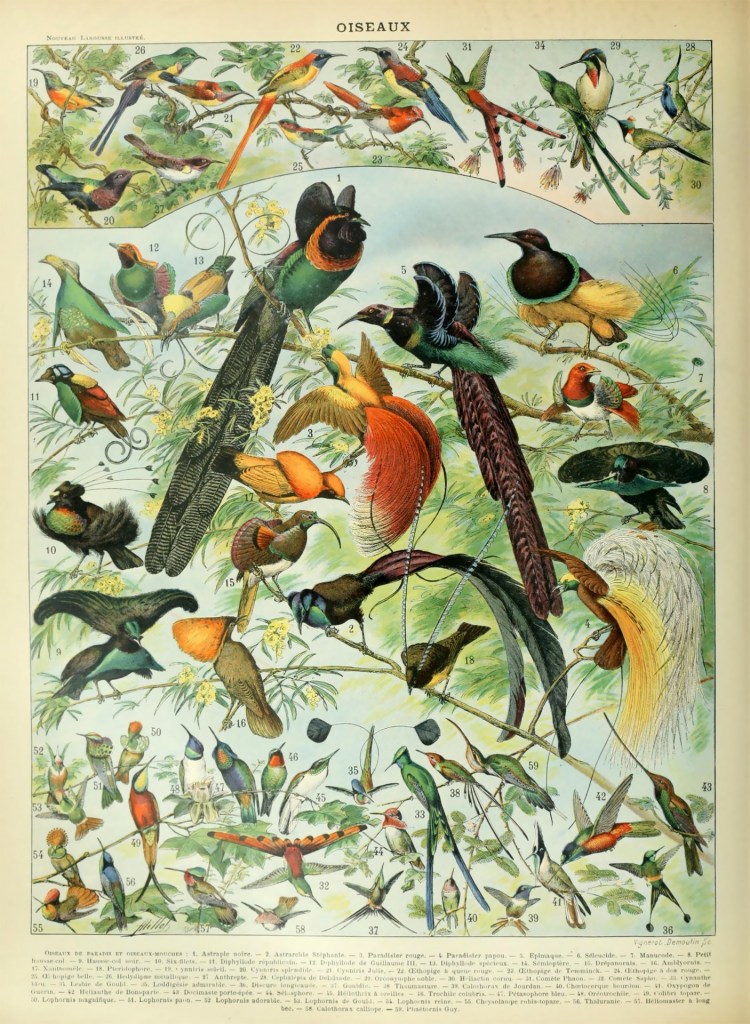

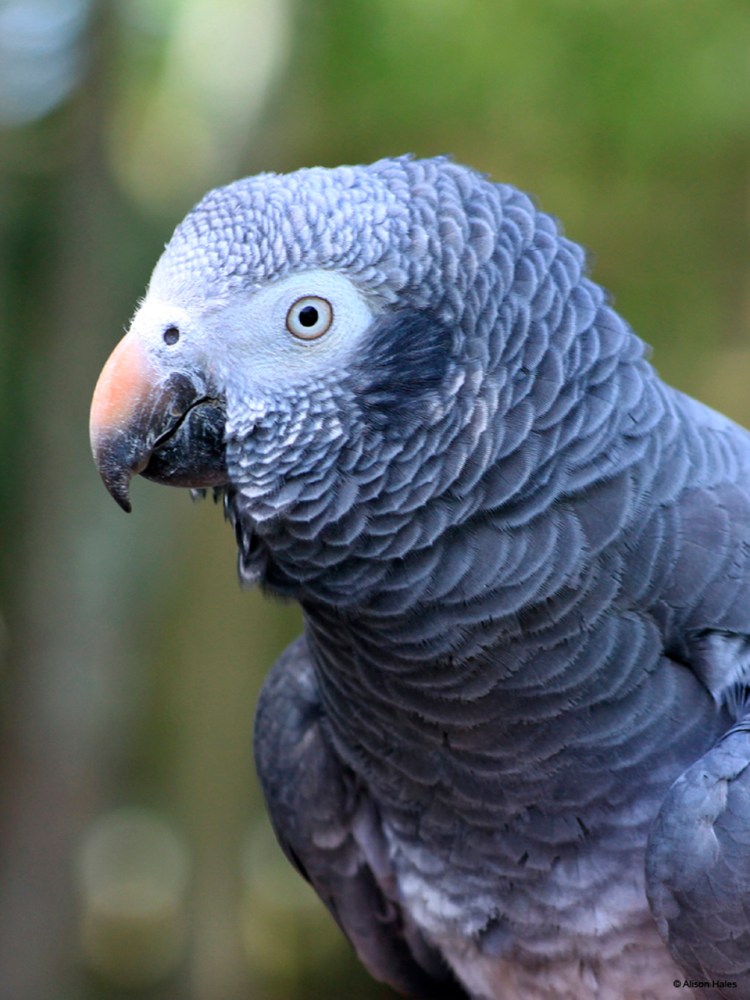
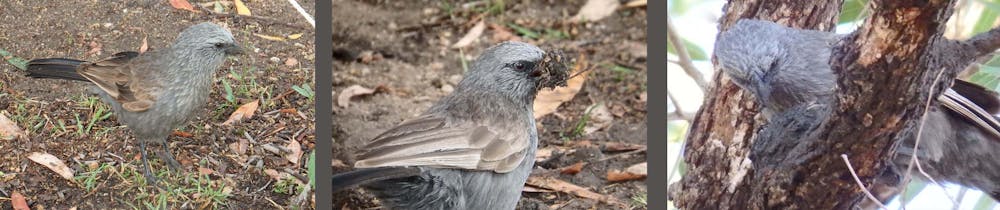
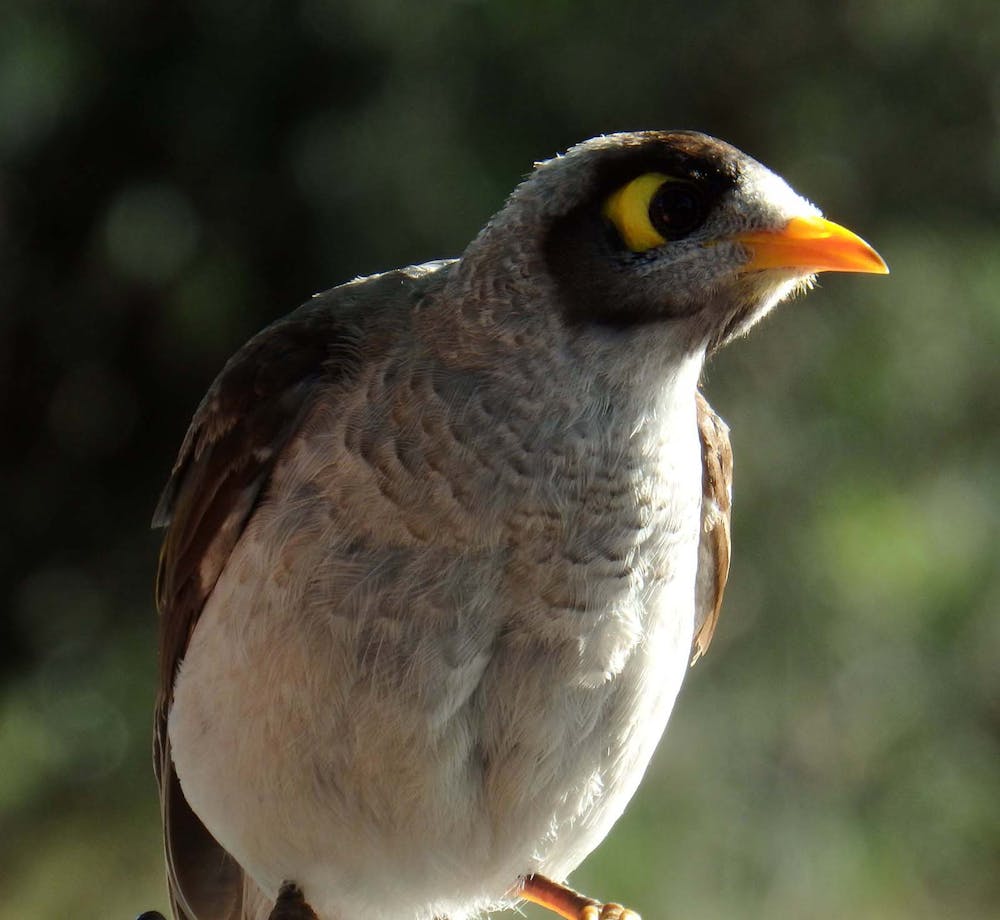

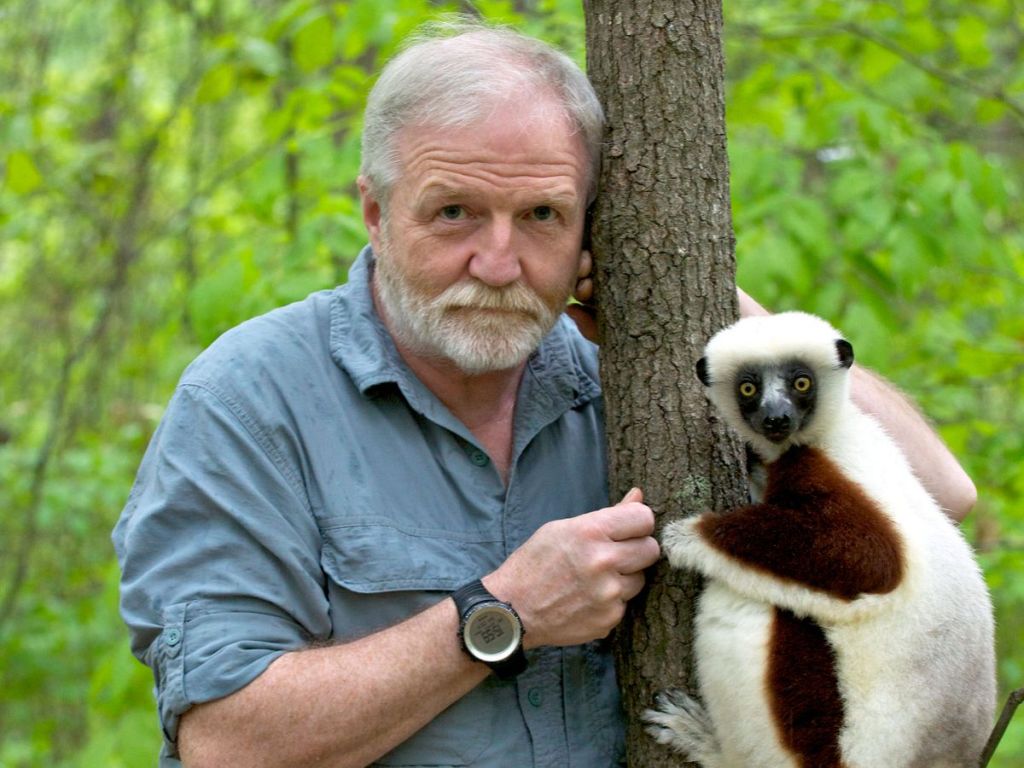


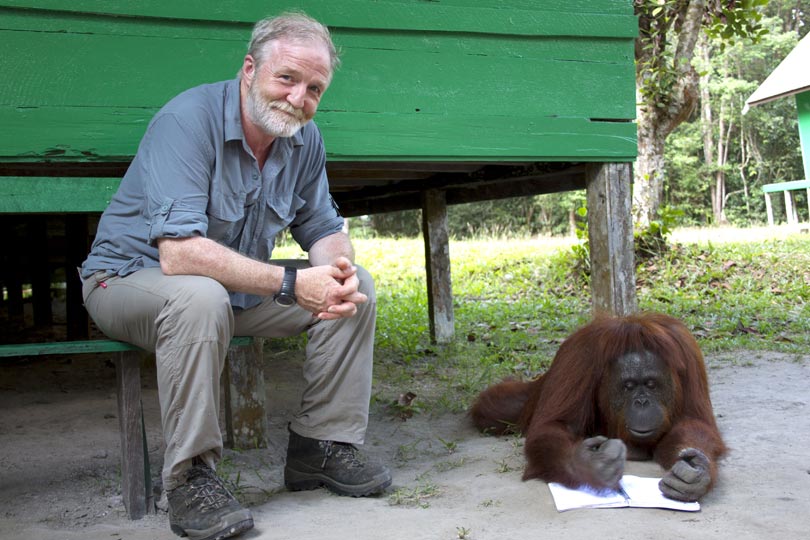
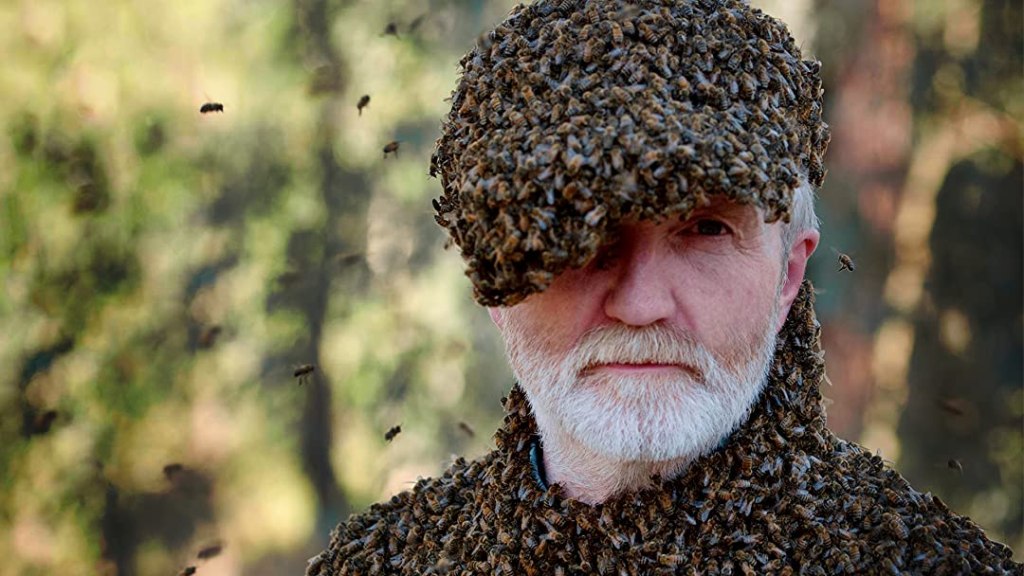



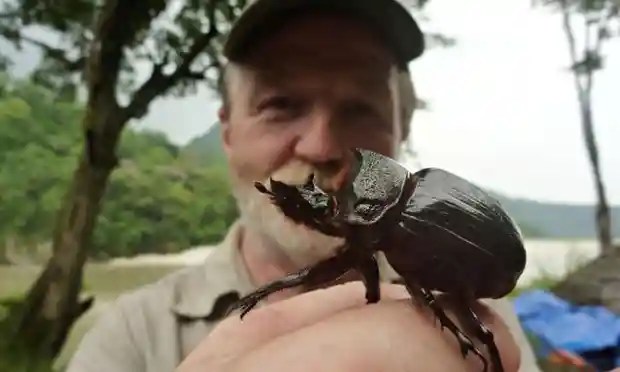
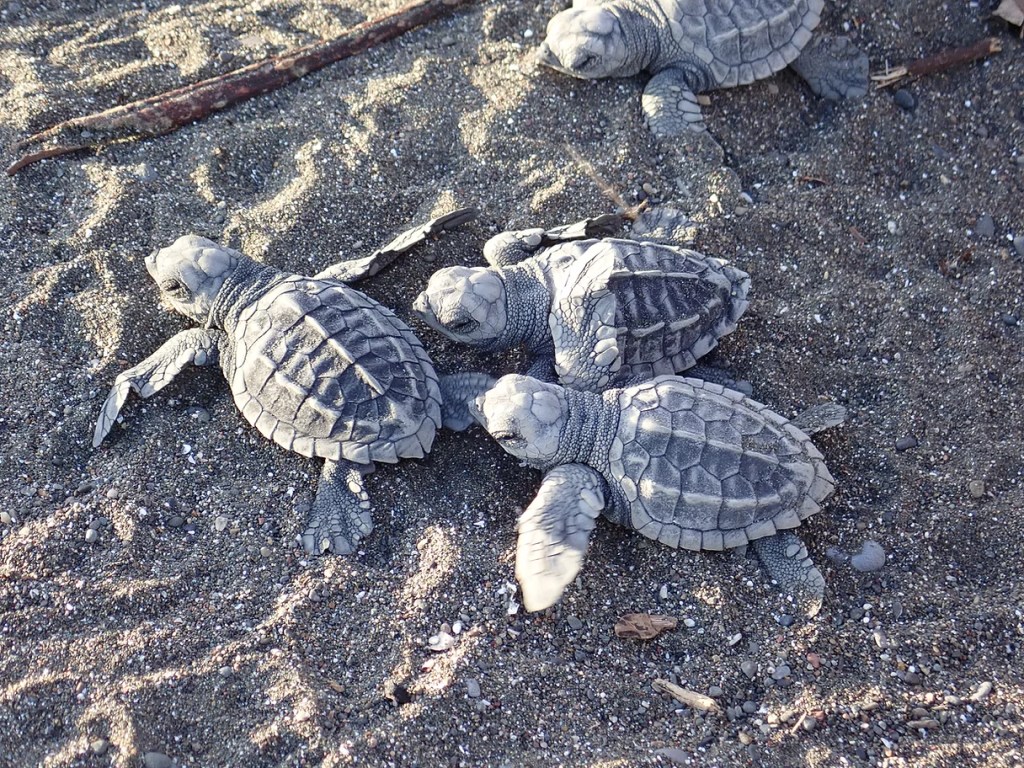
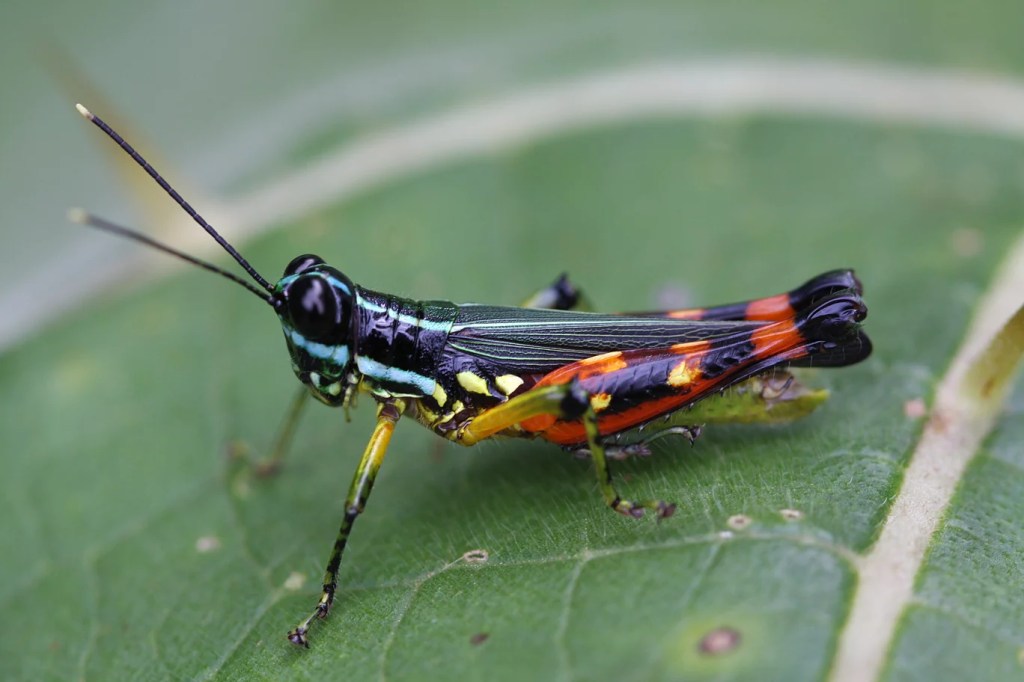


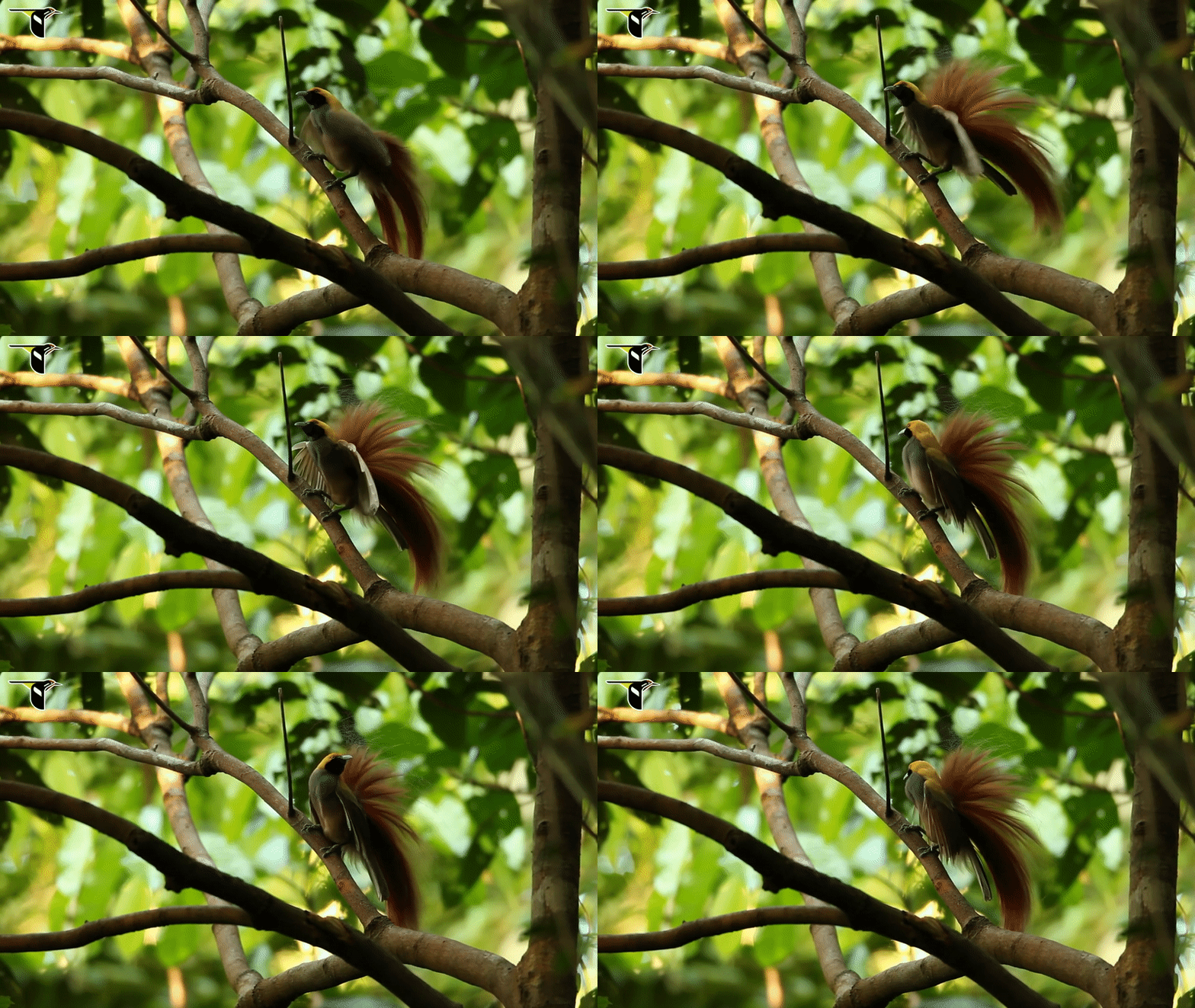



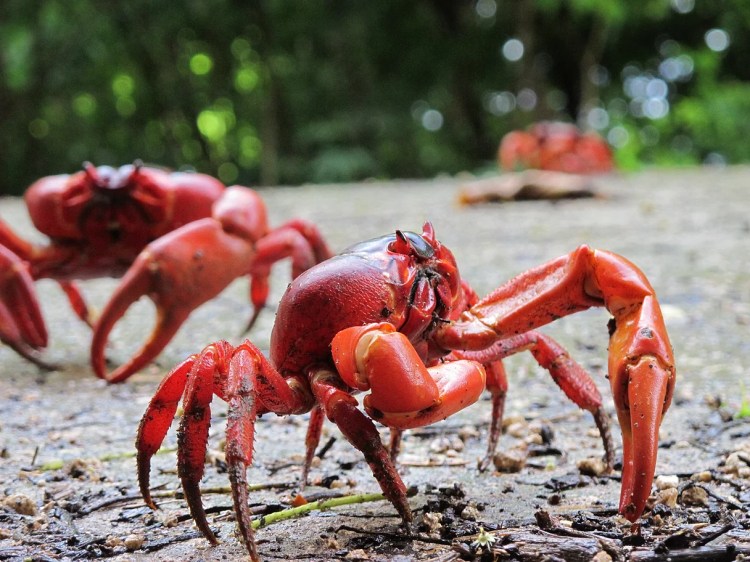
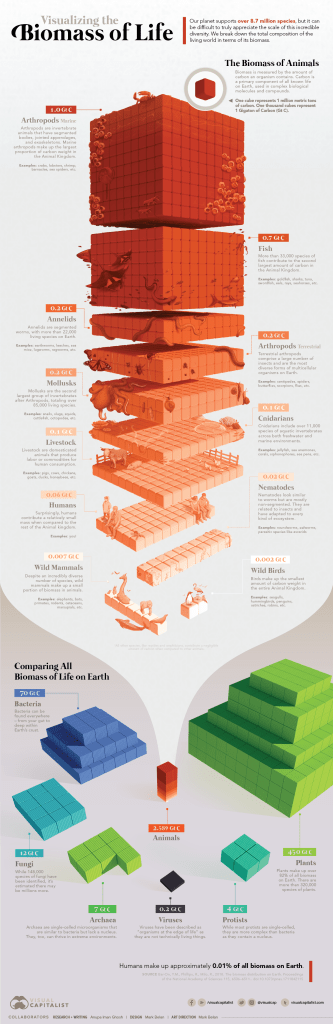

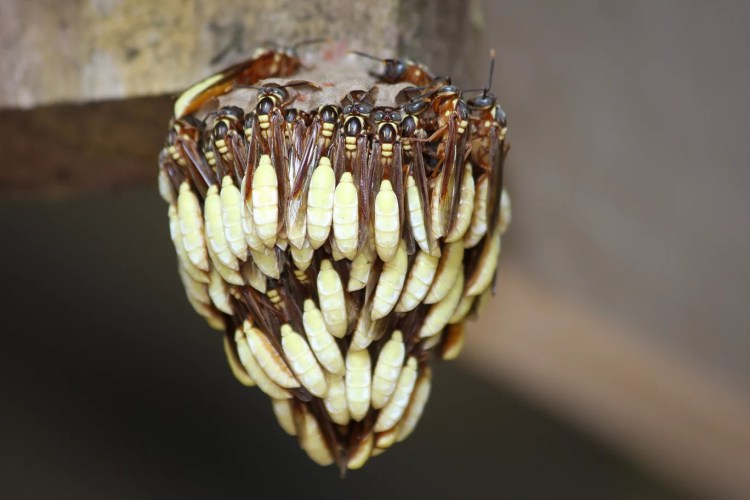






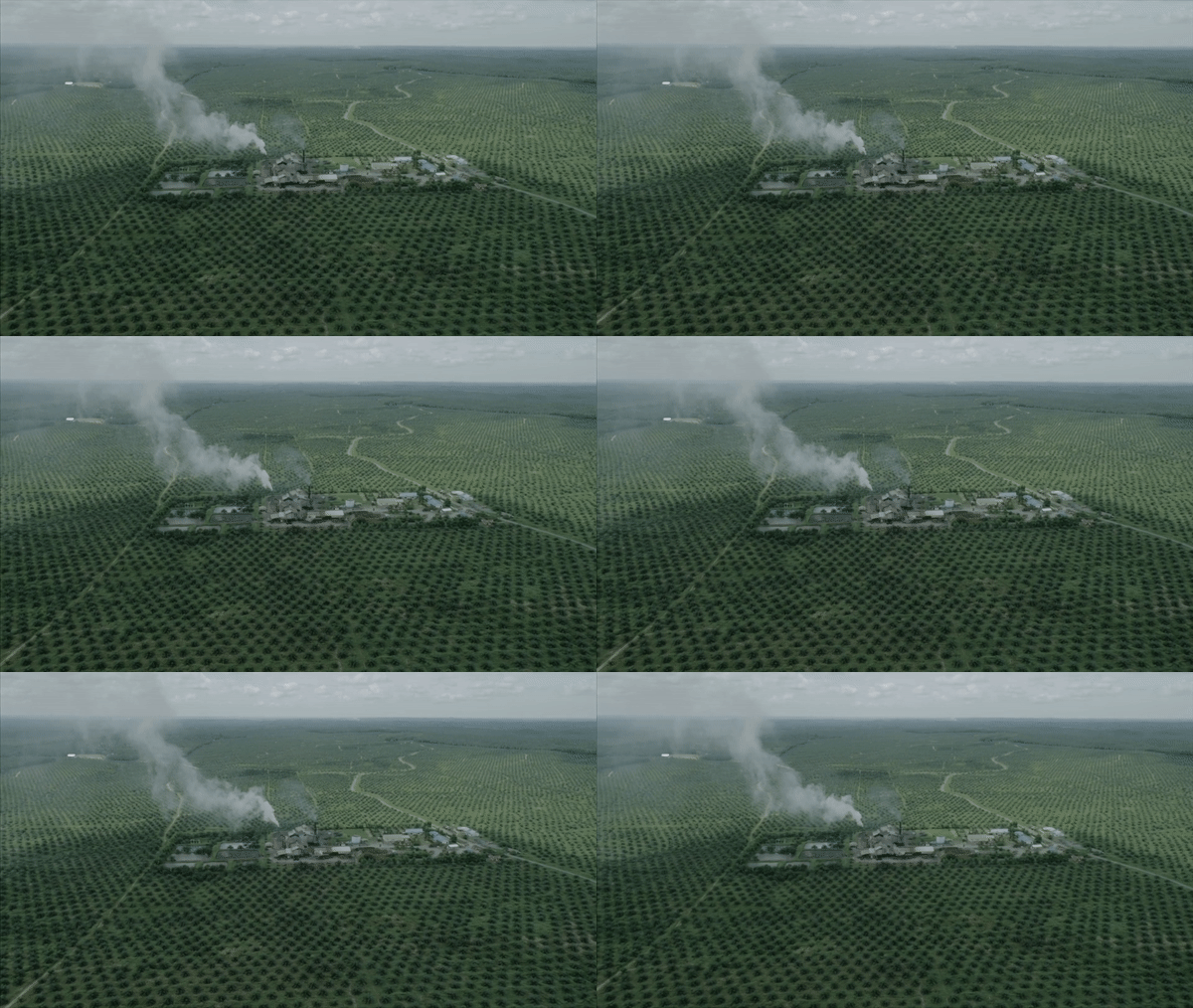

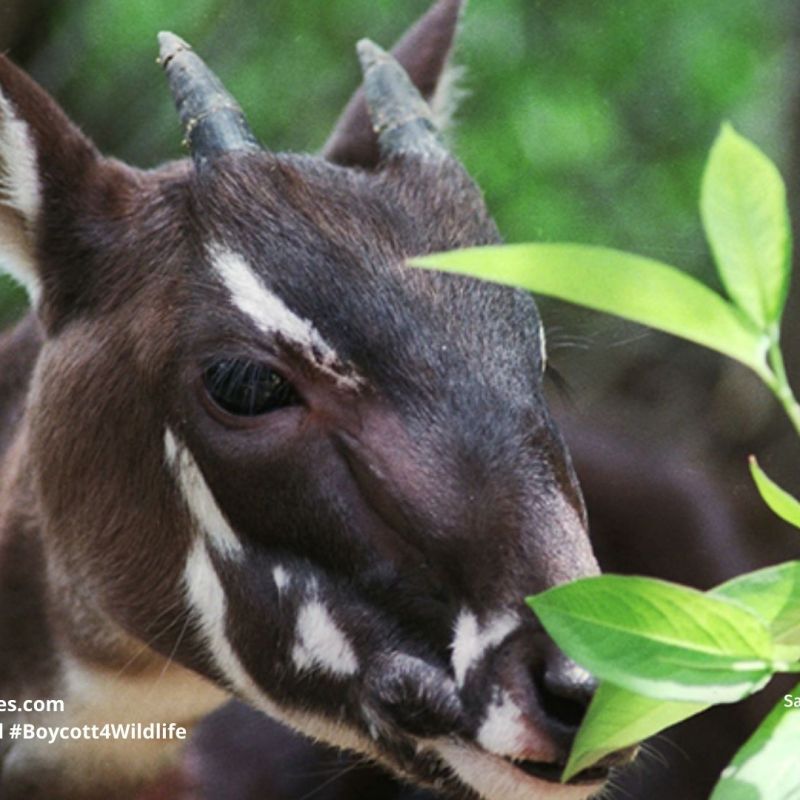
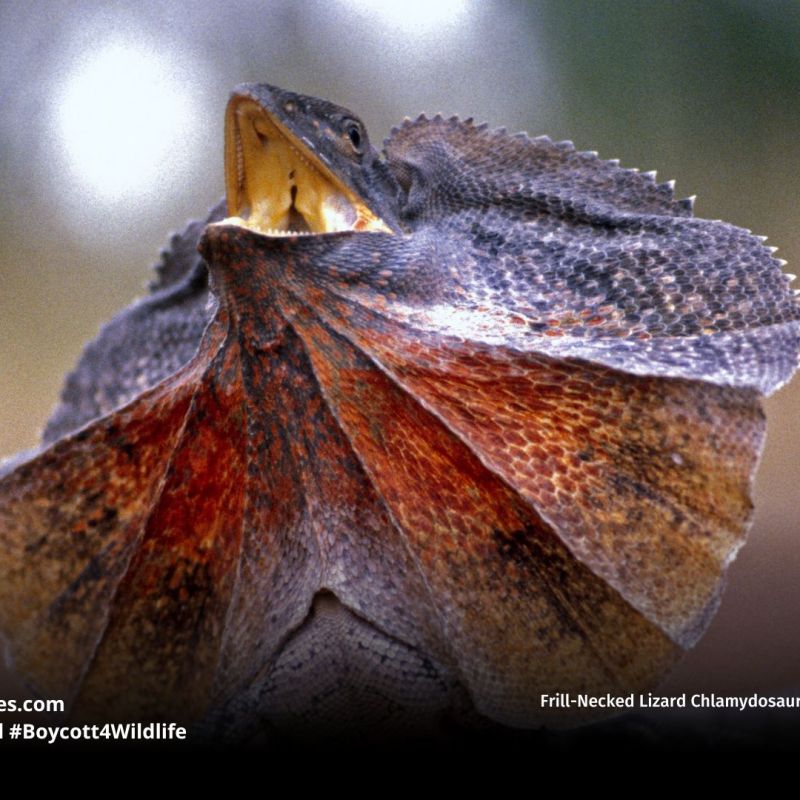


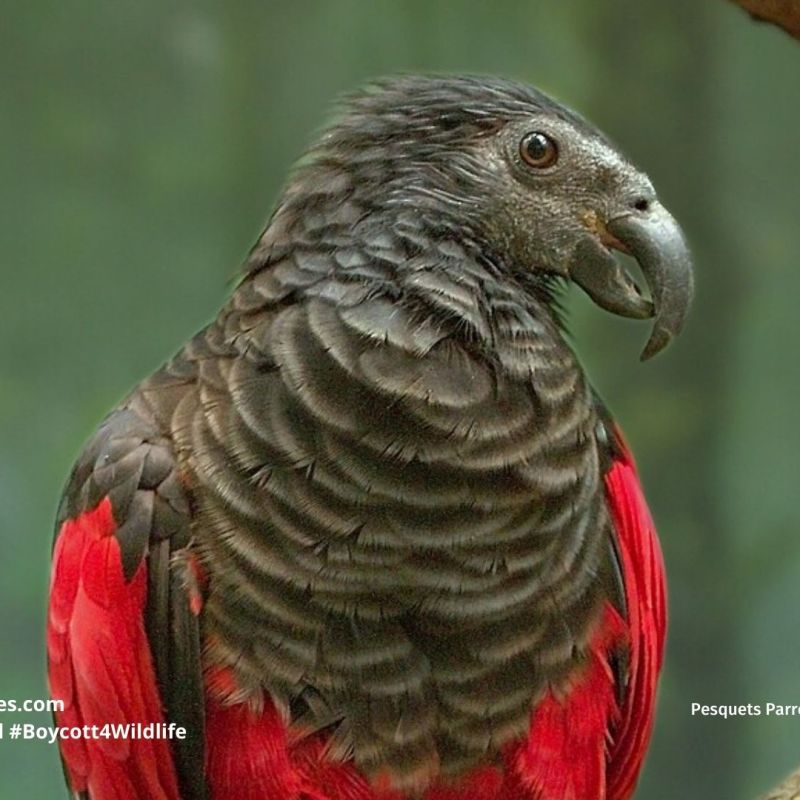
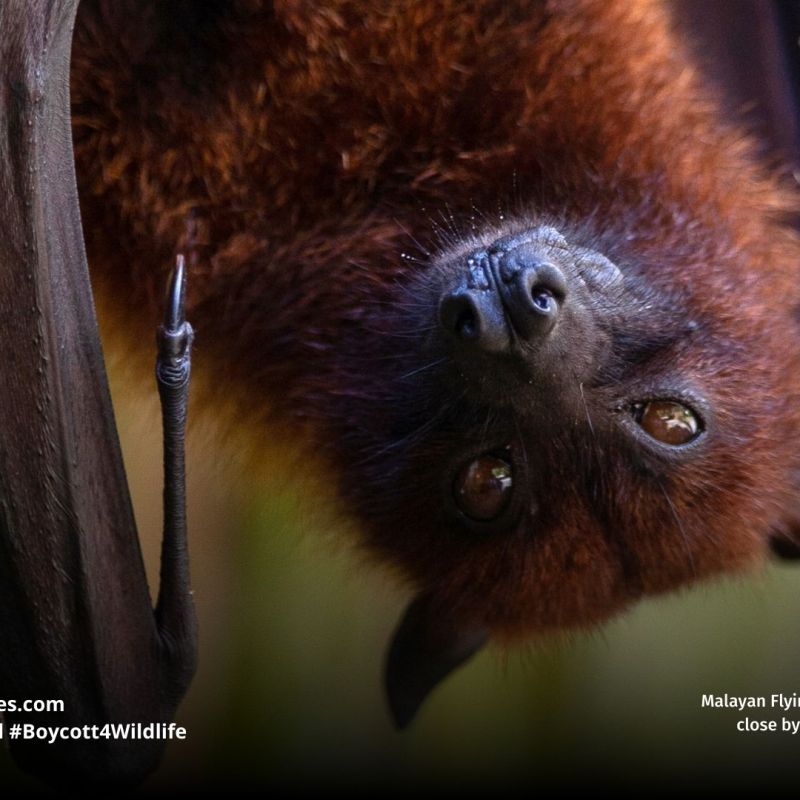
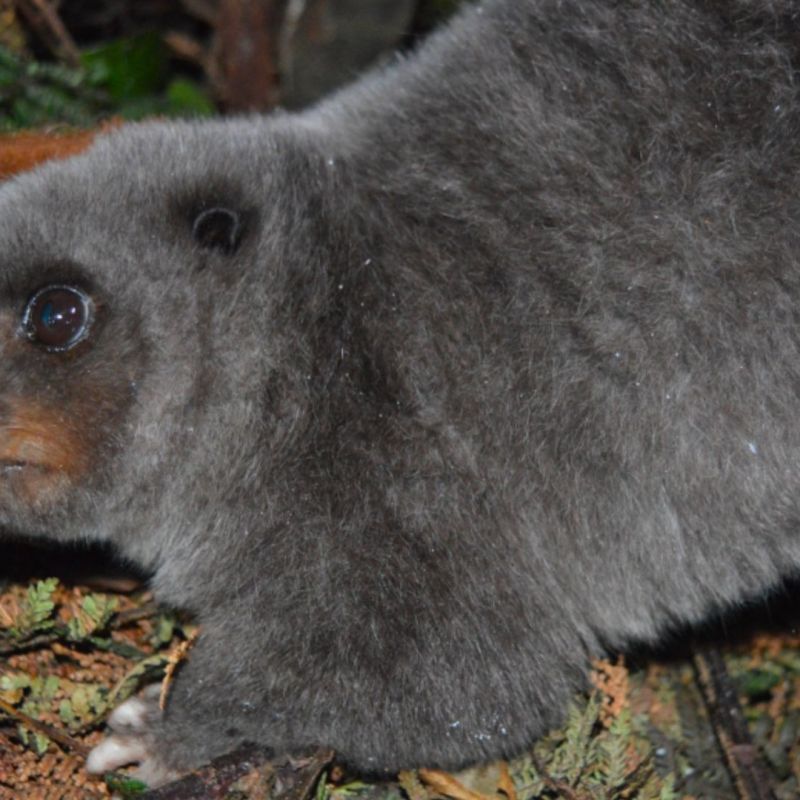






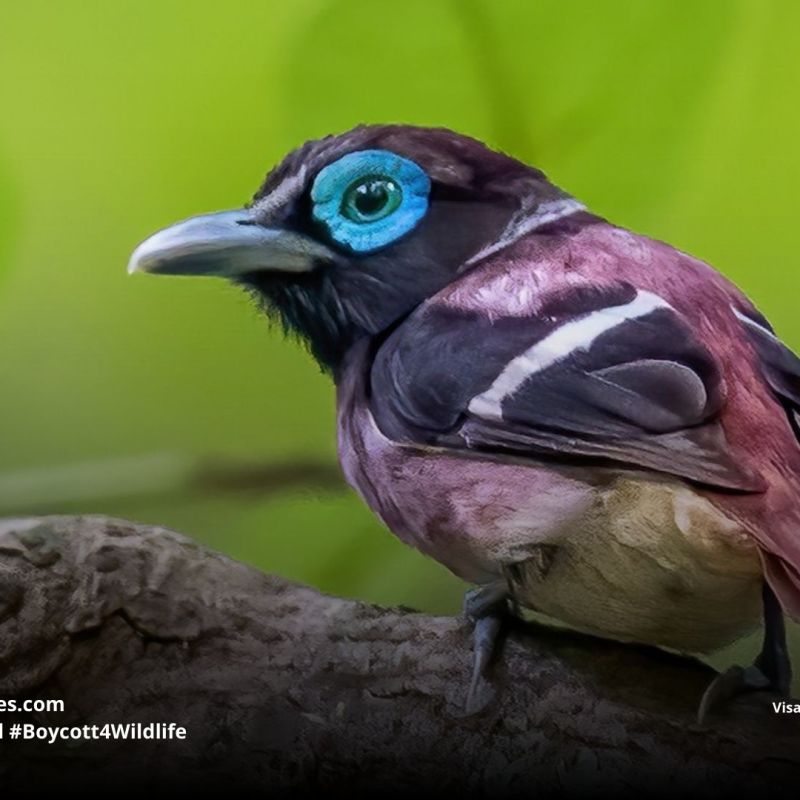

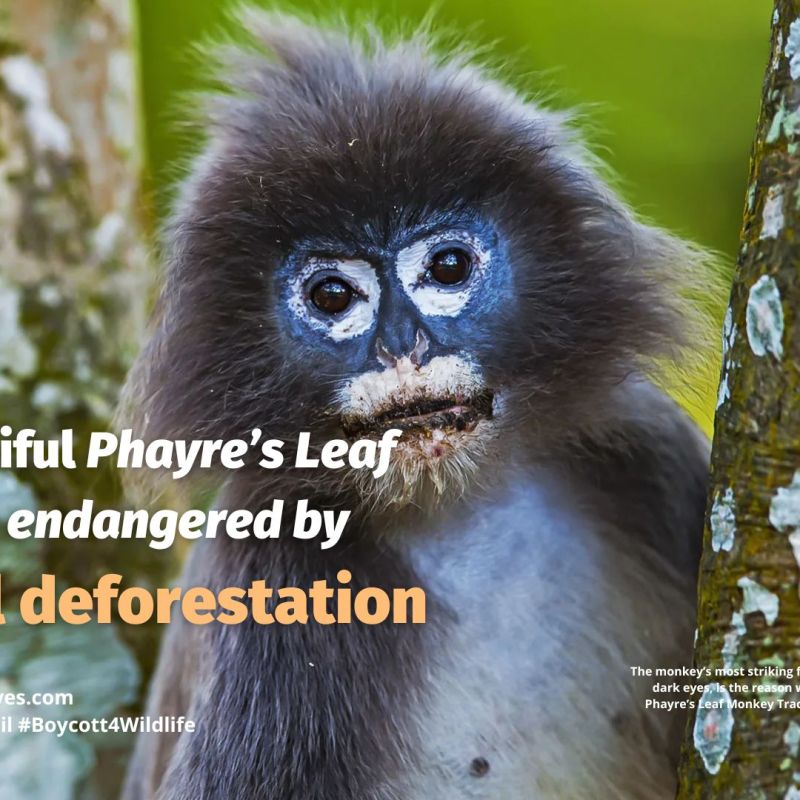
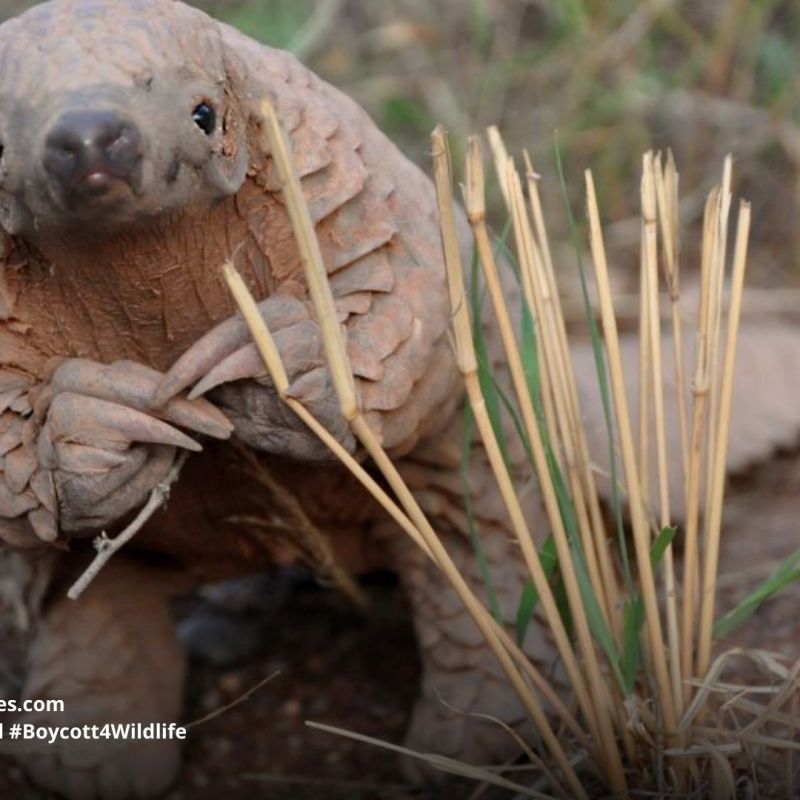


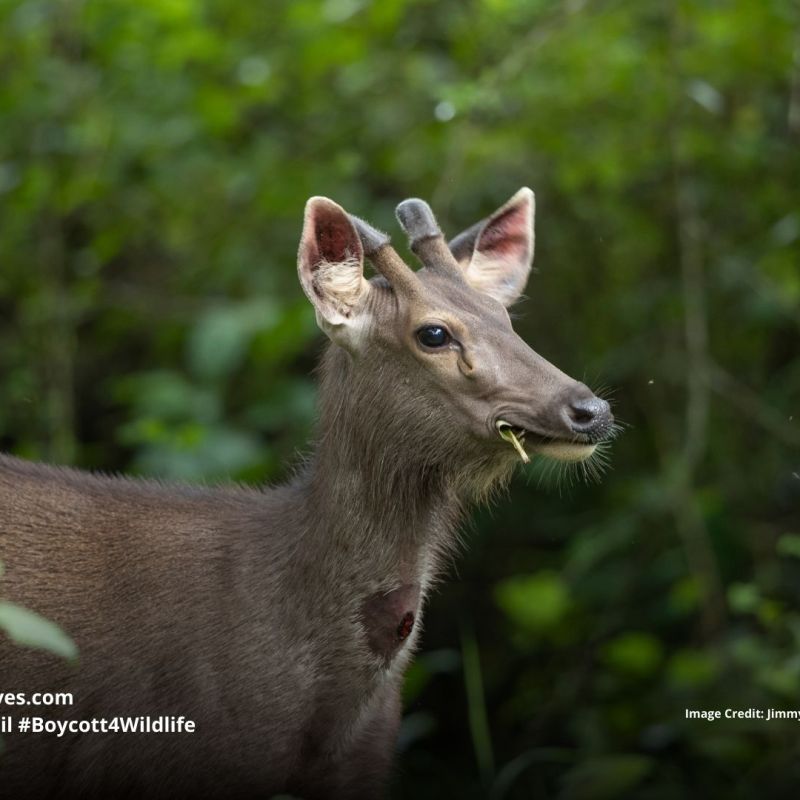




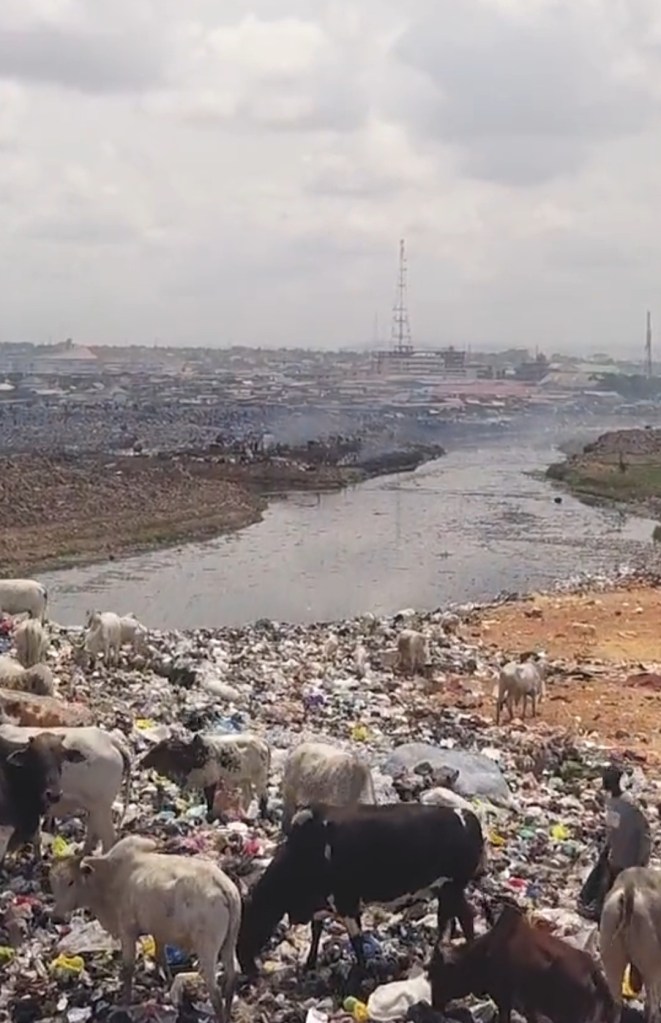
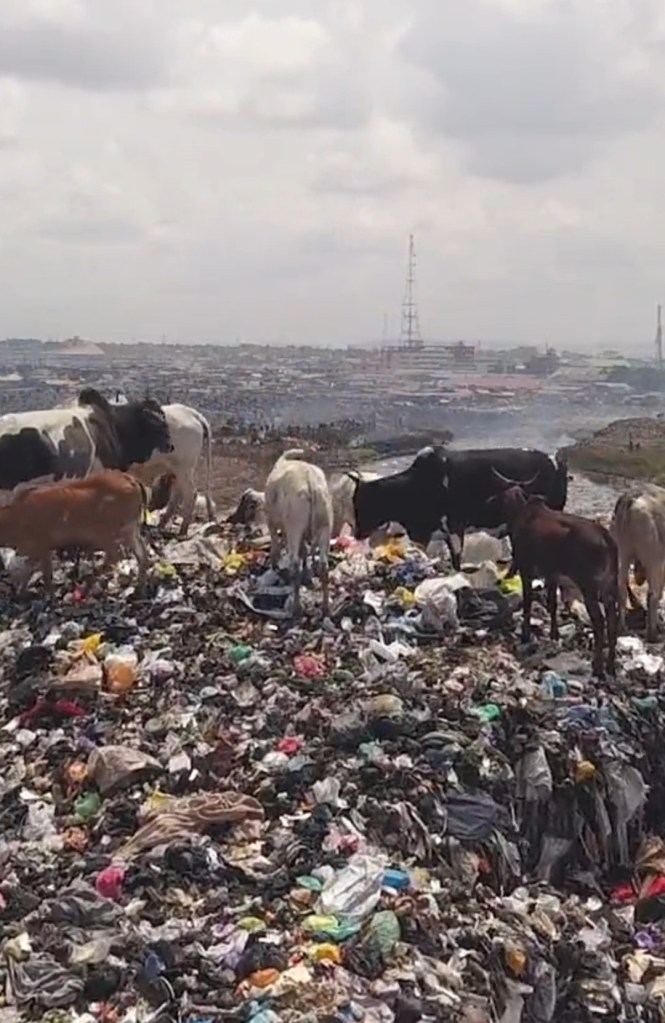


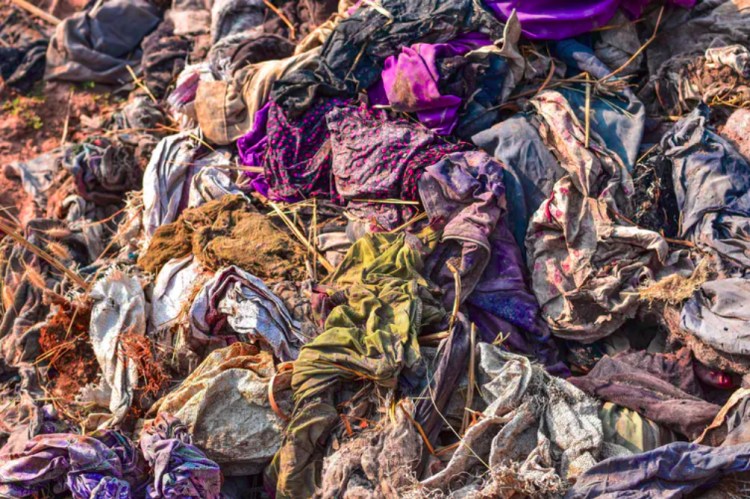






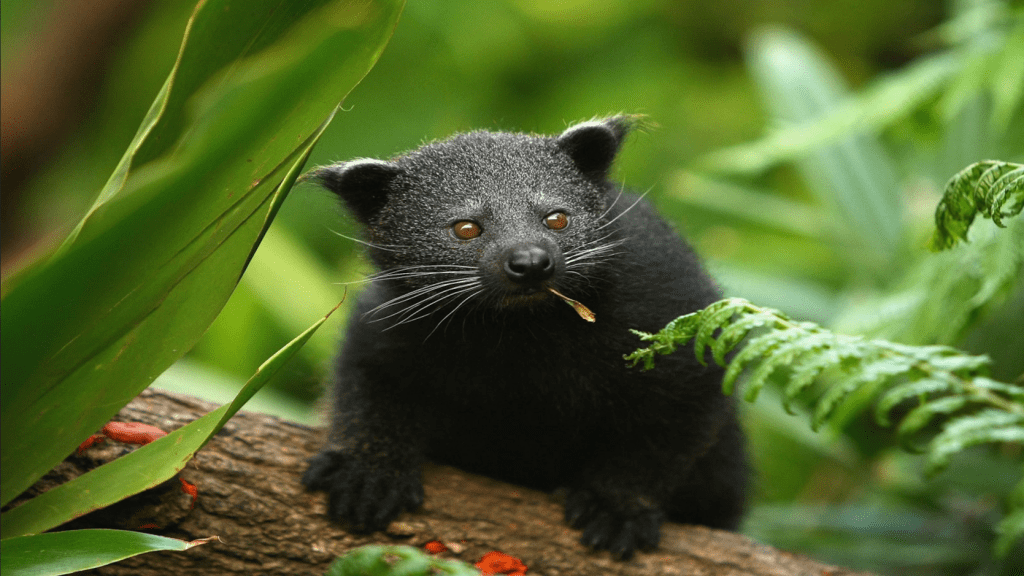





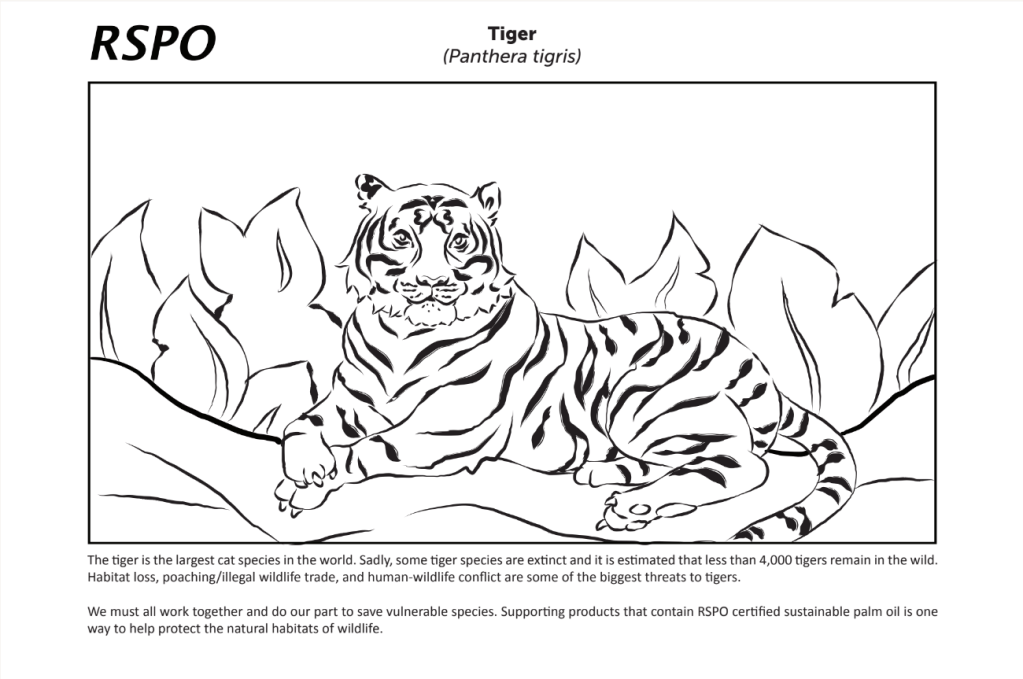


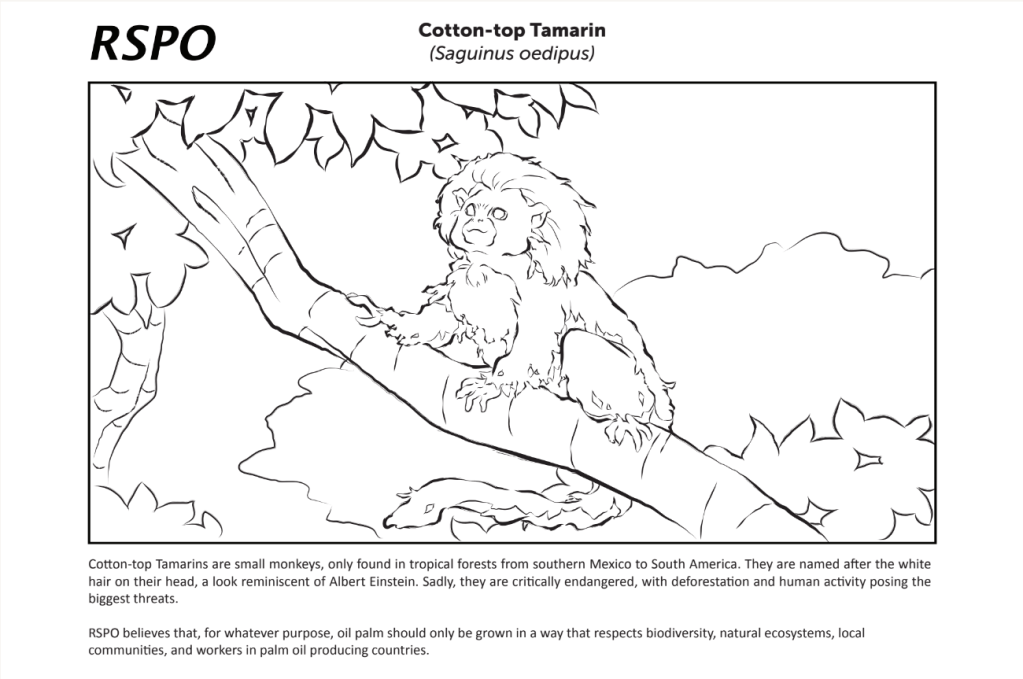







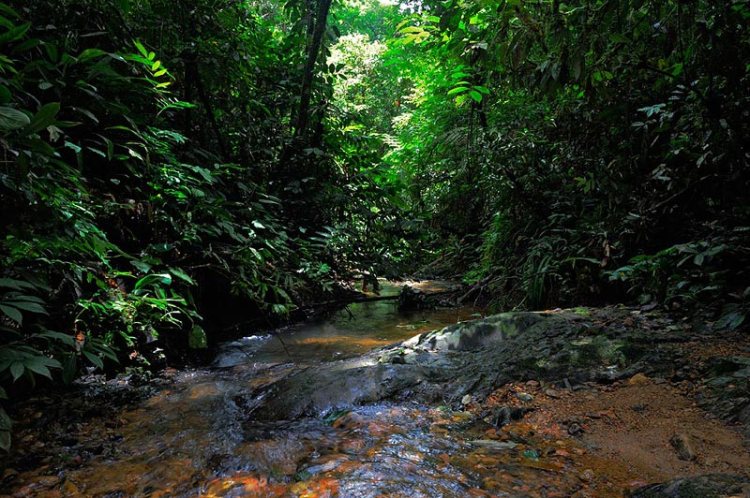

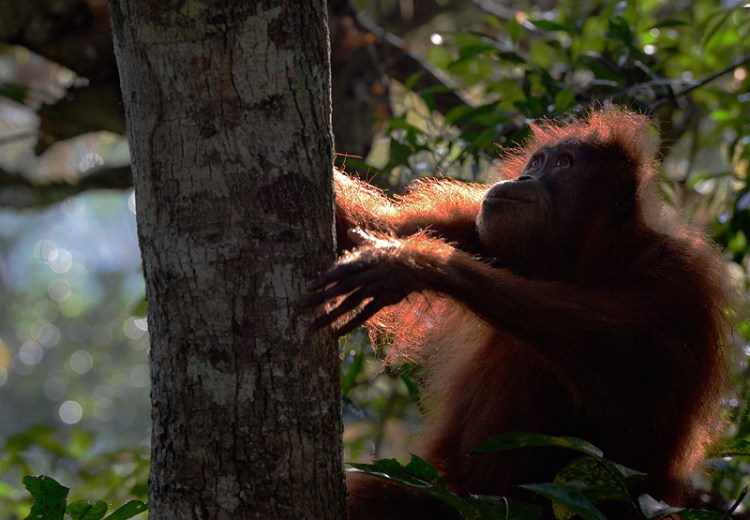

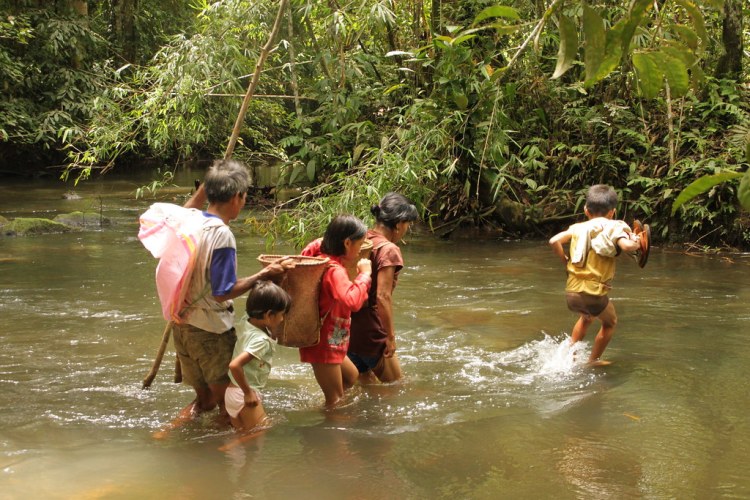


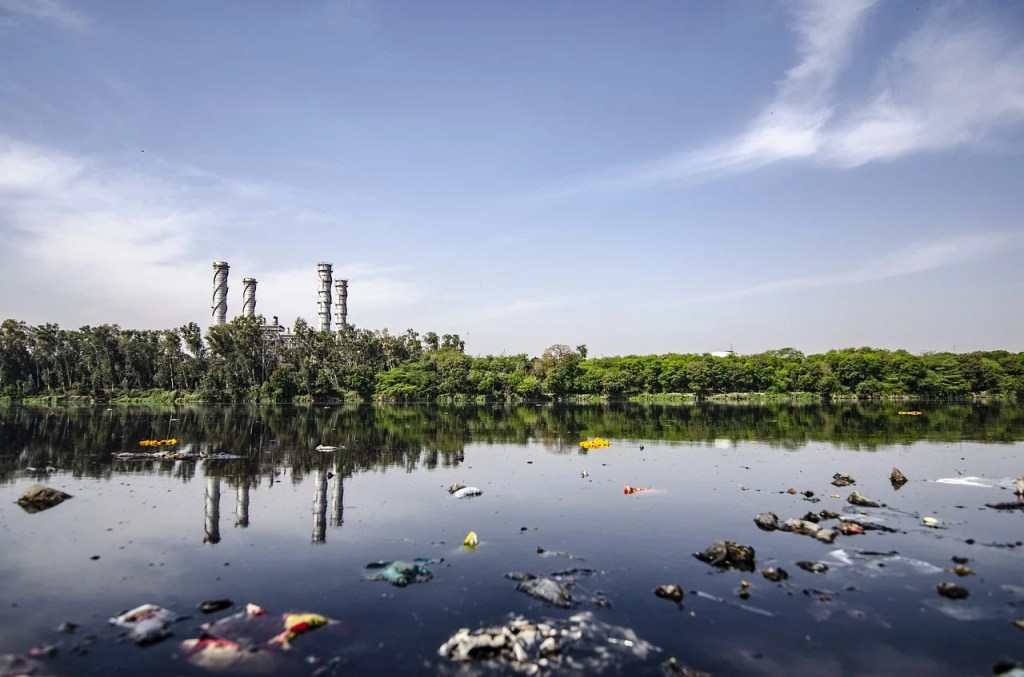
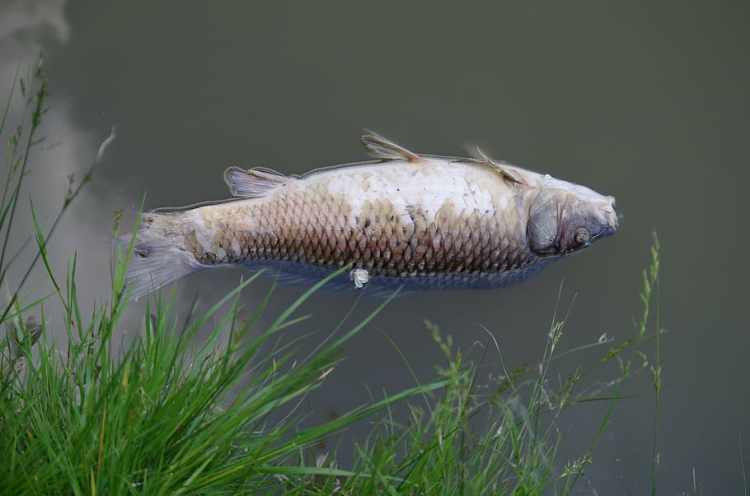

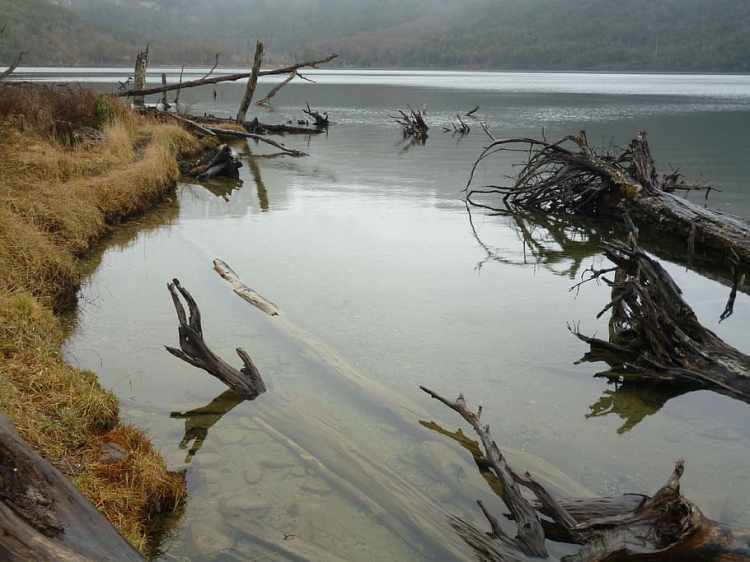
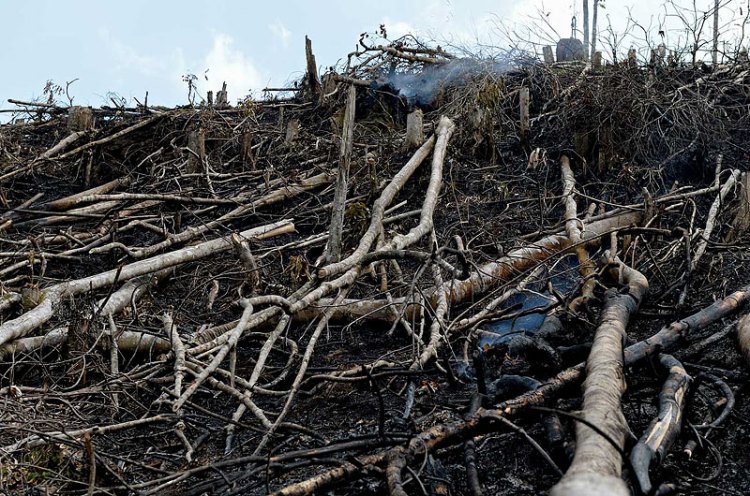
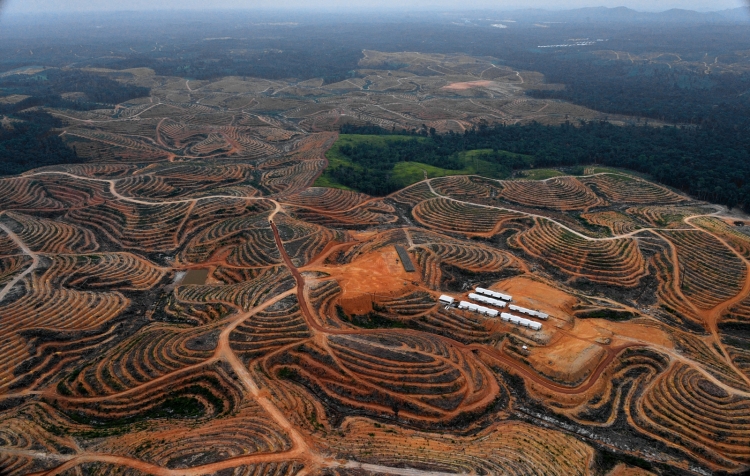
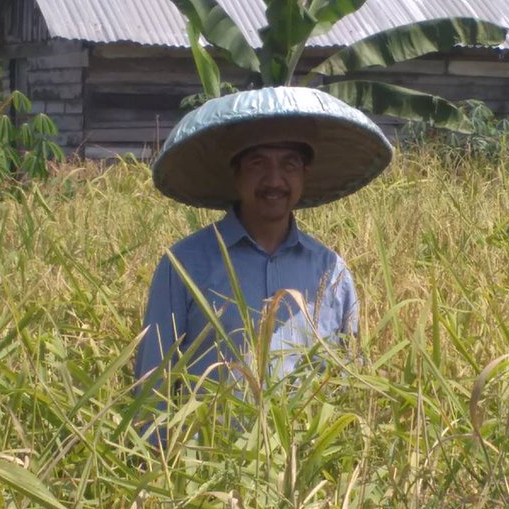
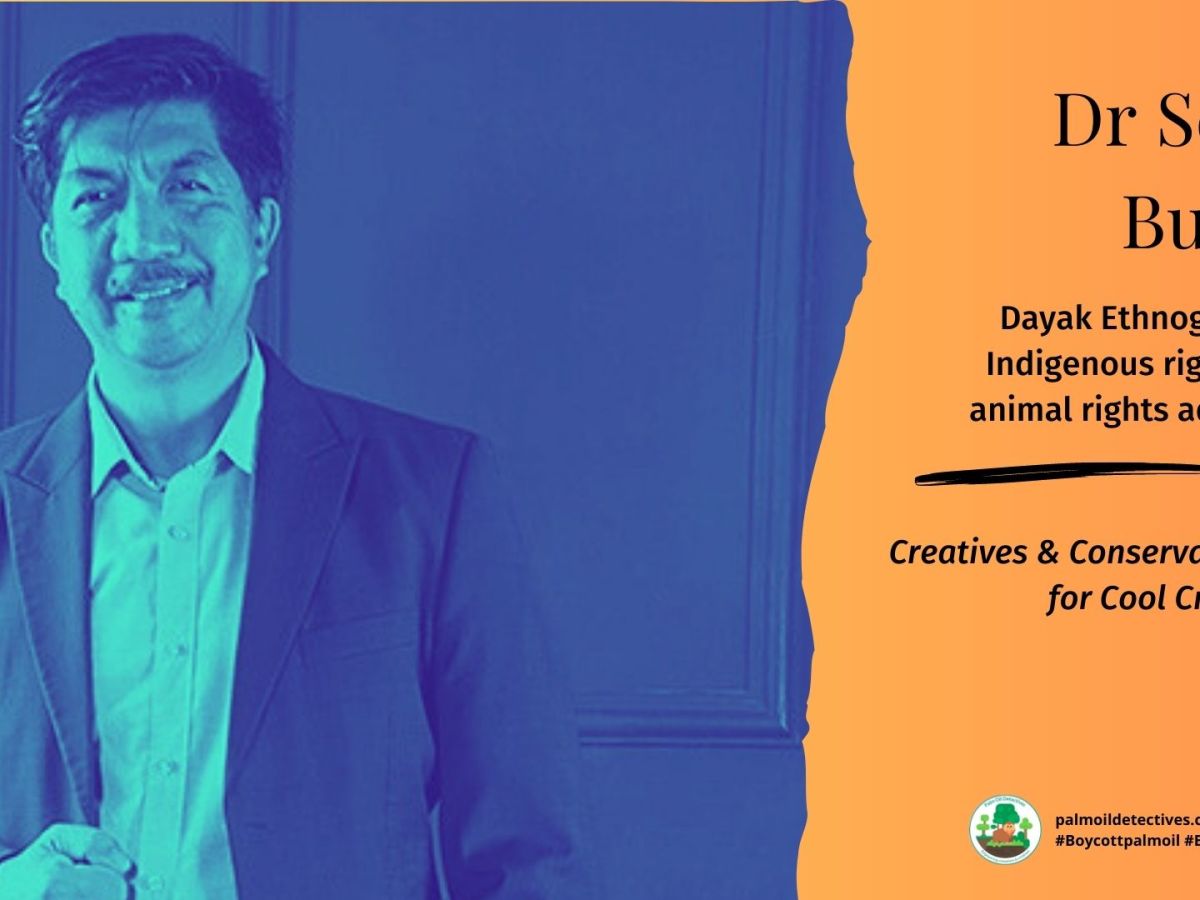


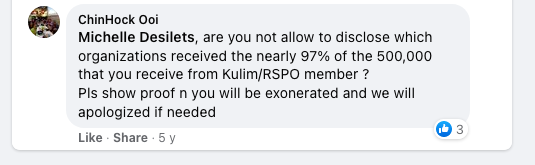

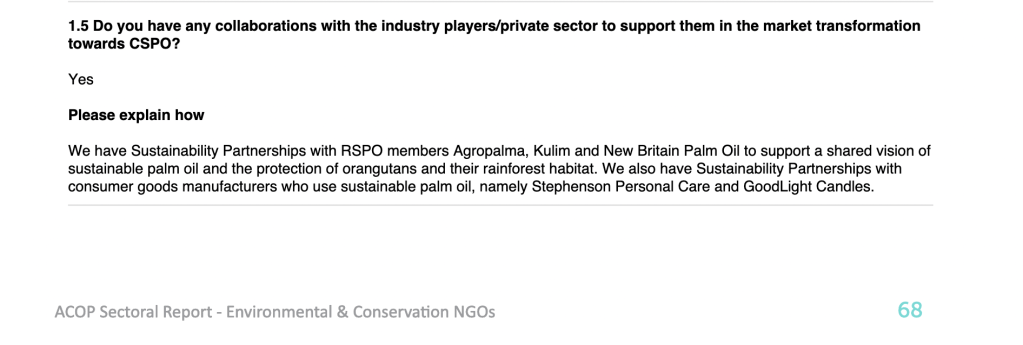
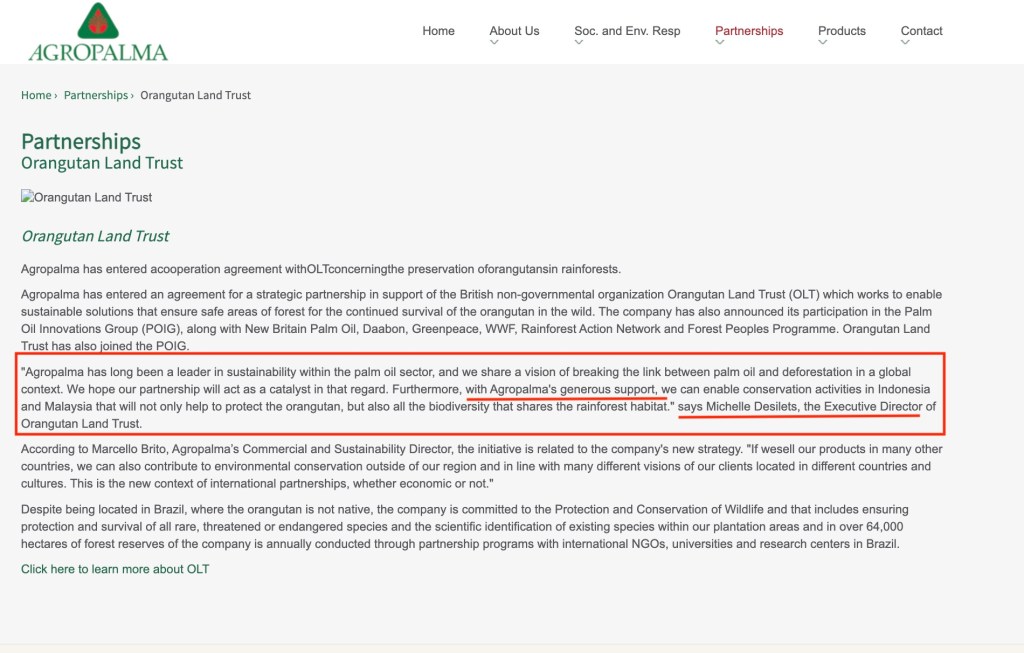
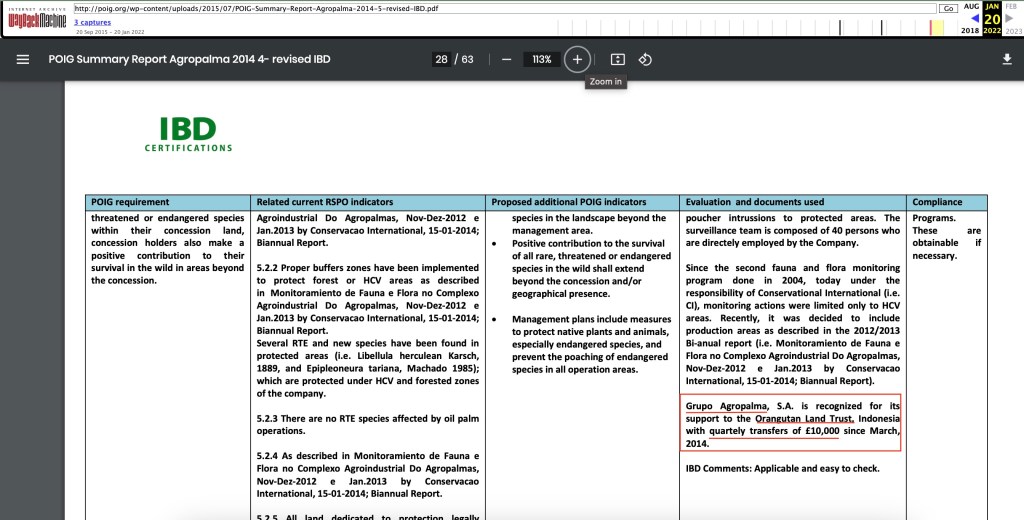
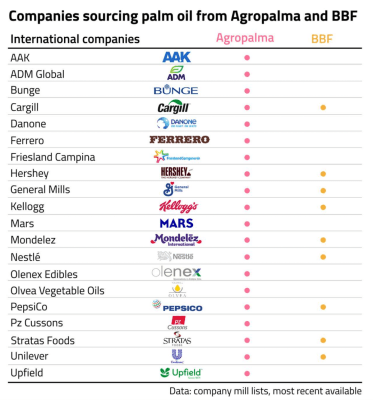
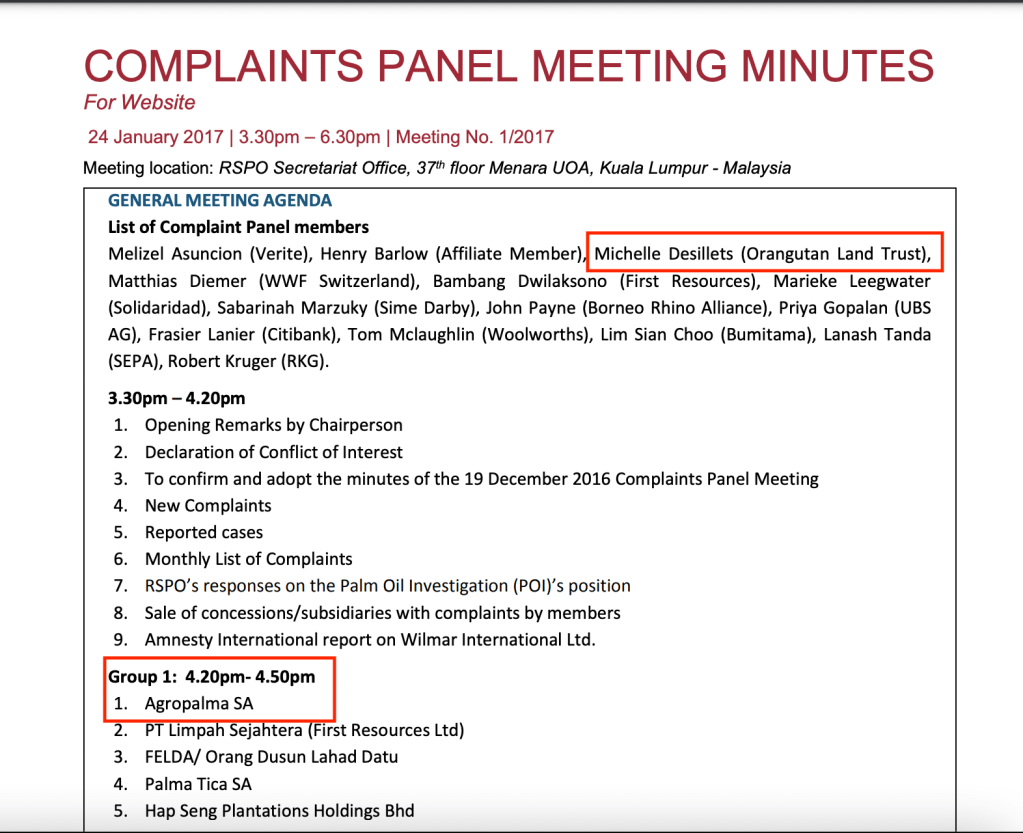


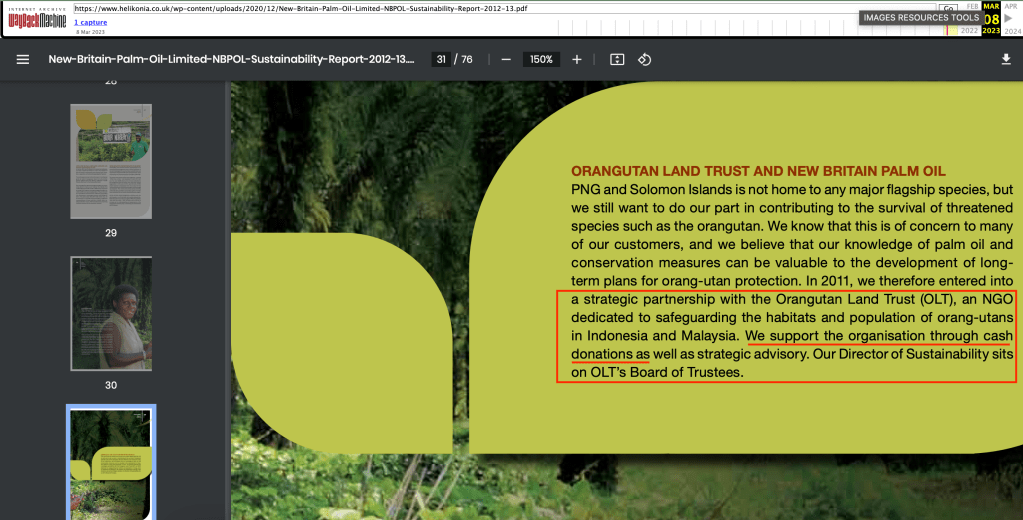
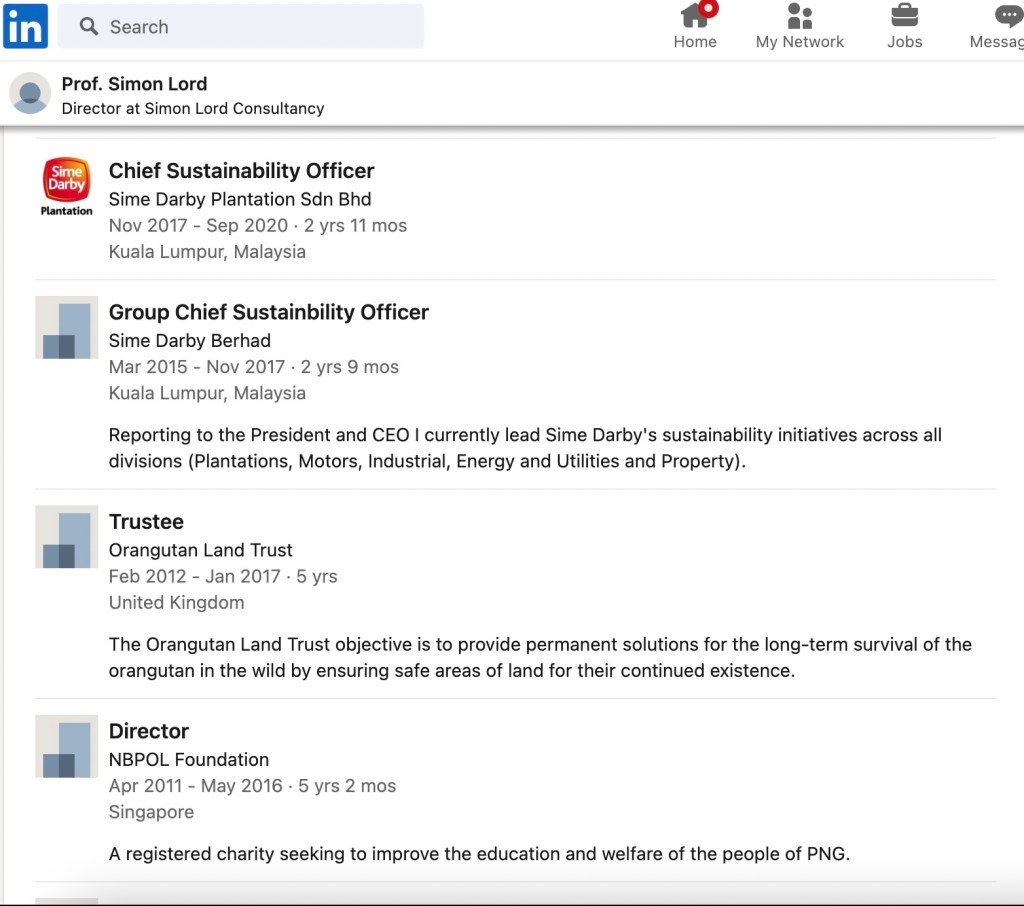
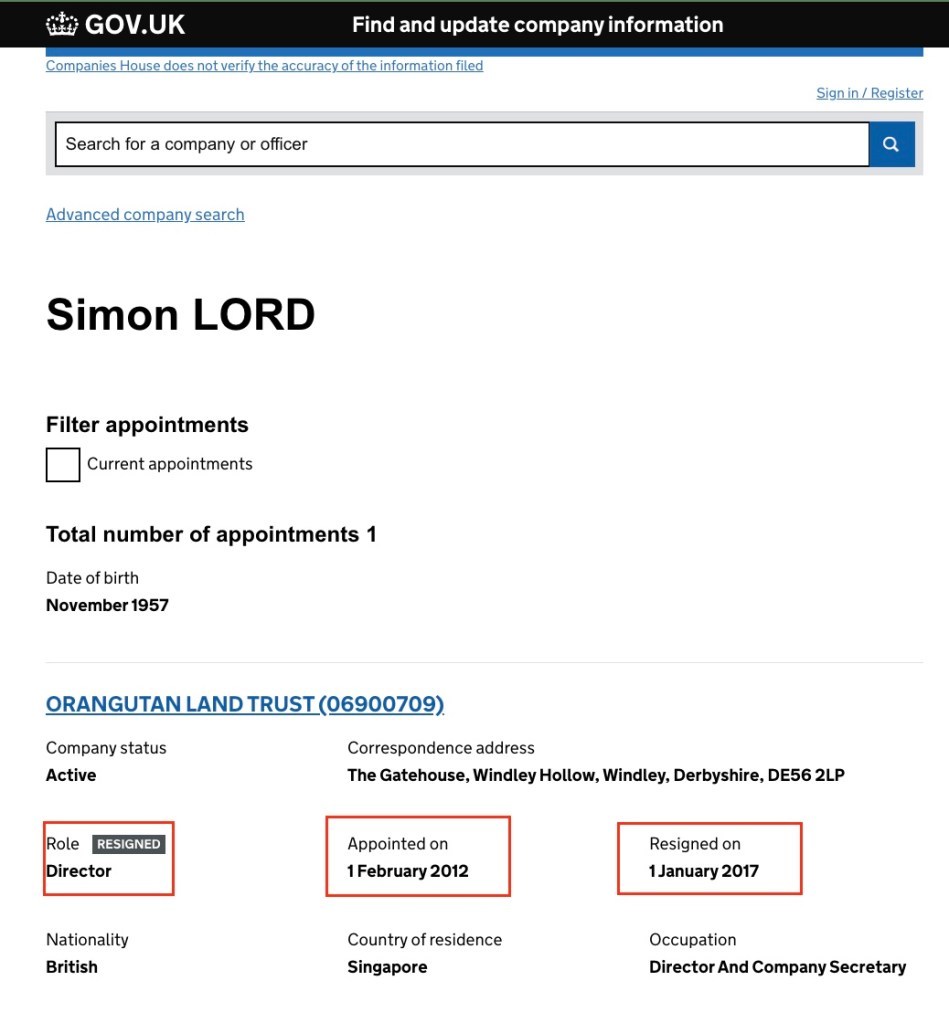




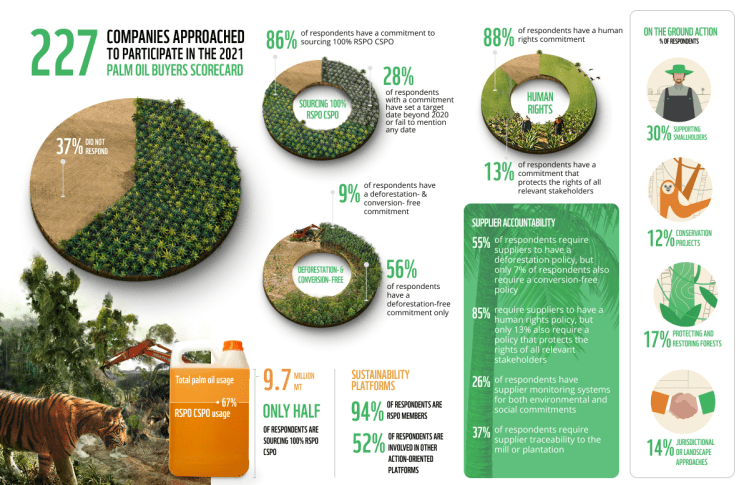
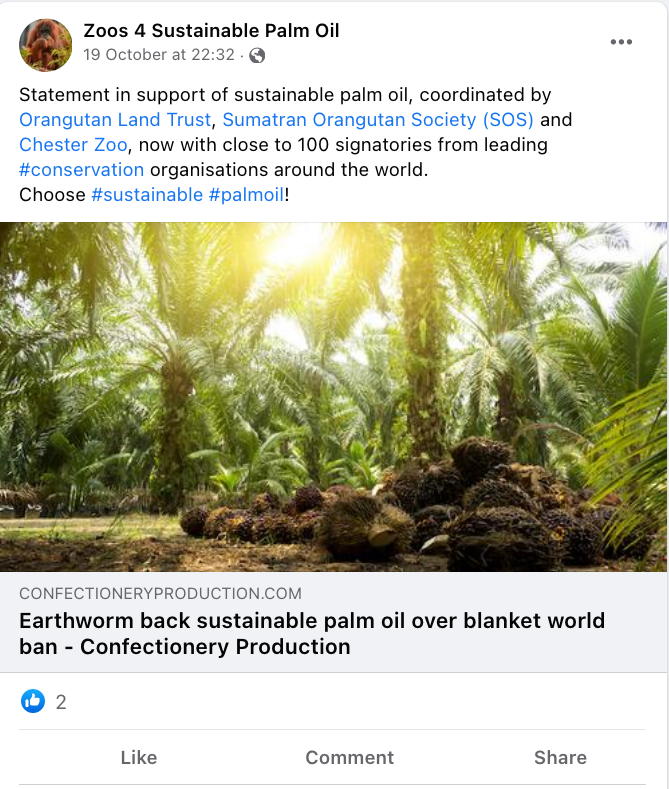
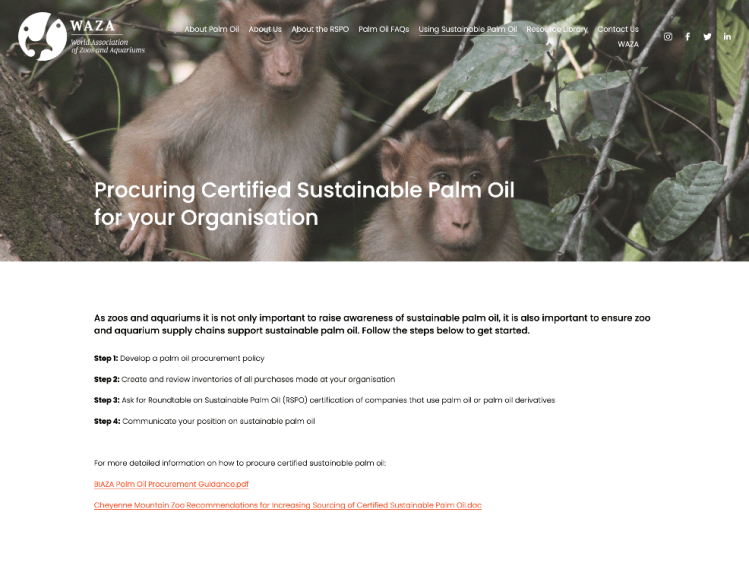
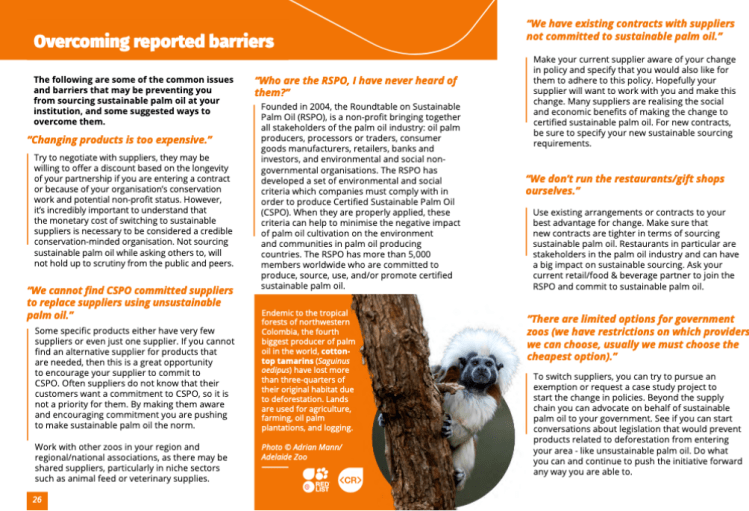
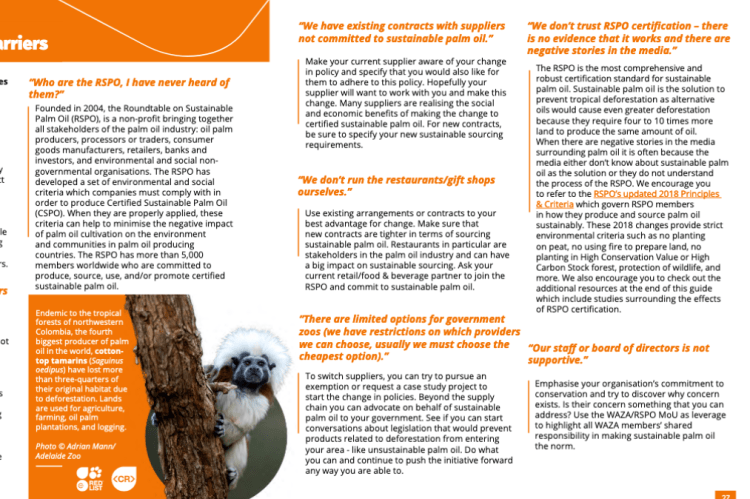

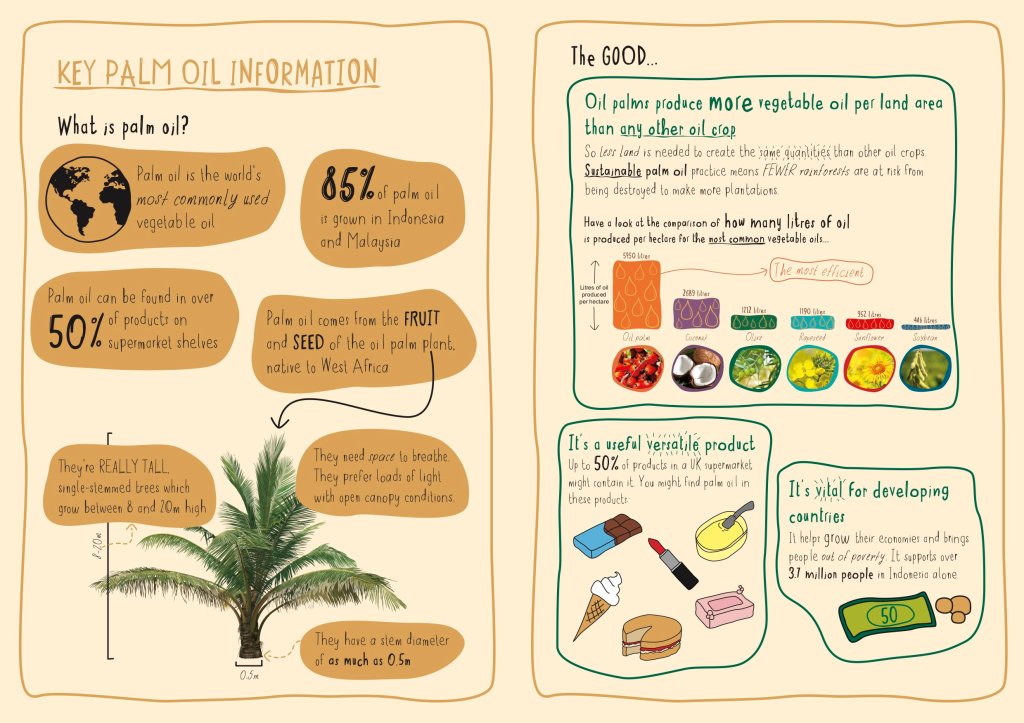



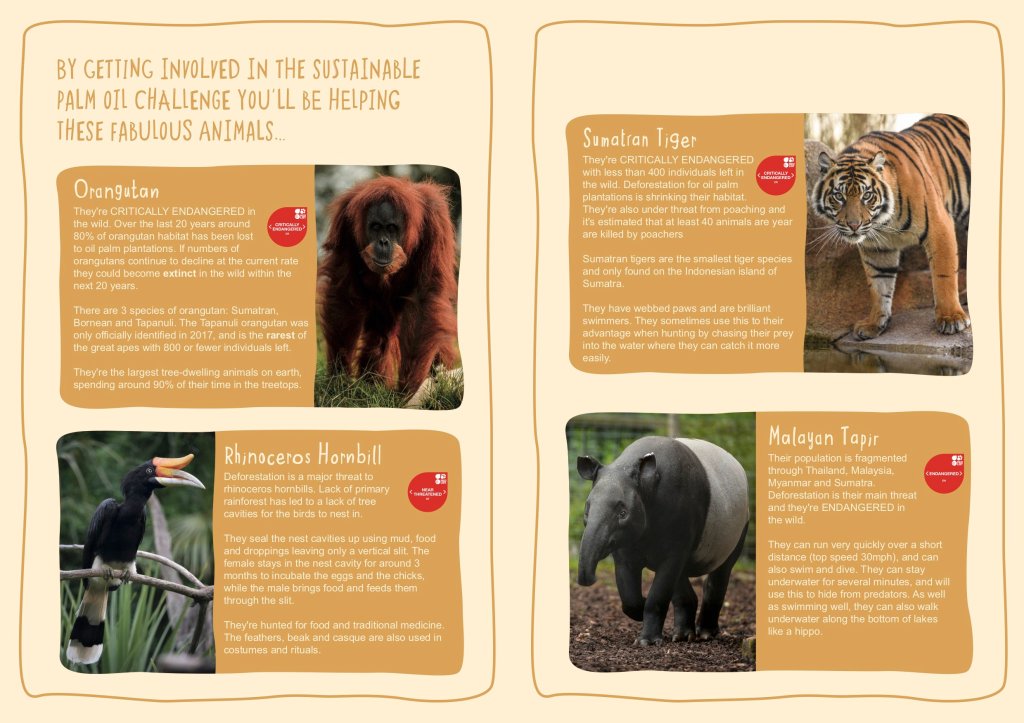

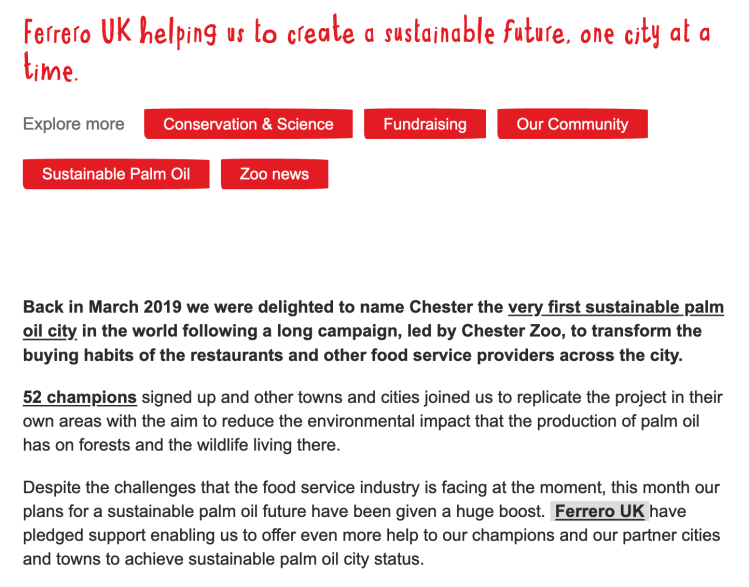





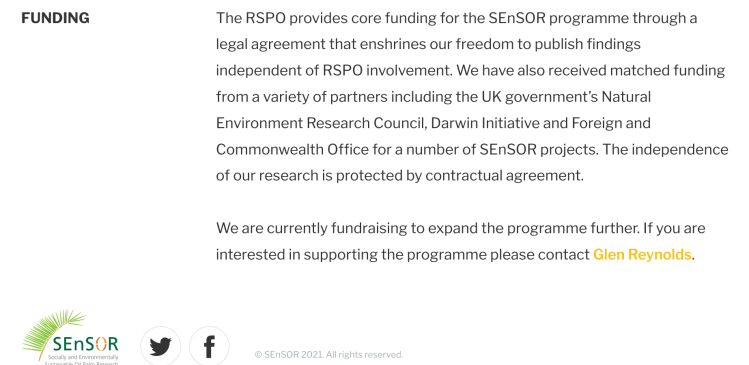
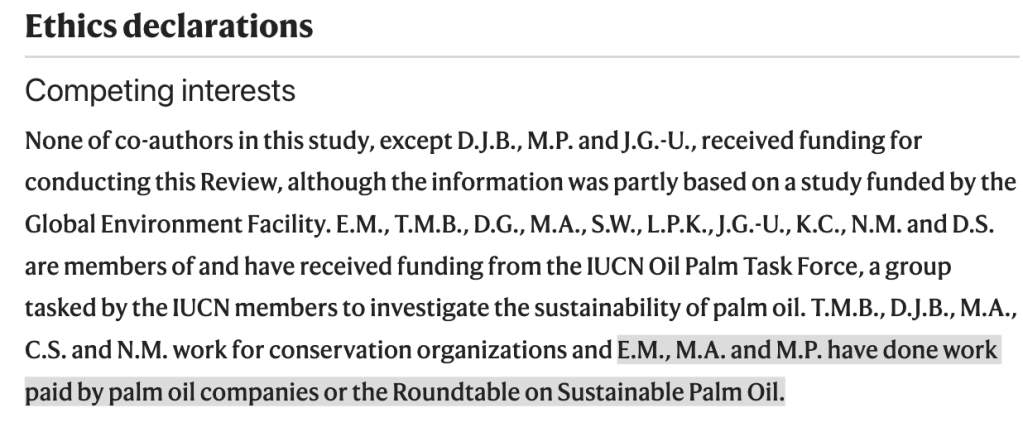
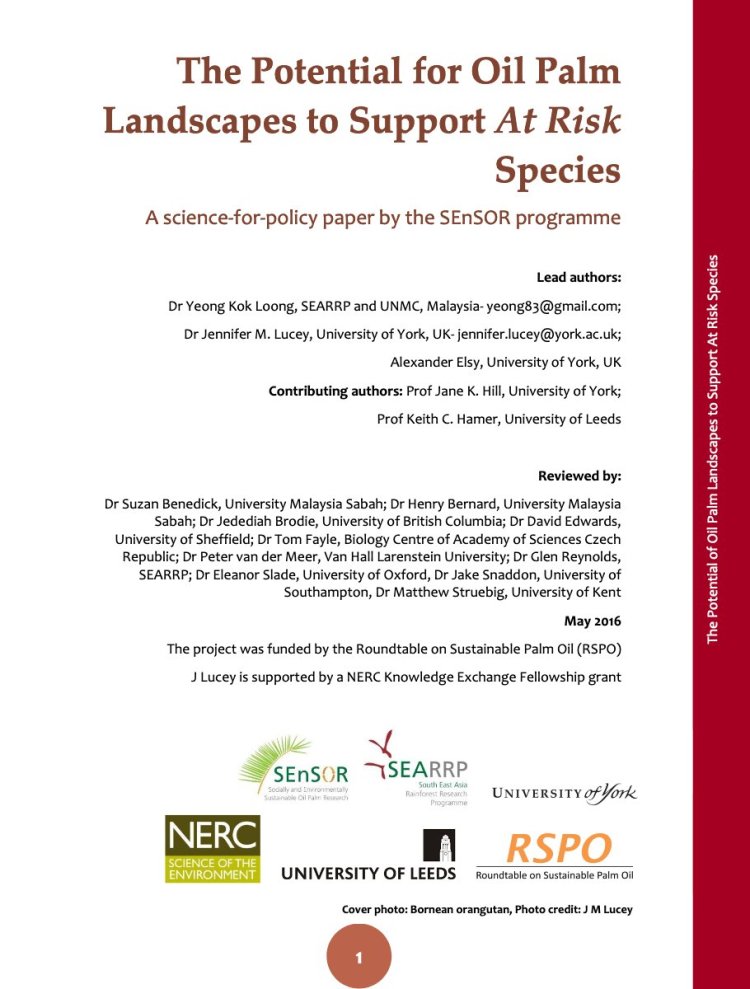
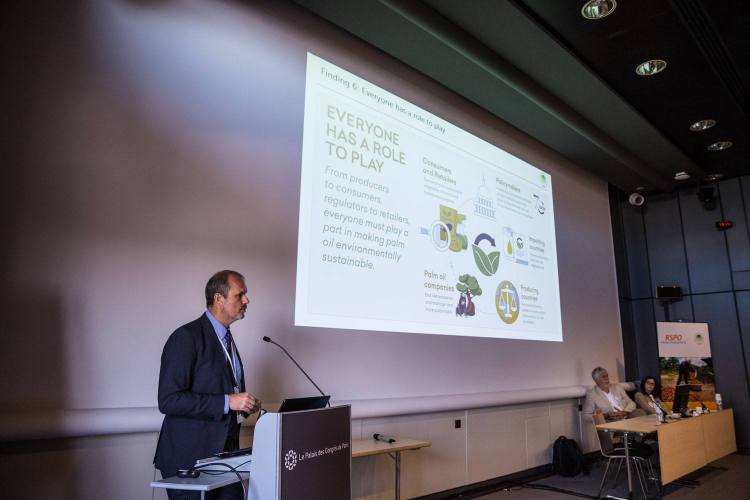

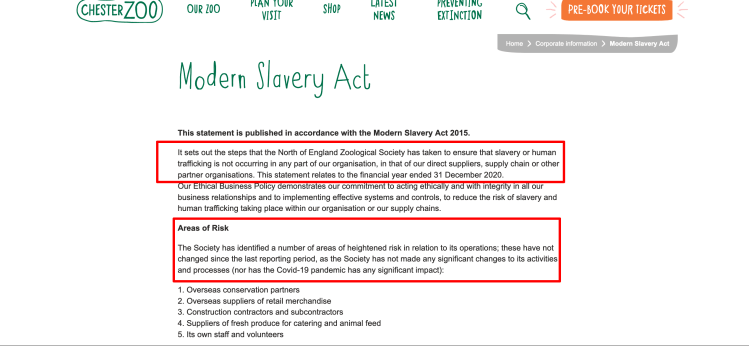
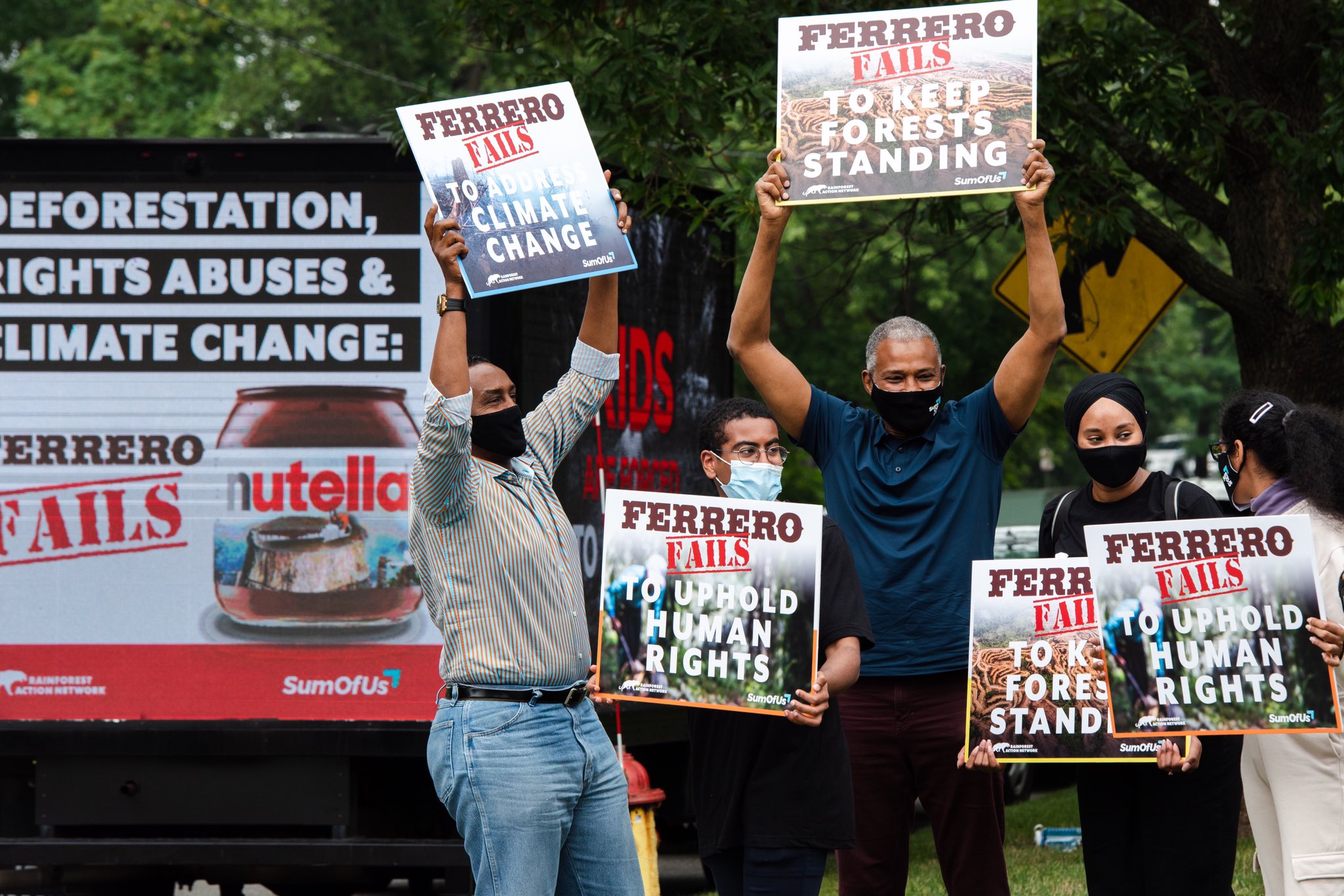
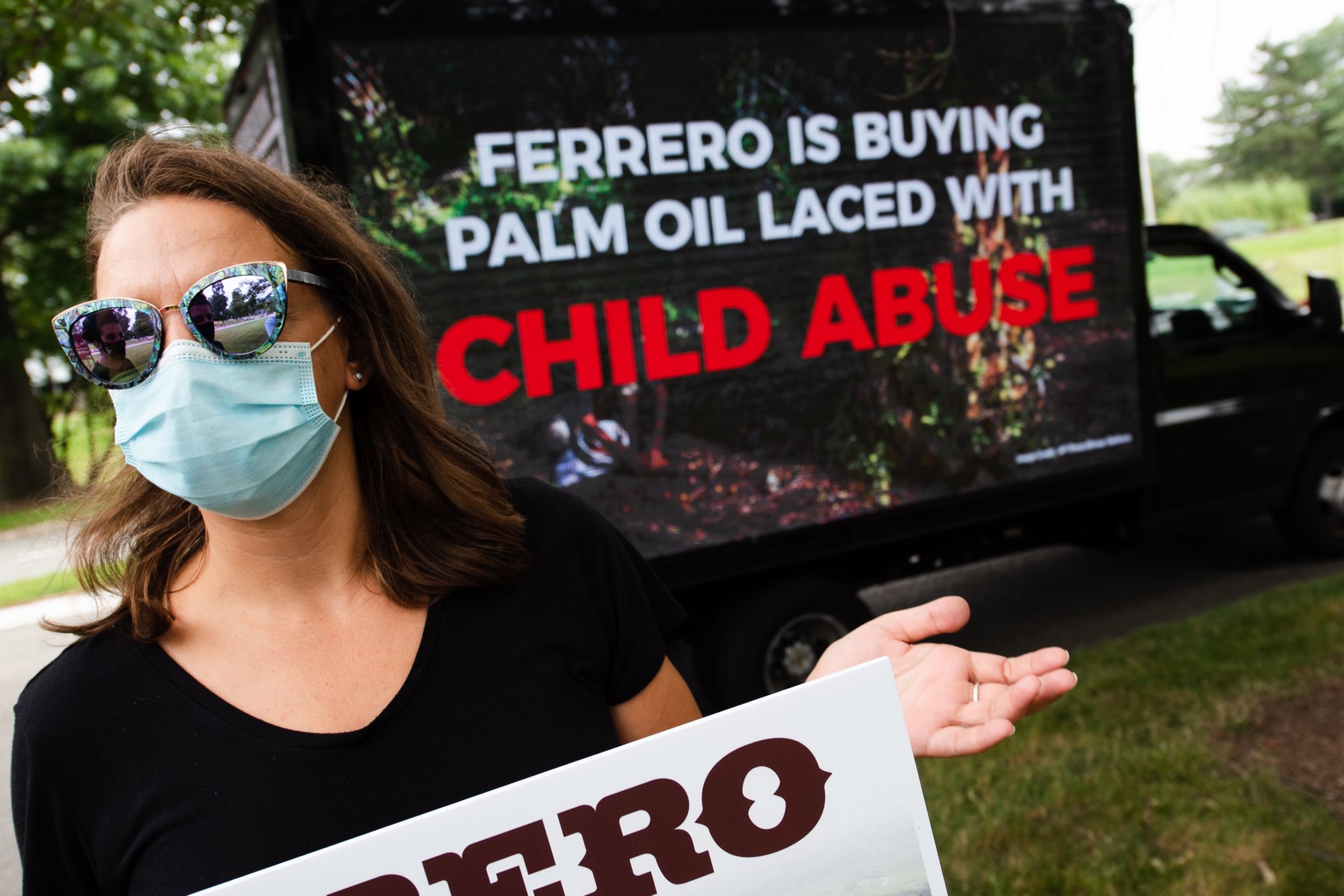
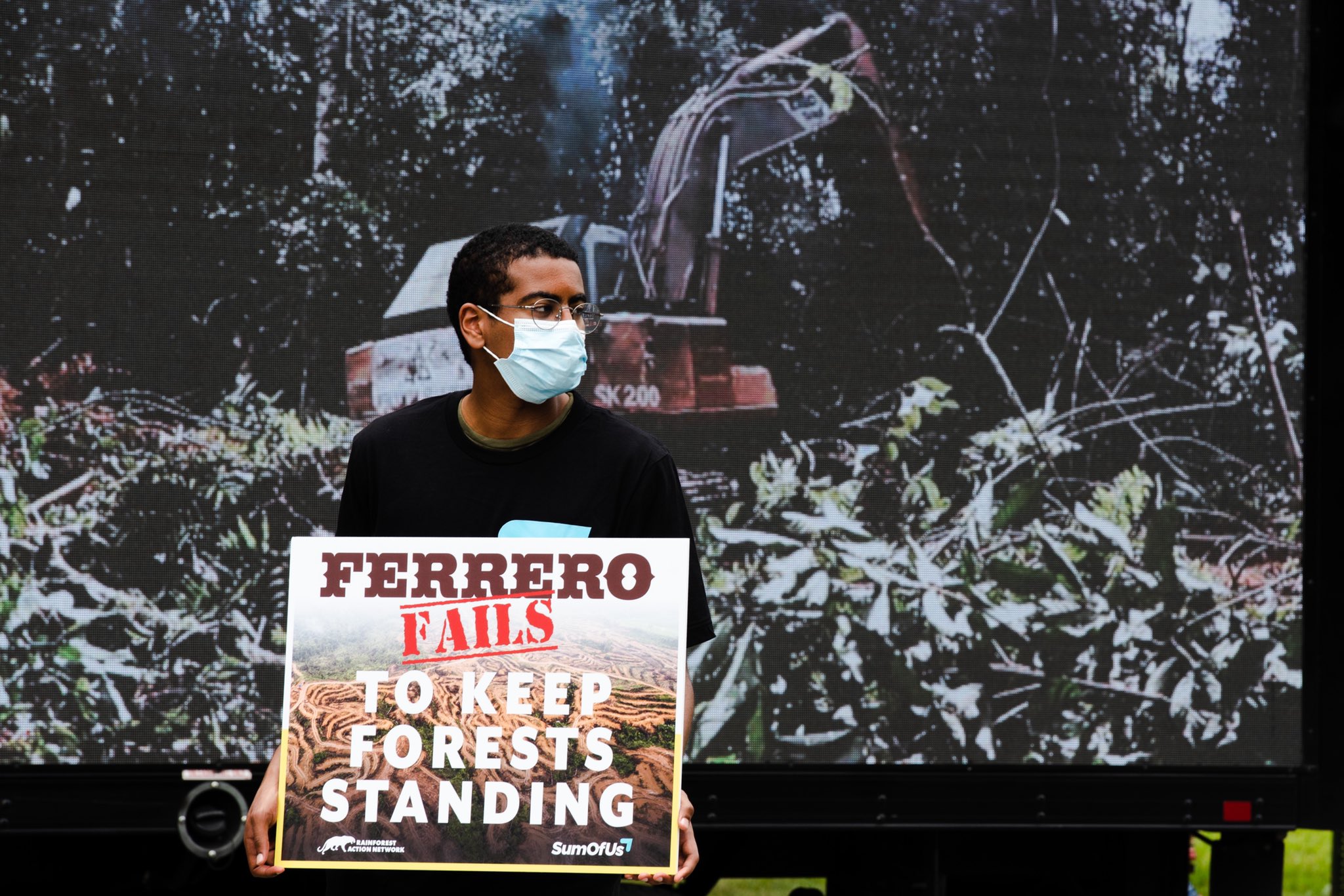
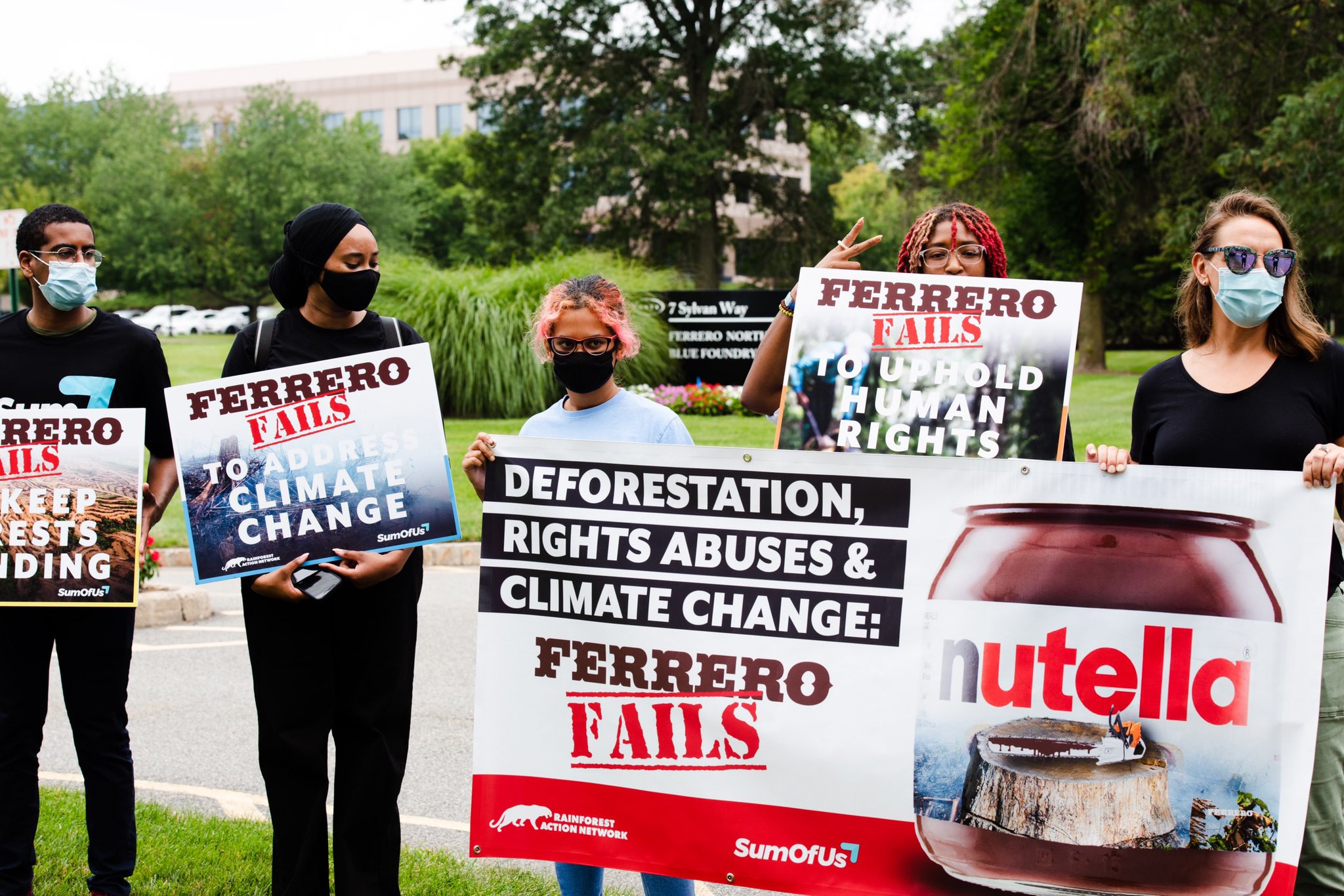
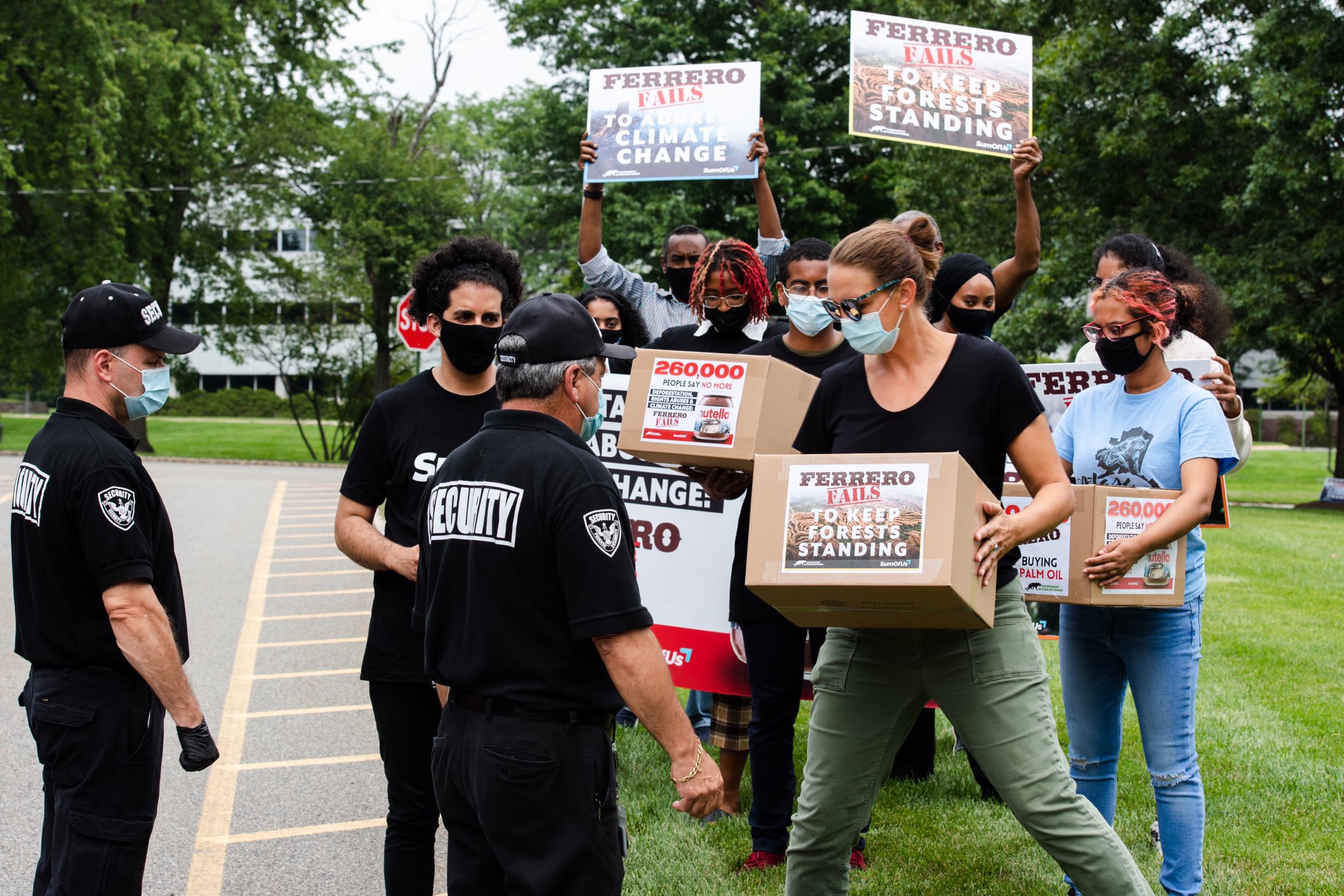
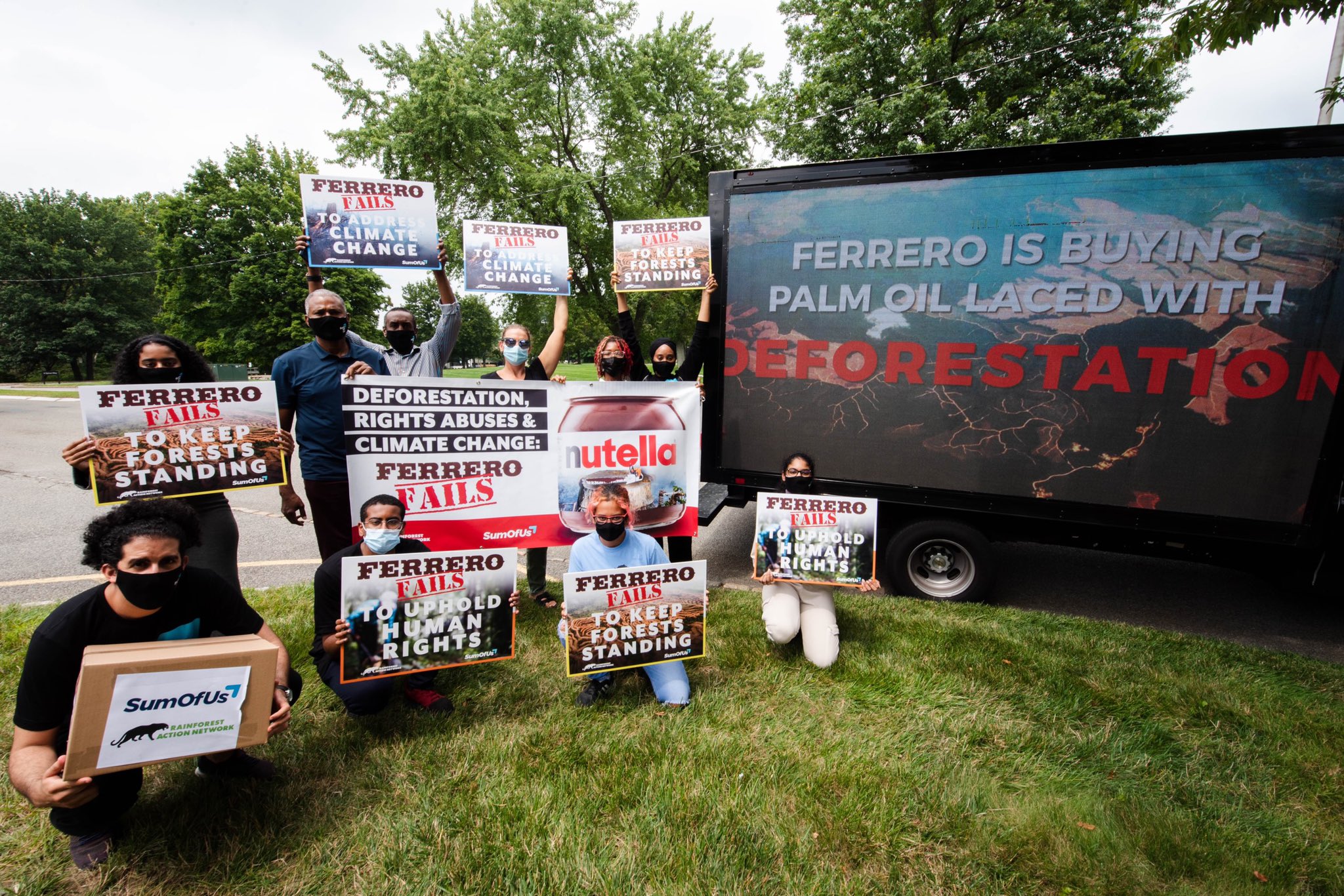
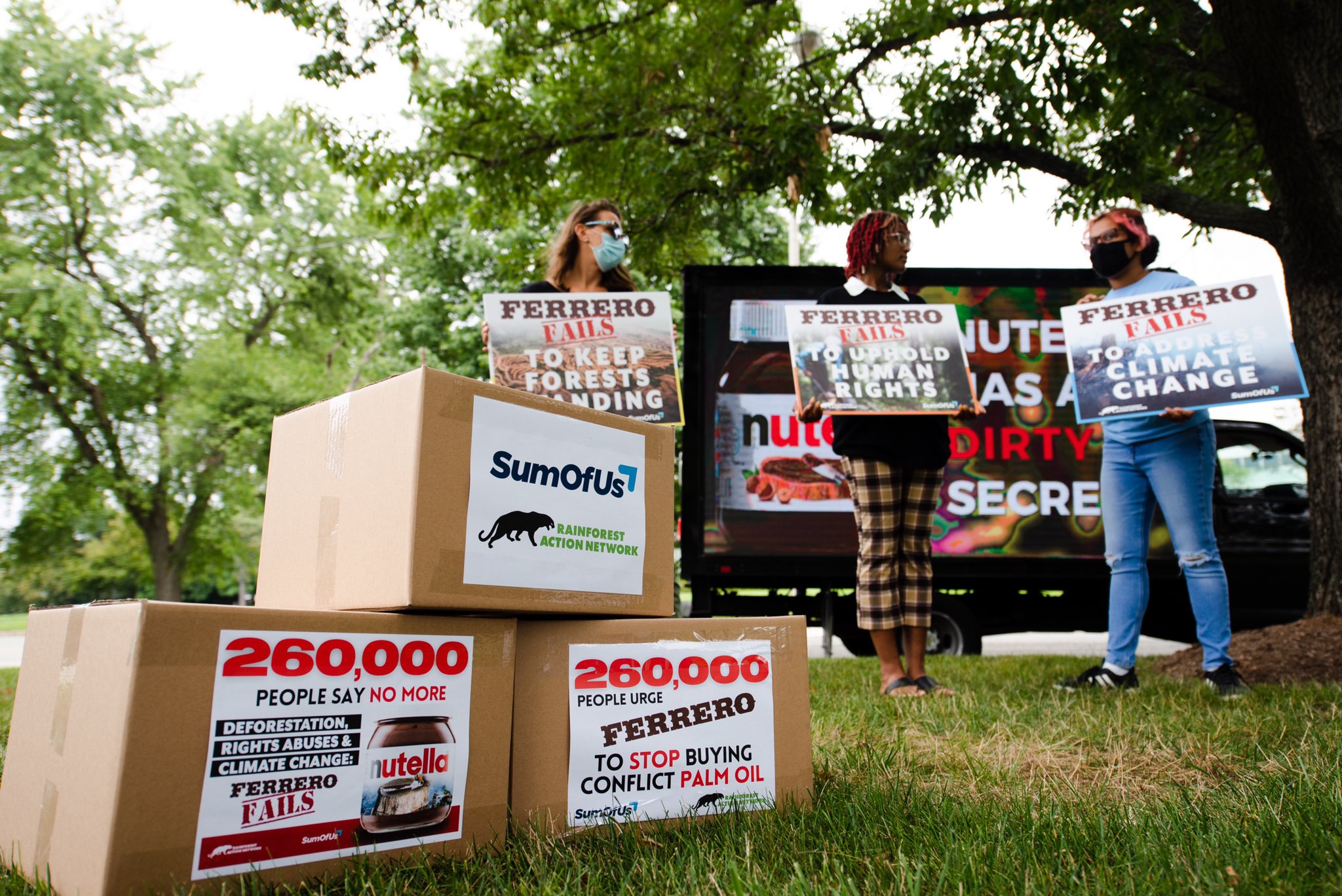

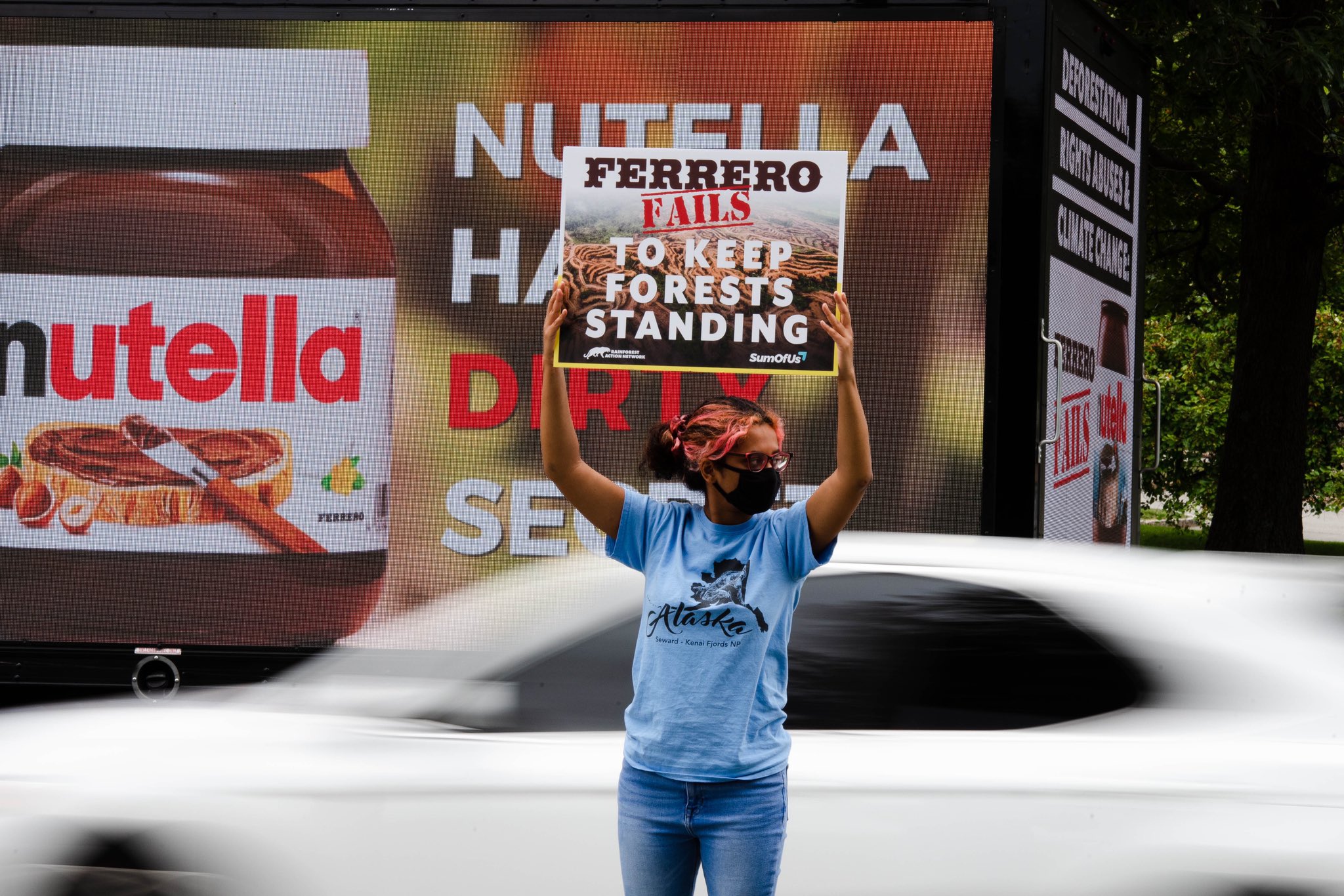

![The top five traders in Indonesia handled 75% of exports. The three biggest palm oil traders: Sinar Mas, Wilmar and Musim Mas also have the biggest deforestation risk of all RSPO members (deforestation goes against the RSPO's rules). [Source: Trase]](https://palmoildetectives.com/wp-content/uploads/2021/09/screenshot-2021-09-14-at-20-20-09-trase-insights-yearbook.png?w=1024)
![The top five traders in Indonesia handled 75% of exports. The three biggest palm oil traders: Sinar Mas, Wilmar and Musim Mas also have the biggest deforestation risk of all RSPO members (deforestation goes against the RSPO's rules). [Source: Trase]](https://palmoildetectives.com/wp-content/uploads/2021/09/screenshot-2021-09-14-at-20-35-46-trase-insights-yearbook.png?w=1024)
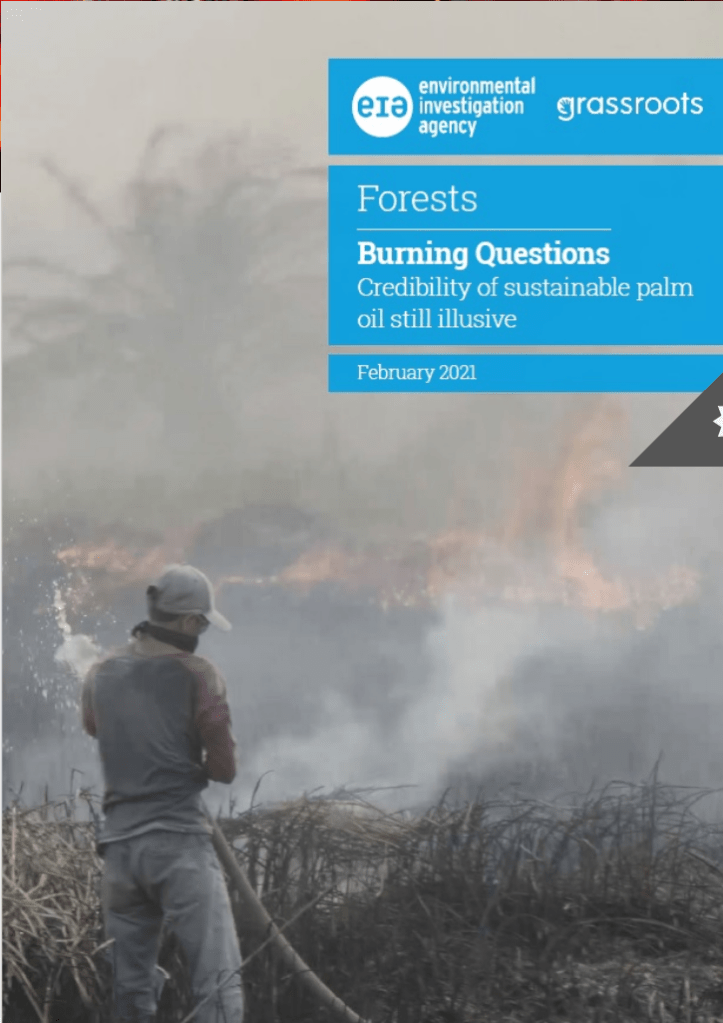

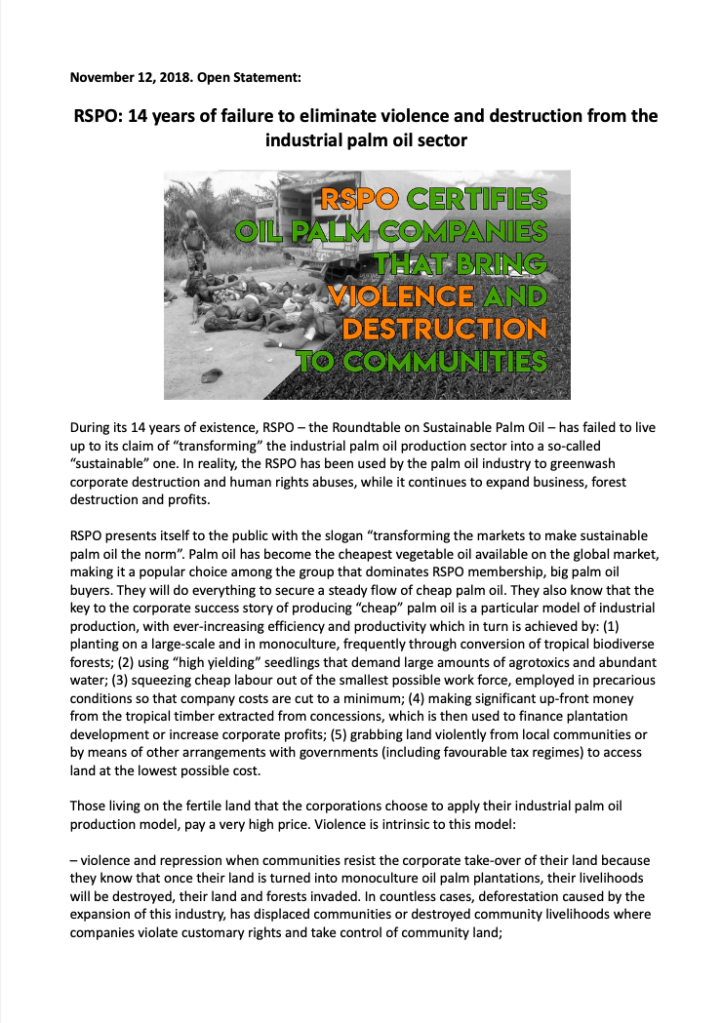
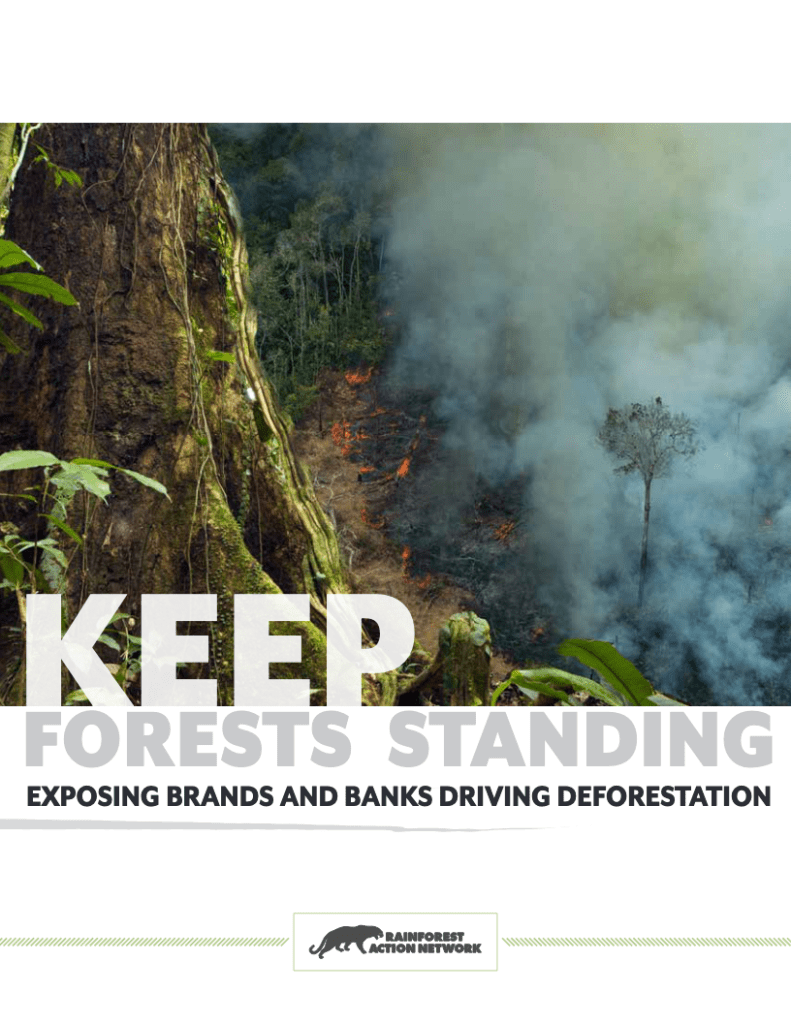

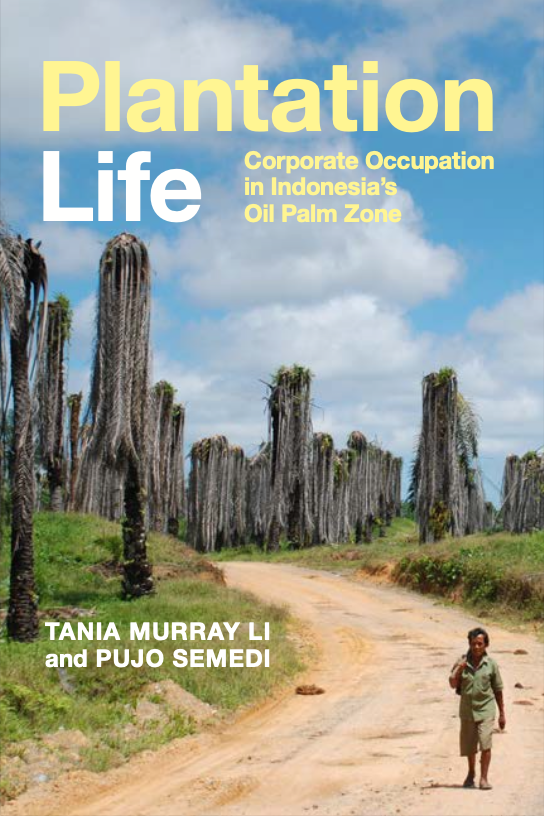



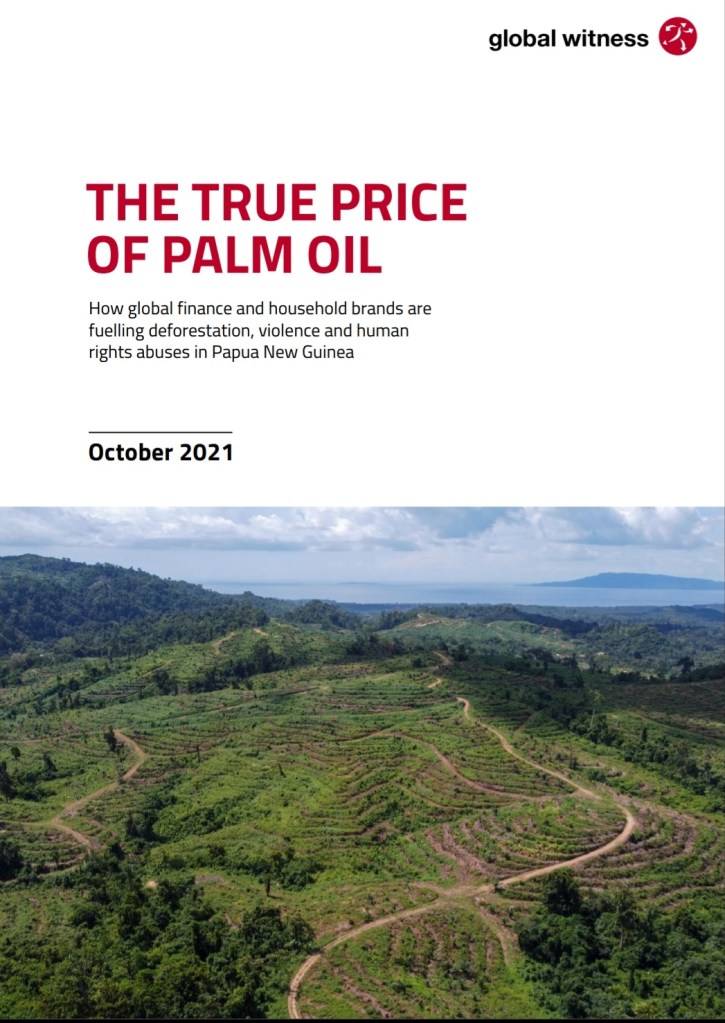
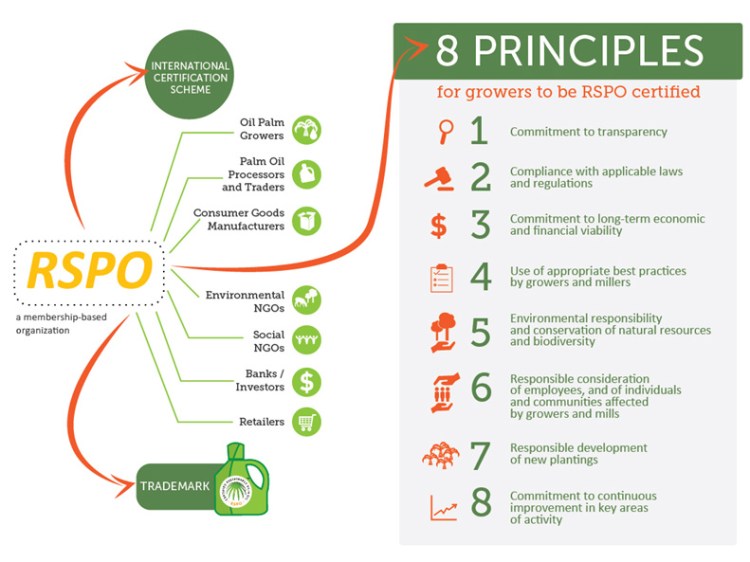

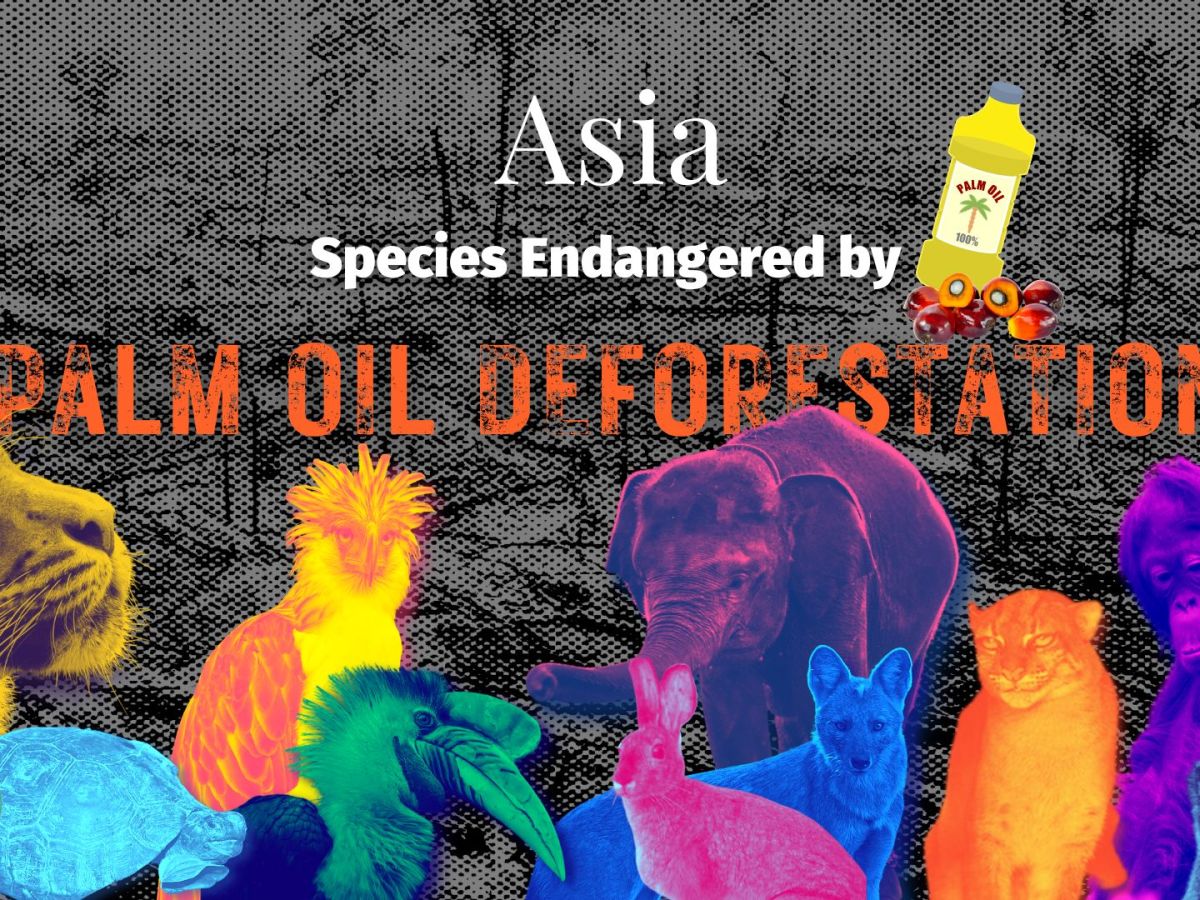
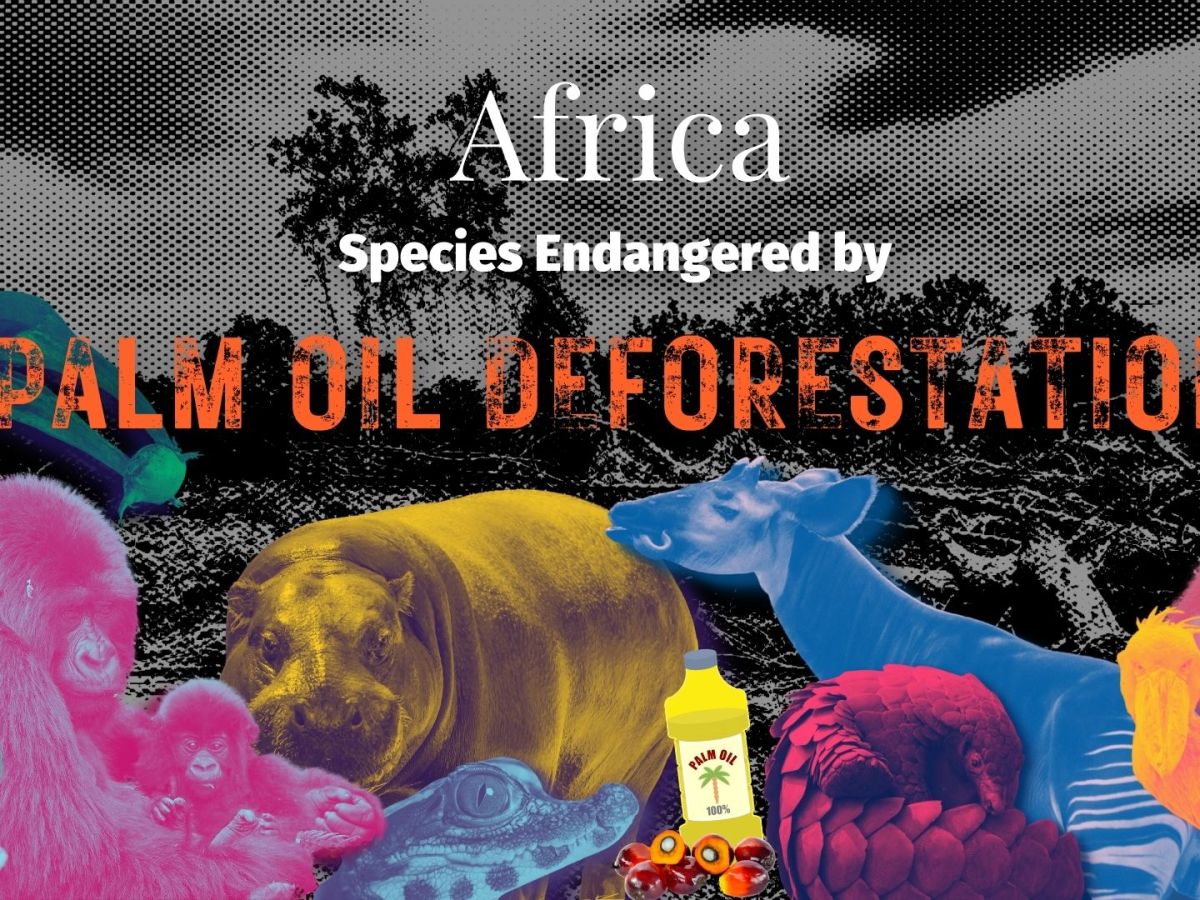
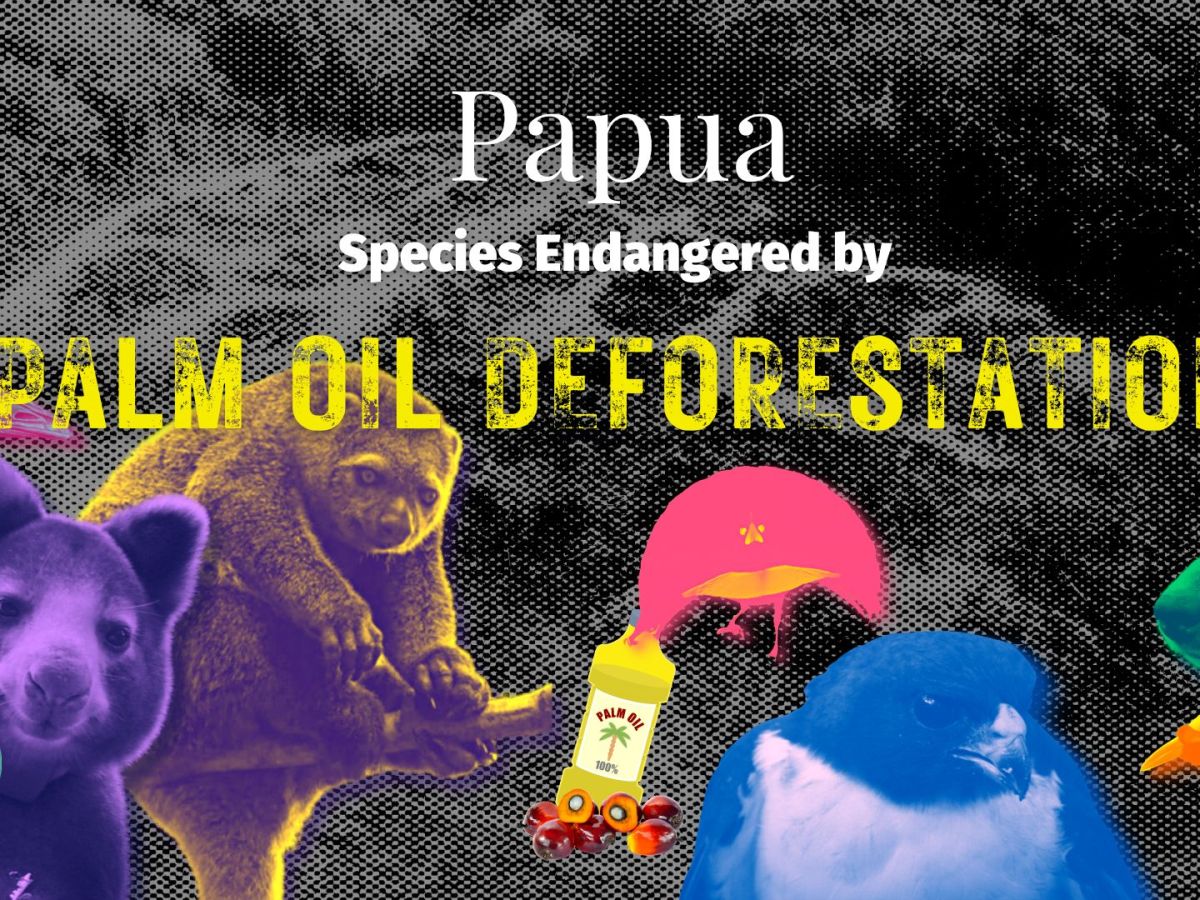
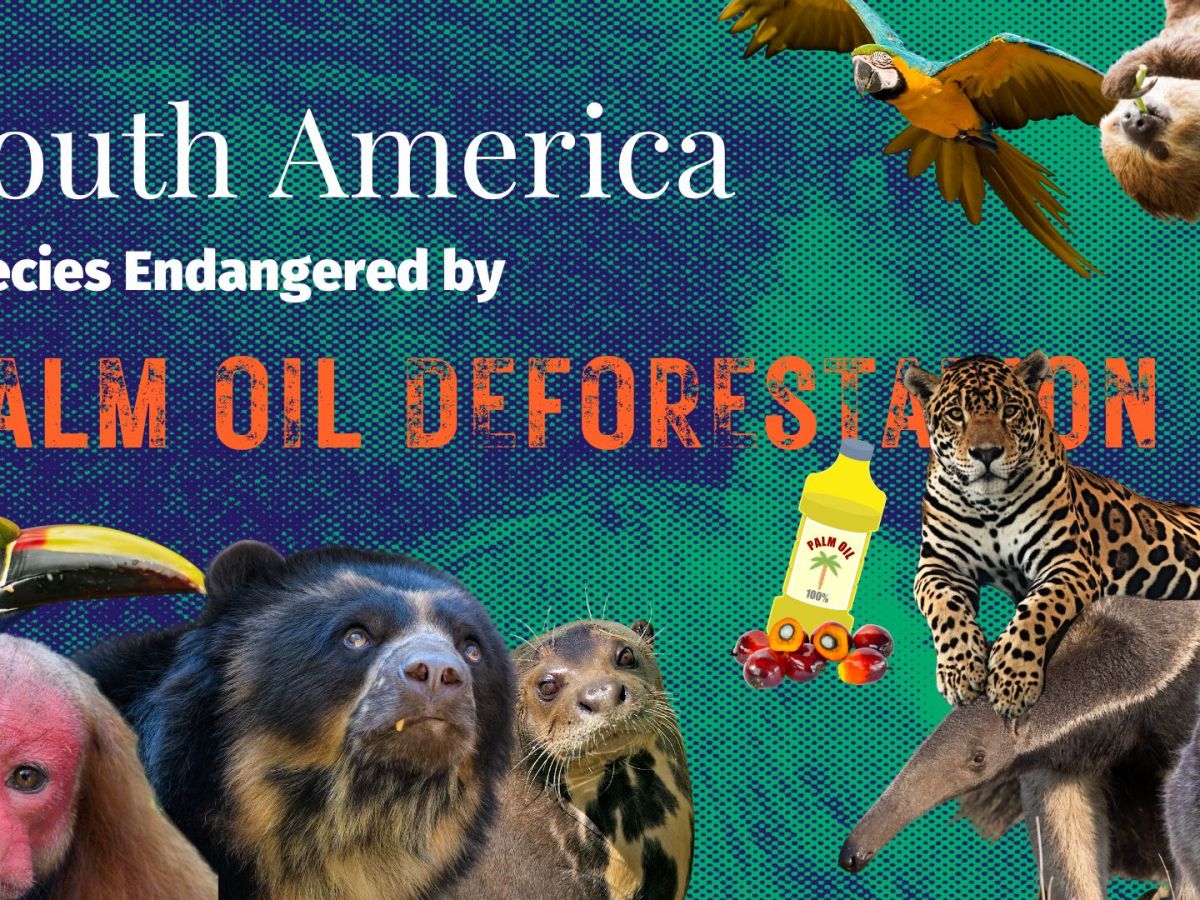

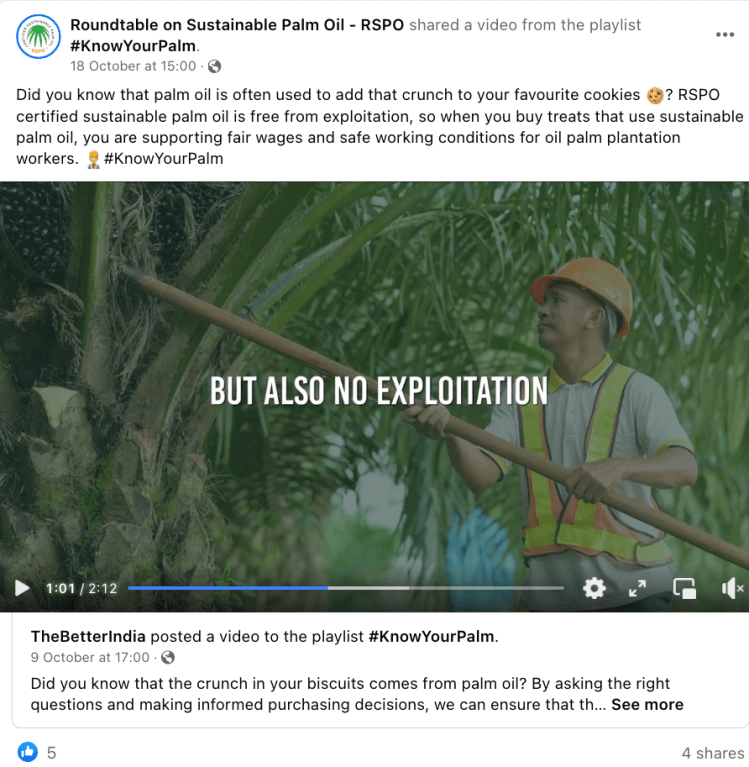
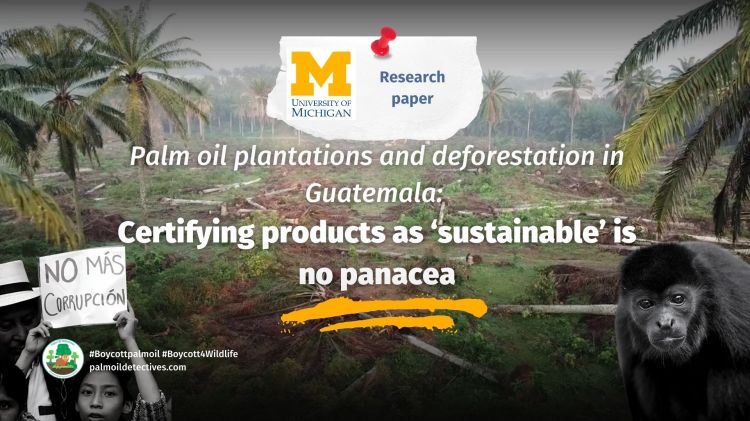

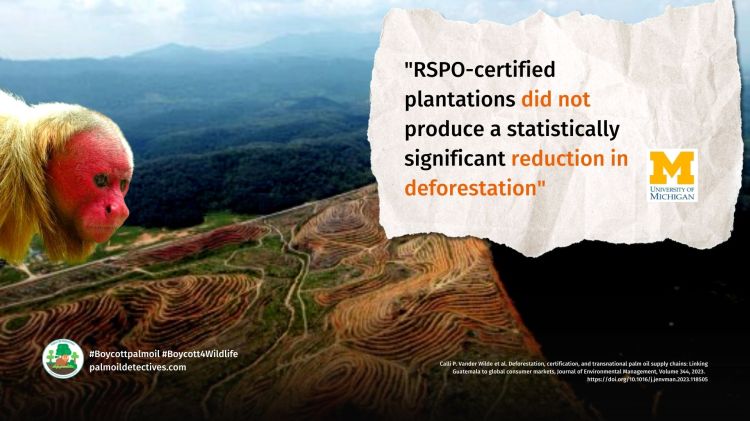
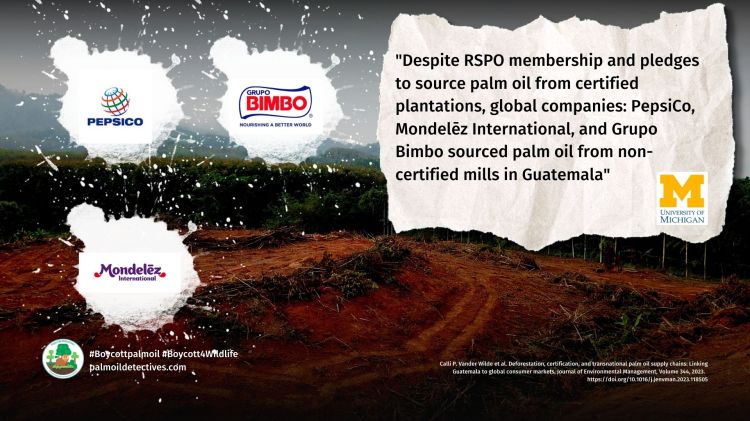
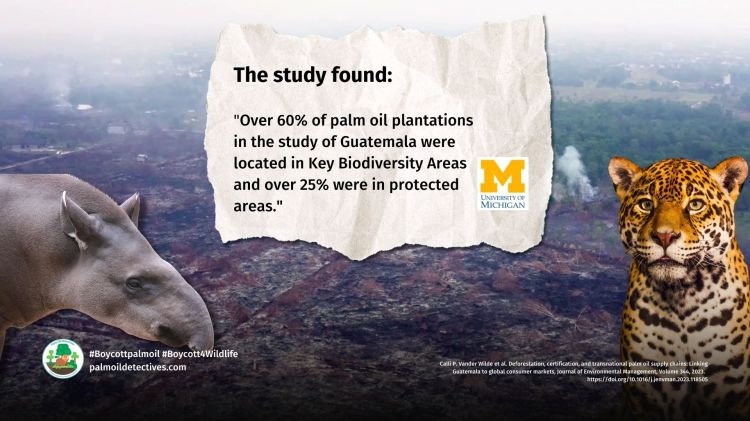
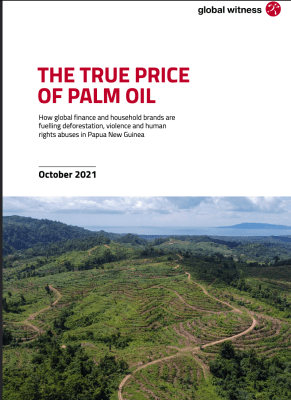

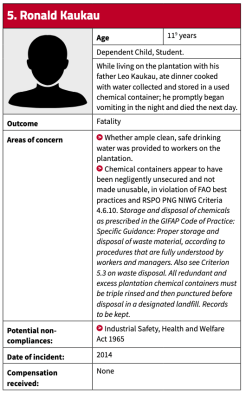
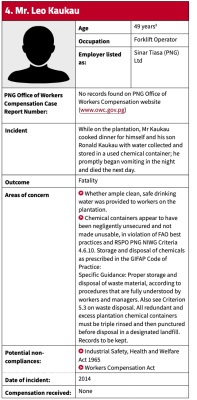
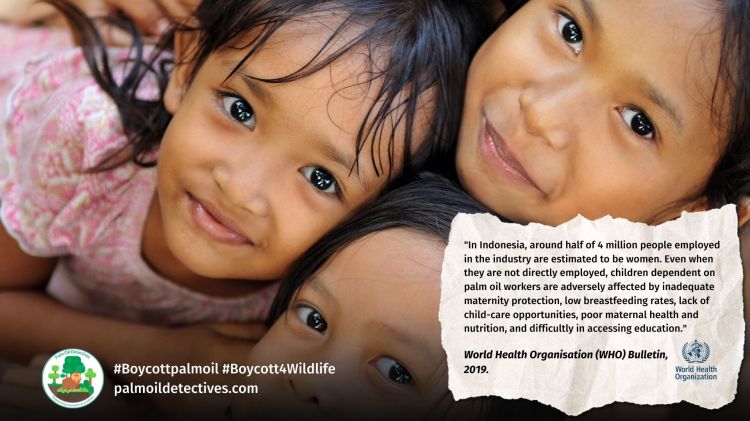
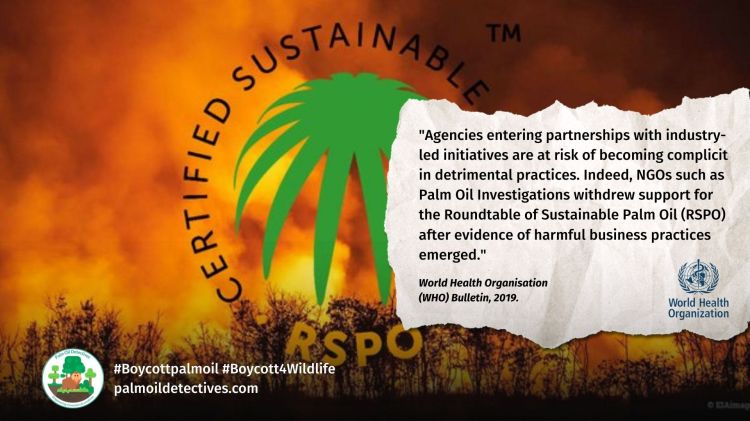
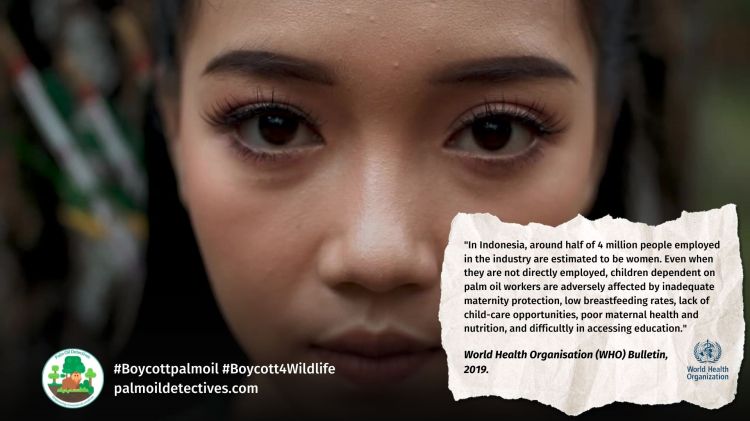
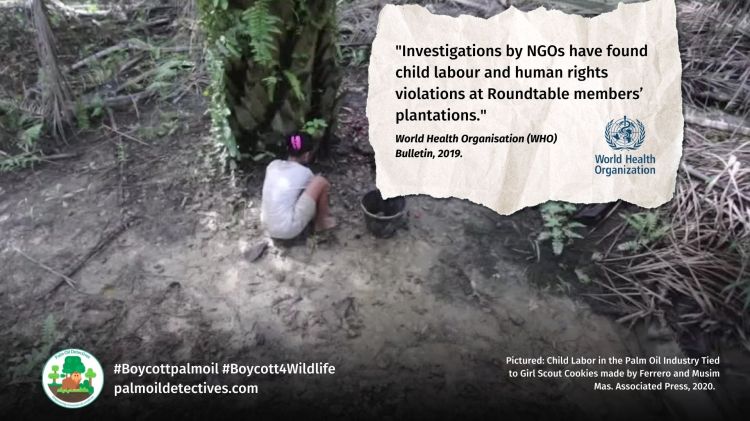


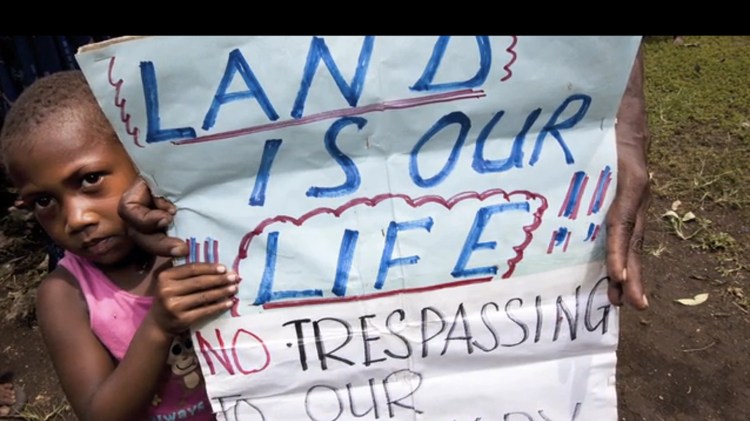
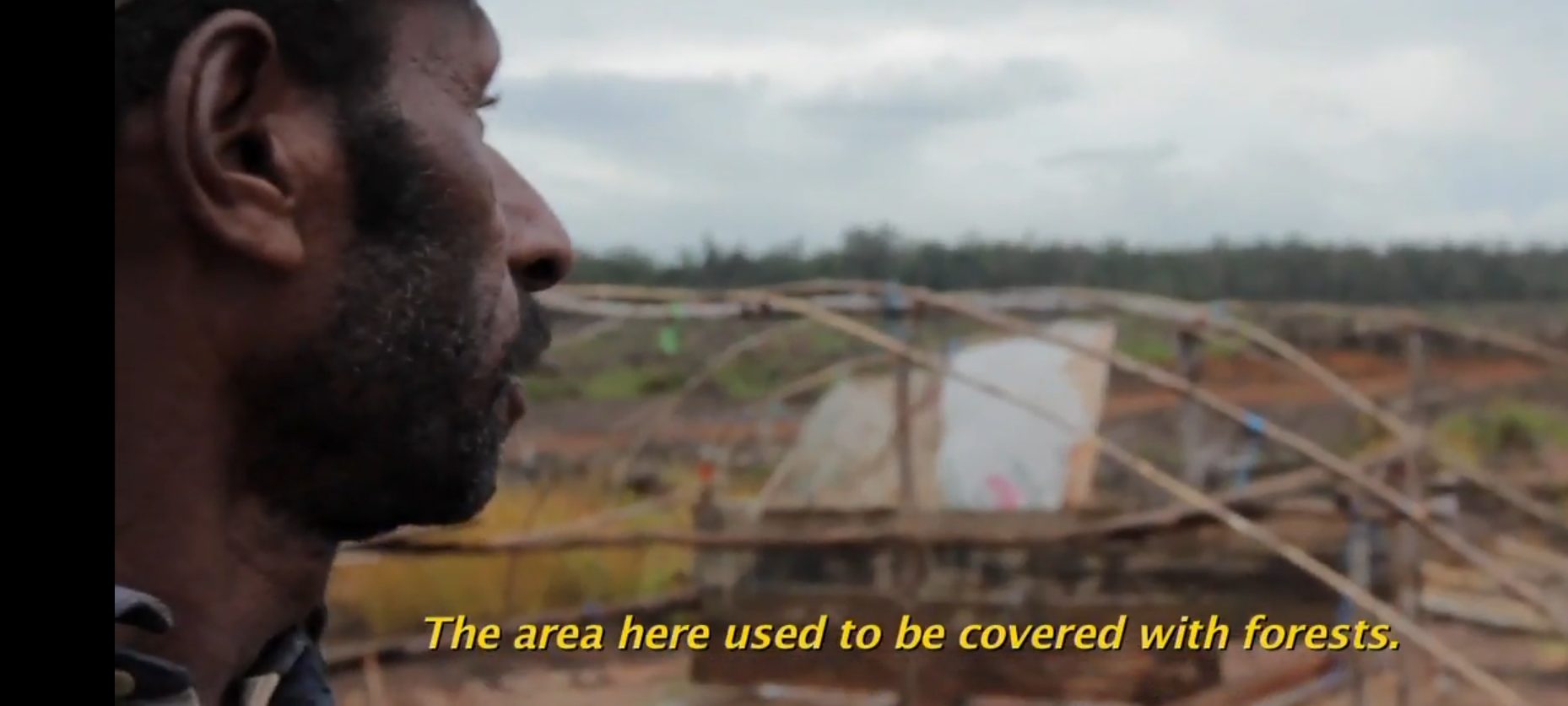
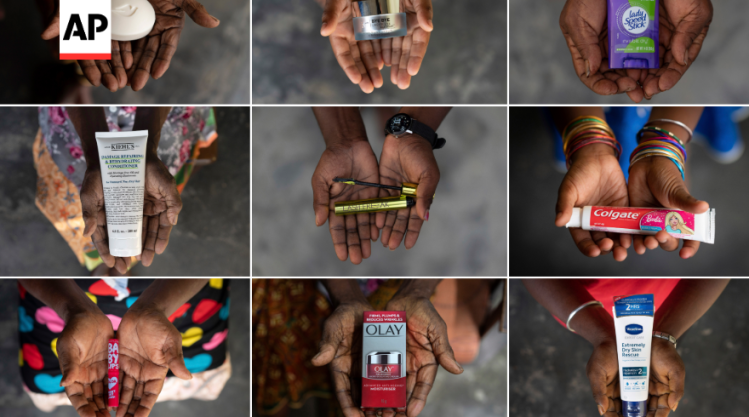

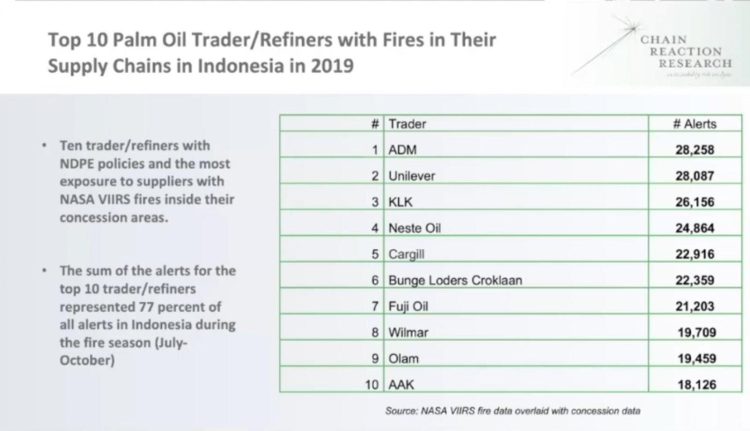
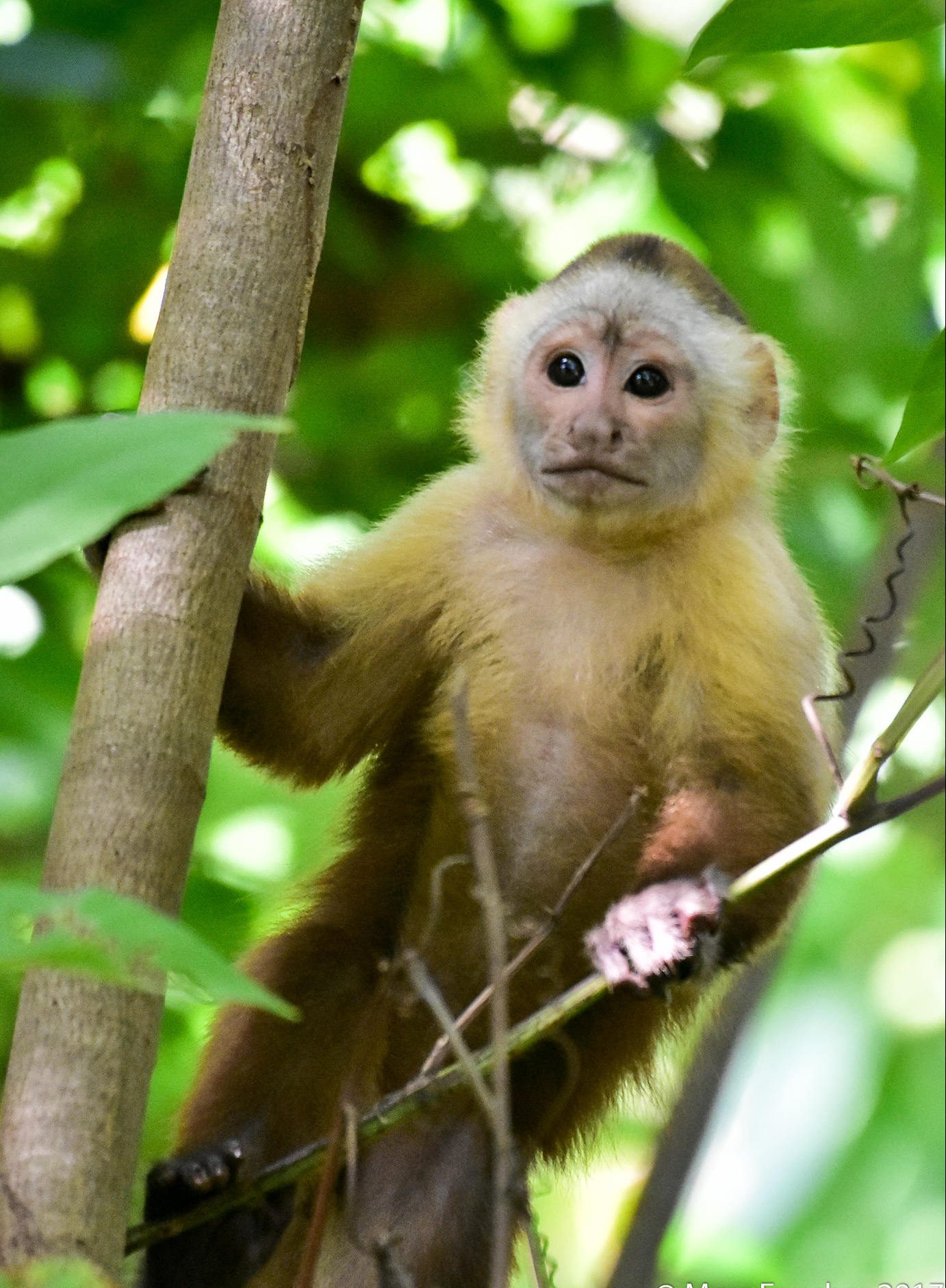


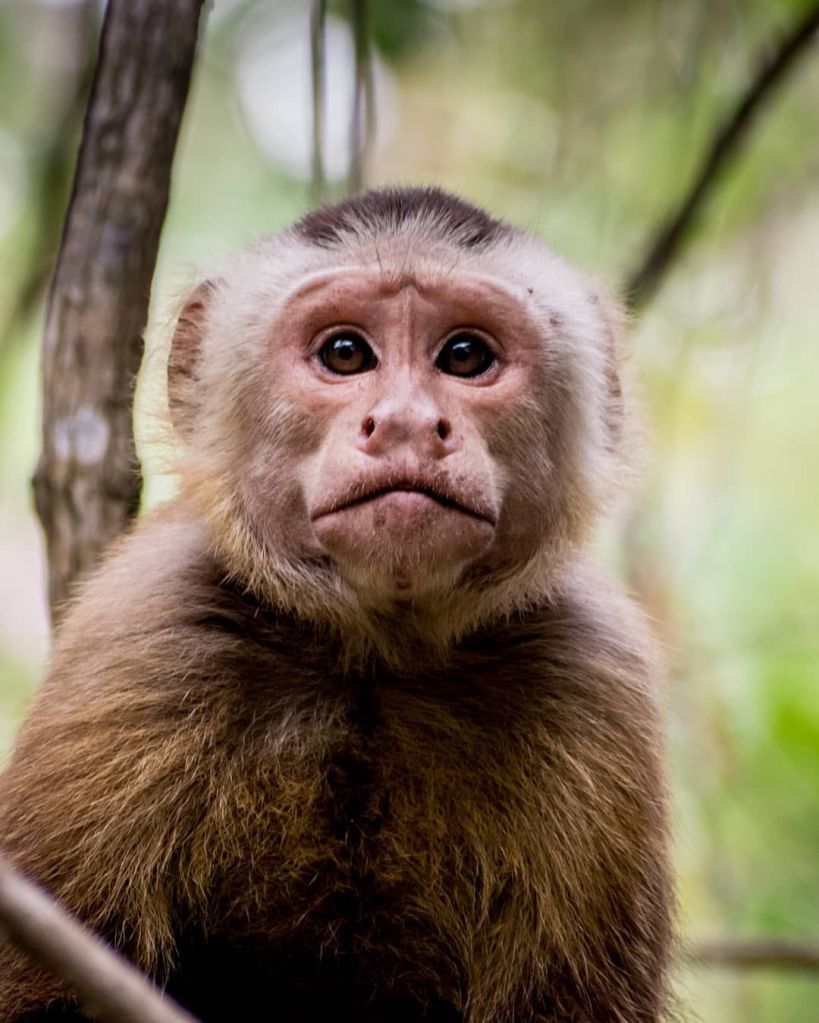

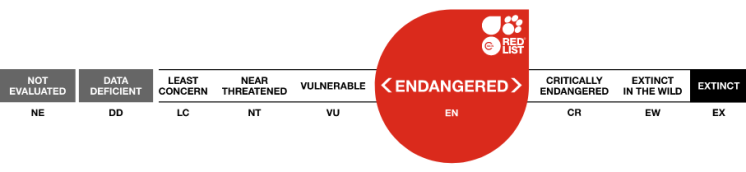
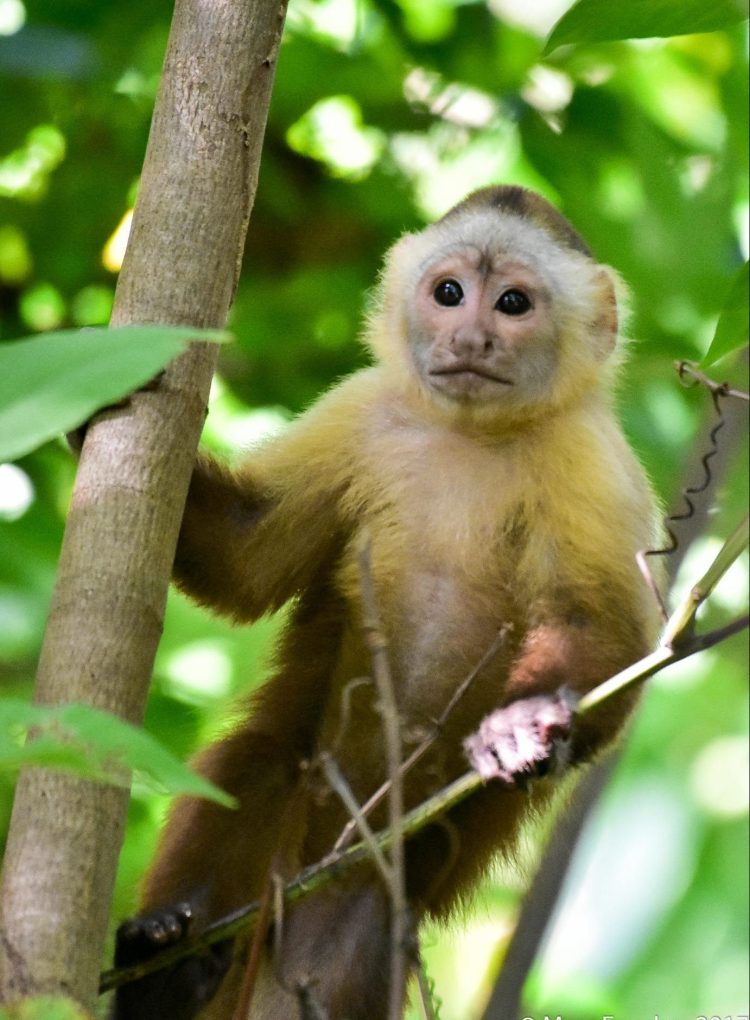
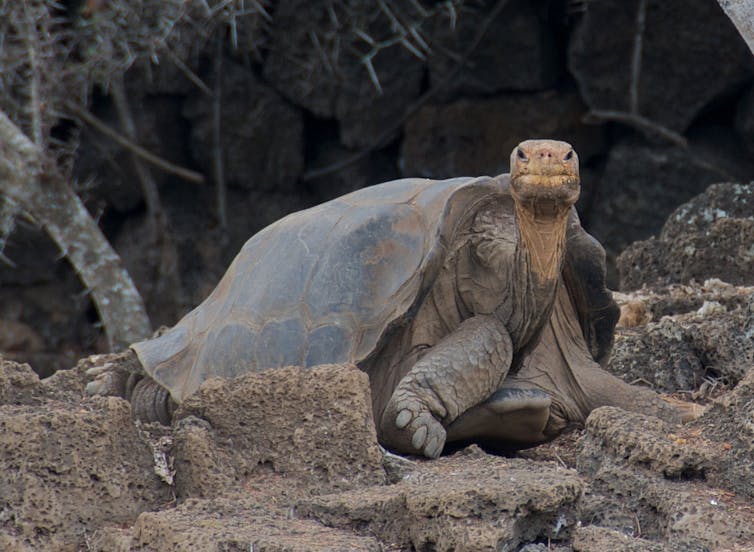
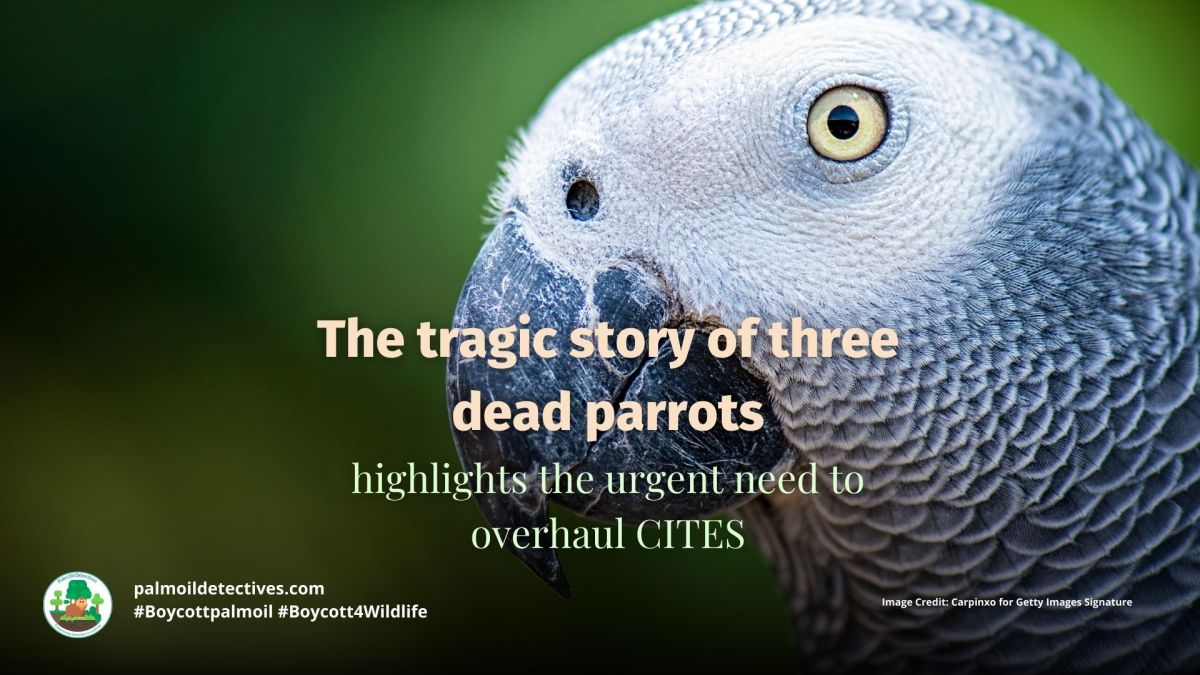
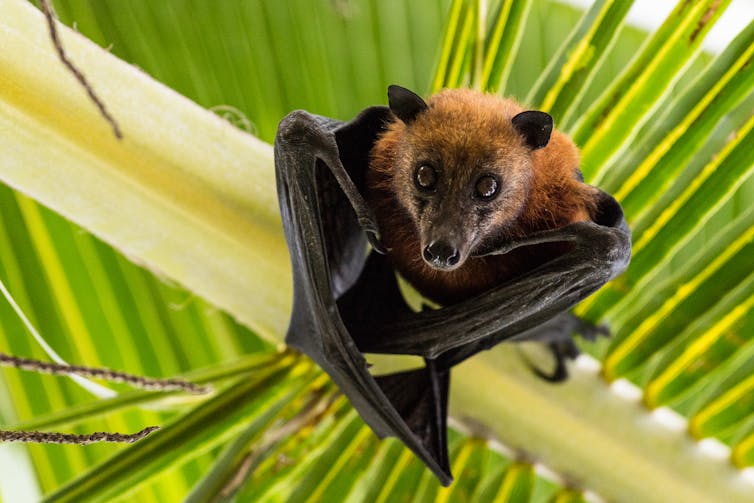



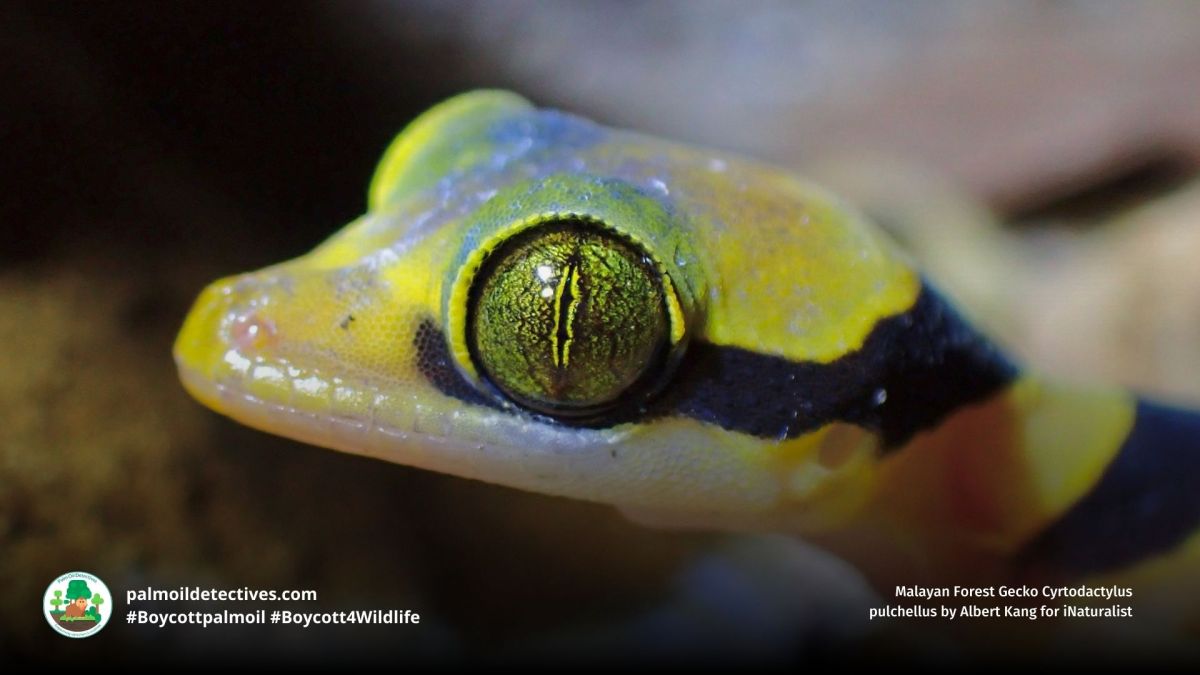

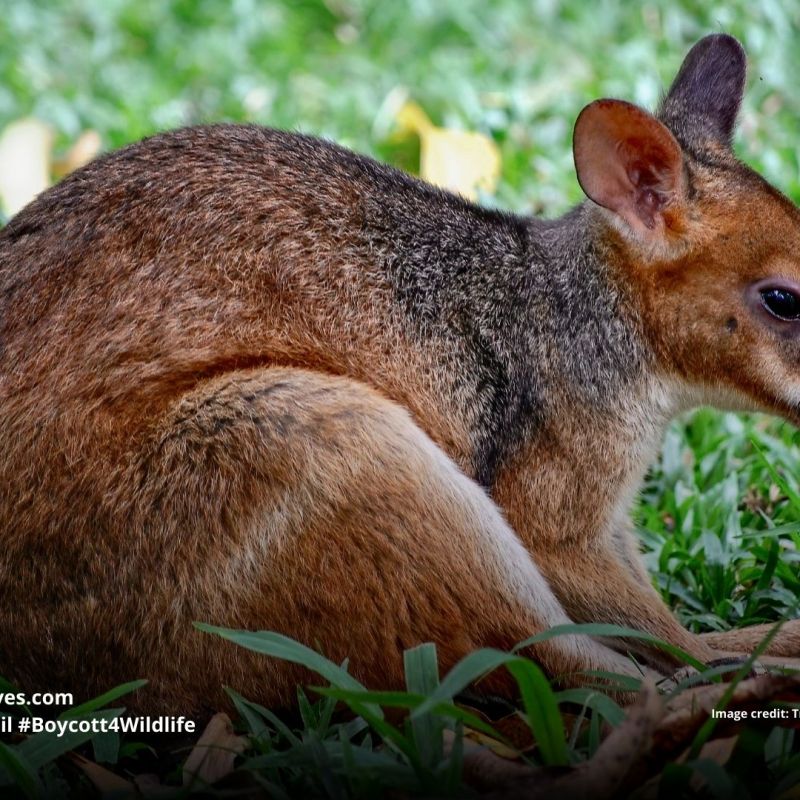
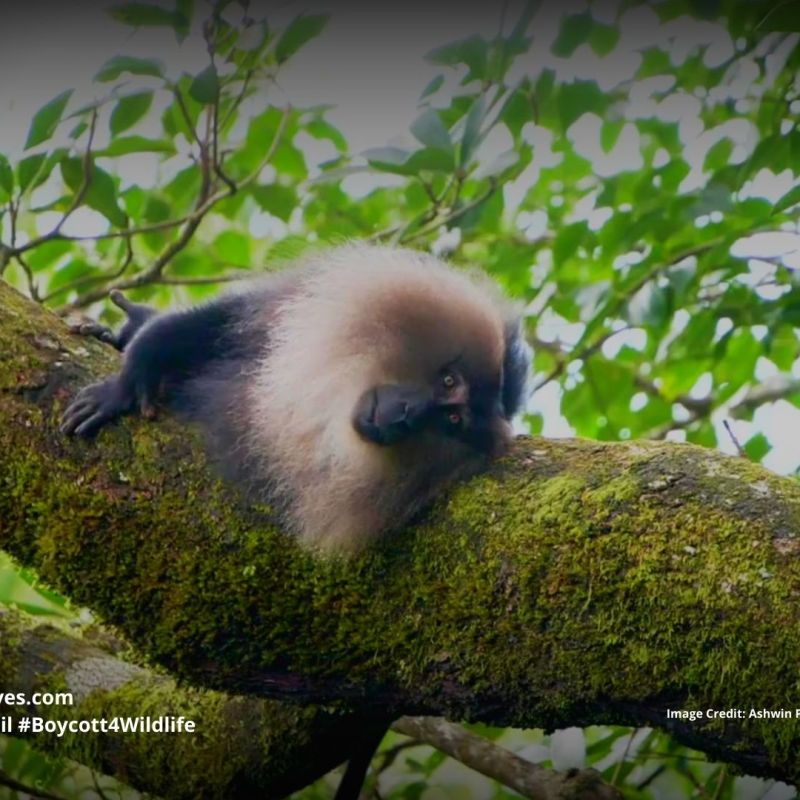
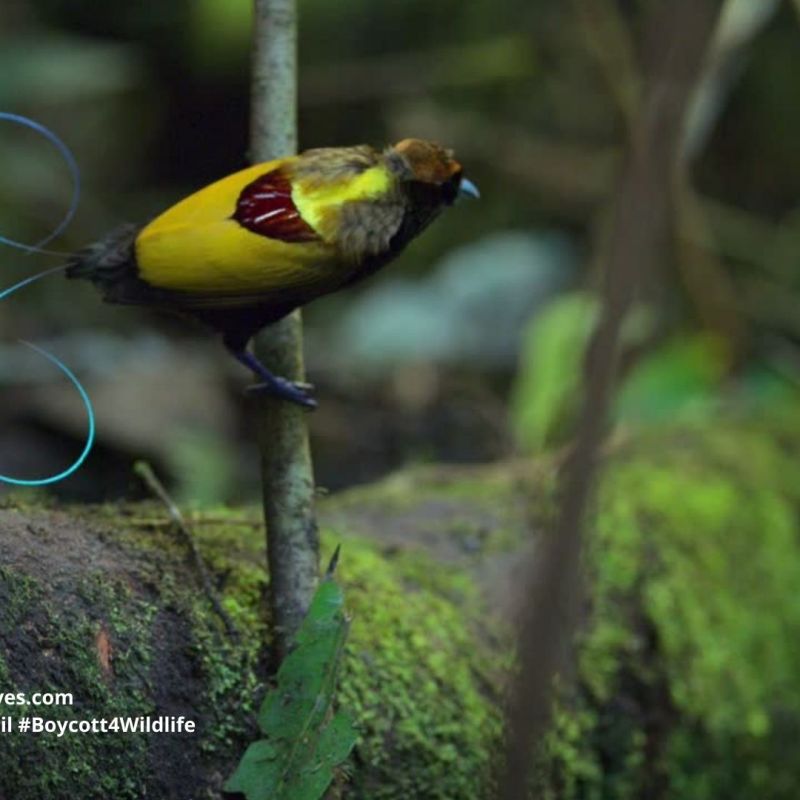

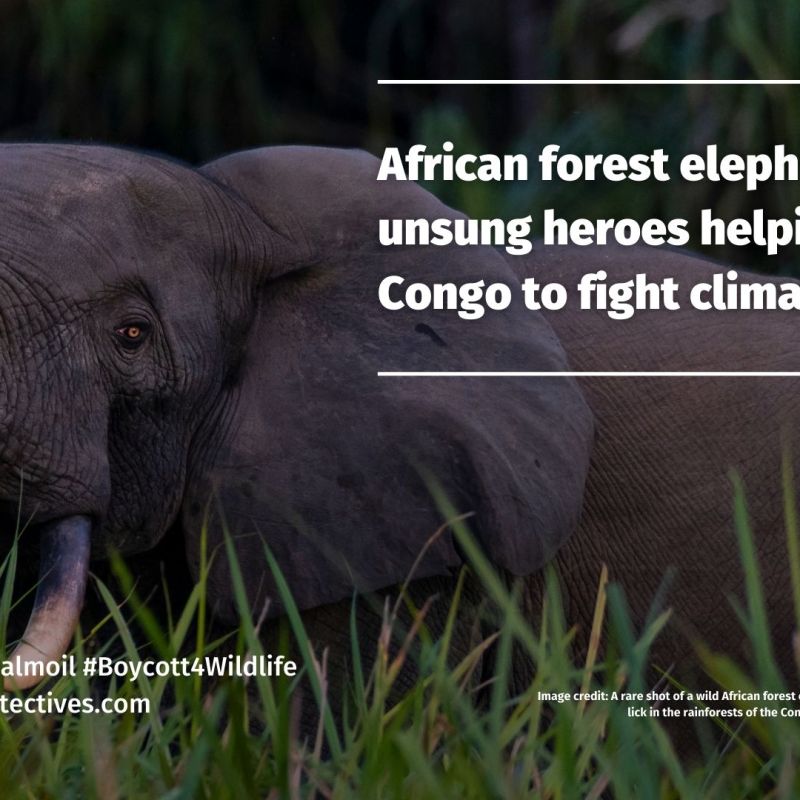

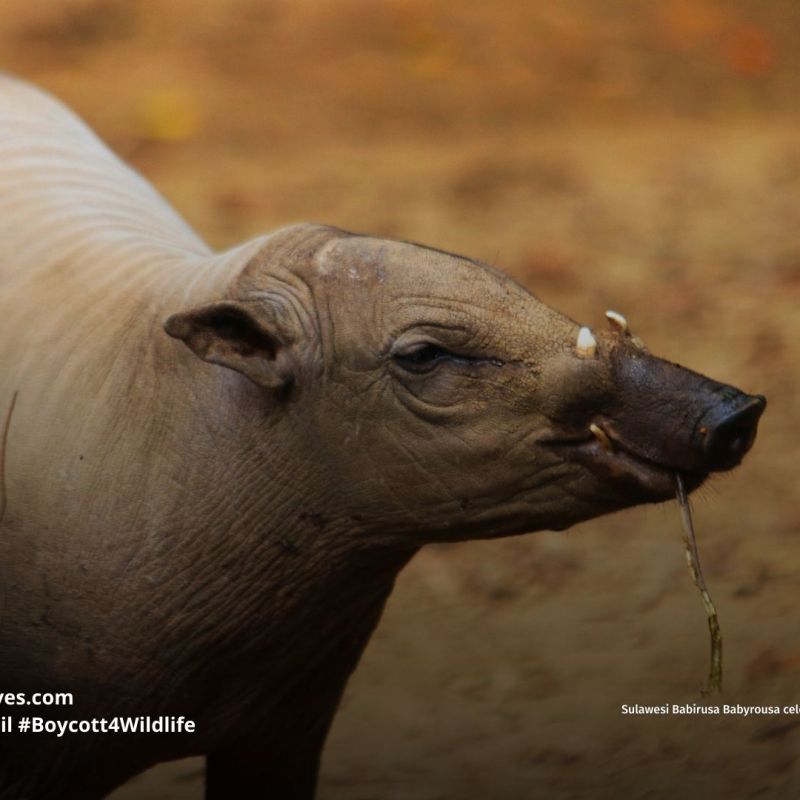
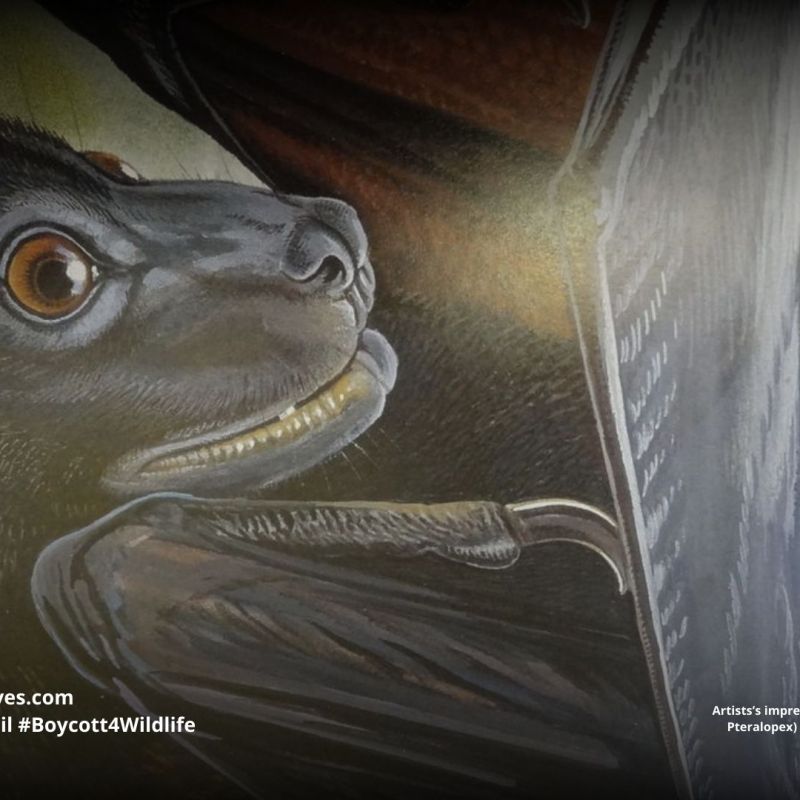

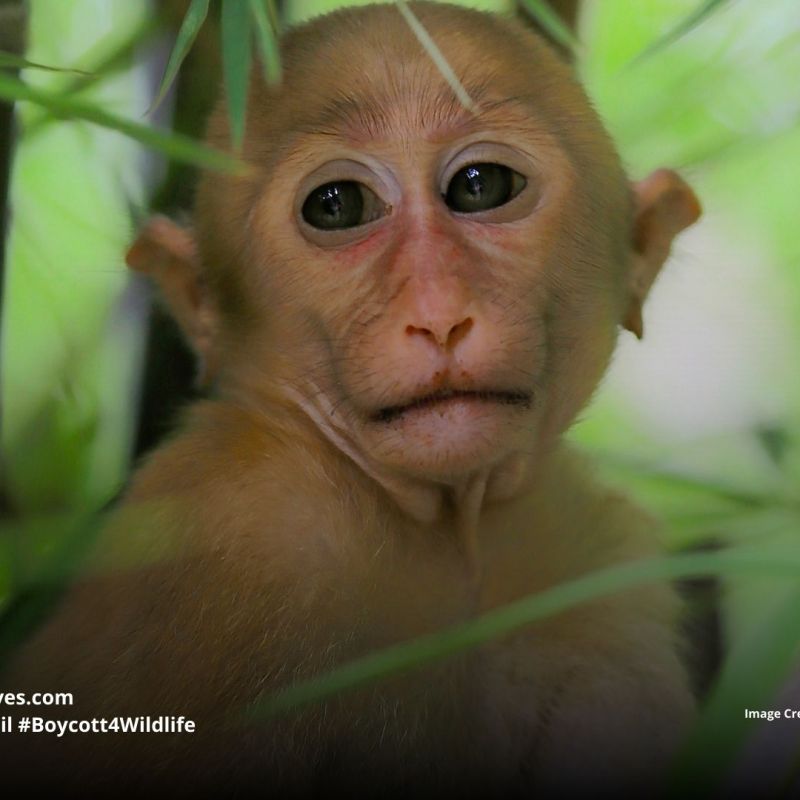



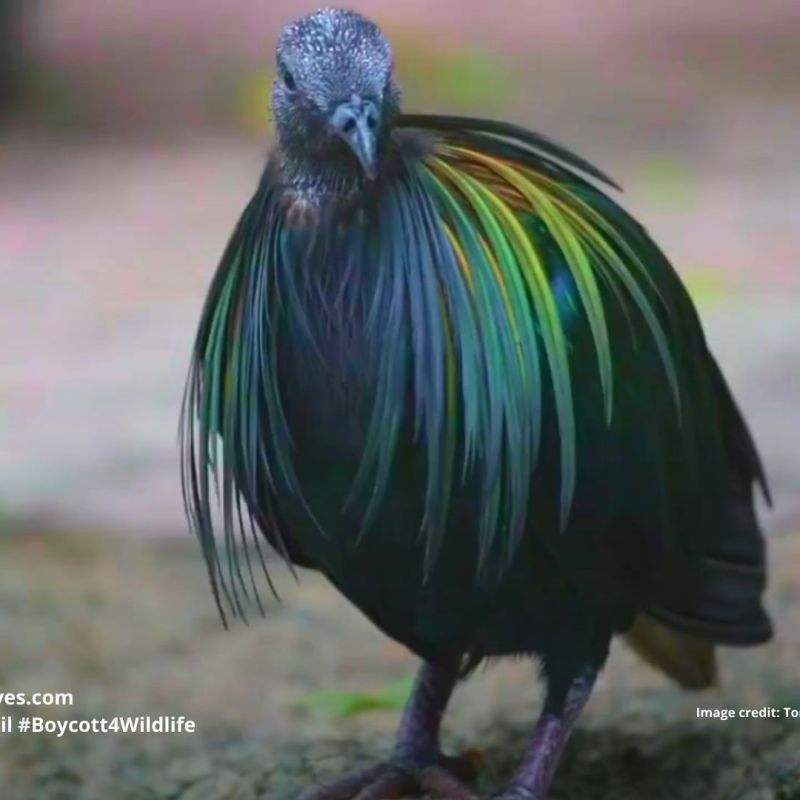
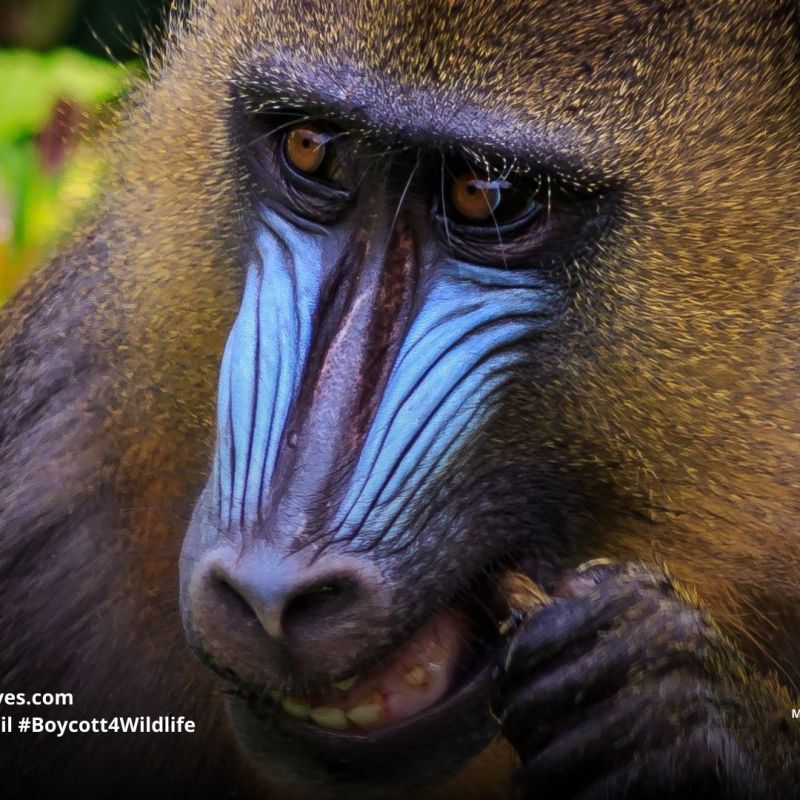
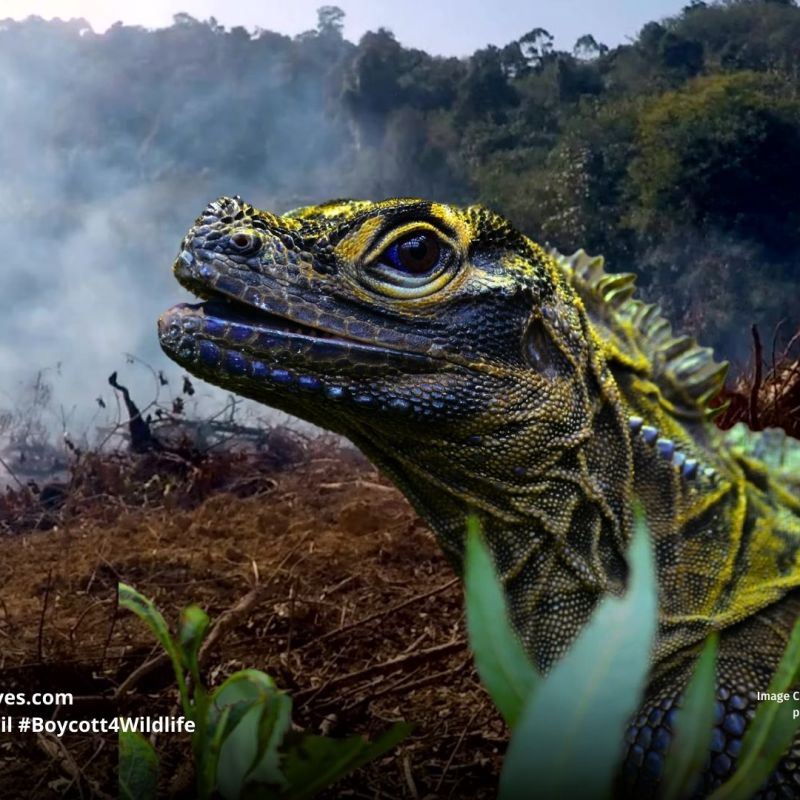

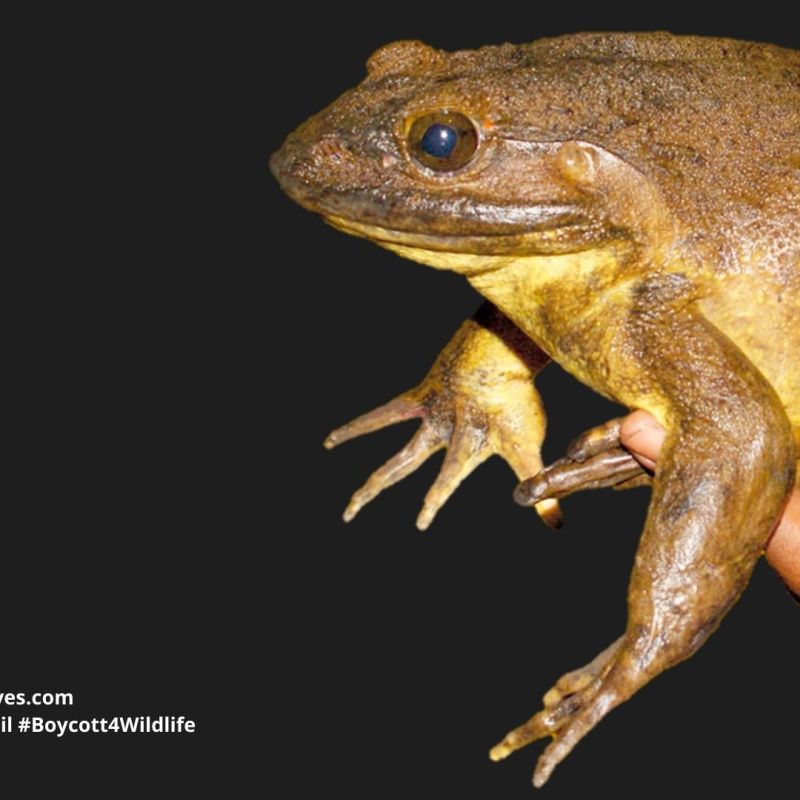

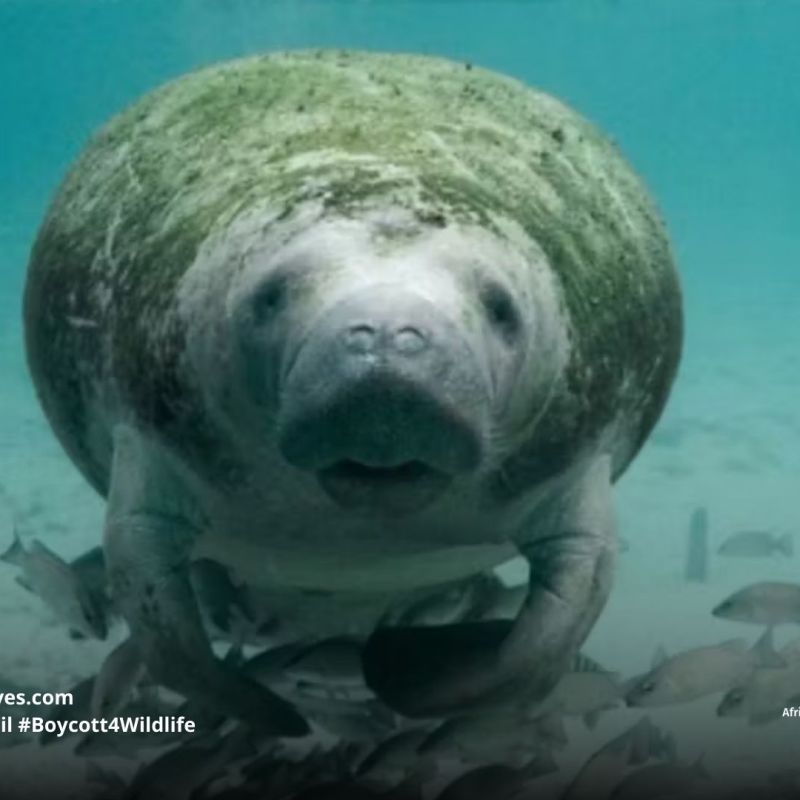

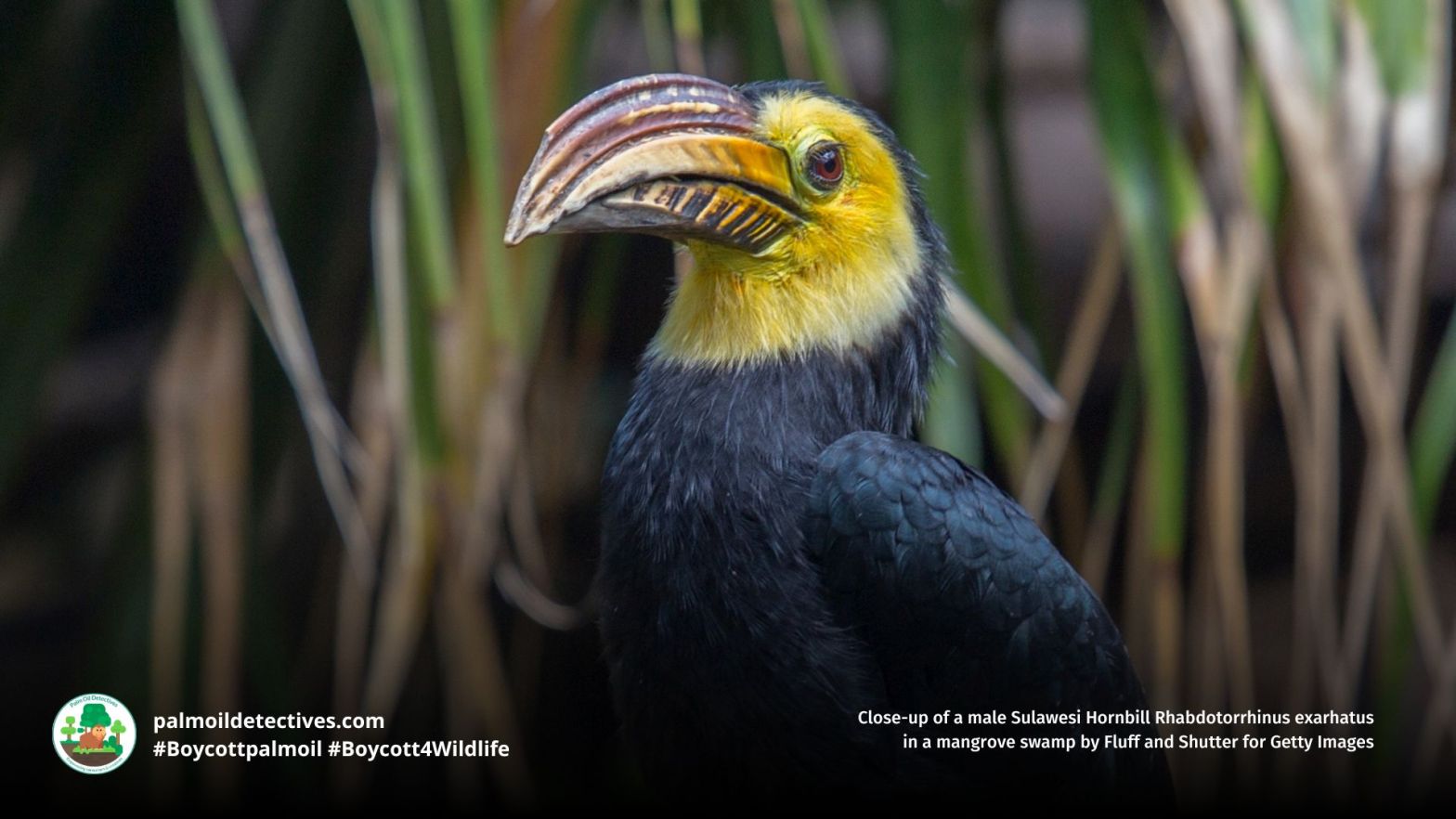
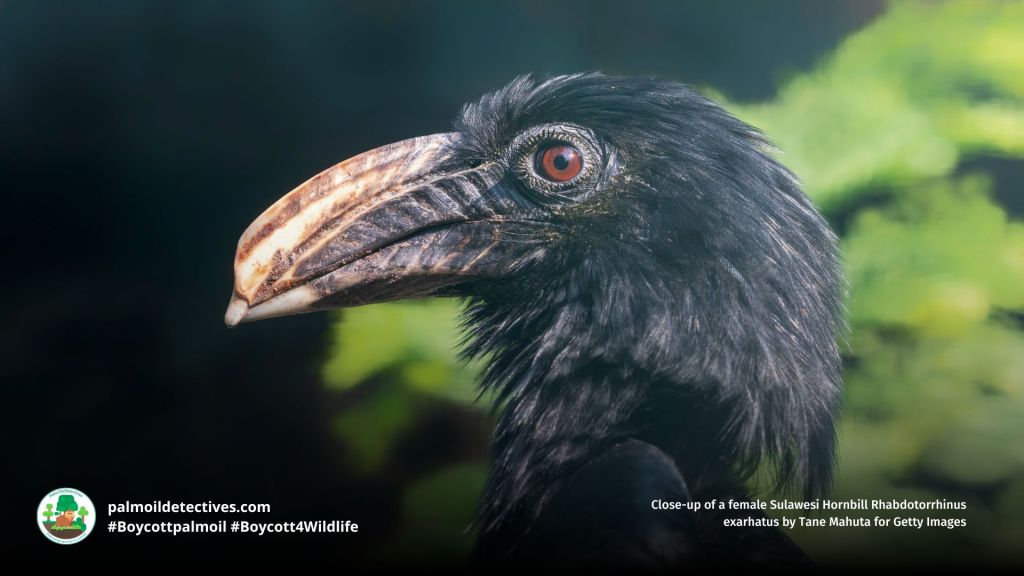
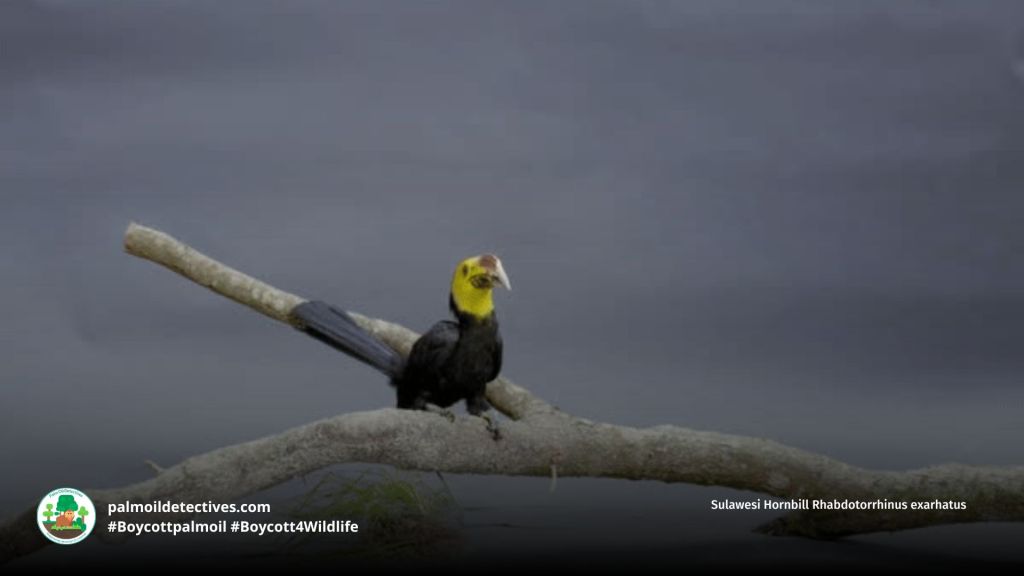
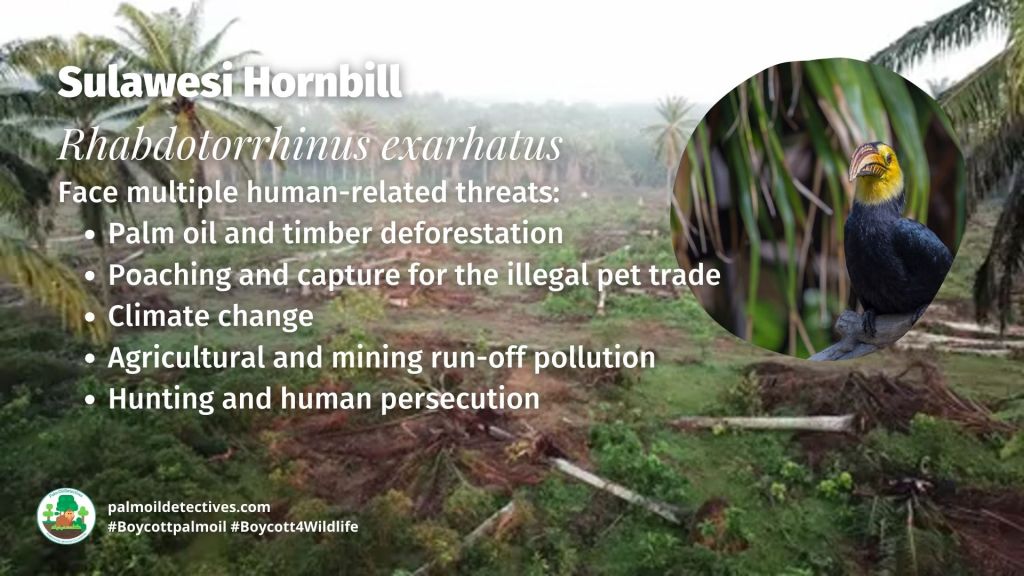
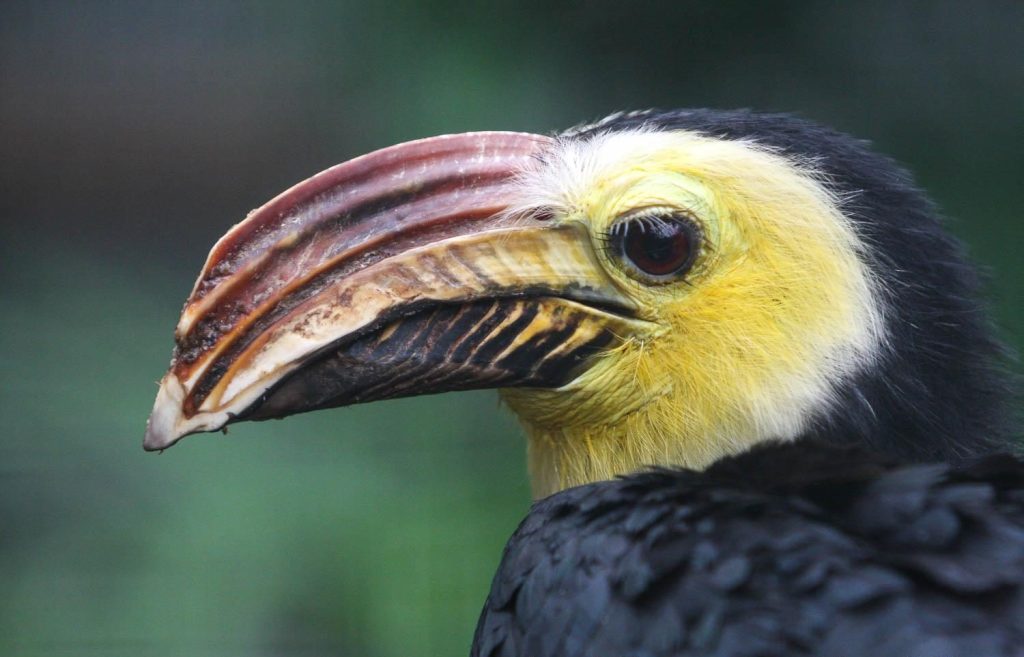
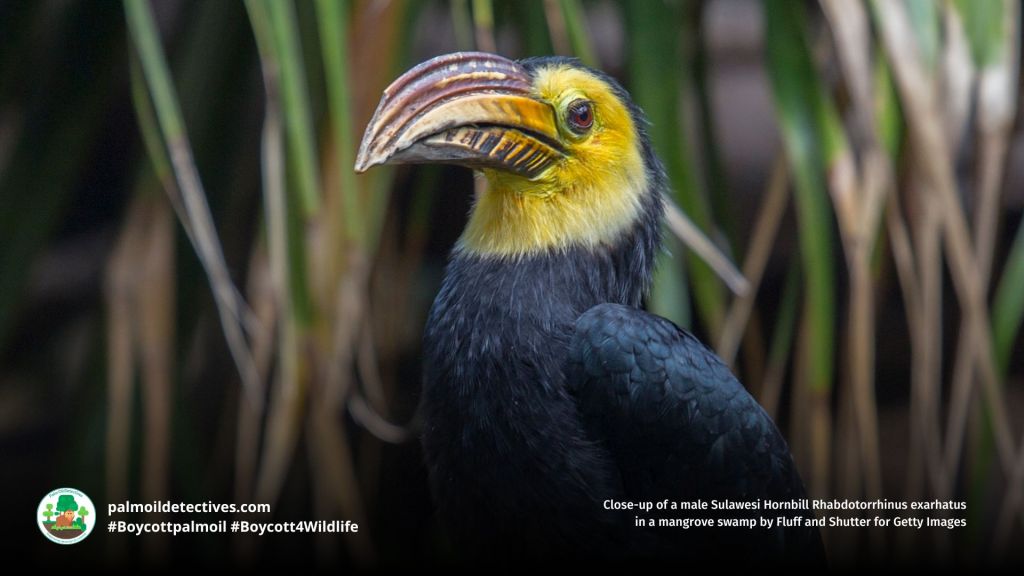
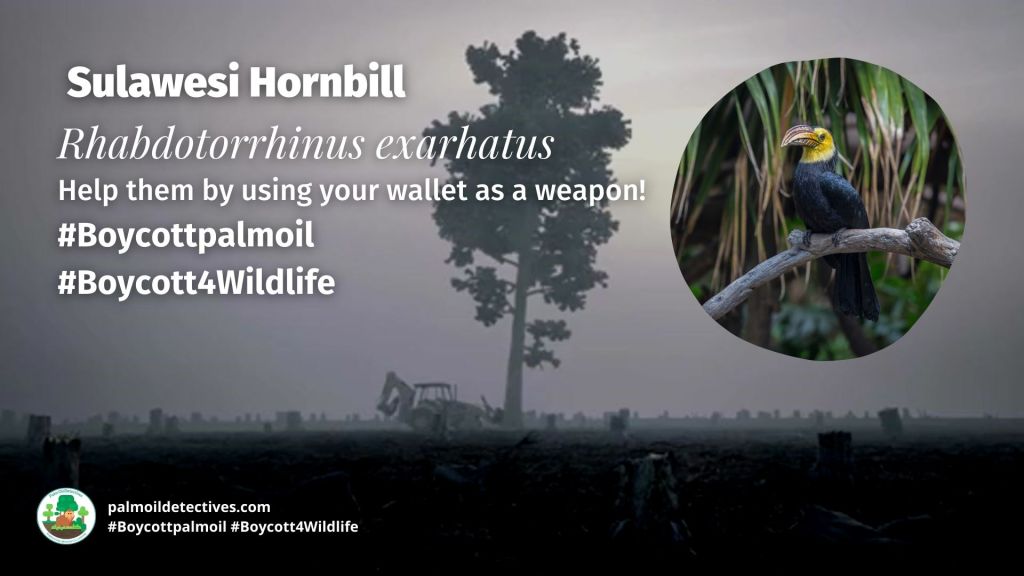
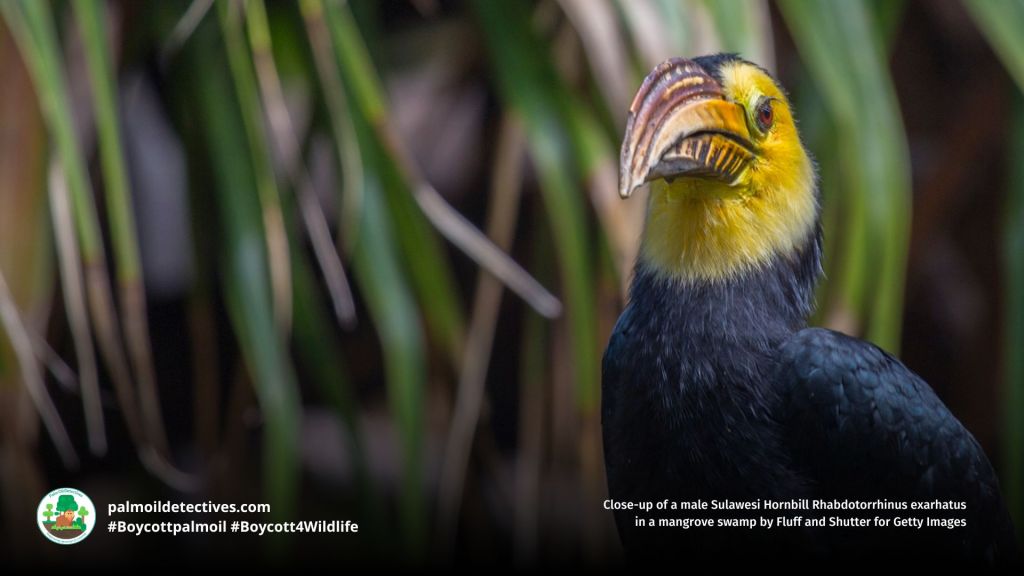
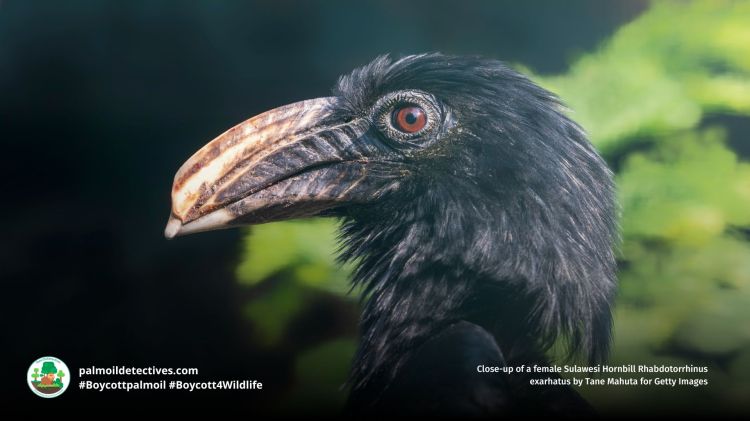





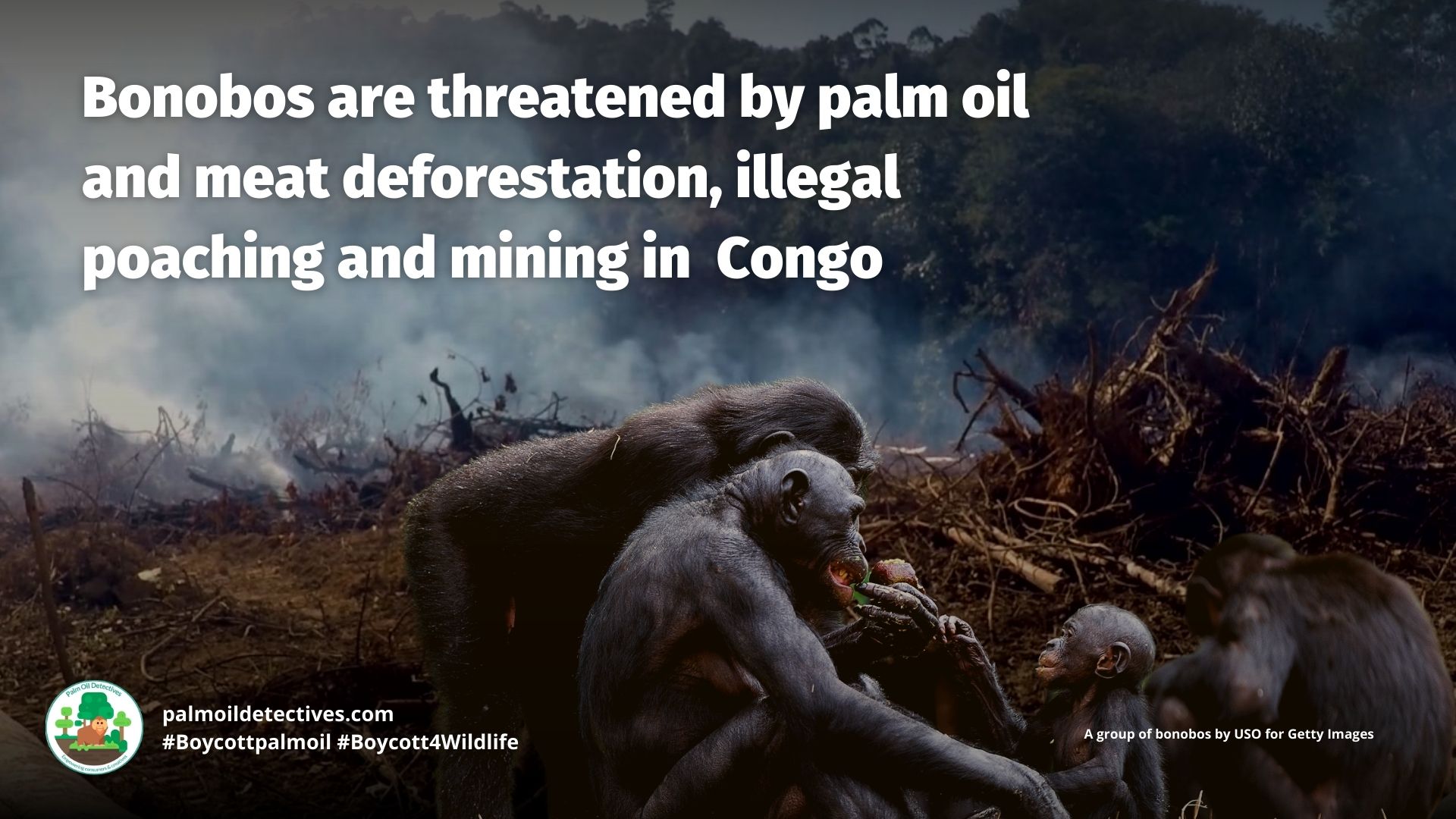
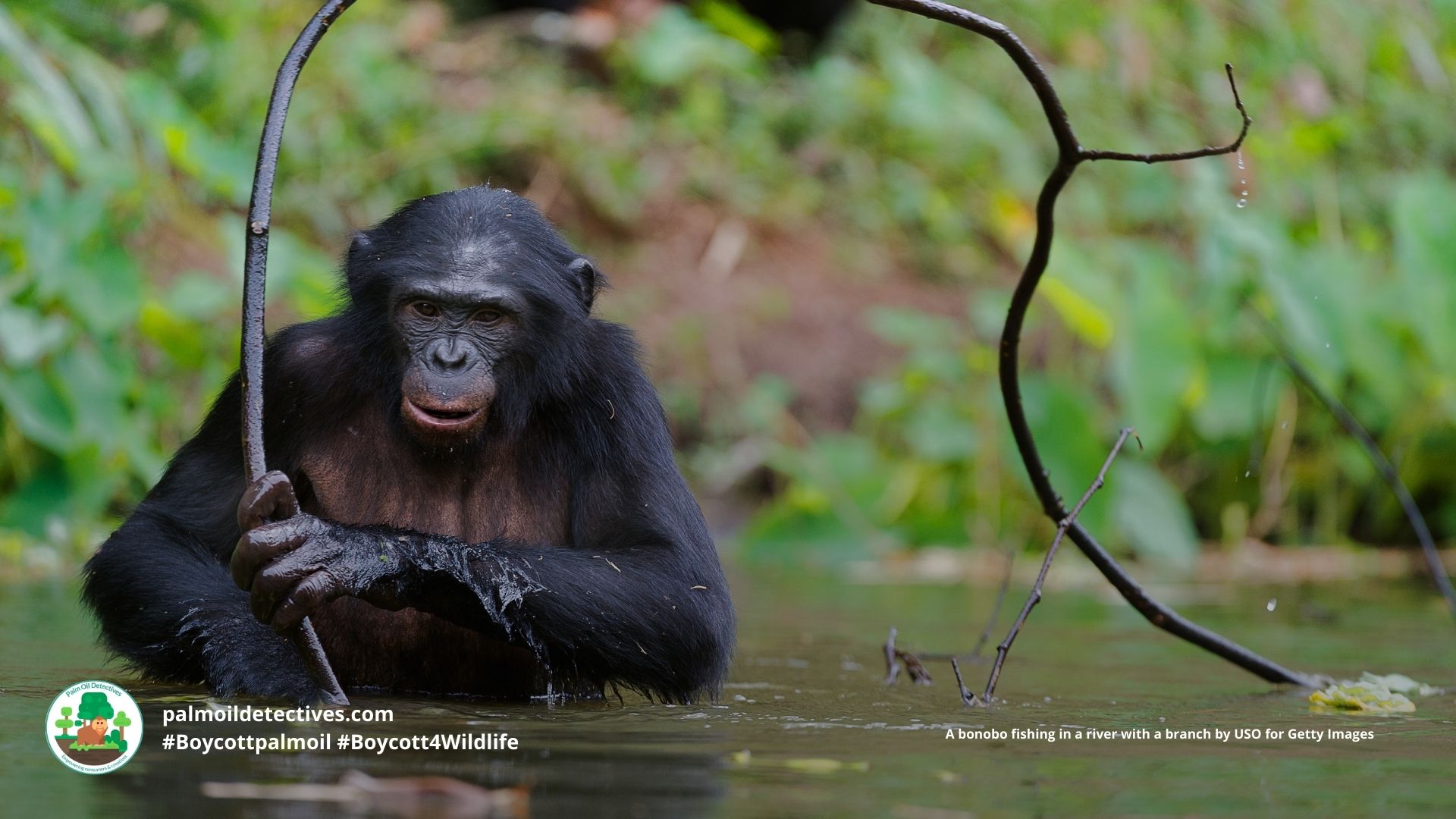





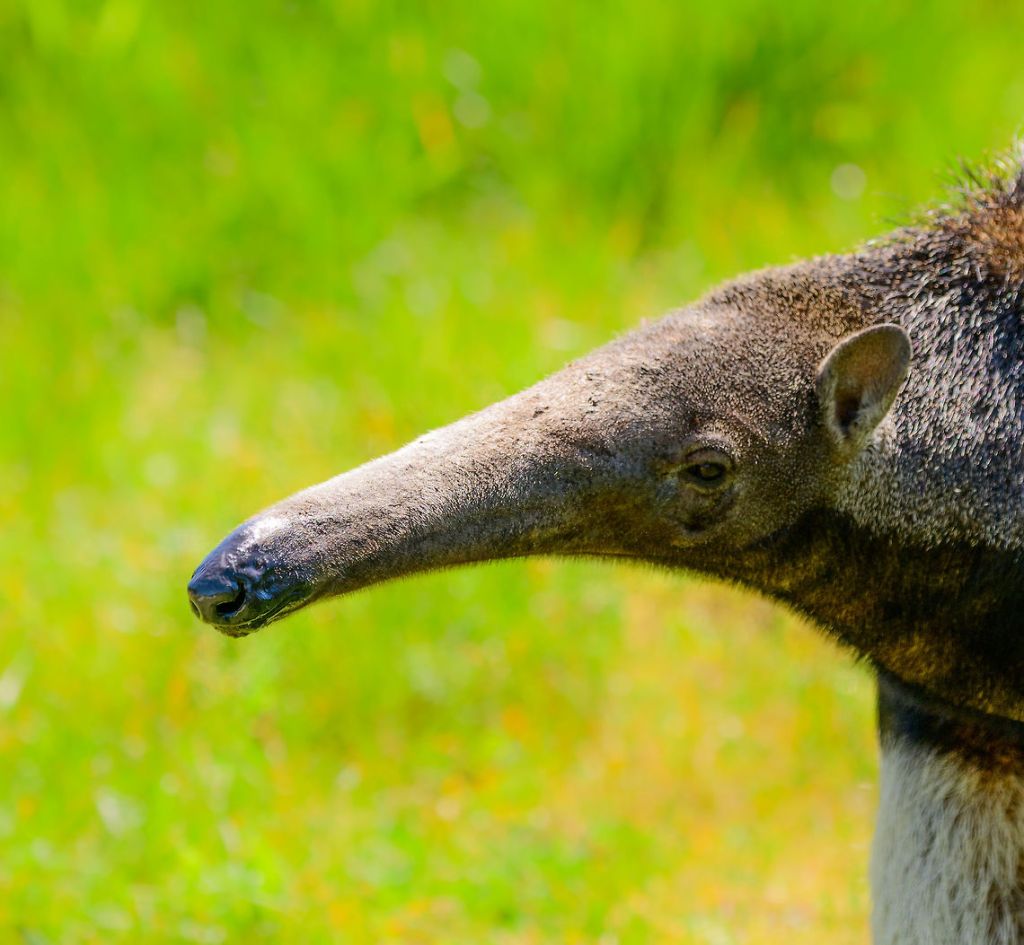
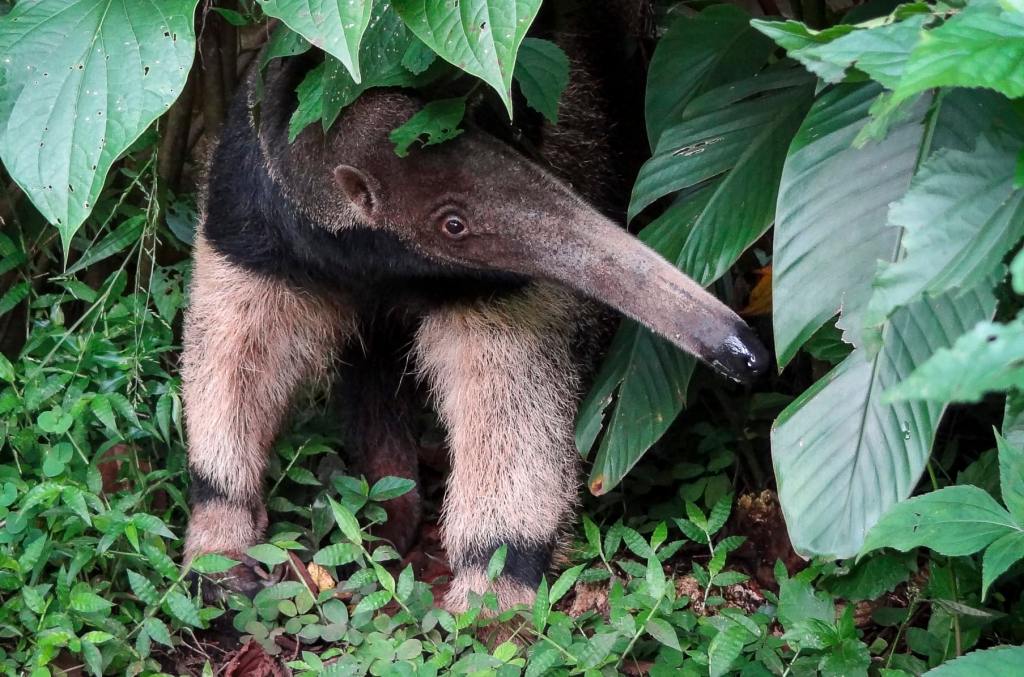


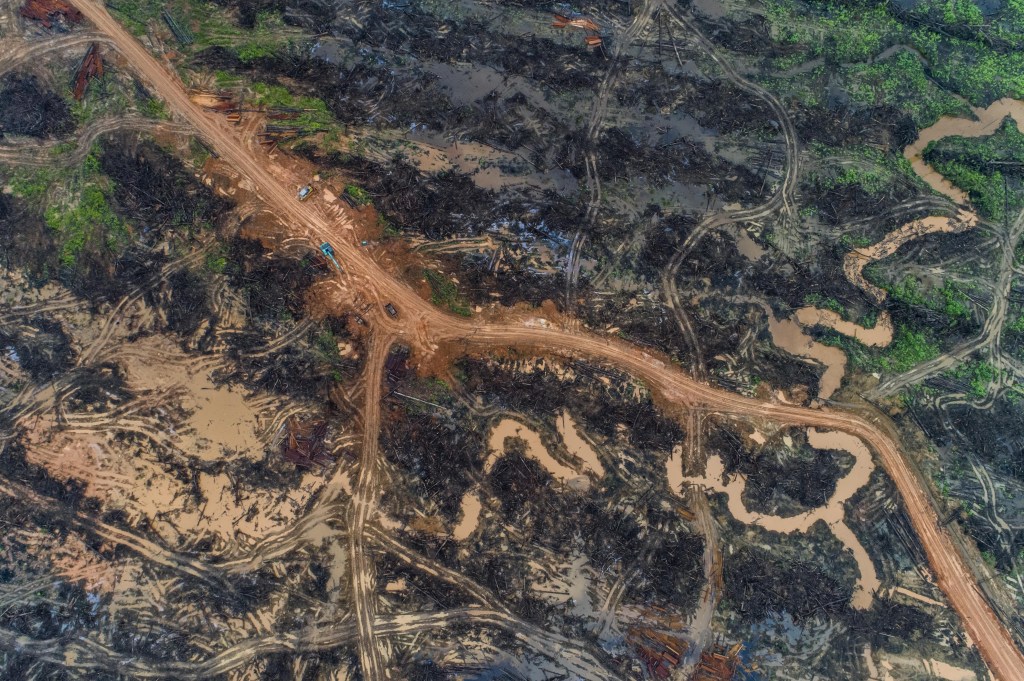
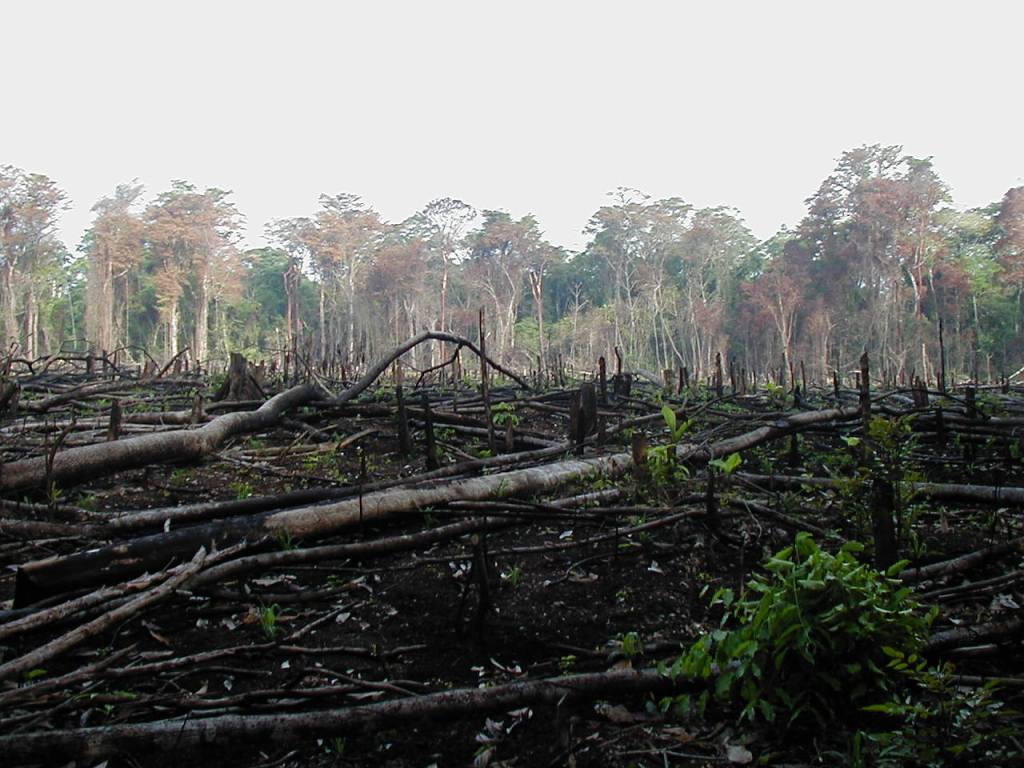
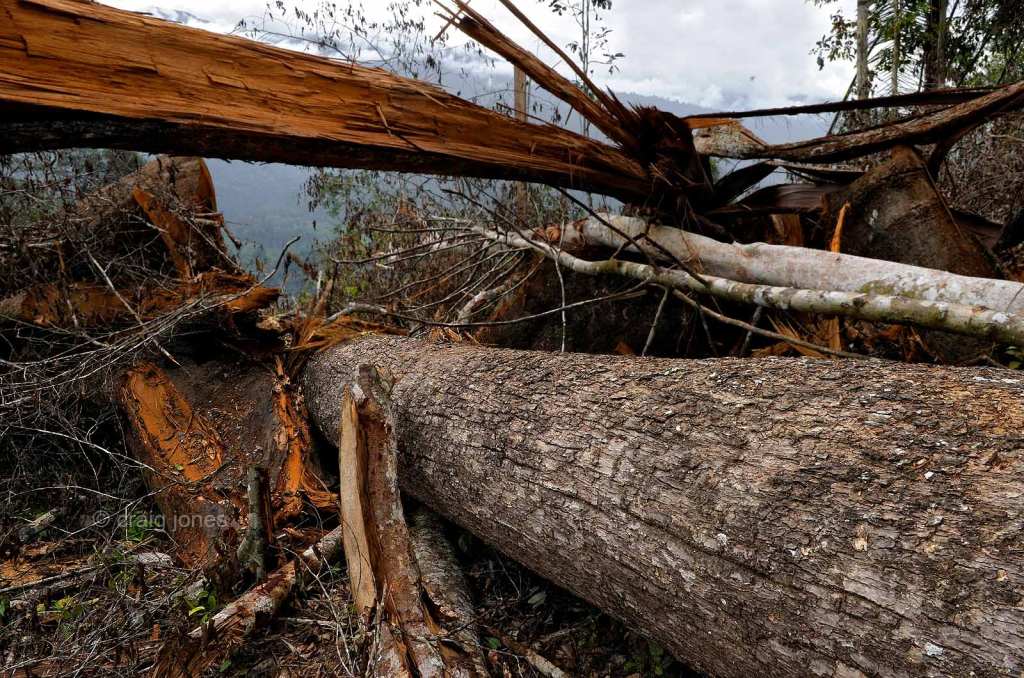
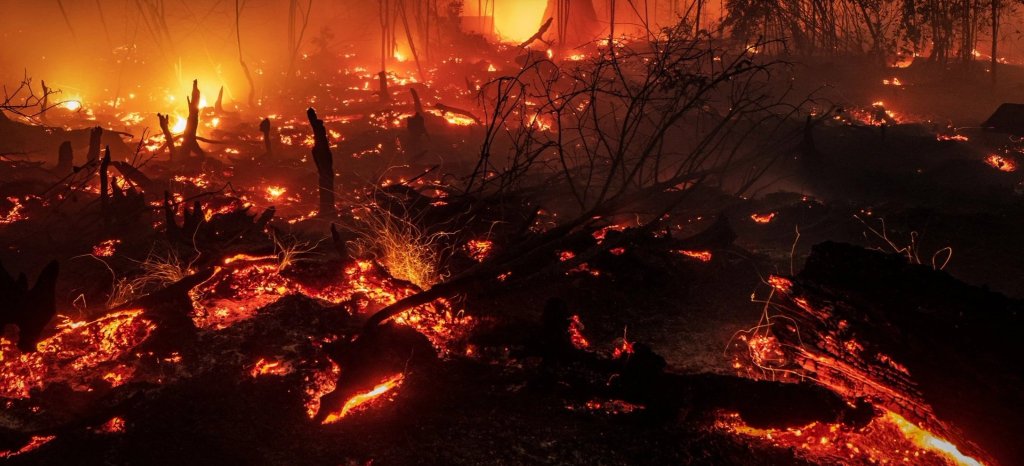

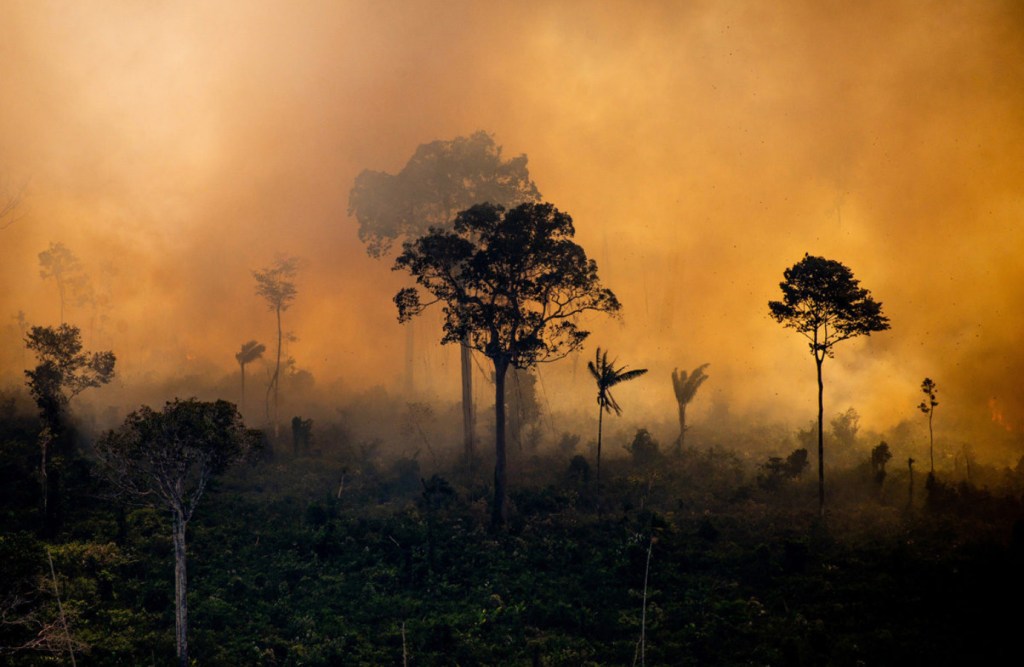
 Palm Oil Detectives