For nearly two decades now, the RSPO has failed in its mission to make the industrial palm oil sector “sustainable”. Instead, it has been used by the palm oil industry to greenwash environmental destruction, labour and human rights abuses and land grabbing.
This year’sgeneral assembly of the Roundtable on Sustainable Palm Oil (RSPO), which began on 1 December 2022 in Malaysia, marks the alliance’s 19th anniversary. For nearly two decades now, the RSPO has failed in its mission to make the industrial palm oil sector “sustainable”. Instead, it has been used by the palm oil industry to greenwash environmental destruction, labour and human rights abuses and land grabbing.
We, and other organisations working with communities affected by industrial oil palm plantations, have repeatedly denounced the RSPO for its failure to address the grievances of communities whose lands were taken by palm oil companies.
The fundamental problems with the institution and its certification scheme are described in detail in international statements signed by organisations from around the world in 2008 and in 2018, and recently in reports published in 2021 on the failure of RSPO to prevent deforestation, consult affected communities and address their grievances (here and here).
Today, we find that nothing has changed. While the area of land under RSPO-certified oil palm plantations has continued to grow, the RSPO has continued to be a great deception.
Since 2020, the RSPO certified several industrial oil palm concessions in Cameroon, Sierra Leone, Nigeria, Sao Tome, Ghana, DRC, Nigeria and Ivory Coast belonging to the Luxembourg-based company Socfin.
The certifications were provided in complete disregard of community grievances related to lack of living space, land conflicts, deforestation, pollution, labour rights, harassment and violence. Communities in Sierra Leone, Cameroon and Ivory Coast have demanded the suspension of these certificates.
Image: Forests are still being bulldozed to make way for agricultural land for palm oil and beef production. Richard Whitcombe/Shutterstock
After articles appeared in the media about Socfin’s Cameroon plantations, the RSPO secretariat sent a verification mission to assess the allegations made.
While community leaders say the RSPO assessment team avoided talking with people critical of the company, and ignored evidence provided by community leaders, the verification assessment still documented numerous violations of RSPO standards at the Cameroon plantations. Despite these findings, the RSPO continues to issue certifications to more plantations of the Socfin group.
In Sierra Leone, 1,475 local community members affected by Socfin’s plantation signed a petition denouncing the RSPO’s certification decision in January 2022. They claimed the RSPO process was flawed and had failed to consider issues related to land grabbing, human rights violations and violent repression. As noted in an international press release signed by numerous organisations:
“The RSPO consultation process was riddled with missteps. Relevant stakeholders, including affected landowners, were not consulted. A crucial government report that orders revocation of the principal lease and a participative process to solve the current land disputes was rejected as evidence. The audits were not independent from the company and a safe space for consultation was not provided despite the huge risks of reprisals for people.”
Communities in Africa vulnerable to harassment and intimidation when complaining against RSPO member SOCFIN
The recent certification of Socfin in Africa shows how the RSPO not only fails to help communities but can undermine their defence of life. Communities and their NGO allies have to waste valuable time and resources engaging with multiple and complex RSPO processes. Leaders who speak out during these processes are vulnerable to intimidation and harassment.
Communities in Ecuador protest against palm oil land-grabbing by RSPO member are crushed by police in Ecuador
In another recent case, members of the Commune of Barranquilla de San Javier in Ecuador held a peaceful protest in 2019 to demand that the RSPO member company Energy & Palma withdraw from their lands, stop polluting their water sources and stop deforestation. The protests were violently crushed by the police and then, in a clear act of intimidation, the company took seven community leaders to court, seeking US$320,000 in damages. The court already issued one of two rulings and sentenced the community members to pay US$151,000, which the defenders appealed. The company also appealed and insisted on the payment of US$320,000. The second ruling is still pending. As of today, the RSPO has taken no action to sanction Energy & Palma.
Communities in Liberia await resolution of a landgrabbing complaint against RSPO member Golden Agri-Resources for over a decade
Meanwhile, communities in Liberia are still waiting for a solution to a complaint they lodged with the RSPO over a decade ago against member company Golden Agri-Resources. Their experience and others show how the RSPO complaint system is in tatters and has never been effective.
We now have 19 years of ongoing evidence that the RSPO is not a credible instrument for holding companies in the palm oil industry to account for environmental, social and labour violations. This means that RSPO fails to uphold its own principles and criteria towards its members.
It has proved to not be a trusted venue for communities to address their complaints against palm oil companies. Instead, it undermines communities’ efforts and enables palm oil companies to grab more lands.
Signatories to Public Statement
Greenpeace Africa
Africa
Labour Resource Center (LRC)
Bangladesh
Solsoc
Belgium
Entraide et Fraternité
Belgium
Fern
Belgium
FIAN Belgium
Belgium
MIJARC Europe
Belgium
Struggle to Economize Future Environment (SEFE)
Cameroon
SYNAPARCAM
Cameroon
RADD
Cameroun
JVE Côte d’Ivoire
Côte d’Ivoire
REFEB ci
Côte d’Ivoire
NOAH – Friends of the Earth Denmark
Denmark
Acción Ecológica
Ecuador
Fundación pro Defensa de la Naturaleza y sus Derechos
Ecuador
Red Ecuatoriana de Alternativas a la Palma Aceitera
Ecuador
European Coordination Via Campesina (ECVC)
Europe
Association Française d’Amitié et de Solidarité avec les Peuples d’Afrique
France
ReAct Transnational
France
Sherpa
France
Confédération Paysanne
France
Muyissi Environnement
Gabon
Down to Earth Consult
Germany
Forum Ökologie & Papier
Germany
Rettet den Regenwald e.V.
Germany
Red Mesoamericana contra la Palma de Aceite
Honduras
Indigenous Perspectives
India
Mahila Kisan Adhikaar Manch (MAKAAM)
India
Palm Oil Concerns
India
REACH-M
India
Sustainable Development Forum Nagaland
India
Aceh Wetland Foundation
Indonesia
Betang Bagawi
Indonesia
FBTPI
Indonesia
FNPF
Indonesia
Forum Penjaga Hutan dan Sungai Harimau Pining
Indonesia
Greenpeace Indonesia
Indonesia
Jaringan Advokasi Tambang Sulawesi Tengah
Indonesia
JASOIL TANAH PAPUA
Indonesia
Kaoem Telapak
Indonesia
Lingkungan hidup URAI UNI
Indonesia
LITORAL
Indonesia
Pantau Gambut
Indonesia
Save Our Borneo
Indonesia
SBPI
Indonesia
Selamatkan Hutan Hujan Indonesia
Indonesia
Transnational Palm Oil Labour Solidarity Network
Indonesia
Wahana Lingkungan Hidup Indonesia (WALHI)/Friends of the Earth Indonesia
Indonesia
WALHI East Nusa Tenggara, Indonesian
Indonesia
WALHI Kalimantan Barat
Indonesia
WALHI Sulawesi Selatan
Indonesia
Yayasan Pusaka Bentala Rakyat
Indonesia
Gabungan Serikat Buruh Indonesia (DPP. GSBI)
Indonesia
KRuHA (People’s Coalition for the Right to Water)
Indonesia
CADTM
International
Friends of the Earth International
International
GRAIN
International
World Rainforest Movement
International
Red Latinoamericana contra los monocultivos de árboles (RECOMA)
Latin America
Alliance for Rural Democracy (ARD)
Liberia
Green Advocates International
Liberia
Natural Resource Women Platform (NRWP)
Liberia
Malaysian Food Sovereignty Forum (FKMM)
Malaysia
Tenaganita’
Malaysia
Reentramados para la vida, Defendiendo Territorios
México
Otros Mundos Chiapas
México
Women Engage for a Common Future (WECF)
Netherlands
Milieudefensie – Friends of the Earth Netherlands
Netherlands
Environmental Rights Action/Friends of the Earth Nigeria
Nigeria
Pakistan Kissan Rabita Committee – PKRC
Pakistan
Unyon ng mga Manggagawa sa Agrikultura (UMA)
Philippines
asa-cadecvim coops
RD Congo
Association Paysannes des Jeunes Entrepreneurs Agricoles
RD Congo
COPACO-PRP
RD Congo
Confédération Paysanne du Congo -Principal Regroupement Paysan COPACO -PRP/ASBL
RD Congo
Coopérative des Paysans de Lonzo, COPACLO en sigle
RD Congo
Alliance Paysanne pour la Souveraineté Alimentaire, ASA/OP
RD Congo
Consortium Asa-CADECVIM
RD Congo
Réseau d’information et d’appui aux ONG en République Démocratique du Congo
RD Congo
Réseau National des Organisations des femmes Paysanne
RD Congo
GREEN SCENERY
Sierra Leone
Women’s Network Against Rural Plantations Injustice (WoNARPI)
Sierra Leone
Salva la Selva
Spain
Agrarinfo.ch
Switzerland
Bruno Manser Fonds
Switzerland
Agroecological Transitions Research Group
Switzerland
GREEN BOOTS
Switzerland
HEKS Swiss Church Aid
Switzerland
Pro Natura / Friends of the Earth Switzerland
Switzerland
Public Eye
Switzerland
Solidar Suisse
Switzerland
SOLIFONDS
Switzerland
Uniterre
Switzerland
Environmental Investigation Agency (EIA)
UK
Friends of the Earth England, Wales & Northern Ireland
Nestlé is destroying rainforests, releasing mega-tonnes of carbon into the atmosphere, and killing hundreds of endangered species. Once these animals are gone – they are gone for good. See Nestlé’s full list of…
In 2020, global retail giant Unilever unveiled a deforestation-free supply chain promise. By 2023 they would be deforestation free. This has been and gone and they are still causing deforestation. This brand has…
Despite global retail giant Colgate-Palmolive forming a coalition with other brands in 2020, virtue-signalling that they will stop all deforestation, they continue to do this – destroying rainforest and releasing mega-tonnes of carbon…
‘Our goal is by 2020 to have none of our products linked to deforestation.’ L’Oreal’s website statement on palm oil This target has been and gone. Still, enormous environmental and social damage continues…
Despite decades of promises to end deforestation for palm oil PepsiCo (owner of crisp brands Frito-Lay, Cheetos and Doritos along with hundreds of other snack food brands) have continued sourcing palm oil that…
Palm Oil Detectives is completely self-funded by its creator. All hosting and website fees and investigations into brands are self-funded by the creator of this online movement. If you like what I am doing, you and would like me to help meet costs, please send Palm Oil Detectives a thanks on Ko-Fi.
Forested areas can help communities that rely on wild foods to diversify their diets and meet their nutritional needs, according to researchers who found direct links between deforestation and reduced fruit and vegetable consumption in rural Tanzania. Read more via Penn State University and Eureka Alerts.
“In recent years, a growing body of literature has shown strong positive connections between forests and food security in low- and middle-income countries,” said Charlotte Hall, postdoctoral fellow at the University of Copenhagen, Denmark, and lead author of the paper. “Our study is the first of its kind to find a causal relationship between deforestation and a reduction in people’s dietary quality.”
The researchers studied the food consumption of 1,256 households in rural Tanzania over a five-year period. The data, provided by the World Bank, was georeferenced and randomly displaced by up to 3.11 miles for confidentiality purposes, giving the researchers an approximate measurement of the households’ proximity to forested areas. The team used satellite imagery and geospatial datasets to measure forest cover over the study period.
Powell has spent her career working alongside and adjacent to people who think about how agricultural systems can support diet quality and food security. She noted that previous studies have tried to generate numbers in terms of the impact of crop diversity or an agricultural intervention on diet.
“The magnitude of impact that we see from agriculture on diet is less than what we see in this study,” said Powell. “So, this research really should push people to think beyond the field when trying to help rural communities improve food security in places where wild foods are important.”
The majority of policies aimed at improving food security in low- to middle-income countries tend to promote increased agricultural production, particularly the production of staple crops, which often comes at the expense of forests, said Hall. The results of the current study point toward an alternative approach to improving food security in these countries.
“While increased agricultural production will undoubtedly be important for meeting the food needs of a growing population, policy makers should give more consideration to the role of forests,” Hall said. “This is particularly important given that micronutrient deficiencies affect far more people than undernourishment, and our study has shown that deforestation directly reduces people’s ability to source fruits and vegetables that are rich in important nutrients such as vitamin A. Ultimately, we recommend the preservation of forests, which may offer win-wins in terms of meeting both nutrition and environmental goals.”
Laura Vang Rasmussen and Rasmus Skov Olesen, University of Copenhagen; Cecilie Dyngeland, Inland Norway University of Applied Sciences; and Suhyun Jung, West Virginia University, also contributed to the study. The European Research Council funded this research.
Wild food is central to the diet of rural people in Tanzania, and the country has seen significant environmental change and deforestation in the last two decades, said Bronwen Powell, assistant professor of geography, African studies and anthropology at Penn State and study co-author. Powell has conducted nutritional research in Tanzania for more than a decade, and her doctoral work helped to lay the groundwork for the current study.
“The results of the study are startling,” Powell said. “We have this very clear signal in the data about fruit and vegetable consumption. Also, we have a strong understanding that fruit and vegetable consumption is associated with health outcomes. Low consumption of these foods is one of the leading causes of mortality globally. It’s right up there with risk factors like alcohol consumption and unsafe sex. If we can link deforestation to fruit and vegetable consumption, it’s very concerning.”
The team saw the largest decline in the daily intake of leafy green vegetables, mangoes and other fruit — produce most often foraged from the forest or grown on trees. These foods are high in vitamin A, an essential micronutrient.
“We focused on three key micronutrients in our study — iron, zinc and vitamin A — because these are the most commonly deficient nutrients in low- and middle-income countries,” said Hall. “We did not find a link between forest loss and iron or zinc, but we did find a strong link between forest loss and vitamin A.”
The researchers found that household vitamin A adequacy decreased over the study period as a result of deforestation. Vitamin A deficiency has severe health outcomes and can lead to blindness, weakened immune function and respiratory tract infections, Powell said.
Wild food is central to the diet of rural people in Tanzania, and the country has seen significant environmental change and deforestation in the last two decades, said Bronwen Powell, assistant professor of geography, African studies and anthropology at Penn State and study co-author. Powell has conducted nutritional research in Tanzania for more than a decade, and her doctoral work helped to lay the groundwork for the current study.
“The results of the study are startling,” Powell said. “We have this very clear signal in the data about fruit and vegetable consumption. Also, we have a strong understanding that fruit and vegetable consumption is associated with health outcomes. Low consumption of these foods is one of the leading causes of mortality globally. It’s right up there with risk factors like alcohol consumption and unsafe sex. If we can link deforestation to fruit and vegetable consumption, it’s very concerning.”
The team saw the largest decline in the daily intake of leafy green vegetables, mangoes and other fruit — produce most often foraged from the forest or grown on trees. These foods are high in vitamin A, an essential micronutrient.
“We focused on three key micronutrients in our study — iron, zinc and vitamin A — because these are the most commonly deficient nutrients in low- and middle-income countries,” said Hall. “We did not find a link between forest loss and iron or zinc, but we did find a strong link between forest loss and vitamin A.”
The researchers found that household vitamin A adequacy decreased over the study period as a result of deforestation. Vitamin A deficiency has severe health outcomes and can lead to blindness, weakened immune function and respiratory tract infections, Powell said.
The scientists found that as forest cover decreased, so did reported fruit and vegetable consumption. Forest cover shrank by an average of approximately 423 acres over the five-year period. Fruit and vegetable consumption decreased by 14 grams, or half an ounce, per person per day, representing an 11% reduction in the amount eaten daily. The researchers published their findings in theProceedings of the National Academy of Sciences.
Boycott the brands causing deforestation for palm oil, soy and meat by joining the #Boycott4Wildlife
Shy and elusive tiny #primates, Bangka Slow Lorises were last reported from the wild in 1937. If the Bangka Slow Loris is still alive then the burning of their habitat and conversion to agriculture (especially palm oil plantations) is their greatest threat.
These diminuitive and sweet-faced primates are critically endangered due to #palmoil #deforestation and the illegal pet trade. Just 20% of their rainforest remains on Bangka island, #Indonesia. Help them every time you shop, be #vegan #Boycottpalmoil #Boycott4Wildlife
Tiny #primates 🐒 Bangka #Slowloris are critically endangered by #palmoil #deforestation, only 20% of their rainforest remains on Bangka island, #Indonesia. Help them when you shop and #Boycottpalmoil 🌴🔥🩸☠️🧐⛔️ #Boycott4Wildlife @palmoildetect https://palmoildetectives.com/2022/12/11/bangka-slow-loris-nycticebus-bancanus/
The 🐒 Bangka #Slowloris is a rare fluffy #primate with a toxic bite 🤯 Rampant #ecocide of #palmoil #deforestation is a major threat along with #poaching in #Indonesia 🇮🇩 Fight for them and #Boycottpalmoil 🌴🔥🩸☠️🧐⛔️ #Boycott4Wildlife @palmoildetect https://palmoildetectives.com/2022/12/11/bangka-slow-loris-nycticebus-bancanus/
Bangka slow lorises are also threatened by exploitation and the illegal wildlife trade. However, this risk will be less since Bangka is relatively isolated from other Indonesian islands.
Slow lorises are often caught during forest conversion due to their tendency to cling to trees rather than flee (Nekaris and Starr, 2015), meaning that they may still be traded illegally for their body parts or for the illegal pet trade. A lack of law enforcement further threatens slow loris species across their range (Nijman et al. 2014).
Appearance
The Bangka Slow Loris, just like other slow lorisesNycticebus spp. are nocturnal and arboreal. They are found in a range of habitats from heavily degraded to pristine rainforest, plantations, and lowland and montane forests and thus they should also still live in forest patches on the island (Nekaris, 2014).
Diet
They primarily eat tree gum, nectar, and fruit and insects. A potential deterrent to would-be predators is their toxic bite. They have a gland on the inside of their arms that secretes a noxious oil. When threatened, they lick this gland, making their bite venomous.
Habitat
In 2018 a study was conducted into a population of Bangka Slow Lorises on the island of Bangka in southwestern Borneo – the only location where they are found.
They were originally considered to be a sub-species of the Bornean slow loris. However, they were given full species status in 2013 when a study showed that they have distinctive facial markings.
If the Bangka Slow Loris is alive they are likely to be rapidly declining due to a loss of habitat, largely due to oil palm plantations, leaving Bangka with less than 20% of its forest cover.
Protecting the Bangka Slow Loris would also protect many other plant and animal species throughout Asia. Help them every time you shop and #BoycottPalmOil #Boycott4Wildlife
1. Join the #Boycott4Wildlife on social media and subscribe to stay in the loop: Share posts from this website to your own network on Twitter, Mastadon, Instagram, Facebook and Youtube using the hashtags #Boycottpalmoil #Boycott4Wildlife.
2. Contribute stories: Academics, conservationists, scientists, indigenous rights advocates and animal rights advocates working to expose the corruption of the palm oil industry or to save animals can contribute stories to the website.
3. Supermarket sleuthing: Next time you’re in the supermarket, take photos of products containing palm oil. Share these to social media along with the hashtags to call out the greenwashing and ecocide of the brands who use palm oil. You can also take photos of palm oil free products and congratulate brands when they go palm oil free.
More and more palm oil free 🦧 products in Australia 🇦🇺. Customer awareness is increasing month by month. Of course Bart Van Assen will keep pushing "sustainable" palm oil with Orangutan Land Trust. Boycott palm oil to protect wildlife! There is not planet B #boycott4wildlifepic.twitter.com/rm7chub5Rb
If possible to get Ovomaltine, please promote it among your friends. It openly advertises with 0 palm oil. No RSPO no bullshit. For me it even tasts better than nuttela. It substantiates that chocolate spread can be made delicious without filthy palm oil. pic.twitter.com/cyV5Tm3tLd
4. Take to the streets: Get in touch with Palm Oil Detectives to find out more.
5. Donate: Make a one-off or monthly donation to Palm Oil Detectives as a way of saying thank you and to help pay for ongoing running costs of the website and social media campaigns. Donate here
Although they look cute and cuddly, the Fishing #Cat Prionailurus viverrinus has a feisty, firecracker temper. This small to medium sized wild cat can become defensive if approached in the wild. They are around twice the size of a domestic cat and typically weigh around 5-16 kg and have stocky short legs and a short tail.
Their faces are round with elongated noses that gives them a civet-like appearance, which is why their scientific name is viverrine. They are agile and fast hunters and can reach fast speeds in pursuit of prey. They have an average lifespan of approximately 12 years. Ongoing threats include palm oil deforestation, and in Indonesia it is uncertain if their population have remained alive intact due to widespread deforestation and hunting pressures. Help these plucky little #wildcats when you shop and #BoycottPalmOil #Boycott4Wildlife
The feisty Fishing #Cat has the highest risk of #extinction of all small #wildcats in S.E. #Asia 🐈🙀💔 They are #vulnerable from #palmoil #deforestation, #hunting and more. Fight for them and #Boycottpalmoil 🌴🩸🚜🔥☠️⛔️ #Boycott4Wildlife @palmoildetect https://palmoildetectives.com/2022/12/01/fishing-cat-prionailurus-viverrinus/
The #Fishing #Cat 🐟🐱🐈😻is #vulnerable in #India 🇮🇳 and #Thailand 🇹🇭 They are edging closer to #extinction from #palmoil #deforestation and hunting. Take action for them when you shop! #Boycottpalmoil 🌴🪔☠️🤮🧐❌ #Boycott4Wildlife @palmoildetect https://palmoildetectives.com/2022/12/01/fishing-cat-prionailurus-viverrinus/
Fishing cats are carnivores and have a diet mainly of fish, reptiles, birds and other swamp, riparian or peatland dwelling animals. They are opportunistic and will hunt for whatever prey is available. When they swim they use their short tail like a rudder to control their direction. Their flexible ears with 32 muscles in them can swivel almost 180 derees meaning that they can hear in several directions at once.
One hunting technique they commonly employ is to pat the water with their paws, in order to make tiny waves. This attracts insects, which land on the water. Fish are then attracted to insects and come to the surface where Fishing Cats either catch them with their paws or dive into the water to chase after them.
Males (who are considerably larger than females and have a larger roaming range) will typically mate with multiple female partners during the breeding season (January to February).
Fishing cat pregnancies typically lasts around 60 to 70 days and anywhere between one to four kittens are typically born. Similar to domestic cats, the kittens are weaned between 4 to 6 weeks old and become independent at 10 weeks old.
Habitat
Historically, fishing cats live in a variety of wetland, swampland and peatland environments in SE and Central Asia. Although they face extremely intensive anthropogenic threats including hunting, habitat loss for human settlements and monocultures such as palm oil.
Sparse and declining populations live in Southeast Asia, including Sri Lanka and parts of Pakistan, in western India to southern China, Java, and Sumatra. The Fishing Cat lives primarily in wetland areas, swamps, and marshy areas around oxbow lakes, reed beds, tidal creeks, and mangrove forests.
They are highly adaptable and can be found in agricultural areas and cities close to human settlement.
Threats
The Fishing Cat faces a high risk of extinction throughout their range and they are thought to be amongst the most vulnerable of the small and medium-sized cats in Southeast Asia, reflecting the very low overlap of occupied habitat with protected areas and other conservation interventions, rather than any particular inherent higher susceptibility than shown by the other small cats (e.g. Duckworth et al. 2014). The major threat across their South Asian range appears to be habitat loss and fragmentation by developmental activities such as urbanisation, industrialisation, agriculture and aquaculture (prawn and shrimp farms), whereas in Southeast Asia persecution is the major threat (Melisch et al. 1996, Cutter and Cutter 2009, Tantipisanuh et al. 2014, Willcox et al. 2014). Outside Khao Sam Roi Yot National Park, Thailand, Cutter (2015) reported 84% mortality of radio-collared Fishing Cats during the study period.
Fishing Cats face a high risk of extinction throughout their range and are thought to be amongst the most vulnerable of the small and medium-sized cats in Southeast Asia.
50% of wetlands throughout Asia are threatened and disappearing due to human settlement, pollution, drainage for agriculture, wood cutting, and excessive hunting.
Fishing cats face major human-related threats which include destruction of their wetland and swamp habitat for palm oil and timber agriculture along with ongoing persecution and illegal hunting for meat and body parts.
As they compete for fish in river ecosystems, they are often persecuted by fishermen. Destructive and exploitative fishing practices and pollution run-off into swamps and mangroves are additional threats.
Appearance
Fishing cats are solitary and nocturnal hunters who rest during the day in dense jungle. Then they venture out at dusk and evening for water and food. They are fond of water and are agile capable swimmers. They are able to swim long distances in pursuit of fish.
Their olive-grey coat and black spotted backs allows them to remain inconspicuous while hunting in waterways, mangroves and swamps throughout SE and Central Asia. Females are considerably smaller than males.
Their claws don’t fully retract, this is a marked morphological difference to other species of cats. Retracting claws stops them from going blunt.
Protecting the Fishing Cat would also protect many other plant and animal species throughout Asia
Mukherjee, S., Appel, A., Duckworth, J.W., Sanderson, J., Dahal, S., Willcox, D.H.A., Herranz Muñoz, V., Malla, G., Ratnayaka, A., Kantimahanti, M., Thudugala, A., Thaung, R. & Rahman, H. 2016. Prionailurus viverrinus. The IUCN Red List of Threatened Species 2016: e.T18150A50662615. https://dx.doi.org/10.2305/IUCN.UK.2016-2.RLTS.T18150A50662615.en. Accessed on 06 September 2022.
How can I help the #Boycott4Wildlife?
Take Action in Five Ways
1. Join the #Boycott4Wildlife on social media and subscribe to stay in the loop: Share posts from this website to your own network on Twitter, Mastadon, Instagram, Facebook and Youtube using the hashtags #Boycottpalmoil #Boycott4Wildlife.
2. Contribute stories: Academics, conservationists, scientists, indigenous rights advocates and animal rights advocates working to expose the corruption of the palm oil industry or to save animals can contribute stories to the website.
3. Supermarket sleuthing: Next time you’re in the supermarket, take photos of products containing palm oil. Share these to social media along with the hashtags to call out the greenwashing and ecocide of the brands who use palm oil. You can also take photos of palm oil free products and congratulate brands when they go palm oil free.
More and more palm oil free 🦧 products in Australia 🇦🇺. Customer awareness is increasing month by month. Of course Bart Van Assen will keep pushing "sustainable" palm oil with Orangutan Land Trust. Boycott palm oil to protect wildlife! There is not planet B #boycott4wildlifepic.twitter.com/rm7chub5Rb
If possible to get Ovomaltine, please promote it among your friends. It openly advertises with 0 palm oil. No RSPO no bullshit. For me it even tasts better than nuttela. It substantiates that chocolate spread can be made delicious without filthy palm oil. pic.twitter.com/cyV5Tm3tLd
4. Take to the streets: Get in touch with Palm Oil Detectives to find out more.
5. Donate: Make a one-off or monthly donation to Palm Oil Detectives as a way of saying thank you and to help pay for ongoing running costs of the website and social media campaigns. Donate here
Major international brands sourcing palm oil from Brazilian plantations #Agropalma and #BBF linked to violence, torture and land fraud
Global supermarket brands Ferrero, ADM, Bunge, Cargill, Danone, Ferrero, Hershey’s, Kellogg, Mondelez, Nestlé, PepsiCo, Unilever and many others source palm oil from Agropalma and BBF.
These supermarket brands along with Agropalma and BBF claim to use “sustainable” palm oil from the RSPO.
This article was originally published by Global Witness on September 26, 2022. Read the original article.
Alongside the wide Acará river, in the Amazonian Brazilian state of Pará – the country’s largest palm oil producing region – claims of violence, land grabbing and the forced eviction of Indigenous, Quilombola, riverine and campesino communities has been a constant reality. Conflicts in Pará have become longer and deadlier for land and environmental defenders since the beginning of President Jair Bolsonaro’s administration, and especially since early 2022, when public opinion polls started to suggest an electoral defeat for him.
Later this year, Brazilians will head to the polls to select their new president. Voters will have to decide whether to endorse another term for the incumbent, Bolsonaro. According to traditional community leaders, the pre-election message from ‘deputies and government officials’ to local palm oil producers is clear: “execute those who are protesting and creating problems until the end of 2022.”
Two Brazilian palm oil giants in particular, Brasil Biofuels (BBF) and Agropalma, are embroiled in long-standing conflict with local communities. BBF are accused of waging violent campaigns to silence Indigenous and traditional communities defending their ancestral lands, while Agropalma is linked to fraudulent land grabs and stranding or evicting communities. Both companies have acquired these lands to grow profitable palm crops, apparently at the expense of communities’ constitutional rights.
Agropalma states that its corporate policies forbid actions inhibiting legal and regular activities of Human Rights Defenders, while maintaining Agropalma’s right to protect its employees and its assets. Agropalma denies using violent actions against the communities and individuals in this report, and states that there are no land claims by Indigenous people overlapping with Agropalma lands.
BBF acknowledges the existence of an ongoing conflict in the region, which it claims it is trying to solve. The company believes it is rather the victim of criminal actions against its employees, which BBF has reported to the police. BBF denies causing or intending to cause physical harm to community members. It stated that its hired armed security is instructed to act peacefully, respectfully, and in accordance with current legislation. Further detailed responses are included below.
VILA GONÇALVES IS ISOLATED BY AGROPALMA’S PALM PLANTATIONS. CÍCERO PEDROSA NETO
Major international brands – ADM, Bunge, Cargill, Danone, Ferrero, Hershey’s, Kellogg, Mondelez, Nestlé, PepsiCo, Unilever and others – continue to purchase palm oil from BBF and/or Agropalma despite the situation in Pará, contributing to the violations of Indigenous and traditional peoples’ rights. Companies’ responses are included below.
RSPO members sourcing palm oil from Agropalma and BBF
There is an urgent need for BBF, Agropalma and all companies purchasing palm oil from them to take action to address ongoing conflict and prevent any further attacks and harms against Indigenous and traditional communities living with the violence associated with palm oil production in this region. This includes withdrawing armed security guards and ensuring that BBF and Agropalma’s employees and contractors act in accordance with the law and that they do not in any way threaten the safety and security of the communities.
Further, governments of key consumer markets must take action to hold companies accountable under existing laws as well as by adopting new laws. For example, landmark proposed European Union (EU) legislation mandating corporate human rights and environmental due diligence must be strengthened and implemented as a priority.
Palms in the forest
In the mid-to-late 2000s, Brazil’s federal government incentivised the development of palm oil in Pará. The resulting boom in palm oil, called ‘azeite de dendê’, is today largely used in the food and biofuel industries. Palm plantations in Pará currently cover 226,834 hectares, an area almost the size of Luxembourg – much of which used to be rainforest.
Two Brazilian companies dominate the industry locally – Agropalma S/A and Brasil Biofuels S/A (BBF). Although competitors, both have reportedly carried out brutal actions against traditional peoples who for centuries have been living and using ancestral lands that are now adjacent to and overlapping with palm plantations. Brazil’s constitution protects Indigenous and Quilombola communities’ rights to their ancestral lands.
Agropalma and BBF both recently announced ambitions to invest heavily in their palm oil plantations. The reality for communities strangled by their plantations is a nightmare.
BFF’s violent conflict
BBF reports that it is the largest producer of palm oil in Latin America with over 80% of its plantations in Pará. Its production there amounts to approximately 200,000 tons of oil per year, over a third of Brazil’s total production.
BBF’s Pará holdings are mostly located in the Acará/Tomé-Açu region, neighbouring the demarcated Indigenous lands of Turé Mariquita I and II of the Tembé Indigenous people. They are also neighbouring lands claimed by the Turiuara and Pitauã Indigenous peoples and overlapping with lands claimed by the Nova Betel ‘Quilombola’ (communities of descendants of escaped slaves), the Quilombola communities of Turé, Vila Formosa, 19 do Maçaranduba, Monte Sião, Ipatinga-Mirim and Ipatinga-Grande (together forming the association Amarqualta, Associação de Moradores e Agricultores Remanescentes de Quilombolas do Alto-Acará), the riverine and campesino communities of Vila Socorro, and other smaller campesino communities.
BBF and the Acará/Tomé-Açu communities have long disputed ownership of this land, and that dispute has now spilled over into violent conflict. Tembé and other traditional community members allege that they are victims of a sustained campaign of intimidation by the palm oil company. Individuals have been tortured and suffered physical abuse; BBF is accused of “criminalising” the community by filing multiple charges against them. Armed security guards and hired militia have intimidated community members, threatening violence, and invaded community lands, blocking several roads connecting the communities to the outside world. BBF denies these claims, as detailed further below.
Since the beginning of 2022, land conflicts in the area have escalated. In April 2022, armed men allegedly hired by BBF threatened to burn alive the sister of a Tembé Indigenous leader, Paratê Tembé.
“I have been threatened…Strange cars follow me to different places, including to my house. BBF’s employees tell me that they are going to kill me [and] my family.”
~ Paratê Tembé, 2022
Many of the claims made by communities have been supported by the Pará State’s Public Prosecutor’s Office (MPPA) and Brazil’s Federal Prosecutor’s Office (MPF). In March 2022, the MPF issued a statement that BBF’s plantation areas overlap with claimed Tembé areas undergoing demarcation by Brazil’s Federal Indigenous Affairs Agency (Funai), and that BBF breached agreements with the Indigenous people previously made by the company it acquired, Biopalma da Amazônia. Without a buffer zone, the Indigenous, Quilombola, riverine and campesino communities say BBF palm plantations are strangling them. The buffer zone should be at least ten kilometres wide, according to the MPF.
“BBF’s employees wearing the company’s uniform stopped me several times to tell me I should be careful and look where I am going,” he states.
Edvaldo Santos de Souza, a Turiuara Indigenous leader, regularly speaks out about the threats.
This situation is worse for unrecognized Quilombola communities whose lands have not been demarcated. “It’s absurd! Day and night they approach us in our territory, they approach us at our doors, they block our roads… Our security is compromised by the fact that our land is not demarcated,” states a member of the Nova Betel Quilombola community.
INDIGENOUS AND QUILOMBOLA COMMUNITY PROTESTS AGAINST BBF IN FRONT OF A COURT IN TOMÉ-AÇU. KARINA ILIESCU
Global Witness received information of continued abuses in late April 2022 and early July 2022, attributed to armed men alleged to be working on behalf of BBF.
Groups of armed men have blockaded multiple roads around Indigenous, Quilombola and riverine territories.
Armed men have been stopping and searching cars and people on motorcycles saying they are ‘on the hunt’ for Indigenous and Quilombola leaders.
Armed men have tortured detained members of an Indigenous community by spilling burning plastic over their backs.
Armed men have shot and injured at least one Indigenous community member; several have been made to lie down, humiliated and had shots fired near their heads.
Armed men forced a Quilombola man and a teenager who were working on their crops to lay on the floor, firing shots next to their heads, causing both serious hearing problems.
Daily and nightly, community members are stopped, questioned and humiliated by BBF employees and/or security men.
Global Witness was in the region when some of these incidents occurred and heard directly from community members what took place. “They [armed men] left their big cars, with other men who were wearing BBF’s uniforms, shooting at all of us. They wanted to scare and certainly hit us,” laments an Indigenous community member. “Every single day is a different humiliation; people are being tortured here! We are exhausted. We live in a war zone. Luckily my friend hasn’t died from the shot that hit him, but I’m not sure how lucky other people will be when this happens again. I am sure this will happen again.”
BBF has filed over 550 police reports against community members in what the Indigenous Tembé lawyer, Jorde Tembé Araújo, calls “attempts to criminalise the protests of the Indigenous and Quilombola peoples.” The MPF concurs.
Edvaldo Santos de Souza, Turiuara Indigenous leader, 2022
“We don’t want to fight with them anymore. We want them far from us. They torture and kill us, and, in the end, we are the ones who are criminalised by society.”
Edvaldo Santos de Souza, Turiuara Indigenous leader, 2022
A statement given to the police by an outsourced security guard working for BBF describes how the company instructed its workers to create false allegations of theft and other crimes, seeking to incriminate Indigenous peoples. After being reminded that he was under oath, the security guard confessed that he “was not able to know if the theft was committed by Indigenous persons” and he “could not identify if they were armed”. He only said these things because the “company told him to” and he was “afraid of losing his job.”
The violations reported to Global Witness have led some community members to no longer believe in co-existence with the palm companies. Contacted in April 2022, BBF acknowledged the existence of an ongoing conflict in the region, which it claims it is trying to solve. The company believes it is a victim of criminal actions against its employees, which BBF has reported to the police. BBF denied causing or intending to cause physical harm to community members. It stated that its hired armed security is instructed to act peacefully, respectfully and in accordance with current legislation.
BBF brought chaos since they started here, but this year things are even more dangerous, I am afraid people will die and I am worried they might kill my family and friends.- Nova Betel Quilombola community member, 2022
Global Witness contacted BBF again in September 2022 with more detailed allegations. BBF responded claiming that certain incidents in April 2022 such as the alleged destruction of its Fazenda Vera Cruz headquarters resulted from the “criminal actions” of Indigenous and Quilombola members, including vandalism and arson in retaliation for the company’s interception of palm fruit that the company alleges was stolen by the communities. Jorde Tembé Araújo, a legal representative for the Tembé indigenous community, affirms that the alleged damage to Fazenda Vera Cruz happened in a moment of mutual conflict and could have been provoked by either parties involved, community members or BBF. The communities maintain that their action was in response to BBF’s seizure of palm fruits from the communities – legitimately grown on a small scale on community (not BBF) lands – and the company’s alleged use of live ammunition fire against community members, as reported by media at the time.
ELIAS TEMBÉ, TURIUARA INDIGENOUS LEADER. KARINA ILIESCU, Global Witness
Community leaders interviewed by Global Witness about this and other BBF claims in response to this report acknowledge that a few members of communities – who they say do not represent the interests of the majority – do attempt to fight back against BBF’s alleged violation of their rights. BBF also attributed various incidents against their property and employees to an individual, Adenísio dos Santos Portilho. This individual, from a community self-recognised as Turiuara, may be facing potential criminal charges. Indigenous and Quilombola community representatives interviewed by Global Witness state that he does not represent their communities, and they do not condone his alleged actions.
Video and photo evidence related to these and other incidents supplied by both BBF and the communities, and reviewed by Global Witness, suggests that while there is violent conflict involving both sides, on balance, BBF employees and persons acting for BBF appear to greatly outnumber Indigenous and Quilombola community members and have indeed carried out violent attacks against them.
Agropalma, fraudulent land grabs and stranded communities
If you take a winding dirt road from Tomé-Açu and you cross the Acará-Tailândia ferry, you will see palms stretching as far as the eye can see. But it is another big palm oil company who dominates the landscape.
Agropalma has been operating in the Pará region since the 1980s. The palm oil company is part of the powerful Brazilian bank and company conglomerate, Alfa Group. With revenues of R$1.4 billion (approximately US$ 270 million) in 2020, it can produce around 170,000 tons of oil annually, mostly for the food and the cosmetics industries, which it intends to increase by 50% until 2025.
The company controls 107,000 hectares of land, the size of 150,000 football pitches, in the region of Tailândia. Agropalma’s plantations and legal reserves allegedly overlap with lands claimed by the Quilombola communities of Balsa, Turiaçu, Vila do Gonçalves and Vila dos Palmares do Vale Acará (that together form the association ARQVA). Agropalma acknowledged to Global Witness that almost all the lands that ARQVA is requesting overlap with their legal reserve holdings. However, it maintains that no Indigenous people’s claimed land overlaps with Agropalma’s plantation areas.
Agropalma has been accused of acquiring land with illegal titles where thousands of traditional, Indigenous and Quilombola peoples historically lived and from which they have been removed. These issues are alleged to have been ongoing for almost 50 years, according to legal papers filed by MPPA.
Raimundo Serrão is 62 and a Quilombola resident of Vila dos Palmares. His parents were descendants of formerly enslaved people escaping debt bondage who migrated to Acará’s river bay in the early 1900s. That area is now in Agropalma’s possession. “After years of a happy life by the river bay, a land grabber who was planning to sell our land to Agropalma entered our house with three other armed men offering a small amount to my father in exchange for the land … This happened in the late 1970s,” he recalls. “If we hadn’t accepted the deal and left, land grabbers and their henchmen would have killed us all.”
Responding to Global Witness, Agropalma stated that it does not support the behaviour and practices alleged in Raimundo Serrão’s case, citing policies requiring a rigorous analysis of the legitimacy of Agropalma’s land use. The company further states that it recognizes and respects the right of traditional communities and Indigenous peoples to their lands and does not occupy these area.
Many such communities were subjected to land grabbing that expelled the historical owners of the land, thousands of hectares of which were later acquired by Agropalma. Brazil’s courts and prosecutors have recently made findings of fraudulent acquisition of land in Pará, following cases brought by MPPA contesting the ownership of areas occupied by Agropalma.
In August 2020, the first instance court partially granted MPPA’s requests. The court recognized that the original acquisition documents of the farms later acquired by Agropalma were false, annulled them and cancelled the farms’ registrations. However, to the communities’ surprise and dissatisfaction, Agropalma continues possessing and exploring the areas. The court allowed Agropalma to continue trying to regularise the registrations through administrative proceedings filed before the Land Institute of Pará (ITERPA).
Agropalma states that their lands were acquired in good faith from legitimate owners and possessors, including with the confirmation of documentation by the competent bodies at the time of acquisition. It attributes irregularities to “notary flaws” that compromised the legitimacy of the land documentation of some properties, which it is seeking to rectify with the competent authorities.
“It is absurd to see how courts allow this company to continue to remain here although the court said that their land titles are fake… Agropalma is the law here,” says Manoel Barbosa dos Santos, who has a claim regarding his family’s lands. Agropalma appealed the decision, but the appeals have been dismissed by the second instance court. While the local communities wait for the enforcement of this decision, they state that Agropalma is waging a war to silence them.
José Joaquim dos Santos Pimenta, president of the ARQVA association, told Global Witness that he is constantly threatened by Agropalma’s employees. “Cars belonging to the company often stop in front of my house to monitor me.
Armed security men that work for Agropalma told me many times I need to speak less, otherwise they will have to shut me up. They deploy armed security to intimidate us.”
Agropalma responded to Global Witness stating that none of the various social impact studies of their operations raised the presence of Indigenous nor Quilombola communities surrounding Agropalma plantations, nor did the studies identify that Agropalma had removed or incentivized removals of such peoples from their land.
JOSÉ JOAQUIM DOS SANTOS PIMENTA, PRESIDENT OF ARQVA QUILOMBOLA COMMUNITY ASSOCIATION, AND FERNANDO DE NAZARÉ, MEMBER OF VILA GONÇALVES QUILOMBOLA COMMUNITY. KARINA ILIESCU, GLOBAL WITNESS
In the Quilombola communities of Vila Gonçalves and Balsa, 206 families feel wholly strangled by palm plantations all around them. According to community members, Agropalma has registered the lands in which they live, hunt, fish and plant for their survival as ‘legal reserves’, areas that rural landowners are required to set aside in their land holding to maintain native vegetation. The legality of this land registration is now being investigated by the Public Attorney’s Office from the State of Pará. To access nearby cities, community members have no choice but to cross dirt roads within the palm plantations.
The company has taken measures that amount to forcibly restricting the communities’ ability to move: massive trenches have been dug to make leaving more difficult; individuals need to go through gates – ruled illegal by a Brazilian court – built by Agropalma; they must present identity cards to company employees to cross the plantations to go outside this area; family, friends and – on at least one occasion – even a hospital ambulance need to ask the company’s permission to pass through.
The communities’ sacred, historical Nossa Senhora da Batalha cemetery is also out-of-bounds, which Serrão considers a particular humiliation. According to community testimonies, Agropalma also forbids residents from Balsa and Vila do Gonçalves to hunt, plant for subsistence and fish, alleging that their territory, as a legal reserve, cannot be degraded. Fish nets have been destroyed and people have been humiliated when crossing the river or attempting to hunt, leaving families without the means to subsist.
“It is a constant humiliation. I feel like an enslaved person, as my ancestors once were… Agropalma’s employees stand behind us all the time pointing guns at us while we try to pray for our deceased and clean their graves.”
~ Raimundo Serrão, ARQVA Quilombola community leader, 2022, Global Witness
“It is a constant humiliation. I feel like an enslaved person, as my ancestors once were… Agropalma’s employees stand behind us all the time pointing guns at us while we try to pray for our deceased and clean their graves.”
~ Raimundo Serrão, ARQVA Quilombola community leader, 2022
In January 2022, the MPPA presented a formal recommendation to Agropalma that the company refrain from restricting communities’ access to their lands. MPPA also filed a complaint against Agropalma the following month. This complaint is not going forward due to the recent mediation agreement signed between the company and the communities, seen by Global Witness.
Responding to Global Witness, Agropalma defended the digging of trenches as a necessary measure to protect their legal reserve lands, but claims the trenches have since been removed. Agropalma noted that as holders of ‘legal reserve’ lands the company is responsible for maintaining their protection from deforestation and poaching, for example, on pain of fine or sanction. Agropalma also states that access restrictions were jointly agreed following the agreement with the community ion 17 February 2022. Agropalma denies restricting access to the Nossa Senhora da Batalha cemetery. It states that it abides by the agreement reached with ARQVA to allow access to persons contained on a list provided by ARQVA in June this year. Despite the agreement, community members report that the situation has not changed and they are still threatened.
Industry regulatory bodies seem to lack any awareness of the seriousness of the land conflicts. Agropalma is certified by the Roundtable on Sustainable Palm Oil (RSPO) voluntary industry initiative. In 2016, the body stated that that Agropalma has no history of unresolved conflicts. Community members asked by Global Witness do not recall ever being questioned by a RSPO-certification company or if there were investigations into Agropalma’s land. RSPO responded that there are currently no active complaints against Agropalma. In 2020, the RSPO Complaints Panel dismissed a complaint against the company, citing the land dispute as a matter for Brazilian courts.
Suffering from attacks daily, ARQVA’s president Pimenta says he is not afraid. He believes that if he is executed, others will fight in his place. “The fight won’t end until we can return to our land.”
VILA GONÇALVES COMMUNITY MEMBERS. KARINA ILIESCU, Global Witness
The Bolsonaro government has favoured business interests to the detriment of land and environmental defenders, particularly of Indigenous and traditional communities. As President, Bolsonaro has made statements and implemented measures aiming to dismantle environmental policies and deprive traditional communities of their rights.
Bolsonaro promised on taking office that no new land would be demarcated for traditional communities, a promise that he successfully kept. Under Bolsonaro’s government, institutions that protect traditional communities’ rights have been disempowered and defunded.
The Federal Government’s position regarding traditional people’s rights and land demarcation directly affects the situation in the northeast of Pará. “Government officials are advising companies and growers in our area to ‘get rid of’ those who are creating problems before another president takes over”, reports an Indigenous leader from Tomé-Açu. This is the message palm oil producers in the regions of Acará, Tomé-Açu and Tailândia have received, Indigenous and Quilombola community members believe.
BBF enjoys support from the powerful representative to the Pará State legislature, Deputado Caveira, who openly supports Bolsonaro’s candidacy. In a video in which he is addressing BBF employees, he stated that everything that is “not solved through legal means, will be solved with ‘gunpowder’, that is why President Jair Bolsonaro wants men like them [BBF’s employees] to be allowed to carry guns.” Deputado Caveira did not respond to requests for comment.
Regardless of who wins the October 2022 presidential election, rebuilding governmental institutions that protect traditional communities, demarcating land, increasing monitoring and expanding corporate accountability – all of which have stalled under the current government – are crucial to protecting land and environmental defenders’ lives.
Considering the current political environment, which is unfavourable to land and environmental defenders, and the fact that the conflicts in Pará are unlikely to cease even if Bolsonaro loses the elections, those who contribute to violating human rights should be held accountable.
Major consumer brands buying palm oil linked to human rights abuses
Global Witness asked traditional community members if they know where the palm fruits surrounding their lands go. No one had a clue. So where does it all go? Palm oil produced by Agropalma and BBF that is not consumed domestically is shipped to Europe, the United States and countries in Latin America such as Mexico, Colombia and Paraguay through American and European companies. The palm oil is bought by both multinational commodity traders including ADM, Bunge and Cargill and major consumer brands such as Danone, Ferrero, Hershey’s, Kellogg, Mondelez, Nestlé, PepsiCo and Unilever, according to the companies’ published lists of supplying palm oil mills (“mill lists”).
Global Witness identified 20 companies that source palm oil, directly or indirectly, from BBF and Agropalma based on their mill lists or on public information available on trade data systems.
Consumers in Europe, North America and elsewhere drinking Pepsi, eating breakfast cereals produced by Kellogg or enjoying chocolate from Mondelez, Hershey’s, Ferrero and Nestlé may have consumed palm oil produced in Pará at the violent cost of these communities’ livelihoods.
In April 2022, Global Witness contacted BBF after the alleged violent incidents were reported to us in the same month. We also contacted major brands that were reportedly buying palm oil from BBF.
In September 2022, Global Witness contacted BBF, Agropalma and companies sourcing from them seeking comment on the allegations in this report.
Cargill states that it is aware of and concerned about the dispute in Tomé-Açú and Acará, and that it has been included in their grievance list, but they believe that the solution is not to stop sourcing from the company. Cargill further stated that an ‘action plan’ is in place to ensure BBF adheres to Cargill’s Policy on Sustainable Palm Oil, reporting that “BBF has continued to make progress against it.” Cargill reports that Agropalma has also “implemented an action plan for improvement.”
In April 2022, Kellogg stated concern about the communities’ allegations and recognized the need for action. It later reported further communication with BBF, its indirect supplier, and is co-sponsoring a program to support BBF in “acceptable methods of conflict management.” Kellogg is monitoring the Agropalma case.
Ferrero stated that it is engaging with Agropalma via its grievance management procedure, noting that Agropalma commissioned an “independent assessment …[by] Instituto Peabiru.” It also shared a 2021 assessment of Agropalma by a certification company, which declared “since the complaints and grievances procedure was established there has been no record of conflicts with communities” and that “Agropalma and partner producers’ areas are private and are not used in community areas.”
AGROPALMA’S “NO TRESPASS” SIGN IN TAILÂNDIA. KARINA ILIESCU
Mars reported that it engaged with Agropalma in March 2022, and reengaged the company following Global Witness’ request for comment, asking for further clarification, and encouraging the company to investigate the allegations. Partnering with Verite, Mars supports Agropalma to conduct specific work on community grievance mechanisms and management of grievances.
Nestlé responded to Global Witness that it takes the allegations regarding Agropalma and BBF seriously. Nestlé reports that it has reached out to Agropalma to investigate and encourage them to address the situation with the local communities and that it will conduct responsible sourcing audits. Nestlé has engaged with its tier-1 supplier which sources palm oil directly from BBF, reporting that this supplier is working on an action plan with BBF to address the situation.
AAK noted that it has reached out to its indirect supplier Agropalma for comment; and to its direct suppliers that purchase directly from Agropalma; and engaged sustainability service providers to weigh in on the allegations.
Citing its Sustainable Palm Oil Policy and Supplier Qualification Process, Bunge responded that all its business operations with suppliers “are legal and in compliance with Brazilian legislation and company procedures.” It is monitoring the Agropalma case.
Hersheys sources palm oil from Agropalma and BBF indirectly via traders Cargill and AAK. Hersheys is monitoring the BBF situation via Cargill’s grievance investigation. Hersheys has also initiated a grievance investigation on Agropalma with AAK and Cargill.
Unilever reports that it is conducting a detailed assessment of the situation involving Agropalma and cited its Responsible Sourcing Policy and its People and Nature Policy. It sources palm oil from BBF indirectly, and reports it is engaging its direct supplier who sources palm oil from BBF to investigate the allegations.
Upfield stated that it does not source palm oil from BBF; its most recent mill list lists Agropalma as a supplier. In line with its policies and procedures, Upfield said it would review the issues raised in this report and engage its direct suppliers sourcing from Agropalma during its quarterly supplier engagement process, if necessary.
Although this is our land and this is where we have been living for generations, the only people profiting from our harm are the large companies.- Paratê Tembé, Indigenous leader, 2022
General Mills responded that it is tracking the allegations against BBF and Agropalma via its grievance process, citing its Global Responsible Sourcing program and Supplier Code of Conduct.
Danone stated that they source palm oil indirectly from Agropalma, calling the allegations inexcusable and extremely alarming. The company has launched an investigation through its grievance mechanism to deal with the matter with a view to working with its supply chain to resolve or suspend activities.
Pepsico does not have a formal comment on the allegations. The company is looking into the information by establishing whether it has sourcing links to BBF through its direct suppliers, and by engaging Agropalma on the allegations.
ADM including Stratas Foods and Olenex, Friesland Campina, Mondelez, Olvea, and PZ Cussons did not respond to Global Witness’ requests for comment.
The long-running land conflicts linked to BBF’s and Agropalma’s plantation operations are escalating. While individuals are being tortured, and communities are living with fear of execution, BBF and Agropalma continue to profit and trade internationally with some of the biggest household names.
Urgent call for action to prevent further violence and other attacks
International business and human rights standards require a company to identify, prevent, mitigate and remedy human rights violations linked to its business operations, including any abuses arising through its global supply chains.
Global brands who purchase palm oil produced in areas linked with human rights abuses are failing in their responsibilities to prevent human rights abuses and other serious harms in their operations and supply chains.
The fact that all multinational companies who responded to Global Witness claim to be aware of the conflicts in their Brazilian palm oil supply chains and continue to purchase palm oil from BBF and/or Agropalma indicate that they have completely failed to prevent or mitigate human rights abuses occurring in this region of Pará.
TURIUARA CAMP IN THE MIDDLE OF BBF’S PALM PLANTATIONS. CÍCERO PEDROSA NETO, Global Witness
Global Witness calls on AAK, ADM, Bunge, Cargill, Danone, Ferrero, Friesland Campina, General Mills, Hersheys, Kellogg, Mars, Mondelez, Nestlé, Olenex, Olvea Vegetable Oils, PepsiCo, PZ Cussons, Stratas Foods, Unilever, and Upfield to act immediately to:
Ensure that BBF and/or Agropalma urgently prevent any further harms to members of any community within or surrounding their palm plantations, and to terminate contracts with them if they do not do so
Take all necessary action to remedy the harms already suffered by the communities
Ensure that palm oil is only sourced from suppliers who follow relevant international business and human rights standards
In February 2022, the European Commission released a draft law to promote corporate accountability by requiring companies to assess their impacts on people and the planet. The Corporate Sustainability Due Diligence Directive – if passed – will require companies operating in the EU to identify, prevent and mitigate human rights and environmental risks associated with their activities, and remedy harms that they have caused. Crucially, if passed, this law could hold companies liable in European courts if they fail to comply.
While this Directive could be a game-changer in improving corporate responsibility, Global Witness has emphasized that the draft must be strengthened to truly protect communities that suffer from corporate abuse. The draft currently includes loopholes and shortcomings that could allow business to continue as usual, with little real change. Among many issues, the draft does not require companies to engage with affected communities, including land and environmental defenders and Indigenous communities. The draft merely states that they should be consulted only “where relevant”. With growing violence against affected communities, as shown in this report, it is essential that the legislation mandate meaningful engagement with impacted and potentially impacted communities as part of a company’s ongoing due diligence processes.
Global Witness recommends that the European Union strengthen the Corporate Sustainability Due Diligence Directive in line with civil society recommendations, including by mandating that companies engage affected communities in an ongoing, safe, and inclusive manner. This process is essential to ensuring that human rights and other abuses such as those taking place in BBF and Agropalma’s operations are prevented and remedied.
“We benefit in no way whatsoever from the sale of palm oil. Not sure where this nonsense idea stems from.”
Orangutan Land Trust’s Michelle Desilets on the 18th of September, 2023
Michelle Desilets of Orangutan Land Trust with yet another lie about not profiting from palm oil, despite receiving funds from serial Amazon destroyer Agropalma for decades. Original tweet
Orangutan Land Trust receives funding from Agropalma: during their decades long destruction of the Amazon for palm oil
Orangutan Land Trust mentions fellow RSPO member Agropalma as being a sponsor and funder on their website and annual ACOP ( a report given to the RSPO) in 2014. Agropalma are listed on the OLT website until 2019.
“With Agropalma’s generous support, we can enable conservation activities in Indonesia and Malaysia that will not only help to protect the orangutan, but also all the biodiversity that shares its rainforest habitat”.
Agropalma: "The success of the Forest Reserves Protection and Biodiversity Monitoring Program is greatly related to the zero deforestation and forest preservation policy adopted by the Group in 2001." https://t.co/yCPx2EYwA8
— Orangutan Land Trust🦧 (also on Bluesky) (@orangulandtrust) July 20, 2018
Oh I see. Agropalma (as well as Daabon) have managed to be efficient producing both organic and sustainable palm oil but agree it is not the norm. @msabrito@DaabonOrganics
— Michelle Desilets🦧 (Bluesky: @savetheorangutan) (@orangutans) July 27, 2018
It IS in South America. Why not go on a scavenger hunt and see if you can spot the jaguar on the Sustainable Palm Oil Choice website (and name the country)? https://t.co/GRxRz94AD4 Here's a hint: "Agropalma"
— Michelle Desilets🦧 (Bluesky: @savetheorangutan) (@orangutans) June 17, 2019
A report by the Palm Oil Innovation Group (POIG) on their website between 2014-2020 reveals that Agropalma have been paying Orangutan Land Trust 10,000 GBP per quarter. Read report
In 2022, Agropalma were the subject of a 2022 Global Witness report into the destruction of the Amazon rainforest and violence against indigenous land defenders. Read report
In 2020, the RSPO ruled in favour of Agropalma and against the human rights defenders and closed the case. Read letter
In March 2023, Mongabay and Rainforest Rescue reported that Agropalma’s RSPO membership had been temporarily suspended due to Mongabay and Global Witness’s reporting on these human rights abuses
Investor warning: the RSPO certificate of Brazil's palm oil producer Agropalma, has been suspended.
The company, which is reportedly for sale, has already been investigated by the Federal Police for a land grabbing scheme in Pará.https://t.co/kX5PUYSymV
Two months after this in May 2023, the South American conference for RSPO featured Agropalma’s logo emblazoned on the stage and promoted Agropalma as being “sustainable” despite countless concurrent news reports of their human rights abuses and landgrabbing
Two months after this in May 2023, the South American conference for RSPO featured Agropalma’s logo emblazoned on the stage and promoted Agropalma as being “sustainable” despite countless concurrent news reports of their human rights abuses and landgrabbing
— Andres Felipe Garcia (@afgarciaazuero) May 30, 2023
In August 2024 a video online allegedly showed indigenous peoples being violently attacked by armed security guards on camera in an Agropalma plantation. Orignal tweet
🏹🚨 Nesta quinta-feira, 22, indígenas da etnia Turiwara denunciaram à CENARIUM que estão sendo alvo de ataques armados por seguranças da empresa Agropalma no município de Tailândia, no Nordeste do Pará. | https://t.co/FHCFYVJupDpic.twitter.com/TVRBgU0YKD
Palm Oil Detectives is completely self-funded by its creator. All hosting and website fees and investigations into brands are self-funded by the creator of this online movement. If you like what I am doing, you and would like me to help meet costs, please send Palm Oil Detectives a thanks on Ko-Fi.
Helmeted #Hornbills are spectacular, large and intelligent #birds native to SE Asia, known for their substantial helmet-like structure on their head called a casque made of ivory. This hefty head accounts for 11% of their 3kg body weight. They are found on the Malay Peninsula: #Sumatra, #Borneo, #Myanmar and #Thailand. They are #criticallyendangered. Their main threats are illegal hunting and wildlife trade for their ivory casques along with palm oil and timber deforestation. Help them each time you shop and #Boycottpalmoil #Boycott4Wildlife
Helmeted #Hornbills 🕊️🦜are critically #endangered in #Indonesia 🇮🇩 #Malaysia 🇲🇾 and #Thailand 🇹🇭 due to illegal hunting for their casques and #palmoil #deforestation. Help them survive and #Boycottpalmoil 🌴🔥🩸☠️⛔️ #Boycott4Wildlife @palmoildetect https://palmoildetectives.com/2022/11/29/helmeted-hornbill-rhinoplax-vigil/
Male birds use their stocky, strong heads for combat and mating rights with females. These mysterious, intelligent birds are considered by many Indigenous people as guardians of the forest.
The Punah Bah people believe that a large helmeted hornbill guards the riverbank and the veil between life and death.
Animalia.bio
Helmeted Hornbill Rhinoplax vigil – Asia – ThreatsHelmeted Hornbill Rhinoplax vigil – Asia – ThreatsHelmeted Hornbill Rhinoplax vigil – Asia – Boycott4Wildlife
Appearance & Behaviour
Along with the Great Hornbill, Helmeted Hornbills are considered to be one of the largest Asian Hornbills, with males weighing averaging arounf 3 kg and females around 2.7kg.
These spectacular large birds have a shiny black plumage along with long tail feathers tipped with a white band near the top of each feather. Their long tail feathers account for the bird’s long body length – making them longer than any other hornbill species at 110-120 cm.
They have a loud, unmistakeable hoot that reaches a crescendo after about 24 hoots and culminates in a cackle resembling laughter.
These magnificent birds possess bare wrinkled throat patches vary in colour with red for males and a pale blue or greenish colour for females. Their heavily lashed eyes are amber or red in colour and are surrounded in a vivid orange flourish of feathers.
Their helmeted casque goes from the base of their bill to halfway up to the tip and their bill and casque are a vibrant yellow. Their casques are solid and fused with their skull and together this constitutes over 10% of the bird’s body weight.
Threats
1. Illegal poaching and illegal wildlife trade for their ivory casque
The species is heavily targeted by hunters and illegally traded. The species has a solid horn or casque, which is highly prized. China is the biggest consumer of the casques, which are often carved for decorations (Hughes 2015).
IUCN RED LIST
Large numbers of poachers have been observed in the forests of Sumatra searching for this species (J. Eaton in litt. 2015), and in June 2015 a group of around 30 hunters was broken up in northern Sumatra (Hughes 2015).
The illegal trade of hornbill ivory is pushed by organised crime
The trade in Helmeted Hornbill casques is enabled through an organised crime network in Indonesia and Malaysia which facilitates the trade of this material for use in China. Poachers and illegal traders often also trade other high value wildlife such as the Sumatran TigerPanthera tigris sumatrae and Sunda Pangolin Manis javanica.
Hunting of these hornbills has devastating impact on their breeding patterns
When female Helmeted Hornbills are pregnant and following birth of her young, both mother and chick rest in a tree hollow for several months. She is reliant upon her male partner to obtain food. If the male is intercepted by hunters and killed the mother and her chick’s survival is severely compromised.
Helmeted Hornbill Rhinoplax vigil – Asia – Threats
Analysis of remote sensing data shows that between 2000 – 2012 there was a loss of 12% of their range (A loss from 643,000km/sq to 565,000km/sq during this time).
Assuming that the rate of forest loss is constant, this represents a loss of c.28.7% of forest habitat within the species’s range across three generation lengths (31.2 years). Rates of forest loss in the Sundaic lowlands have been extremely rapid, owing partly to the escalation of illegal logging and land conversion for palm oil.
IUCN Red List
In 2015, the Helmeted Hornbill went from Near Threatened to Critically Endangered
Conservation group TRAFFIC, which tracks down illegal wildlife traders estimates that 2,170 casques were confiscated in just three years in China and Indonesia alone.
There are fewer than 100 birds remaining in Thai forests. At least 546 hornbill parts, mostly casques of helmeted hornbills, have been posted for sale on Thai Facebook in the past five years. Traders will pay villagers 5,000-6,000 baht (US$165–200) for a hornbill head. Prices double or triple in cities and increase exponentially when sold overseas.
IUCN Red List
These beautiful birds must be saved from extinction – help them every time you shop and #BoycottPalmOil #Boycott4Wildlife, find out how here.
Habitat
Helmeted Hornbills are dependent upon fig trees for sustenance. They are severely impacted by the loss of fig trees to timber and palm oil logging.
Fires in the rainforest have increased their population fragmentation. In Myanmar, forests where they live has been cleared for road construction and infrastructure projects. A grove of large trees, which were suspected nesting trees, were also cleared out.
Diet
Helmeted hornbills mostly eat the fruit of strangler figs plants.
Mating and breeding
Males will compete and fight over mating territory by ramming each other with their tough casques – in a spectacular display known as aerial jousting. Females will also participate in the jousting but won’t make active contact with their casques, instead they move quickly away at the last moment before collision.
These rare birds only reproduce once per year with a single chick. Mother and chick remain in the hollow of a tree for the first five months of the chick’s life. The father will then forage for food and return to the nest to feed mother and offspring. If the male is hunted, the mother’s ability to leave the nest herself to provide for the chick is severely compromised. Therefore the death of the male can lead to the death of the mother and baby.
This animal has no protections in place. Read about other forgotten species here. Create art to support this forgotten animal or raise awareness about them by sharing this post and using the #Boycottpalmoil #Boycott4Wildlife hashtags on social media. Also you can boycott palm oil in the supermarket.
Helmeted Hornbill Rhinoplax vigil – Asia – Boycott4Wildlife
Forgotten Species on Palm Oil Detectives
These species have no known conservation actions in place and are silently disappearing before we can save them. Do something about it by boycotting supermarket brands linked to tropical deforestation. Join the #Boycott4Wildlife
Something went wrong. Please refresh the page and/or try again.
How can I help the #Boycott4Wildlife?
Take Action in Five Ways
1. Join the #Boycott4Wildlife on social media and subscribe to stay in the loop: Share posts from this website to your own network on Twitter, Mastadon, Instagram, Facebook and Youtube using the hashtags #Boycottpalmoil #Boycott4Wildlife.
2. Contribute stories: Academics, conservationists, scientists, indigenous rights advocates and animal rights advocates working to expose the corruption of the palm oil industry or to save animals can contribute stories to the website.
3. Supermarket sleuthing: Next time you’re in the supermarket, take photos of products containing palm oil. Share these to social media along with the hashtags to call out the greenwashing and ecocide of the brands who use palm oil. You can also take photos of palm oil free products and congratulate brands when they go palm oil free.
More and more palm oil free 🦧 products in Australia 🇦🇺. Customer awareness is increasing month by month. Of course Bart Van Assen will keep pushing "sustainable" palm oil with Orangutan Land Trust. Boycott palm oil to protect wildlife! There is not planet B #boycott4wildlifepic.twitter.com/rm7chub5Rb
If possible to get Ovomaltine, please promote it among your friends. It openly advertises with 0 palm oil. No RSPO no bullshit. For me it even tasts better than nuttela. It substantiates that chocolate spread can be made delicious without filthy palm oil. pic.twitter.com/cyV5Tm3tLd
4. Take to the streets: Get in touch with Palm Oil Detectives to find out more.
5. Donate: Make a one-off or monthly donation to Palm Oil Detectives as a way of saying thank you and to help pay for ongoing running costs of the website and social media campaigns. Donate here
C4ADS analysis shows that the food conglomerates that feed millions— such as Nestlé, Cargill, Adani Wilmar, IOI, Olenex and more —continue to enable forced labor through their indiscriminate import of tainted palm oil associated with slavery, indigenous land-grabbing, deforestation and human misery in the developing world.
Written by Irina Bukharin, Henry Peyronnin and Jeanette Bonifaz Urquizu for C4ADS, originally titled “Spoiled Fruit: Forced Labor Palm Oil in Global Supply Chains.” Republished with consent, read the original article. Published June 2nd, 2022.
The production of palm oil has long been reliant on deforestation and forced labor. These realities have spurred transparency initiatives, responsible sourcing certifications, and even import restrictions.
Still, C4ADS analysis shows that the food conglomerates that feed millions—including giants such as Nestlé and Cargill—continue to enable forced labor through their indiscriminate import of tainted palm oil.
In particular, the Malaysian company Sime Darby Plantation Berhad—part of the larger Sime Darby conglomerate—has remained part of global supply chains despite substantial public reporting and US enforcement of its use of forced labor.
Sime Darby’s Human Rights Record
Palm oil is a cheap and ubiquitous ingredient used in food, cosmetics, and fuel, but it comes at a steep social and environmental cost. A growing expanse of palm oil-producing plantations is only possible through mass deforestation, which releases carbon dioxide into the atmosphere and destroys the habitats of endangered animals, such as orangutans, elephants, and tigers.
Moreover, palm oil plantations often rely on exploitative working and living conditions, including forced labor. While coercive and degrading conditions are widespread across the palm oil industry, in this case study we examine Sime Darby, a Malaysian company that is one of the world’s largest palm oil producers.
While reporting and enforcement have linked Sime Darby’s activities in Malaysia to forced labor, the company’s ties to human rights violations begin further afield. The entangled nature of palm oil supply chains means that even though Sime Darby produces its own palm oil, it also sources from other companies and plantations, creating another avenue for oil tainted by deforestation, forced labor, and other human rights abuses taking place throughout the industry to enter Sime Darby’s global supply chains.
However, despite increased efforts toward transparency in palm oil supply chains, these connections are not always easy to trace. To overcome this challenge, C4ADS developed the C4ADS Palm Oil Supplier List, which compiles the traceability-to-mill lists published by twelve major international commodity traders, including Sime Darby. Using this data, C4ADS connected Sime Darby to the far-flung palm mills that ultimately supply it.
RSPO member Sime Darby sources from NaturAceites S.A
In October 2020, NaturAceites took legal action to evict Q’eqchi’ households from the disputed land. In November 2022, the struggle of the people against NaturAcietes remains ongoing
#AHORA#URGENTE
El mal @GuatemalaGob y la @PNCdeGuatemala incendian las casas de las comunidades en el sur de El Estor. En complicidad y servilismo con las la empresas siguen cometiendo la “tierra arrasada”. ¡Son unos MALDITOS!
Indigenous Maya Q’eqchi’ community of Chinebal, Guatemala, organize protests against NaturAceites – major producer of palm oil – over land grabbing, environmental destruction, violent police attacks & evictions of community members.#LandGrabbinghttps://t.co/bWiOtrm8h1pic.twitter.com/MyCwiEO52m
During the eviction operation, a member of the Q’eqchi’ community was reportedly killed by Guatemalan police. According to the reporting, Guatemalan authorities have yet to investigate or clarify the circumstances surrounding the death. Sime Darby isn’t alone in sourcing palm from NaturAceites; the C4ADS Palm Oil Supplier List indicates that Cargill, Bunge Loders Croklaan (BLC), the Archer-Daniels-Midland Company (ADM), KLK Oleo, and Olenex have also reported sourcing palm oil from NaturAcietes. While NaturAceites is just one supplier, this case demonstrates the permeability of palm oil supply chains, including those of Sime Darby, to human rights abuse.
In the case of Sime Darby, exploitation is taking place closer to home as well. In September 2020, the Associated Press (AP) published an exposé of Indonesian and Malaysian palm plantations, where most of the world’s palm oil is produced, and most of Sime Darby’s plantations are located.
The AP found evidence of forced labor, child labor, and rape allegations throughout its investigation, with almost every one of 130 interviewees reporting some form of mistreatment. This reporting came on the heels of a publication by Liberty Shared, detailing extensive evidence of forced and child labor by Sime Darby Plantation Berhad.
@AP investigation ties child labor in palm oil industry to the supply chains of popular food brands like Oreos, Pop-Tarts, KitKat candy bars – and Girl Scout cookies. Produced with support of @mcgrawcenterhttps://t.co/SKkcOtmGWg
In response, US Customs and Border Protection (CBP) took a step toward combating forced labor in Southeast Asian palm plantations by banning the import of palm oil products from Malaysia’s Sime Darby Plantations.
CBP issues notice of finding that certain #palmoil and derivative products from Sime Darby Plantation Berhad (Malaysia) are produced using #forcedlabor. Beginning Jan. 28, 2022, port directors may seize such imports and initiate forfeiture proceedings. https://t.co/xcyxEtOY0Gpic.twitter.com/SYVXR5Llvv
In the face of substantial evidence of forced labor and other human rights abuse on Sime Darby plantations and the December 2020 Withhold Release Order against Sime Darby Malaysia, trade data indicates that several major food multinationals continue to buy and import products from this company.
Significant importers of Malaysia-origin Sime Darby palm oil include major commodities traders and food companies, such as Cargill, Nestlé, Bunge, and Adani Wilmar. These imports are not illegal, as only the United States has banned the import of goods made by forced labor.
However, given the US ban and significant press coverage of human rights abuse on Sime Darby palm plantations, these imports demonstrate a willful disregard for the protection of human life.
C4ADS
Nestlé: Nestlé is the largest global food conglomerate, and it has faced pressure for reform regarding the child labor present in its cocoa supply chains. According to trade data, since January 2021, three Nestlé subsidiaries—Nestlé Bangladesh, Nestlé Ghana, and Nestlé Kenya—imported a total of seventy-two shipments of palm oil from Sime Darby’s Malaysian subsidiaries, weighing 3,284 metric tons and worth US$14,911,852. Nestlé’s relationship with Sime Darby doesn’t end at trade, though. Since 2020, Nestlé has worked with Sime Darby to plant more trees of unspecified varieties on its Malaysian plantations, where forced labor allegedly takes place.
Nestlé is destroying rainforests, releasing mega-tonnes of carbon into the atmosphere, and killing hundreds of endangered species. Once these animals are gone – they are gone for good. See Nestlé’s full list of…
Bunge: Bunge is a publicly-traded US food company. According to trade data, Bunge’s Indian subsidiary, Bunge India, imported thirty-three shipments of palm oil from Sime Darby’s Malaysian subsidiaries since January 2021, worth US$48,825,162 and weighing 36,631 metric tons. In 2021, Global Witness reported that Bunge was also sourcing palm oil produced by forced labor from plantations across Indonesia.
Adani Wilmar: Adani Wilmar is a joint venture between Singapore’s Wilmar International and India’s Adani Group, two leading food and commodities traders. Per trade data, Adani Wilmar imported twenty-five shipments of palm oil from Sime Darby’s Malaysian subsidiaries since January 2021, worth US$51,565,254.
Cargill: Cargill is aUS-based global food corporation currently listed as the United States’ biggest private company.While trade data indicates that Cargill has imported palm oil from Sime Darby Malaysia since reporting on its use of forced labor was made public, it’s also the only company listed here that has responded to these allegations. Per trade data, since January 2021, Cargill’s Indian subsidiary, Cargill India, has imported 151 shipments of palm oil from Sime Darby’s Malaysian subsidiaries, worth US$229,548,009.56. Since Liberty Shared published forced labor allegationsagainst Sime Darby, Cargill has “monitored” the status of forced labor allegations and investigations surrounding the company. In March 2022—fifteen months after US CBP’s confirmation of forced labor in Sime Darby’s Malaysian plantations—Cargill announced it had not received information from Sime Darby on the steps it would take to meet Cargill’s sustainable palm oil policy, and Cargill would therefore stop sourcing from Sime Darby Berhad. However, the recency of this shift means it has not yet been reflected in available trade data and cannot be confirmed.
These companies are among the top importers of Sime Darby Malaysia palm oil identified in C4ADS trade data between January 2021 and April 2022. However, given limited available trade data, this is not a comprehensive assessment of Sime Darby Malaysia exports, which are likely connected to these and other global conglomerates through additional trade routes.
We can gain more insight into other major companies that source palm oil from Sime Darby Malaysia by returning to the C4ADS Palm Oil Supplier List. This data indicates that major multinational food processors, commodity traders, and oil producers such as ADM, BLC, IOI Corporation Berhad, KLK Oleo, and Wilmar International reported sourcing from Malaysian Sime Darby palm mills in 2021. Additionally, COFCO International and Olenex reported sourcing palm oil from Sime Darby’s Malaysian affiliates in 2020 but have not released updated 2021 data.
Despite clear evidence of forced labor, major food companies continue to purchase palm oil from Sime Darby & its Malaysian affiliates. While this trade is legal for non-US importers, it violates basic standards of human rights & due diligence that we expect from suppliers. 5/6 pic.twitter.com/m6FNbiwMuA
Palm oil is famously hard to trace back to its origins. So we created a Palm Oil Supplier List, which compiles data from 12 major international commodity traders. Using this, we were able to connect Sime Darby to the far-flung palm mills—& human rights abuses—that supply it. 4/6 pic.twitter.com/WjNiDzgo5Q
As demonstrated by the analysis of trade data and the C4ADS Palm Oil Supplier list, multiple international companies appear to have failed to act on reports of Sime Darby’s human rights abuses and apparently continue to allow forced labor tainted products to permeate global supply chains.
Forests are still being bulldozed to make way for agricultural land for palm oil and beef production. Richard Whitcombe/Shutterstock
Conclusion
Despite clear evidence of forced labor, major food companies continue to purchase palm oil from Sime Darby Plantation and its Malaysian affiliates. While trade with Sime Darby’s Malaysian subsidiaries is legal for non-US companies, it violates basic standards of human rights and due diligence that consumers expect from major food companies. Instead of turning a blind eye to Sime Darby’s human rights violations, these importers have a responsibility to hold Sime Darby and themselves accountable for enduring labor problems by making continued business contingent on evidence of more ethical and sustainable practices. While this case study has focused on Sime Darby, it also points to the environmental and social problems embedded in palm oil supply chains at a systemic level. To have a significant effect, enforcement and reporting must extend beyond Sime Darby to the many other companies that employ forced labor and source forced labor goods.
More broadly, this case speaks to the issue of uneven enforcement around forced labor goods. Our analysis shows that US importers almost immediately stopped importing palm oil directly from Sime Darby Plantation affiliates in Malaysia after US CBP put its import ban into effect. Yet, many US-based companies, among others, continued to import Sime Darby Plantation palm oil from Malaysia to their non-US subsidiaries well beyond the enforcement action and publicity surrounding labor conditions. Clearly, US action against forced labor goods is not enough: other countries must also implement stronger forced labor import protocols and transparency requirements.
The private sector also has responsibility. In particular, culpability for labor abuse lies with companies that comply with US CBP import restrictions yet choose not to take meaningful action against this abuse in their international supply chains. Companies and regulating governments also have a responsibility to maintain and improve palm oil supply chain transparency efforts, which are critical for monitoring and accountability. Currently, most companies involved in palm oil supply chains publish some sourcing data, but it is often only accessible in disparate datasets and does not provide a comprehensive account of the supply chain. Until governments and the private sector provide increased transparency and accountability measures at a global level, consumers’ everyday cosmetics, cooking, and cleaning products will continue to be tainted by suffering and abuse.
Written by Irina Bukharin, Henry Peyronnin and Jeanette Bonifaz Urquizu for C4ADS, originally titled “Spoiled Fruit: Forced Labor Palm Oil in Global Supply Chains.” Republished with consent, read the original article. Published June 2nd, 2022.
ENDS
Read more about Sime Darby and “sustainable” palm oil greenwashing
RSPO member and palm oil company Sime Darby is supported by a network of greenwashing NGOS and Zoos including Orangutan Land Trust, Orangutan SOS,Solidaridad, Chester Zoo and many others (All are RSPO members as well, along with companies in the palm oil supply chain).
The main function of these members is to add legitimacy to “sustainable” palm oil in the eyes of consumers and businesses, despite dozens of reports over decades, which show that “sustainable” palm oil does not stop human rights abuses, deforestation and indigenous land-grabbing.
Instead, consumers and businesses are fed lies about the palm oil industry in order to prop up the reputation of palm oil companies and ensure the continuation of their multi-billion dollar growth.
Palm Oil Detectives is completely self-funded by its creator. All hosting and website fees and investigations into brands are self-funded by the creator of this online movement. If you like what I am doing, you and would like me to help meet costs, please send Palm Oil Detectives a thanks on Ko-Fi.
Do humans need other #species? Yes! millions of organisms are needed to keep #ecosystems in balance and ensure everyone can survive. Most importantly, #research shows other species make us happy! Be 🐱🐷🐎🐕🐠 #Vegan for the animals 🍅🥦 #BoycottPalmOil #Boycott4Wildlife
Do humans need other #species? Yes! millions of organisms are needed to keep #ecosystems in balance and ensure everyone can survive. Most importantly, #research shows other species make us happy! 🐱🐷🐎🐕🐠 #Vegan for the animals 🍅🥦 #Boycott4Wildlife https://palmoildetectives.com/2022/11/23/do-humans-really-need-other-species/
For example, seeing and hearing birds creates positive feelings. Two recent studies in Canada and Germany found that the more species of birds in a neighborhood, the happier people are. This may be due to experiencing the birds themselves, or due to a healthy environment, as indicated by the presence of birds
Curious by Mustafa Ozturk on Getty Imageswoman on a wildlife viewing trek by Blue Orange Studios on Getty Images
Scientists now know that it takes thousands of species to support human life. Yet we are only just beginning to understand the important roles different species play in ecosystems, including urban ones. We still need to learn much more about why and how other species are necessary for human survival. And if people are to successfully travel for long periods in space or establish space colonies, we will have to understand what species we need to take along with us to survive and prosper.
2. Humans need other species to produce food
First, without other species people would have nothing to eat.
Without these organisms, humans wouldn’t have food to eat. Almost everything we eat is either a plant or other photosynthetic organism.
Algae salad by Lunamarina for Getty Images
Chemists have discovered ways to use various sources of energy to make molecules that could be used for food. Molecules produced this way are called “synthetic.” However, these processes are so difficult and expensive that it is currently impossible to feed people with these synthetic foods.
Production of synthetic food using genetically modified bacteria or cultured cell lines is growing in importance. In the future, the human diet may become a little less dependent on consuming plants and animals. Still, living organisms will remain a core component of these foods.
Adopting vegan diet ensures that wild animals have the best chance for survival. It also means you are not contributing to an unbearably cruel global industry.
It takes countless different organisms – big, small and microscopic – to create healthy soil and breathable air. To break down and recycle waste. To purify water and prevent erosion. To break down toxic chemicals into harmless forms, and convert other chemicals into sources of nourishment that other organisms need to grow and thrive.
Animals of all sizes, from tiny ants to enormous elephants, also move seeds, spreading plants that make for healthy and productive ecosystems. Diverse species, from tiny microbes to huge vultures and sharks, break down dead organisms into chemicals that can be used to grow more food.
The number of species that contribute to creating each bite of the average meal is mind-boggling.
3. Human bodies need other species to stay healthy
Many functions of the human body itself rely on a complex and highly diverse ecosystem of microbial species that live on the skin and in the respiratory, digestive and reproductive systems. These bacteria, fungi and other microbes are called a “microbiome.”
For example, the gut microbiome is important for breaking down food into usable energy and nutrients, and converting other indigestible or toxic substances into forms that can be excreted.
This microbiome changes over people’s lifetimes based on what they eat, what’s around them, where they live and how healthy they are. In fact, human bodies are made up of more bacterial cells than human cells.
The microbiome also plays an important role in preventing infection. Many diseases are associated with microbial communities that are dominated by just a few species. Some physicians transplant poop from healthy to ill people to establish a healthy community of microbes and hopefully cure the disease.
Take Action in Five Ways
1. Join the #Boycott4Wildlife on social media and subscribe to stay in the loop: Share posts from this website to your own network on Twitter, Mastadon, Instagram, Facebook and Youtube using the hashtags #Boycottpalmoil #Boycott4Wildlife.
2. Contribute stories: Academics, conservationists, scientists, indigenous rights advocates and animal rights advocates working to expose the corruption of the palm oil industry or to save animals can contribute stories to the website.
3. Supermarket sleuthing: Next time you’re in the supermarket, take photos of products containing palm oil. Share these to social media along with the hashtags to call out the greenwashing and ecocide of the brands who use palm oil. You can also take photos of palm oil free products and congratulate brands when they go palm oil free.
More and more palm oil free 🦧 products in Australia 🇦🇺. Customer awareness is increasing month by month. Of course Bart Van Assen will keep pushing "sustainable" palm oil with Orangutan Land Trust. Boycott palm oil to protect wildlife! There is not planet B #boycott4wildlifepic.twitter.com/rm7chub5Rb
If possible to get Ovomaltine, please promote it among your friends. It openly advertises with 0 palm oil. No RSPO no bullshit. For me it even tasts better than nuttela. It substantiates that chocolate spread can be made delicious without filthy palm oil. pic.twitter.com/cyV5Tm3tLd
4. Take to the streets: Get in touch with Palm Oil Detectives to find out more.
5. Donate: Make a one-off or monthly donation to Palm Oil Detectives as a way of saying thank you and to help pay for ongoing running costs of the website and social media campaigns. Donate here
A corporate monopoly for control over land and resources for palm oil must be dismantled immediately to give humanity, animals and our natural world a fighting chance for survival and to reverse the climate crisis. In Asia, many indigenous peoples are now joining forces and rising up to resist this corruption and ecocide. Help them to fight back and #BoycottPalmOil #Boycott4Wildlife
Originally written by Arnold Padilla for Bulatlat.com as ‘Land Monopoly and Climate Crisis: A Look at Asia’. Read the original article. Published November 17, 2022. Arnold Padilla is the coordinator of the Food Sovereignty Program of PAN Asia Pacific (PANAP) and its “No Land, No Life” campaign against land grabbing.
Some closely following the UN Framework Convention on Climate Change (UNFCCC) say that the 27th session of its Conference of the Parties (COP27) puts more attention on food and agriculture than in previous years.
For instance, the International Panel of Experts on Sustainable Food Systems (IPES) noted that the climate gathering in Egypt features four pavilions and about 200 events on food and farming. But these are still outside official negotiations, where states do the actual policymaking and commitments.
No meaningful focus at COP27 on accountability of industrial farming
It is apparent in the discussions that matter in the COP process that there is no meaningful focus on the role and accountability of corporate farming in warming the planet.
The industrial food system (i.e., agriculture and land use/land-use change activities plus supply chain activities like retail, transport, consumption, fuel production, waste management, industrial processes and packaging) contributes about 34% to global greenhouse gas (GHG) emissions, with an estimated environmental cost of US$ 3 trillion annually.
Yet, addressing and reversing the climate impacts of corporate farming through radical food systems transformation is not a priority among the COP27 negotiators.
6 out of 10 of the worst affected countries for climate change are in Asia
For Asia, the urgency of the climate crisis cannot be overemphasised. Six of the ten worst affected countries by climate change in the past two decades are in Asia (i.e., Myanmar, Philippines, Bangladesh, Pakistan, Thailand, and Nepal).
Consecutive typhoons – Noru and Nalgae – hit the Philippines in the two months leading to COP27.
These disasters affected more than four million people, displaced more than 241,000, left more than 150 dead, and caused more than US$50 million in damages to agriculture alone.
Land monopoly: an indispensable requirement of corporate farming
Land monopoly, an indispensable requirement of corporate farming, creates favorable conditions for the climate crisis to persist and worsen. Corporate monoculture plantations, one of the most visible expressions of land monopoly since colonial times, are among the significant contributors to the existential crisis that the world faces today.
Food and Agriculture Organisation (FAO): 90% of global deforestation is driven by agriculture
Big agribusiness firms are cutting down massive swathes of forests for conversion into industrial plantations and livestock grazing. The Food and Agriculture Organization (FAO) reported that agricultural expansion drove almost 90 percent of global deforestation in the past two decades.
In Asia, nearly 80 percent of deforestation during the same period is due to conversion into croplands, mainly by corporate plantations, based on the UN body’s study.
Independent studies affirm this, such as the data compiled and analysed by the Land Matrix (a collaboration of civil society, farmers’ groups, and academic research institutions) on large-scale land acquisitions.
These refer to lands in low and middle-income countries acquired by foreign and local investors through purchase, lease or concession for agricultural production, timber extraction, carbon trading, industry, renewable energy production, conservation, and tourism. Their 2021 report noted that 964 land deals caused the deforestation of almost two million hectares between 2000 and 2019.
In East Asia and the Pacific, the Land Matrix reported that about 74 percent of the areas around the locations of land deals were still forested in 2000. By 2019, that number declined to 58 percent, mainly due to oil palm expansions in Malaysia and Indonesia and new agricultural frontiers in Cambodia, China, Laos, and Vietnam.
Clearing forests releases CO2 and contributes to rising temperatures
According to one study, deforestation – which has already claimed 420 million hectares of forests in the last 30 years – can also affect temperatures through its effect on various physical processes of nature. For example, cutting down trees eliminates the forests’ ability to absorb water from the soil and release it into the air as moisture and cool the atmosphere.
Perpetuating plunder
At COP27, the world’s largest transnational food companies led by Cargill, Bunge, and Archer Daniels Midland, among others, launched a roadmap to eliminate deforestation from their supply chains for soy, beef, and palm oil by 2025.
However, these companies, which have already made similar pledges in the past only to fall short, continue to be implicated in the massive destruction of forests, like Cargill in the Amazon.
Even worse, they use the climate crisis to legitimise and perpetuate resource grabbing, plunder, and land monopoly. One of the supposed climate solutions that big corporations tend to rally around is planting “new forests”.
However, the problem is that these large-scale tree-planting efforts are often a pretext to promote corporate plantations.
Based on another estimate, 45% of oil palm plantations were built in forest areas in Southeast Asia, considered the global hotspot of palm-driven deforestation.
Palm oil is considered the fastest-growing commodity crop worldwide, requiring an ever-expanding mass of arable lands and forests. FAO data shows that the size of land devoted to oil palm plantations in the past four decades ballooned by more than 571 percent – from 4.28 million hectares in 1980 to 28.74 million in 2020.
Wilmar responsible for palm oil deforestation despite supposedly using “sustainable” palm oil.
Climate justice vs. land monopoly
Corporate plantations – motivated by profits for their investors that include the world’s wealthiest people and largest investment firms from mostly the industrialised countries – produce commodities dictated by the global market’s needs, not by the food security requirements and overall development agenda of mostly the underdeveloped countries and local communities where they are built often in violent ways. These big capitalists and finance oligarchs are oblivious to their operations’ harsh socioeconomic and environmental impacts.
Aside from degrading or destroying the forests to establish monoculture, export-oriented industrial farms, corporate land monopolies also perpetuate the use of massive amounts of climate-warming fossil fuels by promoting harmful agrochemicals like synthetic fertilizers and pesticides and encouraging long supply chains. It is not a coincidence that as corporate plantations, agrochemicals such as pesticides have also soared by 80 percent in the past three decades.
Agroecological, localised, and diversified food systems offer sustainable and climate-friendly alternatives, as much evidence suggests, but ultimately, decisions on how to use and manage the world’s forests and farmlands for the benefit of the greatest majority without harming the people and planet rest on the question of who effectively controls these resources.
From colonialism to modern imperialism today, such control has been taken away from the indigenous and peasant communities, grabbed and monopolised by and for commercial interests.
The people rising for climate justice necessitates the struggle to dismantle this corporate monopoly control over land and resources and give humanity a fighting chance to survive and reverse the climate crisis.
Read more stories about human rights and land-grabbing in the palm oil industry and other extractive industries
Pictured: Mushrooms on the forest floor by Wooter Penning for Pexels
Something went wrong. Please refresh the page and/or try again.
Forests are still being bulldozed to make way for agricultural land for palm oil and beef production. Richard Whitcombe/Shutterstock
Written by Arnold Padilla for Bulatlat.com as ‘Land Monopoly and Climate Crisis: A Look at Asia’. Read the original article. Published November 17, 2022. Arnold Padilla is the coordinator of the Food Sovereignty Program of PAN Asia Pacific (PANAP) and its “No Land, No Life” campaign against land grabbing.
ENDS
Here are some other ways you can help by using your wallet as a weapon and joining the #Boycott4Wildlife
Palm Oil Detectives is completely self-funded by its creator. All hosting and website fees and investigations into brands are self-funded by the creator of this online movement. If you like what I am doing, you and would like me to help meet costs, please send Palm Oil Detectives a thanks on Ko-Fi.
New research suggests the #extinction crisis may be even worse than we thought. More than half of species that have so far evaded any official conservation assessment are threatened with extinction. Some species that are not yet classified and are “data deficient” make up around 17% of the nearly 150,000 species currently assessed. according to predictions by researchers from the Norwegian University of Science and Technology. Help them to survive! #BoycottPalmOil #Boycott4Wildlife
The IUCN Red List has confirmed tigers are officially endangered, for instance, or that giant panda populations have recovered enough to move from endangered to merely vulnerable.
Craig Jones Wildlife Photography – A Bengal tiger drinking at a river
However, while species like pandas and tigers are well studied, researchers don’t know enough about some species to properly assess their conservation status. These “data deficient” species make up around 17% of the nearly 150,000 species currently assessed.
When analysing conservation data it is common for researchers to remove or underestimate assumptions of threat for these species, in order to control for unknown variations or misjudgements. Now, these researchers in Norway have tried to shed light on the black hole of unknown extinction risk by designing a machine learning model that predicts the threat of extinction for these data deficient species.
When thinking of artificial intelligence and machine learning it is easy to imagine robots, computer-simulations and facial recognition. In reality, at least in ecological science, machine learning is simply an analytical tool used to run thousands of calculations to best represent the real-world data we have.
Sumatran orangutan close-up by Craig Jones Wildlife
In this case, the Norwegian researchers simplified the Red List extinction categories into a “binary classifier” model to predict a probability of whether data deficient species are likely “threatened” or “not threatened” by extinction. The model algorithm has “learned” from mathematical patterns found in biological and bioclimatic data of those species with an already assigned conservation category on the Red List.
The Red List assigns each species in one of seven conservation categories, or tags them as ‘not evaluated’ or ‘data deficient’. IUCN Red List
56% of data deficient species are predicted to be threatened
They found more than half (56%) of the data deficient species are predicted to be threatened, which is double the 28% of total species currently evaluated as threatened in Red List. This reinforces the concern that data deficient species are not only under-researched, but are at risk of being lost forever.
Known as the “Goth” marmoset for their perpetually glum looking face. They are on the edge of extinction – possibly why they look so sad. #Boycott4Wildlife
On land, these likely threatened terrestrial species are found across all continents, but live in small geographically restricted areas. This finding supports previous research with similar conclusions that species with small range sizes are particularly vulnerable to anthropogenic habitat degradation, such as deforestation or urbanisation.
At risk amphibians
Amphibians are the most at-risk group, with 85% of those data deficient species predicted as threatened (compared to 41% of those currently evaluated on the Red List). Amphibians are already a poster-child for the extinction crisis and are a key indicator for ecological health, as they depend on both land and water. We don’t know enough about what causes such catastrophic extinction of amphibians, and I am part of a science initiative trying to address the problem.
Dozens of harlequin toad species in Central and South America have been discovered and almost all are already critically endangered or extinct in only a few decades. goran_safarek / shutterstock
It’s a slightly different, but still tragic, story at sea. Data deficient marine species that are predicted to be facing extinction are concentrated along coasts, particularly in south-eastern Asia, the eastern Atlantic coastline and in the Mediterranean. When data deficient species are combined with fully-assessed species on the Red List, there is a 20% increase in the probability of extinction along the eastern coastlines of tropical Latin America.
What this means for global conservation
How data deficient species change conservation priorities: percent change in probability of a species being threatened by extinction once data deficient species are factored in. (a = marine species; b = non-marine) Borgelt et al / Communications Biology
Though it is likely that the need for conservation has actually been underestimated worldwide these probability predictions are highly variable across different areas and groups of species, so don’t be fooled into overgeneralising these findings. But these broad results do highlight why it is so important to further investigate data deficient species.
Contrary to the IUCN: the #Boycott4Wildlife sees all life as precious and worth saving
Here are some other ways you can help by using your wallet as a weapon and joining the #Boycott4Wildlife
Palm Oil Detectives is completely self-funded by its creator. All hosting and website fees and investigations into brands are self-funded by the creator of this online movement. If you like what I am doing, you and would like me to help meet costs, please send Palm Oil Detectives a thanks on Ko-Fi.
Red list status: Least concern (in 2016) but likely becoming endangered now.
Locations: Senegal, Gambia, Guinea-Bissau, Guinea, Liberia, Sierra Leone, Côte d’Ivoire, Ghana, Togo, Benin, Nigeria, Cameroon, Equatorial Guinea, Gabon, Republic of the Congo, Central African Republic, Democratic Republic of the Congo, Angola, Zambia, Uganda, South Sudan, Kenya, Rwanda, Burundi, Tanzania, Malawi, Mozambique, Zimbabwe.
African Palm Civets Nandinia binotata are ecosystem-critical seed dispersers in Africa’s forests. Their spotted coats blend into the dappled forest shadows of #Liberia and #Gabon in #Africa. Although they were once widespread, the African palm civet now faces mounting pressure from palm oil-driven deforestation, mining, and relentless hunting for #bushmeat. Their survival hangs in the balance —fight for their survival every time you shop, be #Vegan for them and #BoycottPalmOil #Boycott4Wildlife.
Vital seed dispersers in #African forests, African palm civets are hunted for #bushmeat in #Gabon 🇬🇦 #Liberia 🇱🇷 Say NO to #palmoil #deforestation and hunting. Fight for them! Be #Vegan 🫑🍆 #BoycottPalmOil 🌴🩸🚜☠️🔥❌ #Boycott4Wildlife @palmoildetect https://palmoildetectives.com/2022/11/13/african-palm-civet-nandinia-binotata/
The African palm civet is a small, cat-like omnivore, their slender body and long, ringed tail perfectly adapted for life in the treetops. Their fur ranges from grey to dark brown, with distinctive dark spots decorating their back. Males are slightly larger than females, typically weighing between 1 and 3 kilograms and measuring 30 to 70 centimetres in length. Two scent glands beneath their abdomen allow them to mark territory and communicate with potential mates. African palm civets are nocturnal, spending most of their lives high in the canopy, where they forage, rest, and raise their young. They are nocturnal and spend the majority of their lives in the tree canopies of rainforests eating from fruit-bearing trees like banana, papaya, fig and corkwood.
Threats
The main threats to African palm civets are anthropogenic and include:
Large tracts of rainforest where African palm civets live are threatened by commercial logging and large-scale oil palm plantations owned by foreign multinational companies.
Hunting for bushmeat trade
Around 8,000 palm civets are hunted in the Nigerian and Cameroon part of the Cross-Sanaga-Bioko coastal forests. Throughout Africa these small animals are treated as hostile by locals and are killed for this reason. They are regularly found in bushmeat markets.
Palm oil deforestation: a major threat
The upper Guinean rainforests in Liberia are a biodiversity rich hotspot and they are rapidly being fragmented and destroyed by palm oil and timber deforestation, along with mining.
African palm civets are omnivorous, their diet shifting with the rhythm of the seasons. Fruits such as persimmon, African corkwood, Uapaca, fig, papaya, and banana form the core of their diet. When fruit is scarce, they hunt rodents, lizards, birds, frogs, insects, and even raid farms for small livestock. Their foraging is a quiet, methodical search through the canopy, and they are vital seed dispersers, helping to regenerate the forests they call home.
Mating and breeding
African palm civets are mostly solitary, coming together only to mate. Males range over territories that overlap with those of several females. Breeding occurs year-round, with peaks during the rainy seasons, especially from September to January. After a gestation of about 64 days, females give birth in tree hollows to litters of up to four cubs. The young are weaned after about two months, remaining with their mothers as they learn to forage and navigate the treetops. Sexual maturity is reached at around three years, and the generation length is estimated at seven years. The bond between mother and cub is strong, forged in the safety of the canopy and tested by the dangers of the shrinking forest.
FAQs
Where do African palm civets sleep?
African palm civets are highly arboreal and seek shelter high in the treetops, where they find safety from predators and the elements. They commonly rest or sleep during the day in the forks of large trees, among lianas, or in tangled vines, blending into the foliage with their spotted coats. Occasionally, as forests shrink and human settlements expand, African palm civets adapt by sleeping in less typical places such as gutters, thick undergrowth at farm and village margins, woodpiles, old dead trees, piles of dead leaves, and even in thatched roofs or overgrown shrubbery in rubbish dumps. Their choice of sleeping site is always guided by the need for concealment and protection, reflecting their nocturnal and secretive nature.
Can African palm civets climb trees?
African palm civets are exceptional climbers, spending most of their lives in the forest canopy. Their bodies are built for agility among the branches: they have powerful limbs, long tails for balance, and sharp, retractile claws that allow them to grip bark and vines securely. African palm civets move swiftly and silently through the treetops, foraging, resting, and raising their young high above the ground, rarely descending except to cross open areas in search of food or new shelter. Their arboreal lifestyle is so pronounced that they are sometimes described as “tree cats,” and their climbing abilities are vital for evading predators and accessing fruit-laden branches.
Are palm civets carnivorous?
African palm civets are omnivores, with a diet that is more varied than simply carnivorous. While they do eat small mammals, birds, eggs, insects, and occasionally carrion or even raid farms for small livestock, fruit forms the largest part of their diet. They consume a wide range of fruits, including those from umbrella trees, sugar plums, corkwood, wild figs, and even the fleshy pulp from oil palms. African palm civets are opportunistic feeders, adapting their diet to what is available seasonally and in their environment, but they are not strictly carnivorous and play a significant role as seed dispersers in their forest habitats.
How big are African palm civets?
African palm civets are small to medium-sized mammals, with males generally larger than females. Adult males typically measure between 39.8 and 62.5 centimetres in body length, with tails adding another 43 to 76.2 centimetres, and can weigh from 1.3 to 3 kilograms. Females are slightly smaller, with body lengths of 37 to 61 centimetres and tails of 34 to 70 centimetres, weighing between 1.2 and 2.7 kilograms. Their long, muscular tails and compact bodies make them agile climbers, and their size allows them to navigate the dense forest canopy with ease.
Take Action!
The #Boycott4Wildlife offers a way for consumers to fight back against palm oil deforestation and other forms of animal cruelty and slavery. Please help us and raise your voice for African Palm Civets, join the #BoycottPalmOil #Boycott4Wildlife.
You can support this beautiful animal
There are no known formal conservation activities in place for this animal. Make sure that you #Boycottpalmoil and #Boycott4Wildlife in the supermarket and raise awareness of the plight of beautiful African palm civets in order to support their survival! Find out more here
Further Information
The IUCN has declared that this animal was of ‘Least Concern’ in 2016. However, their habitat is rapidly declining and they deserve more intensive protection and regular assessment.
1. Join the #Boycott4Wildlife on social media and subscribe to stay in the loop: Share posts from this website to your own network on Twitter, Mastadon, Instagram, Facebook and Youtube using the hashtags #Boycottpalmoil #Boycott4Wildlife.
2. Contribute stories: Academics, conservationists, scientists, indigenous rights advocates and animal rights advocates working to expose the corruption of the palm oil industry or to save animals can contribute stories to the website.
3. Supermarket sleuthing: Next time you’re in the supermarket, take photos of products containing palm oil. Share these to social media along with the hashtags to call out the greenwashing and ecocide of the brands who use palm oil. You can also take photos of palm oil free products and congratulate brands when they go palm oil free.
More and more palm oil free 🦧 products in Australia 🇦🇺. Customer awareness is increasing month by month. Of course Bart Van Assen will keep pushing "sustainable" palm oil with Orangutan Land Trust. Boycott palm oil to protect wildlife! There is not planet B #boycott4wildlifepic.twitter.com/rm7chub5Rb
If possible to get Ovomaltine, please promote it among your friends. It openly advertises with 0 palm oil. No RSPO no bullshit. For me it even tasts better than nuttela. It substantiates that chocolate spread can be made delicious without filthy palm oil. pic.twitter.com/cyV5Tm3tLd
4. Take to the streets: Get in touch with Palm Oil Detectives to find out more.
5. Donate: Make a one-off or monthly donation to Palm Oil Detectives as a way of saying thank you and to help pay for ongoing running costs of the website and social media campaigns. Donate here
Palm oil is a versatile substance used in a wide range of products from foods to cosmetics. The trouble with it is that the cultivation of oil palm trees has caused massive enviromental harm, especially in Malaysia and Indonesia, which together account for 85% of palm oil production in the world.
But scientists from Nanyang Technological University in Singapore and the University of Malaya in Malaysia say they have an answer as to how we can wean ourselves off palm oil.
Article written by Daniel T. Cross and originally published in Sustainability Times under a Creative Commons licence.
But scientists from Nanyang Technological University in Singapore and the University of Malaya in Malaysia say they have an answer as to how we can wean ourselves off palm oil.
The researchers have extracted edible oils from a common strain of microalgae that have similar properties to palm oil but contain fewer saturated fatty acids. That feature will have health benefits as saturated fats raise levels of LDL cholesterol in our blood, thereby increasing the risk of heart disease.
Better yet: these microalgae can be cultivated at scale, obviating the need for further deforestation to plant yet more oil palms.
Better yet: these microalgae can be cultivated at scale, obviating the need for further deforestation to plant yet more oil palms.
[Pictured] Spirulina algae by Madeleine Steinback on Getty Images
At the same time, the researchers have developed a relatively simple technique to replace the microalgae culture medium with fermented soybean residues while improving microalgae biomass yields. After two weeks the cultured microalgae is washed and dried before being treated with methanol to break down the bonds between the oils and the algae protein. That enables the oils to be extracted through an environmentally friendly processing technology also devised by the scientists.
For a standard 100-gram bar of chocolate, for instance, 160 grams of microalgae would suffice in providing the oil, the scientists say.
“Uncovering this as a potential human food source is an opportunity to lessen the impact the food supply chain has on our planet,” stresses William Chen, director of NTU’s Food Science and Technology Program and head of the research team, who published their findings in a study.
“Our solution is a three-pronged approach to solving three pressing issues. We are capitalising on the concept of establishing a circular economy, finding uses for would-be waste products and re-injecting them into the food chain, Chen explains.
“In this case, we rely on one of nature’s key processes, fermentation, to convert that organic matter into nutrient-rich solutions, which could be used to cultivate algae, which not only reduces our reliance on palm oil, but keeps carbon out of the atmosphere,” the scientist adds.
The reseachers are working on fine-tuning their methods to improve the yield and quality of oils extracted from microalgae and are expecting their inventions to become commercially viable in a couple of years.
Such initiatives aimed at replacing palm oil with greener substitutes cannot come soon enough as deforestation in Sumatra, Borneo and elsewhere in Indonesia and Malaysia have reached massive proportions with huge environmental costs. Critically endangered endemic species such as orangutans and Sumatran rhinos have been pushed by habitat loss to the very edge of extinction.
“If the current destruction of the rainforest continues, then I have absolutely no hope that any orangutans will remain in the wild,” warns Alan Knight, chief executive of the conservationist group International Animal Rescue. “I would probably say 10 years if we cannot stop the destruction. I think the Sumatran [orangutan] will go before then if they don’t sort out the situation they are in.”
Although orangutan populations in the interiors of remaining forests have remained stable, they have been declining to varying degrees in patches of forest interspersed by oil palm plantations, which are a primary source of revenue for Malaysia.
At the same time, Indonesia, the world’s top palm oil producer, is stepping up its plans to ship millions of tons of crude palm oil and its derivatives after a self-imposed three-week ban on exports in May to tackle domestic shortages. As the global market continues being flooded by palm oil, rainforests in Indonesia and Malaysia remain at grave risk of being fragmented further.
In order to give these remaining forests and rare, endangered forest-dwelling species of plants and animals a fighting chance at survival, we’ll need to find eco-friendly substitutes to palm oil as soon as possible.
Palm Oil Detectives is completely self-funded by its creator. All hosting and website fees and investigations into brands are self-funded by the creator of this online movement. If you like what I am doing, you and would like me to help meet costs, please send Palm Oil Detectives a thanks on Ko-Fi.
Palm Oil Detectives is completely self-funded by its creator. All hosting and website fees and investigations into brands are self-funded by the creator of this online movement. If you like what I am doing, you and would like me to help meet costs, please send Palm Oil Detectives a thanks on Ko-Fi.
Locations: Brazil (Rio de Janeiro, São Paulo, Minas Gerais)
Buffy-tufted-ear Marmosets have dramatically rimmed eyes giving them a delightful “Gothic appearance. These enchanting and charismatic #monkeys live deep in the forests of a tiny area of #Brazil. Buffy-tufted-ear #Marmosets are also known as buffy tufted-ear mamosets or the white-eared marmosets. They are New World monkeys living in a geographically isolated region in the Atlantic coast that has been decimated for #palmoil, #soy and #cattle ranching agriculture and #goldmining. Help them every time you shop and be #vegan, #Boycottpalmoil and #Boycott4Wildlife!
The Buffy-tufted-ear Marmoset slightly resemble Common Marmosets although they have shorter ear tufts than other marmosets and have a vivid and striking skull-like colouration on their faces, along with a brown crown and grey-black fur across their bodies. On average they weigh only 300 grams.
They have short snouts and flat noses with intense yellow eyes and a downturned mouth suggesting an attitude of eternal dissatisfaction.
“They generally live in small social groups numbering between 2-8 individuals and consist of a dominant breeding pair. Their juvenile offspring typically will remain in the family group until adulthood to assist their parents with the care of newborn infants.” ~ Earth.org.
They are arboreal and live almost all of their lives in the tree canopies – making them particularly vulnerable to deforestation for palm oil, soy, cattle ranching and mining in Brazil.
Threats
The widespread destruction of forests within this marmoset’s range, especially along the valley of the Rio Paraiba and in the lowland forests are a major threat to the Buffy-tufted-ear Marmoset.
They may remain in some areas of the lowland forest of Rio de Janeiro (Mambucaba, Angra dos Reis), but is considered extinct in lowland forests of São Paulo State (Brandão and Develey 1998).
Their traditional home the (once vast) Atlantic rainforest is now mostly destroyed with only 7% remaining standing in Brazil – what remains is severely fragmented. Other than deforestation for palm oil, soy and cattle ranching, they face a panoply of other threats including:
Hybridisation and interbreeding with other marmoset species.
Habitat
They are endemic to the states of Minas Gerais and Rio de Janeiro of southeastern Brazil, within their montane rainforests of the inland plateau, at chilly dry-season altitudes of up to 1,300 metres. Buffy-tufted-ear marmoset populations inhabit these montane forests, with a few outlying populations in the foothills or lowland coastal forests.
Diet
They mostly feed on insects and occasionally flowering plants like fungi, cacti, soursops and legumes and invertebrates. If food is scarce they have been known to opportunistically hunt for small reptiles, amphibians, and small birds which they catch with their long claws before dispatching with a swift bite to the head.
As the forest disappears their food resources are stretched and they face competition from other species for food sources.
Mating and breeding
Buffy-tufted-ear Marmosets are greatly understudied and under-observed. Therefore little is known about their mating and reproduction. Their gestation period lasts around 170 days and there are typically fraternal offspring.
Buffy-tufted-ear marmosets have no formal protections in place and they need your help. Every time you shop, buy #vegan and #BoycottPalmOil #Boycott4Wildlife
There are no known formal conservation activities in place for this animal. Make sure that you #Boycottpalmoil and #Boycott4Wildlife in the supermarket and raise awareness of the plight of beautiful animals in order to support their survival! Find out more here
Further Information
de Melo, F.R., Port-Carvalho, M., Pereira, D.G., Ruiz-Miranda, C.R., Ferraz, D.S., Bicca-Marques, J.C., Jerusalinsky, L., Oliveira, L.C., Valença-Montenegro, M.M., Valle, R.R., da Cunha, R.G.T. & Mittermeier, R.A. 2021. Callithrix aurita (amended version of 2020 assessment). The IUCN Red List of Threatened Species 2021: e.T3570A191700629. https://dx.doi.org/10.2305/IUCN.UK.2021-1.RLTS.T3570A191700629.en. Accessed on 12 September 2022.
1. Join the #Boycott4Wildlife on social media and subscribe to stay in the loop: Share posts from this website to your own network on Twitter, Mastadon, Instagram, Facebook and Youtube using the hashtags #Boycottpalmoil #Boycott4Wildlife.
2. Contribute stories: Academics, conservationists, scientists, indigenous rights advocates and animal rights advocates working to expose the corruption of the palm oil industry or to save animals can contribute stories to the website.
3. Supermarket sleuthing: Next time you’re in the supermarket, take photos of products containing palm oil. Share these to social media along with the hashtags to call out the greenwashing and ecocide of the brands who use palm oil. You can also take photos of palm oil free products and congratulate brands when they go palm oil free.
More and more palm oil free 🦧 products in Australia 🇦🇺. Customer awareness is increasing month by month. Of course Bart Van Assen will keep pushing "sustainable" palm oil with Orangutan Land Trust. Boycott palm oil to protect wildlife! There is not planet B #boycott4wildlifepic.twitter.com/rm7chub5Rb
If possible to get Ovomaltine, please promote it among your friends. It openly advertises with 0 palm oil. No RSPO no bullshit. For me it even tasts better than nuttela. It substantiates that chocolate spread can be made delicious without filthy palm oil. pic.twitter.com/cyV5Tm3tLd
4. Take to the streets: Get in touch with Palm Oil Detectives to find out more.
5. Donate: Make a one-off or monthly donation to Palm Oil Detectives as a way of saying thank you and to help pay for ongoing running costs of the website and social media campaigns. Donate here
A lone Dayak village in Borneo surrounded by palm oil plantations has held out for 14 years and resisted corporate infiltration by global palm oil giants. My name is Dr Setia Budhi, I am a Dayak ethnographer and human rights advocate. I visited this village recently to see how they were going.
Pictured: The Barito River, the largest river in South Kalimantan Borneo by Aditya Perdana, Getty Images
Recently, I stayed a Ngaju Dayak village for 15 days
During my visit I wrote a lot, chatted with villagers and visited palm oil farmers.
This remote village is 125 km from downtown Banjarmasin. It’s a distance of about two hours by motorbike to arrive in a neighboring village and from then there, three hours by boat.
Located on the banks of the Barito river, the people who live here are the Ngaju Dayak.
Pictured: Dayak long house in Kalimantan, PxFuel.
The first time I visited this village was 14 years ago in 2008
Since then, I’ve always followed its development by reading the news. Especially interesting is the development that the villagers have refused the presence of palm oil plantations. They have refused to give up their lands to global corporate palm oil companies.
Fourteen years ago, I thought that this village would eventually be besieged by the expansion of oil palm plantations. My suspicions were based on what happened in neighbouring villages. They had given up and accepted the omnipresence of palm oil. Many residents sold their land to the plantations.
In these other towns, some residents work with palm oil companies in a cooperative way. Their land is planted with palm oil and they, as owners, work for the company for wages. Their activities include land-clearing, planting palm oil, along with fertilising and liming the soil.
So these people work on their own land. At that time, their daily wages are around 50,000 rupiahs ($3.30 USD) per day.
Pictured: Klotok traditional river boat on a river in Borneo by Guenterguni Getty Images
There are three reasons why the villagers do not want their ancestral lands to become a palm oil plantation:
1. They depend on the rainforest and peatlands for natural resources such as fisheries, agriculture and rattan weaving.
2. They don’t want their roaming area to be disturbed.
3. They don’t want to lose their land.
By roaming area‟ you probably think of a suburban area near you. For Dayaks, their roaming area is vastly different.
Clockwise: The Barito River: The largest river in South Kalimantan Borneo by Aditya Perdana Getty Images; Wooden Dayak village – Long Iram on the riverbank Mahakam river East Kalimantan, Indonesia. Getty Images; Nature in Annah Rais Sarawak, Malaysia by Nyiragongo Getty Images; Barito River -The largest river in South Kalimantan, Indonesia by Aditya Perdana Getty Images; Borneo’s spectacular rivers and rainforests; Getty Images; A group of beautiful Dayak Fruit Bats Dyacopterus spadiceus perched inside a hut at the Way Kambas National Park in Sumatra via Getty Images Signature collection.
The Dayak people need a roaming area for hunting, fishing and foraging for herbs, building materials and medicines
Pictured: Dayak family, Central Kalimantan by IndoMet licensed under CC BY 2.0
The palm oil industry is an unstoppable global corporate juggernaut that has become increasingly greedy for land in the past ten years.
When you hear about even a tiny piece of land that is about to be sold, global palm oil companies immediately and aggressively go after the land as buyers. They bargain and negotiate, driving the price down that they pay for the land – so the traditional landowners do not get paid what the land is really worth.
Pictured: Plasma Poverty, a joint investigation by Gecko Project and the BBC into major supermarket brands like Mondelez and Nestle (RSPO members) who are stripping smallholder farmers of their share of profitfor palm oil.
To read the news in Indonesia and Malaysia is to read brazen lies and greenwashing about palm oil
Reading news about palm oil is an astonishing experience that will fill you with confusion and incredulity. Your newsfeed will be brimming with stories about the greatness of oil palm and the welfare of farmers.
Palm oil is considered “good” in a neoliberal sense of the financial and economic growth that it brings here as a country. Also palm oil is considered “good” as an environmentally-friendly and healthy ingredient for all to buy and consume.
There is a flood of greenwashing news across all media channels: TV, online media, and social media channels celebrating the virtues of this enormously destructive ingredient. This false narrative emphasises palm oil as a method of “care for the environment‟.
For this reason, nowadays I choose to distance myself from social media, as this content is dishonest about what palm oil is in reality.
“Many of us grow rice, fruits and vegetables on our indigenous lands for survival and depend on the cash sales from oil palm fruits to buy what we cannot grow. Our oil palm trees empower us as indigenous peoples.”
The reality of palm oil is vastly different for Dayak peoples
Reports carried out by news media in Borneo simulate the facts about the real events and the detrimental impact of palm oil on Dayak communities.
We as the audience must remain constantly vigilant and aware that this is bad news.
“An assistant manager came to my home. On that day my oldest son had fever. He said to my husband, “Your five hectares of land here is gone and two hectares here is gone. Go to the company and get your money.” My husband told them he doesn’t want to sell. Months later, while I was at my mother’s new house [in the plantation] and my husband was away in Malaysia, we heard a loud noise and could see smoke. I went to see, and it was crazy. My house was already burned. Everything was in there, my son’s bicycle, clothes, and all the wood we planned to build a house, all was gone.”
~ Francesca, a 28-year-old Iban Dayak mother of two, told Human Rights Watch about how she and her husband refused relocation. She said that company representatives torched her home, rendering them homeless. Story via Human Rights Watch
Pictured: Rainforest on fire, Getty Images
Pollution run-off in an RSPO member palm oil plantation in Sumatra. Craig Jones Wildlife PhotographyDeforestation for palm oil at ground level – Getty Images videoDeforestation for palm oil waste reservoirs- Getty Images
The difficulty of addressing and resolving oil palm conflicts is due not only to the inadequacies of Indonesia’s legal framework regarding land and plantations but also to the way in which Indonesia’s informalized state institutions foster collusion between local power holders and palm oil companies. This collusion enables companies to evade regulation, suppress community protests and avoid engaging in constructive efforts to resolve conflicts. Furthermore, this collusion has made the available conflict resolution mechanisms largely ineffective.
With the palm oil narrative in Indonesia – many people can no longer distinguish the real from the fake, the fact from the simulation
The media presents a seemingly diverse chorus of voices that all seem to be singing from the same songbook – all of them praising palm oil.
Interviews with field officers, researchers, seminar recordings, podcasts, PR and advertising campaigns are backed financially by the palm oil industry to glaze over and greenwash the immense environmental and social impact of palm oil.
Instead we are presented with a positive narrative about palm oil that offers improved living conditions for farmers. This is not the lived reality for Dayak people. We are told that palm oil is a lucrative crop that benefits the farmers. This is not the lived reality for Dayak people.
Pictured: A Dayak woman weaves pandan in a traditional longhouse, PxFuel
The greenwashing of palm oil deforestation intensifies as time goes on
News articles and reports talk about how this country is preparing to deal with climate change, so as not to damage forests and also to save forests from deforestation.
News about customary Dayak lands that are seized for palm oil illegally or by force is online only momentarily and quickly disappears. These violations human rights are rendered invisible by the media in here.
In our news hungry and busy world, most people don’t read beyond the headlines. The messy, corrupt and invisible world of massive land-clearing for palm oil goes on without the world knowing about it through the media. In the meantime, tropical rainforests of Indonesia and Malaysia are silently disappearing.
The current era of fake news was predicted by Jean Baudrillard several decades ago
When we can no longer distinguish the truth, the facts and the real from a news. This is Hyperreality.
“The real has died and been replaced by Simulation”
~ Jean Baudrillard.
This is what Jean Baudrillard called the era of Simulacra, Simulation, and Hyperreality. When the news plays with symbols, and the public who consume or read the news only see and know about the simulation, we are existing in Hyperreality, in a Simulacra.
People who consume the news only know the simulation/ hyperreality in a Simulacra – Jean Baudrillard
A Simulacra is a combination of values, facts, signs, images and codes. In this reality we no longer find references or representations except the simulacra itself.
People who consume the news only know the simulation/ hyperreality in a Simulacra – Jean Baudrillard
Greenwashing and denialism in the media about the environmental impact of palm oil
A recent report by the World Health Organisation (WHO) found that the palm oil industry used the same aggressive tactics for greenwashing akin to the tobacco and alcohol industries. Read more
Research studies of SE Asian media reporting on palm oil show a denialist and greenwashing narrative that is similar to climate change denialism i.e. climate change greenwashing.
“We found that media reporting of the denialist narrative is more prevalent than that of the peer-reviewed science consensus-view that palm oil plantations on tropical peat could cause excessive greenhouse gas emissions and enhance the risk of fires. “Our article alerts to the continuation of unsustainable practices as justified by the media to the public, and that the prevalence of these denialist narratives constitute a significant obstacle in resolving pressing issues such as transboundary haze, biodiversity loss, and land-use change related greenhouse gas emissions in Southeast Asia.”
~ Liu, Felicia & Ganesan, Vignaa & Smith, Thomas. (2020). Contrasting communications of sustainability science in the media coverage of palm oil agriculture on tropical peatlands in Indonesia, Malaysia and Singapore. Environmental Science & Policy. 114. 162-169. 10.1016/j.envsci.2020.07.004.
Deforestation – Craig Jones Wildlife Photography Pictured clockwise: An orangutan grips helplessly onto a broken and destroyed tree, Craig Jones Wildlife Photography; River pollution, PxFuel; A freshly destroyed rainforest in Indonesia, Craig Jones Wildlife Photography; A vast and lifeless palm oil plantation, Greenpeace.
Impact of the media Simulacrum on Dayak people
Media coverage about the “goodness of palm oil” has a deep psychological impact on Dayak communities. In the news, this is where the simulation or simulacra begins to occur.
Pictured: Dayak men in Kalimantan, Pxfuel.
Some people cannot sort and distinguish the truth of the news content from the actual facts. Meanwhile, the village that I visited is still holding on to their traditional way of life – not to palm oil. This is the Last Village.
Dayak people in the neighbouring village tell them how they have lost their fishing resources. That now, because of the palm oil run-off and pollution there are no more fish to catch. Their roaming area has become too narrow.
They say: “Oh you are right! Keep on resisting the palm oil siege! For we are now labourers toiling for little money on our ancestral land.”
Liu, Felicia & Ganesan, Vignaa & Smith, Thomas. (2020). Contrasting communications of sustainability science in the media coverage of palm oil agriculture on tropical peatlands in Indonesia, Malaysia and Singapore. Environmental Science & Policy. 114. 162-169. 10.1016/j.envsci.2020.07.004.
Manzo, Kate & Padfield, Rory. (2016). Palm oil not polar bears: Climate change and development in Malaysian media. Transactions of the Institute of British Geographers. 41. 10.1111/tran.12129.
Morris J. Simulacra in the Age of Social Media: Baudrillard as the Prophet of Fake News. Journal of Communication Inquiry. 2021;45(4):319-336. doi:10.1177/0196859920977154
Anna Lowenhaupt Tsing (1998). Under the Shadows of the Queen of Diamonds: The Process of Marginalization in Isolated Communities. Indonesian Torch Foundation, Jakarta.
“The Forest is the father, land is the mother and rivers are blood
“That’s the spirituality of most Dayak people in Kalimantan. They understand the interdependent nature of everything in nature.”
Palm Oil Detectives is completely self-funded by its creator. All hosting and website fees and investigations into brands are self-funded by the creator of this online movement. If you like what I am doing, you and would like me to help meet costs, please send Palm Oil Detectives a thanks on Ko-Fi.
Palm Oil Detectives is completely self-funded by its creator. All hosting and website fees and investigations into brands are self-funded by the creator of this online movement. If you like what I am doing, you and would like me to help meet costs, please send Palm Oil Detectives a thanks on Ko-Fi.
The original version of this article was published as ‘How to Make More Socially Conscious Halloween Candy Choices in The Washington Post on the 14th of October 2022. Originally written by Allyson Chiu and was republished via syndication by MSN
Candy-seeking trick-or-treaters, environmentalists and sustainability experts say that you should consider taking a second look at the sweet treats you might be planning to hand out — or eat — this Halloween. The two main ingredients in leading candy production: palm oil and cocoa are linked to extensive child slavery, human rights abuses and deforestation. But you can do something about it – avoid palm oil, watch your food waste and choose candy wisely.
While chocolate is a crowd-pleaser, the ubiquitous candy “has some pretty close associations with two of the biggest environmental crises that we face right now, and that’s the climate crisis and the biodiversity crisis,” says John Buchanan, vice president of sustainable production for Conservation International.
@WashingtonPost interviewed an economist from @nyuniversity who advised to #Boycottpalmoil for #Halloween and beyond. There is no guarantee any #palmoil is free from #humanrights abuses, #childlabor
What’s more, much of the individually wrapped candies plucked from bowls at parties or hauled home at the end of the night contribute to the spooky holiday’s waste problem.
“Halloween should really be called Plasticween,” says Judith Enck, a former senior Environmental Protection Agency official under Barack Obama who now heads the Beyond Plastics advocacy organization. Although costumes and decorations are major sources of plastic, the overabundance of non-recyclable candy wrappers is also cause for concern. Broadly, Enck says, the holiday “is a plastic and solid waste disaster.”
The trouble with chocolate
But Enck and other experts emphasize that axing the holiday isn’t the answer. “I would vigorously oppose canceling Halloween,” she says.
“I have very fond memories of trick-or-treating as a child. My kids had wonderful times trick-or-treating,” adds Carolyn Dimitri, an applied economist and associate professor of food studies at New York University. “It’s our culture, our custom — we give candy on Halloween.”
So, if you’re among the roughly two-thirds of Americans planning to pass out candy this year, here’s how experts recommend treating — rather than tricking — the planet with your choices.
Understand the impacts of candy
“It’s important for consumers, with any product that they buy, that they educate themselves about where it comes from and how it’s made and the impact of the product on the environment and the social implications of it,” says Alexander Ferguson, vice president for communications and membership at the nonprofit World Cocoa Foundation.
The environmental, climate and social impacts of popular candy products are largely associated with two common ingredients, experts say: cocoa and palm oil — both of which can be found in chocolate-containing candies.
“In terms of sustainability, the biggest problems in confectionery are in chocolate,” says Etelle Higonnet, an environmental and human rights expert who helped create the first environmental scorecard for chocolate.
Companies typically source cocoa and palm oil from tropical areas often inhabited by people in less economically-developed communities, Dimitri says. According to some estimates, about 70 percent of the world’s cocoa comes from West Africa while around 90 percent of the world’s palm oil trees are grown on a handful of islands in Indonesia and Malaysia.
More than $3 billion is expected to be spent on candy this Halloween, according to the National Retail Federation.
Producing cocoa and palm oil has led to the deforestation of critical rainforests, which poses problems for climate and biodiversity, Buchanan says. West Africa’s Ivory Coast, for instance, has lost 80 percent of its forests since 1970.
Preserving these rainforests can help the world meet its goal of limiting global warming to 1.5 degrees Celsius (2.7 degrees Fahrenheit) compared to preindustrial levels, he adds.
“Deforestation and land use change are such huge drivers of emissions globally,” Buchanan says. “Even if we had a 100 percent perfect solution to green energy and … decarbonization, if you decarbonize the economy tomorrow, we still have to take nature into account if we are to stay below 1.5 degrees of warming. The global community must address both fossil fuel emissions and emissions associated with loss of natural areas and land use.”
Avoid palm oil
“My kids had wonderful times trick-or-treating. It’s our culture, our custom — we give candy on Halloween. One of the simplest actions concerned consumers can take is to buy candy that doesn’t use palm oil. Palm oil is really popular because it has really good mouthfeel and it’s really inexpensive. But it is possible to find products without the troublesome ingredient. A lot of candy companies have tried to reformulate their products so that they don’t have palm oil in them because there’s been resistance to it.”
~ Carolyn Dimitri, Applied Economist and Associate Professor of Food Studies at New York University quoted in the Washington Post.
Make sure to check ingredient labels carefully because some products from the same brand will still contain palm oil, even if other items do not.
Image Associated Press investigation into child slavery and rape on a Musim Mas palm oil plantation in Ferreros supply chain
Cocoa and palm oil are also linked to human rights issues, including forced labor and child labor
Aside from taking steps to provide living wages to cocoa farmers, many of whom have been paid about $1 a day or less, major chocolate manufacturers such as Mars, Nestlé and Hershey have pledged to stop using cocoa harvested by children. But difficulties tracing cocoa back to farms means companies often can’t guarantee that their chocolate is produced without child labor, The Washington Post’s Peter Whoriskey and Rachel Siegel reported in 2019.
The chocolate industry is working on achieving better rates of traceability, or knowing where a product comes from, Ferguson says. “That sounds like a very simple thing, but actually it’s quite a hard thing to do when you’ve got many smallholder farmers and a long and complicated supply chain.”
The world has pledged to stop deforestation before. But trees are still disappearing at an ‘untenable rate.’
Additionally, poverty underpins many of the labor issues affecting those involved in the production of chocolate. Farmers often have to use their own children, because they can’t afford laborers.
“People tend to draw conclusions about the use of children in agriculture, and I think it’s important to keep in mind that for a lot of families there is not any other option,” Dimitri says.
The Washington Post recommends that you boycott palm oil in 2022 and beyond
Don’t boycott chocolate, buy better
You could buy Halloween candy that doesn’t contain cocoa, but experts caution against boycotting chocolate entirely.
Cocoa is mostly produced by individual farmers running small operations, Buchanan says. “If there isn’t a market for cocoa, they’re going to be even worse off, so you’re certainly not going to deal with challenges like child labor by taking away a key source of income.”
Instead, Ferguson says, “reward companies that are trying to do the right thing and stay engaged.”
Some experts recommend looking for third-party certification labels from groups such as Fairtrade and Rainforest Alliance that are intended to help distinguish products that meet certain ethical standards. Though these certifications can be flawed and don’t guarantee a perfect product, they are often better than nothing, experts say.
“Given the complexities and the challenges of what we’ve seen, I think that there’s really a risk of letting perfect be the enemy of the good,” Buchanan says.
Still, buying certified chocolate means fewer options — and the candy tends to be more expensive. For example, Tony’s Chocolonely, a company that sells Fairtrade-certified chocolate, offers 100 individually packaged chocolates for $48.69. Alter Eco also offers certified food products, including 60-count boxes of individually wrapped truffles for $49.99.
Higonnet also points consumers to resources such as the Chocolate Scorecard, which surveys major chocolate companies and ranks them based on criteria such as traceability and transparency, living income, child labor, and deforestation and climate, among others. According to the 2022 scorecard, several major brands that sell more affordable candy options are overall “starting to implement good policies.”
“The best thing, regardless of whether you’re buying from a big company or a small company, is to be pushing them and asking them what are they doing to be part of the solution,” Buchanan says. “It’s not as easy as just going to small specialty companies. Those companies have their role and they can do things differently with the way they operate, but they also have a small footprint. We need the big companies as well.”
Minimize waste
It’s also important to try to reduce the amount of non-recyclable waste and uneaten candy that gets thrown away. Keep in mind that you can donate unopened Halloween candy to organizations that send treats to soldiers and first responders or local community drives. But be sure to check donation requirements. Homemade items, for example, often aren’t accepted.
Many candy wrappers aren’t commonly recyclable, says Enck of Beyond Plastics, which provides a tip sheet for cutting back on plastic during Halloween. If possible, she suggests buying candy in bulk and putting it in paper bags, which can be recycled. Some popular candies, such as Nerds, Dots and Junior Mints, can also come individually packaged in recyclable cardboard boxes.
Although candy doesn’t stay good forever, it can remain safe and edible for longer than you might think, says Gregory Ziegler, a professor of food science at Pennsylvania State University who specializes in chocolate and confectionery.
“From a safety standpoint, candy is pretty safe,” Ziegler says. “It has very little moisture in most of it and a lot of sugar is really what protects it from much microbial growth that might make it unsafe.”
But, he notes, there is a difference between safe and edible. The shelf life for most candy ends because of texture or flavor change, which can affect enjoyment, he says. For example, if chocolate melts and rehardens it can develop a white-ish cast known as bloom, which isn’t harmful but might cause the candy to taste bad.
Ziegler recommends storing Halloween candy in a dry, sealed container. You can also put sweets into the freezer or refrigerator. “Almost all the reactions that cause candy to go bad slow down the lower the temperature is.”
Most candy should last six months, he says. “If you treat it right, maybe longer than that.”
The original version of this article was published as ‘How to Make More Socially Conscious Halloween Candy Choices in The Washington Post on the 14th of October. Originally written by Allyson Chiu and was republished via syndication by MSN
Learn how to boycott palm oil this Halloween
The tragic reality is that US, UK and Australia’s favourite treats are still linked to palm oil related deforestation, human rights abuses, child slavery and more
Palm Oil Detectives is completely self-funded by its creator. All hosting and website fees and investigations into brands are self-funded by the creator of this online movement. If you like what I am doing, you and would like me to help meet costs, please send Palm Oil Detectives a thanks on Ko-Fi.
Palm Oil Detectives is completely self-funded by its creator. All hosting and website fees and investigations into brands are self-funded by the creator of this online movement. If you like what I am doing, you and would like me to help meet costs, please send Palm Oil Detectives a thanks on Ko-Fi.
Countless reports show that popular lollies, candies and chocolate brands in Australia, the United States of America and United Kingdom such as Hersheys, Nestle, Mondelez (Cadbury), Ferrero and Mars are linked to palm oil deforestation, the killing of endangered species, human rights abuses, the slavery and death of children.
This is happening very close-by – at Australia’s closest Pacific neighbour, Papua New Guinea. In the US’s closest neighbours in Central and South America and in Africa. These same atrocities are baked into the biggest selling halloween treats.
Learn how to have a palm oil free Halloween below and #Boycott4Wildlife!
Learn how to avoid major brands linked to palm oil land-grabbing, deforestation, human rights abuses, and slavery and instead buy palm oil free in the shops!
Buying chocolate, candy or lollies as a gift or just want to indulge yourself? Then enjoy your chocolate fix without eating rainforest-destroying palm oil! If you are…
Boycotts against corrupt commodities like palm oil and meat are effective because they hit where it hurts, corporate giants’ profit margins and reputations
Global Witness October 2021 Report: Violence and death for palm oil connected to household supermarket brands (RSPO members)
“One palm oil firm, Rimbunan Hijau, [Papua New Guinea] negligently ignored repeated and avoidable worker deaths and injuries on palm oil plantations, with at least 11 workers and the child of one worker losing their lives over an eight-year period.
“Tainted palm oil from Papua New Guinea plantations was sold to household name brands, all of them RSPO members including Kellogg’s, Nestlé, Colgate, Danone, Hershey’s and PZ Cussons and Reckitt Benckiser”
Sustainable palm oil may not be so sustainable, (2018) , Roberto Cazzolla Gatti, Jingjing Liang, Alena Velichevskaya, Mo Zhou, Science of The Total Environment, Volume 652, 2019, Pages 48-51, ISSN 0048-9697.
The impact of oil palm on rural livelihoods and tropical forest landscapes in Latin America, Journal of Rural Studies (2021) A. Castellanos-Navarrete, F. de Castro, P. Pacheco, Volume 81, 2021, https://doi.org/10.1016/j.jrurstud.2020.10.047.
Palm Oil Detectives is completely self-funded by its creator. All hosting and website fees and investigations into brands are self-funded by the creator of this online movement. If you like what I am doing, you and would like me to help meet costs, please send Palm Oil Detectives a thanks on Ko-Fi.
Spectacled #bears are known as the ‘peaceful and gentle bear’. They are the only bear living in the tropics of South America. Like many other animals in tropical ecosystems they are #endangered. They get their name from their eye-catching markings around their eyes, face and neck that resemble spectacles. Each bear has unique markings like a fingerprint and some bears don’t have them at all.
They are found throughout the thin line of Peruvian rainforest and their range stretches across several countries: Bolivia, Ecuador, Peru,Venezuela and Colombia. Their main threats are habitat loss to #gold #mining, timber, #meat, #palmoil and #soy as well as #hunting. Protect them each time you shop by being #boycotting meat, be #vegan #BoycottPalmOil #Boycott4Wildlife
Known as the gentle bear 🤎🐻🤎 Spectacled #Bears of #SouthAmerica just want to be left alone. They are #vulnerable from #palmoil 🌴🪔🔥 #meat 🥩🔥 #timber 🌳🔥 agriculture and hunting. Help save them #Boycottpalmoil #Boycott4Wildlife @palmoildetect https://palmoildetectives.com/2022/10/23/spectacled-bear-tremarctos-ornatus/
Spectacled Bears are the original peace-loving Paddington Bear 🐻🌳✨🌟☮️ in #Venezuela 🇻🇪 #Colombia 🇨🇴 #Peru 🇵🇪 #Ecuador 🇪🇨 Threatened by #agriculture #mining and hunting – fight for them and #Boycottpalmoil #Boycott4Wildlife @palmoildetect https://palmoildetectives.com/2022/10/23/spectacled-bear-tremarctos-ornatus/
Spectacled bears are a keystone species in the rainforests of South America. They are vital for seed dispersion throughout the forests. Their extinction would have severe consequences for the entire ecosystem and lead to a decline in the populations of other animals their home, including jaguars, deer, and tapirs.
Appearance & Behaviour
Spectacled bears have a gentle nature and are quite possibly the real life Paddington Bear
They are typically shy and solitary animals. They can run at speeds of up to 56km/ph. When provoked they will run away rather than have a confrontation with other animals including humans. However, mothers defending cubs have been known to become aggressive when threatened.
Males are about 30% larger than females and can weigh up to 180kg and are approximately 1.7 metres long. From paw to shoulder while walking they are an estimated 1.3 metres in height. Females typically don’t weigh more than 85kg.
They have shaggy black, brown or russet brown hair and distinctive markings on their faces and each bear has a unique set of markings.
Threats
A landscape assessment of habitat suitability identified ~30% of habitat as unsuitable to sustain viable spectacled bear populations. At a national level, Venezuela showed the greatest projected loss of key patches (70%), with only two of these key patches available to sustain its bear population. Peru, Colombia and Ecuador are projected to lose 31%, 29% and 27% respectively, and Bolivia 19%. Causes of this loss of key patch habitat is associated with human development activities that have not ceased, and in some areas may increase by allowing oil exploration and exploitation within some protected areas.
Spectacled bears were once spread throughout the entire Peruvian Andes but they are being squeezed out by agriculture and now live in 7% of their original range.
Habitat destruction for mining, logging, palm oil, cattle ranching and soy are the main threat to spectacled bears.
Their traditional food sources in the rainforest have been depleted and fragmented by destroying rainforests, leading spectacled bears to prey upon domestic livestock. Farmers then shoot spectacled bears in retribution.
Illegal wildlife trade for their gall bladders that are used in Chinese medicine.
Illegal poaching for meat and fur.
Illegal wildlife trade: Killing the mother bear in order to take the cubs and sell them into the illegal pet trade.
Extreme weather events related to climate change like floods and fires which cause a depletion of their natural food sources are also a threat to these bears.
Adult male spectacled bears fighting by Slow Motion GLI on Getty ImagesBaby spectacled bear by Slow Motion GLI for Getty ImagesSpectacled Bear by Thornsten Sporlein for Getty ImagesSpectacled Bear close up by Thornsten Sporlein for Getty Images
Habitat
Spectacled bears are highly adaptable to varying degrees of ecosystem disturbance and are found in montage forests to secondary forests, wet and dry swamps and peatlands. It is unknown if they are able to survive for long periods in grassland ecosystems without access to the forest. Due to dwindling habitat range, they are often forced into agricultural farmland where they prey upon domestic animals and they are killed in retribution by farmers.
Diet
Omnivores, spectacled bears have a digestive system, dentition and a pseudo-thumb that is adapted to processing and eating plants. They enjoy bromeliad fruits, cacti and palm nuts. They also consume small mammals.
Mating and breeding
Typically shy and solitary they generally forage alone. Unlike other bear species, food is available all year round, this means that they don’t hibernate for part of the year. Mating occurs throughout the year however females generally give birth to a litter of cubs to coincide with the flowering and fruiting season. A litter is typically 1-4 cubs and twins are common. The size of the litter will depend on the health of the mother and availability of food sources. Cubs are born blind and completely helpless and are carefully tended to by their mother for several months after birth.
Velez-Liendo, X. & García-Rangel, S. 2017. Tremarctos ornatus (errata version published in 2018). The IUCN Red List of Threatened Species 2017: e.T22066A123792952. https://dx.doi.org/10.2305/IUCN.UK.2017-3.RLTS.T22066A45034047.en. Accessed on 30 September 2022.
Spectacled bear sticking out his tongue by Natalia So for Getty Images
How can I help the #Boycott4Wildlife?
Take Action in Five Ways
1. Join the #Boycott4Wildlife on social media and subscribe to stay in the loop: Share posts from this website to your own network on Twitter, Mastadon, Instagram, Facebook and Youtube using the hashtags #Boycottpalmoil #Boycott4Wildlife.
2. Contribute stories: Academics, conservationists, scientists, indigenous rights advocates and animal rights advocates working to expose the corruption of the palm oil industry or to save animals can contribute stories to the website.
3. Supermarket sleuthing: Next time you’re in the supermarket, take photos of products containing palm oil. Share these to social media along with the hashtags to call out the greenwashing and ecocide of the brands who use palm oil. You can also take photos of palm oil free products and congratulate brands when they go palm oil free.
More and more palm oil free 🦧 products in Australia 🇦🇺. Customer awareness is increasing month by month. Of course Bart Van Assen will keep pushing "sustainable" palm oil with Orangutan Land Trust. Boycott palm oil to protect wildlife! There is not planet B #boycott4wildlifepic.twitter.com/rm7chub5Rb
If possible to get Ovomaltine, please promote it among your friends. It openly advertises with 0 palm oil. No RSPO no bullshit. For me it even tasts better than nuttela. It substantiates that chocolate spread can be made delicious without filthy palm oil. pic.twitter.com/cyV5Tm3tLd
4. Take to the streets: Get in touch with Palm Oil Detectives to find out more.
5. Donate: Make a one-off or monthly donation to Palm Oil Detectives as a way of saying thank you and to help pay for ongoing running costs of the website and social media campaigns. Donate here
Cholesterol is among the most feared substances, but why? You need cholesterol to produce some hormones and to build vital structures in your body. But too much-referred to as high cholesterol-can build up in your arteries and lead to heart attack, stroke, and other cardiovascular diseases.
That’s why it’s important to get tested and know your cholesterol numbers; they show how much cholesterol is circulating in your blood.
We asked Sonia Tolani, MD, an expert in cardiovascular disease and cholesterol management, to explain the good and the bad about cholesterol, and how to have healthy levels. To start, she says, “Know your cholesterol numbers and keep them in check. You are in control. Maintaining normal cholesterol levels significantly reduces your risk of heart attack and stroke.”
A. Prof Sonia Tolani from @whccolumbia talks about why consuming #palmoil #meat and convenience foods may put you at risk of a #heartattack 🫀🫁 or #stroke. For your #health you should #Boycottpalmoil, go #vegan 🥕🥦 #Boycott4Wildlife @palmoildetect https://palmoildetectives.com/2022/10/19/four-things-to-know-about-cholesterol/
This is a media release from Columbia University Irving Medical Center republished under Creative Commons licence, written by A. Prof Sonia Tolani, MD.
What is cholesterol?
Cholesterol is a substance that circulates in your blood. Your liver produces most of the cholesterol in your body. Other cholesterol enters your body through food.
The two most important types of cholesterol:
LDL (low-density lipoprotein)
This is the bad one; your target number depends on your risk for heart disease. Most people should aim for an LDL below 100, but those with diabetes or who have cardiovascular disease should aim for lower, below 70.
HDL (high-density lipoprotein)
This is the good one. For women, a good level is above 60; for men, it’s above 40.
Too much LDL, or too little HDL, increases health risk.
Where does cholesterol come from?
Your liver and cells in your body produce about 80% of the cholesterol in your blood. Food brings in the other 20%. Food that’s high in trans and saturated fats contributes to bad levels of cholesterol (not food that’s high in cholesterol, as once was thought). Bad means bad for your health.
When you take in more cholesterol, your liver reduces its cholesterol production and removes the excess. But some people’s livers don’t do this well, because of their genes.
Trans and saturated fats
Trans fats are primarily artificial (created by adding hydrogen to vegetable oil to make it more solid) but some occur naturally in animal products. The Food and Drug Administration banned trans fats in the United States in 2018, with the final allowable manufacturing date of Jan. 1, 2021. But some processed and packaged food may still have trans fat because of how it is processed.
Packaged food includes:
Biscuits
Cookies
Crackers
Frosting
Microwave popcorn
Pie crusts
Pizza
Vegetable shortening and oil
Look at the nutrition facts panel on packaged food to see how many trans fats it contains.
In addition to increasing heart disease and stroke risk, consuming trans fats increases risk of type 2 diabetes. The American Heart Association recommends that most people reduce or eliminate consumption of trans fats.
Saturated fats occur naturally in many foods, such as animal-based and tropical oils, including:
Beef
Butter, cheese, cream
Coconut
Lamb
Lard
Pork
Poultry, especially with skin
Palm oil
Research shows that not all saturated fats are bad to eat. The American Heart Association recommends that most people limit daily consumption of saturated fats to 13 grams per day.
Know your numbers
How much cholesterol do you have?
The amount of cholesterol you have depends on genetics, diet, age, activity, assigned sex at birth, and other factors.
Where, when, and how do I get a cholesterol test?
According to the Centers for Disease Control and Prevention:
Healthy adults should have their cholesterol checked every four to six years.
Children should have their cholesterol checked at least once between ages 9 and 11 and again between ages 17 and 21.
People with family history of heart disease should get their cholesterol checked more often.
Ask your doctor about the lipid panel blood test.
Keep cholesterol levels in check (low!)
Eat a low saturated fat diet, like the Mediterranean-style diet.
Exercise regularly (30 minutes of moderate exercise five days a week of moderate exercise or 75 minutes of vigorous exercise a week).
Maintain a healthy weight.
In addition, due to genetic factors, some people need medications to keep their cholesterol in check. Talk to your doctor about your known risk factors.
High cholesterol is one of the major risk factors for cardiovascular diseases that you can control with healthy eating and/or medication. The first step is knowing your cholesterol numbers.
This is a media release from Columbia University Irving Medical Center republished under Creative Commons licence written by A. Prof Sonia Tolani, MD, assistant professor of medicine at Columbia University’s Vagelos College of Physicians and Surgeons and co-director of the Columbia Women’s Heart Center. She is an expert in consultative cardiology, preventive medicine, and women’s heart disease, including the treatment of gestational hypertension and preeclampsia. See original media release.
A 2019 World Health Organisation (WHO) report into the palm oil industry found that palm oil has severe impacts on cardiovascular health
Palm Oil Detectives is completely self-funded by its creator. All hosting and website fees and investigations into brands are self-funded by the creator of this online movement. If you like what I am doing, you and would like me to help meet costs, please send Palm Oil Detectives a thanks on Ko-Fi.
Palm Oil Detectives is completely self-funded by its creator. All hosting and website fees and investigations into brands are self-funded by the creator of this online movement. If you like what I am doing, you and would like me to help meet costs, please send Palm Oil Detectives a thanks on Ko-Fi.
In light of the most recent Ebola outbreak in Uganda (over the past month), many people are experiencing a sense of déjà vu. The rapacious destruction of rainforests for palm oil,soy, meat and dairy by multinational corporations is deeply linked to the spread of infectious zoonotic diseases, such as Ebola. These diseases are becoming more and more commonplace with the destruction of the environment and growth of animal agriculture. This has enormous implications for human #health, food security, animal conservation and planetary health. #BoycottPalmOil #Boycott4Wildlife
The answers to preventing future zoonotic diseases are staring us right in the face: we should stop eating animals and consuming animal products and we should stop destroying rainforests for palm oil, soy and other crops!
What is causing the latest #Ebola outbreak in #Uganda? Zoonotic spillover occurs when humans get too close/eat #wild animals. #Pandemics are strongly linked to #palmoil #deforestation #Boycottpalmoil #Boycott4Wildlife
#Ebola #birdflu #Zika virus were all caused by humans getting too close to wild animals, #palmoil #deforestation and illegal #hunting. Solution: Be #vegan for the animals and #Boycottpalmoil #Boycott4Wildlife
Many research papers and books have been written about the connection between the relentless capitalist growth imperative of multinational corporations, deforestation to make way for agriculture and the spread of Zoonotic diseases from wild animals to humans. Here is a collection of research papers and quotes from experts about the issue.
Zoonotic spillover requires close contact between a human and an animal or its organic material. This occurs when humans destroy rainforest ecosystems for industrial agriculture, rapid urbanisation, mining or other land conversion. Illegal wildlife hunting, bushmeat trade and the illegal pet trade expose humans to new pathogens from these wild animals. This pathogen transfer is the zoonotic spill-over from wild animal hosts to human hosts.
Bushmeat is a suspected vector for HIV and Ebola. Primates, rodents, pangolins, antelope, and vipers have all been shipped along air routes. One study found that 100% of seized bushmeat samples intercepted at borders had bacteria that was unsafe for human consumption. (C4ADS, 2020).
Unlike bushmeat or other products, live animals can host a zoonotic disease indefinitely. Live birds, orangutans, marmosets and salamanders are all known hosts of zoonotic diseases when they are trafficked in the illegal pet trade.
Animal agriculture is also involved in the spread of Zoonotic diseases. Pigs, chickens, cows and other fowl are known hosts for ASF, avian flu, and E. coli. This can spread to humans when they consume meat and dairy products.
How does a zoonotic disease spread?
Spillover of possible pandemic pathogens occurs from livestock operations; wildlife hunting and trade; land use change—and the destruction of tropical forests in particular; expansion of agricultural lands, especially near human settlements; and rapid, unplanned urbanisation. Climate change is also shrinking habitats and pushing animals on land and sea to move to new places, creating opportunities for pathogens to enter new hosts.
“We invade tropical forests and other wild landscapes, which harbour so many species of animals and plants — and within those creatures, so many unknown viruses. We cut the trees; we kill the animals or cage them and send them to markets. We disrupt ecosystems, and we shake viruses loose from their natural hosts. When that happens, they need a new host. Often, we are it.”
David Quammen, author of “Spillover: Animal Infections and the Next Pandemic,” in the New York Times.
1. Prevention is the best cure
Is palm oil deforestation linked to zoonotic disease spread/pandemics?
Taking into account the human population growth, we find that the increases in outbreaks of zoonotic and vector-borne diseases from 1990 to 2016 are linked with deforestation, mostly in tropical countries, and with reforestation, mostly in temperate countries. We also find that outbreaks of vector-borne diseases are associated with the increase in areas of palm oil plantations.
Morand, S., & Lajaunie, C. (2021). Outbreaks of vector-borne and zoonotic diseases are associated with changes in forest cover and oil palm expansion at global scale. Frontiers in Veterinary Science, 8. doi:10.3389/fvets.2021.661063
Is Ebola linked to land-grabbing for industrial palm oil in Africa?
This discussion paper’s findings relate to an outbreak of Ebola in Liberia and the interaction between palm oil companies, deforestation and a past ebola epidemic in this location:
“The palm oil multinationals, exploiting the health crisis, stepped up deforestation to increase output. The effect on deforestation is more severe in areas inhabited by politically unrepresented ethnic groups, characterised by a reduction in tree coverage by 6.5%. We also document an increase of more than 125% in the likelihood of fire events within concessions during the epidemic.
“This suggests that not only did the palm oil companies foster deforestation, but further that they used forest fires to do so. This is particularly harmful to the environment, and the smoke and the haze may have severe health consequences, apart from being a source of carbon dioxide. This deforestation was accompanied by a 150% increase in the amount of land dedicated to cultivation.
“This exploitative behaviour was highly profitable for palm oil companies, with a 1428% increase in the value of Liberian palm oil’s exports compared with the pre-Ebola period. Unfortunately, we cannot say the same for local people or the local environment.”
— Centre for Economic Performance (@CEP_LSE) March 11, 2022
What is the best way to stop zoonotic diseases?
1. Prevention is the best cure
End tropical deforestation.
Stop buying meat and dairy.
Boycott palm oil.
International banning of the illegal wildlife trade, bushmeat trade and exotic pet trade.
“If COVID-19 taught us anything, it is that testing, treatments, and vaccines can prevent deaths, but they do not stop the spread of viruses across the globe and may never prevent the emergence of new pathogens. As we look to the future, we absolutely cannot rely on post-spillover strategies alone to protect us”
2. The ‘wild’ must be kept ‘wild’ and we must stop consuming animals
“The ‘wild’ must be kept ‘wild.’ It is time to restore our forests, stop deforestation, invest in the management of protected areas, and propel markets for deforestation-free products. Where the legal wildlife trade chain exists, we need to do a far better job of improving hygiene conditions. And of course, there is the urgent need to tackle the illegal wildlife trade, the fourth most common crime committed worldwide”.
The clearing of rainforests and other ecosystems for animal agriculture and cutting into forests for growing monocultures like palm oil and soy is responsible for zoonotic spillover. If we all decided to boycott meat, dairy and palm oil tomorrow, we would prevent the majority of this zoonotic spillover.
If we all woke up vegan in 2050, we would require less cropland than we did in the year 2000. This could allow us to “reforest” an area around the size of the entire Amazon rainforest – somehow fitting considering 70-80% of deforestation in the Amazon is due to the livestock industry.
In the 20th Century there were at least six outbreaks of novel coronaviruses.
60% of known infectious diseases are zoonotic.
75% of emerging infectious diseases are zoonotic.
In the 20 years before COVID-19, the economic damage caused by zoonotic diseases amounted to $100bn USD.
An estimated 2 million people per year die from zoonotic diseases – mostly in developing nations due to people’s close proximity to wildlife and dependence upon livestock.
Meat production has increased by 260% in the past 50 years.
Factory farms are linked to 25% of infectious diseases in humans.
Climate change contributes to the spread of pathogens.
Globalised transport and food supply chains facilitate easy movement of zoonotic diseases.
David Quammen, author of “Spillover: Animal Infections and the Next Pandemic,” in the New York Times.
Harvard Chan C-CHANGE/Harvard Global Health Initiative (2021) Protecting forests and changing agricultural practices are essential, cost-effective actions to prevent pandemics https://youtu.be/BIiduif1C4A
MacDonald, A. J., & Mordecai, E. A. (2019). Amazon deforestation drives malaria transmission, and malaria burden reduces forest clearing: A retrospective study. The Lancet Planetary Health, 3. doi:10.1016/s2542-5196(19)30156-1
Morand, S., & Lajaunie, C. (2021). Outbreaks of vector-borne and zoonotic diseases are associated with changes in forest cover and oil palm expansion at global scale. Frontiers in Veterinary Science, 8. doi:10.3389/fvets.2021.661063
Palm Oil Detectives is completely self-funded by its creator. All hosting and website fees and investigations into brands are self-funded by the creator of this online movement. If you like what I am doing, you and would like me to help meet costs, please send Palm Oil Detectives a thanks on Ko-Fi.
Palm Oil Detectives is completely self-funded by its creator. All hosting and website fees and investigations into brands are self-funded by the creator of this online movement. If you like what I am doing, you and would like me to help meet costs, please send Palm Oil Detectives a thanks on Ko-Fi.
OK, Ok…I know this is quite a scary photo but hear me out. Caecilians are legless, eyeless creatures live secretive, strange lives underground and underwater. Not quite snakes, not quite worms and not quite amphibians either. Once you know more about them they may still come to you in dreams, but you might just love them too.
#Caecilians are far from #cute and #cuddly #animals. Despite this, they have many fascinating secrets to tell and should be appreciated more. They face many threats incl. #agriculture & #pollution Help them and #Boycott4Wildlife
They belong to the same group of animals that includes frogs and salamanders. But unlike other amphibians, caecilians lack legs. Some caecilians are as short as a pencil, while others grow as long as a child. Their eyes are tiny and hidden beneath skin and sometimes bone. And they have a pair of tentacles on their face that can sniff out chemicals in the environment.
A paper published in iScience, describes glands found inside the mouths of caecilians that appear to secrete saliva suffused with venomous enzymes, according to National Geographic. This would coat the creatures’ fangs with venom, a delivery system also seen in venomous lizards such as the gila monster (Heloderma suspectum) but different from the hypodermic needle-style fangs of rattlesnakes and cobras, reports Christie Wilcox for Science News. Yet just like in snakes, the caecilian’s toxin-producing glands arise from dental tissue.
This article was originally written by Roberta Kwok for Science News Explores, a fascinating blog and website that allows a one-time republishing creative commons licence for their stories. Read the original here
John Measey flew to Venezuela in 1997 in search of peculiar amphibians that looked like snakes or worms and lived underground. Measey’s team trekked through the rainforest, flipping over logs and digging into soil. After a few weeks, they still hadn’t found a single one.
“We were absolutely excited,” he says. Measey is an evolutionary biologist — a scientist who studies the way living creatures have changed over long periods of time — now at Nelson Mandela Metropolitan University in Port Elizabeth, South Africa. “I had no problem jumping into the pea-green lake.” Sure enough, he found caecilians wriggling between stones in a wall at the lake’s edge.
“The whole creature is really quite bizarre,” says Emma Sherratt, an evolutionary biologist at Harvard University.
Not a snake, not a worm, not an amphibian – but something else!
Scientists first started studying caecilians in the 1700s. At first, some researchers thought the animals were snakes. But caecilians are very different. Snakes have scales on the outside of their body, while caecilian skin is made up of ring-shaped folds encircling the body. These folds often have scales embedded in them. Most caecilians do not have a tail; snakes do. Caecilians differ from their other lookalike, worms, in part because they possess a backbone and a skull.
Some caecilians have no lungs and probably breathe entirely through their skin. This live specimen of a lungless caecilian was found in 2011 in a river in Brazil. Credit: Photo by B.S.F. Silva, published in Boletim Museu Paraense Emílio Goeldi. Ciências Naturais 6(3) Sept – Dec 2011
Biologists know very little about these creatures, compared with other animals. Because most caecilians burrow underground, they can be hard to find. They live in wet, tropical areas such as Central and South America, Africa, India and Southeast Asia — regions where until recently there weren’t many biologists. When local people do see caecilians, they often mistake them for snakes or worms.
“This is a major group of living creatures, and so few people even know they exist,” says Sherratt. “It’s just got this mistaken identity.”
Caecilians use superstrong skulls to burrow tunnels through soil. Tentacles help the amphibians detect chemicals in their environment, including those released by prey. Credit: john@measey.com
Scientists now believe that caecilians, frogs and salamanders all evolved, or slowly changed over a long period of time, from a group of animals that lived more than 275 million years ago. These ancient animals probably looked more like a salamander, a small, four-legged creature with a tail. Biologists suspect those salamander-like ancestors might have started burrowing in leaf piles and eventually into the soil to hide from predators or to search for new sources of food.
As these animals spent more time underground, they evolved to become better burrowers. Over time, their legs disappeared and their bodies lengthened. Their skulls became very strong and thick, allowing the animals to ram their heads through the soil. They didn’t need to see much anymore, so their eyes shrank. A layer of skin or bone also grew over the eyes to protect them from dirt. And the creatures formed tentacles that could sense chemicals, helping the animals find prey in the dark.
Caecilians are expert excavators
Caecilians are now superb burrowers. Jim O’Reilly, an evolutionary biologistat the University of Chicago, and his colleagues wanted to find out how hard caecilians could push against soil. In the lab, the team set up an artificial tunnel. They filled one end with dirt and put a brick at that end to stop the animal from burrowing any farther. To measure how hard the caecilian pushed, the scientists attached a device called a force plate to the tunnel.
A 50- to 60-centimeter-long (roughly 1.5- to 2-foot-long) caecilian proved much stronger than O’Reilly had expected. “It just shoved this brick off the table,” he recalls. The scientists performed the same experiment with similar-sized mud snakes and burrowing boas. The caecilians could push about twice as hard as both types of snakes, the researchers found.
The secret to caecilians’ strength may be a coiled set of tissues called tendons
These tendons look like two intertwined Slinkies inside the animal’s body. As a burrowing caecilian holds its breath and contracts — or flexes — itsmuscles,the tendons stretch out as if something is pulling the Slinkies. The caecilian’s body becomes a little longer and thinner, pushing the skull forward. Worms move in a similar way, but they use muscles circling their body and extending lengthwise instead of spiraling tendons. To pull up the rest of its body, the caecilian relaxes the muscles in its body wall and scrunches up its backbone. This causes the body to become a little shorter and fatter.
After multiple cycles of the head burrowing forward and the body catching up, the caecilian may come to rest. At this point, it may exhale, its body going limp.
Caecilians have also come up with clever ways to capture their prey. To study the amphibian’s hunting techniques, Measey’s team filled an aquarium with soil and let 21- to 24-centimeter-long caecilians burrow tunnels. The team added earthworms and crickets, which caecilians like to eat. Because the aquarium was very thin, almost like a picture frame, the researchers could film what was happening in the burrows.
After an earthworm burrowed into a caecilian’s tunnel, the caecilian grabbed the earthworm with its teeth and started spinning around like a rolling pin. This spinning pulled the whole worm into the caecilian’s burrow and might have even made the worm dizzy. Measey thinks this trick might also give caecilians a better idea of how heavy their prey is. “If it’s a rat’s tail, you may just want to let go,” he says.
Some caecilian babies scrape off and eat the outer layer of their mother’s skin, which is dead but loaded with nutrients
Baby caecilians may have the oddest behavior of all. Some caecilians lay eggs in an underground chamber. After the eggs hatch, the young remain with their mother for about four to six weeks. Until recently, scientists weren’t sure how the mother fed her offspring.
Some caecilian babies scrape off and eat the outer layer of their mother’s skin, which is dead but loaded with nutrients. Credit: Alex Kupfer
Alex Kupfer, a zoologist now at the University of Potsdam in Germany, investigated. He travelled to Kenya to collect female caecilians and their eggs or babies from underground burrows. Then he put the animals in boxes and watched.
Most of the time, babies lay quietly with their mother. But once in awhile, the young caecilians started crawling all over her, tearing off pieces of her skin and eating it. “I thought, ‘Wow, cool,’” says Kupfer. “There’s no other behavior in the animal kingdom I can compare with this.” The mother isn’t hurt because her outer layer of skin is already dead, he says.
Kupfer’s team looked at pieces of the mother’s skin under a microscope and saw that the cells were unusually big. The cells also contained more fat than cells from female caecilians that weren’t raising young. So the skin probably gives babies a lot of energy and nutrition. To rip off their mother’s skin, young caecilians use special teeth. Some are like scrapers, with two or three points; others are shaped like hooks.
Kupfer thinks his team’s findings may reveal one step in the animals’ evolution. Ancient caecilians probably laid eggs but didn’t take care of their young. Today, some species of caecilians don’t lay eggs at all. Instead, they give birth to live young. These babies grow inside atube in the mother’s body, called an oviduct, and use their teeth to scrape the lining of the tube for nutrition. The caecilians that Kupfer studied appear somewhere in between: They still lay eggs, but the babies dine on their mother’s skin instead of her oviduct.
A young caecilian from India grows inside a translucent egg. Credit: S.D. Biju, http://www.frogindia.org
More secrets and surprises
Scientists still have a lot of questions about caecilians. Researchers have little idea how long most species live, how old the females are when they first give birth and how often they have babies. And biologists have yet to discover how frequently caecilians fight and whether they travel much or spend life largely in one place.
As scientists learn more about caecilians, surprises often emerge. In the 1990s, researchers discovered that a dead specimen of a large, water-dwelling caecilian had no lungs. It probably breathed in all of the air it needed through its skin. So scientists thought this species might inhabit cold, fast-flowing mountain streams, where the water contains more oxygen. But last year, these lungless caecilians were found alive in a completely different place: warm, low-lying rivers in the Brazilian Amazon. Somehow this caecilian species still gets enough oxygen, perhaps because parts of the river flow so fast.
Scientists have identified at least 185 different species of caecilians. And there may be more. In February 2012, a team led by researchers at the University of Delhi in India announced they had discovered a new type of caecilian, which includes several species. These amphibians from northeastern India live underground, vary in color from light gray to purple and can grow more than a meter (almost 4 feet) long.
Not knowing much about caecilians makes it hard to determine whether their species are surviving comfortably or in peril. And that’s important, because throughout the past two decades, many amphibian populations have begun to disappear. Some species have gone extinct. Threats include disappearing habitat, other species invading the amphibians’ homes and a fungus that causes a killer disease.
But researchers aren’t sure how many caecilian species might be similarly threatened because they don’t know how many of these animals existed to begin with. Biologists will need to monitor caecilians more carefully to find out whether populations of their species are declining — and if so, where.
Further reading
Learn more odd facts about caecilians from the San Diego Zoo.
These species have no known conservation actions in place and are silently disappearing before we can save them. Do something about it by boycotting supermarket brands linked to tropical deforestation. Join the #Boycott4Wildlife
Palm Oil Detectives is completely self-funded by its creator. All hosting and website fees and investigations into brands are self-funded by the creator of this online movement. If you like what I am doing, you and would like me to help meet costs, please send Palm Oil Detectives a thanks on Ko-Fi.
Palm Oil Detectives is completely self-funded by its creator. All hosting and website fees and investigations into brands are self-funded by the creator of this online movement. If you like what I am doing, you and would like me to help meet costs, please send Palm Oil Detectives a thanks on Ko-Fi.
Kaapori #capuchins 🐒🙈 are on the edge of #extinction. Critically #endangered by #hunting #palmoil #soy #cattle #deforestation in #Brazil 🇧🇷 Say no to #palmoil #deforestation with your wallet and #Boycottpalmoil 🌴🪔🩸⛔️ #Boycott4Wildlife @palmoildetect https://palmoildetectives.com/2022/10/09/kaapori-capuchin-cebus-kaapori/
Kaapori #capuchins of #Brazil are intelligent and resourceful using tools to get food 🧠🐵 #Corporate #greed for #meat #palmoil #gold are threats! Fight back for them, be #vegan, #BoycottGold #Boycottpalmoil #Boycott4Wildlife @palmoildetect https://palmoildetectives.com/2022/10/09/kaapori-capuchin-cebus-kaapori/
Part of the gracile genus of capuchin monkeys, Kaapori (also known as ka’apor) capuchins have longer limbs in comparison to their body size. They weigh around 2-3 kilos. Compared to other capuchin species, they have rounder skulls and musculature supporting their teeth and jaws means that they can’t open hard nuts. To get at insects living inside of trees they break branches with their teeth and hands in order to reach the ants inside. They also smash snails against trees in order to crack their shells open.
Threats
The Kaapori capuchin is on a knife-edge of survival – they are critically endangered. In 2017 their population had been decimated by 80% due to deforestation for gold mining, agriculture including soy, cattle grazing and palm oil.
This species of capuchin is sensitive to even minor changes to their habitat. In the late 70’s the largest hydroelectric dam was built within their habitat range, flooding in the area left their forest home fragmented.
Just like many other bird and mammal species in South America – hunting and poaching is also a threat.
Kaapori Capuchins have no formal protections in place. You can help them by boycotting meat and palm oil which is resulting in habitat loss in their rainforest home. #Boycottpalmoil #Boycottmeat and #Boycott4Wildlife
Habitat
The Kaapori capuchin (also known as the Ka’apor capuchin) and is found in only one part of Brazil: Pará and Maranhão along the Atlantic coast to the north of the country.
They are normally found deep in the dense forest where food is most abundant, although they are also found in secondary growth areas during the dry season.
Diet
The Kaapori capuchin is most active during the day time and they are arboreal and omnivorous, feeding on fruits and small insects and invertebrates like snails, spiders, wasps, ants, catepillars, grasshoppers and when the opportunity strikes – bird eggs.
Mating and breeding
Kaapori capuchins are polygamous and females give birth to only one infant at a time with twins being rare. Their gestation period lasts about 150-180 days and they give birth around every two years, sometimes births come closer togethegor when infants die. The capuchins are found in small groups of around 10 or less individuals and co-exist and live alongside bearded sakis and robust capuchins.
Ka’apor capuchins have no formal protections in place and they need your help.
If you wish to raise your voice for Ka’apor Capuchins, join the #Boycott4Wildlife.
You can support this beautiful animal
There are no known formal conservation activities in place for this animal. Make sure that you #Boycottpalmoil and #Boycott4Wildlife in the supermarket and raise awareness of the plight of beautiful animals in order to support their survival! Find out more here
Further Information
Fialho, M.S., Jerusalinsky, L., Moura, E.F., Ravetta, A.L., Laroque, P.O., de Queiroz, H.L., Boubli, J.P. & Lynch Alfaro, J.W. 2021. Cebus kaapori (amended version of 2020 assessment). The IUCN Red List of Threatened Species 2021: e.T40019A191704766. https://dx.doi.org/10.2305/IUCN.UK.2021-1.RLTS.T40019A191704766.en. Accessed on 12 September 2022.
1. Join the #Boycott4Wildlife on social media and subscribe to stay in the loop: Share posts from this website to your own network on Twitter, Mastadon, Instagram, Facebook and Youtube using the hashtags #Boycottpalmoil #Boycott4Wildlife.
2. Contribute stories: Academics, conservationists, scientists, indigenous rights advocates and animal rights advocates working to expose the corruption of the palm oil industry or to save animals can contribute stories to the website.
3. Supermarket sleuthing: Next time you’re in the supermarket, take photos of products containing palm oil. Share these to social media along with the hashtags to call out the greenwashing and ecocide of the brands who use palm oil. You can also take photos of palm oil free products and congratulate brands when they go palm oil free.
More and more palm oil free 🦧 products in Australia 🇦🇺. Customer awareness is increasing month by month. Of course Bart Van Assen will keep pushing "sustainable" palm oil with Orangutan Land Trust. Boycott palm oil to protect wildlife! There is not planet B #boycott4wildlifepic.twitter.com/rm7chub5Rb
If possible to get Ovomaltine, please promote it among your friends. It openly advertises with 0 palm oil. No RSPO no bullshit. For me it even tasts better than nuttela. It substantiates that chocolate spread can be made delicious without filthy palm oil. pic.twitter.com/cyV5Tm3tLd
4. Take to the streets: Get in touch with Palm Oil Detectives to find out more.
5. Donate: Make a one-off or monthly donation to Palm Oil Detectives as a way of saying thank you and to help pay for ongoing running costs of the website and social media campaigns. Donate here
This article was written by Rochelle Embling, a PhD researcher in psychology at Swansea University, and Laura Wilkinson, a senior lecturer in psychology at Swansea University. It is republished from The Conversation under a Creative Commons license. Read the original article.
Edible seaweeds and algae – or sea vegetables – are a group of aquatic plants that are found in the ocean. Kelp, dulse, wakame and sea grapes are all types of seaweeds that are used in seaweed-based dishes.
#Algae has a tasty ‘umami’ flavour and a superb nutrient profile, especially for #vegans. It doesn’t cause #deforestation either! Replacing #palmoil with #algae makes sense for rainforests #Boycottpalmoil #Boycott4Wildlife #Together4Forests
Though eating seaweed is mostly common in Asian countries, today seaweeds are widely growing in popularity as an ingredient in a range of food and beverages. This notably includes sushi, where nori seaweed is used as an edible wrap for vegetable, fish, and rice-based fillings.
Our research suggests that people in the UK, like consumers in other western countries, are less familiar with seaweed as an ingredient. This is important because food neophobia (wanting to avoid novel foods) may prevent consumers from trying new products.
And for seaweeds in particular, first impressions may be less appealing when associated with the plant washed up on our beaches. For example, many participants in our research imagined seaweed to be “smelly”, “salty”, and “slimy” when asked.
Despite it being considered an Asian staple, people have been eating seaweed in Europe as well for centuries
Many European countries have a history of consuming seaweeds. This includes laverbread, a savoury puree made from laver seaweed, which is eaten alongside other seafood as part of Welsh cuisine. A sweet alternative is carrageen pudding, a jelly-like dessert made from carrageen seaweed (otherwise known as Irish moss).
Spirulina algae by Madeleine Steinback on Getty Images
However, this traditional consumption of seaweed remains somewhat niche today. And with the exception of sushi, seaweed consumption is relatively low in most western countries.
In a recent study, we explored how consumers rate seaweeds and potential food products (that could be supplemented with seaweed) when thinking about eating them. We found that people expected seaweed food products (such as seaweed burgers) to be more appealing than seaweed as a general food source.
Notably, as participants already expected seaweed products to be healthy and sustainable, these attributes were less important to their acceptance of seaweed. Taste and familiarity were the two factors that had the greatest influence on participants’ willingness to try and buy seaweed-based foods.
Seaweeds are a highly versatile and nutritious food source that can benefit our diet. Seaweeds are often rich in fibre and high in vitamins and minerals. This includes iodine and vitamin B12, which can be lacking in vegetarian and vegan diets.
Submerged algae and seaweed Lucas B Bracht on Getty Images
Has a super tasty ‘umami’ flavour, despite its reputation for being a stinky plant of the sea
And seaweeds can be added to a range of products for their taste as well as how they can be used to thicken soups or stabilise the texture of ice cream. As seaweeds have a umami flavour, many chefs also favour seaweeds as a way to enhance the depth of flavour in their dishes.
A climate-friendly and forest-friendly food
Thinking about what we eat has become an important environment-related talking point. As more of us try to eat less meat and dairy, we have seen a rise in the consumption of plant-based products (including burger patties, nuggets, and sausages), plant-based milk (soya, almond, rice, and oat milk), and other dairy alternatives (such as dairy-free yoghurt and cheese).Kelp recipes.
In the current market, plant-based “meat” is typically made from soya, with other plant-based proteins including peas, mushrooms, and wheat.
High in protein, low in salt
Importantly, seaweeds and algae could be worthy additions to this list. Though the protein content of seaweed differs between species (particularly as it goes through the production process), protein can account for up to 25% of the dry weight for green seaweeds, and 47% for red seaweeds.
This means that seaweeds could be used to supplement the nutritional content of protein alternatives. In particular, seaweeds are often low in sodium. As the salt content of plant-based meat products can be higher than similar products, seaweeds could be used as an alternative seasoning to salt, helping to improve the healthiness of these items while enhancing taste
Seaweeds also have the potential for sustainable farming along the UK coastline. When compared to other plant-based alternatives, this means they stand out for their ability to grow without freshwater or fertilisers and do not compete for land space.
Seaweed needs ‘taste profiling’ on the packaging (like wines do) for consumers to appreciate it more
Our research also suggests that including more taste-focused language on packaging (delicious, warm, rich) and providing recipe ideas to consumers (serve seaweed as a side dish) may be an important marketing strategy if future seaweed products are to find new audiences.
We need to make seaweed cheaper so everyone can enjoy it
There are some additional barriers that we need to consider. For example, like other plant-based alternative foods, seaweed can be more expensive, and high street availability is limited compared to online. Also, as the nutrients in seaweeds are affected by the waters they grow in, eating too much or consuming seaweeds from unregulated sources can affect food safety.
Overall, however, there are plenty of reasons why seaweed is a great food for the future.
Palm Oil Detectives is completely self-funded by its creator. All hosting and website fees and investigations into brands are self-funded by the creator of this online movement. If you like what I am doing, you and would like me to help meet costs, please send Palm Oil Detectives a thanks on Ko-Fi.
Hello, I’m Melody Lumby from the US state of Oregon. Throughout my career and life (over 50 years) I have been a passionate devotee of plants and a horticulturalist. Prior to retiring, I was a horticultural buyer for a retail nursery business and a lab technician in a horticultural laboratory, testing soil amendments and soil media for quality assurance.
I have always loved Begonias. I have loved them since falling for them at age 16 when I joined the American Begonia Society in Portland, Oregon – I am still a member!
When I first joined, it was me and a bevvy of sweet grannies and together we gathered to discuss and marvel over these plants.
Now after 50 years of living with, working with and loving begonias – I’m the one with the grey hair!
I’ve seen begonias go in and out of fashion over this time.
“Oh, yes. Begonias are a little old lady plant,” they used to say….now look at them!
Begonias are no longer citizens of Dorkville. They are coveted and collected by the hip and ‘planty’
Begonias are greatly coveted by hobbyists and are shown off on social media by hip and ‘planty’ enthusiasts.
I used to pay around $3.99 USD for certain begonias. Now? Some folks will pay $399 USD for unusual and desirable species of Begonia. Sometimes it can be even more expensive than that.
Begonias have been with me through the decades, a lovely silent friend to come home to after work, during life’s trials and joys, a beautiful accompaniment to a happy life.
~ Mel Lumby
Hidden in the jungles of SE Asia, scientists estimate that there are undiscovered begonia species to the tune of three to five hundred new species on Papua New Guinea. They occupy shady forest floors and limestone cliffs, without any name given by human kind. Horticultural commerce hasn’t had a glimpse of them yet.
On Borneo, it is estimated that 400 possibly even more species of Begonia exist – primarily in the under surveyed Kalimantan district.
Begonias, along with orangutans and many other rainforest inhabitants are in danger now. Will these precious jewels of the jungle be located by scientists, described, eventually named and shared, so that people can love and marvel at their incredible beauty? Or will the bulldozer get there first, destroying where they live, making way to plant oil palm plantations for cheap palm oil?
[Pictured] Begonia Rex, National Gallery of Canada (1868)
Come on an enchanting and curious journey into of the world’s most beautiful, medicinal and endangered plants of the rainforest: #Begonias with retired horticulturalist Mel Lumby @Norska11 #Boycott4Wildlife #Boycottpalmoil
Will exquisite #begonias become historical relics…no longer found in real life #rainforests? Not if Begonia lover Mel Lumby @Norska11 has anything to do with it! Help her fight for rare plants #Boycottpalmoil #Boycott4Wildlife
Beautiful #begonias are the unsung heroes of #rainforests. Their supreme beauty dazzles us. Their medicine protects us. Yet #corporate greed threatens them. By Horticulturalist Mel Lumby @Norska11 #Boycottpalmoil #Boycott4Wildlife
We buy inexpensive products that contain palm oil now. It is a cheap, useful, oil that manufacturers like to use. Cookies, crackers, frozen pizza, shampoo, face lotion.
We buy these products without realising that we are contributing to rainforest destruction. Those rainforest shady places where beautiful Begonias grow are vulnerable to deforestation for palmoil.
“We are destroying swathes of rainforest containing beautiful, jewel-like, treasures. I cannot sit by quietly, while our beautiful earth burns. I must act!”
“I thought that I would quietly retire at the beach, grow a flower garden and happily live out my days with my chickens. I have done this. But I cannot be silent. I am now adding my voice to many others who are trying to save the animals and plants we love from mass extinction. I am only one person, but I can do something.”
Mel lumby
Mel Lumby on Instagram: More begonias being carefully, lovingly grownMel Lumby’s Begonia moysesii in bloom Mel Lumby’s Instagram: Evey Big Buff and Eloise Little Miss, two of my buddies hanging out in the garden bed.
Deforestation for agriculture is a clear and present threat to tropical rainforests. Especially in Indonesia and Malaysia, economic growth has come at an enormous cost to its unique plants, wild animals and indigenous peoples.
In Indonesia, 10 million hectares of primary forest was lost over the past two decades. A 2019 study identified palm oil plantations to be responsible for 23% (the single largest proportion) of the deforestation in Indonesia between 2001 and 2016.
Over 3 million hectares of the forest estate in 2019 were allocated to palm oil production, which was in strict violation of national forestry law.
It is gut-wrenching and soul-destroying to see. Now palm oil threatens plants, animals and indigenous peoples in South America, India, Papua and Africa as well.
A diversity that rivals the African continent. This may be the highest number of plants of any region on Earth.
There are 931 Begonia species in Southeast Asia
Currently, there are 216 species and one subspecies of Begonia in Borneo.
In Sarawak alone there are 96 species, with an average of at least 10 species described per year over the past 7 years.
In Borneo, there are also 3,000 species of trees, 1,700 species of orchids and 50 carnivorous pitcher plant species.
The natural habitat of begonias is cool, moist forests and tropical rainforests, but some begonias are adapted to drier climates
[Pictured] Begonia socotrana grows in between the shady cracks in rock formations on the arid island of Socotra, Yemen.
Fast facts about the family Begoniaceae
They grow in the deeply shaded forest understory from the lowlands to mountain tops and on all rock types including granite, limestone, sandstone and ultramafic rocks.
The Begonia was named after a French botanist in the 17th century.
There are over 2,000 known species of family Begoniaceae – one of the largest genera of flowering plants. New species are being discovered almost on a monthly basis.
They are mostly terrestrial and are either herbs or undershrubs, but occasionally may be grown from air (ephiphytic).
They thrive in moist tropical and subtropical climates of South and Central America, Africa and southern Asia.
Their leaves are often large, vividly marked and are they are assymetrical and unequal-sided, giving each plant unique beauty.
They are popular ornamental plants for conservatories. Currently, begonias are incredibly trendy and are coveted and admired by house plant lovers all over the world.
[Pictured] Begonia Rex, National Gallery of Canada (1868)
The world’s tiniest begonia was recently discovered Begonia elachista.
They exist at the mouth of a limestone cave in central Peru and nowhere else in the world.
Then there is a newly described giant begonia from Tibet, tall enough to tower over a person: Begonia giganticaulis.
The pretty Florist’s Reiger Begonia comes in a fantastic array of colours including pinks, peaches, oranges, reds, yellows, white.
We cannot forget the lovely tuberous begonias that we plant in the shady reaches of our yards.
To plant large flowerbeds full of Wax begonias in summertime is a sheer delight.
During drought periods, Begonia socotrana drop their pretty, round, leaves and survive as a tuber.
Many years ago, Begonia socotrana was used as one of the parent plants to eventually create Florist’s Reiger Begonia mentioned above.
Mel Lumby
Exceptionally beautiful begonia paintings from history
Those lovely plants are there, for now, surrounded by tropical bird call and orangutan hoots. They often live in very small stretches of area, sometimes only existing on one hillside and nowhere else in the world. Plants can’t run away if that bulldozer comes, they are sessile, fixed in one place.
If a bulldozer razes everything and scrapes that Begonia inhabited hillside bare, that’s it – that particular begonia will be lost, gone forever from our earth in the wild. Millions of years of evolution, gone. All that beauty, gone.
Mel Lumby
[Pictured] ‘Diversity of Species in the Rainforest by Oro Verde – the Rainforest Foundation (2009).
Scientists are constantly discovering new Begonia species in Indonesia
Indonesia has one of the largest concentrations of of begonia species diversity, especially in Southeast Asia with 243 species. In 2022 alone, at least a dozen new species were discovered, here in this article below, seven are mentioned.
Hoya batutikarensis
Hoya buntokensis
Dendrobium dedeksantosoi
Rigiolepis argentii
Begonia robii
Begonia willemii
Etlingera comosa
Read the full story: ‘Indonesian researchers discover seven new species of ornamental plants,’ Indonesian Window.
Indonesia is an archipelago consisting of approximately 17,508 islands and is covered by tropical rain forest, seasonal forest, mountain vegetation, subalpine shrub vegetation, swamp and coastal vegetation. With its reflective mixture of Asian and Australian native species, Indonesia is said to possess the second largest biodiversity in the world, with around 40,000 endemic plant species including 6,000 medicinal plants
We may be losing plants with medicinal purposes and cures as yet unknown which will help humankind
If we bulldoze Borneo, plow down Papua New Guinea, annihilate the Amazon, we wipe out incredibly beautiful plants that haven’t yet been discovered!
It isn’t just Begonias. It’s orchids and all sorts of fascinating tropical plant species. Nepenthes, the pitcher plant species. Aroids – the wonderful Philodendron relatives of Begonias that are also popular now.
Begonia medicinalis was discovered only recently in 2019 by scientists. This incredible species of begonia native to Sulawesi has been used as a medicinal plant by Indigenous peoples for 1000’s of years. Now this plant has been shown to have the potential to fight cancer!
Begonia medicinalis is known as benalu batu in Bahasa Indonesia is a herbal plant that is locally used for traditional medicines. The secondary metabolites such as flavonoids, alkaloids, steroids, and terpenoids have been reported to be found in these plant extracts. The content of flavonoids can lead to anti-cancer abilities while heat-sensitive flavonoid compounds can be extracted by the Ultrasound-assisted Extraction (UAE) method.
In this study, the anticancer potential of B. medicinalis extracts from the leaves (leaves extract/LE) and stem (stem extract/SE) in three cell lines (Hela, MDA-MB, HT-29) have been performed.
The anticancer potential was obtained from cytotoxic measurements by the MTT method on 3 types of cancer cells incubated with the extract for 24 hours. The value of total flavonoid content (TFC) in the LE was higher than that of SE extracts. Both extracts have the potential as a remedy for the treatment of cancer.
Begonia isoptera is used by indigenous peoples in Borneo and has profoundly important medicinal properties
This Begonia species found in Borneo has been used by indigenous peoples for aeons for medicinal purposes. A study from 2011 has found that this begonia species has positive antimicrobial and antibacterial effects on the human body.
Indonesia’s native plants: A medicine cabinet of powerful drugs growing in the rainforest
Indigenous peoples in Indonesia have been using native medicinal plants from their medicine cabinet – the rainforest for 1000’s of years. These medicines are influenced by Indian Ayurveda since Hinduism spread from India to Asia.
[Pictured]: Dyak/Dayak peoples in Borneo have a rich knowledge of ancient plant medicine that is recognised by western science. Images from PxFuel, creative commons.
Indigenous treatments using plants involve a combination of physical and spiritual aspects to form a holistic approach to healing.
The inclusion of indigenous medicinal plants not found in India enhanced Indigenous Indonesian medication. This was further enriched by the influence of Chinese and Arabian traders to the islands.
Dayak indigenous peoples of Borneo are knowledge-keepers of ancient indigenous medicine and treatment from plants. This knowledge is passed down from generation to generation. Now western medicine is realising just how important it is to keep these plants from going extinct. Research shows that these plants may hold the key to unlocking fatal diseases like dementia and cancer, as well as being useful for treating common illnesses and injuries.
Most of this indigenous knowledge of medicine is not recorded. It is passed down verbally in stories from generation to generation and healer to healer.
Dayak Indigenous Ethnographer Dr Setia Budhi: In His Own Words
“For Dayak peoples in Borneo, the land is mother, where they plant fruit, vegetables and grains for their families. The soil is mother where trees grow and develop.
“From these trees they harvest an abundance of creeping rattan for medicine, food and crafts.
“The forest has a ritual function, a medicinal function and a family protection function.”
Historically, Dutch colonialists of Indonesia incorporated elements of indigenous medicine into their treatments, due to lack of availability of western medicine from the 17th to the 19th centuries. Medical texts from this period show that physicians found traditional medicines to be legitimate and effective in treating common illnesses. These publications include:
De medicina Indorum by Bontius in 1642
The Ambonese herbal by Rumphius in 1741
Materia Indica by van der Burg in 1885
De nuttige planten van Nederlansch Indie by Heyne in 1927
Select Indonesian medicinal plants by Steenis Kruseman in 1953
The Medical Journal of the Dutch East-Indies (1894- 1925)
[Pictured] Dutch colonialists overseeing the local workers in a warehouse in Deli Medan North Sumatra, 1897. www.nationaalarchief.nl
Since the 1970’s, the use of lab-based equipment, technology and computational modelling has revealed the remarkable properties of Indonesian rainforest plants, which have anti-viral, anti-malarial, anti-bacterial and anti-fungal agents within them.
This is what stands to be lost if more rainforests are destroyed for timber and palm oil in SE Asia, Papua, Africa and South America
“I can’t only be a begonia collector/grower anymore. Boycotts work to shift brands to act when governments fail to act” ~ Mel Lumby
Please join me and a growing number of people around the world who love nature, rainforests, animals and plants and who make an effort daily to push back against the corrupt and greedy people funded by the palm oil industry to spread greenwashing misinformation about “sustainable” palm oil.
Together we can use our wallets as weapons, #Boycottpalmoil and #Boycott4Wildlife” ~ Mel Lumby
Borneo is in great danger of being destroyed by deforestation to plant palm oil plantations.
Other places as well: Papua New Guinea, The Amazon, African countries like Guinea. You have seen the news. Our world is in trouble.
There are places with undiscovered endemic plant species with very limited habitats being bulldozed, burned and cut down. Science hasn’t even found these plants! We chop down their only habitat before they get discovered!
Amazing new Begonia species are being discovered all the time in Borneo: Begonia baik,Begonia darthvaderiana, Begonia nothobarimensis. And on and on. Scientists are still finding new and wonderful species there.
It’s super easy to get into a nihilist mindset these days
“It is a struggle and depressing when one realises how everything in the natural world is set up to be used, abused and destroyed – simply for profit!
“We have all been through ‘some things’ these last few years, that’s for sure! I just focus, concentrate and keep going. When it all gets too much, I take a couple of days to chill. Then I begin again with campaigning against tropical deforestation and against palm oil.”
Begonia rajah is a species of flowering plant in the family Begoniaceae, native to Peninsular Malaysia. They typically have striking bronze leaves and contrasting green veins, and are best suited for terrariums.
Watercolour painting of Begonia rajah of an original wild-collected plant grown in the Botanic Gardens, Singapore via Singapore Botanic Gardens.
Stinky meat flowers of Borneo: Rafflesia arnoldii & Rafflesia pricei
Borneo is also home to the largest flower in the world, Rafflesia arnoldii. They along with their relatives, are parasites, living their entire lives inside of tropical vines. These amazing plants only ever emerge when it is time to flower and flower they do! Their superficial resemblance to a rotting carcass goes much deeper than looks alone. These flowers give off a fetid odour of rotting flesh that is proportional to their size, but not to their visual beauty. This aroma has earned them the nickname “carrion flowers.”
Rafflesia pricei by Rimbawan on Getty Images Rafflesia arnoldsii by Boris 25 on Getty Images
12 new species of begonia were found on Sarawak in 2022
Twelve new species and one new record of Begonia (Begoniaceae) from Sarawak, Malaysia, are described. All species belong to Begonia sect. Petermannia. Three species are recorded from Totally Protected Areas, one species occurs both within and outside Totally Protected Areas, and eight species occur only outside Totally Protected Areas.
“Polka-dotted. Striped. Furry. Shiny. Bumpy. Ferny. Maple-shaped. Elm-shaped. Grass-shaped. Black, silver, pink, mossy green and bright apple green leaf colors. Reds and oranges, too. Some will shine in the deep forest, with a beautiful blue sheen. The variety of Begonias is incredible!”
Mel Lumby
If you can successfully grow a Darth Vader Begonia – consider yourself a badass
Begonia darthvaderiana
Discovered in 2013 by C.W. Lin, S.W. Chung and C.I. Peng and found in Sarawak, Borneo and found in shaded valleys, streams and slopes.
Not a beginners begonia, this one is challenging to grow. They need a humid terrarium environment. Even then, their leaves are prone to ‘melting’ if temperatures, humidity waver too much from what they like.
This beautiful species has a cane-like habit, olive black leaves and red colouring underneath, with a white to lime green edging.
Begonia amphioxus was discovered in 1984 growing on a limestone hill of Batu Punggul in Sabah, Borneo.
Their red polka dots, bizarre and narrow leaves and pointed at both ends give this species an unusual look.
This delicate looking begonia not only has aesthetic appeal but also commercial value and are highly collectable by plant hobbyists.
They love high humidity and require a terrarium to grow. Once happy they will produce tiny white flowers.
Threats in the wild include timber logging, palm oil, mining and quarrying for limestone and marble. Fires, droughts and extreme weather due to climate change along with tourist activities.
Every animal species in Borneo relies on native plants, including humans! So it’s about time we look after Borneo’s plants – because they look after us all!
Without direct intervention in Borneo’s national parks to protect plants and animals: Everyone from orchids and orangutans, begonias and binturongs will go extinct!
When wildlife photographer and photojournalist Craig Jones visited Sumatra, Indonesia he found protected rainforests being destroyed by multinational palm oil companies – under the greenwashing guise of “sustainable” RSPO palm oil.
Palm Oil Detectives is completely self-funded by its creator. All hosting and website fees and investigations into brands are self-funded by the creator of this online movement. If you like what I am doing, you and would like me to help meet costs, please send Palm Oil Detectives a thanks on Ko-Fi.
Palm Oil Detectives is completely self-funded by its creator. All hosting and website fees and investigations into brands are self-funded by the creator of this online movement. If you like what I am doing, you and would like me to help meet costs, please send Palm Oil Detectives a thanks on Ko-Fi.
Elusive, forest-dwelling apex predators in New Guinea, Papuan eagles are classified as vulnerable and rapidly declining due to enormous deforestation for gold mining and palm oil in Papua New Guinea and West Papua along with hunting threats. They are poorly studied birds and therefore estimates of their populations may be severely overestimated, meaning that they are in much more serious strife than we know. Help them every time you shop and be #vegan, #Boycottpalmoil #Boycott4Wildlife
Regal forest-dwellers in #WestPapua, the #PapuanEagle’s 🇵🇬🦅🪶 main threats incl. #hunting #mining #timber and #palmoil #deforestation. They have no protections in place 🧐😿 Help them when you #Boycottpalmoil 🌴☠️🚫 #Boycott4Wildlife @palmoildetect https://palmoildetectives.com/2022/09/28/papuan-eagle-harpyopsis-novaeguineae-2/
While there have probably never been high densities of the Papuan eagle, evidence indicates that they are declining rapidly. It is possible that the entire population is considerably under 10,000 individuals. There is no evidence that the Papuan eagle is adaptable to the opening of forests and the eagles appear to abandon areas especially where logging roads have been cut into the forests.
However they are opportunistic hunters and will also eat doves, chickens, hornbills, cockatoos, dwarf cassowaries (weighing 13.5 kg), wild pigs, new guinea singing dogs, and large reptiles such as monitor lizards and pythons.
Despite their large eyes, Papuan eagles are diurnal hunters (like other eagles) and they glide inconspicuously and silently from branch to branch to hunt during the day listening for sounds of movement in the undergrowth and shaking and tearing at foliage to force small mammals to poke their heads out.
Papuan eagles can move and run along the ground with surprising speed and agility in order to hunt forest-floor dwelling prey such as megapodes (chicken-like terrestrial birds).
Threats
While there have probably never been high densities of the Papuan eagle, evidence indicates that they are declining rapidly.
Estimates range from between 1,500 and 15,000 individuals, but it is not known if this describes all individuals or merely just the breeding population, but it is certain to be a very rough estimate. It is possible that the entire population is considerably under 10,000 individuals.
Their main threats are anthropogenic and relate to deforestation for mining, palm oil and timber along with illegal hunting. They have no known protection or conservation in place.
Mating and breeding
Little is known about the breeding of Papuan eagles, however they appear to breed during the dry season between April and November. Nests are placed on the canopy of trees at least 30 metres high, deep in the forest. Eggs are placed over the top of mosses. Their nests are enormous, often measuring three metres in diameter.
Based on the fact that not more than one nestling nor the remnants of more than one egg have ever been found in a Papuan eagle nest, it is assumed that they lay only a single egg.
However, other details of the egg-laying, incubation, nestling and fledgling process in this species are not known to date. Evidence suggests that they may only be able to breed every two years.
New Guinea singing dogs (which are able to climb trees) are known to take the bird’s eggs and in retribution they are sometimes killed by Papuan eagle pairs.
Habitat
Endemic to West Papua and Papua New Guinea, the Papuan eagle was once found on every part of the island, however their range has shrunk rapidly due to deforestation for palm oil, timber and gold mining. Their main habitat is undisturbed tropical rainforests, monsoon scrub forests, dry woodlands and in extremely rare cases, forest edges and they are found at elevations of up to 3,200 – 3,700 metres.
Appearance
This powerful raptor has unusual body proportions with a large prominent head, a powerful large bill and large eyes with piercing brown or orange irises. Their robust and chesty build tapers down to extremely elongated legs in a brown-grey or orange colour. They are the only member of the genus Harpyopsis.
As Papuan eagles age, the colour of their eyes becomes more vivid, with one 30 year old eagle possessing red eyes.
There is sexual dimorphism with females around 34% larger than males. They have a shorter wingspan than other large eagles of around 121 – 157 cm in length and a body mass of between 1.6-2.4 kg. They are a greyish brown colour with a creamy coloured underside speckled with darker feathers. The tail is the same colour as the back and is tipped with a white and black bands along with a cream coloured undertail. Juvenile birds possess a slightly paler grey brown colour.
The call of the Papuan eagle carries very well in the forests of New Guinea and varies from a startlingly loud uumpph, suggesting a very loud hiccup or taut bowstring. Their main call is occasionally followed by a chicken-like but more loud and powerful buk-buk-buk. Also, a deep resonant bungh-bungh may be uttered at 2-3 second intervals. A high-pitched whining call has also been reported. Pairs may call at dawn and dusk and even call during night.
Protecting the Papuan eagle would also protect many other plant and animal species in Papua New Guinea and West Papua
There are fewer records of Papuan eagles from logged forest, where they are probably less common, and habitat is also being slowly lost to subsistence gardens and infrastructure projects. Logging roads also open up previously inaccessible areas to hunting, but in many areas (e.g. southern Papua New Guinea), logging occurs in areas of low human population density (I. Woxvold pers. comm. 2016).
There are no known conservation activities in place for this animal. Make sure you #Boycottpalmoil and #Boycott4Wildlife in the supermarket and raise awareness of these beautiful birds to support their survival! Find out more here
1. Join the #Boycott4Wildlife on social media and subscribe to stay in the loop: Share posts from this website to your own network on Twitter, Mastadon, Instagram, Facebook and Youtube using the hashtags #Boycottpalmoil #Boycott4Wildlife.
2. Contribute stories: Academics, conservationists, scientists, indigenous rights advocates and animal rights advocates working to expose the corruption of the palm oil industry or to save animals can contribute stories to the website.
3. Supermarket sleuthing: Next time you’re in the supermarket, take photos of products containing palm oil. Share these to social media along with the hashtags to call out the greenwashing and ecocide of the brands who use palm oil. You can also take photos of palm oil free products and congratulate brands when they go palm oil free.
4. Take to the streets: Get in touch with Palm Oil Detectives to find out more.
5. Donate: Make a one-off or monthly donation to Palm Oil Detectives as a way of saying thank you and to help pay for ongoing running costs of the website and social media campaigns. Donate here
#WorldRhinoDay is 22nd Sept. But every day should be World #Rhino Day as #Javan #Sumatran #Rhinos are going extinct from #palmoil #deforestation and illegal #poaching. Fight for them each time you shop #Boycottpalmoil #Boycott4Wildlife
#WorldRhinoDay is 22nd Sept. But every day should be World Rhino Day as three of the five species of rhino may go extinct as a result of #palmoil #deforestation and illegal poaching. Fight for them each time you shop and be #vegan and #Boycottpalmoil #Boycott4Wildlife.
The Sumatran rhino was once common across Asia, but its population worldwide has decreased by 80% in just three decades.
Recent assessment by the IUCN stated that the overall number of Sumatran rhinos is no more than 80 individuals – only 30 among them are adults. These individuals are dispersed throughout Aceh, Lampung, and Kalimantan.
It is not an easy task to save the Sumatran rhinos, but it is not impossible either. Over time, challenges continued to arise due to their not only shrinking but also scattered population.
Rhinos are herbivores that feed on leaves, buds, and twigs. They consume hundreds of different plants. In the rain forest habitat, rhinos feed on lower stratum plants such as the ginger family (Zingiberaceae), seedlings or young trees from the myrtle family (Myrtaceae), and even Gluta plants (Gluta spp.) that cause rashes when eaten by humans.
Rhinos also often roam in forest gaps, such as those that have been cleared due to fallen trees where regrowth takes place. Rhinos can look for food in the edge of forests, where a lot of seedlings, herbaceous plants, and other food are easily accessible. In order to sustain their lifestyle, rhinos require a diverse range of habitats, including sites for wallowing.
Both rhino species have extremely small populations
The population of the two rhino species are extremely small: each has fewer than 80 individuals. According to the International Union for Conservation of Nature (IUCN) Red List of threatened species, both are now classified as “Critically Endangered” – only one category away from being classed as “Extinct in the Wild.”
The conservation efforts of the Javan rhinos have showed positive results in recent years. The population in Ujung Kulon National Park in southwestern Java has grown to 75 individuals.
Conservation efforts of the Sumatran rhino, on the other hand, have faced their own set of challenges.
Based on more than a decade of my experience to support monitoring, protection, and policy-making, as well as extensive communication with activists in the field, here I will explain the Sumatran rhinoceros’ unique conditions. I will then highlight urgent actions needed to save them.
In addition to the need for food, Sumatran and Javan rhinos also need habitats that allow them to wallow. Sunarto
Keep the forest intact to keep rhinos alive
When the world’s forests were still intact and human disturbance was still rare, Sumatran rhinos could easily and safely explore, obtain, and enjoy their food and interact with one another.
However, within the last few decades, human activities have increased dramatically.
Eventually, these rhinos lived an isolated life from one another, while their population continued to decrease.
The rhinos then experienced a phenomenon known as the Allee Effect. This phenomenon begins with the decline in the animal population in a certain area, which then leads to a decrease in their ability to reproduce.
Imagine if this happened to humans, and our species consisted of only 100 surviving individuals, split into five groups on two islands – thousands of kilometers apart. Individual interaction, let alone finding a companion, will be challenging.
This is the Sumatran rhino’s main vulnerability today.
Under these circumstances, poaching bans and habitat protection will not be enough to prevent extinction. Critical situations like these can only be alleviated by increasing the birth rate of rhinos.
However, at the same time, the Sumatran rhinos are becoming more fragile due to their peculiar physiology and mating behavior.
Female Sumatran rhinos have only one reproductive cycle every 18-24 days, while the fertility window only lasts 24 to 48 hours. Encounters that occur outside that time window will be futile, and would not produce offspring.
Even if a meeting does take place at the right moment, it may not develop into a meaningful union between the rhinos. This double-horned species has a certain kind of aggressive ritual perhaps to assess the worthiness of a potential mate before reproducing. Partner incompatibility can cause the mating process to fail.
To make matters more complicated, the rhino’s shrinking population also increase the risk of inbreeding. This can lead to a variety of undesirable consequences, such as certain illnesses and overall declining fitness.
Unpartnered adult female individuals are at further risk of pathological disorders in their reproductive organs. This can lead to infertility.
Recently, there have been reported signs of rhino extirpation in a number of sites, including Bukit Barisan Selatan and even Way Kambas in Lampung, Sumatra. These reports have not included population conditions in smaller patches in Aceh.
Rhino horns are sought by hunters and poachers. Photo: Sunarto
The plan consists of various strategies for the population recovery, including rescuing rhinos from the wild.
The targeted rhinos are rescued and brought to the Sumatran Rhino Sanctuary – a semi-natural breeding facility. This step was taken to increase the number of rhinos available for semi-natural reproduction, and also assisted breeding through the help of technology.
Before the national rescue plan, there were successful captive breeding efforts, such as those taking place in the Way Kambas facility. With collaboration from the Indonesia government and The Rhino Foundation of Indonesia, two rhino calves named Andatu and Delilah were born in 2012 and 2016. Both have been carefully cared for and are growing healthily to this day.
Besides Way Kambas, there are also another facility built in West Kutai, East Kalimantan. The government plans to develop more of these facilities in Aceh.
These rescue efforts aim to increase the available rhino stock for breeding, as there are now only seven in the Way Kambas facility – with only one pair among them possessing the ability to generate offsprings – and one individual without any mates in West Kutai.
Meanwhile, major initiatives to safeguard rhinos from poaching continue to be part of the national rescue plan as a supporting program.
The implementation of the rescue plan, which has unfortunately been hampered by the pandemic, must be accelerated and regularly evaluated to adapt to new research findings, experiences, and discoveries from the field.
For instance, the conservation strategy in Bukit Barisan National Park or Way Kambas National Park should be updated, because there is new evidence that the rhino population has recently declined and even vanished. When the national rescue plan was put together, the two areas were thought to still have a large number of rhinos.
A recent study also provides valuable insight: most rhinos taken from isolated populations (more than 70%) tend to have pathological disorders in their reproductive organs, such as tumors and cysts that prevent them from conceiving.
Such individuals can actually still contribute to breeding efforts, but require the help of assisted reproductive technology – ART by harvesting gametes or egg cells to produce embryos.
Efforts to search for rhinos eligible for semi-natural breeding should therefore be concentrated on fertile and healthy individuals. These individuals are most probably only available in vast and robust populations – other individuals rescues from isolated areas who are likely to have reproductive problems, need to be supported by ART.
The government need to work in all areas to strengthen conservation strategy: leading the way for rescue efforts, promoting collaboration, and encouraging the involvement of communities and strategic partners.
It is a daunting task, but the recipe, resources and experience for a successful mission are available. It requires the government’s adaptive leadership and teamwork with synergy of all parties to accelerate Sumatran rhino recovery.
Here are some other ways you can help by using your wallet as a weapon and joining the #Boycott4Wildlife
Palm Oil Detectives is completely self-funded by its creator. All hosting and website fees and investigations into brands are self-funded by the creator of this online movement. If you like what I am doing, you and would like me to help meet costs, please send Palm Oil Detectives a thanks on Ko-Fi.
Palm Oil Detectives is completely self-funded by its creator. All hosting and website fees and investigations into brands are self-funded by the creator of this online movement. If you like what I am doing, you and would like me to help meet costs, please send Palm Oil Detectives a thanks on Ko-Fi.
Today is ‘International Day of Struggle Against Monoculture Plantations’. World Rainforest Movement have produced a powerful video to highlight the Ugandan people’s struggle against BIDCO an international company partly owned by global palm oil giant #Wilmar, who are taking land by force from locals by making false promises and using coercion and #violence. They do so under the #greenwashing protection of the #RSPO
The video was produced by the Informal Alliance against Industrial Oil Palm Plantations in West and Central Africa and showcases community stories of resistance on Buvuma Island in Uganda.
Bidco/Wilmar are trying to expand their oil palm plantations on this ecologically important island which features many endangered species. They are making false promises and using coercion and violence in order to take land by force from local communities.
Despite continuous media-based misinformation and greenwashing about the situation in Uganda, communities are determined to resist and raise awareness by exposing the corrupt and deceptive practices of the company so that other communities in Uganda and elsewhere in the world do not fall into the same traps.
A version of this article was originally published by World Rainforest movement, GRAIN and Farm Land Grab on the 12th September 2022 and is shared here under the Creative Commons licence. Read the original article.
Why are local communities and environmentalists worried about Buvuma, Uganda?
Ugandan environmentalists are alarmed by the prospect and are warning of the loss of biodiversity and possible extinction of species.
Investors want to establish 40,000 hectares in total of palm oil plantations. With 10,000 hectares of oil palm plantations on the ecologically significant Buvuma Island in Lake Victoria.
“People will be robbed of their land and forests and have this destroyed to plant oil palms, which massively degrades the island’s ecosystem,” Akiiza notes.
Environmentalist Joan Akiiza of the National Association of Professional Environmentalists (NAPE).
Photo_ Friends of the Earth Africa meet to discuss how the RSPO is not a solution for land grabbing and violence
On the island of Bugala, they have already destroyed 8,500 hectares of forest – and with it, destroyed the livelihoods of numerous families.
Villagers on Buvuma fear that they are next in line to have their land stolen and human rights trampled.
Bidco: false promises, coercion and land-grabbing in Uganda
Bidco is a multinational company that produces edible oils, detergents, soaps and margarine, is active in the Lake Victoria region. The company is partially owned by Wilmar International, a Singaporean palm oil giant that has been implicated in environmental destruction and human rights violations in numerous countries.
Foreign companies need the approval of the Ugandan government to access land. Since they are not allowed to own land by law, the government has been buying land from unsuspecting locals and leasing it to companies.
“High profile NDPE and RSPO policies contrast with Wilmar’s implementation on the ground and implementation in its whole supply chain”
The White-thighed Colobus (Colobus vellerosus), also known as the Ursine Colobus or Geoffroy’s Black-and-White Colobus, is a striking primate of West Africa and…
The Temminck’s pangolin Smutsia temminckii is remarkable mammal. They are the second largest of the pangolin species and are reported to weigh between…
The Western Red Colobus Piliocolobus badius is one of West Africa’s most #endangered #primates, facing an escalating crisis of habitat loss and overhunting.…
✊🏽 ✊🏽 El 21 de Septiembre organizaciones, redes y movimientos celebran la resistencia y alzan sus voces para exigir que se detenga la expansión de las plantaciones industriales de árboles: https://t.co/cXxpZEq81gpic.twitter.com/amS2Fm18Hx
Palm Oil Detectives is completely self-funded by its creator. All hosting and website fees and investigations into brands are self-funded by the creator of this online movement. If you like what I am doing, you and would like me to help meet costs, please send Palm Oil Detectives a thanks on Ko-Fi.
Palm Oil Detectives is completely self-funded by its creator. All hosting and website fees and investigations into brands are self-funded by the creator of this online movement. If you like what I am doing, you and would like me to help meet costs, please send Palm Oil Detectives a thanks on Ko-Fi.
Apex predator and flying royalty of the jungle, Philippine #Eagles are critically endangered from #climatechange, #palmoil, #timber and #cacao #deforestation and illegal #hunting.
There are estimated to be only 180-600 eagles left in the wild. Protecting the Philippine eagle would also protect 780 other plant and animal species in the Philippines. Help them every time you shop and #Boycottpalmoil #Boycott4Wildlife
Apex predator and flying royalty of the jungle, Philippine #Eagles 🦅🇵🇭 are critically endangered from: #climatechange #palmoil #timber, #cacao #deforestation and illegal #hunting. Help them and #Boycottpalmoil 🌴🪔☠️❌ #Boycott4Wildlife @palmoildetect https://palmoildetectives.com/2022/09/18/philippine-eagle-pithecophaga-jefferyi/
Forest destruction and fragmentation, through commercial timber extraction and shifting cultivation, is their principal long-term threat. Much of the land surrounding Davao, Philippines has been converted from forest land to agricultural to grow banana, coffee, cacao, palm oil and another oil-producing plant called jatropha.
The Philippine Eagle was formerly known as the Monkey-eating Eagle. The species preys opportunistically on a variety of animals. They have been known to eat flying lemurs, small ungulates, humans, asian palm civets, macaques, flying squirrels, fruit bats, rats, hornbills, snakes, monitor lizards, pigs and small dogs.
Mating
They are monogamous and mate for life, unless one of the pair dies. Their breeding cycle lasts around 2 years and both parents share the care of fledglings for around 20 months.
Habitat
Endemic to the Philippines, these majestic eagles are found on only four islands: Leyte, Luzon, Mindanao, and Samar. They are found in old growth dipterocarp and montane forests, particularly in steep areas. They range from lowlands to mountains of over 1,800 m tall. Only an estimated 9,220 km2of old-growth forest remain in the Philippine Eagle’s range.
Threats
Populations are being squeezed and contracted by multiple threats including: deforestation and declining, fragmented habitat. Pressures include agricultural expansion for timber, palm oil, banana, coffee and cacao.Mining operations,uncontrolled illegal poaching, pesticide accumulation and extreme weather events caused by climate change. The killing this critically endangered species is punishable under Philippine law by 12 years in jail and heavy fines. Their population has decreased to only 180 to 600 eagles. A series of floods and mud slides, caused by deforestation have further devastated the remaining wild population. The Philippine eagle may soon no longer be found in the wild, unless direct intervention is taken.
Appearance
The Philippine eagle’s neck is festooned with a shaggy crest in a creamy brown colour. Their faces are a dark with piercing and bright blue-grey eyes. The undersides of their wings are white and their heavy, muscular legs are tipped with powerful dark claws.
They are the longest extant species of eagle, with an average total body length of 95 cm for males and 105 cm for females. Sexual dimophism is not certain but males are estimated be around 10% smaller than females.
There has only ever been one species of eagle longer than this – the now extinct Haast eagle of Aotearoa New Zealand (average of 112 cm in body length). They have an impressive wingspan of between 1.8-2 metres.
They make their presence known in the forest with a loud, high-pitched whistles ending with inflections in pitch. Additionally, younger eagles have been known to beg for food by a series of high-pitched calls.
Protecting the Philippine eagle would also protect 780 other plant and animal species in the Philippines
The Peregrine Fund considers the Philippine eagle an “umbrella species,” meaning that “conserving Philippine eagles and their habitat automatically provides protection for all the other plants and animals that live there too.” This would include the 780 plant and animal species in the Philippines that are listed as “Threatened” on the IUCN Red List, including the critically endangered freshwater crocodile, tamaraw, Walden’s hornbill, Philippine cockatoo and the Philippine forest turtle.
1. Join the #Boycott4Wildlife on social media and subscribe to stay in the loop: Share posts from this website to your own network on Twitter, Mastadon, Instagram, Facebook and Youtube using the hashtags #Boycottpalmoil #Boycott4Wildlife.
2. Contribute stories: Academics, conservationists, scientists, indigenous rights advocates and animal rights advocates working to expose the corruption of the palm oil industry or to save animals can contribute stories to the website.
3. Supermarket sleuthing: Next time you’re in the supermarket, take photos of products containing palm oil. Share these to social media along with the hashtags to call out the greenwashing and ecocide of the brands who use palm oil. You can also take photos of palm oil free products and congratulate brands when they go palm oil free.
More and more palm oil free 🦧 products in Australia 🇦🇺. Customer awareness is increasing month by month. Of course Bart Van Assen will keep pushing "sustainable" palm oil with Orangutan Land Trust. Boycott palm oil to protect wildlife! There is not planet B #boycott4wildlifepic.twitter.com/rm7chub5Rb
If possible to get Ovomaltine, please promote it among your friends. It openly advertises with 0 palm oil. No RSPO no bullshit. For me it even tasts better than nuttela. It substantiates that chocolate spread can be made delicious without filthy palm oil. pic.twitter.com/cyV5Tm3tLd
4. Take to the streets: Get in touch with Palm Oil Detectives to find out more.
5. Donate: Make a one-off or monthly donation to Palm Oil Detectives as a way of saying thank you and to help pay for ongoing running costs of the website and social media campaigns. Donate here
The race is on to find a real solution to stop palm oil ecocide. For several years now, several new #biotech companies have been busy generating alternatives to palm oil that are healthier for human consumption and don’t require the destruction of rainforests sending thousands of species to extinction. Learn more about palm oil grown in labs synthesised from algae, microbes, CO2 and more. #BoycottPalmOil #Boycott4Wildlife
Unlike #greenwashing promises of the @RSPOtweets to stop #deforestation for palm oil – novel solutions made in labs will actually deliver deforestation-free #palmoil alternatives. Should we be cautiously hopeful? Yes! #Boycott4Wildlife @palmoildetect 💡🙂https://palmoildetectives.com/2022/09/11/reasons-to-hope-palm-oil-alternatives-made-without-deforestation/
Lab-grown alternatives to palm oil provide animal advocates and environmental activists with reasons to be cautiously hopeful for the future of mass-produced supermarket goods like cleaning products, pet food, beauty products, and food – 50% of which contain palm oil.
The team behind Smey, an AI-enabled yeast alternative to palm oil.
What is it?
Smey is developing a lab-created alternative to palm oil and cocoa butter using a combination of yeast fermentation and artificial intelligence. The company’s precision fermentation process creates cultured fats and specialty oils that replicate the functional and sensory qualities of tropical oils, but without the environmental destruction linked to conventional palm oil and cocoa production. Smey’s fats are designed for use in food manufacturing, confectionery, and cosmetics, offering a deforestation-free, climate-friendly solution for global supply chains, in time for the #EUDR.
“Using AI models, we identify strains that naturally produce specific fatty acid profiles like stearic acid for cocoa butter mimetics. Once a suitable strain is selected, we proceed to fermentation under optimised lab conditions. The goal here is to fine-tune the triglyceride composition, a critical factor that determines the oil’s melting profile, skin feel, and absorption rate.”
Smey Founder Viktor Sartakov-Korzhov explains to Green Queen.
Who is behind it?
Smey is a German-French biotech startup headquartered in Paris. The company was founded by a team of scientists and technologists who specialise in merging data science with biotechnology. Smey’s leadership includes experts in precision fermentation, AI, and sustainable ingredient development. The company employs 11–50 people and serves clients in the food, cosmetics, and pharmaceutical industries. Smey’s product portfolio includes not only palm oil alternatives but also cocoa butter equivalents, MCT oils, and other specialty fats.
Goal/Objective:
Smey’s mission is to decarbonise the global fats and oils industry by replacing environmentally destructive tropical oils with lab-grown, precision-fermented alternatives. By leveraging AI to optimise yeast fermentation, Smey aims to drastically reduce the land use, emissions, and biodiversity loss associated with palm oil and cocoa production.
When will it be used in supermarket goods?
Smey’s cultured fats are currently being piloted with food manufacturers and ingredient suppliers in Europe. The estimated retail launch date is mid 2027. The company is actively scaling its production and working with partners.
SMEY. (2025). Engineered protein, sweetener, fats & oils supplier. Retrieved July 13, 2025, from https://www.smey.cc/company
“Smey’s primary focus is on cultivated oils, as these products are ready for industrial scaling and already showing strong commercial traction. Ovalbumin is a key functional protein in food formulations. Given the regulatory pathway, especially for food proteins, we expect Smey Ovo to reach the market in mid-2027.”
Smey Founder Viktor Sartakov-Korzhov explains to Green Queen.
Levur
What is it?
Levur is creating a biotechnology-driven alternative to palm oil using yeast fermentation. The product aims to replicate the texture and functionality of palm oil commonly found in food and cosmetic products like processed snacks and soaps. Unlike traditional palm oil, this lab-grown version is designed to avoid the massive deforestation and biodiversity loss linked to oil palm plantations.
Who is behind it?
Levur is an Australian biotech startup co-founded by scientists Tom Collier and Joanne Barber, based in Sydney, Australia. Levur is backed by Main Sequence, a major venture fund investing in science-based startups, and took part in SparkLabs Cultiv8, an accelerator program for agri-food and biotech innovation. Their project was recently recognised as one of five Australian finalists selected from over 100 entries in the KPMG Nature Positive Challenge, securing a $100,000 consulting prize.
Goal/Objective:
Their mission is to radically reduce environmental harm of palm oil industry, which is responsible for massive rainforest destruction, endangering thousands of species all over the tropical world. They hope to help giant global industries towards a just transition to ingredients that preserve biodiversity, human health and planetary health.
Levur was inspired by Collier’s visit to Borneo for a documentary looking at how the palm oil industry caused deforestation and and the survival of threatened species such as orangutans.
When will it be used in supermarket goods?
No specific retail launch date has been announced, however Levur’s win in the Nature Positive Challenge in 2025 is expected to fast-track development of a viable alternative to palm oil.
“Winning feels like a pivotal moment for Levur. It’s a validation of the mission our team has worked so hard to make a reality and a powerful reminder of why we started this journey: to protect our planet and create solutions that leave a lasting impact. Thanks to this prize, we’ll be able to scale faster and reach more markets, helping to commercialise our sustainable alternative to palm oil.”
Locus Ingredients is producing a new class of biobased biosurfactants for use in personal care, cosmetics, and home cleaning products. These biosurfactants offer a safe and environmentally-friendly alternative to palm oil that comes from destroyed rainforests.
The company generates surfactants made via a fermentation process that use non-GMO sugars, fatty acids, and microorganisms such as yeasts or fungi. Unlike bio-based surfactants made through high-energy chemical synthesis, Locus’s approach is low-impact and non-toxic. Their production system is powered by modular fermentation, bioinformatics, and specialised purification. This allows for rapid, cost-effective, and large-scale manufacturing. Locus Ingredients’ surfactants are suitable for use in products like shampoos, micellar water, creams, and conditioners.
Who is behind it?
The technology is developed by Locus FS, a US-based fermentation specialist, with commercialisation managed through their Locus Ingredients division. David Anderson, Senior Vice President of Locus Ingredients, leads the innovation strategy. The company has secured an exclusive distribution agreement with Dow Chemical for personal care and home care applications, expanding global market access for the product.
Goal/Objective:
Locus aims to disrupt the palm oil-derived surfactant market, which contributes to tropical deforestation and pollution. Their biosurfactants offer superior performance, skin gentleness, and a lower carbon footprint, making them ideal for eco-conscious brands. The broader mission is to eliminate reliance on destructive agricultural oils and transition the cosmetics industry toward regenerative, biotechnologically-produced alternatives.
When will it be used in supermarket goods?
The ingredients are already available for use in commercial formulations and are being adopted through Dow’s global distribution networks. With a recent 100,000-square-foot facility expansion, Locus is now positioned as one of the world’s largest producers of biosurfactants and can meet current market demand for palm-free ingredients at scale.
“We are also always enhancing our production process to further minimise our already low carbon footprint. Through our technology and formulary library we aim to educate manufacturers and consumers on the best ways to create clean product formulations. We are also continuing to expand our line of biosurfactants, with new glycolipid ingredient offerings.”
UK based start-up producing a local, circular alternative to palm oil, made from natural yeast using a non-GM process in a lab.
Who is behind it?
The Clean Food Group was co-founded by CEO Alex Neves and co-chairman Ed McDermott in 2021. However, the foundational technology was developed over eight years at the University of Bath by Professor of Bioengineering the University of Bath, Chris Chuck. They have so far gained £1.65M in funding.
Goal/Objective:
To make clean, healthier palm oil derivatives that can be used within food or cosmetic formulations. These provide a clear alternative to palm oil grown in the traditional way which causes irrevocable damage to our planet and health.
“We are well placed to take the next step on the path of bringing our palm oil alternative to market.
Alex Neves, Co-Founder and CEO of Clean Food Group, EU startups
“Our dependence on palm oil comes at a great environmental cost. We’ve worked over many years to create robust palm oil alternatives that give us a real chance to cut the impact of a range of products. Up until now it has only been possible to produce these products with palm oil and the deforestation, emissions and pollution that comes with that”
Chris Chuck, Clean Food Group Technical Advisor and Professor of Bioprocess Engineering at the University of Bath.
NoPalm produces microbial oils to replace the use of palm- and other tropical oils in food, cosmetics, and detergents. The oil is manufactured by fermenting food waste in a circular, environmentally friendly way.
Who is behind it?
A start-up in the Netherlands founded by Lars Langhout and Jeroen Hugenholtz in 2021.
Goal/Objective:
That no forests anywhere in the world continue to be burned down for palm oil plantations.
How is it made?
Oil is produced from rejected vegetables, potato peels or sugar beets that are fermented with oleaginous yeasts. Whereas normally these waste products would be destroyed or thrown away, NoPalm gives waste biomass a second life. The process is similar to brewing beer or winemaking except for the type of yeast used.
“There is no argument as to why palm oil plantations should continue to run in the long-term. We have a solution that’s local, which can leverage local supply chains to produce it, doesn’t require deforestation or transportation to produce it and limits the use of chemicals. Imagine if all companies in the world started using microbial oil instead of palm oil. We could make a real impact and eliminate palm oil in an accelerated way.”
In 2022, the team have received initial funding of 1.5 million euro and are looking for more. They anticipate the ingredient will be available in consumer goods within the next few years.
In April 2025, the NoPalm team made an announcement that they are launching REVÓLEO™—a fermentation-based oil replacing #palmoil in the food and beauty markets. The team explained that REVÓLEO™ means 90% fewer emissions, 99% less land use. Read more at Vegconomist.
GreenOn is a biotech company producing oils and derivatives that can be used to replace palm oil, coconut oil and animal fats, powered by carbon dioxide, electricity and water.
Who is behind it?
GreenOn is a Swedish biotech start-up founded in 2021 by Annette Cecilia Granéli and Roland Vestergren. Initial funding for the technology comes from palm oil polluter and deforestator (and RSPO member) AAK for their go-to-market commercialisation, they have invested $125K so far.
“We hope our product technology can relieve the challenges of agricultural production on the environment.”
GREEN ON’S WEBSITE
How is it made?
Their novel ‘Power-to-Food’ concept uses fossil-free electricity, carbon dioxide and water to produce customised saturated fats that can be used in products such as baked foods, cheese, ice cream, chocolate and shortening. Green-On also makes mono and diglycerides that may be used as emulsifiers in food products.
When will it be used in supermarket goods?
Products are still being developed, however it’s estimated that product ingredients to replace palm oil will be ready at the earliest by 2024.
“We came up with a concept to produce food that bypasses traditional agriculture. We started Green-On to bring deforestation-free ingredients to the food and feed industry.”
“Our palm oil doesn’t even involve palm trees. It doesn’t cause deforestation, endangering precious animal species, or forcing inhumane labor practices. The result is a world where consumers can enjoy the products they love without worrying about the dangerous practices involved in making them.”
C16 Biosciences website.
Who is behind it?
C16 Biosciences are a New York City based start-up that are female-founded, and have a majority female team. Established in 2017, they have received $20 million in funding from Breakthrough Energy Ventures, a fund established by Bill Gates along with other investors to support innovations that fight climate change.
Goal/Objective:
“The RSPO has been trying for the last decade to solve this problem of palm oil deforestation through supply chain traceability, and it has largely failed.
“Our real mission is ending the need for deforestation that’s driven by the palm oil industry. We believe that it is totally unacceptable to be burning the planet to make a vegetable oil. It just doesn’t make any sense.”
C16 Biosciences use a particular strain of yeast for their lab-grown alternative to palm oil. This grows in tap water and feeds off a feedstock or carbon source to multiply.
In 2022, biotech company C16 Biosciences announced the launch of Palmless, a palm oil alternative created with yeast. In 2024, C16 Biosciences was named one of Fast Company’s Most Innovative Companies of 2024 for launching Palmless, They plan on targeting beauty and skincare first, aiming to disrupt palm oil supply chains with their solution.
In 2022, biotech company C16 Biosciences announced the launch of Palmless
“Even some plant-based fats and oils can be a problem for climate change. The worst culprit is palm oil.
“Today, it’s the most widely consumed plant-based fat in the world. It’s found in half of all packaged goods—everything from peanut butter, cookies, instant ramen, coffee creamer, and frozen dinners to makeup, body wash, toothpaste, laundry detergent, and deodorant to candles, cat food, baby formula, and so much more. It’s even used as a biofuel for diesel engines.
“The issue with palm oil isn’t necessarily how we use it but how we get it. That’s because the oil palm tree, a variety of palm that’s native to Central and West Africa, doesn’t grow everywhere. The opposite, actually—the tree will only grow well within five to ten degrees of the equator. That has led to slash-and-burn deforestation of rainforests in equatorial regions around the world, which are then converted to oil palm plantations.
“This process has been bad for biodiversity, putting entire ecosystems at risk. It’s also a one-two punch for climate change: The combustion involved in burning forests emits tons of greenhouse gases into the atmosphere, and as the wetlands they sit on are destroyed, the carbon they’ve been storing gets released too. In 2018, the devastation in Malaysia and Indonesia alone was bad enough to account for 1.4 percent of global emissions—more than the entire state of California and nearly as much as the aviation industry worldwide.
“Unfortunately, palm oil is hard to replace. It’s cheap, odorless, and abundant. While most plant oils are liquid at room temperature, palm oil is semi-solid, creamy, and easily spreadable. Since it acts as a natural preservative, it has an extremely long shelf-life. (It actually raises the melting point of ice cream.) It’s also the only plant oil with a near-equal balance of saturated and unsaturated fats, which is why it’s so versatile. If animal fat is the superstar of some meals, then palm oil is the team player that can work to make almost all foods—and non-edible goods—even better.
“For these reasons, companies like C16 Biosciences are working hard on alternatives to palm oil. Since 2017, C16 (which I’m invested in) has been developing a product from a wild yeast microbe using a fermentation process that doesn’t produce any emissions. While it differs from conventional palm oil chemically, C16’s oil contains the same fatty acids, which means it can be used in the same applications. And it’s as “natural” as palm oil—it’s just grown on fungi instead of trees. Like Savor’s, C16’s process is entirely agriculture-free; its “farm” is a lab in midtown Manhattan.” via Gatesnotes.
A far healthier edible oil alternative created from microalgae.
Who is behind it?
Scientists from Nanyang Technological University in Singapore and the University of Malaya in Malaysia.
Goal/Objective:
“Uncovering microalgae as a potential human food source is an opportunity to lessen the impact of palm oil in the food supply chain and the impact this has on our planet.”
~ Dr William Chen, head of the research team and Director of NTU’s Food Science and Technology Program.
How is it made?
Edible oils are extracted from a common strain of microalgae that has similar properties to palm oil, however contains fewer saturated fatty acids. This means that the algae alternative will be healthier than traditionally harvested palm oil. Saturated fats from palm oil raise levels of LDL cholesterol in our blood, thereby increasing the risk of heart disease.
When will it be used in supermarket goods?
This microalgae alternative to palm oil can be cultivated at scale, removing the need for further deforestation to plant yet more oil palm crops. They are a couple of years away from market.
“We rely on one of nature’s key processes, fermentation, to convert that organic matter into nutrient-rich solutions, which could be used to cultivate algae, which not only reduces our reliance on palm oil, but keeps carbon out of the atmosphere.”
~ Dr William Chen, head of the research team and Director of NTU’s Food Science and Technology Program.
Find out more:
Jun-Hui Chen et al, Screening and effect evaluation of chemical inducers for enhancing astaxanthin and lipid production in mixotrophic Chromochloris zofingiensis, Journal of Applied Phycology (2021). DOI: 10.1007/s10811-021-02618-6
A joint project between biotech company Genomatica and global FMCG brand Unilever to create a fatty alcohol alternative to palm oil made from fermented sugar. This would be used in skincare and beauty products.
Who is behind it?
This project is controversial for environmental activists and animal advocates to support. It is a collaboration funded by Unilever for $120 million. Unilever are a global corporate with a bad historical reputation as polluters and deforesters. They are linked to a dark history of colonial atrocities, ecocide and slavery in Africa. Still, despite Unilever’s involvement – this project deserves a mention due to its innovation. In October 2022, Kao announced that they will also be a founding partner in this biotech venture.
Goal/Objective:
The venture aims to commercialise and scale plant-based alternatives to feedstocks like palm oil and fossil fuels. Replacing environmentally harmful ingredients like palm oil with alternatives for use in cleaning, cosmetics and personal care products.
Beyond creating new transparent and responsibly sourced-supply chains and alternatively-sourced materials, our Geno technology also represents the potential to reduce greenhouse gas emissions by 100 million tons in upcoming years.”
As of 2023, L’Oréal went into partnership with Genomatica to produce lab-developed alternatives to palm oil. L’Oréal launched a shampoo with biotech surfactants. According to one news article, these new formulas are not only more sustainable but also gentler on skin and scalp, adding value for consumers. Although it is important to keep in mind that L’Oréal tests its products on animals.
1. Join the #Boycott4Wildlife: Share posts from this website to your own network on Twitter, Instagram and Facebook using the hashtags #Boycottpalmoil #Boycott4Wildlife.
2. Contribute stories: Academics, conservationists, scientists, indigenous rights advocates and animal rights advocates working to expose the corruption of the palm oil industry or to save animals can contribute stories to the website.
3. Supermarket sleuthing: Next time you’re in the supermarket, take photos of products containing palm oil. Share these to social media along with the hashtags to call out the greenwashing and ecocide of the brands who use palm oil. You can also take photos of palm oil free products and congratulate brands when they go palm oil free.
4. Take to the streets: Get in touch with Palm Oil Detectives to find out more.
5. Donate: Make a one-off or monthly donation to Palm Oil Detectives as a way of saying thank you or to help pay for ongoing running costs.
Share palm oil free purchases online and shame companies still using dirty palm oil!
Don’t forget to tag in #BoycottPalmOil #Boycott4Wildlife to get shared
Palm Oil is a vegetable oil found in many products It is responsible for destroying many millions acres of rain forests chasing species after species to extinction levels especially awesome Orangutan Demand full Palm Oil labeling and stop buying their products before too late pic.twitter.com/3gDSF25YnL
Locations: Amazon, Orinoco, and La Plata river systems across Brazil, Peru, Colombia, Venezuela, Ecuador, Bolivia, Guyana, Suriname, French Guiana, and Paraguay. Populations persist in protected wetlands, slow-moving rivers, and oxbow lakes within the Amazon basin and scattered tributaries throughout northern and central South America.
The agile and graceful tumbling Olympians of the Amazonian rivers, Giant #Otters are able to swim 100 metres in less than 30 seconds. They are also known as the Lobo de Rio (the River wolf), Los Lobos del Rio (Wolves of the River) and Ariranha. They are most active in the mornings and evenings and take a siesta during the hottest parts of the day. Known for their striking size and the chorus of whistles and barks echoing through flooded forests, giant otters are social, vocal, and deeply bonded to their family groups. But the rivers they call home are under siege. The most significant threats to giant otters are anthropogenic pressures of deforestation for palm oil, soy and meat, pollution from mining and climate change. They are also illegally hunted and traded for their pelts or killed in retribution by fishermen. Help them and be #vegan, use your wallet as a weapon and #BoycottPalmOil #Boycott4Wildlife.
#GiantOtters 🦦💜 are the agile, graceful guardians of Amazonian rivers in #SouthAmerica 🇧🇷 #Endangered by #gold #mining 🚜🔥 #palmoil and cattle ranches. Help them in the supermarket, go #vegan and #Boycottpalmoil #Boycott4Wildlife @palmoildetect https://palmoildetectives.com/2022/09/04/giant-otter-pteronura-brasiliensis/
Giant #Otters 🦦🤎are intelligent and resourceful guardians of the #Amazon #SouthAmerica. 🇵🇪🇪🇨🇧🇷They are #Endangered from #gold #mining, #palmoil #soy and cattle ranching. Help them by going #vegan and #Boycottpalmoil #Boycott4Wildlife @palmoildetect https://palmoildetectives.com/2022/09/04/giant-otter-pteronura-brasiliensis/
Threats are predominantly related to the river otter being pushed out of their ecosystems by anthropogenic pressures.
The destruction of the river otters’ riparian habitat, overfishing, contamination of aquatic ecosystems (especially for gold mining, fossil fuel exploration, and the use of pesticides and fertilizers for monocultures), domestic animal diseases, and mismanaged tourism It seems likely that mining activities and the widespread conversion of forest into agricultural and pasture lands will continue unabated in the near future as part of the economic development of the Amazonian countries.
Giant otters are threatened by a range of human created hazards including: the illegal pet trade, competition with fishermen, gold and fossil fuel mining and ecosystem conversion to monocultures such as palm oil and soy.
Appearance and Behaviour
Giant otters are the largest members of the mustelid family, reaching up to 1.8 metres in length and weighing between 22 and 34 kilograms. Their sleek, chocolate-brown fur glistens when wet, and each otter sports a unique white throat patch, as individual as a fingerprint. With webbed feet and a powerful, flattened tail, the giant otter is built for speed and grace beneath the surface. They move through water with fluid, serpentine motions, surfacing to snort and chatter with their group.
Giant otters are intensely social, living in family groups of up to 10, communicating with a rich vocabulary of whistles, screams, and barks. A family has a home range of 12 sq. km. They communicate through a noisy series of hums, coos, barks and whistles. They are cooperative and peaceful together and often groom, rest and hunt together and cooperatively construct burrows and establish territories using scent markings from their anal glands to delineate territories.
Newborn pups squeak to elicit attention, while older young whine as they participate in group activities. When intruders invade their territory, the parents and other adults in communities will defend the offspring against danger. Their playful nature is evident as they slide down muddy banks or toss fish to one another, but every action is purposeful—defending territory, nurturing young, or foraging together as a tight-knit team.
Threats
Palm oil and agricultural deforestation
The Red List classifies the giant otter as Endangered, with palm oil expansion and agricultural deforestation posing severe threats. Forests are stripped bare along riverbanks for plantations and grazing, leaving otters exposed and vulnerable. As vegetation disappears, riverbanks erode, dens collapse, and the intricate web of life that sustains the giant otter unravels. The destruction is relentless, turning vibrant wetlands into silent, empty channels.
Gold mining and water pollution
Gold mining scars the Amazon, releasing mercury and other toxins into waterways. These poisons accumulate in fish—the giant otter’s primary food source—and in the otters themselves, causing illness and reproductive failure. Mining dredges churn up riverbeds, clouding the water and destroying the submerged vegetation that shelters otter families. Pollution from agriculture and mining is now one of the leading causes of population decline, with entire river systems rendered uninhabitable for years at a time.
Overfishing and prey depletion
Overfishing by humans strips rivers of the catfish, characins, and perch that giant otters depend on. As fish stocks dwindle, otter families are forced to expand their territories or go hungry. Competition with commercial fisheries intensifies during the dry season when water levels drop and prey becomes scarce. The loss of food drives otters into conflict with humans and increases the risk of starvation, especially for pups.
Hunting and direct persecution
Historically, giant otters were hunted for their luxurious pelts, leading to catastrophic population crashes. Although hunting is now illegal in most range countries, illegal killing persists, driven by fear, competition, or ignorance. Otters are sometimes shot by fishers who see them as rivals, or trapped in snares set for other animals. Each loss tears at the fabric of otter society, as these animals rely on strong family bonds for survival.
Habitat fragmentation and climate change
The patchwork of remaining habitat isolates otter populations, reducing genetic diversity and making recovery difficult. Climate change brings unpredictable floods and droughts, altering the rhythm of the rivers and the abundance of fish. As the Amazon warms and dries, the future of the giant otter hangs in the balance, tied to the fate of the forests and waters they call home.
Diet
Giant otters are expert fish hunters, preying primarily on catfish, perch, and characins. Their hunting is a spectacle—sleek bodies slicing through water, eyes alert for the flicker of scales. Otters hunt cooperatively, corralling schools of fish and snatching them with lightning speed. During periods of low fish abundance, they may supplement their diet with crustaceans, small reptiles, or amphibians. Seasonal floods and droughts shape their foraging patterns, with families moving between oxbow lakes and river channels to follow the shifting bounty of the Amazon. Every meal is a communal event, with otters sharing catches and calling family members to feast.
Reproduction and Mating
Giant otter breeding peaks in late spring and early summer, though some pairs mate year-round. Females are receptive for three to ten days of a 21-day oestrous cycle, with courtship and mating taking place in the water. After a gestation of 65 to 70 days, the female gives birth to two to five altricial pups in a den dug into the riverbank. Pups are born blind and helpless, relying entirely on the care of both parents and older siblings. The family’s social bonds are strongest during this period, with constant grooming, feeding, and play. Pups emerge from the den at around four weeks, learning to swim and hunt under the watchful eyes of the group. In the wild, giant otters can live up to 15 years, although most do not reach this age due to the many dangers they face.
Geographic Range
These energetic mustelids are endemic to South America, with populations distributed east of the Andes in the Orinoco, Amazonas, and Parana basins, and the hydrographic networks of the Guianas.
Giant otters inhabit the slow-moving rivers, oxbow lakes, and wetlands of the Amazon, Orinoco, and La Plata basins. Their range spans Brazil, Peru, Colombia, Venezuela, Ecuador, Bolivia, Guyana, Suriname, French Guiana, and Paraguay. Once widespread, giant otters have vanished from Uruguay and Argentina, and their populations are now fragmented, surviving mainly in protected reserves and remote tributaries. In Bolivia, only about 350 individuals remain, mostly within national parks. The sounds of the giant otter—chirps, whistles, and splashes—are now rare in many rivers where they once flourished.
FAQs
What is the current population size of the giant otter Pteronura brasiliensis?
Wild populations of the giant otter are estimated at between 4,400 and 7,600 individuals, with numbers declining due to ongoing habitat loss, pollution, and hunting. In some regions, such as Bolivia, only a few hundred remain, mostly in protected areas. The largest populations are found in the Amazon and Orinoco basins, but even here, otters are increasingly isolated by deforestation and river degradation (Groenendijk et al. 2015).
How long do giant otters live in the wild?
In the wild, giant otters can live up to 15 years, although the average lifespan is closer to 4.5 to 5.5 years due to predation, disease, and human threats. In captivity, some individuals have reached 17 to 20 years, but such longevity is rare in the wild (Groenendijk et al. 2014).
What are the main threats for the giant otter?
The greatest challenges facing the giant otter are palm oil-driven deforestation, gold mining, water pollution, overfishing, and habitat fragmentation. These threats destroy riverbank vegetation, poison waterways, and deplete fish stocks, undermining the otters’ ability to survive and reproduce. Effective protection requires indigenous-led conservation, agroecology, and the safeguarding of river ecosystems from further industrial encroachment (Mongabay, 2025).
Do giant otters make good pets?
Giant otters do not make good pets. Captivity causes extreme stress, loneliness, and early death for these highly social, intelligent animals. The illegal pet trade tears families apart and fuels extinction, as pups are stolen from their dens and forced into unnatural, impoverished conditions. Protecting giant otters means rejecting the illegal pet trade and supporting their right to live wild and free in their forest and river homes.
Take Action!
Fight for the survival of the giant otter every time you shop—#BoycottPalmOil #Boycott4Wildlife. Support indigenous-led conservation and agroecology. Reject products linked to deforestation, gold mining, and the illegal wildlife trade. Adopt a #vegan lifestyle and #BoycottMeat to protect wild and farmed animals alike. Every choice matters—stand with the giant otter and defend the rivers of the Amazon.
Groenendijk, J., Marmontel, M., Van Damme, P., Schenck, C., Schenck, C. & Wallace, R. 2021. Pteronura brasiliensis. The IUCN Red List of Threatened Species 2021: e.T18711A164580466. https://dx.doi.org/10.2305/IUCN.UK.2021-3.RLTS.T18711A164580466.en. Accessed on 27 August 2022.
1. Join the #Boycott4Wildlife on social media and subscribe to stay in the loop: Share posts from this website to your own network on Twitter, Mastadon, Instagram, Facebook and Youtube using the hashtags #Boycottpalmoil #Boycott4Wildlife.
2. Contribute stories: Academics, conservationists, scientists, indigenous rights advocates and animal rights advocates working to expose the corruption of the palm oil industry or to save animals can contribute stories to the website.
3. Supermarket sleuthing: Next time you’re in the supermarket, take photos of products containing palm oil. Share these to social media along with the hashtags to call out the greenwashing and ecocide of the brands who use palm oil. You can also take photos of palm oil free products and congratulate brands when they go palm oil free.
More and more palm oil free 🦧 products in Australia 🇦🇺. Customer awareness is increasing month by month. Of course Bart Van Assen will keep pushing "sustainable" palm oil with Orangutan Land Trust. Boycott palm oil to protect wildlife! There is not planet B #boycott4wildlifepic.twitter.com/rm7chub5Rb
If possible to get Ovomaltine, please promote it among your friends. It openly advertises with 0 palm oil. No RSPO no bullshit. For me it even tasts better than nuttela. It substantiates that chocolate spread can be made delicious without filthy palm oil. pic.twitter.com/cyV5Tm3tLd
4. Take to the streets: Get in touch with Palm Oil Detectives to find out more.
5. Donate: Make a one-off or monthly donation to Palm Oil Detectives as a way of saying thank you and to help pay for ongoing running costs of the website and social media campaigns. Donate here
Near Threatened: Argentina; Belize; Bolivia, Brazil; Colombia; Costa Rica; Ecuador; French Guiana; Guatemala; Guyana; Honduras; Mexico; Nicaragua; Panama; Paraguay; Peru; Suriname; United States; Venezuela.
Extinct: El Salvador; Uruguay, United States of America
Jaguars, currently deemed Near Threatened, face a substantial habitat reduction of up to 25% in just over two decades. This decline stems from rampant deforestation for palm oil, soy, and meat, as well as illegal poaching for trophies and body parts. These magnificent creatures also suffer from conflicts arising due to livestock depredation and competition with human hunters for food. Aggravating the issue, Latin America’s widespread agricultural industries, like soy, palm oil, and cattle ranching, mainly serve foreign markets rather than local needs. Let’s step up and use our wallets as a weapons! Be #vegan #Boycottpalmoil #Boycott4Wildlife.
Majestic king of the jungle, the #Jaguar is a #bigcat of #SouthAmerica 🇧🇷🇲🇽 🐅 They’re #NearThreatened from #deforestation for #soy #meat #palmoil and illegal #poaching. Help them and when you #Boycottpalmoil 🌴🔥⛔️ #Boycott4Wildlife @palmoildetect https://palmoildetectives.com/2022/08/28/jaguar-panthera-onca/
#Jaguars 🐅🐯 are excellent swimmers with the most powerful jaws of all the #bigcats They can run at a speed of up to 80 kmph. They face threats from #palmoil #soy #meat #deforestation. Help them survive, be #vegan 🍎🌿 #BoycottPalmOil #Boycott4Wildlife https://palmoildetectives.com/2022/08/28/jaguar-panthera-onca/
The Jaguar has a stocky, heavy body with short massive limbs associated with reduced cursorial behaviour and dense forest habitat, and robust canines and large head allowing a more powerful bite than other large cats (Seymour 1989, Sunquist and Sunquist 2002).
Mean body weight varies by up to 100% across their range, those living further from the equator tend to be larger (Iriarte et al. 1990). This extreme variation in size may reflect variation in the availability of large prey in different habitats: the largest Jaguars occur in open flood plains areas, the Llanos in Venezuela and the Pantanal in Brazil, and take the largest prey, and the smallest Jaguars inhabit the dense forest areas of Central America and Amazonia and take smaller prey (Hoogesteijn and Mondolfi 1996, Oliveira 2002).
Habitat
Jaguar habitat typically consists of dense forest cover (mainly primary and secondary forest), the presence of water bodies and a sufficient prey base (Swank and Teer 1989, Sanderson et al. 2002).
However, they are found in range of habitats from rainforest to seasonally flooded swamp areas, pampas grassland, thorn scrub woodland, and dry deciduous forest (Nowell and Jackson 1996, Sunquist and Sunquist 2002).
The species is more strongly associated with water in comparison to any of the other Panthera cats. Even within drier areas they are only found around the main water courses. This characteristic quickly brings them into conflict with expansion of high intensity agriculture, having the same requirements of nearby water sources for irrigation.
Threats
Jaguar populations are threatened by habitat loss and fragmentation for palm oil, soy and meat along with illegal murder for trophies/illegal trade in body parts. They are also the victims of pro-active or retaliatory killings associated with livestock depredation and competition for wild meat with human hunters.
Fragmentation and displacement frequently leads to lowering of densities of Jaguars and prey in leftover forest patches due to easier access and Jaguars feeding on the replaced livestock. Jaguar-livestock conflict is a serious threat to Jaguar survival and reported throughout their range (Hoogesteijn and Hoogesteijn 2011, Quigley et al. 2015, de la Torre et al. 2016).
Latin America is characterised by relatively low population densities with high population growth. This means that the increased agricultural expansion will likely not be used to feed the expanding population of Latin America. Increased pressure on wildlife as a food source will increase. Even in low population countries like Belize, 75% of the yearly wildlife offtake can be attributed to humans, while Jaguars only account for 25% (Foster et al. 2016). Increases in human population within these thinly populated countries means, increased fragmentation for agriculture, industry and urbanisation necessary for sustaining the increased number of people, making the wildlife easier accessible for hunting. The greater need for food and potential increase in wealth for a proportion of the population means increased commercialisation and increased prizes for wildlife game species, which are all Jaguar prey species.
Jaguars have lost about 49% of their historic geographic range
Habitat loss is reducing and isolating Jaguar populations range wide. The white-lipped peccary are an important Jaguar prey. They have been extirpated from 21% of the jaguar’s historical range during the past century and changed from NT to VU under the latest IUCN assessment (Altrichter et al. 2012, Keuroghlian et al. 2013).
Jaguars have already become extinct in El Salvador, Uruguay, and the United States.
Quigley, H., Foster, R., Petracca, L., Payan, E., Salom, R. & Harmsen, B. 2017. Panthera onca (errata version published in 2018). The IUCN Red List of Threatened Species 2017: e.T15953A123791436. https://dx.doi.org/10.2305/IUCN.UK.2017-3.RLTS.T15953A50658693.en. Accessed on 18 March 2022.
1. Join the #Boycott4Wildlife on social media and subscribe to stay in the loop: Share posts from this website to your own network on Twitter, Mastadon, Instagram, Facebook and Youtube using the hashtags #Boycottpalmoil #Boycott4Wildlife.
2. Contribute stories: Academics, conservationists, scientists, indigenous rights advocates and animal rights advocates working to expose the corruption of the palm oil industry or to save animals can contribute stories to the website.
3. Supermarket sleuthing: Next time you’re in the supermarket, take photos of products containing palm oil. Share these to social media along with the hashtags to call out the greenwashing and ecocide of the brands who use palm oil. You can also take photos of palm oil free products and congratulate brands when they go palm oil free.
More and more palm oil free 🦧 products in Australia 🇦🇺. Customer awareness is increasing month by month. Of course Bart Van Assen will keep pushing "sustainable" palm oil with Orangutan Land Trust. Boycott palm oil to protect wildlife! There is not planet B #boycott4wildlifepic.twitter.com/rm7chub5Rb
If possible to get Ovomaltine, please promote it among your friends. It openly advertises with 0 palm oil. No RSPO no bullshit. For me it even tasts better than nuttela. It substantiates that chocolate spread can be made delicious without filthy palm oil. pic.twitter.com/cyV5Tm3tLd
4. Take to the streets: Get in touch with Palm Oil Detectives to find out more.
5. Donate: Make a one-off or monthly donation to Palm Oil Detectives as a way of saying thank you and to help pay for ongoing running costs of the website and social media campaigns. Donate here


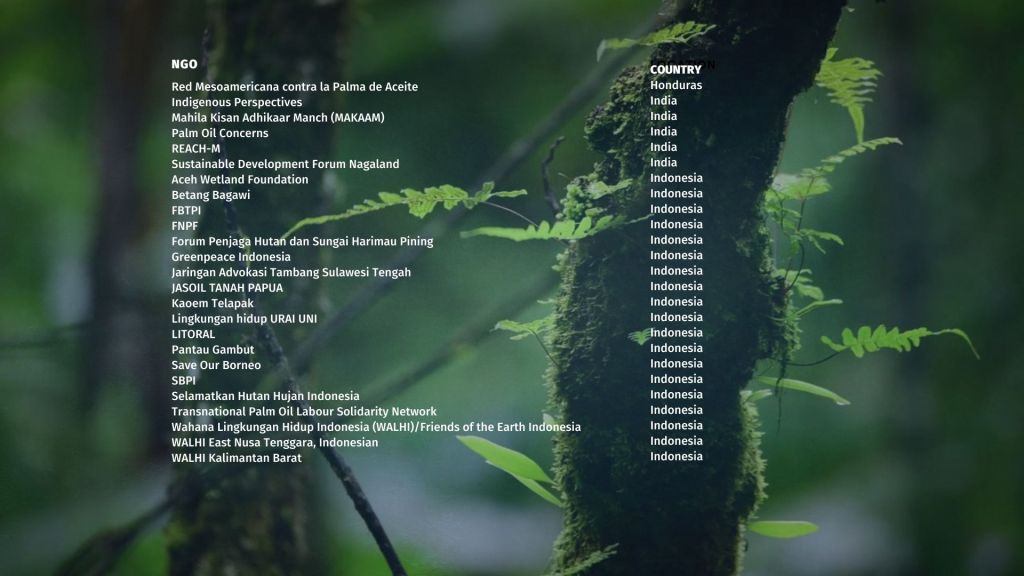
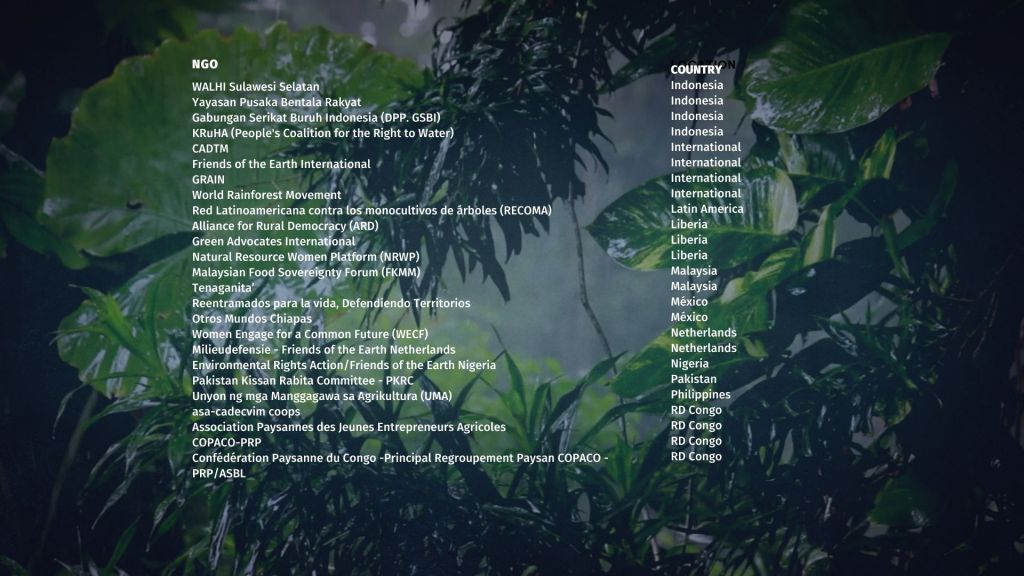
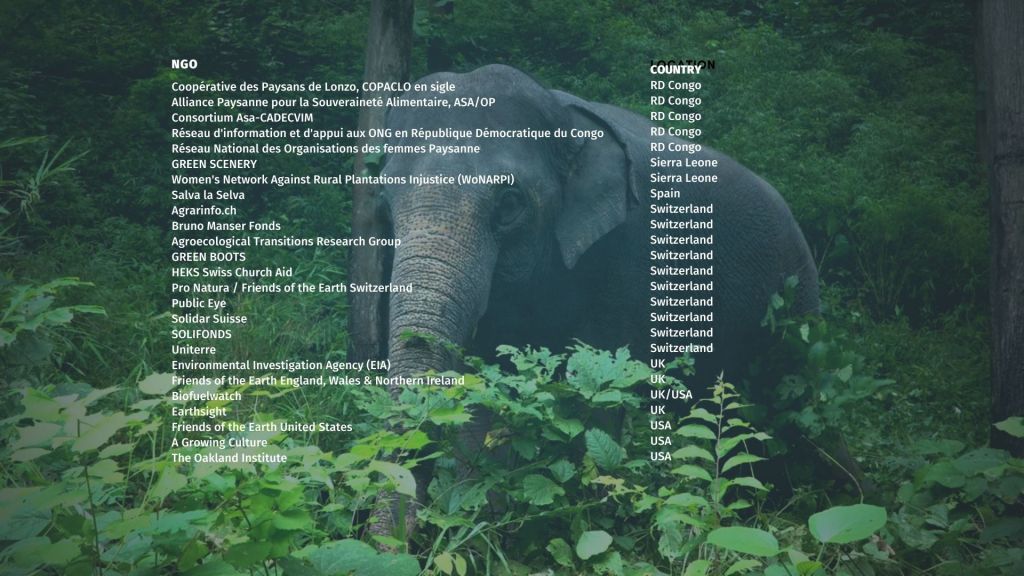

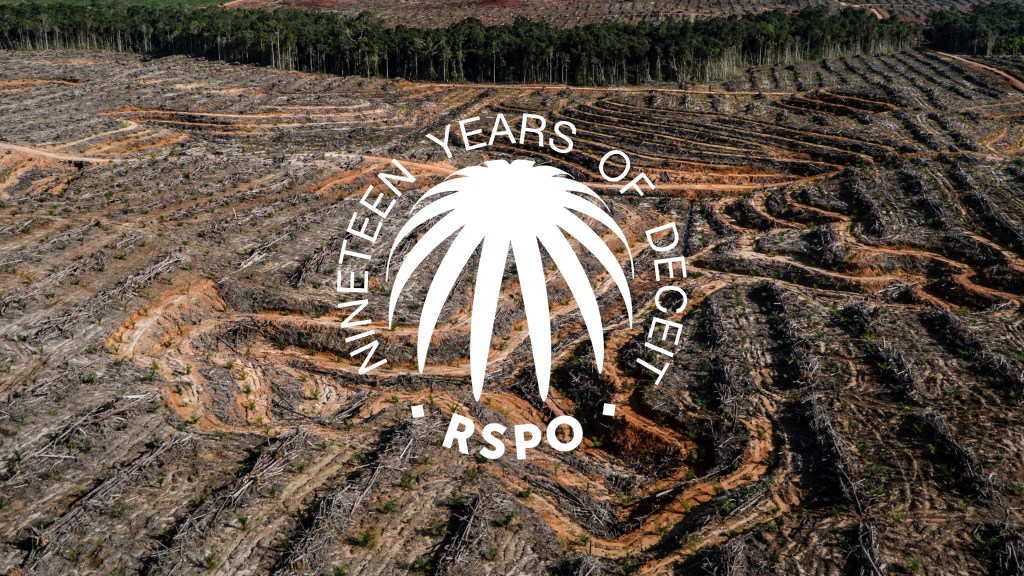


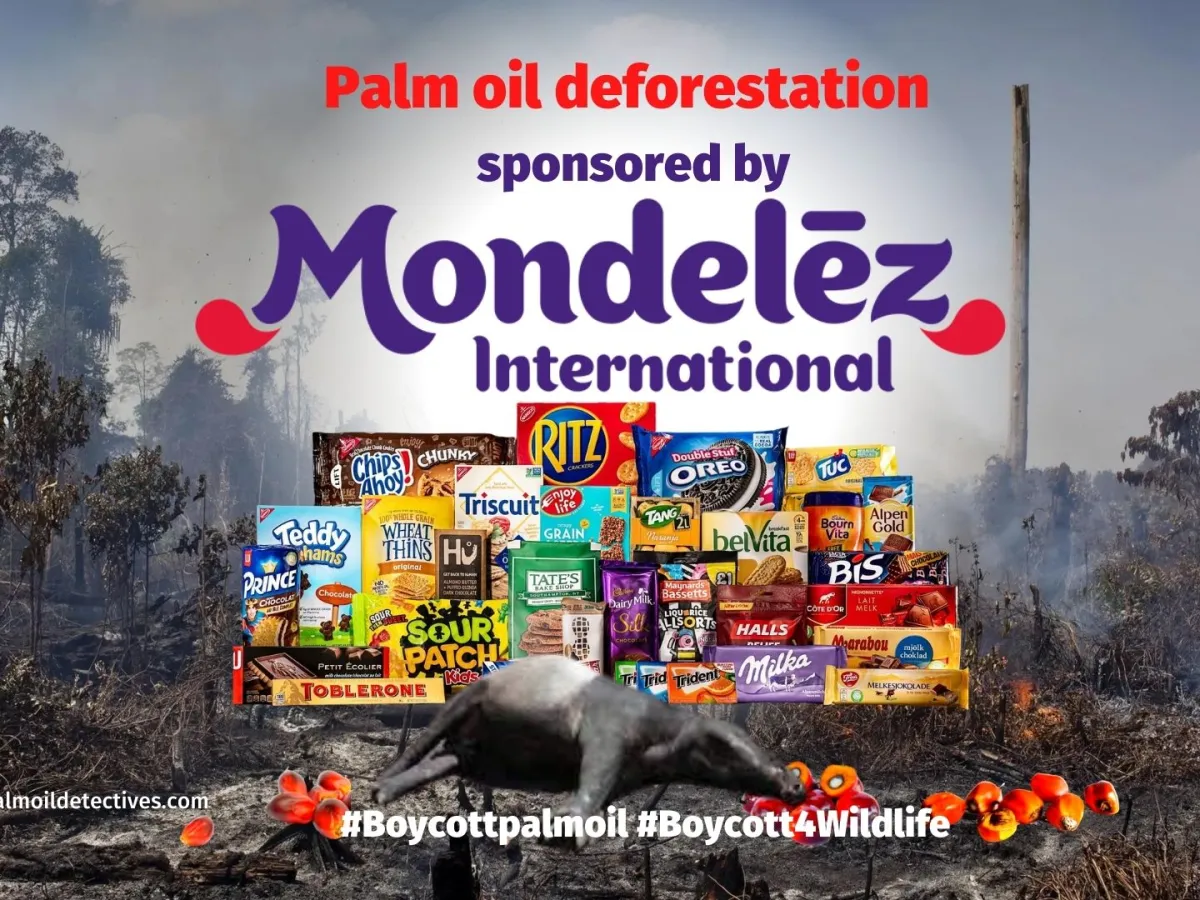


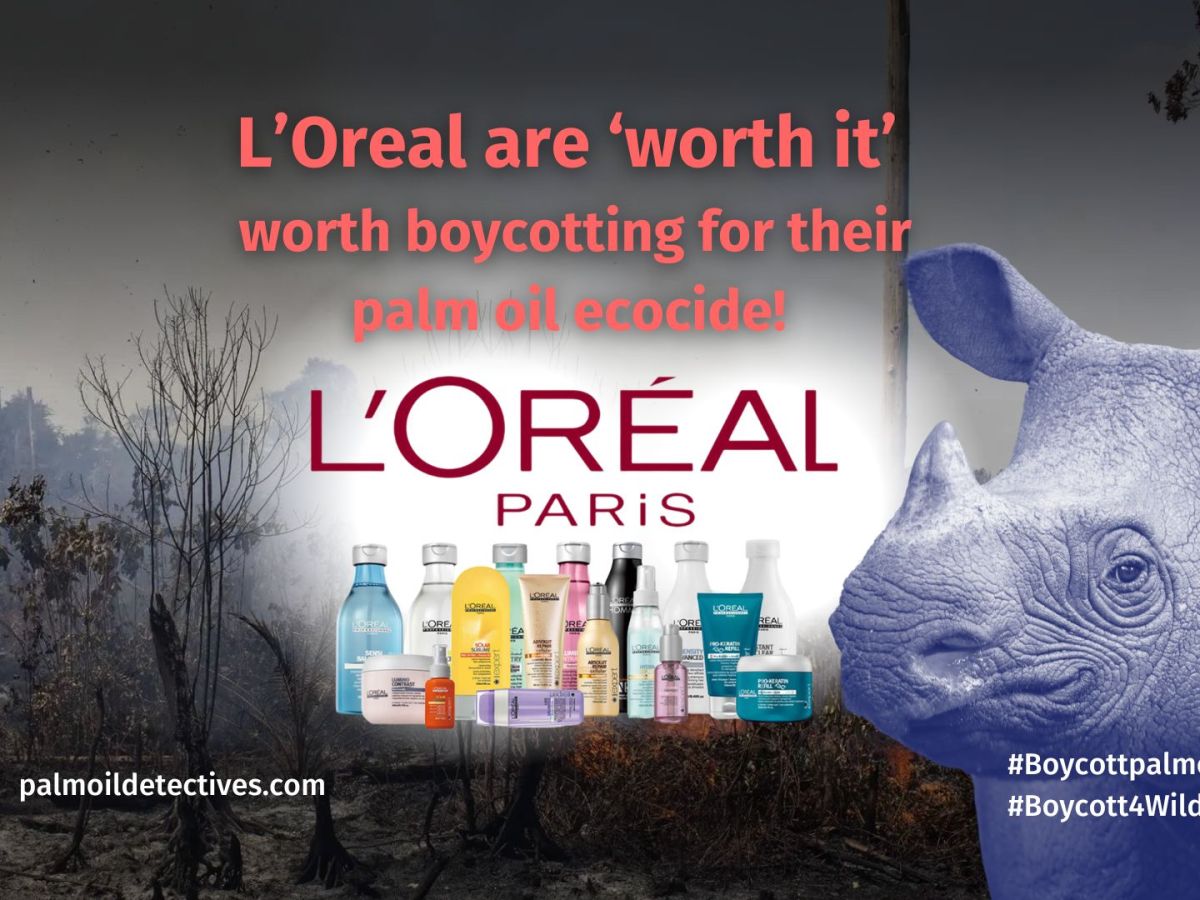


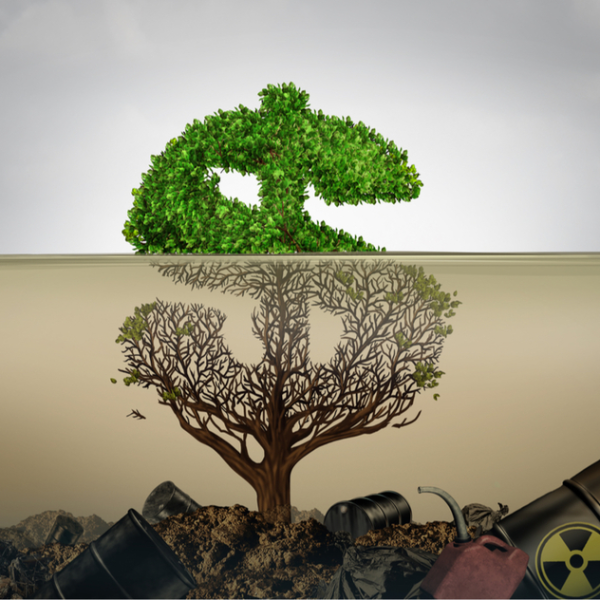
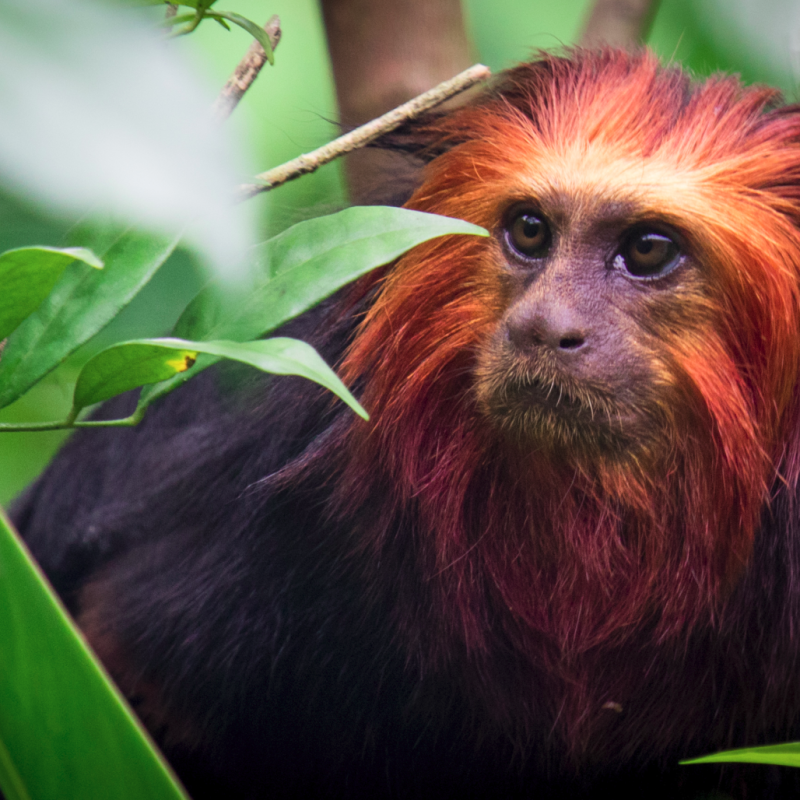


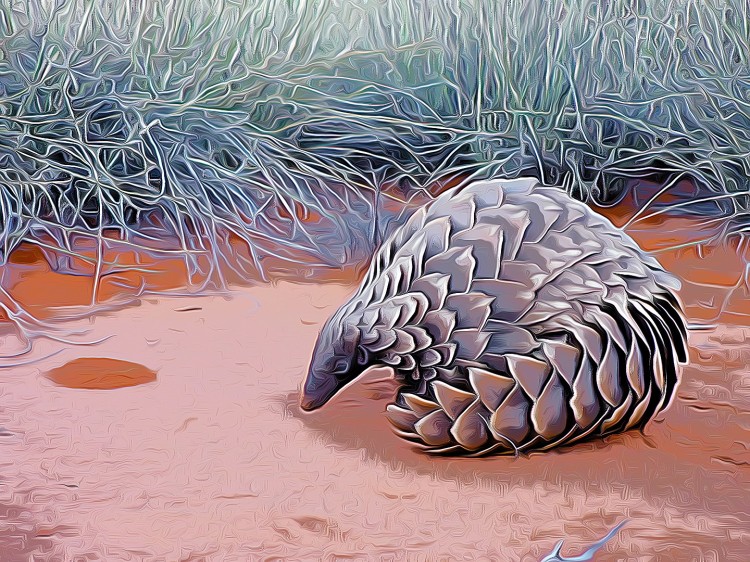
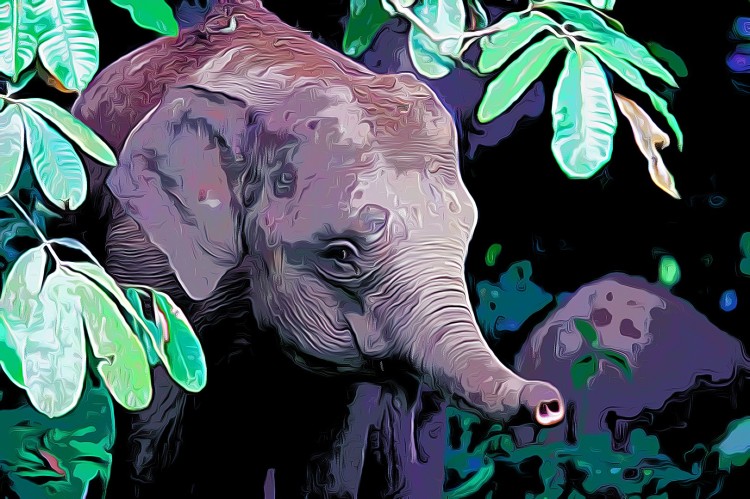
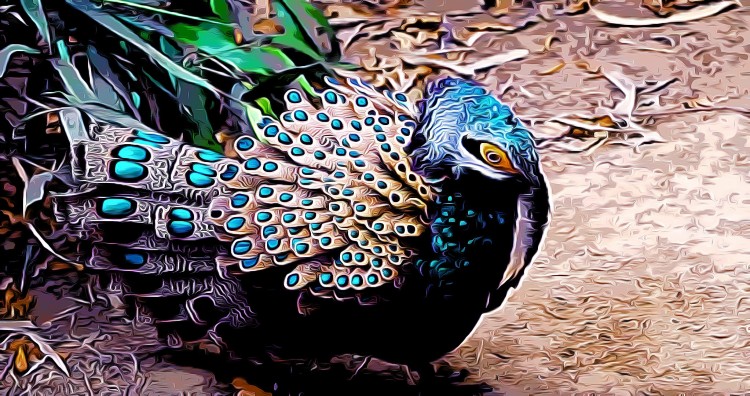
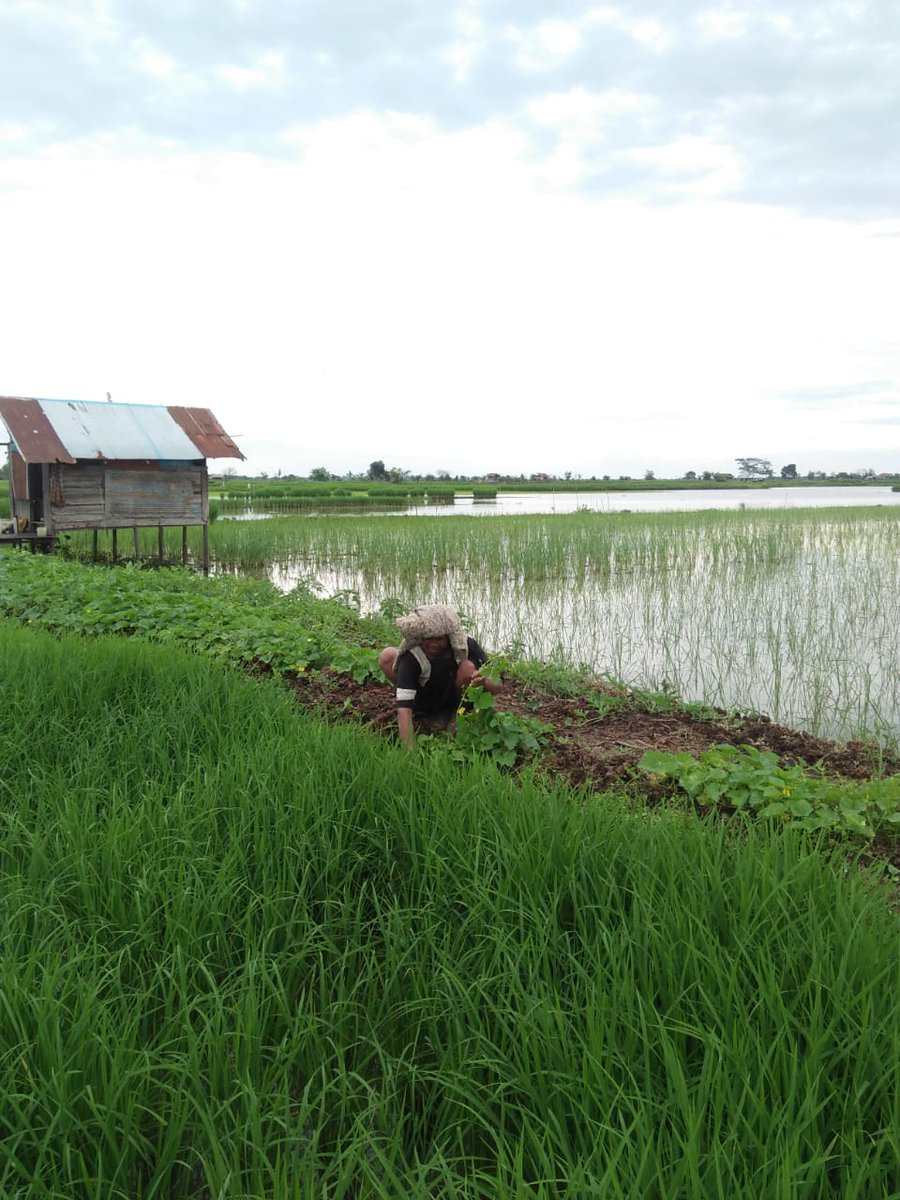

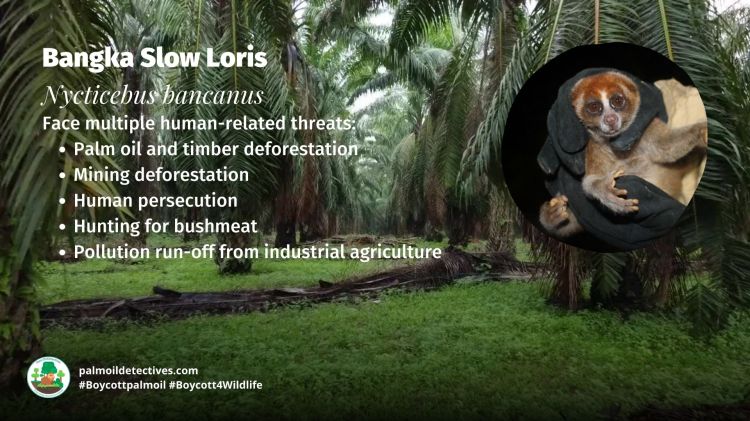
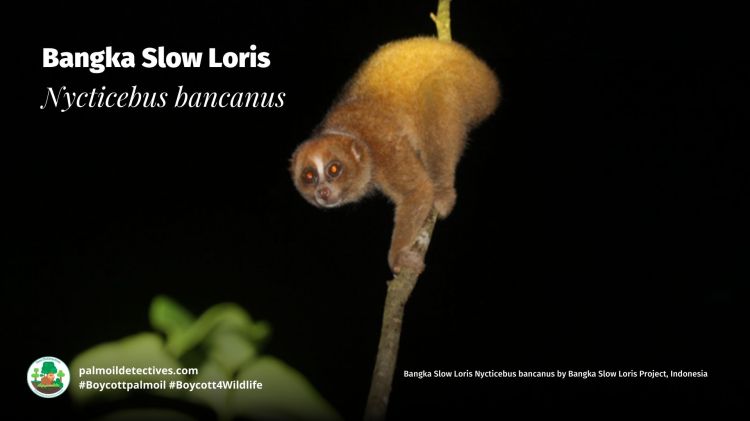
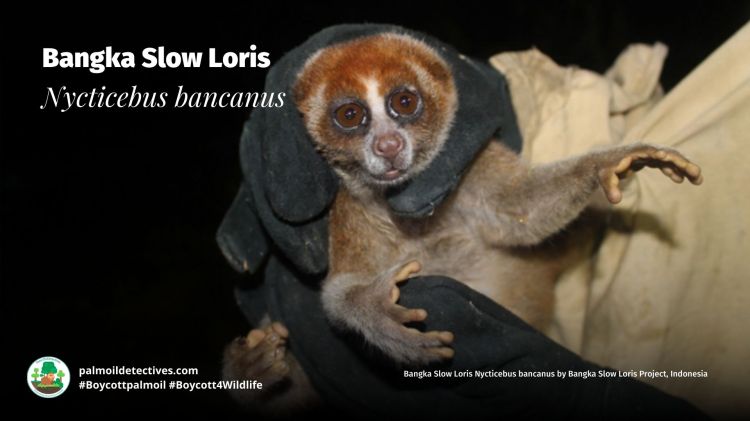
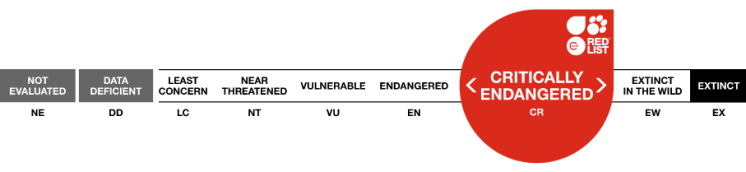




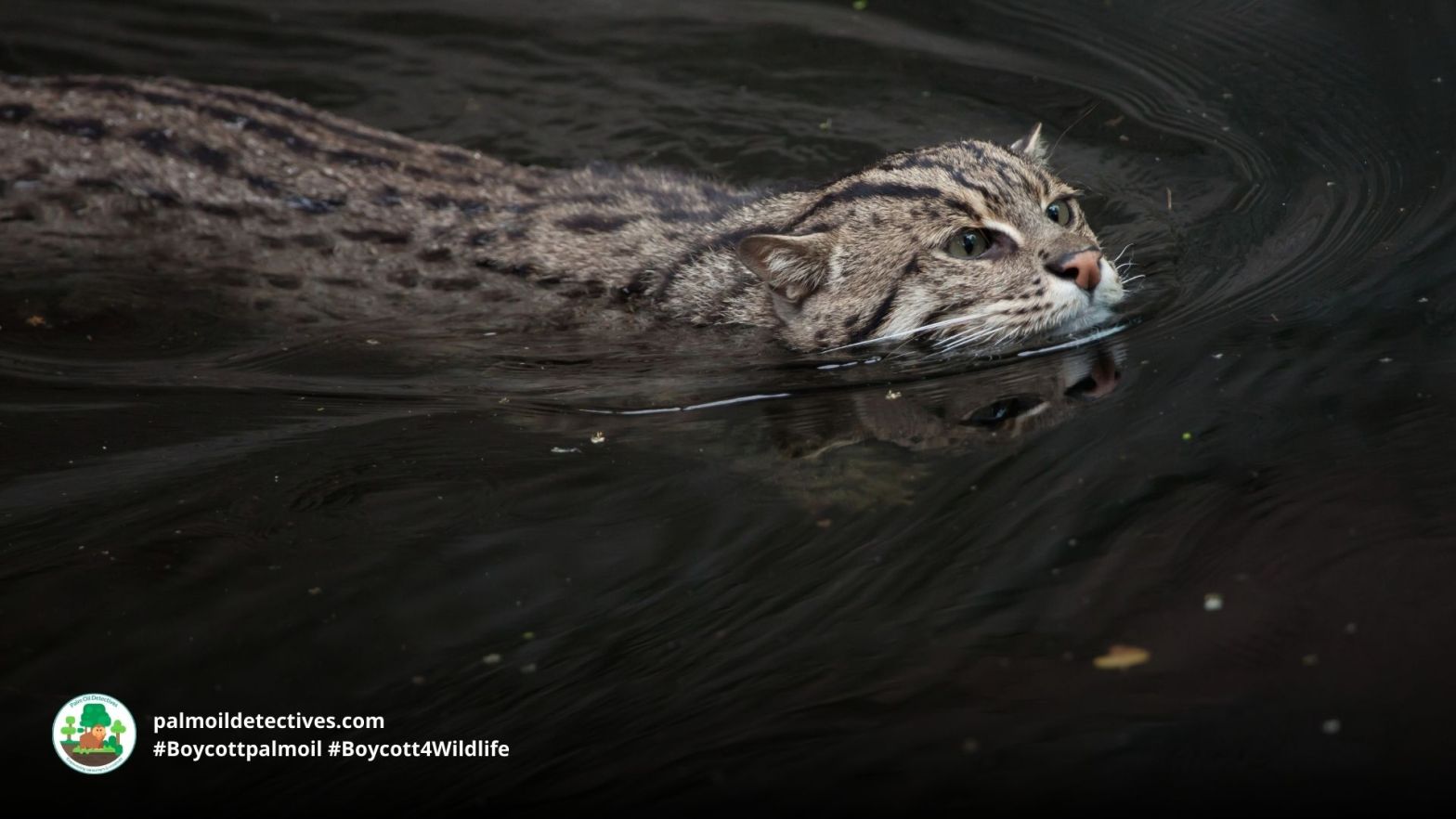
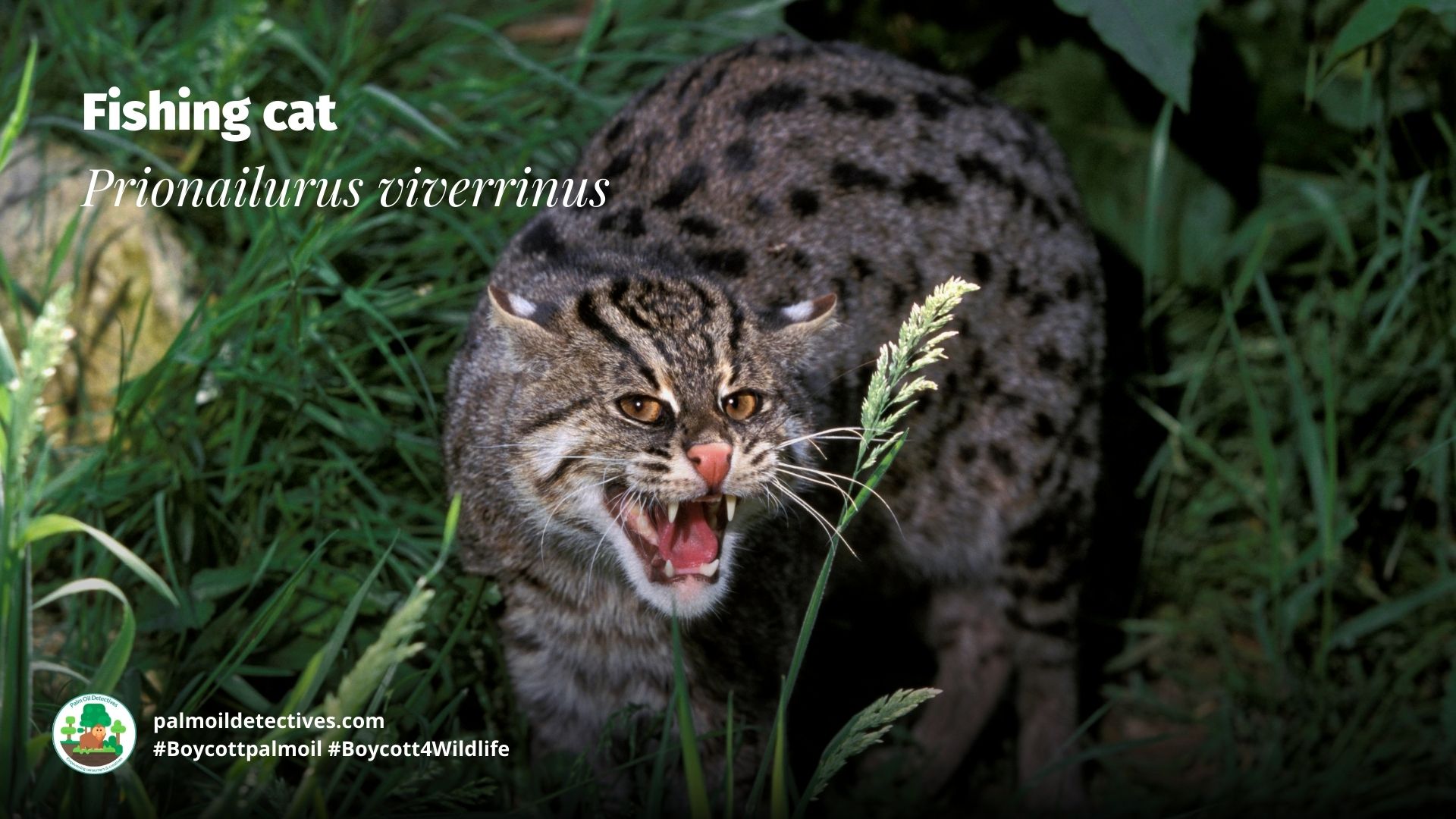
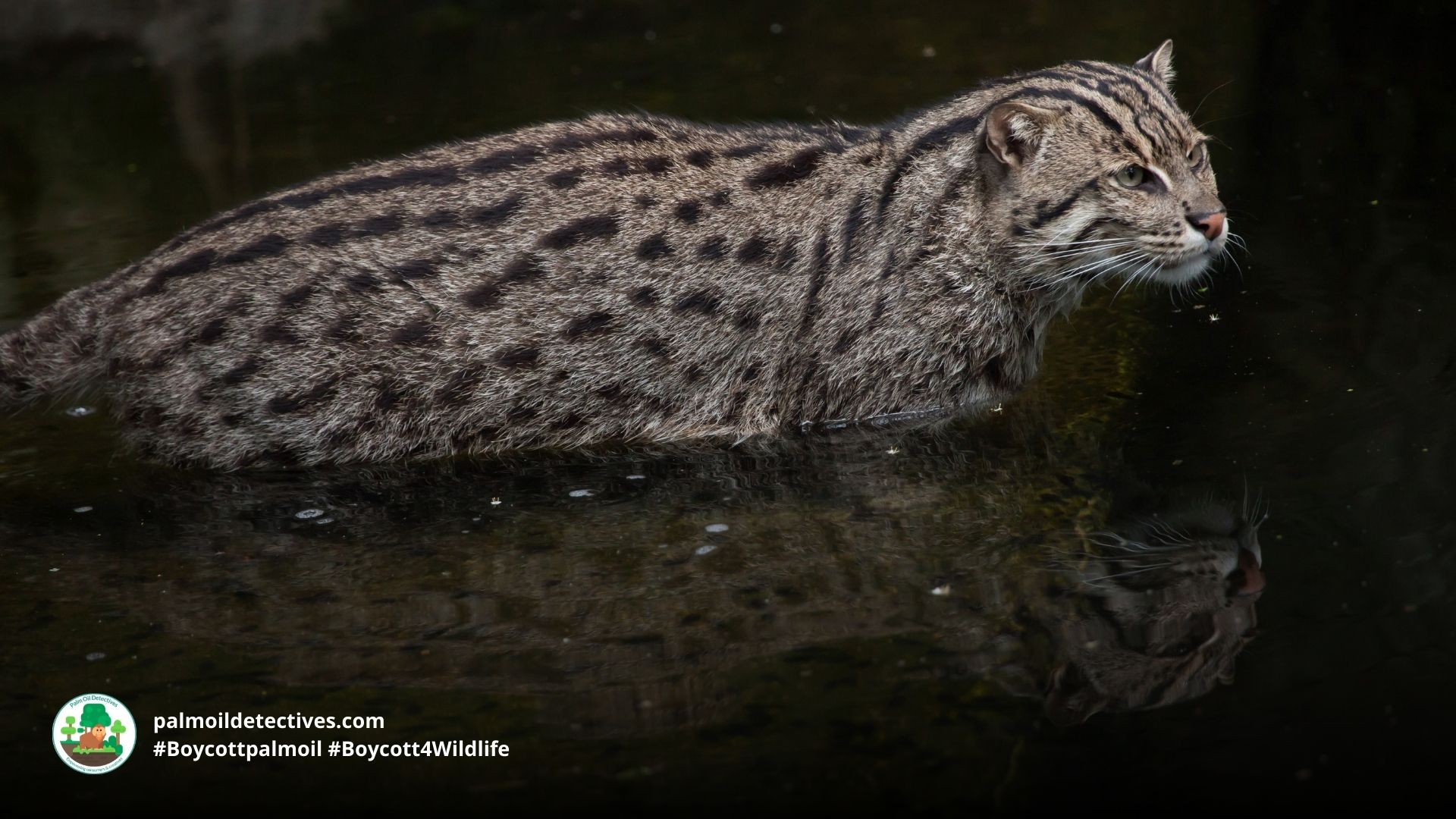

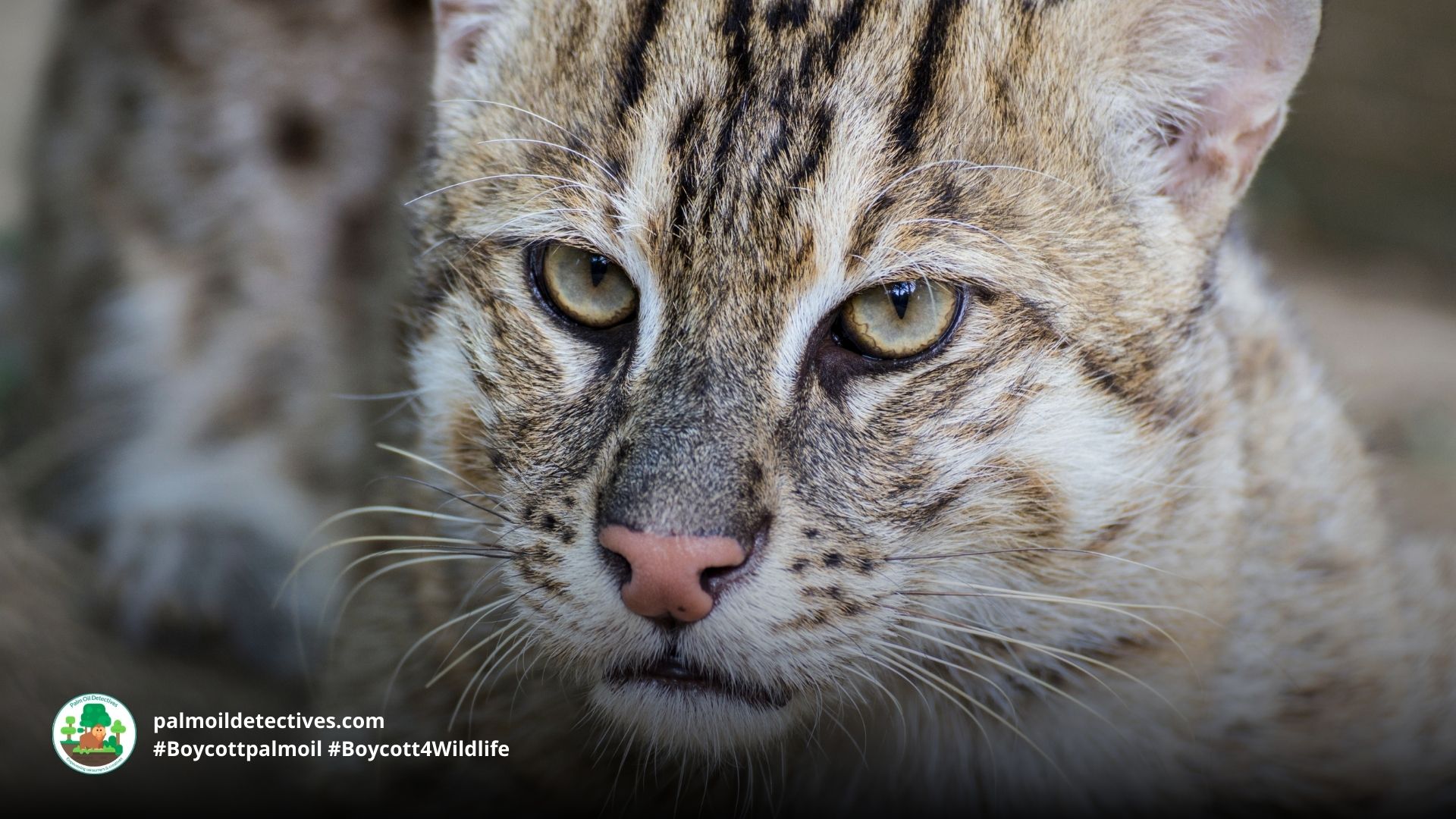
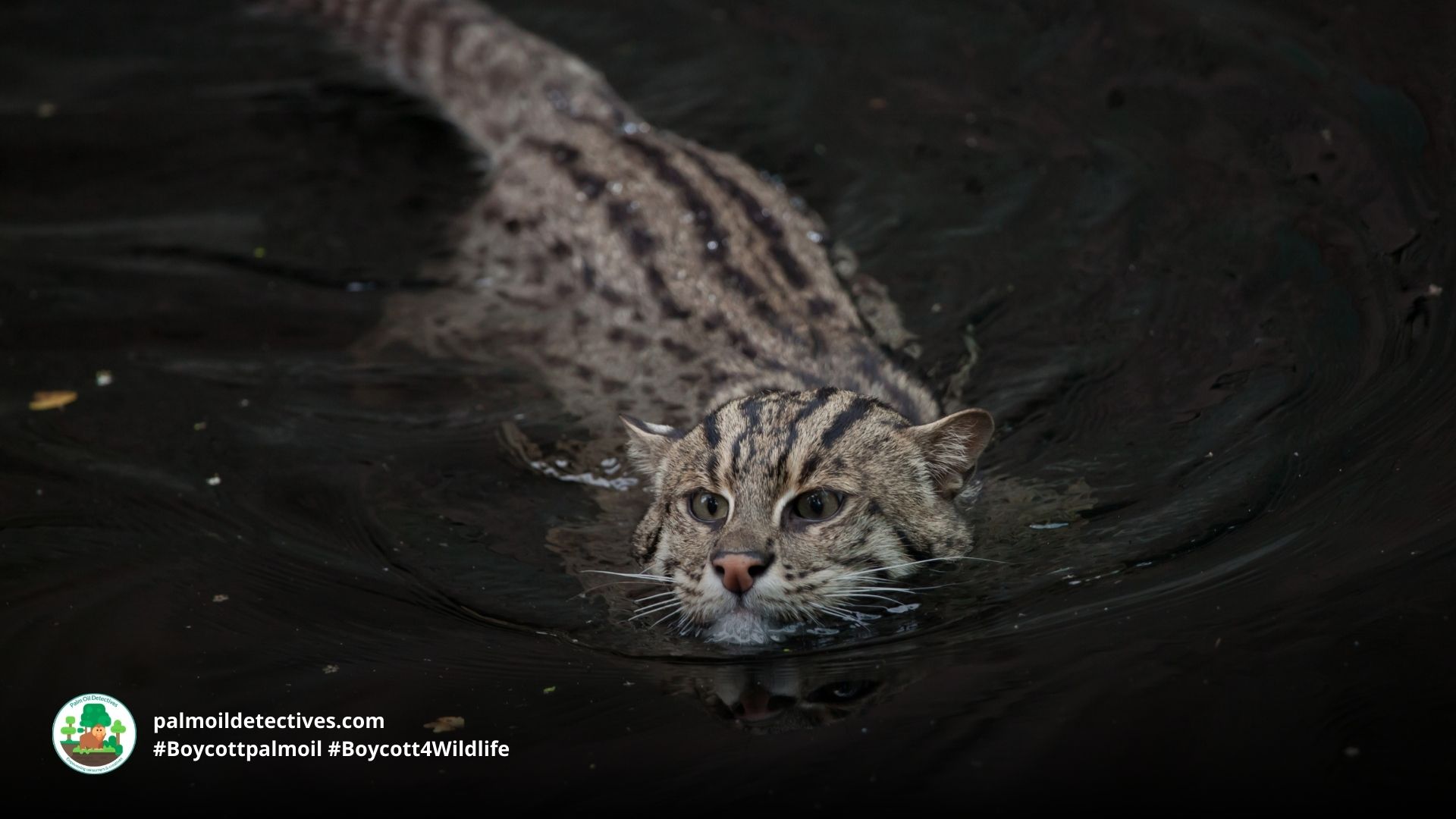
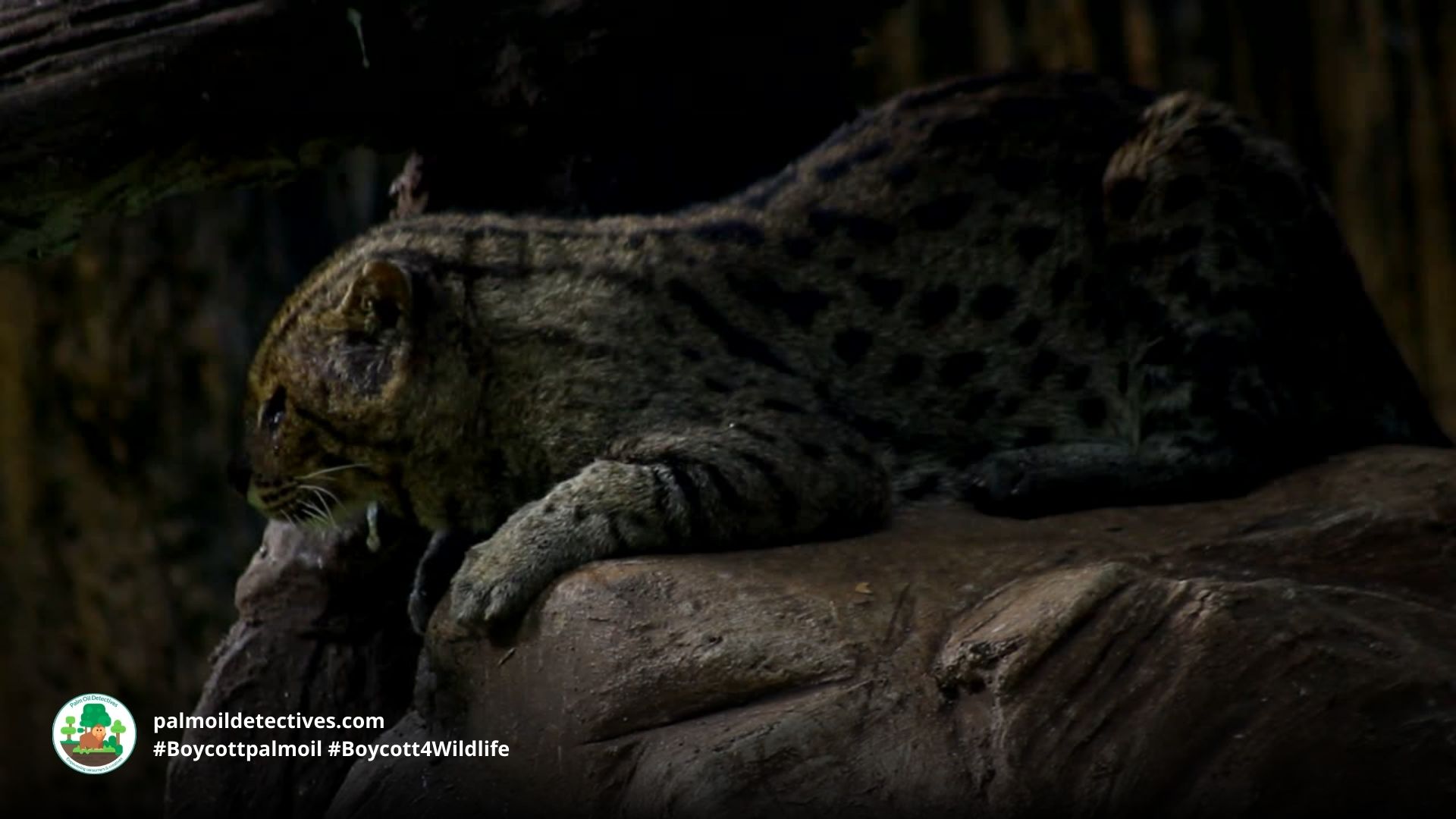


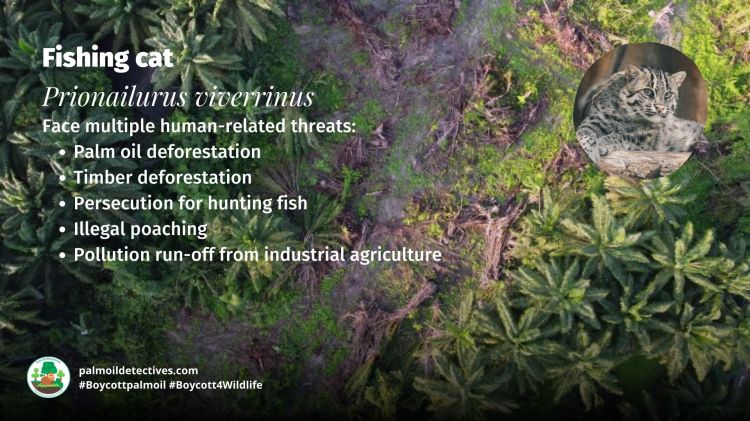
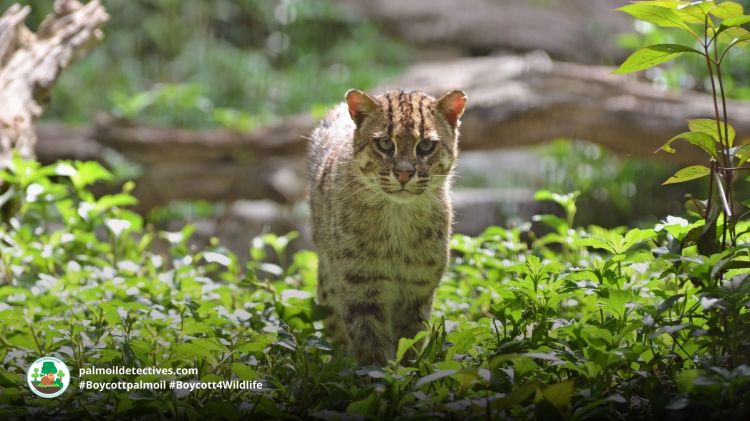


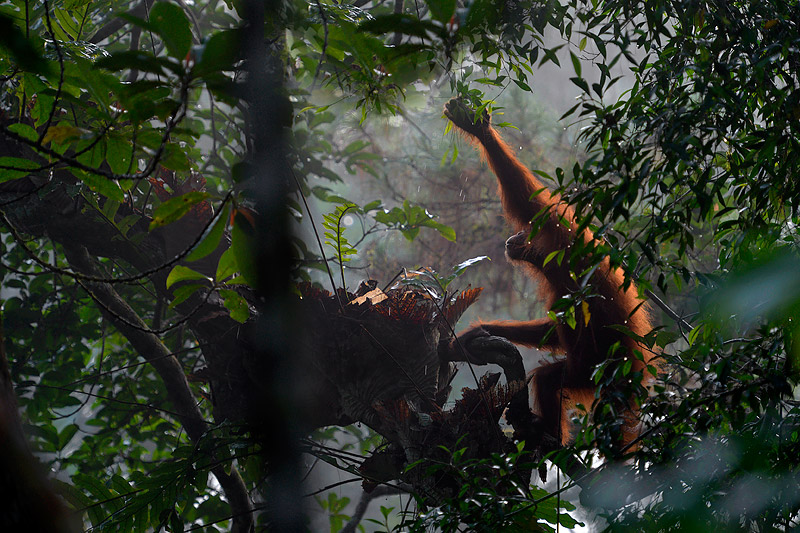



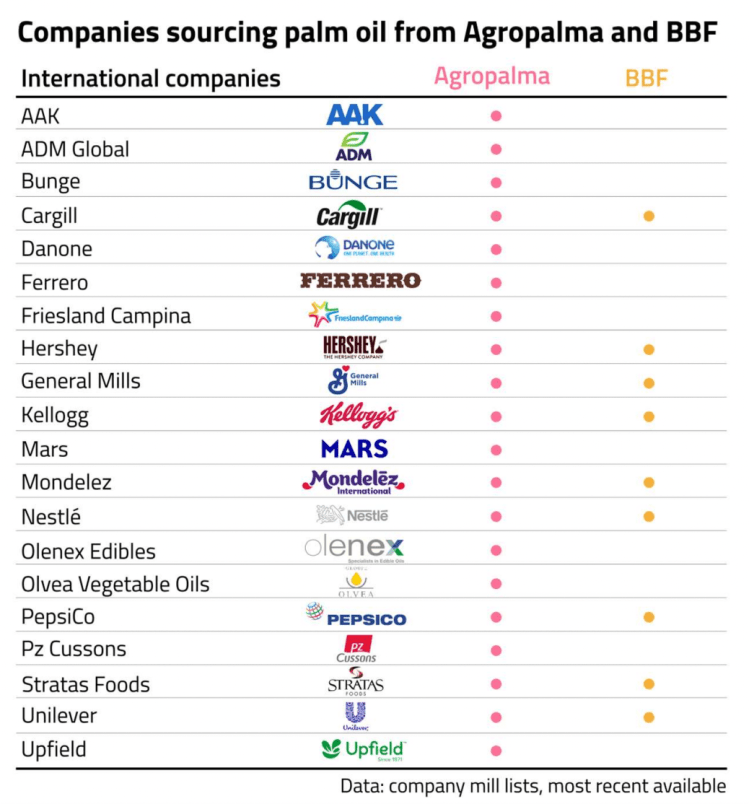
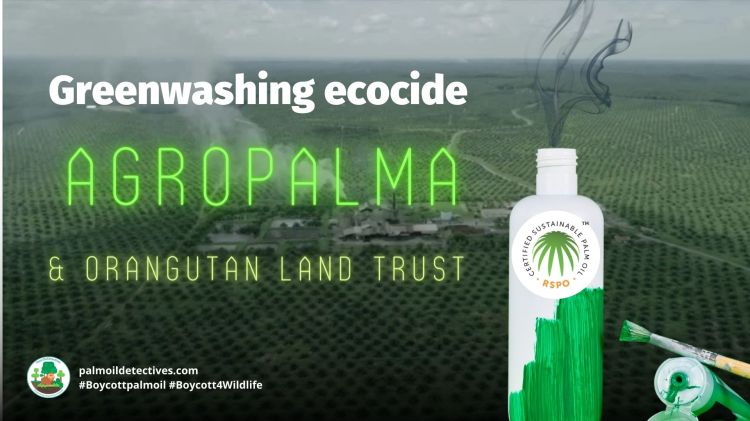
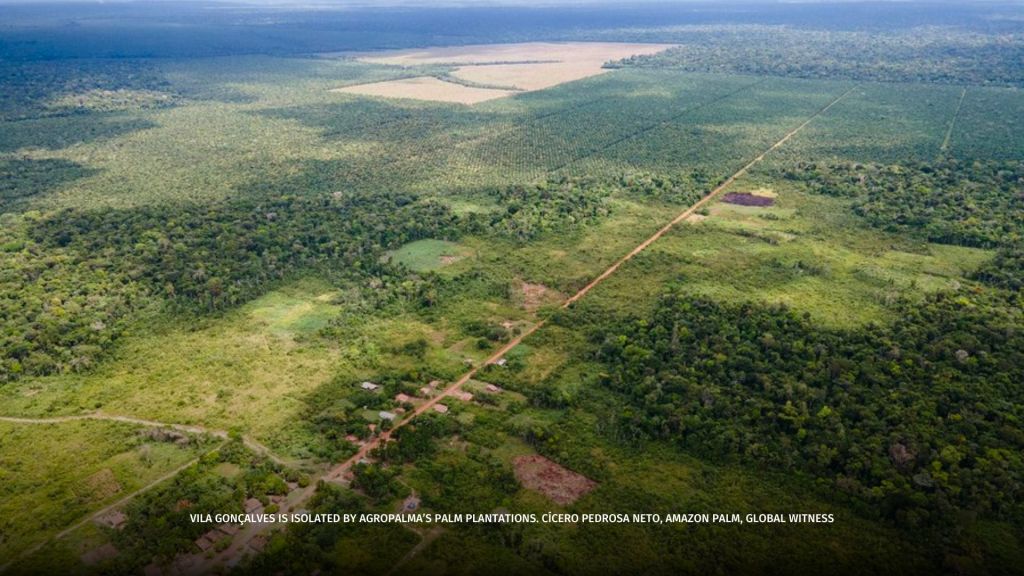
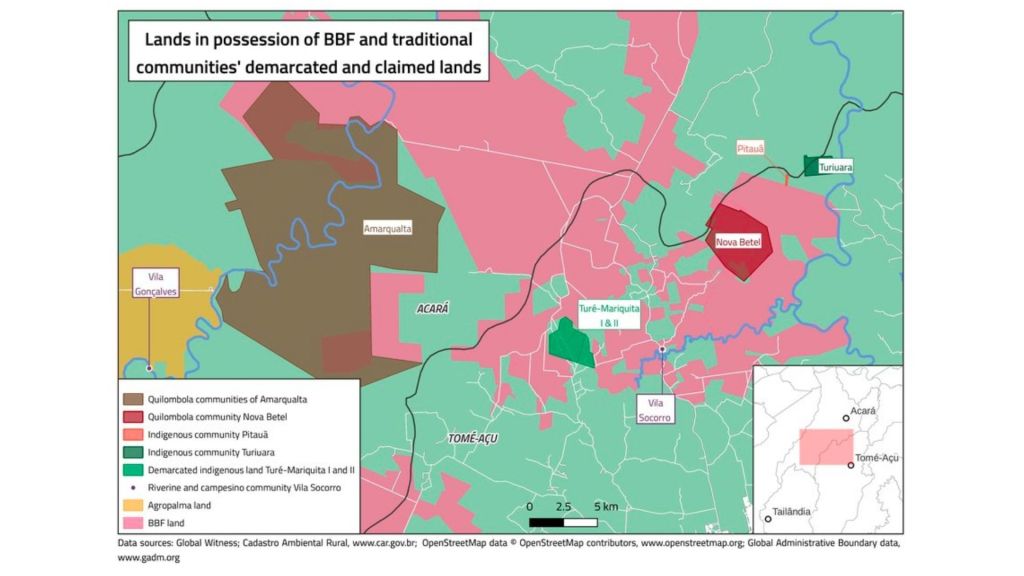

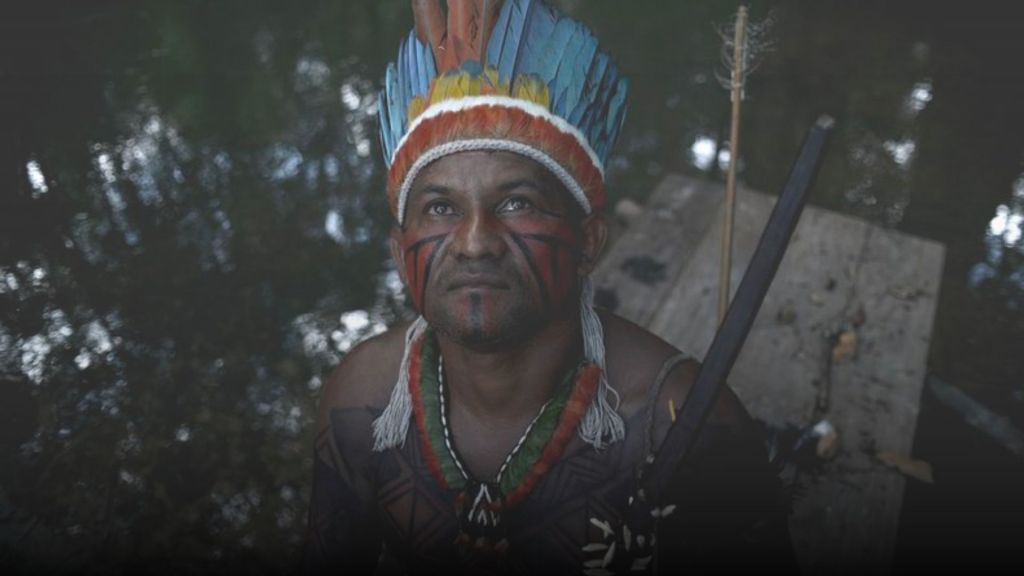
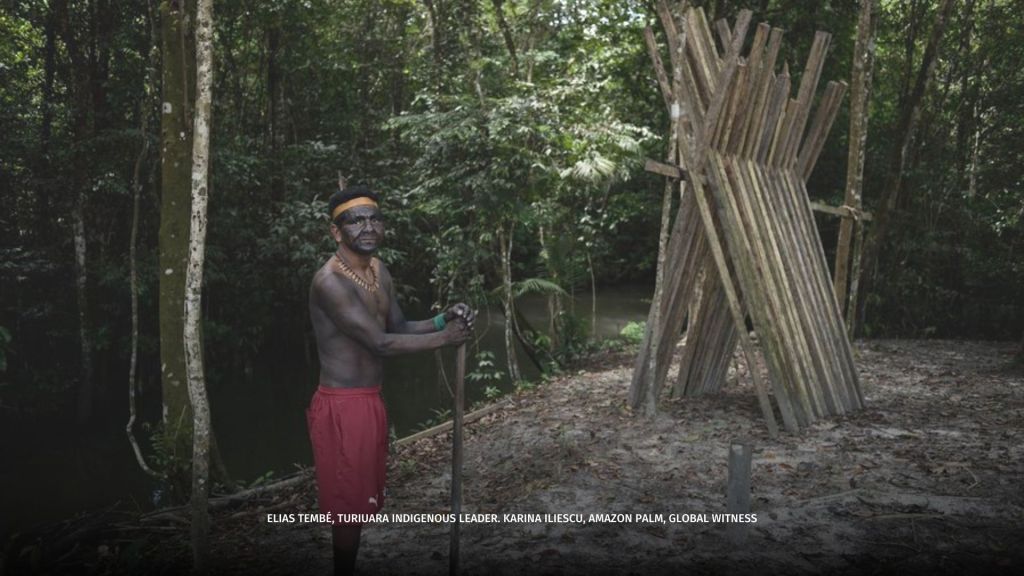
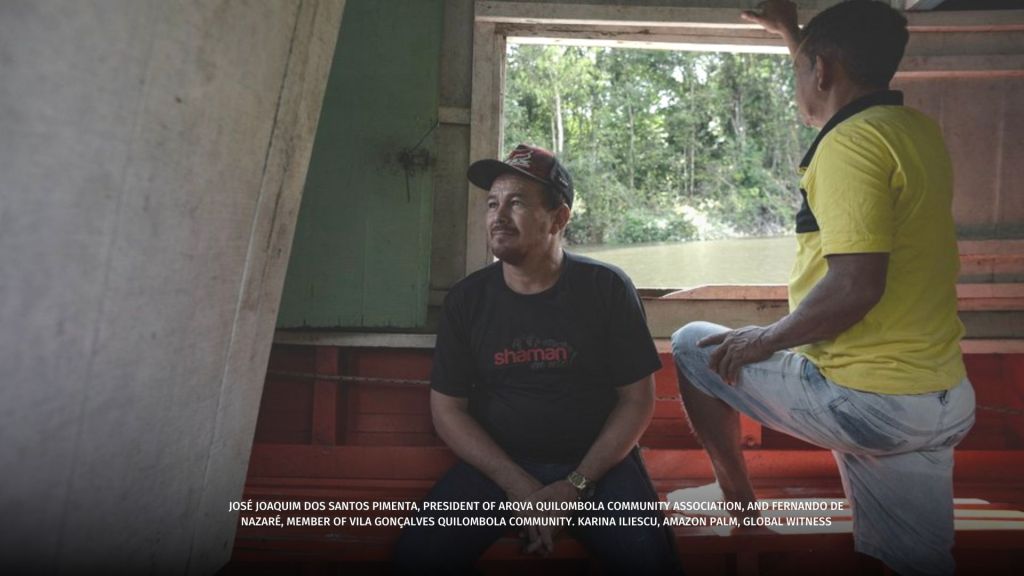
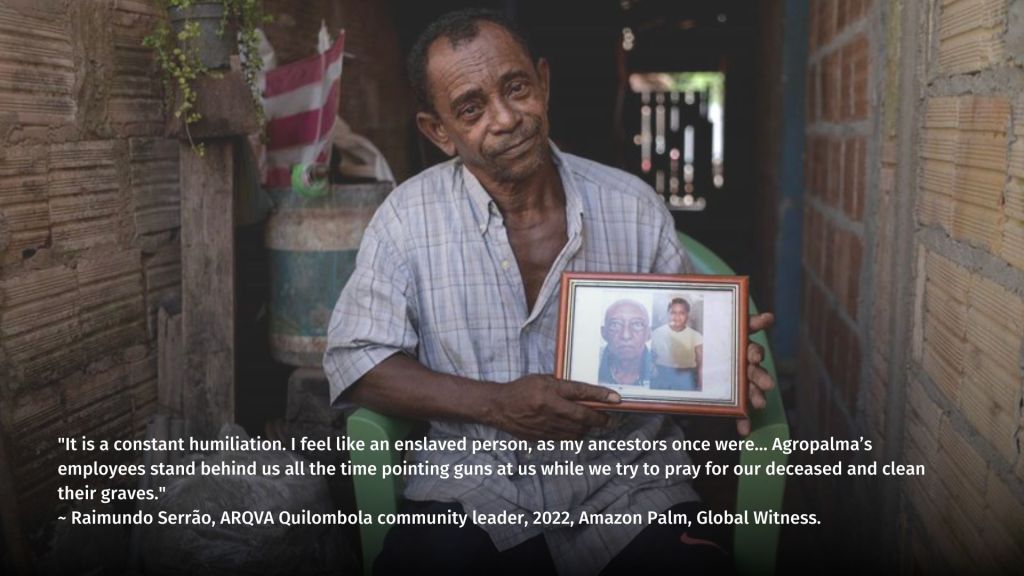
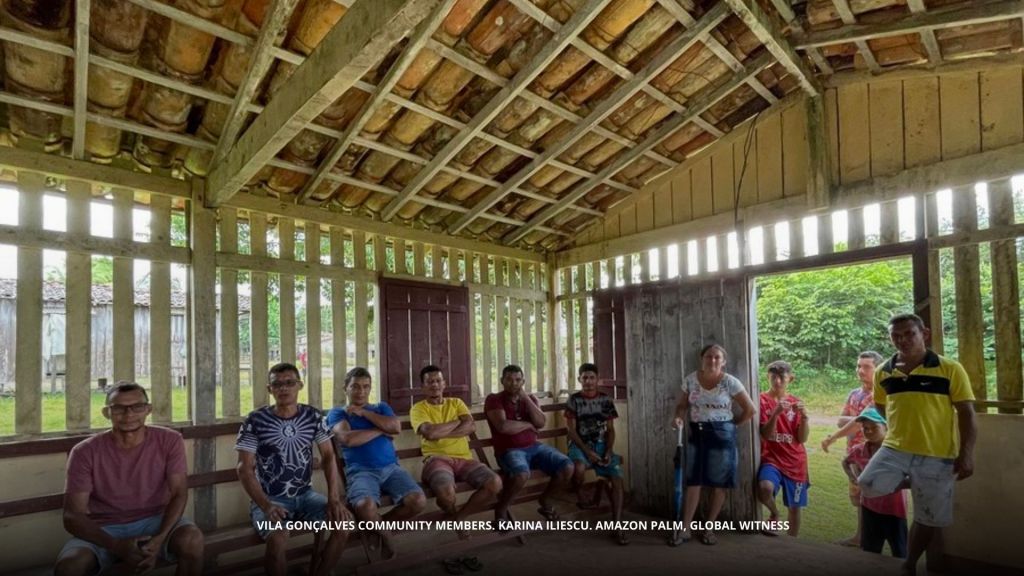
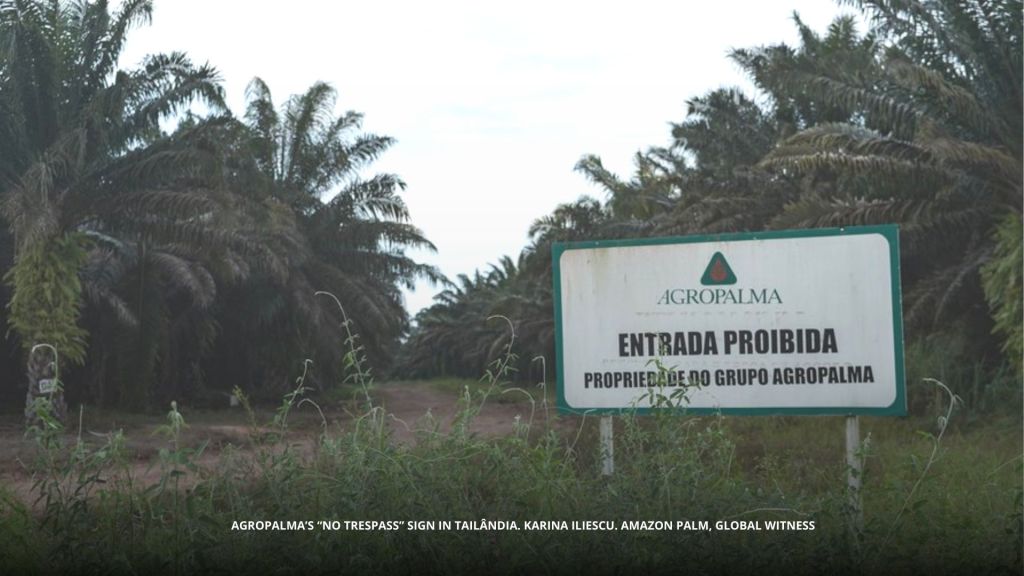
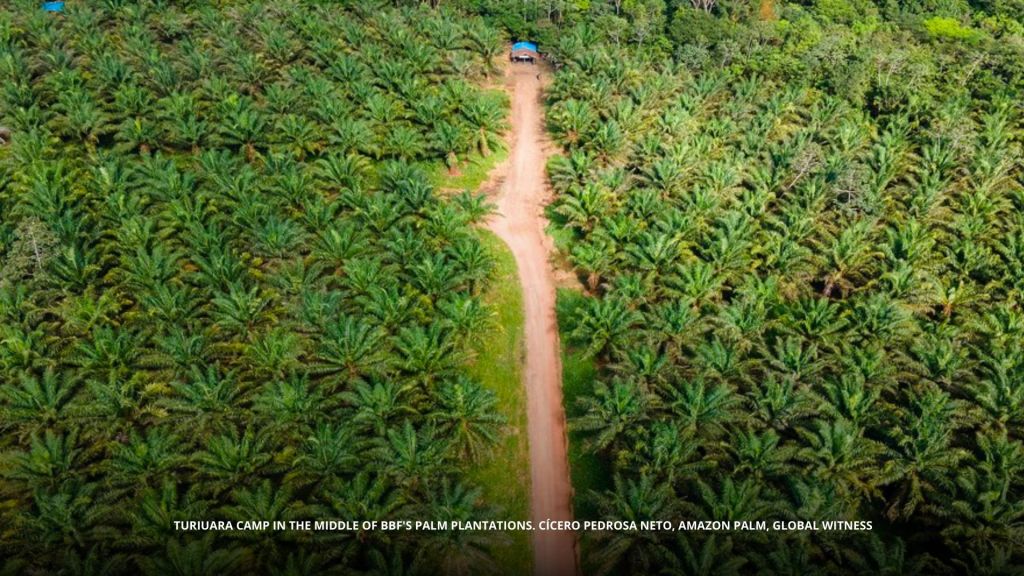
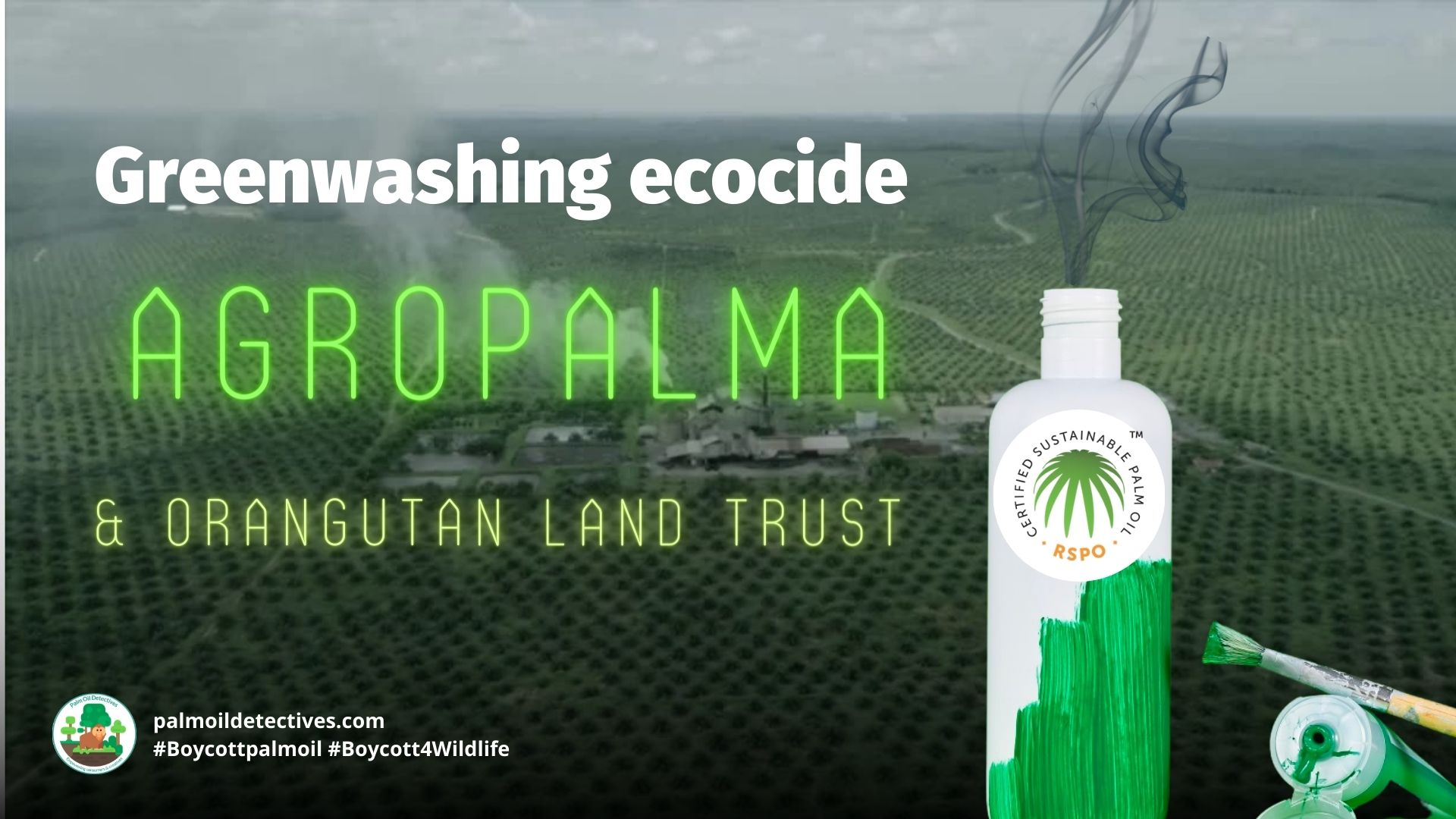
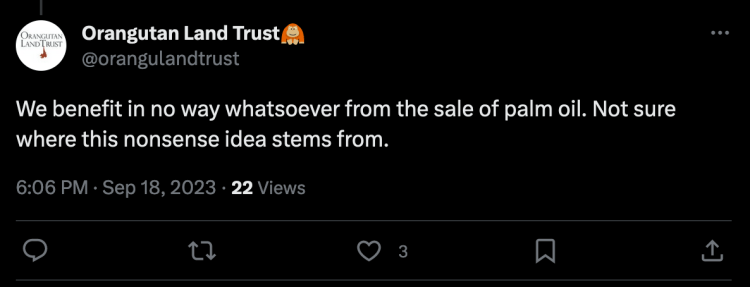

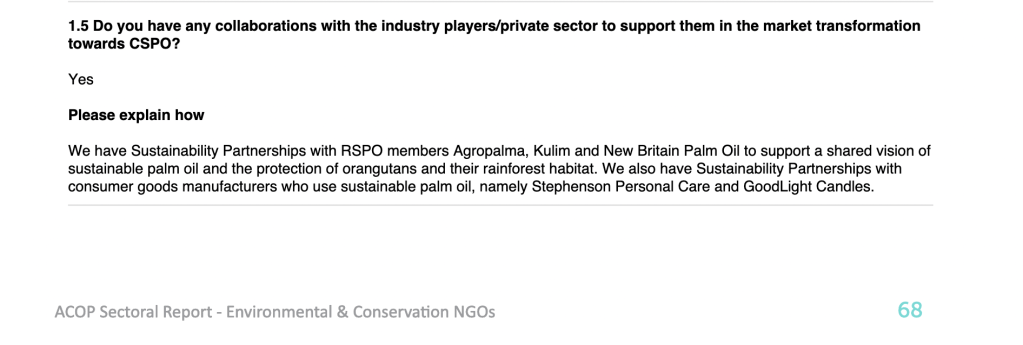
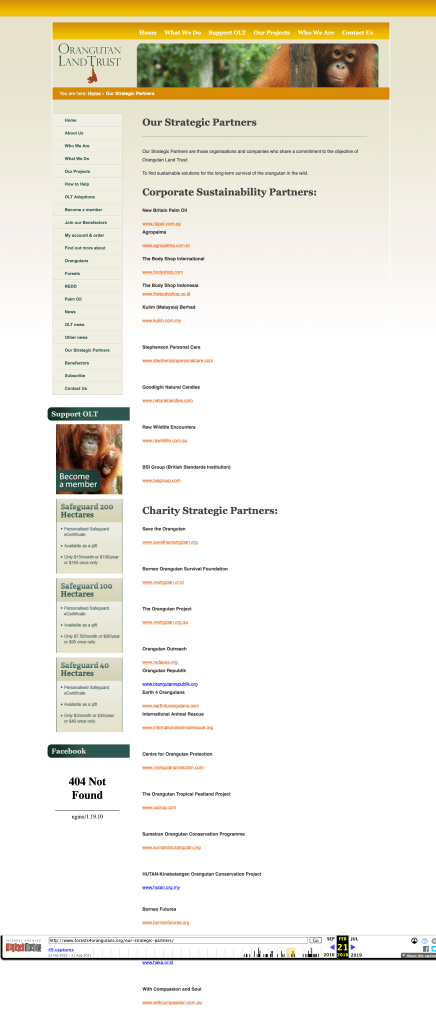
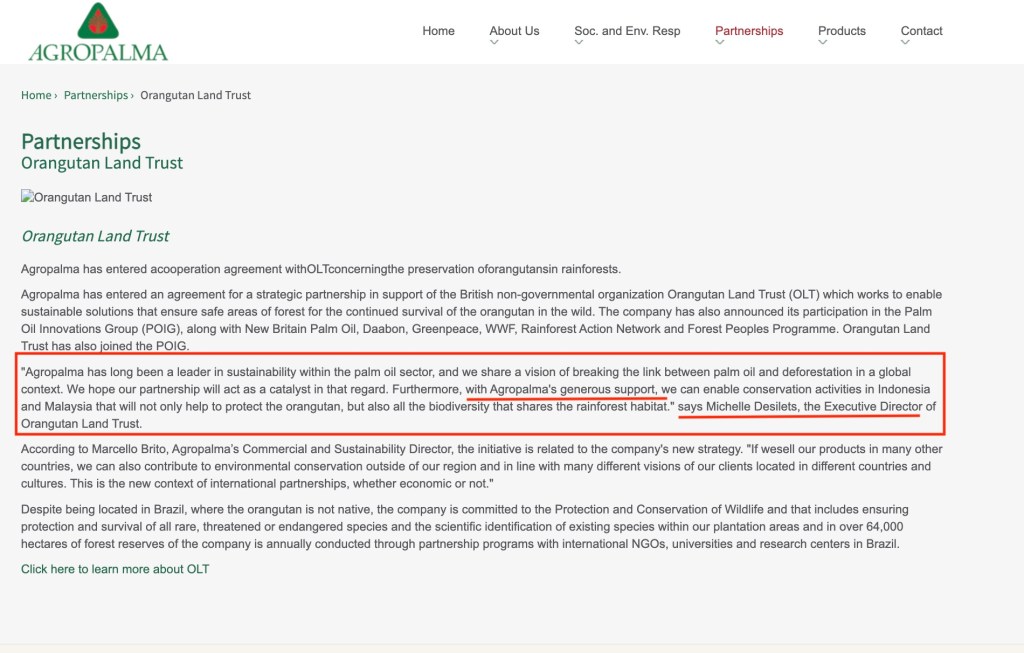
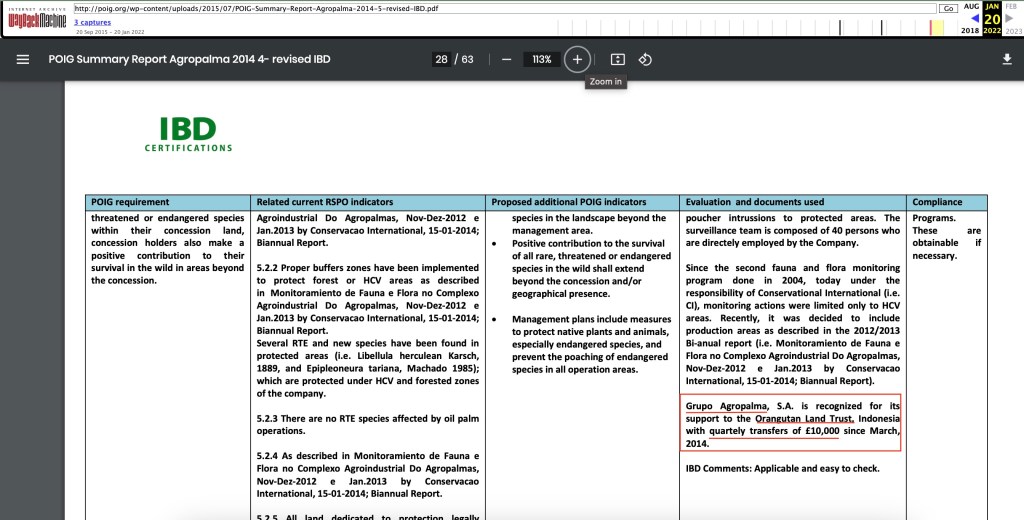
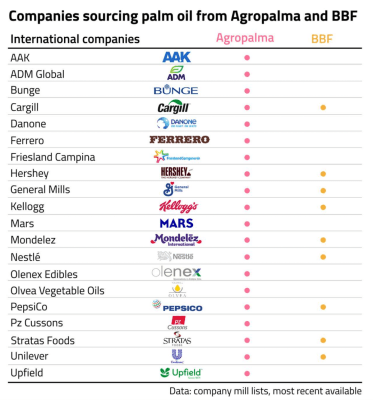






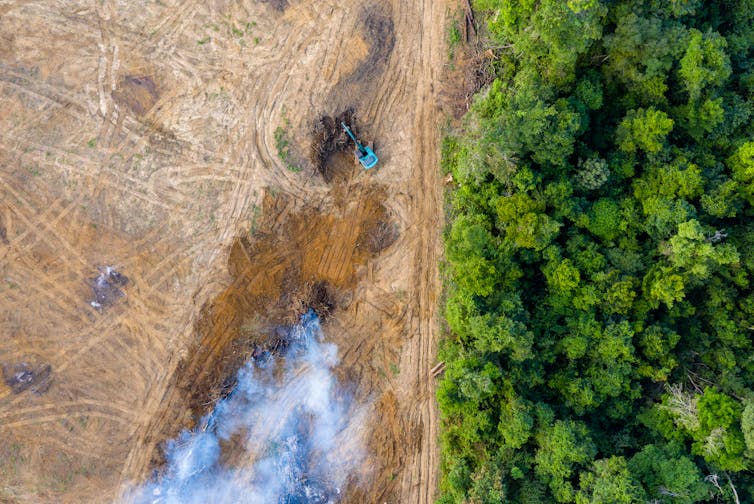

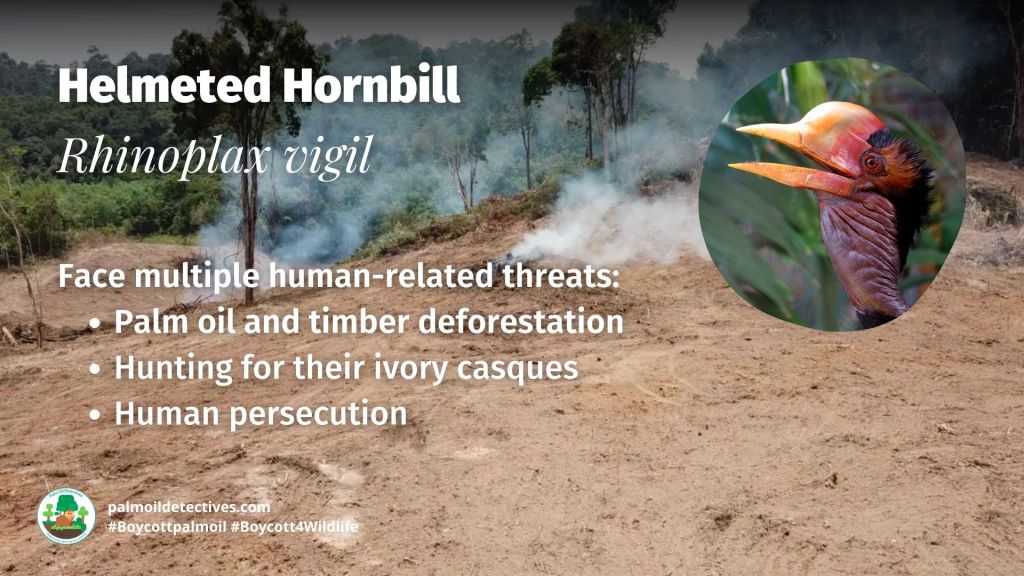
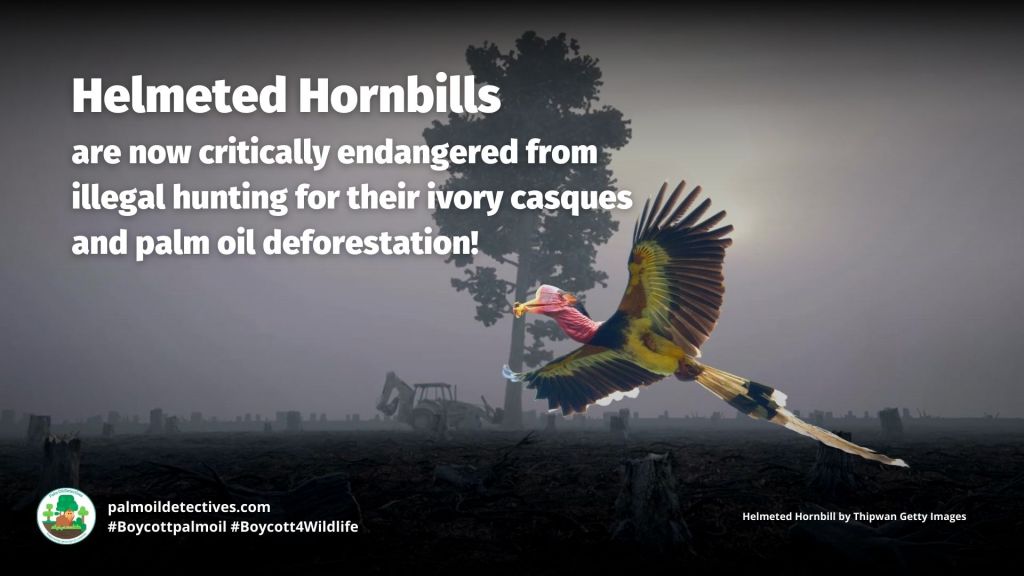
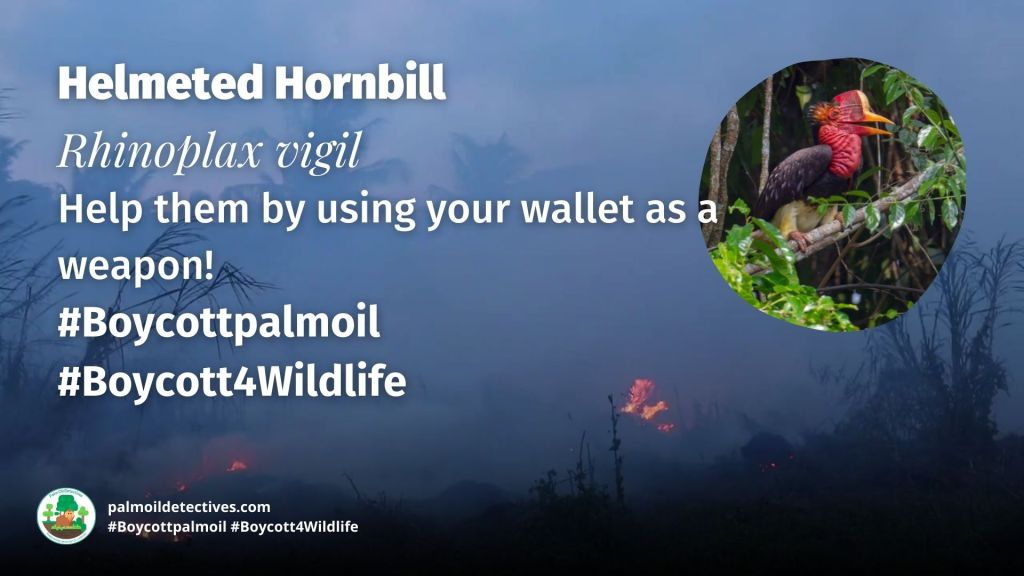
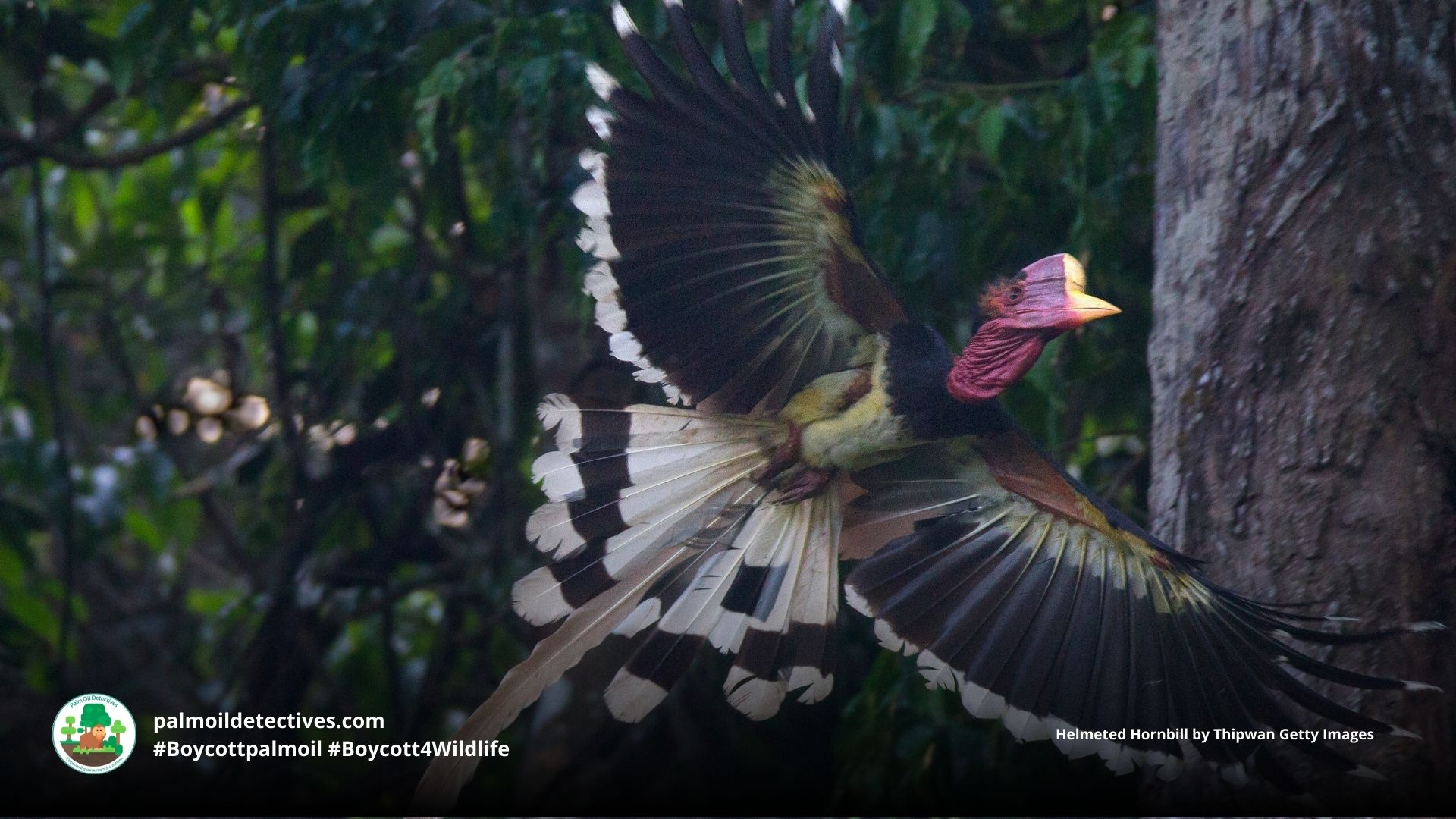
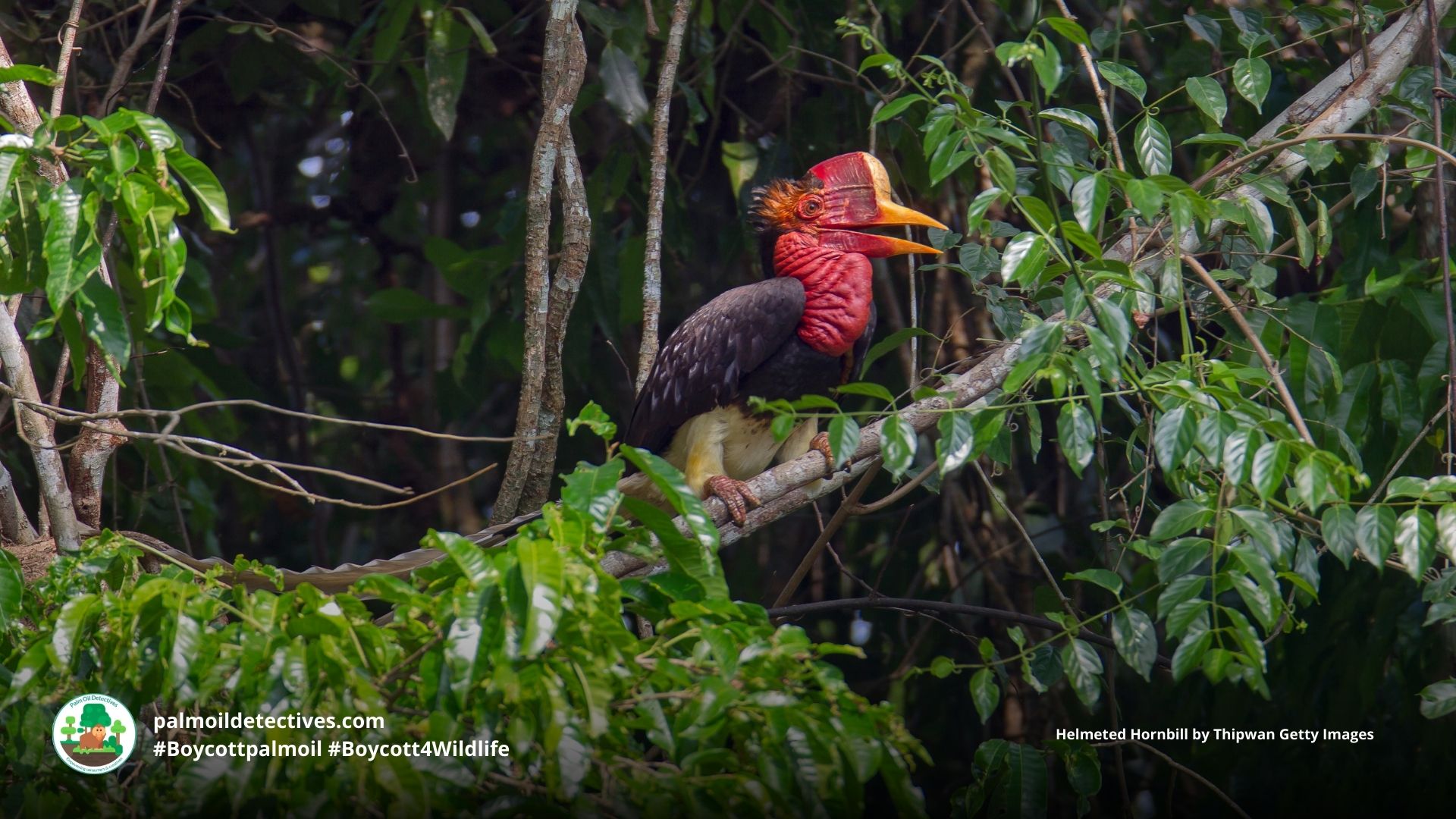
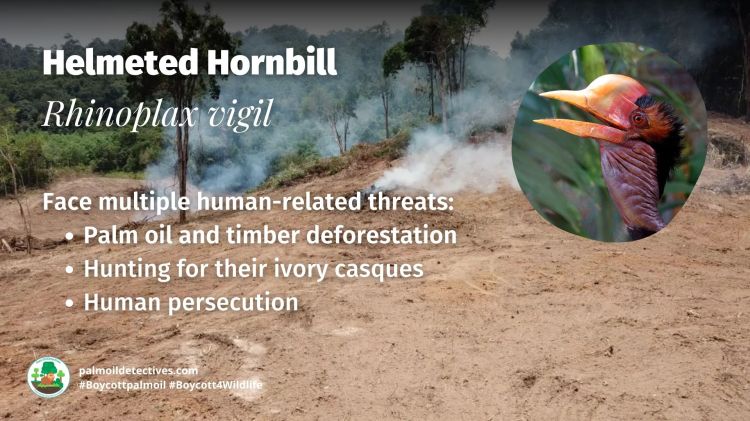

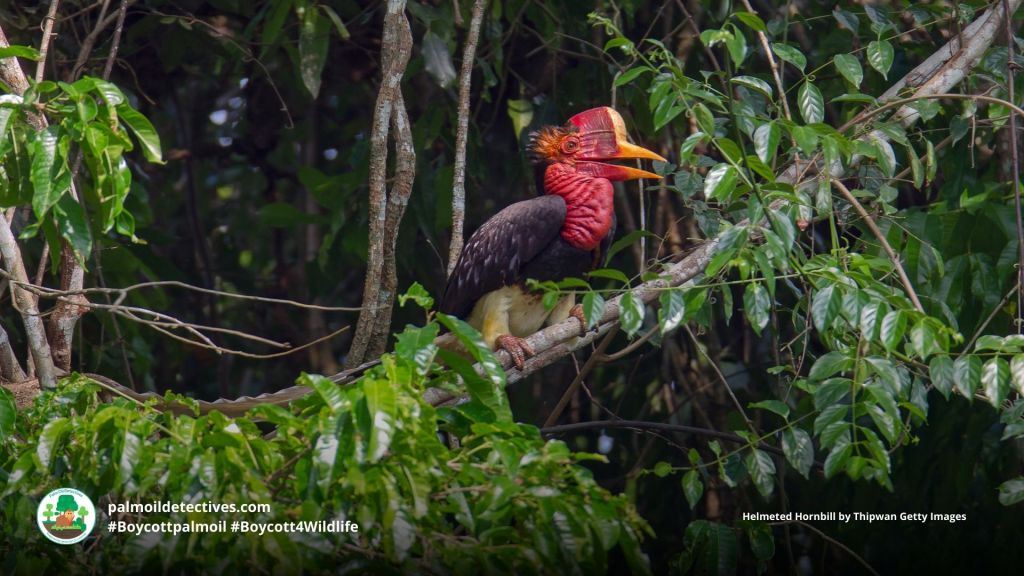
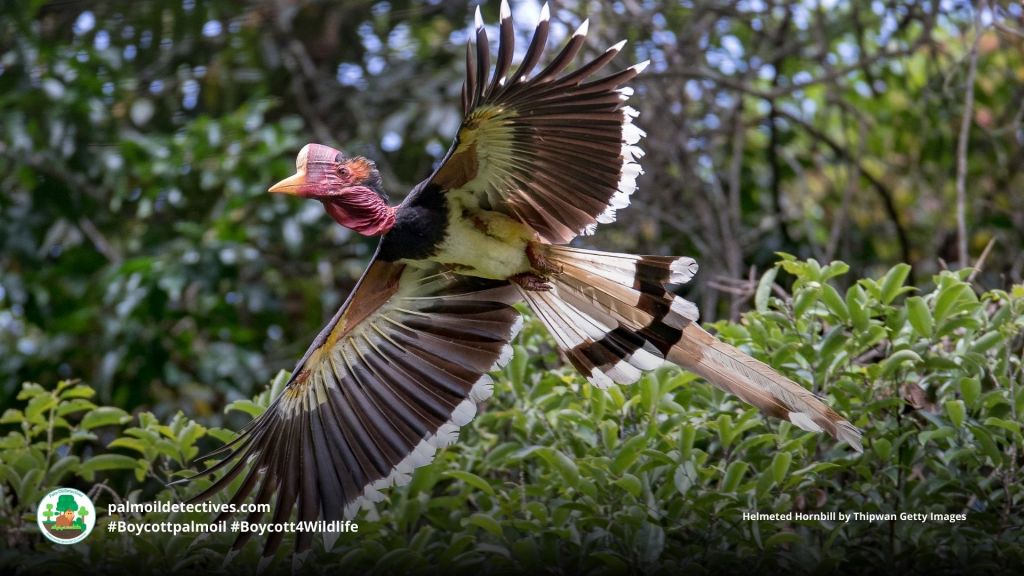
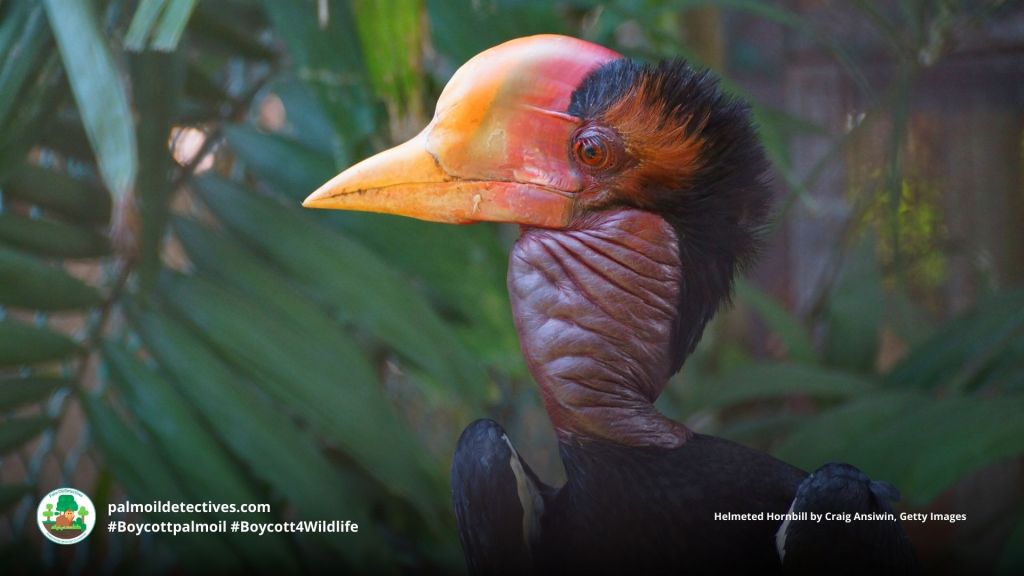
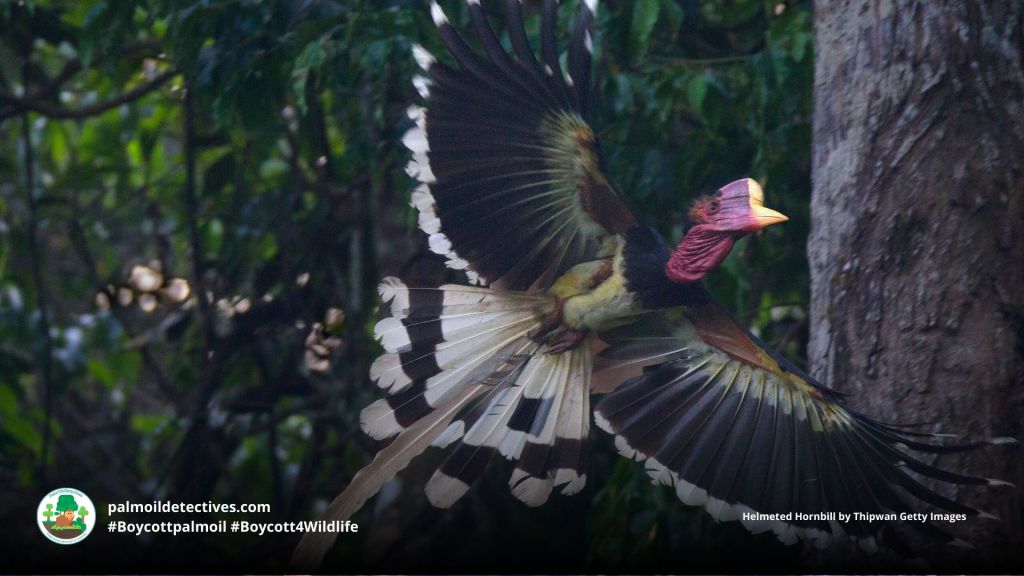

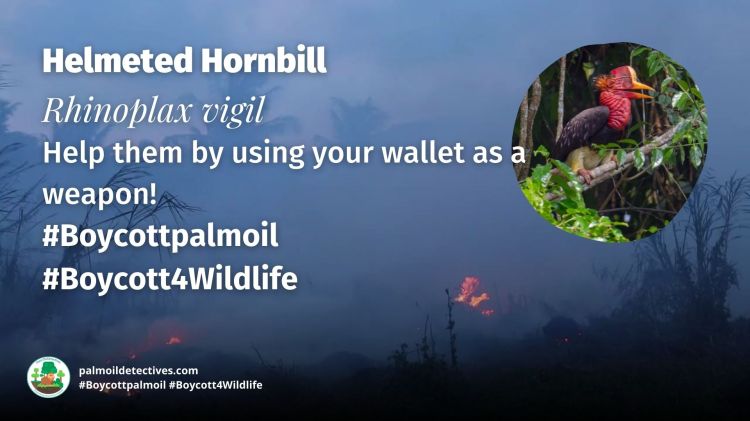
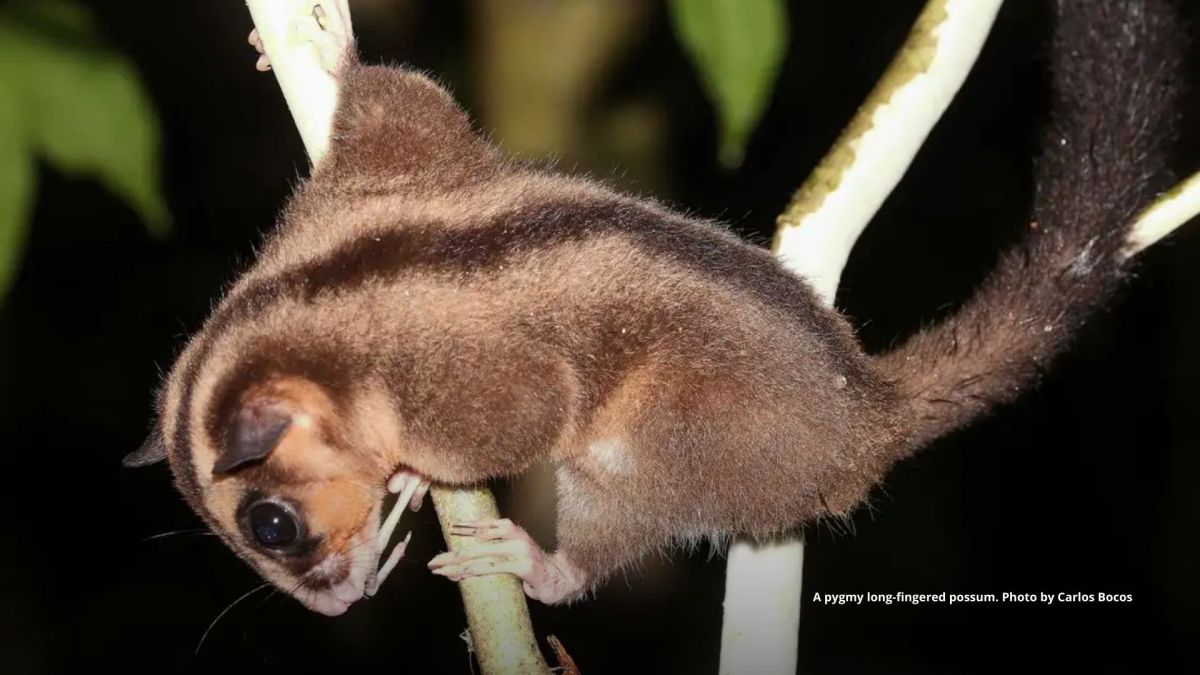
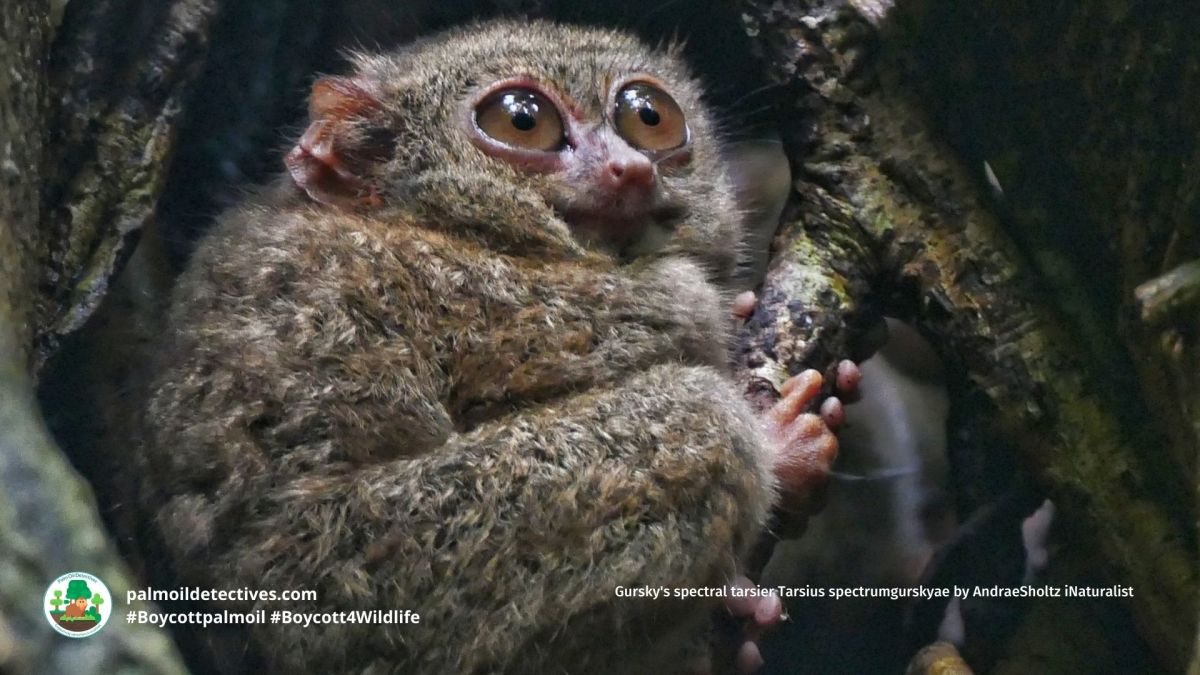
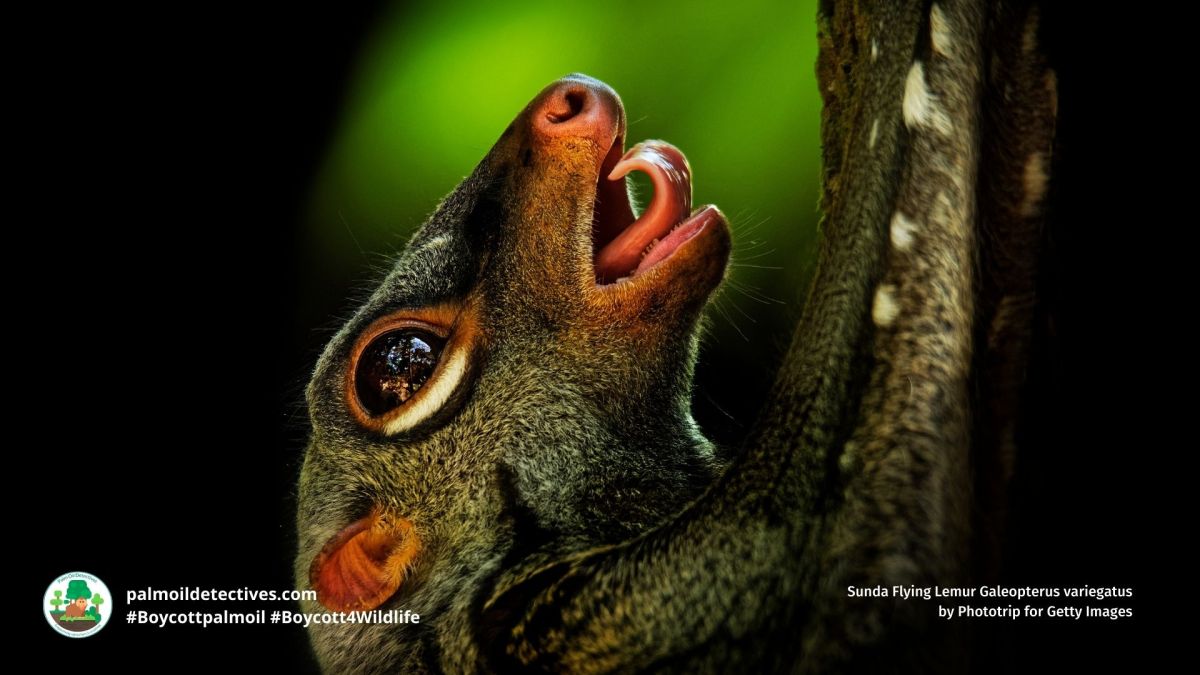
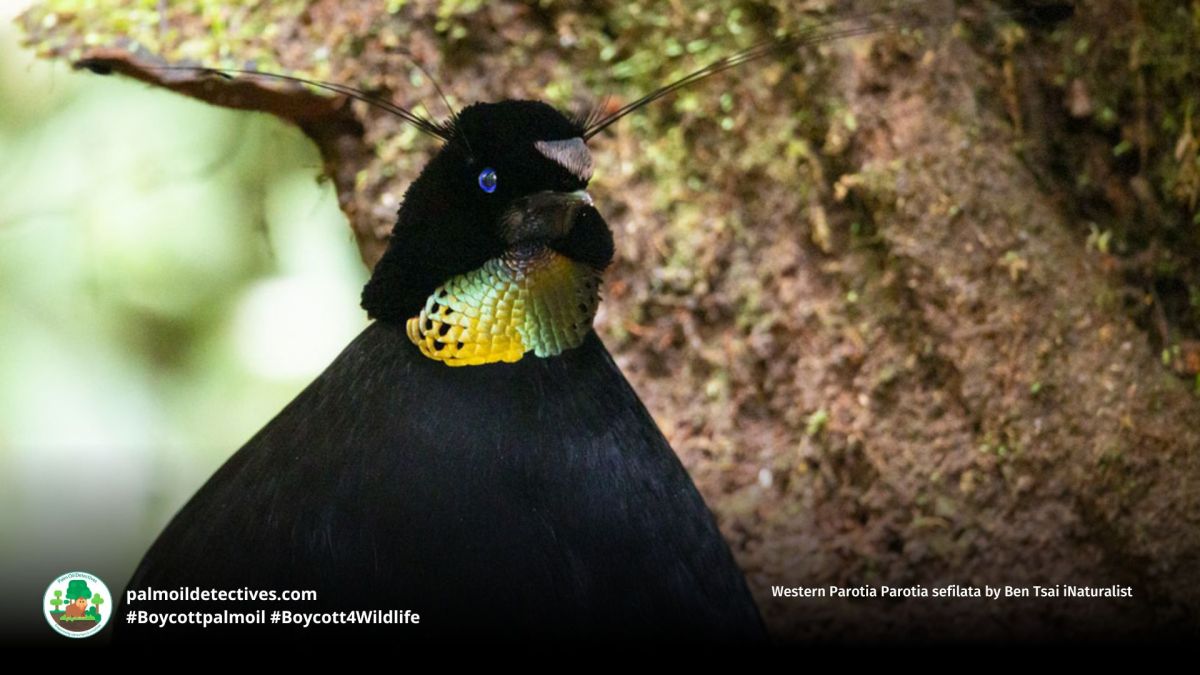
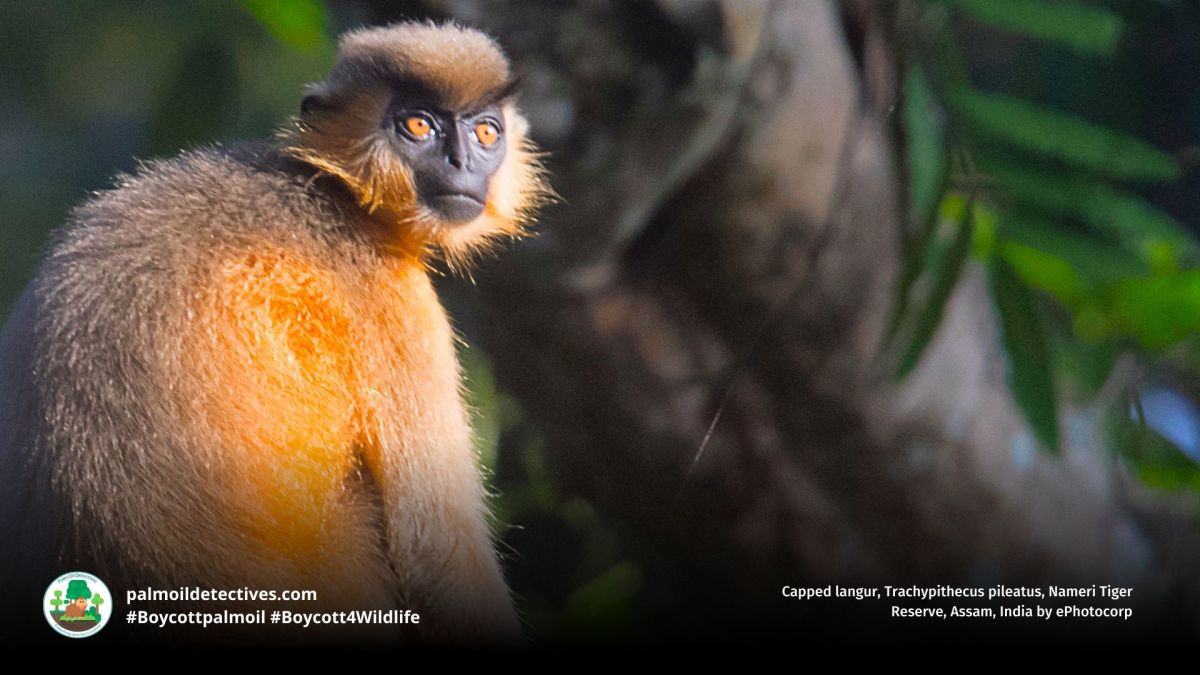



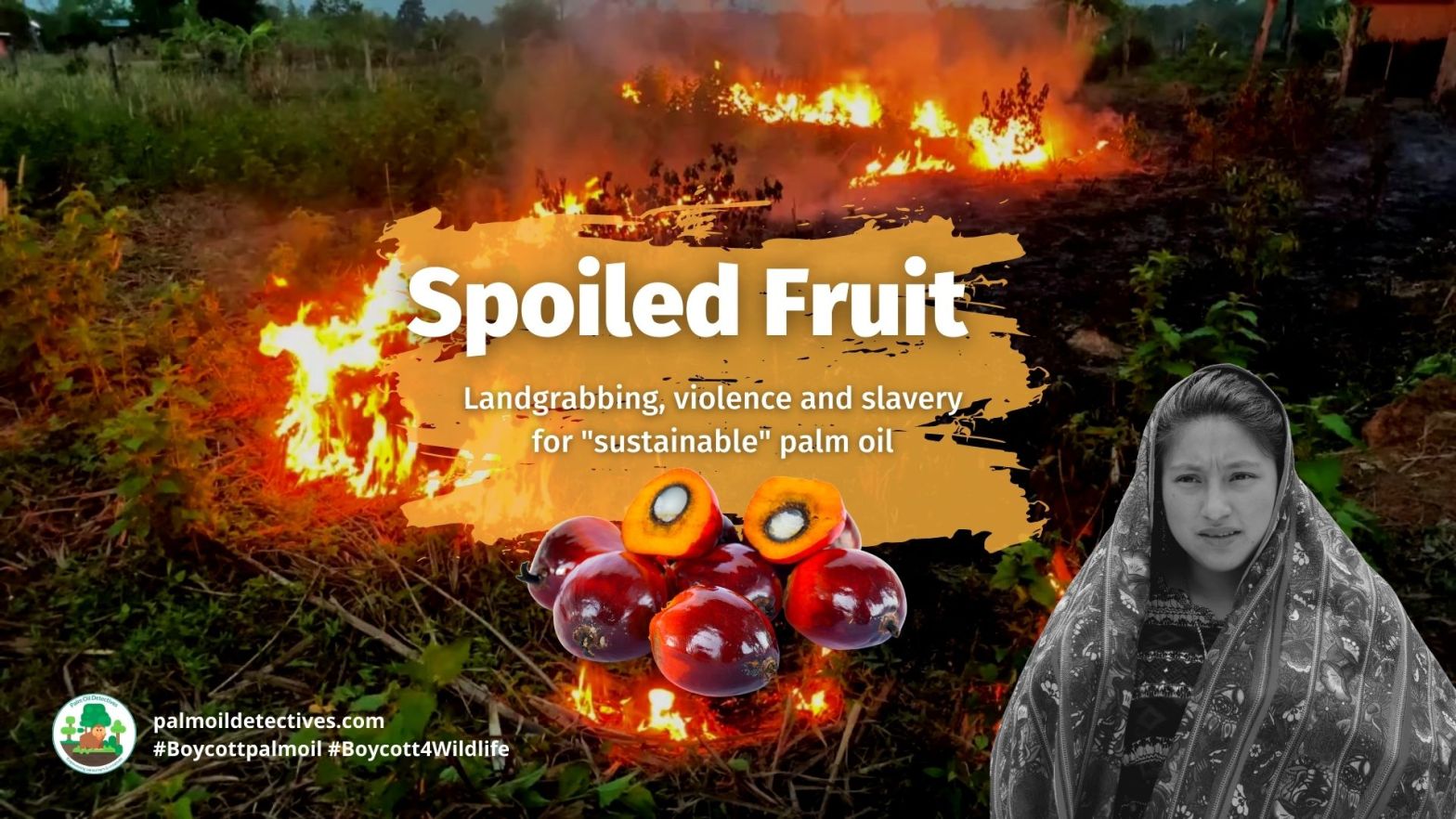
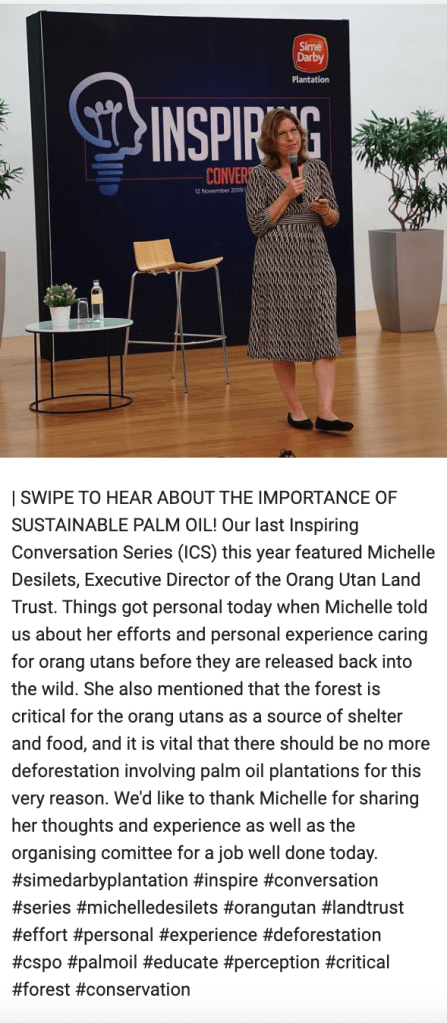
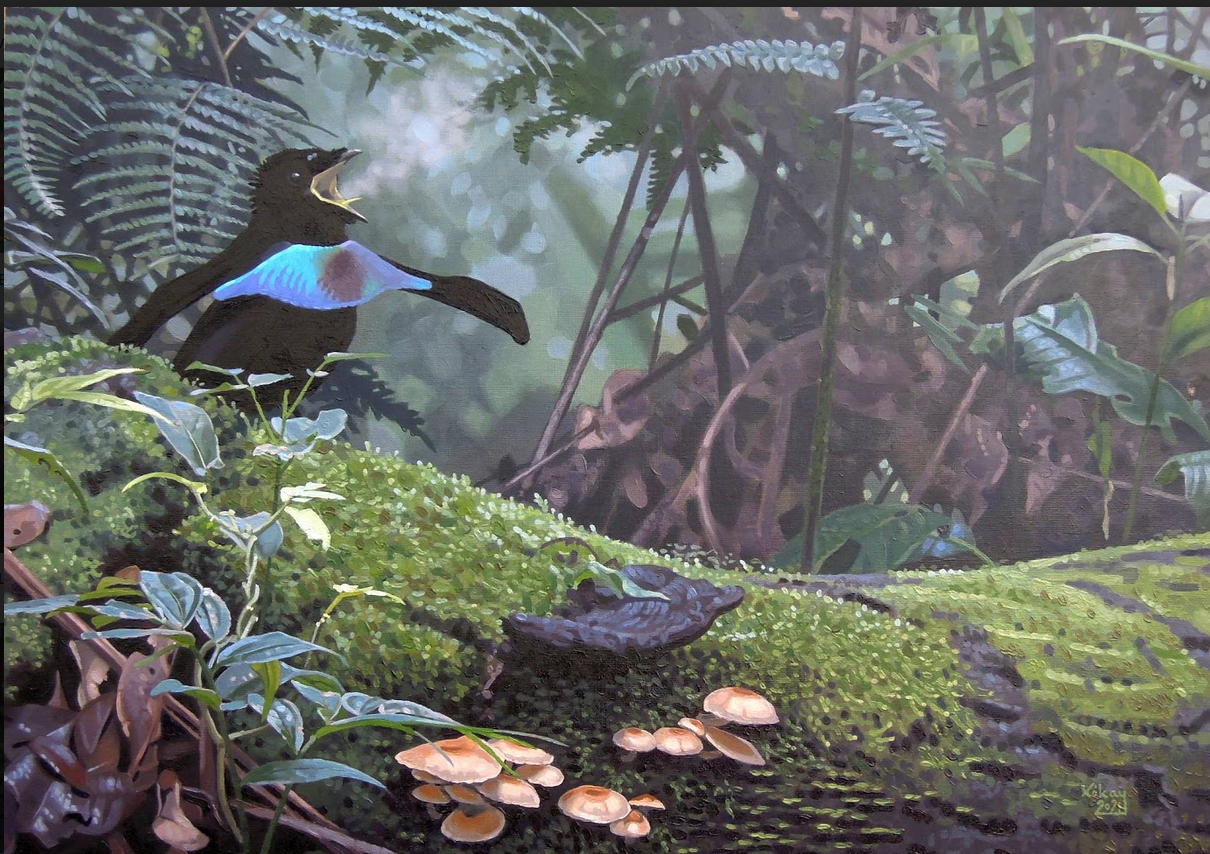

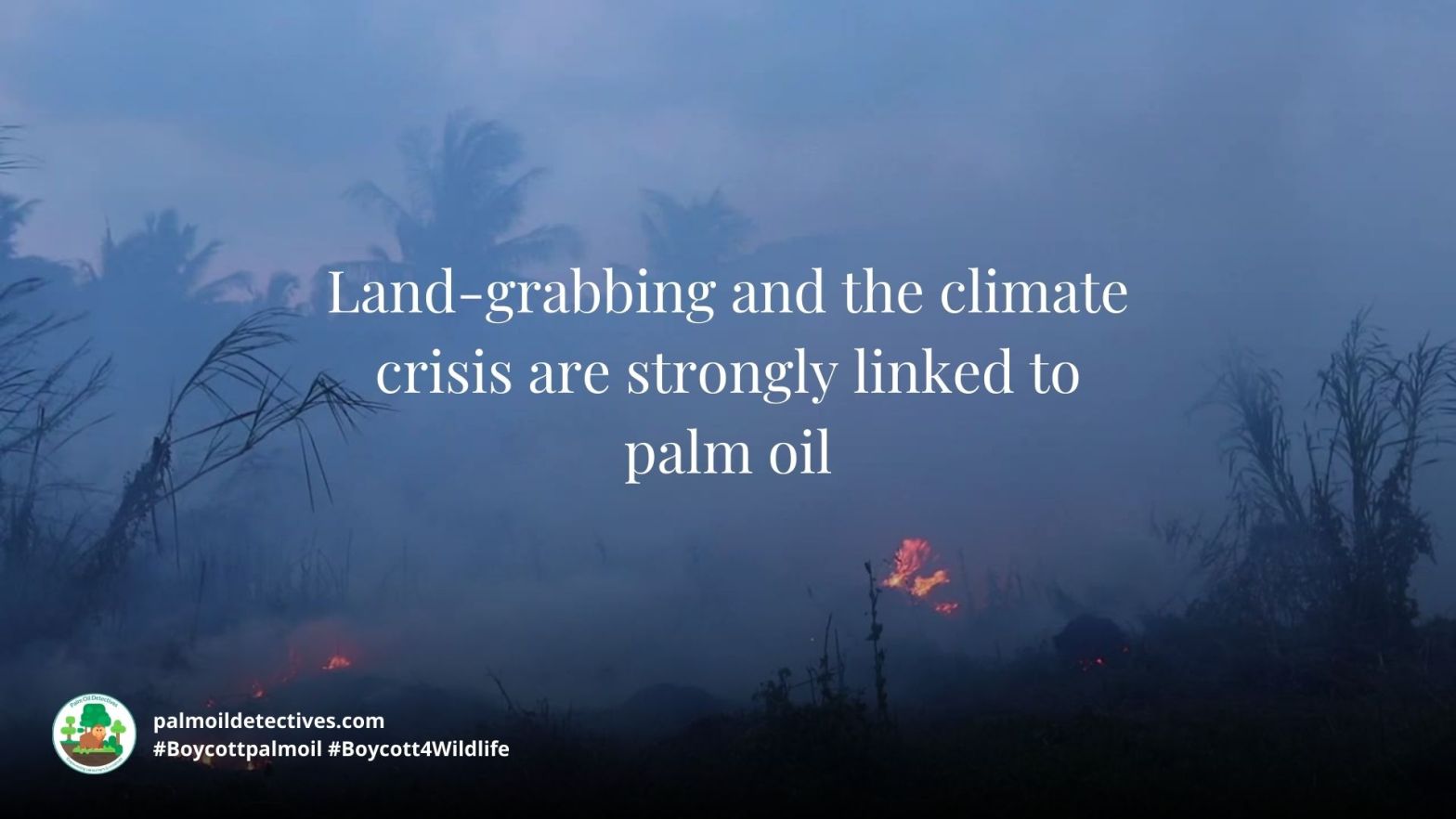
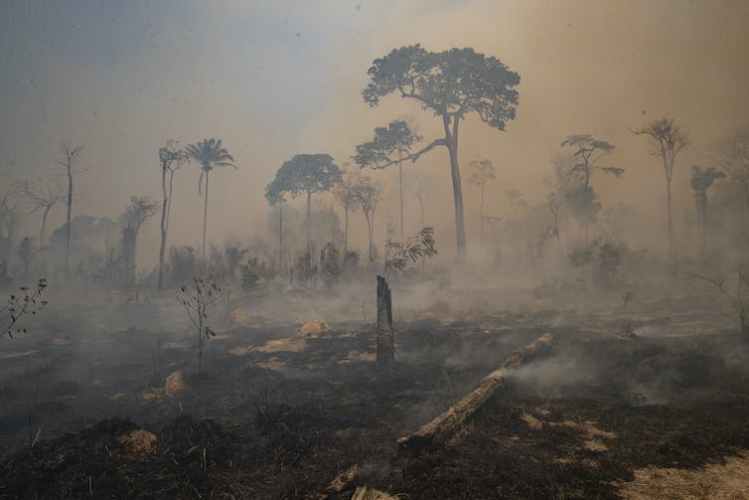
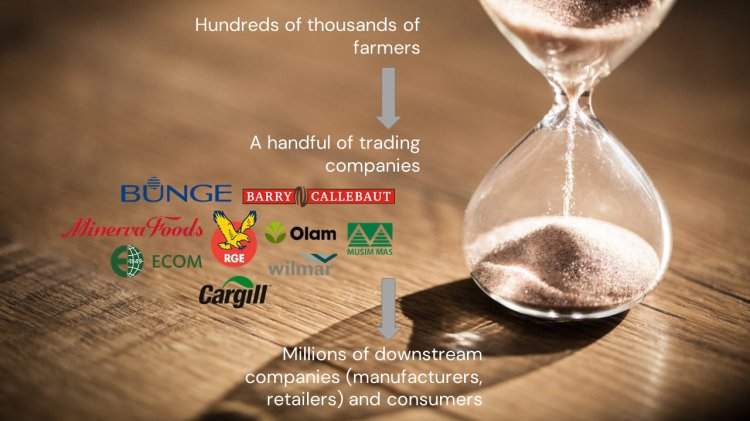
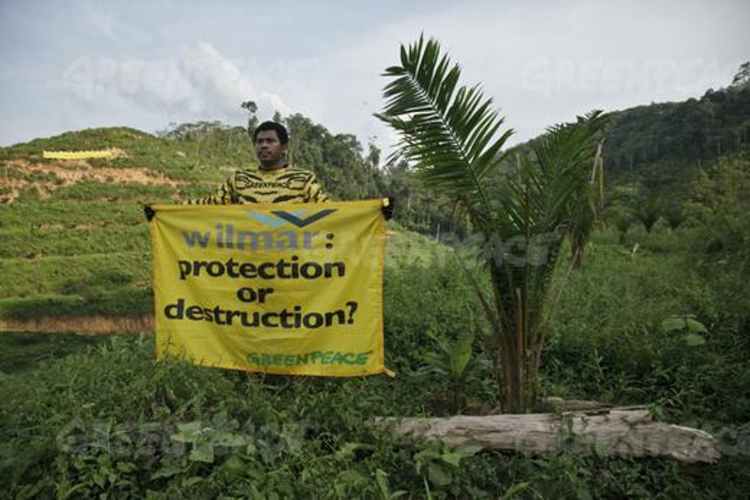
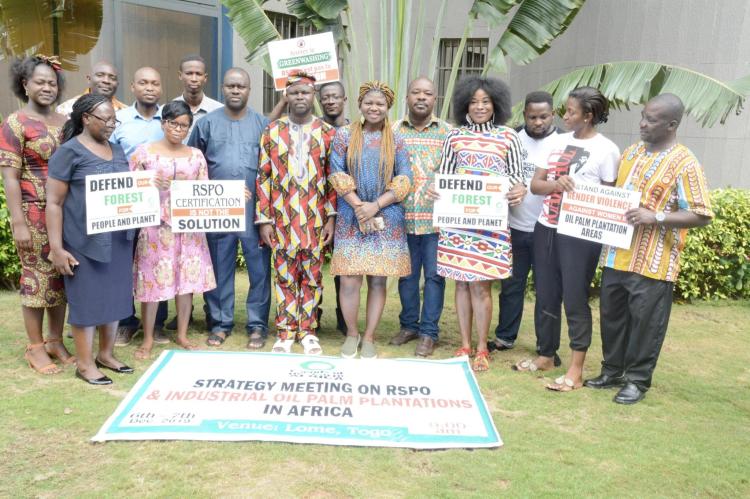
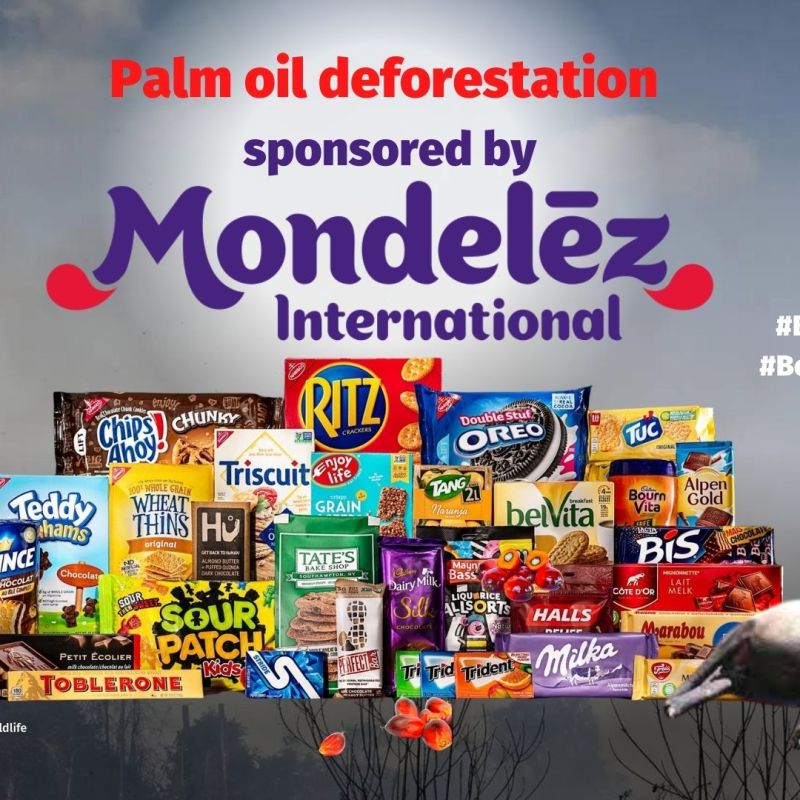
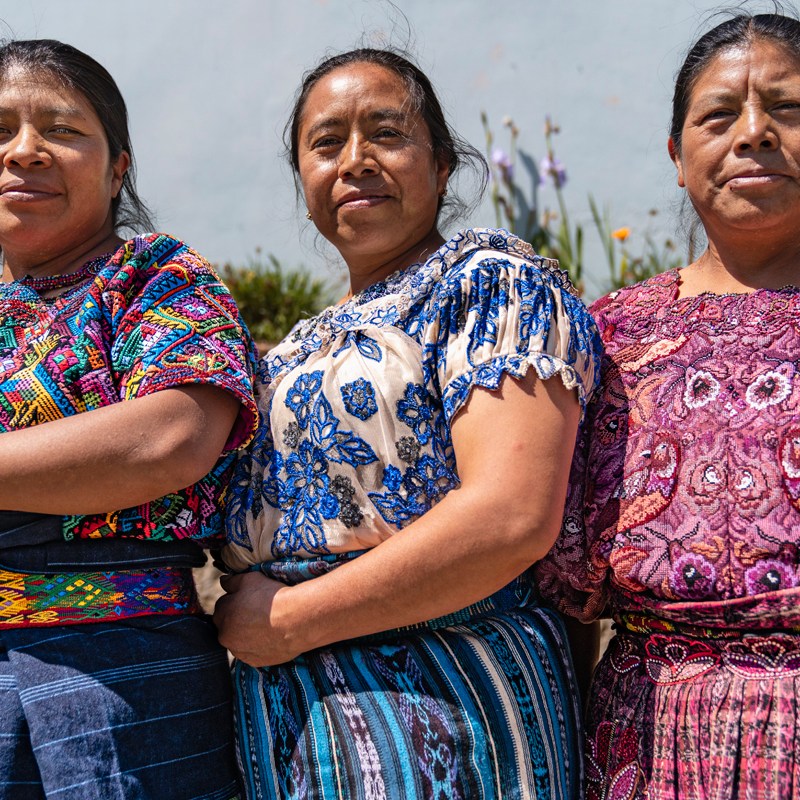
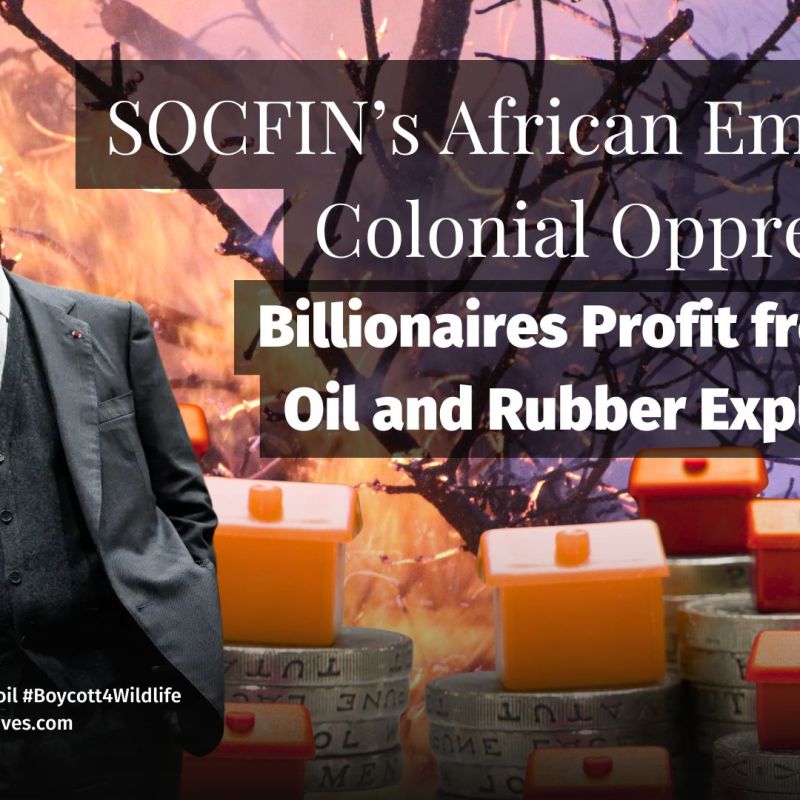
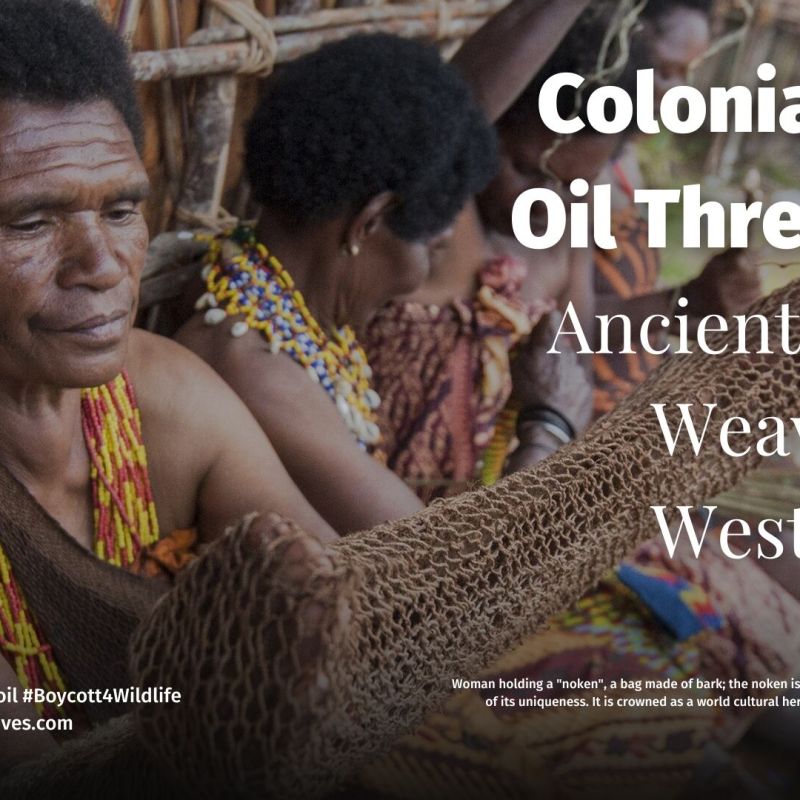


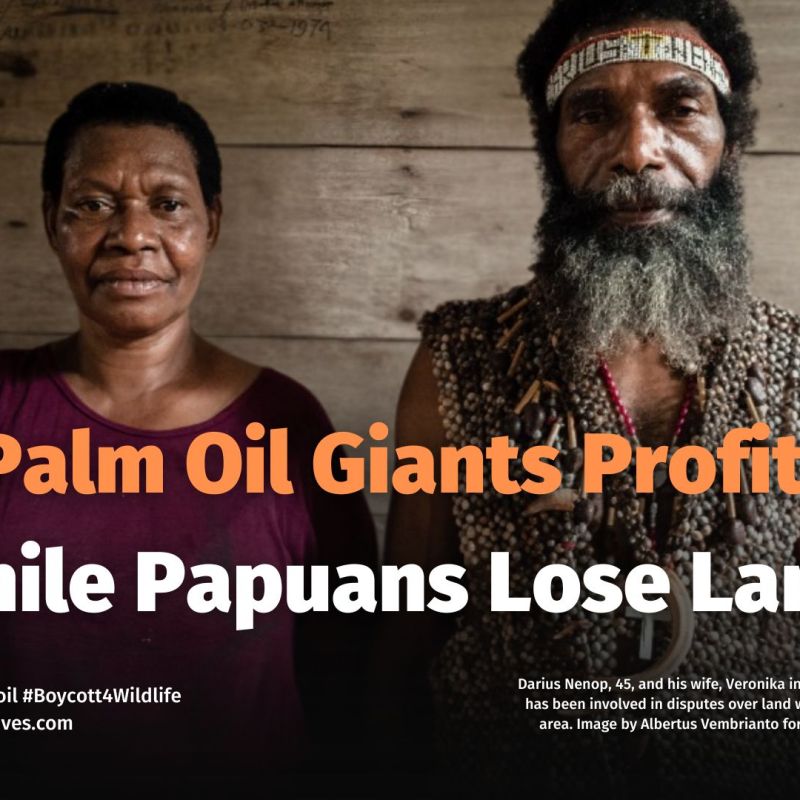
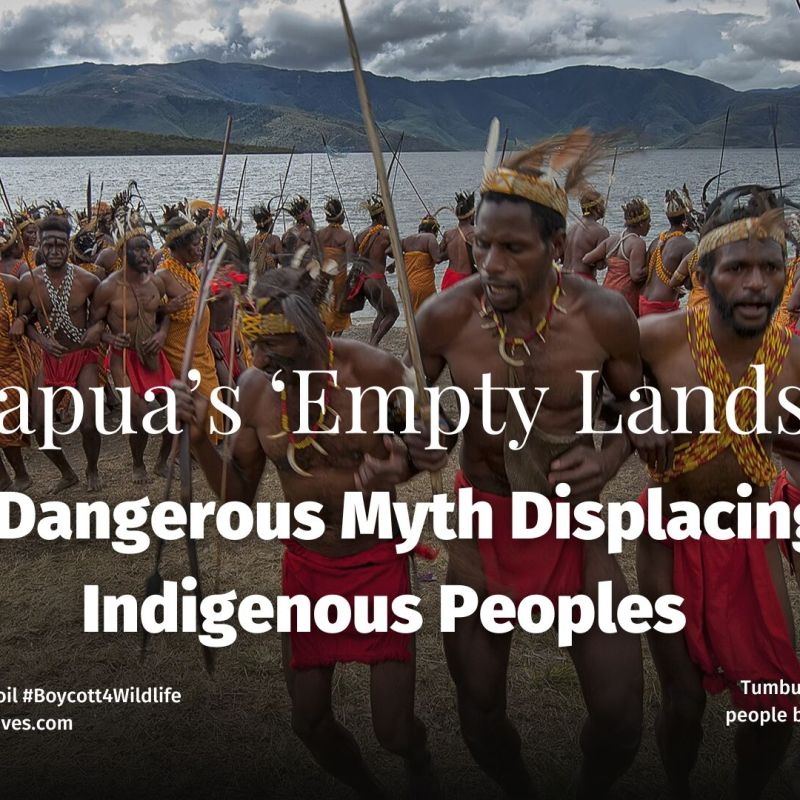


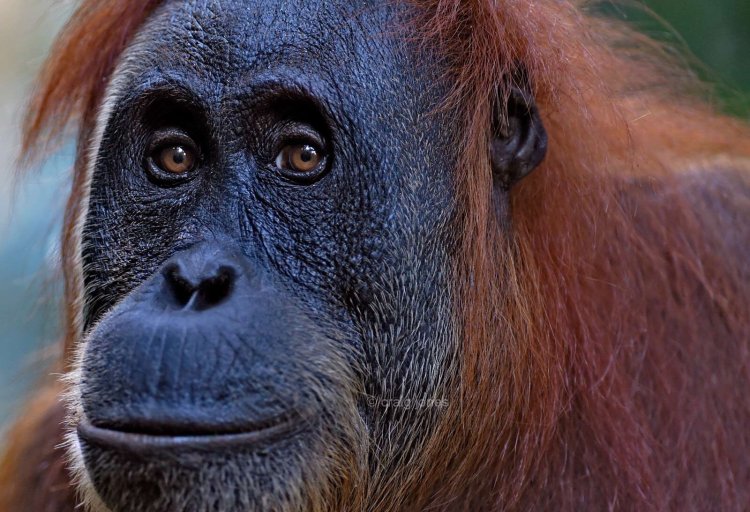
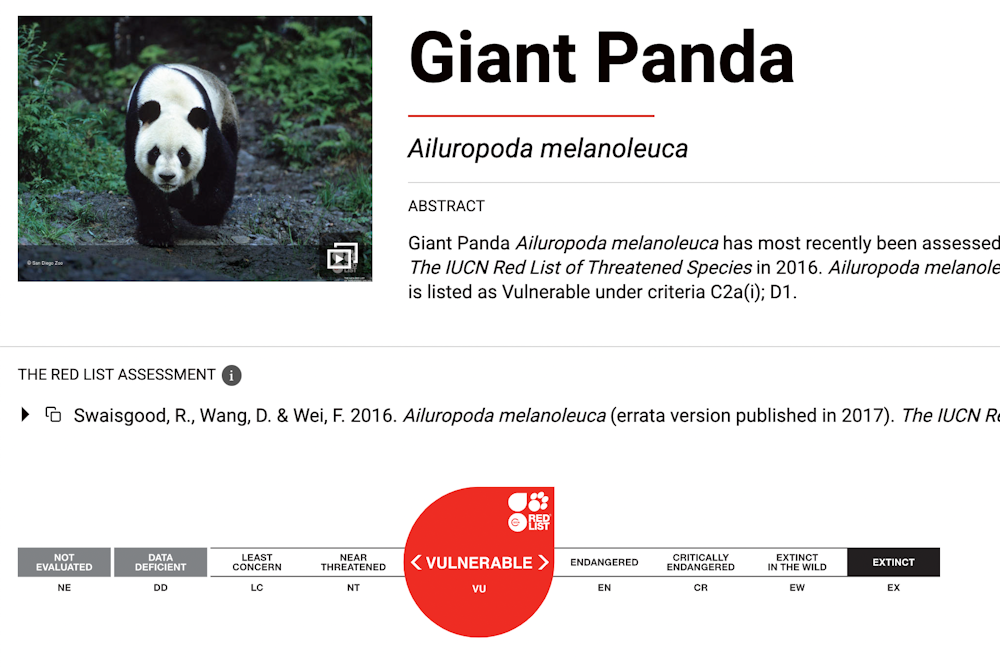
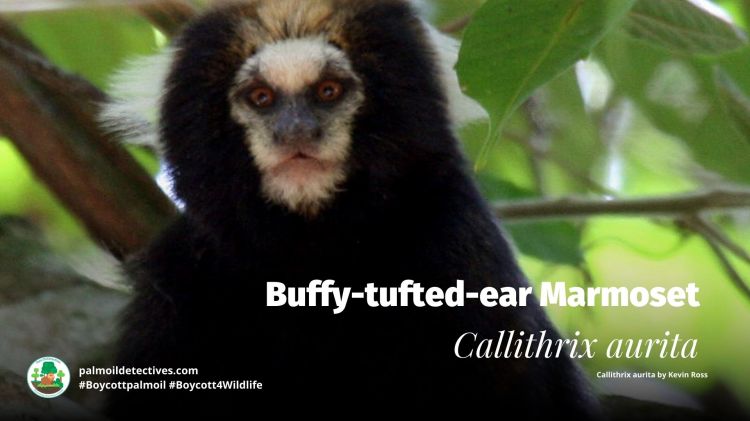
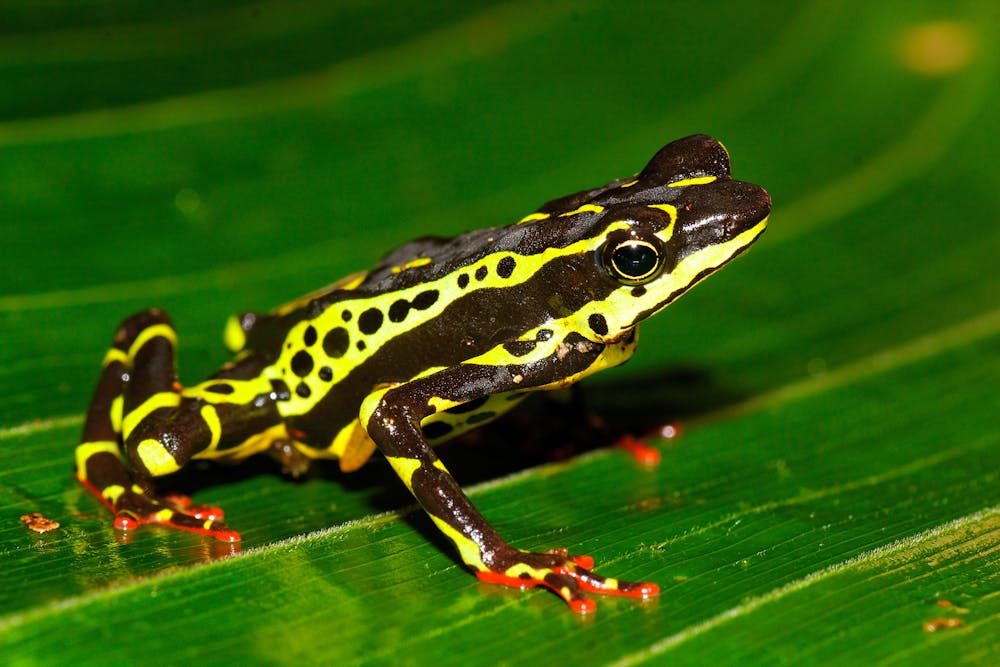
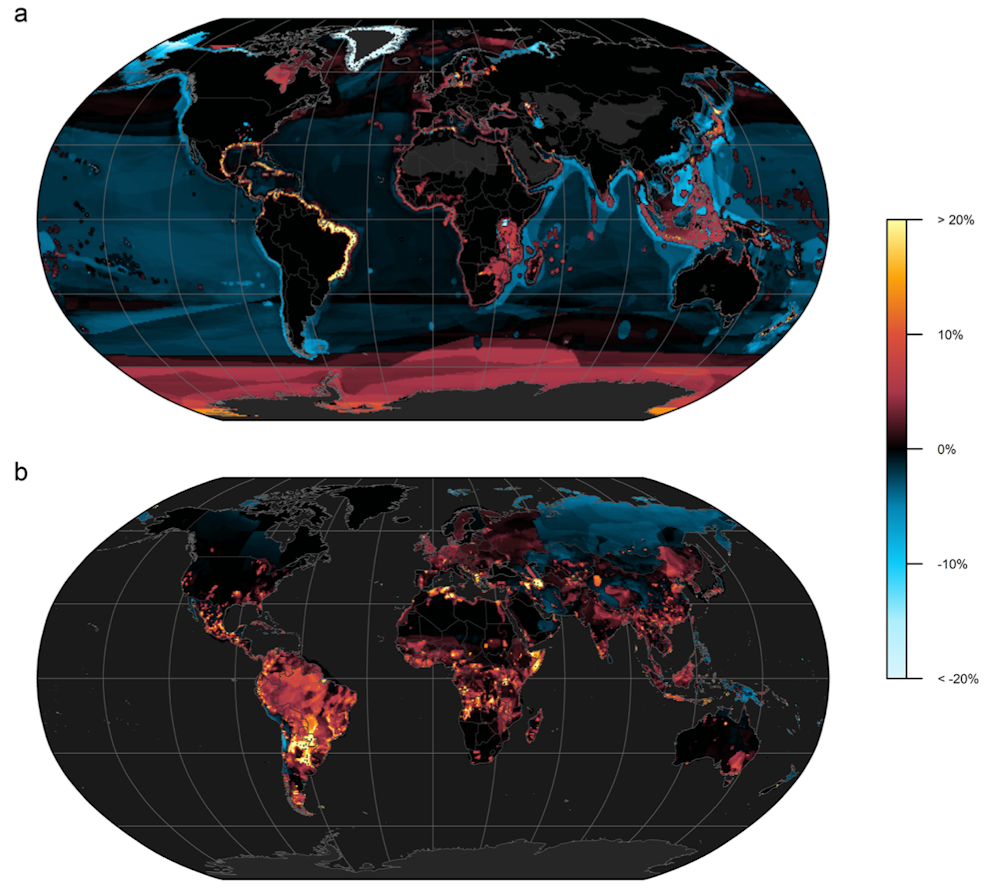

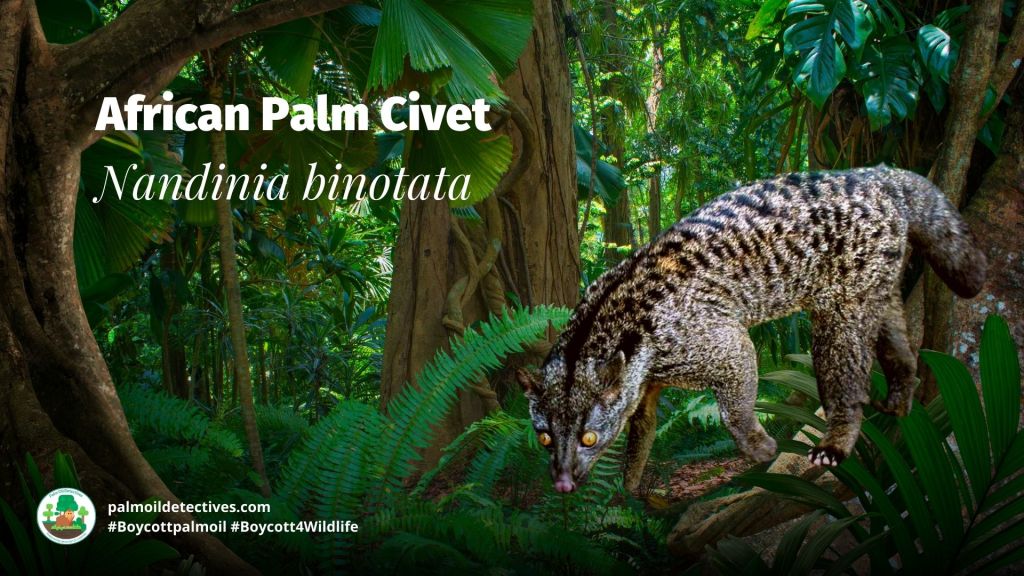
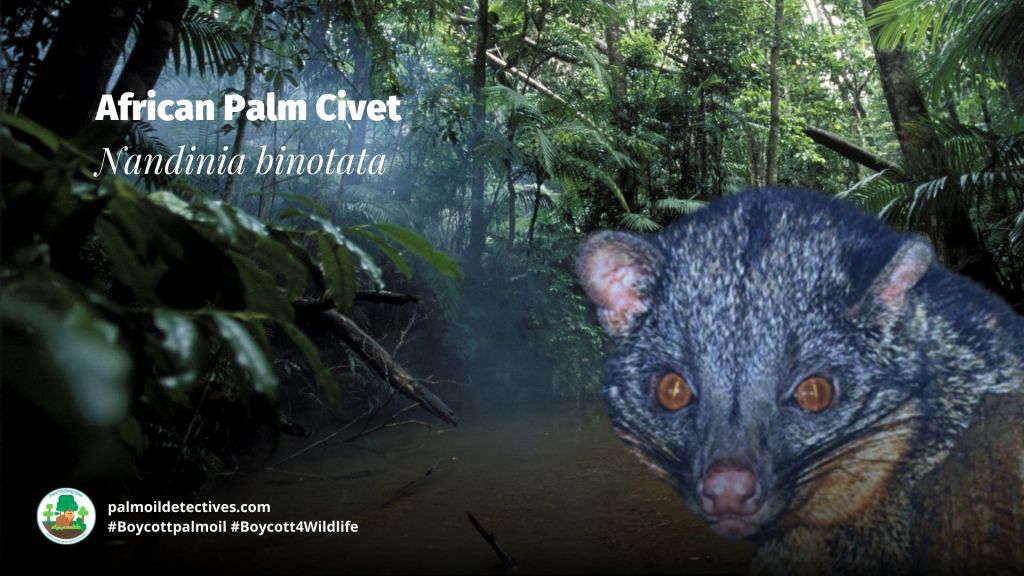



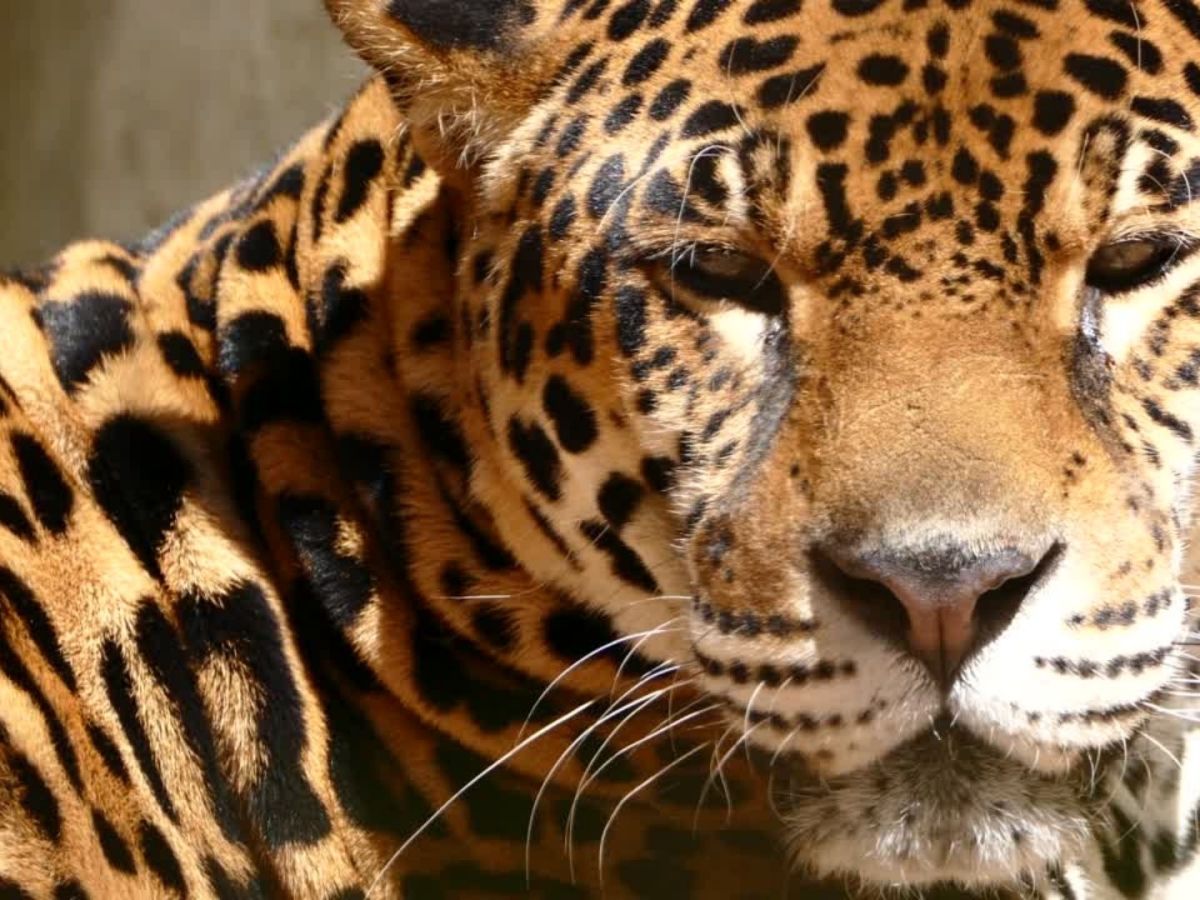

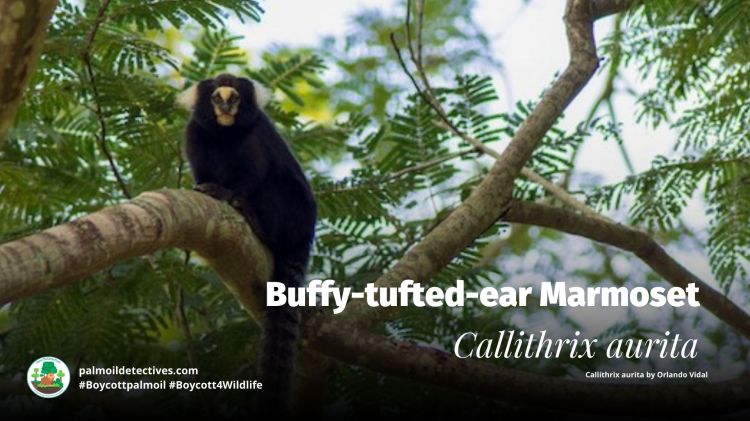
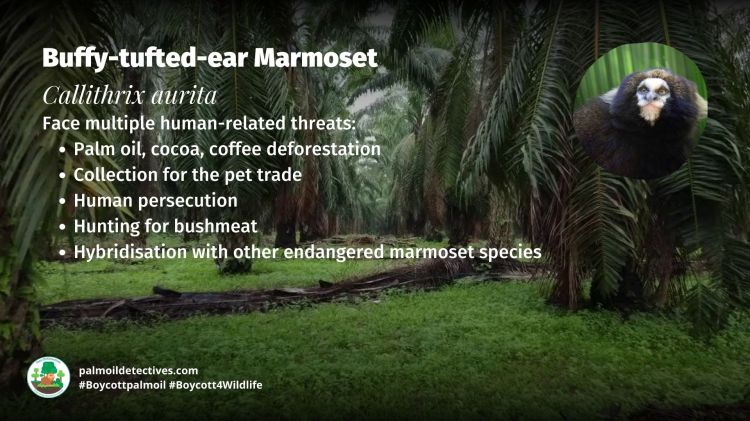

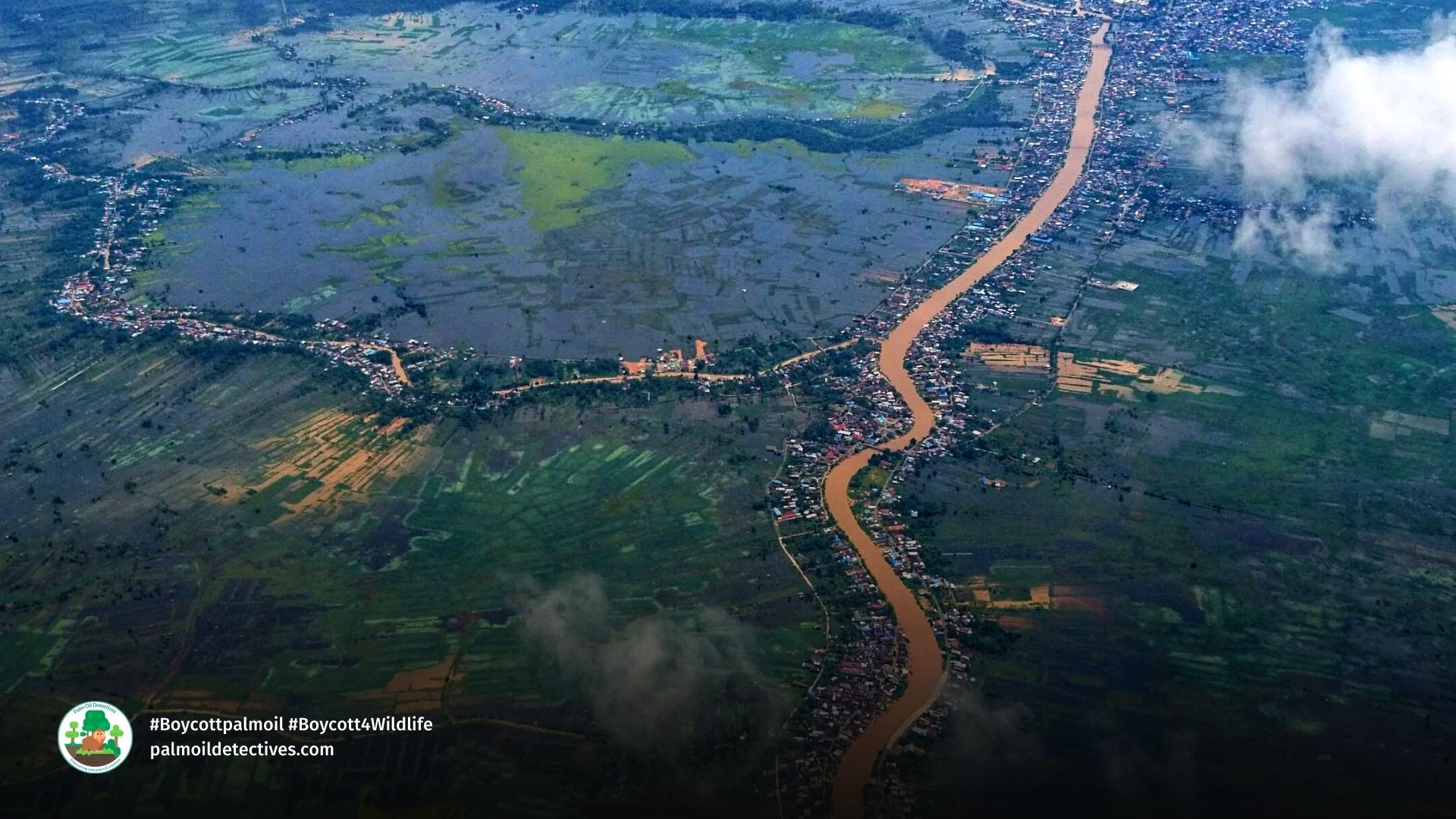

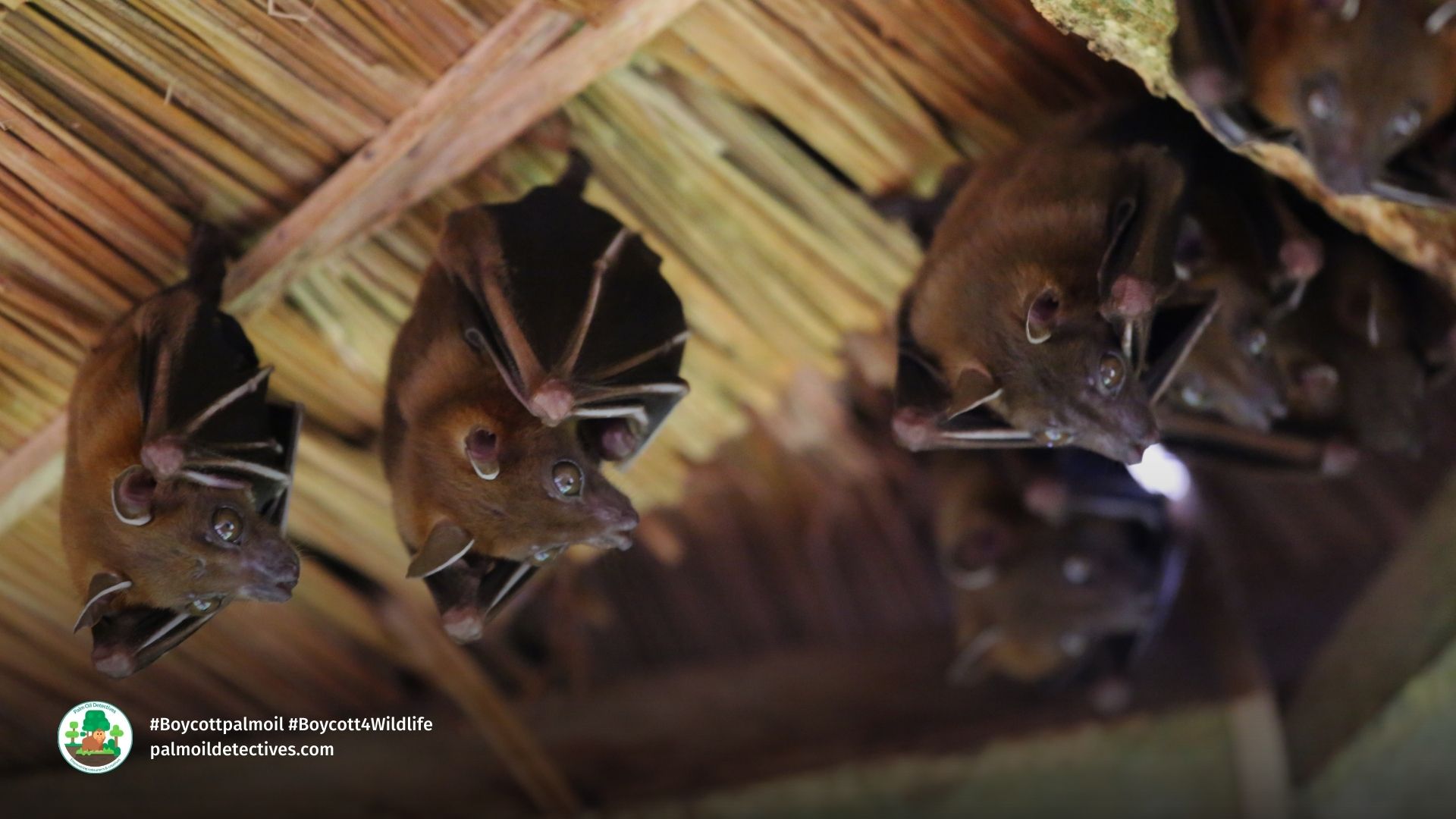
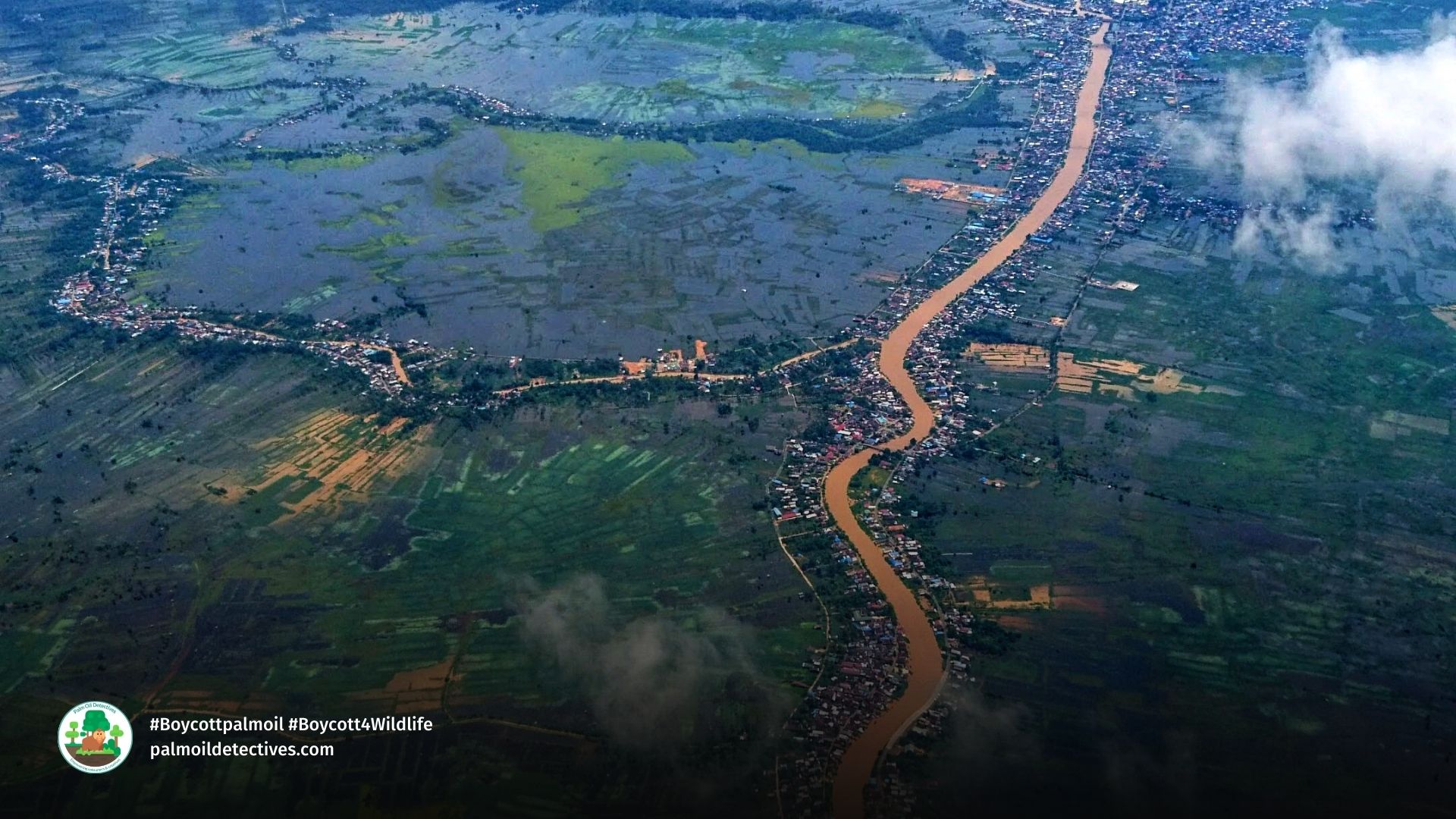

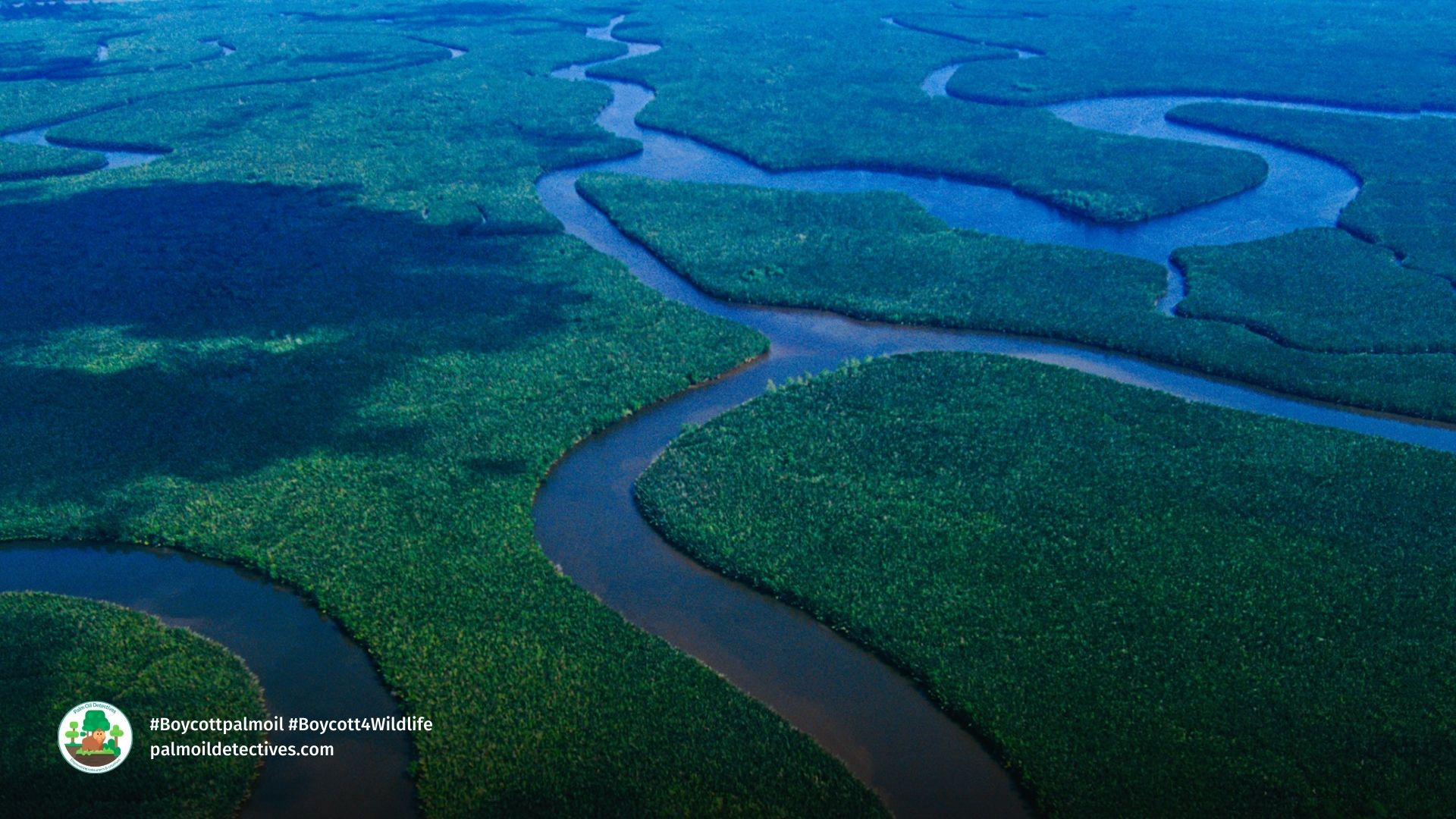
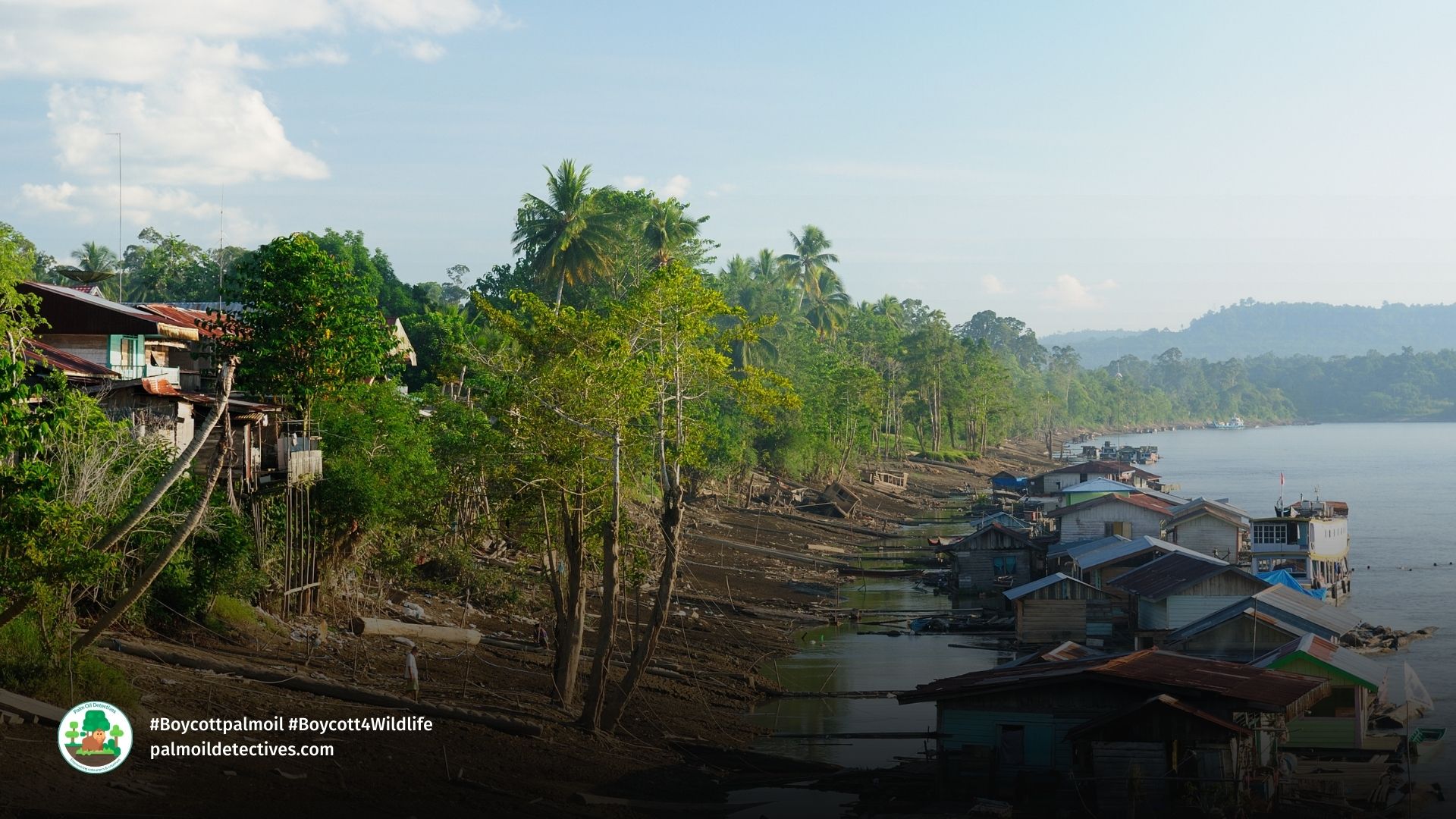
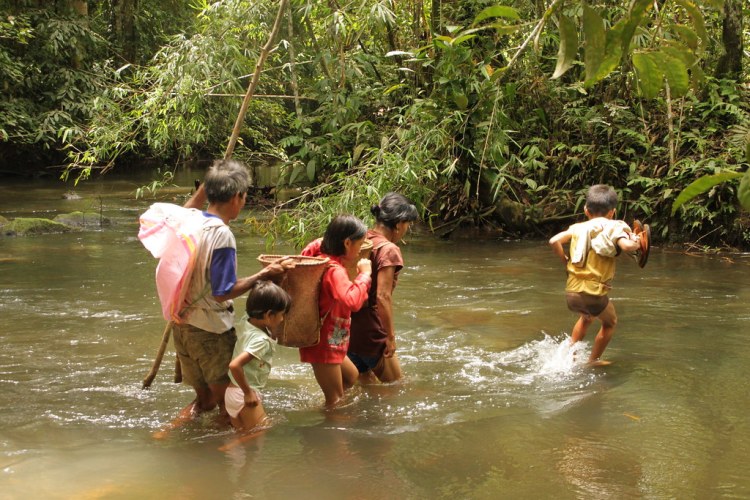


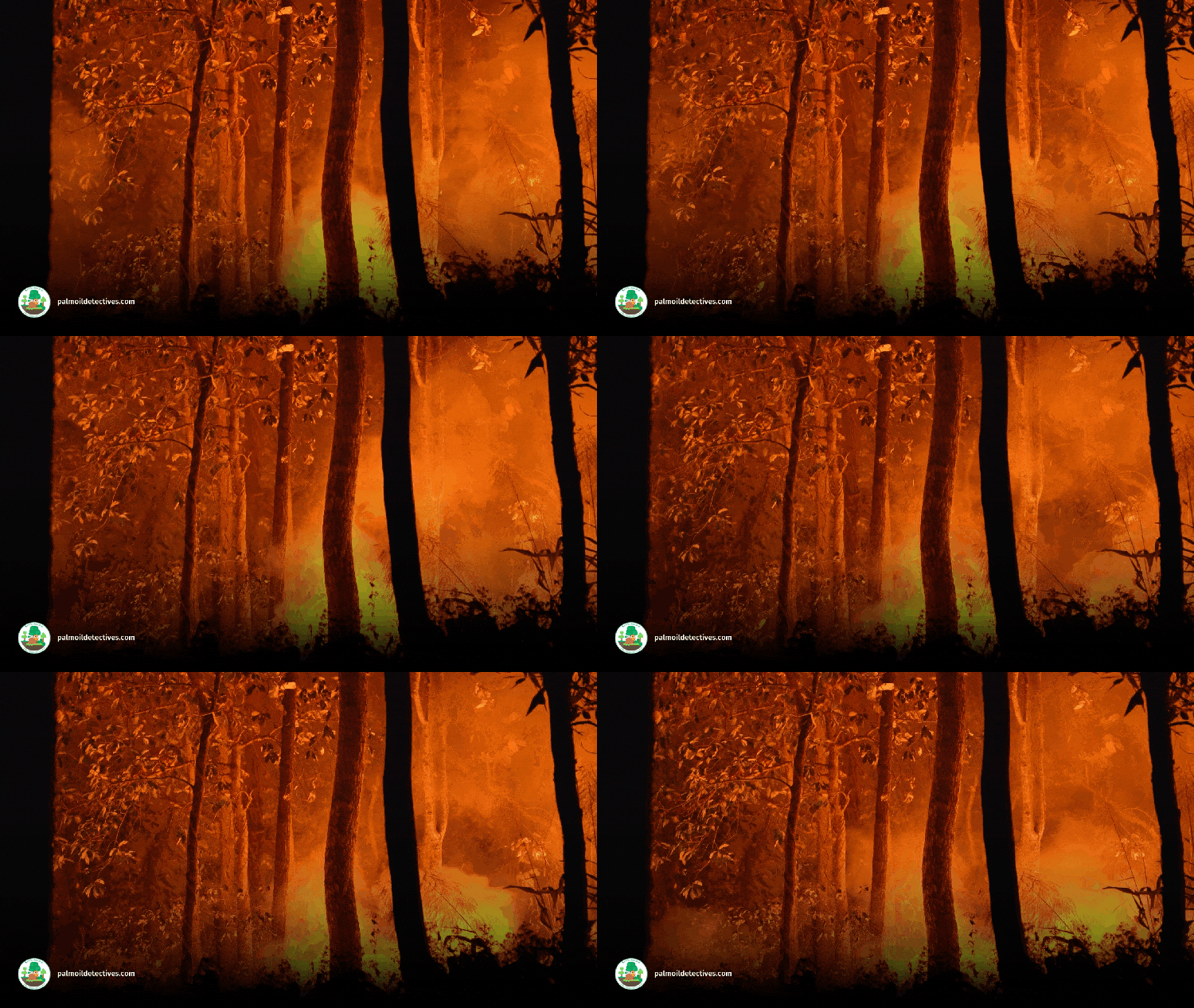

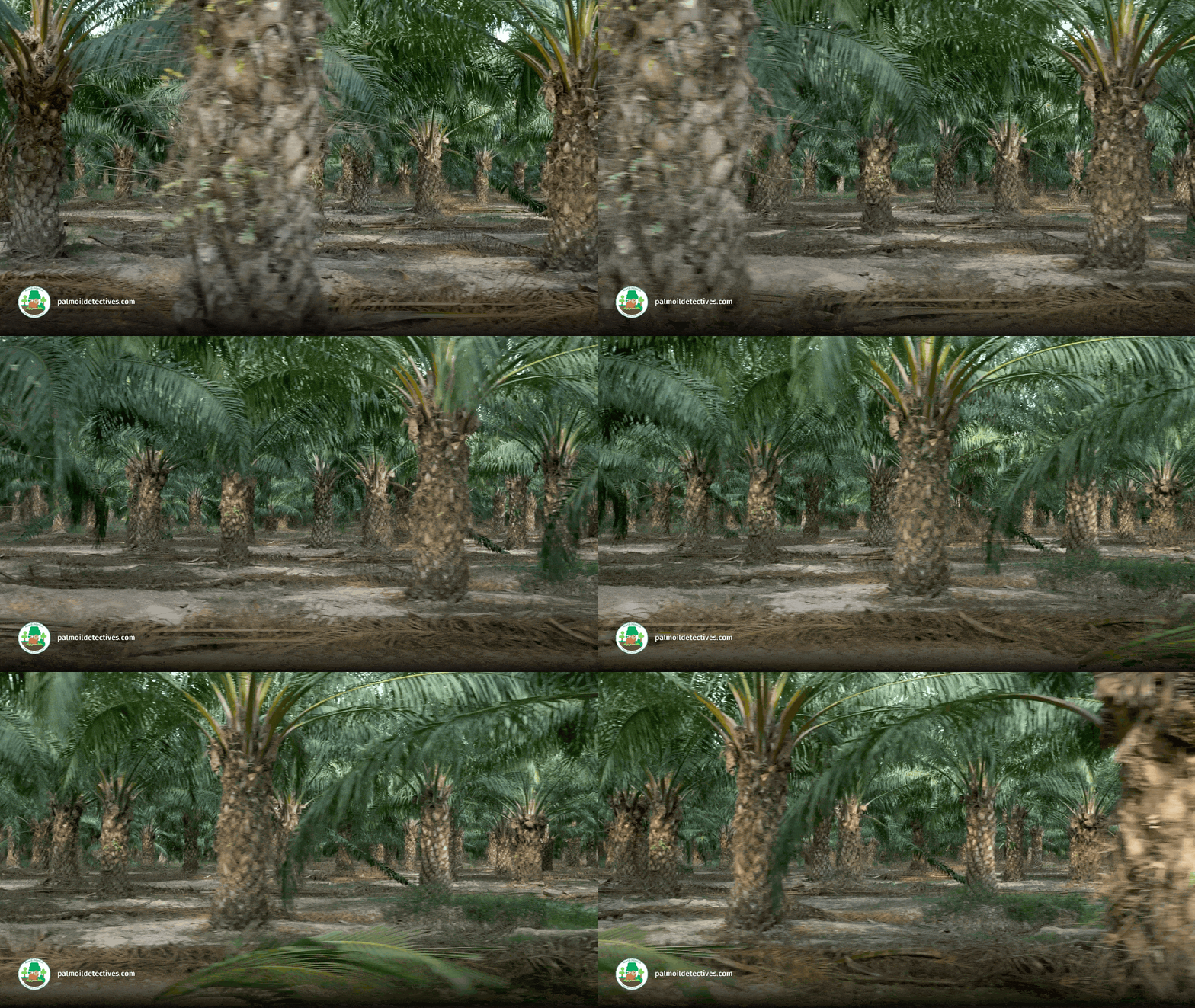
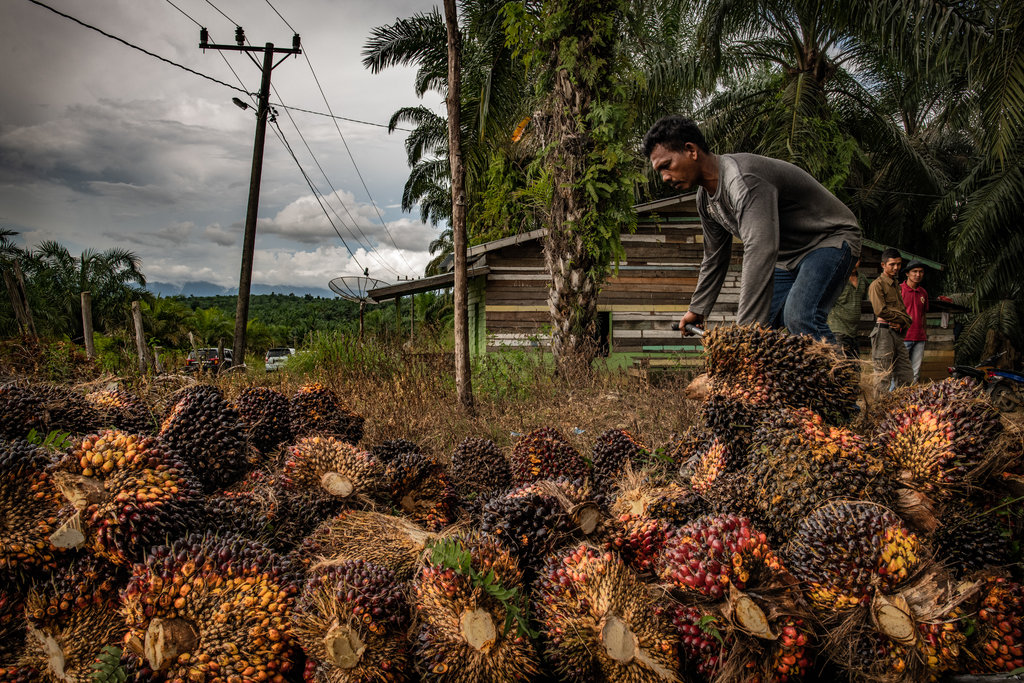
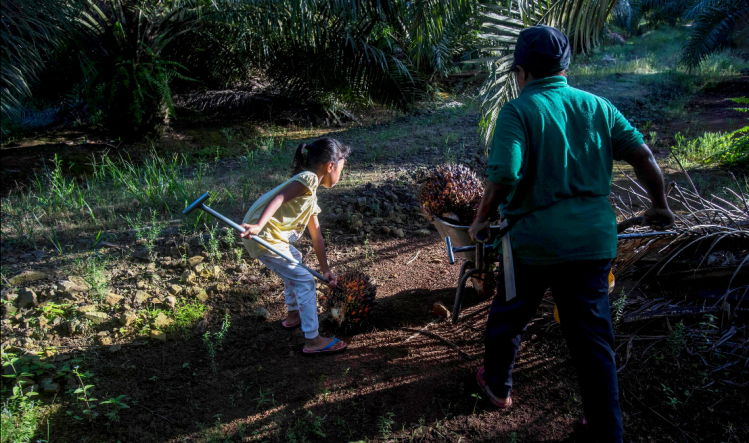





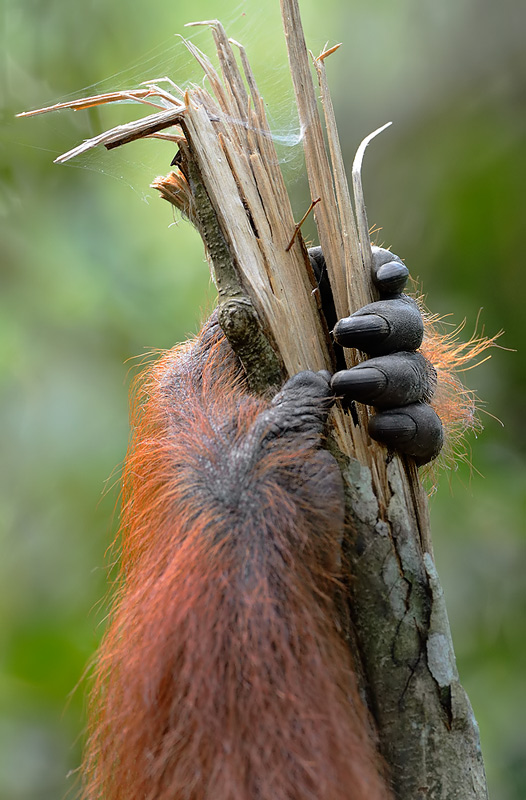
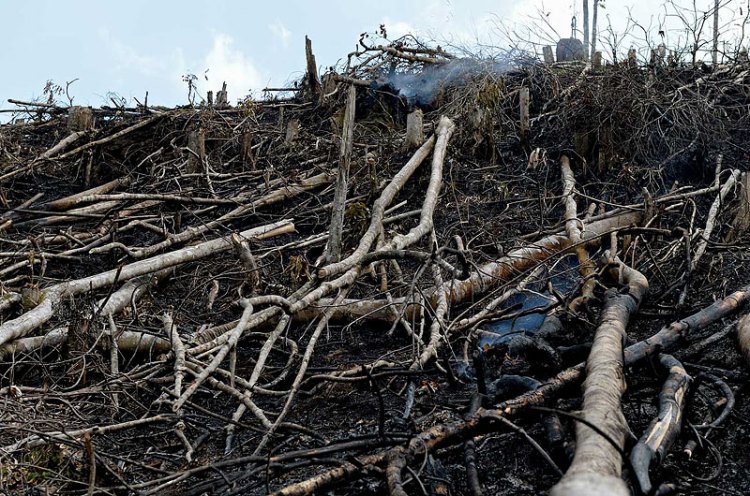
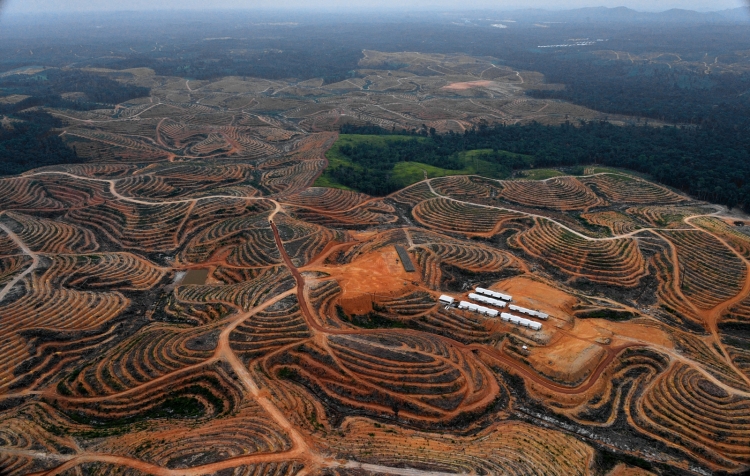
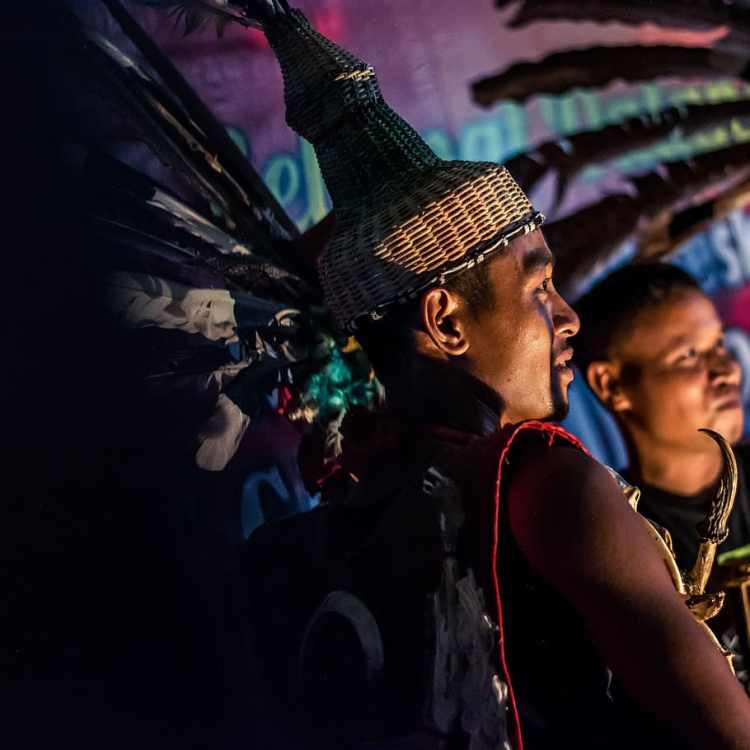


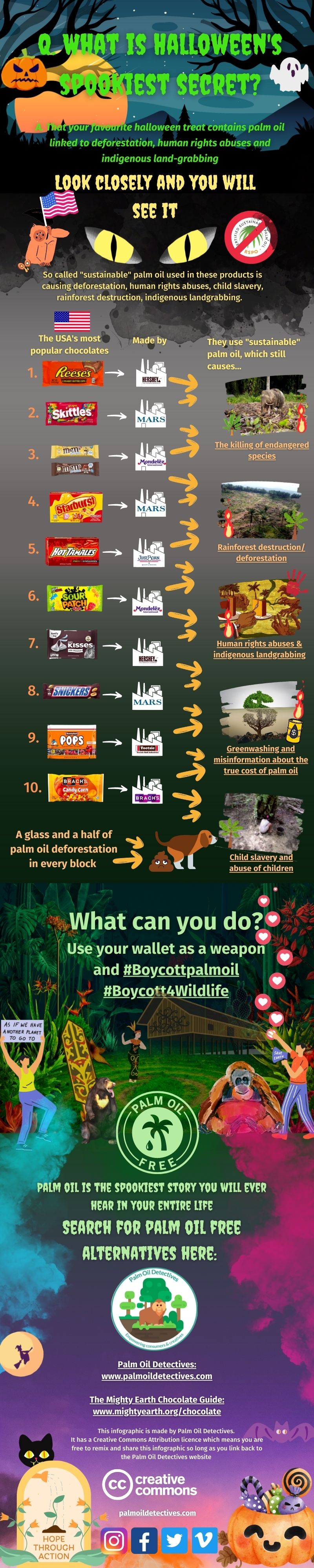
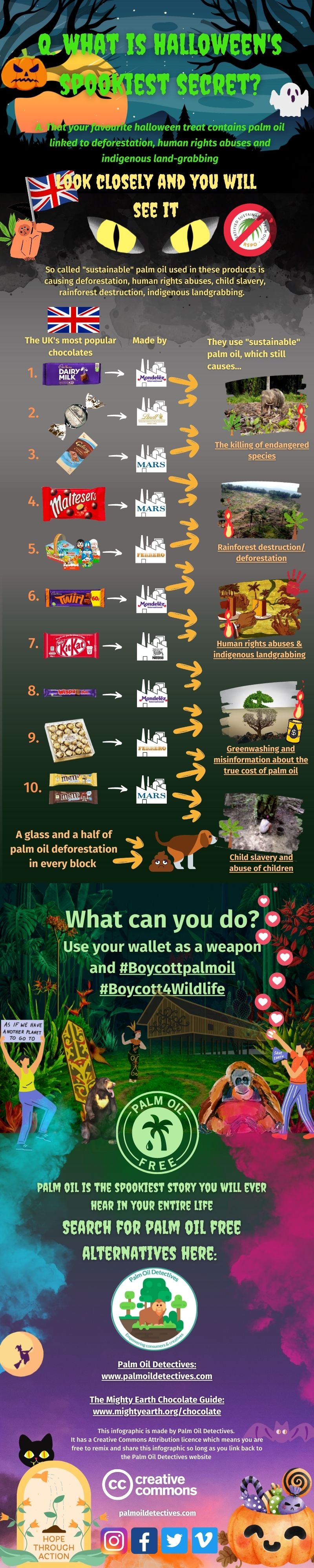


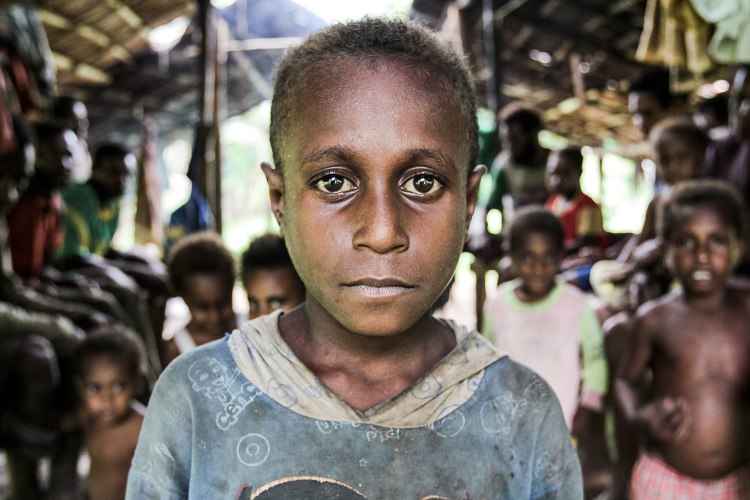



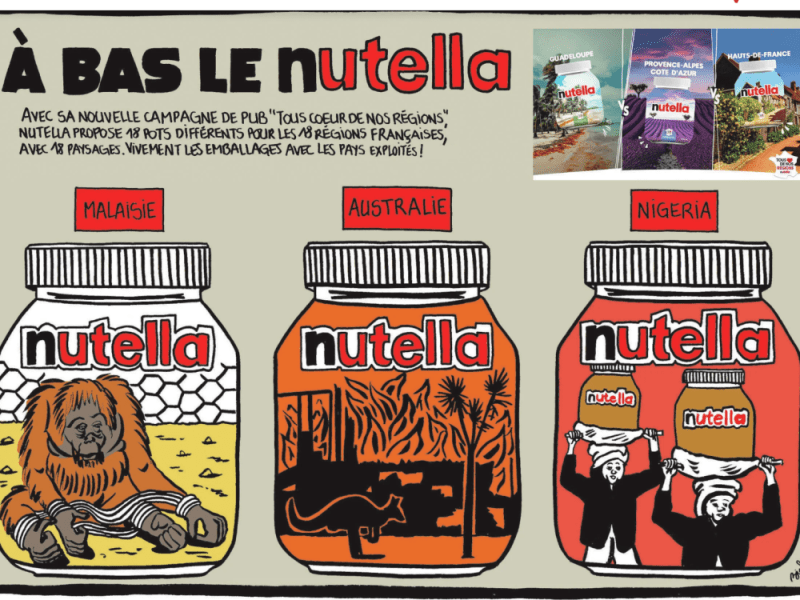
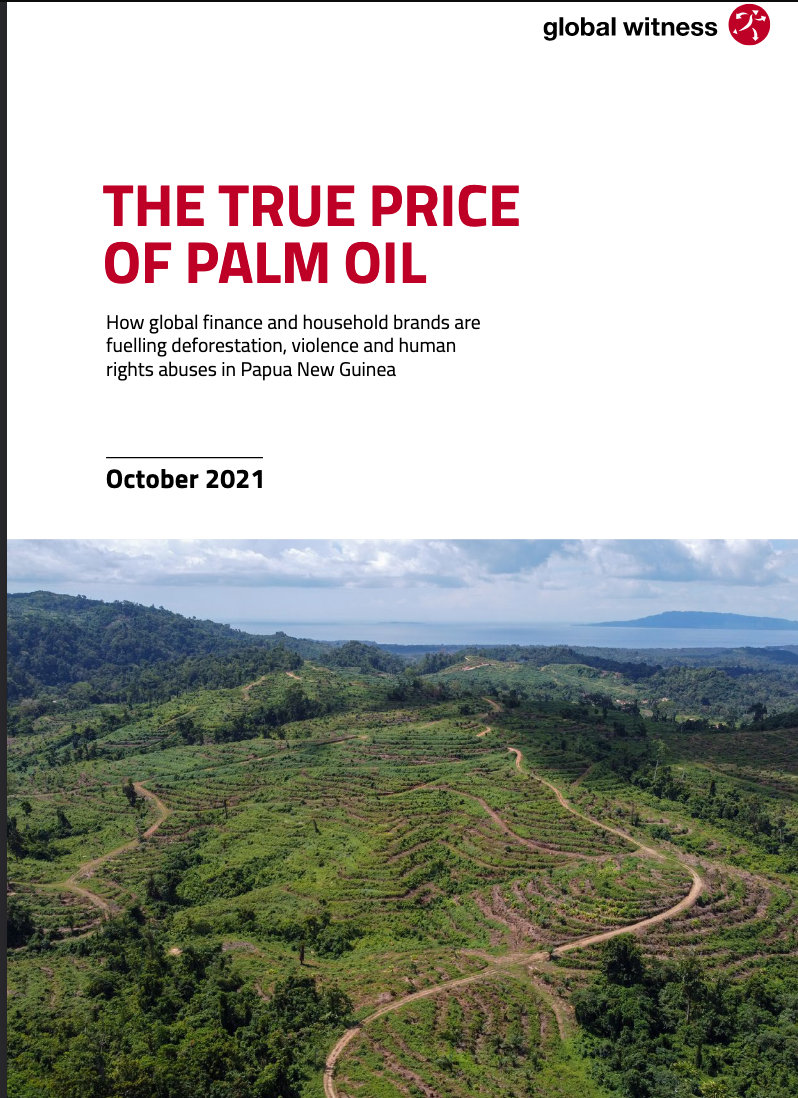
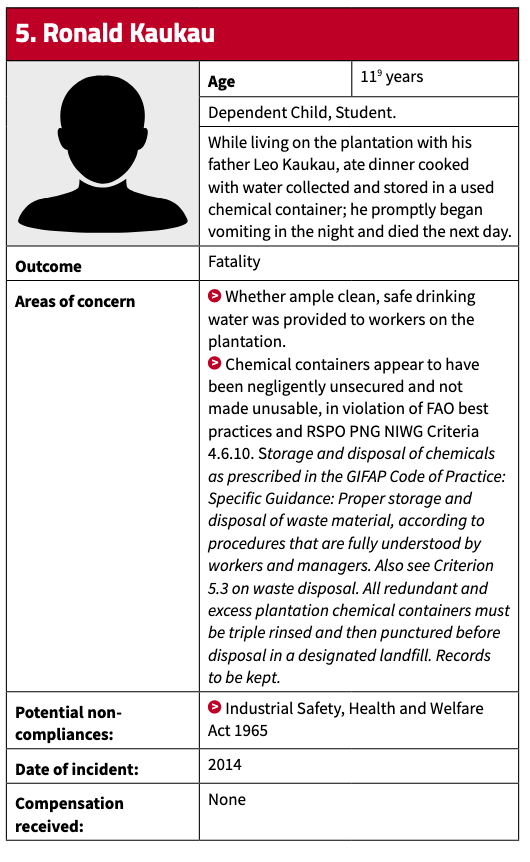
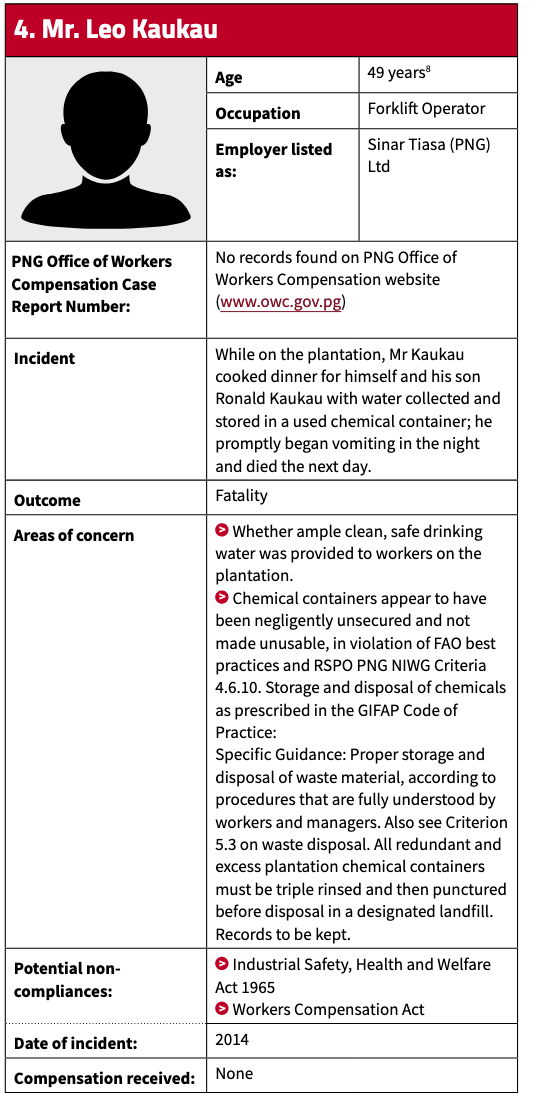

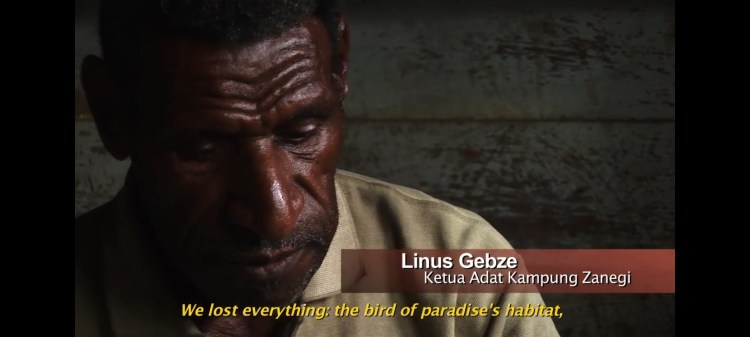
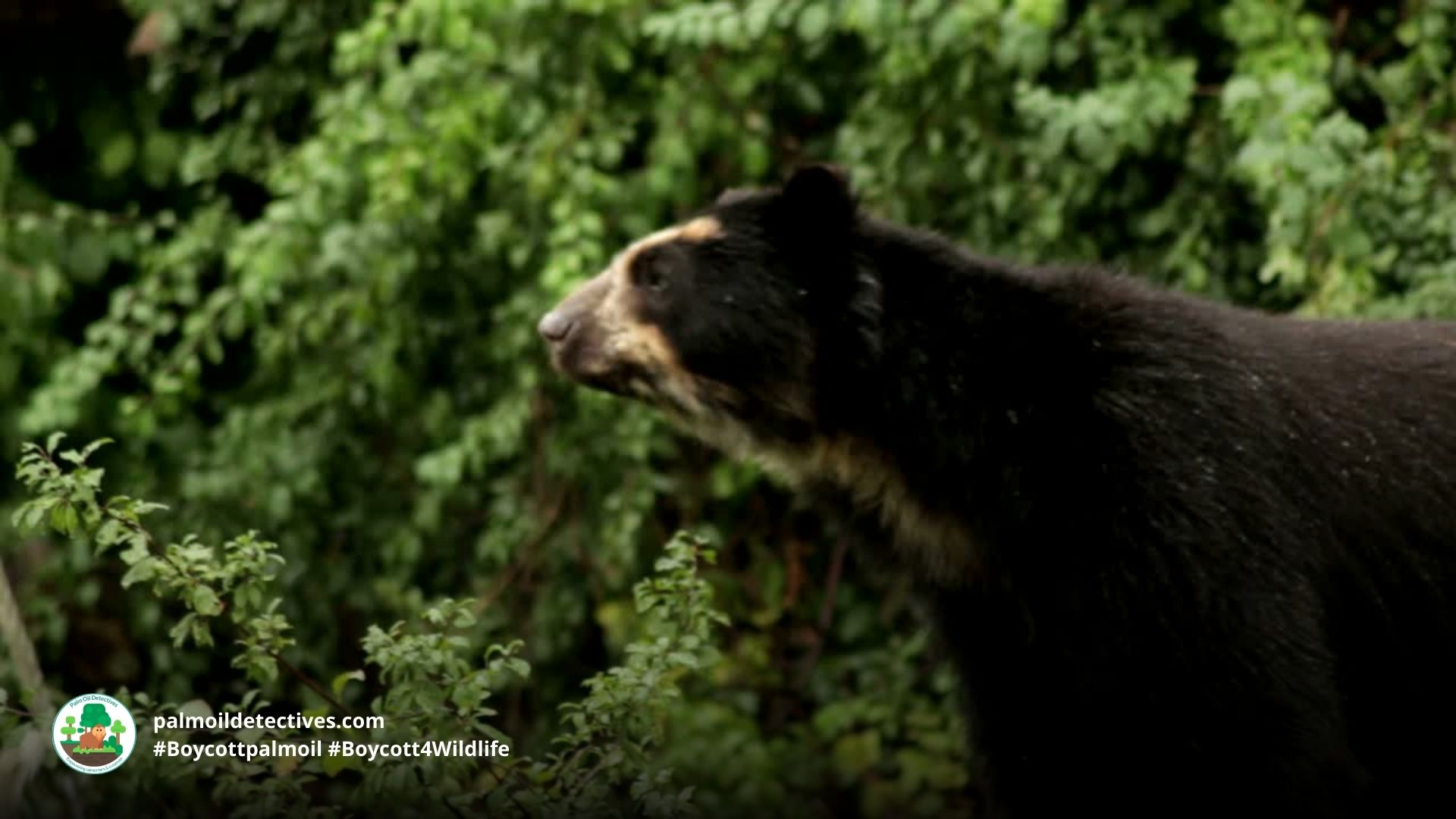
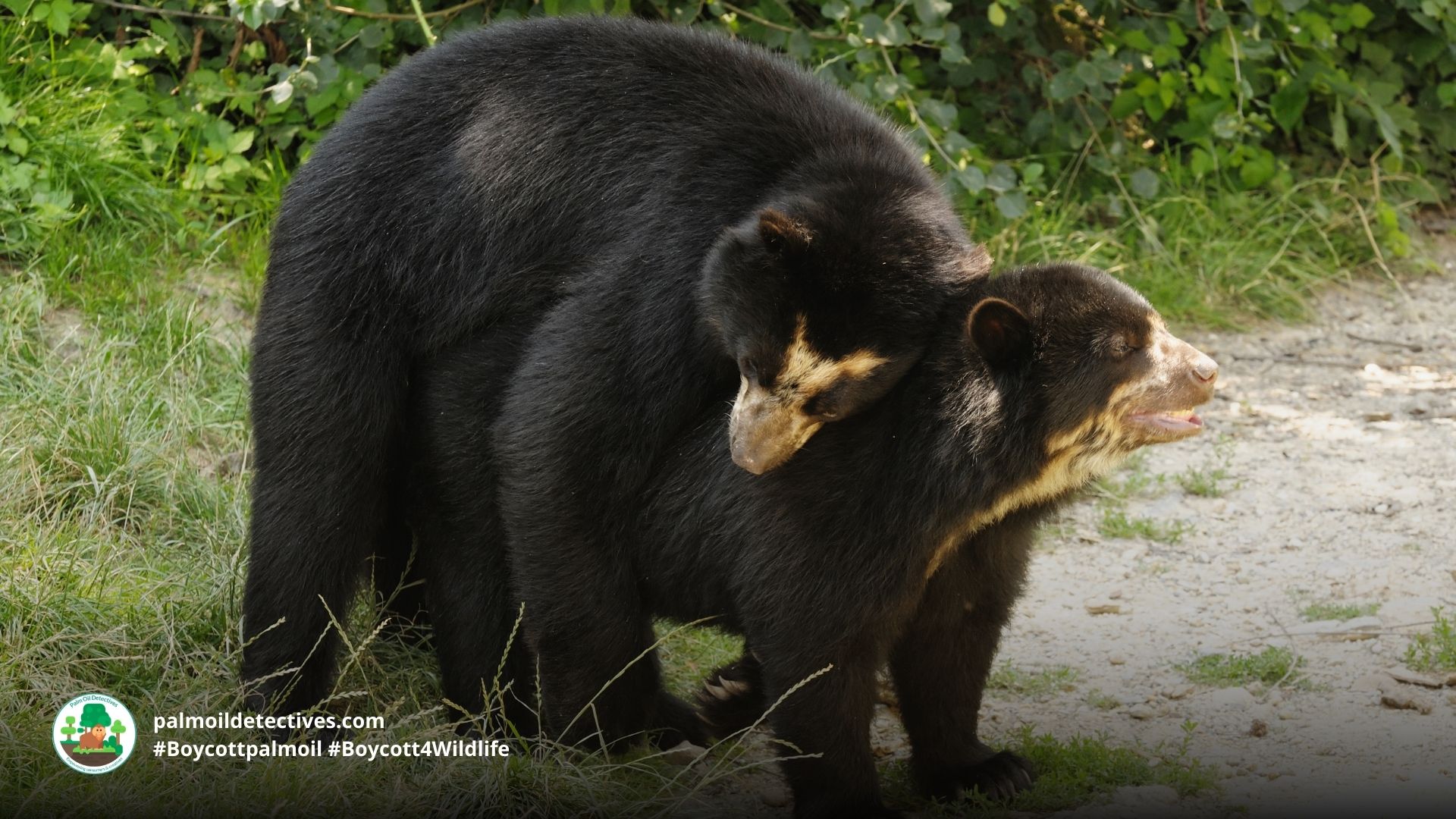
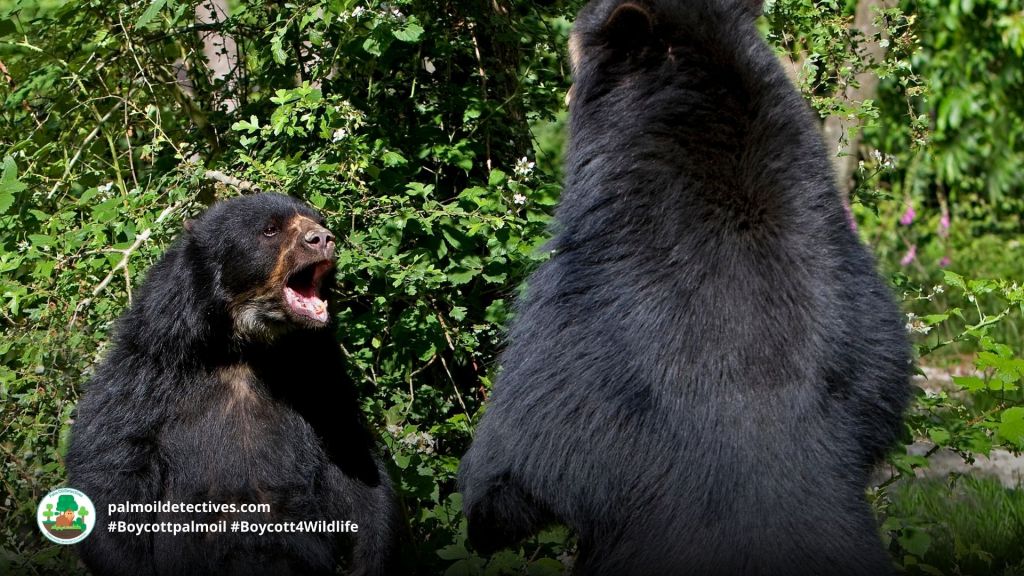
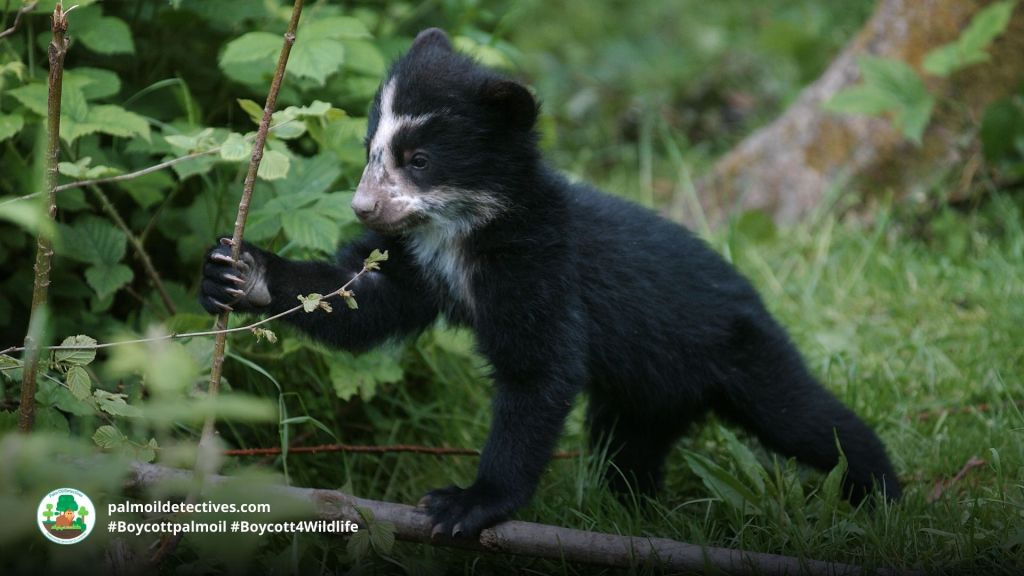




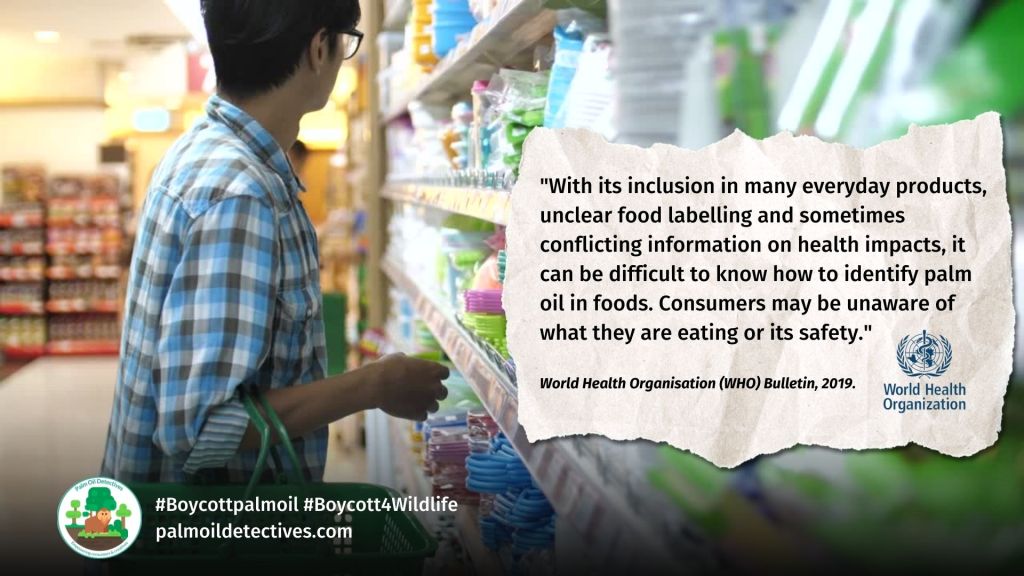

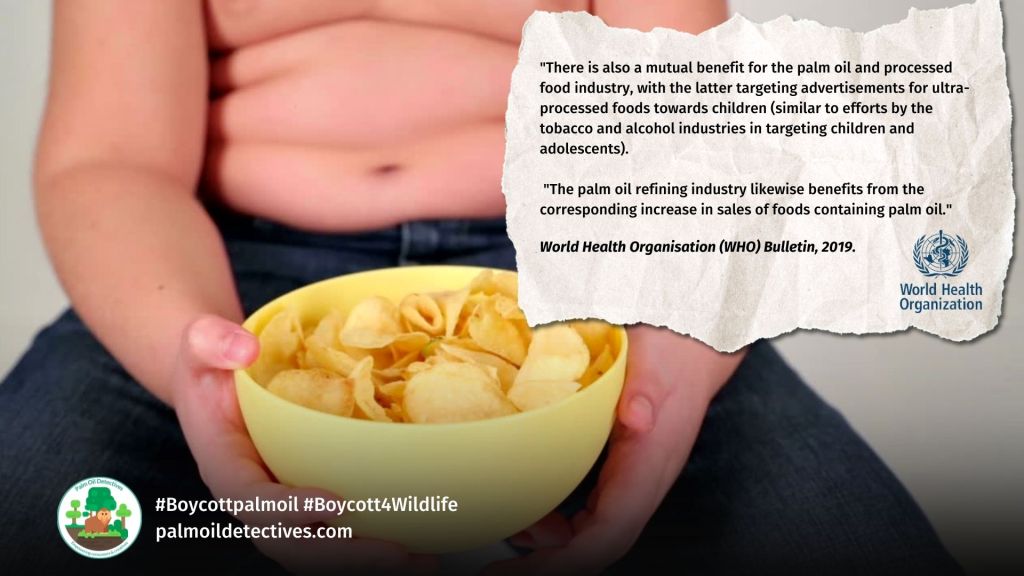
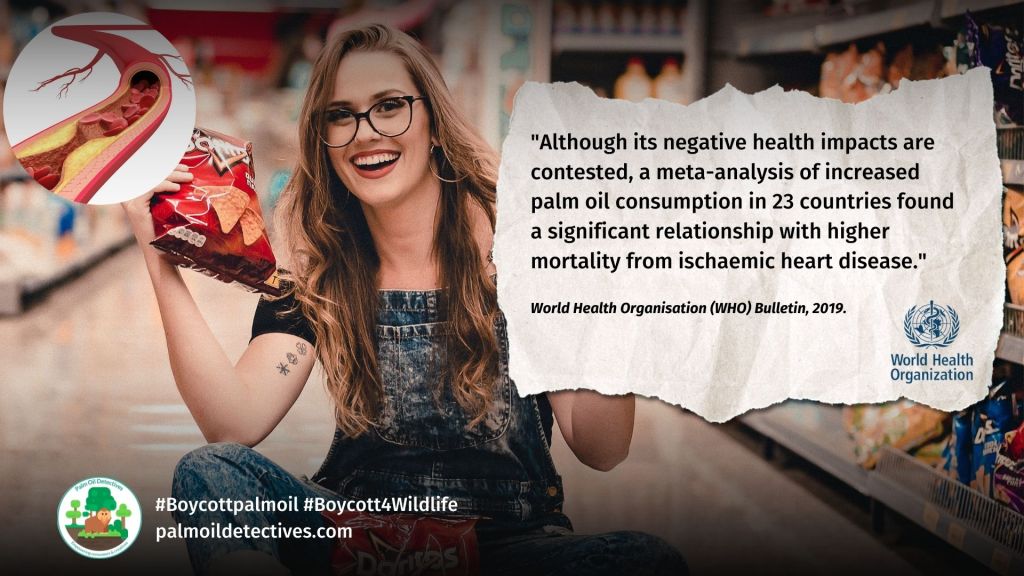
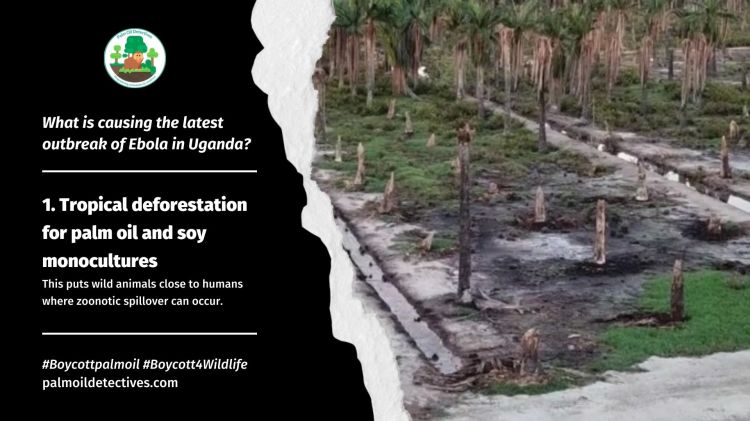
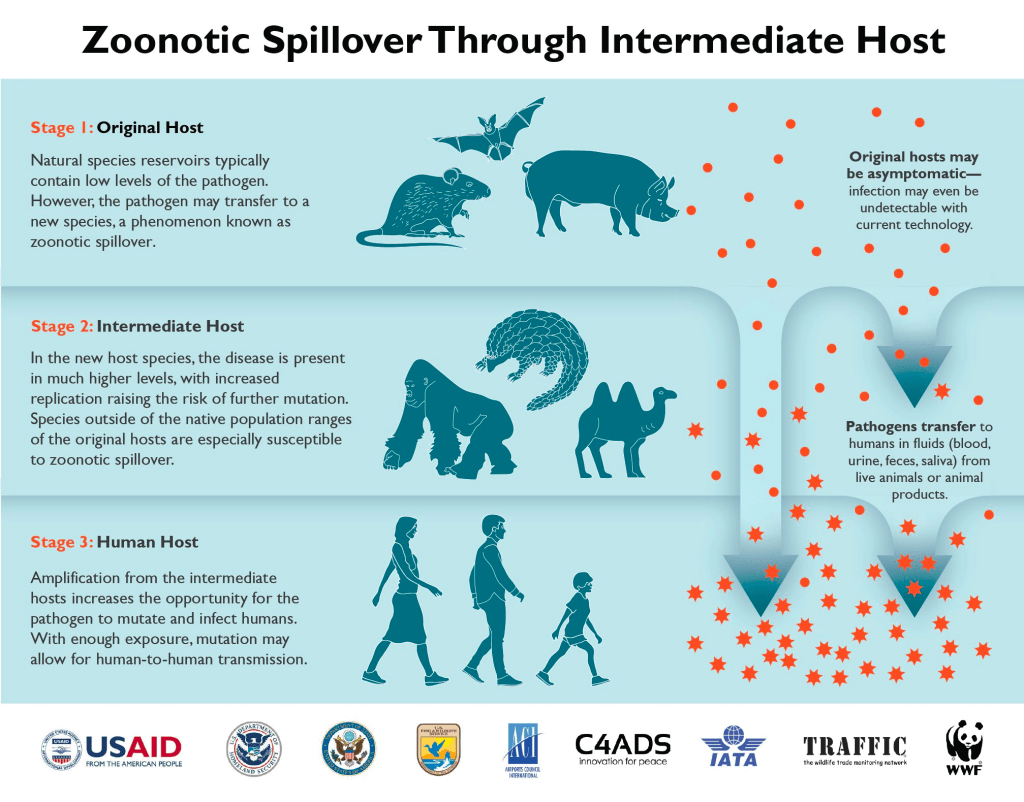
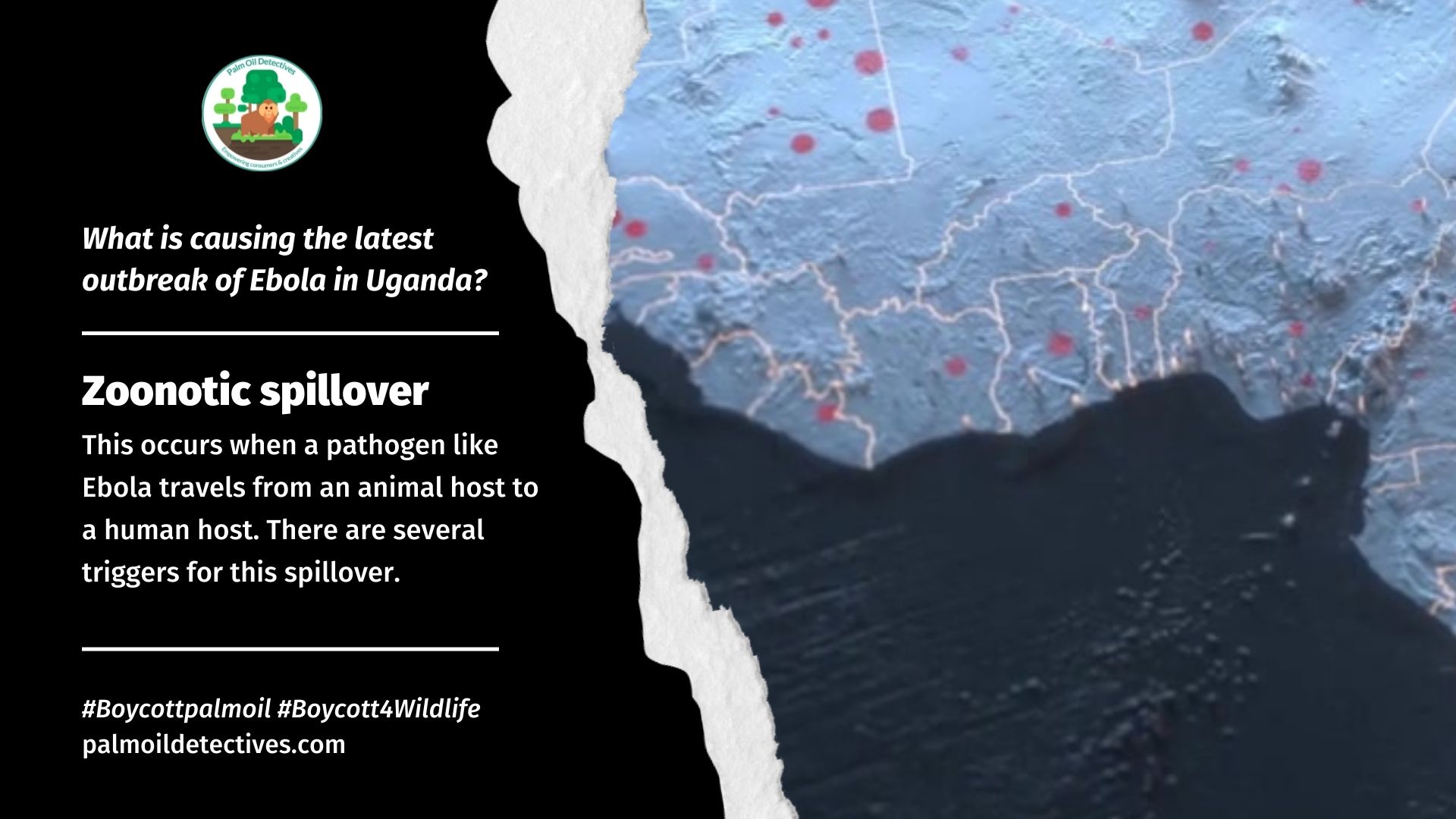
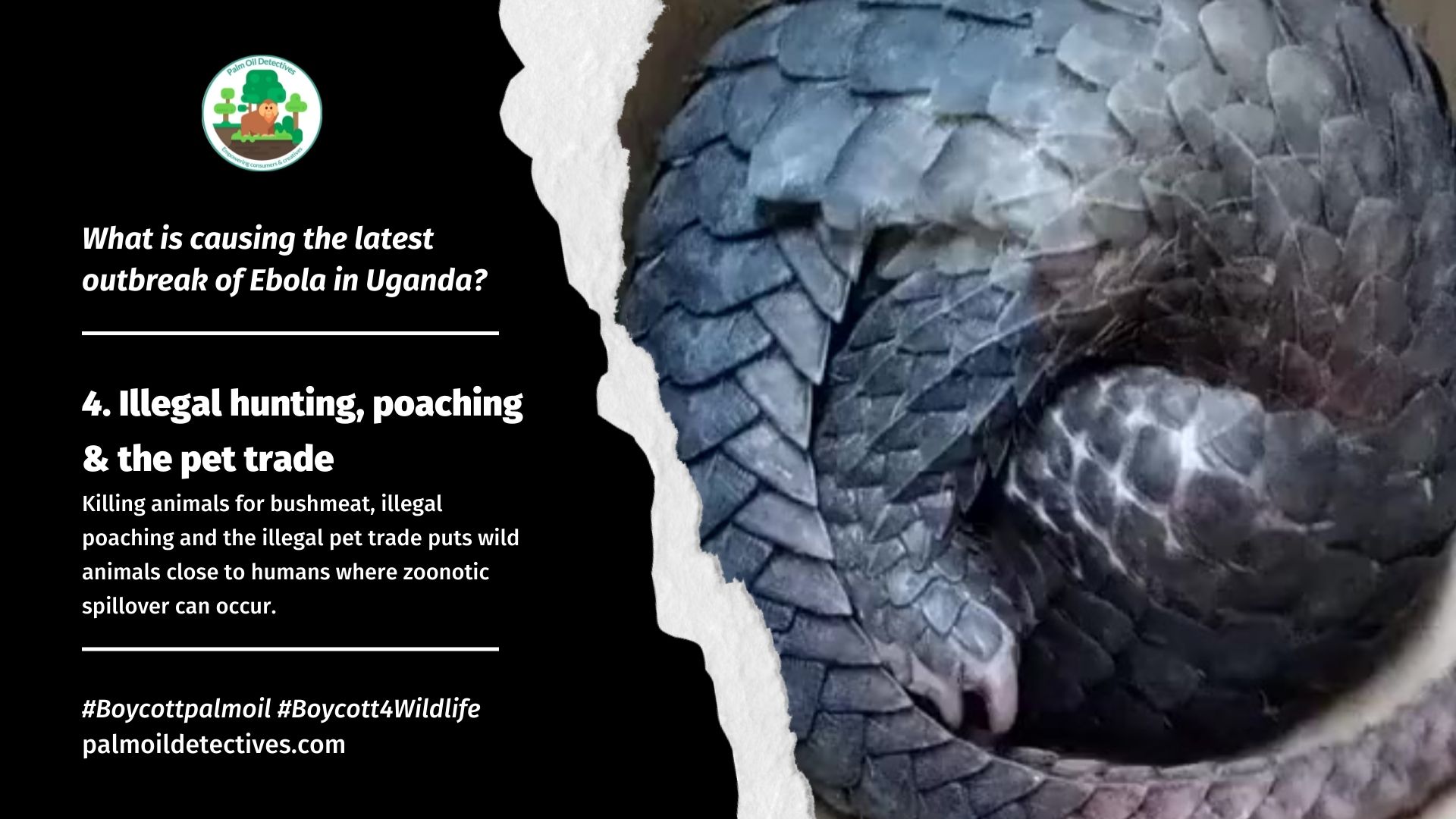
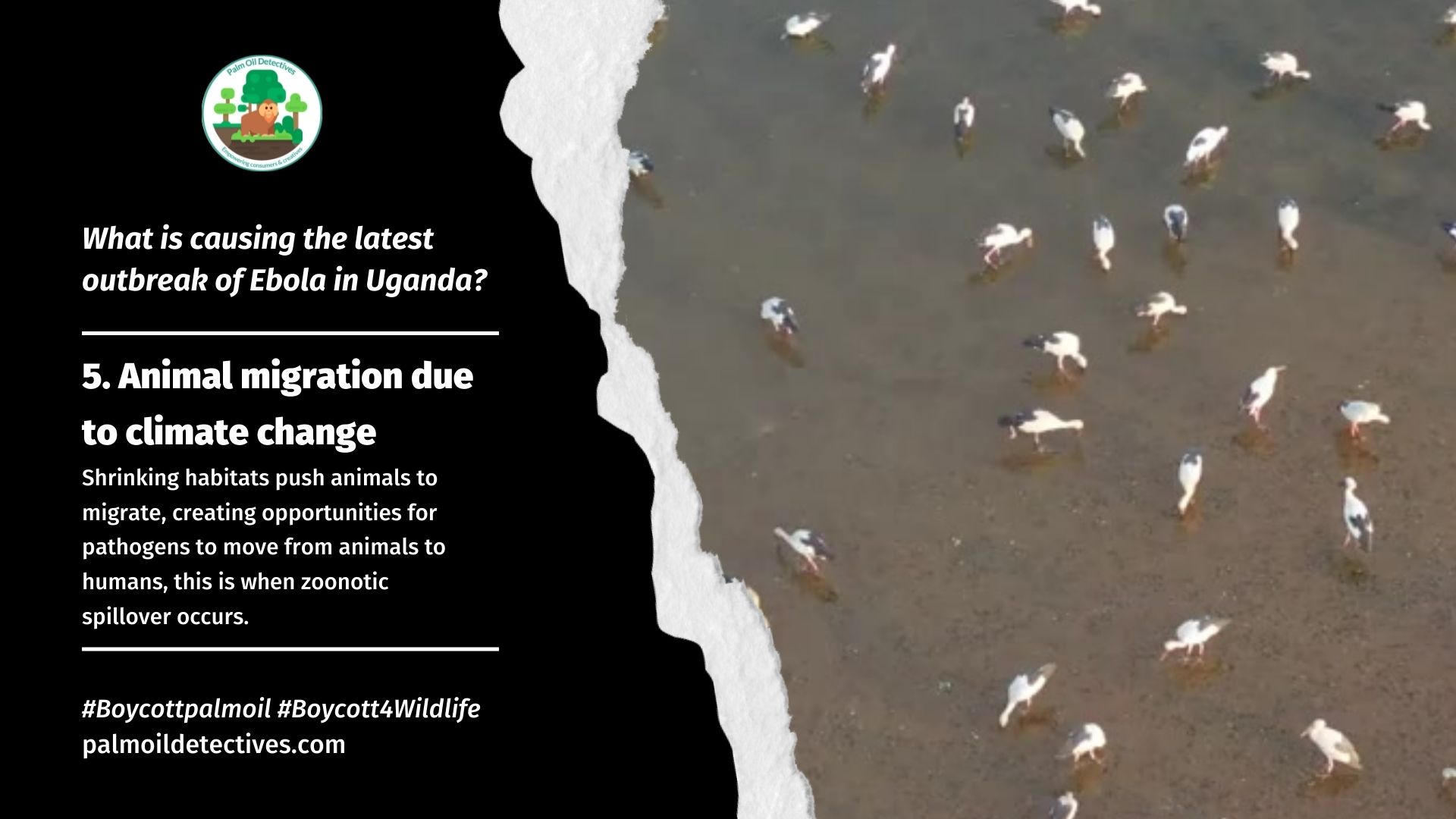
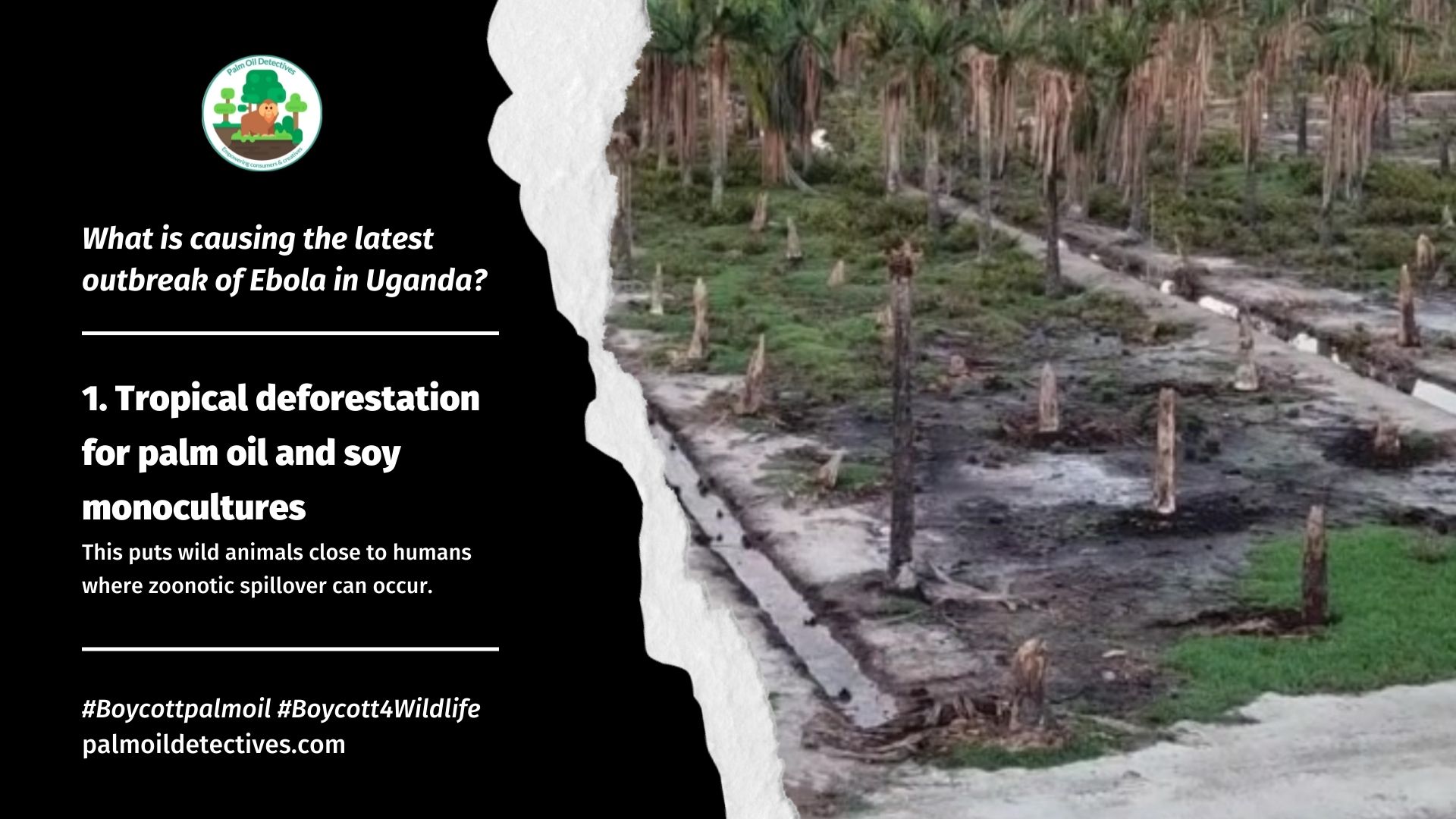
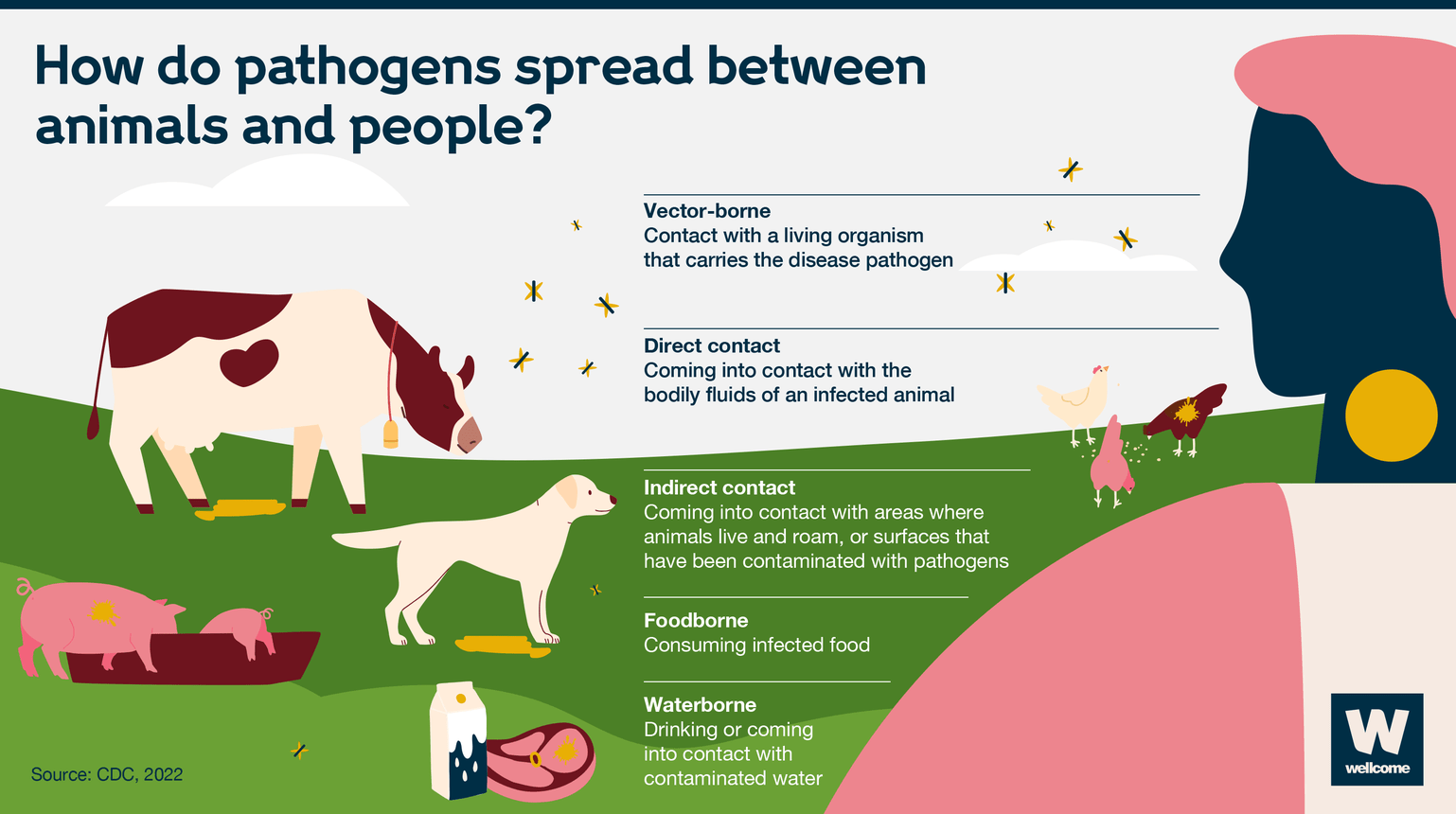

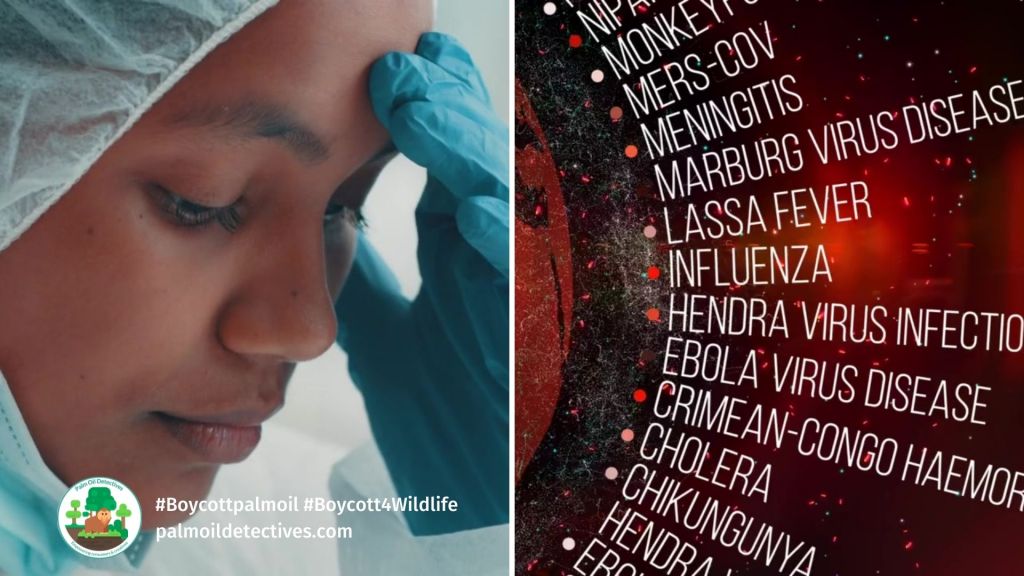
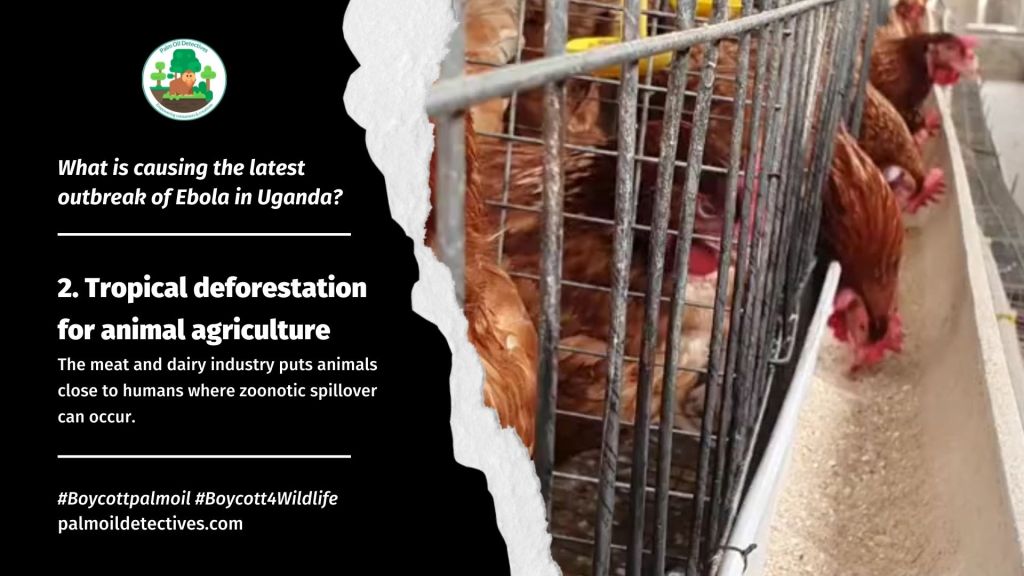
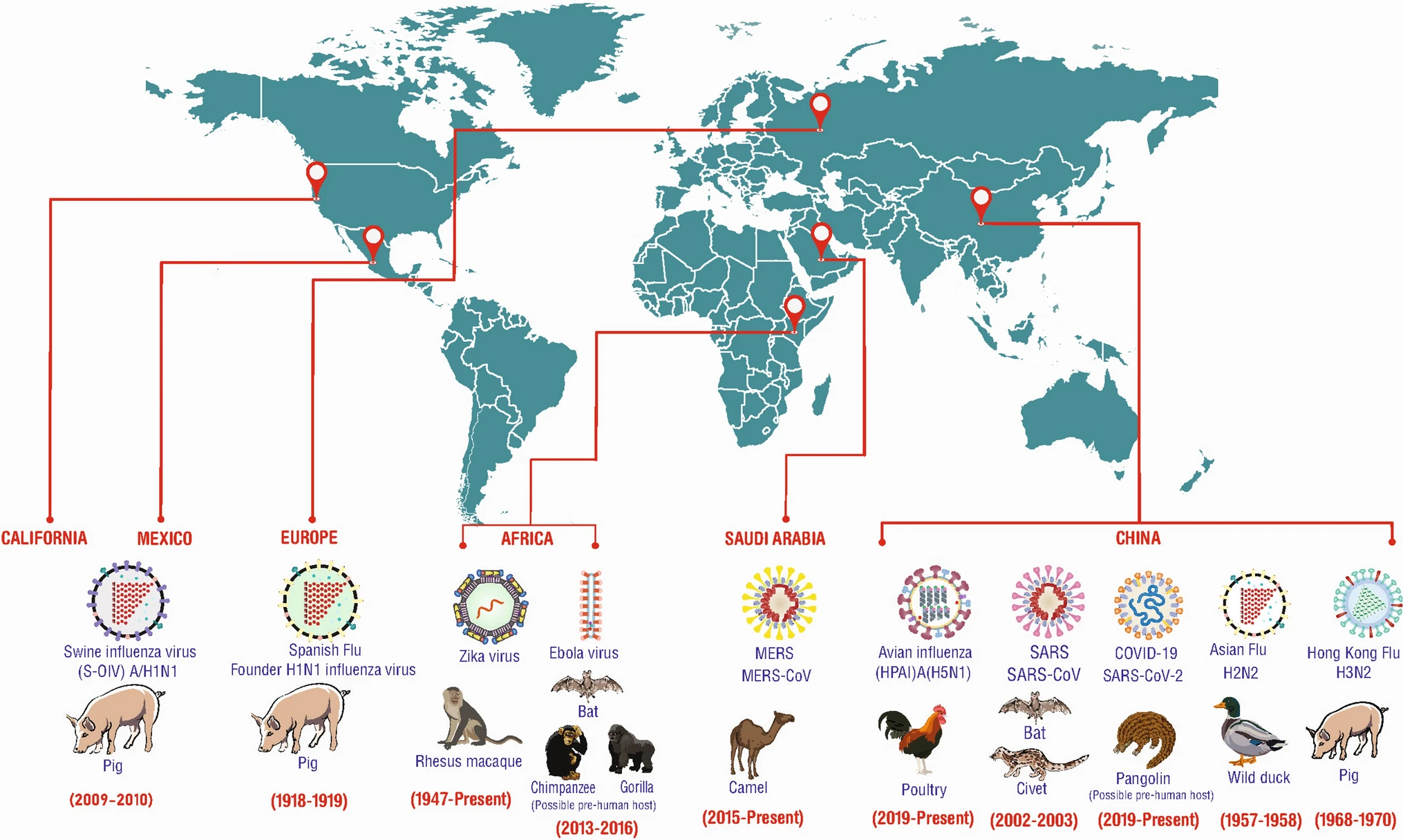
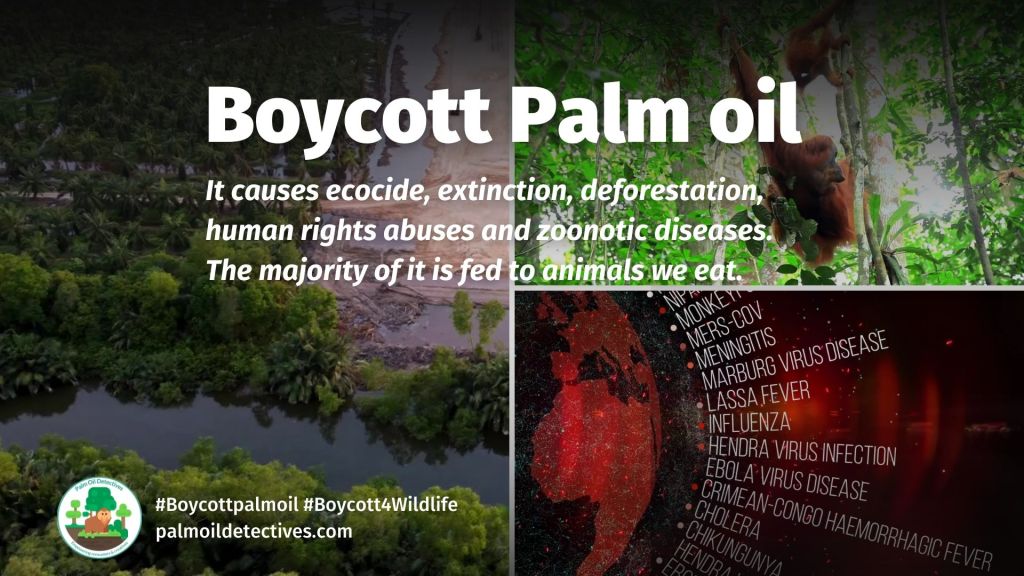

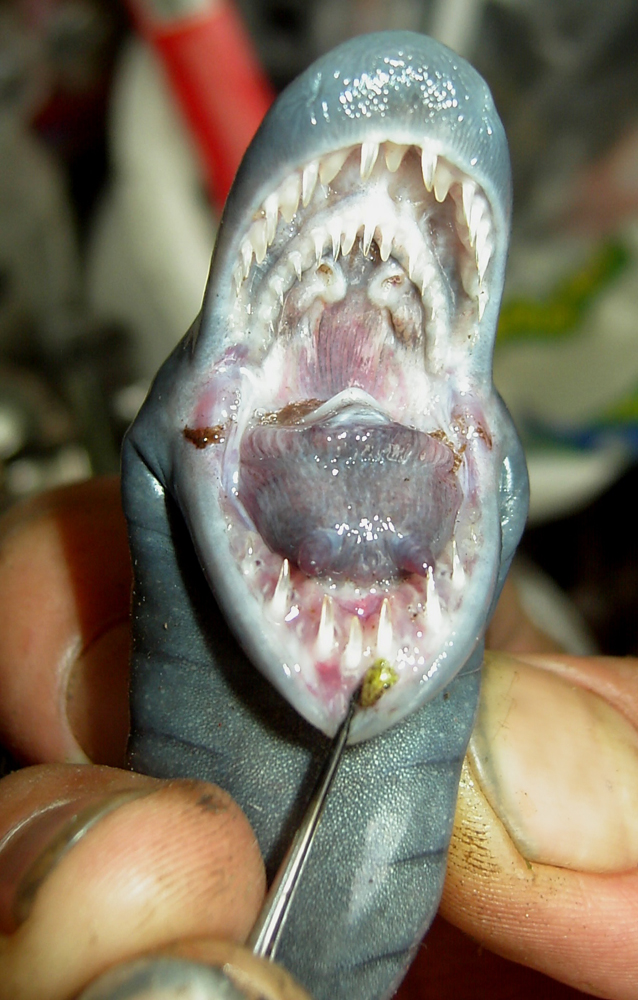
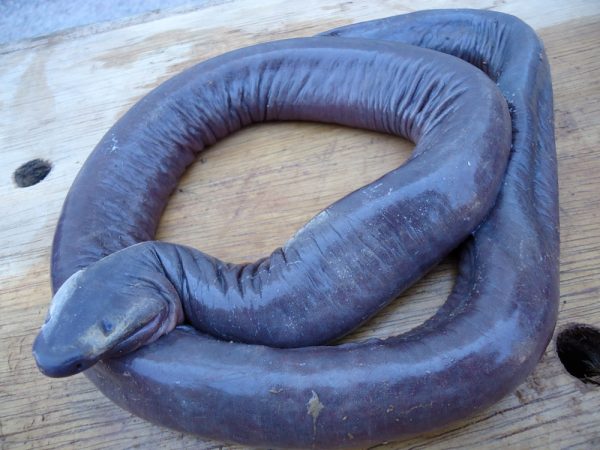
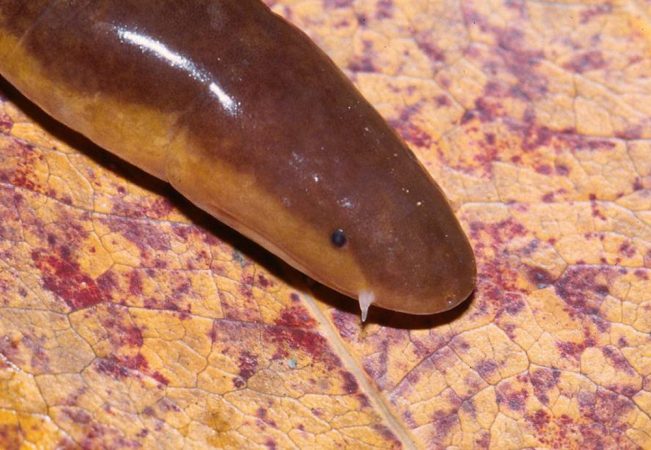
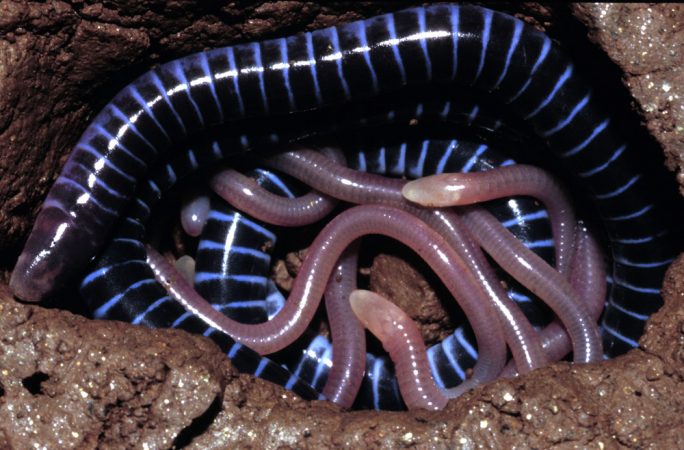

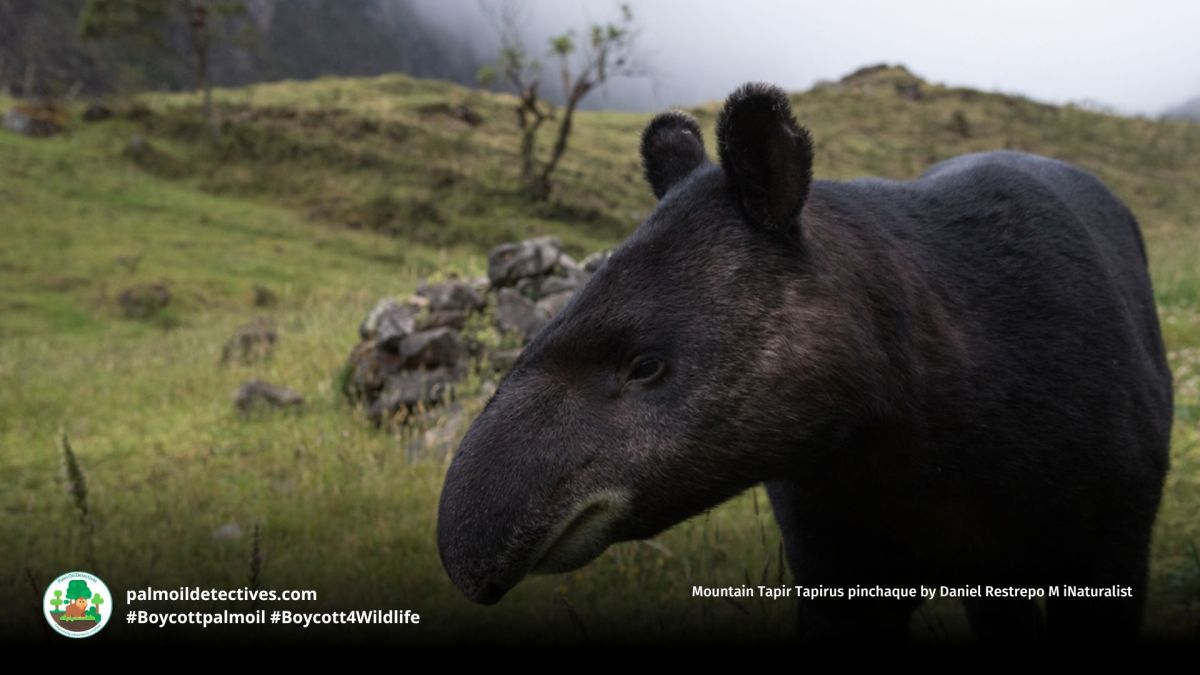
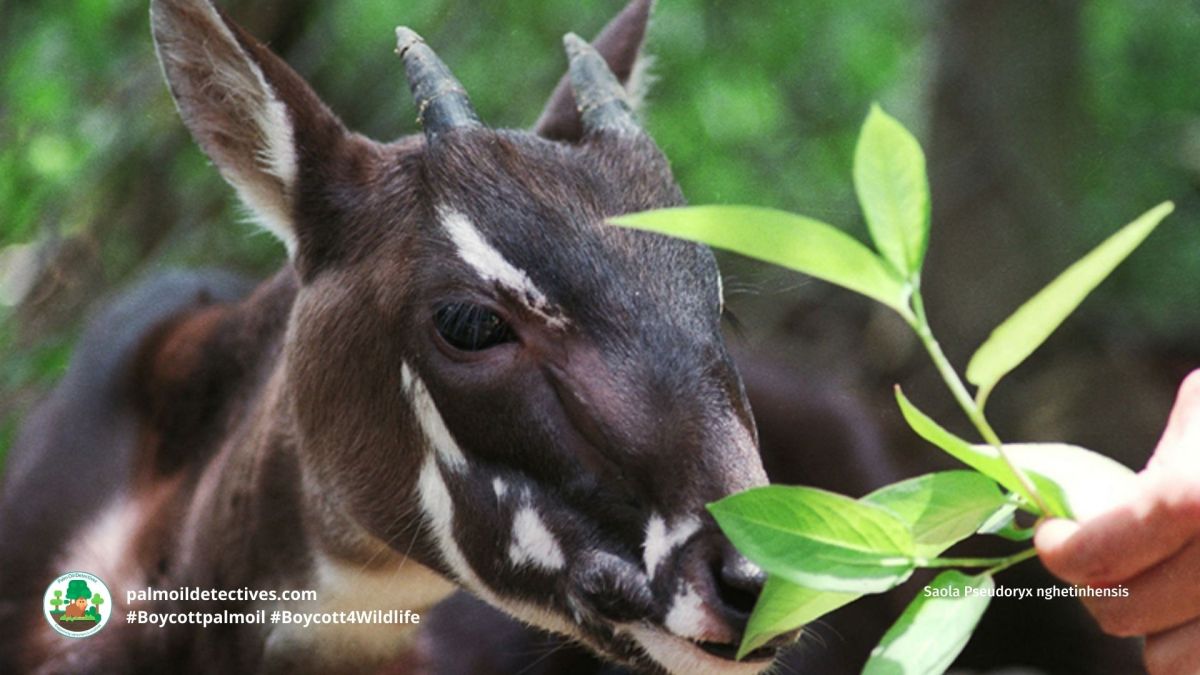



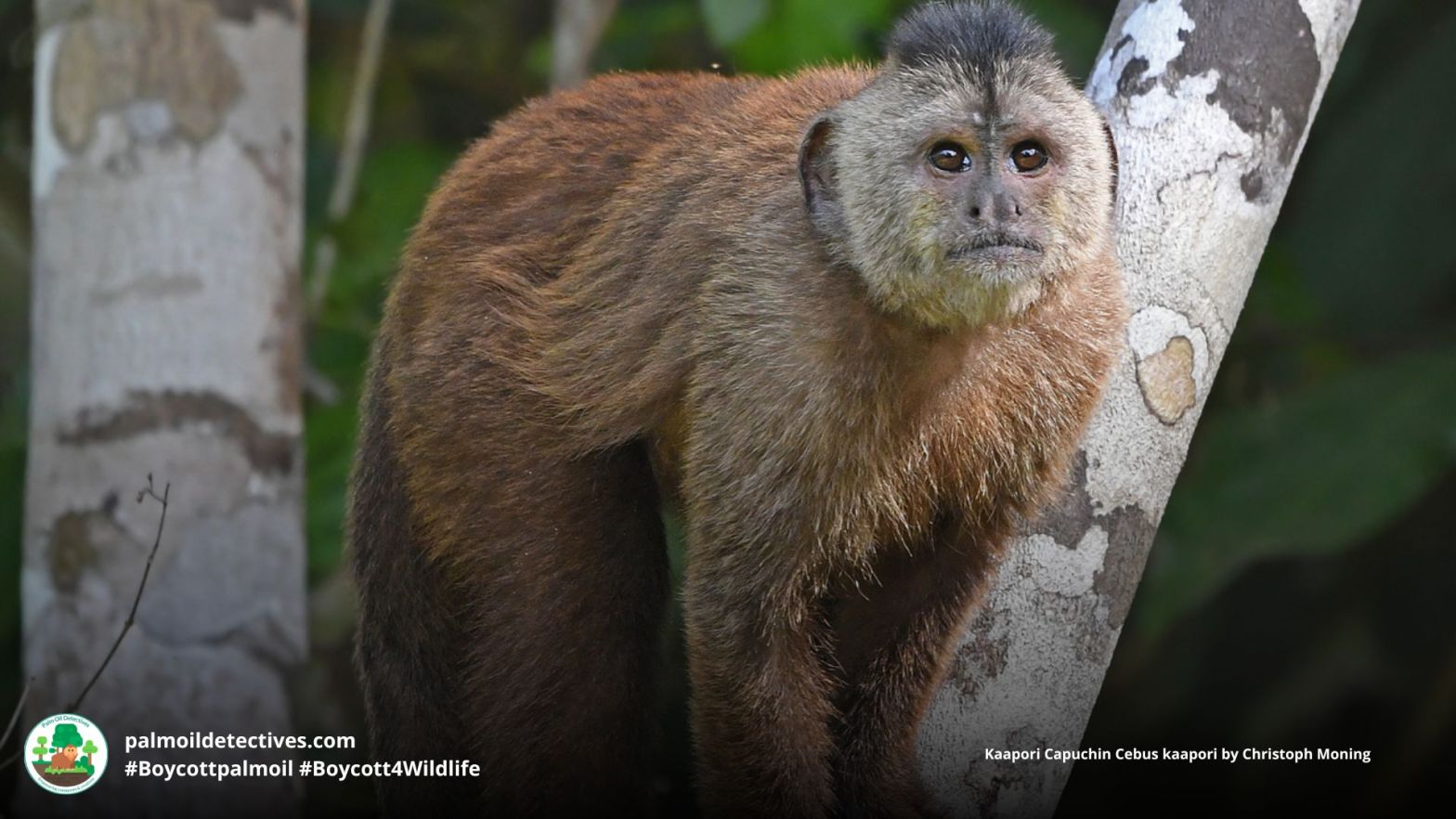
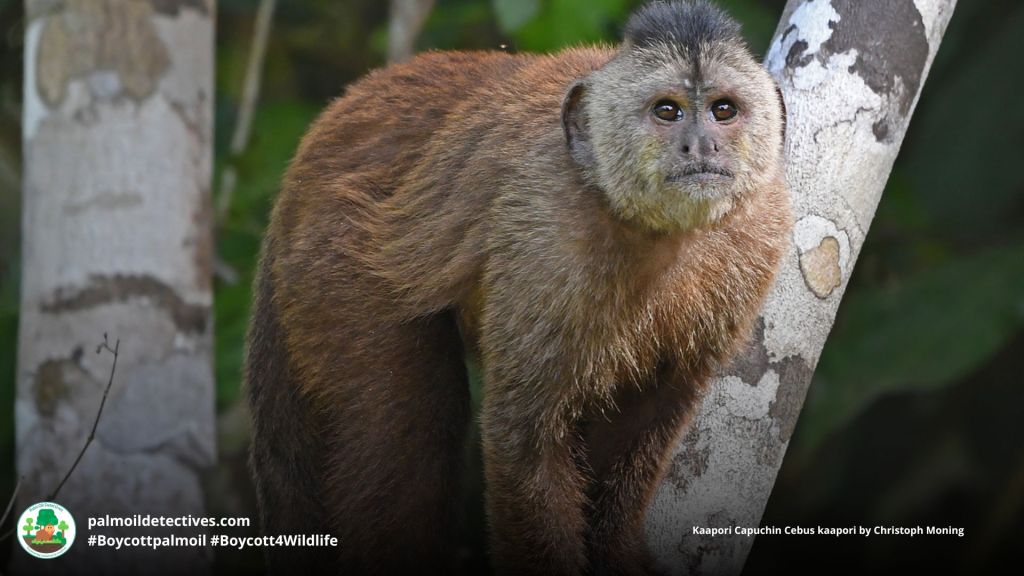


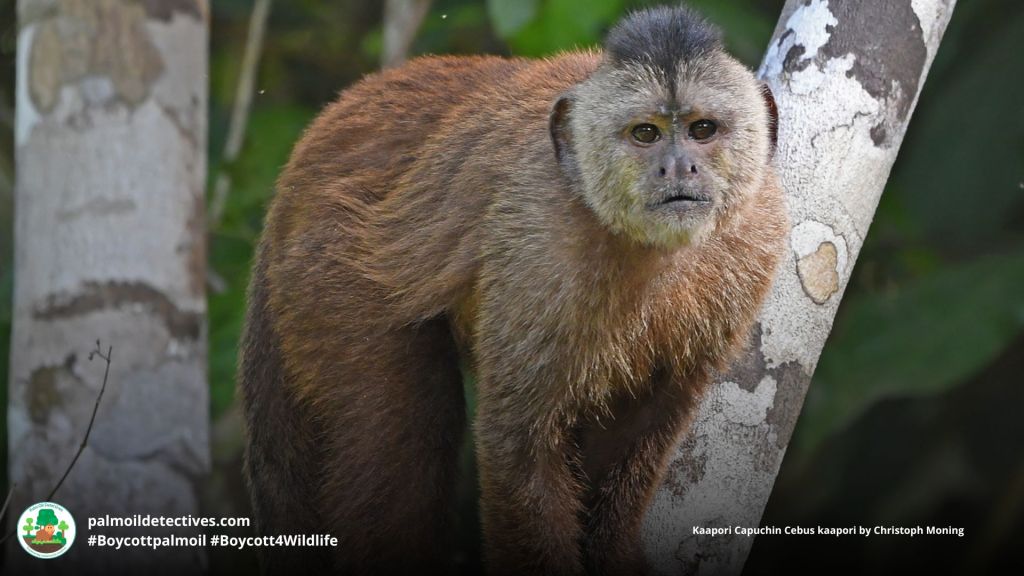
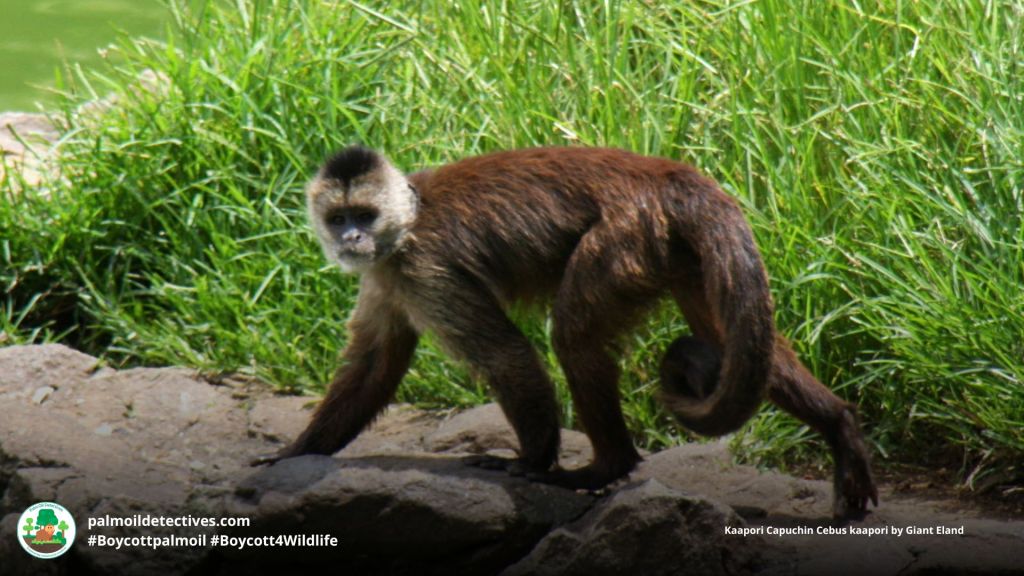
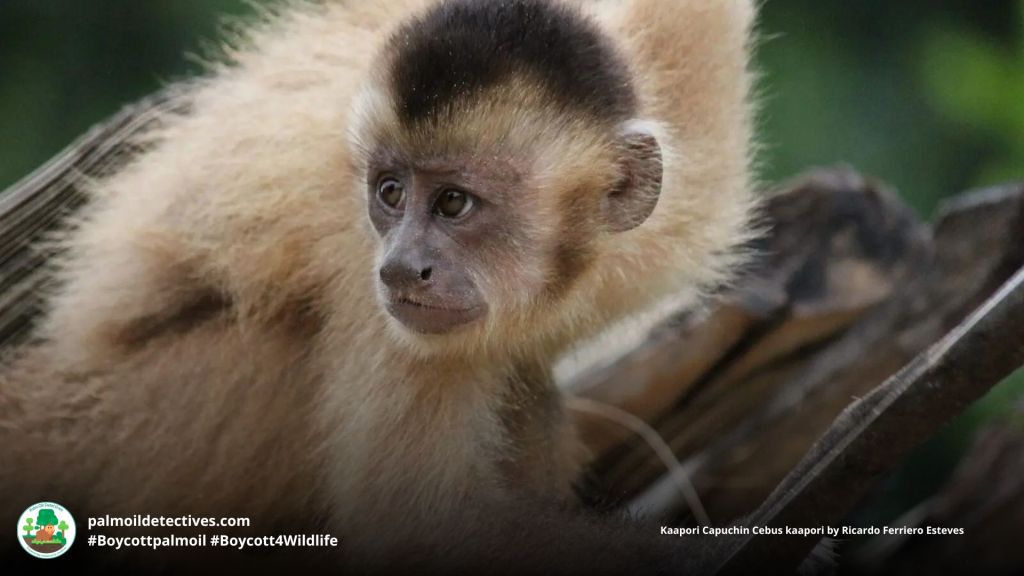
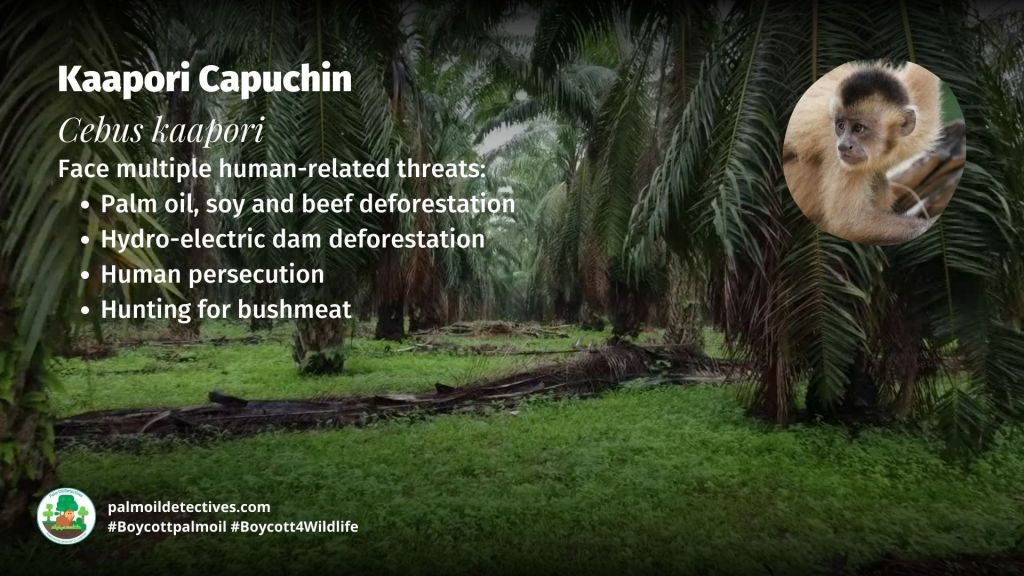




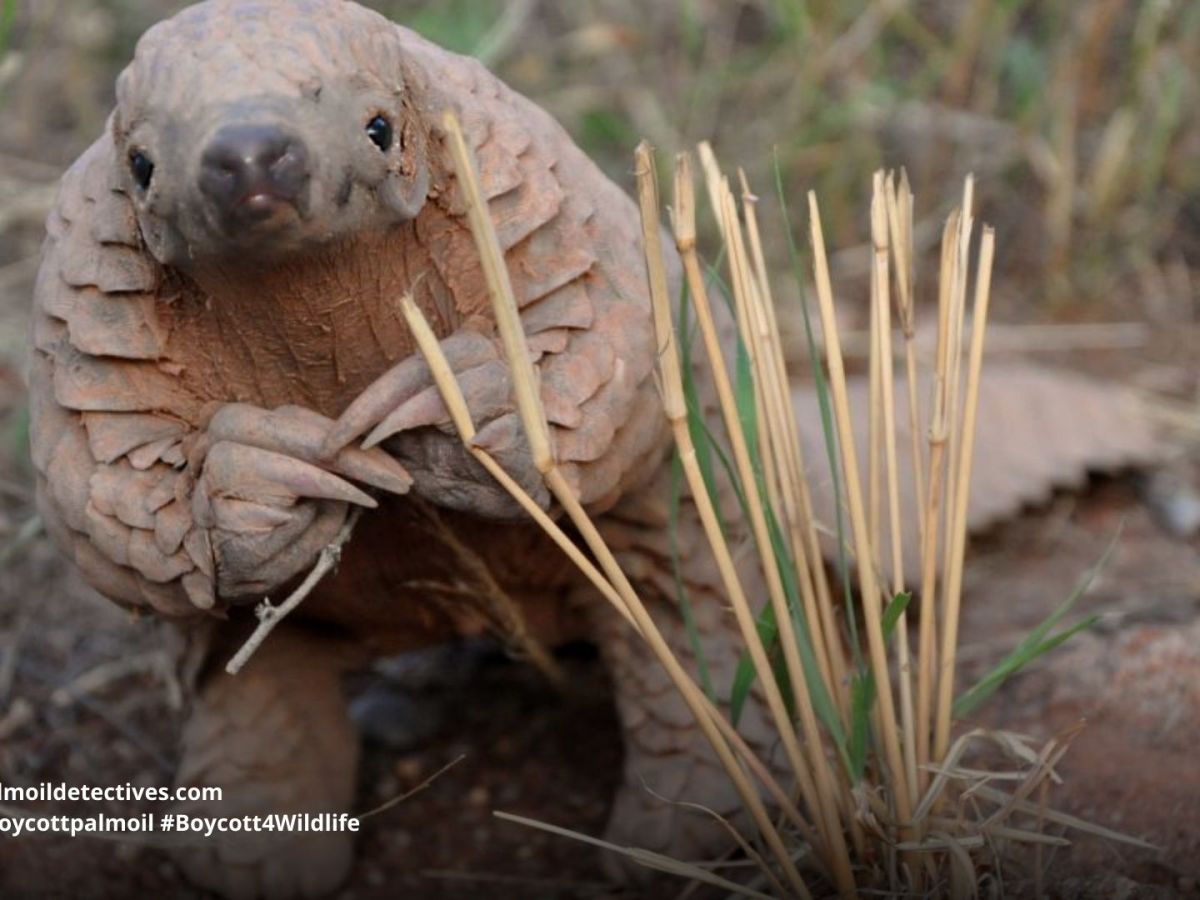






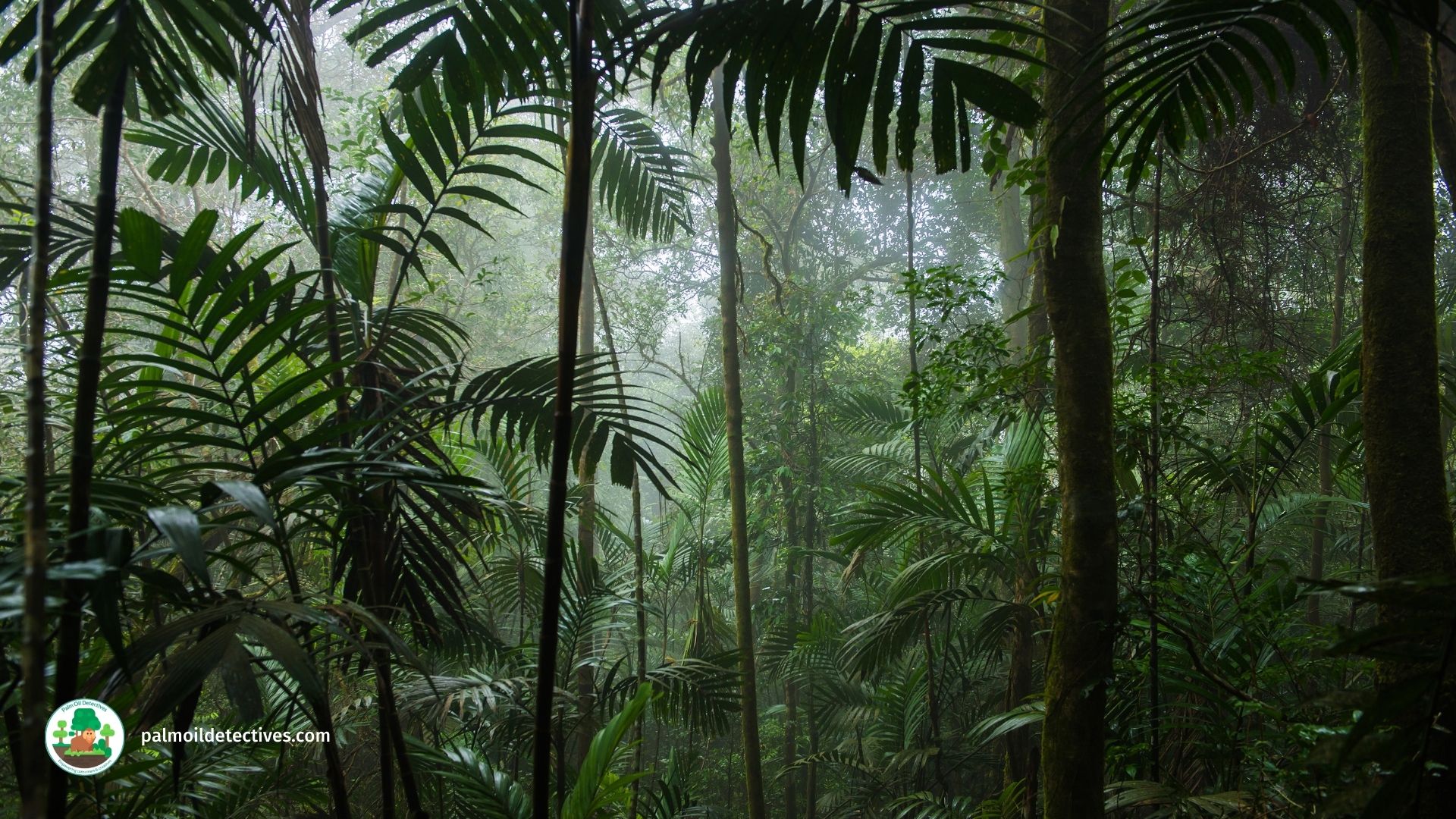
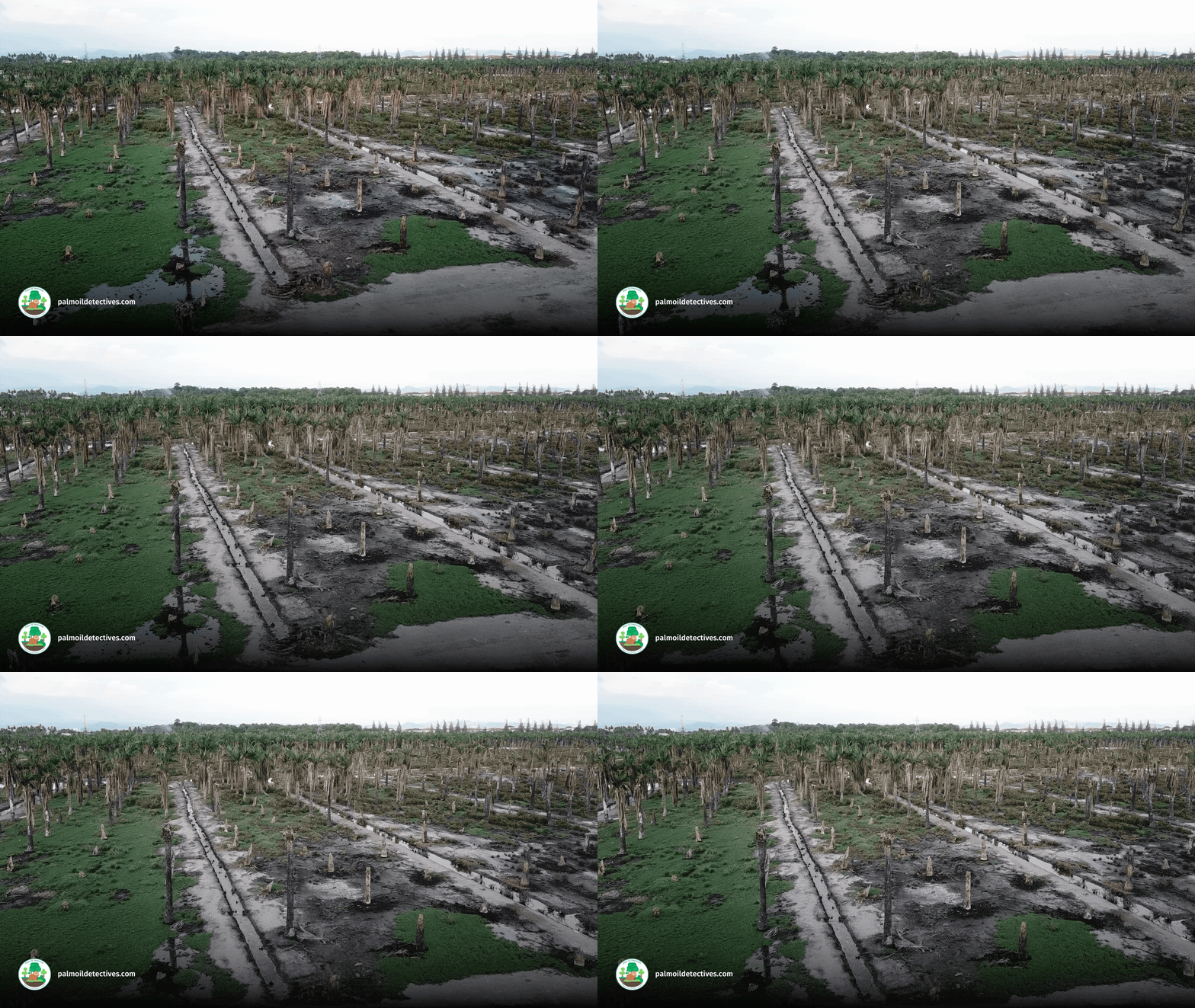
![[Pictured] Begonia socotrana grows in between the shady cracks in rock formations on the arid island of Socotra, Yemen.](https://palmoildetectives.com/wp-content/uploads/2022/02/732px-begonia_socotrana.jpg?w=626)


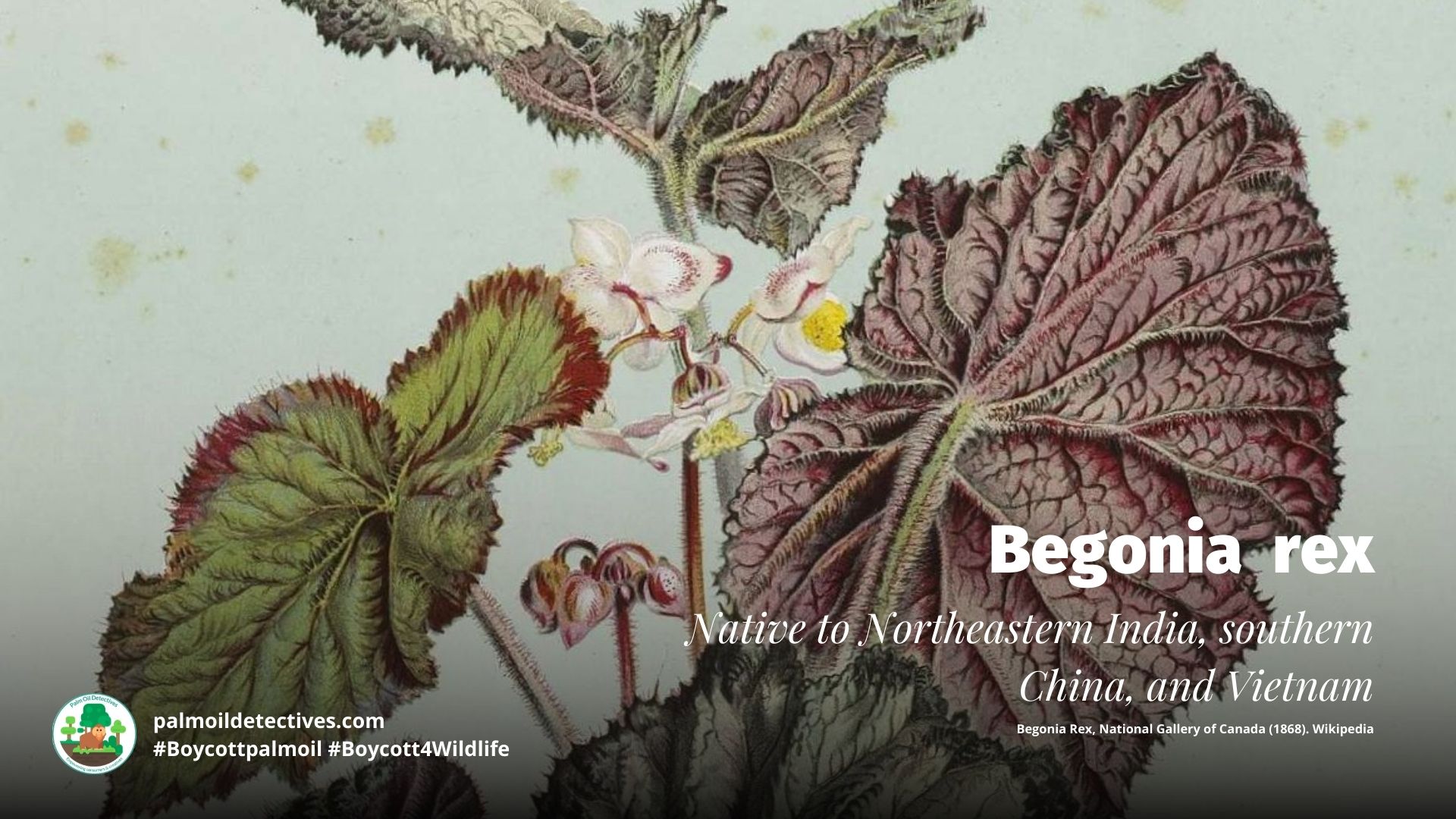
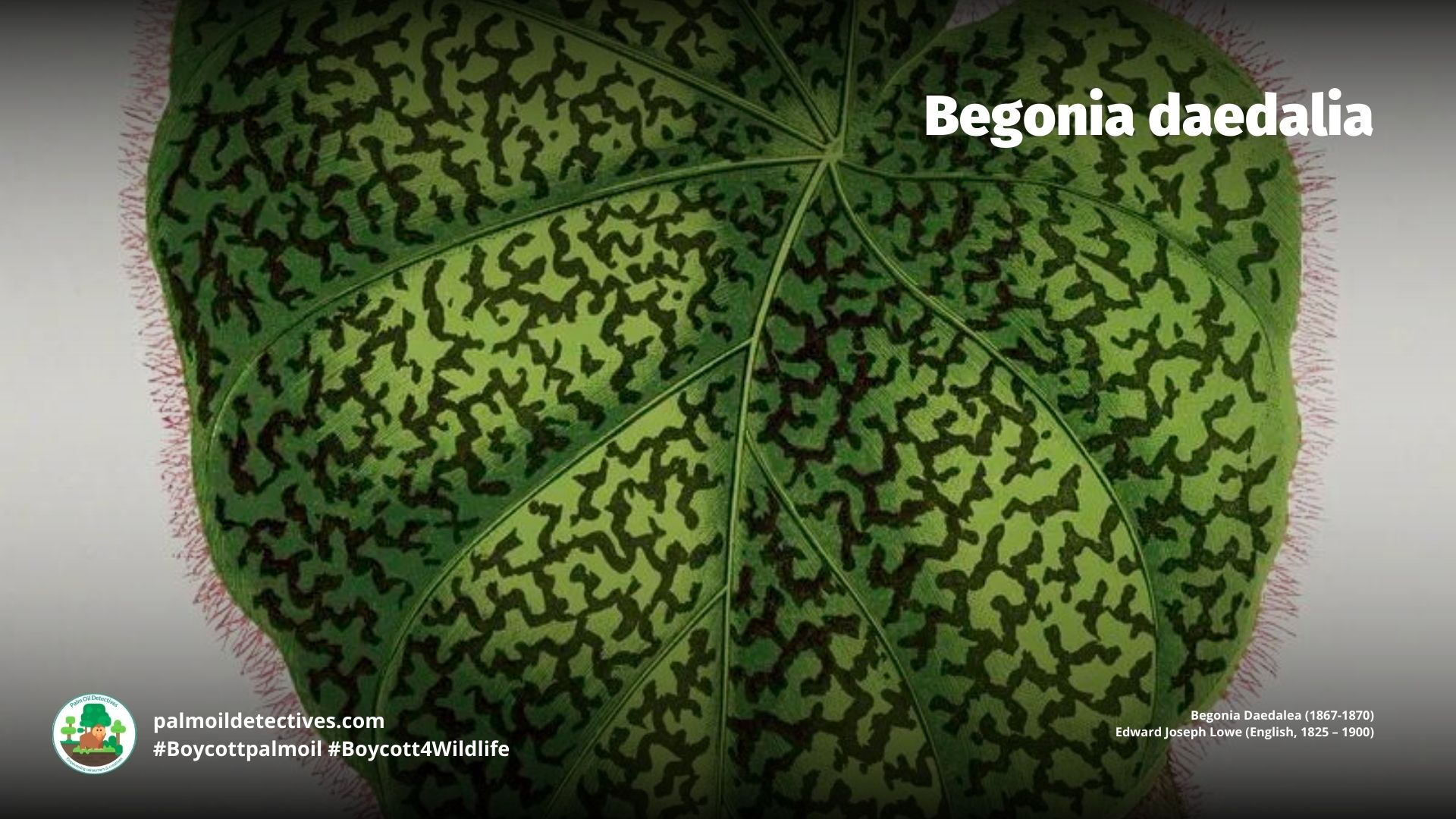

![[Pictured] 'Diverse Species of the Rainforest by Oro Verde - the Rainforest Foundation (2009).](https://palmoildetectives.com/wp-content/uploads/2022/04/diverse-species-of-the-rainforest-deforestation-.jpeg?w=725)

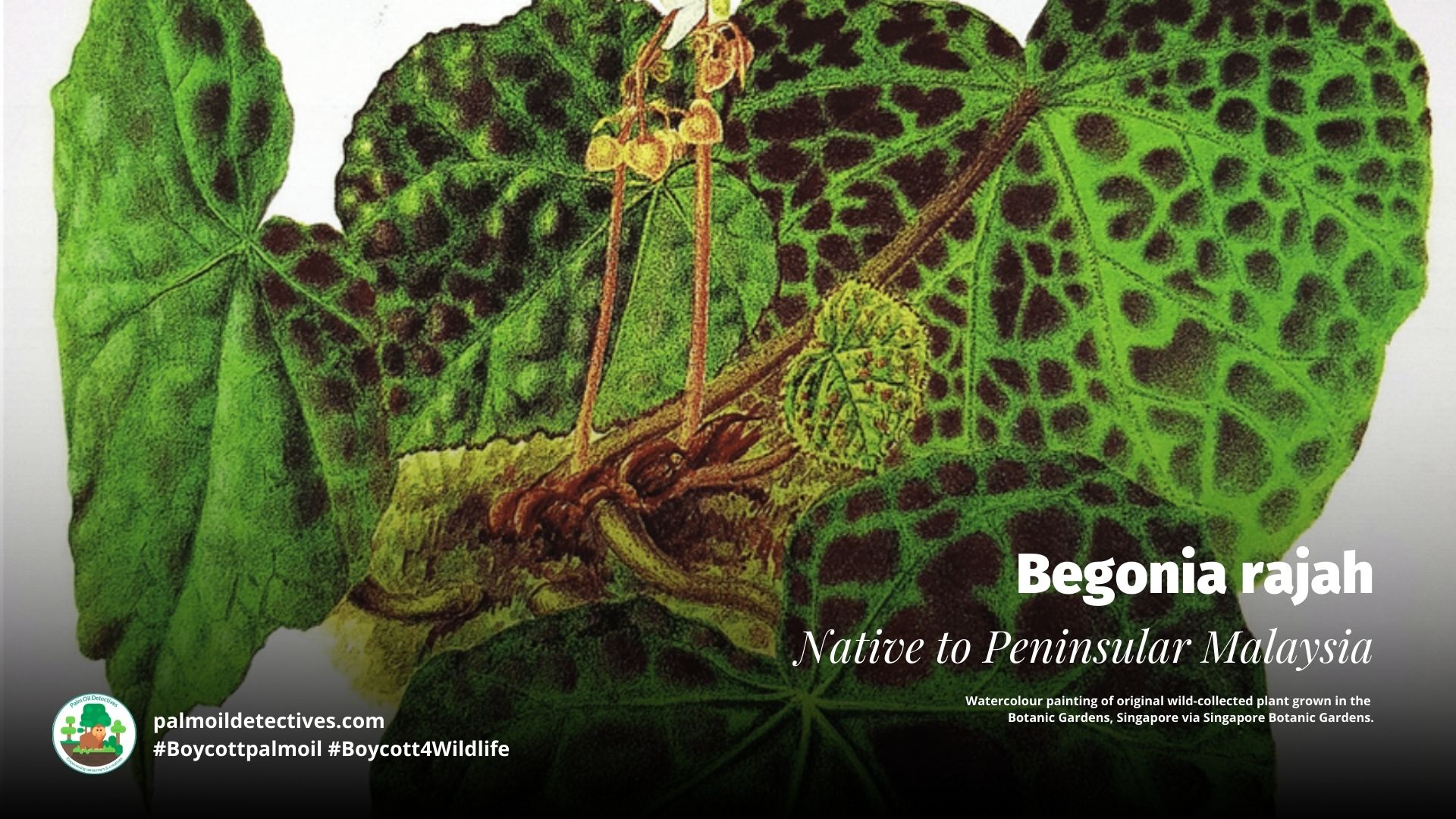
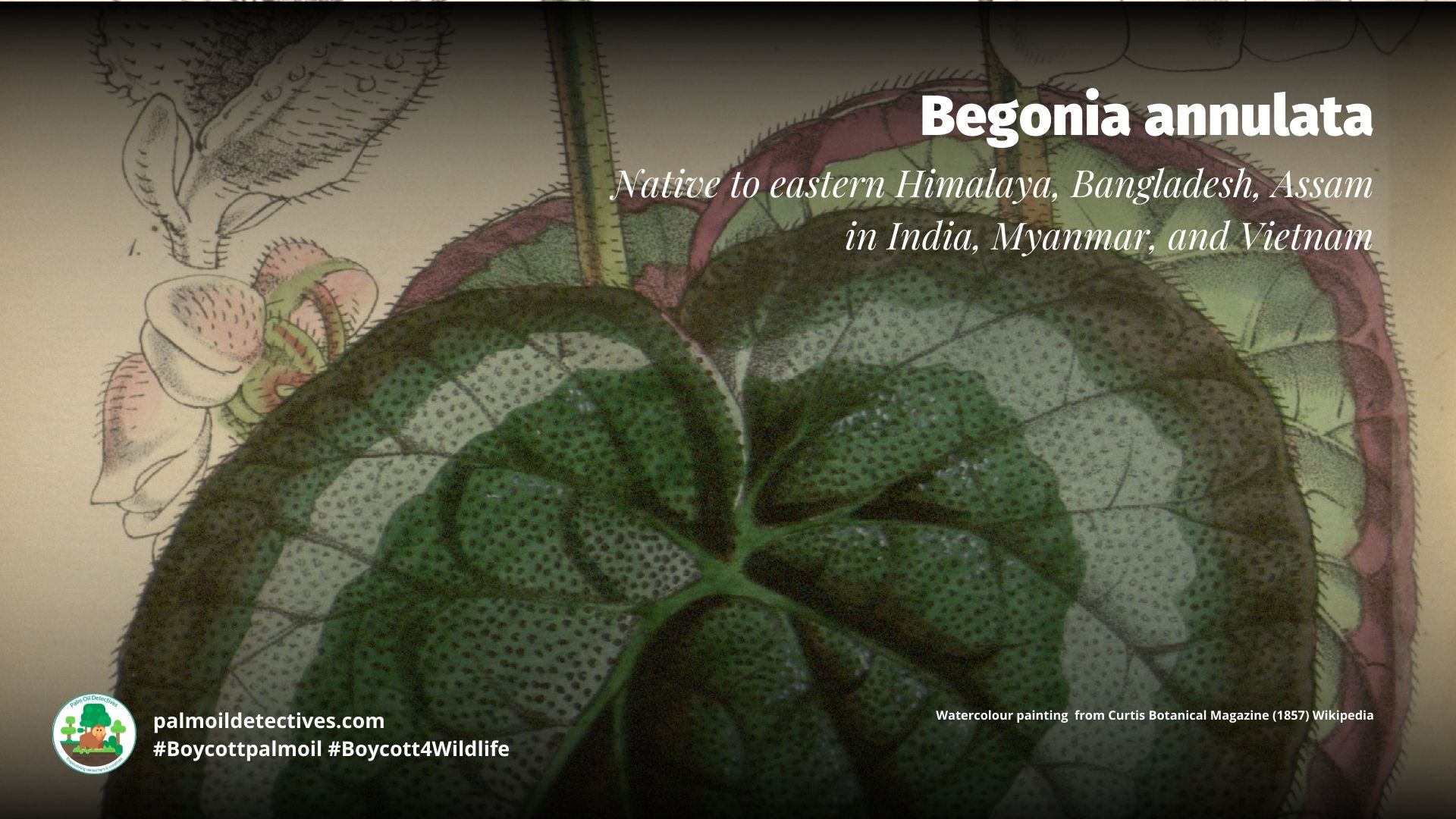

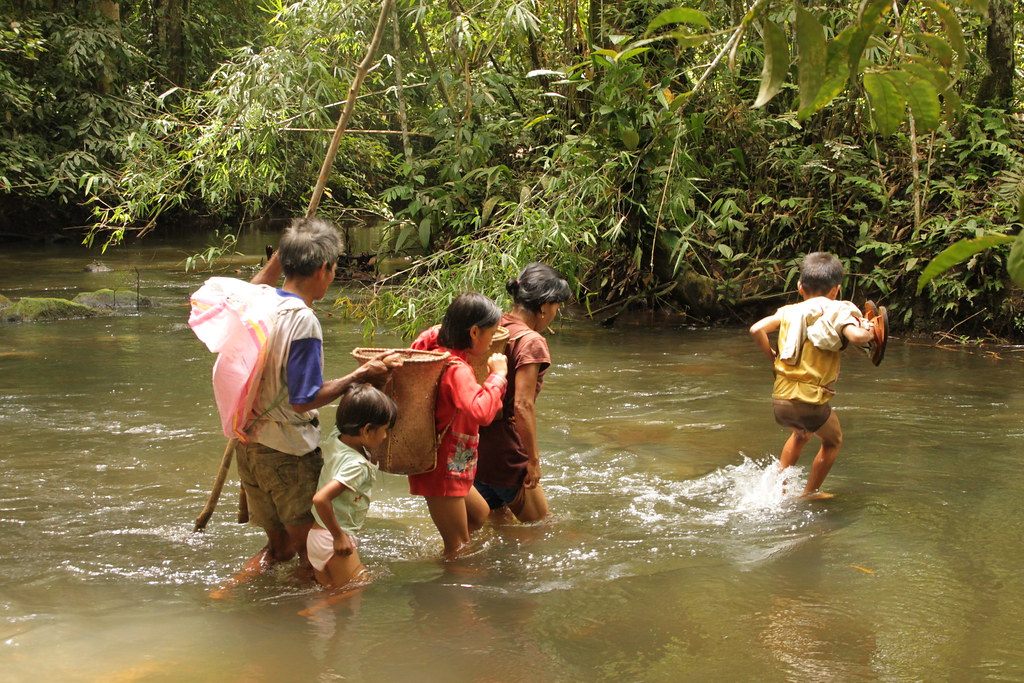
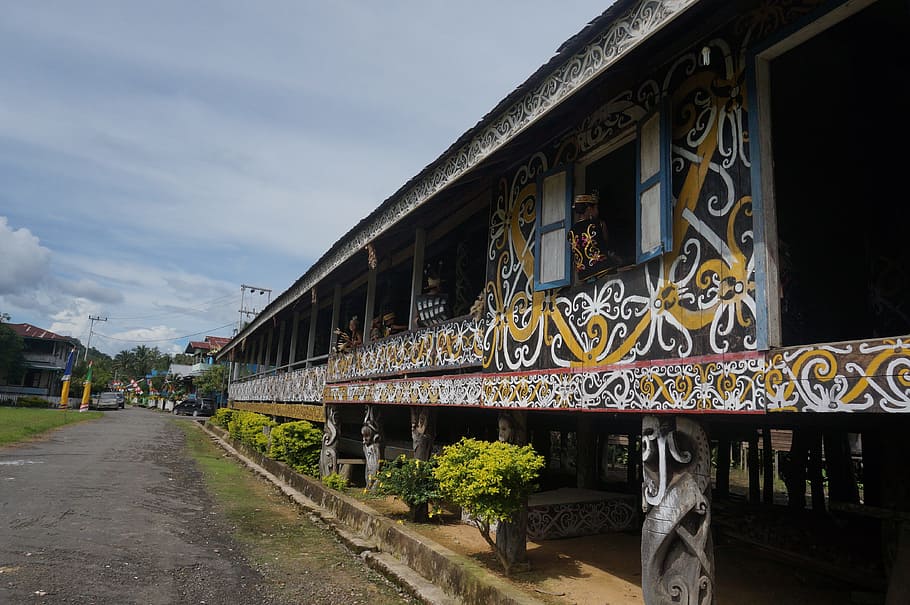




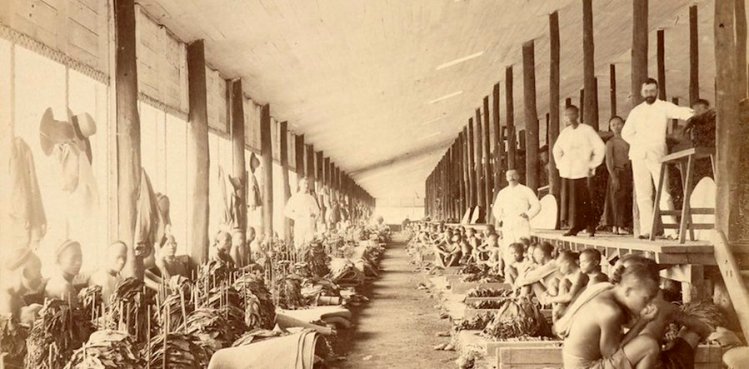





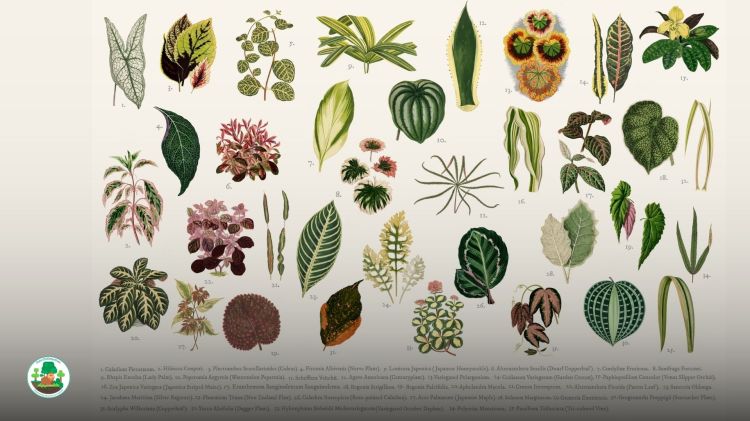

![[Pictured] A critically endangered Sumatran orangutan by Craig Jones Wildlife Photography](https://palmoildetectives.com/wp-content/uploads/2021/06/sumatran-orangutan-close-up-by-craig-jones-.jpg)

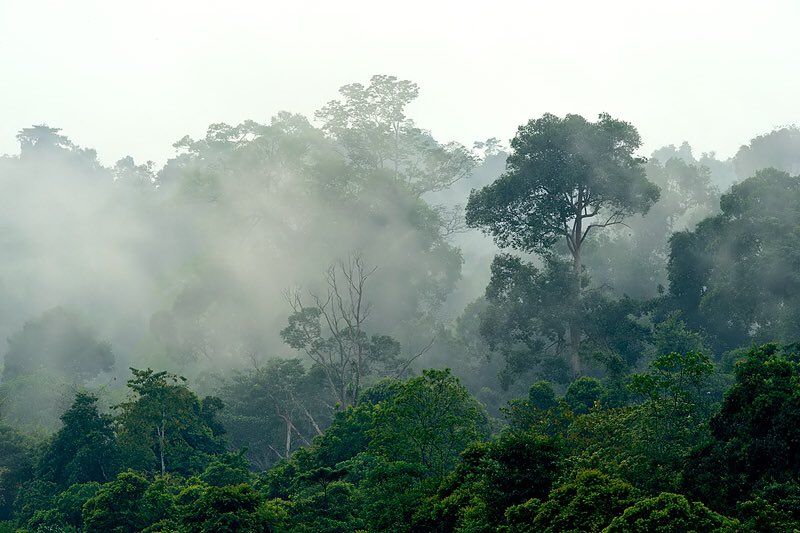


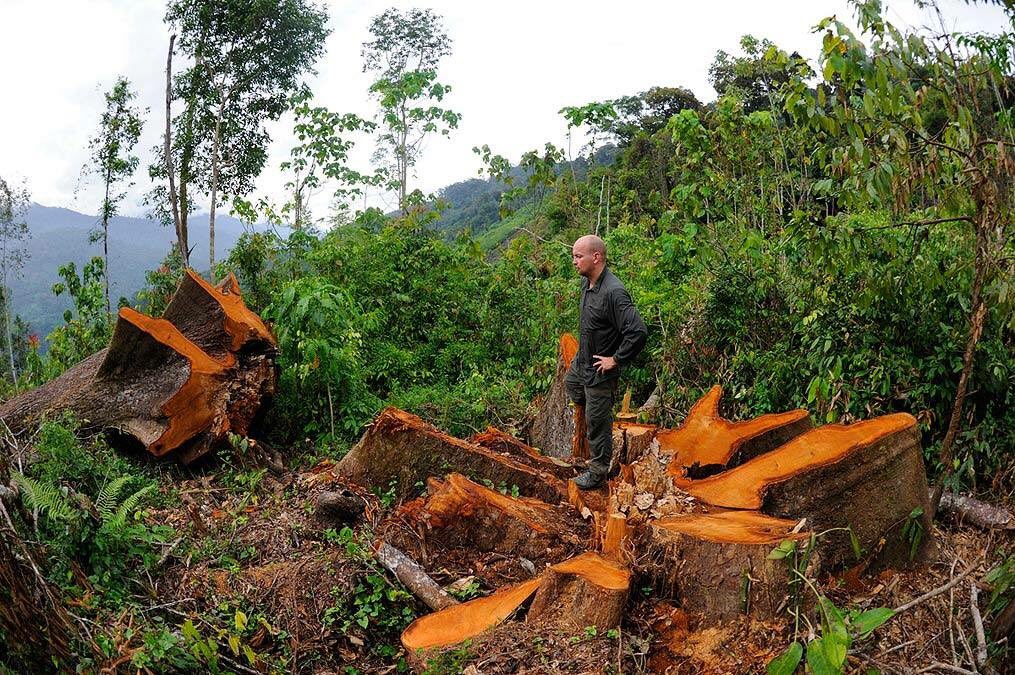
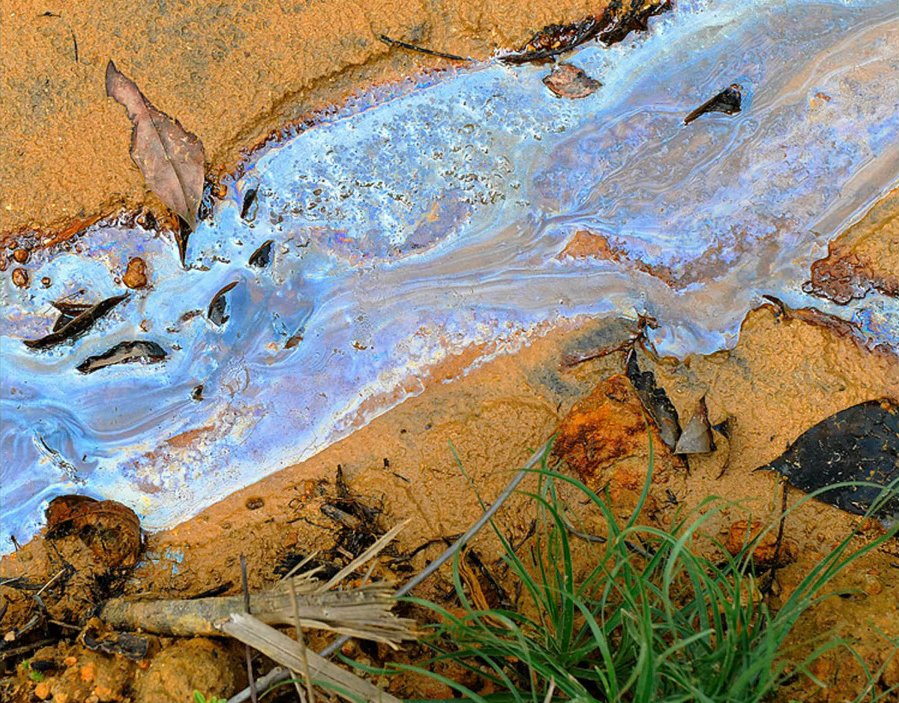


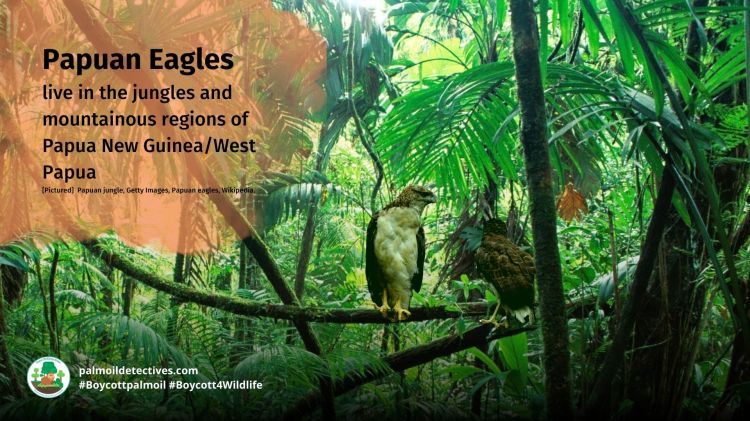
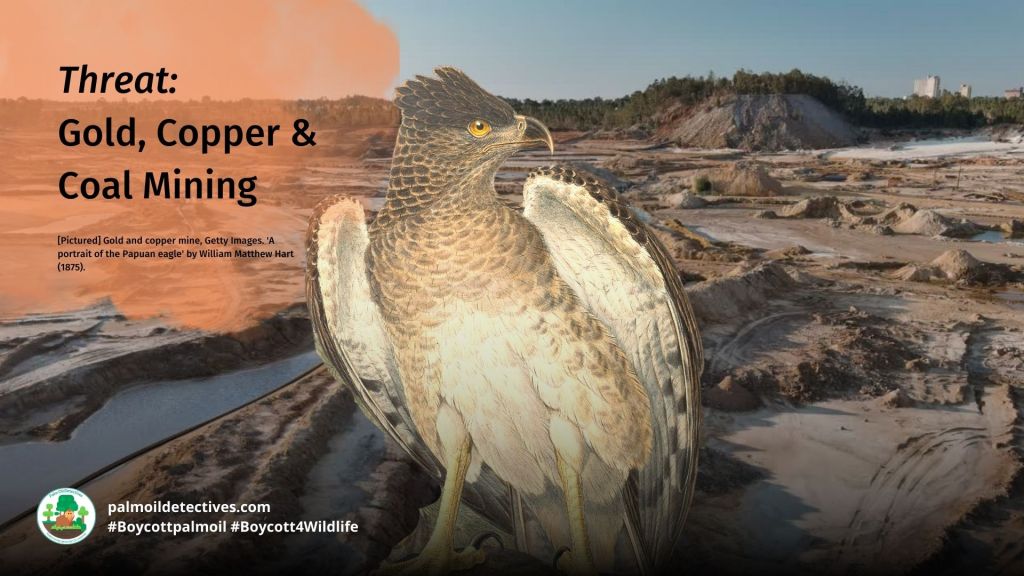
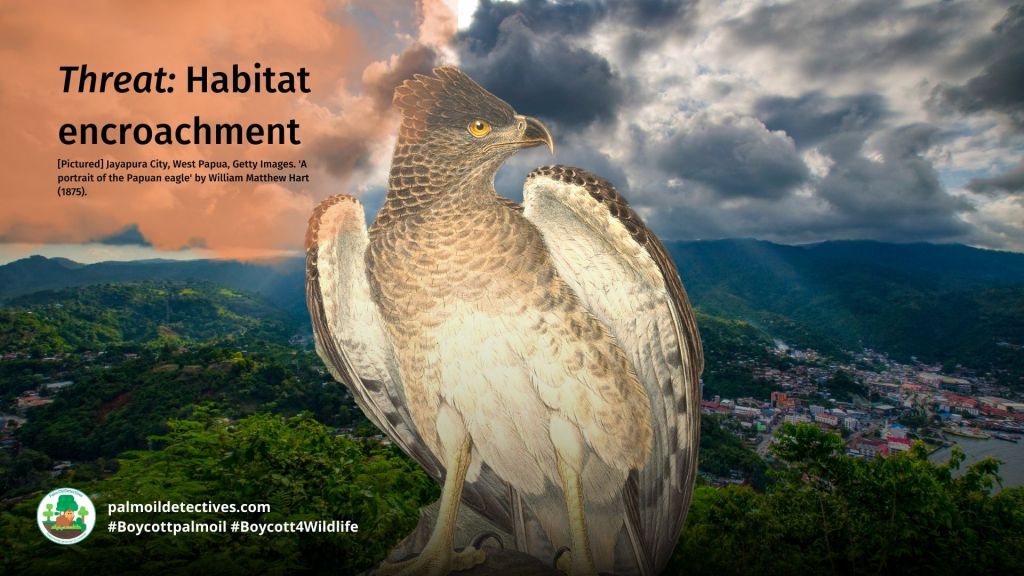
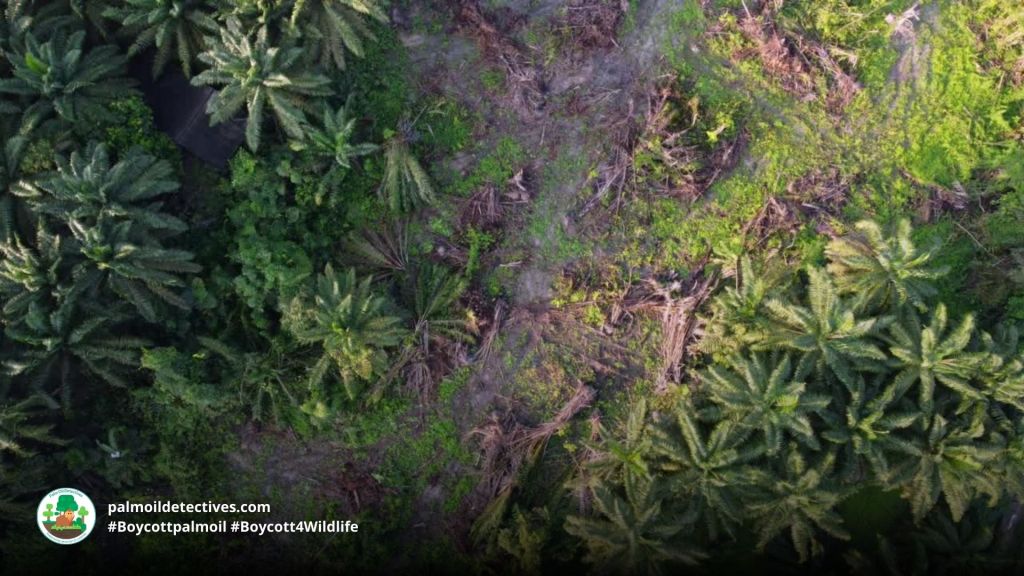
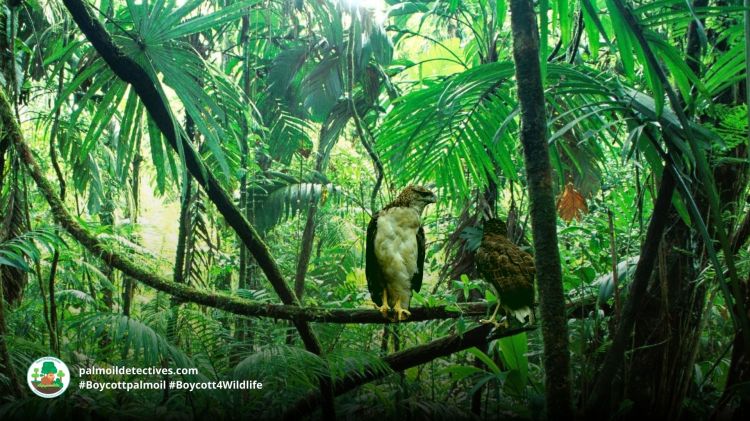
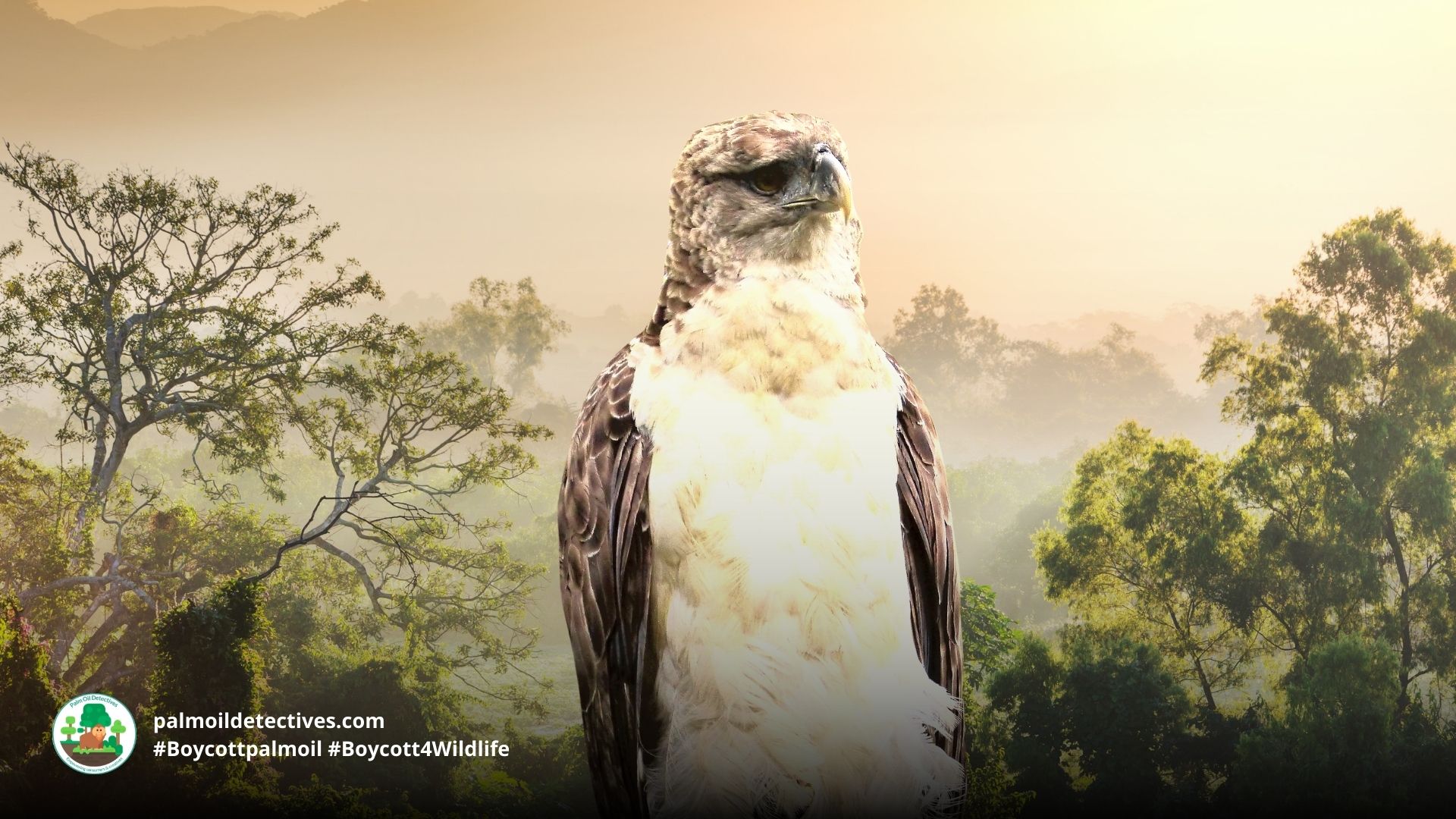
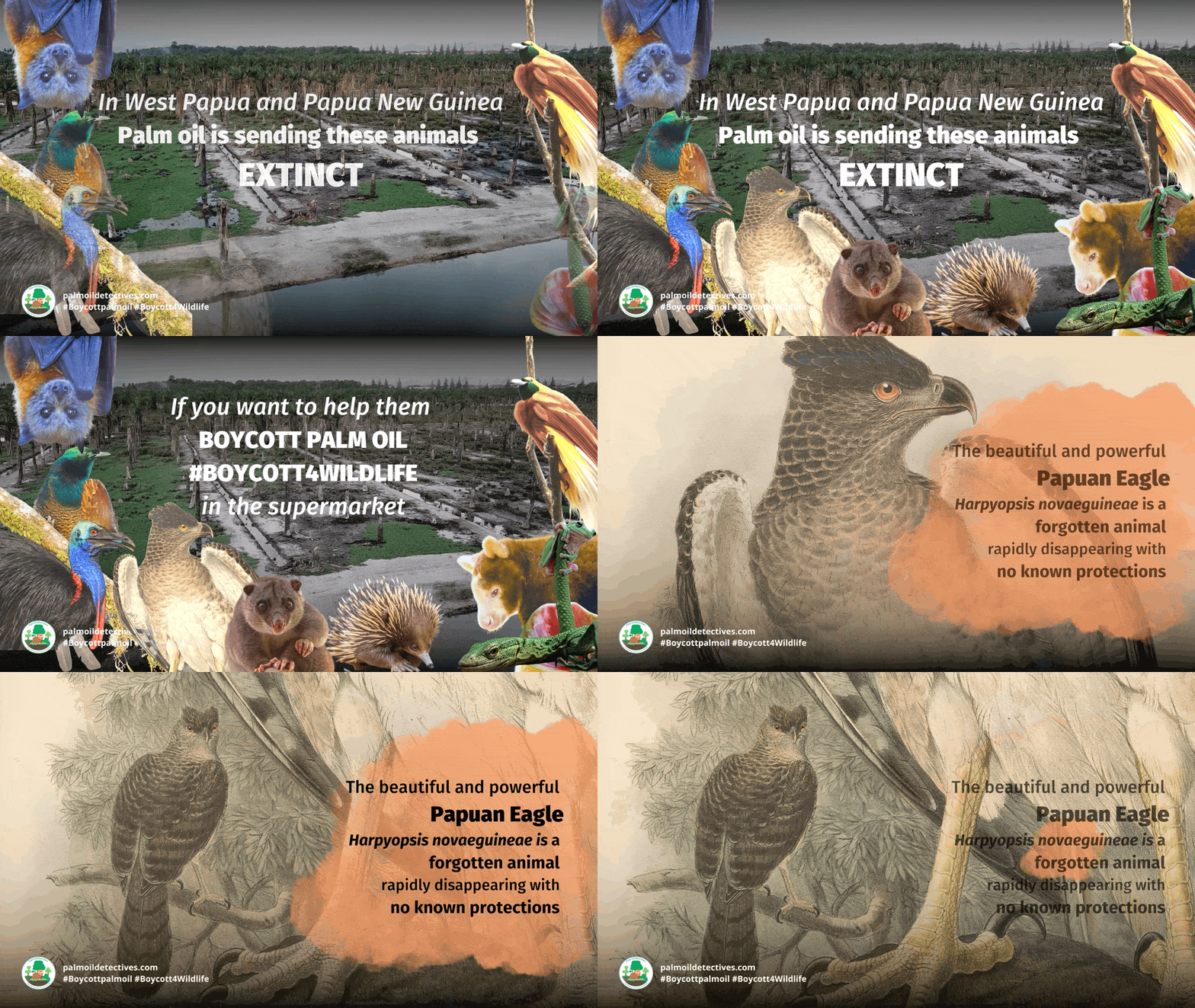
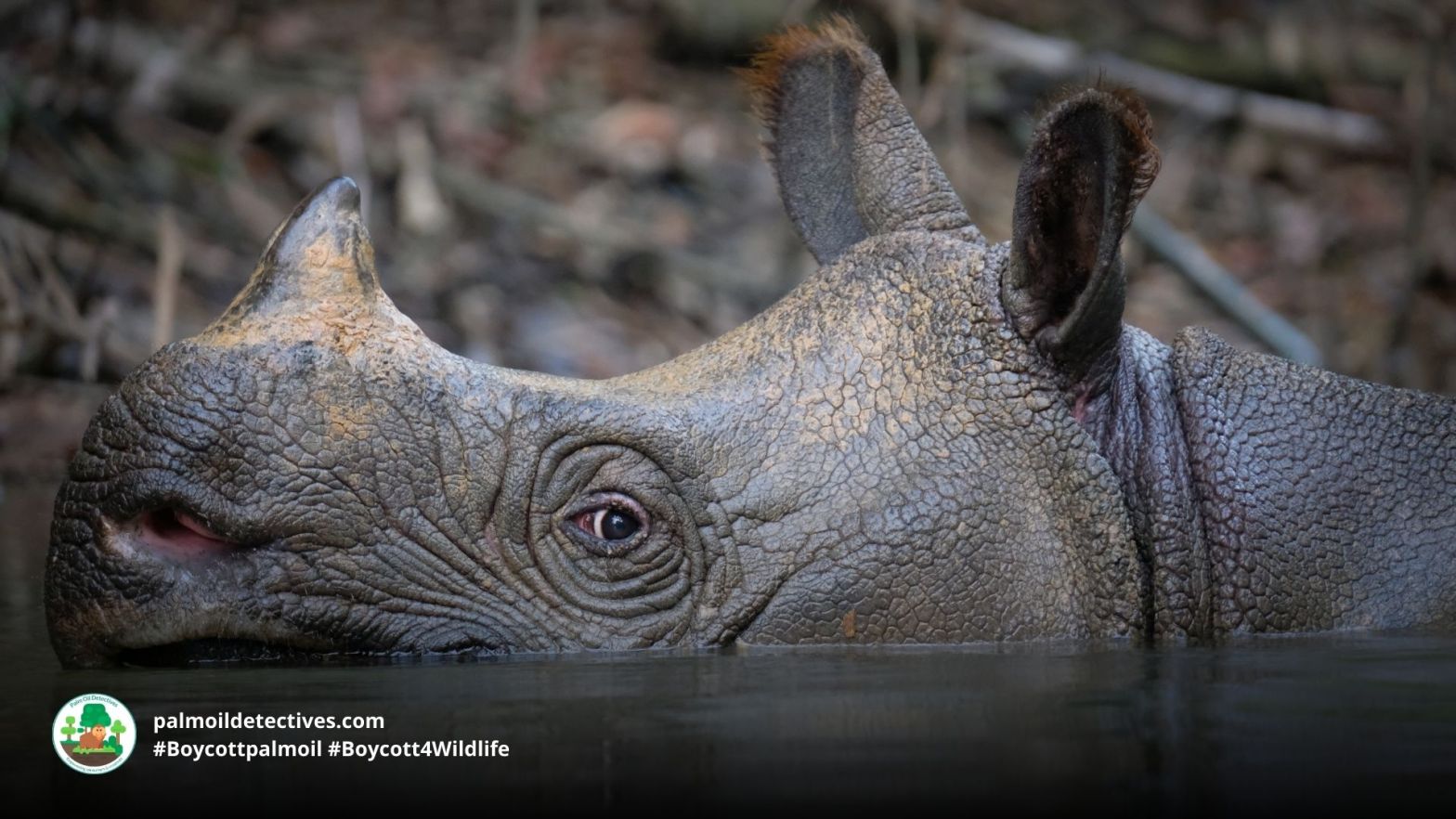
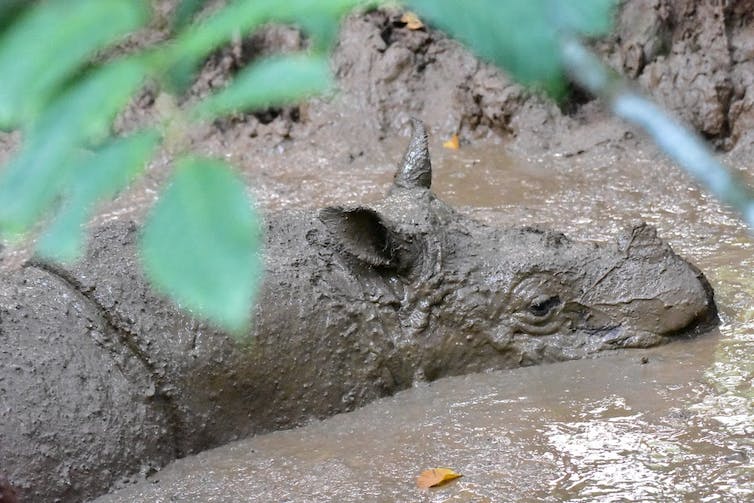

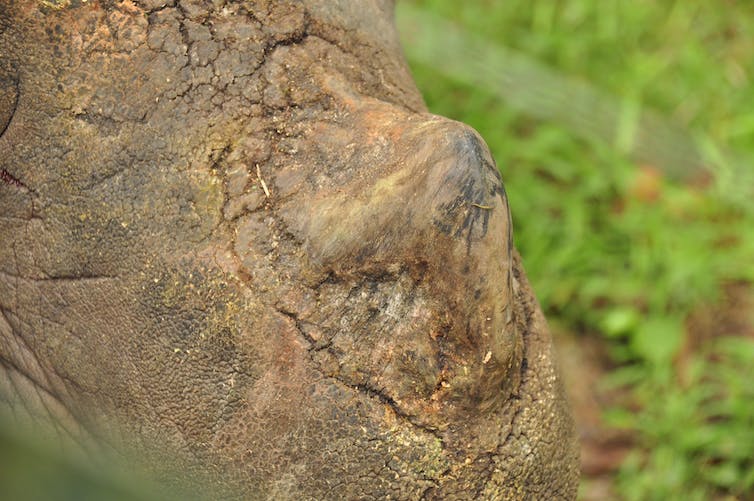
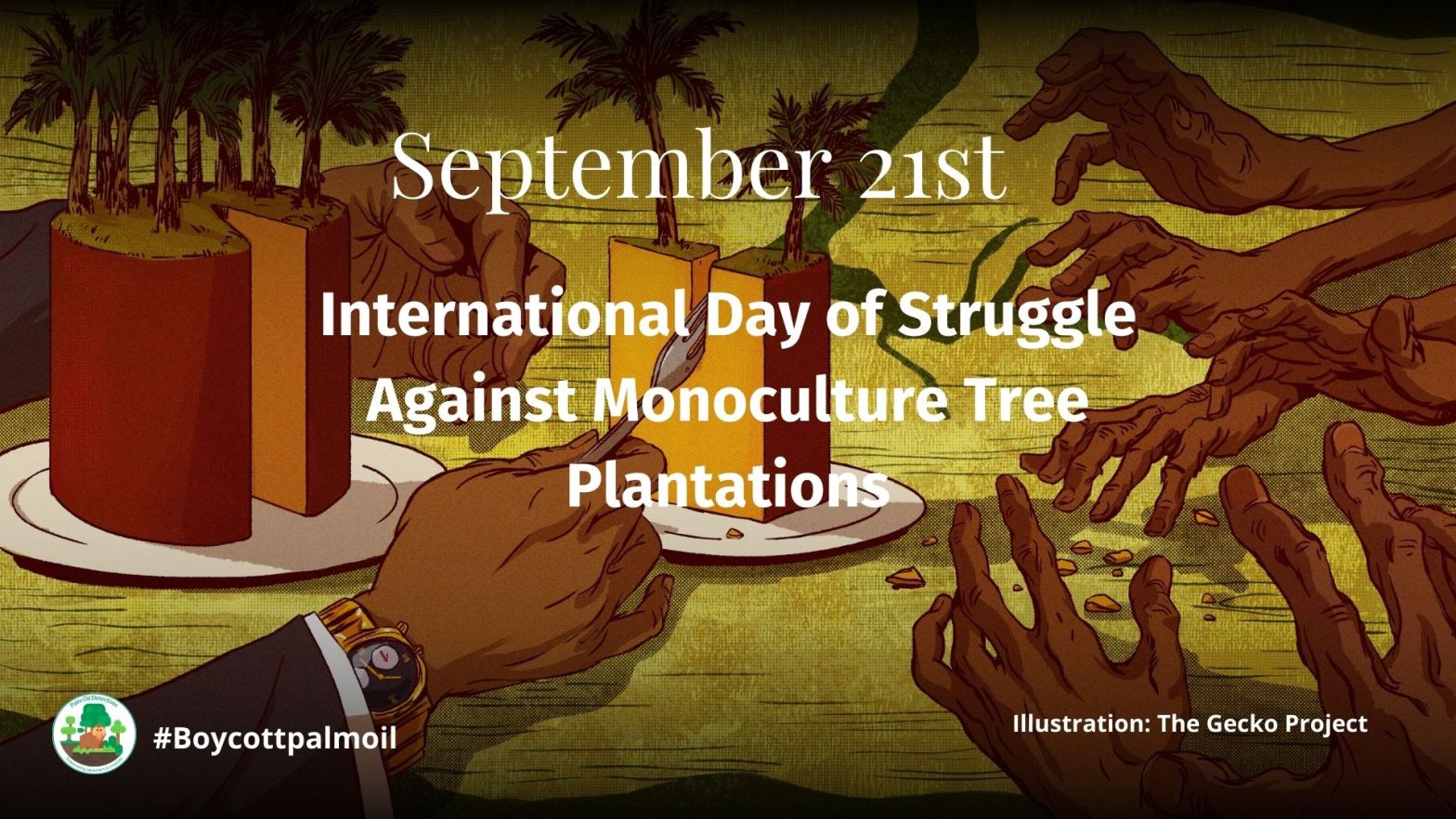
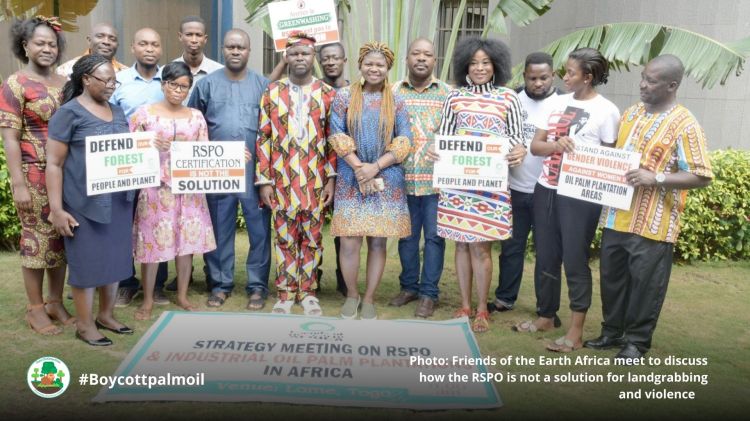
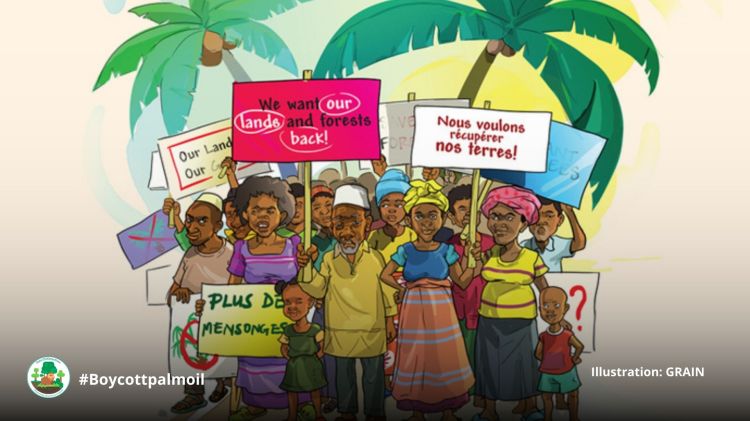
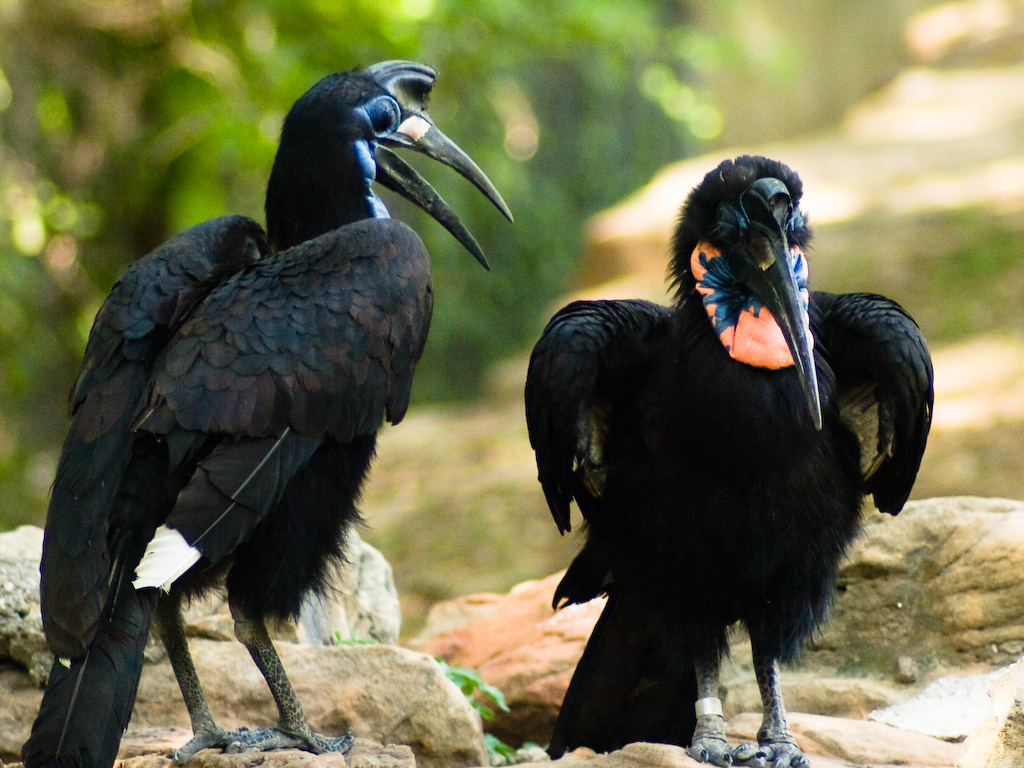
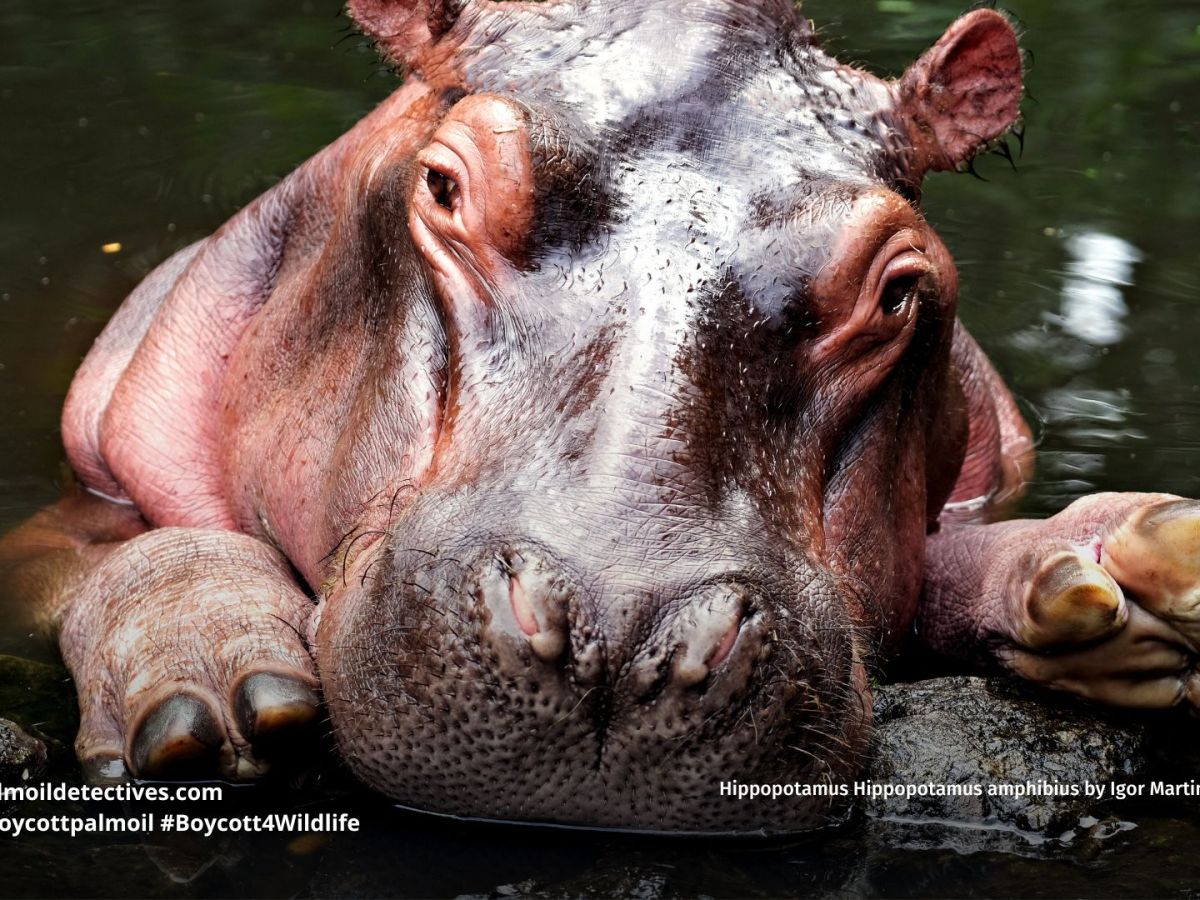
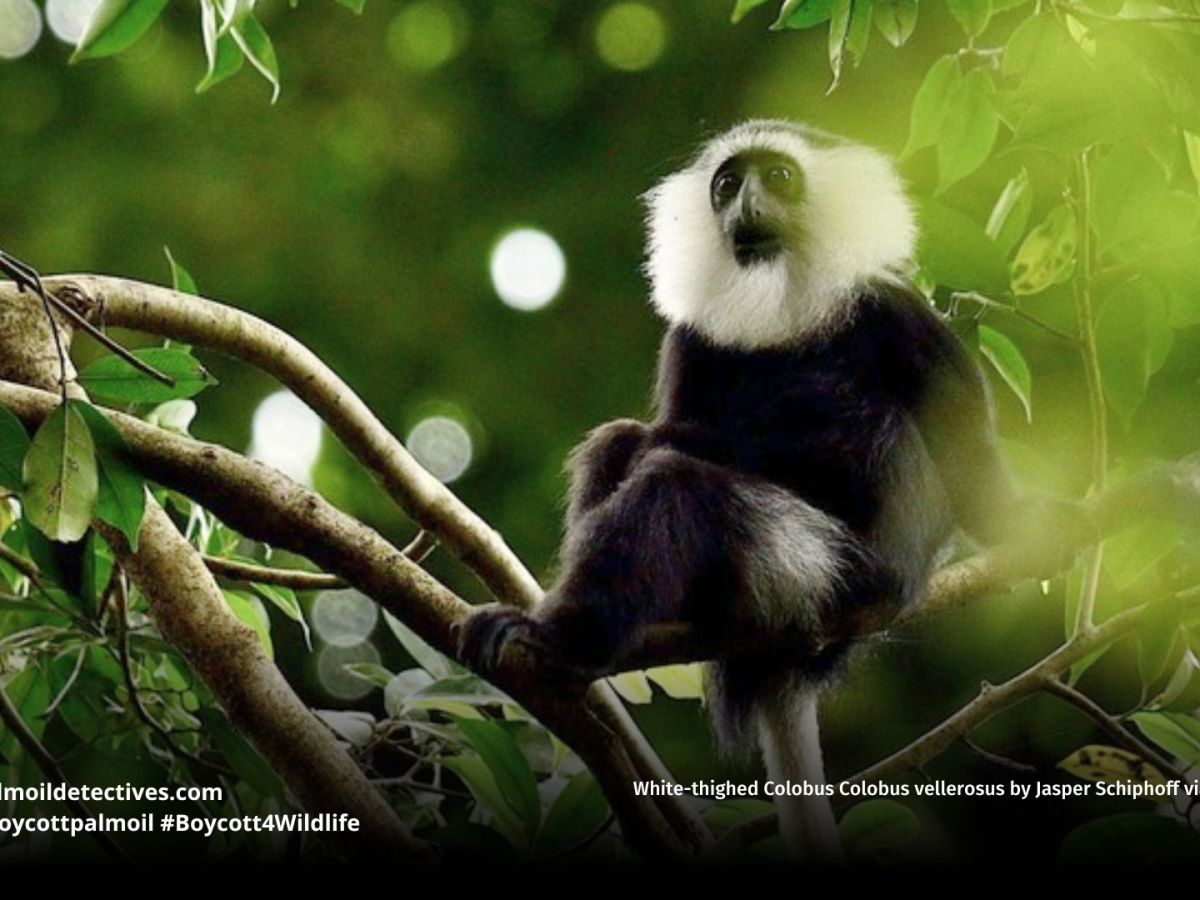
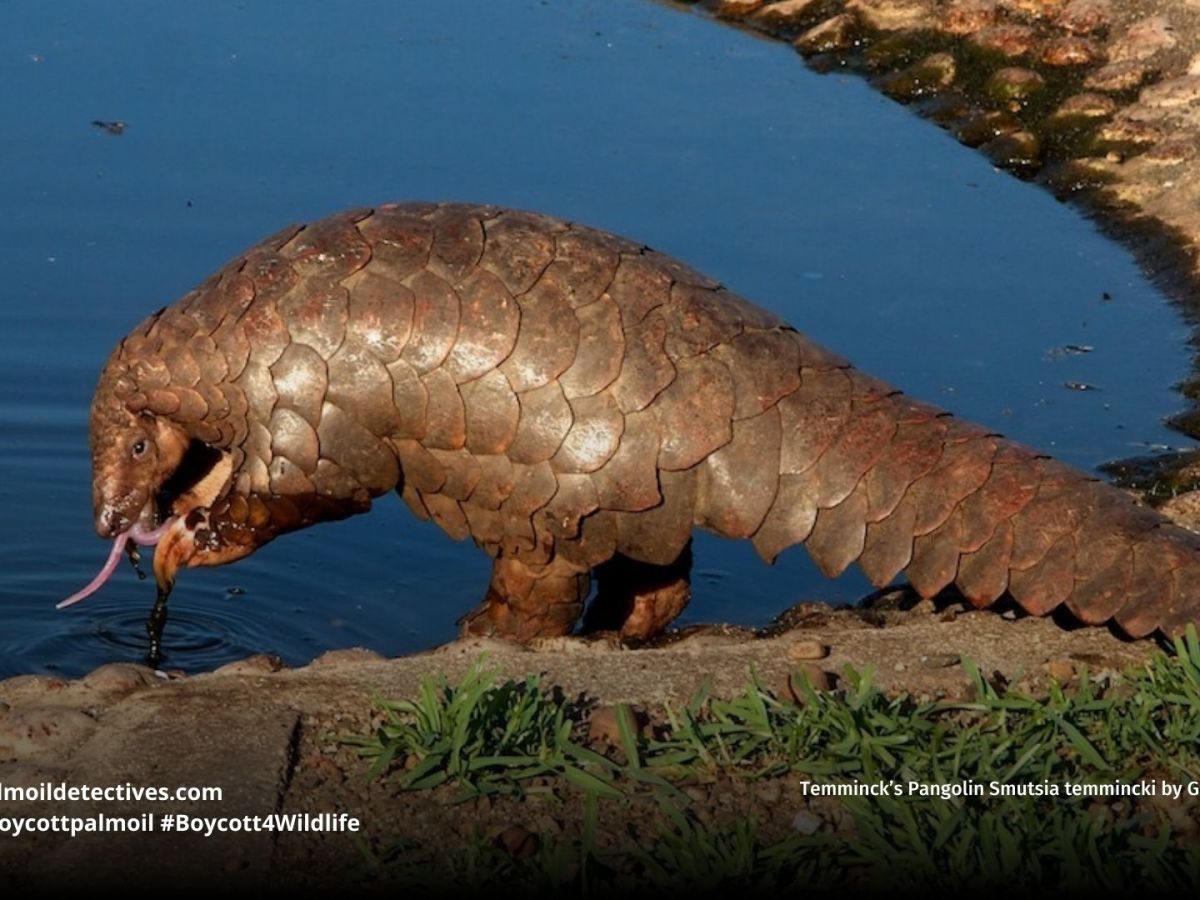
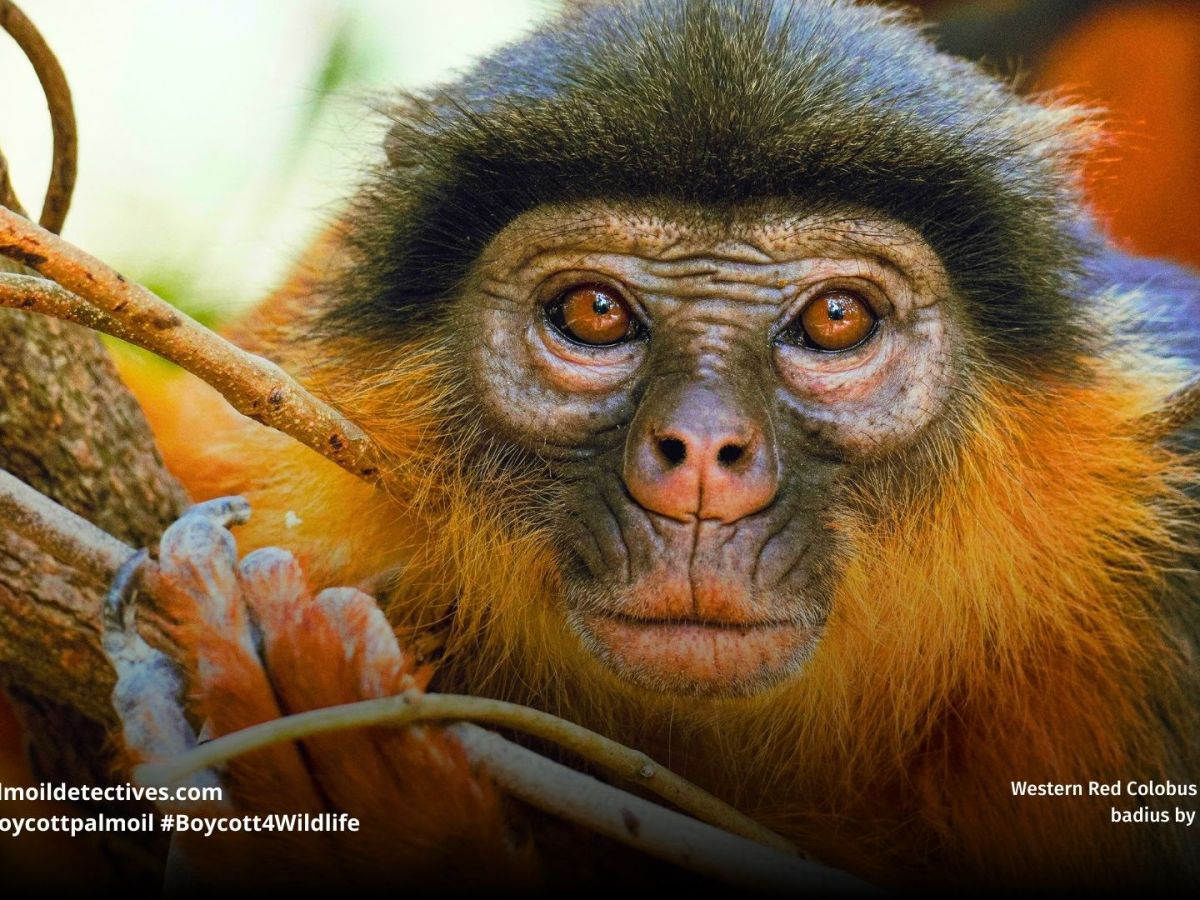

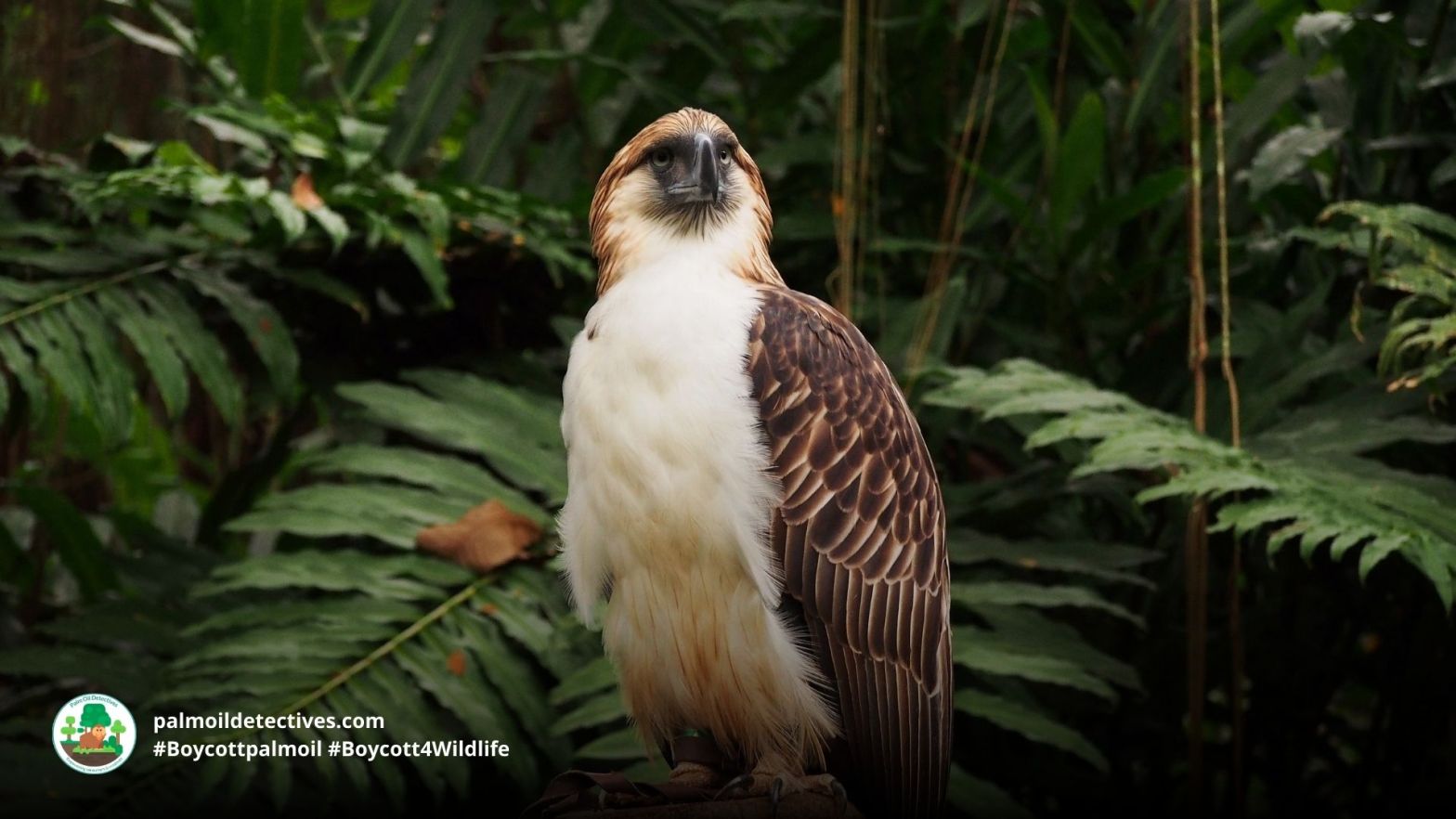
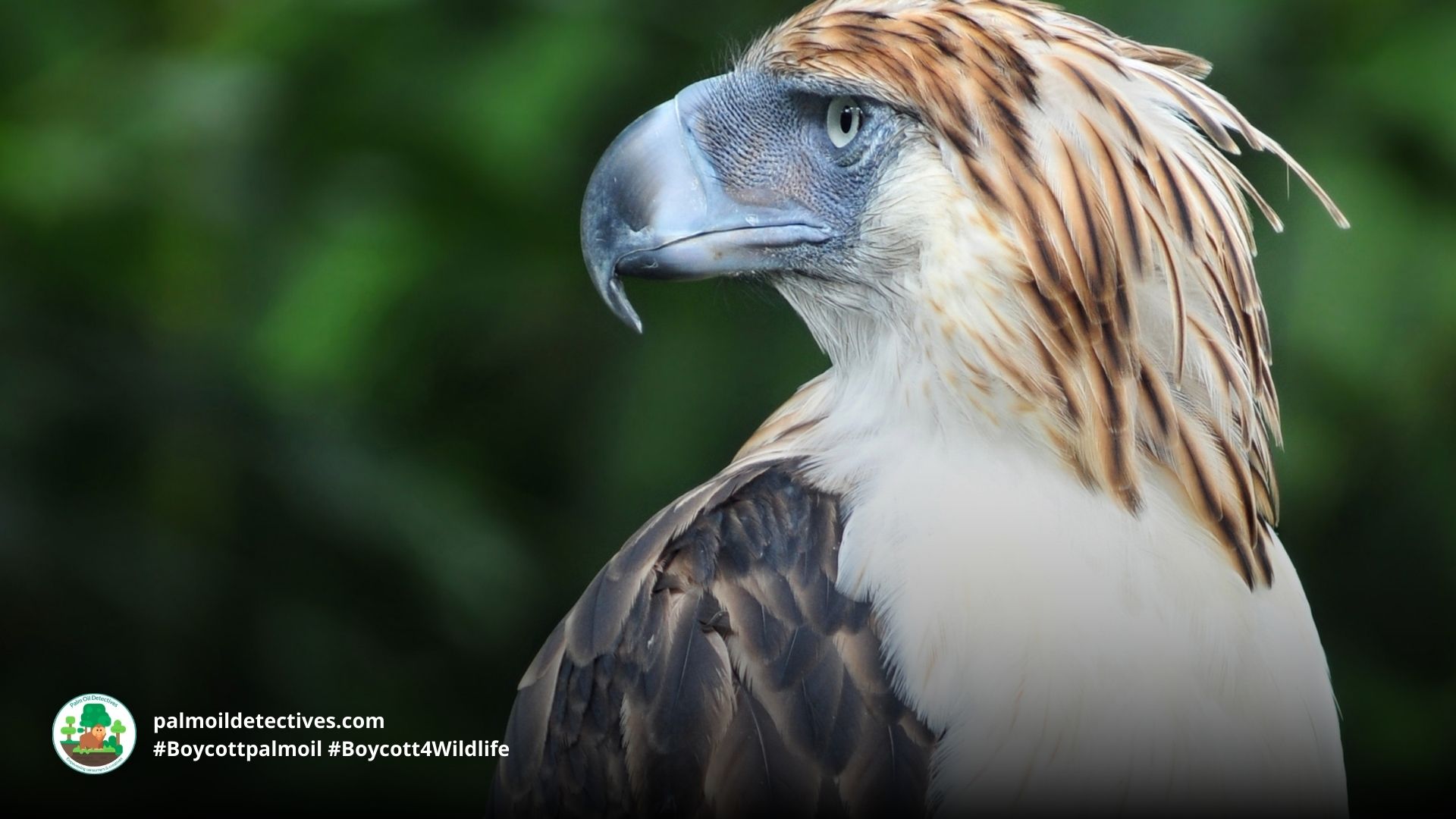

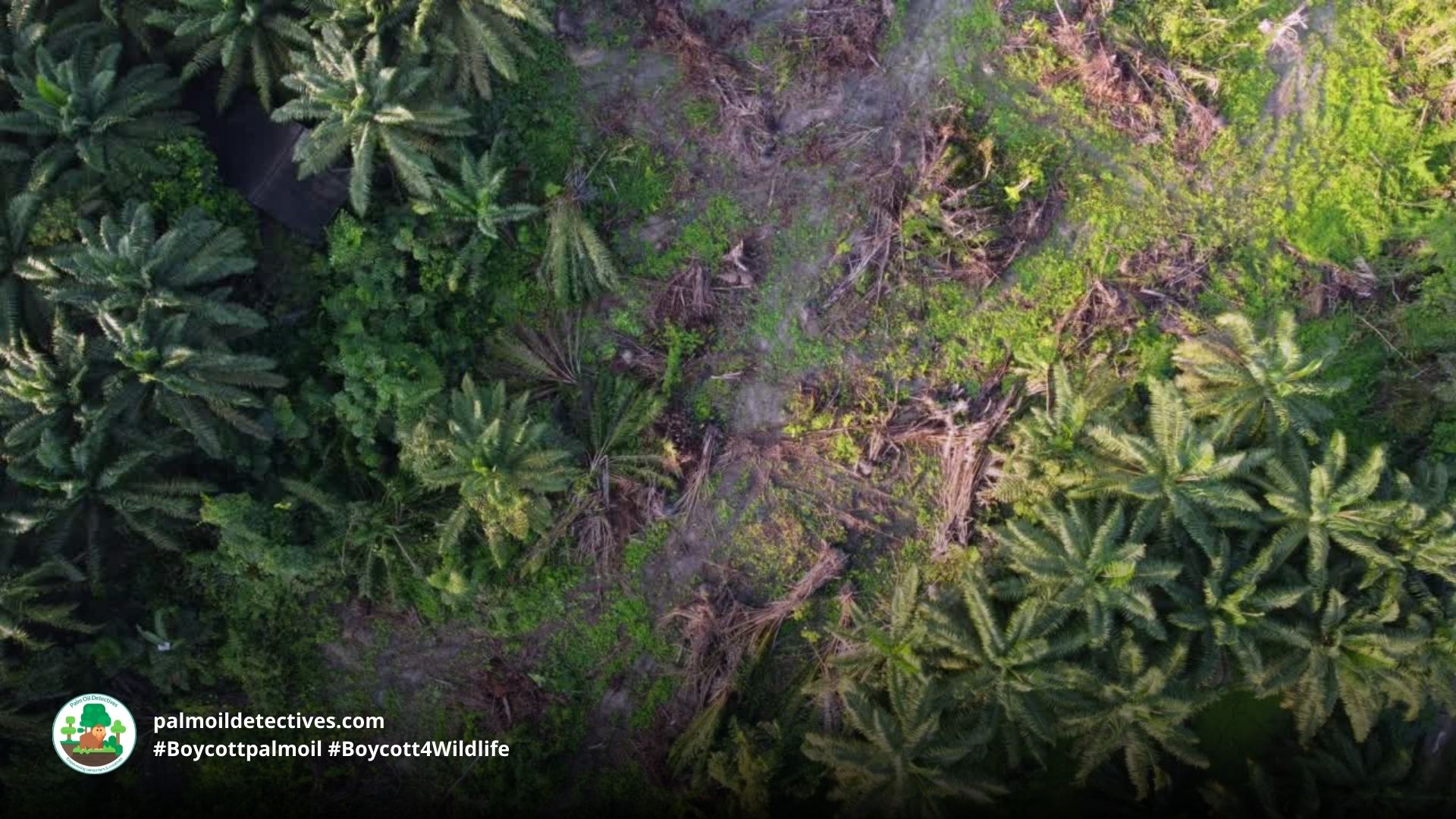
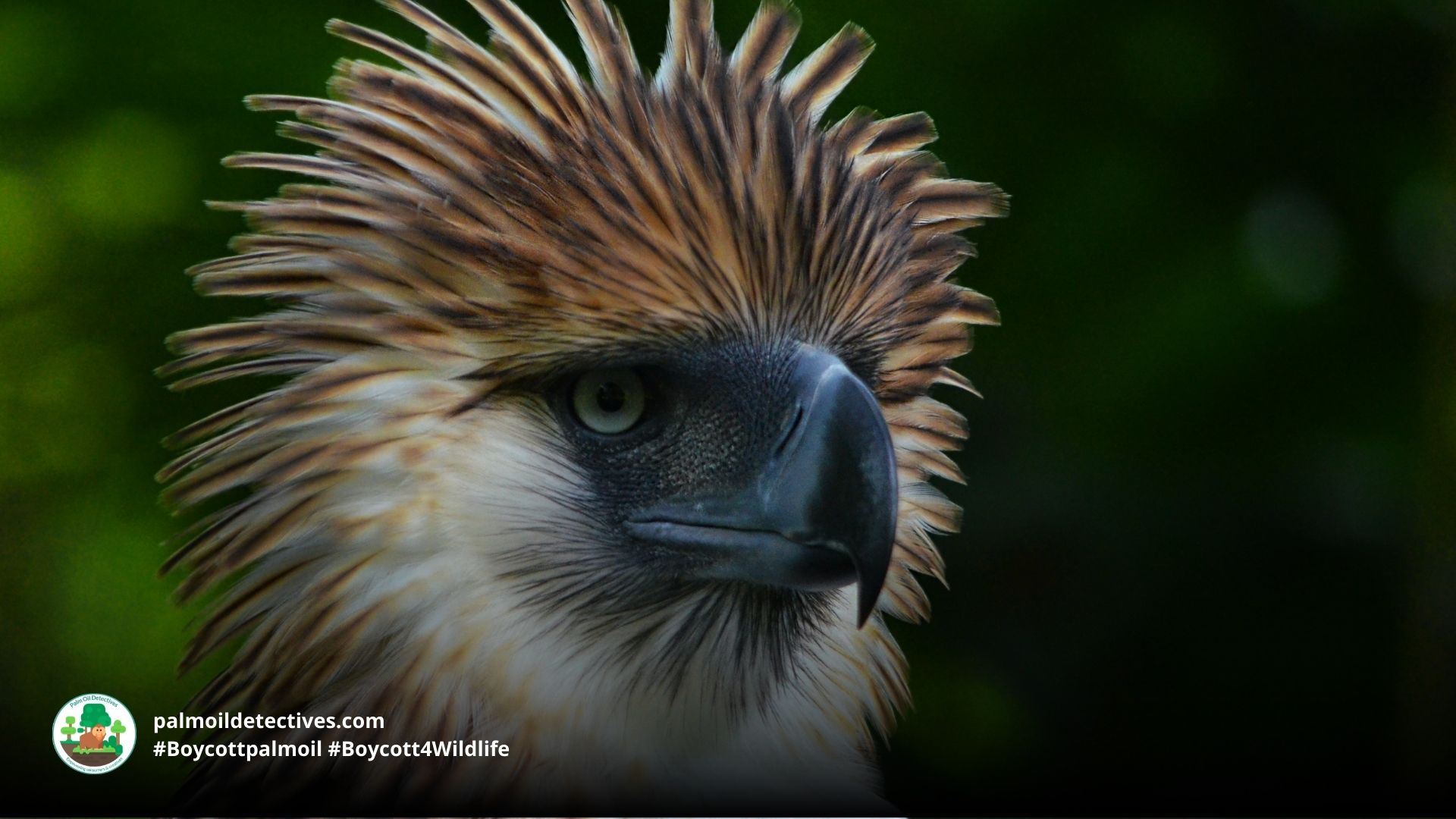
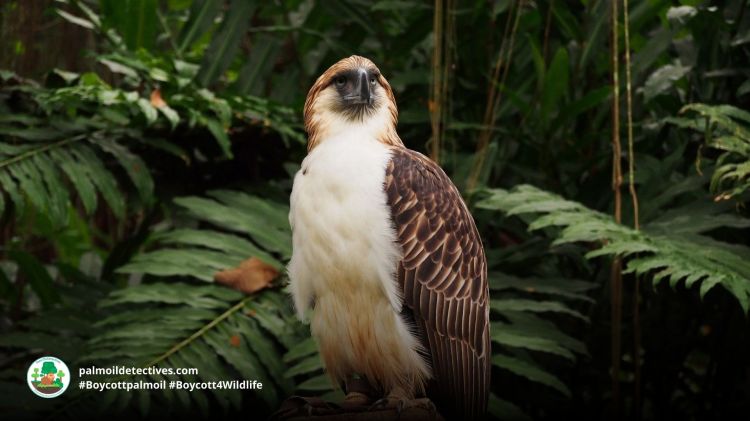

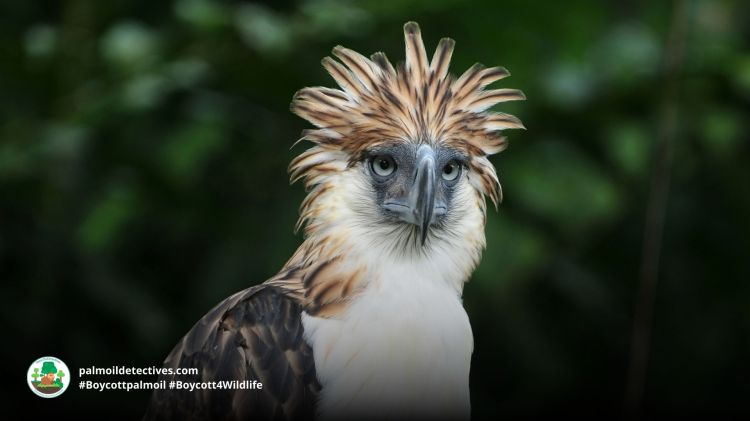


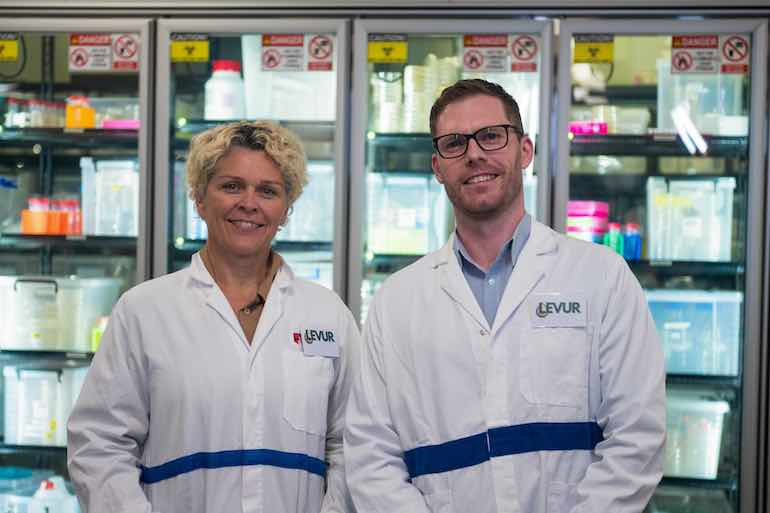

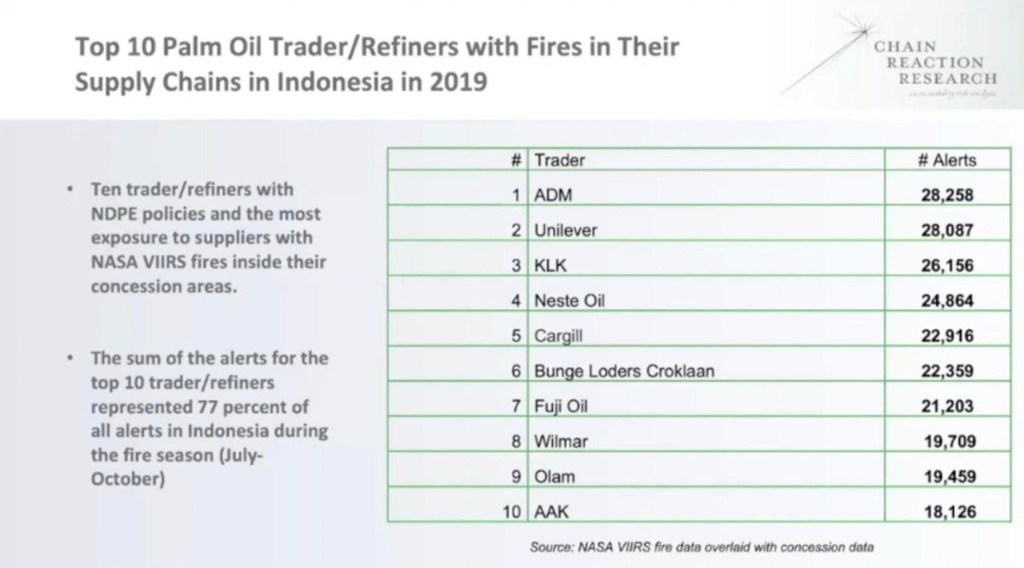
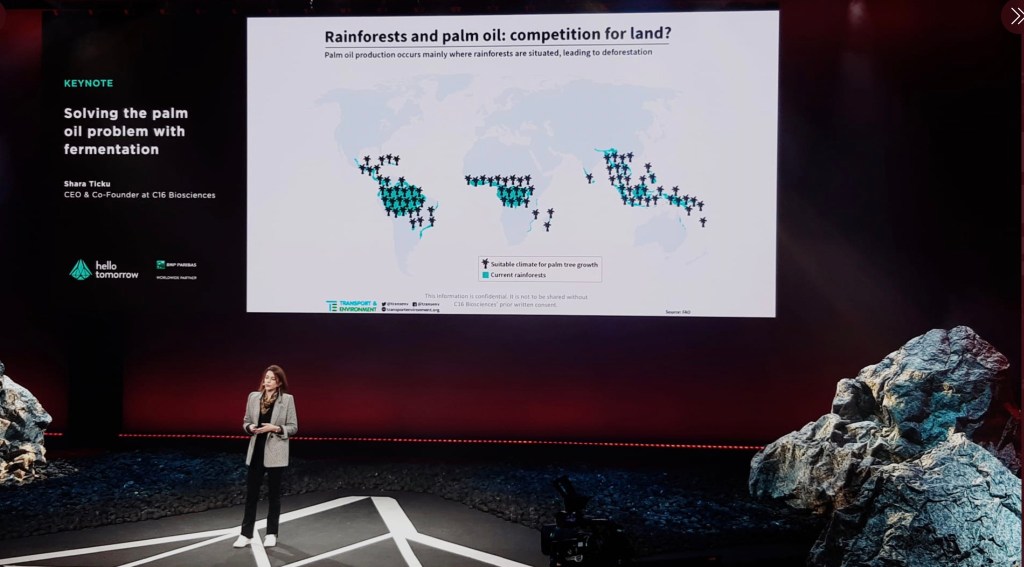

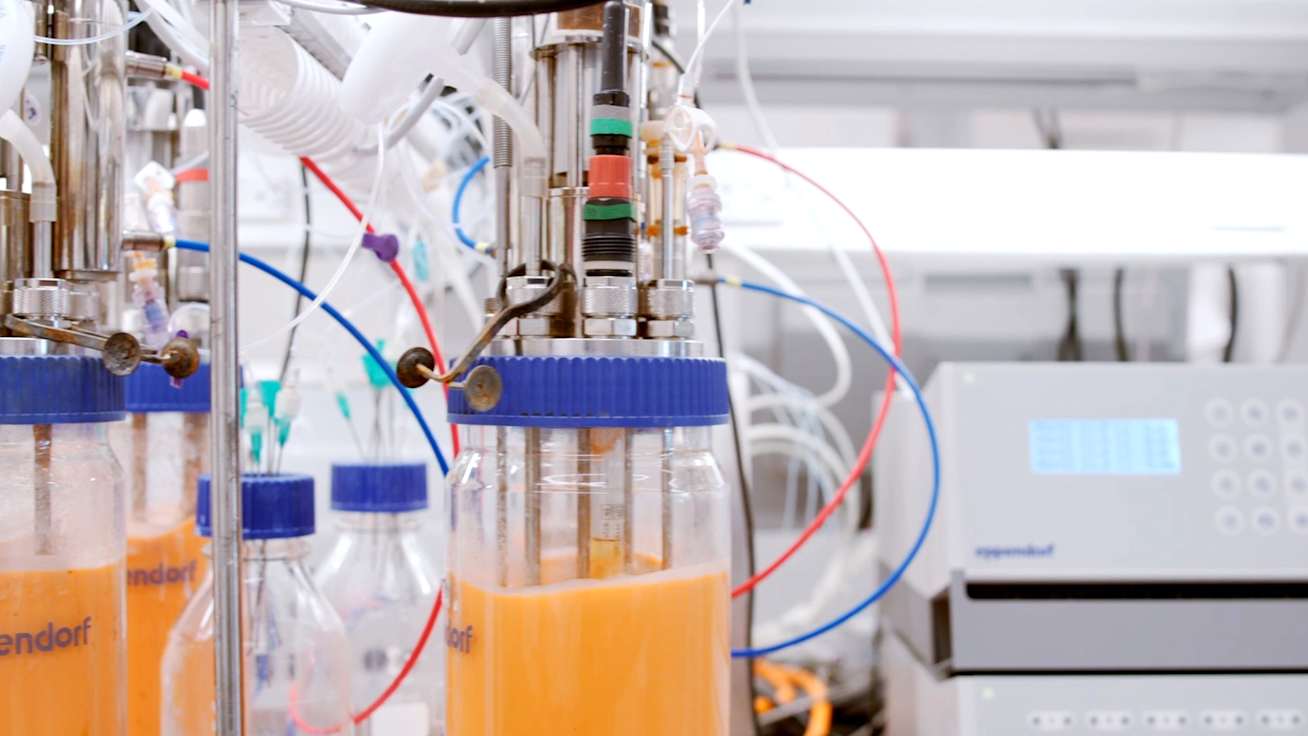

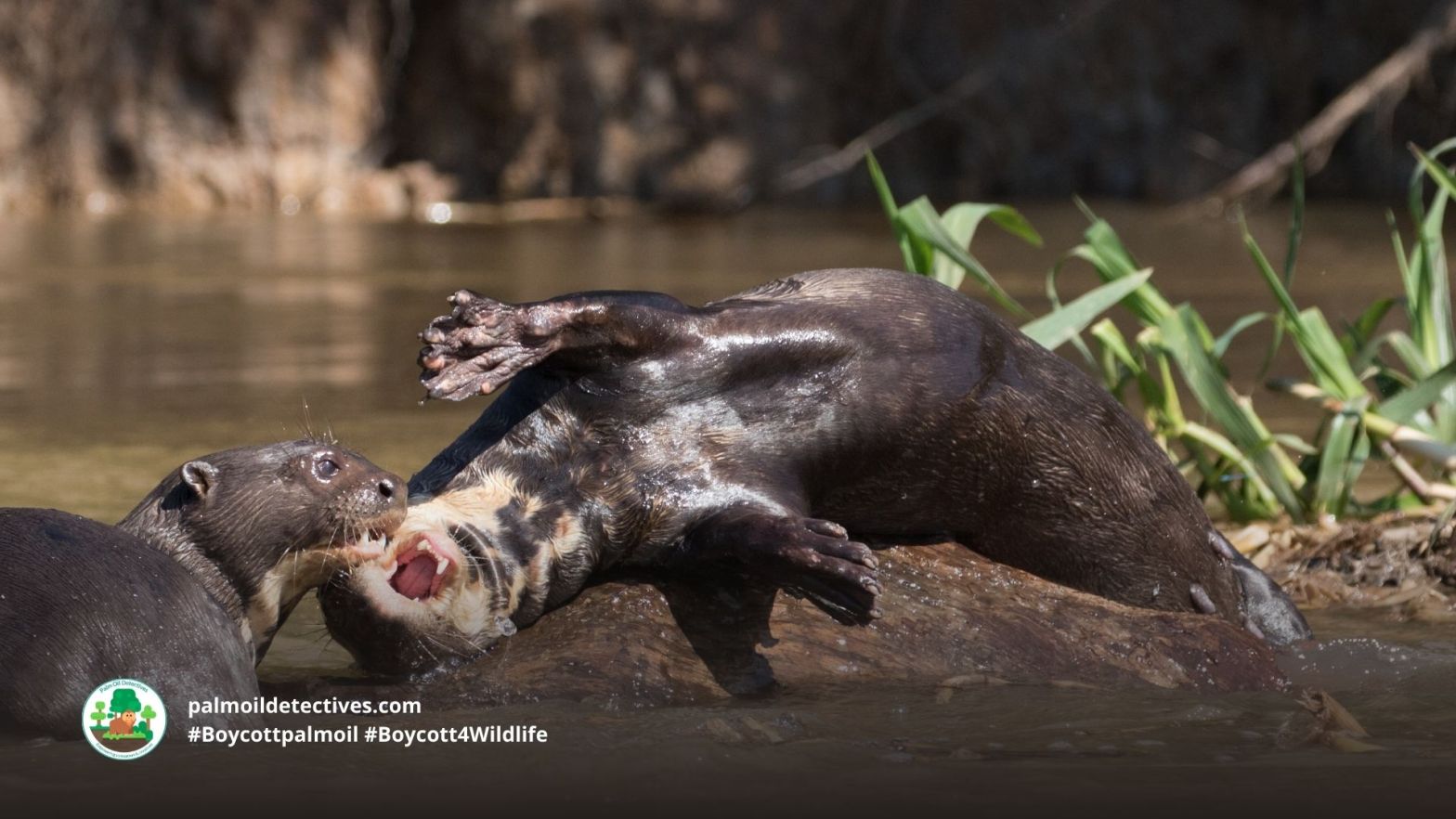


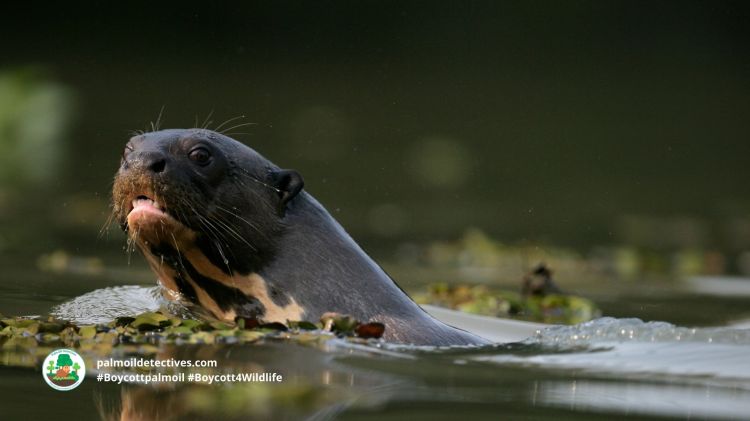
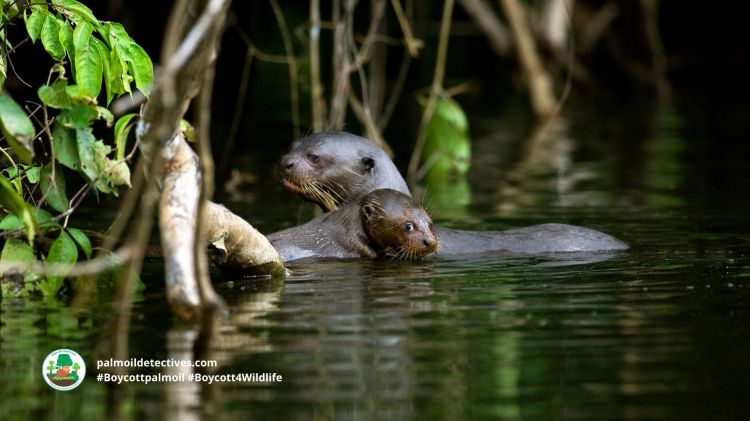
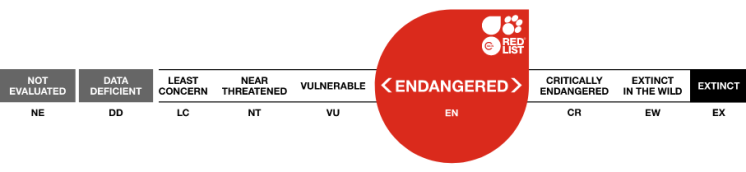
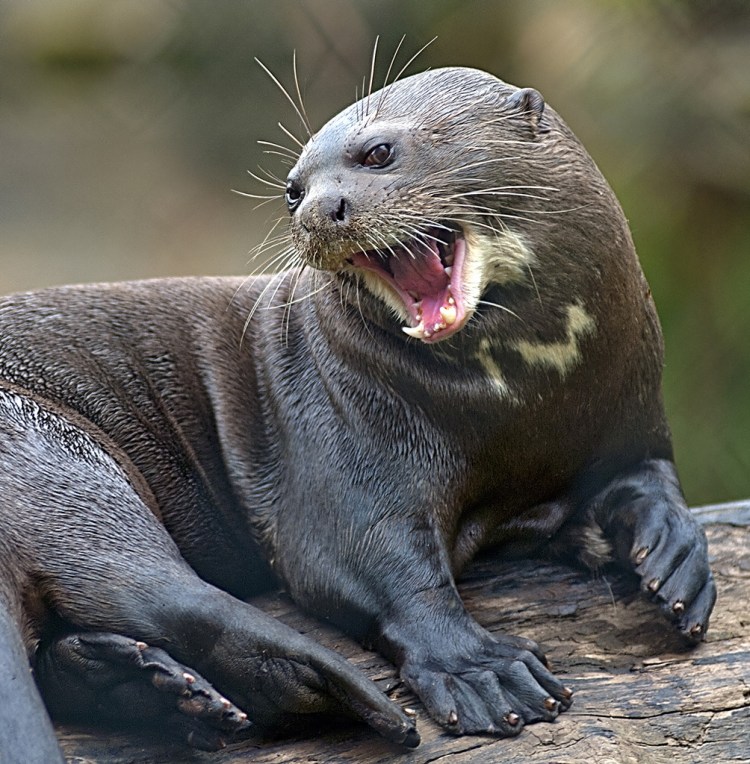
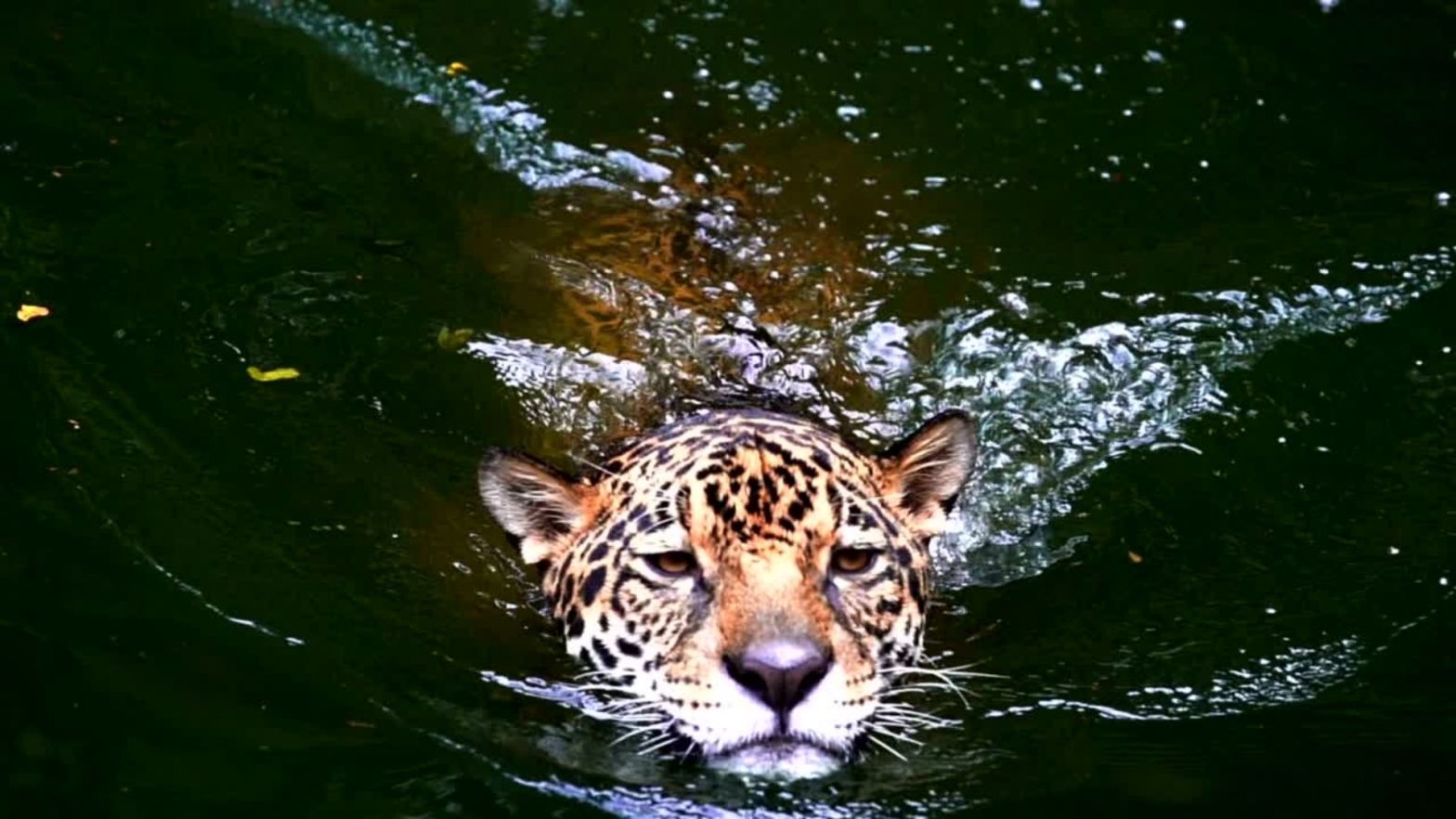
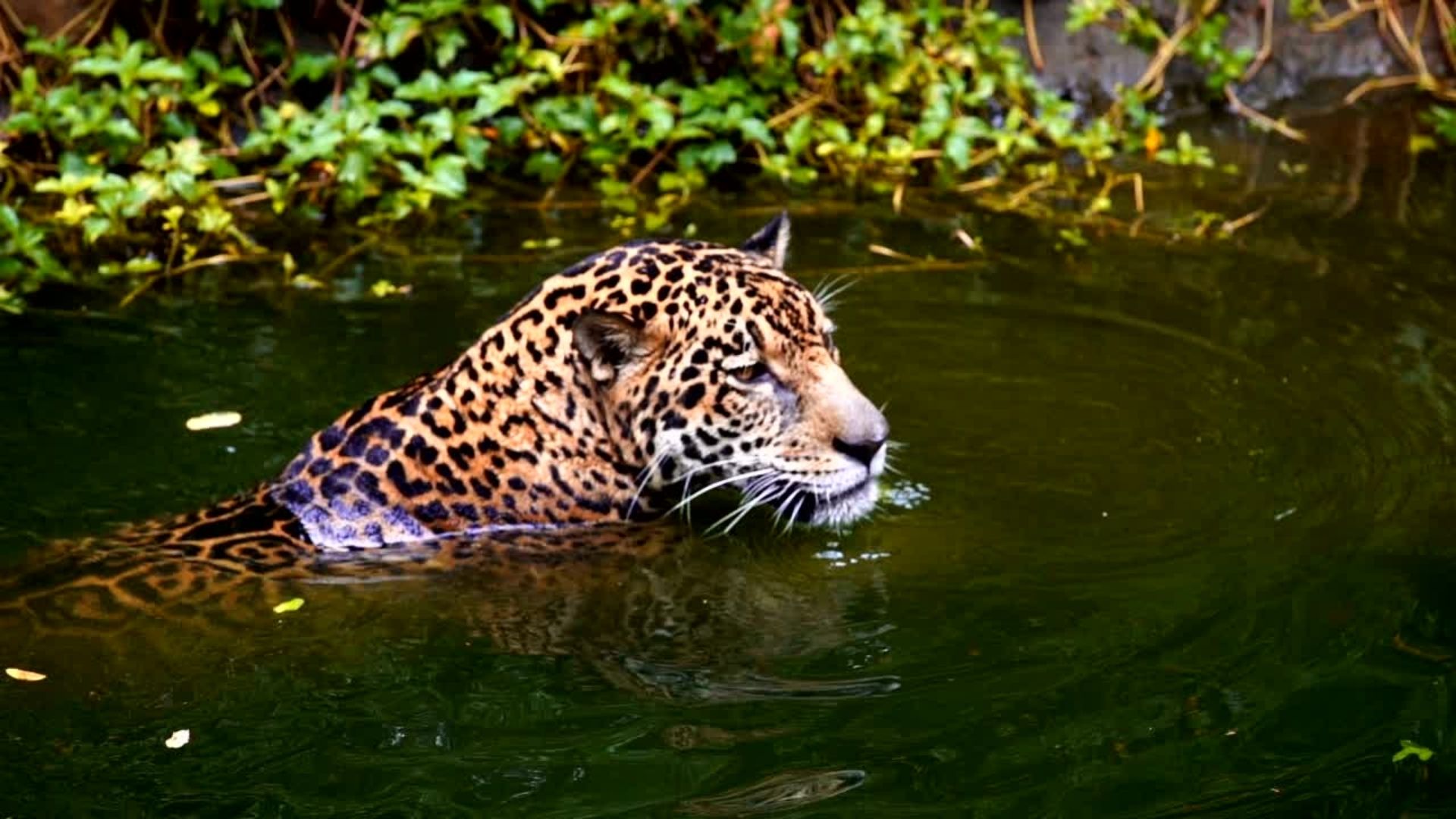
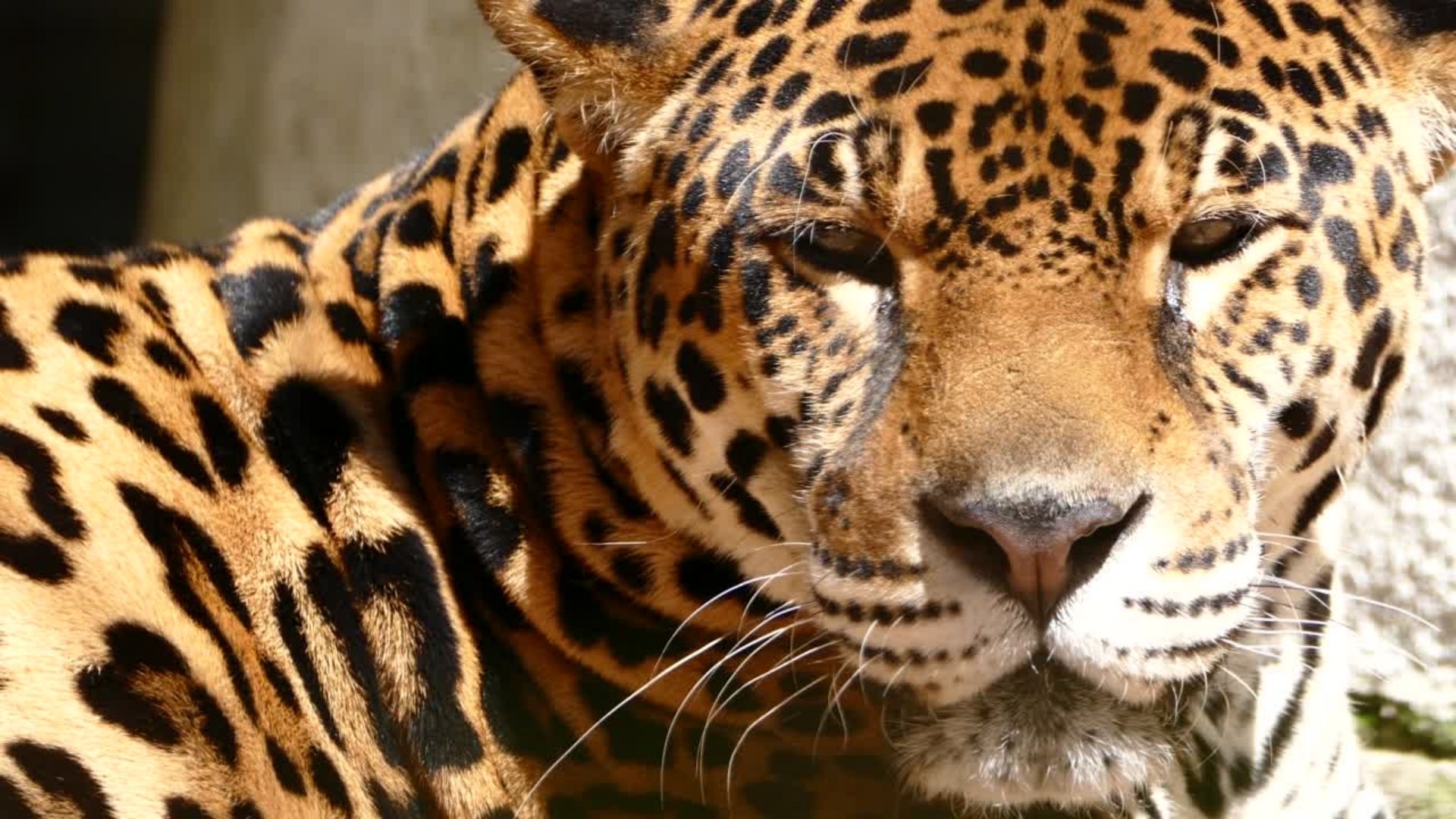
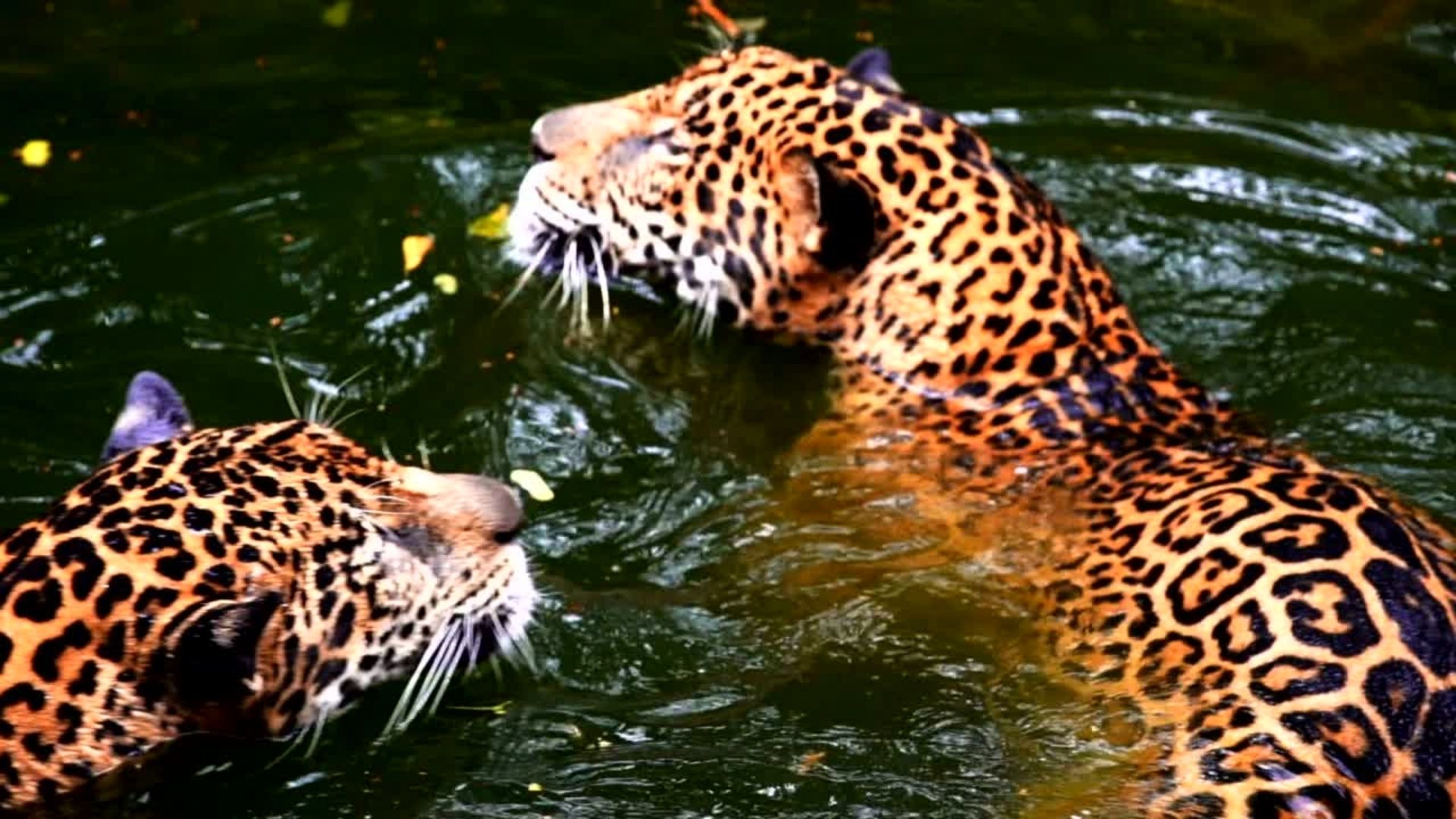
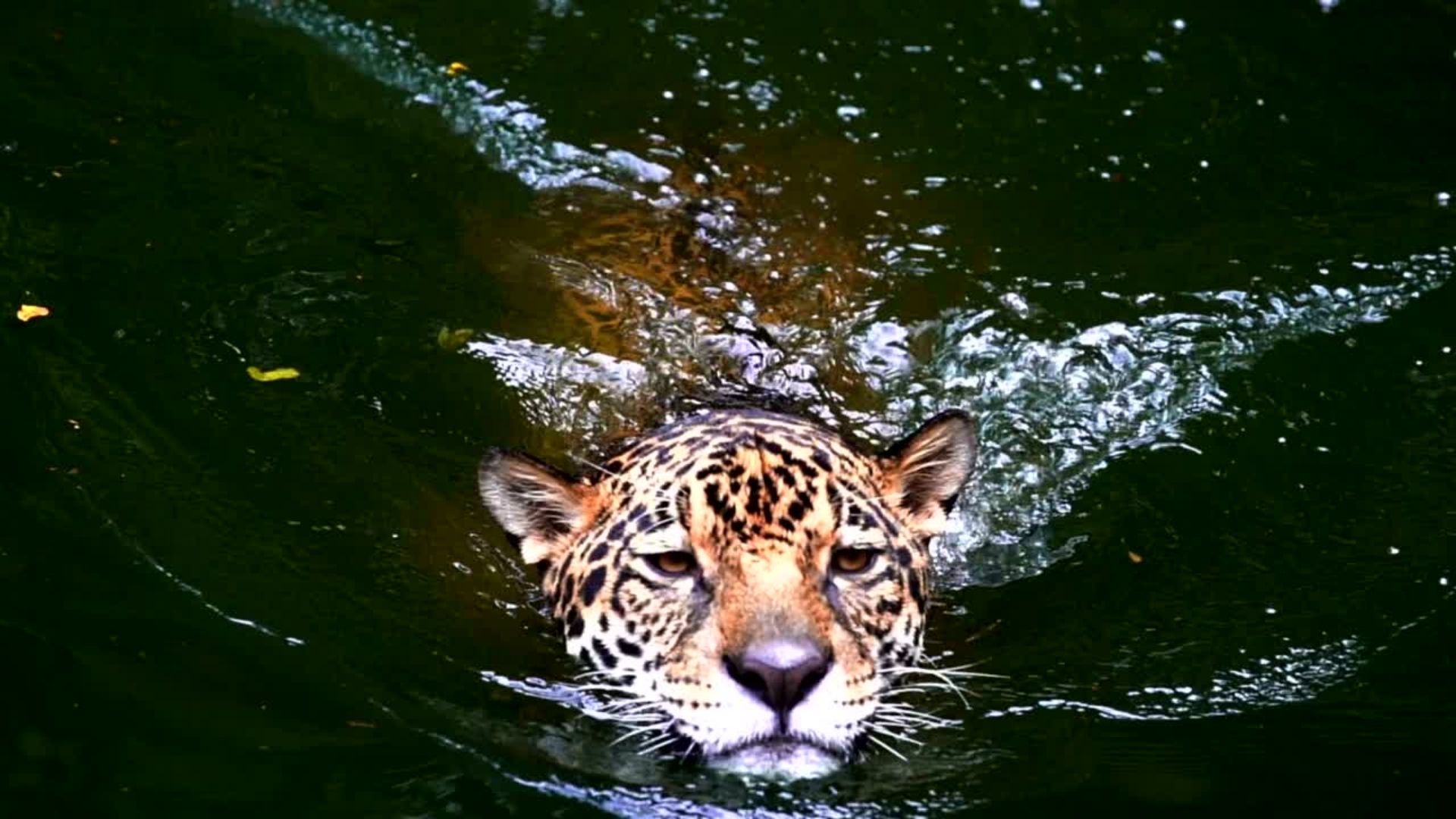
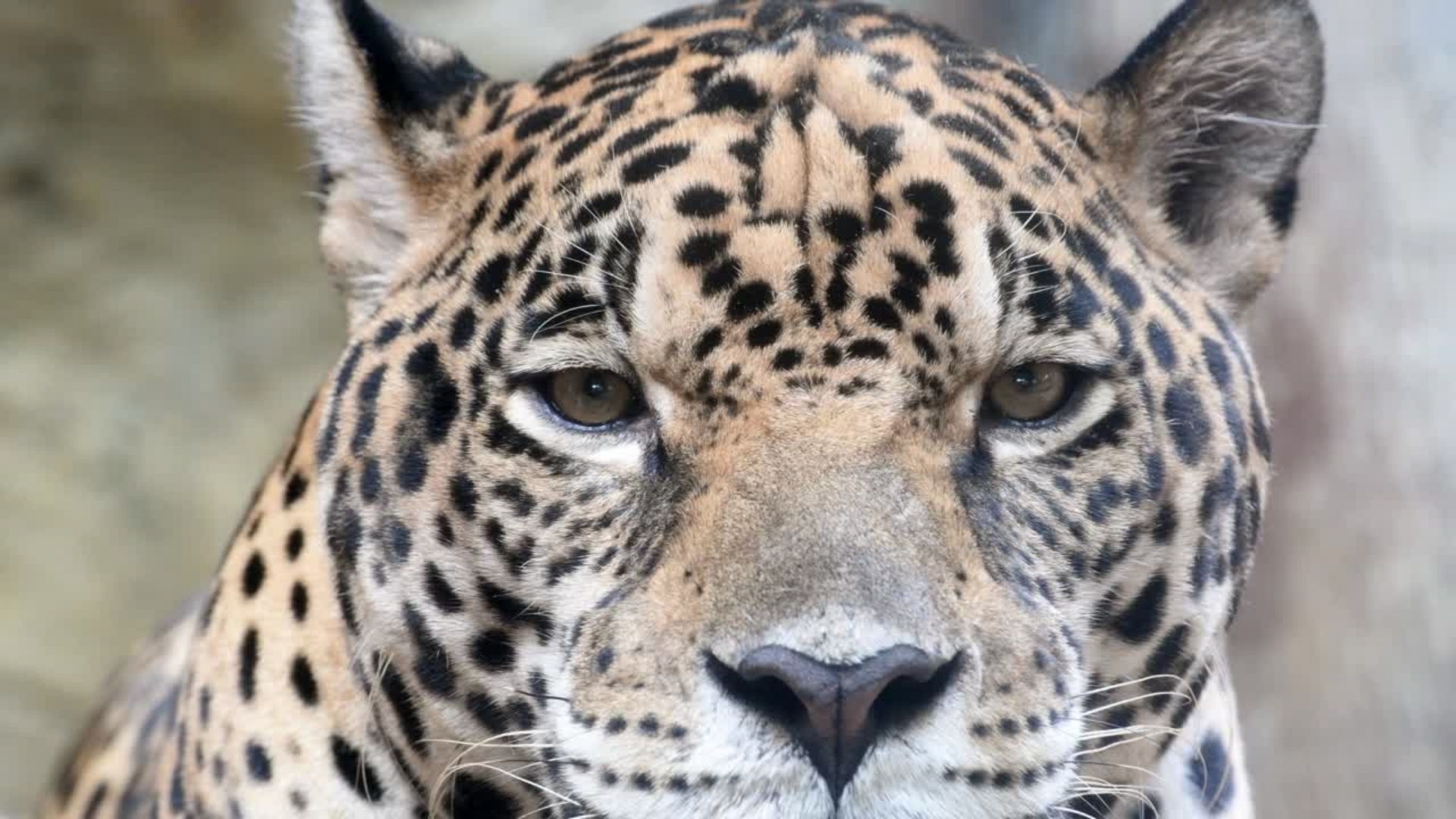
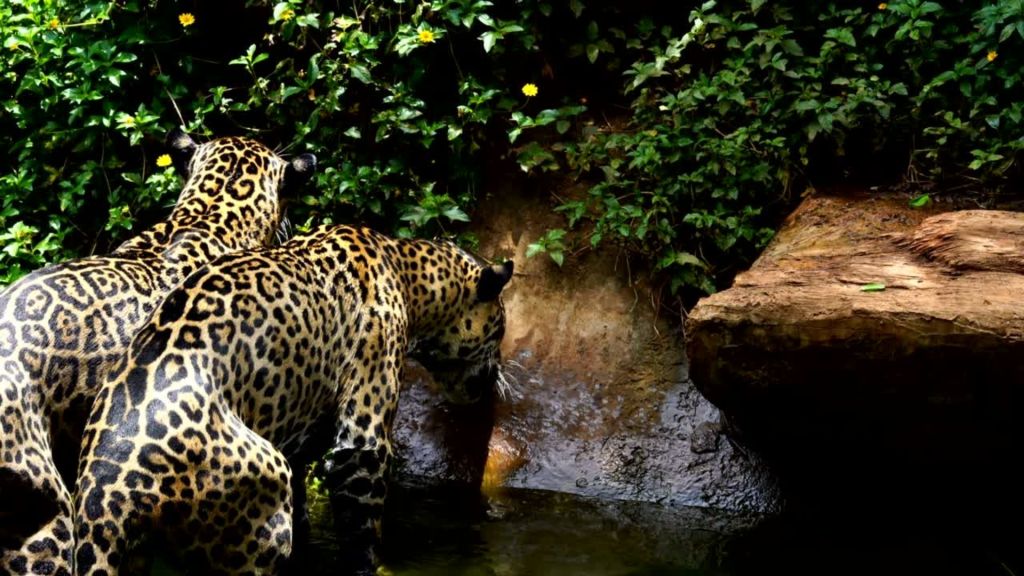
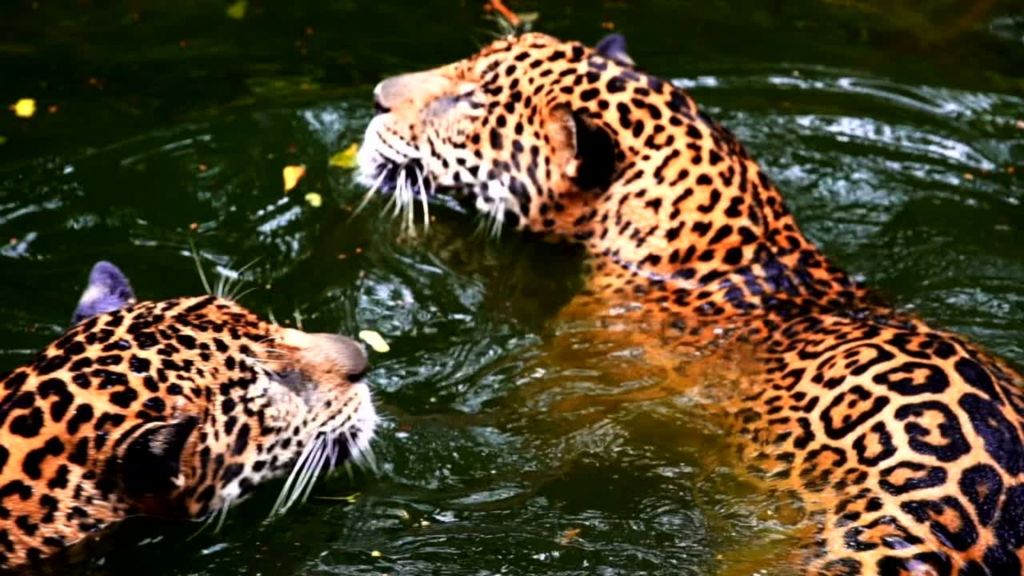
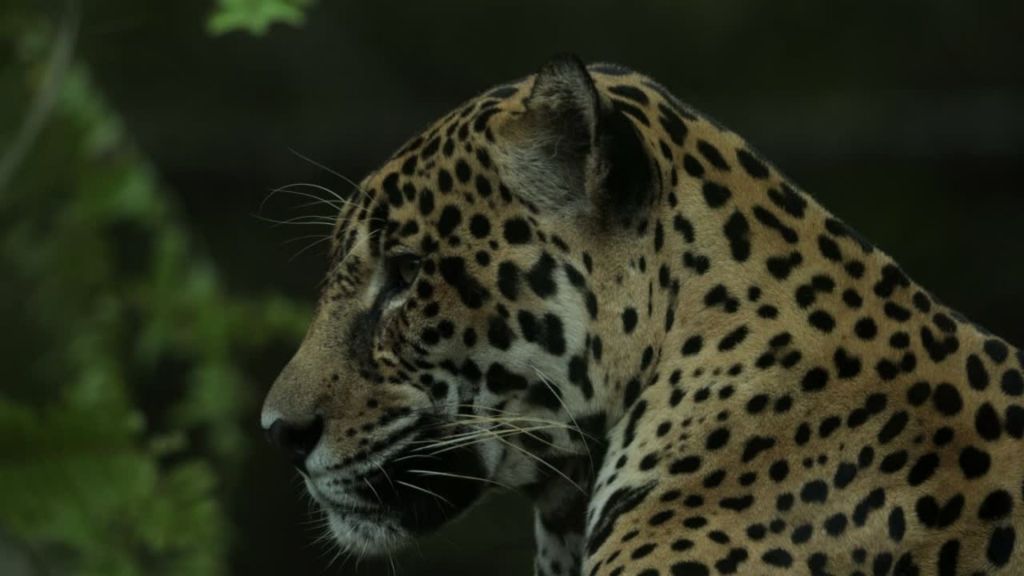
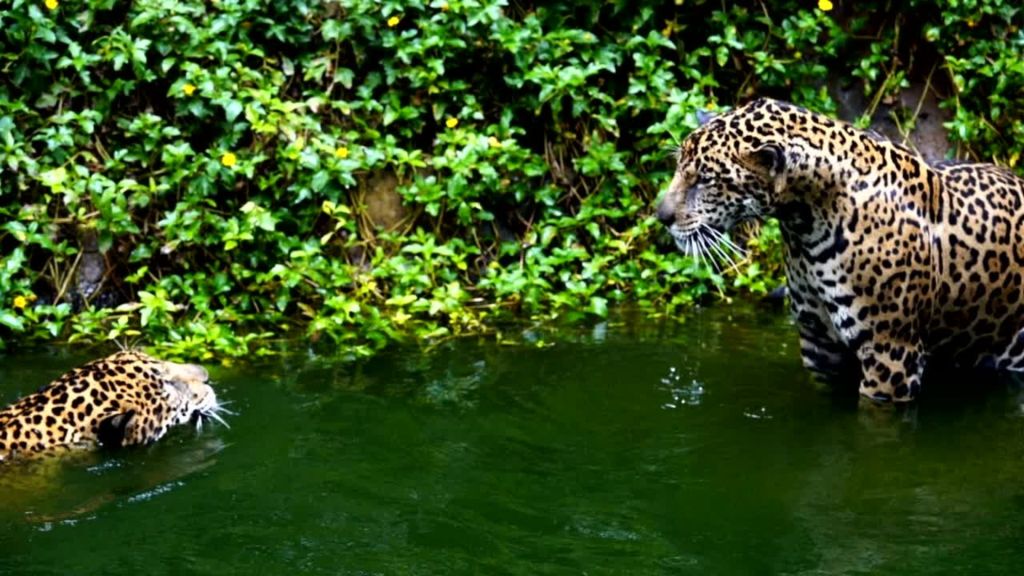
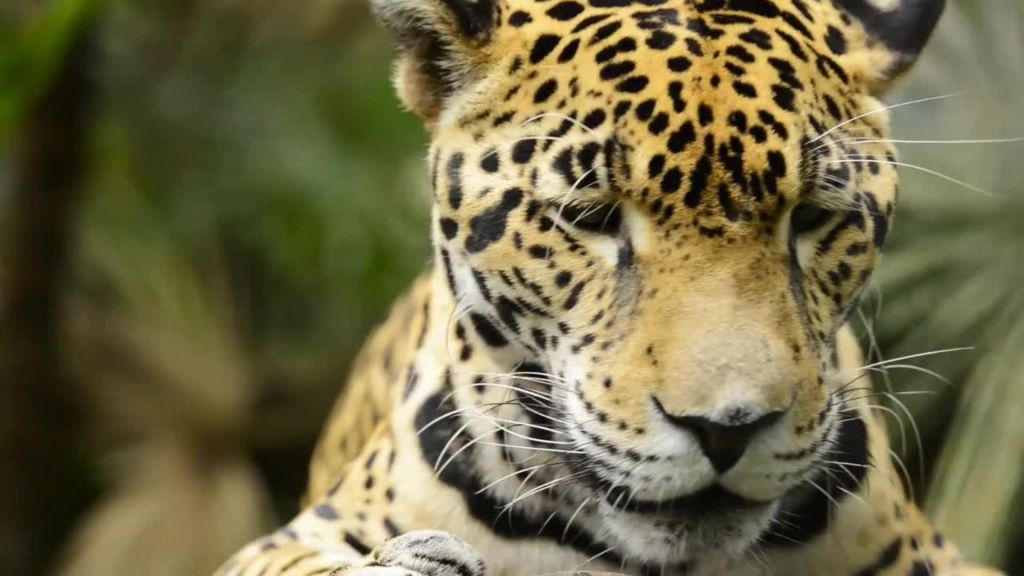

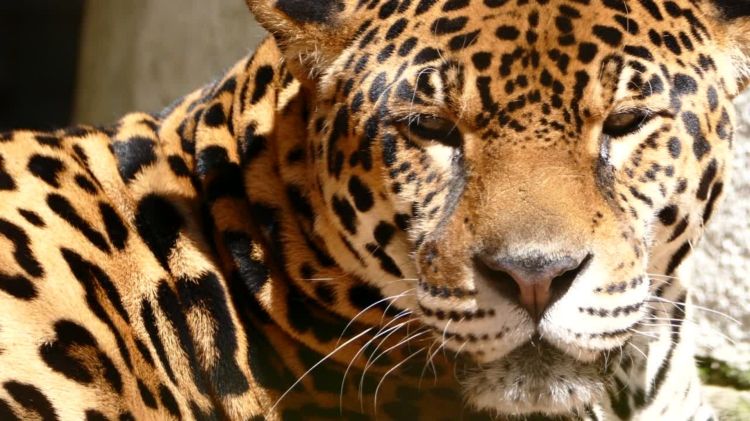
 Palm Oil Detectives