A new study has found that fragmentation of forests in Malaysian Borneo due to palm oil and mining has pressured two species of monkey (the Proboscis Monkey and Silvered Leaf Monkey/Silvery Lutung) to mate causing an unusual hybrid offspring. This has scientists worried as it indicates the animals are under stress Read more
Six years ago, tour guide Brenden Miles was traveling down the Kinabatangan River in the Malaysian part of Borneo, when he spotted an odd-looking primate he had never seen before. He snapped a few pictures of the strange monkey and, on reaching home, checked his images.
“At first, I thought it could be a morph of the silvered leaf monkey,” meaning a member of the species with rare color variation, Miles says. But then he noticed other little details. “Its nose was long like that of a proboscis monkey, and its tail was thicker than that of a silvered leaf [monkey],” he says. He posted a picture of the animal on Facebook and forgot all about it.
Now, an analysis of that photo and others suggests that the “mystery monkey” is a hybrid of two distantly related primate species that share the same fragmented habitat.
The putative offspring was produced when a male proboscis monkey (Nasalis larvatus) mated with a female silvered leaf monkey (Trachypithecus cristatus), researchers suggest April 26 in the International Journal of Primatology. And that conclusion has the scientists worried about the creature’s parent species.
Hybridisation between closely related organisms has been observed in captivity and occasionally in the wild (SN: 7/23/21). “But hybridization across genera, that’s very rare,” says conservation practitioner Ramesh Boonratana, the regional vice-chair for Southeast Asia for the International Union for Conservation of Nature’s primate specialist group.
Severe habitat loss, fragmentation and degradation caused by expanding palm oil plantations along the Kinabatangan River could explain how the possible hybrid came to be, says primatologist Nadine Ruppert.
The below video depicts what appears to be a silvery langur rescued from the absolute devastation of a rainforest razed for palm oil in Borneo.
This video was posted a few days ago. A sentient being whose dignity has been robbed was placed in the back of a truck, allegedly at a mining site in East Kalimantan. Its home in the forest disappears beyond the horizon.
“Different species — even from the same genus — when they share a habitat, they may interact with each other, but they may usually not mate. This kind of cross-genera hybridization happens only when there is some ecological pressure,” says Ruppert, of the Universiti Sains Malaysia in Penang Island.
The state of Sabah, where Kinabatangan River is located, lost about 40 percent of its forest cover from 1973 to 2010, with logging and palm oil plantations being the main drivers of deforestation, a study in 2014 found.
Silvery Lutungs AKA Silvered Leaf Monkeys
“In certain areas, both [monkey] species are confined to small forest fragments along the river,” Ruppert says. This leads to competition for food, mates and other resources. “The animals cannot disperse and, in this case, the male of the larger species — the proboscis monkey — can easily displace the male silvered leaf monkey.”
Since 2016, there have been some more documented sightings of the mystery monkey, though these have been sporadic.
The infrequent sightings and the COVID-19 pandemic has, for now, prevented researchers from gathering fecal samples for genetic analysis to reveal the monkey’s identity. Instead, Ruppert and colleagues compared images of the possible hybrid with those of the parent species, both visually as well as by using limb ratios. “If the individual was from one of the two parent species, all its measurements would be similar to that of one species,” Ruppert says. “But that is not the case with this animal.”
A photograph of a male proboscis monkey mating with a female silvered leaf monkey, along with anecdotes from boat operators and tour guides about a single male proboscis monkey hanging around a troop of female silvered leaf monkeys, has added further weight to the researchers’ conclusion.
The mystery monkey is generating a lot of excitement in the area, but Ruppert is concerned for the welfare of both proposed parent species. The International Union for Conservation of Nature classifies proboscis monkeys as endangered and silvered leaf monkeys as vulnerable. “The hybrid is gorgeous, but we don’t want to see more of them,” Ruppert says. “Both species should have a large enough habitat, dispersal opportunities and enough food to conduct their natural behaviors in the long term.”
Increasing habitat loss or fragmentation in Borneo and elsewhere as a result of changing land uses or climate change could lead to more instances of mating — or at least, attempts at mating — between species or even genera, Boonratana says.
The mystery monkey was last photographed in September of 2020 with swollen breasts and holding a baby, suggesting that the animal is a fertile female. That’s another surprising development, the researchers say, because most hybrids tend to be sterile.
#Research reveals the most comprehensive and detailed evidence to date that #forests are more important to the #climate (globally and locally) than we think due to the way in which they physically transform the atmosphere. The first-ever research to pinpoint the local, regional and global non-carbon dioxide benefits of specific forest zones worldwide finds that the entire world gains the most benefits from the band of tropical rainforests spanning Latin America, Central Africa and Southeast Asia. Help #rainforests, rainforest animals and indigenous peoples every time you shop, make sure you #BoycottPalmOil #BoycottGold #Boycott4Wildlife
It finds that, together, forests keep the planet at least half of a degree Celsius cooler when we account for the understudied biophysical effects—from chemical compounds to turbulence and the reflection of light. These effects in the tropics alone deliver planetary cooling of one-third of a degree Celsius; when combined with the carbon dioxide, the cooling effect is over 1 degree Celsius.
“All forests are precious. Increasingly, we are discovering they also keep the air near and far cool and moist,” said Deborah Lawrence, a professor at the University of Virginia and the lead author of the study, The Unseen Effects of Deforestation: Biophysical Effects on Climate. “The heart of the tropics is at the heart of the planet and these forests are critical for our survival.”
According to the study, “Locally at all latitudes, forest biophysical impacts far outweigh carbon effects, promoting local climate stability by reducing extreme temperatures in all seasons and times of day.”
“The importance of forests for both global climate change mitigation and local adaptation by human and non-human species is not adequately captured by current carbon-centric metrics, particularly in the context of future climate warming.”
Scientists already have a well-established understanding of how tropical deforestation contributes to global climate change through emitting carbon and reducing the ability of the world’s forests to take more carbon pollution out of the atmosphere. This is the latest and most comprehensive study in a body of emerging evidence showing how tropical deforestation has climate impacts beyond carbon: Deforestation immediately increases heat and extreme heat locally and decreases regional and local rainfall. Forest loss also disrupts the climate in faraway places. Because of this, forests are even more valuable to climate efforts than previously accounted for in international climate plans and projections.
The study reviewed the available literature on this emerging science to determine that forests up to 50 degrees north latitude deliver benefits at a global scale that cumulatively keep the entire planet cooler by 1 degree Celsius. This means that any forest protection or restoration efforts taking place between 40 degrees south latitude and—50 degrees north latitude help at the local level as well as the global level. For example, destroying rainforests in the 10 degree band just south of the equator could warm the planet by half of a degree. And restoring forests in the 10 degree band just north of the equator would deliver 25% more global cooling than expected based on CO2 sequestration alone. But the study shows that even those forests outside of this band deliver a host of benefits warranting their protection.
“A recent major UN climate report showed we must urgently act now to avoid the worst case scenarios for our planet,” Lawrence said.
“If we lose these forests, we will get there 10 years faster. If we protect these forests, they will shield us from extreme climate disasters, droughts and impacts on our food and agriculture. We are benefiting now from the tropics keeping us cooler; they are keeping us from feeling these extremes already.”
The study notes that deforestation, for example, is responsible for one-third of the increase in intensity of hotter days; forest loss is also behind the increase in hot, dry summers. Our loss in tree cover has also led to local increases in extreme temperatures comparable in magnitude to changes caused by 0.5 degrees Celsius of global warming.
“Put another way, deforestation pushes people today into an experience we are trying to avoid by hitting 2 degrees rather than 1.5 degrees of warming,” Lawrence said. “People living with deforestation are already suffering the effects of that warmer, more extreme world. Forest restoration would bring them back to a more livable climate.”
Forest cooling is due to a range of biophysical effects. The study reveals that all forests emit chemicals called Biogenic Volatile Organic Compounds (BVOCs). On the one hand, BVOCs create aerosols that reflect incoming energy and form clouds; both are cooling effects. On the other hand, they lead to a build-up of ozone and methane, both greenhouse gases. This is a warming effect. On balance, the cooling outweighs the warming. These complex chemical compounds emitted by forests represent a new frontier in our understanding of how forests keep the planet cool near and far.
Other aspects of forests that enable them to minimize drought associated with extreme heat include their deep roots, high water use efficiency and high surface “roughness.” These qualities allow trees to dissipate heat and move moisture higher into the atmosphere, which directly cools the local area and influences cloud formation and rainfall—which has ramifications far away.
“Research is making it increasingly clear that forests are even more complex than previously understood. When we cut them down, we see devastating impacts on our climate, food supplies and everyday life. The benefits of keeping forests intact are clear; it’s imperative that we prioritize their protection,” said Wayne Walker, carbon program director at the Woodwell Climate Research Center and one of the study co-authors.
The recently released Intergovernmental Panel on Climate Change (IPCC) report warned about the impacts, adaptation and vulnerability humans face with rising temperatures. This new study suggests that forest protection, important to both mitigation and adaptation, protects us from some of the worst climate disasters. And it shows that forests provide local cooling during the hottest times of the year everywhere on the planet, improving the resilience of cities, croplands and conservation areas. In the tropics, where forest carbon stocks and sequestration rates are highest, the biophysical effects of forests amplify the carbon benefits.
“Protecting primary forests throughout the world should be one of our greatest priorities. These forests are critical for adapting to a warmer world,” said Michael Coe, tropics program director at the Woodwell Climate Research Center and a study co-author. “Without the forest cover we have now, the planet would be hotter and the weather more extreme. Forests provide us defense against the worst-case global warming scenarios.”
Researchers recently found that the destruction of forests and other ecosystems in Brazil’s Amazon and Cerrado regions endangers local soy agriculture, calculating that extreme heat costs $3.55 billion annually on top of $1 billion annually for drier conditions.
Another study showed that rising temperatures and humidity tied to tree loss has already reduced the number of hours in the day people can safely work outside—and will only get worse if more forests are destroyed.
A third study showed that in the case of Brazil, by 2100, roughly 12 million people could be exposed to extreme risk of heat stress, with vulnerable populations, including Indigenous Peoples, set to be the most severely impacted.
“Despite the mounting evidence that forests deliver myriad climate benefits, trees are still viewed just as sticks of carbon by many policymakers in the climate change arena,” said Louis Verchot, a principal scientist at the International Center for Tropical Agriculture (CIAT) and one of the study co-authors. “It’s time for policymakers at the local and global levels to realize that forests have even greater value to people and economies, now and in the future, due to their non-carbon benefits. Forests are key to mitigation, but also adaptation.”
Take Action in Five Ways
1. Join the #Boycott4Wildlife on social media and subscribe to stay in the loop: Share posts from this website to your own network on Twitter, Mastadon, Instagram, Facebook and Youtube using the hashtags #Boycottpalmoil #Boycott4Wildlife.
2. Contribute stories: Academics, conservationists, scientists, indigenous rights advocates and animal rights advocates working to expose the corruption of the palm oil industry or to save animals can contribute stories to the website.
3. Supermarket sleuthing: Next time you’re in the supermarket, take photos of products containing palm oil. Share these to social media along with the hashtags to call out the greenwashing and ecocide of the brands who use palm oil. You can also take photos of palm oil free products and congratulate brands when they go palm oil free.
More and more palm oil free 🦧 products in Australia 🇦🇺. Customer awareness is increasing month by month. Of course Bart Van Assen will keep pushing "sustainable" palm oil with Orangutan Land Trust. Boycott palm oil to protect wildlife! There is not planet B #boycott4wildlifepic.twitter.com/rm7chub5Rb
If possible to get Ovomaltine, please promote it among your friends. It openly advertises with 0 palm oil. No RSPO no bullshit. For me it even tasts better than nuttela. It substantiates that chocolate spread can be made delicious without filthy palm oil. pic.twitter.com/cyV5Tm3tLd
4. Take to the streets: Get in touch with Palm Oil Detectives to find out more.
5. Donate: Make a one-off or monthly donation to Palm Oil Detectives as a way of saying thank you and to help pay for ongoing running costs of the website and social media campaigns. Donate here
Dr Sophie Chao is an environmental anthropologist and environmental humanities scholar interested in the intersections of capitalism, ecology, Indigeneity, health, and justice in the Pacific.
Her theoretical thinking is inspired by interdisciplinary currents including Science and Technology Studies, political ecology, and Indigenous, Postcolonial, and Critical Race Studies.
Dr Chao is currently a Discovery Early Career Research Award (DECRA) Fellow and Lecturer in Anthropology at the University of Sydney. Prior to her academic career, she worked for the international Indigenous rights organisation Forest Peoples Programme in the United Kingdom and Indonesia.
She has also undertaken consultancies for the United Nations Food and Agriculture Organisation and the United Nations Working Group on the Issue of Human Rights and Transnational Corporations. She is currently Secretary on the Executive Committee of the Australian Anthropological Society (AAS) and Co-Convenor of the Australian Food, Society, and Culture Network (AFSCN).
Dr Chao is keen to forge meaningful collaborations and conversations with Indigenous and decolonial academics, artists, and activists in Australia and beyond, and to move towards a better understanding of morethanhuman worlds.
Palm Oil Detectives is honoured to interview to Dr Sophie Chao about her research into the impacts of palm oil on the daily lives of Marind people and other sentient beings in West Papua.
“I want the world to understand how #deforestation and industrial #palmoil expansion undermine #Indigenous ways of being in #WestPapua” ~ Dr Sophie Chao #PapuanLivesMatter #Together4Forests #Boycott4Wildlife
“#Indigenous #Marind of #WestPapua consider plants and animals NOT as passive objects of exploitation, but as other-than-human relatives. Subjects of #interspecies #justice in their own right” ~ Dr Sophie Chao #Boycott4Wildlife
“I want to see the #palmoil industry/governments try to understand the desires of #Papuan people THEMSELVES instead of pre-conceived notions of what counts as progress” ~ Dr Sophie Chao #PapuanLivesMatter #Together4Forests
“#Governments/ #corporates must accept that some #Indigenous communities may decide to withhold consent to #palmoil projects. Their right to say NO MUST be respected” ~ Dr Sophie Chao #PapuanLivesMatter #Boycott4Wildlife
Anthropologist and author of ‘In the Shadow of the Palms’ Dr Sophie Chao: In Her Own Words
Little previous research had been done into how indigenous peoples themselves experience, interpret, and contest oil palm developments.
In particular, there is not much research done into how indigenous peoples relate to vulnerable, non-human beings such as native plants, animals, and elements, with whom many indigenous peoples entertain intimate and ancestral relations of kinship and care.
“Many people know that oil palm is devastating on tropical ecosystems and biodiversity. Much less is known about the impacts of this proliferating cash crop on the peoples who are being displaced, dispossessed, and disempowered in its wake.”
Pictured: A group of Marind women preparing sago starch that has been freshly rasped from the sago grove. Photo: Dr Sophie Chao
I wrote this book because I wanted the world to understand how deforestation and industrial oil palm expansion are undermining Indigenous ways of being in West Papua.
My book seeks to bring to life the worlds of people who live in the teeth of settler-colonial capitalism
Dr Sophie Chao
Living with Marind transformed how I think about what it means to be “human”
And also what it means to coexist in mutually beneficial ways with other-than-human beings.
Pictured: A Marind man rests near the banks of the Bian River after a fishing trip. Photo: Dr Sophie ChaoPictured: Dr Sophie Chao researched the life of the Marind-Anim tribe in Merauke for three years. Her doctoral dissertation on the impact of oil palm plantations on the lives of the tribe won the 2019 best thesis award in Australia in the field of Asian Studies. Photo: ABC News Indonesia
The Marind think of plants and animals as not simply passive objects of human exploitation
Instead, these other-than-human beings are considered to be agents, persons, relatives, and subjects of justice in their own right.
This was a completely different way of thinking to the anthropocentric and individualistic logic of the Westernised parts of the world where I had lived, studied, and worked.
Indigenous Marind enriched my world by inviting me to think beyond nature-culture divides
Humans share the planet with a whole array of different creatures. These creatures matter in the making of more sustainable, collective futures.
“More-than-human becomings” is in the subtitle of the book because it is an invitation to think beyond the human and also beyond categories. Instead, the reader is invited to think about non-human beings and transforming worlds.
Marind are “More-than-human” because they consider themselves as beings within a lively and diverse ecology of life
This includes native plants and animals like cassowaries, birds of paradise, and sago palms, but also introduced – and sometimes dangerous – organisms like industrial oil palm.
“Becomings” was a way of getting readers to think about life beyond the static notion of “being.” To “become” is a constant transformation, unfolding differently across bodies, places, and time. Becoming, in some ways, never really ends.
The ‘good life’, according to Marind, stems from the willingness of humans to consider non-human beings as subjects of dignity and justice
This good life is best achieved by immersing oneself in the more-than-human environment. Non-human beings are considered to be participants in the making of shared worlds, and also as subjects of harm and violence.
The “good life” is deeply intergenerational for Marind. They often talked about nurturing the forest, as a way of becoming good ancestors and how they can transmit traditional ecological knowledge to future Marind generations
Time for Marind is not linear, it is spiralic
What you do now matters in terms of how you will be remembered. What you do now matters in terms of what you will be able to pass on to human and other-than-human beings to come.
There is a wisdom and responsibility that comes with this sense of time that I think is critical to heed in this age of planetary destruction.
A Marind family journeying to a sacred ceremonial site to pay respects to their ancestral spirits. Photo: Dr Sophie Chao
Many of my Marind companions talk about conservation and capitalism as being “two sides of the same coin”
This is because they now find themselves excluded from both industrial oil palm plantations and from the conservation areas that are intended to off-set deforestation.
Images: Palm oil plantations and environmental destruction, Getty Images.
Both of these activities entrench a nature-culture divide that is alien to many Marind. Both undervalue the fact that Marind have always coexisted harmoniously with their environments.
These new “conservation zones” are the very same places where Marind fish, forage, and hunt. It is where they go to visit ancestral graveyards and sacred sites. It is where they walk with their families and friends to encounter their kindred sago palms, wild boards, possums, and gaharu trees.
Pictured: Forest foods, like sago starch, are considered nourishing by Marind because they derive from revered plants and animals. Sophie Chao, Author provided. Via The Conversation
Pictured: A tool for processing Sago. Papua New Guinea. Getty Images
For Marind, conservation and capitalism violate their territorial sovereignty and access to food and resources. Both types of activity are imposed by outside actors through top-down decision-making process that they are not party to.
Human rights and environmental abuses in West Papua are made invisible in Australia, their closest neighbour, mainly for geopolitical reasons
Racism may have something to do with it – but I think geopolitical interests are a big part of the story
West Papua is incredibly rich in natural resources – from gold, copper, and coal, to timber and oil palm. Economic and political interests tend to trump human and environmental rights, in West Papua and elsewhere.
There are pockets of activism and advocacy in Australia, including by West Papuan diaspora and political exiles – but the movement hasn’t caught the public’s attention in the way other political causes have.
Accessing West Papua is difficult for non-Indonesian individuals and organisations. There is heightened militarisation of the region. This contributes to an ongoing invisibilisation of what is happening at the ground level, among Papuan people and across Papuan ecosystems.
The demilitarisation of West Papua is absolutely vital if Papuans are to feel that they have a free voice in matters affecting them and their lands – including oil palm developments
Image: Andrew Gal for Getty Images
Indigenous ways of being and thinking (although radically different from neoliberal capitalist and colonialist logics), should be central to decision-making
I would like to see the palm oil industry, together with the Indonesian government, try to understand the views, aspirations, desires, beliefs, and hopes of Papuan peoples themselves instead of entering with pre-conceived notions of what counts as progress, the good life, and wellbeing.
Government and corporate actors should engaging with Indigenous Papuans through a transparent, iterative, and trust-based process of consent-seeking, before any oil palm projects are designed or implemented.
This consent should be sought freely, well ahead of time, and only when communities have been given access to comprehensive and impartial information on the benefits and risks of oil palm developments.
Pictured: Marind man and child in Merauke by Nanang Sujana
Most importantly, government and corporate actors need to accept that some communities may, following lengthy consultations, still decide to withhold their consent to oil palm projects. This right to say NO to oil palm must imperatively be respected.
Violence as a multispecies act: Marind describe oil palm as a colonising, killing and occupying plant beings
Oil palm, they often told me, does not want to share time and space with native plants, people, and animals.
It spreads uniformly across vast swaths of land, yet grows alone in monocrop form
This plant’s introduction has been accompanied by intensified military and corporate surveillance, community harassment and intimidation and exploitative labour conditions.
To think about violence in multispecies terms, brings us to consider situations where humans are not the only culprits, and non-humans not the only victims.
Oil palm’s acts of violence invite us to think about non-human beings as drivers and perpetrators of harm – even as they themselves are also subject to human and technological manipulations and exploitation.
Pictured: Fire in a rainforest – Getty Images
Paraquat, a deadly herbicide, trickled down from rusty canisters strapped to the women’s backs, the blue-green venom seeping into their exposed skin.
Banned in many countries because of its toxic effects, no antidote exists for this lethal chemical. I thought of babies never to come. The faces of my friends, huddled in the bed of the truck, were caked in dust and watched the landscape unfurl, weeping.
Infants retched from the stench of mill effluents as we jolted down dirt roads without stopping so as to avoid attracting the attention of military men employed by the companies to guard their plantations. Bunches of oil palm fruit lay strewn along roadsides, piles of moldering blood-red and coal-black, shot through with razor-sharp thorns.
Bulldozers and chainsaws ripped through isolated patches of the remaining vegetation. Silhouetted against the bleary sun, pesticide-spraying helicopters zigzagged back and forth above us, spreading a milky veil of hazy toxins.
~ Dr Sophie Chao, excerpt from the prologue of ‘In the Shadow of the Palms.’
Image 1: Untouched rainforest (Getty Images). Image 2: Marind community on land destroyed for the million hectare Meruake Integrated Food and Energy Estate, known as MIFEE (Nanang Sujana)
On August 11th 2010, a delegation of government representatives from Jakarta, led by the then minister of agriculture Ir. H Suswono launched the Merauke Integrated Food and Energy Estate (MIFEE). A $5 billion USD agribusiness scheme to promote the country’s self-sufficiency in basic foodstuffs and to make Indonesia a net food-exporting nation. Papuans from across the region were invited to the event including Marind community members from the upper Bian river. Paulus Mahuze, Marind clan leader recalls the arrival of MIFEE and how everything changed dramatically afterwards for his people.
~ Dr Sophie Chao, excerpt from her book ‘In the Shadow of the Palms.’
“It was a hot day. There was dust (abu) everywhere, raised by the government convoys and military trucks. The dust stung our eyes and made our children cry. The government brought oil palm (sawit) company bosses with them from pusat (‘the centre,’ or Jakarta). They gave us instant noodles, pens, bottles of water. They also gave us cigarettes – the expensive kind. They talked a lot about MIFEE. MIFEE this, MIFEE that…but we didn’t understand what MIFEE was. We did not know what palm oil was because oil palm does not live in our forests. Then, the government officials and the oil palm bosses left. They never returned to the village. They promised us money and jobs. They said MIFEE would provide us with food. I thought that they would plant yams, vegetables and fruit trees. Instead they planted oil palm. They planted oil palm everywhere they could. They turned the whole forest into oil palm. They cut down all the sago to plant oil palm. This is what happened. Since then, everything is abu-abu (‘grey’ or ‘uncertain’).
~ Paulus Mahuze, marind clan leader (as told to dr sophie chao in her book: In the shadow of the palms).
Abu-abu means both “grey” and “uncertain”. For Marind, the future, hope and multispecies relations were all abu-abu and under siege
Pictured: Oil palm plantations in Merauke have contributed to unprecedented levels of deforestation, and water/soil contamination. Photo credit: Dr Sophie Chao.
The concept of abu-abu is one that many of my Marind friends would use to describe the worlds that they inhabit
Abu-abu communicates the sense of ambiguity, opacity, and strangeness that life on the palm oil frontier entails. Greyness manifests in the polluted waters of local rivers, and in the smoke-filled skies following forest burning.
Greyness also manifests in the dull and irritated skin of malnourished infants, poisoned fish, and pesticide-wielding workers
To live in a world of murk and uncertainty is violent and unsettling – but it is also a way of rejecting the possibility of any kind of radical divide between oneself and that murk. That’s why I approach abu-abu not just as a condition of suffering, but also as a stance of refusal.
What would or might come next for Marind and their other-than-human kin was unknown – and often feared.
This sense of greyness, or uncertainty is also metaphorical. For Marind the world is grey in that the future, hope, social and multispecies relations are all under siege.
Pictured: Dead fish, creative commons image, Pxfuel.
At the same time, abu-abu was a form of resistance in the way it refused fixed classifications, categories, or boundaries between things, ideas, and actions
Whether “sustainable” palm oil can be achieved in practice demands a radical rethinking of the capitalist logic – the logic of endless growth
Careless profit-making, and externally imposed “development” and “progress” rhetorics. And that is a huge task. These kinds of rhetorics are deeply entrenched. Their origins are often unquestioned. Their impacts are often silenced.
Pictured: Common supermarket brands that are RSPO members are linked to deforestation and human rights abusesPictured: Pollution run-off in an RSPO member palm oil plantation in Sumatra. Craig Jones Wildlife PhotographyReport: Environmental Investigation Agency: Sustainable palm oil is a con
At the end of the day, I think the most important thing to ask ourselves about “sustainability” is – sustainability for whom?
Who gets to have a say over what happens to lands and forests? Who gets to be involved in decision-making processes surrounding oil palm projects? Is there scope to reconsider the scale at which these projects are being developed?
These are questions that have to be crafted and considered together with the Indigenous peoples most directly and indirectly affected by agribusiness expansion.
That, for me, is the beginning of any kind of conversation around sustainability – sustainability for people, plants, animals, and for all the other beings implicated in one way or another in the palm oil nexus.
The rationale for additional Food Estates in Papua and Indonesia is scrutinised in this 2022 report
“The rationale behind Food Estates, that they are an effective way to rapidly increase national food production, does not stand up to scrutiny.
“Over the years, previous attempts to launch Food Estates have failed, with little if any extra food produced. The various iterations of the Merauke Food Estate (MIFEE) are a good example of this.
“For these reasons, it is legitimate to call into question the real motivation behind the plans. With corruption still rampant in Indonesia, there is a significant risk that Food Estates will present new opportunities for profit by those in government and their associates.”
Quote from: Pandemic Power Grabs: Who benefits from Food Estates in West Papua, a report by AwasMIFEE and TAPOL (2022).
Pictured: Dr Sophie Chao researched the life of the Marind-Anim tribe in Merauke for three years. Her doctoral dissertation on the impact of oil palm plantations on the lives of the tribe won the 2019 best thesis award in Australia in the field of Asian Studies. Photo: ABC News Indonesia
Calling all artists, activists, teachers, and students who have art and artifacts speaking to the theme of multispecies justice.https://t.co/Oe79MvxFFg We are curating a show in Mexico in December, that will travel from Cholula to a rural village in Chiapas.
Mama Malind su Hilang (Our Land Has Gone) is a powerful documentary by celebrated and renowned filmmaker and photographer Nanang Sujana. His images and film tells the story of the Malind Anim tribe living in Zanegi village. They were dispossessed from their land which was given over to global palm oil corporations, in its place was Merauke Integrated Food and Energy Estate (MIFEE).
“The Forest is the father, land is the mother and rivers are blood
“That’s the spirituality of most Dayak people in Kalimantan. They understand the interdependent nature of everything in nature.”
Palm Oil Detectives is completely self-funded by its creator. All hosting and website fees and investigations into brands are self-funded by the creator of this online movement. If you like what I am doing, you and would like me to help meet costs, please send Palm Oil Detectives a thanks on Ko-Fi.
What does the $60 billion USD palm oil industry have in common with Big Tobacco? A lot according to this report by the World Health Organisation. Palm oil industry lobbying tactics are used to influence research into the health impacts of palm oil and also to influence consumer buying habits using deceptive advertising and greenwashing. The dire health and environmental impacts of palm oil are hidden from consumers by clever greenwashing and outright lies by NGOs, Zoos, researchers and food companies associated with and funded by the palm oil industry. According to the World Health Organisation (WHO) the lobbying, marketing and greenwashing tactics used by the palm oil industry are reminiscent of the tobacco and alcohol industries. Read on to discover more about this.
“Although its negative #health impacts are contested, a meta-analysis of increased #palmoil 🌴🪔 consumptIon in 23 countries found a strong relationship to higher mortality from #heartdisease.” 🫀💊 ~ @WHO Report #Boycottpalmoil 🌴🙊⛔️https://palmoildetectives.com/2022/08/08/palm-oil-industry-lobbying-and-greenwashing-is-like-big-tobacco-world-health-organisation-who-bulletin/ @palmoildetect
The sustainability certification effort has been linked to limited amounts of reduced deforestation, with a recent study finding little impact on forest loss and fire detection.40 Other studies have found that the Roundtable’s board members were still associated with companies involved in mass deforestation.41 Investigations by NGOs have found child labour and human rights violations at Roundtable members’ plantations.42
Despite some positive initiatives by the palm oil and processed food industries to cultivate, produce and source palm oil through sustainable, ethical practices, challenges remain.
The World Health Organisation’s Bulletin: Palm Oil Industry Lobbying and Greenwashing is Like Big Tobacco. Palm. oil’s impact on deforestation and animal extinction
The World Health Organisation’s Bulletin: Palm Oil Industry Lobbying and Greenwashing is Like Big Tobacco. Palm. oil’s impact on deforestation and animal extinction. RSPO board members are associated with companies involved in mass deforestation
The World Health Organisation’s Bulletin: Palm Oil Industry Lobbying and Greenwashing is Like Big Tobacco. Palm. oil’s impact on deforestation and animal extinction. RSPO board members are associated with companies involved in mass deforestation
The World Health Organisation’s Bulletin: Palm Oil Industry Lobbying and Greenwashing is Like Big Tobacco. Palm. oil’s impact on deforestation and animal extinction.
The palm oil and processed food industries have mutually benefited from increased sales and consumption of products through rapid internationalisation and trade. This trend is likely to continue as low- and middle-income countries increasingly move from eating fresh, minimally processed foods to ultra-processed products.21 Sales by manufacturers of ultra-processed foods containing palm oil have been expanding.22
Marketing of palm oil does not occur in the traditional sense. Responding to a backlash against accusations of poor environmental and labour practices, the industry has sought to portray its products as sustainable, while highlighting the contribution to poverty alleviation. For example, in advance of the European Union’s 2020 ban on palm oil as a biofuel, the industry launched advertisements featuring smallholder farmers whose livelihoods would be lost.25
There is also a mutual benefit for the palm oil and processed food industry, with the latter targeting advertisements for ultra-processed foods towards children (similar to efforts by the tobacco and alcohol industries in targeting children and adolescents)28,29 and the palm oil refining industry benefiting from the corresponding increase in sales of foods containing palm oil.30–33
Apart from establishing a strong lobbying presence in the European Union,1 the palm oil industry has fostered partnerships with policy and research institutes providing policy recommendations against regulation.36
The palm oil industry has also sought to influence global health policy-making. For example, during the drafting of the 2003 WHO/FAO report on Diet, Nutrition and Prevention of Chronic Diseases, the Malaysian Palm Oil Promotion Council questioned the palm oil-related health concerns raised by the report and suggested that any efforts to curb consumption would threaten several million peoples’ livelihoods.33
WHO Bulletin Report: Greenwashing and lobbying by the RSPO and RSPO members. RSPO is linked to limited amounts of reduced deforestation.
“Although its negative #health impacts are contested, a meta-analysis of increased #palmoil 🌴🪔 consumptIon in 23 countries found a strong relationship to higher mortality from #heartdisease.” 🫀💊 ~ @WHO Report #Boycottpalmoil 🌴🙊⛔️https://palmoildetectives.com/2022/08/08/palm-oil-industry-lobbying-and-greenwashing-is-like-big-tobacco-world-health-organisation-who-bulletin/ @palmoildetect
Public health discourse increasingly focuses on the role of alcohol, tobacco and sugar in the growing burden of noncommunicable diseases. Increasingly this dialogue highlights how, in the pursuit of increased profits, the industries involved in these products aim to shape public and political opinion as well as influence research outcomes to influence policies that endanger public health.1,2 The palm oil industry is missing from this dialogue.
Although its negative health impacts are contested,7 a meta-analysis of increased palm oil consumption in 23 countries found a significant relationship with higher mortality from ischaemic heart disease.8
Another systematic review found that palm oil consumption increased blood levels of atherogenic low-density lipoprotein cholesterol.6 As early as 2003, the World Health Organization (WHO) and the Food and Agriculture Organization (FAO) described the evidence linking saturated fat consumption with increased risk of cardiovascular disease as convincing.9
WHO Bulletin Report: Palm Oil and Human Health Impacts. Consumption of palm oil is linked to increased risk of mortality from heart disease and stroke.
WHO Bulletin Report: Palm Oil and Human Health Impacts. Consumption of palm oil is linked to increased risk of mortality from heart disease and stroke.
WHO Report – Human rights abuses, child slavery and deforestation are present in the palm oil industry, even associated with so-called “sustainable” palm oil.
The indirect health impacts of oil-palm cultivation are less contested; clearing land for plantations by slash-and-burn practices has led to recurring episodes of harmful haze in South-East Asia.10 The most recent occurrence, in 2015, led to an estimated 100 000 premature deaths in the region from pollutants and documented increases in respiratory, eye and skin diseases.11
The impact of the [palm oil] industry on planetary health, that is, “the health of human civilisation and the state of the natural systems on which it depends”,12 through the cultivation practices of oil-palm trees has also been well-documented.
This entails large-scale deforestation, including loss of up to 50% of trees in some tropical forest areas; endangerment of at-risk species; increased greenhouse gas emissions (due to deforestation and drainage of peat bogs); water and soil pollution; and the rise of certain invasive species.13,14
Palm oil air pollution is linked to higher mortality from respiratory illnesses in SE. Asia. WHO Report 2019
“In Indonesia 🇮🇩 an est. 4 million women👰🧐 work in the #palmoil industry. Children dependent on workers are impacted by lack of child-care 🧺🫃 poor maternal #health, poor #nutrition, difficulty in accessing education.”: #WHO. @palmoildetect 🌴⛔️https://palmoildetectives.com/2022/08/08/palm-oil-industry-lobbying-and-greenwashing-is-like-big-tobacco-world-health-organisation-who-bulletin/
Large-scale industries do not operate in isolation, but have tangible impacts on human and planetary health. An often overlooked actor in the fight against non communicable diseases is the palm oil industry.
The dominance of palm oil in the food processing industry makes it the world’s most widely produced vegetable oil. We applied the commercial determinants of health framework to analyse the palm oil industry. We highlight the industry’s mutually profitable relationship with the processed food industry and its impact on human and planetary health, including detrimental cultivation practices that are linked to respiratory illnesses, deforestation, loss of biodiversity and pollution.
This analysis illustrates many parallels to the contested nature of practices adopted by the alcohol and tobacco industries. The article concludes with suggested actions for researchers, policy-makers and the global health community to address and mitigate the negative impacts of the palm oil industry on human and planetary health.
Public health discourse increasingly focuses on the role of alcohol, tobacco and sugar in the growing burden of noncommunicable diseases. Increasingly this dialogue highlights how, in the pursuit of increased profits, the industries involved in these products aim to shape public and political opinion as well as influence research outcomes to influence policies that endanger public health.1,2 The palm oil industry is missing from this dialogue.
Palm oil is one of the world’s most commonly used vegetable oils, present in around half of frequently used food and consumer products, from snacks to cosmetics.3,4 Worldwide production of the oil has increased from 15 million tonnes in 1995 to 66 million tonnes in 2017. The rapid expansion in use is attributed to yields nearly four times other vegetable oil crops, with similar production costs; favourable characteristics for the food industry (its relatively high smoke point and being semi-solid state at room temperature); and strategies aimed at ensuring government policies are supportive to the expansion of palm oil cultivation, production and use.5 While these factors associated with palm oil offer clear advantages for the processed food industry, the oil contains a much higher percentage of saturated fats compared to other vegetable oils.6
Although its negative health impacts are contested,7 a meta-analysis of increased palm oil consumption in 23 countries found a significant relationship with higher mortality from ischaemic heart disease.8
Another systematic review found that palm oil consumption increased blood levels of atherogenic low-density lipoprotein cholesterol.6 As early as 2003, the World Health Organization (WHO) and the Food and Agriculture Organization (FAO) described the evidence linking saturated fat consumption with increased risk of cardiovascular disease as convincing.9
The indirect health impacts of oil-palm cultivation are less contested; clearing land for plantations by slash-and-burn practices has led to recurring episodes of harmful haze in South-East Asia.10 The most recent occurrence, in 2015, led to an estimated 100 000 premature deaths in the region from pollutants and documented increases in respiratory, eye and skin diseases.11
The impact of the [palm oil] industry on planetary health, that is, “the health of human civilisation and the state of the natural systems on which it depends”,12 through the cultivation practices of oil-palm trees has also been well-documented.
This entails large-scale deforestation, including loss of up to 50% of trees in some tropical forest areas; endangerment of at-risk species; increased greenhouse gas emissions (due to deforestation and drainage of peat bogs); water and soil pollution; and the rise of certain invasive species.13,14
Estimations suggest that more than two-thirds of the palm produced goes to food products, making the processed food industry’s relationship with the palm oil industry critical.15 With the United States Food and Drug Administration’s ban on trans-fatty acids (TFA) due to their potential adverse health impacts in 2015,16 and a similar recommendation by the WHO in 2018,17 an increase in the use of palm oil as a potential replacement for TFA in ultra-processed foods could be anticipated. This paper aims to describe the relationship between the palm oil and processed food industries and how these interconnect with public and planetary health. Box 1 lists the key terminology in the palm oil industry.
The commercial determinants of health are defined as “strategies and approaches used by the private sector to promote products and choices that are detrimental to health.”19 We adapted a 2016 framework on the commercial determinants of health (Fig. 1) and applied it to the palm oil industry to review the three domains: (i) drivers (internationalization of trade and capital, expanding outreach of corporations and demands of economic growth); (ii) channels (marketing, supply chains, lobbying and corporate citizenship); and (iii) outcomes (on the environment, consumers and health). The environment component was adapted from the initial framework to expand the scope beyond the social environment.
Drivers
Internationalisation of trade and capital
Oil-palm plantations cover over 27 million hectares worldwide, an area approximately the size of New Zealand. The industry is estimated to be worth 60 billion United States dollars (US$) and employs 6 million people,7 with an additional 11 million people indirectly dependent on it, particularly in rural areas where jobs can be scarce. In 2014, Indonesia and Malaysia accounted for over 53.3 million (85%) of the 62.4 million tonnes of global palm oil production and have rapidly expanded their farming and exports. Indonesia, for example, increased production from 19.2 tonnes in 2008 to 32.0 tonnes in 2016. The largest importers of palm oil are India, China, the European Union countries, Malaysia and Pakistan.20
The palm oil and processed food industries have mutually benefited from increased sales and consumption of products through rapid internationalisation and trade. This trend is likely to continue as low- and middle-income countries increasingly move from eating fresh, minimally processed foods to ultra-processed products.21 Sales by manufacturers of ultra-processed foods containing palm oil have been expanding.22
Although many companies use palm oil, processing and refining is concentrated in a limited number of corporations. Companies source their supply from their own concessions, from a large number of third-party suppliers and smallholders, both independent and tied through partnership agreements.23 Increasingly, large corporations are expanding palm-oil refining capacity, expanding the scope of industry concentration.24 Indonesia and Malaysia have used government policies, including subsidies and land incentives, to assist industry expansion and facilitate greater investment.23
More than half the plantations in Indonesia are industrial estates of > 6000 hectares owned by private companies, with 40% smallholders with plantations < 25 hectares and 7% state-owned.13 When attempts are made to regulate oil-palm cultivation, industry leaders have highlighted the threat to smallholders’ livelihoods, making palm oil production a controversial political issue.25
Demands of growth
The palm oil industry is projected to reach a production value of US$ 88 billion by 2022.20 The increasing availability of palm oil, alongside increasing numbers of countries banning TFA in processed foods,26,27 means that palm oil will likely remain the food industry’s preferred vegetable oil in ultra-processed foods. With China and India continuing to import palm oil for consumption, the growth in its use is anticipated to continue.
Marketing of palm oil does not occur in the traditional sense. Responding to a backlash against accusations of poor environmental and labour practices, the industry has sought to portray its products as sustainable, while highlighting the contribution to poverty alleviation. For example, in advance of the European Union’s 2020 ban on palm oil as a biofuel, the industry launched advertisements featuring smallholder farmers whose livelihoods would be lost.25 There is also a mutual benefit for the palm oil and processed food industry, with the latter targeting advertisements for ultra-processed foods towards children (similar to efforts by the tobacco and alcohol industries in targeting children and adolescents)28,29 and the palm oil refining industry benefiting from the corresponding increase in sales of foods containing palm oil.30–33
There is also a mutual benefit for the palm oil and processed food industry, with the latter targeting advertisements for ultra-processed foods towards children (similar to efforts by the tobacco and alcohol industries in targeting children and adolescents)28,29 and the palm oil refining industry benefiting from the corresponding increase in sales of foods containing palm oil.30–33
Supply chain
The global palm oil supply chain has many businesses, systems and structures, making it difficult to draw a clear line between the different components and identify the impact of each actor.23 For example, a recent brief by the nongovernmental organization (NGO) Ceres, unpacks the key elements of the supply chain and the American industries and companies linked to them (Fig. 2).34 Unilever PLC, who claim to be the largest user of physically certified palm oil in the consumer goods industry,35 recently published details of its entire palm oil supply chain; this included 300 direct suppliers and 1400 mills used in its food, personal care and biofuel products.26,27 The scale of the supply chain is massive and, even by the company’s own admission, social and environmental issues persist.26 The supply chain demonstrates a strong association between the palm oil and processed food industries. Global food processing corporations are further venturing into palm oil refining, creating blurred lines across the supply chain, making it difficult to hold individual actors accountable for any adverse outcomes.
Apart from establishing a strong lobbying presence in the European Union,1 the palm oil industry has fostered partnerships with policy and research institutes providing policy recommendations against regulation.36
For example, the industry-backed World Growth Institute criticised the World Bank’s framework for palm-oil engagement – which seeks prioritisation of smallholders over large corporations and cultivation of plantations on degraded land instead of forested land – as ‘anti-poor’.37
The palm oil industry has also sought to influence global health policy-making. For example, during the drafting of the 2003 WHO/FAO report on Diet, Nutrition and Prevention of Chronic Diseases, the Malaysian Palm Oil Promotion Council questioned the palm oil-related health concerns raised by the report and suggested that any efforts to curb consumption would threaten several million peoples’ livelihoods.33
The palm oil industry has also sought to influence global health policy-making. These tactics include establishing lobbying structures in political and economic hubs, fighting regulations, attempting to undermine reliable sources of information and using poverty alleviation arguments, are similar to those pursued by the tobacco and alcohol industries.38,39
Corporate citizenship
Several major companies and countries have joined to create industry associations to showcase their sustainability efforts. These are membership organizations composed of oil-palm growers, palm oil producers, consumer goods manufacturers, retailers, investors and NGOs which certify sustainability and fair labour standards and include entities such as the Roundtable on Sustainable Palm Oil and country-specific groups in Indonesia and Malaysia.
In 2017, the Roundtable certified approximately 13.4 tonnes (approximately 20%) of the global production as sustainable. The Roundtable also has partnerships with the United Nations Economic and Social Council, United Nations Environment and United Nations Children’s Fund, aimed at improving its members’ business practices. Twelve of the 16 Roundtable board members are representatives of palm oil processers, manufacturers, retailers, banks, investors or international food processing companies.
The sustainability certification effort has been linked to limited amounts of reduced deforestation, with a recent study finding little impact on forest loss and fire detection.40 Other studies have found that the Roundtable’s board members were still associated with companies involved in mass deforestation.41 Investigations by NGOs have found child labour and human rights violations at Roundtable members’ plantations.42
Despite some positive initiatives by the palm oil and processed food industries to cultivate, produce and source palm oil through sustainable, ethical practices, challenges remain.
Agencies entering partnerships with industry-led initiatives are at risk of becoming complicit in detrimental practices. Indeed, NGOs such as Palm Oil Investigations withdrew support for the Roundtable after evidence of harmful business practices emerged.43
Given the importance of assessing the outcomes of the palm oil industry, we conducted a rapid review of the literature to better understand the impact on the environment, consumers and health. We made a keyword search initially via the PubMed® online database to identify peer-reviewed articles and subsequently via Google search engine to identify other sources of information (Box 2). The review was conducted in June and July 2018 and updated in October 2018. Of 435 articles identified and scanned, we included 40 peer-reviewed articles and eight articles from the grey literature (Fig. 3; Table 1).
Environment
Forest, peatland and biodiversity losses, increased greenhouse gas emissions and habitat fragmentation as well as pollution are environmental concerns continually linked to the palm oil industry.5,10,12,46,52,53,63,69,75,77 In response, countries including Indonesia and Malaysia are increasing industry regulation, seeking to prevent slash-and-burn practices and restoring peatlands.11 Although the results are limited, companies are attempting to engage in more sustainable palm oil cultivation and production practices.13
Forest, peatland and biodiversity losses, increased greenhouse gas emissions and habitat fragmentation as well as pollution are environmental concerns continually linked to the palm oil industry.5,10,12,46,52,53,63,69,75,77 In response, countries including Indonesia and Malaysia are increasing industry regulation, seeking to prevent slash-and-burn practices and restoring peatlands.11 Although the results are limited, companies are attempting to engage in more sustainable palm oil cultivation and production practices.13
Nevertheless, plantations with palm sustainability certification only encompass a fifth of all oil-palm cultivation, certification does not yield the desired benefits and there is limited consumer demand for sustainable palm oil.65
The palm oil industry and noncommunicable diseases’, 2019.
Consumers
In recent years, there have been campaigns by NGOs to increase consumer awareness about palm oil production practices, although success appears limited.65,80 From the processed food industry and health perspective, much work remains to be done. Palm oil derivatives in food, household and cosmetic products can be listed in any one or more of its 200 alternate names.79 Some countries such as Australia and New Zealand only require peanut, sesame and soy oils to be explicitly labelled, while palm oil can fall under a generic category of vegetable oil.79 The World Wildlife Fund lists more than 25 common alternatives to palm oil labelling found in food products (Box 1).18
With its inclusion in many everyday products, unclear food labelling and sometimes conflicting information on health impacts, it can be difficult to know how to identify palm oil in foods. Consumers may be unaware of what they are eating or its safety.
Reports of the health impacts of palm oil consumption in foods are mixed.44,49,51,55,59,61,66,74,76 Some studies link consumption of palm oil to increased ischaemic heart disease mortality, raised low-density lipoprotein cholesterol, increased risk of cardiovascular disease and other adverse effects.6,8,9 Other studies show no negative effects7 or even favourable health outcomes from palm oil consumption.7,45,47,48,50,57,60,67,78
Four of the nine studies in our literature search showing overwhelmingly positive health associations were authored by the Malaysian Palm Oil Board, again drawing parallels with the tobacco and alcohol industries38,39 and calling into question the credibility of claims in favour of increased palm oil consumption.
The contested nature of the evidence suggests the need for independent, comprehensive studies of the health impact of palm oil consumption. Countries such as Fiji, India and Thailand have initiated policy dialogues and analyses aimed at better understanding the role of palm oil in diets and best approaches to reducing saturated fats in the food-chain, but these discussions are far from conclusive.54,58,70,72,73
More unequivocally, land-clearing practices for oil palm cultivation have major public health consequences. Since the 1990s, air pollution from slash-and-burn practices have affected the health of populations in South-East Asia, especially the most vulnerable groups of the population, such as infants and children.11,56 Haze episodes, even across country borders, have been linked to premature deaths and increased respiratory illness as well as cardiovascular diseases.62,71
Of major concern is the effect of exposure to particulate matter on fetal, infant and child mortality, as well as children’s cognitive, educational and economic attainment.81,82 The direct and indirect impact of the palm oil cultivation industry on children, including child labour practices, is especially concerning. In Indonesia, around half of 4 million people employed in the industry are estimated to be women. Even when they are not directly employed, children dependent on palm oil workers are adversely affected by inadequate maternity protection, low breastfeeding rates, lack of child-care opportunities, poor maternal health and nutrition, and difficultly in accessing education.64
Discussion
This paper illustrates how the palm oil industry, in close connection with the processed food industry, impacts human and planetary health. The impact also cuts across other sectors, such as education, child protection, as well as having implications for gender-related policies and practices. A limitation of our rapid review is that not all the information from these industries is publicly available and, with limited peer-reviewed materials available on the palm oil industry, we included media reports, environmental activist web sites and other grey literature. This article is not meant to be exhaustive and therefore does not avert the need for an extensive systematic review of the human and planetary health outcomes of the palm oil industry, spanning other sectors such as labour, gender and use as biofuel.
The palm oil industry is an overlooked actor in discussions on noncommunicable diseases. The current widespread use of palm oil draws attention to the ultra-processed unhealthy food system and the need to deepen and expand existing research on the industry. However, we need to carefully consider practical policy options and their implications. For example, encouraging use of oils with lower saturated fat content in ultra-processed foods could have a greater detrimental impact on the environment than palm oil, through further deforestation and loss of biodiversity (given the need for more natural resources to cultivate such crops). Policy-makers may therefore need to consider ways to reduce the demand for oils more specifically and for unhealthy ultra-processed foods more broadly. Such actions would benefit not only the noncommunicable disease agenda, but also human and planetary health as part of the sustainable development goals (SDGs).
Addressing the palm oil industry’s impact goes beyond a single industry, product or sector. Taking a multifaceted approach, we suggest three sets of actions for researchers, policy-makers and the global health community (NGOs and international organizations; Box 3).
Suggested actions to address the palm oil industry’s impact
Address impact on health
Researchers
Investigate the health impact of ultra-processed foods, including specific ingredients such as palm oil;
study the long-term consequences of daily consumption of unhealthy, ultra-processed foods and their ingredients, including the effects on children; and
research the effect of combinations of ingredients in ultra-processed foods.
Policy-makers
Identify and address industries that adversely impact noncommunicable diseases and the broader human and planetary health agenda;
develop and enforce stricter labelling requirements for ultra-processed foods, including listing of ingredients and their potential harmful effects;
regulate the palm oil supply chains across sectors such as health, environment, labour, and child protection, including needed gender-related policies and practices; and
consider measures to reduce the production and consumption of unhealthy, ultra-processed foods.
Global health community
Tackle the issue of unhealthy mass-produced and processed foods and beverages synergistically instead of discretely by ingredient (e.g. palm oil, sugar, fats); and
facilitate consumer awareness and action on the negative impacts of palm oil cultivation, production and consumption.
Mitigate industry influences
Researchers
Drawing on experience with the tobacco and alcohol industries, understand and mitigate the influence of industries involved in palm oil production and manufactured foods; and
exercise caution when engaging in research activities using funding from the palm oil and related industries.
Policy-makers
Avoid the influence of lobbying by food industries whose practices adversely impact human and planetary health;
develop and enforce strict regulations that avoid political patronage or related practices (i.e. elected officials sitting on industry boards); and
introduce measures to reduce the population’s consumption of unhealthy, ultra-processed foods (e.g. by taxation, restricting advertising) and to increase the consumption of healthier, whole foods.
Global health community
When considering partnerships with the palm oil industry or their related entities, ensure public health priorities are not co-opted by private sector agendas; and
avoid the risk of perceived or real complicity, including avoiding funding or partnership opportunities for health that might come at the expense of other sectors such as environment or labour.
Work across SDGs
Researchers
Study interlinkages across complex systems of the palm oil and related industries aimed at identifying cross-sectoral solutions.
Policy-makers
Design policies that do not sacrifice longer-term health, environmental and social concerns for immediate economic gains and profits.
Global health community
Identify allies across sectors such as environment, child protection, labour and gender that can join in evidence generation and advocacy around the detrimental impacts of palm oil on human and planetary health; and
reform global health governance structures and funding mechanisms with the aim of promoting intersectoral action instead of narrow disease-specific programmes.
We need to better understand and address the content, health impact and supply chains of palm oil products. The evidence on health remains mixed. Furthermore, the so-called cocktail effect remains unknown; individual ingredients of ultra-processed foods may be harmless alone, but consumed in combination, daily, could be damaging.83 This also includes understanding the associated supply chains and the needed accountability measures aimed at addressing potential determinantal actions from the palm oil and related industries.
Mitigate industry influences
We need to mitigate the influence of the palm oil and related industries on public health policies and programmes. The relationship between the palm oil and processed food industries, and the tactics they employ, resembles practices adopted by the tobacco and alcohol industries. However, the palm oil industry receives comparatively little scrutiny. Palm oil use will likely continue, given the relatively low production costs of palm oil, high profit margins of ultra-processed foods, abundant use of palm oil in processed foods and prevalence of palm oil use in several industries (without a current viable alternative). As seen with recent examples, the public health community, whether multilateral agencies84 or research institutes85, is not immune to industry influence. Political ties to industries merit further exploration.86
Work across the SDGs
Palm oil use in ultra-processed foods follows a long, complex chain. Even as the direct health impact remains unclear, cultivation and production and related practices contribute to environmental pollution, respiratory illnesses and loss of biodiversity. Furthermore, with documented forced and child labour and human rights abuses, as well as gender-related issues, such as inadequate maternity protections in palm oil plantations, understanding and addressing the influence of the palm oil industry cuts across different sectors and different SDGs. Therefore, narrow, health-specific measures cannot be implemented in isolation.
Conclusions
As the most prevalent vegetable oil in food manufacturing, palm oil is an integral component of the food supply chain. While the direct health effects of palm oil remain contested, the indirect health impacts of cultivating this product are many. Commercial determinants play a vital role in a complex system that leads to the production and consumption of foods detrimental to human health. The discourse on noncommunicable diseases and human health can no longer be separated from the dialogue on planetary health.
1. Join the #Boycott4Wildlife: Share posts from this website to your own network on Twitter, Instagram and Facebook using the hashtags #Boycottpalmoil #Boycott4Wildlife.
2. Contribute stories: Academics, conservationists, scientists, indigenous rights advocates and animal rights advocates working to expose the corruption of the palm oil industry or to save animals can contribute stories to the website.
3. Supermarket sleuthing: Next time you’re in the supermarket, take photos of products containing palm oil. Share these to social media along with the hashtags to call out the greenwashing and ecocide of the brands who use palm oil. You can also take photos of palm oil free products and congratulate brands when they go palm oil free.
4. Take to the streets: Get in touch with Palm Oil Detectives to find out more.
5. Donate: Make a one-off or monthly donation to Palm Oil Detectives as a way of saying thank you or to help pay for ongoing running costs.
Share palm oil free purchases online and shame companies still using dirty palm oil!
Don’t forget to tag in #BoycottPalmOil #Boycott4Wildlife to get shared
Palm Oil is a vegetable oil found in many products It is responsible for destroying many millions acres of rain forests chasing species after species to extinction levels especially awesome Orangutan Demand full Palm Oil labeling and stop buying their products before too late pic.twitter.com/3gDSF25YnL
Palm Oil Detectives is completely self-funded by its creator. All hosting and website fees and investigations into brands are self-funded by the creator of this online movement. If you like what I am doing, you and would like me to help meet costs, please send Palm Oil Detectives a thanks on Ko-Fi.
Palm Oil Detectives is completely self-funded by its creator. All hosting and website fees and investigations into brands are self-funded by the creator of this online movement. If you like what I am doing, you and would like me to help meet costs, please send Palm Oil Detectives a thanks on Ko-Fi.
Climate change. Climate denial. Global warming. Call it what you will, the planet is shouting at us. We have ignored the warning signs for decades, but we can no longer ignore what is happening right now.
The definition of refugee or displaced person is someone fleeing a life-threatening crisis. The emerging refugees of this century are fleeing unliveable environmental conditions brought about by climate change and other complex interrelated factors including conflict, disease and famine. Humans and non-human beings alike are becoming climate change refugees. The choices are stark and clear – move and live or stay where you are and perish.
What started out decades ago as muted warnings about the future have now turned into blaring bull horns. Politicians waste time spinning whatever tales fit their agenda but we are out of time if we don’t want to go down with the sinking ship called Earth.
The damage we have done to the planet’s natural resources can never be undone. Equally damaging is the lack of political will to pivot to more sustainable less damaging forms of energy or food production. None of this happened in a bubble nor did it happen overnight.
According to the Internal Displacement Migration Centre (IDMC)’s 2022 GRID report, from the total of 38 million new internal displacements registered in 2021, 23.7 million were triggered by disasters. At the end of 2021, at least 5.9 million people in 84 countries and territories were living in displacement as a result of disasters that happened not only in 2021, but also in previous years (IDMC, 2022).
As far back as the 1970s and 80s we knew much of the damage we were doing. One can only blow up so many mountains or release so many chemicals into the air and water before our fragile ecosystems become damaged beyond repair.
We humans attribute the term refugee (or displaced person) only to other humans. However, the reality is that any living creature who is forced to leave their native home in order to survive is a climate refugee or a climate displaced being.
For non-human beings, the extreme impacts of climate change mean either dying or quickly adapting and moving on. In many cases, adaptation is not a realistic or feasible choice.
For humans living at sea level on the coast – they too will face having to migrate to higher ground and risk losing their homes to coastal erosion and rising tides. These changes are already occurring in different parts of the world.
What the oceans tell us
We’ve all heard the news stories with dire warnings about a warming ocean, rising tides and ocean acidification. This is having a devastating effect on marine animals, as they rely on shells for protection. Acid in the water is thinning the delicate shells of these crustaceans and putting species survival in jeopardy.
Rising tides have already caused erosion for many coastal dwellers. For many small island nations that means many residents will be forced to emigrate or (if possible) move inland. In wealthy nations, waterfront property that was once highly prized will become harder to sell. As buyers will weigh up the likelihood of the property being flooded.
Staci-Lee Sherwood is a courageous writer and passionate animal advocate based in the US who highlights the plight of frequently forgotten species on the brink of extinction, as well as persecuted species, such as wild horses and wolves in her home country. She started Reality Checks with Staci-Lee as a way of providing helpful information to concerned animal lovers about what is really happening to wild animals in America. She does not shy away from naming and shaming individuals, corporations and government agencies responsible for this immense cruelty. In addition to her website Reality Checks with Staci-Lee, she often publishes companion videos on Youtube. She is a part of the #Boycott4Wildlife collective of activists and she is deeply concerned about the threat of palm oil agriculture, deforestation, poaching and other threats on rare rainforest animals.
Her work has been published in Scubaverse, Emagazine, Wild World magazine, Sea Speak Sphere, DiscoverScience 2020, Pagosa Daily Post, Daily Kos, The Good Men Project, Straight from the Horse’s Heart, Spirit Change and her poetry has been published in Fevers of the mind.
#Indigenous Peoples and local communities provide the best long-term outcomes for conservation, according to research. An international team conducting a systematic review that found conservation success is “the exception rather than the rule”. The study suggests the answer is equitable conservation, which empowers and supports the environmental stewardship of Indigenous Peoples and local communities, over interventional colonialist-era outsider organisations.
The research team studied the outcomes of 169 conservation projects around the world – primarily across Africa, Asia and Latin America.
From restoring national forests in Taiwan and community gardens in Nepal, to watershed restoration in the Congo, sustainable fisheries in Norway, game management in Zambia, and preserving wetlands in Ghana – the team took into account a range of projects.
Dayak man, Kalimantan
They investigated how governance – the arrangements and decision making behind conservation efforts – affects both nature and the well-being of Indigenous Peoples and local communities.
The work, which is part of the JustConservation research project funded by the French Foundation for Research on Biodiversity (FRB) within its Centre for Biodiversity Synthesis and Analysis (CESAB), and was initiated through the International Union for the Conservation of Nature’s Commission on Environmental, Economic and Social Policy (IUCN CEESP).
It is the result of collaboration between 17 scientists, including researchers from the European School of Political and Social Sciences (ESPOL) at the Catholic University of Lille and UEA.
Dr Dawson, a Research Fellow, examines poverty, wellbeing and environmental justice among rural populations, particularly poor and marginalised social and ethnic groups, and is a Steering Committee member of the International Union for the Conservation of Nature’s Commission on Environmental, Economic and Social Policy (IUCN CEESP).
Dr Dawson said: “This study shows it is time to focus on who conserves nature and how, instead of what percentage of the Earth to fence off.”
“Conservation led by Indigenous Peoples and local communities, based on their own knowledge and tenure systems, is far more likely to deliver positive outcomes for nature. In fact, conservation very often fails because it excludes and undervalues local knowledge and this often infringes on rights and cultural diversity along the way.”
International conservation organisations and governments often lead the charge on conservation projects, excluding or controlling local practices, most prominently through strict protected areas.
The study recommends Indigenous Peoples and local communities need to be at the helm of conservation efforts, with appropriate support from outside, including policies and laws that recognise their knowledge systems.”
Furthermore, it is imperative to shift to this approach without delay, Dr Dawson said.
“Current policy negotiations, especially the forthcoming UN climate and biodiversity summits, must embrace and be accountable for ensuring the central role of Indigenous Peoples and local communities in mainstream climate and conservation programs. Otherwise, they will likely set in stone another decade of well-meaning practices that result in both ecological decline and social harms.
“Whether for tiger reserves in India, coastal communities in Brazil or wildflower meadows in the UK, the evidence shows that the same basis for successful conservation through stewardship holds true. Currently, this is not the way mainstream conservation efforts work.”
Craig Jones Wildlife Photography – A Bengal tiger drinking at a river
From an initial pool of over 3,000 publications, 169 were found to provide detailed evidence of both the social and ecological sides of conservation.
Strikingly, the authors found that 56 per cent of the studies investigating conservation under ‘local’ control reported positive outcomes for both human well-being and conservation.
For ‘externally’ controlled conservation, only 16 per cent reported positive outcomes and more than a third of cases resulted in ineffective conservation and negative social outcomes, in large part due to the conflicts arising with local communities.
However, simply granting control to local communities does not automatically guarantee conservation success.
Local institutions are every bit as complex as the ecosystems they govern, and this review highlights that a number of factors must align to realise successful stewardship.
Community cohesion, shared knowledge and values, social inclusion, effective leadership and legitimate authority are important ingredients that are often disrupted through processes of globalisation, modernisation or insecurity, and can take many years to re-establish.
Additionally, factors beyond the local community can greatly impede local stewardship, such as laws and policies that discriminate against local customs and systems in favour of commercial activities. Moving towards more equitable and effective conservation can therefore be seen as a continuous and collaborative process.
Dr Dawson said: “Indigenous Peoples’ and local communities’ knowledge systems and actions are the main resource that can generate successful conservation. To try to override them is counterproductive, but it continues, and the current international policy negotiations and resulting pledges to greatly increase the global area of land and sea set aside for conservation are neglecting this key point.
“Conservation strategies need to change, to recognise that the most important factor in achieving positive conservation outcomes is not the level of restrictions or magnitude of benefits provided to local communities, but rather recognising local cultural practices and decision-making. It is imperative to shift now towards an era of conservation through stewardship.”
‘The role of Indigenous Peoples and local communities in effective and equitable conservation’ is published in the journal Ecology and Society on September 2, 2021.
Conservationists have designated August 12 as World Elephant Day to raise awareness about conserving these majestic animals. Elephants have many engaging features, from their incredibly dexterous trunks to their memory abilities and complex social lives.
But there is much less discussion of their brains, even though it stands to reason that such a large animal has a pretty big brain (about 12 pounds). Indeed, until recently very little was actually known about the elephant brain, in part because obtaining well-preserved tissue suitable for microscopic study is extremely difficult.
Elephants use tool use, creative problem-solving and empathy in their daily lives. The special morphology of elephant brains reminds us that there is more than one way to wire an intelligent brain. #Boycott4Wildlife to protect them
The brains of all species are unique. Indeed, even the brains of individuals within a given species are unique. However, the special morphology of elephant cortical neurons reminds us that there is certainly more than one way to wire an intelligent brain.
My lab group has long been interested in the morphology, or shape, of neurons in the cerebral cortex of mammals. The cortex constitutes the thin, outer layer of neurons (nerve cells) that cover the two cerebral hemispheres. It is closely associated with higher cognitive functions such as coordinated voluntary movement, integration of sensory information, sociocultural learning and the storing of memories that define an individual.
These images illustrate the process of removing a small section of cerebral cortex from the right cerebral hemisphere of the elephant. This tissue is stained and placed on a glass slide so that, under the microscope, one can see individual neurons and trace them in three dimensions. Robert Jacobs, CC BY-ND
The arrangement and morphology of neurons in the cortex is relatively uniform across mammals – or so we thought after decades of investigations on human and nonhuman primate brains, and the brains of rodents and cats. As we found when we were able to analyze elephant brains, the morphology of elephant cortical neurons is radically different from anything we had ever observed before.
How neurons are visualized and quantified
The process of exploring neuronal morphology begins with staining brain tissue after it has been fixed (chemically preserved) for a period of time. In our laboratory we use a technique over 125 years old called the Golgi stain, named after Italian biologist and Nobel Laureate Camillo Golgi (1843-1926).
This methodology set the foundation of modern neuroscience. For example, Spanish neuroanatomist and Nobel Laureate Santiago Ramon y Cajal (1852-1934) used this technique to provide a road map of what neurons look like and how they are connected with each other.
The Golgi stain impregnates only a small percentage of neurons, allowing individual cells to appear relatively isolated with a clear background. This reveals the dendrites, or branches, that constitute the receptive surface area of these neurons. Just as branches on a tree bring in light for photosynthesis, the dendrites of neurons allow the cell to receive and synthesize incoming information from other cells. The greater the complexity of the dendritic systems, the more information a particular neuron can process.
Once we stain neurons, we can trace them in three dimensions under the microscope, with the help of a computer and specialized software, revealing the complex geometry of neuronal networks. In this study, we traced 75 elephant neurons. Each tracing took one to five hours, depending on the complexity of the cell.
What elephant neurons look like
Even after doing this kind of research for years, it remains exciting to look at tissue under the microscope for the first time. Each stain is a walk through a different neural forest. When we examined sections of elephant tissue, it was clear that the basic architecture of the elephant cortex was different from that of any other mammals that have been examined to date – including its closest living relatives, the manatee and the rock hyrax.
Tracings of the most common neuron (the pyramidal neuron) in the cerebral cortex of several species. Note that the elephant has widely branching apical dendrites, whereas all other species have a more singular, ascending apical dendrite. The scale bar = 100 micrometers (or 0.004 of an inch). Bob Jacobs, CC BY-ND
Here are three major differences that we found between cortical neurons in the elephant and those found in other mammals.
First, the dominant cortical neuron in mammals is the pyramidal neuron. These are also prominent in the elephant cortex, but they have a very different structure. Instead of having a singular dendrite that comes off the apex of the cell (known as an apical dendrite), apical dendrites in the elephant typically branch widely as they ascend to the surface of the brain. Instead of a single, long branch like a fir tree, the elephant apical dendrite resembles two human arms reaching upward.
A variety of cortical neurons in the elephant that are seldom if ever observed in the cortex of other mammals. Note that all of them are characterized by dendrites that spread out from the cell body laterally, sometimes over considerable distances. The scale bar = 100 micrometers (or 0.004 of an inch). Bob Jacobs, CC BY-ND
Second, the elephant exhibits a much wider variety of cortical neurons than do other species. Some of these, such as the flattened pyramidal neuron, are not found in other mammals. One characteristic of these neurons is that their dendrites extend laterally from the cell body over long distances. In other words, like the apical dendrites of pyramidal cells, these dendrites also extend out like human arms uplifted to the sky.
Third, the overall length of pyramidal neuron dendrites in elephants is about the same as in humans. However, they are arranged differently. Human pyramidal neurons tend to have a large number of shorter branches, whereas the elephant has a smaller number of much longer branches. Whereas primate pyramidal neurons seem to be designed for sampling very precise input, the dendritic configuration in elephants suggests that their dendrites sample a very broad array of input from multiple sources.
Taken together, these morphological characteristics suggest that neurons in the elephant cortex may synthesize a wider variety of input than the cortical neurons in other mammals.
In terms of cognition, my colleagues and I believe that the integrative cortical circuitry in the elephant supports the idea that they are essentially contemplative animals. Primate brains, by comparison, seem specialized for rapid decision-making and quick reactions to environmental stimuli.
A tuskless matriarch elephant shows kindness toward young orphan elephants trying to find their way in the Kenyan bush.
The brains of all species are unique. Indeed, even the brains of individuals within a given species are unique. However, the special morphology of elephant cortical neurons reminds us that there is certainly more than one way to wire an intelligent brain.
Pangolins are one of the most illegally trafficked animals on the planet and are suspected to be linked to the current coronavirus pandemic. Pangolins are also one of the world’s most threatened species but new efforts are underway to reintroduce pangolins to parts of Africa where the animal has been extinct for decades. Help these remarkable armoured wonders to survive and call out wildlife trafficking when you see it online, also #BoycottPalmOil 🌴🪔🚜🔥☠️⛔️ #Boycott4Wildlife in the supermarket!
Pangolins are the only mammals wholly-covered in scales, which they use to protect themselves from predators. They can also curl up into a tight ball.
They eat mainly ants, termites and larvae which they pick up with their sticky tongue. They can grow up to 1m in length from nose to tail and are sometimes referred to as scaly anteaters.
But all eight pangolin species are classified as “threatened” under International Union for Conservation of Nature criteria.
There is an unprecedented demand for their scales, primarily from countries in Asia and Africa where they are used in food, cultural remedies and medicine.
Between 2017 and 2019, seizures of pangolin scales tripled in volume. In 2019 alone, 97 tons of pangolin scales, equivalent to about 150,000 animals, were reportedly intercepted leaving Africa.
There is further evidence of the illegal trade in pangolin species openly on social media platforms such as Facebook.
The intense global trafficking of the species means the entire order (Pholidota) is threatened with extinction. For example, the Temminck’s pangolins (Smutsia temminckii) went extinct in South Africa’s KwaZulu Natal Province three decades ago.
Temminck’s Pangolin Smutsia temminckii Temminck’s Pangolin Smutsia temminckii Temminck’s Pangolin Smutsia temminckii Temminck’s Pangolin Smutsia temminckii A Temminck’s Pangolin Smutsia temminckii mother carries her infant Pangopup on her back by Pangolin Crisis
Reintroduction of an extinct species
Each year in South Africa the African Pangolin Working Group (APWG) retrieves between 20 and 40 pangolins through intelligence operations with security forces.
These pangolins are often-traumatised and injured and are admitted to the Johannesburg Wildlife Veterinary Hospital for extensive medical treatment and rehabilitation before they can be considered for release.
In 2019, seven rescued Temminck’s pangolins were reintroduced into South Africa’s Phinda Private Game Reserve in the KwaZulu Natal Province.
Nine months on, five have survived. This reintroduction is a world first for a region that last saw a viable population of this species in the 1980s.
During the release, every individual pangolin followed a strict regime. They needed to become familiar with their new surroundings and be able to forage efficiently.
Pangolins curl up into a tight ball of scales. Alex Braczkowski
Pangolins released immediately following medical treatment had a low level of survival for various reasons, including inability to adapt to their release sites.
A ‘soft release’ in to the wild
The process on Phinda game reserve involved a more gentle ease into re-wilding a population in a region that had not seen pangolins for many decades.
The soft release had two phases:
a pre-release observational period
an intensive monitoring period post release employing GPS satellite as well as VHF tracking tags.
A satellite tag is fitted to each pangolin before release and transmits its location on an hourly basis. Alex Braczkowski
The pre-release period lasted between two to three weeks and were characterised by daily walks (three to five hours) of individuals on the reserves. These walks were critical for acclimatising individuals to the local habitat, its sounds, smells and possible threats. It also helped them source suitable and sufficient ant and termite species for food.
Following that, the post release period of two to three months involved locating released pangolins daily at first, and then twice per week where they were weighed, a rapid health assessment was made and habitat features such as burrows and refuges monitored.
Phinda reserve manager Simon Naylor said:
A key component of the post release period was whether individuals gained or maintained their weight.
The way the animals move after release also reveals important clues to whether they will stay in an area; if they feed, roll in dung, enter burrows. Much of this behaviour indicates site fidelity and habitat acceptance.
Following nine months of monitoring and tracking, five of the seven survived in the region. One died of illness while the other was killed by a Nile crocodile.
Released pangolins are located at burrows like this one. Alex Braczkowski
Why pangolin reintroduction is important
We know so little about this group of mammals that are vastly understudied and hold many secrets yet to be discovered by science but are on the verge of collapse.
The South African and Phinda story is one of hope for the Temminck’s pangolin where they once again roam the savanna hills and plains of Zululand.
The process of relocating these trade animals back into the wild has taken many turns, failures and tribulations but, the recipe of the “soft release” is working.
Pangolins get their name from the Malay ‘pengguling’ meaning rolling up. These special critically endangered animals deserve a break from savage poaching
The Giant Pangolin is are the largest and heaviest of the pangolin species weighing up to 35 kilos. These majestic creature are cloaked in keratin armour and embark…
Sunda pangolins AKA Javan pangolins are capable swimmers and curl protective balls, palm oil and hunting exploitation are major threats, boycott palm oil!
Pangolins are one of the most illegally trafficked animals on the planet and are suspected to be linked to the current coronavirus pandemic. Pangolins are also one of…
Apart from conserving species, #wetlands help to control floods, replenish groundwater, stabilise shorelines, retain nutrients and purify water. The park will join Nigeria’s protected area of 445 forest…
The Temminck’s pangolin Smutsia temminckii is remarkable mammal. They are the second largest of the pangolin species and are reported to weigh between 12.5kg and 21 kilograms. They’re…
Something went wrong. Please refresh the page and/or try again.
How can I help the #Boycott4Wildlife?
1. Join the #Boycott4Wildlife: Share posts from this website to your own network on Twitter, Instagram and Facebook using the hashtags #Boycottpalmoil #Boycott4Wildlife.
2. Contribute stories: Academics, conservationists, scientists, indigenous rights advocates and animal rights advocates working to expose the corruption of the palm oil industry or to save animals can contribute stories to the website.
3. Supermarket sleuthing: Next time you’re in the supermarket, take photos of products containing palm oil. Share these to social media along with the hashtags to call out the greenwashing and ecocide of the brands who use palm oil. You can also take photos of palm oil free products and congratulate brands when they go palm oil free.
4. Take to the streets: Get in touch with Palm Oil Detectives to find out more.
5. Donate: Make a one-off or monthly donation to Palm Oil Detectives as a way of saying thank you or to help pay for ongoing running costs.
Share palm oil free purchases online and shame companies still using dirty palm oil!
Don’t forget to tag in #BoycottPalmOil #Boycott4Wildlife to get shared
Palm Oil is a vegetable oil found in many products It is responsible for destroying many millions acres of rain forests chasing species after species to extinction levels especially awesome Orangutan Demand full Palm Oil labeling and stop buying their products before too late pic.twitter.com/3gDSF25YnL
Pandemics are linked to deforestation – and deforestation is linked to palm oil, meat and other things we eat
Forests are vital! Their plants and fruits feed expansive ecosystems, subsequently supporting global biodiversity. They churn out the oxygen that fills our lungs. They’re even good for our mental well-being.
Palm oil is found in roughly 50 percent of packaged household products ranging from peanut butter to lipstick. Now, researchers link its harvesting to disease outbreaks that could spread to humans. This is the first study to examine the cause-and-effect relationship between changes in forest cover and subsequent disease outbreaks on a global scale.
A study published in the journal Frontiers in Veterinary Science extends this understanding to deforestation related to the agricultural production of goods, such as palm oil.
In recent years, we’ve also become keenly aware of the role forests play in regulating animal diseases that could spread to humans. The Covid-19 pandemic made this point salient and prompted scientists to redouble efforts to understand how pandemics can link back to deforestation. Research suggests zoonotic diseases, health, and forests exist in a feedback loop with dire consequences.
Elephant in the Room by Jo Frederiks
WHAT’S NEW — Perhaps counterintuitively, the study also suggests reforestation — or an increase in forest cover — may also accelerate disease outbreaks.
Lead author Serge Morand, a director of research at Centre National de la Recherche Scientifique (CNRS) in France, explained this head-scratching phenomenon in a press statement.
“We don’t yet know the precise ecological mechanisms at play, but we hypothesize that plantations, such as oil palm, develop at the expense of natural wooded areas, and reforestation is mainly monospecific forest made at the expense of grasslands,” Morand said.
Hersheys is responsible for palm oil deforestation despite supposedly using “sustainable” palm oil.
In the case of this study, “forest” does not refer to the idyllic, centuries-old woodland that typically comes to mind. Instead, “forest” follows a more specific definition: “land spanning more than 0.5 hectares with trees.”
Planting an acre of a monoculture crop — such as an orchard of fruit trees — is technically considered forest growth, even though monocultures are unsustainable and ultimately reduce biodiversity. This new study shows how this kind of commercialized “reforestation” contributes to disease outbreaks just like deforestations.
“Both land use changes are characterized by loss of biodiversity and these simplified habitats favor animal reservoirs and vectors of diseases,” Morand said.
Necessary Background
According to the Food and Agriculture Organization of the United States (FAO), primary forests have decreased in size by 80 million hectares since the 1990s. A single hectare is about 2.5 times the size of a standard football field, which measures roughly an acre.
The study found a quarter of global forest loss has occurred due to an increased demand for food products like beef and palm oil, which requires cutting down forests to build plantations or rear livestock.
The cultivation of palm oil on plantations has been especially destructive for forests in Indonesia, which also are home to large numbers of diverse animals.
Cutting down one hectare of forest for palm oil also contributes 174 tons of carbon dioxide, the equivalent of a jetliner’s carbon output, the study suggests.
It’s Their Home Too by Jo Frederiks
The authors connect rapid deforestation and the correlating increase in palm-oil plantations between 1990 and 2016 to the spread of vector-borne diseases — diseases like dengue that are spread by bites from insects such as mosquitoes — and zoonotic diseases that jump from animals to humans.
How they did it
The scientists gathered country-by-country data on deforestation from the World Bank, palm oil from the FAO, and rates of infectious human diseases from GIDEON, an online informatics network.
They then generated two statistical models to look at the relationship between forest cover and disease outbreaks and palm oil plantations and infectious diseases between 1990 and 2016.
These models demonstrate a clear increase in disease outbreaks tied to deforestation and the construction of palm oil plantations, with the most severe increases in disease outbreaks occurring in the few years leading up to 2016.
Ultimately, data pulled from 47 countries suggests a connection between forest cover loss and a rise in zoonotic diseases. Meanwhile, reforestation practices may have been responsible for the loss of animal biodiversity and increased zoonotic disease outbreaks in 27 countries.
“Reforestation can increase biodiversity loss when forest expansion is made at the expense of grasslands, savannas, and open-canopy woodlands,” the study team writes.
Surprisingly, reforestation correlated most strongly with disease outbreaks in areas with more grassland and less tropical climates, including the United States and Europe.
Why it matters
Deforestation due to palm oil plantations — and certain types of agricultural “reforestation” — makes transmission of zoonotic diseases more likely because it removes the natural habitats of animals, including bats that are carriers for novel diseases.
“Our result shows that oil palm plantations may also constitute a threat to global health by favoring zoonotic and vector-borne diseases,” the researchers write.
These animals then come into closer proximity with humans, increasing the possibility of disease transmission.
What’s Next
Now there’s more data supporting the relationship between deforestation and disease outbreaks, the study team argues we must act swiftly to reduce the chance of future pandemics.
They also say there’s a need to make sure future reforestation efforts — even well-intended ones — don’t end up creating unintended disease outbreaks and biodiversity loss by planting too much of one tree and creating a monoculture.
With these concerns in mind, the researchers propose three key recommendations for policy-makers.
Halting deforestation through international treaties governing forest management
Developing further research on how forests and other ecosystems regulate disease
Holding accountable predatory corporations that profit from deforestation
“We hope that these results will help policymakers recognize that forests contribute to a healthy planet and people, and that governing bodies need to avoid afforestation and agricultural conversion of grasslands,” Morand said.
Abstract: Deforestation is a major cause of biodiversity loss with a negative impact on human health. This study explores at global scale whether the loss and gain of forest cover and the rise of oil palm plantations can promote outbreaks of vector-borne and zoonotic diseases. Taking into account the human population growth, we find that the increases in outbreaks of zoonotic and vector-borne diseases from 1990 to 2016 are linked with deforestation, mostly in tropical countries, and with reforestation, mostly in temperate countries. We also find that outbreaks of vector-borne diseases are associated with the increase in areas of palm oil plantations. Our study gives new support for a link between global deforestation and outbreaks of zoonotic and vector-borne diseases as well as evidence that reforestation and plantations may also contribute to epidemics of infectious diseases. The results are discussed in light of the importance of forests for biodiversity, livelihoods and human health and the need to urgently build an international governance framework to ensure the preservation of forests and the ecosystem services they provide, including the regulation of diseases. We develop recommendations to scientists, public health officers and policymakers who should reconcile the need to preserve biodiversity while taking into account the health risks posed by lack or mismanagement of forests.
Here are some other ways you can help by using your wallet as a weapon and joining the #Boycott4Wildlife
Palm Oil Detectives is completely self-funded by its creator. All hosting and website fees and investigations into brands are self-funded by the creator of this online movement. If you like what I am doing, you and would like me to help meet costs, please send Palm Oil Detectives a thanks on Ko-Fi.
Palm Oil Detectives is completely self-funded by its creator. All hosting and website fees and investigations into brands are self-funded by the creator of this online movement. If you like what I am doing, you and would like me to help meet costs, please send Palm Oil Detectives a thanks on Ko-Fi.
Most people probably think that the rainforest of central and west Africa, the second largest in the world, has been around for millions of years. However recent research suggests that it is mostly just 2,000 or so years old. The forest reached roughly its modern state following five centuries of regeneration after it was massively fragmented when the dry season suddenly became longer some 2,500 years ago. Help #chimpanzees to survive and #Boycottpalmoil #Boycott4Wildlife every time you shop
This process was not linked to humans. The forest recovery was instead made possible by seed dispersers including chimpanzees, which helped spread the slower-growing rainforest tree species. However, dispersers such as chimpanzees are now threatened by deforestation and hunting, often for bushmeat. When combined with climate change, the resilience of the rainforests seems less guaranteed for the future.
I began thinking about natural processes in African forests back in 1993, when I was with my wife-to-be trying to follow wild chimpanzees next to Jane Goodall’s famous group at Gombe, in Tanzania. We were inspired by one of the directors of research at Gombe, Anthony Collins, who suggested that the chimpanzees might be influencing the composition of the forest for their own nutritional needs, by what fruits they pooed out and where. A kind of “proto gardening”.
And then unexpectedly I had to leave the chimpanzees after I succeeded in getting a small grant to study past vegetation change using fossilised pollen, but in the Andes.
A few years later, I found myself giving lectures at Cambridge on human impacts over the past 10,000 years, and suddenly “returning” not only to the tropical rainforests of Africa, but their history. At the time, scientists thought humans were largely responsible for the collapse of the forests from 3,000 years ago.
The first few scientific papers I read used the abundance of pollen from the oil palm tree, preserved in the dated layers of lake muds, as an indicator of human activity. The oil palm is the same species often planted on a massive industrial scale in the tropics today, and since it’s always been an important source of nutrition for people in the region, scientists had assumed it indicated the presence of humans.
Shortly after, I began working in a pollen laboratory in Montpellier in southern France which had a long-term focus on African forest history. There, my simplified view of fossilised oil palm pollen equalling the presence of humans was totally overturned.
Rainforest history records were being amassed that indicated the near-decimation of rainforests some 2,500 years ago in the Congo Basin and across a huge expanse stretching from modern-day Senegal to Rwanda. As there was only very limited archaeological evidence of thinly dispersed human populations, humans could not have been responsible for the almost synchronous destruction on such a huge scale.
Africa hosts the world’s second largest rainforest
Tropical rainforests (dark green) still cover much of central and west Africa. Vzb83 / wiki, CC BY-SA
So what did cause these rainforests to collapse? It turns out the answer was not humans, but climate change.
In a paper recently published in the journal Global Planetary Change, my colleagues Pierre Giresse, Jean Maley and I use the many vegetation records available across central and west Africa to show that approximately 2,500 years ago, the length of the dry season increased. Rainforests became highly fragmented, and savanna vegetation – grasses, scattered shrubs and trees – moved in.
In the centuries that followed, the forests regenerated spontaneously, including with species such as the oil palm. The oil palm demands a lot of light and so thrives in open areas or in the gaps created in forests when the canopy opens up rather than in the dense centre. Thus it often acts as a “pioneer species” allowing the forest to regrow.
But the oil palm’s large seeds are too heavy to be blown in the wind. They therefore need to be dispersed in the poo of animals such as chimpanzees which are able to swallow the large seeds and for whom the bright orange flesh can be an important part of the diet. And this is how chimps and other seed-dispersers played a crucial role in regenerating Africa’s rainforests.
Oil palm fruit swallowed and deposited in faeces by chimpanzee at Gombe National Park. D Mwacha A Collins / Jane Goodall Institute, Author provided
Seed dispersers under threat
When we began this research, we could not see how relevant it would become during the current pandemic. Now climate change, deforestation and hunting are all heavily impacting those same forests. The bushmeat market is contributing to removing keystone species such as chimpanzees. Without animals to move seeds around – especially the largest and heaviest seeds – the natural composition and regeneration of forests is threatened.
At the turn of the 20th century there were around 1 million chimpanzees, but today only an estimated 172,000-300,000 remain in the wild. Chimps and other seed-dispersing species provide a valuable service and must be better protected in order to protect the forests themselves, and prevent further unforeseen impacts.
Cusano, an alpha male in Gombe, Tanzania, was among those who died in the 1996 respiratory outbreak. Alex Chepstow-Lusty, Author provided
For example, the transmission of diseases to humans has also been linked to the bushmeat trade. And transmission is not necessarily one way. In June 1996, three years after my wife and I left the chimps at Mitumba in Gombe National Park, possibly up to half the group died within a few days of a respiratory disease outbreak that was likely transmitted to them by humans.
Perhaps there is a lot more resilience in these tropical forest ecosystems than we can predict. But without chimpanzees and other animals as dispersers, the emptier forests that may eventually grow back would be a sad replacement. Maybe we need to consider the true value of chimp poo, and those that produce it.
The Common Hippopotamus, or Hippo, is a powerful and enduring symbol of Africa’s rivers and wetlands. Once common throughout all of Africa and the revered subjects of African folklore —their populations are now in peril. Hippo numbers plummeted in the 1990s and early 2000s due to unregulated #hunting and land conversion for #palmoil #cocoa and #tobacco #agriculture and human settlement. Although some strongholds remain in East and Southern Africa, many populations are in decline across #WestAfrica and Central Africa. Hippos are now listed as #Vulnerable on the Red List, with threats from freshwater habitat loss, illegal hunting for meat and ivory, and increasing conflicts with people. Use your voice and your wallet to push for stronger protections for Hippos and their riverine homes. #BoycottPalmOil #Boycott4Wildlife
#Hippos secrete red sweat to stay cool in #WestAfrica 🦛 Although #herbivores, parents fiercely protect infants leading to conflict with people. #PalmOil and #tobacco #deforestation are threats. #BoycottPalmOil 🌴⛔️ #Boycott4Wildlife @palmoildetect https://palmoildetectives.com/2022/06/29/hippopotamus-hippopotamus-amphibius/
#Hippos 🦛🩶 were once found all over Africa. They’re revered subjects of ancient #folklore. Now they’re vulnerable due to #palmoil expansion, conflict with humans and #poaching. Help them and #BoycottPalmOil 🌴🪔💀🤮🚫 #Boycott4Wildlife @palmoildetect https://palmoildetectives.com/2022/06/29/hippopotamus-hippopotamus-amphibius/
Bulky yet graceful in the water, Common Hippos are unmistakable. With barrel-like bodies, glistening greyish-brown skin, and short legs ending in splayed, webbed toes, they cut a surreal figure at sunset when emerging to graze. Their broad heads house fearsome canines, but their expression is often curiously serene. Most evocatively, Hippos secrete a crimson, oily substance sometimes called ‘blood sweat’—a natural sunscreen and antibiotic that turns red on exposure to air (Saikawa et al., 2004). This vivid secretion lends them a mythical quality.
Hippos spend the day submerged in rivers or lakes, clustered together in herds called schools. At night, they trudge kilometres from water to feed. Though sociable in water, they become solitary on land. Territorial males guard stretches of water, with fierce battles and dramatic yawns serving as display and deterrent. Vocalisations resonate both above and below water—a rare feat among mammals.
Diet
The primary threats to Common Hippos are habitat loss or degradation and illegal and unregulated hunting for meat and ivory (found in the canine teeth). Habitat loss and conflict with agricultural development and farming are a major problem for hippo conservation in many countries (Brugière et al. 2006, Kanga 2013, Kendall 2013, Brugière and Scholte 2013).
IUCN red list
Despite their massive size, Hippos are grazers. Emerging at night, they nibble short grasses using their muscular lips. Their diet consists mainly of terrestrial grass species, not aquatic plants. Hippo lawns—regularly grazed pastures—are shaped by their nightly foraging. Their specialised gut supports fermentation similar to ruminants, but they do not chew cud.
Reproduction and Mating
Common Hippos follow a polygynous breeding system with dominant males controlling access to a group of females within a territory. Mating occurs in water, often accompanied by loud vocalisations and displays. Females become sexually mature between the ages of seven and nine, while males reach maturity around nine to eleven years of age. Breeding can occur year-round, but peaks during the rainy season when water levels rise, facilitating easier movement and access to mating territories. After a gestation period of around eight months, a female usually gives birth to a single calf, often in the water.
Newborn calves weigh between 25–50 kilograms and can suckle underwater thanks to special adaptations that close their ears and nostrils. They remain close to their mother for protection, often riding on her back in deep water. Lactation can continue for 12–18 months, and females generally breed only once every two years due to the extended maternal care required. Mothers are fiercely protective and may attack humans who unknowingly approach too closely to a calf, especially near riverbanks. This maternal aggression is one of the reasons Hippos are considered one of Africa’s most dangerous animals to humans.
Geographic Range
Common Hippos once ranged widely across sub-Saharan Africa and remain present in 38 countries, though often in fragmented populations. Eastern and Southern Africa harbour the largest populations—particularly in Tanzania, Zambia, and Uganda. West African populations are increasingly isolated and endangered, including small numbers in Côte d’Ivoire, Benin, Guinea, and Guinea-Bissau. Civil unrest, poaching, and habitat loss have devastated populations in countries like DRC and Mozambique. Some of the last hippos in West Africa reside in tiny enclaves of Niger,Burkina Faso, and Cameroon.
Threats
Common Hippos were already rare in Egypt by the time of the Renaissance. Although they were the subject of reverence for many ancient peoples of Africa including the Ancient Egyptians. From the end of the Roman Empire up until circa 1700, hippos still lived in the Nile Delta and in the upper Nile. Throughout the 1700s, records become increasingly scarce, and the latest definite records are from the early 1800s. Hippopotamuses face serious human-related threats to their ongoing survival.
Habitat Loss and Degradation
The rapid expansion of agriculture, damming of rivers, and industrial development has drastically altered freshwater systems across Africa. Hippos rely on permanent water bodies for thermoregulation and reproduction. When rivers are drained or diverted, or wetlands are converted into farmland, Hippos are cut off from grazing lands and breeding sites. In areas such as Ethiopia and Burkina Faso, increasing demand for water has fragmented habitats, forcing Hippos into smaller and more vulnerable populations (Jacobsen & Kleynhans, 1993; Brugière & Scholte, 2013). Without reliable access to water, Hippos suffer from cracked skin, heat stress, and reduced reproductive success.
Human-Wildlife Conflict
Hippos are responsible for more human deaths in Africa than most other large mammals. These incidents often occur when people fish or wash in rivers used by Hippos, who perceive human presence as a threat. Male Hippos are highly territorial and will violently defend their stretch of river, while females will charge to protect their calves. As Hippo habitats shrink, they are forced closer to human settlements, increasing encounters. Crop-raiding is also a growing issue, with Hippos destroying maize and rice fields during night-time grazing, leading to retaliation by farmers (Kanga, 2013; Mackie et al., 2013).
Illegal and Unregulated Hunting
Hippos are hunted for their meat, hides, and particularly for their canine teeth, which are used as ivory. Following the 1989 elephant ivory ban, the demand for Hippo ivory skyrocketed. TRAFFIC reported an increase in illegal Hippo ivory exports in the early 1990s, with thousands of kilograms seized en route to Asia (Weiler et al., 1994; TRAFFIC, 1997). During periods of civil unrest, such as in DR Congo and Mozambique, Hippo populations plummeted due to unregulated military hunting and widespread poaching. In some areas of DR Congo, over 95% of the Hippo population was lost within a few years (Hillman Smith et al., 2003).
Climate Change and Water Scarcity
Changes in rainfall patterns and increasing drought frequency due to climate change are reshaping African river ecosystems. Hippos, as semi-aquatic mammals, are particularly sensitive to drying water bodies. During the dry season, Hippo dung accumulates in shrinking pools, causing eutrophication and oxygen depletion. This not only threatens aquatic biodiversity but also affects Hippo health by concentrating pathogens and reducing water quality (Stears et al., 2018). Furthermore, rising temperatures and unreliable water flows increase the risk of human-Hippo encounters at scarce water sources, further escalating conflict.
Civil Unrest and Armed Conflict
In countries plagued by war or political instability, Common Hippos have suffered catastrophic losses due to unregulated military hunting and opportunistic poaching. During civil wars in the Democratic Republic of Congo and Mozambique, armed groups and soldiers slaughtered thousands of Hippos for meat and ivory. In Virunga National Park alone, Hippo populations declined by over 95% in less than a decade as rebel forces and militia targeted them with impunity (Hillman Smith et al., 2003). These environments of lawlessness eliminate enforcement of conservation laws, opening floodgates for the commercial bushmeat and ivory trade. In South Sudan and parts of Central Africa, similar losses continue today where violence prevents any formal protection or population monitoring.
Take Action!
Protecting Common Hippos requires urgent, coordinated action across the continent. Boycott palm oil and all industries contributing to wetland destruction. Amplify support for indigenous-led conservation of river systems and call for crackdowns on the illegal hippo ivory trade. Demand freshwater access for wildlife, not just profit-driven palm oil agriculture. #BoycottPalmOil #Boycott4Wildlife, be #Vegan for them and #BoycottMeat
FAQs
How many Common Hippos are left in the wild?
The current global estimate is between 115,000 and 130,000 individuals (IUCN, 2017). This is a decline from earlier estimates of up to 148,000, with significant regional variation—populations are stable or increasing in Tanzania, Uganda, and Zambia but shrinking or disappearing in West and Central Africa.
How long do Hippos live?
In the wild, Hippos live around 40–50 years, and up to 60 years in captivity (Lewison, 2007). Their lifespan depends heavily on access to water, food, and protection from hunting or conflict.
Why are Hippos important to the environment?
Hippos are ecosystem engineers. Their nightly grazing maintains short grasslands, and their faeces fertilise aquatic systems, fuelling food chains and altering river ecology (Subalusky et al., 2014; Voysey et al., 2023). They shape riverbanks, widen channels, and transport nutrients between land and water.
Do Hippos make good pets?
Hippos are wild animals and they are not ideal for captive display in zoos or for private ownership. Keeping a hippo is both unethical and ecologically disastrous. They are wild megafauna that require vast territories, water access, and complex social structures. Their removal from the wild contributes to extinction and suffering. No one who loves animals should ever support the exotic pet trade or the Zoo trade.
You can support this beautiful animal
Donate to Virunga National Park which supports and protects a wild population of hippos.
Saikawa, Y., Hashimoto, K., Nakata, M., Yoshihara, M., Nagai, K., Ida, M., & Komiya, T. (2004). Pigment chemistry: The red sweat of the hippopotamus. Nature, 429(6990), 363. https://doi.org/10.1038/429363a
Stears, K., McCauley, D. J., Finlay, J. C., et al. (2018). Effects of the hippopotamus on the chemistry and ecology of a changing watershed. PNAS, 115(22), E5028–E5037. https://doi.org/10.1073/pnas.1800407115
Subalusky, A. L., Dutton, C. L., Rosi-Marshall, E. J., & Post, D. M. (2014). The hippopotamus conveyor belt: vectors of carbon and nutrients. Freshwater Biology, 59(5), 965–978. https://doi.org/10.1111/fwb.12474
Voysey, M. D., de Bruyn, P. J. N., & Davies, A. B. (2023). Are hippos Africa’s most influential megaherbivore? Biological Reviews, 98(3), 1242–1262. https://doi.org/10.1111/brv.12960
1. Join the #Boycott4Wildlife on social media and subscribe to stay in the loop: Share posts from this website to your own network on Twitter, Mastadon, Instagram, Facebook and Youtube using the hashtags #Boycottpalmoil #Boycott4Wildlife.
2. Contribute stories: Academics, conservationists, scientists, indigenous rights advocates and animal rights advocates working to expose the corruption of the palm oil industry or to save animals can contribute stories to the website.
3. Supermarket sleuthing: Next time you’re in the supermarket, take photos of products containing palm oil. Share these to social media along with the hashtags to call out the greenwashing and ecocide of the brands who use palm oil. You can also take photos of palm oil free products and congratulate brands when they go palm oil free.
More and more palm oil free 🦧 products in Australia 🇦🇺. Customer awareness is increasing month by month. Of course Bart Van Assen will keep pushing "sustainable" palm oil with Orangutan Land Trust. Boycott palm oil to protect wildlife! There is not planet B #boycott4wildlifepic.twitter.com/rm7chub5Rb
If possible to get Ovomaltine, please promote it among your friends. It openly advertises with 0 palm oil. No RSPO no bullshit. For me it even tasts better than nuttela. It substantiates that chocolate spread can be made delicious without filthy palm oil. pic.twitter.com/cyV5Tm3tLd
4. Take to the streets: Get in touch with Palm Oil Detectives to find out more.
5. Donate: Make a one-off or monthly donation to Palm Oil Detectives as a way of saying thank you and to help pay for ongoing running costs of the website and social media campaigns. Donate here
#Deforestation occurs against a backdrop of #crime and #corruption as exposed in the #PanamaPapers @ICIJorg. Brands #Colgate #Danone #Nestle and others buy tainted #palmoil while lying to that it is “sustainable” 🌴⛔@palmoildetect #BoycottPalmOil https://palmoildetectives.com/2022/06/26/treespiracy
The world’s forests are being destroyed against a background of corruption, illegality and apathy. This article was originally published in The Ecologist magazine, 28th March, 2022
A complex web of financial instruments allowing crime, corruption and wrong-doing, hidden behind shell corporations and offshore companies was exposed with the release of thePanama Papers.
This shadow network is being used by individuals and companies behind the destruction of our planet’s forests
Indonesia has lost vast amounts of primary rainforest, behind only Brazil in scale for these losses. Some of the largest palm oil and timber companies operating in the country have disguised the extent of their operations through “shadow companies”. This means that who truly benefits from their activities is deliberately made harder or impossible to trace.
RSPO member Wilmar is responsible for palm oil deforestation despite supposedly using “sustainable” palm oil
Wilmar responsible for palm oil deforestation despite supposedly using “sustainable” palm oil.
Indigenous rights violations
The Indonesian part of the island of Papua is a “new frontier” of palm oil deforestation in the country. This is against theexpress wishes of local Indigenous peoples. Previous deforestation went ahead despiteIndonesian government officials claiming that the permits to do so in the regionwere falsified.
Companies were then given permission to continue clearing the forest as long as they “fix their permits”. In other words, as long as they retrospectively got the permits they needed from the start.
However, the forests of Papua may have been handed a lifeline: the Indonesian government has just cancelled192 deforestation permits. For the sake of people, wildlife and the climate, they need to stay cancelled.
Forests will keep being cleared with impunity without financial transparency, accountability and enforcement.
The “clear forests first, apply for permits later” approach is not limited to Indonesia. In Paraguay, a government whistleblower provided evidence that the same problem was happening there. In that case, the deforestation included the lands of the Ayoreo Totobiegosode Indigenous peoples.
The Amazon rainforest over time
Global Witness October 2021 Report: Violence and death for palm oil connected to household supermarket brands (RSPO members)
“One palm oil firm, Rimbunan Hijau, [Papua New Guinea] negligently ignored repeated and avoidable worker deaths and injuries on palm oil plantations, with at least 11 workers and the child of one worker losing their lives over an eight-year period.
“Tainted palm oil from Papua New Guinea plantations was sold to household name brands, all of them RSPO members including Kellogg’s, Nestlé, Colgate, Danone, Hershey’s and PZ Cussons and Reckitt Benckiser”
Where voluntary pledges have led to environmental successes they have been partial. The Amazon soy moratorium was designed to stop companies clearing Amazonia for the crop, and it has had some impact.
The rate of soy-related deforestation in Amazonia fell by84 percent between 2004 and 2012, as a result of the moratorium and connected policy efforts.
However, this is arguably because companies have simply been able to shift to another, less protected biome; the neighbouring Cerrado, a precious ecosystem in its own right, which is now thefrontier of deforestation in South America.
Data on corporate deforestation from the supply chain mapping initiative Trase show that companies who have pledged not to cause deforestation for soy causeas much as those who have made no such commitment.
Felled
The New York Declaration on Forests from 2014 pledged tohalve deforestation by 2020 and end it by 2030, yet rates of forest loss have been41 percent higher in the years since the agreement was signed.
The impact of pledges made at COP26 to reverse and end deforestationin a decade is yet to be seen, but it is noteworthy that the Brazilian Amazon started 2022 with the fastest rate of deforestation in 14 years.
Certification schemes purporting to ensure wood and timber products also have weaknesses. The assessment bodies responsible for conferring prized sustainability certification like the Forest Stewardship Council ecolabel are paid for by the companies they audit, competing with one another for this income. This creates a “race to the bottom” as it incentivises weak auditing in order to win more business.
These certification schemes have also been found to accredit illegally felled wood, including trees fromprotected forests in Siberia, some of which ended up in childrens’ furniture from IKEA.
Time-bound
No wonder, then, that many timber firms arelobbying to be exempt from upcoming EU laws to keep the products of environmental destruction and human rights abuses out of European supply chains. They claim that certified status – demonstrated to be flawed – should be enough to allow them this exemption.
While a great deal of forestry is not connected to crime, corruption, human rights abuses and the destruction of irreplaceable nature, far too much is. All our most basichuman rights depend on a sustainable environment. We cannot let it be destroyed for a handful of people to profit.
Without financial transparency, accountability, and enforcement of strong laws to protect forests, they will keep being cleared with impunity.
States must step in andpass legislation which requires robust, transparent and time-bound reductions in deforestation for companies wishing to be part of their supply chains. The future of people and the planet depends on it.
The Author
Steve Trent is the founder and CEO of the Environmental Justice Foundation.
Although conservation efforts have historically focused attention on protecting rare, charismatic, and endangered species, the “insect apocalypse” presents a different challenge. In addition to the loss of rare taxa, many reports mention sweeping declines of formerly abundant insects [e.g., Warren et al. (29)], raising concerns about ecosystem function.
In the last 10,000 years the human population has grown from 1 million to 7.8 billion. Much of Earth’s arable lands are already in agriculture (1), millions of acres of tropical forest are cleared each year (2, 3), atmospheric CO2 levels are at their highest concentrations in more than 3 million y (4), and climates are erratically and steadily changing from pole to pole, triggering unprecedented droughts, fires, and floods across continents.
Indeed, most biologists agree that the world has entered its sixth mass extinction event, the first since the end of the Cretaceous Period 66 million y ago, when more than 80% of all species, including the nonavian dinosaurs, perished.
Ongoing losses have been clearly demonstrated for better-studied groups of organisms. Terrestrial vertebrate population sizes and ranges have contracted by one-third, and many mammals have experienced range declines of at least 80% over the last century (5).
A 2019 assessment suggests that half of all amphibians are imperiled (2.5% of which have recently gone extinct) (6). Bird numbers across North America have fallen by 2.9 billion since 1970 (7). Prospects for the world’s coral reefs, beyond the middle of this century, could scarcely be more dire (8). A 2020 United Nations report estimated that more than a million species are in danger of extinction over the next few decades (9), but also see the more bridled assessments in refs. 10 and 11.
Loss of Abundant Species
Insects comprise much of the animal biomass linking primary producers and consumers, as well as higher-level consumers in freshwater and terrestrial food webs. Situated at the nexus of many trophic links, many numerically abundant insects provide ecosystem services upon which humans depend: the pollination of fruits, vegetables, and nuts; the biological control of weeds, agricultural pests, disease vectors, and other organisms that compete with humans or threaten their quality of life; and the macrodecomposition of leaves and wood and removal of dung and carrion, which contribute to nutrient cycling, soil formation, and water purification. Clearly, severe insect declines can potentially have global ecological and economic consequences.
Insect diversity
(A) Pennants (Libellulidae): Dragonflies are among the most familiar and popular insects, renowned for their appetite for mosquitoes.
(B) Robber flies (Asilidae): These sit-and-wait predators often perch on twigs that allow them to ambush passing prey; accordingly they have enormous eyes.
(C) Katydids (Tettigoniidae): This individual is one molt away from having wings long enough to fly (that also will be used to produce its mating song).
(D) Bumble bees (Apidae): Important pollinators in temperate, montane, and subpolar regions especially of heaths (including blueberries and cranberries).
(E) Wasp moths (Erebidae): Compelling mimics that are hyperdiverse in tropical forests; many are toxic and unpalatable to vertebrates.
(F) Leafhoppers (Cicadellidae): A diverse family with 20,000 species, some of which are important plant pests; many communicate with each other by vibrating their messages through a shared substrate.
(G) Cuckoo wasps (Chrysididae): Striking armored wasps that enter nests of other bees—virtually impermeable to stings—to lay their eggs in brood cells of a host bee.
(H) Tortoise beetles (Chrysomelidae): Mostly tropical plant feeders; this larva is advertising its unpalatability with bold yellow, black, and cream colors.
(I) Mantises (Mantidae): These voracious sit-and-wait predators have acute eyesight and rapid predatory strikes; prey are instantly impaled and held in place by the sharp foreleg spines.
(J) Emerald moths (Geometridae): Diverse family of primarily forest insects; their caterpillars include the familiar inchworms.
(K) Tiger beetles (Cicindelidae): “Tigers” use acute vision and long legs to run down their prey, which are dispatched with their huge jaws.
(L) Planthoppers (Fulgoridae): Tropical family of splendid insects, whose snouts are curiously varied and, in a few lineages, account for half the body mass. Images credit: Michael Thomas (photographer).
The Stressors
Abundant evidence demonstrates that the principal stressors—land-use change (especially deforestation), climate change, agriculture, introduced species, nitrification, and pollution—underlying insect declines are those also affecting other organisms.
Locally and regionally, insects are challenged by additional stressors, such as insecticides, herbicides, urbanization, and light pollution. In areas of high human activity, where insect declines are most conspicuous, multiple stressors occur simultaneously.
Considerable uncertainty remains about the relative importance of these stressors, their interactions, and the temporal and spatial variations in their intensity. Hallmann et al. (13), in their review of the dramatic losses of flying insects from the Krefeld region, noted that no simple cause had emerged and that “weather, land use, and [changed] habitat characteristics cannot explain this overall decline…”
When asked about his group’s early findings of downward population trends in insects (12), Dirzo summed up his thinking by stating that the falling numbers were likely due to a
“multiplicity of factors, most likely with habitat destruction, deforestation, fragmentation, urbanization, and agricultural conversion being among the leading factors” (40). His assessment seems to capture the essence of the problem: Insects are suffering from “death by a thousand cuts” (Fig. 1).
Taking the domesticated honey bee as an example, its declines in the United States have been linked to (introduced) mites, viral infections, microsporidian parasites, poisoning by neonicotinoid and other pesticides, habitat loss, overuse of artificial foods to maintain hives, and inbreeding; and yet, after 14+ y of research it is still unclear which of these, a combination thereof, or as yet unidentified factors are most detrimental to bee health.
Death by a thousand cuts: Global threats to insect diversity. Stressors from 10 o’clock to 3 o’clock anchor to climate change.
Each is an imperiled insect that represents a larger lineage that includes many International Union for Conservation of Nature “red list” species (i.e., globally extinct, endangered, and threatened species). Illustration: Virginia R. Wagner (artist).
Here are some other ways you can help by using your wallet as a weapon and joining the #Boycott4Wildlife
Palm Oil Detectives is completely self-funded by its creator. All hosting and website fees and investigations into brands are self-funded by the creator of this online movement. If you like what I am doing, you and would like me to help meet costs, please send Palm Oil Detectives a thanks on Ko-Fi.
Palm Oil Detectives is completely self-funded by its creator. All hosting and website fees and investigations into brands are self-funded by the creator of this online movement. If you like what I am doing, you and would like me to help meet costs, please send Palm Oil Detectives a thanks on Ko-Fi.
In 2022, 71 environmental and #humanrights groups from around the world wrote to the EU Commission to warn that certification schemes and ecolabels were not sufficient to prevent human rights abuses and deforestation from entering the European Union. Although fast forward to 2025 and lobbyists have again watered down the #EUDR and #CSDDD, what the future holds is anybody’s guess!
In the UK, industry lobbyists including Ferrero and serial greenwashing outfit Orangutan Land Trust watered down the UK’s commitment to not importing deforestation into the UK. The new trade deal with #Malaysia paves the way for mass importation of palm oil ecocide.
Signatories: 71 environmental and human rights NGOs
Considering the shortcomings of certification schemes that the European Commission itself has documented, we are deeply troubled by the current arguments coming from industry players advocating for a stronger role for certification in the regulation, including a way for companies to use these systems as proof of compliance with binding EU rules. Below are ten reasons why this should not happen.
1. Certification is not designed to achieve the main objective of the regulation – preventing deforestationand other harms
The EC’s own Commission Staff Working Document Impact Assessment (hereafter EC Impact Assessment) concludes that “the consensus is that [voluntary certification] schemes on their own have not been able to provide the changes needed to prevent deforestation”. This is the position defended by the European Parliament and by most NGOs. Certification schemes do not have a deforestation standard, or the standard does not meet the deforestation definition as proposed in the anti-deforestation regulation. For example, because companies are allowed to clear forests to establish plantations and remediate or compensate with conservation elsewhere.
1. Certification is not designed to achieve the main objective of the regulation – preventing deforestation and other harms
Numerous studies conducted by WWF, FSCWatch, and Greenpeace and academic studies on Indonesia, have additionally concluded that certification on its own has not helped companies meet their commitments to exclude deforestation from their supply chains.
This led some actors such as WWF to lose faith in certification scheme Roundtable of Responsible Soy (RTRS), not only due to limited uptake, but more specifically, because in biomes where soy is produced, zero-deforestation commitments have so far failed to reduce deforestation. In support of this finding, the Dutch supermarket industry representative (CBL) stated that RTRS “has not appeared to be sufficient to halt [deforestation and conversion] developments and accelerate the transition to a sustainable soy chain”.
“Certification (or verification) schemes may, in some cases, contribute to achieving compliance with the due diligence requirement, however the use of certification does not automatically imply compliance with due diligence obligations. There is abundant literature on certification schemes shortcomings in terms of governance, transparency, clarity of standards, and reliability of monitoring systems”.
2. Certification does not provide the information needed to comply with the EU regulation
It does not create transparency of the supply chain or provide information on the geographical origin
As indicated in Article 8 of the Proposal, “because deforestation is linked to land-use change, monitoring requires a precise link between the commodity or product placed on or exported from the EU market and the plot of land where it was grown or raised.” Most certification schemes, however, require only a minimal level of traceability and transparency.
2. Certification does not provide the information needed to comply with the EU regulation
As indicated in the EC’s Study On Certification And Verification Schemes In The Forest Sector, schemes make use of Chain of Custody (CoC) models, but very few apply a traceability system, making it difficult to track the claims of certification, from the forest to the end buyer. One of the most common CoC models used is Mass Balance. This model allows uncertified and untraceable supplies to be physically mixed with certified supplies and end up in EU supply chains. For the most part, certification schemes do not include the systematic ability to verify transactions of volumes, species, and qualities between entities, thus leaving the systems vulnerable to manipulation and fraud.
3. Certification does not provide guarantees for the legality of the product
Certification schemes do not have the authority to confirm or enforce compliance with national laws precisely because they are voluntary.
Article 3 in the proposed anti-deforestation regulation states that products are prohibited on the European market if they are not “produced in accordance with the relevant legislation of the country of production”.
3. Certification does not provide guarantees for the legality of the product
However, the Roundtable on Sustainable Palm Oil (RSPO), for example, has explicitly stated its standards are voluntary and “do not extend to enforcing or confirming the legal standing of a company’s use of land (which is a mandate only held by the national authority)”.
4. Certification does not identify or prevent harms. Audit teams lack time and expertise
According to the EC “labour, environmental and human rights laws will need to be taken into account when assessing compliance” and identifying harms. However, multiple reports by Friends of the Earth Netherlands, the Environmental Investigation Agency, and ECCHR, reveal that auditing firms responsible for checking compliance are fundamentally failing to identify and mitigate unsustainable practices within certification schemes due to lack of time and lack of expertise. Proper audits on social and human rights issues require extensive consultation to gain full community perspectives on land use, conflicts, or environmental harm. Certification Body (CB) procedures do not allow for this (due to financial resources).
RSPO’s own analysis reads that “the credibility of the RSPO certification scheme has been consistently undermined by documentation of poor practice, and concerns of the extent to which the Assurance System is being implemented”.
Oppressed and stretched NGO groups and communities in the global South spend time and resources on these consultation processes. They face backlash for speaking out during consultations without any guarantee that their input is included in the certification assessment. The EU should not become complicit in exploitation of rightsholders and stakeholders in their monitoring role.
5. Certification bodies and their auditors are not independent from the company they certify
The lack of independent audits, considered to be key in ensuring the robustness of certification, was highlighted in the EC Impact Assessment as a key weakness of private certification schemes.
If clients (businesses) hire, supervise, and pay audit firms, they are exposed to a structural risk of conflict of interest, which may lead to a lower level of control.
Previous studies by Friends of the Earth, IUCN, RAN, and Environmental Investigation Agency have shown that, for example in the palm oil industry, when auditors and certification companies are directly hired by an audited company, independence is inhibited and the risk of violations increases.
5. Certification bodies and their auditors are not independent from the company they certify
Also, auditor dependence on company services such as transport and accommodation is problematic. The EC adds to this that these systems are sensitive to fraud given that certified companies may easily mislead their auditors even if the audit is conducted with the greatest care and according to all procedures.
“For example, a company may be selling products containing a volume of “certified” timber material that exceeds the volume of certified raw material that they are buying.”
6. Prevention of environmental and social harm cannot be outsourced, particularly because certification bodies are not liable for harms in the plantations they certify
The EU anti-deforestation regulation requires that operators shall exercise due diligence prior to placing relevant commodities on the Union market. Private certification may, in some cases, facilitate compliance with this requirement.
However, as reiterated by German human rights law firm ECCHR the control of compliance is outsourced to private certification bodies, in an unregulated audit and certification market, where CBs are not liable for potential harm.
This leads to inability to distinguish unreliable audits from reliable ones and to competition without rules, setting in motion a ‘race to the bottom’. Certification initiatives have increasingly received complaints for lack of proper due diligence.
For instance, the UK OECD National Contact Point has recently found that Bonsucro breached the Guidelines in relation to due diligence and leverage when reaccepting MPG-T as a member, and the Netherlands NCP handled a complaint about ING’s due diligence policies and practices regarding palm oil.
6. Prevention of environmental and social harm cannot be outsourced, particularly because certification bodies are not liable for harms in the plantations they certify
The OECD guidelines confirm that certification is not a proxy for due diligence, as well as various governments. As echoed by the EC Impact Assessment, “maintaining operators’ responsibility for correctly implementing due diligence obligations when they use certification, aims at ensuring that authorities remain empowered to monitor and sanction incompliant behaviour, as the reliability of those [certification] systems has repeatedly been challenged by evidence on the ground.”
7. Certification cannot guarantee Free, Prior and Informed Consent or prevent land grabbing of indigenous land
Indigenous Peoples and local communities have a recognised role in preserving the lands they own and manage, but insecure land tenure is a major driver of deforestation and forest degradation.
Certification bodies commit to investigating whether lands are subject to customary rights of indigenous peoples and whether land transfers have been developed with Free Prior and Informed Consent (FPIC).
However, assessing whether land user rights and consultation rights were respected needs to consider the historical context, a multi-actor perspective and deep understanding of local conflicts. Considering the apparent low level of knowledge of auditors on human rights and legal issues, assessing prior land use and conflicts is an impossible task for a team of international auditors with limited time.
7. Certification cannot guarantee Free, Prior and Informed Consent or prevent land grabbing of indigenous land
In Malaysia communities are often not consulted before the issuance of the logging licences. MTCS certified concessions encroach on indigenous territories while the judiciary recognised indigenous customary land rights are a form of property rights protected by the Federal Constitution.
Additionally, certification schemes failed on numerous occasions to address complaints by communities whose land was taken by palm oil companies, including the case of oil palm giant Sime Darby in Indonesia and Socfin in Cameroon, Ivory Coast, Nigeria, and Sierra Leone. Certification will not lead to redress or resolution of problems linked to EU operators.
Claiming a brand or commodity is green based on unreliable, ineffective endorsements or eco-labels such as the RSPO, Forest Stewardship Council (FSC) or FairTrade coffee and cocoa. Greenwashing: Fake Labels and fake certifications Ecolabels are…
Critics have argued that improving the image of forest and ecosystem risk commodities stimulates demand. Certification risks enabling destructive businesses to continue operating as usual and expand their practices, thereby increasing the harm.
“If certification on its own is unable to guarantee that commodity production is entirely free of deforestation or human rights abuses, there is little to suggest that using certification as a tool for proving compliance with legal requirements could solve the issues in supply chains and fulfil the legislation’s objectives.
8. Certification provides opportunities for greenwashing and increases vested interests in and corporate power over natural resources.
In this context, recognising a particular certification scheme as a proof of compliance removes any incentive to improve the scheme or to replace it with a more reliable alternative, effectively contributing to the institutionalisation of greenwashing.”
For example, a number of recent logging industry scandals suggest that the Forest Stewardship Council label has at times served merely to “greenwash” or “launder” trafficking in illegal timber, compelling NGOs to demand systemic change. The difference between certified and non-certified plantations in South East Asia was not significant.
9. Certification promotes the expansion of industrial agriculture and thereby prevents the transition needed to halt deforestation
This prevents the transition towards community-based forest management and agro-ecology, with food sovereignty as a leading principle
There are multiple drivers of deforestation, but the evidence is clear in pointing to industrial agricultural expansion as one of the most important. Ultimately, certification initiatives fail to challenge the ideology underpinning the continuation of industrial commodity crop production, and can instead serve to greenwash further agro-commodity expansion.
Corporations, along with their certifications, continue to seek legitimacy through a ‘feed the world’ narrative.
9. Certification promotes the expansion of industrial agriculture and thereby prevents the transition needed to halt deforestation
The “expansion is the only way”argument has long since been discredited by international institutions such as FAO; we produce enough to feed the projected world populations, much of this coming from small-scale peasant producers using a fraction of the resources. Moreover, as smallholders are directly impacted by deforestation and often depend on large operators and are hereby forced to expand agricultural land and degrading their direct environment, they are therefore an essential part of the solution.
10. Certification directs resources towards a million-dollar certification industry
While community and smallholder forest and agriculture management are extremely underfunded.
As explained by the EC Impact Assessment, private certification can be a costly process and resources spent to certify operations and to support the various schemes’ managerial structures could be used for other ends. Considering that smallholders represent a large share of producers in the relevant sectors, they also represent a crucial part of the solution to deforestation.
The EU should stop financing and promoting improvements in a certification system, benefiting industrial forest and plantation companies, that has been proven to fail.
It would be a more effective use of public and private resources to pay smallholders adequately for their products and adhere to their calls if they seek technical or financial support.
10. Certification directs resources towards a million-dollar certification industry
To conclude, building on these arguments, we foresee that if decision makers give in to the lobby from industry and certification’s role is reconsidered or promoted in the current proposal, the EU anti-deforestation regulation will not deliver, as it will not only lose its potential to provide information needed to comply with the regulation but lose its ability to curb deforestation and forest degradation all together.
Palm Oil Detectives is completely self-funded by its creator. All hosting and website fees and investigations into brands are self-funded by the creator of this online movement. If you like what I am doing, you and would like me to help meet costs, please send Palm Oil Detectives a thanks on Ko-Fi.
Palm Oil Detectives is completely self-funded by its creator. All hosting and website fees and investigations into brands are self-funded by the creator of this online movement. If you like what I am doing, you and would like me to help meet costs, please send Palm Oil Detectives a thanks on Ko-Fi.
This incredible comic was created by Didier Kassai with research by Judith Verweijen and Dieudonne Botoko Kendewa of the University of Sussex and the University of Sheffield. The comic was originally posted by Cartoon Movement.
The comic is based on field research conducted around the Feronia palm oil plantation in Tshopo province in north-east DR Congo.
This powerful #comic is by Didier Kassai and Dieudonne Botoko Kendewa is about a community in the #Congo 🇨🇩 living next to the #Feronia #palmoil plantation. They faced #violence and #landgrabbing from this corporation. Take action! #Boycottpalmoil 🌴🩸☠️🚫https://palmoildetectives.com/2022/06/16/the-people-versus-feronia-fighting-palm-oil-agrocolonialism-in-the-congo/
The story focuses on people living next to the Feronia concession and how they experience and fight against the company. While the names in the comic are fictional, the described events are based on testimonies we gathered during our field research. This includes accounts of repression and heavy-handed responses by the security services, which highlight the dangers faced by those defending their land, their livelihoods and the environment.
Feronia used to be an RSPO palm oil plantation but is now nolonger a part of the RSPO.
Research was carried out by researchers from the Université Catholique du Graben, the University of Sheffield and the Organisation Congolaise des Ecologistes et Amis de la Nature (OCEAN).
Many oil palm plantations’ concessions in West and Central Africa were built on lands stolen from communities during colonial occupations. This is the case in the DRC, where food company Unilever began its palm oil empire. Today, these plantations are still sites of on-going poverty and violence. It is time to end the colonial model of concessions and return the land to its original owners.
Didier Kassaï was born in 1974 in Sibut, Central African Republic. He is known for his involvement in the Central African press. His albums are The Odyssey of Mongou and Storm on Bangui. He won Best Project Award at Algiers fest.
Judith Verweijen is a Lecturer at the Department of Politics and International Relations at the University of Sheffield. Her research focuses on the interplay of violence, conflicts around natural resources and social mobilisation. She focuses on eastern Democratic Republic of the Congo, where she has regularly conducted fieldwork since 2010.
Dieudonné Botoko Kendewa holds an engineering degree from the Faculty Institute of Agronomic Sciences of Yangambi. He is currently in charge of the Forestry Management Unit within the NGO OCEAN. He has almost a decade of experience with baseline studies and forest inventories for the management of village forest lands, participatory mapping processes and facilitating negotiations over the social clauses in forest contract specifications. Currently, he is involved in REDD+ and the sustainable production of wood-energy by rural producers in the Kisangani supply basin.
AC stands in solidarity with #landrights defenders in #DRCongo who are facing violence, intimidation, and harassment for speaking up against #Feronia palm oil. We call on authorities to take immediate action to investigate and end abuses against #HRDs. https://t.co/QeX9kaMBHw
#DRCongo: As Feronia Inc faces liquidation and abandons parts of its plantations, communities reoccupy lands stolen from them more than 100 years ago, and get back to traditional palm oil production. https://t.co/mvOzgs7wn8pic.twitter.com/gdvpL92GUN
"We are happy to finally have access to lands that we have be kept out of for so long"
After years of disputes & unrest, locals in DR Congo have reclaimed hundreds of hectares of land abandoned by Feronia as the Canadian palm oil giant faces liquidation:https://t.co/0UCvCQsskppic.twitter.com/l2SxBDLaZ1
Feronia, a palm oil firm part-owned by the UK government’s development bank, has been accused of a series of abuses in the Democratic Republic of Congo. @hrw say that Feronia has been dumping toxic waste in the Congo River, claims the company disputes.@cathkemi | @BBCJoeInwoodpic.twitter.com/ZE3YuVvNVl
Environmental NGOs in the Democratic Republic of Congo demand answers from UK government’s Department for International Development about its investment in palm oil company Feronia accused of landgrabbinghttps://t.co/KSiuN4UAd7pic.twitter.com/nefT40V27m
Palm Oil Detectives is completely self-funded by its creator. All hosting and website fees and investigations into brands are self-funded by the creator of this online movement. If you like what I am doing, you and would like me to help meet costs, please send Palm Oil Detectives a thanks on Ko-Fi.
Apart from conserving species, #wetlands help to control floods, replenish groundwater, stabilise shorelines, retain nutrients and purify water. The park will join Nigeria’s protected area of 445 forest reserves, 29 game reserves, 12 strict nature reserves, 11 Ramsar sites, 7 national parks and one biosphere reserve.
The Finima nature park, when finally gazetted, will be Nigeria’s 12th Ramsar site. Established by the Nigerian Liquefied Natural Gas Company in 2001, the park covers about 1,000 hectares. It’s a mixture of tropical rain forest, mangrove swamps and freshwater ponds and is home to birds, crocodiles, snakes, alligators and the salt water hippopotamus.
These sites are designated under the Ramsar Convention, an intergovernmental environmental treaty established in 1971 by UNESCO. It aims to protect representative, rare or unique wetlands, or those important for conserving biological diversity.
Omo Forest, a home for elephants, in Ijebu East and North Local Government Areas, Ogun State, Nigeria Peter Martell/AFP via Getty Images
The protected area network is vital to protect and conserve the country’s biodiversity.
Protected areas provide habitat for the country’s endangered, rare and endemic plant and animal species. For instance, the White throated guenon (Cercopithecus erythrogaster) and Sclater’s guenon (Cercopithecus sclateri) are mostly found in Okomu National Park, Edo State. The drill or forest baboon (Papio leucophaeus) and the chimpanzee (Pan troglodytes ellioti) survive only in Cross River (Cross River State) and Gashaka-Gumti (Taraba/Adamawa States) national parks, as well as some fragments of forests such as Ngel Nyaki forest reserve in Taraba State. The lowland or Cross River gorilla (Gorilla gorilla diehli) is endangered and restricted to three sites – Cross River National Park’s Okwangwo Division and Mbe Mountains in Nigeria, and the neighbouring Takamanda Forest Reserve in Cameroon.
Mountain Gorilla mum and baby
The constitution of forest reserves by authorities began in 1889 with Mamu Forest Reserve, created as a buffer between Ibadan and Ijebu territories. In 1956, the Yankari Forest Reserve in Bauchi province became the first game reserve in the country. Kainji Lake National Park, created in 1979, was the first national park. The protected areas are distributed across the various ecological zones of the country. Most of them are included in the World Database for Protected Areas.
The management of these areas is backed by specific legislation. The National Park Service, under the Federal Ministry of Environment, is responsible for the administration of the national parks. The game and forest reserves are controlled and managed by the states in which they are located.
But so far their achievements in conserving biodiversity have been quite fortuitous.
Challenges
Protected areas in Nigeria are generally hampered by limited funds and resources. Most face a dearth of protection staff and sound working equipment, especially patrol vehicles and modern weapons. Poachers and cattle herders who drive their livestock to graze inside protected areas are a threat.
In recent times, insecurity in and around protected areas has emerged as the greatest threat to their existence. For instance, the Kamuku National Park became a hideout for bandits, cattle rustlers and kidnappers. The Sambisa Game Reserve has long been taken over by Boko Haram. Sambisa forest was a huge vacuum and an ungoverned space that Boko Haram filled as a result of neglect. The situation is the same for many areas around the Lake Chad Basin.
Back from extinction: a world first effort to return threatened pangolins to the wildTemminck’s Pangolin Smutsia temminckii
Many of the protected areas in Nigeria are yet to be connected to the national power grid. They sometimes go for weeks without electricity where there is no alternative mode of power generation. This is the case in different sections of Chad Basin National Park, Kamuku National Park, Old Oyo National Park and others. The mobile network, too, is very poor in these areas.
Government has failed to formally gazette the protected area boundaries recommended by management plans. This hinders their management. And there are inadequate support zone programmes for local communities who share their natural frontier and destiny with the protected areas.
Because of these problems, the ecological integrity of the protected areas has been weakened. Valuable species have been lost. The black rhinoceros (Diceros bicornis), West African giraffe (Giraffa camelopardalis peralta) and cheetah (Acinonyx jubatus) are no longer found anywhere in the country.
There is a need to revamp management activities in all protected areas across the country. Facilities and infrastructure must be rehabilitated for effective operation. Adequate funds should be allocated so that the sector can perform its duties and deal with criminals and insurgents. Aerial surveillance and monitoring should be carried out periodically for research and protection purposes.
Local communities around protected areas should also be actively involved in decision making and conservation efforts. This can mitigate conflicts between protected area managers and local communities. It can also reconcile the goals of biodiversity conservation with local people’s social and economic needs.
Despite decades of promises to end deforestation for palm oil PepsiCo (owner of crisp brands Frito-Lay, Cheetos and Doritos along with hundreds of other snack food brands) have continued sourcing palm oil that strongly linked to ecocide, indigenous landgrabbing, and the habitat destruction of the rarest animals on earth.
All of these animals are on a knife-edge of survival. It is for this reason, we boycott PepsiCo and its sub-brands. Find out about their forest destroying activities below and what you can do to stop them by using your wallet as a weapon. it’s the #Boycott4Wildlife
Crisp and drink giant #Pepsi runs quirky ad campaigns enticing zoomers and millennials into a lifetime of #obesity and #diabetes. Yet few people know PepsiCo are linked to #indigenous #landgrabbing for #palmoil Take action! #Boycottpalmoil @palmoildetect https://wp.me/scFhgU-pepsico
Next time you snack AVOID #Cheetos #Doritos #Lays crisps and #MountainDew 🍟🥤 because violence against #indigenous people for #palmoil comes as an unwanted freebie in snacks owned by #Pepsi. Take action! #BoycottPalmOil #Boycott4Wildlife @palmoildetect https://wp.me/scFhgU-pepsico
Report by Pusaka, Walhi, and Forest Peoples Programme finds that household names including Nestlé, PepsiCo, Wilmar and Unilever and associated global financial institutions and investors continue to ‘turn a blind eye’ to human rights abuses in their palm oil supply chains.
Despite these very serious, long term and well documented human rights abuses and environmental damage, on the ground, major downstream companies continue to invest in, or source products from these plantations.
A 2021 joint BBC/Gecko Project and Mongabay Investigation found that Nestlé, Kellogg’s, Unilever, Johnson & Johnson, and PepsiCo have sourced palm oil from Indonesian companies linked to human rights abuses and have failed to pass on millions in profits to smallholder ‘plasma’ farmers.
Let’s keep the 2020 celebration going! PEPSICO: After more than 5 years of campaigning, PepsiCo has changed its palm oil sourcing policy, and agreed to use its influence with other companies to end rainforest destruction and human rights abuses! ⭐ pic.twitter.com/dPKMEBTkDk
Sign petition: Tell PepsiCo stop destroying rainforests for palm oil!
PepsiCo’s profit-first palm oil policy is still destroying rainforests.
Meanwhile, PepsiCo keeps on promising that it’s working towards a truly sustainable palm oil policy, making commitments to human rights and zero deforestation. But this new report leaves no doubt: this whole time, PepsiCo’s palm oil promises have been nothing but smoke and mirrors.
Palm Oil Detectives is completely self-funded by its creator. All hosting and website fees and investigations into brands are self-funded by the creator of this online movement. If you like what I am doing, you and would like me to help meet costs, please send Palm Oil Detectives a thanks on Ko-Fi.
The most important factor determining whether consumers avoid purchasing a product containing palm oil is not how they feel about orangutans, the environment, or anything else for that matter. It’s whether they know what’s in the product.
Research reveals that consumers’ ability to diagnose whether a product is made with palm oil is the leading driver of whether they choose a palm-oil free product over a similar product that is, or could be, made with palm oil.
Educate people about the risks to beautiful animals – they will go palm oil free
According to the Roundtable on Sustainable Palm Oil (RSPO), a consortium of stakeholders from various sectors of the palm oil industry, the last 20 years have witnessed a growth of 43% in the amount of land being used to cultivate palm oil.
The vast majority of this area – over 85% – is in Malaysia and Indonesia, in zones inhabited by wild orangutans. By some estimates, the deforestation resulting from palm oil production leads to the loss of as many as 2,500 orangutans a year.
Current FSANZ regulations do not require that palm oil be labeled as such on food product packaging, but instead may be included on the list of ingredients under the broader term “vegetable oil”. There is no way of knowing whether a product that is made with “vegetable oil” specifically contains palm oil.
Explicit palm oil labeling on product packaging could let consumers make an informed choice about how their purchases affect the welfare of orangutans and their environment.
Product labelling really does make a difference
In a series of experiments in 2010, visitors to the Melbourne Zoo were asked to select between various packets of chips that did not contain palm oil, and close alternatives that contained vegetable oil.
Participants were asked what they thought about ethical consumption, wildlife preservation, political activism, and human-like characteristics of primates to see if these affected which products were selected.
One group chose from products that had no labelling about palm oil.
The second group’s products included a packet of chips with a large sticker on it. The sticker had a baby orangutan’s face, along with the words “Orangutan-friendly – No Palm Oil”.
A third group had no stickers on their packaging, but did see an information sheet listing which foods (including potato chips) were made with and without palm oil.
Visitors who saw the sticker or the information sheet were significantly more likely to choose the palm-oil free chips.
Product packaging labeling or point-of-sale information can have a real influence on whether people purchase ethically-made foods.
A follow-up study found that giving people the feeling they could figure out if a product had palm oil also affected their choices.
There is an easy way to tell if a product likely has palm oil in it
When it’s not clearly labelled as #Palmoil you can identify it on product packaging with these ingredient prefixes:
There is no legislation to stop this vague product labelling of palm oil Despite the lobbying and activism of various environmental groups and those concerned with consumer rights, palm oil remains labelled in a vague unclear way. It’s hidden in plain sight, an ingredient in everything from ice-cream to lipstick, biscuits to toothpaste. Part of…
If we want people to choose ethically produced foods, there are two things we should do:
Give consumers the information they need about whether palm oil is in the product.
Raise awareness of the issues about palm oil.
Perhaps the most striking finding from the research was what factors aren’t relevant.
How consumers felt about whether ethically-produced goods should be purchased, or whether we should save the animals, or whether primates can love or feel hope just like we humans can, made no difference.
None of those things will save the orangutans nearly as much as whether we can spot and process what’s in what we eat.
From lemurs to orangutans, tarsiers to gorillas, primates are captivating and sometimes unnervingly similar to us. So it’s not surprising that this group of more than 500 species receives a great deal of research and conservation attention.
This extinction crisis makes effective conservation actions vital. There are many different possible conservation actions for primates, like anti-poaching patrols, relocating animals, publicising conservation issues and reintroducing primates into their habitats. But our new study shows that very little is known about what actually works to protect primates.
I’m part of a team of expert primatologists and conservationists from 21 countries who examined the evidence for 162 primate conservation actions to see if they actually work. We found there wasn’t any research published testing the effectiveness of more than half of the actions. This lack of evidence means it’s impossible to know whether these actions work or not.
Even when studies on the effectiveness of a conservation action have been published, we found it was still difficult to draw valid conclusions about whether the action worked, due to problems with the design of the studies. This was even true for some actions that have been studied 20 to 30 times.
These huge gaps in knowledge are worrying, because without adequate information, researchers can’t learn from experience and can’t prioritise efforts and funding to best protect our primate relatives. Indeed, without access to evidence, conservationists might apply actions that are ineffective or even damaging to the animals they seek to protect.
Missing species
The studies we reviewed only cover about 14% of the more than 500 primate species and just 12% of threatened primate species. And they mainly focus on the great apes and some of the larger monkey species.
Crested Capuchin Sapajus robustus
Worryingly, some whole families are completely left out of the studies we reviewed. There are, for example, no studies of the tarsiers of south-east Asia in our database, or of the night monkeys of Central and South America. This is a problem, because we can’t assume that an action that works for one primate species will work for another species, due to each species’ unique behaviour and ecology.
We also found that South America and Asia are underrepresented in current conservation research on primates. This is particularly worrying because both are home to a high number of threatened primate species.
Why is this happening?
Faced with limited budgets and time, competing priorities and the urgency of many conservation scenarios, it’s easy to understand why conservationists might not focus on evaluating their actions.
The question, “Does this conservation action improve the long-term future of a population?” may seem simple, but it’s particularly difficult to answer for many primates. This is because many primate species live in dense tropical forest, with poor visibility and difficult access, making it extremely tough to count them. If researchers can’t get a good idea of how many primates there are, they can’t find out if the numbers are decreasing, stable, or increasing. And without seeing the animals themselves, we can’t assess their wellbeing.
Without action, the number of endangered primates will grow and more species will disappear forever. Pexels/Nitin Sharma
Conservationists also need to monitor primates for a long time to measure the effect of any action taken, because they live a long time and reproduce very slowly. In a short study, for example, it might be easy to confuse the long life of the last few individuals with a persistent population. It’s also important to be confident that any effects seen are related to the specific conservation action taken, rather than coincidence.
Beyond these challenges, publishing a study is difficult. Worse, the pressure to publish in prestigious journals favours publication of success stories, rather than actions that didn’t work, meaning that published studies may give a biased picture of the real situation.
Improving the evidence
Now that the scale of the problem is known, the gaps need to be identified to ensure research focuses on threatened species and understudied regions, and that actions with insufficient evidence are evaluated.
Funding organisations should dedicate resources to evaluating conservation actions. Meanwhile, experts like the Primate Specialist Group can contribute by developing guidelines on how to test actions rigorously.
Academic scientists can also collaborate with conservationists to design appropriate studies. Evidence databases like the one we assessed provide easily-understood summaries of actions and their effectiveness, as well as a place to report findings – and partially address the problem of publication.
Conservationists also need to be cautious as it’s clear that in many instances it’s not yet known if an action is effective or not. This is important because primates and their habitats face ominous threats and urgent effective conservation measures are needed to protect them. But by adopting an evidence-based approach to the conservation of primates, we can ensure they continue to enchant us in the future.
Despite decades of promises to end deforestation for palm oil Procter & Gamble or (P&G as they are also known) have continued sourcing palm oil that causes ecocide, indigenous landgrabbing, and the habitat destruction of the rarest animals on earth.
All of these animals are on a knife-edge of survival. It is for this reason, we boycott Procter &Gamble. Find out about their forest destroying activities below and what you can do to stop them by using your wallet as a weapon.it’s the #Boycott4Wildlife
#ProcterGamble owner of 🫧🧼 personal care brands: #Olay #OralB #Ambipur claim to use “sustainable” #palmoil. Yet still cause #palmoil #deforestation. Resist #Greenwashing with your wallet! #Boycottpalmoil #Boycott4Wildlife 🚱⛔️🌴🪔🔥 @palmoildetect https://palmoildetectives.com/2022/06/03/procter-gamble/
@ProcterGamble is #HeadandShoulders above all others in clearing 100,000ha of virgin rainforest in #Asia #Papua #Africa #SouthAmerica for #palmoil. Learn how to boycott them on the website! #Boycottpalmoil #Boycott4Wildlife 🚱⛔️🌴🤮 @palmoildetect https://palmoildetectives.com/2022/06/03/procter-gamble/
In 2014, Procter & Gamble were presented with an award for deforestation by Greenpeace at their AGM
Fast forward almost a decade: nothing has changed at all…
Activists in Cincinnati, Ohio shut down John A. Roebling Bridge on October 4th, 2023 in the lead-up to Procter & Gamble’s AGM.
The FMCG giant is strongly linked to deforestation and humanrights abuses for palmoil, despite being a member of the RSPO and using so-called “sustainable” palm oil. The RSPO does nothing but grease the way for greenwash. Read more
Indigenous & religious leaders urge Procter & Gamble to stop chopping down Canadian old-growth boreal foreststo make Charmin toilet paper, as well as tropical forests in Indonesia & Malaysia to grow palm oil for Head & Shoulders shampoo.#deforestationhttps://t.co/GJyR0WRtj5pic.twitter.com/7D1jvwZZMq
If the likes of Unilever, Procter & Gamble and PepsiCo charged slightly more for their products or dipped into the huge profits they make from palm oil to support smallholder farmers, the sector could almost eliminate deforestation @crresearch finds. https://t.co/FxtvUbBgRv
P&G refuses to acknowledge that sourcing its palm oil from an agribusiness linked to Indigenous land grabs makes complicit in the rights abuses. Call P&G today and tell them to #keepforestsstandinghttps://t.co/U8SvMIA79w
Evidence is mounting to show that consumer goods giant @ProcterGamble enables deforestation, Indigenous land theft & labor violations in Indonesia. P&G continues to source palm oil from Royal Golden Eagle, a notorious agribusiness company.
Sources palm oil from 22 Indonesian producers engaged in on-going peatland destruction, some under government indictment.
A September 2020 investigation by the Associated Press found that more than 100 current and former workers from two dozen palm oil companies had been cheated, threatened, held against their will or forced to work off insurmountable debts. Others said they were harassed by authorities and detained in government facilities.
In Malaysia, P&G’s palm oil suppliers like FGV and Sime Darby are linked to forced labor and human trafficking and U.S. Customs and Border Protection has blocked palm oil imports from them.
P&G has refused to meet with impacted communities in conditions that guarantee their security and anonymity, and arbitrarily picks the communities it consults with.
“In a massive failure of corporate leadership, P&G has eschewed its investor’s calls to meaningfully stem the devastating impact of its wood pulp and palm oil supply chains on forests, the climate, and human rights.
“Instead, the producer of Charmin toilet paper and other forest-destroying brands has provided a master class in industry spin, offering hollow announcements, disingenuous talking points, and even new forms of climate denial.
Tell P&G to stop destroying rainforests for palm oil
Procter & Gamble is destroying tropical rainforests to produce conflict palm oil and it’s harming the planet, surrounding communities, and endangered wildlife who call these intricate ecosystems home.
We must demand that Procter & Gamble prioritize our PLANET above PROFIT and STOP wiping out the world’s last standing forests.
Palm Oil Detectives is completely self-funded by its creator. All hosting and website fees and investigations into brands are self-funded by the creator of this online movement. If you like what I am doing, you and would like me to help meet costs, please send Palm Oil Detectives a thanks on Ko-Fi.
Palm Oil Detectives is completely self-funded by its creator. All hosting and website fees and investigations into brands are self-funded by the creator of this online movement. If you like what I am doing, you and would like me to help meet costs, please send Palm Oil Detectives a thanks on Ko-Fi.
With only 74 individuals left, the remarkable and beautiful Javan Rhino is on the brink of extinction and can be found on one of the most densely populated islands in the world – Java. Boycotting palm oil is how you can help them.
The Javan rhino was once found throughout many parts of Asia, but outside Indonesia its population has continued to dwindle. With the loss of the last individual in Vietnam, Indonesia remains the only country that has been successful in protecting the species.
Javan Rhinos are disappearing due to complex threats incl. #palmoil deforestation, Help their survival and use your wallet as a weapon in the supermarket #Boycottpalmoil #Boycott4Wildlife.
The Javan #Rhino is the world’s most endangered of the 5 #rhinoceros species. Their home has been destroyed for #palmoil. There’s only a few dozen left. Support them and #Boycottpalmoil #Boycott4Wildlife via @palmoildetect
As its population has increased, is the animal now safe from extinction? Unfortunately, no. Javan rhinos are still classed as “critically endangered” by the International Union for Conservation of Nature (IUCN).
There are an estimated 74 individuals in existence – that’s not a large number for the global population of a species. To bring Javan rhino further away from the risk of extinction, conservation efforts must continue and even scaled up.
Javanese Rhinoceros sondaicus
Vulnerabilities
Because of its small number, the Javan rhino population is particularly vulnerable to stochastic or random natural events, which are difficult to foresee and control. These include demographic dynamics (such as changes in sex composition and age group), genetic processes, and disasters that may lead to their extinction.
For a small population living only in one area, a single catastrophic event might wipe out the entire species.
In a large population, the risk becomes lower. Even if such accidents occur, the chances are high that a number of individuals will survive and preserve the species.
Javan rhinos are also vulnerable to human threats and fragility of their habitat condition. Their habitat is prone to rising sea levels as a result of tsunamis or global warming.
Tsunami risk area due to earthquakes which can be either due to plate tectonic or volcanic related to activities of the nearby Mount Krakatoa.
Another issue is that most of the Ujung Kulon area, which directly borders the open waters of the Sunda Strait, is still relatively open access. Illegal activities could endanger rhinos and other wildlife in the vicinity.
A number of fishers use certain areas of the national park to hunt for fish or seek shelter from storms. Some sites in the area are also deemed sacred and serve as pilgrimage sites for people from all over the region.
Rhinos in Ujung Kulon are also quite vulnerable to the emergence and spread of disease outbreaks. This could come from visitors, livestock, or pets living in the area and its immediate vicinity.
Some diseases have been reported in the western part of Java that may infect rhinos, including Septicemia Epizootica (snoring sickness), anthrax (mad cow disease) and surra (blood infection). Some of these illnesses have even been found in the rhinos’ immediate environment.
Five key steps for conservation
A team of 105 volunteers from Ujung Kulon National Park departed from Peucang Island to conduct a census of the Javan rhino. Asep Fathulrahman/Antara
At the very least, there are at least five objectives that must be met to reach the goal of bringing Javan rhinos further away from the extinction risks. Officers and partners of the Ujung Kulon National Park have been working on some of these objectives in the field for a long time, and continue to do so. Others can be improved, while conservation efforts that appear to be inactive must be reenacted.
The first is ensuring stronger protection against poaching, whether they are targetting the rhino or other species in the rhino habitat.
Second, regularly monitor, prevent and cure diseases and other dangerous substances. Humans, livestock and other sources that might be the cause or intermediary of a disease must be contained and avoided.
Third, improve Javan rhino habitats to ensure conditions are favourable for their reproduction. One way is to monitor and control invasive or/and alien species, such as through programs that help contain the spread of Langkap plants (Arenga obtusifolia).
Although they are locals, langkap plants spread quickly and widely throughout Ujung Kulon and are believed tohave taken over habitat areas where plants favoured by rhinos – such as putat (Planchhonia valida), kijahe (Cronton auypelas) and kililin (Podocarpus amara) – are known to grow.
Better quality and more spacious habitat mean higher carrying capacity, allowing the increased in the birth rate and survival of calves.
Demographic balance and rhino genetic enhancement at the individual and population levels must also be maintained. These can be accomplished through science-based habitat management. Habitat management should be done hand-in-hand with other conservation efforts, such as individual-level monitoring.
The fourth task is to appropriately plan for habitat improvement and expansion in Ujung Kulon and other locations.
Several parties have considered developing improvement and extension of rhino habitats in additional areas such as Mount Honje, Gunung Payung, and Panaitan Island. The habitat expansion idea is worth considering. Because those areas are still within Ujung Kulon National Park, the decision-making process for this plan should be relatively easy.
Several places outside the park, such as the Cikepuh Wildlife Reserve in Sukabumi, West Java, have also been surveyed for the possibility of establishing a second Javan rhino habitat. This lengthy procedure, which began several years ago, must be continued and updated based on the most recent field experience and expert knowledge.
The fifth and final step is population monitoring through extensive, in-depth and integrated ecological and social studies. There are still many unanswered questions about the Javan rhino’s population and ecology, as well as its relationships with other animal species, as competitors or facilitators.
Studies and efforts to manage rhino populations, which are part of the animal community in the lowland rain forest ecosystem of Ujung Kulon, have so far paid little attention to interaction among species.
Another point to consider is habitat dynamics. This may include mature forest that naturally lead to climax condition, in which the vegetation in the forest tend to remain steady and relatively stable for a long time.
On one hand, such conditions are required for the general conservation of biodiversity. However, climax conditions could reduce the availability of rhino food in the lower stratum.
Intensive monitoring and management skills are required to balance various objectives of biodiversity conservation.
Boycott the brands sending the Javan Rhino and many other species towards extinction from palm oil deforestation
The rhino conservation efforts above are much more effective and measurable if supported by rigorous scientific processes, including robust methods and comprehensive data.
All relevant and best-available information and expert knowledge must be considered before taking a course of action.
For sure there will always be some unknown aspects of Javan rhino biology that need to be studied. For such situations, conservation managers and researchers may perform management actions with a framework of experiments and field trials, guided by precautionary and scientific principles.
Observation and documentation of these conservation processes, outcomes and impacts must be thorough. These notes will be used to evaluate management practices and improve future efforts.
The government as the lead agency need to actively engage the community and essential conservation partners.
The rhino is a species that has drawn considerable interest locally, in Indonesia, and around the world. However, it may not mean much if all that attention can’t be used as a driving force to strengthen conservation efforts.
Palm Oil Detectives is completely self-funded by its creator. All hosting and website fees and investigations into brands are self-funded by the creator of this online movement. If you like what I am doing, you and would like me to help meet costs, please send Palm Oil Detectives a thanks on Ko-Fi.
A movement of activists and legal scholars is seeking to make “ecocide” an international crime within the jurisdiction of the International Criminal Court (ICC). The Stop Ecocide Foundation has put together a prestigious international panel of experts that has just proposed a new definition of the term. Protect all animals and go #Vegan #BoycottPalmOil #Boycott4Wildlife
If adopted by the ICC, the proposed definition would be a historic shift, paving the way for nature and other species to count legally as protected entities in their own right. However, it remains to be seen what forms of environmental destruction might still be justified if they yield sufficient social and economic benefits for humans.
The term ecocide was coined in 1970 by the American biologist, Arthur Galston, to designate the widespread harm caused by the US’s use of the toxic herbicide Agent Orange in the Vietnam War. Two years later, then Swedish prime minister Olof Palme described the “outrage of ecocide” in relation to the same war. But the first legal analysis and call to outlaw ecocide came from Richard Falk, a professor of international law, in 1973.
US soldiers spray Agent Orange in Vietnam. PJF Military Collection / Alamy
Yet ecocide has never been officially recognised. Indeed the Rome Statute, founding treaty of the International Criminal Court, mentions the environment just once, in relation to war crimes and only in situations legally qualifiable as armed conflicts. Beyond war crimes, the only other tool to protect the environment in the hands of the ICC is that of crimes against humanity. However, as the name suggests, this category remains deeply anthropocentric, requiring the environmental destruction to be “committed as part of a widespread or systematic attack” against a “civilian population”.
Even recent climate change litigation cases like the 2019 Urgenda case against the Dutch government frequently cite “human rights violations” in support. The movement behind the new definition, however, hopes to make ecocide its own thing – a crime of similar symbolic and normative force as genocide.
Environmental ethicist Philip Cafaro has referred to the human-induced sixth mass extinction as “interspecies genocide”. Legally, punishing genocide requires proving the perpetrator had the highest possible standard of special intent to destroy a protected human group. Ecocide, therefore, needs to be not just about protecting human groups, but protection of the biosphere.
Human-centred culture
Implementing ecocide as an international crime, therefore, would have to challenge longstanding particularly western attitudes of human separateness from, and superiority to, nature and nonhuman species, which continue to be seen as objects and resources.
Climate change protesters in London, 2018. Real Souls Photography / shutterstock
There are some promising developments. The groundbreaking Nonhuman Rights Project fights to secure the legal personhood and rights of nonhuman clients such as elephants, apes and dolphins across the US, while the UK government plans to introduce legislation which will recognise animals as legally sentient beings. And thanks to continued pressure from indigenous peoples, the “rights of nature” are enshrined in constitutions around the world – from India to New Zealand and Ecuador.
The newly-proposed definition needs further clarification, however. For instance, it says ecocide implies “unlawful or wanton acts” very likely to cause “severe and either widespread or long-term damage” to the environment.
While “unlawful” suggests that the conduct needs to be already illegal under domestic law, it is specified that “wanton” means “reckless disregard for damage which would be clearly excessive in relation to the social and economic benefits anticipated [emphases added]”.
This implies that it is OK to damage the environment as long as the damage is not “clearly excessive” in relation to the anticipated benefits for humans. In doing so, the section reinforces the anthropocentrism that the definition itself hoped to overcome.
These benefits also include not only those of “social” character but also “economic benefits”, without explicitly excluding private profits from the equation. Finally, the test for the “wanton acts” seems to require the perpetrator, rather than the court, to judge whether or not the environmental harm was clearly disproportionate.
Towards interspecies justice
The ICC was originally set up to prosecute war crimes, crimes against humanity and genocide. If it adopts ecocide, could politicians and executives one day end up in the dock? Perhaps. The new ecocide definition refers to “widespread damage” not only in a geographic sense but also damage suffered by “an entire ecosystem, species or a large group of humans”.
PZ Cussons – Carex responsible for palm oil deforestation despite supposedly using “sustainable” palm oil. Image: Greenpeace
Prohibiting ecocide will require further mobilisations and global cooperation to ensure compliance from states not ratifying the relevant conventions, such as the US and China. Yet the movement marks a significant step towards stemming ecological and biological breakdown and establishing interspecies justice.
1. Join the #Boycott4Wildlife on social media and subscribe to stay in the loop: Share posts from this website to your own network on Twitter, Mastadon, Instagram, Facebook and Youtube using the hashtags #Boycottpalmoil #Boycott4Wildlife.
2. Contribute stories: Academics, conservationists, scientists, indigenous rights advocates and animal rights advocates working to expose the corruption of the palm oil industry or to save animals can contribute stories to the website.
3. Supermarket sleuthing: Next time you’re in the supermarket, take photos of products containing palm oil. Share these to social media along with the hashtags to call out the greenwashing and ecocide of the brands who use palm oil. You can also take photos of palm oil free products and congratulate brands when they go palm oil free.
More and more palm oil free 🦧 products in Australia 🇦🇺. Customer awareness is increasing month by month. Of course Bart Van Assen will keep pushing "sustainable" palm oil with Orangutan Land Trust. Boycott palm oil to protect wildlife! There is not planet B #boycott4wildlifepic.twitter.com/rm7chub5Rb
If possible to get Ovomaltine, please promote it among your friends. It openly advertises with 0 palm oil. No RSPO no bullshit. For me it even tasts better than nuttela. It substantiates that chocolate spread can be made delicious without filthy palm oil. pic.twitter.com/cyV5Tm3tLd
4. Take to the streets: Get in touch with Palm Oil Detectives to find out more.
5. Donate: Make a one-off or monthly donation to Palm Oil Detectives as a way of saying thank you and to help pay for ongoing running costs of the website and social media campaigns. Donate here
Research finds that between 15-90% of palm oil processed by global palm oil traders: #Cargill, #MusimMas and #Wilmar is unable to be adequately traced. This is due to opaque indirect sourcing and is linked to deforestation. Palm oil deforestation is sending thousands of rare, #endangered species of #animals and #plants towards #extinction and leads to the violent displacement of indigenous peoples. The loss of carbon sinks from deforestation plays a significant role in global warming and the climate emergency. Take action every time you shop and #BoycottPalmOil #Boycott4Wildlife
Research by Erasmus zu Ermgassen and colleagues and published in Science Advances in May 2022 shows that between 15-90% of palm oil processed by global palm oil traders is unable to be adequately traced, due to opaque indirect sourcing.
When downstream companies (manufacturers, retailers) make sustainability commitments, they rely on the traders who supply them to implement these commitments.
This is the same for Due Diligence legislation, which bans the import of products linked to deforestation or human rights abuses.
Yet how much visibility do traders actually have over where their supplies come from?
In a new study in @ScienceAdvances, researchers checked how often traders buy directly from farmers vs how often do they buy *indirectly* from other kinds of middlemen – local traders, aggregators, and cooperatives.
This distinction – direct or indirect matters, because it’s inevitably harder to identify the source of products, and check for deforestation or forced labour when your suppliers are removed from the product’s origin.
Researchers used customs records, corporate disclosures, animal movements, farm production data to estimate direct/indirect volumes for 4 commodities where deforestation is a big issue: soy from South America, cocoa from Côte d’Ivoire, palm oil from Indonesia and cattle exports from Brazil
Three main insights
1. Indirect sourcing via local intermediaries is fundamental to commodity trading:
Soy: 12-44% Palm oil: 15-90% Live cattle: 94-99% Cocoa: 100%
Commodities often change hands several times before traders take ownership of them.
2. Lots of sustainability risks arise among indirect suppliers
Indirect sourcing poses substantial deforestation risk across all commodities, if nothing else because of its position of low oversight (compared with direct sourcing) and the sheer volumes sourced indirectly.
Deforestation & other reputational risks are often higher in precisely those parts of the supply chain over which companies have the least visibility. Pulling together the data/evidence is demanding, but we show this using new data for cocoa and cattle supply chains.
3. Indirect sourcing is a major blind spot for sustainable procurement efforts
Companies are waking up to the challenge of monitoring indirect suppliers (e.g. they were included in commitments made at the COP), but progress is far from certain!
In the soy sector: Bunge currently monitors only 30% of its indirect sourcing (vs 100% for direct).
In the cattle sector: meatpackers promise to monitor indirects in 2025 or 2030, but plans are still fuzzy.
The main sustainability initiative for cocoa, the Cocoa & Forests Initiative: sets targets for traceability of cocoa sourced via cooperatives (which they call ‘direct sourcing’), but is completely silent about other indirect sourcing, though its up to 70% each trader’s sourcing.
A definition of Greenwashing: companies putting an emphasis on ‘observable aspects and negligence of the unobservable aspects’.
The trade in agricultural commodities is a backbone of the global economy but is a major cause of negative social and environmental impacts, not least deforestation. Commodity traders are key actors in efforts to eliminate deforestation—they are active in the regions where commodities are produced and represent a “pinch point” in global trade that provides a powerful lever for change. However, the procurement strategies of traders remain opaque. Here, we catalog traders’ sourcing across four sectors with high rates of commodity-driven deforestation: South American soy, cocoa from Côte d’Ivoire, Indonesian palm oil, and Brazilian live cattle exports. We show that traders often source more than 40% of commodities “indirectly” via local intermediaries and that indirect sourcing is a major blind spot for sustainable sourcing initiatives. To eliminate deforestation, indirect sourcing must be included in sectoral initiatives, and landscape or jurisdictional approaches, which internalize indirect sourcing, must be scaled up.
Indonesian palm oil
Indonesia produces 60% of the world’s oil palm fruit, fueled through recent rapid expansion: Between 1995 and 2015, 450,000 ha of new plantations were established each year, driving more than 100,000 ha year−1 of deforestation (18). In 2018, four companies (Sinar Mas, Musim Mas, Wilmar, and Royal Golden Eagle) handled 64% of exports. Palm oil flows from plantations (which may be smallholder or industry-owned production) to local mills, refineries, and traders. Thirty-four percent of oil palm fruit in Indonesia is produced by smallholder farmers (19). Smallholders may contract their land to plantation companies, or they may produce palm fruits as part of a company scheme (also known as “plasma schemes”) selling to a specific company’s mills. Smallholders may operate independently or organize themselves into cooperatives. Independent smallholders can themselves sell to local mills, although most sell via local aggregators who then sell to mills (20). Traders may operate mills and refineries themselves, although most of the mills are independent—also known as “third-party” mills.
EK Zu Ermgassen et. al. ‘Addressing indirect sourcing in zero deforestation commodity supply chains’ SCIENCE ADVANCES • 29 Apr 2022 • Vol 8, Issue 17 • DOI: 10.1126/sciadv.abn3132
Even the lead auditor for FSC and RSPO admits that the goal of certification is not to stop deforestation
Tweet from Bart Van Assen, former lead auditor for the RSPO and HCV admitting that the main goal of the RSPO, FSC and other certification initiatives is not to prevent deforestation. (Bart has formerly used @palmoiltruther on Twitter but now changes between @Forest4Apes or @Apes4Forests depending on times when he attempts to conceal his identity).
Take Action in Five Ways
1. Join the #Boycott4Wildlife on social media and subscribe to stay in the loop: Share posts from this website to your own network on Twitter, Mastadon, Instagram, Facebook and Youtube using the hashtags #Boycottpalmoil #Boycott4Wildlife.
2. Contribute stories: Academics, conservationists, scientists, indigenous rights advocates and animal rights advocates working to expose the corruption of the palm oil industry or to save animals can contribute stories to the website.
3. Supermarket sleuthing: Next time you’re in the supermarket, take photos of products containing palm oil. Share these to social media along with the hashtags to call out the greenwashing and ecocide of the brands who use palm oil. You can also take photos of palm oil free products and congratulate brands when they go palm oil free.
More and more palm oil free 🦧 products in Australia 🇦🇺. Customer awareness is increasing month by month. Of course Bart Van Assen will keep pushing "sustainable" palm oil with Orangutan Land Trust. Boycott palm oil to protect wildlife! There is not planet B #boycott4wildlifepic.twitter.com/rm7chub5Rb
If possible to get Ovomaltine, please promote it among your friends. It openly advertises with 0 palm oil. No RSPO no bullshit. For me it even tasts better than nuttela. It substantiates that chocolate spread can be made delicious without filthy palm oil. pic.twitter.com/cyV5Tm3tLd
4. Take to the streets: Get in touch with Palm Oil Detectives to find out more.
5. Donate: Make a one-off or monthly donation to Palm Oil Detectives as a way of saying thank you and to help pay for ongoing running costs of the website and social media campaigns. Donate here
Dr. Evan Allen, the author of Oversaturated, believes that a pervasive distortion of the truth ignores decades of established research and has led millions of people to embrace a diet high in saturated fat. Furthermore that this diet results in millions of people suffering the consequences of diabetes, dementia and heart disease each year.
Evan has been practicing medicine for over 25 years. During this time, he has opened two practices in Henderson, Nevada. He’s received board certification from the American board of obesity medicine. But more importantly, when he really started to pay attention to nutrition, the health of his patients improved dramatically.
He hopes to give healthcare providers what he never had, which is a guide to talking to your patients about a healthy diet that’s low in saturated fat and ultimately, genuinely improve the health of your patients.
Palm Oil Detectives is honoured to interview to Dr Evan Allen about his fascinating work, why his research into fats in the diet led him to becoming vegan.
Contrary to false health information – saturated fat from #palmoil #meat #pizza is unhealthy for you. Find out why from physician Dr Evan Allen MD @EAllen0417 author of ‘Oversaturated’ #Boycottpalmoil
“Reducing your intake of #palmoil and other saturated fats lowers your risk of blood cholesterol or vascular dilation ability: involved in heart disease, diabetes, fatty liver” ~ Dr Evan Allen MD author of Oversaturated #Boycottpalmoil
“In addition to destroying the habitat of magnificent wild animals, #palmoil is also bad for your health. It is a win-win to avoid it” Dr Evan Allen MD @EAllen0417 author of Oversaturated #Boycottpalmoil
A diet high in saturated fat is incredibly unhealthy for you
Saturated fats once were considered as bad for you as cigarettes. However over the past 15 years, an ocean of misinformation online created by the food industry has sought to ignore decades of established research about the health dangers of these fats in the diet.
Saturated fat causes millions of people to get diabetes, dementia, high cholesterol, and heart disease each year
Dr. Evan Allen’s new book Oversaturated: A Guide to Conversations about Fats with Your Patients assists Health Practitioners to clearly and confidently speak with their patients about the facts on saturated fat and how to adopt a regimen of preventative care involving diet and lifestyle changes, with surgery and medication as a last resort.
From my perspective, the weight of the scientific case against saturated fat was so strong that I felt it was necessary to have a book that distilled down that case into a readable, accessible format that someone could read quickly and understand fully in a short period of time.
An easy win for health: avoid top sources of saturated fat in the diet
Palm oil
Meat
Grain-based desserts
Cheese
Pizza
People who dramatically reduce their saturated fat intake will likely see remarkable benefits in their health.
The best part is, it’s easy to experience these benefits. Just cut out the top five sources — or at least drastically reduce how often you eat them — to cut your saturated fat intake way down.
Doing so is likely to reduce long-term risk factors like blood cholesterol or vascular dilation ability (involved in heart disease, diabetes, fatty liver, etc). Other benefits will accrue more quickly, like improvements in erectile dysfunction and chronic back pain due to less arterial plaque buildup.
Misinformation about palm oil is the same as misinformation about other industries
The food industry needed a fat to replace trans fats that is “inexpensive” (palm oil is actually very costly in ecological and biological diversity terms) so that all the common snack foods would go rancid less quickly.
The food industry needed this greenwashing, they needed to spruce up the image of palm oil and its environmental and biological cost. This was accomplished using the same mechanism that all industries have used over the past century to make a harmful product seem harmless or even beneficial: the media and now social media.
Examples of the greenwashing of “sustainable” palm oil from the RSPO/WWF
Greenwashing example – WWF’s guide for consumers about why they should not boycott palm oil is based around economic reasons only
Vegans should avoid palm oil and coconut oil
Primarily because they are saturated fats, the avoidance of which is one of the primary benefits of a plant-based diet. You can remove significant amounts of the benefits of PBD simply by adding in copious saturated fat.
Vegans should avoid palm oil and coconut oil primarily because they are saturated fats, the avoidance of which is one of the primary benefits of a plant-based diet. You can remove significant amounts of the benefits of PBD simply by adding in copious saturated fat.
In addition to destroying the habitat of magnificent animals, palm oil is also bad for your health, it is a win-win to avoid it
In addition to destroying the habitat of magnificent creatures like this, palm oil is also very bad for your health. So a win-win in avoiding it. https://t.co/htIcInmcvp
Both palm oil production and animal agriculture lead to significant habitat loss for our fellow creatures. Saturated fats of all types tend to push negative health and ecological outcomes. Avoiding them is a win-win.
Palm oil is bad. So is animal agriculture.
Both palm oil production and animal ag lead to significant habitat loss for our fellow creatures.
Saturated fats of all types tend to push negative health and ecological outcomes. Avoiding them is a win/win. https://t.co/UoCcRM0L6p
Scientists know that #biodiversity is declining across much of the world although less universally and dramatically than we feared. We also know that things are likely to get worse in the future, with a combination of #deforestation, #climatechange and overexploitation set to drive species and habitats ever closer to #extinction. Help them every time you…
Palm oil is a huge contributor to the saturated fat burden and is found in around 50% of all supermarket items
Agreed, and Palm Oil might be the worst:
"…palm oil is a huge contributor to the saturated fat burden. It's found in almost 50 percent of all grocery store products." – Evan Allen (@eallen0417)https://t.co/6oyzzqZyk2
When one’s diet is high in saturated fat from any source, the body has an enzyme that is switched on called Serine palmitoyltransferase (note the palm in the start of that second word). This makes a specific kind of ceramide, C-16:0 ceramide.
Ceramides with different attached fatty acids have differing physiological effects within the human body.
However, saturated fats that are 14-18 carbons long typically have negative metabolic and health impacts. C-16:0 ceramide worsens the symptoms of asthma, heart disease and heart muscle function, and increases the risk of death from heart failure.
A host of maladies arise from elevated cholesterol levels, including stroke, heart attack, spinal disc disease and erectile dysfunction.
Ceramide consumption comes from the consumption of saturated fat- whether from pigs, chickens, sheep, ducks or palm oil the body can’t tell the difference between the origin of one C-16:0 ceramide or another.
Cutting out meat from your diet means you get better overall blood flow to your organs. There will be less stress on the kidney and liver, along with reduced inflammatory markers. In addition, most people who eliminate those foods add in more unprocessed plant foods, which have specific health benefits.
The diet I propose is not fat-phobic, it is simply healthier
All cell membranes from all organisms are made of fat, so there’s no reason to have a phobia about fat in general. However, fat is definitely the most calorie dense of the main nutrients. Therefore, for people with obesity, there are good reasons to try to minimise calorie density in diets.
I became vegan to reverse my fatty liver
However after making diet change for health reasons, I realised that many people adopt veganism primarily for ethical, animal justice and environmental reasons.
Primatologist Dr Frans De Waal labeled people who believe that our fellow creatures are somehow cognitively different from us “neo-creationists.” I find his argument compelling, both scientifically and as a basis for veganism.
In my case, I needed to change how I ate for my health, before I would even consider the ethical and environmental cases against eating animals.
A fourth reason for avoiding meat and going vegan: The spread to Zoonoses, such as Covid-19
Halting deforestation means that we halt the spread of zoonoses. The vector-borne illnesses the jump from animals to humans due to the industrial-scale commodification of our fellow creatures.
Many pandemics originate from wildlife that jumps from animal to human. These leaps often happen at the edges of the world’s tropical forests, where #deforestation is increasingly bringing people into contact with animals’ natural habitats. Yellow fever, #malaria, Venezuelan equine encephalitis, #Ebola – all of these pathogens have spilled over from one species to another…
As the global population has doubled to 7.8 billion in about 50 years, industrial agriculture has increased the output from fields and farms to feed humanity. One of the negative outcomes of this transformation has been the extreme simplification of ecological systems, with complex multi-functional landscapes converted to vast swaths of monocultures that lack the…
My book is for fellow health practitioners to push back against the narrative of the food industry
When we determined asbestos was harmful and caused mesothelioma, we didn’t start looking for the very smallest, safe amount of asbestos. We just stopped using it and tried to get rid of it.
Each chapter of my book has a lengthy set of references that people can follow to learn more about the issue of saturated fat.
I hope that health practitioners find the book insightful and a supportive aid in having conversations with their patients about this critical health issue.
1. Join the #Boycott4Wildlife on social media and subscribe to stay in the loop: Share posts from this website to your own network on Twitter, Mastadon, Instagram, Facebook and Youtube using the hashtags #Boycottpalmoil #Boycott4Wildlife.
2. Contribute stories: Academics, conservationists, scientists, indigenous rights advocates and animal rights advocates working to expose the corruption of the palm oil industry or to save animals can contribute stories to the website.
3. Supermarket sleuthing: Next time you’re in the supermarket, take photos of products containing palm oil. Share these to social media along with the hashtags to call out the greenwashing and ecocide of the brands who use palm oil. You can also take photos of palm oil free products and congratulate brands when they go palm oil free.
More and more palm oil free 🦧 products in Australia 🇦🇺. Customer awareness is increasing month by month. Of course Bart Van Assen will keep pushing "sustainable" palm oil with Orangutan Land Trust. Boycott palm oil to protect wildlife! There is not planet B #boycott4wildlifepic.twitter.com/rm7chub5Rb
If possible to get Ovomaltine, please promote it among your friends. It openly advertises with 0 palm oil. No RSPO no bullshit. For me it even tasts better than nuttela. It substantiates that chocolate spread can be made delicious without filthy palm oil. pic.twitter.com/cyV5Tm3tLd
4. Take to the streets: Get in touch with Palm Oil Detectives to find out more.
5. Donate: Make a one-off or monthly donation to Palm Oil Detectives as a way of saying thank you and to help pay for ongoing running costs of the website and social media campaigns. Donate here
From Roman classics to British tabloids, humans have long celebrated the curious and remarkable ability of #birds and other #animals to imitate the sounds of humans and other animals. A recent surge of research is revealing how and why birds use vocal mimicry to further their own interests. Far from being merely a biological curiosity, it appears that vocal mimicry plays a more central role in the lives of birds than we have given them credit for.
Most birds communicate using vocalisations unique to their own kind, but a diverse group of species from around the globe regularly imitate the sounds of other animals, including sounds we produce ourselves.
Even the Australian magpie – better known for swooping cyclists or pinching food from picnics – occasionally quietly imitates other species of bird.
What sounds do birds imitate?
Avian vocal mimics often imitate the songs and calls of other species of bird, but they can also imitate the sounds of mammals (such as growls of yellow-bellied gliders), the hiss of snakes, and the wing-beats of birds flying by.
A single species may change its mimicry depending on the context. When confronted with a taxidermy owl placed on the ground, brown thornbills mimic the alarm calls that other bird species make in response to predators on the ground (listen here).
However, when a fibreglass model of a sparrowhawk is thrown over the top of them, brown thornbills mimic the alarm calls that other bird species make in response to predators in the air (listen here).
This tiny mimic, therefore, can communicate about different types of danger in several different avian “languages”.
New Holland honeyeater aerial alarm call and mobbing alarm call. Brown thornbill imitates the aerial alarm call and mobbing alarm call. Data from Igic and Magrath, 2014, Behavioral Ecology. Lousie Docker/Wikimedia Commons (top); Patrick K9 /Flickr (bottom). Spectrograms, B. Igic.
Owl chicks that sound like rattlesnakes
Through vocal mimicry, an avian mimic can manipulate the behaviour of others for its own benefit. It seems that birds use vocal mimicry sometimes to deceive and sometimes to impress.
Deceptive vocal mimicry can allow birds to obtain food that they are not entitled to. The fork-tailed drongo of Africa mimics other species’ alarm calls to “cry wolf”, falsely signalling the impending attack of a predatory hawk. In the ensuing mayhem, the drongo steals food that has been abandoned by fleeing meerkats and pied babblers.
In Australia, the Horsfield’s bronze-cuckoo lays its eggs in the nests of superb fairy-wrens and other species, which then raise the cuckoo chick as one of their own. However, fairy-wrens have evolved a set of defences against cuckoos and may abandon a nest if they think something is amiss. The cuckoo chick ensures its survival by mimicking the begging calls of the fairy-wren’s own young.
Surprisingly, the cuckoo chick is a versatile mimic. If the chick hatches in the nest of a buff-rumped thornbill, then the cuckoo mimics the sound of buff-rumped thornbill nestlings. The cunning cuckoo tunes its mimetic begging call to the sound that elicits the most food from its host, allowing it to parasitise more than one species.
Other species seem to use vocal mimicry to deceive predators and so avoid being eaten themselves.
Burrowing owl chicks mimic the rattle of a rattle snake. Alan Vernon/Wikimedia Commons (left) ; Matthew P. Rowe (right)
In the Americas, the burrowing owl lays its eggs in tunnels in the ground where the young are vulnerable predators. However, when disturbed, burrowing owl chicks produce a distinctive call that is strangely similar to the rattle of a rattlesnake. Experiments have shown that this mimetic rattle deters other animals from entering burrows.
There are several other reports of incubating adults or nestling birds producing snake-like hiss calls when disturbed. It has also been suggested that nestlings of an American woodpecker, the northern flicker, imitate the buzz of a hive of bees in order to survive an encounter with a predator.
Seduction songs
Some of the most spectacular examples of avian vocal mimicry are of birds that imitate multiple species during sexual display. Such species include the two species of lyrebird of Australia, tooth-billed bowerbirds from Queensland, and the northern mockingbird of North America.
During the breeding season, the males of these species sing long, loud bouts of the imitations of the songs and calls of other birds, which they deliver from song perches or carefully constructed display platforms.
A male superb lyrebird on one of his display mounds mimicking the birds of his forest. Dalziell & Welbergen, Blue Mountains, NSW, Australia, June 2014.
Such mimicry can be extraordinary, both for the sheer number of different sounds mimicked and for its accuracy. The superb lyrebird, for example, can produce mimicry to a level of accuracy that even the bird it imitates is confused.
Currently, the best evidence that birds use vocal mimicry to entice mates comes from studies of satin bowerbirds, found in eastern Australia.
Satin bowerbirds attract females with an elaborate display involving a decorative bower and a performance that includes vocal mimicry. Females prefer to mate with males that can accurately mimic a large number of different species of bird. Perhaps female bowerbirds can assess the male’s genetic quality through his prowess in vocal mimicry.
Australia has many avian vocal mimics, leading the early 20th century writer Alec Chisholm to suggest that this continent might have more than its fair share.
The next time you go for a bushwalk, you might want to listen back to the birds you come across – are they honestly singing their own tune, or have they stolen someone else’s?
Ask anyone the identity of the world’s most famed turtles, and the answer is likely to be those legendary heroes in a half-shell, the Teenage Mutant Ninjas. Since first appearing in comic book form in 1984, the pizza-eating, nunchuk-wielding characters have shown the world the tougher side of turtles. Help them to survive every time you shop and Boycott Seafood, #BoycottPalmOil #Boycott4Wildlife
Leatherback Sea Turtle Dermochelys coriacea – Asia Papua – #Boycottpalmoil #Boycott4Wildlife Adult leatherback sea turtle nesting on the beach by Rawlinson Photography for Getty Images Leatherback Sea Turtle Dermochelys coriacea – Asia Papua – threatened by palm oil expansion in India Leatherback Sea Turtle Dermochelys coriacea – Asia Papua – threats
Part of the appeal of the Teenage Mutant Ninja Turtles is that, as animals, they seem to be playing against type. Turtles in the modern day are usually considered placid animals, an image exemplified by the easygoing surfer-turtle, Crush, in Finding Nemo.
To humans, the dawdling turtle is generally perceived as non-threatening. (An important exception here is made for the turtle with an accomplice. The Greek poet Aeschylus is said to have been killed by a tortoise dropped from the sky by an eagle). Indeed, the turtle’s “gentle” image may partially explain the animal’s enduring popularity with children.
Rather than being a recent anomaly, the image of the turtle warrior is common to many ancient and modern cultures. Indeed, the first known depiction of a turtle warrior is found in ancient Mesopotamia (modern day Iraq), in some of the world’s oldest known literature.
Dexterous flippers and shells as shields
The fictional ninja turtle draws on the creature’s many remarkable biological features. The sea turtle’s flippers are useful for propelling the animal through water, but recent research has revealed the surprising dexterity of its limbs.
Turtles can use their flippers for a variety of tasks, such as rolling a scallop across the sea floor, tossing their prey into the air to stun it, or even striking the prey in a chopping action. The discovery of the turtle’s ability to “karate chop” prey made international headlines, likely due to comparisons with their comic book avatars.
The word “turtle” generally describes all animals with a bony shell and a backbone, which may locally be referred to as turtles, tortoises, or terrapins. The term “tortoise” generally describes a land-based turtle, and “terrapin” refers to more aquatic species.
There are 360 known species of turtle, including seven species of sea turtle. Turtles have survived and thrived for many millions of years, colonising every continent except Antarctica, and inhabiting every ocean but the Arctic and Antarctic.
The turtle’s distinctive shell provides a kind of natural body-armour. As well as shielding the animals from predators, shells also provide protection from the natural elements. Shells are a living part of the turtle, and can offer a handy store of minerals such as calcium. For some tortoises, the defensive use of the shell is accompanied by an offensive one, used for battling rivals.
Shells are a living part of the turtle. Ricardo Braham/Unsplash
This combination of defensive and more aggressive elements in the turtle’s physiology has likely inspired the animal’s reception in human culture from the earliest time of civilisation.
An ancient attack turtle
The little-known Sumerian myth of Ninurta and the Turtle sees a warrior turtle fight against a legendary hero for the fate of the world. This Mesopotamian myth dates to early in the second millennium BCE.
The eponymous turtle in the narrative is created by the god of wisdom and fresh water, Enki, to retrieve a stolen tablet from the hero, Ninurta, and to teach him humility. The tablet holds special powers that control the path of fate for whomever holds it.
A turtle amulet from Egypt made of ivory or bone, c. 2150–1950 BCE. The Metropolitan Museum of Art
In the ancient story, Ninurta is sent to recover the tablet from a mythical beast, the Anzud Bird (sometimes called the “Thunderbird”). Ninurta is successful and the grateful deities tell him to name his reward. Ninurta feels the best reward is to simply hang on to the tablet and gain control over the whole world – in the style of an ancient super-villain.
So Enki builds an attack turtle from clay, which bites at Ninurta’s ankles. While he temporarily withstands the chomping chelid, the turtle then digs a deep “evil pit”, into which Ninurta falls. The magic tablet is retrieved, the world is saved, and the turtle continues its furious attack, tearing at Ninurta with its claws.
Turtles and Egyptian magic wands
In ancient Egypt, the turtle’s ability to submerge itself beneath the water saw it given the name “the mysterious one”. Turtles were viewed as powerful animals; their images were used for warding off evil.
Images of turtles were a common feature on the wooden and bronze rods used by Egyptian magicians. Often referred to in the modern day as “magic wands”, these rods were held in the left hand of a priest or a magician as they performed magic rites.
This Egyptian rod, c. 1878–1640 BC, is composed of four joining segments, with a turtle taking centre place. The Metropolitan Museum of Art
Images of powerful animals, such as baboons, crocodiles, and lions, and protective symbols such as the Eye of Horus, decorated the sides of the magic wand, while the figure of the turtle was attached to the top end of the rod.
Greek myth
The legendary Greek hero, Theseus, encounters a dangerous turtle on his mythical travels. Theseus is best known for entering the King of Minos’ labyrinth and slaying the monstrous Minotaur. When not wandering through island mazes, Theseus had many adventures involving other local rulers, including the bandit, Sciron.
Sciron lived high on the cliffs. When travellers passed by, he would make them kneel before him and wash his feet. Once they had crouched into a vulnerable posture, Sciron would kick the travellers into the sea, where they would be eaten by a monstrous turtle.
Theseus managed to defeat Sciron, casting him into the same sea patrolled by the giant turtle. This battle is preserved in ancient Greek art, with many works portraying the unhappy bandit’s fall from the cliffs, and the hungry turtle lurking below.
A bronze seal with knob in the shape of a turtle, from China c. 1st-2nd Century. The Metropolitan Museum of Art. Charlotte C. and John C. Weber Collection, Gift of Charlotte C. and John C. Weber, 1994.
In ancient China, depictions of the Taoist deity Zhenwu, whose name means “Perfected Warrior”, show the warrior with a tortoise and a snake. Zhenwu is found from the 3rd century BCE, he is considered capable of powerful magic.
The Teenage Mutant Ninja Turtles
The hidden quality of the turtle, tucked up in its shell, creates a mysterious image that makes a good fit for the “ninja” aspect of the cartoon heroes Donatello, Leonardo, Raphael, and Michelangelo. “Turtle power” is a key element of the team’s success, but their influence reaches beyond the purchase of comic books and action figures.
The popularity of the Teenage Mutant Ninja Turtles has drawn greater interest to the study and conservation of turtles and influenced herpetology. For some turtle specialists, the path to a career in the field began by following the adventures of the ninja turtle squad as children.
The Teenage Mutant Ninja Turtles (henceforth TMNT) first appeared in a comic created by Kevin Eastman and Peter Laird. It shows the four combatants fighting against their arch nemesis, the evil Shredder, and his army, the Foot (an homage to fellow superhero Daredevil’s enemy, The Hand). In the present day, the TMNT have appeared in countless incarnations, from movies to pizza cutters.
Turtles in human warfare
As well as influencing artists and storytellers, the physical qualities of turtles have provided inspiration for human combatants. In Mesoamerica, the Spanish conquistador Bernal Díaz del Castillo reported sailing along the coast of the New World in 1518 and seeing warriors holding shields made of carefully polished turtle shells.
The turtle’s physical form is referenced in the Roman battle formation, the testudo (“tortoise”), which involved aligning the soldiers’ shields to create a protective barrier.
The turtle’s shape and protective shell has also seen it used as a muse by designers of military crafts. The world’s first armoured boat, the Korean Geobukseon, was called the “Turtle Ship”. Built around 1540 CE, the ship featured cannons fired through the mouth of a dragon carved into bow, and a turtle’s tail, armed with gunports, attached to the stern of the craft.
Another pioneering sea vessel inspired by the turtle is the world’s first submarine. The first known submersible craft with documented use in combat is the American Turtle. This vessel was created by David Bushnell in 1775, for use in the American Revolutionary War.
On September 6 1776, American Turtle was deployed to covertly draw close to the British Navy anchored in New York Harbour, to affix mines to the fleet’s flagship. After several attempts, the mission was aborted, and the Turtle floated away downstream.
The American Turtle was a a one-man submarine, designed to attach bombs to British warships during the American revolutionary war. Library of Congress
The Turtle’s maiden combat mission was also her last, but the craft left a lasting impression on maritime history and the war’s participants. In a letter to Thomas Jefferson dated to 26 September 1785 — shortly before becoming the first president of the United States — George Washington described the turtle-like submarine as “an effort of genius”.
Turtles in Australian naval history
Turtles and submarines were successfully paired in Australian naval history. In 1996, the Defence Science and Technology Organisation developed an underwater, remote-controlled vehicle “Wayamba”. The vehicle’s name comes from the First Nations name for “sea turtle”.
Like the American turtle, the Wayamba is connected to underwater mines — but while the American turtle attempted to deploy mines, the Wayamba works to detect them.
Flippered gardeners of the sea
Given the turtle’s long-lasting cultural symbolism, it is perhaps not surprising to see the creature’s modern-day identification as a kind of ecowarrior among animals. The turtle’s charisma has been harnessed in campaigns to draw public awareness to important conservation issues, such as the impact of plastic and noise pollution in the ocean.
Turtles help maintain healthy reefs — the gardeners of the sea. Vladislav S/Unsplash
For over a hundred million years, turtles have played a crucial part in maintaining healthy marine ecosystems, through transporting nutrients from oceans to beach systems. Research has shown that by grazing on sea-grass and sponges, turtles maintain healthy reefs — like flippered gardeners of the sea.
Turtles have much at stake in the current climate crisis: they are among the most threatened groups of animals in the world.
A landmark 2018 study showed turtles were more threatened than birds, fish, mammals, and even the much besieged amphibians.
A fascinating history of warrior turtles: from ancient myths, warships and teenage mutants
The turtle is a fascinating animal whose famous lethargy belies an efficient and enduring creature, admirably adapted to its environment.
By building greater awareness of the cultural and environmental significance of turtles from prehistory to popular culture, we may help these remarkable animals to move (very slowly) towards a more secure and sustainable future.
Many pandemics originate from wildlife that jumps from animal to human. These leaps often happen at the edges of the world’s tropical forests, where #deforestation is increasingly bringing people into contact with animals’ natural habitats. Yellow fever, #malaria, Venezuelan equine encephalitis, #Ebola – all of these pathogens have spilled over from one species to another at the margins of forests. This has many scientists concerned. The next pandemic is likely to originate from either the rainforest, meat or dairy agriculture where humans have most contact with animals.
More than half of the world’s tropical deforestation is driven by four commodities: beef, soy, palm oil and wood products. They replace mature, biodiverse tropical forests with monocrop fields and pastures. As the forest is degraded piecemeal, animals still living in isolated fragments of natural vegetation struggle to exist. When human settlements encroach on these forests, human-wildlife contact can increase, and new opportunistic animals may also migrate in.
Elephant in the Room by Jo Frederiks
The resulting disease spread shows the interconnectedness of natural habitats, the animals that dwell within it, and humans.
Yellow fever: Monkeys, humans and hungry mosquitoes
Yellow fever, a viral infection transmitted by mosquitoes, famously halted progress on the Panama Canal in the 1900s and shaped the history of Atlantic coast cities from Philadelphia to Rio de Janeiro. Although a yellow fever vaccine has been available since the 1930s, the disease continues to afflict 200,000 people a year, a third of whom die, mostly in West Africa.
The virus that causes it lives in primates and is spread by mosquitoes that tend to dwell high in the canopy where these primates live.
Deforestation resulted in patches of forest that both concentrated the primate hosts and favored the mosquitoes that could transmit the virus to humans.
Malaria: Humans can also infect wildlife
Just as wildlife pathogens can jump to humans, humans can cross-infect wildlife.
Children in Ethiopia read under mosquito netting, used to protect people from mosquitoes that transmit malaria. Louise Gubb/Corbis via Getty Images
Another type of malaria, Plasmodium knowlesi, known to circulate among monkeys, became a concern to human health over a decade ago in Southeast Asia. Several studies have shown that areas sustaining higher rates of forest loss also had higher rates of human infections, and that the mosquito vectors and monkey hosts spanned a wide range of habitats including disturbed forest.
Venezuelan equine encephalitis: Rodents move in
Venezuelan equine encephalitis is another mosquito-borne virus that is estimated to cause tens to hundreds of thousands of humans to develop febrile illnesses every year. Severe infections can lead to encephalitis and even death.
In the Darien province of Panama, we found that two rodent species had particularly high rates of infection with Venezuelan equine encephalitis virus, leading us to suspect that these species may be the wildlife hosts.
One of the species, Tome’s spiny rat, has also been implicated in other studies. The other, the short-tailed cane mouse, is also involved in the transmission of zoonotic diseases such as hantavirus and possibly Madariaga virus, an emergent encephalitis virus.
People have a cognitive dissonance when it comes to eating animals, given the health risks of zoonosis and pandemics
As deforestation in this region progresses, these two rodents can occupy forest fragments, cattle pastures and the regrowth that arises when fields lie fallow. Mosquitoes also occupy these areas and can bring the virus to humans and livestock.
Ebola: Disease at the forest’s edge
Vector-borne diseases are not the only zoonoses sensitive to deforestation. Ebola was first described in 1976, but outbreaks have become more common. The 2014-2016 outbreak killed more than 11,000 people in West Africa and drew attention to diseases that can spread from wildlife to humans.
The natural transmission cycle of the Ebola virus remains elusive. Bats have been implicated, with possible additional ground-dwelling animals maintaining “silent” transmission between human outbreaks.
While the exact nature of transmission is not yet known, several studies have shown that deforestation and forest fragmentation were associated with outbreaksbetween 2004 and 2014. In addition to possibly concentrating Ebola wildlife hosts, fragmentation may serve as a corridor for pathogen-carrying animals to spread the virus over large areas, and it may increase human contact with these animals along the forest edge.
The range of the Sunda pangolin – which is critically endangered – overlaps with the intermediate horseshoe bat in the forests of Southeast Asia, where it lives in mature tree hollows. As forest habitat shrinks, could pangolins also experience increased density and susceptibility to pathogens?
In fact, in small urban forest fragments in Malaysia, the Sunda pangolin was detected even though overall mammal diversity was much lower than a comparison tract of contiguous forest. This shows that this animal is able to persist in fragmented forests where it could increase contact with humans or other animals that can harbor potentially zoonotic viruses, such as bats. The Sunda pangolin is poached for its meat, skin and scales and imported illegally from Malaysia and Vietnam into China. A wet market in Wuhan that sells such animals has been suspected as a source of the current pandemic.
Preventing zoonotic spillover
There is still a lot that we don’t know about how viruses jump from wildlife to humans and what might drive that contact.
Given the evidence, it is clear humans need to balance the production of food, forest commodities and other goods with the protection of tropical forests. Conservation of wildlife may keep their pathogens in check, preventing zoonotic spillover, and ultimately benefiting humans, too.
One potential solution is to cultivate microalgae – microscopic aquatic organisms that are packed with nutrients. Microalgae are single-celled organisms that look like tiny pills and taste a bit like grass.
They are relatively easy to cultivate and have several advantages over animal and plant protein.
1. Less environmental impact
Algae don’t require pesticides to sustain their productivity. Algae can also be grown in wastewaters (water that has been used in the home or in some industrial process), taking up nutrients and other dissolved substances into their biomass. This results in fewer contaminants being released into the environment and less pollution in our waterways.
CSIRO
2. It can be grown year-round
High growth and reproduction rates mean microalgae can double their biomass in as little as one to three days, depending on the time of the year. While their growth rate is slower in winter, they are not limited to a growing season, such as plants, or a long maturation period, such as animals.
High growth rates also mean frequent harvesting. This makes microalgal cultures more resilient to sudden or extreme weather events, where production losses may be only several days of growth rather than the entire annual crop.
More protein and good for the planet: 9 reasons we should be eating microalgae
3. It has more protein
Algae produce more protein than plant-based foods, including soybean and pulse legumes. While algae produce 3.5-13 tonnes of protein per hectare per year, soybean and pulse legumes produce 0.5-1.8 tonnes of protein per hectare per year.
The higher growth rate of microalgae and ability to produce their own food from the sun, means microalgal protein yields are more than 100 times greater than animal-basedproteins, including beef, eggs and dairy (0.01 – 0.23 tonnes per hectare per year).
Microalgal protein yields are much greater than animal-based proteins such as eggs, beef and dairy. Dave Hunt/AAP
4. Farms can be built anywhere
Algae production systems don’t require arable land. They comprise either open ponds or closed vessels with a light source, known as photobioreactors. The systems can be built almost anywhere, including non-productive land or in the sea.
Open ponds are shallow (between 10 and 50 cm deep), and the algae culture is gently circulated by a paddlewheel. Closed photobioreactors consist of an array of tubes or flat panels, through which algae is circulated. Both types of production systems can be modified to suit the environment.
5. It doesn’t require fresh water
Thousands of marine and estuarine microalgal species grow best in seawater rather than freshwater. This would reduce our reliance on fresh water for food production.
Widespread adoption of microalgae as a food source would reduce pressure on freshwater systems. Dean Lewin/AAP
6. It’s nutritious
Algae have long been recognised for their nutritional properties, forming a vital food source in human diets since as early as 14,000 BC. Over the last few decades, microalgae have been used in vitamin supplements and health food products, including protein bars and powders, green smoothies and Omega-3 capsules.
Microalgae contain proteins, fats, carbohydrates and other nutritional components that have wide potential application in the food industry. For example, algae have a broad array of amino acids that support human growth and development; some are comparable with the levels in egg, soy and wheat protein.
To date, microalgae have successfully been incorporated into a range of edible products to increase their nutritional value, including yoghurts, biscuits, bread and pasta. Manufacturers have been able to swap plant for algal-protein by simply introducing it as a powder into production streams.
Apart from adding nutrients, microalgae have other properties that facilitate their incorporation into foods, including emulsifying, foaming, gelation, and absorption of fat and water.
Using microalgae in emulsions allows for a decrease in the percentage of oil, showing promise for their potential use in low-fat products. When added to desserts as colouring agents, the cell structure in microalgae protects pigments from thermal degradation during processing, enabling foods to maintain their vibrancy.
7. It’s cruelty-free
Algae can be harvested by sedimentation, flotation or filtration, with not an abattoir or live exporter in sight.
Microalgae as a food source would reduce demand for meat from livestock. TREVOR COLLENS/AAP
8. It can be used in sustainable products
Microalgae are increasingly being used as sustainable components of other products, including cosmetics, nutraceuticals, industrial enzymes and bioplastics, and as a biofuel to replace fossil fuels in niche markets.
Many microalgae have high levels of palmitic acid. This acid is also the principal component of palm oil – a widely used oil in food production which drives mass deforestation and loss of animal habitat. Replacing palm oil with microalgae would reduce reliance on this unsustainable industry.
9. An opportunity for developing regions
The low-tech, basic infrastructure needed for microalgal farming could provide economic opportunities for developing regions. For example, research has shown a number of African nations have suitable land, labor and climatic conditions to grow microalgae as a source of bioenergy.
Where to now?
Microalgae are being produced commercially in Australia, including at Hutt Lagoon in Western Australia, the world’s largest microalgae production plant. There, the alga Dunaliella salina is grown to produce beta-carotene, a food pigment and source of vitamin A.
Microalgae is commercially produced at Hutt Lagoon in Western Australia. Wikimedia Commons
Elsewhere in Australia, microalgae is grown to produce Spirulina, which is marketed as a health food. Researchers are developing the use of microalgae further, including as a feed supplement for beef cattle.
But the current range of microalgae products grown in Australia is limited. The nation has a suitable climate and the technology; now it needs growers and manufacturers.
Government support is required to enable the agricultural and manufacturing sectors to create algae-based products – current stimulus spending provides such an opportunity. This would not only create new jobs, but enable Australian businesses to become more resilient into the future.
In a court in rural #Indonesia, an environmental group recently filed a lawsuit of global importance. Their case is against a zoo in North #Sumatra that it’s alleged illegally exhibitedthreatened species, including Komodo dragons and critically endangered Sumatran #orangutans. The illegal wildlife trade is a multibillion-dollar industry that threatens species globally, from #elephants to orchids. Plants, animals and fungi are harvested from the wild and sold to customers around the world as attractions in zoos, as pets, for food, as souvenirs or as medicine. Help animals and #BoycottWildlifeTrade #Boycott4Wildlife
People caught trafficking wildlife are typically tried in criminal law cases, in which courts impose fines or prison sentences that punish the responsible parties in order to deter would-be criminals. But in this recent case, rather than seek punishment against the Indonesian zoo, the activists brought a civil lawsuit ordering the zoo to remedy the harm it allegedly caused by exhibiting these species illegally.
This siamang has spent her whole life in this cage, a vision that was a true nightmare. Craig Jones Wildlife PhotographyA Sumatran tiger help in a tiny cage struggles to stay alive. Craig Jones Wildlife photography A captured Siamang and a captured tiger in Indonesia. Photos by Craig Jones Wildlife Photography
In the press release announcing the lawsuit, the North Sumatra Chapter of the Indonesian Forum for the Environment (Walhi Sumut) and Medan Legal Aid Institute said they were suing to cover the costs of care for one Sumatran orangutan confiscated from the zoo, and to fund monitoring of orangutan habitat to aid the recovery of their wild population. The resulting bill exceeds US$70,000 (£49,438). The typical criminal sanction for wildlife crime in Indonesia is around US$3,500.
One of the orangutans in the zoo before it was confiscated in 2019. Walhi North Sumatra, Author provided
The activists are also asking the zoo to publicly apologise and to create educational exhibits that explain how the illegal trade and use of wildlife harms nature and society. Surprisingly, these types of legal strategies that aim to repair harm – rather than punish perpetrators – have been largely overlooked by conservationists in many countries. The Indonesian zoo lawsuit could demonstrate the value of a new legal approach for protecting threatened wildlife.
The zoo lawsuit parallels landmark pollution cases, such as the Exxon Valdez and Deepwater Horizon oil spills, where the responsible parties (in these cases, oil companies) were sued by government agencies and citizens and required to clean up pollution, compensate victims and restore affected habitats. It is also similar to innovative climate change lawsuits that have argued for the world’s largest oil and gas companies to pay for building protective sea walls, and other measures which help mitigate the effects of global warming.
Similar legal approaches haven’t been a major part of enforcing conservation laws. But through our work in Conservation Litigation – a project led by conservationists and lawyers – colleagues and I are working to bring such lawsuits against offenders globally.
Many countries already have laws that would allow these lawsuits, including in biodiversity hotspots such as Mexico, Democratic Republic of Congo and Indonesia. The 1992 UN Rio Convention called on states to “develop national law[s] regarding liability compensation for the victims of pollution and other environmental damage”. Although laws that oblige offenders to remedy environmental harm have been established already, the Indonesian zoo case is unique as one of the first times such a law has been applied to address wildlife crime. https://player.vimeo.com/video/510514912
The case could serve to influence public views and policies around biodiversity. This has been an important benefit of litigation in other areas, such as in cases against tobacco companies and opioid manufacturers.
Over the years, these lawsuits have secured compensation for healthcare costs, public admissions of guilt from executives and corrective adversiting to clarify earlier misinformation. These cases have not only benefited individual victims, but helped shift attitudes and reform public health policies and company practices.
The zoo lawsuit could achieve something similar by holding the zoo liable for downstream harms caused by its involvement in the illegal wildlife trade. By requesting public apologies and support for educational programmes, the lawsuit would not only seek to remedy harm to individual animals and species, but to help shape public perceptions and policy.
It’s also significant that this case is being brought by a non-governmental organisation (NGO). Governments can bring criminal cases against offenders, while the NGOs cannot. But in many countries, citizens and civil society groups are permitted to launch civil lawsuits in response to environmental harm, expanding the potential for public conservation action.
These types of lawsuits are often hindered by difficulties paying lawyers, corruption in legal systems and the intimidation of activists. With more than one million species potentially facing extinction, it’s important to recognise and support these rare cases which are testing new ways to protect the planet’s most threatened forms of life.
1. Join the #Boycott4Wildlife: Share posts from this website to your own network on Twitter, Instagram and Facebook using the hashtags #Boycottpalmoil #Boycott4Wildlife.
2. Contribute stories: Academics, conservationists, scientists, indigenous rights advocates and animal rights advocates working to expose the corruption of the palm oil industry or to save animals can contribute stories to the website.
3. Supermarket sleuthing: Next time you’re in the supermarket, take photos of products containing palm oil. Share these to social media along with the hashtags to call out the greenwashing and ecocide of the brands who use palm oil. You can also take photos of palm oil free products and congratulate brands when they go palm oil free.
4. Take to the streets: Get in touch with Palm Oil Detectives to find out more.
5. Donate: Make a one-off or monthly donation to Palm Oil Detectives as a way of saying thank you or to help pay for ongoing running costs.
Share palm oil free purchases online and shame companies still using dirty palm oil!
Don’t forget to tag in #BoycottPalmOil #Boycott4Wildlife to get shared
Palm Oil is a vegetable oil found in many products It is responsible for destroying many millions acres of rain forests chasing species after species to extinction levels especially awesome Orangutan Demand full Palm Oil labeling and stop buying their products before too late pic.twitter.com/3gDSF25YnL
New research shows that for #bonobos, sex really is often a family affair. What’s more, rather than being an embarrassing hindrance, motherly presence greatly benefits bonobo sons during the deed.
Along with #chimpanzees (Pan troglodytes), bonobos (Pan paniscus) are our closest living relatives. Restricted to a 500,000 km² thickly-forested zone of the #Congo Basin, these endangered great apes were only formally discovered in 1928, which until 2017 made them the most recently-described living great ape species.
Operating in female-led social systems, bonobos are capable of showing a wide range of what were long held as human-specific feelings and emotions, such as sensitivity, patience, compassion, kindness, empathy and altruism. Help them to survive every time you shop #BoycottPalmOil #Boycott4Wildlife
They’re also perhaps the most promiscuous non-human species on the planet. While chimpanzee sex is tied closely to reproduction, up to 75% of bonobo sexual behaviour is purely for pleasure. From saucy greetings and social bonding to conflict resolution and post-conflict make-up sex, sex serves hugely important functions in most aspects of bonobo social behaviour. Even the mere discovery of a new food source or feeding ground is enough to spark a wave of communal sexual activity.
It seems that the number of reasons for a bonobo to have sex is surpassed only by the number of forms in which they do it. Indiscriminate of sex and age, the only combination strictly off limits in bonobo society is between a mother and her mature son.
In addition to standard penetrative encounters, they frequently engage in manual genital massage and oral sex. These positionally creative apes are also the only animal (other than us) to practice tongue-on-tongue kissing or face-to-face penetrative sex. The prominence of bonobos’ sexual behaviour in social life has led researchers to brand bonobos as the “make-love-not-war apes”.
Meddling mothers
Bonobo mother and baby
Bonobo mothers, however, seem to make a war out of seeing their sons successfully make love. They’ve frequently been observed to form coalitions with their sons to help them acquire and maintain high dominance rank, protect their sons’ mating attempts from interference by other males and even interfere in the mating attempts of other, unrelated males.
The new research, published in Current Biology, shows that these strategies pay off. Males who had a mother present in their social group engaging in these behaviours were about three times more likely to produce offspring than males whose mothers were no longer part of the group.
Mothers of successful bonobo fathers were present more than twice as frequently during conception than in chimpanzees, a species in which males are socially dominant, and in which maternal presence provided no benefit to sons. Thus, it appears that the dominance of females in bonobo social systems allows mothers to exert behavioural influence to boost the sexual fitness of their sons.
This elevated female social power doesn’t just let bonobo mums get involved in their families’ sex lives, but is likely responsible for a host of peaceful and progressive traits rarely seen in the mammal world. Females practice sex even when not ovulating, male-male competition is much reduced, and the species is remarkably tolerant to bonobos from outside of their social group. Perhaps us humans ought to take note of how positively society can change when females are in positions of influence. It’s probably better if we keep our sex lives parent-free, though.
1. Join the #Boycott4Wildlife: Share posts from this website to your own network on Twitter, Instagram and Facebook using the hashtags #Boycottpalmoil #Boycott4Wildlife.
2. Contribute stories: Academics, conservationists, scientists, indigenous rights advocates and animal rights advocates working to expose the corruption of the palm oil industry or to save animals can contribute stories to the website.
3. Supermarket sleuthing: Next time you’re in the supermarket, take photos of products containing palm oil. Share these to social media along with the hashtags to call out the greenwashing and ecocide of the brands who use palm oil. You can also take photos of palm oil free products and congratulate brands when they go palm oil free.
4. Take to the streets: Get in touch with Palm Oil Detectives to find out more.
5. Donate: Make a one-off or monthly donation to Palm Oil Detectives as a way of saying thank you or to help pay for ongoing running costs.
Share palm oil free purchases online and shame companies still using dirty palm oil!
Don’t forget to tag in #BoycottPalmOil #Boycott4Wildlife to get shared
Palm Oil is a vegetable oil found in many products It is responsible for destroying many millions acres of rain forests chasing species after species to extinction levels especially awesome Orangutan Demand full Palm Oil labeling and stop buying their products before too late pic.twitter.com/3gDSF25YnL


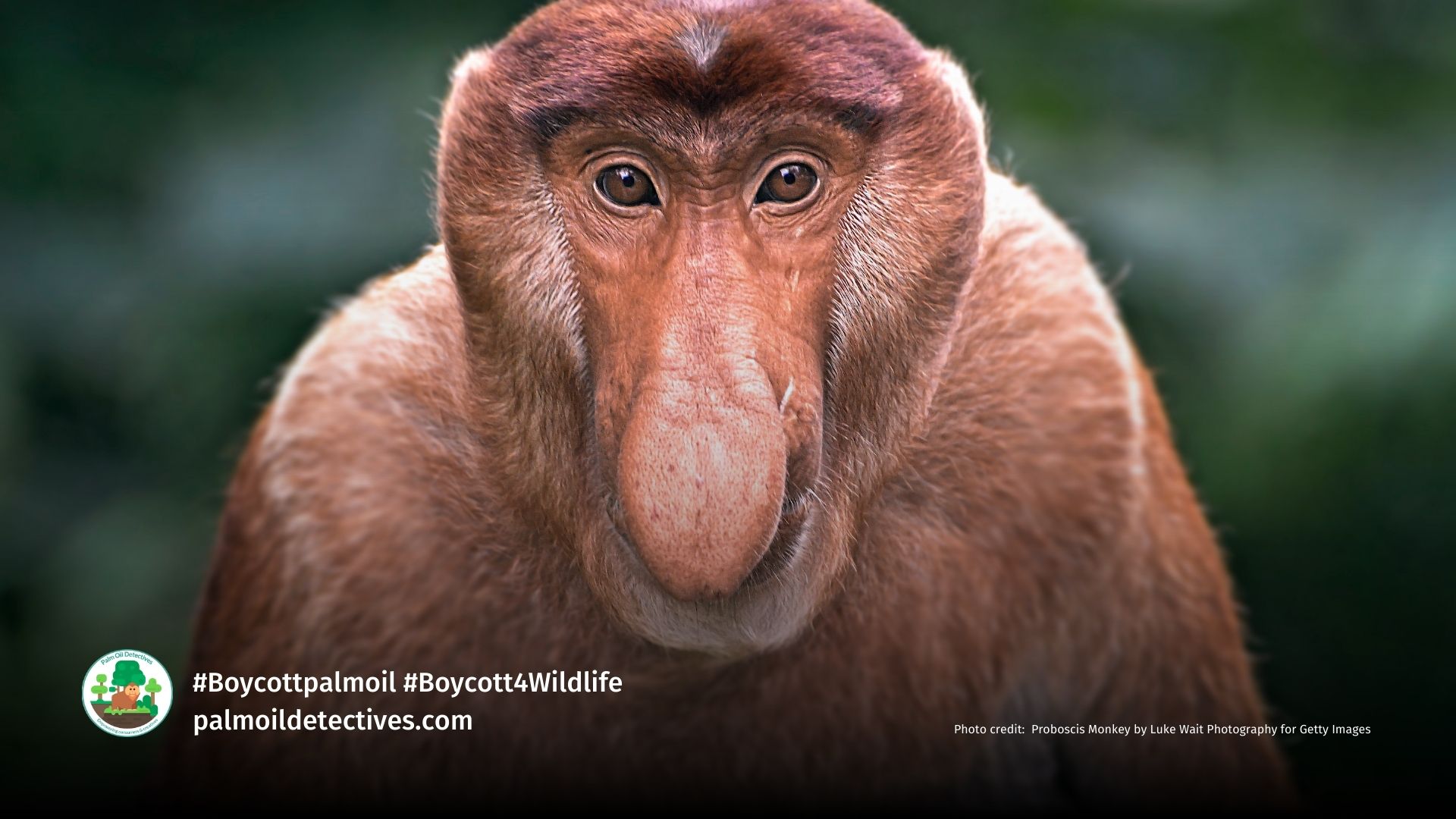
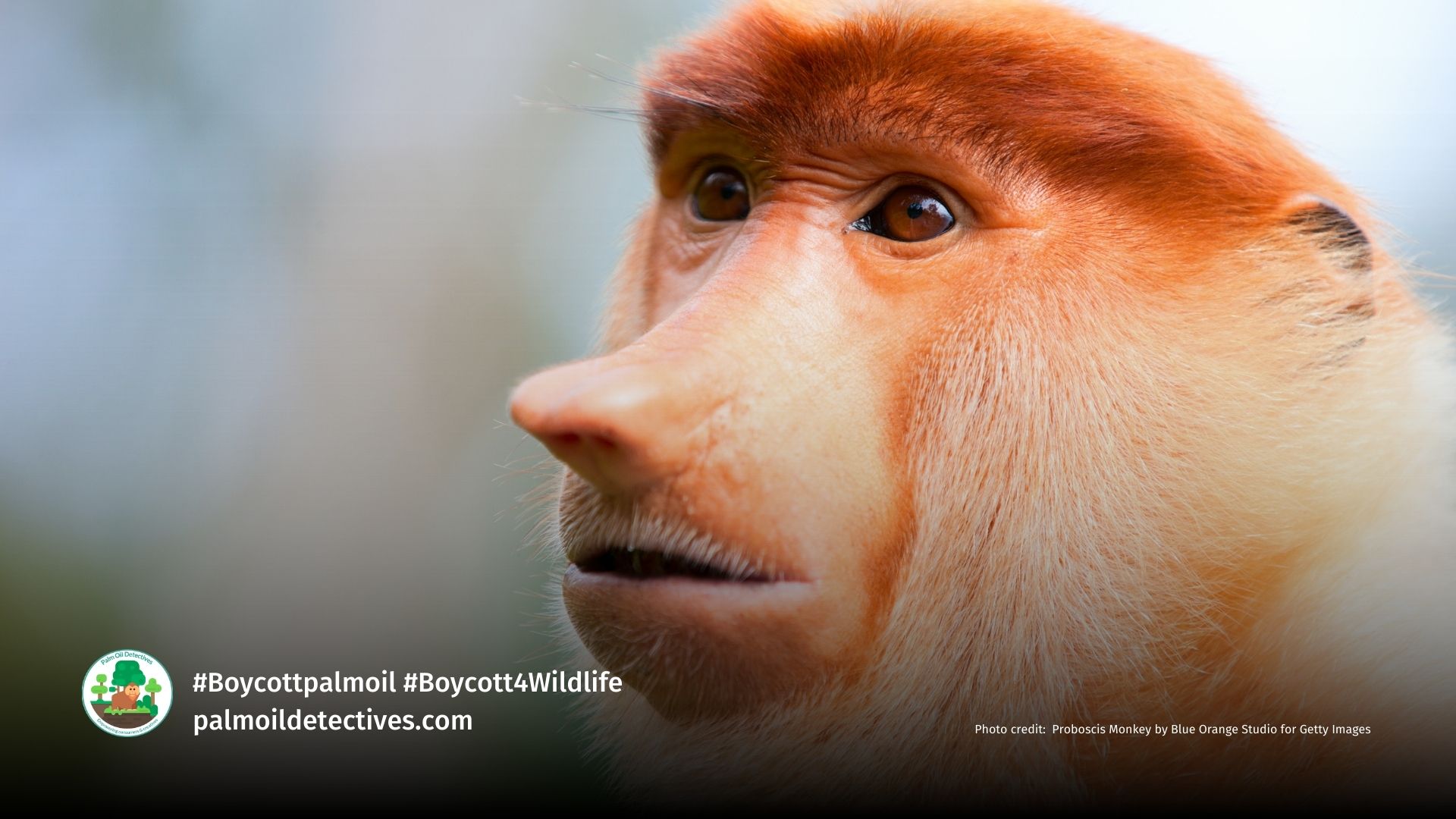
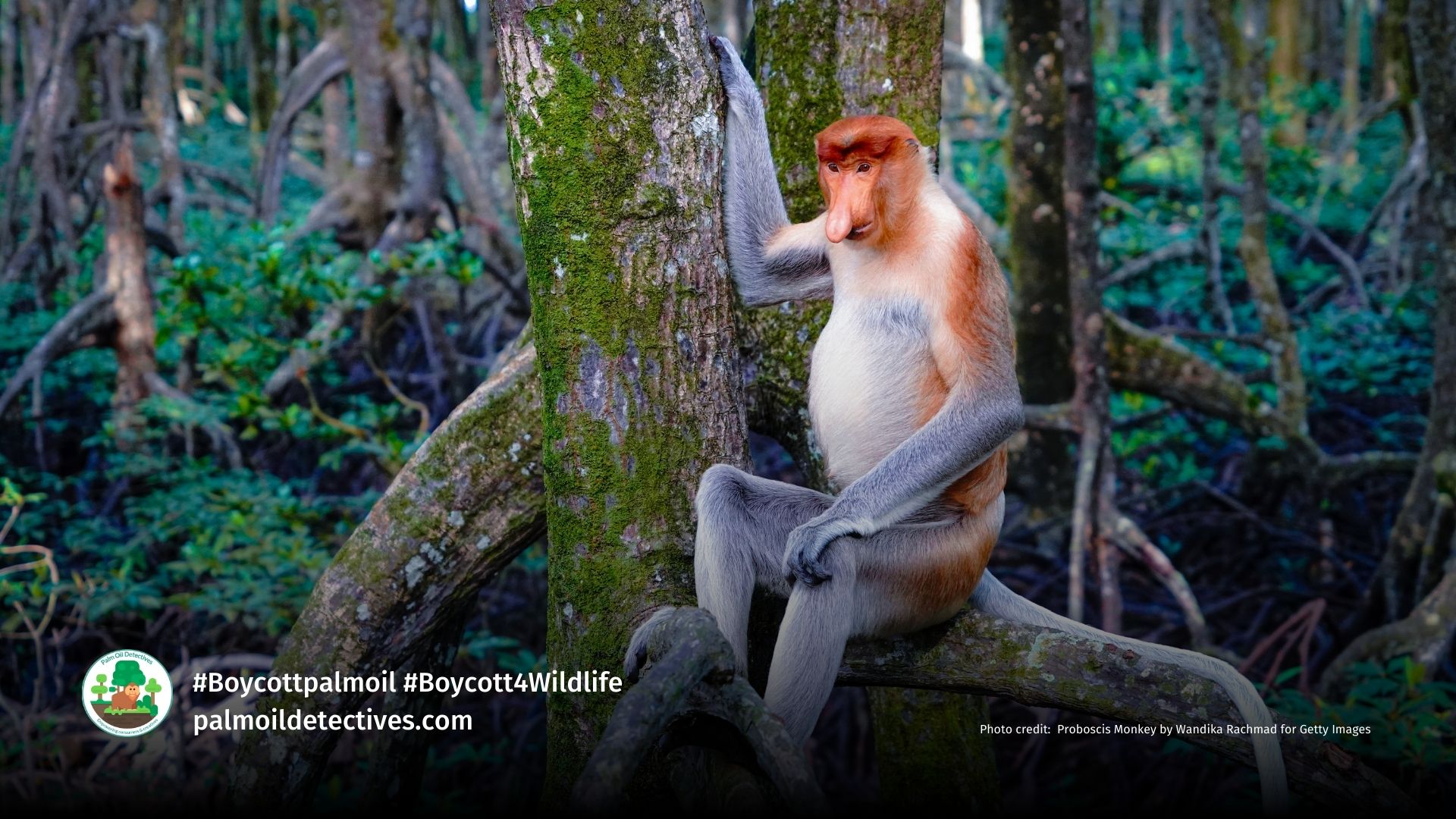
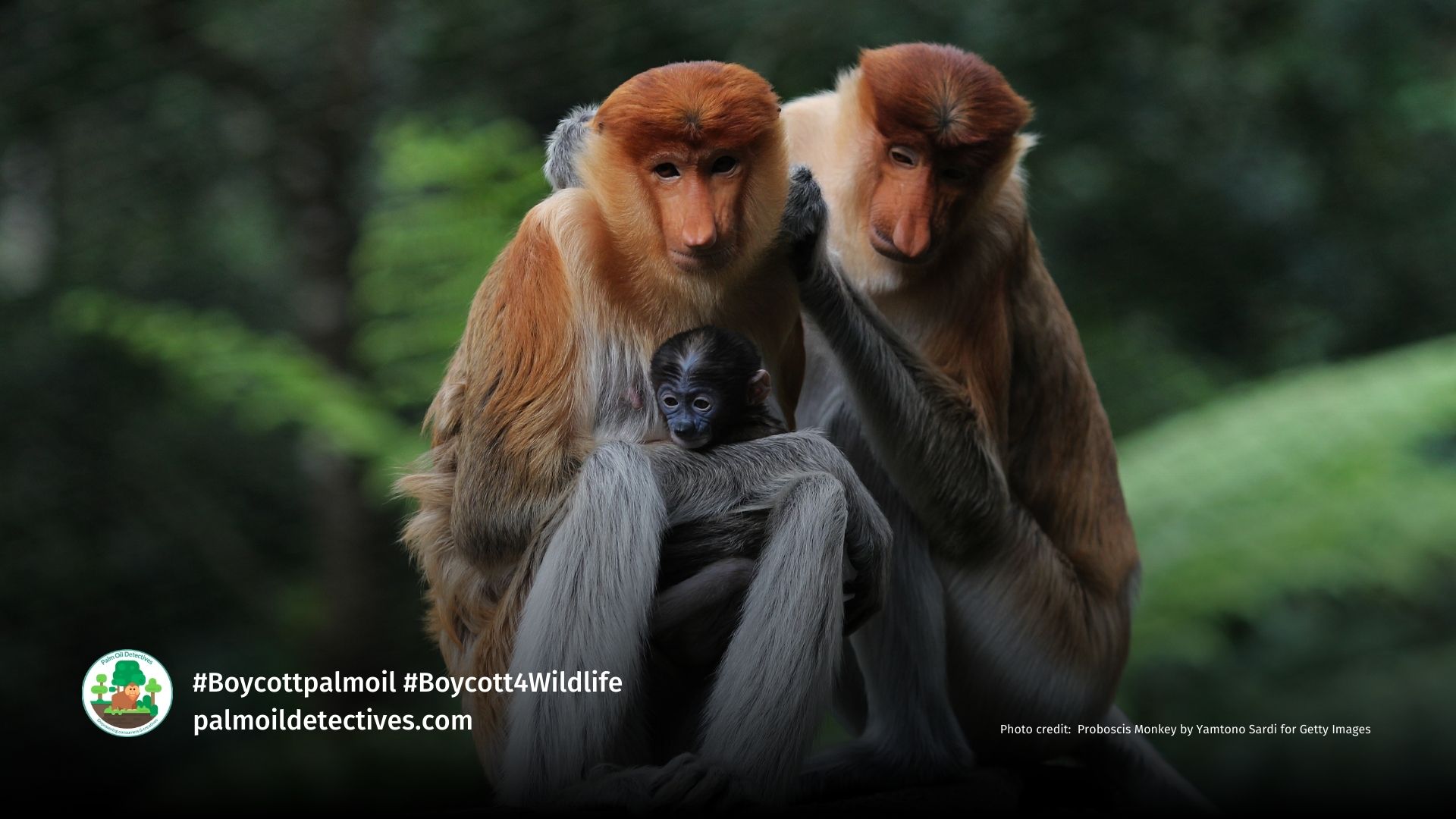
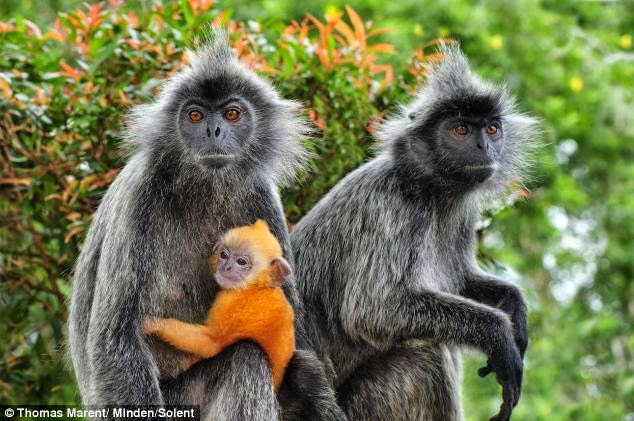

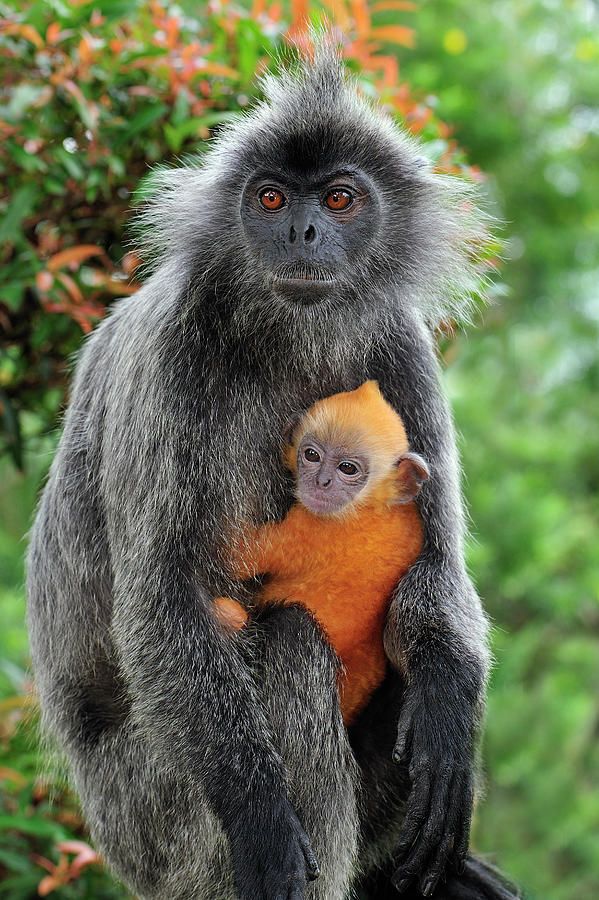


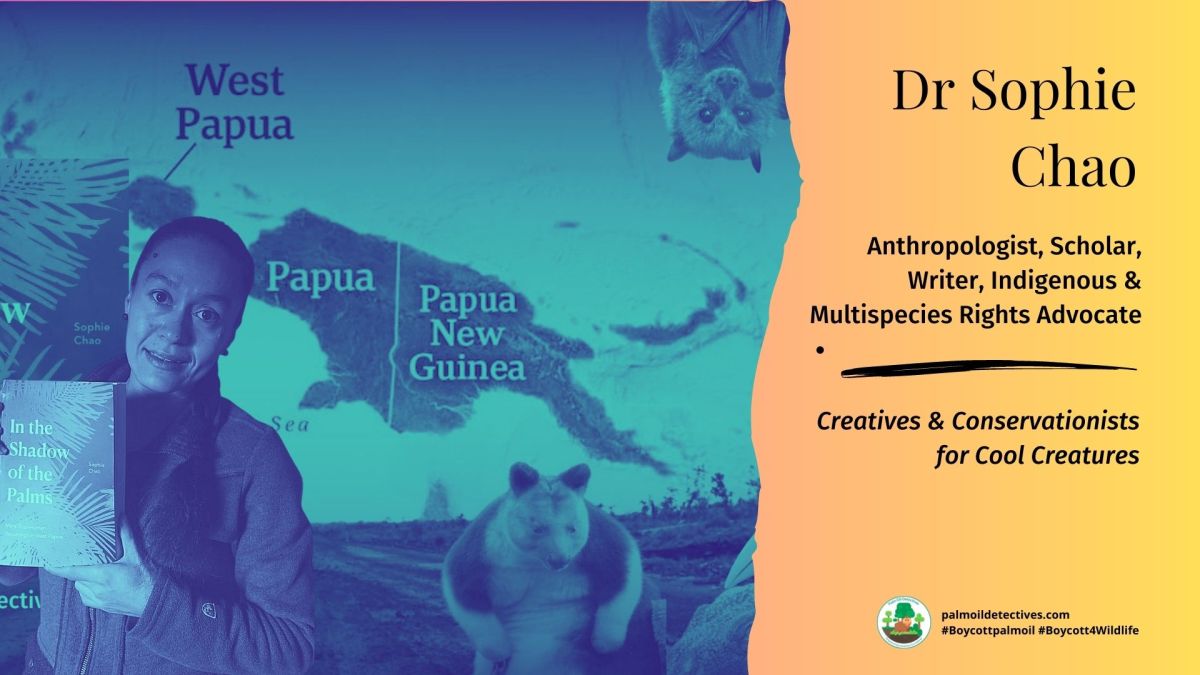


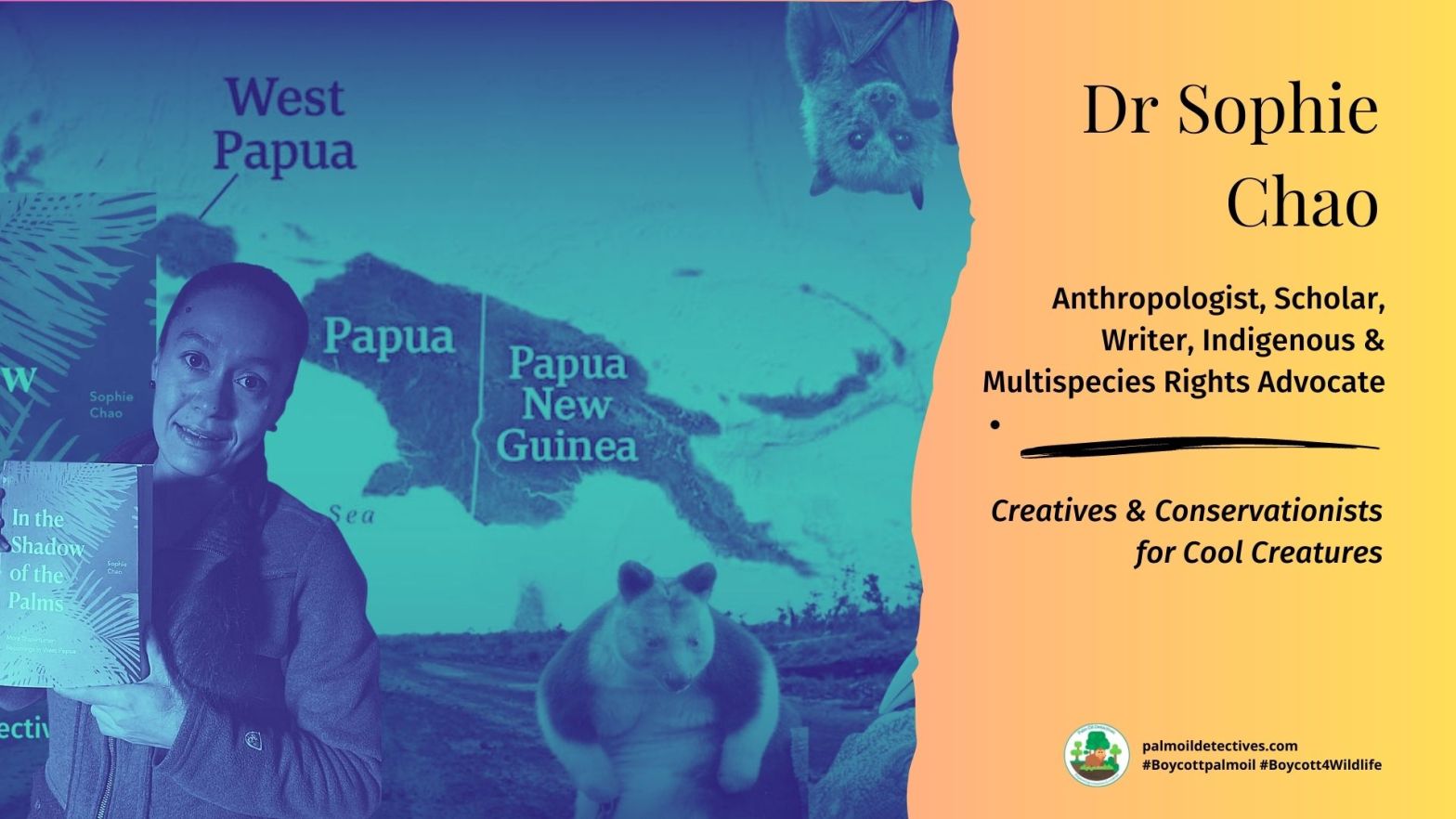

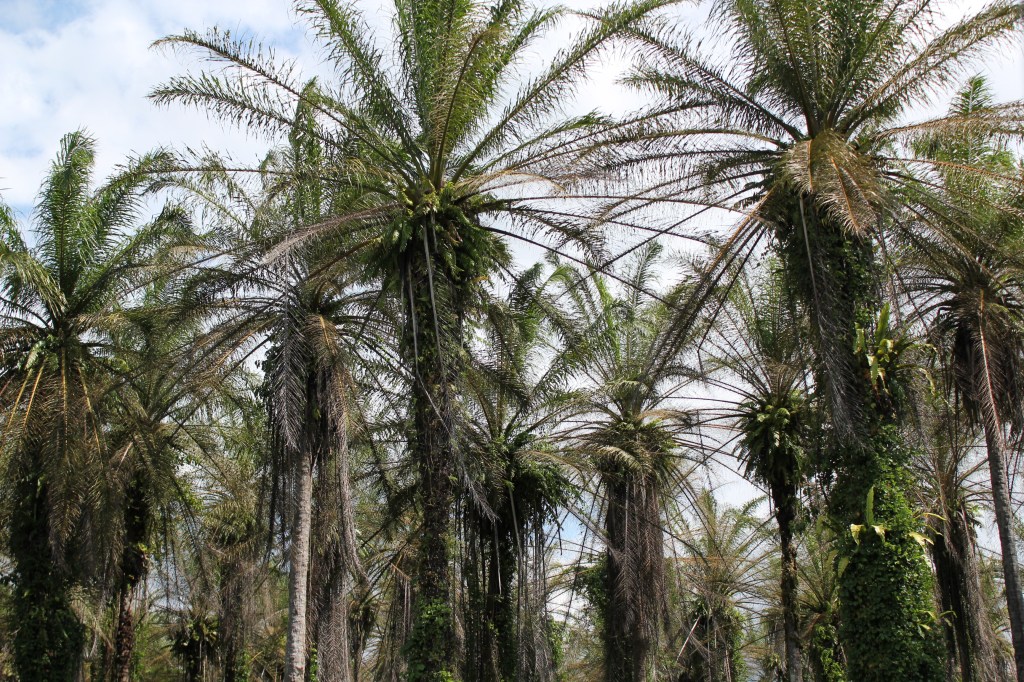
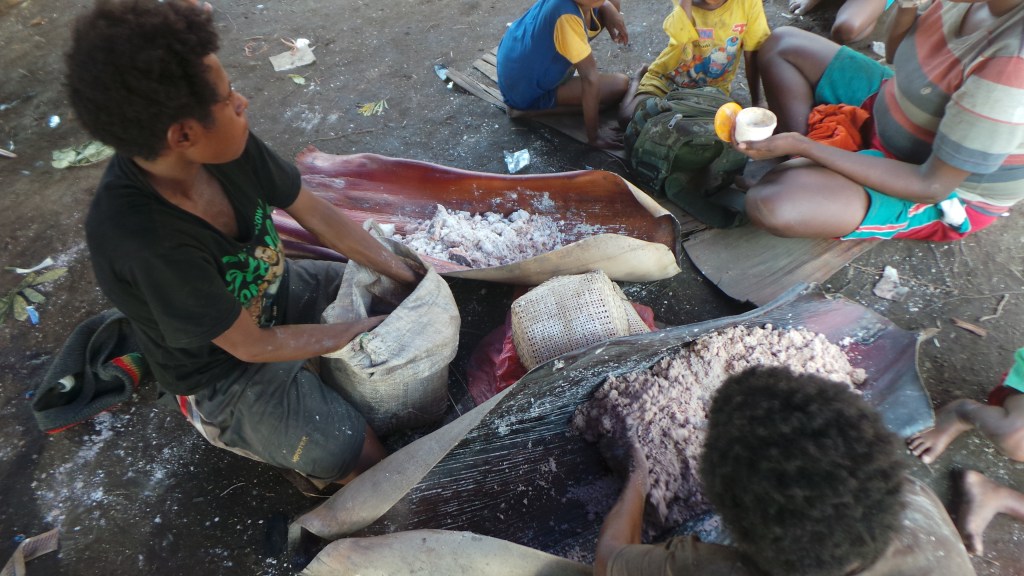
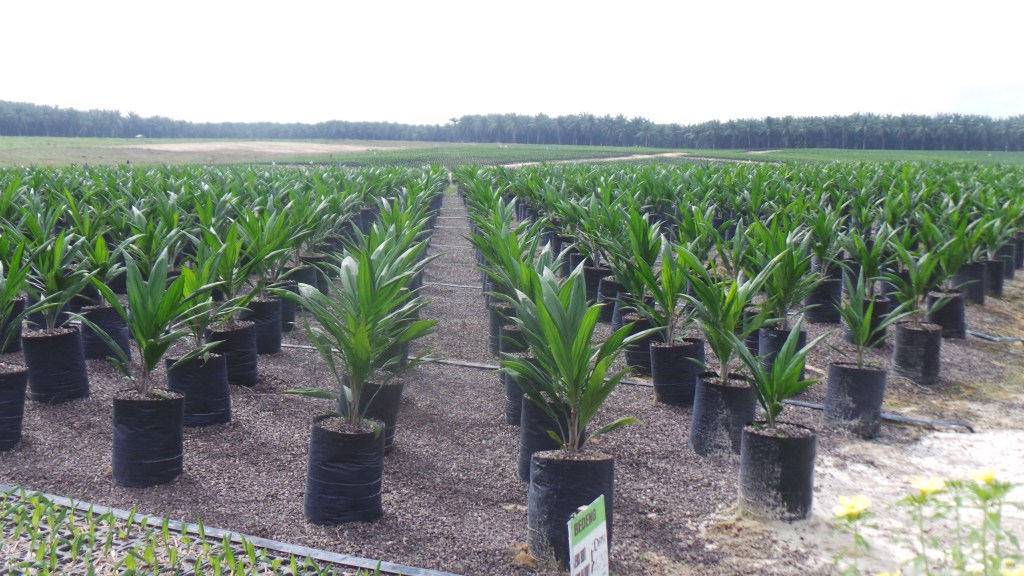
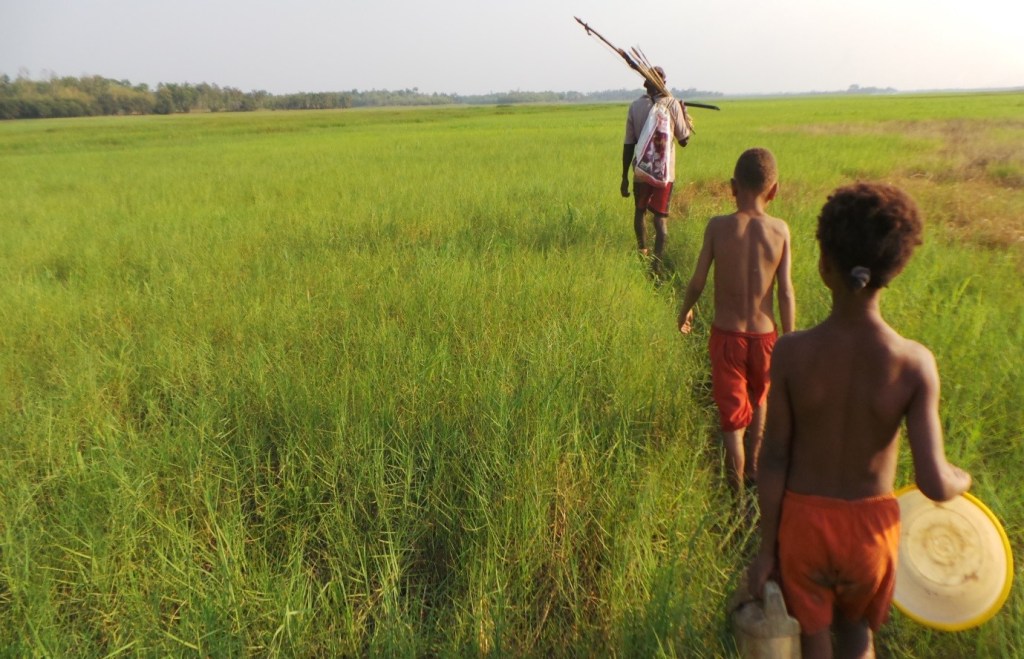


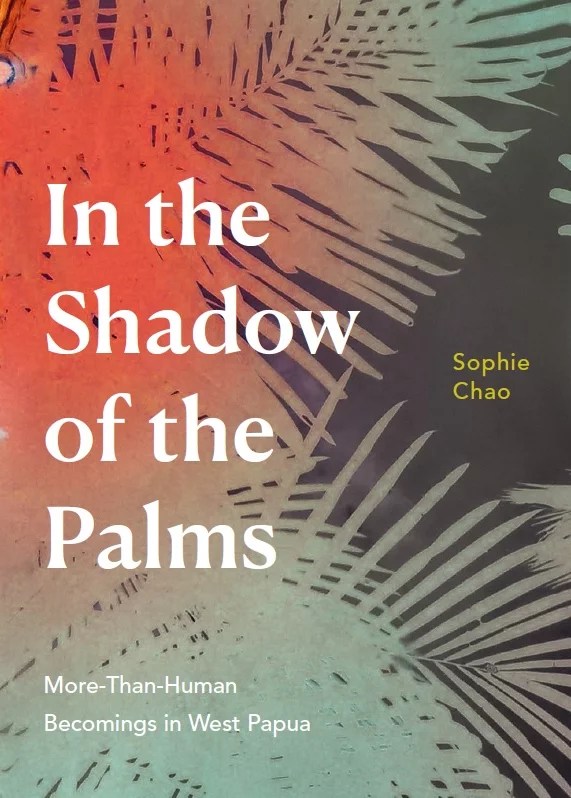

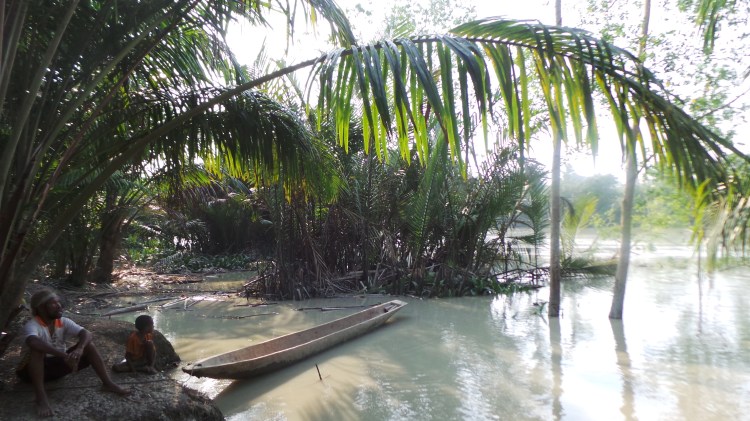
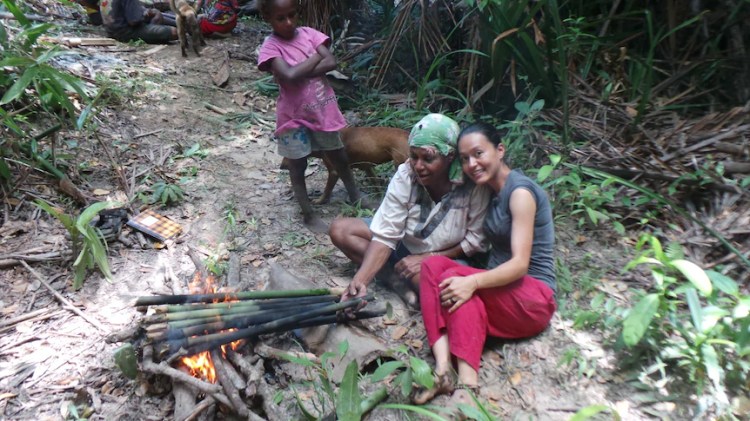

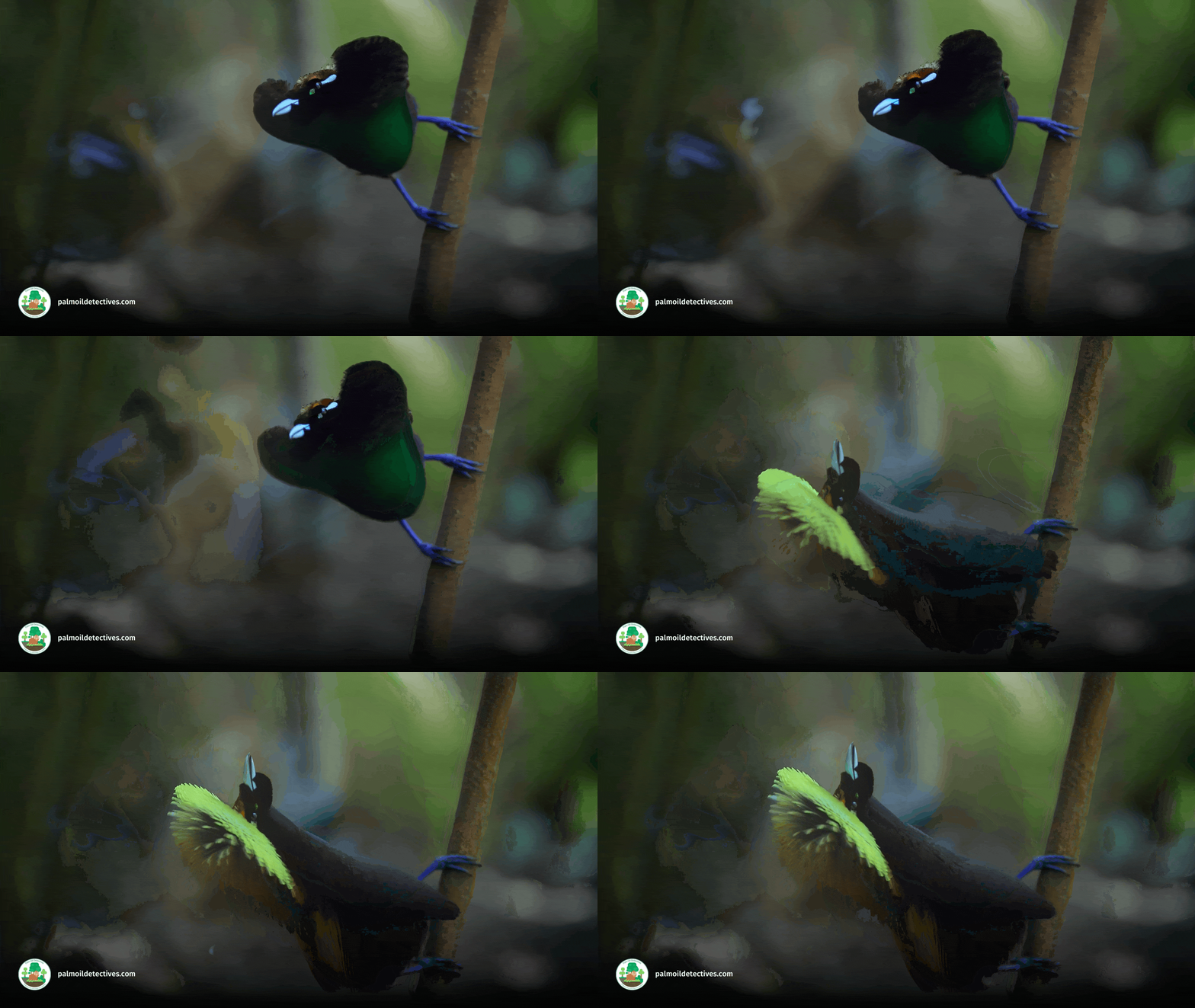

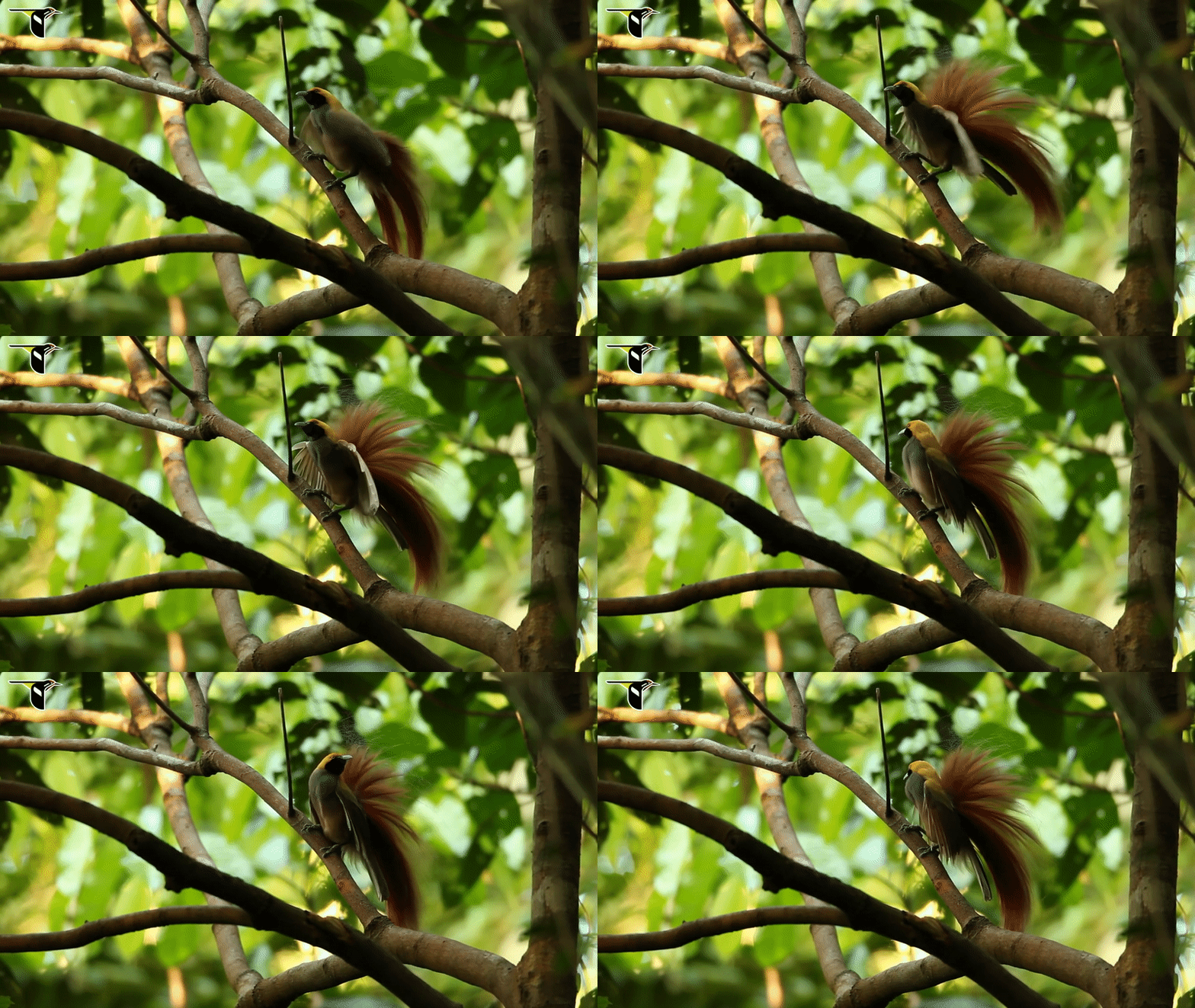

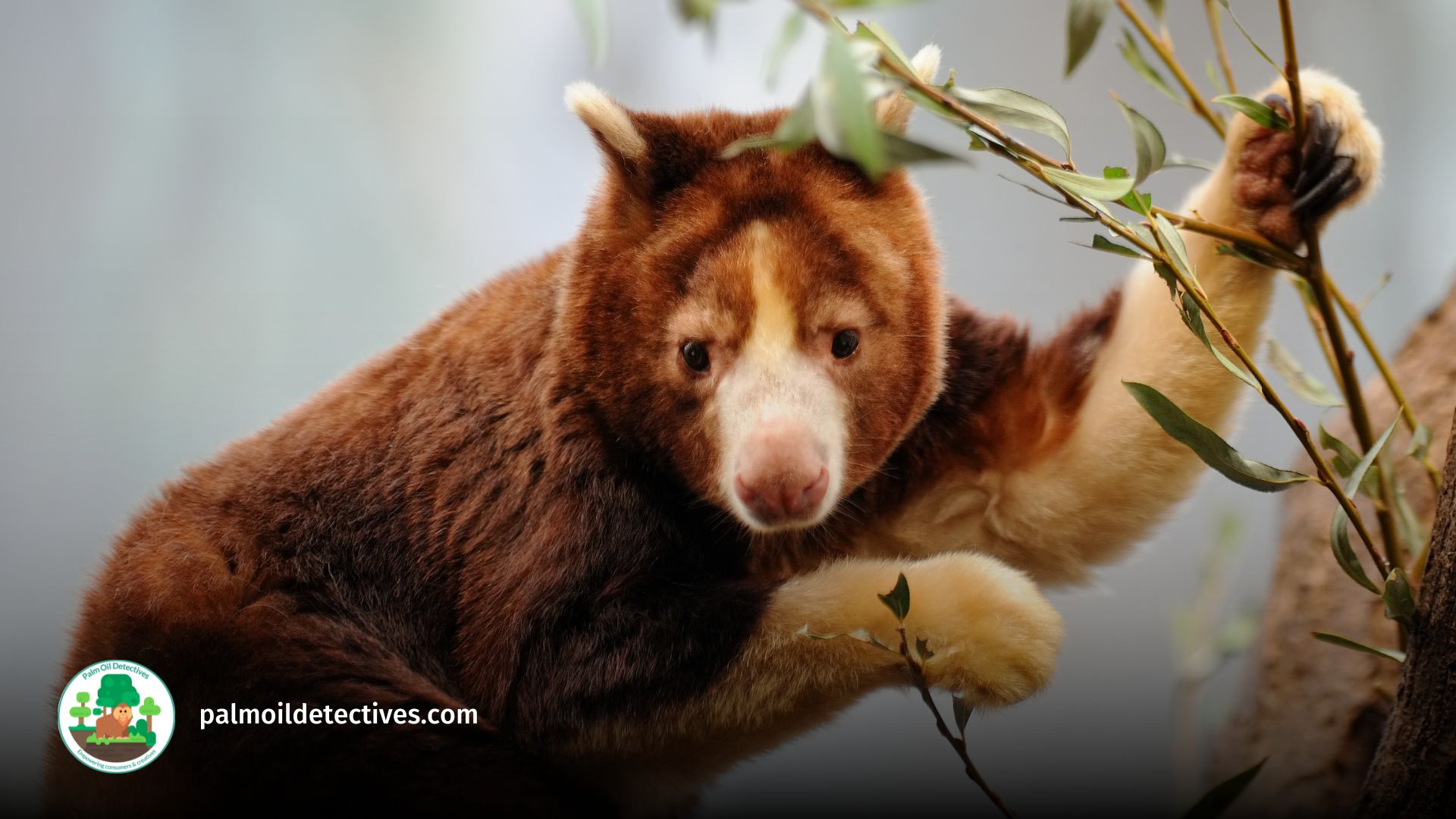


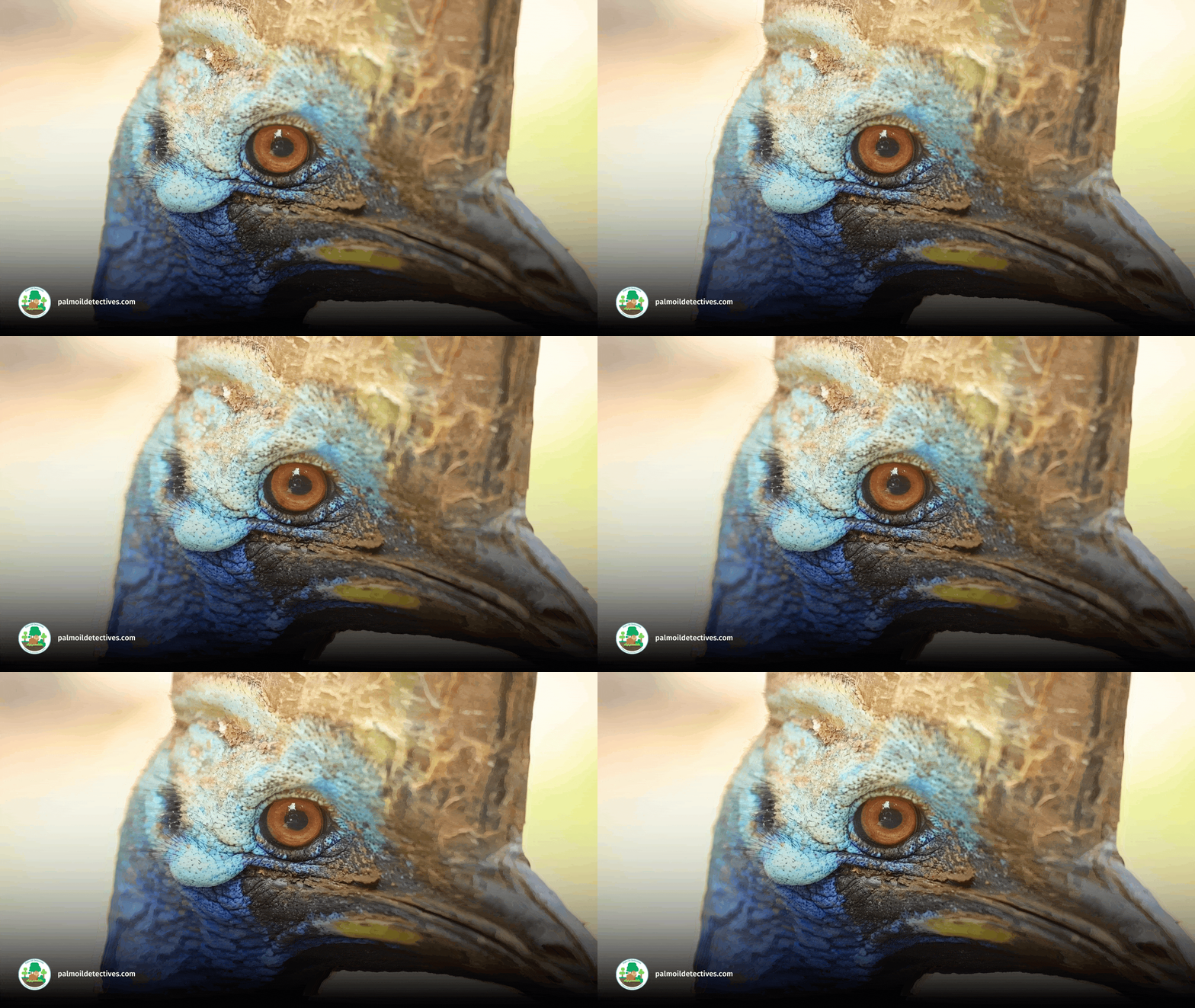

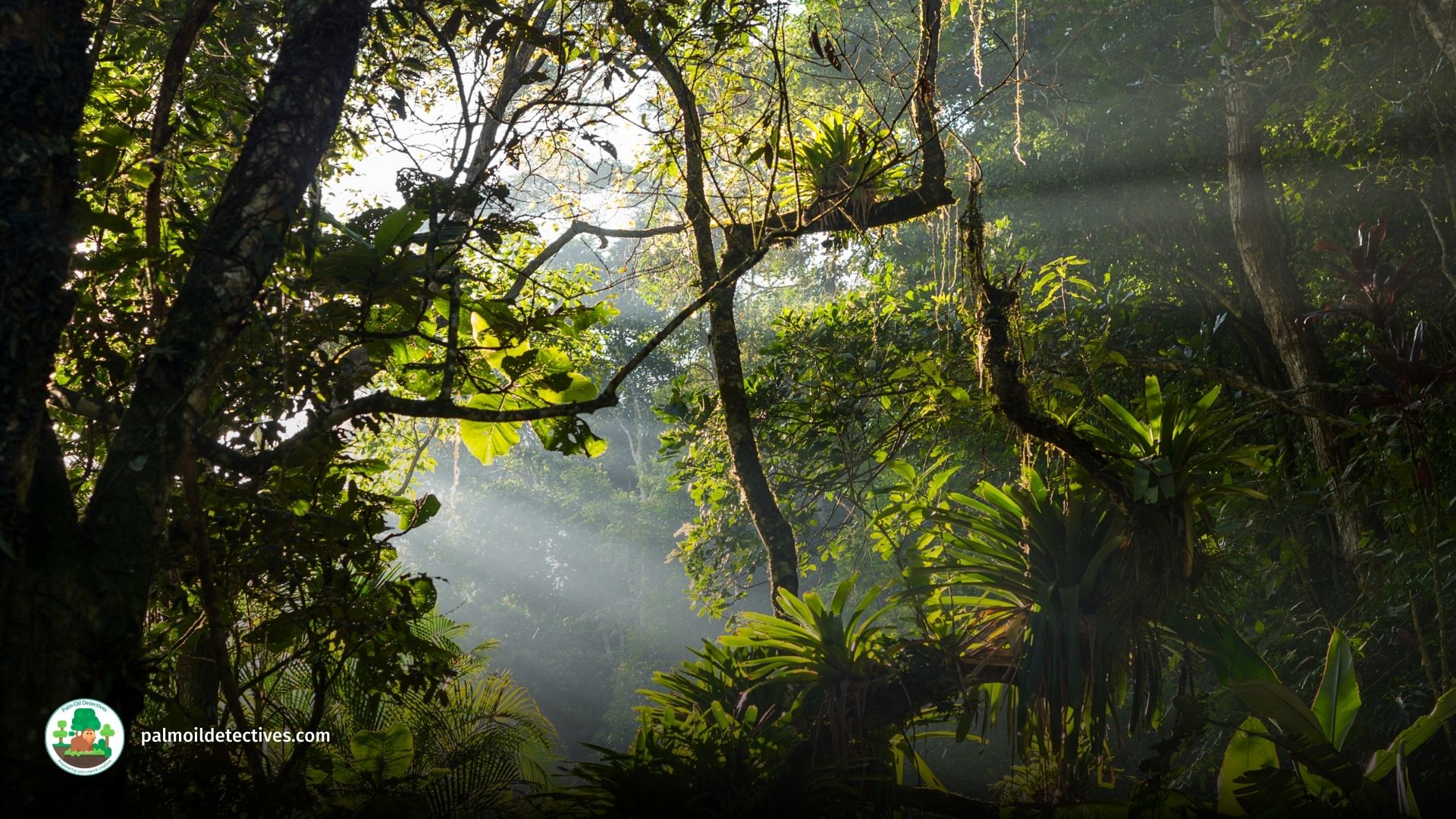
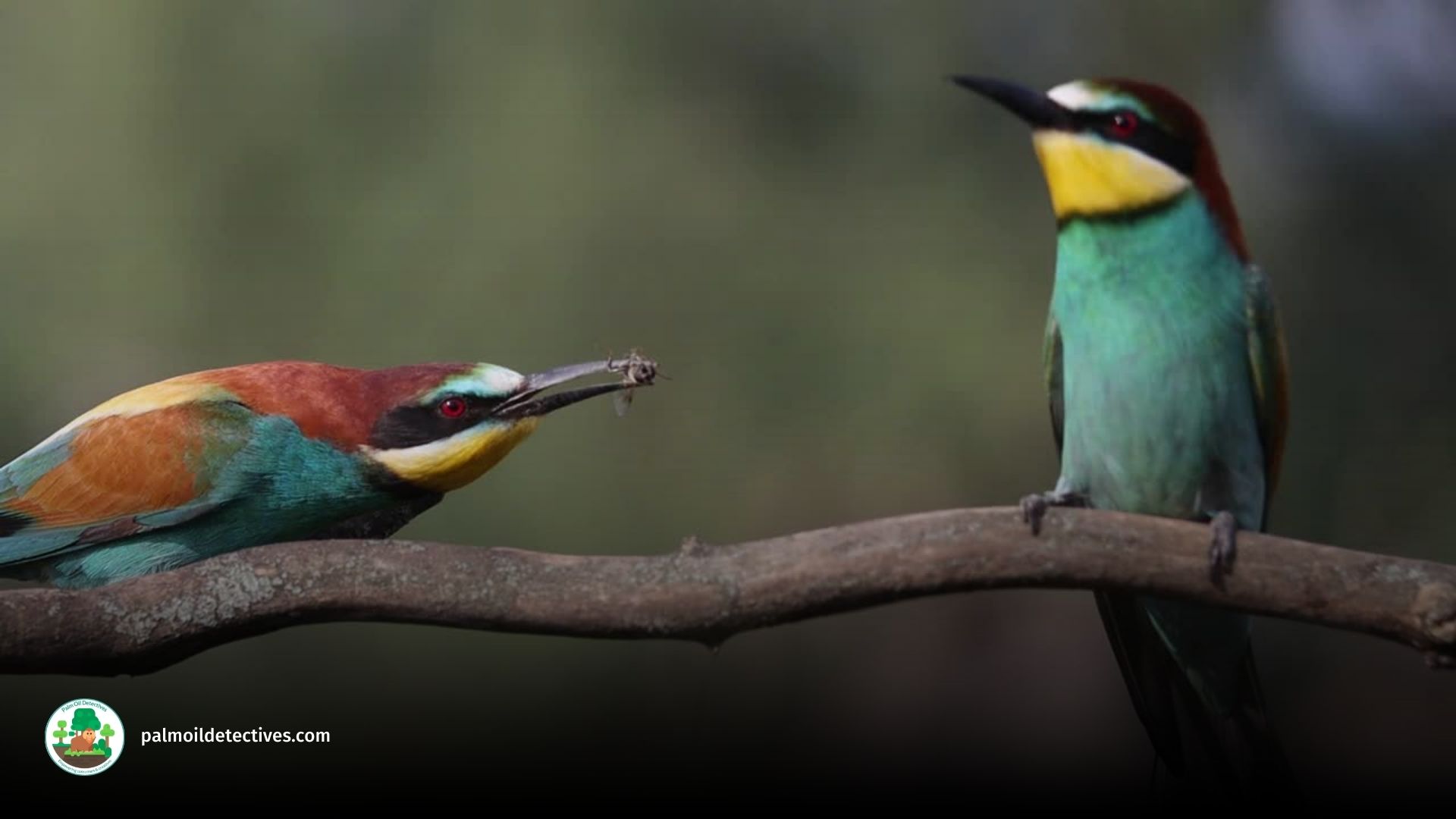

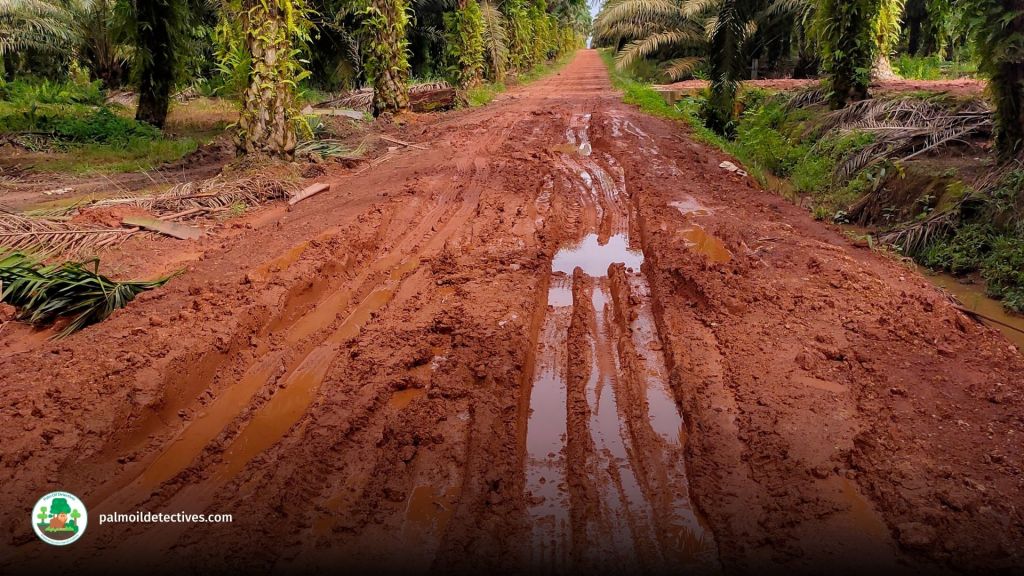
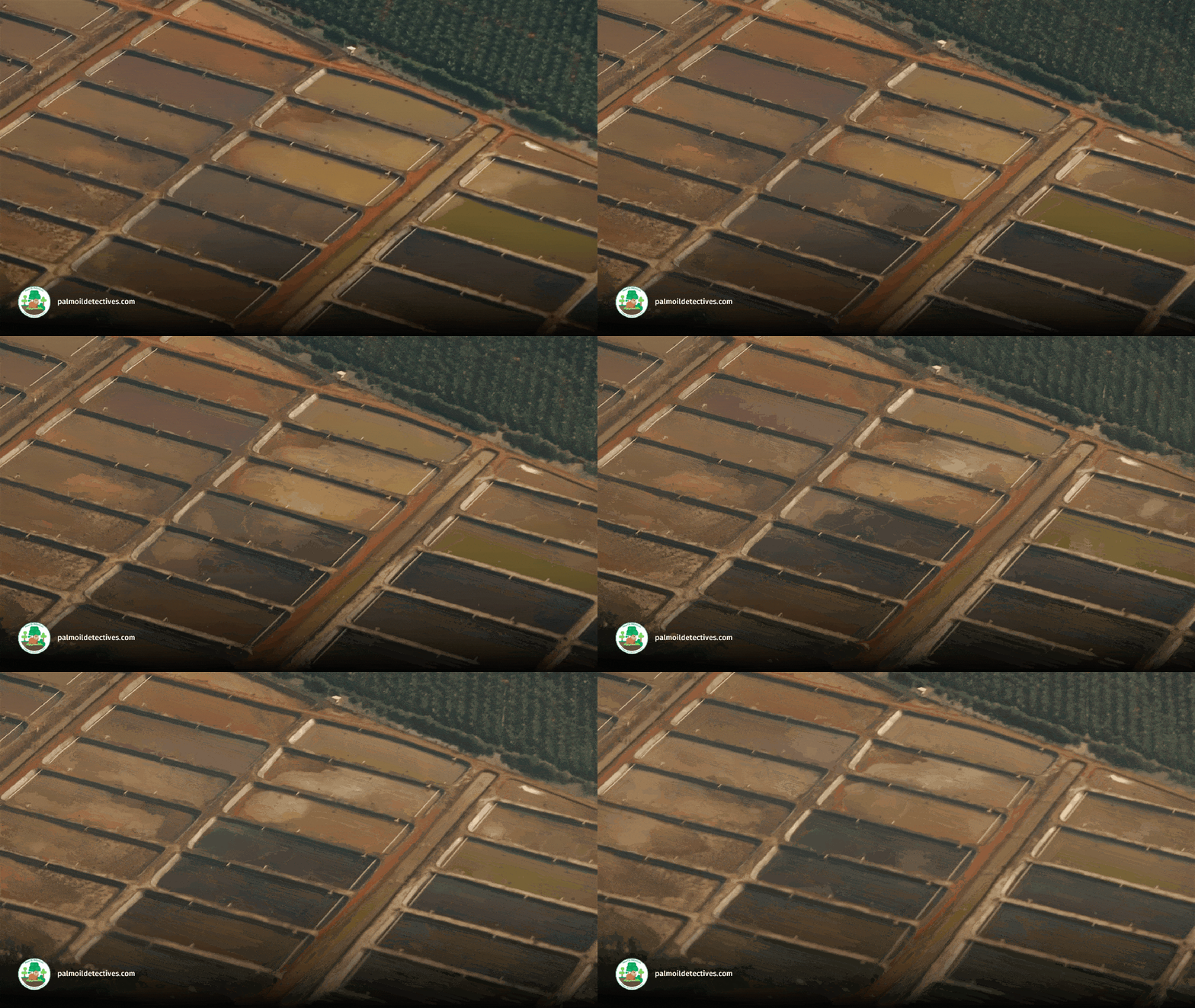
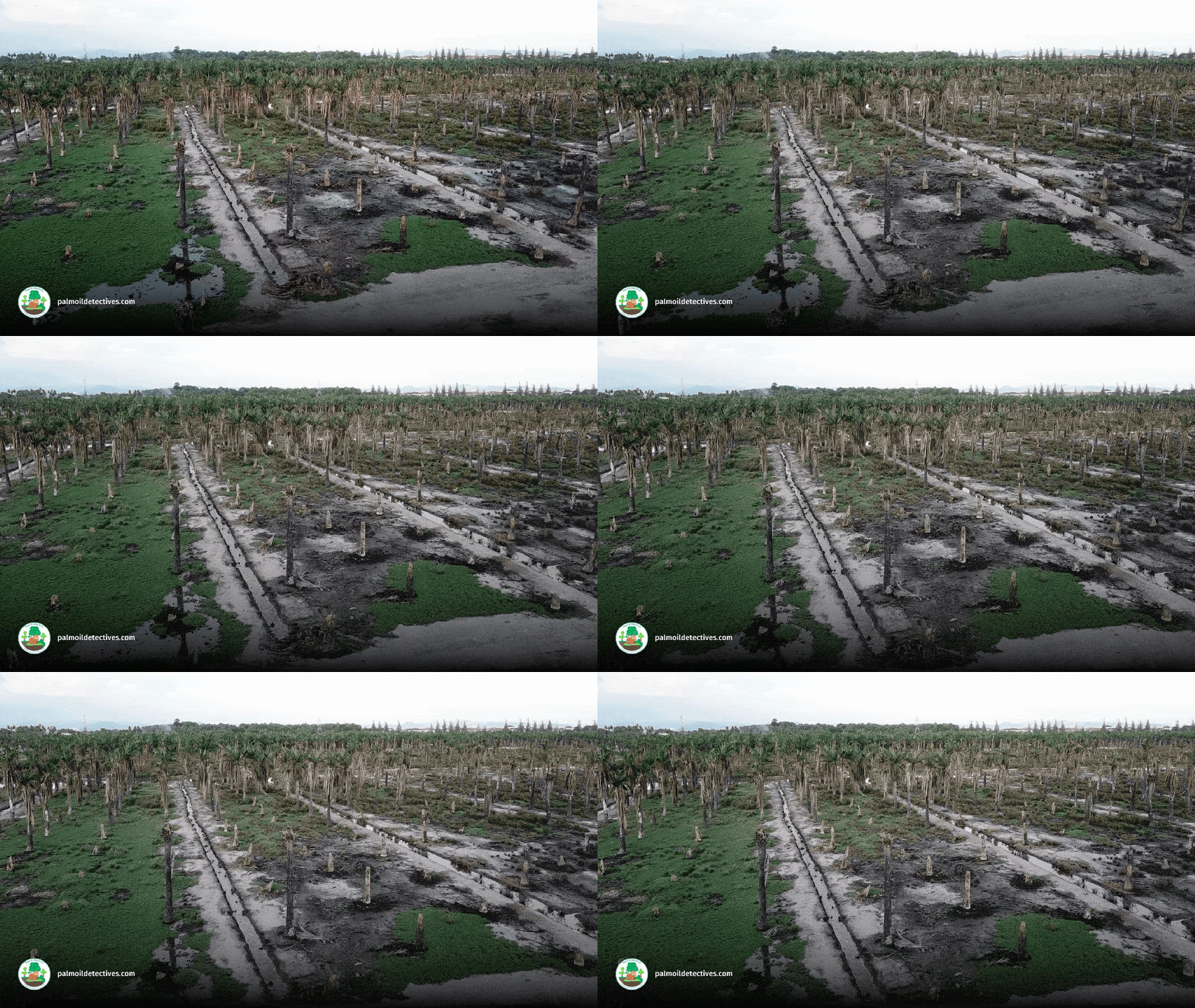
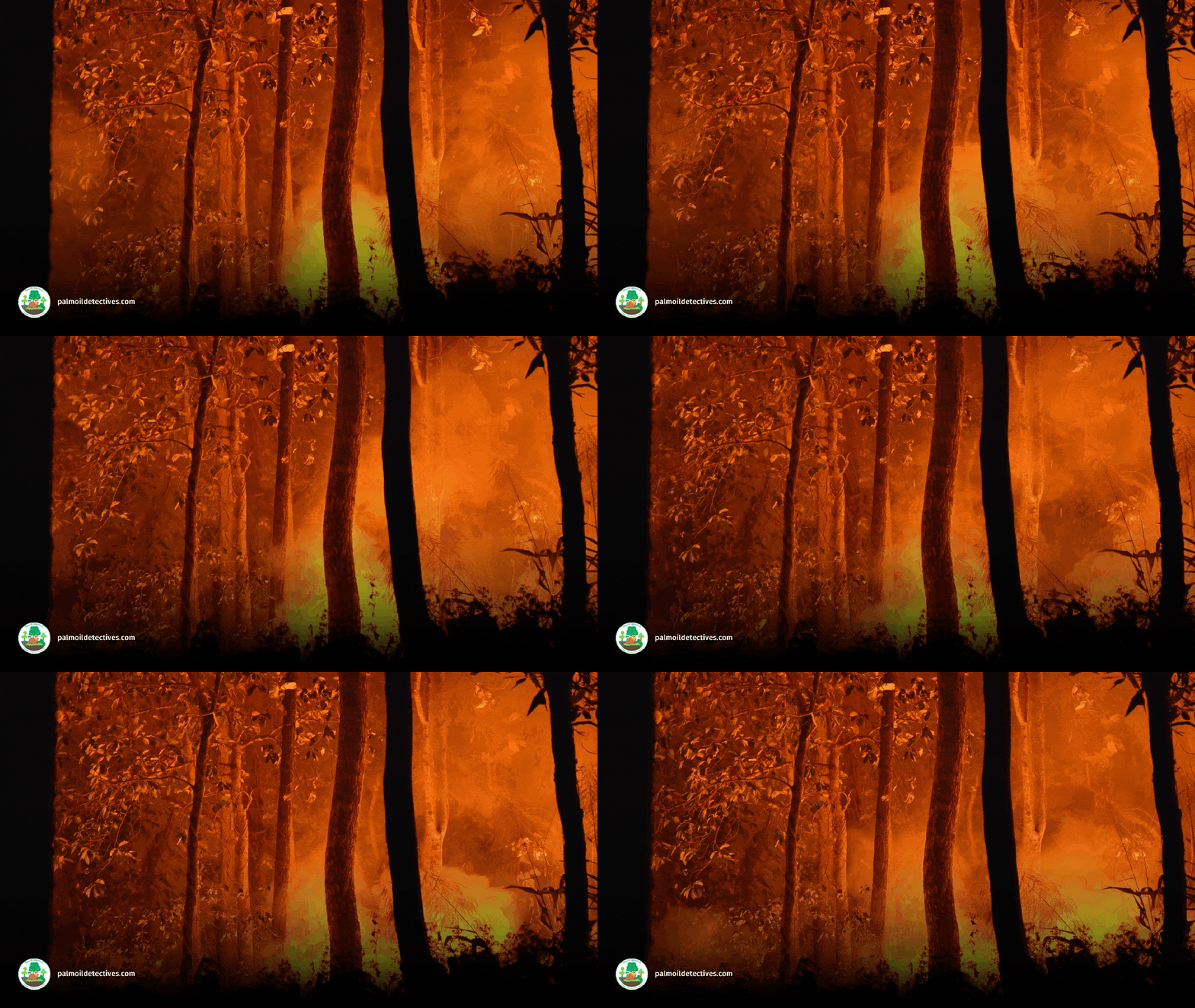
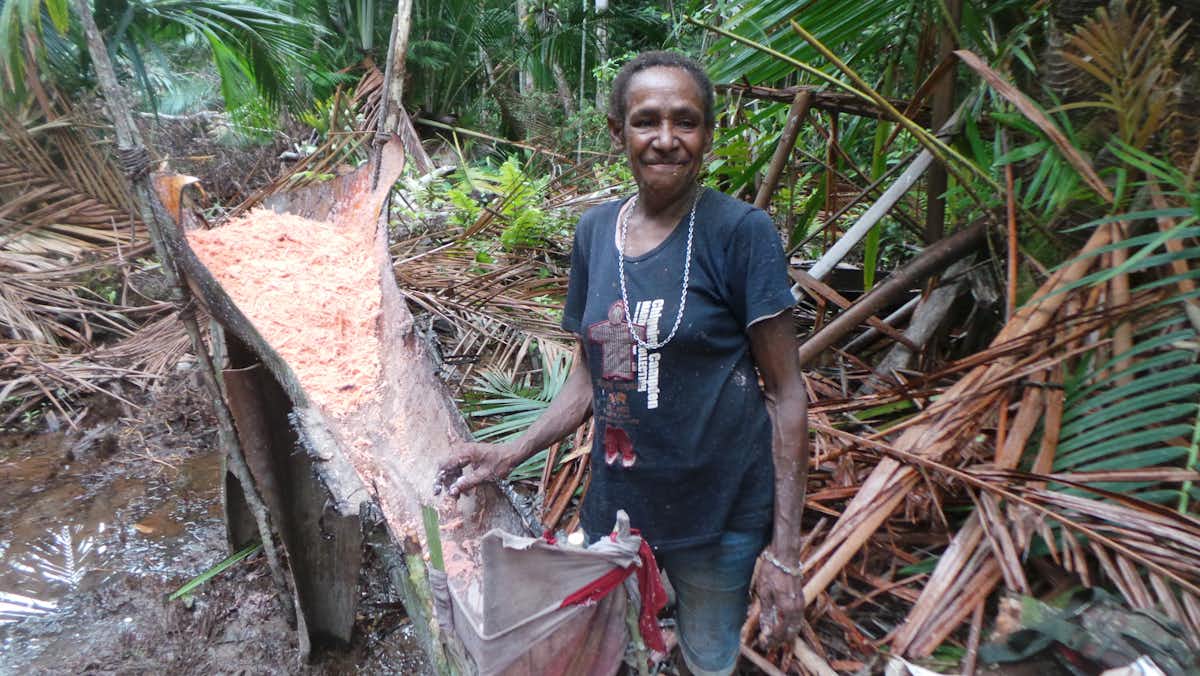
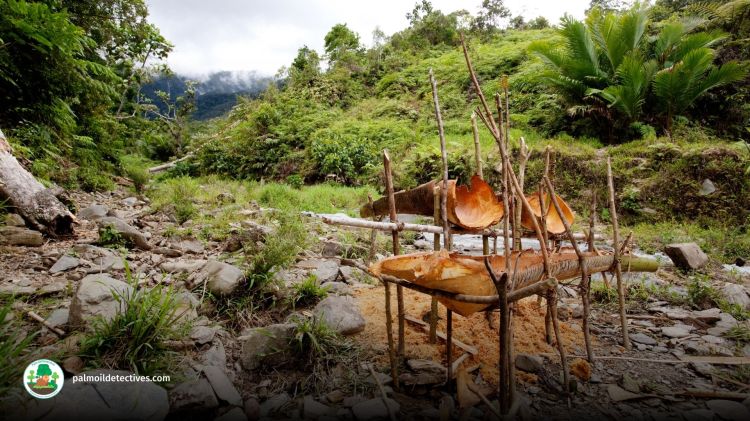
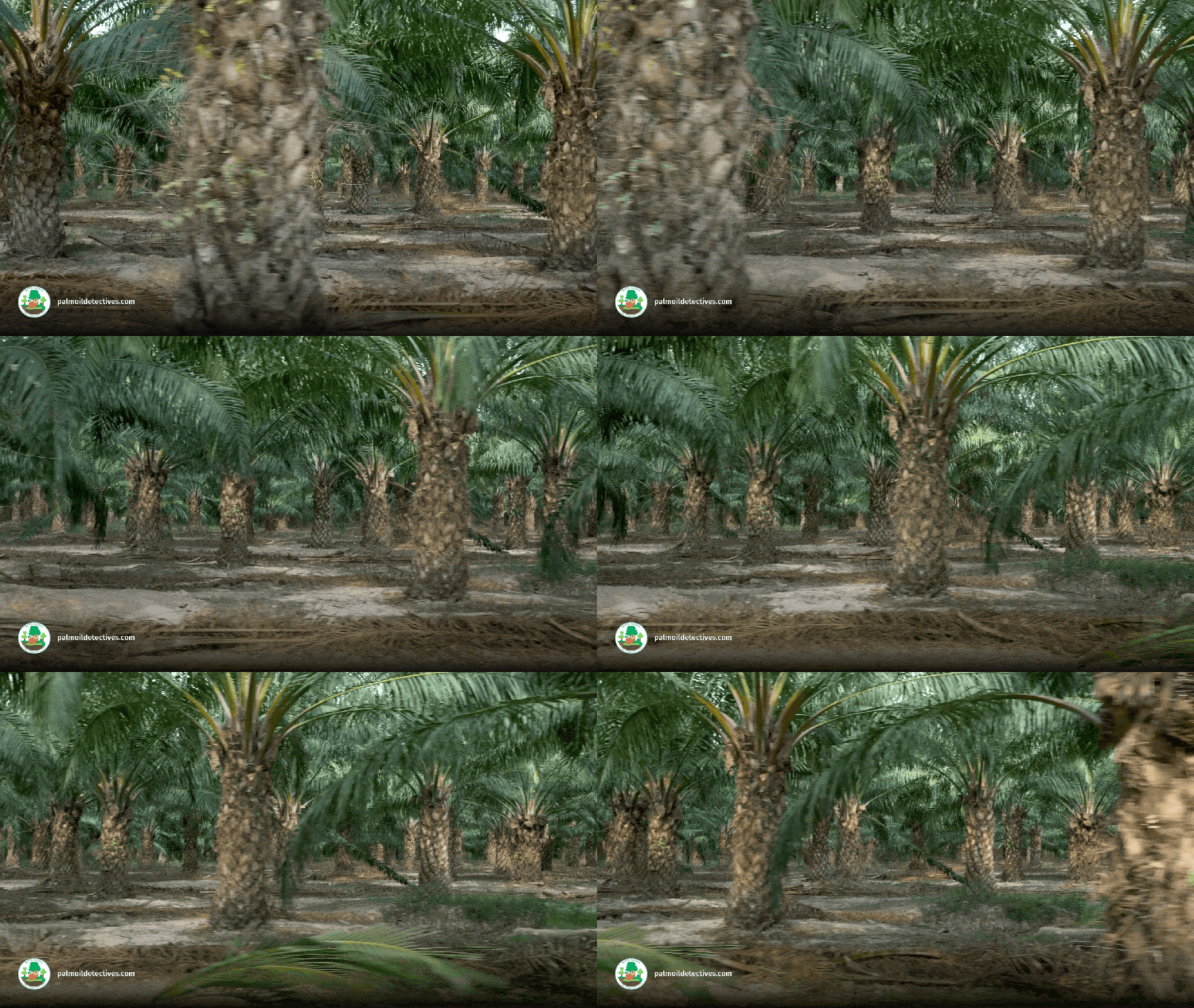

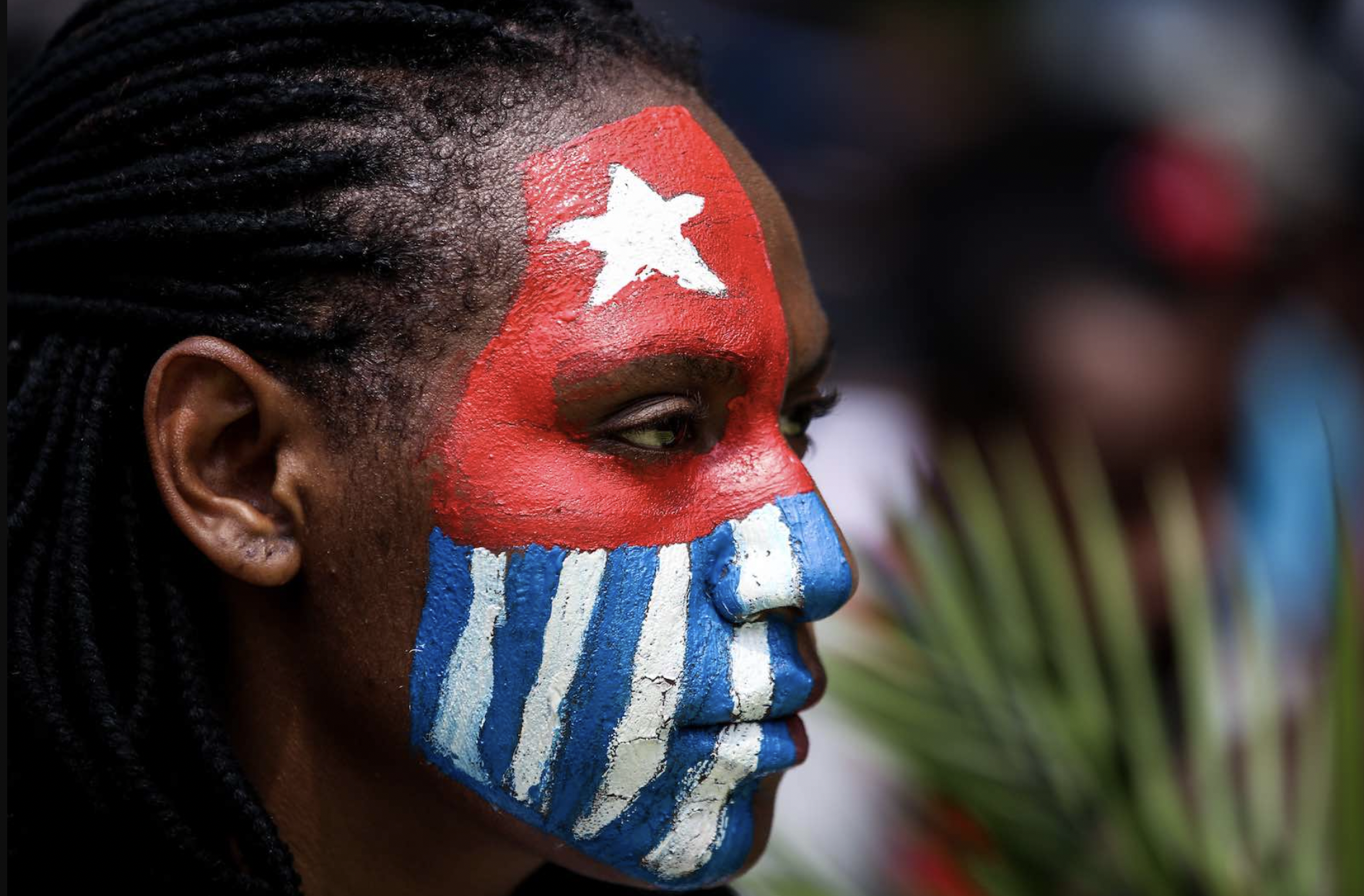
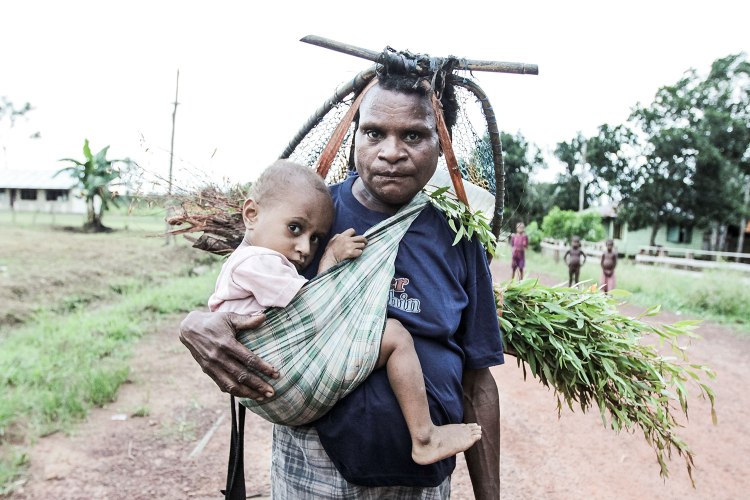
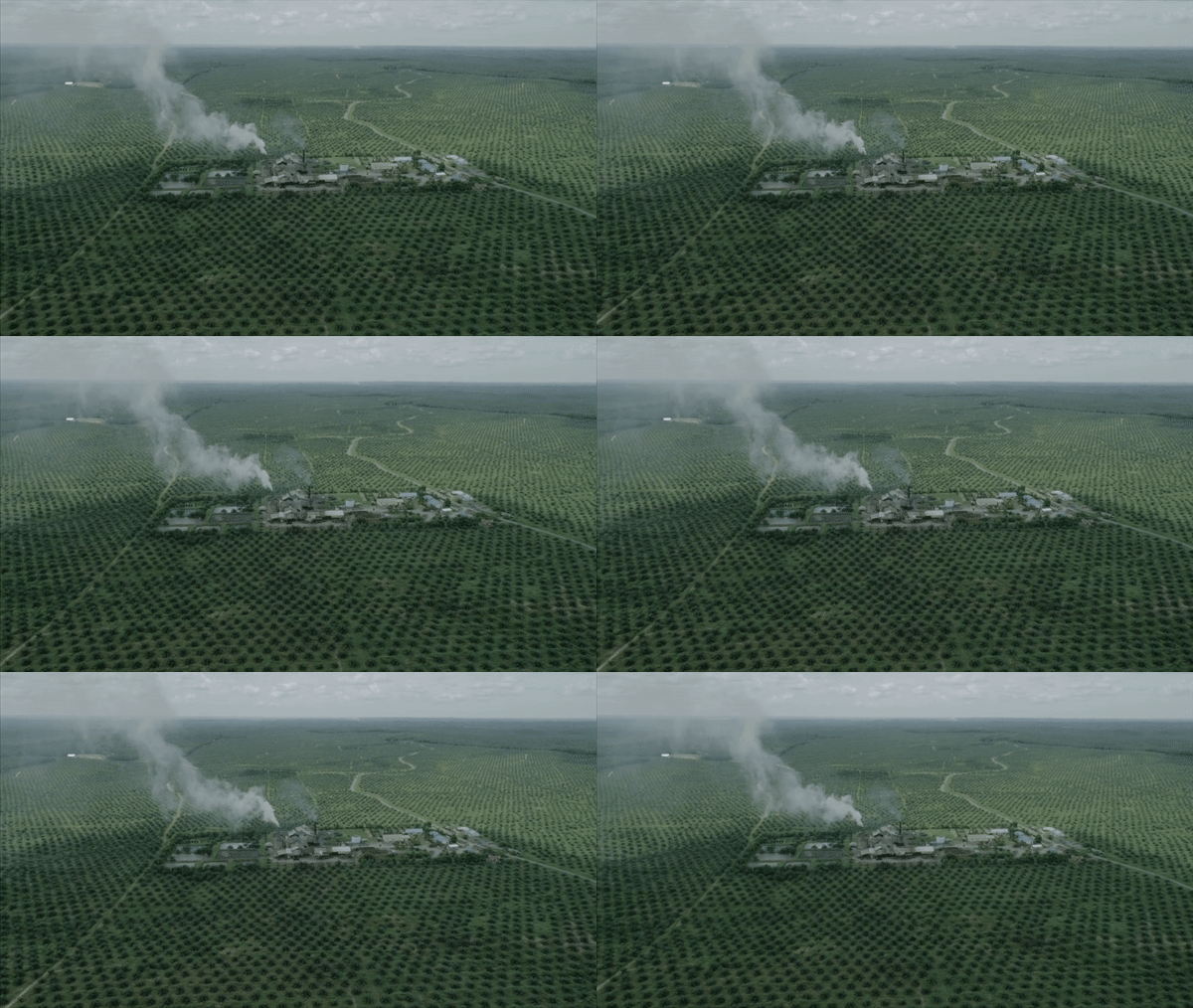
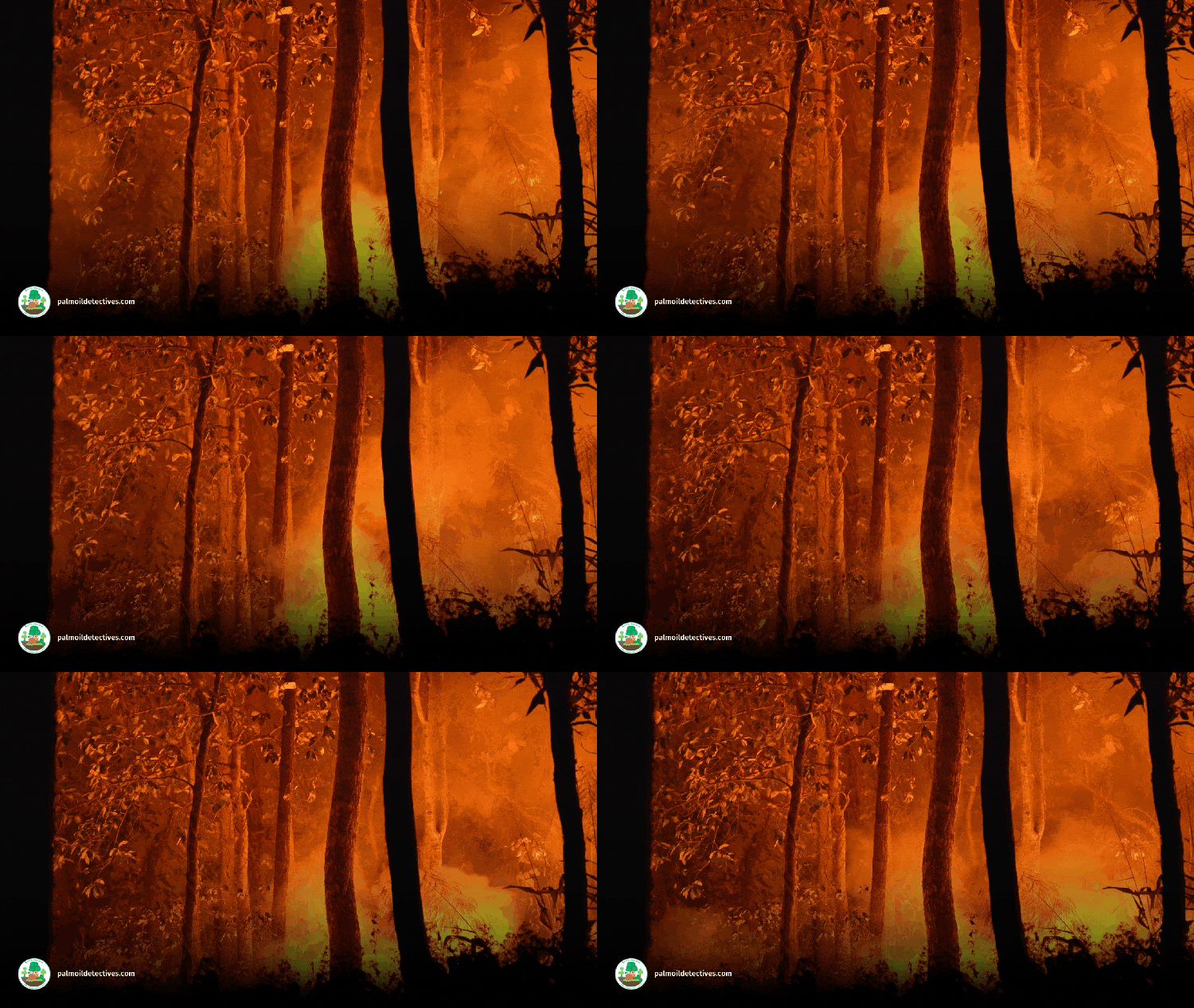

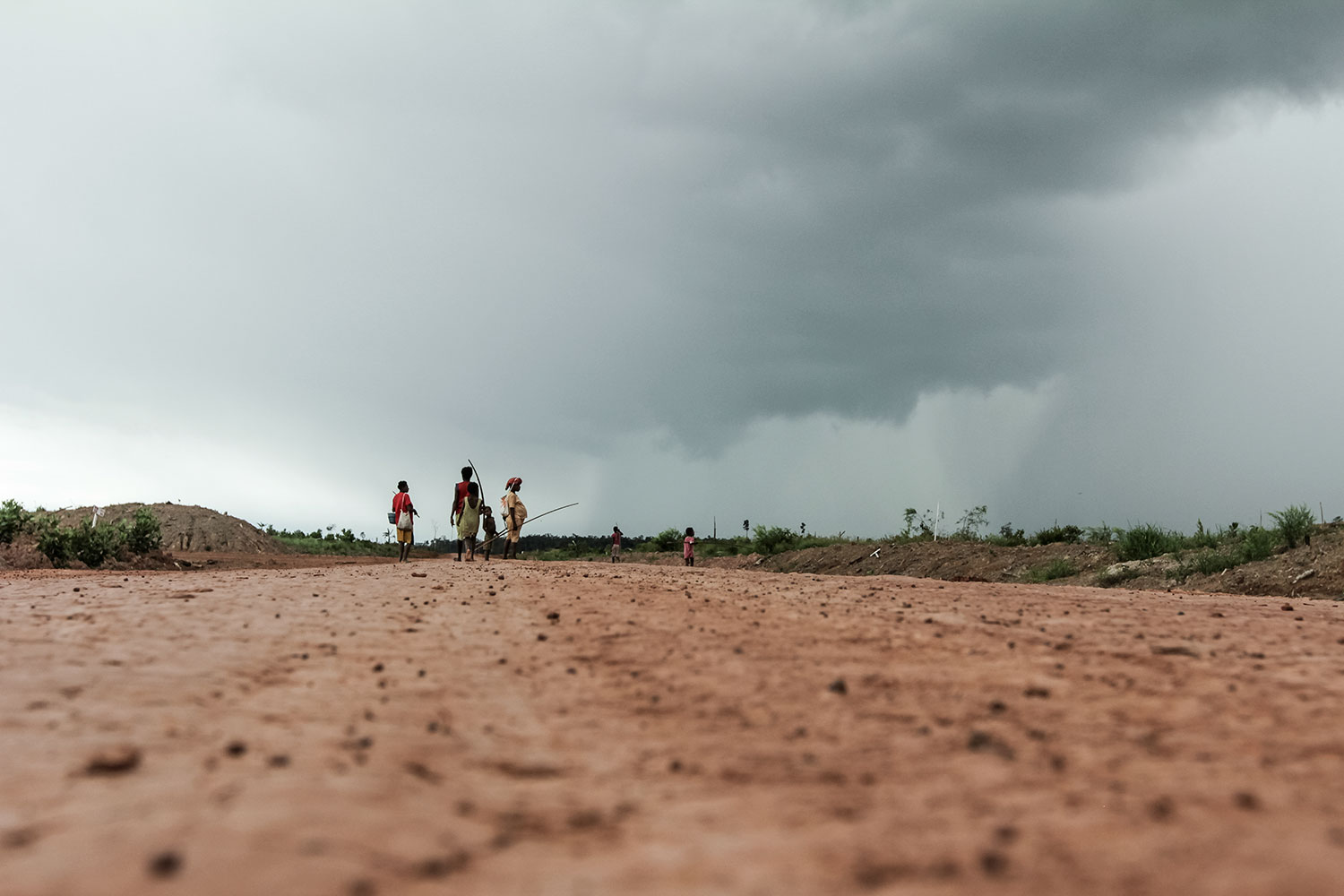
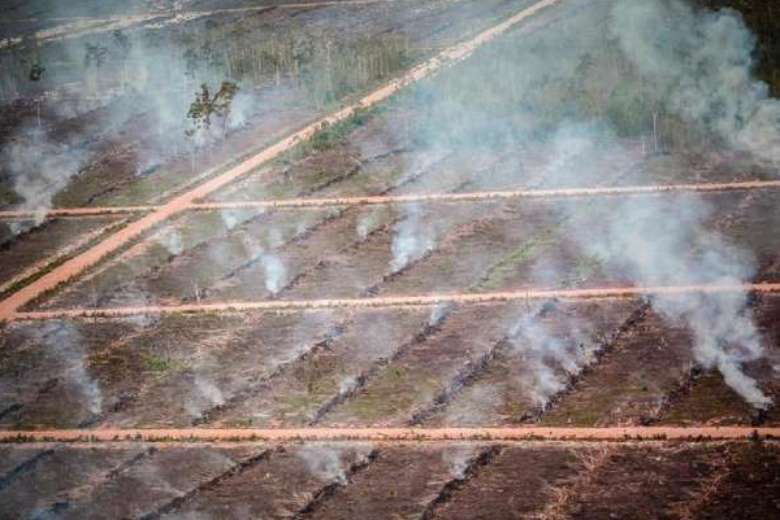
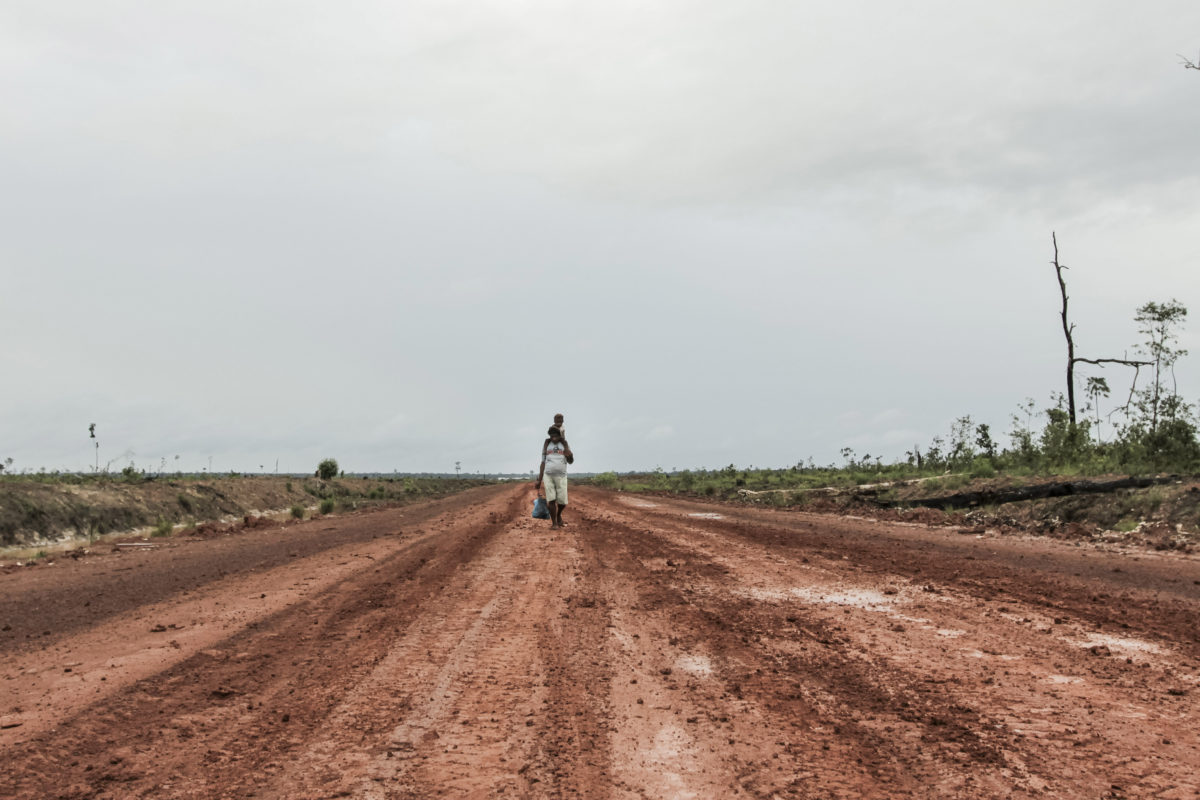
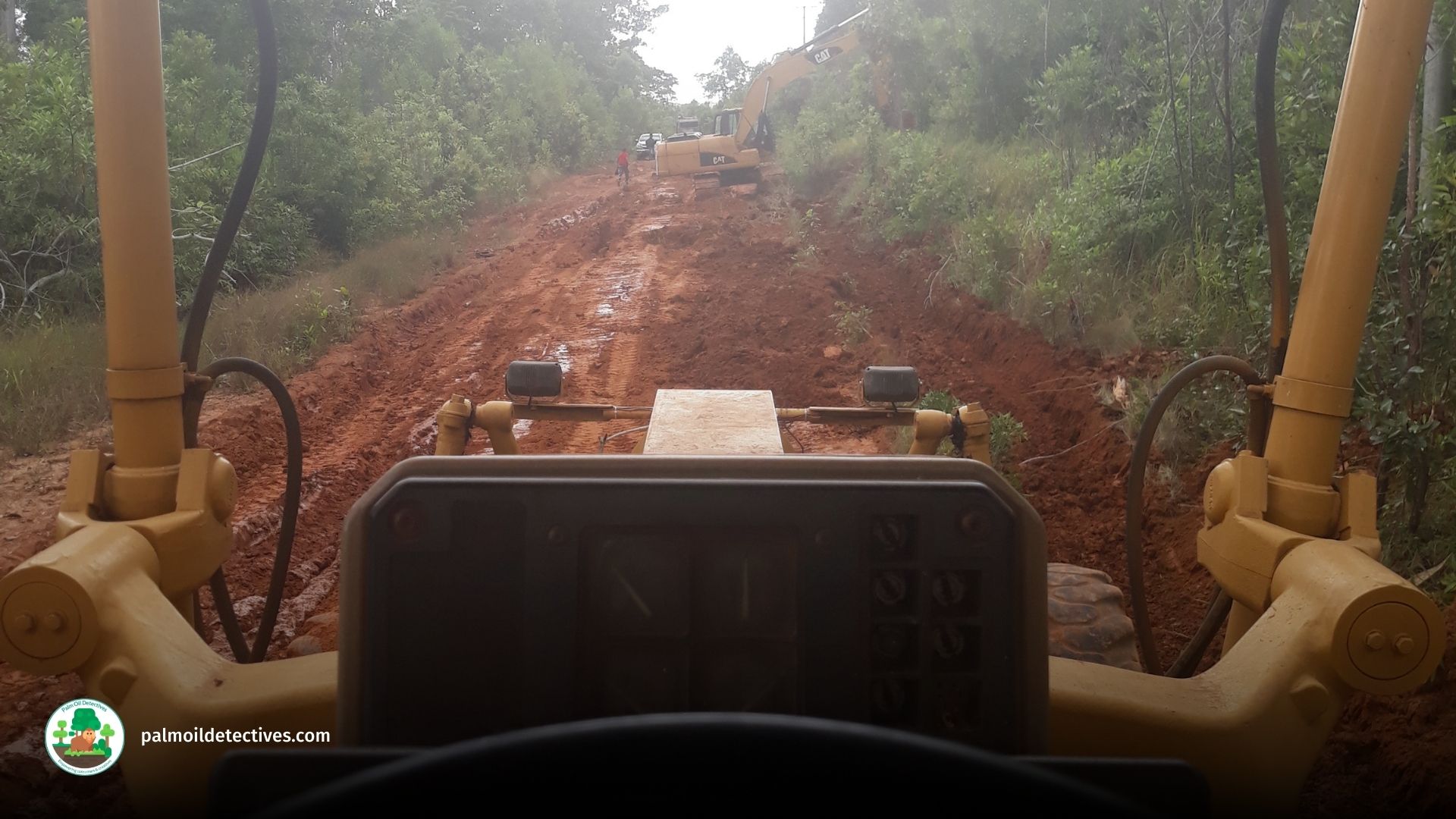
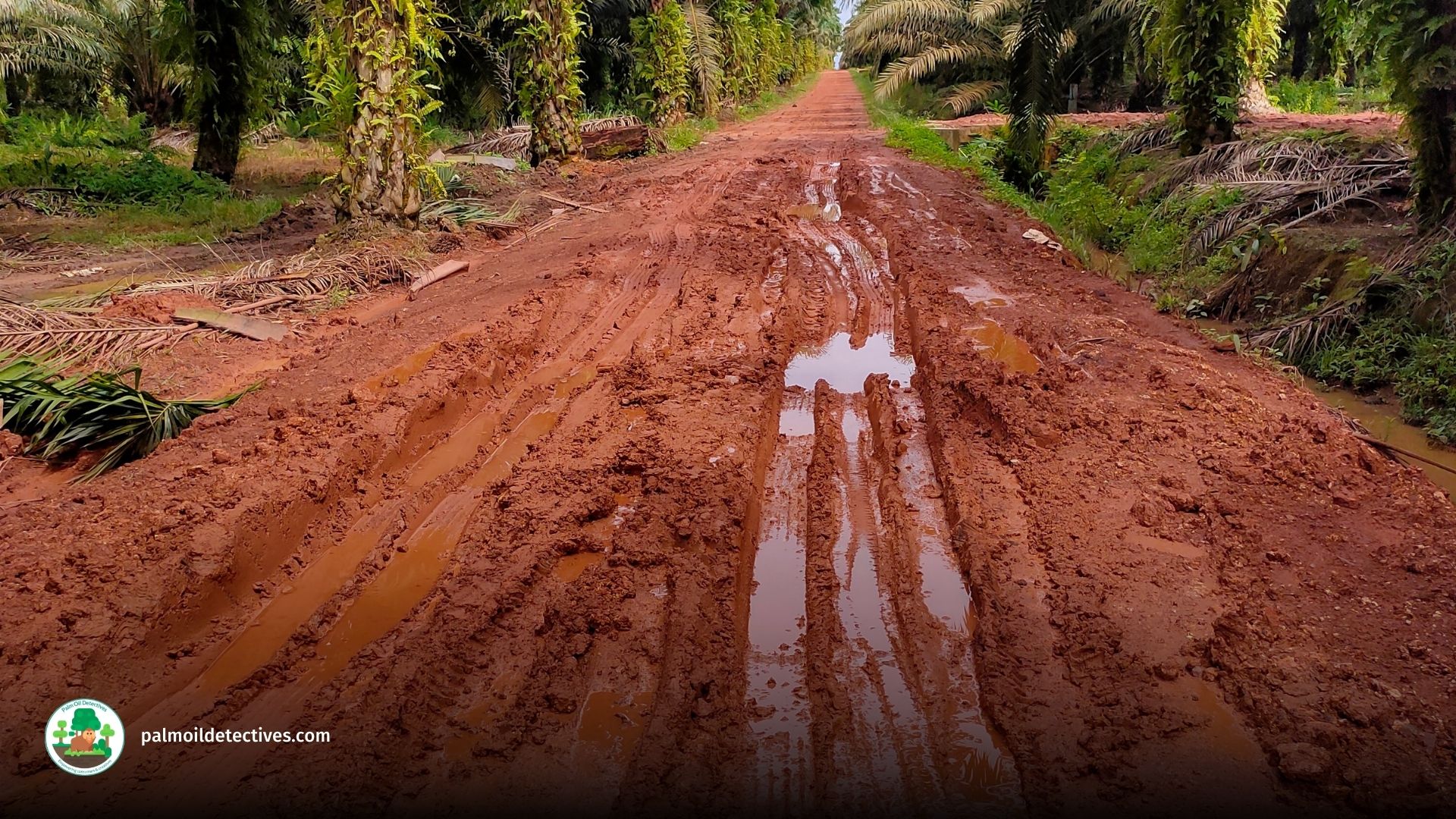
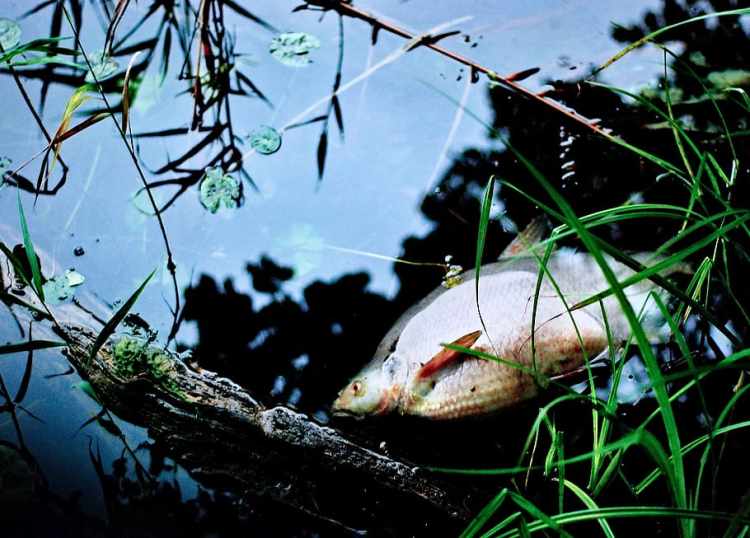
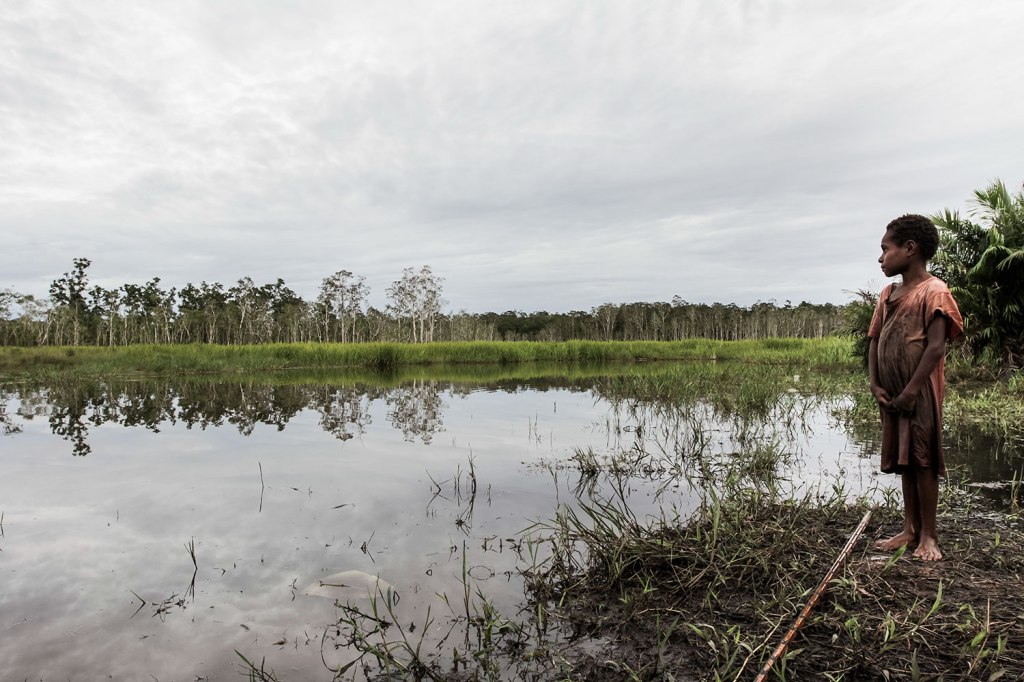





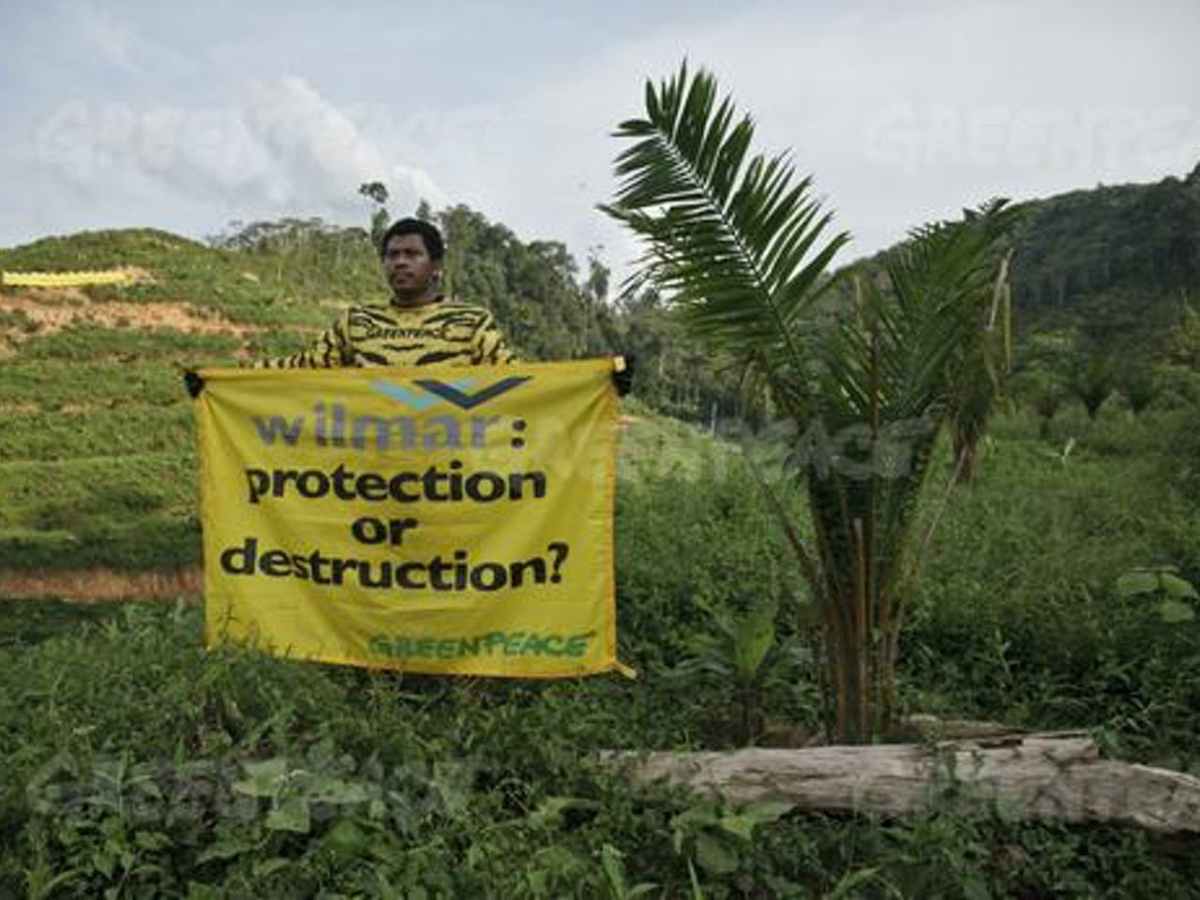
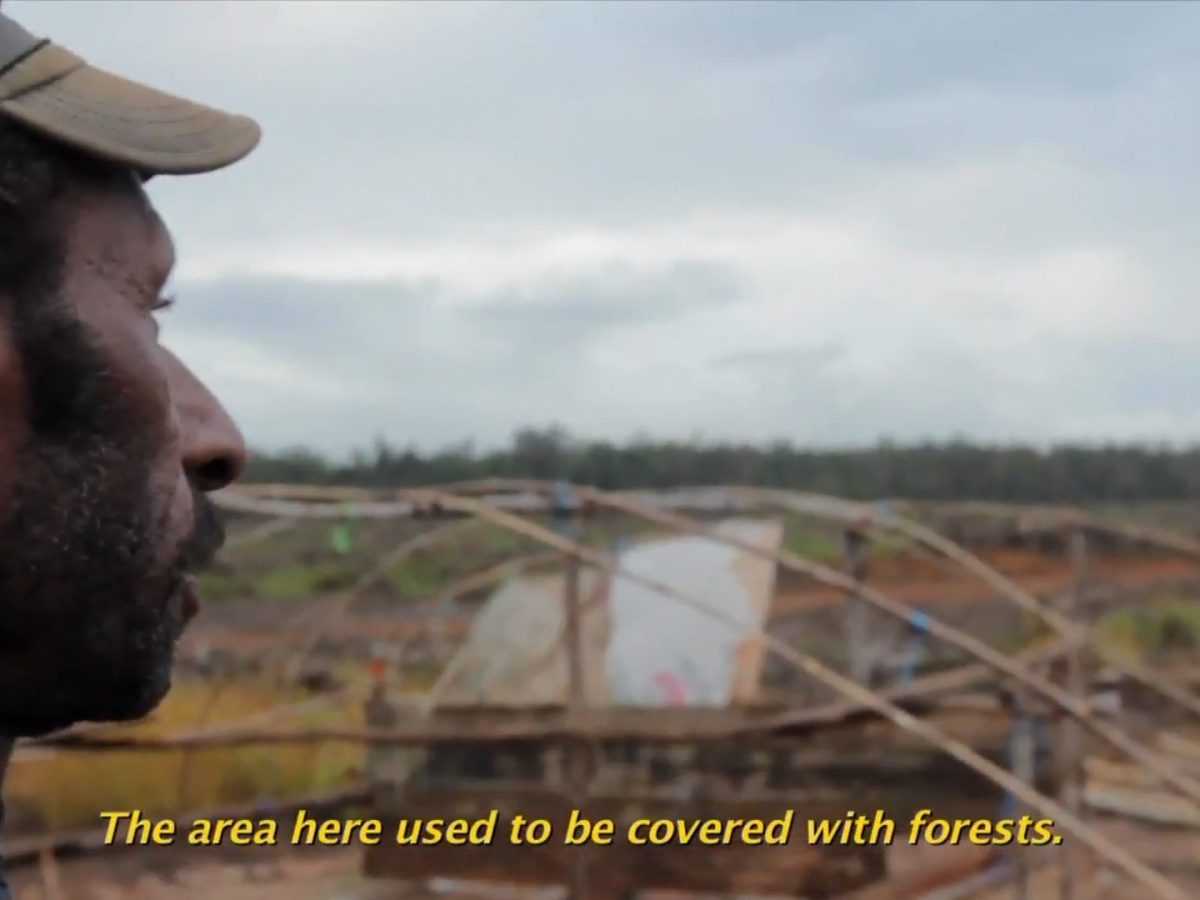
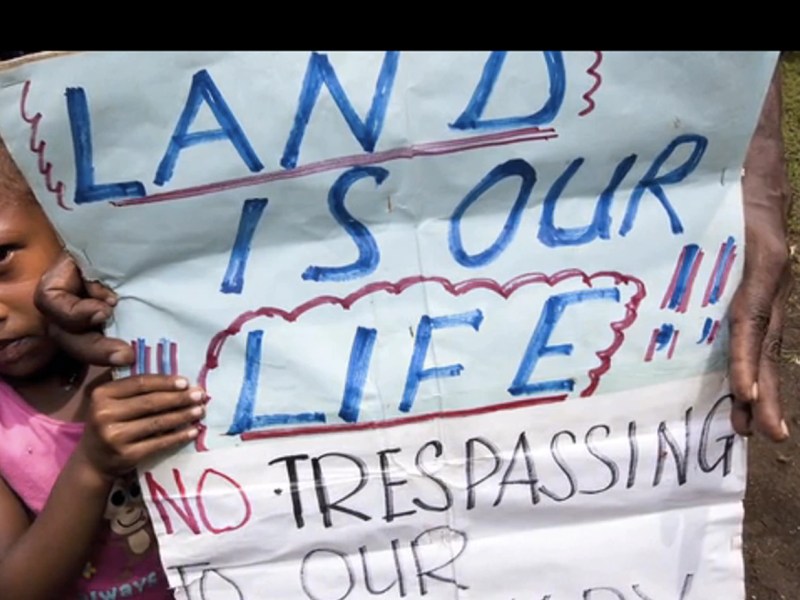

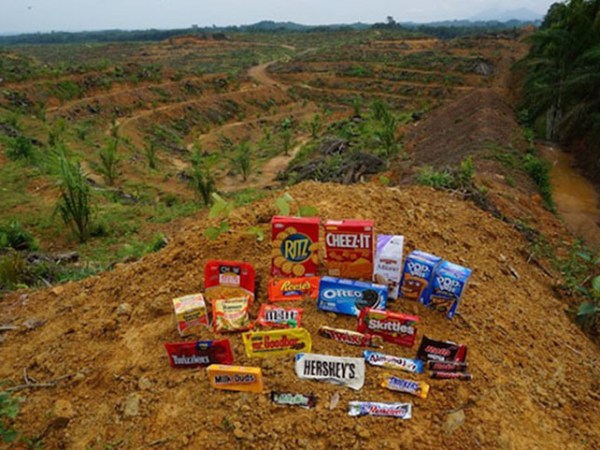


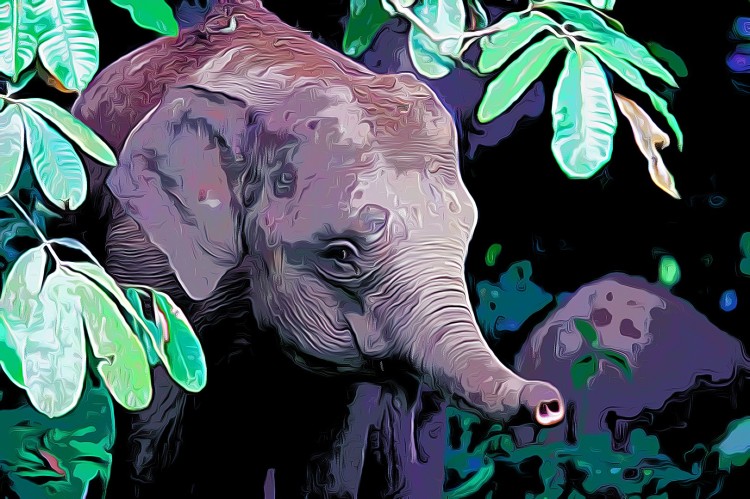
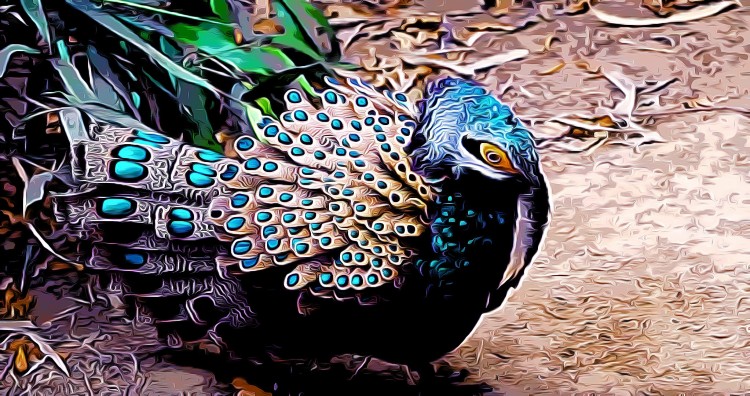
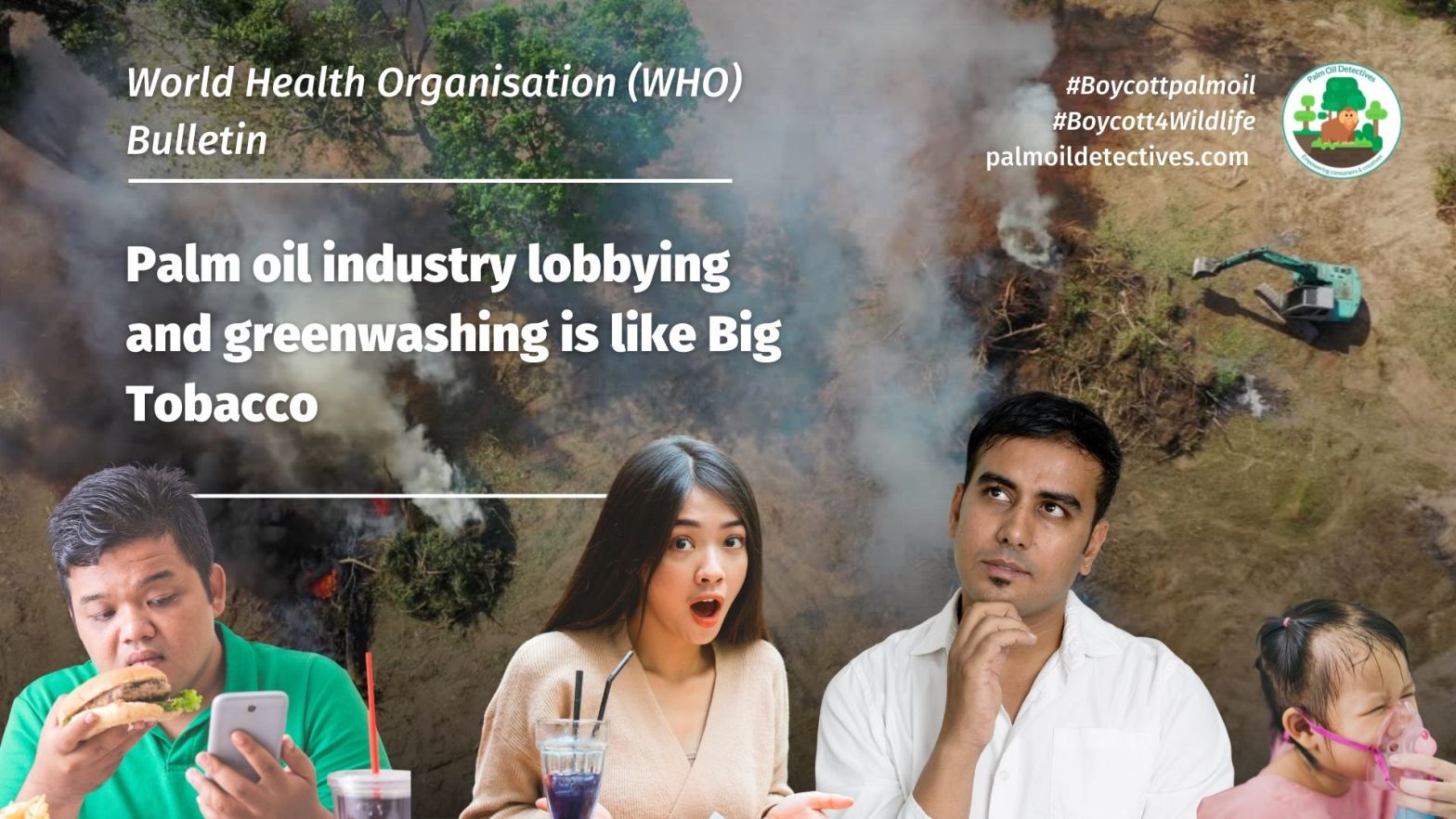
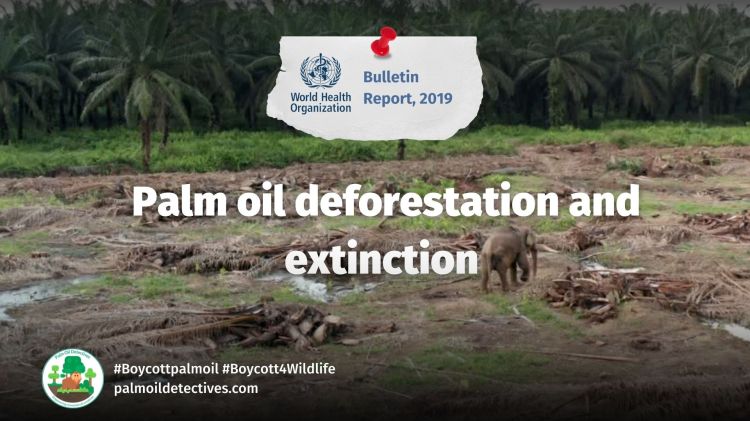
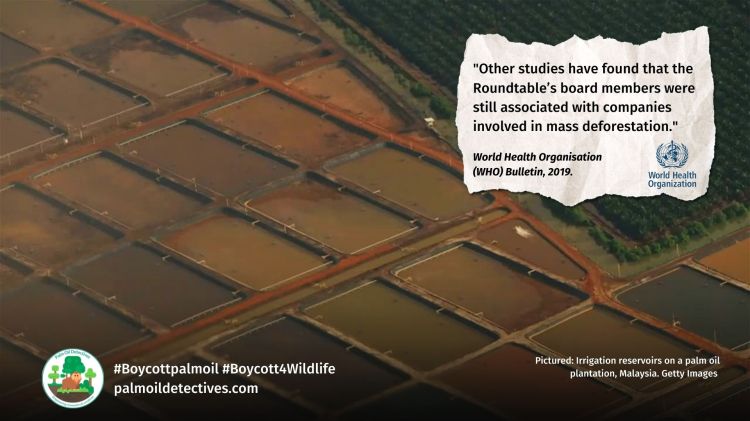

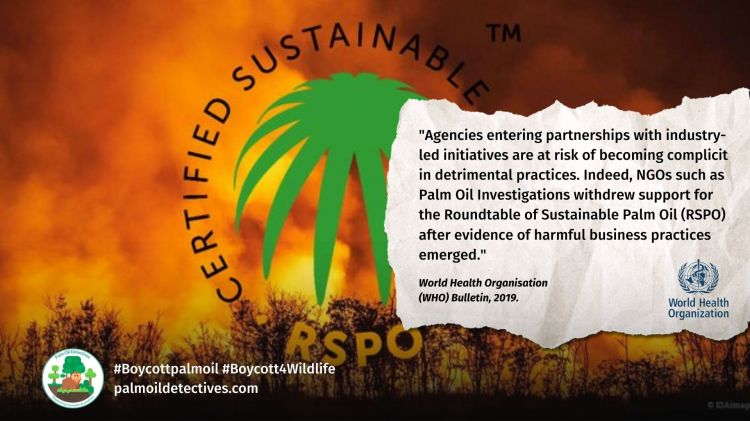

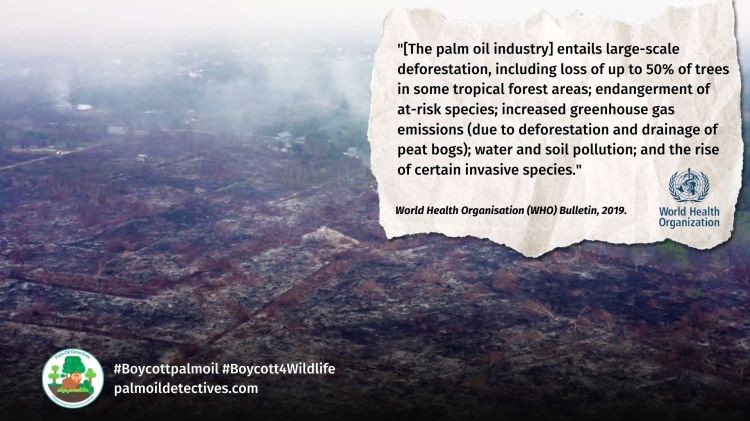
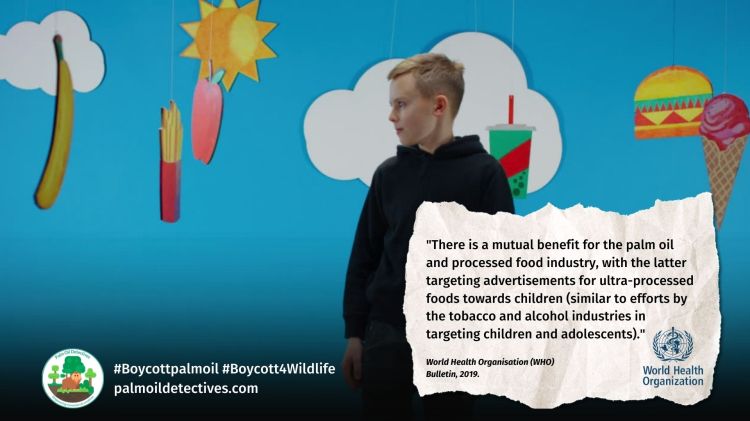
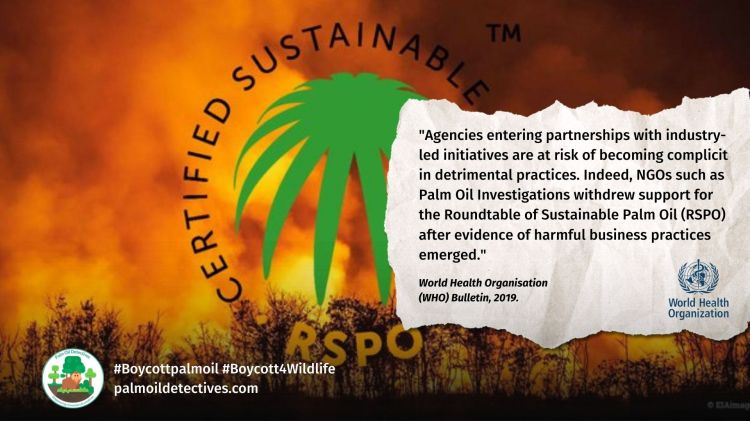
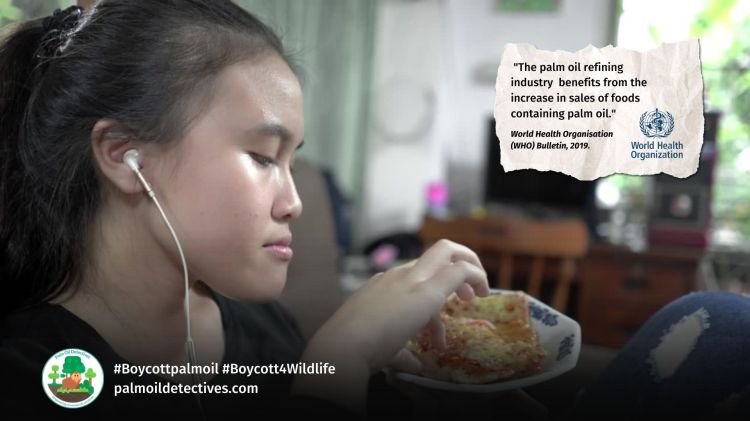
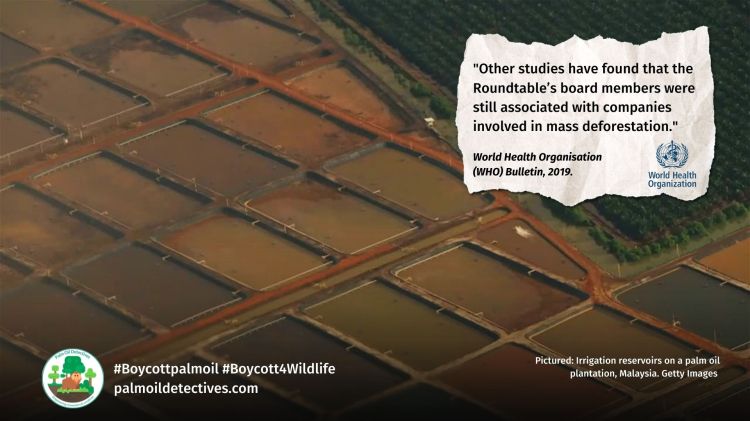
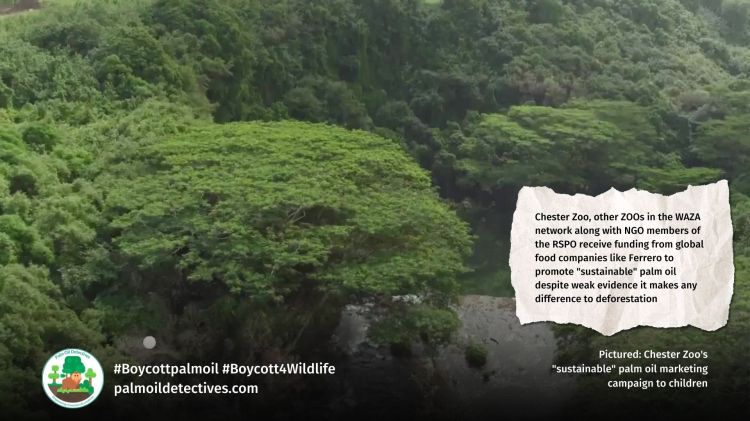
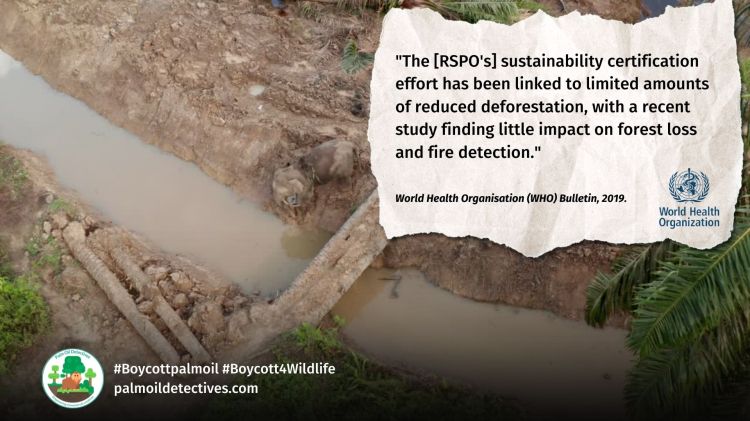

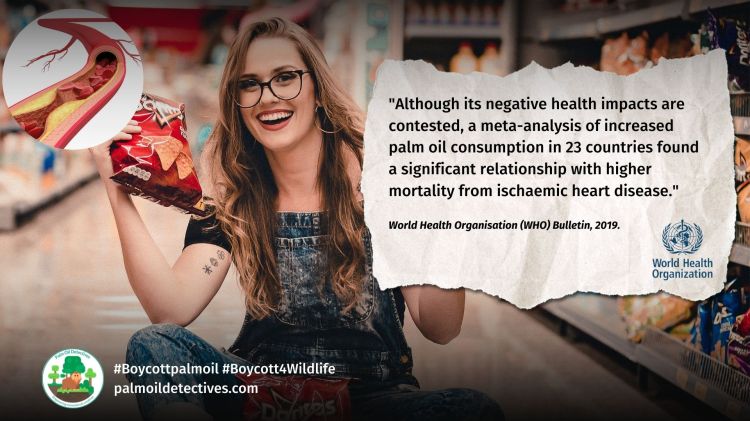
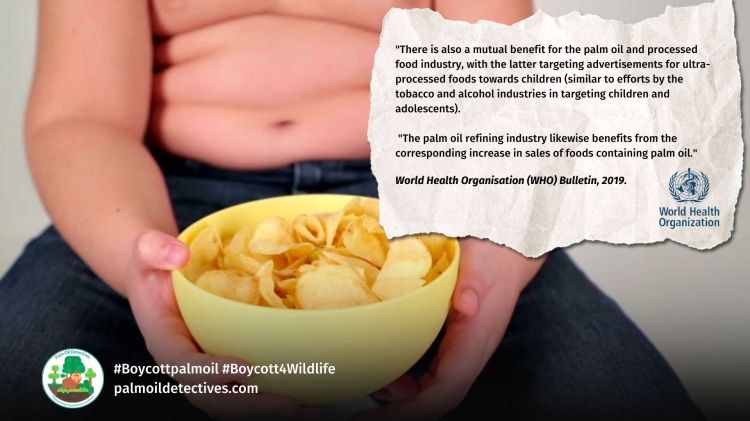
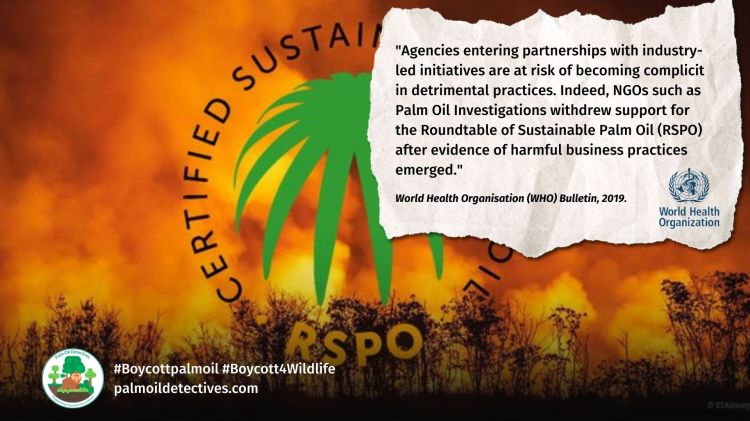
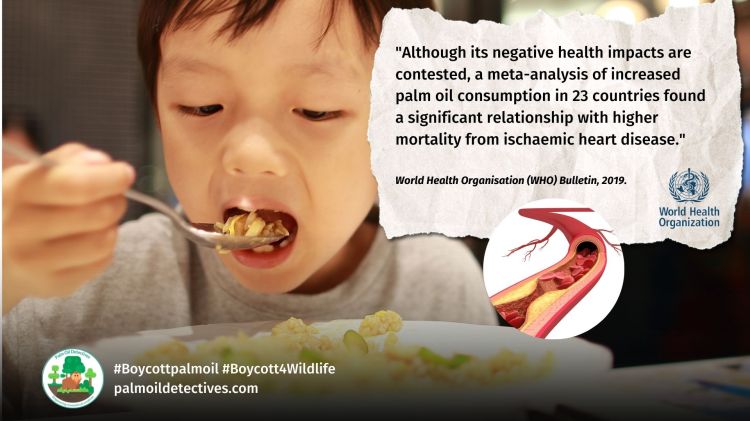
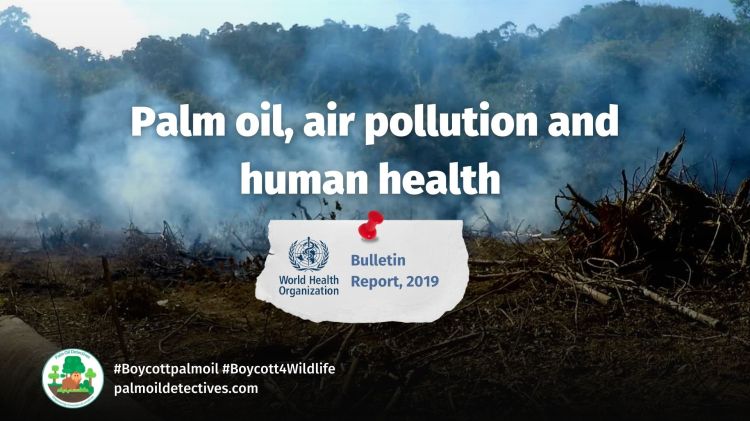
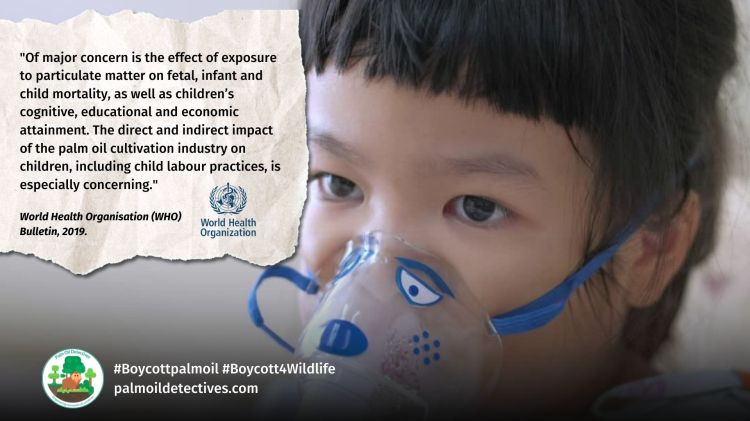

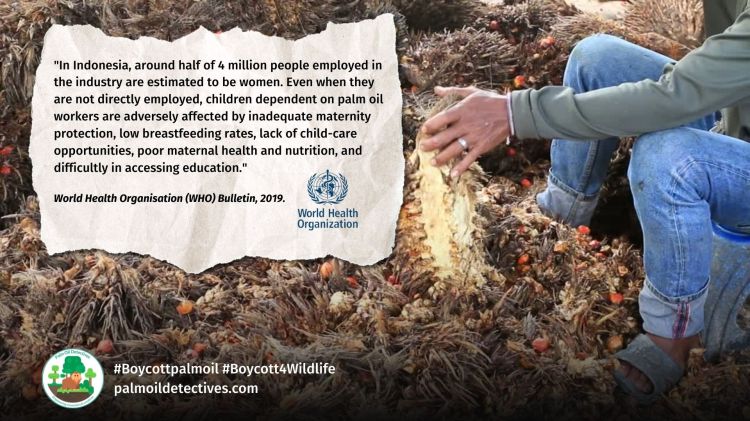
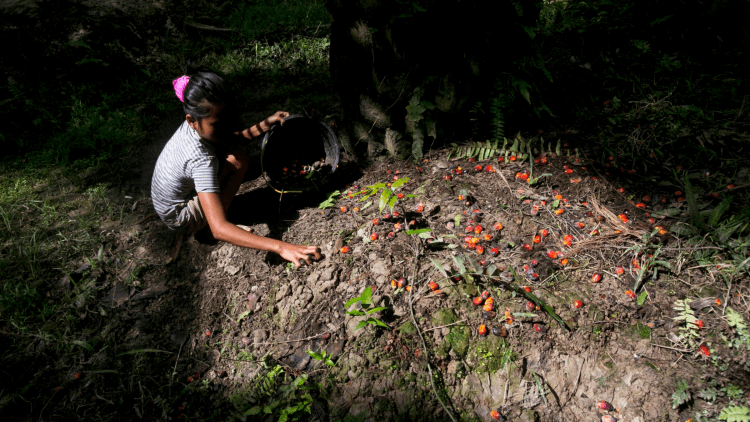

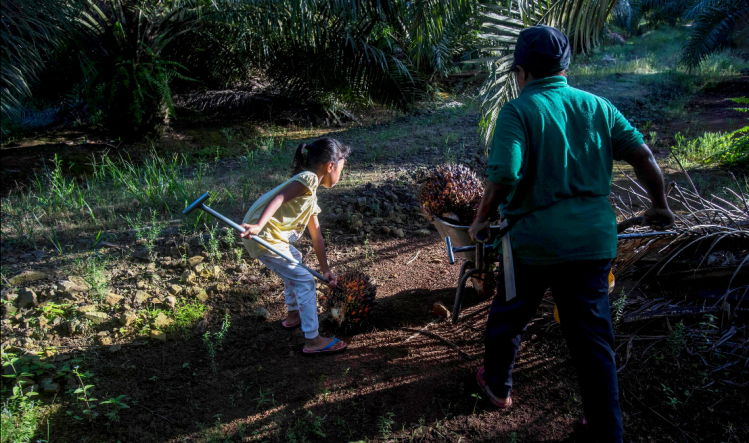


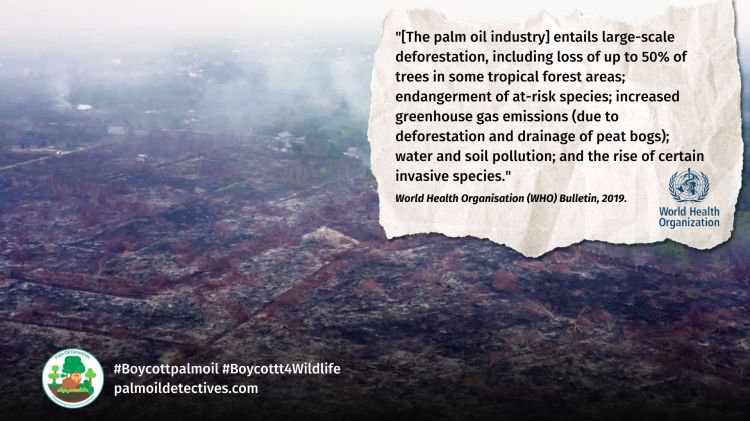
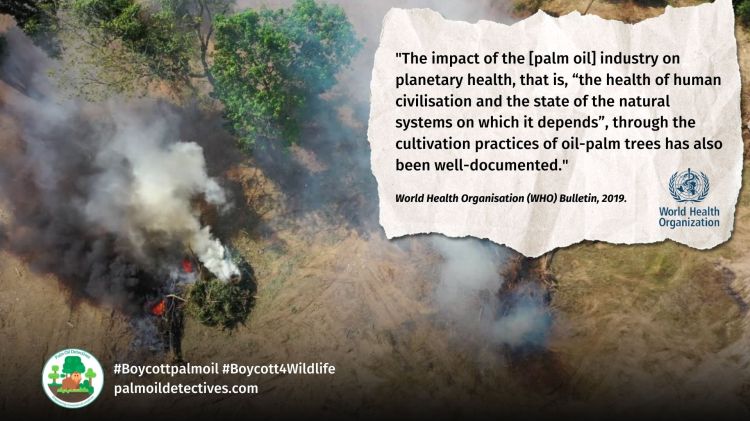
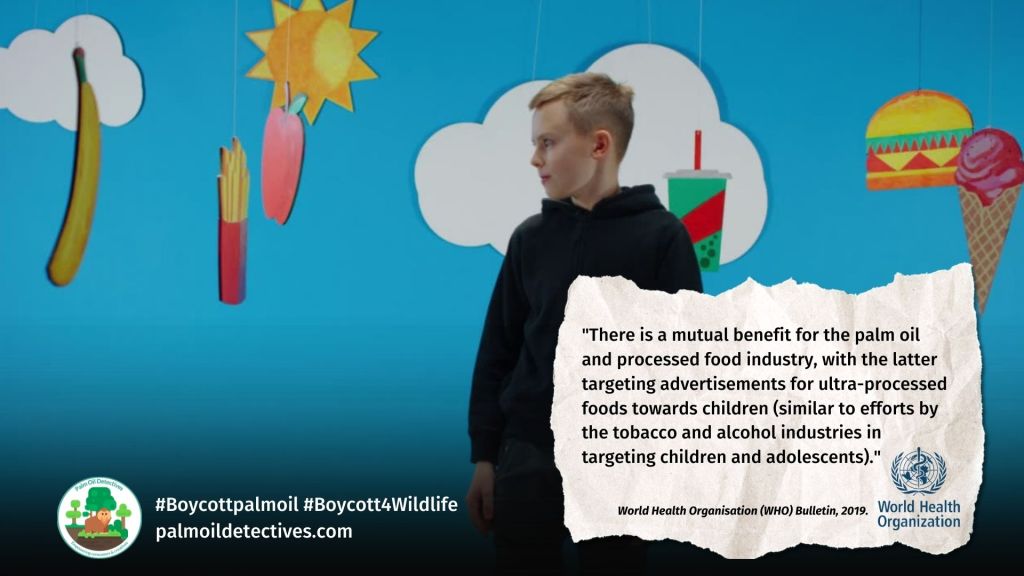

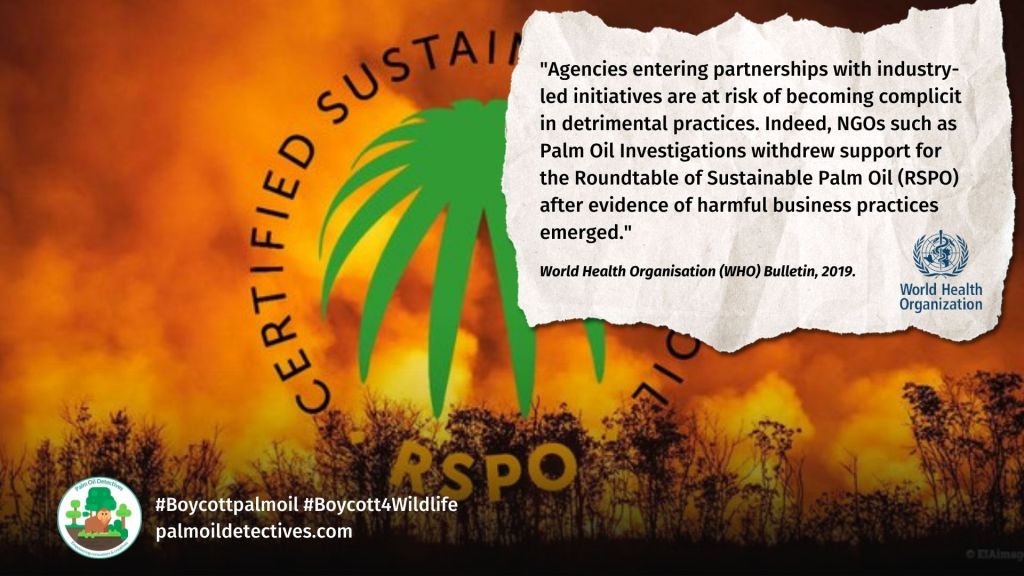
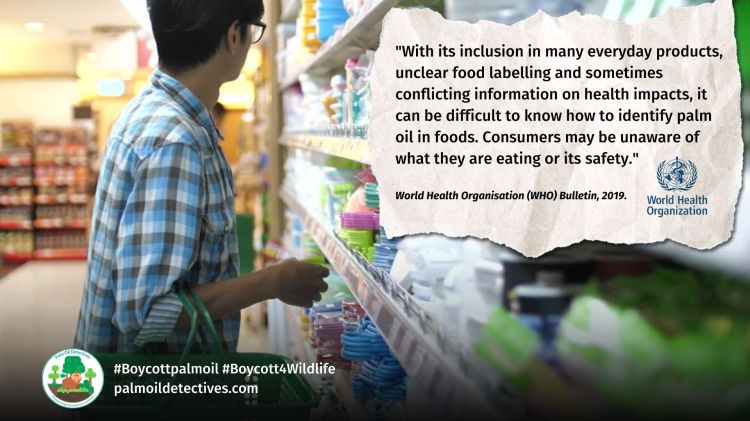
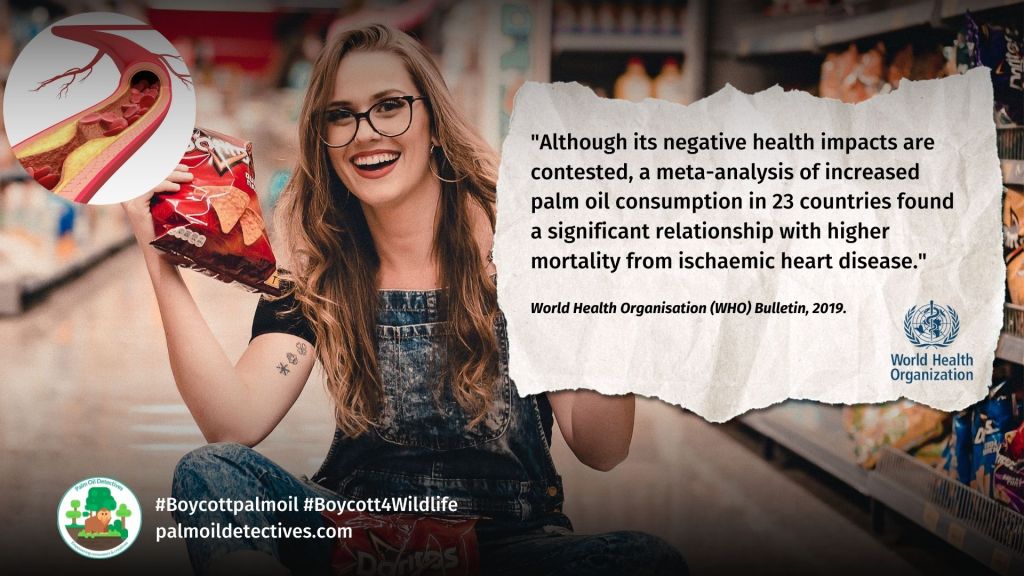
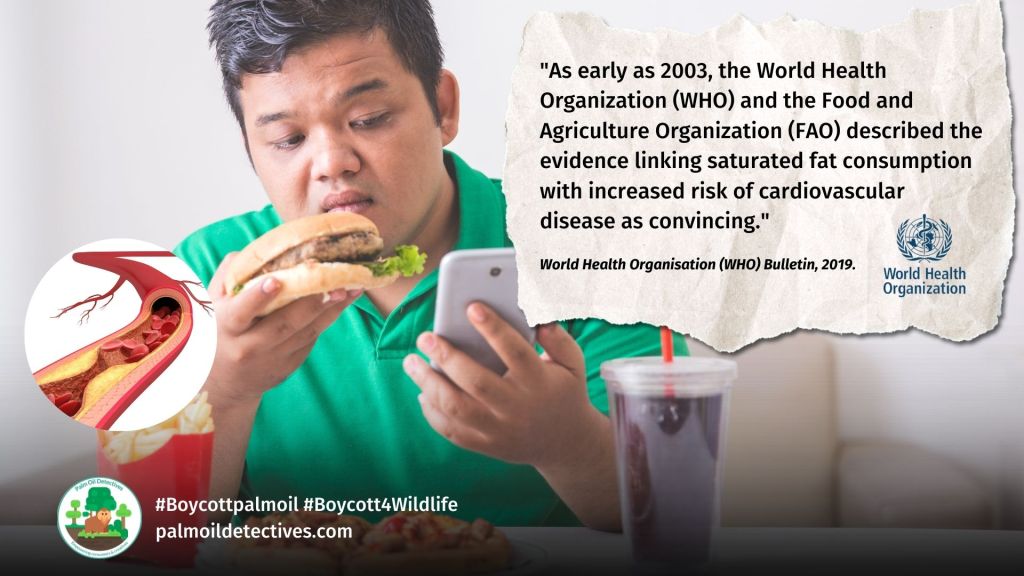
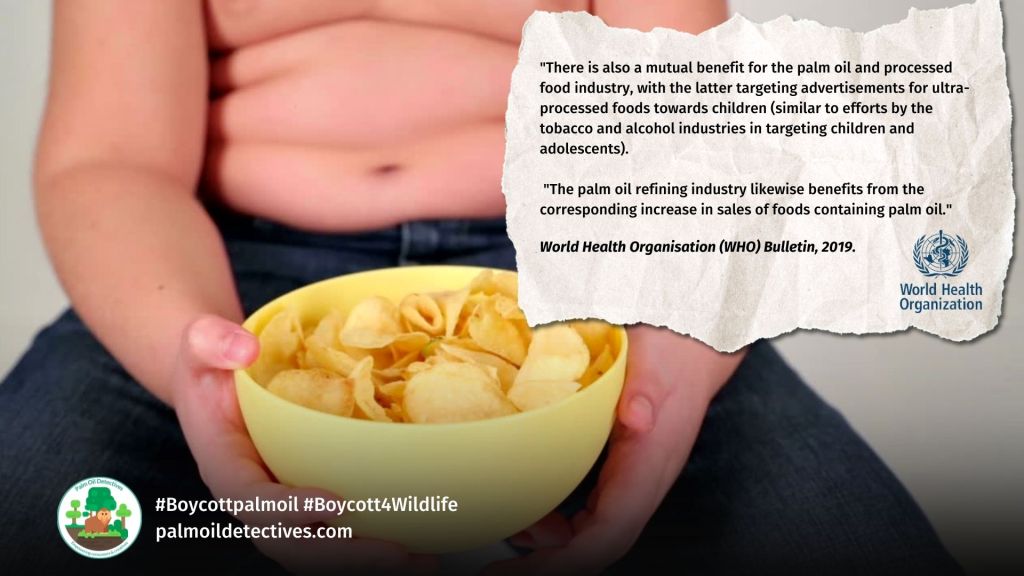
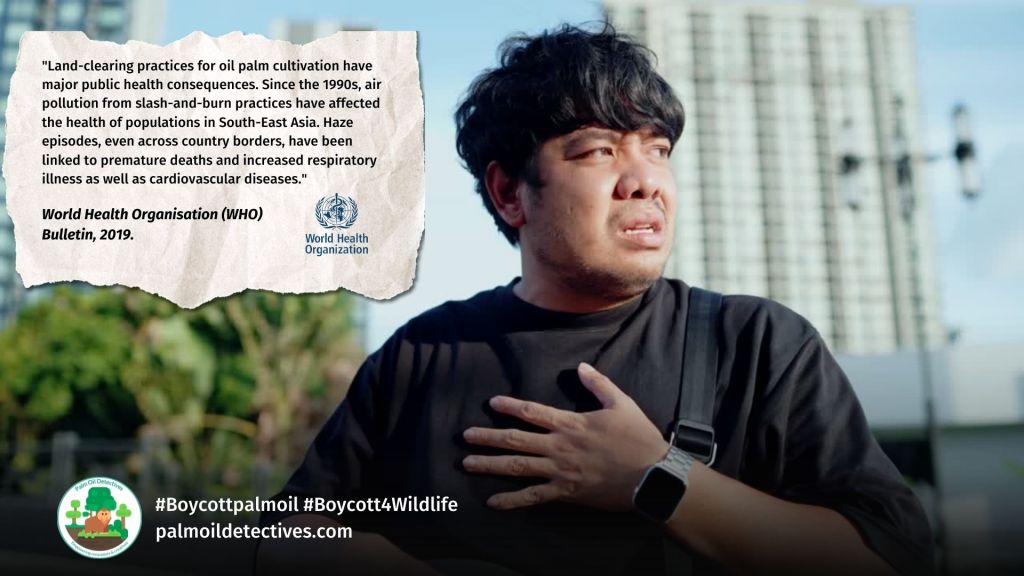
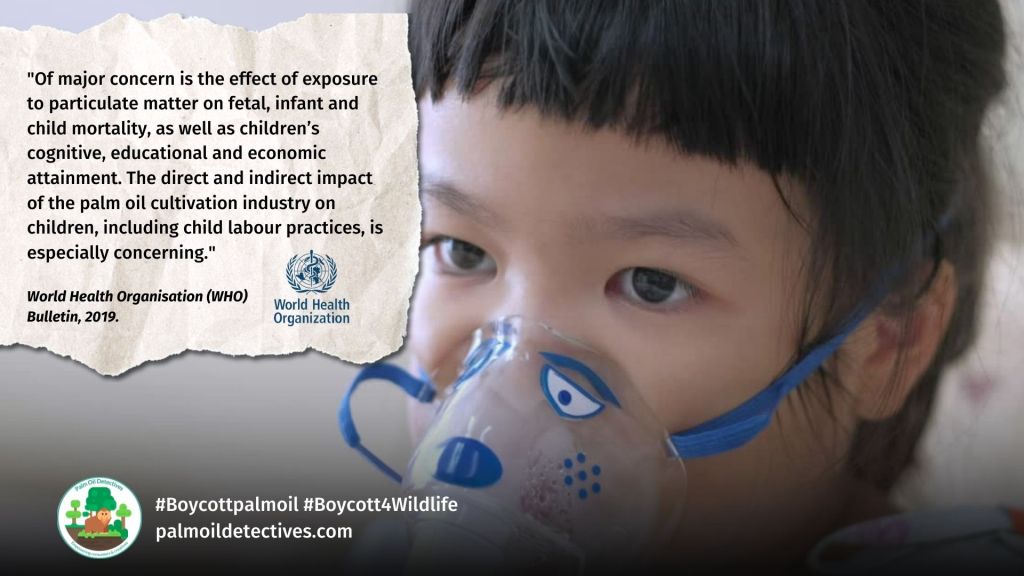
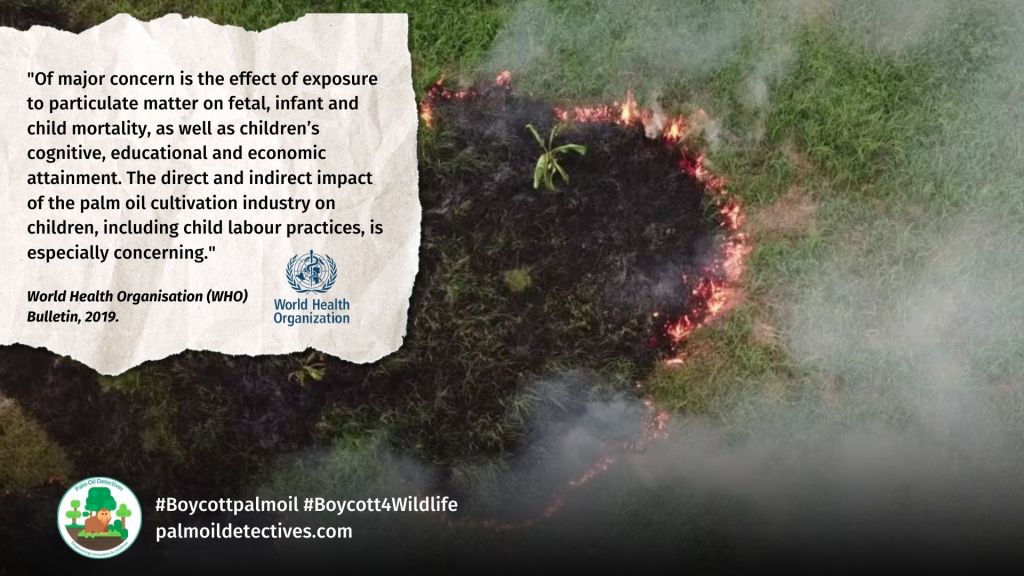

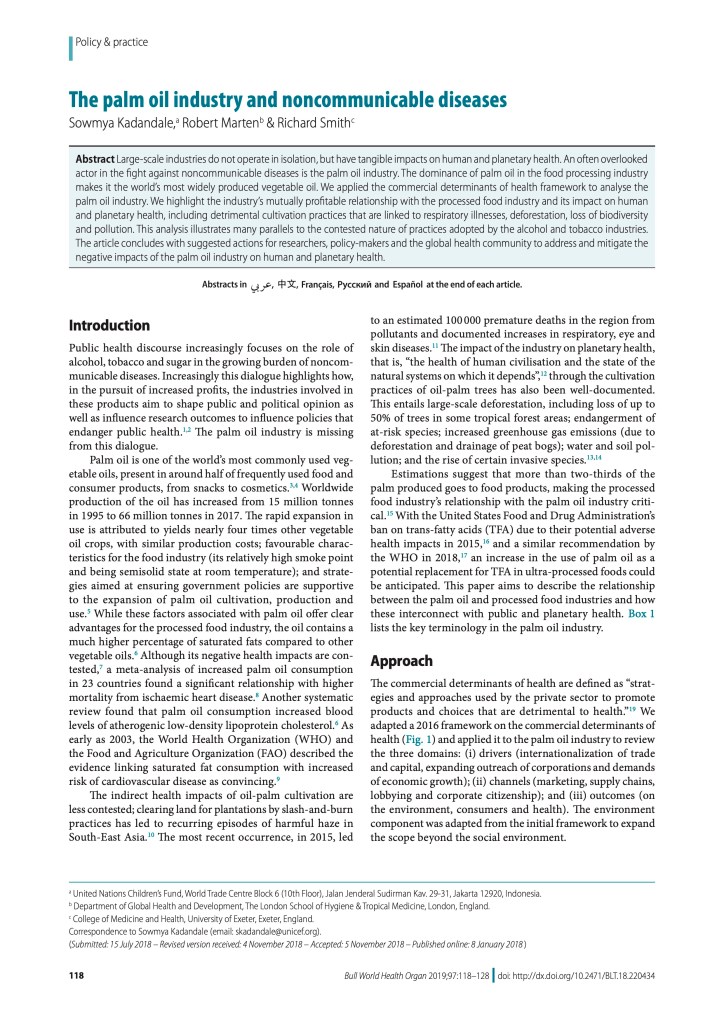
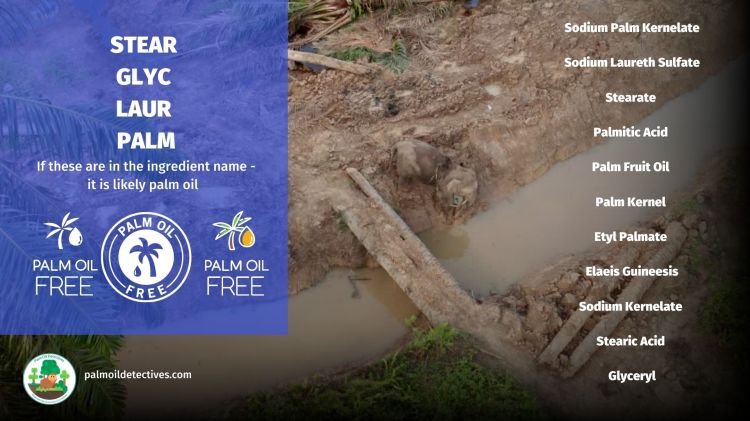

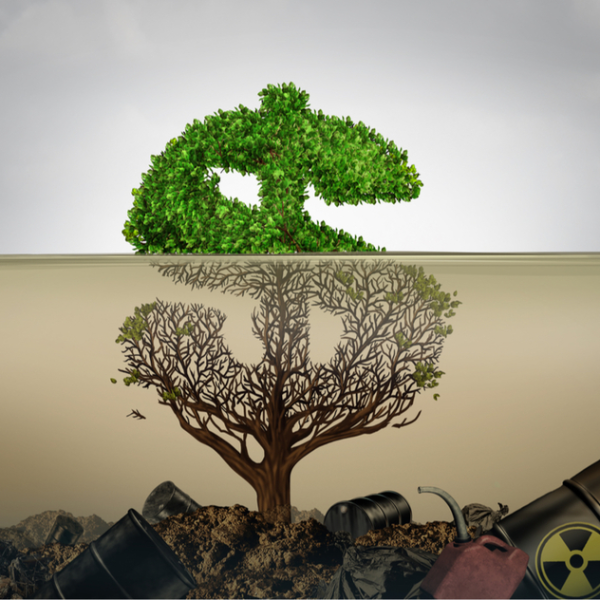
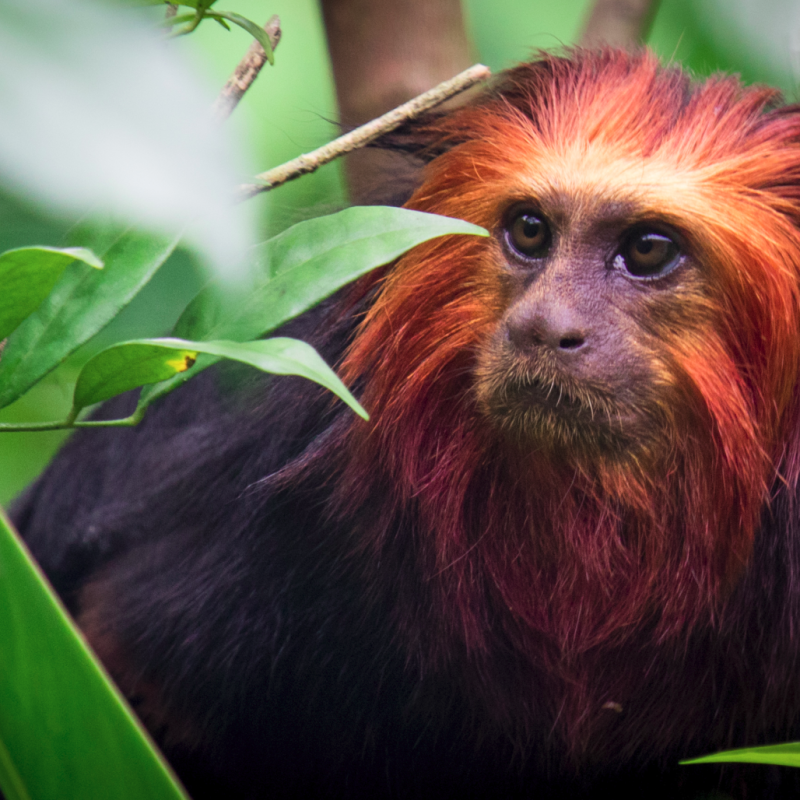

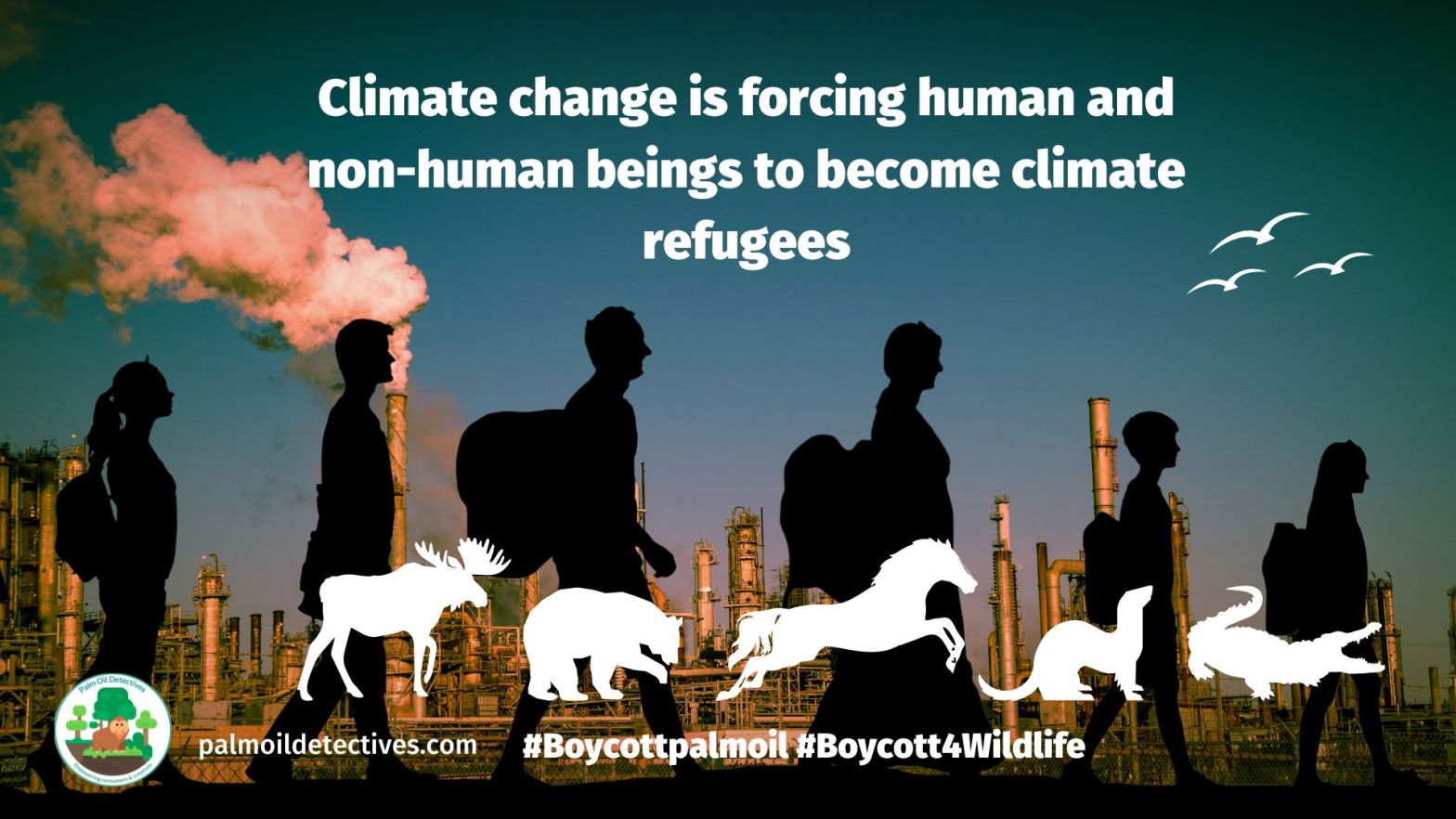

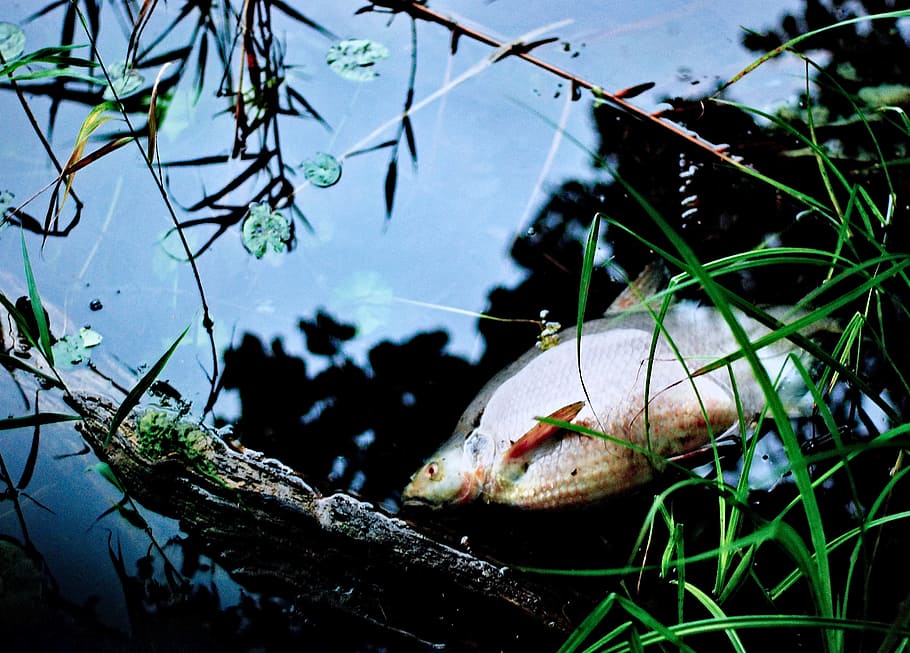



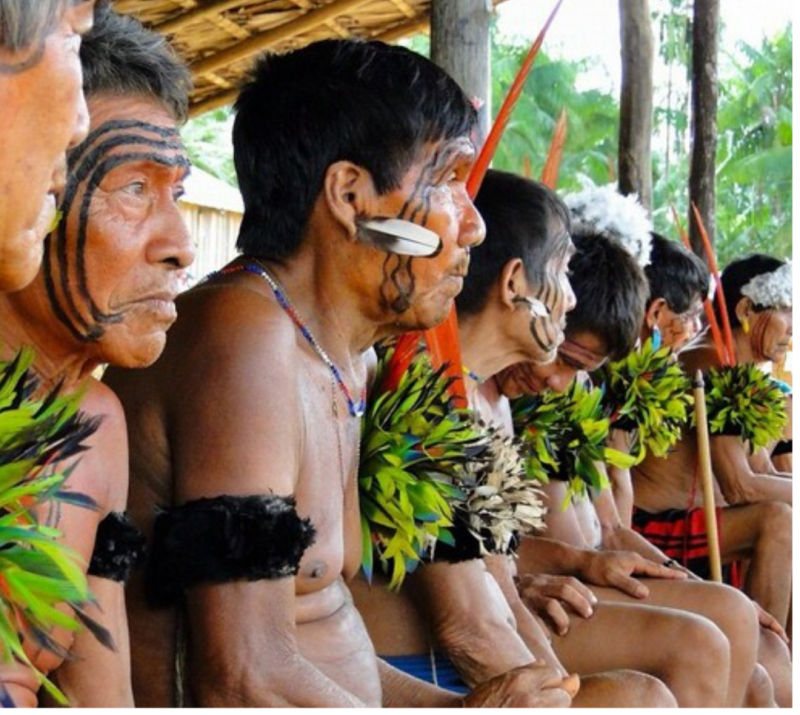

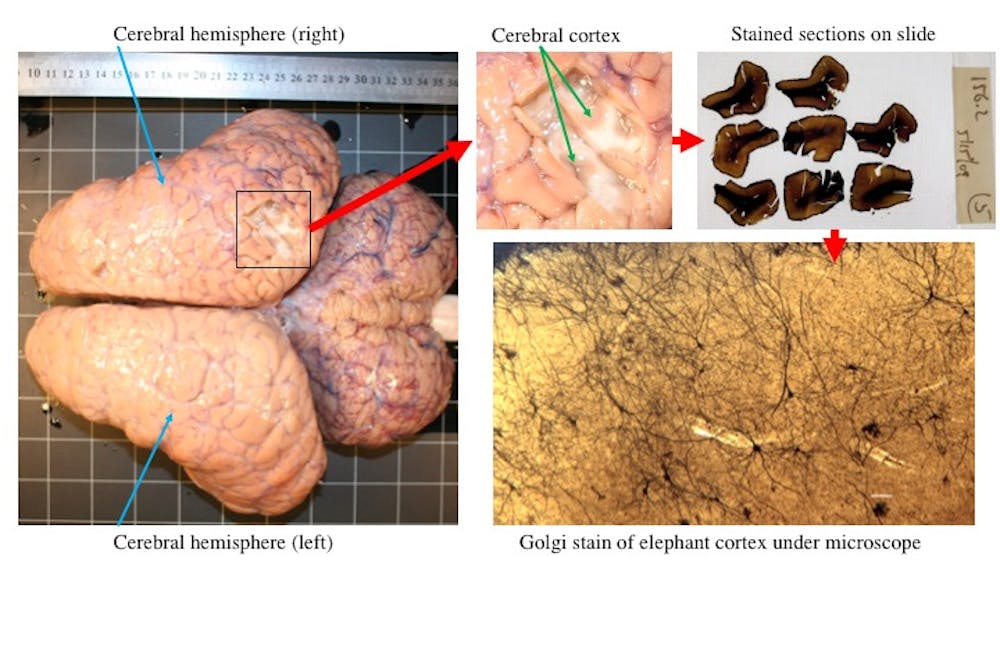
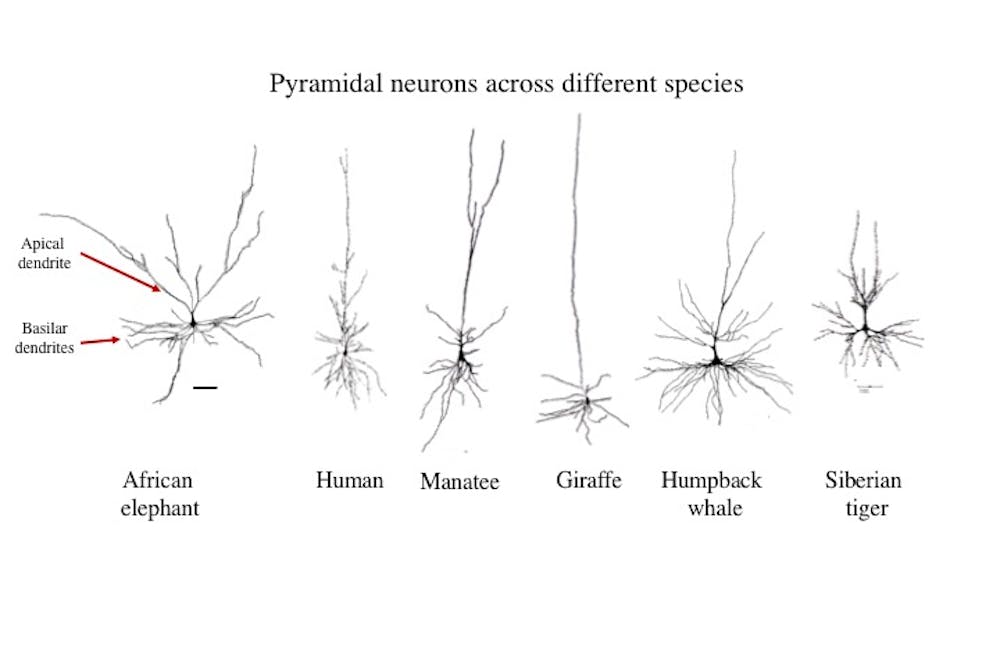
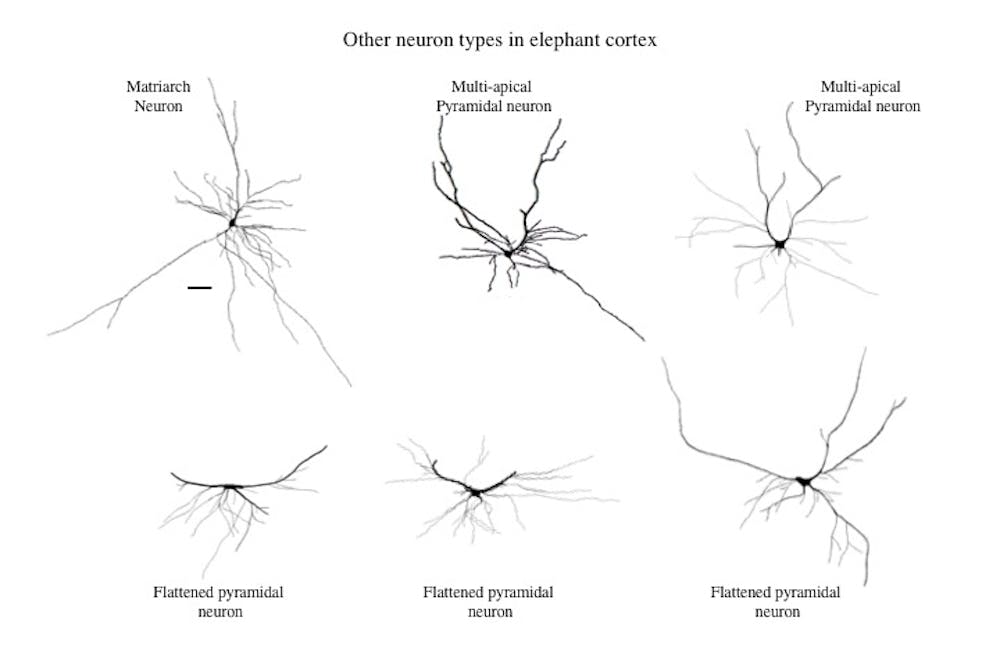
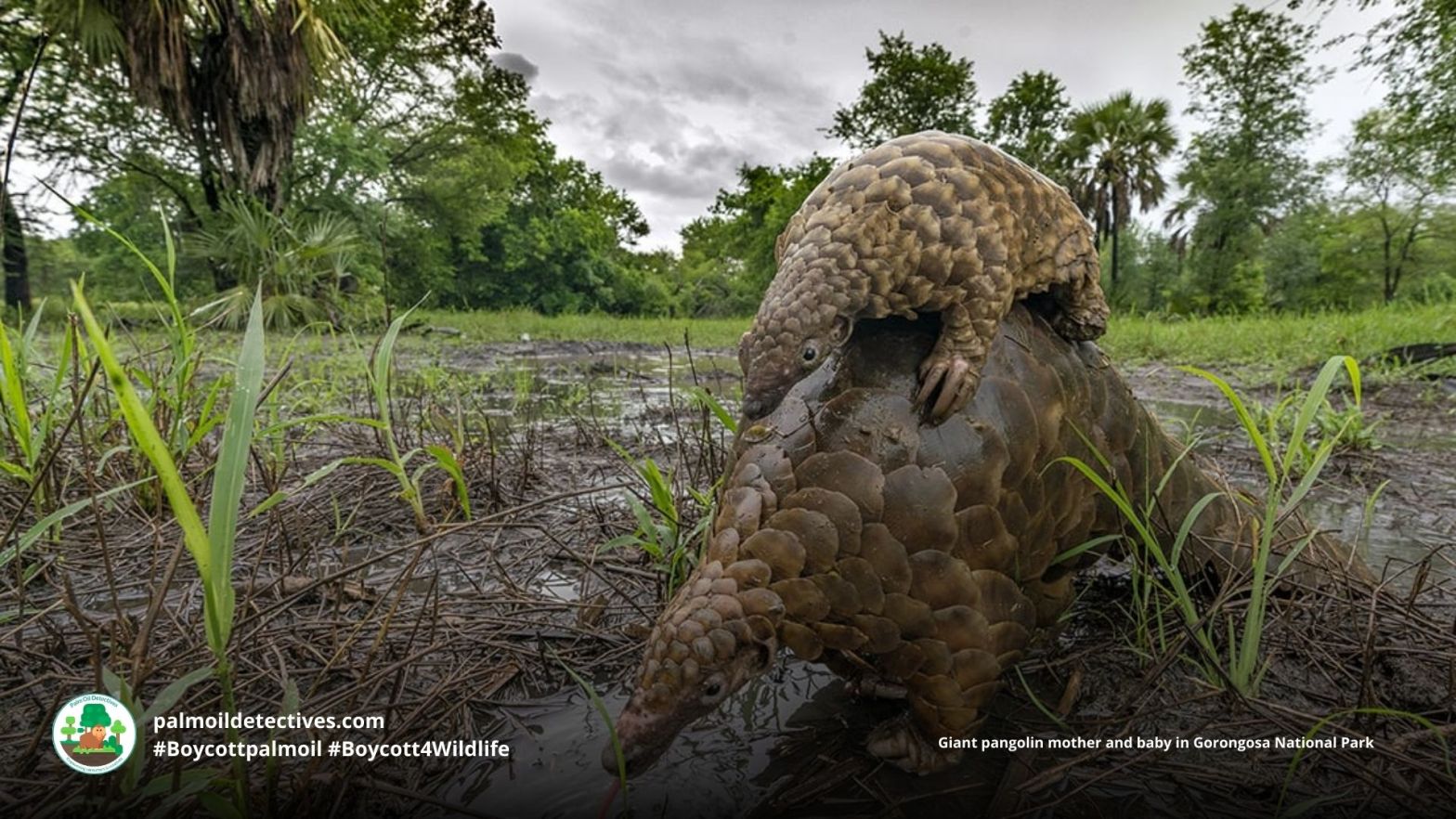



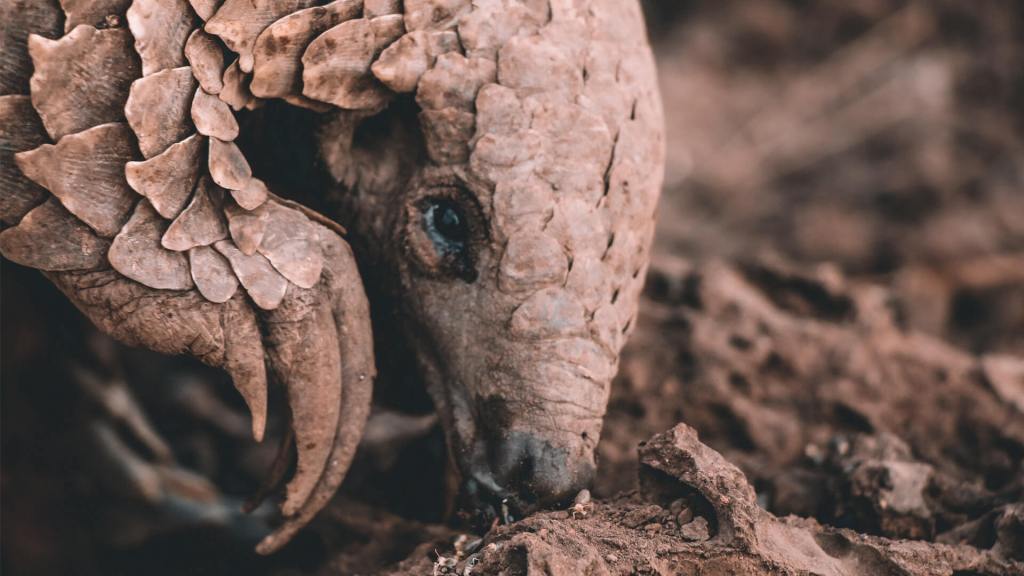
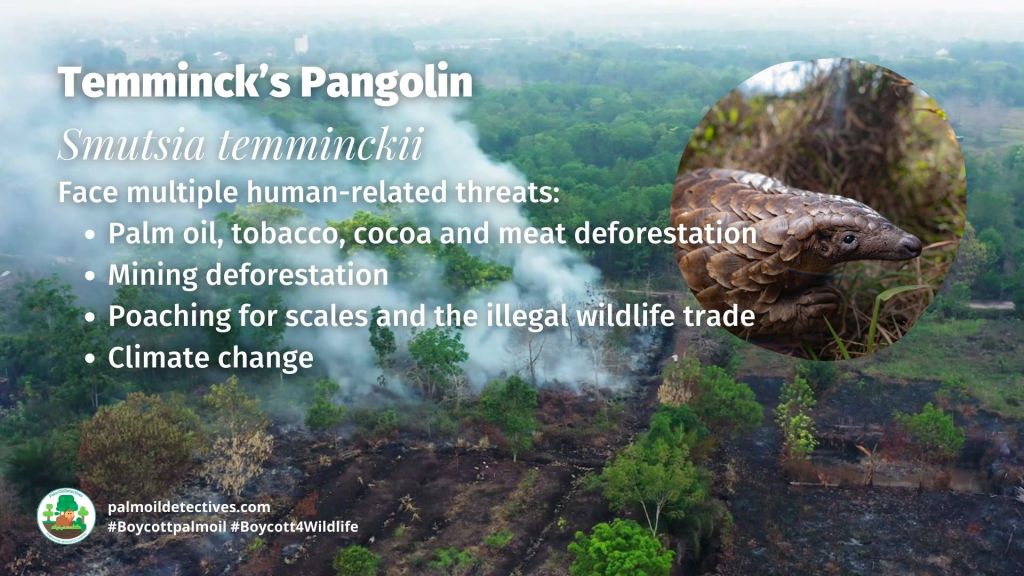
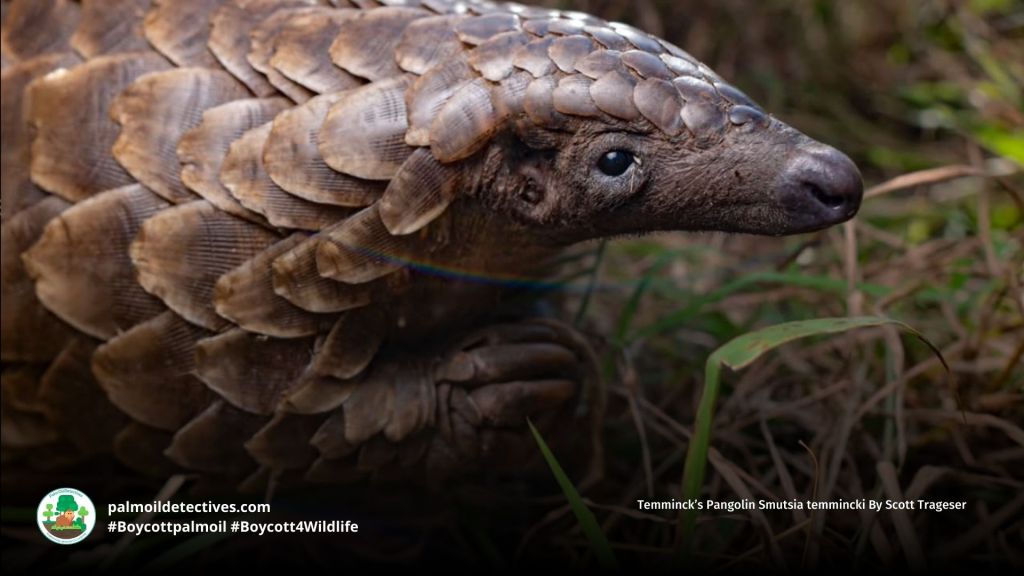


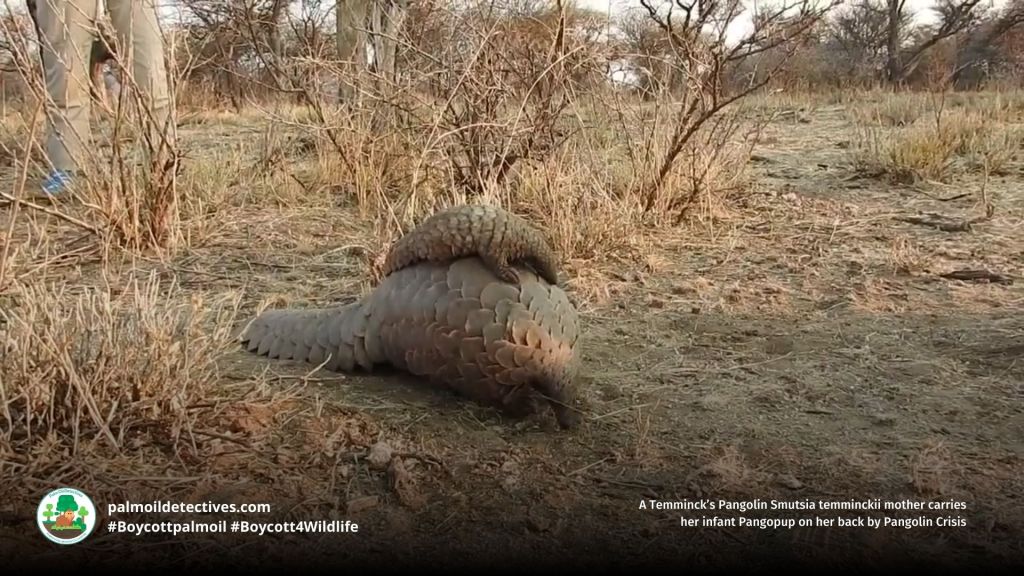

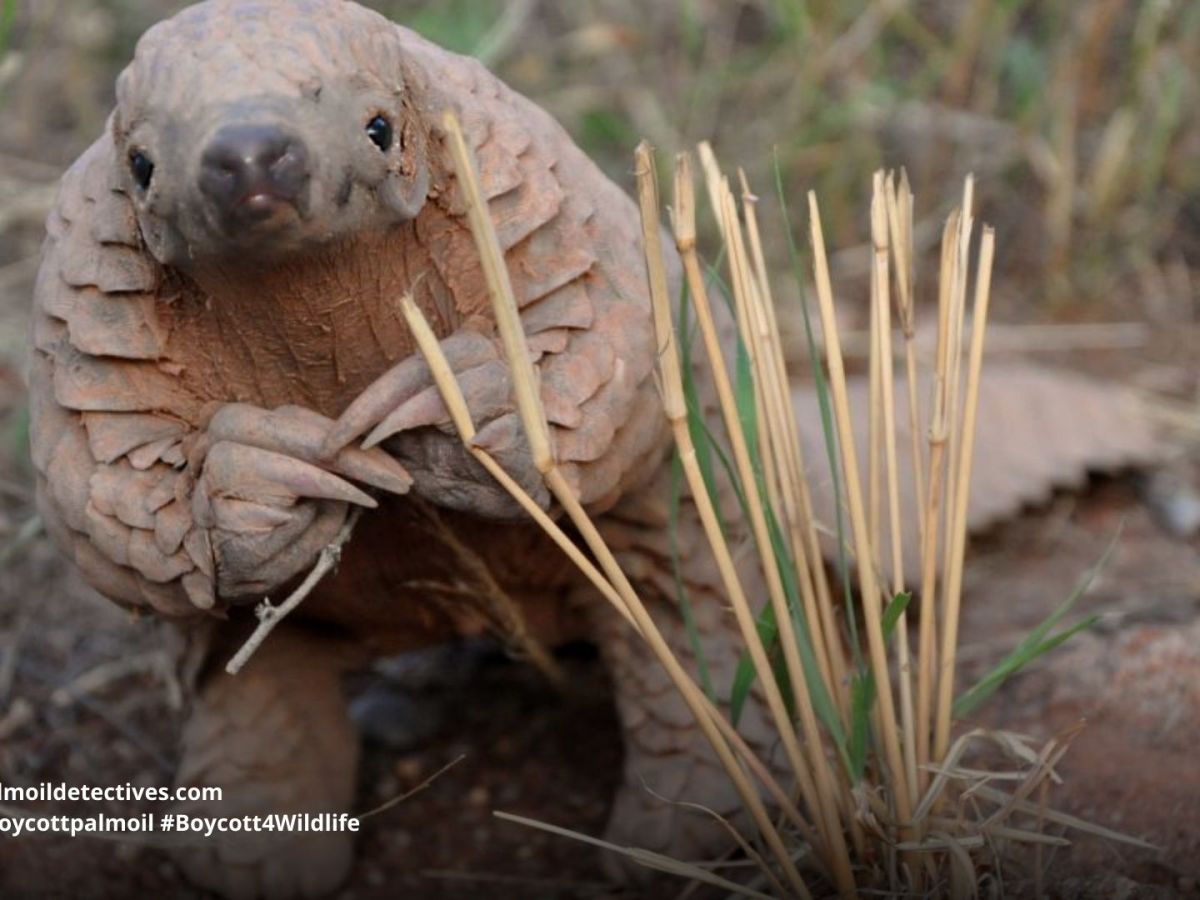


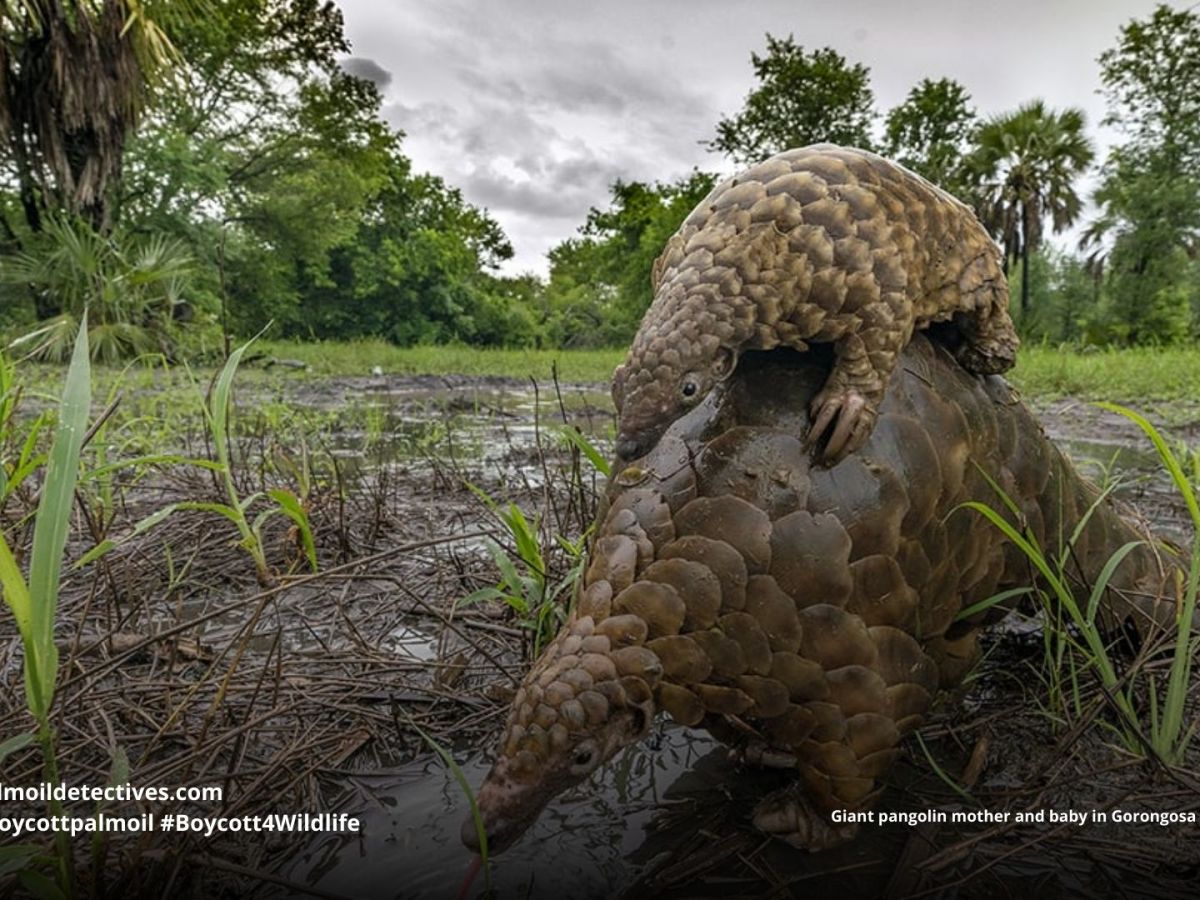

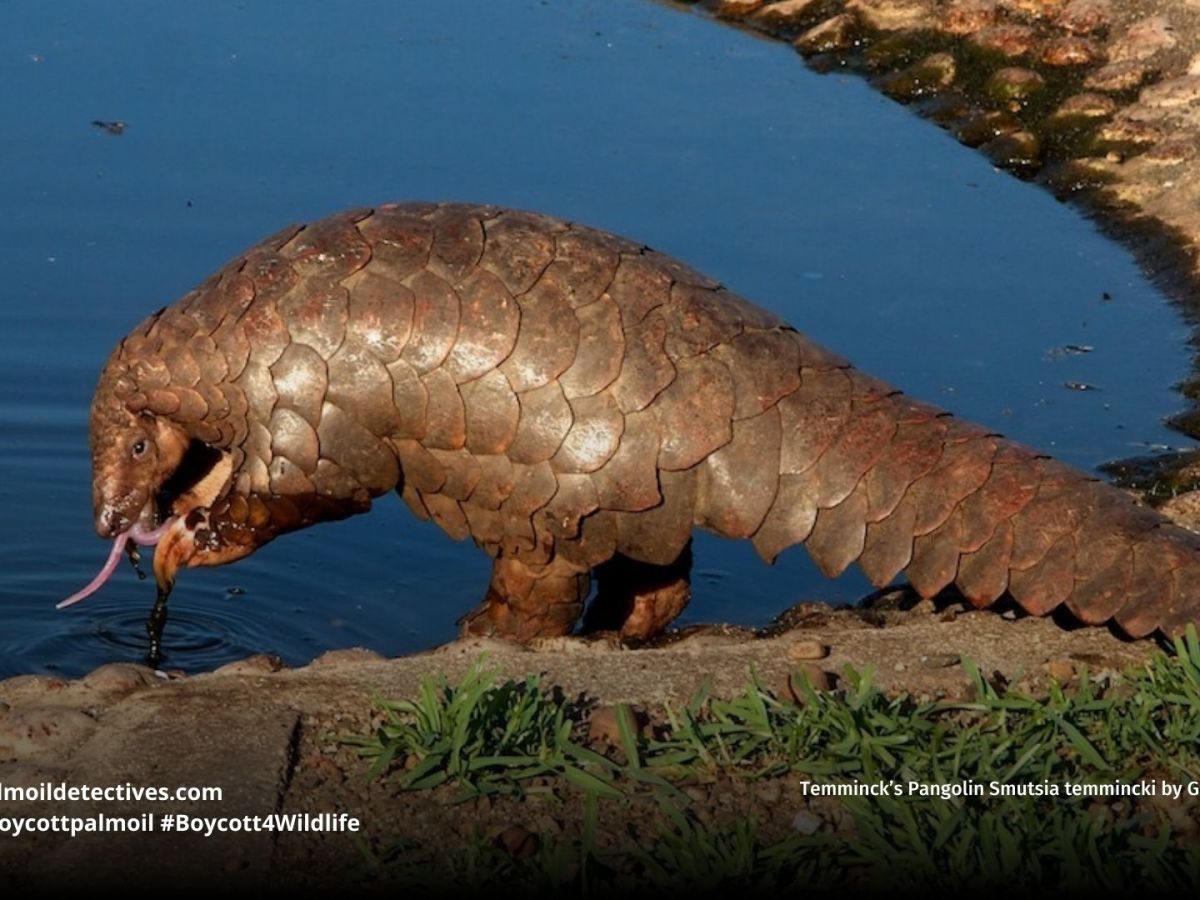
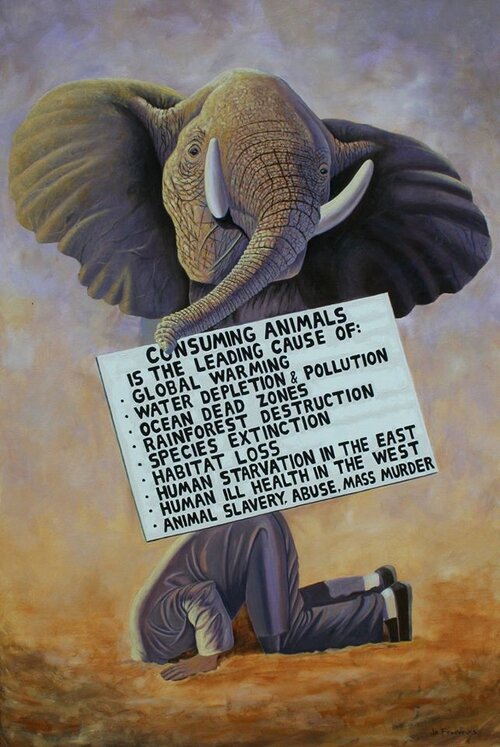
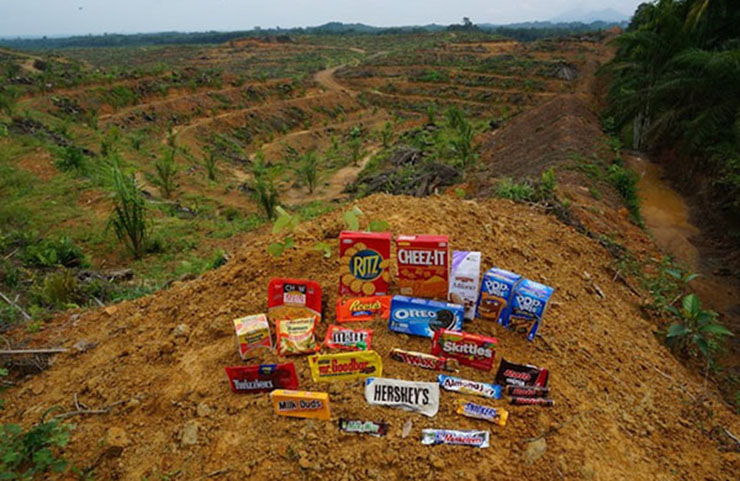



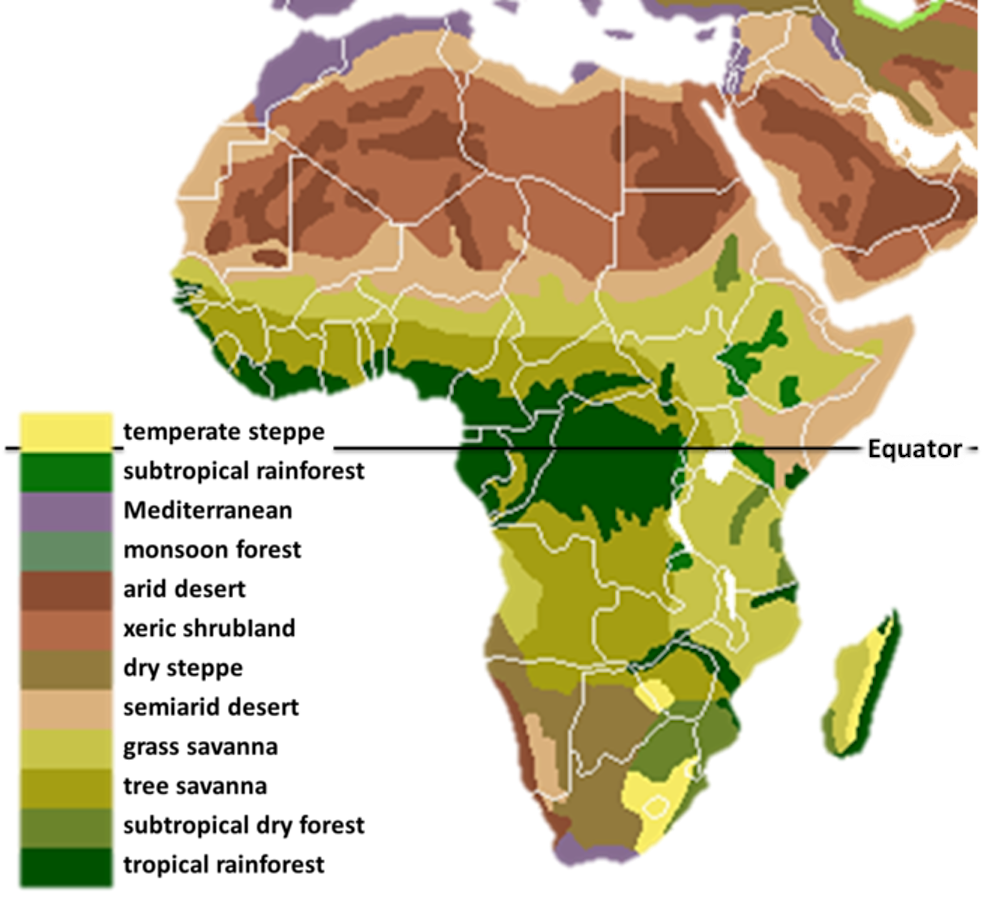
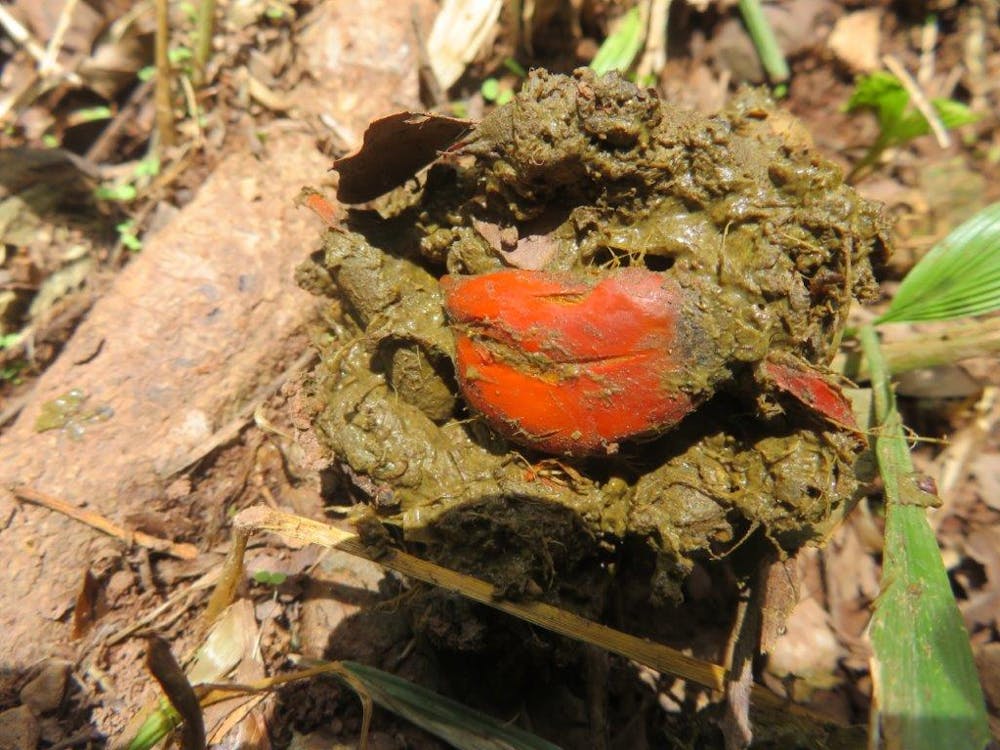

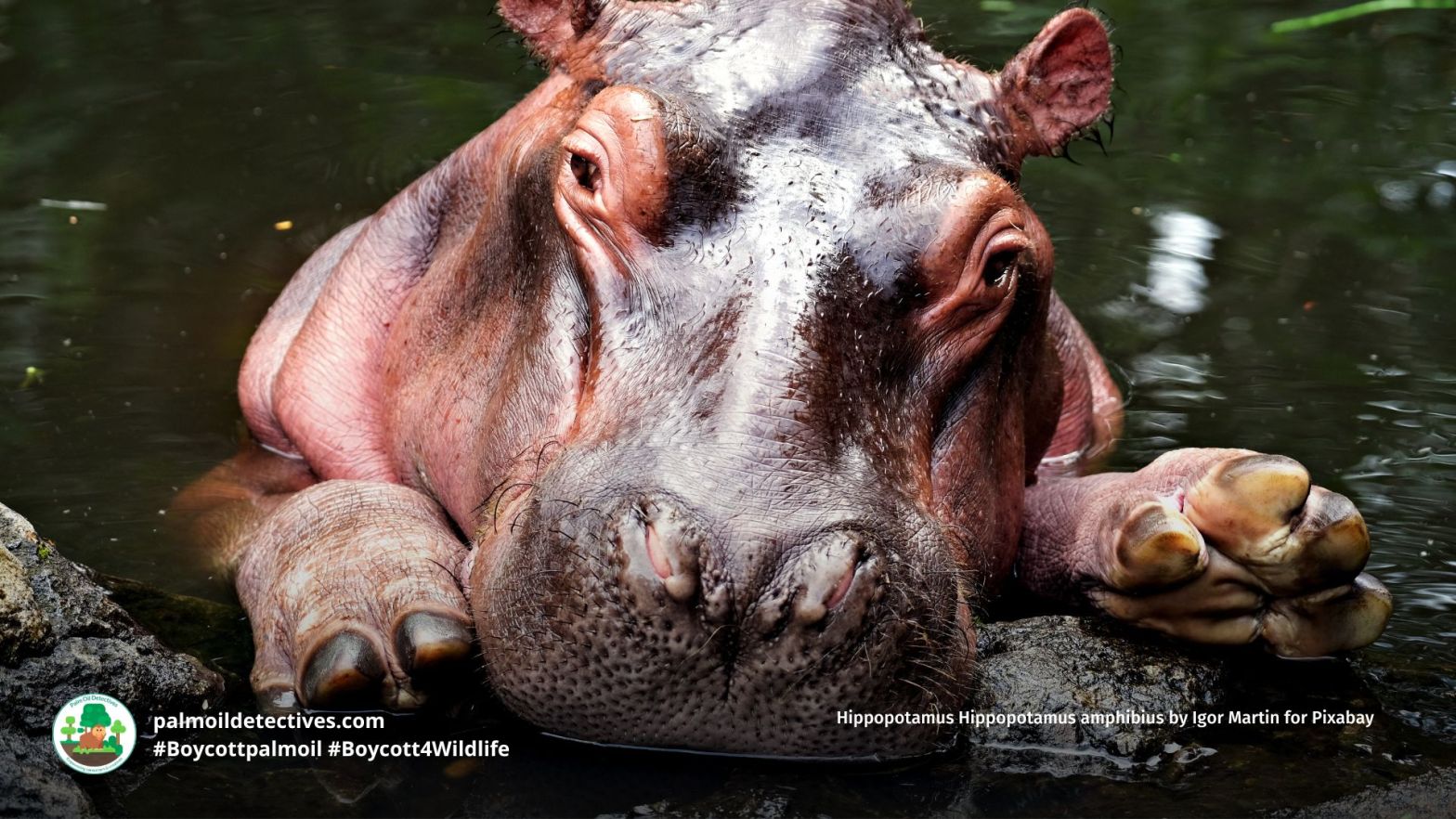


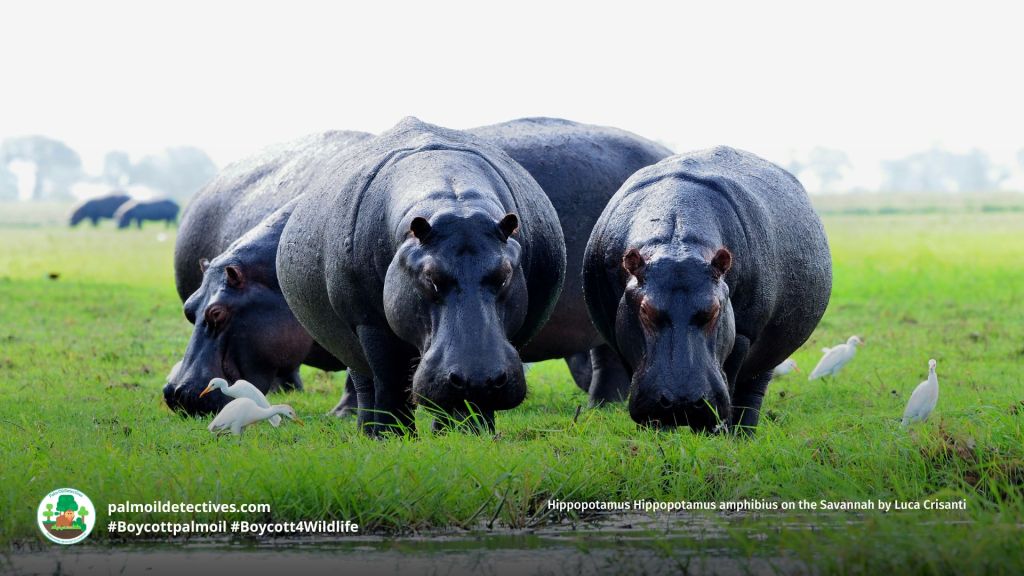
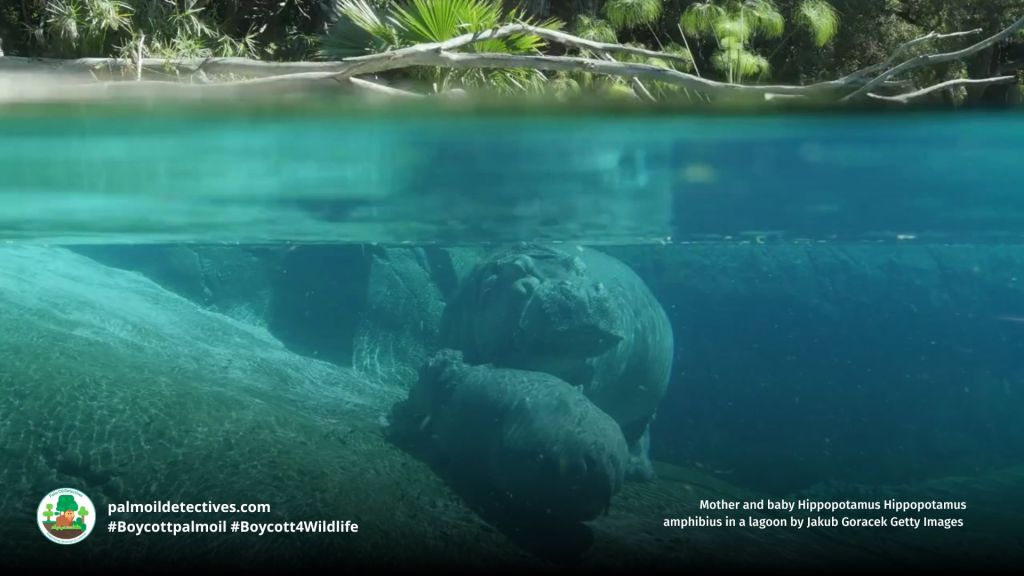
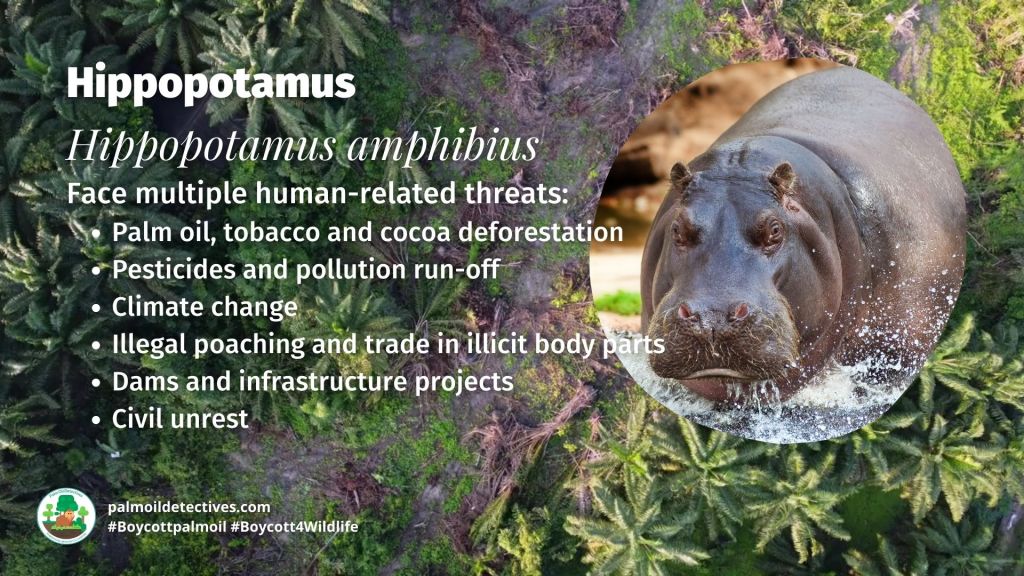




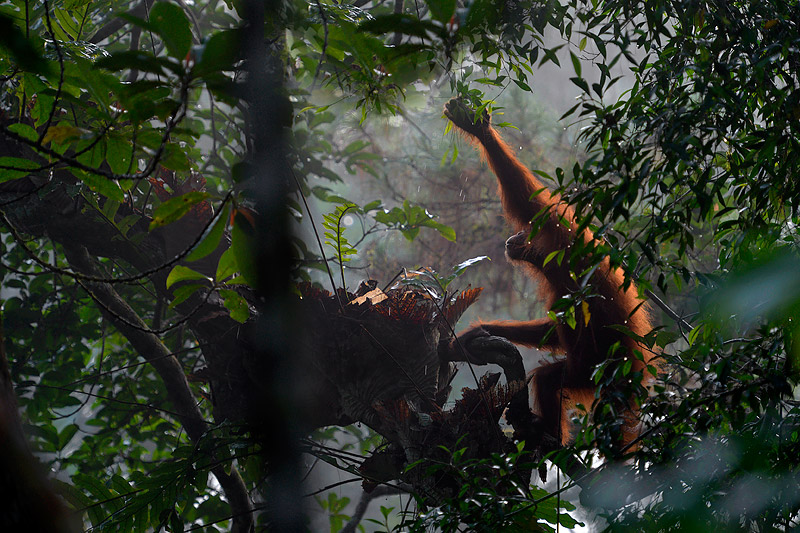



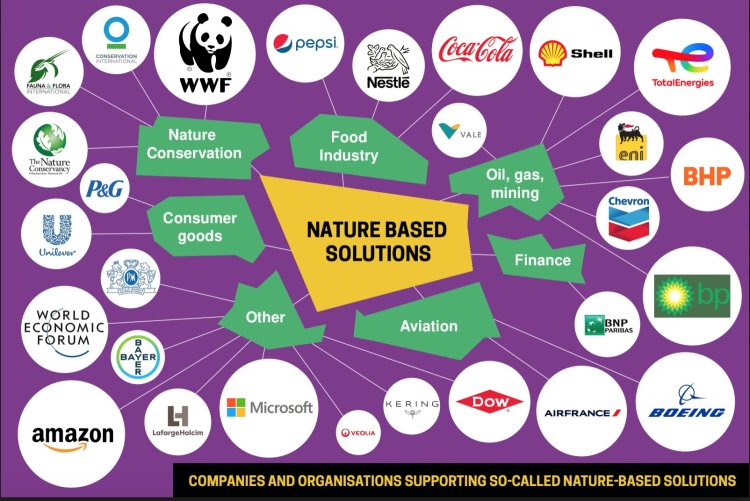
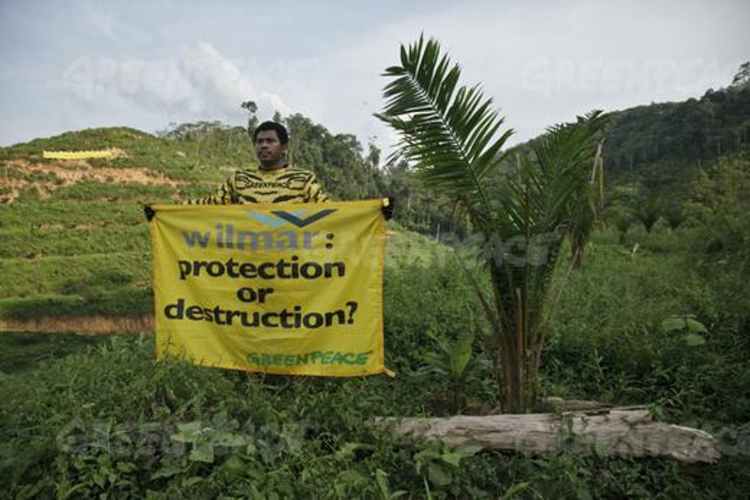
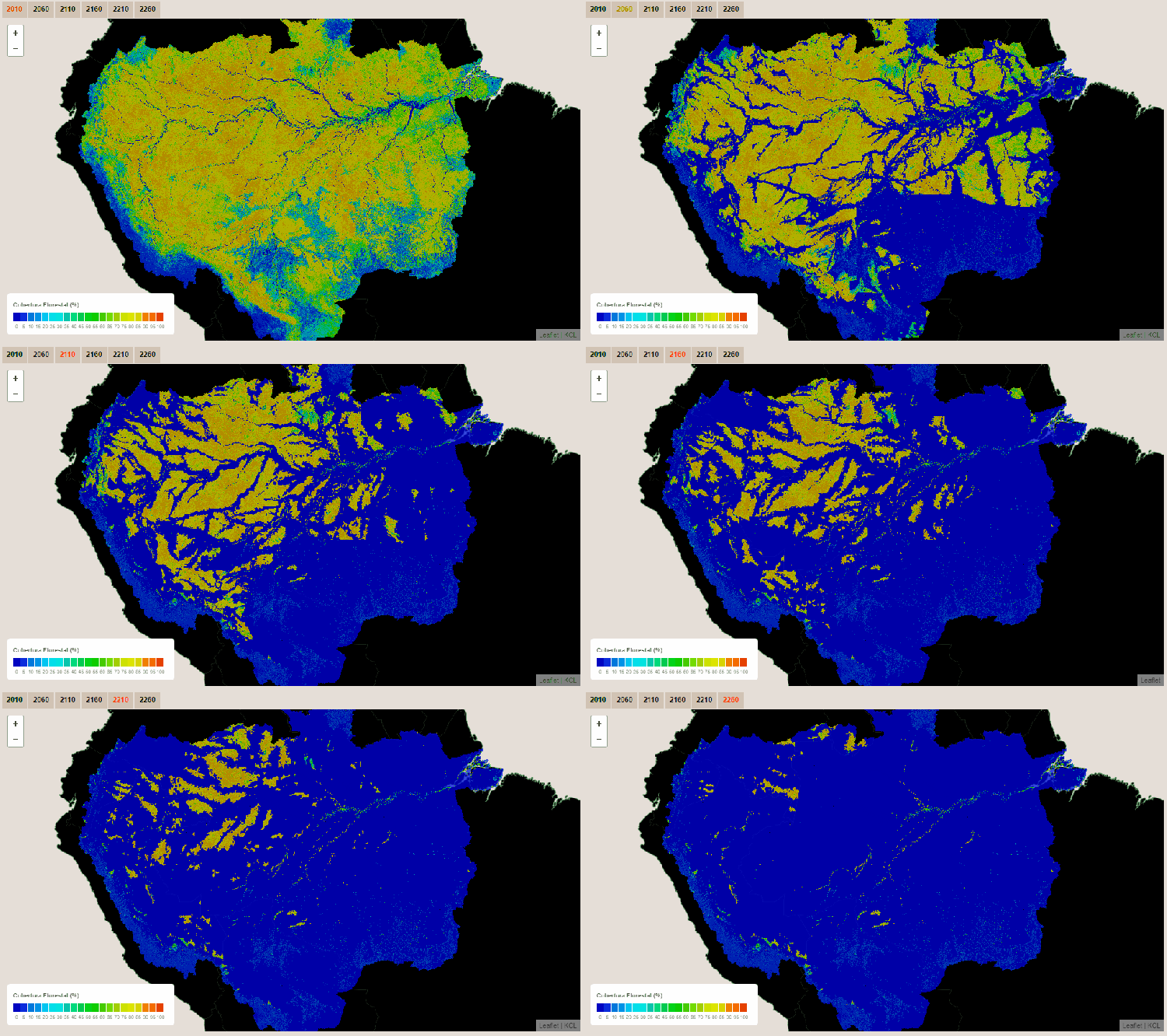
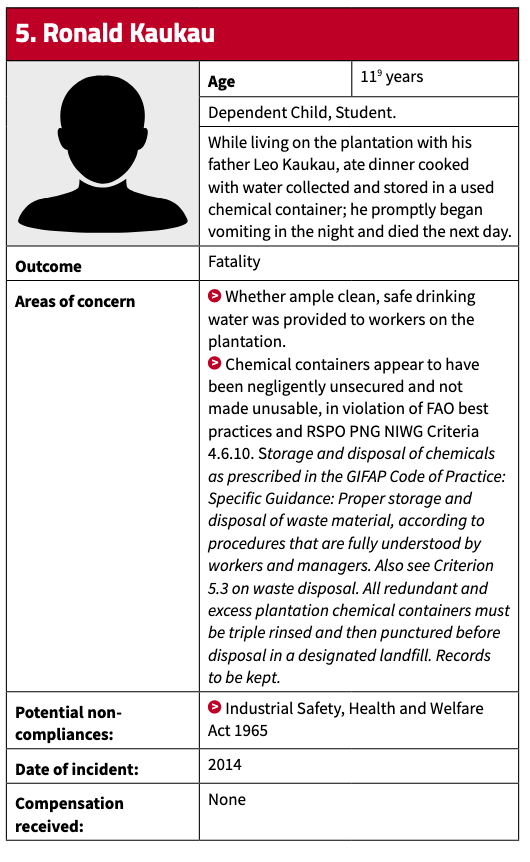
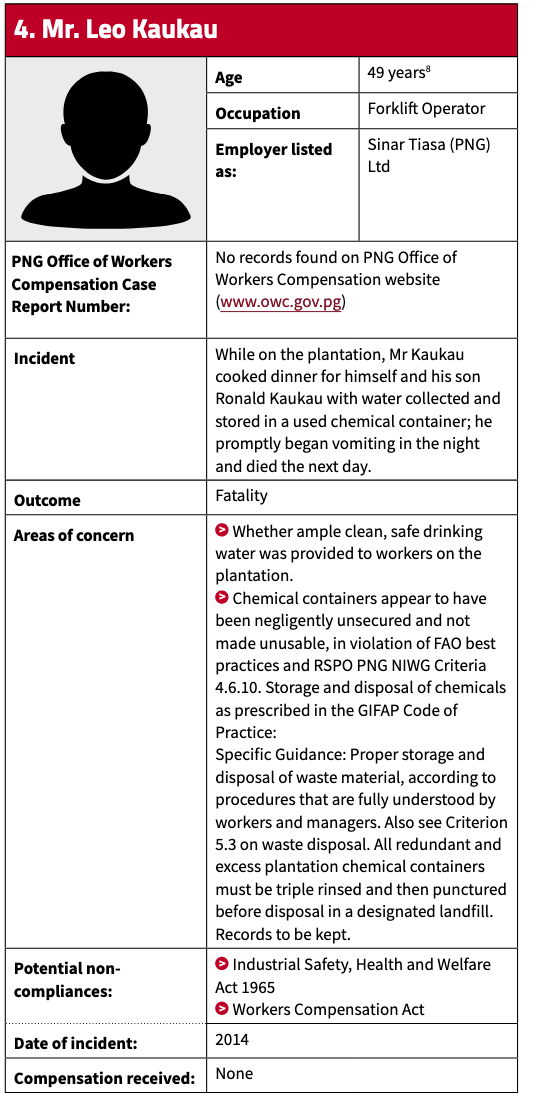

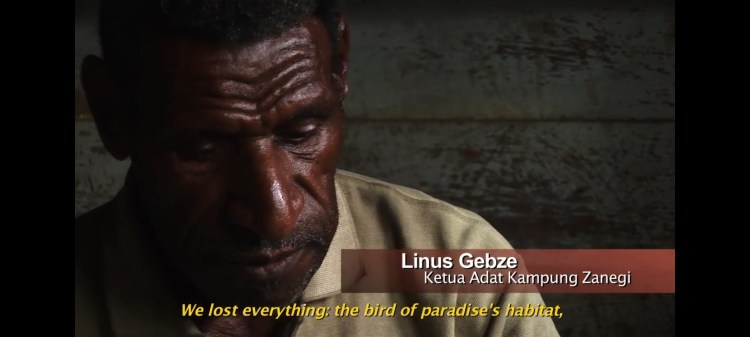
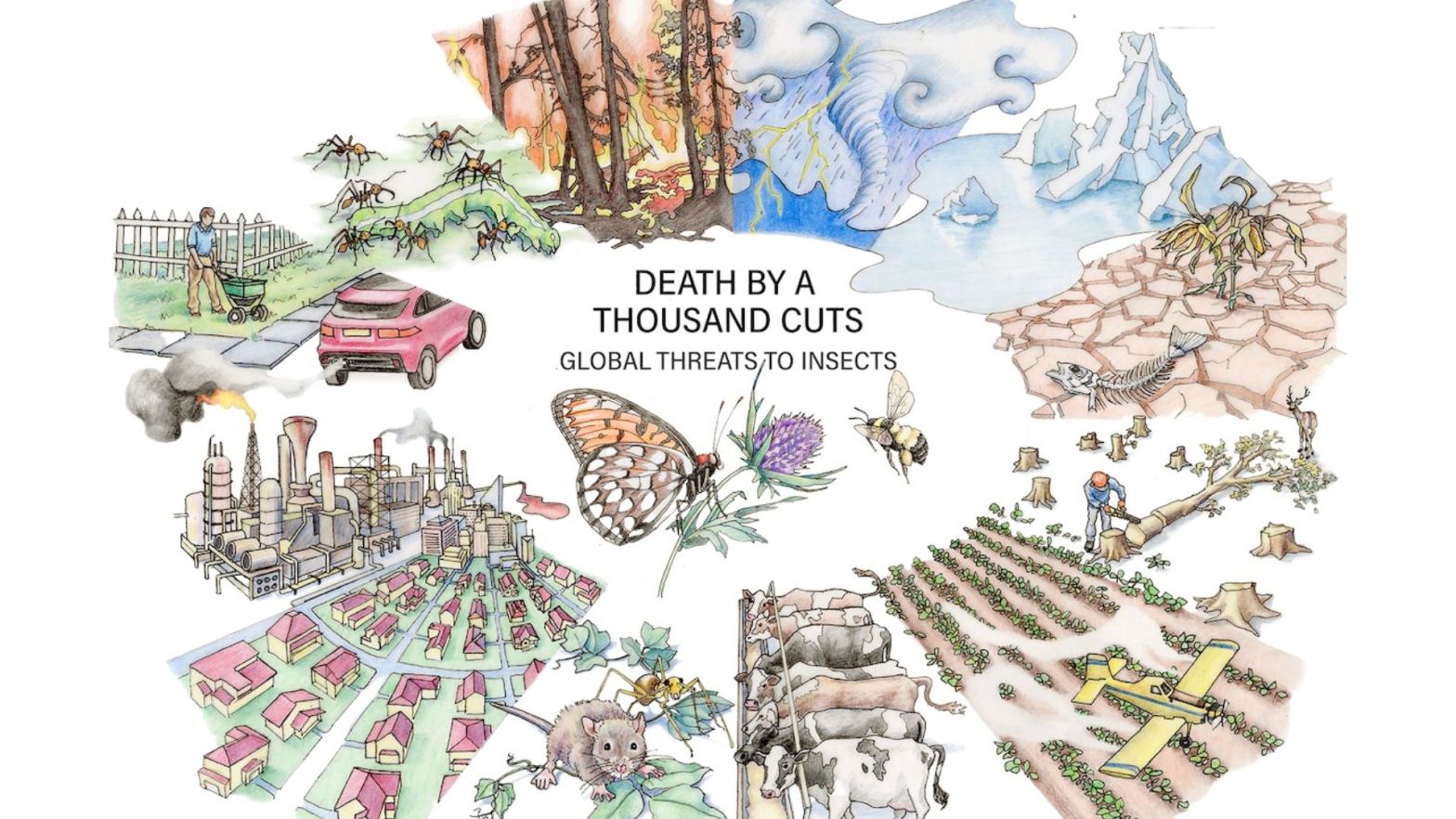
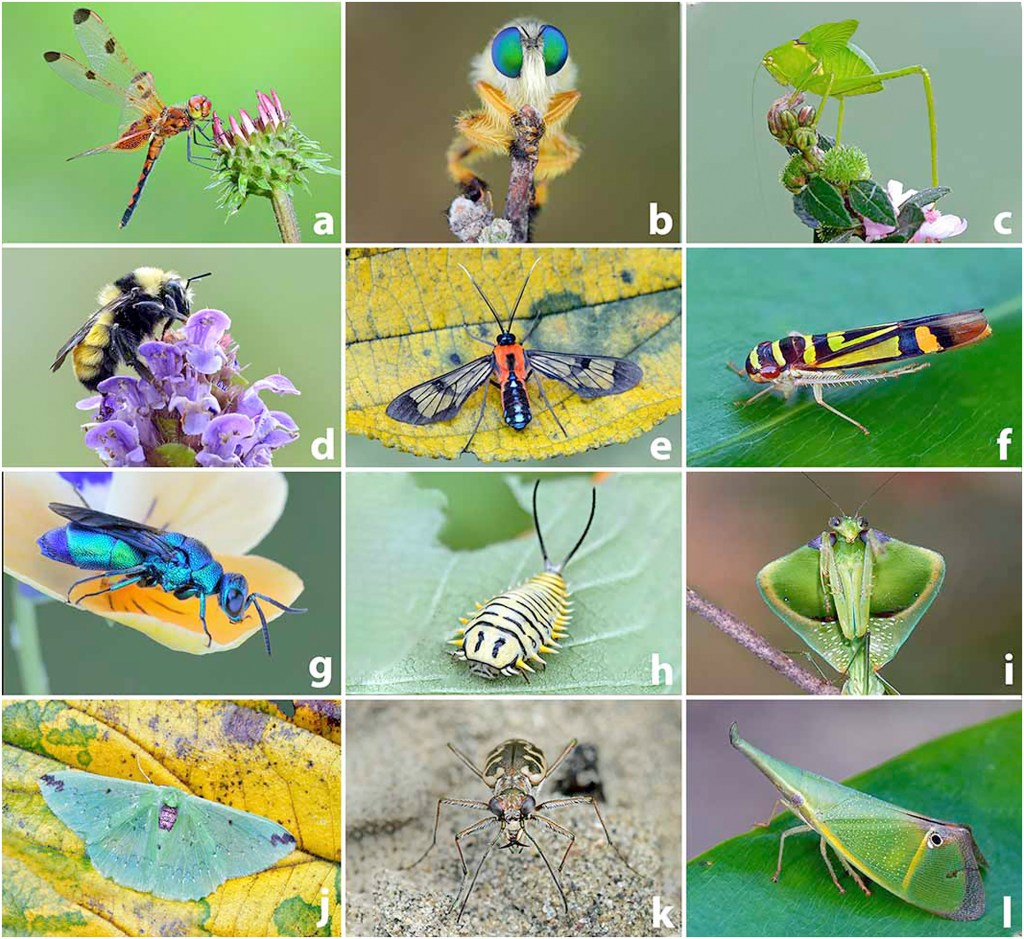
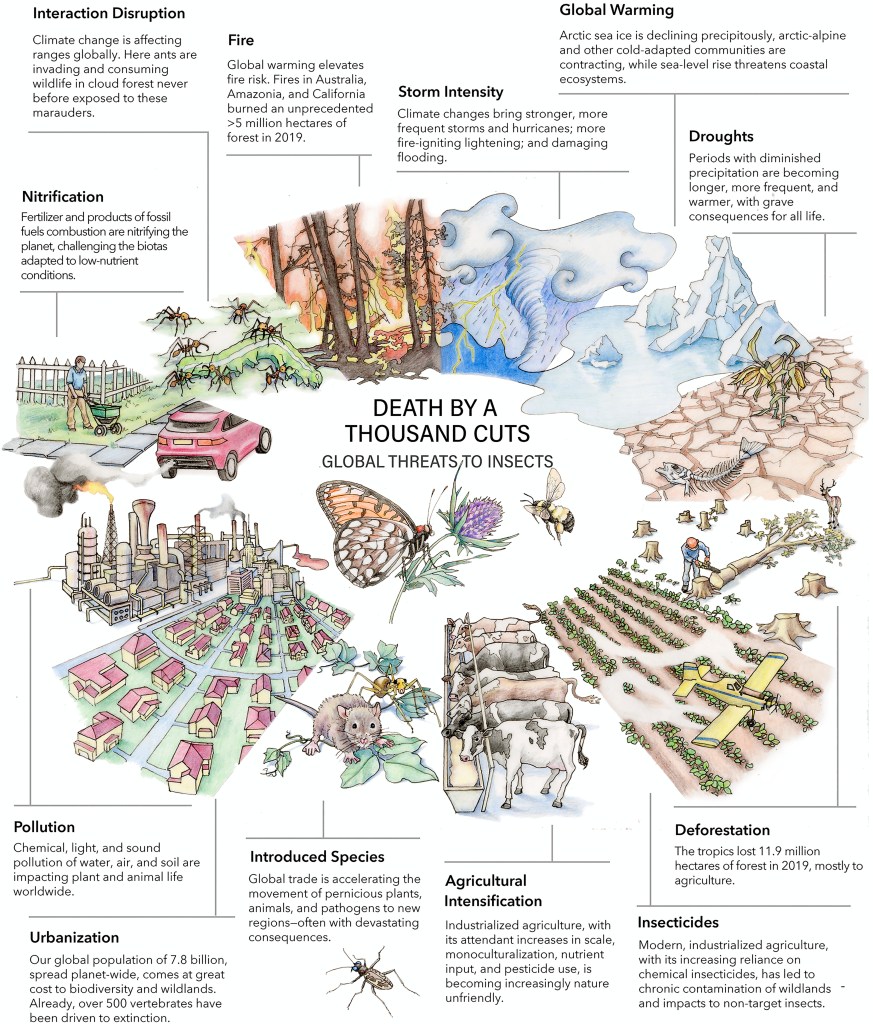


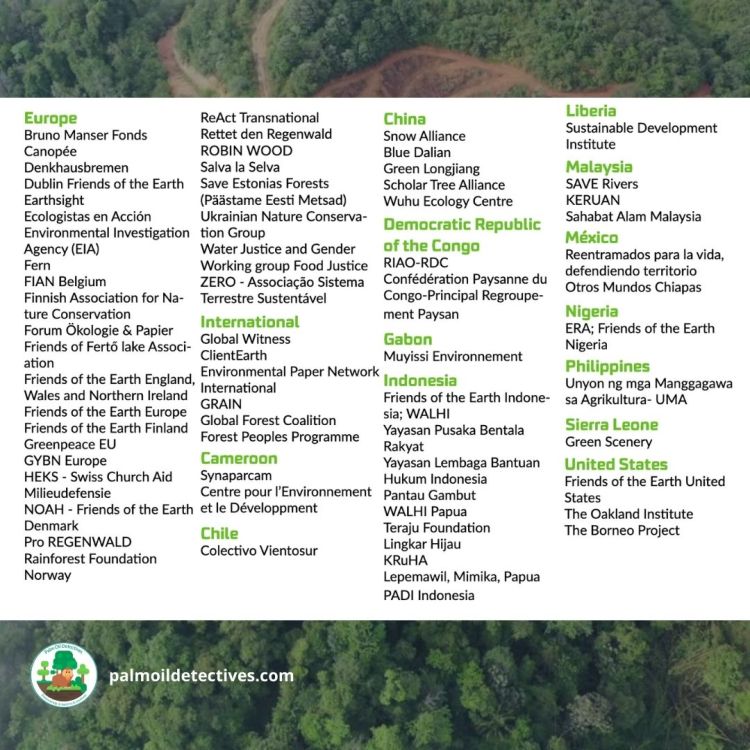
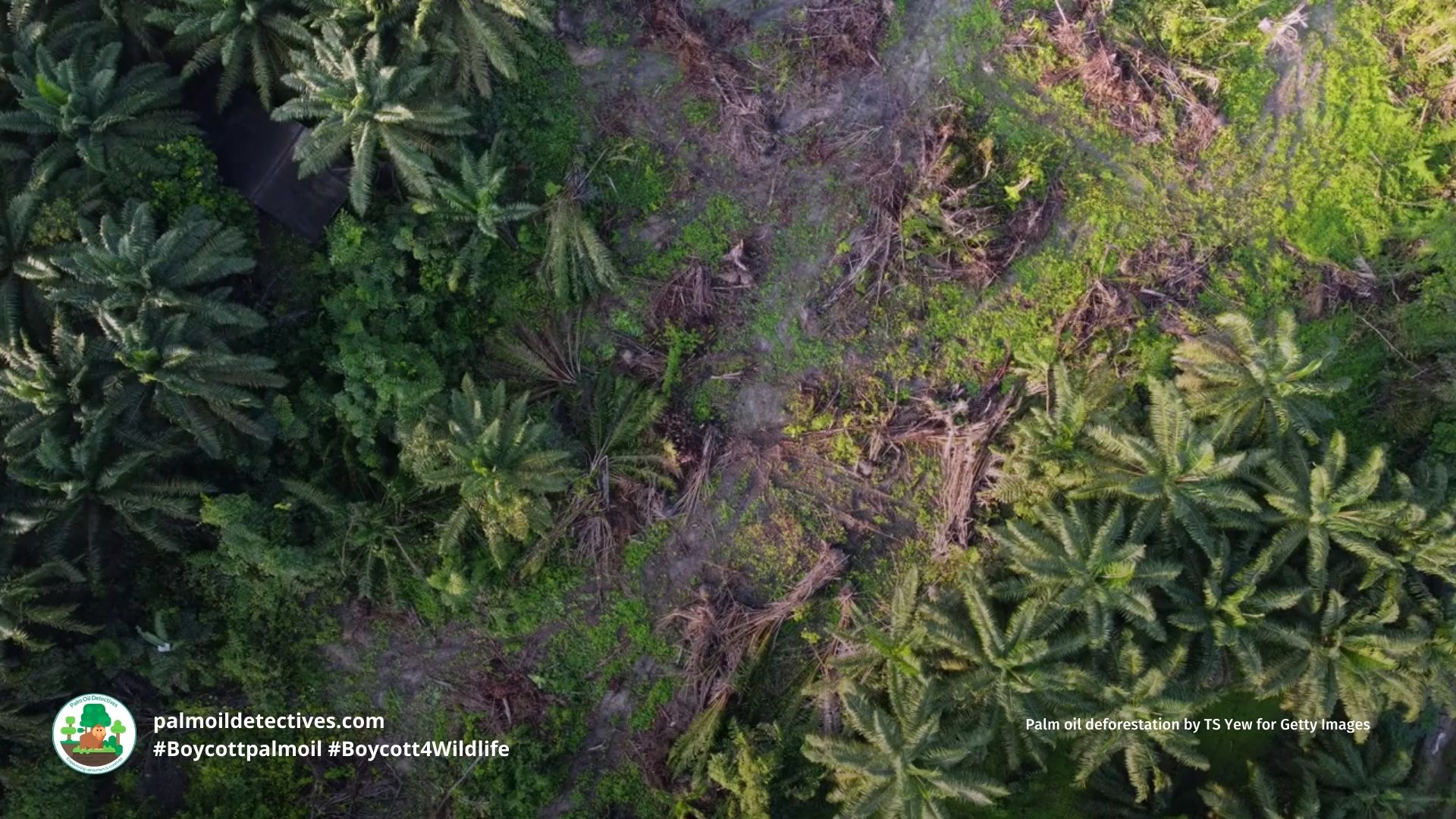
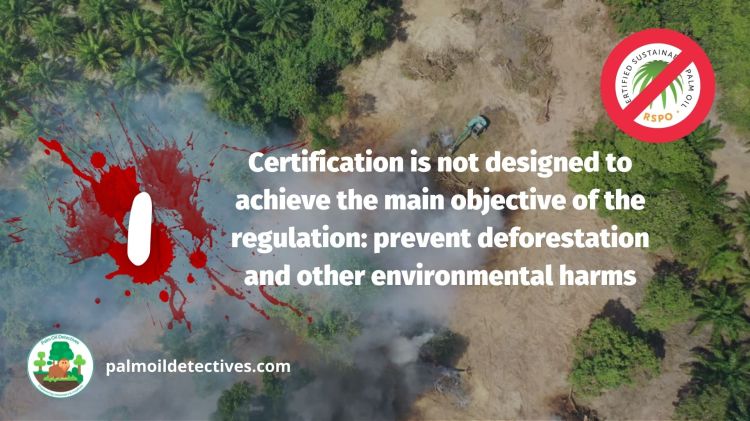


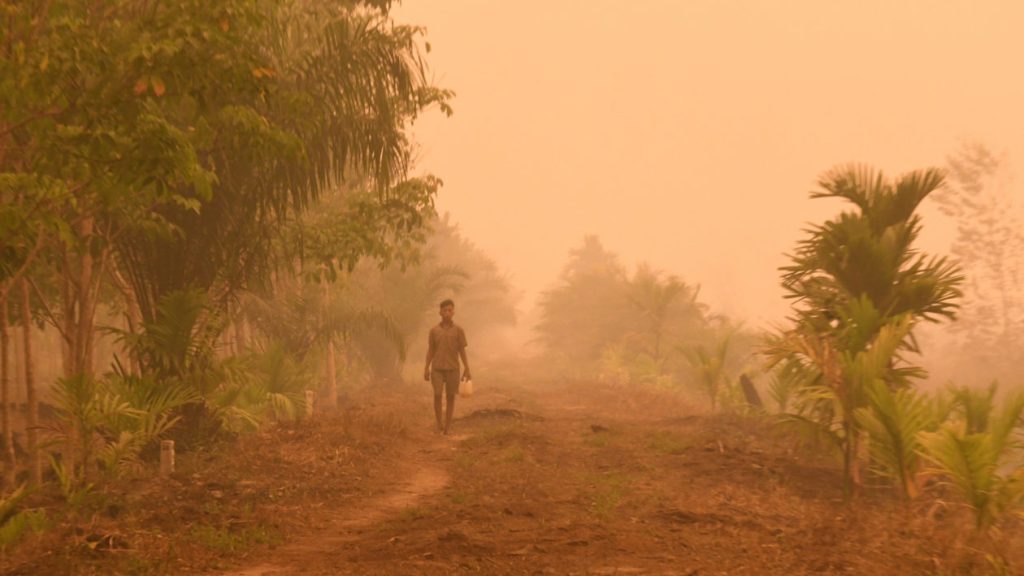

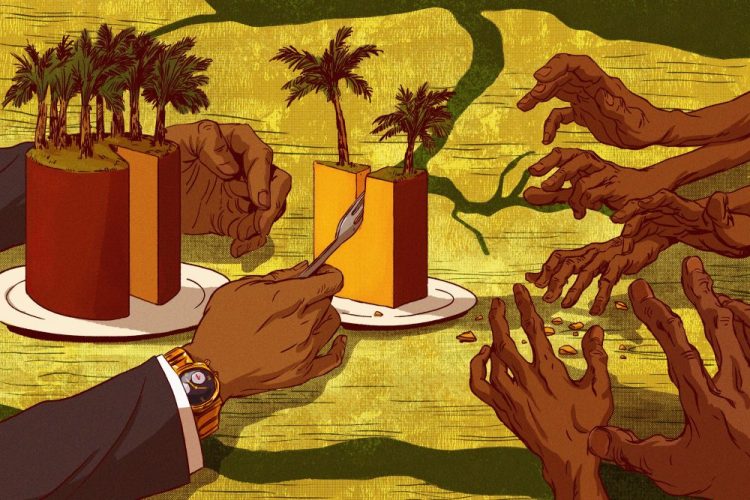
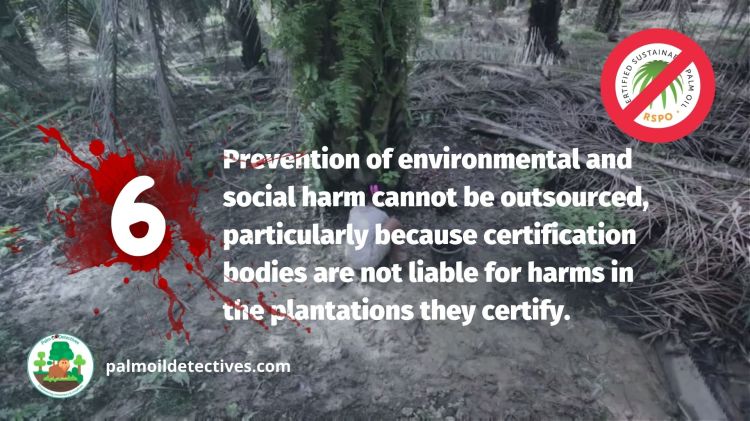
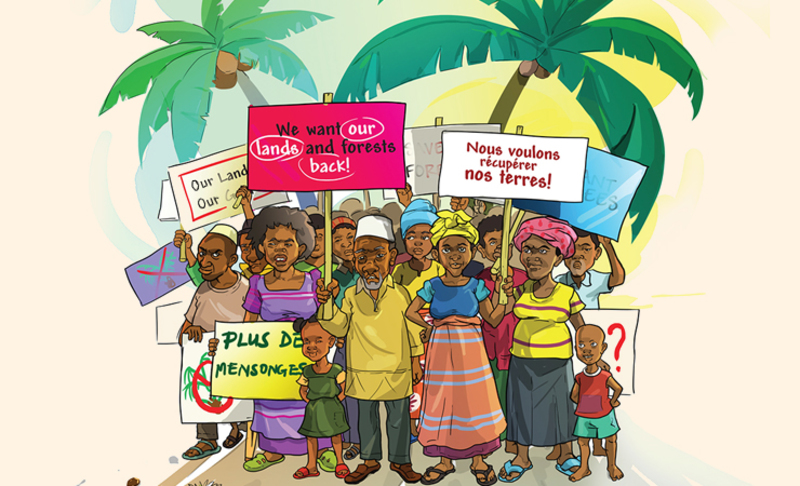



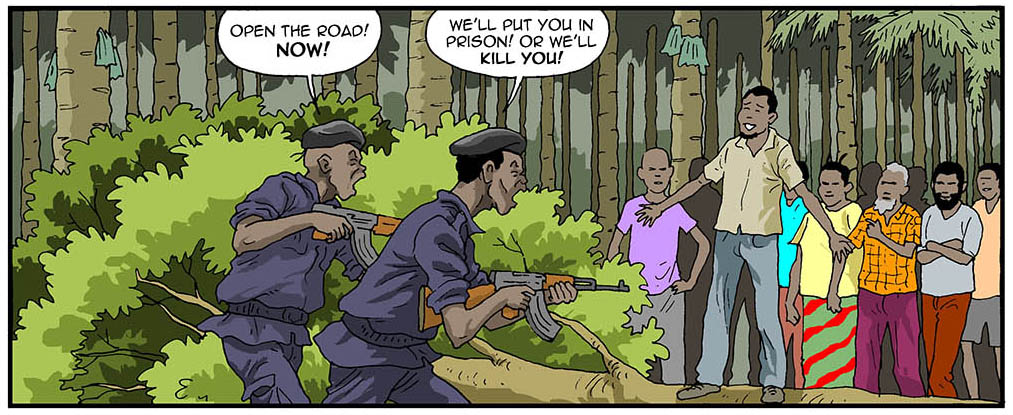
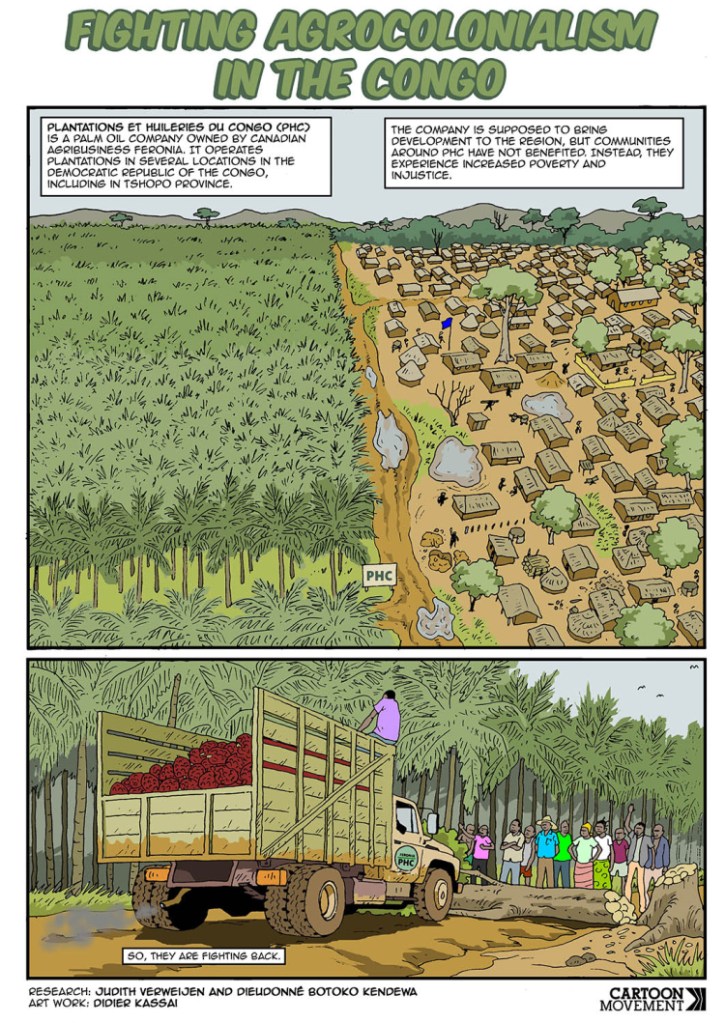
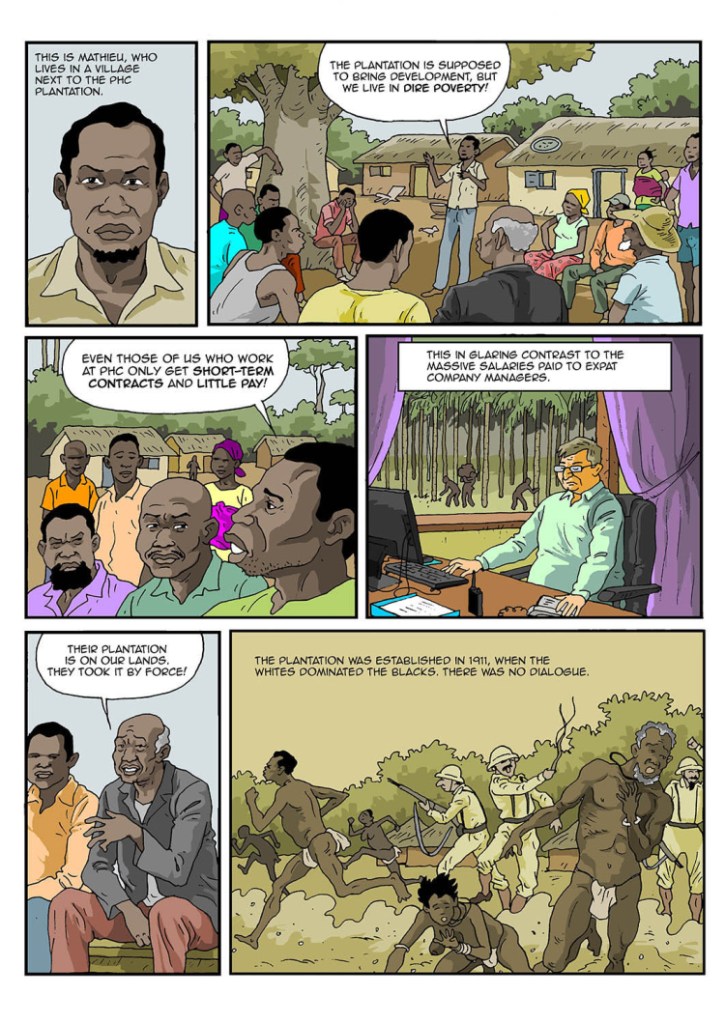
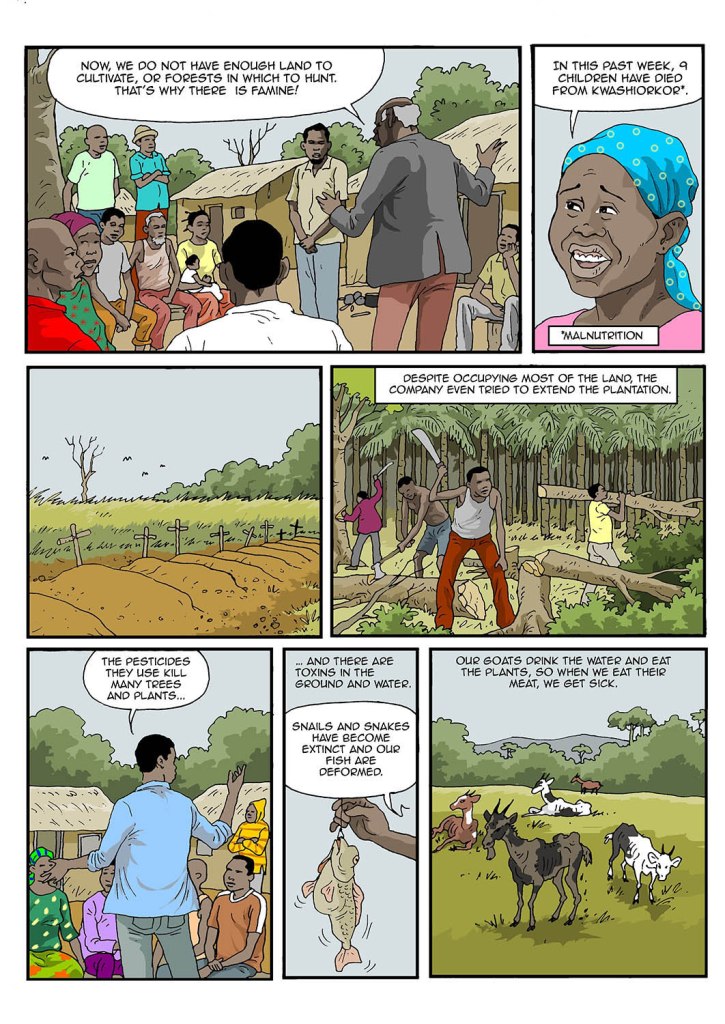
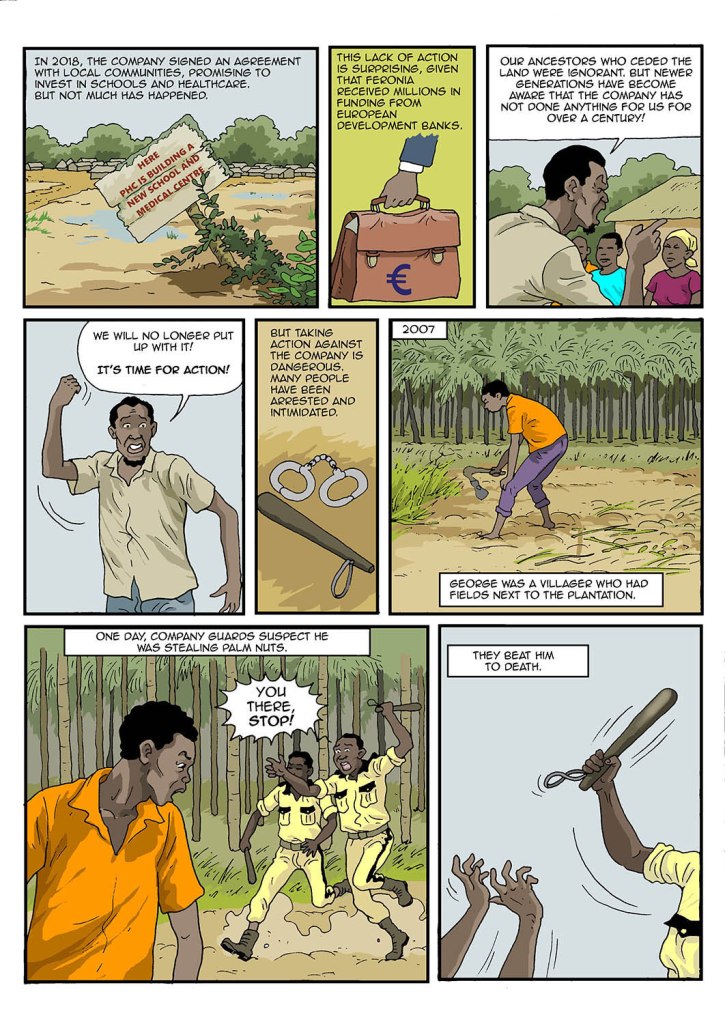

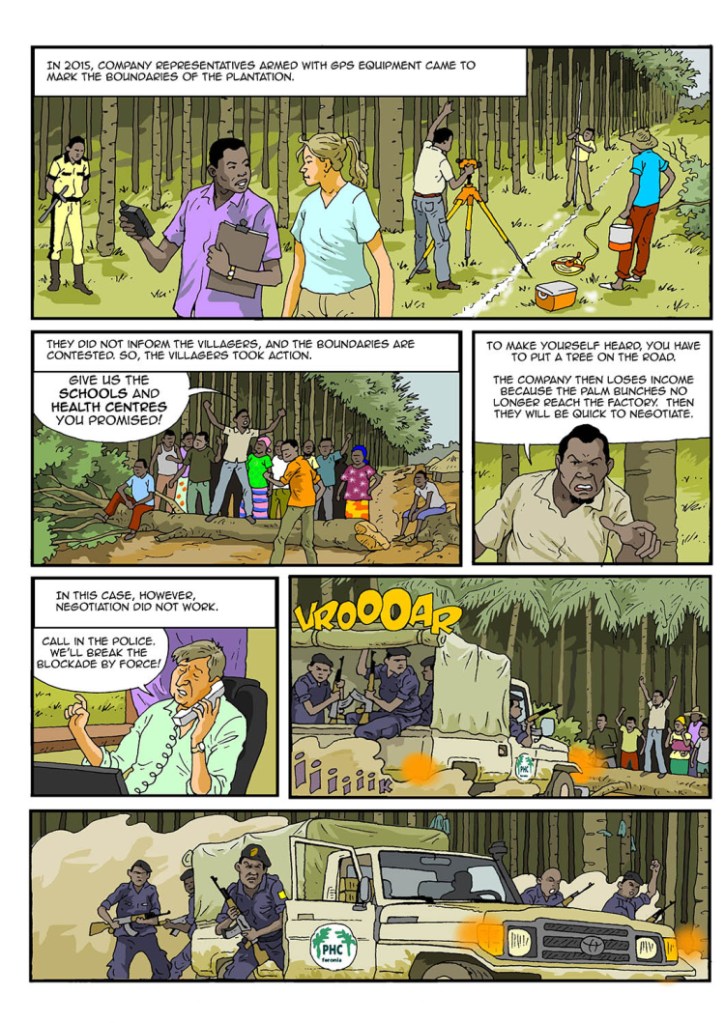
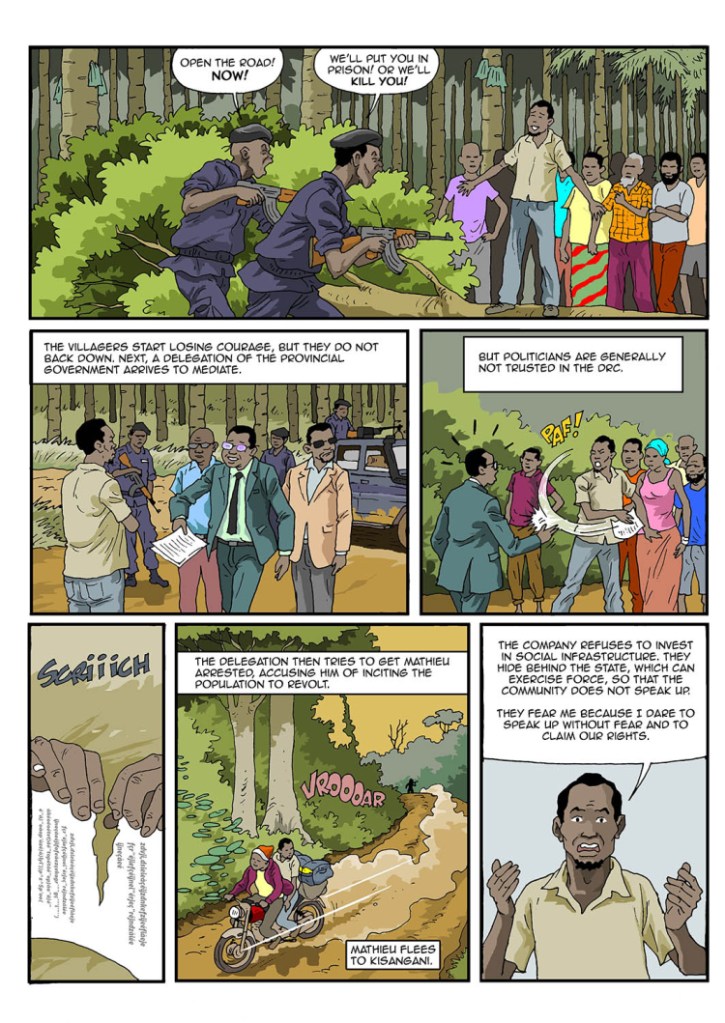
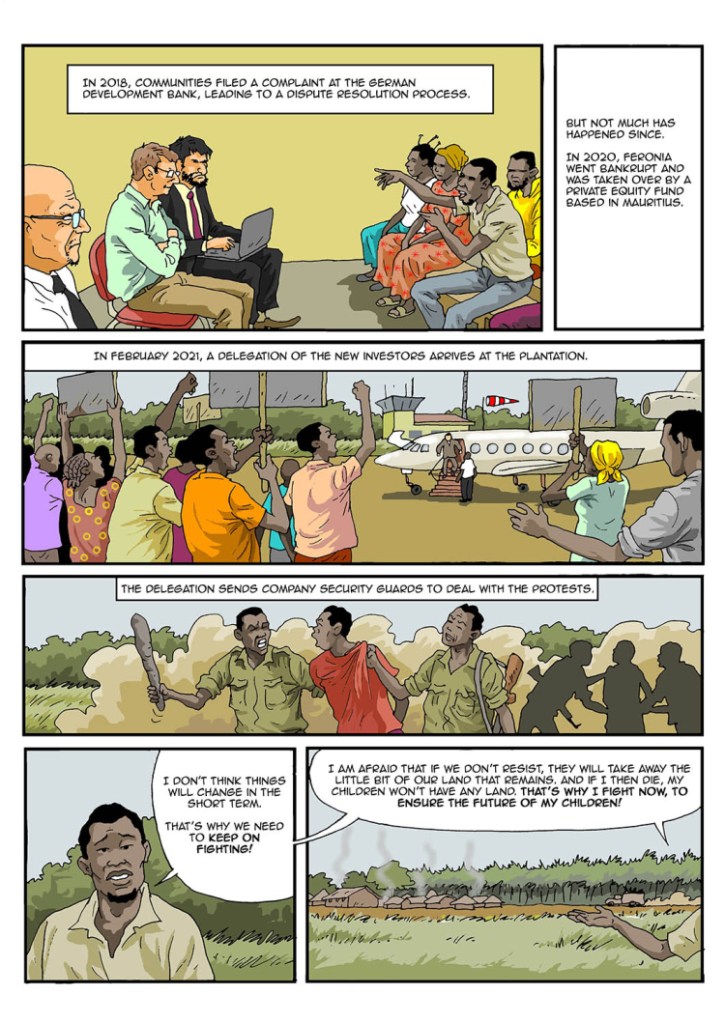

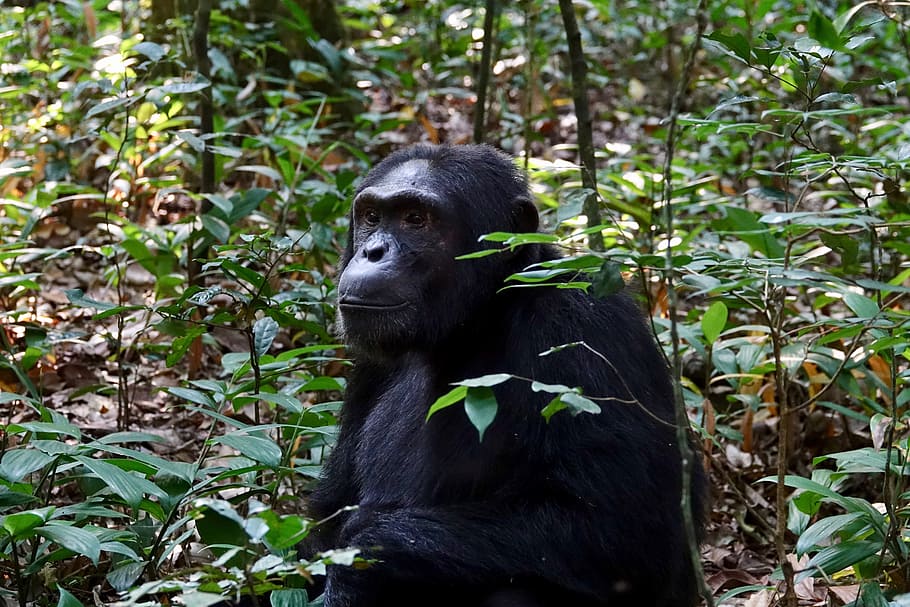

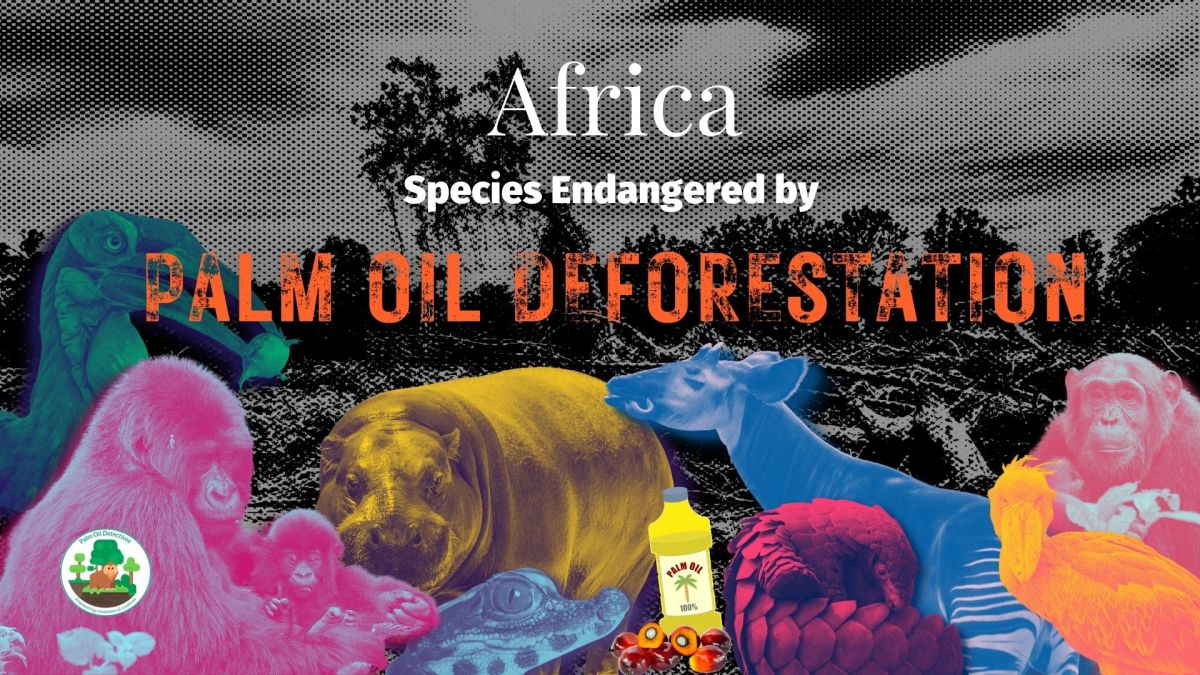

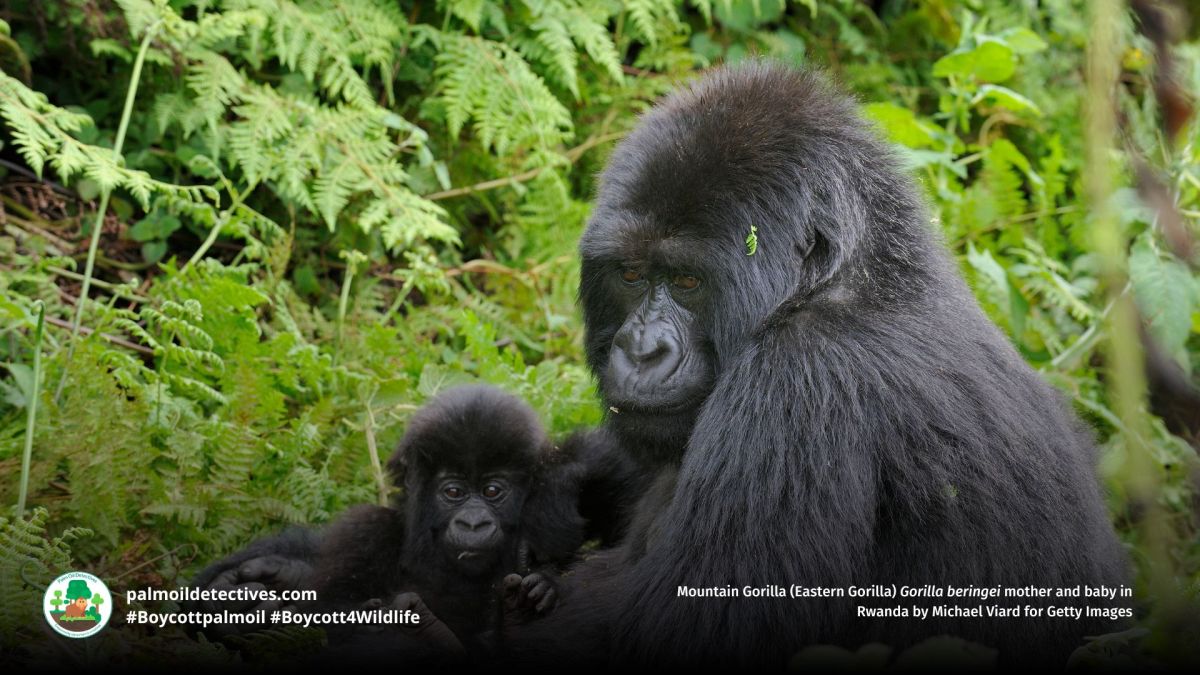
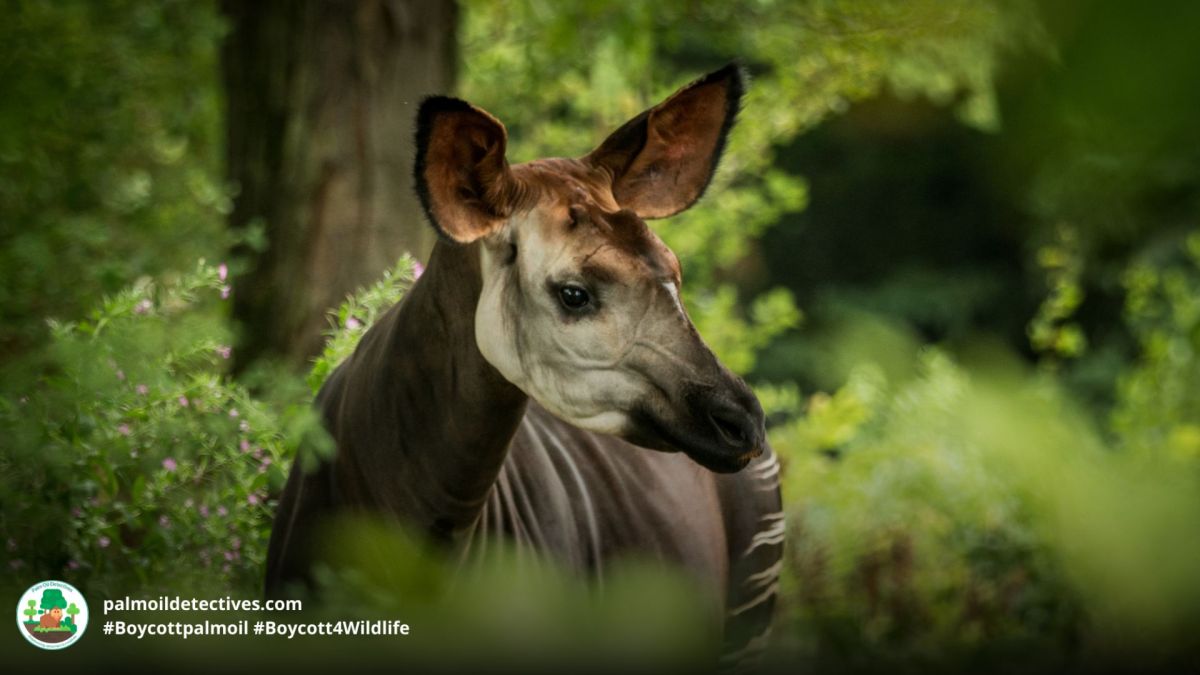
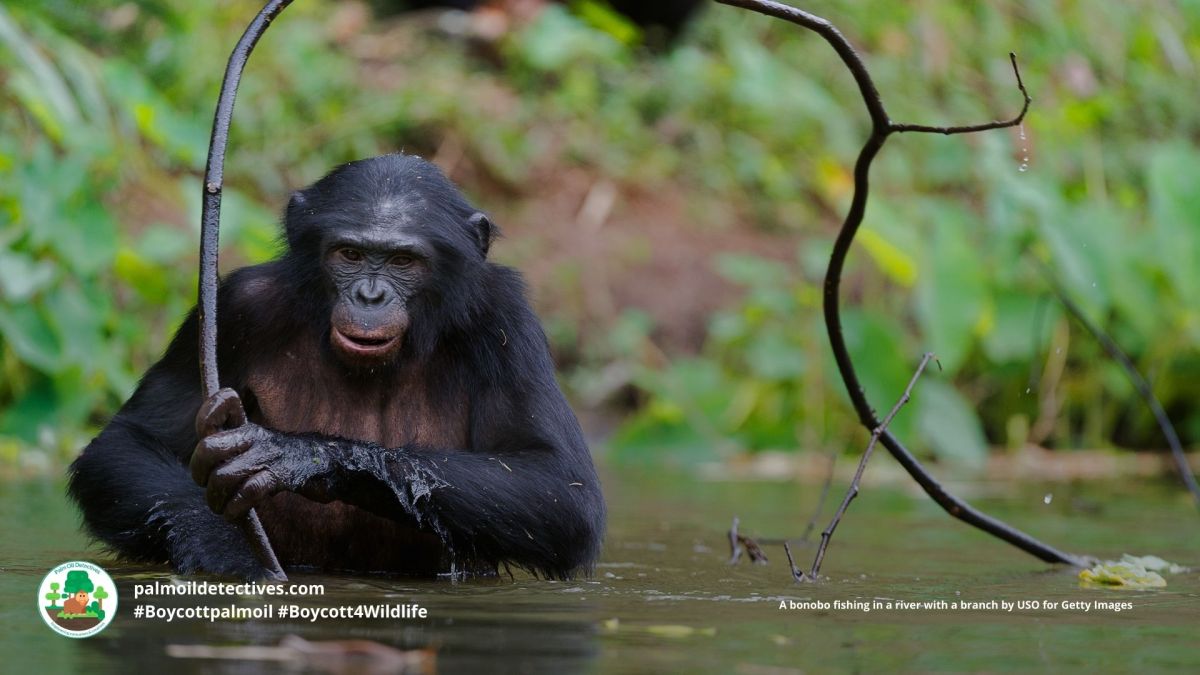

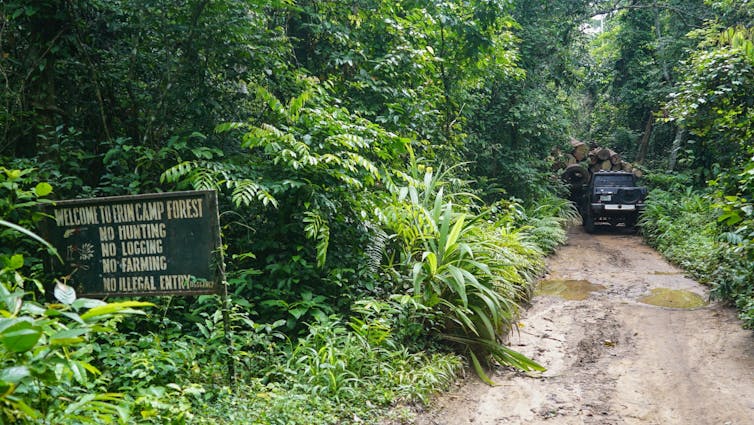
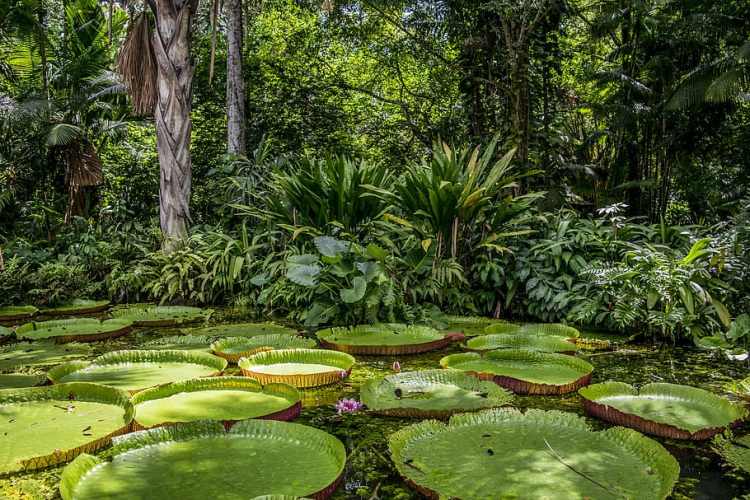
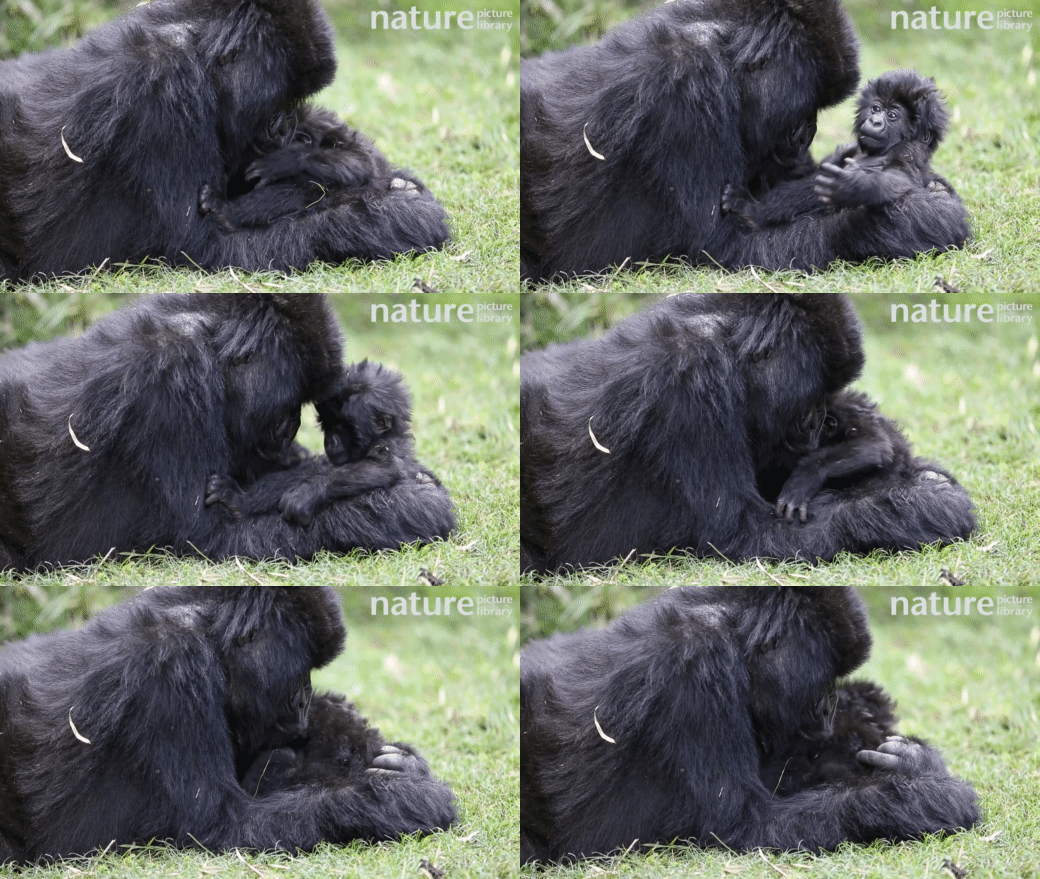

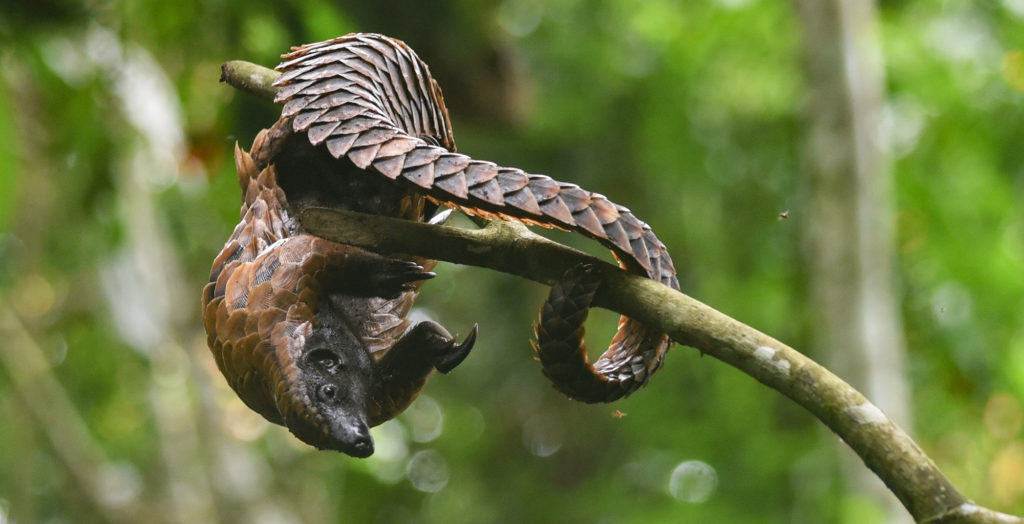
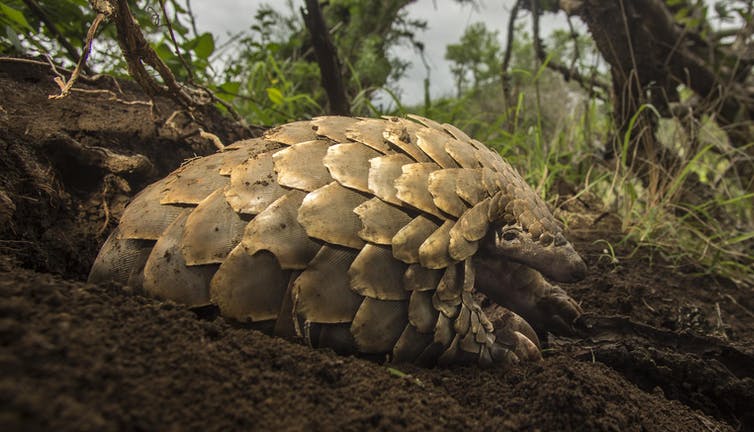
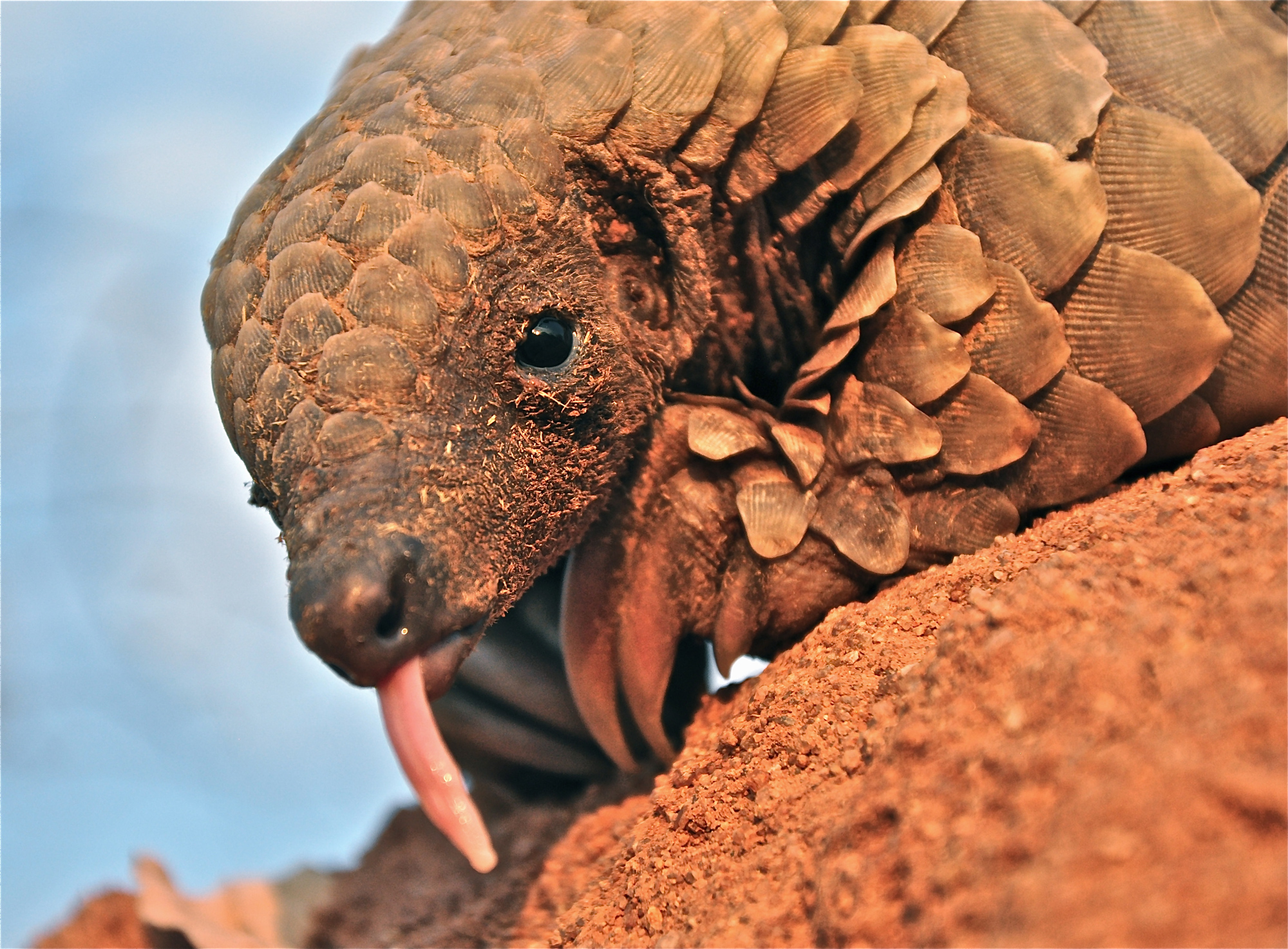
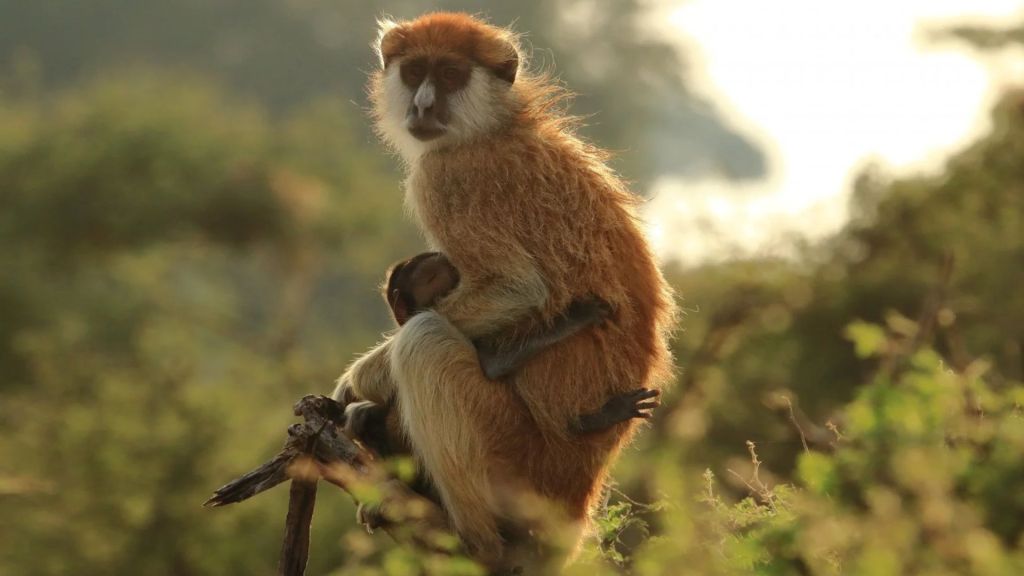
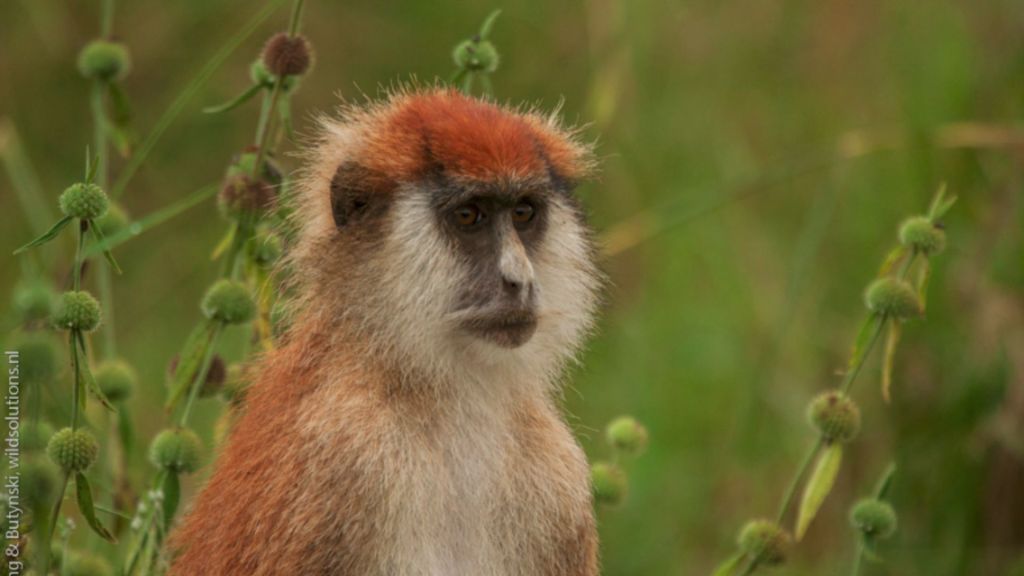
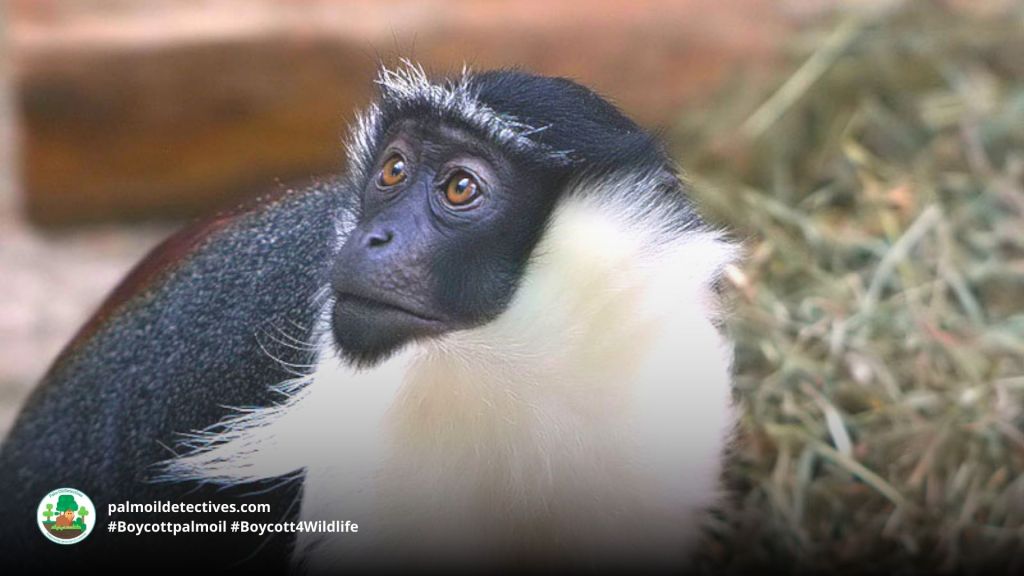
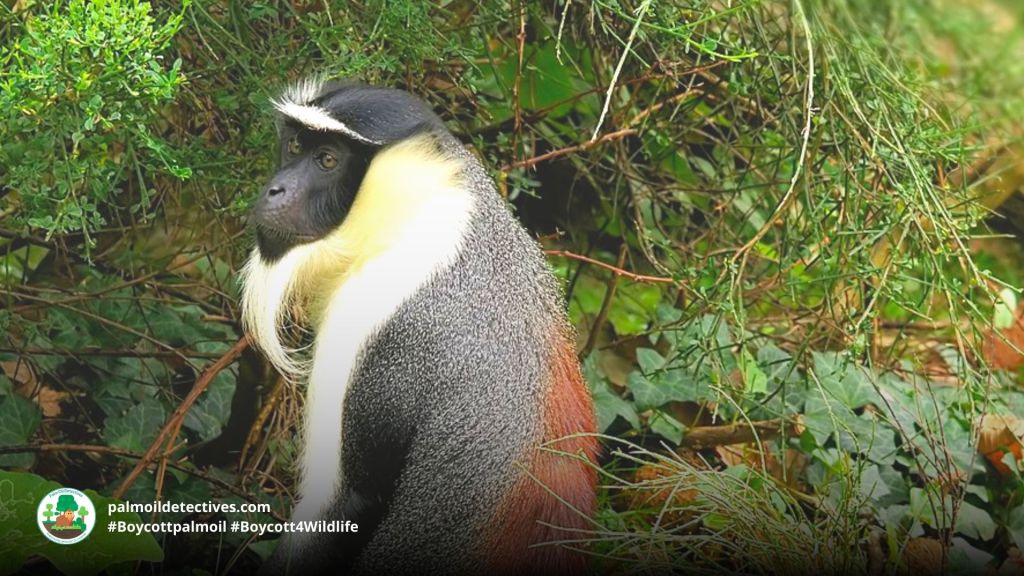
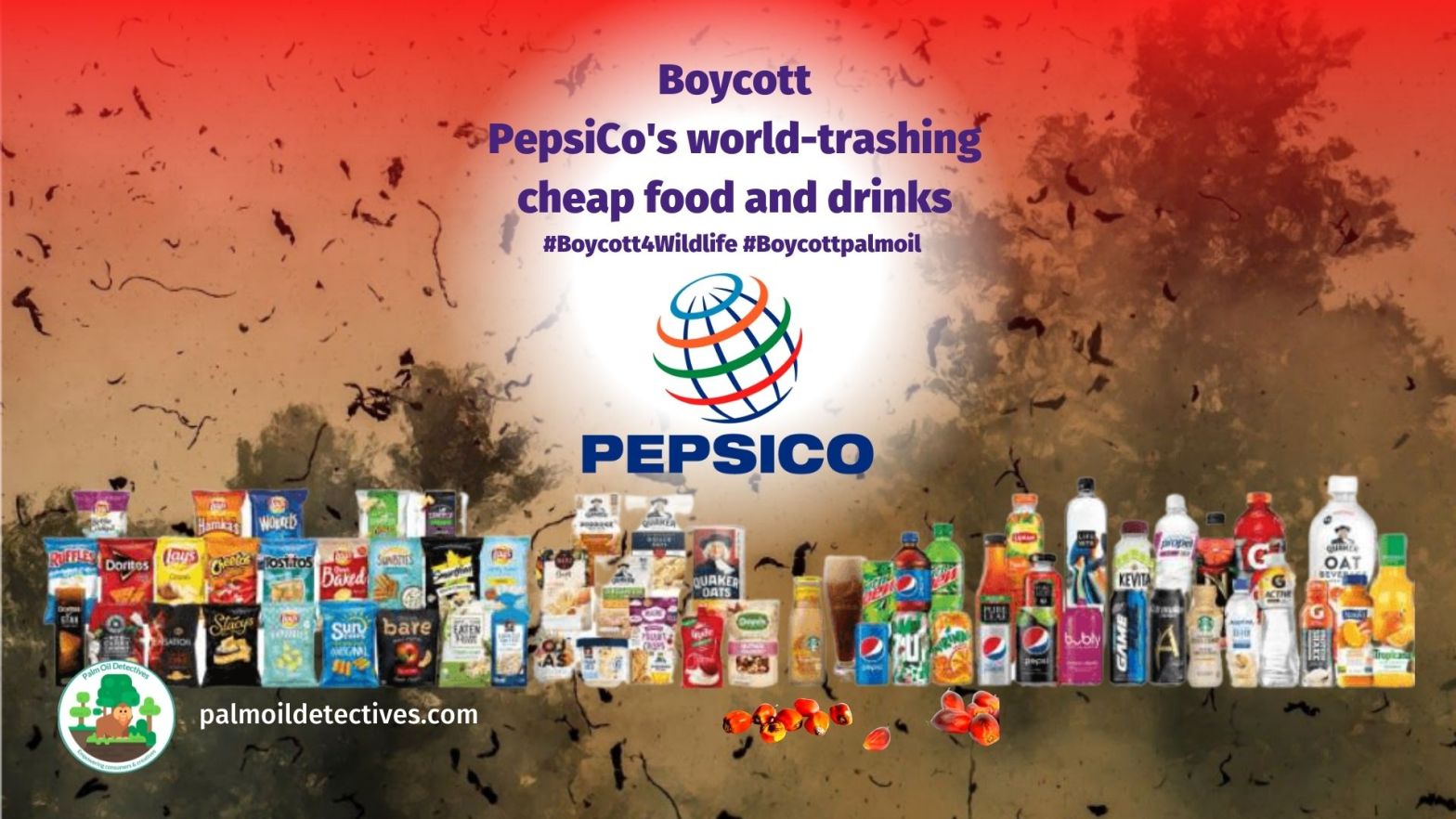
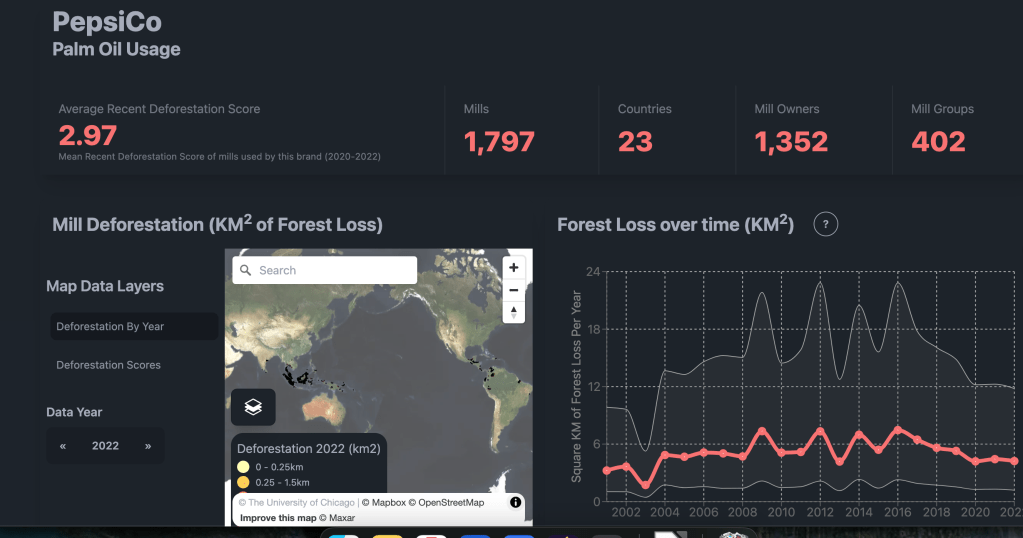

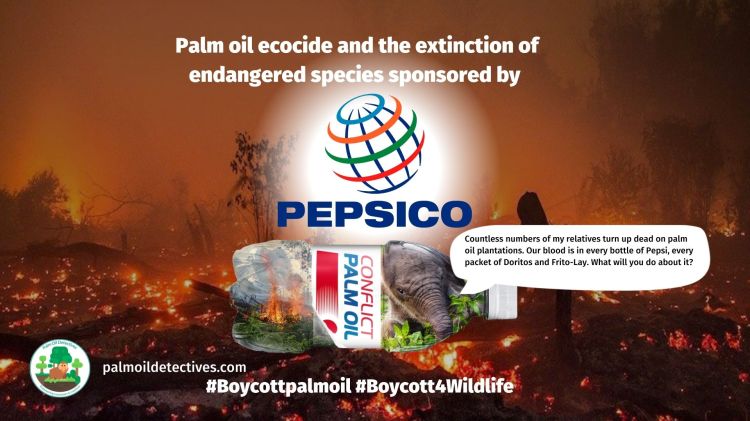

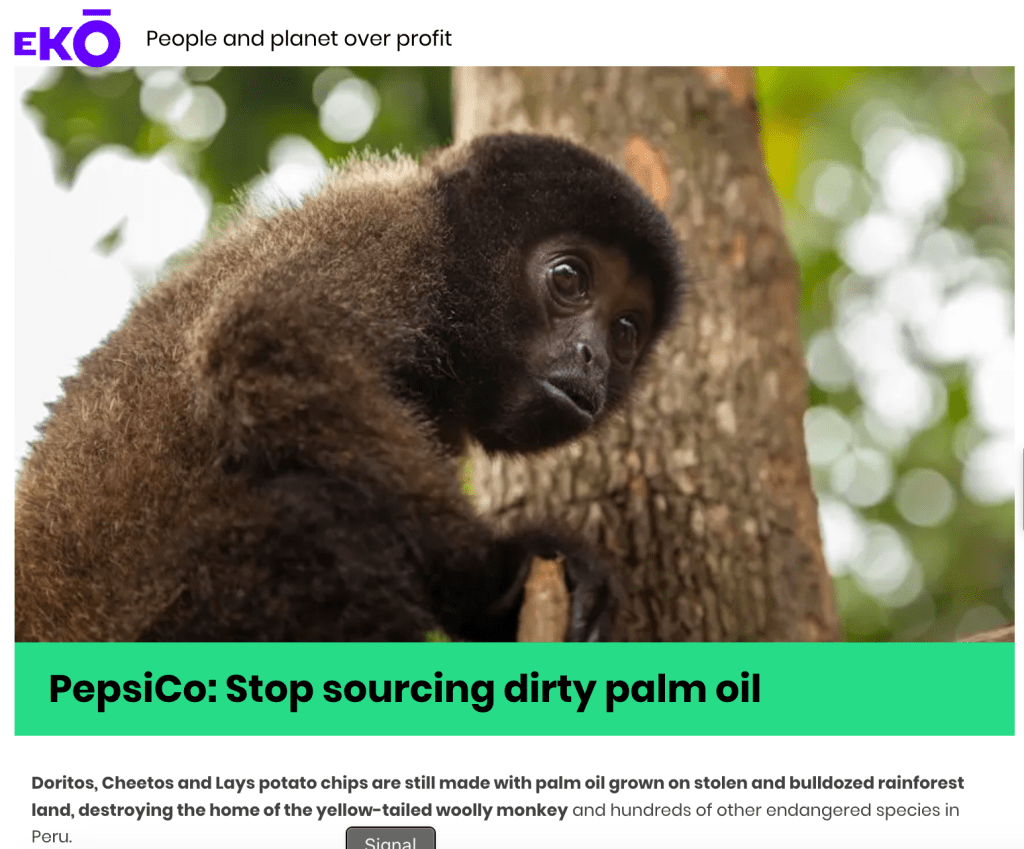


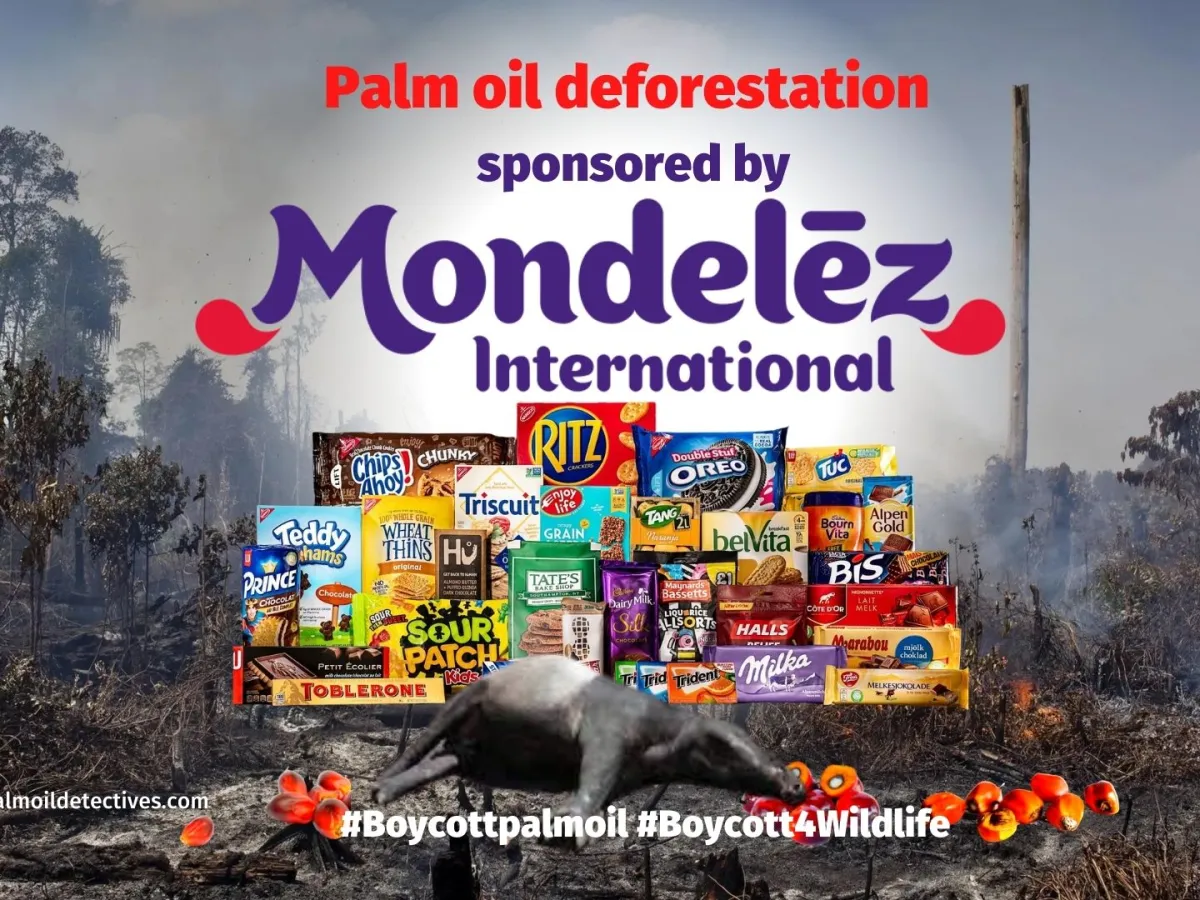
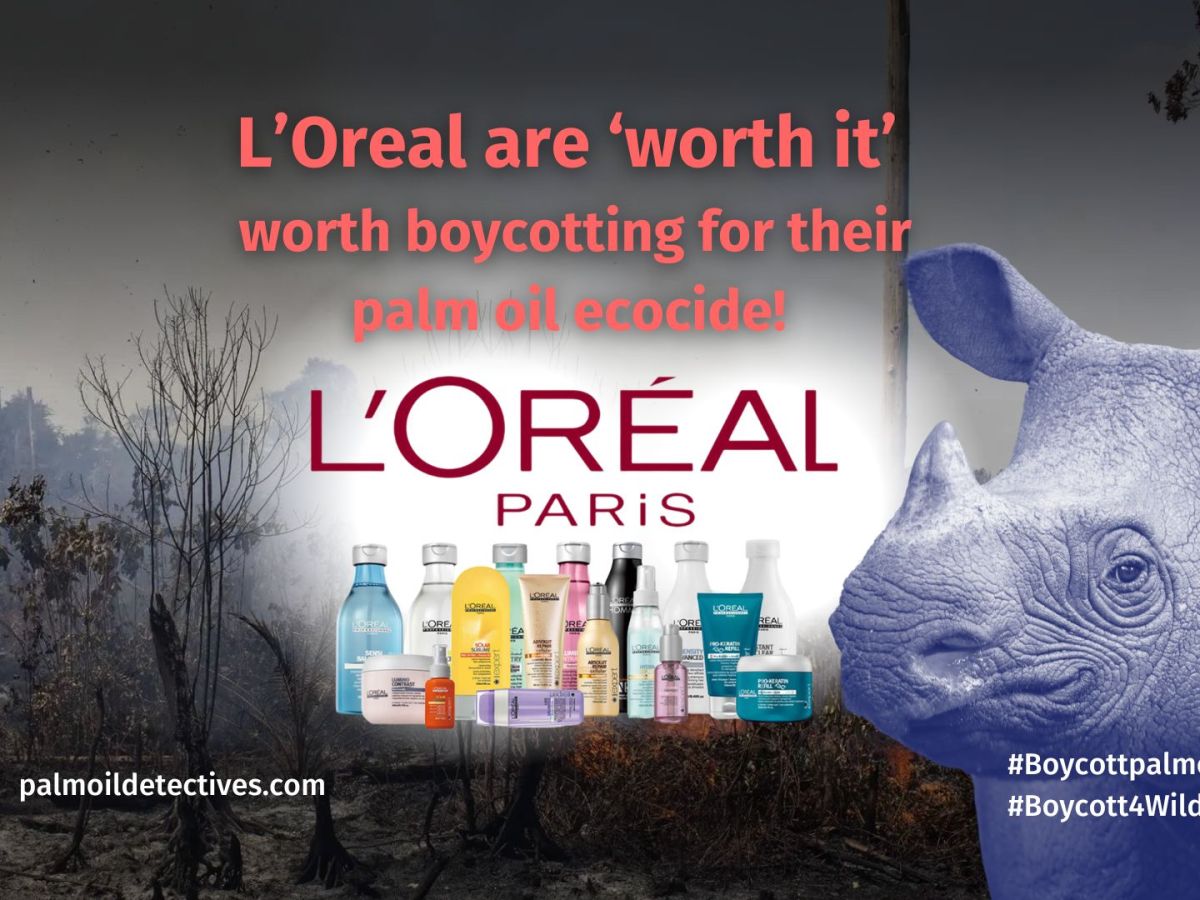


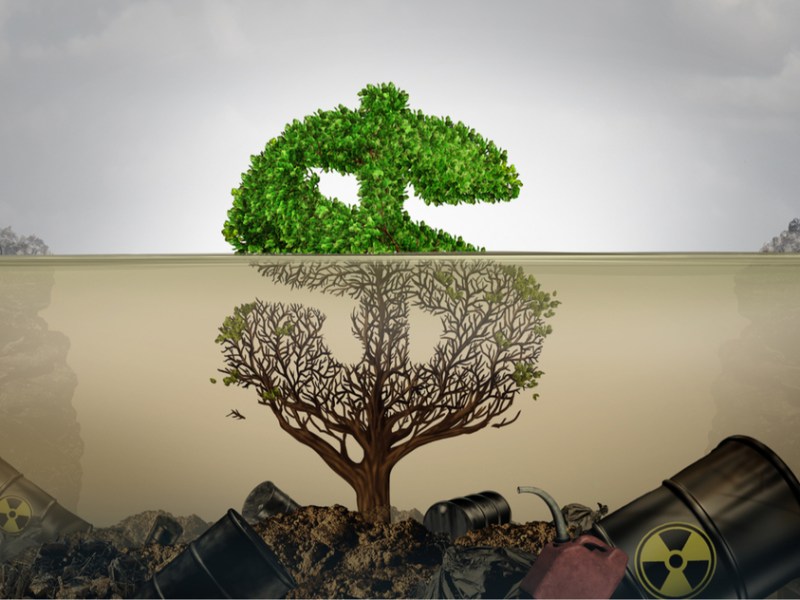
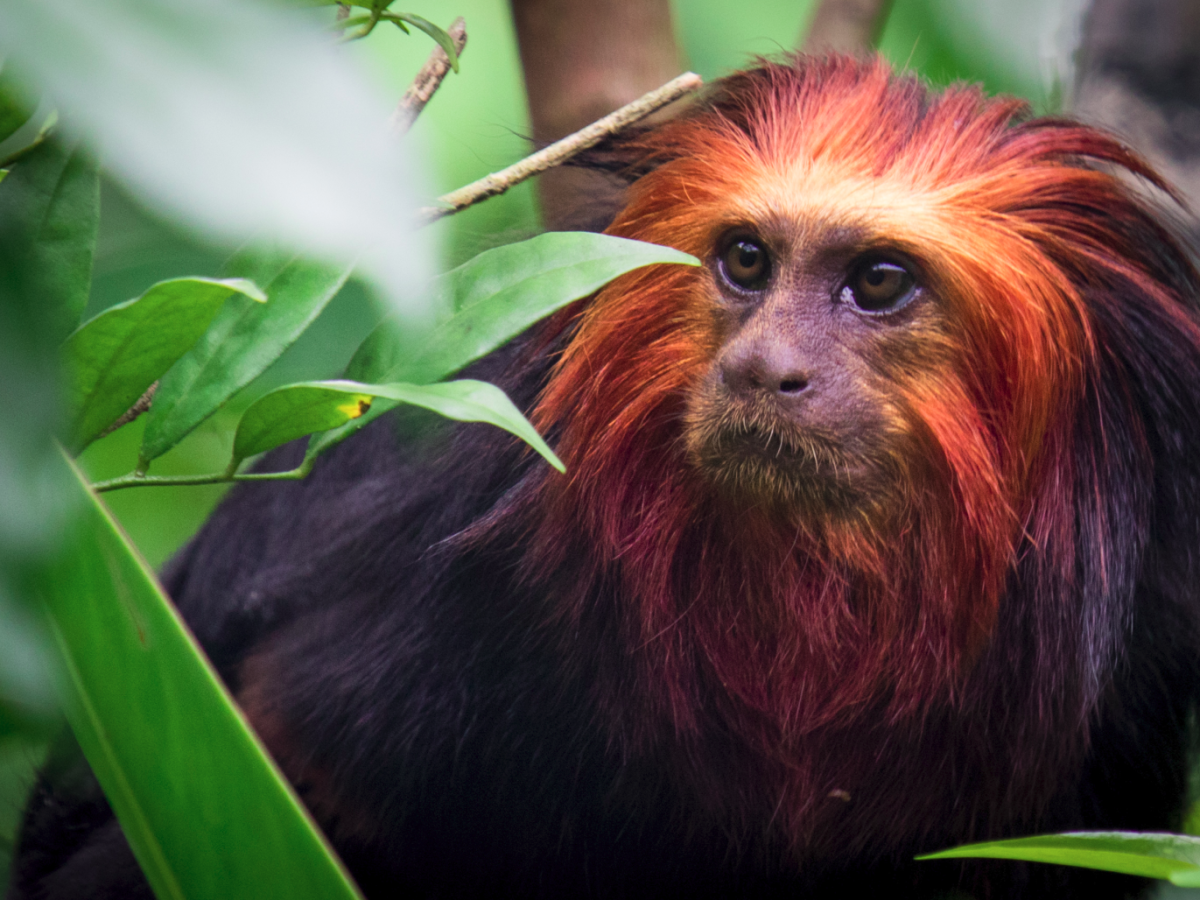


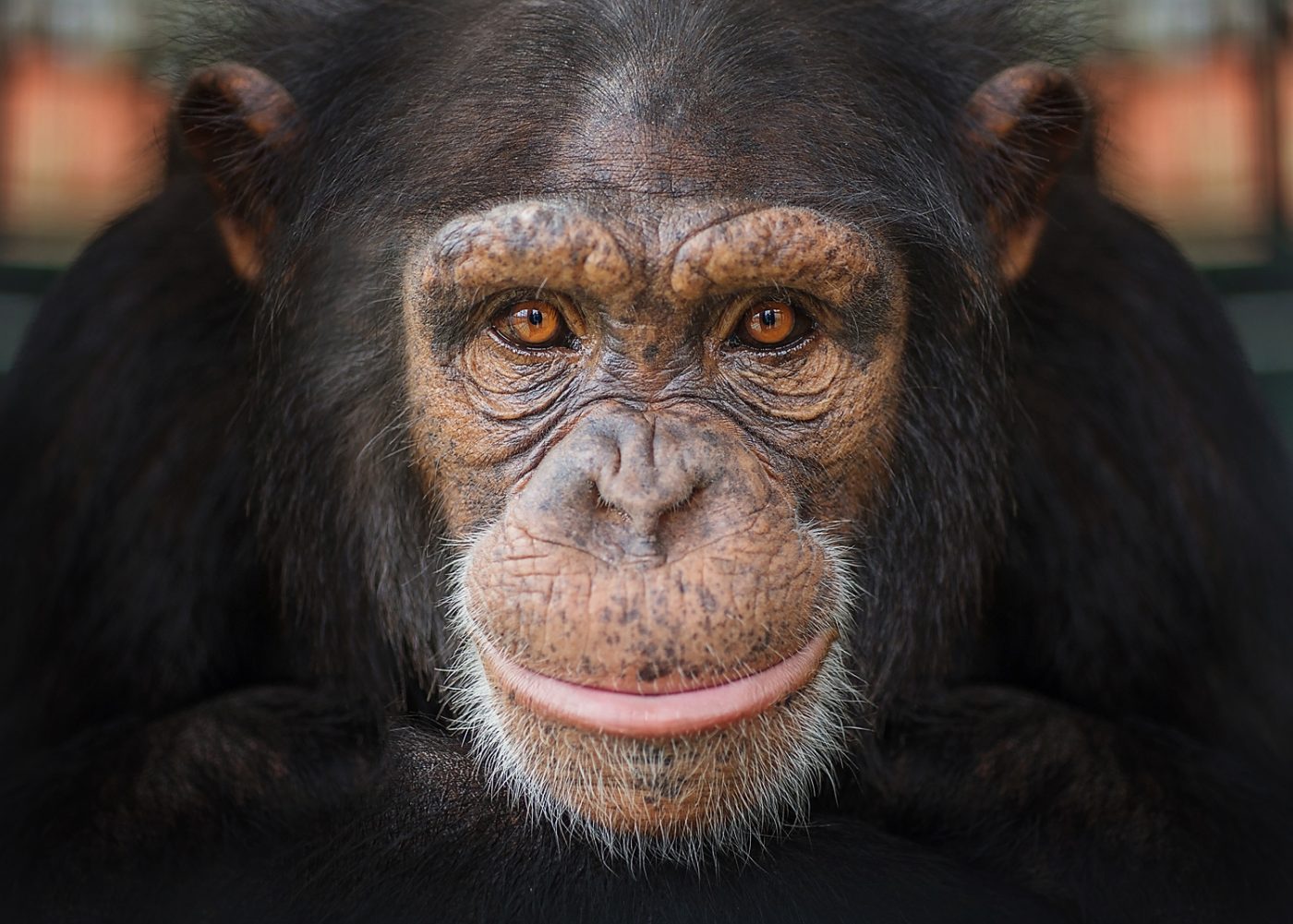


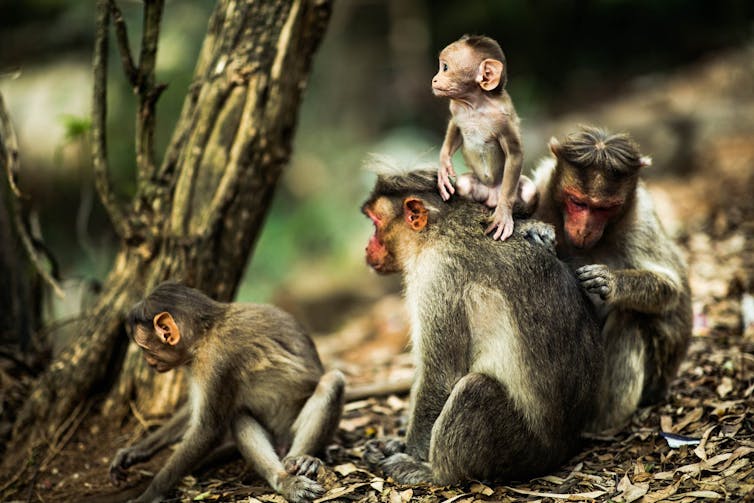
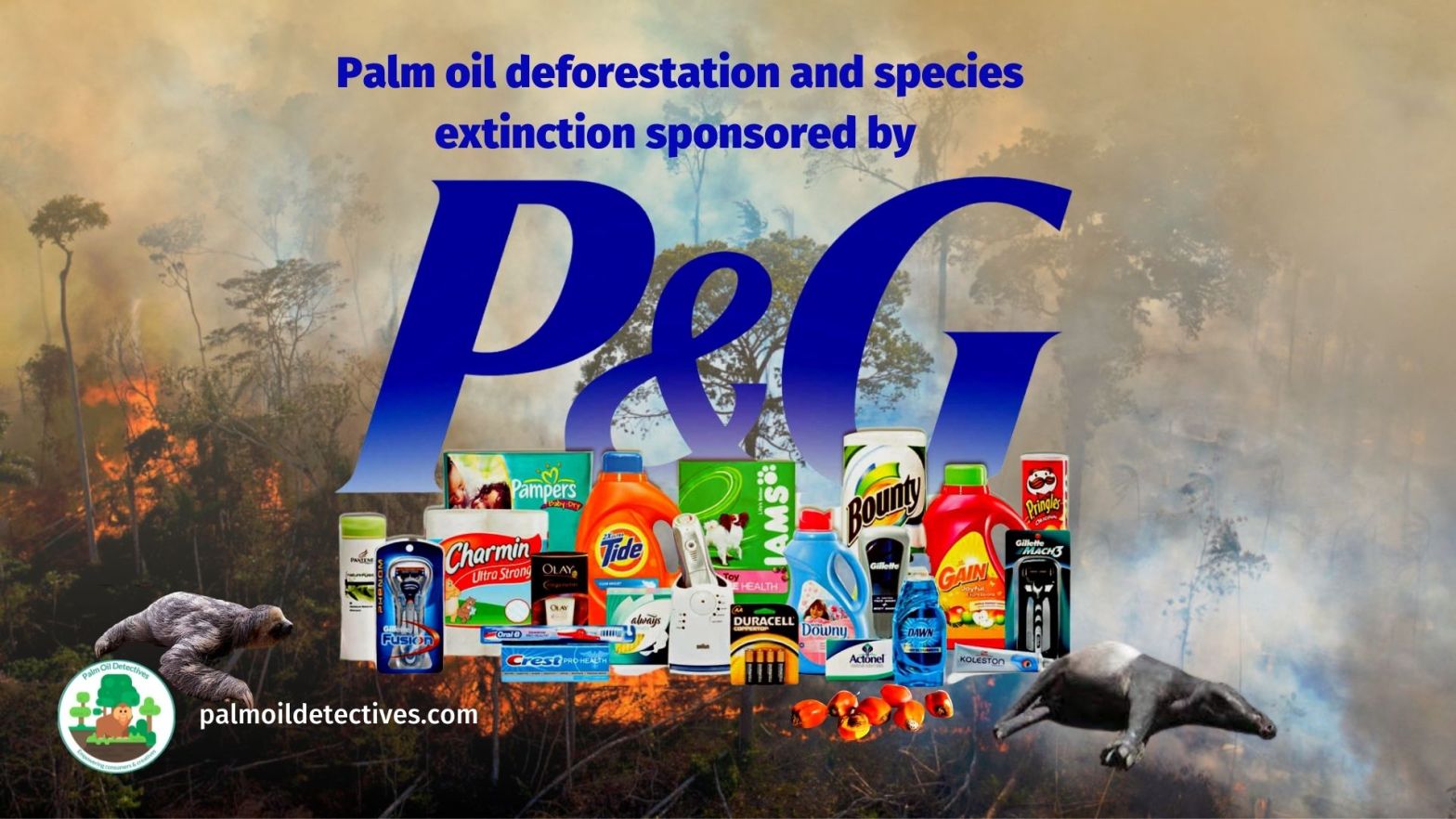

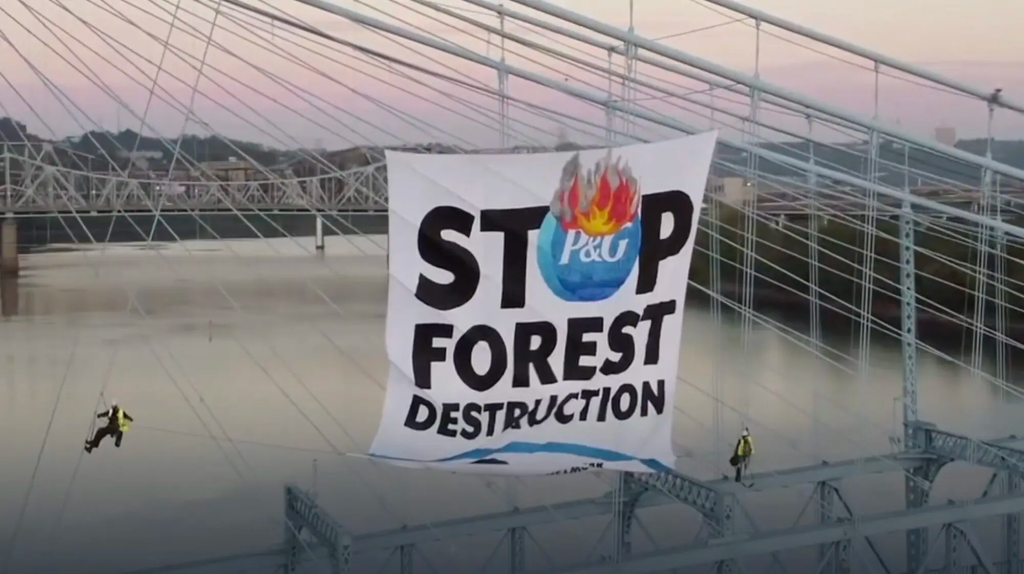
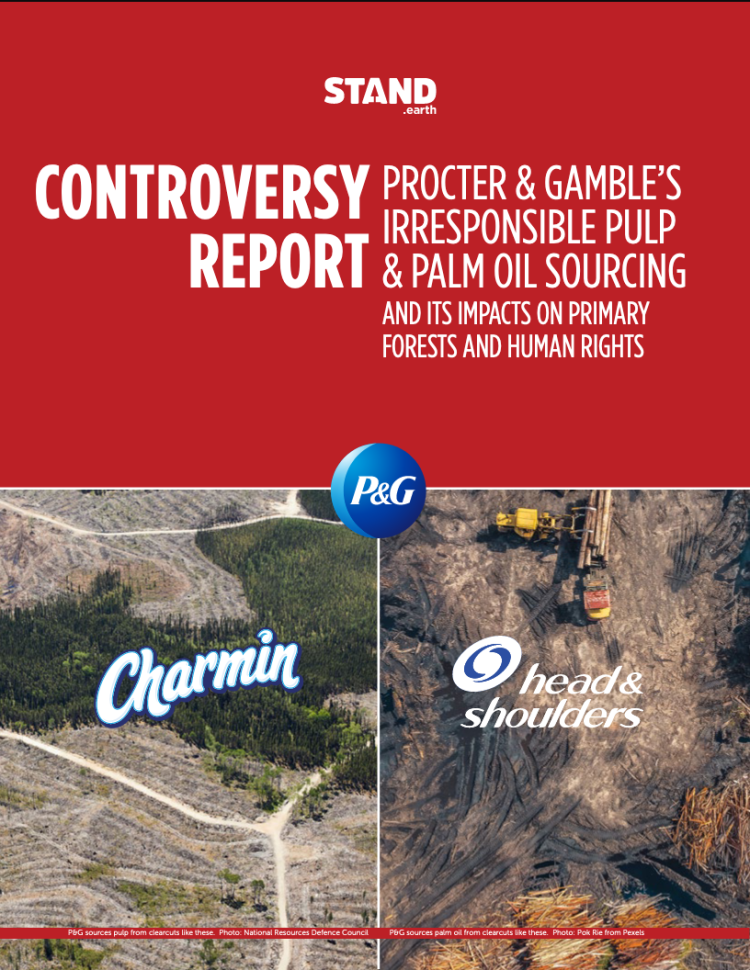


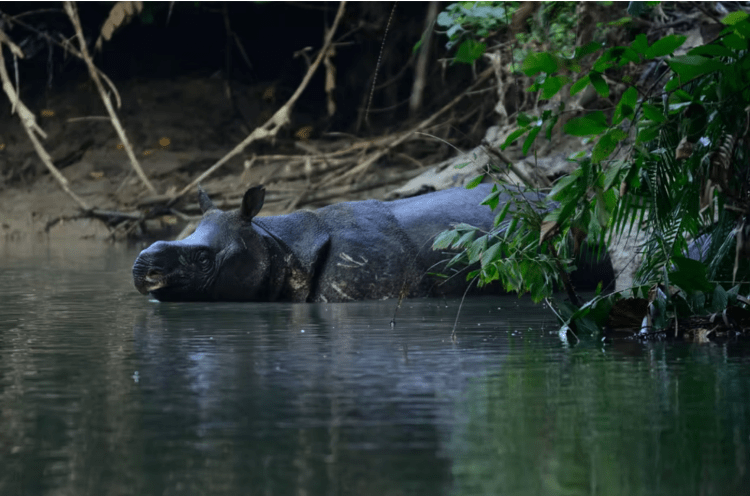
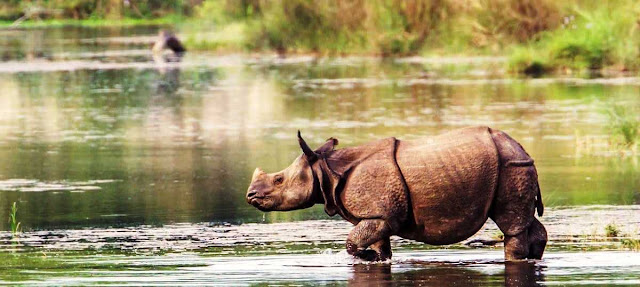
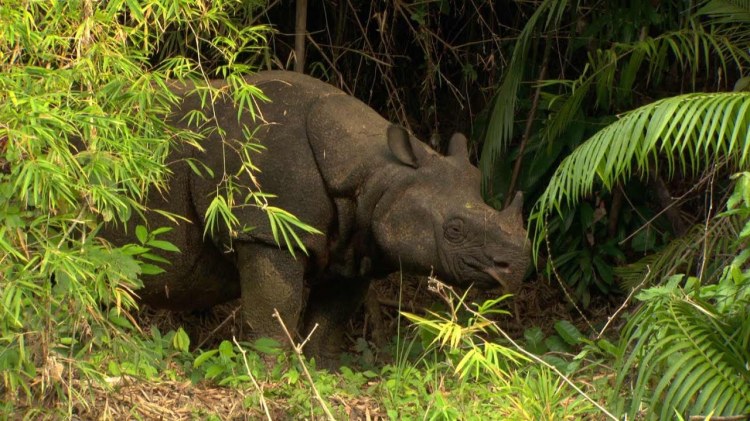
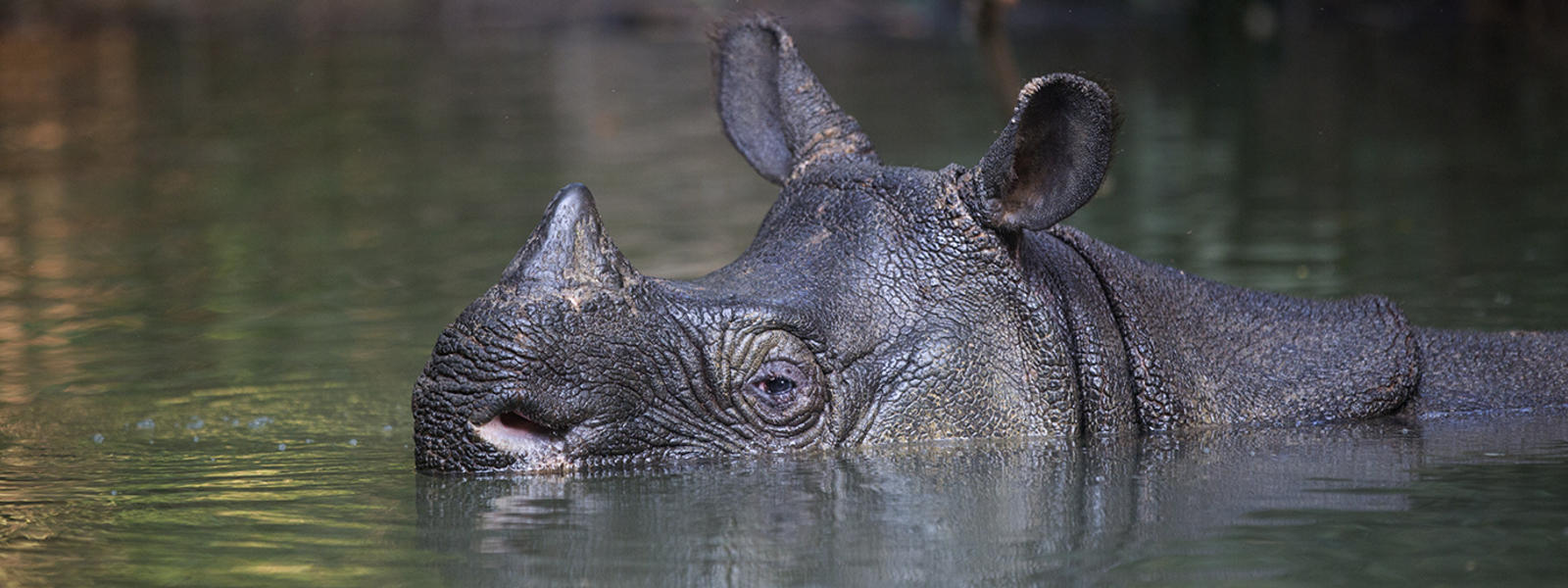
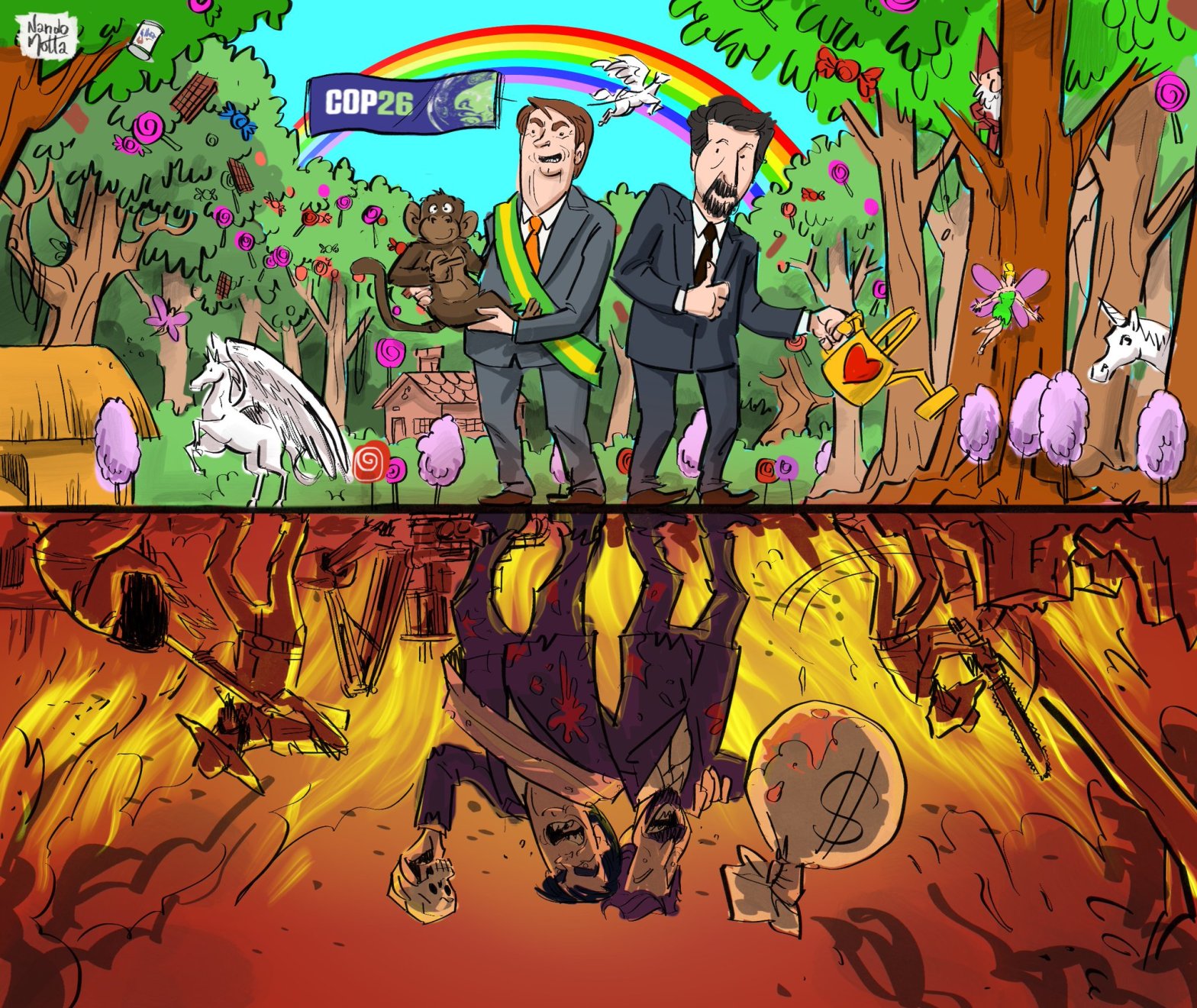





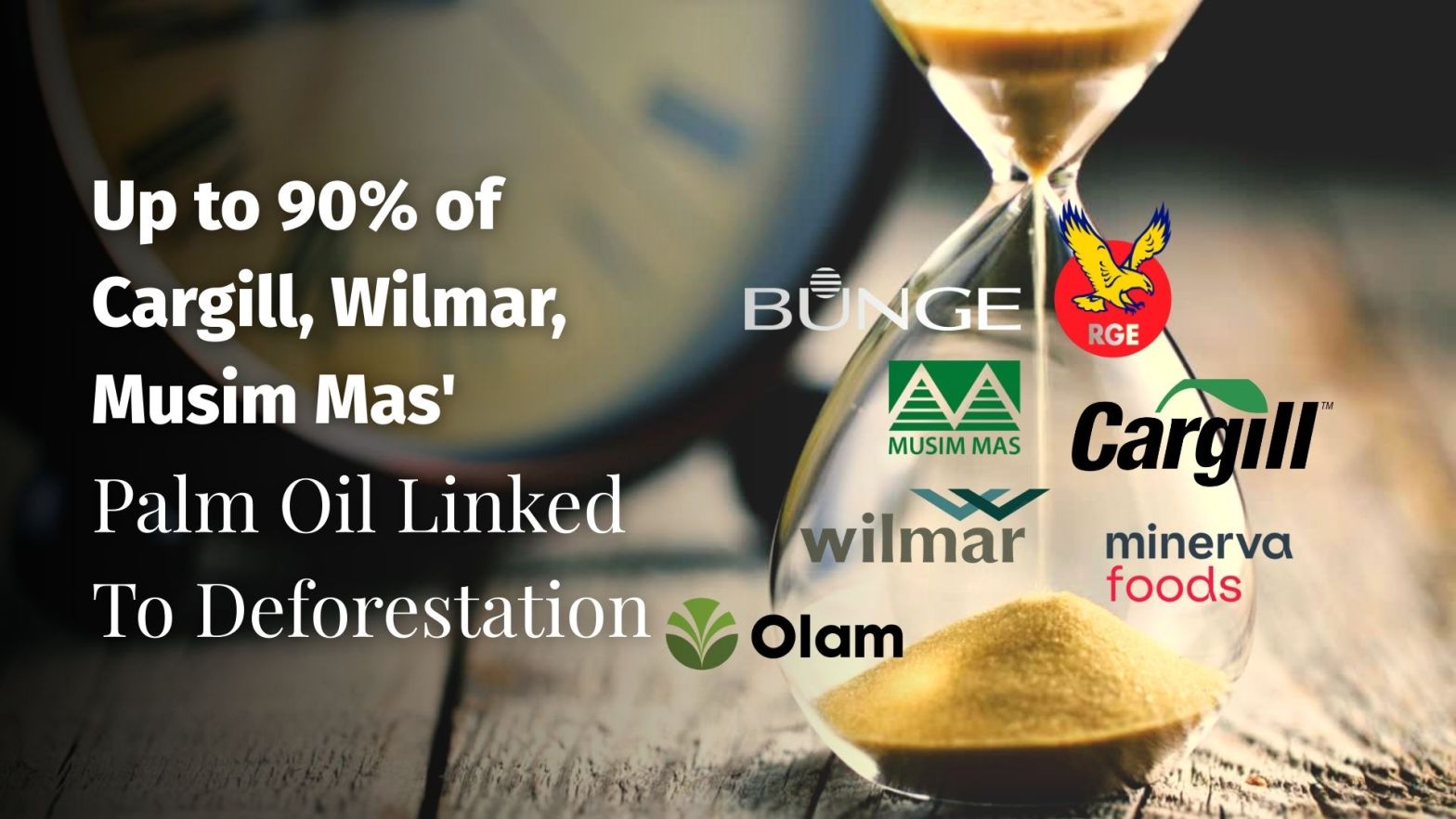
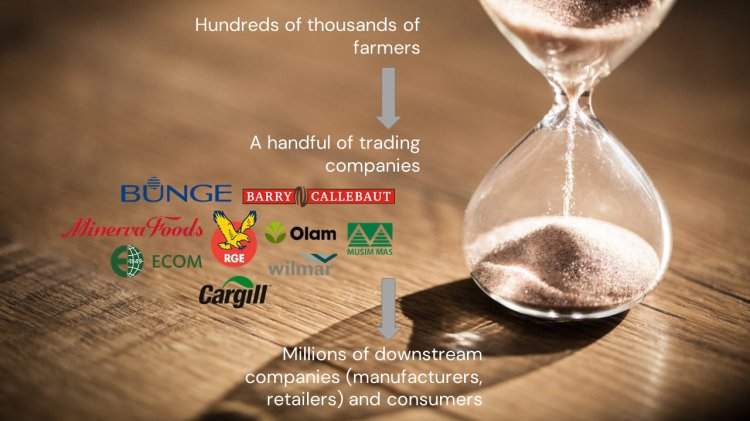
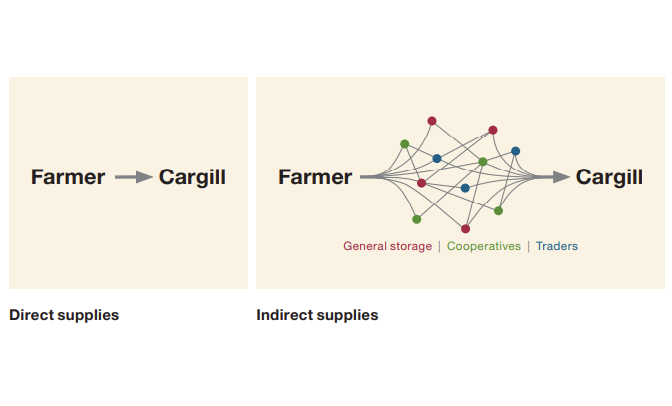
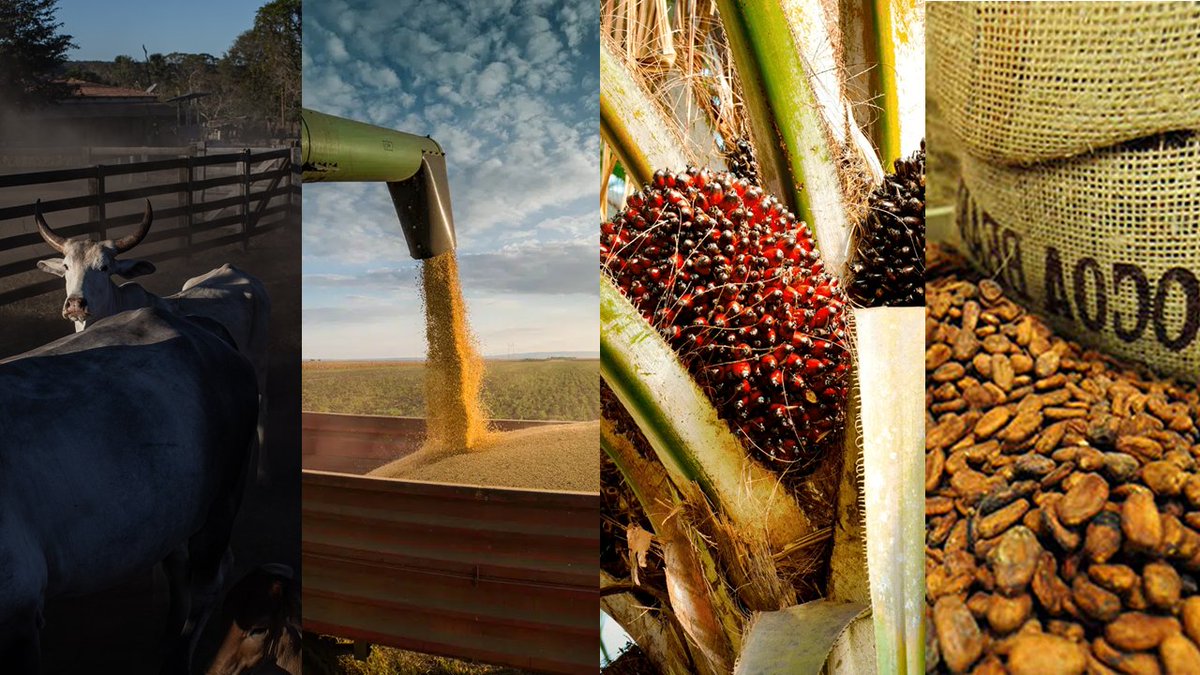
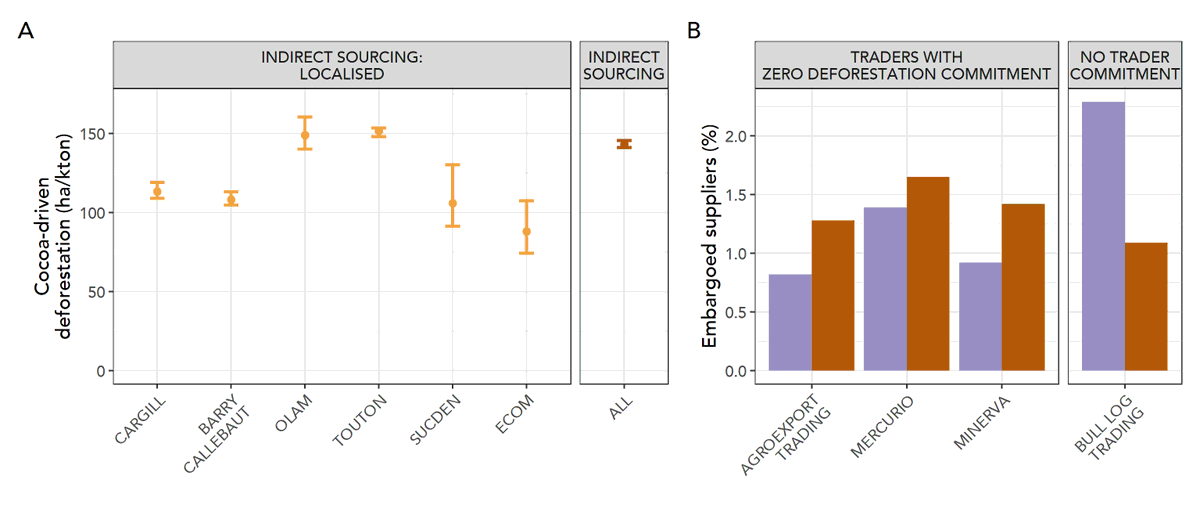
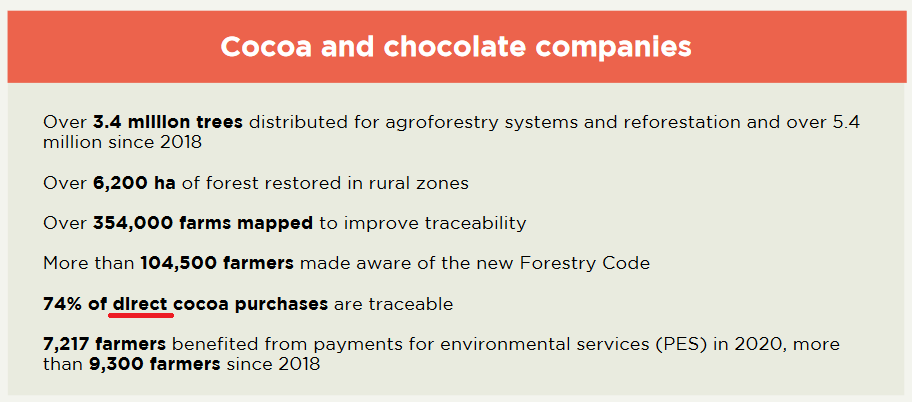
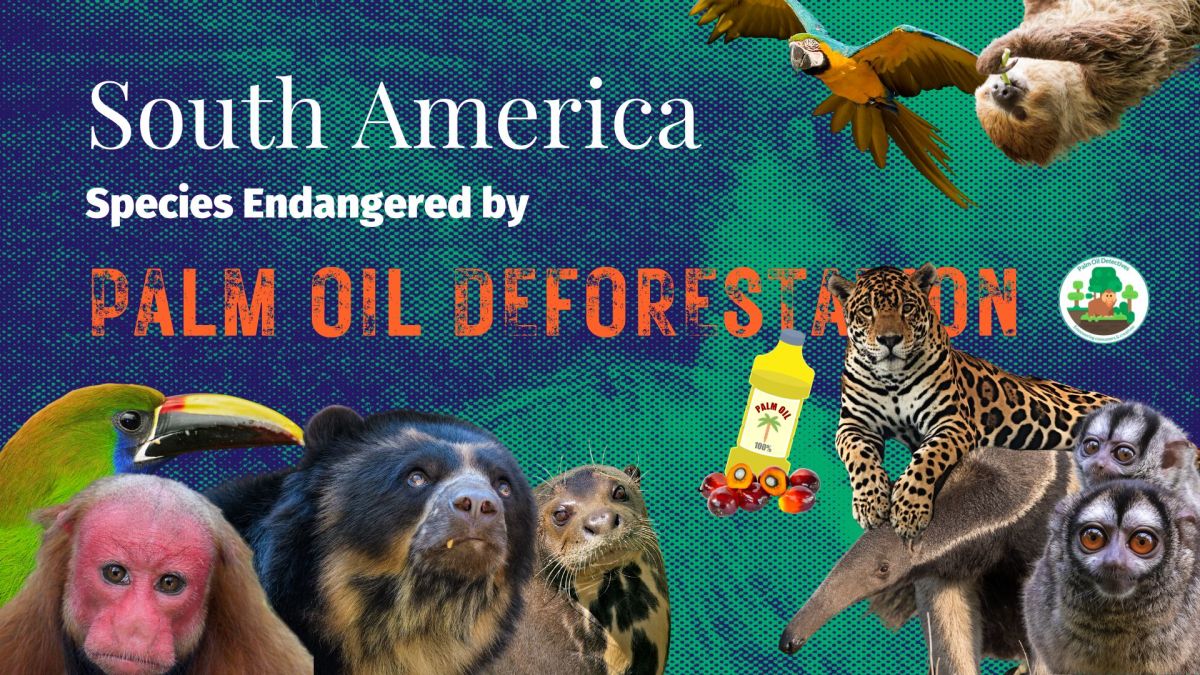
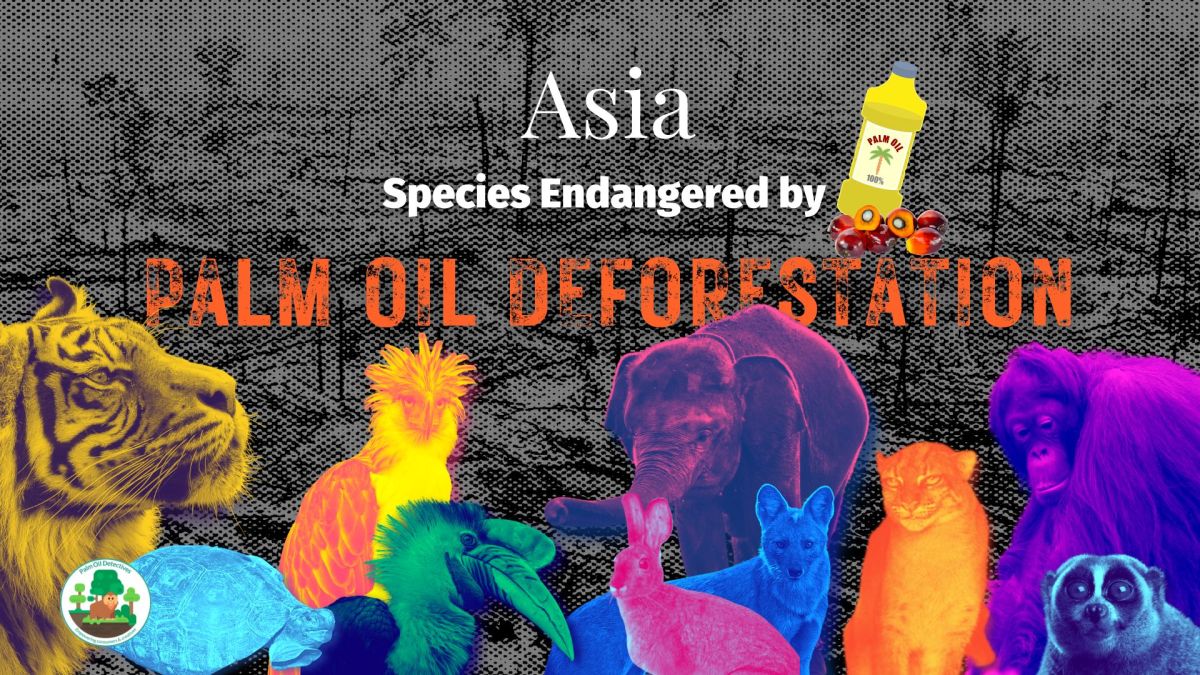
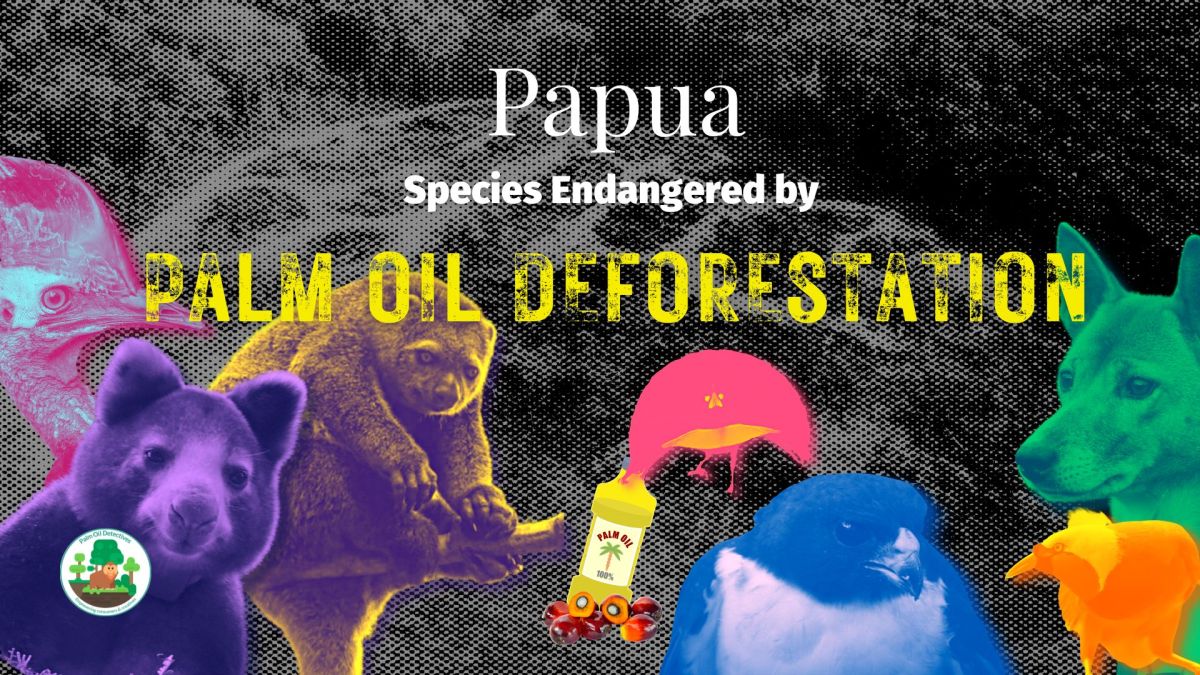
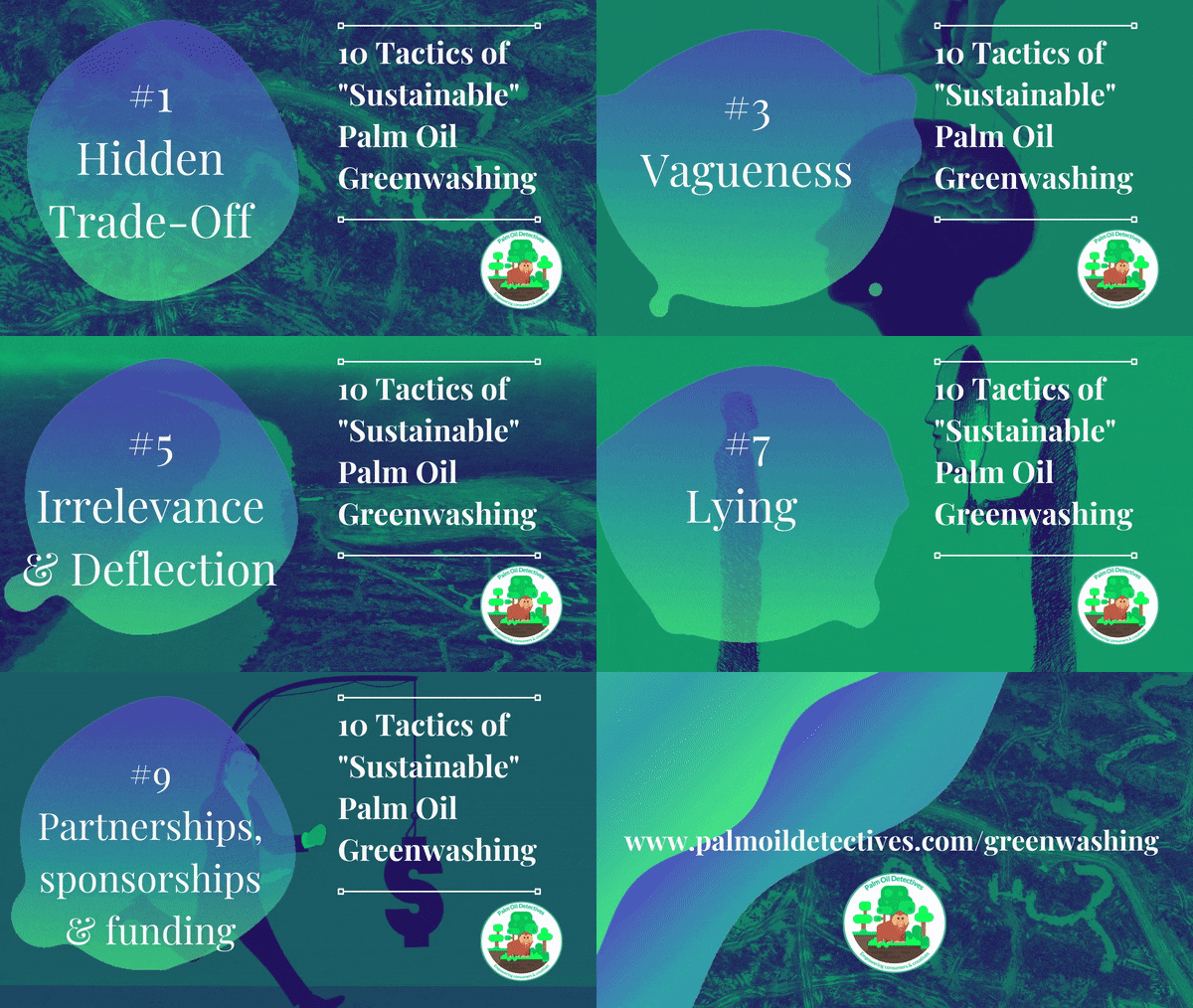






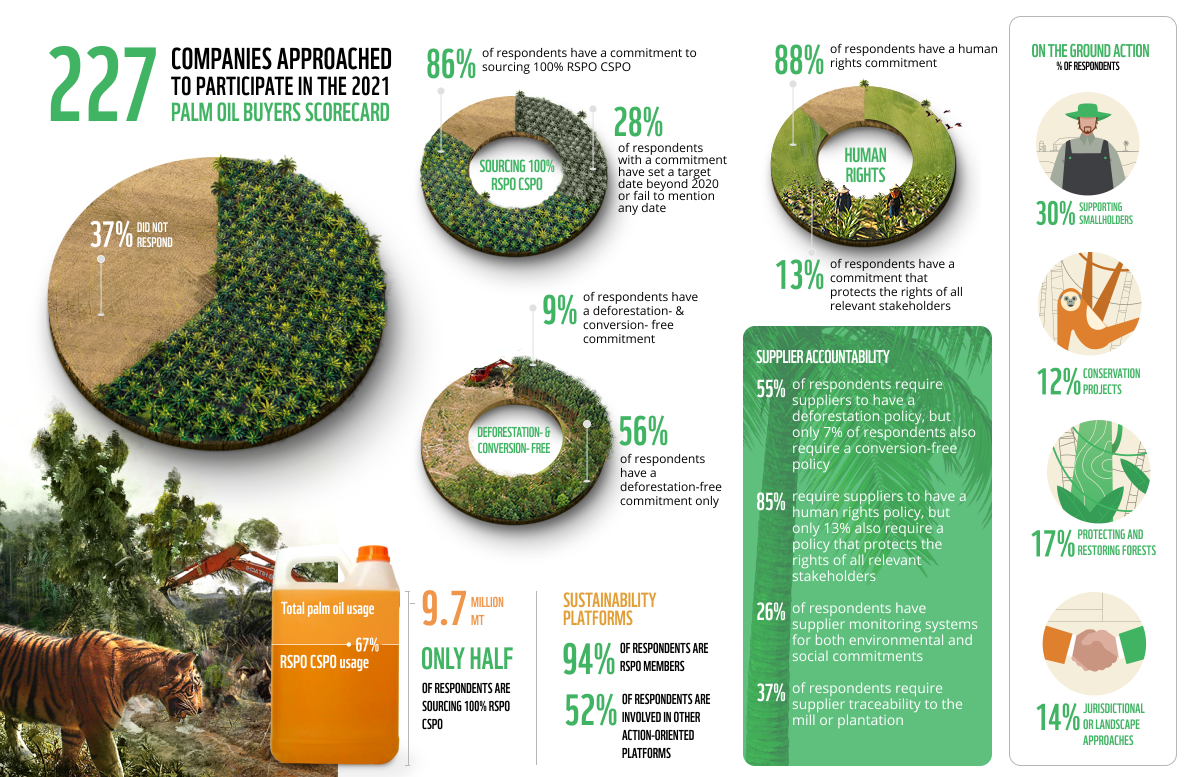





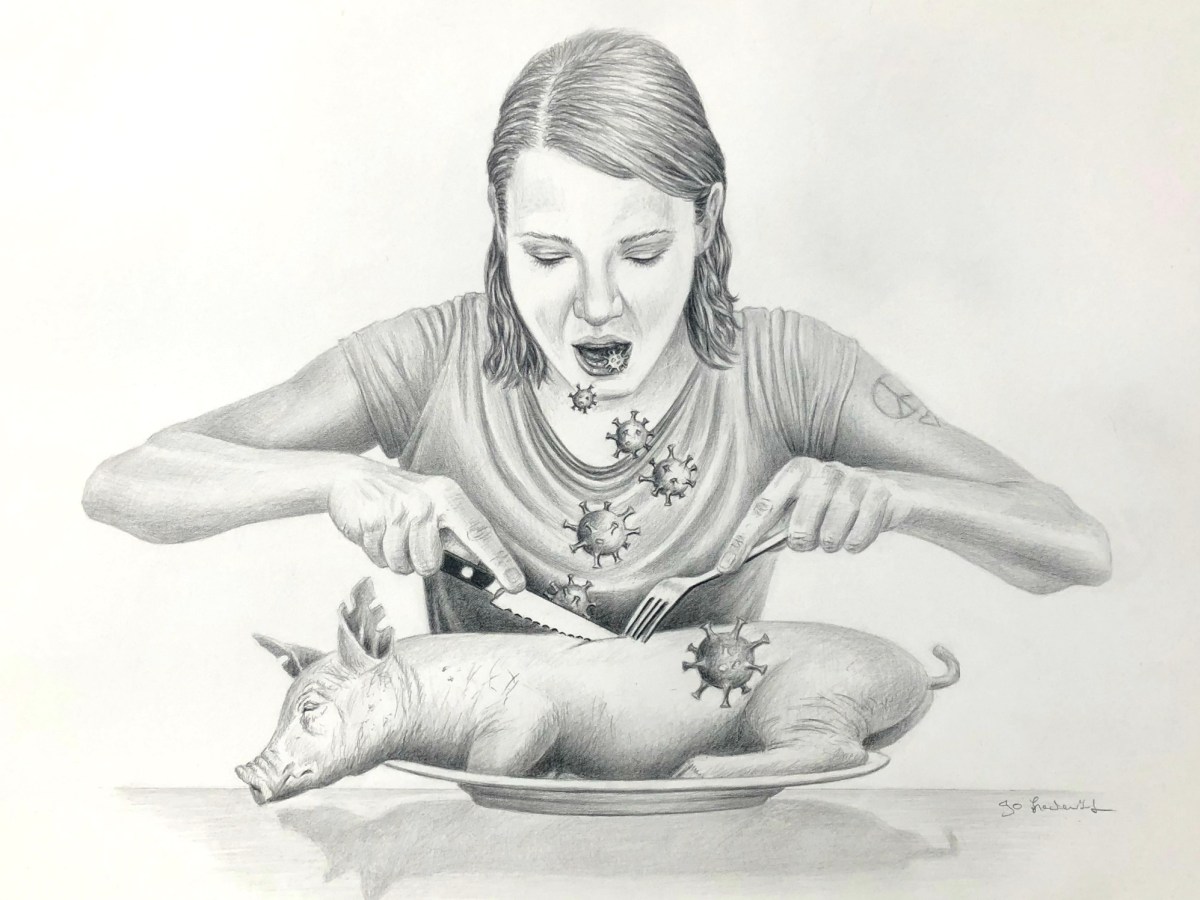
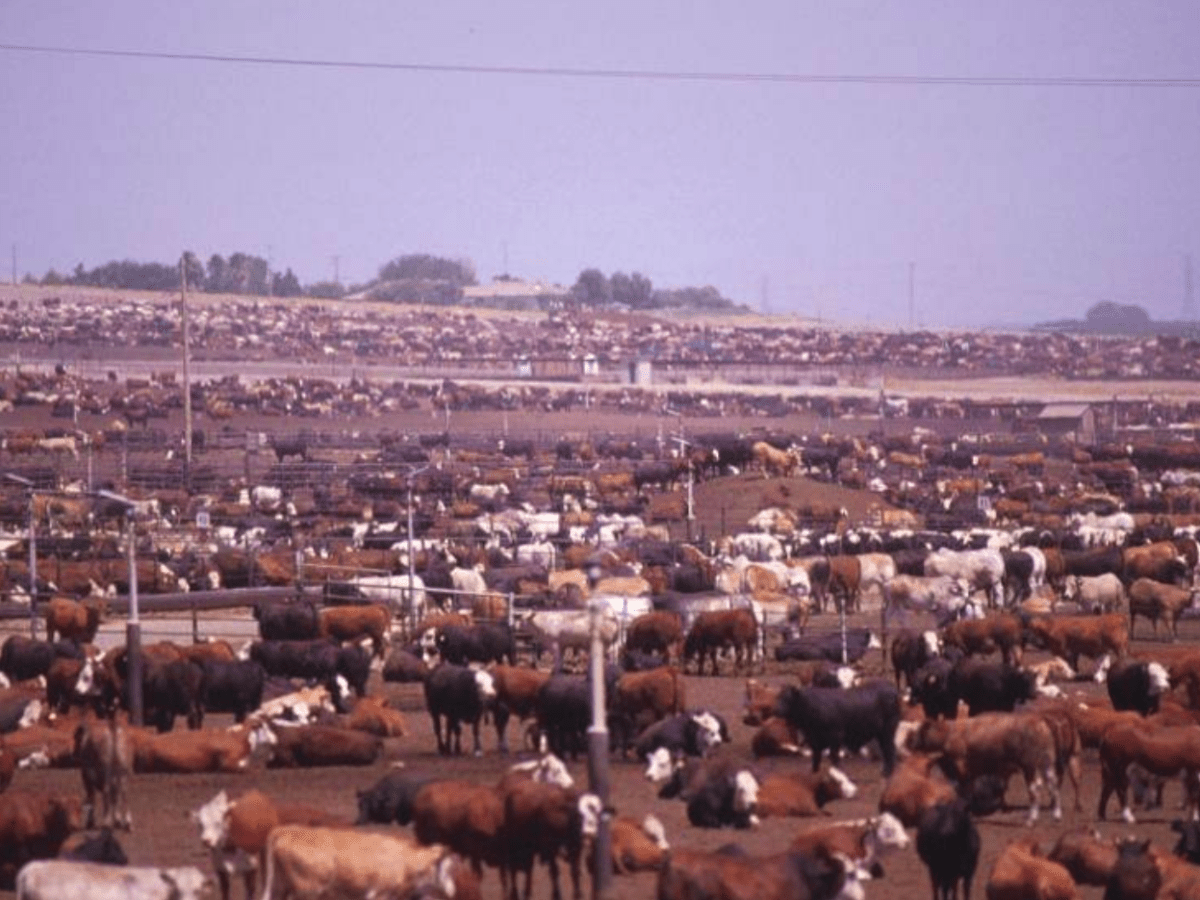
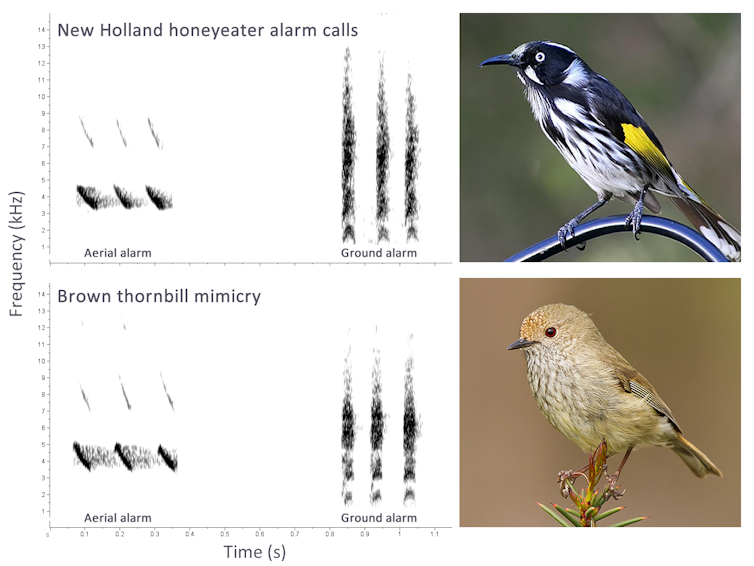

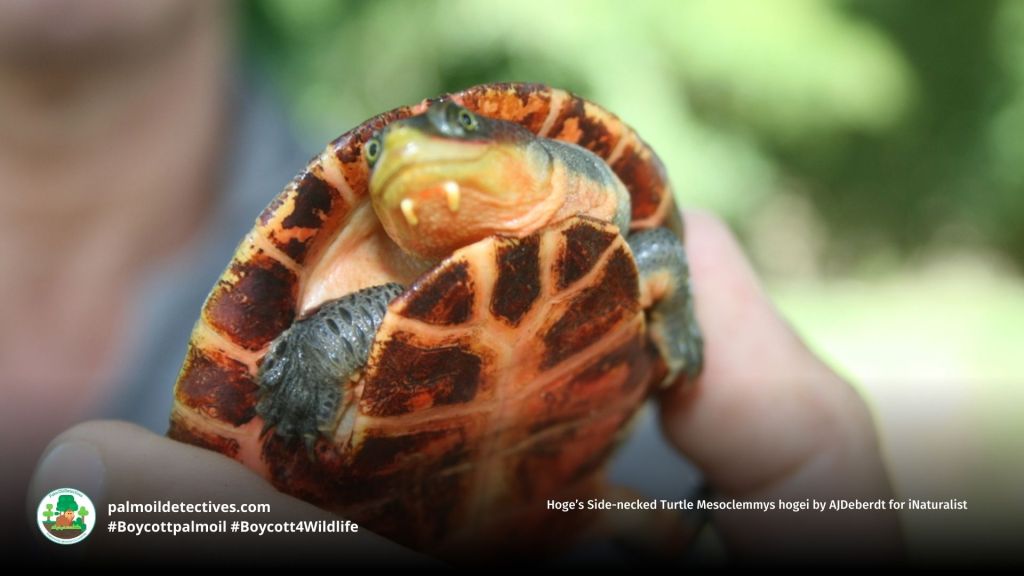
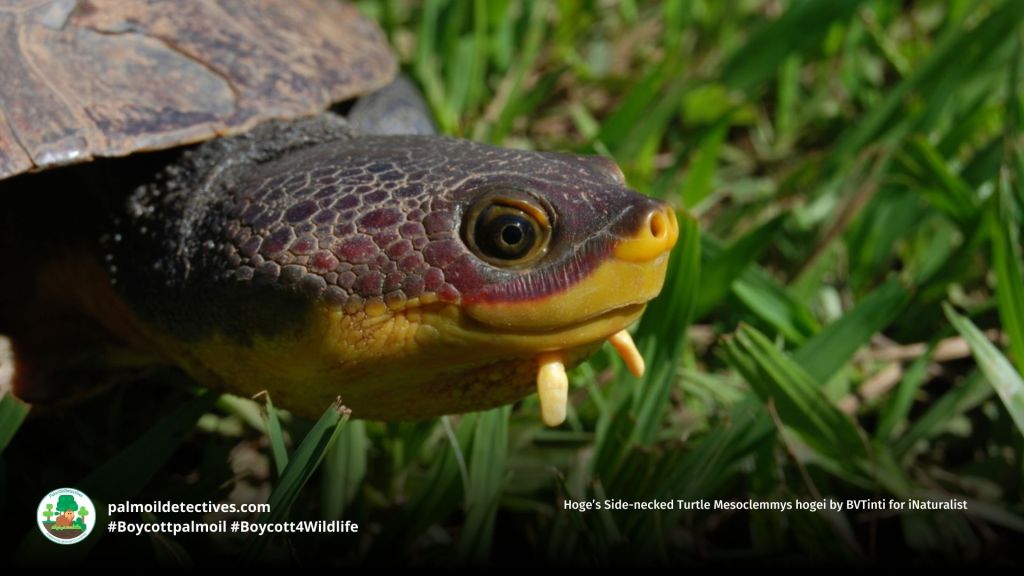
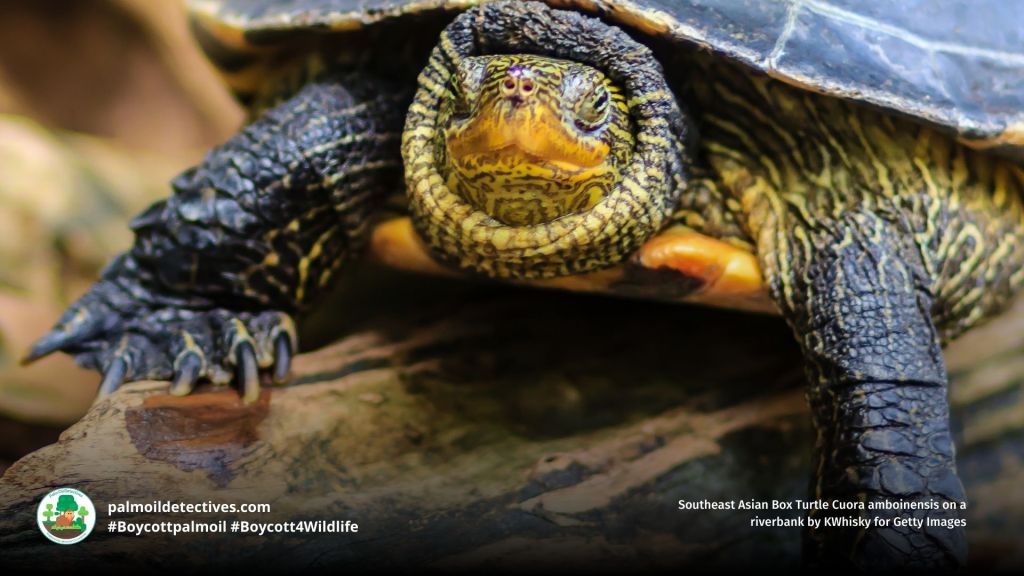

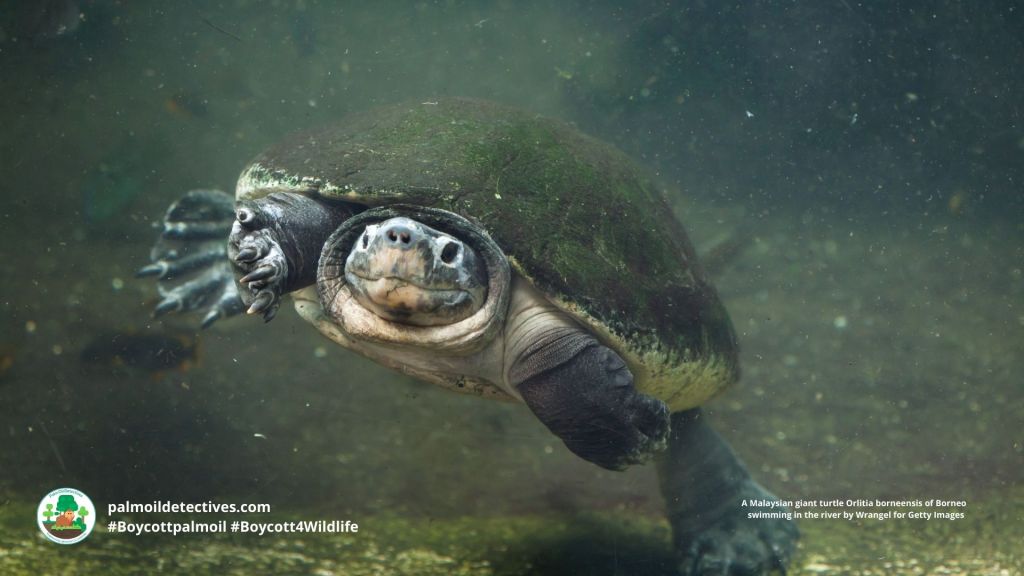

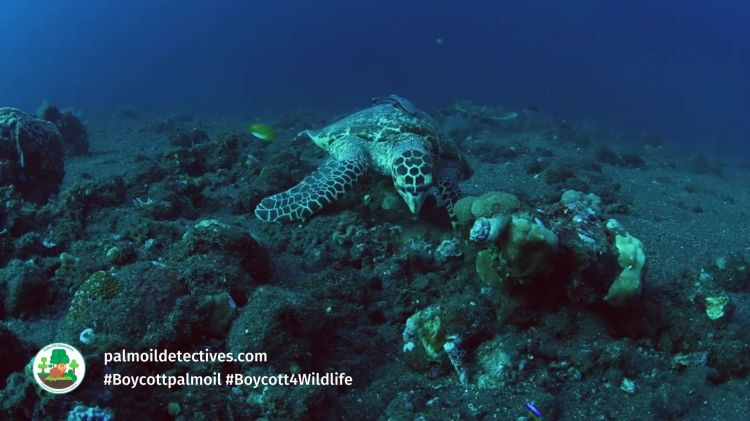

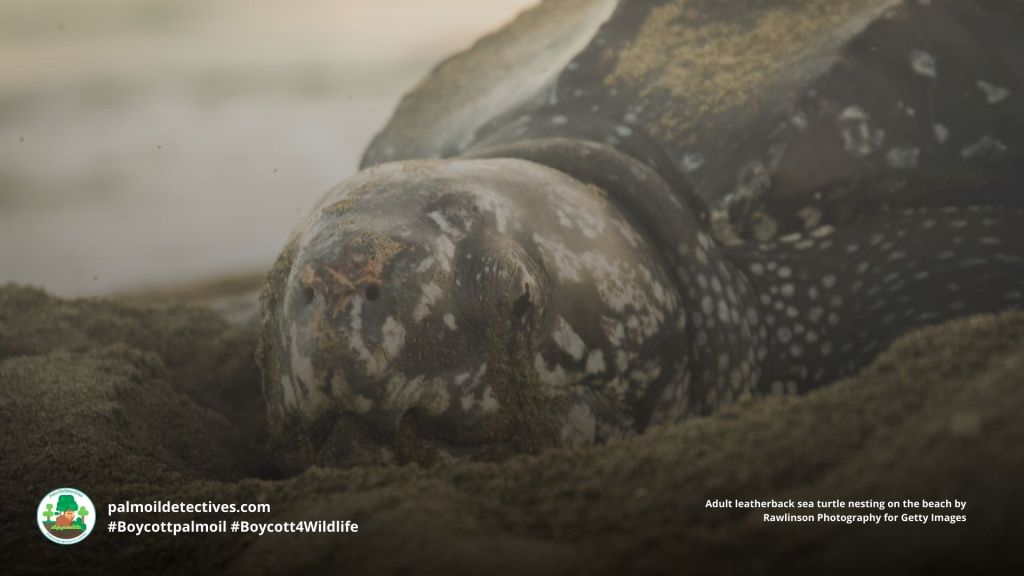

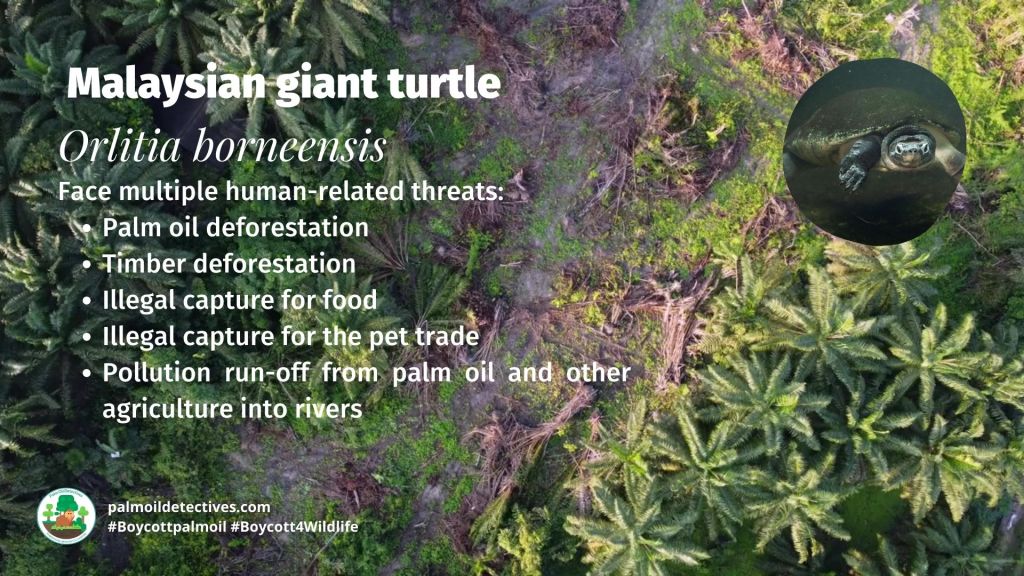
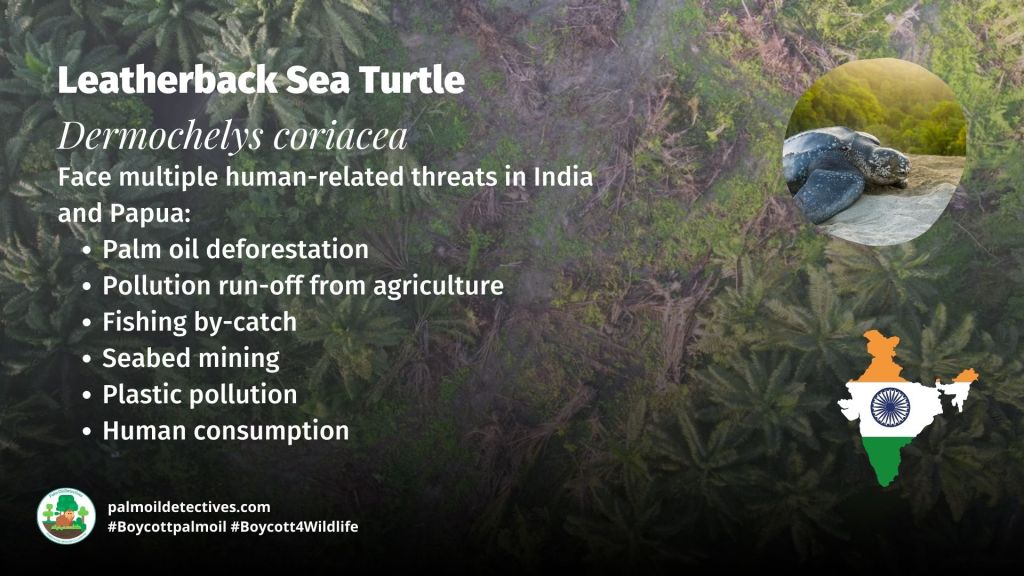

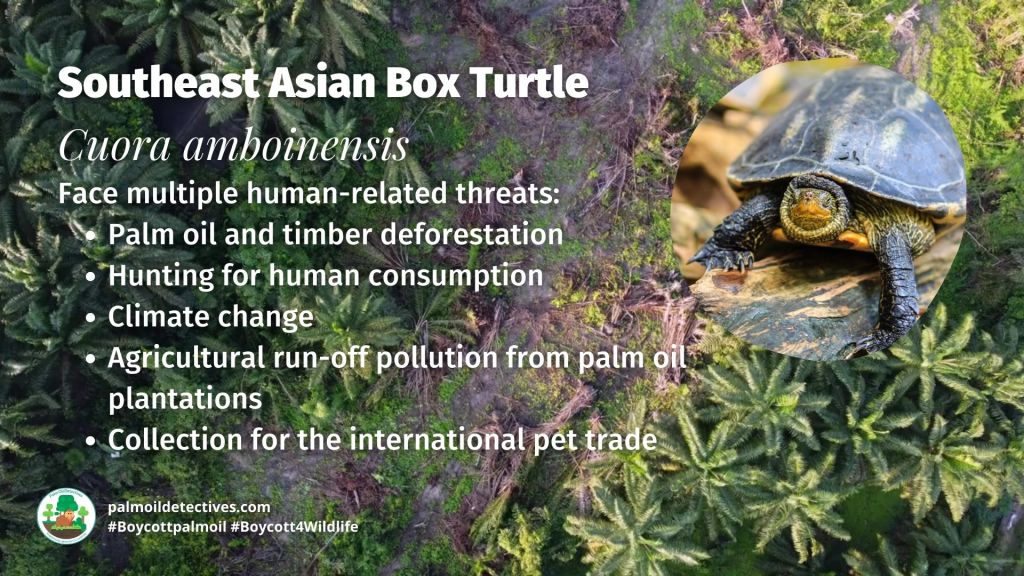




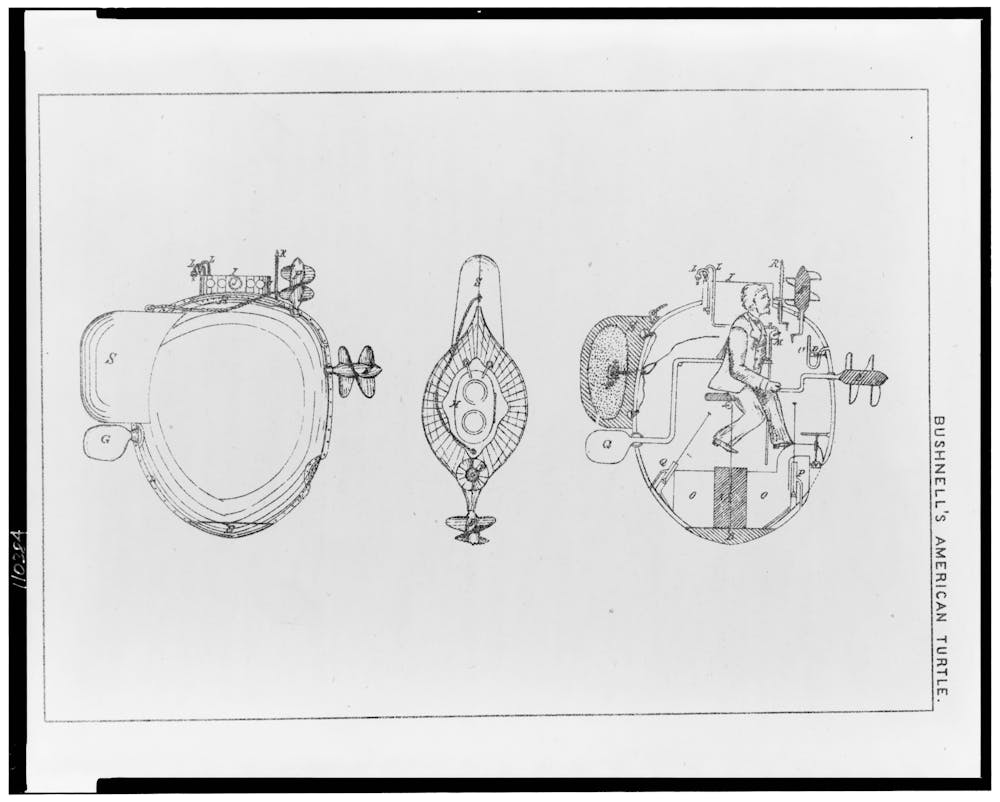
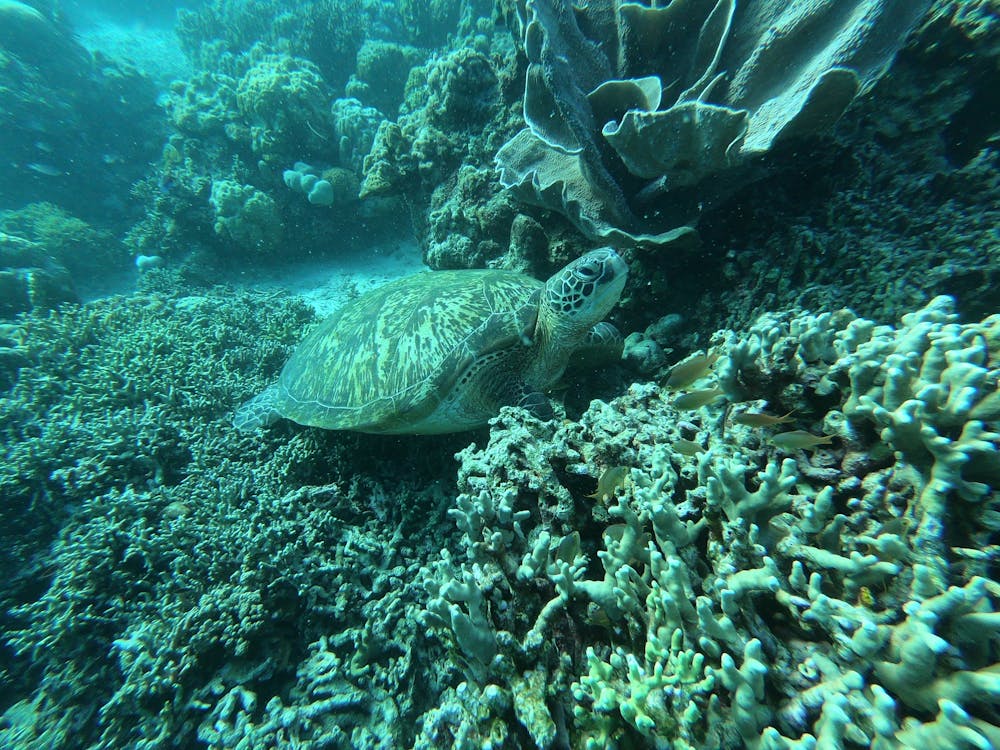
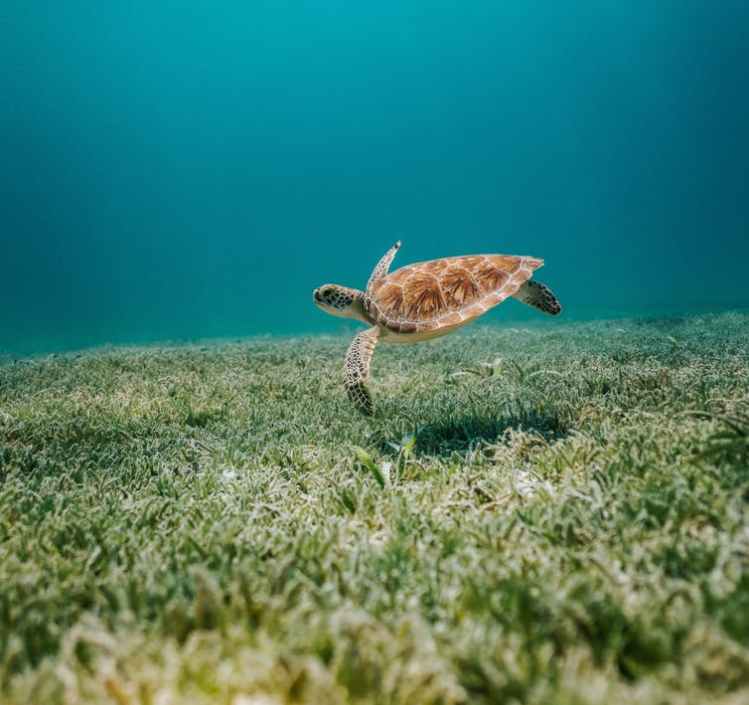
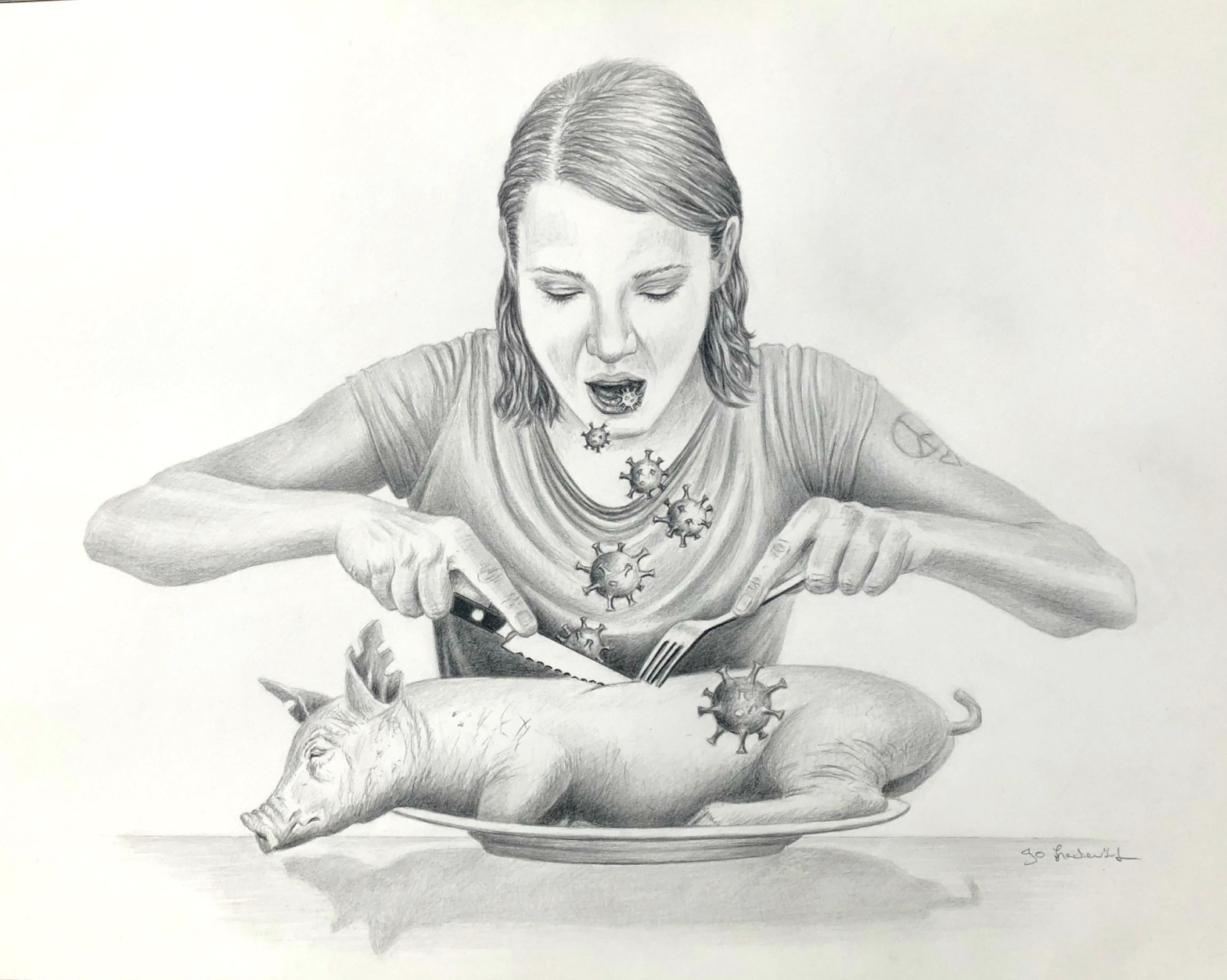
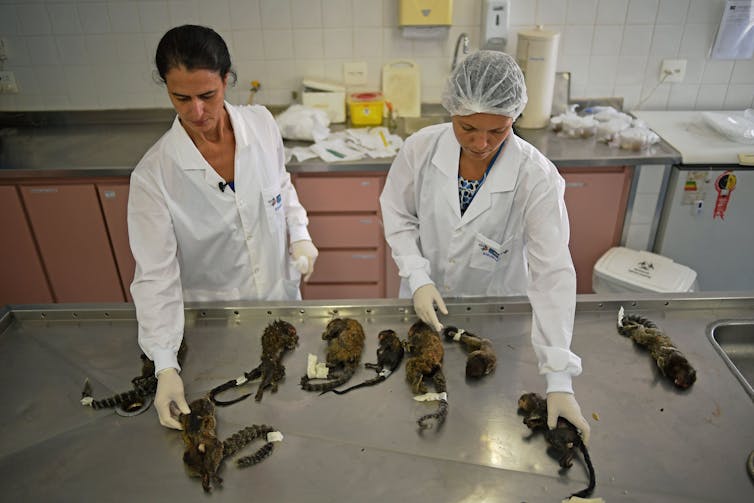
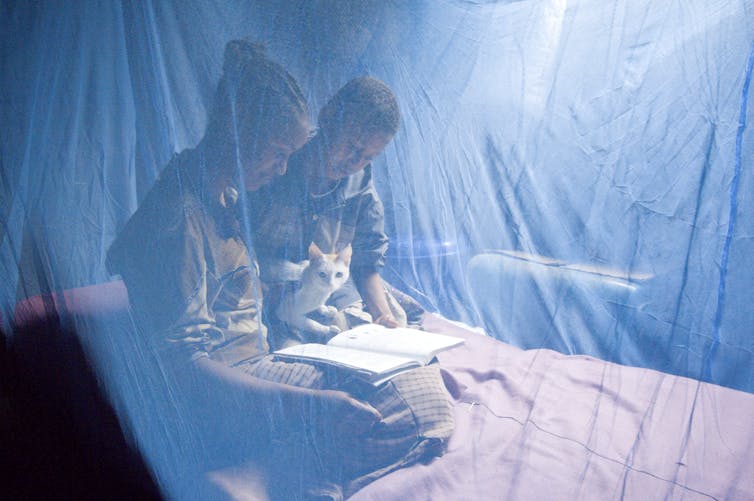
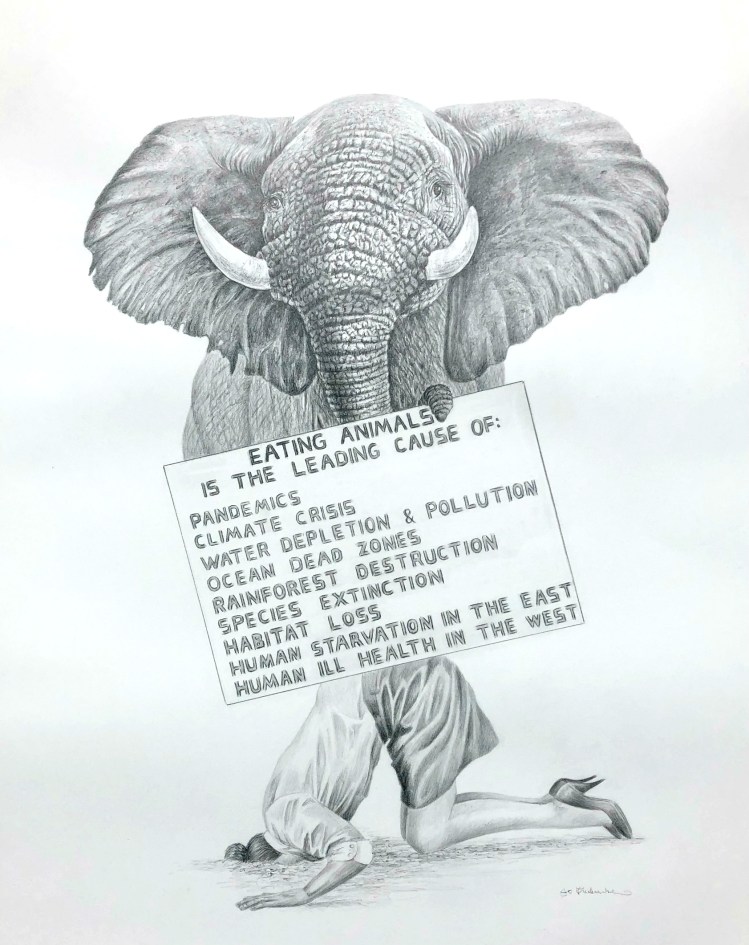
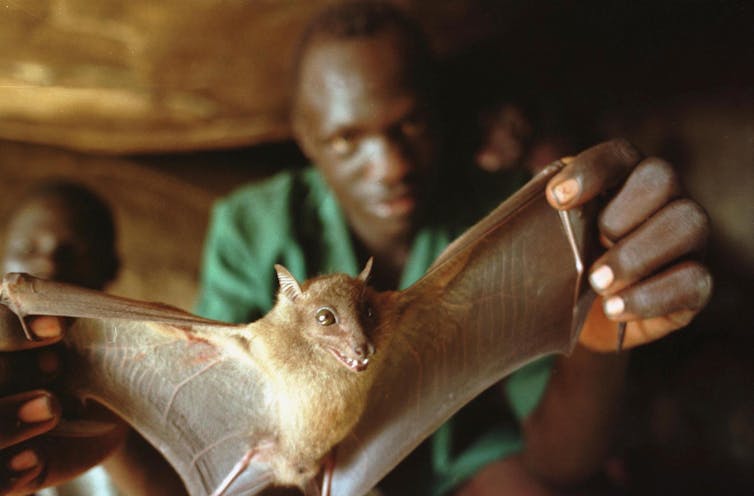


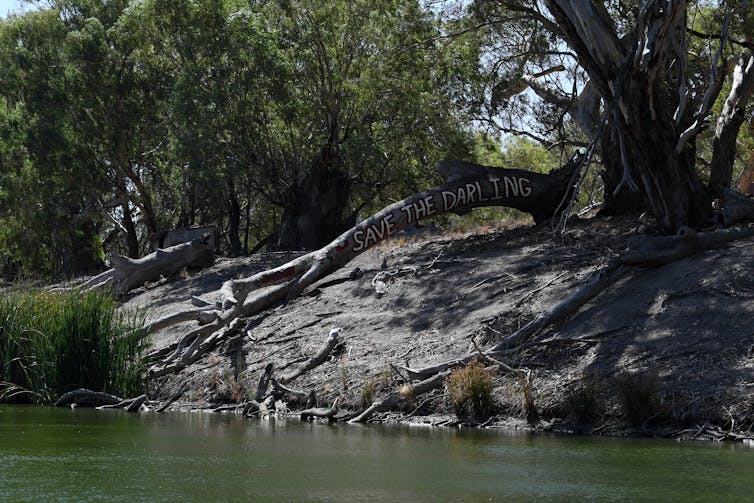
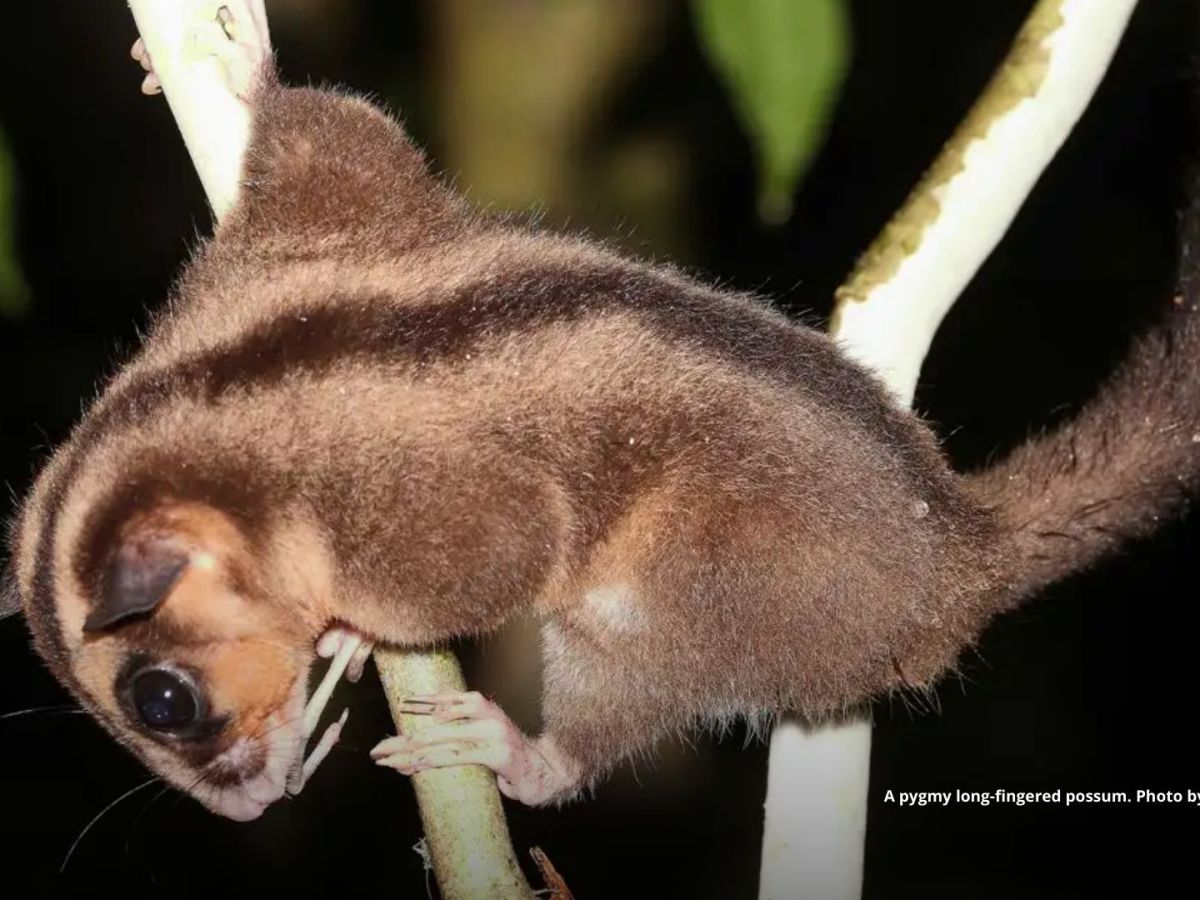

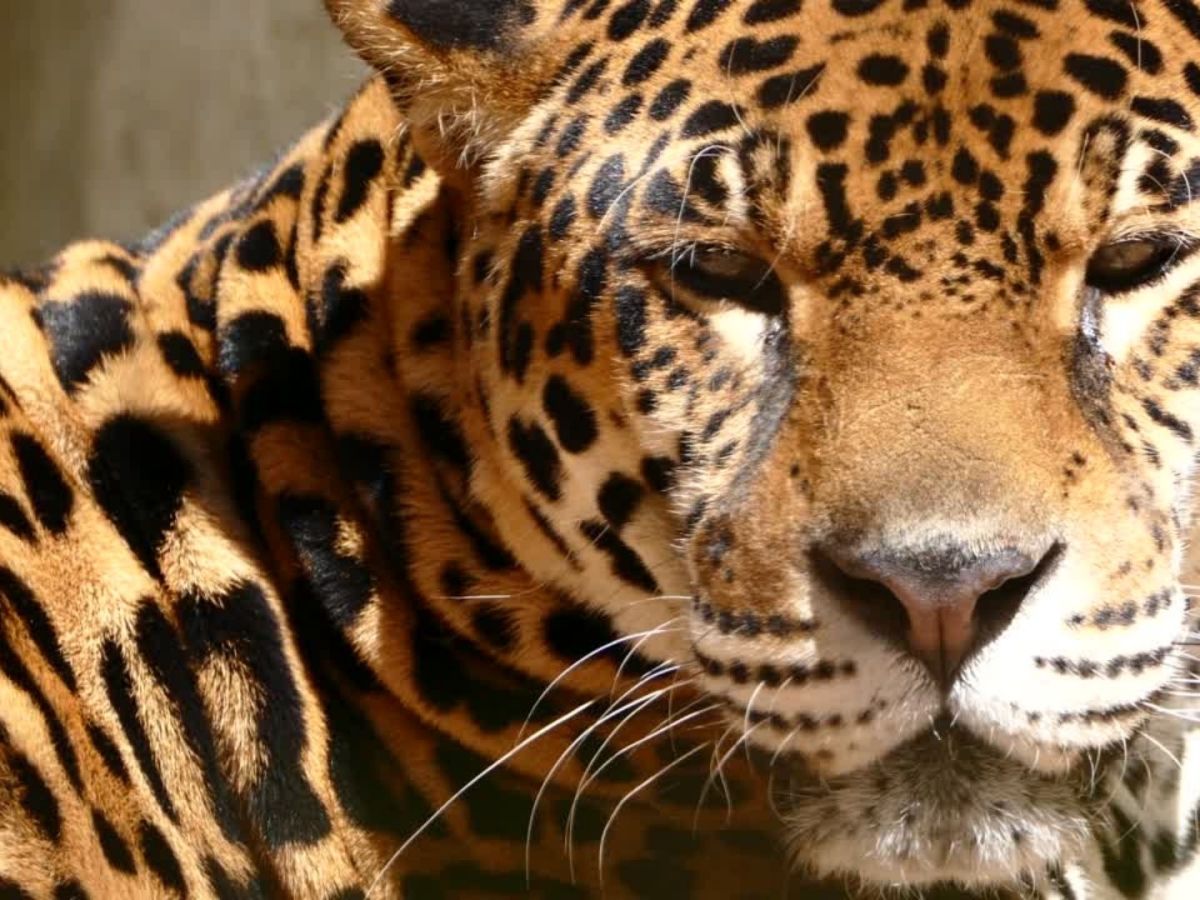

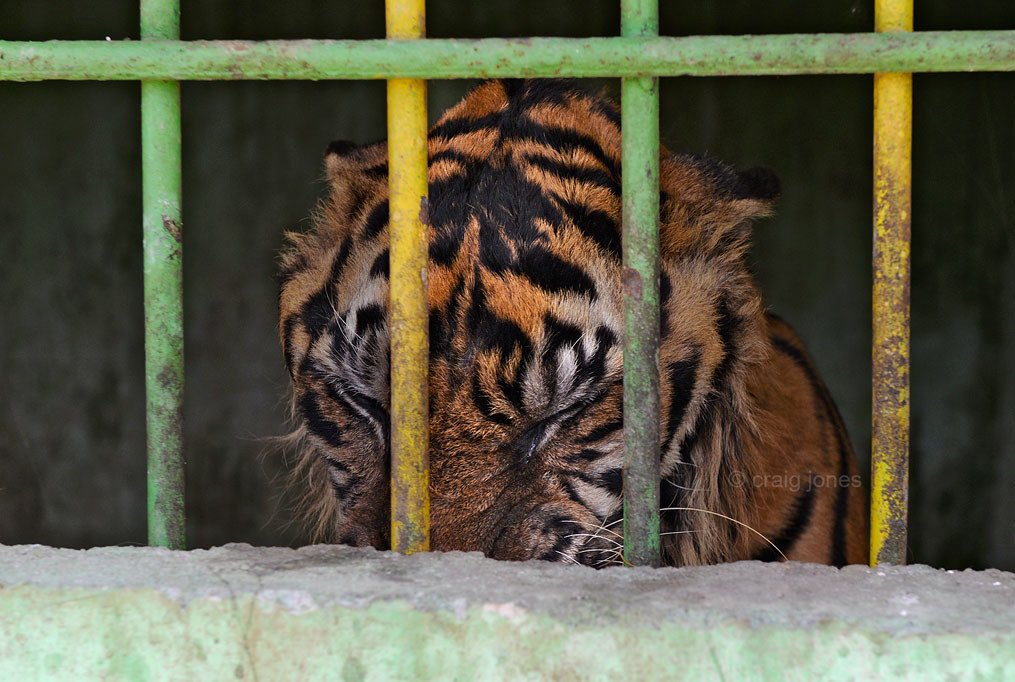
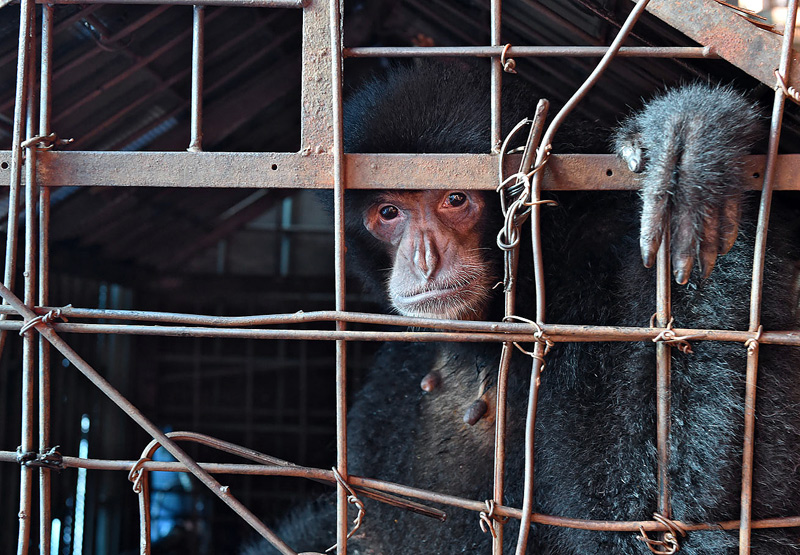
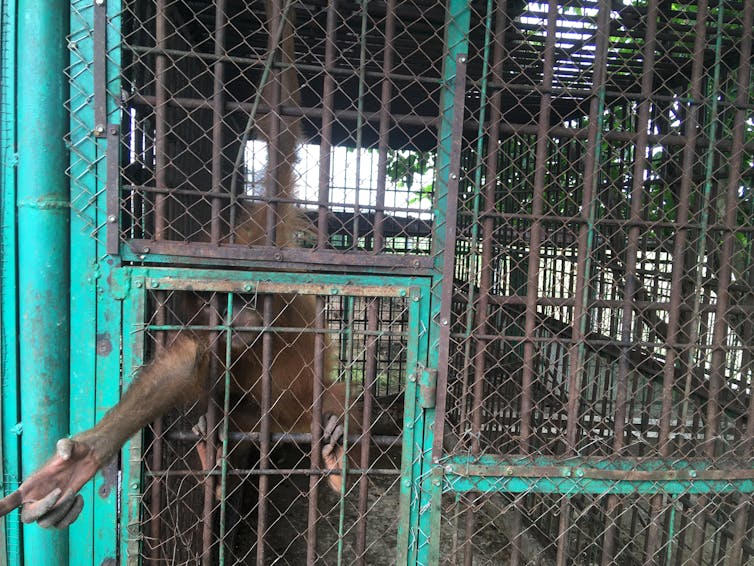
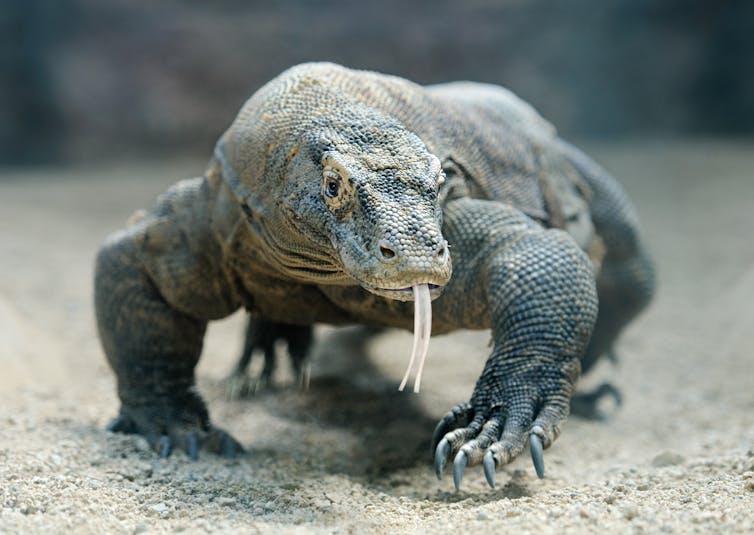
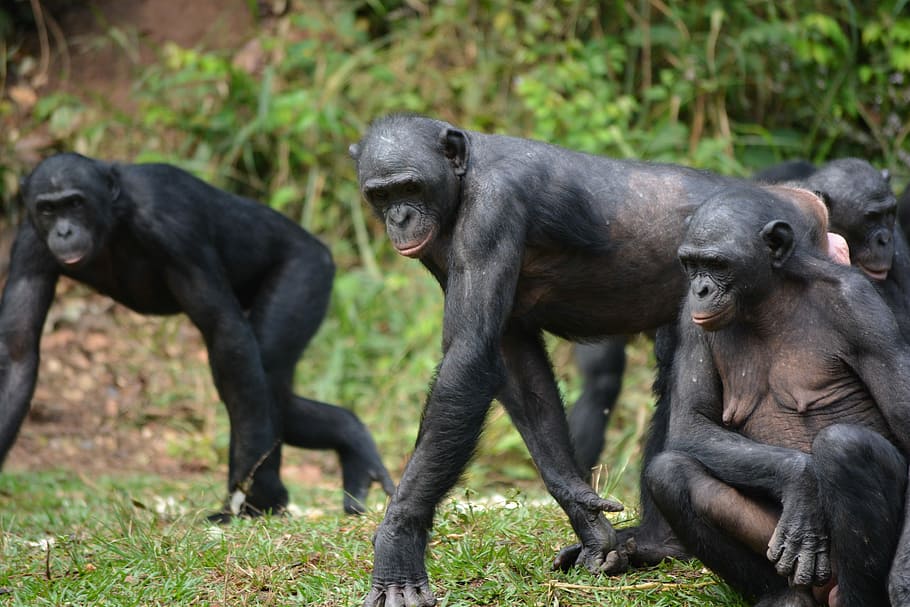

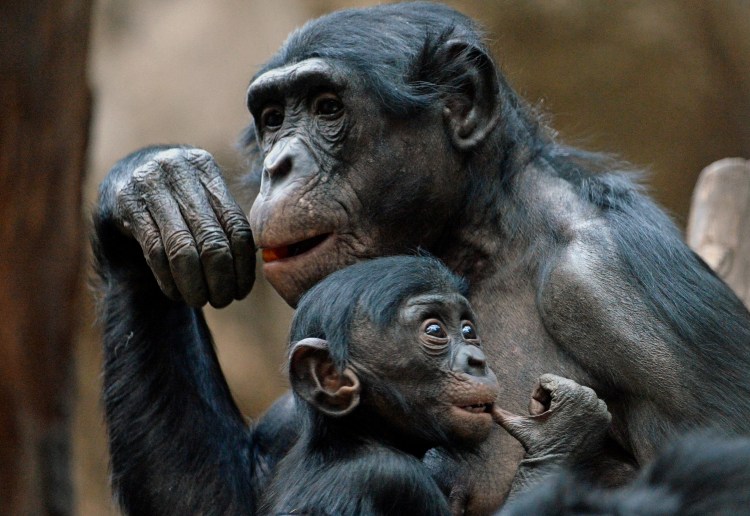
 Palm Oil Detectives