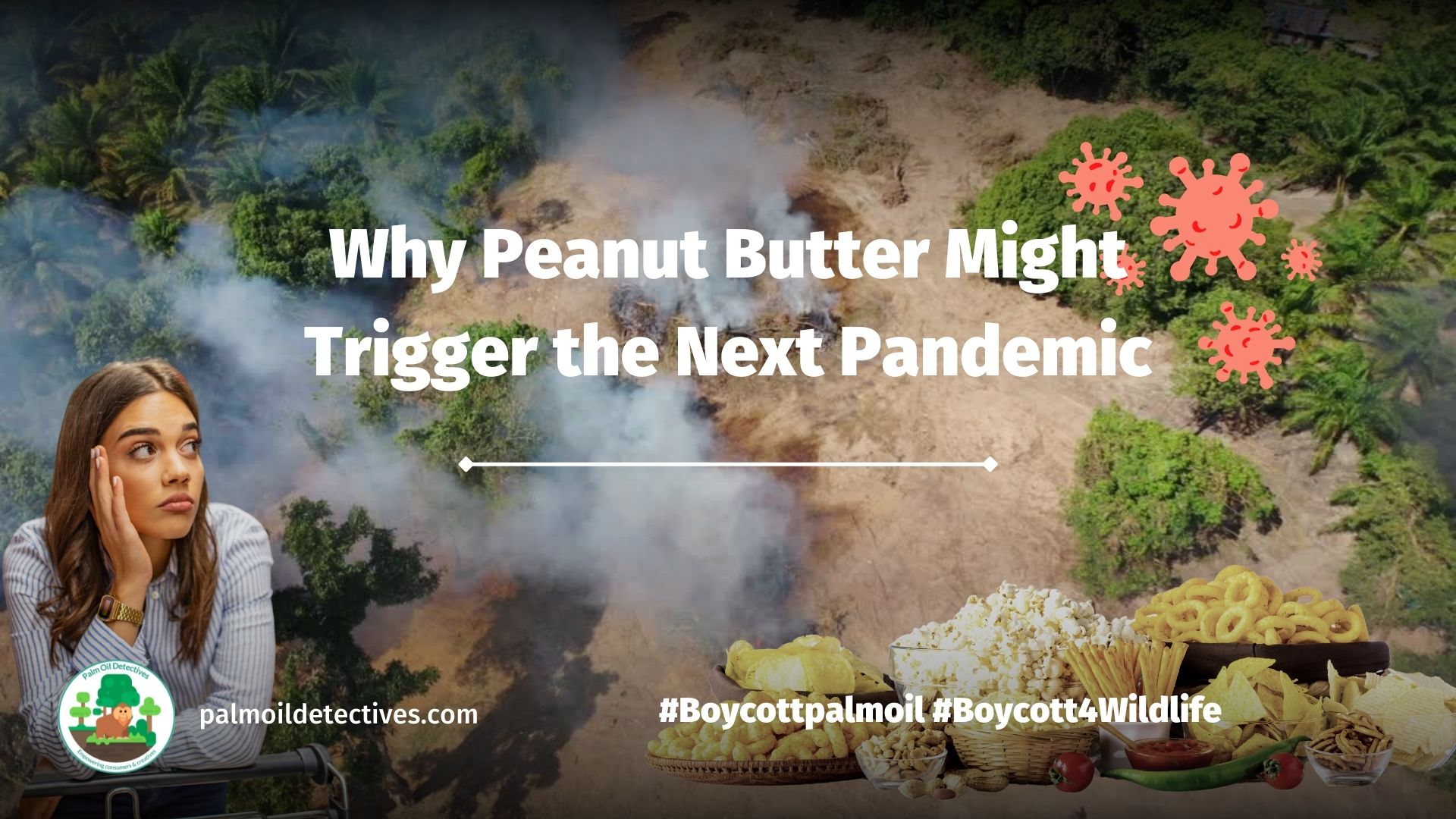
So far, indigenous peoples have not benefited from the development of the palm oil industry. There was a promise by the palm oil industry to improve the lives of indigenous peoples through plasma plantations. However, in practice plasma plantations have not had a positive impact on their lives.
On Friday 21st April the Clean Up the Tropical Timber Trade team and supporters gathered outside of the Department of Business and Trade in London.
Founder of the CUT Campaign, Dr Teo Hoon Seong read out a heartfelt letter to MP Kemi Badenoch, urging her to reconsider the removal of the palm oil tariff.
The UK have recently entered into the Comprehensive & Progressive Agreement for Trans-Pacific Partnership (CPTPP). This has been strongly contested by many environmental groups including Palm Oil Detectives.
Malaysia has demanded that the UK drop its’ import tariff for palm oil from 12% to zero as a condition of entry.
CUT Campaign, Bruno Manser Fond, Save Rivers, Palm Oil Detectives and many other environmental groups are deeply concerned that this action will increase ecocide, deforestation, indigenous land-grabbing, extinction and carbon emissions by destroying the last remaining patches of primary rainforests in Borneo, particularly Sarawak (East Malaysia).
The anticipated benefit to the UK economy is a mere 0.08% of GDP – at a massive cost to the environment.
In this climate crisis we are in – the UK government is worried about appeasing their corporate benefactors and industry lobbyists over the wellbeing of future generations in the UK and in the Global South.
Malaysia’s Johor Royal Family own palm oil plantations linked to deforestation
Of particular concern is the strong connection between the Malaysian Royal Family and palm oil deforestation. If the highest levels of society in Malaysia are deeply invested in palm oil deforestation in that country – looser regulation of palm oil in the UK will likely grease the way for increased deforestation, indigenous land-grabbing, human rights abuses and carbon emissions.
We demand that the UK set the toughest environmental standards possible for palm oil imports, so we don’t get left behind while other countries continue to uphold tough standards.
Britain is finalising entry terms to the Comprehensive and Progressive Trans-Pacific Partnership (CPTPP), an 11-member regional trade agreement, after two years of negotiations. According to reports, Malaysia has successfully demanded Britain cut its palm oil tariffs immediately on entering the pact.
This would be a green light to deforestation and destruction of habitats for endangered animals like orangutans. It would be a disaster for the natural world, and set a terrible precedent for future trade deals. The EU already bans palm oil imports unless they can be proven to be deforestation-free. We – the public – do not want to be left behind, forced to use products without any environmental safeguards. Sign petition on the 38 Degrees website.
“Without the forest, the Penan people cannot survive. The forest is our bank, our supermarket our hospital. This is our life – the way we survive. We hope that governments open their ears to hear our demands: to stop the logging in Sarawak and to stop buying timber from Sarawak.”
Komeok Joe, a Penan elder told CUT Campaign.
“The removal of tariffs on palm oil products from Malaysia without any environmental safeguards makes it very hard for the UK to call itself a climate leader committed to tackling deforestation and protecting precious habitats of endangered species”.
Alex Wijeratna, Senior Director of Deforestation Campaigns for Mighty Earth told the Financial Times.
“For too long, communities in Sarawak and elsewhere have been ignored while decisions are made to clear their traditional lands and forests. As a significant importer of Malaysian timber, the UK has a responsibility to ensure that our demand for wood, and other commodities like palm oil, do not destroy precious forests and cause harm to people overseas.”
The UK Government needs to hold companies to account for environmental harm and human rights abuses in their supply chains, and to give affected communities the ability to seek redress for damage caused to their lands and lives.”
Clare Oxborrow, Friends of the Earth’s Forests and Supply Chains Campaigner told CUT Campaign.
Nestlé is destroying rainforests, releasing mega-tonnes of carbon into the atmosphere, and killing hundreds of endangered species. Once these animals are gone – they are gone for good. See Nestlé’s full list of…
Despite global retail giant Colgate-Palmolive forming a coalition with other brands in 2020, virtue-signalling that they will stop all deforestation, they continue to do this – destroying rainforest and releasing mega-tonnes of carbon…
In 2020, global retail giant Unilever unveiled a deforestation-free supply chain promise. By 2023 they would be deforestation free. This has been and gone and they are still causing deforestation. This brand has…
Savvy consumers have been pressuring French Dairy multinational Danone for decades to cease using deforestation palm oil. Yet they actually haven’t stopped this. From their website: ‘Danone is committed to eliminating deforestation from…
Despite decades of promises to end deforestation for palm oil PepsiCo (owner of crisp brands Frito-Lay, Cheetos and Doritos along with hundreds of other snack food brands) have continued sourcing palm oil that…
Despite decades of promises to end deforestation for palm oil Procter & Gamble or (P&G as they are also known) have continued sourcing palm oil that causes ecocide, indigenous landgrabbing, and the habitat…
In late 2023, Kelloggs became Kellanova for their US arm. Savvy consumers have been pressuring Kelloggs for decades to cease using deforestation palm oil. Yet they actually haven’t stopped this. From their website:…
Global mega-brand Johnson & Johnson have issued a position statement on palm oil in 2020. ‘At Johnson & Johnson, we are committed to doing our part to address the unsustainable rate of global…
PZ Cussons is a British-owned global retail giant. They own well-known supermarket brands in personal care, cleaning, household goods and toiletries categories, such as Imperial Leather, Morning Fresh, Carex, Radiant laundry powder and…
1. Join the #Boycott4Wildlife on social media and subscribe to stay in the loop: Share posts from this website to your own network on Twitter, Mastadon, Instagram, Facebook and Youtube using the hashtags #Boycottpalmoil #Boycott4Wildlife.
2. Contribute stories: Academics, conservationists, scientists, indigenous rights advocates and animal rights advocates working to expose the corruption of the palm oil industry or to save animals can contribute stories to the website.
3. Supermarket sleuthing: Next time you’re in the supermarket, take photos of products containing palm oil. Share these to social media along with the hashtags to call out the greenwashing and ecocide of the brands who use palm oil. You can also take photos of palm oil free products and congratulate brands when they go palm oil free.
More and more palm oil free 🦧 products in Australia 🇦🇺. Customer awareness is increasing month by month. Of course Bart Van Assen will keep pushing "sustainable" palm oil with Orangutan Land Trust. Boycott palm oil to protect wildlife! There is not planet B #boycott4wildlifepic.twitter.com/rm7chub5Rb
If possible to get Ovomaltine, please promote it among your friends. It openly advertises with 0 palm oil. No RSPO no bullshit. For me it even tasts better than nuttela. It substantiates that chocolate spread can be made delicious without filthy palm oil. pic.twitter.com/cyV5Tm3tLd
4. Take to the streets: Get in touch with Palm Oil Detectives to find out more.
5. Donate: Make a one-off or monthly donation to Palm Oil Detectives as a way of saying thank you and to help pay for ongoing running costs of the website and social media campaigns. Donate here
As fires continue to burn in the Amazon and land is cleared for agriculture, most of the concerns have focused on the drop in global oxygen production if swaths of the forests disappear. But I’m also worried about the loss of potential medicines that are plentiful in forests and have not yet been discovered. Plants and humans also share many genes, so it may be possible to test various medicines in plants, providing a new strategy for drug testing.
Plants are a rich source of new and diverse compounds that may prove to have medicinal properties or serve as building blocks for new drugs. And, as tropical rainforests are the largest reservoir of diverse species of plants, preserving biodiversity in tropical forests is important to ensure the supply of medicines of the future.
Plants and new cholesterol-lowering medicines
The goal of my own research is to understand how plants control the production of biochemical compounds called sterols. Humans produce one sterol, called cholesterol, which has functions including formation of testosterone and progesterone – hormones essential for normal body function. By contrast, plants produce a diverse array of sterols, including sitosterol, stigmasterol, campesterol, and cholesterol. These sterols are used for plant growth and defense against stress but also serve as precursors to medicinal compounds such as those found in the Indian Ayurvedic medicinal plant, ashwagandha.
I am fascinated by the similarities between how humans and plants manufacture sterols, because identifying new medicines that block sterol production in plants might lead to medicines to treat high cholesterol in humans.
New medicines for chronic and pandemic diseases
An example of a gene with medical implications that is present in both plants and humans is NPC1, which controls the transport of cholesterol. However, the protein made by the NPC1 gene is also the doorway through which the Ebola virus infects cells. Since plants contain NPC1 genes, they represent potential systems for developing and testing new medicines to block Ebola.
This will involve identifying new chemical compounds that interfere with plant NPC1. This can be done by extracting chemical compounds from plants and testing whether they can effectively prevent the Ebola virus from infecting cells.
Villagers take a break during a meeting of Tembé tribes at the Tekohaw indigenous reserve, Para state, Brazil. From the trees they take traditional medicines, as well as products they sell, such as acai, an Amazonian berry that’s a vitamin- and calorie-packed breakfast staple in Brazil. AP Photo/Rodrigo Abd
To help students in my genetics and biotechnology class appreciate the value of plants in medical research, I refer to findings from my research on plant sterols. My goal is to help them recognize that many cellular processes are similar between plants and humans. My hope is that, by learning that plants and animals share similar genes and metabolic pathways with health implications, my students will value plants as a source of medicines and become advocates for preservation of plant biodiversity.
Nestlé is destroying rainforests, releasing mega-tonnes of carbon into the atmosphere, and killing hundreds of endangered species. Once these animals are gone – they are gone for good. See Nestlé’s full list of…
Despite global retail giant Colgate-Palmolive forming a coalition with other brands in 2020, virtue-signalling that they will stop all deforestation, they continue to do this – destroying rainforest and releasing mega-tonnes of carbon…
In 2020, global retail giant Unilever unveiled a deforestation-free supply chain promise. By 2023 they would be deforestation free. This has been and gone and they are still causing deforestation. This brand has…
Savvy consumers have been pressuring French Dairy multinational Danone for decades to cease using deforestation palm oil. Yet they actually haven’t stopped this. From their website: ‘Danone is committed to eliminating deforestation from…
Despite decades of promises to end deforestation for palm oil PepsiCo (owner of crisp brands Frito-Lay, Cheetos and Doritos along with hundreds of other snack food brands) have continued sourcing palm oil that…
Despite decades of promises to end deforestation for palm oil Procter & Gamble or (P&G as they are also known) have continued sourcing palm oil that causes ecocide, indigenous landgrabbing, and the habitat…
In late 2023, Kelloggs became Kellanova for their US arm. Savvy consumers have been pressuring Kelloggs for decades to cease using deforestation palm oil. Yet they actually haven’t stopped this. From their website:…
Global mega-brand Johnson & Johnson have issued a position statement on palm oil in 2020. ‘At Johnson & Johnson, we are committed to doing our part to address the unsustainable rate of global…
PZ Cussons is a British-owned global retail giant. They own well-known supermarket brands in personal care, cleaning, household goods and toiletries categories, such as Imperial Leather, Morning Fresh, Carex, Radiant laundry powder and…
1. Join the #Boycott4Wildlife on social media and subscribe to stay in the loop: Share posts from this website to your own network on Twitter, Mastadon, Instagram, Facebook and Youtube using the hashtags #Boycottpalmoil #Boycott4Wildlife.
2. Contribute stories: Academics, conservationists, scientists, indigenous rights advocates and animal rights advocates working to expose the corruption of the palm oil industry or to save animals can contribute stories to the website.
3. Supermarket sleuthing: Next time you’re in the supermarket, take photos of products containing palm oil. Share these to social media along with the hashtags to call out the greenwashing and ecocide of the brands who use palm oil. You can also take photos of palm oil free products and congratulate brands when they go palm oil free.
More and more palm oil free 🦧 products in Australia 🇦🇺. Customer awareness is increasing month by month. Of course Bart Van Assen will keep pushing "sustainable" palm oil with Orangutan Land Trust. Boycott palm oil to protect wildlife! There is not planet B #boycott4wildlifepic.twitter.com/rm7chub5Rb
If possible to get Ovomaltine, please promote it among your friends. It openly advertises with 0 palm oil. No RSPO no bullshit. For me it even tasts better than nuttela. It substantiates that chocolate spread can be made delicious without filthy palm oil. pic.twitter.com/cyV5Tm3tLd
4. Take to the streets: Get in touch with Palm Oil Detectives to find out more.
5. Donate: Make a one-off or monthly donation to Palm Oil Detectives as a way of saying thank you and to help pay for ongoing running costs of the website and social media campaigns. Donate here
The idea that nature — forests , rivers, mountains — could have rights, in the same way that human rights, or corporate rights exist has been building momentum. A historic global agreement has been reached to try to protect the plants and animals of this world from further demise.
Originally published by 360Info.org on January 6, 2023 as ‘The Rights of Nature’, written by Senior Commissioning Editor, 360info Asia-Pacific and republished here under Creative Commons licence.
In the last 50 years, the variety of life on Earth has diminished faster than at any time before. Some sources claim that there has been a 69 percent decline in wildlife populations around the world between 1970 and 2018. The United Nations suggests that one million species face extinction.
Fast facts
Indigenous people represent 5 percent of the world’s people but manage of 80 percent of Earth’s biodiversity.
At the United Nations conference on biodiversity held in Kunming, China and Montreal, Canada, nations agreed to protect 30 percent of land and sea from degradation by 2030, and further to restore 30 percent of degraded areas, amongst other plans.
The agreement was a significant step forward for environment protection, and enshrined into international law the idea that we should “live well in harmony with Mother Earth”.
“For far too long humanity has paved over, fragmented, over-extracted and destroyed the natural world on which we all depend. Now is our chance to shore up and strengthen the web of life, so it can carry the full weight of generations to come.”
~ Inger Andersen Under-Secretary-General of the United Nations and Executive Director of the UN Environment Programme
The agreement, with its emphasis on Indigenous knowledge and treatment of Earth as a living thing echoes the rights of nature movement, which has been gathering steam since it was conceived in the 1970s.
Through various legal avenues, this pushes the idea that nature — whether whole forests or single trees — could have rights, in the same way that human rights, or corporate rights exist.
“Rights of nature represent a minimalist alternative and seek to mitigate environmental damage from firmly within the coordinates of the current system.”
Peter Burdon, University of Adelaide
While it seems fanciful, numerous places around the world are actively investigating, or have already implemented at least portions of the concept. The latest is Ireland, where a citizens’ assembly is tackling the question of how the country can maintain its wildlife.
“In a city the boundary between what’s artificial and what’s nature becomes blurry, posing the question of which ‘nature’ in the ‘rights of nature’ should be protected.” ~ Alex Putzer, Sant’Anna School of Advanced studies
~
The details of ‘rights of nature’ are of course nuanced and cloaked in legal complexity, and at its core are big philosophical questions about humans’ relationship with our planet. But with humanity’s woeful track record of living sustainably with other species, it’s a movement that ultimately hopes to reset our path to one of “harmony with Mother Earth”.
“Western legal systems are only just beginning to bring a biological understanding of the world to the law.”
Craig Kauffman, University of Oregon
Originally published by 360Info.org on January 6, 2023 as ‘The Rights of Nature’, written by Senior Commissioning Editor, 360info Asia-Pacific and republished here under Creative Commons licence.
The race is on to find a real solution to stop palm oil ecocide. For several years now, several new #biotech companies have been busy generating alternatives to palm oil that are healthier…
Discover real hope for our planet’s rainforests. Explore seven strategies, from new technologies to innovative financing, that are brightening their future.
Consumers, businesses and researchers have shown growing interest in microalgae in recent years. Use of Arthrospira platensis (spirulina) as a food supplement is one example. Others include how microalgae can be used as…
A movement of activists and legal scholars is seeking to make “ecocide” an international crime within the jurisdiction of the International Criminal Court (ICC). The Stop Ecocide Foundation has put together a prestigious…
1. Join the #Boycott4Wildlife on social media and subscribe to stay in the loop: Share posts from this website to your own network on Twitter, Mastadon, Instagram, Facebook and Youtube using the hashtags #Boycottpalmoil #Boycott4Wildlife.
2. Contribute stories: Academics, conservationists, scientists, indigenous rights advocates and animal rights advocates working to expose the corruption of the palm oil industry or to save animals can contribute stories to the website.
3. Supermarket sleuthing: Next time you’re in the supermarket, take photos of products containing palm oil. Share these to social media along with the hashtags to call out the greenwashing and ecocide of the brands who use palm oil. You can also take photos of palm oil free products and congratulate brands when they go palm oil free.
More and more palm oil free 🦧 products in Australia 🇦🇺. Customer awareness is increasing month by month. Of course Bart Van Assen will keep pushing "sustainable" palm oil with Orangutan Land Trust. Boycott palm oil to protect wildlife! There is not planet B #boycott4wildlifepic.twitter.com/rm7chub5Rb
If possible to get Ovomaltine, please promote it among your friends. It openly advertises with 0 palm oil. No RSPO no bullshit. For me it even tasts better than nuttela. It substantiates that chocolate spread can be made delicious without filthy palm oil. pic.twitter.com/cyV5Tm3tLd
4. Take to the streets: Get in touch with Palm Oil Detectives to find out more.
5. Donate: Make a one-off or monthly donation to Palm Oil Detectives as a way of saying thank you and to help pay for ongoing running costs of the website and social media campaigns. Donate here
Fiercely protective, elusive and beautiful #Dholes are an ancient species of #wilddog that diverged from other dog species millions of years ago living in #Bangladesh, #Cambodia, #China, #India, #Indonesia, #Laos, #Myanmar, #Nepal and #Thailand. Dholes are also known as Asiatic Wild Dogs, Indian Wild Dogs, Red #Wolves and Mountain Wolves. Once found across the Russian Steppe, China, the Middle East and northern Asia their range has been fractured and reduced dramatically by human-related pressures and threats. Ongoing major threats are #deforestation for #meat and #palmoil along with human persecution. They are now classified as Endangered on IUCN Red List. Help them to survive, every time you shop #BoycottPalmOil #Boycott4Wildlife
Fierce, and mysterious #endangered #Dholes/Red #Wolves are rapidly disappearing with no protection. Resist #palmoil 🌴🔥 and #meat 🥩🔥 #deforestation in #India 🇮🇳! Take action and be #vegan #Boycottpalmoil 🌴🧐⛔️ #Boycott4Wildlife @palmoildetect https://palmoildetectives.com/2023/04/16/dhole-canis-cuon-alpinus/
Ancient wild #dogs: 🐶🐺 #Dholes/Red #Wolves have survived millions of years. Yet #palmoil and #beef #deforestation in #India is now a real threat. Help them when you shop, be #vegan 🥕🥦☮️🫶 #Boycottpalmoil 🌴🩸🚫#Boycott4Wildlife @palmoildetect https://palmoildetectives.com/2023/04/16/dhole-canis-cuon-alpinus/
The Dhole have a striking and intense appearance with thick and dense fur ranging from pale gold, to yellow to dark reddish-brown and grey-brown. Their underside is typically a paler colour of creamy white. They differ from other dog species in that they have a thicker muzzle, one fewer molar on each side of their jaws and additional teats. They are average sized dogs and typically weigh between 10 – 25kg with males being about 4.5kg heavier than females.
They are the only extant member of the genus Cuon, and they differ from the Canis genus as they have a reduced number of molars and more teats.
They typically live in structured and hierarchical packs of between 5 to 12 individuals. These consist of a dominant male, dominant male and pups. As with other wild dog species, each pack usually has only one breeding female. Packs sometimes congregate together to form larger groups of up to 40 dogs.
Dhole by Kuntalee Rangnoi for Getty Images
Together they carry out cooperative hunting and care for the pups as a group. Although extremely hierarchical, pack members hardly ever become aggressive to each other.
They have great stamina and can hunt and chase prey for many hours, although they aren’t as speedy as jackals or foxes. They predominantly hunt during the morning (rather than night as with other wild dogs and wolves) this indicates that they rely heavily on their sight for hunting.
During a hunt the pack will alternate lead dogs to pursue the prey, with several dogs taking the lead while the rest fall back to a slower pace. Then the dogs will alternate once the lead dogs get tired. They can typically be found close to water. After a hunt they will leave their quarry nearby so that they can quench their thirst at the riverside.
Dholes are fearful and cautious of humans and yet they are extremely bold in their collective hunting. They have been known to take down large animals like water buffaloes and tigers. In general their prey includes large or medium sized ungulates: chital, sambar deer, muntjac, mouse deer, swamp deer, wild boar, gaur, water buffalo, banteng, cattle, nilgai, goats, Indian hares, Himalayan field rats and langurs.
Prey animals are pursued over long distances and then killed by being disembowelled. They are unlike African wild dogs in that they will allow their puppies to eat first after a kill.
Chavez, D.E., Gronau, I., Hains, T. et al. Comparative genomics provides new insights into the remarkable adaptations of the African wild dog (Lycaon pictus). Sci Rep 9, 8329 (2019). https://doi.org/10.1038/s41598-019-44772-5
Habitat
Dholes prefer open spaces and can be found in the jungle clearings, jungle roads, riversides and pathways. They can also be found on the forest steppes, hills and thick jungles of Central Asia (including Manchuria, Burma, India and the Malayan Archipelago.
Threats
The primary threat to Dholes’ survival is habitat loss and deforestation across their range. The number of dholes alive is estimated to be 4,500 individuals according to IUCN Red List with 949-2,215 are mature individuals. They are classified as Endangered.
In northeastern India, prey depletion is contributing to the decline of Dholes in the region (Gopi et al. 2012).
IUCN Red List
Dholes face a number of human-related threats:
Deforestation: for timber, palm oil, rubber and beef agriculture.
Deforestation: for hydroelectric dams, highways and other infrastructure which fragments their range.
Infectious diseases: particularly in India, from domestic and feral dogs. Dholes are susceptible to rabies, canine distemper, canine parvovirus and sarcoptic mange and other diseases.
Human persecution: Some humans have been known to enter their den sites and poison, trap or shoot dholes in retribution for them taking livestock.
Competition for prey: As hyper-carnivores, Dholes eat larger numbers of prey than other large carnivores in Asia. Human hunting of prey species is devastating for Dholes who compete for the same prey species. Dholes also compete against tigers and leopards for prey. Dholes have been known to hunt and kill both of these animals. The reverse is also true for tigers and leopards killing dholes.
The dominance hierarchy between Dholes and Tigers is not clear, although Dholes likely avoid tigers especially if packs are small. Dholes appear to be behaviourally dominant over leopards.
Dhole Canis Cuon alpinus – #Boycott4Wildlife
Diet
Dholes are omnivorous and will eat any small, medium or large sized prey that they can find from rodents to deer, wild pig, goats, hares, livestock and monkeys. They have been known to opportunistically hunt tigers or leopards in hunting packs.
They will also eat vegetable matter and fruit more readily compared to other canid species and in captivity they are known to eat grasses, leaves and herbs seemingly for enjoyment.
Mating and breeding
Alpha females and alpha males will mate for life and they are followed and assisted by other less dominant dogs who form the pack. Mating typically occurs between September to February. After a two month gestation period, the alpha female dhole will give birth to a litter of 4-10 pups. Other females in the pack will assist with childcare in the den and may also be pregnant or mothers as well. The puppies of all females are protected in the den and are brought regurgitated meat from other members of the pack. Together, female dholes guard the puppies.
Play is important for young pups and after 10 weeks in the den, the puppies will explore the world outside. Dominance orders are established by the time the pack’s pups are weaned and begin hunting independently in the pack at the age of 6-7 months old. Pups reach sexual maturity by the age of 1 year old.
You can support this beautiful animal
There are no known formal conservation activities in place for this animal. Make sure that you #Boycottpalmoil and #Boycott4Wildlife in the supermarket and raise awareness of these beautiful ancient dogs in order to support their survival! Find out more here
Further Information
Kamler, J.F., Songsasen, N., Jenks, K., Srivathsa, A., Sheng, L. & Kunkel, K. 2015. Cuon alpinus. The IUCN Red List of Threatened Species 2015: e.T5953A72477893. https://dx.doi.org/10.2305/IUCN.UK.2015-4.RLTS.T5953A72477893.en. Accessed on 06 September 2022.
1. Join the #Boycott4Wildlife on social media and subscribe to stay in the loop: Share posts from this website to your own network on Twitter, Mastadon, Instagram, Facebook and Youtube using the hashtags #Boycottpalmoil #Boycott4Wildlife.
2. Contribute stories: Academics, conservationists, scientists, indigenous rights advocates and animal rights advocates working to expose the corruption of the palm oil industry or to save animals can contribute stories to the website.
3. Supermarket sleuthing: Next time you’re in the supermarket, take photos of products containing palm oil. Share these to social media along with the hashtags to call out the greenwashing and ecocide of the brands who use palm oil. You can also take photos of palm oil free products and congratulate brands when they go palm oil free.
More and more palm oil free 🦧 products in Australia 🇦🇺. Customer awareness is increasing month by month. Of course Bart Van Assen will keep pushing "sustainable" palm oil with Orangutan Land Trust. Boycott palm oil to protect wildlife! There is not planet B #boycott4wildlifepic.twitter.com/rm7chub5Rb
If possible to get Ovomaltine, please promote it among your friends. It openly advertises with 0 palm oil. No RSPO no bullshit. For me it even tasts better than nuttela. It substantiates that chocolate spread can be made delicious without filthy palm oil. pic.twitter.com/cyV5Tm3tLd
4. Take to the streets: Get in touch with Palm Oil Detectives to find out more.
5. Donate: Make a one-off or monthly donation to Palm Oil Detectives as a way of saying thank you and to help pay for ongoing running costs of the website and social media campaigns. Donate here
The National Health Service (NHS) is the UK government’s public health service. In this factsheet, they recommend people limit palm oil, meat, dairy and other saturated fats in their diets.
For optimal health, the NHS recommends people to adopt a largely palm oil free,plant-based diet rich in diverse plants and wholegrain foods. Adopting this diet along with exercising regularly and limiting alcohol and cigarettes substantially reduces one’s risk of dying of heart disease, stroke, diabetes, cancer and obesity, as well as many chronic health conditions.
Bio: Dr Evan Allen Dr. Evan Allen, the author of Oversaturated, believes that a pervasive distortion of the truth ignores decades of established research and…
Unlike traditionally produced foods humans have been making for many millennia, ultra-processed foods contain ingredients to prolong their shelf-life and artificially augment the food’s…
Nestlé is destroying rainforests, releasing mega-tonnes of carbon into the atmosphere, and killing hundreds of endangered species. Once these animals are gone – they are gone for good. See Nestlé’s full list of…
Despite global retail giant Colgate-Palmolive forming a coalition with other brands in 2020, virtue-signalling that they will stop all deforestation, they continue to do this – destroying rainforest and releasing mega-tonnes of carbon…
In 2020, global retail giant Unilever unveiled a deforestation-free supply chain promise. By 2023 they would be deforestation free. This has been and gone and they are still causing deforestation. This brand has…
Savvy consumers have been pressuring French Dairy multinational Danone for decades to cease using deforestation palm oil. Yet they actually haven’t stopped this. From their website: ‘Danone is committed to eliminating deforestation from…
Despite decades of promises to end deforestation for palm oil PepsiCo (owner of crisp brands Frito-Lay, Cheetos and Doritos along with hundreds of other snack food brands) have continued sourcing palm oil that…
Despite decades of promises to end deforestation for palm oil Procter & Gamble or (P&G as they are also known) have continued sourcing palm oil that causes ecocide, indigenous landgrabbing, and the habitat…
In late 2023, Kelloggs became Kellanova for their US arm. Savvy consumers have been pressuring Kelloggs for decades to cease using deforestation palm oil. Yet they actually haven’t stopped this. From their website:…
Global mega-brand Johnson & Johnson have issued a position statement on palm oil in 2020. ‘At Johnson & Johnson, we are committed to doing our part to address the unsustainable rate of global…
PZ Cussons is a British-owned global retail giant. They own well-known supermarket brands in personal care, cleaning, household goods and toiletries categories, such as Imperial Leather, Morning Fresh, Carex, Radiant laundry powder and…
Palm Oil Detectives is completely self-funded by its creator. All hosting and website fees and investigations into brands are self-funded by the creator of this online movement. If you like what I am doing, you and would like me to help meet costs, please send Palm Oil Detectives a thanks on Ko-Fi.
Curtailed press freedom in Asia makes the job of calling out greenwashing increasingly difficult – at a time when corporate accountability is critical in the fight against climate change. Experts think greenwashing is only just beginning as PR firms try to mislead regulators, investors and consumers writes Robin Hicks for Eco Business News.
#Greenwashing is rife within the palm oil industry. Claims that the efficiency of the crop make it “sustainable” are greenwashing. Fight back with your wallet and and #Boycottpalmoil #Boycott4Wildlife
Strict press freedoms in #Indonesia make it difficult to cast a critical eye on #greenwashing and #humanrights abuses and spurious claims of “sustainability” of @rspotweets and #palmoil industry #Boycottpalmoil #Boycott4Wildlife
Media story written by Robin Hicks and originally published in Eco-Business News, August 26, 2021. Read original.
The palm oil industry has succeeded in greenwashing the argument that palm oil is an environmentally sustainable crop because it is high-yielding
Stories in publications such as The Guardian and The Economist report that palm oil produces more oil per hectare than other vegetable oil crops, so is inherently sustainable.
“Productivity shouldn’t ever be a proxy for sustainability,” Geall said. “Just because you can get a higher yield from palm oil in Indonesia than sunflower oil in Belarus, this doesn’t mean the land has the same ecological importance.”
Palm oil is often grown on biodiverse, carbon-rich peatlands home to critically endangered species such as orangutans, he pointed out.
~ Sam Geall, London-based chief executive of China Dialogue,
The post-pandemic surge in misleading green claims could be the beginning of a new era of greenwashing in Asia, as corporations race to fulfill sustainability commitments and cash in on the rise of conscious consumerism.
“Sadly, I think it [greenwashing] is only just getting started,” said Sam Geall, London-based chief executive of China Dialogue, an independent online publication that reports on the environment in China and Asia-Pacific.
The push from governments to meet decarbonisation targets, investors to find sustainable options for their capital and consumers to seek greener products has created the right conditions for greenwash, he said. “Enter public relations companies and increasingly sophisticated strategies to try to mislead regulators, investors and consumers.”
Geall was speaking to Eco-Business after the Sustainability Media Academy (SMA), a new training initiative for journalists in Asia, organised by EB Impact, Eco-Business’s philanthropic arm. He was part of a panel discussion on how to navigate greenwashing, the practice of making sustainability claims of dubious credibility.
Greenwashing is a problem for journalists across Asia, particularly in countries where press freedom is low and authoritarian governments lean on newsrooms, making it harder for journalists to hold powerful elites to account, said Kavita Chandran, a Singapore-based journalism trainer for Thomson Reuters.
In recent years, laws designed to curb fake news and disinformation have resulted in arrests and convictions for journalists in Southeast Asia, which is home to some of the world’s most heavily censored media. Governments have used the Covid-19 pandemic as a pretext to impose tighter controls on the press and reinforce obstacles to the free flow of information, according to Reporters without borders, a media watchdog.
A journalist working for a Singapore government-run publication told Eco-Business that state media have less opportunity to challenge greenwash than independent media. Last October, Singapore introduced an anti-foreign interference law which makes it easier for the authorities to clamp down on news outlets.
Enter PR companies and increasingly sophisticated strategies to try to mislead regulators, investors and consumers.
Sam Geall, CEO, China Dialogue
But it is still possible for journalists to call out greenwash, even in countries like China where press freedom is lower than almost anywhere in the world. Probing top-down sustainability commitments, such as China’s net-zero emissions target, is one opportunity for doing so, said Geall.
“The space for watchdog journalism has shrunk considerably in China in the last few years. But in contrast to other issues, environmental sustainability is a space where journalists can still hold actors to account,” he said.
“China’s net-zero commitment is a big political narrative. It sends a signal to the whole system to get in line and that opens up an opportunity to do reporting that scrutinises local governments and companies to ensure they stick to these commitments.”
Where journalism is most vulnerable to greenwashing
Solutions journalism – which a July study of international media revealed is growing in popularity as newsrooms shift editorial focus from the problems caused by climate change to potential fixes – is particularly greenwash-prone, Geall noted.
“Too often, it is easy for companies to claim they have achieved sustainable innovation, when it either doesn’t work, or is an early stage discovery far from commercialisation, a solution to one problem that causes another problem, or there is a trade-off they’d rather not talk about,” Geall told Eco-Business.
“In other words, there is too much hype and not enough serious reporting about the technologies that will likely shape the future of energy, food, mobility and more, and the economic models that will sustain them,” he said.
Phil Jacobson, an Indonesia-based journalist for independent conservation news website Mongabay, highlighted palm oil as one sector that has managed to greenwash its role as a provider of livelihood benefits for local communities and smallholder farmers in the media, until recently.
An investigation by Mongabay, non-profit journalism outfit The Gecko Project and the BBC in May revealed that big palm oil companies in Indonesia have been depriving smallholders of millions owed to them. Legally, palm oil companies have had to ensure that rural communities benefit from the large palm oil plantations near them.
Geall said that the palm oil trade has also succeeded in greenwashing the argument that palm oil is an environmentally sustainable crop because it is high-yielding. Stories in publications such as The Guardian and The Economist report that palm oil produces more oil per hectare than other vegetable oil crops, so is inherently sustainable.
“Productivity shouldn’t ever be a proxy for sustainability,” Geall said. “Just because you can get a higher yield from palm oil in Indonesia than sunflower oil in Belarus, this doesn’t mean the land has the same ecological importance.”
Sam Geall, CEO, China Dialogue
Palm oil is often grown on biodiverse, carbon-rich peatlands home to critically endangered species such as orangutans, he pointed out.
Media story written by Robin Hicks and originally published in Eco-Business News, August 26, 2021. Read original.
Nestlé is destroying rainforests, releasing mega-tonnes of carbon into the atmosphere, and killing hundreds of endangered species. Once these animals are gone – they are gone for good. See Nestlé’s full list of…
Despite global retail giant Colgate-Palmolive forming a coalition with other brands in 2020, virtue-signalling that they will stop all deforestation, they continue to do this – destroying rainforest and releasing mega-tonnes of carbon…
In 2020, global retail giant Unilever unveiled a deforestation-free supply chain promise. By 2023 they would be deforestation free. This has been and gone and they are still causing deforestation. This brand has…
Savvy consumers have been pressuring French Dairy multinational Danone for decades to cease using deforestation palm oil. Yet they actually haven’t stopped this. From their website: ‘Danone is committed to eliminating deforestation from…
Despite decades of promises to end deforestation for palm oil PepsiCo (owner of crisp brands Frito-Lay, Cheetos and Doritos along with hundreds of other snack food brands) have continued sourcing palm oil that…
Despite decades of promises to end deforestation for palm oil Procter & Gamble or (P&G as they are also known) have continued sourcing palm oil that causes ecocide, indigenous landgrabbing, and the habitat…
In late 2023, Kelloggs became Kellanova for their US arm. Savvy consumers have been pressuring Kelloggs for decades to cease using deforestation palm oil. Yet they actually haven’t stopped this. From their website:…
Global mega-brand Johnson & Johnson have issued a position statement on palm oil in 2020. ‘At Johnson & Johnson, we are committed to doing our part to address the unsustainable rate of global…
PZ Cussons is a British-owned global retail giant. They own well-known supermarket brands in personal care, cleaning, household goods and toiletries categories, such as Imperial Leather, Morning Fresh, Carex, Radiant laundry powder and…
Palm Oil Detectives is completely self-funded by its creator. All hosting and website fees and investigations into brands are self-funded by the creator of this online movement. If you like what I am doing, you and would like me to help meet costs, please send Palm Oil Detectives a thanks on Ko-Fi.
Extant (resident): Costa Rica (Costa Rica (mainland)); Honduras (Honduras (mainland)); Mexico (Chiapas, Oaxaca, Puebla, Veracruz, Tabasco); Panama
Possibly Extant (resident): Nicaragua
The Spiny-headed Tree Frog Triprion spinosus is a stunning small frog species hanging on to survival in fragmented patches of forest in #CostaRica, #Panama, #Honduras, #Mexico. They have many common names including the spiny-headed tree frog, spiny-headed tree #frog, spinyhead treefrog, coronated treefrog, and the crowned hyla. These elusive an shy, arboreal frogs are rarely seen and they live out their lives quietly in bromeliads and other tropical plants. However palm oil, timber, soy and meat deforestation along with a fungal disease are grave threats. Help them to survive and be #Vegan #BoycottPalmOil #Boycott4Wildlife
Spiny-headed Tree #Frogs 🐸💚💌 of #Mexico 🇲🇽 #CostaRica 🇨🇷 are Near Threatened by #PalmOil #deforestation. Males make a “boop…boop” sound when calling females. Fight for their survival, be #Vegan and #Boycottpalmoil #Boycott4Wildlife @palmoildetect https://palmoildetectives.com/2023/04/02/spiny-headed-tree-frog-triprion-spinosus/
They lack vocal sacs or slits however their loud “boop-boop-boop” call can be heard from up to 100 meters away.
A shy, arboreal species, Spiny-headed Tree Frogs are rarely seen and they live out their lives quietly in bromeliads and other tropical plants. They can be found in the subtropical forests of mountain ranges. They prefer intact forest and secondary growth forest. They have on occasion been observed living in coffee plantations.
They are light brown with darker brown markings and a black belly. It takes them between 60 to 136 days to morph from tadpole to mature frog depending on the number of surviving tadpoles and the competition for food. Their life span is 10 to 15 years.
Threats
As breeding takes place in the watery hollows of plants and trees, Spiny-headed Tree Frogs face enormous threat from deforestation.
This beautiful tiny frog faces several anthropogenic threats
Chytridiomycosis: An infectious fungal disease that is capable of causing sporadic deaths in some amphibian populations and 100% mortality in others.
Deforestation: for timber, soy and palm oil throughout their region.
Deforestation: for livestock grazing across their range.
Spiny-headed Tree Frog Triprion spinosus – #Boycott4WildlifeSpiny-headed Tree Frog Triprion spinosus – Threats
Habitat & geographic range
Human-related threats constrict their ecological range and there are now fragmented populations in Costa Rica, Honduras, Panama and Mexico. Like many frogs they are nocturnal and most active at night time.
Diet
They prefer to eat insects and small arthropods and worms. Tadpoles will eat unfertilised eggs that are deposited by their mothers.
Mating and breeding
Males have a distinctive “boop..boop…boop” sound and call to females from within the water-filled hollows and crevices of bromeliad rosettes and bamboo internodes.
Females approach the calling males and clasp them immediately and together pair dive into the water. The female will lay between 50 to 300 eggs and then the male fertilises them. Only one in 25 eggs will hatch, which takes around a week to occur.
The watery catchment where female lays her eggs is safe sanctuary away from potential predators. Developing tadpoles will eat unfertilised eggs laid by the mother. The mother will return to visit egg laying locations to lay more unfertilised eggs for the tadpoles to feed on. Tadpoles will prompt their mother to do this by nibbling on her belly.
Support Spiny-headed Tree Frog by going vegan and boycotting palm oil in the supermarket, it’s the #Boycott4Wildlife
Spiny-headed Tree Frog Triprion spinosus – #Boycott4Wildlife
Support the conservation of this species
This animal has no protections in place. Read about other forgotten species here. Create art to support this forgotten animal or raise awareness about them by sharing this post and using the #Boycottpalmoil #Boycott4Wildlife hashtags on social media. Also you can boycott palm oil in the supermarket.
Spiny-headed Tree Frog Triprion spinosus – Threats
How can I help the #Boycott4Wildlife?
Take Action in Five Ways
1. Join the #Boycott4Wildlife on social media and subscribe to stay in the loop: Share posts from this website to your own network on Twitter, Mastadon, Instagram, Facebook and Youtube using the hashtags #Boycottpalmoil #Boycott4Wildlife.
2. Contribute stories: Academics, conservationists, scientists, indigenous rights advocates and animal rights advocates working to expose the corruption of the palm oil industry or to save animals can contribute stories to the website.
3. Supermarket sleuthing: Next time you’re in the supermarket, take photos of products containing palm oil. Share these to social media along with the hashtags to call out the greenwashing and ecocide of the brands who use palm oil. You can also take photos of palm oil free products and congratulate brands when they go palm oil free.
More and more palm oil free 🦧 products in Australia 🇦🇺. Customer awareness is increasing month by month. Of course Bart Van Assen will keep pushing "sustainable" palm oil with Orangutan Land Trust. Boycott palm oil to protect wildlife! There is not planet B #boycott4wildlifepic.twitter.com/rm7chub5Rb
If possible to get Ovomaltine, please promote it among your friends. It openly advertises with 0 palm oil. No RSPO no bullshit. For me it even tasts better than nuttela. It substantiates that chocolate spread can be made delicious without filthy palm oil. pic.twitter.com/cyV5Tm3tLd
4. Take to the streets: Get in touch with Palm Oil Detectives to find out more.
5. Donate: Make a one-off or monthly donation to Palm Oil Detectives as a way of saying thank you and to help pay for ongoing running costs of the website and social media campaigns. Donate here
As with the forest kingdoms of #Borneo and the Amazon rainforest, the Indian forest kingdom of the Golden #Langurs and Pygmy Hogs is under siege by palm oil in the north east of India. The region is home to some of the most endangered wildlife in the world. Situated in the foothills of the Himalayas, the whole area is one of the most fertile and diverse places on the planet. This region is earmarked for destruction for palm oil. Renowned British wildlife photographer Craig Jones went there to photograph pygmy hogs and report on their dwindling home.
The Eastern Himalayas harbours an amazing diversity of life. There are 163 globally threatened species found in the Himalayas, including Asia’s three largest herbivores – Asian elephant, greater one-horned rhinoceros, and wild water buffalo – and its largest carnivore, the tiger. The region is home to: • 10,000 types of plants • 300 mammals • 977 birds • 176 reptiles • 105 amphibians • 269 freshwater fish
The Himalayan grasslands have the densest population of Bengal tigers, which live alongside Asian elephants and one-horned rhinos. The mountains offer refuge for red pandas, golden langurs, takins and pygmy hogs. This is the only known location in the world where Bengal tigers and snow leopards share habitat.
Pygmy Hogs make small nests in the ground by digging a small trench and lining it with vegetation. They use leaves and other soft materials to then make it really cosy inside. During the heat of the day, they stay within these nests. They also use them to hide away their young from predators and other dangers.
Craig Jones
The Pygmy Hog lives in the southern foothills of the Himalayas. In the 1960’s numbers had declined to such an extent that the species was thought to be extinct. Following a fire in the Barnardi Forest Reserve in 1971, a group of Pygmy Hogs were found seeking refuge in a nearby tea plantation.
The plantation owner took these mini pigs into captivity to protect them from local hunters and called on the assistance of Durrell Wildlife Conservation Trust to advise on managing the newly formed captive population. Read more
Protect the North East: Stop Palm Oil!
India is one of the largest consumers of palm oil hidden in supermarket goods
Palm oil is the most widely consumed vegetable oil on the planet. In India, most commonly used as cooking oil as well as an ingredient in a wide range of consumer goods. India is the largest user of palm oil products, capturing over 20 percent of global supply.
Oil palm grows in tropical rainforests, and the uncontrolled clearing of these forests for plantations has led to widespread loss of forests and the habitat destruction endangered species across the world where palm oil plantation has started.
Prime Minister Narendra Modi has urged farmers across the eight northeastern states to set up palm oil missions to reduce India’s dependence on imported edible oils, in line with the Centre’s Atmanirbhar Bharat or Self-Reliant India campaign.
Palm oil causes ecocide and extinction
The world’s largest consumer of vegetable oils, the Indian public remains unaware of the dangers of massive palm oil plantations, especially in thickly forested regions. The threat to biodiversity is emphasised by experts in the northeastern region, which accounts for 25% of the country’s forest cover.
To clear land and help grow palm, swathes of rainforest will be burned, destroying habitat and homes and the fragile rainforest ecosystem. Trees that remove carbon from the air will be destroyed, removing their storage properties forever. And when the forest is burned, high levels of carbon dioxide and soot are released, a huge contributor to climate change.
Many animals will go extinct if palm oil expands in India
A Broken Record on Repeat: Animal extinction likely if palm oil proceeds in North East India
The rainforests of North Eastern India are among the world’s most species-rich environments and homes to numerous endangered plants and animals, such as Bengal tigers, Water Buffaloes, and One-horned rhinos, red pandas, golden langurs, takins and pygmy hogs.
The destruction of natural habitats deprives the animals of the basis for their existence, causing an irreversible loss of biological diversity. These animals are dependent on large contiguous forest areas. In search of food, they often get lost in the plantations, where they are regarded as pests.
Read more: India’s rare and beautiful wildlife is under threat by palm oil deforestation
Critically endangered Phayre’s langurs and endangered capped langurs of Bangladesh, are interbreeding raising concerns about their survival, take action!
Capped langurs are found in India Bhutan Bangladesh and Myanmar, they are vulnerable from palm oil and other forms of deforestation. Take action for them!
Healthy rivers are essential for community wellbeing. India and Bangladesh legally recognise rivers as natural persons with rights and powers. Take action!
#India’s fifty year long Project #Tiger has been a successful conservation project. A new research study finds that protecting tigers and their rainforest home has additional benefits to #carbonemissions, saving 1 million tonnes of CO2 from being…
The sloth bear (Melursus ursinus), with their distinctive “Y” or “V” shaped chest patch and shaggy fur, are unique bears native to the Indian subcontinent. Once exploited as ‘dancing bears’ by the Kalandar tribe, this phase of…
Discover the intriguing Nicobar long-tailed macaque, intelligent and highly social survivors on India’s islands, help them to survive and boycott palm oil!
Phayre’s leaf monkey, also known as Phayre’s langur, are remarkable Old World monkeys distinguished by large, white-rimmed eyes that lend them a “spectacled” appearance. Known locally as ‘Chasma bandor’ they live mostly in the lush forests of…
#India’s aggressive push for #palmoil plantations in #Nagaland, #Assam and #Mizoram is wreaking havoc on both the environment and local communities. The government plans to ramp up oil palm cultivation in the northeast, locking away land that…
Intelligent and social Irrawaddy dolphins, also known as the Mahakam River dolphins or Ayeyarwady river #dolphins have endearing faces. Only 90 to 300 are estimated to be left living in the wild. Their rounded and expressive looking…
The majestic Sambar deer, cloaked in hues ranging from light brown to dark gray, are distinguished by their rugged antlers and uniquely long tails. Adorned with a coat of coarse hair and marked by a distinctive, blood-red…
Lion-tailed macaques hold the title of one of the smallest macaque species in the world and sport a majestic lion-esque mane of hair. They exclusively call the Western Ghats in India their home. This area has been…
1. Join the #Boycott4Wildlife on social media and subscribe to stay in the loop: Share posts from this website to your own network on Twitter, Mastadon, Instagram, Facebook and Youtube using the hashtags #Boycottpalmoil #Boycott4Wildlife.
2. Contribute stories: Academics, conservationists, scientists, indigenous rights advocates and animal rights advocates working to expose the corruption of the palm oil industry or to save animals can contribute stories to the website.
3. Supermarket sleuthing: Next time you’re in the supermarket, take photos of products containing palm oil. Share these to social media along with the hashtags to call out the greenwashing and ecocide of the brands who use palm oil. You can also take photos of palm oil free products and congratulate brands when they go palm oil free.
More and more palm oil free 🦧 products in Australia 🇦🇺. Customer awareness is increasing month by month. Of course Bart Van Assen will keep pushing "sustainable" palm oil with Orangutan Land Trust. Boycott palm oil to protect wildlife! There is not planet B #boycott4wildlifepic.twitter.com/rm7chub5Rb
If possible to get Ovomaltine, please promote it among your friends. It openly advertises with 0 palm oil. No RSPO no bullshit. For me it even tasts better than nuttela. It substantiates that chocolate spread can be made delicious without filthy palm oil. pic.twitter.com/cyV5Tm3tLd
4. Take to the streets: Get in touch with Palm Oil Detectives to find out more.
5. Donate: Make a one-off or monthly donation to Palm Oil Detectives as a way of saying thank you and to help pay for ongoing running costs of the website and social media campaigns. Donate here
Palm Oil Detectives is completely self-funded by its creator. All hosting and website fees and investigations into brands are self-funded by the creator of this online movement. If you like what I am doing, you and would like me to help meet costs, please send Palm Oil Detectives a thanks on Ko-Fi.
Frequent errors in news reports likely contribute to the animals’ undeserved bad reputation
Spiders are pretty remarkable. They live almost everywhere, from rainforests to deserts. Some even spend most of their lives underwater. They are smarter than you think, with some able to make plans and count. Scientists think they might even dream when they sleep. Yet many people find these eight-legged animals creepy or scary. Now, it seems, fake news may be partly to blame.
#Spiders are remarkable. Many news stories are negative about spiders. It’s high time that we tell the truth about them and their unique beauty #Boycott4Wildlife
Media reports about people’s encounters with spiders tend to be full of falsehoods, a new study finds. Researchers analysed a decade’s worth of newspaper stories. These articles were published in dozens of countries. Nearly half contained errors. And those untruths about spiders had a distinctly negative spin.
This story was written by Betsy Mason for Science News Explores under the creative commons one-time use attribution licence. Read the original article here.
“The vast majority of the spider content out there is about them being scary and hurting people,” says Catherine Scott. In reality, they note, “spiders almost never bite people.” An arachnologist, Scott studies spiders at McGill University in Montreal, Canada.
Of some 50,000 species of spiders known to science, only a few are dangerous. In fact, many spiders protect us by eating insects, such as mosquitoes, that spread disease. Even spiders that could pose a threat — such as the brown recluse and the black widow — rarely bite people, Scott says.
But error-filled news reports paint spiders in a different light. Some stories about spider bites blamed species that don’t even live where the bite happened. Others reported that people bitten by spiders showed symptoms that don’t match those of actual bites. In fact, Scott found, “Many stories about spider bites included no evidence whatsoever that there was any spider involved.”
Spiders often portrayed as ‘bad’ news
For the new study, Scott and their colleagues analyzed more than 5,000 online newspaper stories about humans and spiders. Each had been published between 2010 and 2020. They came from 81 countries and were written in 40 languages.
The researchers didn’t just find errors in the stories. More than four in every 10 articles had sensationalized the spiders’ behaviors. Such overblown stories often used words like nasty, killer, agony and nightmare to describe the arachnids. International and national newspapers were more likely to use sensational terms than were regional outlets. Stories that included a spider expert were less sensational. That was not true for stories that quoted other types of experts, such as doctors.
If people knew the truth about spiders, they would spend less time blaming them for bites caused by other animals, Scott argues. People might also be less likely to kill spiders with pesticides that are toxic to other species (including humans).
Clearing spiders’ name would be good for them, too. (Say, for instance, the one in your house that doesn’t get squashed out of fear.)
Improving spiders’ public image could even boost conservation efforts in general. “Spiders are kind of unique in that they seem to be really good at capturing people’s attention,” says Lisa Taylor. This arachnologist at the University of Florida in Gainesville was not involved in the study. “If that attention is paired with real information about how fascinating they are … then I think spiders are well-suited to serve as tiny ambassadors for wildlife in general.”
Palm Oil Detectives is completely self-funded by its creator. All hosting and website fees and investigations into brands are self-funded by the creator of this online movement. If you like what I am doing, you and would like me to help meet costs, please send Palm Oil Detectives a thanks on Ko-Fi.
Palm Oil Detectives is completely self-funded by its creator. All hosting and website fees and investigations into brands are self-funded by the creator of this online movement. If you like what I am doing, you and would like me to help meet costs, please send Palm Oil Detectives a thanks on Ko-Fi.
Locations: Western Assam (India), Black Mountain (Bhutan), Manas National Park, Chakrashila Wildlife Sanctuary, Kakoijana Reserve Forest, and forest fragments along the foothills of the Himalayas.
The regal, striking looking Golden #langurs Trachypithecus geei is also known by the common names Gee’s Golden #langur. They are the most endangered primate species in #India and are considered to be sacred to many Himalayan peoples. Once widespread, they are now only found in a handful of fragmented forests straddling India and Bhutan. They are classified as endangered due to #palmoil, #meat and #timber #deforestation and hunting. Golden langurs are known for their expressive eyes and grumpy expressions. This has made them the subject of global fascination and online memes. Help them every time you shop and be #vegan, #Boycottpalmoil and #Boycott4Wildlife
Regal and striking Golden #Langurs are known for their grumpy faces 🙊🐒 😠They have reason to be annoyed #Assam #India 🇮🇳 is being destroyed for #palmoil #deforestation. Fight for them when you shop! #BoycottPalmOil #Boycott4Wildlife @palmoildetect https://palmoildetectives.com/2023/03/19/golden-langur-trachypithecus-geei/
Adults golden langurs are striking with their vivid black faces framed by a mane of pale hair, and their expressive, deep-set eyes reflect intelligence and curiosity. By contrast, infant langurs are born with cream-coloured fur that darkens as they mature. Golden langurs are medium-sized primates, with males weighing up to 13 kilograms and females slightly less. Their long tails, often longer than their bodies, help them balance as they leap gracefully between branches. Golden langurs are highly social, living in groups of up to 40 individuals, and communicate with a repertoire of calls, grunts, and alarm barks. They spend most of their lives high in the trees, rarely descending to the ground, and their movements are fluid and silent, like shadows flickering through the leaves.
Golden Langur Eyes: Windows to Intelligent Souls
The eyes of a golden langur are truly captivating, reminiscent of the molten gold in the dappled sunlight of their forest home in India. These golden langur eyes are the subject of countless online memes, possibly because of their human-like expressions. The expressive eyes of golden langurs convey a range of emotions that resonate deeply with people. Their gaze can appear curious, contemplative, cantankerous, moody or even agitated, making these animals relatable and endearing to a broad audience. This relatability, combined with their striking appearance, makes golden langur eyes a perfect focal point for memes, highlighting the beauty of these monkeys and the importance of conserving their natural habitats.
Golden langurs are heavily dependent upon forests for their ongoing existence. They are diurnal, preferring to forage in the morning and afternoon with a midday siesta. They spend most of the time in tree canopies and rarely come down to the ground.
Social grooming and social interaction is important to Golden langurs and they typically live in troops of between 8 to 50 individuals with several females to each adult male. Grooming is an important social activity and strengthens connection between group members.
Threats
Palm oil, timber, charcoal and livestock deforestation
The Red List classifies the golden langur as Endangered, with palm oil expansion and deforestation for charcoal, livestock and timber as major drivers of habitat loss. Vast tracts of forest have been cleared for plantations and farmland, leaving the golden langur’s habitat fragmented and isolated. As the forest disappears, langur groups are forced into ever-smaller patches, increasing competition for food and shelter and exposing them to greater risks from predators and humans. The relentless pace of deforestation threatens to erase the golden langur from much of their former range, turning once-vibrant forests into silent, empty fields.
Logging and habitat fragmentation
Logging has carved roads and clearings through the golden langur’s habitat, severing the canopy highways they rely on for movement and social cohesion. Fragmentation isolates groups, reducing genetic diversity and making populations more vulnerable to disease and environmental change. In some areas, only a handful of individuals remain, cut off from neighbouring groups by expanses of cleared land. The scars of logging are visible everywhere—fallen trees, eroded soil, and the distant sound of chainsaws echoing through the forest.
Human-wildlife conflict, poaching and the illegal pet trade
As forests shrink, golden langurs are increasingly forced into contact with humans, leading to conflict and persecution. Some are killed or captured for the illegal pet trade. There is a high rate of juvenile mortality and inbreeding when golden langurs are collected as pets. This is a cruel and devastating fate for any golden langurs who are captured. Some golden langurs fall victim to retaliatory attacks when they raid crops. Snares and traps set for other animals can maim or kill golden langurs. Unexpected human-caused deaths exert a heavy toll on wild troops and their social cohesion and structure. Poaching remains a persistent threat, fuelled by demand for exotic pets and body parts in Chinese medicine.
Climate change
Shifting rainfall patterns and rising temperatures threaten to alter the delicate balance of the Himalayan forests. Changes in fruiting and flowering times can disrupt the golden langur’s food supply, while extreme weather events—such as floods and landslides—destroy habitat and isolate populations even further. The golden langur’s survival is now tied to the fate of the forests and the stability of the climate.
Habitat & geographical region
The golden langur’s range is restricted to the forests of western Assam in India and the Black Mountain region of Bhutan. Key strongholds include Manas National Park, Chakrashila Wildlife Sanctuary, Kakoijana Reserve Forest, and a scattering of forest fragments along the Himalayan foothills. Once widespread, the golden langur now survives in isolated pockets, their habitat reduced and fragmented by decades of deforestation and human encroachment.
Diet
The Golden langur is primarily folivorous, feeding on a diverse array of young leaves, fruits, flowers, and seeds. Their diet shifts with the seasons, following the cycles of fruiting and leaf flush in the forest. In times of scarcity, they may consume bark, twigs, or cultivated crops, bringing them into conflict with farmers. Golden langurs are selective feeders, choosing the most nutritious and digestible parts of plants, and their foraging plays a vital role in seed dispersal and forest regeneration.
Mating and reproduction
Golden langurs breed throughout the year, with a peak in births during the late monsoon and early winter months. Females give birth to a single infant after a gestation period of around 200 days. The newborns are born with lighter fur, which darkens as they mature, and are cared for by their mothers and other group members in a system of cooperative parenting. Social bonds are strong, with frequent grooming and play reinforcing relationships within the group. Infants cling tightly to their mothers as the group moves through the canopy, learning the skills they will need to survive in a challenging and ever-changing environment. The average lifespan of a golden langur in the wild is estimated at around 15 to 20 years, though few reach this age due to the many threats they face.
FAQs
What is the current population size of the golden langur Trachypithecus geei?
Estimates suggest that fewer than 6,500 golden langurs remain in the wild, with populations continuing to decline due to ongoing habitat loss, fragmentation, and poaching. The largest populations are found in Manas National Park and the surrounding forests of Assam and Bhutan, but even here, numbers are falling as forests are cleared for agriculture and plantations. Researchers warn that without urgent action, the golden langur could disappear from much of their current range within a generation (Biswas et al., 2024; Das et al., 2021).
How long do golden langurs live in the wild?
Golden langurs can live up to 20 years in the wild, though most do not reach this age due to threats from habitat loss, poaching, and conflict with humans. In captivity, some individuals have lived longer, but the stresses of confinement and social isolation take a heavy toll on their health and wellbeing. The golden langur’s longevity is closely tied to the health of their forest home and the strength of their social bonds (Das et al., 2021).
What are the main conservation challenges for the golden langur?
The greatest challenges facing the golden langur are palm oil, charcoal and meat deforestation, human-wildlife conflict, poaching and collection for the illegal pet trade. These threats destroy the forests these remarkable primates depend on, isolate populations, and expose them to increased risk of disease and predation. Effective protection requires indigenous-led conservation, agroecology, and the safeguarding of forest ecosystems from further destruction. Help them every time you shop and be #Vegan #BoycottPalmOil #Boycott4Wildlife (Biswas et al., 2020; Das et al., 2021).
Do golden langurs make good pets?
Absolutely not! Golden langurs do not make good pets. Captivity causes extreme stress, loneliness, and early death for these highly social, intelligent primates. The illegal pet trade tears families apart and fuels extinction, as infants are stolen from their mothers and forced into unnatural, impoverished conditions. Protecting golden langurs means rejecting the illegal pet trade and supporting their right to live wild and free in their forest homes (Das et al., 2021).
Take Action!
Use your wallet as a weapon and #BoycottPalmOil #Boycott4Wildlife. Support indigenous-led conservation and agroecology. Reject products linked to deforestation and the illegal wildlife trade. Adopt a #vegan lifestyle and #BoycottMeat to protect wild and farmed animals alike. Every choice matters—stand with the golden langur and defend the forests of Assam and Bhutan.
Spectacled bear sticking out his tongue by Natalia So for Getty Images
Support the conservation of this species
This animal has no protections in place. Read about other forgotten species here. Create art to support this forgotten animal or raise awareness about them by sharing this post and using the #Boycottpalmoil #Boycott4Wildlife hashtags on social media. Also you can boycott palm oil in the supermarket.
Further Information
Biswas, J., Shil, J., Sasi, R., Ahmed, M. U., Barman, K., Das, N., Basumatary, B., & Kumara, H. N. (2024). Ecological determinants of occupancy of golden langur Trachypithecus geei and its population characteristics in India. Global Ecology and Conservation, 53, e03003. https://doi.org/10.1016/j.gecco.2024.e03003
An Indian documentary about the dangers of consuming palm oil
How can I help the #Boycott4Wildlife?
Take Action in Five Ways
1. Join the #Boycott4Wildlife on social media and subscribe to stay in the loop: Share posts from this website to your own network on Twitter, Mastadon, Instagram, Facebook and Youtube using the hashtags #Boycottpalmoil #Boycott4Wildlife.
2. Contribute stories: Academics, conservationists, scientists, indigenous rights advocates and animal rights advocates working to expose the corruption of the palm oil industry or to save animals can contribute stories to the website.
3. Supermarket sleuthing: Next time you’re in the supermarket, take photos of products containing palm oil. Share these to social media along with the hashtags to call out the greenwashing and ecocide of the brands who use palm oil. You can also take photos of palm oil free products and congratulate brands when they go palm oil free.
More and more palm oil free 🦧 products in Australia 🇦🇺. Customer awareness is increasing month by month. Of course Bart Van Assen will keep pushing "sustainable" palm oil with Orangutan Land Trust. Boycott palm oil to protect wildlife! There is not planet B #boycott4wildlifepic.twitter.com/rm7chub5Rb
If possible to get Ovomaltine, please promote it among your friends. It openly advertises with 0 palm oil. No RSPO no bullshit. For me it even tasts better than nuttela. It substantiates that chocolate spread can be made delicious without filthy palm oil. pic.twitter.com/cyV5Tm3tLd
4. Take to the streets: Get in touch with Palm Oil Detectives to find out more.
5. Donate: Make a one-off or monthly donation to Palm Oil Detectives as a way of saying thank you and to help pay for ongoing running costs of the website and social media campaigns. Donate here
The system is failing. #Indonesia’s own parliament, backed by big business interests, has succeeded in weakening the very system set up to fight corruption. Resist the corruption! #FightGreenwashing #Boycottpalmoil 🌴🩸⛔️ #Boycott4Wildlife
‘Oligarchs weaken Indonesia’s fight against corruption’, written by Charles Simabura and Haykal, Universitas Andalas. Originally published on December 1, 2022 by 360info and republished here under Creative Commons licence. Read original article.
Indonesia’s efforts to fight government corruption are being corrupted from within parliament and backed by big business.
At the beginning of the 2000s, Indonesian voters said enough to corruption in politics. The Reform Order (1999) was designed to fight corruption. Then, in 2004, Indonesians elected President Yudhoyono largely on his promises to fight graft and corruption.
People demanded reform. Tools were put in place to attack the corruption endemic in public life that was holding back development.
The tentacles of the oligarchs have wrapped themselves around the executive arm of government, where several cabinet members have considerable business interests. Indeed, 55 percent of Indonesia’s parliament members have significant business holdings.
“People demanded reform. Tools were put in place to attack the corruption that had become endemic in public life and was holding back development. But the system is failing. Indonesia’s own parliament, backed by big business interests, has succeeded in weakening the very system set up to fight corruption.” ~ Charles Simabura and Haykal, Andalas University, Indonesia.
[Image] Wilmar responsible for palm oil deforestation despite supposedly using “sustainable” palm oil.
The marriage between penguasa (the ruler) and pengusaha (business people) is getting stronger in Indonesia’s politics
The Reform Order resulted in the creation of institutions that were expected to be able to free Indonesia from corruption. The Corruption Eradication Commission (KPK) had powers to investigate corruption. The Constitutional Court acted as the guardian of the constitution. The Judicial Commission was intended to ensure proper behaviour from judges. And the Ombudsman served as the ‘policeman’ of state officials.
But these institutions have failed to meet expectations. The fervour to fight graft that was there 20 years ago has faded. There has even been a revenge attack by corruptors backed by the oligarchs. A 2020 survey by Transparency International Indonesia showed he Indonesian Corruption Perception Index fell from 40 to 37.
In addition, the People’s Representative body was considered the most corrupt institution in Indonesia. The numbers show why. Between 2004 and 2020, 274 members of local and national parliament were arrested. Many MPs consider corruption eradication as a threat.
Sumatran elephants: Surrounded by palm oil and nobody knows how many are left alive! #Boycottpalmoil #Boycott4Wildlife
The efforts to undo Indonesia’s anti-corruption framework began with efforts to review the Corruption Eradication Commission Law to the Constitutional Court, where, according to data, more than 20 requests for review have been submitted. At the end of President Yudhoyono’s first term, the parliament succeeded in pushing for a revision of the law. As a result, the Corruption Eradication Commission was weakened and was listed as an institution that the public no longer trusted.
It has since become a toothless tiger. The weakening of the anti-corruption body began with its leadership. There are also questions about the recruitment of commissioners whose commitment to eradicating corruption is problematic.
Other commissioners have repeatedly violated the code of ethics, One chose to resign to avoid being fired. Legislation suspected of being corrupt was successfully passed because it did not receive supervision from the Corruption Eradication Commission.
“The way to stop the erosion of Indonesia’s anti-corruption efforts must come from the top. But president Joko Widodo doesn’t seem to be taking any serious steps. People will remember his legacy as ignoring the Reform Order, unless he takes radical moves before leaving office in 2024.”
There is a pattern of laws being drafted in secret and hastily passed which do not serve the interests of the public. The Anti-corruption body Law, the Mining Law, the Omnibus Law, and the Constitutional Court Law are all examples. The result is demonstrations. Any judicial review is usually rejected by the same people who passed the laws in the first place.
Parliament’s efforts to gain control over anti-corruption institutions have become increasingly evident, especially in the process of recruiting the members of those institutions. MPs replaced one constitutional judge because he was seen to be in conflict with the parliament’s agenda after he helped cancel the promulgation of the Omnibus Law.
The way to stop the erosion of Indonesia’s anti-corruption efforts must come from the top. But president Joko Widodo doesn’t seem to be taking any serious steps. People will remember his legacy as ignoring the Reform Order, unless he takes radical moves before leaving office in 2024.
‘Oligarchs weaken Indonesia’s fight against corruption’, written by Charles Simabura and Haykal, Universitas Andalas. Originally published on December 1, 2022 by 360info and republished here under Creative Commons licence. Read original article.
Nestlé is destroying rainforests, releasing mega-tonnes of carbon into the atmosphere, and killing hundreds of endangered species. Once these animals are gone – they are gone for good. See Nestlé’s full list of…
Despite global retail giant Colgate-Palmolive forming a coalition with other brands in 2020, virtue-signalling that they will stop all deforestation, they continue to do this – destroying rainforest and releasing mega-tonnes of carbon…
In 2020, global retail giant Unilever unveiled a deforestation-free supply chain promise. By 2023 they would be deforestation free. This has been and gone and they are still causing deforestation. This brand has…
Savvy consumers have been pressuring French Dairy multinational Danone for decades to cease using deforestation palm oil. Yet they actually haven’t stopped this. From their website: ‘Danone is committed to eliminating deforestation from…
Despite decades of promises to end deforestation for palm oil PepsiCo (owner of crisp brands Frito-Lay, Cheetos and Doritos along with hundreds of other snack food brands) have continued sourcing palm oil that…
Despite decades of promises to end deforestation for palm oil Procter & Gamble or (P&G as they are also known) have continued sourcing palm oil that causes ecocide, indigenous landgrabbing, and the habitat…
In late 2023, Kelloggs became Kellanova for their US arm. Savvy consumers have been pressuring Kelloggs for decades to cease using deforestation palm oil. Yet they actually haven’t stopped this. From their website:…
Global mega-brand Johnson & Johnson have issued a position statement on palm oil in 2020. ‘At Johnson & Johnson, we are committed to doing our part to address the unsustainable rate of global…
PZ Cussons is a British-owned global retail giant. They own well-known supermarket brands in personal care, cleaning, household goods and toiletries categories, such as Imperial Leather, Morning Fresh, Carex, Radiant laundry powder and…
1. Join the #Boycott4Wildlife on social media and subscribe to stay in the loop: Share posts from this website to your own network on Twitter, Mastadon, Instagram, Facebook and Youtube using the hashtags #Boycottpalmoil #Boycott4Wildlife.
2. Contribute stories: Academics, conservationists, scientists, indigenous rights advocates and animal rights advocates working to expose the corruption of the palm oil industry or to save animals can contribute stories to the website.
3. Supermarket sleuthing: Next time you’re in the supermarket, take photos of products containing palm oil. Share these to social media along with the hashtags to call out the greenwashing and ecocide of the brands who use palm oil. You can also take photos of palm oil free products and congratulate brands when they go palm oil free.
More and more palm oil free 🦧 products in Australia 🇦🇺. Customer awareness is increasing month by month. Of course Bart Van Assen will keep pushing "sustainable" palm oil with Orangutan Land Trust. Boycott palm oil to protect wildlife! There is not planet B #boycott4wildlifepic.twitter.com/rm7chub5Rb
If possible to get Ovomaltine, please promote it among your friends. It openly advertises with 0 palm oil. No RSPO no bullshit. For me it even tasts better than nuttela. It substantiates that chocolate spread can be made delicious without filthy palm oil. pic.twitter.com/cyV5Tm3tLd
4. Take to the streets: Get in touch with Palm Oil Detectives to find out more.
5. Donate: Make a one-off or monthly donation to Palm Oil Detectives as a way of saying thank you and to help pay for ongoing running costs of the website and social media campaigns. Donate here
A 5-month investigation by Elfredah Kevin-Alerechi and Kevin Woke of Sahara Reporters reveals how RSPO member SIAT Nigeria Limited is involved in human rights abuses and land-grabbing on host communities’ lands. Journalists Elfredah Kevin-Alerechi and Kevin Woke also discovered that palm oil company SIAT who illegally took their land are leasing it for a mere 600 Naira (N600) per hectare annually – the equivalent of €1.23 Euros per year to lease it.
River pollution by pesticides and restriction by the company to land, where locals can grow food has meant that their food and water supply is contaminated – starvation is now an urgent problem.
All of this occurs under the guise of “sustainable” palm oil pushed by the RSPO to consumers. SIAT’s palm oil is used in consumer products by PZ Cussons (source), Nestle (source) and Danone (source). This is wh you should #Boycottpalmoil
In October 2019, Emmanuel Emeka, a fisherman in Mgbu-Anyim village had gone to fish at the mini- Onua, mini-Igwe and mini-Igbu riversin Elele Alimini of Rivers State, only to see dead fishes floating on the surface of the river. SIAT Nigeria Limited, a Belgian company, has polluted the river with its fertilisers and chemicals used for weed and pest control, he alleged.
Emeka claimed he stopped fishing in the river because, after spending hours exploring it, he would always come up empty-handed. “While SIAT controls pests, they destroy our own,” he added.
To provide for himself, his wife, and their sole child, who is now 5 years old, he mostly relies on his daily catch from the river. However, because of the pollution created by SIAT, he is currently jobless and looking for work. “I sell some (fish) and eat some,” he says, recalling the good times before SIAT’s pollution, which he discovered began around 2017.
The majority of inhabitants in Elele Alimini primarily drank water from the mini-Igwe and mini-Igbu rivers. While farmers soak and wash their cassava in the river, fishermen catch fish from the river for consumption and to make profit. The reporters’ visit to the community proved that some of the company’s palm plantation is located directly behind the rivers, close by.
Emmanuel Emeka, Fisherman behind mini- Onua Ngbuanyim river. A river linking community farmlands grab by SIATpalm plantation/ Elfredah Kevin-Alerechi
Emeka said: “Between 2012 to 2013 when the company(SIAT) came, everything was okay. We were still fishing in the river. But from 2017 to 2020, everywhere was polluted.
The decline in fish populations in the river prompted some elderly people in the community to look into and identify the source. According to Emeka, they discovered that the chemical SIAT sprayed on their palm trees and the ground to control weeds, pests, and increase yields is the main culprit.
Sa SIAT nv, a Belgian agro-industrial business that specialises in the production of palm oil, is the sole owner of SIAT Nigeria Ltd. (SNL). A total of 16,000 hectares of land were gathered in the communities of Elele and Ubima for oil palm plantations when the business acquired Risonpalm in 2011 from the Rivers State Government. According to the company’s profile on its website, 5,718 hectares were harvested from Elele and 9,513 hectares were harvested from Ubima in Rivers State. Since its establishment in Nigeria and other African nations, the corporation has made several billions of euros while occupying about 66,331 ha for the production of palm oil and rubber. For instance, SIAT group reported a revenue of 173 million euros in 2021. Unfortunately, despite acquiring the land of host communities and harming the environment in Africa, the firm has not adhered to its Corporate Social Responsibility (CSR) commitments.
Community leader, chief Sampson Eleonu/Kevin Woke
Fast facts about African Palm Oil
Only five international companies dominate industrial oil palm production in Africa: Socfin, Wilmar, Olam, Siat, and Straight KKM (formerly Feronia). They control an estimated 67% of the industrial oil palm planted area with foreign investment and may drive continuous expansion.
Risks are most pronounced in Nigeria, where expansion may come at the cost of state natural forest reserves and critical habitat for endangered primates like chimpanzees, gorillas and many other rare species.
Socfin and Wilmar, the two largest African operators, are linked to numerous social and environmental impacts on their African concessions. These impacts vary from land-grabbing to loss of social and environmental high conservation values to violence and intimidation.
Palm oil buyers and FMCGs aew linked to escalated cases of land-grabbing and violence against local communities include Wilmar, Olam, Danone, PZ Cussons, FrieslandCampina, Nestlé, and Kellogg’s.
Financiers and companies face reputation and regulation risk. FMCGs and financiers with NDPE violations linked to African palm oil supply face reputation risk. Moreover, they will need to comply with upcoming EU supply chain regulation.
Sampson Eleonu, 81, was only in primary school when Rivers State of Nigeria Palm (Risonpalm), a state-owned enterprise that later became SIAT, arrived to ask his father, Miniekom, an uneducated man, to surrender his family’s land in Elele Alimini under the pretence that he (Miniekom) would profit. He had no idea that this was the start of the misery endured by the residents of Mgbu-Anyim in Elele Alimini in Emohua Local Government Area, Rivers State.
Eleonu said: “They (Risonpalm) came in 1959 and collected all our farmland with false promises, until now, we didn’t see anything.
“My father gave a letter to them (Risonpalm) telling them what to do and they signed and agreed but none was done,” he added, stating that the discussion took place before the Nigerian civil war, and documents regarding the agreement could no longer be found. Eleonu is now the leader of the Mgbu-Anyim family,one of SIAT host communities.
SIAT claimed on its website that it acquired 5,718 hectares of land from Elele, but Elenwo and other youth leaders in the Mgbo-Ivu family claimed that the company actually took over 6,000 hectares, which is now causing a food shortage and forcing some traders to struggle for a long time to get food to sell and eat. Mgbo-Anyim is made up of three families, and their lands were also collected, but “our own family (Mgbo-Ivu) lands is the highest that was taken. All was collected, nothing is remaining,” said Elenwo Joseph, former community youth leader, who interrupted during the interview with Elenwo.
“We are regretting now. It is my father that thought the company will do something(help) but nothing,” Eleonu interruptedJoseph Elenwo who was also complaining about the SIAT land grab.
The company took more than what was apportion to them and today, “we are buying land from neighbouring communities to farm,” Eleonu, lamented while sitting at the back of his house in Elele Alimini.
Local leaders protested in 2020 and 2021 over the company’s land grab and disregard for the host communities after SIAT asked for their bank account information and failed to give them the money they had verbally promised. Joseph said: “During the protest, we requested they sign a fresh agreement because we don’t have any agreement with SIAT. Even the rent they claim they have paid, we don’t have any document to support that claim.
“I asked my father, he said they gave them money but they didn’t sign anything. They asked them to thumb print on a paper and a copy was not given to them. They (my fathers) can’t even read.”
Elenwo Joseph in his community, Elele. Photo by Elfredah Kevin-Alerechi
He claimed that SIAT attempted to bribe each executive member of the 22-member SIAT Landlord Association (made up of youth and parent body) with N5 million in order to end their agitation, but “we refused.” After numerous struggles, the corporation and the community finally came to an agreement that is now documented, Elenwo said.
Despite the fact that the MOU cited by the reporters did not specify the annual sum to be paid by SIAT to land owners on a per-hectare basis outside of the company’s Corporate Social Responsibility, which includes employment and scholarships, several host communities in Ubima and Elele claimed that the company paid an annual rent of N600 per hectare, which sparked further agitation between the community and SIAT. The N600, along with the accumulated rent that SIAT owes to other families like the Mgbo-Ivu, has not yet been paid. The amount paid by SIAT for per hectare of land is three times less than what community residents typically pay to neighbouring villages to buy farmlands per farming season..
Joseph word: “The company is paying N600 ($1) per hectare of land, annually. “This is what was negotiated in 1959 and they haven’t been paying for it.”
“They told us that since there is no document for such payment, we should accept the N600 per hectare. We are yet to receive the money from them.’
Like the Elele community, Ubima—-another host community of SIAT faced the same issue of neglect, land grabbing and pollution that has greatly affected farmers. According to Okechuwku Amadi, youth president of SIAT Ubima estate landlord association, it took a decade to pay their land fees after resuming activities on their farmlands.
Amadi said: “After the meeting, they agreed to pay 5 years rent, only for us to receive an alert of N600($1)for annual payment per hectare of land for 5 years.
According to Amadi, SIAT transferred the land fee into various community bank accounts and “my community was paid two hundred and ninety seven thousand naira(N297,000).”
“This caused a lot of arguments and issues because we never agreed with them(SIAT) to pay N600 as annual rent per hectare.”
He also accused the company of using their trucks to destroy the road leading to their farmland, consequently, making it difficult for Ubima farmers to access their farm.
Many locals in Elele and Ubima said that despite damaging the source of drinking water, SIAT has failed to uphold its CSR commitments despite promising to provide water, electricity, scholarships, and road building in its memorandum of understanding with host communities. Amadi emphasised that the N100,000 per student in each host community that the company pledged to provide for each session has not been distributed consistently. “They started around 2014 but since then, this is the second batch.”
He added, “The Omademe market in Ikwere is unfinished. Two communities from Etche were electrified, but the power only lasted for two months and there was no maintenance for two years.
SIAT MOU with host communities obtained by Kevin Woke.
Styvn Obodoekwe, programme director for the Center for Environmental, Human Rights, and Development criticised the company’s attitude towards the annual payment of N600 ($1) per hectare, calling it “an act of wickedness” in a state where land is expensive.
“Who does that in this part of the world? Steve asked? “It is too bad! Possibly between 30 and 50 years ago, when land was less expensive, and perhaps at that time they (the community) agreed under that arrangement. At that time, a plot of land was available for lease for N5,000.
Obodoekwe criticised the government for improperly using the Land Use Act to seize peoples’ land by force, despite the fact that the Act states that the government is allowed to take any portion of land for the “public interest” and not to seize the land and give it to a private company to profit from. He calls for the amendment of the Land Use Act.
The Nigerian Land Use Act, gives the government the opportunity to exploit people and the process of acquiring the land is lopsided, said human right lawyer, Courage Nsirimovu. According to him, the government uses the Act to favour companies that they (government) have a good relationship with to acquire people’s lands under the disguise of the Act.
Nsirimovu said: “The foundation of the land use Act is terribly exploitative that is built against the people,” noting that the Act was based on the federal government appropriating all the crude oil and petroleum products in Nigeria to itself and for the government to have access to the petroleum products; the government has to get the land.
“In Nigeria, land is now owned by the government. You can wake up one day and the government will tell you to pack from your house because they want to acquire the land so the government can acquire any land,’’ he added.
More grievances
Since SIAT acquired the asset from the State government more than ten years ago, the suffering of the populace has gotten worse as a result of the company’s decision to grow their palm plantation at the expense of not only grabbing community land but also contaminating a river that provides drinking water to locals. In contrast to the pH range of 6.5 to 8.5 that the WHO recommends for drinking water, a sample of water collected from a community stream used by residents and sent to a laboratory for testing had a pH of 5.80.
Grace Amadi waiting for the labourer hired to bring the cassava from the neighbouring market. Photo by Elfredah Kevin-Alerechi
Grace Amadi, a widow, relies on the crops from her farmland to provide for her seven children. When SIAT took all of their acreage and left them with nothing, her husband was still alive. However, as they both travelled to purchase farm goods from nearby settlements, she and her husband shared the struggle for survival. Her pain grew worse after her husband passed away in 2012.
When SIAT took Amadi’s land, neither she nor her husband received any notice from the company. She claims that they learned the terrible information after going to their farmland to farm but learnt the land is now owned by SIAT. She folded her hand, still seeming surprised. “I joined other people to protest at the company’s office in Ubima, crying for days but nothing was done,” she lamented.
Amadi said: “Before SIAT took my farmland, I had plenty of food to eat. I farm yam, cassava but now, I have nothing to eat again.” She recalls that the company took their ten hectares of land.
Amadi now travels to the neighbouring state—Bayelsa, to buy farm produce such as cassava to process and make the local food called “garri”. She spent N4,000 for transportation, which she said isn’t a fixed price and it depends on the quantity of goods bought.
She said: “If I don’t go to Bayelsa to buy cassava, I won’t eat,” she narrated in her local language. She travelled to Bayelsa twice weekly to buy a few things her money could afford.
“I spent N1,000 to travel to Bayelsa, and paid N3,000 while returning with the cassava. I borrowed all the money used for travelling.” According to her, she spent N3,000 to buy a cassava that is in a 50kg cement bag. “Before, it was sold for N2,000 but now I bought it N3,000,” she said while waiting for the labourer hired to bring the cassava.
SIAT is known for its notorious activities and lackadaisical attitude towards its host communities. The company cut down its unwanted trees and threw them into rivers leading to the farmlands, Emeka accuse this company, lamenting that “we can’t even access our farms, and when they cut down their palm trees, they use it to cover the river where we used to pass to get access to the river, We can’t even get fish again,” he stresses.
Justina Welegbe. Photo by Elfredah Kevin-Alerechi
Since SIAT grabbed their farmland, according to Justina Welegbe, a farmer from the Welegba family, they have ceased farming and the firm has not given them any compensation. She plants yams, cassava, cocoyams, corn, and melons, and she sells these crops to buy food—like rice—that their land is unable to produce.
“Buyers come from neighbouring villages and I take them to my farm to show them the cassava and they buy it in “ridge” as we call it. I use the money to pay my children fees. “But now, if we don’t go to buy a farm from neighbouring communities like Rumuekpe and others that are not affected by SIAT, we will not eat”
Justina Welegbe, farmer.
She said that the loan she obtained from the private community lenders, known as “meeting Aleto,” made the entire acquisition of the farmlands possible.
“Before, we bought a ridge of farmland for N500 and we buy 20 ridge but now it’s sold for N2,500 to plant my crops, and we buy only 5 ridge,” she lamented stating that she travelled on motorbike through the highway to a Mbiama, a neighbouring community market to buy cassava for processing,” she lamented.
According to her, she borrowed fifty thousand naira this week and will be paying an interest of thirty thousand naira latest by the end of December before she would be qualified to take another loan in 2023.
A canal dug by SIAT prevents local farmers from accessing water for their own food
Canal dug by SIAT to restrict community farmers from accessing their farmlands/Kevin Woke
One of the company’s well-known practices is building a canal around their palm plantation, preventing farmers from using the local stream to access their farms. The Community members used the river to access farms before SIAT came into existence.
The river is the quickest way to get to the river, but according to Welegbe, “SIAT use Mopol (police officers) to chase farmers who use it to access their farms. We have work, we don’t have a farm. Before we will use leg (walk) it would take between five to six hours to walk to get to the farm.
“The well water we dug in our compound is not good for drinking, so we have to buy a bag of pure water for N150 against the previous amount of N100. I buy 10 bags weekly (N1,500).”
Justina Welegbe, farmer.
She pointed out that the company had polluted the mini-Onua, mini-Igwe, and mini-Igbu rivers, from which the community’s members get their water, leading to a shortage of water. According to her, she now purchases a bag of sachet water, also known as ‘pure water’.
Due to the constant complaint by all the residents in Elele the reporters spoke with who pointed to SIAT as the polluter of the community stream—-the only source of drinking water, and the reason for depletion of fish in their river, compelled the reporters to take two samples of water to ascertain the component in the river. Two water samples were taken, one from the community stream (which is described PB on the test result), and the other was PB, the area where SIAT dug their canal to restrict residents from accessing their farmlands.The reporters took the decision to take both sample because residents said both water at some point meets especially when the rivers flows or during the high tide. However, both water samples show the pH is below the WHO recommended standard of 6.5-8.5pH.
Test results
Analysing the test result, Kingsley Nwogbidi, chairman of the Nigerian Environmental Society said that the pH is very acidic and “it’s not good for either drinking or any use.” He said that because the levels of chloride ions (CL), nitrate nitrogen (NO3), and sulphate sulphur (SO4) are so high, they can negatively impact humans, animals, and marine life.
“The quality of the water is not suitable for drinking or any use,” Nwogbidi, added.
He further noted that if the fertiliser used on the farmland are washed into the community rivers as claimed by community members, “there will be so much pathogenic compound which is not good for aquatic life,’’ urging the community to reach out to the environmental society for proper professional advice. Research has shown that fish cannot survive in water below pH 4 .
The Missouri department of natural resources says Chloride (CL) can get into the environment through fertiliser use, livestock waste, dust suppressants, industries and other inputs and low and high levels can be toxic to fish, and capable of killing trees and plants.
According to the Glenn Research Center, turbidity is a condition caused by suspended solids in the water, such as silt, clay, and industrial wastes. Research has shown that “fish in turbid water lose weight, and that this weight loss increases with nephelometric turbidity units, proving that long-term turbidity exposure is harmful to growth productivity.”
The test result from Elele contains 7.0 TDS, although the normal range for Total Dissolved Solids (TDS) is 0 to 5. According to experts, one of the common reasons for excessive TDS, which can be harmful to the ecosystem, is agricultural/pesticide runoff. Studies have shown that too much TDS in a body of water is hazardous to aquatic creatures like fish, amphibians, and macro-invertebrates.
According to various research, the optimum level of Dissolved Oxygen (DO) is above 6.5-8 mg/L and between 80 and 120 percent; however, the laboratory results show that river water (PB) has a DO level of 4.0. According to Wales Natural Resources, “fish and other animals may suffocate and die if oxygen levels in water drop quickly or are too low.
SIAT worker confirms pollution and meagre pay
An employee of SIAT, who asked to remain anonymous to protect themselves from further retaliation from the company, told the reporters that the company utilises chemical fertiliser to maintain the palm plantation, which aids in the growth of the palm fruits and protects them from pests.
Elenwo the executive youth member, accused the company of failing to hire the few indigenous people to work for SIAT, and their employees, including graduates, are paid meagerly despite putting in long hours. A SIAT employee who wished to remain anonymous supported Joseph’s accusations.
Our source explained that professional slashers are paid N2,300 per day while the chemical department are paid N2,500 daily, and harvesters are paid based on their work, N30 per bunch that is harvested.
Our source said: “The money is paid monthly. Each day, the company takes records on our work and pays at the end of the month.
“My challenge is that the salary is too poor because of the stress, compared to the increase of food prices in Nigeria. Daily payment is N2,500 but I spent up to N3,000 daily as a family person with kids,” our source lamented.
NESREA, a government agency, whose responsibilities include protection and development of the environment, biodiversity conservation, enforcement and ensuring companies comply with environmental laws denied knowledge of environmental pollution in the communities. Zonal Director, Nosa Aigbedion demanded the community to write a formal letter to the agency.
Aigbedion said: “We receive a lot of spurious and unconfirmed claims of pollution frequently only to see that even the complainant sometimes is not even a member of the community. Following that, we sometimes require to get full details of the complaint itself and the complainant.
“Tell the community that if their claims are genuine, they should formally forward a letter to us stating their observations,’’ he said in a WhatsApp message.
All efforts made to reach the company for comment were abortive. Neither did the Public Relations Manager, Lucky Ezihuo respond to our Whatsapp message despite reading it nor was the email sent to the company responded.
Nestlé is destroying rainforests, releasing mega-tonnes of carbon into the atmosphere, and killing hundreds of endangered species. Once these animals are gone – they are gone for good. See Nestlé’s full list of…
Despite global retail giant Colgate-Palmolive forming a coalition with other brands in 2020, virtue-signalling that they will stop all deforestation, they continue to do this – destroying rainforest and releasing mega-tonnes of carbon…
In 2020, global retail giant Unilever unveiled a deforestation-free supply chain promise. By 2023 they would be deforestation free. This has been and gone and they are still causing deforestation. This brand has…
Savvy consumers have been pressuring French Dairy multinational Danone for decades to cease using deforestation palm oil. Yet they actually haven’t stopped this. From their website: ‘Danone is committed to eliminating deforestation from…
Despite decades of promises to end deforestation for palm oil PepsiCo (owner of crisp brands Frito-Lay, Cheetos and Doritos along with hundreds of other snack food brands) have continued sourcing palm oil that…
Despite decades of promises to end deforestation for palm oil Procter & Gamble or (P&G as they are also known) have continued sourcing palm oil that causes ecocide, indigenous landgrabbing, and the habitat…
In late 2023, Kelloggs became Kellanova for their US arm. Savvy consumers have been pressuring Kelloggs for decades to cease using deforestation palm oil. Yet they actually haven’t stopped this. From their website:…
Global mega-brand Johnson & Johnson have issued a position statement on palm oil in 2020. ‘At Johnson & Johnson, we are committed to doing our part to address the unsustainable rate of global…
PZ Cussons is a British-owned global retail giant. They own well-known supermarket brands in personal care, cleaning, household goods and toiletries categories, such as Imperial Leather, Morning Fresh, Carex, Radiant laundry powder and…
Palm Oil Detectives is completely self-funded by its creator. All hosting and website fees and investigations into brands are self-funded by the creator of this online movement. If you like what I am doing, you and would like me to help meet costs, please send Palm Oil Detectives a thanks on Ko-Fi.
Most butterflies sport colourful, eye-catching wings. But some species flit about using mostly transparent wings. Researchers have now uncovered the tricks that one of these — the glasswing butterfly (Greta oto) — uses to hide in plain sight. The tricks of their transparency include sparse, spindly scales and a waxy coated membrane. Many thousands of insect species are threatened by large-scale deforestation for agriculture and especially pesticides. Help them to survive and #BoycottPesticides #BoycottPalmOil!
Written by Maria Temming, assistant editor at Science News Explores. She has bachelor’s degrees in physics and English, and a master’s in science writing. Originally published by Science News Explores, read more.
Researchers viewed the wings of these Central American butterflies under the microscope. There they spied sparse, spindly scales overlaying a see-through wing membrane. That membrane also has antireflective properties. It’s that combo that makes these insects so stealthy. Researchers shared what they learned in the Journal of Experimental Biology.
Being transparent is the ultimate camouflage, says James Barnett. He’s a behavioral ecologist at McMaster University. It’s in Hamilton, Canada. Transparent animals can blend into any background. “It’s really hard to do,” notes Barnett, who did not take part in the work. To limit light reflection, “You have to modify your entire body,” he explains
The Glasswing Butterfly by Erica Ruth Neubauer for Getty Images
Aaron Pomerantz became fascinated by butterflies with transparent wings while working in Peru. “They were really interesting and mysterious,” he says. They were “like these little, invisible jets that glide around in the rainforest.”
Video by Brandon Price / CC-BY-2.0
This biologist at the University of California, Berkeley, was part of a team that analyzed wings of G. oto using powerful microscopes. They saw that densely packed flat, leaflike scales covered the black rims of those wings. In the transparent areas, narrow, bristle-like scales were spaced farther apart. As a result, only about 2 percent of the underlying clear wing membrane was visible in black regions. Some 80 percent of this membrane was exposed in transparent areas.
The boundary between clear and opaque regions of a glasswing butterfly wing (magnified image at left) reveals two types of scales. The scales in the transparent region are sparse and thin and have either single or forked bristles (shown in false color at center). The black region contains overlapping, leaflike scales (shown in false color at right).A. POMERANTZ ET AL/JEB 2021
“You’d think the simplest solution would be to just not have any scales,” says Nipam Patel. But butterflies need at least some scales in the transparent parts of their wings, explains this coauthor of the study. He is a biologist at the Marine Biological Laboratory in Woods Hole, Mass. By repelling water, he explains, the scales help keep the wings from sticking together when it rains.
The texture of G. oto’s wing membrane also limits glare from the transparent parts. If the membrane’s surface was flat, light traveling through the air would bounce off the wing’s surface. That would cut its transparency, Patel explains. Why? The change in optical properties between the air and the wing would be too abrupt. But an array of tiny wax bumps coats the membrane. This creates a more gradual shift between the optical qualities of the air and wing. And that softens the glare. It lets more light pass through the wing rather than reflecting off of it.
The Glasswing Butterfly by J R Leyland for Getty Images
Transparent parts of the glasswing butterfly’s wings naturally reflect only about 2 percent of light, the researchers find. Removing the waxy layer caused the wings to reflect more light — about 2.5 times as much as they normally do.
Greta Oto or Glasswing Butterfly in the Juréia-Itatins Ecological Station – State of São Paulo, Brazil by Ithaka Darin Pappas on Wikipedia
The new findings may do more than just help biologists better understand how these butterflies hide from predators, Pomerantz says. They also could inspire new antireflective coatings for camera lenses, solar panels and other devices.
The transparent regions of a glasswing butterfly wing (top left) are coated in a bumpy layer of wax (microscope image, top right) that prevents glare coming off of the wing. When researchers stripped off the waxy layer from wings in the lab, the smoothed wing (bottom right) reflected 2.5 times as much light (bottom left).A. POMERANTZ ET AL/JEB 2021
Palm Oil Detectives is completely self-funded by its creator. All hosting and website fees and investigations into brands are self-funded by the creator of this online movement. If you like what I am doing, you and would like me to help meet costs, please send Palm Oil Detectives a thanks on Ko-Fi.
Palm Oil Detectives is completely self-funded by its creator. All hosting and website fees and investigations into brands are self-funded by the creator of this online movement. If you like what I am doing, you and would like me to help meet costs, please send Palm Oil Detectives a thanks on Ko-Fi.
Deep within the Assam’s Manas National Park, the shy pygmy hog moves quietly in the undergrowth of the Himalayan foothills. The pygmy hog is the world’s smallest and most endangered wild pig, now found only in this small protected region of north-eastern India. Once widespread across the tall, wet grasslands from Uttar Pradesh to #Assam, #Nepal, and #Bengal, the pygmy hog has almost vanished from their historical range. Today, fewer than 250 individuals remain alive. Fight for their survival every time you shop and #BoycottPalmOil #Boycott4Wildlife
Only 100-250 Pygmy #Hogs 🐷🐖🐗 remain alive in of #Assam #India 🇮🇳🪷The world’s most endangered wild #pig species is threatened by #palmoil. Help them to survive, be #vegan #Boycottpalmoil 🌴🪔☠️🤮🙊❌ #Boycott4Wildlife @palmoildetect https://palmoildetectives.com/2023/03/05/pygmy-hog-porcula-salvania/
Meet the world’s tiniest and rarest wild #pig 🐗🤎 – Pygmy #Hogs are fighting for survival against #palmoil expansion in #Assam, #India 🇮🇳🪷 Fight for them and be #Vegan 🍆🫑 #Boycottpalmoil 🌴🪔🚜🔥⛔️ #Boycott4Wildlife @palmoildetect https://palmoildetectives.com/2023/03/05/pygmy-hog-porcula-salvania/
Pygmy hogs are a sensitive indicator of the health of their habitat. When there is a healthy population, this demonstrates that other species are doing well too. Maintaining the grassland habitat of these gentle ungulates is essential for protecting the region from the ravages of climate change related extreme weather like floods, fires and temperature extremes.
Their new threat is palm oil expansion in Assam
Once these hogs were widespread over the tall wet grasslands of Uttar Pradesh to Assam, Nepal and Bengal. Now their only remaining population remains in Manas National Park which is being threatened by the expansive growth of palm oil in that region.
The Manas National Park captive breeding programme started in 1996 with only six hogs. Reintroduction of captive-bred hogs in the wild began in 2008. Initially, three Protected Areas in Assam were selected for better protection and grassland restoration. Over the next decade, 35 hogs were released in Sonai-Rupai Wildlife Sanctuary, 59 in Orang National Park, and 22 in Barnadi Wildlife Sanctuary. Their new threat is palm oil which threatens their only remaining range.
Appearance & Behaviour
Pygmy hogs are the rarest, smallest and most endangered wild pigs in the world. They live in one isolated patch of forest in Assam, India.
Their skin is dark brownish-black in colour and their hair is dark. Piglets are born grayish-pink and become brown with yellow stripes as they mature. They have a sharply tapered head and a crest of hair on their foreheads and necks. Adult males have a buck toothed appearance with their upper canines visible outside of their mouths.
They are highly social and gregarious animals that live together in small family groups. Generally the groups consist of two adult females and their offspring. Adult males live away from groups and come into contact throughout the year for mating. They spend the majority of their time foraging and are diurnal. To rest they build trench-like nests that they cover with ferns and vegetation, they repose here during the heat of the day and take rest to warm up during winter.
Threats
Pygmy hogs face a number of anthropogenic threats:
Population growth: human settlements have resulted in the loss of their grassland habitat for housing developments.
Palm oil and meat agriculture: Livestock grazing and the widespread growth of palm oil in the Assam region is an additional threat. Fire is often used as a method of preparation of the area for farming.
Hunting: was not considered a major problem in the past but is now threatening the remnant populations (Narayan and Deka 2002).
A combination of these factors has almost certainly resulted in the loss of all of the small populations of these animals in the reserve forests of north-western Assam. These losses strongly reinforced the overwhelming importance of the largest and, by the early to mid-1980s, only known surviving population in the Manas (Oliver 1981, 1989; Oliver and Deb Roy 1993).
IUCN RED LIST
The survival of Pygmy Hogs is closely linked to the existence of the tall, wet grasslands of the region which, besides being a highly threatened habitat itself, is also crucial for survival of a number endangered species such as Indian Rhinoceros (Rhinoceros unicornis), Tiger (Panthera tigris), Swamp Deer (Cervus duvauceli), Wild Buffalo (Bubalus arnee), Hispid Hare (Caprolagus hispidus), Bengal Florican (Eupodotis bengalensis), Swamp Francolin (Francolinus gularis) and some rare turtles and terrapins.
IUCN RED LIST
Habitat
Pygmy hogs can be found only in southern Bhutan and in Assam, India. They live in patches of increasingly isolated grasslands in the foothills of the Himalayan mountain range.
Pygmy hogs breed seasonally before the yearly deluge of monsoon season. Females give birth to a litter of around 3 to 6 piglets and gestation lasts for about 5 months. As the pregnant female comes close to her birthing day she will get busy nesting, wallowing and eating in preparation of the new arrival. Young remain hidden in nests for about one week and mum will bring them out of the nest after this to familiarise them with the wider world. Pigs become reproductively mature when they are 1 to 2 years old.
Support Pygmy Hogs by going vegan and boycotting palm oil in the supermarket, it’s the #Boycott4Wildlife
Spectacled bear sticking out his tongue by Natalia So for Getty Images
How can I help the #Boycott4Wildlife?
Take Action in Five Ways
1. Join the #Boycott4Wildlife on social media and subscribe to stay in the loop: Share posts from this website to your own network on Twitter, Mastadon, Instagram, Facebook and Youtube using the hashtags #Boycottpalmoil #Boycott4Wildlife.
2. Contribute stories: Academics, conservationists, scientists, indigenous rights advocates and animal rights advocates working to expose the corruption of the palm oil industry or to save animals can contribute stories to the website.
3. Supermarket sleuthing: Next time you’re in the supermarket, take photos of products containing palm oil. Share these to social media along with the hashtags to call out the greenwashing and ecocide of the brands who use palm oil. You can also take photos of palm oil free products and congratulate brands when they go palm oil free.
More and more palm oil free 🦧 products in Australia 🇦🇺. Customer awareness is increasing month by month. Of course Bart Van Assen will keep pushing "sustainable" palm oil with Orangutan Land Trust. Boycott palm oil to protect wildlife! There is not planet B #boycott4wildlifepic.twitter.com/rm7chub5Rb
If possible to get Ovomaltine, please promote it among your friends. It openly advertises with 0 palm oil. No RSPO no bullshit. For me it even tasts better than nuttela. It substantiates that chocolate spread can be made delicious without filthy palm oil. pic.twitter.com/cyV5Tm3tLd
4. Take to the streets: Get in touch with Palm Oil Detectives to find out more.
5. Donate: Make a one-off or monthly donation to Palm Oil Detectives as a way of saying thank you and to help pay for ongoing running costs of the website and social media campaigns. Donate here
1. Join the #Boycott4Wildlife: Share posts from this website to your own network on Twitter, Instagram and Facebook using the hashtags #Boycottpalmoil #Boycott4Wildlife.
2. Contribute stories: Academics, conservationists, scientists, indigenous rights advocates and animal rights advocates working to expose the corruption of the palm oil industry or to save animals can contribute stories to the website.
3. Supermarket sleuthing: Next time you’re in the supermarket, take photos of products containing palm oil. Share these to social media along with the hashtags to call out the greenwashing and ecocide of the brands who use palm oil. You can also take photos of palm oil free products and congratulate brands when they go palm oil free.
4. Take to the streets: Get in touch with Palm Oil Detectives to find out more.
5. Donate: Make a one-off or monthly donation to Palm Oil Detectives as a way of saying thank you or to help pay for ongoing running costs.
Share palm oil free purchases online and shame companies still using dirty palm oil!
Don’t forget to tag in #BoycottPalmOil #Boycott4Wildlife to get shared
Palm Oil is a vegetable oil found in many products It is responsible for destroying many millions acres of rain forests chasing species after species to extinction levels especially awesome Orangutan Demand full Palm Oil labeling and stop buying their products before too late pic.twitter.com/3gDSF25YnL
India aspires to bring one million hectares of land under oil palm cultivation by 2025, scaling up from its current cultivation area of around 0.37 million hectares. This move has not been welcomed by local politicians and experts who warn that it could lead to large-scale deforestation, disturbances to sensitive ecosystems and trigger land conflicts in tribal areas.
Originally published by Phys.org. Read the original article on September 10, 2021. Republished under the fair use policy.
India’s newly announced plan to move from being the world’s biggest importer of palm oil to that of major producer of the crop may be at the cost of large-scale deforestation of ecologically sensitive areas.
An official note posted recently said the union cabinet headed by Prime Minister Narendra Modi had approved the launch of a National Mission on Palm Oil that would have a “special focus on the north-east region and the Andaman and Nicobar Islands.”
“Due to the heavy dependence on imports for edible oils, it is important to make efforts for increasing the domestic production of edible oils in which increasing area and productivity of oil palm plays an important part,” the note said.
According to the Solvent Extractors Association of India, the country spends an average of US$10 billion on importing palm oil—the cheapest source of fat that goes into the processed food and cosmetic industries.
India aspires to bring one million hectares of land under oil palm cultivation by 2025, scaling up from its current cultivation area of around 0.37 million hectares. The Indian Institute of Oil Palm Research has assessed that the country has 2.8 million hectares of land that could potentially be used for oil palm cultivation. The government has allocated US$1.5 billion to help achieve this target. By 2025–26, India’s crude oil production is expected to reach 1.12 million tons, rising to 2.8 million tons by 2029–30.
“The decision of the government is nothing new but a continuation of the previous government policies to reduce dependency from import of edible oil,” says Siraj Hussain, India’s former secretary of Agriculture and Farmers’ Welfare.
Hussain explains to SciDev.Net that when he was the secretary, he too pushed oil palm plantation as it “yields about five times more oil than other edible oils per hectare of cultivated area.”
However, India’s drive to expand palm oil production has not been welcomed by local politicians and experts who warn that it could lead to large-scale deforestation, disturbances to sensitive ecosystems and trigger land conflicts in tribal areas.
Agatha Sangma, a member of parliament from Meghalaya state in the north-east, tells SciDev.Net that she has written to the prime minister opposing the move on the grounds that it would ruin the country’s environment, citing the experiences of Indonesia and Malaysia where around 3.5 million hectares of forest have been converted into oil palm plantations.
“Our north-east region has rich biodiversity and it will get ruined soon if the palm oil mission is implemented,” she says adding that the plan could also lead to land conflict with ethnic peoples.
Agatha Sangma
According to the World Wildlife Fund, a leading conservation organization, oil palm plantations are spreading across Asia, Africa and Latin America at the “expense of tropical forests—which form critical habitats for many endangered species and a lifeline for some human communities.”
“Besides causing large scale deforestation of rainforest of the region, it would invite conflict between private companies and ethnic tribes as private companies are going to indirectly control their land,” says T R Shankar Raman of Nature Conservation Foundation, a South India based non-profit organization which has carried out a detailed study on the negative effects of oil palm plantations in Mizoram, a north-eastern state.
“Besides causing large scale deforestation of rainforest of the region, it would invite conflict between private companies and ethnic tribes as private companies are going to indirectly control their land.”
~ T R SHANKAR RAMAN OF NATURE CONSERVATION FOUNDATION
Caption: Forests are still being bulldozed to make way for agricultural land for palm oil and beef production. Richard Whitcombe/Shutterstock
A review paper published in Advances in Agronomy says that the conversion of forest land into oil palm plantations reduces water infiltration and dry season water flows, and increase soil erosion, sedimentation and surface runoff. Another study shows that bird populations declined when natural forests were replaced by oil palm plantations in Mizoram.
“It is time to promote traditional oil seed varieties like coconut rather than industrial-scale production of oil with exotic species,” says Kartini Samon, an Indonesia-based activist who works with GRAIN, an international non-profit that supports small-scale farmers and community-based biodiversity conservation.
In April, Sri Lanka banned imports of palm oil and ordered the phased uprooting of palm oil plantations in favor of crops that are regarded as more environment-friendly such as coconut, tea and rubber.
Provided by SciDev.Net
ENDS
Originally published by Phys.org. Read the original article on September 10, 2021. Republished under the fair use policy.
An Indian documentary about the dangers of consuming palm oil
Read more: India’s rare and beautiful wildlife is under threat by palm oil deforestation
The Jerdon’s Courser is a rare and captivating nocturnal #songbird belonging to the pratincole and courser family Glareolidae. These #birds are endemic to #India in the Eastern Ghats region of Andhra Pradesh. Currently they are only known…
Green Dragontails could arguably be called the most exquisite and beautiful butterflies alive.
They flutter through sunlit patches of leaves near to streams and rivers in Indonesia, Malaysia, Thailand, Myanmar, the Philippines, and northeastern India.
The Nicobar pigeon is the largest pigeon in the world and the closest living relative to the extinct dodo bird. They are famous for their gorgeous iridescent feathers. When threatened they make a pig-like grunt and are…
The largest of the three rhino species in Asia, the Indian Rhino has a distinctive and unique armour-plated look which lends them a fairytale quality that has captivated admirers for aeons. Although Indian rhino numbers have climbed…
Barasinghas Cervus duvauceli also known as Swamp Deers, are instantly recognisable for their enormous handsome antlers. They can have as many as 12 antlers and their namesake Barasinghas means ’12 antlered deer’ in Hindi. They are now…
#Palmoil cultivation in #India’s northeast such as #Nagaland and #Assam is devastating natural ecology with increased human-animal conflicts and #ecocide leaving #animals, #forests and people at risk. Resist and fight back every time you shop and #Boycottpalmoil…
Assam Rabbit (Hispid Hare) Caprolagus hispidus Red List Status: Endangered Locations: Bhutan; India (West Bengal, Uttar Pradesh, Assam); Nepal. Presence Uncertain: Bangladesh; India (Madhya Pradesh, Bihar) Shy, solitary and wary Hispid hares are most active during dawn…
Fiercely protective, elusive and beautiful #Dholes are an ancient species of #wilddog that diverged from other dog species millions of years ago living in #Bangladesh, #Cambodia, #China, #India, #Indonesia, #Laos, #Myanmar, #Nepal and #Thailand. Dholes are also…
As with the forest kingdoms of Borneo and the Amazon rainforest, the Indian forest kingdom of the Golden Langurs and Pygmy Hogs is under siege by palm oil in the north east of India. The region is…
The regal, striking looking Golden #langurs Trachypithecus geei is also known by the common names Gee’s Golden #langur. They are the most endangered primate species in #India and are considered to be sacred to many Himalayan peoples.…
Pygmy hogs are only found in the lush and dense grasslands of Manas National Park, a small protected region in the shadows of the Himalayan mountains. These shy tiny wild pigs are the smallest pigs in the…
Palm Oil Detectives is completely self-funded by its creator. All hosting and website fees and investigations into brands are self-funded by the creator of this online movement. If you like what I am doing, you and would like me to help meet costs, please send Palm Oil Detectives a thanks on Ko-Fi.
Curious, social and beautiful White-Nosed Sakis are striking and unusual looking #primates. This vulnerable primate is instantly recognisable by their long, silky black fur, reddish-pink noses, and distinctive hair tufts crowning their heads. The white-Nosed Saki’s range spans the shaded forests south-west of the Dos Marmelos river, where they are vulnerable from human-related threats including #palmoil, #soy and #meat #deforestation, #goldmining and human persecution. They deserve us to fight for their survival. Help them every time you shop and be #Vegan #BoycottPalmOil and #Boycott4Wildlife
Curious, social and beautiful White-Nosed Sakis 🐒🐵🙈 are vulnerable #monkeys in #Brazil 🇧🇷 from #soy #meat #palmoil 🌴🩸 #deforestation and #mining 🚜🔥 Protect them every time you shop, be #vegan #Boycottpalmoil #Boycott4Wildlife @palmoildetect https://palmoildetectives.com/2023/02/19/white-nosed-saki-chiropotes-albinasus/
White-Nosed Sakis have striking tufts of hair on their noses and long silky tails 🙉🩷🤎 They are vulnerable in #Amazonia #Brazil from #soy #meat #palmoil #deforestation. Use your wallet and protect them! Be #vegan 🍉🍎 #Boycottpalmoil #Boycott4Wildlife https://palmoildetectives.com/2023/02/19/white-nosed-saki-chiropotes-albinasus/
White Nosed Sakis have a range throughout the south-east and south-central regions of the Amazon Rainforest which extends into the country of Brazil. Their range overlaps with the Uta Hicks bearded saki throughout the southern Amazon which means that they compete for food with this other species, leading to a lack of food availability. They have also been recorded in the area south-west of the Dos Marmelos river in Brazil.
Appearance & Behaviour
Distinctive White Nosed-Sakis have tufts of long hair on their heads and beards, along with a long silky tail. Despite their namesake, they don’t have a white nose. All over they have black silky fur and a reddish pink nose. Females and males look similar, although females have a shorter and thinner tufts and beards.
Young White-Nosed Sakis use their tails to swing through to the jungle canopy. As adults, these tails become non-prehensile and are only used for balance. Their teeth are canine in appearance and are able to bite through the tough shells of fruits and seeds.
Males weigh around 2.5 to 3kg and females weighing slightly less than this, averaging about 2.5kg. They range between 35-45 cm in body length. Their sleek bodies and long tails for balance and support make them agile and fast moving climbers and leapers in the Amazonian jungle.
White-Nosed Sakis are most active and socialise throughout the day. Groups of around 20-30 individuals congregate together for sleeping and food gathering but then separate for other activities.
They generally communicate using sound and have higher pitched alarm calls during times of getting each others attention to warn of danger. Lower pitched sounds are reserved for more relaxed periods of eating and socialising. They have been recorded to wag their tails as ways of communication. Other methods of communication remain under-investigated.
Threats
The main threats identified for the White Nosed Saki are deforestation, forest fragmentation through logging, cattle ranching, agriculture, rural settlements, subsistence hunting, improvement of road infrastructure and the construction of hydroelectric dams.
It is estimated that up to 30% of their range is threatened from agriculture.
Habitat
The White-Nosed Saki competes with other Chiropotes #monkeys over dwindling food sources. These elusive primates prefer to live in forests with little or no human disturbance and are able to organise in groups to forage for food. They are relatively flexible in terms of habitat preference, which will depend upon food availability. They prefer to live in the shaded comfort of upper forest canopies which provide shade, nutrients and protection from predators. This is where they are most observed spending their daily lives.
Diet
These monkeys are not fussy and have been known to consume 100’s of different plants in Brazilian Amazonia. In general, they are foraging frugivores and their diet consists of seeds, fruit, bark, insects, leaves and flowers. The majority of their diet consists of seeds and fruit, with insects being eaten around 10% of the time. Fruit is preferred in its unripened and immature state as a major source of protein and fibre.
Mating and breeding
The mating and reproduction of the White Nosed Saki is an under-researched area. Observations show them to be seasonal breeders who give birth during spring and autumn. The gestation period has been studied and occurs over a period of five months. Studies indicate that only one infant is born each year to a mother, this is followed by a period of close maternal care and observation. More research is needed to reveal more detail.
Support White Nosed Sakis by going vegan and boycotting palm oil in the supermarket, it’s the #Boycott4Wildlife
Support the conservation of this species
This animal has no protections in place. Read about other forgotten species here. Create art to support this forgotten animal or raise awareness about them by sharing this post and using the #Boycottpalmoil #Boycott4Wildlife hashtags on social media. Also you can boycott palm oil in the supermarket.
Further Information
Pinto, L.P., Buss, G., Veiga, L.M., de Melo, F.R., Mittermeier, R.A., Boubli, J.P. & Wallace, R.B. 2021. Chiropotes albinasus (amended version of 2020 assessment). The IUCN Red List of Threatened Species 2021: e.T4685A191702783. https://dx.doi.org/10.2305/IUCN.UK.2021-1.RLTS.T4685A191702783.en. Accessed on 31 October 2022.
Spectacled bear sticking out his tongue by Natalia So for Getty Images
How can I help the #Boycott4Wildlife?
Take Action in Five Ways
1. Join the #Boycott4Wildlife on social media and subscribe to stay in the loop: Share posts from this website to your own network on Twitter, Mastadon, Instagram, Facebook and Youtube using the hashtags #Boycottpalmoil #Boycott4Wildlife.
2. Contribute stories: Academics, conservationists, scientists, indigenous rights advocates and animal rights advocates working to expose the corruption of the palm oil industry or to save animals can contribute stories to the website.
3. Supermarket sleuthing: Next time you’re in the supermarket, take photos of products containing palm oil. Share these to social media along with the hashtags to call out the greenwashing and ecocide of the brands who use palm oil. You can also take photos of palm oil free products and congratulate brands when they go palm oil free.
More and more palm oil free 🦧 products in Australia 🇦🇺. Customer awareness is increasing month by month. Of course Bart Van Assen will keep pushing "sustainable" palm oil with Orangutan Land Trust. Boycott palm oil to protect wildlife! There is not planet B #boycott4wildlifepic.twitter.com/rm7chub5Rb
If possible to get Ovomaltine, please promote it among your friends. It openly advertises with 0 palm oil. No RSPO no bullshit. For me it even tasts better than nuttela. It substantiates that chocolate spread can be made delicious without filthy palm oil. pic.twitter.com/cyV5Tm3tLd
4. Take to the streets: Get in touch with Palm Oil Detectives to find out more.
5. Donate: Make a one-off or monthly donation to Palm Oil Detectives as a way of saying thank you and to help pay for ongoing running costs of the website and social media campaigns. Donate here
Palm Oil Detectives is completely self-funded by its creator. All hosting and website fees and investigations into brands are self-funded by the creator of this online movement. If you like what I am doing, you and would like me to help meet costs, please send Palm Oil Detectives a thanks on Ko-Fi.
On Great Nicobar Island in the most southerly part of India, big plans are in motion to transform the island into a shipping hub and destroy its native ecosystems including mangroves, reef systems and forests, putting the already endangered leatherback sea turtle (along with 1000’s of other species) perilously close to extinction. Around one million trees are set to be felled to make way for palm oil and other monoculture crops on the islands, writes PhD Candidate Divya Narain for The Conversation. Read on to discover how to help these beautiful animals. Help them when you shop and always #BoycottPalmOil #Boycott4Wildlife
In a remote archipelago at the southernmost tip of India lies the Great Nicobar Island. This pristine ecosystem is a globally important nesting site of the largest turtles on Earth – leatherback turtles. But now, the site is threatened by a massive infrastructure plan.
The Indian government recently granted key approvals for an international container port on the island, which may prevent leatherback turtles from reaching their nesting sites.
To date, the island has remained relatively untouched by large-scale development. The port proposal would change that.
Great Nicobar Island lies at the southernmost tip of India. Wikimedia Leatherback Sea Turtle Dermochelys coriacea – Asia Papua – threats Leatherback Sea Turtle Dermochelys coriacea – Asia Papua – #Boycottpalmoil #Boycott4Wildlife
A critically endangered turtle population
Leatherback turtles can grow up to two meters long and weigh as much as 700 kilograms. The species has existed since the age of the dinosaurs, but its numbers are in decline.
The sub-population of turtles that nests at Galathea Bay, where the port would be built, is listed as critically endangered. The turtles forage in temperate coastal waters in Australia and Africa, before making the long annual journey to the island.
According to the International Union for the Conservation of Nature, loss of nesting sites is one of the key threats to the turtles’ survival. Other threats include fishing activities, collisions with boats, egg collection for human consumption, and ingestion of plastic waste.
Galathea Bay was also heavily damaged by the 2004 tsunami, which destroyed most of the beaches where leatherback turtles nest.
The plan includes building a international container port on a globally important nesting site of the world’s largest turtle species – the leatherback sea turtle. Shutterstock
Massive development, massive impact
The huge infrastructure project planned for Great Nicobar Island includes:
a mega trans-shipment port, where large volumes of cargo will be moved from one vessel to another for shipping to another port
Experts have raised concern about the environmental damage the project will cause. In particular, they say the port’s construction and operation is likely to prevent the leatherback turtle from accessing nesting sites.
The plan includes constructing breakwaters – barriers built in the sea to protect the port from waves. The barriers reduce the opening to Galathea Bay by 90% – from 3 kilometres to 300 metres.
Dredging and construction are likely to significantly alter other coastal habitats on the island, including mangroves, coral reefs, sandy and rocky beaches, coastal forests and estuaries.
One media report warned the plan will involve clearing almost a million trees.
The port is also likely to damage the habitat of scores of other rare and endemic species including macaques, shrews and pigeons.
The Nicobar long-tailed macaque is among the species likely to lose habitat and become at risk of extinction if the project proceeds. Image: Shutterstock
How was such a disastrous project approved?
The approvals granted so far rest on a proposal to “offset” the environmental damage caused by the port by improving bioldiversity elsewhere.
In this case, the offset involves planting trees in the Indian state of Haryana, thousands of kilometres from the project site and in a vastly different ecological zone.
This is allowed under Indian law. But it’s a gross violation of the internationally accepted “like for like” principle guiding biodiversity offsetting. This principle requires that the biodiversity affected by a given project be conserved through an ecologically equivalent offset, so no net loss of biodiversity occurs.
The Great Nicobar Island plan will damage complex and diverse tropical and coastal ecosystems and several rare and endemic species. This would purportedly be “offset” by planting trees in a sub-tropical semi-arid ecosystem thousands of kilometres away.
There is no provision in the plan to compensate for damage to turtle nesting. This alone violates the “like for like” principle.
Even more worryingly, research has shown most compensatory tree-planting in India involves monoculture timber species, which does not encourage a wide variety of native plant and animal species.
One million trees are set to be felled on the island to make way for palm oil and other monocultures
A forest on Great Nicobar Island. According to some estimates, one million trees could be felled to make way for the port. Wikimedia
Looking ahead
The approvals granted to the port project contain a number of conditions. They reportedly include:
establishing a long-term research unit, focused on sea turtles, including a base at Great Nicobar Island
requiring that the company behind the project has a “well laid down environmental policy duly approved by the board of directors”
where possible, safeguarding trees that contain nesting holes for endemic owls.
But according to India’s Conservation Action Trust, approvals were granted before important impact assessment studies were carried out. What’s more, the conditions do not stipulate that work must stop if damage occurs to Indigenous communities or the environment.
Any large development project affecting a critically endangered species should meet rigorous environmental standards. This includes ensuring biodiversity offsets are consistent with internationally accepted principles.
And if the harm cannot be adequately offset, the project should not be allowed to proceed.
An Indian documentary about the dangers of consuming palm oil
Read more about how you can take action to prevent palm oil related extinction
Take Action in Five Ways
1. Join the #Boycott4Wildlife on social media and subscribe to stay in the loop: Share posts from this website to your own network on Twitter, Mastadon, Instagram, Facebook and Youtube using the hashtags #Boycottpalmoil #Boycott4Wildlife.
2. Contribute stories: Academics, conservationists, scientists, indigenous rights advocates and animal rights advocates working to expose the corruption of the palm oil industry or to save animals can contribute stories to the website.
3. Supermarket sleuthing: Next time you’re in the supermarket, take photos of products containing palm oil. Share these to social media along with the hashtags to call out the greenwashing and ecocide of the brands who use palm oil. You can also take photos of palm oil free products and congratulate brands when they go palm oil free.
More and more palm oil free 🦧 products in Australia 🇦🇺. Customer awareness is increasing month by month. Of course Bart Van Assen will keep pushing "sustainable" palm oil with Orangutan Land Trust. Boycott palm oil to protect wildlife! There is not planet B #boycott4wildlifepic.twitter.com/rm7chub5Rb
If possible to get Ovomaltine, please promote it among your friends. It openly advertises with 0 palm oil. No RSPO no bullshit. For me it even tasts better than nuttela. It substantiates that chocolate spread can be made delicious without filthy palm oil. pic.twitter.com/cyV5Tm3tLd
4. Take to the streets: Get in touch with Palm Oil Detectives to find out more.
5. Donate: Make a one-off or monthly donation to Palm Oil Detectives as a way of saying thank you and to help pay for ongoing running costs of the website and social media campaigns. Donate here
Nestlé is destroying rainforests, releasing mega-tonnes of carbon into the atmosphere, and killing hundreds of endangered species. Once these animals are gone – they are gone for good. See Nestlé’s full list of…
Despite global retail giant Colgate-Palmolive forming a coalition with other brands in 2020, virtue-signalling that they will stop all deforestation, they continue to do this – destroying rainforest and releasing mega-tonnes of carbon…
In 2020, global retail giant Unilever unveiled a deforestation-free supply chain promise. By 2023 they would be deforestation free. This has been and gone and they are still causing deforestation. This brand has…
Savvy consumers have been pressuring French Dairy multinational Danone for decades to cease using deforestation palm oil. Yet they actually haven’t stopped this. From their website: ‘Danone is committed to eliminating deforestation from…
Despite decades of promises to end deforestation for palm oil PepsiCo (owner of crisp brands Frito-Lay, Cheetos and Doritos along with hundreds of other snack food brands) have continued sourcing palm oil that…
Despite decades of promises to end deforestation for palm oil Procter & Gamble or (P&G as they are also known) have continued sourcing palm oil that causes ecocide, indigenous landgrabbing, and the habitat…
In late 2023, Kelloggs became Kellanova for their US arm. Savvy consumers have been pressuring Kelloggs for decades to cease using deforestation palm oil. Yet they actually haven’t stopped this. From their website:…
Global mega-brand Johnson & Johnson have issued a position statement on palm oil in 2020. ‘At Johnson & Johnson, we are committed to doing our part to address the unsustainable rate of global…
PZ Cussons is a British-owned global retail giant. They own well-known supermarket brands in personal care, cleaning, household goods and toiletries categories, such as Imperial Leather, Morning Fresh, Carex, Radiant laundry powder and…
Like many countries, Indonesia’s online space is polluted by fake news, misinformation, and disinformation. As the country’s digital economy continues to grow, the government is focusing on cleaning it up. #Indonesia’s 🇮🇩 government has funded a media literacy program. Rather than stopping #greenwashing and #misinformation – it may serve government interests #corruption 🤑💰🧐 #Boycottpalmoil 🌴🪙🪔🔥🙊🚫#Boycott4Wildlife
Written by Dr Ika Idris of Monash University on February 14, 2022 for 360Info.org. Dr Ika Idris is an associate professor at Public Policy & Management, Monash University Indonesia. Her works focus on government communication, misinformation, and the internet’s impacts on society. Republished here with a Creative Commons Licence.
Indonesia has the largest web-based economic productivity in Southeast Asia, with a digital economy valued at an estimated US$70 billion in 2021 that will reach approximately US$330 billion by 2030.
To face up to the challenge of misinformation and boost the country’s digital competitiveness, Indonesia’s Ministry of Communication and Information established a national digital literacy program called Siber Kreasi in 2018. When it was first running, the literacy program reached 125,000 people in 350 locations.
The government literacy program is the largest in the country, bigger than programs in schools, universities, Community Service Organisations, or digital companies. Indonesia’s Minister of Information and Communication Johnny Plate expects the program to reach 50 million people by the end of President Joko Widodo’s second term at the end of 2024.
The program’s focus areas are digital skills, culture, safety, and ethics, with digital culture and ethics addressing misinformation. Webinars related to digital ethics stress how to be a good citizen on the internet.
However, the content of learning materials, especially in the focus areas of digital ethics and digital culture, seem to emphasise obedience to the state over critical thinking and media literacy.
The digital ethics topics emphasise a world-view that accords with the government’s: “becoming a Pancasila society on the internet” (living based on the Indonesian state philosophy), “digital literacy within a national perspective”, “how to go viral without losing your morals”, and “women understand ethics”.
Webinars for the literacy program also remind people of the Information and Electronic Transactions Law, known as UU ITE. This law is seen as the government’s weapon against opposition and is used to stifle criticism — it was invoked during the arrest of activists in Papua. SemuaBisaKena — a website dedicated to documenting cases on UU ITE — records 768 cases brought between 2016 and 2020.
These aspects of the program give the impression of state-sanctioned intimidation of critics and dissidents.
Meanwhile, the webinar format is a one-way lecture that limits interaction between speakers and audiences. With four to six speakers each, the format does not encourage critical thinking and seems ineffective at helping audiences understand the application of the knowledge.
The economic advantage of social media and digital platforms is also exaggerated. In digital culture, topics include “becoming an influencer”, “earn money through social media”, or “build your brand on social media”. These matters frame social media as a fast-track to wealth. This focus comes at the expense of an education that could teach users how to critically think about issues to do with human rights abuses, palm oil greenwashing, palm oil deforestation and more.
The literacy program has led Indonesians to believe the government will stop misinformation, as opposed to individuals. A 2021 national survey conducted by the Ministry of Information and Communication and Kata Data Insight shows
63% of 10,000 people surveyed believed the ministry was the number one actor responsible for stopping the distribution of hoaxes — an increase from 54.8% of the 1,670 respondents in 2020.
The program can reach millions of people in a year, but the number of people who want to take action to prevent hoaxes is declining. Those who would reprimand others who spread hoaxes declined from 26.9 percent in 2020 to 17.9 in 2021, while those who will ignore or delete fake news increased from 7.4 percent in 2020 to 8.5 the year after.
The literacy program, though reaching millions, may not be as effective as the government hopes, especially at preventing the spread of misinformation.
An old African proverb says it takes a village to raise a child. Although the Indonesian government has an essential role in stopping misinformation, the entire community must actively participate to completely nullify it.
The literacy program is supposed to be an empowering program to stimulate critical thinking skills, but instead it risks strengthening the state’s power over its people.
Dr Ika Idris is an associate professor at Public Policy & Management, Monash University Indonesia. Her works focus on government communication, misinformation, and the internet’s impacts on society. Dr Idris declared no conflicts of interest in relation to this article.
This article was first published on February 14, 2022.
Written by Dr Ika Idris of Monash University on February 14, 2022 for 360Info.org. Dr Ika Idris is an associate professor at Public Policy & Management, Monash University Indonesia. Her works focus on government communication, misinformation, and the internet’s impacts on society. Republished here with a Creative Commons Licence.
“News about customary Dayak lands that are seized for palm oil illegally or by force is online only momentarily and quickly disappears. These violations human rights are rendered invisible by the media in here.
Research studies of SE Asian media reporting on palm oil show a denialist and greenwashing narrative that is similar to climate change denialism i.e. climate change greenwashing.
“We found that media reporting of the denialist narrative is more prevalent than that of the peer-reviewed science consensus-view that palm oil plantations on tropical peat could cause excessive greenhouse gas emissions and enhance the risk of fires.
“Our article alerts to the continuation of unsustainable practices as justified by the media to the public, and that the prevalence of these denialist narratives constitute a significant obstacle in resolving pressing issues such as transboundary haze, biodiversity loss, and land-use change related greenhouse gas emissions in Southeast Asia.”
~ Liu, Felicia & Ganesan, Vignaa & Smith, Thomas. (2020). Contrasting communications of sustainability science in the media coverage of palm oil agriculture on tropical peatlands in Indonesia, Malaysia and Singapore. Environmental Science & Policy. 114. 162-169. 10.1016/j.envsci.2020.07.004.
Read more about palm oil industry greenwashing, manipulation and misinformation
Palm oil produced through the destruction of forestland is still being sold around the world with the blessing of the Roundtable on Sustainable Palm Oil (RSPO).
Discover the truth about palm oil from experts’ reports. Research shows RSPO members still cause deforestation and human rights abuses, despite greenwashing!
Claiming a brand or commodity is green based on unreliable, ineffective endorsements or eco-labels such as the RSPO, Forest Stewardship Council (FSC) or FairTrade coffee and cocoa. Greenwashing: Fake Labels and fake certifications…
A lone Dayak village in Borneo surrounded by palm oil plantations has held out for 14 years and resisted corporate infiltration by global palm oil giants. My name is Dr Setia Budhi, I…
What does the $60 billion USD palm oil industry have in common with Big Tobacco? A lot according to this report by the World Health Organisation. Palm oil industry lobbying tactics are used…
For nearly two decades now, the RSPO has failed in its mission to make the industrial palm oil sector “sustainable”. Instead, it has been used by the palm oil industry to greenwash environmental…
Expose the truth about brands like Nestlé, PepsiCo, and Unilever sourcing “sustainable” palm oil from Brazil linked to violence, abuses and fraud. Shame!
Bio: Craig Jones One of Britain’s finest wildlife photographers, Craig Jones is also one of the most humble and down-to-earth guys you will ever meet. His photography and stories capture the lives of…
For decades, investigative journalists have been exposing that illegal land grabbing from Indigenous peoples as a regular occurrence in West Papua, South and Central America, Africa and Asia. Indigenous people’s land is being…
When a brand makes token changes while continuing with deforestation, ecocide or human rights abuses in another part of their business – this is ‘Hidden Trade Off’
For example, Nestle talks up satellite monitoring to stop palm oil deforestation. Yet…
Claiming a brand or commodity is ‘green’ or ‘sustainable’ based on broad generalisations, unclear language or vague statements Jump to section Greenwashing: Vagueness in Language Greenwashing: Vagueness in certification standards Reality: Auditing of RSPO a failure Quote: EIA: Who Watches…
Claiming a brand or commodity is green based on unreliable, ineffective endorsements or eco-labels such as the RSPO, Forest Stewardship Council (FSC) or FairTrade coffee and cocoa. Greenwashing: Fake Labels and fake certifications Ecolabels are designed to reassure consumers that…
Learn how lobbyists use irrelevant information and deflection to shift the conversation away from their environmental harms, e.g. “sustainable” palm oil.
Claiming that a brand, commodity or industry is greener than others in the same category, in order to excuse ecocide, deforestation, human rights and animal rights abuses. Jump to section Greenwashing: Lesser of Two Evils: Palm Oil Uses Less Land…
Greenwashing lies are falsifying support from authorities to back up claims or using spurious research data to back up the greenwashing, boycott palm oil!
Greenwashing Tactic 8. Companies use design principles and subliminal language to signal ‘greenness’ and trigger unconscious emotional responses in consumers
Gaslighting, harassing or stalking vocal critics of a brand, commodity or industry certification in order to silence these critics – this is greenwashing!
Learn ten marketing and PR tactics used for “sustainble” palm oil greenwashing to justify endless growth by the palm oil industry. Boycott palm oil now!
1. Join the #Boycott4Wildlife on social media and subscribe to stay in the loop: Share posts from this website to your own network on Twitter, Mastadon, Instagram, Facebook and Youtube using the hashtags #Boycottpalmoil #Boycott4Wildlife.
2. Contribute stories: Academics, conservationists, scientists, indigenous rights advocates and animal rights advocates working to expose the corruption of the palm oil industry or to save animals can contribute stories to the website.
3. Supermarket sleuthing: Next time you’re in the supermarket, take photos of products containing palm oil. Share these to social media along with the hashtags to call out the greenwashing and ecocide of the brands who use palm oil. You can also take photos of palm oil free products and congratulate brands when they go palm oil free.
More and more palm oil free 🦧 products in Australia 🇦🇺. Customer awareness is increasing month by month. Of course Bart Van Assen will keep pushing "sustainable" palm oil with Orangutan Land Trust. Boycott palm oil to protect wildlife! There is not planet B #boycott4wildlifepic.twitter.com/rm7chub5Rb
If possible to get Ovomaltine, please promote it among your friends. It openly advertises with 0 palm oil. No RSPO no bullshit. For me it even tasts better than nuttela. It substantiates that chocolate spread can be made delicious without filthy palm oil. pic.twitter.com/cyV5Tm3tLd
4. Take to the streets: Get in touch with Palm Oil Detectives to find out more.
5. Donate: Make a one-off or monthly donation to Palm Oil Detectives as a way of saying thank you and to help pay for ongoing running costs of the website and social media campaigns. Donate here
Extant (resident): Angola; Botswana; Burundi; Congo, The Democratic Republic of the; Eswatini; Kenya; Lesotho; Malawi; Mozambique; Namibia; Rwanda; South Africa; Tanzania, United Republic of; Uganda; Zambia; Zimbabwe
Territorial and highly social, Southern Ground #Hornbills collectively raise their young in groups – a process of parental guidance that can take up to two years – the longest of any #bird species known. They are considered to be a culturally important species to many indigenous peoples and are known as rain birds or thunder birds for their folklore association with bringing rain and ending drought. Help them to survive every time you shop and #BoycottPalmOil #Boycott4Wildlife
Their loud booming calls are sometimes mistaken for the calls of big cats. Their long, distinctive eyelashes protect their eyes from dirt and harsh weather.
Southern Ground Hornbills are territorial birds that don’t migrate instead live in groups of 5-10 individuals made up of juveniles and adults. They are territorial and will defend large territories against neighbouring groups of hornbills. They are known to become aggressive and to pursue each other in the air.
They are active during both day and night and typically forage on the ground, walking slowing to search for food.
For more complicated prey such as snakes and large reptiles they gather and hunt in groups. Their booming voice calls to each other can be heard from up to three kilometres away. Group territories can range up to 100km square.
Threats
Southern Ground Hornbills face a number of complex human-related threats. Their primary threats are deforestation for palm oil, meat and mining along with hunting and human persecution.
Traditional medicines: that use body parts of the birds
Habitat
They are found in grassland, savannah and forest habitats from northern Namibia and Angola to northern South Africa and southern Zimbabwe to Burundi and Kenya and Uganda.
Diet
Southern Ground Hornbills are carnivores who feed on reptiles, frogs, snails, insects and small mammals such as hares and squirrels. They will occasionally consume some fruit and seeds.
Mating and breeding
They are monogamous birds who form long-lasting pair bonds. Each breeding pair is assisted by at least two other birds to care for young – in a behaviour known as cooperative breeding. Their 1-2 year period of parental care of chicks is the longest of any known bird species.
Their mating season is typically between September and December and they form nests deep within the hollows of trees or on steep cliffs. They line these with dry grasses and lay 1-3 eggs from which one chick will emerge. Their incubation period is roughly 40-45 days and the chick will be fed by many members of the group. There is an 85 day fledgling period, followed by a 1-2 year period of parental guidance. This lengthy period of parental care is the longest known of any bird species.
This means that Ground Hornbills can normally breed successfully only every third year. These birds are believed to reach reproductive maturity at 6 to 7 years, but very few breed at this age.
Support Southern Ground Hornbills by going vegan and boycotting palm oil in the supermarket, it’s the #Boycott4Wildlife
1. Join the #Boycott4Wildlife on social media and subscribe to stay in the loop: Share posts from this website to your own network on Twitter, Mastadon, Instagram, Facebook and Youtube using the hashtags #Boycottpalmoil #Boycott4Wildlife.
2. Contribute stories: Academics, conservationists, scientists, indigenous rights advocates and animal rights advocates working to expose the corruption of the palm oil industry or to save animals can contribute stories to the website.
3. Supermarket sleuthing: Next time you’re in the supermarket, take photos of products containing palm oil. Share these to social media along with the hashtags to call out the greenwashing and ecocide of the brands who use palm oil. You can also take photos of palm oil free products and congratulate brands when they go palm oil free.
More and more palm oil free 🦧 products in Australia 🇦🇺. Customer awareness is increasing month by month. Of course Bart Van Assen will keep pushing "sustainable" palm oil with Orangutan Land Trust. Boycott palm oil to protect wildlife! There is not planet B #boycott4wildlifepic.twitter.com/rm7chub5Rb
If possible to get Ovomaltine, please promote it among your friends. It openly advertises with 0 palm oil. No RSPO no bullshit. For me it even tasts better than nuttela. It substantiates that chocolate spread can be made delicious without filthy palm oil. pic.twitter.com/cyV5Tm3tLd
4. Take to the streets: Get in touch with Palm Oil Detectives to find out more.
5. Donate: Make a one-off or monthly donation to Palm Oil Detectives as a way of saying thank you and to help pay for ongoing running costs of the website and social media campaigns. Donate here
Palm Oil Detectives is completely self-funded by its creator. All hosting and website fees and investigations into brands are self-funded by the creator of this online movement. If you like what I am doing, you and would like me to help meet costs, please send Palm Oil Detectives a thanks on Ko-Fi.
Sumatran elephants in Indonesia’s North Aceh district are being increasingly encircled by shrinking patches of forest. Their home is being destroyed primarily for oil palm plantations.
Ongoing attempts of scientists to take a measure of their population have been hampered and oppressed by the Indonesian government, which has also attempted to prevent media coverage of the issue. Help these irreplacable beings every time you shop, #BoycottPalmOil #Boycott4Wildlife
Saleh Kadri, a young farmer from Leubok Pusaka village in North Aceh district, was on his way to his plantation when he spotted eight elephants on the riverbank. From his canoe, he recorded a video with his phone. The animals looked stunned. One seemed to be staring at Saleh’s moving canoe, while the others turned to flee. “Elephants! Elephants!” Saleh and his friends shouted until all the animals were gone behind the trees.
“They were trapped. They couldn’t cross the river and they couldn’t return to the forest due to land-clearing activities in the opposite direction, in the neighbouring village of Cot Girek.
Nurdin, a conservation official in North Aceh, a district near the northern tip of Indonesia’s Sumatra Island told Mongabay.
Indonesian authorities slammed for not disclosing Sumatran elephant population estimate
A few days later, the herd finally managed to escape during a downpour. But the story didn’t end there. When they reached Cot Girek, the elephants found food in the villagers’ farms and destroyed four houses. The villagers were not happy.
In the past few years, there’s been massive land clearing in North Aceh, which lies along Sumatra’s eastern coast in the province of Aceh. Despite the district’s enforcement of a moratorium on issuing new permits for corporate oil palm plantations, conservationists report ongoing deforestation on the ground.
The North Aceh government has granted permissions for land clearing for smallholder oil palm farms, some of which are said to be controlled by powerful people in the region. This land-use change, conservationists say, has further fragmented the habitat of Sumatran elephants. “If we don’t take this problem seriously, I believe the animals will soon go extinct,” Nurdin said.
In Aceh alone, there are four to five instances of human-elephant conflict almost every day, he said, creating victims among elephants and people alike. Elephants continue being snared, hunted and poisoned, while farmers suffer economic, and sometimes physical, losses. “Our ship is sinking,” Azmi said, emphasizing the problem’s urgency.
According to the latest population assessment by the Indonesian Elephant Conservation Forum, known by its Indonesian acronym FKGI, Aceh is home to 42 per cent of the Sumatran elephants (Elephas maximus sumatranus) thought to remain in the country.
More than 85% of Sumatran elephants live outside conservation areas. We need to conserve the species which is already critically endangered. Our ship is sinking.
Wahdi Azmi, elephant conservationist, Conservation Response Unit Aceh
Between 924-1360 individual Sumatran elephants hang on for survival in Sumatra
Scientists concluded that only 924-1,359 Sumatran elephants remain in 22 patches across the island of Sumatra. Nearly half live in Aceh province, where Cot Girek is located.A quarter are in the two national parks, while the rest struggle to survive within large blocks of land controlled by oil palm and pulpwood plantation companies on Sumatra’s eastern coast. The unreleased document explains the decline: “Habitat loss is the main problem … so the mortality rate of the Sumatran elephant surpasses its birth rate.”
The rest of the estimated population of 924–1,359 is struggling to survive in oil palm and pulpwood concessions in Riau and Jambi provinces, while a few are in national parks in Lampung province.
Sumatran elephants: Surrounded by palm oil and nobody knows how many are left alive!
“Aceh is our [best] hope,” said Wahdi Azmi, a conservationist who leads CRU Aceh, a local conservation group. Across the province, 392–456 elephants still remain, according to the latest assessment, doing their best to survive in the fast-changing environment.
“More than 85 per cent of Sumatran elephants live outside conservation areas,” Azmi said. In Aceh, there are four to five human-elephant conflicts reported every day, he added. In June, conflict intensity escalated in North Aceh, where much of the land has been cleared for oil palm.
Living on the front lines
In Cot Girek, a loud bang from a PVC air cannon woke Junaidi at 2 a.m. The 41-year-old farmer heads the village’s elephant patrol team. Hearing the sound, he knew it was a sign that wild elephants were moving in.
“Shoot the canon five times if you find wild elephants around your house” – that’s how the villagers have been told to communicate with others who might live kilometres away with poor cellular service. Junaidi only heard one shot that night, but as patrol leader he had to get up and investigate despite the rain. In the darkness, he walked some 10 kilometres (6 miles) along muddy roads around the village to check the situation.
Since early June, Junaidi and other villagers in Cot Girek and Leubok Pusaka have been staying awake at night. In the space of a month, four wooden huts were reportedly destroyed by elephants.
Asnawi, a smallholder oil palm farmer who lives 3 km (nearly 2 mi) from Junaidi’s hut, was shocked to see 400 oil palm shoots in his plantation chewed up by elephants. Looking at the damage, “we couldn’t sleep well,” said Ida, Asnawi’s sister, who didn’t want her crops to meet the same fate.
Husna, an environmental activist from a local NGO called People’s Conscience, or SAHARA by its Indonesian acronym, said the increasing cases of human-elephant conflict are caused by habitat loss. Cleared land can be seen from Junaidi’s hut, showing the forested hills from afar. Deforestation has eliminated the transition zone between the hills and the village. No lowland forest is visible in between.
Sumatran elephants: Surrounded by palm oil and nobody knows how many are left alive!
“Elephants are coming from that hill,” Junaidi said, pointing to a forested area over the horizon.
According to Lukmanul Hakim, the geographical information system manager at Forest, Nature, and Environment Aceh (HAkA), a conservation group focused on Sumatra’s Leuser Ecosystem, North Aceh has long had one of the highest deforestation rates in Aceh province. His analysis of satellite data generated by Planetscope, which he called the most accurate satellite image provider, shows the district lost 7,508 hectares (18,553 acres) of forest from 2017–2020.
Satellite data generated from forest monitoring platform Nusantara Atlas show significant deforestation in Leubok Pusaka and Cot Girek, in the northern part of Leuser, over the past two years.
Nurdin, the conservation agency official, said data he had collected from GPS collars tagged to elephants in North Aceh from 2016–19 showed that rainforest had been cleared within the elephants’ migration routes.
Lilis Indriyani, the head of the North Aceh Plantation, Livestock and Animal Disease Agency, acknowledged land-clearing activities in Cot Girek.
“But these lands are classified as non-forest,” she said. Lilis also said most of this clearing was done by local people rather than corporate actors. In general, she said, the district is pro-environment. Since 2016, the district has actively applied a freeze on new oil palm permits. “We no longer give permit for companies to open up new oil palm plantations,” she said. “Nor do we give oil palm seeds to smallholder farmers.”
But on the ground, people are looking at different facts. Junaidi said the cleared land around his hut is owned by powerful government officials. There’s also more of a chance of new deforestation under a central government policy granting 8,000 hectares (19,800 acres) of land to ex-combatants of the Free Aceh Movement, or GAM, a now-disbanded armed insurgent group. Partai Aceh, the governor’s political party, is the political extension of the movement.
It has always been poor villagers and elephants who suffer from conflict. In Aleu Buloh, Junaidi’s hut sits between the forest and oil palm plantations owned by state-owned PT Perkebunan Nusantara I. Junaidi said the company relies on the villagers’ patrol team to mitigate elephant conflicts, but don’t give them any compensation. “We are guarding their gate … all information about wild elephant movement comes from us,” he said. (PTPN I did not respond to an interview request.)
Wilmar responsible for palm oil deforestation despite supposedly using “sustainable” palm oil.
People like Junaidi and Saleh Kadri have to rely on their own resources to herd the elephants away from their village. “We have reported about elephant conflicts in our village so many times but there has been no response from the government,” Saleh said. “Conflict, always conflict. We are tired of this … We hope the government can help farmers like us.”
A week after they strayed into Cot Girek, the elephants managed to leave the village, Nurdin said. They were last seen heading to Paya Bakung, a subdistrict of North Aceh where a huge infrastructure project is being constructed.
To mitigate the annual flooding in Lhoksukon, the capital of North Aceh, authorities are building the Kreung Keureto reservoir in Paya Bakung, which would end the herd’s movements. “It’s a dead end. They will have to come back to … Cot Girek and finally Langkahan, where they can’t cross the river and start their journey all over again,” Nurdin said.
Sumatran elephants: Surrounded by palm oil and nobody knows how many are left alive! #Boycottpalmoil #Boycott4Wildlife
“Poor elephants … they are chased from every side,” he added.
“They don’t know where else to go.”
Photo: Sumatran Elephant, Spotlight on Sumatran Elephants by Craig Jones Wildlife Photography
Something went wrong. Please refresh the page and/or try again.
Forests are still being bulldozed to make way for agricultural land for palm oil and beef production. Richard Whitcombe/Shutterstock
Take Action in Five Ways
1. Join the #Boycott4Wildlife on social media and subscribe to stay in the loop: Share posts from this website to your own network on Twitter, Mastadon, Instagram, Facebook and Youtube using the hashtags #Boycottpalmoil #Boycott4Wildlife.
2. Contribute stories: Academics, conservationists, scientists, indigenous rights advocates and animal rights advocates working to expose the corruption of the palm oil industry or to save animals can contribute stories to the website.
3. Supermarket sleuthing: Next time you’re in the supermarket, take photos of products containing palm oil. Share these to social media along with the hashtags to call out the greenwashing and ecocide of the brands who use palm oil. You can also take photos of palm oil free products and congratulate brands when they go palm oil free.
More and more palm oil free 🦧 products in Australia 🇦🇺. Customer awareness is increasing month by month. Of course Bart Van Assen will keep pushing "sustainable" palm oil with Orangutan Land Trust. Boycott palm oil to protect wildlife! There is not planet B #boycott4wildlifepic.twitter.com/rm7chub5Rb
If possible to get Ovomaltine, please promote it among your friends. It openly advertises with 0 palm oil. No RSPO no bullshit. For me it even tasts better than nuttela. It substantiates that chocolate spread can be made delicious without filthy palm oil. pic.twitter.com/cyV5Tm3tLd
4. Take to the streets: Get in touch with Palm Oil Detectives to find out more.
5. Donate: Make a one-off or monthly donation to Palm Oil Detectives as a way of saying thank you and to help pay for ongoing running costs of the website and social media campaigns. Donate here
Given the widespread destruction of rainforests and native biodiversity caused by oil palm plantations in Southeast Asia, environmental experts and politicians are warning that the move to promote palm oil cultivation in India’s northeastern States and in the Andaman and Nicobar Islands could be disastrous, writes Priscilla Jerbaraj in The Hindu.
#Palmoil has been a disaster for rainforests and #wildlife in #Indonesia 🇮🇩 and #Malaysia 🇲🇾 Now #India 🇮🇳is experiencing #palmoil #deforestation and likely #extinction. This has activists worried #Boycottpalmoil 🌴🩸🙊⛔️ #Boycott4Wildlife @palmoildetect https://palmoildetectives.com/2023/01/29/palm-oil-a-recipe-for-disaster-in-india/
Other concerns include the impact on community ownership of tribal lands, as well as the fact that the oil palm is a water-guzzling, monoculture crop with a long gestation period unsuitable for small farmers. However, the government says land productivity for palm oil is higher than for oilseeds, with the Agriculture Minister giving an assurance that the land identified for oil palm plantations in northeastern States is already cleared for cultivation.
Article written by Priscilla Jerbaraj with inputs from Navamy Sudhish in Kollam, Kerala for The Hindu. Originally published August 29,2021. Read original. Republished under non-commercial re-use.
In a letter to Prime Minister Narendra Modi in 2021, soon after the launch of the ₹11,040 crore National Mission on Edible Oil-Oil Palm (NMEO-OP), Meghalaya MP Agatha Sangma warned that the focus areas were “biodiversity hotspots and ecologically fragile” and oil palm plantations would denude forest cover and destroy the habitat of endangered wildlife. It could also detach tribespeople from their identity linked with the community ownership of land and “wreak havoc on the social fabric”, said the National People’s Party.
Congress leader and former Environment Minister Jairam Ramesh said proposals for large-scale oil palm cultivation had been studied and rejected as part of the technology mission on edible oils in the late 1980s as it was a “recipe for ecological disaster”. He alleged that “the present proposal of course is designed to benefit Patanjali and Adani”, both corporates with interests in edible oil expansion.
“The palm is an invasive species. It’s not a natural forest product of northeastern India and its impact on our biodiversity as well as on soil conditions has to be analysed even if it is grown in non-forest areas. Any kind of monoculture plantation is not desirable,” said Bibhab Talukdar, a biologist who heads the Guwahati-based conservation organisation Aaranyak, advising caution in introducing oil palm.
The Central government insists it is already proceeding on the basis of cautious scientific analysis. A study done by the Indian Council of Agricultural Research recommended 28 lakh hectares across the country where oil palm can be cultivated, out of which only 9 lakh hectares are in the northeastern States, said Agriculture Minister Narendra Singh Tomar.
“This 9 lakh hectares is not being given by cutting forests or other crops. This is land available for cultivation. The other reason is that besides the availability of land and the suitability of climate, in the context of environment too, it will help bring balance,” he told journalists after the Cabinet approved the new Mission.
“There is research going on to increase the production of oilseeds like mustard, groundnut, soyabean, sunflower, and there has been increasing growth in the production of these oilseeds, but if we have to fill huge gap in production versus demand [of edible oils] soon, we will have to venture into crops where production is more. The production of palm oil from one hectare is far greater than the production of mustard oil in the same area. So naturally, though we are promoting the production of other oilseed, the production rate of oilseeds cannot be compared to that of palm oil,” he said. Palm oil currently makes up a whopping 55% of India’s edible oil imports, and the new Mission is intended to move towards domestic production and self reliance instead.
The Andaman and Nicobar Islands have already had some experience with oil palm, including some abandoned plantations on Katchal Island in the Nicobar chain, and a 1,593-hectare area on Little Andaman which was planted more than 35 years ago and abandoned on the instructions of the Supreme Court.
According to a feasibility report prepared by the Indian Institute of Oil Palm Research (IIOPR) based on visits to the islands in late 2018, these can be revived and supplemented by plantations in the grasslands, which make up over 75% of the land area of Little Andaman, Katchal, Baratang, Kamorta and Teressa. “Existing grass in the islands is not of any use and is being burnt every year to avoid snakebites,” said the IIOPR’s feasibility report, which added that the soil and climatic conditions were suitable for oil palm plantation, with high rainfall doing away with the need for irrigation which could suck out groundwater. All five islands are home to tribal communities, including the Jarawa and Onge tribes. The IIOPR suggested that multi-cropping during the first three years of the oil palm’s life cycle would help provide income before the plantation yields returns from the fourth to seventh years.
However, in a January 2019 letter to the Agriculture department, the Chief Conservator of Forests of the Union Territory pointed out that much of these lands are protected or reserve forests and any land use changes would require the approval of the Supreme Court, whose 2002 order had directed that existing plantations, whether of oil palm, rubber or teak, should be phased out. The land should be regenerated to its natural profile without any further introduction of exotic species, it said. In its feasibility report, IIOPR said the Chief Secretary of the islands gave an assurance that “A&N administration would take care of issues relating to Supreme Court Ban and other Committee Reports with the help of the Government of India”.
Although it shares similarly suitable climatic conditions, Sri Lanka has recently disavowed oil palm, with a May announcement to raze existing plantations and ban palm oil imports as the crop has replaced more environmentally friendly and employment generating plantation crops, dried up local streams, and shows signs of becoming an invasive species threatening native plants and animals.
In the parts of peninsular India which already grow oil palm, the response has been mixed. Industry stakeholders in Kerala, which has had widespread experience with plantation crops, are excited about growth prospects via the new Mission. Former Oil Palm India chairman Vijayan Kunissery told The Hindu that a number of rubber farmers are interested in switching to oil palm and expected a revival of the sector by 2022. The State government has identified potential sites for cultivation in Wayanad and Palakkad districts, apart from rejuvenation of existing gardens supported by the new Mission.
In Andhra Pradesh, which currently grows more than 90% of India’s oil palm, farmers depended on bore well irrigation. G.V. Ramanjaneyulu, an agricultural scientist who heads the Hyderabad-based Centre for Sustainable Agriculture, pointed out that oil palm requires 300 litres of water per tree per day, as well as high pesticide use in areas where it is not a native crop, leading to consumer health concerns as well.
Article written by Priscilla Jerbaraj with inputs from Navamy Sudhish in Kollam, Kerala for The Hindu. Originally published August 29,2021. Read original. Republished under non-commercial re-use.
ENDS
An Indian documentary about the dangers of consuming palm oil
Read more: India’s rare and beautiful wildlife is under threat by palm oil deforestation
A corporate monopoly for control over land and resources for palm oil must be dismantled immediately to give humanity, animals and our natural world a fighting chance for survival and to reverse the climate crisis. In Asia,…
On Great Nicobar Island in the most southerly part of India, big plans are in motion to transform the island into a shipping hub and destroy its native ecosystems including mangroves, reef systems and forests, putting the…
Given the widespread destruction of rainforests and native biodiversity caused by oil palm plantations in Southeast Asia, environmental experts and politicians are warning that the move to promote palm oil cultivation in India’s northeastern States and in…
Although they look cute and cuddly, the Fishing #Cat Prionailurus viverrinus has a feisty, firecracker temper. This small to medium sized wild cat can become defensive if approached in the wild. They are around twice the size…
Saker #Falcons are majestic and powerful birds of prey that have a wide range throughout much of Southern Europe, the Middle East and parts of Africa. Their plumage ranges from chocolate brown in colour to a pale…
Of all the great cats prowling the wild, few inspire as much awe and fascination as the leopard Panthera pardus. Sleek, powerful, and enigmatic, leopards are found across a staggering range—from sub-Saharan Africa, forests of West Africa and…
Known as the serpentine king of the jungle in South East Asia, and inspiration for the villain Kaa in the Jungle Book, the King Cobra lives in many different environments, including pristine forests, degraded forests, mangroves, swamps…
Eastern Hoolock Gibbon Hoolock leuconedys Vulnerable Extant (resident): Myanmar Presence Uncertain: India The Hoolock Gibbons are three species located in South Central Asia. They are the second largest of the gibbons after the Siamang. They have rings…
Energetic and social Western Hoolock Gibbons live in India, Bangladesh and Myanmar. Known for their close-knit families and melodious singing, they are endangered from palm oil deforestation, timber deforestation, human persecution and illegal poaching. Help them every…
Massive, muscular, and critically under threat, the Wild Water Buffalo Bubalus arnee is the endangered ancestor of all domestic buffalo breeds. Once roaming vast swathes of South and Southeast Asia, fewer than 4,000 individual buffaloes remain today,…
The Masked Finfoot is vanishing before our eyes. These rare and secretive waterbirds are in freefall due to palm oil expansion and habitat destruction.
The Western Woolly Flying #Squirrel Eupetaurus cinereus is one of the world’s largest and least understood gliding mammals. Once thought extinct for nearly 70 years, they were rediscovered in the remote mountainous forests of northern #Pakistan and…
Something went wrong. Please refresh the page and/or try again.
Take Action in Five Ways
1. Join the #Boycott4Wildlife on social media and subscribe to stay in the loop: Share posts from this website to your own network on Twitter, Mastadon, Instagram, Facebook and Youtube using the hashtags #Boycottpalmoil #Boycott4Wildlife.
2. Contribute stories: Academics, conservationists, scientists, indigenous rights advocates and animal rights advocates working to expose the corruption of the palm oil industry or to save animals can contribute stories to the website.
3. Supermarket sleuthing: Next time you’re in the supermarket, take photos of products containing palm oil. Share these to social media along with the hashtags to call out the greenwashing and ecocide of the brands who use palm oil. You can also take photos of palm oil free products and congratulate brands when they go palm oil free.
4. Take to the streets: Get in touch with Palm Oil Detectives to find out more.
5. Donate: Make a one-off or monthly donation to Palm Oil Detectives as a way of saying thank you and to help pay for ongoing running costs of the website and social media campaigns. Donate here
The Amazon River dolphins, also known as the Boto Dolphins or Amazon Pink River Dolphins are playful, curious and intelligent mammals, the largest river dolphin species in the world. Known for their stunning pink coloured skin they are endangered due to human-related threats like hydroelectric dam expansion, fishing bycatch, #gold mining pollution, #palmoil, #meat and #soy #deforestation and more. These incredible mammals have been the subject of many ancient indigenous tales. They deserve to be protected. Help them survive each time you shop and use your wallet as a weapon. Be #vegan #BoycottGold #Boycottpalmoil and #Boycott4Wildlife
Beautiful, playful and curious pink Amazon River #Dolphins 🩷🐬😻 of #Brazil 🇧🇷and #Peru 🇵🇪 are #endangered by #palmoil #meat #soy #agriculture #gold #mining. Help them survive! Be #vegan #Boycottpalmoil 🌴🪔🔥☠️🧐🚫 #Boycott4Wildlife @palmoildetect https://palmoildetectives.com/2023/01/22/amazon-river-dolphin-inia-geoffrensis/
Pink #Amazon River Dolphins of #Venezuela 🇻🇪 #Brazil 🇧🇷 and #Ecuador 🇪🇨 are legendary for their playful intelligence 🧠✨🐬 don’t let them disappear! Fight for them. Use your wallet as a weapon #Boycottpalmoil 🌴🚫 #BoycottGold 🥇🚫 @palmoildetect https://palmoildetectives.com/2023/01/22/amazon-river-dolphin-inia-geoffrensis/
Amazon River Dolphins are typically solitary or move in groups of 2-3 individuals. However, they have been found to gather in groups of up to 15-30 individuals and congregate together in order to hunt prey during their most active times: dusk and dawn. They are highly communicative, playful and curious animals and will investigate the arrival of boats on the river.
They communicate through gestures like rolling, lob tailing and flipper waving to other dolphins. They are highly playful and have been known to toy with underwater grass, floating logs, turtles and fish.
The murky water of Amazonian rivers means that echolocation is key for them to navigate and find prey in mangroves and flooded forests.
Appearance & Behaviour
They have possess a long, plump and flexible body with fins that are reminiscent of paddles and dorsal fins that have a ridge. They stand out from other dolphin species due to their striking colours which range from grey to pink to white.
Amazon River Dolphins are the world’s largest river dolphin species and can reach a length of 2.55m and 185 kg for males and 2.15m and 150kg for females.
They are incredibly flexible due to some of their vertebrae being unfused, this means that they can swivel their heads in almost any direction. Countless Amazonian tribes have rich folklore, myth and legend related to these dolphins including one prominent tale where the Amazon River Dolphin shapeshifts into a handsome man in order to seduce young women into the water.
Their body colour varies with juvenile dolphins being dark grey. They transform to lighter grey and pink due to repeated abrasive encounters and intraspecies aggression with other dolphins. Colour is also believed to be related to water transparency, temperature and geographic location.
Their teeth vary in size and shape (they are hererodonts), this enables them to grab and crush prey. They breath every 30-110 seconds and prefer to stay close to the surface rather than dive deeply.
Threats
The Tocantins-Araguaia Basin has been significantly altered over the past few decades by dams, deforestation for cattle ranching, logging, road building, and the use of Agent Orange to clear pathways for power lines (Siciliano et al. 2016b).
IUCN RED LIST
Amazon River Dolphins are threatened by:
Hydroelectric dams on Amazonian rivers: The draining of dams means that prey species of the dolphin are not available.
Fishing: Either intentional or unintentional injury or death as a result of boats and fishing nets.
Agricultural pollution run-off and ecocide: From cattle grazing, soy and palm oil agriculture.
Human persecution: Fishermen see them as competition for fish and kill them deliberately.
Habitat
The Amazon River Dolphin is a river dwelling mammal who lives in the drainage basins of the Orinoco and Amazon Rivers. They also live in the rivers and streams with a slow current and they harness the natural flooding season of the mangrove and forest river ecosystems for their breeding.
Diet
The Amazon River Dolphin has a wide ranging diet and feeds upon dozens of species of fish, river turtles, frogs and crabs.
Mating and breeding
Unlike other species of dolphin (which favour females being larger than males), Amazon River Dolphins have noticeably larger males than females. Males display aggressive behaviour to one another and bite, damaging each other’s fins, flukes and blow-holes.
This aggression is related to mating rights with females. Typically, both males and females have a number of different mates (polyandry). The breeding season is between October and November and once pregnant the mother will have a gestation period of 11 months. A mother will give birth typically once every five years.
Once the baby is born, the mother will help her baby to come to the surface for air and the mother will nurse the baby for up to a year after birth, with the youngster becoming fully independent within 2-3 years. Females reach sexual maturity between 6-10 years old, with males starting a little later: 7-12 years old.
The birthing season is around May to June and this coincides with the annual flooding of the forest which provides an advantage for the infant as more food is available during this time than at other times of the year. This helps the baby to grow rapidly.
The long period of breastfeeding and maternal care indicates a strong mother-baby bond and that learning during this period is complex.
Support Amazon River Dolphins by going vegan and boycotting palm oil and gold, it’s the #Boycott4Wildlife
da Silva, V., Trujillo, F., Martin, A., Zerbini, A.N., Crespo, E., Aliaga-Rossel, E. & Reeves, R. 2018. Inia geoffrensis. The IUCN Red List of Threatened Species 2018: e.T10831A50358152. https://dx.doi.org/10.2305/IUCN.UK.2018-2.RLTS.T10831A50358152.en. Accessed on 31 October 2022.
1. Join the #Boycott4Wildlife on social media and subscribe to stay in the loop: Share posts from this website to your own network on Twitter, Mastadon, Instagram, Facebook and Youtube using the hashtags #Boycottpalmoil #Boycott4Wildlife.
2. Contribute stories: Academics, conservationists, scientists, indigenous rights advocates and animal rights advocates working to expose the corruption of the palm oil industry or to save animals can contribute stories to the website.
3. Supermarket sleuthing: Next time you’re in the supermarket, take photos of products containing palm oil. Share these to social media along with the hashtags to call out the greenwashing and ecocide of the brands who use palm oil. You can also take photos of palm oil free products and congratulate brands when they go palm oil free.
More and more palm oil free 🦧 products in Australia 🇦🇺. Customer awareness is increasing month by month. Of course Bart Van Assen will keep pushing "sustainable" palm oil with Orangutan Land Trust. Boycott palm oil to protect wildlife! There is not planet B #boycott4wildlifepic.twitter.com/rm7chub5Rb
If possible to get Ovomaltine, please promote it among your friends. It openly advertises with 0 palm oil. No RSPO no bullshit. For me it even tasts better than nuttela. It substantiates that chocolate spread can be made delicious without filthy palm oil. pic.twitter.com/cyV5Tm3tLd
4. Take to the streets: Get in touch with Palm Oil Detectives to find out more.
5. Donate: Make a one-off or monthly donation to Palm Oil Detectives as a way of saying thank you and to help pay for ongoing running costs of the website and social media campaigns. Donate here
Palm Oil Detectives is completely self-funded by its creator. All hosting and website fees and investigations into brands are self-funded by the creator of this online movement. If you like what I am doing, you and would like me to help meet costs, please send Palm Oil Detectives a thanks on Ko-Fi.
With an election looming and controversial law reform on its way, Indonesia’s government is set to ratchet up its well-oiled propaganda machine.
But the biggest propagator of disinformation seems not to be political renegades, but the Widodo administration. Fuelled by a well-resourced propaganda machine, the government is ready to fight dirty to win over public opinion.
Written by By Ika Idris, Monash University Indonesia, Laeeq Khan, Ohio University, and Nuurrianti Jalli, Northern State University in Tangerang. January 16 2023 for 360Info.org. Dr Ika Idris is an associate professor at Public Policy & Management, Monash University Indonesia. Her works focus on government communication, misinformation, and the internet’s impacts on society. Republished here with a Creative Commons Licence. Read original article.
With an election looming and controversial law reform on its way, Indonesia’s government is set to ratchet up its well-oiled propaganda machine.
Indonesia’s heavy-handed laws outlawing criticism of the government have been ushered in under the pretence of an epidemic of hoaxes and conspiracies. President Joko Widodo insists his government has been the victim of disinformation campaigns, causing unrest over employment reforms, Indonesia’s new capital city, and the sweeping penal code reforms set to be codified this year.
But the biggest propagator of disinformation seems not to be political renegades, but the Widodo administration. Fuelled by a well-resourced propaganda machine, the government is ready to fight dirty to win over public opinion.
With 12 months before the election, Widodo has two priority policies that are mired in controversy — building a new capital city and penal code reform. The government is pressing ahead.
It is usually not wise for a democratically elected government to be so dismissive of public concerns, but Widodo’s government has developed a winning playbook since coming to power in 2014: delegitimise critics and flood online chatter with counter-messaging from state officials.
Most recently, Indonesia’s Director-General of Information and Public Communication Usman Kansong told hundreds of government public relations officials their work to promote the new penal code in 2023 would be vital.
Scholars and civil society groups worry the code is a setback to Indonesia’s democracy, outlawing insults aimed at the government and restricting what can be taught in schools. They fear the provisions will be wielded to muzzle criticism of the government.
But former TV journalist Kansong told the room of officials there was nothing wrong with the code, the government just needed to more strategically communicate its content to the public. When Widodo’s administration commits to ‘strategic communication’, it tends to mean amplifying its agenda and silencing criticism.
The Indonesian Government’s 2019 #SawitBaik campaign championed the palm oil industry
During the pandemic, the government hired ‘buzzers’: people who will push a cause online for hire, to push back against criticism of Widodo’s COVID-19 reopening plan.
This ‘single narrative’ focus from the government has been seen over and over. Widodo dismissed a series of 2020 protests over employment law reforms, saying complaints were based on “disinformation and hoaxes spread through social media”.
There were genuine gripes with the bills: the law was unconstitutional and tabled without proper public consultation. After Widodo’s statement, sentiment on social media shifted away from rejecting the bill towards supporting the government.
The following August, minister Johnny Plate was more explicit, telling all government officials that no government messaging could contradict Widodo’s policies.
After being elected in 2014, Widodo established a special public relations team (Tenaga Humas Pemerintah) to spread government narratives, disorient the public and silence criticism. This team supported the government’s orchestration in countering public criticism and assuring that every government agency publishes social media posts to amplify the government policy.
Sinergi Media Sosial Aparatur Sipil Negara (SIMAN): The government’s social media ‘special force’
Sinergi Media Sosial Aparatur Sipil Negara (SIMAN) was the government’s social media “special force” — a team whose duty was to combat online radicals and pranksters, and help the government’s messages go viral.
In reality, they sought to drown out any criticism of the state on social media. Any government employee could put themselves forward to join. Going viral (“viralisasi”) was the message every government official heard over and over at workshops between 2017 and 2019, which were part of the recruitment process. In 2019, around 5,946 government officers were recruited as SIMAN troops through 42 workshops.
SIMAN is no longer as active as it was during the 2019 election and Tenaga Humas Pemerintah has folded. Indonesia’s Ministry of Communication prefers to call upon the government PR association, drawing members from around 900 state apparatuses spread across agencies and institutions.
PR officers who promoted Indonesia’s G20 presidency on their personal social media accounts were rewarded with a credit point — leading to an avalanche of pro-Widodo messages.
Widodo desires a single narrative (“narasi tunggal”) and a population that supports his policies unconditionally
The government’s information laws have already been used to target online activists, but the revised penal code could take the crackdown even further.
Public relations can serve a purpose in democracies — it can act as a bridge between the government and the people, helping open up lines of communication between the government and marginalised groups they serve. But when governments use their PR muscle to shut down opposing voices and add to the swirl of disinformation, it can drive democracies backwards.
Based on the Widodo administration’s messaging around the G20 and employment reforms, the risk of severe state-sponsored disinformation this year is high as the government presses state officials to ‘promote’ the controversial penal code. During Widodo’s reign, the government has orchestrated a state narrative on every policy and — with more on the line than ever in an election year — there’s no sign of it slowing down.
ENDS
Written by By Ika Idris, Monash University Indonesia, Laeeq Khan, Ohio University, and Nuurrianti Jalli, Northern State University in Tangerang. January 16 2023 for 360Info.org. Dr Ika Idris is an associate professor at Public Policy & Management, Monash University Indonesia. Her works focus on government communication, misinformation, and the internet’s impacts on society. Republished here with a Creative Commons Licence. Read original article.
On Twitter, a South East Asian couple wears Papuan indigenous traditional clothing in an obvious effort to erase Melanesian ethnicity and to normalise Indonesian rule – Spoiler: Papuans never ceded their sovereignty
Foto prewedding @kaesangp : Noken khas Wamena. Harusnya pake koteka. Bukan sali. Di Wamena sali biasanya hanya dipake oleh perempuan.
Sali/cawat yg di foto itu khas pesisir pantai selatan (mimika we, Asmat, Merauke dan sekitarnya)
“In our news hungry and busy world, most people don’t read beyond the headlines. The messy, corrupt and invisible world of massive land-clearing for palm oil goes on without the world knowing about it through the media. In the meantime, tropical rainforests of Indonesia and Malaysia are silently disappearing.” ~ Dr Setia Budhi.
Research studies of SE Asian media reporting on palm oil show a denialist and greenwashing narrative that is similar to climate change denialism i.e. climate change greenwashing.
“We found that media reporting of the denialist narrative is more prevalent than that of the peer-reviewed science consensus-view that palm oil plantations on tropical peat could cause excessive greenhouse gas emissions and enhance the risk of fires.
“Our article alerts to the continuation of unsustainable practices as justified by the media to the public, and that the prevalence of these denialist narratives constitute a significant obstacle in resolving pressing issues such as transboundary haze, biodiversity loss, and land-use change related greenhouse gas emissions in Southeast Asia.”
~ Liu, Felicia & Ganesan, Vignaa & Smith, Thomas. (2020). Contrasting communications of sustainability science in the media coverage of palm oil agriculture on tropical peatlands in Indonesia, Malaysia and Singapore. Environmental Science & Policy. 114. 162-169. 10.1016/j.envsci.2020.07.004.
Read more about palm oil industry greenwashing, manipulation and misinformation
Palm oil produced through the destruction of forestland is still being sold around the world with the blessing of the Roundtable on Sustainable Palm Oil (RSPO).
Discover the truth about palm oil from experts’ reports. Research shows RSPO members still cause deforestation and human rights abuses, despite greenwashing!
Claiming a brand or commodity is green based on unreliable, ineffective endorsements or eco-labels such as the RSPO, Forest Stewardship Council (FSC) or FairTrade coffee and cocoa. Greenwashing: Fake Labels and fake certifications…
A lone Dayak village in Borneo surrounded by palm oil plantations has held out for 14 years and resisted corporate infiltration by global palm oil giants. My name is Dr Setia Budhi, I…
What does the $60 billion USD palm oil industry have in common with Big Tobacco? A lot according to this report by the World Health Organisation. Palm oil industry lobbying tactics are used…
For nearly two decades now, the RSPO has failed in its mission to make the industrial palm oil sector “sustainable”. Instead, it has been used by the palm oil industry to greenwash environmental…
Expose the truth about brands like Nestlé, PepsiCo, and Unilever sourcing “sustainable” palm oil from Brazil linked to violence, abuses and fraud. Shame!
Bio: Craig Jones One of Britain’s finest wildlife photographers, Craig Jones is also one of the most humble and down-to-earth guys you will ever meet. His photography and stories capture the lives of…
For decades, investigative journalists have been exposing that illegal land grabbing from Indigenous peoples as a regular occurrence in West Papua, South and Central America, Africa and Asia. Indigenous people’s land is being…
When a brand makes token changes while continuing with deforestation, ecocide or human rights abuses in another part of their business – this is ‘Hidden Trade Off’
For example, Nestle talks up satellite monitoring to stop palm oil deforestation. Yet…
Claiming a brand or commodity is ‘green’ or ‘sustainable’ based on broad generalisations, unclear language or vague statements Jump to section Greenwashing: Vagueness in Language Greenwashing: Vagueness in certification standards Reality: Auditing of RSPO a failure Quote: EIA: Who Watches…
Claiming a brand or commodity is green based on unreliable, ineffective endorsements or eco-labels such as the RSPO, Forest Stewardship Council (FSC) or FairTrade coffee and cocoa. Greenwashing: Fake Labels and fake certifications Ecolabels are designed to reassure consumers that…
Learn how lobbyists use irrelevant information and deflection to shift the conversation away from their environmental harms, e.g. “sustainable” palm oil.
Claiming that a brand, commodity or industry is greener than others in the same category, in order to excuse ecocide, deforestation, human rights and animal rights abuses. Jump to section Greenwashing: Lesser of Two Evils: Palm Oil Uses Less Land…
Greenwashing lies are falsifying support from authorities to back up claims or using spurious research data to back up the greenwashing, boycott palm oil!
Greenwashing Tactic 8. Companies use design principles and subliminal language to signal ‘greenness’ and trigger unconscious emotional responses in consumers
Gaslighting, harassing or stalking vocal critics of a brand, commodity or industry certification in order to silence these critics – this is greenwashing!
Learn ten marketing and PR tactics used for “sustainble” palm oil greenwashing to justify endless growth by the palm oil industry. Boycott palm oil now!
1. Join the #Boycott4Wildlife on social media and subscribe to stay in the loop: Share posts from this website to your own network on Twitter, Mastadon, Instagram, Facebook and Youtube using the hashtags #Boycottpalmoil #Boycott4Wildlife.
2. Contribute stories: Academics, conservationists, scientists, indigenous rights advocates and animal rights advocates working to expose the corruption of the palm oil industry or to save animals can contribute stories to the website.
3. Supermarket sleuthing: Next time you’re in the supermarket, take photos of products containing palm oil. Share these to social media along with the hashtags to call out the greenwashing and ecocide of the brands who use palm oil. You can also take photos of palm oil free products and congratulate brands when they go palm oil free.
More and more palm oil free 🦧 products in Australia 🇦🇺. Customer awareness is increasing month by month. Of course Bart Van Assen will keep pushing "sustainable" palm oil with Orangutan Land Trust. Boycott palm oil to protect wildlife! There is not planet B #boycott4wildlifepic.twitter.com/rm7chub5Rb
If possible to get Ovomaltine, please promote it among your friends. It openly advertises with 0 palm oil. No RSPO no bullshit. For me it even tasts better than nuttela. It substantiates that chocolate spread can be made delicious without filthy palm oil. pic.twitter.com/cyV5Tm3tLd
4. Take to the streets: Get in touch with Palm Oil Detectives to find out more.
5. Donate: Make a one-off or monthly donation to Palm Oil Detectives as a way of saying thank you and to help pay for ongoing running costs of the website and social media campaigns. Donate here
Human damage to biodiversity is leading us into a pandemic era. The virus that causes COVID-19, for example, is linked to similar viruses in bats, which may have been passed to humans via pangolins or another species.
#Research finds up to 850,000 viruses could jump from animals to humans unless we totally shift away from #deforestation for #meat #dairy #palmoil #soy agriculture. Use your wallet as a weapon, be #vegan #Boycottpalmoil and #Boycott4Wildlife
Our age of #pandemics shows the fragility of our lives. It is insane to destroy rainforest when this #ecocide could unleash 850,000 #zoonotic diseases that go from animals > humans. Protest and be #vegan #Boycottpalmoil #Boycott4Wildlife Art: @JoFrederiks
Environmental destruction such as land clearing, deforestation, climate change, intense agriculture and the wildlife trade is putting humans into closer contact with wildlife. Animals carry microbes that can be transferred to people during these encounters.
A major report released in 2020 shows that up to 850,000 undiscovered viruses which could be transferred to humans are thought to exist in mammal and avian hosts.
The report, by The United Nations’ Intergovernmental Science-Policy Platform on Biodiversity and Ecosystem Services (IPBES), says to avoid future pandemics, humans must urgently transform our relationship with the environment.
Microbes can pass from animals to humans, causing disease pandemics. Shutterstock
The human costs are mounting
The report is the result of a week-long virtual workshop in July 2020, attended by leading experts. It says a review of scientific evidence shows:
…pandemics are becoming more frequent, driven by a continued rise in the underlying emerging disease events that spark them. Without preventative strategies, pandemics will emerge more often, spread more rapidly, kill more people, and affect the global economy with more devastating impact than ever before.
The report says, on average, five new diseases are transferred from animals to humans every year – all with pandemic potential. In the past century, these have included:
the Hendra virus (which first erupted at a Brisbane racing stable in 1994).
The report says an estimated 1.7 million currently undiscovered viruses are thought to exist in mammal and avian hosts. Of these, 540,000-850,000 could infect humans.
But rather than prioritising the prevention of pandemic outbreaks, governments around the world primarily focus on responding – through early detection, containment and hope for rapid development of vaccines and medicines.
As the report states, COVID-19 demonstrates:
…this is a slow and uncertain path, and as the global population waits for vaccines to become available, the human costs are mounting, in lives lost, sickness endured, economic collapse, and lost livelihoods.
This approach can also damage biodiversity – for example, leading to large culls of identified carrier-species. Tens of thousands of wild animals were culled in China after the SARS outbreak and bats continue to be persecuted after the onset of COVID-19.
The report says women and Indigenous communities are particularly disadvantaged by pandemics. Women represent more then 70% of social and health-care workers globally, and past pandemics have disproportionately harmed indigenous people, often due to geographical isolation.
It says pandemics and other emerging zoonoses (diseases that have jumped from animals to humans) likely cause more than US$1 trillion in economic damages annually. As of July 2020, the cost of COVID-19 was estimated at US $8-16 trillion globally. The costs of preventing the next pandemic are likely to be 100 times less than that.
The way forward
The IPBES report identifies potential ways forward. These include:
• Increased intergovernmental cooperation, such as a council on pandemic prevention, that could lead to a binding international agreement on targets for pandemic prevention measures
• Global implementation of OneHealth policies – policies on human health, animal health and the environment which are integrated, rather than “siloed” and considered in isolation
• A reduction in land-use change, by expanding protected areas, restoring habitat and implementing financial disincentives such as taxes on meat consumption
• Policies to reduce wildlife trade and the risks associated with it, such as increasing sanitation and safety in wild animal markets, increased biosecurity measures and enhanced enforcement around illegal trade.
Societal and individual behaviour change will also be needed. Exponential growth in consumption, often driven by developed countries, has led to the repeated emergence of diseases from less-developed countries where the commodities are produced.
So how do we bring about social change that can reduce consumption? Measures proposed in the report include:
Education policies.
Labelling high pandemic-risk consumption patterns, such as captive wildlife for sale as pets as either “wild-caught” or “captive-bred” with information on the country where it was bred or captured.
Providing incentives for sustainable behaviour.
Increasing food security to reduce the need for wildlife consumption.
Palm Oil Detectives is completely self-funded by its creator. All hosting and website fees and investigations into brands are self-funded by the creator of this online movement. If you like what I am doing, you and would like me to help meet costs, please send Palm Oil Detectives a thanks on Ko-Fi.
Angola; Benin; Burkina Faso; Cameroon; Central African Republic; Congo; Congo, The Democratic Republic of the; Côte d’Ivoire; Gabon; Gambia; Ghana; Guinea; Guinea-Bissau; Liberia; Nigeria; Senegal; Sierra Leone; Togo
Presence Uncertain: Uganda
African Dwarf #Crocodiles are timid #nocturnal animals and solitary hunters. They predate mainly on small animals in rivers or nearby to the riverbank. They are also known as the Broad-Snouted Crocodile or the Bony Crocodile are the smallest extant species of crocodile in the world and are typically around 1.5 metres in length. They face persecution by humans and other animals and spend most of their daylight hours resting in burrows they make along riverbanks in #WestAfrica and Central Africa. They are vulnerable from #timber #palmoil #soy #meat #deforestation and hunting. Help them survive and be #vegan, #Boycottpalmoil #Boycott4Wildlife
During they day they rest in burrows which they dig along the riverbank. These burrows have entrance and exit tunnels a few metres long. The crocodiles live among immersed tree roots, hanging into the water.
As they are cold-blooded reptiles, they moderate their body temperature by sun bathing and swimming in river water.
They propel themselves in the water using their vertically flattened tails. When on land, the animals get around by strutting along the ground.
Threats
Palm oil deforestation, urbanisation, and agricultural expansion have all destroyed their natural habitats, reducing the availability of suitable breeding and foraging grounds.
African Dwarf Crocodiles face multiple threats which include:
Habitat encroachment: Human settlements enroaching on their range.
Agriculture: Habitat clearance for timber, palm oil and the grazing of livestock.
Human persecution: Farmers actively hunt them as they fear that the crocodiles will kill their livestock.
Illegal bushmeat trade: Hunting for bushmeat is also a threat.
Habitat
The African Dwarf Crocodile’s range stretches from sub-Saharan regions to west-central Africa, from southern Senegal to the Democratic Republic of the Congo, reaching as south as northern Angola.
Their primary habitat rainforest swamps and riverine, riparian regions of forests with dense vegetation and slow flowing currents. In addition, the Dwarf crocodiles are sometimes found in savannah pools.
Diet
To hunt, African Dwarf Crocodiles submerge themselves in the river with only their eyes and nostrils visible above the water line. Then they attack by sudden ambush and surprise once prey appears.
They are carnivorous and typically hunting birds,frogs, toad, rats, fish, crustaceans and other small animals. When food sources are scarce, the African Dwarf Crocodile can occasionally consume carrion. They can go for long periods without eating and often rest in their burrows throughout the dry season.
Mating and breeding
Females and males only interact during the breeding season and females build nests at the start of the wet season in May-June. Their nests are made from wet, decaying vegetation near the water’s edge, which incubates the eggs using the heat generated from the decomposition of plant matter.
There are typically 10-20 hatchlings which emerge after 85 to 105 days of incubation time. The mother will guard her nest (during incubation) and her offspring (after hatching) for an indeterminate period of time, as babies can fall prey to birds, fish, mammals or other crocodiles.
When hatching out of eggs, babies sing out with loud calls, which signal to their mother to unearth the eggs. She helps them come out and carefully carries them to the water in her throat pouch.
It was once mistakenly believed that these crocodiles cannibalise their young. This is not true. Mothers will carefully carry their newly hatched offspring in their throat poaches into the water to safety where she guards them against predators.
Support African Dwarf Crocodiles by going vegan and boycotting palm oil in the supermarket, it’s the #Boycott4Wildlife
Support the conservation of this species
This animal has no protections in place. Read about other forgotten species here. Create art to support this forgotten animal or raise awareness about them by sharing this post and using the #Boycottpalmoil #Boycott4Wildlife hashtags on social media. Also you can boycott palm oil in the supermarket.
Spectacled bear sticking out his tongue by Natalia So for Getty Images
How can I help the #Boycott4Wildlife?
Take Action in Five Ways
1. Join the #Boycott4Wildlife on social media and subscribe to stay in the loop: Share posts from this website to your own network on Twitter, Mastadon, Instagram, Facebook and Youtube using the hashtags #Boycottpalmoil #Boycott4Wildlife.
2. Contribute stories: Academics, conservationists, scientists, indigenous rights advocates and animal rights advocates working to expose the corruption of the palm oil industry or to save animals can contribute stories to the website.
3. Supermarket sleuthing: Next time you’re in the supermarket, take photos of products containing palm oil. Share these to social media along with the hashtags to call out the greenwashing and ecocide of the brands who use palm oil. You can also take photos of palm oil free products and congratulate brands when they go palm oil free.
More and more palm oil free 🦧 products in Australia 🇦🇺. Customer awareness is increasing month by month. Of course Bart Van Assen will keep pushing "sustainable" palm oil with Orangutan Land Trust. Boycott palm oil to protect wildlife! There is not planet B #boycott4wildlifepic.twitter.com/rm7chub5Rb
If possible to get Ovomaltine, please promote it among your friends. It openly advertises with 0 palm oil. No RSPO no bullshit. For me it even tasts better than nuttela. It substantiates that chocolate spread can be made delicious without filthy palm oil. pic.twitter.com/cyV5Tm3tLd
4. Take to the streets: Get in touch with Palm Oil Detectives to find out more.
5. Donate: Make a one-off or monthly donation to Palm Oil Detectives as a way of saying thank you and to help pay for ongoing running costs of the website and social media campaigns. Donate here
Palm Oil Detectives is completely self-funded by its creator. All hosting and website fees and investigations into brands are self-funded by the creator of this online movement. If you like what I am doing, you and would like me to help meet costs, please send Palm Oil Detectives a thanks on Ko-Fi.
Palm oil produced through the destruction of forestland is still being sold around the world with the blessing of the Roundtable on Sustainable Palm Oil (RSPO).
‘#Palmoil being produced through #deforestation is still being sold globally with the blessing of the @RSPOtweets as being “sustainable”. ~ @EIA_news. Fight back with your wallet and #Boycottpalmoil #Boycott4Wildlife
@RSPOtweets lets #palmoil co’s that clear #rainforest to be certified “sustainable”. Their #ecocide cannot replace rare animals, plants and #indigenous peoples now gone. – @EIA_news. #Boycottpalmoil #Boycott4Wildlife
Media release via Environmental Investigation Agency (EIA). Published November 30, 2022. Read the original.
The watchdog’s routine practices mean that palm oil bearing its stamp of approval to assure consumers it is sustainably produced cannot be considered deforestation-free, as a new EU law will require.
On November 30, 2022 EIA and along with 99 other organisations issued a joint statement calling time on the RSPO and its habitual greenwashing – the act of giving the public or investors misleading or false information about the environmental impacts of a company’s products and activities.
The RSPO – the world’s leading voluntary certification scheme for supposedly sustainable palm oil – is holding its annual meeting in Kuala Lumpur this week and it is anticipated there will a significant focus on the upcoming EU deforestation regulation.
The EU is in the process of bringing in a new law that will mean palm oil and other commodities placed on the EU market must be deforestation-free and legal.
Europe is the biggest market for RSPO-certified palm oil, with 93 per cent of imports bearing the organisation’s stamp of approval, so what happens in the EU is of significance to the RSPO and its future.
The RSPO is currently revising its standards, called its Principles and Criteria (P&C), a process it undertakes every five years. In its last P&C revision in 2018, the RSPO adopted a new ‘no deforestation’ standard.
However, this standard falls far short of ensuring supply chains do not result in forest clearance, as the new EU regulation will require.
Key problems with the RSPO’s current ‘no deforestation’ standard
The certified destruction of forests
The RSPO currently allows companies which clear forests to become certified. Companies that do so must simply “compensate” for the loss – either by conserving an equivalent or larger area elsewhere or paying to do so.
This so-called compensation cannot replace the forests that were lost; the animals and plants that lived in that forest are gone, as are the people who might have depended on that forest for their homes and livelihoods.
There was much controversy recently when the Forest Stewardship Council (FSC) – the main voluntary certification scheme for timber – changed its cut-off date rules to allow logging companies that have cleared forests after 1994, but not before 2020, to be certified, when they were not allowed to before.
Yet it seems to have gone unnoticed that the RSPO has always allowed this, including for forests cleared beyond 2020. While the RSPO does not allow deforestation after November 2018 on paper, if a company “mistakenly” clears forests or joins the RSPO at a later date, it can simply “compensate” for any forest lost instead.
One of the worst examples of this is PT Bio Inti Agrindo, a palm oil company in Papua, Indonesia, which was RSPO-certified in September 2021. Prior to joining the RSPO, it had been strongly criticised for years for clearing more than 20,000 hectares of pristine rainforest.
Shockingly, the compensation decided on by the RSPO is mainly for the company to support existing neighbouring protected forests, which hardly compensates for the rampant deforestation the company caused.
Image: Forests are still being bulldozed to make way for agricultural land for palm oil and beef production. Richard Whitcombe/Shutterstock
The new EU deforestation will require companies supplying the EU market to have not cleared forests after a specific cut-off date – proposed to be 31 December 2020 by the European Commission.
Given the RSPO currently allows companies which have cleared forests to continue to be certified, meeting RSPO requirements will not guarantee meeting the upcoming EU rules.
The price of unsustainable palm oil – deforestation and the end of tradition livelihoods
Mixing of uncertified palm oil from deforestation
Another big problem with the RSPO is that it allows uncertified palm oil that comes from deforestation to be mixed with certified palm oil.
This is known as the Mass Balance model and the practice means that RSPO supply chains are tainted and allows companies sourcing from concessions that are responsible for deforestation to promote themselves as “sustainable” or RSPO-certified. This includes RSPO-certified mills being allowed to source uncertified palm oil produced from deforestation.
Last year, companies which are the members of the RSPO adopted a resolution calling for the organisation to strengthen and revise the Mass Balance system in recognition of the problems it is causing the RSPO’s credibility.
Given that the new EU deforestation regulation will require all sources of palm oil in the supply chain to be deforestation-free, RSPO certification cannot guarantee this either, given its wide use of the Mass Balance model.
“It remains to be seen whether the RSPO will act for a change and address the deforestation and other problems in its system or continue to paper over the cracks and pretend its palm oil is sustainable.”
~ EIA Forests Campaigner Siobhan Pearce
Will the RSPO act or is its time up?
However, given the US ban and significant press coverage of human rights abuse on Sime Darby palm plantations, these imports demonstrate a willful disregard for the protection of human life.
The new EU deforestation regulation and the revision of the P&C is a critical time for the RSPO. It has, and continues to face, a multitude of problems that to date it has been slow to act on.
These range from poor assurance that its standards are actually adhered to, as we have exposed, and failing to uphold complaints to its members being mired in accusations of forced labour.
Given the RSPO’s track record of inadequately dealing with serious issues in its system, there is significant doubt it will do so now.
EIA Forests Campaigner Siobhan Pearce said: “It remains to be seen whether the RSPO will act for a change and address the deforestation and other problems in its system or continue to paper over the cracks and pretend its palm oil is sustainable.”
Media release via Environmental Investigation Agency (EIA). Published November 30, 2022. Read the original.
Nestlé is destroying rainforests, releasing mega-tonnes of carbon into the atmosphere, and killing hundreds of endangered species. Once these animals are gone – they are gone for good. See Nestlé’s full list of…
Despite global retail giant Colgate-Palmolive forming a coalition with other brands in 2020, virtue-signalling that they will stop all deforestation, they continue to do this – destroying rainforest and releasing mega-tonnes of carbon…
In 2020, global retail giant Unilever unveiled a deforestation-free supply chain promise. By 2023 they would be deforestation free. This has been and gone and they are still causing deforestation. This brand has…
Savvy consumers have been pressuring French Dairy multinational Danone for decades to cease using deforestation palm oil. Yet they actually haven’t stopped this. From their website: ‘Danone is committed to eliminating deforestation from…
Despite decades of promises to end deforestation for palm oil PepsiCo (owner of crisp brands Frito-Lay, Cheetos and Doritos along with hundreds of other snack food brands) have continued sourcing palm oil that…
Despite decades of promises to end deforestation for palm oil Procter & Gamble or (P&G as they are also known) have continued sourcing palm oil that causes ecocide, indigenous landgrabbing, and the habitat…
In late 2023, Kelloggs became Kellanova for their US arm. Savvy consumers have been pressuring Kelloggs for decades to cease using deforestation palm oil. Yet they actually haven’t stopped this. From their website:…
Global mega-brand Johnson & Johnson have issued a position statement on palm oil in 2020. ‘At Johnson & Johnson, we are committed to doing our part to address the unsustainable rate of global…
PZ Cussons is a British-owned global retail giant. They own well-known supermarket brands in personal care, cleaning, household goods and toiletries categories, such as Imperial Leather, Morning Fresh, Carex, Radiant laundry powder and…
Palm Oil Detectives is completely self-funded by its creator. All hosting and website fees and investigations into brands are self-funded by the creator of this online movement. If you like what I am doing, you and would like me to help meet costs, please send Palm Oil Detectives a thanks on Ko-Fi.
Consumers, businesses and researchers have shown growing interest in microalgae in recent years. Use of Arthrospira platensis (spirulina) as a food supplement is one example. Others include how microalgae can be used as crop support tools, bioplastics or biofuels. Take action for your health and be #vegan and #BoycottPalmOil #Boycott4Wildlife
Agriculture is destroying the planet: algae is the answer
The emerging and predicted impacts on agriculture and food supplies are stark, according to the panel. For instance, heat waves, drought and increasing rainfall variability could adversely affect crop yields and livestock productivity. This, in turn, could cause problems with food availability and nutritional quality, as well as risks of malnutrition and hunger.
Some parts of the world disproportionately bear this burden: over three billion people are currently deemed highly vulnerable to climate change, most of them in Africa, South Asia and Latin America. Small-scale farmers and pastoralists are particularly at risk.
The need for climate action is now evident, but finding viable pathways can be challenging. Yet effective climate actions can reduce climate-related risks while fostering sustainability. “Climate smart” agricultural technologies offer various proven climate actions, such as agroforestry or drought-tolerant seeds. Such technologies can potentially raise farm productivity while also mitigating (that is, combating) climate change or helping farmers adapt to it, or both.
Growing interest in microalgae
Microalgae are a diverse group of microscopic aquatic organisms. Maryna Lahereva/Shutterstock
Microalgae are a diverse group of microscopic aquatic organisms. Like plants, they typically generate energy from sunlight through photosynthesis. But they differ from plants in basic ways. For instance, they grow in water instead of on land and absorb nutrients directly instead of via roots. While some microalgae are seen as harmful, others provide useful products.
One question that has remained largely unexamined, however, is whether “agri-food” applications of microalgae might offer promising options to mitigate or adapt to climate change.
A new academic paper set out to provide provisional answers. It reviewed the available evidence on microalgae as food supplements, livestock feeds, biofertilisers, biostimulants and biochar feedstocks. It then assessed the potential of these five microalgae applications to serve as the basis for climate actions.
Agri-food applications and climate action
Microalgae have been used as traditional foods in various countries where suitable species occur naturally, such as Mexico and Chad.
Nowadays microalgae food supplements are principally eaten by health-conscious consumers. Yet they can also be used to address malnutrition and to improve health in places where diet is poor. As foods, microalgae can be potent sources of nutrients, including high-quality proteins, lipids and vitamins.
Microalgae production has characteristics that clearly distinguish it from plant or animal production.
It doesn’t require fertile land.
It is largely independent of local weather patterns and could potentially recycle water.
It has elevated productivity and scope for continuous harvests.
Microalgae is climate resilient
This technological profile is well suited to coping with climatic shocks, so microalgae production can be climate resilient. The delivery of microalgal biomass for use as a food or for other applications can thus also be climate resilient.
Novel feeds like microalgae, seaweed and insects offer options to improve the sustainability of livestock production by providing protein-rich complements to staple feeds like grasses and feed crops. Microalgae feeds have been tested on cattle, goats, sheep, pigs, poultry and fish. The results have typically included improved productivity, better nutritional quality of products, or both. Microalgae could also provide a secure source of feeds in places where livestock deaths linked to climate change are a growing concern.
Green algae by Wichit on Getty Images
Global crop production continues to rely heavily on chemical fertilisers to boost crop productivity. However, such products can sometimes undermine agricultural sustainability or not cope well with climate change impacts.
Biofertilisers and biostimulants are natural alternative options for boosting crop production. Biofertilisers provide nutrients to plants. Biostimulants promote plant growth by stimulating biological or chemical processes in plants or microbes associated with roots.
Early studies of microalgae-based biofertilisers and biostimulants suggest they can boost productivity while also building the resilience of crops to climate-related stresses like elevated temperatures, water scarcity and soil salinity. Treated maize plants, for example, showed more developed roots than untreated plants. This resulted in better resistance to drought.
Microalgae could also support crop production
by using algal biomass to make biochar, or charred biomass. Applying biochar to fields can improve soil fertility and enhance soil’s capacity to hold water. Such effects could help crops cope with climate change impacts like erratic rainfall and extreme weather events.
Biochar was a traditional soil management tool in some cultures, and treated fields sometimes remain distinct. For instance, fields treated many centuries ago in South America were found to contain up to 9% carbon compared with 0.5% on neighbouring fields. Moreover, their productivity was twice as high as that of untreated fields. Early studies on biochar made from microalgae have suggested it could be an effective soil amendment.
Mitigating and adapting to climate change
Taken together, these five agri-food applications of microalgae could be seen as possible ways to enhance the climate resilience of food production, and hence as climate change adaptation measures. Concretely, they offer options to help secure both food supplies and agricultural livelihoods despite climate change.
These five applications were also found to offer possible ways to mitigate climate change, whether by reducing greenhouse gas emissions or transforming these gases into physical form. One example is partially replacing an imported livestock feed like soymeal – associated with transport emissions and tropical deforestation – with microalgae-based feeds that need comparatively little land and could be locally sourced. Another example is using microalgae-based biochar to build up soil organic carbon in stable form.
In future, such mitigation measures could perhaps be supported by the carbon markets. These markets offer mechanisms to pay for projects that mitigate climate change. In theory this could provide cash flows to participating stakeholders, including farmers. Such projects might moreover be attractive to potential participants given sharp rises in carbon credit prices in recent years, even if these initiatives have sometimes proven disappointing in the past. Several institutional developments would, however, be needed to make this possible.
Agri-food applications of microalgae can help mitigate and adapt to climate change. Dr Jules Siedenburg
The five microalgae applications examined clearly hold promise, both as avenues for fostering climate resilient food production and as climate change mitigation measures. These applications could thus be framed as climate actions. But more research is needed to explore and verify this potential, and to examine issues like consumer acceptance and managing possible contamination risks.
In the meantime, these five microalgae technologies merit greater attention from consumers, farmers and governments as timely and hopeful innovations.
Here are some other ways you can help by using your wallet as a weapon and joining the #Boycott4Wildlife
Palm Oil Detectives is completely self-funded by its creator. All hosting and website fees and investigations into brands are self-funded by the creator of this online movement. If you like what I am doing, you and would like me to help meet costs, please send Palm Oil Detectives a thanks on Ko-Fi.
Palm Oil Detectives is completely self-funded by its creator. All hosting and website fees and investigations into brands are self-funded by the creator of this online movement. If you like what I am doing, you and would like me to help meet costs, please send Palm Oil Detectives a thanks on Ko-Fi.
Thought for decades to be extinct in the wild, the New Guinea singing #dog populations hang on to survival in the remote mountains and forests of New Guinea. These #wilddogs were last spotted in 2017 near the Grasberg gold and copper mine in #WestPapua. Little known and still not well understood by researchers, they announce themselves with a haunting overlapping howling between individual dogs that is unlike other forms of canid howling.
Elusive and likely now critically endangered, #NewGuinea Singing Dogs are rapidly disappearing and have no formal protection or conservation in place. Help them survive and fight against #palmoil #deforestation in #WestPapua, #Boycottpalmoil #Boycott4Wildlife
Elusive, mysterious and majestic New Guinea Singing #Dogs 🐶🤎are heard before they’re seen with haunting overlapping howls in packs. #Mining and #PalmOil in #Papua 🇵🇬are threats. Fight for them and #BoycottPalmOil 🌴🩸⛔️ #Boycott4Wildlife @palmoildetect https://palmoildetectives.com/2022/12/25/new-guinea-singing-dog-canis-hallstromi/
With short muzzles, New Guinea Singing #Dogs have a fox-like look and are tenacious survivors near #mining sites in #WestPapua 🇵🇬 #PapuaNewGuinea. #PalmOil #deforestation is a threat. Help them survive #BoycottPalmOil #Boycott4Wildlife @palmoildetect https://palmoildetectives.com/2022/12/25/new-guinea-singing-dog-canis-hallstromi/
Editor’s note: Regardless of the human debates over the classification of this animal – they exist in our world and are therefore very important to protect.
Appearance & Behaviour
Their muzzles are short and narrow giving them a fox-like vulpine appearance. The New Guinea Singing Dog has a narrow body and a short bushy tail. They possess softly furred triangulate ears that stand erect or curved forwards in a conch shell shape. Their fur ranges from tawny russet brown on their backs and flanks; with their tummy, abdomen and paws a whitish or buff colour.
Past sightings have been single dogs or pairs. From this, it is inferred that New Guinea singing dogs don’t form wild packs. Scientists have described the dogs as being wary of humans, highly intelligent, independent, mobile foragers who forage alone or in pairs.
New Guinea singing dogs are named for their melodious and haunting howl. The howling sounds much different from dingoes, grey wolves and coyotes. Howls can last between 3 to 5 seconds and show abrupt changes in frequency.
Threats
Although these dogs have not been formally classified and their threats studied, it can be inferred that they face the same threats as other species in West Papua and Papua New Guinea who struggle with the anthropogenic threats: timber and palm oil deforestation, poaching and hunting, pollution run-off from mines and palm oil plantations, habitat enroachment and competition for food sources with humans.
Much like choral singing, one dog starts howling and others join in afterwards with the song being melodically synchronised, with the howling ceasing together afterwards. This phenomenon is common during dawn and dusk.
Hear their singing in the video
Habitat
New Guinea singing dogs live in mountains and swampy mountain regions of Papua New Guinea at an altitude of 2,500 to 4,700 meters. They live amongst mixed forest, beech and mossy forest and alpine grasslands. It is assumed that they once were living across the entire island of New Guinea but their habitat has been reduced dramatically by multiple human pressures.
Diet
Indigenous peoples in Papua New Guinea and West Papua report that New Guinea singing dogs feed on mid-sized marsupials (wallabies, cuscus, tree kangaroos), birds, rodents, fruits, poultry, dwarf cassowaries and other ground-dwelling birds. Although they are opportunistic hunters and scavengers for food with non-specific dietary requirements. They are agile climbers and have been reported to steal the eggs and food of Papuan eagles. Papuan eagles are reported by Indigenous peoples to kill New Guinea singing dogs if they are discovered close to their nests.
Mating and breeding
The New Guinea singing dog possesses an annual seasonality, and if not impregnated will have a second estrus within a few weeks after the end of the first. Sometimes they will have a third.
During times of mating and high arousal these dogs have been known to trill. A sound with a bird-like character is emitted during high arousal lasting around 800 milliseconds.
These sounds are not made by other canid species. However a Dhole kept in Moscow Zoo was reported to make a similar sound. When kept in captivity along with domestic dogs, they are known to mimic barking and other behaviours.
Scientists have discovered that the New Guinea singing dog (yes!) thought to be extinct for 50 years, still thrives in the Highlands of New Guinea. This opens new doors for protecting a remarkable creature that can teach us about human vocal learning. https://t.co/HycWWjglbZpic.twitter.com/qCm8rG4eLs
— National Human Genome Research Institute (@genome_gov) August 31, 2020
Origins
Much has been debated about the taxonomy of the New Guinea singing dog (also known as the New Guinea highland dog). Some scientists consider this wild dog to be a species in their own right, others argue that this wild dog species is an ancient relative of the Australian Dingo or a species variation of the domestic dog Canis familiaris.
“The fossil record indicates the species established themselves on the island at least 6,000 years ago, believed to have arrived with human migrants. However, new evidence suggests they may have migrated independently of humans. While the taxonomy and phylogenetic relationships with related breeds and Australian dingoes is currently controversial and under review for both New Guinea singing dogs and highland wild dogs, the scientific and historical importance of the highland wild dog remains critical to understanding canid evolution, canid and human co-evolution and migrations, and human ecology and settlement derived from the study of canids and canid evolution.”
New Guinea singing dogs (NGSD) are distinctive among the Canidae because of their unique and characteristic vocalisation, isolated habitat, and status as a rare representative of wild dogs. Their scarcity, combined with the knowledge that none have been captured or exported since the late 1970s, supports the hypothesis that NGSD are extinct in the wild. We have analysed the nuclear genome of the first dogs captured from the highlands of Papua in approximately 50 y. We provide DNA-based evidence for an ancestral relationship between highland wild dogs (HWD) and captive NGSD suggesting that the founding population of the NGSD is not, in fact, extinct and that HWD should be resourced for conservation efforts to rebuild this unique canid population.
In 2017 the New Guinea Highland Wild Dog Foundation announced on their website that they had found around 15 individual dogs in the remote wasteland of the Grasberg gold and copper mine in West Papua.
DNA analysis of excrement has shown that these dogs have a genetic relationship with other dogs found in Oceania, including the dingo.
A 2020 study demonstrated that this group of wild dogs have a much greater amount of genetic diversity than the captive and bred New Guinea Singing Dogs (which are inbred). This indicates that the wild population is healthy, however the size and distribution of the wild population is not known.
New Guinea singing dogs have no formal protections in place and are not considered important enough to be classified in the IUCN Red List.
The #Boycott4Wildlife disagrees with this silent elimination of these important ancient creatures from the public’s consciousness. If you wish to raise your voice for New Guinea singing dogs, join the #BoycottPalmOil #Boycott4Wildlife.
You can support this beautiful animal
There are no known formal conservation activities in place for this animal. Make sure that you #Boycottpalmoil and #Boycott4Wildlife in the supermarket and raise awareness of these beautiful ancient dogs in order to support their survival! Find out more here
Further Information
The IUCN has declared that this animal is not worth classifying – this means that New Guinea singing dogs and what happens to them becomes invisiblised and they are even more threatened than other species in West Papua and Papua New Guinea.
1. Join the #Boycott4Wildlife on social media and subscribe to stay in the loop: Share posts from this website to your own network on Twitter, Mastadon, Instagram, Facebook and Youtube using the hashtags #Boycottpalmoil #Boycott4Wildlife.
2. Contribute stories: Academics, conservationists, scientists, indigenous rights advocates and animal rights advocates working to expose the corruption of the palm oil industry or to save animals can contribute stories to the website.
3. Supermarket sleuthing: Next time you’re in the supermarket, take photos of products containing palm oil. Share these to social media along with the hashtags to call out the greenwashing and ecocide of the brands who use palm oil. You can also take photos of palm oil free products and congratulate brands when they go palm oil free.
More and more palm oil free 🦧 products in Australia 🇦🇺. Customer awareness is increasing month by month. Of course Bart Van Assen will keep pushing "sustainable" palm oil with Orangutan Land Trust. Boycott palm oil to protect wildlife! There is not planet B #boycott4wildlifepic.twitter.com/rm7chub5Rb
If possible to get Ovomaltine, please promote it among your friends. It openly advertises with 0 palm oil. No RSPO no bullshit. For me it even tasts better than nuttela. It substantiates that chocolate spread can be made delicious without filthy palm oil. pic.twitter.com/cyV5Tm3tLd
4. Take to the streets: Get in touch with Palm Oil Detectives to find out more.
5. Donate: Make a one-off or monthly donation to Palm Oil Detectives as a way of saying thank you and to help pay for ongoing running costs of the website and social media campaigns. Donate here
Extant (resident): Angola; Cameroon; Central African Republic; Congo; The Democratic Republic of Congo; Côte d’Ivoire; Equatorial Guinea; Gabon; Ghana; Guinea; Guinea-Bissau; Kenya; Liberia; Nigeria; Rwanda; Sierra Leone; South Sudan; Tanzania, United Republic of Togo; Uganda.
Presence Uncertain: Zambia
Although they possess one of the most potent venoms of all #snakes in #Africa, Butterfly Vipers are surprisingly placid and won’t attack unless provoked or threatened. They are known by several common names: Rhinoceros viper, River Jack, the Rhinoceros horned viper and the Horned puff adder. These remarkable serpents are appreciated for their vividly coloured markings that keep them camouflaged on the forest floor. Help them to survive when you shop and #BoycottPalmOil #Boycott4Wildlife.
The Butterfly #viper 🐍🦎 is a stunning #snake in #Africa threatened by #deforestation 🚜🔥🙈⛔️ Raise your voice for beautiful #African #vipers by saying no to #palmoil #deforestation #Boycottpalmoil #Boycott4Wildlife @palmoildetect https://palmoildetectives.com/2022/12/21/butterfly-viper-bitis-nasicornis/
The stunning dragon-like viper species Bitis nasicornis has prominent nasal ‘horns’ and striking colour patterns consist of 15-18 blue or green markings along with a bright yellow line down the centre. Dark crimson triangles adorn their flanks and are bordered with vibrant green or blue. Female vipers grow larger than males and can reach 110 cm in length.
They are primarily nocturnal and solitary and although venomous, they are generally placid in nature. They dwell in the dappled sunlight of the forest floor, which provides excellent camouflage. Although ground-dwelling, they have a prehensile tail which enables them to climb trees and thickets.
Powerful swimmers, they often hunt by ambush by waiting silently and motionless until the right moment to strike. Rhinoceros vipers have a loud hiss that sounds like a shriek – this is said to be the loudest hiss of any African snake.
Threats
The Rhinoceros viper faces many threats, these include:
Collection for the international pet trade.
Human persecution and poaching for human consumption.
The forest is highly fragmented and not well-protected in Rwanda, where Butterfly vipers live and are likely to be at risk from deforestation. This species has declined significantly in a protected area (Reading et al. 2010), which could be due to exploitation or another unknown threat.
The Butterfly viper’s venom is particularly potent and only a small dose is enough to be deadly. The venom is both neurotoxic and hemotoxic meaning that it destroys tissue, blood vessels and adversely affects the nervous system of the victim. The fangs are hollow and when in use they deeply penetrate the skin of the victim with venom flowing into the wound. When not in use, the viper’s fangs fold into the roof of their mouth.
Their geographic range makes them isolated and therefore few human bites are officially recorded. Reported symptoms post bite include massive swelling and skin necrosis. In America, one instance of a pet Butterfly viper biting his own led to the owner’s death.
Habitat
Butterfly vipers are found all over the tropical equatorial countries of Africa in West Africa and central Africa and western Kenya. Their habitat range has been enormously reduced by deforestation for agriculture including palm oil, cocoa and coffee, as well as mining and the associated pollution run-off this causes.
Diet
They are carnivores and feed opportunistically on small mammals, reptiles and fish by laying in wait and then attacking with a sudden unexpected strike. They have been known to consume rodents, toads, frogs and fish.
Mating and breeding
In West Africa they give birth during the during the rainy monsoon season of March-April. In eastern African nations they breed throughout the entire year. They give birth to live young and produce around 6 to 38 snake neonates.
The Rhinoceros viper/Butterfly viper has no formal protections in place. Help them to survive!
The #Boycott4Wildlife offers a way for consumers to fight back against palm oil deforestation and other forms of animal cruelty and slavery. If you wish to raise your voice for Butterfly Vipers, join the #Boycott4Wildlife.
You can support this beautiful animal
There are no known formal conservation activities in place for this animal. Make sure that you #Boycottpalmoil and #Boycott4Wildlife in the supermarket and raise awareness of the plight of this beautiful animal in order to support their survival! Find out more here
Further Information
Penner, J., Rödel, M.-O., Luiselli, L., Trape, J.-F., Spawls, S., Malonza, P.K., Beraduccii, J., Chippaux, J.-P., LeBreton, M., Kusamba, C. & Gonwouo, N.L. 2021. Bitis nasicornis. The IUCN Red List of Threatened Species 2021: e.T13300910A13300919. https://dx.doi.org/10.2305/IUCN.UK.2021-3.RLTS.T13300910A13300919.en. Accessed on 12 September 2022.
1. Join the #Boycott4Wildlife on social media and subscribe to stay in the loop: Share posts from this website to your own network on Twitter, Mastadon, Instagram, Facebook and Youtube using the hashtags #Boycottpalmoil #Boycott4Wildlife.
2. Contribute stories: Academics, conservationists, scientists, indigenous rights advocates and animal rights advocates working to expose the corruption of the palm oil industry or to save animals can contribute stories to the website.
3. Supermarket sleuthing: Next time you’re in the supermarket, take photos of products containing palm oil. Share these to social media along with the hashtags to call out the greenwashing and ecocide of the brands who use palm oil. You can also take photos of palm oil free products and congratulate brands when they go palm oil free.
More and more palm oil free 🦧 products in Australia 🇦🇺. Customer awareness is increasing month by month. Of course Bart Van Assen will keep pushing "sustainable" palm oil with Orangutan Land Trust. Boycott palm oil to protect wildlife! There is not planet B #boycott4wildlifepic.twitter.com/rm7chub5Rb
If possible to get Ovomaltine, please promote it among your friends. It openly advertises with 0 palm oil. No RSPO no bullshit. For me it even tasts better than nuttela. It substantiates that chocolate spread can be made delicious without filthy palm oil. pic.twitter.com/cyV5Tm3tLd
4. Take to the streets: Get in touch with Palm Oil Detectives to find out more.
5. Donate: Make a one-off or monthly donation to Palm Oil Detectives as a way of saying thank you and to help pay for ongoing running costs of the website and social media campaigns. Donate here
Enjoy the festive season and be reassured that your #Christmas feast is not contributing to #palmoil related rainforest destruction, #humanrights abuses, #extinction and #slavery. Take the fight for animal rights and indigenous rights to your plate this Christmas. Learn how to fill your belly and enjoy yourself without destroying the earth for palm oil below. Use your wallet as a weapon and #BoycottPalmOil #Boycott4Wildlife
Enjoy #Christmas 🎄🤶 knowing that your #feast 😋🫘 is #vegan and doesn’t contribute to #palmoil ecocide. Here’s some yummy budget-friendly, #palmoilfree shopping guide and #recipes #MerryChristmas 💖✨ #Boycottpalmoil #Boycott4Wildlife @palmoildetect https://palmoildetectives.com/2022/12/18/palm-oil-free-christmas/
Happy #Yule ❄️☃️ and #Christmas 🎄🎅 to one and all. Here’s a #palmoilfree and #vegan #shopping 🥕🍅🥦list and heart-warming #recipes that won’t contribute to #palmoil #deforestation or harm animals 🦧🧡🤟 #Boycottpalmoil #Boycott4Wildlife @palmoildetect https://palmoildetectives.com/2022/12/18/palm-oil-free-christmas/
This moist and spicy, gingerbread is a perfect Christmas treat. Make sure that you check out The Veggie Table by passionate advocate for health Laura K Lawless and her website The Veggie Table. Laura’s website has an amazing array of healthful and palm oil free treats, it is definitely worth a visit and subscribe!
1 c plus 2 t wheat flour 1c white flour 2 t baking powder 1 t baking soda ½ t salt 1 T ginger ground ½ t cloves, ground ¼ t cinnamon, ground ½ c vegetable oil 1 c maple syrup ½ c molasses 1 c plain soy milk 1 T apple cider vinegar 2 T vanilla extract
Directions
Sift flours, baking soda, baking powder, salt, and spices into bowl and whisk together. In another bowl or blender, whisk or blend oil, syrup, molasses, milk, vinegar, and vanilla until oily blobs are suspended in liquid. Whisk the wet mixture into the dry until just barely mixed. Batter will be wet and sticky. Preheat oven to 350F. Oil pan(s) and line with parchment paper. Half fill pan(s) with batter. Bake 35 minutes for small pans, 55 for large. Gingerbread is ready when a toothpick or knife inserted into center comes out clean.
Delicious palm oil free and vegan Chestnut and Mushroom Roast courtesy of Melinda on Mastodon
Time
30 – 40 minutes cook time
Ingredients
1 onion chopped 1 pack cooked chestnuts 4 to 5 medium sized mushrooms chopped 4 slices bread crumbed (or you can use couscous) 1 teasp dried herbs 1 teasp Marmite Salt and pepper
Directions
Fry onions and mushrooms. Add crumbled chestnuts, herbs, salt and pepper. Add couscous/breadcrumbs. Add some water if dry. Add Marmite. Mix well. Put in greased, lined loaf tin. Bake 200⁰ for 30 to 40 minutes.
The attached report is created each year by Mighty Earth and strives to call to account chocolate (and other food) manufacturers and retailers. Make sure that you cross-reference whether or not these brands are using palm oil. Most of them do and you can read about their ongoing palm oil ecocide here.
RSPO “sustainable” palm oil is a greenwashing lie that is created by the industry to promote itself, it is not effective to eradicate human rights abuses, deforestation, violent landgrabbing and more.
100 human rights NGOS recently issued a statement denoucing the RSPO in late November 2022.
Today, we find that nothing has changed. While the area of land under RSPO-certified oil palm plantations has continued to grow, the RSPO has continued to be a great deception.
The certifications were provided in complete disregard of community grievances related to lack of living space, land conflicts, deforestation, pollution, labour rights, harassment and violence. Communities in Sierra Leone, Cameroon and Ivory Coast have demanded the suspension of these certificates.
Image: Forests are still being bulldozed to make way for agricultural land for palm oil and beef production. Richard Whitcombe/Shutterstock
“The RSPO consultation process was riddled with missteps. Relevant stakeholders, including affected landowners, were not consulted. A crucial government report that orders revocation of the principal lease and a participative process to solve the current land disputes was rejected as evidence. The audits were not independent from the company and a safe space for consultation was not provided despite the huge risks of reprisals for people.”
1. Join the #Boycott4Wildlife on social media and subscribe to stay in the loop: Share posts from this website to your own network on Twitter, Mastadon, Instagram, Facebook and Youtube using the hashtags #Boycottpalmoil #Boycott4Wildlife.
2. Contribute stories: Academics, conservationists, scientists, indigenous rights advocates and animal rights advocates working to expose the corruption of the palm oil industry or to save animals can contribute stories to the website.
3. Supermarket sleuthing: Next time you’re in the supermarket, take photos of products containing palm oil. Share these to social media along with the hashtags to call out the greenwashing and ecocide of the brands who use palm oil. You can also take photos of palm oil free products and congratulate brands when they go palm oil free.
More and more palm oil free 🦧 products in Australia 🇦🇺. Customer awareness is increasing month by month. Of course Bart Van Assen will keep pushing "sustainable" palm oil with Orangutan Land Trust. Boycott palm oil to protect wildlife! There is not planet B #boycott4wildlifepic.twitter.com/rm7chub5Rb
If possible to get Ovomaltine, please promote it among your friends. It openly advertises with 0 palm oil. No RSPO no bullshit. For me it even tasts better than nuttela. It substantiates that chocolate spread can be made delicious without filthy palm oil. pic.twitter.com/cyV5Tm3tLd
4. Take to the streets: Get in touch with Palm Oil Detectives to find out more.
5. Donate: Make a one-off or monthly donation to Palm Oil Detectives as a way of saying thank you and to help pay for ongoing running costs of the website and social media campaigns. Donate here

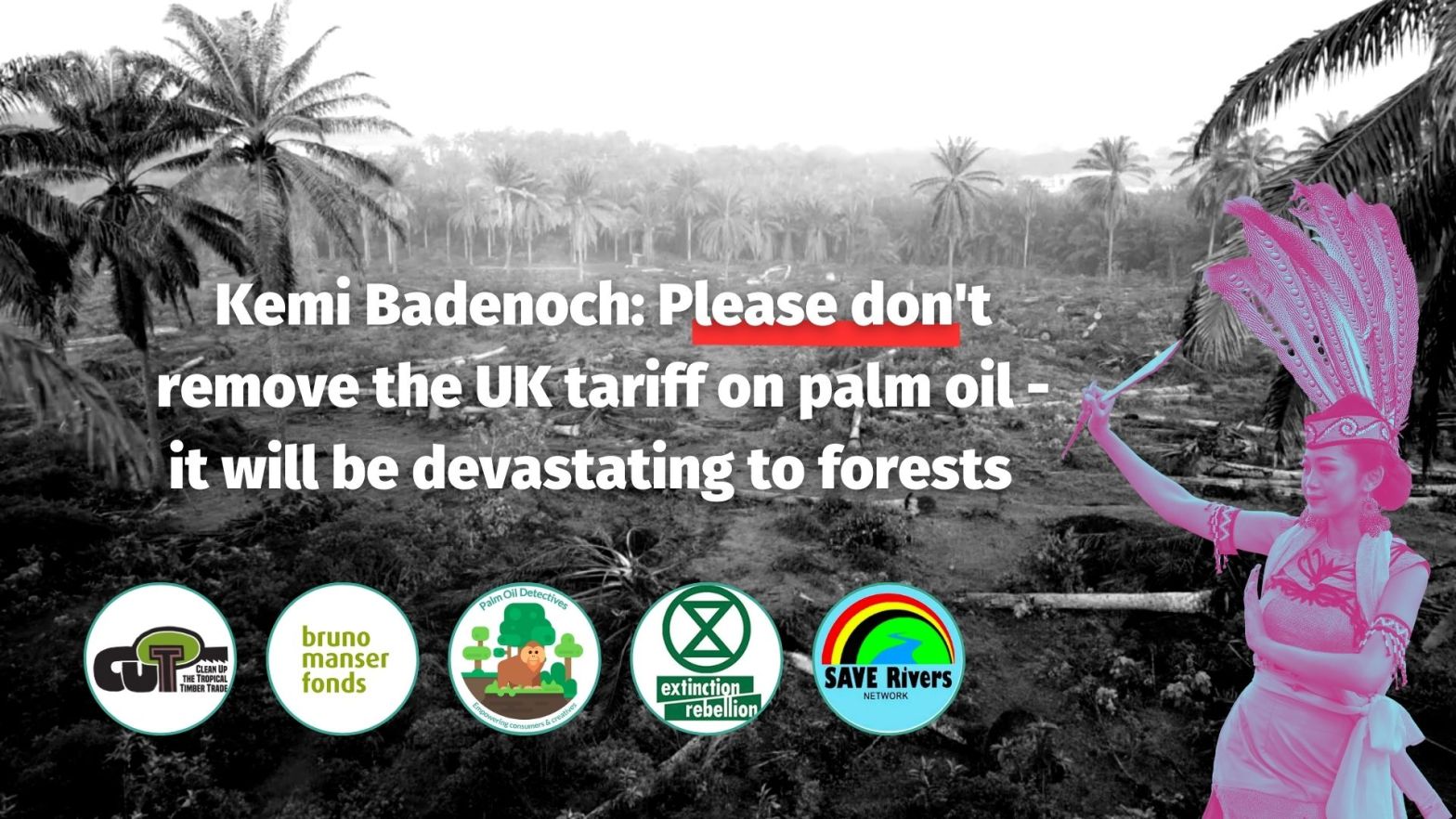
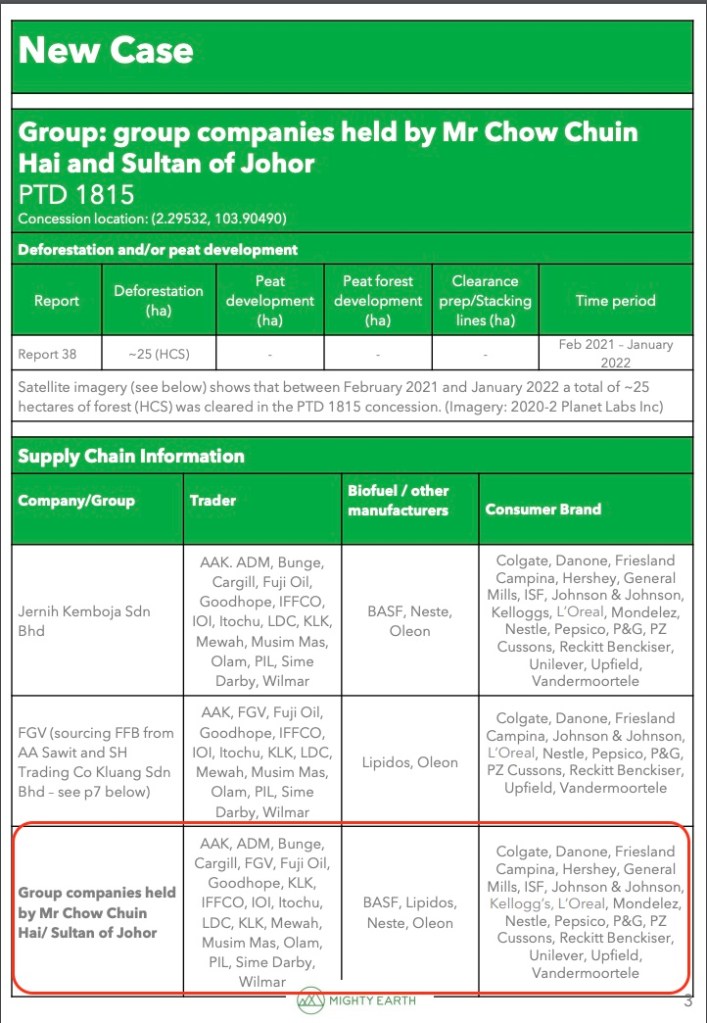
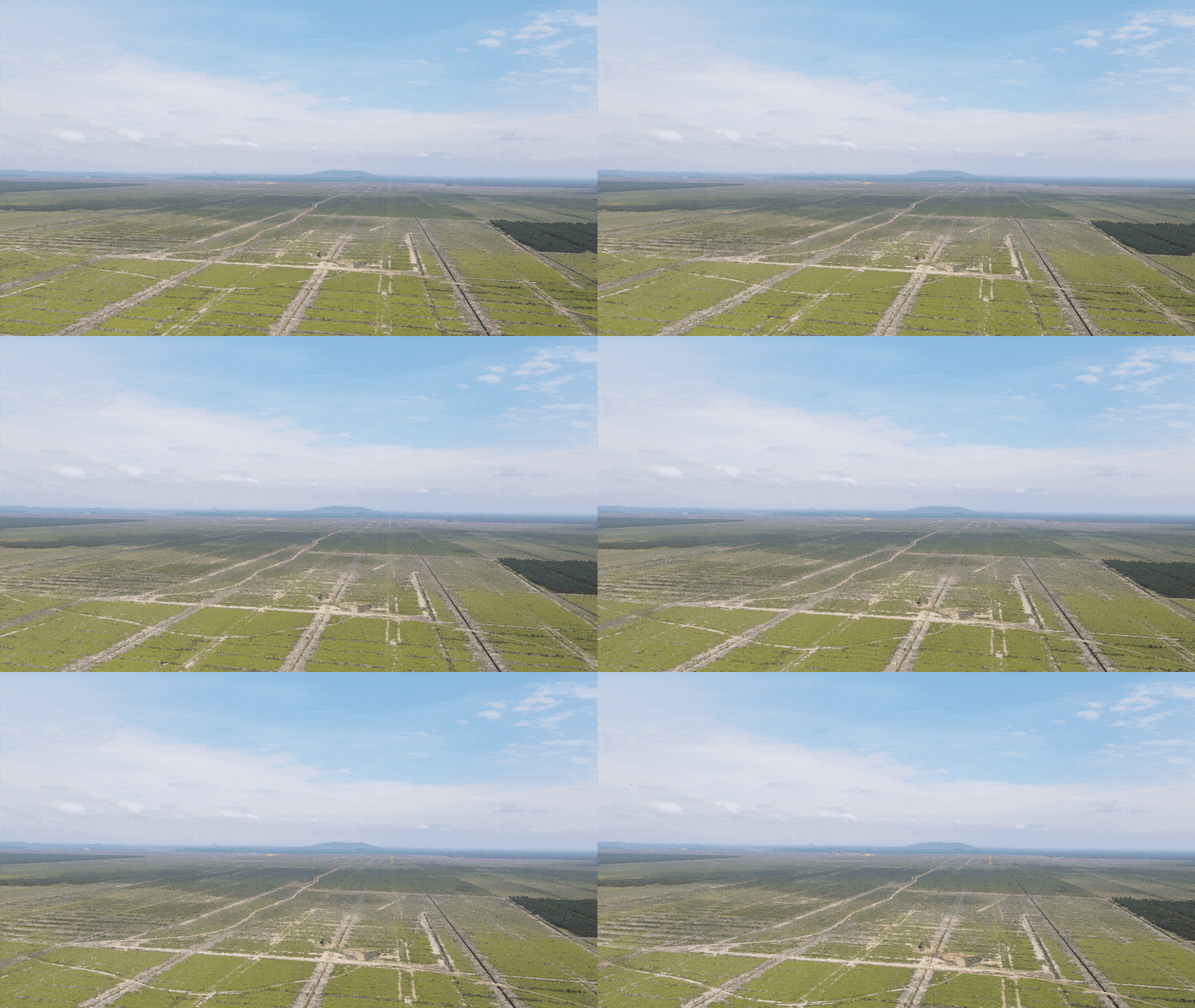
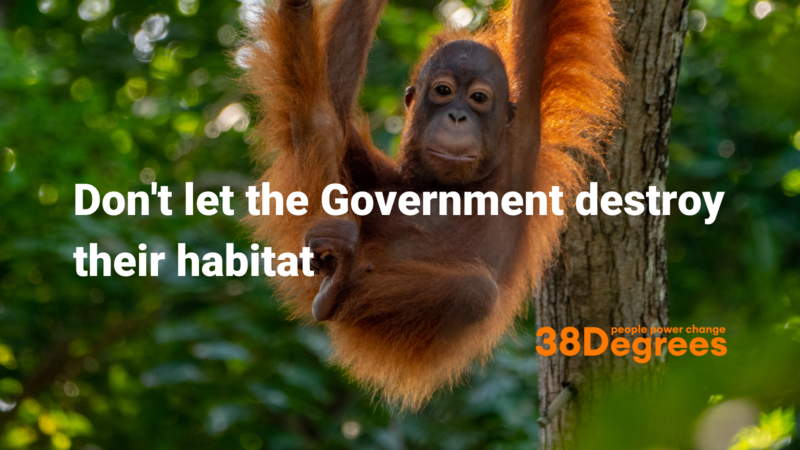



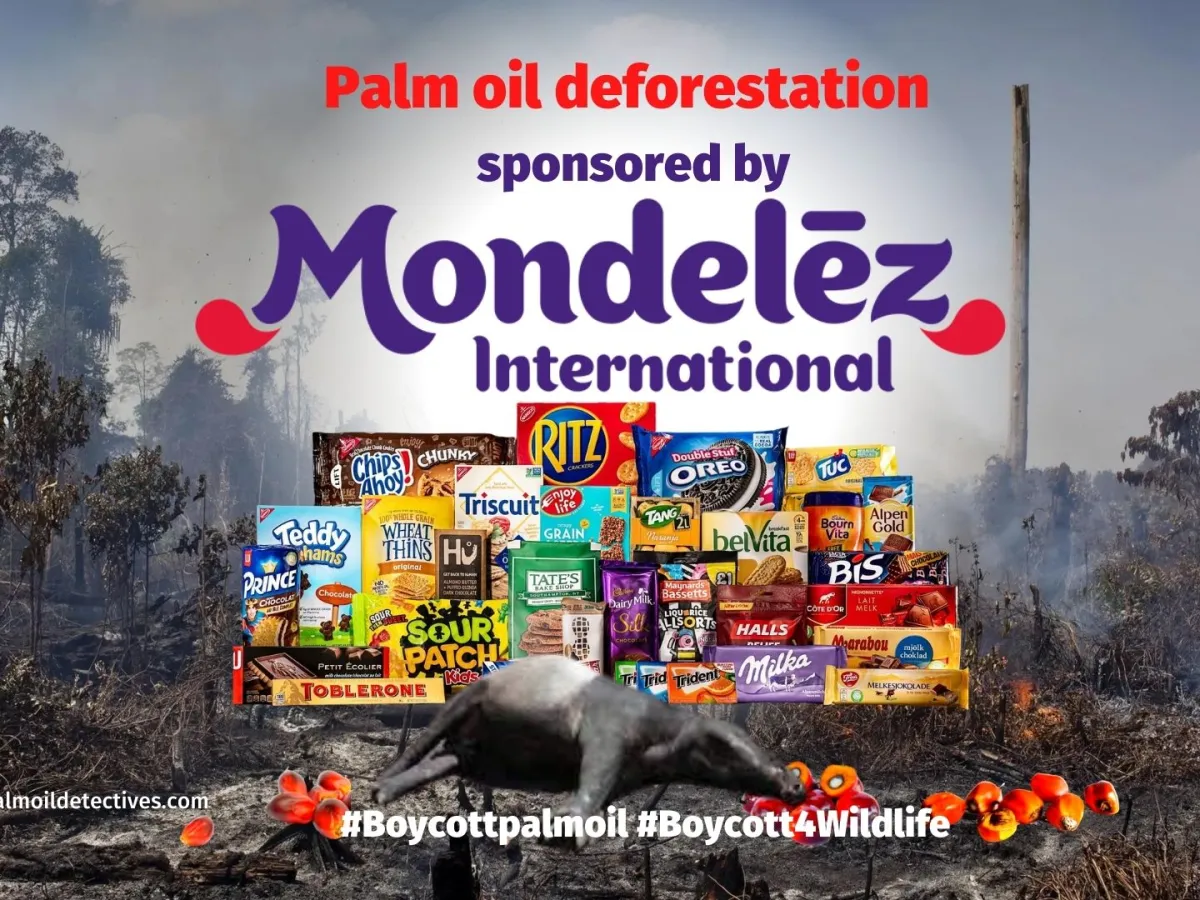








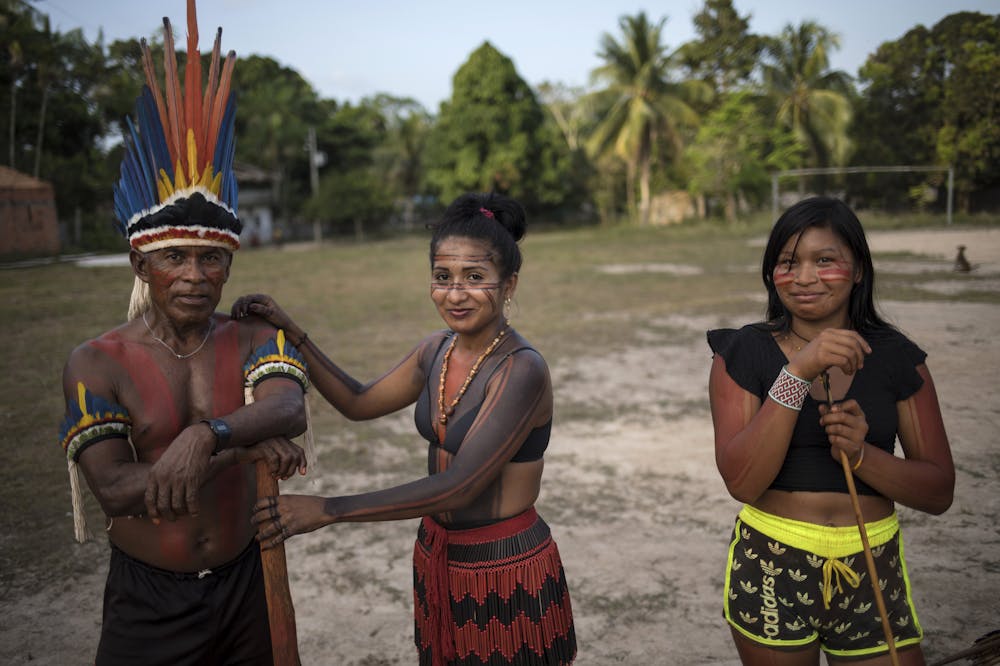

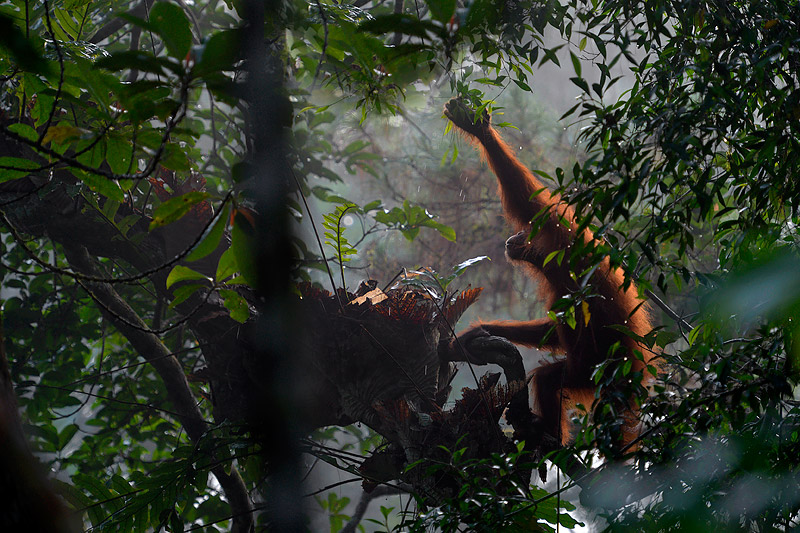



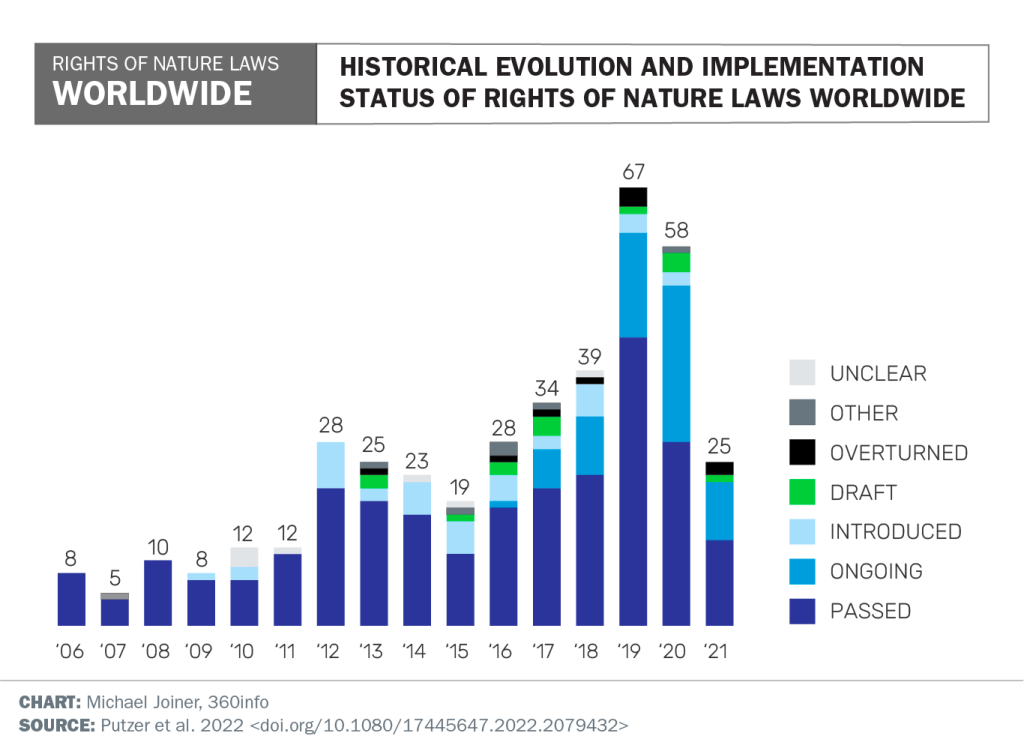
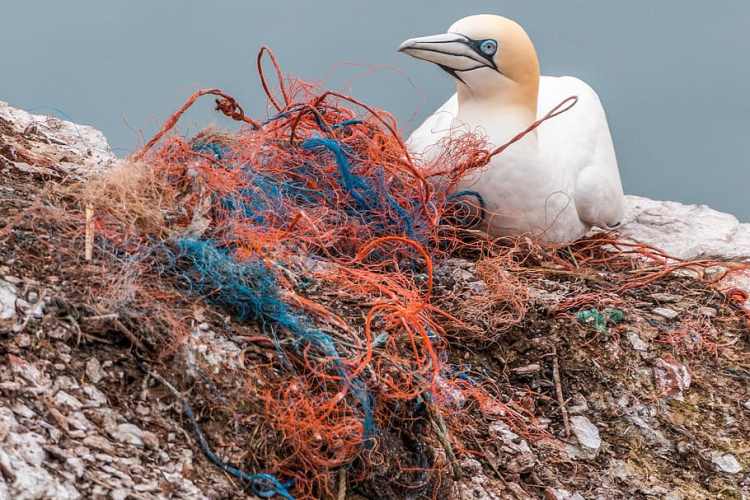
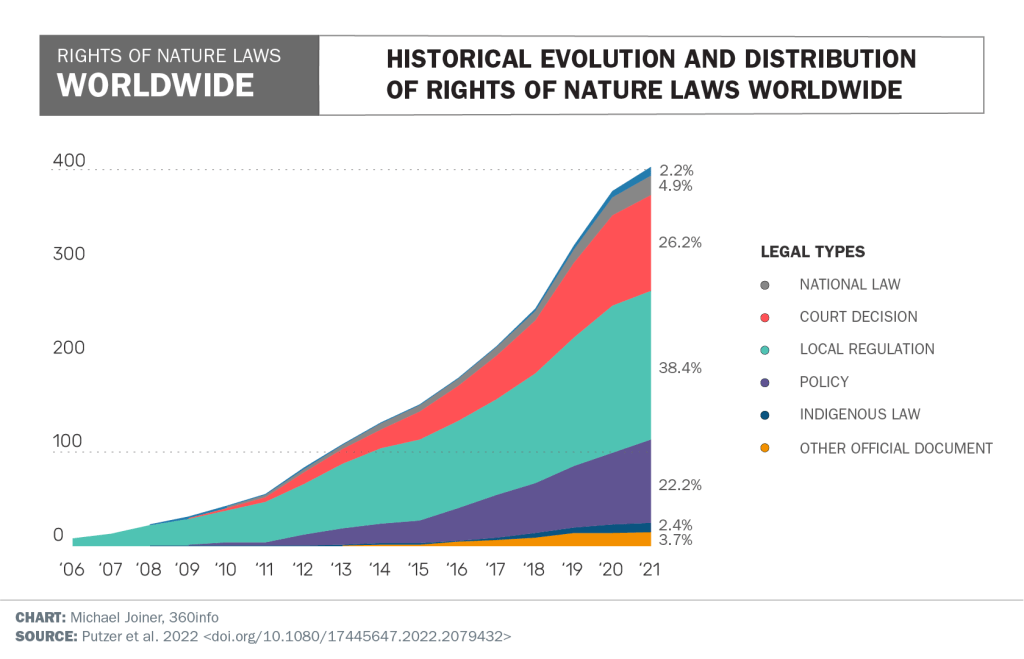

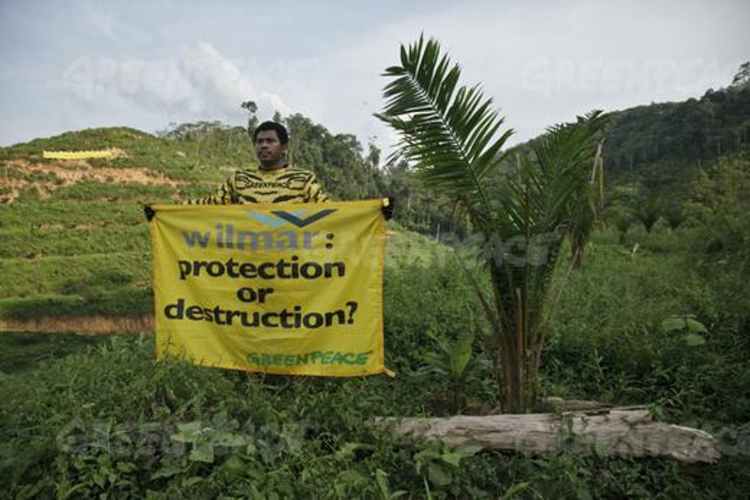




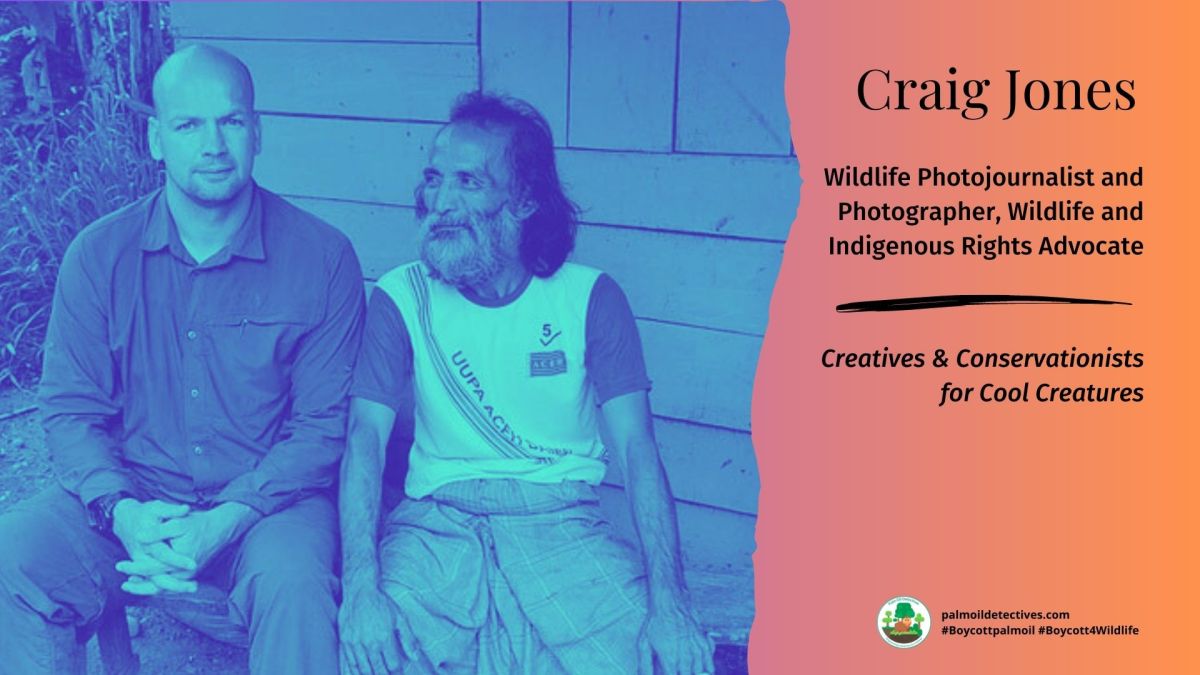



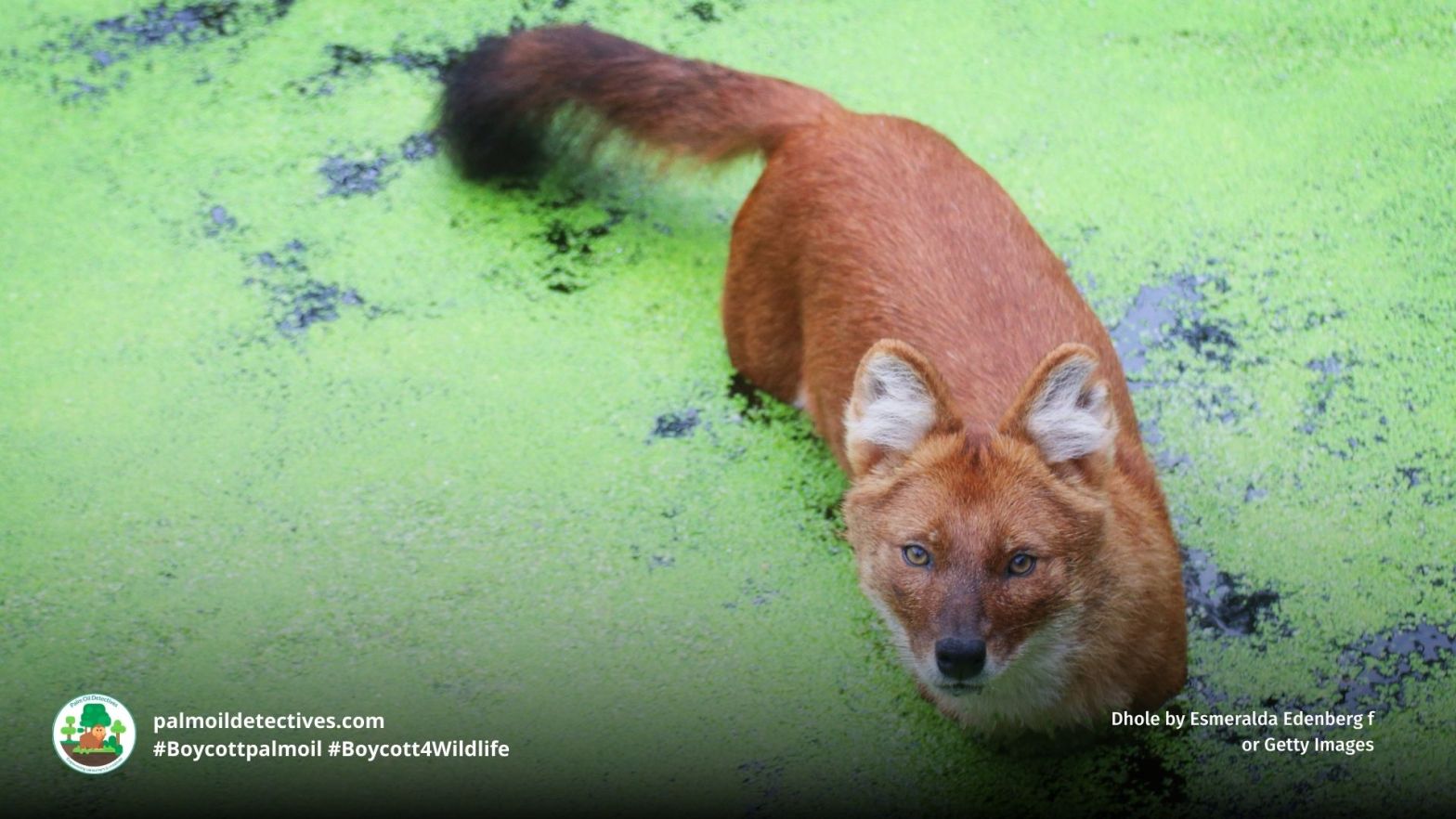
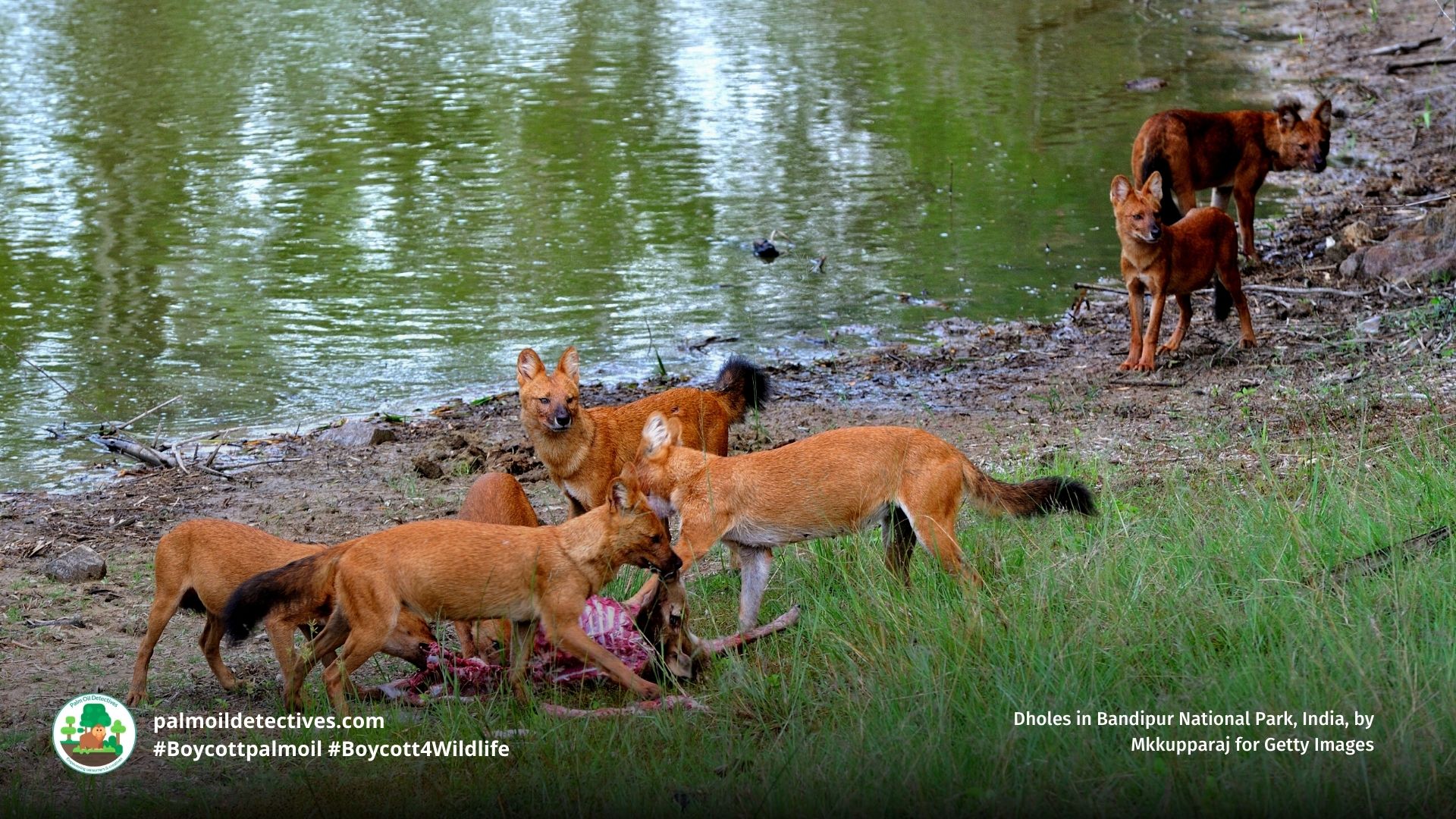
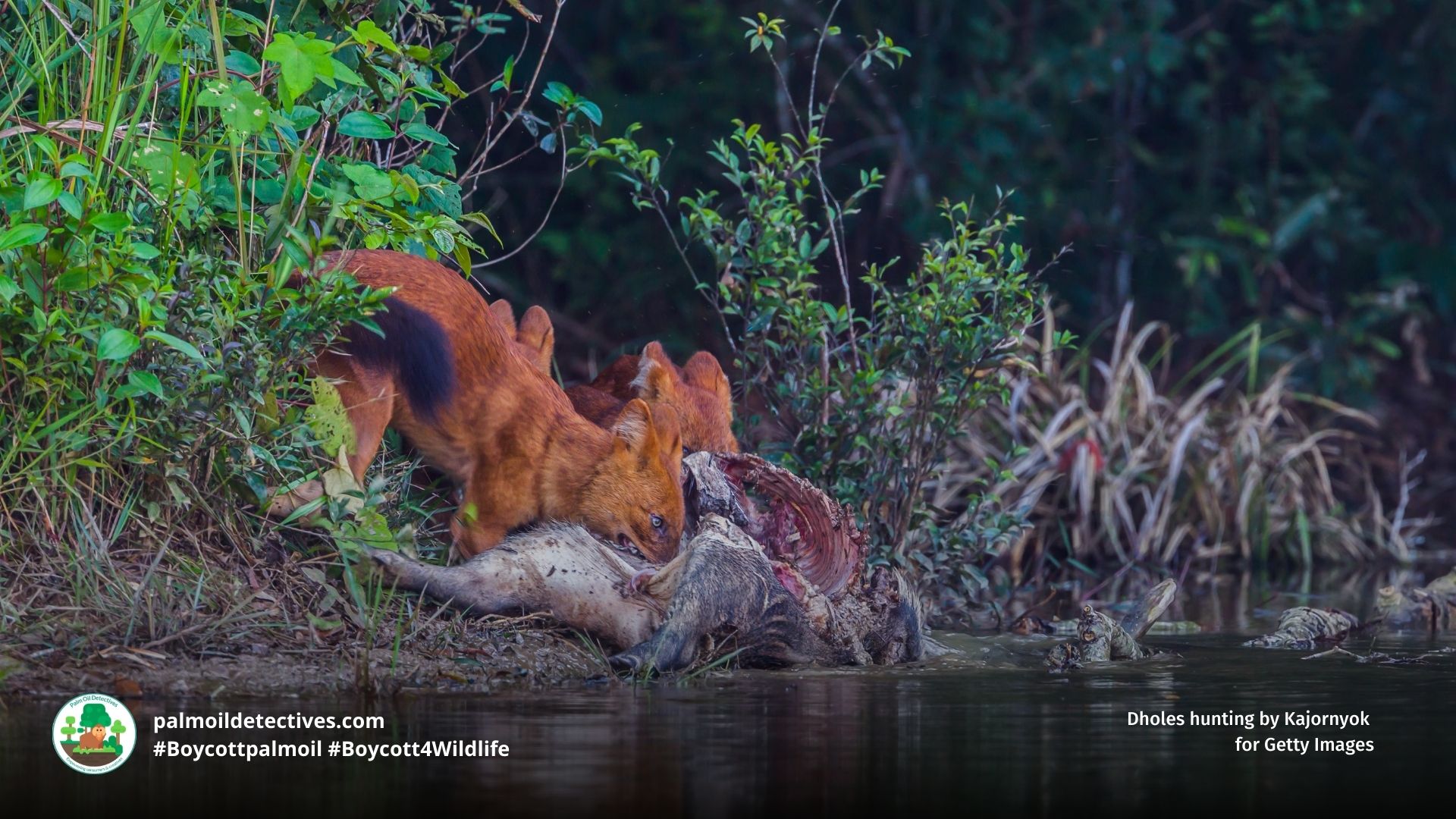
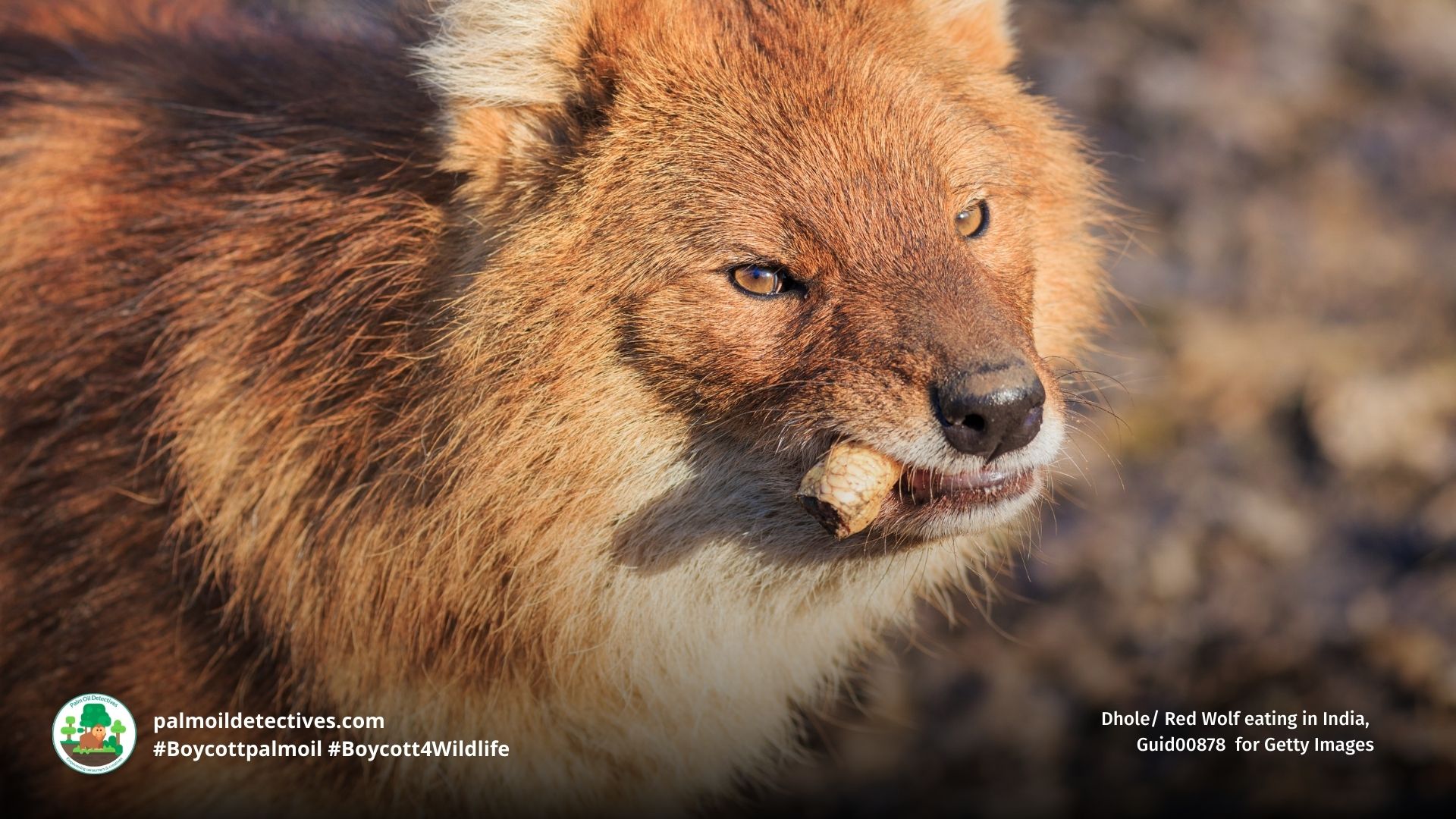
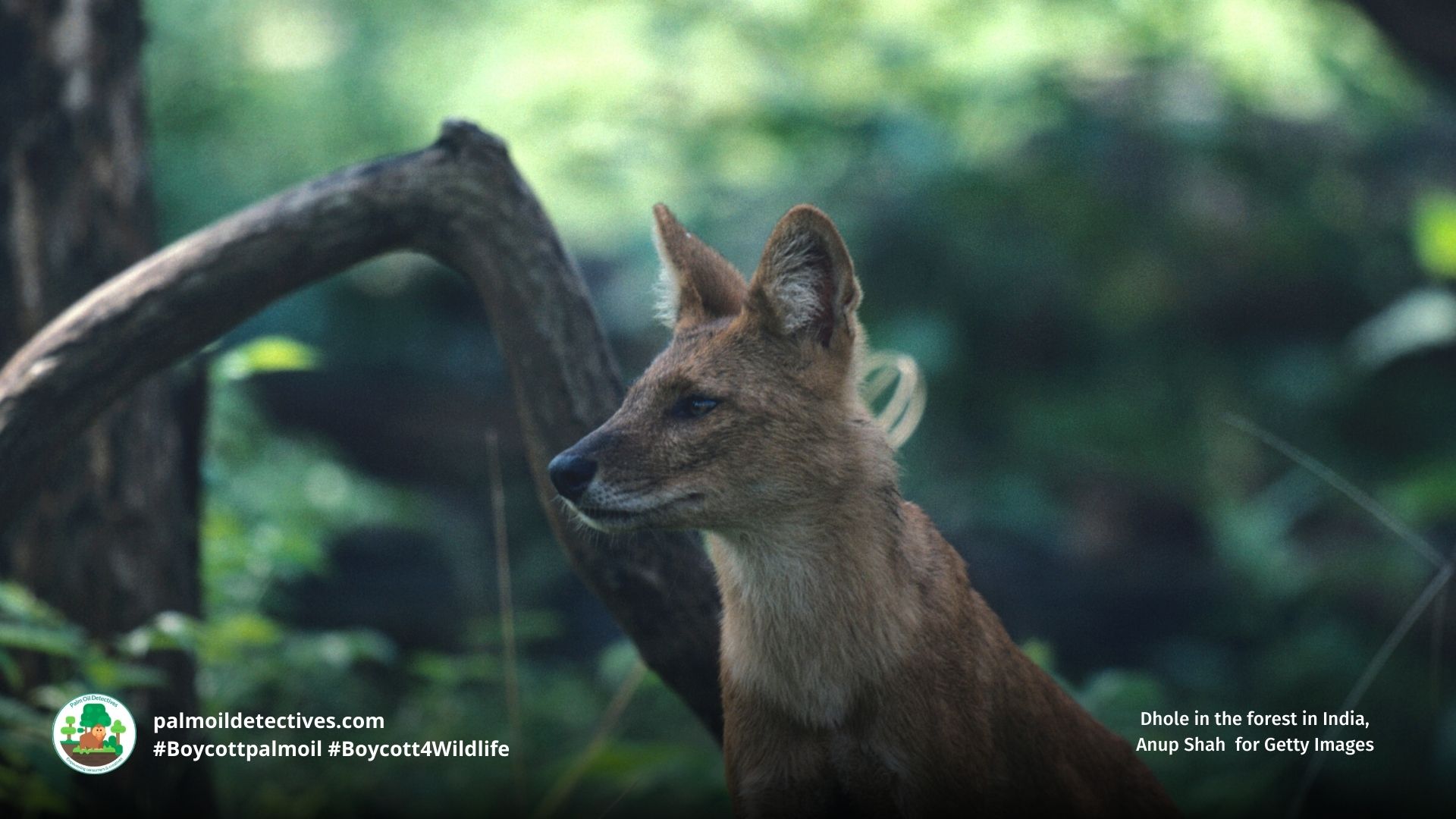

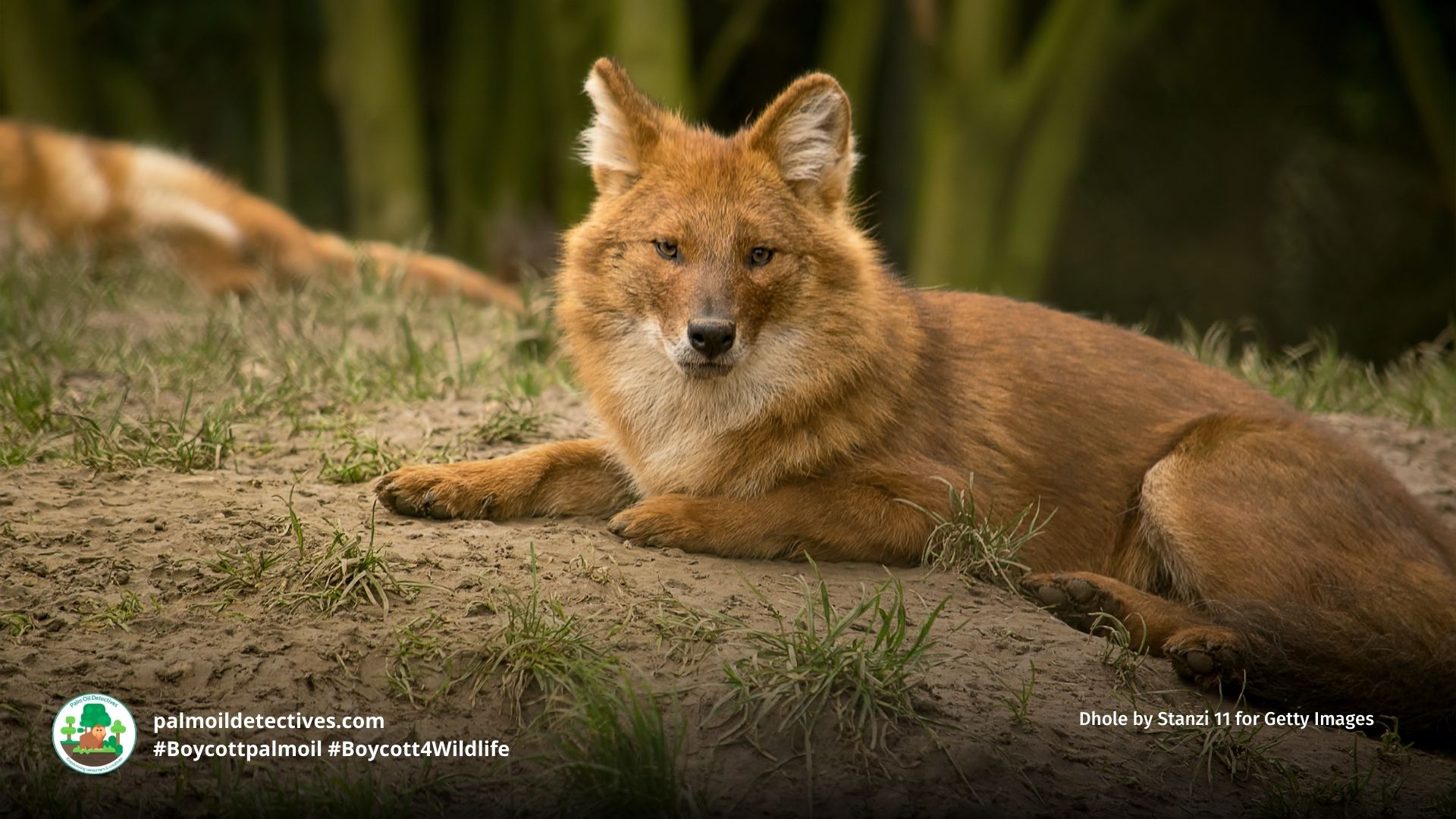

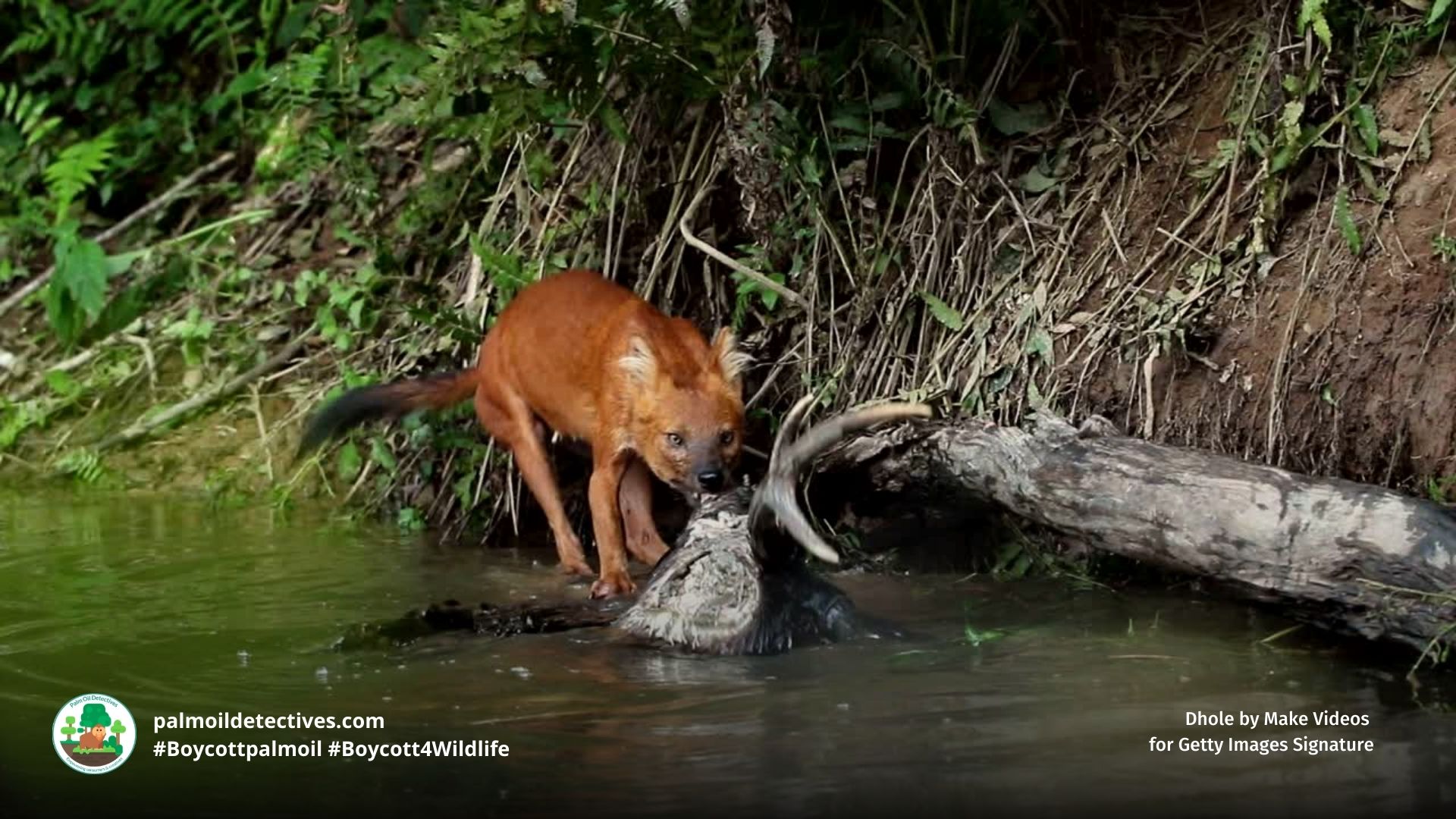

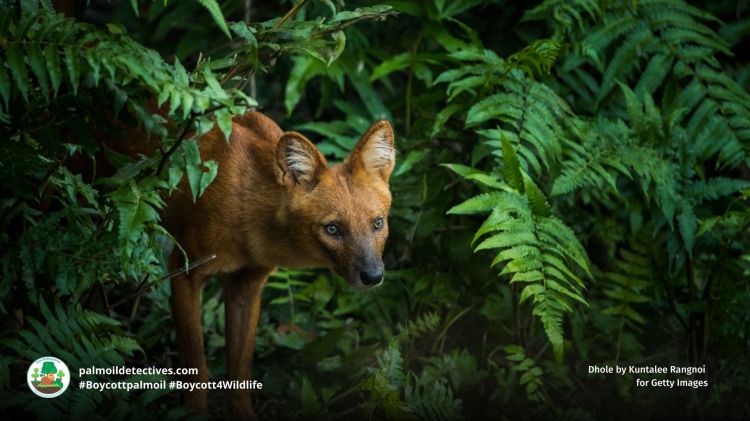
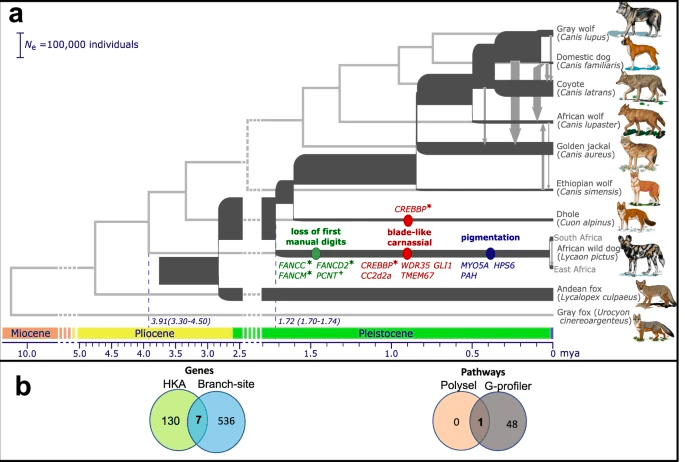
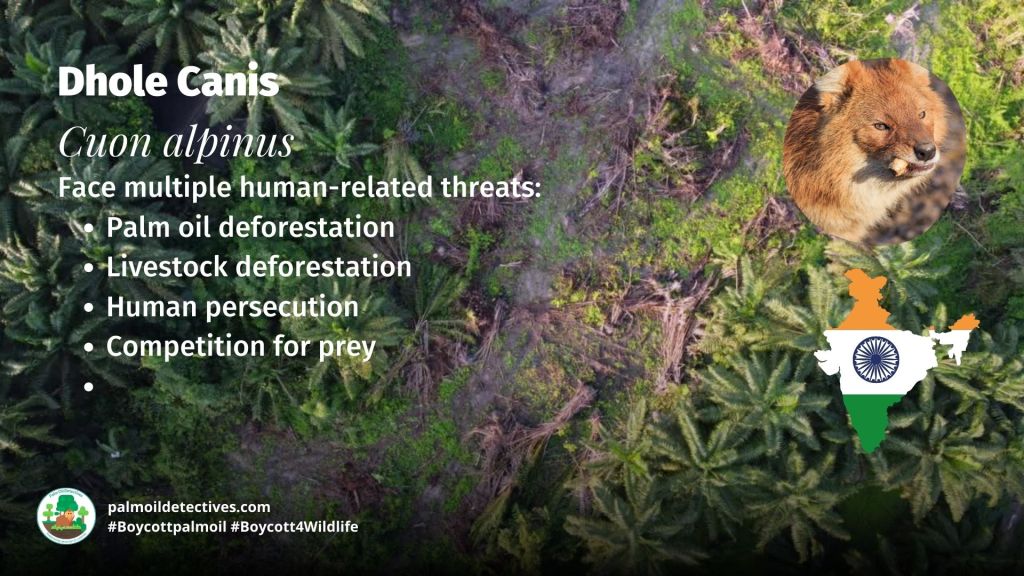

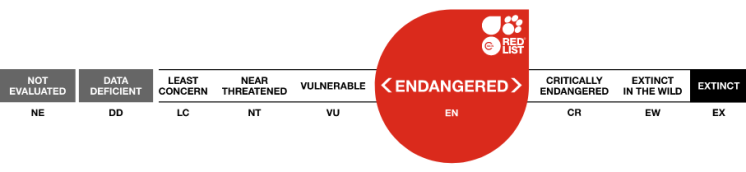





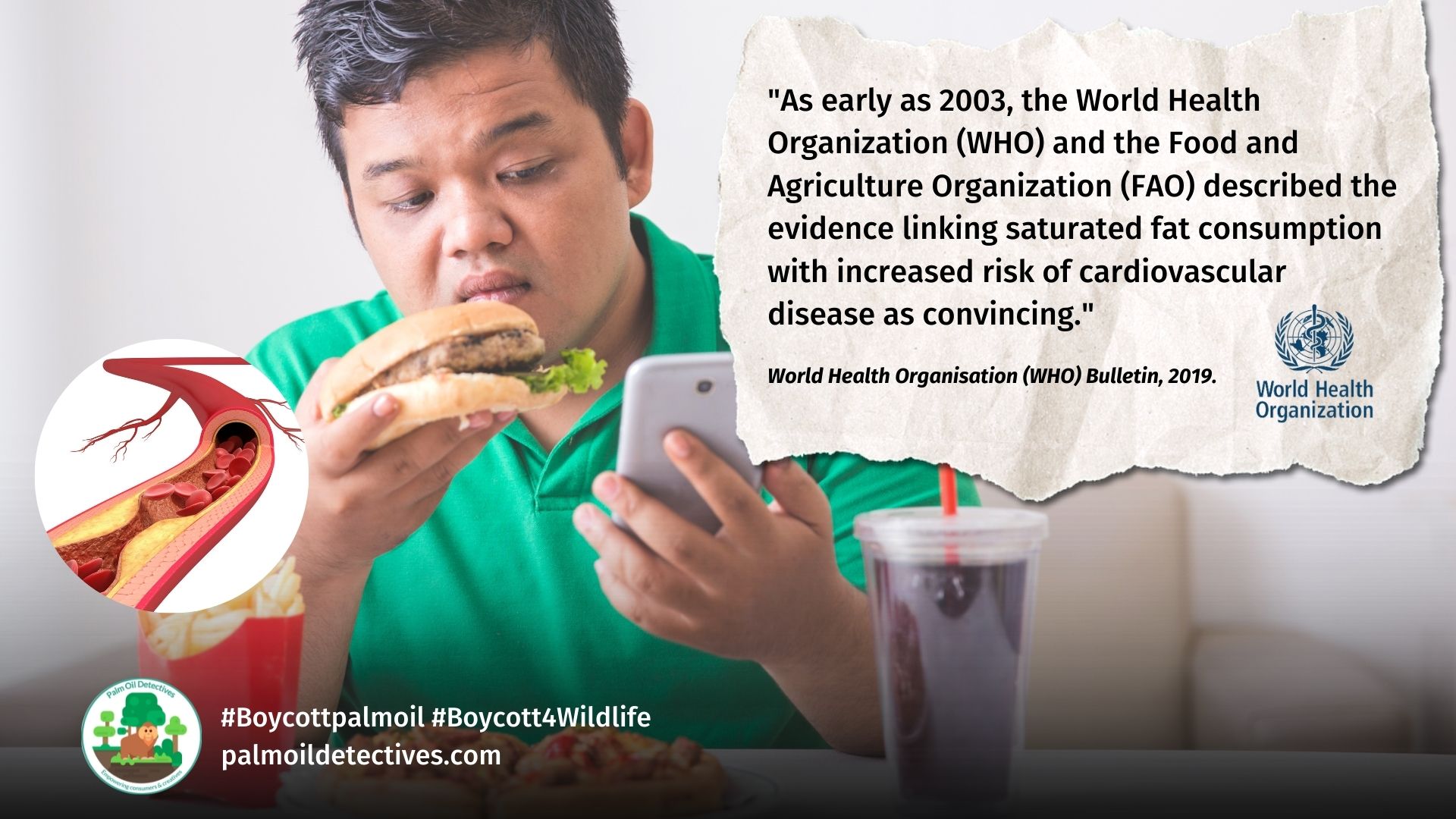




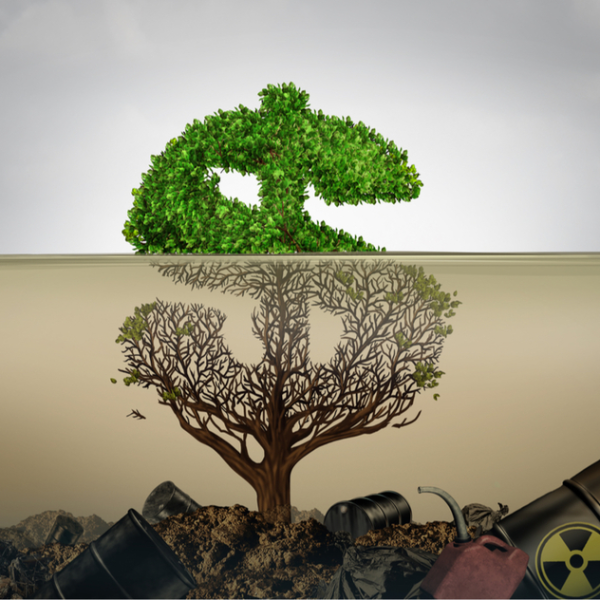
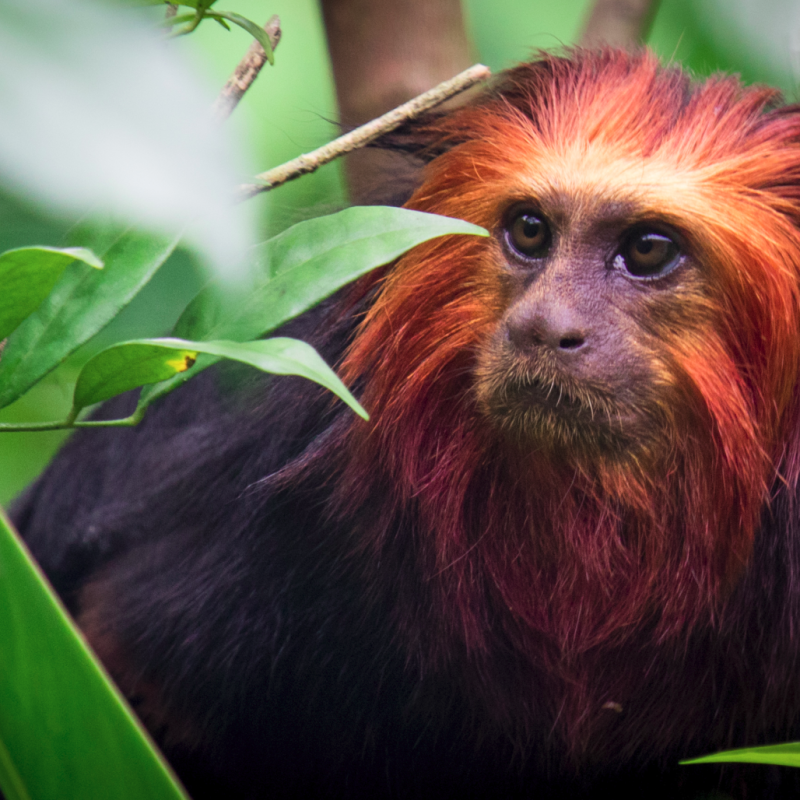




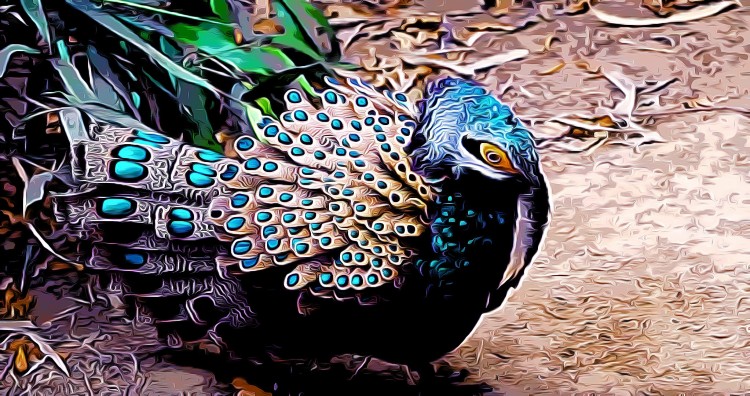

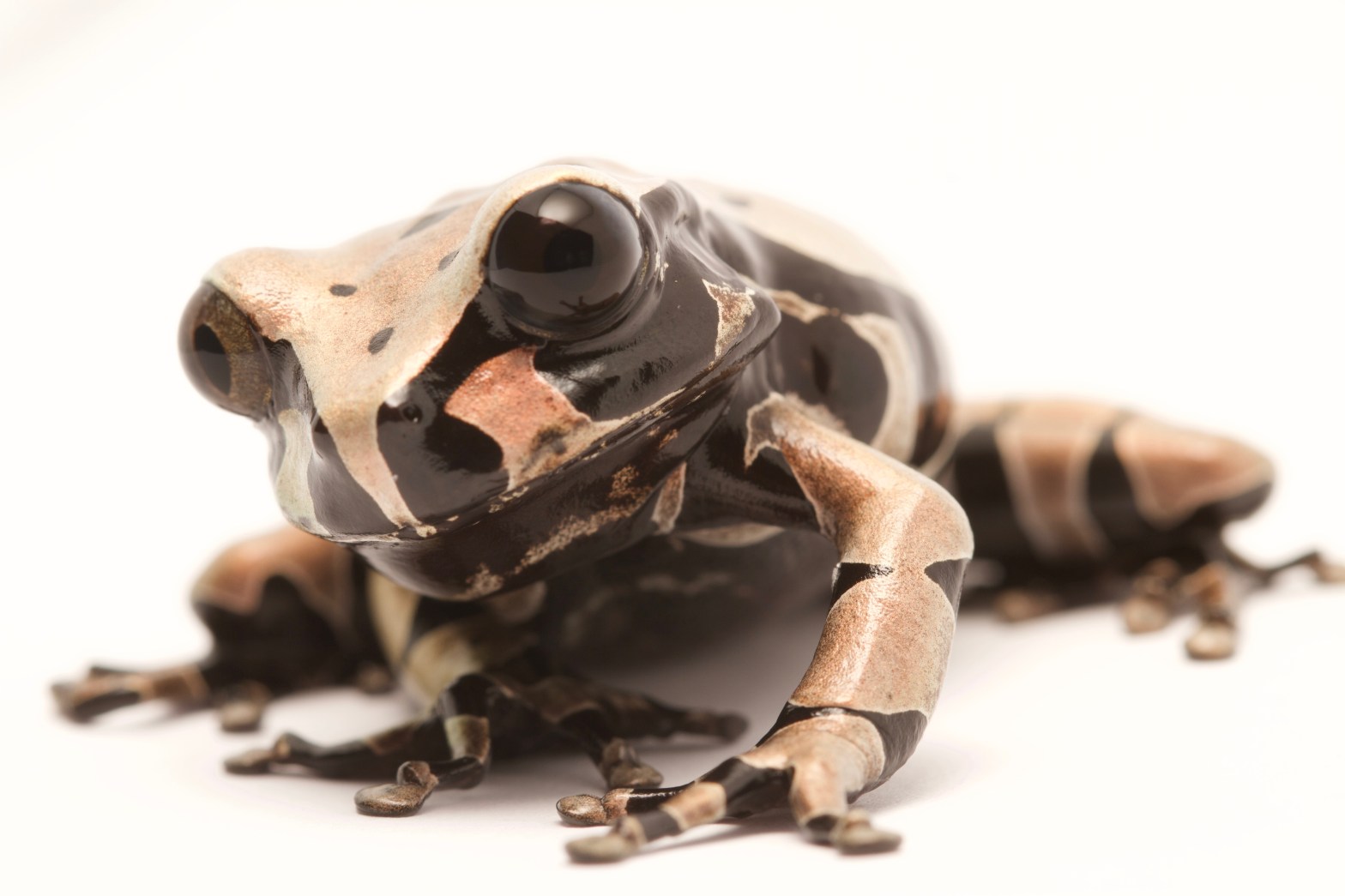


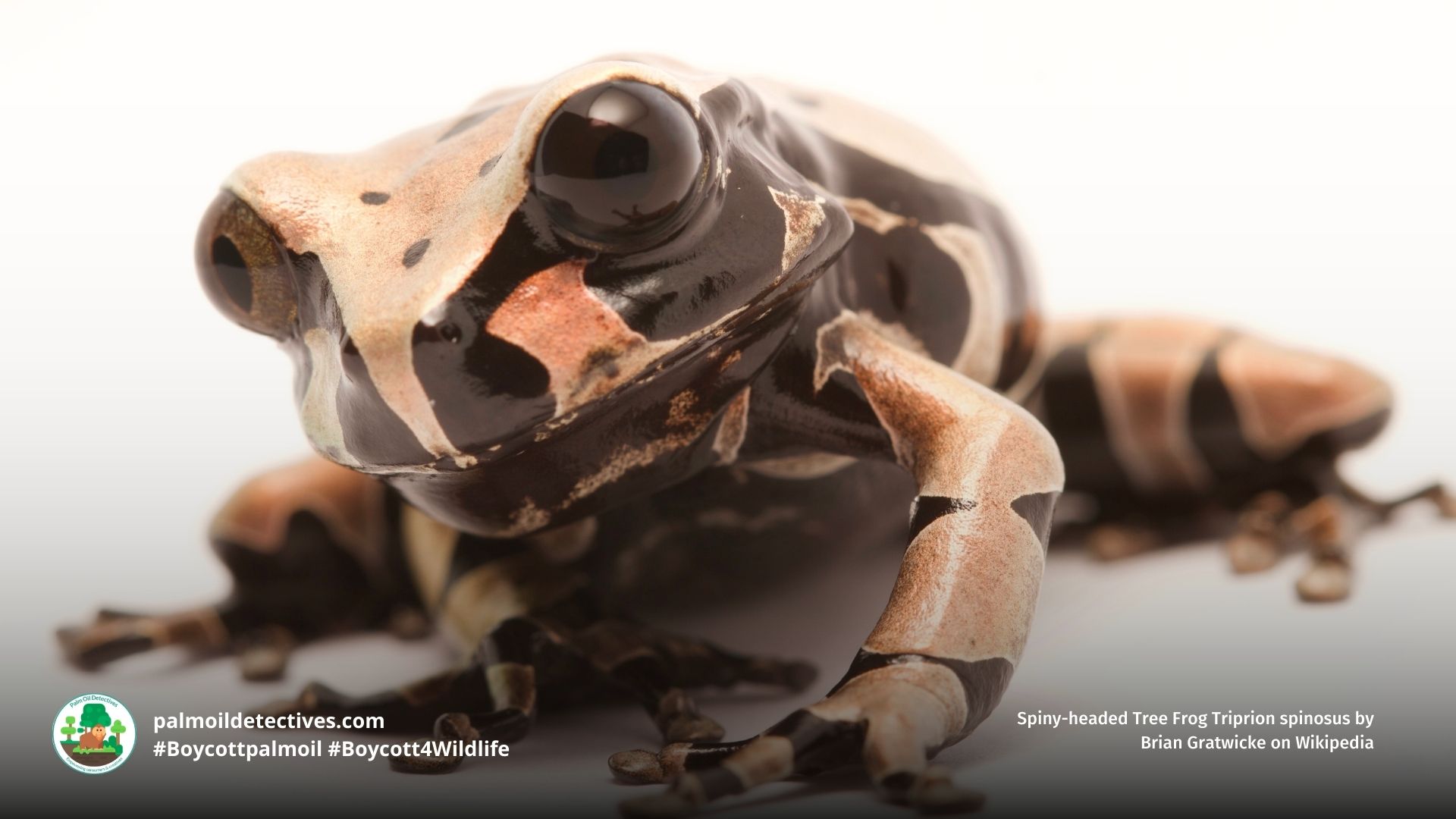
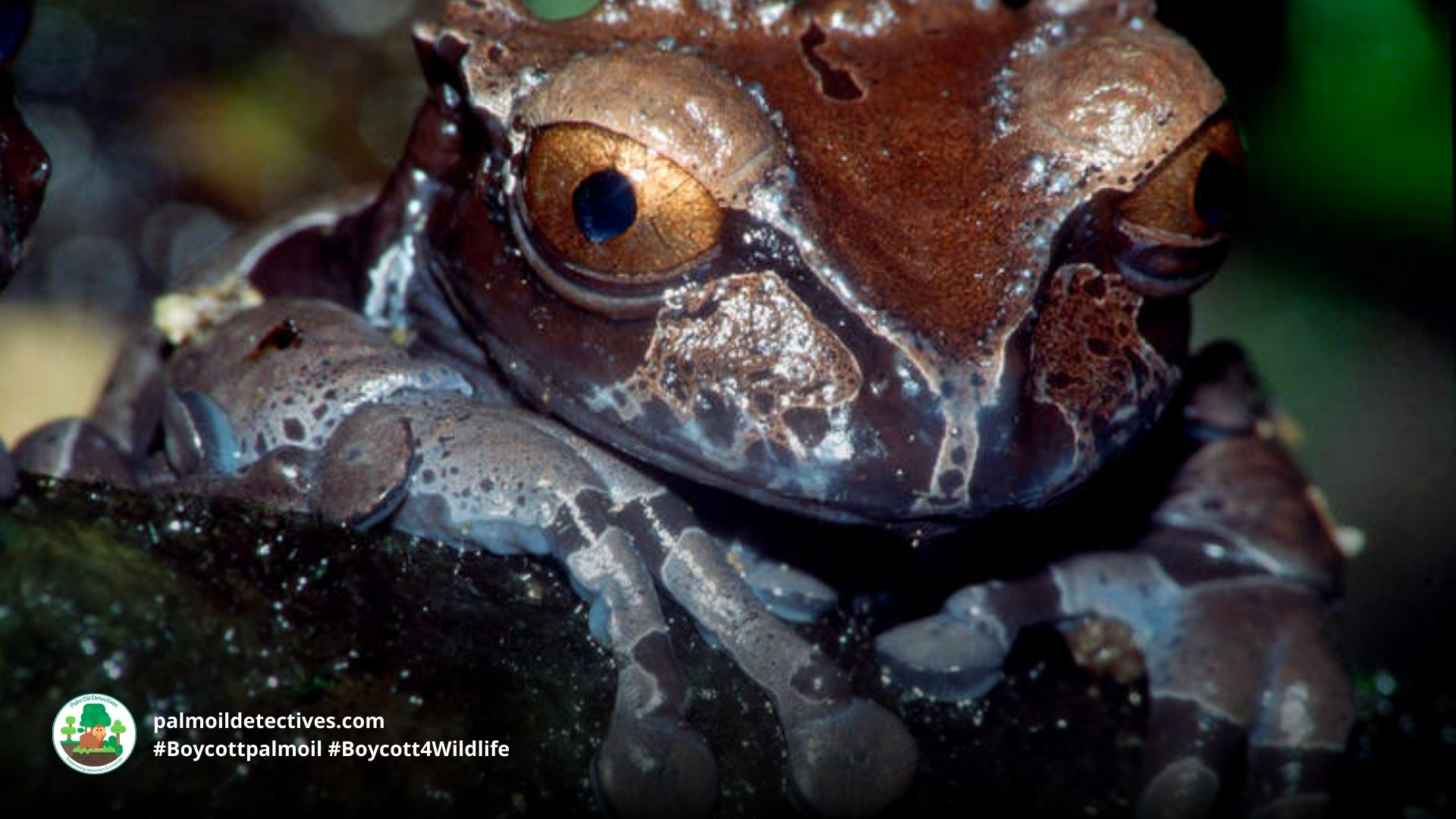

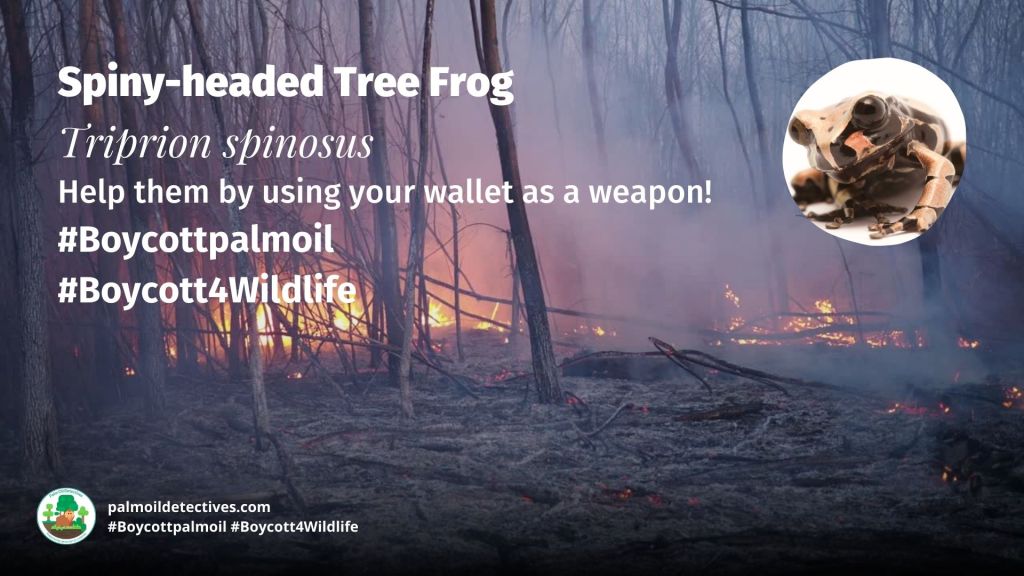
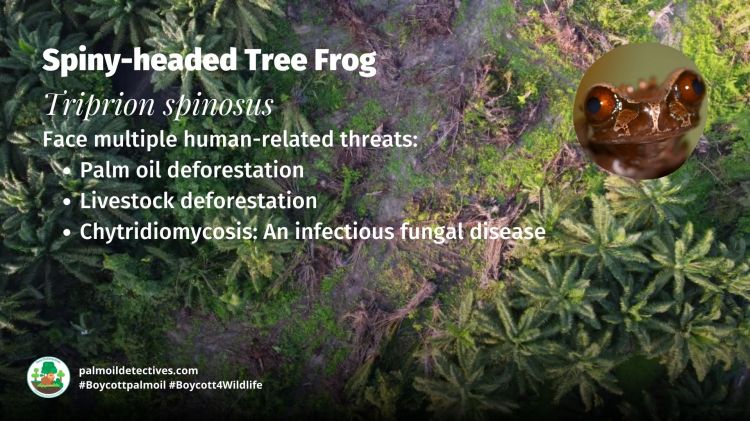

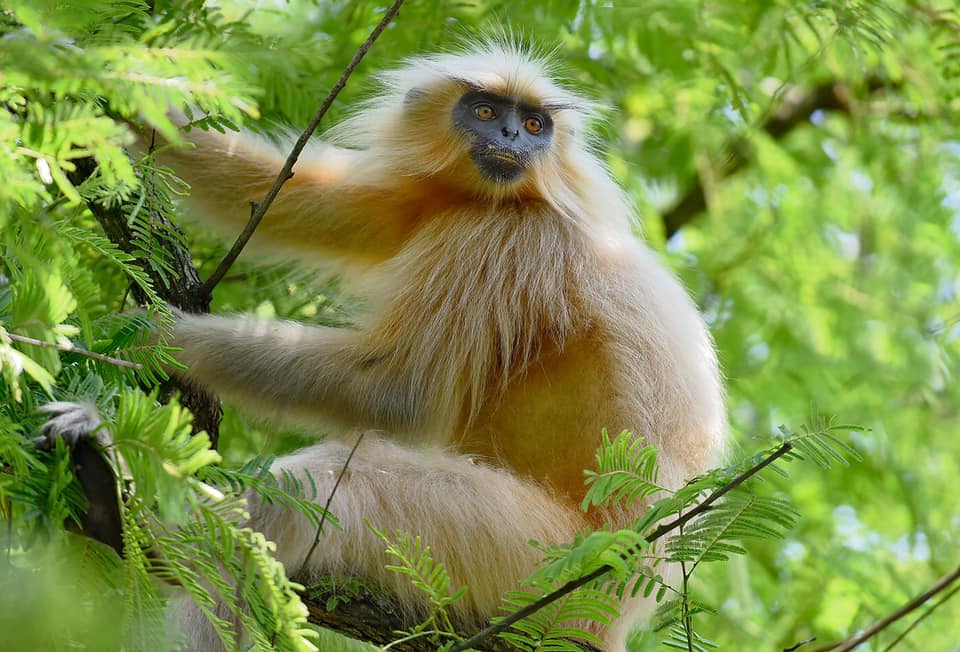
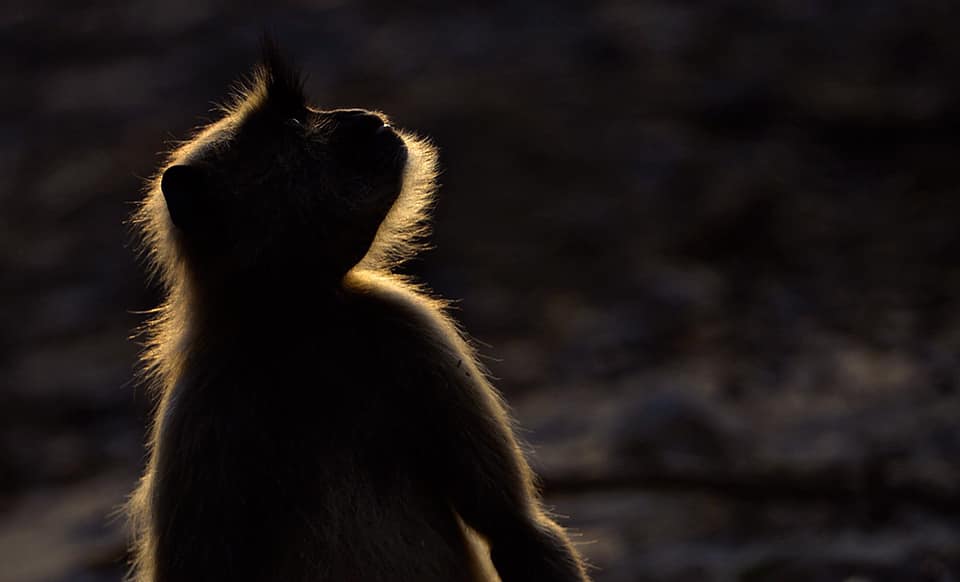
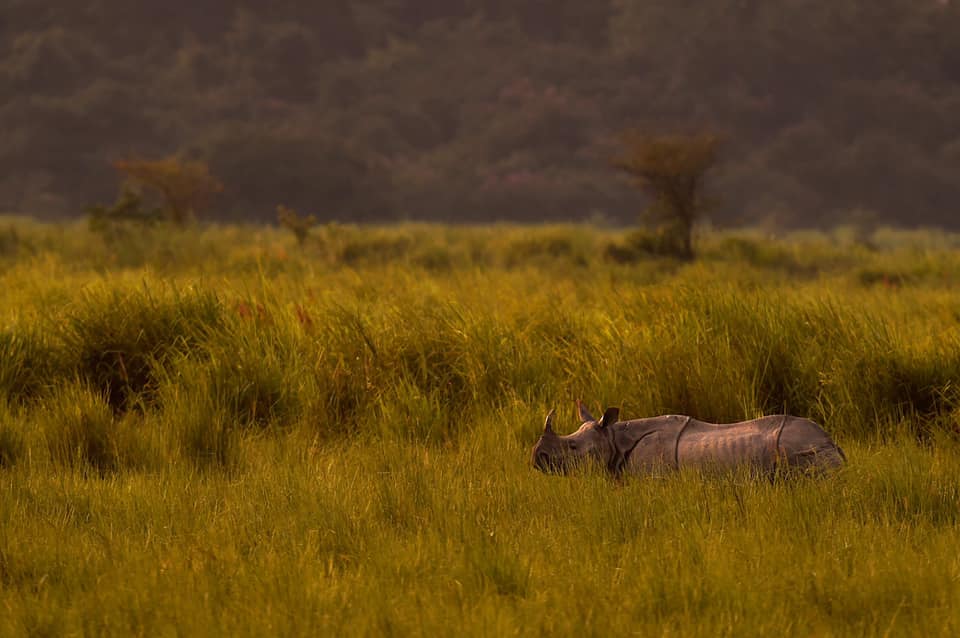
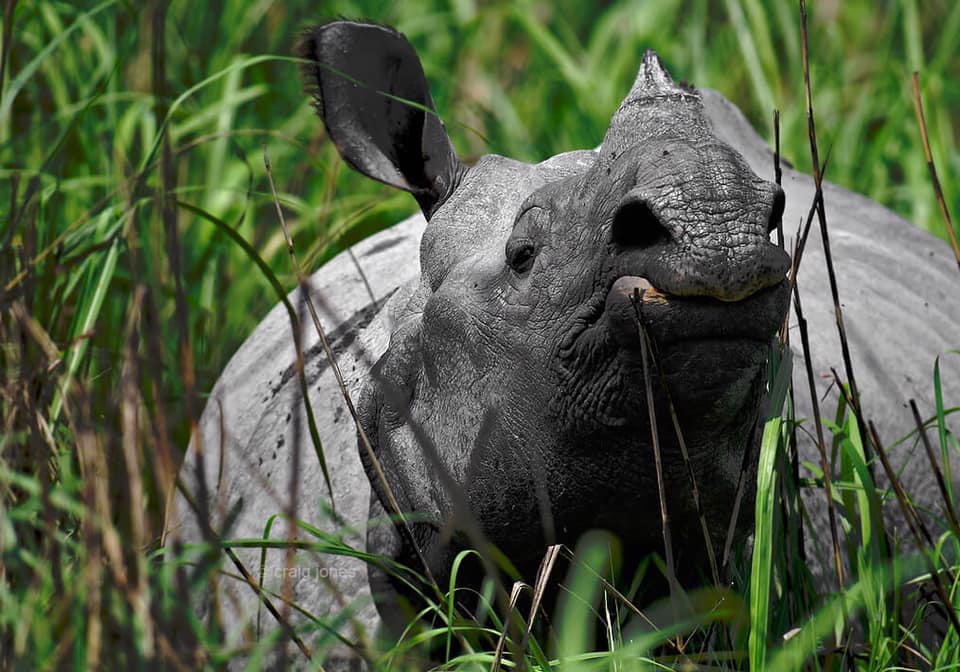
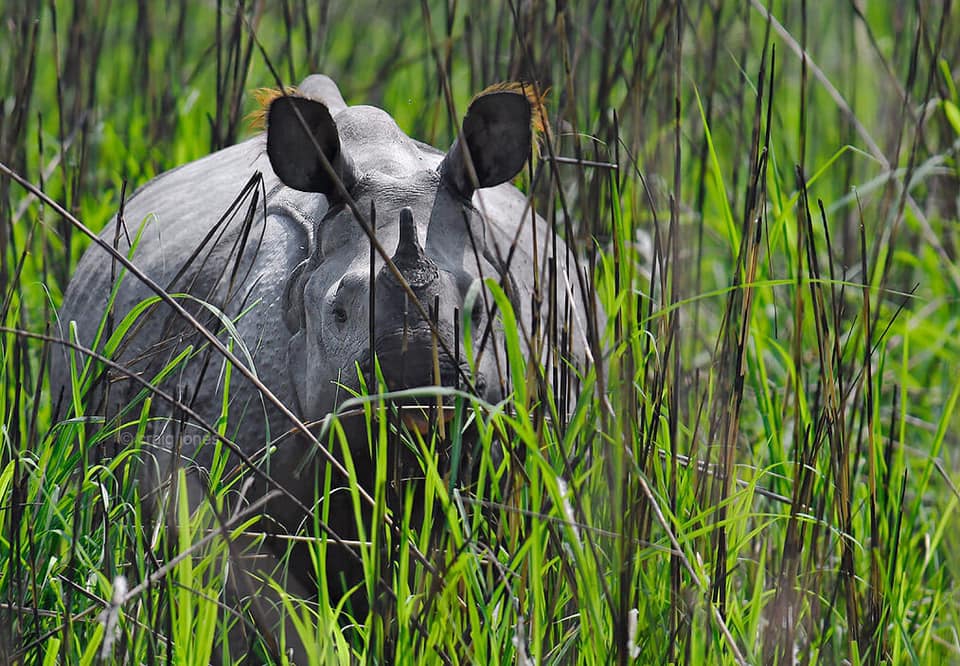
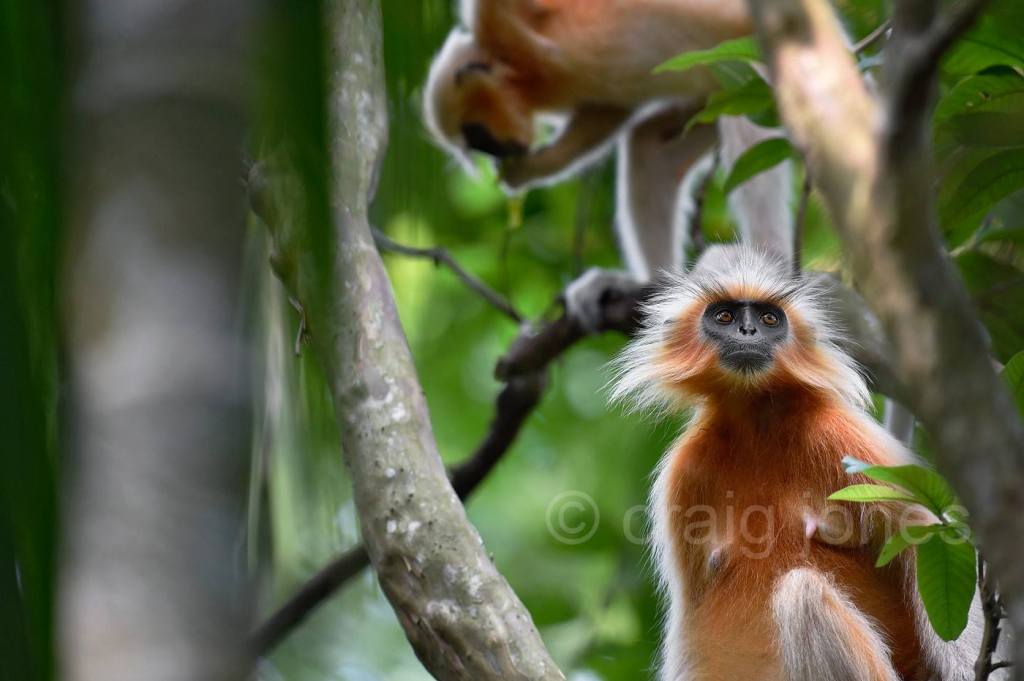

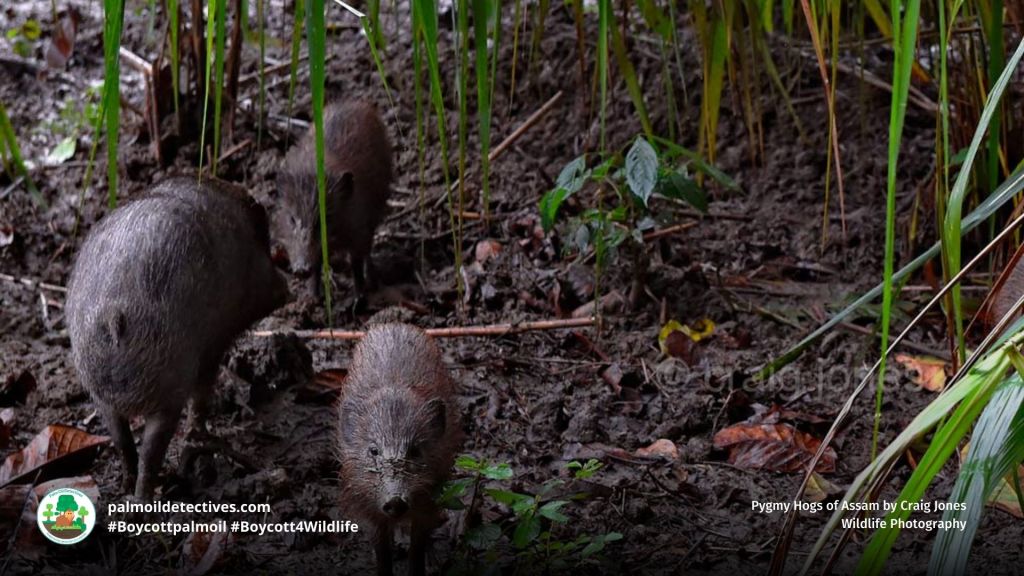
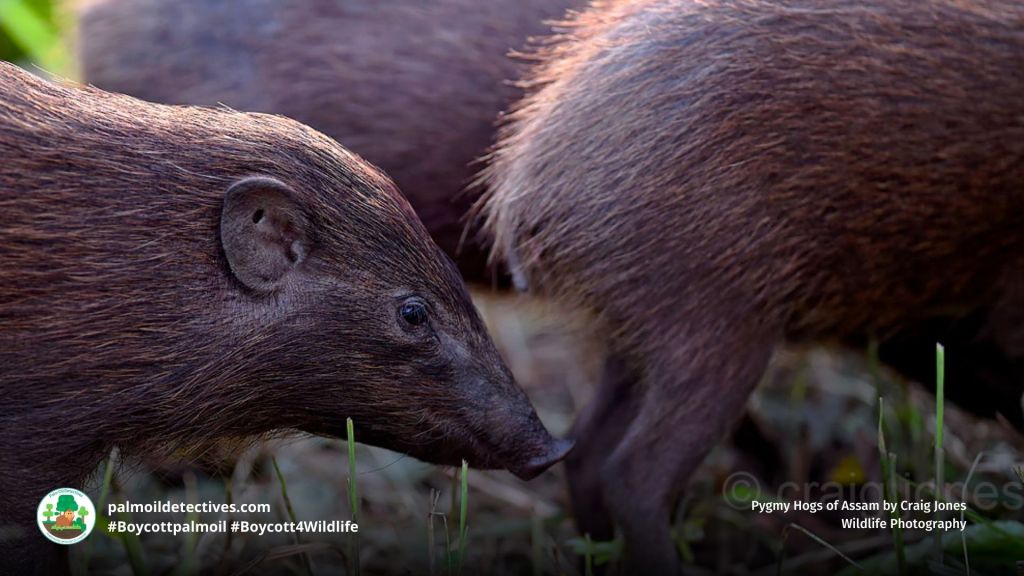
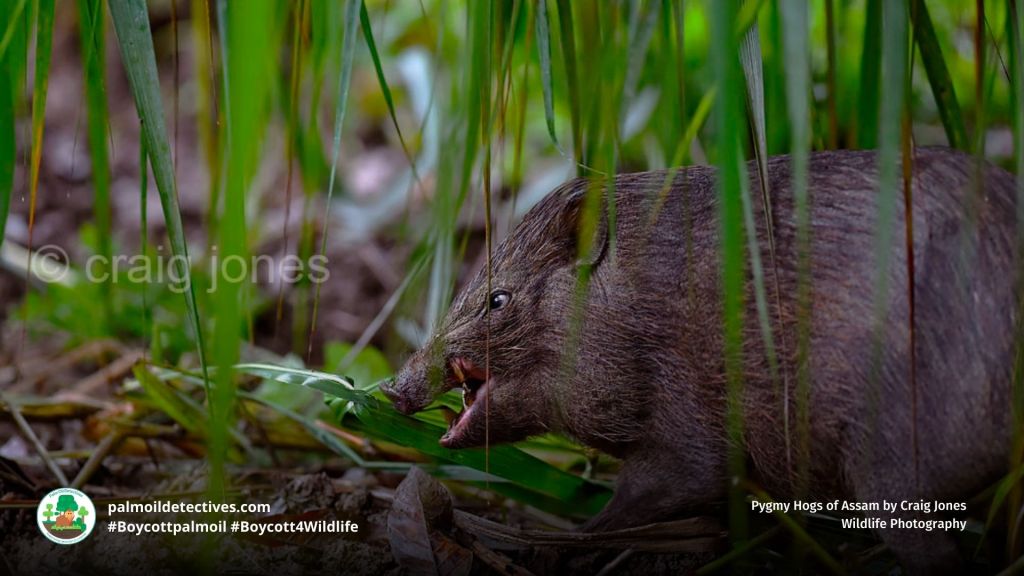


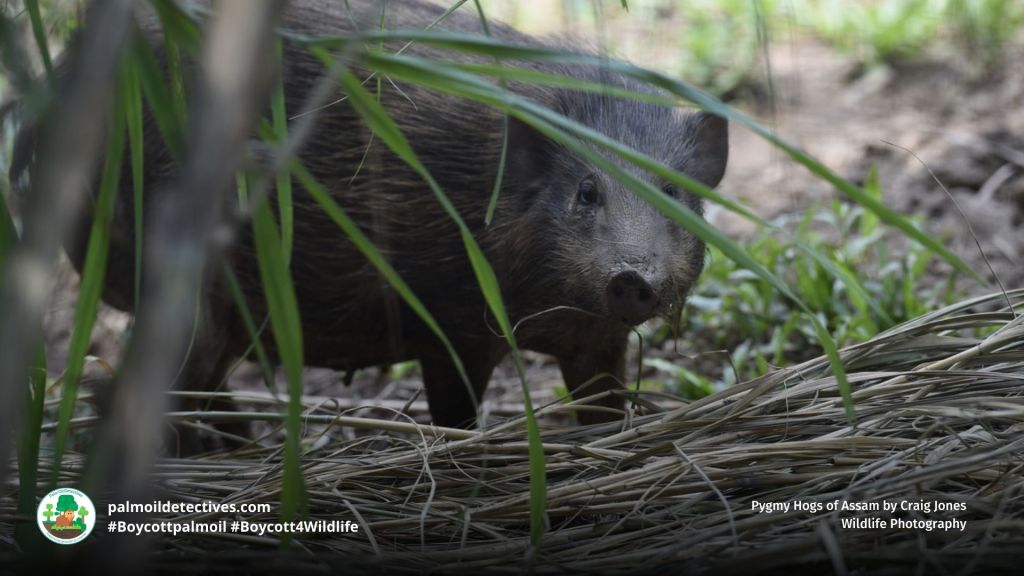
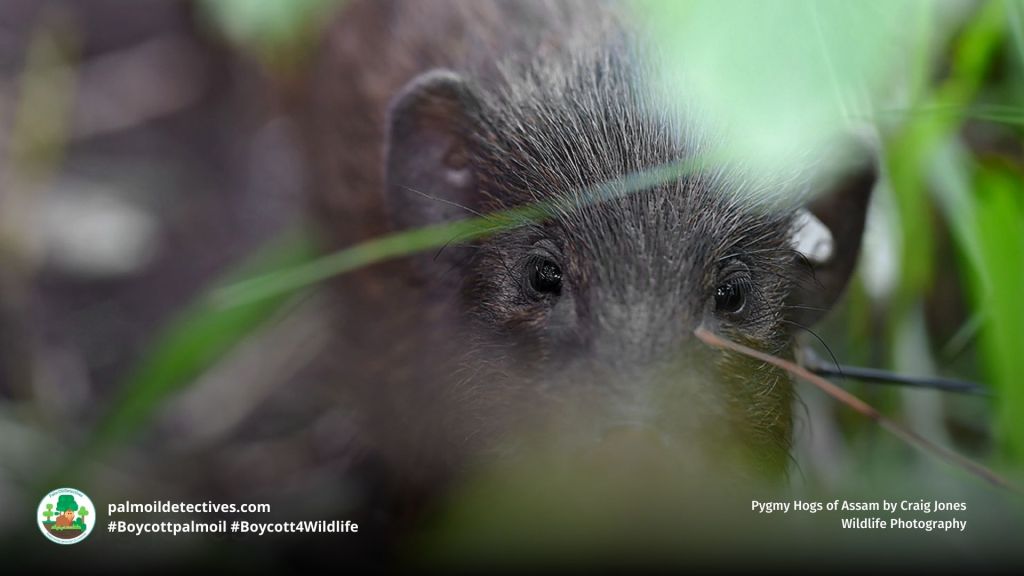
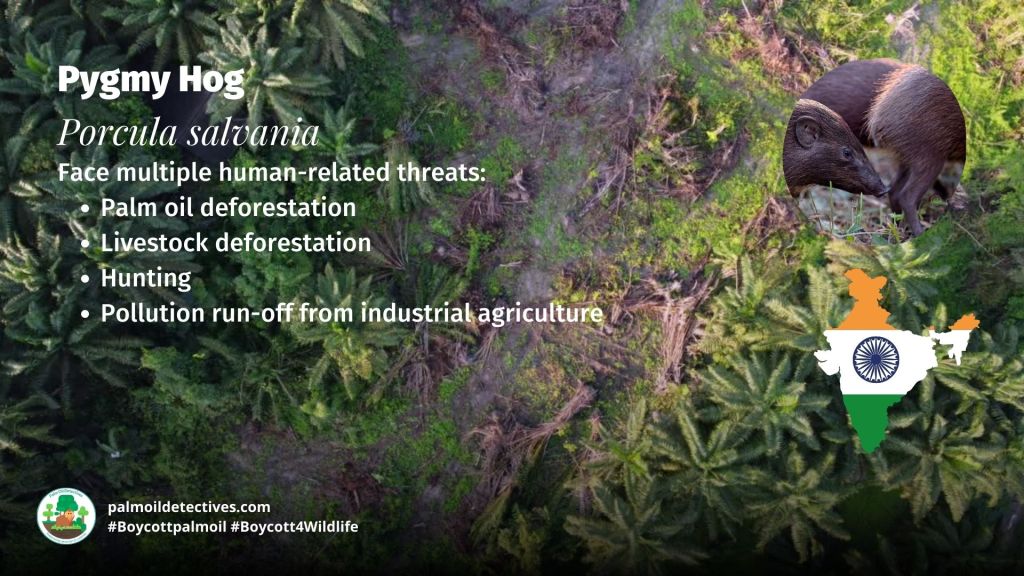

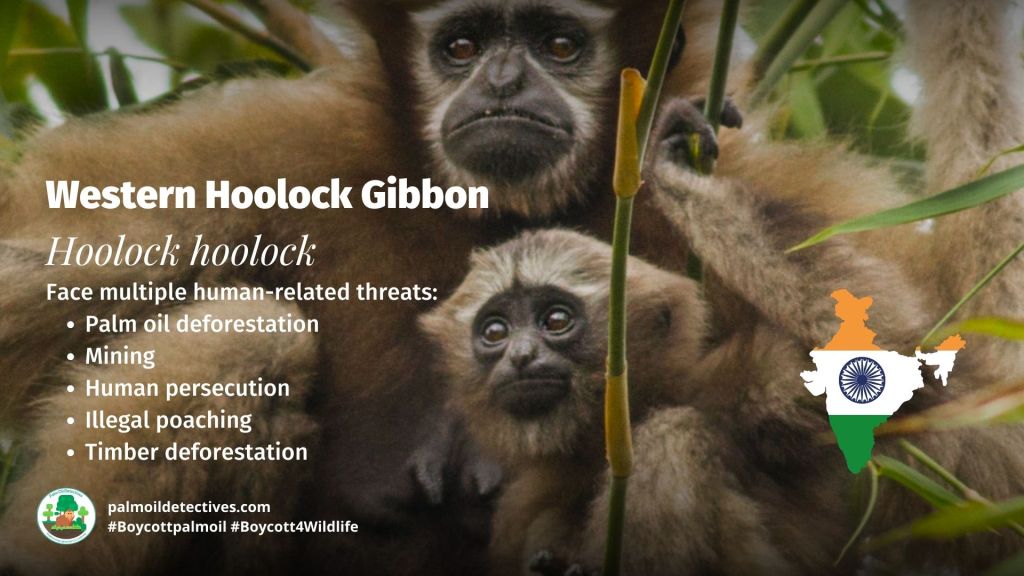
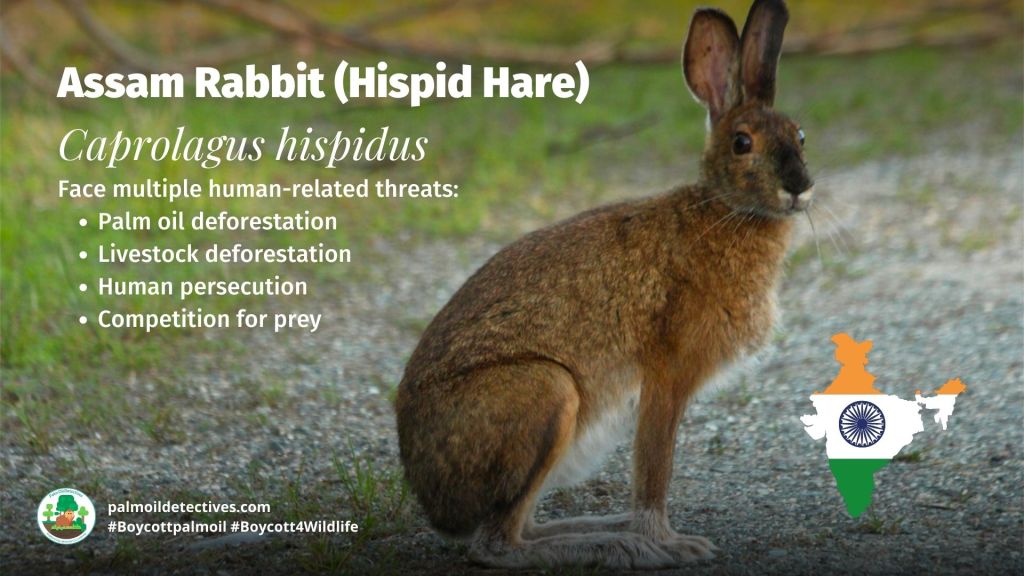

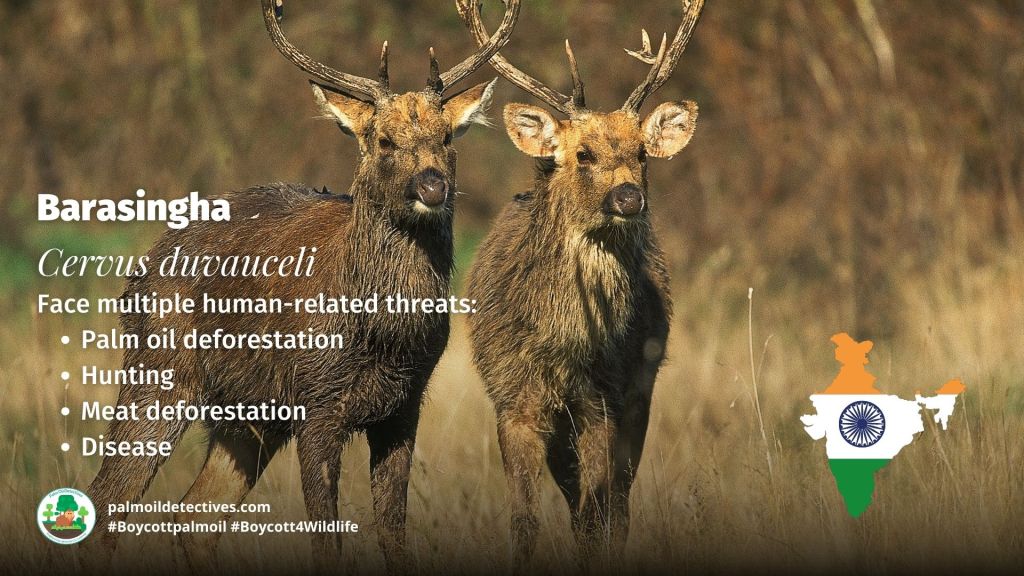
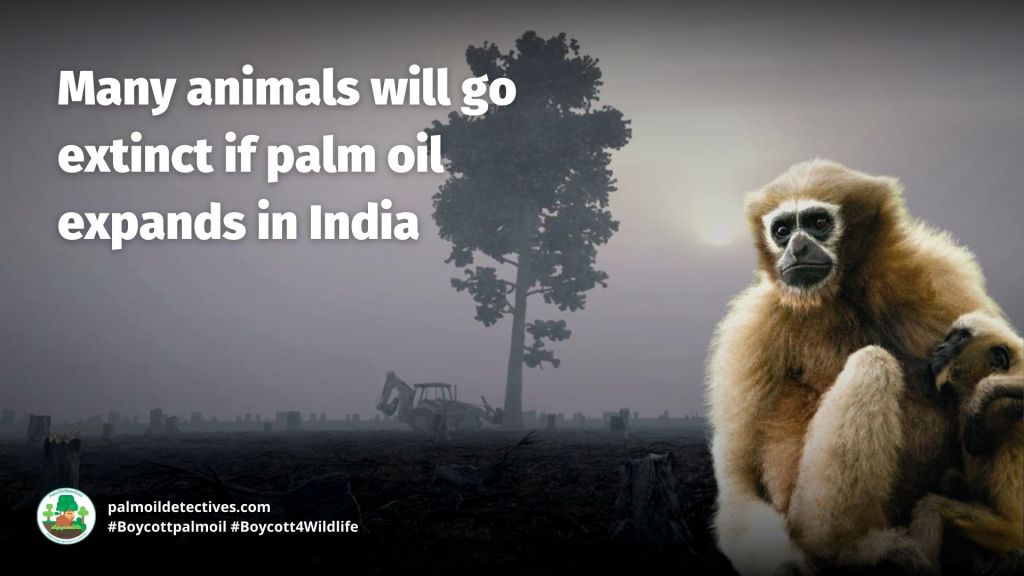
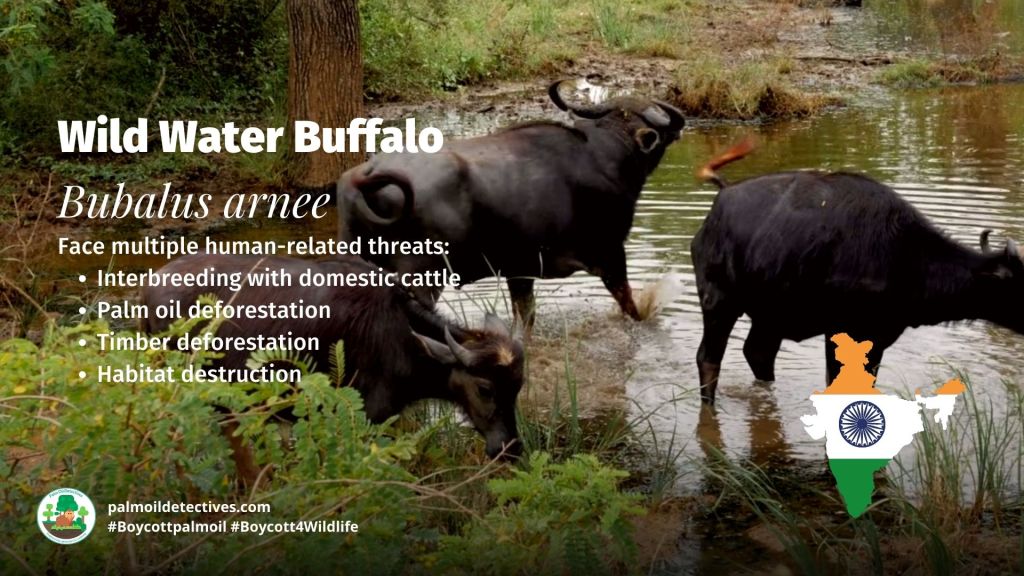


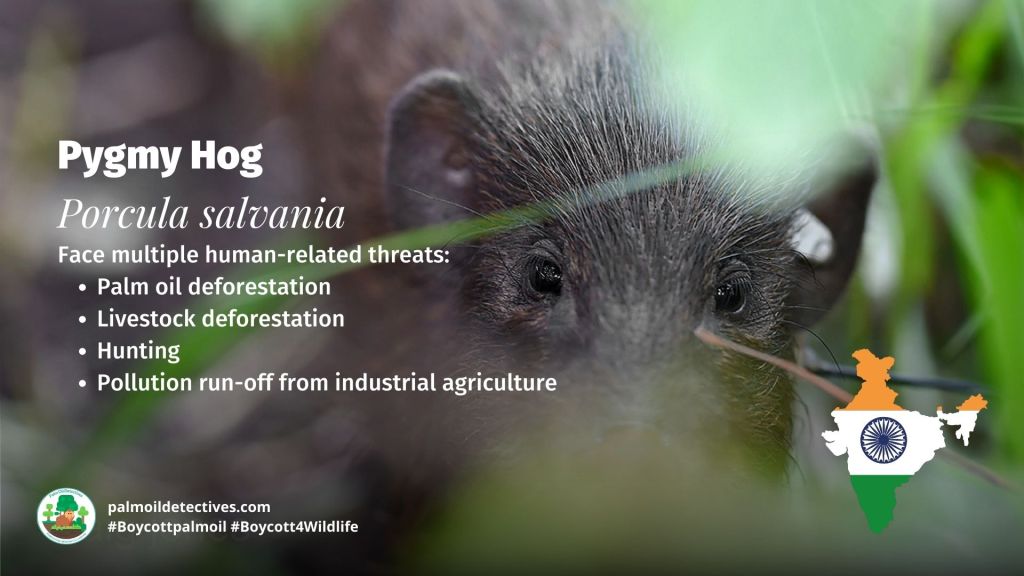


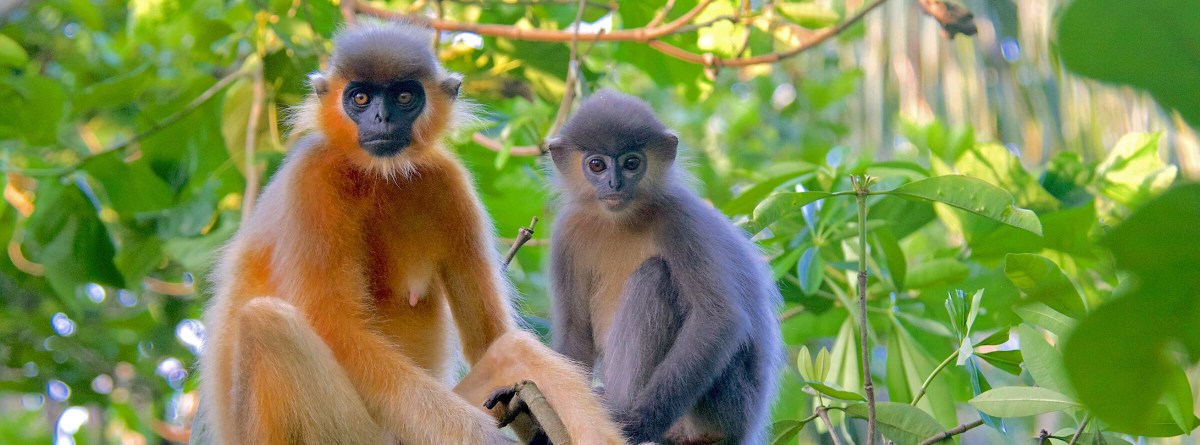
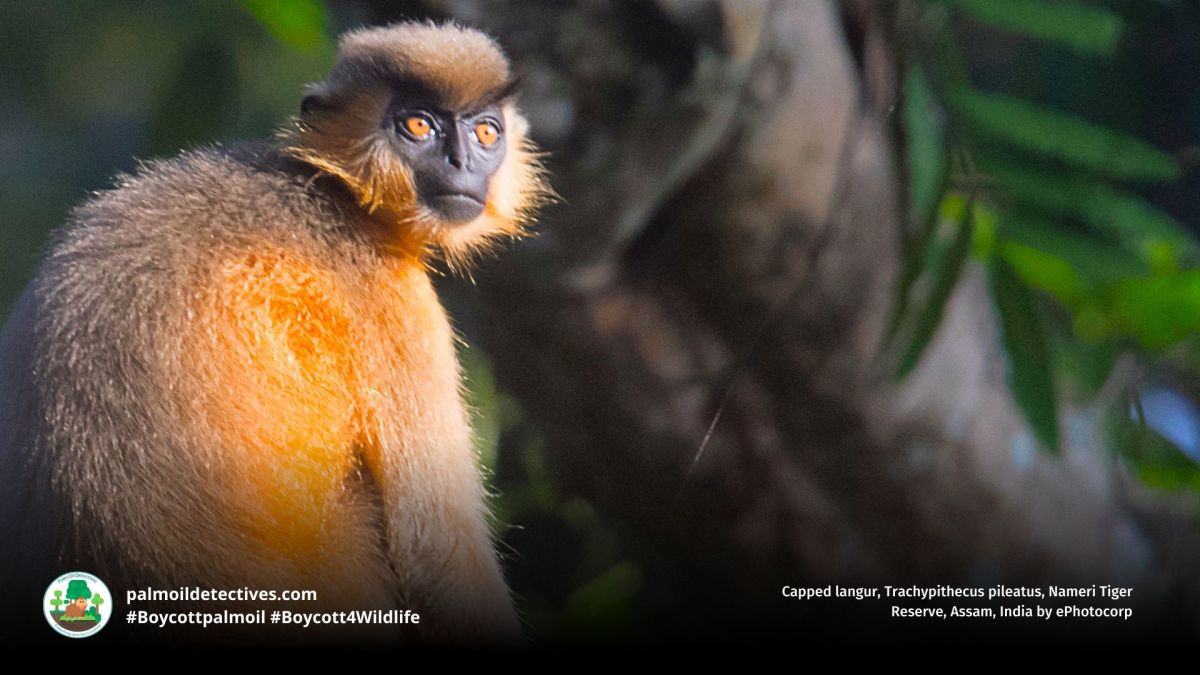
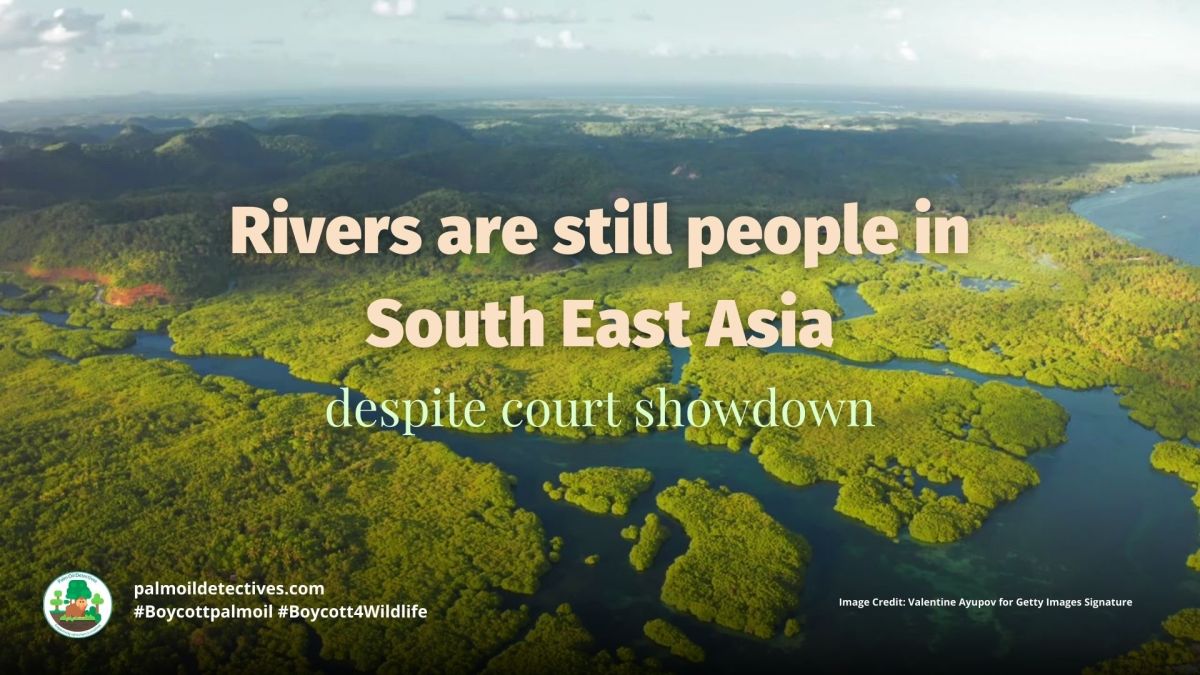
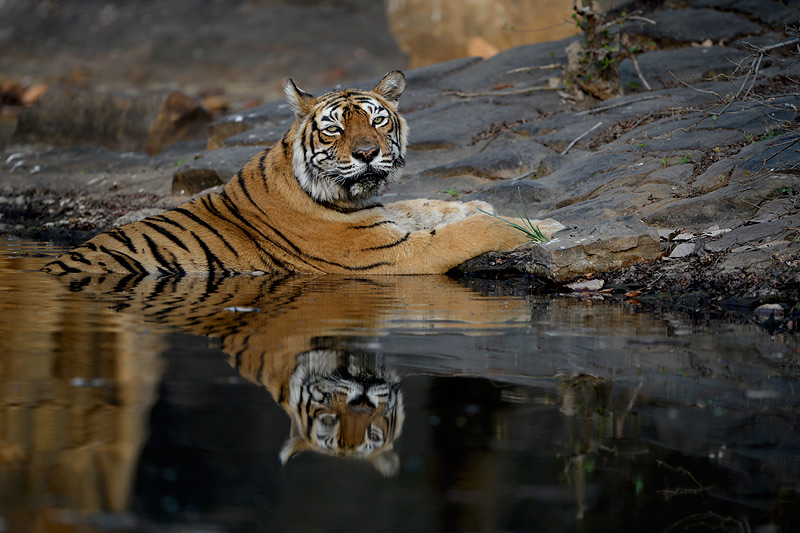
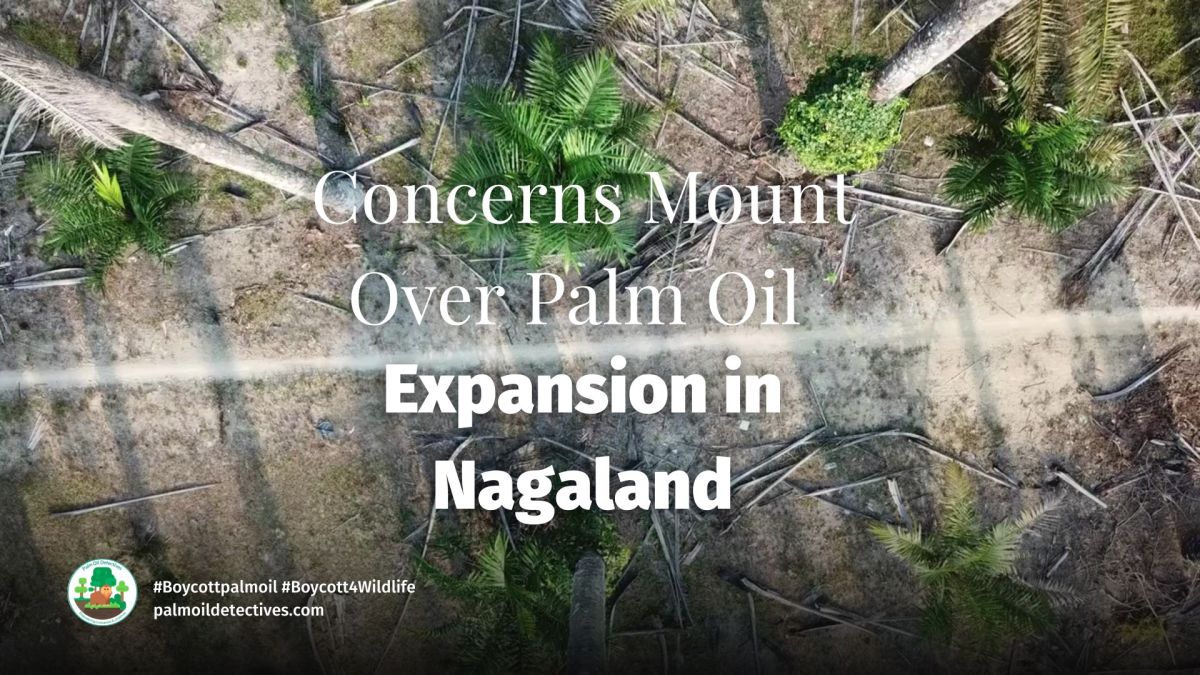
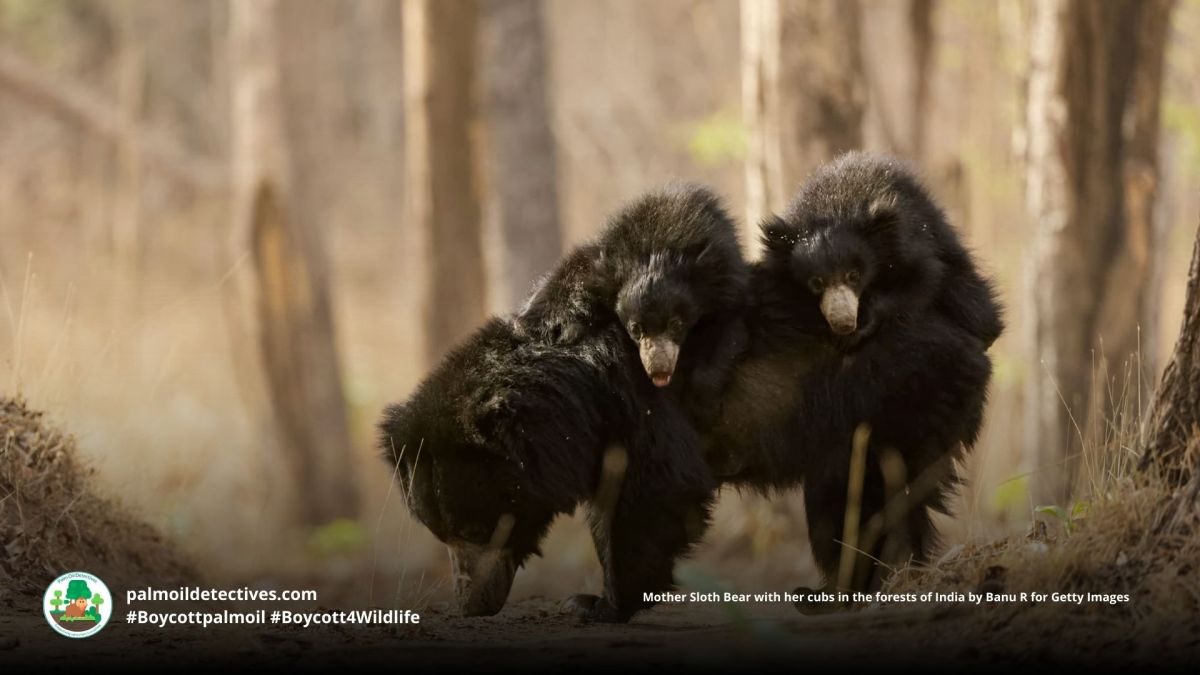
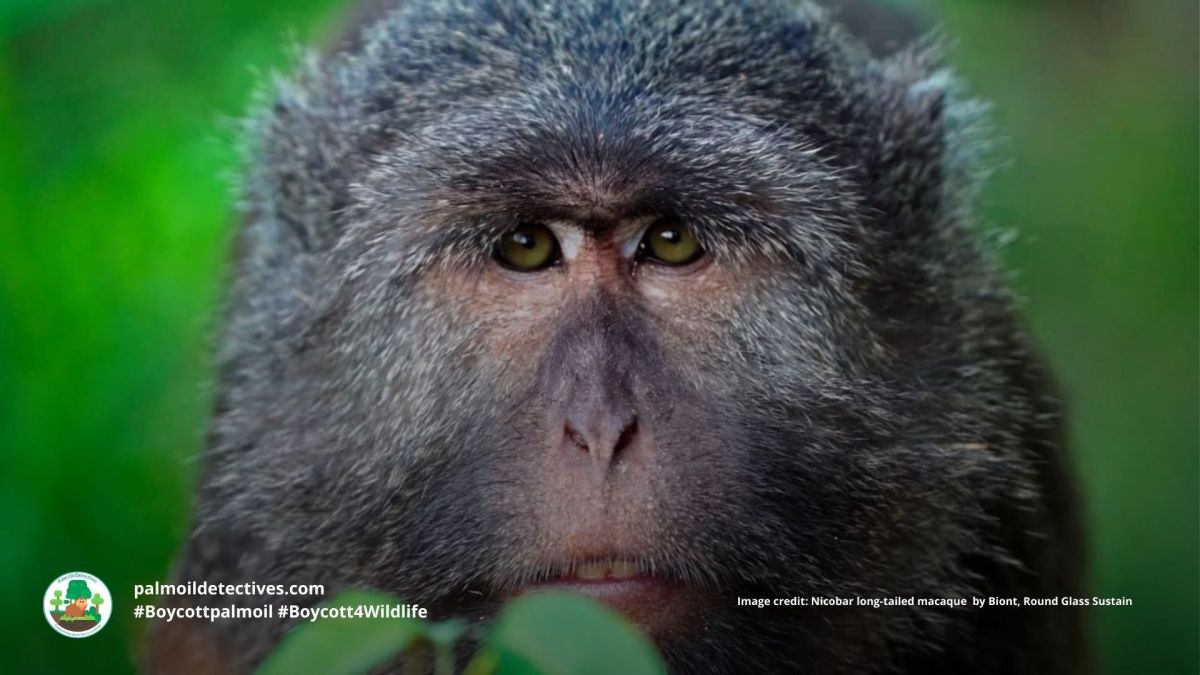
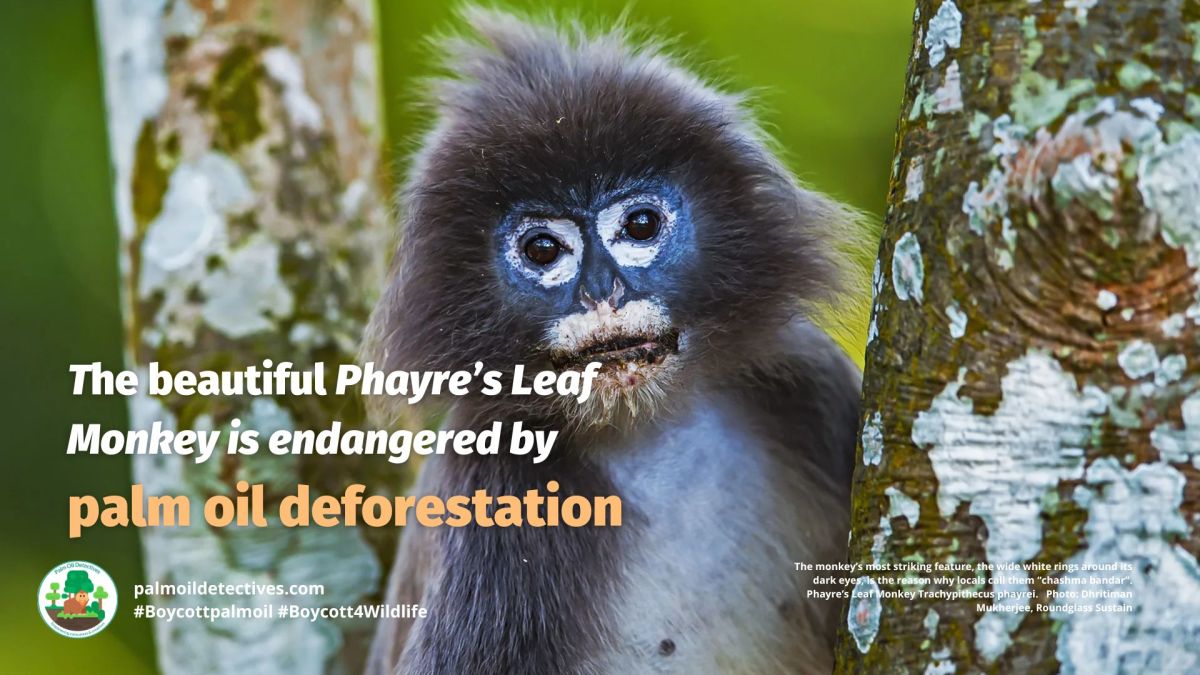
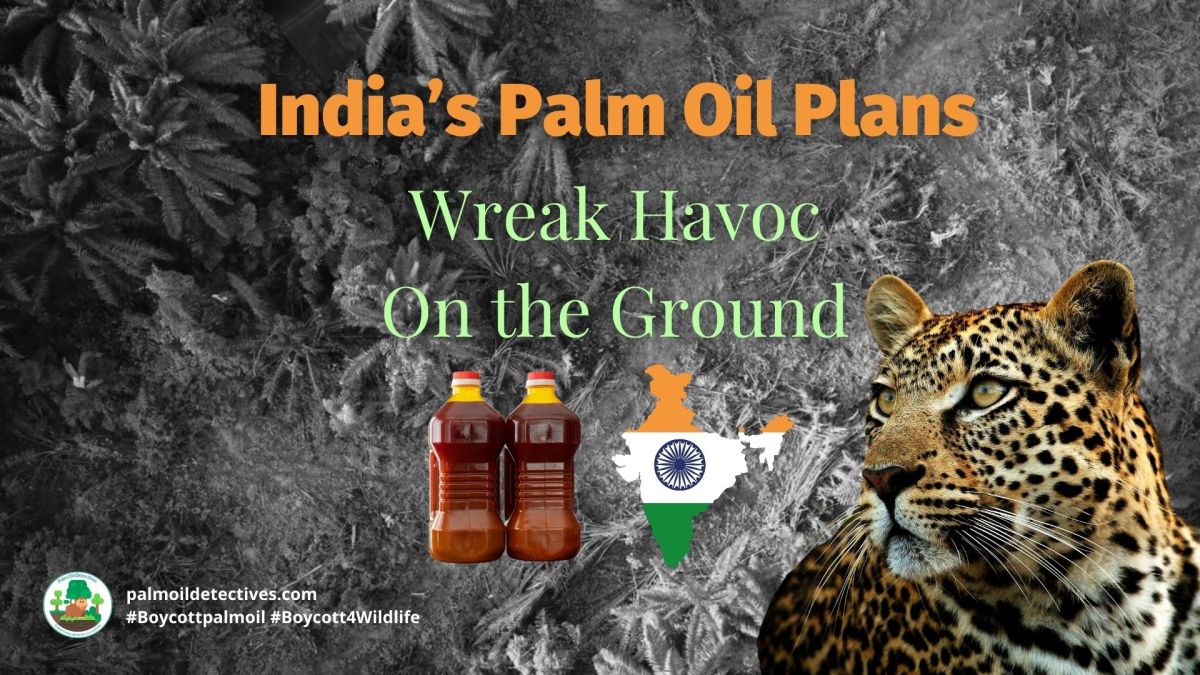
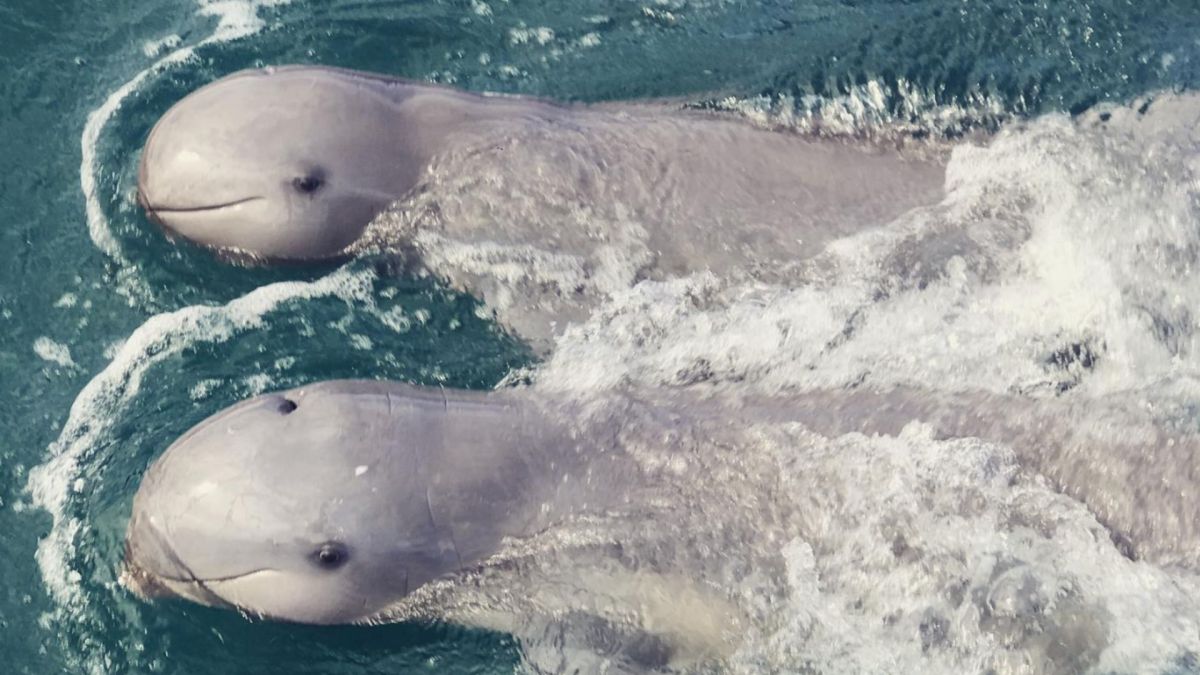
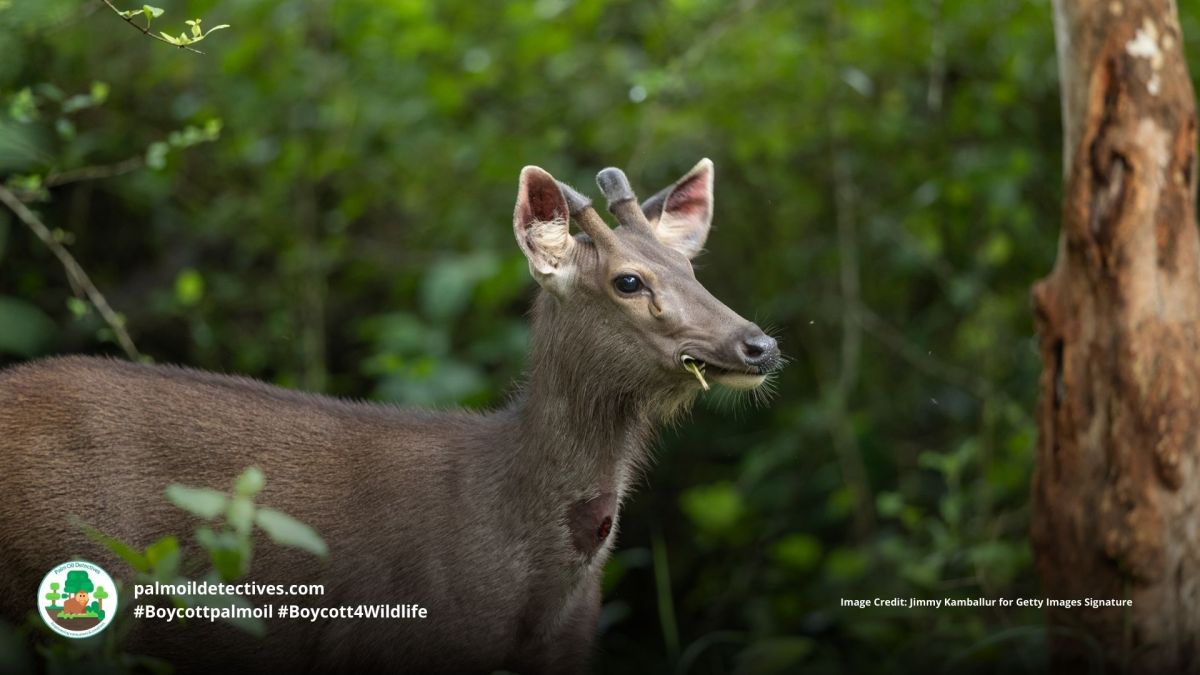



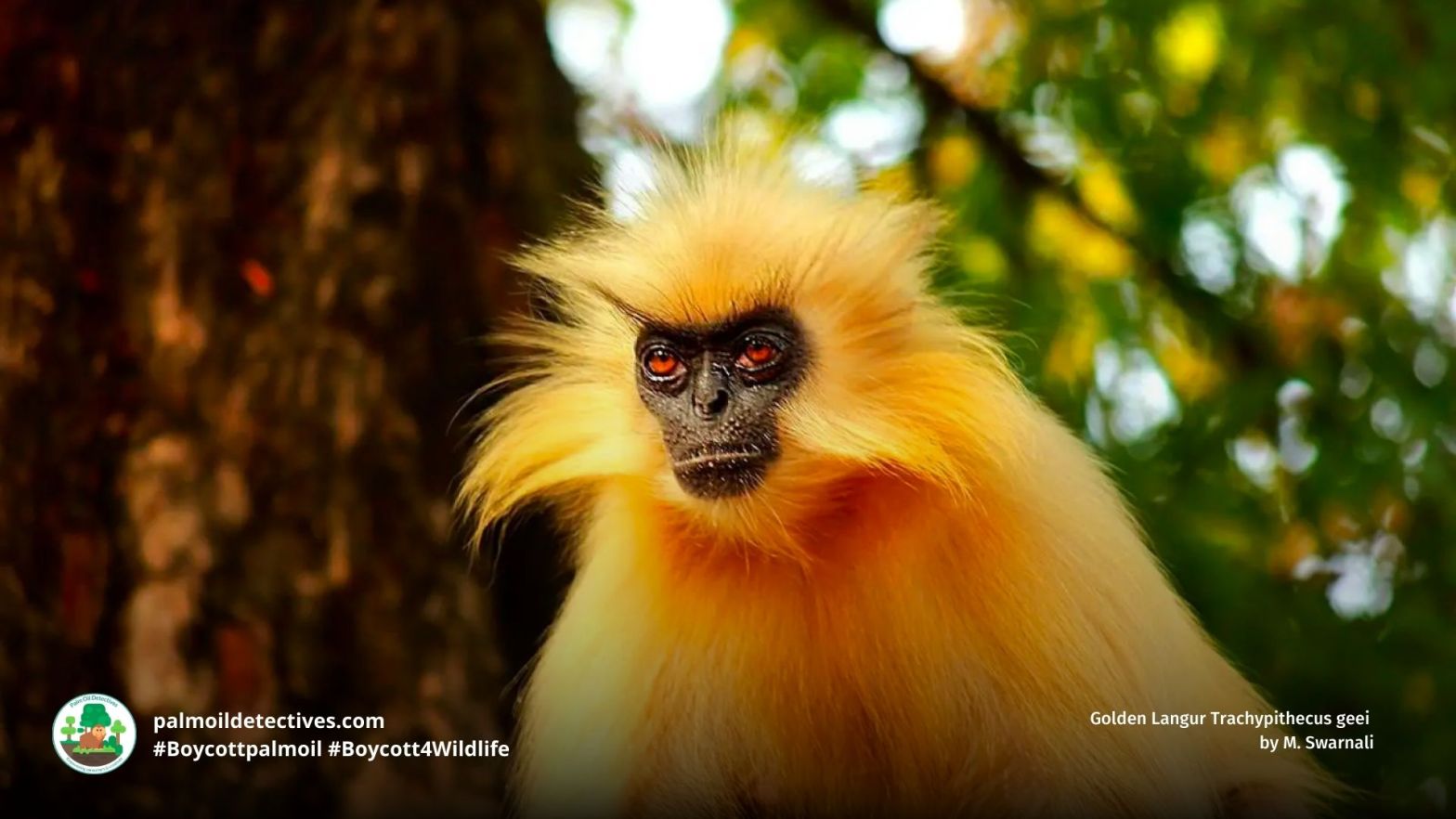



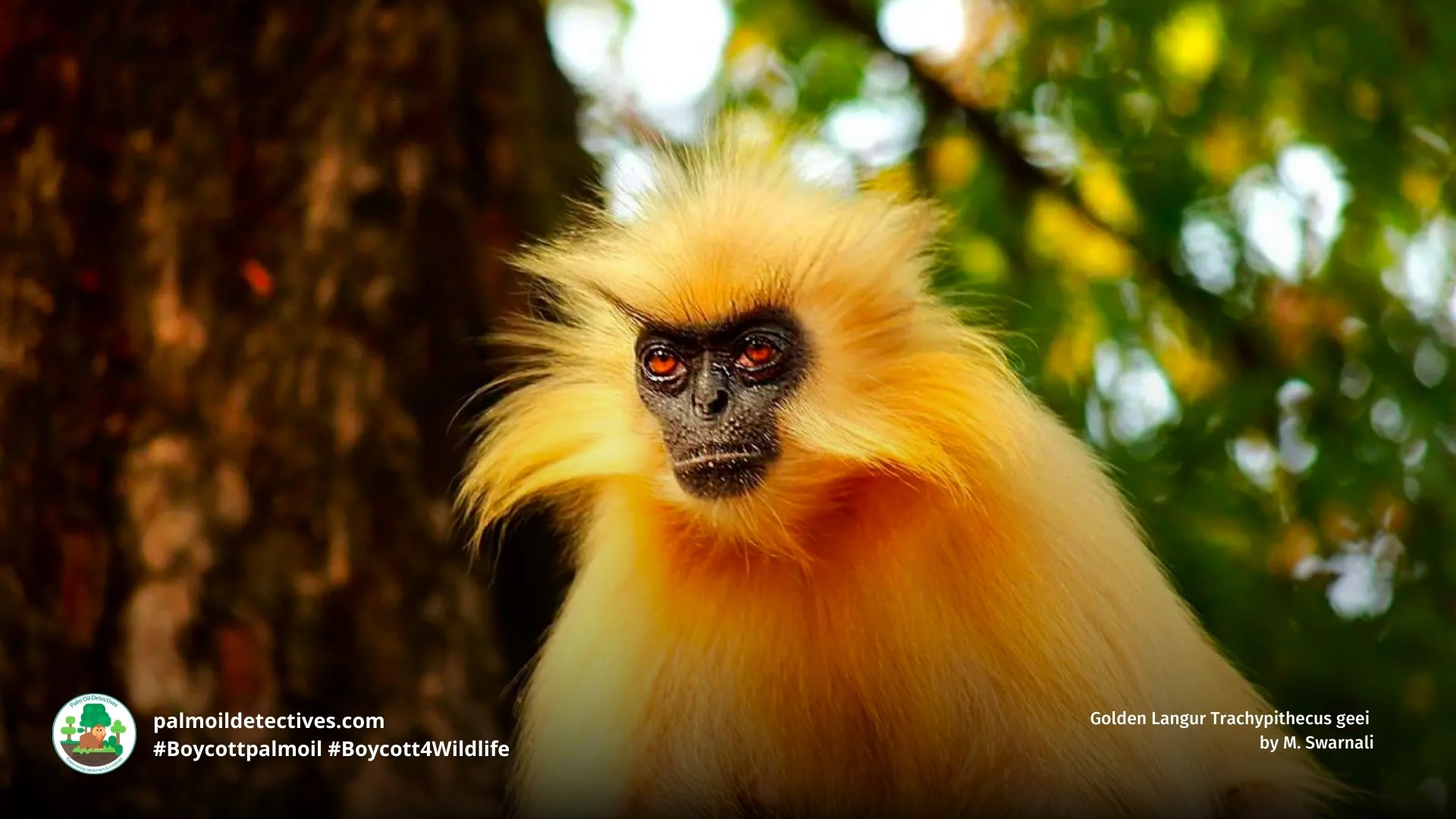
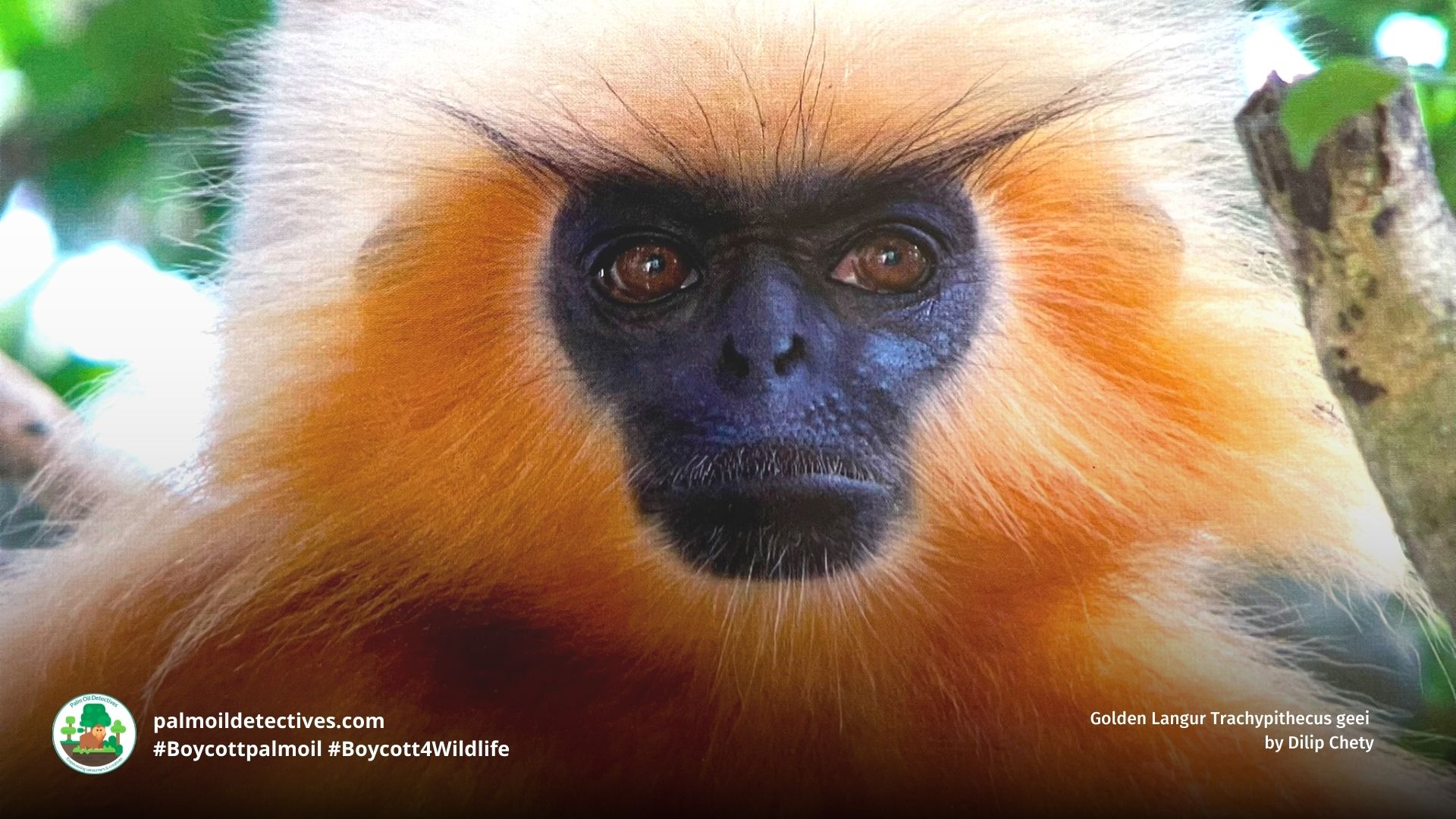
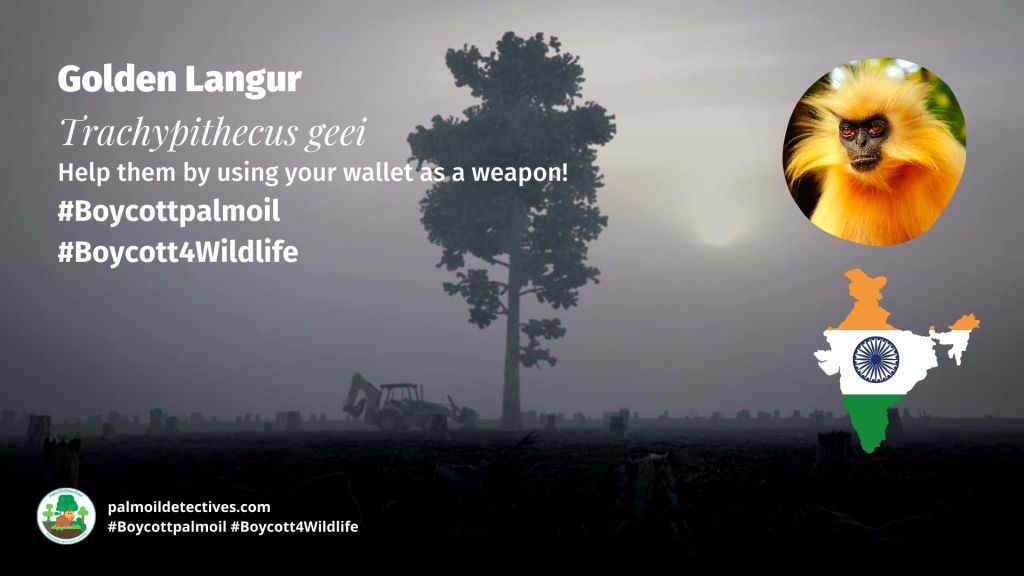
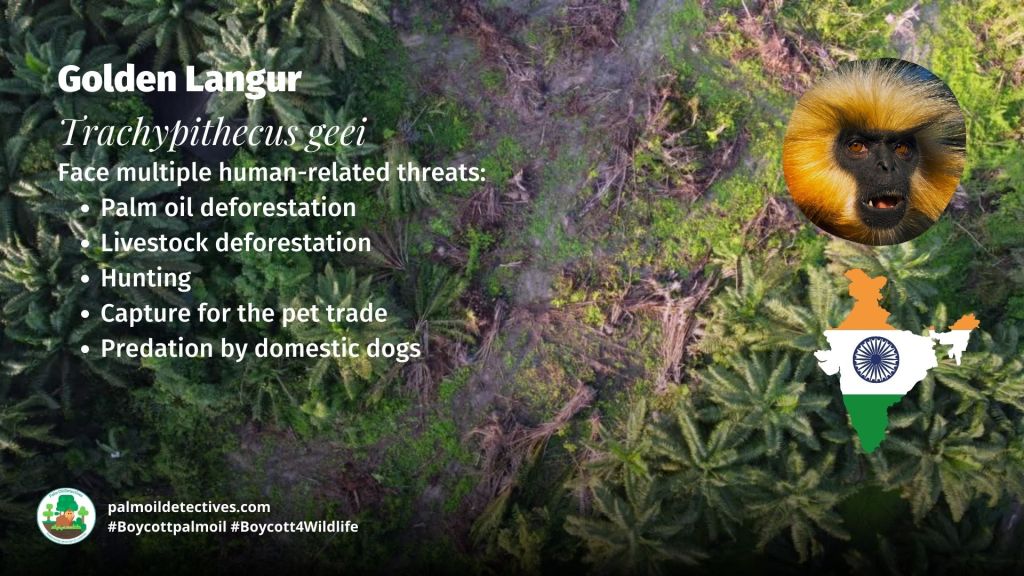
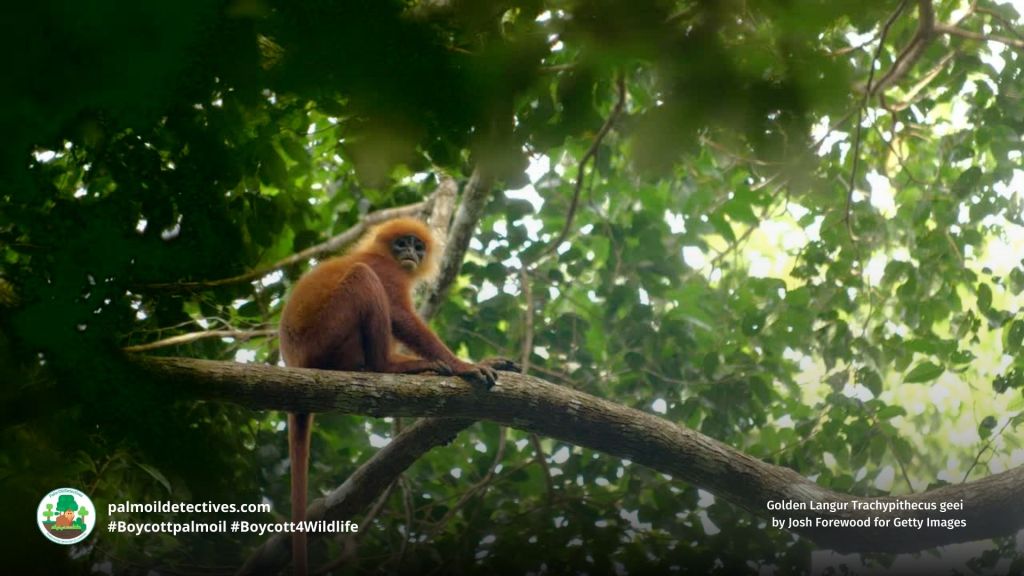
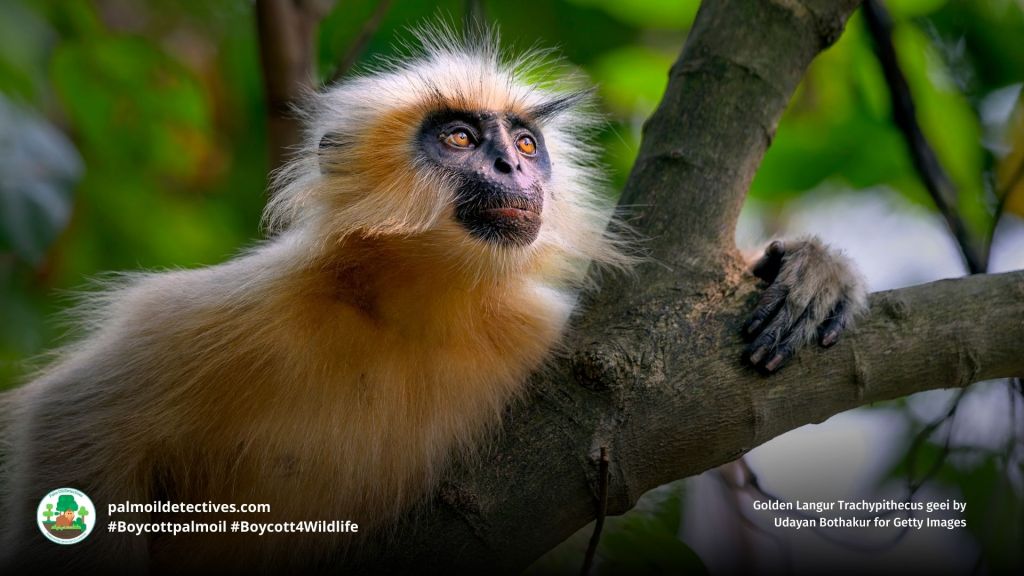
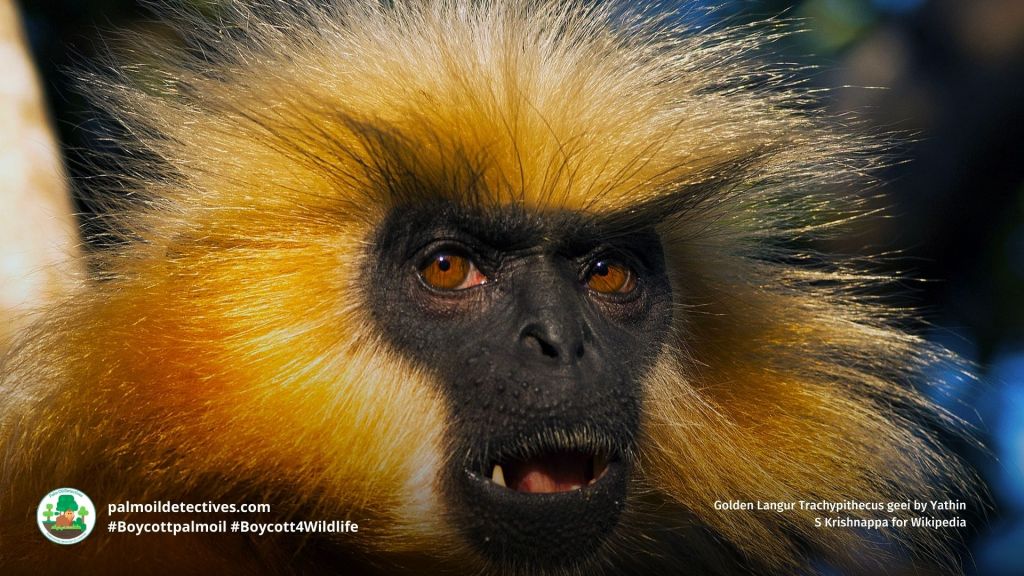
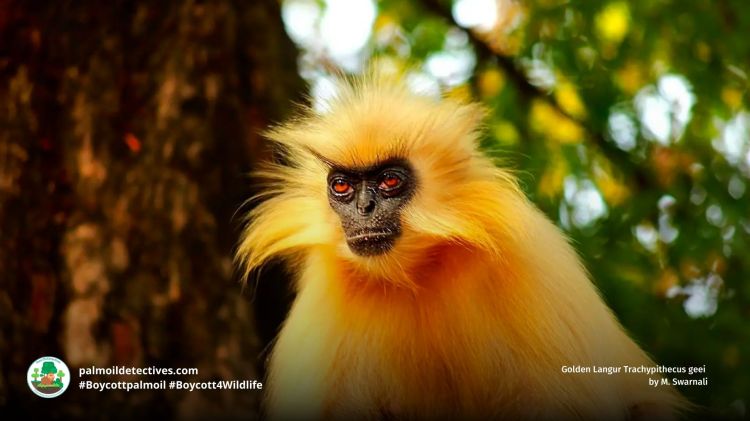
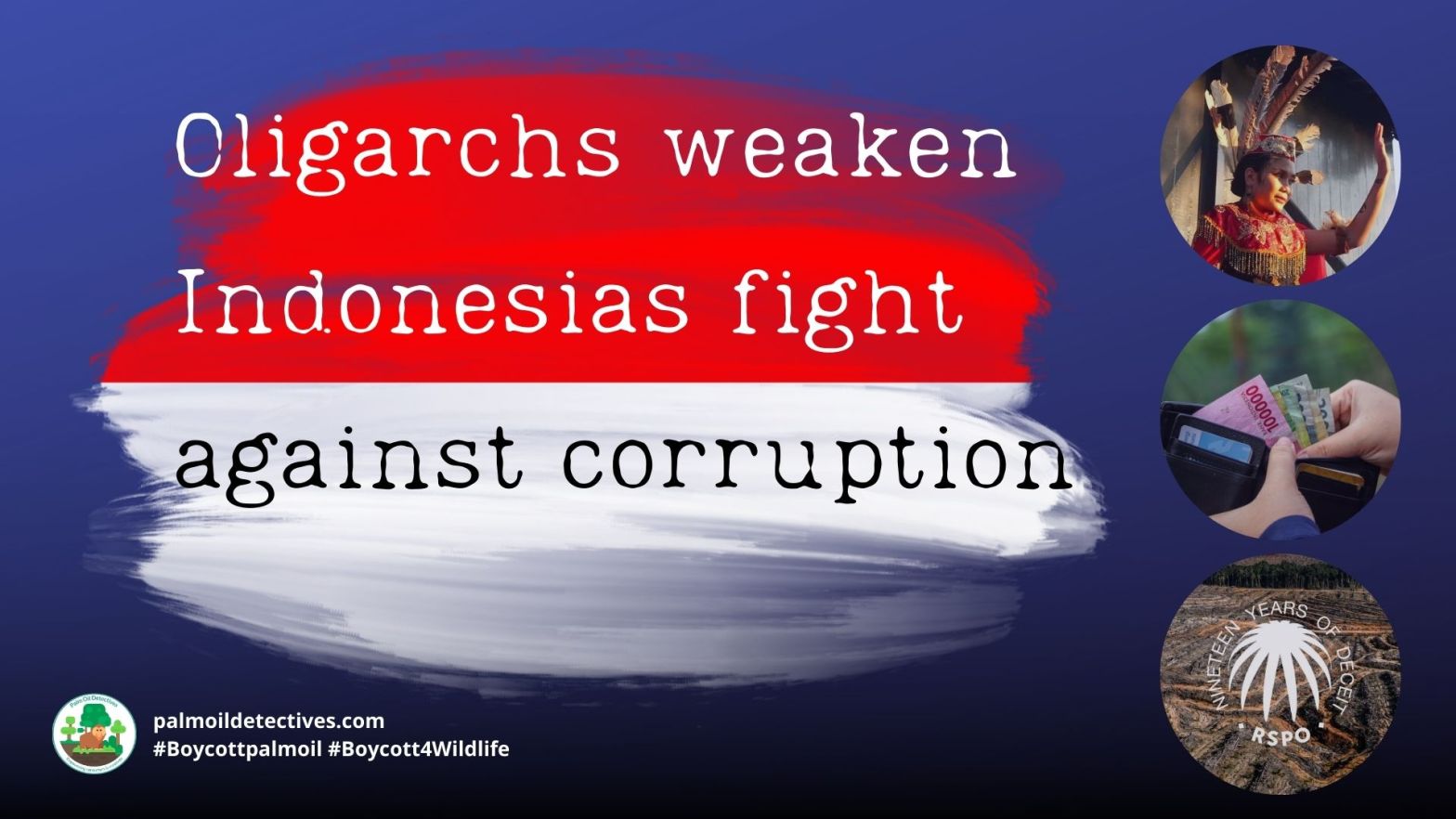

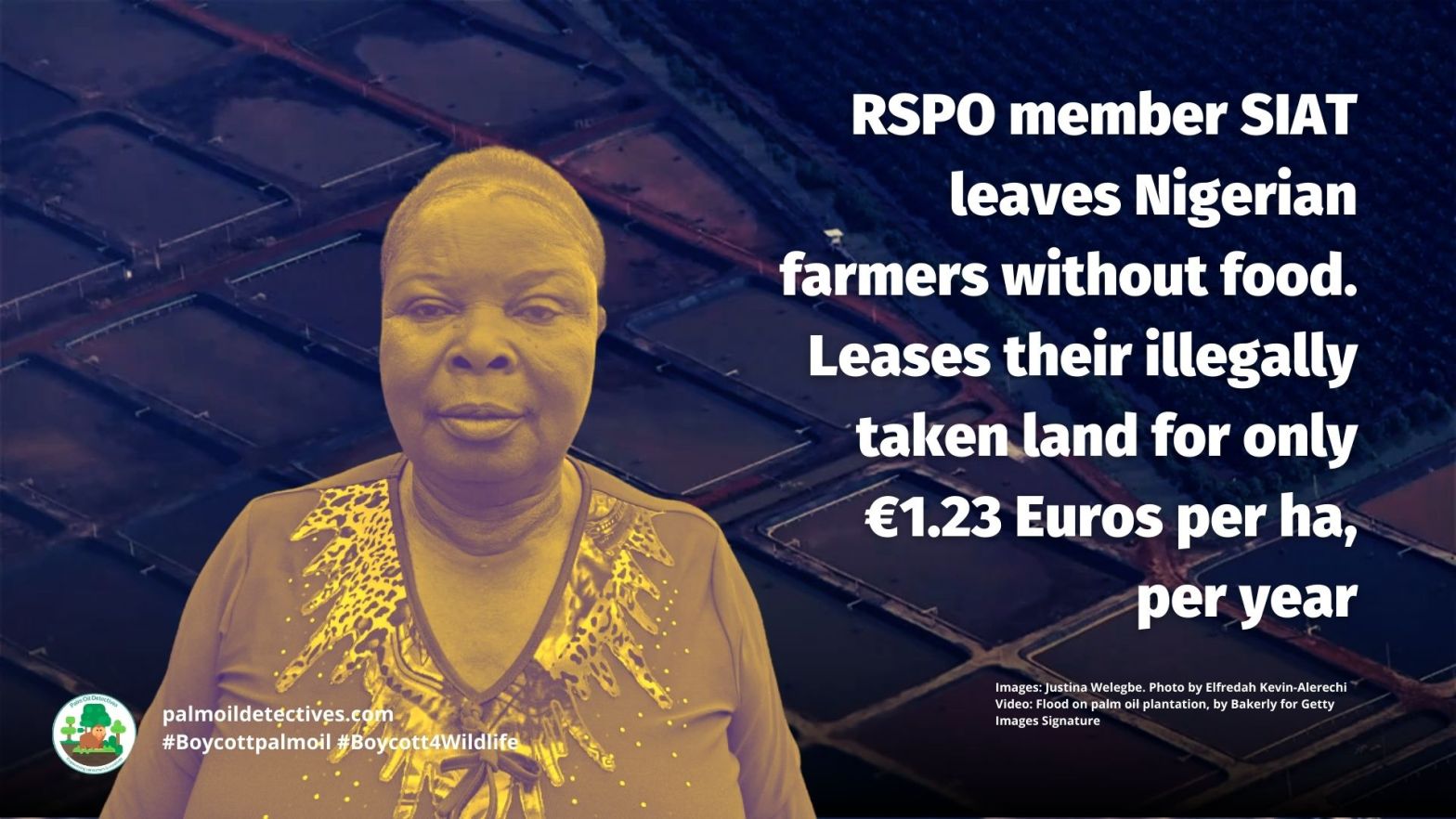
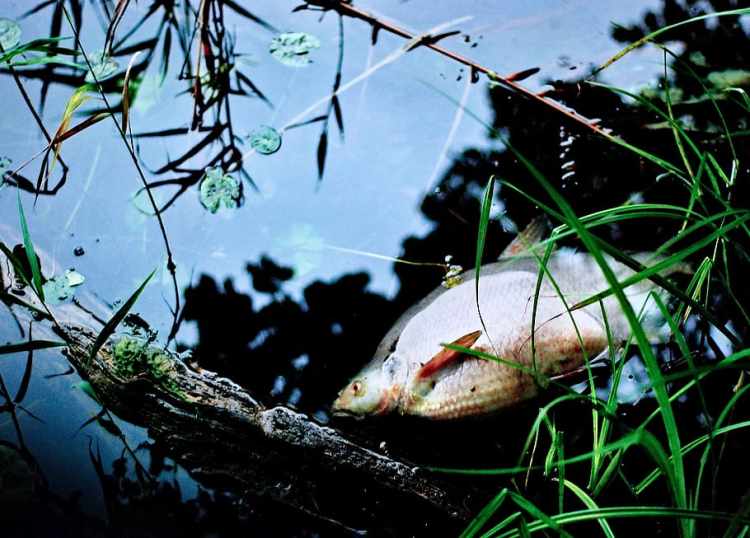
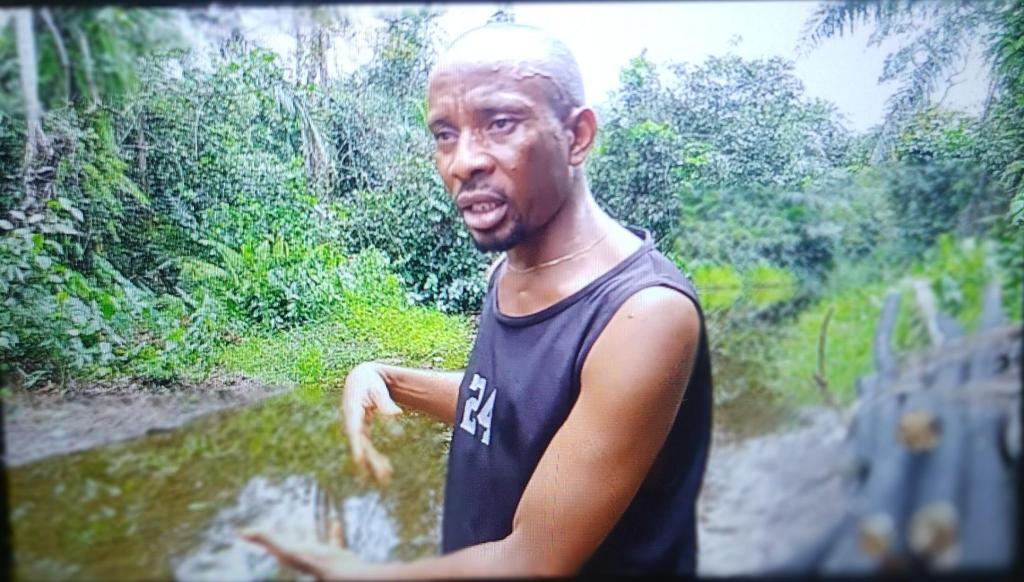
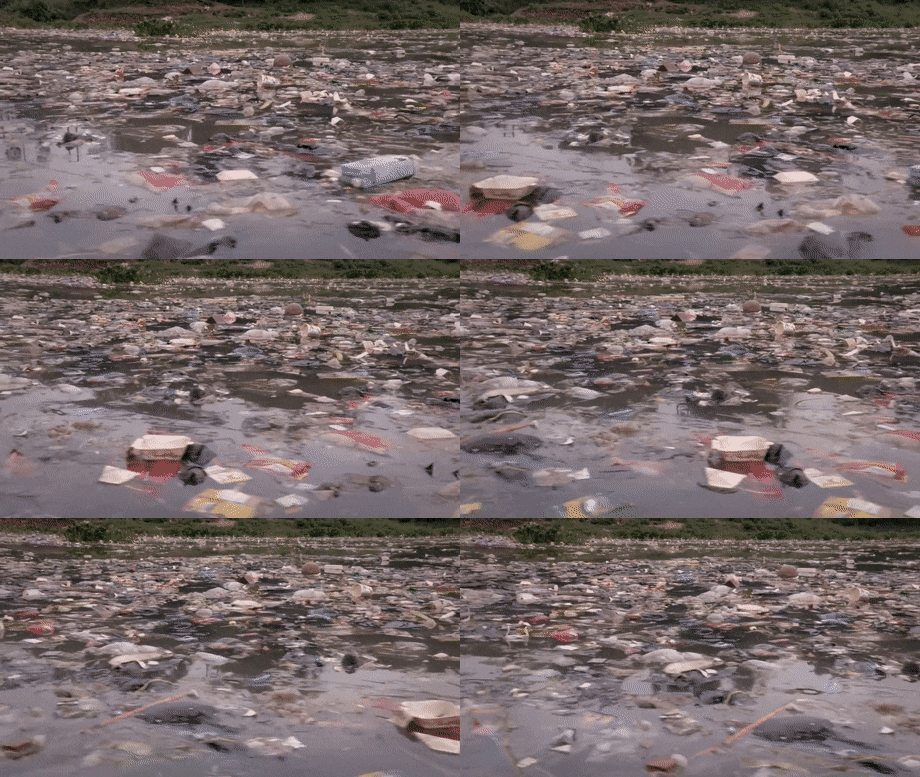

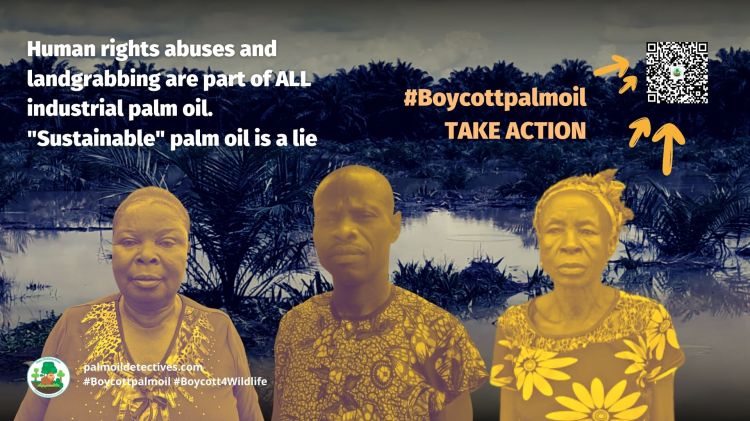
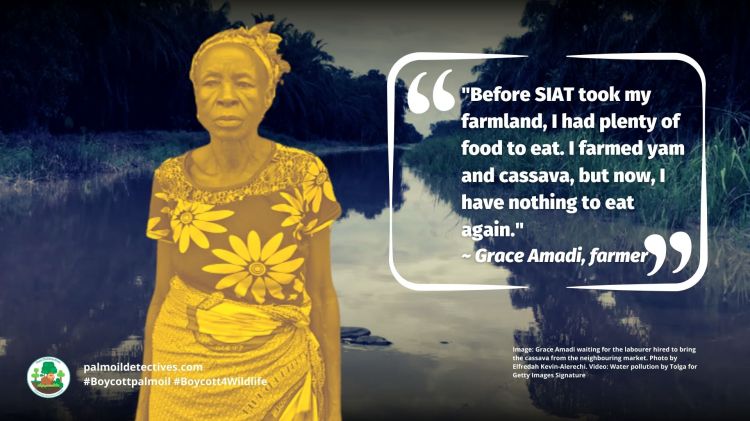

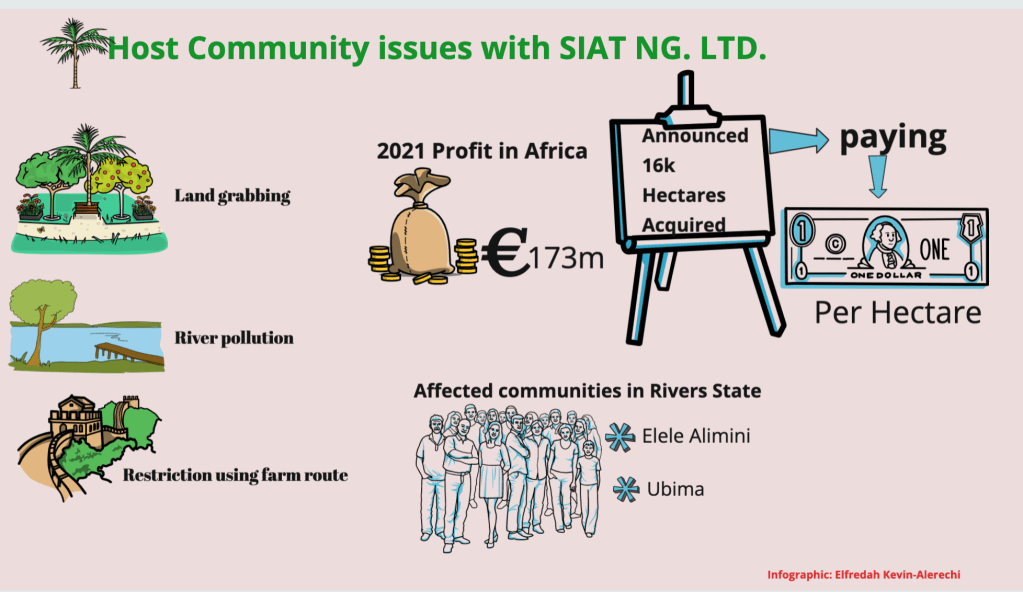
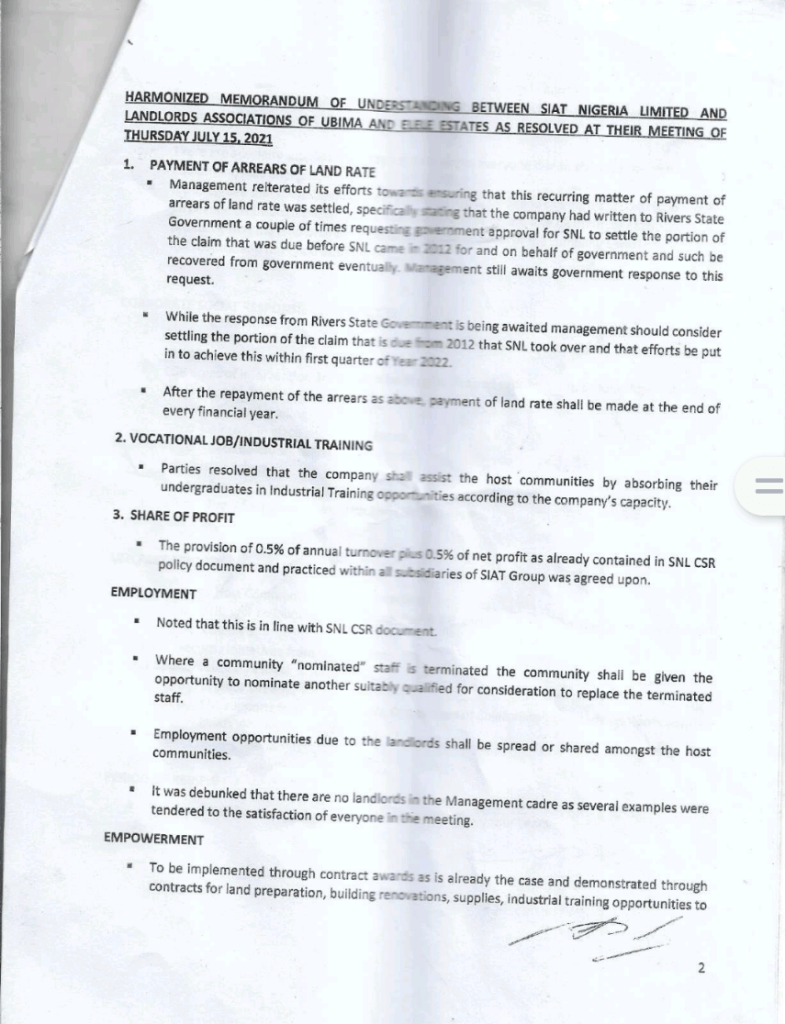
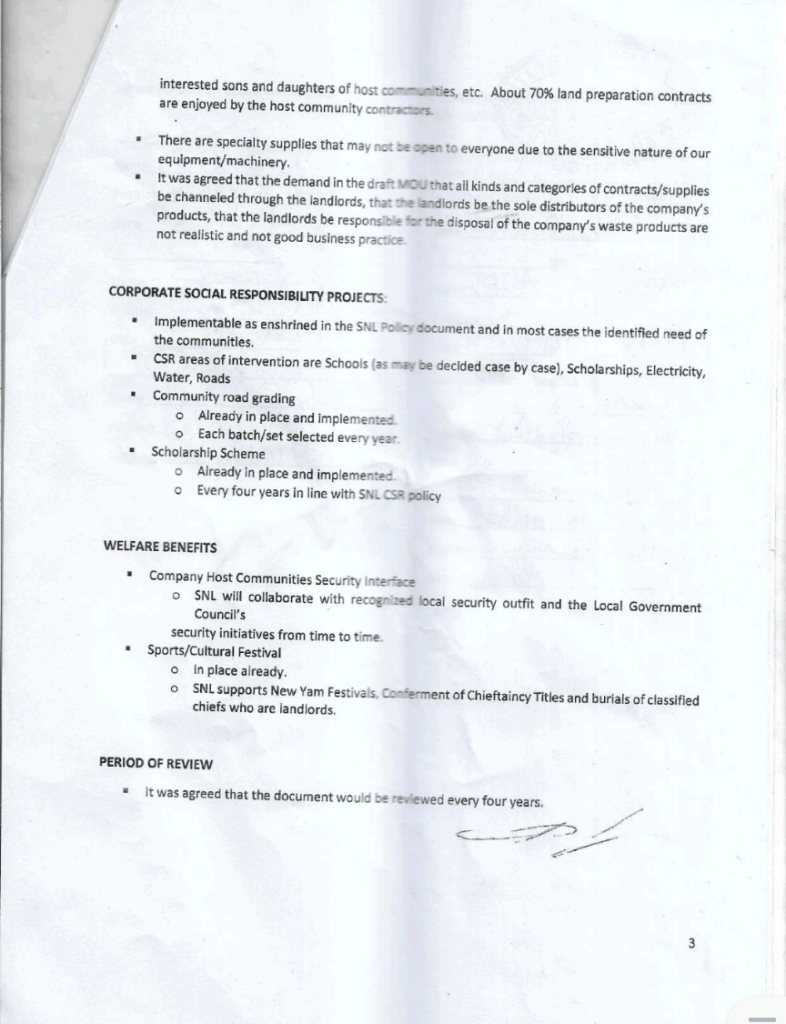

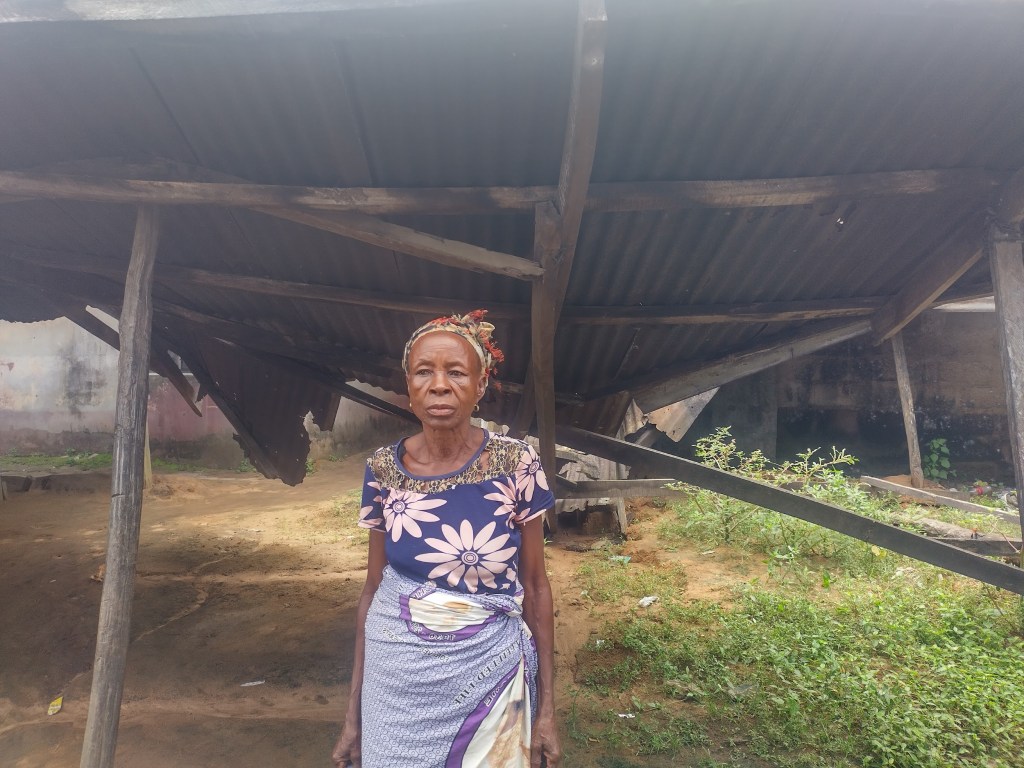



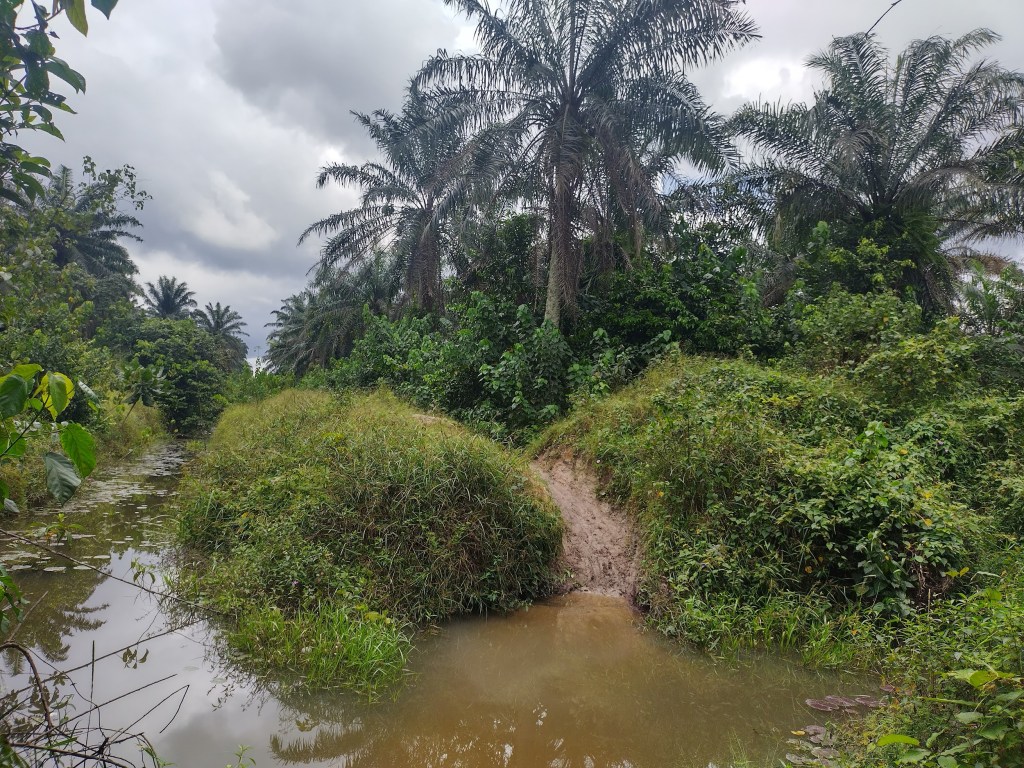
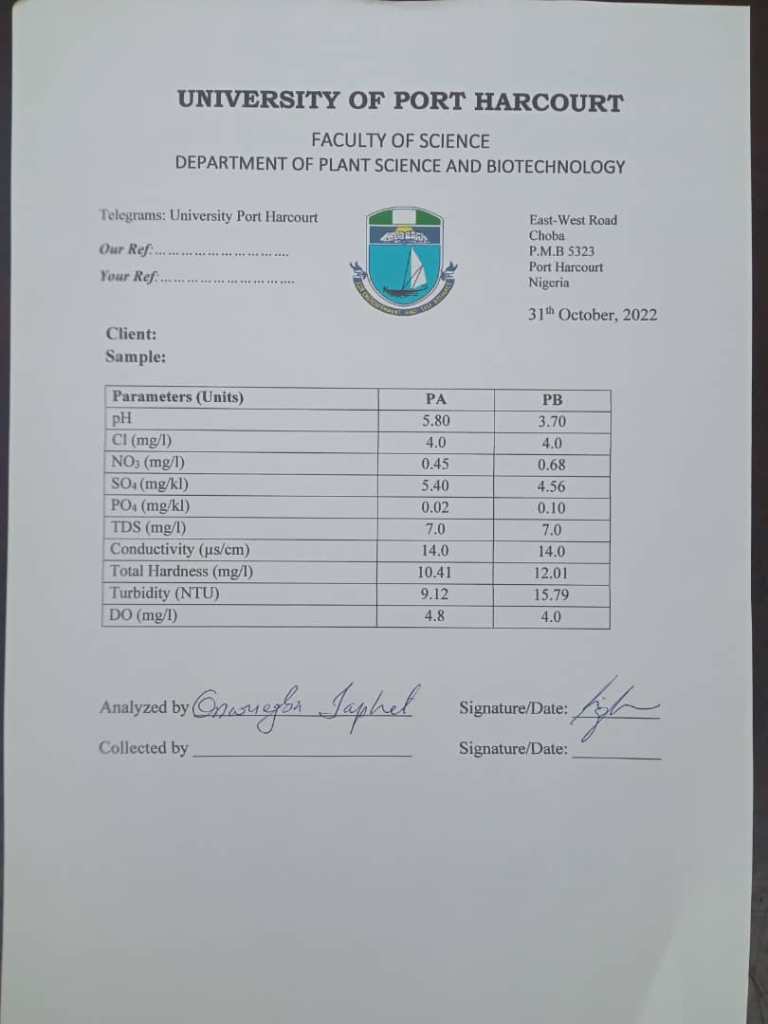




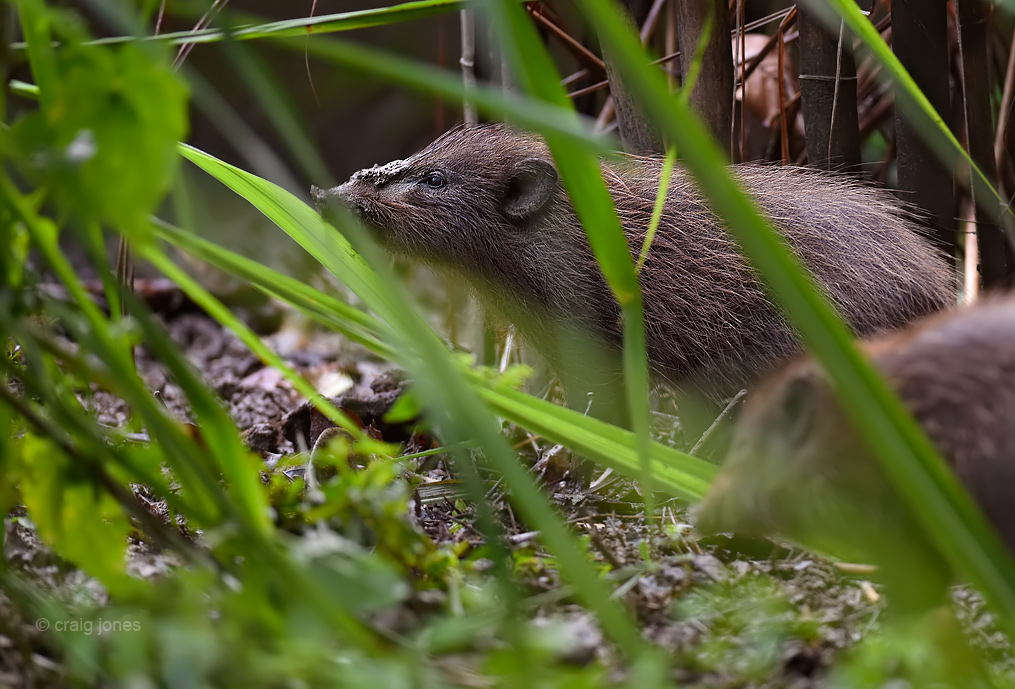
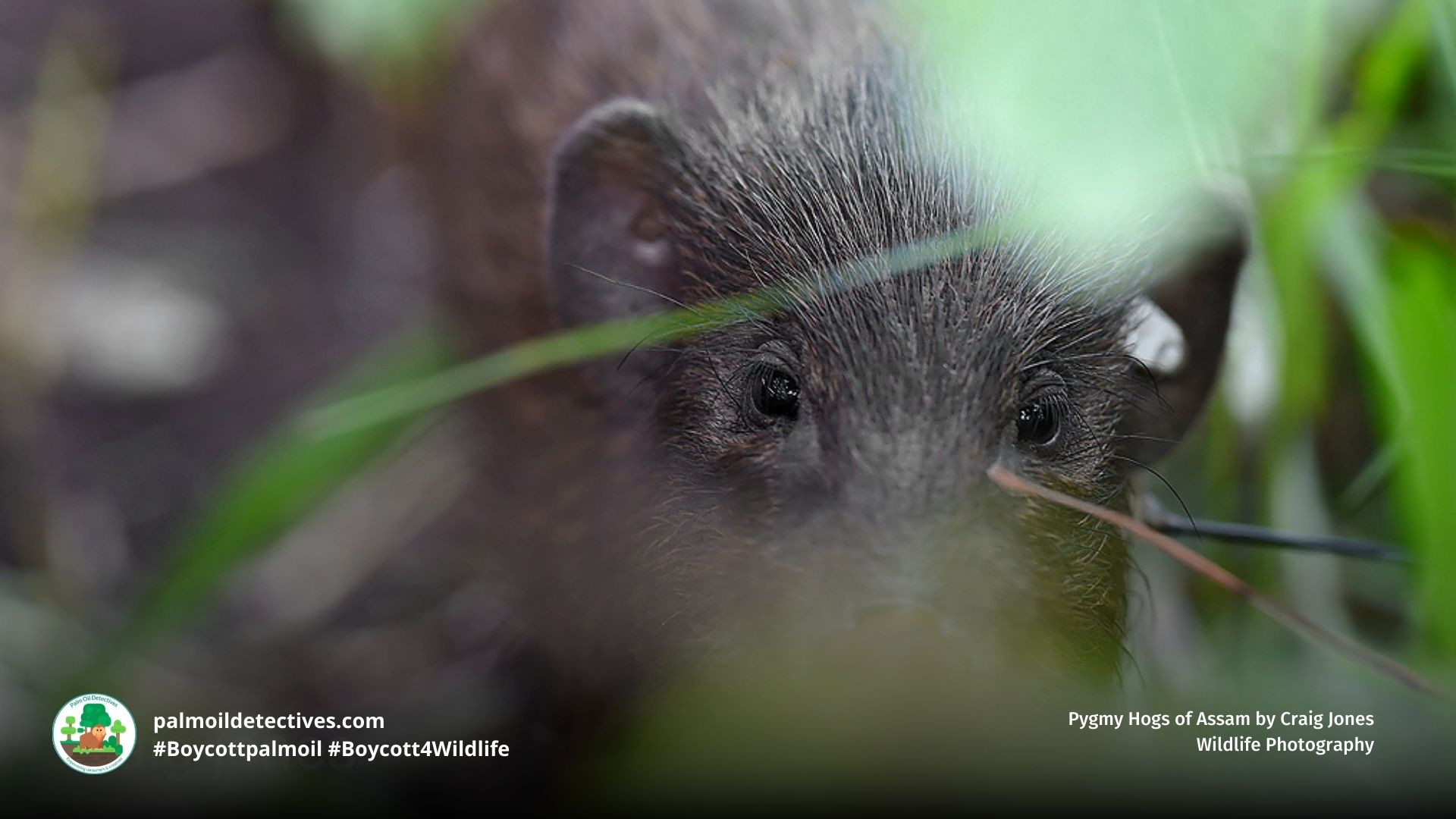
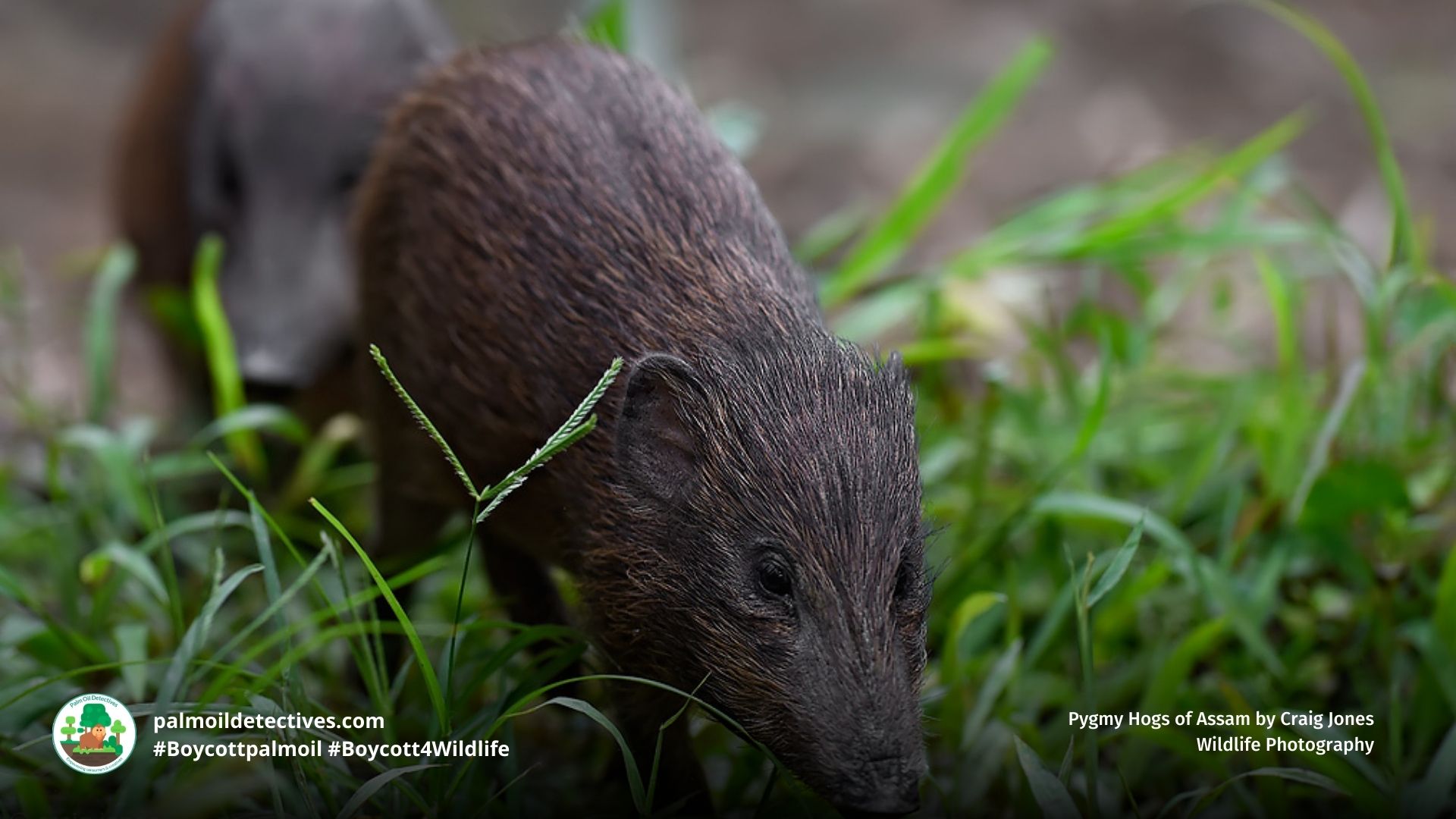

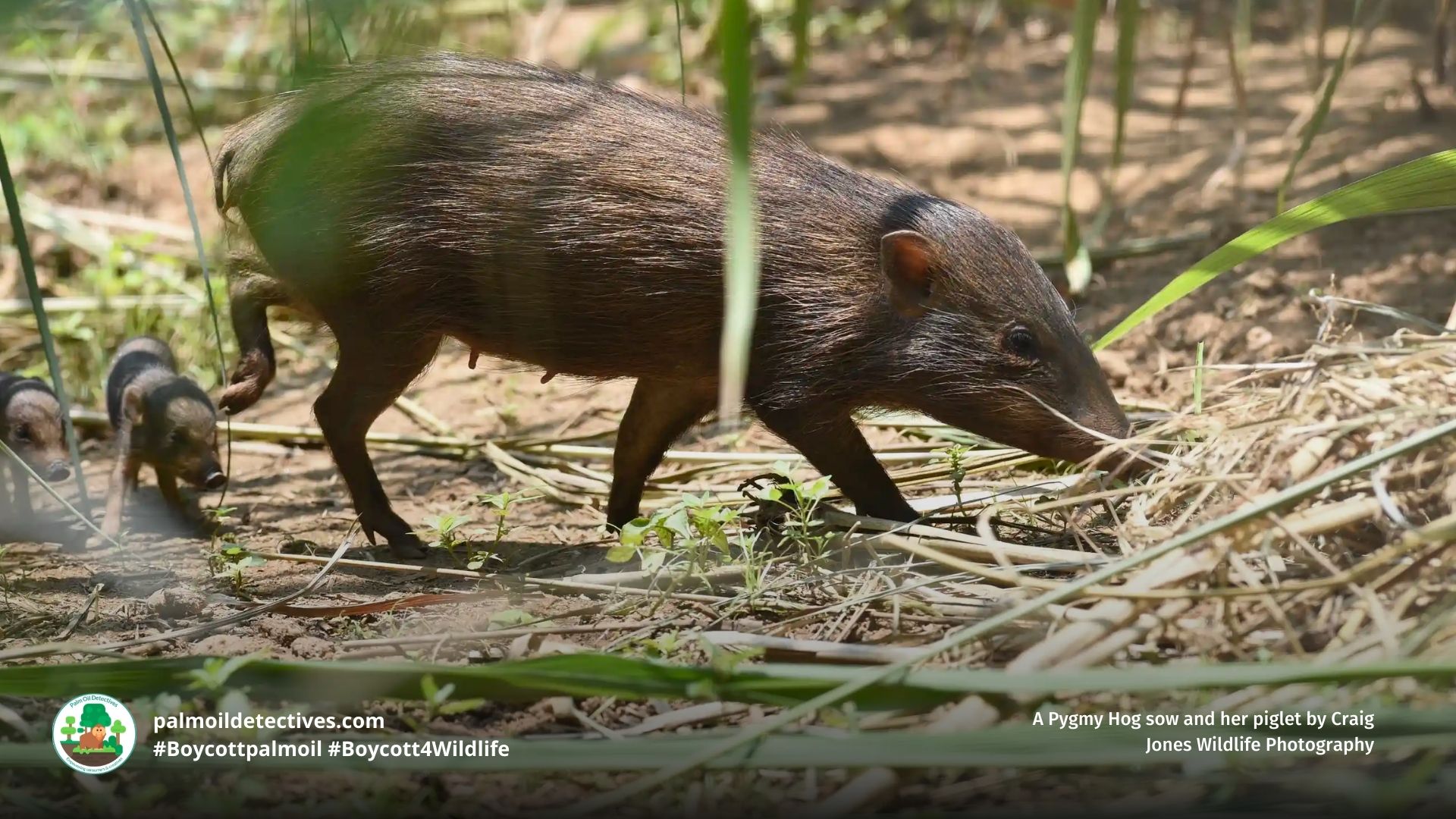
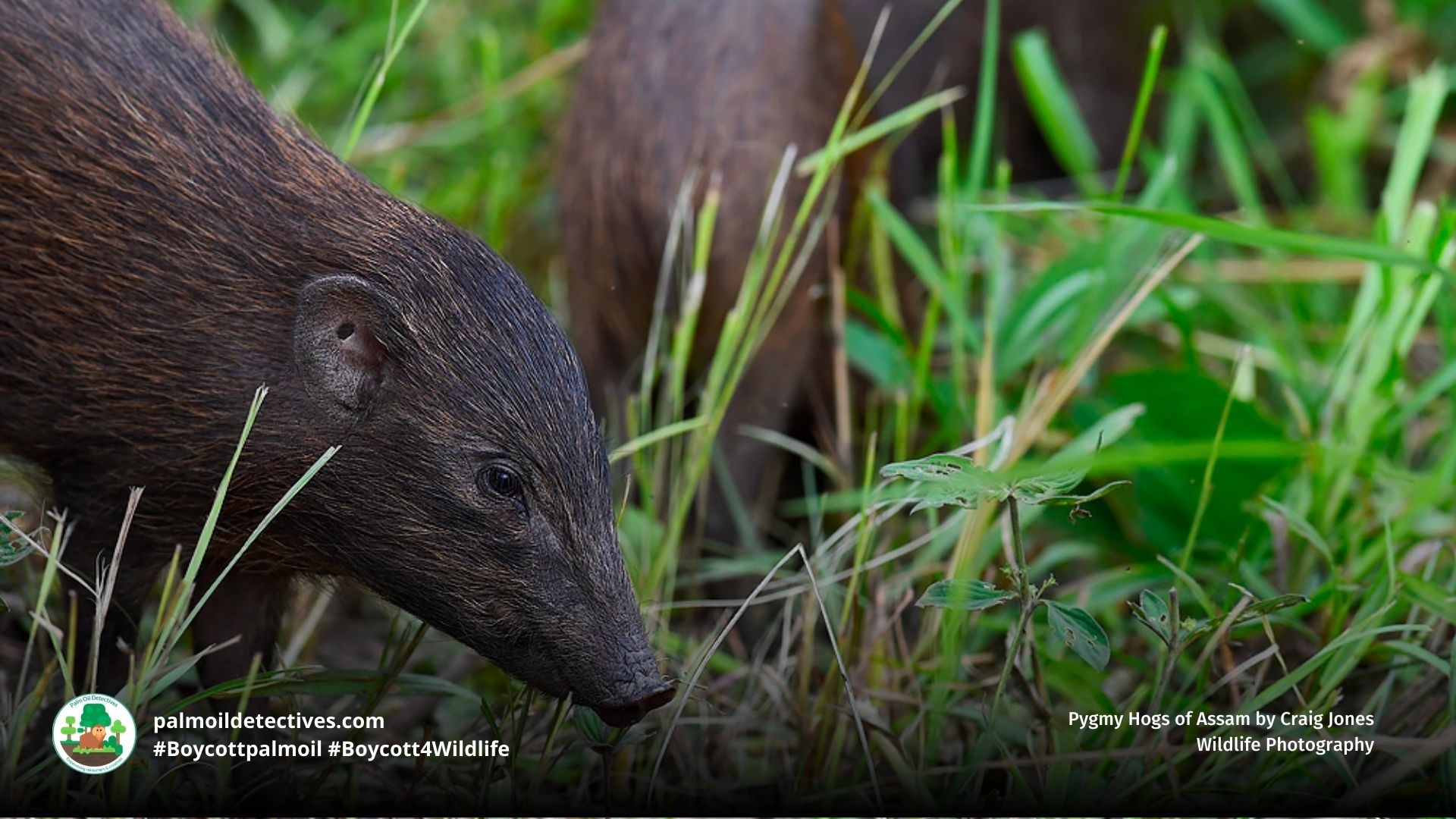

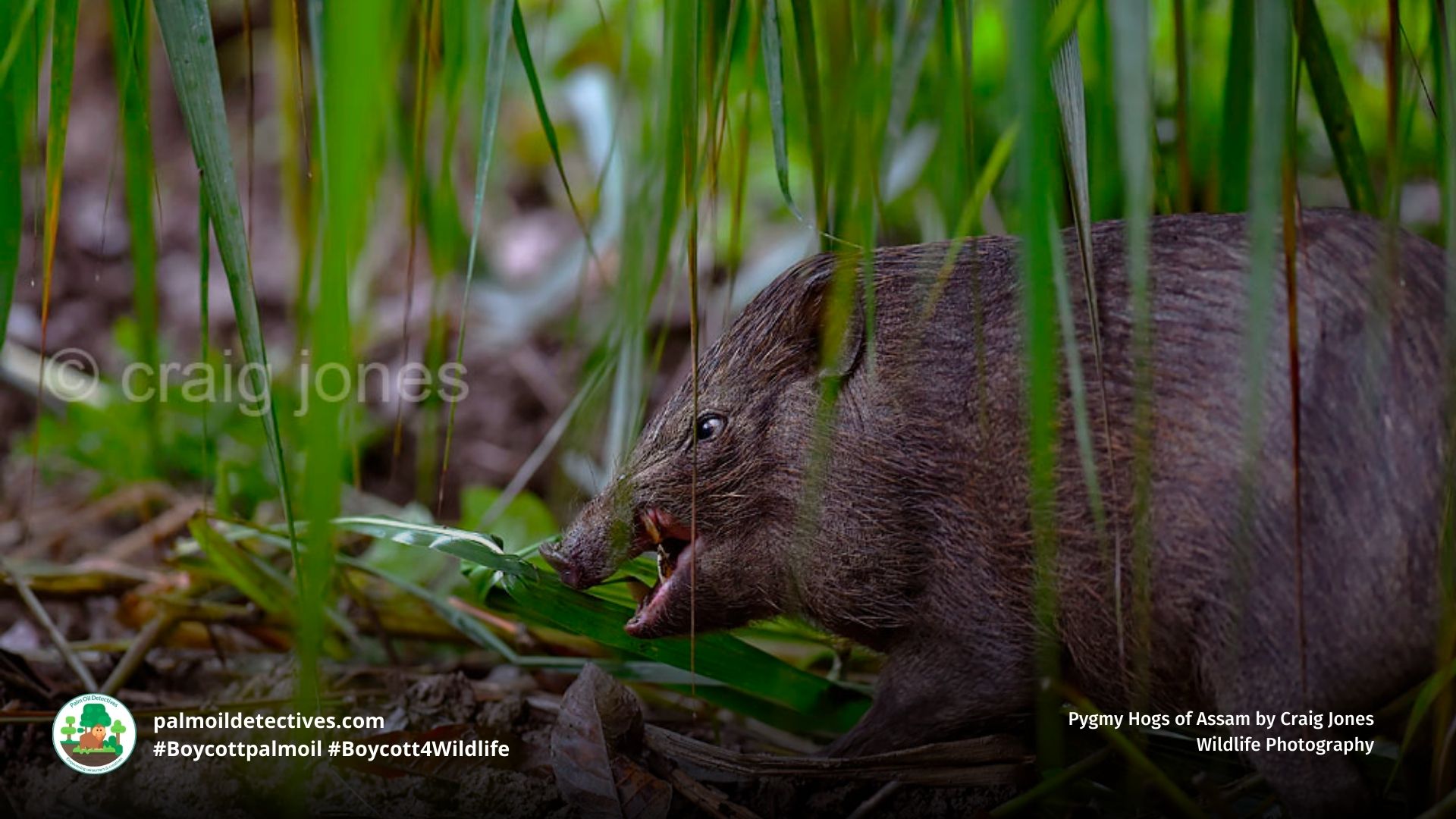

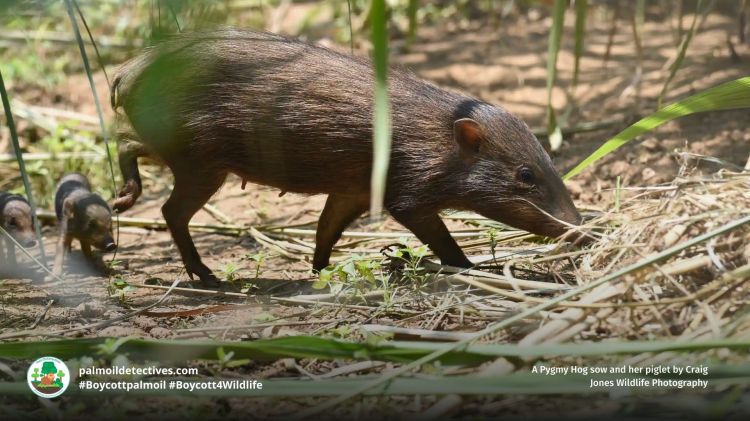
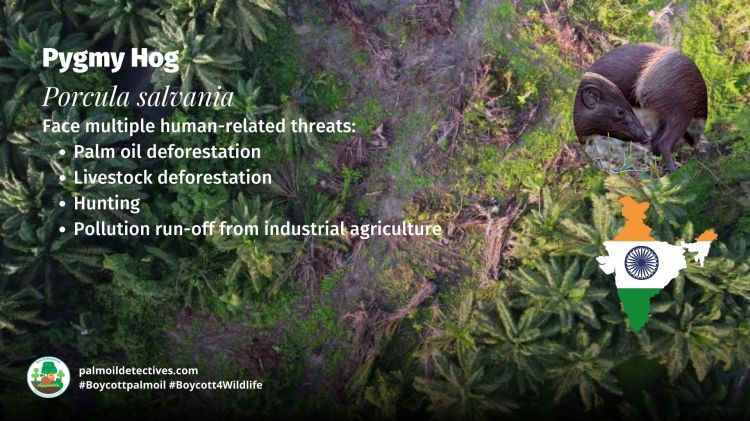

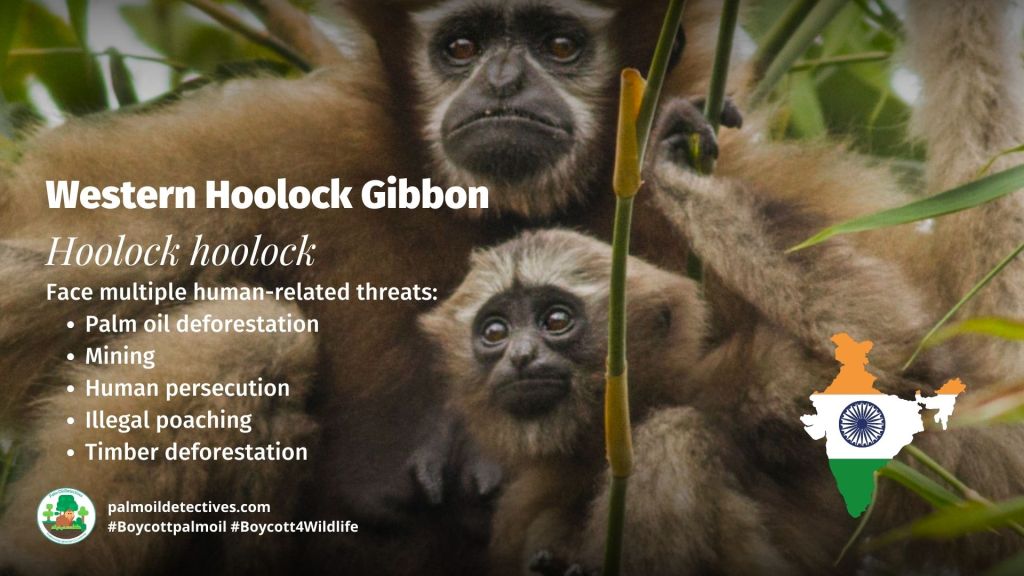
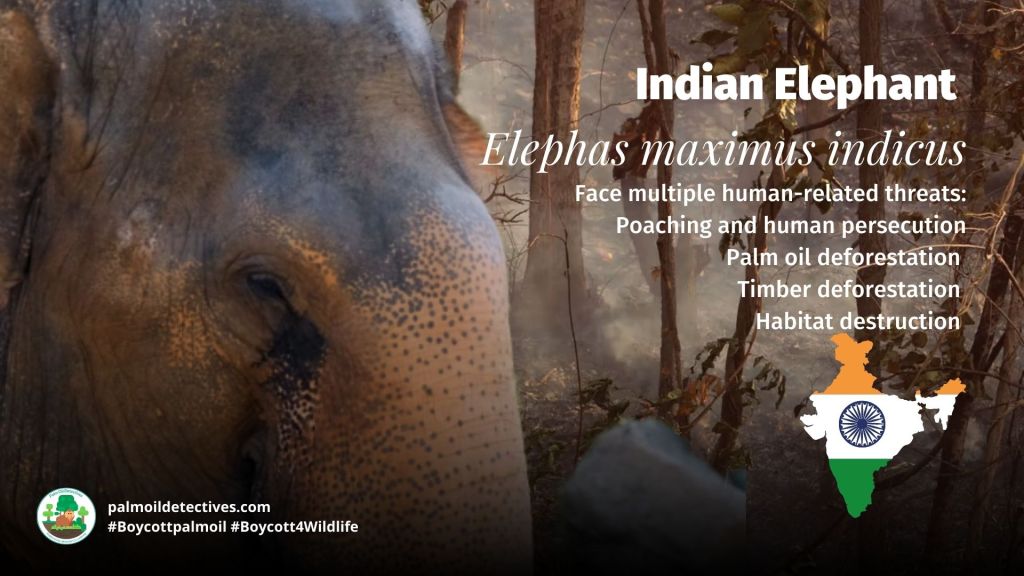
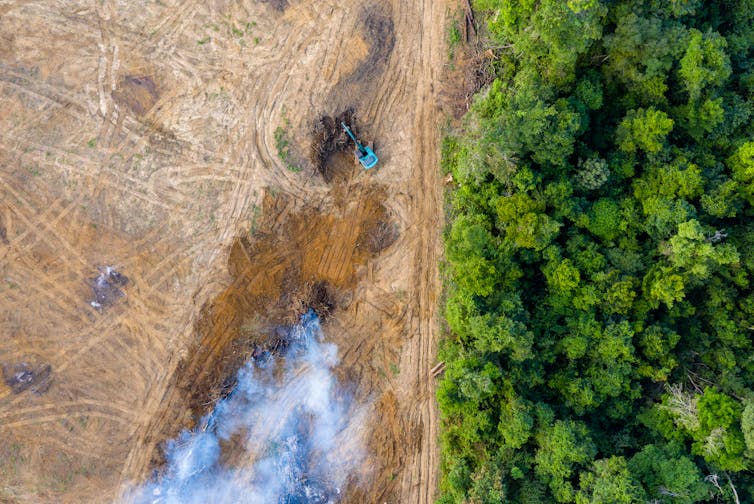


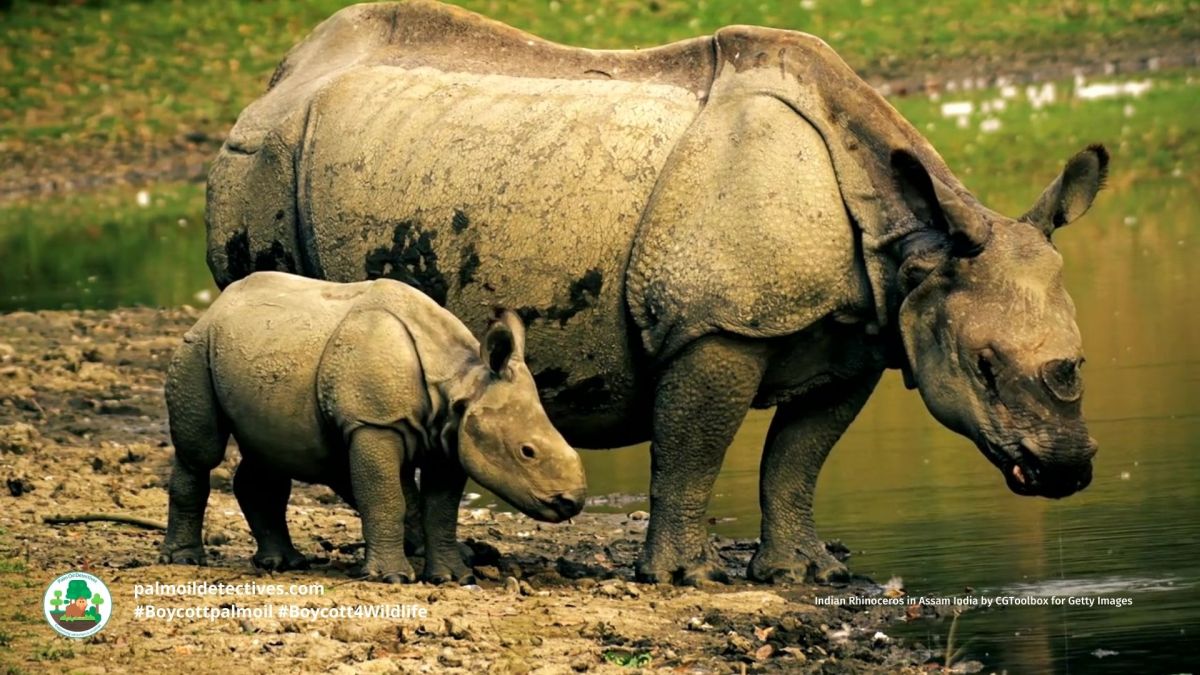

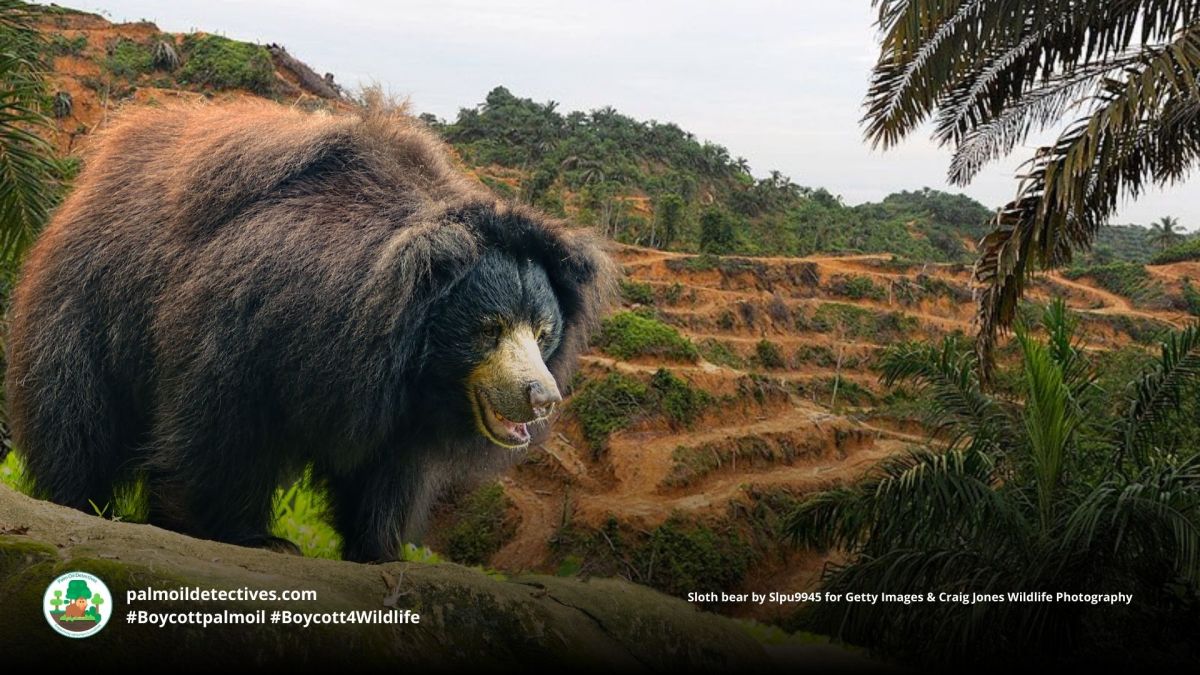

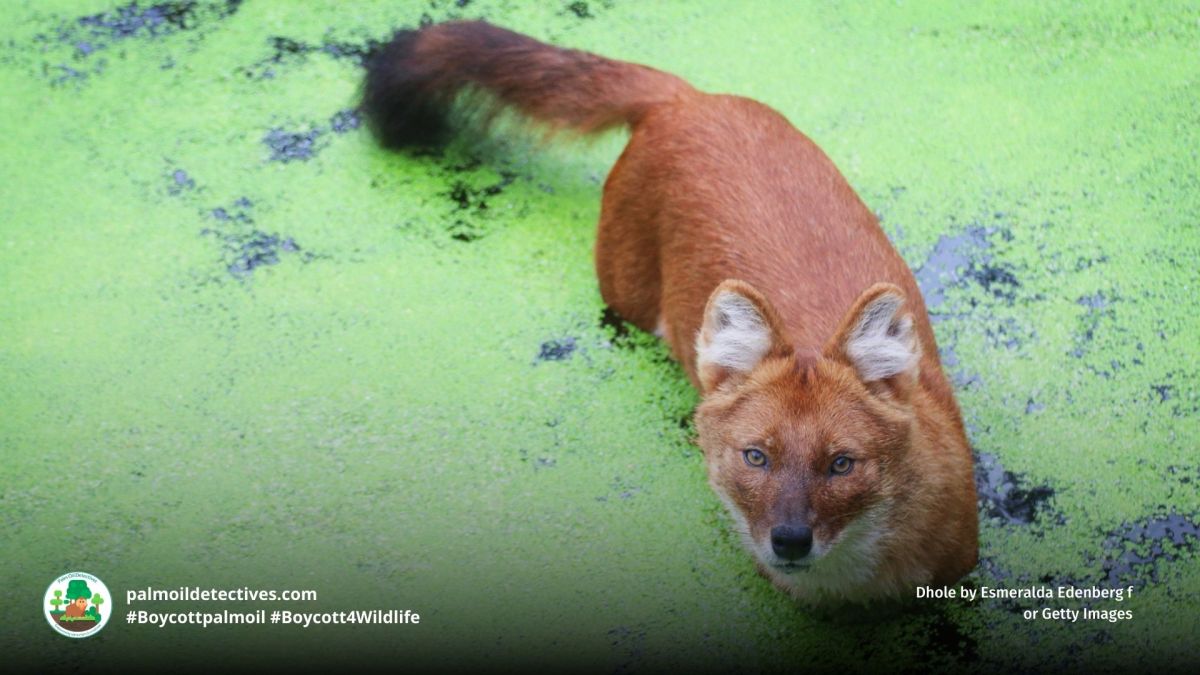
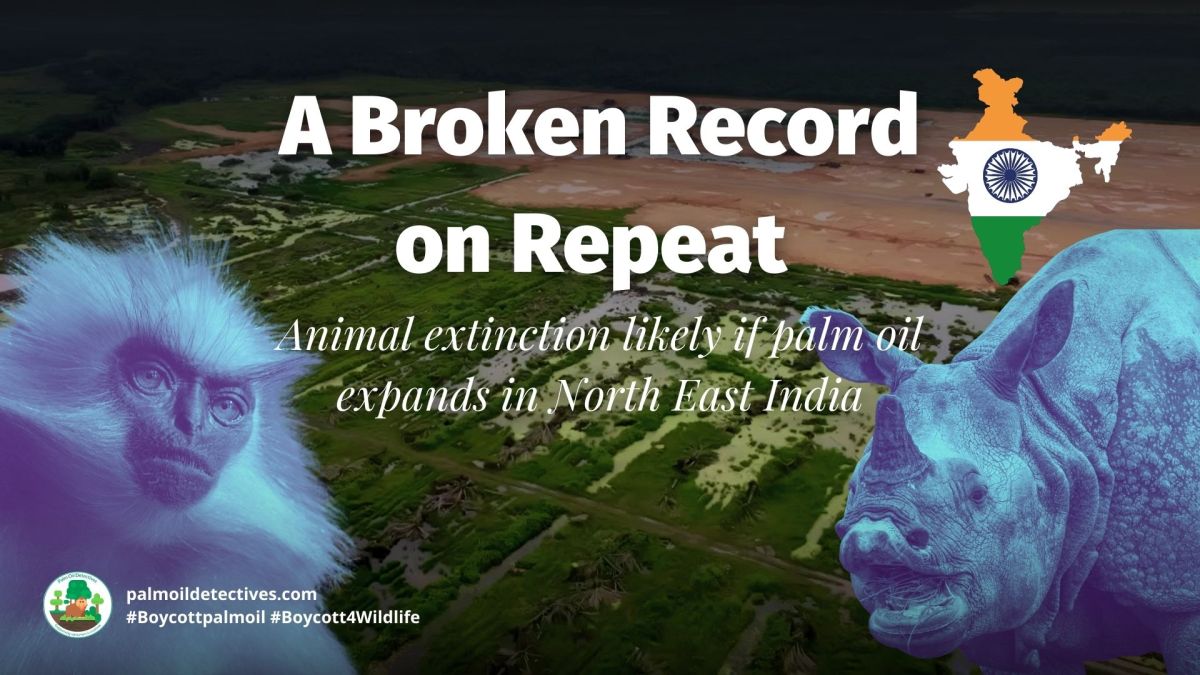

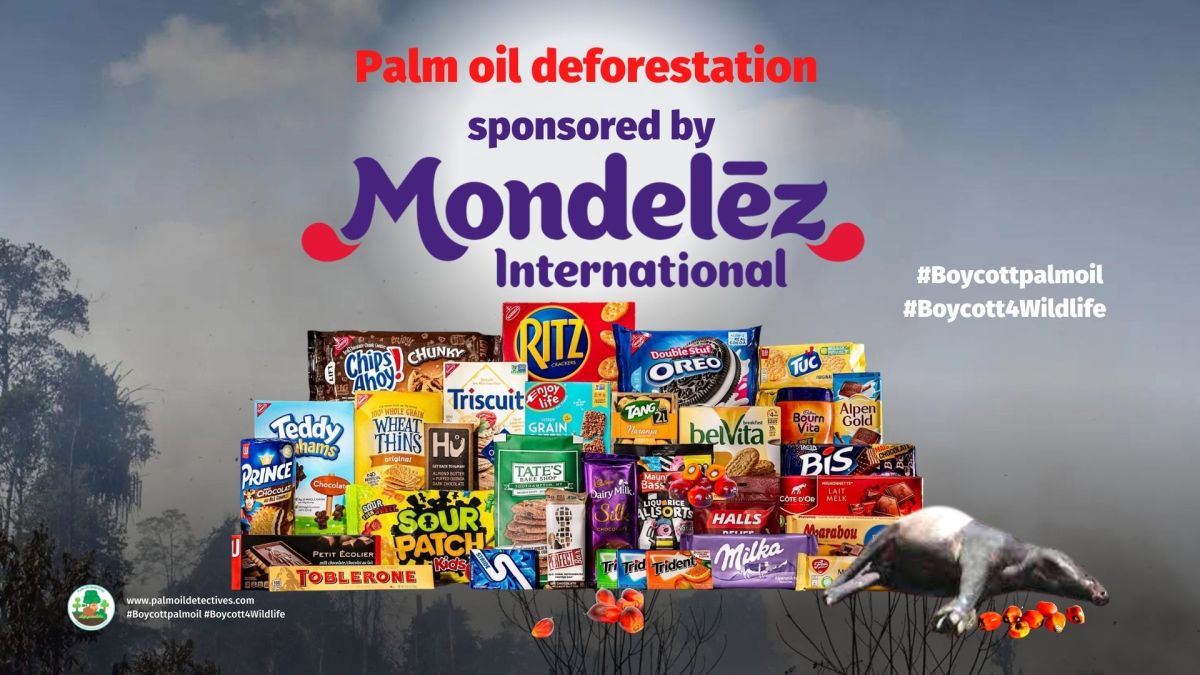
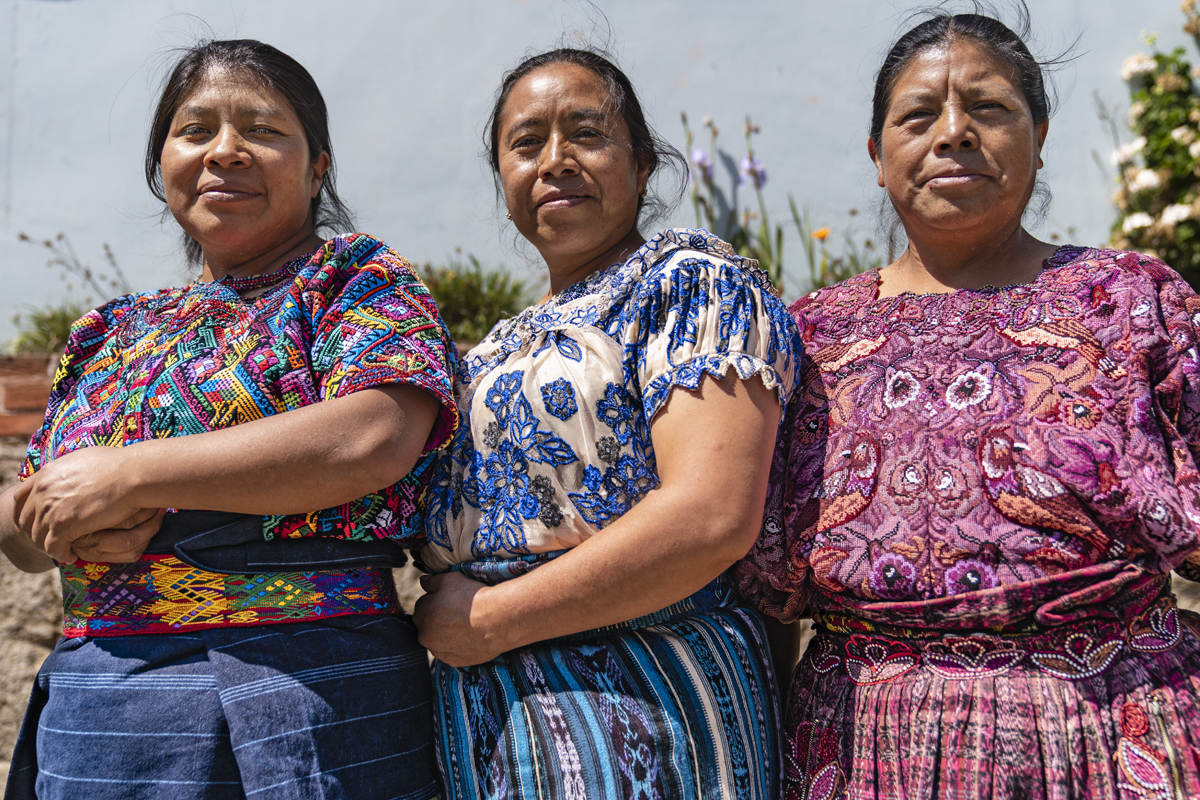
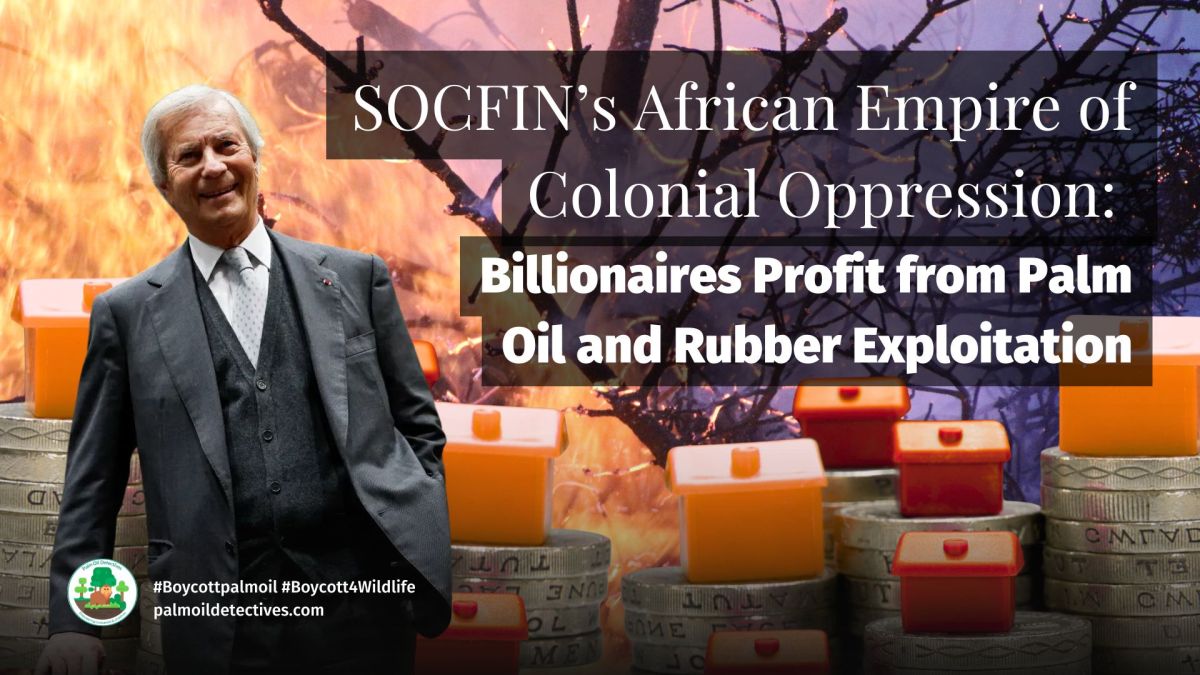
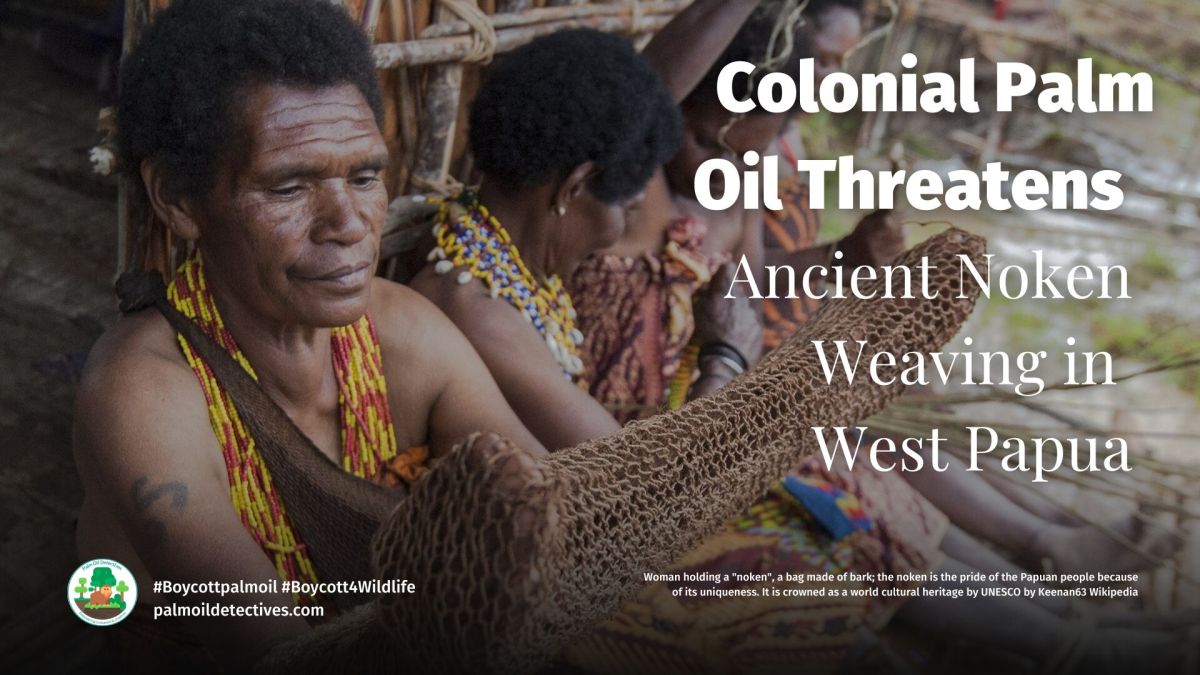

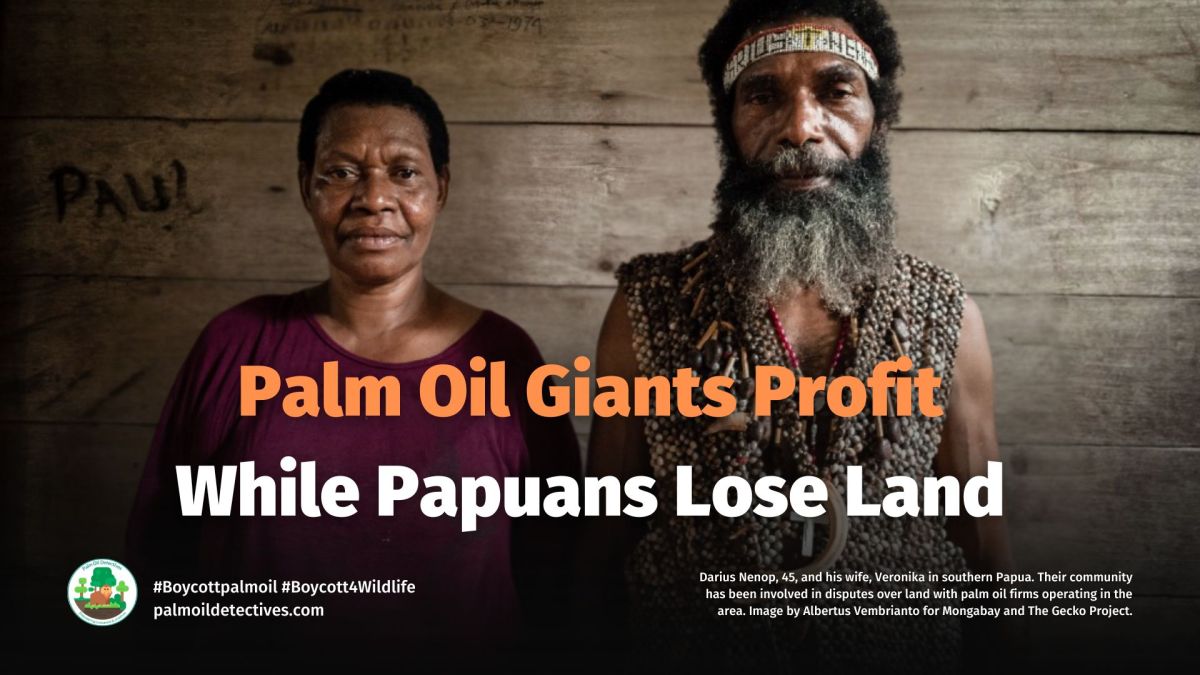
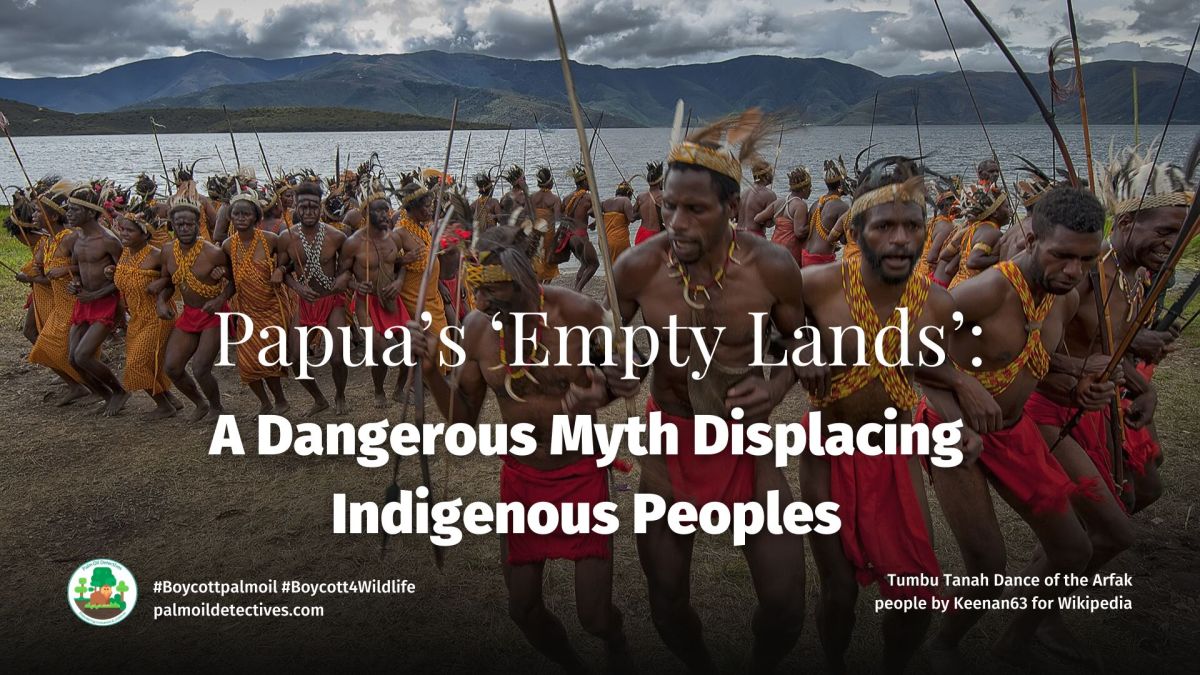
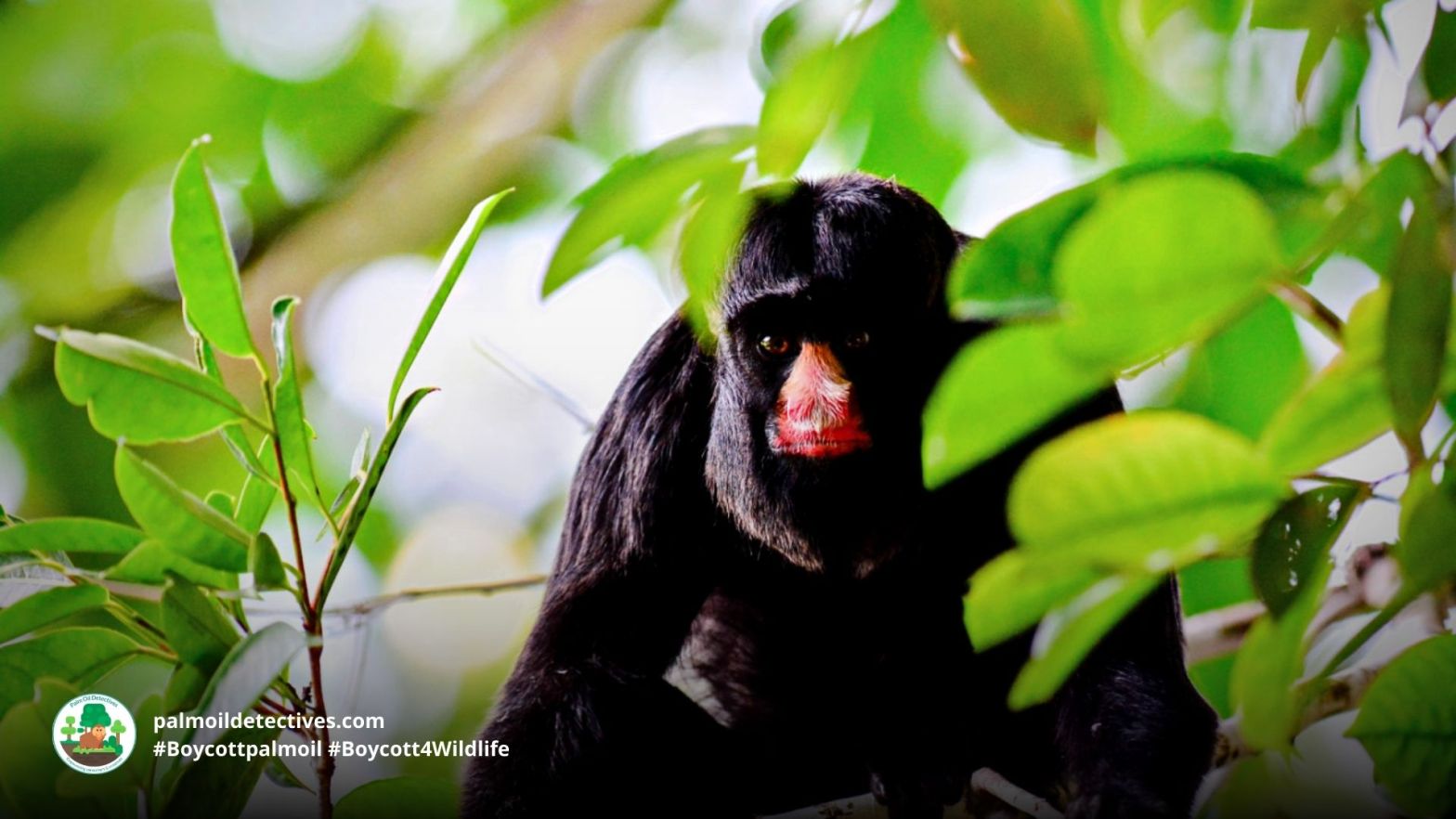

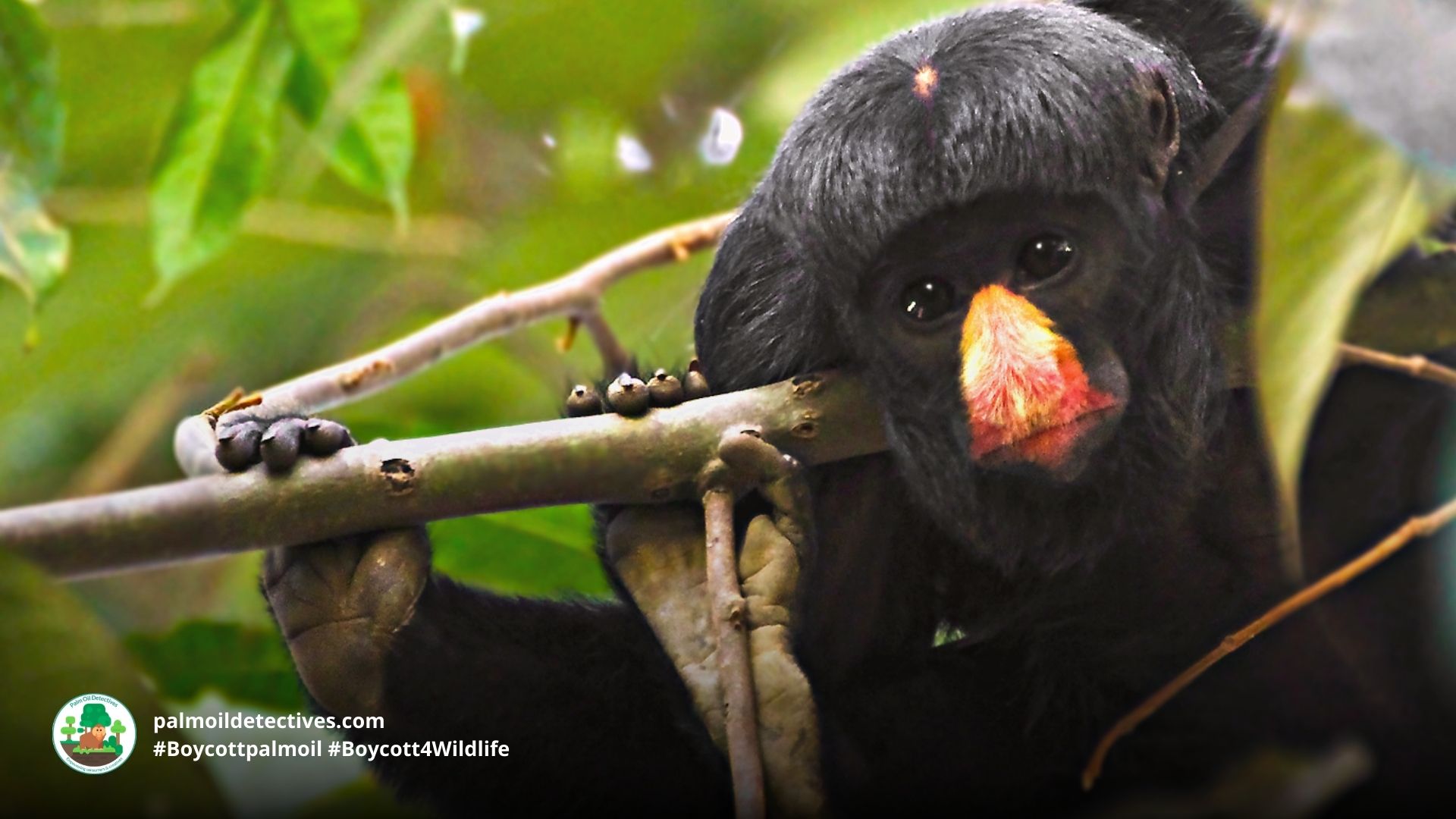
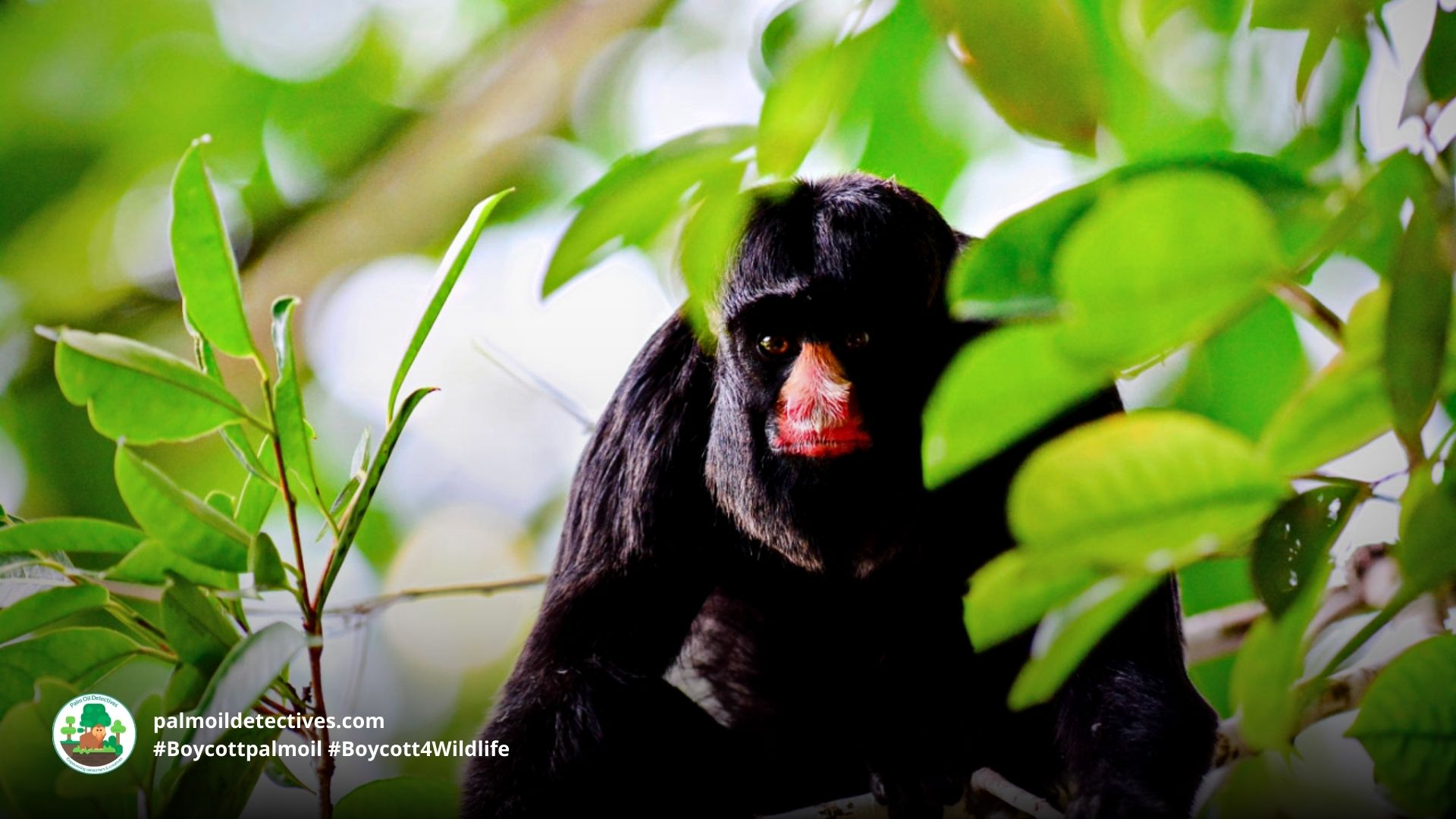
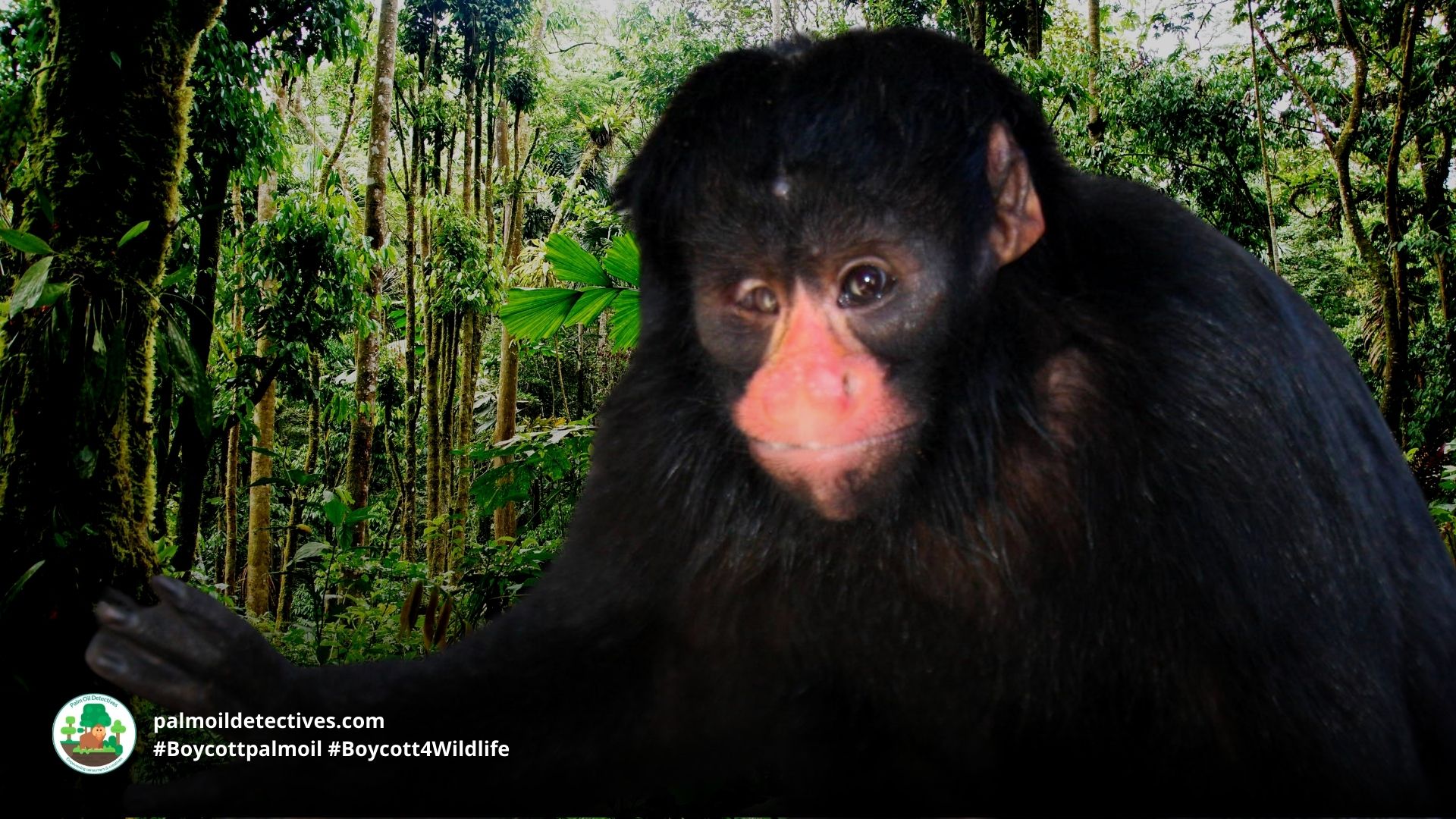
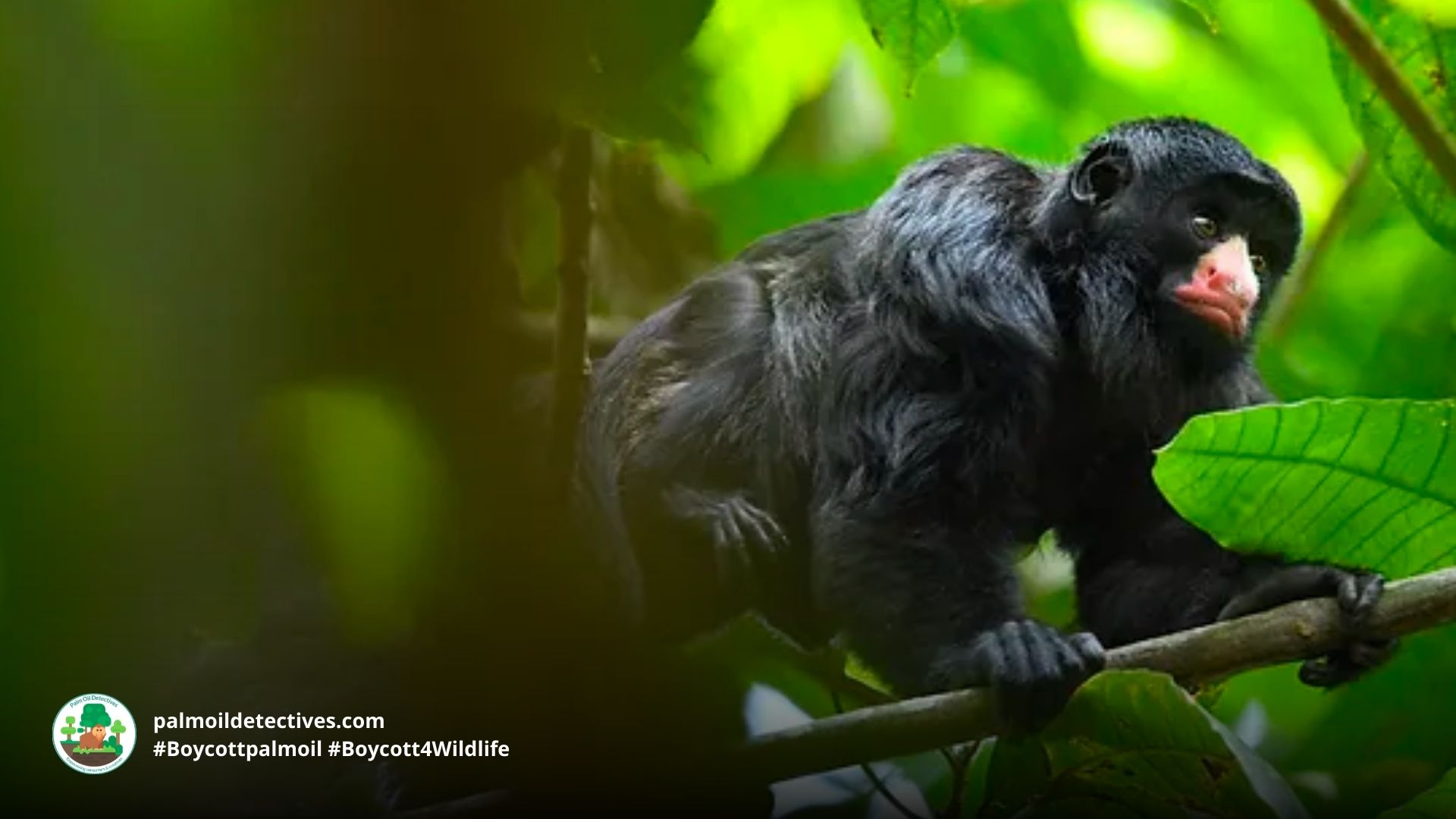
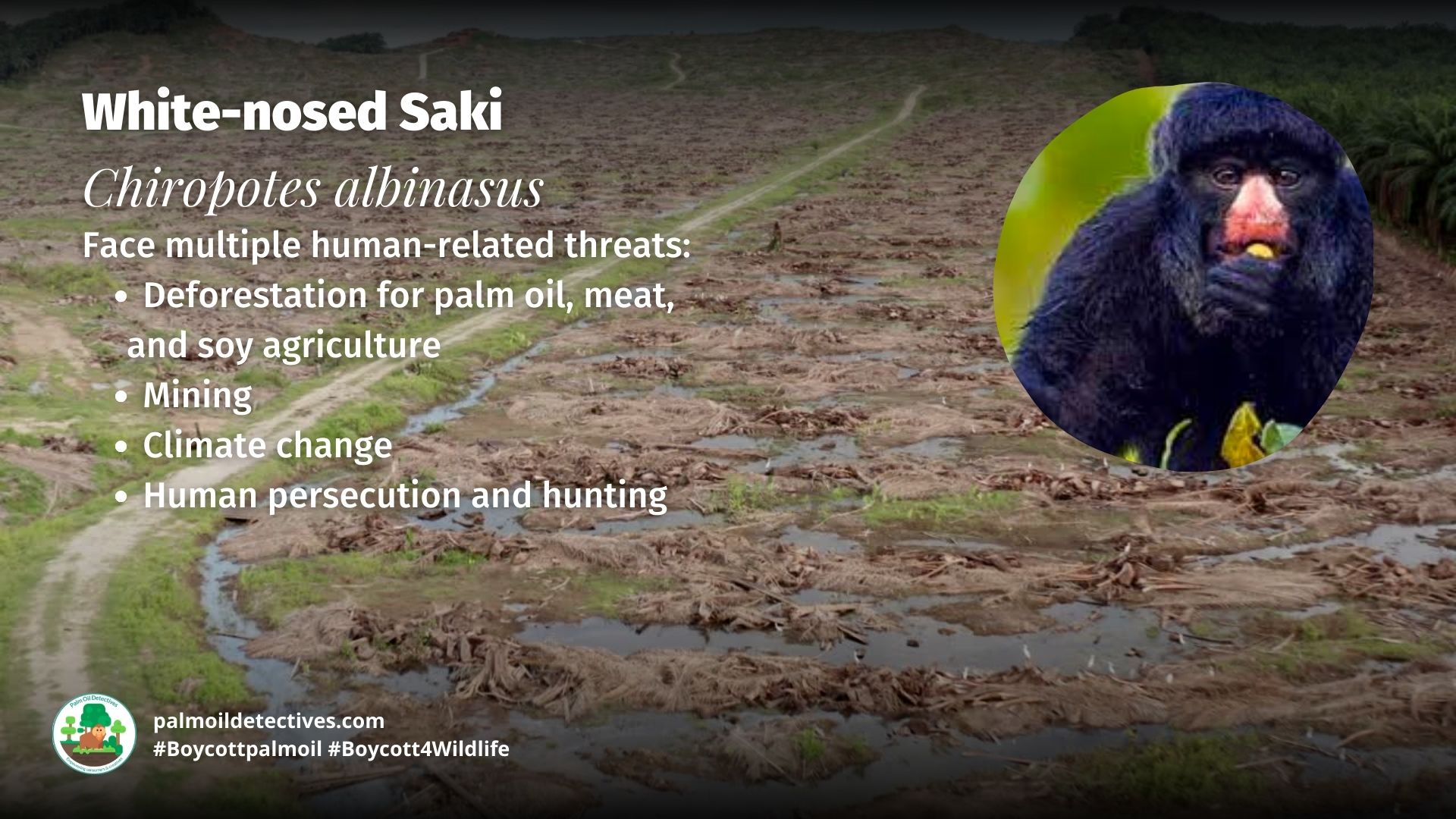

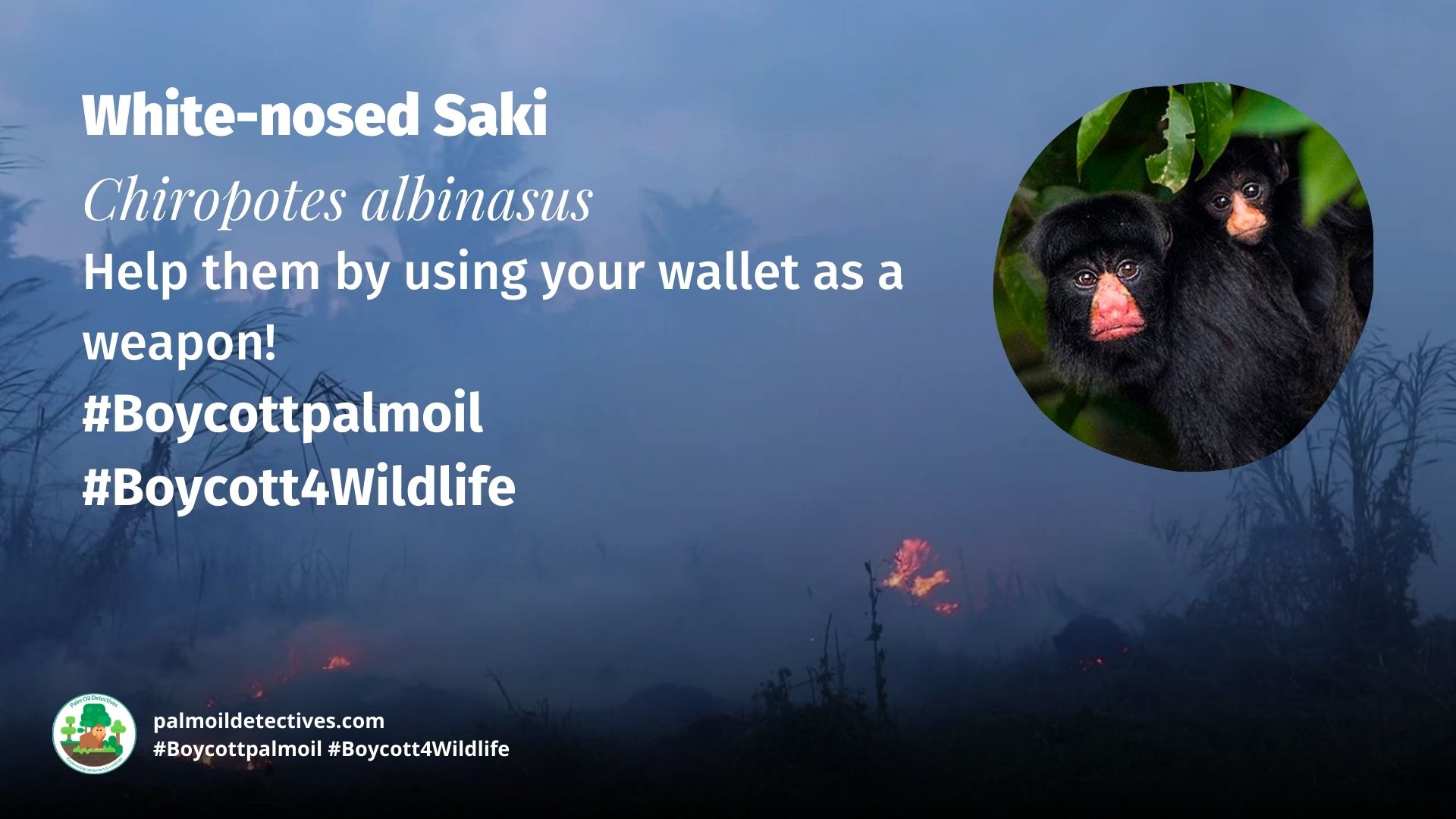
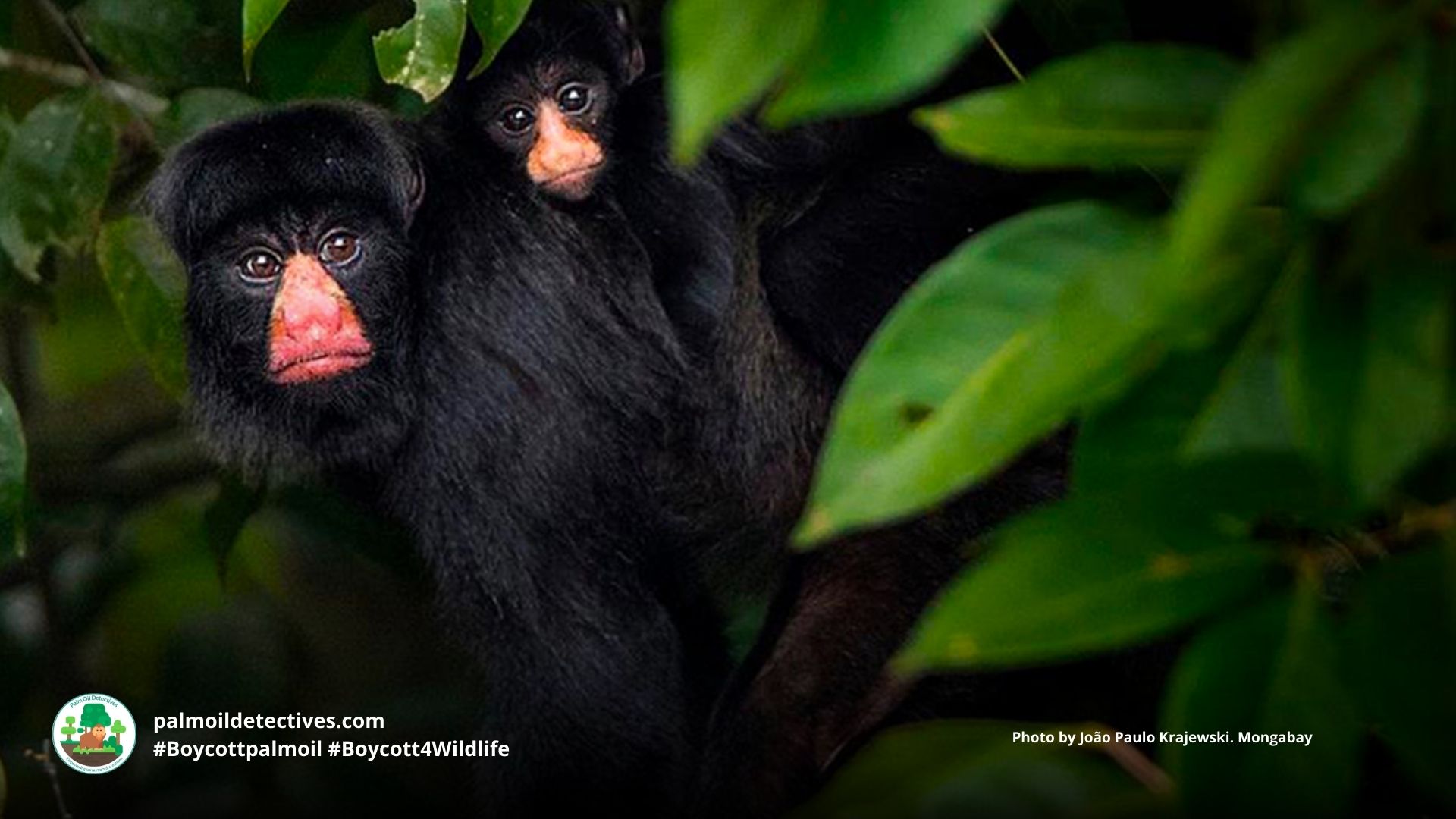
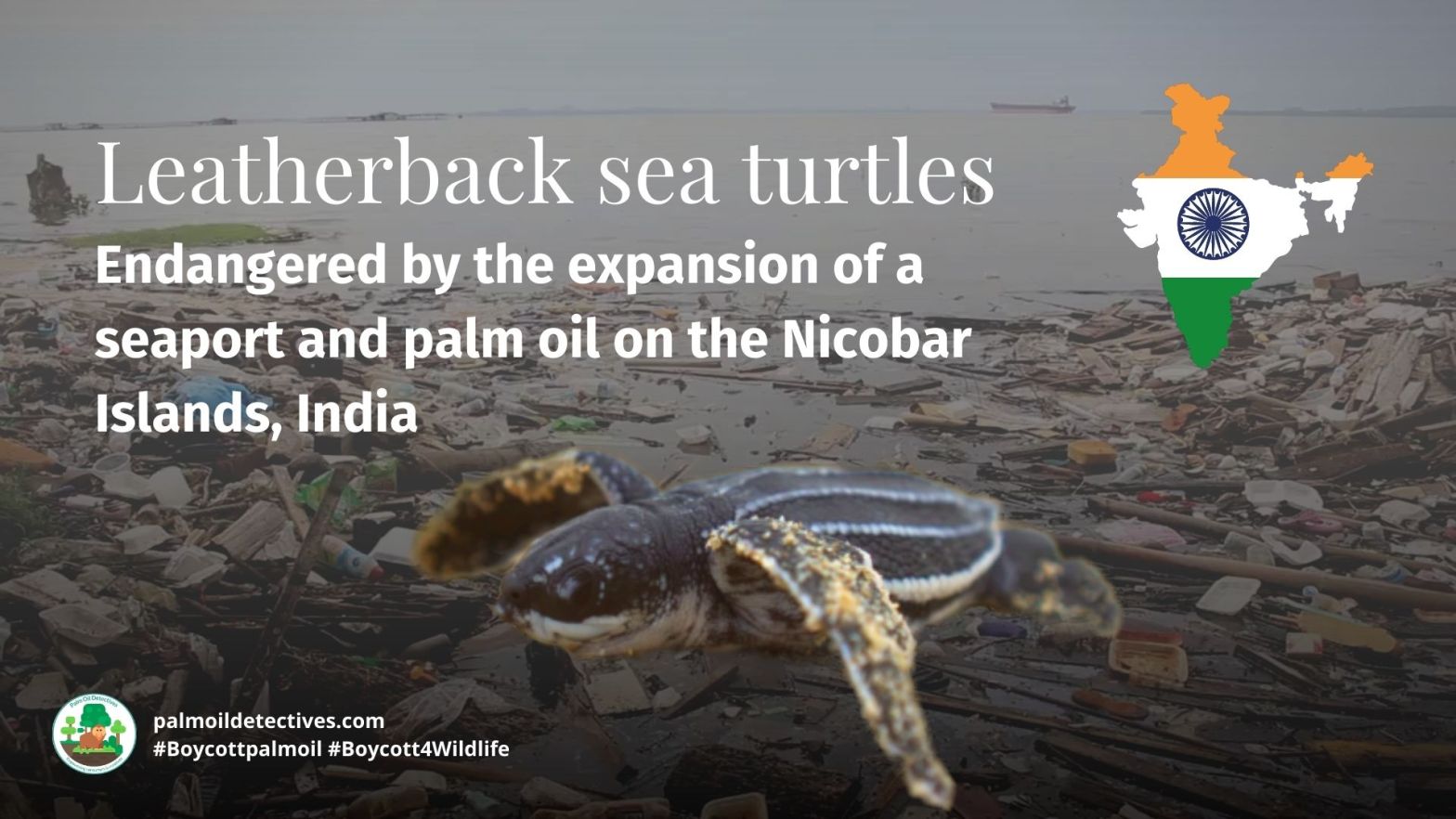

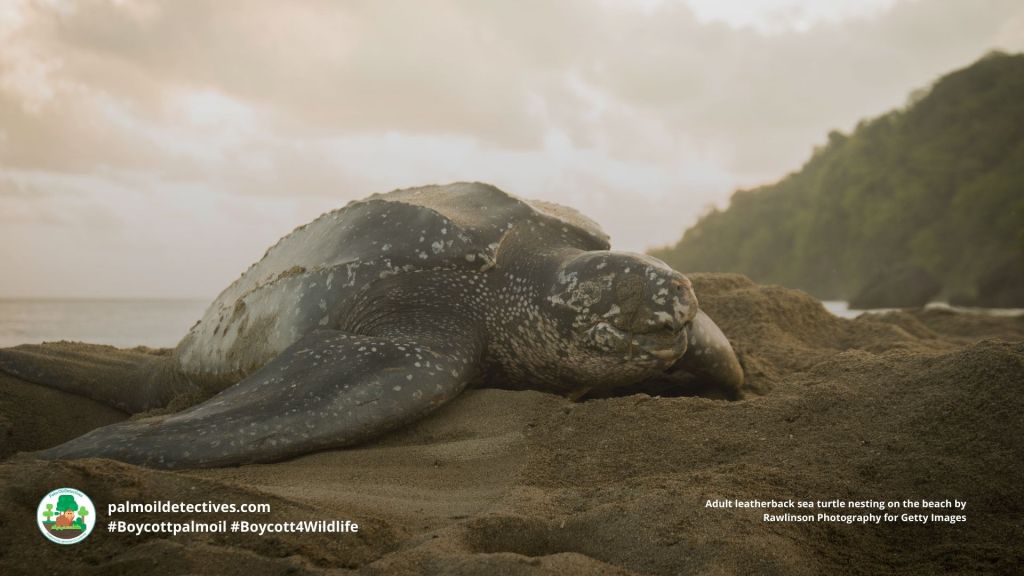
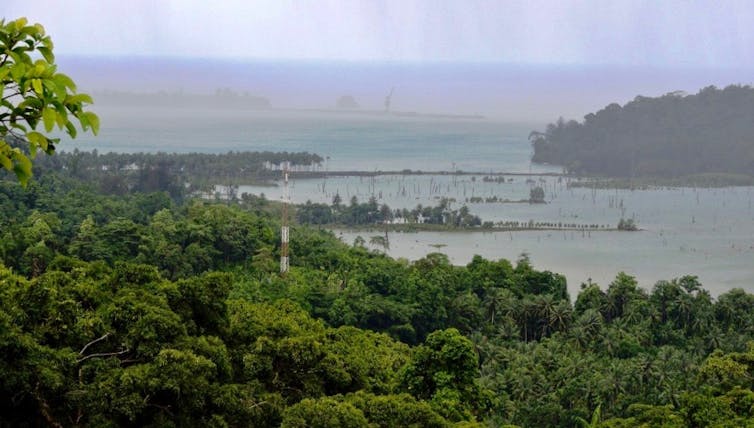
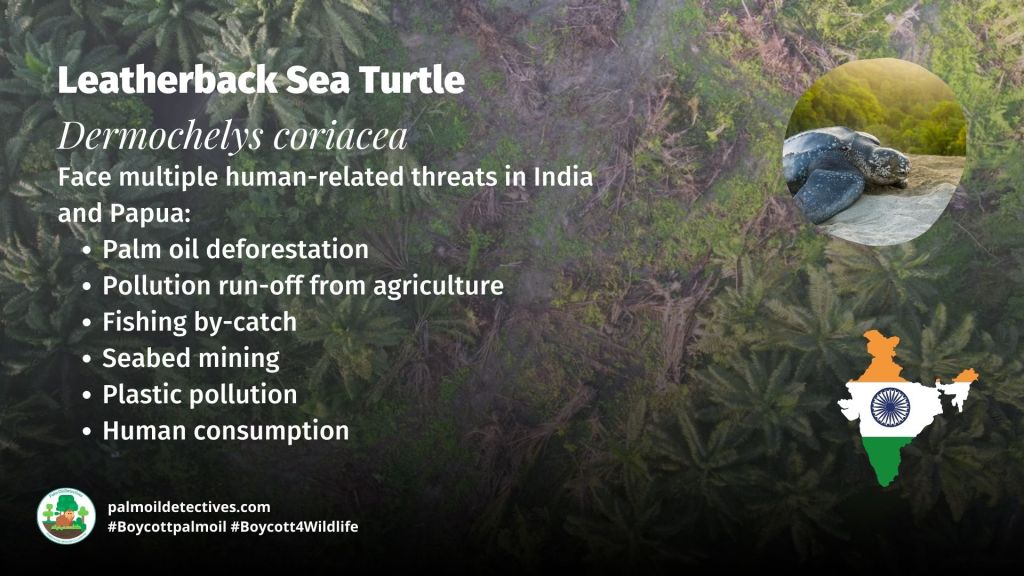
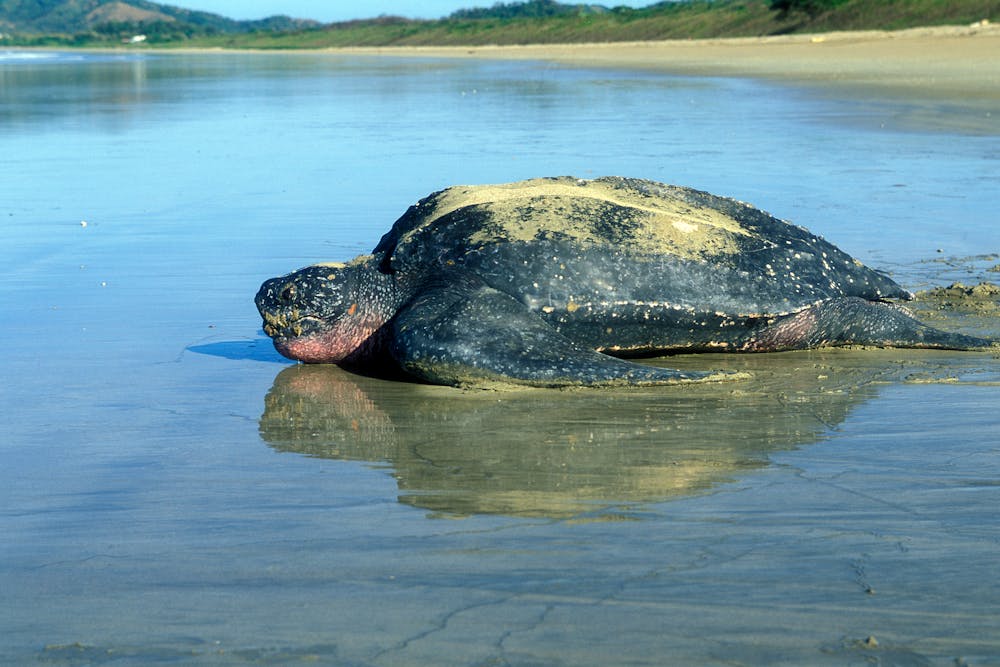
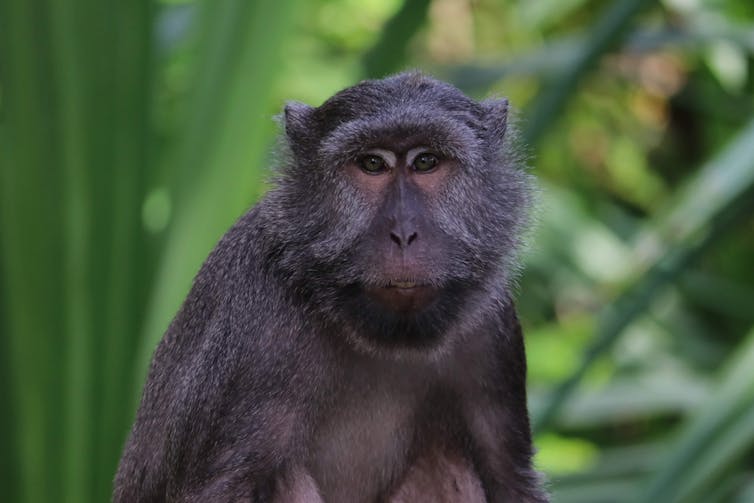
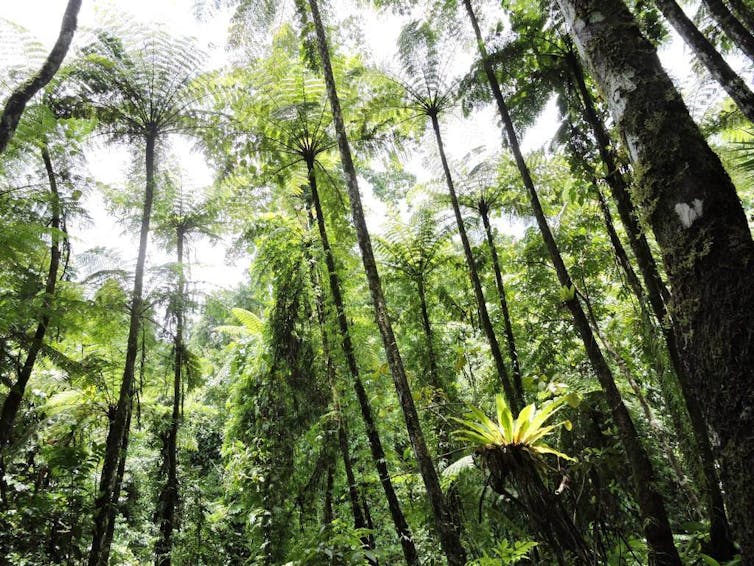

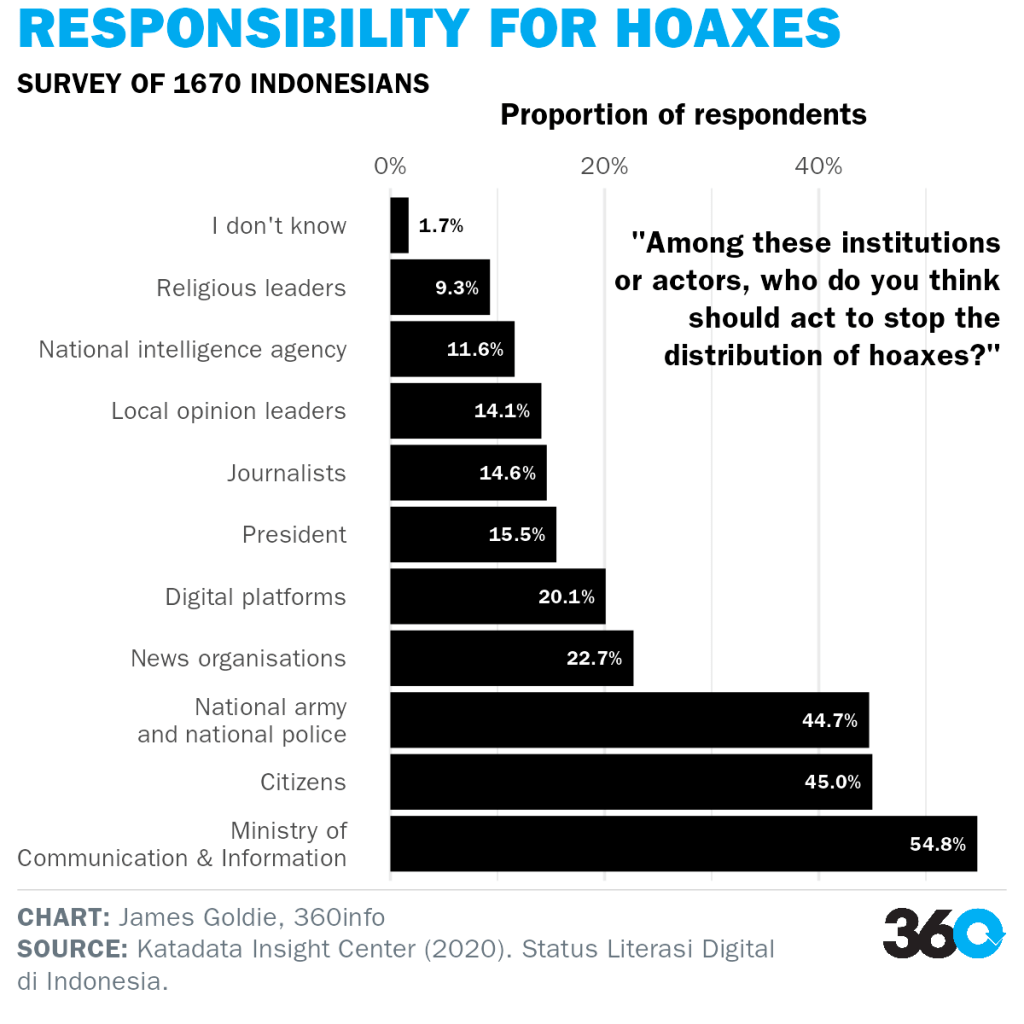
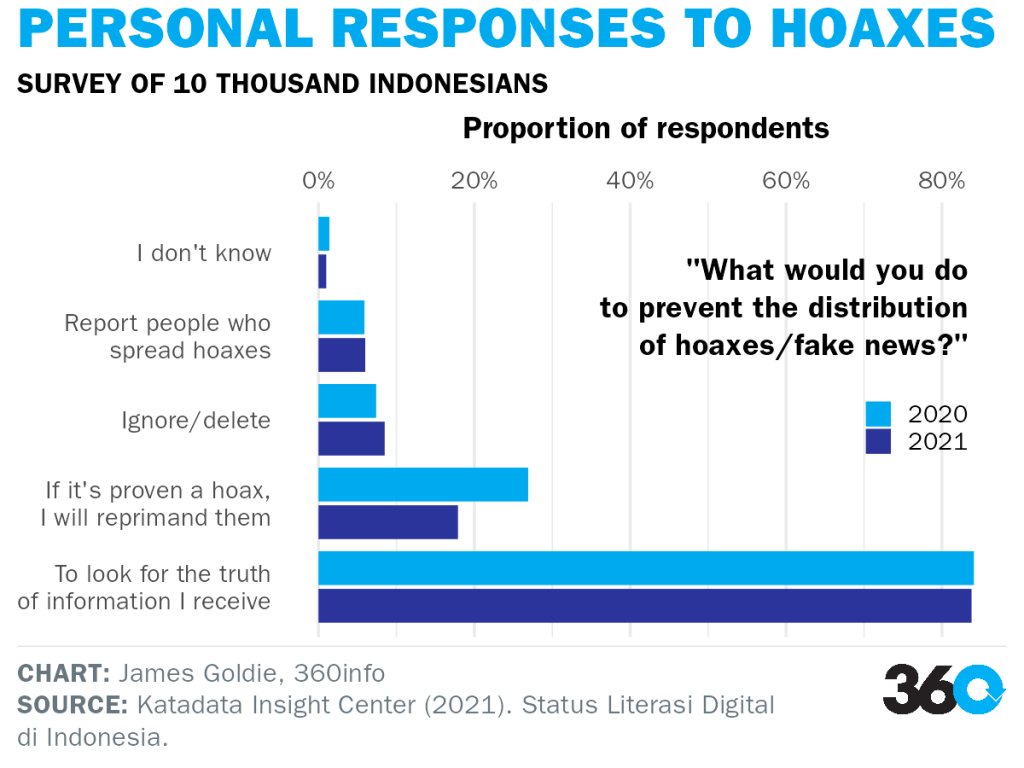


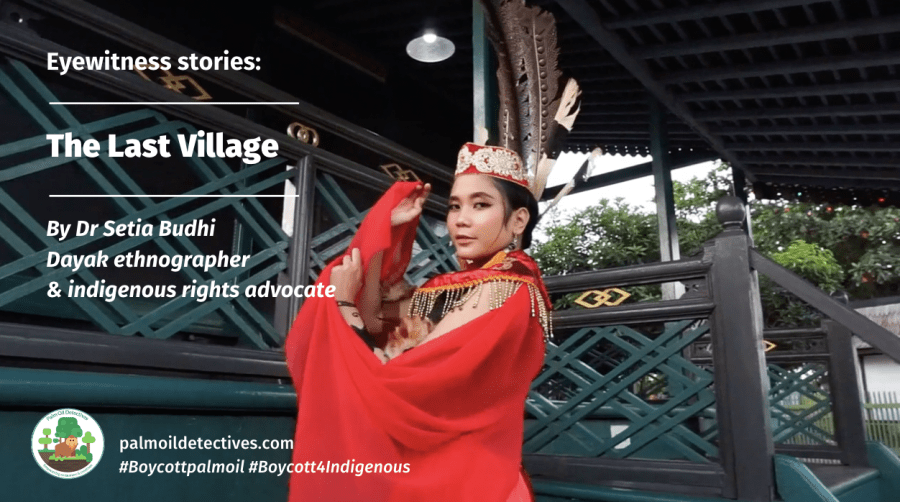

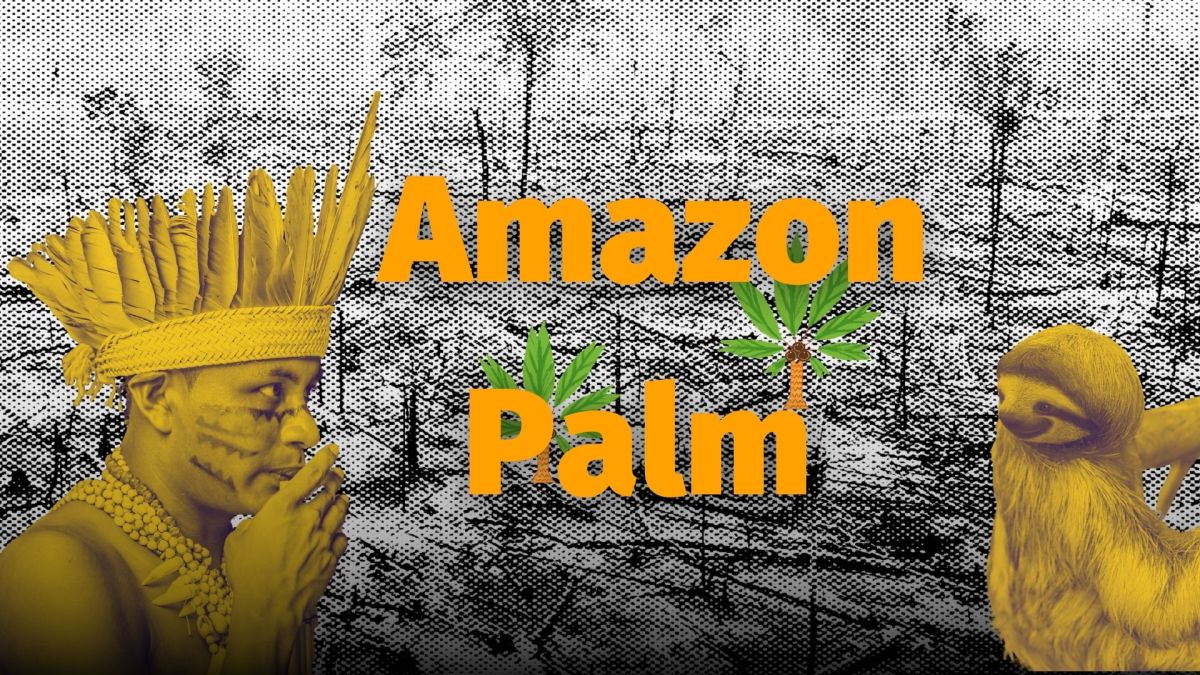





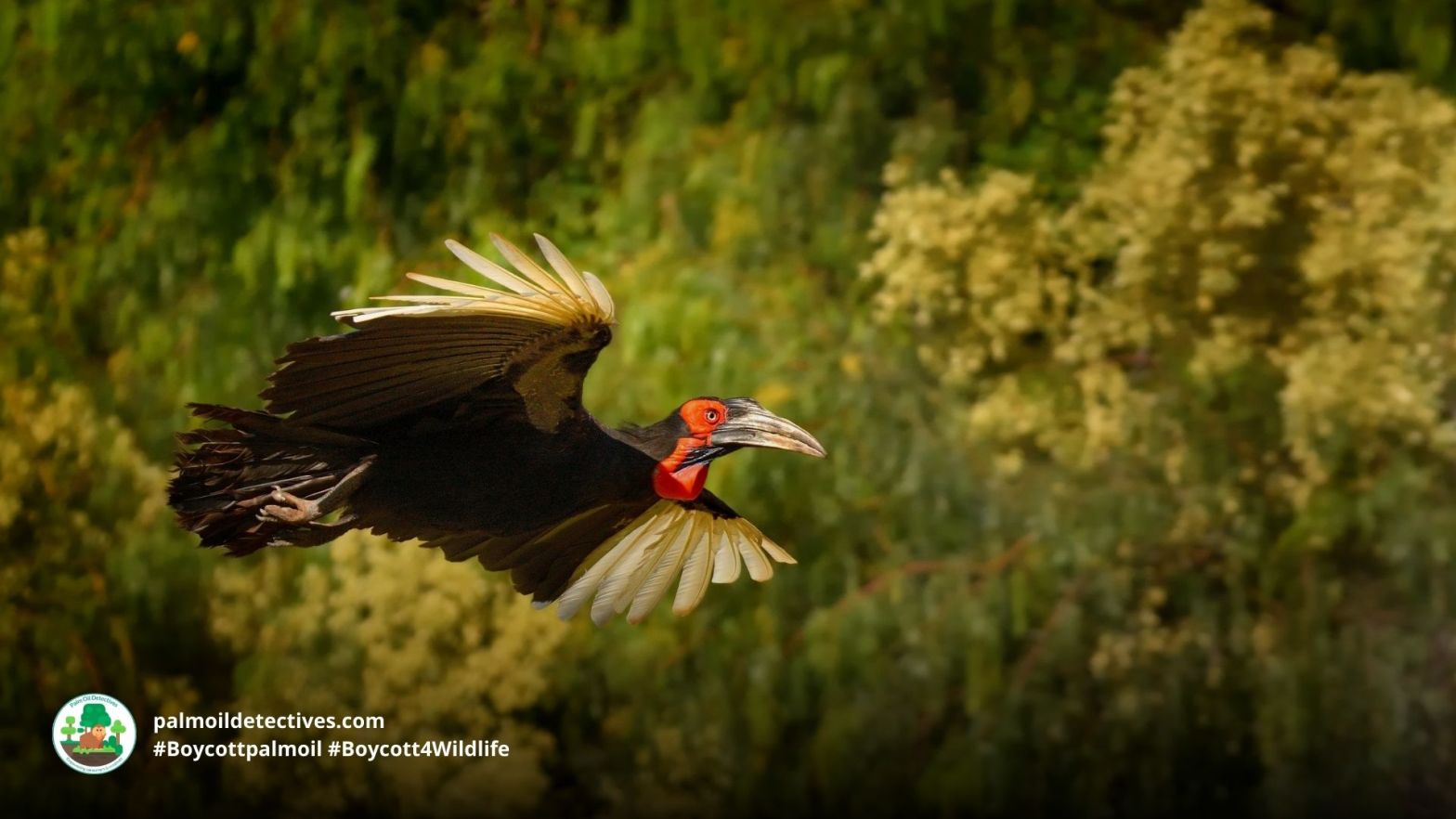
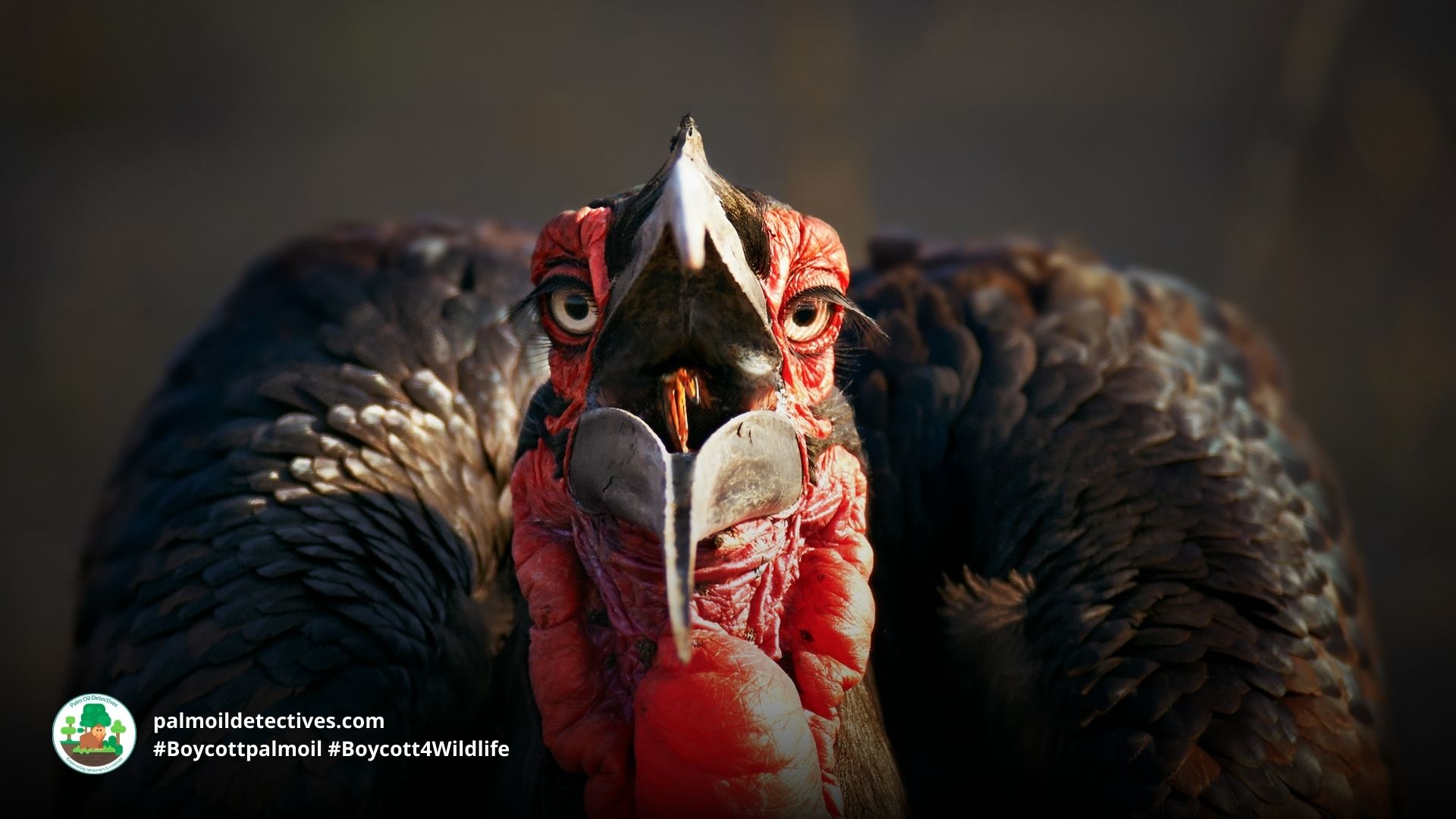

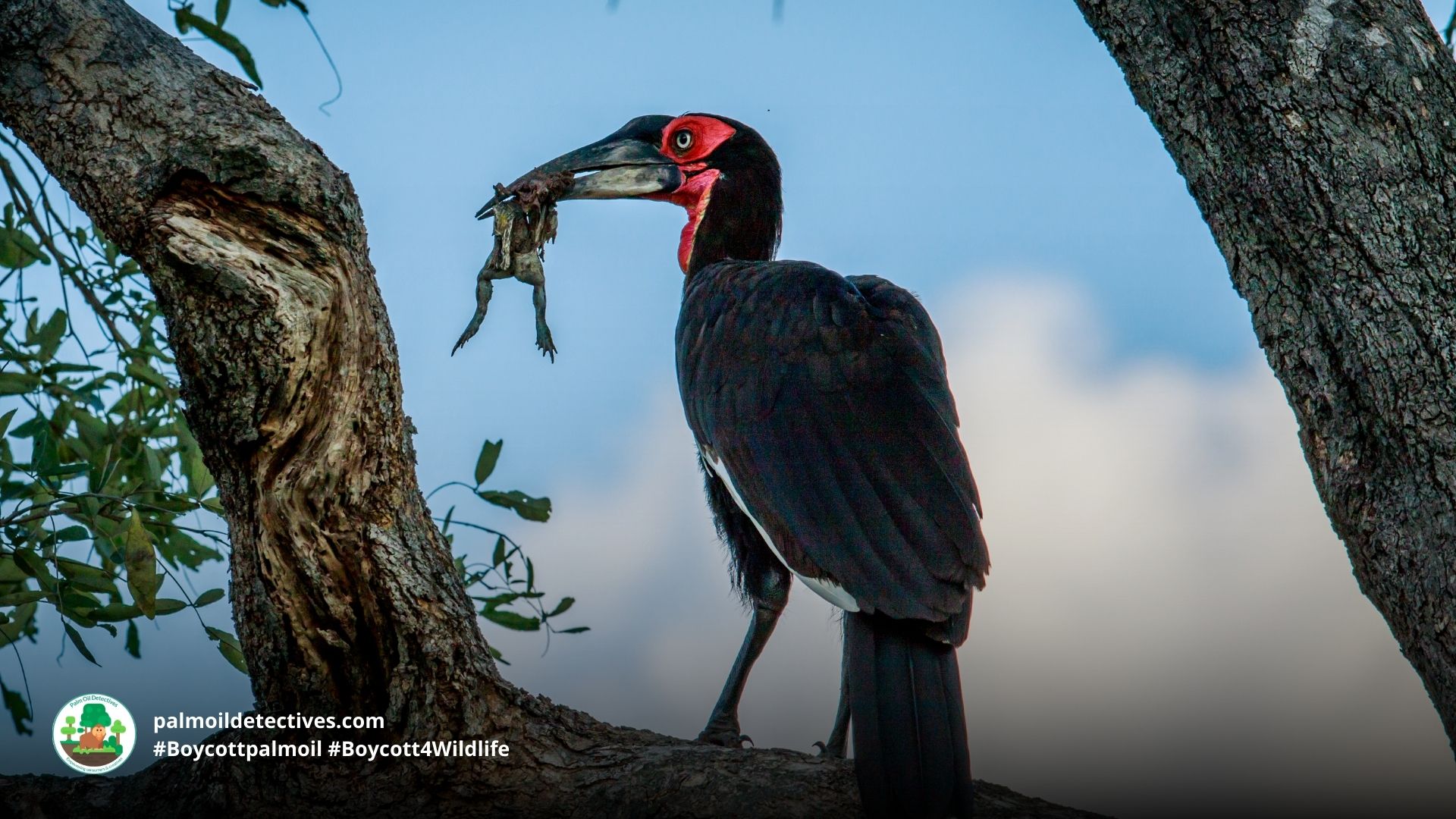
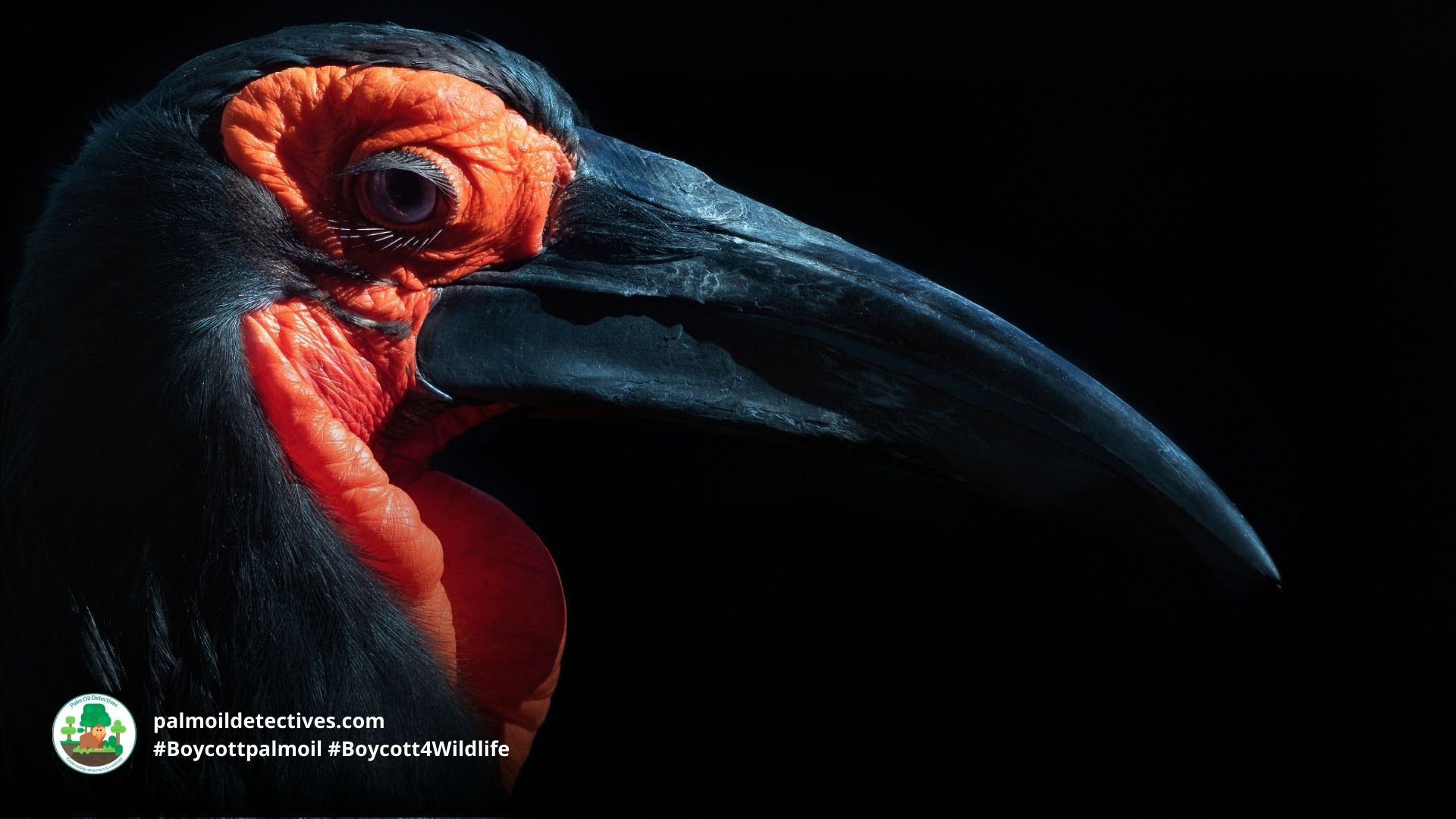
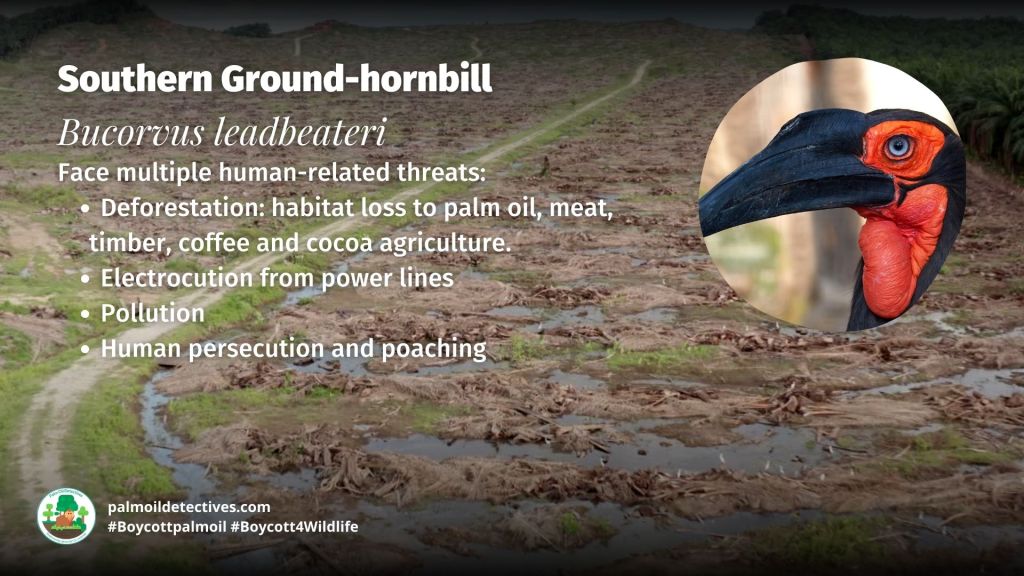
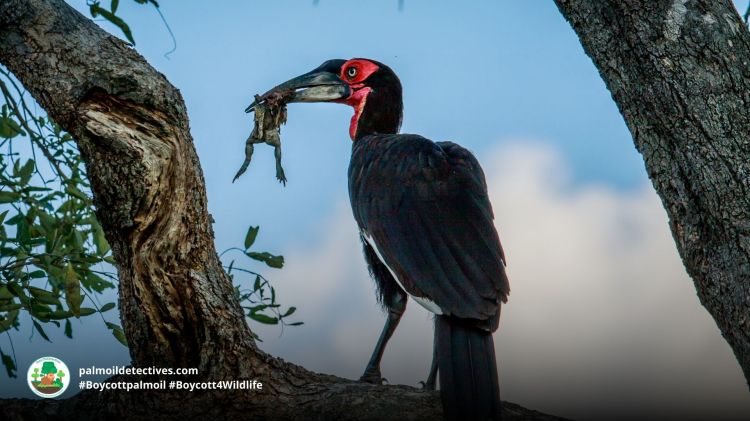
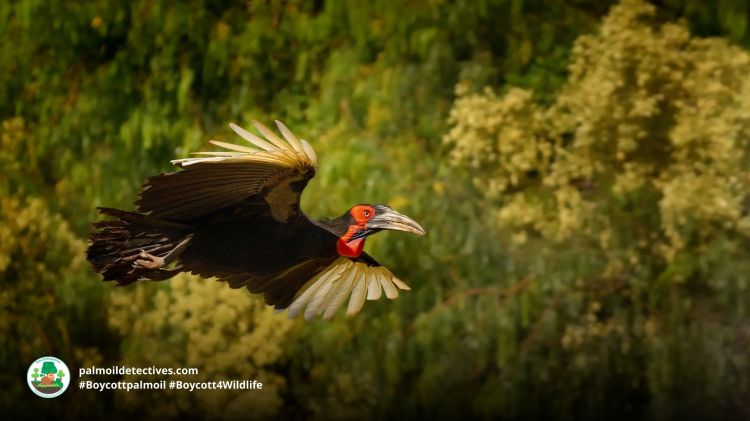
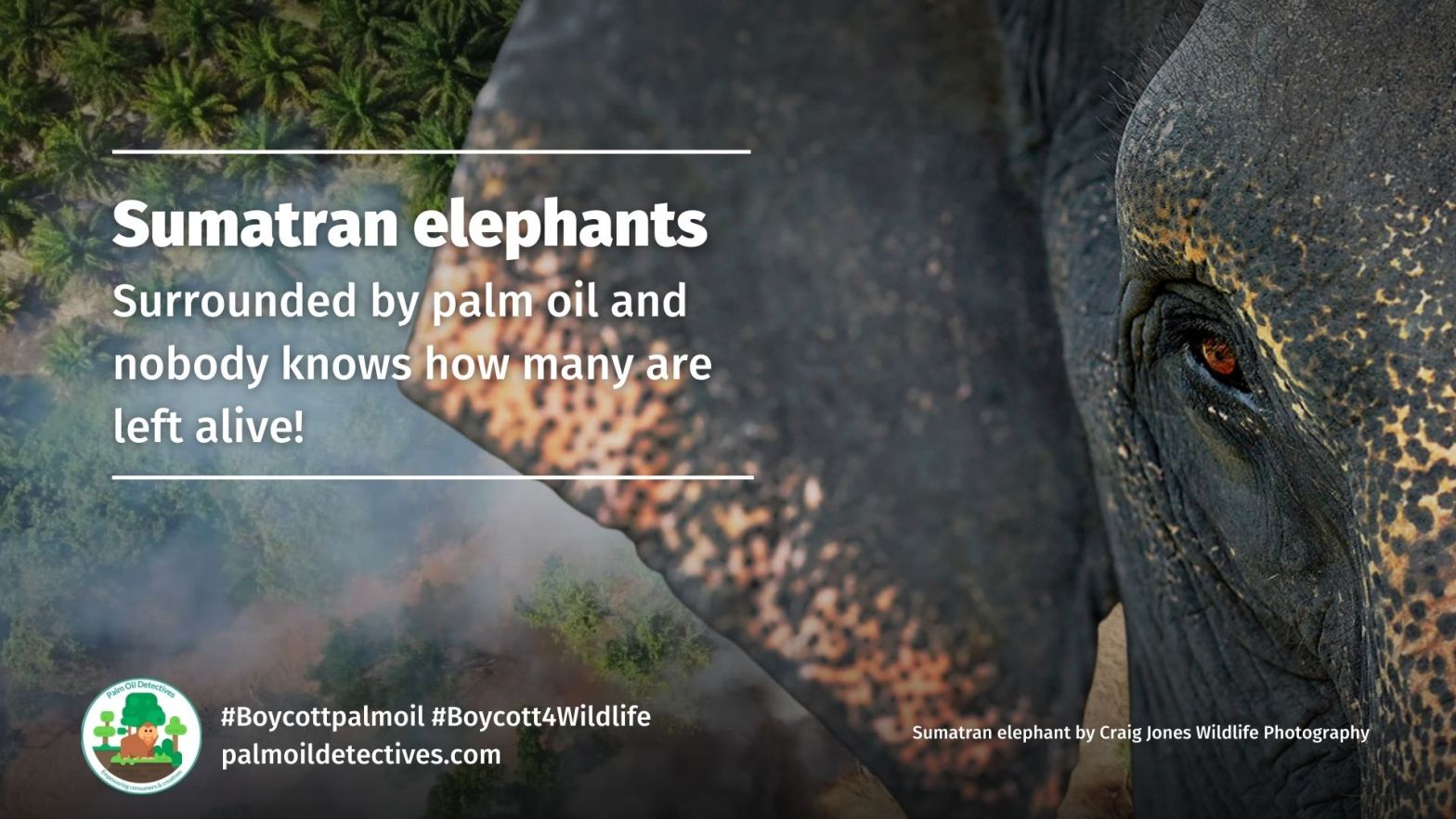
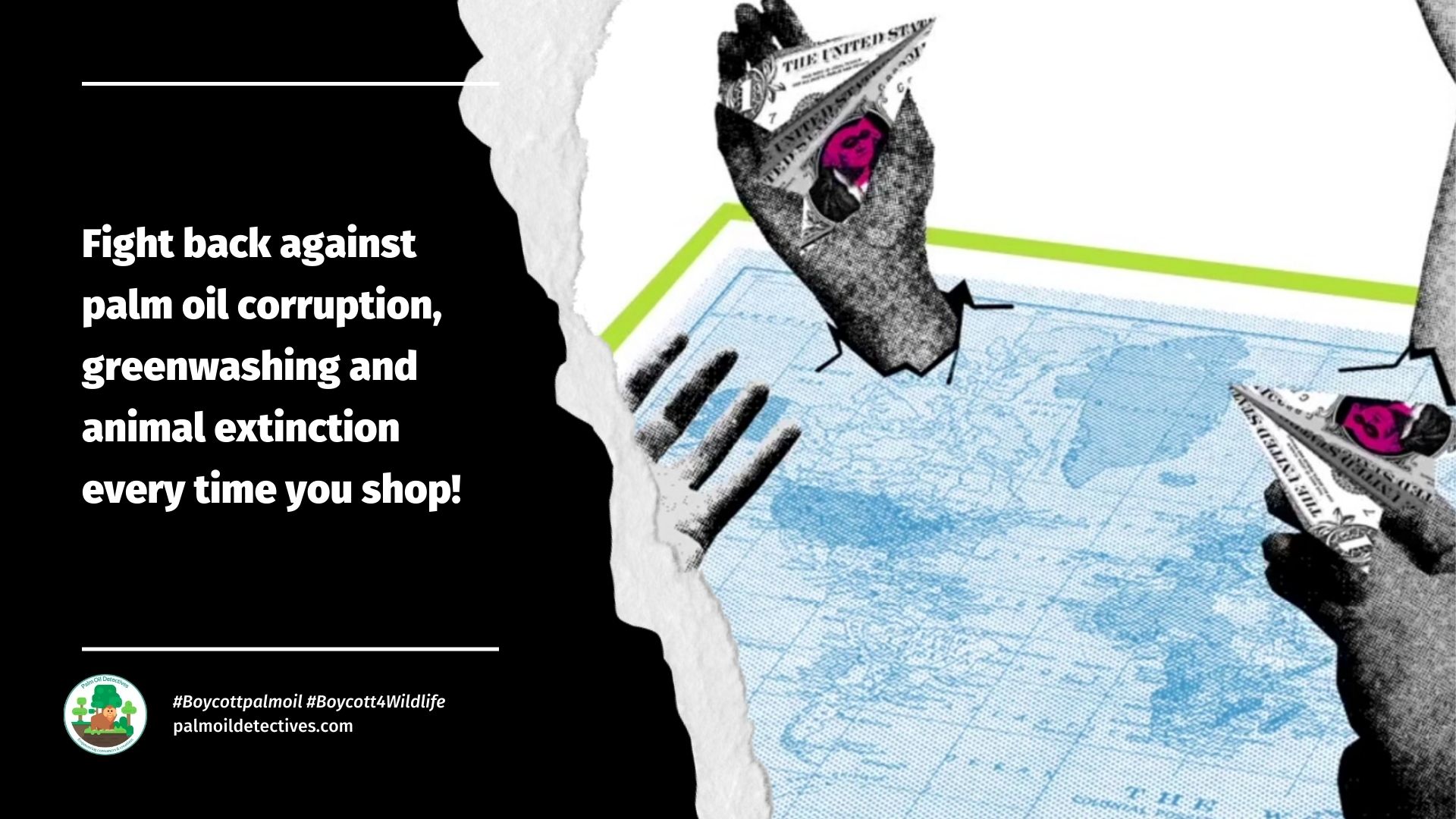
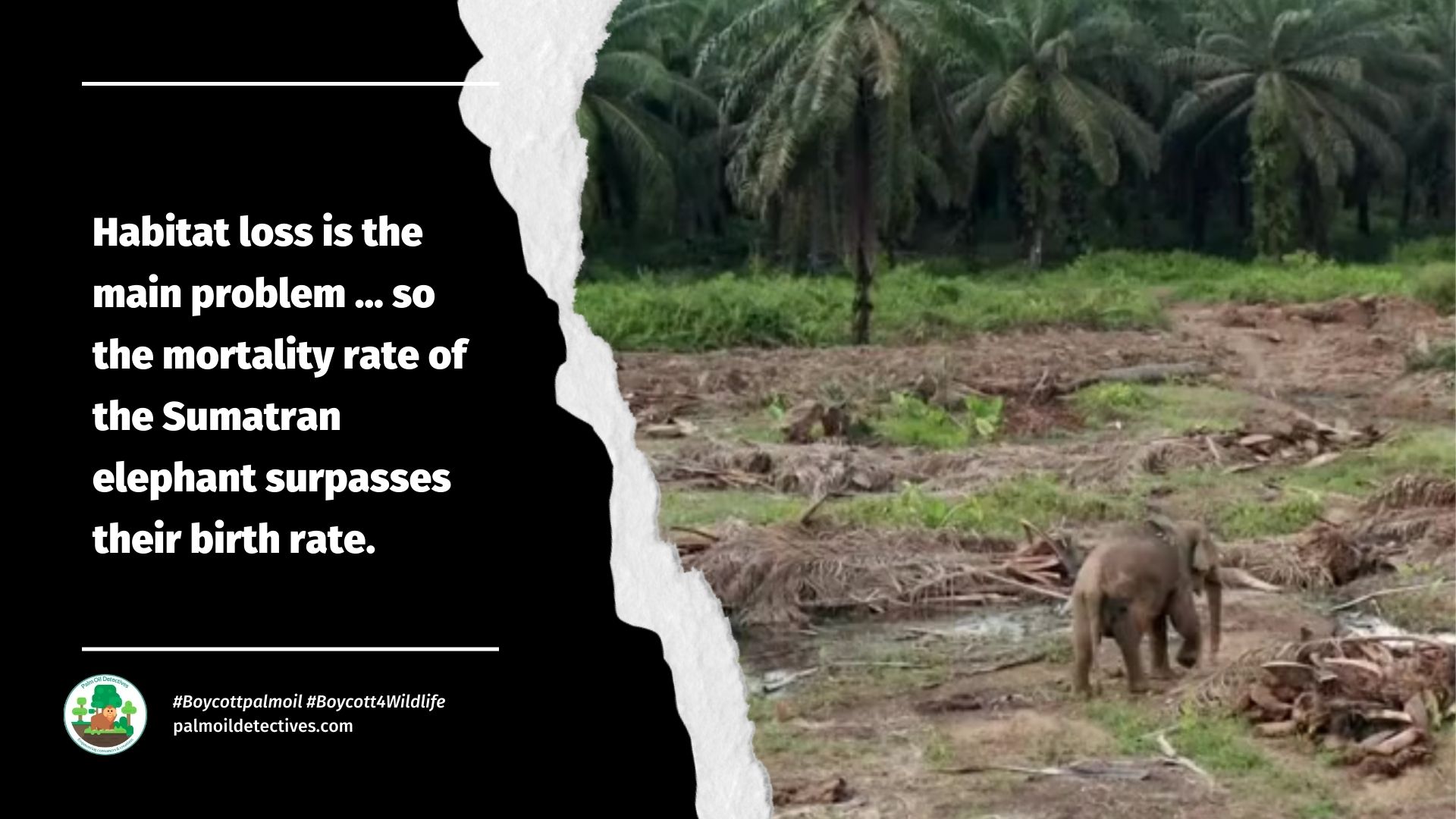
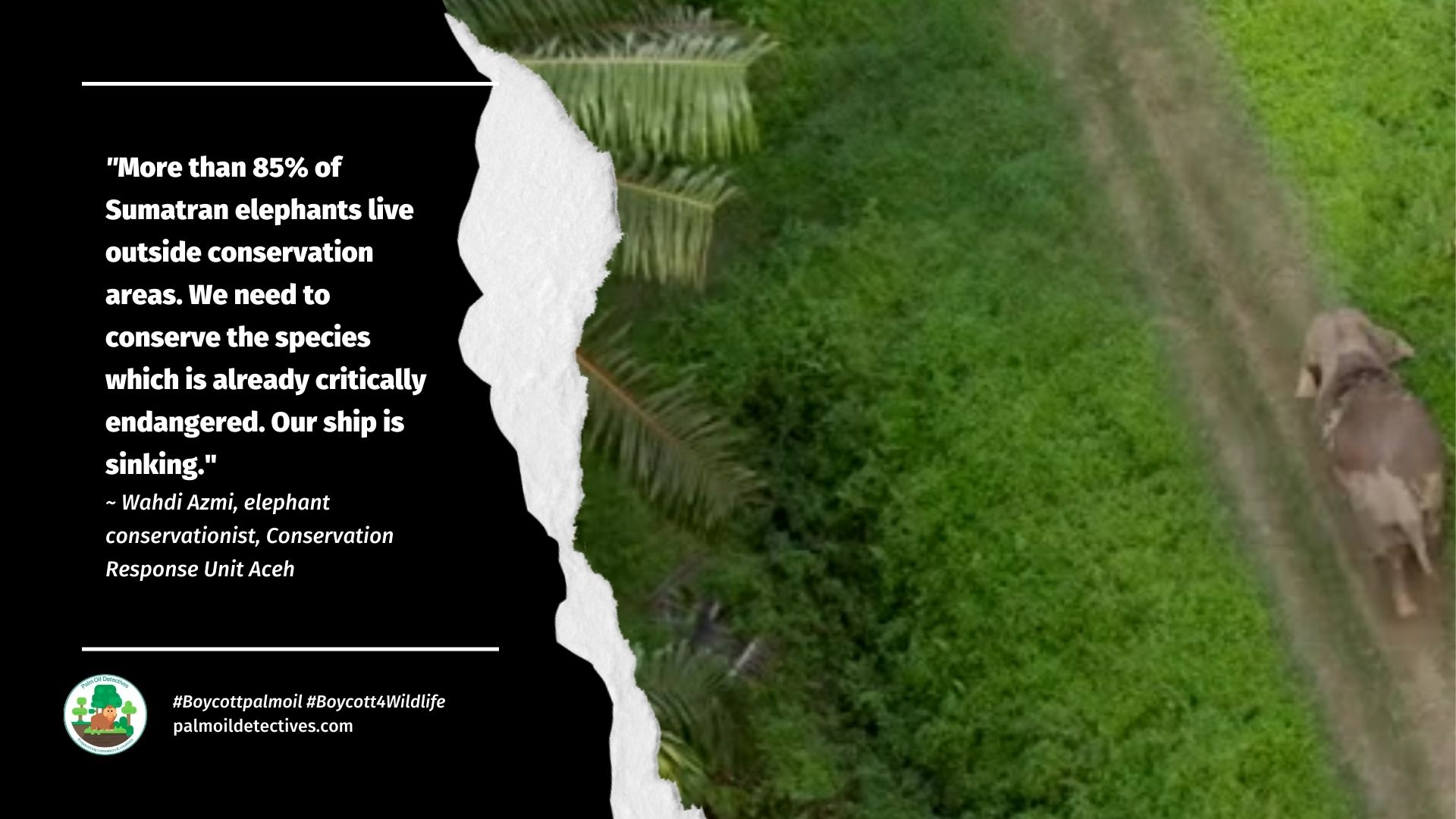
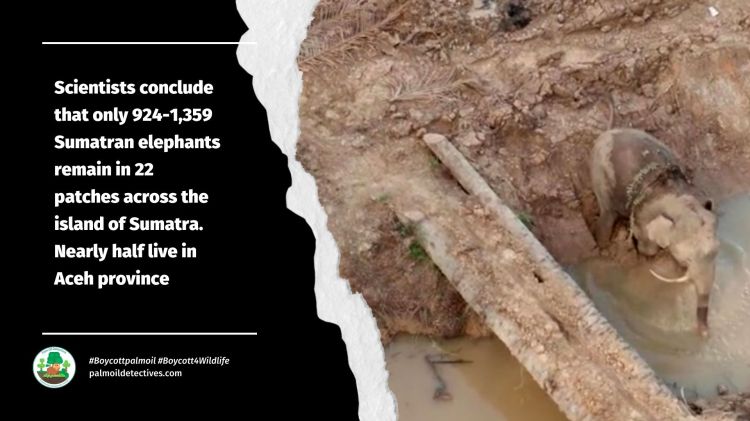
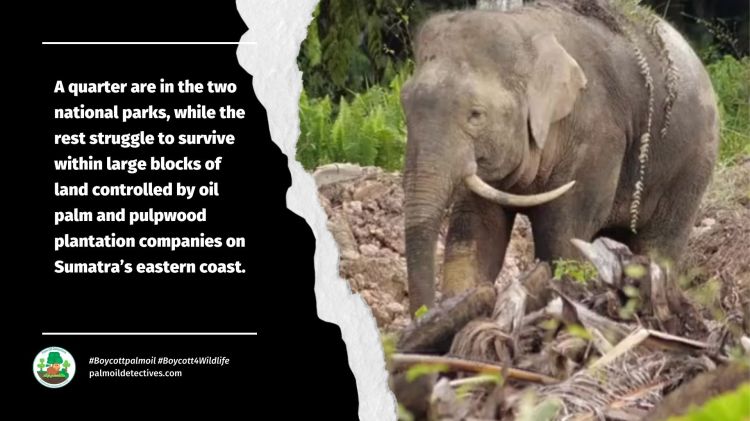
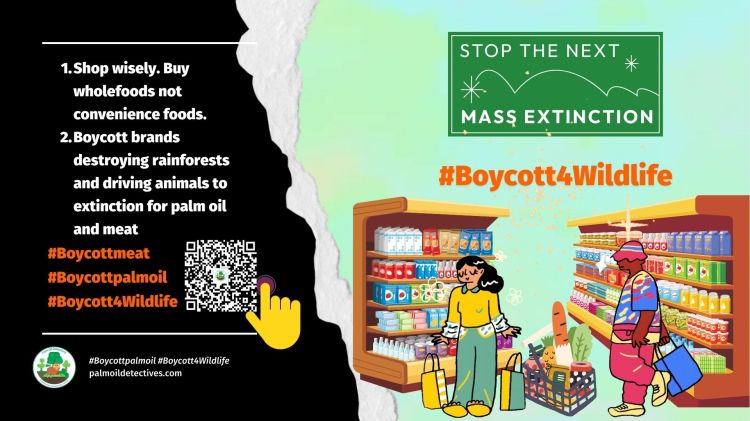
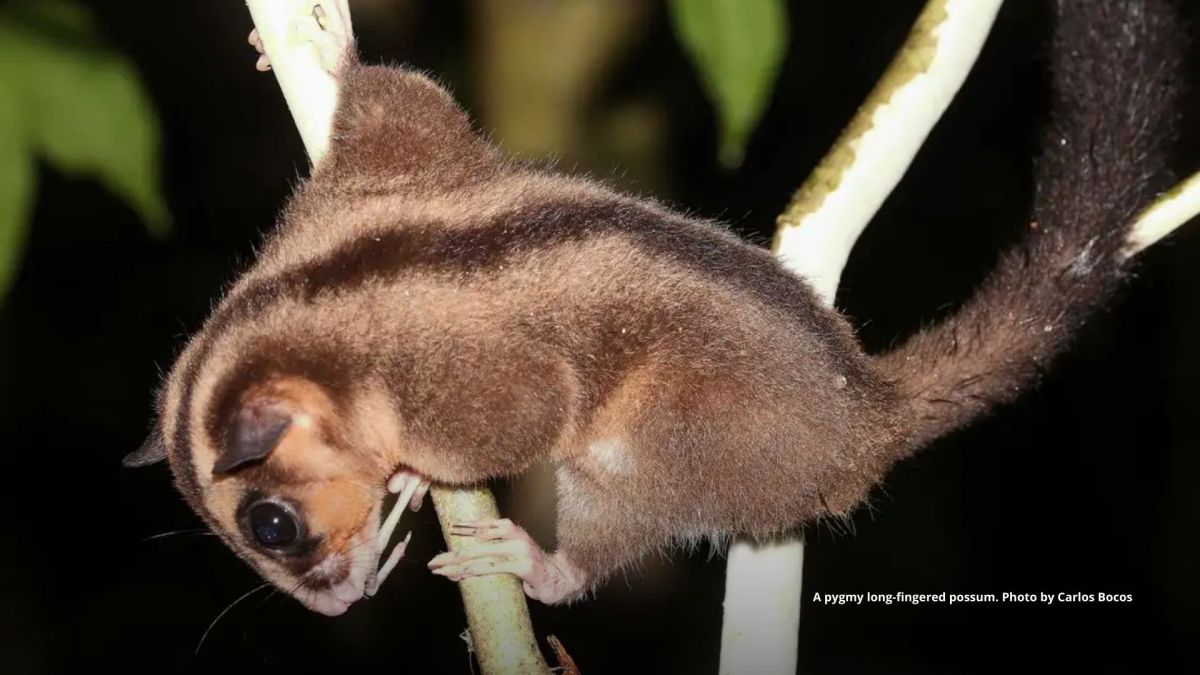
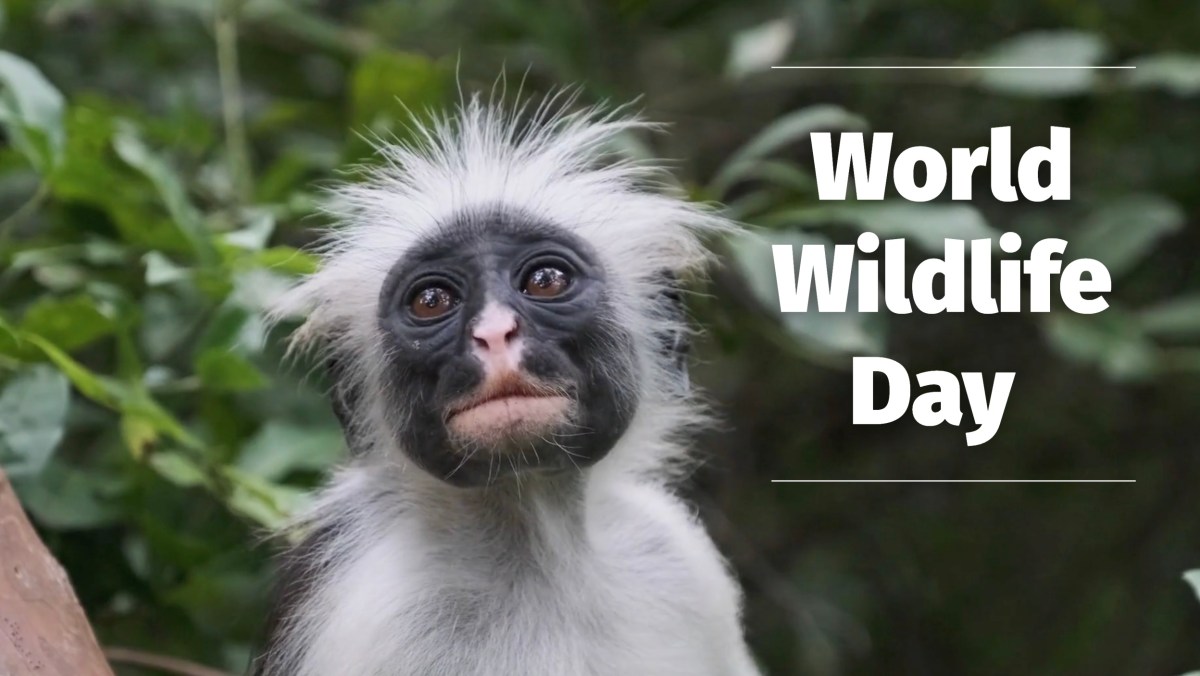

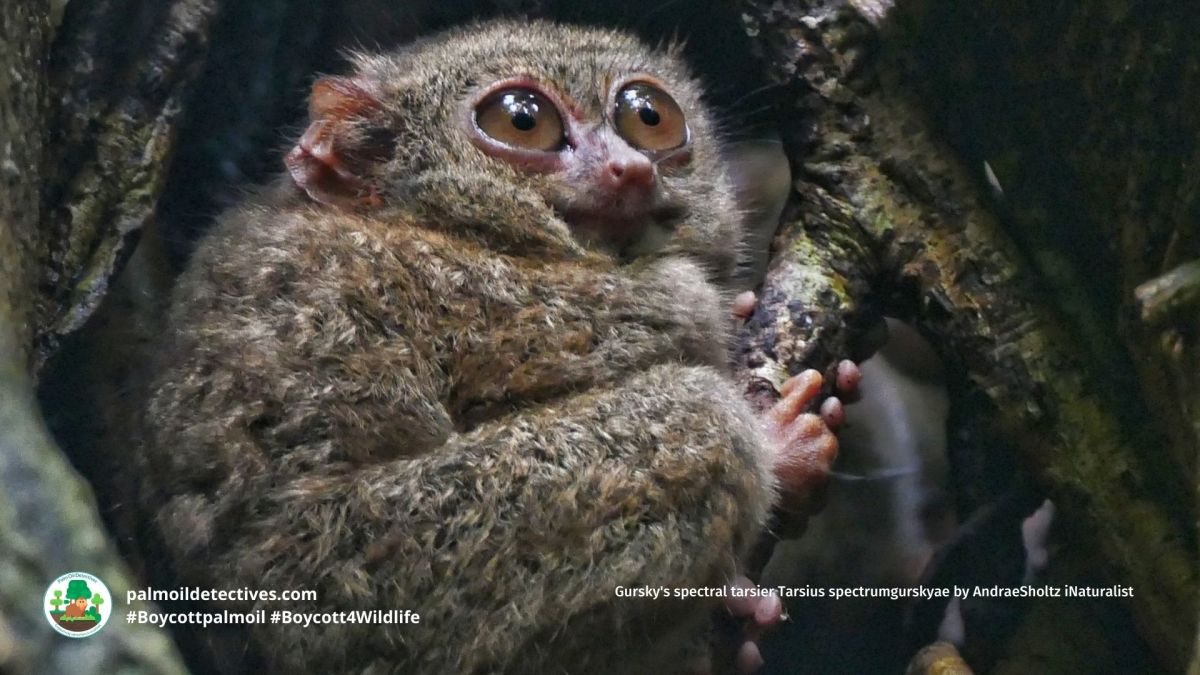
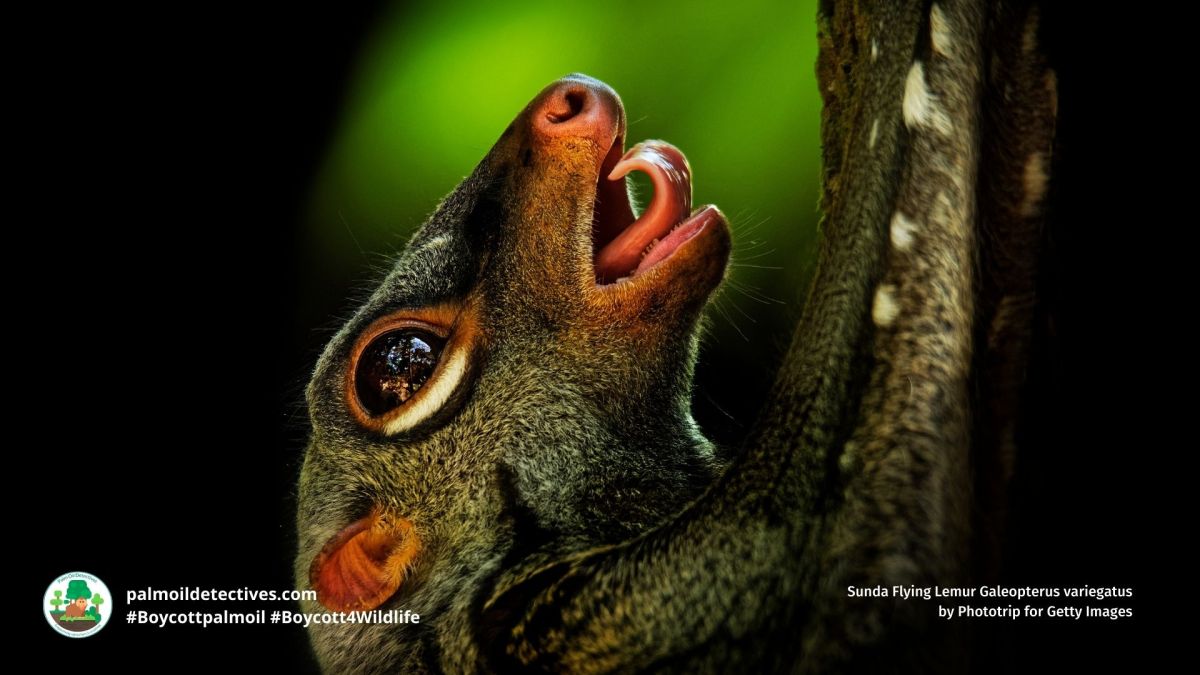
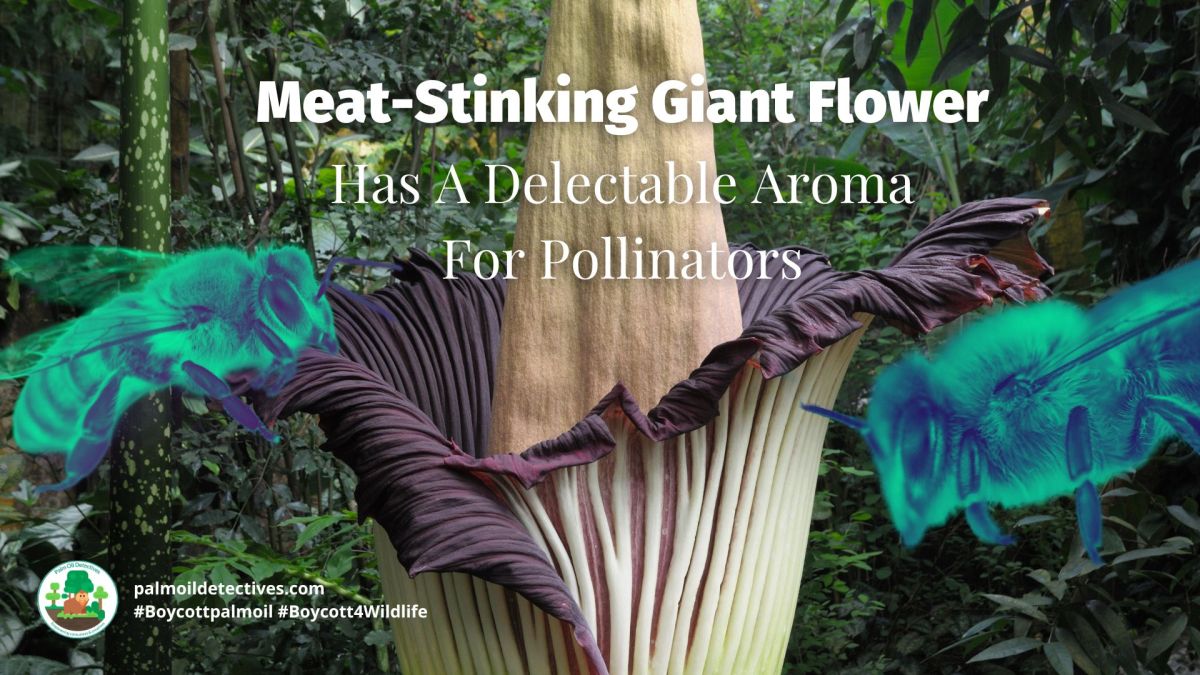
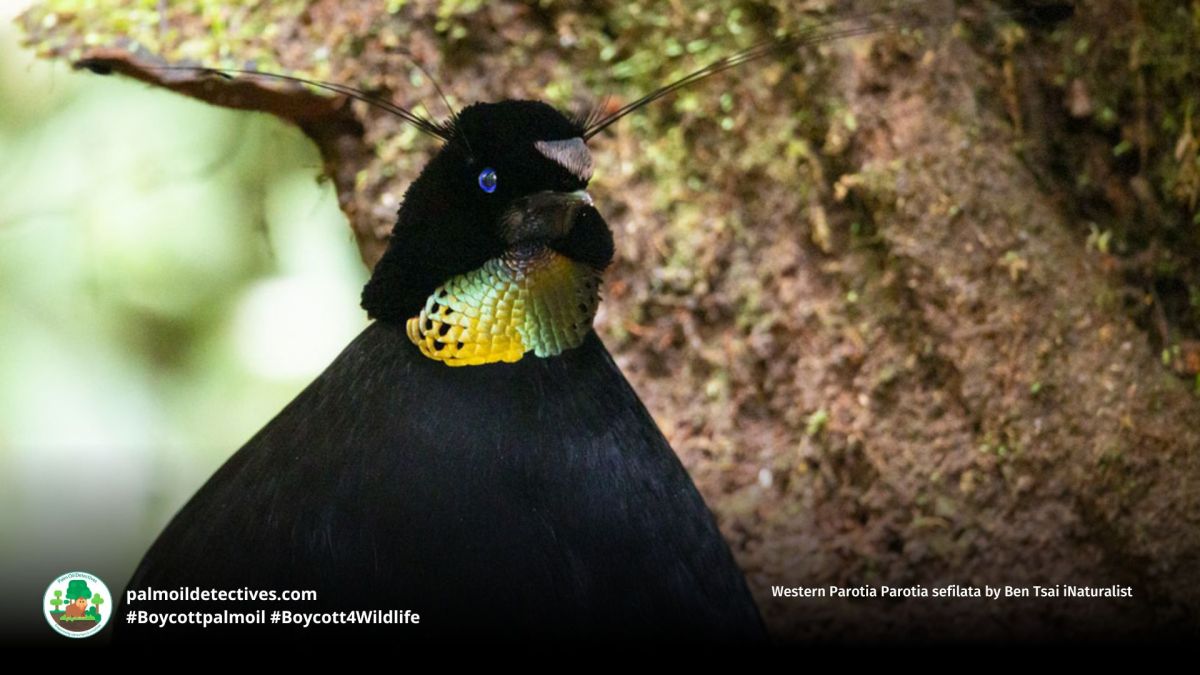


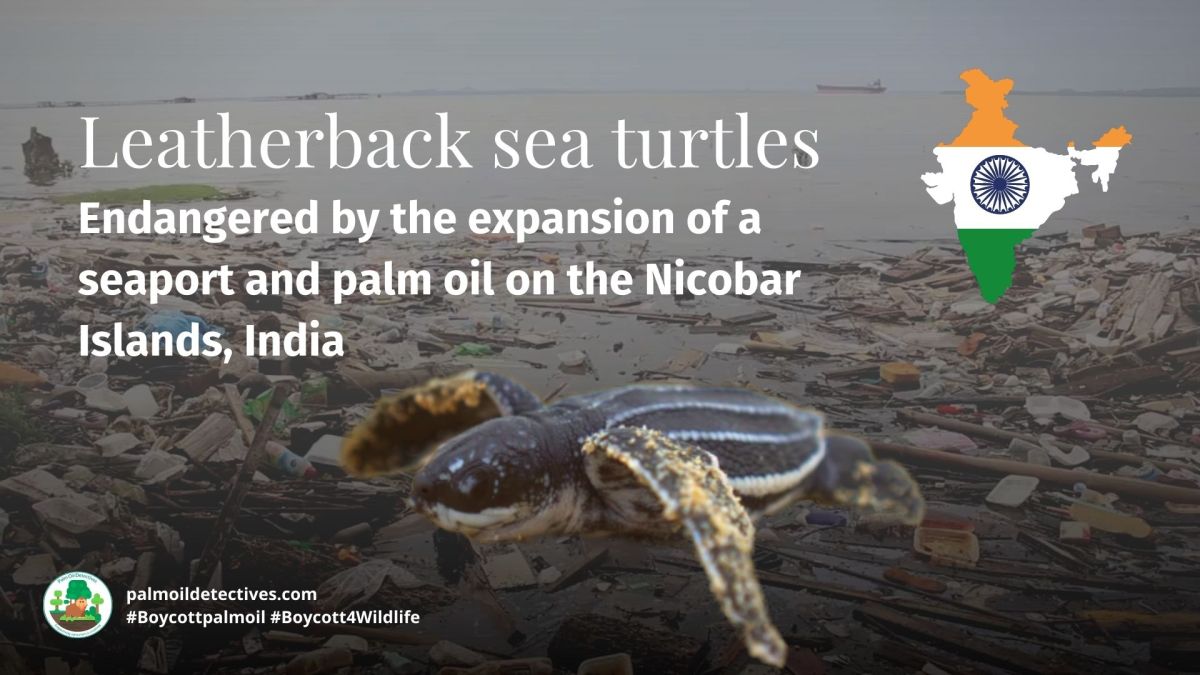
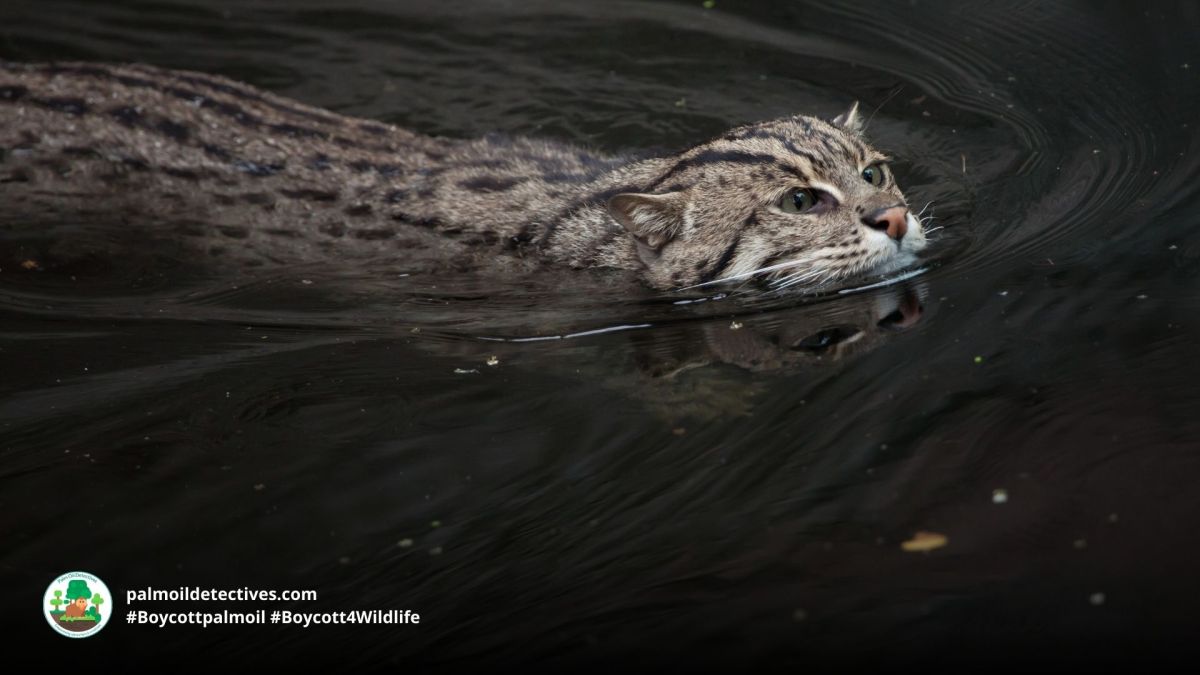

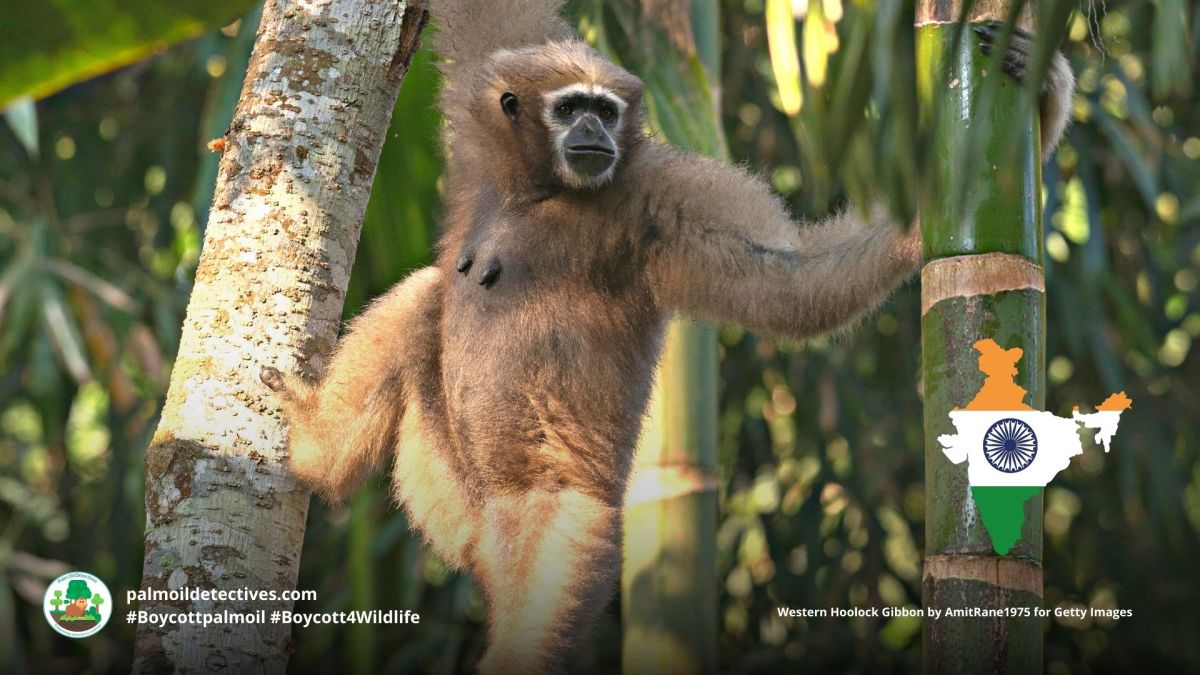
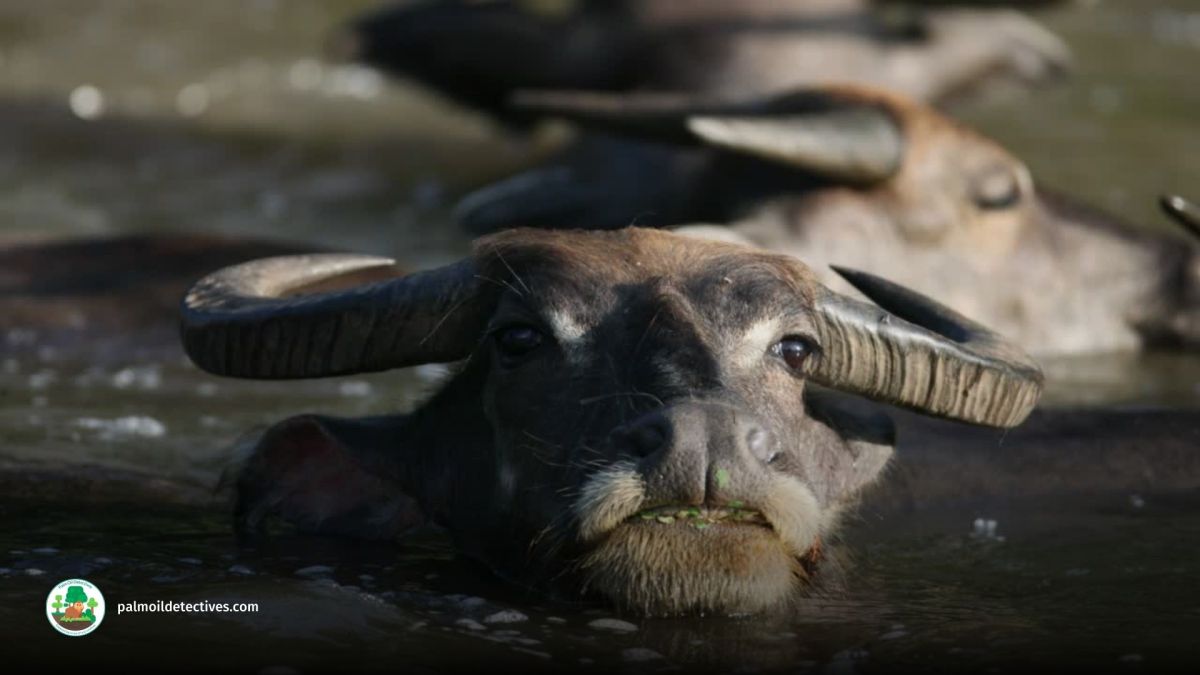
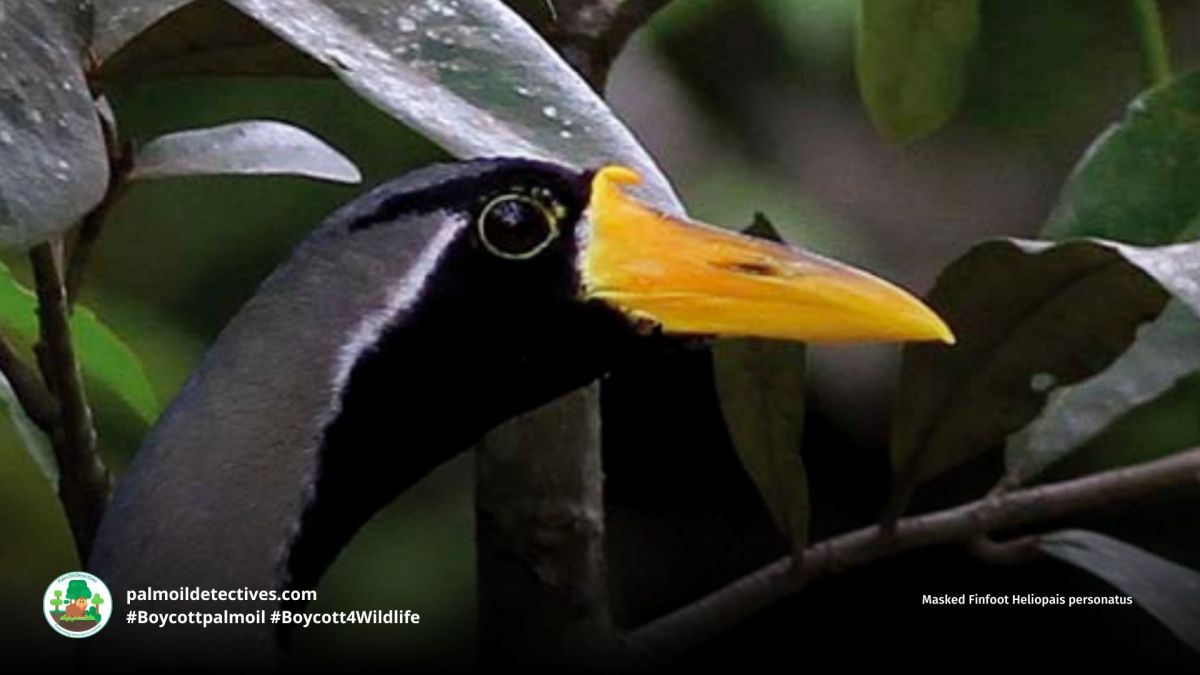
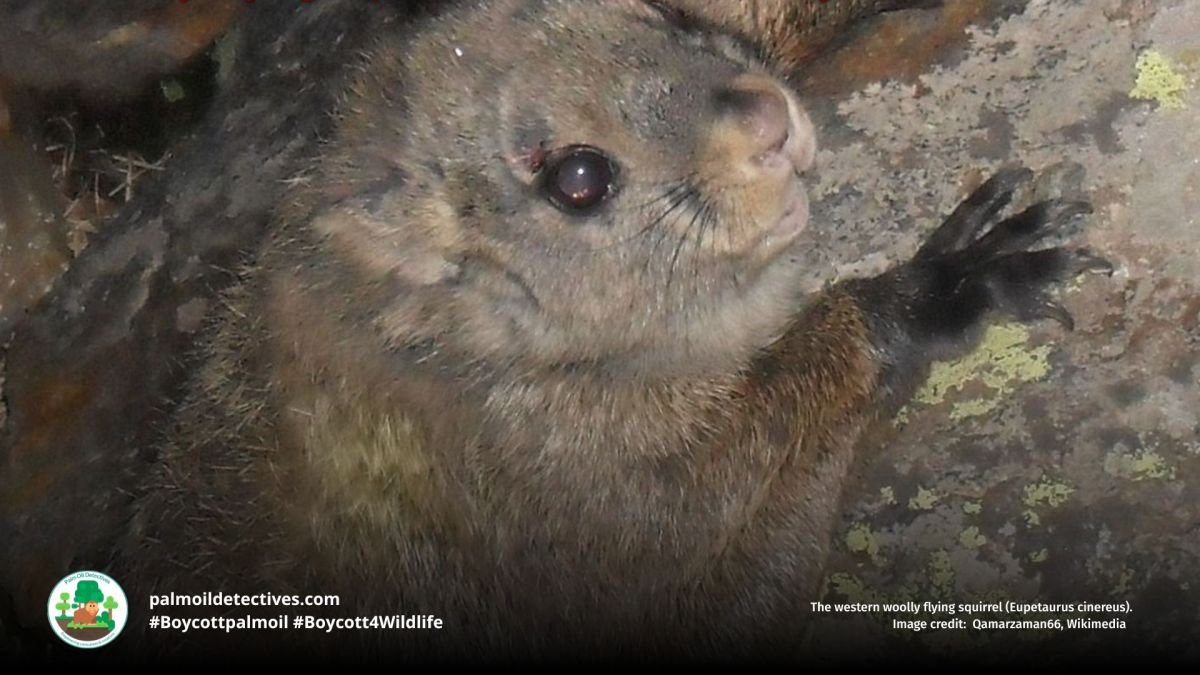
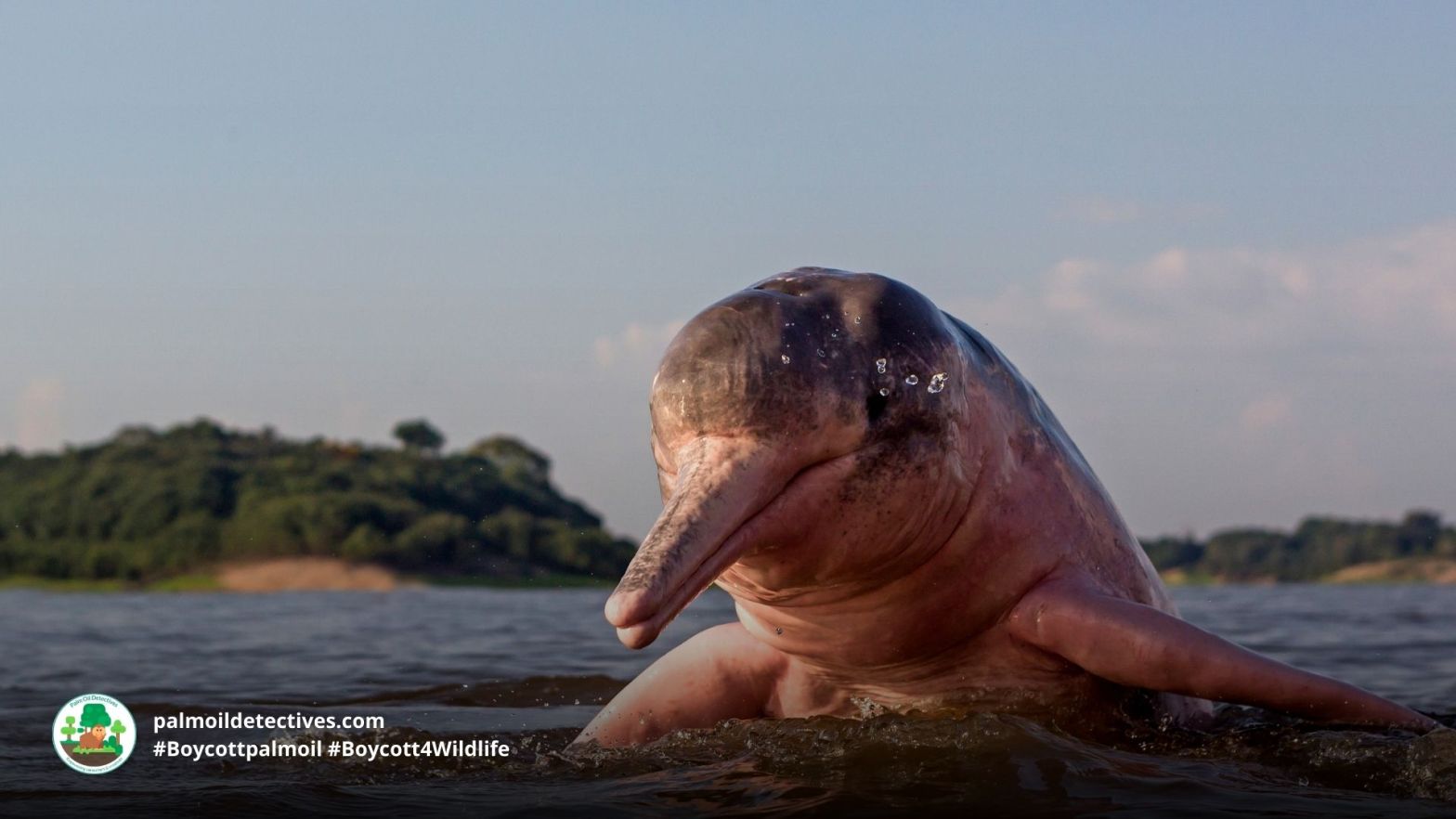
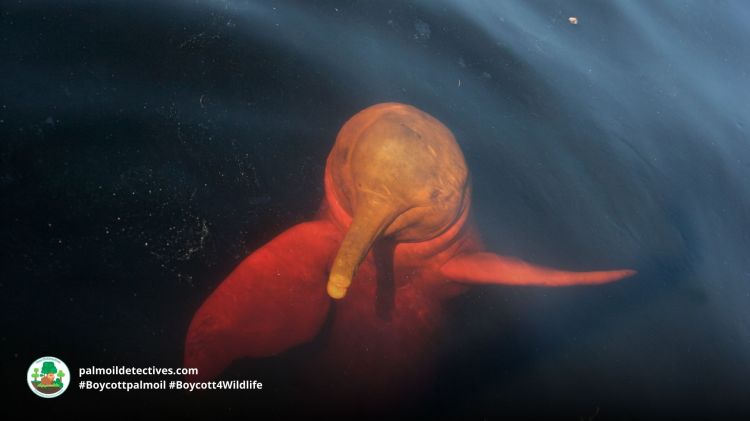

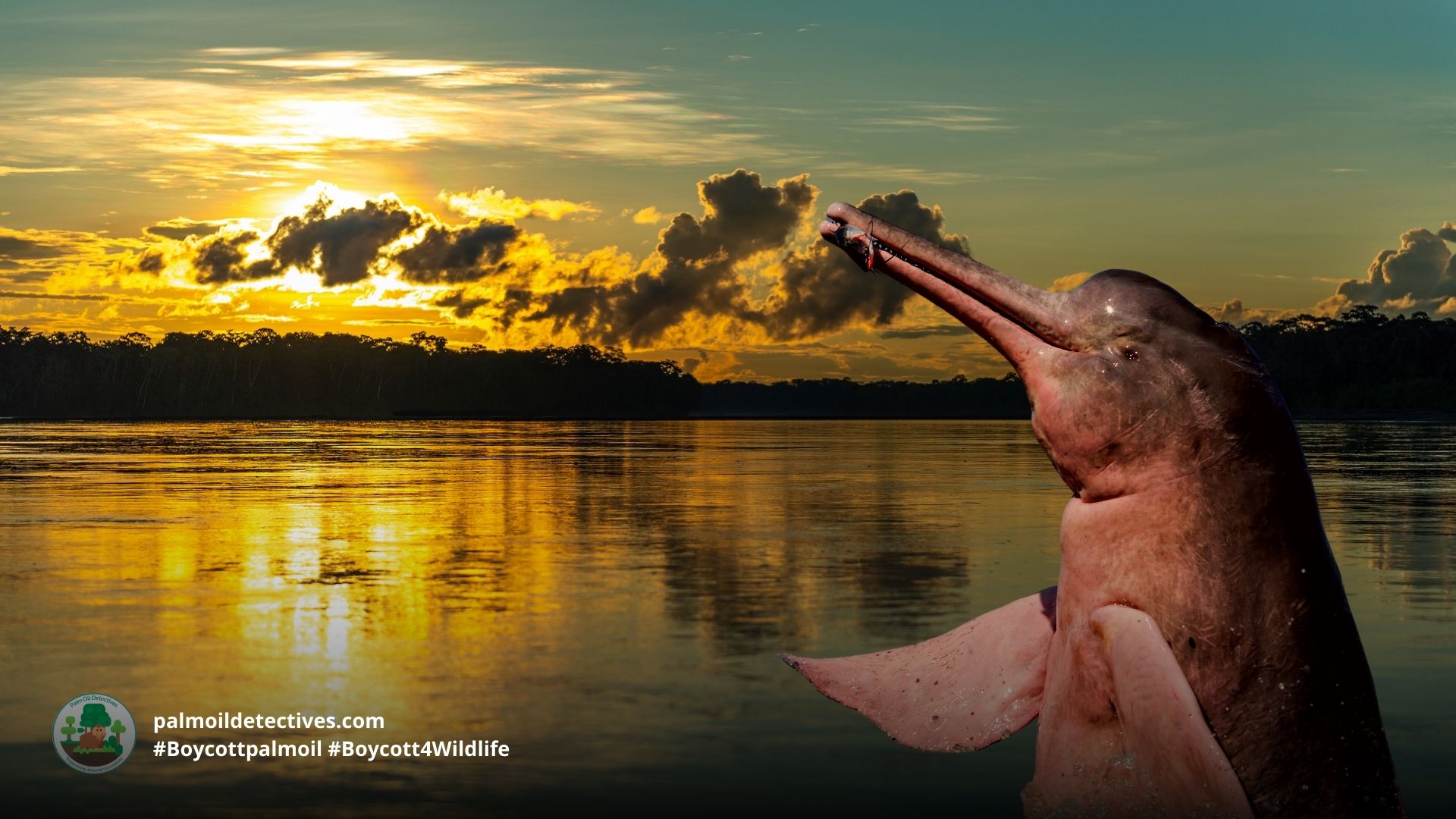
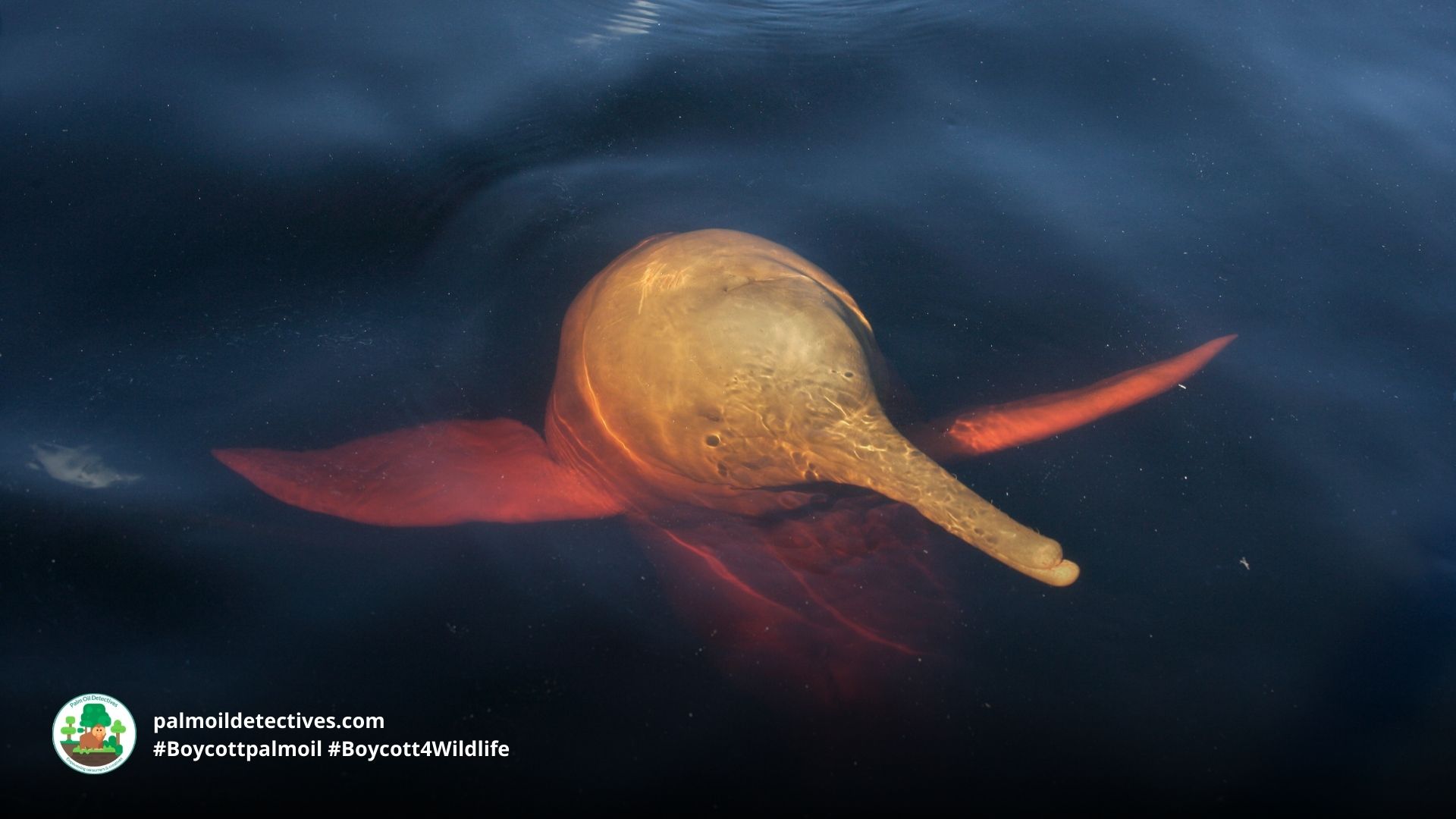

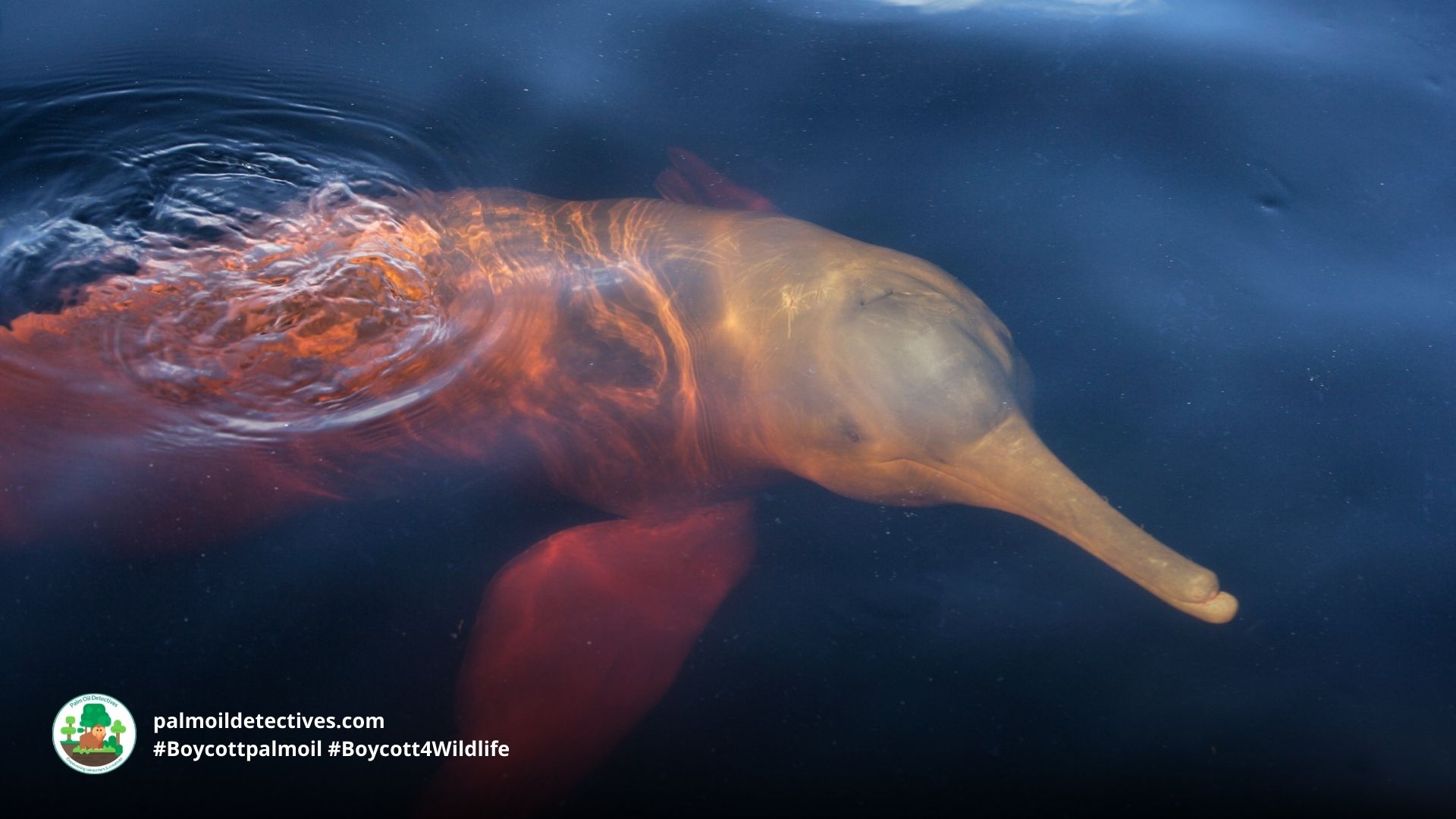
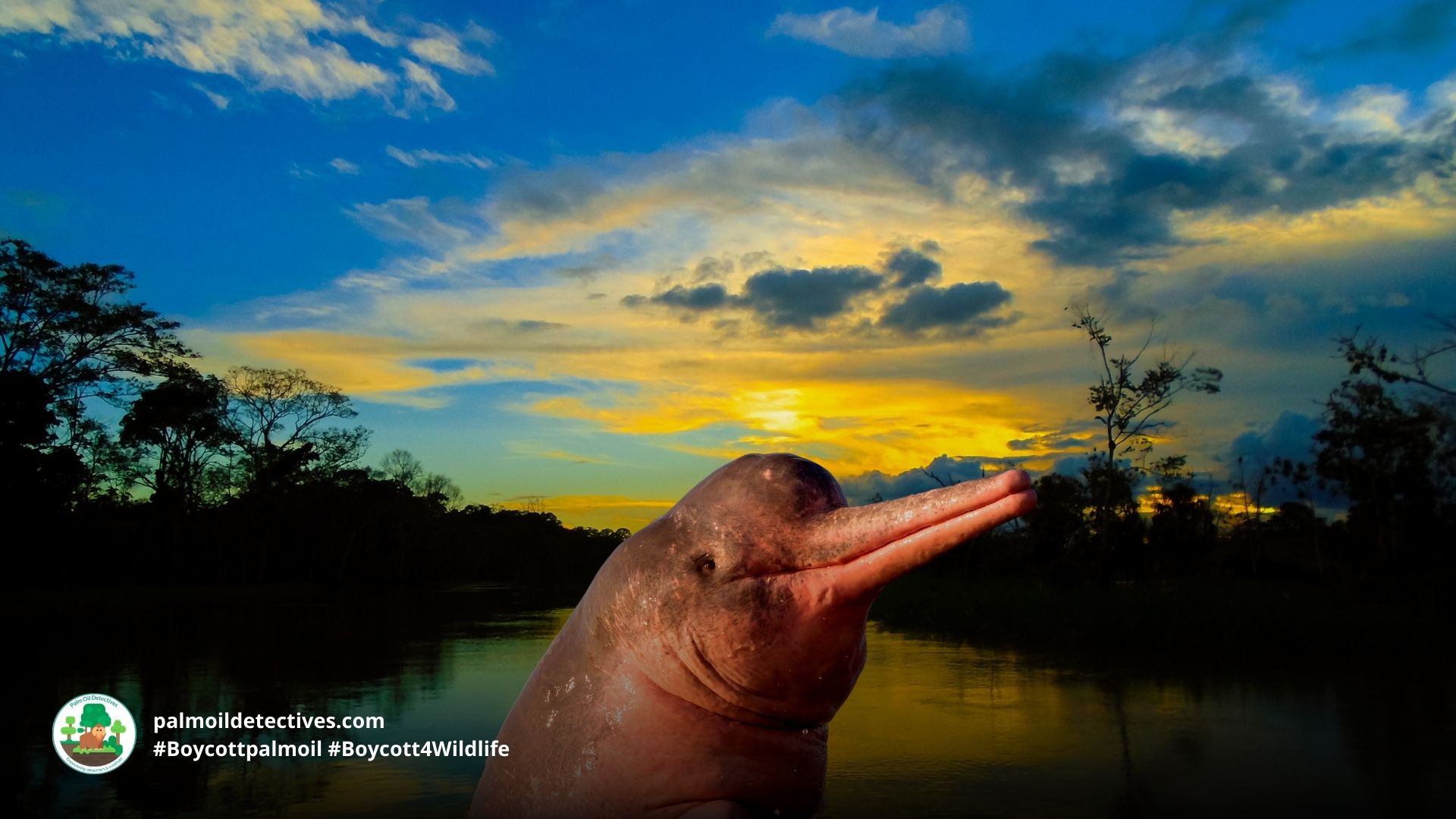
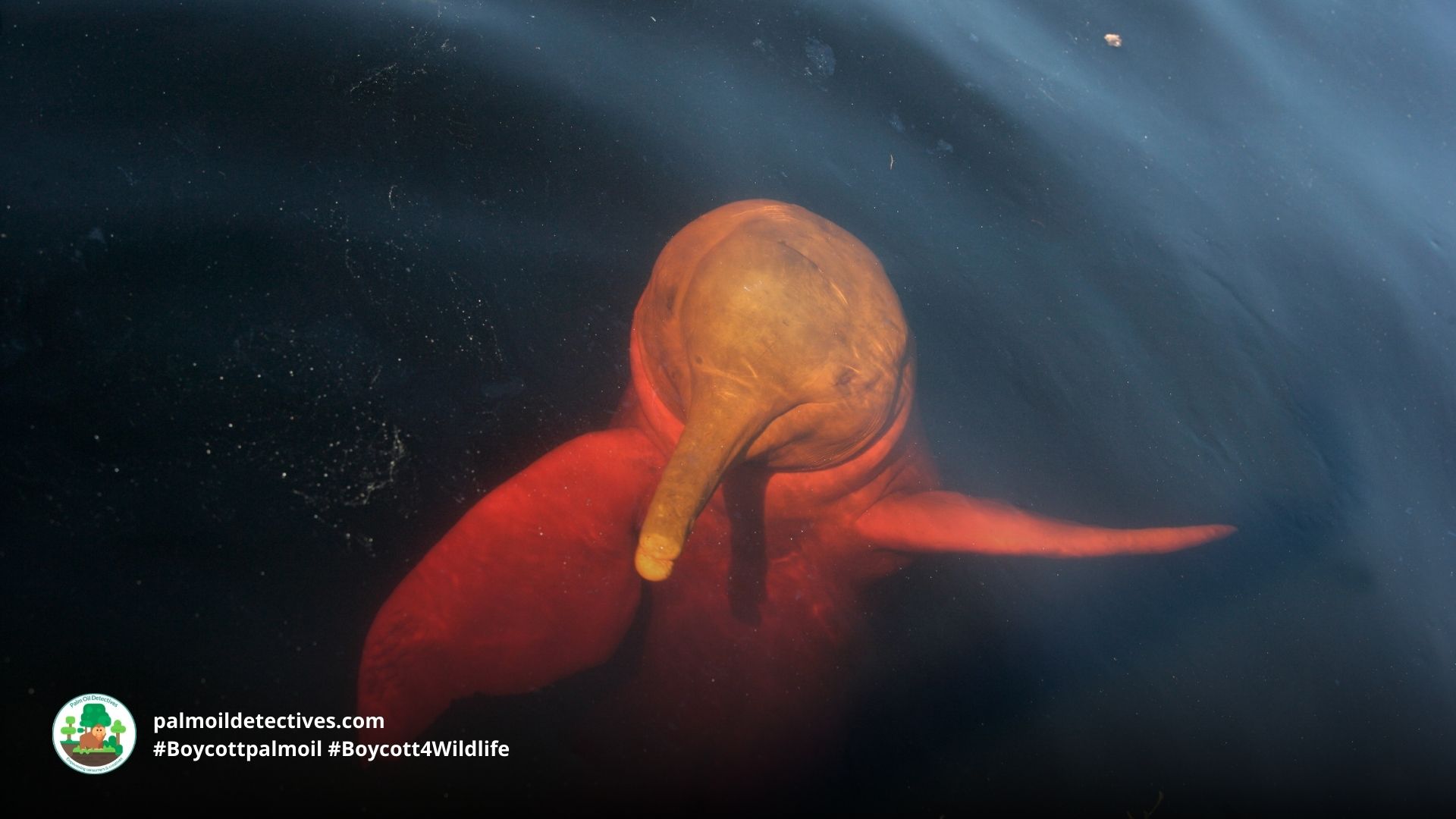


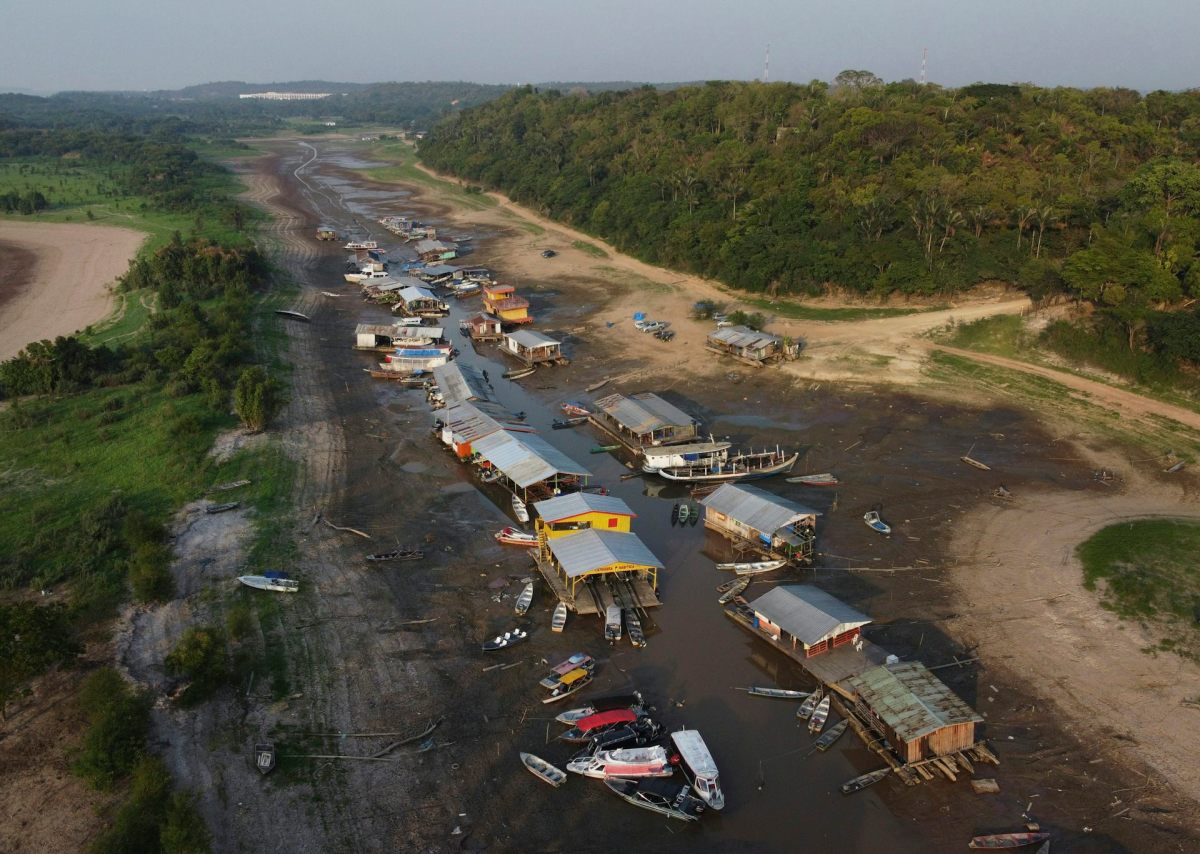
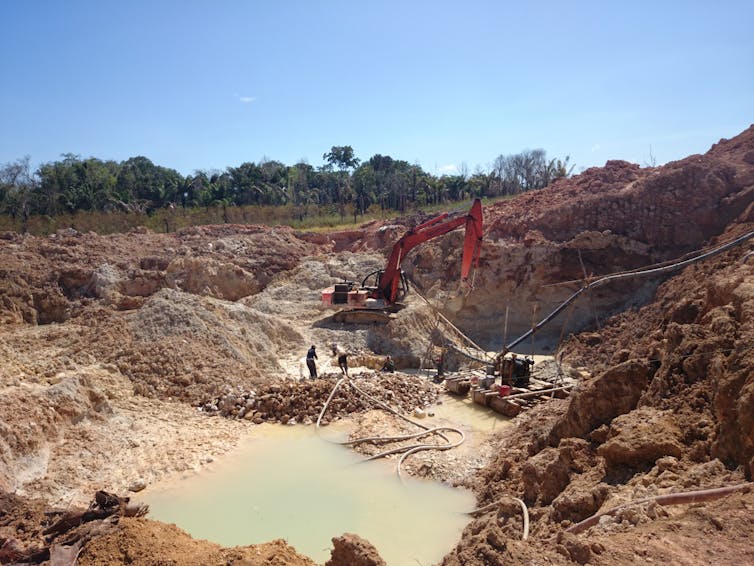
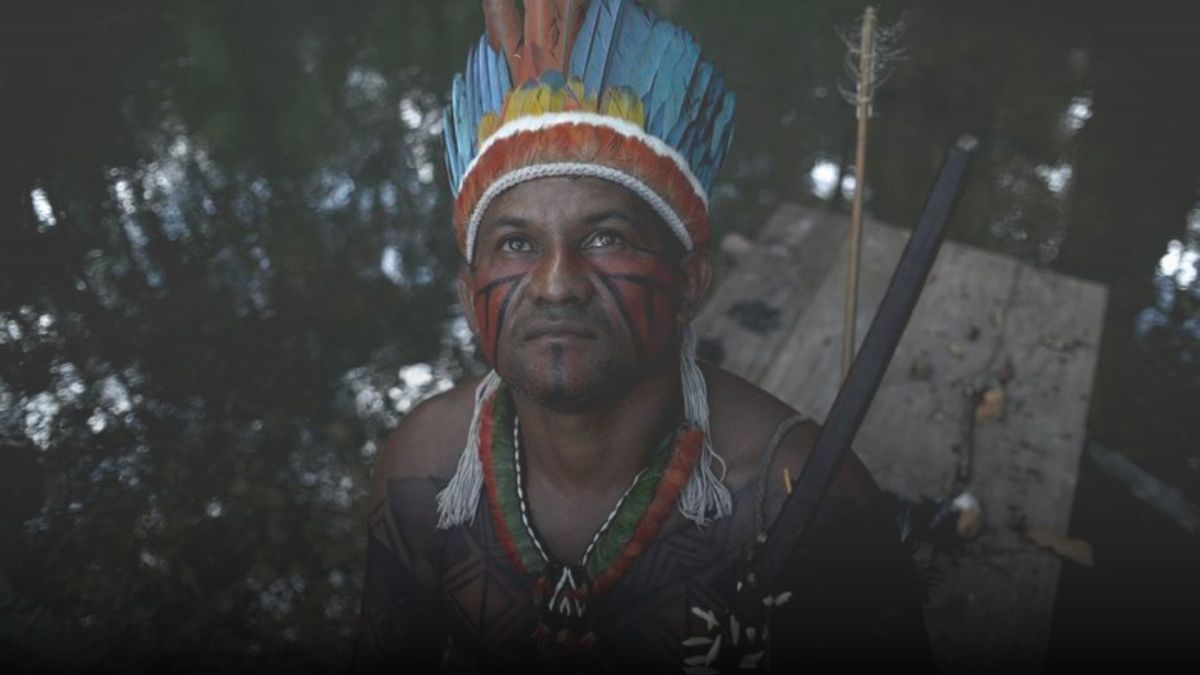
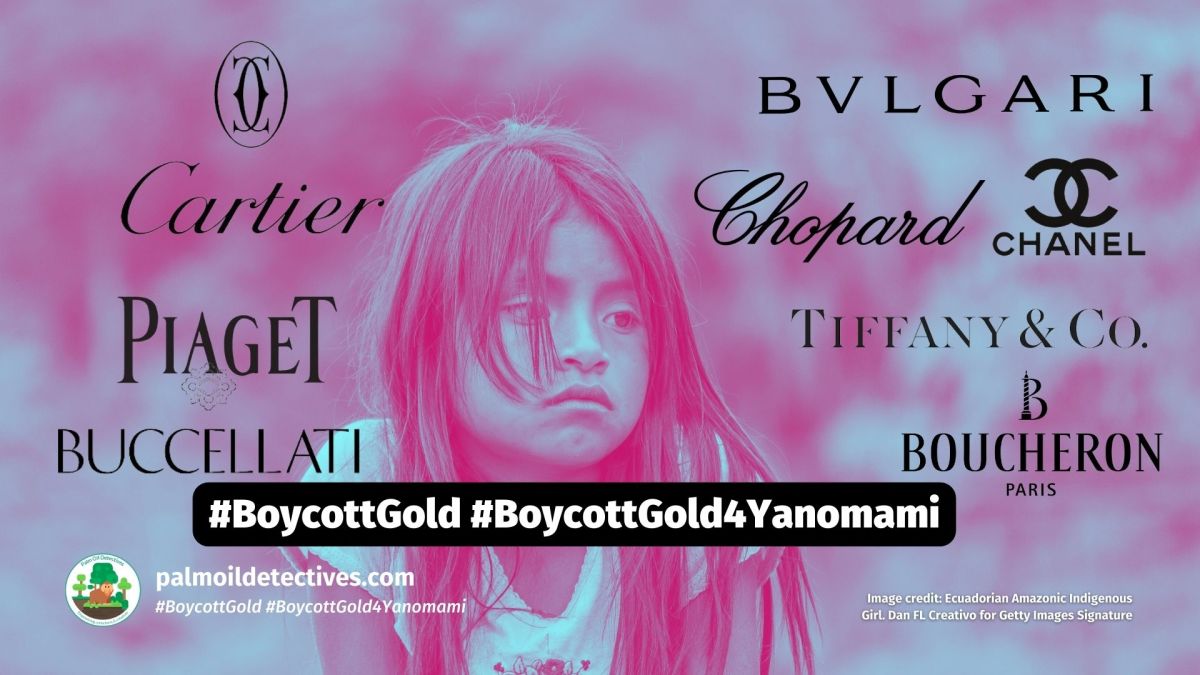





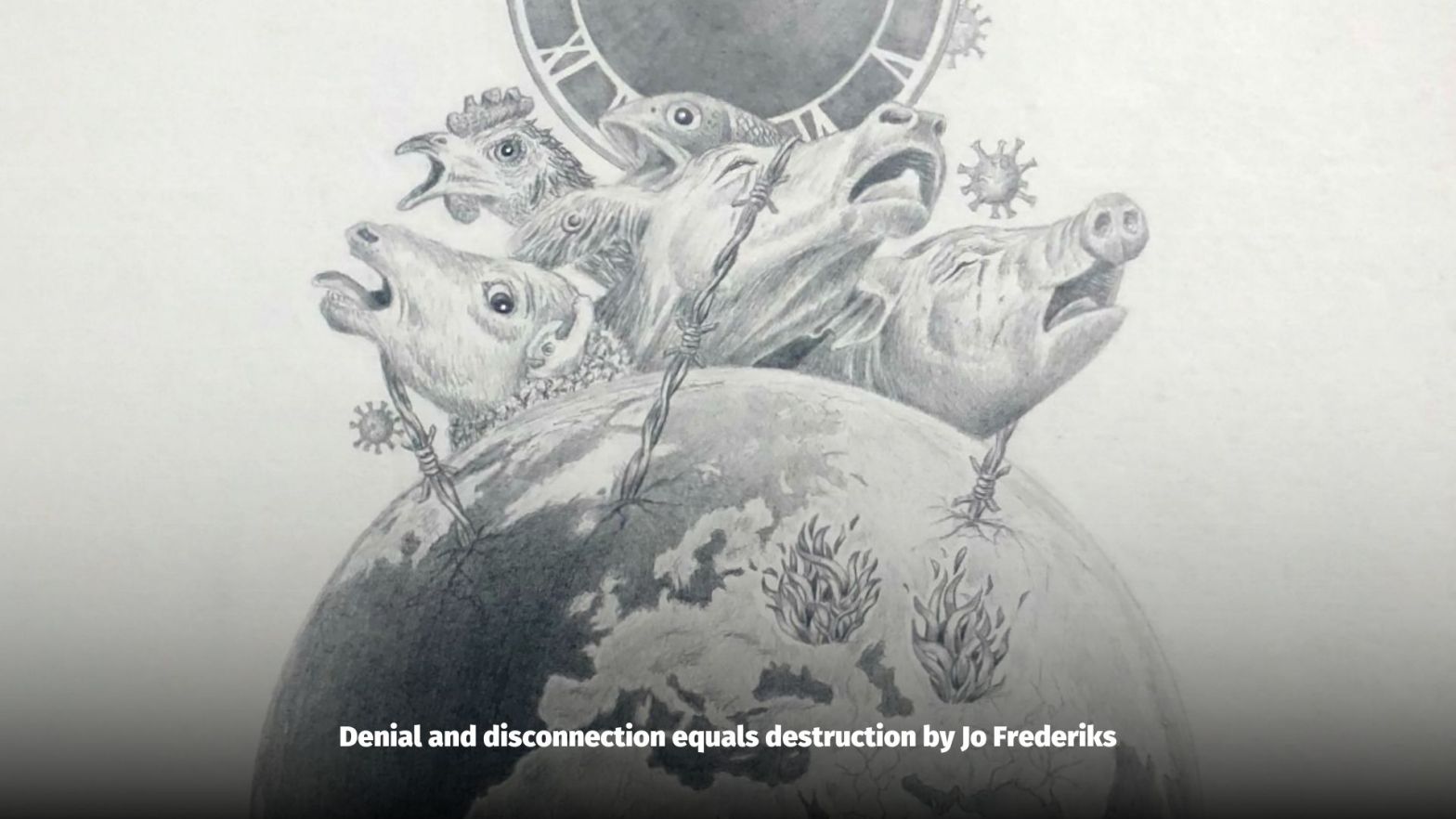



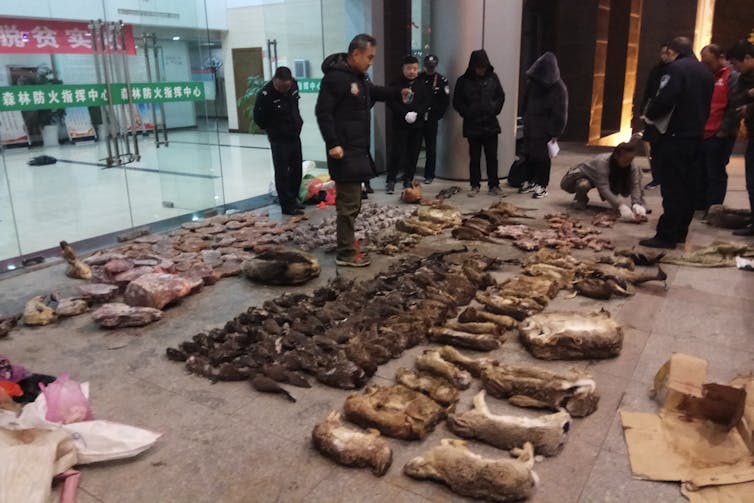



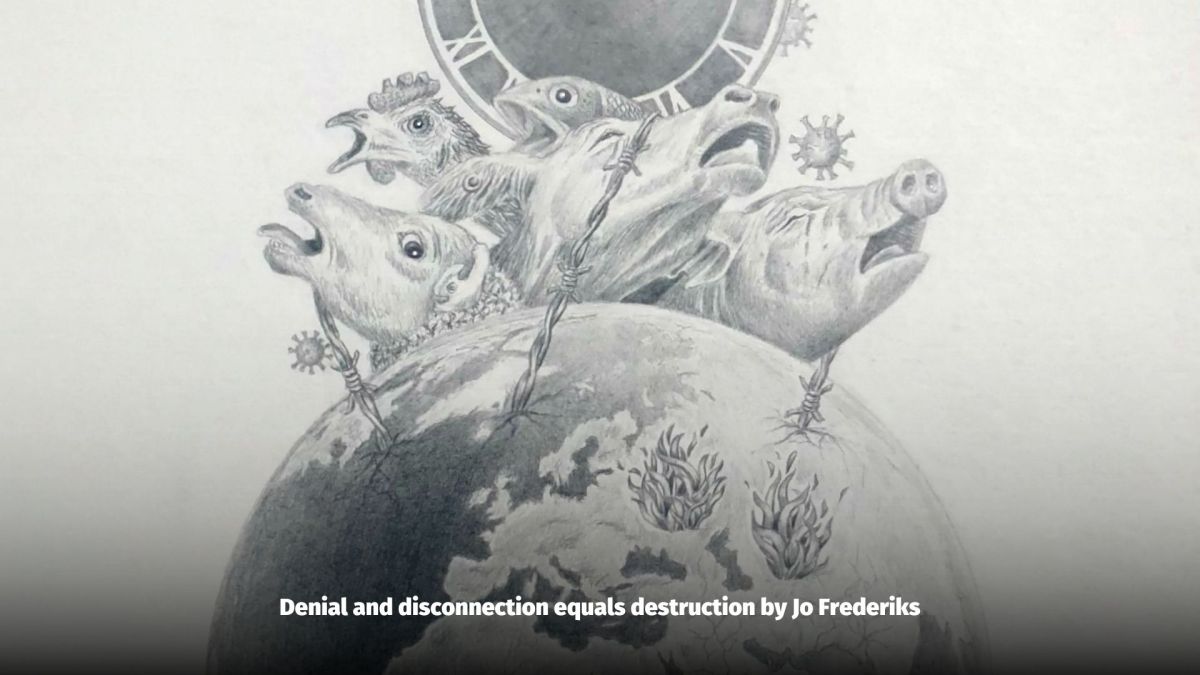


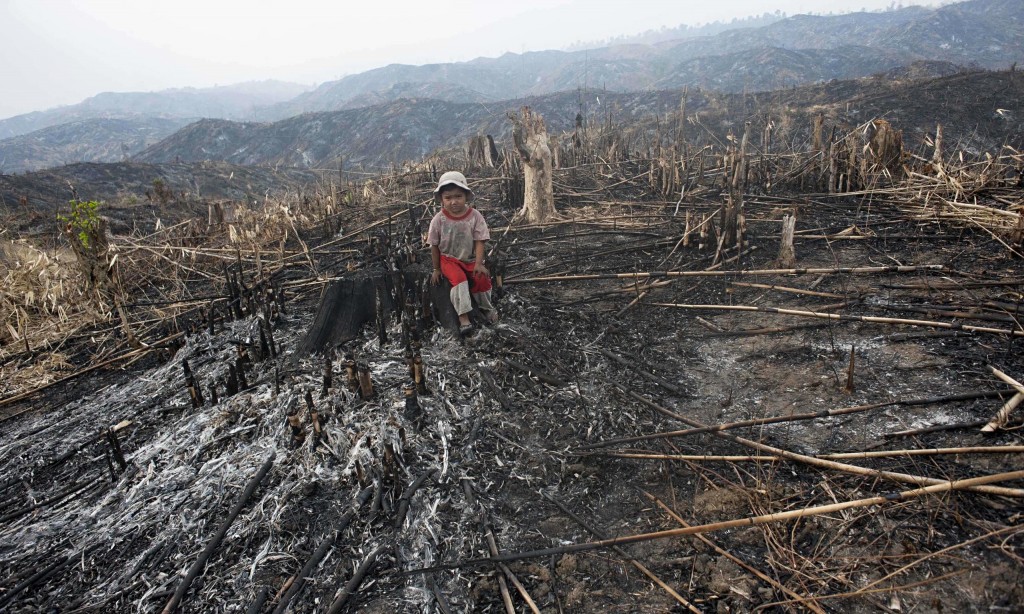



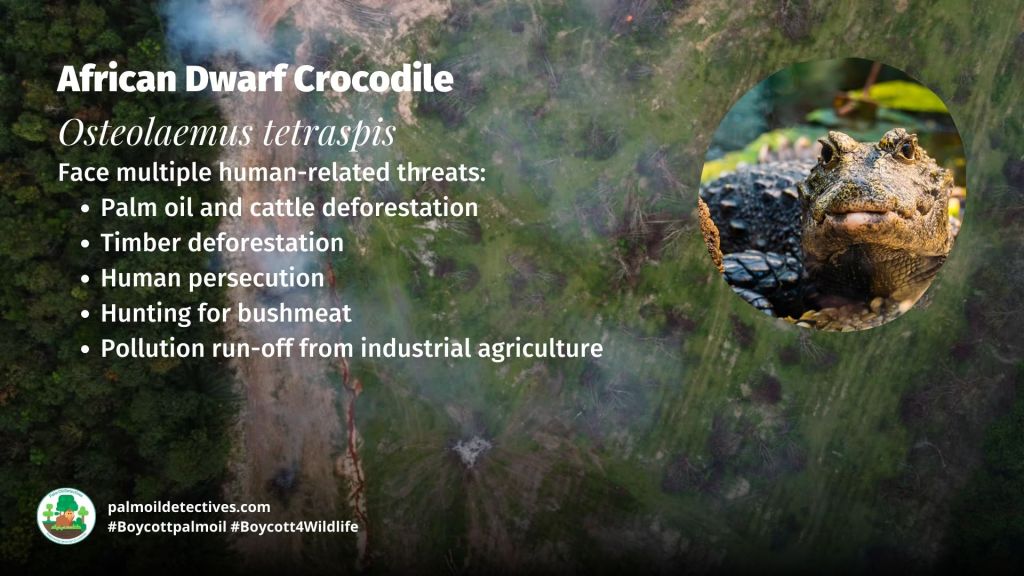
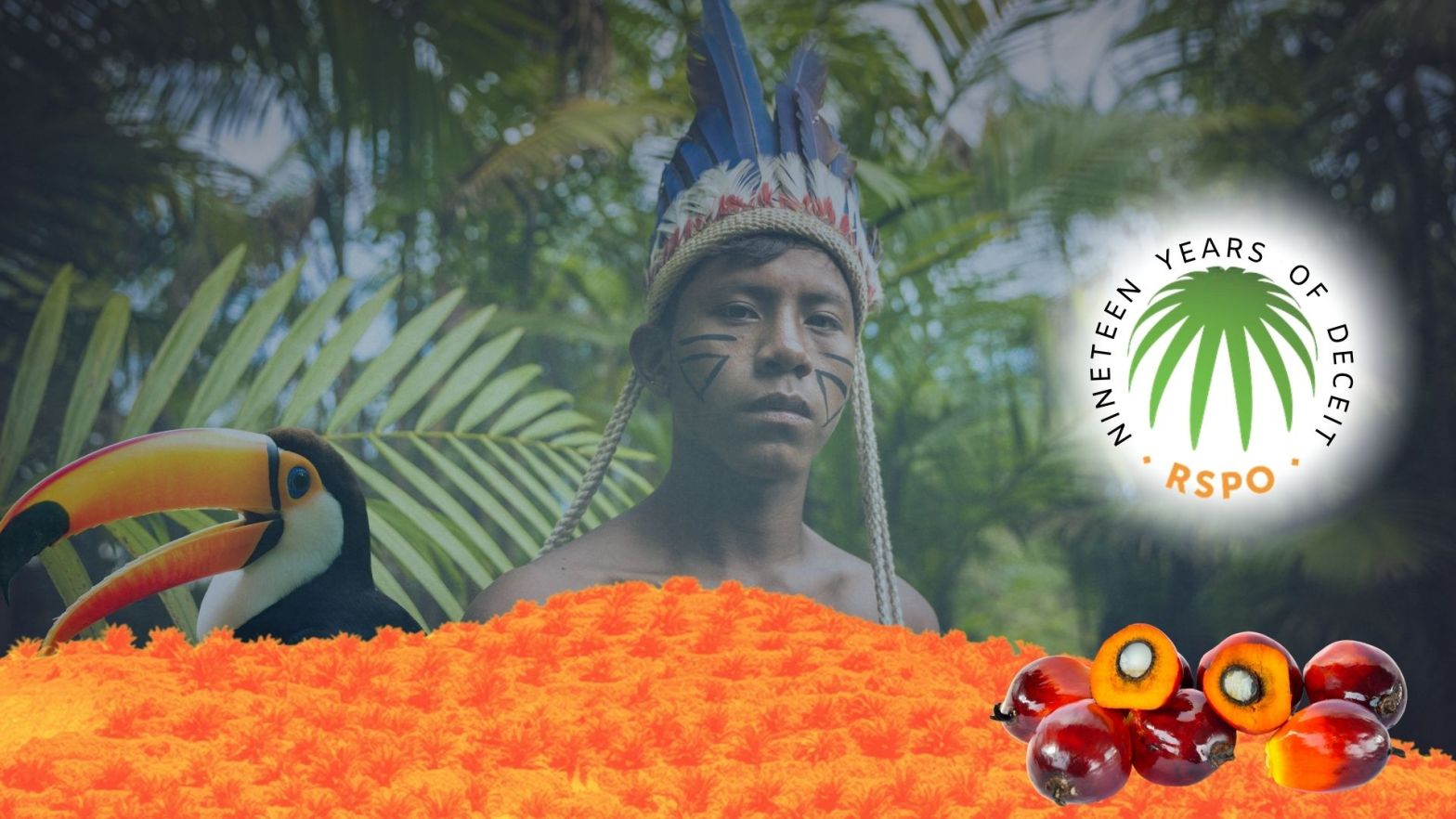
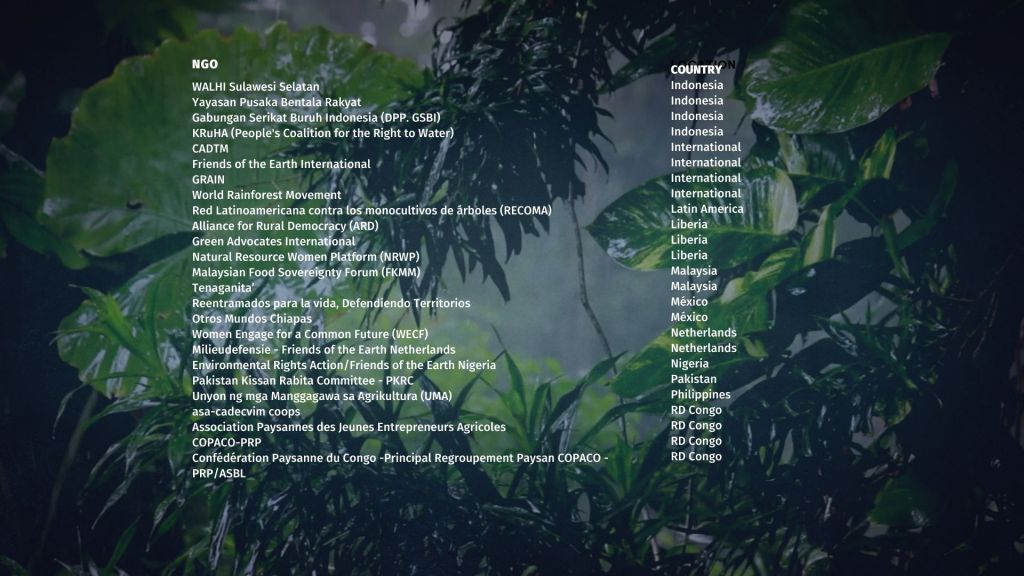
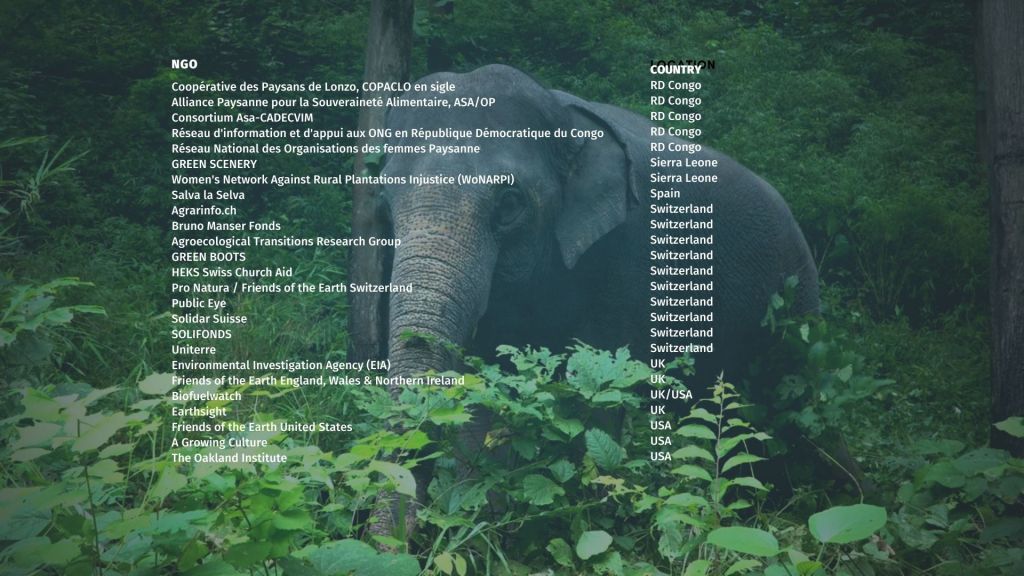
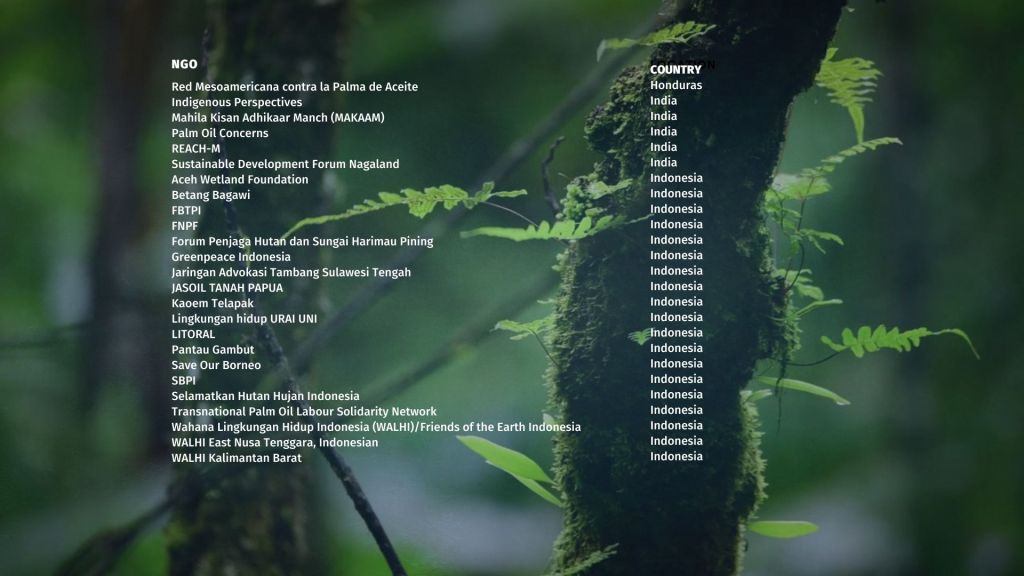


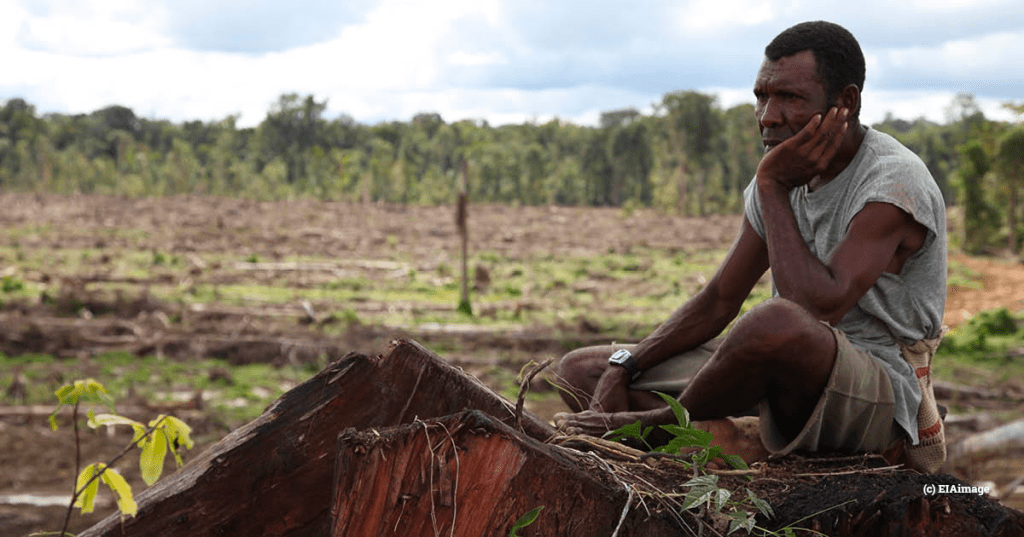



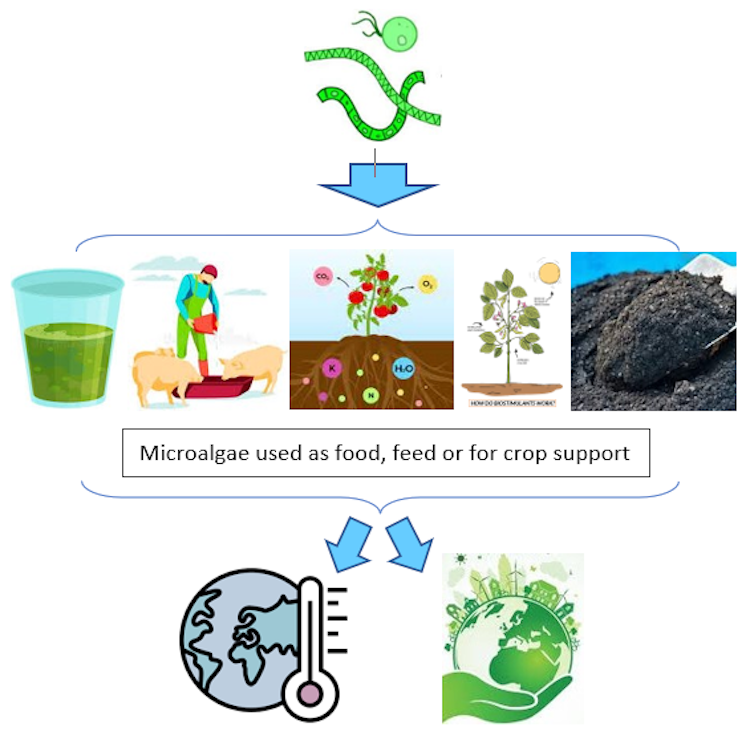

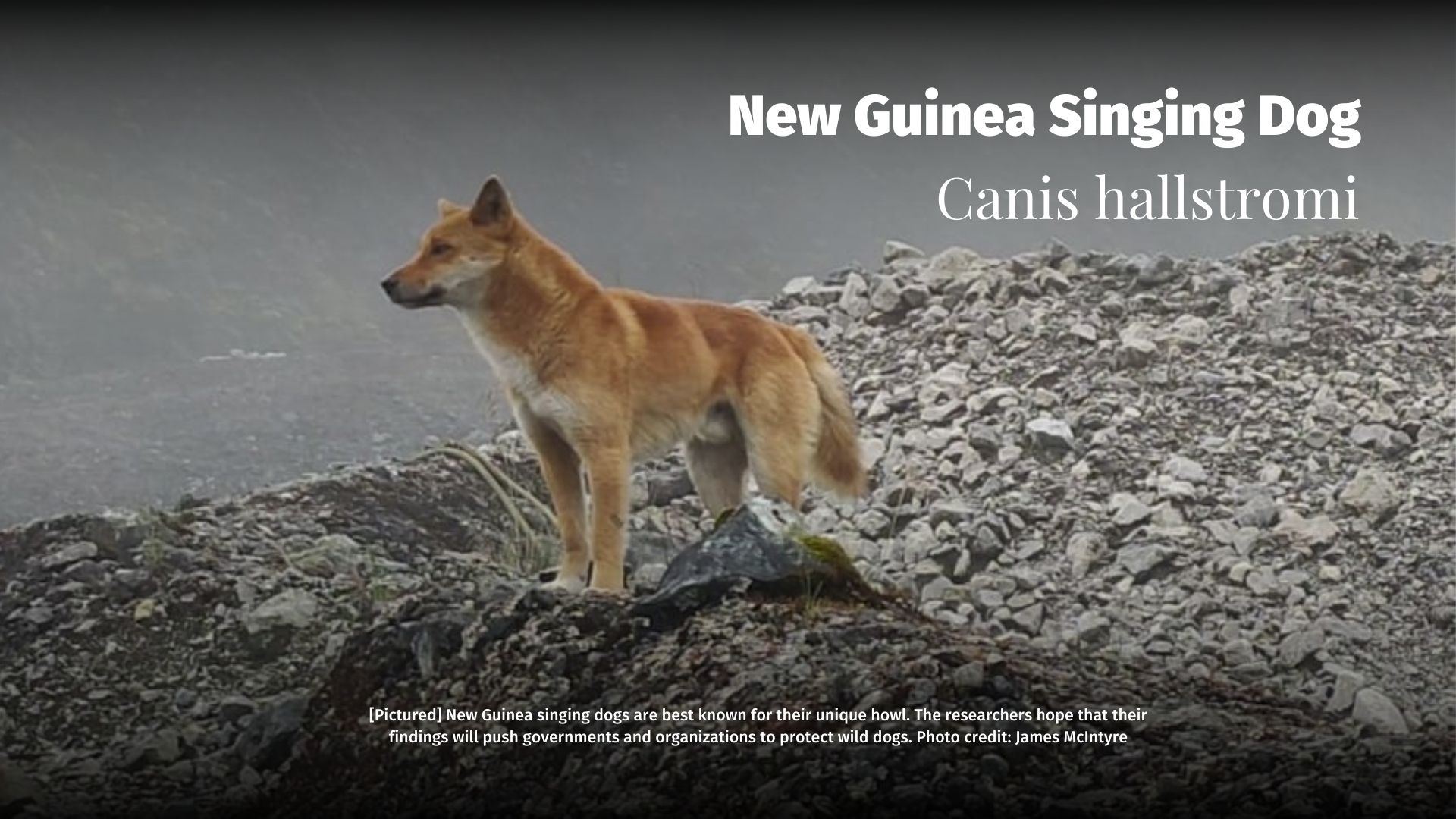


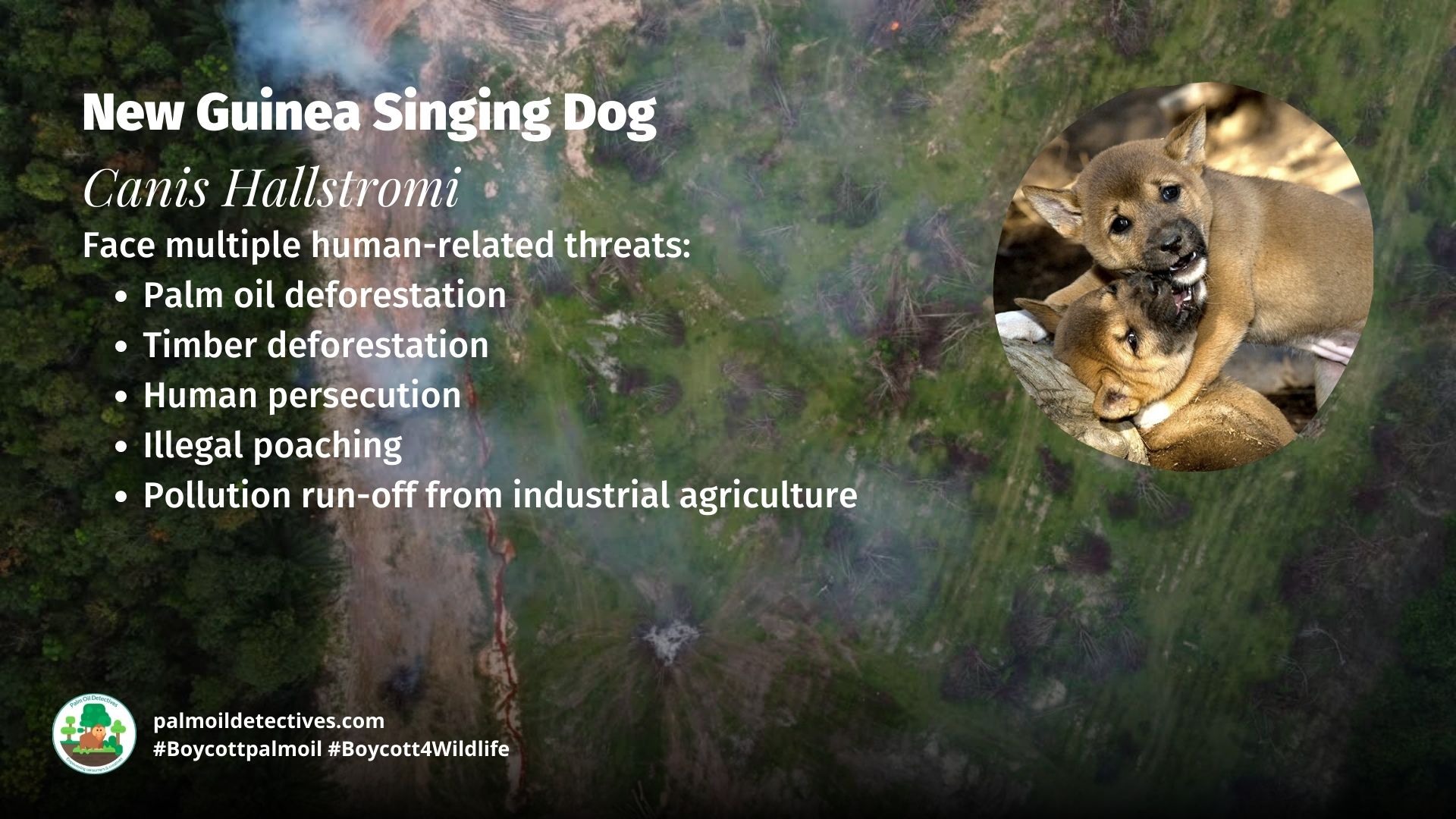



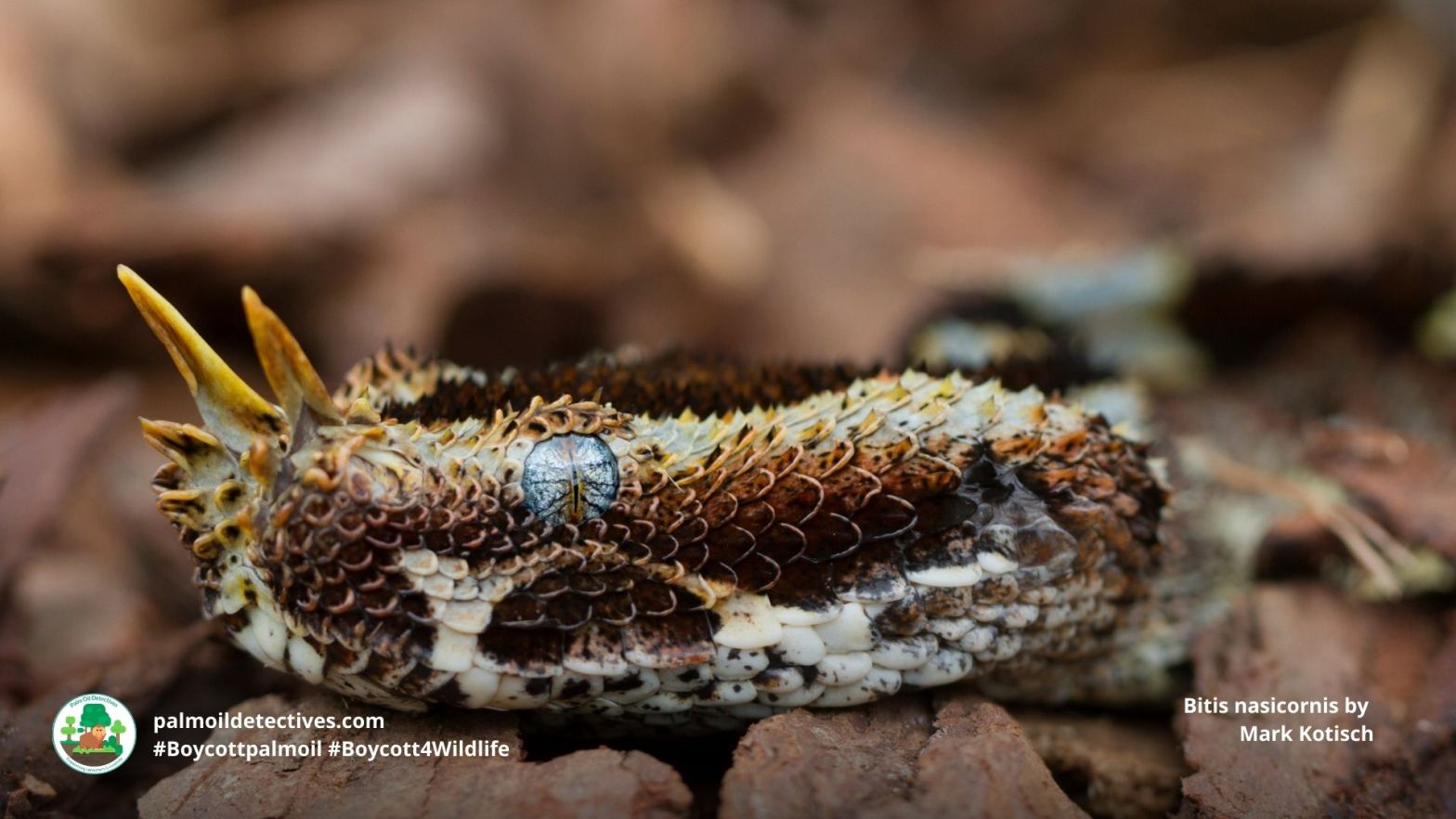















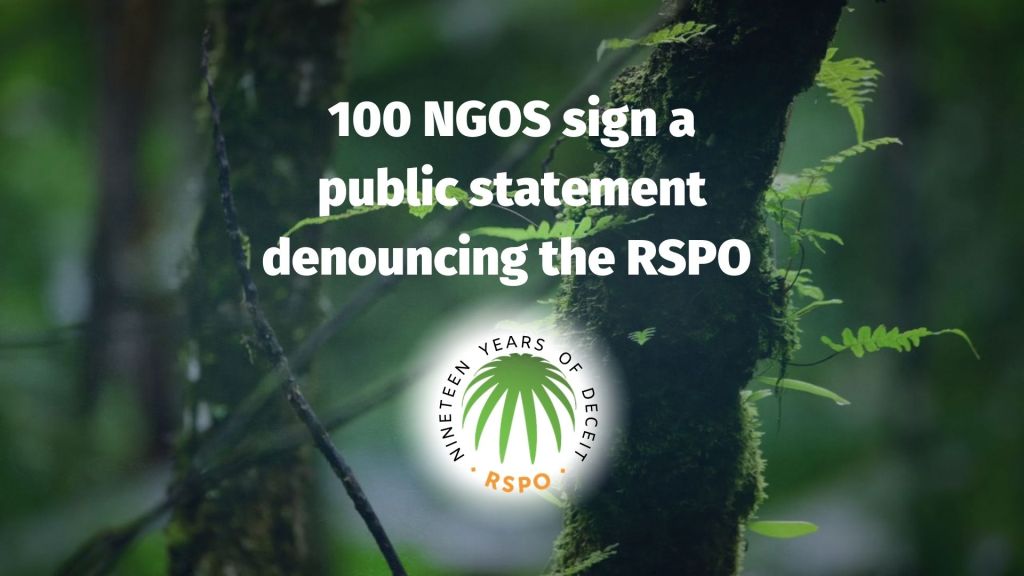
 Palm Oil Detectives