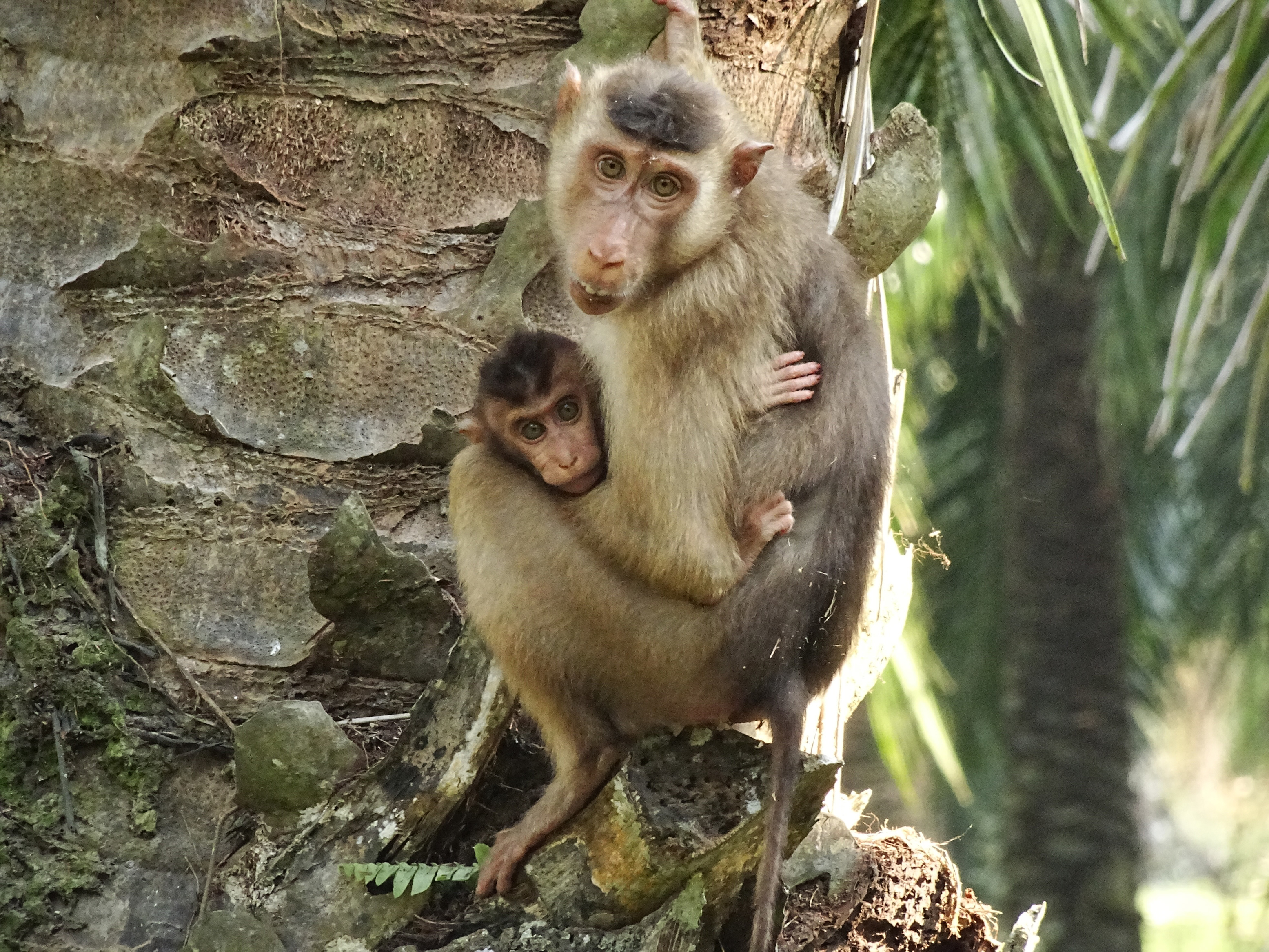
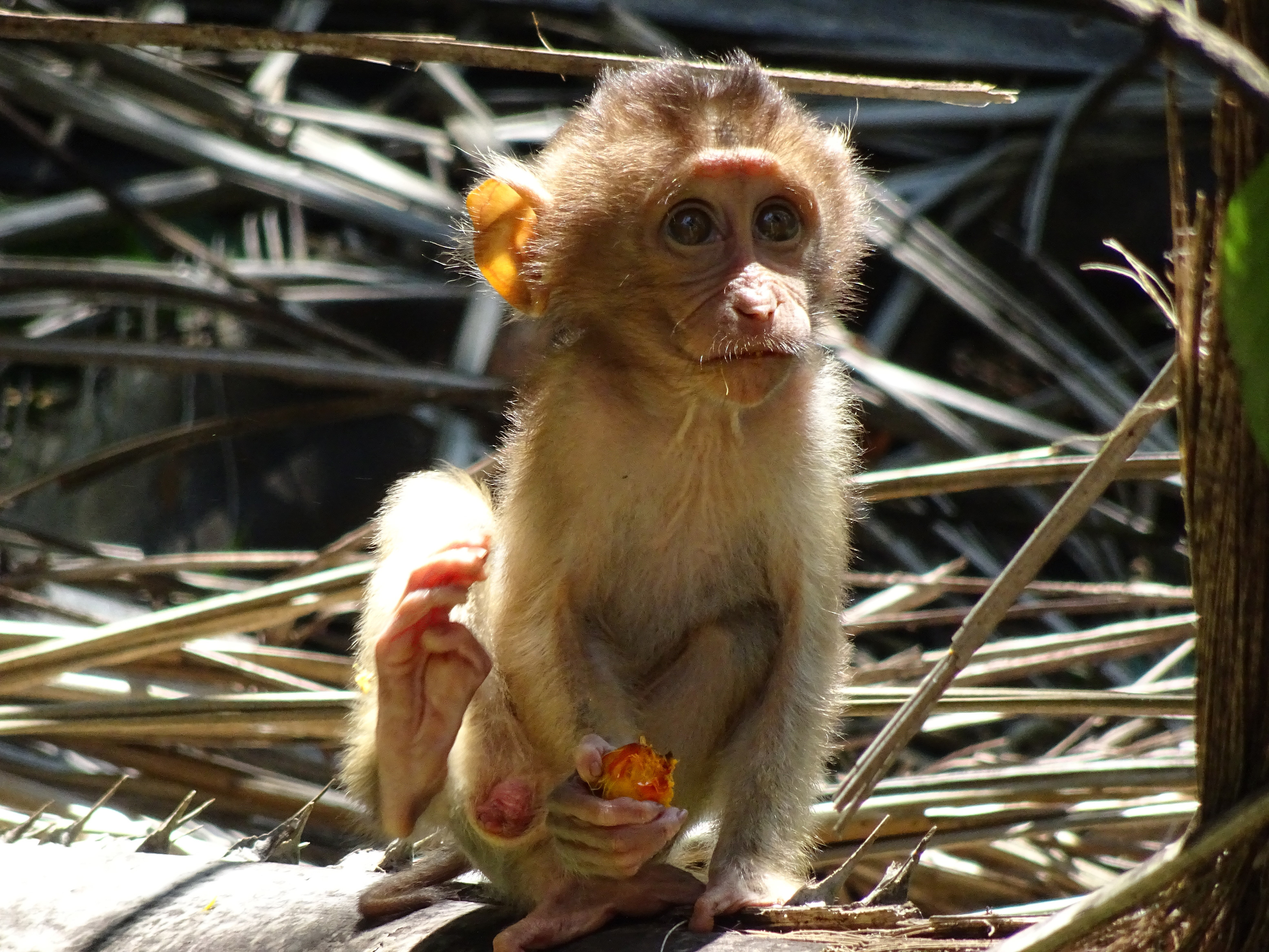
Scientists have described around 1.5 million species on Earth – but how many are still out there to be discovered? This is one of the most heated debates in biology. Discounting microbes, plausible estimates range from about half a million to more than 50 million species of unknown animals, plants and fungi.
Our present knowledge is just scratching the surface. Evolution has had billions of years to create biologically active compounds that can combat human diseases, generate genetic diversity that could save our food crops from disastrous pathogens, and spawn ecological innovations that can inspire marvellous new inventions. Help the rarest and most cryptic animals, plants and fungi to survive when you #BoycottPalmOil adopt a #vegan lifestyle and #Boycott4Wildlife
This biodiversity matters because it could be used to fight human diseases, produce new crops, and offer innovations to help solve the world’s problems.
Why is there so much uncertainty in the numbers? The biggest reason, I argue, is that a lot of biodiversity is surprisingly hard to find or identify. This has profound implications for nature conservation and for our understanding of life on Earth.
Hidden biodiversity
We find new species every day but the organisms that we’re now discovering are often more hidden and more difficult to catch than ever before.
Not surprisingly, the first species to be described scientifically were big and obvious. The earliest naturalists to visit Africa, for instance, could hardly fail to discover zebras, giraffes and elephants.
Three newly discovered species: (a) a snake-like amphibian from India; (b) the world’s tiniest lizard, and (c) the only lungless frog species. B. Scheffers et al. (2014) Trends in Ecology & Evolution
Other unknown species are notoriously difficult to capture. For example, a biologist friend of mine was visiting his mother-in-law in north Queensland when her cat strolled in with an odd-looking animal in its mouth. He wrestled the cat’s dinner away and found that it was a mammal species never before seen in Australia called the prehensile-tailed rat.
Now known to be quite common in the Wet Tropics, this tree-dwelling rat almost never enters conventional wildlife traps. We can thank my mate’s mother-in-law’s cat for the discovery.
Other poorly explored places where new species wait to be discovered include the deep sea, soils and caves. After spending some 1,100 hours digging holes in the ground, biologists stumbled over the first species of Indian caecilian, a primitive, snake-like burrowing amphibian never before seen on the subcontinent.
Caecilians are difficult to find and to know
On a far-flung beach in Alaska, a dead animal that washed ashore just last year turned out to be a completely new species of whale.
A frog species discovered in Borneo is the only frog in the world that completely lacks lungs. They live in fast-flowing streams that are so oxygen-rich that they can breathe solely through their skin.
And a newly discovered spider in Morocco has evolved to move and escape predators by somersaulting over sand dunes.
The rainforest rooftop
High on the list of places to discover new species include rainforest canopies. In the early 1980s a Smithsonian Institution ecologist, Terry Erwin, used an insecticidal fog on several trees in the Panamanian rainforest and was stunned by his findings. Most of the insects that fell to the ground were entirely new species. Based on quick calculations he estimated that there could be 30 million species of insects residing in the canopies of the world’s rainforests.
Erwin’s conclusions, as it would be expressed today, went viral. In one fell swoop he had increased estimates of global biodiversity at least tenfold. Most biologists today consider his original estimate too high, however some believe he only overestimated a little.
Rainforest canopies are one of the world’s great biological frontiers. William Laurance
Cryptic species
Beyond species that are difficult to find or catch, a lot of unknown biodiversity is staring us right in the face but we simply can’t see it. For these species, new discoveries are down to advances in molecular genetics. Around 60% of all new organisms described today are so-called “cryptic species” that are nearly indistinguishable from one another.
In recent years, for example, we’ve discovered that Africa has not just one species of elephant but two. Formerly considered different subspecies, genetic analyses reveal that they’re as dissimilar to one another as the Asian elephant is to the extinct woolly mammoth.
Genetic studies have also revealed hidden variation among Africa’s giraffes. Just last year, researchers revealed that what was once considered a single species of giraffe is actually four.
Genetic studies have revealed that one apparent species of giraffe is actually four. William Laurance
Molecular genetics is turning biology on its head in other ways. Organisms we used to think were only distantly related, such as antelopes, dolphins and whales, are practically cousins in evolutionary terms.
Epicentres of unknown species
One last reason why many species are yet to be discovered is that they only live in a small area of the world. Known as “restricted endemics”, these species are geographically concentrated in certain regions such as tropical mountains, islands, and climatically unusual environments.
Most of Earth’s restricted endemics reside in “biodiversity hotspots”, defined by having more than 1,500 locally endemic plant species and less than 30% of their original habitat remaining. Of 35 currently recognised hotspots, half are in the species-rich tropics with the remainder divided among Mediterranean, islands and other ecosystems.
The world’s 35 recognised biodiversity hotspots. Conservation International
Today, the bulk of new species are being discovered in the biodiversity hotspots. The scary thing is that our recent analyses show that more than half of all hotspots have already lost over 90% of their intact habitat.
Further, most hotspots occur in poorer nations with rapidly-growing populations and escalating social and economic challenges, creating even greater pressures on their already beleaguered ecosystems and species.
Scary implications
Taken collectively, these studies suggest that there’s an enormous wealth of biodiversity on Earth left to discover and that much of it is in danger.
Further, our present knowledge is just scratching the surface. Evolution has had billions of years to create biologically active compounds that can combat human diseases, generate genetic diversity that could save our food crops from disastrous pathogens, and spawn ecological innovations that can inspire marvellous new inventions.
What a tragedy it would be to lose this biodiversity before we have ever had the chance to discover and learn from it.
A new species of Anglerfish discovered this year in the Gulf of Mexico. This bizarre fish has bioluminescent algae in the ‘fishing pole’ above its head to attract prey. Theodore W. Pietsch, University of Washington
Here are some other ways you can help by using your wallet as a weapon and joining the #Boycott4Wildlife
Palm Oil Detectives is completely self-funded by its creator. All hosting and website fees and investigations into brands are self-funded by the creator of this online movement. If you like what I am doing, you and would like me to help meet costs, please send Palm Oil Detectives a thanks on Ko-Fi.
Palm Oil Detectives is completely self-funded by its creator. All hosting and website fees and investigations into brands are self-funded by the creator of this online movement. If you like what I am doing, you and would like me to help meet costs, please send Palm Oil Detectives a thanks on Ko-Fi.
The Sulawesi Babirusa also known as the North Sulawesi Babirusa are wild pigs are found on Sulawesi Island along with nearby islands Lembeh, Buton, and Muna in #Indonesia.
They have a mottled grey-and-brown skin that helps them blend into their forested habitat. One remarkable feature of babirusas is their large tusks. They have two pairs of elongated canine teeth that curve upward and backward towards their heads.
For males, their upper canines grow so long that they protrude through holes in the flesh on the top of their snouts. Sadly, these unique creatures are threatened by deforestation caused by the palm oil and timber industries along with hunting and mining. You can help by making conscious choices. Consider going vegan to support the movement against palm oil, and join the call to boycott palm oil and protect wildlife with the hashtags #Vegan, #Boycottpalmoil, and #Boycott4Wildlife. Together, we can make a difference for the Sulawesi Babirusa and their habitat.
Sulawesi Babirusa are wild #pigs 🐷🐖🩷 with big tusks in #Indonesia 🇮🇩 They are #vulnerable from #palmoil #deforestation and #hunting in Sulawesi. Fight for their survival, be #vegan 🥦🍅 and #Boycottpalmoil #Boycott4Wildlife 🌴🩸☠️🚫 @palmoildetect https://wp.me/pcFhgU-6sm
Nurturing and sweet Sulawesi Babirusa are #hogs native to #Sulawesi #Indonesia. They face multiple threats including human persecution, #hunting and #palmoil #deforestation. Help them survive #Boycottpalmoil #Boycott4Wildlife @palmoildetect https://wp.me/pcFhgU-6sm
Female babirusas have shorter canines that do not protrude as much. The local name for this unique creature translates to “pig-deer,” highlighting the resemblance of the male’s tusks to the antlers of a deer.
Sulawesi Babirusas are sociable creatures, with females typically forming small family groups and males occasionally living in bachelor herds or having a solitary existence. Dominance hierarchies are established by both males and females within their respective groups.
Appearance & Behaviour
Babirusas are diurnal wild pigs, being active during the day. They engage in foraging sessions during the mornings and late afternoons, while seeking rest during the scorching midday hours. It is common to find them congregating in large numbers around wallowing areas and salt licks. Communication among babirusas involves a diverse range of vocalisations, such as grunts, moans, screeches, growling, and teeth clattering.
Threats
Palm oil deforestation: Over 75% of lowland forests on the island have been lost due to deforestation, driven by the expansion of palm oil production.
Hunting: Babirusas are hunted for food, particularly in North Sulawesi, where they are sought after for local markets.
Iron ore mining and deforestation: The potential mining of iron ore, especially in the northwestern part of the northern peninsula, poses an additional threat to babirusa habitats.
Climate change and extreme weather: The impacts of climate change and extreme weather events may exacerbate the challenges faced by babirusas, particularly in the natural dry zone of northwest central Sulawesi, leading to reduced tree cover and fruit availability.
Accidental and deliberate trapping: In coastal areas, some babirusas are unintentionally or intentionally trapped for the Bali mask-making trade, specifically for their teeth. If you go to Bali – DO NOT buy a Balinese mask for this reason!
Human population expansion: The expansion of towns, the growing number of restaurants, and the demand for non-Muslim preferences contribute to increased pressure on babirusa populations across the entire island.
Habitat
These fascinating creatures can be found in a variety of habitats throughout the region in the island of Sulawesi and nearby islands like Lembeh, Buton, and Muna in Indonesia. They primarily dwell in the underbrush of tropical forests and canebrakes, but also frequent the shores of rivers and lakes. Sulawesi babirusas have adapted to thrive in diverse environments, making use of both land and water habitats. Witness their incredible versatility as they navigate and thrive in the different landscapes of Sulawesi and its neighboring islands.
Diet
Sulawesi babirusas are versatile eaters, enjoying a wide-ranging diet including leaves, roots, fallen fruits, nuts, mushrooms, and even invertebrates. Occasionally, they demonstrate their hunting skills by preying on small mammals and birds.
Mating and breeding
North Sulawesi babirusas have the ability to reproduce all year round. When it’s time to give birth, female hogs prepare soft nests on the ground using dry vegetation. The gestation period for these remarkable creatures typically lasts for approximately 155 to 166 days. When the time comes, females give birth to 1 or 2 well-developed piglets, who quickly gain independence as they can stand on their own shortly after birth. Around 10 days old, the piglets begin to consume solid food, gradually transitioning from their mother’s milk. The weaning process takes place between 5 and 12 months of age, marking an important milestone in their development.
This animal has no protections in place. Read about other forgotten species here. Create art to support this forgotten animal or raise awareness about them by sharing this post and using the #Boycottpalmoil #Boycott4Wildlife hashtags on social media. Also you can boycott palm oil in the supermarket.
1. Join the #Boycott4Wildlife on social media and subscribe to stay in the loop: Share posts from this website to your own network on Twitter, Mastadon, Instagram, Facebook and Youtube using the hashtags #Boycottpalmoil #Boycott4Wildlife.
2. Contribute stories: Academics, conservationists, scientists, indigenous rights advocates and animal rights advocates working to expose the corruption of the palm oil industry or to save animals can contribute stories to the website.
3. Supermarket sleuthing: Next time you’re in the supermarket, take photos of products containing palm oil. Share these to social media along with the hashtags to call out the greenwashing and ecocide of the brands who use palm oil. You can also take photos of palm oil free products and congratulate brands when they go palm oil free.
More and more palm oil free 🦧 products in Australia 🇦🇺. Customer awareness is increasing month by month. Of course Bart Van Assen will keep pushing "sustainable" palm oil with Orangutan Land Trust. Boycott palm oil to protect wildlife! There is not planet B #boycott4wildlifepic.twitter.com/rm7chub5Rb
If possible to get Ovomaltine, please promote it among your friends. It openly advertises with 0 palm oil. No RSPO no bullshit. For me it even tasts better than nuttela. It substantiates that chocolate spread can be made delicious without filthy palm oil. pic.twitter.com/cyV5Tm3tLd
4. Take to the streets: Get in touch with Palm Oil Detectives to find out more.
5. Donate: Make a one-off or monthly donation to Palm Oil Detectives as a way of saying thank you and to help pay for ongoing running costs of the website and social media campaigns. Donate here
The enchanting Groves Titi Monkey, also referred to as the Alta Floresta titi #monkey or Mato Grosso titi monkey went from being completely unknown to being one of the most critically endangered #primates in #SouthAmerica and the world. They made a remarkable entry into the spotlight only recently in 2016 when they were classified by scientists. They belong to the Eastern Amazonian clade of the red-bellied titi monkey (P. moloch) group and are known for their vividly coloured fur and rowdy rainforest vocalisations. They face multiple anthropogenic threats in #Brazil including hunting, #goldmining,#palmoil, #meat and #soy #deforestation and hydroelectric #dams. Help them to survive each time you shop, be #vegan and #Boycottpalmoil #Boycott4Wildlife
This poignant report highlights the urgent need for conservation efforts to protect this unique primate species. Alongside three other Brazilian species, Alta Floresta Titi Monkey faces imminent extinction, an urgent situation that warrants immediate attention.
Species of Titi Monkey – illustration by Stephen Nash
Alta Floresta Titi Monkeys are members of the red-bellied titi monkey group in the Eastern Amazonian clade. They share a close relationship with the red-bellied titi and Vieira’s titi monkey
Weighing approximately 900 grams (two pounds), these critically endangered primates live in the Brazilian Amazon and are renowned for their harmonious duets with fellow titi monkeys.
What distinguishes them is their speckled or salt and pepper fur on their backs, a red-brown mane and chest, a black tail with a white tip, and light yellow fur on their cheeks. These distinctive characteristics make them an interesting species to observe and appreciate and they obviously need our full respect and protection.
Threats
It is an immense tragedy that a business as usual scenario of rainforest loss will see 86% of these titi monkeys’ range destroyed over the coming two decades. Their main threats are:
Habitat degradation and loss: for palm oil, soy and meat deforestation have led to a decline in populations.
A series of hydroelectric dams and mines: in the region further endangers the species.
Hunting and human persecution: This species of monkey is hunted for food.
Boubli et al. (2019) estimated a loss of 42% of habitat (forest, excluding savannas) within the species range to date, or 39% of the species’ total range (forest and savannas). Using predictive models, the species’ habitat loss over the next 24 years will amount to 50% under the “governance” scenario and to 86% under the “business as usual” scenario (Boubli et al. 2019).
Due to the ongoing process of Protected Area downgrading, downsizing, and degazettement (PADDD) in the Brazilian Amazon and the planned hydroelectric complex of dams for this region (Bernard et al. 2014, Fernandes et al. 2017, Ferreira et al. 2014, Pack et al. 2016, UHE Teles-Pires 2018), the “business as usual” scenario is considered more probable.
Based on this, we classify Plecturocebus grovesi as Critically Endangered (CR A3c), i.e.,population reduction projected, inferred or suspected to be met in thefuture [up to three titi monkey generations, i.e., 24 years (Veiga et al. 2011, Defler and García 2012)], considering a decline of greater than80% in extent of occurrence (EOO) and/or habitat quality.
Their habitat is defined by the rivers Juruena and Arinos to the west and the Rio Teles-Pires to the east. The southernmost record of their presence is approximately at 10 degrees south latitude.
It is likely that their range is limited by the transition from the Amazon forest to the Cerrado ecosystem, estimated to be around 13 degrees south. However, further studies are needed to confirm this assumption. Previously, this area was believed to be inhabited by Plecturocebus moloch, another monkey species.
Diet
Plecturocebus grovesi have a diverse diet including a variety of foods such as fruits, leaves, flowers, and insects. They enjoy ripe and juicy fruits found in their habitat, along with tender leaves and delicate flowers. Insects also make up a part of their diet, providing them with a valuable source of protein.
Support the Alta Floresta titi monkey by going vegan and boycotting palm oil in the supermarket, it’s the #Boycott4Wildlife
Support the conservation of this species
This animal has no protections in place. Read about other forgotten species here. Create art to support this forgotten animal or raise awareness about them by sharing this post and using the #Boycottpalmoil #Boycott4Wildlife hashtags on social media. Also you can boycott palm oil in the supermarket.
1. Join the #Boycott4Wildlife on social media and subscribe to stay in the loop: Share posts from this website to your own network on Twitter, Mastadon, Instagram, Facebook and Youtube using the hashtags #Boycottpalmoil #Boycott4Wildlife.
2. Contribute stories: Academics, conservationists, scientists, indigenous rights advocates and animal rights advocates working to expose the corruption of the palm oil industry or to save animals can contribute stories to the website.
3. Supermarket sleuthing: Next time you’re in the supermarket, take photos of products containing palm oil. Share these to social media along with the hashtags to call out the greenwashing and ecocide of the brands who use palm oil. You can also take photos of palm oil free products and congratulate brands when they go palm oil free.
More and more palm oil free 🦧 products in Australia 🇦🇺. Customer awareness is increasing month by month. Of course Bart Van Assen will keep pushing "sustainable" palm oil with Orangutan Land Trust. Boycott palm oil to protect wildlife! There is not planet B #boycott4wildlifepic.twitter.com/rm7chub5Rb
If possible to get Ovomaltine, please promote it among your friends. It openly advertises with 0 palm oil. No RSPO no bullshit. For me it even tasts better than nuttela. It substantiates that chocolate spread can be made delicious without filthy palm oil. pic.twitter.com/cyV5Tm3tLd
4. Take to the streets: Get in touch with Palm Oil Detectives to find out more.
5. Donate: Make a one-off or monthly donation to Palm Oil Detectives as a way of saying thank you and to help pay for ongoing running costs of the website and social media campaigns. Donate here
Recently, the CEO of breakfast giant Kelloggs Gary Pilnick promoted the benefits eating breakfast cereal for dinner as a way for people to cope with the increased cost of living and food:
“Cereal for dinner is something that is probably more on trend now, and we would expect [it] to continue as that consumer is under pressure,” Pilnick told CNBC about his stable of ultra-processed foods like Fruity Loops, Special K, and Frosted Flakes. He takes home a 4 million USD salary each year.
Many research studies released in the past decade have shown a clear link between the consumption of ultra-processed foods: [high sugar and high fat convenience foods, sugary breakfast cereals, processed baked goods and biscuits] with all of the biggest diseases that kill the most people: ischaemic heart disease, stroke, diabetes, obesity, dementia and many cancers.
The good news is, you can swap ultra-processed foods for whole foods in a way that is both healthier for you and budget-friendly. Read on to find out how.
Kellogg’s CEO has suggested that people eat their sugary, highly processed cereal for every meal. Highly processed foods are linked to early death from many diseases
What are ultra-processed foods? Ultra-processed foods are convenient, low cost, quick to prepare or ready-to-eat. They are industrial formulations that include substances (oils, fats, sugars, starch, protein isolates). These foods result from extensive physical, biological, and chemical processes that create food products that are deficient in natural nutrients. Typically, ultra-processed foods include flavourings, colourings, preservatives and emulsifiers. Read on to find out how to replace these ingredients.
Study by Florida Atlantic University finds that hundreds of novel ingredients never encountered by human physiology are now found in nearly 60 percent of the average adult’s diet and nearly 70 percent of children’s diets in the U.S. An emerging health hazard is the unprecedented consumption of these ultra-processed foods in the standard American diet. This may be the new ‘silent’ killer, as was unrecognized high blood pressure in previous decades. Physicians provide important insights in a battle where the entertainment industry, the food industry and public policy do not align with their patients’ needs.
Hundreds of novel ingredients never encountered by human physiology are now found in nearly 60 percent of the average adult’s diet and nearly 70 percent of children’s diets in the United States.
While obesity and lack of physical activity are well recognized contributors to avoidable morbidity and mortality in the U.S., another emerging hazard is the unprecedented consumption of these ultra-processed foods in the standard American diet. This may be the new “silent” killer, as was unrecognized high blood pressure in previous decades.
Physicians from Florida Atlantic University’s Schmidt College of Medicine explored this hypothesis and provide important insights to health care providers in a battle where the entertainment industry, the food industry and public policy do not align with their patients’ needs. Their findings are published in a commentary in The American Journal of Medicine.
“Those of us practicing medicine in the U.S. today find ourselves in an ignominious and unique position — we are the first cohort of health care professionals to have presided over a decline in life expectancy in 100 years,” said Dawn H. Sherling, M.D., corresponding author, associate program director for the internal medicine residency and an associate professor of medicine, FAU Schmidt College of Medicine.
“Our life expectancy is lower than other economically comparable countries. When we look at increasing rates of non-communicable diseases in less developed nations, we can see a tracking of this increase along with increasing consumption of ultra-processed foods in their diets.”
Although professional organizations such as the American College of Cardiology cautions patients to “choose minimally processed foods instead of ultra-processed foods” in their 2021 dietary guidelines, there is a caveat that “there is no commonly accepted definition for ultra-processed foods, and some healthy foods may exist within the ultra-processed food category.”
“When the components of a food are contained within a natural, whole food matrix, they are digested more slowly and more inefficiently, resulting in less calorie extraction, lower glycemic loads in general, and lower rise in triglyceride-rich lipoproteins after eating, which could result in atherosclerotic plaque,” said Allison H. Ferris, M.D., senior author, an associate professor and chair, Department of Medicine, and director of the internal medicine residency program, FAU Schmidt College of Medicine. “Therefore, even if the troublesome additives were removed from the ultra-processed food, there would still be concern for an over-consumption of these products possibly leading to obesity, diabetes and heart disease.”
The authors add that public health organizations are increasingly making use of the NOVA classification system, which divides foods into four categories — whole foods, culinary ingredients (items like butter, oil and salt), traditionally processed foods (such as bread and yogurt made with few ingredients), and ultra-processed foods — or those foods that are industrially made and use ingredients not normally found in a domestic kitchen.
According to the authors, one plausible mechanism to explain the hazards is that ultra-processed foods contain emulsifiers and other additives that the mammalian gastrointestinal tract mostly does not digest. They may act as a food source for our microbiota, and as such may be creating a dysbiotic microbiome that can, in the right host, promote disease.
“Additives, such as maltodextrin, may promote a mucous layer that is friendly to certain species of bacteria that are found in greater abundance in patients with inflammatory bowel disease,” said Sherling. “When the mucous layer is not properly maintained, the epithelial cell layer may become vulnerable to injury, as has been shown in feeding studies using carrageenan in humans and other studies in mice models, using polysorbate-80 and cellulose gum, triggering immunologic responses in the host.”
The authors add that there have been marked increases in colorectal cancer in the U.S., especially among younger adults. They opine that increased ultra-processed food consumption may be a contributor as well as to several other gastrointestinal diseases.
“Whether ultra-processed foods contribute to our currently rising rates of non-communicable disease requires direct testing in analytic studies designed a priori to do so,” said Charles H. Hennekens, M.D., FACPM, co-author, the First Sir Richard Doll Professor of Medicine and senior academic advisor, FAU Schmidt College of Medicine. “In the meantime, we believe it is incumbent upon all health care professionals to discuss the benefits of increasing consumption of whole foods and reducing consumption of ultra-processed foods with their patients.”
The authors also opine that just as the dangers of tobacco began to emerge during the middle of the prior century, decades passed before the preponderance of the evidence and the efforts of forward-thinking health officials prompted policy change to discourage the use of cigarettes. They say there is likely to be a similar path for ultra-processed foods.
“The multinational companies that produce ultra-processed foods are just as, if not more, powerful than tobacco companies were in the last century, and it is unlikely that governments will be able to move quickly on policies that will promote whole foods and discourage the consumption of ultra-processed foods,” said Sherling.
“Importantly, health care providers also should remain cognizant of the difficulties that many of our patients have in being able to afford and find healthier options, which calls for a broader public health response.”
Dawn Harris Sherling, Charles H. Hennekens, Allison H. Ferris. Newest updates to health providers on the hazards of ultra-processed foods and proposed solutions. The American Journal of Medicine, 2024; DOI: 10.1016/j.amjmed.2024.02.001
Study the American Academy of Neurology finds that people who eat the highest amounts of ultra-processed foods like soft drinks, chips and cookies may have a higher risk of developing dementia than those who eat the lowest amounts, according to a new study. Researchers also found that replacing ultra-processed foods in a person’s diet with unprocessed or minimally processed foods was associated with a lower risk. The study does not prove that ultra-processed foods cause dementia. It only shows an association.
Ultra-processed foods are high in added sugar, fat and salt, and low in protein and fiber. They include soft drinks, salty and sugary snacks, ice cream, sausage, deep-fried chicken, yogurt, canned baked beans and tomatoes, ketchup, mayonnaise, packaged guacamole and hummus, packaged breads and flavored cereals.
“Ultra-processed foods are meant to be convenient and tasty, but they diminish the quality of a person’s diet,” said study author Huiping Li, PhD, of Tianjin Medical University in China. “These foods may also contain food additives or molecules from packaging or produced during heating, all of which have been shown in other studies to have negative effects on thinking and memory skills.
Our research not only found that ultra-processed foods are associated with an increased risk of dementia, it found replacing them with healthy options may decrease dementia risk.”
For the study, researchers identified 72,083 people from the UK Biobank, a large database containing the health information of half a million people living in the United Kingdom. Participants were age 55 and older and did not have dementia at the start of the study. They were followed for an average of 10 years. By the end of the study, 518 people were diagnosed with dementia.
During the study, participants filled out at least two questionnaires about what they ate and drank the previous day. Researchers determined how much ultra-processed food people ate by calculating the grams per day and comparing it to the grams per day of other foods to create a percentage of their daily diet. They then divided participants into four equal groups from lowest percentage consumption of ultra-processed foods to highest.
On average, ultra-processed foods made up 9% of the daily diet of people in the lowest group, an average of 225 grams per day, compared to 28% for people in the highest group, or an average of 814 grams per day. One serving of items like pizza or fish sticks was equivalent to 150 grams. The main food group contributing to high ultra-processed food intake was beverages, followed by sugary products and ultra-processed dairy.
In the lowest group, 105 of the 18,021 people developed dementia, compared to 150 of the 18,021 people in the highest group.
After adjusting for age, gender, family history of dementia and heart disease and other factors that could affect risk of dementia, researchers found that for every 10% increase in daily intake of ultra-processed foods, people had a 25% higher risk of dementia.
Researchers also used study data to estimate what would happen if a person substituted 10% of ultra-processed foods with unprocessed or minimally processed foods, like fresh fruit, vegetables, legumes, milk and meat. They found that such a substitution was associated with a 19% lower risk of dementia.
“Our results also show increasing unprocessed or minimally processed foods by only 50 grams a day, which is equivalent to half an apple, a serving of corn, or a bowl of bran cereal, and simultaneously decreasing ultra-processed foods by 50 grams a day, equivalent to a chocolate bar or a serving of fish sticks, is associated with 3% decreased risk of dementia,” said Li. “It’s encouraging to know that small and manageable changes in dietmay make a difference in a person’s risk of dementia.”
Li noted that further research is needed to confirm the findings.
Maura E. Walker, PhD, of Boston University in Massachusetts, who wrote an editorial accompanying the study, said, “While nutrition research has started to focus on food processing, the challenge is categorizing such foods as unprocessed, minimally processed, processed and ultra-processed. For example, foods like soup would be classified differently if canned versus homemade. Plus, the level of processing is not always aligned with diet quality. Plant-based burgers that qualify as high quality may also be ultra-processed. As we aim to understand better the complexities of dietary intake, we must also consider that more high-quality dietary assessments may be required.”
A limitation of the study was that cases of dementia were determined by looking at hospital records and death registries rather than primary care data, so milder cases may have been overlooked. .
The study was funded by the National Natural Science Foundation of China.
Huiping Li, Shu Li, Hongxi Yang, Yuan Zhang, Shunming Zhang, Yue Ma, Yabing Hou, Xinyu Zhang, Kaijun Niu, Yan Borne, Yaogang Wang. Association of Ultraprocessed Food Consumption With Risk of Dementia A Prospective Cohort. Neurology, July 27, 2022 DOI: 10.1212/WNL.0000000000200871
Ultra-Processed Foods Significantly Increase Risk of Early Death, Global Study Reveals
A comprehensive international study has established a strong link between the consumption of ultra-processed foods (UPFs) and premature deaths. Analyzing dietary and mortality data from eight countries—Australia, Brazil, Canada, Chile, Colombia, Mexico, the United Kingdom, and the United States—the research indicates that higher UPF intake correlates with a substantial increase in all-cause mortality.
UPFs are industrial formulations typically high in added sugars, fats, and artificial additives, offering minimal nutritional value. They include items like packaged snacks, sugary beverages, and ready-to-eat meals. The study found that for every 10% increase in UPF consumption, there is a corresponding 3% rise in the risk of premature death. Notably, in 2018 alone, the United States attributed approximately 124,000 early deaths to high UPF consumption.
Lead researcher Dr. Eduardo Augusto Fernandes Nilson from the Oswaldo Cruz Foundation in Brazil emphasized the broader implications: “UPFs affect health beyond the individual impact of high content of critical nutrients because of the changes in the foods during industrial processing and the use of artificial ingredients.” The study advocates for global action, including regulatory and fiscal policies, to reduce UPF consumption and promote healthier eating habits.
The findings highlight the pressing need for public health initiatives that encourage the consumption of fresh, minimally processed foods and discourage reliance on UPFs. Such measures are crucial in combating the rising tide of diet-related health issues worldwide.
Eduardo A.F. Nilson, Felipe Mendes Delpino, Carolina Batis, Priscila Pereira Machado, Jean-Claude Moubarac, Gustavo Cediel, Camila Corvalan, Gerson Ferrari, Fernanda Rauber, Euridice Martinez-Steele, Maria Laura da Costa Louzada, Renata Bertazzi Levy, Carlos A. Monteiro, Leandro F.M. Rezende. Premature Mortality Attributable to Ultraprocessed Food Consumption in 8 Countries. American Journal of Preventive Medicine, 2025; DOI: 10.1016/j.amepre.2025.02.018
2022 Research by Florida Atlantic University finds than 70 percent of packaged foods in the U.S. are classified as ultra-processed food and represent about 60 percent of all calories consumed by Americans. A study in 10,359 adults 18 and older found those who consumed the most ultra-processed foods as compared with those who consumed the least amount had statistically significant increases in the adverse mental health symptoms of mild depression, ‘mentally unhealthy days’ and ‘anxious days.’ They also had significantly lower rates of reporting zero ‘mentally unhealthy days’ and zero ‘anxious days.’ Findings are generalizable to the entire U.S. as well as other Western countries with similar ultra-processed food intakes.
Do you love those sugary-sweet beverages, reconstituted meat products and packaged snacks? You may want to reconsider based on a new study that explored whether individuals who consume higher amounts of ultra-processed food have more adverse mental health symptoms.
Although ultra-processed foods are convenient, low cost, quick to prepare or ready-to-eat, these industrial formulations of processed food substances (oils, fats, sugars, starch, protein isolates) contain little or no whole food. They result from extensive ‘physical, biological, and chemical processes’ that create food products that are deficient in original and natural food. Ultra-processed foods typically include flavorings, colorings, emulsifiers and other cosmetic additives.
While there is some evidence regarding ultra-processed food consumption and depression, data are sparse regarding other adverse mental health symptoms including anxiety and mentally unhealthy days.
Researchers from Florida Atlantic University’s Schmidt College of Medicine and collaborators explored a nationally representative sample of the United States population to determine if individuals who consume high amounts of ultra-processed foods report significantly more adverse mental health symptoms including depression, anxiety and mentally unhealthy days.
They measured mild depression, number of mental unhealthy days and number of anxious days in 10,359 adults 18 and older from the U.S. National Health and Nutrition Examination Survey.
Results of the study, published in the journal Public Health Nutrition, showed that individuals who consumed the most ultra-processed foods as compared with those who consumed the least amount had statistically significant increases in the adverse mental health symptoms of mild depression, “mentally unhealthy days” and “anxious days.” They also had significantly lower rates of reporting zero “mentally unhealthy days” and zero “anxious days.” Findings from this study are generalizable to the entire U.S. as well as other Western countries with similar ultra-processed food intakes.
“The ultra-processing of food depletes its nutritional value and also increases the number of calories, as ultra-processed foods tend to be high in added sugar, saturated fat and salt, while low in protein, fiber, vitamins, minerals and phytochemicals,” said Eric Hecht, M.D., Ph.D., corresponding author and an affiliate associate professor in FAU’s Schmidt College of Medicine. “More than 70 percent of packaged foods in the U.S. are classified as ultra-processed food and represent about 60 percent of all calories consumed by Americans. Given the magnitude of exposure to and effects of ultra-processed food consumption, our study has significant clinical and public health implications.”
Researchers used the NOVA food classification for the study, which is a widely used system recently adopted by the Food and Agricultural Organization of the United Nations. NOVA considers the nature, extent and purpose of food processing in order to categorize foods and beverages into four groups: unprocessed or minimally processed foods, processed culinary ingredients, processed foods and ultra-processed foods.
“Data from this study add important and relevant information to a growing body of evidence concerning the adverse effects of ultra-processed consumption on mental health symptoms,” said Charles H. Hennekens, M.D., Dr.PH, co-author, the first Sir Richard Doll Professor of Medicine, and senior academic advisor, FAU Schmidt College of Medicine. “Analytic epidemiologic research is needed to test the many hypotheses formulated from these descriptive data.”
According to the National Institute of Mental Health, nearly 1 in 5 adults live with a mental illness. Mental illnesses, including depression and anxiety, are leading causes of morbidity, disability and mortality.
Co-authors of this original research are Anna Rabil, Institute of Etiological Research; Euridice Martinez Steele, Ph.D., University of Sao Paolo; Gary A. Abrams, M.D., University of South Carolina School of Medicine; Deanna Ware, M.P.H., Georgetown University Medical Center and Institute of Etiological Research; and David C. Landy, M.D., Ph.D., University of Kentucky College of Medicine.
This research was funded in part by the Bertarelli Foundation.
Eric M Hecht, Anna Rabil, Euridice Martinez Steele, Gary A Abrams, Deanna Ware, David C Landy, Charles H Hennekens. Cross-sectional examination of ultra-processed food consumption and adverse mental health symptoms. Public Health Nutrition, 2022; 1 DOI: 10.1017/S1368980022001586
2022 Research from Tufts University links men who consumed high rates of ultra-processed foods to a 29% higher risk for developing colorectal cancer than men who consumed much smaller amounts. The researchers did not find the same association in women.
For many Americans, the convenience of pre-cooked and instant meals may make it easy to overlook the less-than-ideal nutritional information, but a team led by researchers at Tufts University and Harvard University hope that will change after recently discovering a link between the high consumption of ultra-processed foods and an increased risk of colorectal cancer.
In a study published Aug. 31 in The BMJ, researchers found that men who consumed high rates of ultra-processed foods were at 29% higher risk for developing colorectal cancer — the third most diagnosed cancer in the United States — than men who consumed much smaller amounts. They did not find the same association in women.
“We started out thinking that colorectal cancer could be the cancer most impacted by diet compared to other cancer types,” said Lu Wang, the study’s lead author and a postdoctoral fellow at the Friedman School of Nutrition Science and Policy at Tufts. “Processed meats, most of which fall into the category of ultra-processed foods, are a strong risk factor for colorectal cancer. Ultra-processed foods are also high in added sugars and low in fiber, which contribute to weight gain and obesity, and obesity is an established risk factor for colorectal cancer.”
The study analyzed responses from over 200,000 participants — 159,907 women and 46,341 men — across three large prospective studies which assessed dietary intake and were conducted over more than 25 years. Each participant was provided with a food frequency questionnaire every four years and asked about the frequency of consumption of roughly 130 foods.
For the study in BMJ, participants’ intake of ultra-processed foods was then classified into quintiles, ranging in value from the lowest consumption to the highest. Those in the highest quintile were identified as being the most at risk for developing colorectal cancer. Although there was a clear link identified for men, particularly in cases of colorectal cancer in the distal colon, the study did not find an overall increased risk for women who consumed higher amounts of ultra-processed foods.
The Impacts of Ultra-Processed Foods
The analyses revealed differences in the ways that men and women consume ultra-processed foods and the prospective associated cancer risk. Out of the 206,000 participants followed for more than 25 years, the research team documented 1,294 cases of colorectal cancer among men, and 1,922 cases among women.
The team found the strongest association between colorectal cancer and ultra-processed foods among men come from the meat, poultry, or fish-based, ready-to-eat products. “These products include some processed meats like sausages, bacon, ham, and fish cakes. This is consistent with our hypothesis,” Wang said.
The team also found higher consumption of sugar-sweetened beverages, like soda, fruit-based beverages, and sugary milk-based beverages, is associated with an increased risk of colorectal cancer in men.
However, not all ultra-processed foods are equally harmful with regard to colorectal cancer risk. “We found an inverse association between ultra-processed dairy foods like yogurt and colorectal cancer risk among women,” said co-senior author Fang Fang Zhang, a cancer epidemiologist and interim chair of the Division of Nutrition Epidemiology and Data Science at the Friedman School.
Overall, there was not a link between ultra-processed food consumption and colorectal cancer risk among women. It’s possible that the composition of the ultra-processed foods consumed by women could be different than that from men.
“Foods like yogurt can potentially counteract the harmful impacts of other types of ultra-processed foods in women,” Zhang said.
Mingyang Song, co-senior author on the study and assistant professor of clinical epidemiology and nutrition at the Harvard T.H. Chan School of Public Health, added that, “Further research will need to determine whether there is a true sex difference in the associations, or if null findings in women in this study were merely due to chance or some other uncontrolled confounding factors in women that mitigated the association.”
Although ultra-processed foods are often associated with poor diet quality, there could be factors beyond the poor diet quality of ultra-processed foods that impact the risk of developing colorectal cancer.
The potential role of food additives in altering gut microbiota, promoting inflammation, and contaminants formed during food processing or migrated from food packaging may all promote cancer development, Zhang noted.
Analyzing the Data
With more than a 90% follow-up rate from each of the three studies, the research team had ample data to process and review.
“Cancer takes years or even decades to develop, and from our epidemiological studies, we have shown the potential latency effect — it takes years to see an effect for certain exposure on cancer risk,” said Song. “Because of this lengthy process, it’s important to have long-term exposure to data to better evaluate cancer risk.”
The studies included:
The Nurses’ Health Study (1986-2014): 121,700 registered female nurses between the ages of 30 and 55
The Nurses’ Health Study II (1991-2015): 116,429 female nurses between the ages of 25 and 42
The Health Professional Follow-up Study (1986-2014): 51,529 male health professionals between the ages of 40 and 75.
After an exclusionary process for past diagnoses or incomplete surveys, the researchers were left with prospective data from 159,907 women from both NHS studies and 46,341 men.
The team adjusted for potential confounding factors such as race, family history of cancer, history of endoscopy, physical activity hours per week, smoking status, total alcohol intake and total caloric intake, regular aspirin use, and menopausal status.
Zhang is aware that since the participants in these studies all worked in the healthcare field, the findings for this population may not be the same as they would be for the general population, since the participants may be more inclined to eat healthier and lean away from ultra-processed foods. The data may also be skewed because processing has changed over the past two decades.
“But we are comparing within that population those who consume higher amounts versus lower amounts,” Zhang reassured. “So those comparisons are valid.”
Changing Dietary Patterns
Wang and Zhang previously published a study that identified a trend in increased ultra-processed food consumption in U.S. children and adolescents. Both studies underscore the idea that many different groups of people may be dependent on ultra-processed foods in their daily diets.
“Much of the dependence on these foods can come down to factors like food access and convenience,” said Zhang, who is also a member of the Tufts Institute for Global Obesity Research. “Chemically processing foods can aid in extending shelf life, but many processed foods are less healthy than unprocessed alternatives. We need to make consumers aware of the risks associated with consuming unhealthy foods in quantity and make the healthier options easier to choose instead.”
Wang knows that change won’t happen overnight, and hopes that this study, among others, will contribute to changes in dietary regulations and recommendations.
“Long-term change will require a multi-step approach,” Wang added. “Researchers continue to examine how nutrition-related policies, dietary recommendations, and recipe and formula changes, coupled with other healthy lifestyle habits, can improve overall health and reduce cancer burden. It will be important for us to continue to study the link between cancer and diet, as well as the potential interventions to improve outcomes.
Research reported in this article was supported by awards from the National Institutes of Health’s National Institute on Minority Health and Health Disparities (R01MD011501), National Cancer Institute (UM1CA186107; P01CA087969; U01CA176726; U01CA167552; and R00CA215314), and a Mentored Research Scholar Grant in Applied and Clinical Research from the American Cancer Society. The content is solely the authors’ responsibility and does not necessarily represent the official views of the National Institutes of Health.
Lu Wang, Mengxi Du, Kai Wang, Neha Khandpur, Sinara Laurini Rossato, Jean-Philippe Drouin-Chartier, Euridice Martínez Steele, Edward Giovannucci, Mingyang Song, Fang Fang Zhang. Association of ultra-processed food consumption with colorectal cancer risk among men and women: results from three prospective US cohort studies. BMJ, 2022; e068921 DOI: 10.1136/bmj-2021-068921
Ultra-processed foods may be linked to increased risk of cancer
2023 research by Imperial College London finds that higher consumption of ultra-processed foods may be linked to an increased risk of developing and dying from cancer, an observational study suggests.
Higher consumption of ultra-processed foods may be linked to an increased risk of developing and dying from cancer, an Imperial College London-led observational study suggests.
Researchers from Imperial’s School of Public Health have produced the most comprehensive assessment to date of the association between ultra-processed foods and the risk of developing cancers. Ultra-processed foods are food items which have been heavily processed during their production, such as fizzy drinks, mass-produced packaged breads, many ready meals and most breakfast cereals.
Ultra-processed foods are often relatively cheap, convenient, and heavily marketed, often as healthy options. But these foods are also generally higher in salt, fat, sugar, and contain artificial additives. It is now well documented that they are linked with a range of poor health outcomes including obesity, type 2 diabetes and cardiovascular disease.
The first UK study of its kind used UK Biobank records to collect information on the diets of 200,000 middle-aged adult participants. Researchers monitored participants’ health over a 10-year period, looking at the risk of developing any cancer overall as well as the specific risk of developing 34 types of cancer. They also looked at the risk of people dying from cancer.
The study found that higher consumption of ultra-processed foods was associated with a greater risk of developing cancer overall, and specifically with ovarian and brain cancers. It was also associated with an increased risk of dying from cancer, most notably with ovarian and breast cancers.
For every 10 per cent increase in ultra-processed food in a person’s diet, there was an increased incidence of 2 per cent for cancer overall, and a 19 per cent increase for ovarian cancer specifically.
Each 10 per cent increase in ultra-processed food consumption was also associated with increased mortality for cancer overall by 6 per cent, alongside a 16 per cent increase for breast cancer and a 30 per cent increase for ovarian cancer.
These links remained after adjusting for a range of socio-economic, behavioural and dietary factors, such as smoking status, physical activity and body mass index (BMI).
The Imperial team carried out the study, which is published in eClinicalMedicine, in collaboration with researchers from the International Agency for Research on Cancer (IARC), University of São Paulo, and NOVA University Lisbon.
Previous research from the team reported the levels of consumption of ultra-processed foods in the UK, which are the highest in Europe for both adults and children. The team also found that higher consumption of ultra-processed foods was associated with a greater risk of developing obesity and type 2 diabetes in UK adults, and a greater weight gain in UK children extending from childhood to young adulthood.
Dr Eszter Vamos, lead senior author for the study, from Imperial College London’s School of Public Health, said: “This study adds to the growing evidence that ultra-processed foods are likely to negatively impact our health including our risk for cancer. Given the high levels of consumption in UK adults and children, this has important implications for future health outcomes.
“Although our study cannot prove causation, other available evidence shows that reducing ultra-processed foods in our diet could provide important health benefits. Further research is needed to confirm these findings and understand the best public health strategies to reduce the widespread presence and harms of ultra-processed foods in our diet.”
Dr Kiara Chang, first author for the study, from Imperial College London’s School of Public Health, said: “The average person in the UK consumes more than half of their daily energy intake from ultra-processed foods. This is exceptionally high and concerning as ultra-processed foods are produced with industrially derived ingredients and often use food additives to adjust colour, flavour, consistency, texture, or extend shelf life.
“Our bodies may not react the same way to these ultra-processed ingredients and additives as they do to fresh and nutritious minimally processed foods. However, ultra-processed foods are everywhere and highly marketed with cheap price and attractive packaging to promote consumption. This shows our food environment needs urgent reform to protect the population from ultra-processed foods.”
The World Health Organisation and the United Nations’ Food and Agriculture Organisation has previously recommended restricting ultra-processed foods as part of a healthy sustainable diet.
There are ongoing efforts to reduce ultra-processed food consumption around the world, with countries such as Brazil, France and Canada updating their national dietary guidelines with recommendations to limit such foods. Brazil has also banned the marketing of ultra-processed foods in schools. There are currently no similar measures to tackle ultra-processed foods in the UK.
Dr Chang added: “We need clear front of pack warning labels for ultra-processed foods to aid consumer choices, and our sugar tax should be extended to cover ultra-processed fizzy drinks, fruit-based and milk-based drinks, as well as other ultra-processed products.
“Lower income households are particularly vulnerable to these cheap and unhealthy ultra-processed foods. Minimally processed and freshly prepared meals should be subsidised to ensure everyone has access to healthy, nutritious and affordable options.”
The researchers note that their study is observational, so does not show a causal link between ultra-processed foods and cancer due to the observational nature of the research. More work is needed in this area to establish a causal link.
This study was funded by Cancer Research UK and World Cancer Research Fund.
Kiara Chang, Marc J. Gunter, Fernanda Rauber, Renata B. Levy, Inge Huybrechts, Nathalie Kliemann, Christopher Millett, Eszter P. Vamos. Ultra-processed food consumption, cancer risk and cancer mortality: a large-scale prospective analysis within the UK Biobank. eClinicalMedicine, 2023 DOI: 10.1016/j.eclinm.2023.101840
Easy ways to replace ultra processed foods with whole-foods that are budget-friendly and healthy
Choose whole fruits over snack bars: Opt for fresh or frozen fruits instead of fruit-flavoured snacks or bars. They’re packed with natural sugars and essential nutrients without the added preservatives.
Snack on nuts and seeds: Instead of reaching for chips or processed snacks, try a handful of unsalted nuts or seeds. They offer healthy fats, protein, and fibre.
Use whole grain or brown bread and pasta: Replace white bread, pasta, and rice with their whole grain counterparts. Quinoa, brown rice, and whole wheat products add more nutrients and fiber to your meals.
Sprinkle nuts and seeds over all of your meals: These add fibre, minerals and vitamins to every meal
Make Smoothies instead of buying juices: Blend your own smoothies using whole fruits, vegetables, and a base like water, milk, or yogurt. This avoids the added sugars found in many store-bought juices.
Make your own spice mixes with fresh or dried herbs: This enhance flavour without added salt or artificial seasonings.
Use fresh or frozen vegetables: Use fresh or frozen vegetables in your meals instead of canned ones, which often contain added salt and preservatives.
Make Your own sauces and dressings: Homemade sauces and dressings can be made with a few simple ingredients, allowing you to control the amount of sugar, salt and preservatives.
Bake or air-fry your food instead of buying processed snacks: Make your own baked goods or use an air fryer for a healthier twist on traditionally fried foods, reducing the need for unhealthy fats and additives.
Bulk up with beans: Incorporate beans, lentils, and chickpeas as a cost-effective, nutritious protein source to replace meat in dishes.
ENDS
Read more about human health, veganism, nutrition and why you should #Boycottpalmoil, #Boycottmeat for your own and the planet’s health
Gursky’s spectral tarsiers AKA Wusing of North Sulawesi are vulnerable due to palm oil and timber deforestation. Take action for them and boycott palm oil!
Forests offer climate protection and safeguard indigenous peoples, endangered animals and rare plants. Deforestation is a major threat. Boycott palm oil!
Critically endangered Phayre’s langurs and endangered capped langurs of Bangladesh, are interbreeding raising concerns about their survival, take action!
Western Parotias AKA Arfak Parotias are stunning bird-of-paradise of West Papua known for their mesmerising dances. Palm oil and mining ecocide are threats
Global Witness report finds JBS, the world’s largest meat company, is directly linked to deforestation in the Amazon and Pantanal putting jaguars at risk
Something went wrong. Please refresh the page and/or try again.
Take Action in Five Ways
1. Join the #Boycott4Wildlife on social media and subscribe to stay in the loop: Share posts from this website to your own network on Twitter, Mastadon, Instagram, Facebook and Youtube using the hashtags #Boycottpalmoil #Boycott4Wildlife.
2. Contribute stories: Academics, conservationists, scientists, indigenous rights advocates and animal rights advocates working to expose the corruption of the palm oil industry or to save animals can contribute stories to the website.
3. Supermarket sleuthing: Next time you’re in the supermarket, take photos of products containing palm oil. Share these to social media along with the hashtags to call out the greenwashing and ecocide of the brands who use palm oil. You can also take photos of palm oil free products and congratulate brands when they go palm oil free.
More and more palm oil free 🦧 products in Australia 🇦🇺. Customer awareness is increasing month by month. Of course Bart Van Assen will keep pushing "sustainable" palm oil with Orangutan Land Trust. Boycott palm oil to protect wildlife! There is not planet B #boycott4wildlifepic.twitter.com/rm7chub5Rb
If possible to get Ovomaltine, please promote it among your friends. It openly advertises with 0 palm oil. No RSPO no bullshit. For me it even tasts better than nuttela. It substantiates that chocolate spread can be made delicious without filthy palm oil. pic.twitter.com/cyV5Tm3tLd
4. Take to the streets: Get in touch with Palm Oil Detectives to find out more.
5. Donate: Make a one-off or monthly donation to Palm Oil Detectives as a way of saying thank you and to help pay for ongoing running costs of the website and social media campaigns. Donate here
Extant (resident): Papua New Guinea; Solomon Islands
In the verdant, high-altitude forests of Bougainville Island, Papua New Guinea, and Choiseul Island, Solomon Islands, lives an intriguing creature—the Bougainville Monkey-faced bat or, as some call them, the Bougainville Flying Monkey. These bats are the titans of their family, boasting arm spans stretching impressively between 14.1 to 16 cm. They are endangered, mostly from palm oil and gold mining deforestation and hunting. Help them to survive every time you shop and #Boycottpalmoil #Boycott4Wildlife
Help to save the Bougainville Monkey-faced #Bat 🦇 of Bougainville Is. #PapuaNewGuinea 🇵🇬 they are #endangered from #palmoil 🌴🪔#deforestation 🔥🌳 and hunting. Help them to survive and #Boycottpalmoil #Boycott4Wildlife each time you shop @palmoildetect https://wp.me/pcFhgU-6vA
Beguiling Bougainville Monkey-faced #Bats 🦇✨ are #endangered from #palmoil #deforestation in #PapuaNewGuinea and the Solomon Islands. Fight for them and #Boycottpalmoil #Boycott4Wildlife when you shop! @palmoildetect https://wp.me/pcFhgU-6vA
During the night time, their captivating eyes that glow red or orange under the night sky, much like their kin.
They wear a mantle of thick, black fur that shrouds their heads and backs, whilst a contrasting splash of white or yellow graces their chests, making them a sight to behold. Unlike their relatives, the Guadalcanal Monkey-faced bats, their legs are enshrouded with a full coat of fur. During the night time, their captivating eyes that glow red or orange under the night sky, much like their kin. Tailless and intriguingly equal in size whether male or female, these bats certainly stand out in the animal kingdom.
Threats
Habitat Destruction:
Bougainville Monkey-faced bats predominantly depend on mature, upland forests.
Significant habitat destruction from agricultural activities and forest conversion.
Hunting Pressures
They are regularly hunted for bushmeat: Hunting practices often involve burning the bats’ roosting trees, thereby destroying their habitats.
Increased hunting pressure was partly due to civil tensions in Bougainville from 1987 to 2000.
Population Decline:
Bougainville Monkey-faced bats were feared extinct in 1992 due to a lack of sightings.
Tragically, their population is estimated to have declined by at least 50% from 1997-2017.
Despite suggestions for a captive breeding program in 1992 to curb population decline, no such program exists as of 2017.
Conservation Efforts:
Bougainville Monkey-faced bats are listed as an Endangered species on the IUCN Red List. Bat Conservation International included them in its worldwide priority list for conservation in 2013.
Conservation strategies involve collaborations with local communities and organisations, identifying alternative protein sources, reforestation, managing conflicts between the bats and farmers, and promoting conservation dialogue.
Habitat
Found high above sea level in cloud forests over 1,100 metres, the Bougainville Monkey-faced bat enjoys the tranquillity and freshness of higher altitudes. After vanishing from sight on Bougainville Island since 1968, they made a surprise reappearance in 2016. On Choiseul Island, though, they’ve been conspicuously absent since 2008. These bats have a penchant for mature, highland tropical forests and aren’t picky about roosting spots, be it in hollow trees or hanging off fig tree branches. There’s even talk about these bats gouging trees for sap—a unique adaptation indeed!
Diet
While the exact diet of these bats remains a mystery, the significant wear on the teeth of museum specimens provides a clue. This condition points to the possibility of them consuming hard, rough-textured fruits.
Mating and breeding
Many aspects of the biology and behaviour of this bat, like many other megabats, remain understudied due to their inaccessible habitats and their elusive, secretive natures.
Support Bougainville Monkey-faced Bat Pteralopex anceps by going vegan and boycotting palm oil in the supermarket, it’s the #Boycott4Wildlife
Support the conservation of this species
This animal has no protections in place. Read about other forgotten species here. Create art to support this forgotten animal or raise awareness about them by sharing this post and using the #Boycottpalmoil #Boycott4Wildlife hashtags on social media. Also you can boycott palm oil in the supermarket.
1. Join the #Boycott4Wildlife on social media and subscribe to stay in the loop: Share posts from this website to your own network on Twitter, Mastadon, Instagram, Facebook and Youtube using the hashtags #Boycottpalmoil #Boycott4Wildlife.
2. Contribute stories: Academics, conservationists, scientists, indigenous rights advocates and animal rights advocates working to expose the corruption of the palm oil industry or to save animals can contribute stories to the website.
3. Supermarket sleuthing: Next time you’re in the supermarket, take photos of products containing palm oil. Share these to social media along with the hashtags to call out the greenwashing and ecocide of the brands who use palm oil. You can also take photos of palm oil free products and congratulate brands when they go palm oil free.
More and more palm oil free 🦧 products in Australia 🇦🇺. Customer awareness is increasing month by month. Of course Bart Van Assen will keep pushing "sustainable" palm oil with Orangutan Land Trust. Boycott palm oil to protect wildlife! There is not planet B #boycott4wildlifepic.twitter.com/rm7chub5Rb
If possible to get Ovomaltine, please promote it among your friends. It openly advertises with 0 palm oil. No RSPO no bullshit. For me it even tasts better than nuttela. It substantiates that chocolate spread can be made delicious without filthy palm oil. pic.twitter.com/cyV5Tm3tLd
4. Take to the streets: Get in touch with Palm Oil Detectives to find out more.
5. Donate: Make a one-off or monthly donation to Palm Oil Detectives as a way of saying thank you and to help pay for ongoing running costs of the website and social media campaigns. Donate here
A 2019 World Health Organisation (WHO) report into the palm oil industry and RSPO finds extensive greenwashing of palm oil deforestation and the murder of endangered animals (i.e. biodiversity loss)
A groundbreaking open-source tool by the University of Chicago called PalmWatch, shines a light on the darkest parts of the palm oil industry.
PalmWatch is a free web-based tool that reveals links between major multinational brands using supposedly “sustainable” palm oil, and palm oil supply chain. This means that concerned consumers, animal rights advocates and human rights advocates can clearly see the toll of palm oil ecocide in their daily supermarket purchases.
Covering hundreds of thousands of kilometres, PalmWatch gives everyone open-source, free and unprecedented access to what “sustainable” palm oil really looks like.
More than simply a tool, PalmWatch is a clarion call to consumers to look carefully at their purchases. And where possible, to boycott brands causing the ecological crisis of tropical deforestation.
The media release below is provided by the University of Chicago and had the original title ‘PalmWatch, a new tool created by DSI’s 11th Hour Project team, sheds light on palm oil production across the globe’, published February 22nd, 2024. Read the original.
Palm oil is a required ingredient for a plethora of household products, from food items like packaged pastries and chips to cosmetics and soaps or even biofuels. But most palm oil is produced on mono-crop plantations, grown on huge tracts of land that were once tropical rainforests and other biodiverse ecosystems. Mapping the links between palm oil mills, multinational corporations, and future deforestation risk is a difficult data science problem to solve, but thanks to a partnership with Inclusive Development International (IDI), the DSI used novel methods to solve this problem.”
Mapping the links between palm oil mills, multinational corporations, and future deforestation risk is a difficult data science problem to solve, but the University of Chicago Data Science Institute and Inclusive Development International (IDI) have created a new tool to help fill gaps in understanding the problem.
The DSI and the IDI, with support from the 11th Hour Project, launched a new tool called PalmWatch on Feb. 22. Using rigorous data science and advanced, low-cost data visualisation methods, PalmWatch traces palm oil supplies from the ground level, where the environmental and social impacts of palm oil cultivation occur, to the consumer brands that use the oil in their products.
“This launch of the PalmWatch tool has been a long time coming,” said David Uminsky, executive director of the Data Science Institute at the University of Chicago. “This has all the hallmarks of a great data science problem.”
“I’m very excited that this dashboard will be owned by local communities and nonprofits working in the space,” said Launa Greer, a software engineer at the DSI. “Previously, investigating the effects of palm oil supply chains was a laborious process; now groups will have analytics at their fingertips.”
Connecting data sources
In an effort to increase transparency, multinational brands do currently report the palm oil mills from which they source their material. However, creating a repository that sorts and organises mills across the world requires collecting and standardising this information. And even with this information, it takes additional computational methods to understand how each mill impacts local deforestation risks.
The PalmWatch project began as part of the Data Science Clinic, an experiential project-based course where students work as data scientists under the supervision of DSI staff and faculty.
To build the tool, DSI’s 11th Hour Project, led by Open Spatial Lab technical lead Dylan Halpern, first had to scrape public disclosures from thirteen multinational consumer brands that show which mills these brands source from.
This information then had to be standardised, with the palm oil mills geolocated on a searchable map. The data scientists also had to collect information about the mills, such as which companies own and operate them, which consumer brands they are affiliated with, and their RSPO certification status (a metric measuring sustainability of palm oil production).
Collecting the information was a challenge, said Greer. “Disclosures were typically located on obscure corners of the websites and difficult to scrape for information due to wildly-varying PDF layouts,” she said. “We hope that making a clean, consolidated, and machine readable dataset of mills available to the public will accelerate similar supply-chain research efforts.”
A screenshot from the PalmWatch app. Colors represent various degrees of deforestation.
Built with future-proofing in mind
Making sure that PalmWatch would be cheap to maintain and easy to update was a vital part of the process to ensure the website will continue to be a useful investigative tool. PalmWatch was built to not require heavy computation that can add up in costs to web hosts over time.
“Ongoing funding for community-centered data science projects is not always guaranteed, so it’s important to architect software that is cheap to own in the long term,” said DSI’s Open Spatial Lab technical lead Dylan Halpern. “It’s tragic to see fantastic software engineering and community-engaged data science fade away from public view due simply to a server bill.”
Full data files are available for public download. “We realised early on that palm oil production impacts each part of the world in a unique way; we integrated a collaborative content management system so that local advocates can add critical context, news, legal briefings, and other local knowledge to PalmWatch at every level—mill, country, consumer brand, and everything in between,” said Halpern.
The development team has future plans for additional updates, including a data pipeline github, a disclosure contribution guide, and plans to offer hands-on training to social impact organisations and journalists who want to dig deeper into specific data questions.
How does PalmWatch work?
PalmWatch addresses this disconnect between palm oil end users and ground-level impacts by:
Scraping public disclosures from 13 consumer brands showing which crushing mills—where crude palm oil is extracted from palm fruit grown on plantations—these brands source from globally.
Standardising that information across the brands and geolocating more than 2,000 mills on a searchable map. Detailed mill views show which consumer brands source from each mill, what companies own and operate them, and their RSPO certification status.
Drawing a catchment boundary around each mill, which shows the approximate geographical area a mill is likely sourcing palm fruit from, based on advanced data science techniques (described in more detail in the Methodology section below) and the industry’s own fruit spoilage standards.
Overlaying 20 years of deforestation data from the University of Maryland within each mill’s catchment area. PalmWatch then assigns a past deforestation score to each mill, based on the amount of forest cleared within its catchment area, along with a future deforestation risk score, based on past deforestation patterns and the amount of forest that remains at risk. This information is then connected to the brands sourcing from each mill, and can be aggregated and filtered, allowing users to see deforestation by brand, mill owner and mill corporate group.
The media release below is provided by the University of Chicago and had the original title ‘PalmWatch, a new tool created by DSI’s 11th Hour Project team, sheds light on palm oil production across the globe’, published February 22nd, 2024. Read the original.
ENDS
Read more about deforestation and ecocide in the palm oil industry
Turning E-Waste and CO2 into Gold addresses e-waste challenges and contributes to CO₂ reduction efforts. Take action and boycott gold for Yanomami people!
This #WorldWildlifeDay take action for animals great and small! Reptiles insects, mammals and birds deserve better than palm oil ecocide and extinction. Make sure you Boycott palm oil
Mondelēz International who make Oreos keep sourcing palm oil from suppliers linked to violence and deforestation. Their RSPO certification is pure greenwash!
Titan Arum AKA ‘Corpse Flowers’ is famous for its repulsive meat smell. Palm oil agriculture is a massive threat to these rare stinky plants. Take action!
Something went wrong. Please refresh the page and/or try again.
Take Action in Five Ways
1. Join the #Boycott4Wildlife on social media and subscribe to stay in the loop: Share posts from this website to your own network on Twitter, Mastadon, Instagram, Facebook and Youtube using the hashtags #Boycottpalmoil #Boycott4Wildlife.
2. Contribute stories: Academics, conservationists, scientists, indigenous rights advocates and animal rights advocates working to expose the corruption of the palm oil industry or to save animals can contribute stories to the website.
3. Supermarket sleuthing: Next time you’re in the supermarket, take photos of products containing palm oil. Share these to social media along with the hashtags to call out the greenwashing and ecocide of the brands who use palm oil. You can also take photos of palm oil free products and congratulate brands when they go palm oil free.
More and more palm oil free 🦧 products in Australia 🇦🇺. Customer awareness is increasing month by month. Of course Bart Van Assen will keep pushing "sustainable" palm oil with Orangutan Land Trust. Boycott palm oil to protect wildlife! There is not planet B #boycott4wildlifepic.twitter.com/rm7chub5Rb
If possible to get Ovomaltine, please promote it among your friends. It openly advertises with 0 palm oil. No RSPO no bullshit. For me it even tasts better than nuttela. It substantiates that chocolate spread can be made delicious without filthy palm oil. pic.twitter.com/cyV5Tm3tLd
4. Take to the streets: Get in touch with Palm Oil Detectives to find out more.
5. Donate: Make a one-off or monthly donation to Palm Oil Detectives as a way of saying thank you and to help pay for ongoing running costs of the website and social media campaigns. Donate here
New research finds that it’s not only human babies who love to playfully tease each other. Researchers reasoned that since language is not required for this behaviour, similar kinds of playful teasing might be present in non-human animals such as chimpanzees, bonobos, gorillas and orangutans. Now cognitive biologists and primatologists have documented playful teasing in four species of great apes. Like joking behaviour in humans, ape teasing is provocative, persistent, and includes elements of surprise and play. Because all four great ape species used playful teasing, it is likely that the prerequisites for humour evolved in the human lineage at least 13 million years ago.
#News: Great #apes tease and prank each other 🤡😛🦍🦧🐵🐒 just as humans do. Including body-slamming, hair-pulling and waving objects in front of each other’s faces – new #research study finds #sentience #primatology #primates #Boycottpalmoil #Boycott4Wildlife https://wp.me/pcFhgU-7gR
Media release from Science Alert, February 13, 2024. Research: Laumer I.B., Winkler S, Rossano F, Cartmill EA. Spontaneous playful teasing in four great ape species. Proceedings of the Royal Society B, 2024 DOI: 10.1098/rspb.2023.2345
Joking is an important part of human interaction that draws on social intelligence, an ability to anticipate future actions, and an ability to recognize and appreciate the violation of others’ expectations. Teasing has much in common with joking, and playful teasing may be seen as a cognitive precursor to joking. The first forms of playful teasing in humans emerge even before babies say their first words, as early as eight months of age. The earliest forms of teasing are repetitive provocations often involving surprise. Infants tease their parents by playfully offering and withdrawing objects, violating social rules (so-called provocative non-compliance), and disrupting others’ activities.
In a study, scientists from the University of California Los Angeles, the Max Planck Institute of Animal Behavior, Indiana University, and the University of California San Diego(Isabelle Laumer, Sasha Winkler, Federico Rossano, and Erica Cartmill, respectively) report evidence of playful teasing in the four great ape species: orangutans, chimpanzees, bonobos and gorillas. “Great apes are excellent candidates for playful teasing, as they are closely related to us, engage in social play, show laughter and display relatively sophisticated understandings of others’ expectations,” says Isabelle Laumer, a post-doctoral researcher at the University of California Los Angeles and the Max Planck Institute of Animal Behavior.
The team analyzed spontaneous social interactions that appeared to be playful, mildly harassing, or provocative. During these interactions, the researchers observed the teaser’s actions, bodily movements, facial expressions, and how the targets of the teasing responded in turn. They also assessed the teaser’s intentionality by looking for evidence that the behavior was directed at a specific target, that it persisted or intensified, and that teasers waited for a response from the target.
Teasing to provoke a response
The researchers found that orangutans, chimpanzees, bonobos and gorillas all engaged in intentionally provocative behavior, frequently accompanied by characteristics of play. They identified 18 distinct teasing behaviors. Many of these behaviors appeared to be used to provoke a response, or at least to attract the target’s attention. “It was common for teasers to repeatedly wave or swing a body part or object in the middle of the target’s field of vision, hit or poke them, stare closely at their face, disrupt their movements, pull on their hair or perform other behaviors that were extremely difficult for the target to ignore,” explains UCLA and IU professor Erica Cartmill, senior author of the study.
Although playful teasing took many forms, the authors note that it differed from play in several ways. “Playful teasing in great apes is one-sided, very much coming from the teaser often throughout the entire interaction and rarely reciprocated,” explains Cartmill. “The animals also rarely use play signals like the primate ‘playface’, which is similar to what we would call a smile, or ‘hold’ gestures that signal their intent to play.”
Similarity with human behaviour
Playful teasing mainly occurred when apes were relaxed, and shared similarities with behaviours in humans. “Similar to teasing in children, ape playful teasing involves one-sided provocation, response waiting in which the teaser looks towards the target’s face directly after a teasing action, repetition, and elements of surprise,” Laumer explains.
The researchers noted that Jane Goodall and other field primatologists had mentioned similar behaviours happening in chimpanzees many years ago, but this new study was the first to systematically study playful teasing. “From an evolutionary perspective, the presence of playful teasing in all four great apes and its similarities to playful teasing and joking in human infants suggests that playful teasing and its cognitive prerequisites may have been present in our last common ancestor, at least 13 million years ago,” explains Laumer. “We hope that our study will inspire other researchers to study playful teasing in more species in order to better understand the evolution of this multi-faceted behaviour. We also hope that this study raises awareness of the similarities we share with our closest relatives and the importance of protecting these endangered animals.”
Media release from Science Alert, February 13, 2024. Research: Laumer I.B., Winkler S, Rossano F, Cartmill EA. Spontaneous playful teasing in four great ape species. Proceedings of the Royal Society B, 2024 DOI: 10.1098/rspb.2023.2345
ENDS
Learn about other animals endangered by palm oil and other agriculture
A 2019 World Health Organisation (WHO) report into the palm oil industry and RSPO finds extensive greenwashing of palm oil deforestation and the murder of endangered animals (i.e. biodiversity loss)
1. Join the #Boycott4Wildlife on social media and subscribe to stay in the loop: Share posts from this website to your own network on Twitter, Mastadon, Instagram, Facebook and Youtube using the hashtags #Boycottpalmoil #Boycott4Wildlife.
2. Contribute stories: Academics, conservationists, scientists, indigenous rights advocates and animal rights advocates working to expose the corruption of the palm oil industry or to save animals can contribute stories to the website.
3. Supermarket sleuthing: Next time you’re in the supermarket, take photos of products containing palm oil. Share these to social media along with the hashtags to call out the greenwashing and ecocide of the brands who use palm oil. You can also take photos of palm oil free products and congratulate brands when they go palm oil free.
More and more palm oil free 🦧 products in Australia 🇦🇺. Customer awareness is increasing month by month. Of course Bart Van Assen will keep pushing "sustainable" palm oil with Orangutan Land Trust. Boycott palm oil to protect wildlife! There is not planet B #boycott4wildlifepic.twitter.com/rm7chub5Rb
If possible to get Ovomaltine, please promote it among your friends. It openly advertises with 0 palm oil. No RSPO no bullshit. For me it even tasts better than nuttela. It substantiates that chocolate spread can be made delicious without filthy palm oil. pic.twitter.com/cyV5Tm3tLd
4. Take to the streets: Get in touch with Palm Oil Detectives to find out more.
5. Donate: Make a one-off or monthly donation to Palm Oil Detectives as a way of saying thank you and to help pay for ongoing running costs of the website and social media campaigns. Donate here
Easter is almost upon us and that means chocolate eggs and indulgence. Used as an emulsifier in chocolate, palm oil is what gives cheap chocolate a disgusting soapy and chalky flavour. It is preferred by mass producers because it is cheap. However its environmental and social cost is enormous.
Palm oil is linked to death, ecocide, deforestation and destruction. So this Easter, make sure you look out for palm oil free brands and actively avoid dirty palm oil. “Sustainable” palm oil is a complete lie. RSPO members promoting themselves as being eco-friendly are still causing deforestation and human rights abuses for “sustainable” palm oil.
Below you can learn more about the tactics of palm oil greenwashing regularly employed to fool consumers.
How do I know if chocolate I’m buying has palm oil in it?
Sometimes it’s deceptively difficult to find palm oil on chocolate packaging. It could be listed as one of 1,000’s different chemical names.
If you are ever in doubt look for the prefixes:
LAUR
STEAR
GYLC
PALM
in the ingredients list on packaging – this is most likely palm oil. Another tip is to shop for locally produced chocolate and vegan chocolate (if you happen to be vegan).
Which chocolate brands cause deforestation for palm oil?
In short, all of the major chocolate brands cause deforestation for palm oil. This includes (but is not limited to):
The attached report is created each year by Mighty Earth and strives to call to account chocolate (and other food) manufacturers and retailers. Make sure that you cross-reference whether or not these brands are using palm oil. Most of them do and you can read about their ongoing palm oil ecocide here.
Claiming a brand or commodity is green based on unreliable, ineffective endorsements or eco-labels such as the RSPO, Forest Stewardship Council (FSC) or FairTrade…
Greenwashing lies are falsifying support from authorities to back up claims or using spurious research data to back up the greenwashing, boycott palm oil!…
Palm oil industry not just destroying rainforests and killing orangutans: @AP investigation finds widespread labor abuses and links to leading banks, supply chains of top global brands. https://t.co/igjxL6W8wi
Our undercover investigation alleged corruption, child labour, probable tax evasion, deforestation, worker deaths & paying police to attack villagers. The product made its way into world famous brands such as Nestlé, Danone, Kellogg's, Hershey's & Colgate.https://t.co/LEPdOQenFb
For decades, investigative journalists have been exposing that illegal land grabbing from Indigenous peoples as a regular occurrence in West Papua, South and Central…
The insidious playbook of palm oil companies “Promise, Divide, Intimidate and Coerce” reveals the 12 corrupt tactics used to grab community land in Africa
#Palmoil plantations have an overall negative impact on #biodiversity, according to research released this week. The #study, published in Nature Communications, found palm oil…
Yes, but Zoos/NGOs I think are trustworthy like Chester Zoo, Cheyenne Mountain Zoo and WWF support the RSPO and sustainable palm oil?
A network of Zoos and CONservation NGOS such as Orangutan Land Trust, Orangutan SOS, Cheyenne Mountain Zoo and Chester Zoo (a full list here) are either RSPO members themselves or they are funded by RSPO members (global retailers or palm oil companies) in exchange for promoting sustainable palm oil. This is a formal commercial agreement that they have.
— Orangutan Land Trust🦧 (also on Bluesky) (@orangulandtrust) April 10, 2022
Brands listed as using “sustainable” palm oil on the Impact Score App and Cheyenne Mountain Zoo feature in a 2021 Global Witness report into death and slavery for palm oil in Papua..
Global Witness October 2021 Report: Violence and death for palm oil connected to household supermarket brands (RSPO members)
“One palm oil firm, Rimbunan Hijau, [Papua New Guinea] negligently ignored repeated and avoidable worker deaths and injuries on palm oil plantations, with at least 11 workers and the child of one worker losing their lives over an eight-year period.
“Tainted palm oil from Papua New Guinea plantations was sold to household name brands, all of them RSPO members including Kellogg’s, Nestlé, Colgate, Danone, Hershey’s and PZ Cussons and Reckitt Benckiser”
The Jerdon’s Courser is a rare and captivating nocturnal #songbird belonging to the pratincole and courser family Glareolidae. These #birds are endemic to #India in the Eastern Ghats region of Andhra Pradesh. Currently they are only known to live in the Sri Lankamalleswara Wildlife Sanctuary, where they reside in sparse scrub forest with patches of bare ground and are threatened by #palmoil #deforestation, help them to survive and #Boycottpalmoil #Boycott4Wildlife
Jerdon’s Coursers are #birds with a sweet melodic song🕊️ 🎶🥁 and are fighting for survival, critically endangered from #palmoil #deforestation in #India 🇮🇳 Help them when you #BoycottPalmOil 🌴🧐🚫 #Boycott4Wildlife in the supermarket @palmoildetect https://palmoildetectives.com/2024/03/10/jerdons-courser-rhinoptilus-bitorquatus/
They are most active at dusk and during the night when they call out, filling the air with a melodious series of staccato notes: Twick-too…Twick-too…Twick-too or yak-wak.. yak-wak. These captivating sounds, repeated at a rapid pace of about one per second, may be uttered 2 to 16 times, attracting the participation of fellow birds in the vicinity.
The Jerdon’s Courser sports two striking brown breast-bands, they possess an unmistakable compact form. Their bill boasts a captivating blend of yellow and black, while their crown is adorned with a dark hue. A broad buff supercilium and an enchanting orange-chestnut throat patch add to their allure. A slender white stripe gracefully adorns the top of their head. During flight, their predominantly black tail and prominent white wing bar make a stunning display. Currently, they thrive solely within the enchanting Sri Lankamalleswara Wildlife Sanctuary, finding their home in sparse scrub forests adorned with patches of bare ground.
Threats
The Jerdon’s Courser’s habitat is becoming scarcer and more fragmented. They are threatened by human disturbance in the Eastern Ghats region of India including:
Hunting: the risk of accidental and opportunistic trapping of the animal.
Infrastructure: The construction of the Telugu-Ganga Canal initially threatened suitable habitat outside Sri Lankamaleswara Wildlife Sanctuary. However, the construction was halted, and a new route was approved to avoid the remaining suitable habitat.
Despite these efforts, their remaining habitat is still under threat because of expected increased palm oil agriculture around the reserve resulting from the canal construction. Along with an increase in palm oil deforestation in this area.
Palm oil plantations at the foothills of Eastern Ghats near Srungavarapukota
Palm oil plantations at the foothills of Eastern Ghats near Srungavarapukota in Vizianagaram district by Adityamadhav83 on Wikipedia
Until their rediscovery in 1986, this #bird was believed to be #extinct and was only known from a few historical records. The credit for rediscovering them goes to Bharat Bhushan, an ornithologist from the Bombay Natural History Society, who collaborated with local trappers to capture a specimen. Prior to their rediscovery, they were thought to be a diurnal bird. They remain critically endangered due to loss of habitat. They have nocturnal habits and are presumed to be insectivorous. Being a rare bird, nothing is known yet about their behavior and nesting habits.
Habitat
Studies in this region using sand strips to detect footprints suggest that these birds prefer habitats with tall bushes, ranging from 300 to 700 per hectare in density.
These birds are extremely rare and are endemic to southern India, primarily found in southern Andhra Pradesh. Their geographical range is extremely limited, known from the Godaveri river valley near Sironcha and Bhadrachalam, as well as the Cuddapah and Anantpur areas in the Pennar River valley.
An egg, likely collected within a 100 km radius of Kolar in 1917, was positively identified as belonging to this species through DNA analysis. Initially recorded in the mid-19th century, they were considered extinct for over 80 years until their rediscovery in 1986 in Cuddapah District, Andhra Pradesh.
Diet
The diet of Jerdon’s courser primarily consists of insects. As an insectivorous species, they feed on a variety of small insects such as beetles, grasshoppers, crickets, ants, and termites. Being a nocturnal bird, they are adapted to hunt for their prey during the dark hours of the night. However, due to limited information about their behaviour and feeding habits, further research may be required to obtain a more comprehensive understanding of their diet.
Mating and breeding
Jerdon’s courser (Rhinoptilus bitorquatus) is a species with limited information available about its mating habits and reproduction. However, based on general knowledge about bird reproduction, we can make some assumptions.
Jerdon’s courser is believed to form monogamous breeding pairs, where a male and a female come together to reproduce. Courtship behaviors such as displays of plumage, vocalisations, and courtship flights may be involved in the mating process. These behaviors help to attract a mate and establish pair bonds.
Once a pair is formed, they will likely engage in nest building. The nest is usually a scrape on the ground, often located in sparse scrub forest areas with patches of bare ground. The female is typically responsible for incubating the eggs while the male may assist in providing food for the female during this period.
The clutch size, or the number of eggs laid in a nest, is not well-documented for Jerdon’s courser. However, related species within the same family generally lay one to two eggs per clutch. The incubation period is also not well-known, but it is expected to be similar to other ground-nesting birds, which ranges from a few weeks to a month.
Once the eggs hatch, both parents are likely to participate in feeding and caring for the chicks. They will bring food, usually insects, to the nest to nourish the growing chicks. The duration of parental care and the fledging period, when the chicks are capable of leaving the nest, are not specifically known for Jerdon’s courser.
It’s important to note that more research and observations are needed to gather detailed information about the mating habits and reproductive biology of Jerdon’s courser.
This animal has no protections in place. Read about other forgotten species here. Create art to support this forgotten animal or raise awareness about them by sharing this post and using the #Boycottpalmoil #Boycott4Wildlife hashtags on social media. Also you can boycott palm oil in the supermarket.
1. Join the #Boycott4Wildlife on social media and subscribe to stay in the loop: Share posts from this website to your own network on Twitter, Mastadon, Instagram, Facebook and Youtube using the hashtags #Boycottpalmoil #Boycott4Wildlife.
2. Contribute stories: Academics, conservationists, scientists, indigenous rights advocates and animal rights advocates working to expose the corruption of the palm oil industry or to save animals can contribute stories to the website.
3. Supermarket sleuthing: Next time you’re in the supermarket, take photos of products containing palm oil. Share these to social media along with the hashtags to call out the greenwashing and ecocide of the brands who use palm oil. You can also take photos of palm oil free products and congratulate brands when they go palm oil free.
More and more palm oil free 🦧 products in Australia 🇦🇺. Customer awareness is increasing month by month. Of course Bart Van Assen will keep pushing "sustainable" palm oil with Orangutan Land Trust. Boycott palm oil to protect wildlife! There is not planet B #boycott4wildlifepic.twitter.com/rm7chub5Rb
4. Take to the streets: Get in touch with Palm Oil Detectives to find out more.
5. Donate: Make a one-off or monthly donation to Palm Oil Detectives as a way of saying thank you and to help pay for ongoing running costs of the website and social media campaigns. Donate here
Forest-fire haze drifting from Indonesia to neighbouring countries every dry season has eluded efforts to curb it.
Land clearing by burning is prohibited in Indonesia and Malaysia. However, penalising foreign companies for palm oil and timber deforestation has been hampered by cronyism and corruption.
Under-explored legal avenues may provide new solutions to the decades-old problem.
Written by Cecep Aminudin, a PhD candidate in environmental law at Padjadjaran University, Indonesia. Originally published as ‘Laying down the law on air pollution’ by 360info.org and republished under Creative Commons License.
Companies – mostly oil-palm producers – have usedfire as a tool to clear forests and peatland areas for agriculture, even though Indonesia and Malaysia are well aware of the need to strictly enforce bans on the practice.
Indonesian and Malaysian laws since the 1997 haze event have not prevented local burning.
And penalising foreign companies for their actions in Indonesia and Malaysia has been hampered by cronyism and corruption, lack of awareness and education, weaknesses in the institutional framework and lack of political will.
Also, the penalties are too low to deter further pollution.
In recent years Indonesia’s environment ministry has brought more land- and forest-fire cases to court. Civil laws holding businesses accountable for the fires they cause have had some effect, according to a ministry report.
The ministry filed 21 cases between January 2015 and September 2020, and of these 10 were successful and 11 are still pending. Businesses have been ordered to pay compensation and restoration costs totalling almost US$1.38 billion.
These outcomes are related to the application of the precautionary principle in decision-making by Indonesian civil courts, as is common in environmental cases that involve scientific evidence.
According to this principle, lack of full scientific certainty shall not be used to make a decision regarding environmental protection. Indonesian courts applied the precautionary principle in the determining liable party and judging evidence even when there was scientific uncertainty.
Providing sufficient evidence in forest- and land-fire cases is often very difficult
Scientific evidence in the form of studies and expert opinion plays a crucial role in proving illegal fires have occurred, who started them, and how much environmental damage and loss they have caused.
Laboratory test reports can also be used as evidence in civil environmental-justice cases. Entirely at the judge’s discretion, these reports can be treated as expert testimony. Their relevance, which includes validity and reliability, and support from other expert testimonies, is a critical point in a judge’s decision to admit them as compelling legal evidence.
External regulation could complement and support the legal framework in each Southeast Asian country to ensure the activities of transnational companies meet environmental standards and the Association of Southeast Asian Nations (ASEAN) notion of cooperation.
Holding palm oil companies to account for air pollution under international law
A legitimate legislative framework could impose and enforce international environmental standards recognised under human rights obligations. In this way, palm oil plantation companies could be held accountable under international law for the pollution they cause elsewhere.
The victims of transboundary pollution and other environmental destruction are the people whose health will suffer, either in the short or the long term. Many countries have also suffered economic loss from direct damage and loss of economic activity.
Holding polluters accountable will not just uphold domestic laws but also demonstrate political willingness to recognise air pollution as a human rights issue.
Cecep Aminudin is a PhD candidate in environmental law at Padjadjaran University, Bandung, Indonesia. He is the Chairman of ECOTAS, a research institute on sustainability. Apart from pursuing his doctoral degree, Aminudin conducts research, delivers training and consults on environmental law. He declares no conflict of interest in relation to this article and does not receive special funds in any form.
Written by Cecep Aminudin, a PhD candidate in environmental law at Padjadjaran University, Indonesia. Originally published as ‘Laying down the law on air pollution’ by 360info.org and republished under Creative Commons License.
ENDS
A 2019 World Health Organisation (WHO) report into the palm oil industry finds extensive greenwashing of human rights abuses, deforestation, air pollution and human health impacts
Nestlé is destroying rainforests, releasing mega-tonnes of carbon into the atmosphere, and killing hundreds of endangered species. Once these animals are gone – they are gone for good. See Nestlé’s full list of…
Despite global retail giant Colgate-Palmolive forming a coalition with other brands in 2020, virtue-signalling that they will stop all deforestation, they continue to do this – destroying rainforest and releasing mega-tonnes of carbon…
In 2020, global retail giant Unilever unveiled a deforestation-free supply chain promise. By 2023 they would be deforestation free. This has been and gone and they are still causing deforestation. This brand has…
Savvy consumers have been pressuring French Dairy multinational Danone for decades to cease using deforestation palm oil. Yet they actually haven’t stopped this. From their website: ‘Danone is committed to eliminating deforestation from…
Despite decades of promises to end deforestation for palm oil PepsiCo (owner of crisp brands Frito-Lay, Cheetos and Doritos along with hundreds of other snack food brands) have continued sourcing palm oil that…
Despite decades of promises to end deforestation for palm oil Procter & Gamble or (P&G as they are also known) have continued sourcing palm oil that causes ecocide, indigenous landgrabbing, and the habitat…
In late 2023, Kelloggs became Kellanova for their US arm. Savvy consumers have been pressuring Kelloggs for decades to cease using deforestation palm oil. Yet they actually haven’t stopped this. From their website:…
Global mega-brand Johnson & Johnson have issued a position statement on palm oil in 2020. ‘At Johnson & Johnson, we are committed to doing our part to address the unsustainable rate of global…
PZ Cussons is a British-owned global retail giant. They own well-known supermarket brands in personal care, cleaning, household goods and toiletries categories, such as Imperial Leather, Morning Fresh, Carex, Radiant laundry powder and…
1. Join the #Boycott4Wildlife on social media and subscribe to stay in the loop: Share posts from this website to your own network on Twitter, Mastadon, Instagram, Facebook and Youtube using the hashtags #Boycottpalmoil #Boycott4Wildlife.
2. Contribute stories: Academics, conservationists, scientists, indigenous rights advocates and animal rights advocates working to expose the corruption of the palm oil industry or to save animals can contribute stories to the website.
3. Supermarket sleuthing: Next time you’re in the supermarket, take photos of products containing palm oil. Share these to social media along with the hashtags to call out the greenwashing and ecocide of the brands who use palm oil. You can also take photos of palm oil free products and congratulate brands when they go palm oil free.
More and more palm oil free 🦧 products in Australia 🇦🇺. Customer awareness is increasing month by month. Of course Bart Van Assen will keep pushing "sustainable" palm oil with Orangutan Land Trust. Boycott palm oil to protect wildlife! There is not planet B #boycott4wildlifepic.twitter.com/rm7chub5Rb
If possible to get Ovomaltine, please promote it among your friends. It openly advertises with 0 palm oil. No RSPO no bullshit. For me it even tasts better than nuttela. It substantiates that chocolate spread can be made delicious without filthy palm oil. pic.twitter.com/cyV5Tm3tLd
4. Take to the streets: Get in touch with Palm Oil Detectives to find out more.
5. Donate: Make a one-off or monthly donation to Palm Oil Detectives as a way of saying thank you and to help pay for ongoing running costs of the website and social media campaigns. Donate here
Brazil (Amazonas); Colombia; Ecuador; Peru; Trinidad and Tobago; Venezuela.
Red howlers are the largest of the howler monkey species. They have dense and vividly coloured fur that ranges from brown to dark red, with gold or bright orange undersides – the colour can vary based on their age and habitat. Their bare, dark faces contrast with the surrounding fur. They have stunning and characterful faces with stubby noses, wide jaws, and thick beards. These beautiful #monkeys face multiple threats including palm oil, soy and meat deforestation, the construction of #hydroelectric dams, #hunting and human persecution. Help them to survive each time you shop, #BoycottGold #Boycottpalmoil #Boycott4Wildlife
The Colombian or Venezuelan red howler is a type of howler monkey that lives in the western Amazon Basin of South America, across countries like Venezuela, Colombia, Ecuador,Peru, and Brazil. In 1986, the monkeys in Bolivia’s Santa Cruz were identified as a different species called the Bolivian red howler. More recently, monkeys in northeastern South America and Trinidad have been named as the Guyanan red howler. All these howler monkeys are part of a larger family called Atelidae, which is a group of New World monkeys.
Several threats are known to this species across their distribution range, including hunting, deforestation and other pressures due to human activities. Although howler monkeys are believed to easily adapt to disturbed forest, extensive deforestation has occurred throughout their range in Colombia. Recent reports from northern Peru show that A. seniculus populations are highly affected by hunting for local consumption, deforestation for agriculture, cattle ranching, logging, and hydrocarbon exploration (Aquino et al. 2016).
IUCN red list
Appearance & Behaviour
Curious and social, Red howlers live in groups with 1 to 3 males, 2 to 7 females, and varying numbers of young monkeys. Their throats appear swollen due to an enlarged hyoid bone at the base of the tongue. Males are larger than females with darker and denser beards.
Their tails are exceptionally long, with the last third being hairless underneath, which helps them grip branches better. The males in all-male groups sometimes fight in order to gain the status and take control – in order to become the alpha male.
These monkeys are known for their loud howls, which can be heard up to 5 km away, usually at dawn and before they sleep at night. This communication helps avoid territory overlap with our neighbouring troops. Red howlers are most active in the morning and prefer staying high up in trees where they can find the most leaves. They aren’t fans of rain and often make plaintive howls when it’s raining, while sitting hunched over in trees.
Threats
The main danger to red howlers is the loss of their home to deforesation. Also the forests that flood seasonally.
Changes like building dams and cutting down trees along rivers have dramatically reduced their habitat range. Sadly, many red howlers are killed for their unique enlarged hyoid bone, which is used as a cup in treating certain health conditions, or simply for food. They can also be captured and sold commercially.
Deforestation for hydroelectric dams: They are affected by dam construction and logging, as they live in seasonally flooded forests.
Human persecution: Red howlers are sometimes killed for their enlarged hyoid bone, which is used as a drinking vessel for treating health conditions by local people.
Hunting: They are hunted for food.
Illegal pet trade: Commercial exportation is also a threat, as they can be captured and sold.
Disease: Dengue and Yellow Fever viruses
Although this animal was previously recorded on IUCN Red List as being ‘Least Concern’ 100,000’s of hectares of rainforest have since disappeared for palm oil, soy and meat across their range. It is likely that this rating will be updated to be either ‘Near Threatened’ or ‘Vulnerable’ by IUCN Red List.
Habitat
Red howler monkeys inhabit a broad range of northwestern South American countries, including Bolivia, Brazil, Colombia, Ecuador, Guyana, French Guiana, Venezuela, Peru, Suriname, and the island of Trinidad, among others. They predominantly dwell in the canopies of tropical deciduous forests and rainforests, with a special preference for Cecropia and teak trees.
Diet
Red howler monkeys’ diet consists of flowers, leaves, and fruit, with leaves making up to 60% of their food intake. They are picky eaters, carefully avoiding leaves that are toxic or harmful. They particularly prefer young, tender leaves which are not only easier to digest but also contain more protein and sugar.
Mating and breeding
Male Red howler monkeys follow a polygynous mating system (where one male mates with multiple females). A female typically initiates courtship by sticking out her tongue at a male and if there’s no response, she moves on to another male. Mating happens all year round and after a 6 month pregnancy, a single baby is usually born. By one month old, infants can use their tail to cling to their mother and ride on her back until they are one year old.
Weaning happens when the young monkeys are between 18 to 24 months old. Males often show affection to their direct offspring. Male red howlers reach sexual maturity at five years old, whereas females mature at four years old.
Violent dominance is prevalent among males
There’s intense competition among male red howler monkeys due to an unequal sex ratio. When male monkeys grow up, they’re kicked out of their birth group. These males then try to take over another group by killing their existing leader and his offspring, to eliminate any future competition. This violent takeover means that sadly – less than 25% of young monkeys survive such invasions.
This animal has no protections in place. Read about other forgotten species here. Create art to support this forgotten animal or raise awareness about them by sharing this post and using the #Boycottpalmoil #Boycott4Wildlife hashtags on social media. Also you can boycott palm oil in the supermarket.
Further Information
Link, A., Palacios, E., Cortés-Ortiz, L., Stevenson, P.R., Cornejo, F.M., Mittermeier, R.A., Shanee, S., de la Torre, S., Boubli, J.P., Guzmán-Caro, D.C., Moscoso, P., Urbani, B. & Seyjagat, J. 2021. Alouatta seniculus. The IUCN Red List of Threatened Species 2021: e.T198676562A198687134. https://dx.doi.org/10.2305/IUCN.UK.2021-2.RLTS.T198676562A198687134.en. Accessed on 23 February 2023.
Cornejo, F.M., Boubli, J.P., Alves, S.L., Bicca-Marques, J.C., Cortés-Ortiz, L., Calouro, A.M. & de Melo, F.R. 2021. Alouatta puruensis (amended version of 2020 assessment). The IUCN Red List of Threatened Species 2021: e.T136787A190430767. https://dx.doi.org/10.2305/IUCN.UK.2021-1.RLTS.T136787A190430767.en. Accessed on 26 May 2023.
1. Join the #Boycott4Wildlife on social media and subscribe to stay in the loop: Share posts from this website to your own network on Twitter, Mastadon, Instagram, Facebook and Youtube using the hashtags #Boycottpalmoil #Boycott4Wildlife.
2. Contribute stories: Academics, conservationists, scientists, indigenous rights advocates and animal rights advocates working to expose the corruption of the palm oil industry or to save animals can contribute stories to the website.
3. Supermarket sleuthing: Next time you’re in the supermarket, take photos of products containing palm oil. Share these to social media along with the hashtags to call out the greenwashing and ecocide of the brands who use palm oil. You can also take photos of palm oil free products and congratulate brands when they go palm oil free.
More and more palm oil free 🦧 products in Australia 🇦🇺. Customer awareness is increasing month by month. Of course Bart Van Assen will keep pushing "sustainable" palm oil with Orangutan Land Trust. Boycott palm oil to protect wildlife! There is not planet B #boycott4wildlifepic.twitter.com/rm7chub5Rb
If possible to get Ovomaltine, please promote it among your friends. It openly advertises with 0 palm oil. No RSPO no bullshit. For me it even tasts better than nuttela. It substantiates that chocolate spread can be made delicious without filthy palm oil. pic.twitter.com/cyV5Tm3tLd
4. Take to the streets: Get in touch with Palm Oil Detectives to find out more.
5. Donate: Make a one-off or monthly donation to Palm Oil Detectives as a way of saying thank you and to help pay for ongoing running costs of the website and social media campaigns. Donate here
In Peninsular Malaysia, a new study published in Cell Biology by a team led by Dr Anna Holzner of German Centre for Integrative Biodiversity Research (iDiv) Halle-Jena-Leipzig has found that infant mortality rates among wild southern pig-tailed macaques are alarmingly high due to frequent visits to oil palm plantations.
These plantations expose the infants to increased risks from predators, human encounters, and harmful agricultural chemicals, potentially affecting the development and survival of infant macaques. The study, conducted in collaboration of international researchers, observed that prolonged exposure to these plantations during infancy triples the likelihood of death.
The study suggests that pesticides used in agriculture could cross the placental barrier or be transmitted through breastmilk, impacting fetal development and health. This significant research underlines the urgent need for eco-friendly agricultural practices to protect wildlife and human communities near plantations. Take action and join the movement to #Boycottpalmoil and #Boycott4Wildlife every time you shop!
#News: #Research in Current Biology finds infant pigtailed #macaques visiting #palmoil plantations 3 x more likely to die young from #pesticide poisoning. Agricultural chemicals are detrimental to infant #primates #Boycottpalmoil #Boycott4Wildlife 🌴🔥⛔️ https://wp.me/pcFhgU-7aa
It’s not just #orangutans 🦧🧡 countless #rainforest animals are at risk from #oilpalm 🐵🐒 A #study in Cell Biology finds #macaque babies 3 x more likely to die from palm oil #pesticide. Help them and #Boycottpalmoil #Boycott4Wildlife! 🌴🩸 @palmoildetect https://wp.me/pcFhgU-7aa
Anna Holzner, Nurul Iza Adrina Mohd Rameli, Nadine Ruppert, Anja Widdig (2024): Agricultural habitat use affects infant survivorship in an endangered macaque species. Current Biology, DOI: 10.1016/j.cub.2023.12.002. Media release published by German Centre for Integrative Biodiversity Research (iDiv) Halle-Jena-Leipzig, 8th January, 2024, read original.
Study reveals link between frequent plantation visits and infant mortality in wild southern pig-tailed macaques in Peninsular Malaysia
Frequent visits to oil palm plantations are leading to a sharp increase in mortality rates among infant southern pig-tailed macaques (Macaca nemestrina) in the wild, according to a new study published in Current Biology. In addition to increased risk from predators and human encounters, exposure to harmful agricultural chemicals in this environment may negatively affect infant development.
In wild populations, infant survival is crucial for determining individual fitness and for maintaining viable populations in changing environments. For primates, agricultural areas adjacent to tropical forest habitat can be a mixed blessing: While crop plantations can provide easy access to food, they also come with increased exposure to various hazards, which is likely contributing to reduced infant survival in several wild primate species.
Exposure to palm plantations increases infant mortality
In a long-term collaboration between Universiti Sains Malaysia (USM), the German Centre for Integrative Biodiversity Research (iDiv), Leipzig University (UL), and the Max Planck Institute for Evolutionary Anthropology (MPI EVA), researchers set out to investigate potential links between frequent visits to oil palm plantations and the particularly high infant mortality they observed among wild southern pig-tailed macaques in Peninsular Malaysia. In a habituated study population in this region, 57% of all infants born between 2014 and 2023 died before the age of one – a rate that far exceeds mortality rates reported in other wild primate populations.
For almost ten years, the researchers followed two groups of macaques living in a mosaic of rainforest and oil palm plantations. They found that prolonged exposure to oil palm plantations during infancy tripled the likelihood of infant mortality. This key finding could be explained by increased encounters with predators and humans, and potential exposure to harmful chemicals such as pesticides in this environment.
“Some of these risks are relatively clear: infant macaques are more likely to fall prey to feral dogs that roam in the plantations in packs or to be captured by humans and sold illegally as pets,” explains Dr Nadine Ruppert from USM, who established and leads the field site. “But the potential long-term effects of the pesticides used to manage the monocultures on mammalian wildlife are much less obvious and very poorly understood.”
Pesticides may affect foetal development
The study also found increased infant mortality rates when mothers gave birth for the first time or when there was a long interval between two consecutives births, which contradicts studies that report increased mortality when the interbirth interval is shorter. The accumulation or uptake of pesticides in the mother’s body may play a key role: “The literature suggests that certain harmful substances used in agriculture can cross the placental barrier and be passed on to the unborn offspring. We also know that certain fat-soluble molecules can be passed on through breastmilk,” says lead author Dr Anna Holzner (iDiv, MPI EVA, UL and USM). “Accordingly, the longer the chemicals accumulate in the mother’s body, the more they could influence foetal development during pregnancy and also during lactation.”
Pollution run-off in an RSPO member palm oil plantation in Sumatra. Craig Jones Wildlife Photography
The study highlights the urgent need to address anthropogenic threats to animals in agricultural landscapes. “We know that the use of pesticides in agriculture has led to drastic declines in insect populations, so chemical analysis is essential to understand the effects of pesticides on mammalian wildlife,” says Professor Dr Anja Widdig (UL, MPI EVA and iDiv), senior author and leading PI in this iDiv Flexpool project. “Our findings underscore the critical need to implement environmentally friendly cultivation practices that minimise the risks to wildlife populations and also to people living near plantations.”
Anna Holzner, Nurul Iza Adrina Mohd Rameli, Nadine Ruppert, Anja Widdig (2024): Agricultural habitat use affects infant survivorship in an endangered macaque species. Current Biology, DOI: 10.1016/j.cub.2023.12.002. Media release published by German Centre for Integrative Biodiversity Research (iDiv) Halle-Jena-Leipzig, 8th January, 2024, read original.
ENDS
Learn about other animals endangered by palm oil and other agriculture
A 2019 World Health Organisation (WHO) report into the palm oil industry and RSPO finds extensive greenwashing of palm oil deforestation and the murder of endangered animals (i.e. biodiversity loss)
1. Join the #Boycott4Wildlife on social media and subscribe to stay in the loop: Share posts from this website to your own network on Twitter, Mastadon, Instagram, Facebook and Youtube using the hashtags #Boycottpalmoil #Boycott4Wildlife.
2. Contribute stories: Academics, conservationists, scientists, indigenous rights advocates and animal rights advocates working to expose the corruption of the palm oil industry or to save animals can contribute stories to the website.
3. Supermarket sleuthing: Next time you’re in the supermarket, take photos of products containing palm oil. Share these to social media along with the hashtags to call out the greenwashing and ecocide of the brands who use palm oil. You can also take photos of palm oil free products and congratulate brands when they go palm oil free.
4. Take to the streets: Get in touch with Palm Oil Detectives to find out more.
5. Donate: Make a one-off or monthly donation to Palm Oil Detectives as a way of saying thank you and to help pay for ongoing running costs of the website and social media campaigns. Donate here
The Sulu Hornbill is one of the rarest birds in the world. They are large and almost entirely black except for a white tail, with a thick black bill, a black casque, and black skin around the eye. Males have pale eyes, females have brown eyes and a smaller casque. These striking birds are native to the Sulu Islands, possibly now only found on Tawi-Tawi due to hunting and palm oil deforestation throughout their range. In 2018 there was only a few dozen left. Help their survival and #Boycottpalmoil #Boycott4Wildlife
Critically endangered Sulu #Hornbills 🦜🦚💚are one of the rarest birds in the world – hunted for their casques and close to #extinction from #palmoil #deforestation. Help them when you shop #Boycottpalmoil 🌴🪔🧐🔥⛔️ #Boycott4Wildlife @palmoildetect https://palmoildetectives.com/2024/02/11/sulu-hornbill-anthracoceros-montani/
The rarest black beauty of them all is the critically endangered Sulu #Hornbill 🦜🕊️😻 native to The #Philippines 🇵🇭. These intelligent birds deserve to bec protected, use your wallet and #Boycottpalmoil #Boycott4Wildlife 🌴🩸☠️🤢🔥🚫 @palmoildetect https://palmoildetectives.com/2024/02/11/sulu-hornbill-anthracoceros-montani/
The Sulu hornbill — “tawsi” in the local language — is endemic to the Philippines, occurring only on islands in the Sulu Archipelago between Mindanao and Borneo. It is the sole member of the Bucerotidae family within its area and was described as widespread and abundant at the time of its discovery in 1880. Since then, the population has crashed.
Today, the only viable breeding population of the Sulu hornbill known to exist is found on the small island of Tawi-Tawi, where a mere 100 square kilometers (close to 25,000 acres) of suitable forest remains, according to the IUCN. The total global population is estimated to be about 40 individuals.
In 2019 it was reported that only 27 mature individual hornbills are still believed to be alive in the wild making it one of the most endangered animals in the world.[5]
Large-scale deforestation: of their habitats on Sulu, Tawi-Tawi and Sanga-Sanga.
Deforestation for palm oil
Deforestation for rubber
Mining activities in the areas where they live.
Human persecution: for target practice, especially due to high gun ownership in the past.
Hunting: the harvesting of young hornbills for food.
Pet trade: the collection of the species for trade.]
Habitat
Sulu Hornbill live in primary dipterocarp forests, often on mountain slopes, possibly due to forest loss elsewhere. Occasionally, they travel over a kilometer to visit isolated fruiting trees. They need large trees for nesting. Their diet mainly consists of fruit, but they sometimes eat small lizards and insects.
Diet
Their diet mainly includes fruit, occasionally they may also eat small lizards and insects.
Support Sulu Hornbills by going vegan and boycotting palm oil in the supermarket, it’s the #Boycott4Wildlife
Support the conservation of this species
This animal has no protections in place. Read about other forgotten species here. Create art to support this forgotten animal or raise awareness about them by sharing this post and using the #Boycottpalmoil #Boycott4Wildlife hashtags on social media. Also you can boycott palm oil in the supermarket.
1. Join the #Boycott4Wildlife on social media and subscribe to stay in the loop: Share posts from this website to your own network on Twitter, Mastadon, Instagram, Facebook and Youtube using the hashtags #Boycottpalmoil #Boycott4Wildlife.
2. Contribute stories: Academics, conservationists, scientists, indigenous rights advocates and animal rights advocates working to expose the corruption of the palm oil industry or to save animals can contribute stories to the website.
3. Supermarket sleuthing: Next time you’re in the supermarket, take photos of products containing palm oil. Share these to social media along with the hashtags to call out the greenwashing and ecocide of the brands who use palm oil. You can also take photos of palm oil free products and congratulate brands when they go palm oil free.
More and more palm oil free 🦧 products in Australia 🇦🇺. Customer awareness is increasing month by month. Of course Bart Van Assen will keep pushing "sustainable" palm oil with Orangutan Land Trust. Boycott palm oil to protect wildlife! There is not planet B #boycott4wildlifepic.twitter.com/rm7chub5Rb
If possible to get Ovomaltine, please promote it among your friends. It openly advertises with 0 palm oil. No RSPO no bullshit. For me it even tasts better than nuttela. It substantiates that chocolate spread can be made delicious without filthy palm oil. pic.twitter.com/cyV5Tm3tLd
4. Take to the streets: Get in touch with Palm Oil Detectives to find out more.
5. Donate: Make a one-off or monthly donation to Palm Oil Detectives as a way of saying thank you and to help pay for ongoing running costs of the website and social media campaigns. Donate here
Urgent call to action! 🌍 #UK’s heavy use of #palmoil #soy & #beef fuels global #deforestation. Demand stricter regulations & transparency. Make every purchase count and #Boycottmeat #BoycottPalmOil #Boycott4Wildlife, learn more: https://wp.me/pcFhgU-78V
The Environmental Audit Committee (EAC) in the UK has raised serious concerns about the country’s consumption of soy, cocoa, palm oil, beef, and leather and its importation of global deforestation from these commodities.
Despite the UK government’s announcement that it would certify these commodities as “sustainable” for UK markets, the EAC criticises the lack of a clear timeline and weak loopholes that could enable deforestation to continue.
The report highlighted that the UK has a higher consumption footprint per tonne compared to China. The EAC urges the government to close these gaps, enhance legislative frameworks, and develop a global footprint indicator to illustrate the UK’s deforestation impact and set reduction targets. Additionally, the report emphasises the need for more transparency in funding and meaningful inclusion of indigenous peoples in all deforestation negotiations.
Campaign groups like Global Witness and Friends of the Earth underscored the dire consequences of deforestation, including the alarming statistic of one environmental defender being killed every other day.
The UK’s role in global deforestation is fuelled in part by British banks. As the world experiences the intensifying effects of climate change and deforestation – comprehensive action is essential to truly safeguard forests and combat climate change.
Take action against deforestation by using your wallet as a weapon in the supermarket, be #vegan for the animals and #BoycottPalmOil and #Boycott4Wildlife. Learn more
Media release originally published in the Guardian as ‘Deforestation effect of UK consumption unsustainable, say MPs’ on 4th January, 2024. Read original
EAC chair Philip Dunne said this “should serve as a wake-up call to the Government”.
It comes after the Government announced that four commodities – cattle products (excluding dairy), cocoa, palm oil and soy – will have to be certified as “sustainable” if they are to be sold into UK markets.
The Government, which plans to gradually incorporate more products into the regime over time, has yet to provide a date for when the legislation will be introduced.
The committee said it is concerned this lack of timeline and its phased approach does not reflect the necessity of tackling deforestation urgently.
The report said: “The failure to include commodities such as maize, rubber and coffee within this scope does not demonstrate the level of urgency required to halt and reverse forest loss and land degradation by 2030.”
The EAC, which outlined a series of recommendations in the report, urged the Government to address these gaps and strengthen the existing legislative framework to ban businesses from trading or using commodities linked to deforestation.
It also called on ministers to develop a global footprint indicator to demonstrate the UK’s deforestation impact to the public and set a target to reduce it.
The committee said it heard concerns there is a lack of transparency over how planned investments into nature and climate programmes – including £1.5 billion earmarked for deforestation – will be spent and called for more clarity from ministers.
The MPs said they were also alarmed to hear from campaign group Global Witness that one person is killed every other day defending land and the environment.
They said support for indigenous peoples to participate fully in negotiations on deforestation activity is critical.
To fulfil its commitment to put environmental sustainability measures at the heart of global production and trade, the EAC repeated its calls for sustainability impact assessments to be conducted for all future trade agreements.
Mr Dunne said: “UK consumption is having an unsustainable impact on the planet at the current rate.
“UK markets must not be flooded with products that threaten the world’s forests, the people whose livelihoods rely on them and the precious ecosystems that call them home.”
Chair of the committee, Philip Dunne MP
“There is little sense of urgency about getting a rapid grip on the problem of deforestation, which needs to match the rhetoric.
“Countries all around the world contribute to deforestation and the international community of course needs to do much more to tackle deforestation.”
He added: “To demonstrate genuine global leadership in this critical area, the UK must demonstrate domestic policy progress and embed environmental and biodiversity protections in future trade deals.”
“The findings are clear, the UK will not reach net zero while British banks continue to fuel, and profit from, rampant deforestation of our climate-critical forests overseas. The Government will miss the global deadline to halt and reverse deforestation by 2030 unless it acts now.”
Alexandria Reid, senior global policy adviser at Global Witness, who gave evidence to the inquiry.
Kate Norgrove, executive director of advocacy and campaigns at WWF, said: “Despite some progress, this report shows that the UK Government needs to do much more to save our forests, which are one of our strongest allies in the fight against climate change.
“Every hectare of forest we lose takes us closer to runaway climate change which will be devastating for us all.”
“The committee is right to highlight the many flaws in the Government’s plans to curb deforestation. Not least, the failure to include all high-risk commodities as part of its proposed new deforestation law, as well as the fact that it will only apply to illegal logging, which is notoriously difficult to determine. We’re already seeing the very real impacts of climate and ecological breakdown both here in the UK and globally, through extremes such as searing heat, storms and floods, and this is only set to intensify.”
Clare Oxborrow, forests campaigner at Friends of the Earth.
A Government spokesperson said: “The UK is leading the way globally with new legislation to tackle illegal deforestation to make sure we rid UK supply chains of products contributing to the destruction of these vital habitats.
“This legislation has already been introduced through the Environment Act and is just one of many measures to halt and reverse global forest loss.
“We are also investing in significant international programmes to restore forests, which have avoided over 410,000 hectares of deforestation to date alongside supporting new green finance streams.”
Media release originally published in the Guardian as ‘Deforestation effect of UK consumption unsustainable, say MPs’ on 4th January, 2024. Read original
ENDS
Read more about deforestation, greenwashing and the palm oil industry
Wealthiest people in USA and China responsible for 2/3 of global warming since 1990. Climate policies needed to target the richest people on the planet now!
Forest 500 report shows 150 of the world’s largest financial institutions invested nearly $9 trillion in deforestation-linked industries. Support EUDR!
Almost 25% of all land in Africa has been damaged driven by climate change and deforestation for mining palm oil and cocoa. Take action and protect forests!
The Indigenous Semai #indigenous people of #Malaysia can teach us a lot about how to protect people, planet and biodiversity. The Indigenous concept of #badi is not superstition or taboo, it’s about respecting…
Something went wrong. Please refresh the page and/or try again.
Take Action in Five Ways
1. Join the #Boycott4Wildlife on social media and subscribe to stay in the loop: Share posts from this website to your own network on Twitter, Mastadon, Instagram, Facebook and Youtube using the hashtags #Boycottpalmoil #Boycott4Wildlife.
2. Contribute stories: Academics, conservationists, scientists, indigenous rights advocates and animal rights advocates working to expose the corruption of the palm oil industry or to save animals can contribute stories to the website.
3. Supermarket sleuthing: Next time you’re in the supermarket, take photos of products containing palm oil. Share these to social media along with the hashtags to call out the greenwashing and ecocide of the brands who use palm oil. You can also take photos of palm oil free products and congratulate brands when they go palm oil free.
More and more palm oil free 🦧 products in Australia 🇦🇺. Customer awareness is increasing month by month. Of course Bart Van Assen will keep pushing "sustainable" palm oil with Orangutan Land Trust. Boycott palm oil to protect wildlife! There is not planet B #boycott4wildlifepic.twitter.com/rm7chub5Rb
If possible to get Ovomaltine, please promote it among your friends. It openly advertises with 0 palm oil. No RSPO no bullshit. For me it even tasts better than nuttela. It substantiates that chocolate spread can be made delicious without filthy palm oil. pic.twitter.com/cyV5Tm3tLd
4. Take to the streets: Get in touch with Palm Oil Detectives to find out more.
5. Donate: Make a one-off or monthly donation to Palm Oil Detectives as a way of saying thank you and to help pay for ongoing running costs of the website and social media campaigns. Donate here
Inquisitive and highly social Campbell’s Mona Monkeys are known for their intense hazel eyes and bright yellow brows. They use their large puffy cheeks to store food while they climb to the top of tree canopies to eat it. Males will engage in a dawn and dusk symphony of calling along with other species in a coordinated ritual. They are Near Threatened due to hunting and extensive forest loss throughout their range in West Africa for palm oil, coffee, cocoa and mining. Help them every time you shop by using your wallet as a weapon – #Boycottpalmoil #Boycott4Wildlife
Male Campbell’s Mona Monkeys are known for engaging in interpecies dawn and dusk choruses. Sounds carry for at least a kilometre in low rumbling booms and other males join in. Interspecies songs and calling obey ritualised rules. The Campbell’s Mona Monkey has an advanced form of communication with rudimentary and basic syntax.
They are a highly social and gregarious species, preferring to stay in groups of about eight individuals.
They are slow and careful foragers and will look for wild and cultivated fruit, seeds and vegetables along with small invertebrates, lizards, amphibians and worms.
Threats
Campbell’s Guenons or Campbell’s Mona Monkeys are still common to some areas of their range and are relatively flexible and adaptable to their environment. However, their habitat is rapidly declining and becoming fragmented due to forest loss and deforestation for agriculture – mainly palm oil, coffee and cocoa.
[Campbell’s Guenons] have been impacted by, first and foremost, bushmeat hunting, and secondly, habitat loss.
IUCN Red LIST
Due to their small body size, they are not the prime target for hunters. However in recent years with unregulated hunting and removal of other larger monkey species – the Campbell’s Mona Monkey have now become a target for the illegal bushmeat trade.
In Mount Nimba, Liberia, Bené et al. (2013) monitored hunters’ activities in 2009–2011 and found a high rate (0.7 per km) of encountering hunters carrying the carcasses of this species.
IUCN RED LIST
Habitat
Campbell’s Mona Monkeys Cercopithecus campbelli are also known by the name Campbell’s guenon. They are endemic to the Ivory Coast,Liberia, Senegal, Sierra Leone, Guinea-Bissau, Gambia and Ghana. They are found in lowland forest, gallery forest, mangroves, riverine environments and within farms and agricultural land.
This species once thrived in disturbed habitats and farmbush, but many of these habitats have been converted to plantations of non-native species.
IUCN RED LIST
Diet
Campbell’s Mona Monkeys are slow, deliberate foragers. The greater part of their diet is wild fruit and agricultural crops. However, they will also eat seeds, invertebrates, grubs, small amphibians and lizards. They use their puffy cheeks to store food and then climb high into the boughs of trees to eat it.
Support Campbell’s Mona Monkey by going vegan and boycotting palm oil in the supermarket, it’s the #Boycott4Wildlife
Support the conservation of this species
This animal has no protections in place. Read about other forgotten species here. Create art to support this forgotten animal or raise awareness about them by sharing this post and using the #Boycottpalmoil #Boycott4Wildlife hashtags on social media. Also you can boycott palm oil in the supermarket.
1. Join the #Boycott4Wildlife on social media and subscribe to stay in the loop: Share posts from this website to your own network on Twitter, Mastadon, Instagram, Facebook and Youtube using the hashtags #Boycottpalmoil #Boycott4Wildlife.
2. Contribute stories: Academics, conservationists, scientists, indigenous rights advocates and animal rights advocates working to expose the corruption of the palm oil industry or to save animals can contribute stories to the website.
3. Supermarket sleuthing: Next time you’re in the supermarket, take photos of products containing palm oil. Share these to social media along with the hashtags to call out the greenwashing and ecocide of the brands who use palm oil. You can also take photos of palm oil free products and congratulate brands when they go palm oil free.
More and more palm oil free 🦧 products in Australia 🇦🇺. Customer awareness is increasing month by month. Of course Bart Van Assen will keep pushing "sustainable" palm oil with Orangutan Land Trust. Boycott palm oil to protect wildlife! There is not planet B #boycott4wildlifepic.twitter.com/rm7chub5Rb
If possible to get Ovomaltine, please promote it among your friends. It openly advertises with 0 palm oil. No RSPO no bullshit. For me it even tasts better than nuttela. It substantiates that chocolate spread can be made delicious without filthy palm oil. pic.twitter.com/cyV5Tm3tLd
4. Take to the streets: Get in touch with Palm Oil Detectives to find out more.
5. Donate: Make a one-off or monthly donation to Palm Oil Detectives as a way of saying thank you and to help pay for ongoing running costs of the website and social media campaigns. Donate here
In an article published in Nature Sustainability, researchers write that food production can be more sustainable by focusing less on traditional agriculture and more on alternative methods, like chemical and biological processes.
The article highlights a specific example where dietary fats can be produced with significantly lower CO2 emissions compared to current methods used in palm oil production in Brazil or Indonesia. While acknowledging challenges like potential impacts on agricultural economies and the need for consumer acceptance, the abstract suggests that these new methods could greatly reduce the environmental impact of agriculture, especially in terms of greenhouse gas emissions, land, and water use in the next decade.
#Research paper in @Nature Sustainability: Dietary #fats can be produced in a lab with significantly lower #CO2 emissions/#climate impact compared to current #palmoil production in #Brazil and #Indonesia #Boycottpalmoil #Boycott4Wildlife @palmoildetect https://palmoildetectives.com/2024/01/21/food-without-agriculture/
#Research in @Nature finds switching to lab-produced #palmoil has enormous potential to reduce #GHG emissions, #deforestation, water use. Reducing the climate impact of #agriculture over the decades #Boycottpalmoil 🌴🚫 #Boycott4Wildlife @palmoildetect https://palmoildetectives.com/2024/01/21/food-without-agriculture/
Efforts to make food systems more sustainable have emphasized reducing adverse environmental impacts of agriculture. In contrast, chemical and biological processes that could produce food without agriculture have received comparatively little attention or resources. Although there is a possibility that someday a wide array of attractive foods could be produced chemosynthetically, here we show that dietary fats could be synthesized with <0.8 g CO2-eq kcal−1, which is much less than the >1.5 g CO2-eq kcal−1 now emitted to produce palm oil in Brazil or Indonesia. Although scaling up such synthesis could disrupt agricultural economies and depend on consumer acceptance, the enormous potential reductions in greenhouse gas emissions as well as in land and water use represent a realistic possibility for mitigating the environmental footprint of agriculture over the coming decade. Read original
Plain English Summary of Results
Proteins, fats, and carbohydrates can be made without traditional agriculture by using different carbon sources and a variety of chemical and biological methods. This article compares how much energy each process uses, with some details still uncertain. The processes vary in their continuous or batched nature. The article also discusses the challenge chemical methods face in distinguishing between molecular forms, unlike bioenzymatic methods which are more precise but limited to conditions suitable for life. The focus is on fats because they are simpler to make, have been produced at scale in the past, are a basic calorie source in many foods, and the production of oil crops like soy and palm has a huge environmental impact.
Synthesizing fats from natural gas or air-captured carbon using renewable energy could greatly reduce greenhouse gas emissions compared to traditional agriculture. Finally, the potential environmental benefits of synthetic fats are highlighted, showing that replacing a portion of soy and palm oil with synthetic alternatives could significantly reduce greenhouse gas emissions and land use, particularly in countries where these crops are intensively farmed.
Plain English Summary of Discussion Notes
Producing macronutrients without traditional agriculture can significantly reduce greenhouse gas emissions and land use, especially for dietary fats. Even using coal-based electricity for production can be more climate-friendly than some current agricultural methods. Beyond environmental benefits, such as reduced water use and pollution, synthetic foods can improve food security and lessen the need for labor-intensive farming jobs. This opens up possibilities for reforestation and biodiversity improvements.
However, there are challenges. The estimates are based on data that might not capture all relevant factors, and more detailed analysis is needed. The cost of synthetic foods could be higher than agricultural products, and social acceptance is a major hurdle, given the public’s skepticism about synthetic foods and potential unforeseen environmental impacts. The shift to synthetic foods could also impact the global labor force, especially smallholder farmers in the global South, as agriculture employs a significant portion of the world’s workforce.
Synthetic food production could lead to a smaller environmental footprint for agriculture, requiring much less water and can be produced anywhere with the right resources. This could make food systems more resilient but might also create new dependencies. Sustainable synthetic food production would ideally use renewable energy and atmospheric carbon.
Finally, the move towards synthesized foods prompts a reevaluation of humanity’s relationship with nature. The domestication of plants and the Haber-Bosch process for nitrogen fixation were pivotal in human history. Now, with the majority of habitable land and water used for agriculture, synthetic food offers a path to reduce the environmental burdens of agriculture and align food security with ecosystem restoration.
Act now to save Tesso Nilo Park. This vital Indonesian park has lost 78% of its primary forest, threatening the habitat of Sumatran tigers and elephants
Deforestation, mining, and palm oil expansion are pushing rare endemic species at Indonesia’s Lake Poso to the brink. Urgent action needed, boycott palm oil!
Research finds selective logging alters forest structure, but palm oil conversion causes more severe damage to biodiversity. Take action boycott palm oil!
Something went wrong. Please refresh the page and/or try again.
Take Action in Five Ways
1. Join the #Boycott4Wildlife on social media and subscribe to stay in the loop: Share posts from this website to your own network on Twitter, Mastadon, Instagram, Facebook and Youtube using the hashtags #Boycottpalmoil #Boycott4Wildlife.
2. Contribute stories: Academics, conservationists, scientists, indigenous rights advocates and animal rights advocates working to expose the corruption of the palm oil industry or to save animals can contribute stories to the website.
3. Supermarket sleuthing: Next time you’re in the supermarket, take photos of products containing palm oil. Share these to social media along with the hashtags to call out the greenwashing and ecocide of the brands who use palm oil. You can also take photos of palm oil free products and congratulate brands when they go palm oil free.
More and more palm oil free 🦧 products in Australia 🇦🇺. Customer awareness is increasing month by month. Of course Bart Van Assen will keep pushing "sustainable" palm oil with Orangutan Land Trust. Boycott palm oil to protect wildlife! There is not planet B #boycott4wildlifepic.twitter.com/rm7chub5Rb
If possible to get Ovomaltine, please promote it among your friends. It openly advertises with 0 palm oil. No RSPO no bullshit. For me it even tasts better than nuttela. It substantiates that chocolate spread can be made delicious without filthy palm oil. pic.twitter.com/cyV5Tm3tLd
4. Take to the streets: Get in touch with Palm Oil Detectives to find out more.
5. Donate: Make a one-off or monthly donation to Palm Oil Detectives as a way of saying thank you and to help pay for ongoing running costs of the website and social media campaigns. Donate here
Shimmering and transparent Green Dragontails 🐛🦋🪞 are forest-dwelling butterflies of SE Asia, fighting to survive due to #palmoil #deforestation 🌴🔥 help them by going #vegan 🍇🌽🍓 #Boycottpalmoil #Boycott4Wildlife in the supermarket @palmoildetect https://palmoildetectives.com/2024/01/14/green-dragontail-lamproptera-meges/
Green Dragontails could be called the most exquisite and beautiful #butterflies alive 😻🤟🦋They are #vulnerable due to #palmoil 🌴🪔🚫 and other #deforestation. Help them to survive! Be #vegan and #Boycottpalmoil #Boycott4Wildlife @palmoildetect https://palmoildetectives.com/2024/01/14/green-dragontail-lamproptera-meges/
Thailand, Myanmar, Vietnam, Laos, Cambodia, south China, Brunei, eastern Malaysia, Philippines, Brunei, Indonesian archipelago (Nias, Java, Sulawesi, Java, and Bangka) and northeastern India (Arunachal Pradesh, Nagaland, Assam, Manipur)
Green Dragontails could arguably be called the most exquisite and beautiful butterflies alive.
They flutter through sunlit patches of leaves near to streams and rivers in Indonesia, Malaysia, Thailand, Myanmar, the Philippines, and northeastern India.
They are mostly black and white with a bright turquoise or light green band running roughly parallel to their abdomens.
Their forewings feature a stunning glass-like transparent triangle known as a hyaline. Their tail features a star-like galaxy pattern that glints in sunlight.
It has been over a decade since they were last surveyed, their range overlaps significantly with areas already cleared for palm oil. Help their survival and use your wallet as a weapon! #Boycottpalmoil #Boycott4Wildlife
Green Dragontails belong to the swallowtail butterfly family, endemic to South and Southeast Asia. They are mostly black and white with a bright turquoise or light green band running roughly parallel to their abdomens.
The smallest of the dragontail butterflies, adult green dragontails have an average wingspan of only 40-55mm. They flutter through sunlit patches of leaves near to streams and rivers and are typically found in groups of two to three individuals.
Their forewings feature a stunning glass-like transparent triangle known as a hyaline. Their tail features a star-like galaxy pattern that glints in sunlight.
Dragontail butterflies fly in a unique way, flapping their wings extremely rapidly similar to a hummingbird or dragonfly. They use their long ribbon-like tails as rudders for balance while in flight.
Males appear differently to females, with the latter of a more dull coloured appearance. As caterpillars they have a dark green body spotted in black.
Green Dragontail sub-species
Lamproptera meges meges Sumatra, Java, Borneo
Lamproptera meges ennius (C. & R. Felder, 1865) northern Sulawesi, central Sulawesi
Lamproptera meges akirai Tsukada & Nishiyama, 1980 southern Sulawesi
Green Dragontail Lamproptera megesGreen Dragontail Lamproptera meges
Threats
The green dragontail is considered vulnerable and in need of protection in peninsular Malaysia. Although they have not been recently assessed by conservationists, their range overlaps significantly with forests already cleared for palm oil, rubber, timber and other agriculture.
A 2004 study of swallowtails in Assam, India finds they were already extremely rare there
In a study of swallowtail assemblages in Rani-Garbhanga Reserve Forest in Assam in 2003 and 2004, dragontails (Lamproptera species) were found to have one of the lowest mean abundances; both L. meges and L. curius being found in gaps (open patches) as well as in closed forest.[5]
A 2004 report had earlier suggested that the status of the green dragontail in Garbhanga Reserve Forest was “very rare”; later a total of 108 butterflies of genus Lamproptera were seen during the 2003 and 2004 survey, the species-wise breakdown not being published.[
Green Dragontail Lamproptera meges
Habitat
Green Dragontails are found in tropical and sub-tropical rain forests in riverine settings like streams, waterfalls, and rivers as well as in leaf litter.
Their range includes northeast India including the states of Arunachal, Assam, Pradesh, Manipur and Nagaland. They are also found in SE Asia in the countries of Thailand, Myanmar, Laos, Vietnam, China, Cambodia, Malaysia, Indonesia and the Philippines. In 2006 they were reportedly found on the islands of Java, Kalimanta, Sulawesi, Nias and Bangka.
However, in the decades since they were surveyed, their range has been cleared significantly for palm oil in SE Asia. Therefore, it is highly likely that these butterflies have now either gone extinct in these regions or are approaching extinction. Efforts to expand the growth of palm oil in the Assam region of India would also be a serious threat to this butterfly species.
Diet
Because of their straw-like mouthparts, butterflies are mainly restricted to a liquid diet. Butterflies use their proboscis to drink sweet nectar from flowers. The green dragontail has been observed eating from various tropical flowering plants including the family Hernandiaceae.
Mating and breeding
This butterfly’s beauty is ephemeral and shortlived – they have a typical lifespan of between 7 to 12 days. Their eggs are spherical, smooth and pale green. As caterpillars, they are dark green and spotted with black.
Support Green Dragontails by going vegan and boycotting palm oil in the supermarket, it’s the #Boycott4Wildlife
Support the conservation of this species
This animal has no protections in place. Read about other forgotten species here. Create art to support this forgotten animal or raise awareness about them by sharing this post and using the #Boycottpalmoil #Boycott4Wildlife hashtags on social media. Also you can boycott palm oil in the supermarket.
1. Join the #Boycott4Wildlife on social media and subscribe to stay in the loop: Share posts from this website to your own network on Twitter, Mastadon, Instagram, Facebook and Youtube using the hashtags #Boycottpalmoil #Boycott4Wildlife.
2. Contribute stories: Academics, conservationists, scientists, indigenous rights advocates and animal rights advocates working to expose the corruption of the palm oil industry or to save animals can contribute stories to the website.
3. Supermarket sleuthing: Next time you’re in the supermarket, take photos of products containing palm oil. Share these to social media along with the hashtags to call out the greenwashing and ecocide of the brands who use palm oil. You can also take photos of palm oil free products and congratulate brands when they go palm oil free.
More and more palm oil free 🦧 products in Australia 🇦🇺. Customer awareness is increasing month by month. Of course Bart Van Assen will keep pushing "sustainable" palm oil with Orangutan Land Trust. Boycott palm oil to protect wildlife! There is not planet B #boycott4wildlifepic.twitter.com/rm7chub5Rb
If possible to get Ovomaltine, please promote it among your friends. It openly advertises with 0 palm oil. No RSPO no bullshit. For me it even tasts better than nuttela. It substantiates that chocolate spread can be made delicious without filthy palm oil. pic.twitter.com/cyV5Tm3tLd
4. Take to the streets: Get in touch with Palm Oil Detectives to find out more.
5. Donate: Make a one-off or monthly donation to Palm Oil Detectives as a way of saying thank you and to help pay for ongoing running costs of the website and social media campaigns. Donate here
“Sustainable” Avaiation Fuel (SAF) is a biofuel alternative to using fossil fuels for powering planes and cars. SAF is being aggressively marketed by multiple industries as a greener alternative to burning fossil fuels in cars and airplanes.
However, SAF is produced from food crops such as rapeseed, palm oil, soy and sugar cane. This requires vast swathes of land to grow. This also means mass deforestation of land that is rich in biodiversity, putting at risk already threatened animals and plants and indigenous peoples all over the world. Emissions from palm oil-derived biodiesel are three times higher than fossil fuel diesel. According to Transport & Environment EU food-based biodiesel leads to around 80% higher emissions than the fossil fuel diesel that it replaces. Read on to find out how you can take action.
DYK “Sustainable” Biofuel (#SAF) used in planes/cars is blatant #palmoil #greenwashing? 🤑💰🩸🔥Emissions from palm-oil #biofuels are 3x higher than #fossilfuels. Say NO PALM OIL in your body and your car! #Boycottpalmoil #Boycott4Wildlife @palmoildetect https://wp.me/pcFhgU-75Y
#Palmoil derived #biofuel is fuelling the #climatecrisis 🔥🩸💰🤑 with #ecocide. Despite #greenwashing claims – one football field of destroyed rainforest powers only 2.4 cars for one year! Reject this insanity! #Boycottpalmoil 🌴🪔🧐🚗⛔️ #Boycott4Wildlife @palmoildetect https://wp.me/pcFhgU-75Y
Originally published by Irish EVs as “Biofuel: A Greenwashing Battleground” read the original article here.
Biofuel: A Greenwashing Battleground
Despite numerous independent studies demonstrating time and again that battery electric vehicles offer the only viable solution for the future of road transport – if we are to succeed in averting the worst outcomes of the Climate Crisis – myths about so-called ‘alternative fuels’ persist.
Those who have a vested interest in the oil industry and the associated infrastructure of pipelines and petrol stations have long been reluctant to commit to the switch to supporting battery electric vehicles, and as such have invested heavily in greenwashing and the development of new liquid fuels.
While we have covered the misleading greenwashing around the development of eFuels previously, today we take a look at the broader world of biofuels and highlight the many reasons why they offer no viable solution for the future and why their ‘green’ label must be dropped.
What is biofuel?
In its simplest form, a biofuel is produced from plant matter through man-made processes which are considerably quicker than the thousands of years that it takes for oil to naturally occur in the Earth.
The first major challenge of biofuels – land requirements
Biofuels are produced from food crops such as rapeseed, palm oil, soy and sugar cane. They require vast swathes of land to grow, which requires either that land which was previously used to produce food for human consumption is set aside to produce fuel, or it requires the clearance of new land.
The former increases food shortages and lowers levels of nutrition in the diets of the poorest people on the planet, while the latter requires that virgin forest and wetlands are destroyed in order to produce an inefficient form of fuel that barely compares to the efficiency of battery electric vehicles.
A 2008 study by The Nature Conservancy in Minneapolis, Minnesota found that for every 10,000 square metres of Brazilian rainforest cleared for growing soya to make biodiesel, over 700 tonnes of CO2 would be released.
As such, any carbon saving from the resulting biodiesel (compared to fossil fuel diesel) would take around 300 years of continual use in order to cancel out the climate impact of the rainforest destruction.
Even the most efficient liquid fuels pale in comparison to direct electrification. Furthermore, battery electric vehicles can be powered solely from renewable energy. Credit: Transport & Environment
To put these figures into context, it would take a field the size of a standard football pitch covered in crops to fuel just 2.4 cars over the course of one year. If that land were instead covered with solar panels, it would power 260 battery electric cars in one year.
As of 2021, an area the size of the Netherlands (41,543 square kilometres) has been deforested around the world in order to support biofuel production over the past decade.
In fact, biodiesel current uses 44% of all vegetable oils consumed in Europe – oils that are perfectly good for human consumption.
“A field the size of a football pitch would produce enough biofuels for 2.4 cars per year”
The ‘Green Miracle’ of Biofuel: In Reality a Greenwashing Lie
You don’t have to look far to see various corporations claiming that biofuels are some ‘green’ miracle.
From your local petrol station – where every petrol brand is at least 5% biofuel – to the sporting giant that is Formula 1, there are widespread claims that biofuels are the answer to the Climate Crisis.
The consumption of biodiesel has grown rapidly in the past decade, with palm oil and rapeseed accounting for the most common sources. Credit: Transport & Environment
In fact, a Formula 1 press release from 2019 states: “As part of Formula 1’s ambitious sustainability strategy that targets a net-zero carbon footprint by 2030, biofuels will play a major part in the championship. [Biofuels] is a word that gets bandied about quite a lot, so we prefer to use the phrase ‘advanced sustainable fuels’”.
As more and more people become aware of the enormous harm that biofuels can wreak on our ecological systems and our climate, they are rebranding them to sound more innocuous and advanced.
But how harmful are they for our climate and human health?
At present, around four in every five litres of biofuel sold in the EU is biodiesel, according to Transport & Environment. They also detail that, on average, EU food-based biodiesel leads to around 80% higher emissions than the fossil fuel diesel that it replaces.
As such the use of biofuels effectively increases the emissions from the road transport sector to the tune of an additional 12 million extra cars per year.
Furthermore, emissions from palm oil-derived biodiesel are three times higher than fossil fuel diesel. This is a significant finding given that more than half of all palm oil imported into the EU is used to produce biodiesel, making drivers the biggest consumers of palm oil.
While many have boycotted foodstuffs that contain palm oil due to its huge environmental destruction, few are aware that such climate action is eclipsed if they drive a biodiesel-powered vehicle.
Beyond the emissions they create, palm oil-based biofuels have driven the clearance of more than 27 million hectares of the Earth’s surface – that’s an area around the size of New Zealand which no longer supports any biodiversity.
“Emissions from palm oil-derived biodiesel are three times higher than fossil fuel diesel”
Those who promote the consumption of these biofuels – and those who continue to use them – are ultimately responsible for consistent ecocide, human rights violations and the destruction of our planet.
Closing The Loopholes
The rise in biofuel use has been led by the Renewable Energy Directive, which was introduced by the EU in 2010 with the aim of setting a 10% renewable energy target for the transport sector by 2020 for each member state. However, it has widely missed the mark, and even gone as far as further jeopardising our future.
Laura Buffet, Energy Director at Transport & Environment, commented: “Ten years of this ‘green’ fuel law and what have we got to show for it? Rampant deforestation, habitats wiped out and worse emissions than if we had used polluting diesel instead.”
“A policy that was supposed to save the planet is actually trashing it. We cannot afford another decade of this failed policy. We need to break the biofuels monopoly in renewable transport and put electricity at the centre of the Renewable Energy Directive instead.”
The consumption of biofuels in the Global North – and the destruction that they cause in the Global South – highlights the need for a just transition, where those who are least responsible for CO2 emissions will be worst affected by the Climate Crisis. Credit: Oxfam
While an updated Renewable Energy Directive was adopted in 2018, which includes legislation to reduce palm oil biodiesels, the EU is still only planning to slowly phase out biofuel consumption by 2030.
This is far too late considering the ecological, climate and human impacts that these fuels have on a daily basis around the world.
It is clear that we need considerably more ambitious legislation to stamp out these fuels with immediate effect, and that the EU – and national governments – should focus on communicating the harm that they do, as well as communicating the clear efficiency gains afforded by battery electric vehicles.
That clear communication is essential to drive meaningful and informed climate action.
This is necessary to stem the worsening Climate Crisis that is already claiming lives and threatens to displace billions of people within our lifetime.
IrishEVs would encourage you to spread the word about biofuels, push back against the ‘green’ myth that they are being promoted under, and to boycott the consumption of these fuels if you do not already drive a battery electric vehicle.
Resolving the Climate Crisis will take action from us all, and time is running out.
Originally published by Irish EVs as “Biofuel: A Greenwashing Battleground” read the original article here.
ENDS
Take Action! #Boycott4Wildlife’s palm oil free revolution
Enjoy a home-cooked meal: Use your imagination: why not try almond-coconut-pear biscuits? Or pizza with potato and rosemary? A meal cooked from fresh ingredients beats processed foods containing palm oil every time. Oils such as sunflower, olive, rapeseed or flaxseed are ideal for cooking and baking. Here are some recipes to enjoy.
Read labels: As of December 2014, labeling regulations in the EU require food products to clearly indicate that they contain palm oil. However, in the case of non-food items such as cosmetics and cleaning products, a wide range of chemical names may still be used to hide the use of palm oil. Find palm oil free alternatives for these products here.
Remember that the customer is king: Do you have a favourite brand that uses palm oil? Write to product manufacturers and ask them why they aren’t using domestic oils. Companies can be quite sensitive to issues that give their products a bad name, so inquiring with sales staff and contacting manufacturers can make a real difference. Public pressure and increased awareness of the problem have already prompted some producers to stop using palm oil.
Sign petitions and write your elected representatives: Online campaigns put pressure on policymakers responsible for biofuels and palm oil imports.
Speak out: Protest marches and creative action on the street raises public and media awareness of the issue of palm oil hidden on supermarket shelves and in petrol tanks. This turns up the heat on policymakers.
Leave your car at home: Whenever you can, walk, ride a bicycle or use public transport.
Songbirds communicate with different species during nocturnal flights sharing vital info about navigation and stopover habitats. Save their fascinating world!
Pangolins get their name from the Malay ‘pengguling’ meaning rolling up. These special critically endangered animals deserve a break from savage poaching
Peru’s alpine puna grasslands supports foraging of vulnerable Andean bears AKA Spectacled Bears. They prefer young bromeliad plants, Take action for them!
Testimony of Illegal poachers in Indonesia finds 26 of the estimated remaining 72 living Javan #Rhinos were slaughtered over the past five years. Shame!
Something went wrong. Please refresh the page and/or try again.
Take Action in Five Ways
1. Join the #Boycott4Wildlife on social media and subscribe to stay in the loop: Share posts from this website to your own network on Twitter, Mastadon, Instagram, Facebook and Youtube using the hashtags #Boycottpalmoil #Boycott4Wildlife.
2. Contribute stories: Academics, conservationists, scientists, indigenous rights advocates and animal rights advocates working to expose the corruption of the palm oil industry or to save animals can contribute stories to the website.
3. Supermarket sleuthing: Next time you’re in the supermarket, take photos of products containing palm oil. Share these to social media along with the hashtags to call out the greenwashing and ecocide of the brands who use palm oil. You can also take photos of palm oil free products and congratulate brands when they go palm oil free.
More and more palm oil free 🦧 products in Australia 🇦🇺. Customer awareness is increasing month by month. Of course Bart Van Assen will keep pushing "sustainable" palm oil with Orangutan Land Trust. Boycott palm oil to protect wildlife! There is not planet B #boycott4wildlifepic.twitter.com/rm7chub5Rb
If possible to get Ovomaltine, please promote it among your friends. It openly advertises with 0 palm oil. No RSPO no bullshit. For me it even tasts better than nuttela. It substantiates that chocolate spread can be made delicious without filthy palm oil. pic.twitter.com/cyV5Tm3tLd
4. Take to the streets: Get in touch with Palm Oil Detectives to find out more.
5. Donate: Make a one-off or monthly donation to Palm Oil Detectives as a way of saying thank you and to help pay for ongoing running costs of the website and social media campaigns. Donate here
A 2023 study published in Nature has found that cutting down rainforest to grow palm oil makes it easier for certain disease-carrying bugs like Aedes albopictus mosquitoes to thrive.
The study looks at how these changes in land use affect the local weather and environment, which in turn makes it easier for the mosquitoes to complete their life cycle.
Specifically, turning forests into palm oil plantations can increase the chances of these mosquitoes growing by about 11%, which drops to around 5% as the palm oil plants mature. This could lead to more frequent outbreaks of diseases carried by these mosquitoes.
Aedes albopictus is known to transmit pathogens and viruses, such as the Yellow Fever, Dengue Fever, Chikungunya fever and Usutu virus. The study suggests careful policy-making and planning is urgently needed to assess how we use land, balancing the need for palm oil farming.
There are strong inherent risks to public health from palm oil agriculture and vector-borne diseases. #Boycottpalmoil
Saager, E. S., Iwamura, T., Jucker, T., & Murray, K. A. (2023). Deforestation for oil palm increases microclimate suitability for the development of the disease vector Aedes albopictus. Scientific Reports, 13(1), [9514]. https://doi.org/10.1038/s41598-023-35452-6
Abstract
A major trade-off of land-use change is the potential for increased risk of infectious diseases, a.o. through impacting disease vector life-cycles. Evaluating the public health implications of land-use conversions requires spatially detailed modelling linking land-use to vector ecology. Here, we estimate the impact of deforestation for oil palm cultivation on the number of life-cycle completions of Aedes albopictus via its impact on local microclimates. We apply a recently developed mechanistic phenology model to a fine-scaled (50-m resolution) microclimate dataset that includes daily temperature, rainfall and evaporation. Results of this combined model indicate that the conversion from lowland rainforest to plantations increases suitability for A. albopictus development by 10.8%, moderated to 4.7% with oil palm growth to maturity. Deforestation followed by typical plantation planting-maturation-clearance-replanting cycles is predicted to create pulses of high development suitability. Our results highlight the need to explore sustainable land-use scenarios that resolve conflicts between agricultural and human health objectives.
Introduction
Agricultural development has an extensive impact on natural and socioeconomic systems worldwide1,2. The globally rising demand in versatile tropical crops, such as oil palm, has led to a rapid increase in agricultural exploitation in developing countries3,4. Although agricultural development can bring important economic benefits, it has well known implications for biodiversity and carbon storage especially in areas where agricultural land directly replaces pristine tropical rainforest5. Currently, however, the measurable health risks of different land-use types remain poorly evaluated and human health impacts are therefore rarely integrated into land-use decision making.
Infectious disease transmission is an important dimension of human health that can be affected by agricultural land-use change. Patz et al.6 proposed that changing landscapes could become ‘unhealthy landscapes’ because of numerous examples of land-use change being linked to infectious disease risks (e.g., Lyme disease, Nipah virus). Since then, numerous studies have linked agricultural land-use change to increased infectious disease incidence7,8,9,10. In a recent meta-analysis, Shah et al.11 found that exposure to agriculture on average almost doubled the risk of being infected by any pathogen, with the highest effect sizes being observed for tropical tree crop monocultures including oil palm (odds ratio (OR) = 3.25) and rubber (OR = 2.27).
One mechanism that could help explain such associations is a change in microclimatic conditions following the change in land cover, which may favour the development of disease vectors12,13. Ectothermic arthropod vectors are highly sensitive to changes in environmental temperature, which govern their metabolic rates and development, and therefore their fitness and population growth rates14,15. In addition, many disease vectors respond to changes in humidity and/or rainfall due to their aquatic life-stages, which require the availability of adequate water bodies for development15,16. The precise effects of climate on population abundance are nevertheless highly vector-specific.
The changes in microclimate associated with deforestation for agricultural expansion offer considerable potential to impact disease vector development. Forest canopies typically buffer against extremes in local temperature and humidity through interception, transformation and storage of solar radiation, leaf transpiration and altered airflow17. Landscapes in transition to tropical tree-based agriculture, such as rubber or oil palm plantations, often encompass a strong gradient in land-use intensity with many differences in vegetation cover, canopy height and community complexity. Both on a relatively small spatial and temporal scale, vegetation in these landscapes can range from 50 + meter high intact or selectively logged tropical rainforest, to clear-cut open land, to 10–20 m full-grown plantation trees, all with varying microclimatic features. Recently, Jucker et al.18 performed high-resolution modelling of microclimate in a transitioning oil palm landscape and showed that deforested areas and oil palm plantations experienced substantially higher daily temperatures and lower relative humidity compared with rainforest areas. Older plantations experienced lower temperatures and higher relative humidity than younger plantations, although they remained warmer and drier than the rainforest areas. Predicting how these microclimate differences might in turn impact mosquito development and thereby, potentially, vector-borne disease (VBD) risks, is essential to be able to direct both large- (i.e. deforestation) and small-scale (i.e. cultivation design) land-use policy decision making.
Multiple field and experimental studies have demonstrated that land-use change can accelerate disease vector development through altering microclimates19,20,21,22. Mechanistic models of vector development could be an important tool to translate these observational findings into predictions across different settings, and, eventually, into land-use policies23. By explicitly incorporating environment-development relationships, they are also useful in evaluating the complex interplay of different environmental variables, such as temperature and humidity. Multiple studies have, for instance, already assessed the complex effects of global climate change on local disease vector development using mechanistic models and have predicted an acceleration of disease vector development resulting in expanding as well as shifting global distributions in the coming decades24,25,26,27,28. Mechanistic modelling studies that incorporate the effects of land-use change are scarcer and are typically limited by lack of adequately fine-scaled datasets that can capture the microclimatic variation attributable to vegetation cover differences29,30.
Here, we extended a recently developed spatially explicit physiological development model for the mosquito Aedes aegypti28 to predict the impact of fine-scaled, tree cover-related changes in microclimate on the number of life cycle completions of the related arboviral disease vector Aedes albopictus. Detailed land-use and microclimate data from Malaysia18 was used to capture the impacts of tropical forest conversion to oil palm plantation on mosquito development at appropriate spatio-temporal scales31. A comprehensive representation of the interactions between microclimates and vector development is provided by evaluating the separate and combined effects of temperature and humidity. We use our results to infer the trajectories of mosquito population growth according to realistic land-use succession scenarios within an oil palm-agricultural landscape. With this study, we aim to determine to what extent a forest-to-plantation transition could enhance mosquito development as a result of changes in local temperature and humidity linked to land-use change. Our results have important implications for evaluating vector-borne disease risks of agricultural expansion.
Conclusions
We predict that microclimate change by deforestation for oil palm, which can occur in a mere months, could increase disease vector development suitability to an extent comparable to decades of global warming. Our model predicts that plantation maturation to higher vegetation cover moderates A. albopictus development rates, although suitability remains increased in lowland plantations compared to original forest areas. These results stress the importance of tropical forest protection and give directions for alternative oil palm plantation systems that minimize public health risks12,28.
Saager, E. S., Iwamura, T., Jucker, T., & Murray, K. A. (2023). Deforestation for oil palm increases microclimate suitability for the development of the disease vector Aedes albopictus. Scientific Reports, 13(1), [9514]. https://doi.org/10.1038/s41598-023-35452-6
ENDS
Read more about animals on the edge of extinction due to the threat of the palm oil industry
Beef palm oil, and timber consumption in wealthy nations is driving mass deforestation and species extinction in tropical regions. EUDR is vital to stop this!
Fruit bats AKA flying foxes are vital in Africa’s forests as seed dispersers boosting biodiversity. Take action to save these protectors of the rainforest!
A recent #study has revealed that even in the most isolated parts of the #Amazon, bird #populations are collapsing due to #climatechange. Research published in Science Advances found that a 1°C increase in…
#Brazil’s Atlantic Forest, one of the most biodiverse ecosystems in the world, is facing severe threats due to deforestation and habitat fragmentation. This has led to a sharp decline in primate species, including…
Healthy rivers are essential for community wellbeing. India and Bangladesh legally recognise rivers as natural persons with rights and powers. Take action!
Something went wrong. Please refresh the page and/or try again.
Take Action in Five Ways
1. Join the #Boycott4Wildlife on social media and subscribe to stay in the loop: Share posts from this website to your own network on Twitter, Mastadon, Instagram, Facebook and Youtube using the hashtags #Boycottpalmoil #Boycott4Wildlife.
2. Contribute stories: Academics, conservationists, scientists, indigenous rights advocates and animal rights advocates working to expose the corruption of the palm oil industry or to save animals can contribute stories to the website.
3. Supermarket sleuthing: Next time you’re in the supermarket, take photos of products containing palm oil. Share these to social media along with the hashtags to call out the greenwashing and ecocide of the brands who use palm oil. You can also take photos of palm oil free products and congratulate brands when they go palm oil free.
More and more palm oil free 🦧 products in Australia 🇦🇺. Customer awareness is increasing month by month. Of course Bart Van Assen will keep pushing "sustainable" palm oil with Orangutan Land Trust. Boycott palm oil to protect wildlife! There is not planet B #boycott4wildlifepic.twitter.com/rm7chub5Rb
If possible to get Ovomaltine, please promote it among your friends. It openly advertises with 0 palm oil. No RSPO no bullshit. For me it even tasts better than nuttela. It substantiates that chocolate spread can be made delicious without filthy palm oil. pic.twitter.com/cyV5Tm3tLd
4. Take to the streets: Get in touch with Palm Oil Detectives to find out more.
5. Donate: Make a one-off or monthly donation to Palm Oil Detectives as a way of saying thank you and to help pay for ongoing running costs of the website and social media campaigns. Donate here
The Nicobar pigeon is the largest pigeon in the world and the closest living relative to the extinct dodo bird. They are famous for their gorgeous iridescent feathers. When threatened they make a pig-like grunt and are known for the strange way that they drink – by dunking their heads into water and sucking it up instead of sipping as other birds do. They are Near Threatened from palm oil deforestation on the Nicobar and Andaman Islands in #India along with hunting and the pet trade. Help their survival and #Boycottpalmoil #Boycott4Wildlife in the supermarket.
The #Nicobar #Pigeon 🪿🌈 is the largest, most colourful pigeon in the world. They are near threatened in #India by #palmoil #deforestation, #poaching and the #pet trade. Help them when u shop #Boycottpalmoil #Boycott4Wildlife 🌴🔥⛔️ https://palmoildetectives.com/2023/12/23/nicobar-pigeon-caloenas-nicobarica/ @palmoildetect
Nicobar #pigeons of #India have magnificent iridescent rainbow feathers 🏳️🌈. They are the closest living relative to the #extinct #dodo 🦤 Now threatened by #palmoil #deforestation. Help them survive! #Boycottpalmoil #Boycott4Wildlife 🌴🪔🚫 @palmoildetect https://palmoildetectives.com/2023/12/23/nicobar-pigeon-caloenas-nicobarica/
The closest living relative to the extinct Dodo bird, the Nicobar pigeon is the largest pigeon species in the world. They are coveted for their rainbow coloured feathers and live in the Andaman and Nicobar Islands in India, and coastal islands in the Malayan Archipelago and Solomon Islands.
Appearance & Behaviour
Nicobar pigeons have developed a bright metallic green, copper and iridescent blue plumage and grey head feathers. Their sturdy legs and feet are a dull red. Females are slightly smaller than males and have browner underparts. Immature birds lack iridescence.
They are flexible and nomadic and will roam between islands in search of food. Nicobar pigeons actively look for food at dawn and dusk and search in pairs or alone. They are powerful flyers and will fly together in formation in columns or single file.
Their white tails are prominent during flight and are thought to provide guidance to the flock as they cross the sea at dawn or dusk. They have low-pitched calls which serve as communication between the flock.
Threats
Nicobar pigeon populations have not yet been adequately quantified by researchers. They are considered to be a scarce and rare species, although more common on smaller islets. Threats include:
Introduced predator species to Andaman and Nicobar islands
Palm oil deforestation in the Andaman and Nicobar islands
The construction of a sea port on Great Nicobar Island and other major infrastructure projects
Hunting and trapping for food
The illegal pet trade
Trapping for food, the pet trade and perhaps for their gizzard-stones is a serious threat. The clearance of small islands for plantations and the adjacent areas of lowland forest which it requires for foraging must have reduced numbers. Predation by rats Rattus spp., cats and other alien predators at nesting grounds can affect large numbers of birds due to the colonial nature of the species.
IUCN red list
Habitat
Nicobar pigeons prefer to live in rainforests, dry forests, mangroves, and shrubland. They are found on small islands and coastal islets in the Andaman and Nicobar Islands in India and the Malay Archipelago, Solomon Islands and Palau.
Diet
Nicobar pigeons are herbivores with a diet consisting of seeds, fruit and buds, and occasionally insects.
Mating and breeding
Pairs of nicobar pigeons are believed to mate for life. They build nests in undisturbed sites in the forest canopy. Their breeding season is between January and March. The female pigeon lays one light blue egg which is nurtured and will hatch after a period of about 2.5 weeks. Both parents will feed the chick until they are ready for fledging at around three months old.
Support Nicobar Pigeon by going vegan and boycotting palm oil in the supermarket, it’s the #Boycott4Wildlife
Support the conservation of this species
This animal has no protections in place. Read about other forgotten species here. Create art to support this forgotten animal or raise awareness about them by sharing this post and using the #Boycottpalmoil #Boycott4Wildlife hashtags on social media. Also you can boycott palm oil in the supermarket.
1. Join the #Boycott4Wildlife on social media and subscribe to stay in the loop: Share posts from this website to your own network on Twitter, Mastadon, Instagram, Facebook and Youtube using the hashtags #Boycottpalmoil #Boycott4Wildlife.
2. Contribute stories: Academics, conservationists, scientists, indigenous rights advocates and animal rights advocates working to expose the corruption of the palm oil industry or to save animals can contribute stories to the website.
3. Supermarket sleuthing: Next time you’re in the supermarket, take photos of products containing palm oil. Share these to social media along with the hashtags to call out the greenwashing and ecocide of the brands who use palm oil. You can also take photos of palm oil free products and congratulate brands when they go palm oil free.
4. Take to the streets: Get in touch with Palm Oil Detectives to find out more.
5. Donate: Make a one-off or monthly donation to Palm Oil Detectives as a way of saying thank you and to help pay for ongoing running costs of the website and social media campaigns. Donate here
Magnificent #mandrills are undoubtedly one of the world’s most photogenic monkeys – famous for their brightly coloured and expressive appearance. Their bright blue rumps and vivid red, yellow and pink faces become even more deeply colourful when they’re excited. Males use their extra long canines for self-defence, but exposing their teeth can also be a sign of friendliness. Mandrills are important seed dispersers and a critical part of keeping the ecosystem in balance. These beautiful monkeys are vulnerable from palm oil, meat and cocoa deforestation and intensive poaching. Help their survival and #Boycottpalmoil #Boycott4Wildlife
The largest and most colourful old world #monkeys – #Mandrills 🐵🐒🤎get even brighter coloured when excited. They are #vulnerable from #palmoil #meat #deforestation and #poaching. Help them! Be #vegan 🥕🥦 #Boycottpalmoil 🌴🔥🧐⛔️#Boycott4Wildlife https://palmoildetectives.com/2023/12/17/mandrill-mandrillus-sphinx/
#Mandrills are #monkeys with vividly coloured faces 🌈🐵🐒 and rumps. They are the #vulnerable from #palmoil 🌴🔥 and #cocoa 🍫🔥 #deforestation and #hunting. Fight for them every time you shop and #Boycottpalmoil #Boycott4Wildlife @palmoildetect https://palmoildetectives.com/2023/12/17/mandrill-mandrillus-sphinx/
Mandrills are large Old World Monkeys endemic to west-central Africa. They are famous for their vividly coloured faces and posteriors. The species is dimorphic, with males having a larger body, brighter colouring and longer canine teeth. They share their genus with another brightly coloured monkey – the drill in the genus Mandrillus.
Fast Facts about Mandrills
When mandrills become excited their colouration becomes brighter with their wrists, ankles and chests becoming vividly illuminated with red hues on their wrists and a brighter blue on their buttocks.
Their common name ‘Mandrill’ means ‘man ape’, they are also known as ‘forest baboons’ although this is a misnomer as they not classified baboons.
Aggressive behaviours include slapping the ground while angry.
Each mandrill, just like each human and each koala has a unique fingerprint.
Lopé National Park in Gabon is home to the largest group of non-human primates with approximately 1300 mandrills living there.
Mandrills move along the ground using their knuckles, whereas in the trees they leap from side to side.
Appearance & Behaviour
Incredibly social, mandrills gather together in groups of around 40 individual monkeys who congregate with other groups forming troops of up to 600 individuals.
There is a clear and strong social hierarchy. A large, colourful and dominant male has mating rights with all receptive females in the group and fathers almost all offspring.
A troop will occupy a territory of about 50 km² using scent marks and fiercely defended against outsiders.
Communication is via deep grunts and high pitched trills during feeding. They are most active during the daylight hours, spending this time hunting and the night sleeping in the trees.
Mandrills enjoy grooming and engage in smacking vocalisations during mating and grooming to show their enjoyment.
Threats
Mandrills are important seed dispersers due to their diet. They are a critical part of keeping the ecosystem in balance.
More research is needed into the population sizes of mandrills. They are classified as vulnerable on IUCN Red List.
Mandrills face a range of human-related threats including:
Illegal bushmeat and poaching: The meat and skin of a mandrill is consumed in Africa due to a lack of food sources for local populations. Also they are illegally poached to sell their meat to buyers in Europe.
Palm oil, cocoa, meat deforestation: Large-scale industrial palm oil, meat and cocoa deforestation is a major threat to this species.
Infrastructure projects
Habitat
Mandrills prefer to live together in large groups deep in the thick jungle of montane rainforest and secondary forests. They are endemic to equatorial Africa, including south-western Cameroon, western Gabon, Equatorial Guinea and south-western Congo.
Diet
Mandrills are omnivorous and eat fruits, seeds, fungi, tree roots, insects, arthropods, snails, worms, lizards and occasionally snakes and small vertebrates.
Mating and breeding
Mandrills in groups are dominated by a male who controls mating rights with a group of females known as a harem. They will breed when there is abundant food sources available, generally between July to October. Pregnancy lasts for six months and the female normally gives birth to one infant.
Other females in the group including aunts, sisters and cousins will share care of the infants. Mandrills are weaned after six months from their mother, females continue living in the group whereas male mandrills leave the group at 6 years old and live on the fringes of the group.
This animal has no protections in place. Read about other forgotten species here. Create art to support this forgotten animal or raise awareness about them by sharing this post and using the #Boycottpalmoil #Boycott4Wildlife hashtags on social media. Also you can boycott palm oil in the supermarket.
1. Join the #Boycott4Wildlife on social media and subscribe to stay in the loop: Share posts from this website to your own network on Twitter, Mastadon, Instagram, Facebook and Youtube using the hashtags #Boycottpalmoil #Boycott4Wildlife.
2. Contribute stories: Academics, conservationists, scientists, indigenous rights advocates and animal rights advocates working to expose the corruption of the palm oil industry or to save animals can contribute stories to the website.
3. Supermarket sleuthing: Next time you’re in the supermarket, take photos of products containing palm oil. Share these to social media along with the hashtags to call out the greenwashing and ecocide of the brands who use palm oil. You can also take photos of palm oil free products and congratulate brands when they go palm oil free.
More and more palm oil free 🦧 products in Australia 🇦🇺. Customer awareness is increasing month by month. Of course Bart Van Assen will keep pushing "sustainable" palm oil with Orangutan Land Trust. Boycott palm oil to protect wildlife! There is not planet B #boycott4wildlifepic.twitter.com/rm7chub5Rb
If possible to get Ovomaltine, please promote it among your friends. It openly advertises with 0 palm oil. No RSPO no bullshit. For me it even tasts better than nuttela. It substantiates that chocolate spread can be made delicious without filthy palm oil. pic.twitter.com/cyV5Tm3tLd
4. Take to the streets: Get in touch with Palm Oil Detectives to find out more.
5. Donate: Make a one-off or monthly donation to Palm Oil Detectives as a way of saying thank you and to help pay for ongoing running costs of the website and social media campaigns. Donate here
Wondering how to cook #vegan and #palmoilfree this Christmas or Yule? Help keep the rainforests standing and resist #extinction with 10 cruelty-free and healthy recipes. These dishes feature oodles of scrumptious vegetables and the world’s most versatile ingredient margarine without palm oil. This Christmas menu is not only easy to whip up, but also brims with health, good will and love for all beings. Fight back in the supermarket! #Boycottpalmoil #Boycott4Wildlife
Choose to resist the chaos and division in our world by celebrating a joyful observance of what peace looks like. From your corner of the planet to mine, let’s unite together and #Boycottpalmoil and #Boycott4Wildlife. Humans are stronger when we stand together, resist and protect our planet’s precious wildlife, indigenous peoples and habitats. 🌍🎉✨
December ushers in a constellation of festive celebrations around the world. Along with the twinkling lights of Christmas, commemorating the birth of Jesus for Christians; there is also the luminous candles of Hanukkah in Jewish tradition. Muslims often observe Milad un Nabi, while Buddhists mark Bodhi Day, Hindus celebrate Pancha Ganapati, honoring Lord Ganesha and Pagans honour Yule.
Whatever you celebrate, you can celebrate without harming animals and rainforests by having a vegan palm oil free Christmas. Here are some delicious recipes to enjoy!
These fluffy dinner rolls are made with palm oil-free vegan butter, offering a rich and savory addition to your Christmas table. Mix in some roasted garlic and fresh herbs for an aromatic twist.
This simple yet elegant side dish uses margarine without palm oil to bring out the natural sweetness of carrots, enhanced with a drizzle of maple syrup and a sprinkle of fresh thyme.
Maple glazed carrots with thyme – palm oil free and vegan
These colorful bell peppers are stuffed with a hearty mix of quinoa, veggies, and spices, all sautéed in palm oil-free vegan butter for a festive and nutritious meal.
Quinoa and veg stuffed green peppers – palm oil free and vegan
Start your Christmas feast with a bowl of creamy mushroom soup. The richness comes from palm oil-free vegan butterand plant-based milk, making it a comforting and healthy appetiser.
Enjoy a casserole of mashed sweet potatoes, enriched with palm oil-free vegan butter, and topped with a crunchy oat and nut mixture for a delightful texture contrast.
A festive dessert made with a moist chocolate sponge, rolled with a creamy filling and frosted with a palm oil-free vegan butter and palm oil free chocolate ganache.
End your meal on a light note with pears poached in mulled wine, sweetened with a touch of sugar, and spiced up, all simmered in a sauce enhanced with vegan palm oil free butter.
Vegan Chocolate Yule Log
Ingredients:
4 pears, peeled and cored
4 cups mulled wine
1/2 cup sugar
2 tablespoons margarine without palm oil
Cinnamon sticks and star anise for flavour
Instructions:
In a large pot, combine mulled wine, sugar, cinnamon sticks, and star anise.
Add pears and bring to a simmer. Cook until pears are tender.
Remove pears and reduce the sauce by half.
Stir in margarine until melted and pour over the pears.
Enjoy crafting these festive, vegan delights and have a merry, green Christmas! 🎄🌿🥕🍪🥧
These classic Christmas cookies are made healthier with whole wheat flour, sweetened with molasses, and use palm oil-free vegan butter for a guilt-free treat.
Vegan palm oil free gingerbread men
Ingredients:
2 1/4 cups all-purpose flour
1/2 cup sugar
1/2 cup margarine without palm oil
1/4 cup molasses
1/4 cup plant-based milk
1 teaspoon baking soda
1 teaspoon ground ginger
1 teaspoon cinnamon
1/2 teaspoon cloves
1/4 teaspoon salt
Instructions:
Cream margarine and sugar. Add molasses and milk.
In another bowl, whisk together flour, baking soda, ginger, cinnamon, cloves, and salt.
Gradually add to the wet ingredients. Chill dough for 1 hour.
Roll out dough and cut into shapes. Bake at 350°F (175°C) for 8-10 minutes.
Boycott palm oil and be vegan at christmas
How to find vegan and palm oil free ingredients for these dishes? look no further!
Around 800 million people in our world go hungry each day. Yet around the globe we have enough food to go around. So why the discrepancy? Market concentration and corporate monopoly of our…
Strict global rainforest laws like #EUDR, enforcement of anti #poaching units, and a consumer boycott of #palmoil, hold the key to protecting #Sumatra’s last living #tigers.
Young gorillas often suffer horrific events in their childhood: the death of their mother or father due to poachers, kidnapping and rough handling for the illegal pet trade. A study of 250 gorillas…
The Brazilian three-banded #armadillo Tolypeutes tricinctus, known as “tatu-bola” in Portuguese, is a rare and unique species native to #Brazil. With the ability to roll into a near-impenetrable ball, this endearing behaviour has…
Although a lot of research has been published about the direct negative impact of these ultra-processed #foods on our #health, including obesity, cardiovascular diseases and diabetes, little has been said about the impacts…
Something went wrong. Please refresh the page and/or try again.
Take Action in Five Ways
1. Join the #Boycott4Wildlife on social media and subscribe to stay in the loop: Share posts from this website to your own network on Twitter, Mastadon, Instagram, Facebook and Youtube using the hashtags #Boycottpalmoil #Boycott4Wildlife.
2. Contribute stories: Academics, conservationists, scientists, indigenous rights advocates and animal rights advocates working to expose the corruption of the palm oil industry or to save animals can contribute stories to the website.
3. Supermarket sleuthing: Next time you’re in the supermarket, take photos of products containing palm oil. Share these to social media along with the hashtags to call out the greenwashing and ecocide of the brands who use palm oil. You can also take photos of palm oil free products and congratulate brands when they go palm oil free.
More and more palm oil free 🦧 products in Australia 🇦🇺. Customer awareness is increasing month by month. Of course Bart Van Assen will keep pushing "sustainable" palm oil with Orangutan Land Trust. Boycott palm oil to protect wildlife! There is not planet B #boycott4wildlifepic.twitter.com/rm7chub5Rb
If possible to get Ovomaltine, please promote it among your friends. It openly advertises with 0 palm oil. No RSPO no bullshit. For me it even tasts better than nuttela. It substantiates that chocolate spread can be made delicious without filthy palm oil. pic.twitter.com/cyV5Tm3tLd
4. Take to the streets: Get in touch with Palm Oil Detectives to find out more.
5. Donate: Make a one-off or monthly donation to Palm Oil Detectives as a way of saying thank you and to help pay for ongoing running costs of the website and social media campaigns. Donate here
What does it mean when you encounter snakes slithering along paths or find a bird nest with eggs? For Indigenous peoples in Malaysia, these are tell-tale signs passed down by their ancestors discouraging them from using the land. Instead, they must protect the area from unscrupulous developments.
Written by By Dr Su-Hie Ting, Dr Gabriel Tonga Noweg, and Dr Yvonne Michelle Campbell, Universiti Malaysia Sarawak in Kuching for 360Info.org and republished under the Creative Commons Licence.
The Indigenous people’s respect for the land and their traditional agricultural practices can teach us to adapt to extreme weather conditions.
In 2021, Malaysia lost 123,000 hectares of natural forest. This is equivalent to 87 million tonnes of carbon emissions. The destruction ruined thousands of food, energy and livelihood sources for Indigenous communities.
Researchers say agriculture is a significant contributor to anthropogenic global warming and reducing agricultural emissions — largely methane and nitrous oxide — could play a significant role in climate change mitigation. American economist William R Cline believes global warming reduces yields because crops speed through their development, producing less grain as higher temperatures interfere with the ability of plants to retain moisture.
In large-scale farming, using bulldozers and other mechanised farming equipment compacts the soil, reducing the soil’s water storage capacity and increasing surface runoff during heavy rain. According to the German environmental organisation BUND, soil structure and humus levels in the soil are vital for flood protection.
The Indigenous peoples in Malaysia have great respect for the land. The Bidayuh’s folktales or dondan teach the people that the land they inhabit does not belong to them, but to the spirits of the land.
Their folk wisdom on agricultural practices is based on that respect for the land. They don’t act as masters or owners of the land. To them, the land is a shared treasure, passed down from generation to generation.
The Bidayuhs will perform a ‘ngawah’ ritual on a selected piece of land a few months before carrying out any paddy planting activities. A traditional priest performs the Gawai ceremonies and presents offerings to spirits.
When they notice a particular creeping plant, the Indigenous people will not disturb or use that area. This isn’t mere superstition. There is science behind it.
Companion planting is when two plants are grown close together for the benefit of one or both plants. The presence of certain plant species can indicate that the land is not suitable for crops, like paddy. Some plants compete for nutrients or space if they are planted too close together. Other plants like sunflower seeds contain a toxin that prevents potatoes from growing fully, and since insects such as tomato hornworm and certain types of fungus thrive on corn and tomatoes, planting them together can contribute to a massive fungus attack.
Indigenous farming knowledge is science, not superstition
The Indigenous communities in Sarawak have adopted environmentally responsive farming practices to adapt to extreme climate changes
A big issue is declining water resources due to unpredictable rainfall patterns. In the past, the farmers in Sarawak knew that there would be the northeast monsoon season at the end of the year until February and there would be dry weather from March to October. Floods, if any, would occur during the monsoon season.
However, in recent years rainfall has become unpredictable. Serious flooding in urban areas has been more prevalent in the middle of the year. This is because consecutive rainfall for two to four hours may cause flash floods. Indigenous farmers have ways to adjust their farming activities in anticipation of floods but they don’t have extensive irrigation systems to handle drought. Dry weather can cause crop failure, decrease crop yield and disrupt access to drinking water for livestock.
The land needs water to flourish. Soil cover is important to prevent or reduce erosion and flooding. It also acts as a sponge to soak up excess water and stabilise temperature. Soil moisture affects the weather, affecting both temperature and precipitation. As the temperature rises, the evaporation rate of soil moisture increases. The increased soil moisture evaporation helps cool the ground.
The Indigenous people know that the forest acts as a sponge
It retains water during rainy days, and gradually releases the water during dry periods. The traditional response is to improve the condition of the forest in their catchment area by planting more trees such as timber trees, bamboo, rattan and wild fruit trees.
Indigenous communities use plant resources for furniture and construction, consumption and medicinal purposes although different communities use plants in different ways. The Bidayuhs use Tongkat Alior ‘longjack’, as a remedy for hypertension while the Malays use it to enhance male sexual performance.
Planting more trees helps increase soil cover. In the long run, it will improve the capacity of the forest and water catchment areas to retain more water. This will ensure a more sustainable source of drinking water for the villages and maintain a stable temperature for the environment.
One of the main means of livelihood for the Indigenous people is wet paddy farming in lowland areas near rivers. The lower floodplain has fertile soil but is subject to flood damage during extreme weather conditions. Villagers use streams to irrigate their fields by making weirs or small dams to divert water to the paddy fields. However, this has become difficult as floods are becoming more frequent and unpredictable.
Paddy farmers have two traditional responses to flooding based on traditional knowledge. They farm on the slightly higher ground less likely to be affected by major and prolonged flooding. But since they avoid the lowland, they are left with a smaller area to plant paddy. In addition, paddy planted on higher ground does not grow well due to poorer irrigation and less fertile soil.
Farmers also adjust to changing climatic conditions by predicting the likelihood of a wet or dry year. By observing weather trends in the few months before planting season (normally between April and August), they decide whether to plant on the floodplain or higher ground.
This Indigenous knowledge for forecasting weather relies on signs from the environment. At the start of the dry season, usually after March, if there is a mist or fog early in the morning, it means it will be a dry year.
Birds can predict weather too. To the indigenous, if the ‘Burung Kangkok’ (hawk-cuckoo) chirps loudly and noisily when the fruit trees are about to blossom, it means it will be a good fruiting year. Researchers have discovered birds can detect rising and falling barometric pressure and can predict bad or cold weather when they detect a low-pressure centre or a cold front approaching.
Indigenous agricultural practices are different and interesting as a sustainable way of living because they are based on paying respect to the land. The main issue they have to contend with is the lack of water, and they have to develop farming strategies to effectively work with the land – rather than conquering or damaging the land.
Traditional agricultural practices can teach us to adapt to extreme weather conditions. However, Indigenous mitigation measures are difficult to implement because their traditional practices are at odds with large-scale farming.
Large-scale farming will increase to cater to the global population. Feeding a population of 9.1 billion in 2050 would require raising overall food production by some 70 percent between 2005 and 2050. Large-scale farming causes a reduction of the water storage capacity of the soil and, among other factors, will lead to rising temperatures. Large-scale farming contributes to climate change. Yet it is a necessity to feed the global population.
Professor Dr Su-Hie Ting is a lecturer at the Faculty of Language and Communication, Universiti Malaysia Sarawak (UNIMAS). Her research interests include ethnic groups and their language and culture.
Professor Dr Gabriel Tonga Noweg has a background in natural resource management, forestry, environmental conservation, biodiversity management and ethnobotany. He is currently a Principal Fellow at the Institute of Biodiversity and Environmental Conservation, UNIMAS. His current research interests include ethnobotany (medicinal plants), ecology of conservation areas, conservation of community-owned forests, ecotourism and biodiversity assessment. He is a registered consultant with Natural Resource and Environment Board (NREB) in Sarawak, Malaysia.
Dr Yvonne Michelle Campbell from the Faculty of Language and Communication, UNIMAS researches ethnolinguistics and Indigenous worldviews and has published journal papers on folk wisdom and cultural practices of the Bidayuh in Sarawak.
Written by By Dr Su-Hie Ting, Dr Gabriel Tonga Noweg, and Dr Yvonne Michelle Campbell, Universiti Malaysia Sarawak in Kuching for 360Info.org and republished under the Creative Commons Licence.
ENDS
Read more about indigenous rights and indigenous medicine and ways of seeing on Palm Oil Detectives
After wildfires, Belize’s indigenous people rebuild stronger based on “se’ komonil”: reciprocity, solidarity, gender equity, togetherness and community.
Although #deforestation rates in the Brazilian #Amazon have halved, this globally critical biome is still losing more than 5,000km² every year. That’s an area three times larger than Greater London. By combining satellite…
What does it mean when you encounter snakes slithering along paths or find a bird nest with eggs? For Indigenous peoples in Malaysia, these are tell-tale signs passed down by their ancestors discouraging…
In 2023, Indonesia’s government is set to ratchet up greenwashing and propaganda on social media, fuelled by a well-resourced misinformation machine. But the biggest propagator of disinformation seems not to be political renegades,…
Something went wrong. Please refresh the page and/or try again.
Take Action in Five Ways
1. Join the #Boycott4Wildlife on social media and subscribe to stay in the loop: Share posts from this website to your own network on Twitter, Mastadon, Instagram, Facebook and Youtube using the hashtags #Boycottpalmoil #Boycott4Wildlife.
2. Contribute stories: Academics, conservationists, scientists, indigenous rights advocates and animal rights advocates working to expose the corruption of the palm oil industry or to save animals can contribute stories to the website.
3. Supermarket sleuthing: Next time you’re in the supermarket, take photos of products containing palm oil. Share these to social media along with the hashtags to call out the greenwashing and ecocide of the brands who use palm oil. You can also take photos of palm oil free products and congratulate brands when they go palm oil free.
More and more palm oil free 🦧 products in Australia 🇦🇺. Customer awareness is increasing month by month. Of course Bart Van Assen will keep pushing "sustainable" palm oil with Orangutan Land Trust. Boycott palm oil to protect wildlife! There is not planet B #boycott4wildlifepic.twitter.com/rm7chub5Rb
If possible to get Ovomaltine, please promote it among your friends. It openly advertises with 0 palm oil. No RSPO no bullshit. For me it even tasts better than nuttela. It substantiates that chocolate spread can be made delicious without filthy palm oil. pic.twitter.com/cyV5Tm3tLd
4. Take to the streets: Get in touch with Palm Oil Detectives to find out more.
5. Donate: Make a one-off or monthly donation to Palm Oil Detectives as a way of saying thank you and to help pay for ongoing running costs of the website and social media campaigns. Donate here
Argentina; Belize; Bolivia, Plurinational States of; Brazil; Colombia; Costa Rica; Ecuador; El Salvador; French Guiana; Guatemala; Guyana; Honduras; Mexico; Nicaragua; Panama; Paraguay; Peru; Suriname; Uruguay; Venezuela.
Presence Uncertain
United States
Graceful, athletic and beautiful feline of the Amazon jungle, margays are small #wildcats endemic to #Bolivia #Belize #Colombia #CostaRica #Ecuador #Guatemala #Mexico #Venezuela #Peru in South and Central America. Every margay has a unique spotted pattern on their coat. They depend heavily on the rainforest canopy for hunting small mammals, reptiles and amphibians. They are thought to mimic the call of the pied tamarin in order to hunt for them. #Deforestation for #palmoil, #soy and #meat along with illegal poaching are devastating to them. Help them every time you shop and be #vegan, #Boycottpalmoil #Boycott4Wildlife
The graceful small #wildcat 🐈😺 the #margay is ‘Near Threatened’ by #hunting, #palmoil #meat agriculture in #Mexico 🇲🇽 #Brazil 🇧🇷 #Venezuela 🇻🇪 #Colombia 🇨🇴 Help them survive! #Boycottpalmoil 🌴🧐⛔️ be #Vegan 🥦👌 and #Boycott4Wildlife @palmoildetect https://palmoildetectives.com/2023/11/26/margay-leopardus-wiedii/
No #Margay has the same gorgeous pattern of spots 🐾✨💖🐆 They are Near Threatened in #SouthAmerica for #palmoil #soy #meat #deforestation and illegal #poaching. Fight for them and be #vegan 🥕🍆🤟 #Boycottpalmoil 🌴🩸🚫 #Boycott4Wildlife @palmoildetect https://palmoildetectives.com/2023/11/26/margay-leopardus-wiedii/
These diminuitive wild cats have black lines behind their ears and their skin is soft and thick. There is immense individuation in terms of their beautiful coat pattern. No two margays are exactly alike in their colouration and kittens are born with their spots.
The fur of a margay varies in colour from grey-brown to tawny, and russet yellow. They possess dark spots and open rosettes of dark fur akin to leopards.
These wild cats have no sexual dimorphism, with males and females having the same appearance and size.
Like other small cat species, Margays are agile climbers and are also known as the ‘tree ocelot’ for their grace and athletic abilities.
They can twist and turn their ankles 180 degrees and can grasp onto branches with their fore and hind paws and they use their long tails for balance.
These adaptations assist them in hunting birds and monkeys through the tree canopy. They are well adapted for living in dense rainforests. Research studies have found that their populations thrive in areas of thick jungle, with little human disturbance.
Their flexible ankles helps them to climb down from trees gracefully, head first. As is typical with many wild cat species, margays lay in wait to ambush prey.
Threats
Margays along with many other small wildcats are becoming increasingly rare due to a confluence of human-related anthropogenic threats. They have the classification of ‘Near. Threatened’ on IUCN Red List. To date, their global population size has not been adequately measured by researchers. Thus, there could be far fewer of them left than estimated.
Margays face multiple human-related threats including:
Illegal poaching: Margays have been heavily exploited and hunted for their fur for centuries. This illegal poaching and hunting still occurs in the domestic black market.
Human persecution: Margays are shot in retaliation by farmers for eating their chickens.
Disease outbreaks
Infrastructure projects
Habitat
Margays live in northern Mexico, Central America, and in South America, east of the Andes mountains, and as far to the south as Uruguay and northern Argentina.
They thrive almost exclusively in heavily forested evergreen forest, tropical dry forest and alpine cloud forest. Rarely are they found outside of forested areas, such as in agricultural plantations for soy, palm oil, coffee or cocoa.
They are mostly solitary and nocturnal. However, in southern parts of Brazil they have been seen actively hunting in the day time.
These cats make their nests in the hollows of trees and are considered to be more arboreal than other cat species. Margays do also travel and hunt while on the forest floor.
Like other cats, male margays mark their territory with urine and secretions and will keep their distance from one another or otherwise have aggressive confrontations when their territories overlap.
Diet
They are known to mimic the vocalisations of pied tamarins while hunting for them.
Margays are considered carnivores but will also eat vegetation to aid their digestion. Analysis of their diet has shown that they consume reptiles, birds’ eggs, small birds, small mammals such as monkeys, squirrels, guinea pigs and chickens, tree frogs, lizards and arthropods.
They are able to capture and consume their prey completely in the tree canopy but will also venture to the ground to hunt.
Mating and breeding
Margays form temporarily bonded pairs during mating and breeding season and the pair will sometimes even hunt together. Males leave before the kittens are born and don’t help to rear them.
Female margays remain in oestrus for 4-10 days every 32-36 days. During this time they call on males with a plaintive moaning call. Male margays respond with a trilling call and shaking their heads rapidly – a behaviour not seen in other cat species.
A pregnant female will give birth after 80 days gestation period. Each pregnancy typically results in a single kitten and very rarely – two are born. Kittens weigh between 85-170g. Similar to domestic cats – they open their eyes at two weeks old and begin to eat solid foods at 7-8 weeks old and are reported to live to 20 years old when kept in captivity.
Kittens have a 50% mortality rate and their low wild breeding rate combined with difficulties breeding them in captivity make increasing their population problematic.
This animal has no protections in place. Read about other forgotten species here. Create art to support this forgotten animal or raise awareness about them by sharing this post and using the #Boycottpalmoil #Boycott4Wildlife hashtags on social media. Also you can boycott palm oil in the supermarket.
Further Information
de Oliveira, T., Paviolo, A., Schipper, J., Bianchi, R., Payan, E. & Carvajal, S.V. 2015. Leopardus wiedii. The IUCN Red List of Threatened Species 2015: e.T11511A50654216. https://dx.doi.org/10.2305/IUCN.UK.2015-4.RLTS.T11511A50654216.en. Accessed on 23 February 2023.
1. Join the #Boycott4Wildlife on social media and subscribe to stay in the loop: Share posts from this website to your own network on Twitter, Mastadon, Instagram, Facebook and Youtube using the hashtags #Boycottpalmoil #Boycott4Wildlife.
2. Contribute stories: Academics, conservationists, scientists, indigenous rights advocates and animal rights advocates working to expose the corruption of the palm oil industry or to save animals can contribute stories to the website.
3. Supermarket sleuthing: Next time you’re in the supermarket, take photos of products containing palm oil. Share these to social media along with the hashtags to call out the greenwashing and ecocide of the brands who use palm oil. You can also take photos of palm oil free products and congratulate brands when they go palm oil free.
More and more palm oil free 🦧 products in Australia 🇦🇺. Customer awareness is increasing month by month. Of course Bart Van Assen will keep pushing "sustainable" palm oil with Orangutan Land Trust. Boycott palm oil to protect wildlife! There is not planet B #boycott4wildlifepic.twitter.com/rm7chub5Rb
If possible to get Ovomaltine, please promote it among your friends. It openly advertises with 0 palm oil. No RSPO no bullshit. For me it even tasts better than nuttela. It substantiates that chocolate spread can be made delicious without filthy palm oil. pic.twitter.com/cyV5Tm3tLd
4. Take to the streets: Get in touch with Palm Oil Detectives to find out more.
5. Donate: Make a one-off or monthly donation to Palm Oil Detectives as a way of saying thank you and to help pay for ongoing running costs of the website and social media campaigns. Donate here
Capturing people’s attention about the #climate and #extinction crises is a challenge. Causes mostly move slowly, without the flashy drama that can focus our minds in the midst of 24-hour news cycles and social media distractions. The Netflix film Don’t Look Up cleverly captures humans’ inability to come together to counter such a common existential threat. To change this, we must develop a “slow memory” that can help us care about and act on slow change. Help to fight against extinction when you shop and #Boycottpalmoil #Boycott4Wildlife
Humans reckon with catastrophes by remembering them collectively and individually. If climate change is the main threat, it deserves as much attention as our grandparents and great-grandparents mustered to survive the threat of the second world war. Today, most of us actively recall and work against the things that led to that conflict – fascism, discrimination, hatred, economic deprivation – and we have coined the phrase “never again” to encapsulate the idea that remembering the past entails taking responsibility for the future.
A century ago, a French sociologist named Maurice Halbwachs, one of the founding fathers of memory studies, argued that collective memory offers a framework to make sense of the past, enabling a group to negotiate what it stands for. We tend to think of history in terms of specific dates, events and people, and so public commemoration mostly represents these in anniversaries, in plaques showing where “stuff happened”, or in statues. This is “fast memory”, an easily accessible repertoire of rituals of remembrance. Modern states – democratic and authoritarian alike – have whole departments devoted to fast-memory management.
The problem with climate change is that it does not lend itself easily to fast memory: it is not caused by a clear set of definable events or actors, and responsibility for it lies with many different people, communities and economic, social and colonial processes – many of them in the distant past. It can also not be overcome through either the heroic actions of a few or short-term concerted effort.
In order for policy making and mass behaviour to change, the threat of climate change and species extinction has to become impossible to ignore. For this to happen, we need to develop an emotional, rather than merely intellectual, relationship with the planet and its future inhabitants. How can we understand “never again” in relation to human-made environmental devastation?
Slow memory: The present has been shaped by gradual change
Slow memory – a concept I have developed in collaboration with colleagues as part of an EU-funded project – would mean creating space and time in our fast-paced lives to recognise that the present (and future) is shaped by gradual and creeping transformations, like the decline in bee populations or the disappearance of the rainforest.
Insect numbers are down across much of the world, but they rarely make headline news. tony mills / shutterstock
Slow memory means decentring humans from the stories we tell about our past and allowing other species to feature in them. This is what activists in Brighton are now doing annually on November 30 when they gather to mourn lost species in a kind of funeral rite, creating what they describe as “a space for exploring stories about extinctions, that also acknowledge and pay proper attention to the related human experiences of injustice or oppression.”
Thankfully, we do not have to start from scratch to create slow memory: as Joanne Garde-Hansen and colleagues have shown in their work on flood memories, communities that have experienced environmental change have long developed ways of remembering, though these have often been forgotten or ignored. Such practices have left traces in community archives and family storytelling, and finding them requires us to “slow down” and rethink what, who and which source matters.
Listening to older people or marginalised communities and learning about their responses to change is a good place to begin. This “slowed down” course of action in the face of danger may seem strangely devoid of predictable outcomes, but clearly our ever-accelerating drive for fast solutions has been part of the problem so far.
How to develop a slow memory
Another avenue to develop “slow memory” is to use familiar techniques of commemoration to call attention to a slow-moving threat. The most impressive effort of this kind is Eden Portland, a proposal to turn a former mine into a memorial space, as well as build an epic above-ground monument, to remember the species we have lost and help evoke an emotional response.
The memorial will be built on a cliff on the Isle of Portland in southern England, in a Unesco World Heritage region known as the Jurassic coast due to the rich variety of fossils found there. These fossils are nature’s way of commemorating past inhabitants of our planet, but the traces in the rock have not been recognised by humans as a call to action.
At Eden Portland, enormous sculptures of the white rhino, the Yangze dolphin and other extinct animals will give the victims of poaching and habitat destruction a face and make “fast memory” work to remember slow devastation.
Conventional commemoration – the monument – will thus be used to foster the emotional bonds between human and non-human species that are indispensable to persuading our politics to act now – before it is too late. What we need is myriad small and large projects of this kind of “slow memory” to evoke a fundamental shift in consciousness about climate change.
Here are some other ways you can help by using your wallet as a weapon and joining the #Boycott4Wildlife
Palm Oil Detectives is completely self-funded by its creator. All hosting and website fees and investigations into brands are self-funded by the creator of this online movement. If you like what I am doing, you and would like me to help meet costs, please send Palm Oil Detectives a thanks on Ko-Fi.
Philippine Sailfin Lizard (Sailfin Water Lizard) Hydrosaurus pustulatus
Extant (resident)
Philippines, West Papua
Stunning bright coloured Philippine sailfin lizards are becoming more and more rare due to #palmoil #deforestation across their range in #WestPapua #Philippines and eastern #Indonesia. They are also threatened by hunting and the illegal pet trade. Males turn a dark violet colour during mating season and flare their extravagant sail-like fins to announce their mating prowess. They have a third eye on the top of their head which enables them to sense sunlight. Help them survive every time you shop and #Boycottpalmoil #Boycott4Wildlife
Although this animal was previously recorded on IUCN Red List as being ‘Least Concern’ 100,000’s of hectares of rainforest in Papua and Philippines have since disappeared for palm oil – so likely, this rating is longer relevant. These lizards are most likely going to be upgraded to ‘vulnerable’ or ‘endangered’ due to massive deforestation throughout their range.
Stunning bright coloured Philippine sailfin lizards are becoming more and more rare from palm oil deforestation across their range in #WestPapua #Philippines and eastern #Indonesia.
The Philippine sailfin lizard is also known by the common names sailfin water lizard, crested lizard, sailfin lizard and the soa-soa water lizard.
Found on the islands that make up the Philippines, New Guinea and Eastern Indonesia.
Known for their dramatic and attractive colouration patterns and sail-like dorsal crests which give them the appearance of a dragon – these lizards are prized on the illegal pet trade.
Philippine Sailfin Lizards belong to the genus Hydrosaurus meaning water lizard. Juvenile lizards have the ability of running on water due to the structure of their feet and toe pads which are flat and enable this.
These fascinating lizards are studied carefully by herpetologists and other sciences as their colouration and form is unique.
Male lizards use their impressive sail-like dorsal fins as forms of territorial display between males competing for mates.
These large and brightly coloured lizards can grow anywhere between 06.-1.2 metres in length and weigh between 1.3 – 2.2 kg.
Their sail-like crest helps them with mating territorial displays, and as a way of moderating the body’s temperature, but it’s also used as a ballast for balance when swimming.
Males have a larger crest, bigger head and darker limbs. During the mating season the head and neck of the male lizard becomes a vivid violet colour, whereas only the female’s crest can become violet during the mating season.
Philippine sailfin lizards have dark green and brown skin with yellow patches on the back side of their body and near their heads.
They use their flattened tail like a rudder to propel themselves through the water and quickly evade predators. In the presence of predators they can drop from tree branches and swim to the bottom of a river and stay there for up to 15 minutes holding their breath.
They have a vestigal eye (also known as a parietal or pineal eye) this is at the top of their skull and is thought to be used to give them a sense of direction and light from the sun.
Threats
The threats to the two species of Hydrosaurus in the Philippines are generally very similar. Populations appear to be principally threatened by habitat loss, often the conversion of wooded land to alternative uses (including agriculture), and through logging operations. In addition, animals (especially hatchlings) are heavily collected for both the pet trade (national and possibly international) and local consumption. Because of inter-island trade, there is some possibility of introduced animals mixing with indigenous populations. In some parts of is range it is additionally threatened by water pollution resulting from the use of agrochemicals and increased sedimentation.
IUCN RED LIST
Philippine sailfin lizards face a number of human-related threats, including:
Collection for the illegal pet trade: Despite collection being legally limited in Philippines these lizards are still collected in the illegal pet trade and exported to the USA, especially in Indonesia.
Hunting and poaching
Industrial agriculture pollution and run-off: Pollution and agrochemicals from palm oil plantations
Habitat
The Philippine sailfin lizard is found in tropical wooded habitats, mangroves, rice-fields, riverine environments and near bodies of freshwater. They are found on several islands in the Philippines including Guimaras, Romblon, Negros, and Cebu, New Guinea, West Papua and some of eastern Indonesia.
Diet
These lizards are omnivores and will eat a varied diet of plants including leaves and fruits in addition to insects and crustaceans.
Mating and breeding
Philippine sailfin lizards are completely reliant upon access to a river or stream in order to mate and reproduce.
Female Philippine sailfin lizards are able to lay several clutches of eggs a year that each can contain anywhere between 2 and 8 eggs. These eggs are nestled into the soil near a river or stream for an incubation period of two months and then hatchlings emerge.
As hatchlings the lizards are born with natural agility and swiftness, including being able to run along the surface of water to evade predators.
This animal has no protections in place. Read about other forgotten species here. Create art to support this forgotten animal or raise awareness about them by sharing this post and using the #Boycottpalmoil #Boycott4Wildlife hashtags on social media. Also you can boycott palm oil in the supermarket.
1. Join the #Boycott4Wildlife on social media and subscribe to stay in the loop: Share posts from this website to your own network on Twitter, Mastadon, Instagram, Facebook and Youtube using the hashtags #Boycottpalmoil #Boycott4Wildlife.
2. Contribute stories: Academics, conservationists, scientists, indigenous rights advocates and animal rights advocates working to expose the corruption of the palm oil industry or to save animals can contribute stories to the website.
3. Supermarket sleuthing: Next time you’re in the supermarket, take photos of products containing palm oil. Share these to social media along with the hashtags to call out the greenwashing and ecocide of the brands who use palm oil. You can also take photos of palm oil free products and congratulate brands when they go palm oil free.
More and more palm oil free 🦧 products in Australia 🇦🇺. Customer awareness is increasing month by month. Of course Bart Van Assen will keep pushing "sustainable" palm oil with Orangutan Land Trust. Boycott palm oil to protect wildlife! There is not planet B #boycott4wildlifepic.twitter.com/rm7chub5Rb
If possible to get Ovomaltine, please promote it among your friends. It openly advertises with 0 palm oil. No RSPO no bullshit. For me it even tasts better than nuttela. It substantiates that chocolate spread can be made delicious without filthy palm oil. pic.twitter.com/cyV5Tm3tLd
4. Take to the streets: Get in touch with Palm Oil Detectives to find out more.
5. Donate: Make a one-off or monthly donation to Palm Oil Detectives as a way of saying thank you and to help pay for ongoing running costs of the website and social media campaigns. Donate here
#Reptiles are fascinating creatures who are sadly feared, misunderstood and persecuted by humans. It is high time that we stand up for #lizards, #snakes, #terrapins, #crocodiles, caimans, #turtles and more.
Many of these fascinating creatures are feared by humans and inhabit hard-to-traverse places such as swamps. Compared with birds, amphibians and mammals, there is little data available on the distribution, population size and extinction risk of reptiles. This has meant that wildlife conservationists have largely helped reptiles indirectly in the past by meeting the needs of other animals (for food and habitat for example) living in similar places. Here’s how we stand up for them #Boycottpalmoil #Boycott4Wildlife
Now, a first-of-its-kind global assessment of more than 10,000 species of reptiles (around 90% of the known total) has revealed that 21% need urgent support to prevent them going extinct. But since reptiles are so diverse, ranging from lizards and snakes to turtles and crocodiles, the threats to the survival of each species are likely to be equally varied.
Here are five important findings the new study has unveiled.
Well over half (58%) of all crocodile species and 50% of all turtles are at risk of extinction, making them the most threatened among reptiles. This is comparable to the most threatened groups of amphibians and mammals, so reptiles are not faring any better than other animals.
The biggest threats to crocodiles and turtles are hunting and the illegal wildlife trade. This trade, often to supply distant customers with pets (or luxury handbags), threatens 31% of turtles. They are also the groups of reptiles most frequently associated with wetlands, habitats which are under siege globally by the development of urban space and farmland, as well as climate change.
The tuatara is the only survivor of an ancient order of reptiles called the Rhynchocephalia, which roamed the Earth alongside dinosaurs 200 million years ago.
To help you understand how isolated this species is in evolutionary terms, rodents belong to a single order which makes up 40% of mammals. Thankfully, populations of this species have stabilised, largely due to the protection they have received by law since 1895, which makes it an offence to kill individuals or their eggs or to take them from the wild.
Tuataras, which are greenish brown and grey, measure up to 80cm from head to tail and have a spiny crest along their backs, were once widespread across New Zealand but became extinct on the main islands around 200 years ago – the same time that invasive rats, brought there by European colonisers, became established. Conservation efforts, such as captive breeding and targeted reintroductions, have meant that tuataras are once again breeding in the wild on New Zealand’s North Island.
Interestingly, this species has one of the longest lifespans of any reptile (more than 100 years) and a body temperature of around 10°C – more than 10°C lower than most reptiles.
Habitat loss, caused by expanding farmlands, urbanisation and logging, contributes more to the extinction risk of most reptiles than any other factor. Other major threats include the displacement of native reptiles by invasive species and hunting. These threats are all human-induced and pose a problem for all other groups of animals.
Most threatened in the tropics
South-east Asia, west Africa, Madagascar and the Caribbean are hotspots for reptiles at risk of extinction. According to the new assessment, some of these areas contain twice as many threatened reptiles as those from other groups of animals.
More than half of threatened reptile species live in forests, where habitat destruction is a looming threat. The picture is similar for birds and mammals, so conserving forested areas for one group of species will help to protect them all.
Climate change
Cold-blooded reptiles must warm up in the sun to function properly. But if they are heated above their optimum temperature, their metabolism is less efficient and they need to move into the shade to cool down.
Increasing global temperatures reduce the windows available to reptiles for daily foraging – when it is not too cold but not too hot either – and shrink their habitable range overall. For some reptile species, ambient temperature influences the sex of offspring. Cooler temperatures cause many turtle eggs to develop into males, so climate change may see male turtles die out.
A male-female imbalance could prevent populations reproducing. Jarib/Shutterstock
What’s good for other animals is good for us too
Where reptiles are restricted to a particular range – endemic to a single small island, for example – the species is generally so specialised that a conservation effort focused on the needs of that species is prudent.
But on the whole, birds and mammals are good surrogates for the conservation of reptiles, despite being so different. This is because the threats imposed on all groups of animals are broadly the same. Conservation efforts employed for one species can benefit all.
While this new assessment casts more light than has ever been shed before on the plight of the world’s scaly masses, it nevertheless shares universal lessons for what’s needed to preserve Earth’s biodiversity: space and freedom from persecution in a stable climate.
Palm Oil Detectives is completely self-funded by its creator. All hosting and website fees and investigations into brands are self-funded by the creator of this online movement. If you like what I am doing, you and would like me to help meet costs, please send Palm Oil Detectives a thanks on Ko-Fi.
Goliath #Frogs are the largest frog in the world and can grow as large as a domestic cat. These muscle-bound #amphibians lift heavy rocks to build nests and protect their young. They face extinction from #palmoil #deforestation and human persecution including hunting.
Their nesting and reproduction is hugely dependent upon access to clean, fast-flowing rivers – for this reason the encroachment of industrial scale palm oil, cocoa and timber deforestation and p0llution and #pesticides of rivers are direct threats to the existence of the goliath #frog. Help them every time you shop in the supermarket and #Boycottpalmoil #Boycott4Wildlife
Goliath #Frogs 🐸💚 are #endangered in #Gabon 🇬🇦 #Cameroon 🇨🇲 and Equatorial Guinea 🇬🇶 by #palmoil #deforestation 🌴🔥 and #hunting. Help them every time you shop and #Boycottpalmoil 🌴🩸☠️🚜🔥⛔️ #Boycott4Wildlife @palmoildetect https://palmoildetectives.com/2023/10/29/goliath-frog-conraua-goliath/
Goliath #Frogs are the largest #frogs in the world 🐸🤯💚🫶 These muscly #amphibians 🏋️🪨 lift heavy rocks to build nests. They face #extinction from #palmoil. Fight for them when you #Boycottpalmoil 🌴🩸🤮🧐⛔️ #Boycott4Wildlife @palmoildetect https://palmoildetectives.com/2023/10/29/goliath-frog-conraua-goliath/
The goliath frog gets their name from the fact that they are the largest extant frog in the world weighing between 600 grams to 3.2 kilos. Male and females appear almost the same with sexual dimorphism minimal. Despite their abnormally large size, their eggs and tadpoles are a similar size as other frogs. The skin on the back and upper side of their body is a rusty emerald green colour with limbs and underside a yellowish orange hue. They have excellent hearing but don’t possess a vocal sack, meaning that they don’t have a mating call – as do many other frog species.
The Goliath Frog is adversely affected by the loss of forest habitat for agriculture (including the creation of new cocoa plantations, banana plantations, and palm oil plantations), logging and human settlements.
These frogs are typically found near fast flowing rivers with sandy bottoms in Cameroon and Equatorial Guinea. They may have now gone extinct in Gabon. They prefer clear and oxygenated water from clean rivers and streams in densely forested and humid parts of the rainforest. They typically stay in rivers during the heat of the day and will emerge onto land during the night time.
Goliath frogs don’t survive well in heavily degraded and deforested areas and prefer undisturbed forest, streams and fast-flowing rivers far away from villages.
Diet
Goliath tadpoles feed on a single aquatic plant Dicraeia warmingii which is found only in areas of clean oxygenated water close to waterfalls and fast-flowing rapids. This explains their range and serious vulnerability to extinction.
Adult goliath frogs are less fussy and will feed on multiple food sources including: baby turtles, young snakes, small mammals, bats, crustaceans, mollusks, fish, dragonflies, locusts, insects, spiders and worms.
Mating & reproduction
Unlike most other frogs, goliath frogs don’t have a vocal sac and therefore don’t call to their mates.
Goliath frogs create nesting sites for offspring – this is a form of parental care. Adult males will take their cue from the environment in order to build a nest that is going to be safest for their offspring. They have three kinds of nests.
Each nest type presents advantages and disadvantages depending on whether it is the dry or the rainy season and the presence or absence of predators of the eggs at different sites.
rock pools cleared of leaf litter.
Washouts at riverbanks.
Depressions dug into the gravel of riverbanks.
The third kind of nest is arduous to create and is typically one metre in diameter. The building of this kind of nest requires brute strength for moving large rocks. It is thought that this is why goliath frogs are so large and muscular. Other extra large frog species such as gladiator frogs, bornean giant river frogs also perform this task.
The construction of nest is used by males as a way of demonstrating their prowess and reproductive fitness as mates to females. Male frogs provide most of the parental investment in the eggs and nest building, whereas females will deposit the eggs after fertilisation and then depart afterwards. Larval development of eggs to tadpoles to frogs takes approximately 85-95 days.
Threats
The Goliath Frog is adversely affected by the loss of forest habitat for agriculture (including the creation of new cocoa plantations, banana plantations, and palm oil plantations), logging and human settlements.
Goliath frogs face multiple human-related threats, including:
Agricultural pollution and run-off:Pesticides and chemicals used in palm oil and cocoa plantations in this region are toxic to Goliath frogs, who require clean rivers to reproduce.
Industrial timber, palm oil, meat and cocoa deforestation
Collection for the illegal pet trade: Animals are exported from Cameroon to Zoos in the USA and Europe. Although captive frogs live longer than their wild relatives, they are not able to breed in captivity.
This animal has no protections in place. Read about other forgotten species here. Create art to support this forgotten animal or raise awareness about them by sharing this post and using the #Boycottpalmoil #Boycott4Wildlife hashtags on social media. Also you can boycott palm oil in the supermarket.
Marvin Schäfer, Sedrick Junior Tsekané, F. Arnaud M. Tchassem, Sanja Drakulić, Marina Kameni, Nono L. Gonwouo & Mark-Oliver Rödel (2019) Goliath frogs build nests for spawning – the reason for their gigantism?, Journal of Natural History, 53:21-22, 1263-1276, DOI: 10.1080/00222933.2019.1642528
How can I help the #Boycott4Wildlife?
Take Action in Five Ways
1. Join the #Boycott4Wildlife on social media and subscribe to stay in the loop: Share posts from this website to your own network on Twitter, Mastadon, Instagram, Facebook and Youtube using the hashtags #Boycottpalmoil #Boycott4Wildlife.
2. Contribute stories: Academics, conservationists, scientists, indigenous rights advocates and animal rights advocates working to expose the corruption of the palm oil industry or to save animals can contribute stories to the website.
3. Supermarket sleuthing: Next time you’re in the supermarket, take photos of products containing palm oil. Share these to social media along with the hashtags to call out the greenwashing and ecocide of the brands who use palm oil. You can also take photos of palm oil free products and congratulate brands when they go palm oil free.
More and more palm oil free 🦧 products in Australia 🇦🇺. Customer awareness is increasing month by month. Of course Bart Van Assen will keep pushing "sustainable" palm oil with Orangutan Land Trust. Boycott palm oil to protect wildlife! There is not planet B #boycott4wildlifepic.twitter.com/rm7chub5Rb
If possible to get Ovomaltine, please promote it among your friends. It openly advertises with 0 palm oil. No RSPO no bullshit. For me it even tasts better than nuttela. It substantiates that chocolate spread can be made delicious without filthy palm oil. pic.twitter.com/cyV5Tm3tLd
4. Take to the streets: Get in touch with Palm Oil Detectives to find out more.
5. Donate: Make a one-off or monthly donation to Palm Oil Detectives as a way of saying thank you and to help pay for ongoing running costs of the website and social media campaigns. Donate here
According to a new report from the Bureau for Workers’ Activities (ACTRAV) at the International Labour Organization (ILO). About 80% of the world’s poor live in rural areas where they face a myriad of human rights problems which hamper their ability to survive.
Problems include inadequate safety at work, low pay, lack of stability and security of work, and excessive working hours, with women and young workers.
Child labor, slavery, low pay and debt peonage are a part of the #palmoil industry – even so-called ‘sustainable’ palm oil. Fight back with your wallet in the supermarket and #Boycottpalmoil
Chemical exposure poses serious health and other risks to agricultural workers, in particular to children and pregnant and lactating women.
Women workers are disproportionately represented in the most precarious positions. Female workers also tend to be in low-paying, low skilled jobs, suffer huge gender pay gaps, and are more prone to may workplace harassment and abuse compared to male workers.
Child labour, forced labour and debt bondage are still a reality. Up to 95 per cent of children engaged in hazardous work are employed in agriculture, notably in the cocoa, palm oil and tobacco sectors. Force labour is also a reality in some sectors and is linked to workers’ multiple dependencies on employers.
Weak social dialogue and barriers to accessing worker’s organizations. In many sectors trade unions are either non-existent or face major barriers to interacting with other workers’ organizations such as farmers’ groups and cooperatives. Social dialogue and representation for female, informal, casual, seasonal, temporary and self-employed workers, are all areas of particular concern, as is the representation of smallholders.
Social protection remains a dream. Inadequate social protection is a particular issue for workers in precarious arrangements, including informal, casual, temporary and subcontracted workers and day labourers who form the large majority of workers on agricultural plantations.
The report makes a number of recommendations to
Strengthening labour administration in rural economies
Improving the presence and capacity in rural economies of trade unions and other grassroots workers’ organizations
Formalizing informal enterprises and employment arrangements
Ratification of and adherence to relevant ILO Conventions and other International Labour Standards
Integrating rural economic sectors into formal and institutionalized social dialogue processes
Strengthening crisis preparedness and social protection in the rural economy
More research and policy analysis for better understanding and response to the needs and expectations of rural workers and their organizations.
Report summary and media release originally published by the International Labour Organisation (ILO), June 2022. Read original
ENDS
Read more about human rights abuses and child slavery in the palm oil industry
Investigation by Bloomberg exposes that despite being RSPO members, #SOCFIN plantations in #WestAfrica are the epicentre of #humanrights abuses, sexual coercion, environmental destruction, and #landgrabbing. Operating in #Liberia, #Ghana, #Nigeria, and beyond, SOCFIN’s…
Colonial palm oil and sugarcane causing the loss of West Papuans’ cultural identity. Land grabs force communities from forests, threatening Noken weaving
An explosive report by the Environment Investigation Agency (EIA) details how Indonesia’s Fangiono family, through a wide corporate web, is linked to ongoing #deforestation, #corruption, and #indigenousrights abuses for #palmoil. Calls mount for…
Indigenous Melanesian women in West Papua fight land seizures for palm oil and sugar plantations, protecting their ancestral rights. Join #BoycottPalmOil
A landmark study published in Global Studies Quarterly in April 2025 has revealed that the rapid expansion of the #palmoil industry in #WestPapua is not only fuelling #deforestation, #ecocide and environmental destruction but…
Something went wrong. Please refresh the page and/or try again.
Take Action in Five Ways
1. Join the #Boycott4Wildlife on social media and subscribe to stay in the loop: Share posts from this website to your own network on Twitter, Mastadon, Instagram, Facebook and Youtube using the hashtags #Boycottpalmoil #Boycott4Wildlife.
2. Contribute stories: Academics, conservationists, scientists, indigenous rights advocates and animal rights advocates working to expose the corruption of the palm oil industry or to save animals can contribute stories to the website.
3. Supermarket sleuthing: Next time you’re in the supermarket, take photos of products containing palm oil. Share these to social media along with the hashtags to call out the greenwashing and ecocide of the brands who use palm oil. You can also take photos of palm oil free products and congratulate brands when they go palm oil free.
More and more palm oil free 🦧 products in Australia 🇦🇺. Customer awareness is increasing month by month. Of course Bart Van Assen will keep pushing "sustainable" palm oil with Orangutan Land Trust. Boycott palm oil to protect wildlife! There is not planet B #boycott4wildlifepic.twitter.com/rm7chub5Rb
If possible to get Ovomaltine, please promote it among your friends. It openly advertises with 0 palm oil. No RSPO no bullshit. For me it even tasts better than nuttela. It substantiates that chocolate spread can be made delicious without filthy palm oil. pic.twitter.com/cyV5Tm3tLd
4. Take to the streets: Get in touch with Palm Oil Detectives to find out more.
5. Donate: Make a one-off or monthly donation to Palm Oil Detectives as a way of saying thank you and to help pay for ongoing running costs of the website and social media campaigns. Donate here
This #Halloween, as you revel in terrifying tales and creepy costumes, remember that the most terrifying tale of all isn’t enjoyable folklore—it’s the horrifying truth about palm oil. This ingredient causes #deforestation, #ecocide, #humanrights abuses and #indigenous land-grabbing. The production of #palmoil casts a dark shadow over our planet, as it can only be grown on destroyed tropical rainforests. So-called “sustainable” palm oil used by the world’s biggest food brands like Nestle, Mondelez, Hersheys, Ferrero and Mars is a complete greenwashing lie. So don’t buy any of it! All palm oil threatens the very existence of wildlife, polluting our air and water, accelerates climate change, and tramples on the rights of indigenous communities worldwide. This Halloween, take action and use your wallet as a weapon. 🌍🌳🦍 #Boycottpalmoil #Boycott4Wildlife
The production of palm oil has severe environmental and social impacts. Deforestation and ecocide caused by palm oil production threatens wildlife habitats, contributes to air pollution and water pollution, is strongly linked to climate change, and infringes on the rights of indigenous peoples all over the tropical world.
A 2019 World Health Organisation (WHO) report into the palm oil industry and RSPO finds extensive greenwashing of palm oil deforestation and the murder of endangered animals (i.e. biodiversity loss)
Palm Oil Detectives is a website that gathers together evidence from dozens of different sources in order to clearly show the elaborate and widespread greenwashing of so-called “sustainable” palm oil. Take a look at the 10 forms of “sustainable” palm oil greenwashing to see how this works, using a network of zoos and fake NGOs in order to push the narrative of “sustainable” palm oil to consumers.
University of Michigan research reveals that RSPO certification is associated with deforestation and human rights abuses in Guatemala. Boycott palm oil! The…
Greenwashing Tactic 9. Corporations use NGOs, Zoo partnerships, sponsorships, and research funding to give an industry or brand a ‘green image.
This website also provides evidence in the form of many research papers and reports from many non-profits (those organisations not partnered with the palm oil supply chain). These reports expose the immense corruption, ecocide and greenwashing in the palm oil industry along with its human rights abuses, violence, land-grabbing and animal cruelty – all associated with RSPO members supposedly using “sustainable” palm oil.
Greenwashing: Manufacturing consumer demand for palm oil
Since its inception two decades ago, the global certification for palm oil the RSPO continues to promote “sustainable” palm oil. Yet not one of its supply chain members has actually eradicated deforestation or human rights abuses from their palm oil supply chains. This constant promotion of the palm oil industry in spite of evidence of its ongoing failures is clear evidence of the RSPO’s greenwashing.
The global demand for palm oil contributes significantly to deforestation, particularly in countries like Indonesia, Malaysia, Brazil, Colombia, Nigeria and Uganda. These regions are rich in biodiversity, and the loss of their rainforests impacts numerous species non-human beings of all shapes and sizes. This includes not only the poster child for palm oil ecocide – the three orangutan species, but also rare and endangered plants and animal species.
From the smallest insect to the most magnificent elephant, to exquisite and vibrantly coloured birds – all are under threat by palm oil’s relentless growth across all tropical regions of the world. Indigenous peoples with their unique cultures, customs and languages are also endangered by palm oil expansion as well.
The #Boycottpalmoil #Boycott4Wildlife movement starts with you
If this terrifying tale of palm oil has alarmed you, the good news is – there are actions you can take.
One powerful and effective way to help rare animals, plants and indigenous peoples is to use your wallet as a weapon and boycott palm oil. By learning how to identify palm oil in products and choosing products that are palm oil free, you can contribute to reducing demand for this destructive commodity.
A great place to start is by searching for palm oil-free alternatives on this website and also by promoting the #Boycottpalmoil and #Boycott4Wildlife on movement on social media.
Remember, every purchase you make has an impact. This Halloween, support the wildlife you love and use your wallet as a weapon.
The reality of these chocolate and confectionery brands is the spookiest story you will ever hear this Halloween Learn how to boycott with handy lists for the US, Uk and Australia. Discover the spookiest story of #Halloween 🎃👻💀: “sustainable” #palmoil is not sustainable! Major brands continue to buy #palmoil infused with #ecocide. Make sure you…



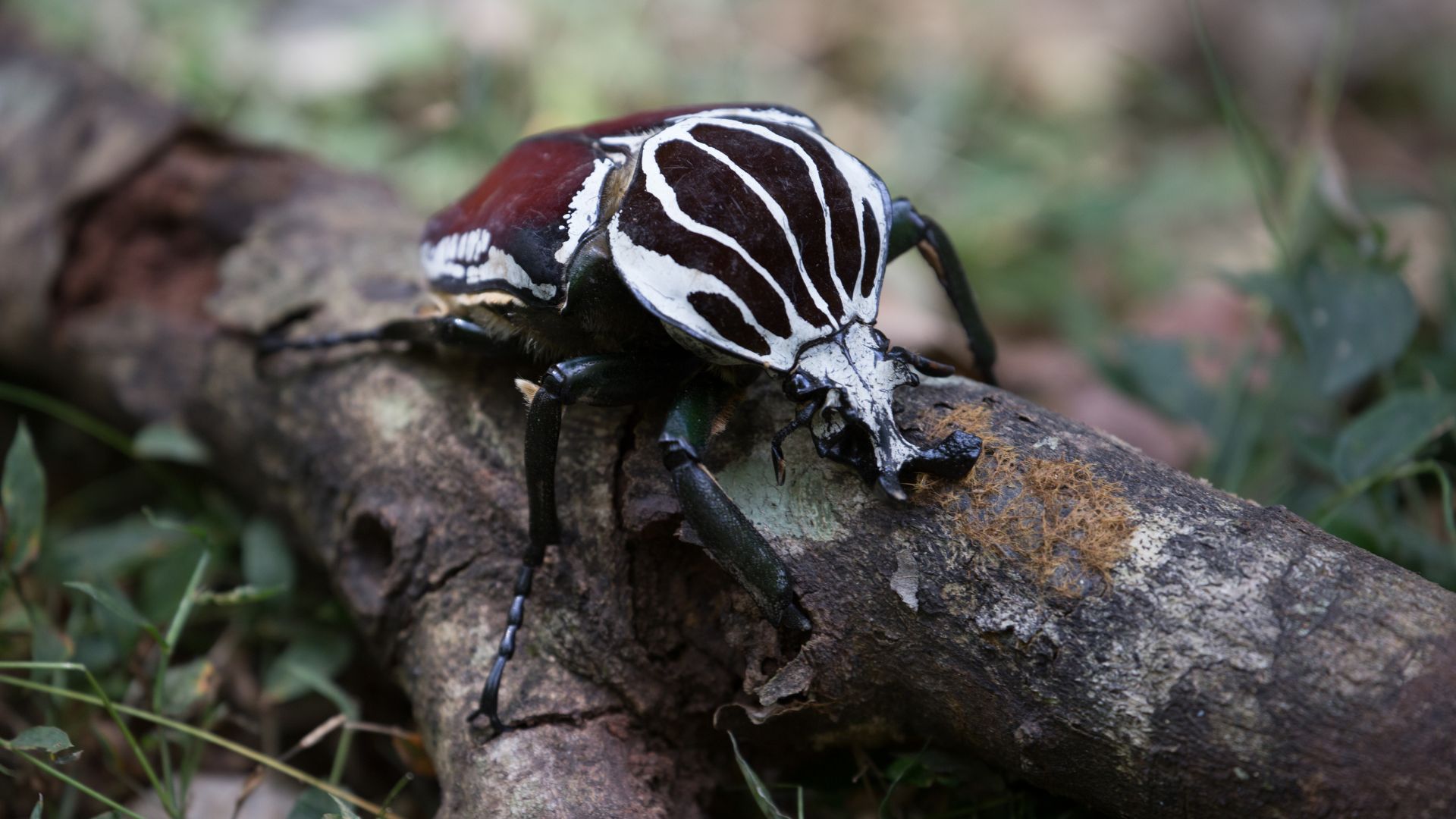
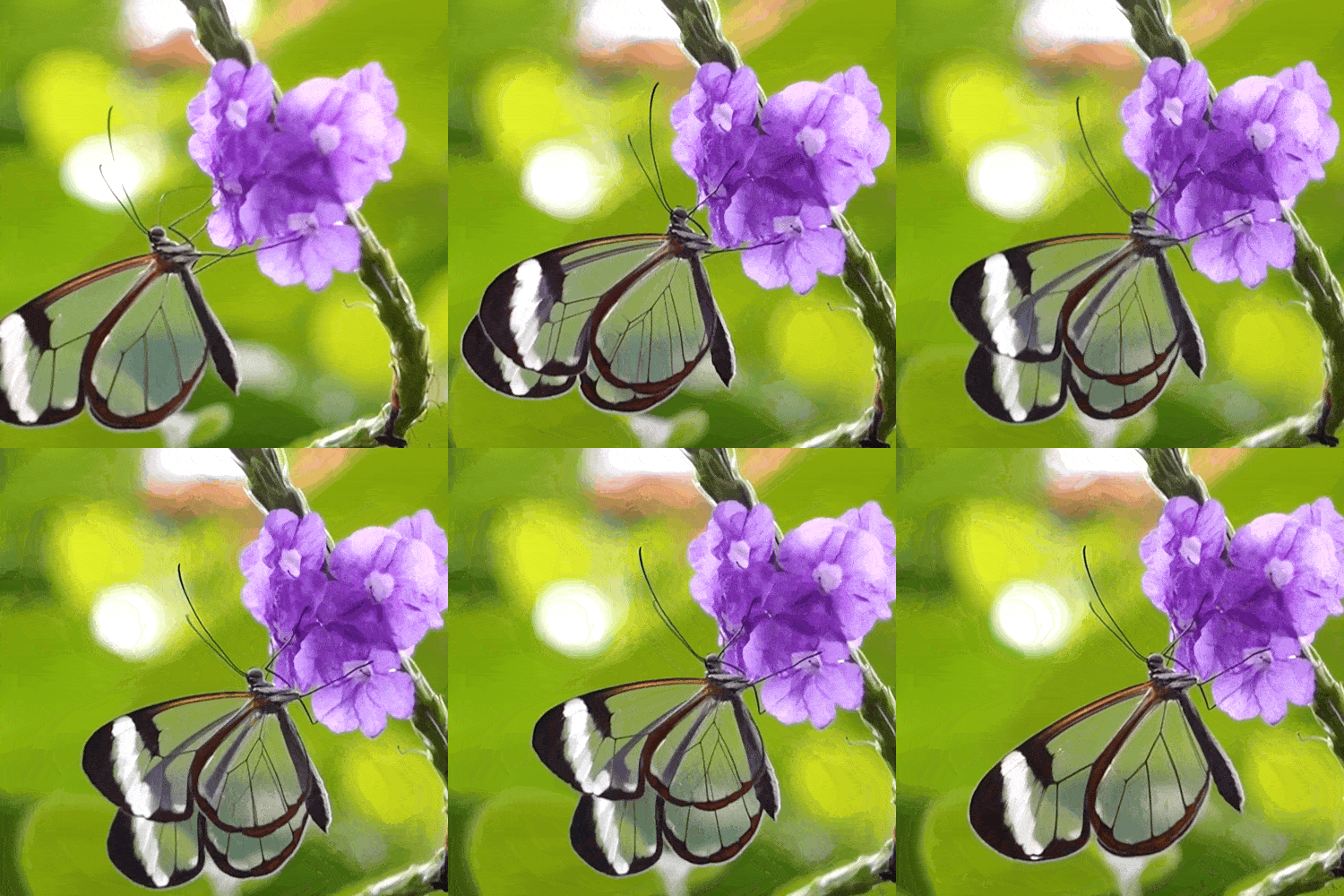

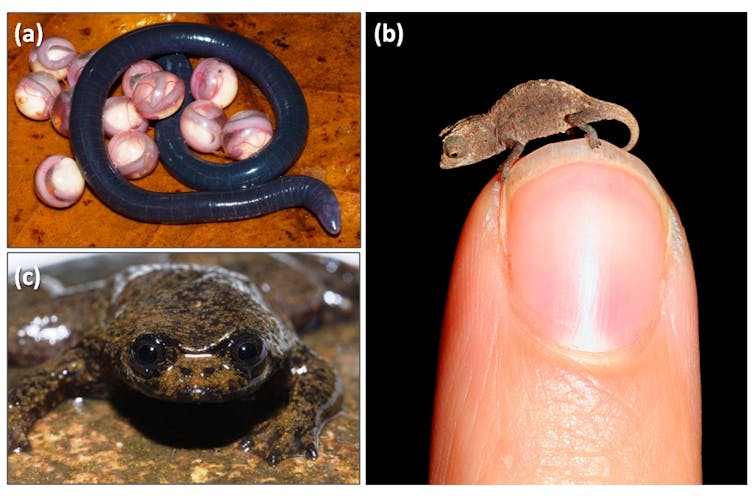

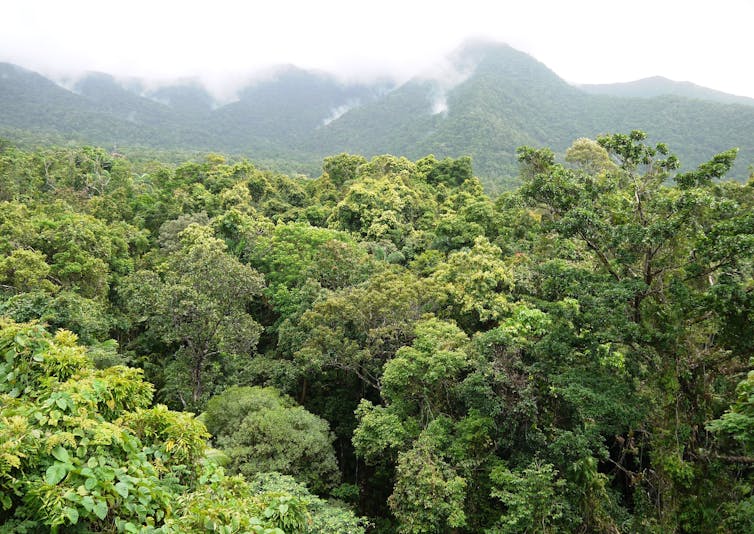
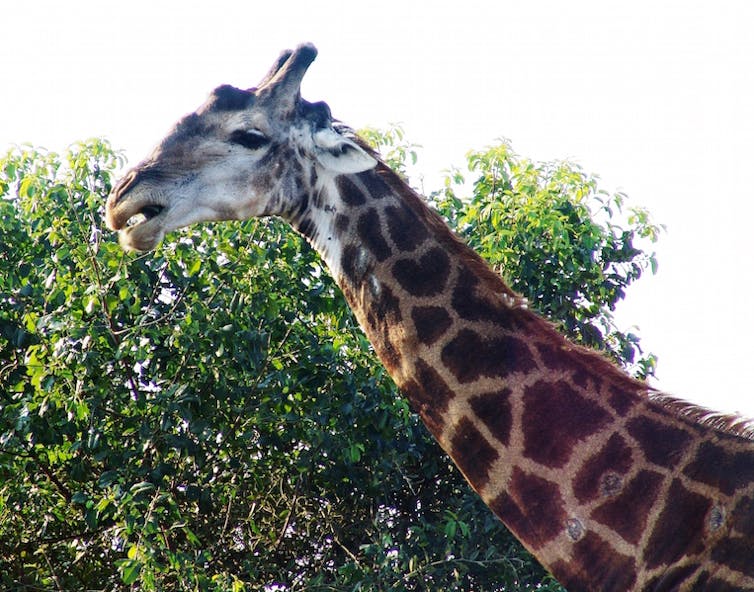
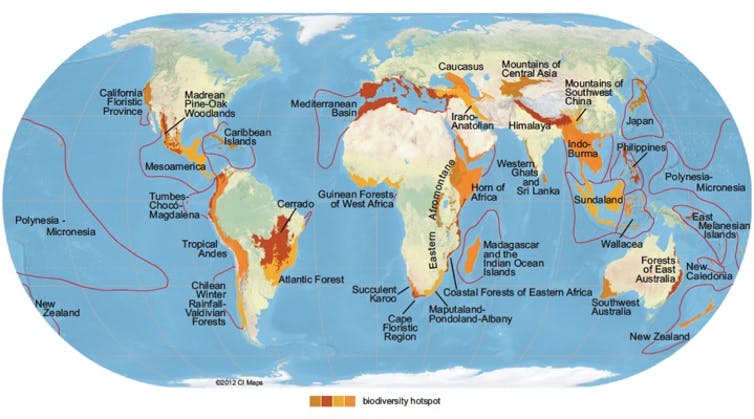
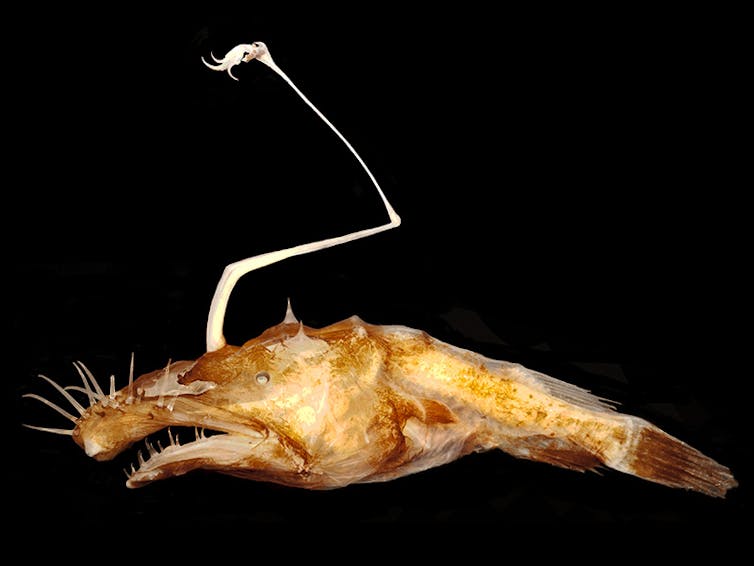

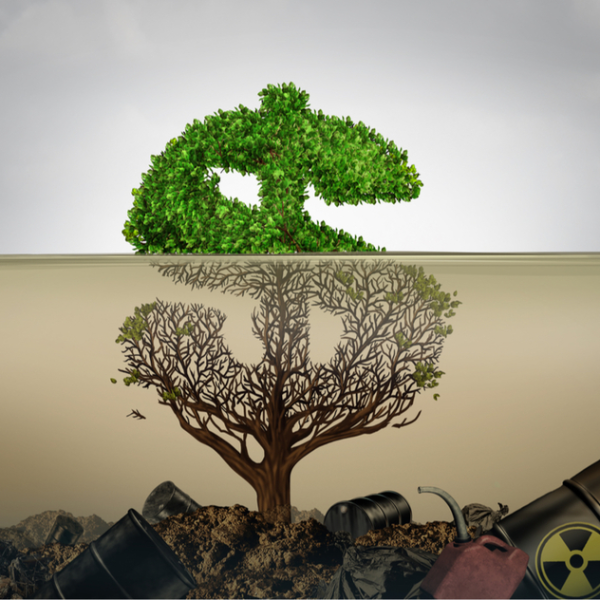
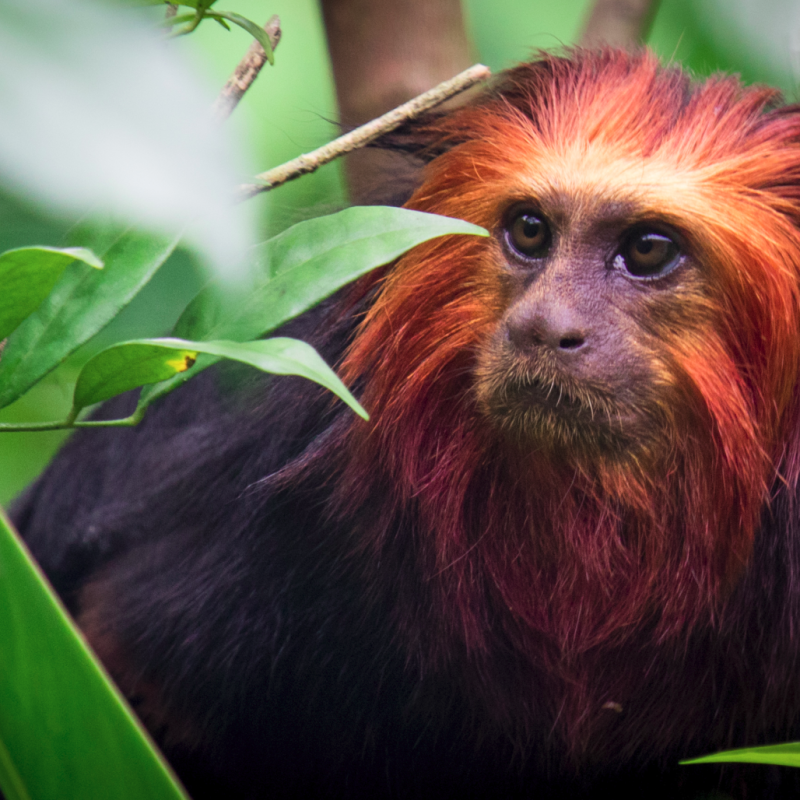


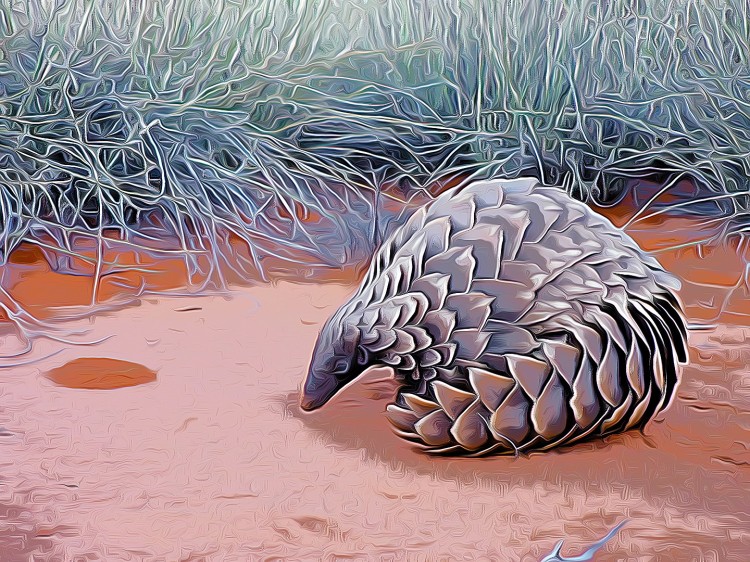
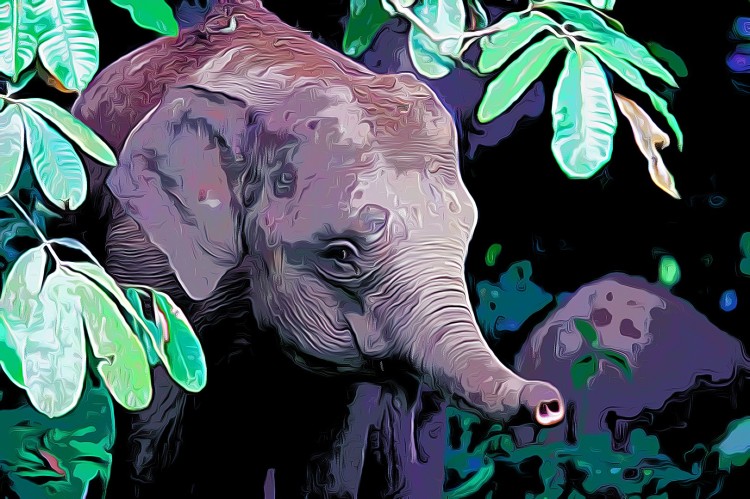
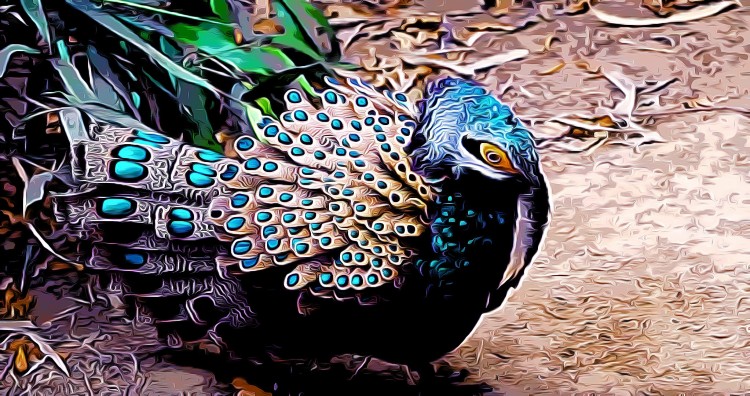
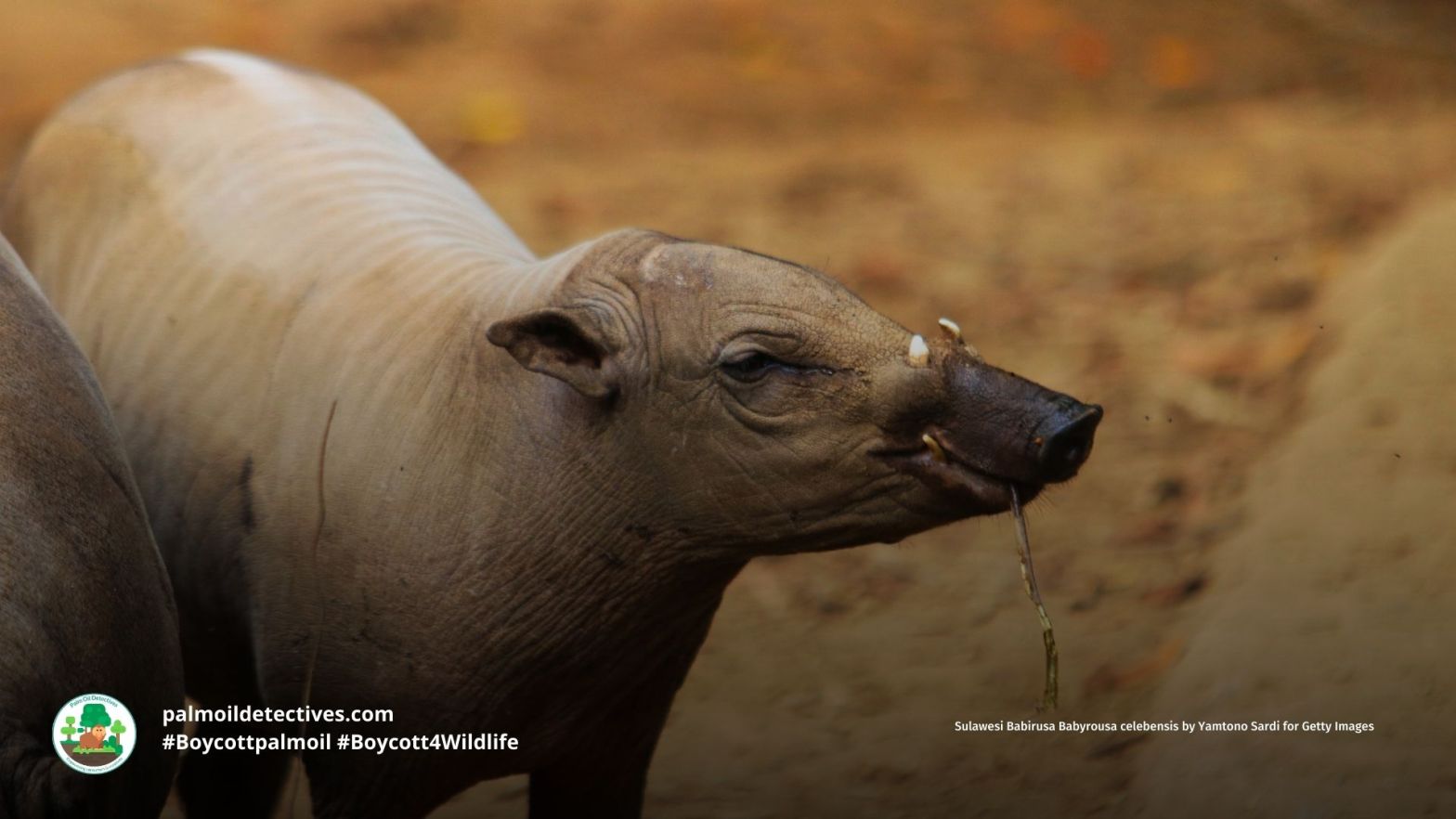
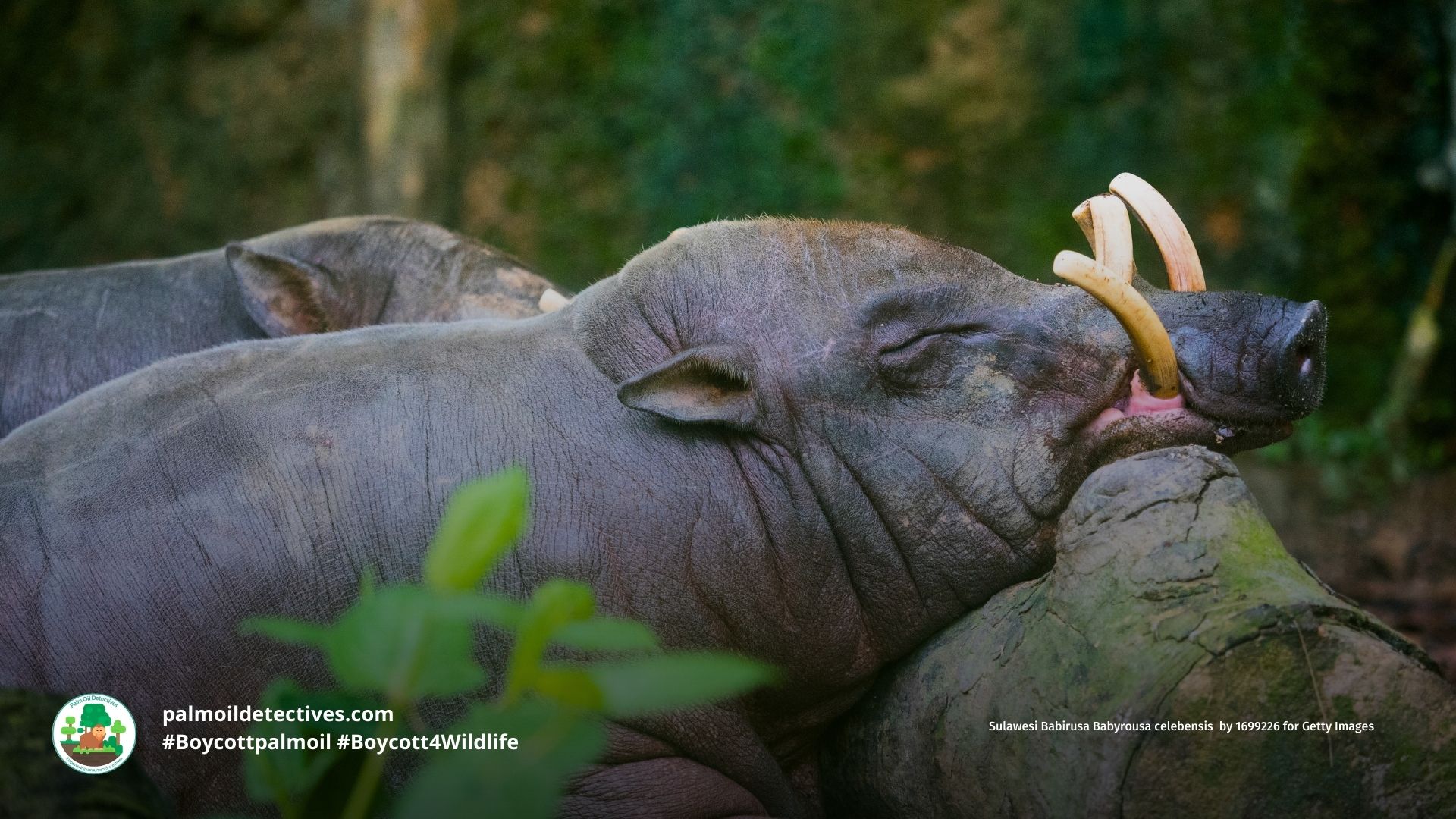
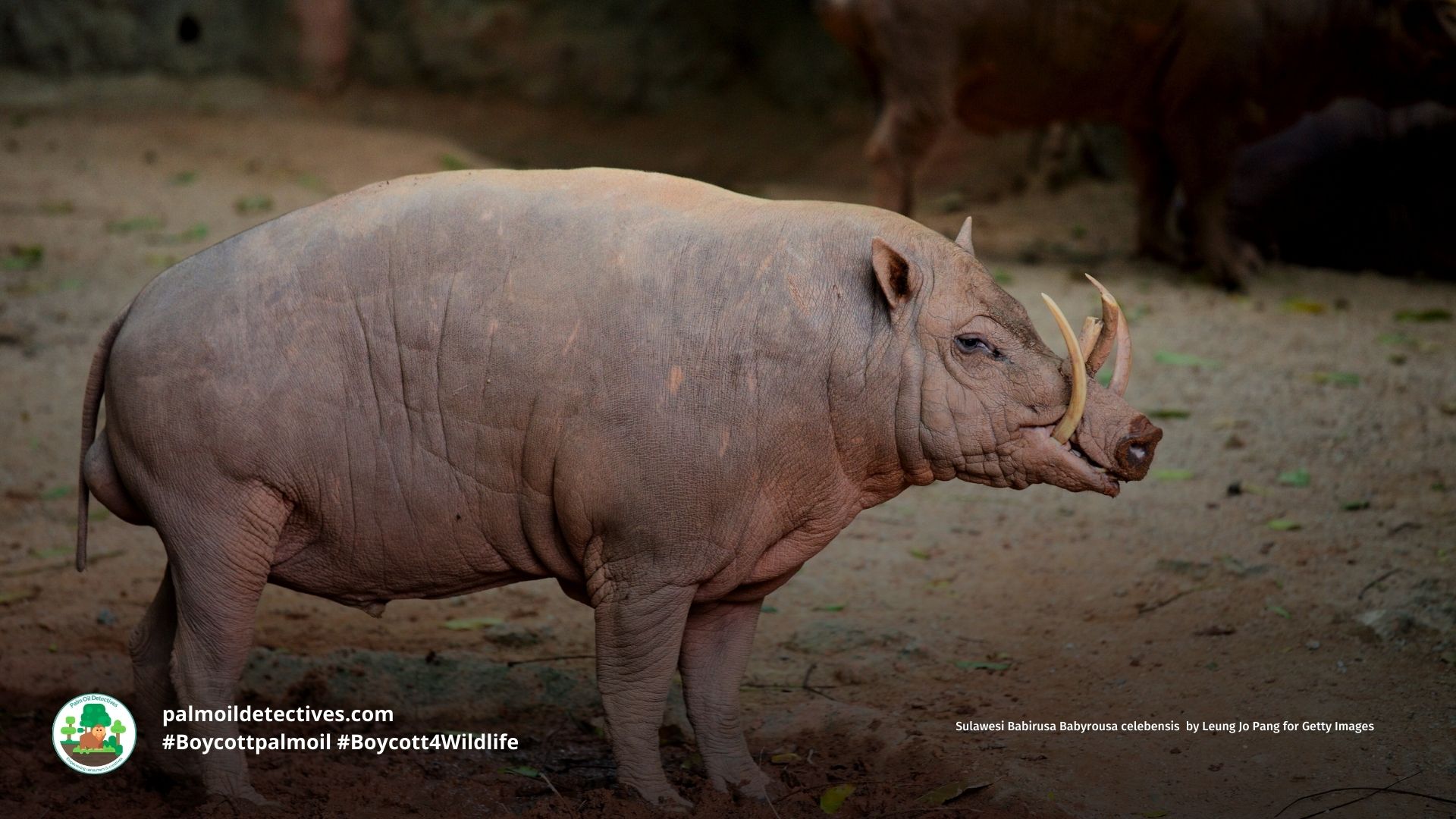
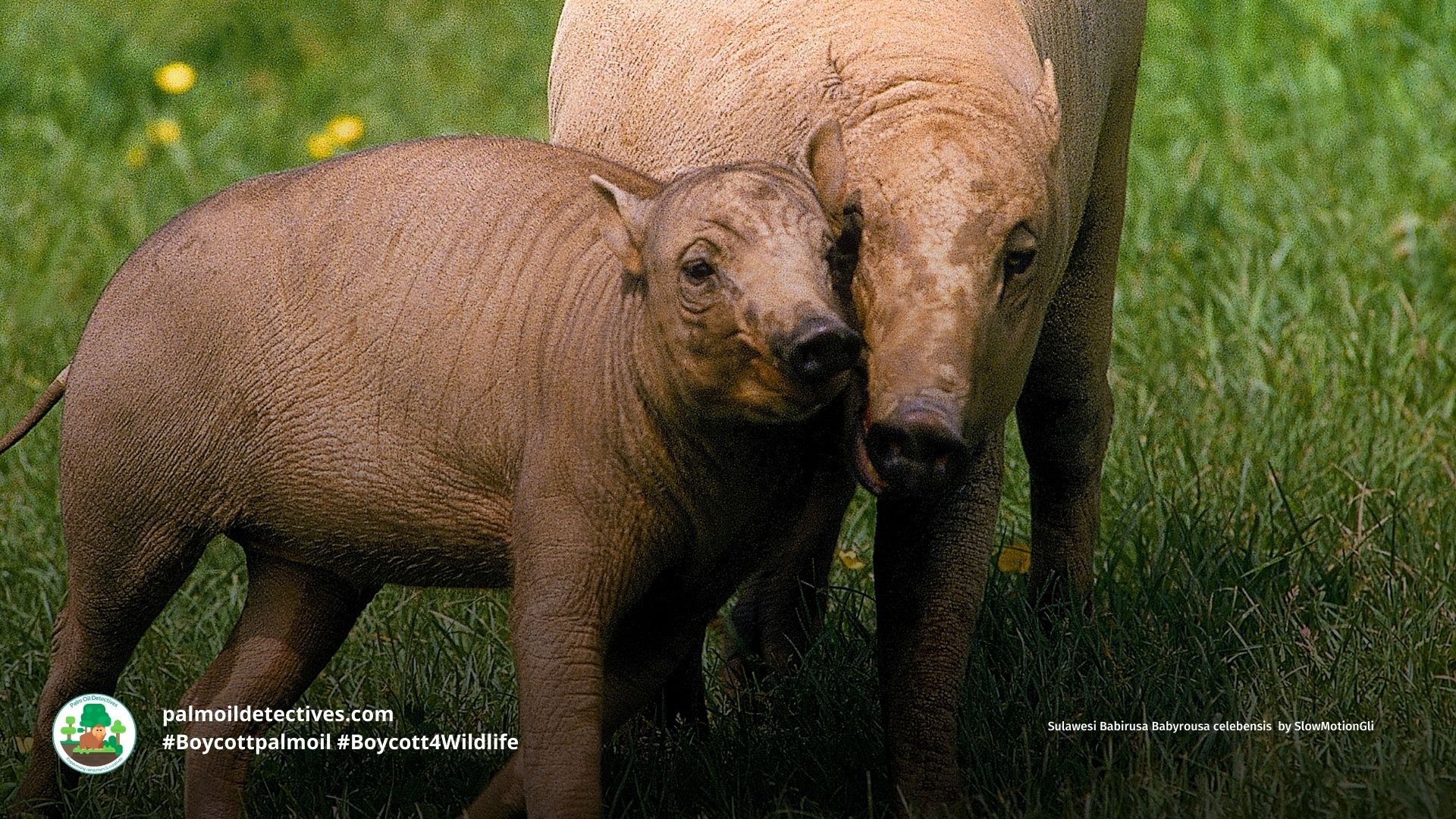
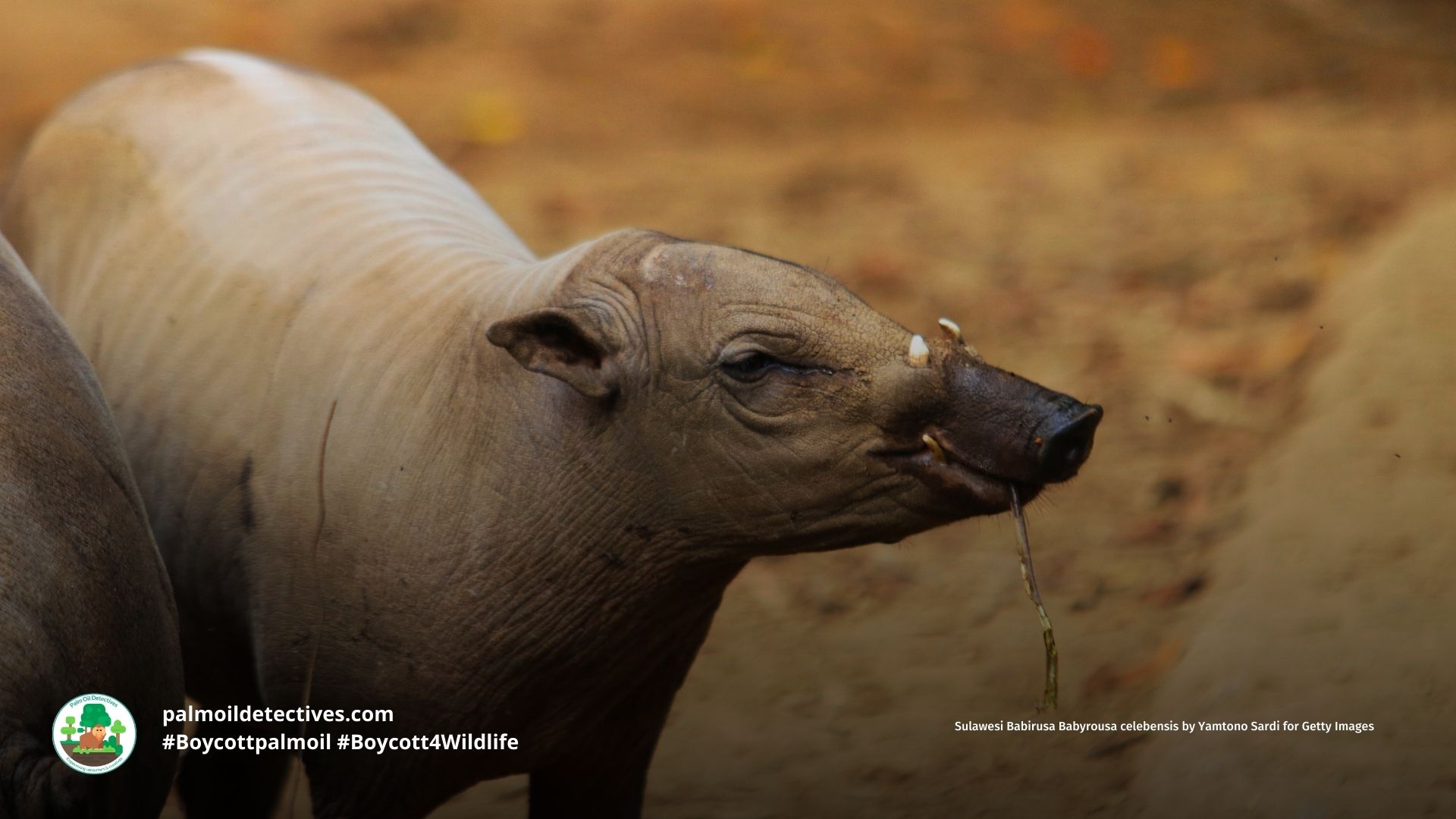
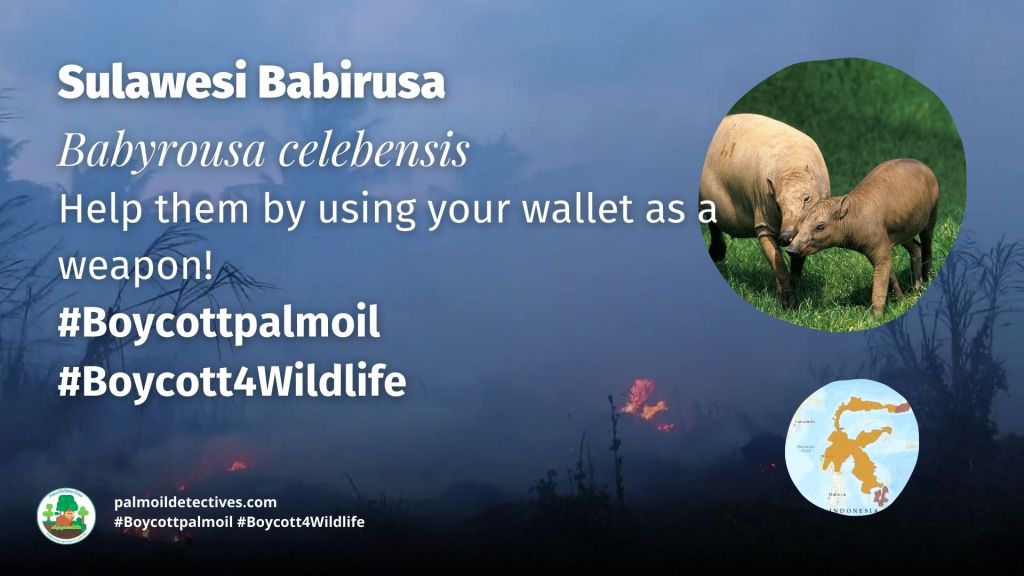
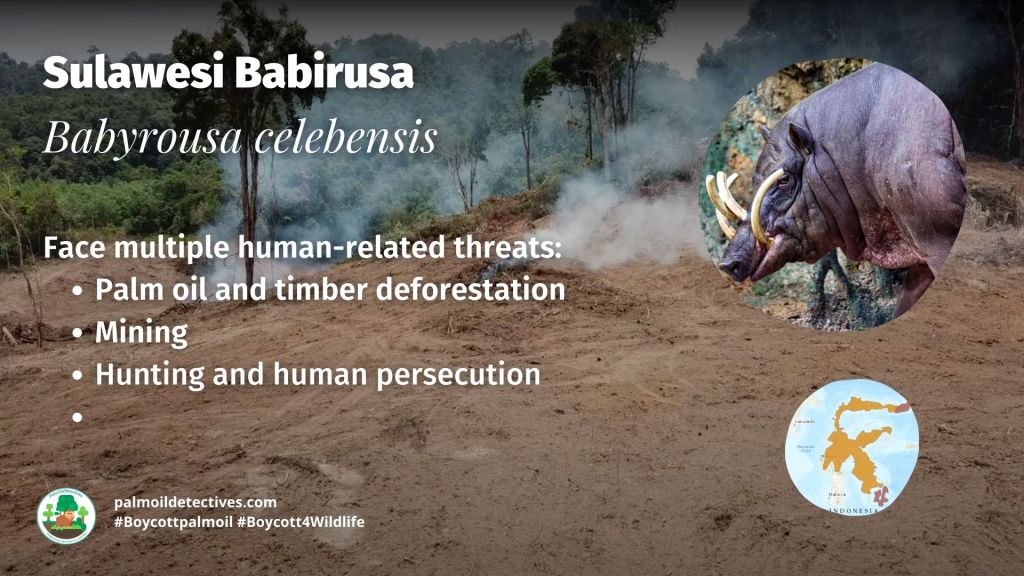
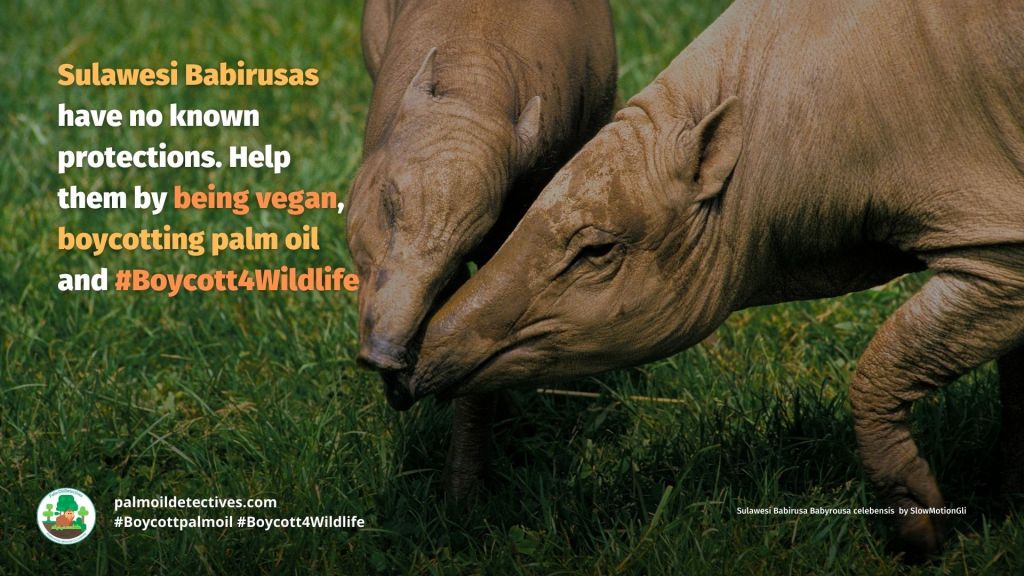
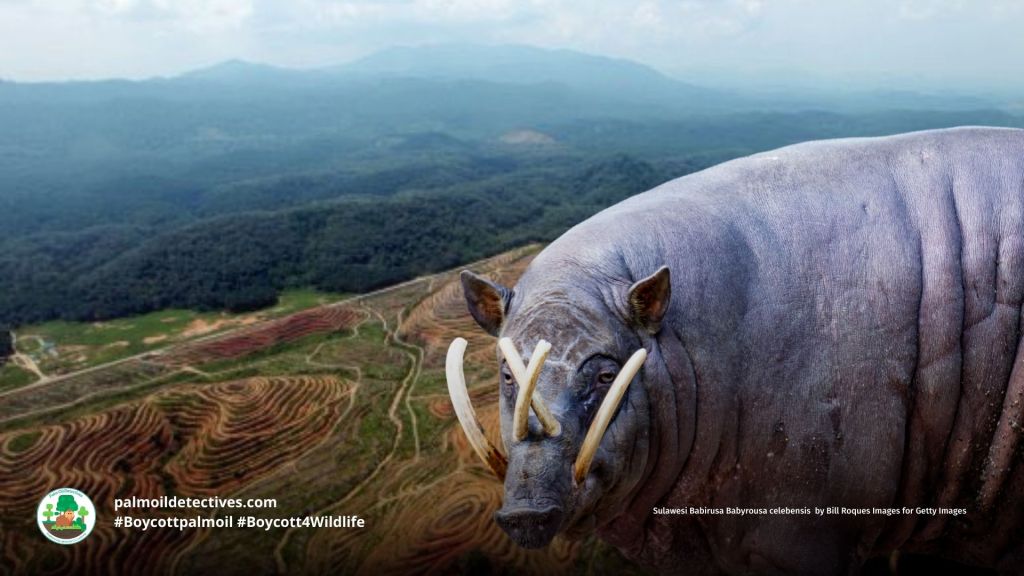
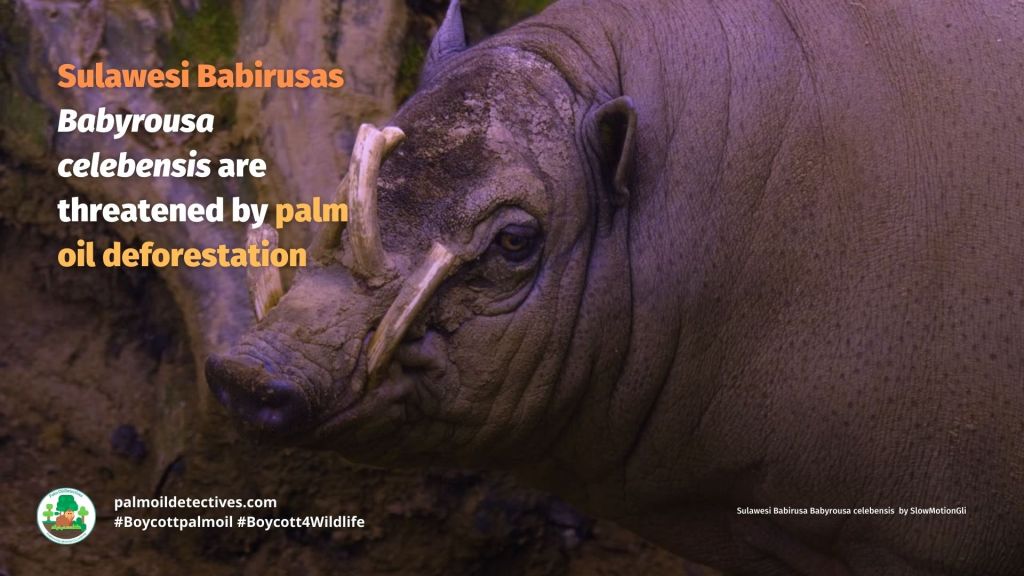
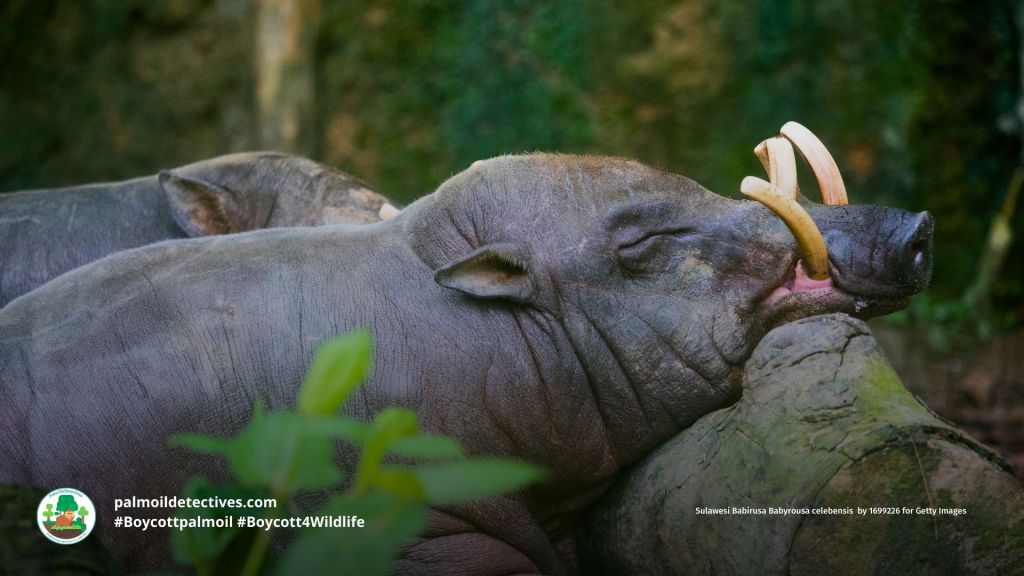
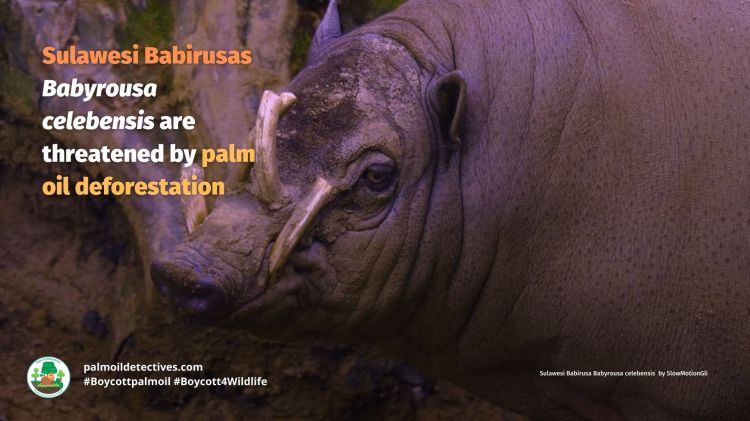

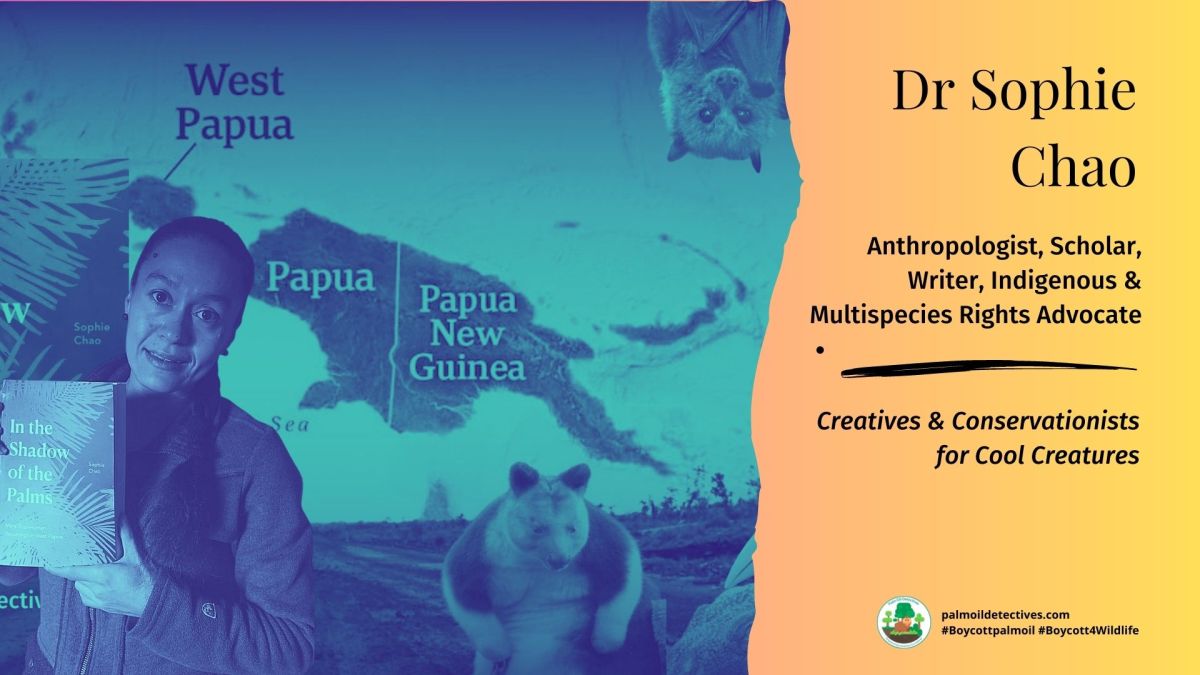
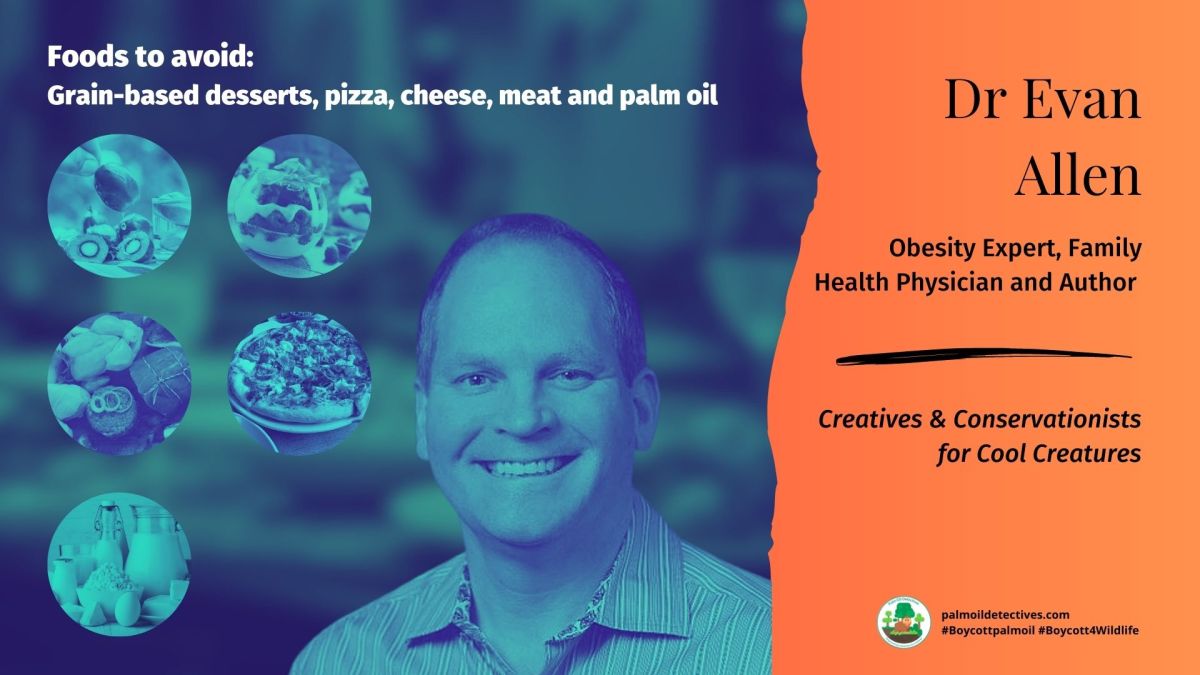


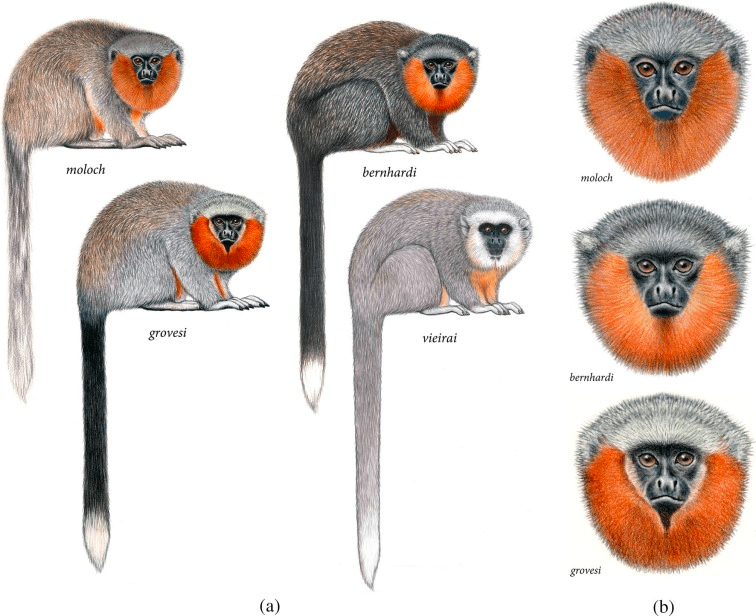
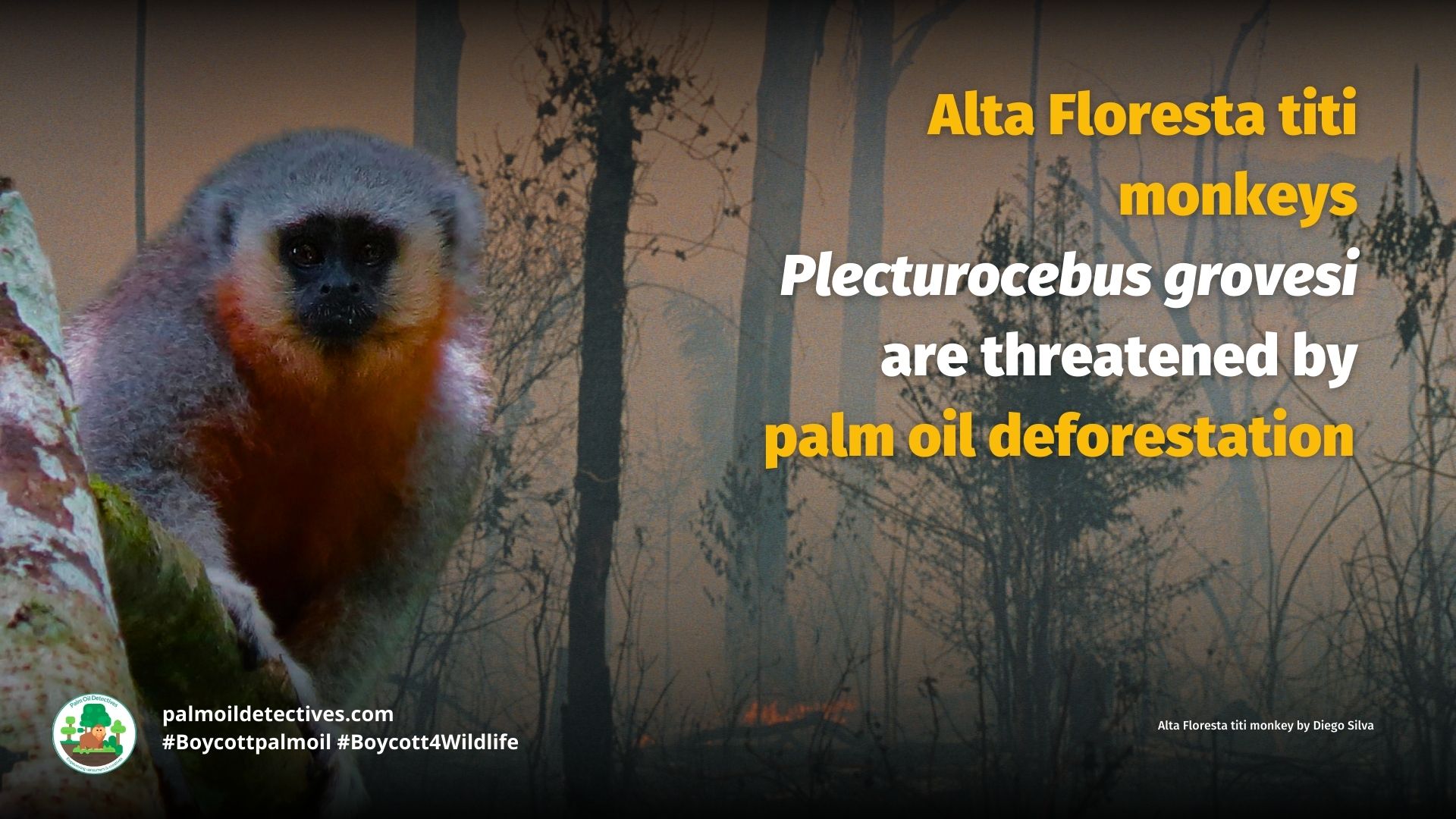
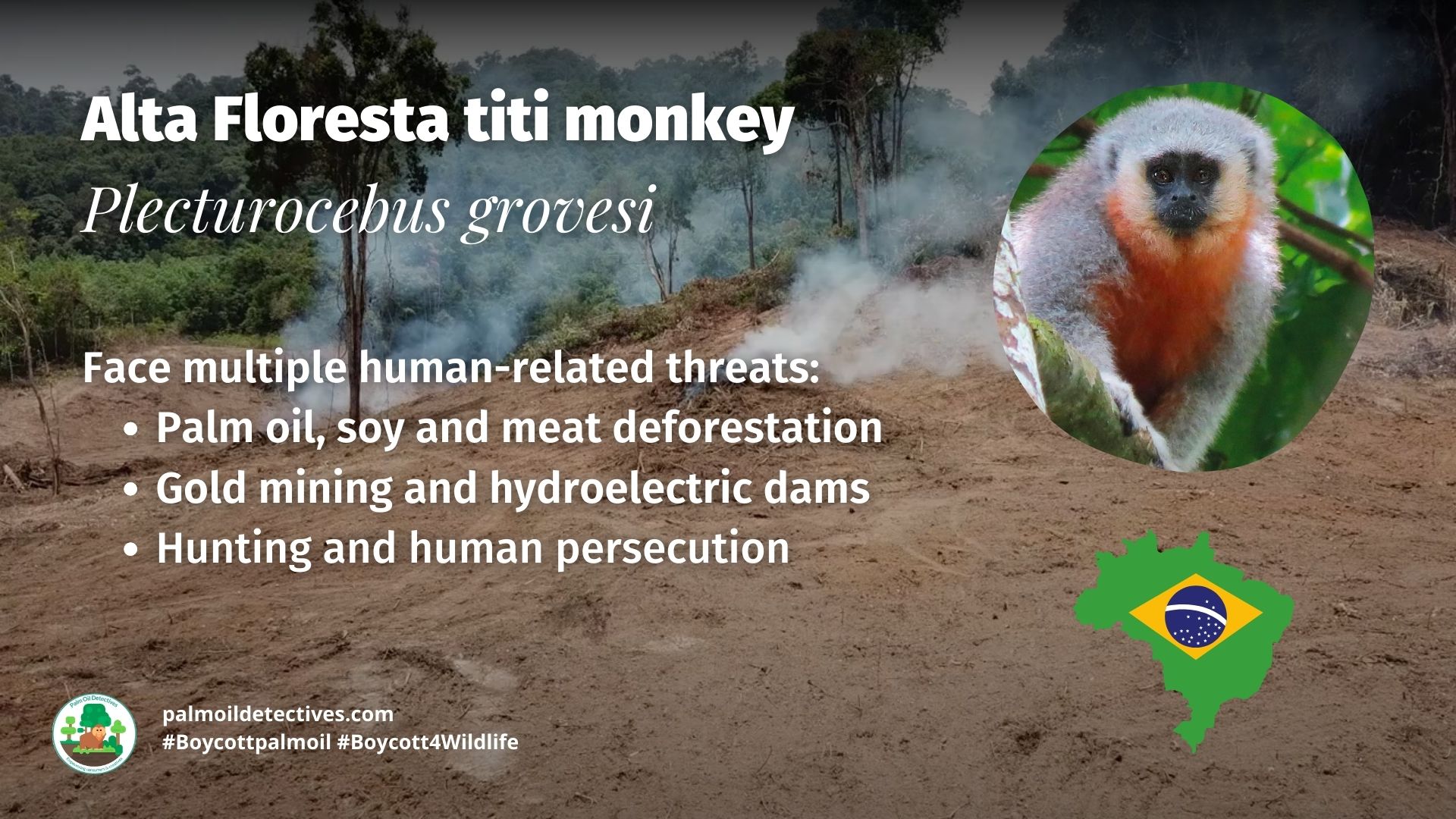
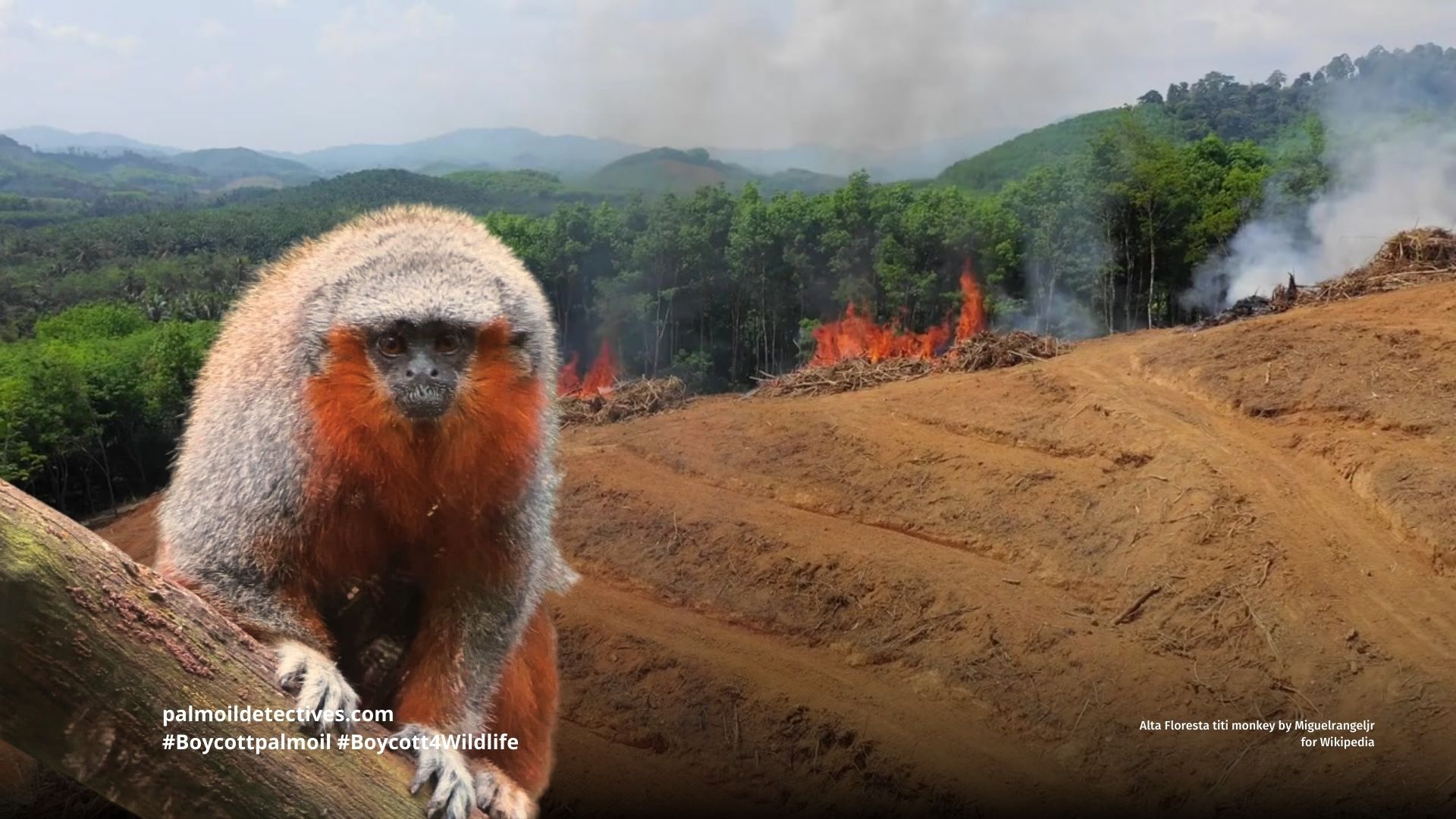
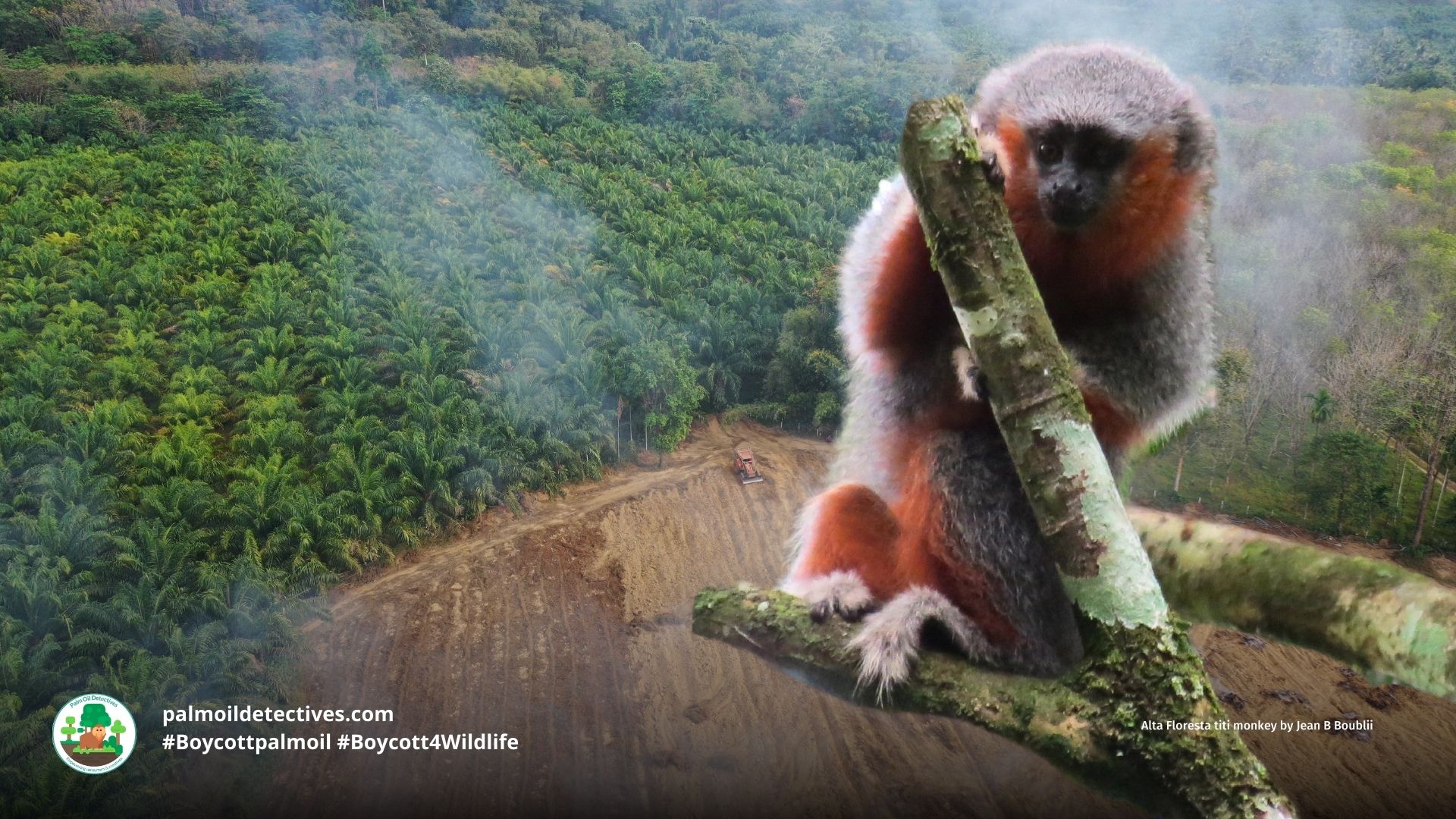
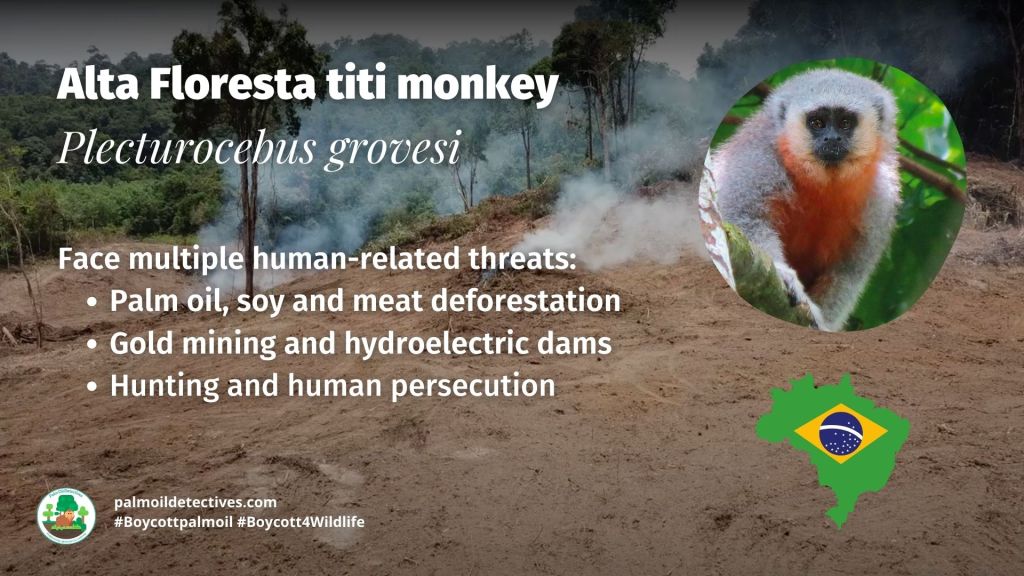
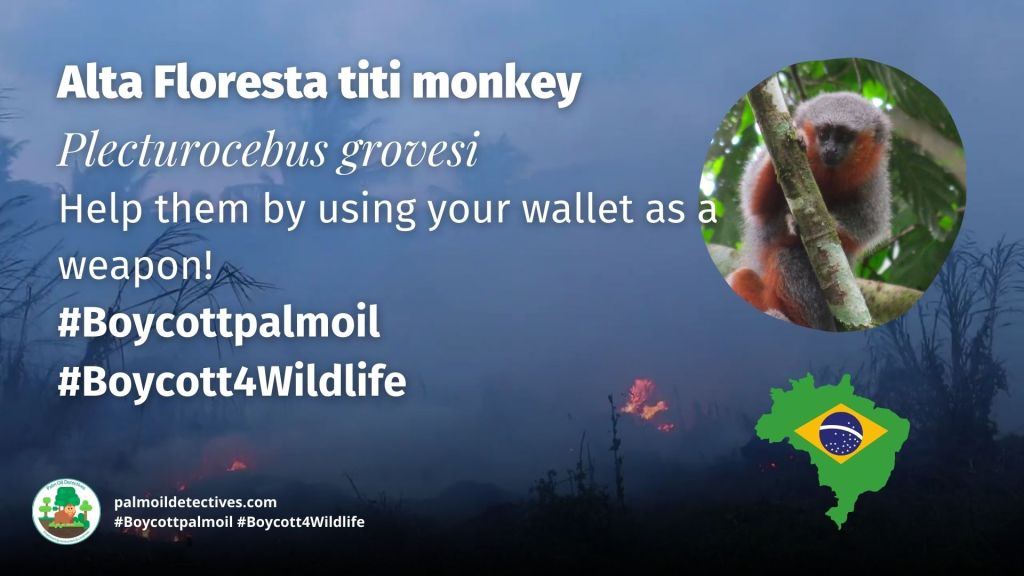
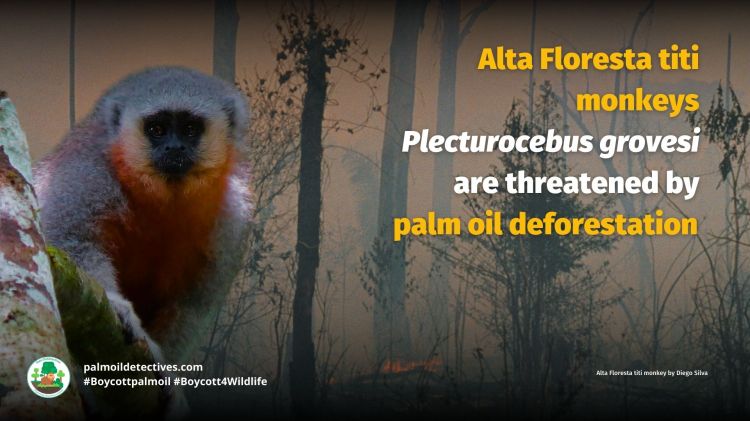
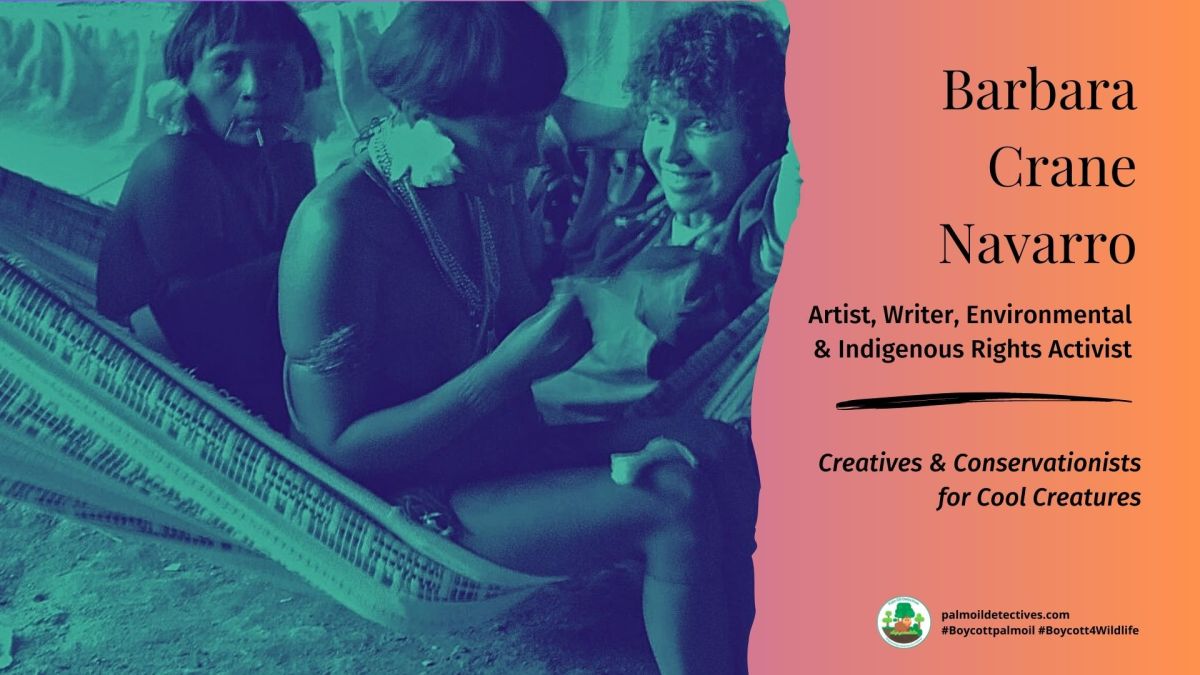

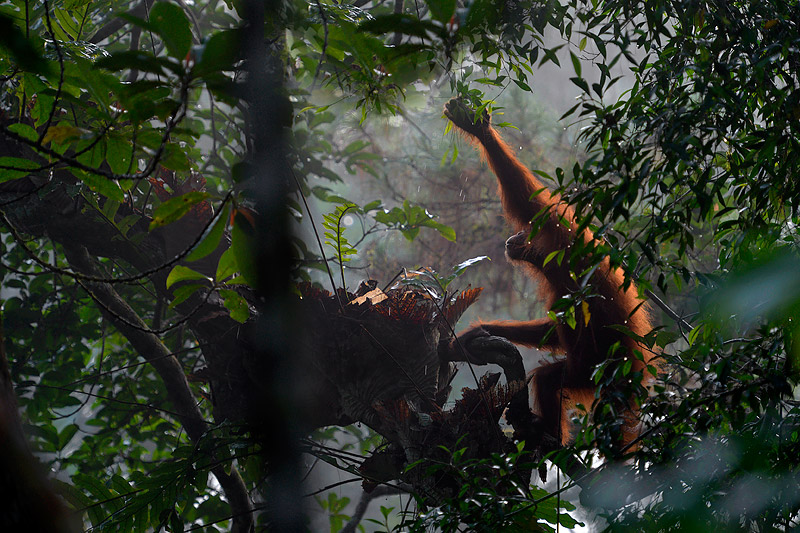


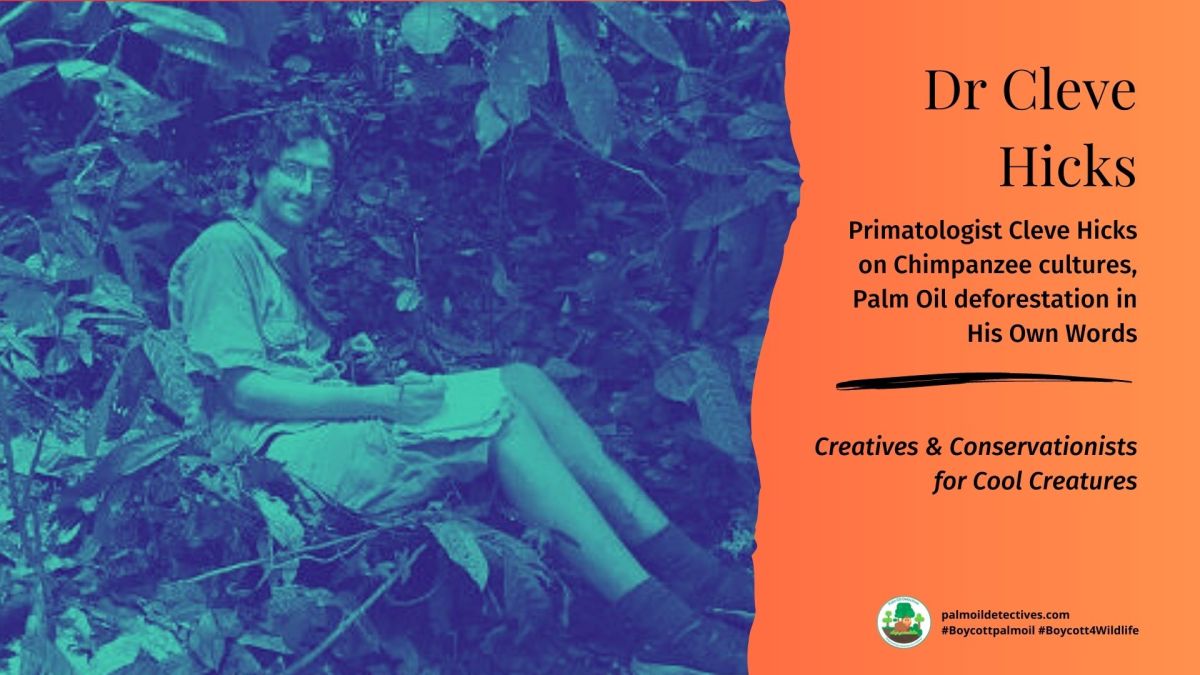

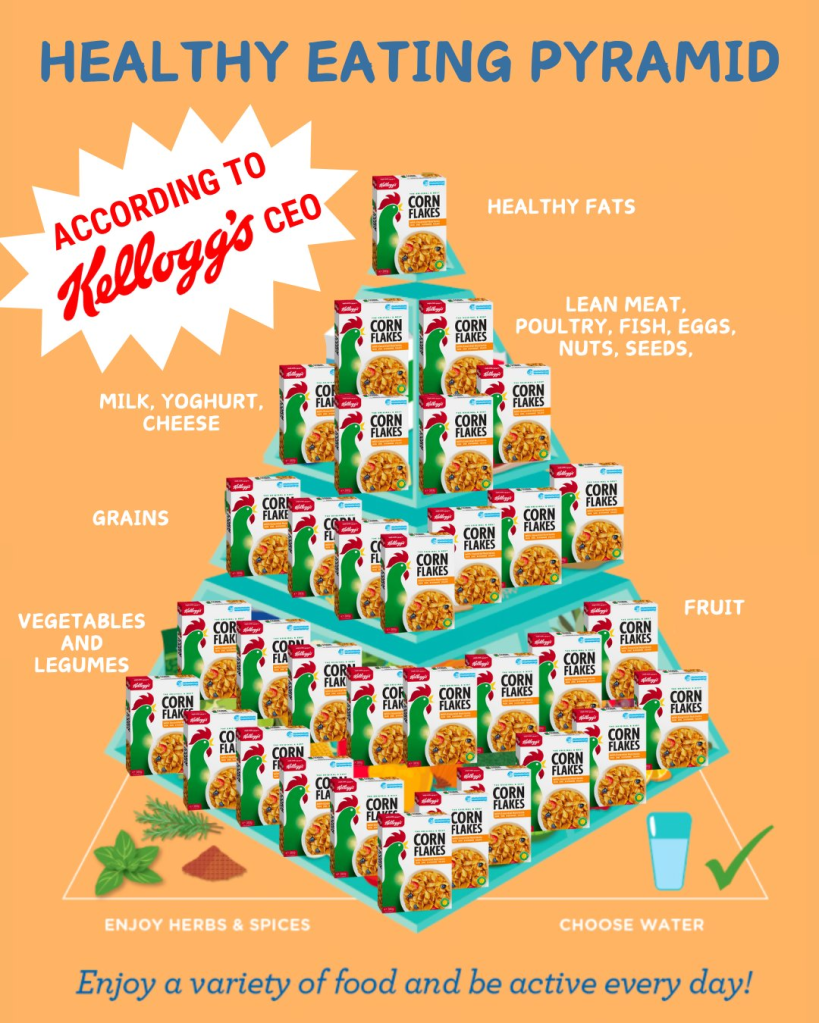
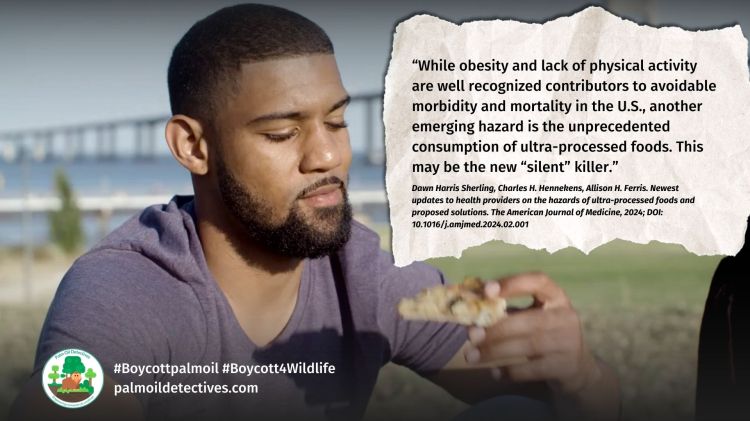
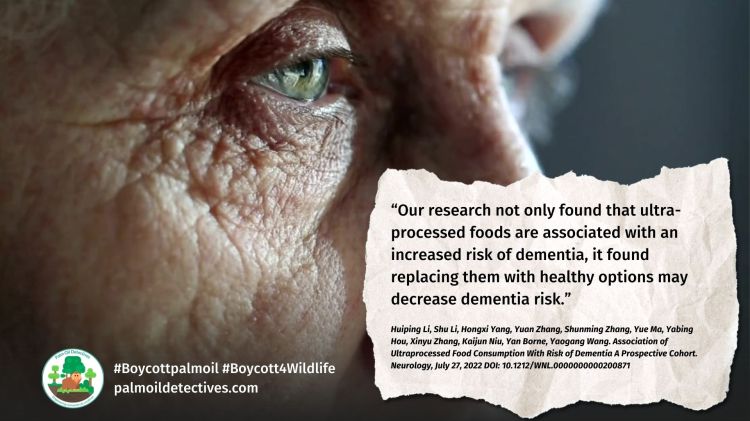
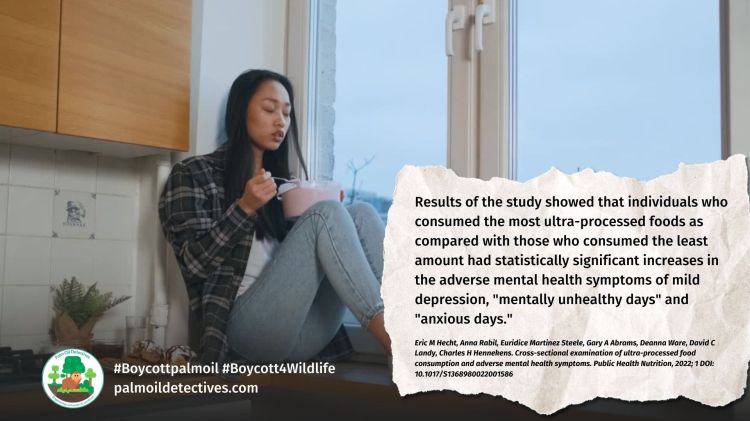

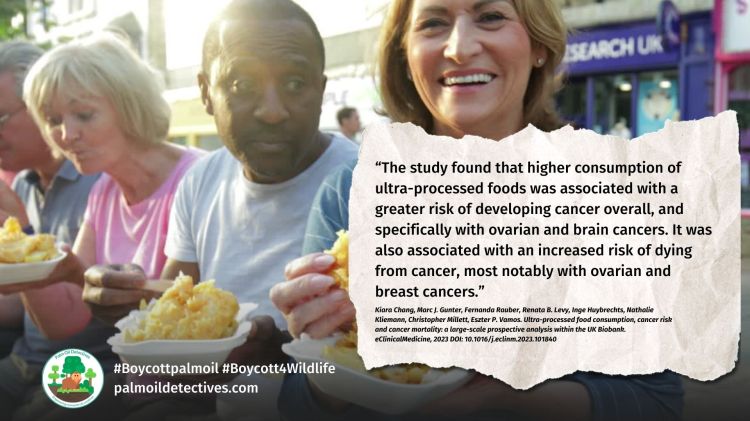
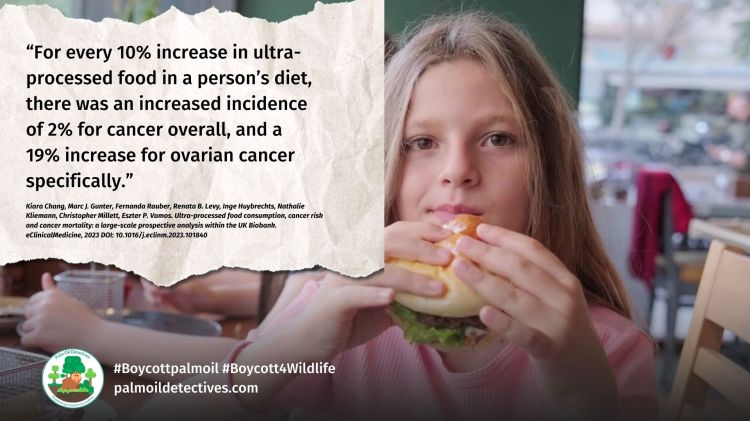
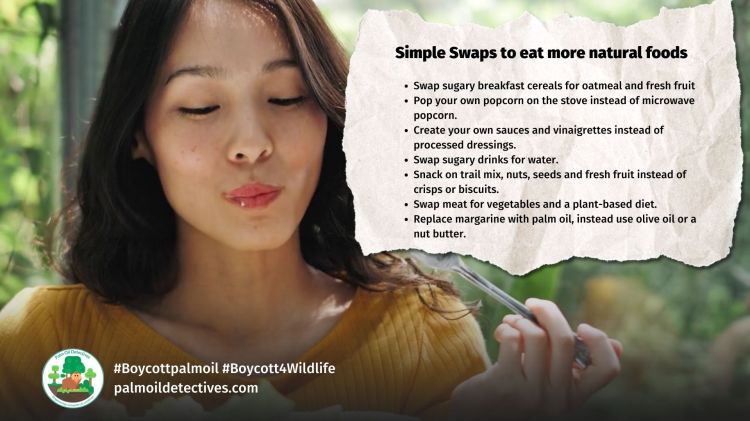

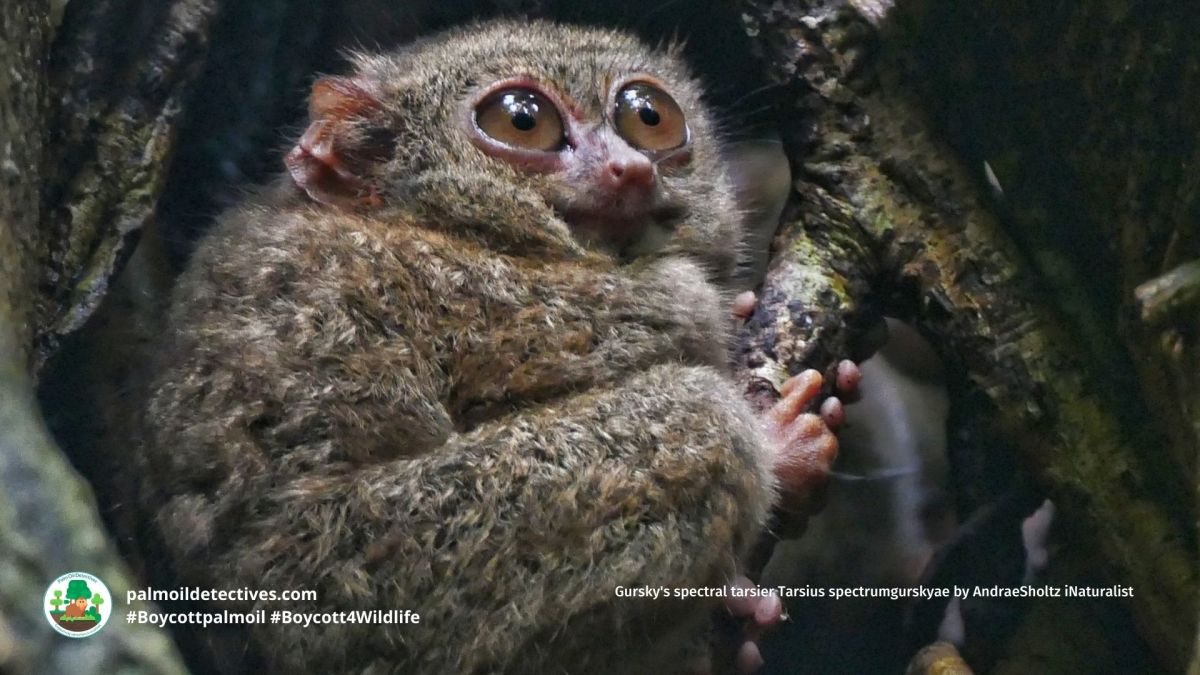
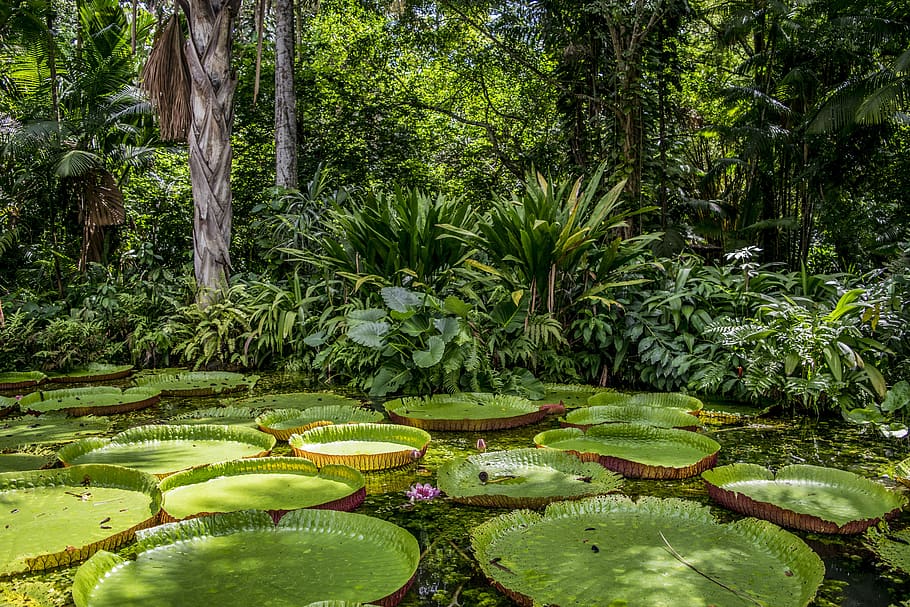
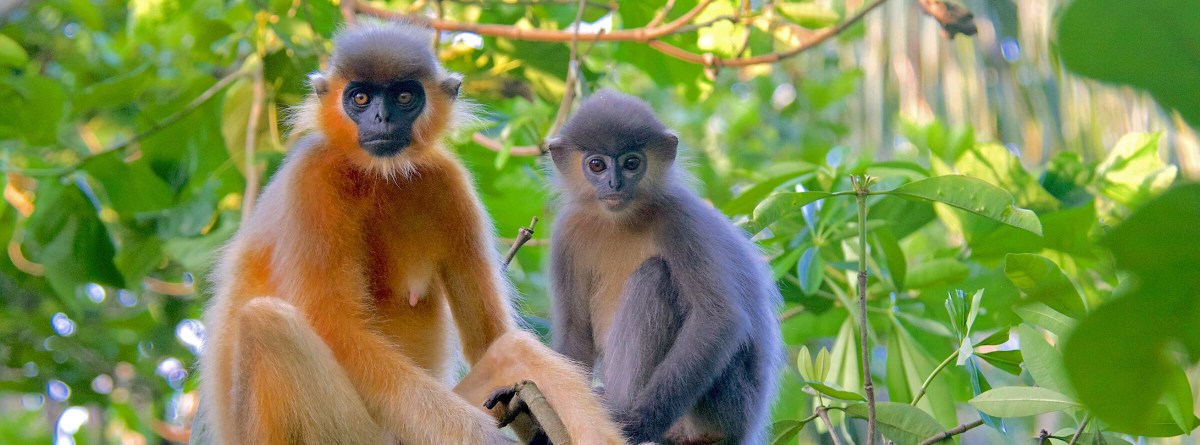
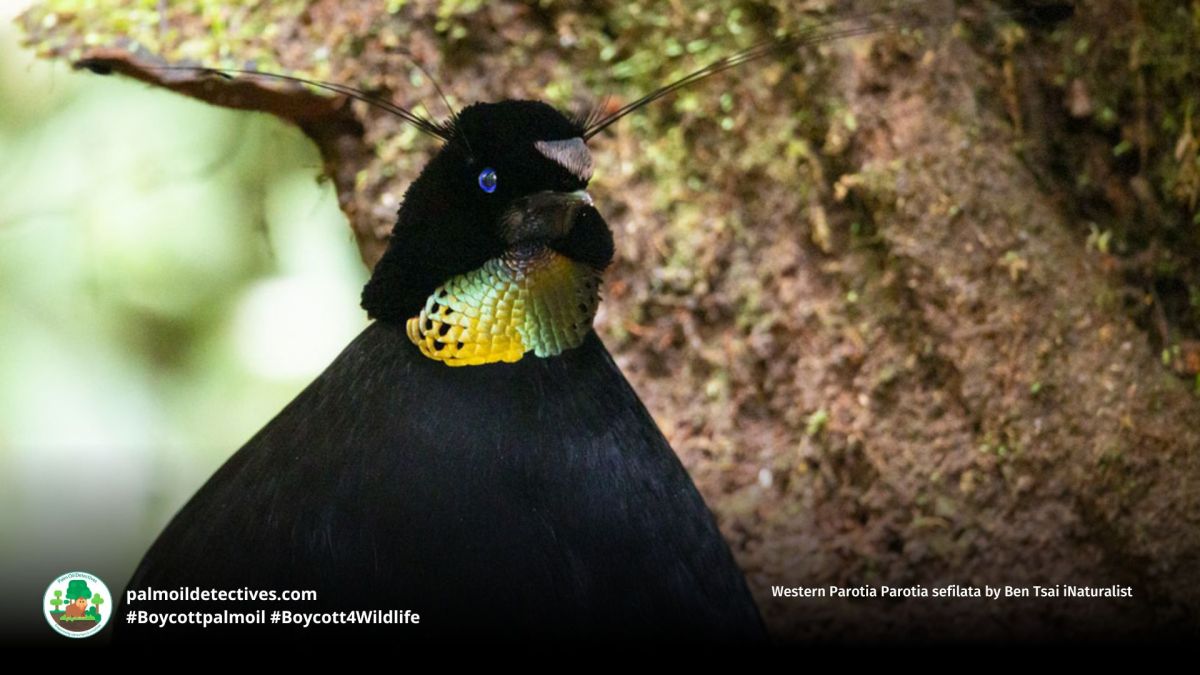
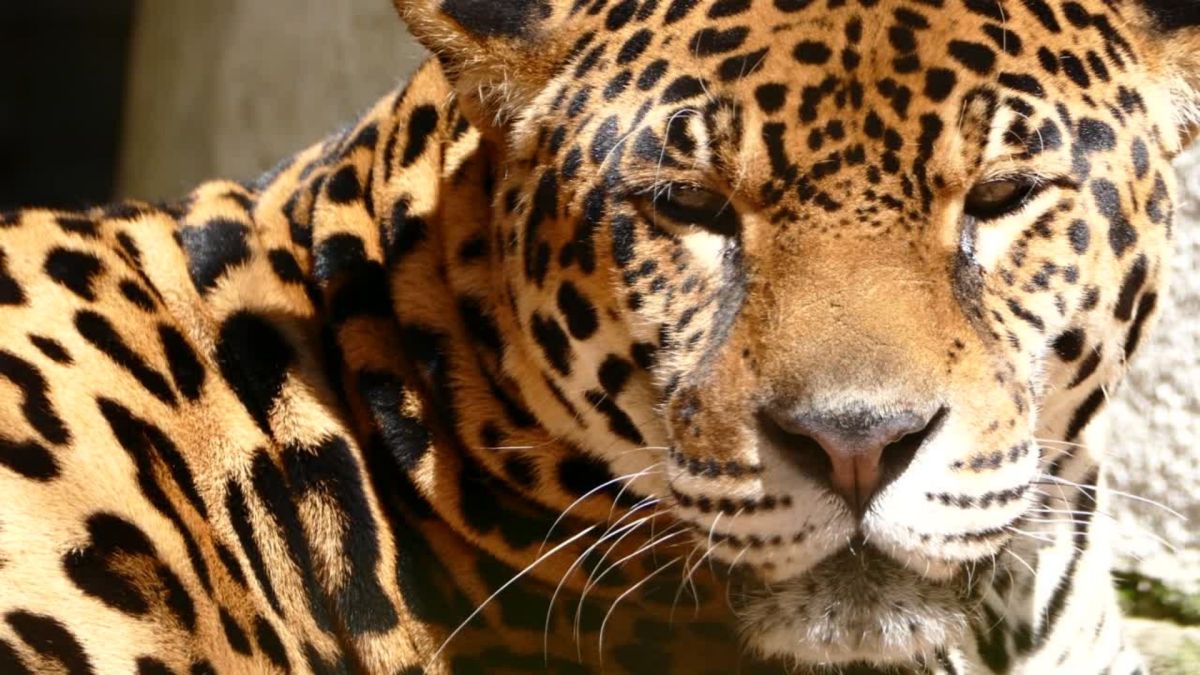



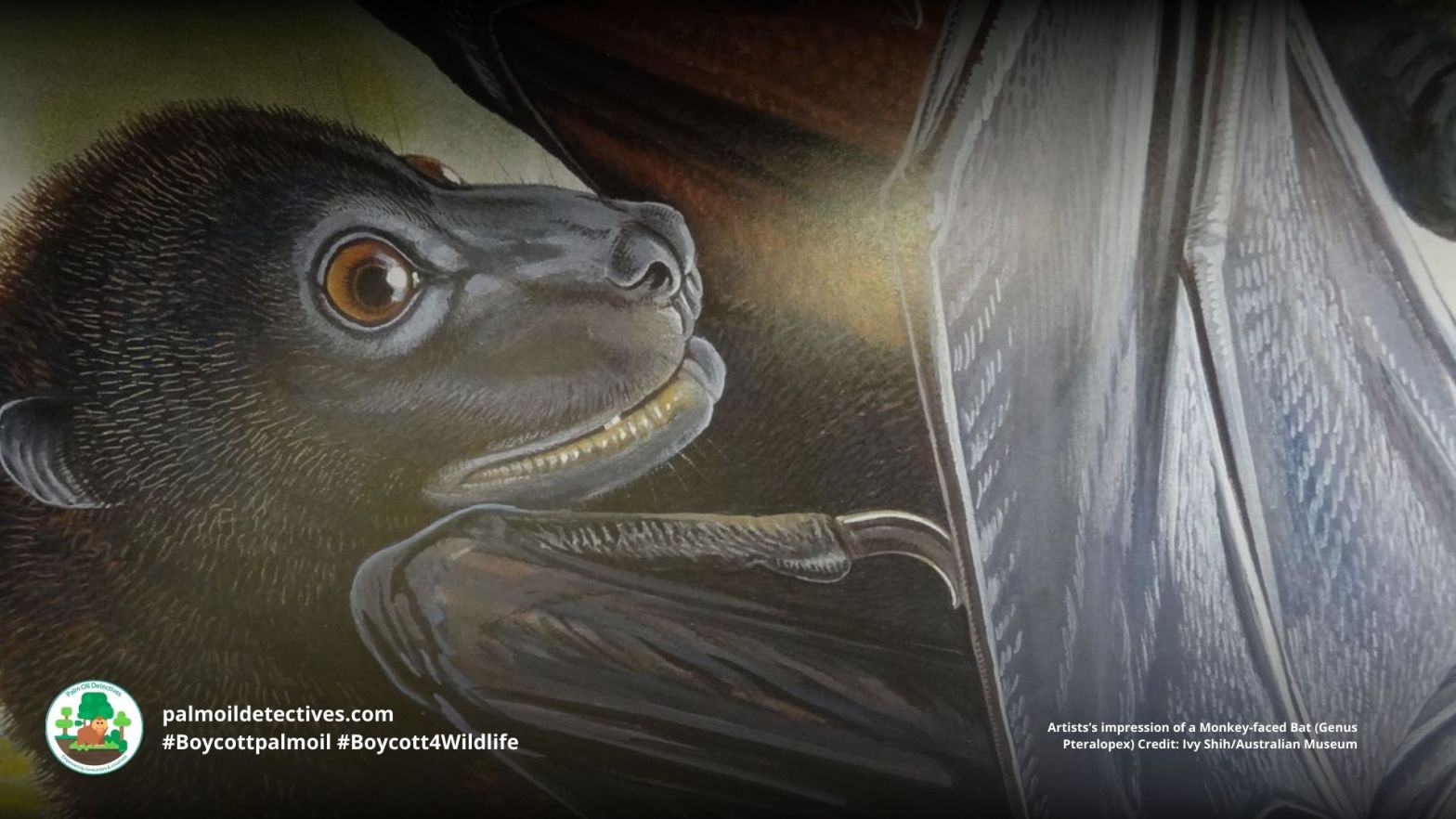
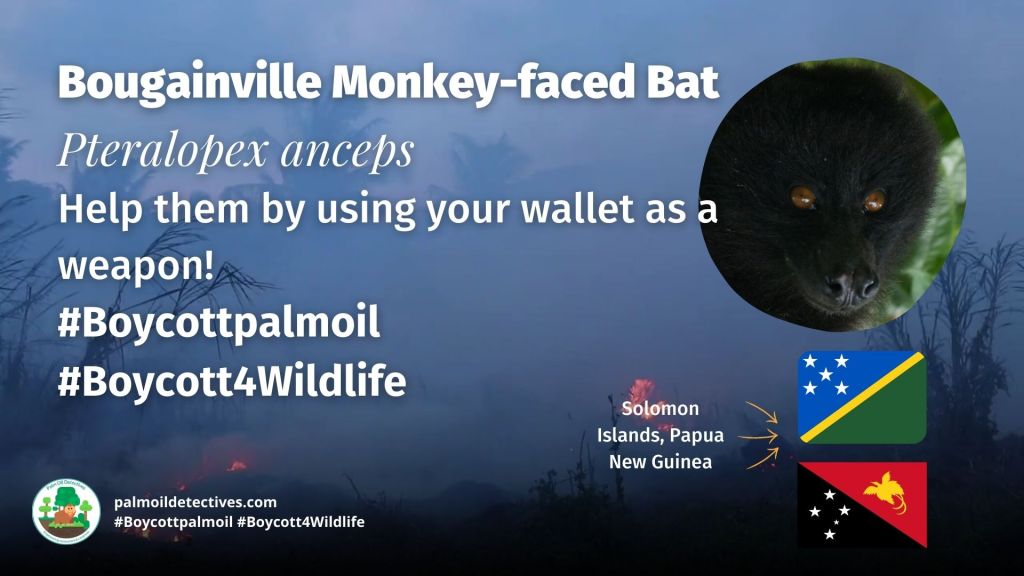
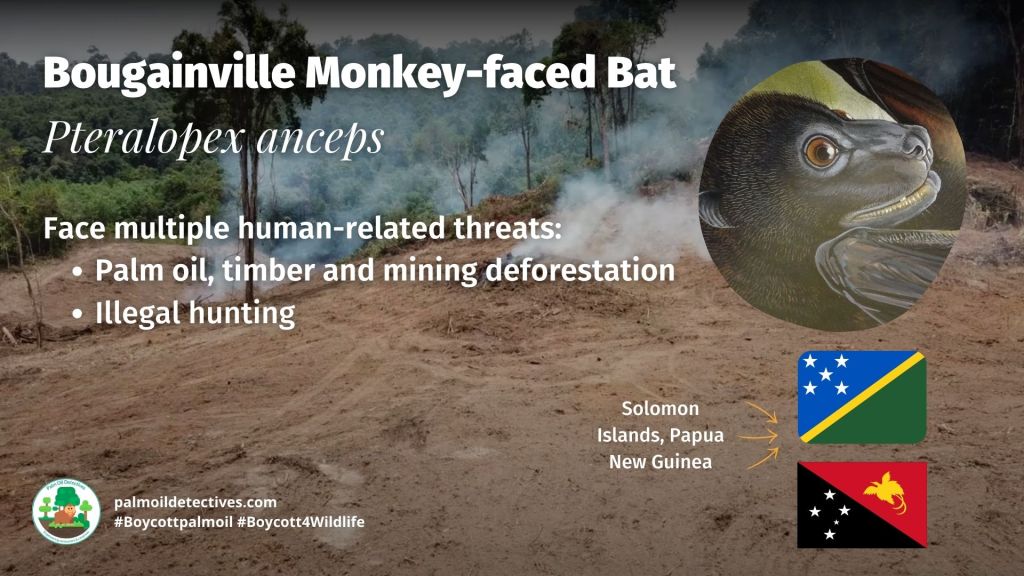
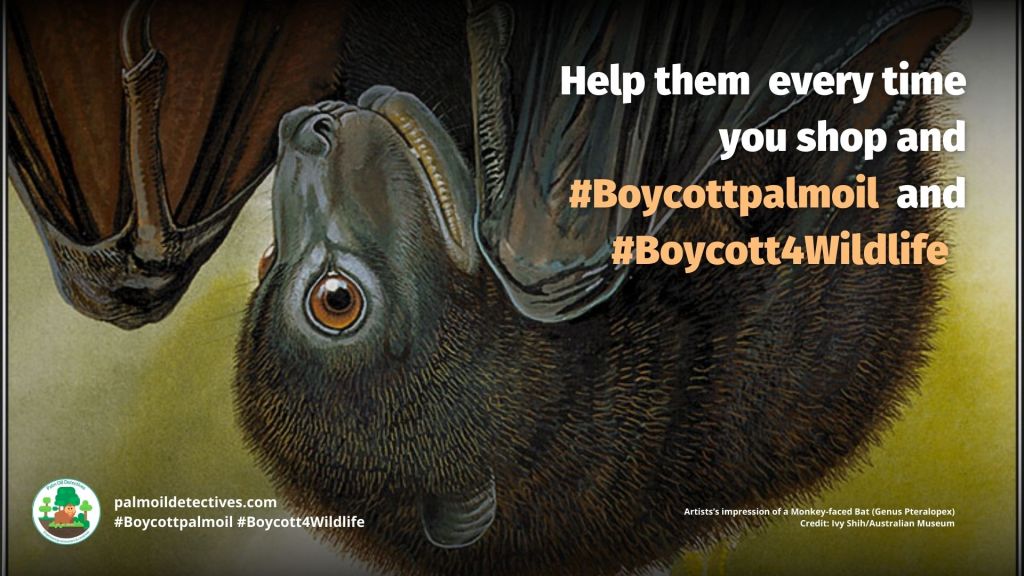
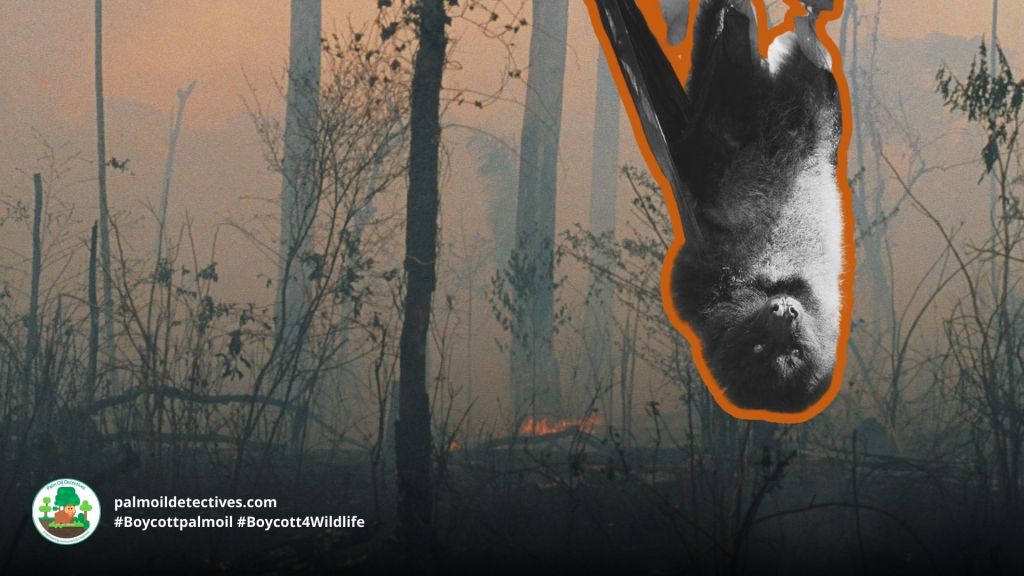
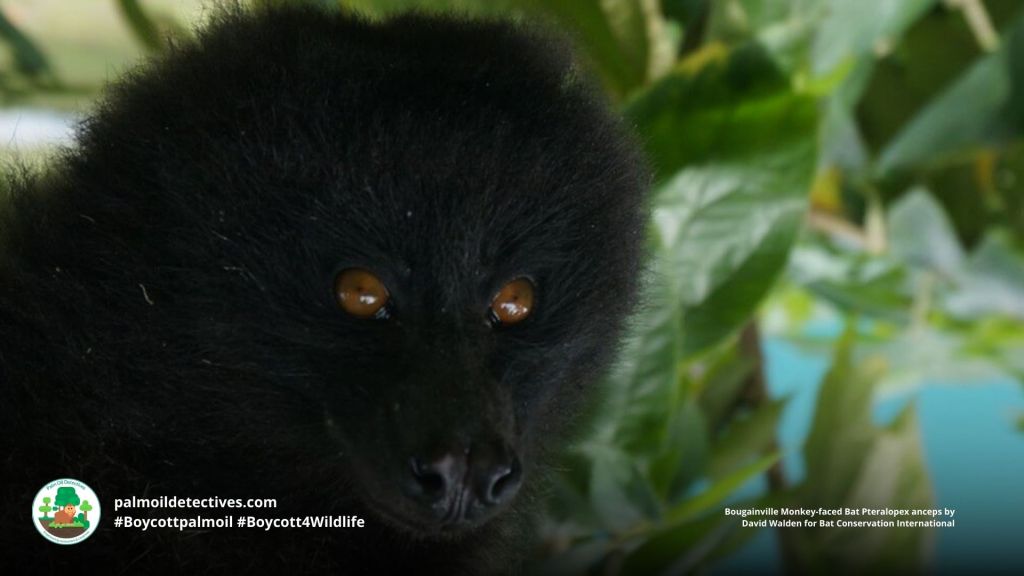

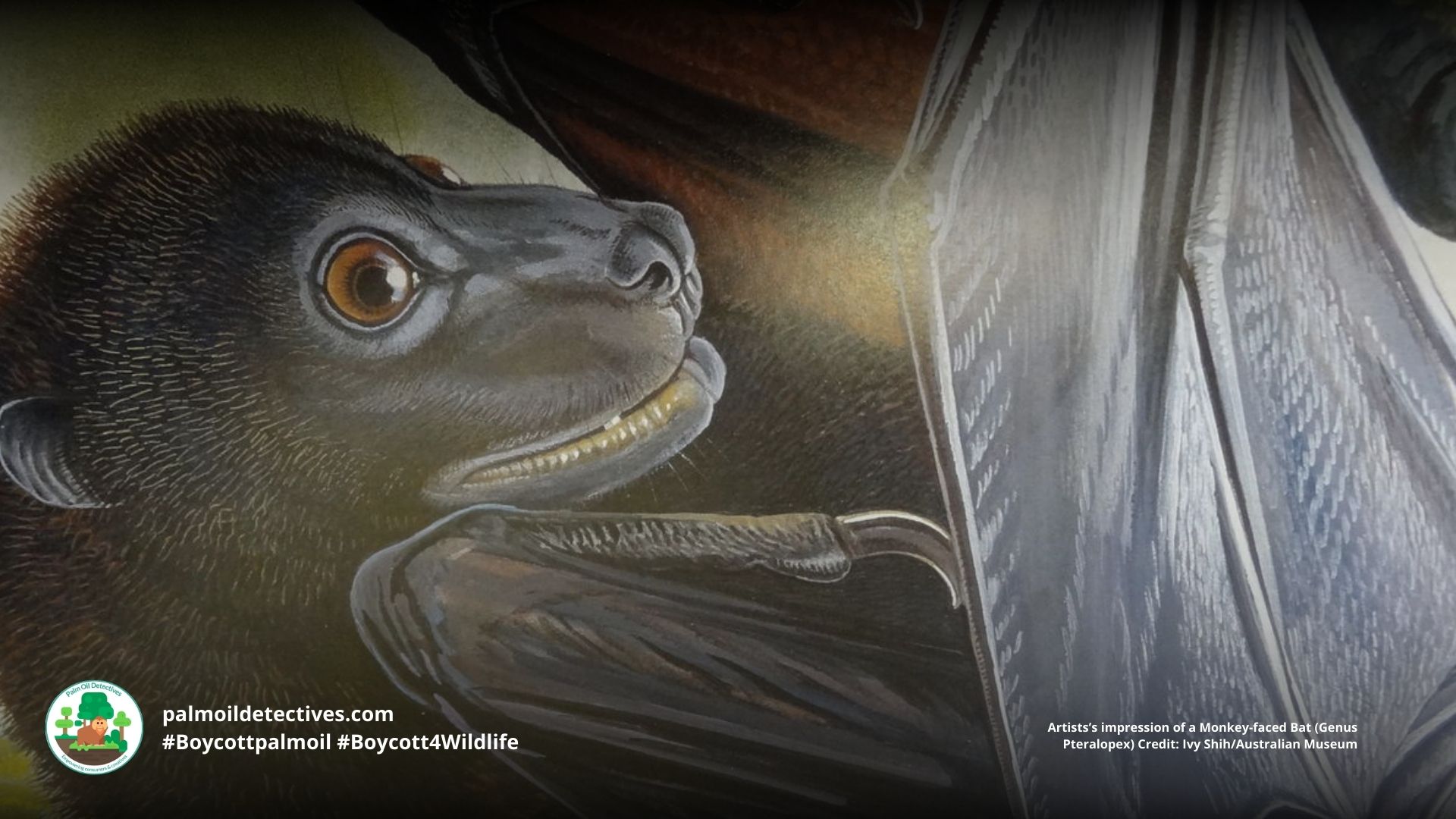
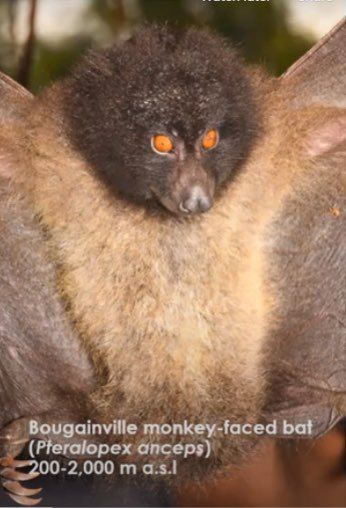



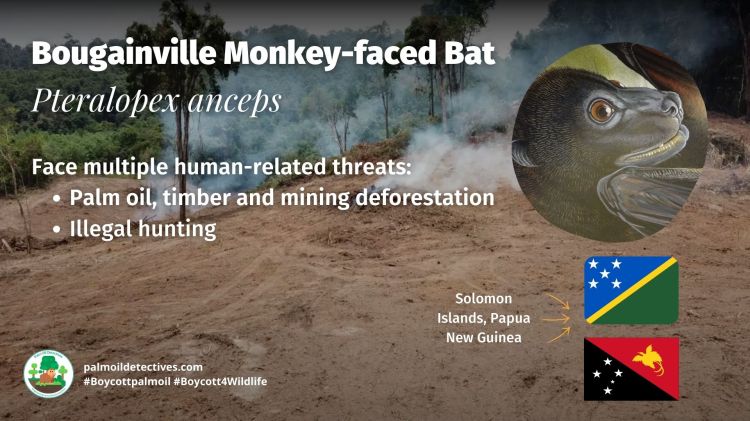
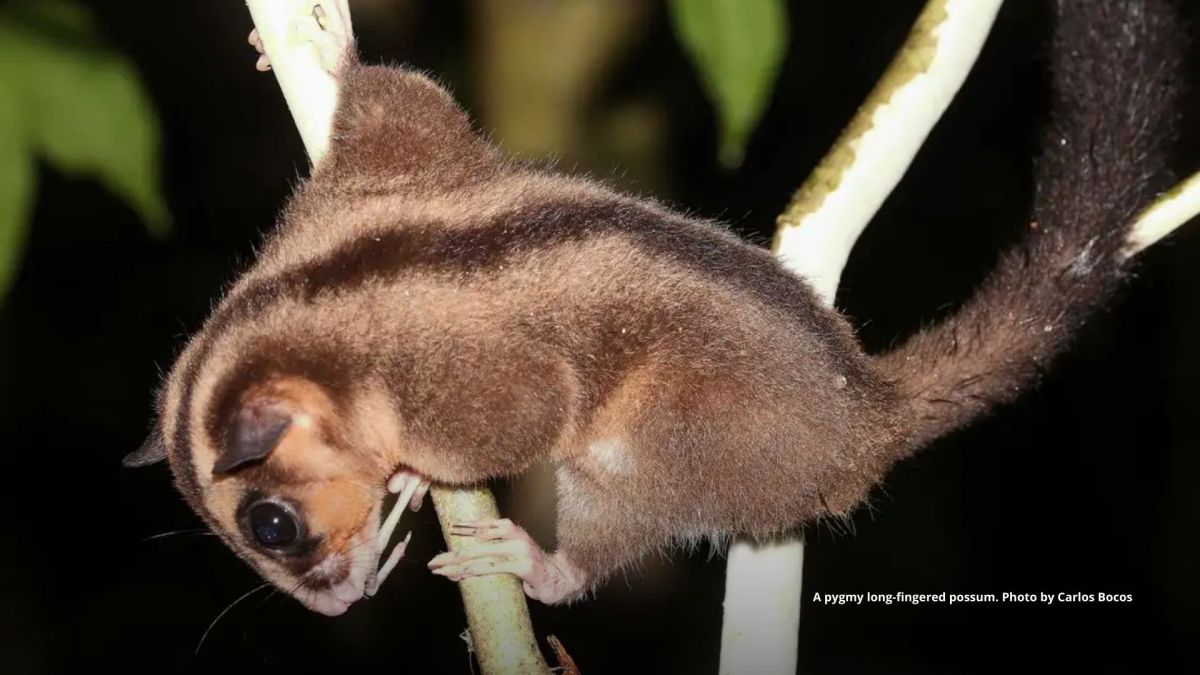
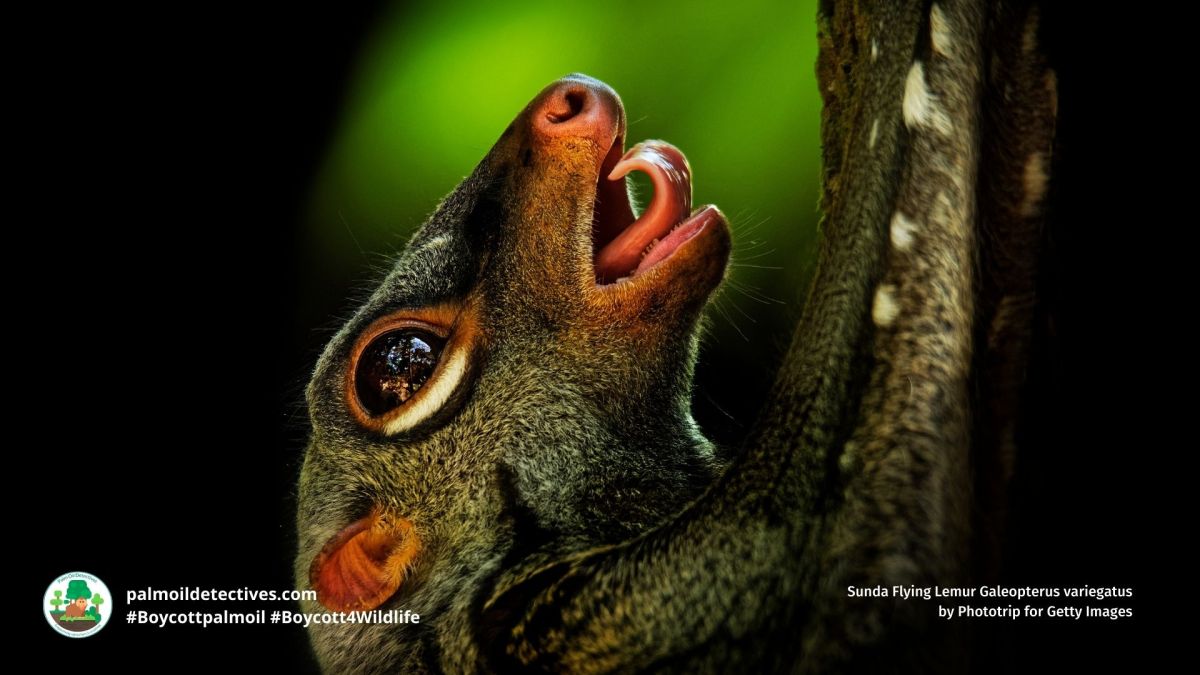
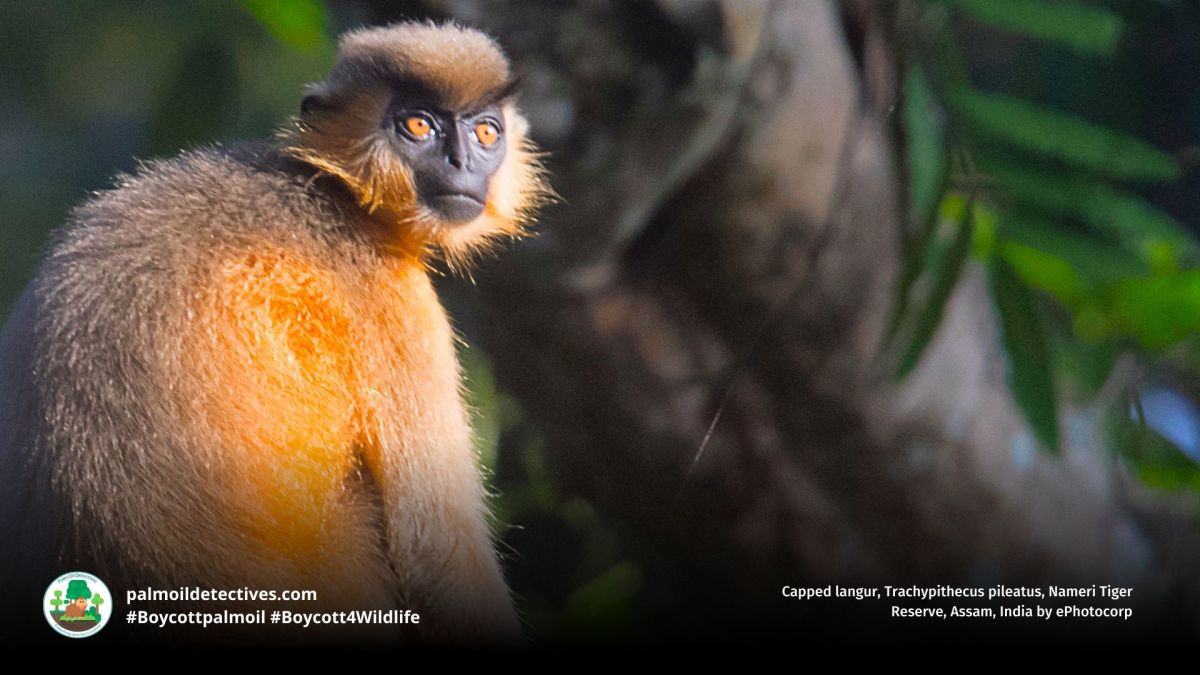
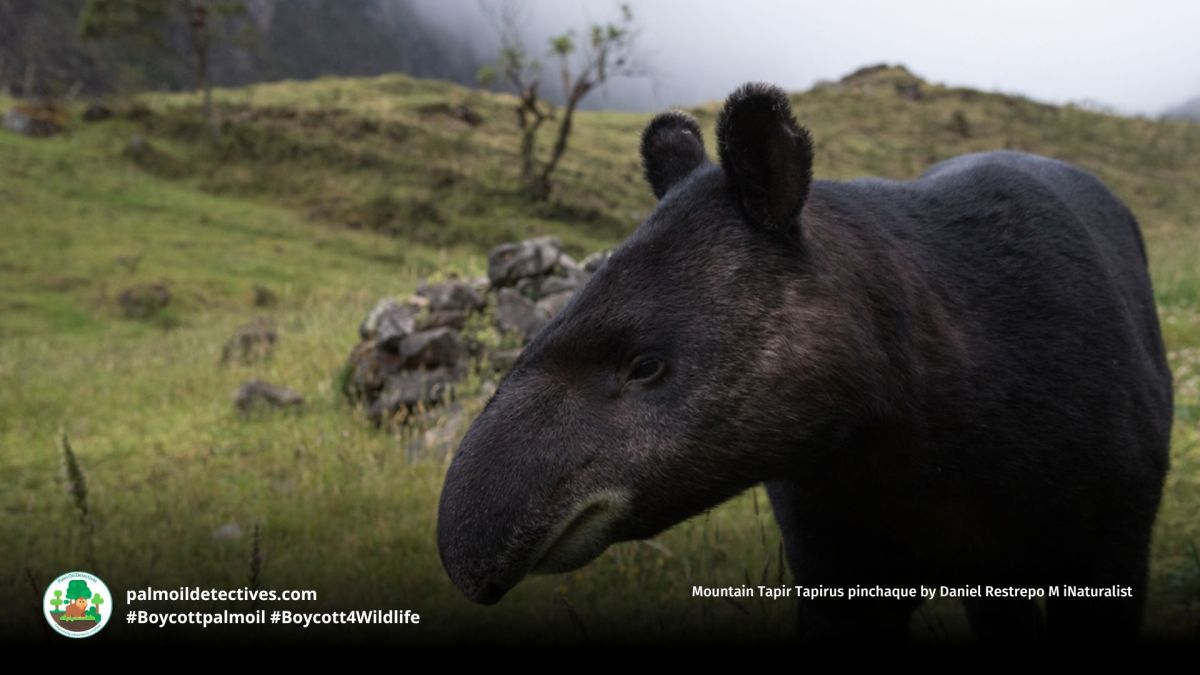
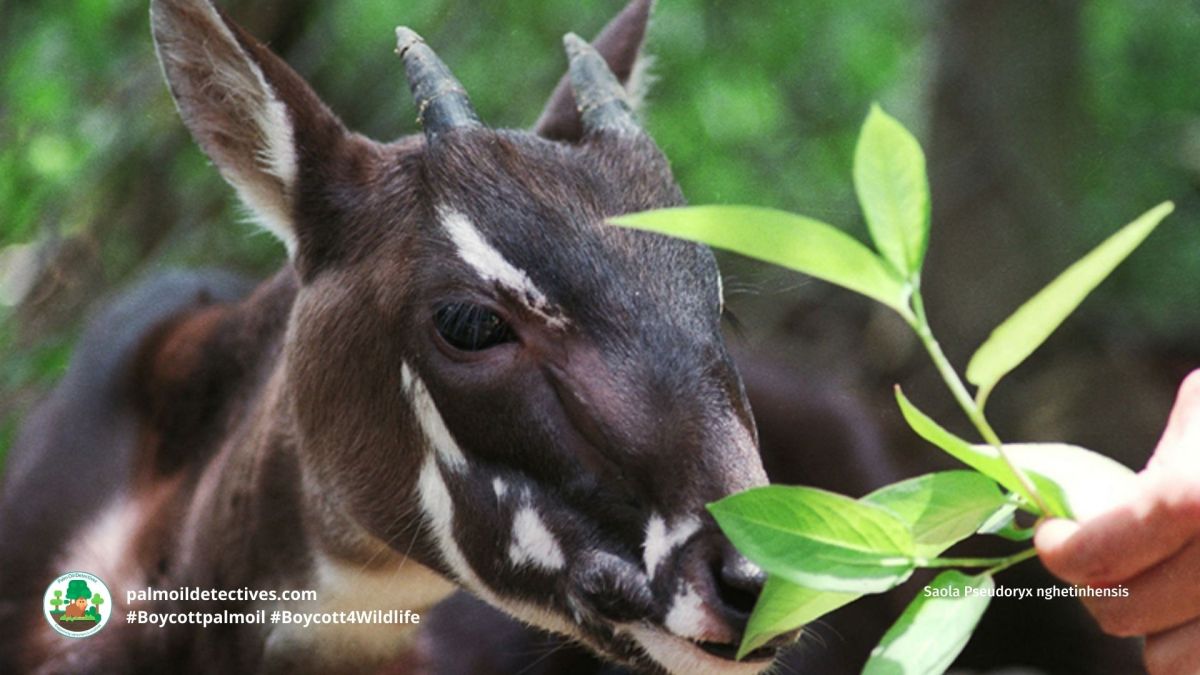



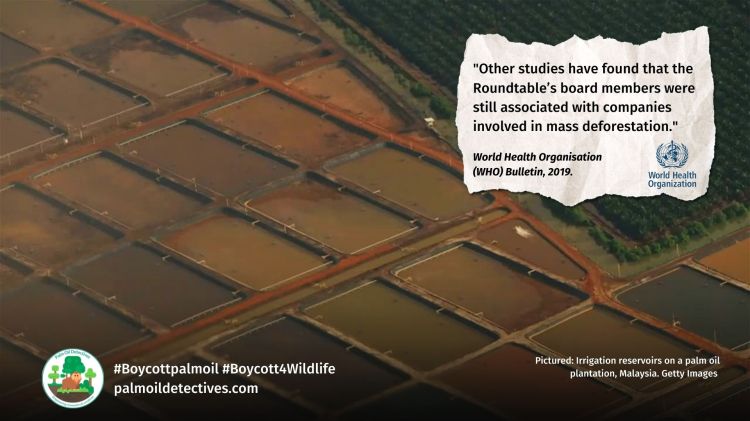
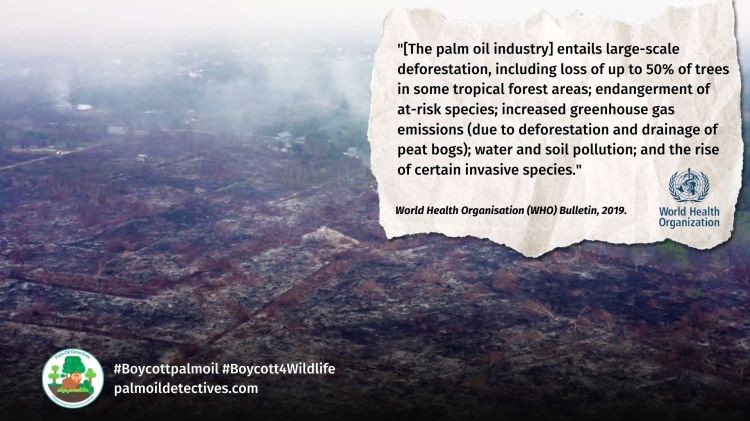
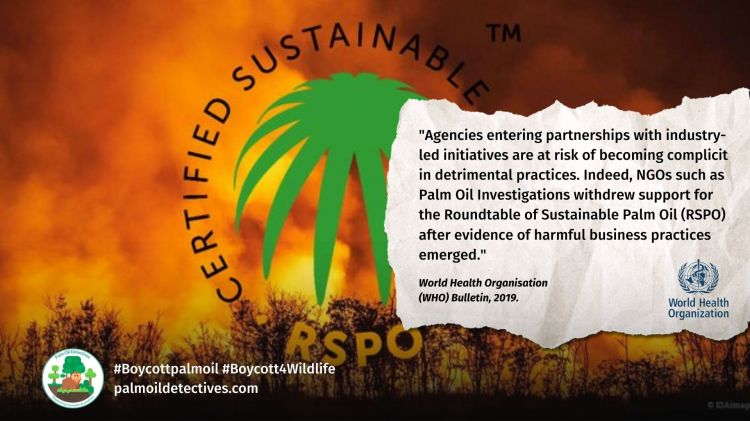
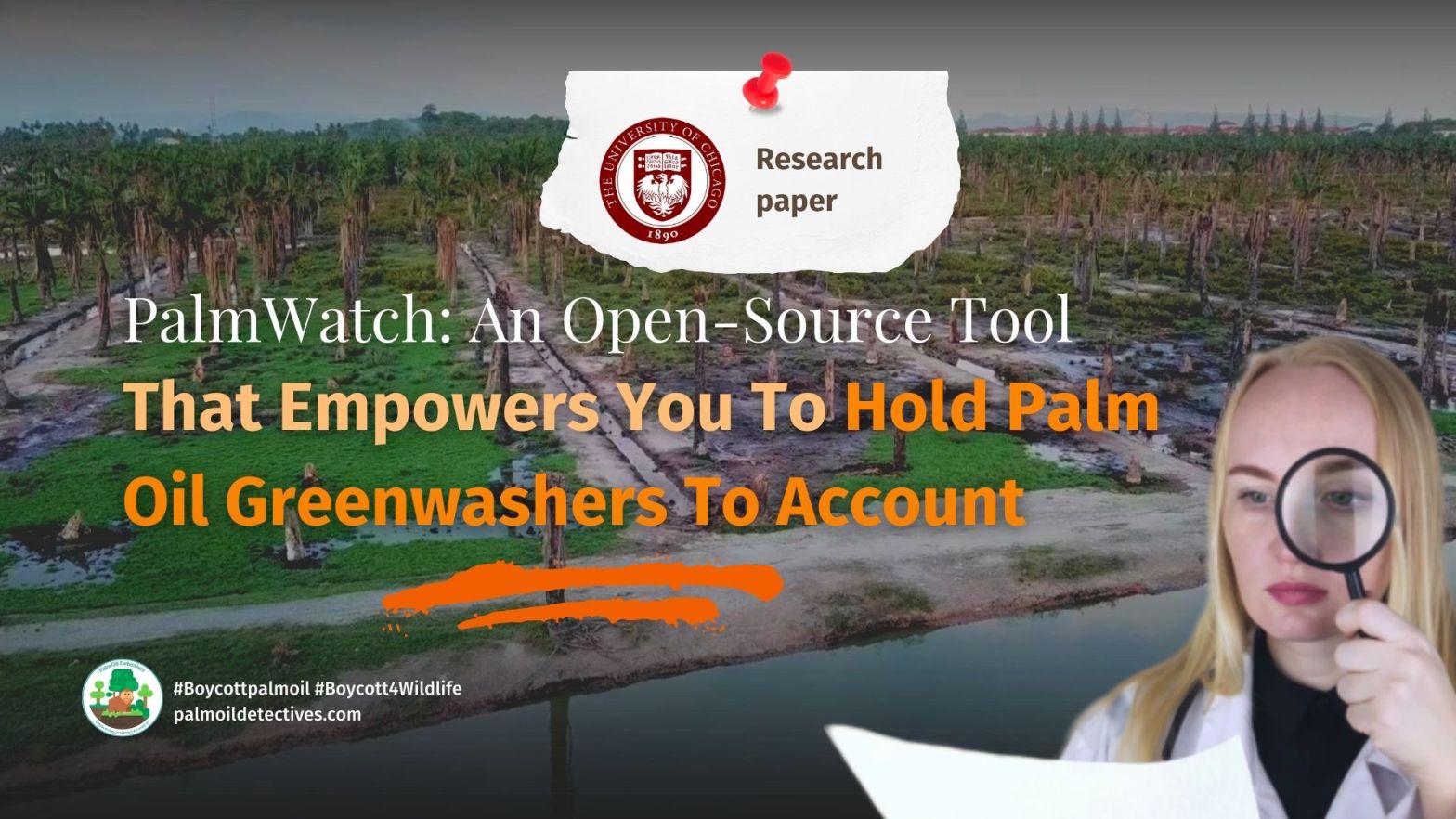
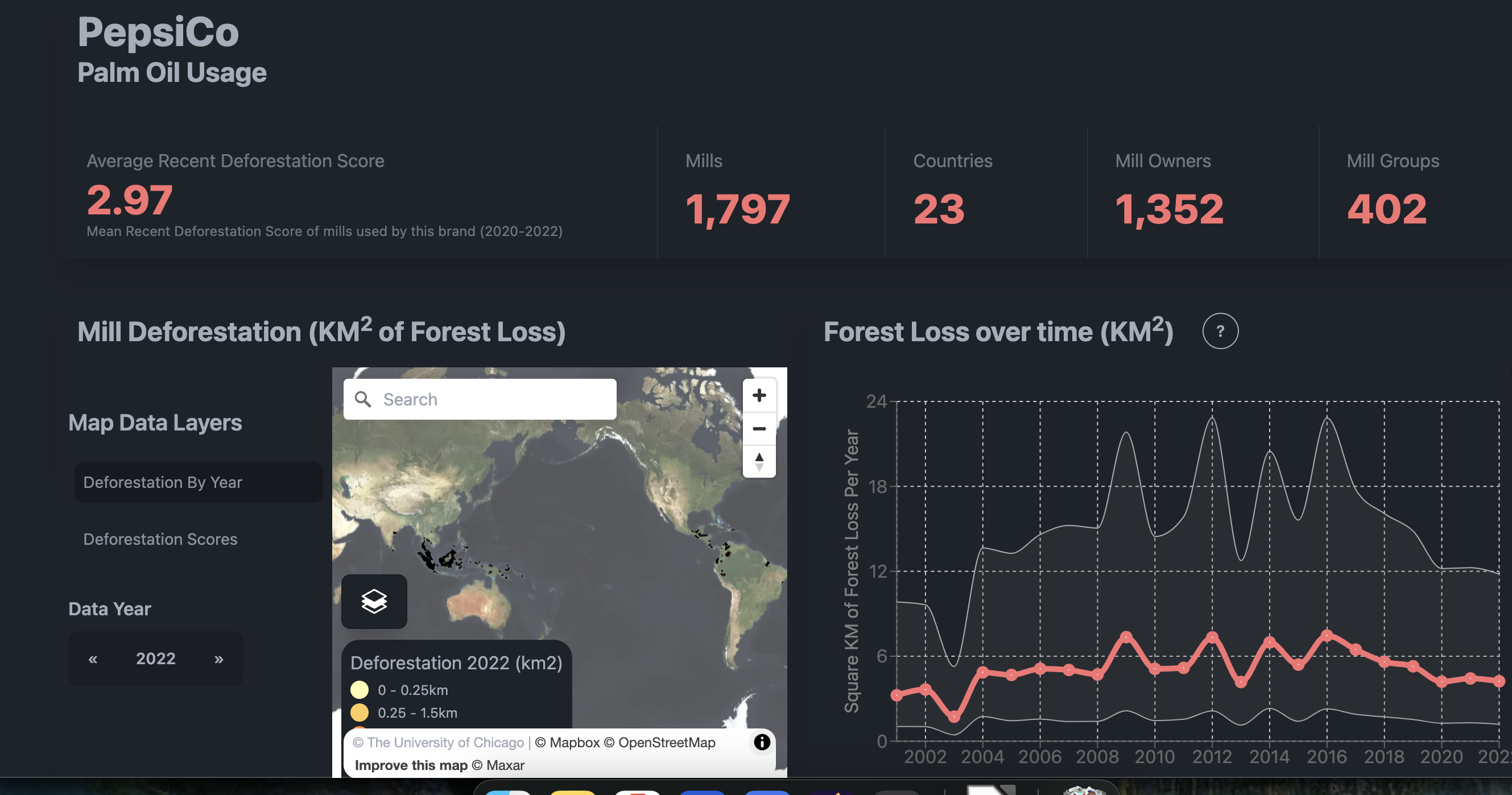
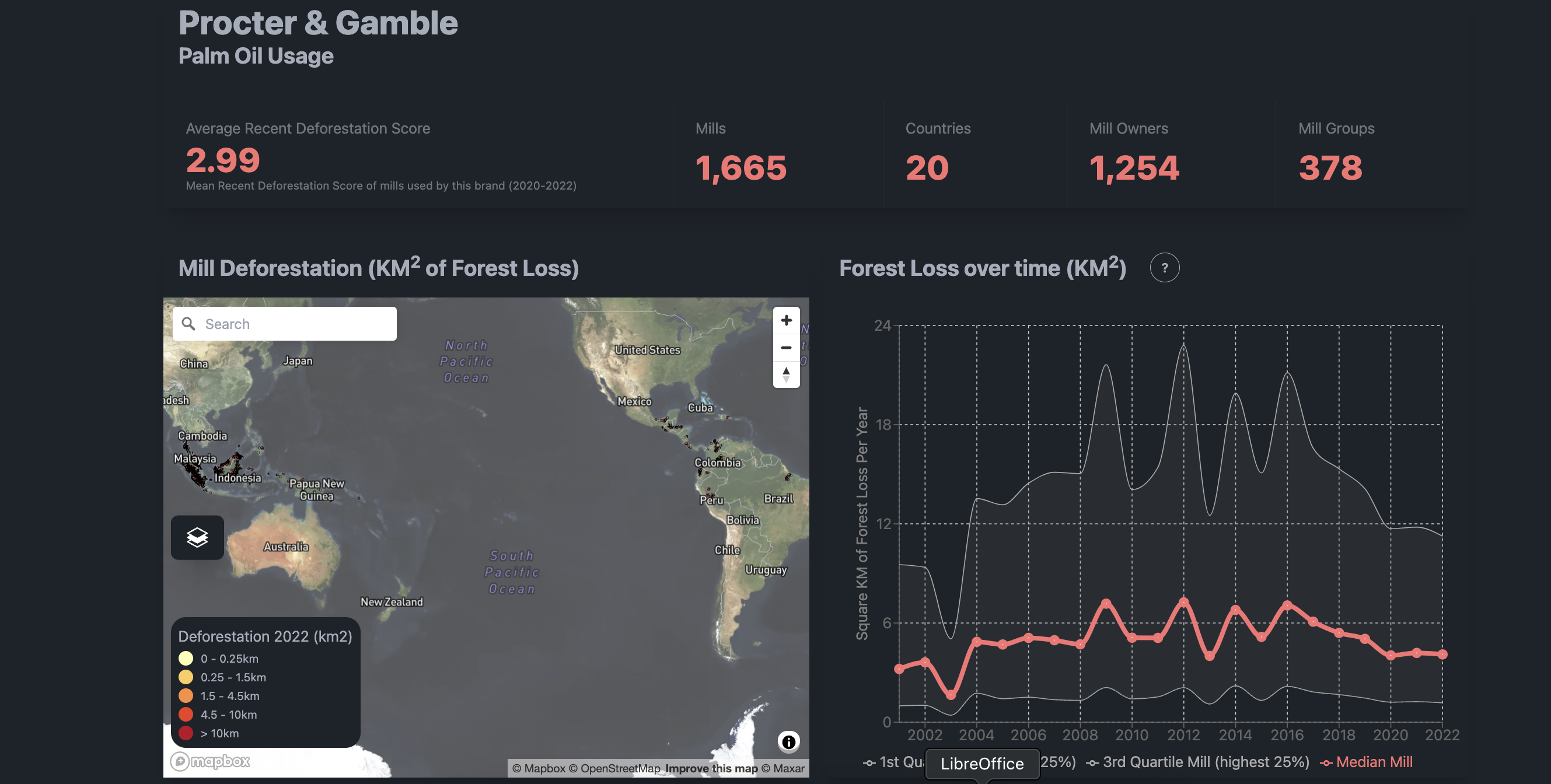
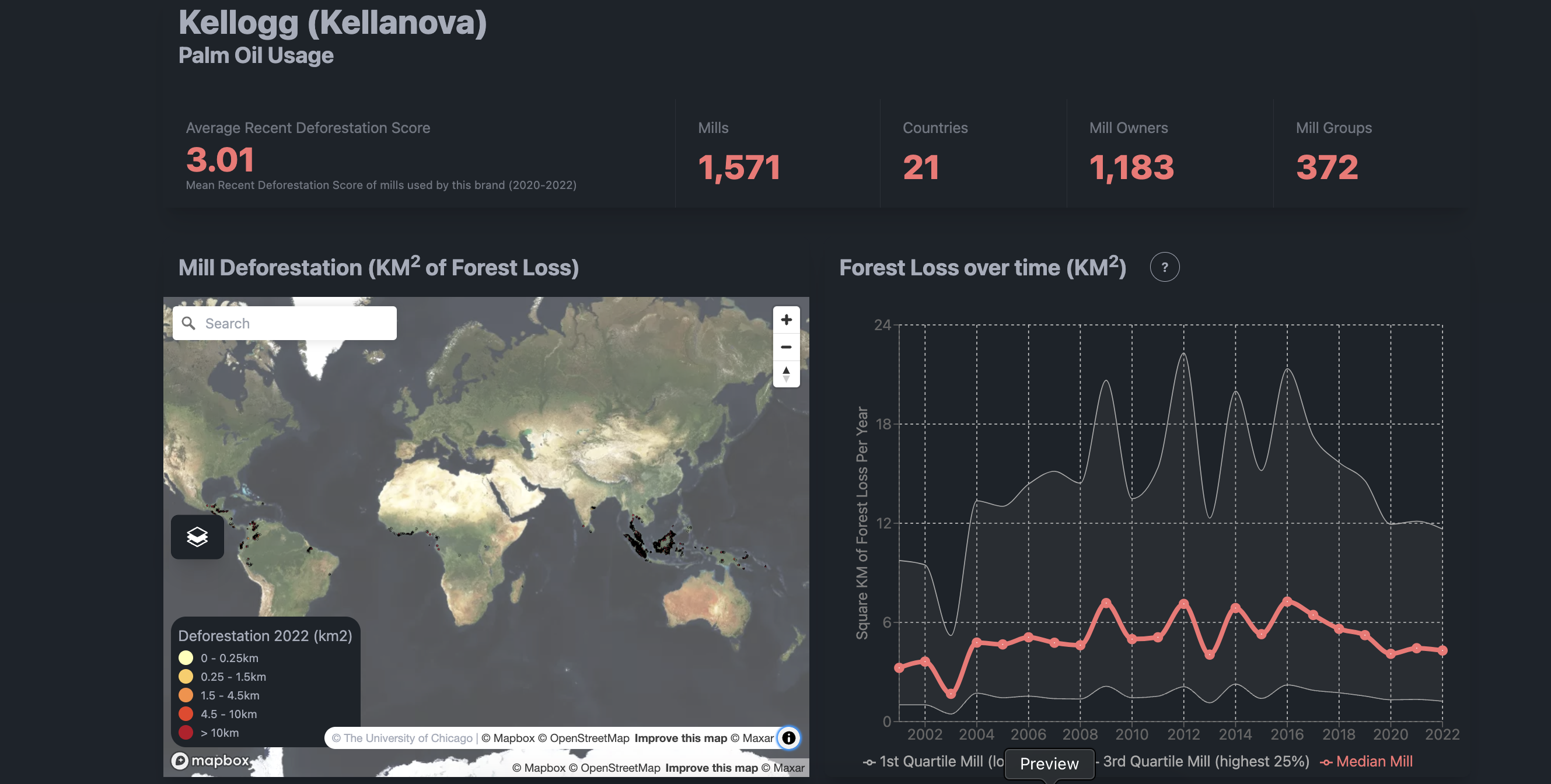
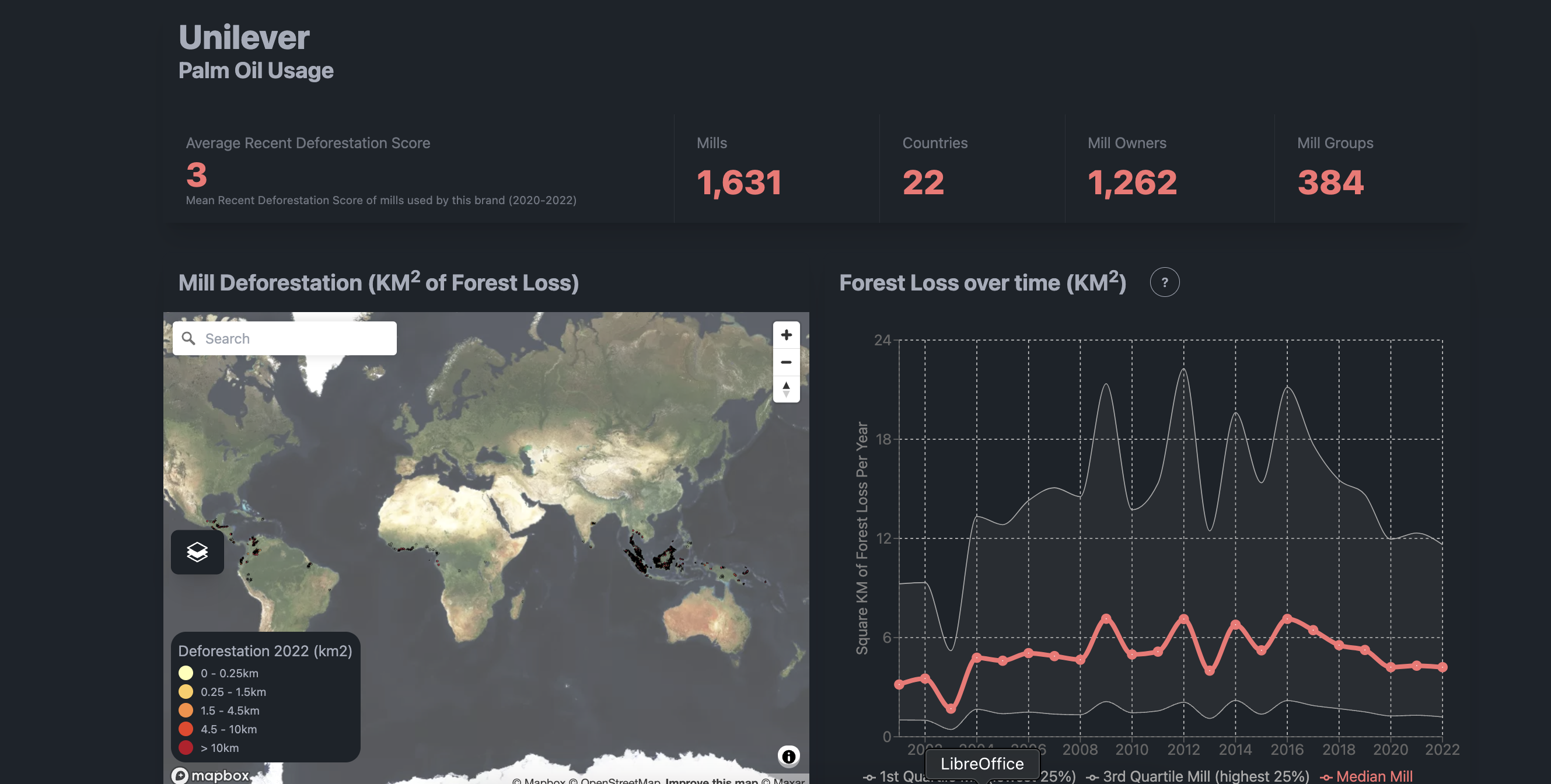
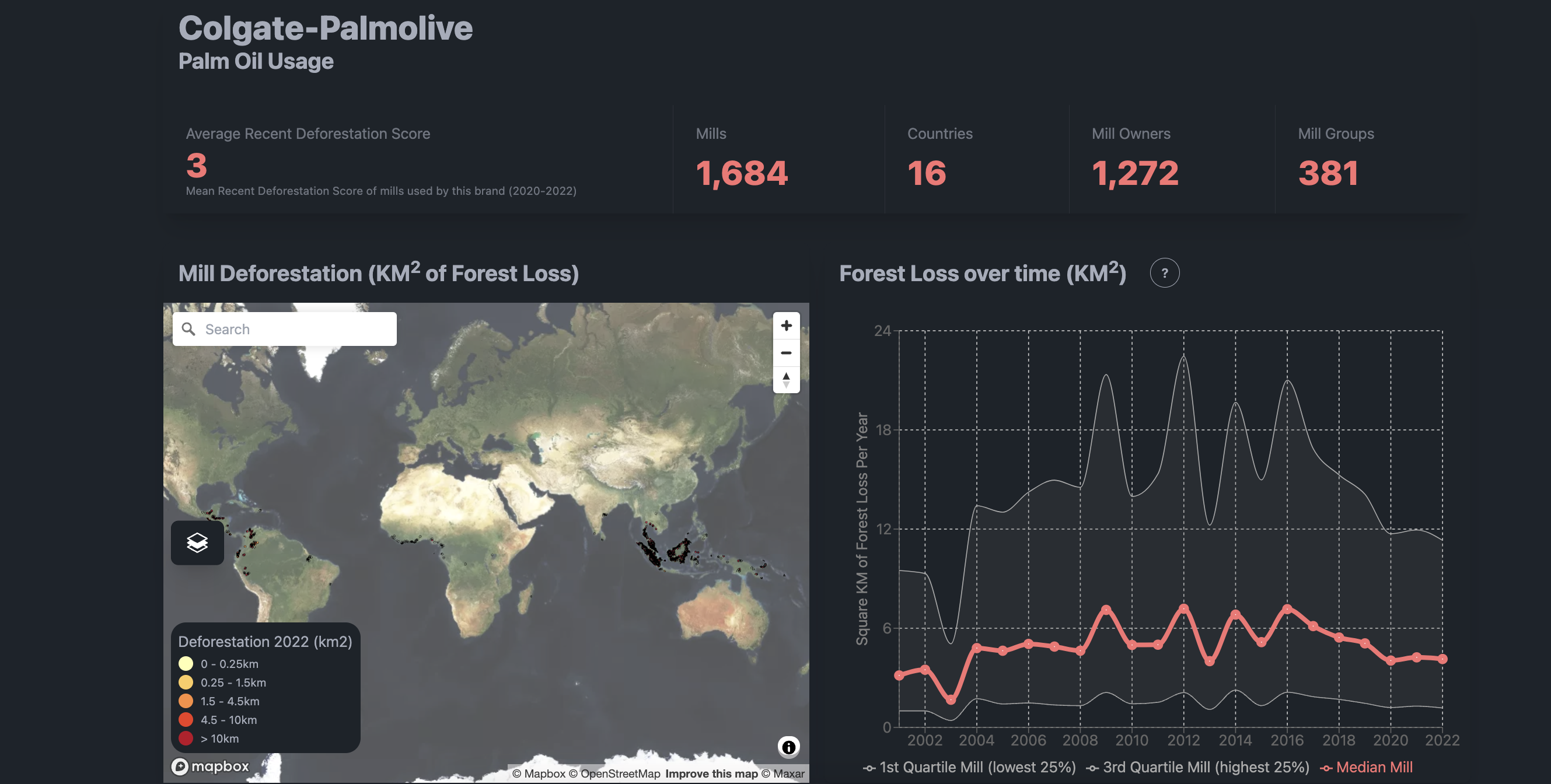
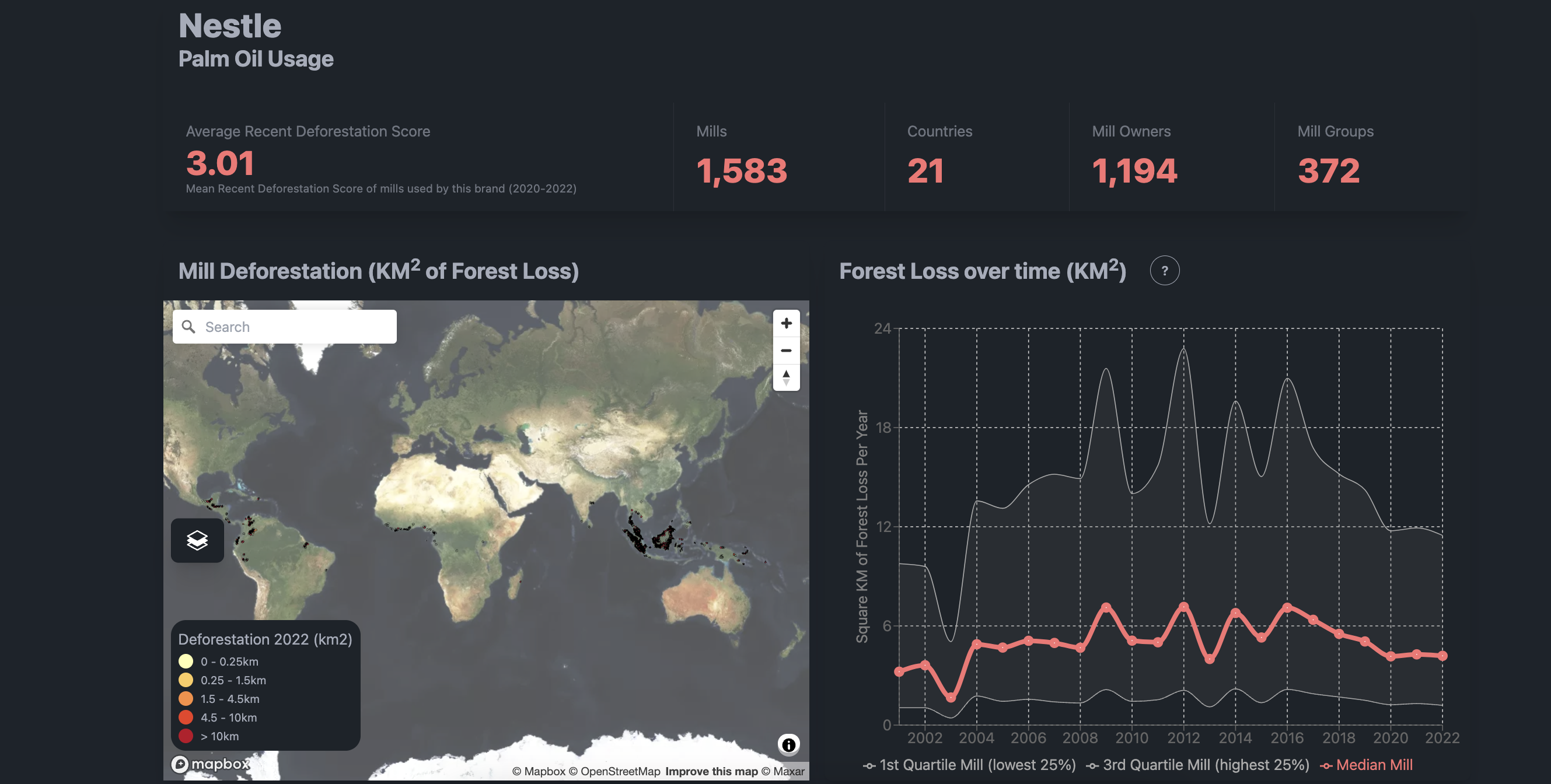
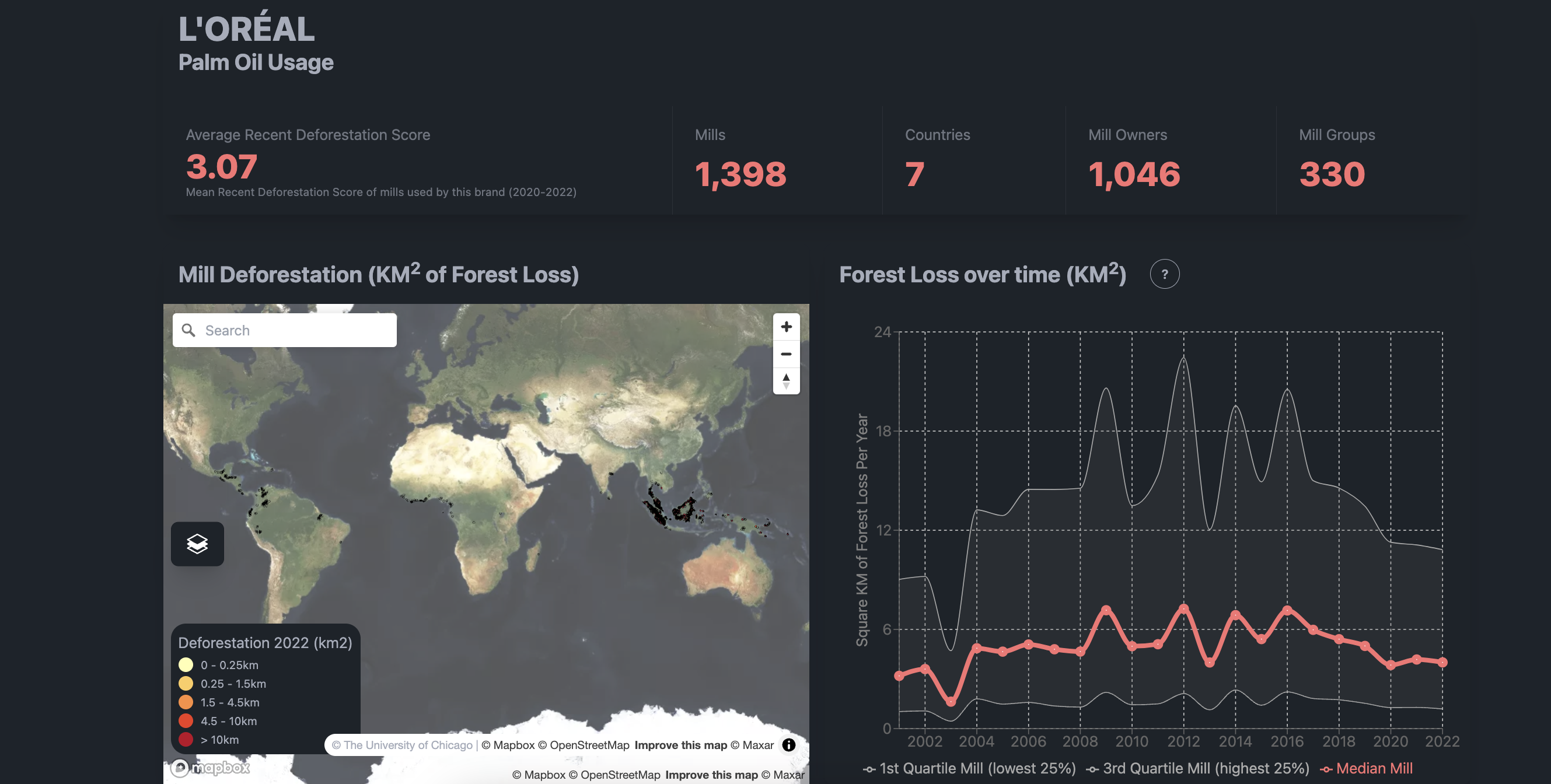
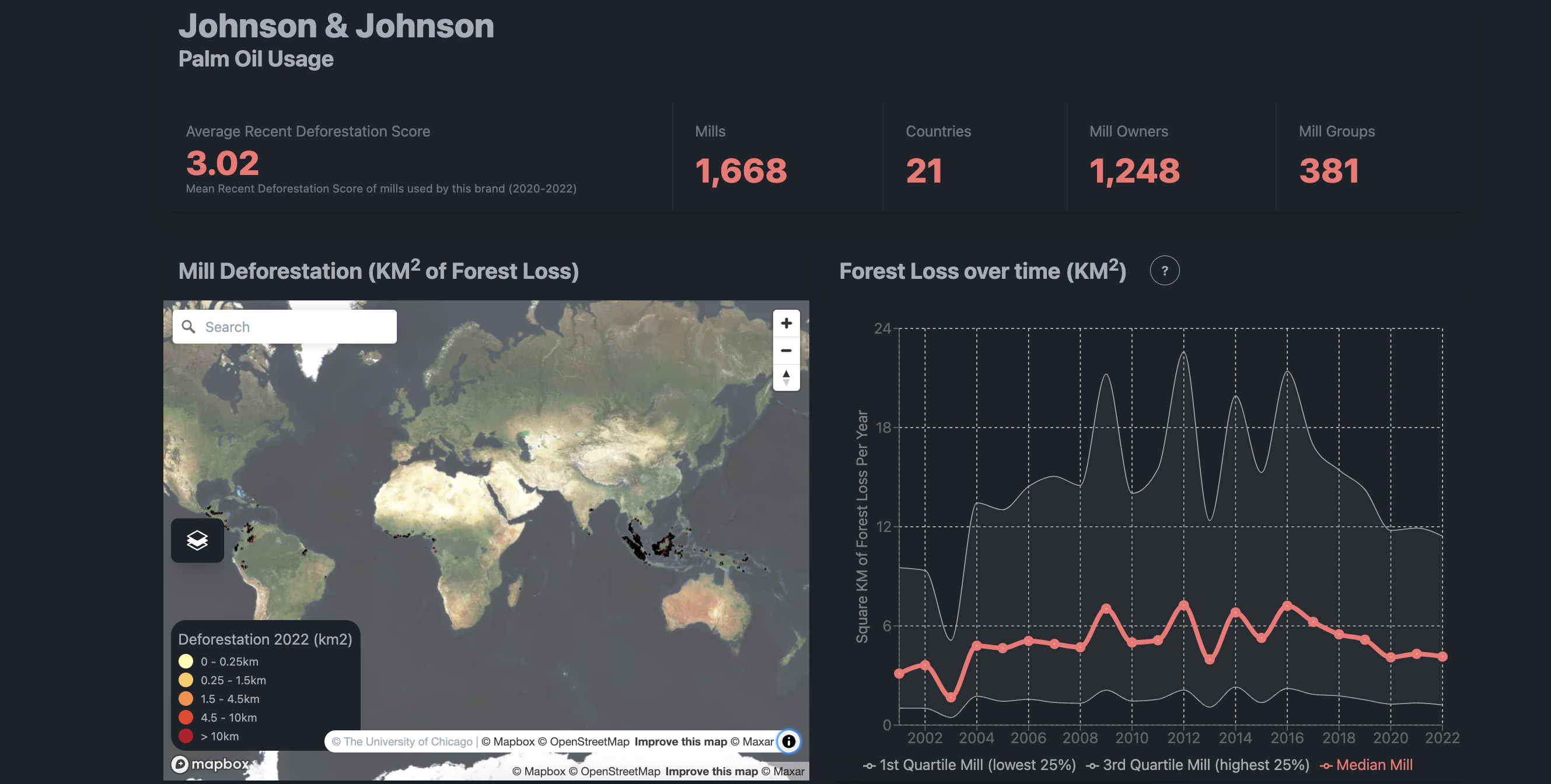
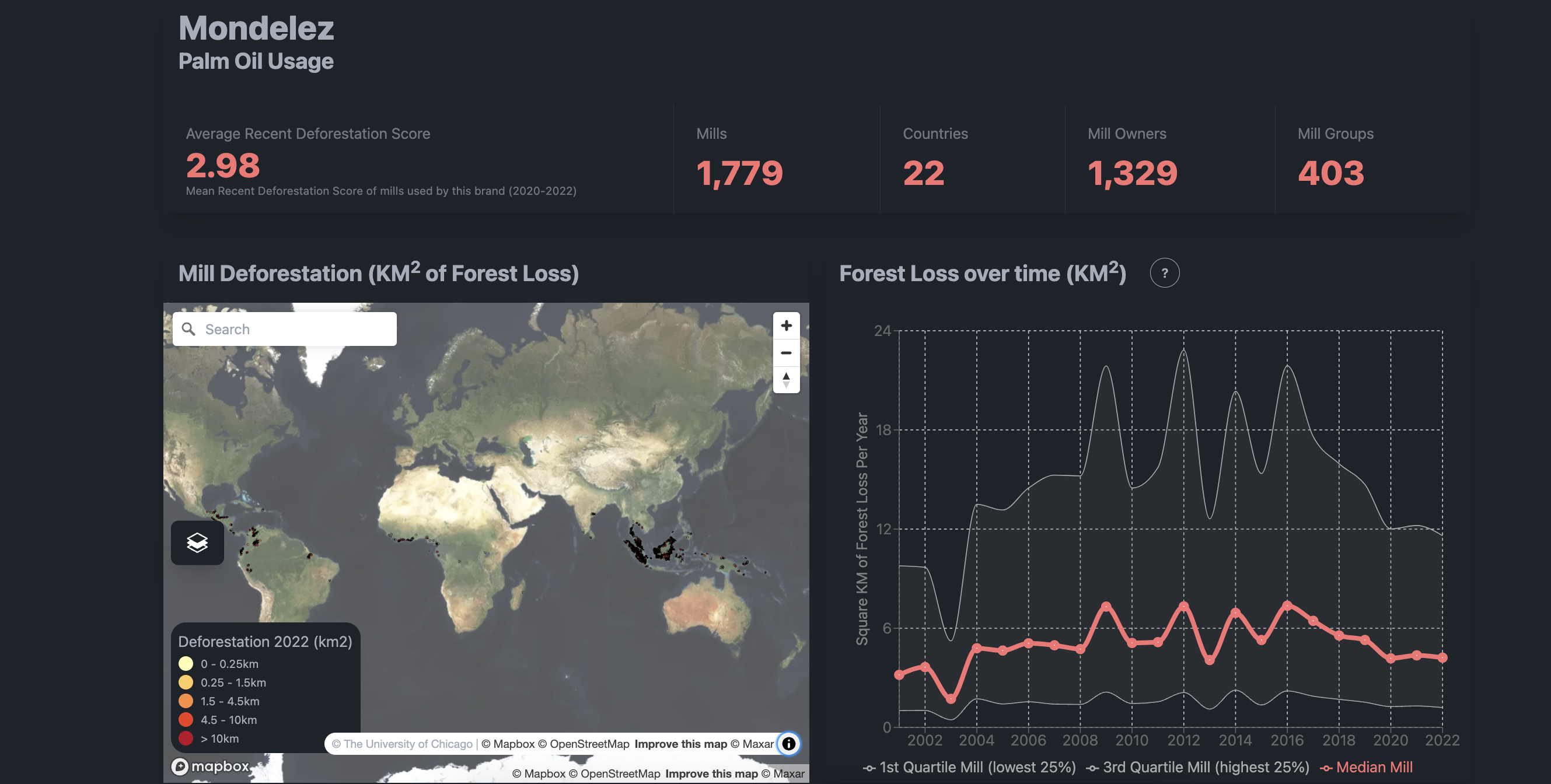
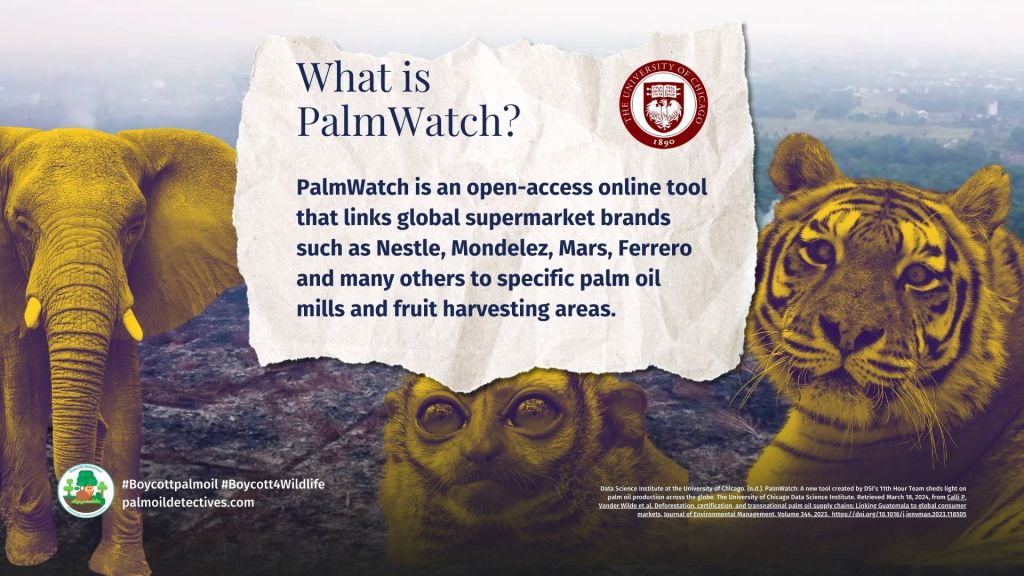
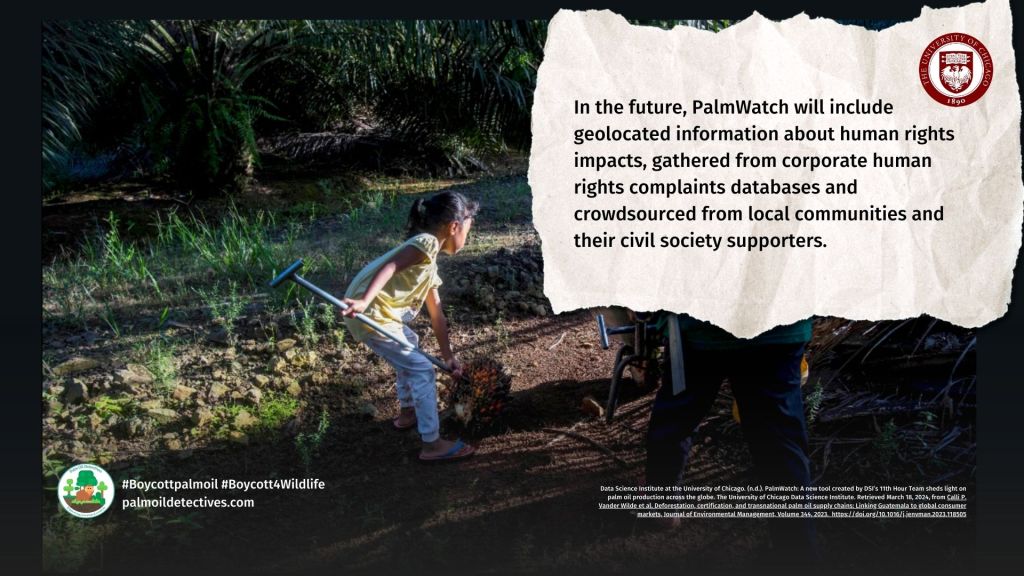
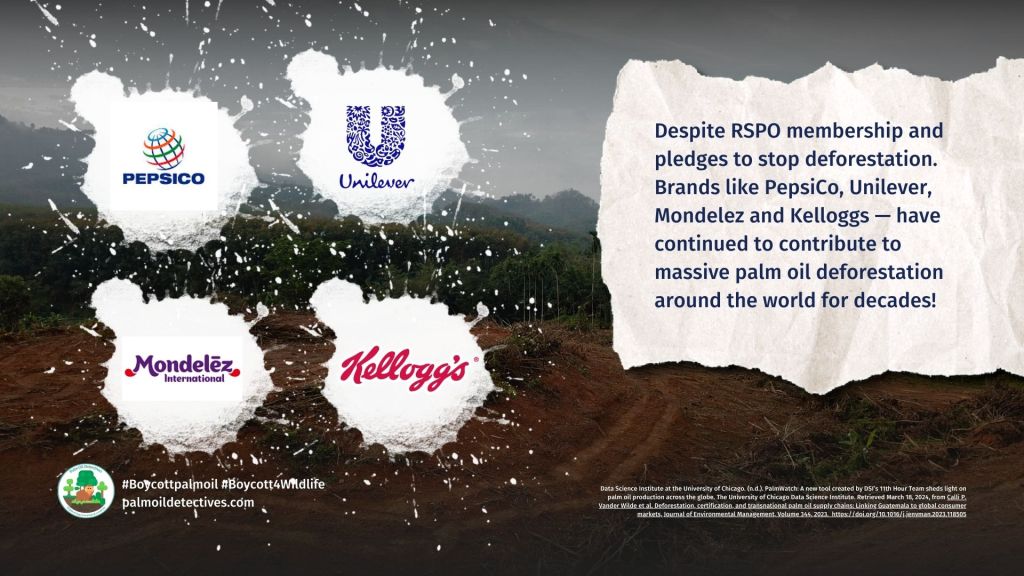
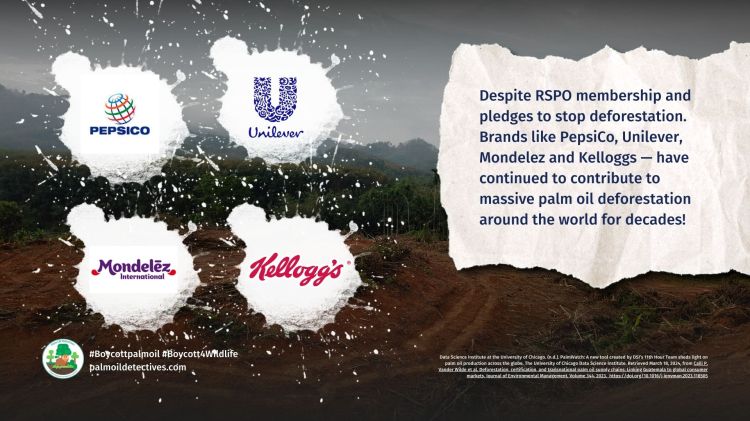
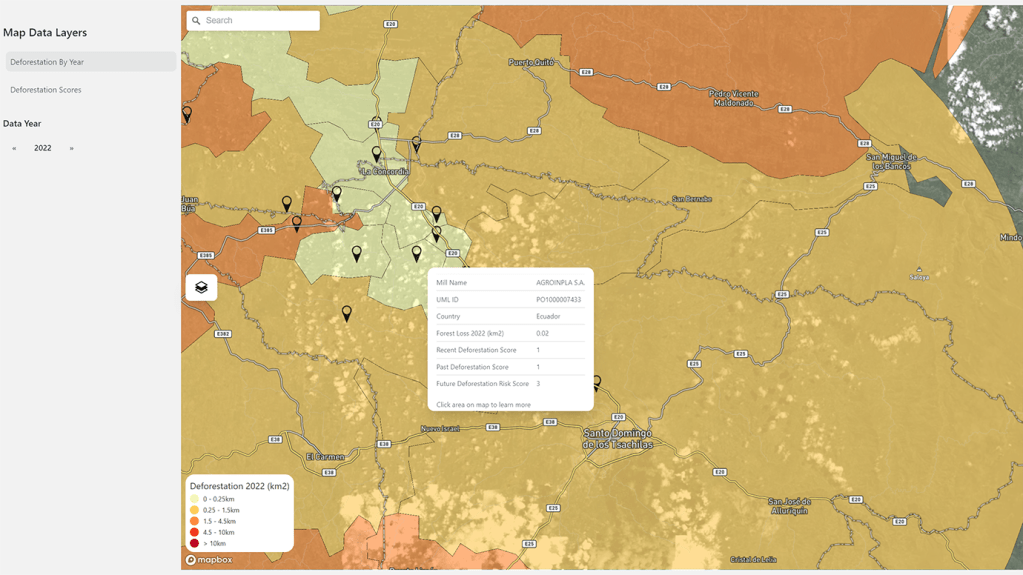

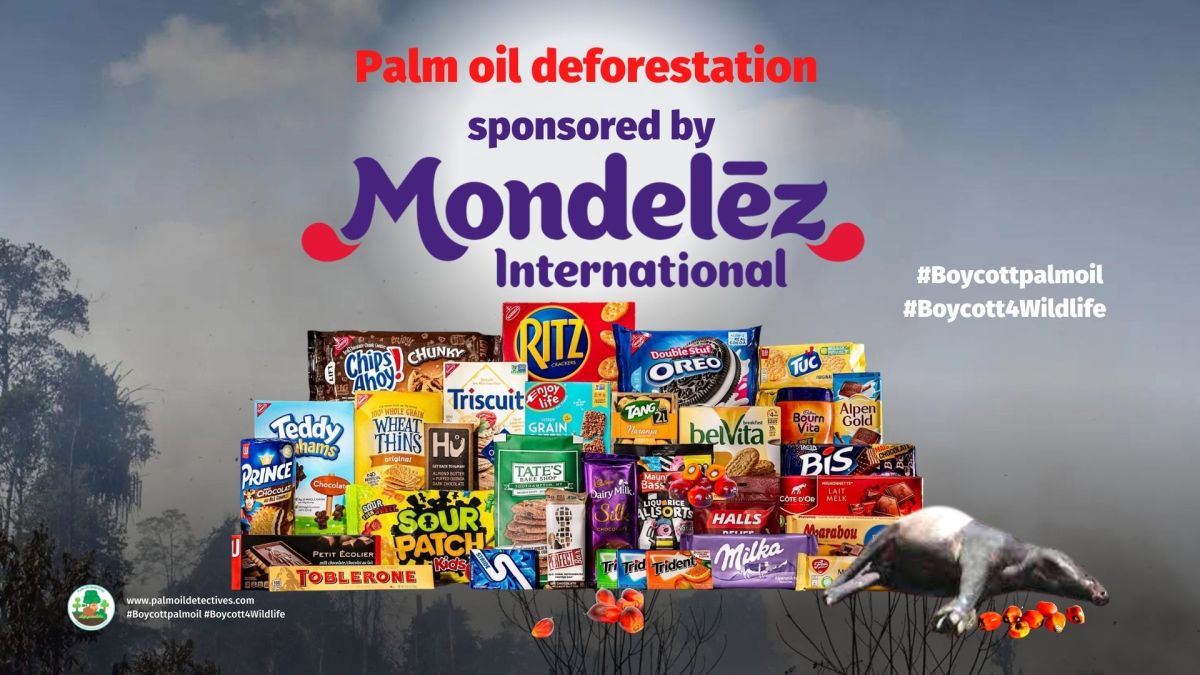
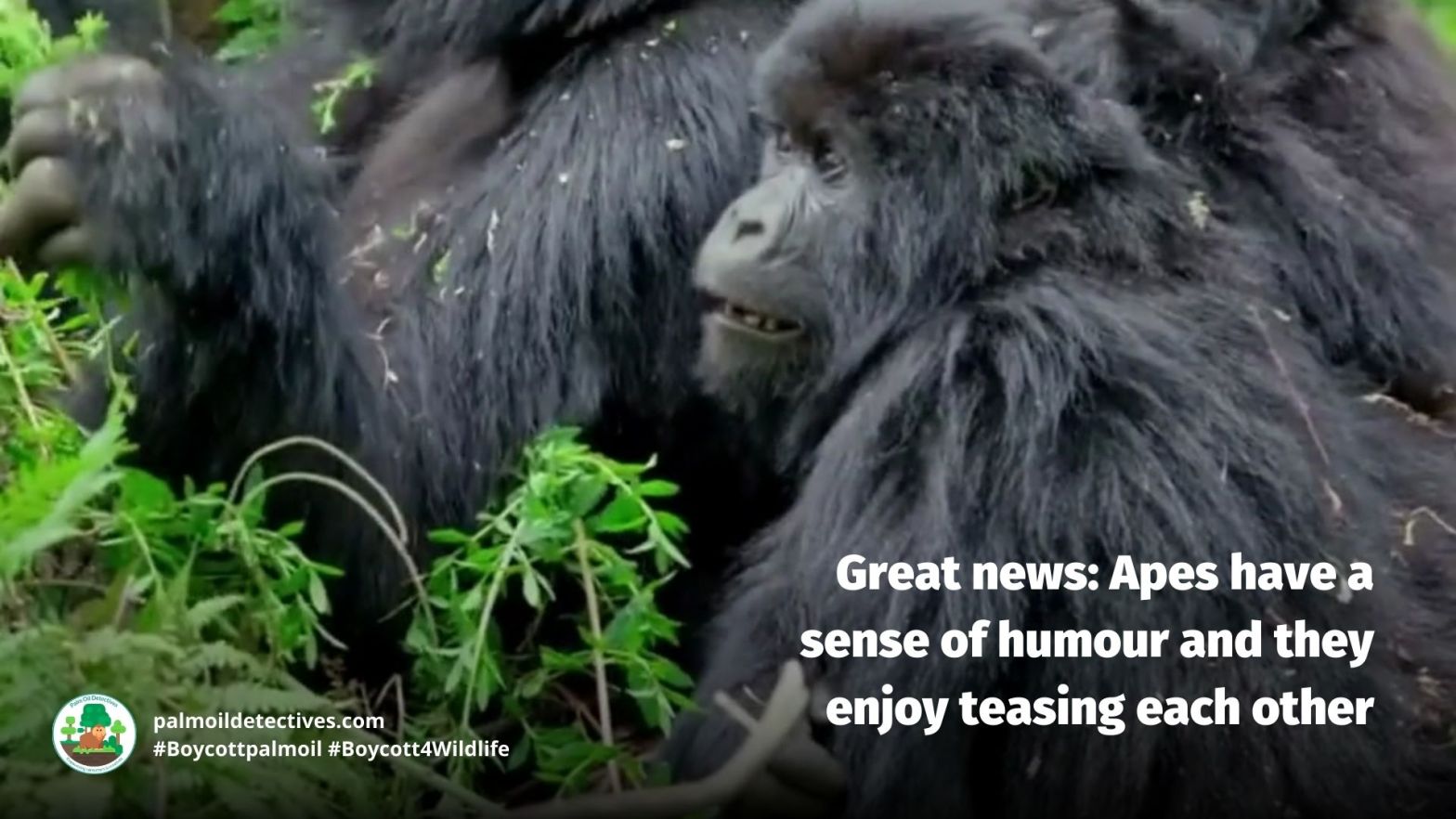
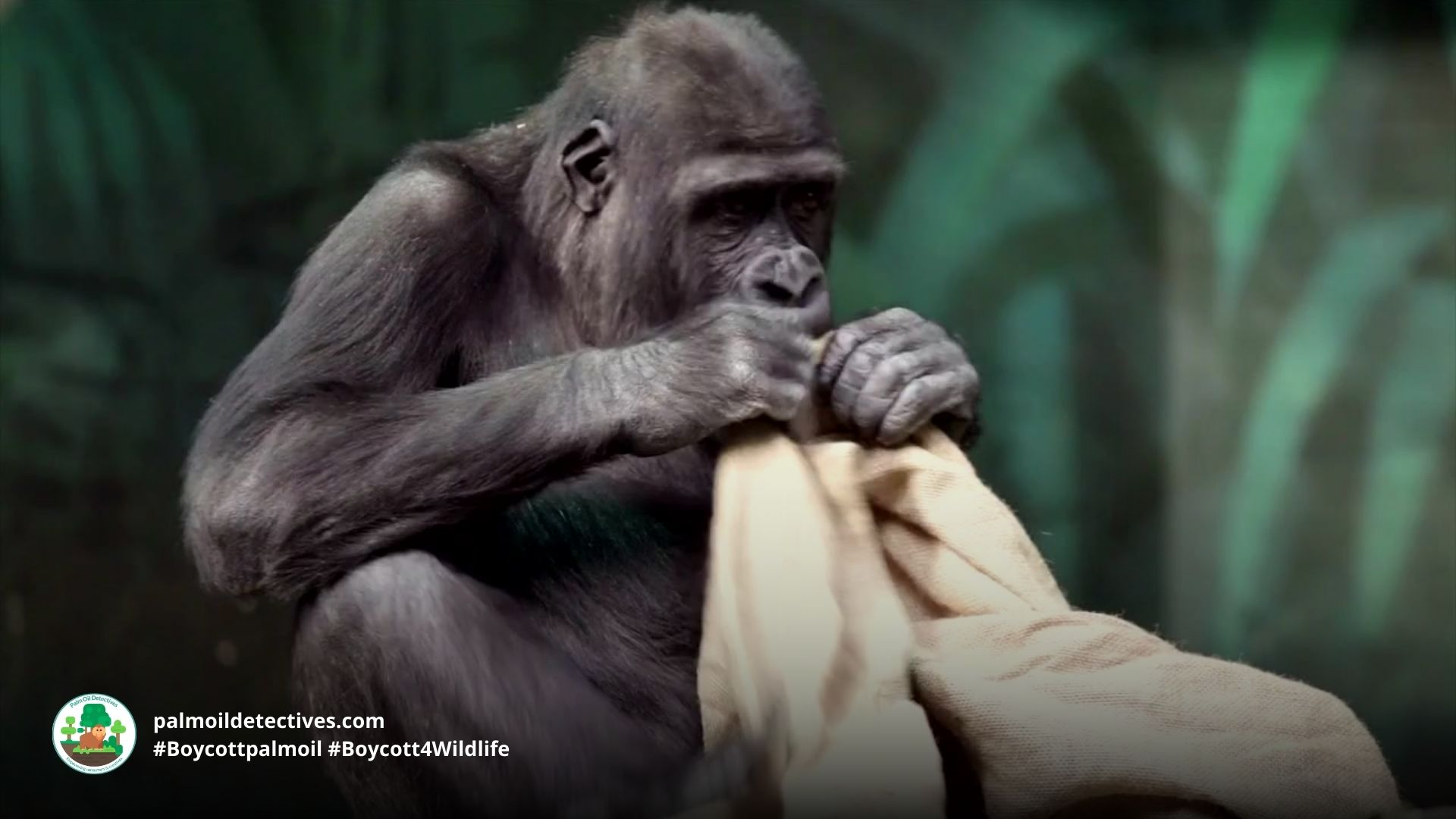
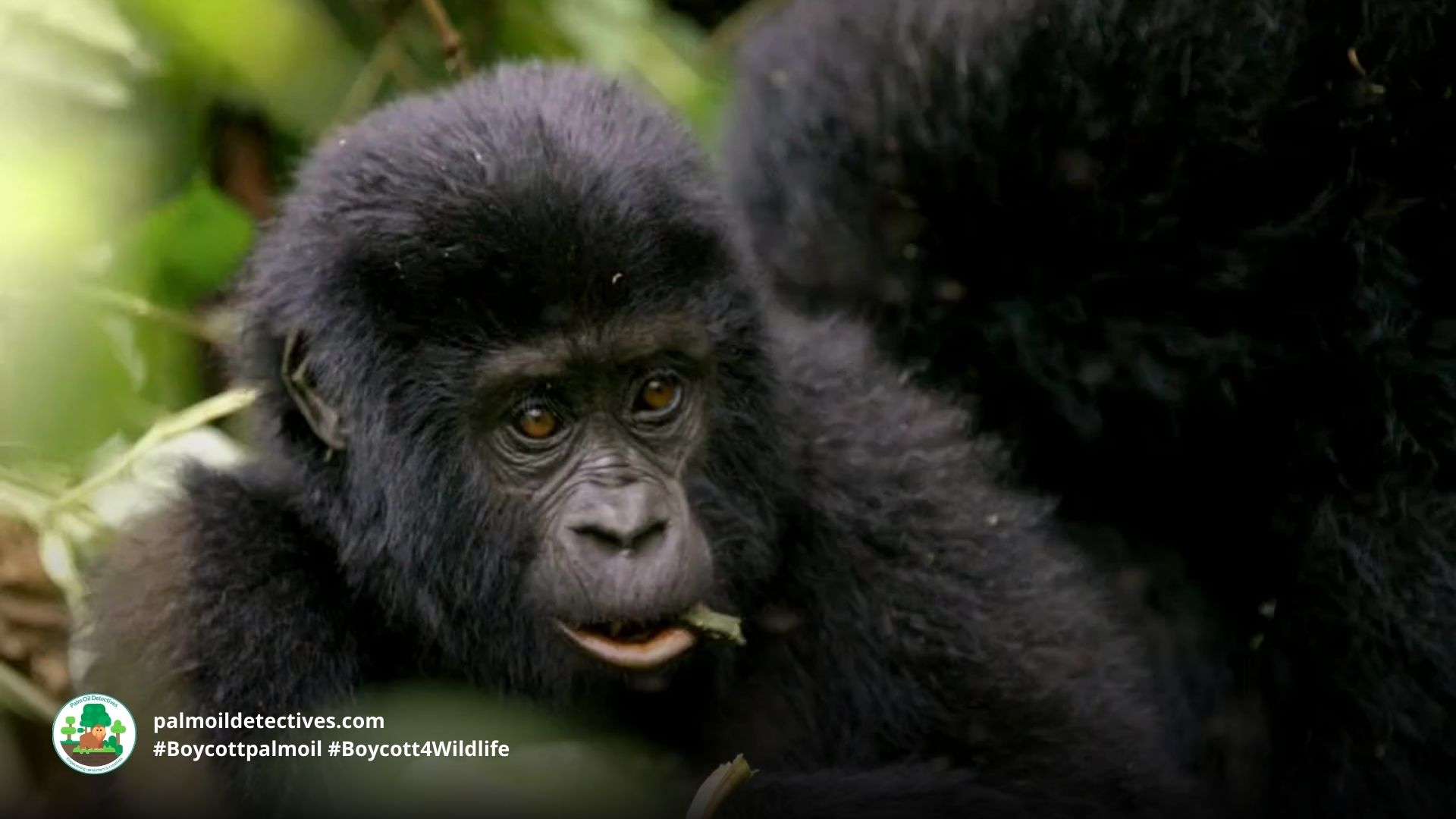
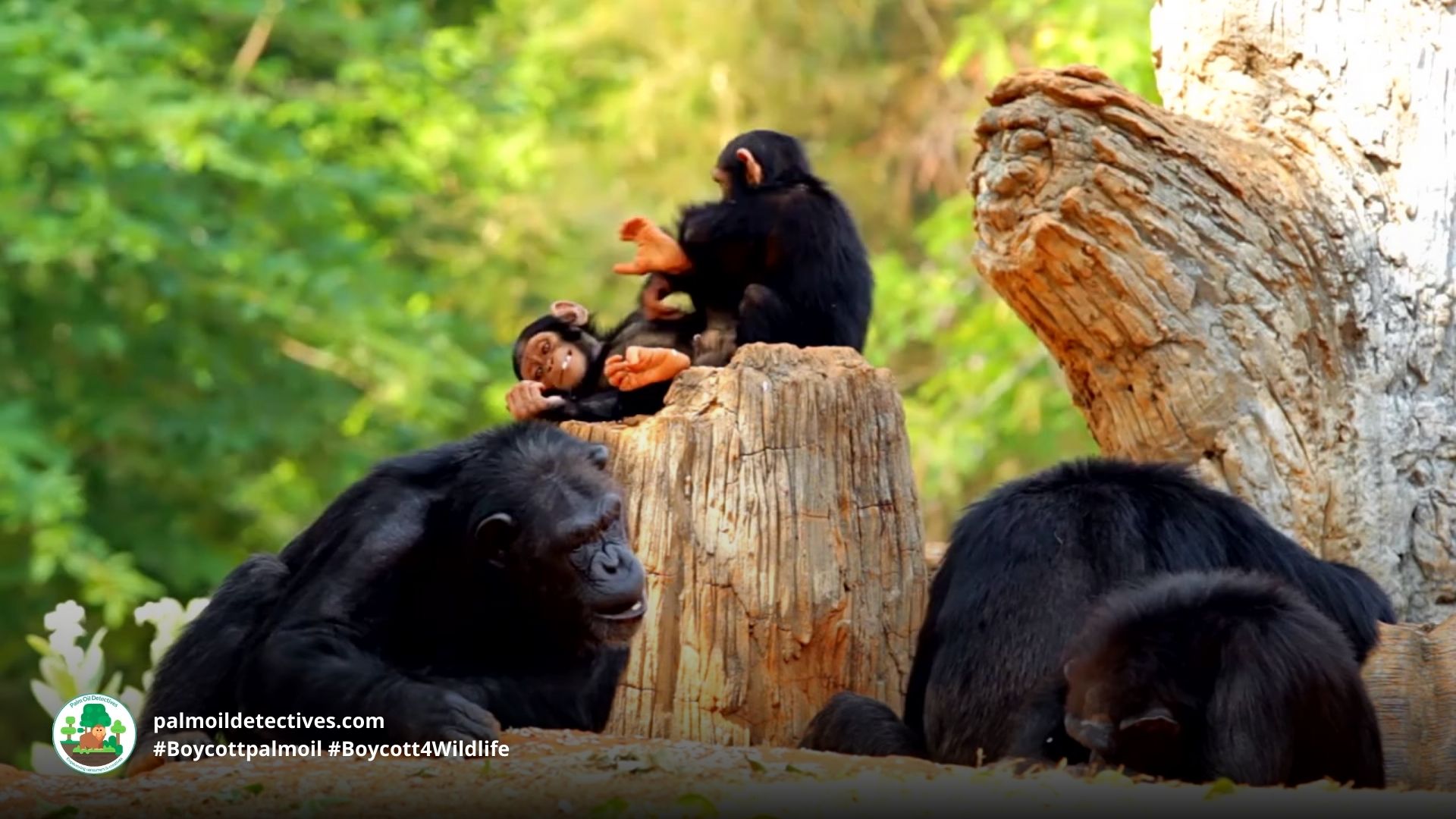



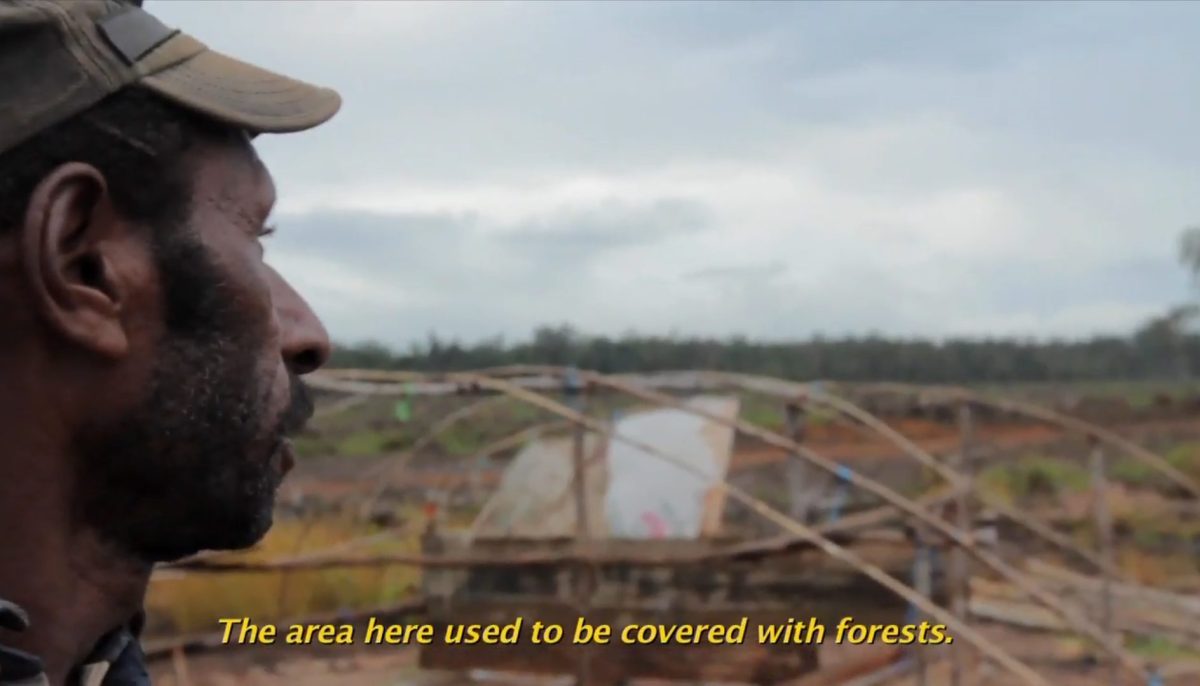
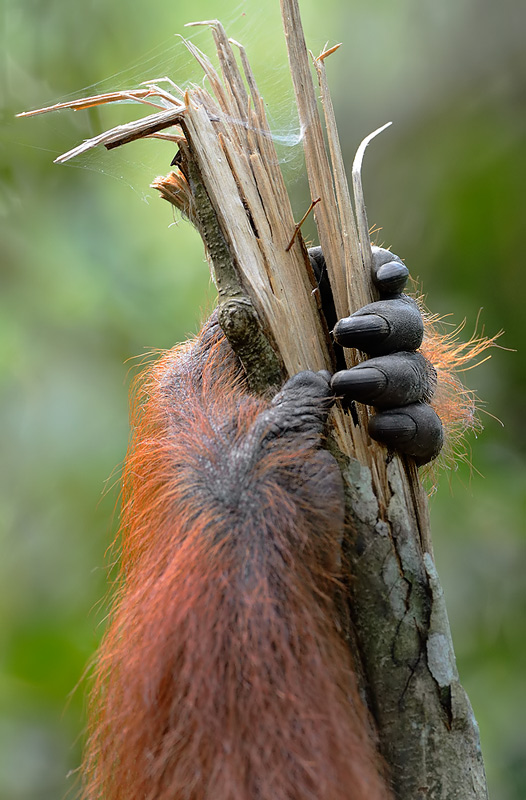
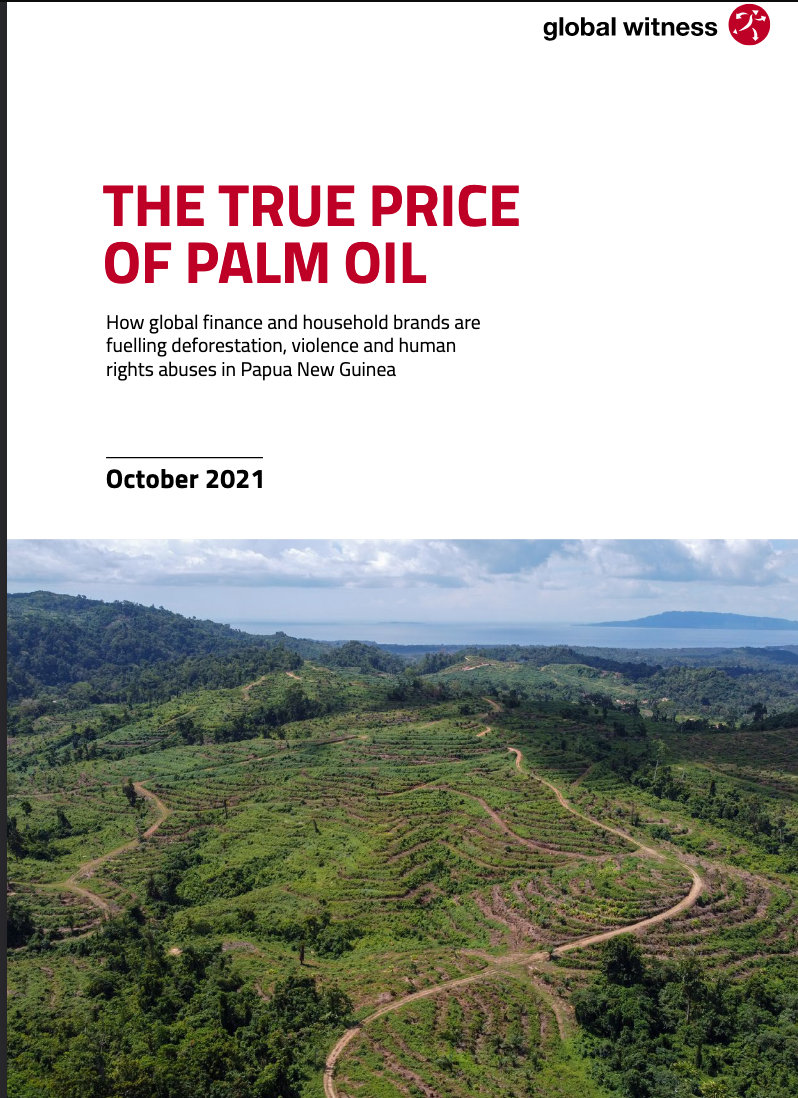
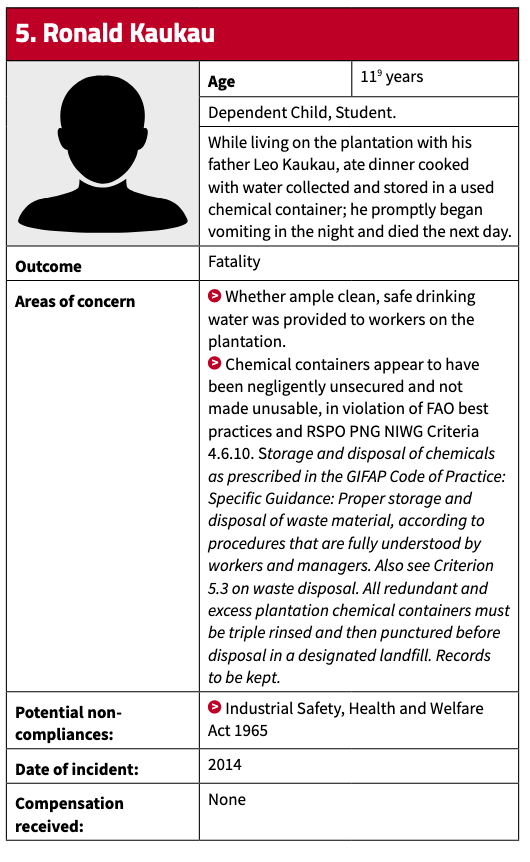
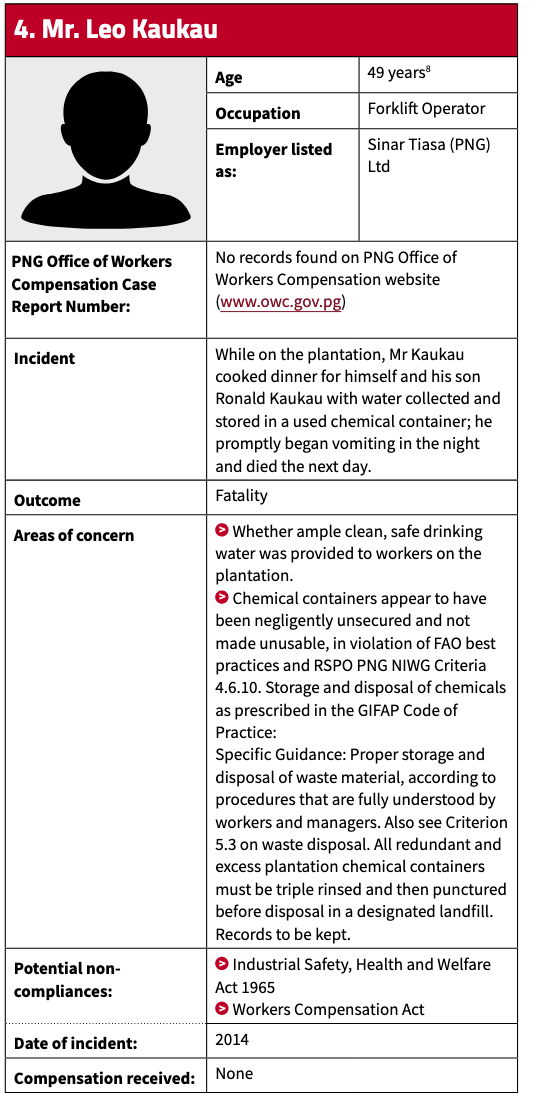

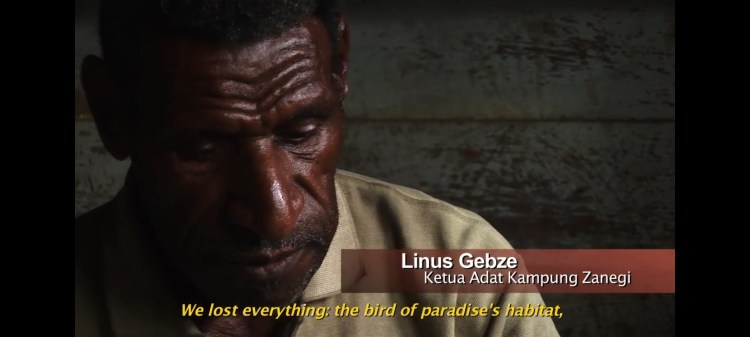

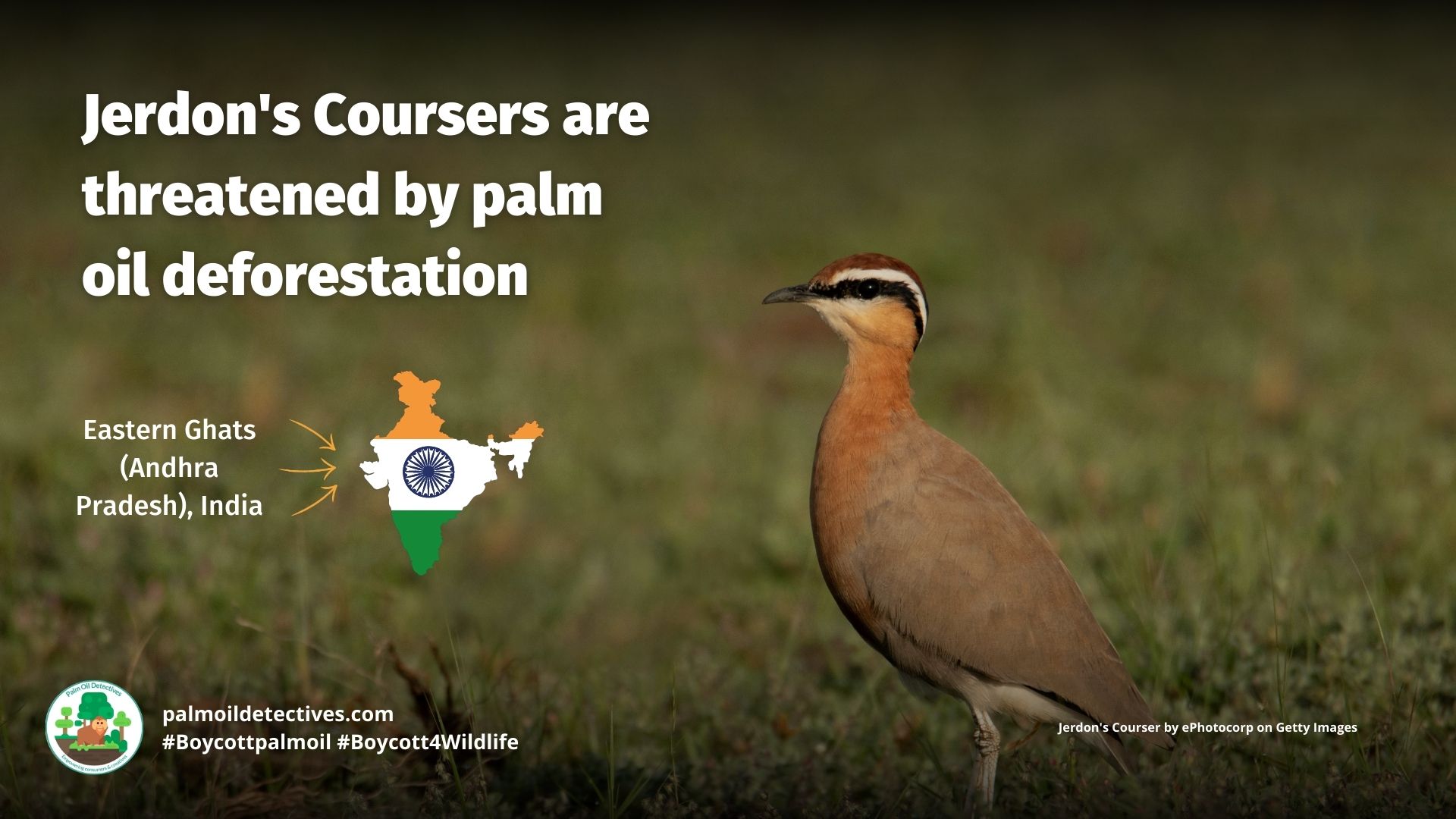

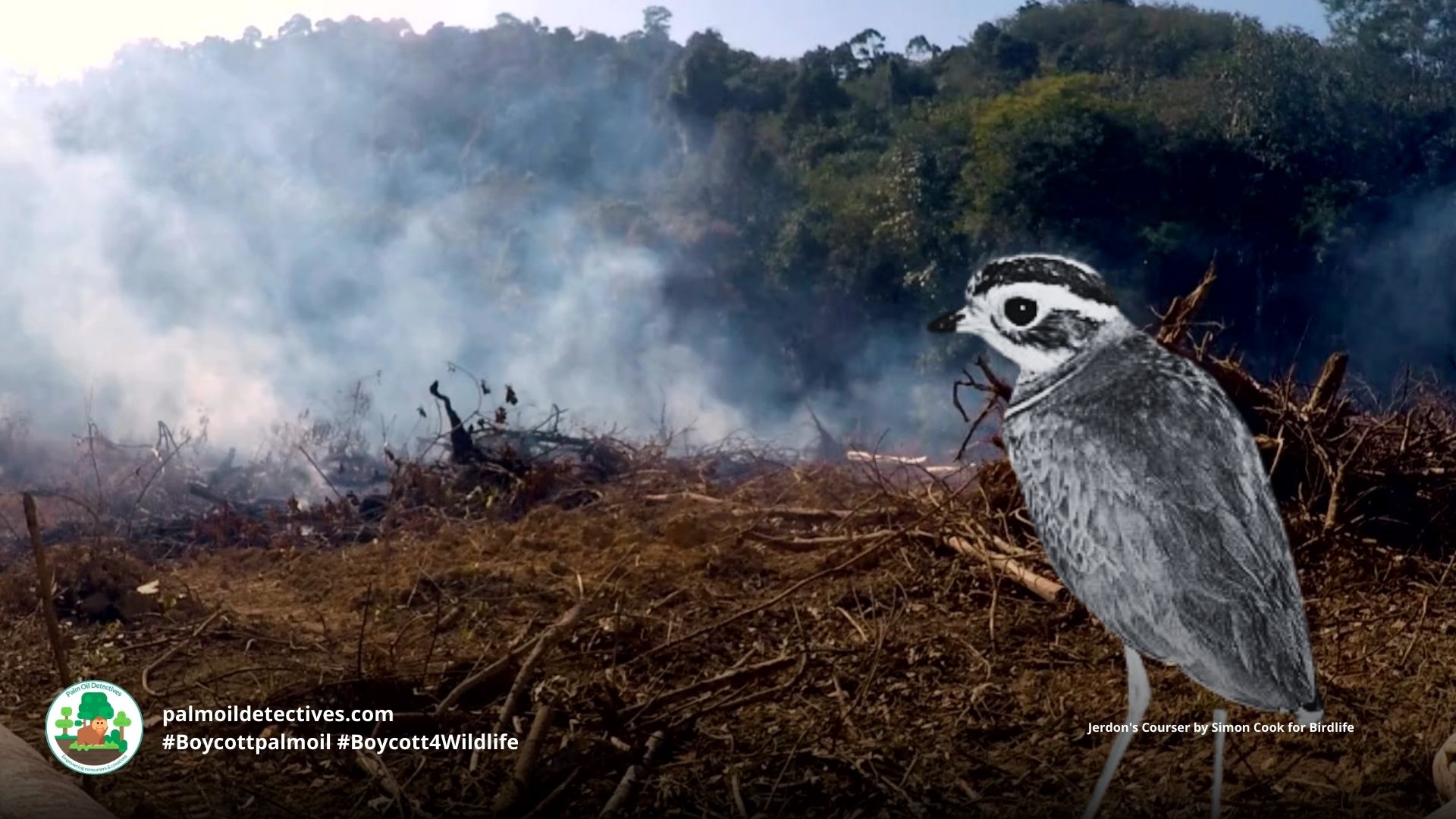
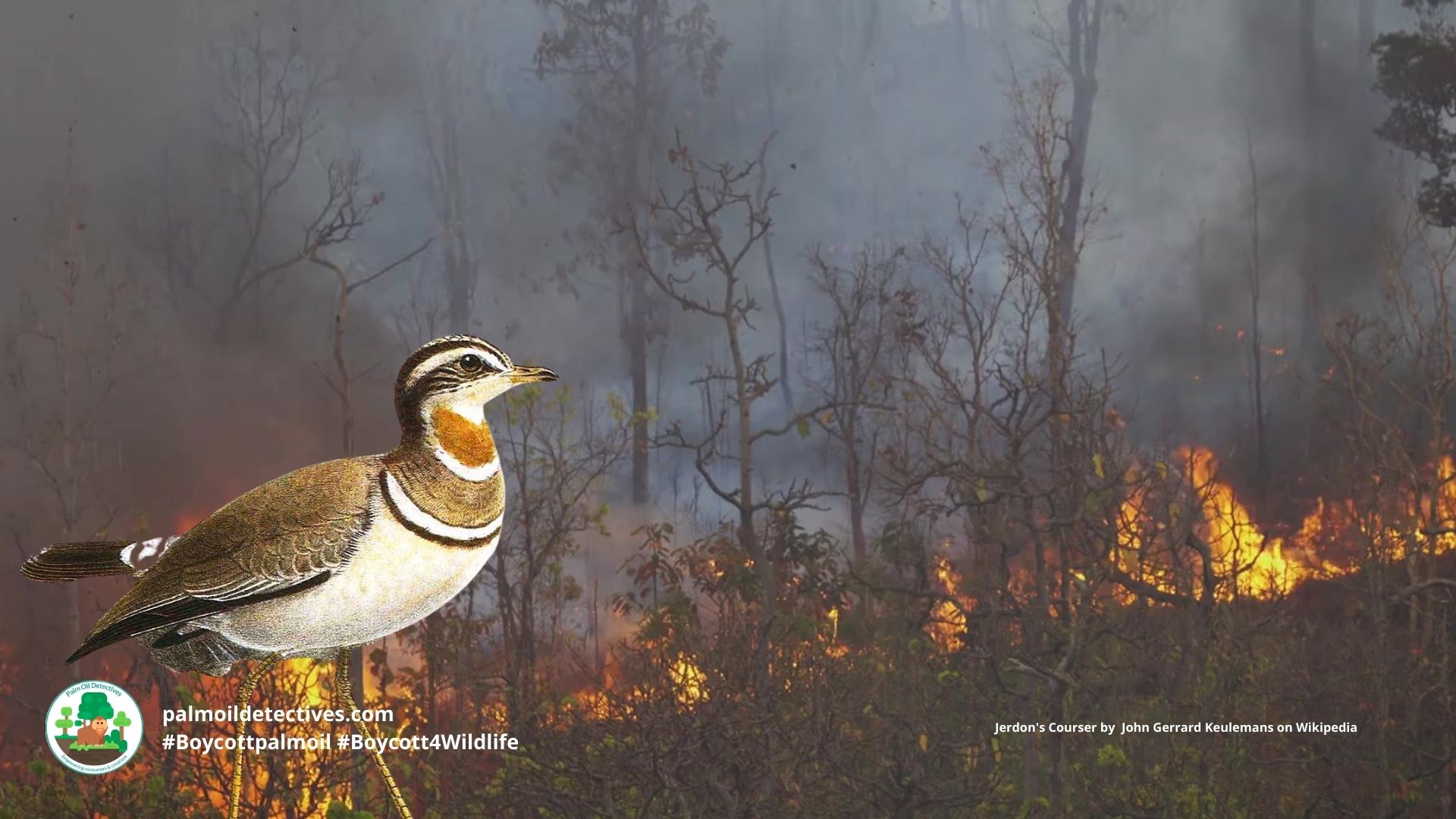
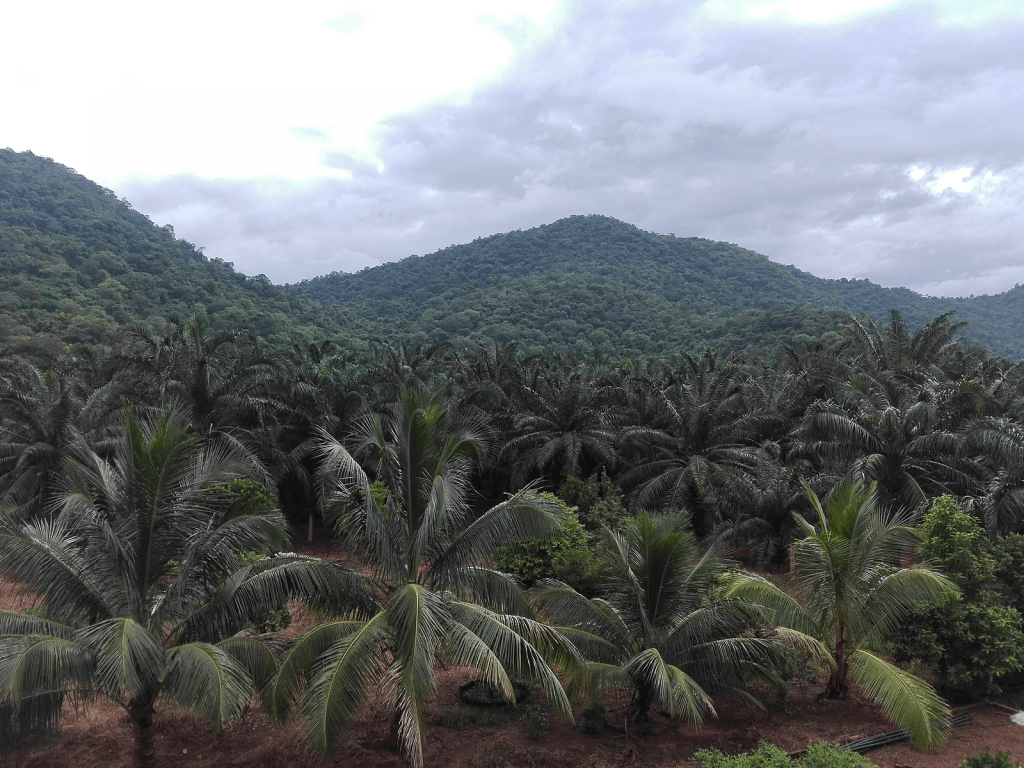
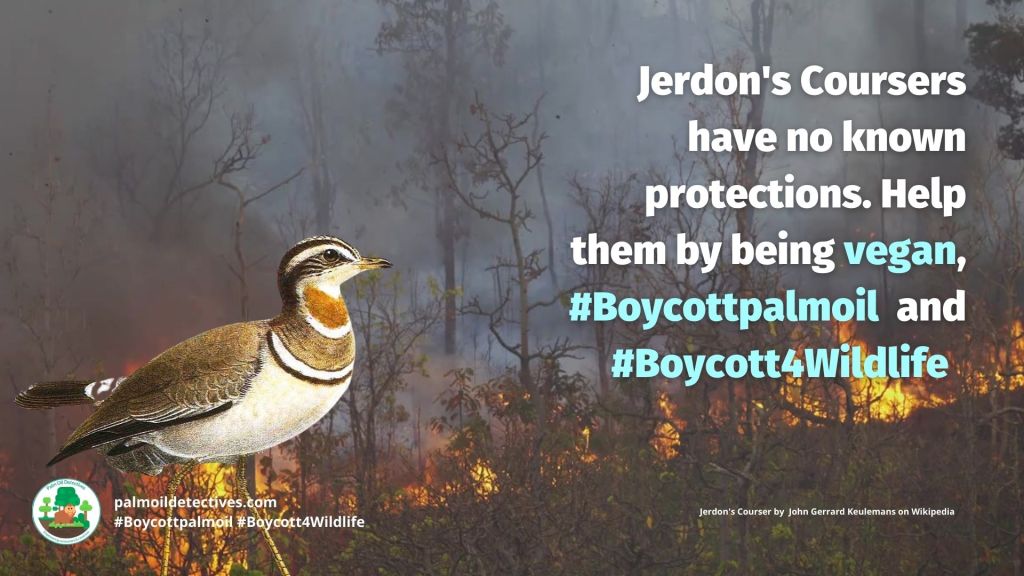
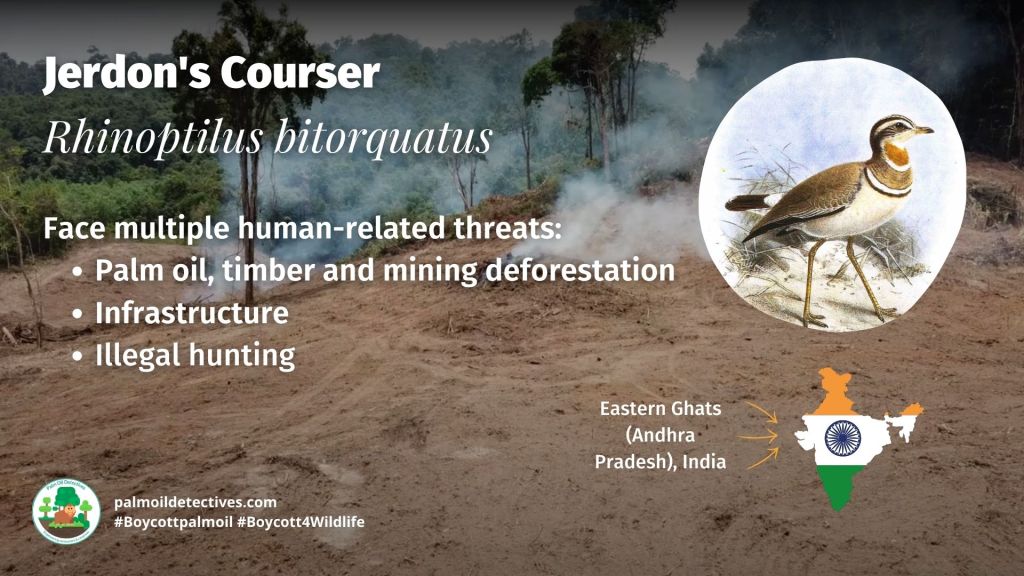


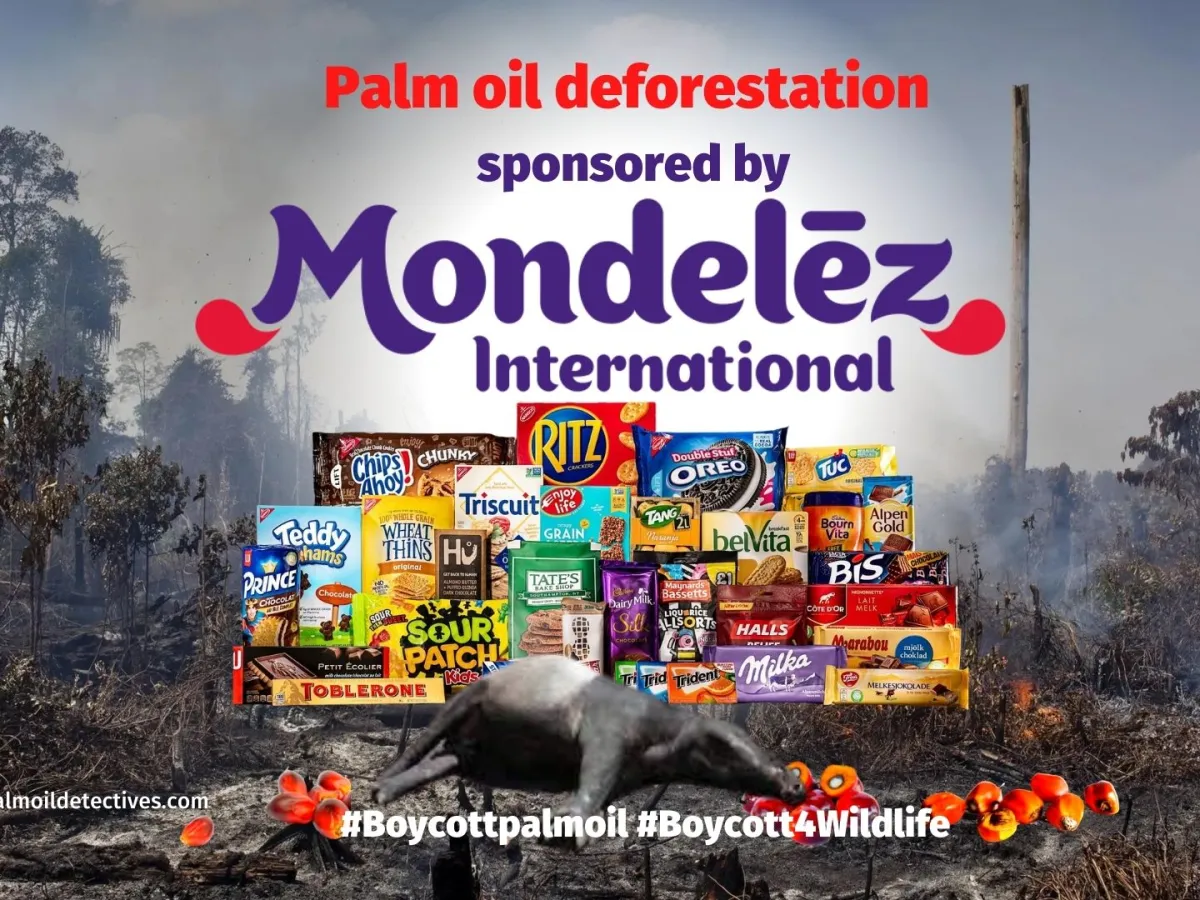


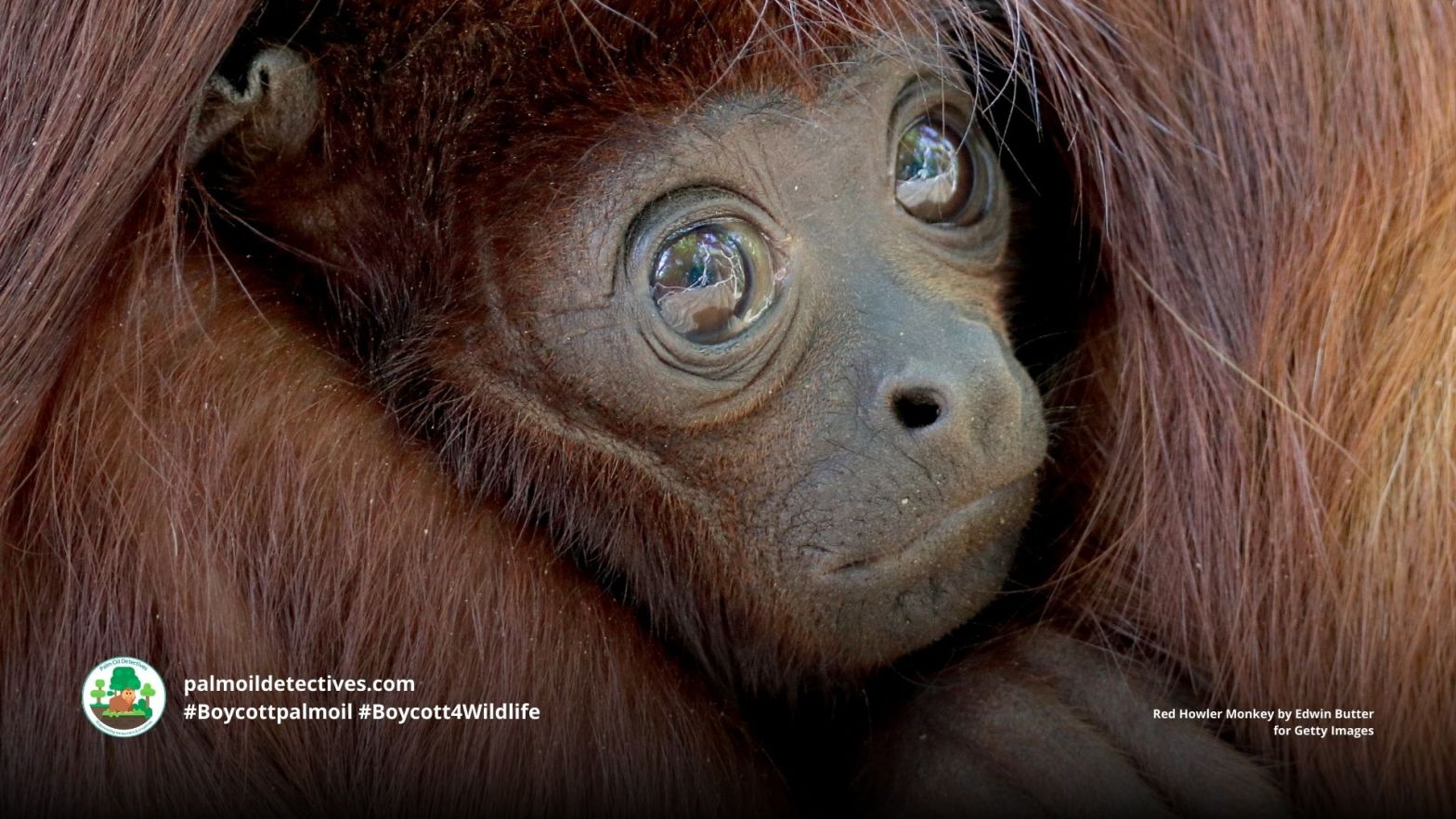
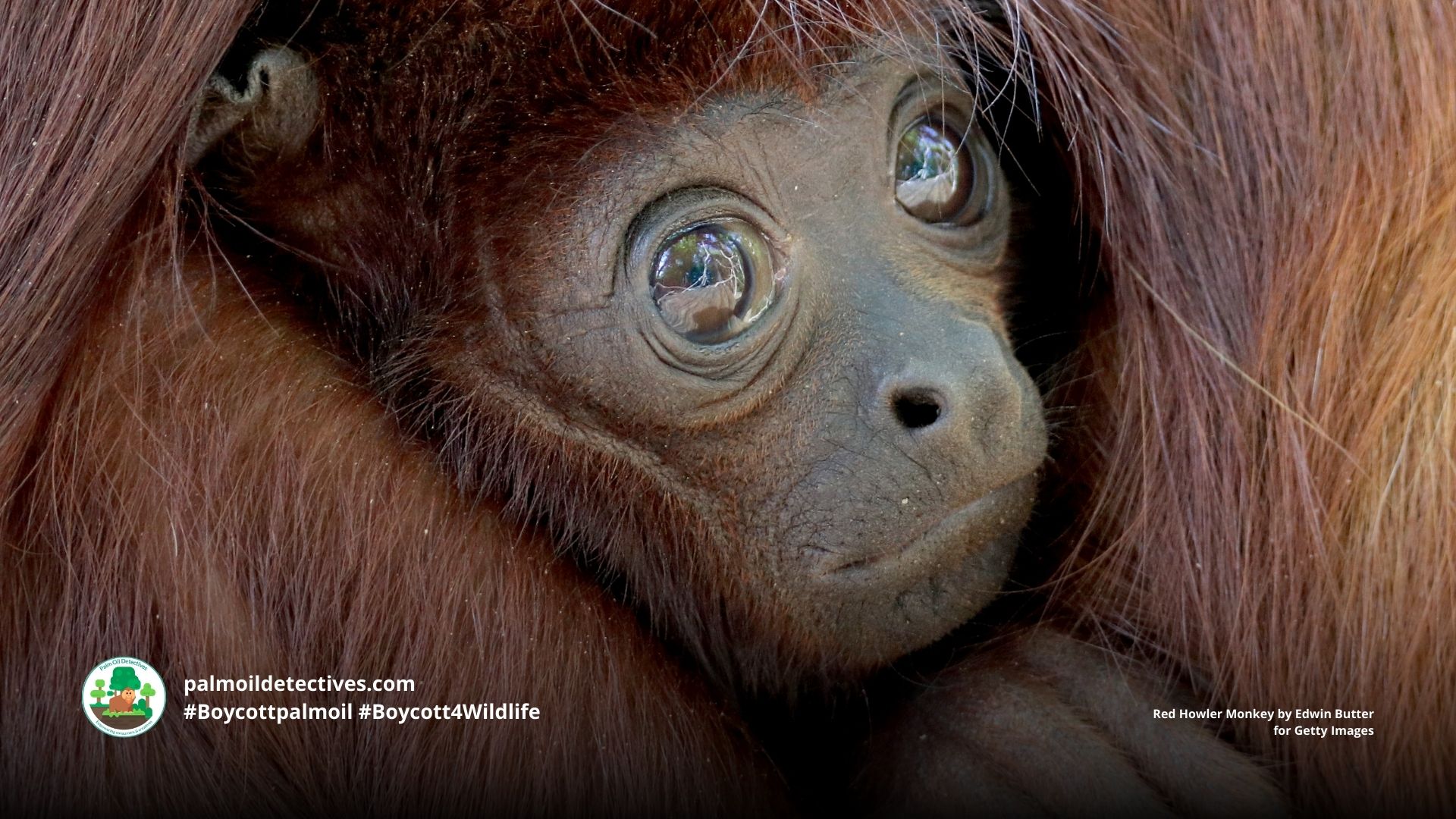
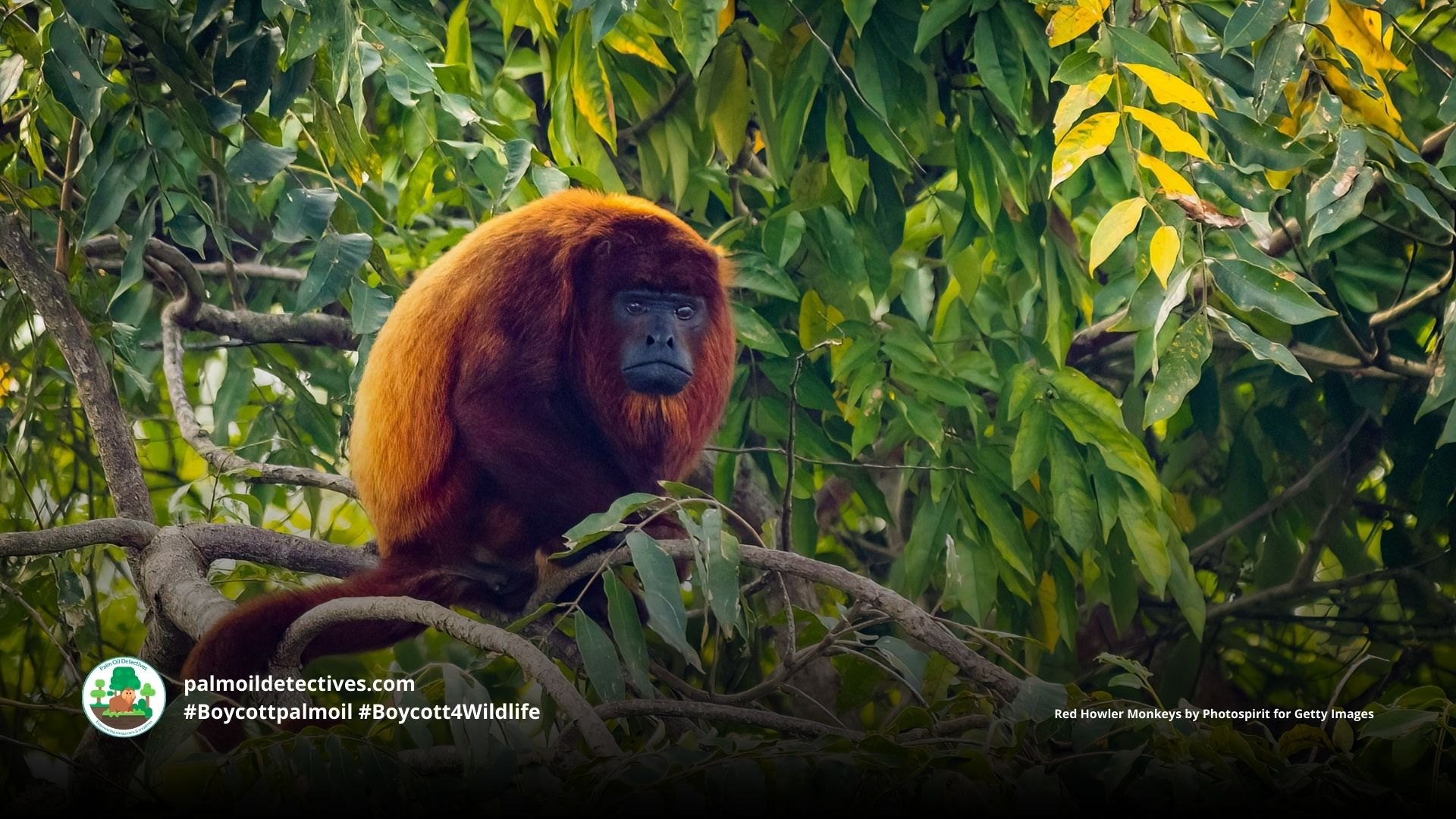
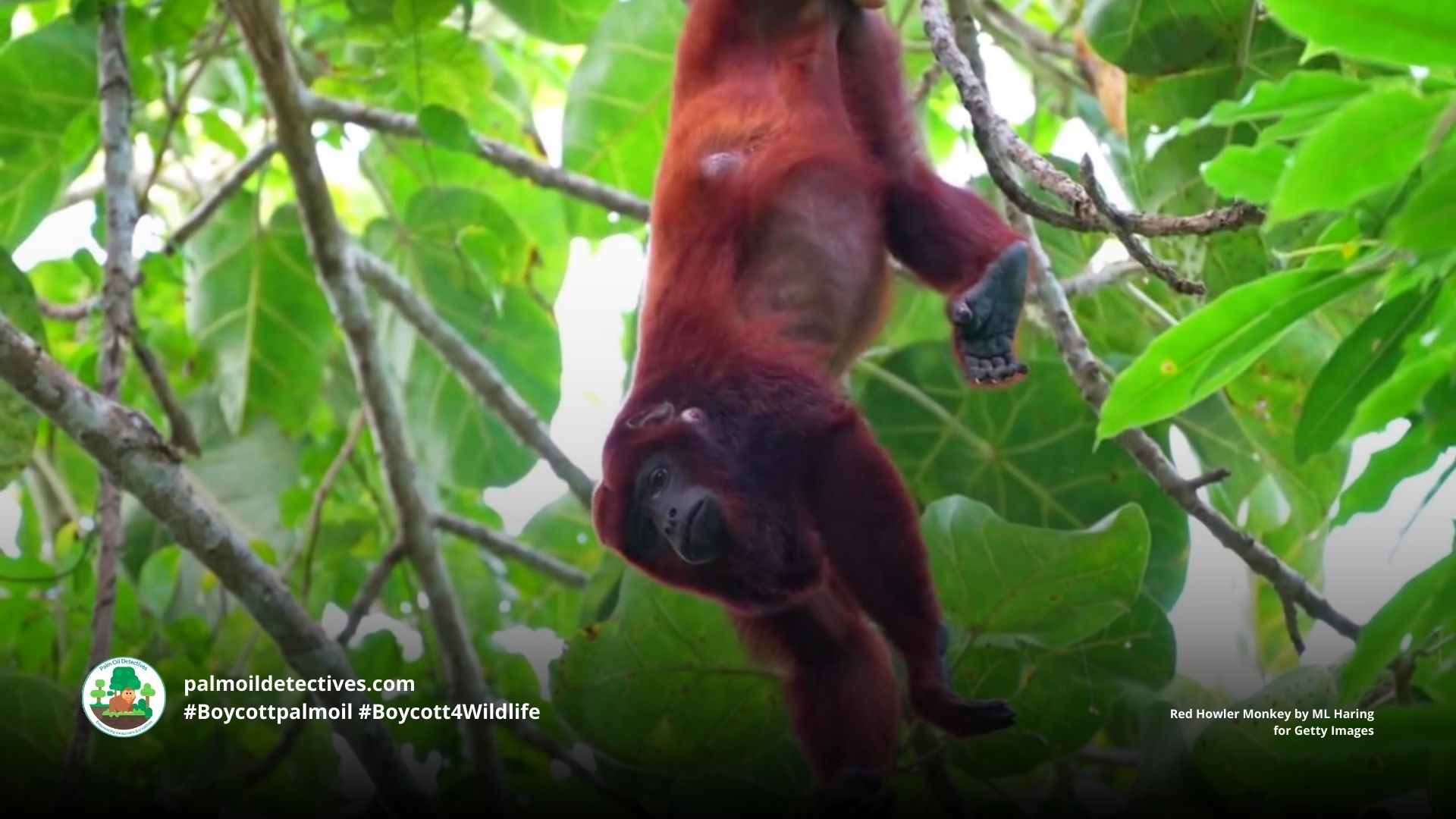
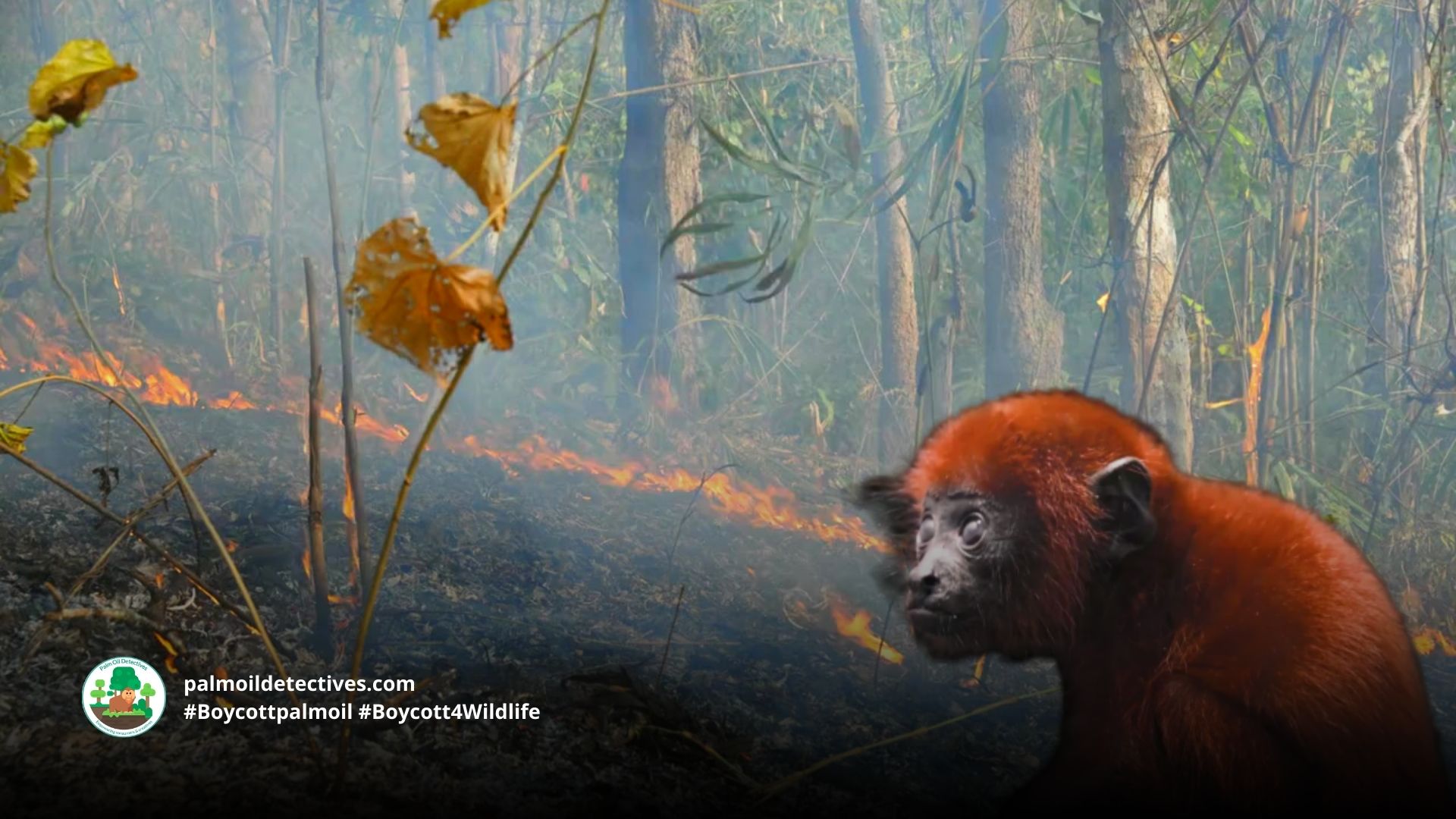
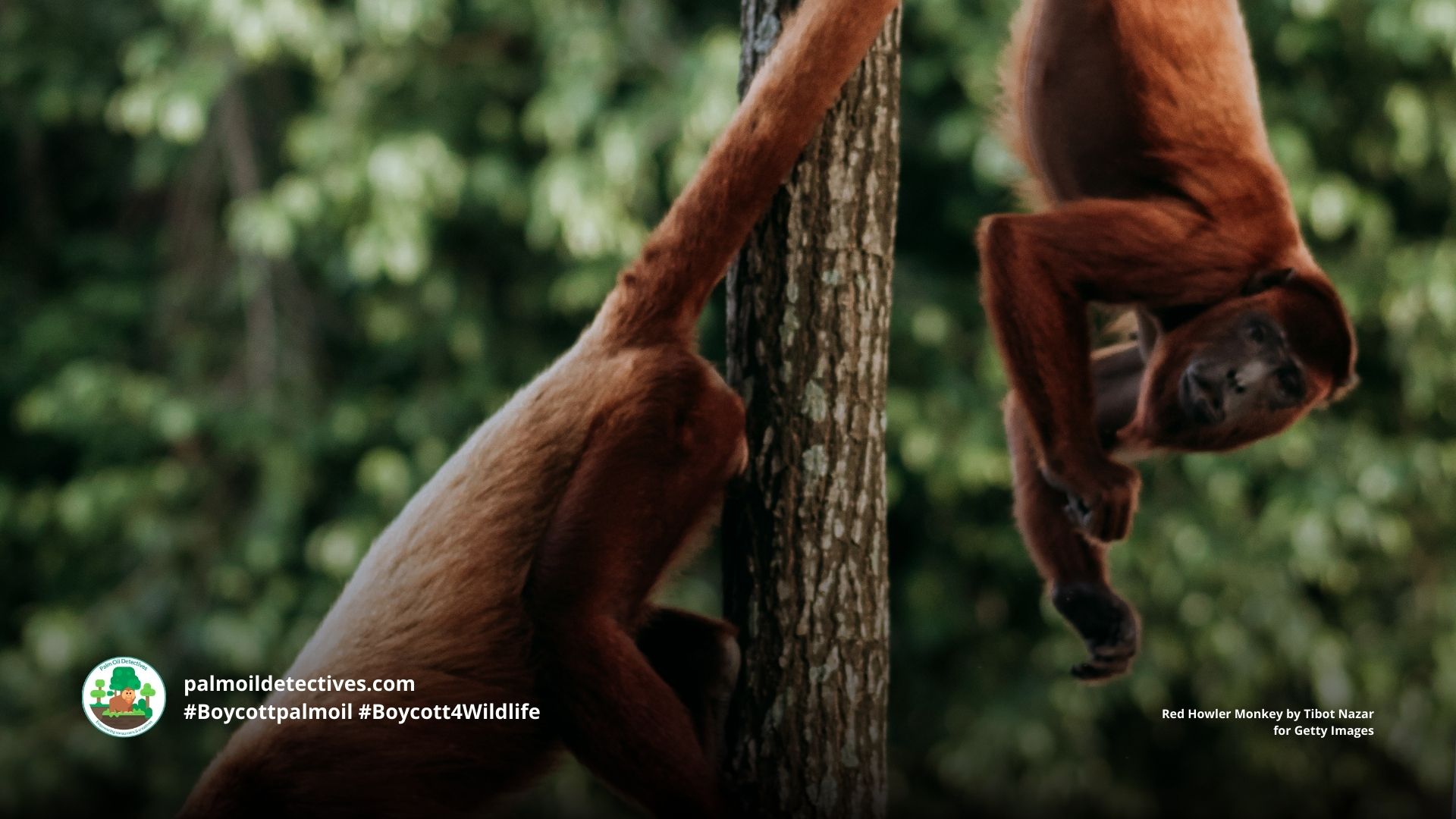

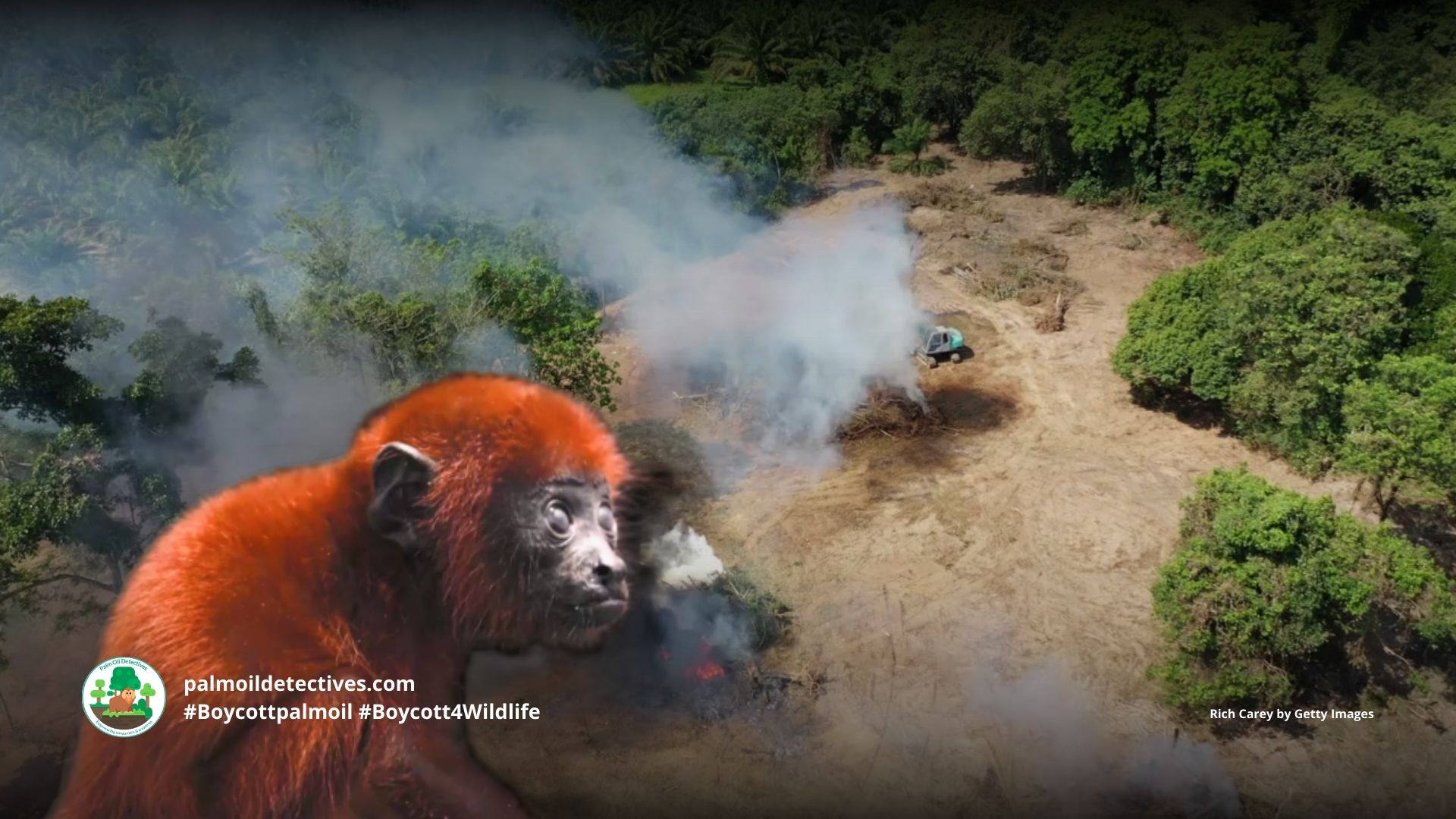
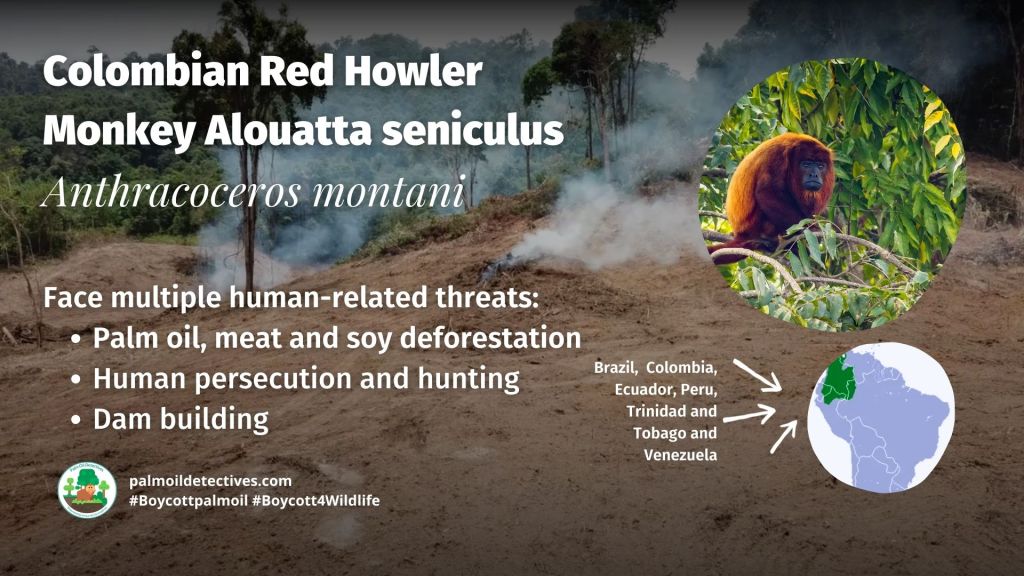
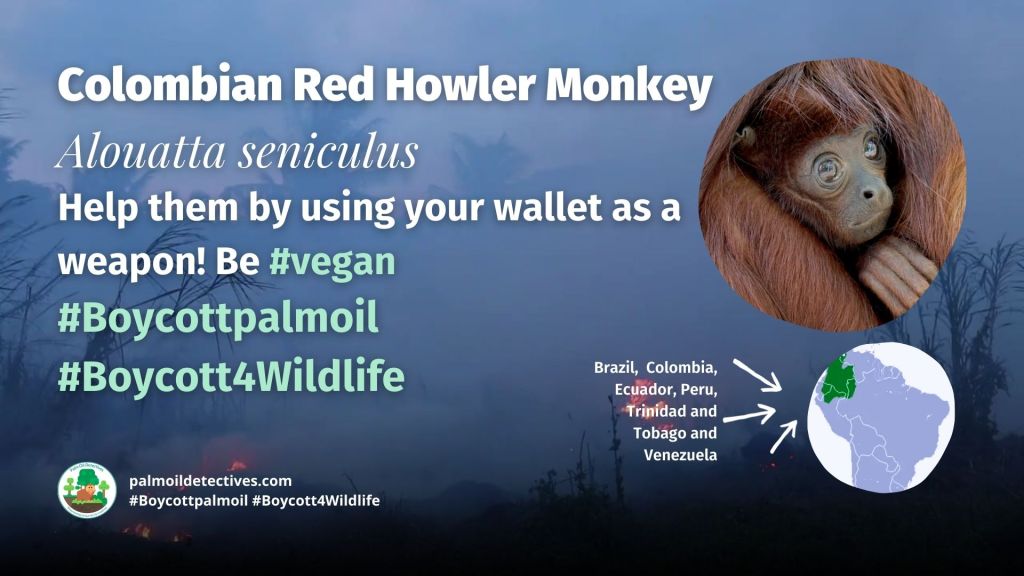
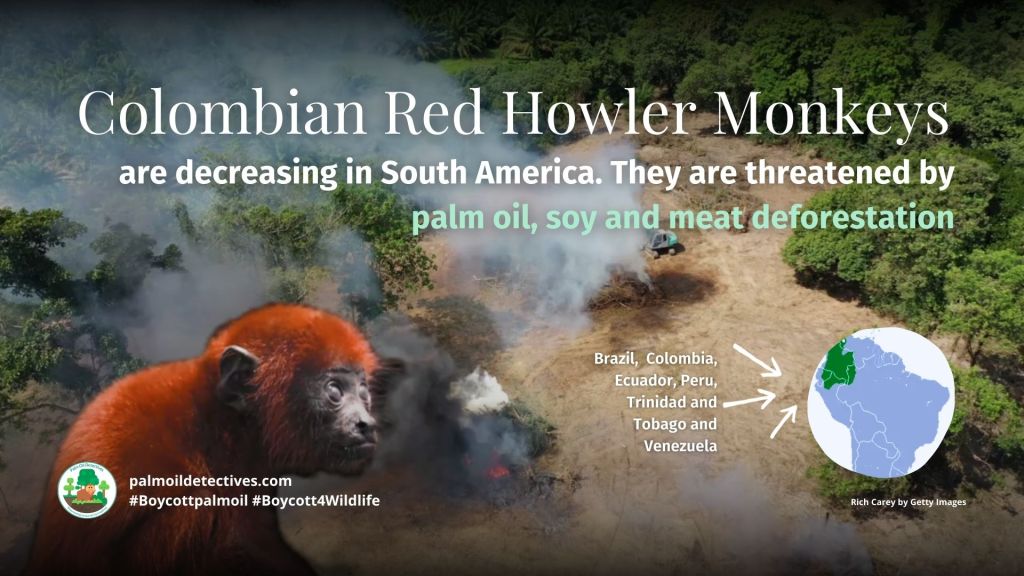
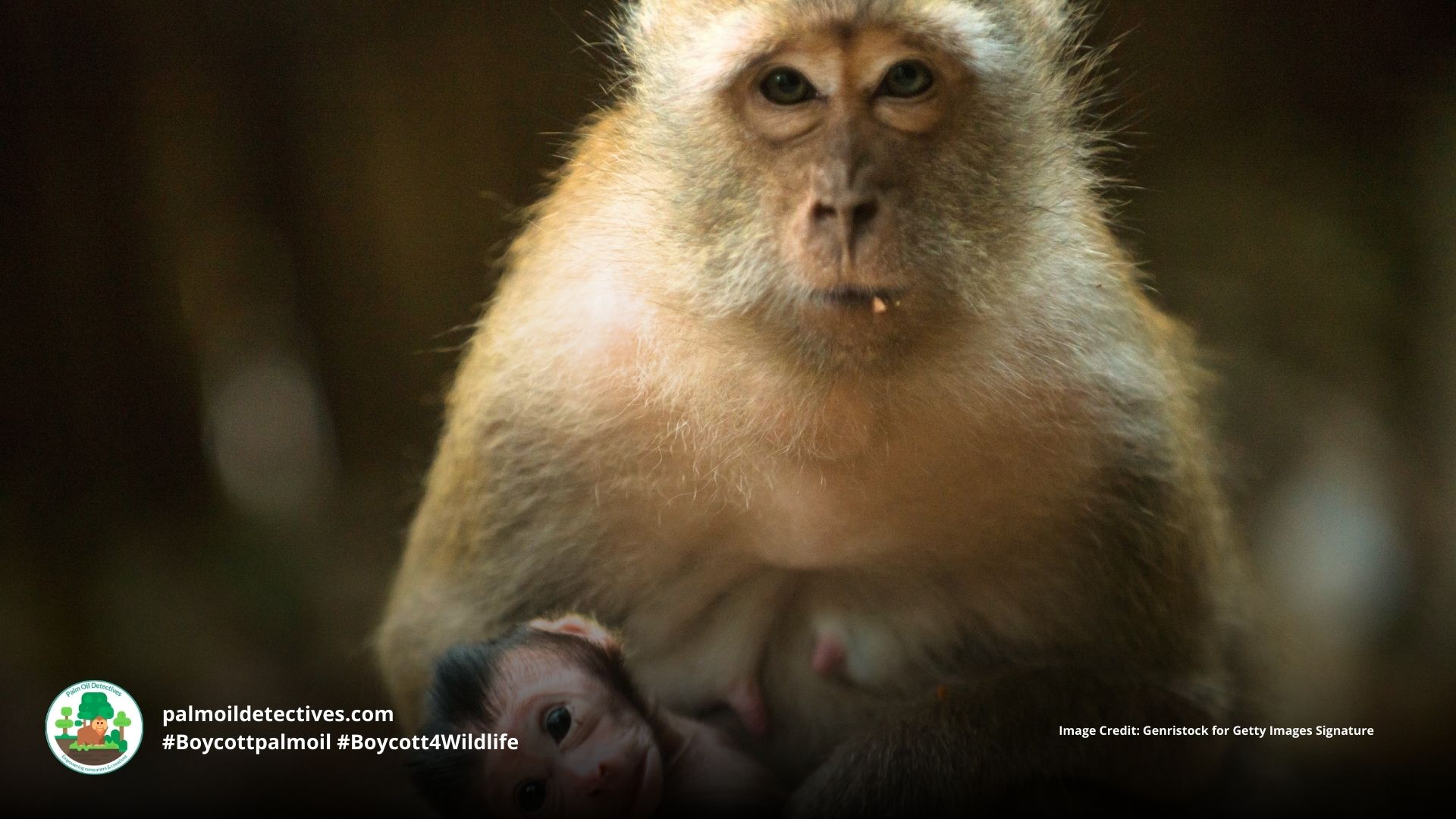
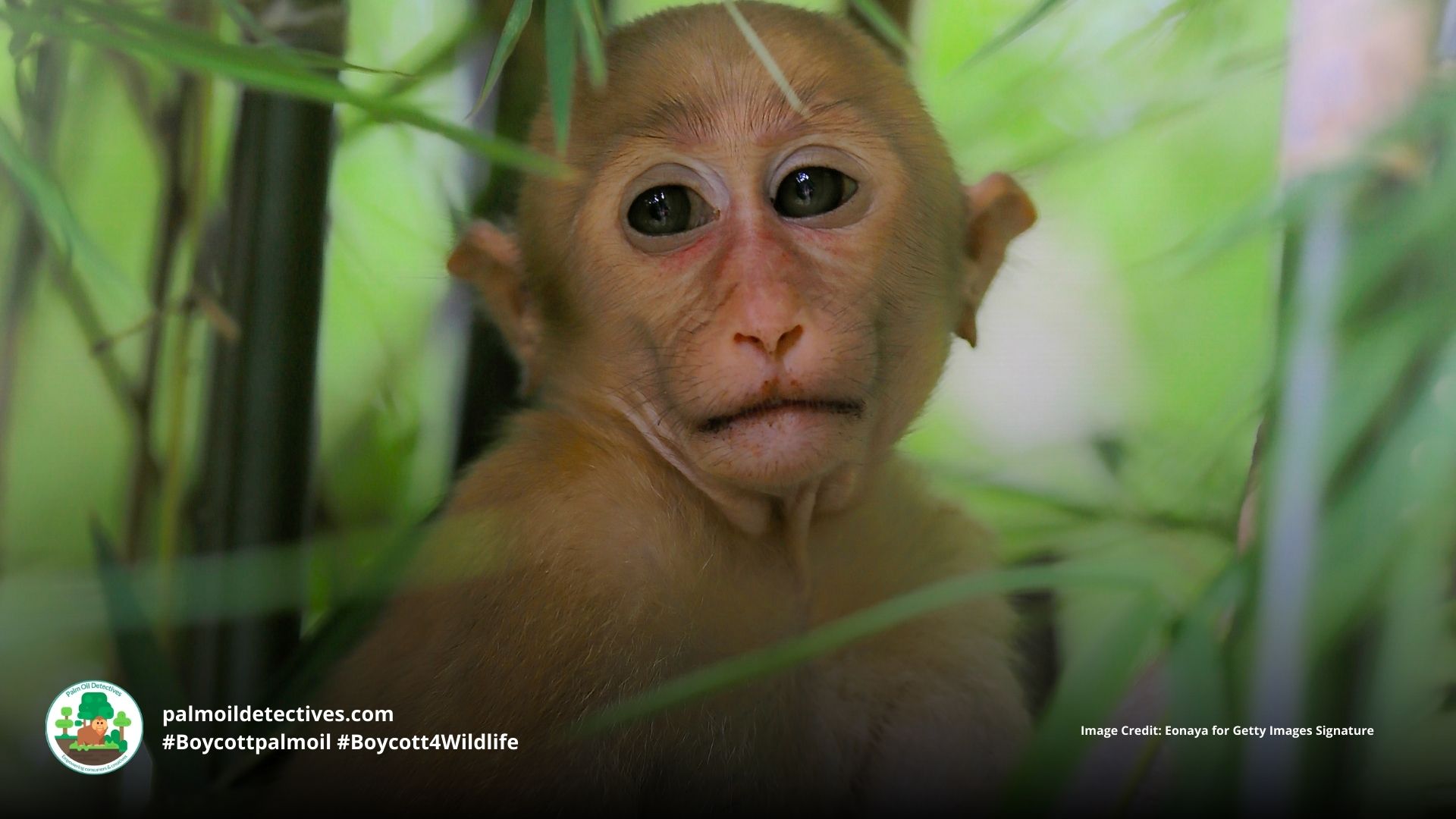
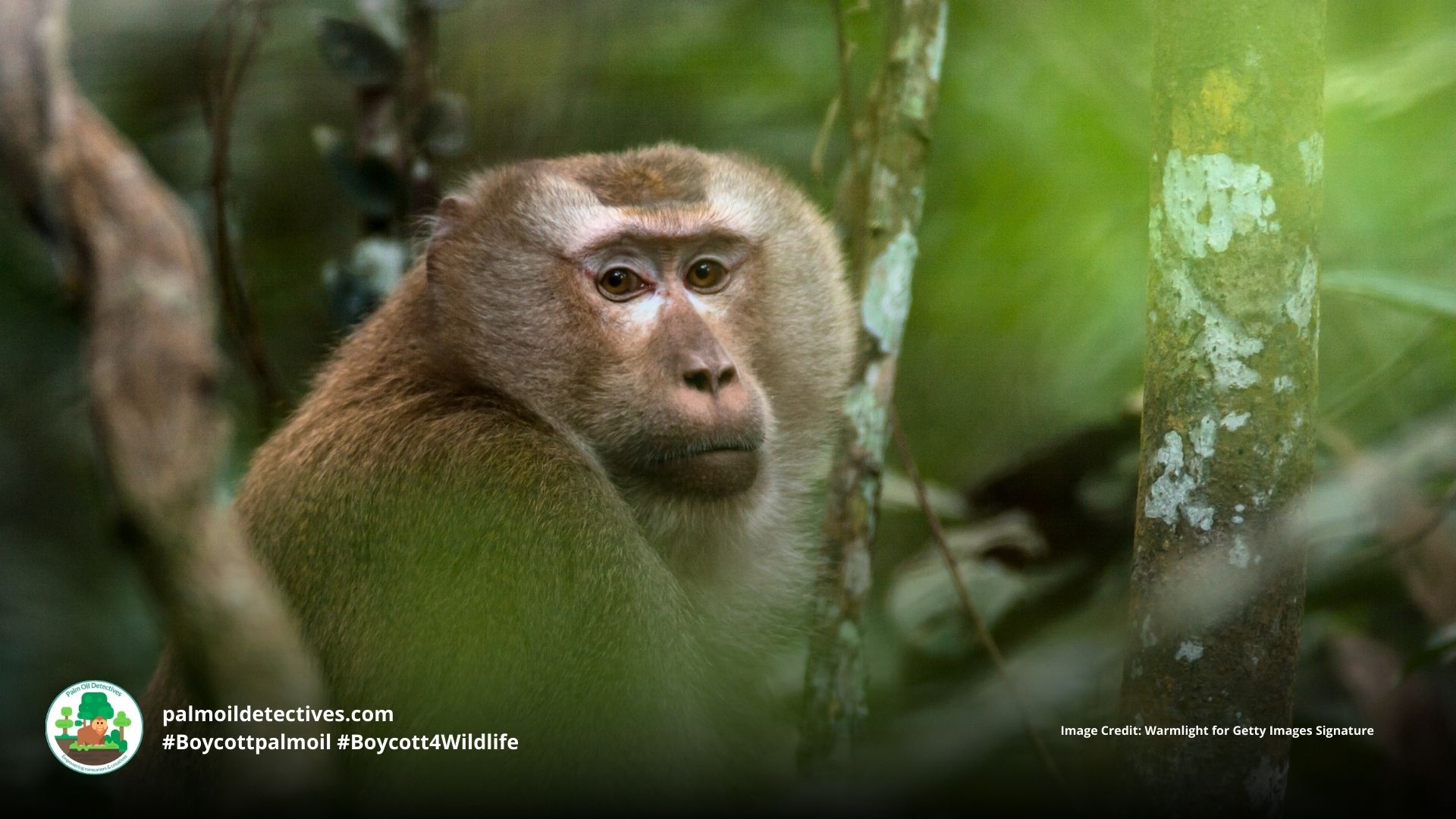
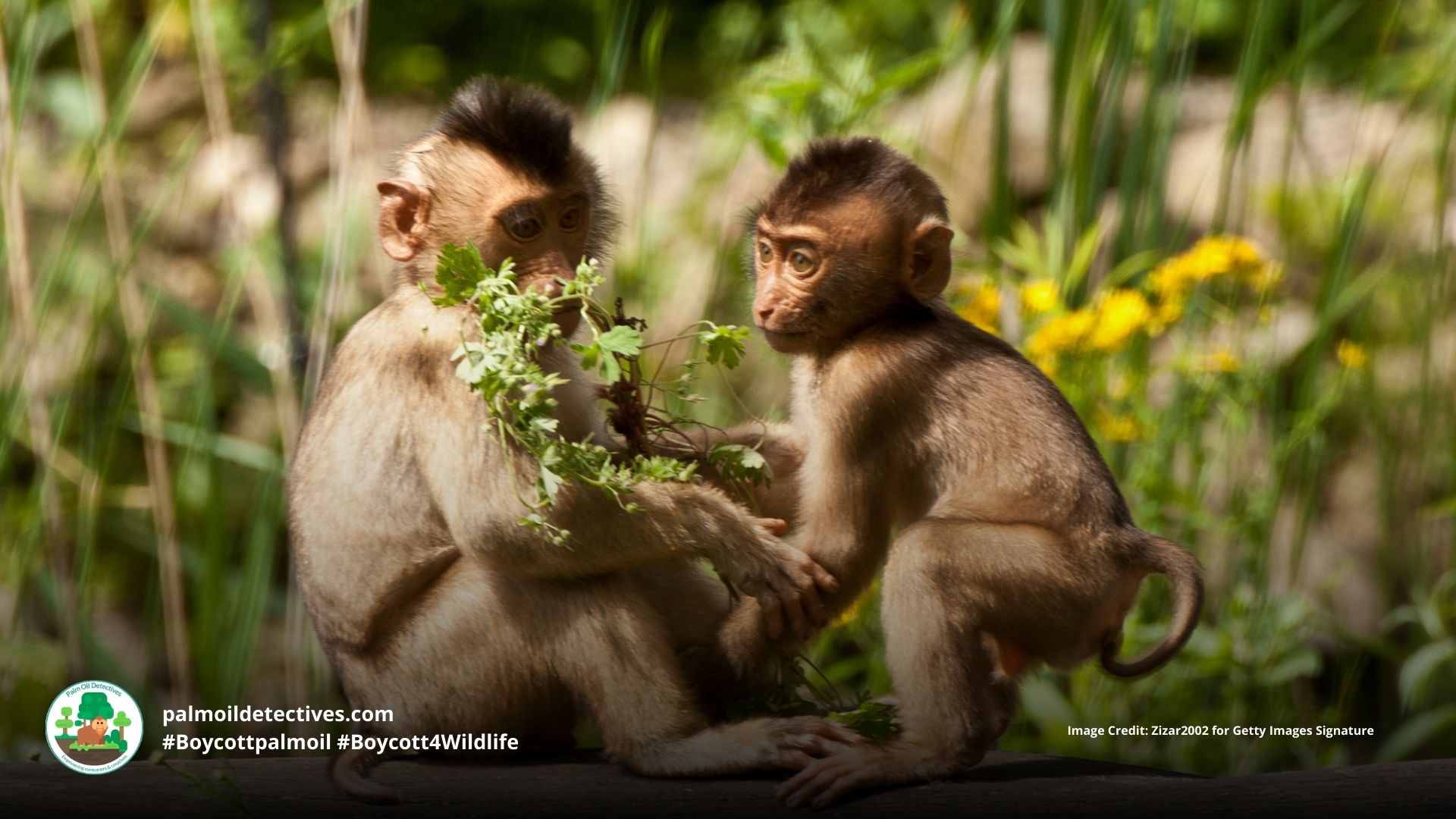


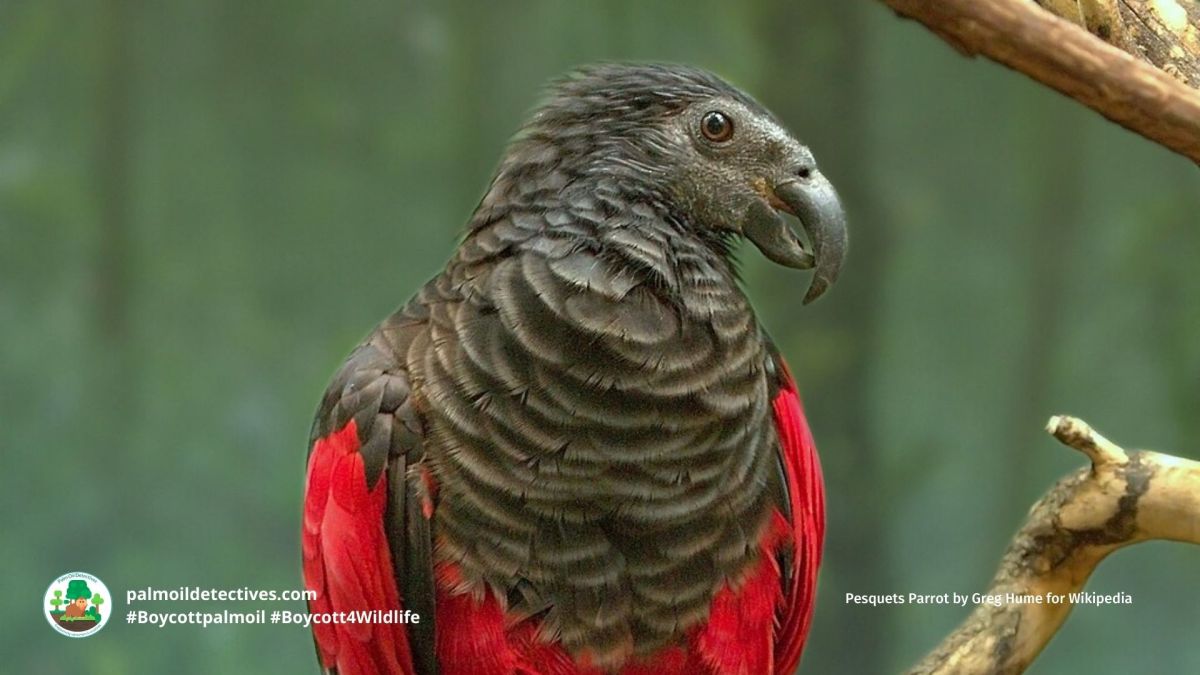
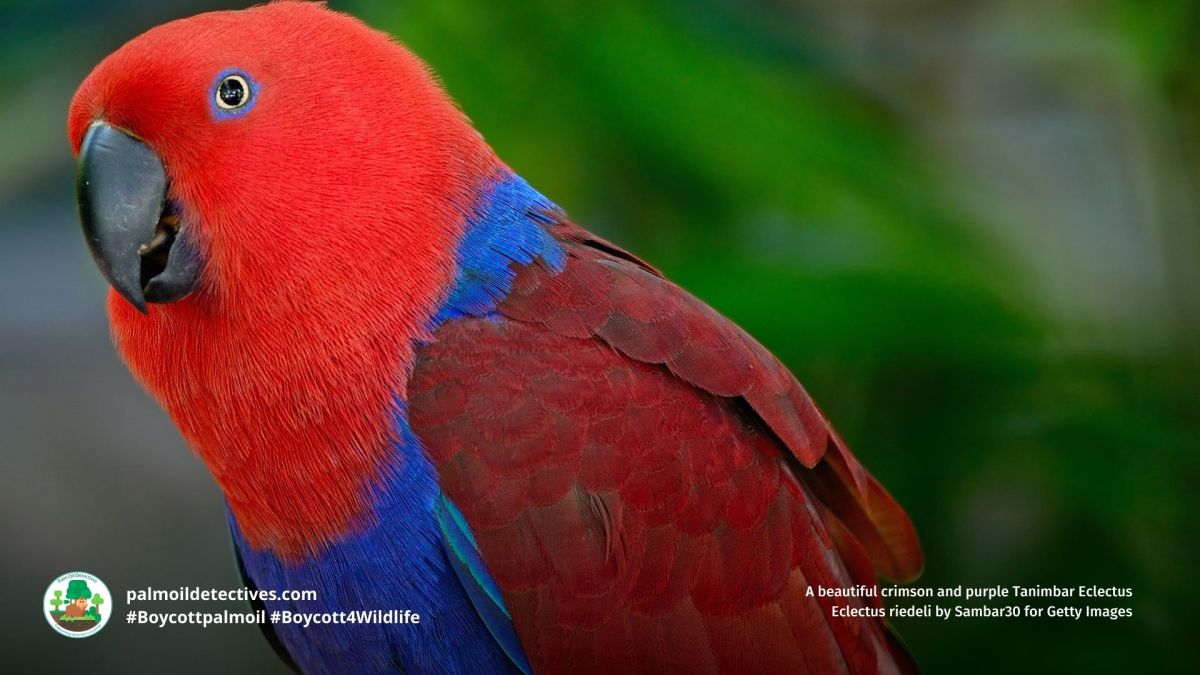
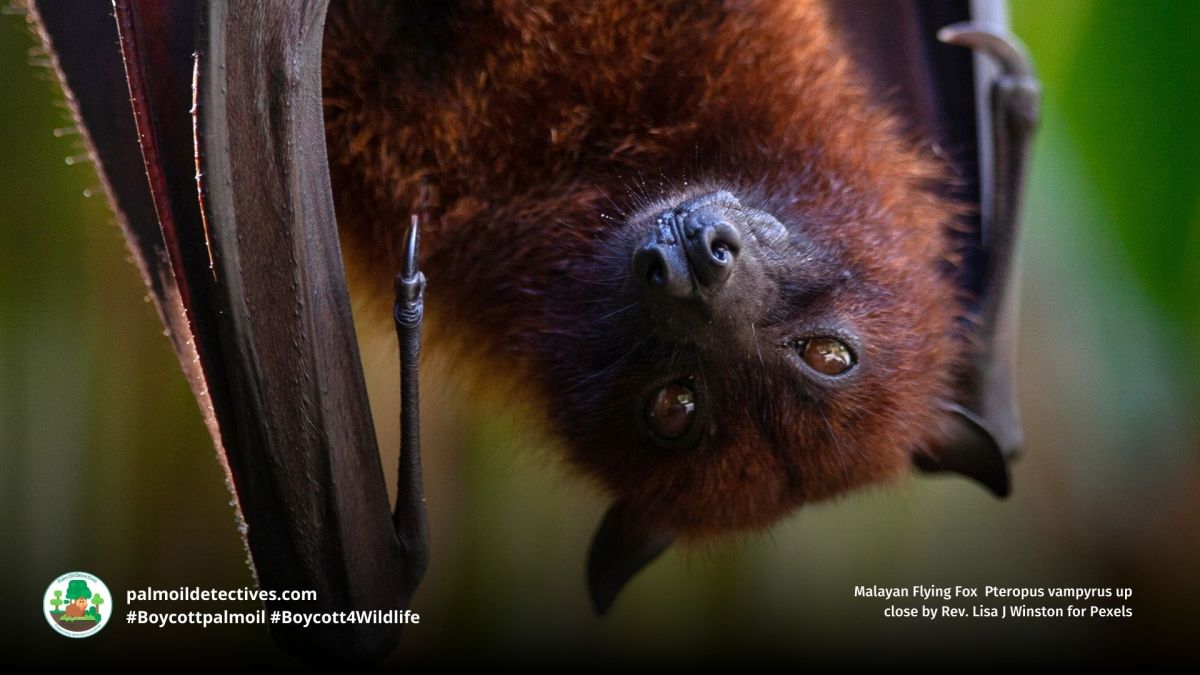


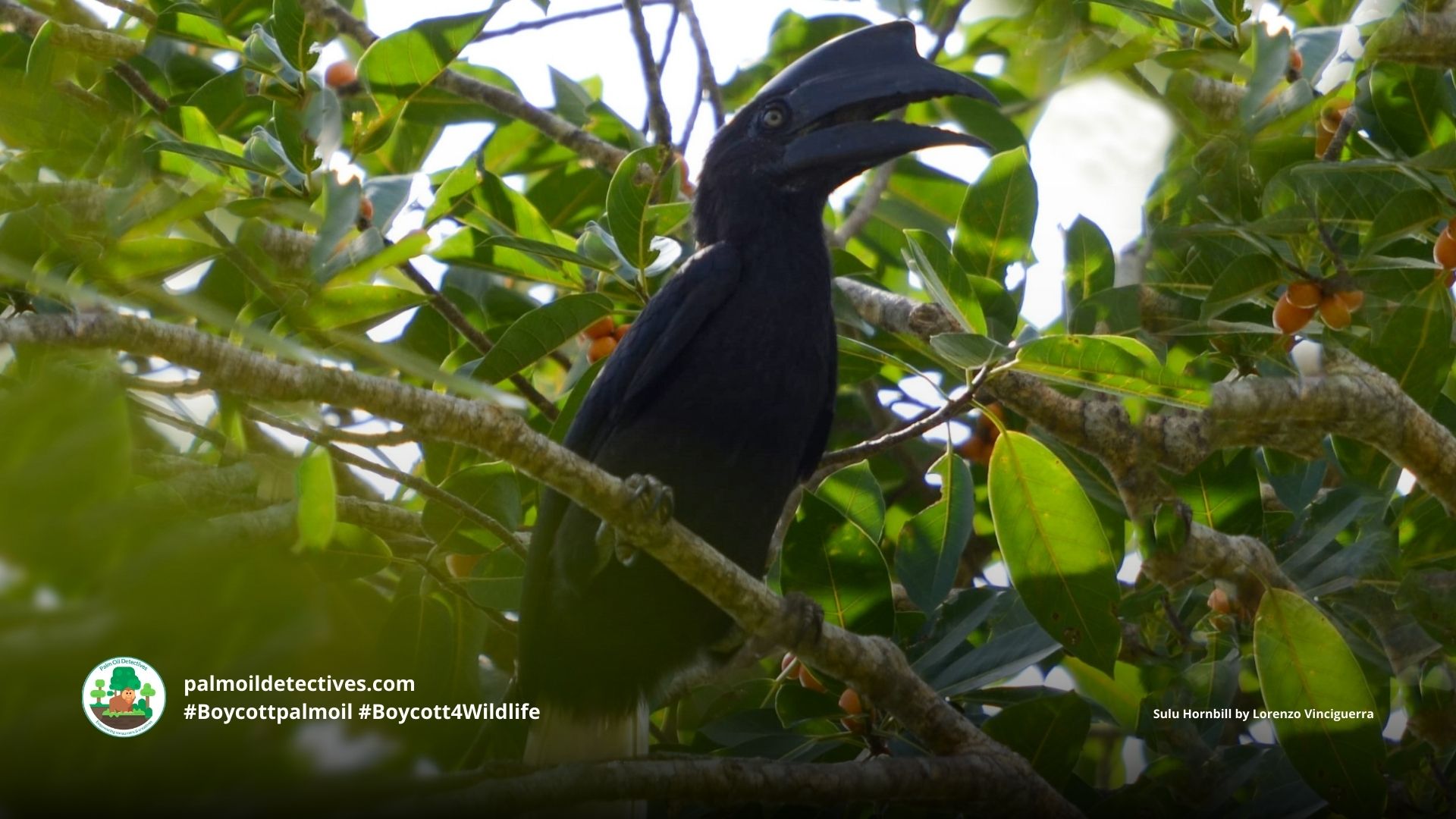
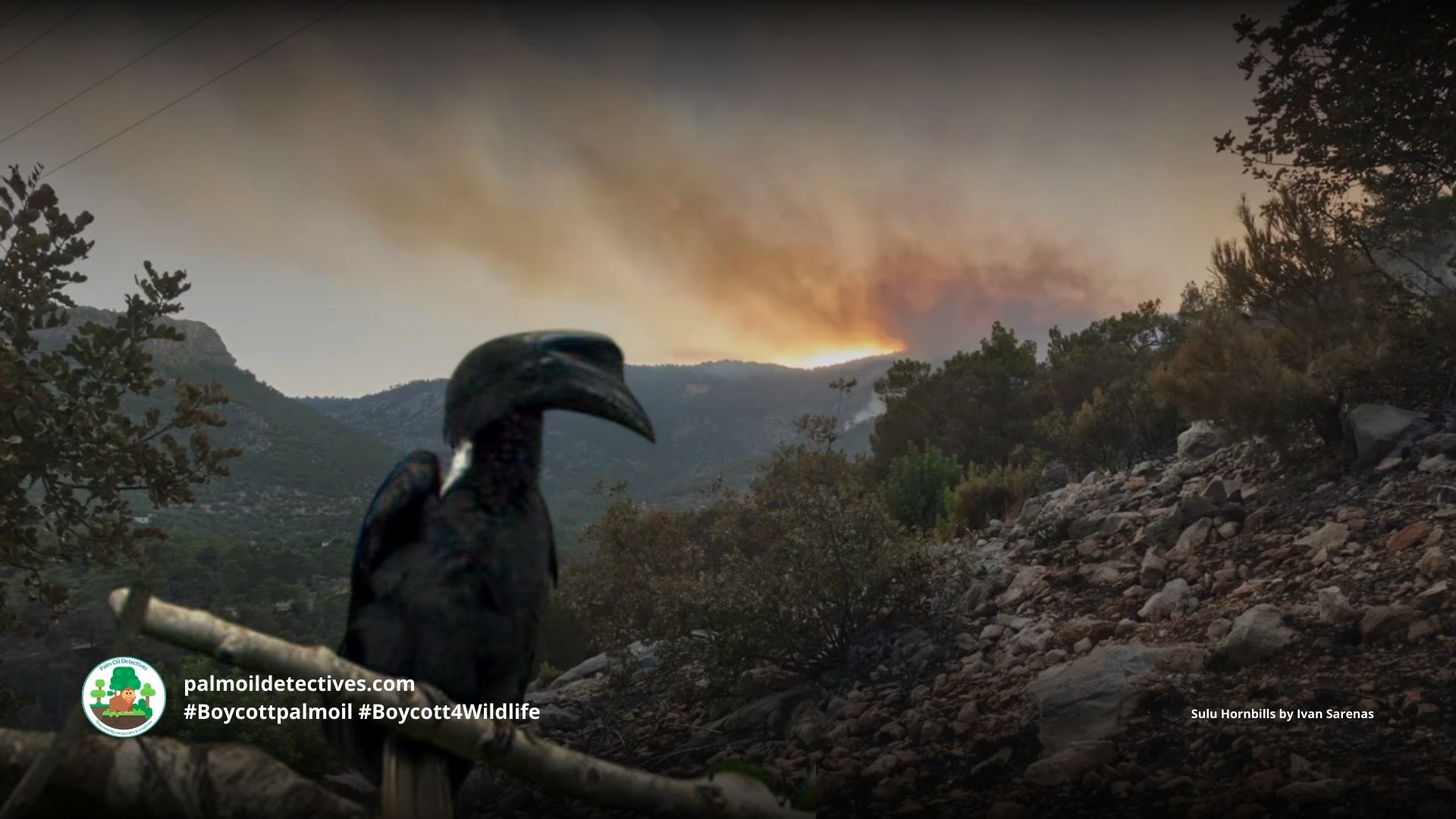
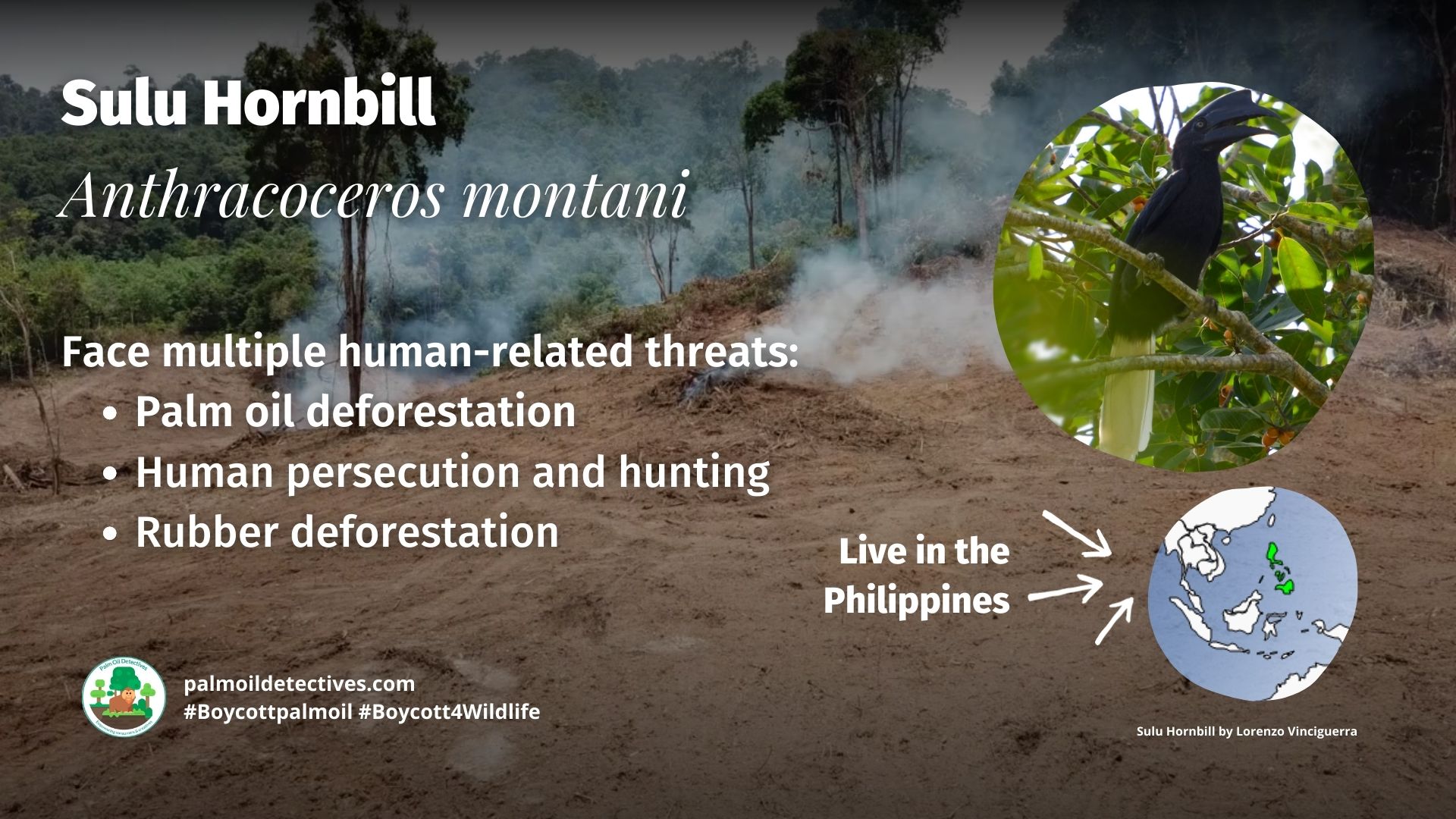
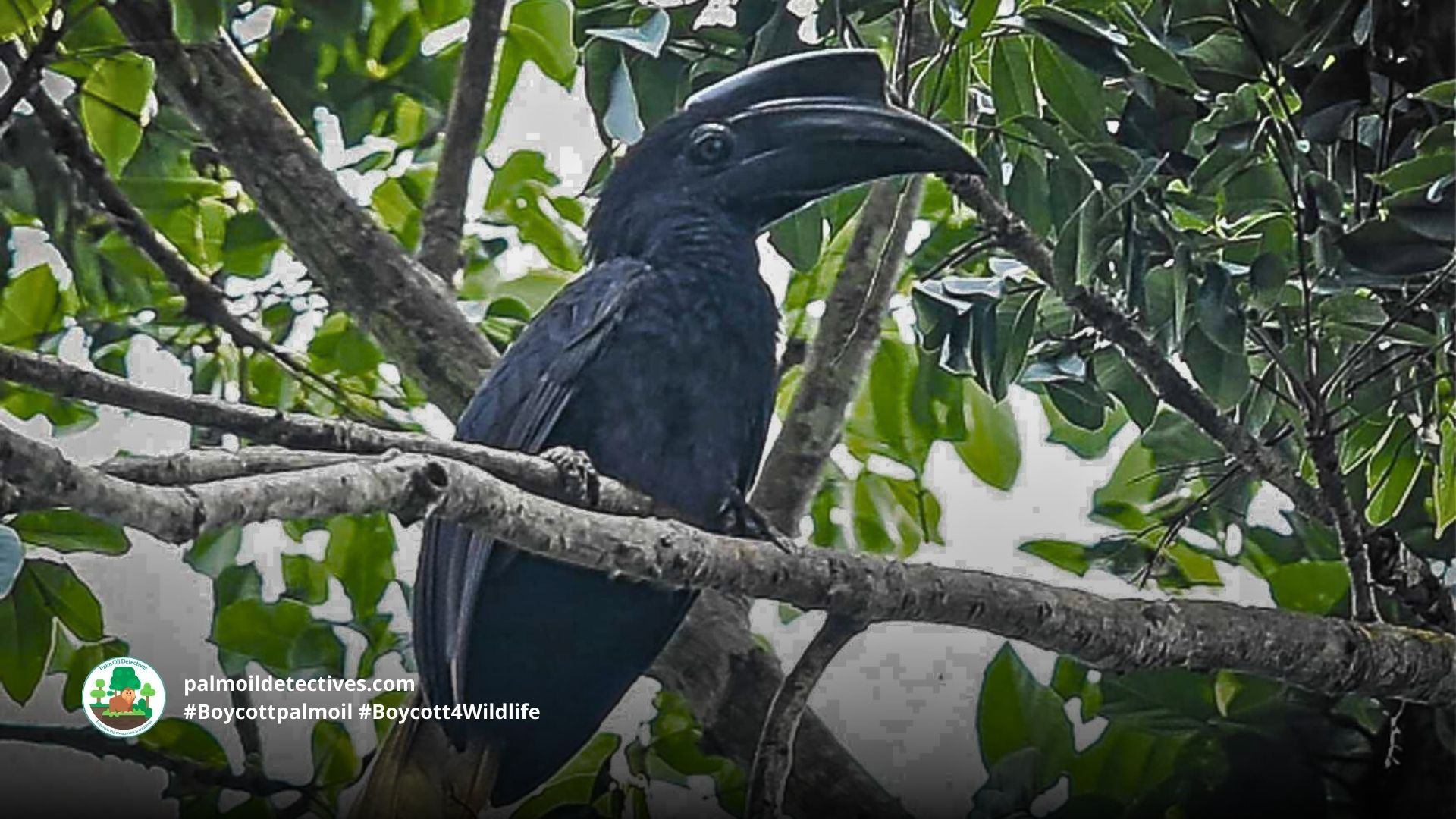
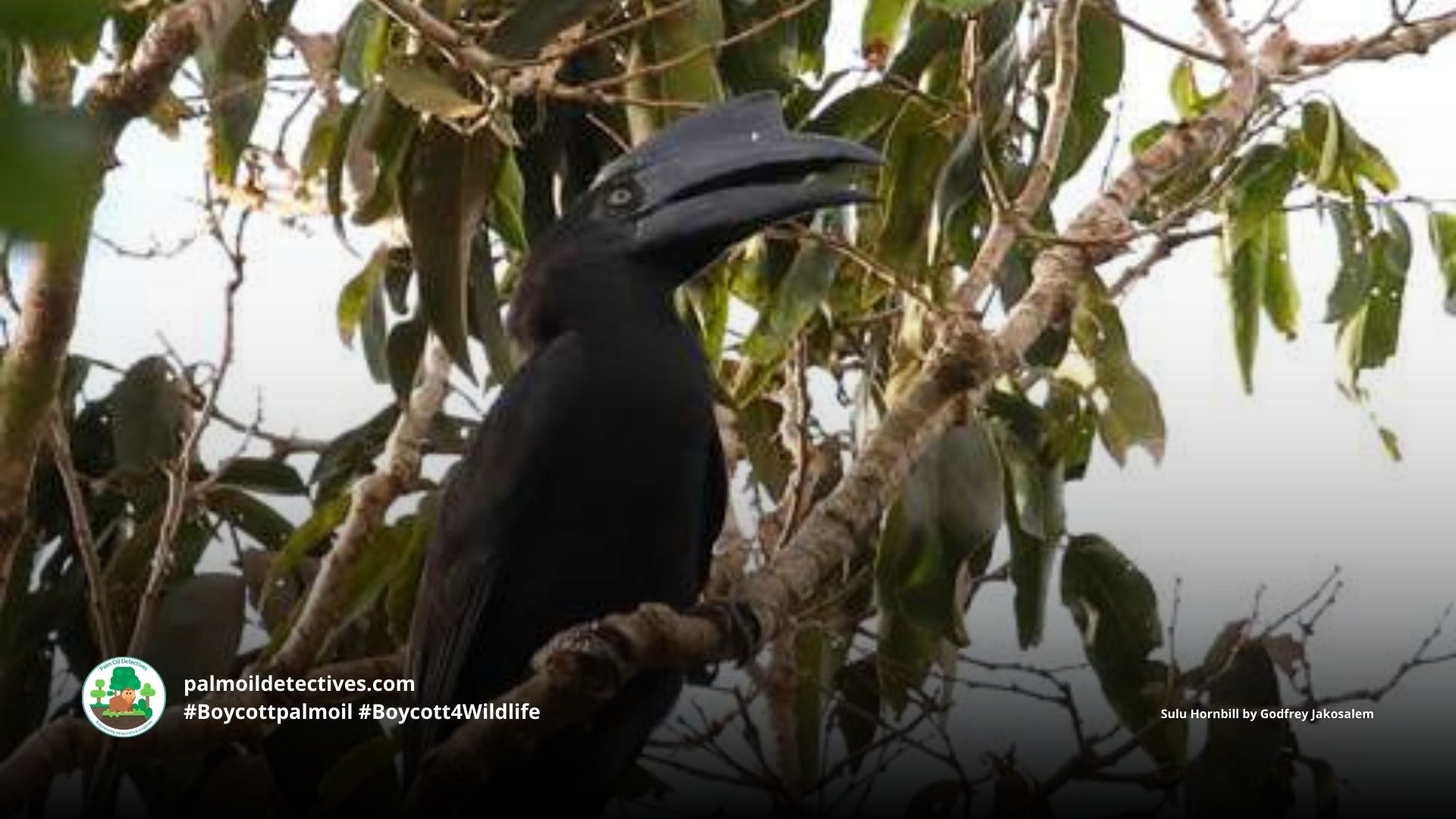
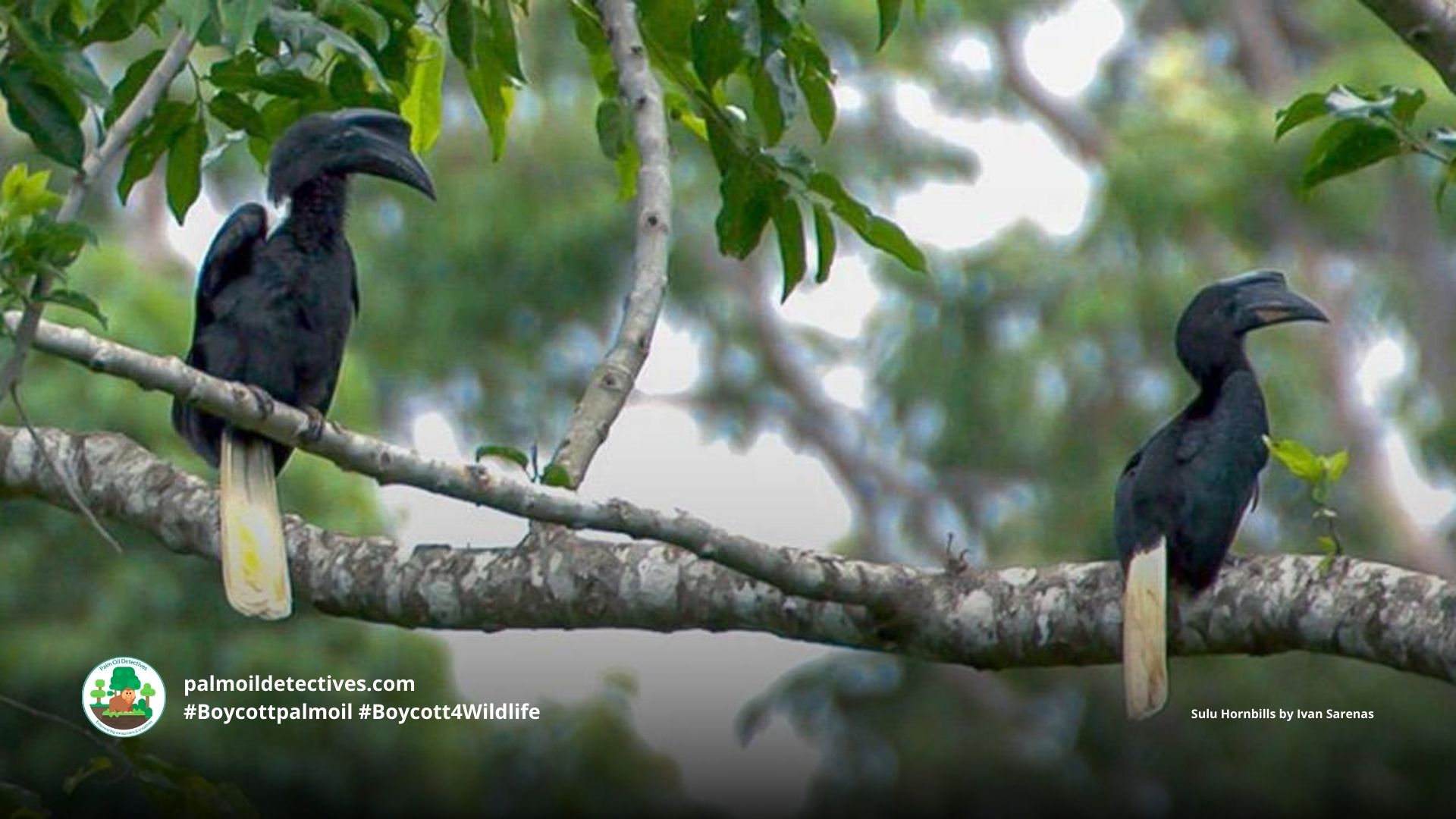
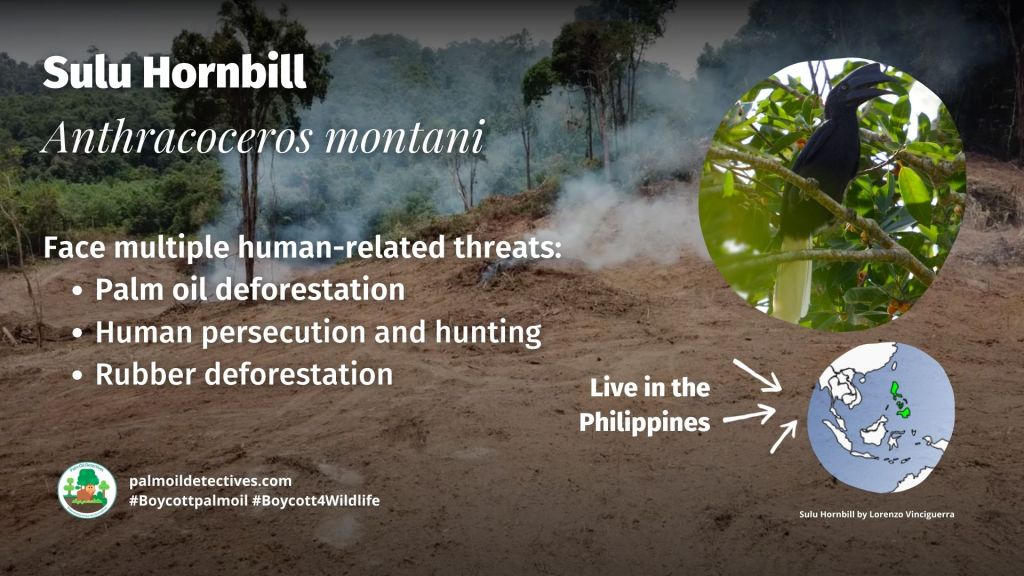
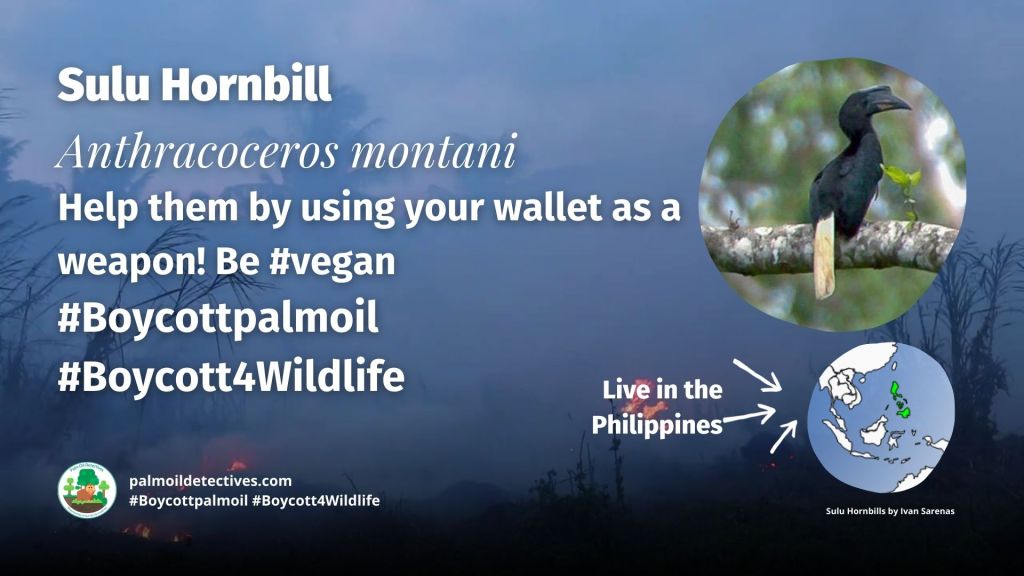
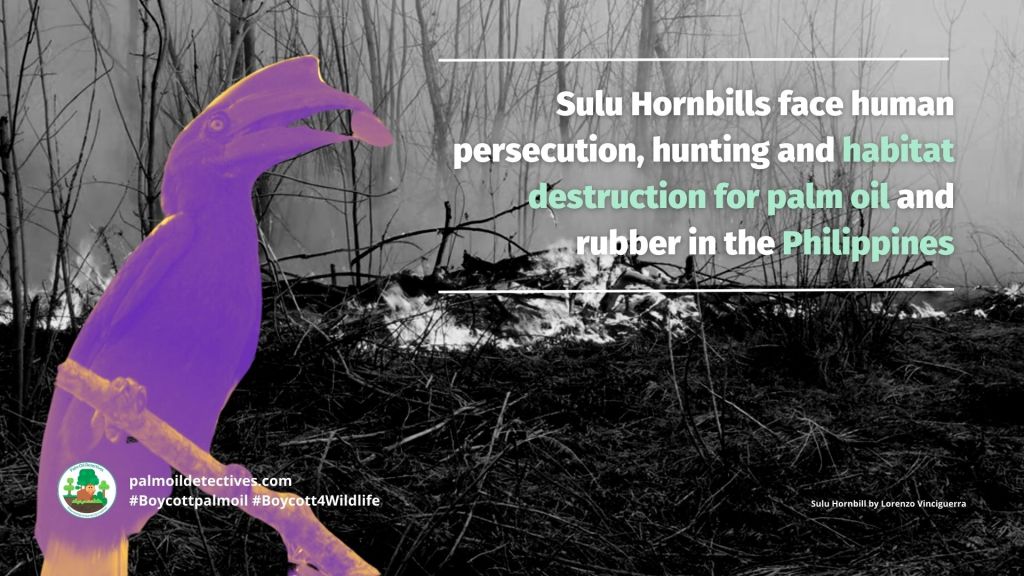

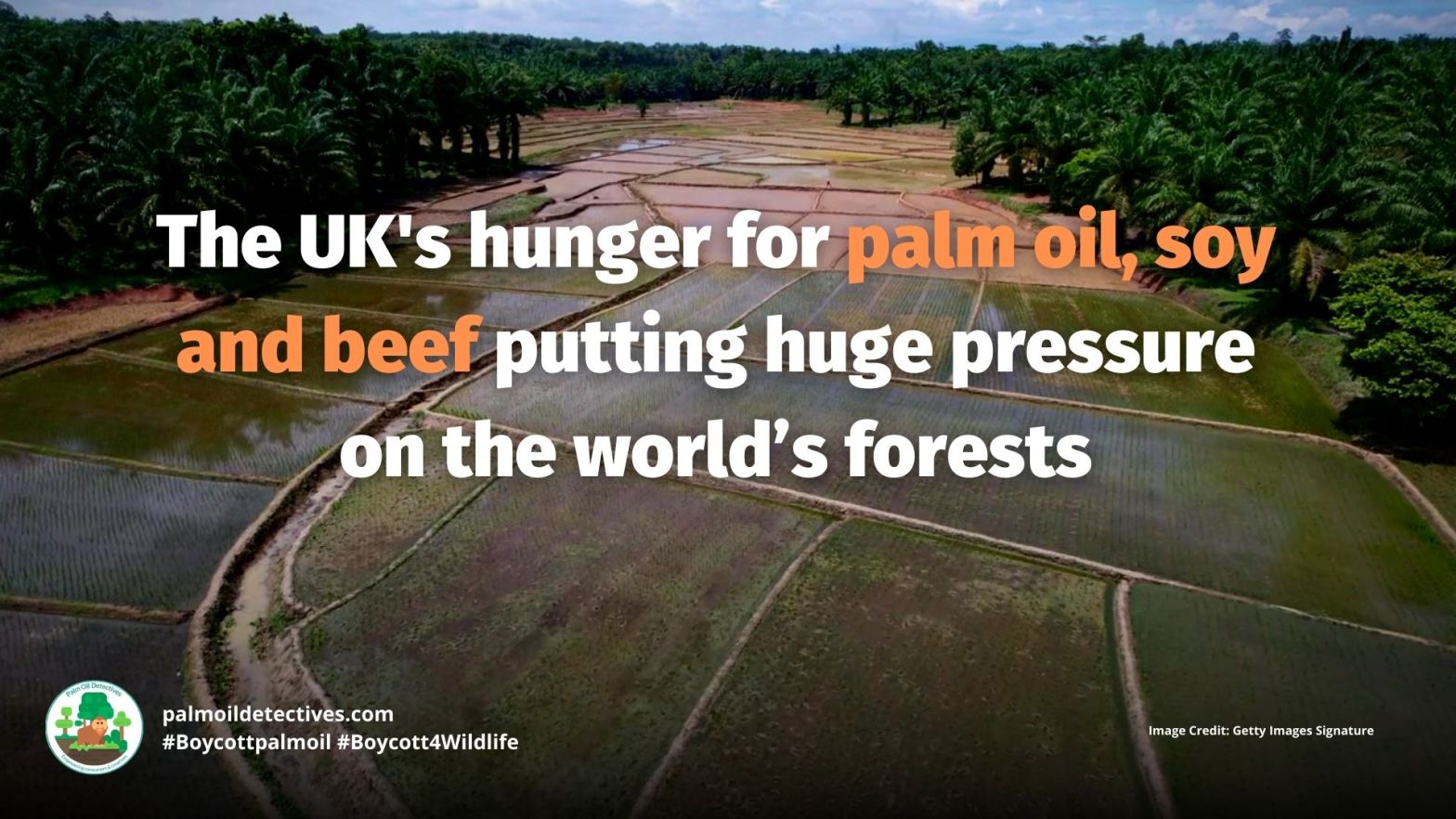
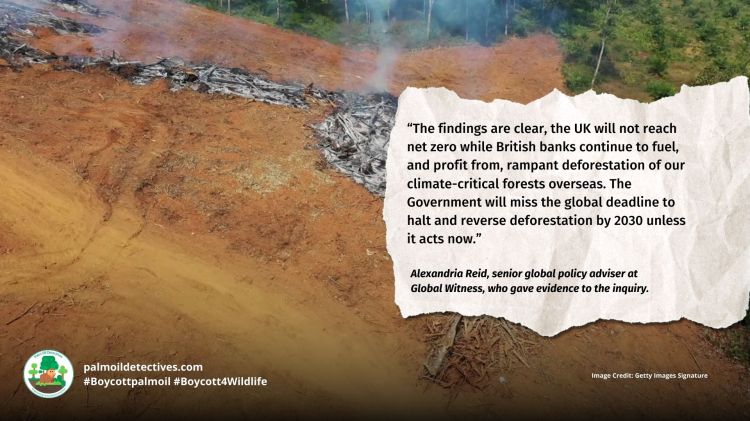
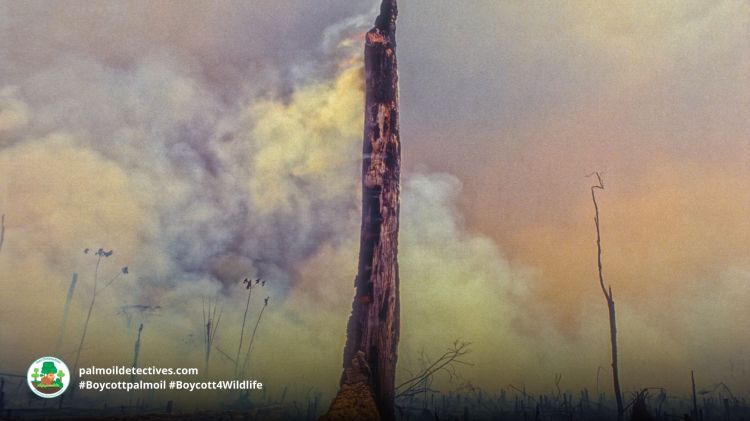

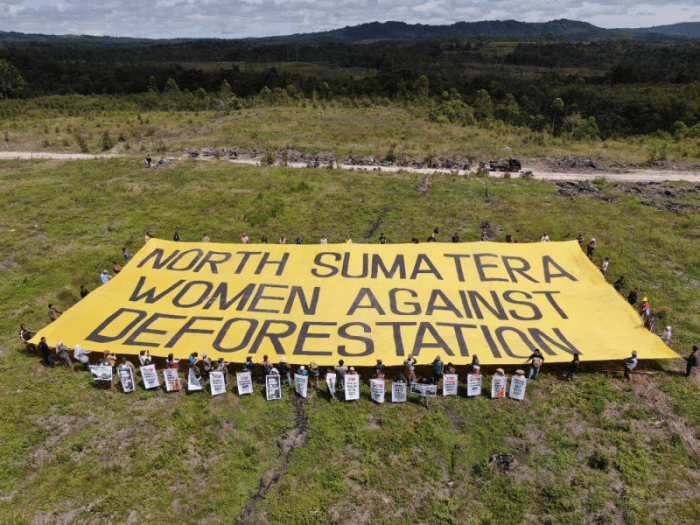
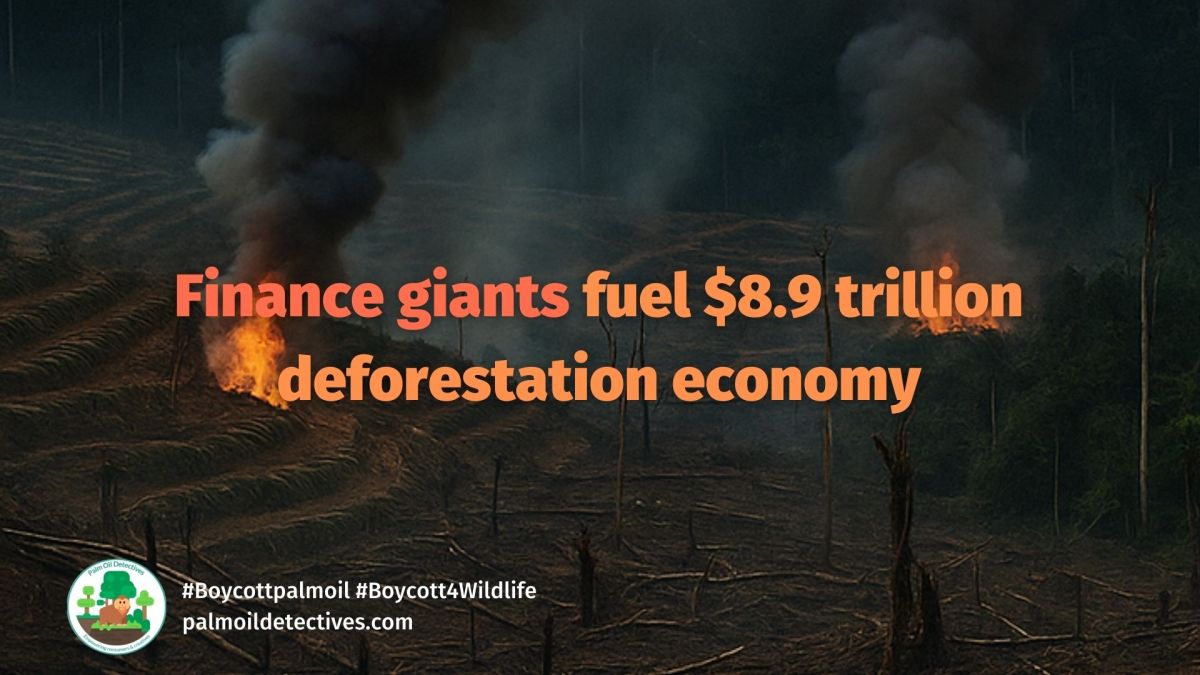
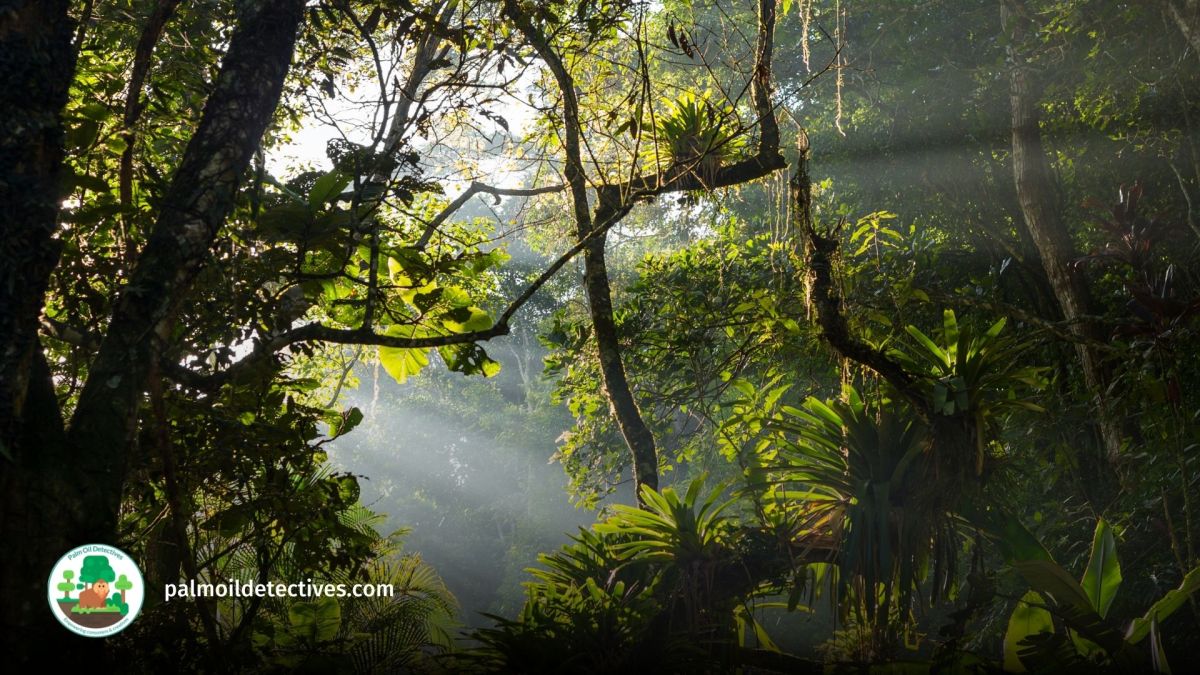
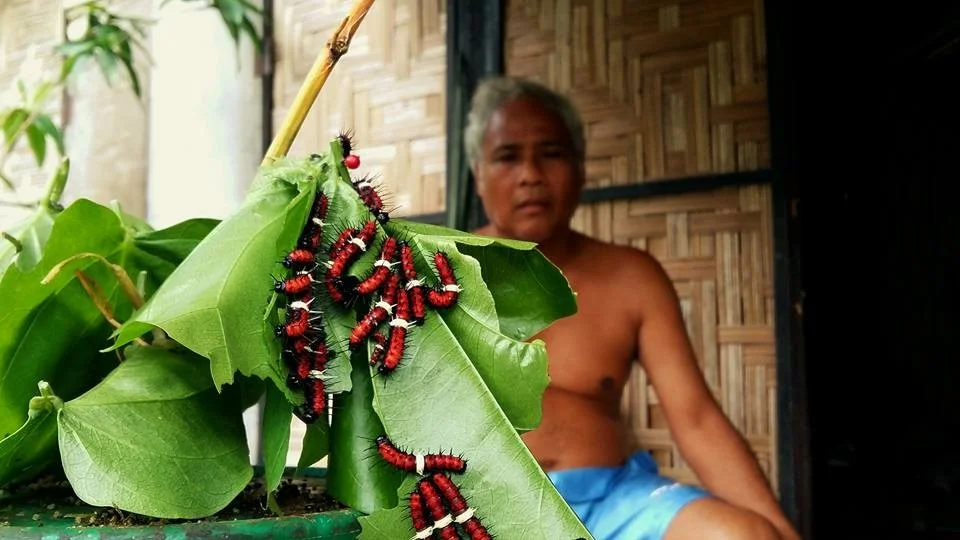
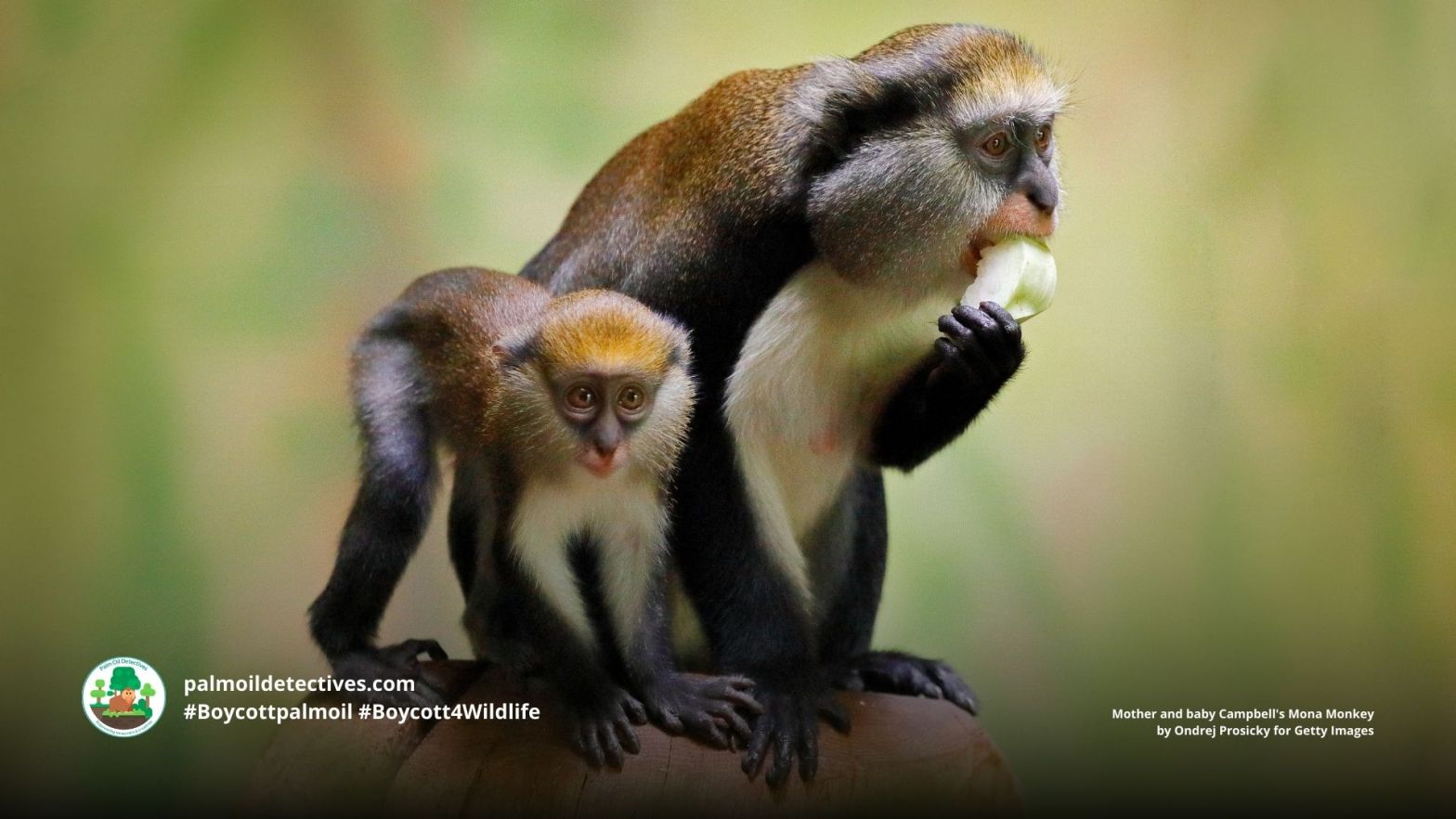
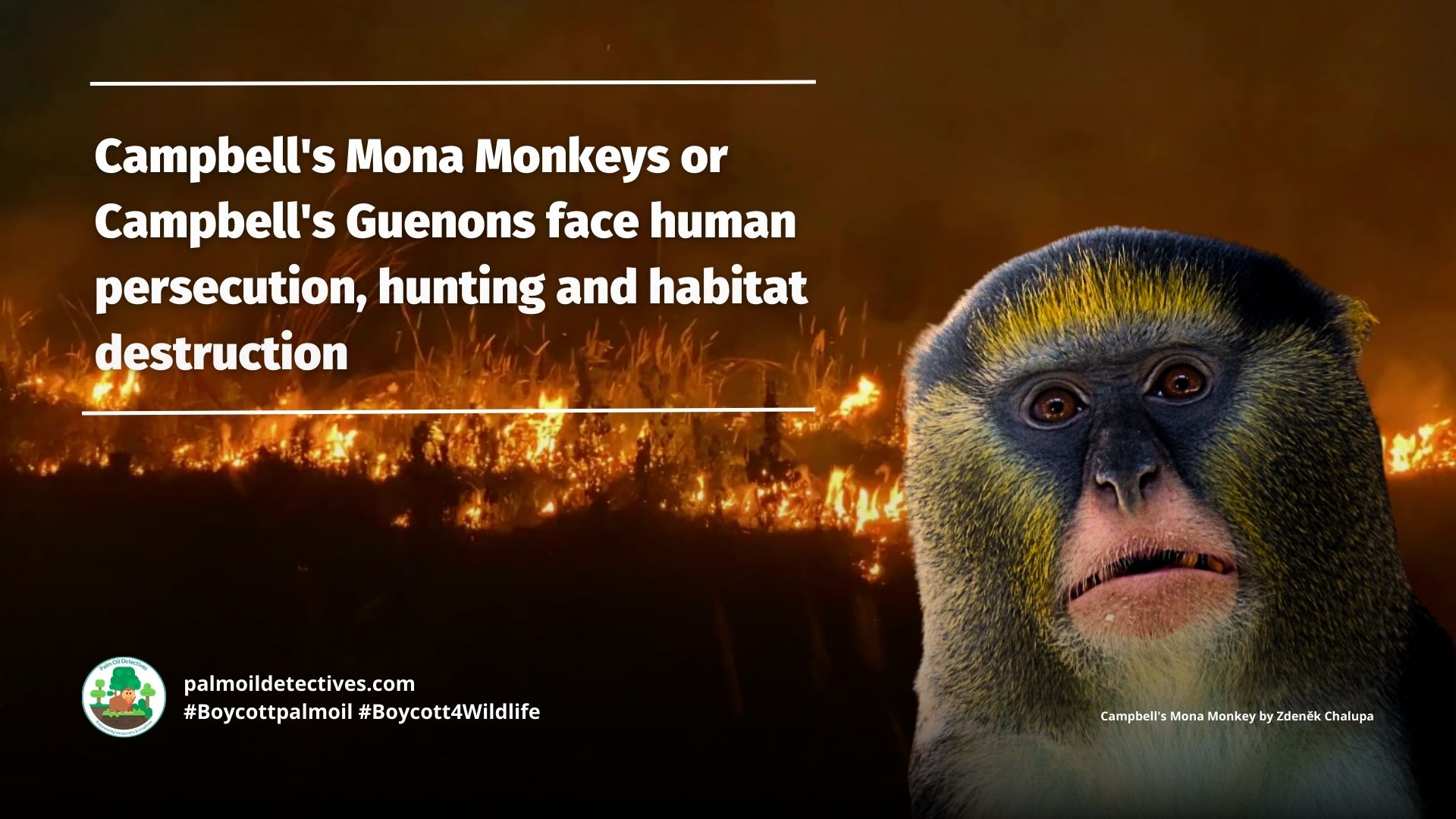
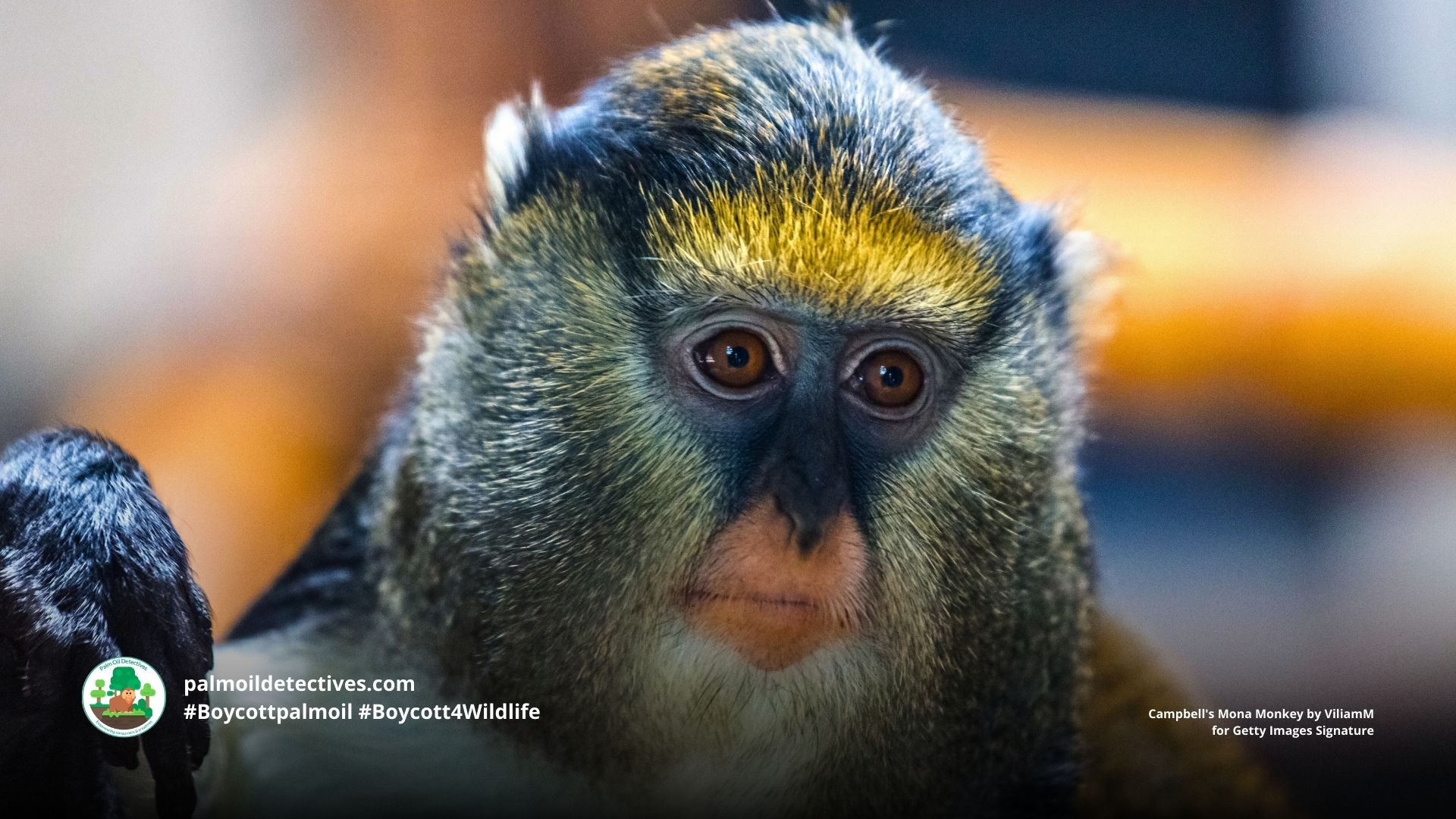
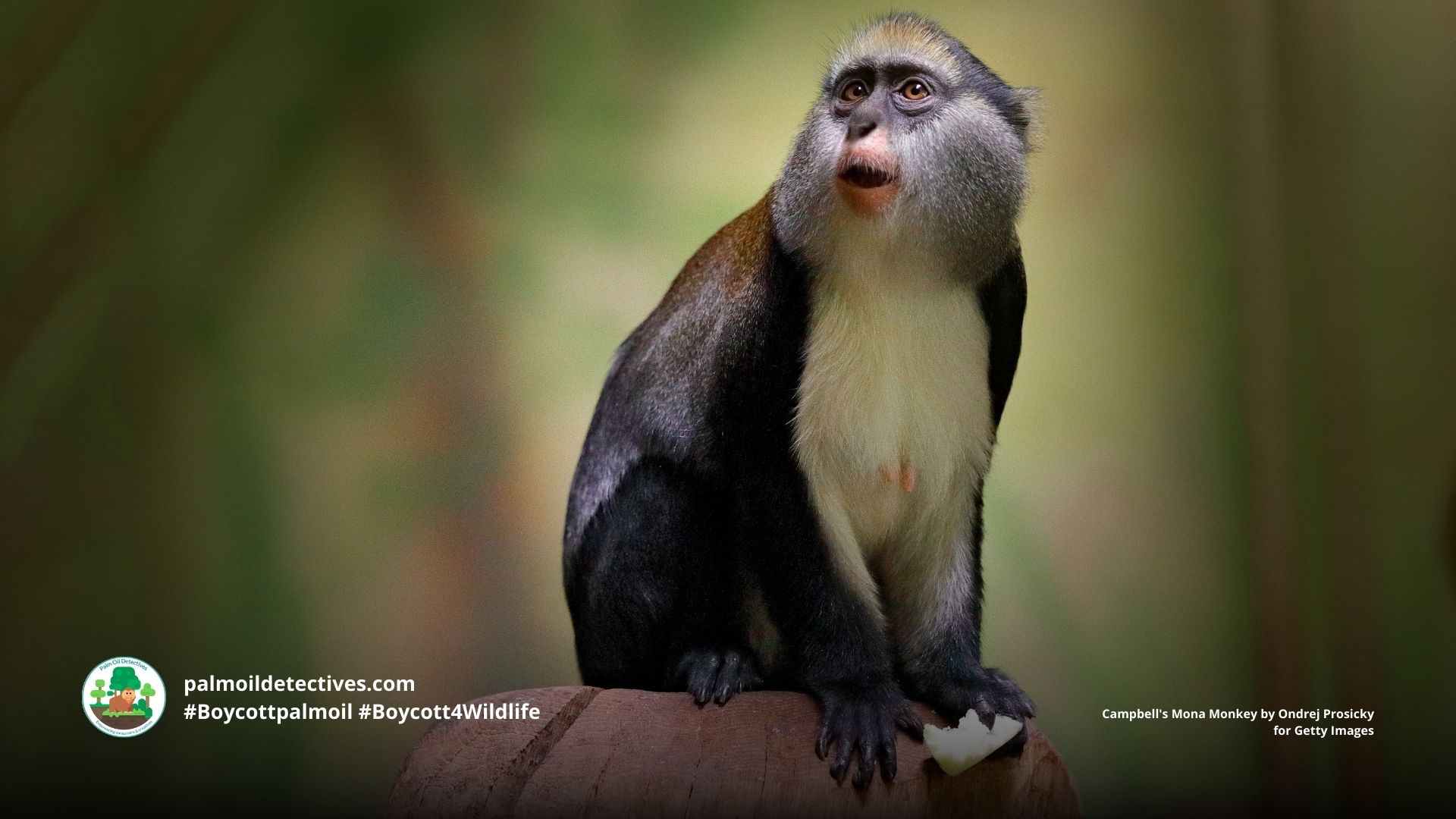
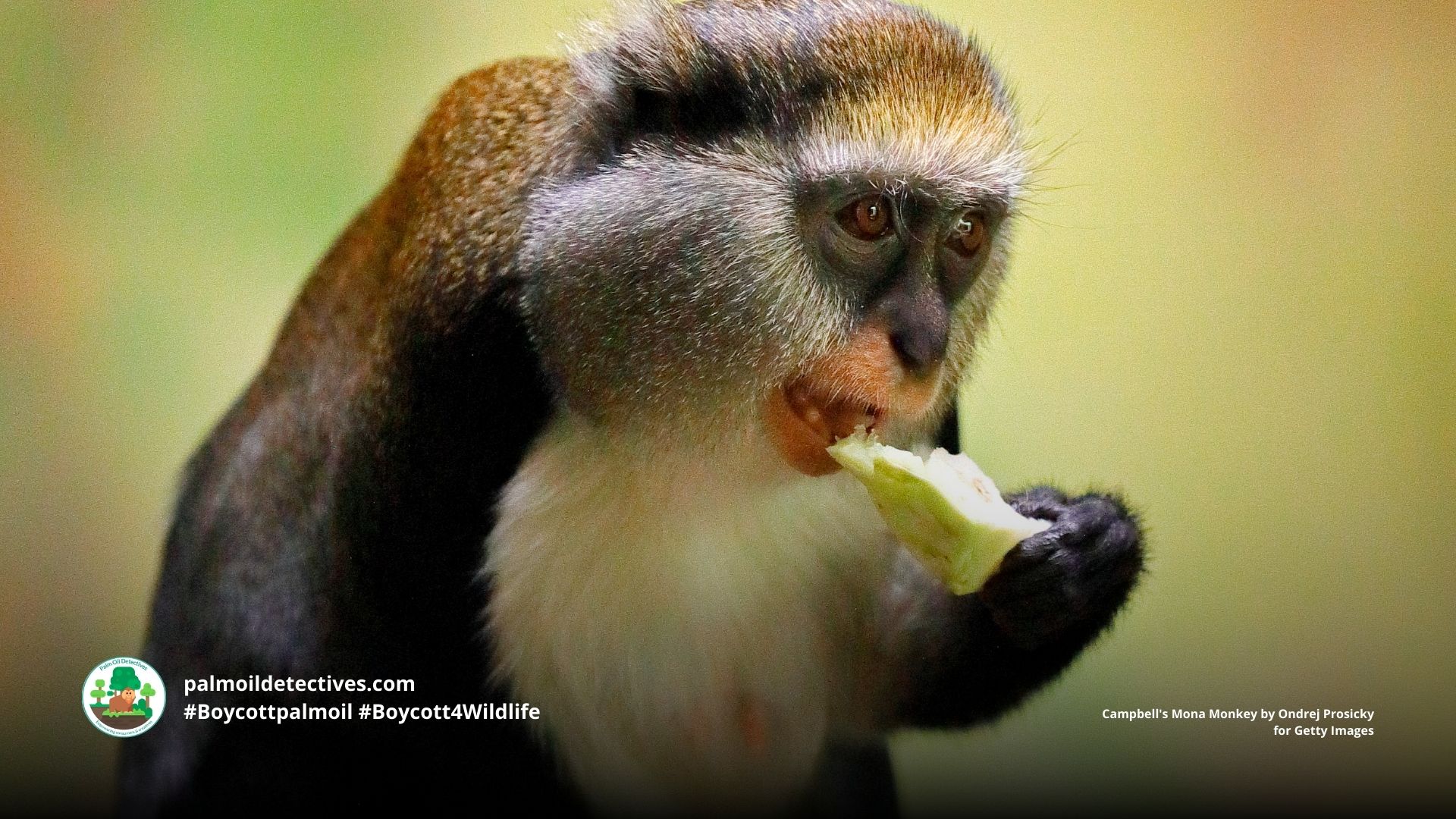
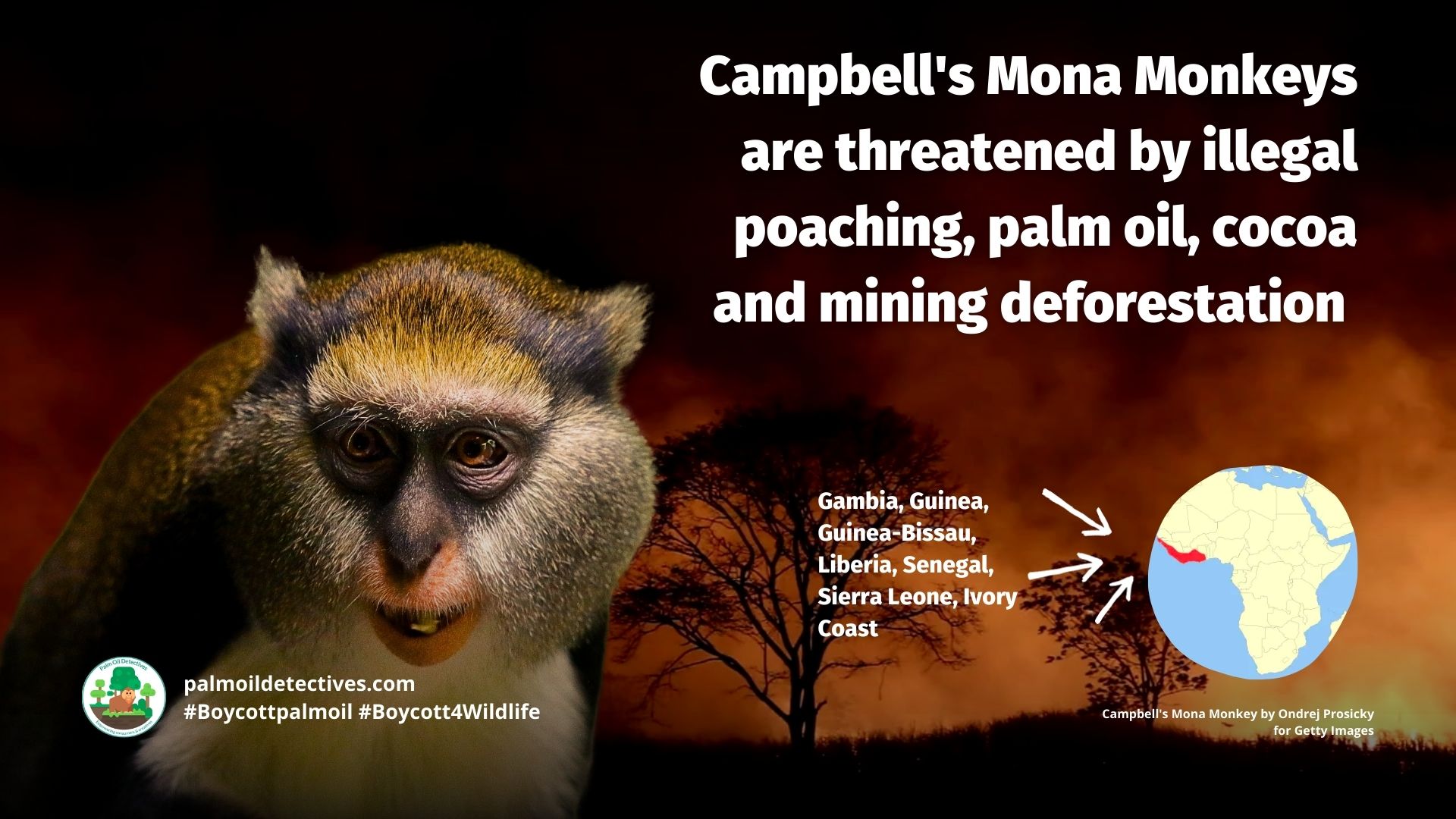
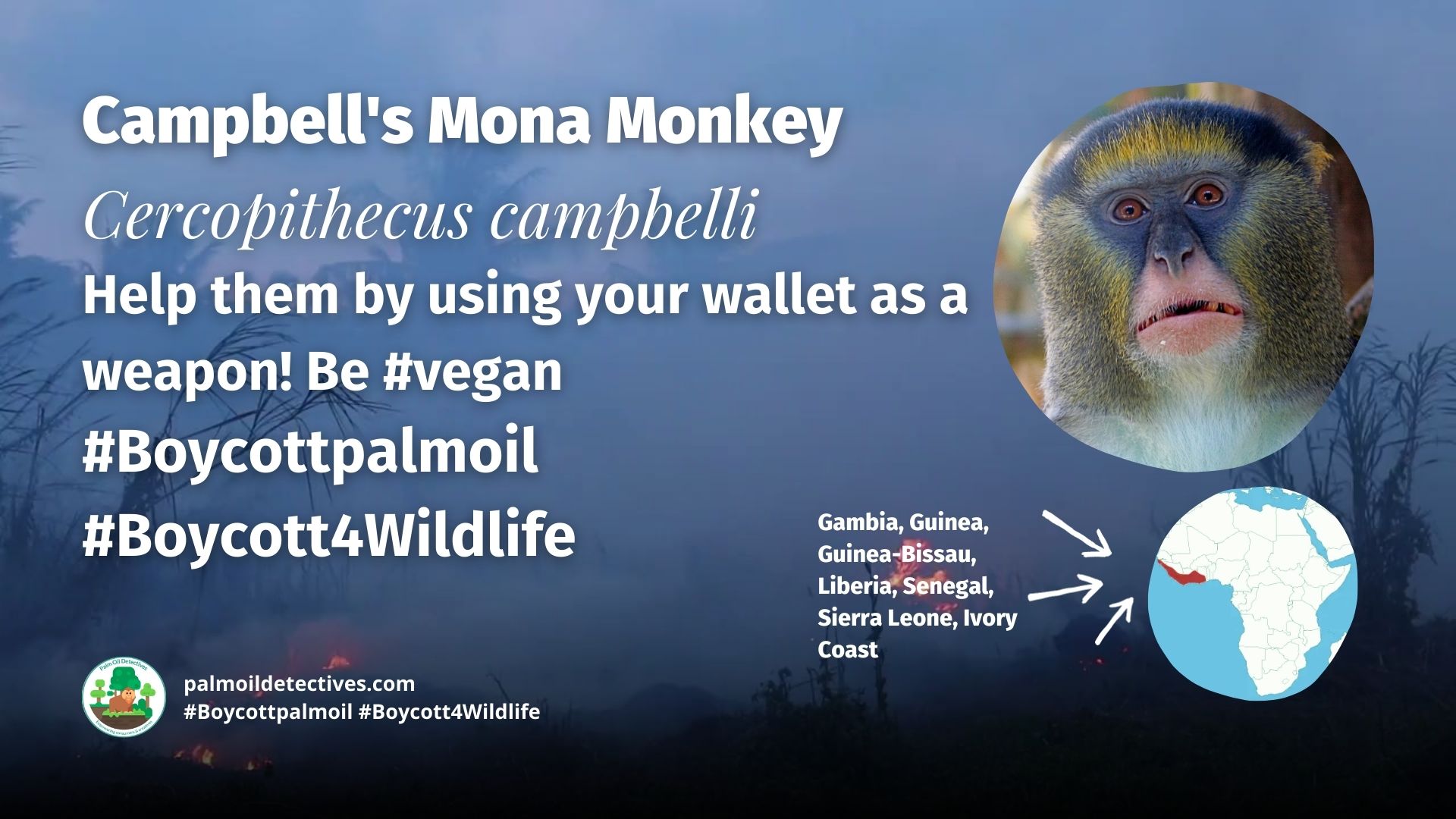
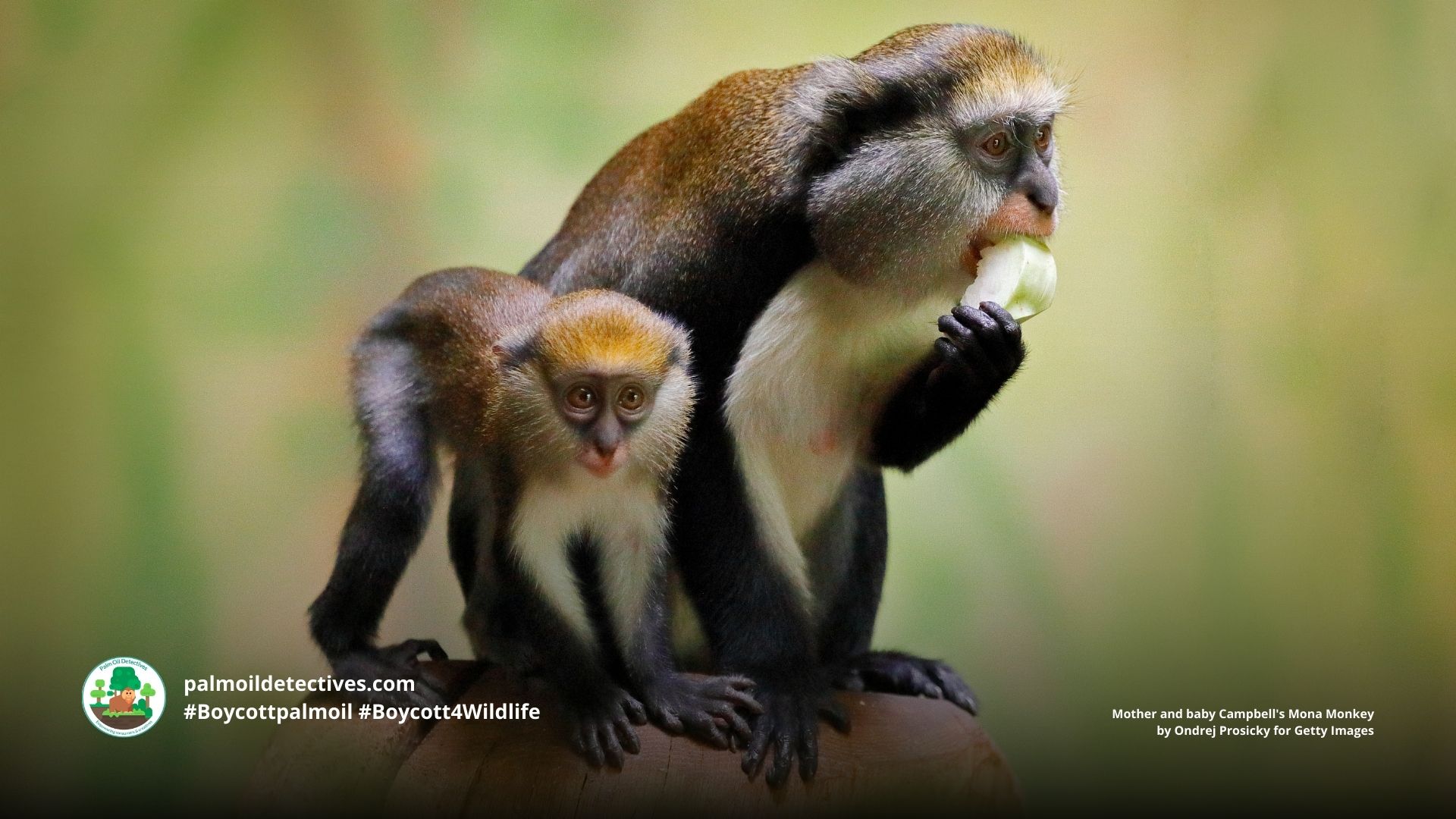



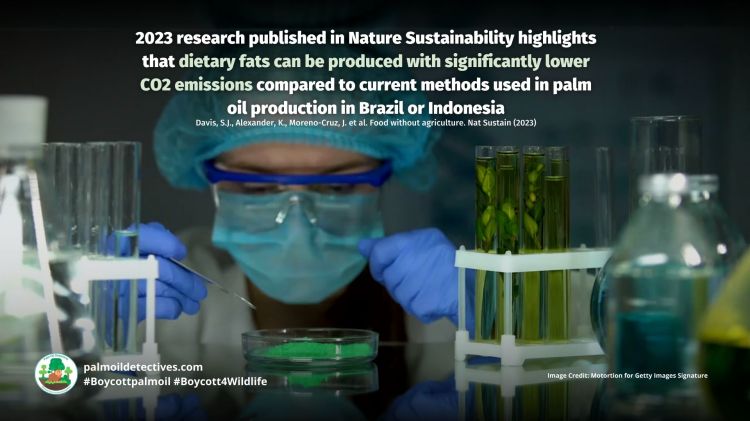
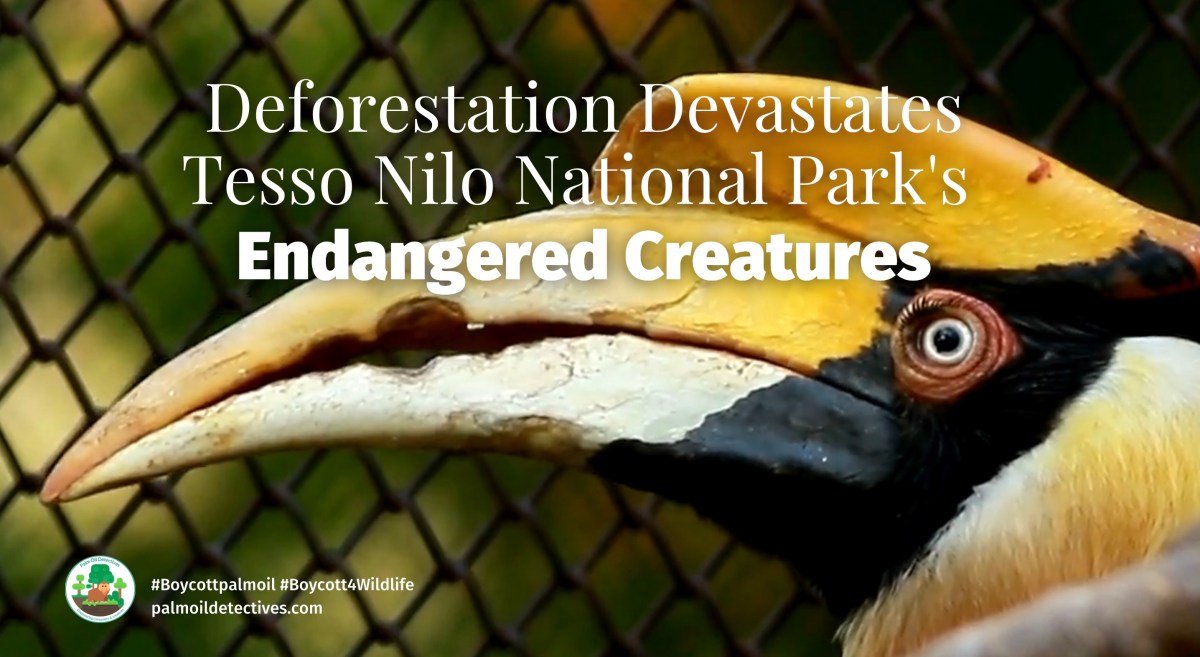
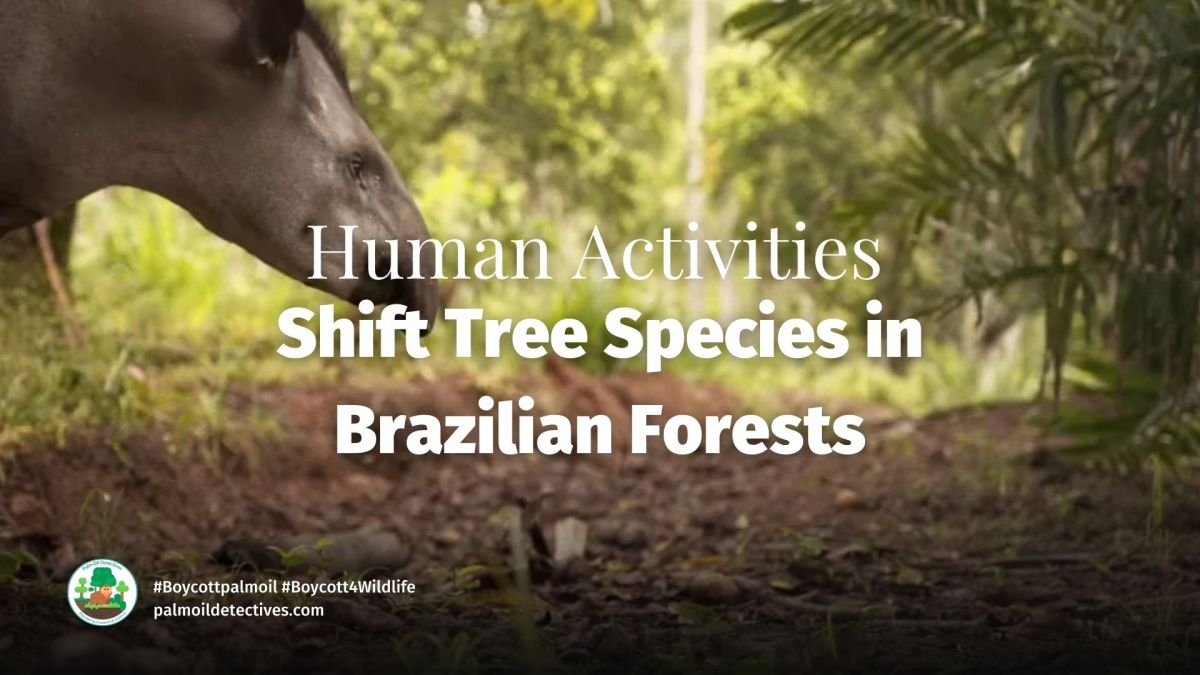
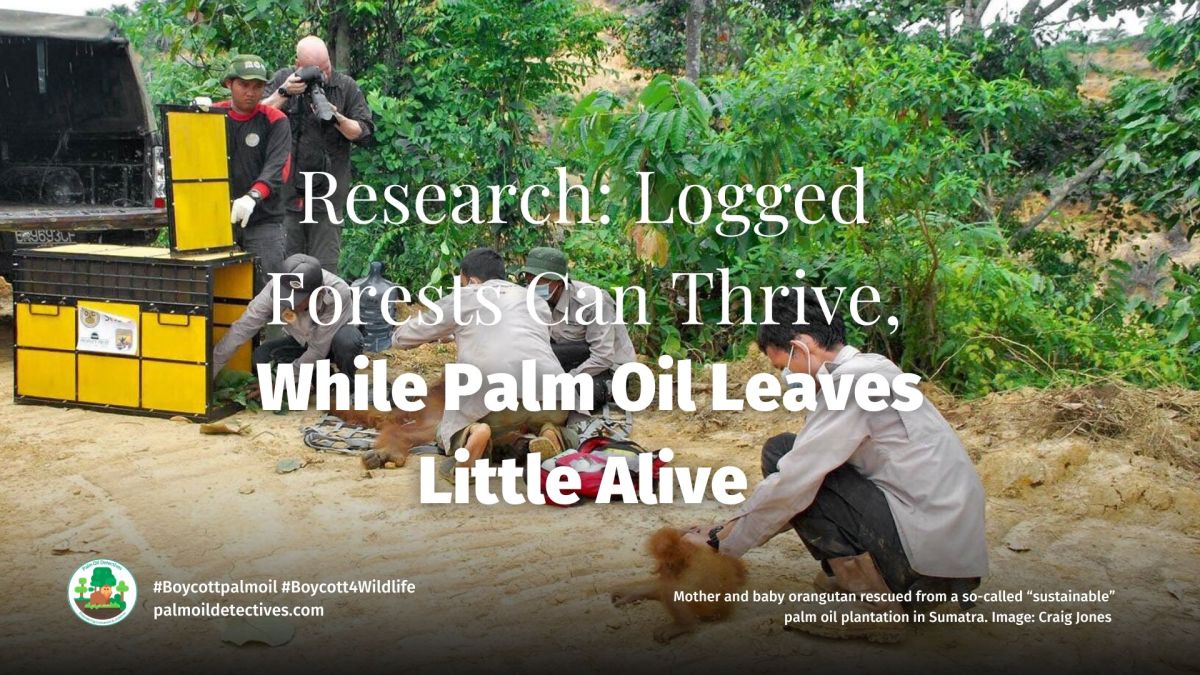


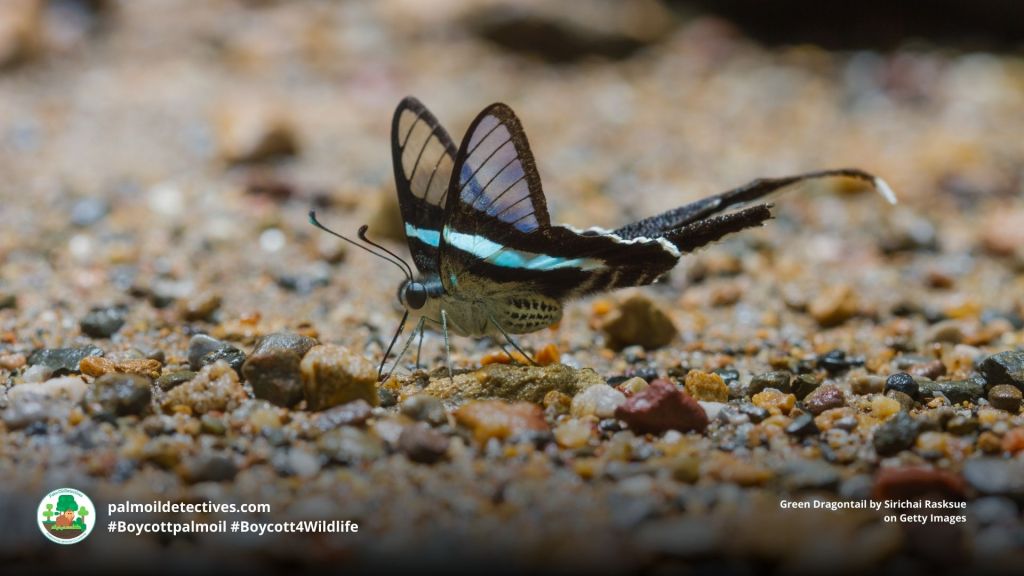

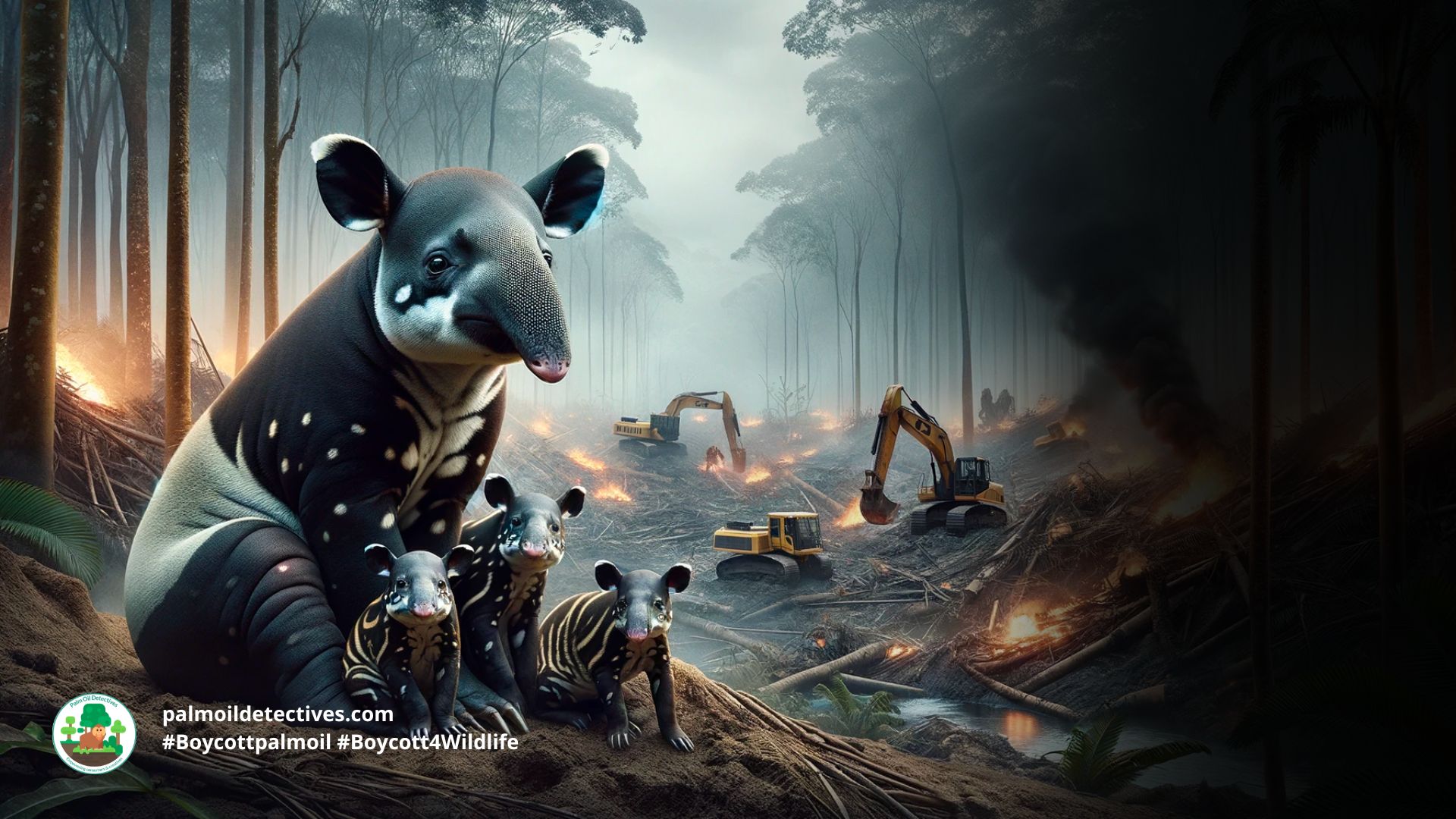






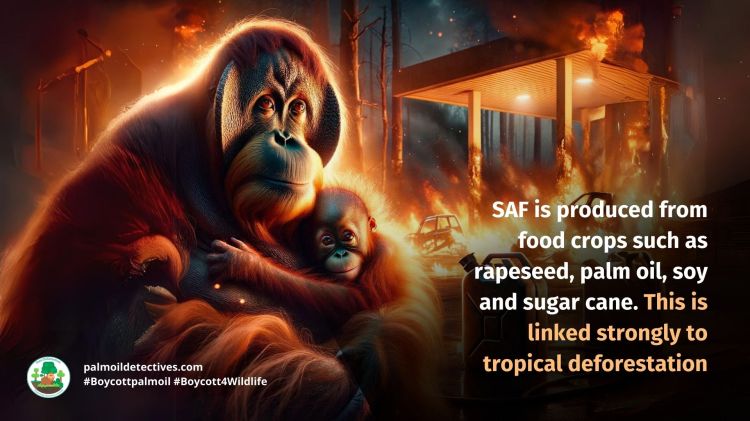
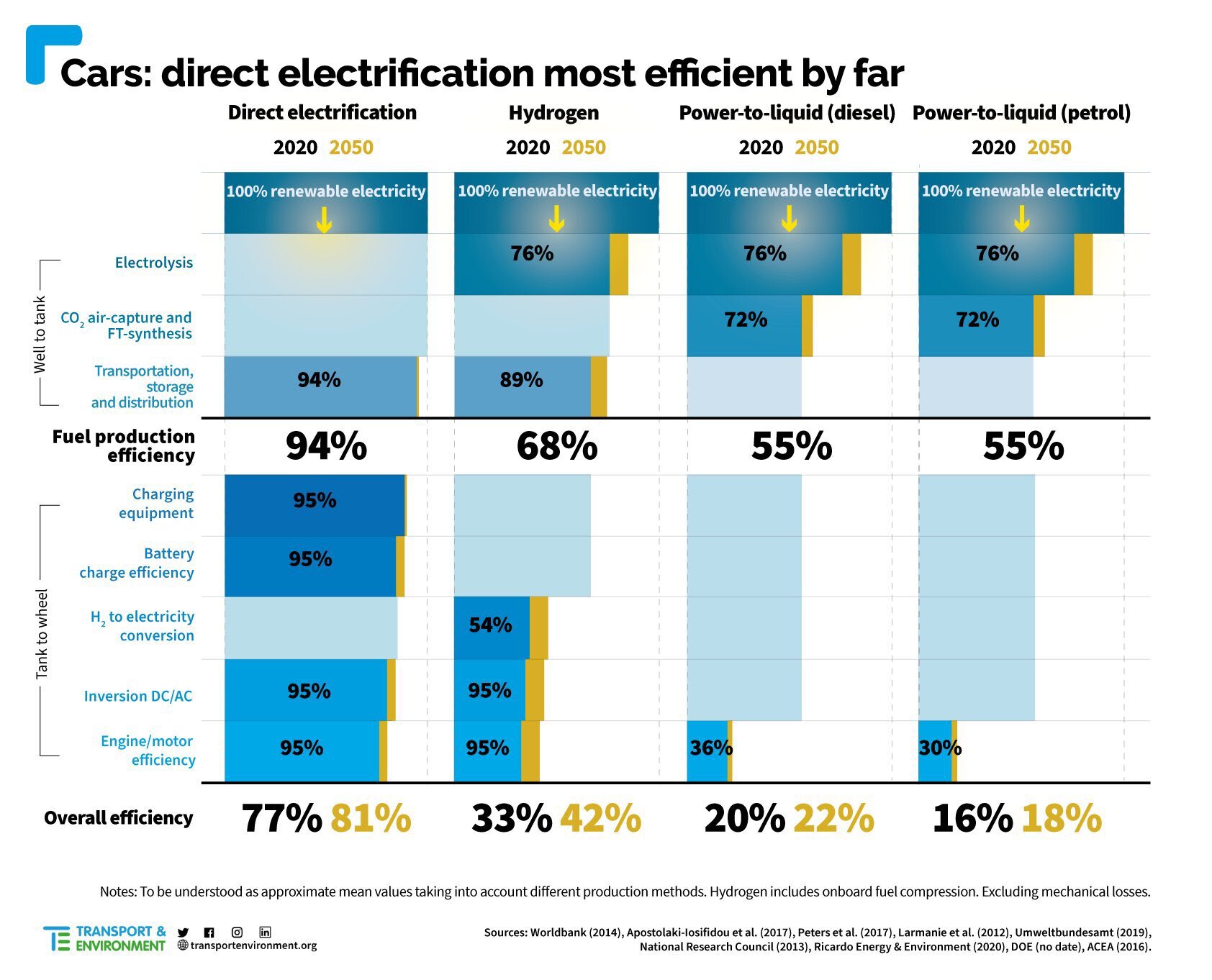
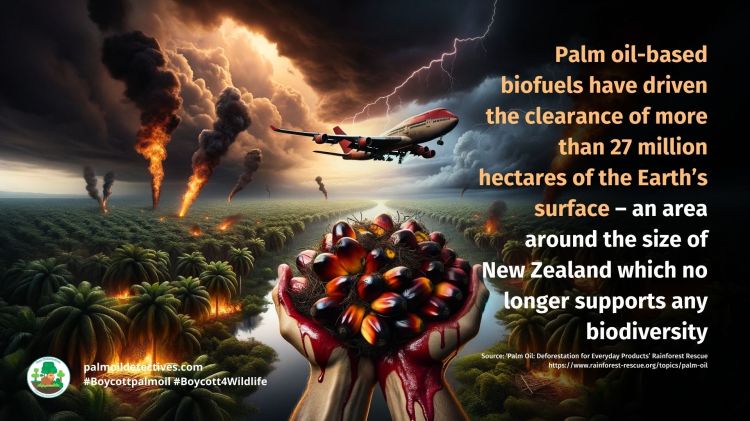
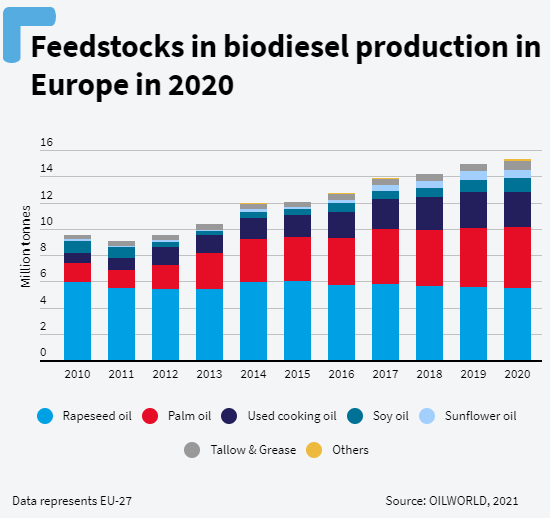
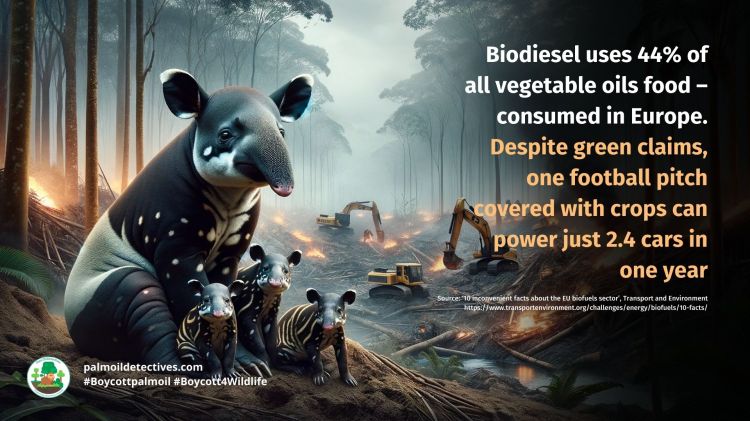


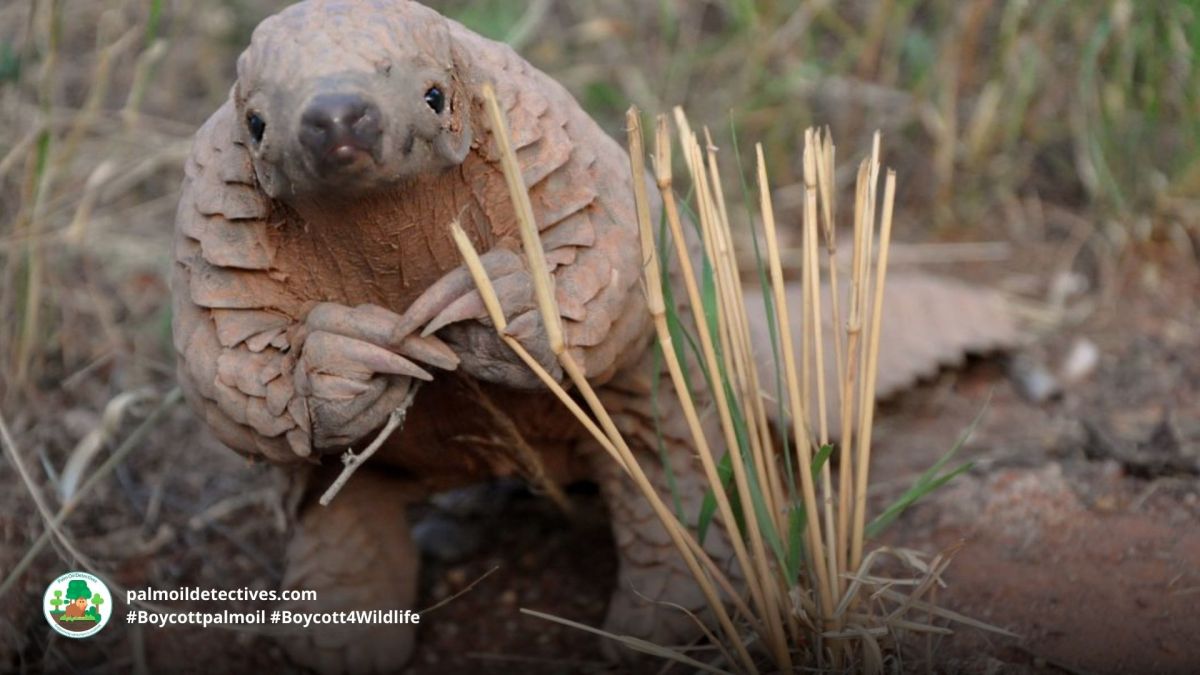
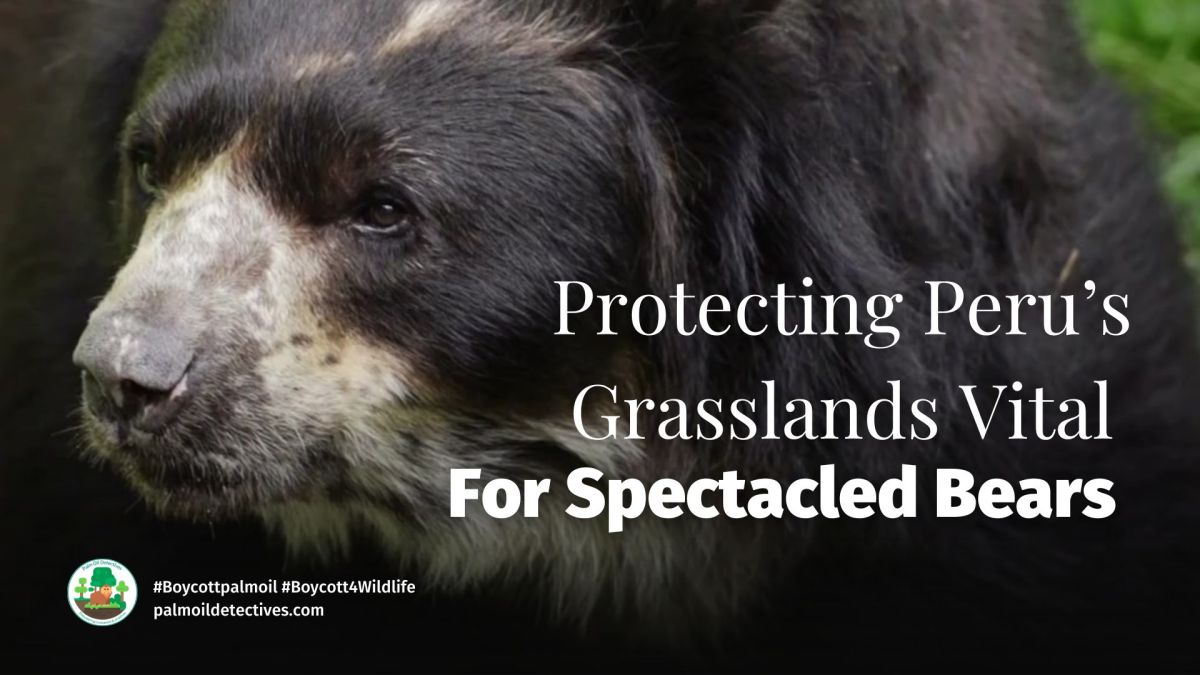
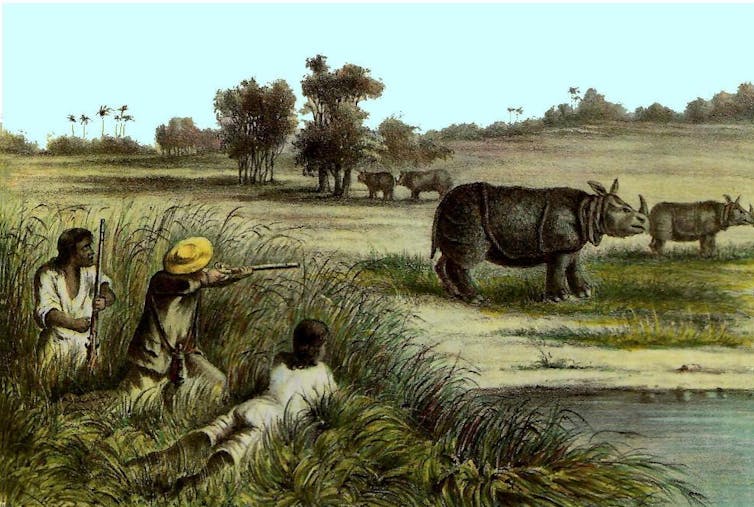
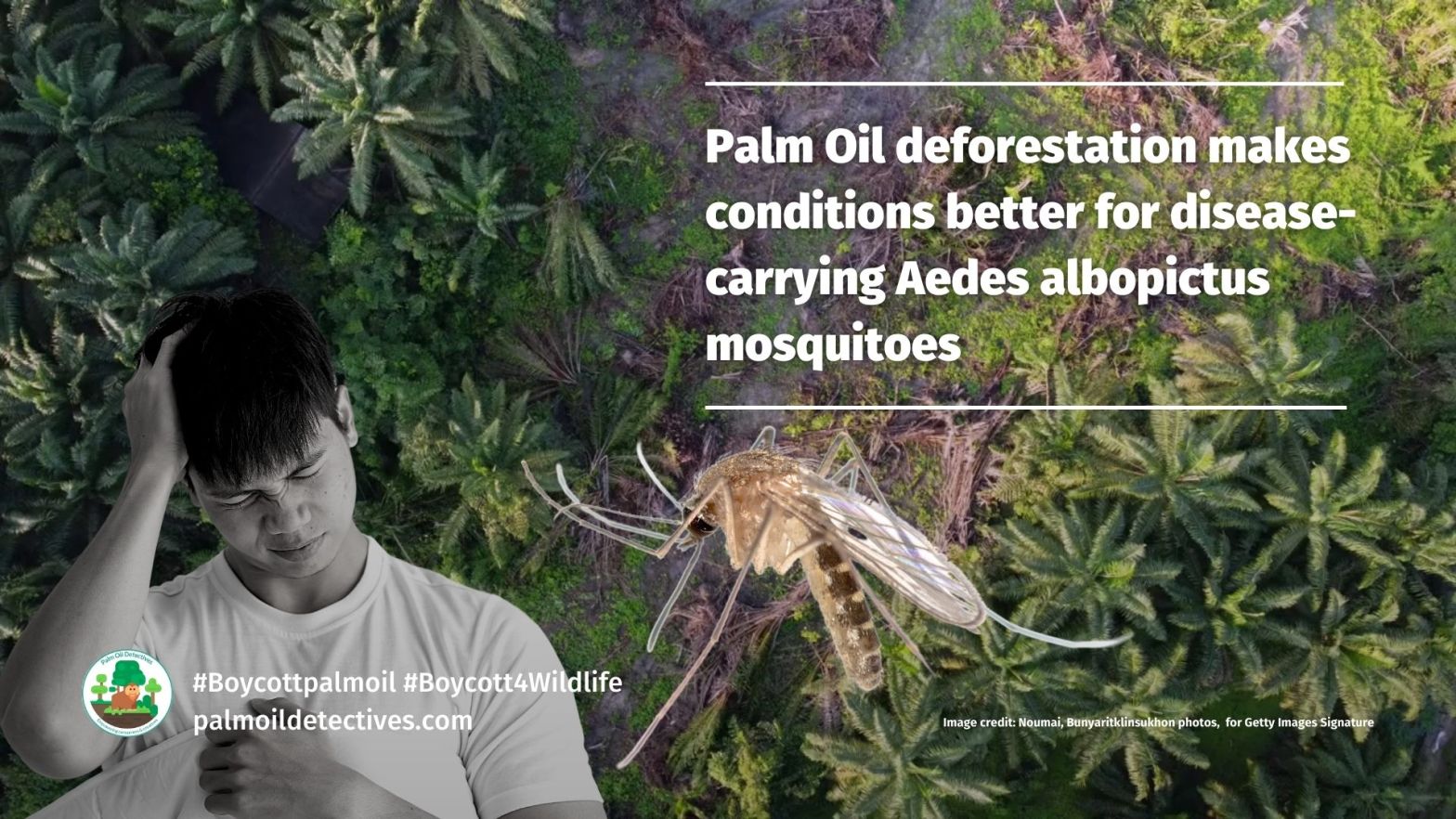
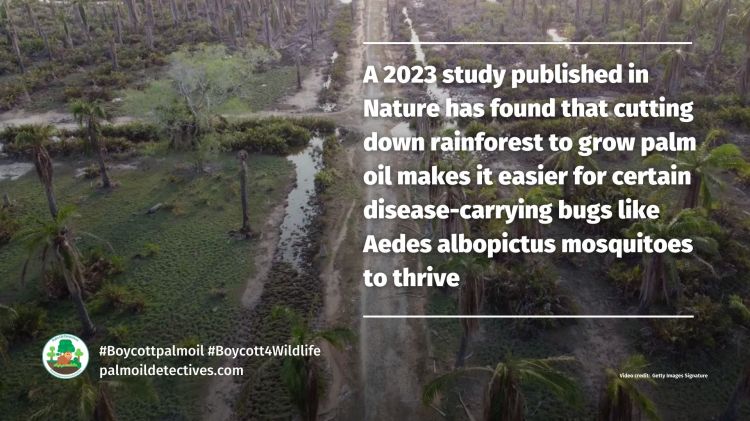
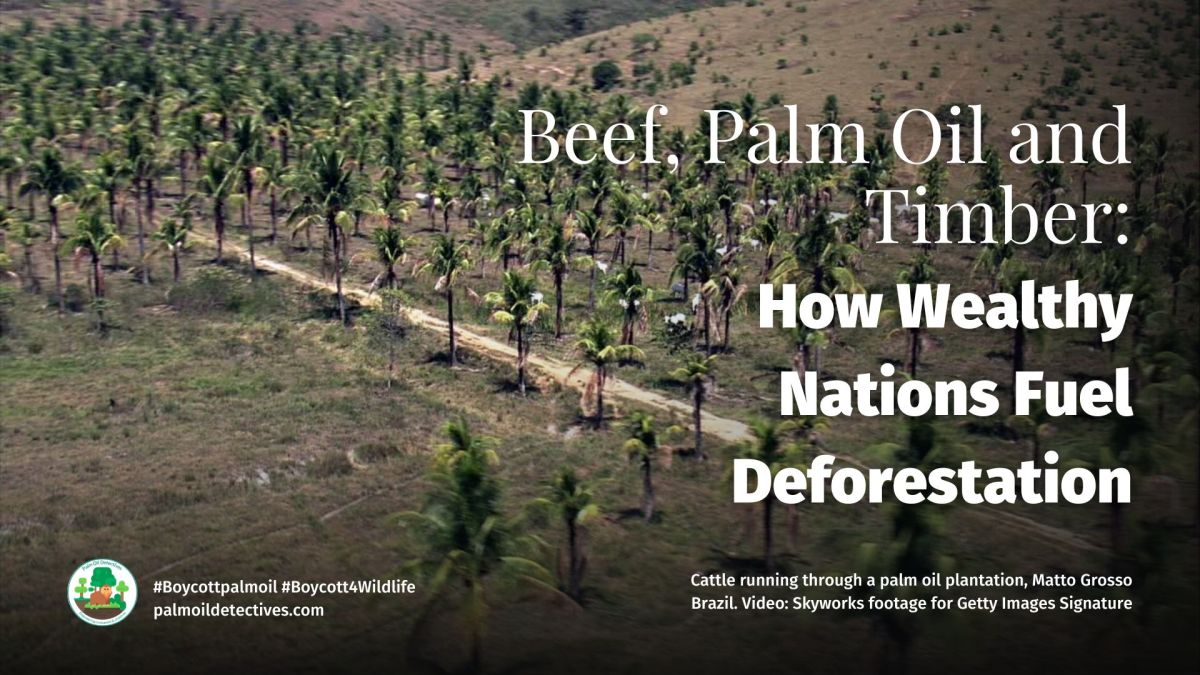
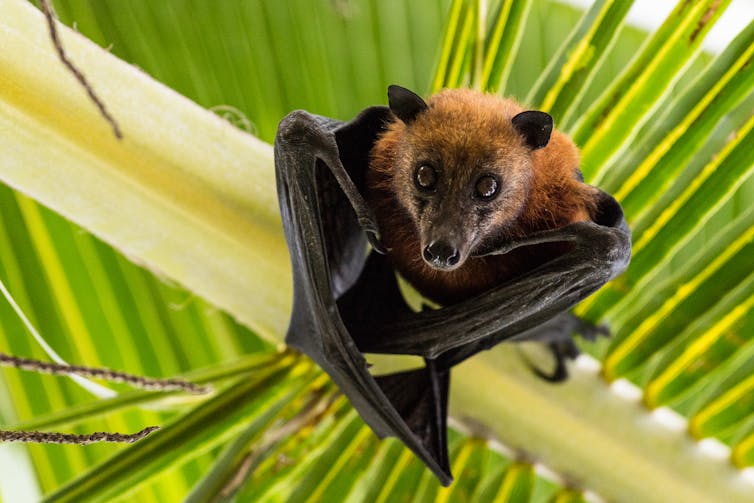
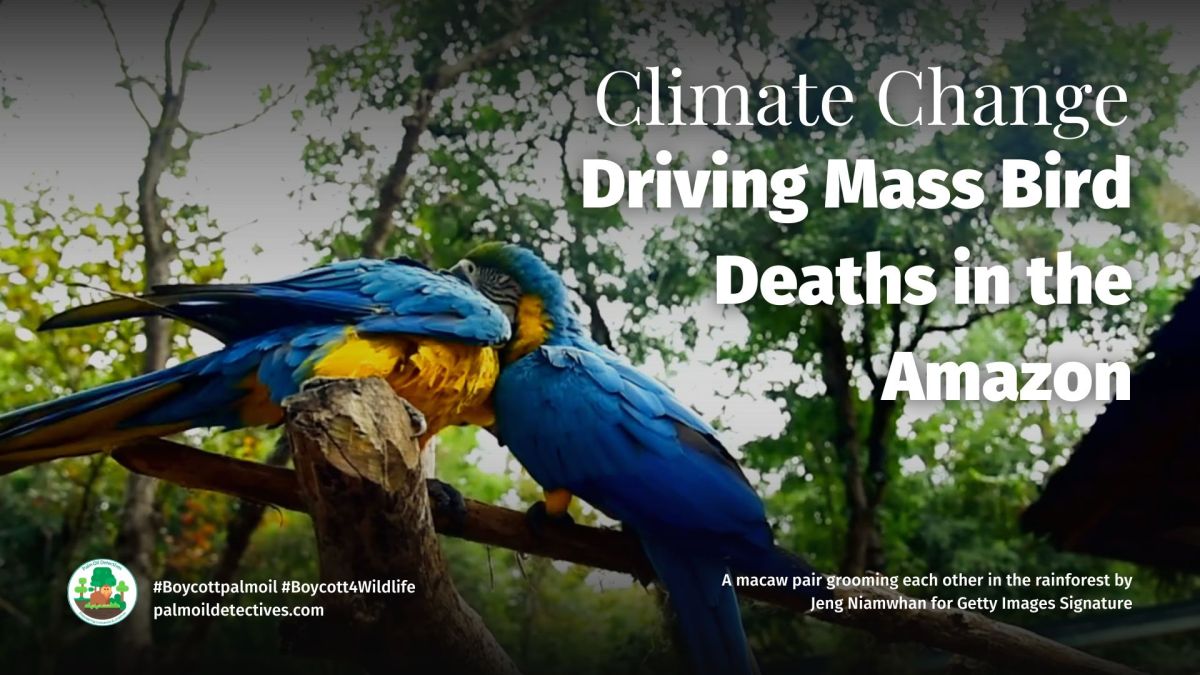
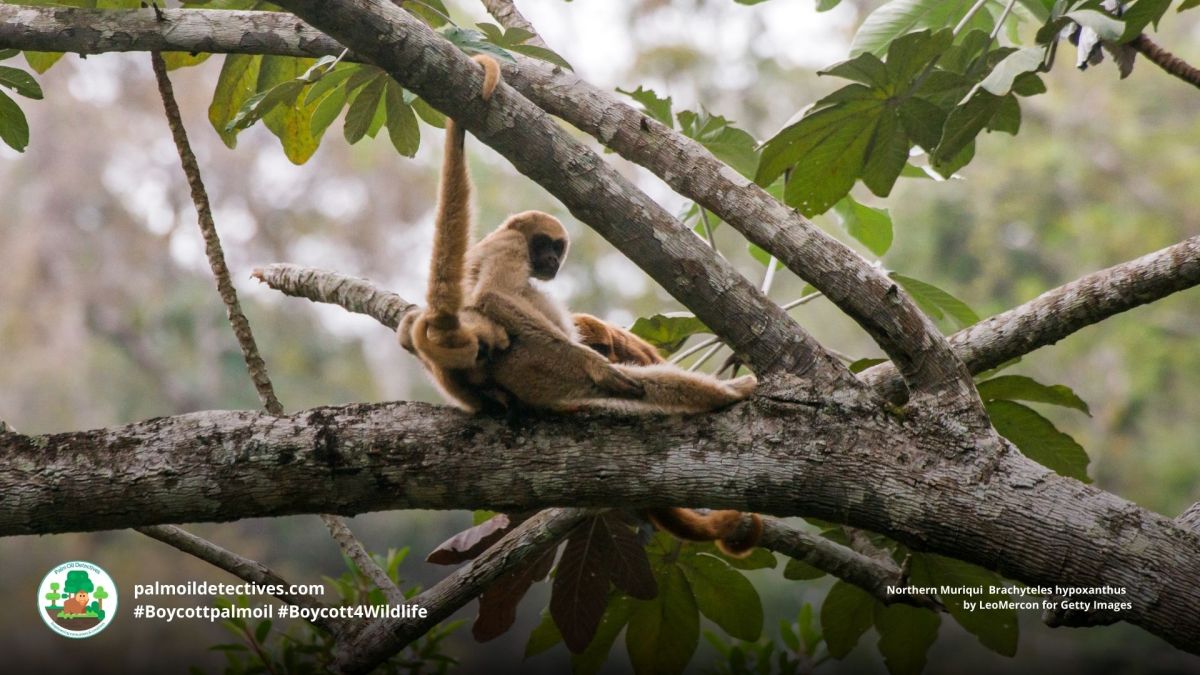
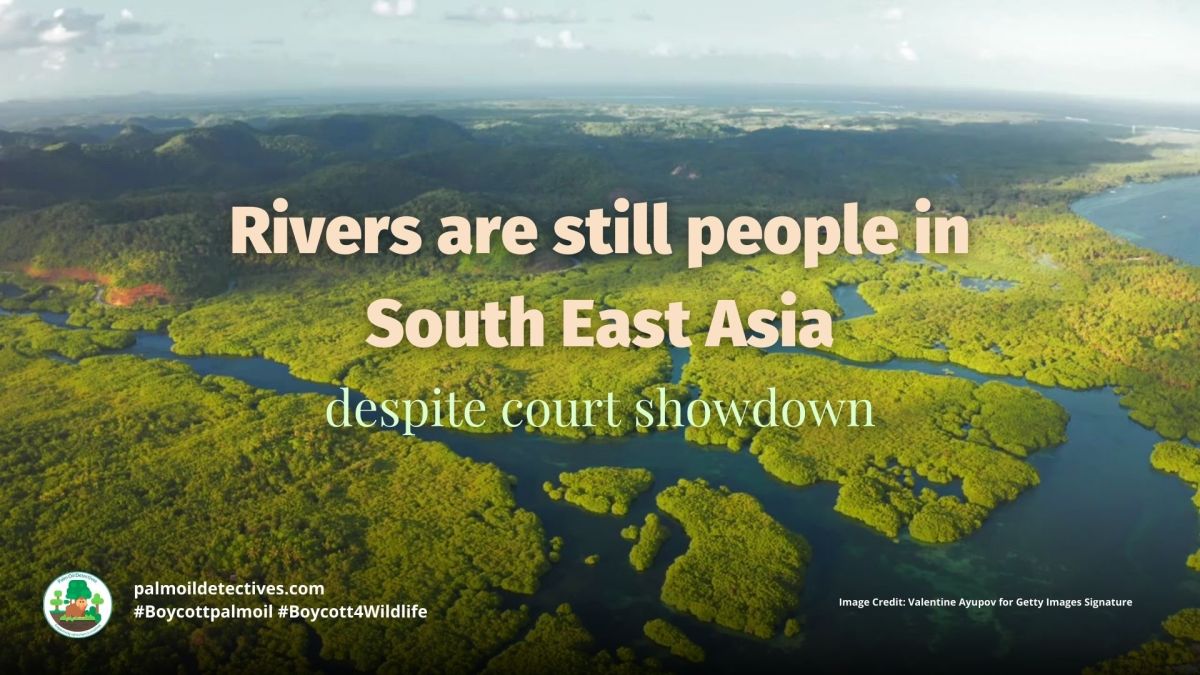
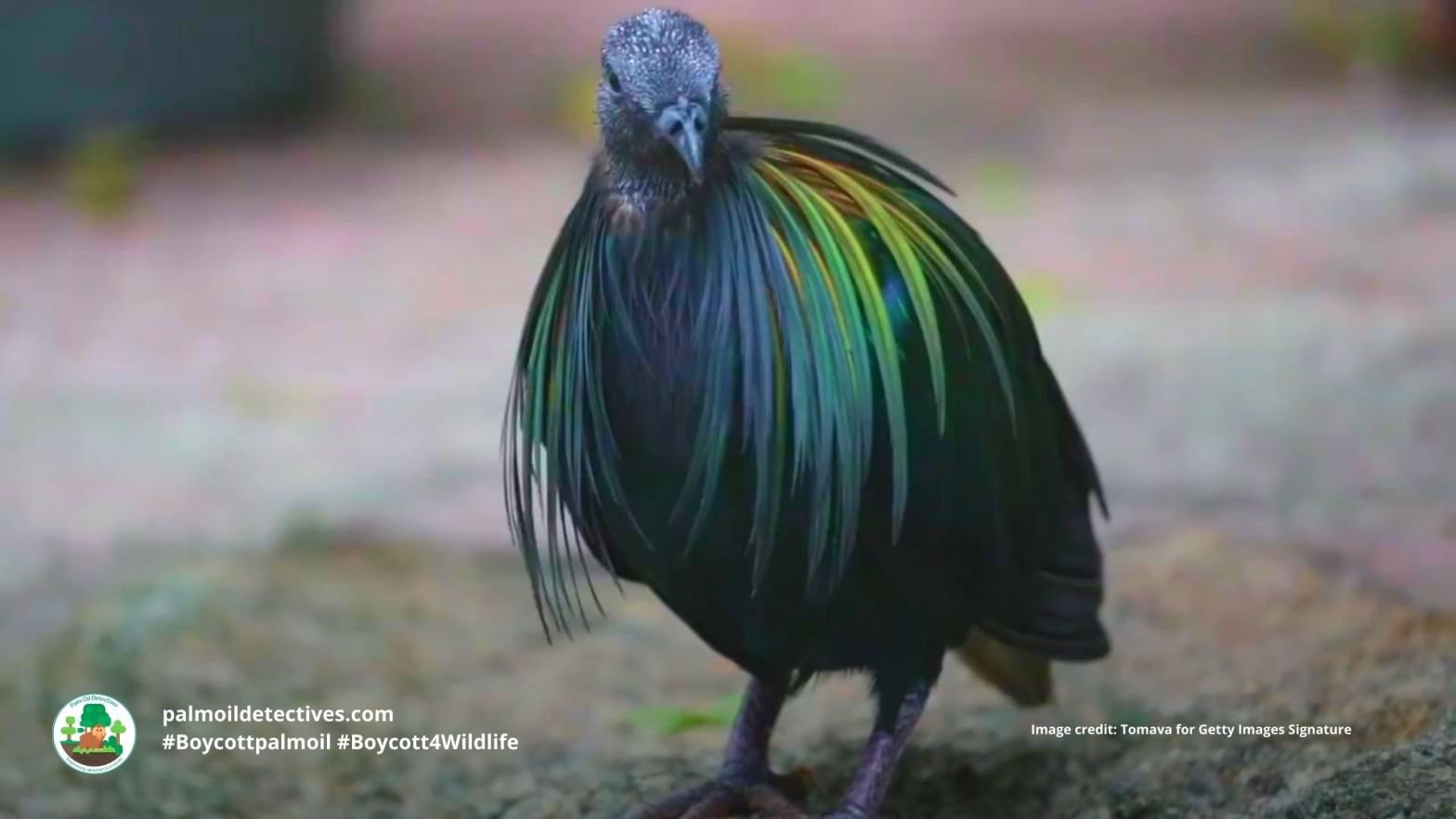
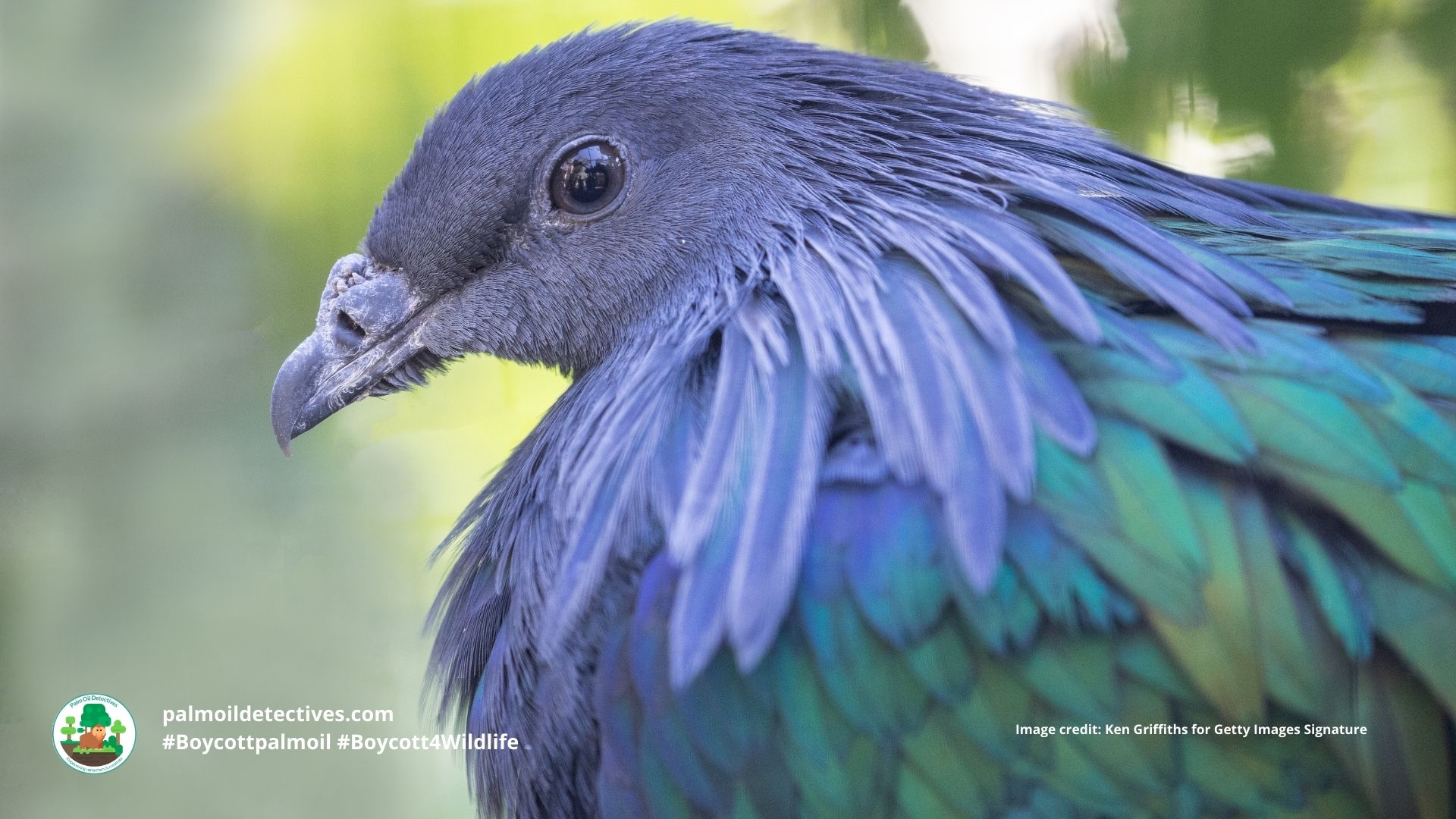
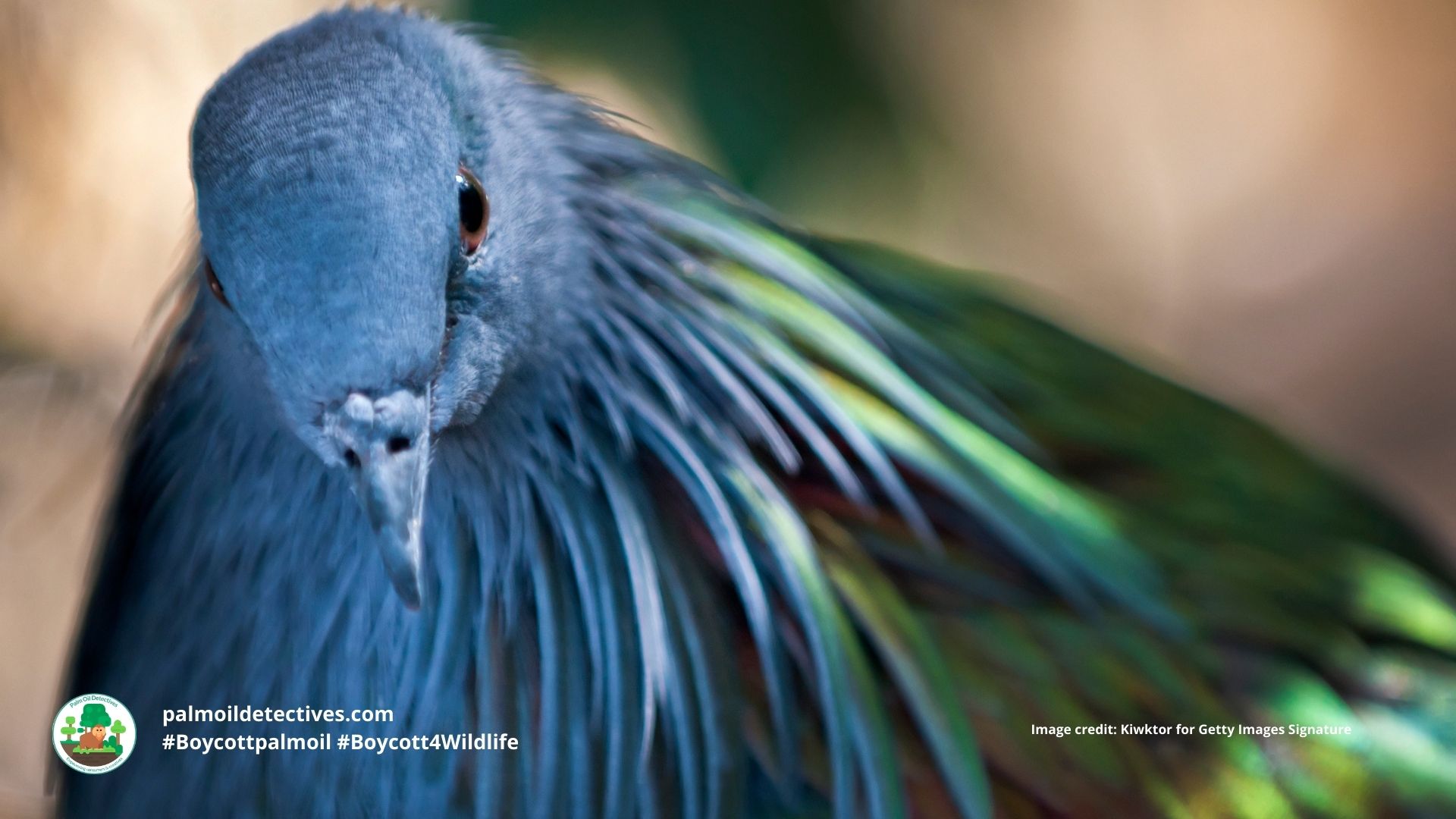
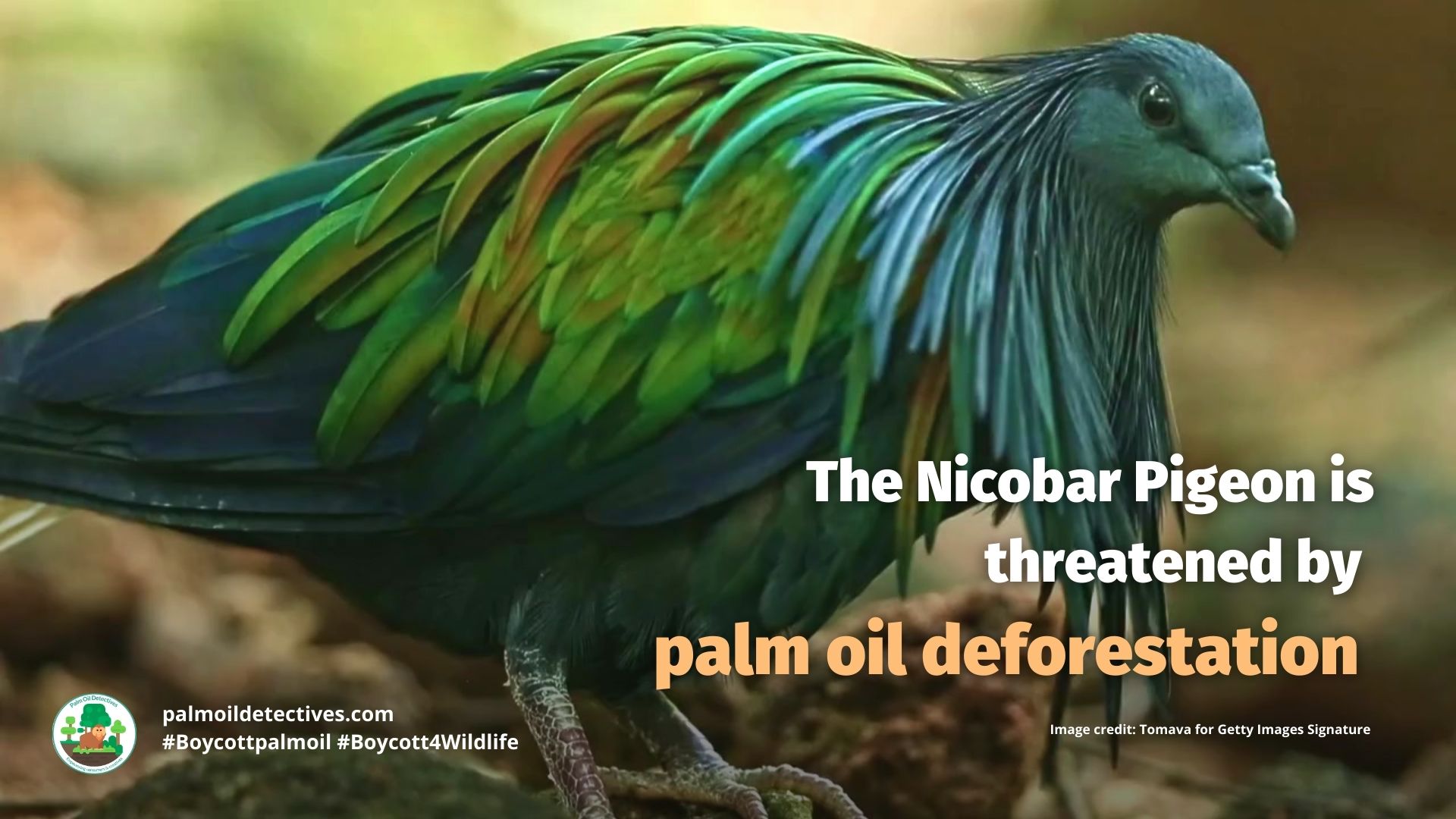


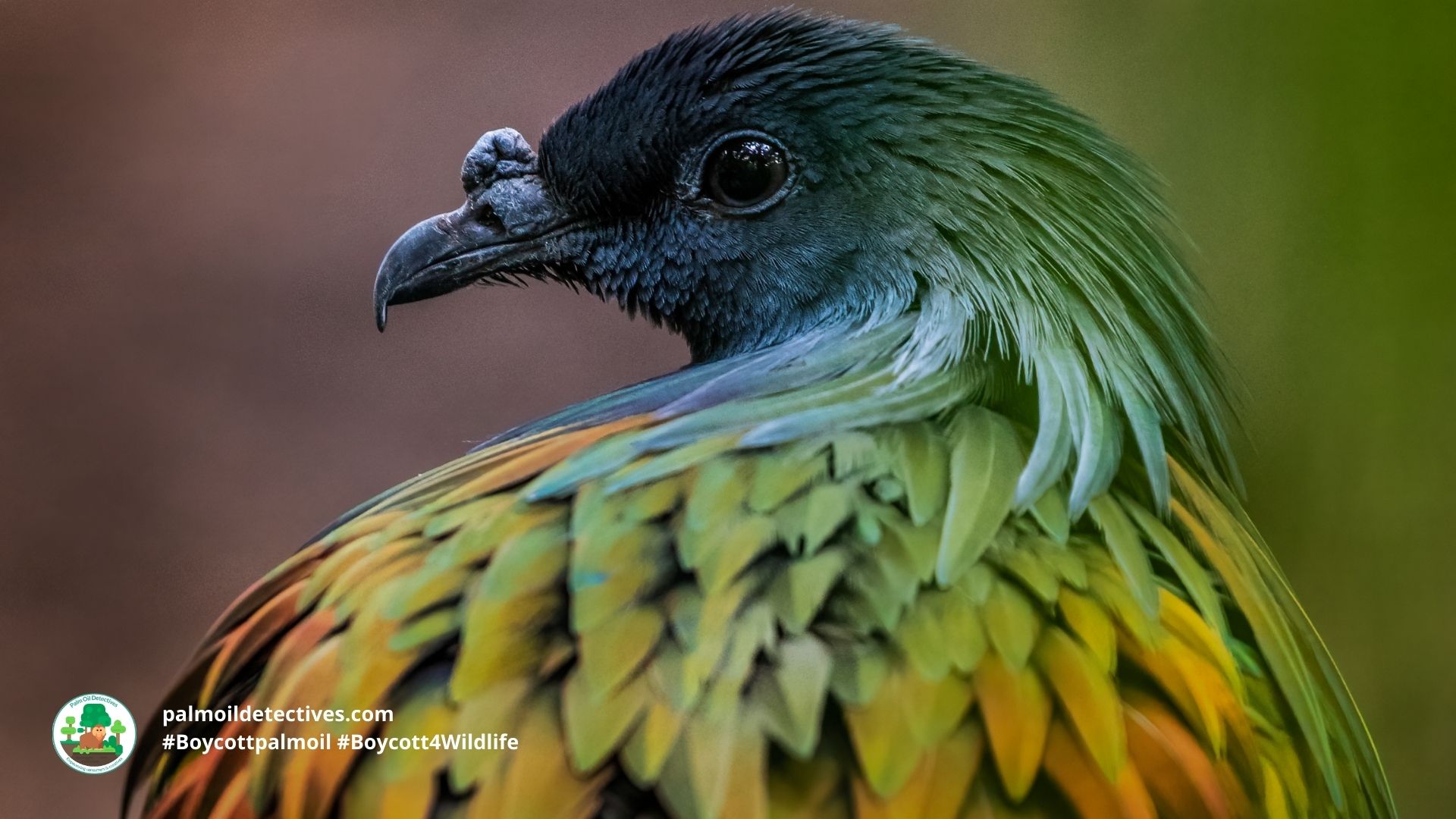
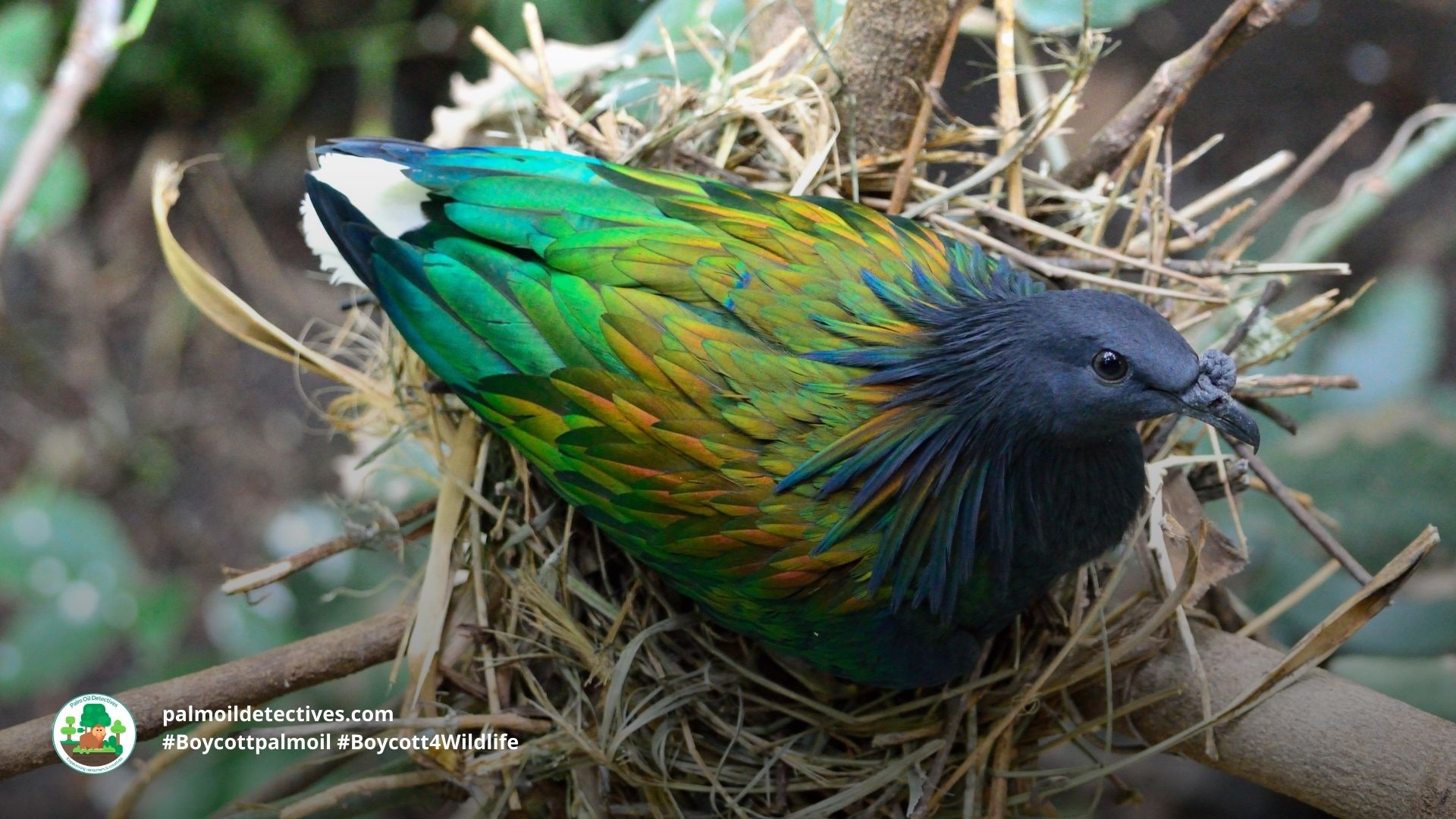


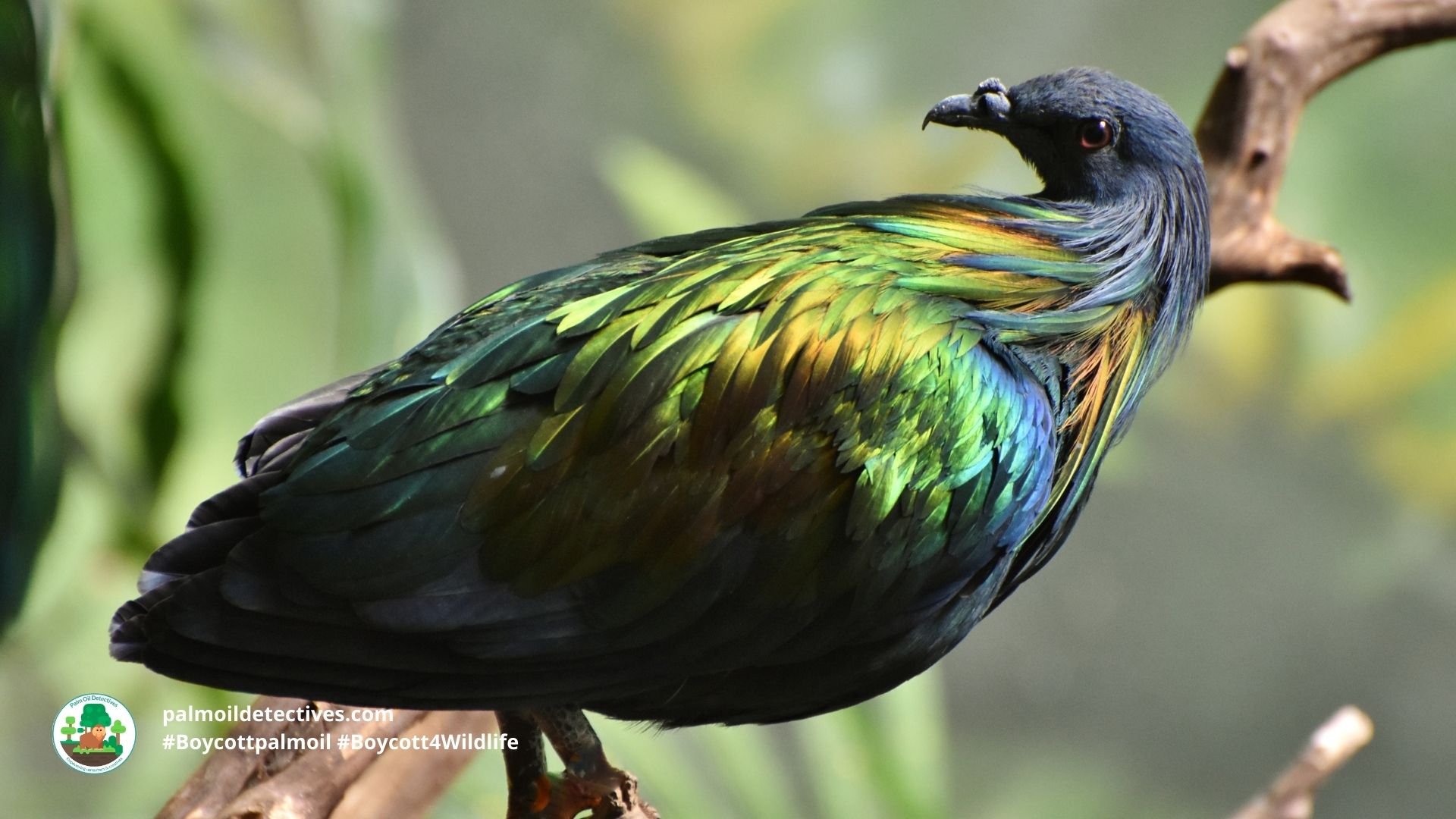
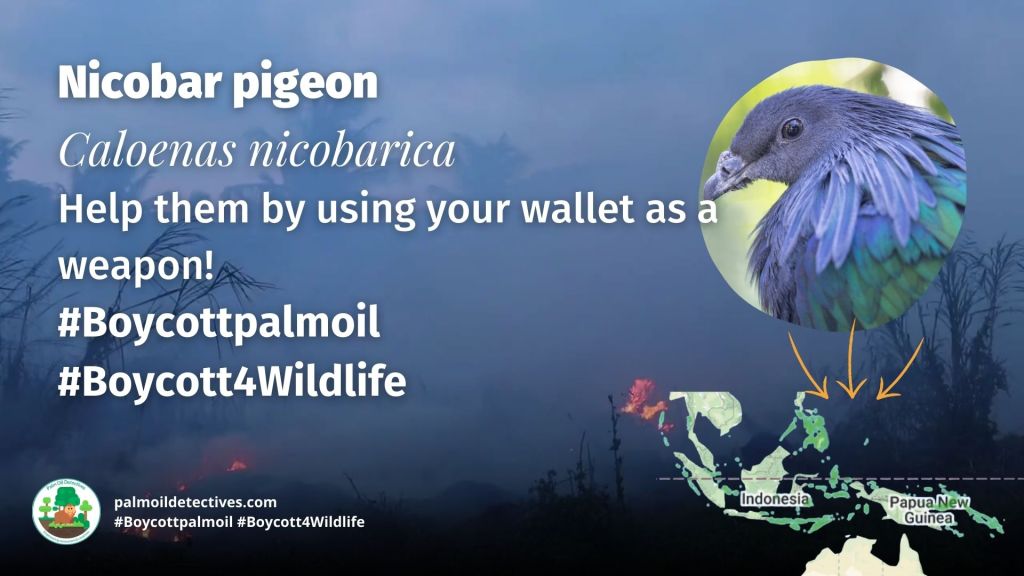
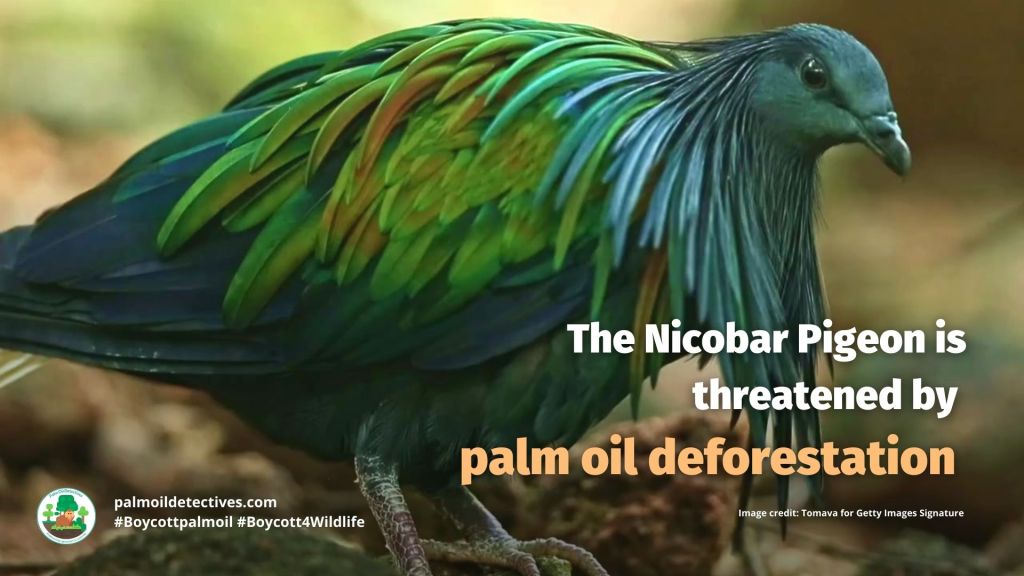
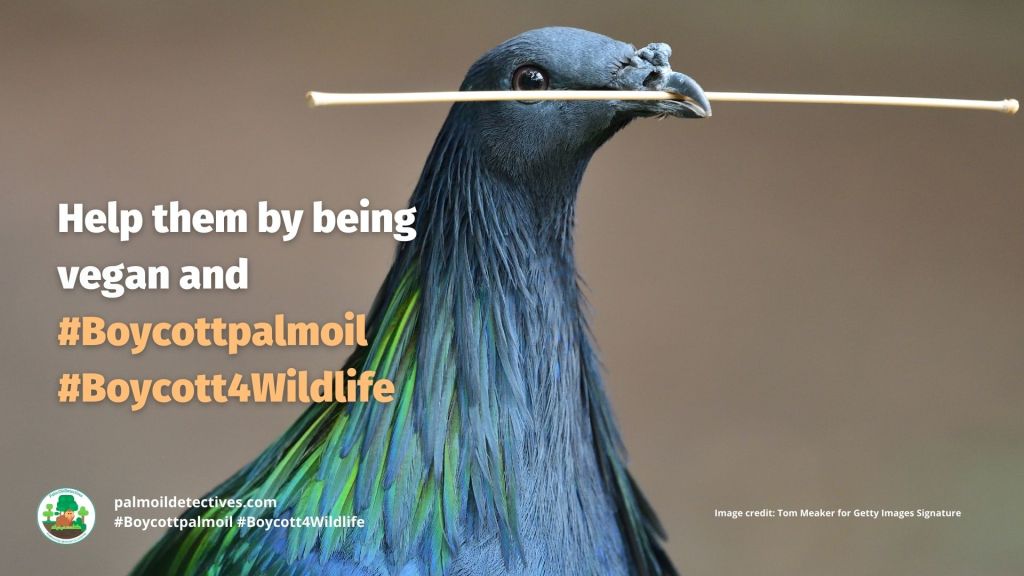
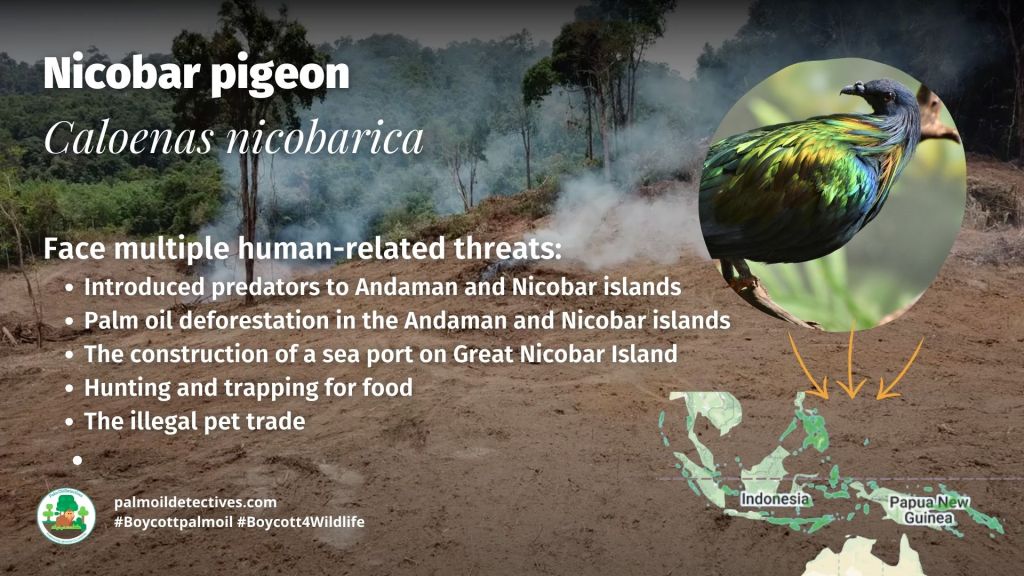
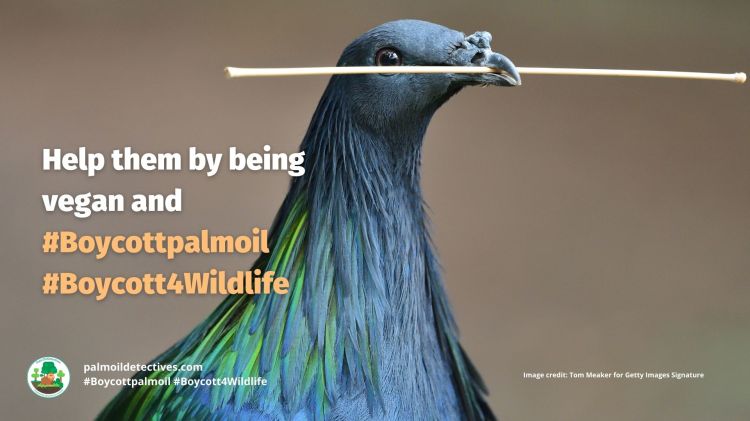
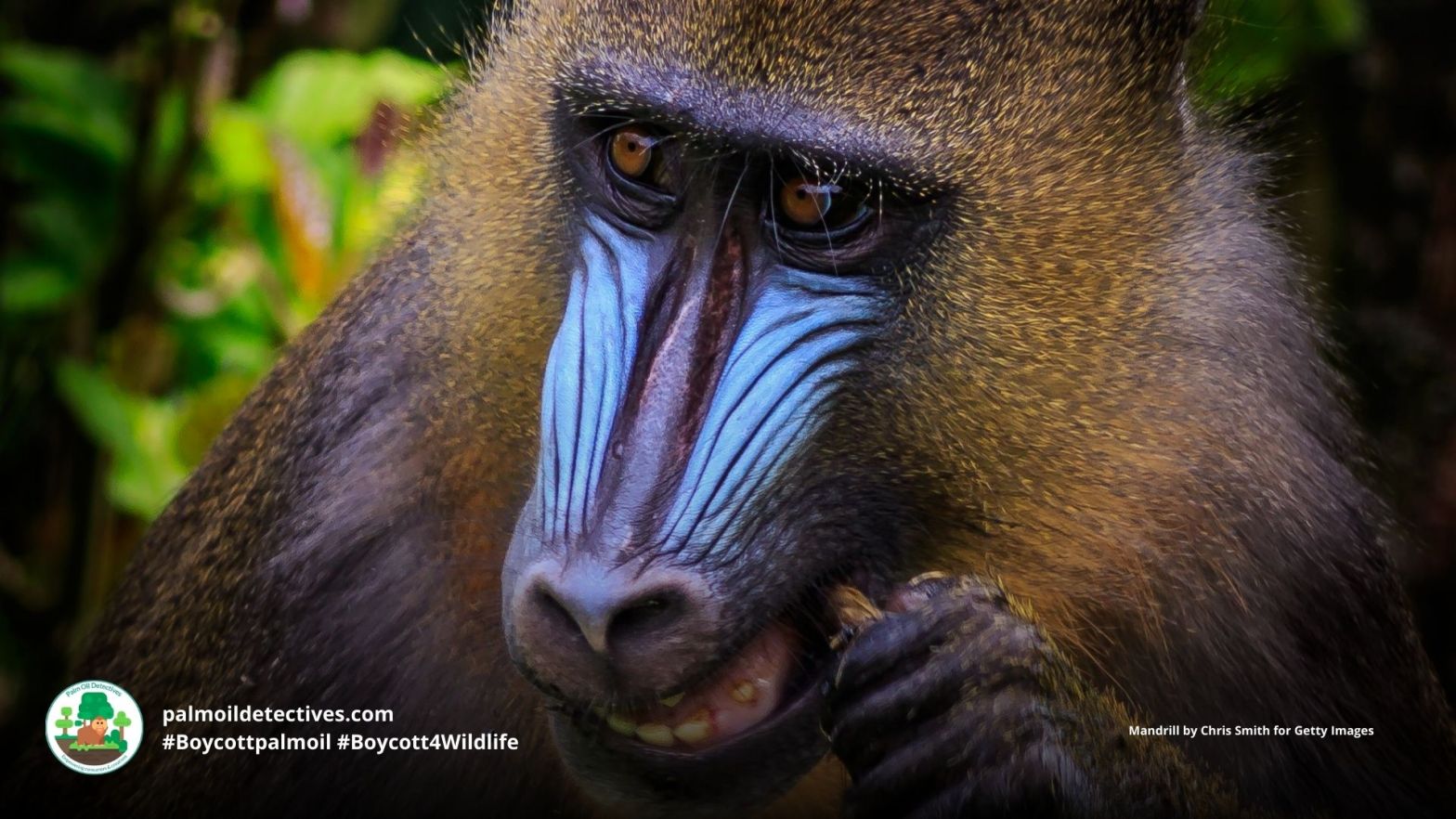

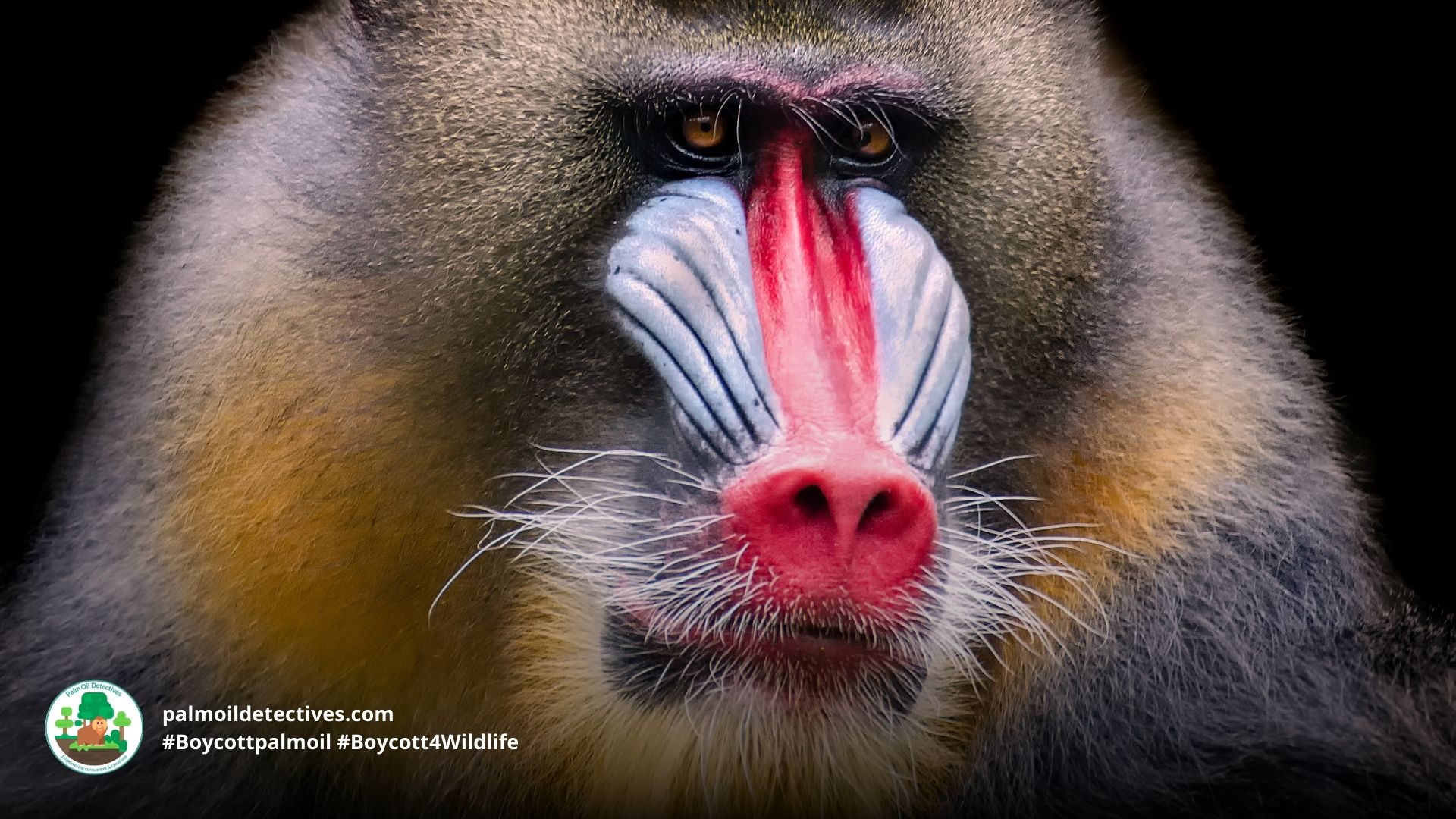
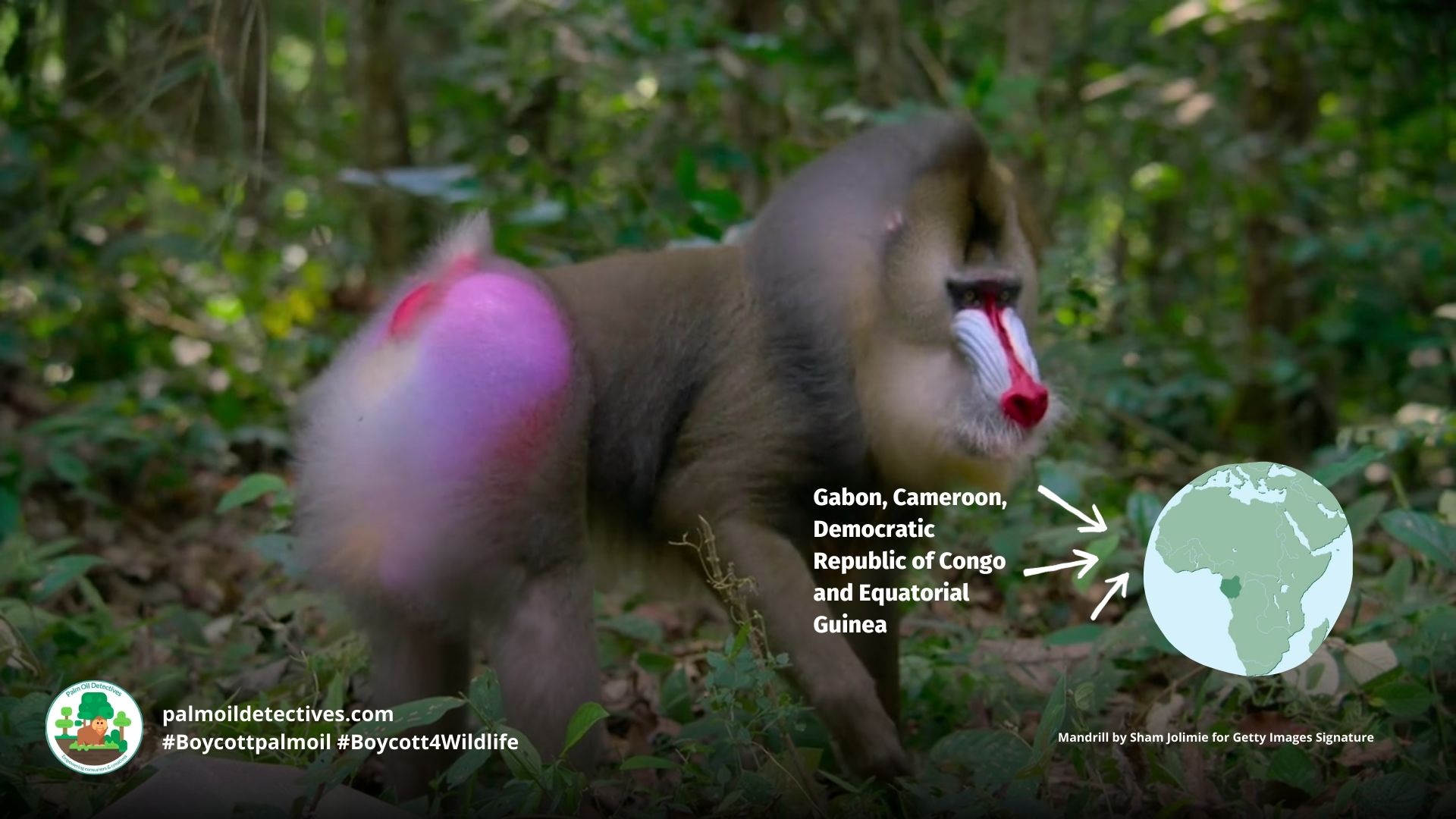
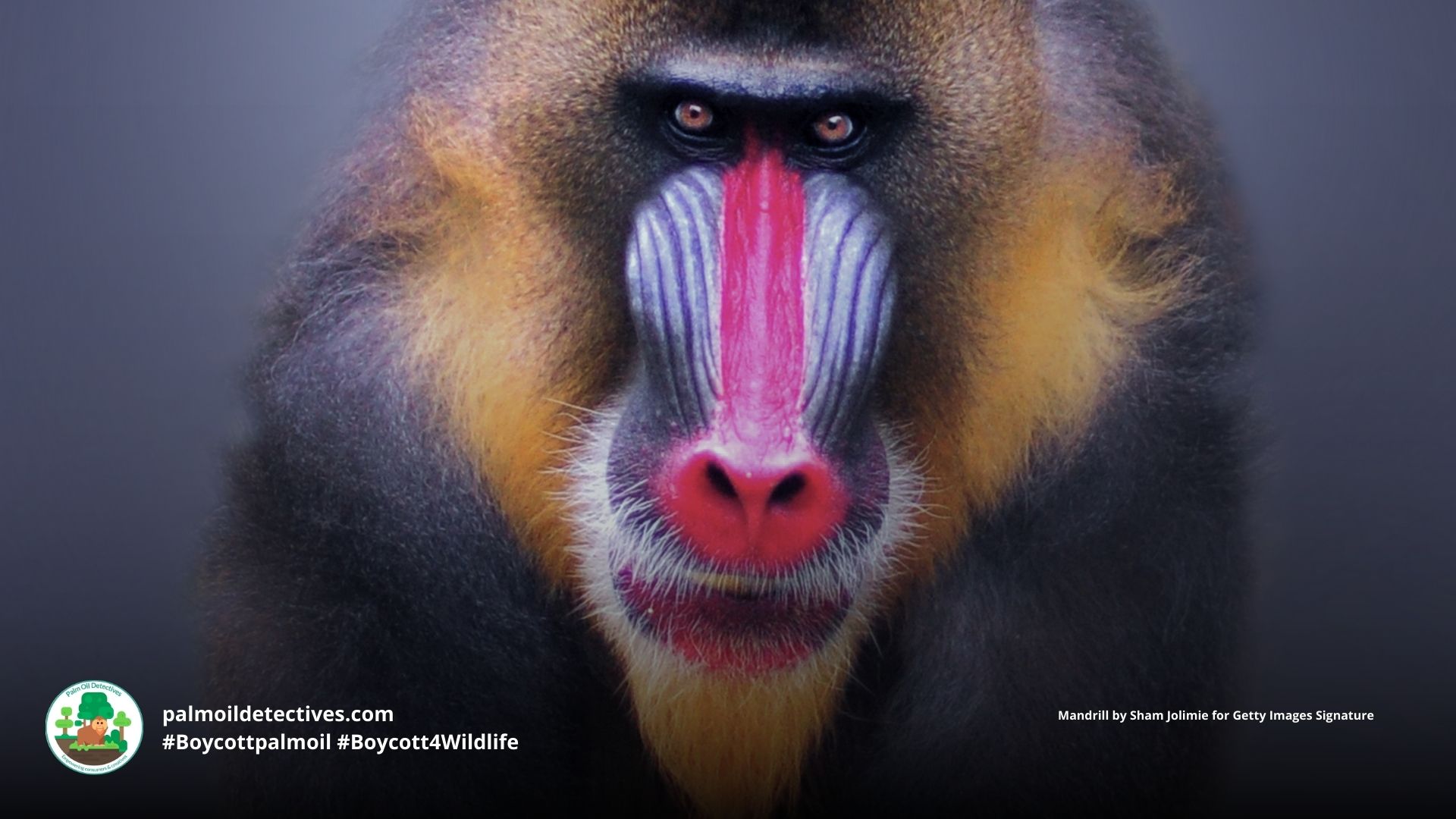
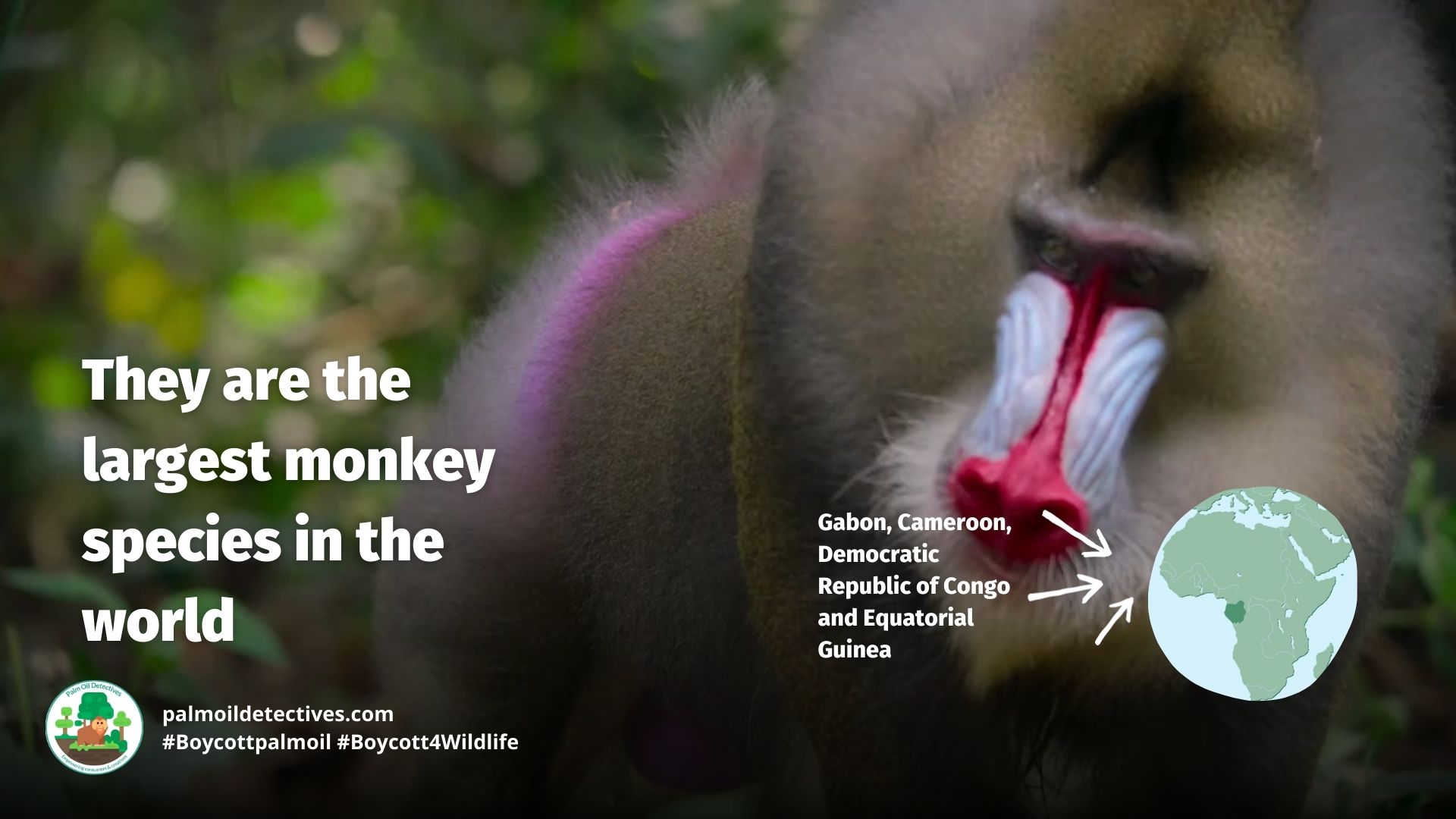
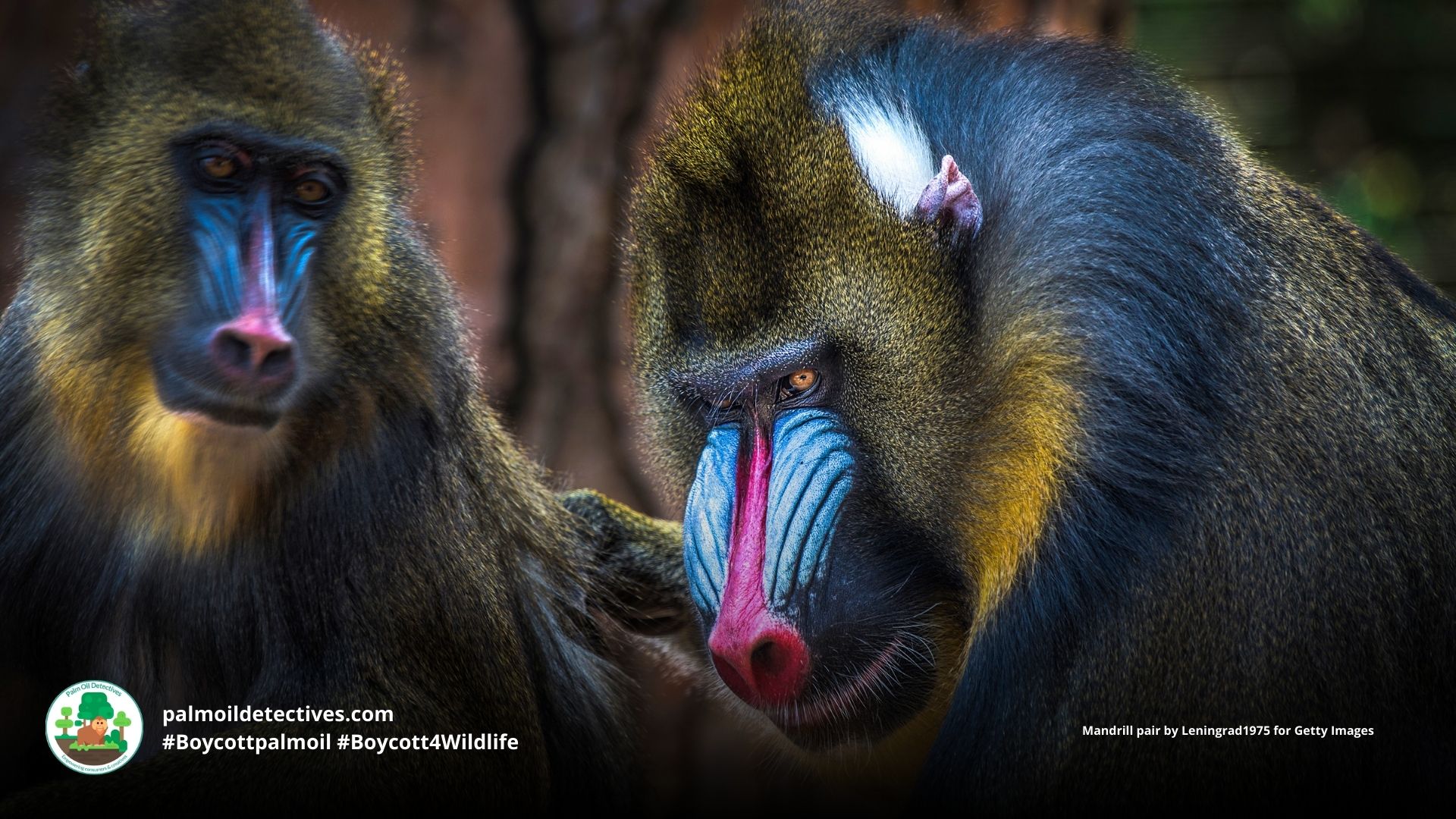
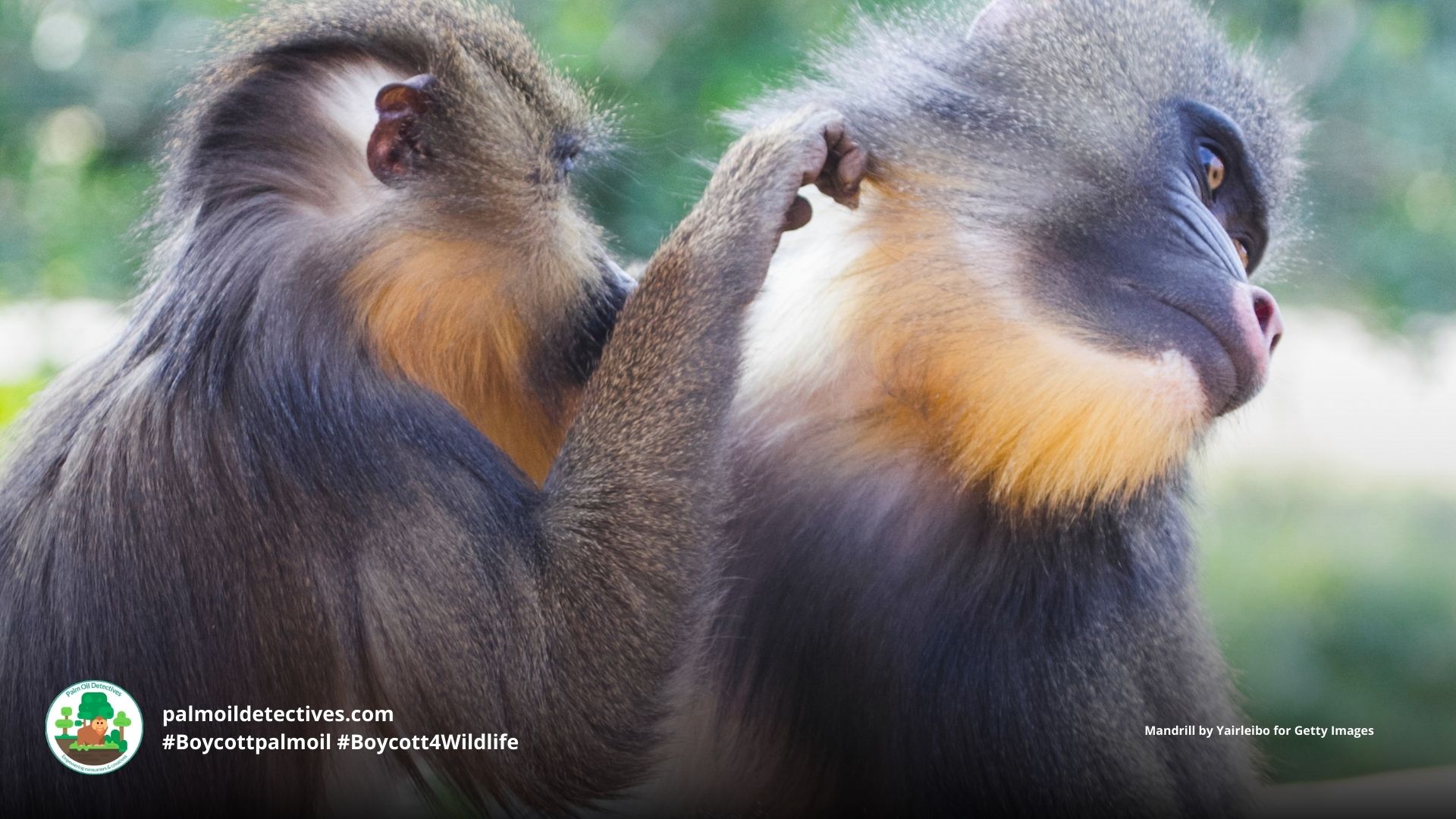
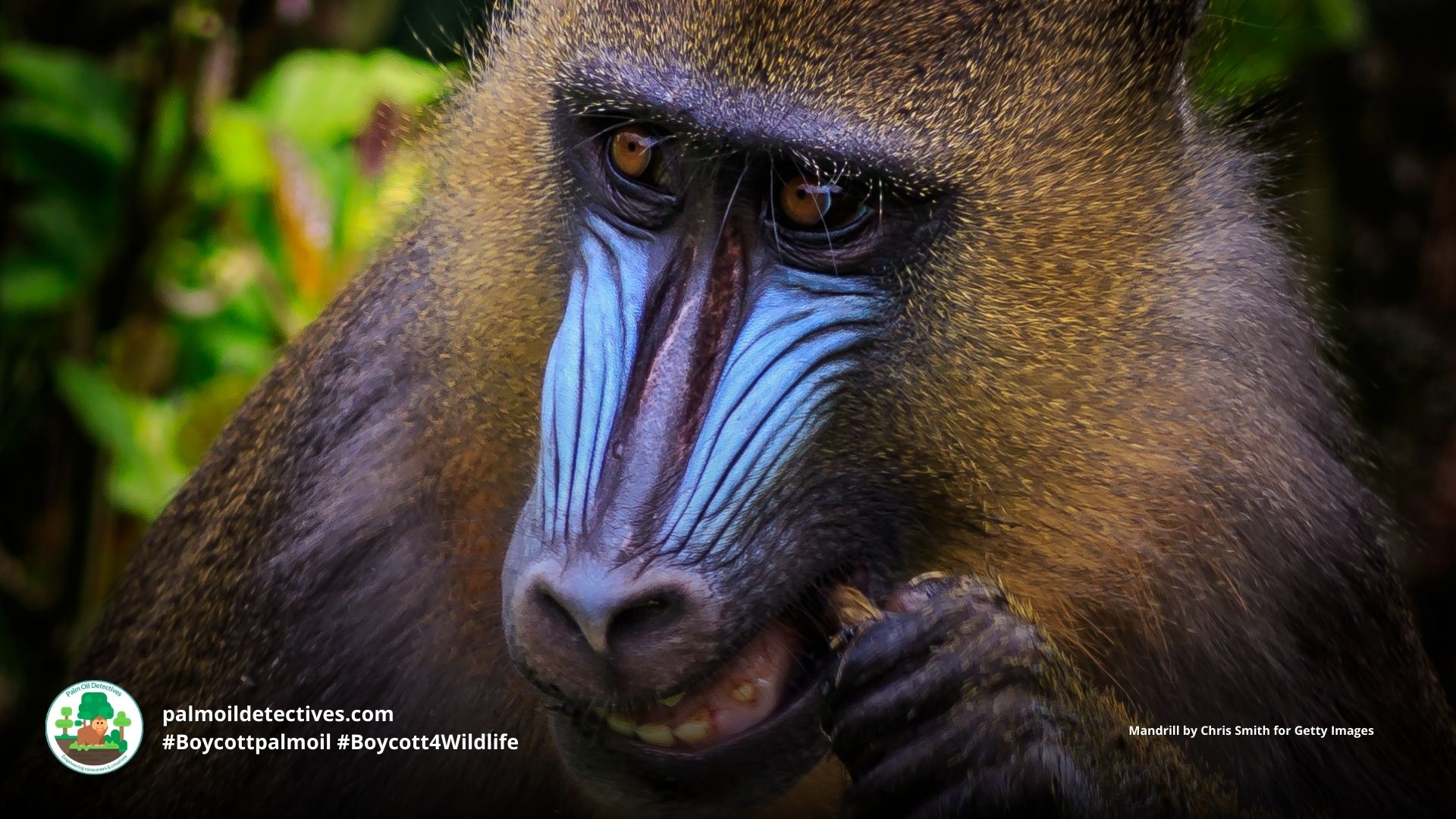
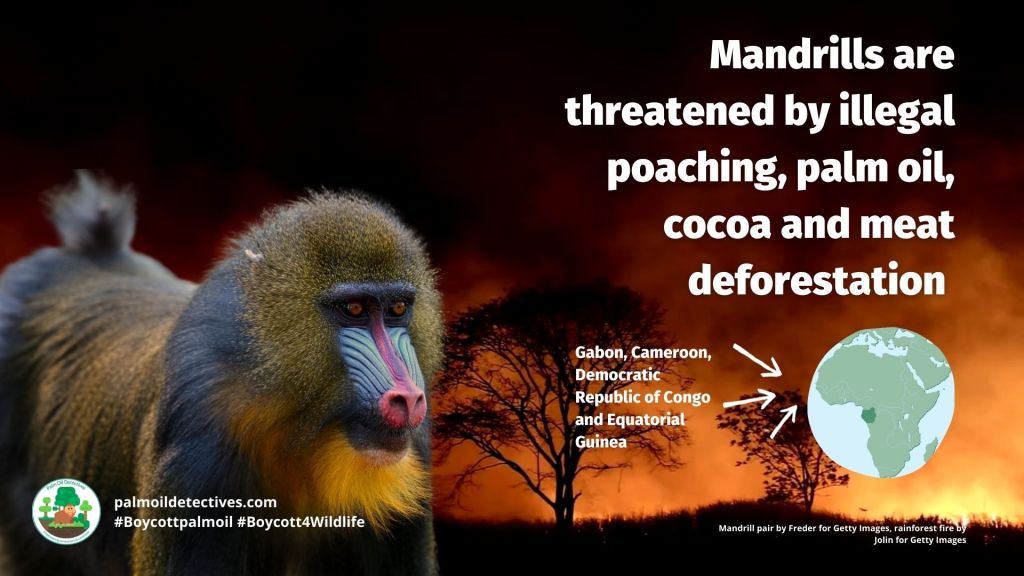
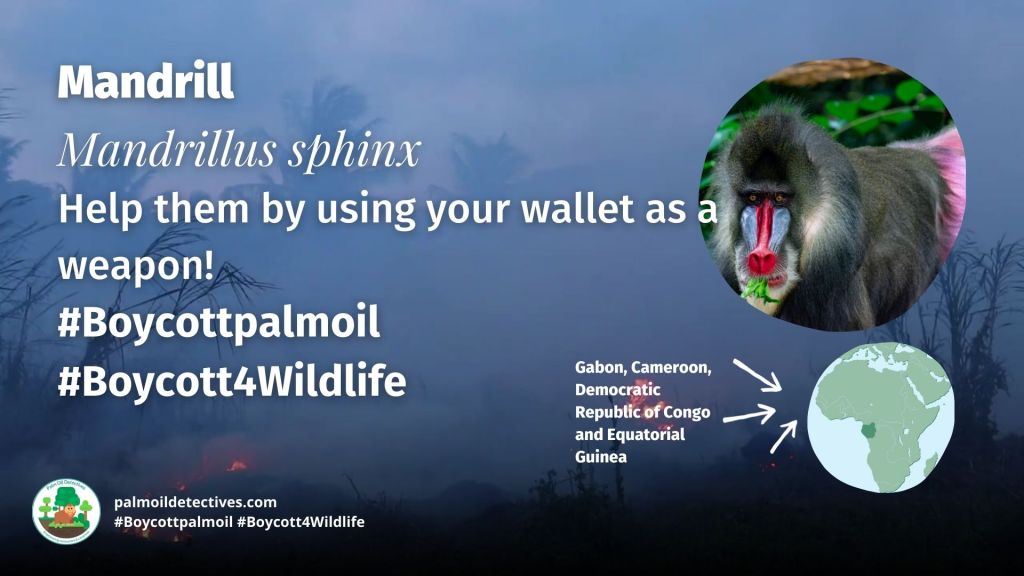
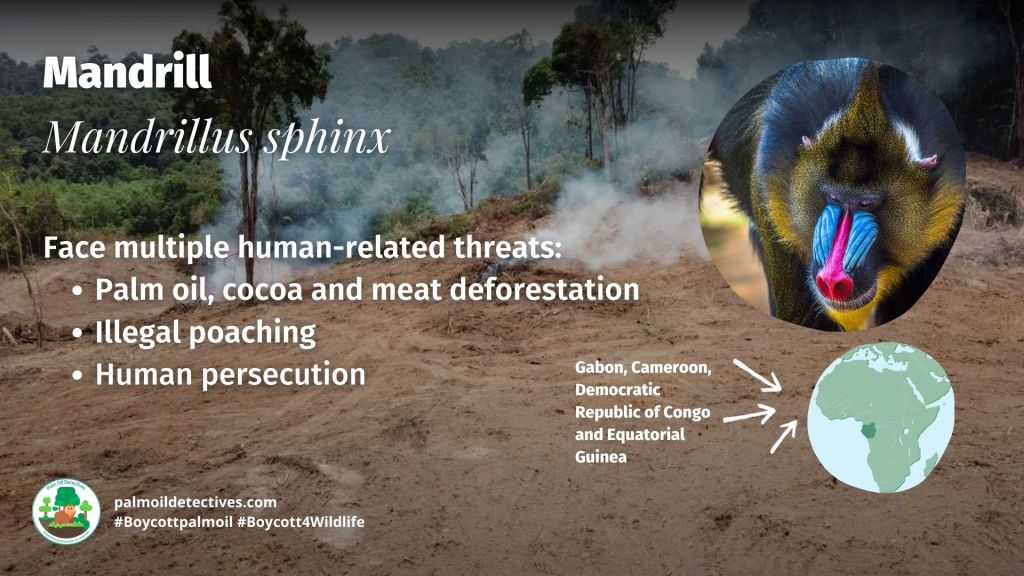













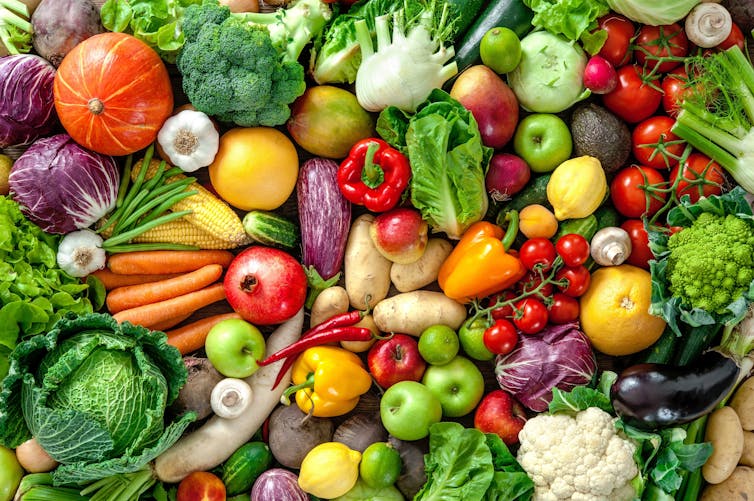

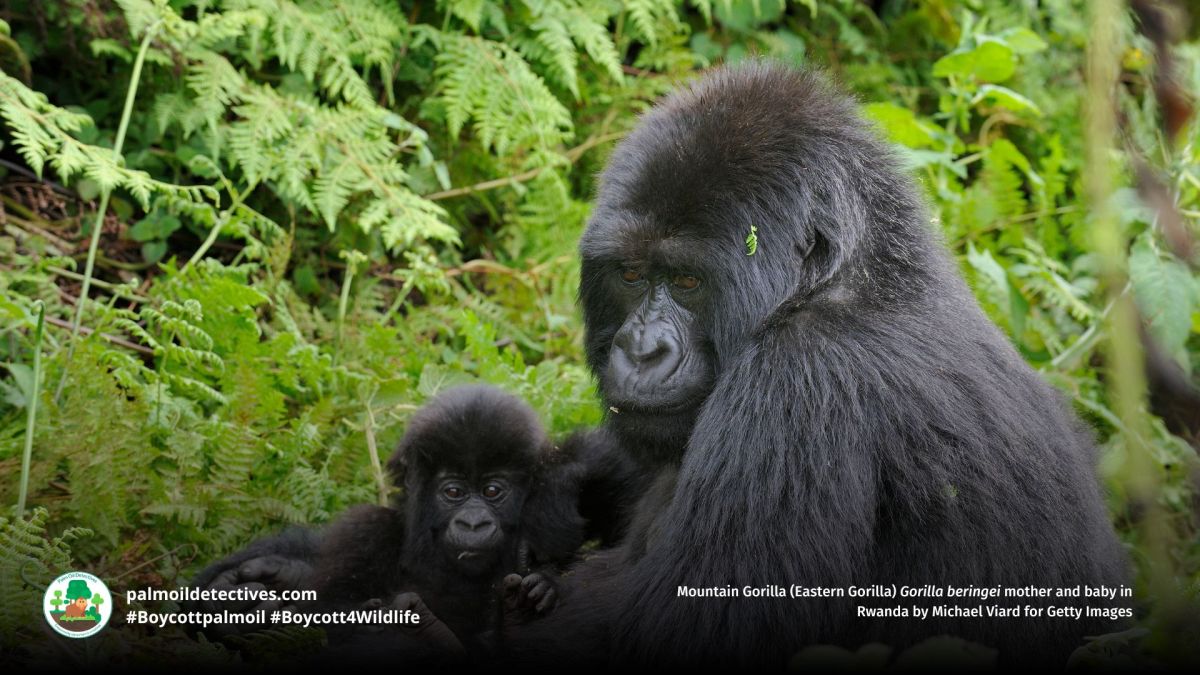
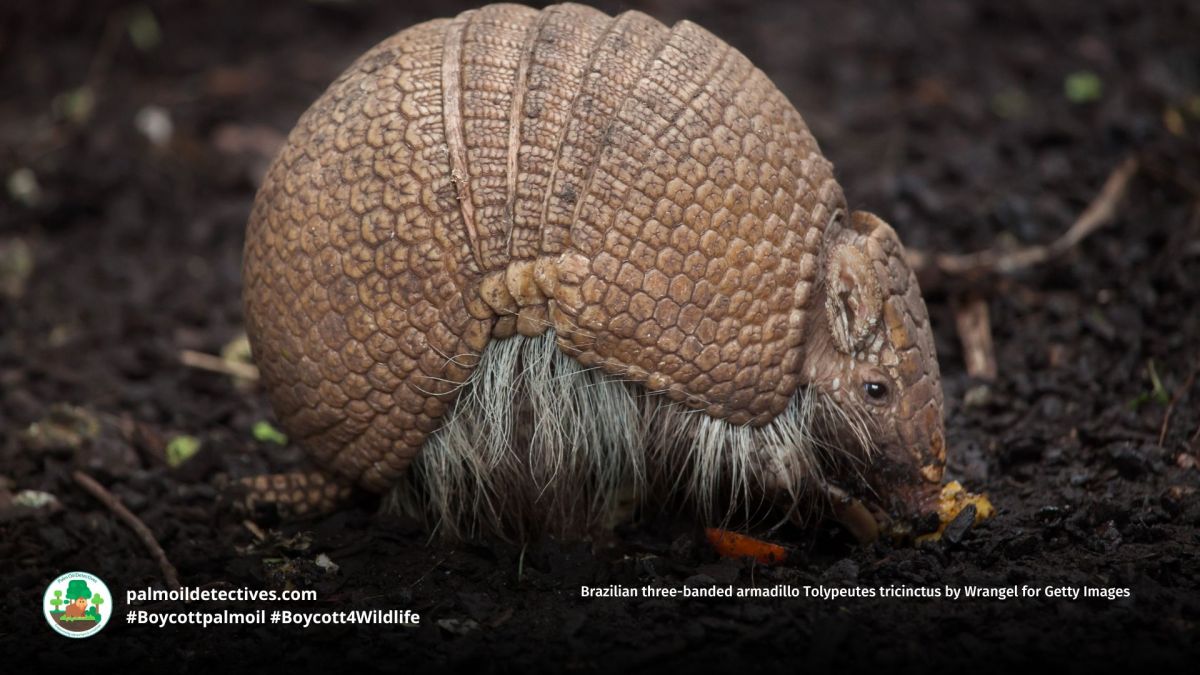

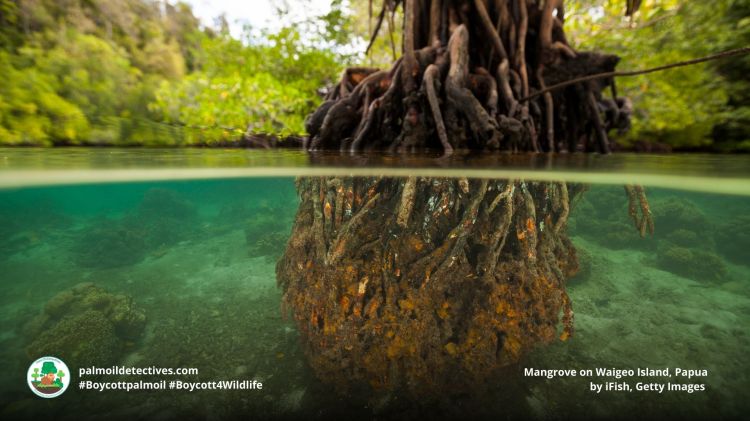
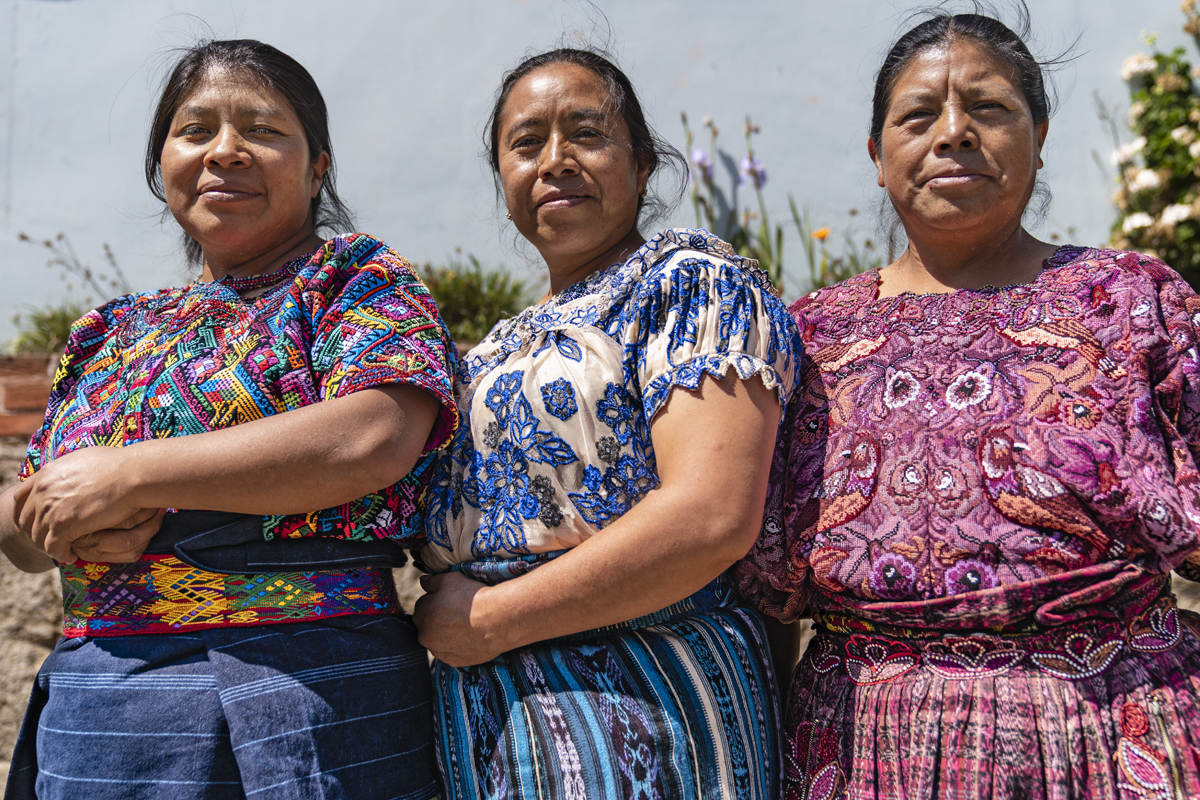
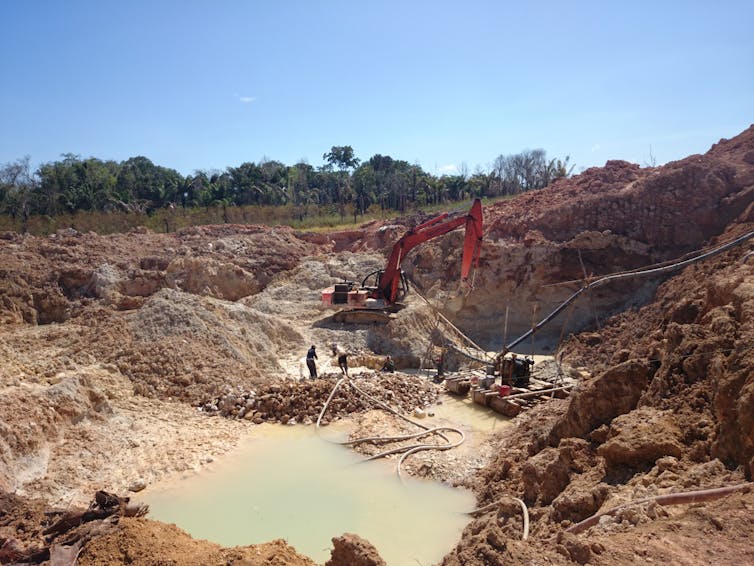
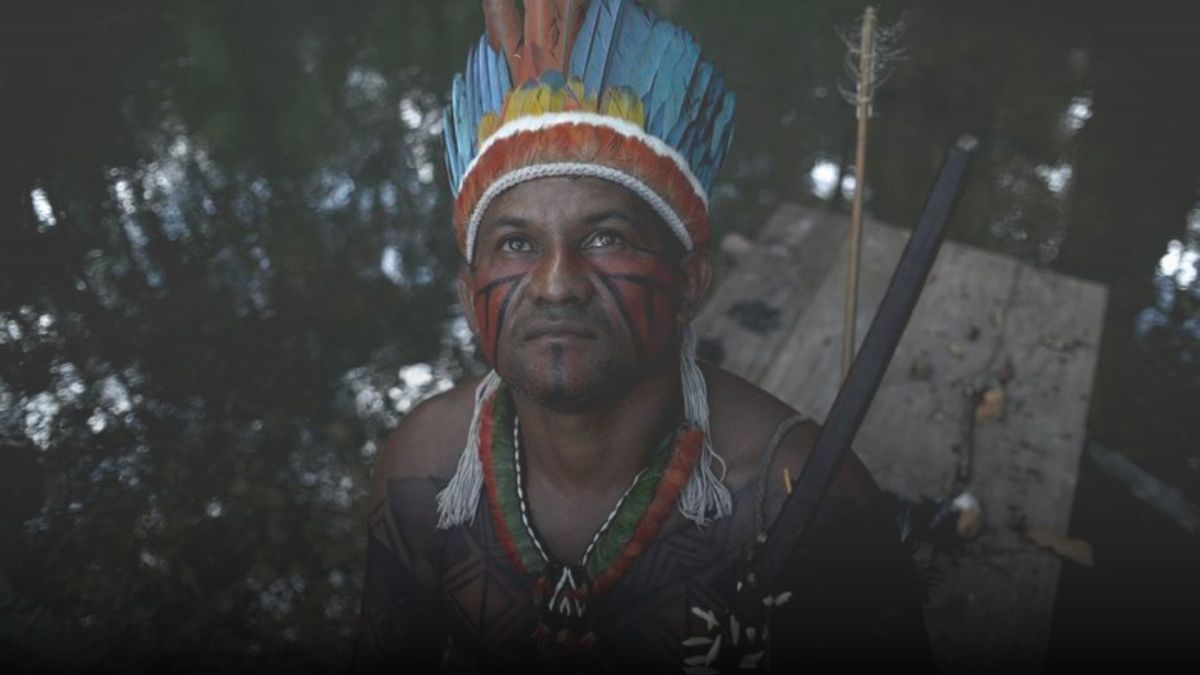

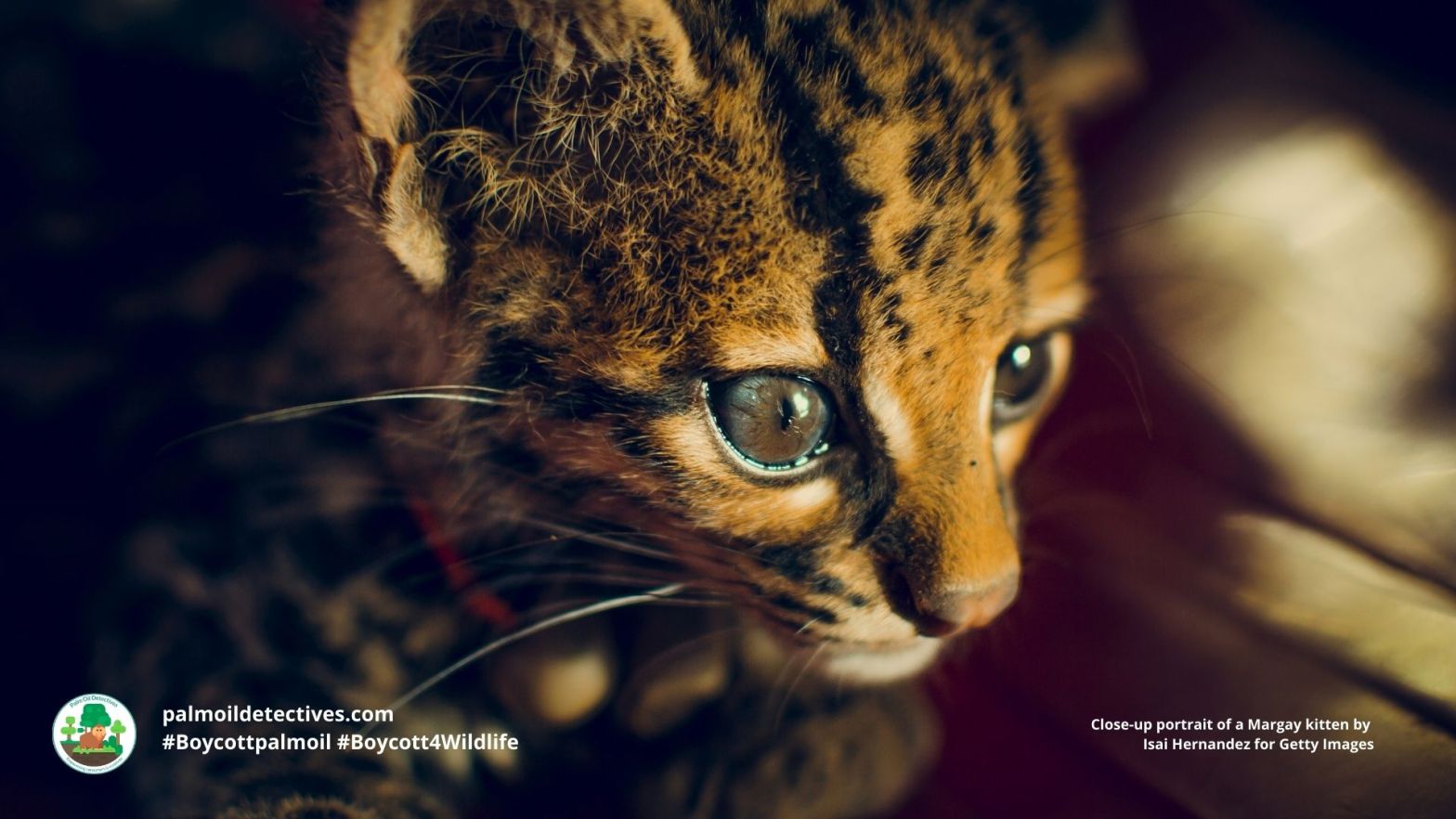
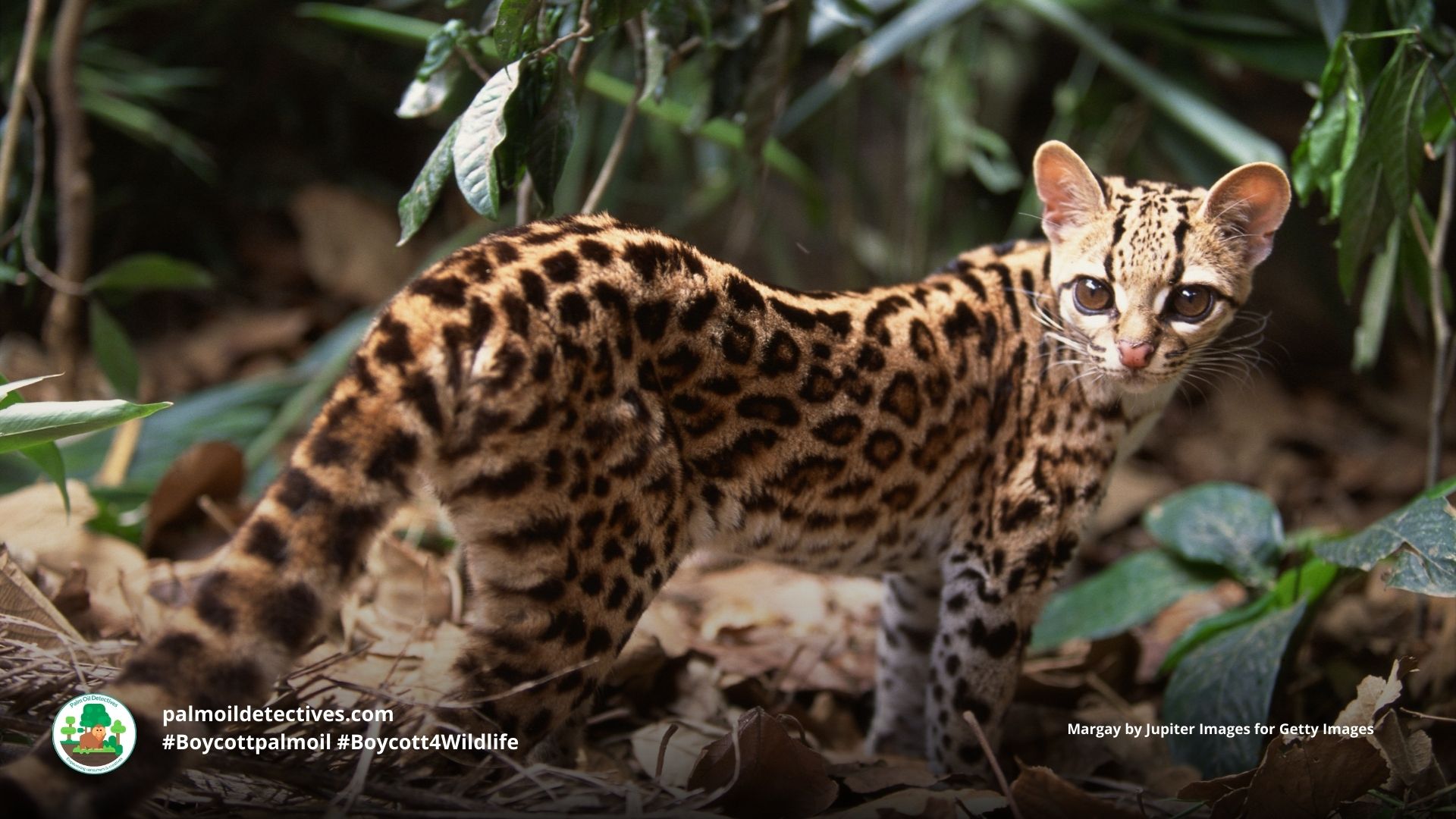
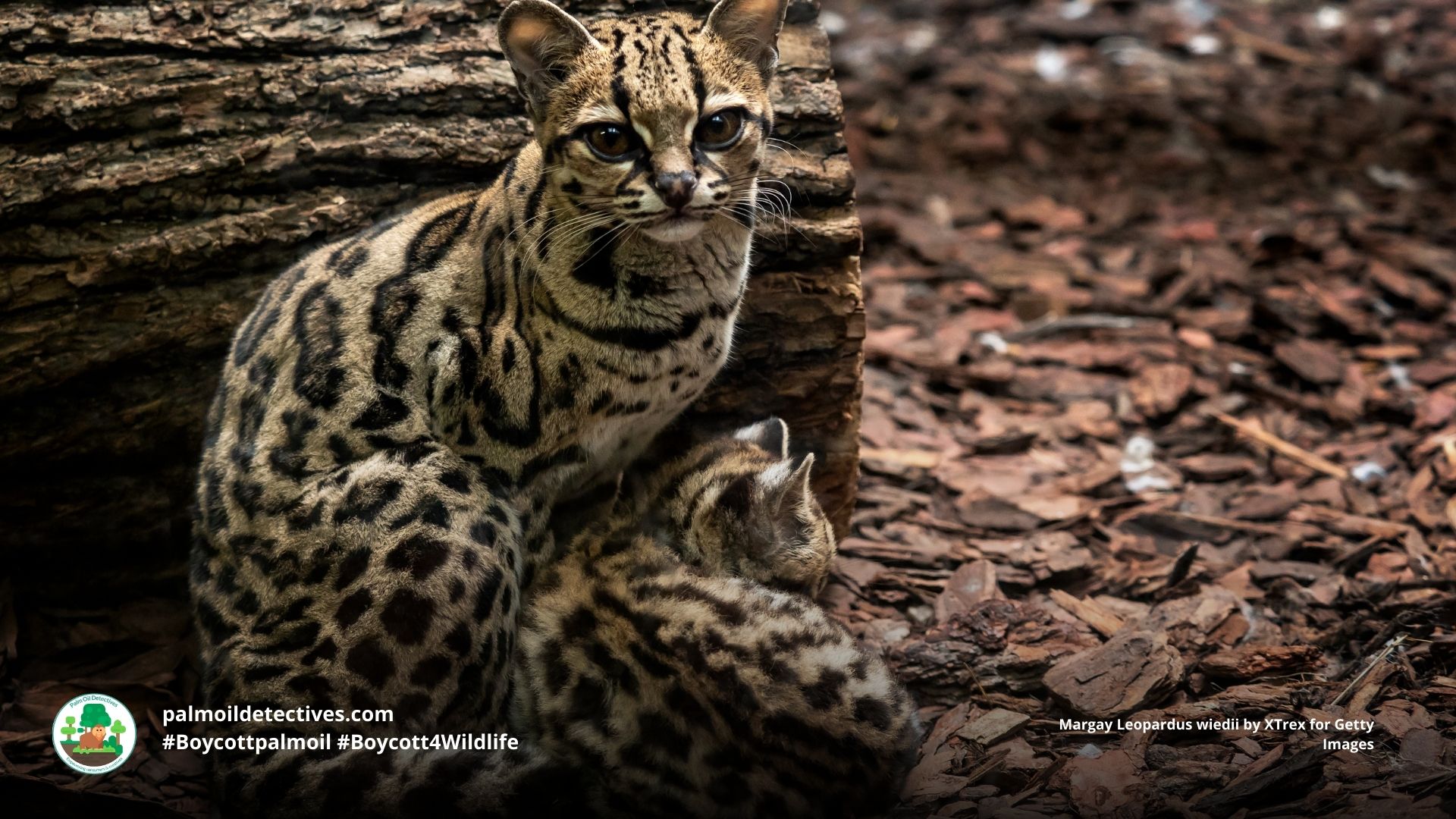
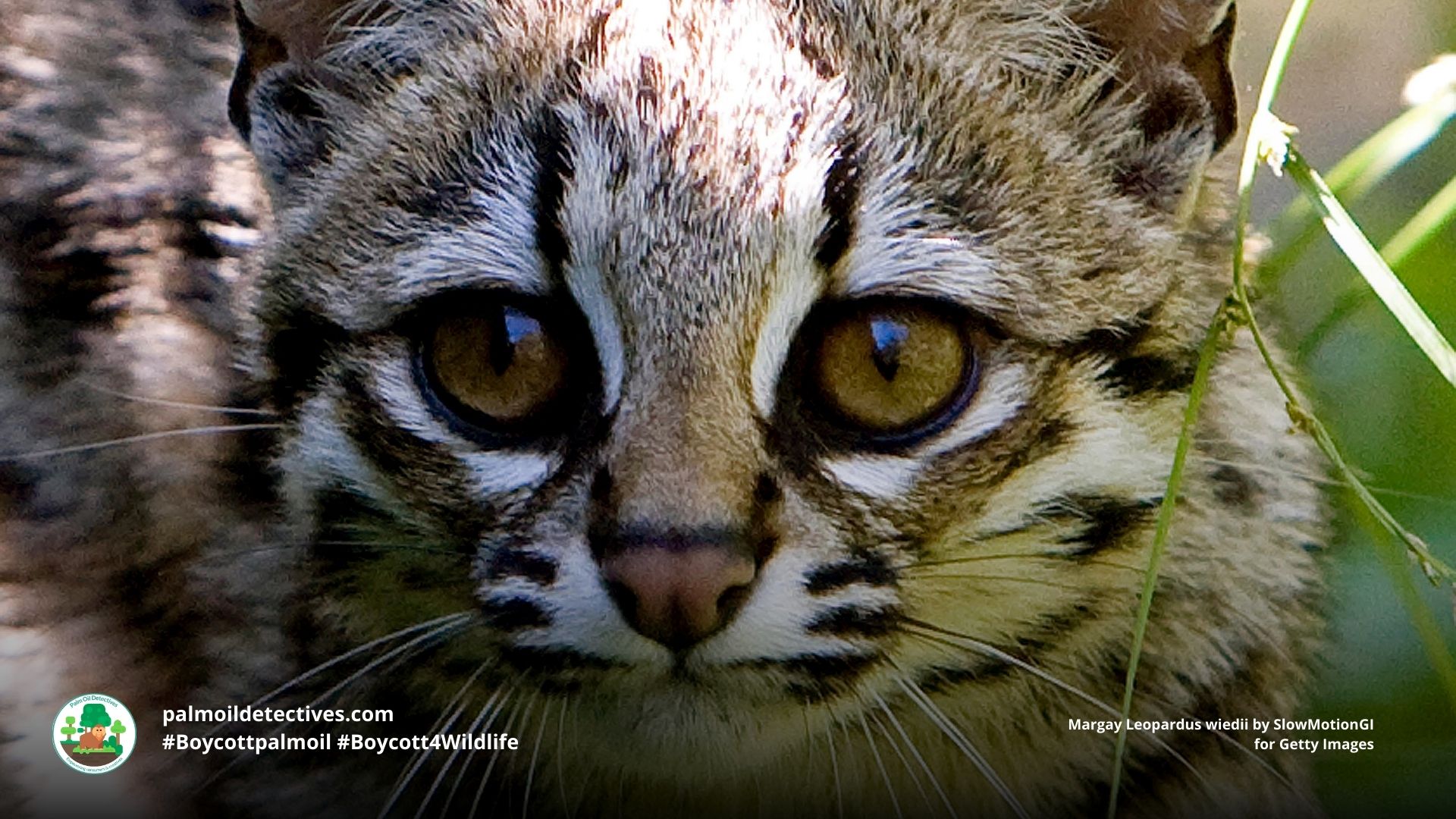
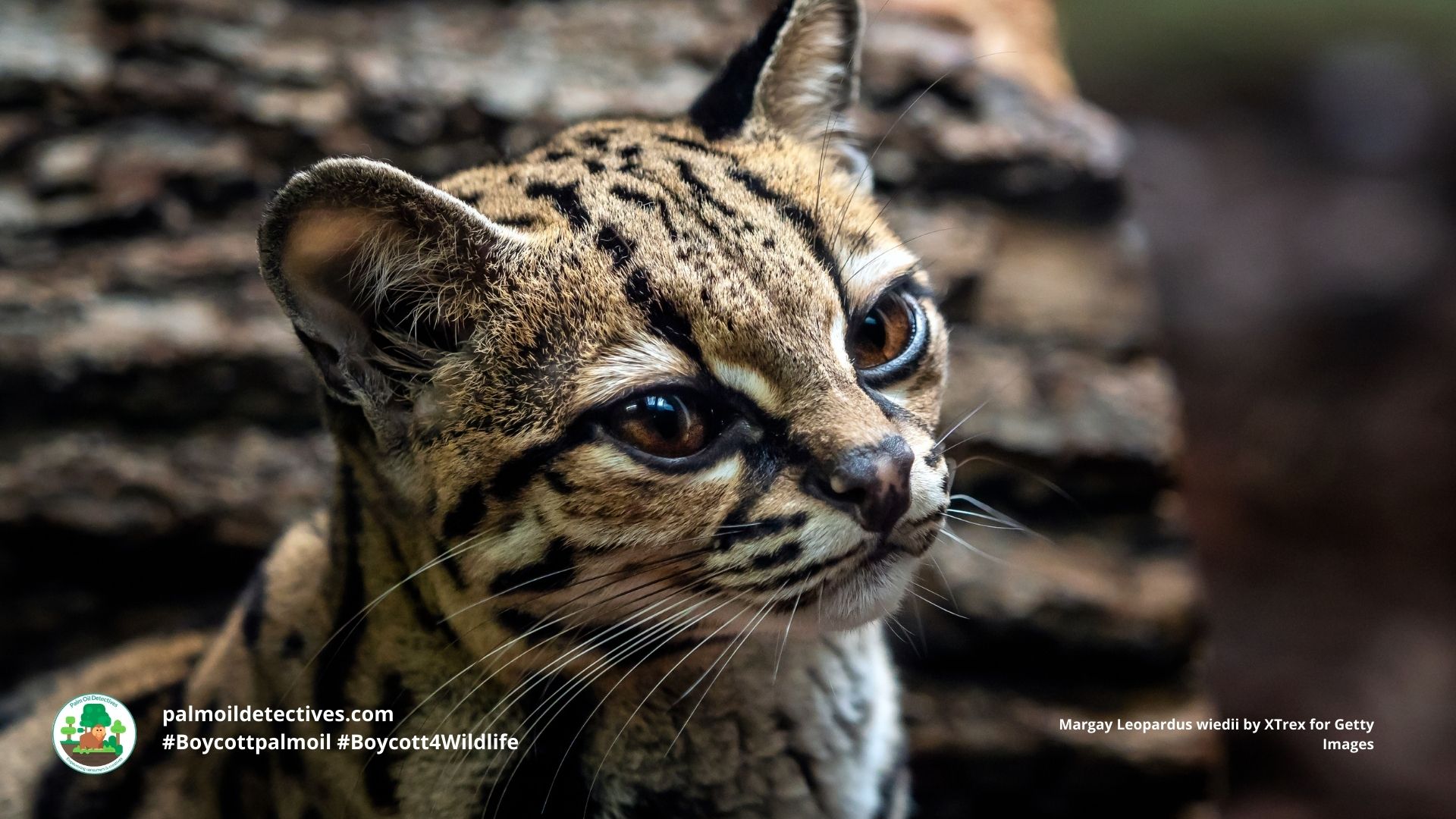



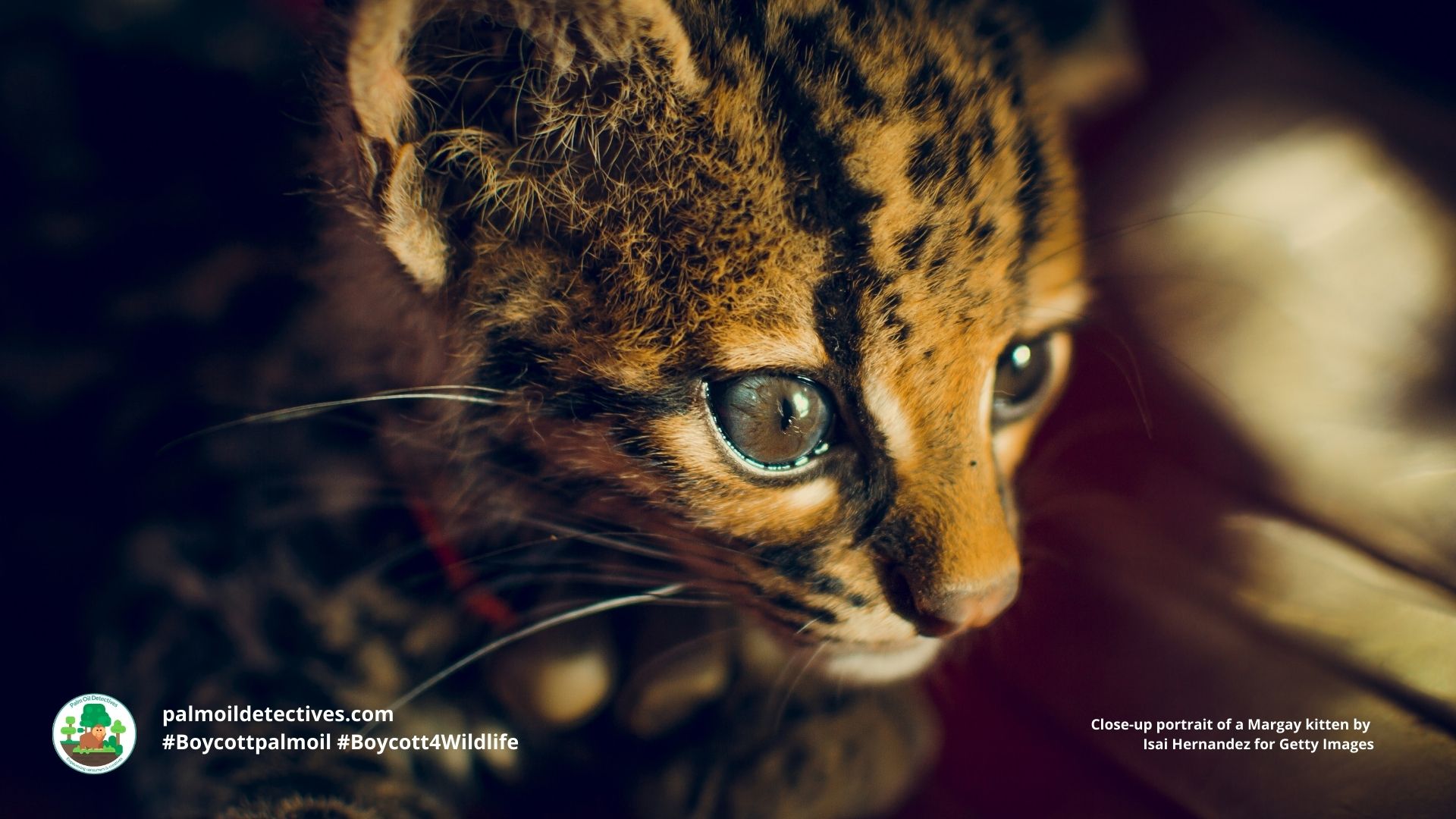
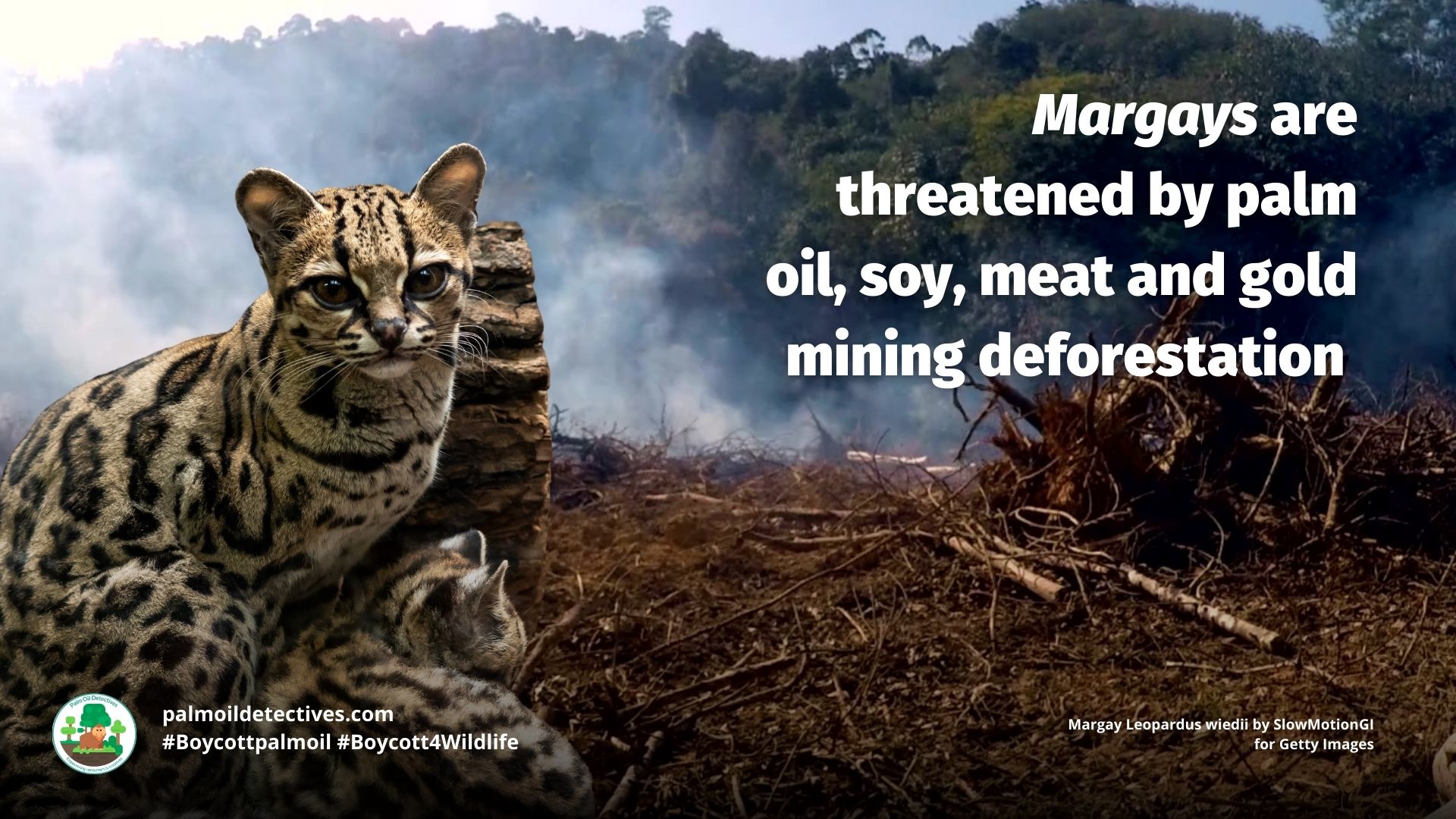
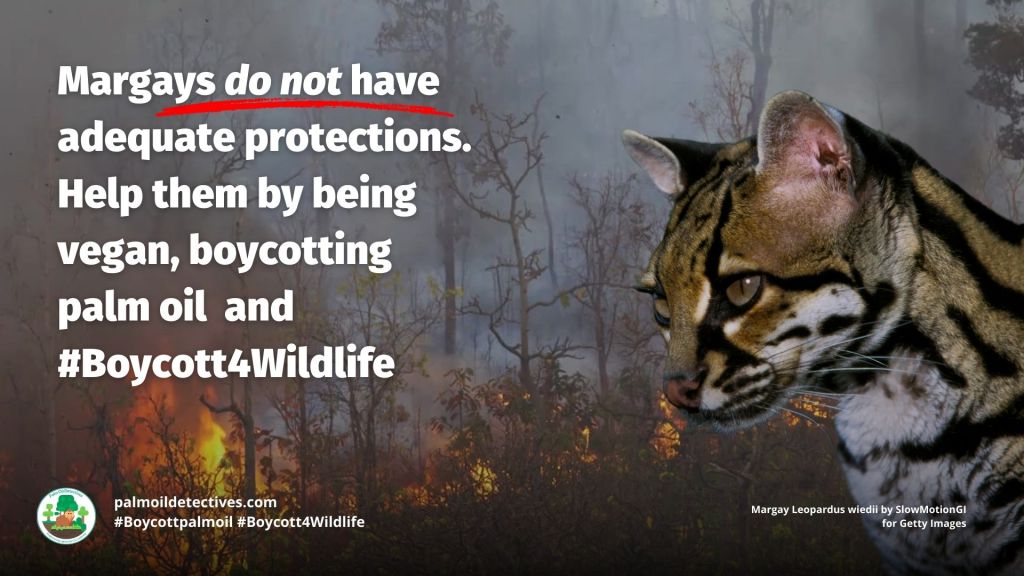
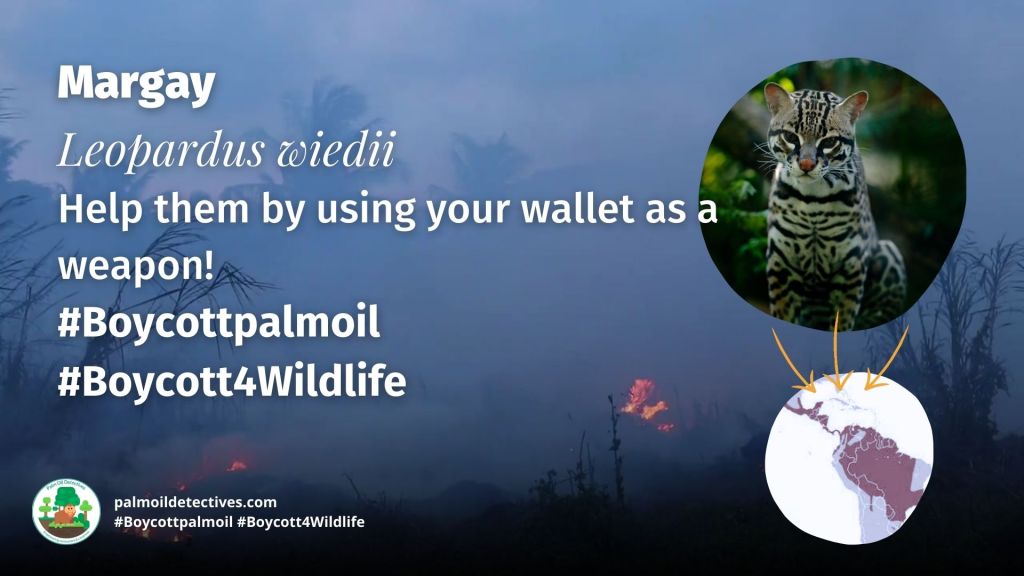
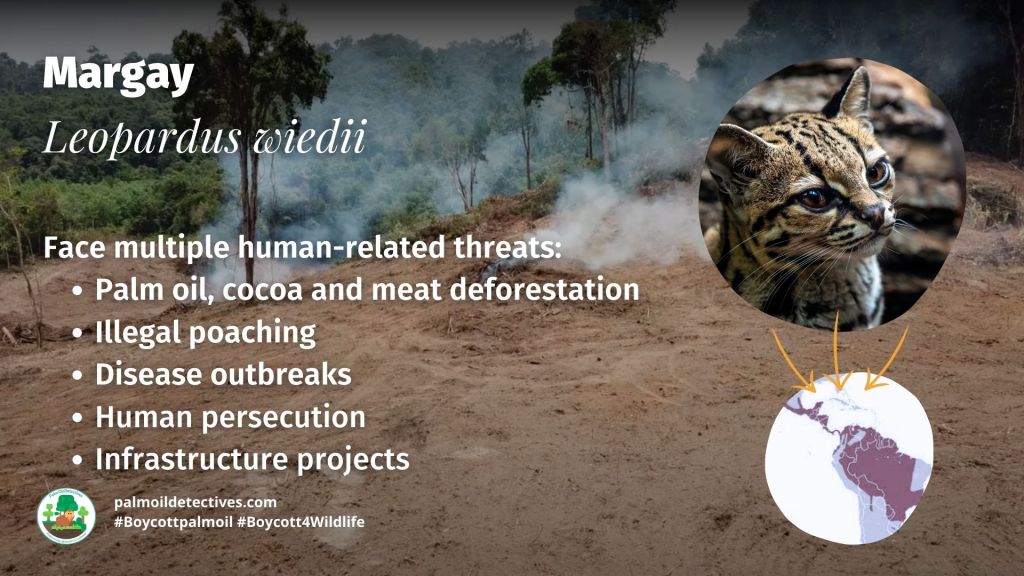
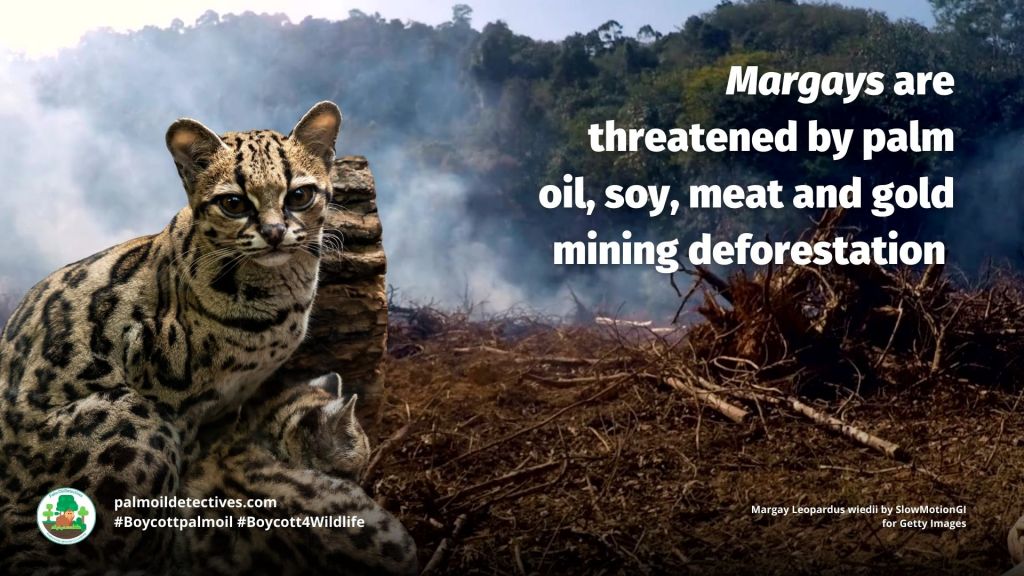
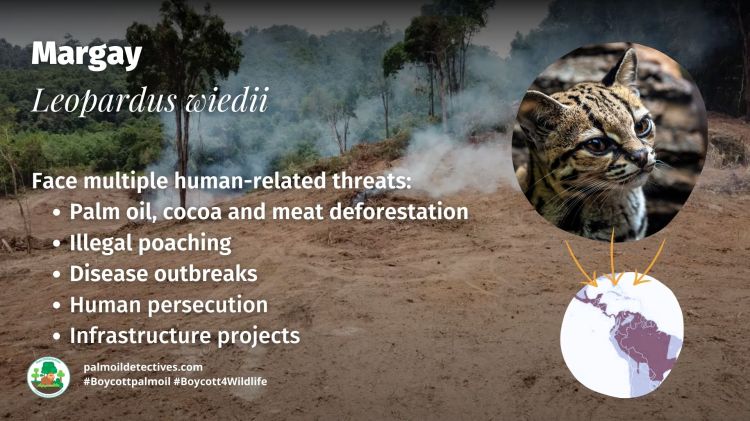
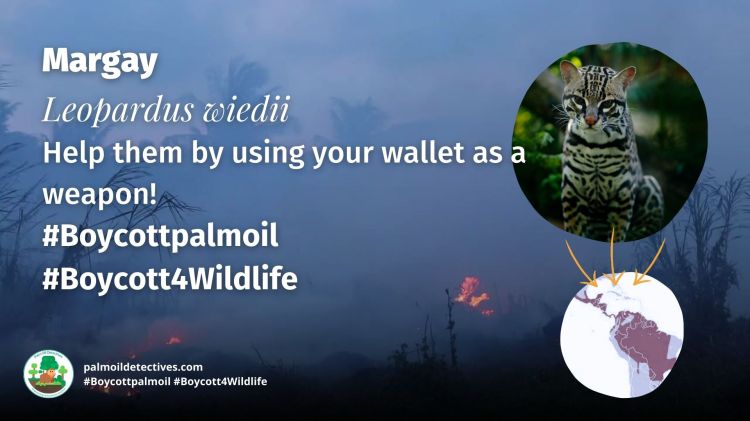
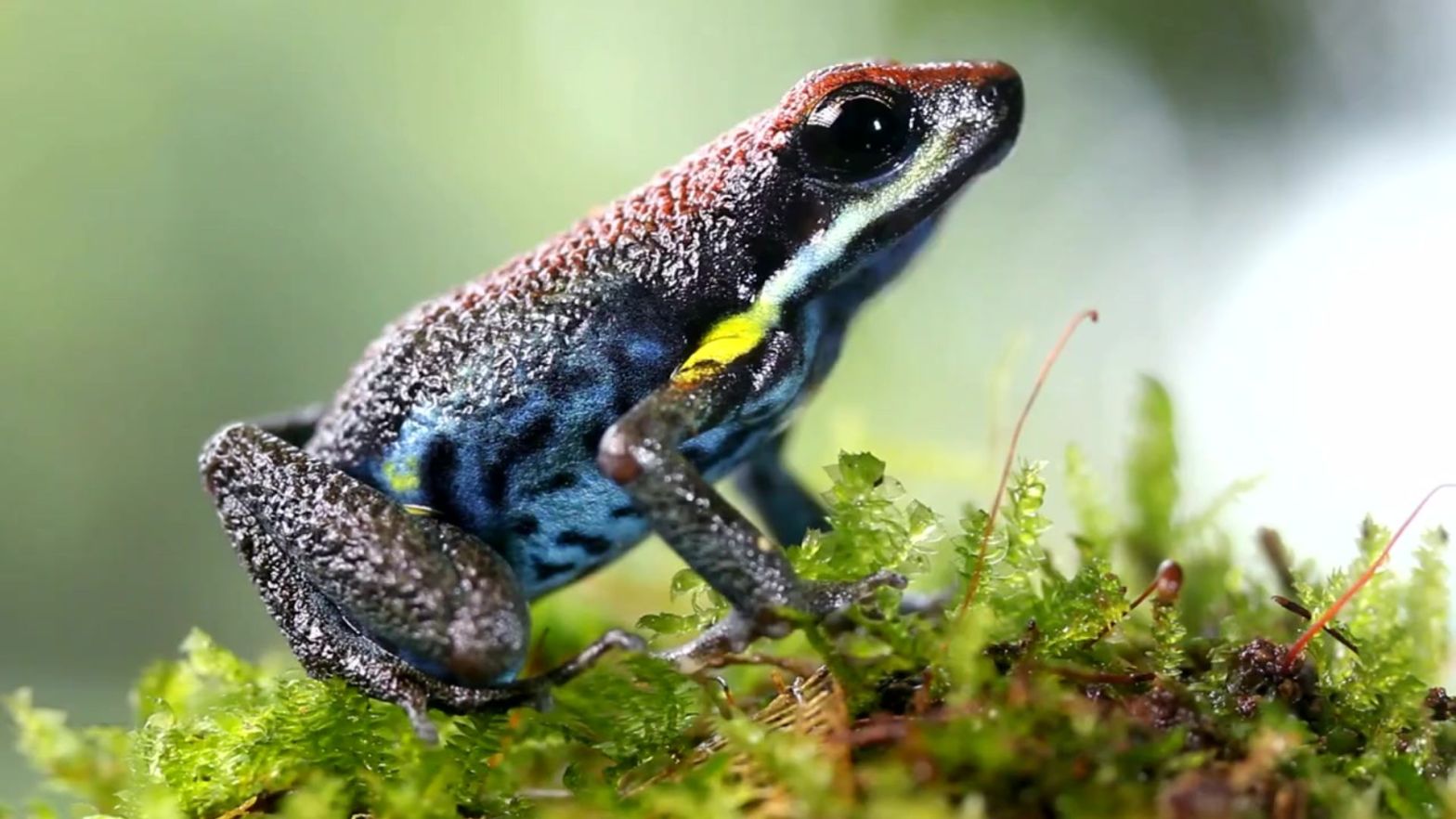
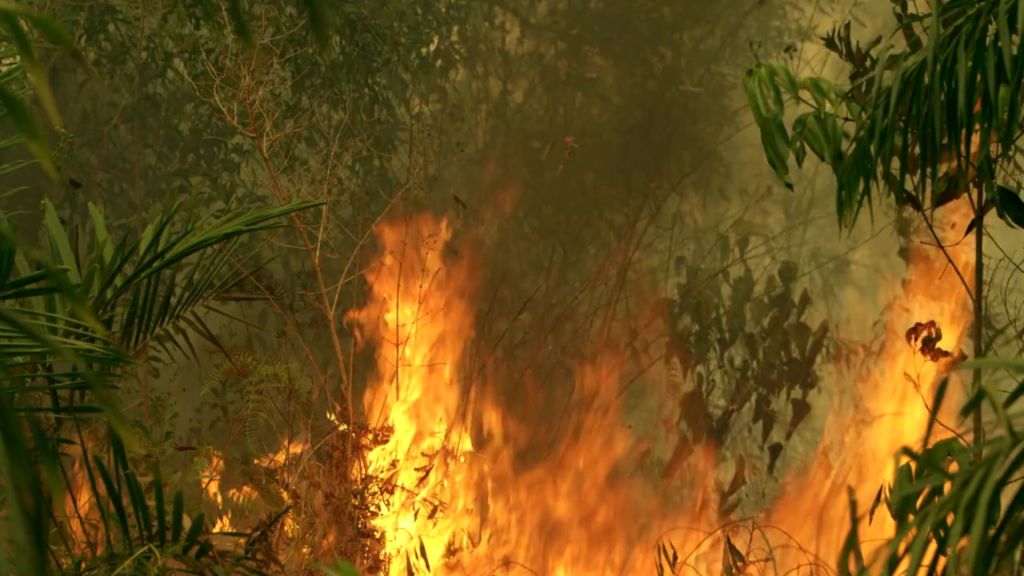
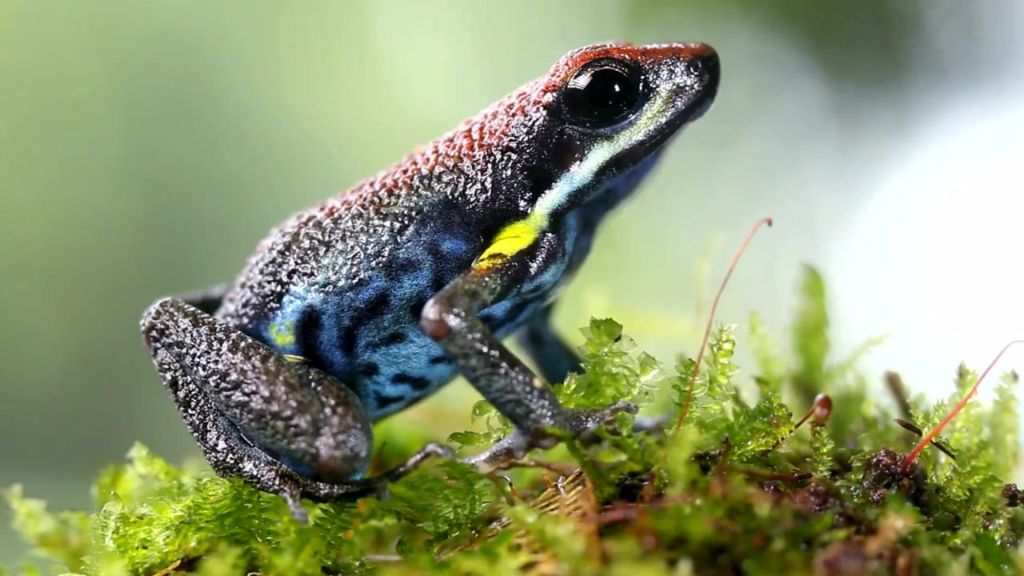

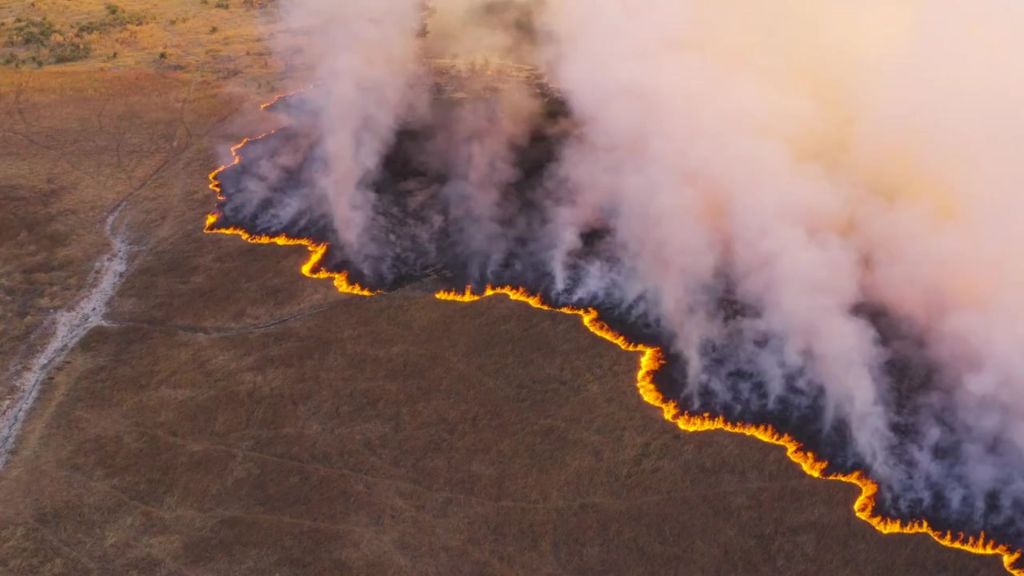


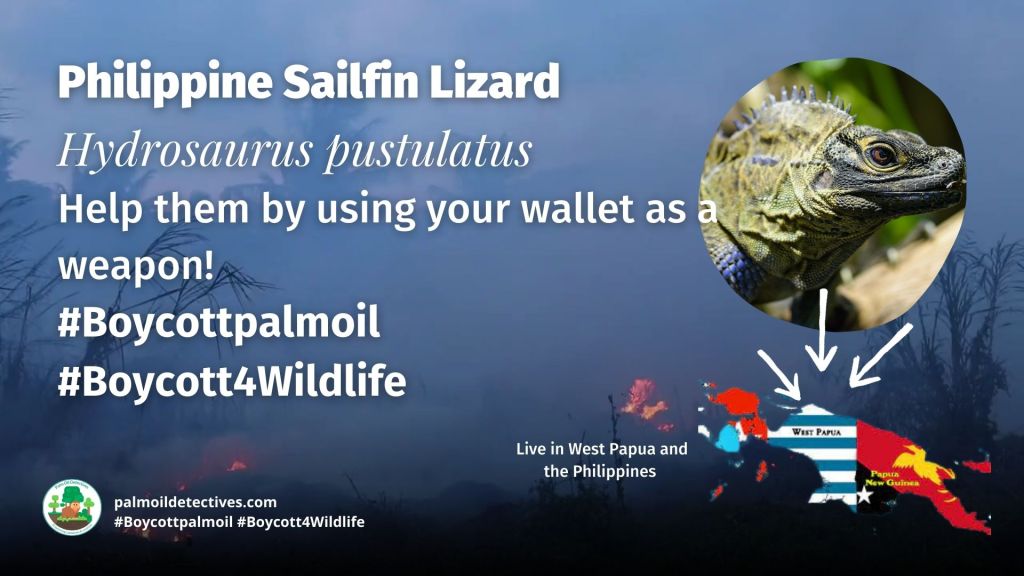


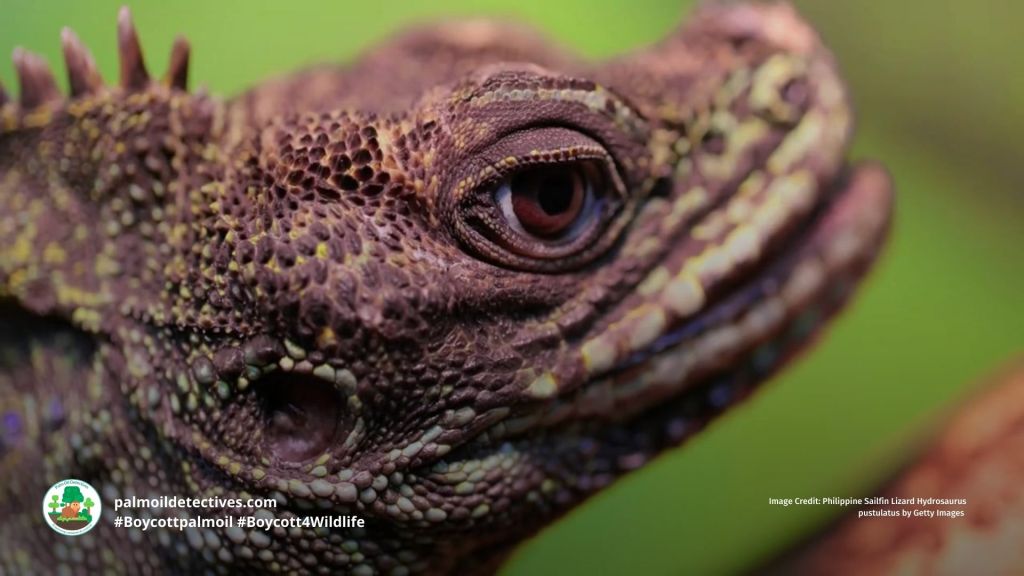
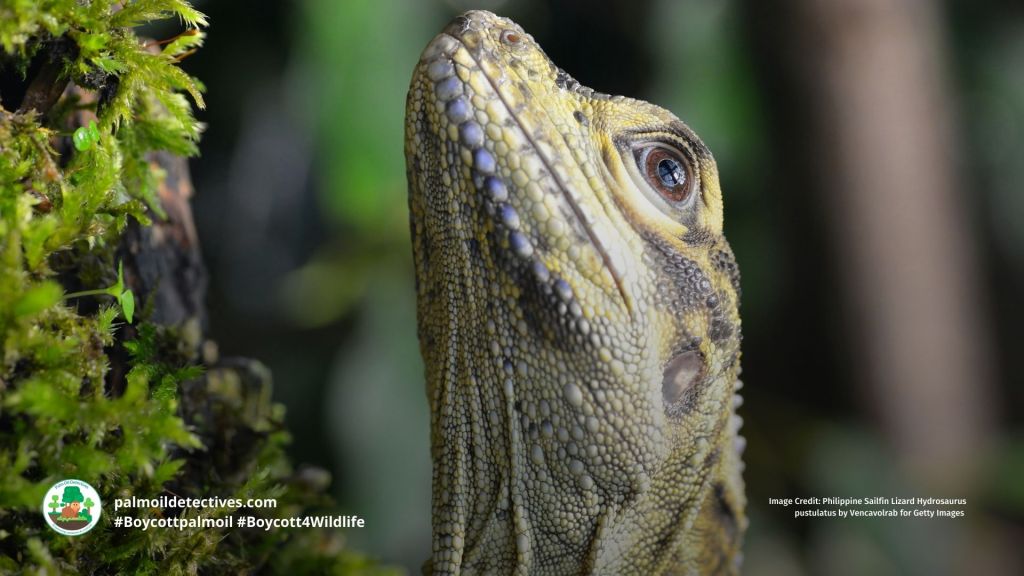
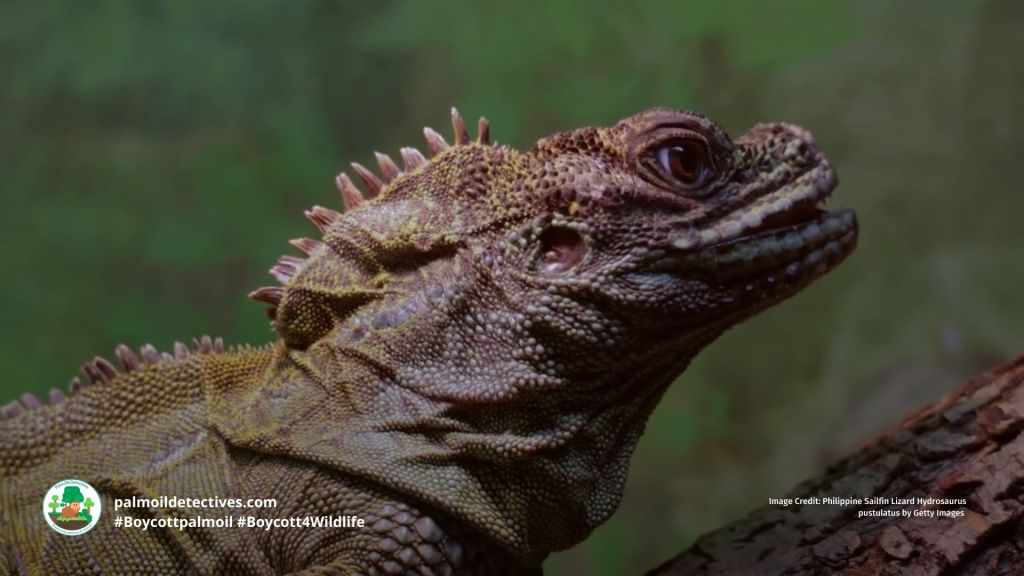


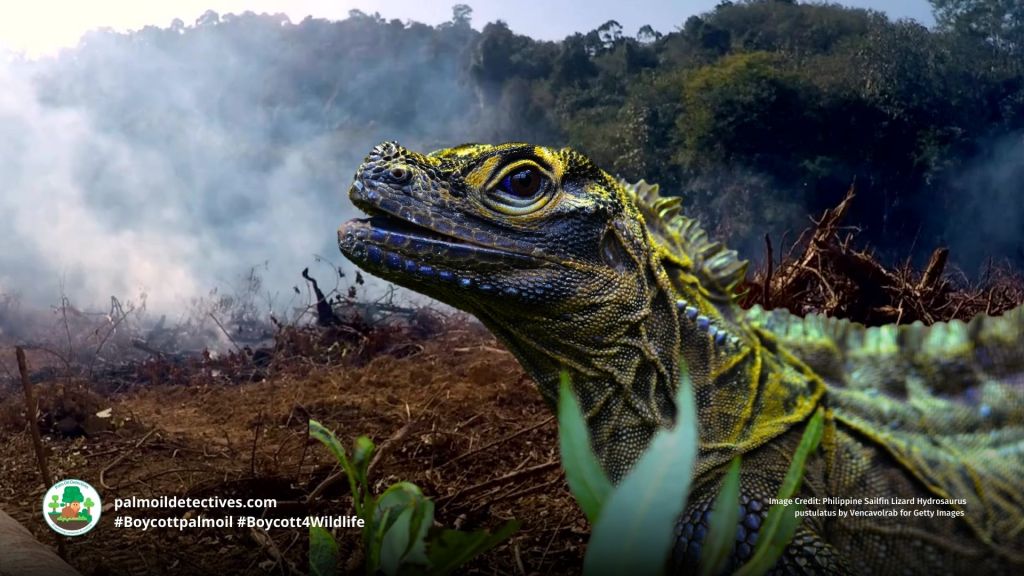


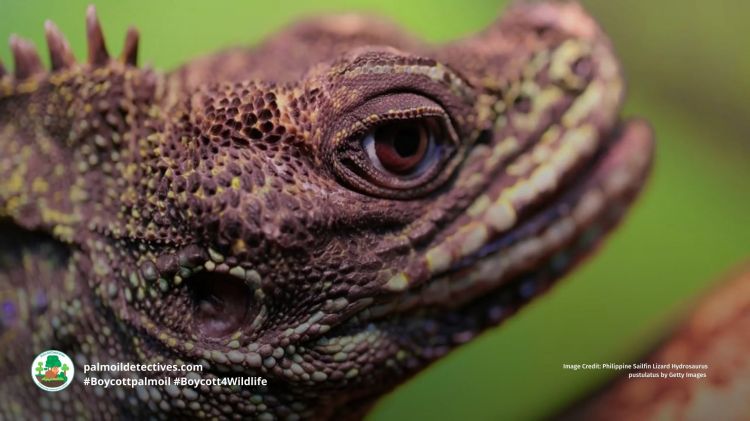
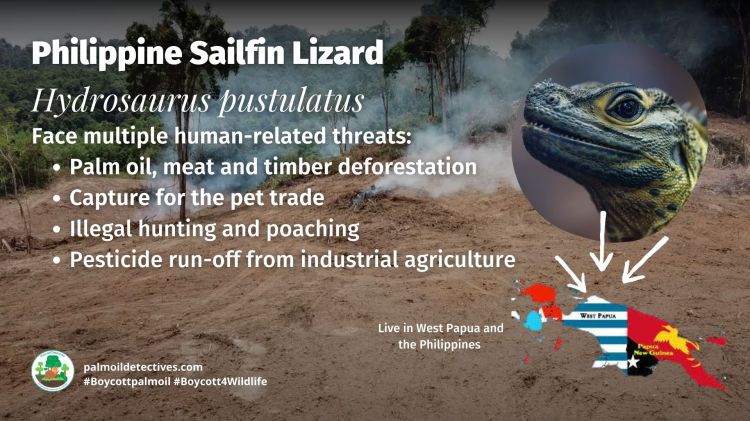
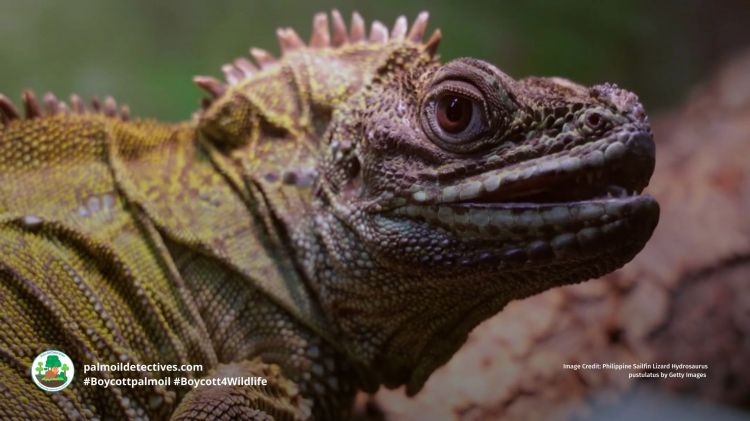

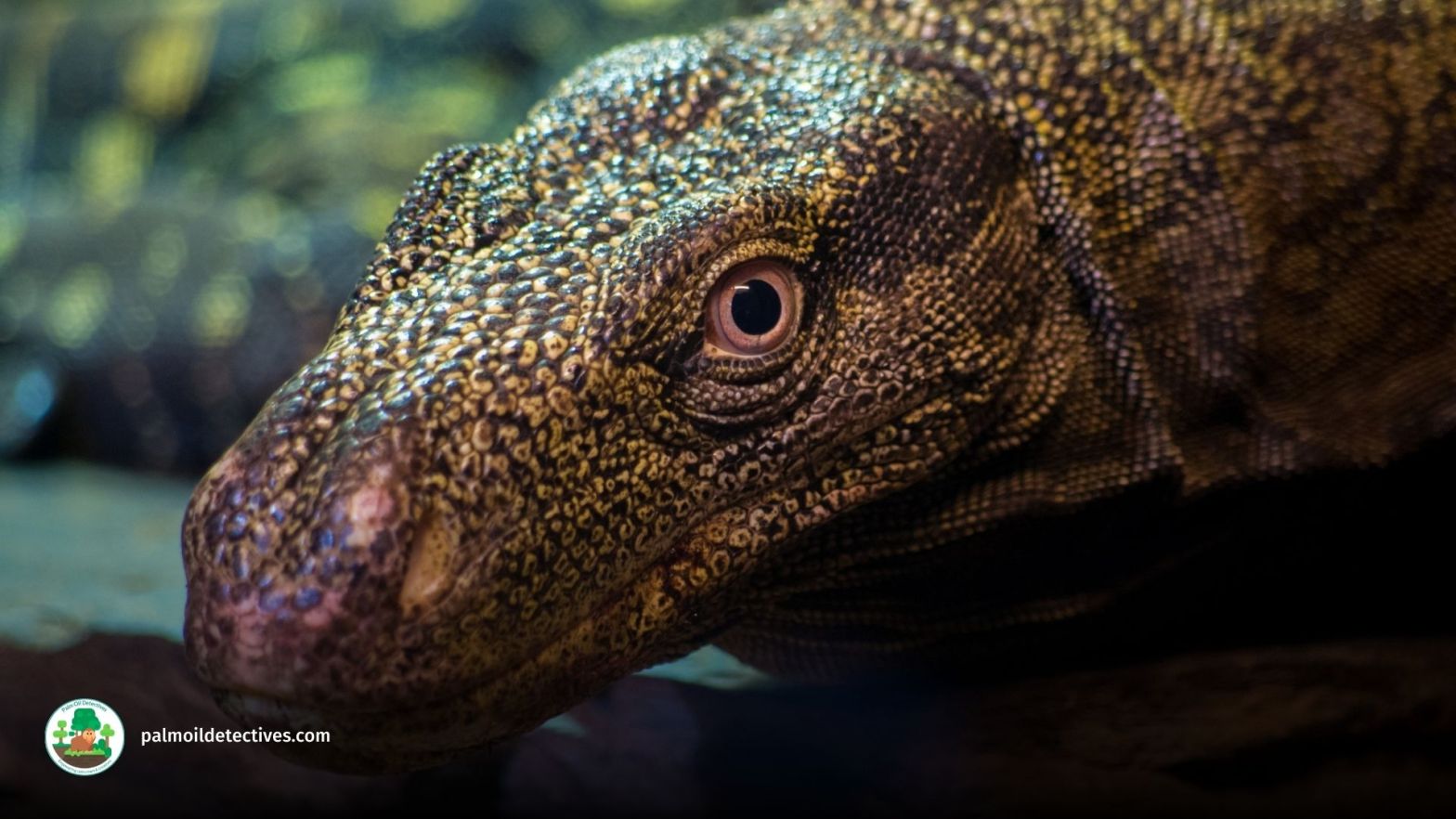
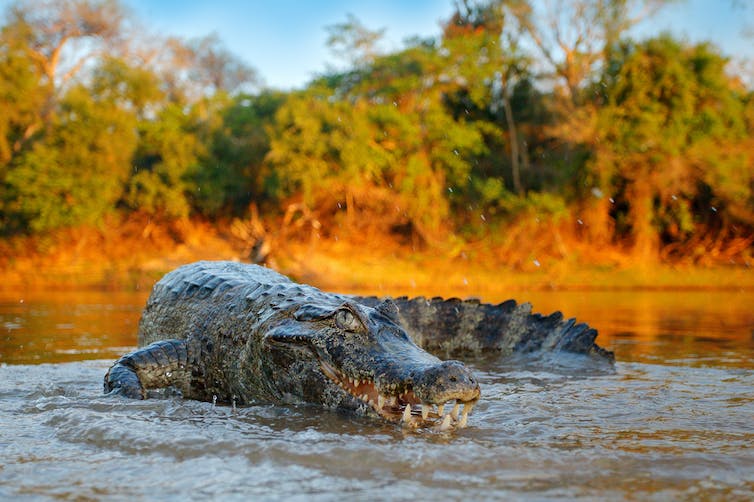
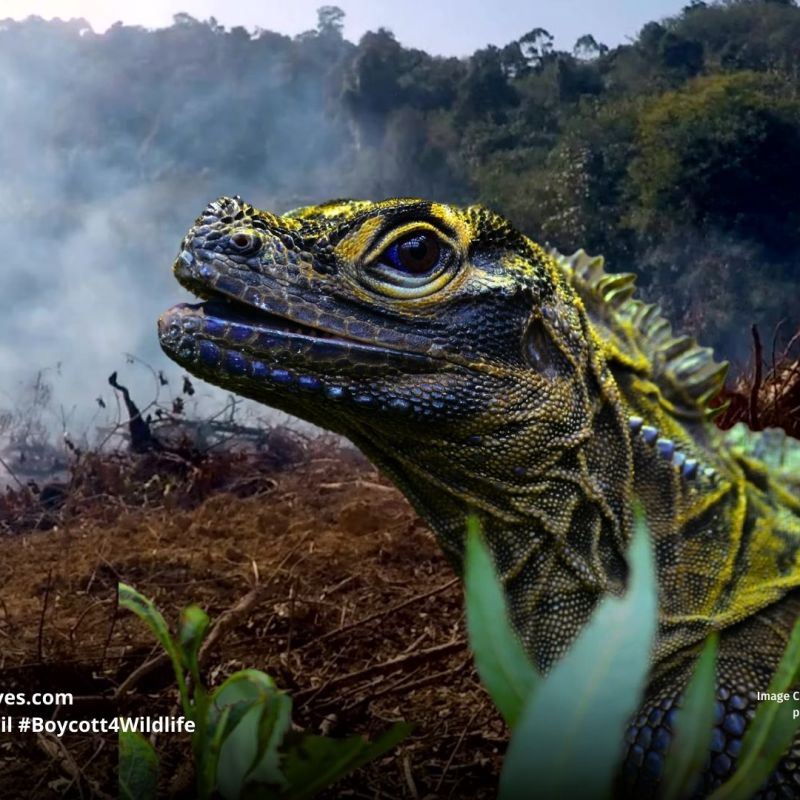

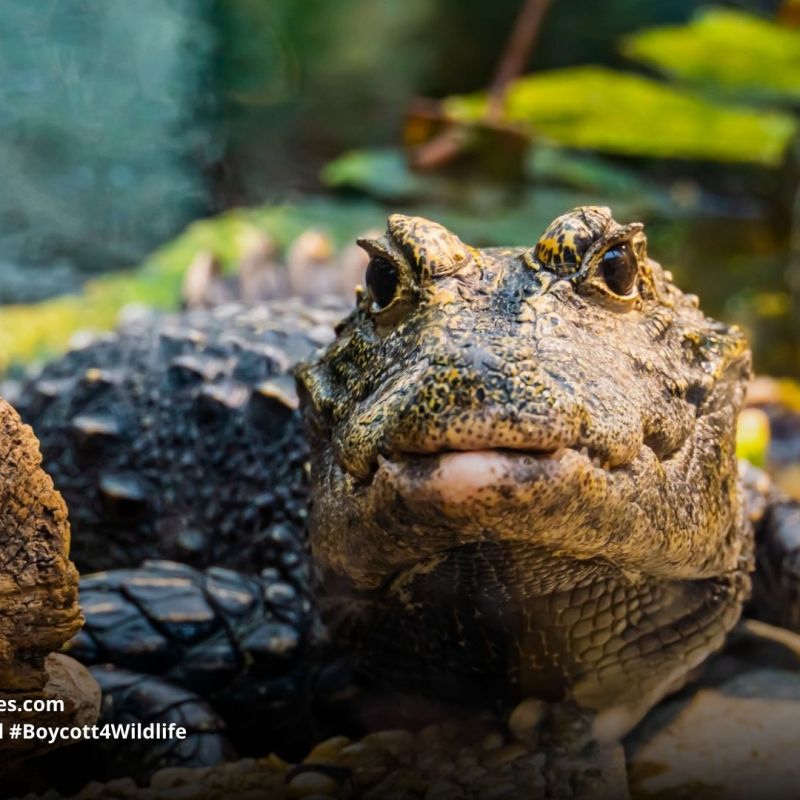
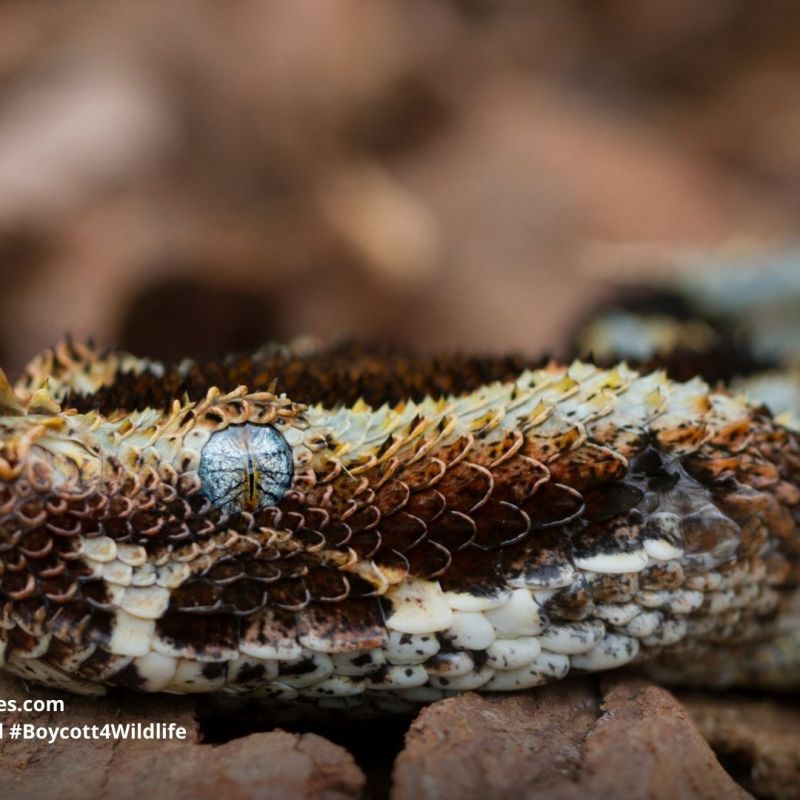

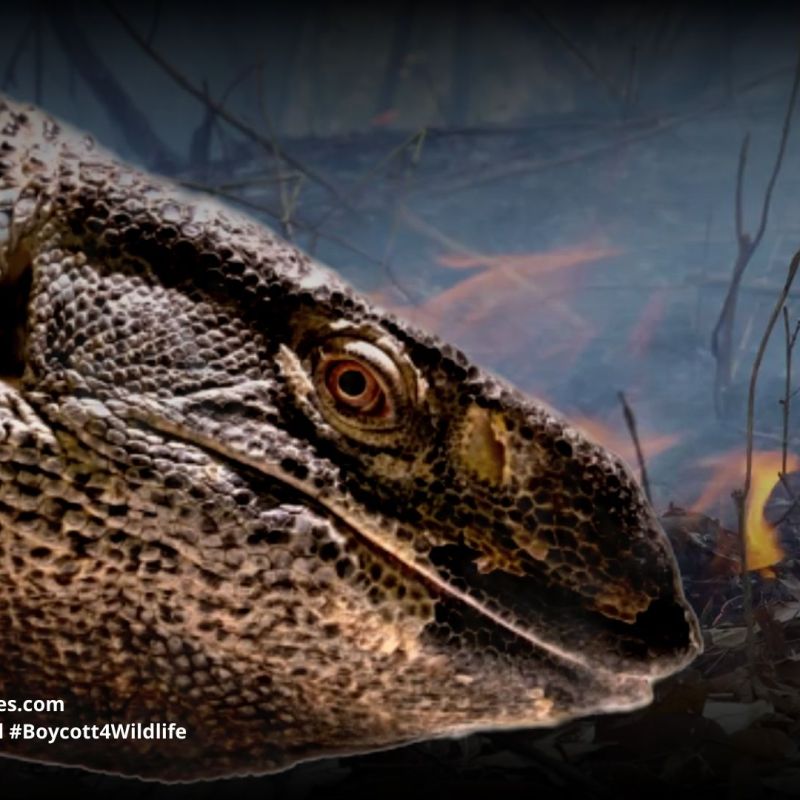
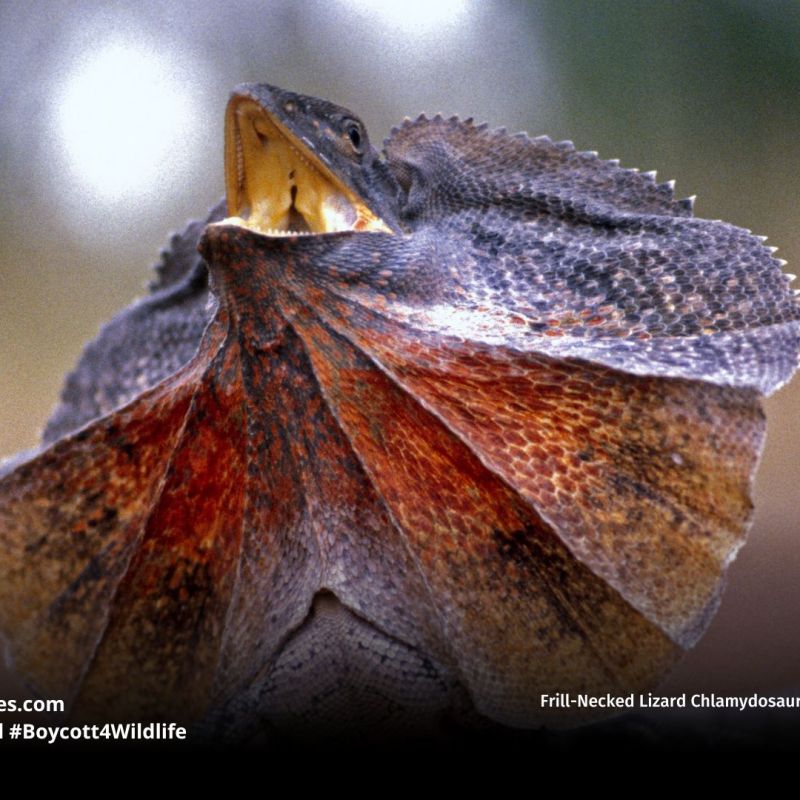
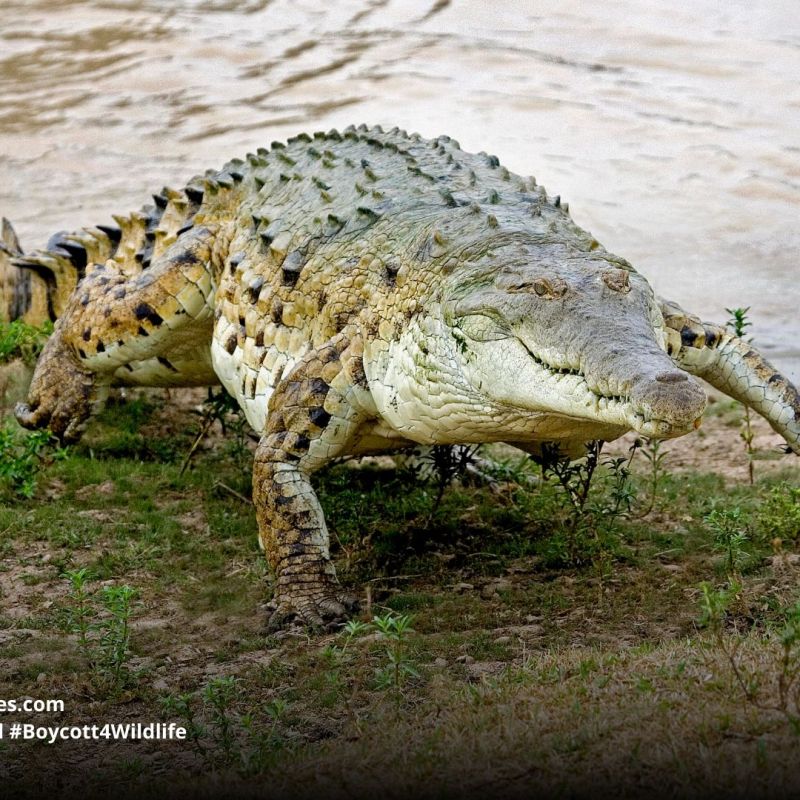
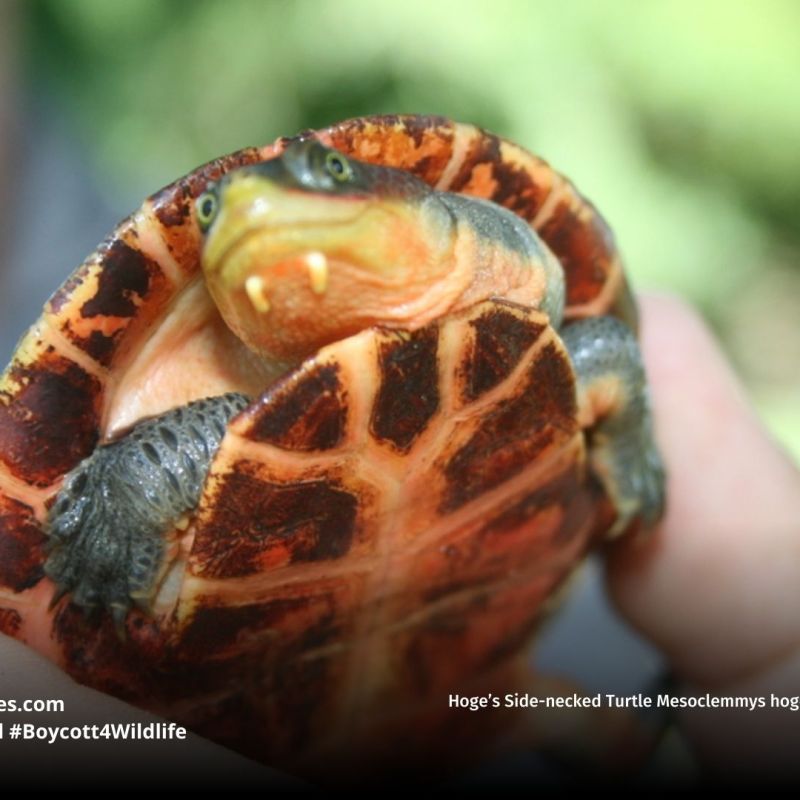
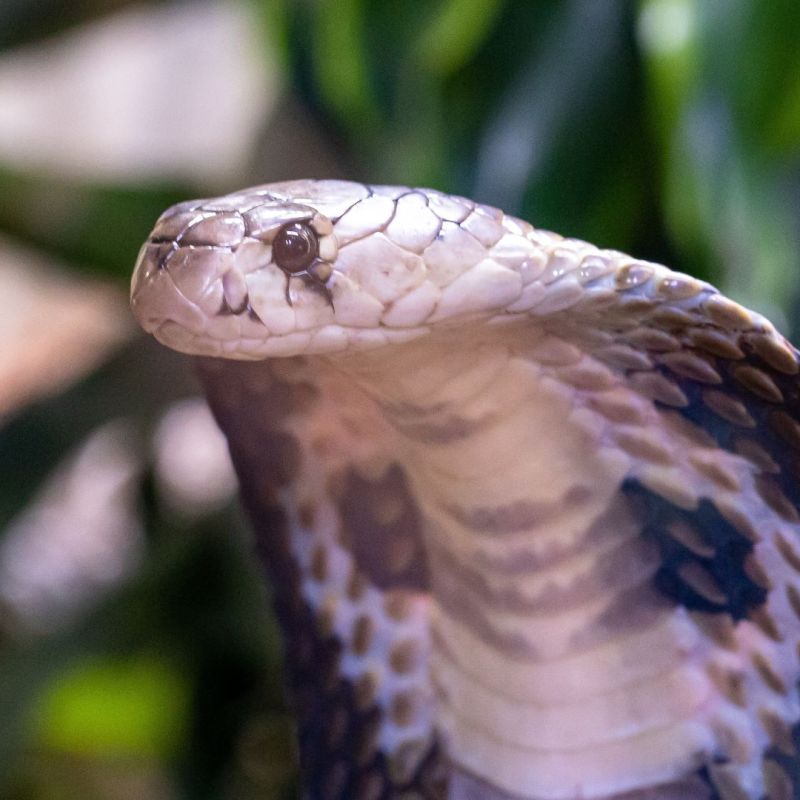
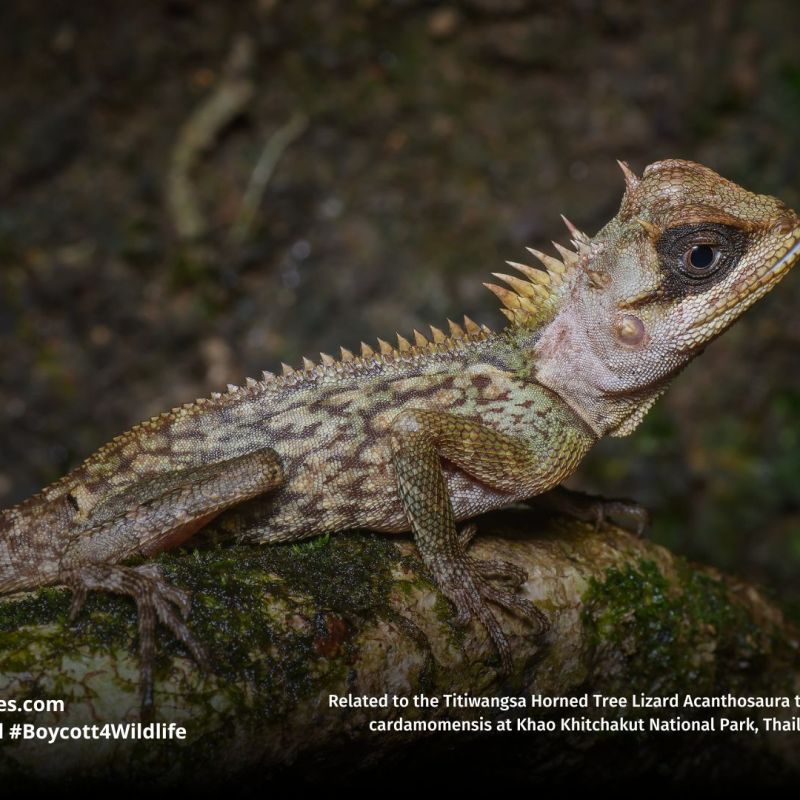

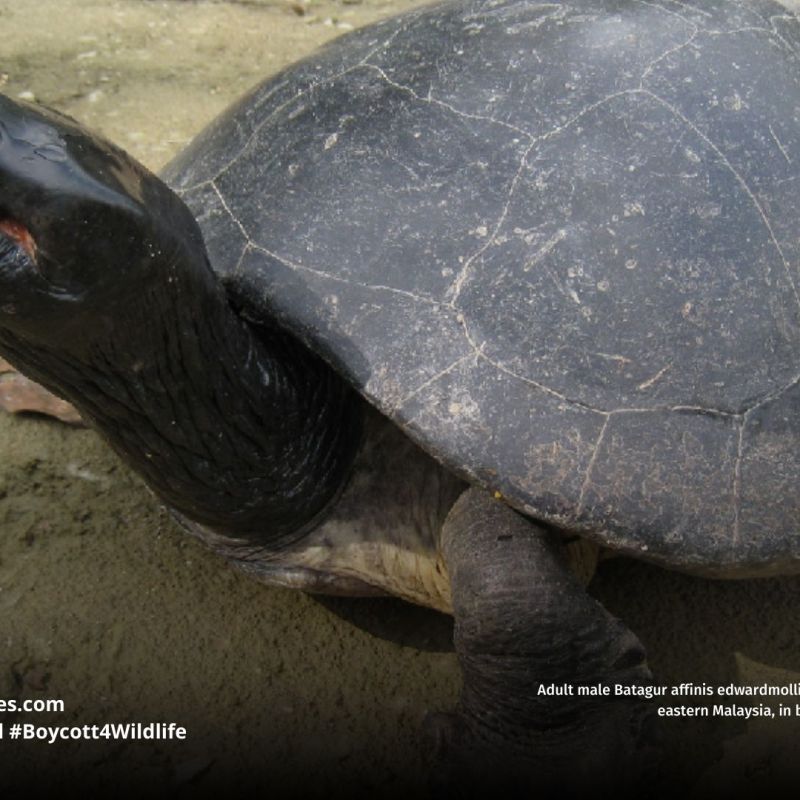
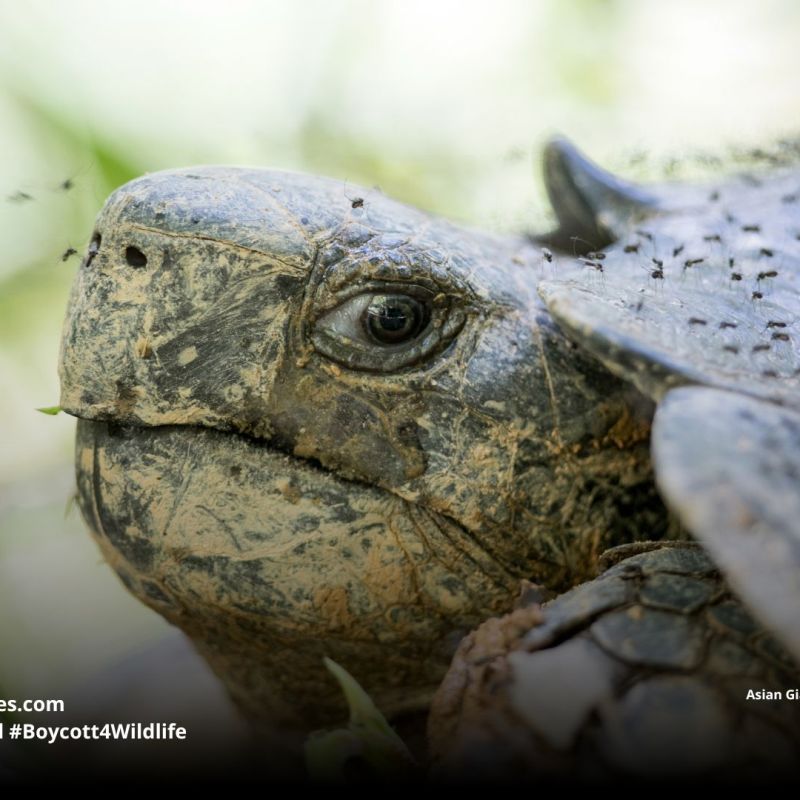
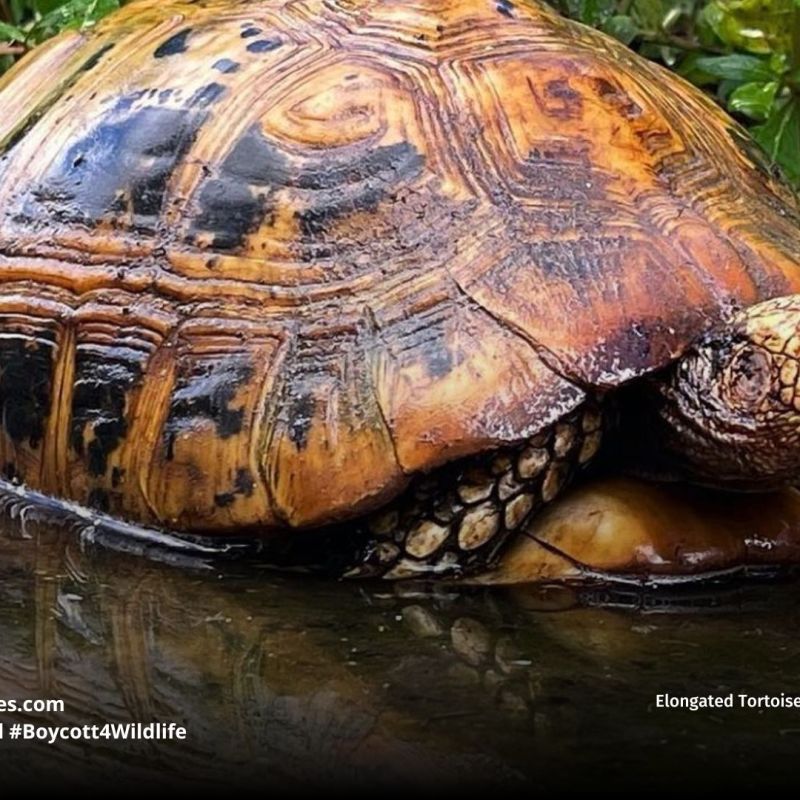
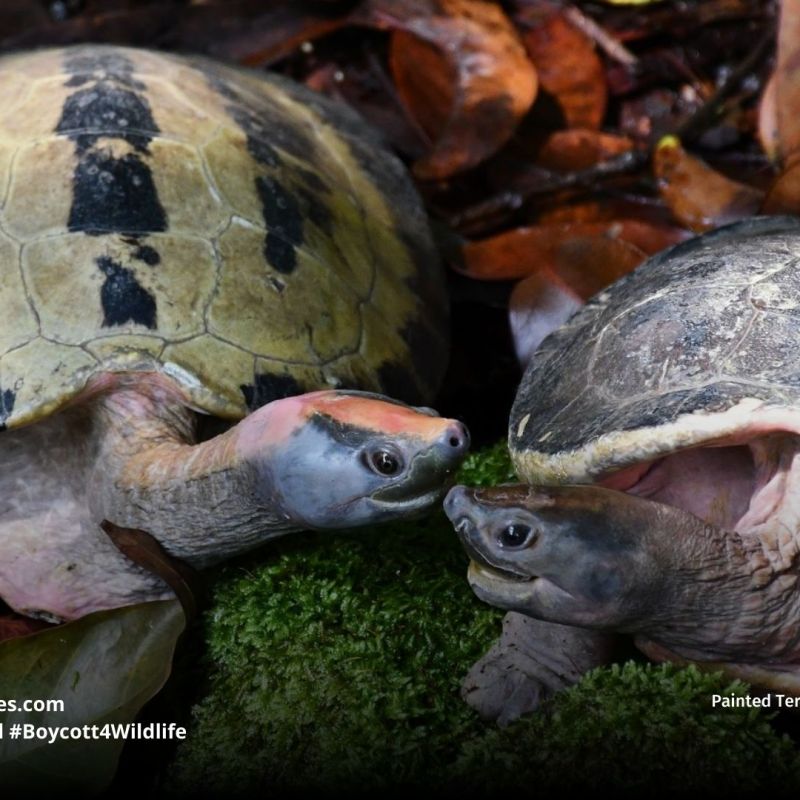
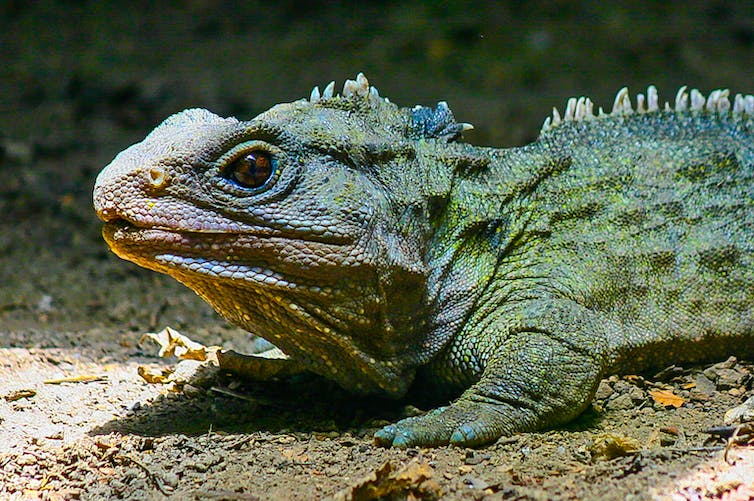
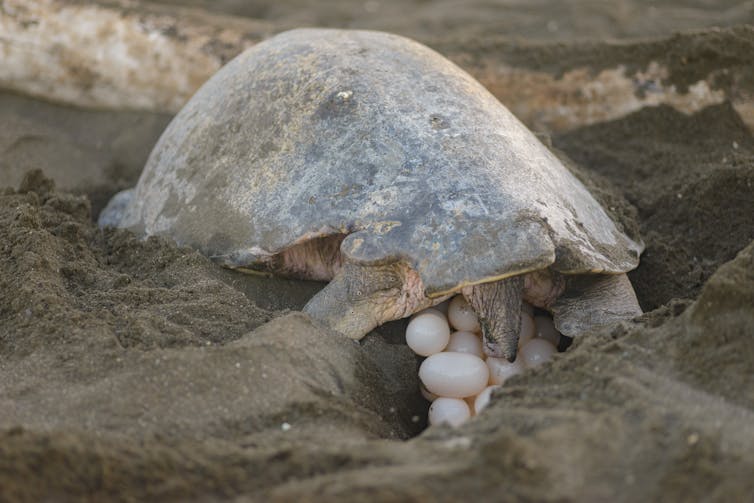
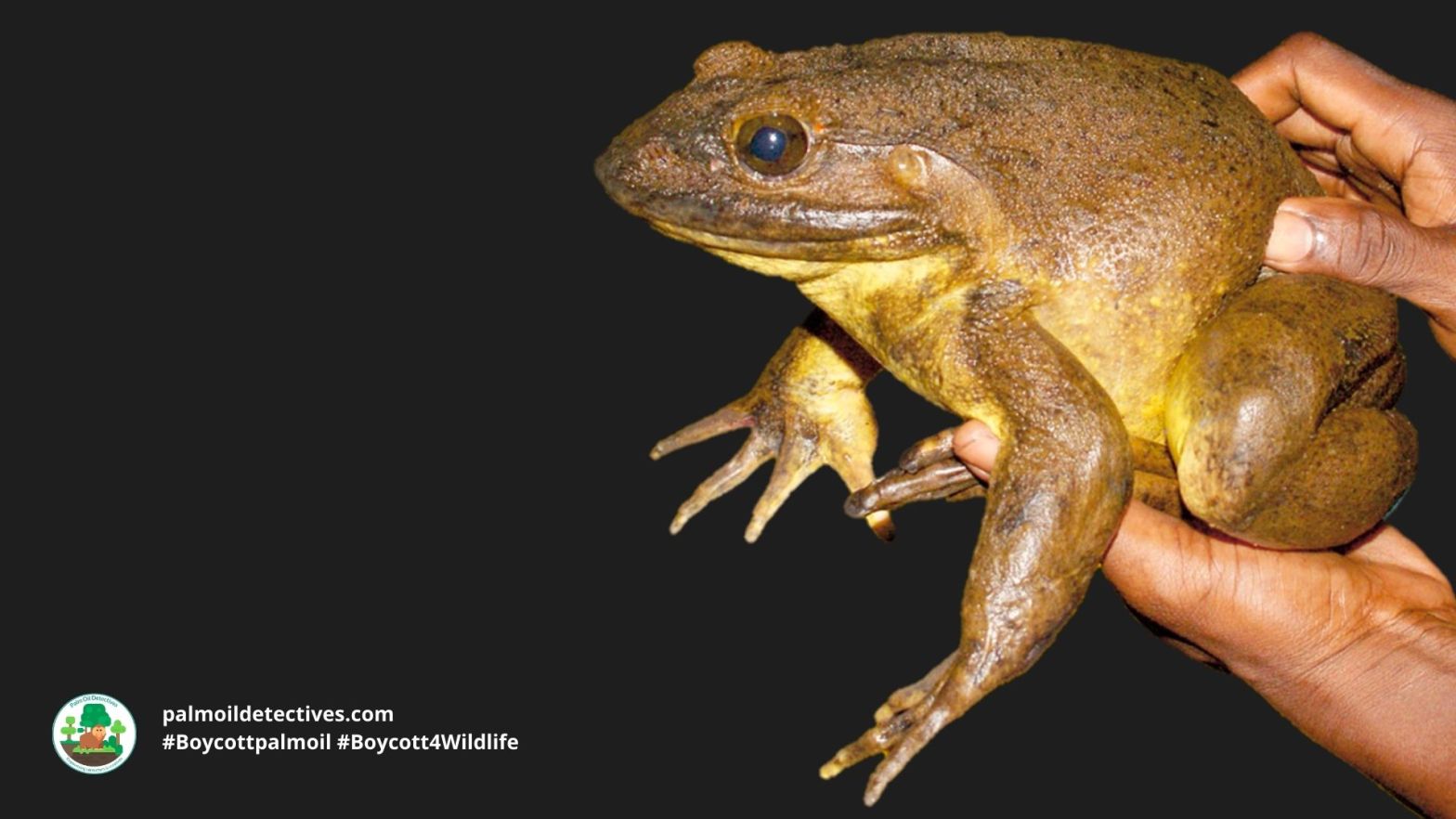

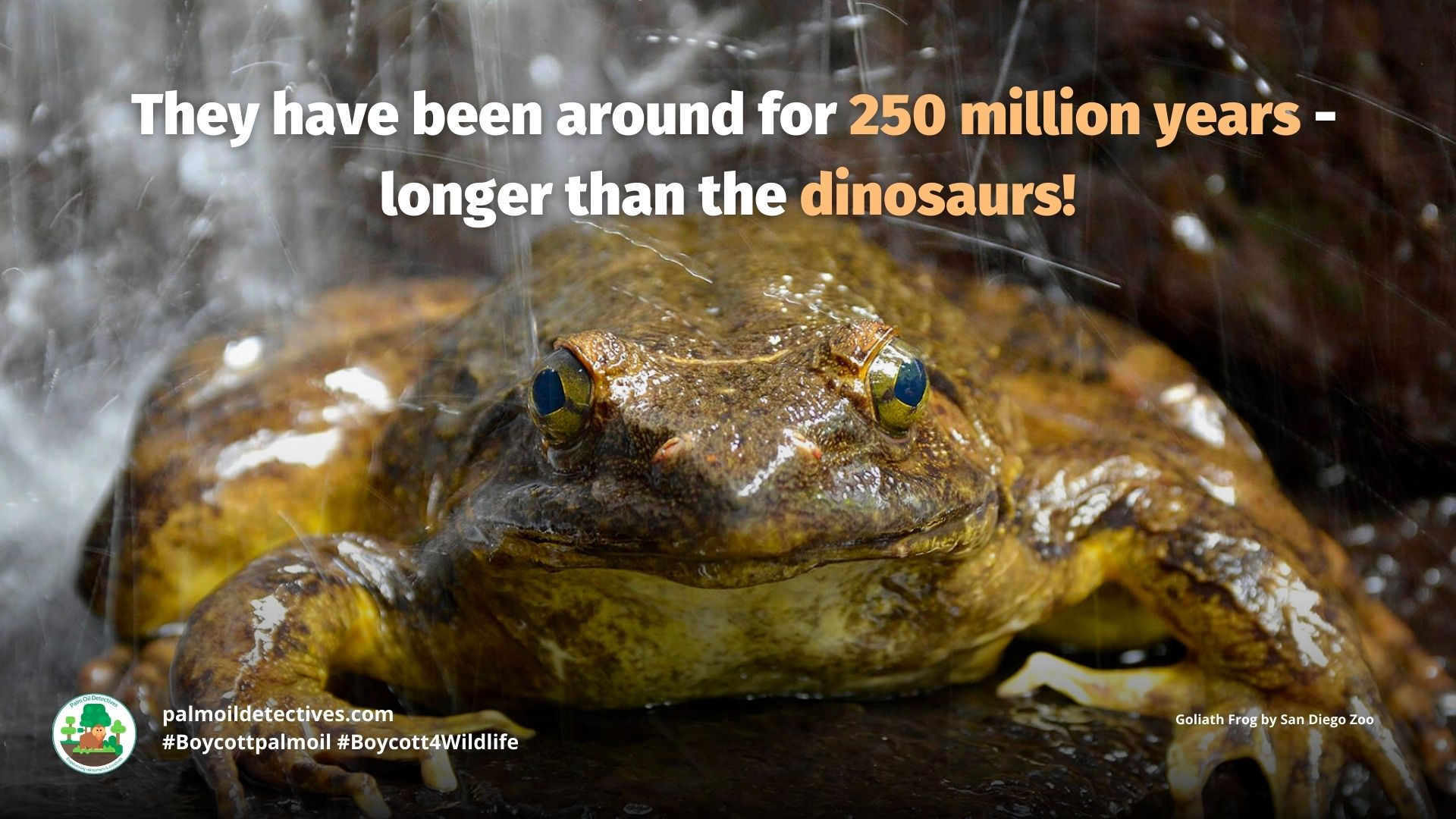
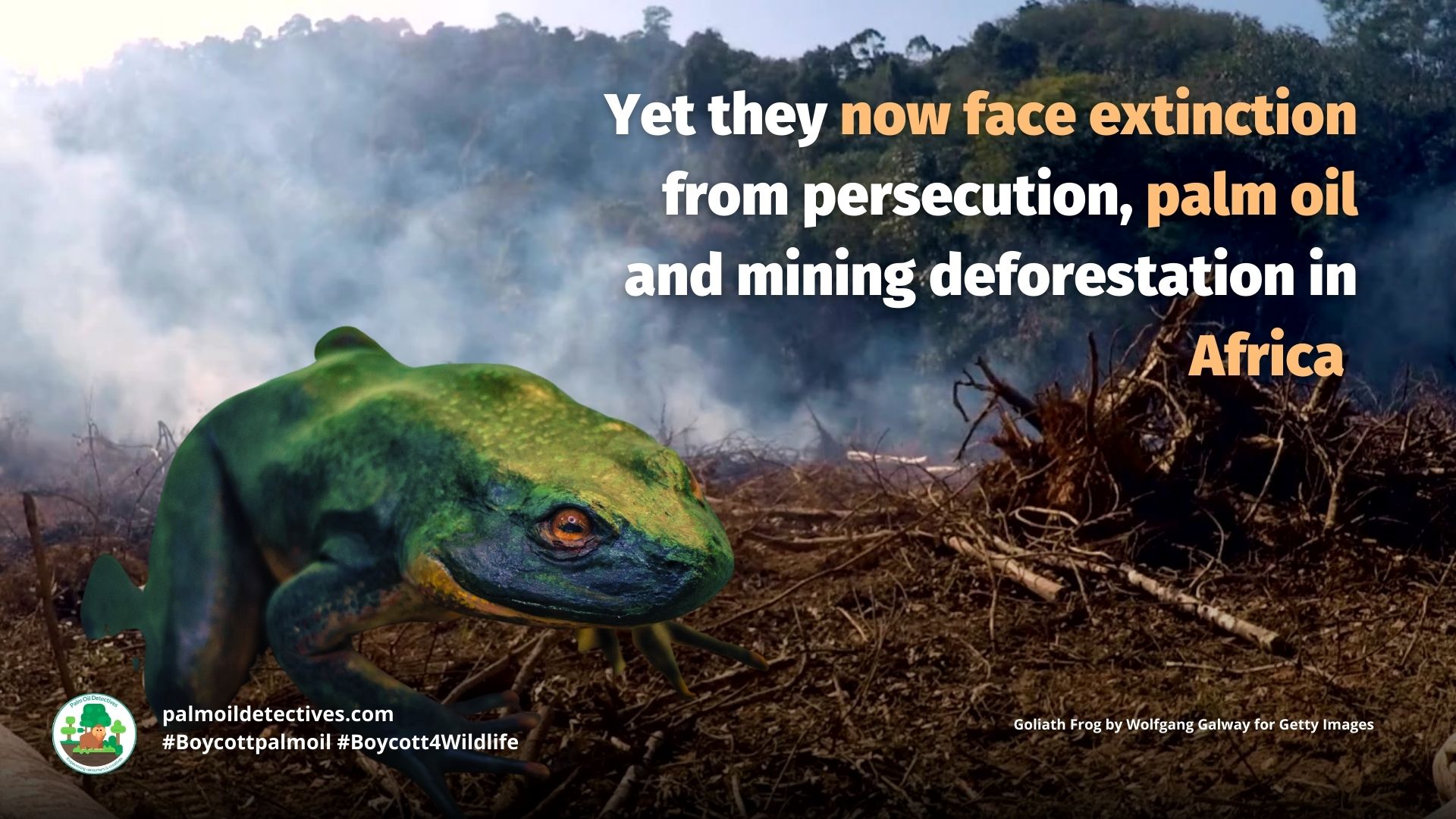


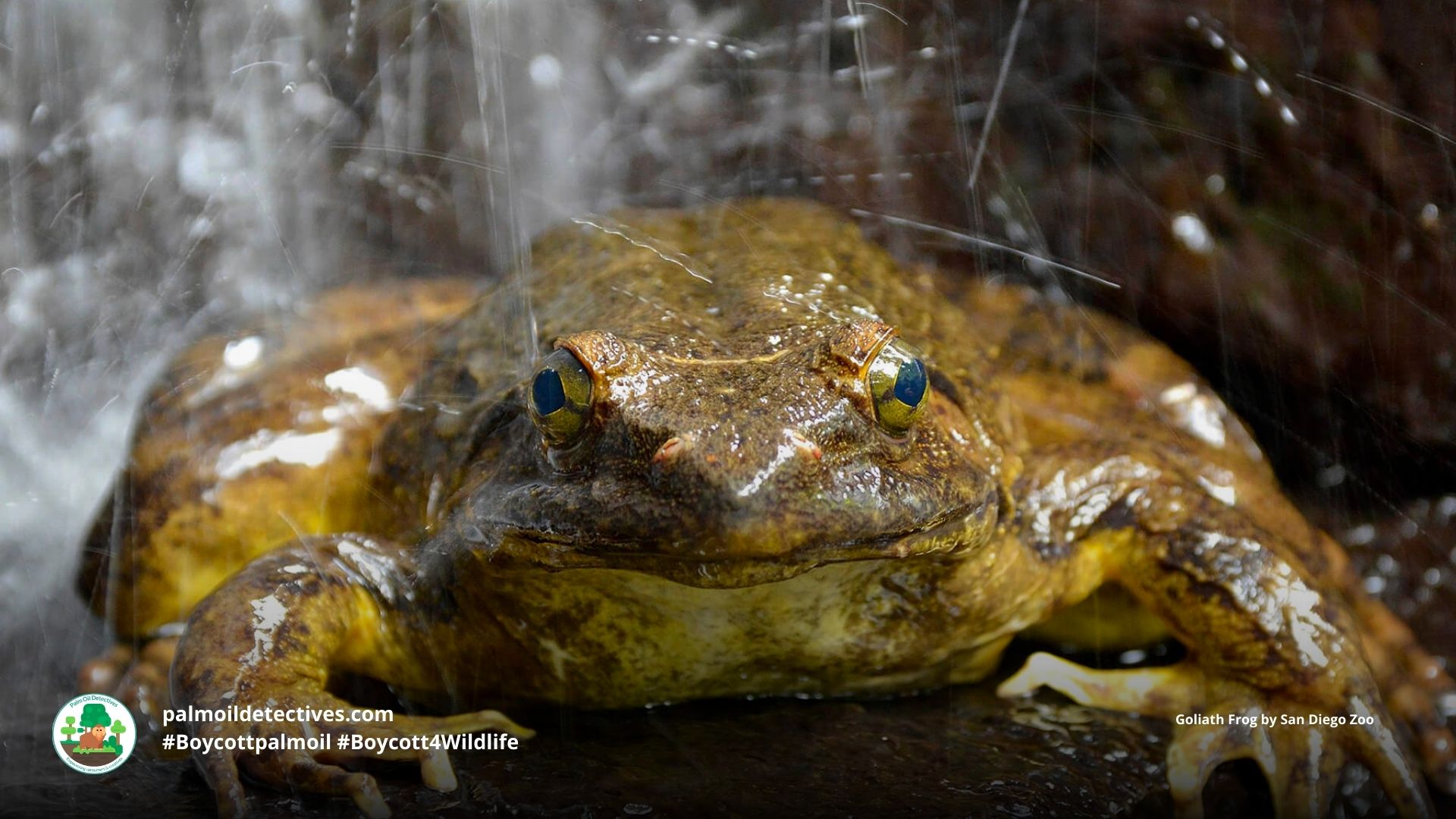


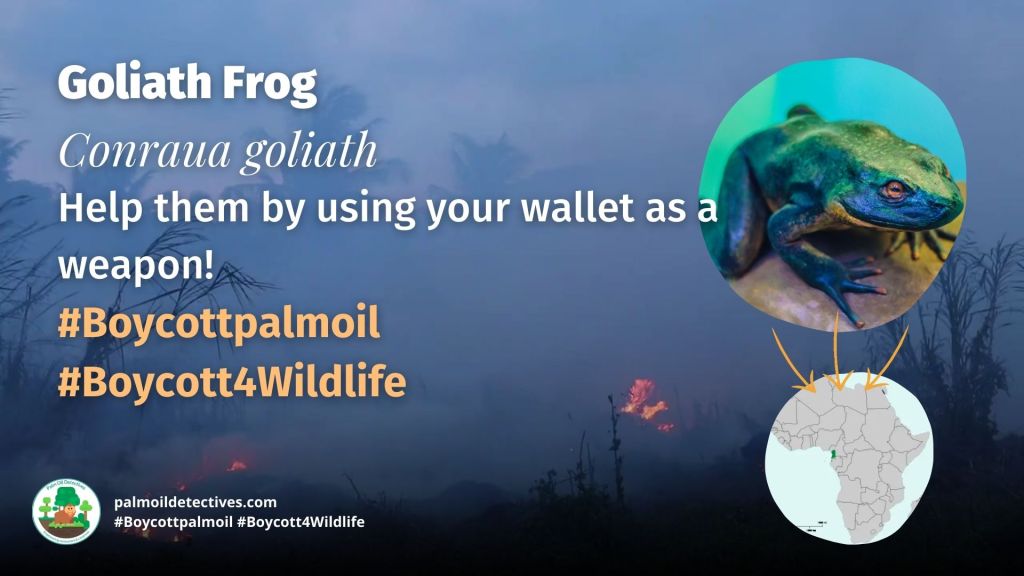

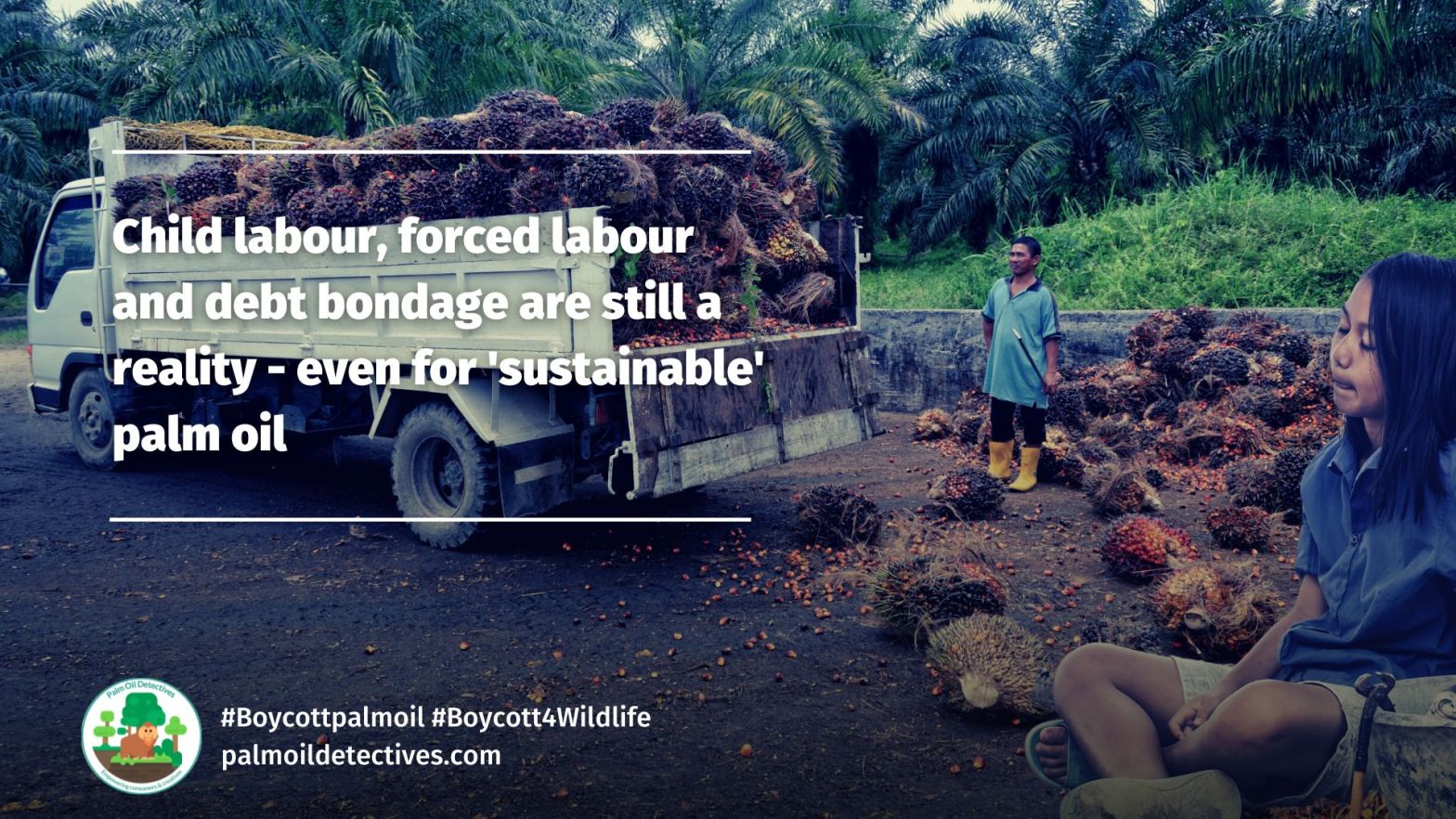
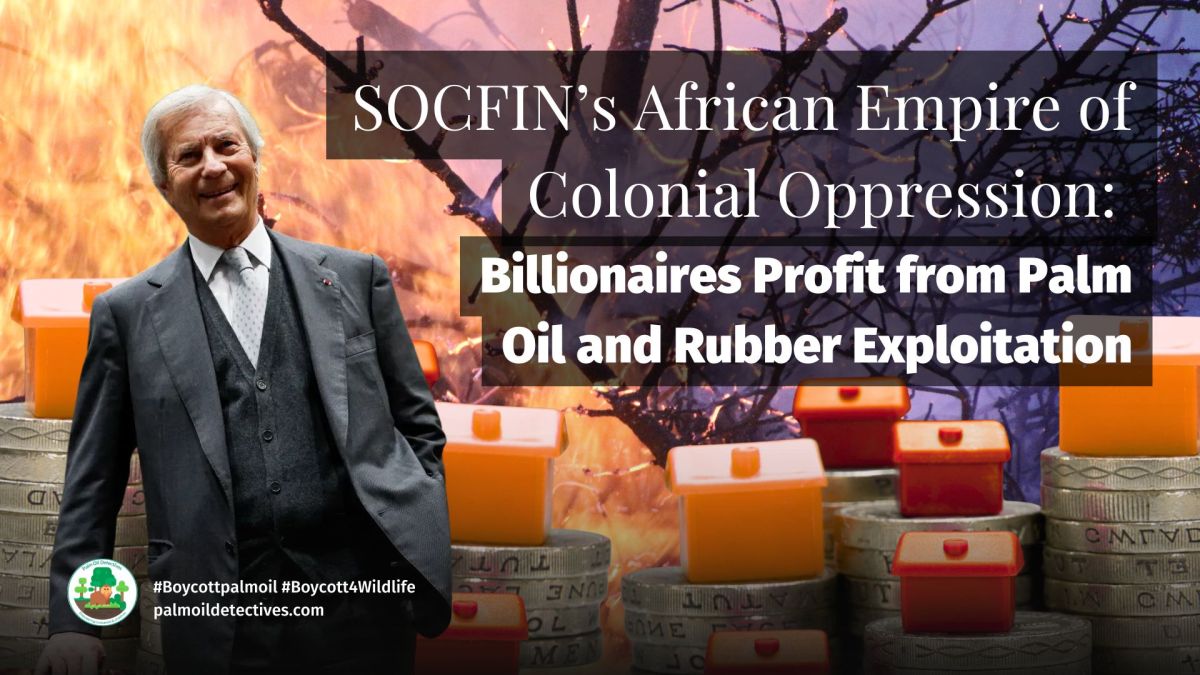
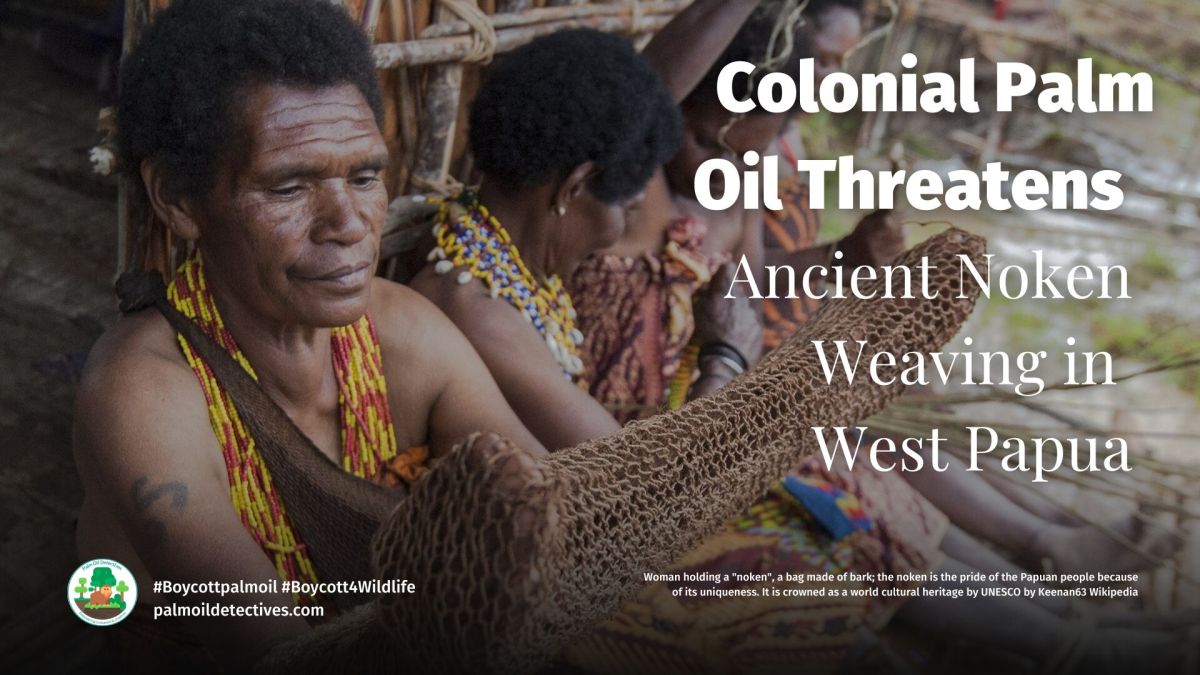

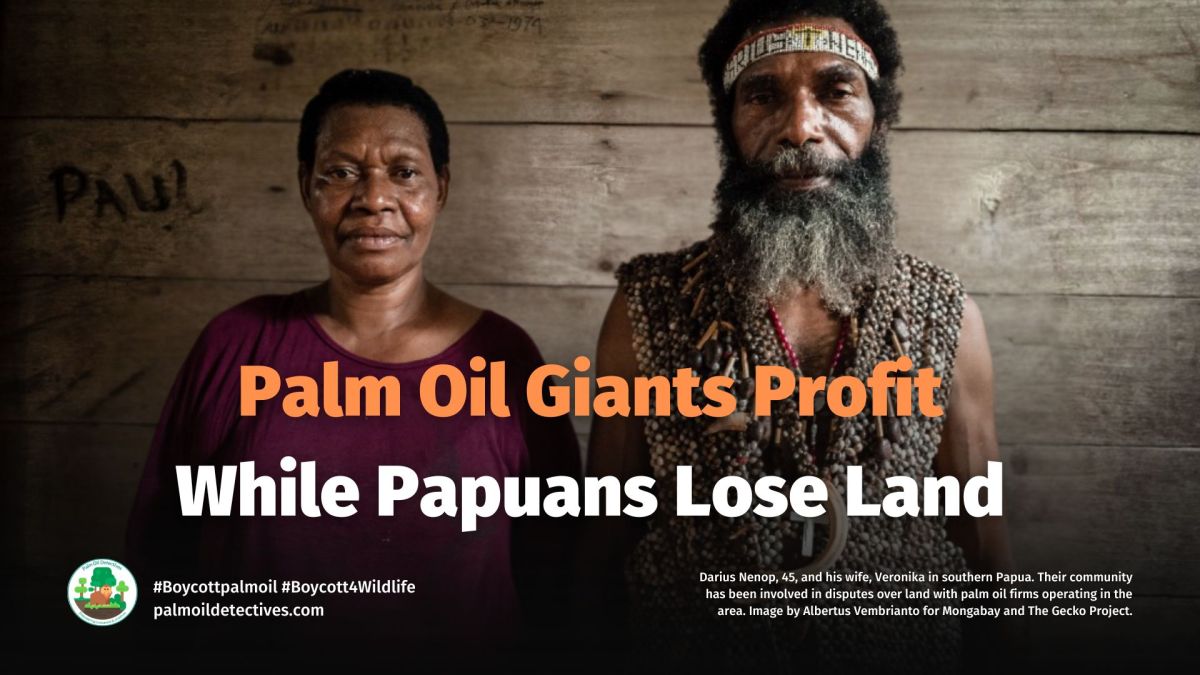




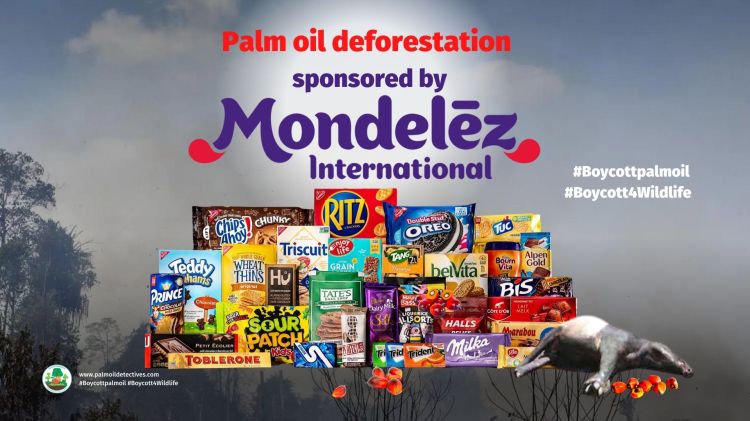
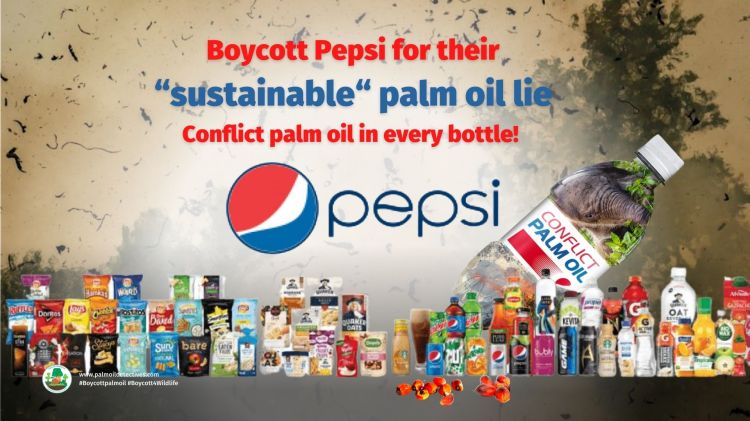
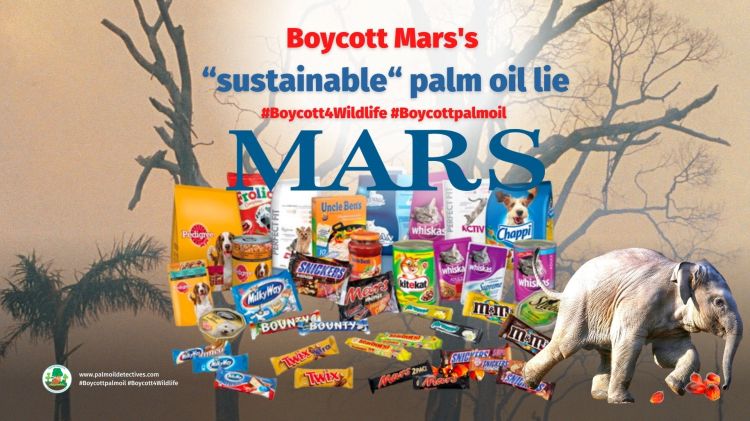

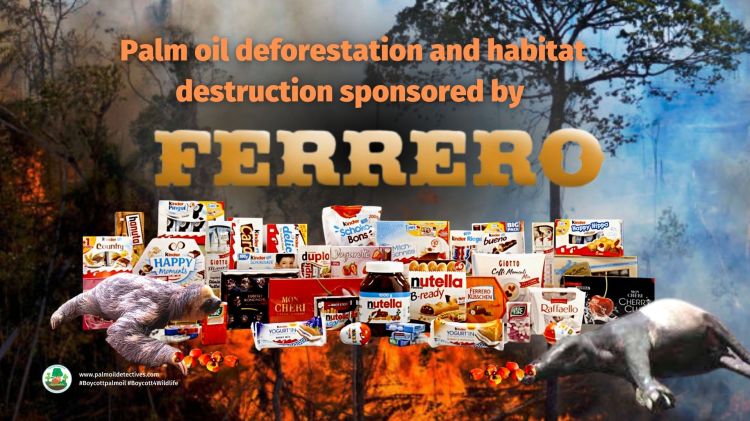
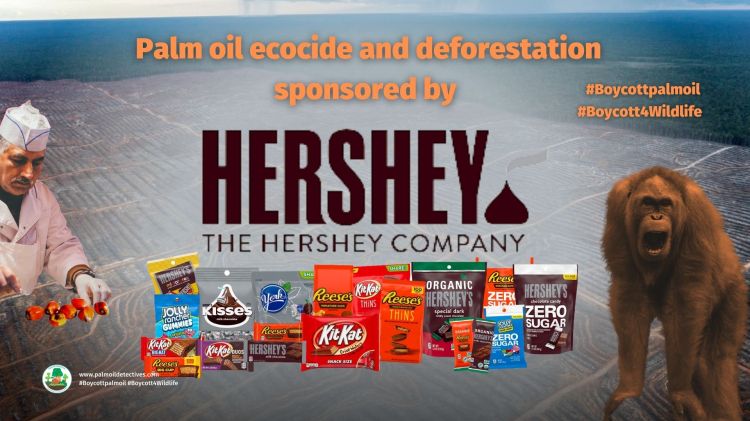

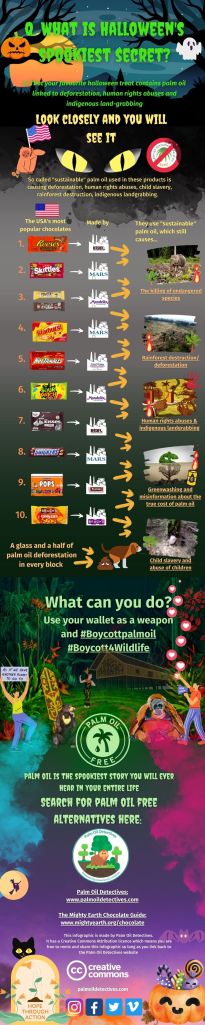
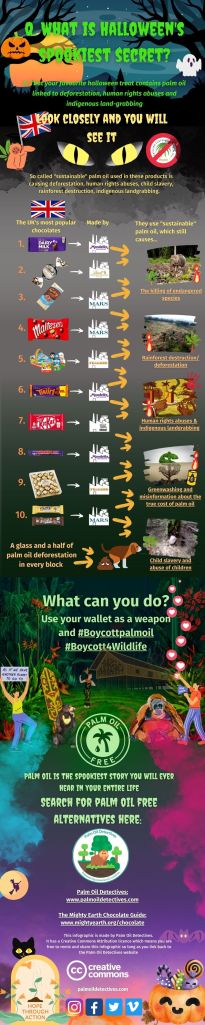
 Palm Oil Detectives