A groundbreaking and exciting study has started to decode the complex communication of Bornean orangutans, revealing the intricacies of their vocalisations and offering new insights into their rich and mysterious world. All three species of orangutan are critically endangered, primarily due to palm oil deforestation. To help these remarkable great apes, you should always #Boycottpalmoil and #Boycott4Wildlife every time you shop. Don’t believe the industry sponsored lie of “sustainable” palm oil. Learn more about how you can take action.
Discover the fascinating world of #orangutan 🧡🦧vocalisations!! 🎶 and how #AI 🤖is helping to decode their secrets! Protect these incredible great #apes from #extinction. Every time you shop 🛍️ #Boycottpalmoil 🪔🚫#Boycott4Wildlife 🌿 @palmoildetect https://wp.me/pcFhgU-8wp
#Research: #AI is being used to understand #orangutan 🦧🧡 #communication 🔊 All 3 species of the beloved orange #ape are critically #endangered by #palmoil #deforestation. Don’t believe the LIE of “sustainable” palm oil! #Boycottpalmoil @palmoildetect https://wp.me/pcFhgU-8wp
Erb, W. M., Utami-Atmoko, S. S., & Vogel, E. R. (2024). The complexities of Bornean orangutan vocalisations: A new understanding of their communication. PeerJ Life & Environment. https://doi.org/10.7717/peerj.17320
Orangutans, the intelligent philosophers of the jungle, have long intrigued scientists with their mysterious calls. Now, a new study in PeerJ Life & Environment is unveiling the secrets of their vocalisations. Dr Wendy Erb from the K. Lisa Yang Center for Conservation Bioacoustics at Cornell University led the research to explore the complexities of orangutan long calls, crucial for their communication in the dense rainforests of Indonesia.
Over three years, Dr Erb and her team gathered hundreds of long call recordings from 13 individual orangutans, revealing an astonishing array of vocal diversity. These long calls, which begin with soft, bubbly sounds that escalate into high-amplitude pulses, showcase a complex and variable vocal structure. The study combined traditional audio-visual analysis with machine learning techniques to identify distinct pulse types within these calls.
“Our research aimed to unravel the complexities of orangutan long calls, which play a crucial role in their communication across vast distances in the dense rainforests of Indonesia. Over the course of three years, we accumulated hundreds of long call recordings, revealing a fascinating array of vocal diversity.”
~ Dr Wendy Erb from the K. Lisa Yang Center for Conservation Bioacoustics at Cornell University in the US, as quoted in Cosmos magazine.
Despite previous efforts to catalogue orangutan calls, Dr Erb’s team faced challenges in categorising all the pulses they encountered. Their innovative approach identified three distinct pulse types, differentiated by both humans and machines. This research marks a significant advancement in understanding orangutan communication, though it also suggests there may be an even greater repertoire of vocalisations yet to be discovered.
“While our study represents a significant step forward in understanding orangutan communication, there is still much to uncover. Orangutans may possess a far greater repertoire of sound types than we have described, highlighting the complexity of their vocal system.”
~ Dr Wendy Erb from the K. Lisa Yang Center for Conservation Bioacoustics at Cornell University in the US, as quoted in Cosmos magazine.
This study not only enhances our understanding of orangutan communication but also highlights the intricate and diverse vocal systems present in the animal kingdom. As we continue to uncover the mysteries of these endangered great apes, it becomes increasingly clear how vital it is to protect their habitats and ensure their survival.
Erb, W. M., Utami-Atmoko, S. S., & Vogel, E. R. (2024). The complexities of Bornean orangutan vocalisations: A new understanding of their communication. PeerJ Life & Environment. https://doi.org/10.7717/peerj.17320
ENDS
Learn about other animals endangered by palm oil and other agriculture
A 2019 World Health Organisation (WHO) report into the palm oil industry and RSPO finds extensive greenwashing of palm oil deforestation and the murder of endangered animals (i.e. biodiversity loss)
1. Join the #Boycott4Wildlife on social media and subscribe to stay in the loop: Share posts from this website to your own network on Twitter, Mastadon, Instagram, Facebook and Youtube using the hashtags #Boycottpalmoil #Boycott4Wildlife.
2. Contribute stories: Academics, conservationists, scientists, indigenous rights advocates and animal rights advocates working to expose the corruption of the palm oil industry or to save animals can contribute stories to the website.
3. Supermarket sleuthing: Next time you’re in the supermarket, take photos of products containing palm oil. Share these to social media along with the hashtags to call out the greenwashing and ecocide of the brands who use palm oil. You can also take photos of palm oil free products and congratulate brands when they go palm oil free.
More and more palm oil free 🦧 products in Australia 🇦🇺. Customer awareness is increasing month by month. Of course Bart Van Assen will keep pushing "sustainable" palm oil with Orangutan Land Trust. Boycott palm oil to protect wildlife! There is not planet B #boycott4wildlifepic.twitter.com/rm7chub5Rb
If possible to get Ovomaltine, please promote it among your friends. It openly advertises with 0 palm oil. No RSPO no bullshit. For me it even tasts better than nuttela. It substantiates that chocolate spread can be made delicious without filthy palm oil. pic.twitter.com/cyV5Tm3tLd
4. Take to the streets: Get in touch with Palm Oil Detectives to find out more.
5. Donate: Make a one-off or monthly donation to Palm Oil Detectives as a way of saying thank you and to help pay for ongoing running costs of the website and social media campaigns. Donate here
Deep in the heart of the Amazon rainforest, the Nancy Ma’s Night Monkeys peer out of the trees during the dusk with their large, soulful eyes and striking facial markings. Also known as the Ma’s night monkey or the Peruvian red-necked owl monkey, this nocturnal primate is named in honour of Dr. Nancy Shui-Fong Ma, who played a significant role in understanding their genetics and later led to the discovery of other species.
These monkeys are endemic to Brazil, Peru, and parts of Colombia, these monkeys are an essential part of their ecosystem. They now face direct threats from expansion for palm oil, soy and meat deforestation and are wild captured for scientific research – much of primate research is not even relevant to human health. Help them every time you shop and #BoycottPalmOil, be #vegan and #Boycott4Wildlife!
Nurturing small monkeys with big eyes, Nancy Ma’s Night Monkeys care in convivial family groups. Threats: capture for use in medical research 👎 and #palmoil #deforestation 🪔 #BanPrimateExperiments 🙈#Boycottpalmoil #Boycott4Wildlife @palmoildetect https://wp.me/pcFhgU-8Hi
Nancy Ma’s Night #Monkeys are little wonders of #Peru #Brazil 💌🇧🇷 🩷They’re now #endangered due to soy, #palmoil and meat #ecocide and capture for cruel experiments 🤮🚫 #BanPrimateExperiments 🙊 #Boycottpalmoil 🌴🚫 #Boycott4Wildlife @palmoildetect https://wp.me/pcFhgU-8Hi
These diminutive monkeys weigh around 700 grams and are around 90 cm long from head to tail. They are famous for their large eyes, which have evolved for excellent night vision. They sport an endearing heart-shaped patch of white fur around their eyes and mouth, contrasted by dark brown or black outlines. Their coats are a mix of reddish-orange, light brown, and grey fur, and they possess a black, non-prehensile tail. Their hands are adept at grasping, equipped with long fingers and wide pads.
Nancy Ma’s Night Monkeys play a vital role in forest ecosystems by dispersing seeds, which aids in forest regeneration. They are nocturnal and crepuscular creatures are most active during twilight and dawn. They forage in the upper canopy and sleep in the lower canopy or understory during the day.
Quirky Facts
Nancy Ma’s Night Monkeys are unique among Latin American monkeys due to their monochromatic vision, seeing the world in shades of black and white. This adaptation does not impede their nocturnal activities; instead, it enhances their ability to move gracefully and catch insects in the dark. Their exceptional night vision, along with a strong sense of smell, helps them locate fruits, flowers, and insects without needing to perceive color.
Living high in the trees, these monkeys are primarily arboreal and only venture to the ground when absolutely necessary. They source their food from the upper canopy but descend to the lower canopy or understory to rest. Their peak activity periods are at twilight and dawn, making them crepuscular creatures. Daytime, however, is reserved for sleep.
When it comes to finding a place to sleep, Nancy Ma’s Night Monkeys are very particular. They prefer tree hollows or branches and shrubs that offer natural depressions or can be manipulated to create a secure hiding spot. Their shelters must be large enough for the entire group to sleep together, hidden from predators and equipped with multiple escape routes in case of danger. This meticulous selection of sleeping quarters helps mitigate the risk posed by daytime predators.
Take Action!
Strong government and global legislation to protect their rainforest home is needed. Additionally, the maintenance and guardianship of forests by indigenous peoples keeps these animals protected. Consumers can take action every time they shop, by being vegan and boycotting meat and boycotting palm oil, as animal agriculture, soy and palm oil deforestation is a major threat to the Nancy Ma’s Night Monkey. Use your wallet as a weapon and #BoycottPalmOil #Boycott4Wildlife
Threats
The Red List highlights a major threat these monkeys being palm oil deforestation across their range. A second totally unnecessary and tragic threat is their use for medical research. The findings of using primates in human research have been widely criticised, there are now much better, animal-free ways to do research.
Habitat Loss: Deforestation for agriculture, logging, and palm oil plantations poses the greatest threat. In Peru, extensive forest areas are cleared for rice cultivation and livestock pastures. In Brazil, rainforest destruction is driven by cattle pastures and soybean production.
Illegal Trade: These monkeys are frequently found in the illegal pet trade and are also used in biomedical research, particularly for malaria studies, severely impacting their wild populations.
Habitat
Nancy Ma’s Night Monkeys inhabit the lowland tropical rainforests of Northern Peru, Western Brazil, and certain regions of Colombia. They prefer areas that experience seasonal flooding, which provide more tree hollows and soft vegetation for nesting.
Diet
Nancy Ma’s Night Monkeys primarily feast on fruits and flowers found in the upper reaches of the forest canopy. Though their diet mainly consists of fruits, they occasionally supplement it with insects. Their dexterous hands make them adept at capturing insects on branches; they often hold the insect with one hand while using the other to pick it apart for consumption.
Being nocturnal gives these monkeys an advantage, as they forage under the cover of darkness, avoiding competition with diurnal herbivores. This nighttime activity allows them to access food resources without the pressure of daytime competitors.
Mating and breeding
If want to find an example of a loving parental bond look no further than Nancy Ma’s Night Monkeys! The mother and father become the nucleus of a small family, including their offspring until they reach adulthood, which is around two years old.
During this time, the young monkeys will eventually leave to find their own lifelong mates. Typically, a family group consists of the parents and up to three offspring.
The bonded pair mates year-round but usually has only one or two offspring each year. The gestation period is approximately 133 days (a little over four months). For the first week after birth, both parents equally share the responsibilities of caring for their newborn.
After the initial week, the father takes on the primary role in child-rearing, with the mother mainly handling nursing duties. Babies nurse for about one to three weeks. After nursing, mothers encourage the baby to return to the father, who continues to carry the infant until it can move independently. The father is responsible for protection, grooming, nurturing, and additional feeding once the baby is weaned. This remarkable paternal involvement makes Nancy Ma’s Night Monkeys an inspiring example of fatherhood in the animal world.
Support Nancy Ma’s Night Monkeys by going vegan and boycotting palm oil in the supermarket, it’s the #Boycott4Wildlife
Support the conservation of this species
This animal has no protections in place. Read about other forgotten species here. Create art to support this forgotten animal or raise awareness about them by sharing this post and using the #Boycottpalmoil #Boycott4Wildlife hashtags on social media. Also you can boycott palm oil in the supermarket.
1. Join the #Boycott4Wildlife on social media and subscribe to stay in the loop: Share posts from this website to your own network on Twitter, Mastadon, Instagram, Facebook and Youtube using the hashtags #Boycottpalmoil #Boycott4Wildlife.
2. Contribute stories: Academics, conservationists, scientists, indigenous rights advocates and animal rights advocates working to expose the corruption of the palm oil industry or to save animals can contribute stories to the website.
3. Supermarket sleuthing: Next time you’re in the supermarket, take photos of products containing palm oil. Share these to social media along with the hashtags to call out the greenwashing and ecocide of the brands who use palm oil. You can also take photos of palm oil free products and congratulate brands when they go palm oil free.
More and more palm oil free 🦧 products in Australia 🇦🇺. Customer awareness is increasing month by month. Of course Bart Van Assen will keep pushing "sustainable" palm oil with Orangutan Land Trust. Boycott palm oil to protect wildlife! There is not planet B #boycott4wildlifepic.twitter.com/rm7chub5Rb
If possible to get Ovomaltine, please promote it among your friends. It openly advertises with 0 palm oil. No RSPO no bullshit. For me it even tasts better than nuttela. It substantiates that chocolate spread can be made delicious without filthy palm oil. pic.twitter.com/cyV5Tm3tLd
4. Take to the streets: Get in touch with Palm Oil Detectives to find out more.
5. Donate: Make a one-off or monthly donation to Palm Oil Detectives as a way of saying thank you and to help pay for ongoing running costs of the website and social media campaigns. Donate here
A 2019 World Health Organisation (WHO) report into the palm oil industry and RSPO finds extensive greenwashing of palm oil deforestation and the murder of endangered animals (i.e. biodiversity loss)
Emily Underwood is a Sussex-based illustrator with a degree in Marine Biology and an MA in Illustration. Combining her scientific background with her creative talents, she is passionate about highlighting lesser-known endangered species through her art. Inspired by her travels and encounters with extraordinary wildlife, Emily’s work celebrates these creatures while raising awareness of their challenges. Her commitment to wild animals is at the heart of her illustrations, with ceramics soon joining her offerings.
Marine #Biologist and #illustrator Emily Underwood creates beautiful #art 🎨🖼️❤️ about obscure beautiful #creatures 🦋🐢🐘 so that people pay more attention. She strongly supports the #BoycottPalmOil 🌴🪔🙊⛔️#Boycott4Wildlife. Read her inspiring story https://wp.me/pcFhgU-a0T
Talented #artist, #biologist and #animalrights advocate Emily Underwood makes stunning #art 🖼️🎨showcasing #animals like the Temminck #Pangolin 🐳 #whales #turtles 🐢 and many more. Learn why she is so committed to saving #wildlife 🌴🪔 ⛔️#Boycott4Wildlife https://wp.me/pcFhgU-a0T
I studied Marine Biology and got an MA in Illustration to share animal stories through my art
Both my parents and my grandad are wildlife-obsessed, and our family has always prioritised experiences, like exploring the world, over material possessions. Seeing and hearing about the importance of wildlife, both within my family and globally—through maintaining ecosystems, cultural connections, and understanding how animals can be mistreated—has deeply influenced my love for animals. This eventually led me to study Marine Biology and now pursue my MA in Illustration to share their stories through art.
These experiences helped me to expand my knowledge and learn more about the natural world! I also hoped it would open up opportunities to travel, though COVID disrupted that part of the plan. I’m a certified diver (PADI), and my love for diving was another reason I gravitated toward Marine Biology.
100% I characterise my art as a form of ‘artivism’
Growing up, I was always torn between science and art, feeling like I had to choose one or the other. Over time, I realised I could combine the two to make a meaningful impact. During my Marine Biology degree, we kept notebooks to document experiments and fieldwork. This process was very visual for me, and it struck me that visual storytelling could be a powerful way to educate others. That was my “aha” moment.
Doing what you love will keep you motivated and make your work more impactful
My advice is to embrace all the things you enjoy and find ways to combine them. Also, start small! I used to feel discouraged that I couldn’t change everyone’s views, but even influencing a handful of people is a success. Small actions can have a ripple effect.
The protection of species at risk before it’s too late is my top priority
My plan is to continue adding to the Endangered Voices series. I’d love to focus on a UK-based series, featuring animals like the red squirrel and dormouse, inspired by photos I’ve taken. I started doing pottery during the COVID lockdown with my grandad, and I’d like to experiment with adding my yellow snail trail design and animal drawings onto pinch pots. I’m currently building a small studio for both ceramics and illustration, which I plan to document on Instagram to bring the project to life.
It’s easy to feel defeated, but every effort counts
My advice is to mirror what I mentioned earlier—start small and remember that influencing even a few people is meaningful.
I support the boycott of palm oil and the #Boycott4Wildlife
Yes, 100%. Deforestation for palm oil is deeply linked to the destruction of habitats and the endangerment of countless species, some of which are still undiscovered.
A 2019 World Health Organisation (WHO) report into the palm oil industry and RSPO finds extensive greenwashing of palm oil deforestation and the murder of endangered animals (i.e. biodiversity loss)
1. Join the #Boycott4Wildlife on social media and subscribe to stay in the loop: Share posts from this website to your own network on Twitter, Mastadon, Instagram, Facebook and Youtube using the hashtags #Boycottpalmoil #Boycott4Wildlife.
2. Contribute stories: Academics, conservationists, scientists, indigenous rights advocates and animal rights advocates working to expose the corruption of the palm oil industry or to save animals can contribute stories to the website.
3. Supermarket sleuthing: Next time you’re in the supermarket, take photos of products containing palm oil. Share these to social media along with the hashtags to call out the greenwashing and ecocide of the brands who use palm oil. You can also take photos of palm oil free products and congratulate brands when they go palm oil free.
More and more palm oil free 🦧 products in Australia 🇦🇺. Customer awareness is increasing month by month. Of course Bart Van Assen will keep pushing "sustainable" palm oil with Orangutan Land Trust. Boycott palm oil to protect wildlife! There is not planet B #boycott4wildlifepic.twitter.com/rm7chub5Rb
If possible to get Ovomaltine, please promote it among your friends. It openly advertises with 0 palm oil. No RSPO no bullshit. For me it even tasts better than nuttela. It substantiates that chocolate spread can be made delicious without filthy palm oil. pic.twitter.com/cyV5Tm3tLd
4. Take to the streets: Get in touch with Palm Oil Detectives to find out more.
5. Donate: Make a one-off or monthly donation to Palm Oil Detectives as a way of saying thank you and to help pay for ongoing running costs of the website and social media campaigns. Donate here
Brazil, Argentina, Paraguay, Peru and Bolivia. Now extinct in Uruguay.
The Maned Wolf Chrysocyon brachyurus is a captivating wild dog species known for their “foxes on stilts” appearance and distinctive cannabis-smelling urine odour. Their long legs allow them to peer over the tall grass in their South American grassland habitat. Solitary and enigmatic, they communicate through “roar-barks” while marking territory with their unique scent. Despite their fascinating quirks, this species faces significant threats. Deforestation due to palm oil, meat and soy agriculture, gold mining, and commodity crop plantations (like palm oil and soy) has fragmented their habitat, leaving them vulnerable to road mortality, disease transmission from domestic dogs, and poaching. These threats, coupled with habitat destruction, endanger their future. You can make a difference by fighting for their survival every time you shop. Use your wallet as a weapon and boycott palm oil and boycott gold to protect them #BoycottPalmOil #Boycott4Wildlife
The unusual look of Maned #Wolves have earned them the nickname ‘Foxes on Stilts’, they are solitary hunters in #Brazil #Peru and #Bolivia. Help them to survive when you #BoycottGold #Boycottpalmoil #Boycott4Wildlife @palmoildetect https://wp.me/pcFhgU-7Pv
Maned Wolves are #SouthAmerica’s tallest canids with long slender legs to help them navigate grasslands. Now ‘Near Threatened’ by #palmoil #meat and #mining #deforestation, Fight for them and #Boycottpalmoil #BoycottGold #Boycott4Wildlife @palmoildetect https://wp.me/pcFhgU-7Pv
The maned wolf (Chrysocyon brachyurus), known as South America’s tallest canid, stands at nearly a meter high and sports long, slender legs adapted to spotting prey over the tall grasses of their native habitat. Their reddish-brown fur, black legs, and signature mane give them a striking and unmistakable appearance. Despite resembling foxes and wolves, they’re neither and instead represent a unique branch of the canid family. They are solitary, often shy, and communicate through distinctive “roar-barks” while marking their territory with cannabis-like scented urine.
Foxes on Stilts: Their long legs earned them this nickname as it helps them peer above the grass for prey.
Solitary Wanderers: Unlike most canids, they are solitary hunters, patrolling vast territories alone.
Cannabis-Like Odour: Their urine contains a compound that smells remarkably like cannabis, giving them the nickname “skunk wolf.”
Vital Seed Dispersers: Feeding on native fruits, they help disperse seeds throughout the ecosystem, playing a crucial role in plant biodiversity.
To protect this species, consumers can join the movement by avoiding and boycotting commodities associated with the destruction of their home. Help them to survive by being vegan and avoiding meat, #BoycottGold and #BoycottPalmOil #Boycott4Wildlife.
Threats
Habitat Reduction: Deforestation and conversion of rainforest for palm oil, soy and meat agriculture are reducing their habitat.
Road Mortality: Increasing road networks lead to death or injury from vehicle collisions.
Disease Transmission: Domestic dogs pose a significant threat due to passing on diseases.
Poaching: Illegal hunting of Maned Wolves continues to pose a danger.
Conservationists and local communities are working together to safeguard the Maned Wolf’s future. By boycotting palm oil, and advocating for wildlife-friendly policies, you can be a strong force for change and fight for their survival. Remember to #BoycottPalmOil #Boycott4Wildlife in the supermarket!
Habitat
Maned Wolves are found in South America’s grasslands, savannahs, and forests across Brazil, Argentina, Paraguay, Bolivia, and Peru. They favour grasslands with scattered trees and bush lands in higher altitudes but are known to adapt to plantations and even agricultural landscapes.
Diet
The maned wolf is omnivorous, feasting on a variety of foods. Their diet includes small mammals, birds, eggs, and insects, but they also love fruits and plants. They especially favour “wolf apple,” a fruit that provides both sustenance and protection from parasites.
Mating and breeding
Monogamous pairs share large territories but often interact only during mating season, which ranges from November to April. Females give birth to litters of 2-6 pups after a gestation period of 60-65 days. While the pups are primarily cared for by their mother, the father also plays a role.
Support Maned Wolves by going vegan and boycotting palm oil in the supermarket, it’s the #Boycott4Wildlife
Support the conservation of this species
This animal has no protections in place. Read about other forgotten species here. Create art to support this forgotten animal or raise awareness about them by sharing this post and using the #Boycottpalmoil #Boycott4Wildlife hashtags on social media. Also you can boycott palm oil in the supermarket.
1. Join the #Boycott4Wildlife on social media and subscribe to stay in the loop: Share posts from this website to your own network on Twitter, Mastadon, Instagram, Facebook and Youtube using the hashtags #Boycottpalmoil #Boycott4Wildlife.
2. Contribute stories: Academics, conservationists, scientists, indigenous rights advocates and animal rights advocates working to expose the corruption of the palm oil industry or to save animals can contribute stories to the website.
3. Supermarket sleuthing: Next time you’re in the supermarket, take photos of products containing palm oil. Share these to social media along with the hashtags to call out the greenwashing and ecocide of the brands who use palm oil. You can also take photos of palm oil free products and congratulate brands when they go palm oil free.
More and more palm oil free 🦧 products in Australia 🇦🇺. Customer awareness is increasing month by month. Of course Bart Van Assen will keep pushing "sustainable" palm oil with Orangutan Land Trust. Boycott palm oil to protect wildlife! There is not planet B #boycott4wildlifepic.twitter.com/rm7chub5Rb
If possible to get Ovomaltine, please promote it among your friends. It openly advertises with 0 palm oil. No RSPO no bullshit. For me it even tasts better than nuttela. It substantiates that chocolate spread can be made delicious without filthy palm oil. pic.twitter.com/cyV5Tm3tLd
4. Take to the streets: Get in touch with Palm Oil Detectives to find out more.
5. Donate: Make a one-off or monthly donation to Palm Oil Detectives as a way of saying thank you and to help pay for ongoing running costs of the website and social media campaigns. Donate here
A 2019 World Health Organisation (WHO) report into the palm oil industry and RSPO finds extensive greenwashing of palm oil deforestation and the murder of endangered animals (i.e. biodiversity loss)
Unsung heroes of the Amazon jungle, the dung beetle may eat and nest in poop, but their role in nature is anything but humble. These hard-shelled scarabs live on every continent of the world except Antarctica, recycling feces and suppressing parasites that could otherwise harm people and animals. Dung beetles also spread both seeds and nutrients into the soil, helping to maintain a healthy ecosystem. Help them every time you shop and #Boycottpalmoil #BoycottGold and #Boycott4Wildlife
Dung #beetles 🪲🦗🐛 are unsung heroes of ecosystems. If both drought and fire kill off dung beetles, then the Amazon #rainforest is in serious trouble. Help them to survive by going #vegan and #Boycottpalmoil 🌴🪔☠️🤮⛔️ #Boycott4Wildlife @palmoildetect https://wp.me/pcFhgU-4IZ
Conversely, dung beetles suffer when an ecological system is struggling. In tropical forests, for example, stress caused by environmental disturbances causes dung beetles to gain body fat and work less. Species diversity declines.
That’s why, as Amazonresearchers, we use the marvelous, hard-working dung beetle to measure the ecological health of the world’s largest rainforest. Since 2010, we have collected and studied over 14,000 dung beetles from 98 different species in the vast and still wild interior of Brazil’s Santarém region, a remote corner of the Amazon forest – part of a long-term project with the Sustainable Amazon Network.
Most recently, we studied dung beetles to assess the Amazon’s recovery from the intense drought and forest fires of 2015 and 2016, extreme climatic events brought on by the most severe El Niño on record.
Stressed beetles take less crap
Some forests in our 10,586-square-mile research area were burned in the El Niño fires, which scorched 4,000 square miles of the Amazon. These climate-triggered fires are not to be confused with last year’s Amazon fire crisis, which was deforestation-related. Other Amazonian forests in our study experienced extreme drought but not fire.
We knew going into this project that Amazonian fauna are particularly sensitive to fire – unlike animals in Australia, which have a long history of fire adaptation. But our study, which was published in the scientific journal Biotropica in February 2020, reveals that both forest fires and drought are far more damaging than previously thought.
Dung beetles are captured in traps baited with – what else? – human and pig poop. There we count and physically examine them. To assess their activity level, we trick dung beetles into dispersing seeds by building a small arena filled with a mix of dung and artificial seeds on the forest floor.
Comparing our catches before and after the El Niño forest fires, we learned that almost 70% of dung beetles had disappeared. We believe that’s because most dung beetles nest in shallow soil depths of between zero to 6 inches, so fire heat is likely to kill them.
The El Niño droughts likewise decimated the Amazonian dung beetle populations. Their populations dropped by about 60% in forests affected only by drought, not fire.
Author Filipe França with an Amazonian dung beetle. Marizilda Cuppre/RAS Network, Author provided
Together, extreme drought and forest fires in the Amazon had severely diminished the beetles’ ability to remove dung and spread seeds, which declined by 67% and 22%, respectively, in comparison to data recorded in 2010 – before El Niño. This reduced haul is probably the result of population loss.
Both the reduction in the number of dung beetles captured and their diminished waste disposal functions persisted even two years after El Niño. While dung beetle populations recover quickly in fire-dependent ecosystems, insect recovery from fire disturbance in tropical forests can take many years.
Tropical beetles: If both drought and fire kill off dung beetles, the Amazon forests are in serious trouble
Without these important tropical animals, forests damaged by fire and drought will recover much more slowly. That means they may barely begin their regrowth before the next disaster. And with climate change projected to bring the tropics more intense and frequent droughts, along with hotter and dry global temperatures, such disasters will likely come ever more quickly.
From our field sites deep in the Amazon, we are rooting for all the little creeping and crawling creatures that keep the world running – with, admittedly, some particular affection and concern for the humble dung beetle.
Here are some other ways you can help by using your wallet as a weapon and joining the #Boycott4Wildlife
Palm Oil Detectives is completely self-funded by its creator. All hosting and website fees and investigations into brands are self-funded by the creator of this online movement. If you like what I am doing, you and would like me to help meet costs, please send Palm Oil Detectives a thanks on Ko-Fi.
A landmark lawsuit filed in Philadelphia names major food companies: Kraft Heinz, Mondelez, Post Holdings, Coca-Cola, PepsiCo, General Mills, Nestlé, Kellogg’s, Mars, and ConAgra and accuses them of designing and marketing ultra-processed foods (UPFs) with addictive qualities, particularly targeting children. The suit alleges that these practices have led to serious childhood health issues, such as Type 2 diabetes, obesity, heart disease and non-alcoholic fatty liver disease.
The case and its repercussions echo sinister marketing tactics employed by Big Tobacco in decades past. In a similar way it is alleged, global food giants manipulate consumers with misleading health claims and aggressive marketing. A large body of research shows that cutting UPFs could save millions of lives, while palm oil’s role in deforestation and biodiversity loss compounds the crisis. It’s time to reject harmful foods and demand accountability. Choose wholefoods, protect wildlife, and fight for a healthier planet. #BoycottPalmOil #Boycott4Wildlife every time you shop.
#FMCG food brands #KraftHeinz #Mondelez 🥫 & #CocaCola 🥤 face lawsuit for using #tobacco 🚬🚭 style tactics to hook kids on #UPF #ultraprocessed foods, causing chronic #health issues 🤮🌎 Resist when you eat #wholefoods and #BoycottPalmOil @palmoildetect https://wp.me/pcFhgU-9E1
In a groundbreaking legal action, some of the world’s largest food and beverage corporations are facing allegations of deliberately engineering ultra-processed foods (UPFs) to be addictive, with a specific focus on marketing these products to children. The lawsuit, filed in the Court of Common Pleas of Philadelphia County, names companies including Kraft Heinz, Mondelez, Post Holdings, Coca-Cola, PepsiCo, General Mills, Nestlé, Kellogg’s, Mars, and ConAgra.
The 148-page complaint drawing unsettling parallels with insidious strategies employed by the tobacco industry, asserts that these companies have employed strategies reminiscent of those used by tobacco giants, utilising research on addiction to create hyper-palatable food products that are difficult to resist. This approach is alleged to have contributed to a rise in serious health conditions among children, notably Type 2 diabetes and non-alcoholic fatty liver disease—ailments that were once rare in this age group.
The plaintiff, represented by the law firm Morgan & Morgan, contends that the defendants have prioritised profit over public health, leading to a public health crisis characterised by increased rates of chronic diseases linked to diet. The lawsuit seeks to hold these corporations accountable for their role in promoting and distributing products that may pose significant health risks to consumers, particularly vulnerable populations like children.
This case underscores the growing scrutiny of ultra-processed foods and their impact on health, especially among younger demographics. It raises critical questions about corporate responsibility, marketing ethics, and the need for greater transparency in the food industry.
The compliant alleges that these tactics originate from a time when tobacco giants acquired and operated major food brands, using the same addiction research once employed to hook smokers on cigarettes. This same research was subsequently applied to make ultra-processed foods tasty and irresistible to children.
This lawsuit represents a pivotal moment in the fight against corporate practices that prioritise profits over human health and planetary well-being. With childhood obesity rates and diet-related illnesses climbing, the case forces society to reckon with the profound consequences of marketing UPFs to vulnerable populations.
Big Food Taking from Big Tobacco’s Playbook of Deception
The lawsuit alleges that Big Food employs tactics alarmingly similar to those pioneered by the tobacco industry, including targeting children, engineering addiction, and lobbying to obstruct regulation. These claims echo findings from the World Health Organisation (WHO) Bulletin (2021), which likened the palm oil industry’s tactics to Big Tobacco’s playbook. The report detailed how industries undermine health policies through lobbying, greenwashing, and misleading claims.
In the context of ultra-processed foods, companies exploit health-conscious messaging to disguise their products’ true impact. Misleading packaging, claims of “low-fat” or “fortified” products, and cartoon characters lure children into consuming foods with little to no nutritional value. These strategies mirror the tobacco industry’s decades-long effort to obfuscate health risks while marketing addictive products to the public and in particular to children.
The Hidden Danger of Ultra-Processed Foods
Ultra-processed foods, rich in refined palm oil, sugars, salts, and additives, are engineered to override natural satiety signals, encouraging overconsumption. They not only fuel obesity and chronic diseases but also wreak havoc on cardiovascular health.
Dawn Harris Sherling, in her research published in The American Journal of Medicine (2024), highlights the immense influence of multinational corporations producing ultra-processed foods:
“The multinational companies that produce ultra-processed foods are just as, if not more, powerful than tobacco companies were in the last century, and it is unlikely that governments will be able to move quickly on policies that will promote whole foods and discourage the consumption of ultra-processed foods,” said Sherling.
She argues that this corporate dominance makes swift government action to promote whole foods and discourage ultra-processed food consumption unlikely, underscoring the challenges of addressing this public health crisis. (Sherling, Hennekens, & Ferris, 2024).
Palm Oil’s Role in the UPF Crisis
Palm oil is a cornerstone of UPFs, contributing not only to their health risks but also to widespread environmental destruction. As detailed on Palm Oil Detectives, the palm oil industry drives deforestation, biodiversity loss, and violations of indigenous rights. The unchecked expansion of palm oil plantations continues to exacerbate climate change and disrupt ecosystems vital to planetary health.
Companies like Kraft Heinz, Coca-Cola, and PepsiCo rely heavily on palm oil, underscoring their complicity in both public health and environmental degradation. Addressing these interlinked crises requires holding corporations accountable and rethinking our food systems.
Take Action!
The evidence is clear: ultra-processed foods are a health hazard, and the industries behind them profit from addiction, environmental destruction, and misleading marketing. Here’s what you can do:
• Boycott Palm Oil: Refuse to buy products containing palm oil to combat deforestation, biodiversity loss, and corporate greenwashing.
• Choose Whole Foods: Opt for fresh, minimally processed plant-based foods to prioritise your health and reduce dependency on harmful UPFs.
Turning E-Waste and CO2 into Gold addresses e-waste challenges and contributes to CO₂ reduction efforts. Take action and boycott gold for Yanomami people!
This #WorldWildlifeDay take action for animals great and small! Reptiles insects, mammals and birds deserve better than palm oil ecocide and extinction. Make sure you Boycott palm oil
Forests offer climate protection and safeguard indigenous peoples, endangered animals and rare plants. Deforestation is a major threat. Boycott palm oil!
Critically endangered Phayre’s langurs and endangered capped langurs of Bangladesh, are interbreeding raising concerns about their survival, take action!
Something went wrong. Please refresh the page and/or try again.
Take Action in Five Ways
1. Join the #Boycott4Wildlife on social media and subscribe to stay in the loop: Share posts from this website to your own network on Twitter, Mastadon, Instagram, Facebook and Youtube using the hashtags #Boycottpalmoil #Boycott4Wildlife.
2. Contribute stories: Academics, conservationists, scientists, indigenous rights advocates and animal rights advocates working to expose the corruption of the palm oil industry or to save animals can contribute stories to the website.
3. Supermarket sleuthing: Next time you’re in the supermarket, take photos of products containing palm oil. Share these to social media along with the hashtags to call out the greenwashing and ecocide of the brands who use palm oil. You can also take photos of palm oil free products and congratulate brands when they go palm oil free.
More and more palm oil free 🦧 products in Australia 🇦🇺. Customer awareness is increasing month by month. Of course Bart Van Assen will keep pushing "sustainable" palm oil with Orangutan Land Trust. Boycott palm oil to protect wildlife! There is not planet B #boycott4wildlifepic.twitter.com/rm7chub5Rb
If possible to get Ovomaltine, please promote it among your friends. It openly advertises with 0 palm oil. No RSPO no bullshit. For me it even tasts better than nuttela. It substantiates that chocolate spread can be made delicious without filthy palm oil. pic.twitter.com/cyV5Tm3tLd
4. Take to the streets: Get in touch with Palm Oil Detectives to find out more.
5. Donate: Make a one-off or monthly donation to Palm Oil Detectives as a way of saying thank you and to help pay for ongoing running costs of the website and social media campaigns. Donate here
The tufted ground squirrel, or groove-toothed squirrel, is a striking nut-cracking rodent native to the island of Borneo. Sporting a voluminous, club-shaped tail, the tufted ground squirrel carries the largest tail-to-body size ratio of any mammal. Scientists believe the tail could serve to confuse predators or attract mates. They are listed as Vulnerable on the IUCN Red List and are threatened by deforestation, hunting, and forest conversion to palm oil. To protect these charismatic creatures, make sure you #BoycottPalmOil and #Boycott4Wildlife in the supermarket!
With the most magnificent tail of all in the #jungle, the #vulnerable Tufted Ground Squirrel of #Borneo 🇲🇾🇮🇩 is losing a battle against #palmoil #ecocide. Fight for them when you shop and be #vegan 🥕🥦🍆 #Boycottpalmoil #Boycott4Wildlife @palmoildetect https://wp.me/pcFhgU-7P9
Mistaken as ‘vampire squirrels’ 🧛🦷 for their sharp teeth, Tufted Ground #Squirrels only eat nuts. They are vulnerable in #Indonesia and #Malaysia from #palmoil #deforestation. Help them survive! #Boycottpalmoil 🌴🪔🤮⛔️ #Boycott4Wildlife @palmoildetect https://wp.me/pcFhgU-7P9
The tufted ground squirrel, or groove-toothed squirrel, is a striking nut-cracking rodent native to the island of Borneo. Weighing in at around 2 kg their bodies are overshadowed by a fluffy, charcoal-and-white frosted tail that’s 130% the volume of their body. Their head-and-body length is around 34 cm with a tail almost as long, bringing their total length to nearly 70 cm! They have the largest tail-to-body ratio of any animal on the planet.
Their sharp incisors feature 7-10 saw-like grooves that are perfect for cracking hard nuts. Their fur is primarily brown with a reddish tint, and they sport dramatic tufts of dark fur on their ears, giving them a striking appearance. They’re agile climbers and forage both on the forest floor and in the lower canopy.
“Vampire Squirrel” myth is patently untrue: Though local folklore suggests that these squirrels attack deer from above to feast on their organs, researchers have yet to find scientific proof. Instead, they mostly munch on incredibly hard seeds, especially those from the Canarium tree.
Logging: Out of control logging practices impact their primary forest habitat.
Hunting and Trapping: Although not specifically targeted, these squirrels can become victims due to their ground-foraging habits.
You can help spread awareness about impacts of palm oil on these squirrels and 1000’s of other species. By using your wallet as a weapon every time you shop and being a part of the #BoycottPalmOil #Boycott4Wildlife you are taking an empowering step for them.
Habitat
Glimpsing Tufted Ground Squirrels in their natural home is exceedingly rate. They are found only on the island of Borneo and prefer dense lowland primary forests up to 1,100 meters in elevation. However, they will sometimes venture into secondary forests, orchards or smallholdings. They are elusive and not often seen, sometimes their fluffy tailed forms are captured by camera traps or chance sightings.
Diet
The tufted ground squirrel’s diet includes mostly hard seeds, particularly those of the Canarium tree. They also eat fruits, nuts, and insects, adapting to the available food sources in their forest habitat. Despite their sharp teeth, tales of their carnivorous nature have led to them being dubbed “vampire squirrels”, however these claims were subsequently discovered to be lacking in evidence. Their ultra sharp teeth give them the ability crack open even the toughest nuts.
Mating and breeding
Much remains unknown about the mating and reproduction of the tufted ground squirrel due to their elusive nature. Researchers hope that future studies using motion-activated cameras will uncover more details about their behaviour, including how their elaborate tail might play a role in courtship.
This animal has no protections in place. Read about other forgotten species here. Create art to support this forgotten animal or raise awareness about them by sharing this post and using the #Boycottpalmoil #Boycott4Wildlife hashtags on social media. Also you can boycott palm oil in the supermarket.
1. Join the #Boycott4Wildlife on social media and subscribe to stay in the loop: Share posts from this website to your own network on Twitter, Mastadon, Instagram, Facebook and Youtube using the hashtags #Boycottpalmoil #Boycott4Wildlife.
2. Contribute stories: Academics, conservationists, scientists, indigenous rights advocates and animal rights advocates working to expose the corruption of the palm oil industry or to save animals can contribute stories to the website.
3. Supermarket sleuthing: Next time you’re in the supermarket, take photos of products containing palm oil. Share these to social media along with the hashtags to call out the greenwashing and ecocide of the brands who use palm oil. You can also take photos of palm oil free products and congratulate brands when they go palm oil free.
More and more palm oil free 🦧 products in Australia 🇦🇺. Customer awareness is increasing month by month. Of course Bart Van Assen will keep pushing "sustainable" palm oil with Orangutan Land Trust. Boycott palm oil to protect wildlife! There is not planet B #boycott4wildlifepic.twitter.com/rm7chub5Rb
If possible to get Ovomaltine, please promote it among your friends. It openly advertises with 0 palm oil. No RSPO no bullshit. For me it even tasts better than nuttela. It substantiates that chocolate spread can be made delicious without filthy palm oil. pic.twitter.com/cyV5Tm3tLd
4. Take to the streets: Get in touch with Palm Oil Detectives to find out more.
5. Donate: Make a one-off or monthly donation to Palm Oil Detectives as a way of saying thank you and to help pay for ongoing running costs of the website and social media campaigns. Donate here
A 2019 World Health Organisation (WHO) report into the palm oil industry and RSPO finds extensive greenwashing of palm oil deforestation and the murder of endangered animals (i.e. biodiversity loss)
From Brazil’s action against illegal gold miners to the Sacred Headwaters Alliance defending the Amazon, these top Indigenous stories of 2024 highlight resilience and challenges. The year of 2024 underscored the importance of Indigenous sovereignty in tackling environmental and social issues. #IndigenousRights #LandBack
🌏✊ From #Brazil’s action against illegal #mining, to Peru’s fight against drug trafficking, these top 10 #IndigenousRights stories of 2024 reveal victories and challenges for #landrights #LandBack #BoycottPalmOil 🌴☠️⛔️ #BoycottGold 🥇☠️ @palmoildetect https://wp.me/pcFhgU-9Ha
2024 was a critical year for Indigenous peoples worldwide, marked by significant victories, challenges, and advocacy for land rights and biodiversity conservation. Here are Mongabay’s top Indigenous news stories of the year:
1. Brazil Prepares to Halt Illegal Mining in Munduruku Territory
Brazil began operations to remove illegal miners from Munduruku land, addressing mercury contamination and environmental destruction caused by gold mining.
2. Water Defender Fights for Yaqui Sacred River Amid Mexico’s Heatwave
Mario Luna Romero continues to fight for the Yaqui River, a sacred water source drained by overexploitation and agrochemical pollution. Despite threats and imprisonment, his advocacy persists.
3. Indigenous Rights Violations in Nepal’s Hydropower Projects
Yak herders in Nepal exposed false claims and fabricated signatures by hydropower companies, leading to legal battles over biocultural landscapes.
4. Land Grabs in the DRC Amid Conflict
Indigenous Twa communities in the DRC accused a mining company of acquiring land without proper consultation, exacerbating land disputes under the shadow of regional conflict.
5. Historic Batwa Land Rights Ruling in Africa
The African Commission ruled the Batwa people’s eviction from Kahuzi-Biega National Park a human rights violation, calling for compensation and a return to ancestral lands.
6. Land Rights Conflicts in Cambodia’s Keo Seima REDD+ Project
Indigenous communities in Cambodia faced arrests, land disputes, and destruction of customary lands tied to REDD+ carbon credit projects, raising questions about its efficacy.
7. Do Indigenous Peoples Conserve 80% of Biodiversity?
A controversial study questioned the claim that Indigenous peoples protect 80% of global biodiversity, sparking debate about the validity of the statistic and its implications.
8. Illegal Cattle Boom in Brazil’s Arariboia Territory
Illegal ranching expanded in Arariboia, causing deforestation and violence, with 2023 marking the deadliest year for Indigenous Guajajara people in recent history.
9. False UN Backing Persuades Forest Rights Cession in Latin America
Companies falsely claiming UN endorsement persuaded Indigenous communities in Peru, Bolivia, and Panama to cede forest rights, affecting over 9.5 million hectares.
10. Drug Routes Expand Violence in Peru’s Indigenous Communities
Illicit airstrips linked to coca cultivation in Peru’s Ucayali region have increased violence and deforestation, impacting Indigenous reserves.
Bonus Story: Brazil’s President Lula Recognises 13 Indigenous Lands
Brazil’s President Lula approved 13 Indigenous territories since taking office, advancing efforts to combat deforestation and strengthen Indigenous sovereignty.
These stories reflect the resilience and leadership of Indigenous peoples in the face of environmental and social challenges.
After wildfires, Belize’s indigenous people rebuild stronger based on “se’ komonil”: reciprocity, solidarity, gender equity, togetherness and community.
Investigation by Bloomberg exposes that despite being RSPO members, #SOCFIN plantations in #WestAfrica are the epicentre of #humanrights abuses, sexual coercion, environmental destruction, and #landgrabbing. Operating in #Liberia, #Ghana, #Nigeria, and beyond, SOCFIN’s…
Colonial palm oil and sugarcane causing the loss of West Papuans’ cultural identity. Land grabs force communities from forests, threatening Noken weaving
An explosive report by the Environment Investigation Agency (EIA) details how Indonesia’s Fangiono family, through a wide corporate web, is linked to ongoing #deforestation, #corruption, and #indigenousrights abuses for #palmoil. Calls mount for…
Indigenous Melanesian women in West Papua fight land seizures for palm oil and sugar plantations, protecting their ancestral rights. Join #BoycottPalmOil
Something went wrong. Please refresh the page and/or try again.
Take Action in Five Ways
1. Join the #Boycott4Wildlife on social media and subscribe to stay in the loop: Share posts from this website to your own network on Twitter, Mastadon, Instagram, Facebook and Youtube using the hashtags #Boycottpalmoil #Boycott4Wildlife.
2. Contribute stories: Academics, conservationists, scientists, indigenous rights advocates and animal rights advocates working to expose the corruption of the palm oil industry or to save animals can contribute stories to the website.
3. Supermarket sleuthing: Next time you’re in the supermarket, take photos of products containing palm oil. Share these to social media along with the hashtags to call out the greenwashing and ecocide of the brands who use palm oil. You can also take photos of palm oil free products and congratulate brands when they go palm oil free.
More and more palm oil free 🦧 products in Australia 🇦🇺. Customer awareness is increasing month by month. Of course Bart Van Assen will keep pushing "sustainable" palm oil with Orangutan Land Trust. Boycott palm oil to protect wildlife! There is not planet B #boycott4wildlifepic.twitter.com/rm7chub5Rb
If possible to get Ovomaltine, please promote it among your friends. It openly advertises with 0 palm oil. No RSPO no bullshit. For me it even tasts better than nuttela. It substantiates that chocolate spread can be made delicious without filthy palm oil. pic.twitter.com/cyV5Tm3tLd
4. Take to the streets: Get in touch with Palm Oil Detectives to find out more.
5. Donate: Make a one-off or monthly donation to Palm Oil Detectives as a way of saying thank you and to help pay for ongoing running costs of the website and social media campaigns. Donate here
The world may be facing a devastating “hidden” collapse in insect species due to the twin threats of climate change and habitat loss.
#Palmoil 🪔 #soy #meat 🥩 and #cocoa 🍫 #agriculture along with #climatechange and #habitatloss in rainforests is driving #insects to the edge of #extinction. Take action by going #vegan and #Boycottpalmoil #Boycott4Wildlife 🌴💀⛔️ @palmoildetect https://wp.me/pcFhgU-4KY
The parts of the world with the greatest #insect abundance may be falling silent without us even realising. the Insect apocalypse would herald the end of all life on earth. The time for excuses is OVER. #BoycottPalmOil #Boycott4Wildlife @palmoildetect https://wp.me/pcFhgU-4KY
UCL’s Centre for Biodiversity & Environment Research has carried out one of the largest-ever assessments of insect declines around the world – assessing three-quarters of a million samples from around 6,000 sites.
The new study, published in Nature, finds that climate-stressed farmland possesses only half the number of insects, on average, and 25% fewer insect species than areas of natural habitat.
Insect declines are greatest in high-intensity farmland areas within tropical countries – where the combined effects of climate change and habitat loss are experienced most profoundly.
The majority of the world’s estimated 5.5 million species are thought to live in these regions – meaning the planet’s greatest abundances of insect life may be suffering collapses without us even realising.
Lowering the intensity of farming by using fewer chemicals, having a greater diversity of crops and preserving some natural habitat can mitigate the negative effects of habitat loss and climate change on insects.
Considering the choices we make as consumers – such as buying shade-grown coffee or cocoa – could also help protect insects and other creatures in the world’s most climate-vulnerable regions.
Originally written by Tim Newbold, Senior Research Fellow, Centre for Biodiversity and Environment, UCL and Charlie Outhwaite, Postdoctoral Researcher in Biodiversity Change, UCL. This article is republished from The Conversation under a Creative Commons license. Read the original article.
Longer version
Insects are critical to the future of our planet. They help to keep pest species under control and break down dead material to release nutrients into the soil. Flying insects are also key pollinators of many major food crops, including fruits, spices and – importantly for chocolate lovers – cocoa.
The growing number of reports suggesting insect numbers are in steep decline is therefore of urgent concern. Loss of insect biodiversity could put these vital ecological functions at risk, threatening human livelihoods and food security in the process. Yet across large swathes of the world, there are gaps in our knowledge about the true scale and nature of insect declines.
Most of what we do know comes from data collected in the planet’s more temperate regions, especially Europe and North America. For example, widespread losses of pollinators have been identified in Great Britain, butterflies have experienced declines in numbers of between 30 and 50% across Europe, and a 76% reduction in the biomass of flying insects has been reported in Germany.
Information on insect species numbers and their abundance in the tropics (the regions either side of the Equator including the Amazon rainforest, all of Brazil, and much of Africa, India and Southeast Asia) is far more scarce. Yet the majority of the world’s estimated 5.5 million insect species are thought to live in these tropical regions – meaning the planet’s greatest abundances of insect life may be suffering calamitous collapses without us even realising.
The largest of the 29 major insect groups are butterflies/moths, beetles, bees/wasps/ants and flies. Each of these groups is thought to contain more than one million species. Not only is it near-impossible to monitor such a vast number, but as many as 80% of insects may not have been discovered yet – of which many are tropical species.
Responding to these knowledge gaps, researchers at UCL’s Centre for Biodiversity and Environment Research have conducted one of the largest-ever assessments of insect biodiversity change. Some three-quarters of a million samples from around 6,000 sites worldwide were analysed in our study, adding up to nearly 20,000 different species in all.
Insects are facing an unprecedented threat due to the “twin horsemen” of climate change and habitat loss. We sought to understand how insect biodiversity is being affected in areas that experience both these challenges most severely. We know they do not work in isolation: habitat loss can add to the effects of climate change by limiting available shade, for example, leading to even warmer temperatures in these vulnerable areas.
For the first time, we were able to include these important interactions in our global biodiversity modelling. Our findings, published in Nature, reveal that insect declines are greatest in farmland areas within tropical countries – where the combined effects of climate change and habitat loss are experienced most profoundly.
We compared high-intensity farmland sites where high levels of warming have occurred with (related) areas of natural habitat that are little-affected by climate change. The farmland sites possess only half the number of insects, on average, and more than 25% fewer insect species. Throughout the world, our analysis also shows that farmland in climate-stressed areas where most nearby natural habitat has been removed has lost 63% of its insects, on average, compared with as little as 7% for farmland where the nearby natural habitat has been largely preserved.
Areas our study highlights as particularly at risk include Indonesia and Brazil, where many crops depend on insects for pollination and other vital ecosystem services. This has serious implications for local farmers and the wider food chain in these climatically and economically vulnerable areas.
Cocoa, midges and deforestation
Eighty-seven of the world’s major crops are thought to be fully or partially dependent on insect pollinators, of which most tend to be grown in the tropics. Cocoa, for example, is primarily pollinated by midges, a group of flies infamous for bedevilling camping trips in Scotland and other parts of the northern hemisphere. In fact, midges play a vital and under-appreciated role in pollinating the cocoa needed to make chocolate.
The majority of cocoa production takes place in Indonesia, Côte d’Ivoire and Ghana. In Indonesia alone, the export of cocoa beans is valued at around US$75 million per year. Most cocoa production is carried out by smallholders rather than big plantation owners, and many farmers are dependent on this crop for their livelihoods. While it is critical to understand whether insect losses will make things worse for cocoa and its farmers, we have very little knowledge of the state of insect biodiversity in tropical countries such as Indonesia.
Cocoa production in Indonesia is carried out by smallholders whose livelihoods may be hit by insect decline. Shutterstock
Cocoa production in the region is already being stressed by adverse weather events that may be linked to climate change. Warming temperatures and changing rainfall patterns are implicated in changes in the growth, pollination and bean production of cocoa plants.
Agriculture is one of the major industries for the people of Indonesia, particularly in rural regions, with large areas being cleared for the production of key crops, also including palm oil. This has resulted in deforestation of extensive areas of rainforest, increasing the risk to many rare and endangered species such as the orangutan, as well as less well-known species including many insects.
Tropical regions are under considerable threat, primarily as a result of agricultural expansion – often to meet increasing demand from countries outside the tropics. International trade has been shown to be a major driver of deforestation in these regions, with forests in Southeast Asia, East and West Africa and the Amazon particularly vulnerable.
Brazil’s and Indonesia’s high levels of deforestation are attributed to the production of commodities for export including soybean, coffee, palm oil – and cocoa.
The threat of climate change
Habitat loss is known to be a key threat to biodiversity, yet its impact on insects is still under-studied, and assessments of tropical species tend to be very rare. One study found that forest-dependent orchid bees in Brazil have declined in abundance by around 50% (although it only sampled their numbers at two time points). Orchid bees, found only in the Americas, are important pollinators of orchid flowers, with some plants being entirely dependent on this insect for their pollination.
Example of a farmland system in the tropics, in Ethiopia. Tim Newbold
Adding to the challenges of deforestation and other, longer-term habitat changes, is climate change. This fast-emerging threat to insect biodiversity has already been implicated in declines of moths in Costa Rica and bumblebees in Europe and North America. Rising temperatures and increasing frequency of extreme weather events, such as droughts, are just two manifestations known to be having a harmful impact on many insect species.
It is predicted that climate change will have a particularly big impact in the planet’s tropical regions. Temperatures in the tropics are naturally quite stable, so species aren’t used to coping with the fast changes in temperature we are seeing with climate change. Again, though, our ability to understand how this is affecting tropical insects is hampered by a lack of data for these regions. Almost all of the available data comes from only a few very well-studied groups of insects – in particular, butterflies, moths and bees – while many other groups receive very little attention. Despite a big increase in studies of insect biodiversity change, there is still much we don’t know.
Insects normally missed
To help address this knowledge gap, our study has assessed three-quarters of a million samples of insects from all over the world. Of the 6,000 sites included, almost one third are from tropical locations. Our samples of nearly 20,000 different insect species include beetles, bees, wasps, ants, butterflies, moths, flies, bugs, dragonflies and other, less well-known groups.
This was made possible through the use of PREDICTS, a biodiversity database which brings together millions of samples collected by researchers all over the world. PREDICTS records biodiversity in natural habitats and also in areas used by humans for growing crops, among other purposes. It is one of very few global databases that allow us to study biodiversity changes across the whole world.
Almost all insect data comes from a few very well-studied groups – in particular, butterflies, moths and bees. Shutterstock
While our 20,000-strong sample represents only a fraction of the vast diversity of insect species, it is still a sample from more sites than have ever been studied before. We were particularly interested in using it to understand how habitat loss and climate change play off each other to affect insect biodiversity, and were able to include these interactions in our models for the first time.
These twin conditions are found most profoundly in farmland in tropical countries. And our results demonstrate that farmland in these regions has typically lost a lot of insect biodiversity, relative to areas of primary vegetation. This highlights that climate change may present a major threat to food security not only by directly impacting crops, but also through losses of pollinators and other important insects.
As climate change accelerates, the ability to grow cocoa and other crops in their current geographical ranges is already becoming more uncertain, threatening local livelihoods and reducing the availability of these crops for consumers all over the world. The insect losses our study highlights are only likely to add to this risk. Indeed, threats to food security due to the loss of insect biodiversity are already being seen in both temperate and tropical regions: for example, evidence of reduced yields due to a lack of pollinators has been reported for cherry, apple and blueberry production in the US.
In some parts of the world, farmers are resorting to hand-pollination techniques, where the flowers of crops are pollinated using a brush. Hand pollination is used for cocoa in a number of countries, including Ghana and Indonesia. These techniques can help to maintain or increase yield, but come at a high labour cost.
Reducing the declines
Our study also highlights changes that could help to reduce insect declines. Lowering the intensity of farming – for example, by using fewer chemicals and having a greater diversity of crops – mitigates some of the negative effects of habitat loss and climate change. In particular, we show that preserving natural habitat within farmed landscapes really helps insects. Where farmland in climate-stressed areas with its natural habitat largely removed shows insect reductions of 63%, on average, this number drops to as little as 7% where three-quarters of the nearby natural habitat has been preserved.
For insects living on farmland, natural habitat patches act as an alternative source of food, nesting sites and places to shelter from high temperatures. This offers hope that even while the planet continues to warm, there are options that will reduce some of the impacts on insect biodiversity.
Not all species are struggling: one UK study shows an increase in freshwater insects such as the damselfly. Shutterstock
Indeed, natural habitat availability has already been shown, at smaller scales, to have a positive impact within agricultural systems in particular. For Indonesian cocoa, increasing the amount of natural habitat has been found to boost numbers of key insects including pollinators. Our new study shows, however, that the benefits of this intervention are only found in less-intensive farming systems. This might mean reducing the level of inputs such as fertilisers and insecticides that are applied, or increasing crop diversity to ensure the benefits of nearby natural habitat can be felt.
It’s also important to note that not all species are enduring a hard time as a result of recent pressures. For example, recent work looking at UK insects has shown that while some groups have declined, others, including freshwater insects, have increased in recent years. Another study looking at worldwide insect trends also found increases in the numbers of freshwater insects. However, many of these positive trends have been reported in non-tropical regions such as the UK and Europe, where a lot has been done, for example, to improve the water quality of rivers in recent years, following past degradation.
Covid-19 helped many people to reconnect with animals and plants around us
The COVID-19 lockdowns prompted many of us to reconnect with the flora and fauna around us. In the UK, the warm spring weather of 2020 saw an apparent increase in the abundance of insects in the UK countryside. However, this spike was probably temporary, and something of an anomaly set against the bigger picture worldwide.
To support more insect biodiversity in our local environments, we can plant diverse gardens to attract insects, reduce the amount of pesticides used in gardens and allotments, and reduce how often we mow our lawns. (In the UK, you could consider joining the No Mow May challenge.) However, it is not just locally that we can make a difference. Considering the choices we make as consumers could help protect insects and other creatures in the tropics. For example, buying shade-grown coffee or cocoa will ensure a lesser impact on biodiversity than crops grown in the open.
Meanwhile, governments and other public and private organisations should consider more carefully the impact their actions and policies are having on insects. This could range from the proper consideration of biodiversity within trade policies and agreements, to ensuring that products are not sourced from areas associated with high deforestation rates.
And then there’s the data issue. We are increasingly recognising the importance of insects for human health and wellbeing, and their key role in global food production systems. Safeguarding the environment to protect insects into the future will have big benefits for human societies around the world. However, none of this is possible without good data.
One important step towards a better understanding of insect biodiversity change is to bring together and assess the data that is already available. A new project of which we are part, GLiTRS (GLobal Insect Threat-Response Synthesis), is doing this by combining the work of leading experts from a range of institutions and ecological disciplines, including data analysts. The project will then assess how different insect groups are responding to certain threats.
Understanding what is causing insect declines is key for preventing even greater losses in the future, and for safeguarding the valuable functions that insects perform. Climate change and biodiversity loss are major global crises that are two sides of the same coin. Their combined effects on food production mean the health, wellbeing and livelihoods of many people in the tropics and beyond are hanging in the balance. Insect biodiversity losses are a crucial, but as yet understudied, part of this story.
ENDS
Take Action in Five Ways
1. Join the #Boycott4Wildlife on social media and subscribe to stay in the loop: Share posts from this website to your own network on Twitter, Mastadon, Instagram, Facebook and Youtube using the hashtags #Boycottpalmoil #Boycott4Wildlife.
2. Contribute stories: Academics, conservationists, scientists, indigenous rights advocates and animal rights advocates working to expose the corruption of the palm oil industry or to save animals can contribute stories to the website.
3. Supermarket sleuthing: Next time you’re in the supermarket, take photos of products containing palm oil. Share these to social media along with the hashtags to call out the greenwashing and ecocide of the brands who use palm oil. You can also take photos of palm oil free products and congratulate brands when they go palm oil free.
More and more palm oil free 🦧 products in Australia 🇦🇺. Customer awareness is increasing month by month. Of course Bart Van Assen will keep pushing "sustainable" palm oil with Orangutan Land Trust. Boycott palm oil to protect wildlife! There is not planet B #boycott4wildlifepic.twitter.com/rm7chub5Rb
If possible to get Ovomaltine, please promote it among your friends. It openly advertises with 0 palm oil. No RSPO no bullshit. For me it even tasts better than nuttela. It substantiates that chocolate spread can be made delicious without filthy palm oil. pic.twitter.com/cyV5Tm3tLd
4. Take to the streets: Get in touch with Palm Oil Detectives to find out more.
5. Donate: Make a one-off or monthly donation to Palm Oil Detectives as a way of saying thank you and to help pay for ongoing running costs of the website and social media campaigns. Donate here
Palm Oil Detectives is completely self-funded by its creator. All hosting and website fees and investigations into brands are self-funded by the creator of this online movement. If you like what I am doing, you and would like me to help meet costs, please send Palm Oil Detectives a thanks on Ko-Fi.
The Visayan Broadbill Sarcophanops samarensis is a brightly colored bird endemic to the islands of Samar, Leyte, and Bohol in the central Philippines. Males flaunt striking reddish-pink underparts, while females are marked by a distinctive white belly and collar. Sadly, due to extensive deforestation and habitat loss for palm oil and other commodities in the Philippines, the Visayan Broadbill is now classified as “Vulnerable” on the IUCN Red List. There is only an estimated population of 2,500 to 9,999 mature individuals left alive! Therefore urgent conservation measures are needed to protect this unique bird’s lowland forest habitat. Advocate for stricter protections, push back against illegal logging for palm oil #BoycottPalmOil #Boycott4Wildlife to make a difference.
Striking and bright #bird of #Philippines 🇵🇭 the Visayan Broadbill 🌈✨🦜 is now #vulnerable from #palmoil and other #deforestation in their #rainforest home. Help them with your wallet and be #vegan #Boycottpalmoil #Boycott4Wildlife @palmoildetect https://wp.me/pcFhgU-6o1
Don’t let the #forests 💚🌳 of the #Philippines go silent to the Visayan Broadbill’s whistles and rainbow coloured fluttering. Now #vulnerable from #palmoil and other #deforestation help these birds 🦜🕊️🩷 #Boycottpalmoil #Boycott4Wildlife @palmoildetect https://wp.me/pcFhgU-6o1
The Visayan Broadbill is a small passerine bird that measures between 14 to 15 cm. Their distinctive features include a pale blue bill and eye wattle, a black face, a streaked crown, and a reddish-brown back. While the male has a reddish-pink belly and collar, the female has a white belly and a black-and-white collar. Their unique vocalisations include whistles, rattles, and sharp calls.
These birds possess a wide mouth, allowing them to consume larger pieces of food than most other birds their size. Their distinctive vocalisations, such as whistles and rattles, are complemented by unique wing and head displays during territorial or mating behaviour. Despite these fascinating traits, they face critical threats from habitat loss due to extensive deforestation and land conversion for farming and mining, leaving only 4% of forest in Bohol and limited primary forest in Samar and Leyte. Their estimated population has declined to 2,500–9,999 mature individuals.
Threats
Deforestation: Logging and land conversion for palm oil and other agriculture have decimated their natural lowland forest habitat.
Mining: Mining concessions further exacerbate habitat destruction.
Illegal Logging: Even within protected areas like the Rajah Sikatuna National Park, illegal logging persists.
Agricultural Expansion: Slash-and-burn farming techniques and forest fires are common and degrade forest quality and threaten these birds and many other aniamls.
Habitat
This strikingly colourful species inhabits the lowland tropical forests of the central Philippines, primarily on the islands of Samar, Leyte, and Bohol. Their preferred habitats include moist lowland forests and shrublands, typically found below 1,000 meters.
Diet
The Visayan Broadbill feeds on insects, which they capture during short sallies, often foraging in pairs, groups, or mixed-species flocks in the understory and lower canopy.
Mating and breeding
They breed in tropical moist forests and engage in unique territorial and mating displays. Males perform wing flapping, head bobbing, and feather fluffing, while females often join in flights. They tend to stay in pairs or small groups during the breeding season.
This animal has no protections in place. Read about other forgotten species here. Create art to support this forgotten animal or raise awareness about them by sharing this post and using the #Boycottpalmoil #Boycott4Wildlife hashtags on social media. Also you can boycott palm oil in the supermarket.
Collar, N.J. et al. (1999). Philippine Forest Birds.
How can I help the #Boycott4Wildlife?
Take Action in Five Ways
1. Join the #Boycott4Wildlife on social media and subscribe to stay in the loop: Share posts from this website to your own network on Twitter, Mastadon, Instagram, Facebook and Youtube using the hashtags #Boycottpalmoil #Boycott4Wildlife.
2. Contribute stories: Academics, conservationists, scientists, indigenous rights advocates and animal rights advocates working to expose the corruption of the palm oil industry or to save animals can contribute stories to the website.
3. Supermarket sleuthing: Next time you’re in the supermarket, take photos of products containing palm oil. Share these to social media along with the hashtags to call out the greenwashing and ecocide of the brands who use palm oil. You can also take photos of palm oil free products and congratulate brands when they go palm oil free.
More and more palm oil free 🦧 products in Australia 🇦🇺. Customer awareness is increasing month by month. Of course Bart Van Assen will keep pushing "sustainable" palm oil with Orangutan Land Trust. Boycott palm oil to protect wildlife! There is not planet B #boycott4wildlifepic.twitter.com/rm7chub5Rb
If possible to get Ovomaltine, please promote it among your friends. It openly advertises with 0 palm oil. No RSPO no bullshit. For me it even tasts better than nuttela. It substantiates that chocolate spread can be made delicious without filthy palm oil. pic.twitter.com/cyV5Tm3tLd
4. Take to the streets: Get in touch with Palm Oil Detectives to find out more.
5. Donate: Make a one-off or monthly donation to Palm Oil Detectives as a way of saying thank you and to help pay for ongoing running costs of the website and social media campaigns. Donate here
A 2019 World Health Organisation (WHO) report into the palm oil industry and RSPO finds extensive greenwashing of palm oil deforestation and the murder of endangered animals (i.e. biodiversity loss)
On April 30, 2024, a shocking and disgraceful incident occurred in Kinshasa, the capital of the Democratic Republic of Congo (DRC). During a meeting of shareholders from Plantations et Huileries du Congo (PHC), (formerly known as Feronia) environmental rights defenders were arrested, and a journalist was kidnapped after displaying banners denouncing PHC’s mistreatment of local communities. PHC, formerly known as Feronia, is a multinational company that operates large palm oil plantations in the DRC. Take action in solidarity of these people and #BoycottPalmOil when you shop!
In April, environmental defenders in the #DRC were arrested and kidnapped at a shareholder meeting for highlighting #PalmOil #HumanRights abuses 🔥🌴⛔️ Since then no action has been taken! Stand with them 💪 #WorkersRights #BoycottPalmOil https://wp.me/pcFhgU-8xX @palmoildetect
#PalmOil giant #PHC formerly #Feronia, violently silences environmental defenders in the #DRC #Congo. Protesters arrested, journalist kidnapped, workers left without justice. Take action for #HumanRights #BoycottPalmOil 🌴🚫 @palmoildetect https://wp.me/pcFhgU-8xX
On Tuesday, April 30, 2024, a shocking and disgraceful incident occurred in Kinshasa, the capital of the Democratic Republic of Congo (DRC). During a meeting of shareholders from Plantations et Huileries du Congo (PHC), environmental rights defenders were arrested, and an environmental journalist was kidnapped after displaying banners denouncing PHC’s mistreatment of local communities. PHC, formerly known as Feronia, is a multinational company that operates large palm oil plantations in the DRC.
Who are Plantations et Huileries du Congo (PHC)?
Plantations et Huileries du Congo (PHC) are a palm oil company that operate extensive palm oil plantations in the Democratic Republic of Congo. The company produces palm oil used in many products like food, cosmetics, and biofuels. PHC has faced numerous protests and criticism for its detrimental impact on the environment and local communities.
This powerful #comic is by Didier Kassai and Dieudonne Botoko Kendewa is about a community in the #Congo 🇨🇩 living next to the #Feronia #palmoil plantation. They faced #violence…
The protest was sparked by a letter from the Réseau d’Information et d’Appui aux ONG (RIAO – DRC), a network supporting non-governmental organisations (NGOs) in the DRC. This letter led PHC to hold an urgent meeting in Kinshasa.
Protesters had several demands:
Release people who were unjustly imprisoned.
Compensate workers for accidents and retirees.
Reopen the Lokutu and Boteka ports, which they argue are public roads, not PHC property.
Call to Action and Strong Suppression
The protesters wanted to push state authorities to act on an open letter from RIAO – DRC and its partners. This letter discussed mediation claims funded by the German Bank (DEG) and the Dutch Development Bank (FMO) to help communities affected by PHC. Unfortunately, security forces were called to stop the protesters, damage their equipment, and kidnap the journalist and environmental defender.
An Urgent Appeal for Support
RIAO-RDC, a national support network for NGOs, made an urgent call to security authorities and stakeholders to find their members, Dieumerci Mpay Ngomba, and a cameraman journalist from Numerica TV in Kinshasa. They called these actions “kidnapping” and stressed that defenders of forest community rights should not face political or rights abuses.
An Alarming and Unjust Situation for Environmental Defenders
The situation for environmental defenders in the DRC is worrying. RIAO-RDC said Dieumerci was arrested because of a complaint by PHC. At the General Prosecutor’s Office near the Court of Appeal of Kinshasa Gombe, protesters were charged with inciting breaches against public authority under article 135 of the Congolese penal code.
Targeting Environmental Advocates
RIAO-RDC believes that PHC is mainly targeting Jean François Mombia Atukua, who previously led a disguised march against RIAO and its director at the Lokutu base. The organisation urges the judiciary to ensure the safety of those arrested and uphold press freedom and human rights.
Company Response
Following publication PHC did not respond to the Business and Human Rights Resource Centre’s request for comment regarding these allegations.
A landmark study published in Global Studies Quarterly in April 2025 has revealed that the rapid expansion of the #palmoil industry in #WestPapua is not only fuelling #deforestation, #ecocide and environmental destruction but…
Indonesian palm oil workers expose industry practices that mirror colonial exploitation: land grabbing, bad conditions, ecocide. Systemic change is needed!
Challenge a dangerous colonial myth that West Papua is an ’empty land’. This only serves the colonial domination of Indonesia not ancient tribes living there!
Although #deforestation rates in the Brazilian #Amazon have halved, this globally critical biome is still losing more than 5,000km² every year. That’s an area three times larger than Greater London. By combining satellite…
Something went wrong. Please refresh the page and/or try again.
Take Action in Five Ways
1. Join the #Boycott4Wildlife on social media and subscribe to stay in the loop: Share posts from this website to your own network on Twitter, Mastadon, Instagram, Facebook and Youtube using the hashtags #Boycottpalmoil #Boycott4Wildlife.
2. Contribute stories: Academics, conservationists, scientists, indigenous rights advocates and animal rights advocates working to expose the corruption of the palm oil industry or to save animals can contribute stories to the website.
3. Supermarket sleuthing: Next time you’re in the supermarket, take photos of products containing palm oil. Share these to social media along with the hashtags to call out the greenwashing and ecocide of the brands who use palm oil. You can also take photos of palm oil free products and congratulate brands when they go palm oil free.
More and more palm oil free 🦧 products in Australia 🇦🇺. Customer awareness is increasing month by month. Of course Bart Van Assen will keep pushing "sustainable" palm oil with Orangutan Land Trust. Boycott palm oil to protect wildlife! There is not planet B #boycott4wildlifepic.twitter.com/rm7chub5Rb
If possible to get Ovomaltine, please promote it among your friends. It openly advertises with 0 palm oil. No RSPO no bullshit. For me it even tasts better than nuttela. It substantiates that chocolate spread can be made delicious without filthy palm oil. pic.twitter.com/cyV5Tm3tLd
4. Take to the streets: Get in touch with Palm Oil Detectives to find out more.
5. Donate: Make a one-off or monthly donation to Palm Oil Detectives as a way of saying thank you and to help pay for ongoing running costs of the website and social media campaigns. Donate here
This article highlights the significant role that banks and investors play in fuelling a global biodiversity crisis – particularly in relation to palm oil, meat, soy and timber deforestation.
By financially supporting corporations that exploit natural resources, banks and investment firms are bankrolling palm oil and meat production ecocide. These activities contribute to the destruction of rainforests, leading to massive losses in biodiversity and impacting wildlife habitats. Key commodities like palm oil and beef are primary drivers of deforestation and environmental degradation.
As consumers we can take action and use our wallets as weapons when we boycott meat and palm oil in the supermarket, help animals and be #vegan #Boycottpalmoil #Boycottmeat #Boycott4Wildlife
DYK #banks fund industries harming animal beings? Protecting #animals in #rainforests and on farms starts with our #supermarket choices. Embrace kindness for animals and forests — be #vegan 🌱❤️🐾 #BoycottMeat #Boycott4Wildlife @palmoildetect Learn more: https://wp.me/pcFhgU-7N6
#Banks and #investment funds are bankrolling the #ecocide and #extinction of #agribusiness giants: JBS, Sinar Mas and Cargill. They destroy rainforests for #palmoil & #meat, killing all in their path 🌍✊ #BoycottPalmOil 🌴🛢️🩸🚜🔥❌ #Boycott4Wildlife https://wp.me/pcFhgU-7N6
2023 Analysis has revealed banks have poor safeguards against funding deforestation
In a global context where tropical rainforests play a critical role in biodiversity conservation and climate regulation, these ecosystems are severely threatened by expanding agribusiness and logging activities. This poses significant risks to the environment, wildlife, and communities dependent on rainforests.
The ratification of the UN Global Biodiversity Framework in December 2022 marked a pivotal moment, signaling a collective commitment by 196 countries to reverse the decline in global biodiversity. However, financial institutions have historically failed to address their role in exacerbating the biodiversity crisis.
A 2023 report by Forests and Finance—a coalition of campaign, grassroots and research organizations that includes TuK Indonesia, Profundo, Amazon Watch, Repórter Brasil, BankTrack, Sahabat Alam Malaysia, Friends of the Earth U.S., and my organization, Rainforest Action Network—sheds light on the extensive financial support provided to sectors responsible for tropical deforestation, including beef, palm oil, pulp and paper, rubber, soy, and timber. “From January 2016 to September 2023, banks provided at least $307 billion in credit to these operations,” states the report, while institutional investors held approximately $38 billion in related shares and bonds.
Forests and Finance tracks six forest-risk commodity sectors that are responsible for driving tropical deforestation. These sector summaries show the credits (loans, revolving credit facilities, bond issuances, and share issuances) provided to these sectors from January 2016 to September 2023 and the investments (bond holdings and shareholdings) outstanding as of September 2023. (Image: Forests and Finance, Rainforest Action Network)
Despite fluctuations in financial flows, there has been no discernible downward trend in financing forest-risk commodity production. Alarmingly, the analysis of more than 100 financial institutionsʼ policies in 2023 revealed grossly inadequate safeguards against deforestation and its associated social and environmental impacts. The average policy score was just 17 percent, according to the report.
Banks fund serial bad actors: JBS, Cargill, Sinar Mas Group and Royal Golden Eagle
Entities like JBS, Cargill, Royal Golden Eagle, and Sinar Mas Group exemplify the egregious behaviours tolerated and enabled by banks and investors.
Demands to Correct a Systemic Issue
The report by Forests and Finance urged governments and financial institutions to adopt and enact five principles:
Halt and reverse biodiversity loss
Uphold and prioritise the rights of Indigenous peoples, women, and local communities
Facilitate a just transition
Safeguard ecosystem integrity
Harmonise institutional objectives across sectors, issues, and instruments
Immediate action is crucial to combat the climate and biodiversity crises. The report urges financial institutions to align their activities with sustainability goals, enact robust environmental and social policies, and ensure transparency and accountability. By holding the financial sector accountable for its role in enabling social and environmental harm, we can work toward preserving biodiversity and mitigating the impacts of climate change for current and future generations.Forest-Risk Credit Trends
The report revealed that at least $307 billion in credit had been directed to forest-risk sectors from 2016 to September 2023. The beef sector dominated South America, while palm oil led in Southeast Asia and rubber in Central and West Africa. Primary beneficiaries included agro-commodity traders and companies with significant environmental and social violations.
While progress has been made, heightened attention and enhanced due diligence procedures are needed to address associated ESG risks and promote sustainable financial practices to combat deforestation and environmental degradation.
Big corporations launched the Taskforce for Nature-related Financial Disclosures (TNFD) in June 2021 to guide businesses in reporting nature-related dependencies. However, civil society organizations have repeatedly raised concerns about the task force’s development, composition, approach, and potential for greenwashing.
Credit Flows Where Ecocide Goes
The analysis of regional credit flow and investment trends in forest-risk commodity sectors across South America, Southeast Asia, and Central and West Africa revealed significant financial flows and investments contributing to deforestation and environmental degradation.
In South America, the beef sector dominated forest-risk credit flows, followed by soy, and pulp and paper, with Banco do Brasil emerging as a significant creditor. Infamous beneficiaries included companies like Suzano and Marfrig.
In Southeast Asia, palm oil was the dominant recipient of forest-risk credit, followed by pulp, paper, and rubber. Indonesian banks played a significant role as financiers, with recipients including tycoon-owned conglomerates Sinar Mas Group (SME) and Royal Golden Eagle (RGE). Concerns over governance risks and greenwashing practices persisted despite reductions in primary forest loss.
Central and West Africa saw the rubber sector attracting the majority of forest-risk credit, with Chinese companies emerging as primary financiers. The Chinese Sinochem Group was the largest recipient of the credit, followed by China Forestry Group and Wilmar.
Despite fluctuations in credit flows, challenges remain in corporate structures and accountability. For instance, companies like “SMG [and] RGE… have established complex corporate structures that mask ownership relations. This poses serious governance risks and facilitates leakage and greenwashing. They have all been linked to egregious social and environmental harms for decades,” states the report.
Forest-Risk Investments
Investments in activities likely to damage forests globally amounted to more than $38 billion, with palm oil receiving the most significant share, followed by pulp and paper. Major institutional investors like BlackRock and Vanguard increased their stakes in forest-risk commodity companies, while others maintained or reduced their investments.
In South America, investments were predominantly allocated to the pulp and paper sector, with Suzano being the highest recipient. Southeast Asia saw the most investment in palm oil companies, with Sime Darby Plantations and IOI Group among the leading recipients.
In Central and West Africa, palm oil companies also received the majority of investments, with Sumitomo Forestry and Itochu being prominent recipients.
Policies by Sector
Regarding sectoral policies, financial institutions exhibit the most robust policies for palm oil, followed closely by timber, and pulp and paper. However, the average scores for these sectors remain relatively low, indicating room for improvement despite sustained civil society campaigns and certification schemesʼ existence.
The assessment of forest-risk bank policies reveals that, on average, the largest 30 forest-risk banks have higher overall policy scores than the largest forest-risk investors. However, the scores across the board are still low, reflecting minimal policy coverage across ESG criteria.
While some banks like CIMB and BNP Paribas scored relatively higher, others like Banco do Brasil and ICBC had notably low scores, indicating inadequate policies to address harmful activities.
Four Corporations Are Leading The Destruction
The report highlights four corporations—Cargill, JBS, Royal Golden Eagle, and Sinar Mas Group—that continue to receive significant credit and investment from financial institutions despite having egregious environmental and social track records. Cargill, in particular, has received substantial credit for its soy operations in tropical forest regions despite having a legacy of human rights abuses and environmental degradation.
Cargill
Cargillʼs expansion into the Brazilian Amazon and the Cerrado savanna has raised concerns due to decades of deforestation, violations of Indigenouspeoples’ rights, and failures to meet deforestation commitments. Civil society campaigns, such as Burning Legacy, have aimed to hold Cargill accountable for its practices, documenting evidence of human rights abuses and deforestation in its supply chain.
Despite making commitments to ensure zero deforestation by 2020, Cargill has failed to meet its goals and has faced allegations of land grabbing and violations of Free, Prior, and Informed Consent (FPIC) rights.
The report also discusses the implications of the financialization of land and the role of the financial sector in exacerbating soy-driven deforestation through land speculation. It evaluates the policies of banks financing Cargill, revealing low scores and loopholes that weaken their effectiveness in preventing harm in forest-risk sectors.
Protest by Rainforest Action Network against Cargill’s palm oil ecocide despite them using so-called “sustainable” palm oil
JBS
The report delves into the multifaceted issues surrounding JBS, the Brazilian meat giant, and its impact on the Amazon rainforest, climate change, and local communities. Financed by major banks from Brazil, the United States, Europe, and Japan, JBS has received substantial credit and investment despite its documented history of harmful business practices. Since 2019, banks have provided more than $718 million in forest-risk beef credit to JBS, while investors held $667 million in bonds and shares as of September 2023.
JBSʼs operations in the Brazilian Amazon have devastating consequences for forests, biodiversity, and Indigenous and traditional communities. The company’s practices include bribery, corruption, price fixing, forced labor and labor abuses, forest destruction, land grabbing, and contribution to climate change. Despite JBS’s high-profile pledge to achieve net-zero emissions by 2040, independent research suggests that the company lacks a credible decarbonization plan, leading to allegations of greenwashing.
The exploitation of people and forests in the Amazon is a systemic issue linked to JBS. Between 2008 and 2020, the company’s involvement in deforestation extended to approximately 200,000 hectares in its direct supply chain and 1.5 million hectares indirectly. Despite agreements to clean up its supply chain, JBS has failed to ensure its products are free from deforestation and forced labor, as evidenced by ongoing violations.
The assessment of JBS policies reveals concerning scores, indicating inadequate measures to prevent environmental harm and protect human rights. While some banks like Barclays scored relatively higher, others like Bradesco and BTG Pactual had alarmingly low scores, raising questions about their commitment to addressing crucial issues like deforestation and climate change.
The communities affected by these actions are now holding financial institutions supporting companies like JBS responsible for the environmental damage. In April 2024, the Parakanã people met with the Brazilian Development Bank (BNDES) to ask for reparation for the devastation of their territory, including by JBS suppliers. The Brazilian bank holds 20 percent of the shares of JBS and is therefore considered co-responsible for the impacts.
Royal Golden Eagle Group
The report also reveals mounting evidence that the multibillion-dollar Royal Golden Eagle Group (RGE), which says on its website “manages a group of world-class companies specializing in resource-based manufacturing,” operates numerous “shadow companies” and complex offshore ownership schemes to hide their destruction of forests across Indonesia. Banks have poured more than $4.5 billion into forest-risk pulp and paper-attributable loans and underwriting services for RGEʼs operations between 2019 and 2023.
However, none of the financial institutions assessed have adequate policies to mitigate the negative impacts. Scores for RGEʼs top creditors range from 1 percent to 24 percent, indicating a lack of comprehensive policy coverage regarding forest-risk commodity sectors.
Indigenous Batak communities in North Sumatra hold a giant banner in protest of unresolved land conflicts and deforestation on Indigenous lands by PT. Toba Pulp Lestari. Photo by KSPPM, October 2022.
Sinar Mas Group
Sinar Mas Group (SMG), Indonesiaʼs largest conglomerate, has attracted substantial financing, receiving more than $20.3 billion in credit since 2019. Its palm oil division alone obtained $3.7 billion, primarily from Indonesian and Malaysian banks, between 2019 and September 2023. Despite this financial backing, SMG faces accusations of human rights abuses, massive greenhouse gas emissions, and large-scale deforestation, mainly through its pulp and paper division, Asia Pulp and Paper (APP).
The destruction of the Rawa Singkil Wildlife Reserve by illegal palm oil plantations linked to SMGʼs operations poses a significant concern, threatening biodiversity and local communitiesʼ well-being within the LeuserEcosystem. Despite documented evidence, SMG and its subsidiaries have failed to address these issues adequately, raising questions about their commitment to sustainability.
The report evaluates the policies of banks and investors financing SMG, revealing a spectrum of approaches. Malaysian banks CIMB and Maybank and Dutch bank Rabobank exhibit more robust policies, scoring highest for the palm oil sector. However, Indonesian banks such as Bank Panin, BRI, and Japanese bank MUFG have notably weaker policies, indicating insufficient measures to address environmental and social risks.
What Governments and Financial Institutions Can Do
The report underscores the urgent need for financial institutions to adopt robust policies and due diligence measures to address environmental and social risks associated with companies like JBS and RGE. Failure to do so perpetuates ecological destruction and human rights abuses and exposes banks and investors to significant financial and reputational risks.
Critically, the report also advocates for governments to step in and mandate financial sector regulation necessary to safeguard society and the ecosystems we depend on, consistent with international public policy goals. This is a problem that ultimately demands stronger, more systemic interventions. These could include, for example, prohibiting the allocation of capital to certain sectors or corporations driving ecosystem destruction and legislating for meaningful sanctions against financial institutions that fail to align their lending and investment accordingly.
Mondelēz International who make Oreos keep sourcing palm oil from suppliers linked to violence and deforestation. Their RSPO certification is pure greenwash!
The legal trade is largely to blame for African grey parrots becoming endangered. Regulator CITES is broken allowing exploitation, massive reform needed now!
Forest 500 report shows 150 of the world’s largest financial institutions invested nearly $9 trillion in deforestation-linked industries. Support EUDR!
Around 800 million people in our world go hungry each day. Yet around the globe we have enough food to go around. So why the discrepancy? Market concentration and corporate monopoly of our…
Something went wrong. Please refresh the page and/or try again.
Take Action in Five Ways
1. Join the #Boycott4Wildlife on social media and subscribe to stay in the loop: Share posts from this website to your own network on Twitter, Mastadon, Instagram, Facebook and Youtube using the hashtags #Boycottpalmoil #Boycott4Wildlife.
2. Contribute stories: Academics, conservationists, scientists, indigenous rights advocates and animal rights advocates working to expose the corruption of the palm oil industry or to save animals can contribute stories to the website.
3. Supermarket sleuthing: Next time you’re in the supermarket, take photos of products containing palm oil. Share these to social media along with the hashtags to call out the greenwashing and ecocide of the brands who use palm oil. You can also take photos of palm oil free products and congratulate brands when they go palm oil free.
More and more palm oil free 🦧 products in Australia 🇦🇺. Customer awareness is increasing month by month. Of course Bart Van Assen will keep pushing "sustainable" palm oil with Orangutan Land Trust. Boycott palm oil to protect wildlife! There is not planet B #boycott4wildlifepic.twitter.com/rm7chub5Rb
If possible to get Ovomaltine, please promote it among your friends. It openly advertises with 0 palm oil. No RSPO no bullshit. For me it even tasts better than nuttela. It substantiates that chocolate spread can be made delicious without filthy palm oil. pic.twitter.com/cyV5Tm3tLd
4. Take to the streets: Get in touch with Palm Oil Detectives to find out more.
5. Donate: Make a one-off or monthly donation to Palm Oil Detectives as a way of saying thank you and to help pay for ongoing running costs of the website and social media campaigns. Donate here
Moo Deng, the chubby, moody and adorable baby pygmy hippo has highlighted the plight of these elusive large mammals living in Africa’s rainforest and mangrove environments. The message to animal lovers is clear, if you love Moo Deng then take action for her home and boycott products coming from African deforestation like palm oil, cocoa and meat. #BoycottPalmOil #Boycott4Wildlife
Share to Twitter and BlueSky!
If chubby and cute pygmy #hippo 🦛named #MooDeng could talk, she’d tell us all to stop staring at her online and instead to take action to save her home! Sign the #petition, be #Vegan and🍓🌱 #Boycottpalmoil #Boycott4Wildlife 🌴🪔🚫 @palmoildetect https://wp.me/pcFhgU-97b
The playful and pudgy mammal that went viral from its Thai zoo enclosure has a sad story to tell about her fellows hippos. Moo Deng is the two-month-old pygmy hippo who flicks her ears in joy and likes splashing in water. She lives the life of a superstar at Khao Kheow Open Zoo, where huge crowds have massed – but the chances of spotting her relatives in the wild are slim.
Pygmy hippos Choeropsis liberiensis are endangered and estimated to number fewer than 2,500. Their decline has been drastic: a long-term survey in a national park in Ivory Coast found 12,000 pygmy hippos in 1982; 5,000 in 1997 and 2,000 in 2011. Today, these hippos are scarce across their native west Africa.
Pygmy Hippopotamus choeropsis liberiensis mother and baby snuggling by Shiny Coconut
The rare and secretive Pygmy Hippopotamus clings to survival as their forest habitat is destroyed for palm oil and meat, help them when you boycott palm oil!
Perhaps it’s not surprising that pygmy hippos feel most comfortable deep in the forest. Early European explorers to Liberia wrote in their diaries that this hippo chooses to forage at night and conceal itself in the water or in dense vegetation during the day.
So secretive is this species that 19th-century explorers observed:
if someone walks across one of their paths or tunnels (used to navigate through thick vegetation), they will abandon that route for a while.
Sensitive souls
Widespread deforestation and constant disturbance have made it difficult for pygmy hippos to survive, requiring as they do a combination of dense forests and swamps which already restricted them to a small area. West African forests have lost over 80% of their original area, which confines wild pygmy hippos to small spots in Gola National Forest (Sierra Leone) and Sapo National Park (Liberia).
The world once had several pygmy hippo species. Only one remains, in West Africa. IUCN, CC BY-SA
With their forests rapidly disappearing, there simply isn’t enough space for pygmy hippos to find food, thrive and reproduce. A survey in the Gola rainforest and its surroundings revealed that many were hiding on former cropland outside the protected area.
Cocoa production is probably the biggest cause of forest loss, then gold mining and unsustainable logging. These activities now encroach on forest reserves and other supposedly protected areas.
Previous forest conservation efforts have failed. Conservationists argue for a system to financially reward farmers and authorise local forestry communities to safeguard the forests and sustainably manage what remains, as opposed to a top-down model of state management and enforcement.
A world treasure
West Africa’s forest loss is particularly heartbreaking as research shows that a remaining patch may be the most productive on Earth, surpassing even the Amazon rainforest.
Particularly productive forests harness more of the sun’s energy and turn it into lots of palatable herbs and juicy fruits – more food to support animals like pygmy hippos, and so foster rich biodiversity.
Before extensive fieldwork beginning in 2016, researchers had underestimated the value of west African forests, particularly their capacity to store carbon and thereby offset global warming. This oversight was partly the result of these forests being hidden by clouds, which makes satellite observation difficult, and their relative neglect by western researchers compared with other ecosystems elsewhere.
It’s not just Moo Deng’s wider family that is at risk. West African forests are home to more than 900 bird species and nearly 400 mammals – more than a quarter of all mammal species in Africa. Their future is highly threatened by extensive deforestation.
Underestimating the value of west African forests has kept them off the priority list for global forest restoration. It’s sadly not surprising that deforestation continues. In 2022 alone Ghana lost 44,500 acres of forest (twice the size of Manchester), close to a 70% increase from 2021.
Each tropical forest contributes irreplaceable biodiversity. From the elusive mammals of west Africa to the vibrant birds of south-east Asia, these ecosystems are equally important. Comprehensive plans are needed to restore them which involve empowering local communities to manage their long-term health.
A global initiative to designate 30% of Earth’s land and ocean as protected by 2030 (known as 30×30) should not conserve a vast area in one or two places, ignoring Earth’s other biodiversity hotspots. The lesson of Moo Deng’s disappearing home should be to value ecosystems equally – and plan their preservation with equal care.
A 2019 World Health Organisation (WHO) report into the palm oil industry and RSPO finds extensive greenwashing of palm oil deforestation and the murder of endangered animals (i.e. biodiversity loss)
1. Join the #Boycott4Wildlife on social media and subscribe to stay in the loop: Share posts from this website to your own network on Twitter, Mastadon, Instagram, Facebook and Youtube using the hashtags #Boycottpalmoil #Boycott4Wildlife.
2. Contribute stories: Academics, conservationists, scientists, indigenous rights advocates and animal rights advocates working to expose the corruption of the palm oil industry or to save animals can contribute stories to the website.
3. Supermarket sleuthing: Next time you’re in the supermarket, take photos of products containing palm oil. Share these to social media along with the hashtags to call out the greenwashing and ecocide of the brands who use palm oil. You can also take photos of palm oil free products and congratulate brands when they go palm oil free.
More and more palm oil free 🦧 products in Australia 🇦🇺. Customer awareness is increasing month by month. Of course Bart Van Assen will keep pushing "sustainable" palm oil with Orangutan Land Trust. Boycott palm oil to protect wildlife! There is not planet B #boycott4wildlifepic.twitter.com/rm7chub5Rb
If possible to get Ovomaltine, please promote it among your friends. It openly advertises with 0 palm oil. No RSPO no bullshit. For me it even tasts better than nuttela. It substantiates that chocolate spread can be made delicious without filthy palm oil. pic.twitter.com/cyV5Tm3tLd
4. Take to the streets: Get in touch with Palm Oil Detectives to find out more.
5. Donate: Make a one-off or monthly donation to Palm Oil Detectives as a way of saying thank you and to help pay for ongoing running costs of the website and social media campaigns. Donate here
A recent study using satellite data has highlighted the critical role that large herbivores play in promoting tree diversity in forest ecosystems. The research showed that areas with abundant large herbivores like elephants had more varied tree cover and more tree diversity. This finding underscores the importance of large herbivores in many ecosystems and that they should have primary importance in conservation strategies, particularly in the context of global efforts to combat climate change and extinction. Help big herbivores every time you shop and #Boycottpalmoil and #Boycott4Wildlife in the supermarket!
Recent #research finds that lots of large #herbivores like #elephants 🦏🐘help plant #biodiversity in rainforests! Help big plant eaters and #plants to survive! 🐘🩶#Boycottpalmoil #Boycott4Wildlife 🧐🪔⛔️ @palmoildetect.bsky.social https://wp.me/pcFhgU-7dB
Soulful #elephants 🐘💗 are not only intelligent, they add more tree cover and #tree diversity, finds this landmark #study. All #elephant species are threatened by #palmoil #deforestation and #poaching for ivory. #BoycottPalmOil #Boycott4Wildlife 🌴🔥⛔ @palmoildetect.bsky.social https://wp.me/pcFhgU-7dB
Cover image credit: A Sumatran elephant enjoys a playful river dip, by Craig Jones Wildlife Photography
Lanhui Wang, Joris P.G.M. Cromsigt, Robert Buitenwerf, Erick J. Lundgren, Wang Li, Elisabeth S. Bakker, Jens-Christian Svenning. Tree cover and its heterogeneity in natural ecosystems is linked to large herbivore biomass globally. One Earth, 2023; DOI: 10.1016/j.oneear.2023.10.007Media release from Lund University. “Large herbivores such as elephants, bison and moose contribute to tree diversity.” ScienceDaily, 3 November 2023.
Maintaining species-rich and resilient ecosystems is key to preserving biodiversity and mitigating climate change. Here, megafauna — the part of the animal population in an area that is made up of the largest animals — plays an important role. In a new study published in the scientific journal One Earth, an international research team, of which Lund University is a part, has investigated the intricate interplay between the number of voracious herbivores like elephants and the diversity of trees in the world’s protected areas.
“Our findings reveal a fascinating and complex story of how large herbivorous animals shape the world’s natural landscapes. The tree cover in these areas is sparser, but the diversity of the tree cover is much higher than in areas without large herbivores,” says Lanhui Wang, a researcher in physical geography and ecosystem science at Lund University.
“In our global analysis, we find a substantial association between the biomass of large herbivores and varied tree cover in protected areas, notably for browsers and mixed-feeders such as elephants, bison and moose and in non-extreme climates,” explains the study’s senior author, Jens-Christian Svenning, professor at Aarhus University.
Hereby, the study supports that large wild herbivores promote a diverse vegetation structure, creating a rich habitat for many other species. This is due to the animals’ consumption of vegetation as well as physical disturbances.
According to Lanhui Wang, these new research findings highlight the need to integrate large herbivores into restoration and conservation strategies. Not only for the sake of the animals themselves but also for the vital role they play in shaping landscapes and influencing biodiversity. The researchers argue that this aspect is not sufficiently considered within the framework of sustainable land management and ecosystem restoration.
“At a time when global initiatives are intensely focused on combating climate change and biodiversity loss, our findings highlight the need for a broader and more nuanced discussion about ecosystem management and conservation measures. It is of utmost importance to integrate understanding of the ecological impact of megafauna into this,” says Lanhui Wang.
The UN has declared the 2020s as the decade of ecosystem restoration. In total, 115 countries have agreed to restore up to 100,000 square kilometres of nature in total. To achieve this, more wild-living large herbivores are needed worldwide, says Lanhui Wang.
“I believe that we will need to protect and conserve large herbivores to achieve the UN goals. Megafauna are crucial for tree cover, which in turn promotes carbon sequestration and a diversity of habitats,” says Lanhui Wang.
Lanhui Wang, Joris P.G.M. Cromsigt, Robert Buitenwerf, Erick J. Lundgren, Wang Li, Elisabeth S. Bakker, Jens-Christian Svenning. Tree cover and its heterogeneity in natural ecosystems is linked to large herbivore biomass globally. One Earth, 2023; DOI: 10.1016/j.oneear.2023.10.007Media release from Lund University. “Large herbivores such as elephants, bison and moose contribute to tree diversity.” ScienceDaily, 3 November 2023.
ENDS
Learn about other animals endangered by palm oil and other agriculture
A 2019 World Health Organisation (WHO) report into the palm oil industry and RSPO finds extensive greenwashing of palm oil deforestation and the murder of endangered animals (i.e. biodiversity loss)
1. Join the #Boycott4Wildlife on social media and subscribe to stay in the loop: Share posts from this website to your own network on Twitter, Mastadon, Instagram, Facebook and Youtube using the hashtags #Boycottpalmoil #Boycott4Wildlife.
2. Contribute stories: Academics, conservationists, scientists, indigenous rights advocates and animal rights advocates working to expose the corruption of the palm oil industry or to save animals can contribute stories to the website.
3. Supermarket sleuthing: Next time you’re in the supermarket, take photos of products containing palm oil. Share these to social media along with the hashtags to call out the greenwashing and ecocide of the brands who use palm oil. You can also take photos of palm oil free products and congratulate brands when they go palm oil free.
More and more palm oil free 🦧 products in Australia 🇦🇺. Customer awareness is increasing month by month. Of course Bart Van Assen will keep pushing "sustainable" palm oil with Orangutan Land Trust. Boycott palm oil to protect wildlife! There is not planet B #boycott4wildlifepic.twitter.com/rm7chub5Rb
If possible to get Ovomaltine, please promote it among your friends. It openly advertises with 0 palm oil. No RSPO no bullshit. For me it even tasts better than nuttela. It substantiates that chocolate spread can be made delicious without filthy palm oil. pic.twitter.com/cyV5Tm3tLd
4. Take to the streets: Get in touch with Palm Oil Detectives to find out more.
5. Donate: Make a one-off or monthly donation to Palm Oil Detectives as a way of saying thank you and to help pay for ongoing running costs of the website and social media campaigns. Donate here
Deforestation in Indonesia is worsening the impact of severe weather events such as floods and landslides, as seen in West Sumatra in March 2024. Environmental groups cite deforestation and environmental degradation as key factors in intensifying natural disasters. Indonesia’s rainforests, crucial for biodiversity and indigenous livelihoods, have been heavily logged for palm oil, paper, and mining. Despite government efforts to slow deforestation, including a palm oil permit freeze, illegal logging and large-scale developments continue to threaten forest areas. Experts warn that more equable land planning is needed to mitigate future disasters. #BoycottPalmOil #Boycott4Wildlife
Written by Victoria Milko. Originally published by Associated Press, 30 March, 2024. Original title: ‘In Indonesia, deforestation is intensifying disasters from severe weather and climate change’. Excerpt published, read the original article.
The shelves in supermarkets and stores are full of certified products. The packaging displays different labels indicating products were made with “sustainable” paper or wood, food or cosmetic products made with “sustainable” palm oil, “responsible” soybeans and so on and so forth.
In Jakarta Indonesia, roads turned to murky brown rivers, homes were swept away by strong currents and bodies were pulled from mud during deadly flash floods and landslides after torrential rains hit West Sumatra in early March, marking one of the latest deadly natural disasters in Indonesia.
Government officials blamed the floods on heavy rainfall, but environmental groups have cited the disaster as the latest example of deforestation and environmental degradation intensifying the effects of severe weather across Indonesia.
“This disaster occurred not only because of extreme weather factors, but because of the ecological crisis,” Indonesian environmental rights group Indonesian Forum for the Environment wrote in a statement. “If the environment continues to be ignored, then we will continue to reap ecological disasters.”
A vast tropical archipelago stretching across the equator, Indonesia is home to the world’s third-largest rainforest, with a variety of endangered wildlife and plants, including orangutans, elephants, giant and blooming forest flowers. Some live nowhere else.
For generations the forests have also provided livelihoods, food, and medicine while playing a central role in cultural practices for millions of Indigenous residents in Indonesia.
Since 1950, more than 74 million hectares (285,715 square miles) of Indonesian rainforest — an area twice the size of Germany — have been logged, burned or degraded for development of palm oil, paper and rubber plantations, mining and other commodities according to Global Forest Watch.
Indonesia is the biggest producer of palm oil, one of the largest exporters of coal and a top producer of pulp for paper. It also exports oil and gas, rubber, tin and other resources. And it also has the world’s largest reserves of nickel — a critical material for electric vehicles, solar panels and other goods needed for the green energy transition.
Indonesia has consistently ranked as one of the largest global emitters of plant-warming greenhouse gases, with its emissions stemming from the burning of fossil fuels, deforestation and peatland fires, according to the Global Carbon Project.
Written by Victoria Milko. Originally published by Associated Press, 30 March, 2024. Original title: ‘In Indonesia, deforestation is intensifying disasters from severe weather and climate change’. Excerpt published, read the original article.
ENDS
Read more about human rights abuses and child slavery in the palm oil industry
A catastrophic storm in #Uganda’s Kalangala district left nearly 1,000 households homeless. The real culprit? Rampant #deforestation for #palmoil. Once rich in native forests that buffered storms, Kalangala is now a fragile landscape…
In the Aguán Valley of northern Honduras, peasant communities reclaiming ancestral lands face increasing violence and intimidation from armed groups linked to organised crime. The Dinant Corporation, a prominent palm oil producer, is…
Latin America is the fastest-growing producer of palm oil, but at what price for the environment and its defenders? Park rangers in Honduras tell harrowing tales of daily threats to their lives and…
Something went wrong. Please refresh the page and/or try again.
Take Action in Five Ways
1. Join the #Boycott4Wildlife on social media and subscribe to stay in the loop: Share posts from this website to your own network on Twitter, Mastadon, Instagram, Facebook and Youtube using the hashtags #Boycottpalmoil #Boycott4Wildlife.
2. Contribute stories: Academics, conservationists, scientists, indigenous rights advocates and animal rights advocates working to expose the corruption of the palm oil industry or to save animals can contribute stories to the website.
3. Supermarket sleuthing: Next time you’re in the supermarket, take photos of products containing palm oil. Share these to social media along with the hashtags to call out the greenwashing and ecocide of the brands who use palm oil. You can also take photos of palm oil free products and congratulate brands when they go palm oil free.
More and more palm oil free 🦧 products in Australia 🇦🇺. Customer awareness is increasing month by month. Of course Bart Van Assen will keep pushing "sustainable" palm oil with Orangutan Land Trust. Boycott palm oil to protect wildlife! There is not planet B #boycott4wildlifepic.twitter.com/rm7chub5Rb
If possible to get Ovomaltine, please promote it among your friends. It openly advertises with 0 palm oil. No RSPO no bullshit. For me it even tasts better than nuttela. It substantiates that chocolate spread can be made delicious without filthy palm oil. pic.twitter.com/cyV5Tm3tLd
4. Take to the streets: Get in touch with Palm Oil Detectives to find out more.
5. Donate: Make a one-off or monthly donation to Palm Oil Detectives as a way of saying thank you and to help pay for ongoing running costs of the website and social media campaigns. Donate here
The sloth bear (Melursus ursinus), with their distinctive “Y” or “V” shaped chest patch and shaggy fur, are unique bears native to the Indian subcontinent. Once exploited as ‘dancing bears’ by the Kalandar tribe, this phase of history is thankfully now over. They now roam across tropical forests and savannahs while snuffling through termite mounds and sucking up ants and honey. Tragically, these bears face severe threats from palm oil deforestation, human-wildlife conflict, and illegal poaching. You can fight for their survival by saying no to palm oil. Use your wallet as a weapon to make a difference! #BoycottPalmOil #Boycott4Wildlife
Sloth #bears 🐻 are nurturing parents 💗😘 with shaggy fur and unique chest markings. Living throughout #India they’re now #vulnerable from #poaching and #palmoil #deforestation 🌴⛔🙈 Help them survive each time you shop #Boycottpalmoil #Boycott4Wildlife @palmoildetect.bsky.social https://wp.me/pcFhgU-7PU
Once exploited as ‘dancing bears’ 😭 Sloth #Bears of #India 🐻🐻 are now vulnerable from #palmoil #deforestation, poaching and human persecution. You can fight for them by using your wallet #Boycottpalmoil #Boycott4Wildlife 🌴🛢️👎🚫 @palmoildetect.bsky.social https://wp.me/pcFhgU-7PU
The Sloth Bear Melursus ursinus is native to the Indian subcontinent. They are distinctive for their long, shaggy fur which gives them a dishevelled appearance; along with unique “Y” or “V” shaped chest patches that are akin to fingerprints. They have large, sickle-shaped claws and a protruding lower lip, perfectly adapted for their termite-hunting lifestyle. They are medium-sized bears with males averaging between 80-145 kg and females between 55-105 kg. Known for their slow, shambling walk and loud snuffling sounds, they are often encountered in pairs, with males being gentle with their cubs.
Specialised for eating insects: Their long lower lip and palate help them efficiently suck up insects.
Akeennose for sweets: Exceptionally fond of honey and jackfruit, they regurgitate these and other delicacies for their cubs.
Tragic ‘Dancing Bear’ legacy now thankfully over: Once used as dancing bears by the Kalandar tribe, this horrific practice has been largely eradicated through concerted rescue efforts by Wildlife SOS, International Animal Rescue, and Free the Bears .
Support the conservation and protection of these bears by refusing to buy products sourced from illegal wildlife trade or deforested areas. Fight for their future with mindful shopping practices and help them by being vegan and #BoycottPalmOil #Boycott4Wildlife in the supermarket!
Threats
Habitat Degradation and Deforestation: Human activity, including logging and agriculture, severely reduces their habitat.
Human Encroachment: Growing populations of these bears lead to increased conflict with humans, as they search for food in human settlements.
Illegal Wildlife Trade: Despite being protected by law, poaching continues for their body parts.
Conservation groups work to protect their future by safeguarding forests and offering alternative livelihoods to those who once exploited these animals. You can help them! Use your wallet as a weapon, ensure you do not buy bear or animal related wildlife products and boycott palm oil in the supermarket #BoycottPalmOil #Boycott4Wildlife
Habitat
Their primary habitats include tropical forests, savannahs, and grasslands across India, Nepal, Bhutan, and Sri Lanka. They prefer lowland areas below 1,500 m in India and 300 m in Sri Lanka. Sadly, they are extinct in Bangladesh.
Diet
Sloth bears have a highly specialised diet focused on ants, termites, and honey. They also consume a variety of fruits, particularly jackfruit and the petals of mowha trees. They use their long sickle-shaped claws to break open termite mounds and then suck up the insects.
Mating and breeding
Sloth bears breed during the spring and early summer, giving birth in caves or under boulders at the start of winter. Cubs are born blind and ride on their mother’s back until they reach a third of her size. Litters typically include 1-2 cubs, sometimes up to three.
Support Indian Sloth Bears by going vegan and boycotting palm oil in the supermarket, it’s the #Boycott4Wildlife
Support the conservation of this species
This animal has no protections in place. Read about other forgotten species here. Create art to support this forgotten animal or raise awareness about them by sharing this post and using the #Boycottpalmoil #Boycott4Wildlife hashtags on social media. Also you can boycott palm oil in the supermarket.
1. Join the #Boycott4Wildlife on social media and subscribe to stay in the loop: Share posts from this website to your own network on Twitter, Mastadon, Instagram, Facebook and Youtube using the hashtags #Boycottpalmoil #Boycott4Wildlife.
2. Contribute stories: Academics, conservationists, scientists, indigenous rights advocates and animal rights advocates working to expose the corruption of the palm oil industry or to save animals can contribute stories to the website.
3. Supermarket sleuthing: Next time you’re in the supermarket, take photos of products containing palm oil. Share these to social media along with the hashtags to call out the greenwashing and ecocide of the brands who use palm oil. You can also take photos of palm oil free products and congratulate brands when they go palm oil free.
More and more palm oil free 🦧 products in Australia 🇦🇺. Customer awareness is increasing month by month. Of course Bart Van Assen will keep pushing "sustainable" palm oil with Orangutan Land Trust. Boycott palm oil to protect wildlife! There is not planet B #boycott4wildlifepic.twitter.com/rm7chub5Rb
If possible to get Ovomaltine, please promote it among your friends. It openly advertises with 0 palm oil. No RSPO no bullshit. For me it even tasts better than nuttela. It substantiates that chocolate spread can be made delicious without filthy palm oil. pic.twitter.com/cyV5Tm3tLd
4. Take to the streets: Get in touch with Palm Oil Detectives to find out more.
5. Donate: Make a one-off or monthly donation to Palm Oil Detectives as a way of saying thank you and to help pay for ongoing running costs of the website and social media campaigns. Donate here
A 2019 World Health Organisation (WHO) report into the palm oil industry and RSPO finds extensive greenwashing of palm oil deforestation and the murder of endangered animals (i.e. biodiversity loss)
1 million #plants 🌾🌽🎍🍅 and #animals 🦏🦒🐅 are threatened. #Wildlife and #biodiversity are at a crossroads of #extinction. Here’s 7 practical ways to stop #species wipeout. Help them survive! #Boycottpalmoil 🌴☠️🚫 #Boycott4Wildlife
There is mounting evidence the world is experiencing its largest loss of life since the dinosaurs. One million plant and animal species are now threatened with extinction.
“We’ve already degraded 75 per cent of the Earth’s surface and more than 60 per cent of the marine environment,” the UN’s biodiversity chief Elizabeth Maruma Mrema told the BBC.
Corey Bradshaw, Matthew Flinders professor of global ecology at Flinders University, says if the current rate of extinction continues we could lose most species by 2200. The implication for human health and wellbeing is dire, but not inevitable.
Researchers and scientists have explored what’s already working to protect biodiversity. Evidence in these seven areas shows there are simple measures that work, and others that will require global collaboration.
Expanding agricultural land is pushing biodiversity past a safe limit, says Quentin Read, data scientist and ecologist at North Carolina State University.
But even for those unwilling or unable to change their diet, Read says reducing pre-consumer and consumer food waste by 50 percent has almost as much positive impact on reducing land demand in high-biodiversity areas.
Cities can be hostile places for plants and animals, say Sarah Bekessy, sustainability and urban planning teacher at RMIT University and Georgia Garrard, senior lecturer in sustainability at the University of Melbourne.
But with “policy rethink and clever designs, cities could be safe havens for species to thrive and recover”.
“New solutions, like biodiverse green roofs, habitat boxes and insect hotels can also provide food and shelter for a range of animals in cities.
“Stormwater runoff which can negatively impact native plants and animals such as frogs can be mitigated by vegetated swales and rain gardens.”
Control feral and domestic cats to stop them killing wildlife
Worldwide, domestic cats are responsible for over a quarter of modern mammal, bird and reptile extinctions, says Sarah Legge, ecologist and invasive species expert at the Australian National University.
The urgency has forced scientists to innovate.
“Fenced enclosures, smart fire and grazing management are just some of the tools keeping native species from extinction.
“Reducing the impacts of pet cats is much simpler than controlling feral cats – just keep them contained, as almost a third of cat owners already do.”
Investing in people to carry out conservation would have far reaching benefits, says Euan Ritchie, professor in wildlife ecology and conservation at Deakin University.
Ritchie says it would cost around A$1.7 billion a year to bring all the species on Australia’s threatened list back to health.
Australia currently spends around A$120 million a year on targeted threatened species conservation and recovery.
“Australian governments and society seemingly don’t see the environment as a priority investment. The question we must confront is why?”
Early action to prevent decline and critical endangerment would be a more cost-effective approach to prevent species loss than captive breeding programs and reintroduction, says Philip McGowan, professor of conservation science and policy at Newcastle University.
“The strategies to save species are available and … effective. What remains lacking is the widespread support for and adoption of these and emerging approaches.
Learning from previous and current management by local and Indigenous people and fostering shared fire management are invaluable steps in promoting fires that benefit people and biodiversity, say wildfire researchers.
Research in New Zealand, for example, has identified low-flammable vegetable crops, pastures and traditional Māori food and medicine species, such as the kawakawa tree, that could moderate fire while enhancing biodiversity.
Most of the damage to the Earth’s life-support system has happened over the last century, says Corey Bradshaw.
“The global human population has tripled since 1950, and there are now approximately one million species threatened with imminent extinction due to massive population declines. To reverse that we could abolish the goal of perpetual economic growth, and force companies to restore the environment using established mechanisms such as carbon pricing.
“We could limit undue corporate influence on political decision-making, and end corporate lobbying of politicians. Educating and empowering women, including providing greater self-determination in family planning, would help stem environmental destruction.”
360info is a newswire with a difference: we source content from the research community offering solutions to the world’s biggest problems. To request access to our news feed so you can republish our articles visit newshub.360info.org
This article has been republished for World Wildlife Day 2023. It was first published on December 16, 2022.
Titan Arum AKA ‘Corpse Flowers’ is famous for its repulsive meat smell. Palm oil agriculture is a massive threat to these rare stinky plants. Take action!
Wealthiest people in USA and China responsible for 2/3 of global warming since 1990. Climate policies needed to target the richest people on the planet now!
Songbirds communicate with different species during nocturnal flights sharing vital info about navigation and stopover habitats. Save their fascinating world!
Pangolins get their name from the Malay ‘pengguling’ meaning rolling up. These special critically endangered animals deserve a break from savage poaching
Something went wrong. Please refresh the page and/or try again.
Take Action in Five Ways
1. Join the #Boycott4Wildlife on social media and subscribe to stay in the loop: Share posts from this website to your own network on Twitter, Mastadon, Instagram, Facebook and Youtube using the hashtags #Boycottpalmoil #Boycott4Wildlife.
2. Contribute stories: Academics, conservationists, scientists, indigenous rights advocates and animal rights advocates working to expose the corruption of the palm oil industry or to save animals can contribute stories to the website.
3. Supermarket sleuthing: Next time you’re in the supermarket, take photos of products containing palm oil. Share these to social media along with the hashtags to call out the greenwashing and ecocide of the brands who use palm oil. You can also take photos of palm oil free products and congratulate brands when they go palm oil free.
More and more palm oil free 🦧 products in Australia 🇦🇺. Customer awareness is increasing month by month. Of course Bart Van Assen will keep pushing "sustainable" palm oil with Orangutan Land Trust. Boycott palm oil to protect wildlife! There is not planet B #boycott4wildlifepic.twitter.com/rm7chub5Rb
If possible to get Ovomaltine, please promote it among your friends. It openly advertises with 0 palm oil. No RSPO no bullshit. For me it even tasts better than nuttela. It substantiates that chocolate spread can be made delicious without filthy palm oil. pic.twitter.com/cyV5Tm3tLd
4. Take to the streets: Get in touch with Palm Oil Detectives to find out more.
5. Donate: Make a one-off or monthly donation to Palm Oil Detectives as a way of saying thank you and to help pay for ongoing running costs of the website and social media campaigns. Donate here
However it’s not only the palm oil industry that is an environmental liability, gold mining and meat deforestation also deserves to be strongly condemned for its ongoing ecocide. Read on to discover the examples of greenwashing deception from these industries, so that you don’t fall for their corporate greenwashing. Protect our planet and all human and non-human beings by refusing to support these lies—#Boycottpalmoil #BoycottGold #BoycottMeat and #Boycott4Wildlife every time you shop.
For 30 yrs, #RSPO have promised #palmoil free from #deforestation, #humanrights abuses. This has proven to be a multi-stakeholder lie Don’t buy the the #greenwashing instead #Boycottpalmoil #Boycott4Wildlife @palmoildetect 🪔🌴🚫 https://wp.me/pcFhgU-7Sp
Behind #RSPO’s certified “sustainable” #palmoil lies a harsh reality of #deforestation and #humanrights abuses 🔥🌳🌴 ⛔️connected to all #supplychain members. “Sustainable” palm oil is a lie, make sure you #Boycottpalmoil #Boycott4Wildlife https://wp.me/pcFhgU-7Sp
What You Can Do About Corporate Deception and Greenwashing Hypocrisy
Corporate hypocrisy is a masterclass in deceit, where companies promote their so-called social responsibility, while their actions tell a completely different story. This chasm between sparkling company promises and grim reality erodes the trust of citizens and shatters the ethical foundations of our communities.
Take JBS, a meat processing giant that pledged to fight deforestation but was caught sourcing cattle from illegally deforested Amazon land. Or Cartier, a luxury brand that prides itself on ethical sourcing yet was found using conflict gold and advertising their products using indigenous Amazonian peoples they violently dispossessed. Then there’s IOI, a palm oil producer boasting about their “sustainability” while contributing to massive environmental destruction. Such brazen acts of deception ignite public outrage, often sparking more public discontent that the original acts of deception.
The Anatomy of Corporate Deception
Corporate hypocrisy involves making grand moral claims, failing to meet those claims, deceiving stakeholders, and profiting from this deceit. Industries like tobacco and palm oil are notorious for such behaviour. Despite pledging not to target young people, tobacco companies continued to do so. Similarly, palm oil producer IOI violated the zero-burning policy they helped establish, leading to significant public backlash and lost business from major companies like Unilever (7).
Unmasking Corporate Hypocrisy: An Experiment
An 2020 experiment by German researchers tested whether people view corporate hypocrisy as harshly as individual hypocrisy. Participants read scenarios involving private individuals, managers, and firms, all behaving hypocritically. Results showed that both corporate and individual hypocrisies are condemned strongly, with corporations judged more harshly due to perceived greed and lack of empathy (7).
Palm Oil Industry: Repeated Greenwashing and Hypocrisy
Greenwashing is a deceptive practice where companies falsely portray their products as environmentally friendly. The palm oil industry has been notorious for this, particularly under the guise of “sustainable” palm oil certified by the RSPO. Every global supermarket brand has been implicated in this greenwashing. They claim adherence to “sustainable” practices, while concurrently engaging in environmentally destructive activities that result in violent land-grabbing, human rights abuses, ecocide and putting at-risk species closer to extinction .
In Guatemala, despite RSPO certification, palm oil deforestation continues at alarming rates, harming local ecosystems and communities. A 2023 research paper from the University of Michigan highlighted that certifying products as sustainable does not necessarily prevent environmental destruction (5, 9).
IOI: A Tale of Broken Promises
In 2004, IOI, a major Malaysian palm oil producer, co-founded the Roundtable on Sustainable Palm Oil (RSPO) to champion sustainable palm oil production. A key aspect of their commitment was a “zero-burning policy” aimed at preventing deforestation. However, IOI’s actions starkly contradicted their pledges. NGOs like Milieudefensie and Friends of the Earth Europe accused IOI of clearing rainforests in Indonesia, with aerial images and local reports providing irrefutable evidence (7).
In 2015, the sustainability advisor Aidenvironment filed a formal complaint, leading to IOI’s suspension from the RSPO in 2016. This suspension was a significant blow, resulting in financial losses as major companies like Unilever, Kellogg, and Mars severed ties. Despite eventually meeting the RSPO’s conditions and being reinstated, IOI deserved the resulting damage to their reputation. Their blatant disregard for the zero-burning policy they helped establish highlighted their hypocrisy and undermined their credibility as a promoter of sustainable practices (7).
Guaranteeing Ecocide: The Green Lie of Palm Oil Certification
More Greenwashing in the Palm Oil Industry
Unilever and RSPO Certification:Unilever, a major player in the palm oil market, has faced criticism for promoting its use of RSPO-certified palm oil as sustainable. Investigations revealed that despite these claims, Unilever sourced palm oil from suppliers involved in deforestation and habitat destruction. The RSPO certification itself has been criticised for weak enforcement and allowing members to continue harmful practices under the “sustainable” label, (6).
Nestlé and “No Deforestation” Pledge: Nestlé made a high-profile pledge to achieve zero deforestation by 2020, claiming its palm oil would no longer contribute to forest loss. However, reports surfaced showing that Nestlé’s suppliers were still involved in deforestation, particularly in Indonesia and Malaysia. This discrepancy between Nestlé’s public commitments and actual practices highlights the extent of greenwashing in the palm oil industry, (6).
PepsiCo and Supplier Controversies:PepsiCo has also been implicated in greenwashing. While the company advertises its commitment to sourcing “sustainable” RSPO palm oil, it has been linked to suppliers violating human rights and environmental laws over many years. Investigations found that these suppliers were involved in illegal land clearing and exploitation of indigenous communities, (6).
JBS: The Beef Industry’s Hypocritical Greenwashing
JBS, the world’s largest beef producer, has been sued by Attorney General Letitia James for misrepresenting their products as sustainable. The lawsuit, filed in early 2024, highlights how JBS falsely marketed their beef as eco-friendly while engaging in practices harmful to the environment. This case mirrors the deceptive tactics seen in the palm oil industry, underscoring the widespread nature of corporate greenwashing, (2).
Cartier and the Gold Mining Scandal: A Glittering Facade
The luxury brand Cartier has also been implicated in corporate hypocrisy and greenwashing. Cartier used images of the Amazon Yanomami tribe, which has been devastated by illegal gold mining, in their marketing campaigns to promote their gold jewelry as ethically sourced, (4). Activist Barbara Crane Navarro highlighted the hypocrisy of this act, exposing how Cartier’s practices contribute to environmental destruction and the exploitation of indigenous communities, (4).
Boycotts: A Powerful Weapon Against Corporate Hypocrisy
Boycotts are a significant and powerful lever in calling corporate greed and hypocrisy to account. Research shows that boycotts can effectively influence corporate behaviour by impacting their profits and public image (3). For example, Nestlé faced a successful boycott campaign against deforestation for palm oil in its supply chain, leading to policy changes. Continuous public pressure through boycotts holds corporations accountable and drives them towards more transparent practices (8).
Participate in Creative and Collective Action Against Corporate Hypocrisy
Companies must align their actions with their public statements to maintain trust and avoid the severe public backlash that accompanies perceived deception. Consumers play a critical role by participating in boycotts and demanding transparency and accountability from corporations, (1, 8).
Collective action is not limited to boycotts. Creating art, writing, and music to expose corporate hypocrisy are powerful forms activism in themselves. This can amplify messages and mobilise public sentiment. These creative expressions resonate deeply with people, inspiring them to take action. The work of activist-artist Barbara Crane Navarro’s work in exposing Cartier’s hypocrisy through art and advocacy is a testament to the impact of combining creativity with activism, (1).
To further harness the power of collective action, individuals and organisations can participate in various forms of activism as described on the Palm Oil Detectives website. By engaging in creative forms of activism both online and in-person and by participating in consumer boycotts, we can all hold corporations accountable and drive meaningful change towards a more ethical world.
References
Creatives and Conservationists for Cool Creatures (2021). Palm Oil Detectives. Retrieved from Palm Oil Detectives
Attorney General James Sues World’s Largest Beef Producer for Misrepresenting Products as Sustainable. (2024). Retrieved from Attorney General NY Press Release
Boycotts: Do They Work and Why Participate in Them? (2021). Palm Oil Detectives. Retrieved from Palm Oil Detectives
Cartier uses images of Amazon tribe devastated by illegal gold mining; critics call that hypocrisy. (2023). Retrieved from CTV News
Friedrich, M. (2023). Greenwashing in the palm oil industry: Lies, deception, and the fight for sustainability. Journal of Environmental Management, 336, 117–130. https://doi.org/10.1016/j.jenvman.2023.01.2938
John, A., & Klein, J. (2003). The Boycott Puzzle: Consumer Motivations for Purchase Sacrifice. Management Science, 49(9), 1196-1209. https://www.jstor.org/stable/4134035
Palm Oil Deforestation in Guatemala: Certifying Products as Sustainable is No Panacea. (2023). Palm Oil Detectives. Retrieved from Palm Oil Detectives
Read more about deforestation and ecocide in the palm oil industry
Peru’s alpine puna grasslands supports foraging of vulnerable Andean bears AKA Spectacled Bears. They prefer young bromeliad plants, Take action for them!
Testimony of Illegal poachers in Indonesia finds 26 of the estimated remaining 72 living Javan #Rhinos were slaughtered over the past five years. Shame!
Beef palm oil, and timber consumption in wealthy nations is driving mass deforestation and species extinction in tropical regions. EUDR is vital to stop this!
Almost 25% of all land in Africa has been damaged driven by climate change and deforestation for mining palm oil and cocoa. Take action and protect forests!
Fruit bats AKA flying foxes are vital in Africa’s forests as seed dispersers boosting biodiversity. Take action to save these protectors of the rainforest!
Something went wrong. Please refresh the page and/or try again.
Take Action in Five Ways
1. Join the #Boycott4Wildlife on social media and subscribe to stay in the loop: Share posts from this website to your own network on Twitter, Mastadon, Instagram, Facebook and Youtube using the hashtags #Boycottpalmoil #Boycott4Wildlife.
2. Contribute stories: Academics, conservationists, scientists, indigenous rights advocates and animal rights advocates working to expose the corruption of the palm oil industry or to save animals can contribute stories to the website.
3. Supermarket sleuthing: Next time you’re in the supermarket, take photos of products containing palm oil. Share these to social media along with the hashtags to call out the greenwashing and ecocide of the brands who use palm oil. You can also take photos of palm oil free products and congratulate brands when they go palm oil free.
More and more palm oil free 🦧 products in Australia 🇦🇺. Customer awareness is increasing month by month. Of course Bart Van Assen will keep pushing "sustainable" palm oil with Orangutan Land Trust. Boycott palm oil to protect wildlife! There is not planet B #boycott4wildlifepic.twitter.com/rm7chub5Rb
If possible to get Ovomaltine, please promote it among your friends. It openly advertises with 0 palm oil. No RSPO no bullshit. For me it even tasts better than nuttela. It substantiates that chocolate spread can be made delicious without filthy palm oil. pic.twitter.com/cyV5Tm3tLd
4. Take to the streets: Get in touch with Palm Oil Detectives to find out more.
5. Donate: Make a one-off or monthly donation to Palm Oil Detectives as a way of saying thank you and to help pay for ongoing running costs of the website and social media campaigns. Donate here
Discover the intriguing world of the Nicobar long-tailed macaque, a true survivor of India’s Andaman and Nicobar Islands. These intelligent, adaptable, and highly social creatures navigate a variety of habitats with remarkable resilience. With their broad, chubby faces , deep-set and inquisitive eyes and wiry fur, they differ in appearance from their mainland counterparts. Nicobar long-tailed macaques now face threats including palm oil deforestation and human persecution in their island home. Help them to survive and safeguard their future every time you shop, #Boycottpalmoil and #Boycott4Wildlife.
The #Nicobar long-tailed #macaque, is a gem of #India’s Andaman and Nicobar Islands. With charming chubby faces and curious eyes, they’re easy to love. Yet danger looms from #palmoil #ecocide. Help them and #Boycottpalmoil #Boycott4Wildlife @palmoildetect https://wp.me/pcFhgU-7rM
Resilient tool-using Nicobar long-tailed #macaques are now #vulnerable from #palmoil and human persecution in India’s Nicobar and #Andaman islands. Take a stand for them with your consumer choices! #Boycottpalmoil, and #Boycott4Wildlife @palmoildetect https://wp.me/pcFhgU-7rM
Tool-using, intelligent and charming Nicobar Long-tailed Macaques are survivors of the far-flung Indian Nicobar and Andaman islands.
In the sun-drenched Andaman and Nicobar Islands, the Nicobar long-tailed macaque flourishes, showcasing their intelligence, adaptability, and social nature. Amidst the rich biodiversity of Great Nicobar Island, these robust, grey monkeys begin their day with grooming rituals and foraging, favoring the native screw pine before venturing into nearby farms in search of coconuts and areca nuts.
Distinct from their mainland counterparts, the Nicobar long-tailed macaques have broader faces, deep-set eyes, and long tails that aid their balance on the coastal trees—a necessary skill in the gusty sea breezes. Their fur, a wiry brown in the sunlight, is adapted to the islands’ humid climate, allowing them to stay dry and warm. They make their homes in a variety of environments, from mangrove forests and dense rainforests to human settlements, demonstrating their versatility and resilience across Great Nicobar, Katchal, and Little Nicobar.
This species is a master of social living and survival, defending territories and using intricate social behaviours like grooming and group foraging to maintain bonds and communication within troops. They’re inventive, using tools for flossing, foraging, and communication, and have adapted their foraging tactics to include raids on village gardens during rainstorms, showcasing their creativity and intelligence.
Threats
Natural disasters: The long-tailed macaque population suffered due to a major tsunami event but showed signs of recovery later.
Competition with humans over coconuts: Conflict over coconuts between human Nicobar islanders and long-tailed macaques, especially in Great Nicobar and Katchal islands is occurring. This is due to the monkeys’ reliance on coconuts, a valuable commercial resource. These monkeys are increasingly vilified as pests, ignoring their long evolutionary relationship with coconuts.
Human persecution and killing: Recent migrants and the indigenous Nicobarese tribe both view monkeys as pests and engage in acts of cruelty, including poisoning, to eliminate them.
Development of the island for tourism and deforestation for palm oil: Large-scale tourism development projects on Great Nicobar Island threaten the macaque’s habitat. Also deforestation for palm oil and other agriculture. Such development, covering 18% of the island, not only affects wildlife but also indigenous peoples on the islands.
Habitat
On the Nicobar Islands of India—Little Nicobar, Great Nicobar, and Katchall—this unique subspecies of crab-eating macaque umbrosa or Nicobar thrives, found at elevations up to 600 meters. A study from 2003 discovered around 788 groups living across these islands, with groups averaging 36 members, though some were as large as 56. Each group typically includes multiple adult males and females, along with their offspring. Interestingly, adult females usually outnumber males by a ratio of 4:1, with a nearly equal number of young monkeys to adult females, suggesting a strong, healthy population. There’s also talk and some early findings suggesting they might be living on a fourth island, Kondul, but more investigation is needed to confirm their presence there.
Diet
The Nicobar long-tailed macaque, a discerning frugivore, feasts mainly on fruits and nuts. Like their crab-eating kin, they diversify their diet in leaner seasons or when preferred fruits are scarce, opting for young leaves, insects, flowers, seeds, and bark. When exploring shorelines and mangroves, they also snack on small crabs, frogs, and other creatures. Living near human settlements, these macaques frequently venture into croplands in search of food and may even enter homes if not deterred by human activity.
Mating and breeding
The study of Nicobar long-tailed macaques’ mating and reproduction is still in its nascent stages. Only recently research has begun in this area, but was hampered by the 2004 tsunami. More needs to be discovered about these macaques’ mating habits, including how they form relationships, choose mates, and time their births, against the backdrop of their rapidly changing environments.
Support Nicobar Long-tailed Macaques by going vegan and boycotting palm oil in the supermarket, it’s the #Boycottpalmoil #Boycott4Wildlife
Support the conservation of this species
This animal has no protections in place. Read about other forgotten species here. Create art to support this forgotten animal or raise awareness about them by sharing this post and using the #Boycottpalmoil #Boycott4Wildlife hashtags on social media. Also you can boycott palm oil in the supermarket.
1. Join the #Boycott4Wildlife on social media and subscribe to stay in the loop: Share posts from this website to your own network on Twitter, Mastadon, Instagram, Facebook and Youtube using the hashtags #Boycottpalmoil #Boycott4Wildlife.
2. Contribute stories: Academics, conservationists, scientists, indigenous rights advocates and animal rights advocates working to expose the corruption of the palm oil industry or to save animals can contribute stories to the website.
3. Supermarket sleuthing: Next time you’re in the supermarket, take photos of products containing palm oil. Share these to social media along with the hashtags to call out the greenwashing and ecocide of the brands who use palm oil. You can also take photos of palm oil free products and congratulate brands when they go palm oil free.
More and more palm oil free 🦧 products in Australia 🇦🇺. Customer awareness is increasing month by month. Of course Bart Van Assen will keep pushing "sustainable" palm oil with Orangutan Land Trust. Boycott palm oil to protect wildlife! There is not planet B #boycott4wildlifepic.twitter.com/rm7chub5Rb
If possible to get Ovomaltine, please promote it among your friends. It openly advertises with 0 palm oil. No RSPO no bullshit. For me it even tasts better than nuttela. It substantiates that chocolate spread can be made delicious without filthy palm oil. pic.twitter.com/cyV5Tm3tLd
4. Take to the streets: Get in touch with Palm Oil Detectives to find out more.
5. Donate: Make a one-off or monthly donation to Palm Oil Detectives as a way of saying thank you and to help pay for ongoing running costs of the website and social media campaigns. Donate here
A 2019 World Health Organisation (WHO) report into the palm oil industry and RSPO finds extensive greenwashing of palm oil deforestation and the murder of endangered animals (i.e. biodiversity loss)
After being connected to the illegal smuggling of four lion cubs, a leopard, and 58 species of Indian Star tortoises from Malaysia to Indonesia, Irawan Shia received a four-year prison sentence and fine of IDR 1 billion (USD$65,468). If the fine is not paid, the replacement is three months imprisonment.
The sentence was the biggest ever handed out, but falls far short of what it could have been had Indonesia brought its laws in line with global conventions.
Environmental crime is the world’s third largest illegal trade, according to INTERPOL. It’s worth more than USD$20 billion a year but remains overlooked and under-prosecuted. In Indonesia, illegal trade of wildlife costs the economy an estimated USD$852,4 million every year, and according to INTERPOL it’s growing at between 5-7 percent per year.
Due to its lucrative nature and extensive markets, it is almost impossible for criminals to act individually when trafficking wildlife. Similar to drugs and human trafficking, illegal trade of wildlife requires a multitude of criminal networks with individuals holding various duties in committing the crime. Poachers, brokers, intermediaries, exporters-importers, wholesale traders, and retailers are all present in the chain of criminal enterprises.
The involvement of organised crime actors, other crime groups, officials, authorities, and militias in the different stages of wildlife trafficking complicates the state’s intervention to tackle an offence considered a nested complex crime. Because of this, the illegal trade of wildlife is generally considered to be transnational organised crime, requiring a matched response.
For example, the United Nations Conventions against Transnational Organized Crime (UNTOC), in tackling transnational organised crime enables governments to criminalise participation, introduce liability for legal persons, undertake special investigation techniques and cooperate internationally. There are programmes for law enforcement agencies to effectively collaborate in combating these crimes, such as collecting, exchange and analysis of information on the nature of organised crime and training and technical assistance.
But Indonesia has yet to adopt these initiatives in its own regulations. Despite ratifying UNTOC in 2009, the primary foundation of Indonesia’s response to illegal trade of wildlife lies in its Conservation of Biological Natural Resources and their Ecosystems Law. This more than 30-year old law is not suited to combating today’s rampant wildlife trafficking.
For instance, the maximum criminal sentence of five years’ imprisonment and fines of up to IDR 100 million (USD$6,548) are far too lenient compared to the harm caused by the illegal wildlife trade. Indonesian law fails to regulate the involvement of corporations in the illicit trade of protected floras and faunas as it only criminalises individual offenders. Subsequently, it does not equip law enforcement agencies with the necessary powers to investigate and prosecute if such crimes have cross-border characteristics and involve syndicates.
The possibility of using technology to stop wildlife trafficking is yet to be regulated. Even though the government’s claims that Indonesia has succeeded in replenishing and restoring endangered species, the law remains insufficient to comprehensively react to the evolving nature of wildlife trafficking.
Despite being recorded as the biggest verdict of a wildlife-smuggling case, Shia’s prison time does not even reach the maximum term under the 1990 Conservation Law, which various observers considered too lenient. The Quarantine Act is not specifically designed to combat wildlife trafficking as it demands the complete documents for fauna coming to Indonesia. If the offenders could provide such paperwork, the possibility of prosecuting traffickers using this law would be off the table.
Being unable to consider it an organised crime, law enforcement agencies rarely proceed with wildlife trafficking cases until the very top of its business chain. Even though the Financial Action Task Force (FATF) recommends a complete analysis on the potential money laundering risks relating to the illegal wildlife trade, convictions haven’t gone beyond the leaders and their couriers.
Indonesia’s approach to legislating against wildlife trafficking is threatening its ambition to remain a biodiversity hotspot in Southeast Asia as more endangered species come closer to extinction.
Anugerah Rizki Akbari is a PhD Candidate at the Van Vollenhoven Institute for Law, Governance, and Society, Leiden Law School, Universiteit Leiden. He also holds a non-permanent position as lecturer at Department of Criminology, Faculty of Social and Political Science, University of Indonesia. His research interests are crime, criminal law, and criminal justice. He can be found on Twitter @anugerahrizki. A.R. Akbari declares no conflict of interest and did not receive special funding in any form.
A recent #study has revealed that even in the most isolated parts of the #Amazon, bird #populations are collapsing due to #climatechange. Research published in Science Advances found that a 1°C increase in…
#Brazil’s Atlantic Forest, one of the most biodiverse ecosystems in the world, is facing severe threats due to deforestation and habitat fragmentation. This has led to a sharp decline in primate species, including…
The Indigenous Semai #indigenous people of #Malaysia can teach us a lot about how to protect people, planet and biodiversity. The Indigenous concept of #badi is not superstition or taboo, it’s about respecting…
Healthy rivers are essential for community wellbeing. India and Bangladesh legally recognise rivers as natural persons with rights and powers. Take action!
Act now to save Tesso Nilo Park. This vital Indonesian park has lost 78% of its primary forest, threatening the habitat of Sumatran tigers and elephants
Something went wrong. Please refresh the page and/or try again.
Take Action in Five Ways
1. Join the #Boycott4Wildlife on social media and subscribe to stay in the loop: Share posts from this website to your own network on Twitter, Mastadon, Instagram, Facebook and Youtube using the hashtags #Boycottpalmoil #Boycott4Wildlife.
2. Contribute stories: Academics, conservationists, scientists, indigenous rights advocates and animal rights advocates working to expose the corruption of the palm oil industry or to save animals can contribute stories to the website.
3. Supermarket sleuthing: Next time you’re in the supermarket, take photos of products containing palm oil. Share these to social media along with the hashtags to call out the greenwashing and ecocide of the brands who use palm oil. You can also take photos of palm oil free products and congratulate brands when they go palm oil free.
More and more palm oil free 🦧 products in Australia 🇦🇺. Customer awareness is increasing month by month. Of course Bart Van Assen will keep pushing "sustainable" palm oil with Orangutan Land Trust. Boycott palm oil to protect wildlife! There is not planet B #boycott4wildlifepic.twitter.com/rm7chub5Rb
If possible to get Ovomaltine, please promote it among your friends. It openly advertises with 0 palm oil. No RSPO no bullshit. For me it even tasts better than nuttela. It substantiates that chocolate spread can be made delicious without filthy palm oil. pic.twitter.com/cyV5Tm3tLd
4. Take to the streets: Get in touch with Palm Oil Detectives to find out more.
5. Donate: Make a one-off or monthly donation to Palm Oil Detectives as a way of saying thank you and to help pay for ongoing running costs of the website and social media campaigns. Donate here
Bangladesh, India (Assam, Mizoram, Tripura), Myanmar
Phayre’s leaf monkey, also known as Phayre’s langur, are remarkable Old World monkeys distinguished by large, white-rimmed eyes that lend them a “spectacled” appearance. Known locally as ‘Chasma bandar’ they live mostly in the lush forests of India, Bangladesh and Myanmar. Major threats to their survival include habitat destruction from palm oil and rubber plantations, illegal hunting for traditional medicine, and habitat encroachment depleting their natural food sources. An emerging threat is interbreeding with other threatened monkey species. Join the fight to protect this unique species: #BoycottPalmOil #Boycott4Wildlife in the supermarket! If you care about animals, consider going #Vegan to protect their habitat and lives.
Known as ‘Chasma Bandar’ for their beautiful spectacled eyes 👓🐵🐒 Phayre’s leaf monkeys are a distinctive #monkey in #India 🇮🇳 #Bangladesh 🇧🇩, #endangered by #palmoil #deforestation 🌴🔥🚫 Fight for them! #Boycottpalmoil #Boycott4Wildlife @palmoildetect https://wp.me/pcFhgU-95q
With white-rimmed eyes and purple hair, Phayre’s Leaf #Monkeys 🐒 barely survive in forests in #Assam, #India, #Myanmar and #Bangladesh. A major threat is #palmoil #deforestation. Help them survive! #Boycottpalmoil 🌴🔥⛔️#Boycott4Wildlife @palmoildetect https://wp.me/pcFhgU-95q
• Known locally as Chasma bandar in Bengali due to their “spectacled” appearance.
• Spend the majority of their time feeding, resting, and grooming.
• Often adapt their diet to available resources, including invasive species in rubber plantations.
The Phayre’s leaf monkey has a striking species with soft, bluish-brown fur that contrasts with white patches around their eyes and mouth, giving them a bespectacled look. These monkeys move gracefully through the forest canopy, often leaping from tree to tree with agility. Living in small social groups, they demonstrate close bonds through grooming and playing. Their social hierarchy typically includes an alpha male, and they communicate with distinctive vocalisations such as loud calls for alarms and softer sounds for group cohesion. Watching these langurs traverse the trees with calm, measured movements is an awe-inspiring sight, underscoring their crucial role in the forest ecosystem.
Threats
Habitat destruction and fragmentation
Vast areas of their habitat are lost due to commercial logging, agriculture, and monoculture plantations, especially for palm oil and rubber. This reduction in forest cover isolates populations and limits their food sources, further endangering their survival.
Hunting and Traditional Medicine
Phayre’s leaf monkeys are hunted for their gallstones, which are falsely believed to have medicinal properties. Additionally, they are hunted for meat in certain regions, severely impacting their population numbers.
Rubber Monoculture Deforestation
In areas like Tripura, large-scale rubber plantations have replaced natural forests, pushing the Phayre’s leaf monkey to adapt their diet to rubber leaves, which may not meet their full nutritional needs. This dependency compromises their health and survival in the wild.
Roadkill and Electrocution
Increasing roads and power lines within their forest habitat put Phayre’s leaf monkeys at risk of fatal encounters with vehicles and electrocution, both common threats as development encroaches further into their territory.
Palm Oil Monoculture Deforestation
The relentless expansion of palm oil plantations destroys primary forests, forcing Phayre’s leaf monkeys into limited spaces with reduced food availability, directly contributing to their population decline.
Interbreeding with other endangered monkey species
This monkey occupies dense tropical, evergreen, and deciduous forests of Northeast India, Bangladesh, and parts of Myanmar. They prefer habitats with dense canopies for protection and ease of movement, where they share resources with other arboreal species but tend to avoid direct competition.
Diet
Phayre’s leaf monkeys are primarily folivorous, feeding on young leaves, shoots, and occasionally fruits, seeds, and flowers. In rubber plantation areas, they consume rubber leaves due to the scarcity of other natural foods, though their natural diet consists of a wide variety of native plants.
Mating and breeding
Phayre’s leaf monkeys exhibit complex social structures and mating behaviours. Females reach reproductive maturity at around five years, with a gestation period of approximately 205 days. These langurs practice polygynous mating, where dominant males mate with several females and play a protective role in the group. Young are cared for by their mothers, with weaning occurring at about 19-21 months.
Support Phayre’s Leaf Monkeys by going vegan and boycotting palm oil in the supermarket, it’s the #Boycott4Wildlife
Local and international conservation measures are in place for Phayre’s leaf monkey, including protection under CITES Appendix II and national wildlife laws in India and Bangladesh. Local NGOs and conservation groups are actively working to safeguard their habitats. Indigenous-led conservation efforts, focusing on traditional ecological knowledge, are crucial for their survival. Learn more about indigenous conservation approaches here and here.
Support the conservation of this species
This animal has no protections in place. Read about other forgotten species here. Create art to support this forgotten animal or raise awareness about them by sharing this post and using the #Boycottpalmoil #Boycott4Wildlife hashtags on social media. Also you can boycott palm oil in the supermarket.
Wikipedia contributors. (2024, October 30). Phayre’s leaf monkey. In Wikipedia, The Free Encyclopedia.
How can I help the #Boycott4Wildlife?
Take Action in Five Ways
1. Join the #Boycott4Wildlife on social media and subscribe to stay in the loop: Share posts from this website to your own network on Twitter, Mastadon, Instagram, Facebook and Youtube using the hashtags #Boycottpalmoil #Boycott4Wildlife.
2. Contribute stories: Academics, conservationists, scientists, indigenous rights advocates and animal rights advocates working to expose the corruption of the palm oil industry or to save animals can contribute stories to the website.
3. Supermarket sleuthing: Next time you’re in the supermarket, take photos of products containing palm oil. Share these to social media along with the hashtags to call out the greenwashing and ecocide of the brands who use palm oil. You can also take photos of palm oil free products and congratulate brands when they go palm oil free.
More and more palm oil free 🦧 products in Australia 🇦🇺. Customer awareness is increasing month by month. Of course Bart Van Assen will keep pushing "sustainable" palm oil with Orangutan Land Trust. Boycott palm oil to protect wildlife! There is not planet B #boycott4wildlifepic.twitter.com/rm7chub5Rb
If possible to get Ovomaltine, please promote it among your friends. It openly advertises with 0 palm oil. No RSPO no bullshit. For me it even tasts better than nuttela. It substantiates that chocolate spread can be made delicious without filthy palm oil. pic.twitter.com/cyV5Tm3tLd
4. Take to the streets: Get in touch with Palm Oil Detectives to find out more.
5. Donate: Make a one-off or monthly donation to Palm Oil Detectives as a way of saying thank you and to help pay for ongoing running costs of the website and social media campaigns. Donate here
A 2019 World Health Organisation (WHO) report into the palm oil industry and RSPO finds extensive greenwashing of palm oil deforestation and the murder of endangered animals (i.e. biodiversity loss)
Cameroon; Central African Republic; Congo; Congo, The Democratic Republic of the; Côte d’Ivoire; Equatorial Guinea (Equatorial Guinea (mainland)); Gabon; Ghana; Guinea; Guinea-Bissau; Liberia; Nigeria; Rwanda; Senegal; Sierra Leone; South Sudan; Tanzania, United Republic of; Uganda
Presence Uncertain
Benin; Burkina Faso; Kenya; Niger
The Giant #Pangolin is are the largest and heaviest of the pangolin species weighing up to 33 kilos. Males can be up to 1.8 metres long. These majestic creature are cloaked in keratin armour and embark on nightly quests through Central and #WestAfrica’s lush landscapes. By the light of the moon, they use their keen sense of smell to hunt down ants and termites. As they navigate a world fraught with dangers from habitat destruction, #poaching and illegal hunting, the survival of these enigmatic beings hangs in balance, urging us to reflect on our impact on their dwindling world. Help them to survive every single time you shop and #Boycottpalmoil #Boycottmeat, be #vegan and #Boycott4Wildlife.
The largest and heaviest #pangolin in the world is the Giant Pangolin of #Uganda 🇺🇬 #Congo 🇨🇩 #WestAfrica. Endangered by #palmoil and #cocoa #deforestation and #poaching Help them survive when u #Boycottpalmoil #Boycott4Wildlife @palmoildetect https://wp.me/pcFhgU-7jM
Help the #endangered Giant Ground #Pangolin 🙏🌿 of #Africa and boycott #Chinese medicine using them. Spoiler alert: their scales DO NOT CURE ANYTHING! Another threat is #palmoil #deforestation #Boycottpalmoil #Boycott4Wildlife @palmoildetect https://wp.me/pcFhgU-7jM
Giant pangolins have several quirky traits: they consume up to 70 million insects annually, primarily through nocturnal feasts, and lack teeth, instead swallowing stones to aid digestion. They walk on the sides of their wrists to protect their claws and have a keen sense of smell to compensate for their poor vision.
Appearance & Behaviour
Unique among mammals, their scales are made of keratin, the same material as human hair and nails. These account for around 20% of their body weight. These characteristics underscore their unique ecological niche and fascinating adaptations.
The Giant Pangolin is the largest of all pangolin species. With males measuring around 1.8 meters in length and females reaching up to 1.36 meters in length.
Their bodies are adorned with thick, keratin scales that serve as armour against predators. These scales, combined with their significant size, set them apart as majestic creatures of the west African jungle.
Giant Pangolins are nocturnal and rely upon their exceptional sense of smell to locate the 19 specific species of ants and termites that comprise their diet. Despite their poor eyesight, they are adept at navigating their diverse habitats, from forested swamps to moist tropical forests across Central and West Africa. Their methodical consumption of insects, aided by ingesting small stones for digestion, highlights their crucial ecological role as pest controllers.
Threats
Hunting and Poaching: The primary threat to Giant Pangolins comes from hunting and poaching for bushmeat and traditional medicine. This significantly impacts their populations across Africa.
Bushmeat: These animals are desirable on the illegal bushmeat markets, contributing to an increased pressure on their numbers.
Illegal International Trade: Despite protections, a substantial illegal trade persists, with significant quantities of scales trafficked internationally, posing a major threat to their survival.
Habitat Loss: Deforestation and habitat degradation for palm oil, meat and cocoa along with mining especially in West Africa, pose severe threats to their habitats, impacting their area of occupancy and survival rates.
Habitat
The Giant Pangolin inhabits a diverse range of environments across Africa, from primary and secondary rainforests to gallery and swamp forests, as well as forest-savannah mosaics and wooded savannahs. Their presence extends from sea level in Gabon to high altitudes in the Democratic Republic of Congo, indicating a versatile adaptation to various ecosystems. This species is thought to rely on access to permanent water sources. Their wide geographic range underscores the importance of varied habitats for their survival, from Uganda’s savannah woodlands to Tanzania’s miombo woodlands.
Diet
The Giant Pangolin’s diet is highly specialised and focuses almost exclusively on ants and termites. They are capable of consuming around 70 million insects per year. They are therefore known as the forest ecosystem’s natural pest controllers. Their eating habits are unique, involving up to 90 meals in a single night, with each meal lasting about a minute. This efficient feeding strategy is facilitated by their long, sticky tongues, adept at extracting insects from nests, despite the pangolins’ lack of teeth, requiring them to ingest small stones to aid in grinding their food.
Mating and breeding
Giant pangolins have a unique reproductive cycle, with little known about their breeding habits. They usually give birth once, following a gestation of around 140 days, to a single young that is born with open eyes and soft scales. These newborns, weighing about 500g, initially move on their bellies and display a defense mechanism by secreting a yellow substance from their anal glands. The mother’s care extends to nursing for 3-4 months and includes carrying the young on her tail during foraging. This intimate parenting underscores the species’ complex social behaviors within their habitats, spanning from rainforests to savannah woodlands, indicating a reliance on diverse ecosystems and possibly on permanent water sources.
Support Giant Pangolins by going vegan and boycotting palm oil in the supermarket, it’s the #Boycott4Wildlife
Nixon, S., Pietersen, D., Challender, D., Hoffmann, M., Godwill Ichu, I., Bruce, T., Ingram, D.J., Matthews, N. & Shirley, M.H. 2019. Smutsia gigantea. The IUCN Red List of Threatened Species 2019: e.T12762A123584478. https://dx.doi.org/10.2305/IUCN.UK.2019-3.RLTS.T12762A123584478.en. Accessed on 29 February 2024.
1. Join the #Boycott4Wildlife on social media and subscribe to stay in the loop: Share posts from this website to your own network on Twitter, Mastadon, Instagram, Facebook and Youtube using the hashtags #Boycottpalmoil #Boycott4Wildlife.
2. Contribute stories: Academics, conservationists, scientists, indigenous rights advocates and animal rights advocates working to expose the corruption of the palm oil industry or to save animals can contribute stories to the website.
3. Supermarket sleuthing: Next time you’re in the supermarket, take photos of products containing palm oil. Share these to social media along with the hashtags to call out the greenwashing and ecocide of the brands who use palm oil. You can also take photos of palm oil free products and congratulate brands when they go palm oil free.
4. Take to the streets: Get in touch with Palm Oil Detectives to find out more.
5. Donate: Make a one-off or monthly donation to Palm Oil Detectives as a way of saying thank you and to help pay for ongoing running costs of the website and social media campaigns. Donate here
A 2019 World Health Organisation (WHO) report into the palm oil industry and RSPO finds extensive greenwashing of palm oil deforestation and the murder of endangered animals (i.e. biodiversity loss)
The Amazon’s diverse ecosystem is under threat from rampant deforestation, degradation, a biodiversity crisis, and the climate crisis – jeopardising its ability to act as a carbon sink. This degradation increases the likelihood of zoonotic diseases emerging and spreading, posing a significant public health risk for Brazil and the world. #BoycottPalmOil #Boycott4Wildlife
The #Amazon #rainforest is threatened by rampant #deforestation 🔥🔥 and #climatechange 🥵. This makes zoonotic diseases more likely to emerge – a huge health risk in #Brazil 🇧🇷 Story by @MAPICC2021 #Boycottpalmoil #Boycott4Wildlife @palmoildetect https://wp.me/pcFhgU-91G
#Amazonia🌳🥀 is the lungs 🫁 of the world 🌎 Massive #deforestation and #biodiversity loss puts zoonotic diseases 🦟🤒 closer to humans. We must stop the damage right now! Story: @MAPICC2021 #Boycottpalmoil Fight extinction 🙏@palmoildetect https://wp.me/pcFhgU-91G
Article written by Monica Piccinini. Originally published by The Canary, February 12, 2024. Republished with permission. Monica Piccinini is a freelance writer, focused on environmental, health and human rights issues. She has contributed articles for an independent British newspaper, Byline Times along with the Canary and the Ecologist. She has covered the pandemic, the use of pesticides, indigenous rights and the destruction of the Amazon rainforest in Brazil. Read original article. Follow Monica on X/Twitter and on her website.
Preserving the Amazon rainforest isn’t just an environmental concern; it’s a matter of survival. It’s the most biodiverse place on the planet, a reservoir of life-saving medicines, and a critical regulator of our planet’s climate. Our health, our survival, and the balance of our world rely on its protection.
However, the Amazon’s diverse ecosystem is under threat from rampant deforestation, degradation, a biodiversity crisis, and the climate crisis – jeopardising its ability to act as a carbon sink. This degradation increases the likelihood of zoonotic diseases emerging and spreading, posing a significant public health risk for Brazil and the world.
Brazil: infectious diseases rising at a shocking rate
Climate change, deforestation, alterations in land use, agricultural expansion, livestock farming, mining activities, biodiversity loss, urbanisation, oil and gas extraction, and large-scale infrastructure developments such as road and dam construction in the Amazon rainforest, have all been associated with the rise and spread of infectious diseases. These include dengue, yellow fever, malaria, Zika virus, Chikungunya fever, Candida auris, leishmaniasis, Oropouche virus, hantavirus, and numerous others – with the possibility of also introducing novel pathogens.
In 2023, Brazil recorded 1,079 deaths from dengue fever, a 20.9% increase compared to the previous year. However, according to the Ministry of Health, between 1-30 January this year alone the country reported over 217,000 cases, marking a significant 233% increase from the same period in 2023, when there were just over 65,000 cases.
Overall, in 2024 so far Brazil has recorded approximately 408,351 potential cases of dengue, as per data from the Ministry of Health’s Arbovirus Monitoring Panel.
According to a report published by the World Health Organisation (WHO), in 2023 the country experienced around 2.9m suspected cases of dengue. This significant rise in dengue cases may be attributed to factors such as the El Niño phenomenon, deforestation, and the impact of climate change which can lead to more frequent and severe weather events.
The Aedes aegypti mosquito is the vector for transmitting diseases such as the dengue virus, yellow fever, Zika, and chikungunya viruses.
Brazil’s Health Surveillance Foundation (FVS) has recently reported that a new strain of the Oropouche virus has been responsible for outbreaks in the Brazilian Amazon region over the past two years. In the state of Amazonas alone, there were 1,066 recorded cases of the virus between 2023 and 2024.
Oropouche fever is caused by an arbovirus transmitted through the bite of a mosquito called Culicoides paraense, commonly known as maruim.
The largest biodiversity reservoir on the planet
The Amazon rainforest is recognised as one of the largest reservoirs for zoonotic diseases, which can be transmitted from animals to humans. Numerous scientists have consistently warned about the environmental imbalances linked to the escalating prevalence of infectious diseases and have drawn attention to the imminent risk of a deadly pathogen emerging from the Amazon rainforest.
The interaction between humans and wild species, along with their pathogens, creates opportunities for the emergence of zoonotic diseases, facilitating the transmission of new pathogens across various host species – a phenomenon known as “spillover” – leading to the introduction of novel infections into the human population.
For spillover events to happen, there must be interaction among different species and favourable conditions for pathogens to spread among humans. One example is the transmission of bat-borne diseases, such as rabies, in the Amazon rainforest. This is often associated with factors like deforestation, agricultural expansion, and the presence of livestock which increase contact between these animals and humans and facilitate the transmission of infections.
Various types of animals, including monkeys, bats, and mosquitoes, can serve as carriers or vectors of infectious diseases to humans, as they carry pathogens like viruses, bacteria, fungi, parasites, and prions. Transmission of these pathogens to humans can occur through direct contact with these animals or via water, food, or the surrounding environment.
Sars, Ebola, Hendra, and Nipah are examples of pathogens from bats that have triggered outbreaks in the human population.
The climate crisis
The Canary spoke to Joel Henrique Ellwanger, biologist and researcher at the department of genetics at Federal University of Rio Grande do Sul (UFRGS). He said:
Climate change will trigger important ecological changes in the Amazon, many of them with the potential to reduce its biodiversity, facilitating the spread of known disease vectors and increasing the chances of new diseases emerging.
The impact of climate change and deforestation is causing a surge in extreme weather events and rising temperatures. These conditions are impacting the quantity of vectors, transmission patterns, and interspecies interactions – driving the spread of infectious diseases across the Amazon region and throughout Brazil.
Severe droughts in the Amazon rainforest can create conditions to the spread of various diseases, such as dengue. During periods of limited rainfall, residents often resort to storing water in tanks, consequently creating breeding grounds for mosquitoes. Ellwanger noted that:
For instance, as temperatures rise, mosquitoes become more active and reproduce at a higher rate. Furthermore, changes in climate may cause animals carrying pathogens to migrate to areas where humans reside.
The increase in cases of Candida auris, a fungus resistant to multiple drugs associated with hospital-acquired infections, may be caused by higher temperatures resulting from climate change. This pathogen affects severely ill patients, including both adults and children, who are receiving intensive care in hospitals across the globe.
Ellwanger explained how climate change may have played a role in the surge of Candida auris:
Climate change can influence the evolution of pathogens. Certain microorganisms, once unable to infect humans because they were accustomed to lower temperatures, are now adapting to warmer conditions that mimic the human body’s warmth.
This adaptation creates the potential for these microorganisms, typically present in soil and similar settings, to infect humans and cause illnesses. This phenomenon is believed to have happened with Candida auris.
Deforestation and urbanisation
Studiessuggest that deforestation, biodiversity loss, and habitat degradation create pathways for disease agents to transition from the diverse reservoir of various coronaviruses and pathogens in the region into the human population. The Amazon’s vulnerable healthcare system additionally complicates the detection and containment of any emerging pandemic from this area.
When exploring the emergence of epidemics, urbanisation becomes another critical factor to consider. It contributes to the depletion of forested areas, consequently increasing the risk of infectious diseases in regions like the Amazon rainforest. The outbreak of Zika virus infection in Brazil has been associated with urbanization and the loss of forested lands.
deforestation and pandemics the connection
Infrastructure projects: the BR-319
The construction of roads in the Amazon rainforest contributes to deforestation, forest fires, biodiversity decline, increased hunting activities, and human migration – directly impacting the dynamics of infectious diseases.
Between 1970 and 1973, the building of the Trans-Amazonian highway – known as BR-230 – led to the influx of around 22,000 individuals to the area. These individuals encountered disease vectors, exposing them to various illnesses such as malaria, leptospirosis, leishmaniasis, Chagas disease, Mayaro fever, yellow fever, and numerous others.
The Amazon’s BR-319 highway extends 885.9km and connects the central Amazonian capital Manaus to the southern boundary of the forest in Porto Velho, crossing through one of the most preserved sections of the forest. Deforestation along the central portion of the BR-319 has already resulted in a 400% increase in malaria cases.
The construction of hydroelectric dams in the Amazon rainforest also raises significant concern. One example is the Belo Monte hydroelectric dam complex in Brazil, located in the northern region of the Xingu River within the state of Pará. This project has significantly changed the landscape of the Brazilian Amazon, inundating an area of approximately 516km2.
Flooding dry regions within the rainforest leads to loss of biodiversity and creates habitats suitable for disease vectors like mosquitoes, thereby intensifying the proliferation of viral and parasitic illnesses.
Dams can lead to the displacement of communities and the migration of populations drawn to forested regions, potentially increasing human-wildlife interactions and the transmission of infectious diseases.
The implementation of proposed projects in the Amazon rainforest, including the reconstruction of BR-319 highway and the exploration of oil, could result in catastrophic and irreversible consequences – including an increase and spread of infectious diseases due to environmental degradation in the region.
Agriculture and livestock
Ellwanger told the Canary:
Meat connects different points involving the degradation of the Amazon and emerging diseases. Cattle farming is one of the main factors in the degradation of the Amazon biome, thus facilitating the spread of pathogens in the region.
Hunting and the consumption of wild animal meat is a problem both for the conservation of species and for public health, as it reduces animal biodiversity and increases the chances of spillover events. Regrettably, this issue remains largely overlooked and is often deemed taboo in Brazil.
Oil palm fields growing at the edges of the national park in Honduras. Photography: Fritz Pinnow.
Studiessuggest that intensified agriculture and forest conversion for farming and pasture for cattle increases human-pathogen interaction – which in turn is promoting the emergence of viral, bacterial, and parasitic infections.
Professionals in the meat industry regularly interact with livestock animals and may lack adequate working conditions to reduce the risk of zoonotic pathogen transmission. Additionally, they may have limited knowledge about the health risks associated with their work activities.
Slaughterhouses within the Amazon region are implicated in the processing of animals sourced from deforested areas and may be operating without any form of health inspection.
The WHO describes AMR as the ‘overlooked pandemic’. Some of the latest figures suggest that AMR will cause 10 million deaths by 2050 – more than from cancer, diabetes, and pneumococcal diseases combined.
The hunting and consumption of bushmeat from wild animals can also lead to spillover events, as humans come into close contact with fresh meat, blood, and organs from infected animals.
Approximately 473 tonnes of wild animal meat are sold annually in the Amazon rainforest and across Colombia, Peru, and Brazil.
However, it’s essential to recognise that a complete ban on bushmeat consumption in certain regions could impact the livelihoods of thousands who depend on this activity.
Crucial measures
Ellwanger noted there are some essential measures required to prevent the emergence and spread of infectious diseases in the Amazon rainforest and avert the onset of a new pandemic in the region:
Discouraging human settlement in forested regions.
Boosting investments in human training and specialised labs for pathogen identification.
Creating new vaccines.
Examining biological and social factors affecting infection susceptibility.
The loss of biodiversity in the Amazon is mainly caused by livestock farming, mining activities and monoculture cultivation, especially soy. Combating these activities is the responsibility of the Brazilian Government by strengthening environmental protection bodies, preserving, and expanding indigenous territories, and committing to a serious environmental agenda.
Furthermore, urgent action is needed to prioritise reducing greenhouse gas emissions globally, alongside combating deforestation and protecting indigenous territories.
It’s crucial to reassess infrastructure projects and manage human activities in the region carefully. Suspending oil and gas exploration in the Amazon is vital, as is regulating the expansion of intensive agriculture, cattle farming, and mining projects.
Protecting the Amazon will safeguard everyone’s health
Ellwanger explained that preserving the Amazon rainforest should be in everyone’s interest:
The preservation of the Amazon isn’t just about protecting nature – it’s about safeguarding our own health. Let’s commit to conserving this vital ecosystem to ensure that the threats of potential pathogens stay confined to the wild, far from endangering human lives. After all, the health of the Amazon means the health of us all.
Article written by Monica Piccinini. Originally published by The Canary, February 12, 2024. Republished with permission. Monica Piccinini is a freelance writer, focused on environmental, health and human rights issues. She has contributed articles for an independent British newspaper, Byline Times along with the Canary and the Ecologist. She has covered the pandemic, the use of pesticides, indigenous rights and the destruction of the Amazon rainforest in Brazil. Read original article. Follow Monica on X/Twitter and on her website.
ENDS
Read more about human rights abuses and child slavery in the palm oil industry
From Brazil’s action against illegal gold miners to the Sacred Headwaters Alliance defending the Amazon, these top Indigenous stories of 2024 highlight resilience and challenges. The year of 2024 underscored the importance of…
Disgraceful incident in Kinshasa, DRC. During shareholder meeting for palm oil co. PHC (AKA Feronia) rights defenders were arrested, a journalist kidnapped!
The Amazon’s diverse ecosystem is under threat from rampant deforestation, degradation, a biodiversity crisis, and the climate crisis – jeopardising its ability to act as a carbon sink. This degradation increases the likelihood of zoonotic diseases emerging…
Gold mining’s environmental destruction is unparalleled. Learn how a circular economy using only recycled gold can end this ecocide and its human rights toll.
#India’s aggressive push for #palmoil plantations in #Nagaland, #Assam and #Mizoram is wreaking havoc on both the environment and local communities. The government plans to ramp up oil palm cultivation in the northeast,…
Something went wrong. Please refresh the page and/or try again.
Take Action in Five Ways
1. Join the #Boycott4Wildlife on social media and subscribe to stay in the loop: Share posts from this website to your own network on Twitter, Mastadon, Instagram, Facebook and Youtube using the hashtags #Boycottpalmoil #Boycott4Wildlife.
2. Contribute stories: Academics, conservationists, scientists, indigenous rights advocates and animal rights advocates working to expose the corruption of the palm oil industry or to save animals can contribute stories to the website.
3. Supermarket sleuthing: Next time you’re in the supermarket, take photos of products containing palm oil. Share these to social media along with the hashtags to call out the greenwashing and ecocide of the brands who use palm oil. You can also take photos of palm oil free products and congratulate brands when they go palm oil free.
More and more palm oil free 🦧 products in Australia 🇦🇺. Customer awareness is increasing month by month. Of course Bart Van Assen will keep pushing "sustainable" palm oil with Orangutan Land Trust. Boycott palm oil to protect wildlife! There is not planet B #boycott4wildlifepic.twitter.com/rm7chub5Rb
If possible to get Ovomaltine, please promote it among your friends. It openly advertises with 0 palm oil. No RSPO no bullshit. For me it even tasts better than nuttela. It substantiates that chocolate spread can be made delicious without filthy palm oil. pic.twitter.com/cyV5Tm3tLd
4. Take to the streets: Get in touch with Palm Oil Detectives to find out more.
5. Donate: Make a one-off or monthly donation to Palm Oil Detectives as a way of saying thank you and to help pay for ongoing running costs of the website and social media campaigns. Donate here
Gold mining is unparalleled in its environmental destruction and human rights toll. Frustratingly, 93% of gold is used for non-essential purposes like jewellery and investments.
A recent study suggests that transitioning to a fully circular gold economy, relying entirely on recycled gold, is achievable. Recycling gold eliminates mercury use, reduces carbon and water footprints, and still supports industries like technology and jewellery. Human rights groups have long called for the end of this destructive industry. To end gold mining, investors should focus on existing reserves. Governments must ensure justice and ‘land back’ for displaced indigenous peoples; along with a just transition for miners. Make sure you #BoycottGold #BoycottGold4Yanomami and demand the end to gold mining right now!
New #study finds that recycling #gold would eliminate the mercury pollution and #deforestation of #goldmining. It would also mean an end to violent #indigenous landgrabbing for #gold in #SouthAmerica #BoycottGold4Yanomami @BarbaraNavarro @palmoildetect https://wp.me/pcFhgU-90d
#Gold 🥇🚫 is a controversial commodity because it is unmatched in destruction to #indigenous peoples and #forests. A new study shows how we can end the #ecocide of gold #mining for good! #BoycottGold #BoycottGold4Yanomami @BarbaraNavarro @palmoildetect https://wp.me/pcFhgU-90d
Two trucks transport gold ore from Barrick Cowal Gold Mine in New South Wales, Australia. Jason Benz Bennee/Shutterstock
The 16th-century King Ferdinand of Spain sent his subjects abroad with the command: “Get gold, humanely if possible, but at all hazards, get gold.” His statement rings true today. Gold remains one of the world’s most expensive substances, but mining it is one of the most environmentally and socially destructive processes on the planet.
Around 7% of the gold purchased globally each year is used for industry, technology or medicine. The rest winds up in bank vaults and jewellery shops.
Beautiful objects and stable investments are worthwhile things to create and own, and often have significant cultural value. But neither can justify gold mining’s staggering human and ecological toll. In a recent study, my colleagues and I showed how it might be possible to end mining and instead rely entirely on recycled gold.
Despite improvements in gold mining practices over the past century and new regulations designed to limit mining’s impacts, this industry continues to wreak havoc upon landscapes across every continent except Antarctica.
In a given year, gold mines emit more greenhouse gases than all passenger flights between European nations combined. Gold mining also accounts for 38% of annual global mercury emissions, which cause millions of small-scale miners to suffer from chronic mercury poisoning, which can cause debilitating illness, especially in children.
Our research involved modelling hypothetical scenarios in which gold consumption could decline to more sustainable levels. Using current recycling rates, we examined a fully circular gold economy in which the world’s entire supply of gold came from recycled sources.
Even today, nearly one-quarter of annual gold demand is supplied through recycling, making it one of the world’s most recycled materials. The recycling process uses no mercury and has less than 1% of the water and carbon footprint of mined gold.
We found that a global decline in gold mining would not necessarily derail any of gold’s three central functions in jewellery, technology or as an investment.
Towards circularity
Gold stocks and three scenarios of gold flows. Lezak et al. (2022), CC BY-NC-ND
Our model showed that the gold used for industrial purposes (mainly in dentistry and smartphones) could be supplied for centuries even if all gold mining stopped tomorrow.
We also found that jewellery could still be produced with recycled gold in a fully circular gold industry. There would just be about 55% less to go around, which would still leave more than enough for essential uses.
In order to make this future a reality, investors would have to limit their trading to existing reserves, without adding newly mined gold to their coffers.
A world with a shrinking supply of gold would likely mean that consumers would pay more for the same 24-karat pure gold ring. But more likely, jewellery purchases would shift to cheaper (and more durable) alloys of gold that are already popular. And in the future, demand for gold may decline as consumers become more concerned with making sustainable choices.
The role that invested gold plays in the global economy would likely continue to function regardless of extraction. Like Renaissance art, gold is valuable precisely because it is scarce. Ending gold mining would not put an end to the buying and selling of gold for bank vaults. Instead, it would make existing stocks of gold more valuable.
Irrespective of whether the world needs gold, our research suggests that the world does not need gold mining.
Private investors and central banks may balk at this idea. The US government, for example, is the world’s single largest owner of gold, holding US$11 (9.1) billion in reserves. But transitions to sustainability are always hard-won and the gold industry is no exception.
Inspired by other transitions
Like gold, the extraction of fossil fuels is also environmentally damaging. But unlike gold, fossil fuels provide warmth and electricity to homes and businesses, power to vehicles and fertiliser to farms. Transitioning away from this resource required decades of research and investment into clean energy technologies.
By contrast, finding substitutes for gold does not require any research. Jewellery can be made more sustainable by blending gold with other metals. Investors can rely on existing gold stocks and diversify to other stable assets. And technology can continue to use recycled gold when appropriate.
Closing gold mines is the first step. But many regions have grown dependent on gold mining, and artisanal mining alone supports as many as 19 million miners and their families worldwide, mostly in developing economies.
These miners deserve a just transition that ensures they do not become collateral damage in the shift to sustainability. Governments must provide a robust safety net for former gold miners and their families. That includes offering low-cost training and reskilling to ensure that miners can find employment in more sustainable industries.
Steps toward sustainability
Responsibly drawing down gold extraction will take time. But several measures are available to begin the transition today.
On the demand side of the industry, major jewellery brands, including Pandora, have already committed to using only recycled gold by 2025. Global technology firm Apple has also recently set a goal to use exclusively recycled materials by 2030.
On the supply side, mining companies should begin retiring mines that extract only gold. Many copper mines produce gold as a byproduct, which will likely continue into the future.
Meanwhile, institutional investors should stop investing in new gold mines. That includes groups like the World Bank, which has invested US$800 (£660) million in gold mines in Africa, Asia, South America and the Pacific Islands since 2010.
Justice-minded fund managers, such as those overseeing endowments, should add gold mining firms alongside coal producers to their divestment lists. And central banks should redirect their future investments toward other stable stores of value, or at least source exclusively recycled gold.
The world is filled with difficult sustainability trade-offs. Gold mining is not one of them. Drawing down this industry stands out as a relatively easy way to reduce humanity’s footprint on a fragile planet.
Gold mining kills indigenous peoples throughout the world like the Yanomami people of Brazil and Papuans in West Papua. The bloody, violent and greedy landgrabbing that goes on for gold forces indigenous women…
1. Join the #Boycott4Wildlife on social media and subscribe to stay in the loop: Share posts from this website to your own network on Twitter, Mastadon, Instagram, Facebook and Youtube using the hashtags #Boycottpalmoil #Boycott4Wildlife.
2. Contribute stories: Academics, conservationists, scientists, indigenous rights advocates and animal rights advocates working to expose the corruption of the palm oil industry or to save animals can contribute stories to the website.
3. Supermarket sleuthing: Next time you’re in the supermarket, take photos of products containing palm oil. Share these to social media along with the hashtags to call out the greenwashing and ecocide of the brands who use palm oil. You can also take photos of palm oil free products and congratulate brands when they go palm oil free.
More and more palm oil free 🦧 products in Australia 🇦🇺. Customer awareness is increasing month by month. Of course Bart Van Assen will keep pushing "sustainable" palm oil with Orangutan Land Trust. Boycott palm oil to protect wildlife! There is not planet B #boycott4wildlifepic.twitter.com/rm7chub5Rb
If possible to get Ovomaltine, please promote it among your friends. It openly advertises with 0 palm oil. No RSPO no bullshit. For me it even tasts better than nuttela. It substantiates that chocolate spread can be made delicious without filthy palm oil. pic.twitter.com/cyV5Tm3tLd
4. Take to the streets: Get in touch with Palm Oil Detectives to find out more.
5. Donate: Make a one-off or monthly donation to Palm Oil Detectives as a way of saying thank you and to help pay for ongoing running costs of the website and social media campaigns. Donate here
Brands and businesses may be tempted to exploit “green” certifications to garner a larger market share at the expense of integrity.
Around 400 #ecolabels 🏆 claim to provide #consumers with choice ⁉️ Yet they’re unreliable in holding #corporates to account for widespread #deforestation and #humanrights abuses and #greenwashing #Boycottpalmoil 🌴🪔🔥 ⛔️#Boycott4Wildlife @palmoildetect https://wp.me/pcFhgU-8Y6
#Brands and giants of #FMCG may be tempted to exploit “green” certifications like #FSC, MSC and #RSPO to reassure consumers. Yet ecolabels have deep flaws in enforcement of standards. #ecocide #greenwashing #Boycottpalmoil #Boycott4Wildlife @palmoildetect https://wp.me/pcFhgU-8Y6
Written by Dr Arne Nygaard, professor at the School of Communication, Leadership and Marketing at Kristiania University College, Norway. His primary research interests include sustainable supply chains, greenwashing, geopolitical risk and strategic uncertainty, economic contracts and incentives, sustainability and green marketing, technology, and entrepreneurship. Originally published under Creative Commons by 360info™, read the original.
Analyses conducted in the study indicate that while certifications can help prevent greenwashing, they can also contribute to eco-opportunism […] the theory of eco-opportunism warns that this can lead to free riding and greenwashing, where products are falsely advertised as sustainable but fail to meet certified standards.
Nygaard, A. (2023). Is sustainable certification’s ability to combat greenwashing trustworthy? Frontiers in Sustainability, 4, Article 1188069. https://doi.org/10.3389/frsus.2023.1188069
As the global fight against climate change intensifies, certifications have become crucial tools for industries to address environmental, business and social challenges. Sustainability certifications promote eco-friendly practices, protect human rights and boost the credibility of environmentally responsible brands.
But although certifications often enhance the perceived value of sustainable products and services, challenges remain.
There are concerns about greenwashing and free riding plus the inability of certification systems to adapt to changes and failing to incentivise the adoption of newer, more sustainable technologies.
At the supermarket, a shopper carefully studies a label, thinking, “This product has a certification. Must be environmentally friendly. I’ll buy it.” And like that shopper, millions around the world make that same decision every day.
Greenwashing, where companies falsely claim eco-friendly credentials without meeting required standards, is a significant issue. Similarly, free riding allows businesses to benefit from the positive image of certifications without genuinely implementing sustainable practices.
The number of sustainability certifications has surged globally in recent years. The International Institute for Sustainable Development (IISD) reports that more than 400 certifications now cover sectors such as food, agriculture, energy, environment, health and social responsibility.
Consumer awareness
This growth reflects increasing consumer awareness of sustainability and the desire of companies to showcase their commitment to eco-friendly practices.
Certifications serve as essential market signals, enabling businesses to distinguish themselves by adhering to recognised environmental and social standards.
Some of the internationally recognised certifications include the Leadership in Energy and Environmental Design for green buildings, the Forest Stewardship Council for sustainable forestry and the Fair Trade certification, which ensures that products meet strict social, environmental and labour criteria.
Another key example is the Roundtable on Sustainable Palm Oil certification, which promotes the production of palm oil in a way that minimises environmental harm, protects biodiversity and ensures fair treatment of workers and local communities.
Certifications typically involve third-party evaluations to assess compliance with criteria such as environmental and economic impact or fair labour practices.
For instance, consumer demand for eco-friendly products has led to companies charging higher prices for green products. While many consumers are willing to pay this premium, it can create perverse incentives for companies to engage in greenwashing.
Certifications, intended to assure consumers of a product’s environmental and social standards, can paradoxically encourage companies to exploit these authentications for profit.
When businesses realise they can charge a premium for eco-labelled goods, the temptation to stretch the truth or manipulate the certification increases.
Erosion of trust
Greenwashing erodes consumer trust and devalues the certifications of genuinely sustainable products.
As more companies exploit these eco-friendly claims without verification, it becomes harder for consumers to differentiate between authentic and deceptive environmental practices, potentially undermining the credibility of certification systems.
This highlights the urgent need for stronger mechanisms to mitigate these risks, ensuring that certification systems are not only effective but also resilient against exploitation.
Certification bodies can tighten standards, increase transparency and implement stronger verification processes to reflect evolving sustainability standards and prevent misuse. Additionally, independent audits and greater rigour throughout the supply chain would hold companies accountable for their claims.
Investigation into the root causes of greenwashing is necessary to understand how and why companies manipulate sustainable claims.
One key issue is that certification processes often focus on specific criteria and may not capture the broader environmental or social impacts of a product.
Selective compliance
A company may meet the minimum requirements for certification in one area, such as reducing carbon emissions, while ignoring other important sustainability factors such as labour conditions or biodiversity conservation.
This selective compliance allows companies to appear more sustainable than they truly are, feeding into the cycle of greenwashing.
Consumers can be educated on how to critically evaluate certification labels to avoid falling prey to greenwashing tactics.
By reinforcing certification systems with robust monitoring and compliance mechanisms, the credibility of sustainable products can be preserved, and the integrity of genuine sustainability efforts can be upheld.
Non-governmental organisations and activist groups play a critical role in developing and implementing certification systems. These organisations provide valuable input during the creation of sustainability standards and help monitor compliance, ensuring that certification systems remain credible.
For example, the Forest Stewardship Council certification system for responsible forestry was developed in 1993 with input from environmental NGOs such as Greenpeace and the World Wildlife Fund.
NGOs advocate for higher sustainability standards, while certifications give them leverage to hold businesses accountable. By working together, NGOs and certification bodies can drive meaningful change toward a more sustainable future.
The interaction between state institutions, laws, and certification systems is also vital to ensuring the credibility and effectiveness of sustainability efforts.
Governments often set baseline sustainability requirements, while certification systems provide an additional layer of accountability. A clear example is the Roundtable on Sustainable Palm Oil certification now used in 21 countries.
Resistance to change
One challenge facing certification bodies is internal structural inertia. This refers to resistance to change, preventing the adoption of innovative green technologies.
This occurs when certification bodies become too rigid in their processes, policies, or standards, making it difficult for them to quickly adapt to new environmental paradigms.
For example, the Leadership in Energy and Environmental Design initially focused on energy efficiency in buildings but was slow to incorporate newer technologies like green roofs or biophilic design which enhance sustainability.
Similarly, in the agricultural sector, government certification systems such as the United States Department of Agriculture Organic can be slow to recognise advancements in vertical farming or aeroponics, even though these methods significantly reduce land use, water consumption, and pesticide reliance.
This type of institutional resistance can delay the transition to more sustainable practices, as certification bodies may cling to outdated standards that fail to incentivise the latest green technologies.
To stay relevant and support ongoing environmental progress, certification organisations can work to overcome structural inertia and actively seek ways to update their standards in response to new innovations.
By updating their standards to reflect these disruptive technologies, certification systems can stay relevant and effective, driving sustainability across industries and supporting innovation while addressing evolving environmental challenges.
However, certifications, while essential tools for promoting sustainable practices, face limitations. Greenwashing, free-riding, and institutional inertia can undermine their value, posing challenges for businesses and consumers alike.
As markets evolve, certifications risk becoming obsolete unless they adapt to new environmental and technological challenges.
Nygaard, A. (2023). Is sustainable certification’s ability to combat greenwashing trustworthy? Frontiers in Sustainability, 4, Article 1188069. https://doi.org/10.3389/frsus.2023.1188069
Dr Arne Nygaard is a professor at the School of Communication, Leadership and Marketing at Kristiania University College, Norway. His primary research interests include sustainable supply chains, greenwashing, geopolitical risk and strategic uncertainty, economic contracts and incentives, sustainability and green marketing, technology, and entrepreneurship. Originally published under Creative Commons by 360info™, read the original.
ENDS
Read more about greenwashing associated with certified “sustainable” palm oil and other commodities
Global Witness report finds JBS, the world’s largest meat company, is directly linked to deforestation in the Amazon and Pantanal putting jaguars at risk
The fertile lungs of our planet, the Amazon jungle faces severe drought due to El Niño, climate change, and deforestation for agriculture like palm oil, soy and meat. This along with gold mining,…
Research finds selective logging alters forest structure, but palm oil conversion causes more severe damage to biodiversity. Take action boycott palm oil!
Something went wrong. Please refresh the page and/or try again.
Take Action in Five Ways
1. Join the #Boycott4Wildlife on social media and subscribe to stay in the loop: Share posts from this website to your own network on Twitter, Mastadon, Instagram, Facebook and Youtube using the hashtags #Boycottpalmoil #Boycott4Wildlife.
2. Contribute stories: Academics, conservationists, scientists, indigenous rights advocates and animal rights advocates working to expose the corruption of the palm oil industry or to save animals can contribute stories to the website.
3. Supermarket sleuthing: Next time you’re in the supermarket, take photos of products containing palm oil. Share these to social media along with the hashtags to call out the greenwashing and ecocide of the brands who use palm oil. You can also take photos of palm oil free products and congratulate brands when they go palm oil free.
More and more palm oil free 🦧 products in Australia 🇦🇺. Customer awareness is increasing month by month. Of course Bart Van Assen will keep pushing "sustainable" palm oil with Orangutan Land Trust. Boycott palm oil to protect wildlife! There is not planet B #boycott4wildlifepic.twitter.com/rm7chub5Rb
If possible to get Ovomaltine, please promote it among your friends. It openly advertises with 0 palm oil. No RSPO no bullshit. For me it even tasts better than nuttela. It substantiates that chocolate spread can be made delicious without filthy palm oil. pic.twitter.com/cyV5Tm3tLd
4. Take to the streets: Get in touch with Palm Oil Detectives to find out more.
5. Donate: Make a one-off or monthly donation to Palm Oil Detectives as a way of saying thank you and to help pay for ongoing running costs of the website and social media campaigns. Donate here
Solomon Islands archipelago, Papua New Guinea, Melanesia.
Imagine a creature straight out of a fantastical computer game – this could be the Solomon Islands skink Corucia zebrata, also affectionately known as the monkey-tailed skink. Their silhouette dances between shadows of the jungle in the Solomon Islands archipelago, to the north east of Australia. They are the largest species of skink alive and boast a long, slender body poised elegantly on short, yet robust legs. Their head forms a perfect triangle, housing small, beady and curious looking eyes. This magnificent reptile is now classified as Near Threatened due to rainforest destruction of their home for palm oil, timber and mining. Help them to survive every time you shop – #Boycottpalmoil #Boycott4Wildlife
Solomon Island Skinks of #Melanesia 🇸🇧 are striking looking green #reptiles 🦎🐍 They have prehensile tails like #monkeys and are threatened by #palmoil and other #deforestation. Help them and #Boycottpalmoil #Boycott4Wildlife when you shop @palmoildetect https://wp.me/pcFhgU-7jc
The world’s largest #skink 🌍🦎 is the Solomon Islands Skink, a #lizard endemic to #Melanesia 🇸🇧 They are ‘Near Threatened’ from #palmoil and other threats, help them to survive 🌴☠️⛔️ #Boycottpalmoil #Boycott4Wildlife @palmoildetect https://wp.me/pcFhgU-7jc
The true acrobatic power of the Solomon Islands Skink becomes evident when you see their prehensile tail in action. This enables them to have the grace normally afforded to a small mammals like monkeys or possums as they navigate the forest branches. The males, with their broader heads and sleek bodies, carry a unique V-shaped scale pattern, which is absent in the females. Their dark green, light brown and black scales shimmer in the sunlight, while their underbelly features yellow and green hues. Their sharp nails are curved like a crescent moon and their small teeth are surprisingly sharp. As the largest of the skink species in existence, they are undisputed climbers of their leafy realms, making homes in the verdant domain of strangler figs in the Solomon Islands archipelago.
Threats
The Solomon Islands skinks face several significant threats that challenge their survival:
Extensive and unrestricted deforestation for mining, palm oil and timber: The destruction of their forest habitat for mining, palm oil and timber logging is ongoing. Unlike in other countries this is not well-regulated and is therefore a major threat to this reptile.
Consumption for Food: These lizards are hunted by local populations for consumption, impacting their numbers.
Pet trade: The international pet trade puts pressure on their populations due to high demand for these unique creatures, which takes them away from opportunities to mate and reproduce in the wild.
Habitat
The Solomon Islands skink is strictly arboreal, making their home in the upper canopy of the forests in Papua New Guinea and the Solomon Islands. These lizards establish territories within the canopy, favouring areas where their food sources, particularly the strangler fig tree, are abundant. Their preference for living in trees extends to semi-cleared areas and cultivated food gardens, provided their dietary needs are met, illustrating their adaptability to varied arboreal environments.
Diet
As herbivores, Solomon Islands skinks have a diet that includes leaves, flowers, fruit, and growing shoots from a variety of plant species. Remarkably, they can consume the Epipremnum pinnatum plant without any ill effects, despite its high concentrations of calcium oxalate, which is toxic to many animals. Juvenile skinks often eat faeces from adults to acquire essential microflora needed for digesting their plant-based diet. This diet reflects their ecological niche as primary consumers within their habitat, playing a vital role in the ecosystem by contributing to the cycle of plant matter decomposition and nutrient recycling.
Mating and breeding
Solomon Islands skinks exhibit remarkable reproductive strategies, living in communal groups known as circuli. They are one of the few reptile species that practice viviparous matrotrophy, where the female provides a placenta to nourish the young inside her.
The gestation period lasts six to eight months, culminating in the birth of relatively large offspring. These newborns receive protection not only from their parents but also from other group members. This communal approach to raising young is extremely rare among reptiles.
This system allows for a supportive environment where the young can grow and eventually, around the age of one, set off to establish new groups or remain within their natal group for extended periods.
Support the Solomon Islands Skink by going vegan and boycotting palm oil in the supermarket, it’s the #Boycott4Wildlife
Support the conservation of this species
This animal has no protections in place. Read about other forgotten species here. Create art to support this forgotten animal or raise awareness about them by sharing this post and using the #Boycottpalmoil #Boycott4Wildlife hashtags on social media. Also you can boycott palm oil in the supermarket.
1. Join the #Boycott4Wildlife on social media and subscribe to stay in the loop: Share posts from this website to your own network on Twitter, Mastadon, Instagram, Facebook and Youtube using the hashtags #Boycottpalmoil #Boycott4Wildlife.
2. Contribute stories: Academics, conservationists, scientists, indigenous rights advocates and animal rights advocates working to expose the corruption of the palm oil industry or to save animals can contribute stories to the website.
3. Supermarket sleuthing: Next time you’re in the supermarket, take photos of products containing palm oil. Share these to social media along with the hashtags to call out the greenwashing and ecocide of the brands who use palm oil. You can also take photos of palm oil free products and congratulate brands when they go palm oil free.
More and more palm oil free 🦧 products in Australia 🇦🇺. Customer awareness is increasing month by month. Of course Bart Van Assen will keep pushing "sustainable" palm oil with Orangutan Land Trust. Boycott palm oil to protect wildlife! There is not planet B #boycott4wildlifepic.twitter.com/rm7chub5Rb
If possible to get Ovomaltine, please promote it among your friends. It openly advertises with 0 palm oil. No RSPO no bullshit. For me it even tasts better than nuttela. It substantiates that chocolate spread can be made delicious without filthy palm oil. pic.twitter.com/cyV5Tm3tLd
4. Take to the streets: Get in touch with Palm Oil Detectives to find out more.
5. Donate: Make a one-off or monthly donation to Palm Oil Detectives as a way of saying thank you and to help pay for ongoing running costs of the website and social media campaigns. Donate here
A 2019 World Health Organisation (WHO) report into the palm oil industry and RSPO finds extensive greenwashing of palm oil deforestation and the murder of endangered animals (i.e. biodiversity loss)
A new report has found that demand for #meat, #soy, #palmoil and nickel #mining is hindering efforts to halt #deforestation by 2030, a global report finds. The destruction of global forests increased in 2023, and is higher than when 140 countries promised three years ago to halt deforestation by the end of the decade.
The rising destruction of the forests puts ambitions to halt #climatechange and stem the huge worldwide #extinction even further from reach, the researchers warn. They found that voluntary certification of commodities alone could not stop deforestation and that strong legislation was needed to stop the ecocide and destruction.
Global #deforestation 🌳🔥has increased for #palmoil 🌴🪔 #soy and #nickel finds new report. Meanwhile industry lobbyists have delayed EU #EUDR #CSDDD ban 👎 To save forests now we need strong laws! #Boycottpalmoil #Boycott4Wildlife @palmoildetect https://wp.me/pcFhgU-8Ze
Global #deforestation for #beef #soy #palmoil increased in 2023, despite promises to stop it 3 years ago. New report finds voluntary certification DOES NOT WORK and strong regulation is needed #EUDR #CSDDD #Boycottpalmoil #Boycott4Wildlife @palmoildetect https://wp.me/pcFhgU-8Ze
Originally published by The Guardian, Tuesday 8 October, 2024, written by Damian Carrington, Environment editor. Republished under the open publishing agreement, read original.
The destruction of global forests increased in 2023, and is higher than when 140 countries promised three years ago to halt deforestation by the end of the decade, a new analysis shows.
The rising destruction of the forests puts ambitions to halt the climate crisis and stem the huge worldwide losses of wildlife even further from reach, the researchers warn.
Almost 6.4m hectares (16m acres) of forest were razed in 2023, according to the report. Even more forest – 62.6m ha – was degraded as road building, logging and forest fires took their toll. There were spikes in deforestation in Indonesia and Bolivia, driven by political changes and continued demand for commodities including beef, soy, palm oil, paper and nickel in rich countries.
The researchers said attempts at voluntary cuts on deforestation were not working and strong regulation and more funding for forest protection were needed.
The report highlighted a bright spot in the Brazilian Amazon, where President Luiz Inácio Lula da Silva’s new government cut deforestation by 62% in its first year.
“The bottom line is that, globally, deforestation has gotten worse, not better, since the beginning of the decade,” said Ivan Palmegiani, a consultant at the research group Climate Focus and lead author of the report.
“We’re only six years away from a critical global deadline to end deforestation, and forests continue to be chopped down, degraded, and set ablaze at alarming rates,” he said. “Righting the course is possible if all countries make it a priority, and especially if industrialised countries seriously reconsider their excessive consumption levels and support forest countries.”
Erin D Matson, a senior consultant at Climate Focus and co-author of the report, said: “When the right conditions are in place, countries see major progress. The next year, if economic or political conditions change, forest loss can come roaring back. We’re seeing this effect in the spiking deforestation in Indonesia and Bolivia. Ultimately, to meet global forest protection targets, we must make forest protection immune to political and economic whims.”
Most countries backed the 2030 zero deforestation pledge at the UN Cop26 climate summit in 2021. The 2024 forest declaration assessment, produced by a coalition of research and civil society organisations, assessed progress towards the goal using a baseline of the average deforestation between 2018 and 2020. It found progress was significantly off track, with the level of deforestation in 2023 almost 50% higher than steady progress towards zero would require.
Matson said: “Indonesia’s deforestation alone spiked by 57% in one year. This was in large part attributable to surging global demand for things like paper and mined metals like nickel.
“But it’s also clear that the Indonesian government took its foot off the gas. It experienced the steepest drop in deforestation of any tropical country from 2015-17 and 2020-22, so we have to hope that this setback is only temporary.” In 2023, Indonesia produced half the world’s nickel, a metal used in many green technologies.
“Brazil gives us an example of positive progress [in the Amazon] but deforestation in the Cerrado [tropical savanna] increased 68% year over year,” she said.
The country has also been ravaged by forest fires that are being made more likely and intense by the climate crisis. The report found that about 45m ha have burned in the past five years.
Other countries that made progress towards the 2030 deforestation target included Australia, Colombia, Paraguay, Venezuela and Vietnam. Outside the tropics, temperate forests in North America and Latin America recorded the greatest absolute levels of deforestation.
The researchers said funding for forest protection, strengthening the land rights of Indigenous people and reducing demand for commodities produced via deforestation were needed.
The EU has proposed ambitious regulations that would ban the sales of products linked to deforestation, such as coffee, chocolate, leather and furniture. However, on 3 October, the European Commission proposed a one-year delay “to phase in the system” after protests from countries including Australia, Brazil, Indonesia and Ivory Coast.
Matson said: “This pushback is largely driven by political pressures, and it’s a shame. We can’t rely on voluntary efforts – they have made very little progress over the last decade.”
Originally published by The Guardian, Tuesday 8 October, 2024, written by Damian Carrington, Environment editor. Republished under the open publishing agreement, read original.
ENDS
Read more about deforestation and ecocide in the palm oil industry
Greenpeace report reveals severe failures of ecolabel RSPO certifying palm oil and FSC certifying seafood. Consumers are being greenwashed. Boycott palm oil!
Discover the financial giants fuelling ecocide and deforestation for palm oil, meat, mining and soy in this important report about financial corruption
1 million #plants 🌾🌽🎍🍅 and #animals 🦏🦒🐅 are threatened. #Wildlife and #biodiversity are at a crossroads of #extinction. Here’s 7 practical ways to stop #species wipeout. Help them survive! #Boycottpalmoil 🌴☠️🚫 #Boycott4Wildlife
For decades, the palm oil industry, backed by the RSPO, has misled consumers with the false promise of “sustainable” palm oil. Behind this green façade lies a brutal reality of deforestation, human rights…
When Indonesian prosecutors went after the leader of an illegal wildlife syndicate operating near the Malacca Strait, they relied on the country’s then relatively new 2019 Quarantine Act to seek a prison sentence.
Something went wrong. Please refresh the page and/or try again.
Take Action in Five Ways
1. Join the #Boycott4Wildlife on social media and subscribe to stay in the loop: Share posts from this website to your own network on Twitter, Mastadon, Instagram, Facebook and Youtube using the hashtags #Boycottpalmoil #Boycott4Wildlife.
2. Contribute stories: Academics, conservationists, scientists, indigenous rights advocates and animal rights advocates working to expose the corruption of the palm oil industry or to save animals can contribute stories to the website.
3. Supermarket sleuthing: Next time you’re in the supermarket, take photos of products containing palm oil. Share these to social media along with the hashtags to call out the greenwashing and ecocide of the brands who use palm oil. You can also take photos of palm oil free products and congratulate brands when they go palm oil free.
More and more palm oil free 🦧 products in Australia 🇦🇺. Customer awareness is increasing month by month. Of course Bart Van Assen will keep pushing "sustainable" palm oil with Orangutan Land Trust. Boycott palm oil to protect wildlife! There is not planet B #boycott4wildlifepic.twitter.com/rm7chub5Rb
If possible to get Ovomaltine, please promote it among your friends. It openly advertises with 0 palm oil. No RSPO no bullshit. For me it even tasts better than nuttela. It substantiates that chocolate spread can be made delicious without filthy palm oil. pic.twitter.com/cyV5Tm3tLd
4. Take to the streets: Get in touch with Palm Oil Detectives to find out more.
5. Donate: Make a one-off or monthly donation to Palm Oil Detectives as a way of saying thank you and to help pay for ongoing running costs of the website and social media campaigns. Donate here
#India’s aggressive push for #palmoil plantations in #Nagaland, #Assam and #Mizoram is wreaking havoc on both the environment and local communities. The government plans to ramp up oil palm cultivation in the northeast, locking away land that could be used for diverse food production for decades. Palm oil monoculture threatens soil health, drains precious water resources, and marginalises indigenous communities. Farmers in the north east of India are facing dire challenges, from delayed subsidies to inadequate payments for their crops, leaving them questioning the viability of oil palm farming. A rethink is necessary to protect India’s ecosystems, animals and people. To help raise awareness and empower change, make sure that you #BoycottPalmOil #Boycott4Wildlife every time you shop.
Originally published under Creative Commons by 360info on August 12, 2024. Written by Dr Ravi Chellam is a wildlife biologist and conservation scientist based in Bengaluru along with senior journalist Rupa Chinai and Robert Solo is a member of the Naga civil society organisation, Kezekevi Thehou Ba (KTB) which works with communities, the government and the civil society in Nagaland. Read the original article.
The push for large-scale monoculture plantations like palm oil in India is taking a heavy toll on the environment and on people’s economic and social security.
Oil palm plantations lock in precious land resources for a long time, from a 4-5 year gestation period to 25 years for production, a problem in a densely populated country like India.
Foreign politicians do not often ask the country they are visiting to give land, in particular for cultivating a plant which produces oil seeds.
In this case, the seeds refer to the oil palm, a species native to West Africa and now widely cultivated, especially in Southeast Asia. Oil palm is seen as the world’s most important oil crop, supplying approximately 40 percent of global demand for vegetable oil.
Clearly, the pressure is building on big palm oil-producing countries such as Malaysia and Indonesia to clean up their act.
Indians have traditionally used a wide variety of edible oils, a reflection of India’s rich agro-ecological heritage and cultural diversity. In the early 1990s, India was self-sufficient in edible oils but thanks to changes in government policies, that situation has reversed.
Indian Rhino in Assam, India by Craig Jones Wildlife Photography
Due to this significant dependence on imports, there has been a strong push by the Indian government to rapidly increase the cultivation of oil palm, especially in India’s northeast, through the National Mission on Edible Oils — Oil Palm.
It has set ambitious goals to increase the area of oil palm cultivation in India to one million hectares by 2025-26 from 350,000ha in 2019-20.
However, the government’s efforts in promoting oil palm plantations in the northeast, which are strengthened by substantial subsidies, are playing havoc with tribal society.
Land is a scarce resource in the northeast and existing land, often community-owned and managed, has traditionally been used for subsistence farming with an eye on food security. This is changing and creating social disruption.
Challenges of growing oil palm
More than 50 percent of the proposed increase in the area of cultivation, 328,000ha, is planned in the northeastern states, as identified in an assessment by the Indian Institute of Oil Palm Research in 2020.
The plan is also to increase the production of crude palm oil from 27,000 tonnes in 2019-20 to 1.12 million tonnes by 2025-26.
While the ambition and goals of the oil palm mission are lofty, the on-the-ground situation in the northeast tells a completely different story.
Mizoram was the first state to start planting oil palm in the northeast. Plantations were established in seven districts of the state and at least some of these date back to 2005.
Over the last two decades, oil palm plantations have invariably resulted in setbacks and failures for everyone involved.
Given their intrinsically high requirements of water and nutrients, oil palm plantations have devastated soil health and the quality and availability of groundwater in the state.
#India’s fifty year long Project #Tiger has been a successful conservation project. A new research study finds that protecting tigers and their rainforest home has additional benefits to #carbonemissions, saving 1 million tonnes of CO2 from being spewed into the atmosphere. Conserving tigers as an iconic and legendary species is deeply ingrained into the world’s…
#Palmoil cultivation in #India’s northeast such as #Nagaland and #Assam is devastating natural ecology with increased human-animal conflicts and #ecocide leaving #animals, #forests and people at risk. Resist and fight back every time you shop and #Boycottpalmoil #Boycott4Wildlife
Fiercely protective, elusive and beautiful #Dholes are an ancient species of #wilddog that diverged from other dog species millions of years ago living in #Bangladesh, #Cambodia, #China, #India, #Indonesia, #Laos, #Myanmar, #Nepal and #Thailand. Dholes are also known as Asiatic Wild Dogs, Indian Wild Dogs, Red #Wolves and Mountain Wolves. Once found across the Russian…
As with the forest kingdoms of Borneo and the Amazon rainforest, the Indian forest kingdom of the Golden Langurs and Pygmy Hogs is under siege by palm oil in the north east of India. The region is home to some of the most endangered wildlife in the world. Situated in the foothills of the Himalayas,…
The regal, striking looking Golden #langurs Trachypithecus geei is also known by the common names Gee’s Golden #langur. They are the most endangered primate species in #India and are considered to be sacred to many Himalayan peoples. Once widespread, they are now only found in a handful of fragmented forests straddling India and Bhutan. They…
Pygmy hogs are only found in the lush and dense grasslands of Manas National Park, a small protected region in the shadows of the Himalayan mountains. These shy tiny wild pigs are the smallest pigs in the world and also the most endangered, threatened by habitat loss for palm oil and meat agriculture. Help them…
A corporate monopoly for control over land and resources for palm oil must be dismantled immediately to give humanity, animals and our natural world a fighting chance for survival and to reverse the climate crisis. In Asia, many indigenous peoples are now joining forces and rising up to resist this corruption and ecocide.
On Great Nicobar Island in the most southerly part of India, big plans are in motion to transform the island into a shipping hub and destroy its native ecosystems including mangroves, reef systems and forests, putting the already endangered leatherback sea turtle (along with 1000’s of other species) perilously close to extinction. Around one million…
Something went wrong. Please refresh the page and/or try again.
Another issue is the long gestation period of the crop. The oil palm takes at least four to five years before it starts producing fruit, followed by a productive period of 20 to 25 years.
This adds up to 25 to 30 years, a long time to lock in precious land resources, especially in a densely populated country such as India.
The challenges with environmental sustainability, productivity, transport, failings of the government and corporate behaviour have meant that both farmers and the companies have had to deal with large-scale failures and heavy losses.
The rugged terrain and remote location of the plantations, coupled with the relatively poor road network and the absence of oil mills close to many of the plantations poses severe challenges to the farmers.
The nuts have to be processed within 48 hours, which currently is a logistical nightmare, especially for many small-scale farmers.
Many companies haven’t honoured their commitments to farmers be it on purchase price or timely payments. Government subsidies have also been often delayed.
The land question
Land is the central issue for the palm oil enterprise.
Be it terrain, with hilly terrain not being suitable for oil palm plantations; rapidly depleting soil fertility or reduced access to land owned by small landholders because of the three decade lock-in period.
The capture of common lands for planting oil palm by the elite of the society is a large-scale problem, especially in Arunachal Pradesh, another northeastern state.
The fear is that more and more of community land will get converted into at least de facto private property when planted with oil palm due to the decades-long lock-in period.
This dispossession is likely to result in further marginalisation of the poorer sections of society and could potentially lead to social turmoil and conflict.
The problems are many and widespread.
Farmers across the northeast are not readily taking up planting of oil palm as they have started to realise the environmental costs, the meagre and very often delayed economic returns and the three-decade-long lock-in period of their land.
A recent report seems to indicate that at least some farmers in Arunachal Pradesh are starting to gain benefits from their oil palm plantations. These are still very early days to reach any definite conclusion about the situation in Arunachal, unlike the much longer Mizoram experience.
Since January 2023, researchers have engaged with tribal elders and civil society members in Nagaland which has provided them a close view of how things are playing out for oil palm in the state.
Nagaland seems to be following a similar path to Arunachal Pradesh, with the wealthy consolidating landholdings to establish plantations, resulting in small landholders losing out.
It is clear that oil palm is a capital-intensive and very long-term crop. Deep pockets are required to survive and succeed.
Farmers’ experiences in dealing with private companies that had committed to buy oil palm fruit has been an even greater disappointment.
The purchase price for these bunches is much lower than what was initially indicated and payments are unduly delayed.
Even the picking up of fresh fruit bunches, a perishable commodity which has to be processed within 24 to 48 hours post-harvesting, is poorly coordinated and there is a lack of reliable information and guidance for farmers.
The environmental and social issues associated with oil palm plantations are also playing out in Nagaland, including depleting soils, water shortages, the increasing use of hazardous agro-chemicals, rapidly increasing labour costs, women losing out on employment opportunities and shifts in land tenure and ownership.
Recent fieldwork in Nagaland through meetings and conversations with farmers presents a mixed picture.
This is not in line with the commitment that was made to these farmers and is resulting in tremendous losses for them.
A few others are receiving the government subsidies and their fresh fruit bunches have also been picked up by the companies and they have been paid Rs13 a kilogram, approximately $USD 0.16.
Coursecorrection
The longer-term experience with oil palm hasn’t been good for farmers in India’s northeast both from financial and social perspectives.
When also considering the environmental impacts, it is clear that the push for large-scale cultivation of oil palm in the region is taking a toll on the environment as well on people’s economic and social security.
Government policy would benefit from encouraging local and ecologically-appropriate oil-bearing crops rather than massively supporting oil palm.
Even the government’s own estimates do not predict India gaining self-sufficiency in edible oil by cultivating oil palm in India.
Rethinking this policy may be required so that India can regain self-sufficiency in edible oils, a position we enjoyed not so long ago.
Originally published under Creative Commons by 360info on August 12, 2024. Written by Dr Ravi Chellam is a wildlife biologist and conservation scientist based in Bengaluru along with senior journalist Rupa Chinai and Robert Solo is a member of the Naga civil society organisation, Kezekevi Thehou Ba (KTB) which works with communities, the government and the civil society in Nagaland. Read the original article.
ENDS
Read more about deforestation and ecocide in the palm oil industry
A new report has found that demand for #meat, #soy, #palmoil and nickel #mining is hindering efforts to halt #deforestation by 2030, a global report finds. The destruction of global forests increased in…
A recent report highlighted by Mongabay uncovers that deforestation-linked palm oil may still be in popular snacks like Snickers and Kit Kat, despite pledges from brands like Mars, Nestlé, and Mondelēz to use…
Booming global demand for the vegetable oil is spurring deforestation in Indonesia. Indonesia accounts for more than half of the global palm oil supply, the world’s most widely used vegetable oil that is found in everything…
Research from University of Queensland and published in The Lancet: Planetary Health finds that the COVID-19 pandemic is linked to the decline of ecosystems and biodiversity, creating a cycle that could lead to…
Although #WorldOrangutanDay falls on the 19th of August, every day deserves to be World Orangutan Day! So here is an infographic that you can download, print and share however you please. All three…
Something went wrong. Please refresh the page and/or try again.
Take Action in Five Ways
1. Join the #Boycott4Wildlife on social media and subscribe to stay in the loop: Share posts from this website to your own network on Twitter, Mastadon, Instagram, Facebook and Youtube using the hashtags #Boycottpalmoil #Boycott4Wildlife.
2. Contribute stories: Academics, conservationists, scientists, indigenous rights advocates and animal rights advocates working to expose the corruption of the palm oil industry or to save animals can contribute stories to the website.
3. Supermarket sleuthing: Next time you’re in the supermarket, take photos of products containing palm oil. Share these to social media along with the hashtags to call out the greenwashing and ecocide of the brands who use palm oil. You can also take photos of palm oil free products and congratulate brands when they go palm oil free.
More and more palm oil free 🦧 products in Australia 🇦🇺. Customer awareness is increasing month by month. Of course Bart Van Assen will keep pushing "sustainable" palm oil with Orangutan Land Trust. Boycott palm oil to protect wildlife! There is not planet B #boycott4wildlifepic.twitter.com/rm7chub5Rb
If possible to get Ovomaltine, please promote it among your friends. It openly advertises with 0 palm oil. No RSPO no bullshit. For me it even tasts better than nuttela. It substantiates that chocolate spread can be made delicious without filthy palm oil. pic.twitter.com/cyV5Tm3tLd
4. Take to the streets: Get in touch with Palm Oil Detectives to find out more.
5. Donate: Make a one-off or monthly donation to Palm Oil Detectives as a way of saying thank you and to help pay for ongoing running costs of the website and social media campaigns. Donate here
Extant (resident): Argentina; Bolivia; Chile; Peru
Known affectionately as ‘huana titi’ which translates to ‘the cat from dry places’ by locals, the Andean mountain cat captivates with their mystery and elegance. This cat boasts an exceptional sense of hearing, attributed to their well-developed eardrums. These allow them to detect prey with precision. They skillfully use their long tail, which makes up 70% of their body length, for balance during the swift and unpredictable chases of their prey.
Unlike their larger feline counterparts, Andean mountain cats cannot roar due to the close and hardened structure of the bones in their throats, opting instead for mewls, growls, and screams. Remarkably, they can purr continuously, breathing in and out, showcasing a unique aspect of their vocal repertoire. Together we can protect these magnificent cats and their precious rainforest world. Use your wallet as a weapon and #BoycottMeat, #BoycottPalmOil, and #Boycott4Wildlife every time you shop!
#Endangered Andean 🇵🇪 Mountain #Cats 🐱🐈 are elusive #wildcats of #SouthAmerica. They are unique as they can purr continuously 🎶 They face #extinction from #deforestation. Help them to survive, be #vegan #Boycottpalmoil #Boycott4Wildlife @palmoildetect https://wp.me/pcFhgU-7iL
The ultra fluffy and elusive Andean Mountain #Cat 🐱 hunts by the light of the full moon 🌕🌙 They’re #endangered from multiple threats including #agriculture and #mining. Fight for them every time you shop #Boycottpalmoil #Boycott4Wildlife @palmoildetect https://wp.me/pcFhgU-7iL
Perched high in the Andes, where the earth touches the sky, the Andean Cat roams with a silent grace.
Cloaked in ash grey fur, adorned with subtle stripes and a bushy tail ringed in mystery, they embody the spirit of their stark, majestic surroundings. This feline is not just an animal; they are whispers of the wild, navigating the rugged terrain with a poise that belies the harshness of their environment. They lead mostly solitary lives except for the times when they come together during mating seasons or when nurturing their young. These elusive felines are most active during the quieter hours of dusk, night, and dawn, aligning their movements with the shadows of the Andean nights and lunar cycles.
Threats
Hunting Practices: Initially seen as the primary threat, hunting is now secondary to habitat concerns but remains significant.
Agricultural expansion:Expansion of palm oil, meat and soy agriculture, poor livestock management, and water extraction for industry drive the Andean Cat into much smaller range and threaten their ongoing survival.
Climate and Fracking: Climate change and fracking in Patagonia pose new, serious risks by shrinking their habitat.
Local Conflicts: Andean Cats are killed by locals and their dogs in Argentina, Chile, and Peru to protect livestock.
Cultural Hunting: Sacred in some cultures, Andean Cats are still hunted for traditional ceremonies, posing a unique threat.
Prey Decline: The loss of major prey species like the Short-tailed Chinchilla and the Mountain Vizcacha impacts their diet and survival.
Food Competition: They face competition from similar predators for limited food sources, stressing their population.
To safeguard the Andean Cat and their environment from further harm, take a stand against the primary drivers of their decline. By choosing to #BoycottMeat and #BoycottPalmOil, you are resisting the agricultural expansion that threatens their habitat. Join the #Boycott4Wildlife movement and become part of a global community committed to making dietary and consumer choices that protect the Andean Cat and all other animals in their ecosystem.
To safeguard the Andean Cat and their environment from further harm, take a stand against the primary drivers of their decline.
Habitat
Living high above the world in the Andean foothills and the Patagonian steppe, the Andean Cat finds solace in the steep, arid, and sparsely vegetated expanses. These areas, marked by extreme weather conditions and minimal rainfall, support a unique ecosystem of adapted plants and crucial wetlands that provide for both wildlife and local communities. It’s within these challenging conditions that they have carved out a niche for themselves, demonstrating remarkable resilience.
Diet
The Andean Cat’s diet is highly specialised and is primarily made up of mountain vizcacha. This particular prey is crucial due to their large size and the substantial amount of energy they provide.
Aside from the mountain vizcacha, these cats diversify their diet with a variety of smaller prey mammals like the tuco-tuco, reptiles, rodents and birds to supplement their nutritional needs.
Mating and breeding
The mating behavior of the Andean Cat is observed primarily between July and August, although there is evidence to suggest that this period could extend into later months, possibly through November or December. This extension is inferred from sightings of kittens and couples outside the expected mating season, indicating a broader reproductive window. Typically, the Andean Cat produces one to two kittens per litter, with births timed to coincide with spring and summer. This timing aligns with increased food availability, enhancing the survival prospects of the offspring. The reproductive habits of the Andean Cat, including their seasonal mating patterns and the care provided to their young, are adapted to the environmental conditions of their high-altitude habitats, ensuring the continuity of the species.
Support the Andean Mountain Cat by going vegan and boycotting palm oil in the supermarket, it’s the #Boycott4Wildlife
Alliance Gato Andino: a conservation organisation that protects and monitors the Andean Mountain Cat.
Further Information
Villalba, L., Lucherini, M., Walker, S., Lagos, N., Cossios, D., Bennett, M. & Huaranca, J. 2016. Leopardus jacobita. The IUCN Red List of Threatened Species 2016: e.T15452A50657407. https://dx.doi.org/10.2305/IUCN.UK.2016-1.RLTS.T15452A50657407.en. Accessed on 28 February 2024.
1. Join the #Boycott4Wildlife on social media and subscribe to stay in the loop: Share posts from this website to your own network on Twitter, Mastadon, Instagram, Facebook and Youtube using the hashtags #Boycottpalmoil #Boycott4Wildlife.
2. Contribute stories: Academics, conservationists, scientists, indigenous rights advocates and animal rights advocates working to expose the corruption of the palm oil industry or to save animals can contribute stories to the website.
3. Supermarket sleuthing: Next time you’re in the supermarket, take photos of products containing palm oil. Share these to social media along with the hashtags to call out the greenwashing and ecocide of the brands who use palm oil. You can also take photos of palm oil free products and congratulate brands when they go palm oil free.
More and more palm oil free 🦧 products in Australia 🇦🇺. Customer awareness is increasing month by month. Of course Bart Van Assen will keep pushing "sustainable" palm oil with Orangutan Land Trust. Boycott palm oil to protect wildlife! There is not planet B #boycott4wildlifepic.twitter.com/rm7chub5Rb
If possible to get Ovomaltine, please promote it among your friends. It openly advertises with 0 palm oil. No RSPO no bullshit. For me it even tasts better than nuttela. It substantiates that chocolate spread can be made delicious without filthy palm oil. pic.twitter.com/cyV5Tm3tLd
4. Take to the streets: Get in touch with Palm Oil Detectives to find out more.
5. Donate: Make a one-off or monthly donation to Palm Oil Detectives as a way of saying thank you and to help pay for ongoing running costs of the website and social media campaigns. Donate here
A 2019 World Health Organisation (WHO) report into the palm oil industry and RSPO finds extensive greenwashing of palm oil deforestation and the murder of endangered animals (i.e. biodiversity loss)



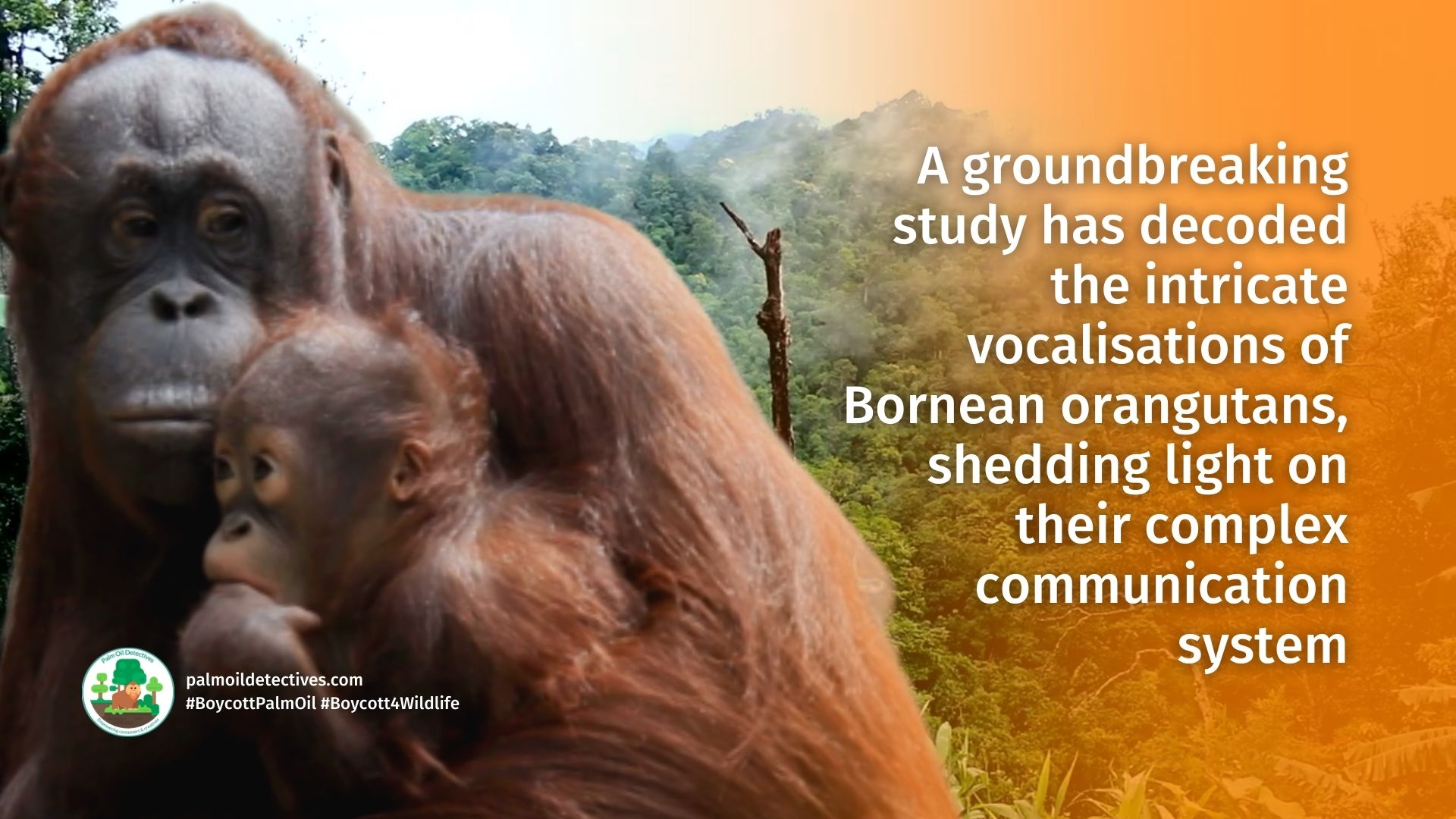
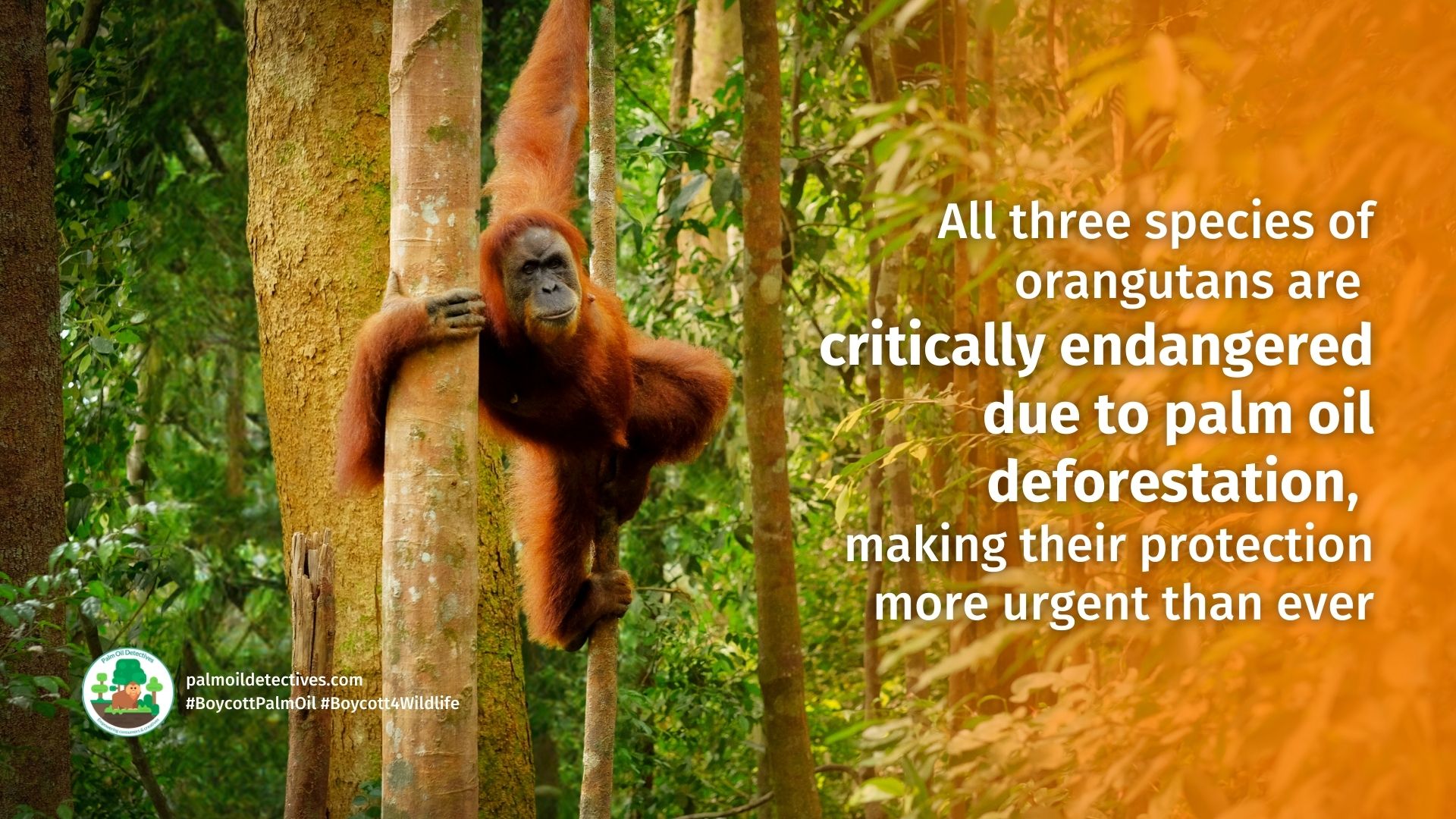
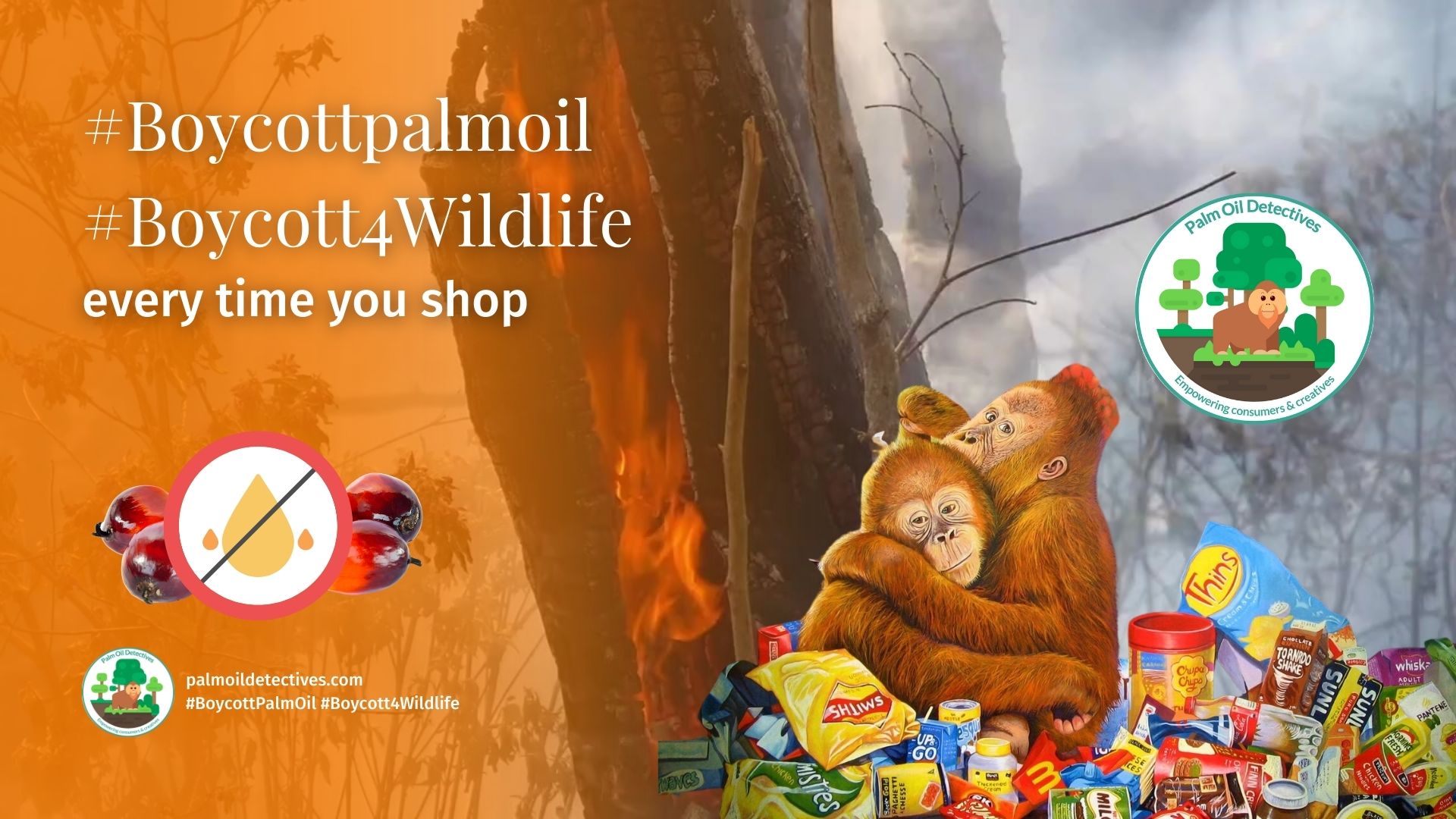
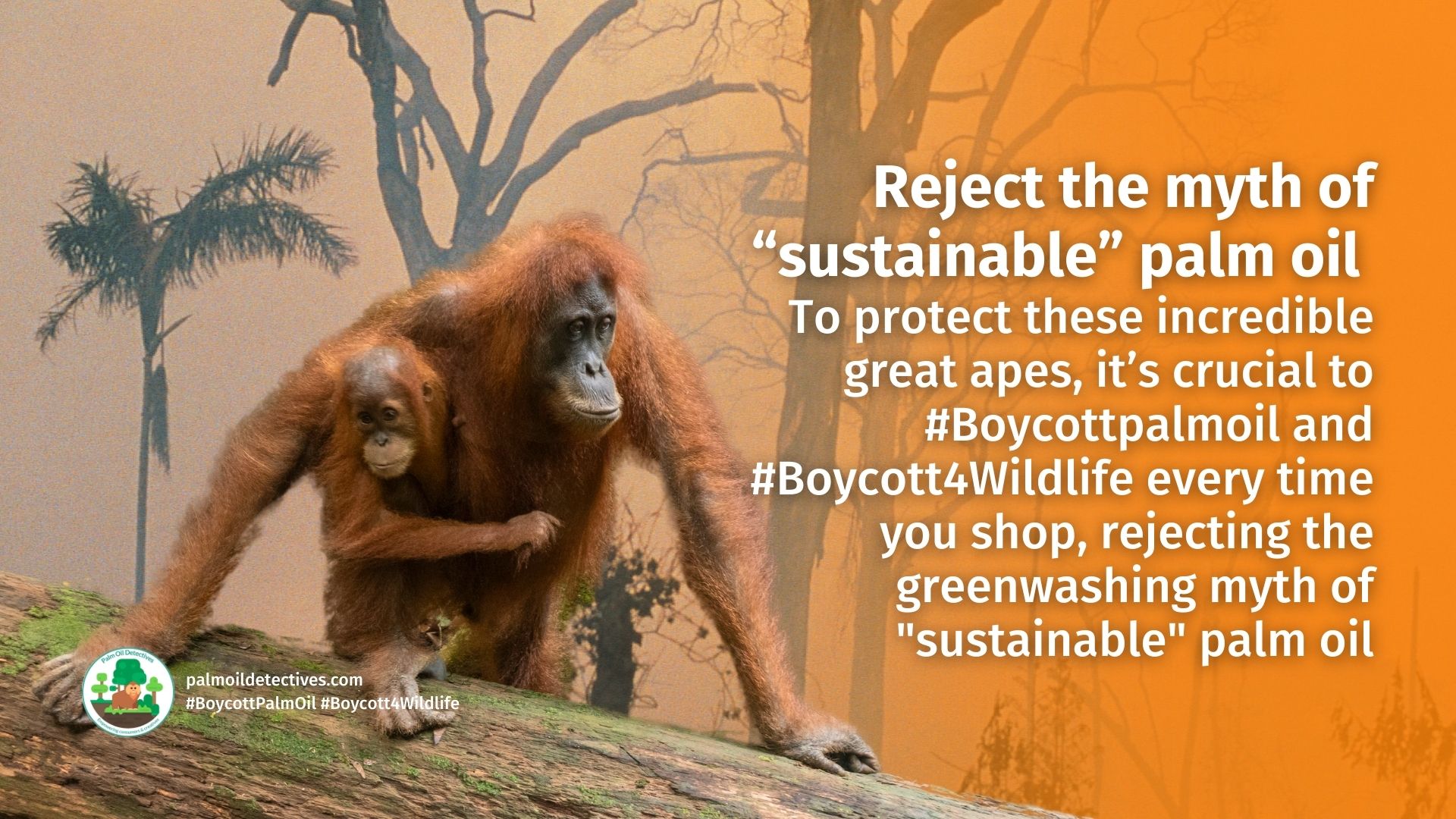
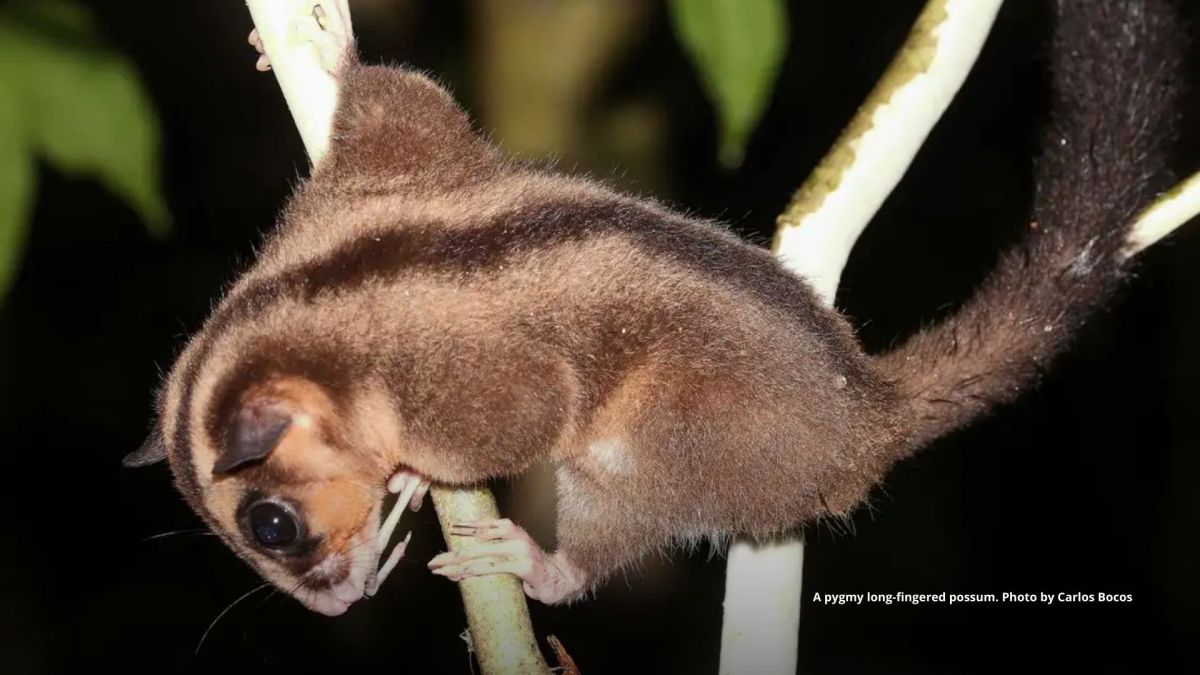
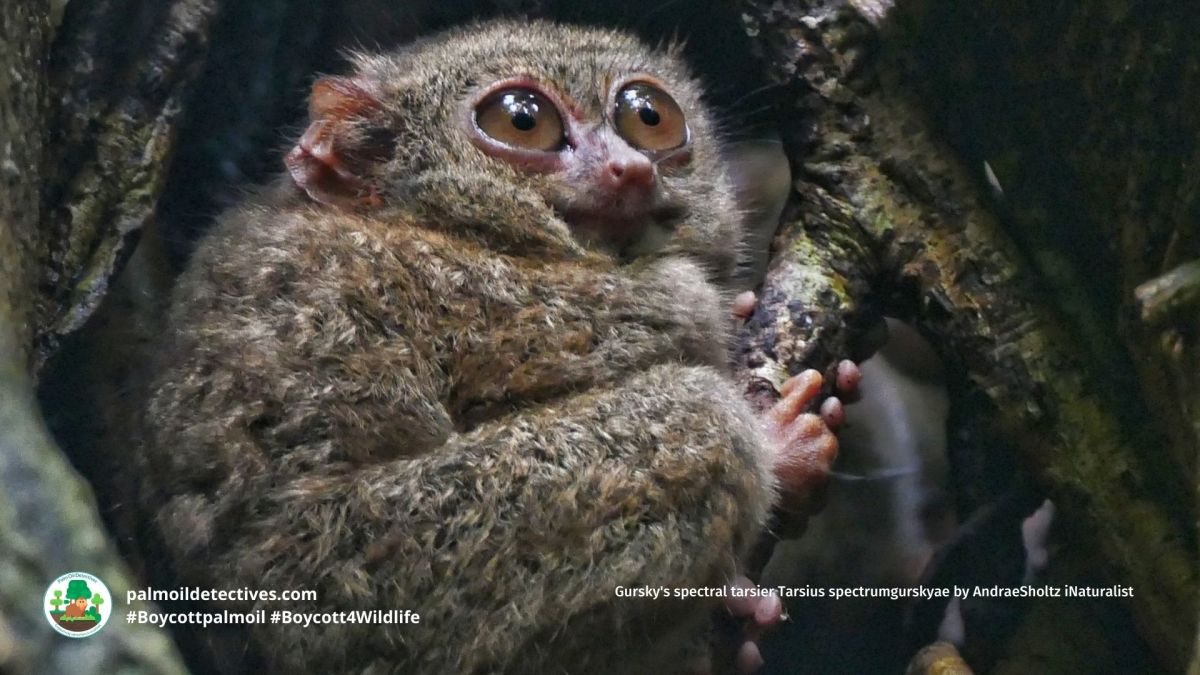
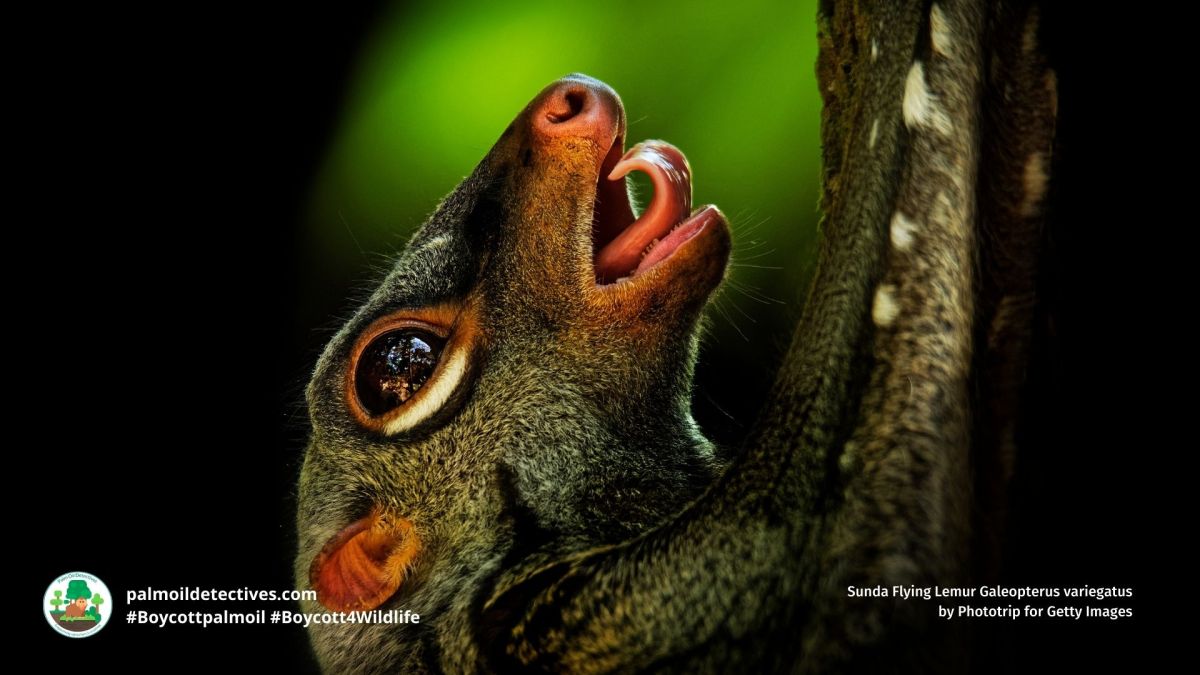
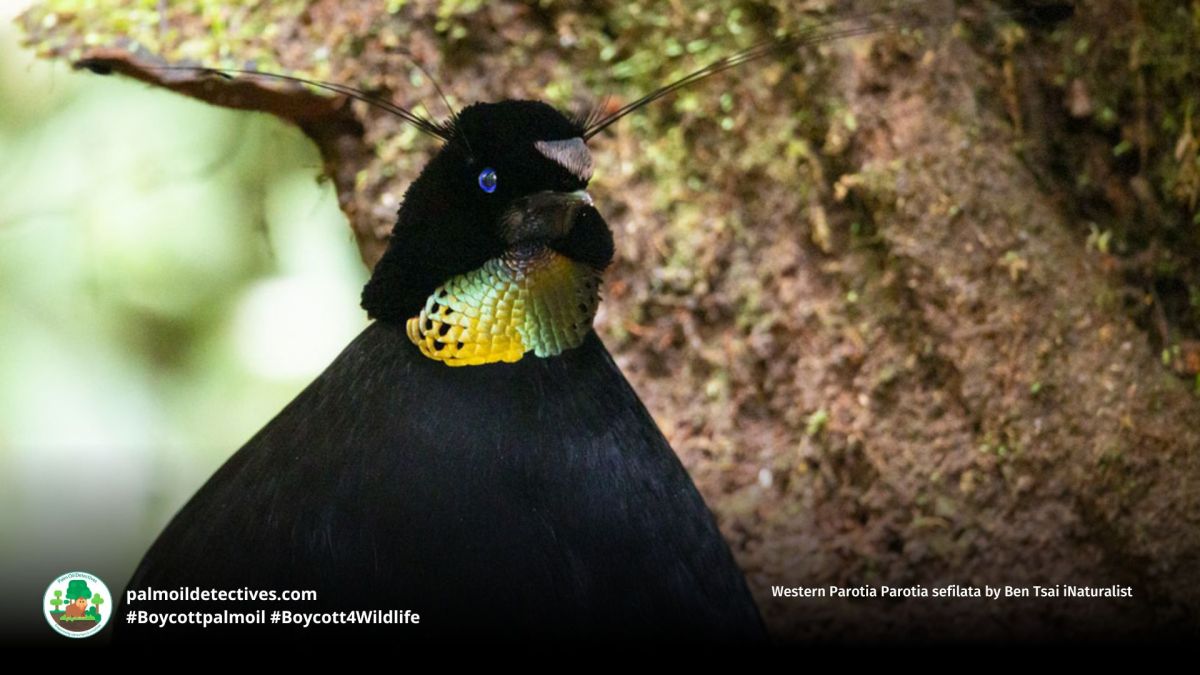
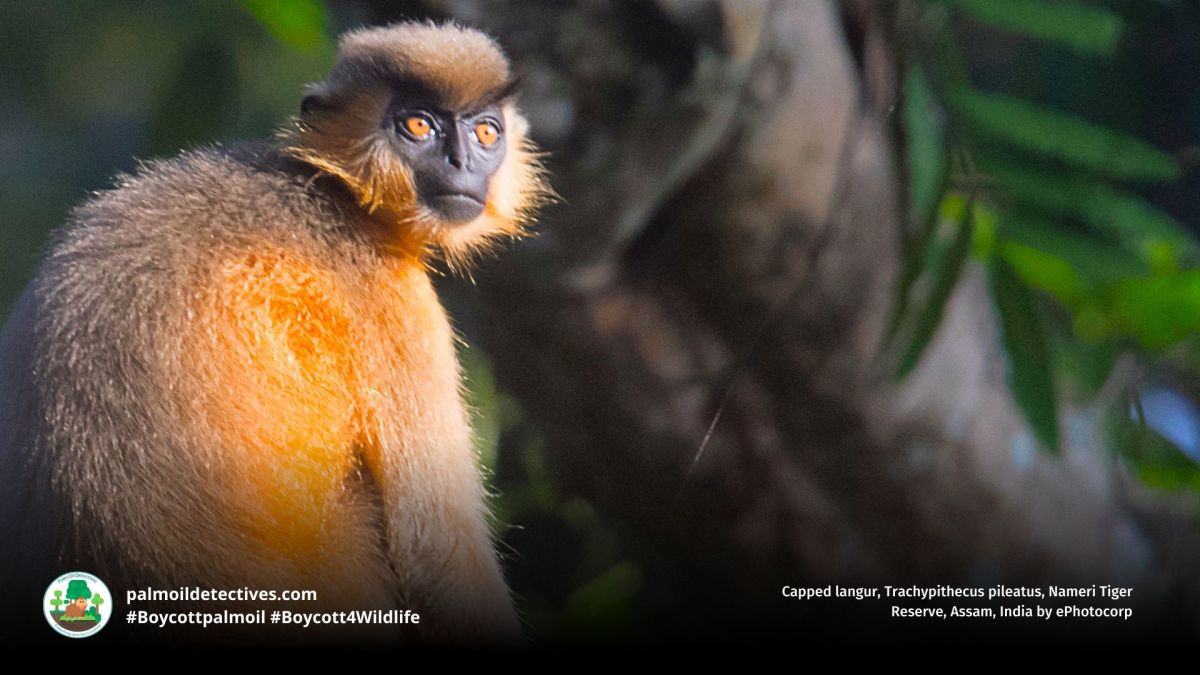
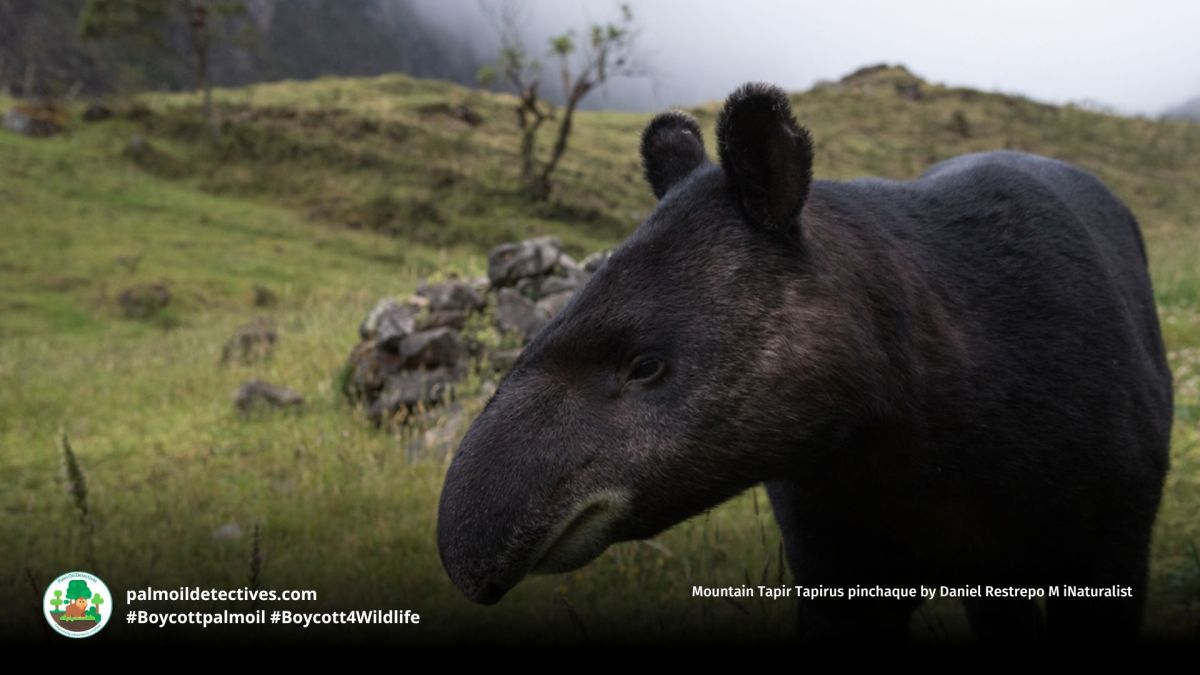


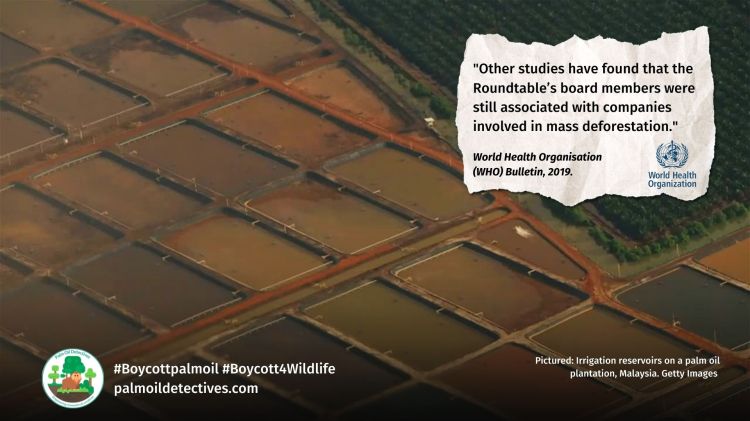
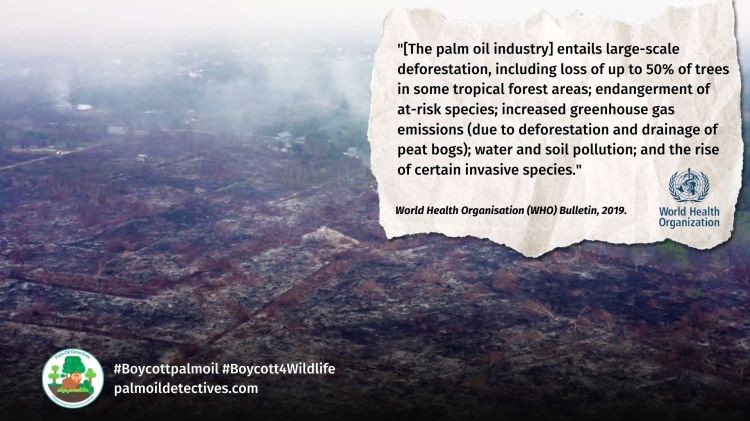
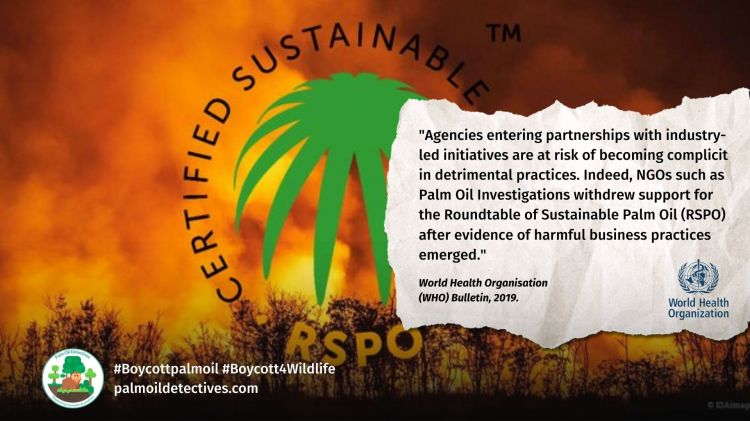
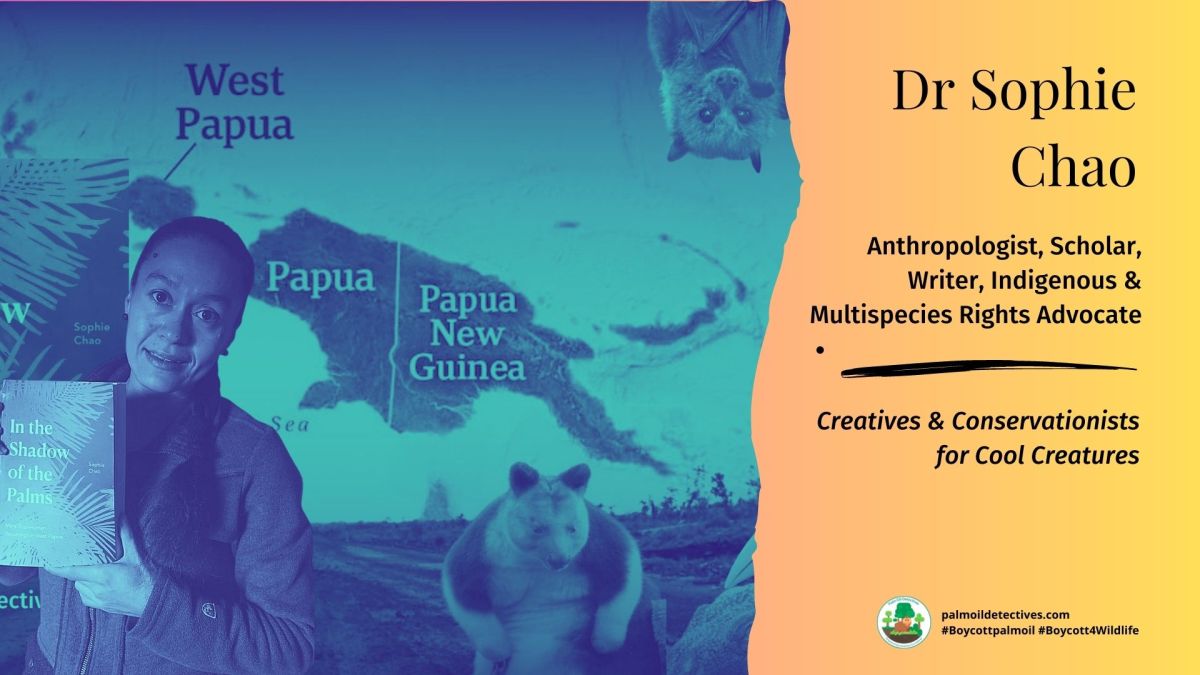



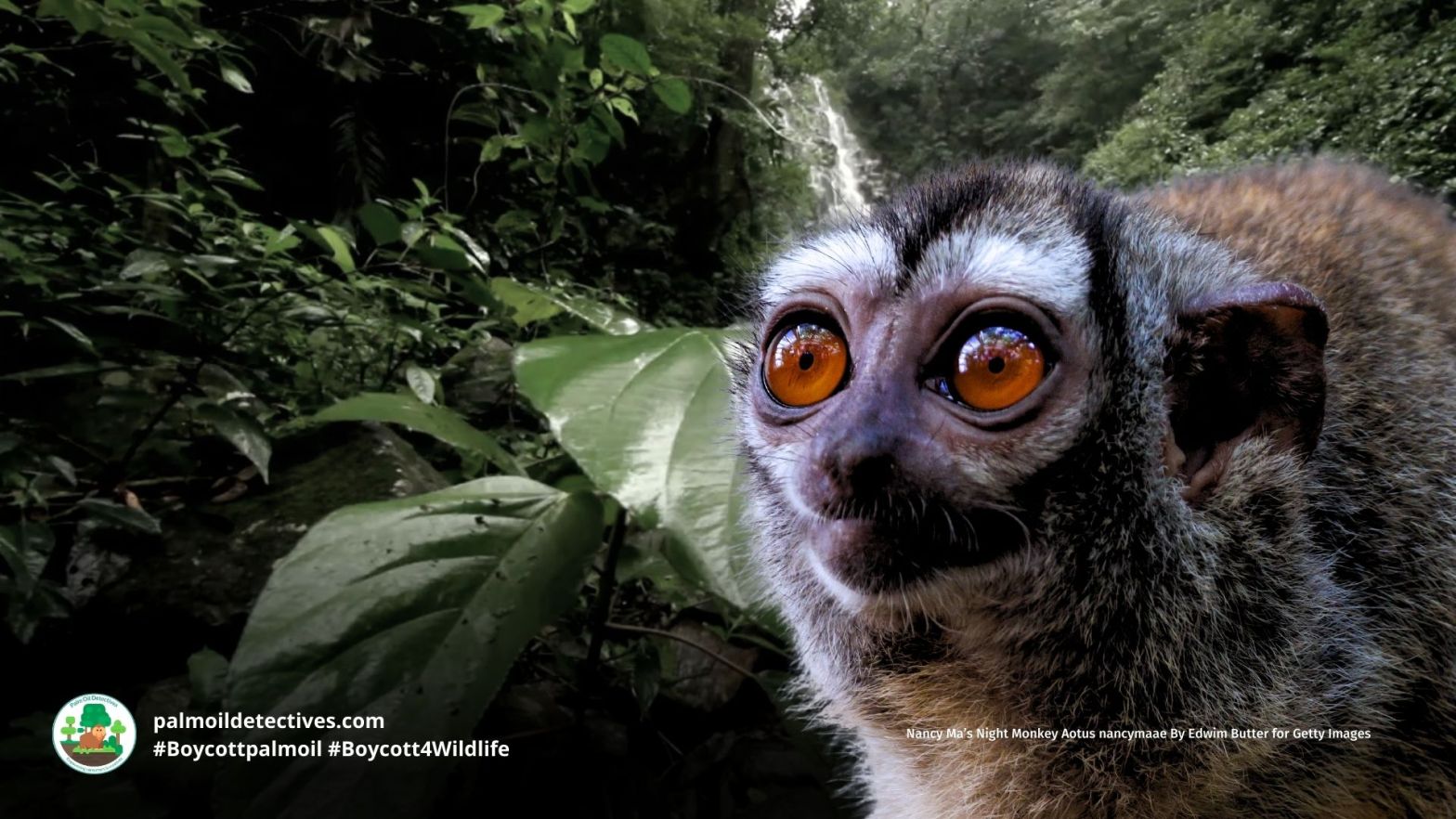
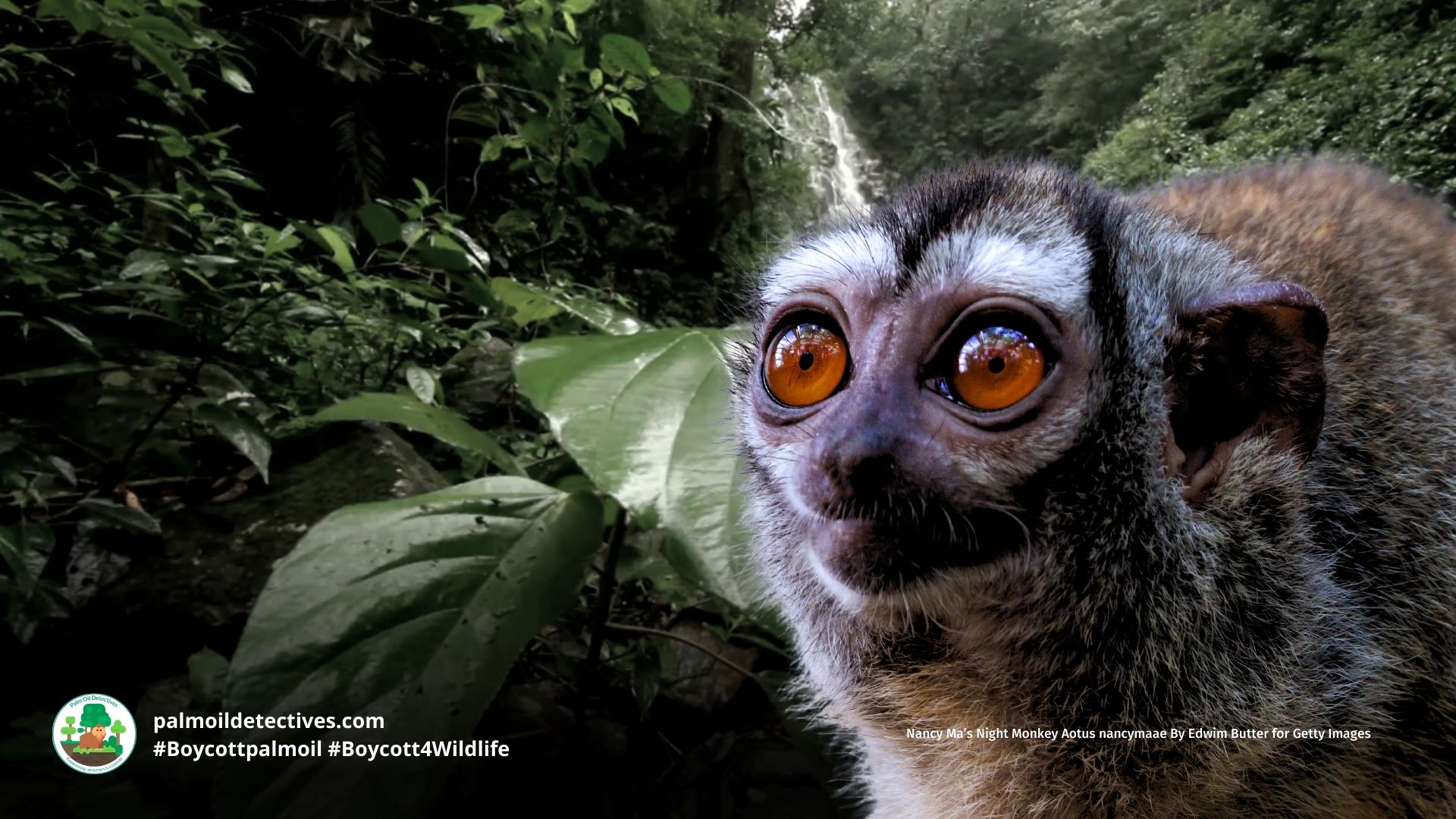
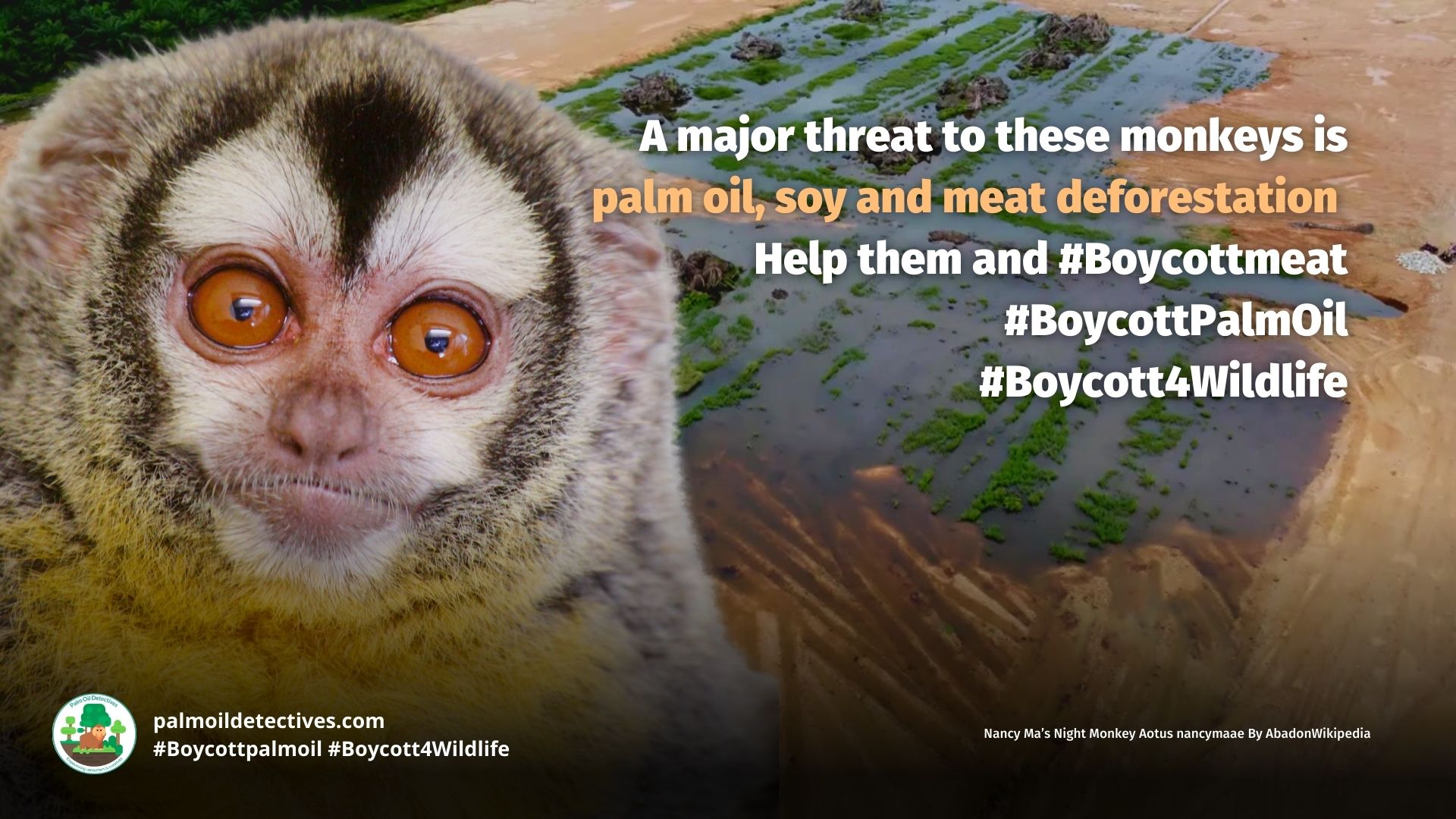


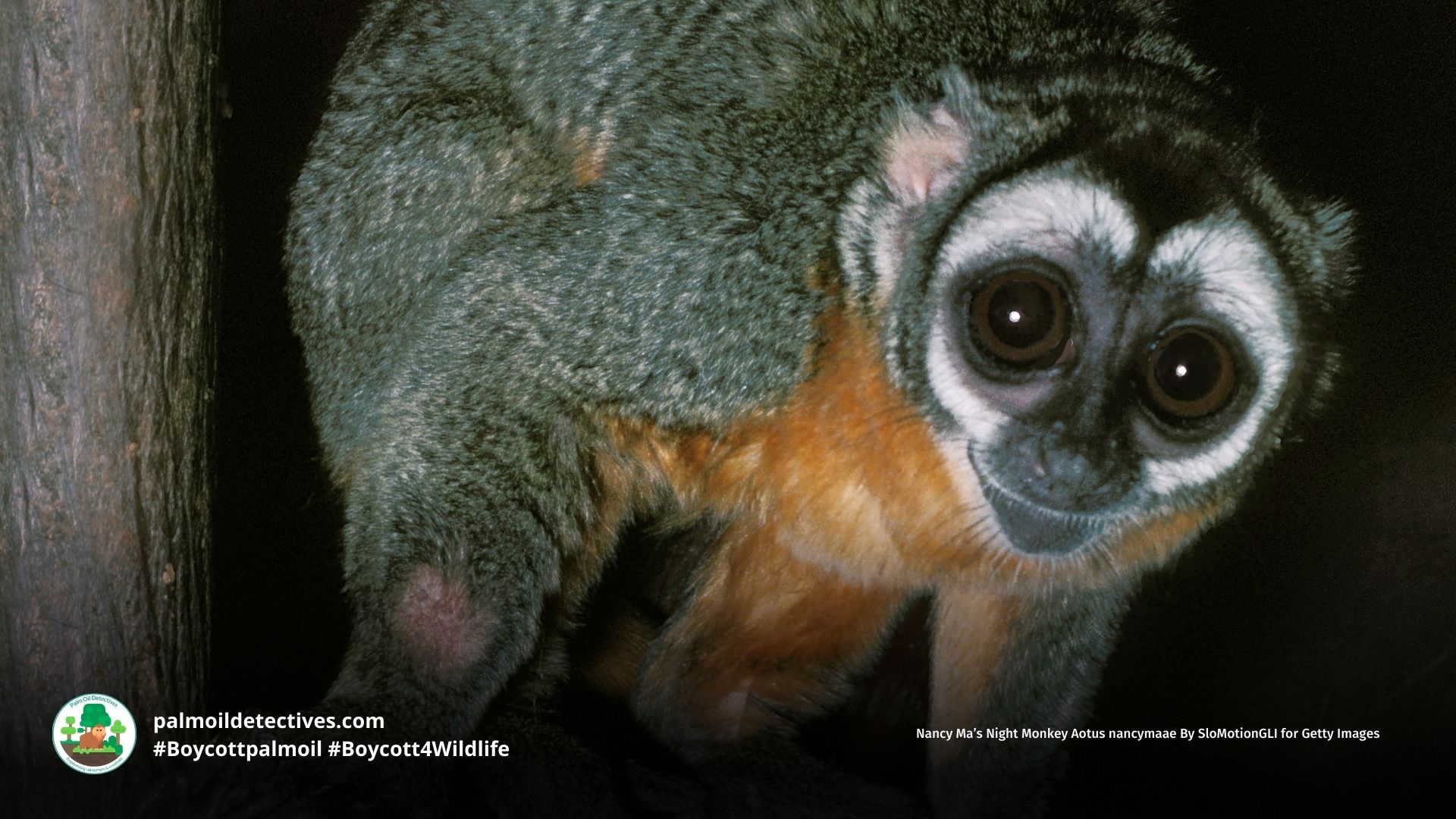
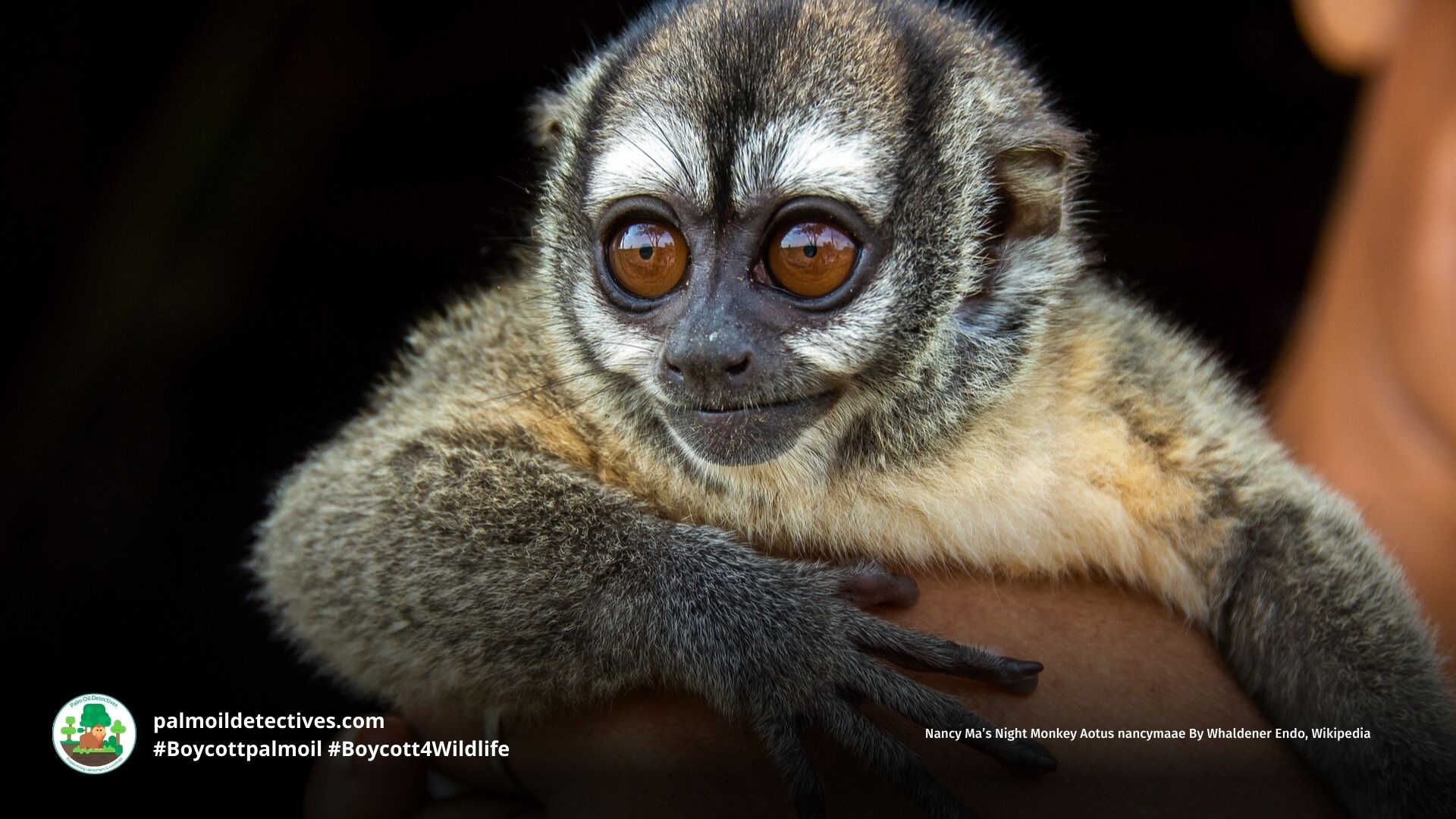
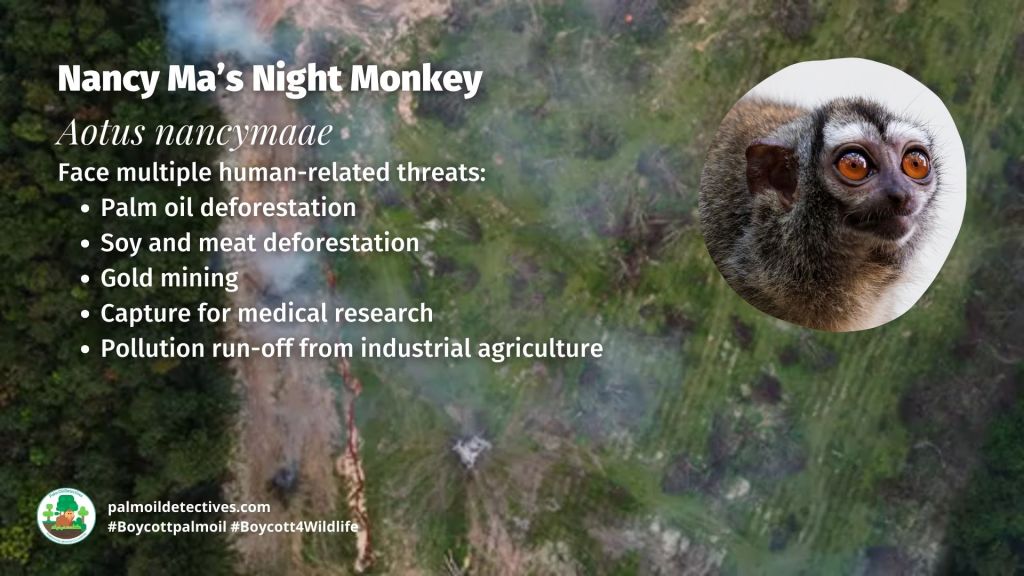
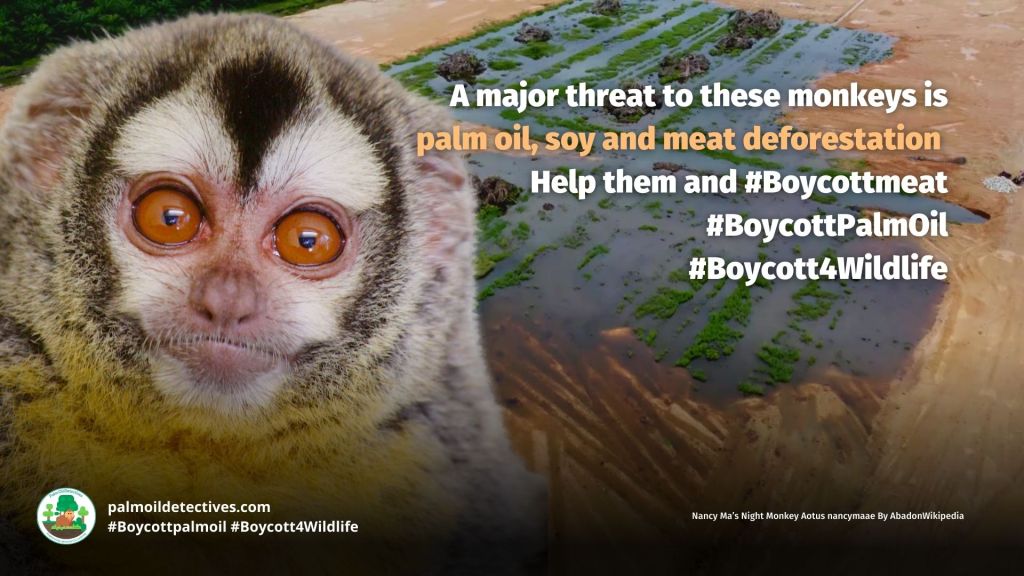
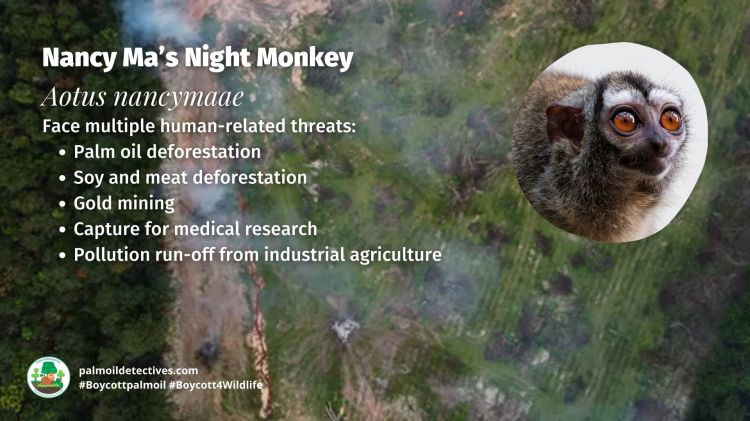

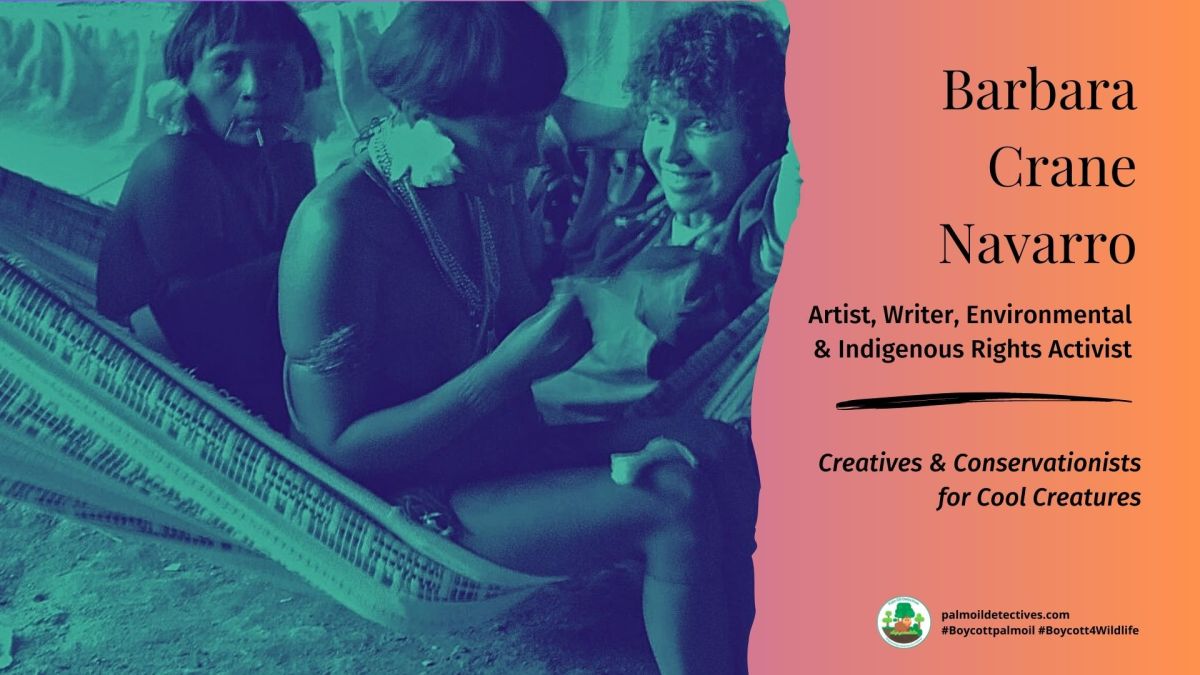

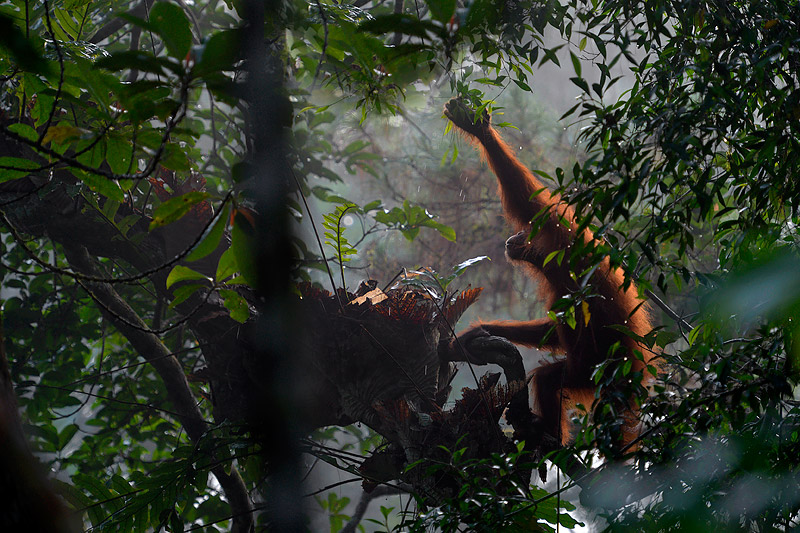


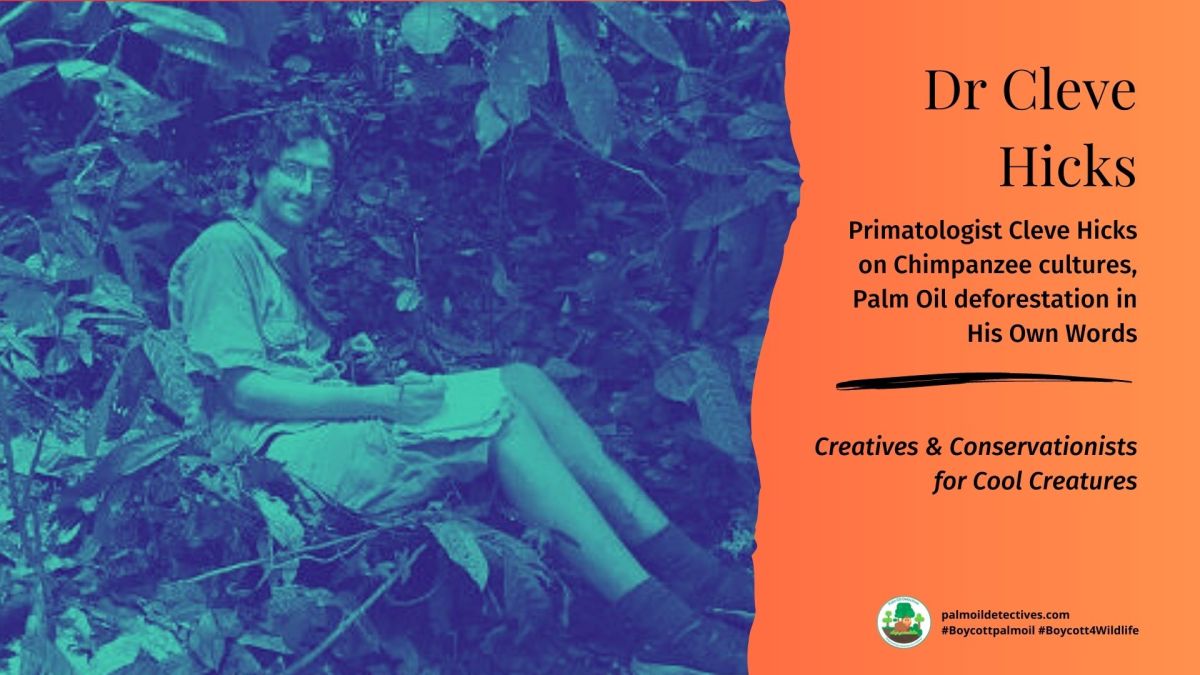
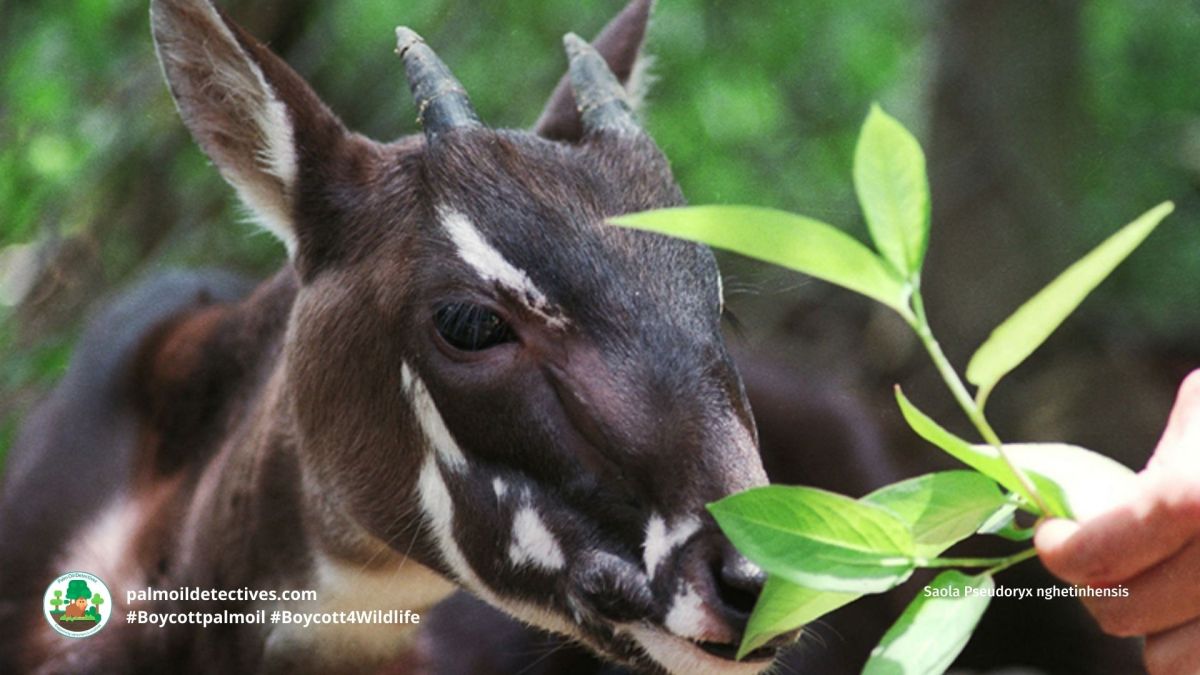






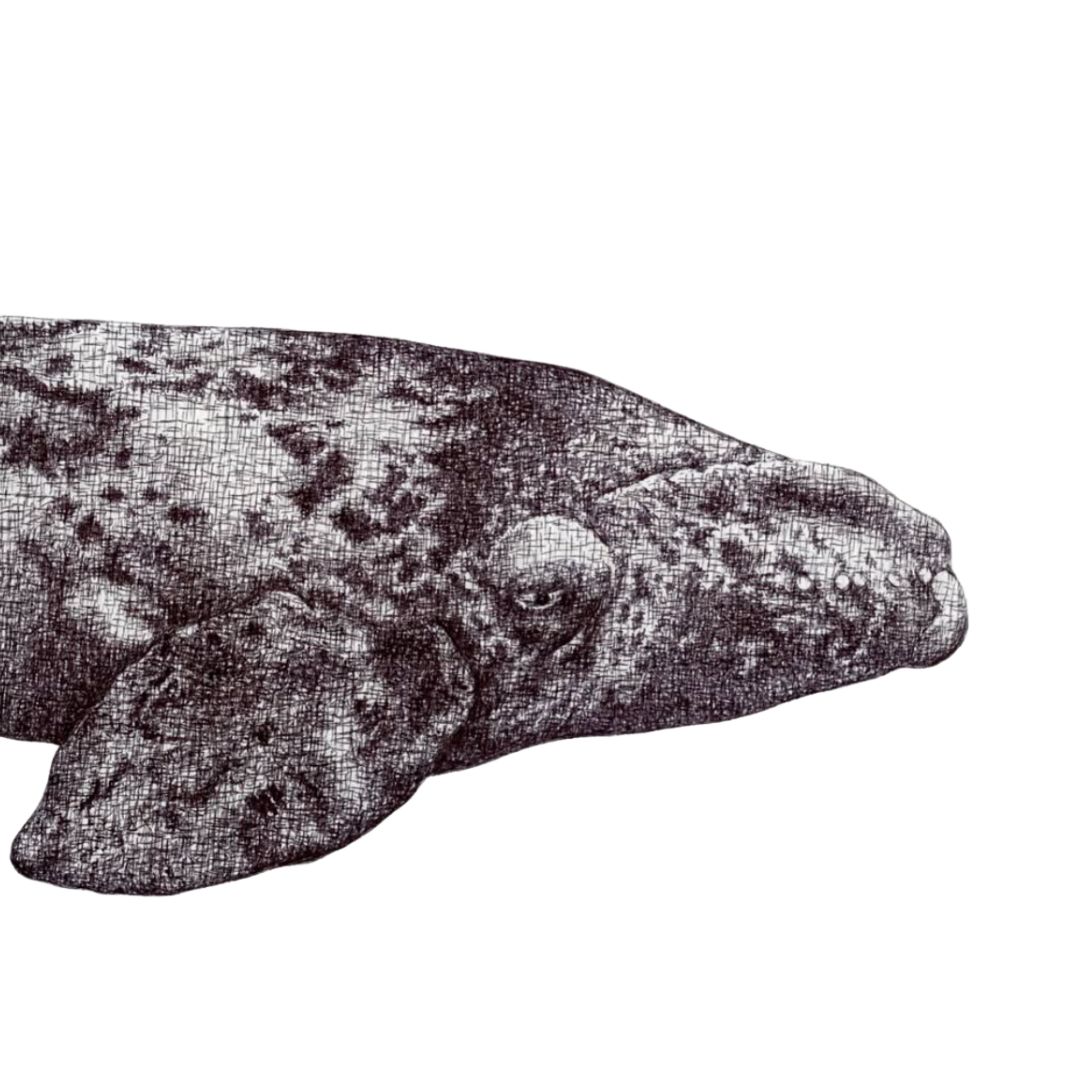





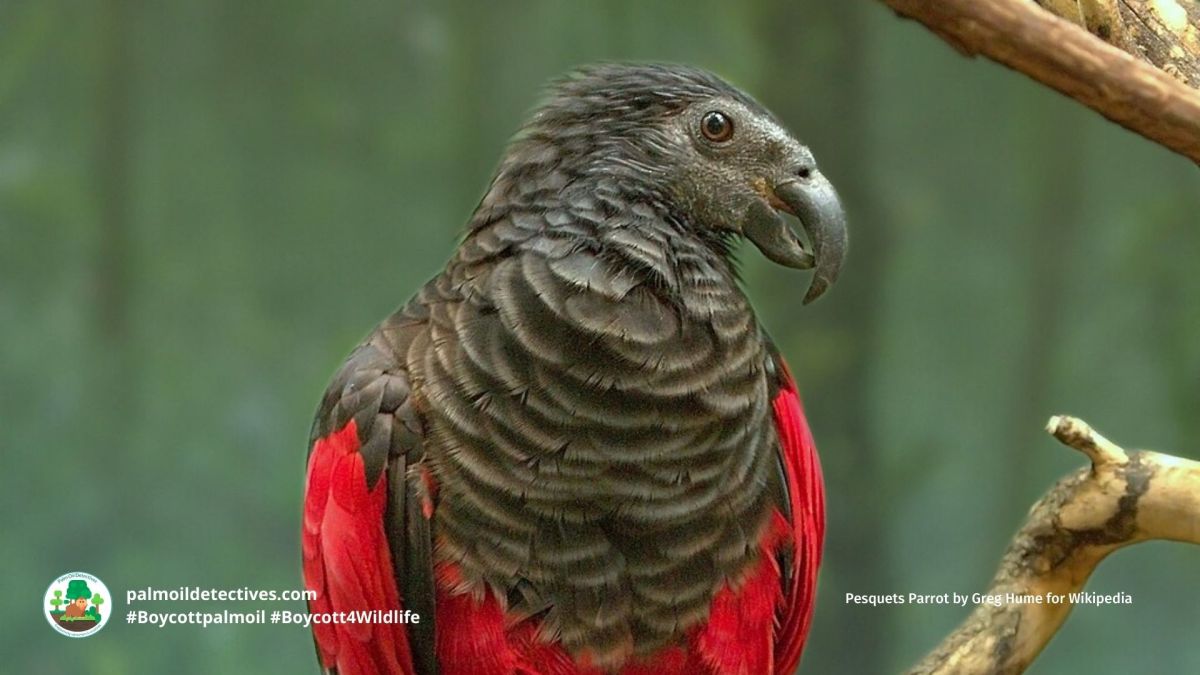
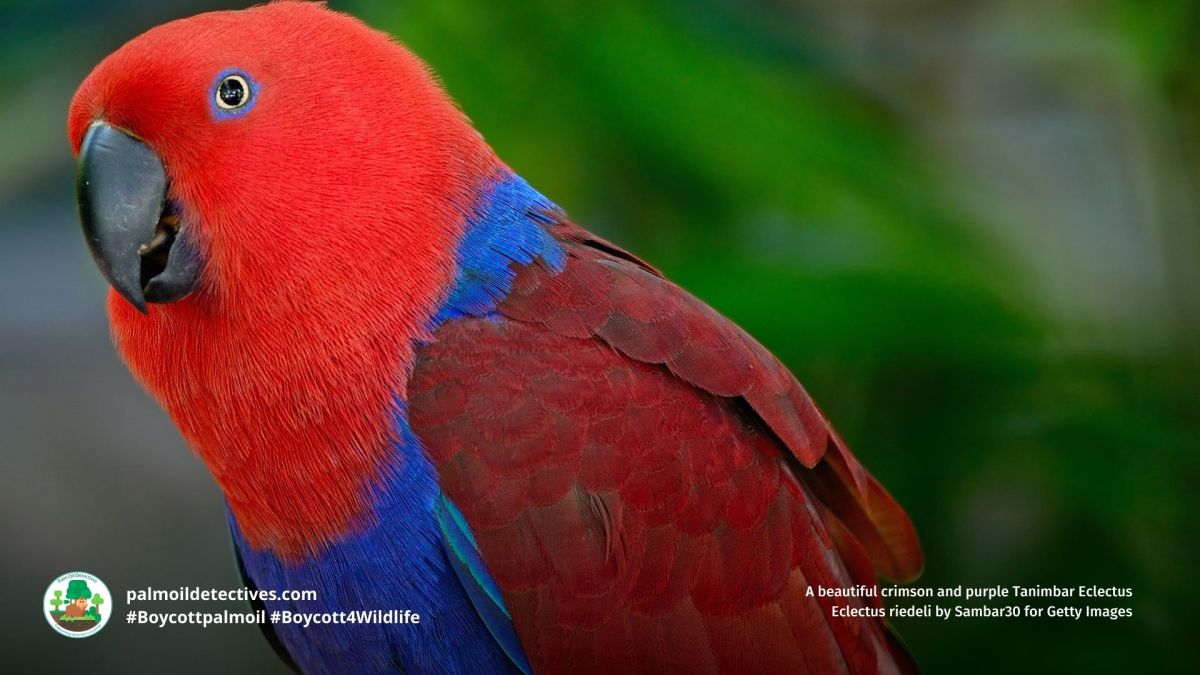
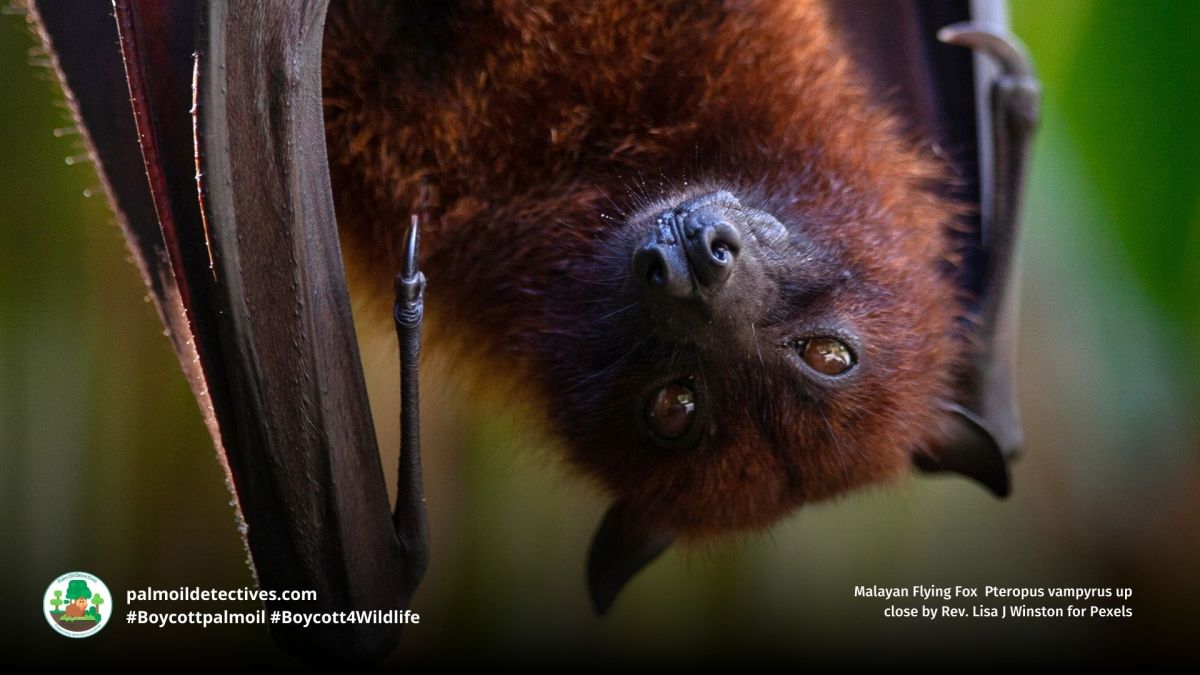



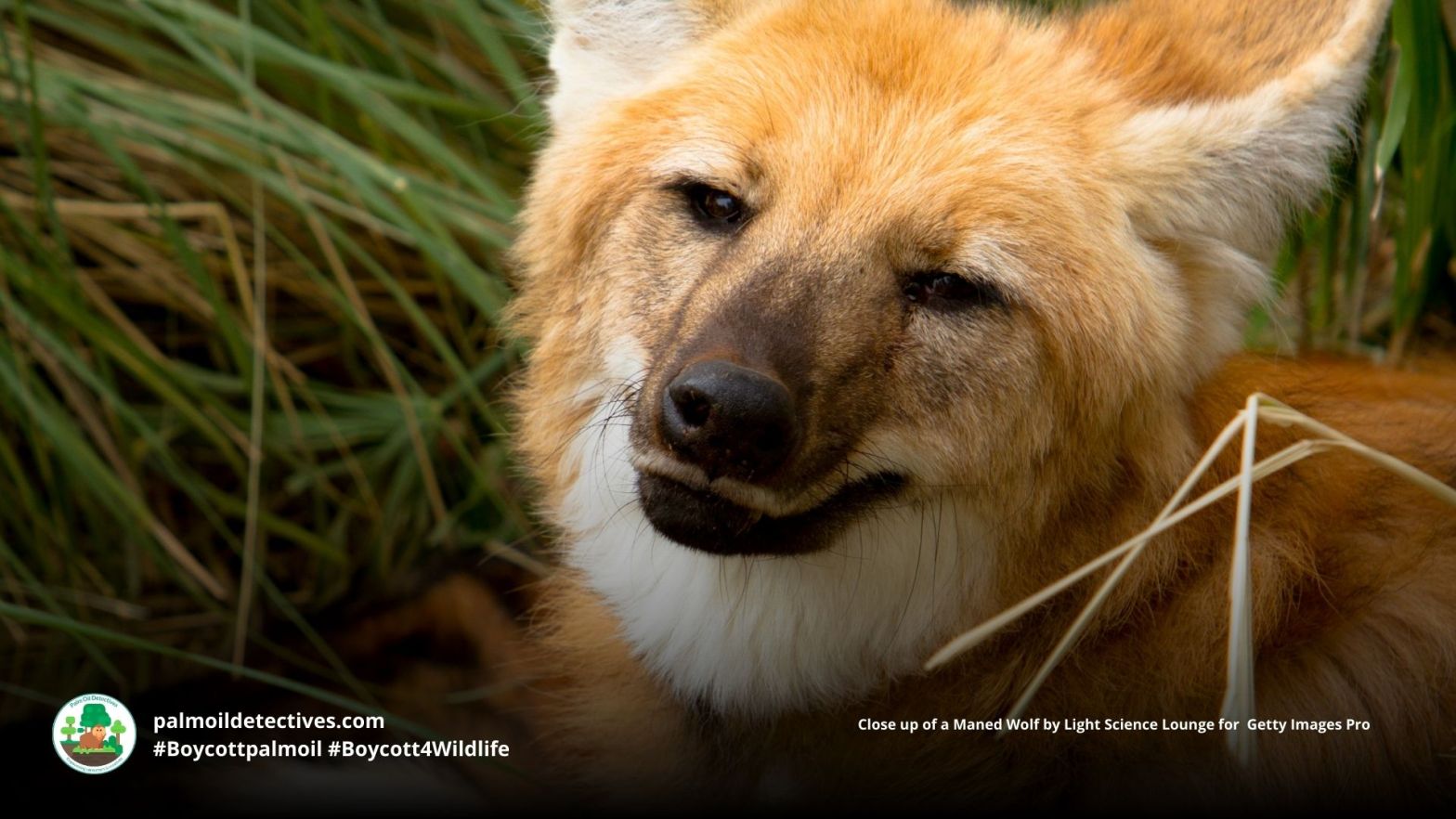
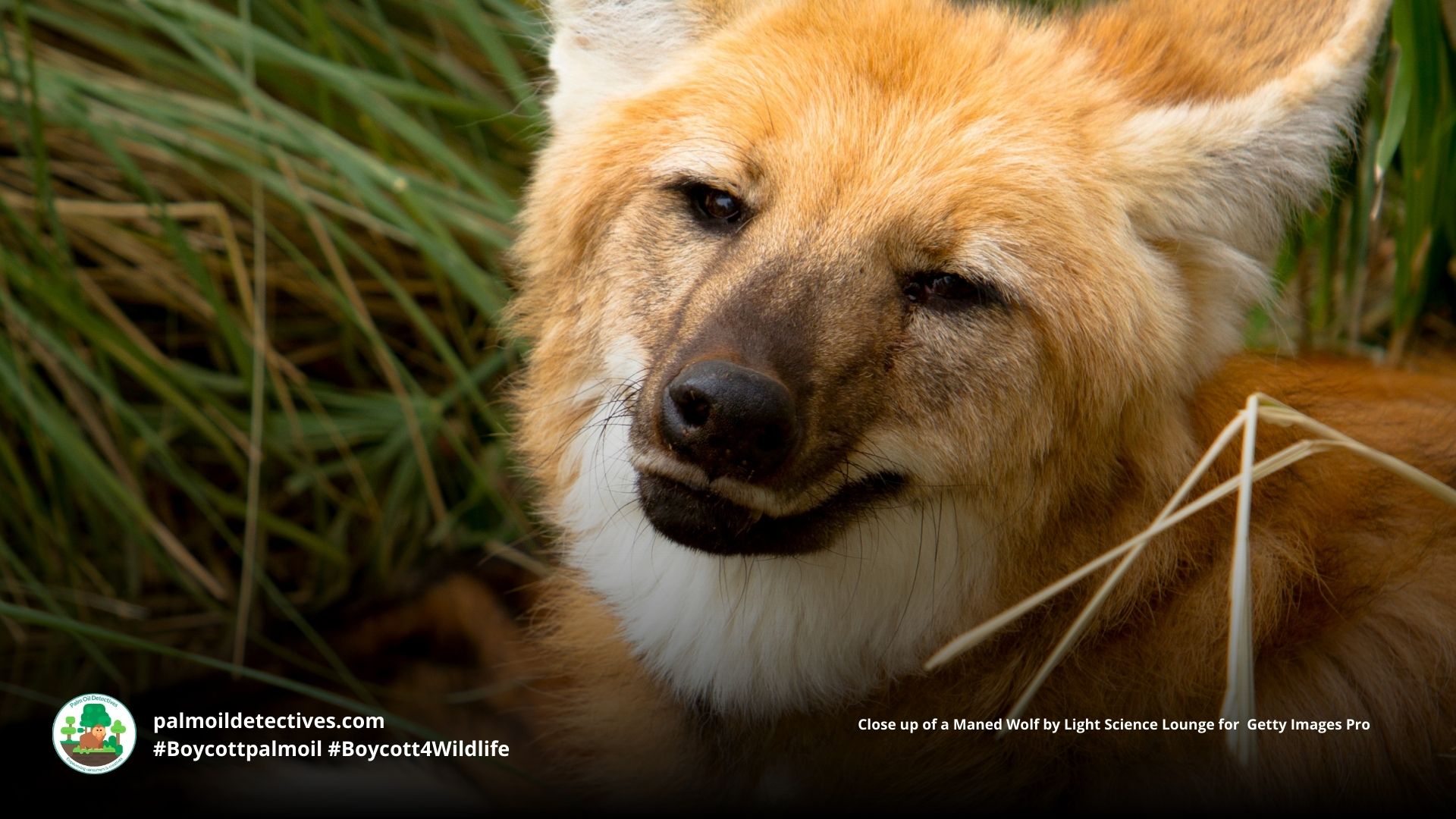

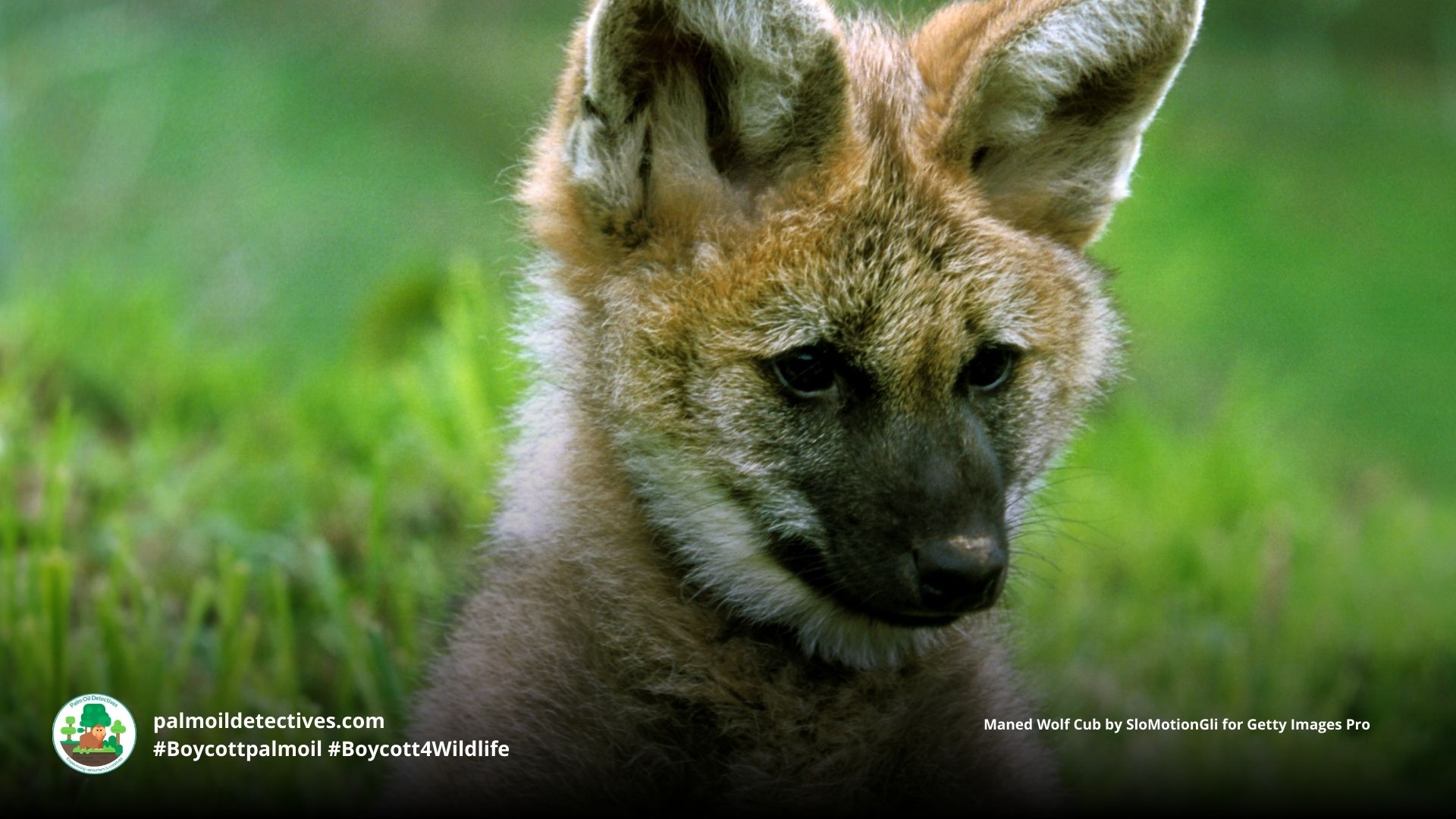
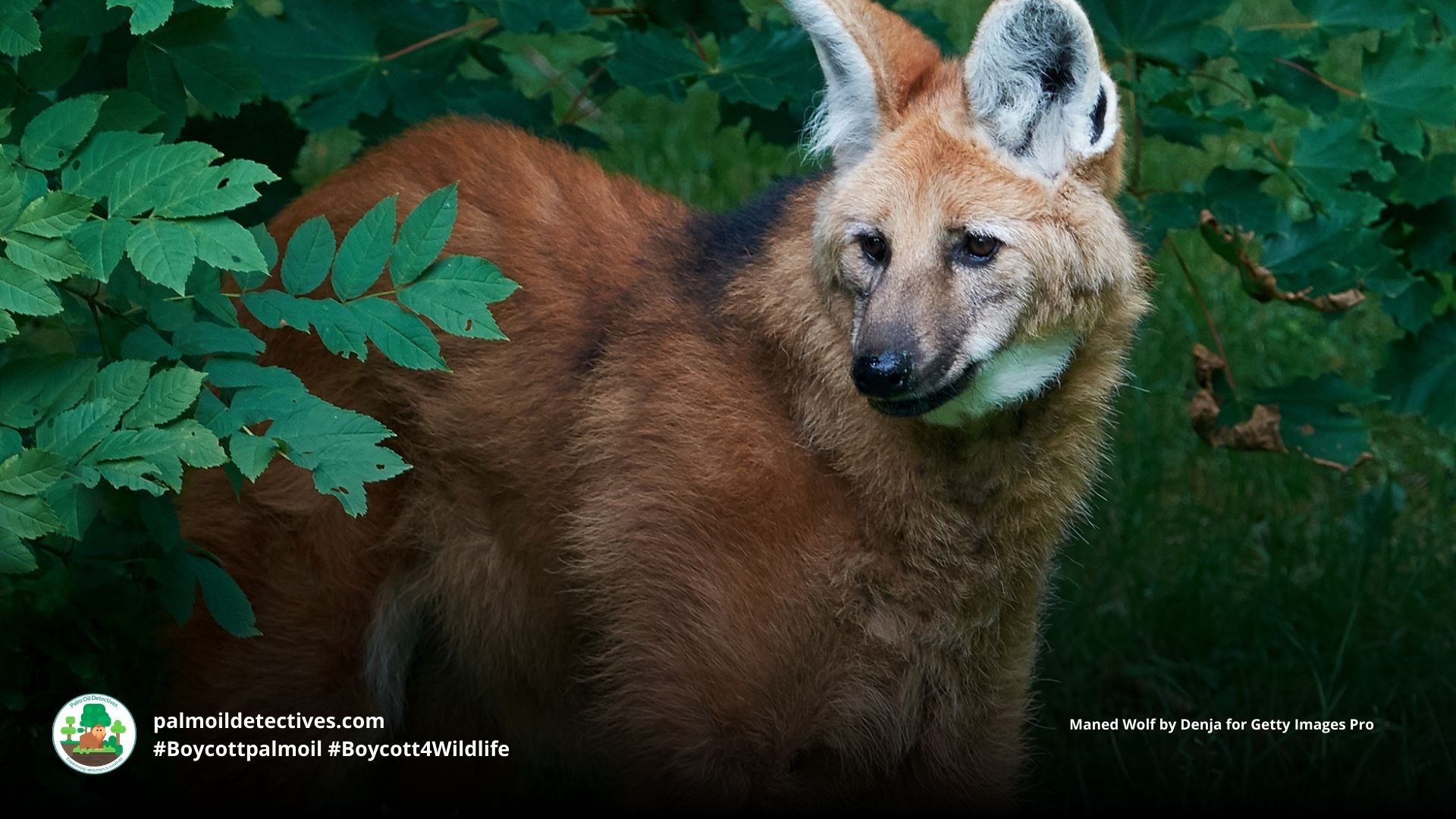

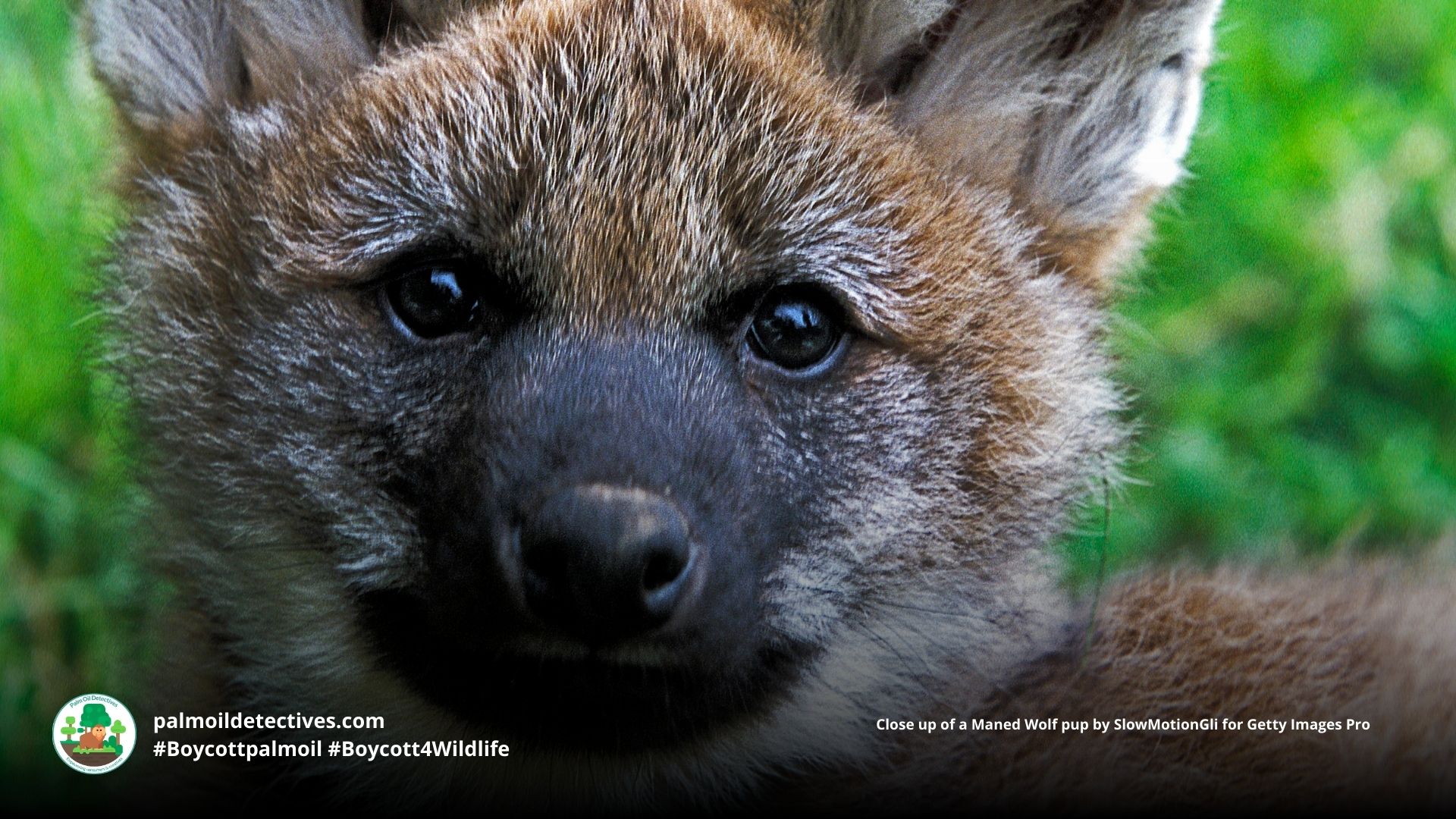
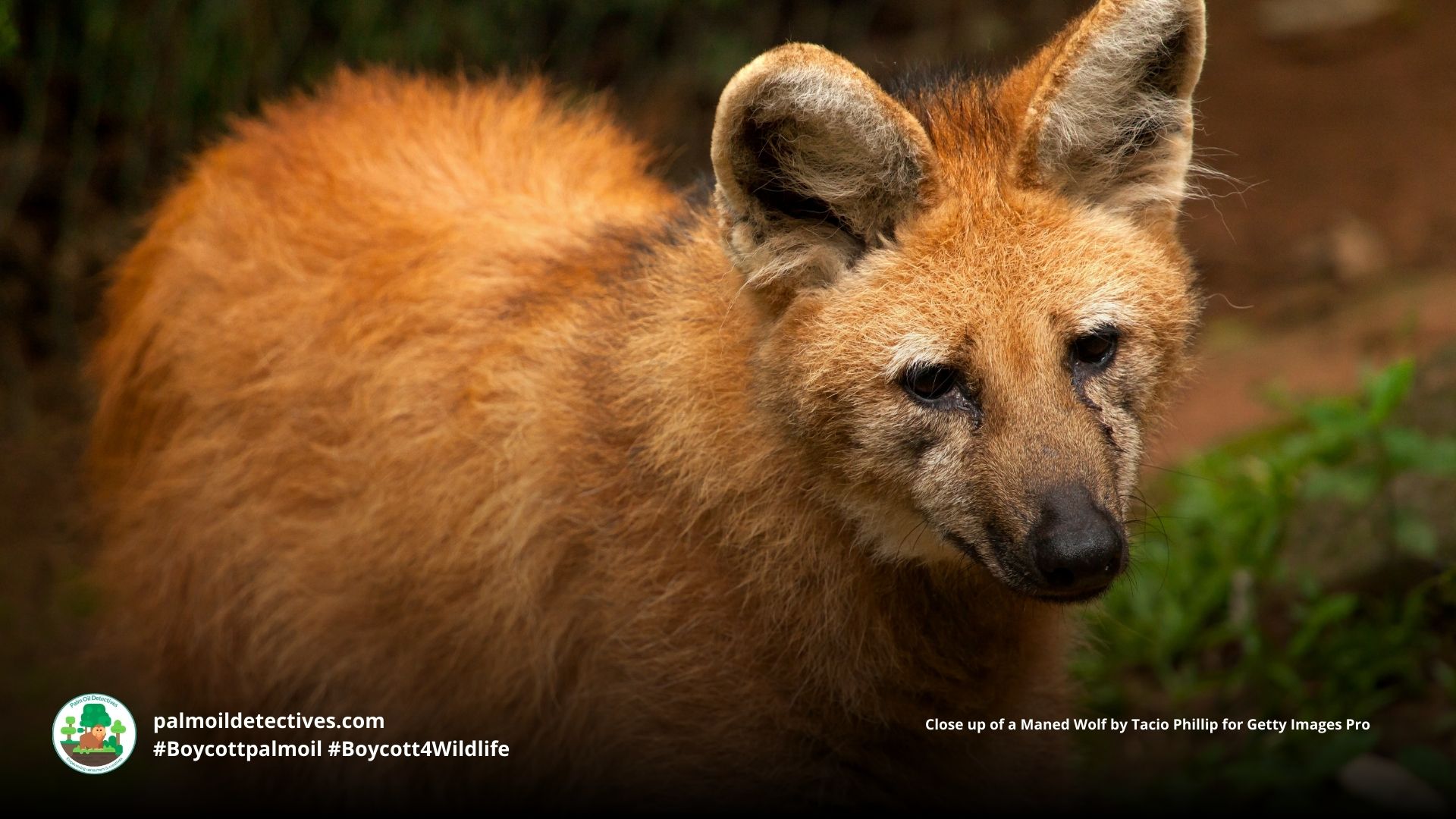

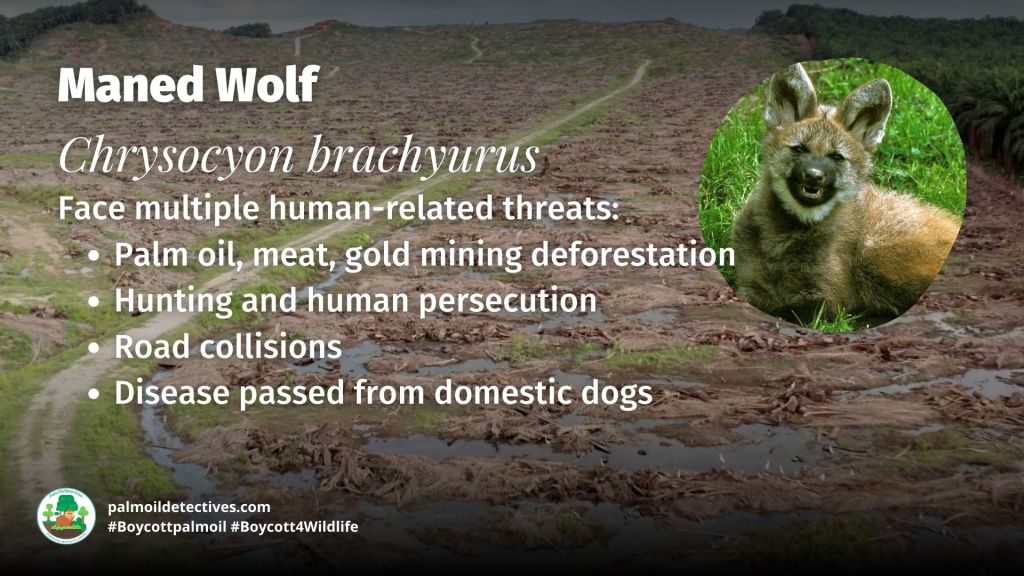
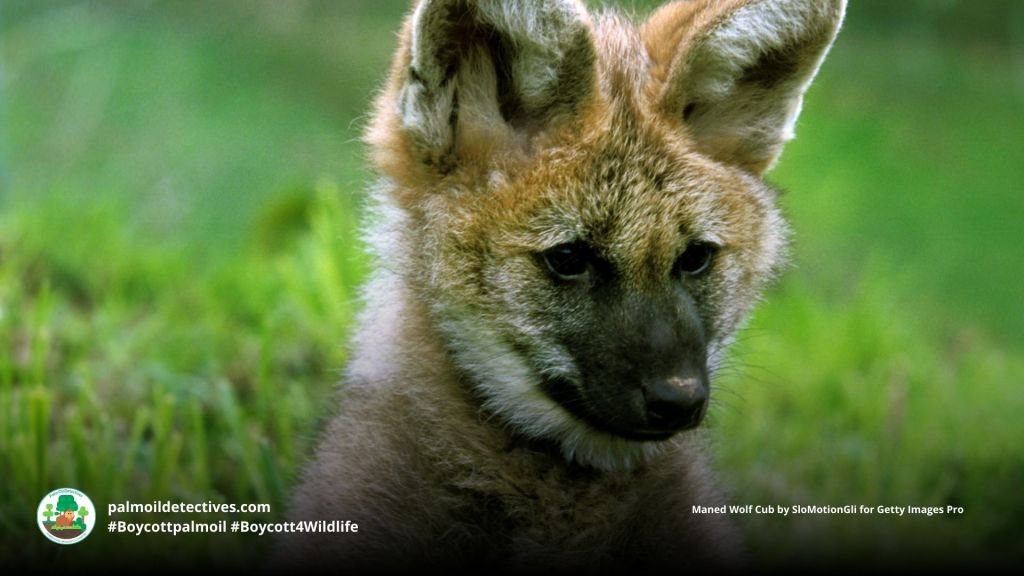



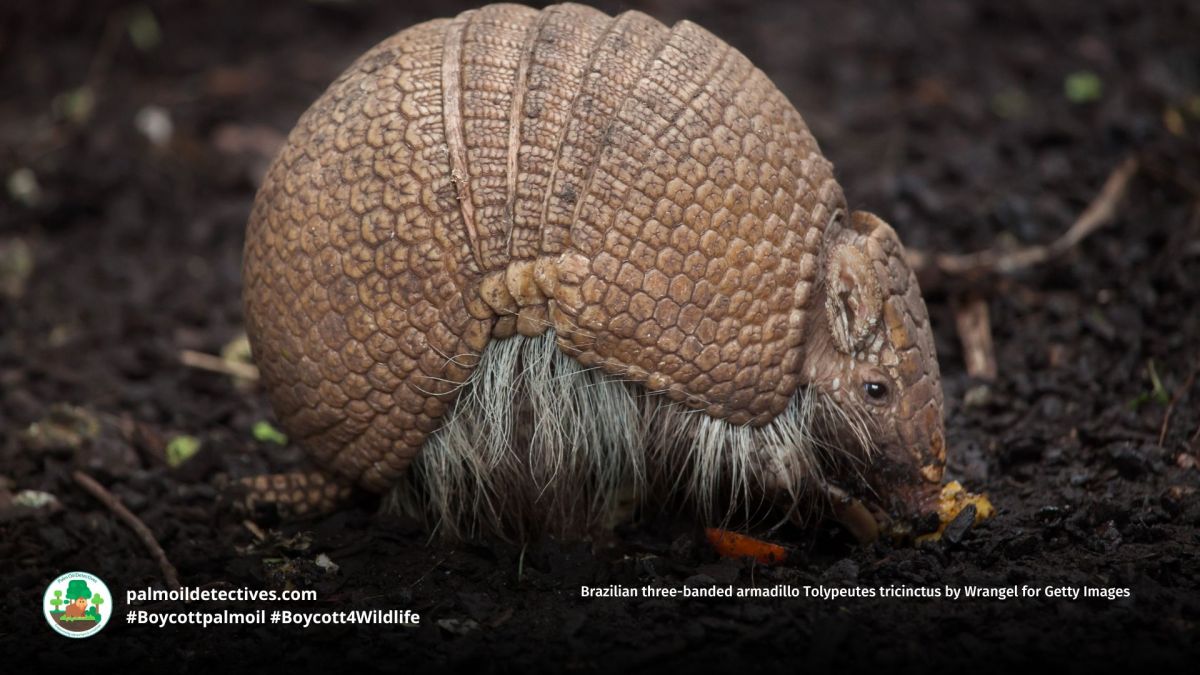

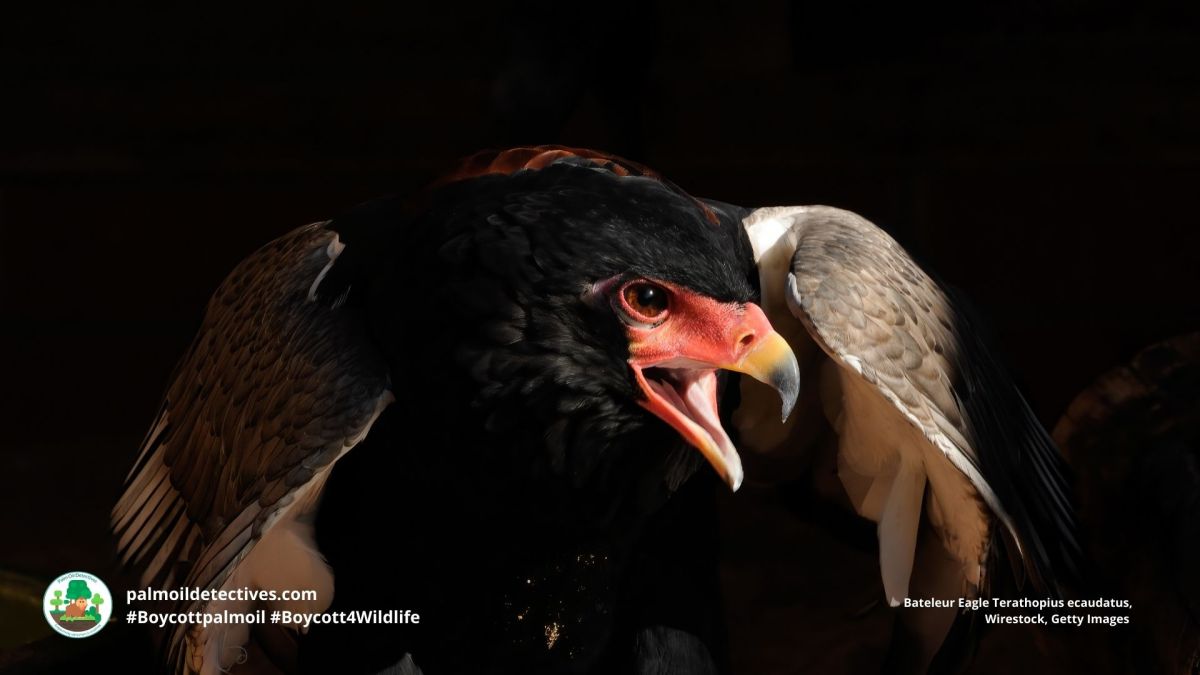


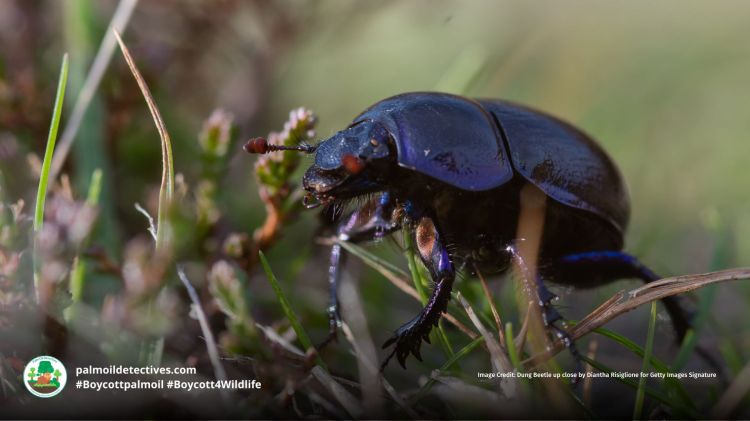
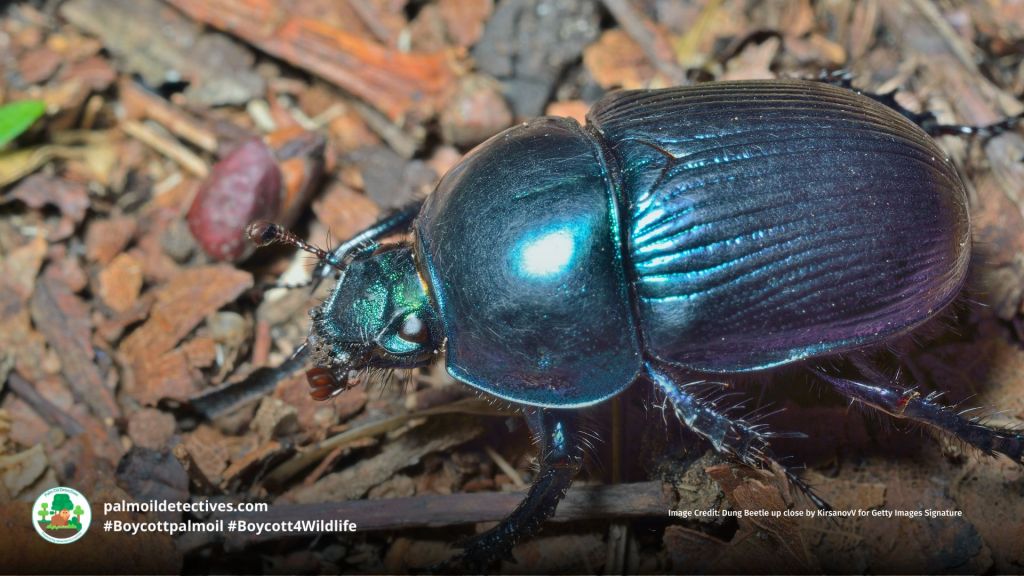
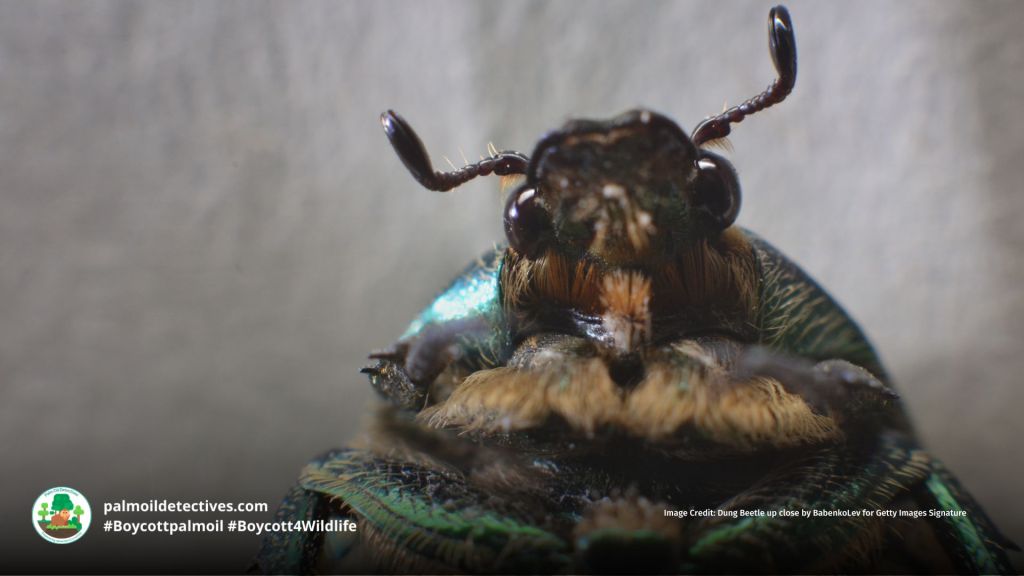
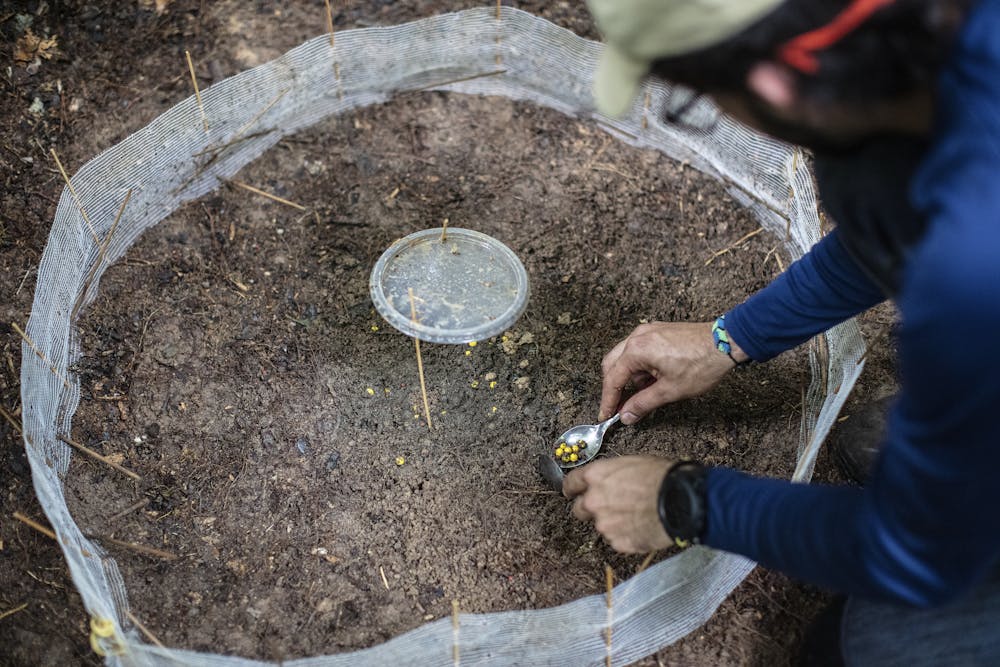
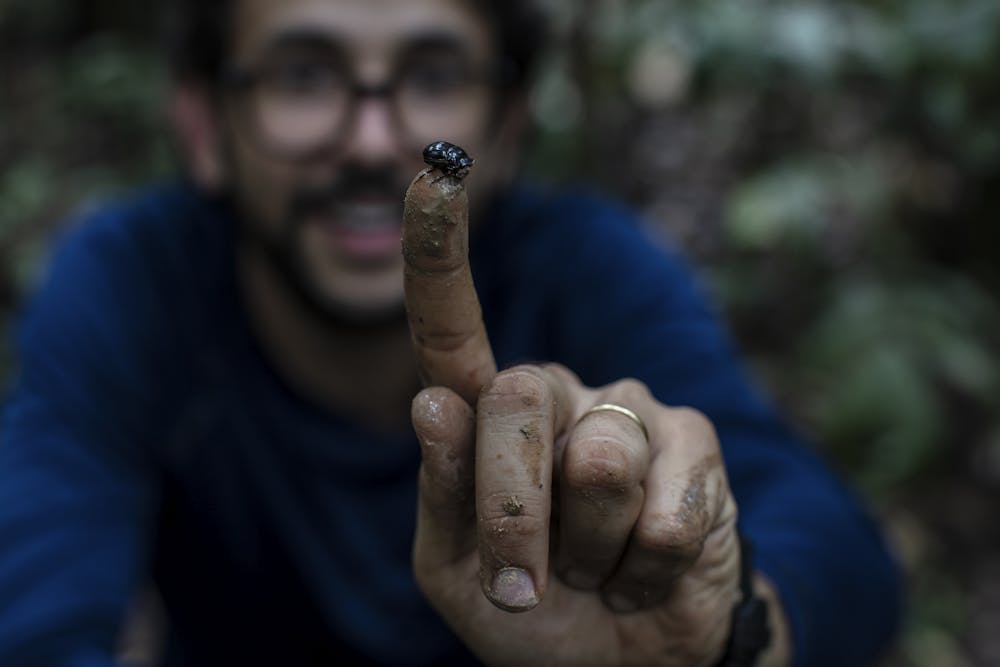


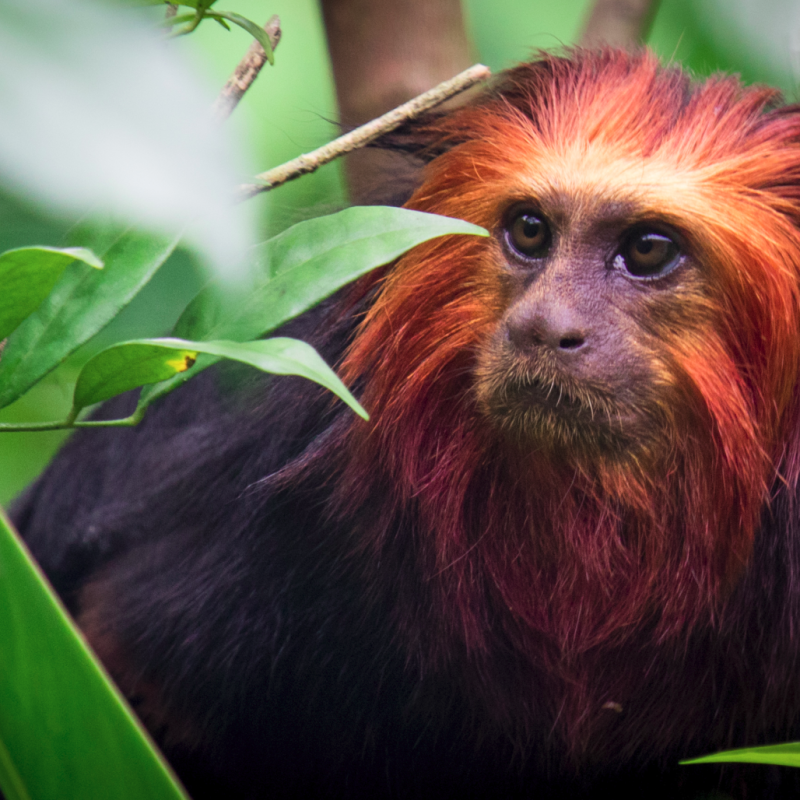




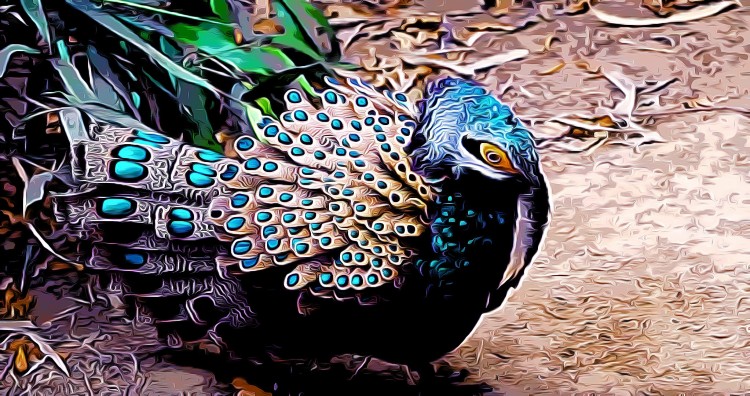


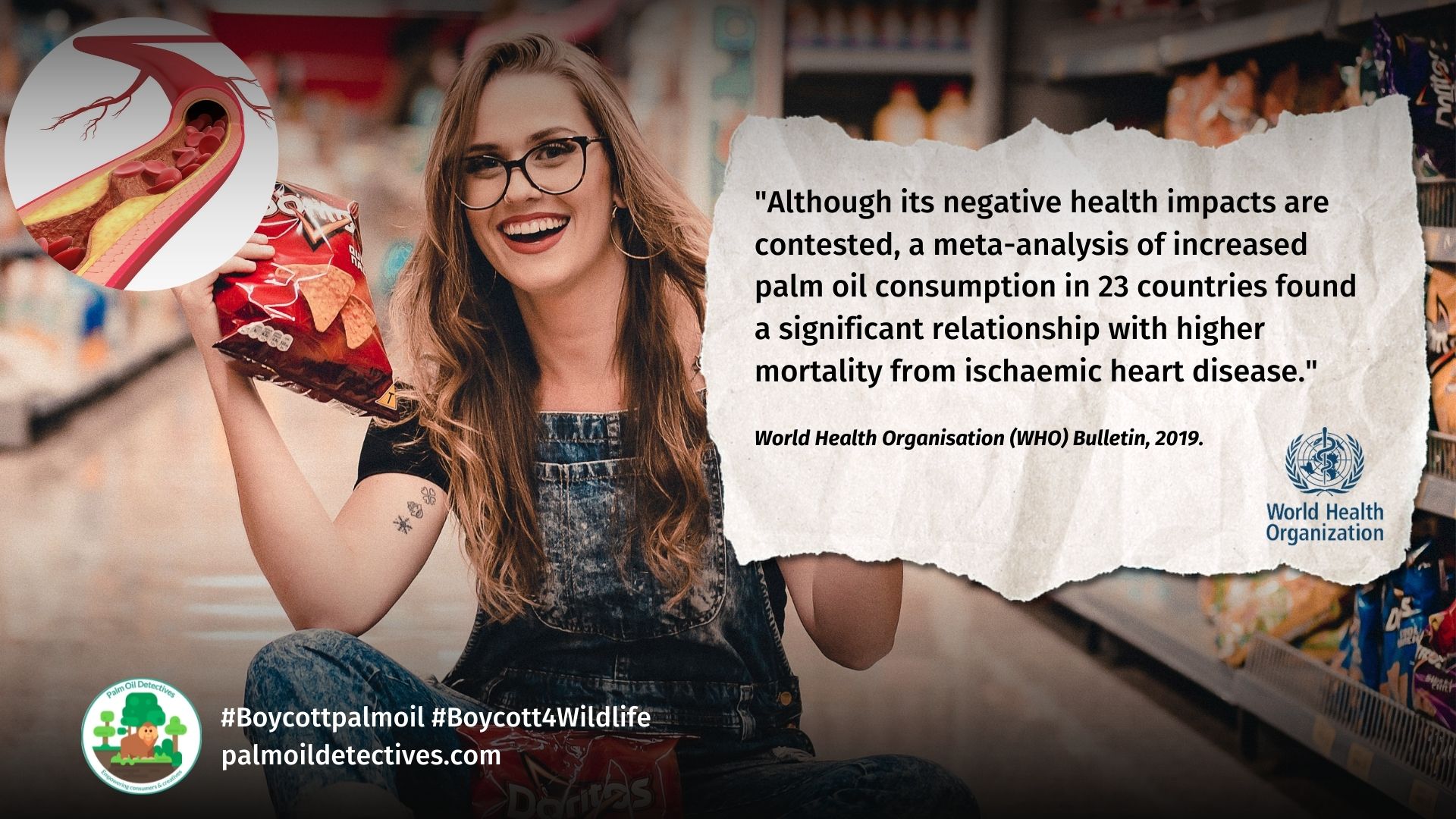

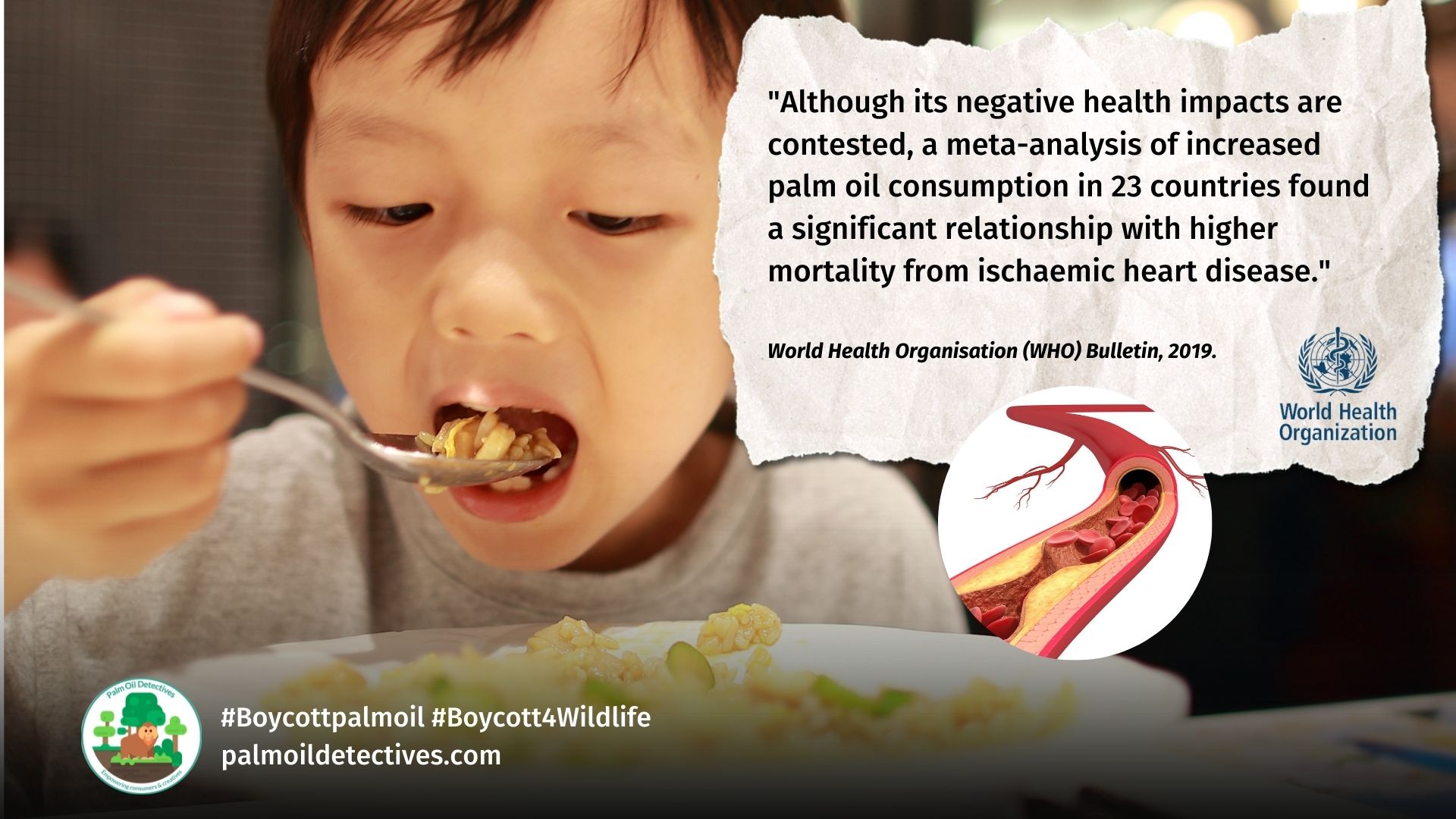
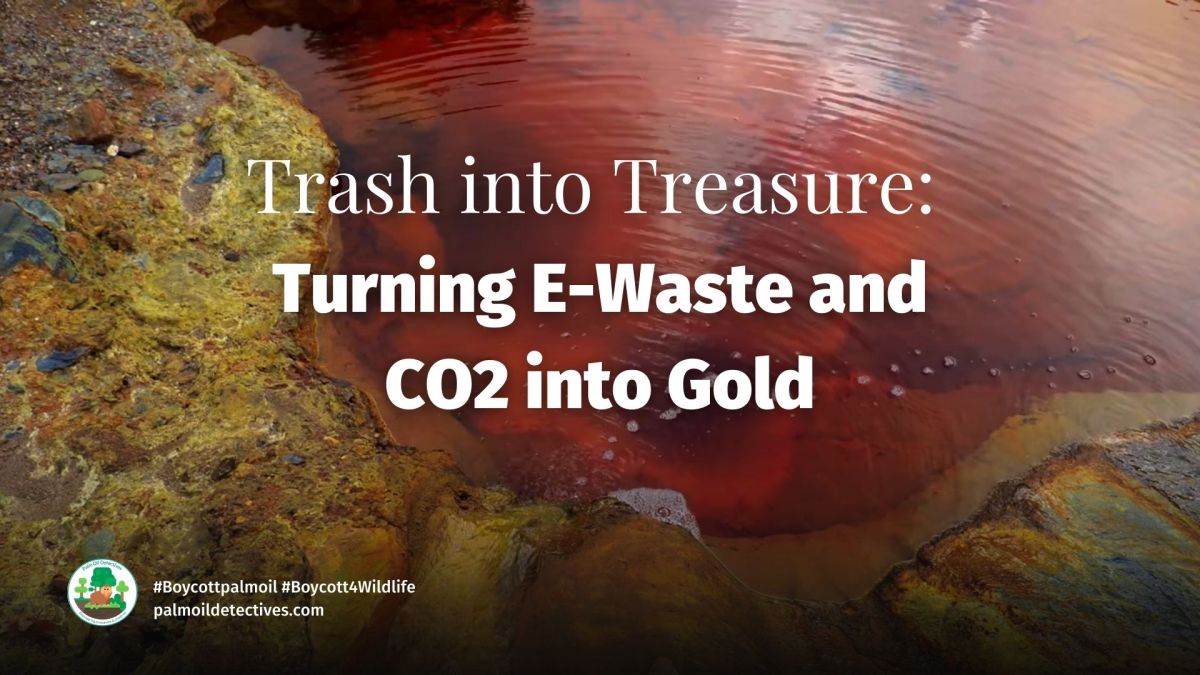
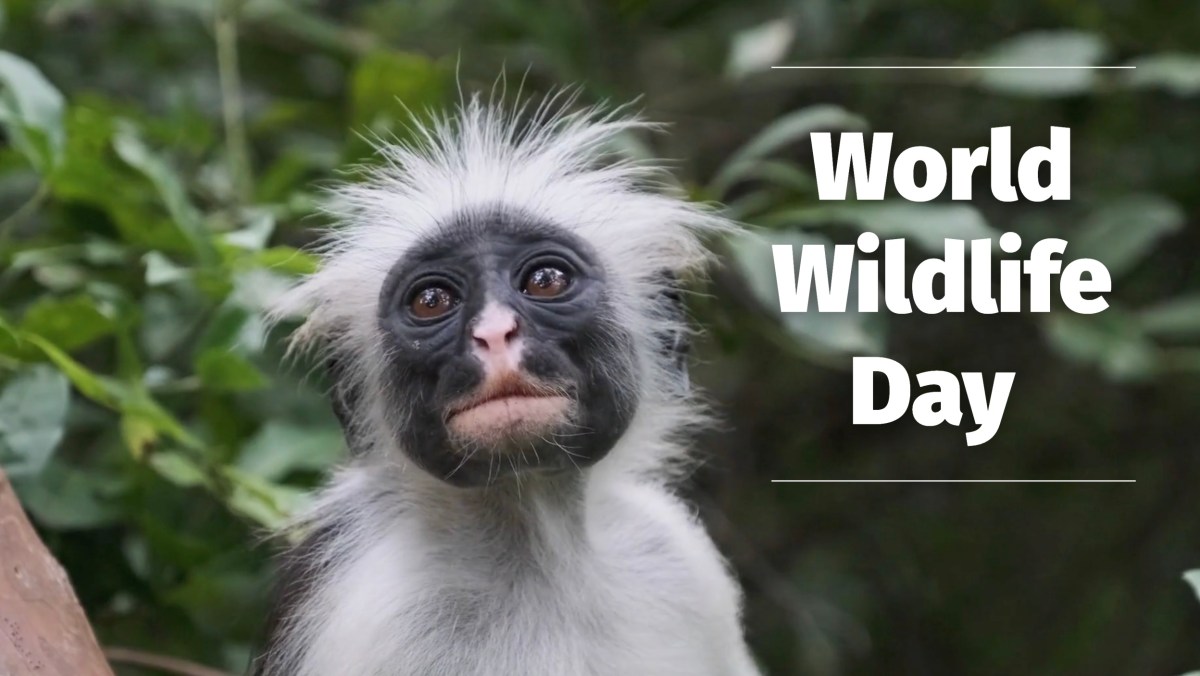

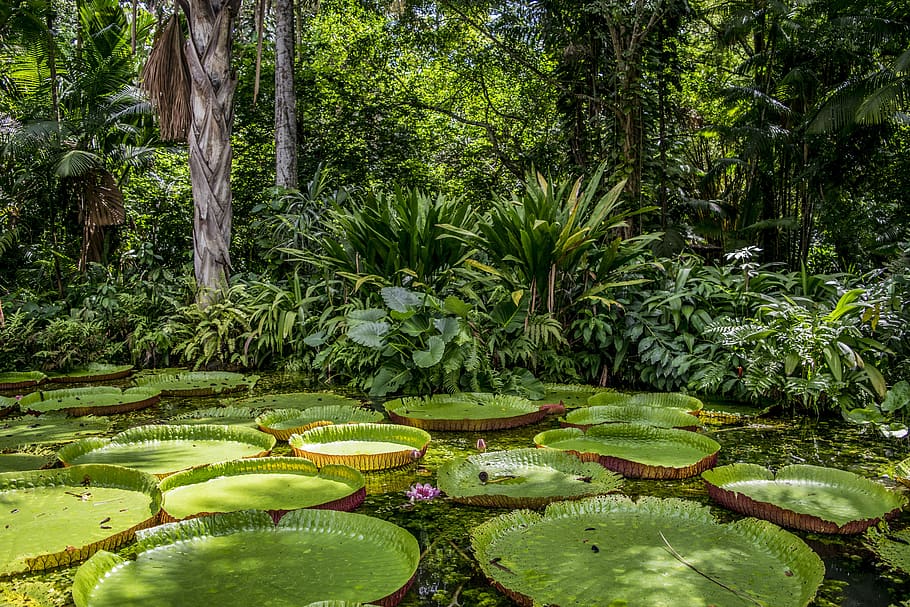
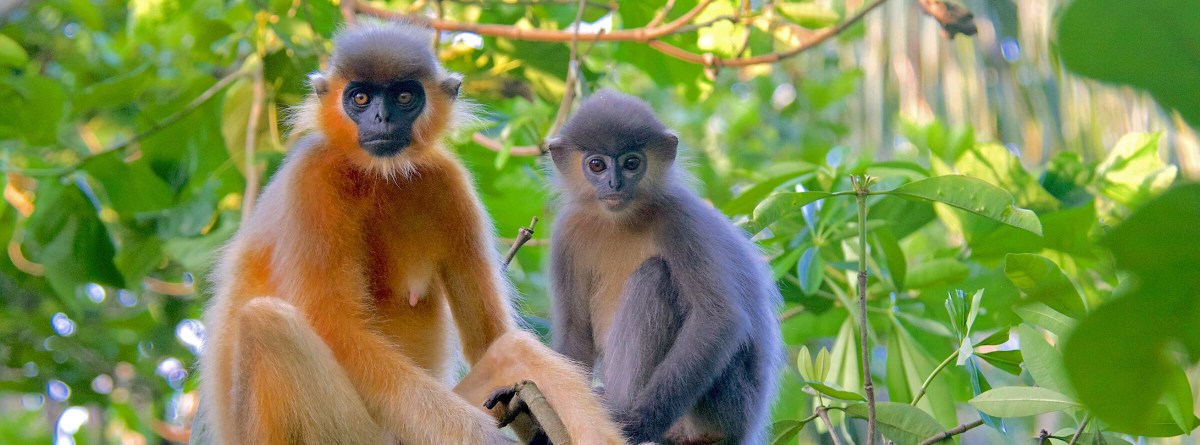

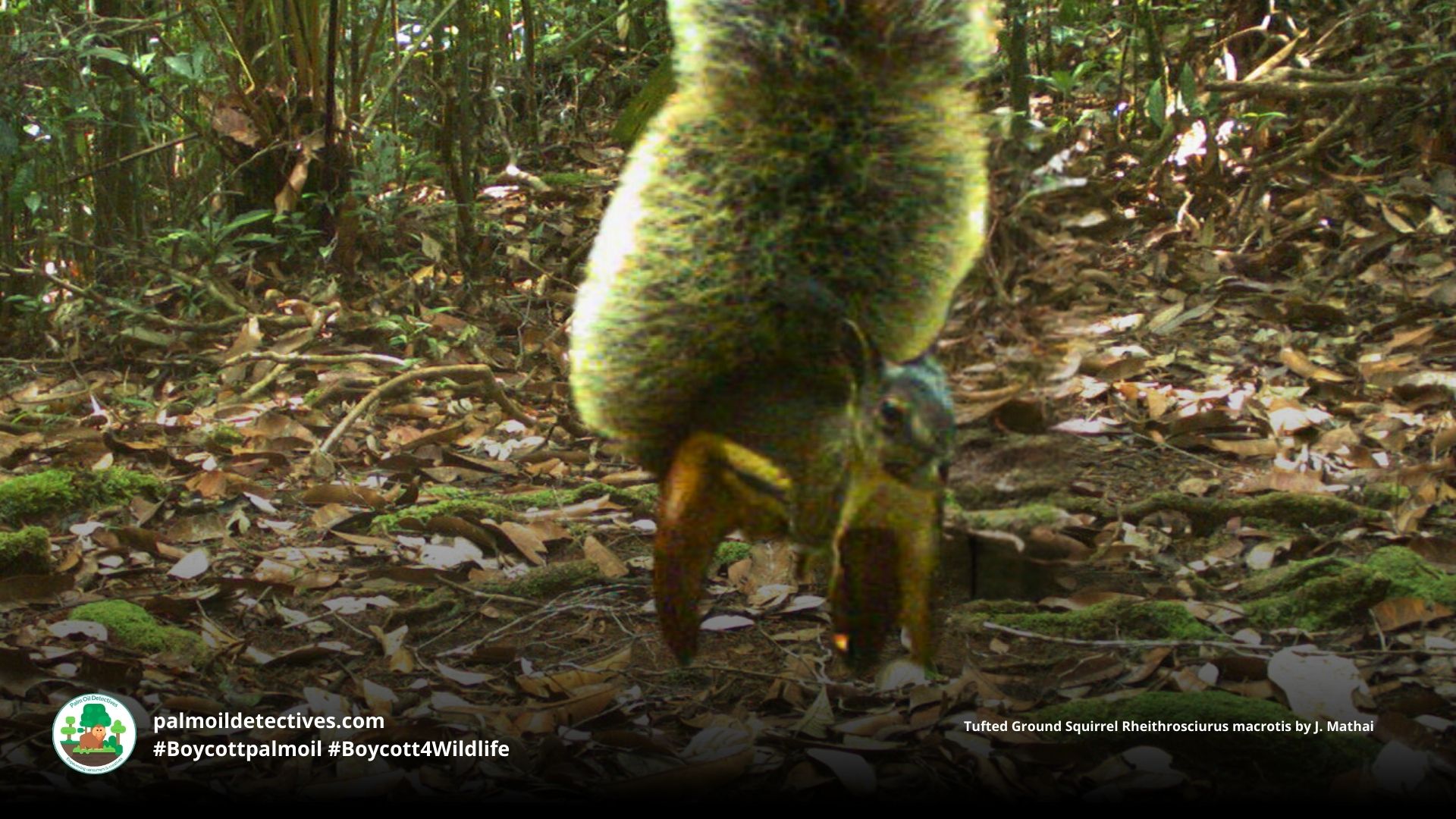

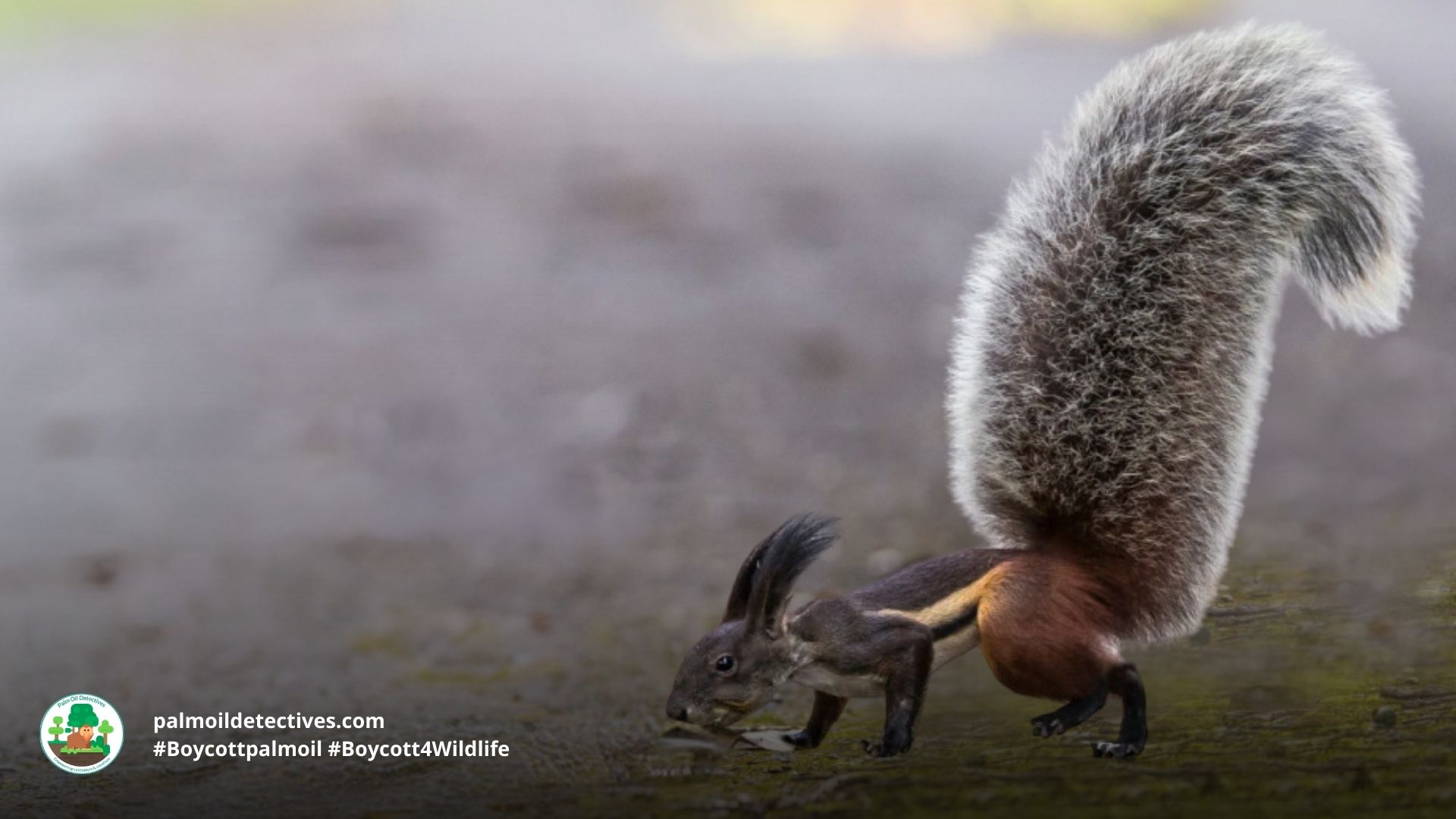





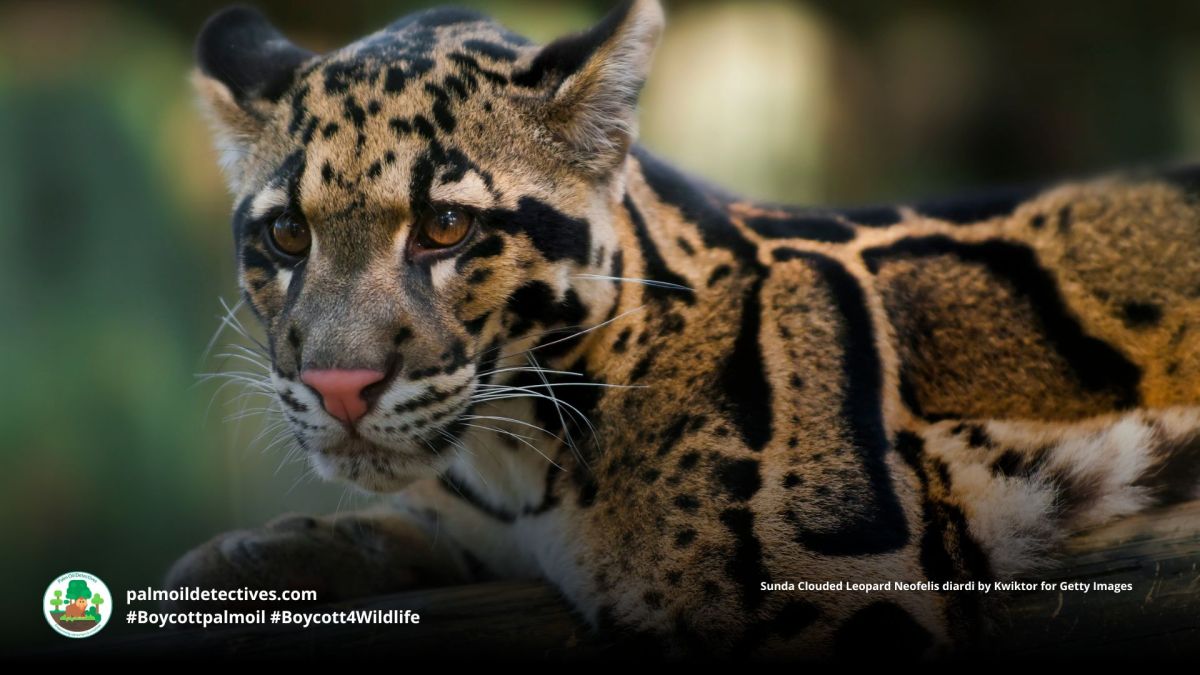
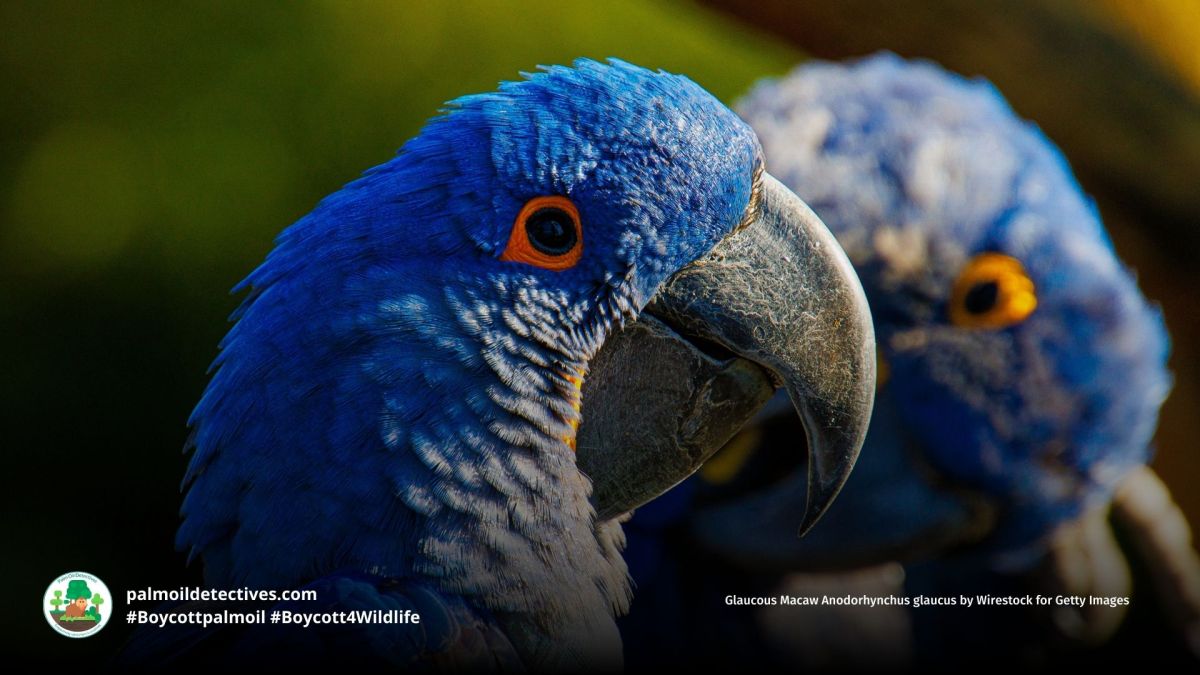
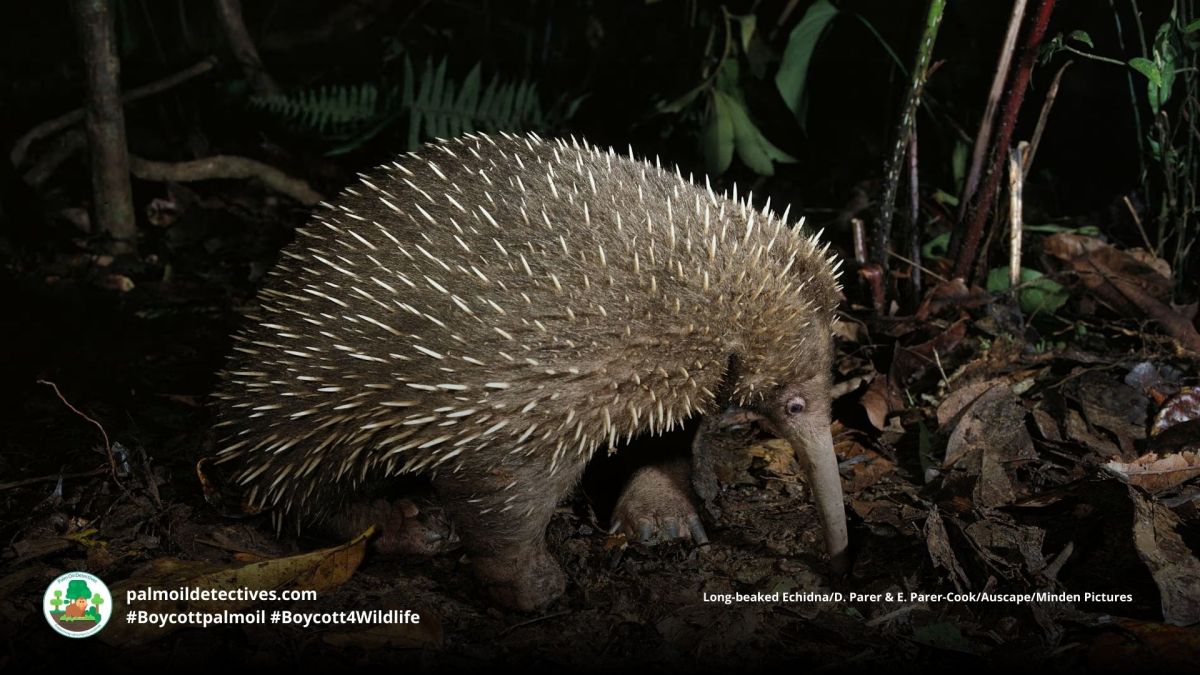
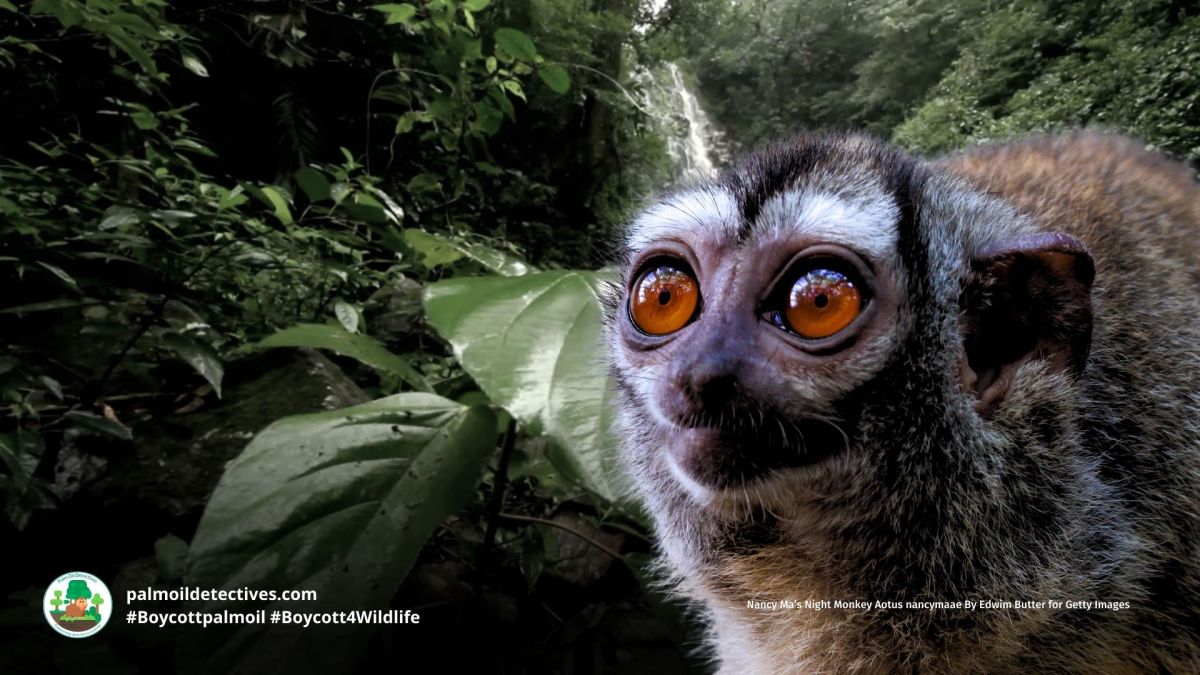

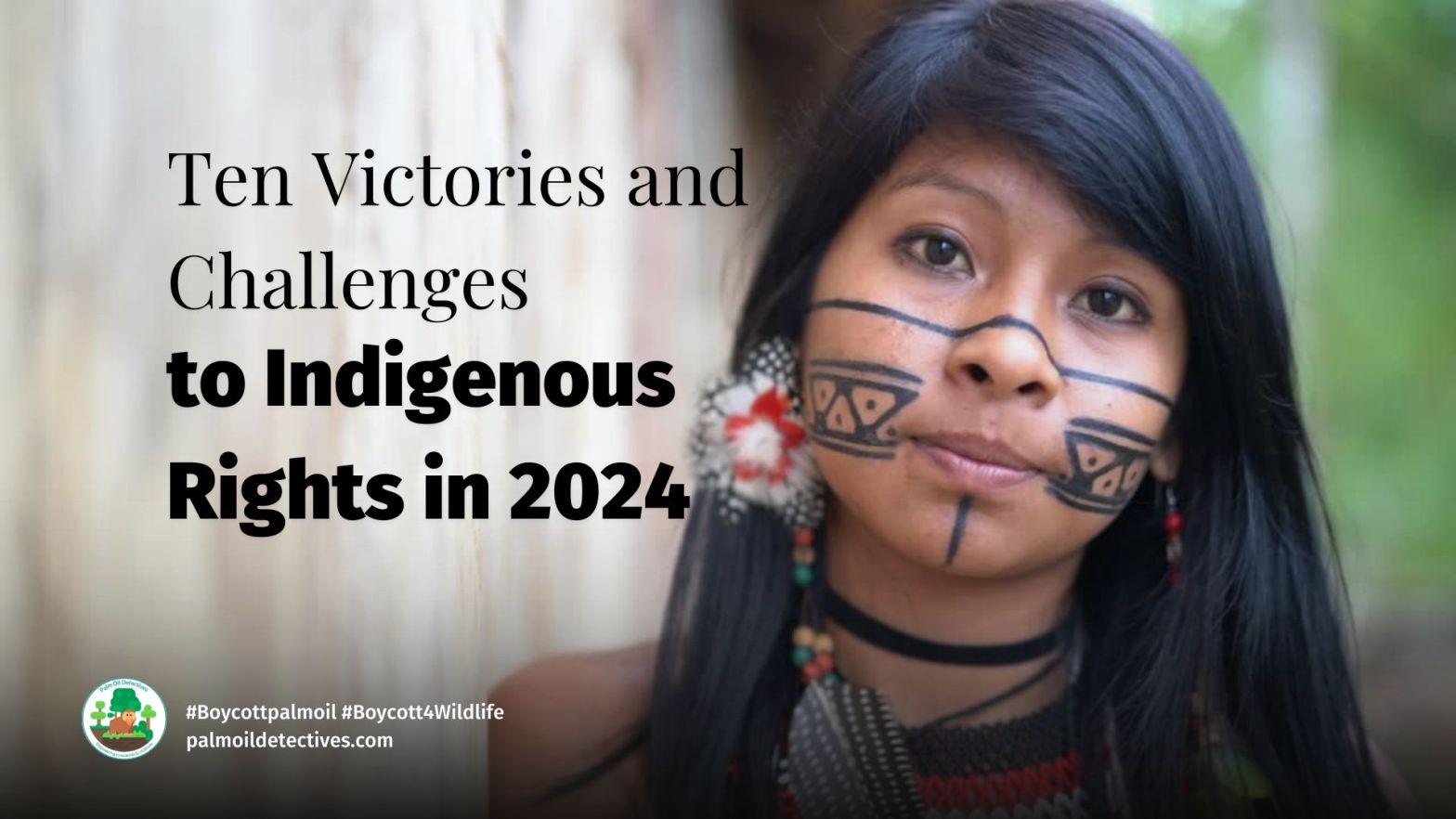
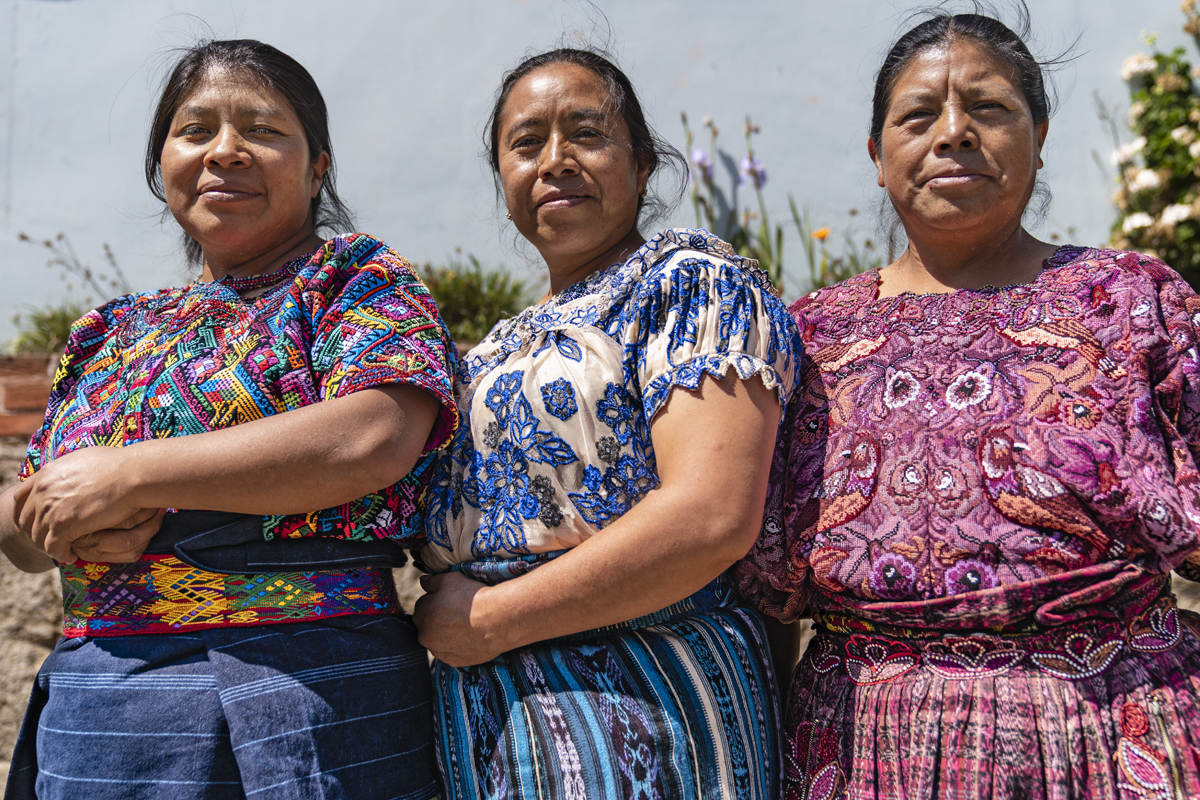
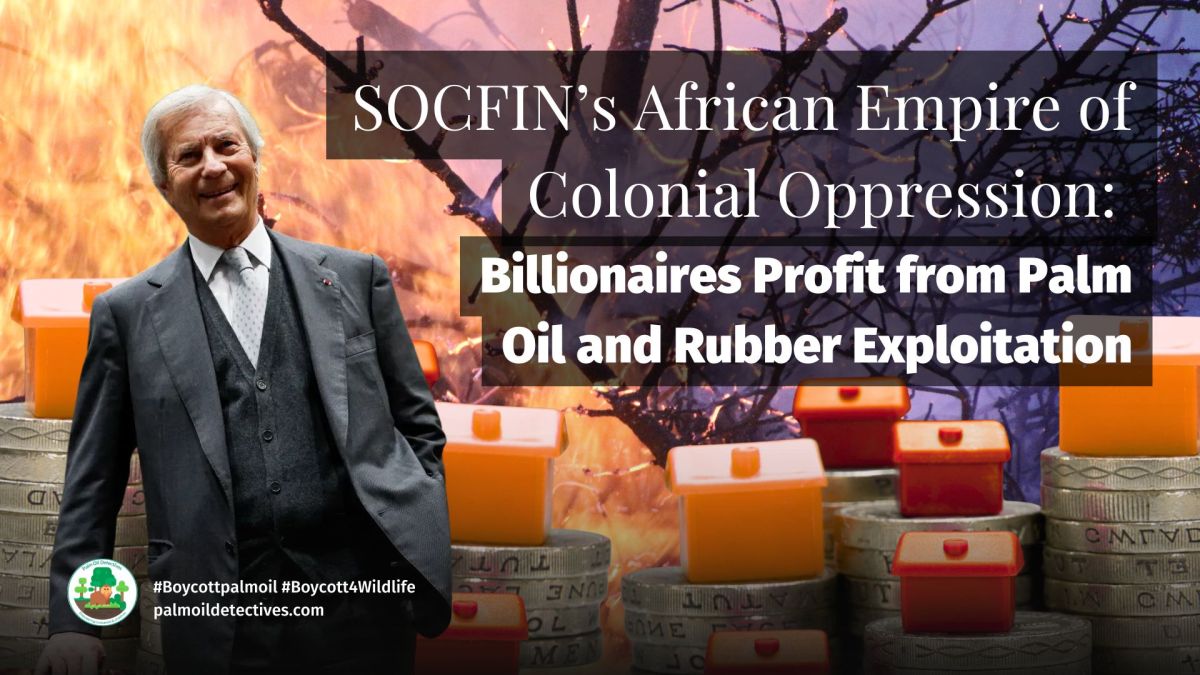
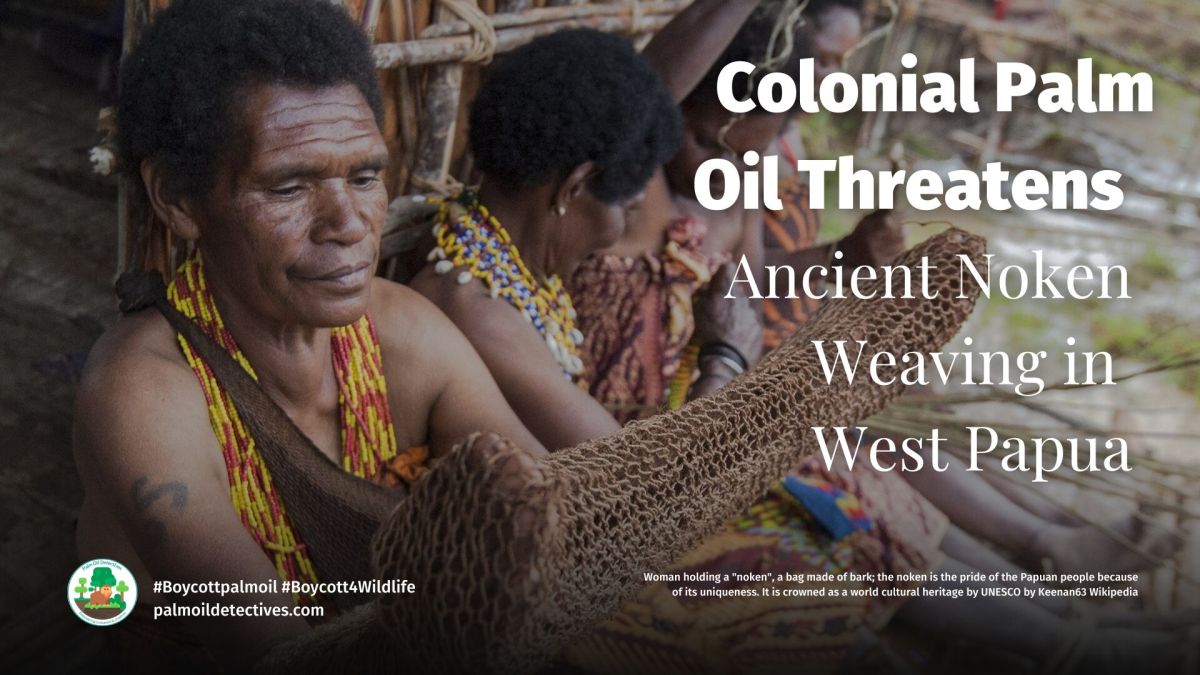

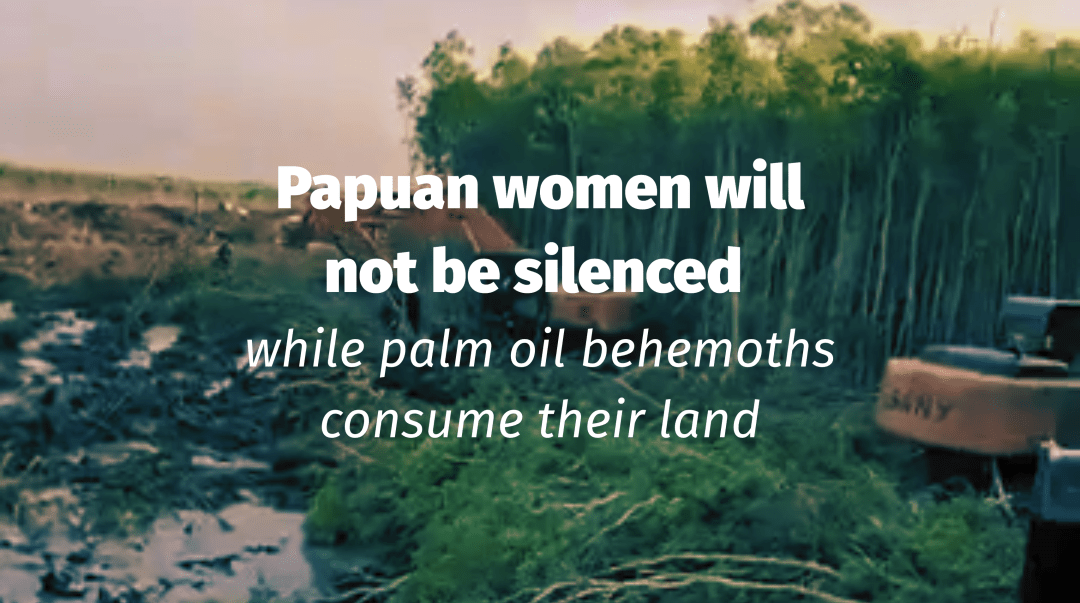
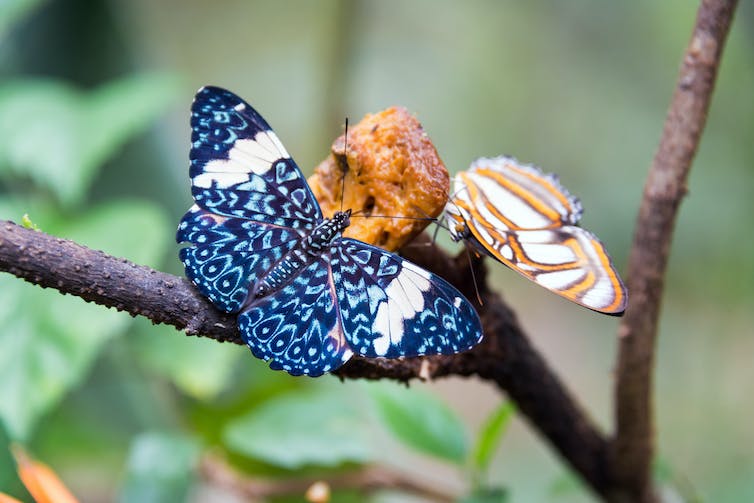
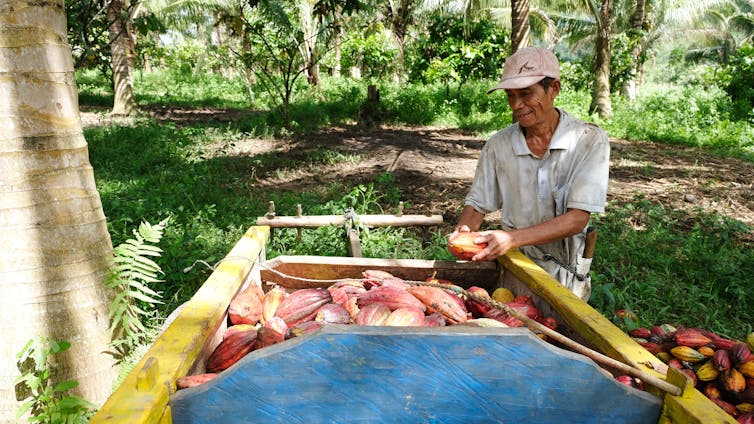
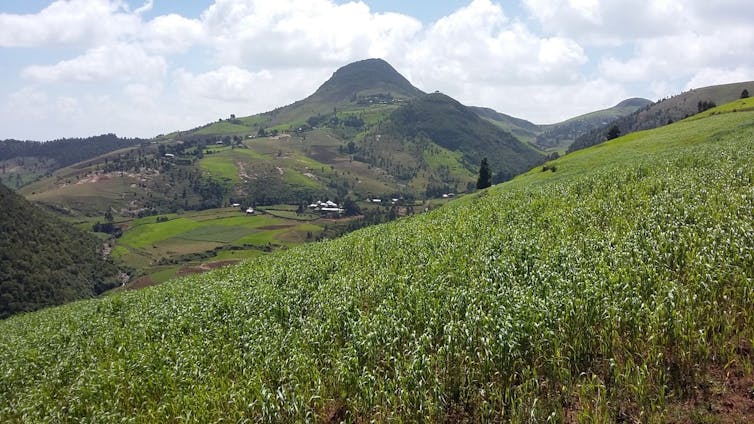
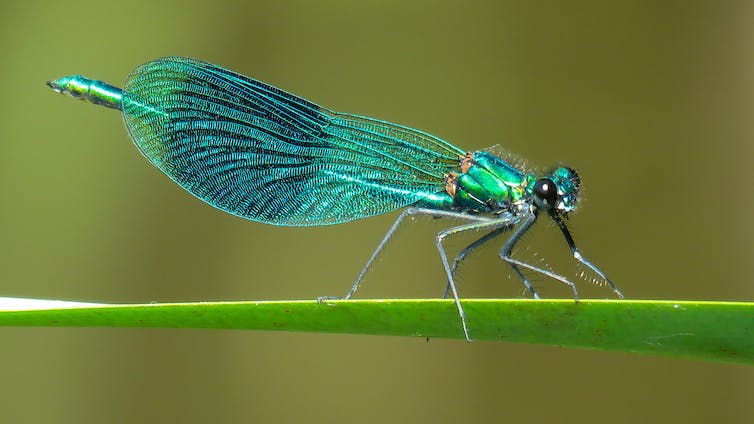
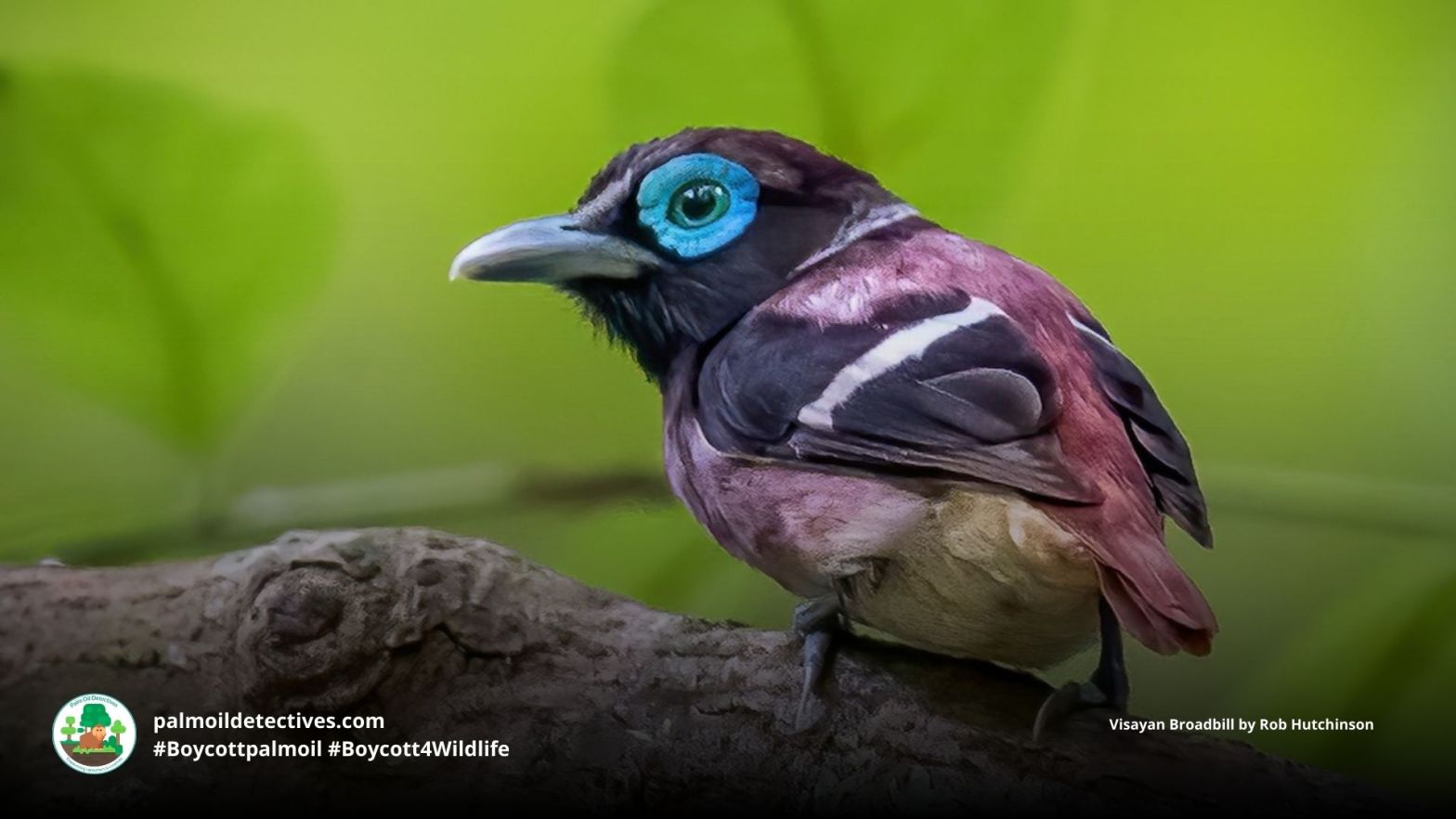
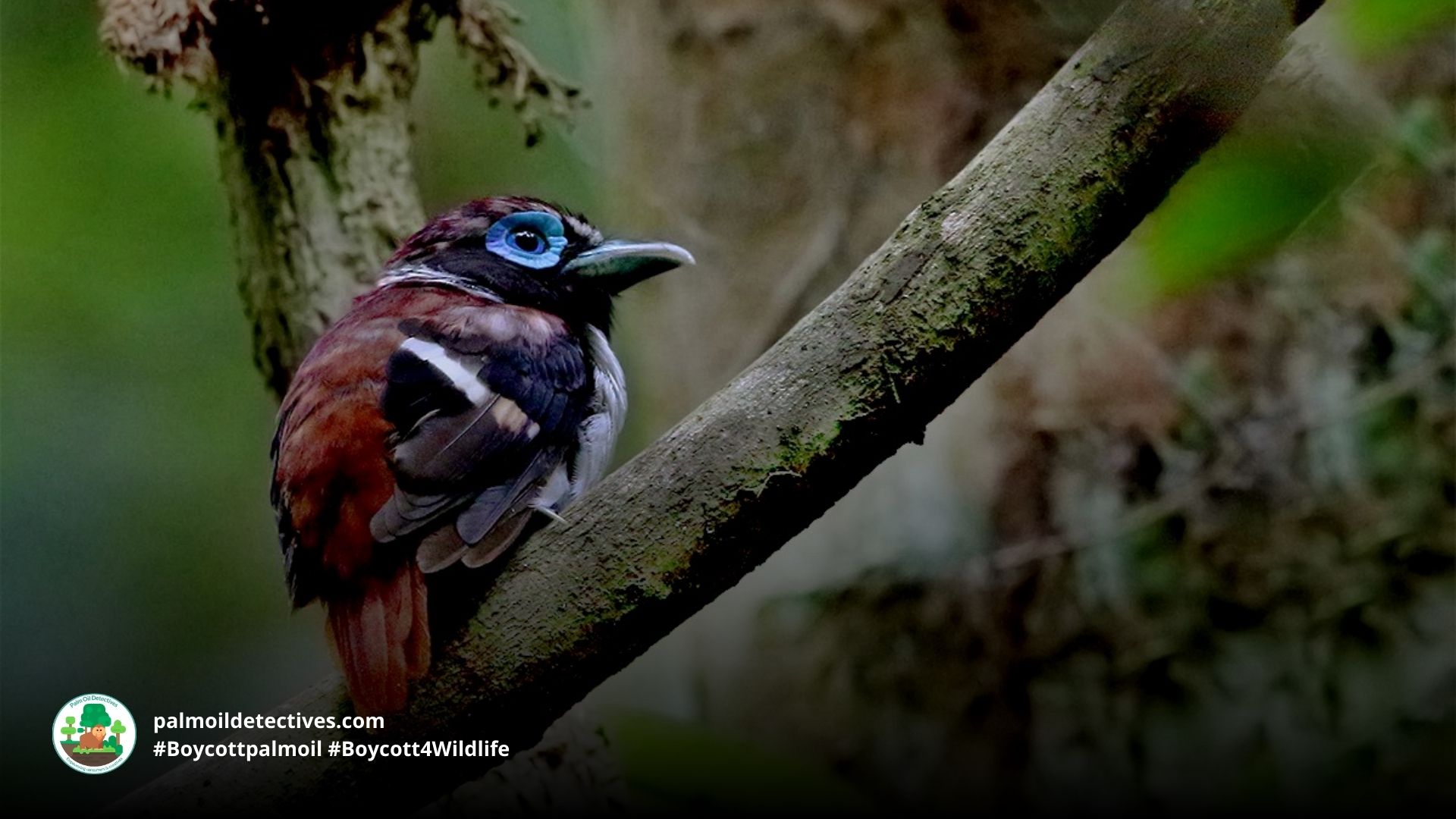
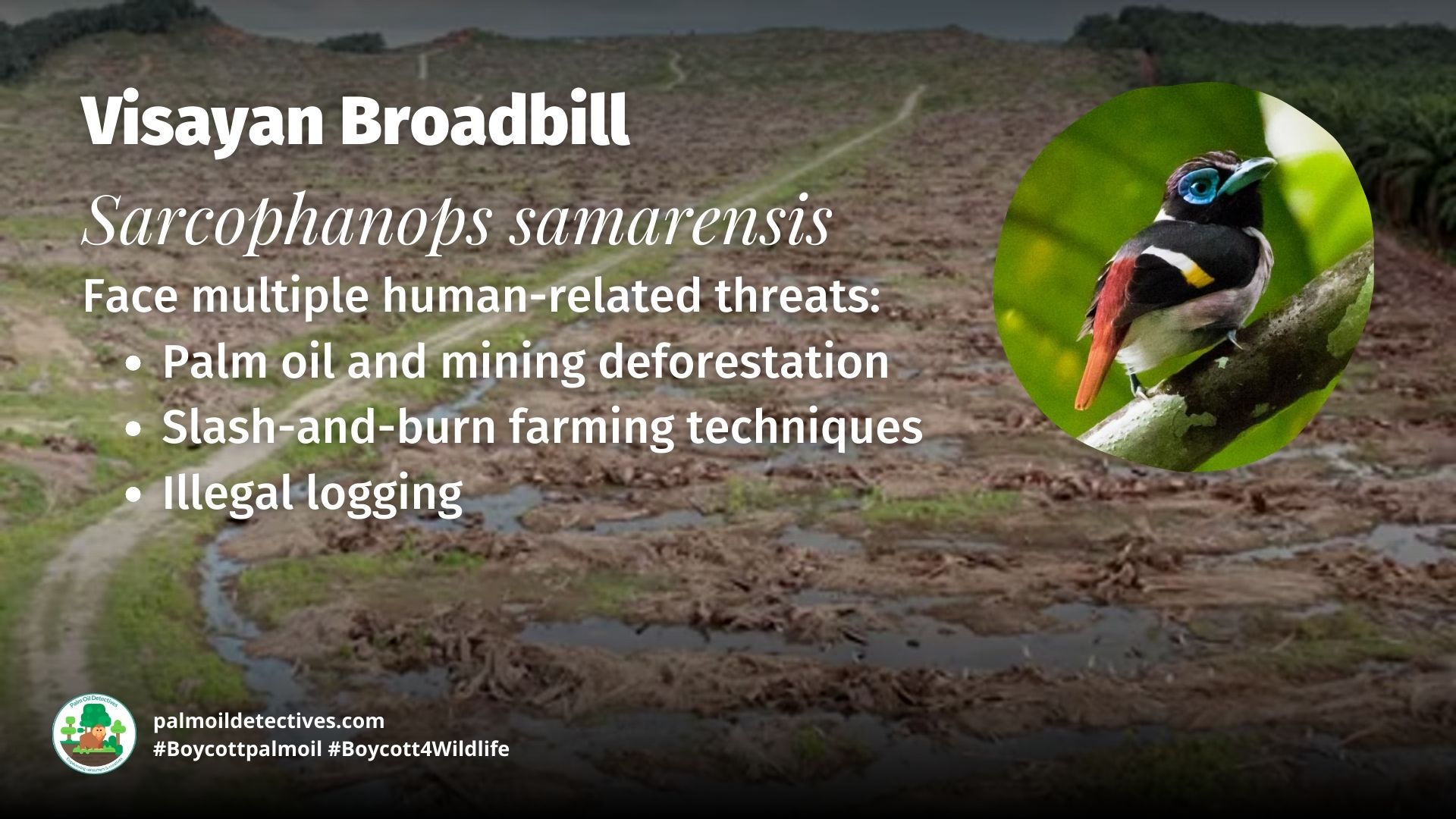
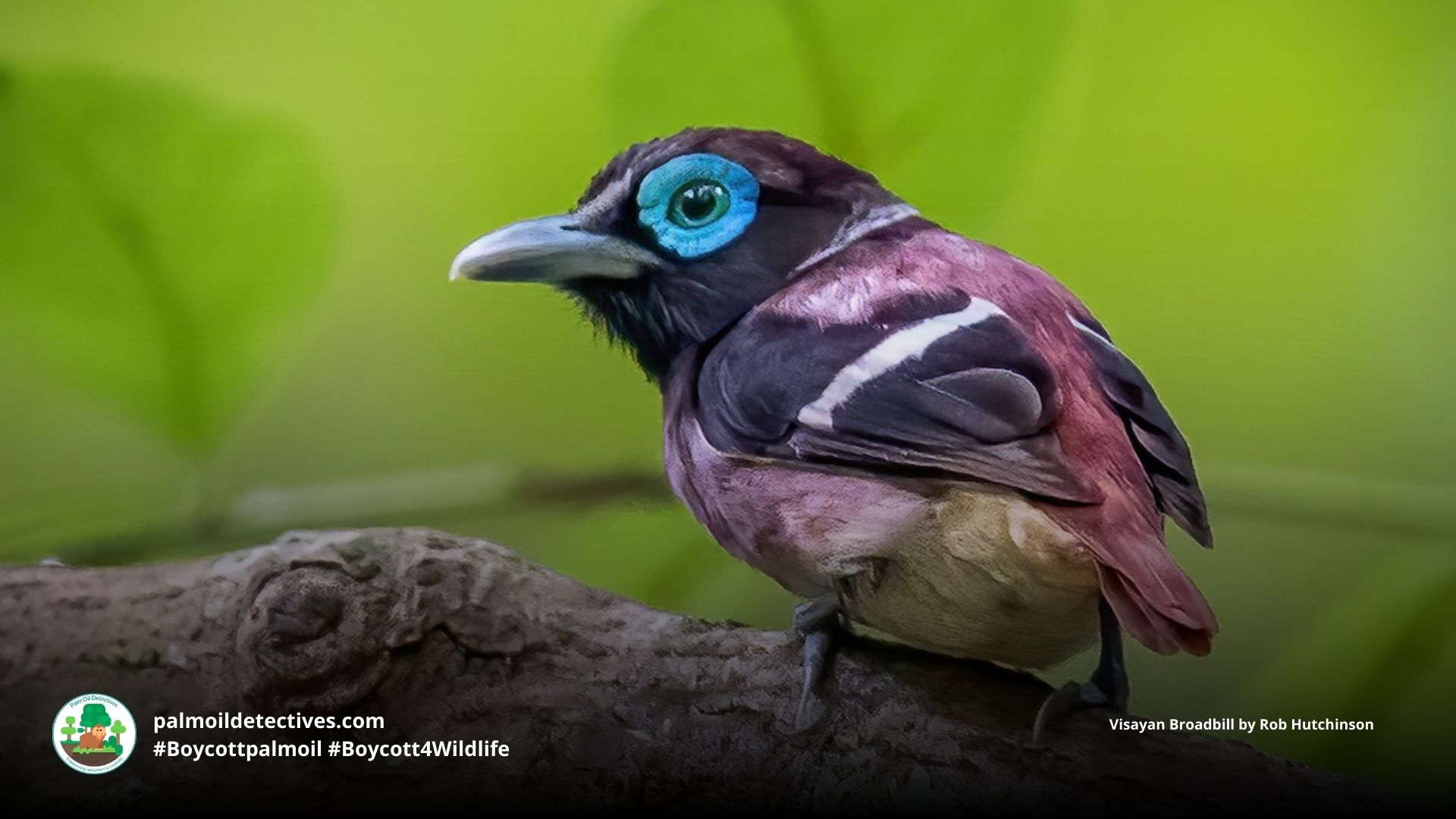
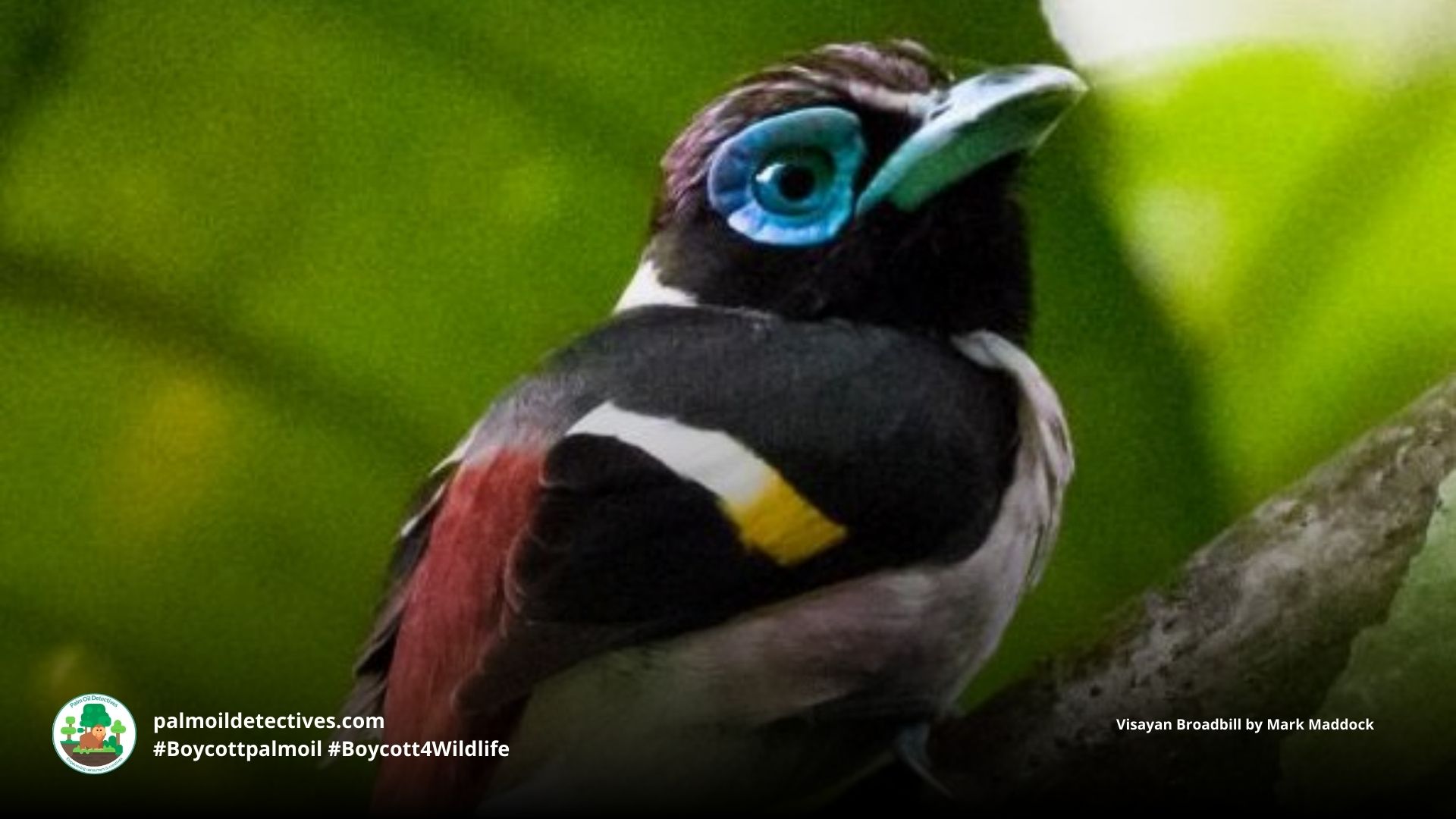
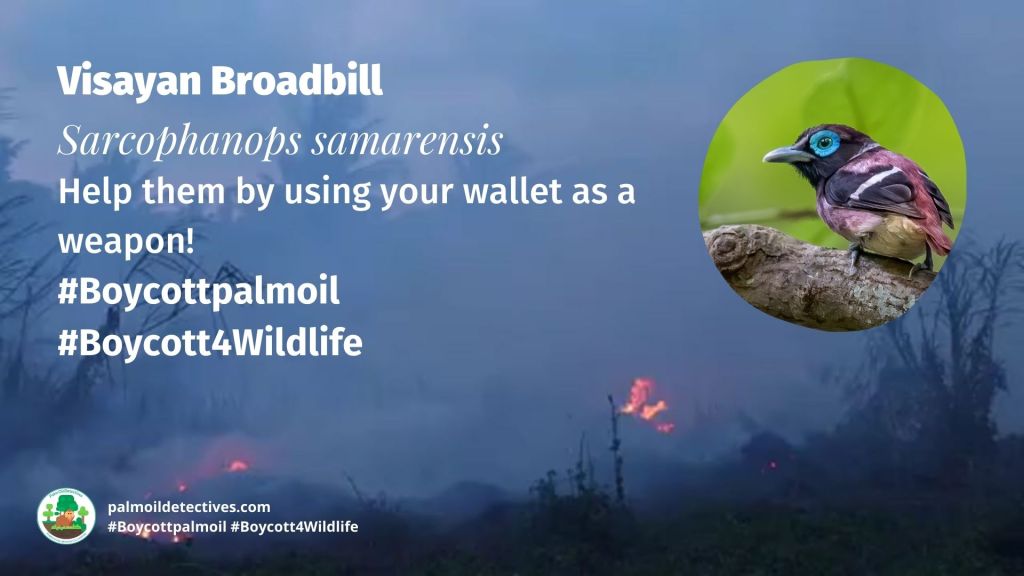
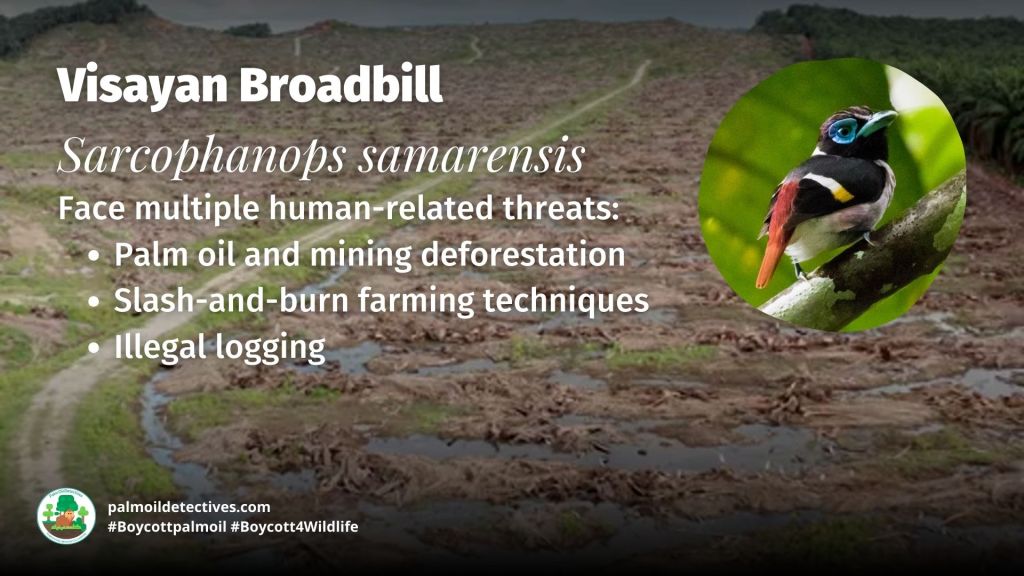

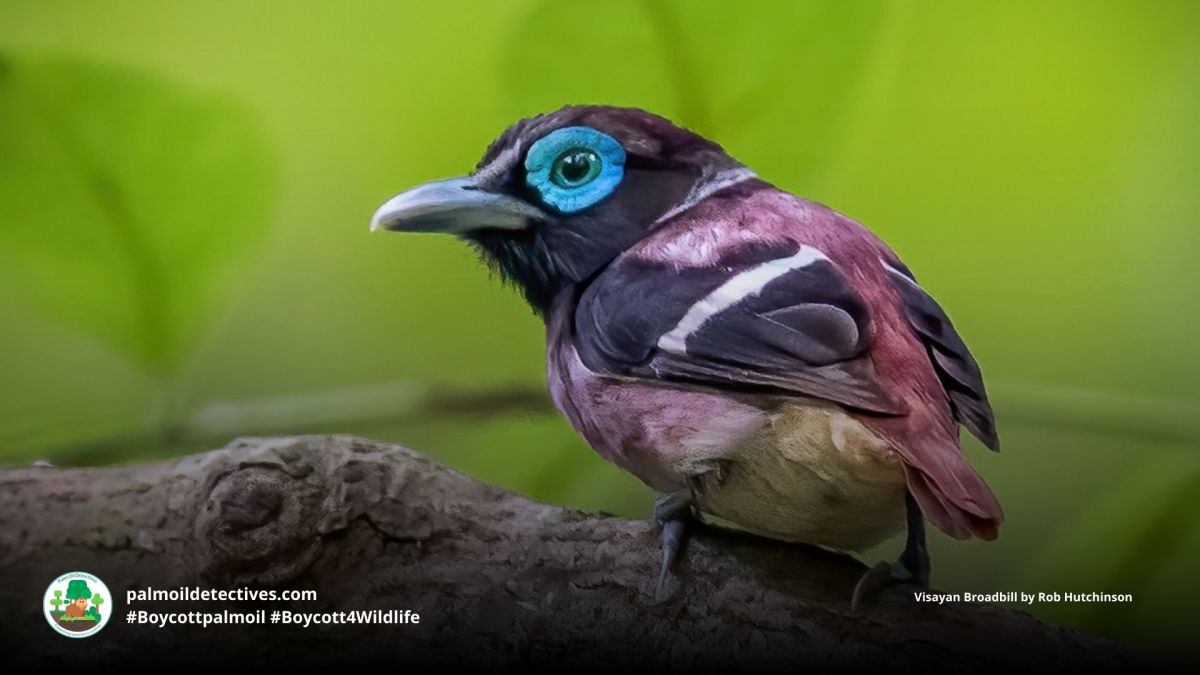
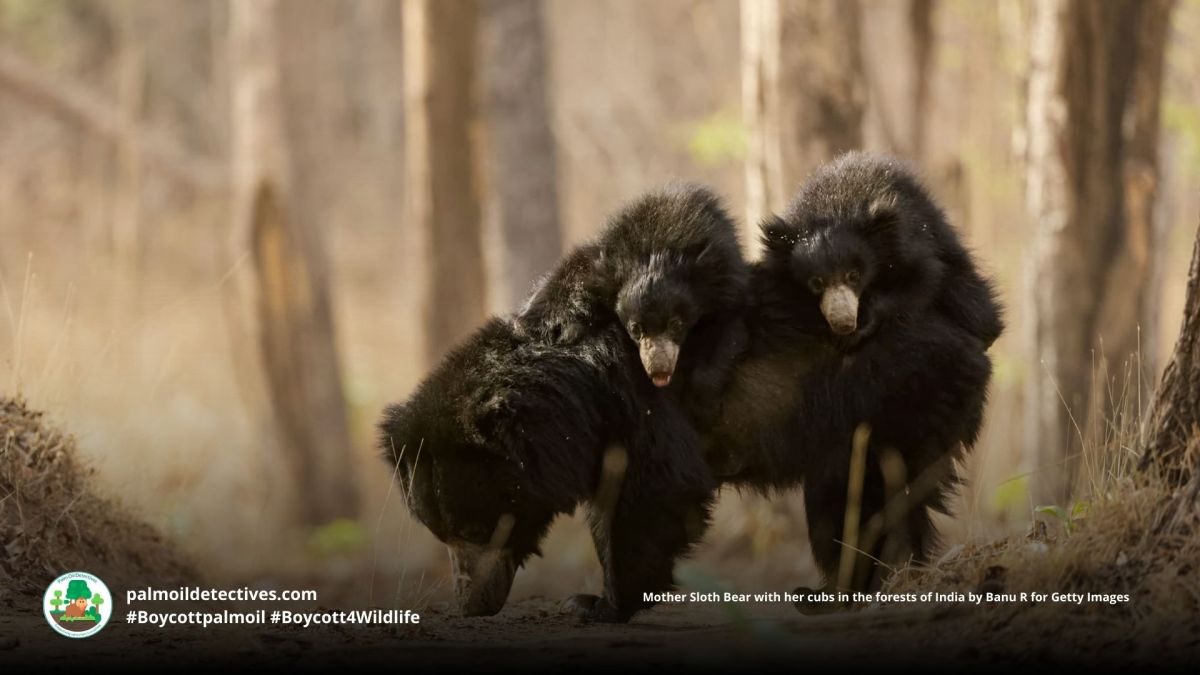
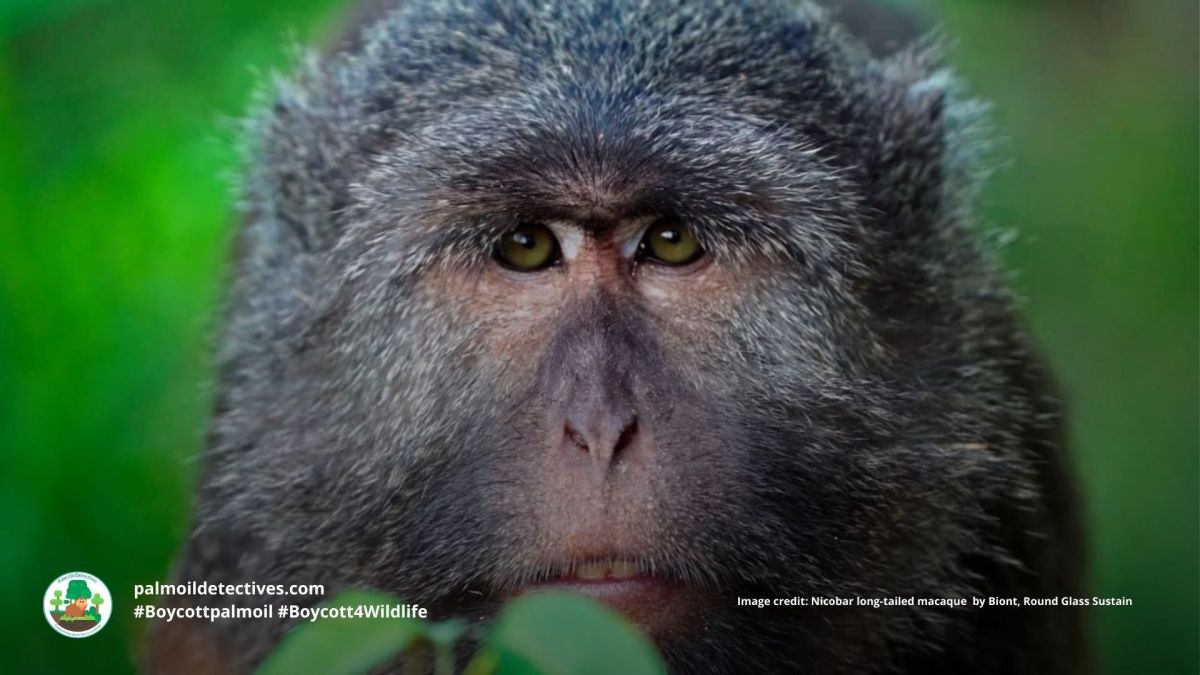
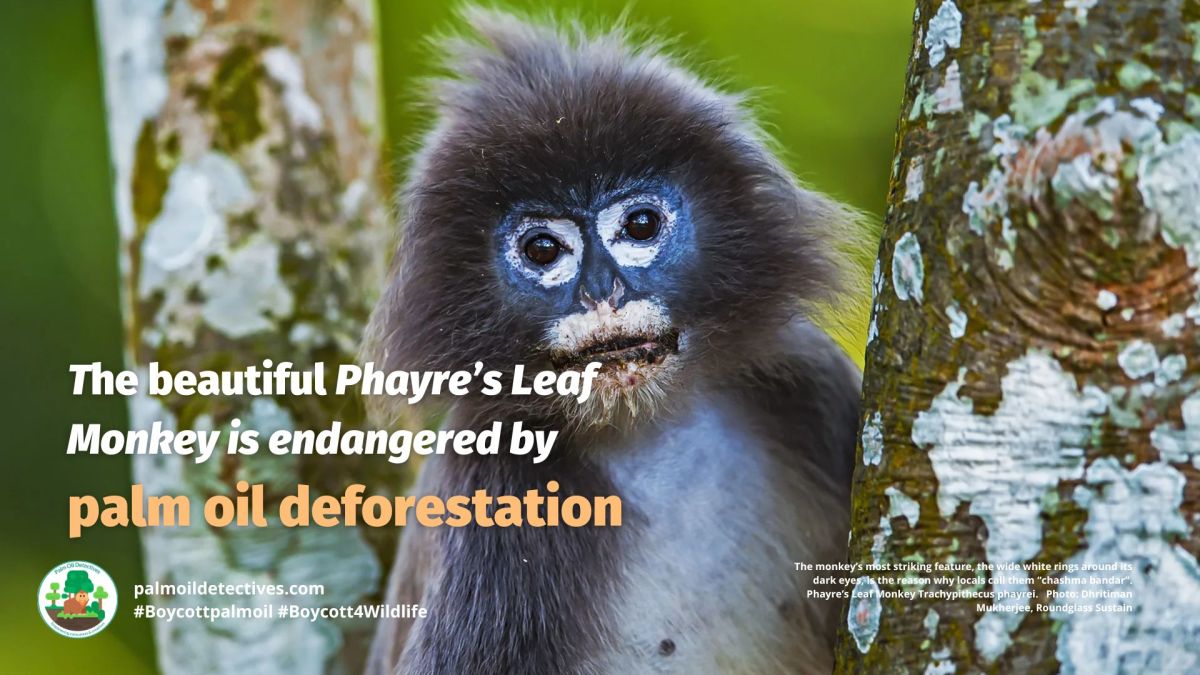
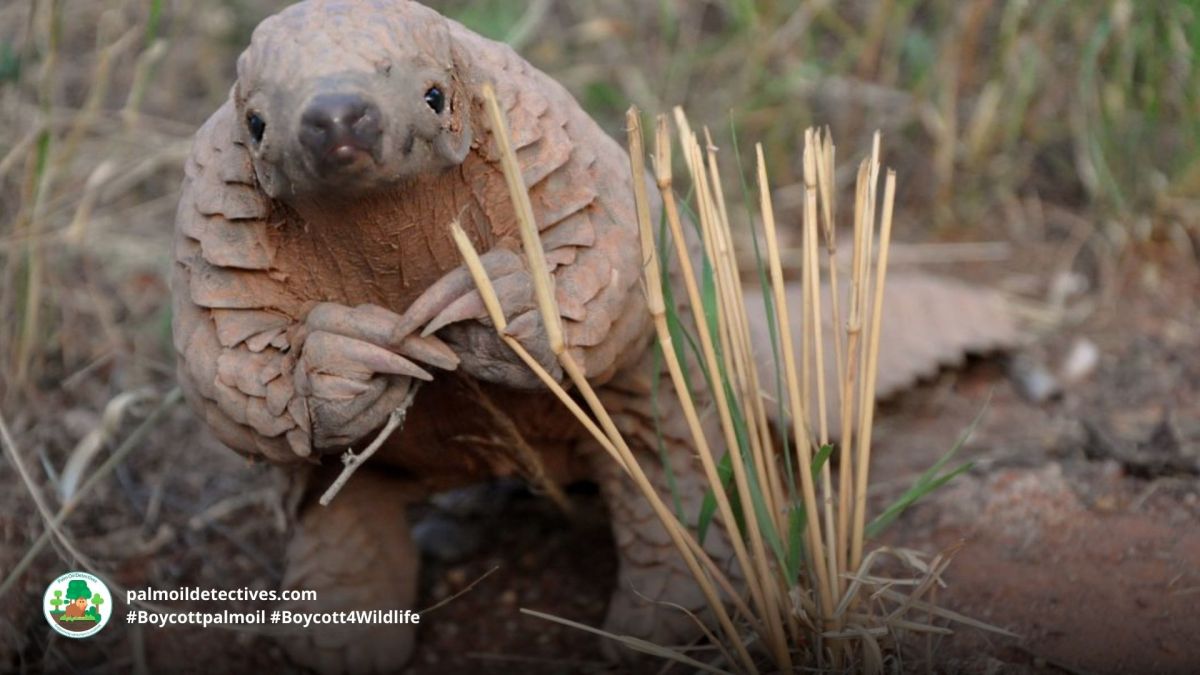
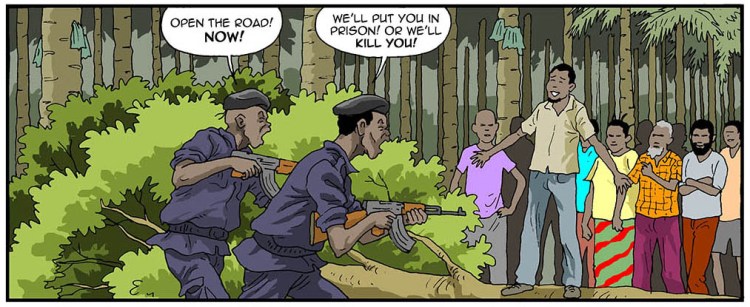


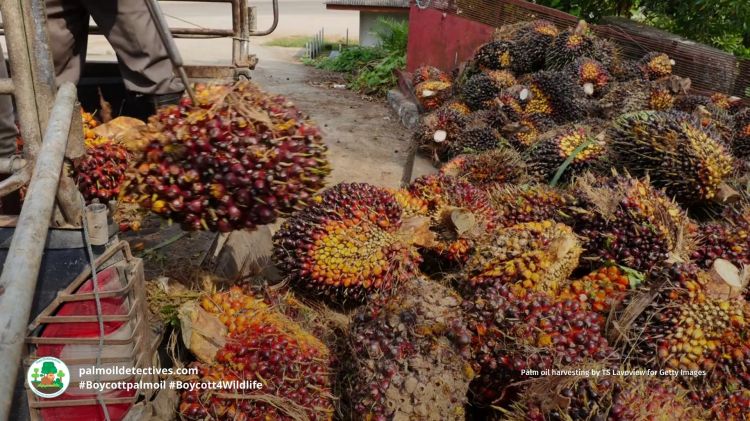
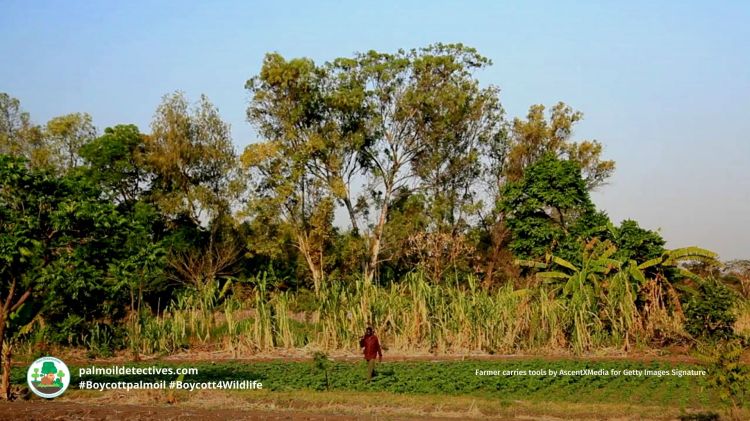
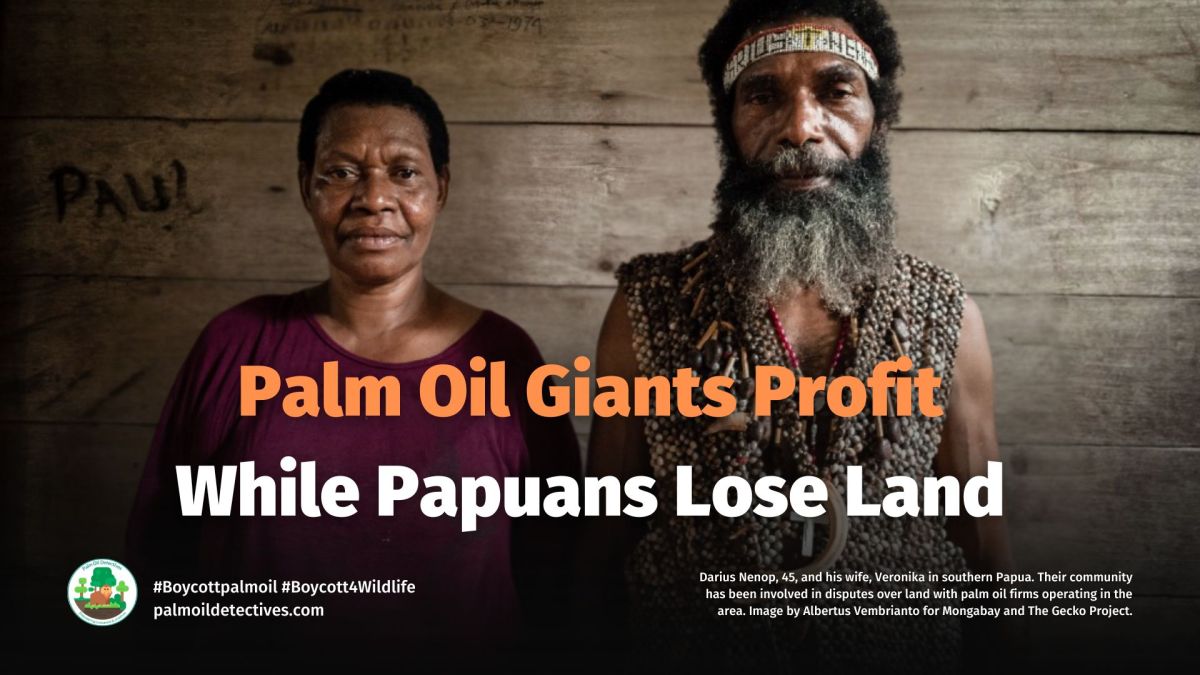
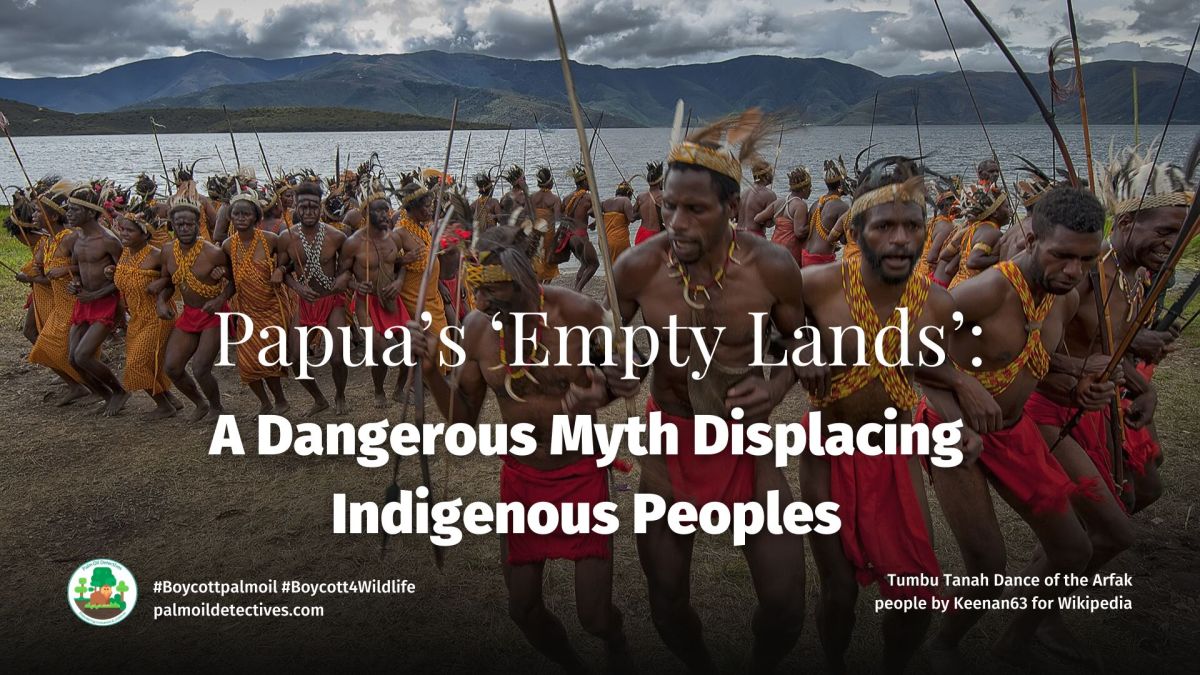
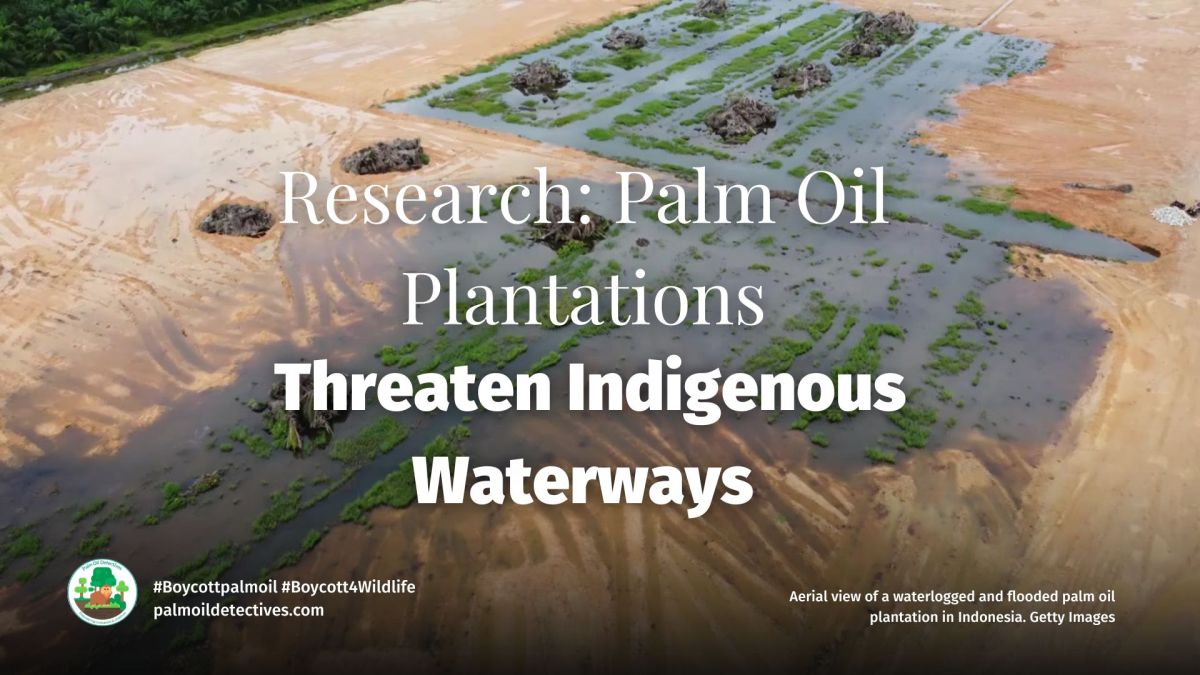
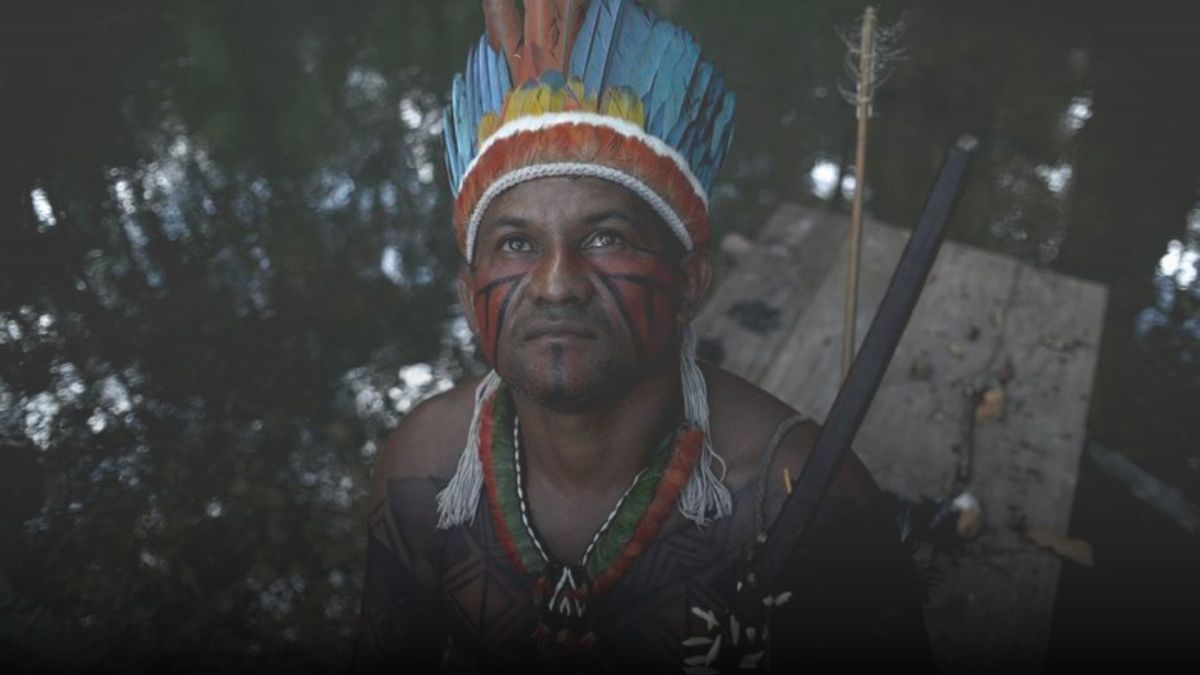
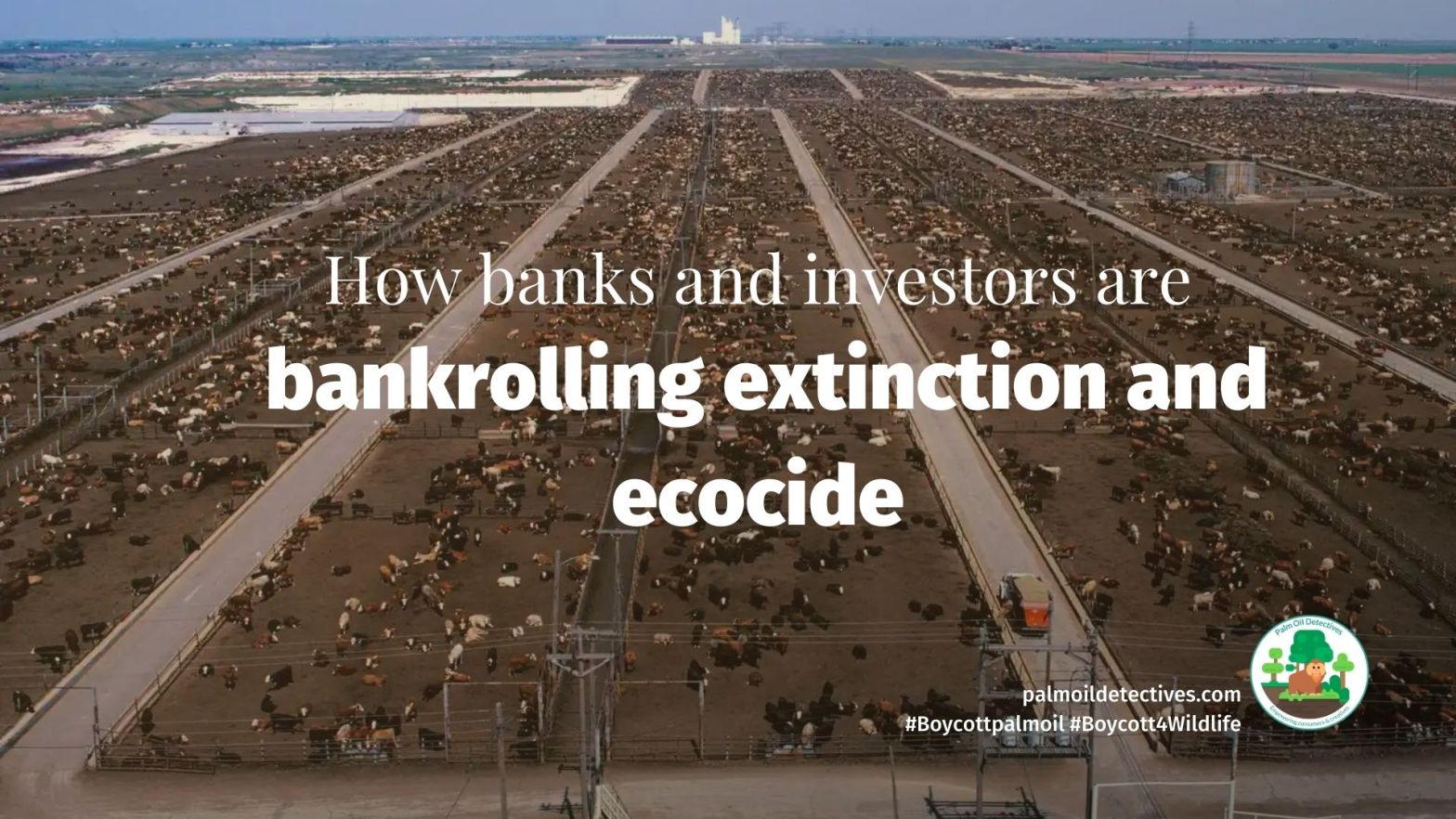

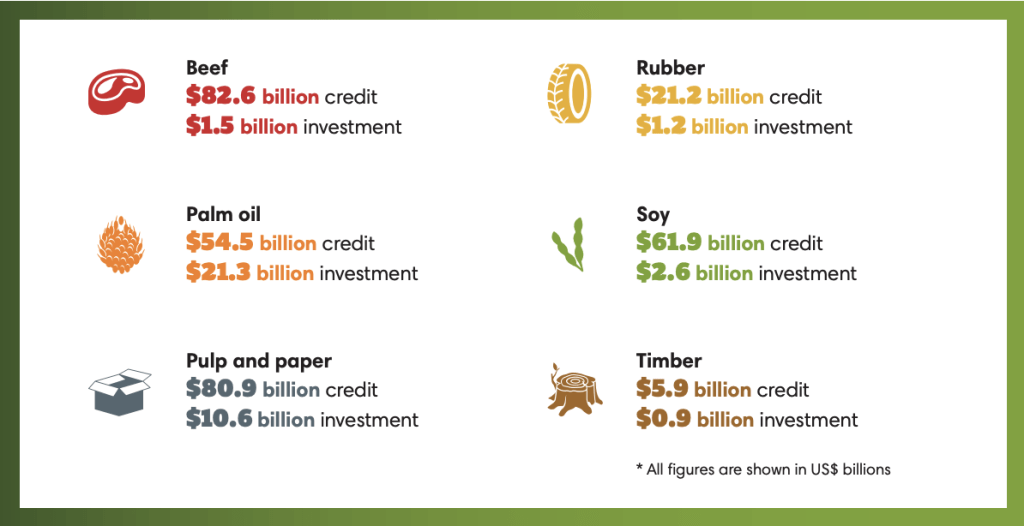
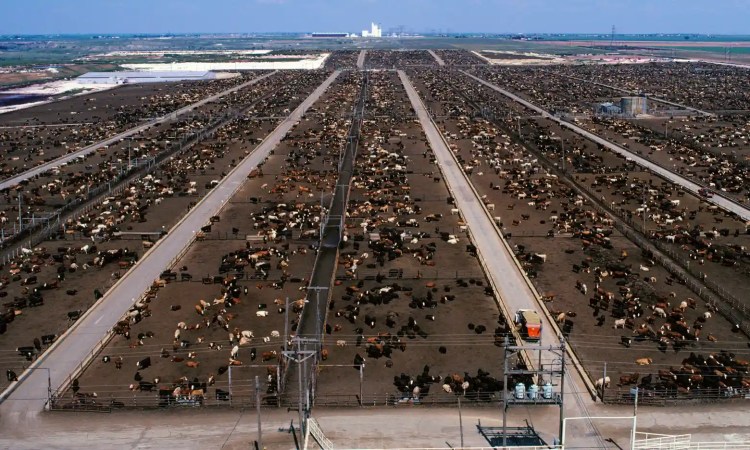


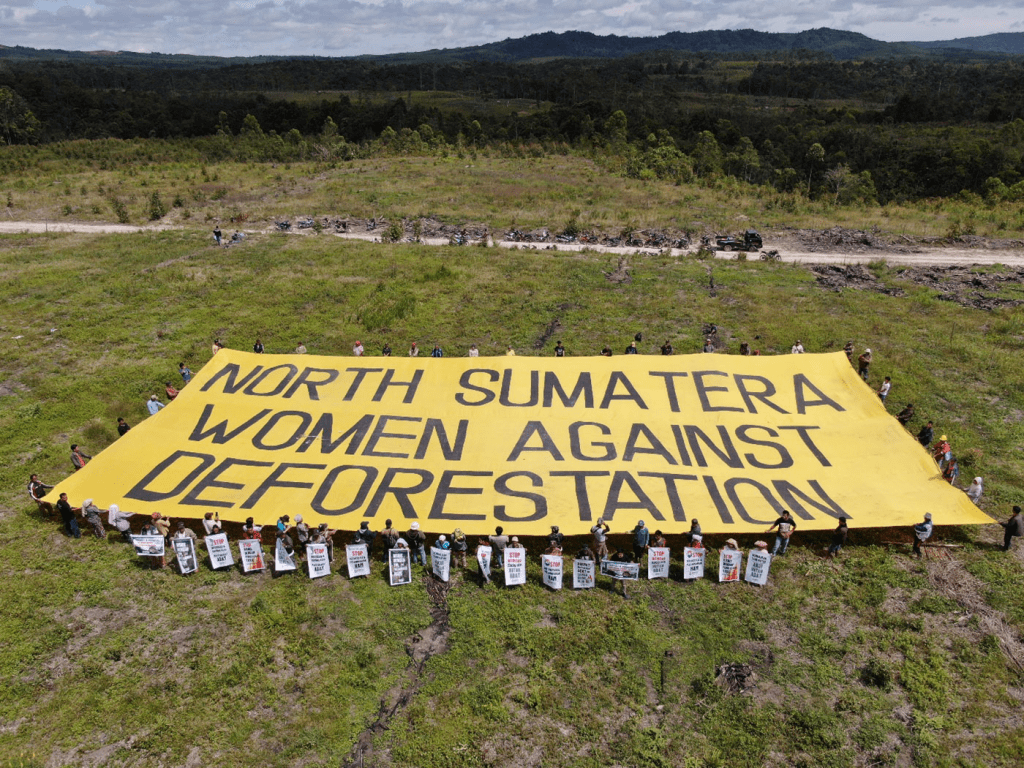
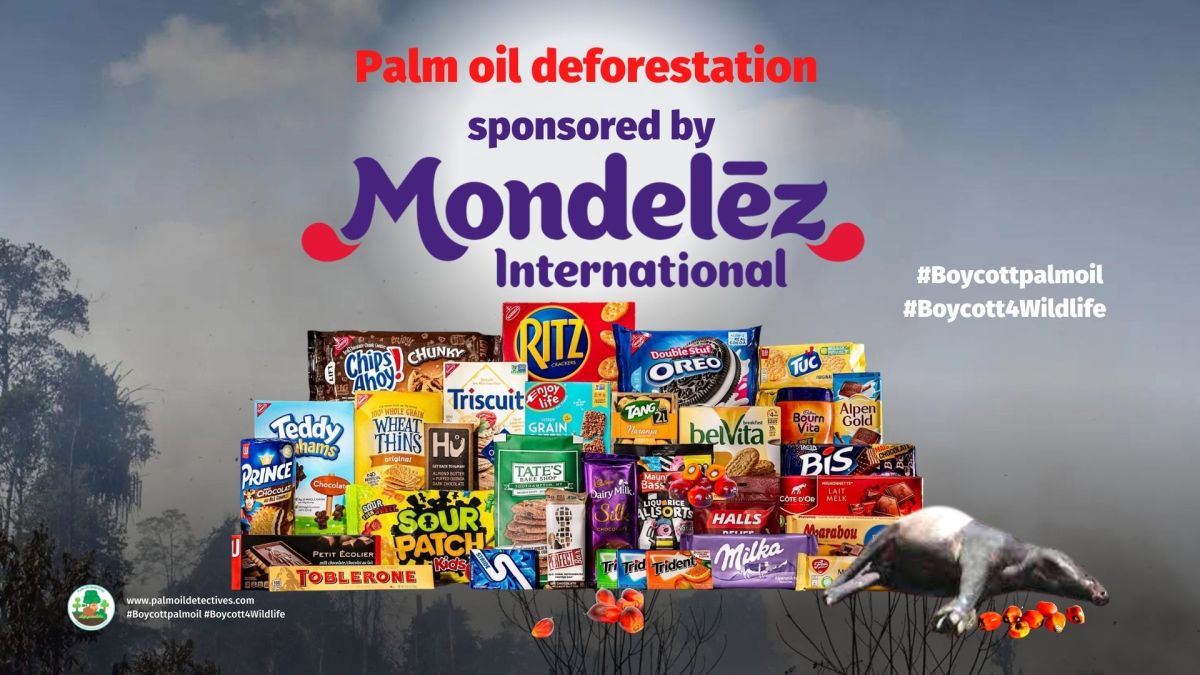
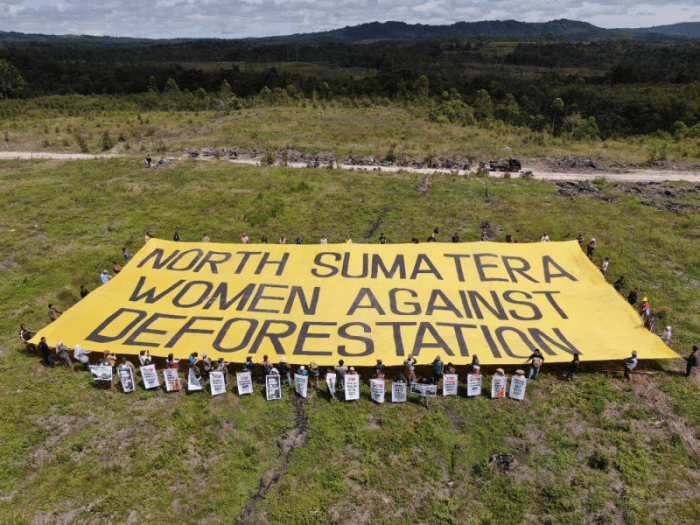
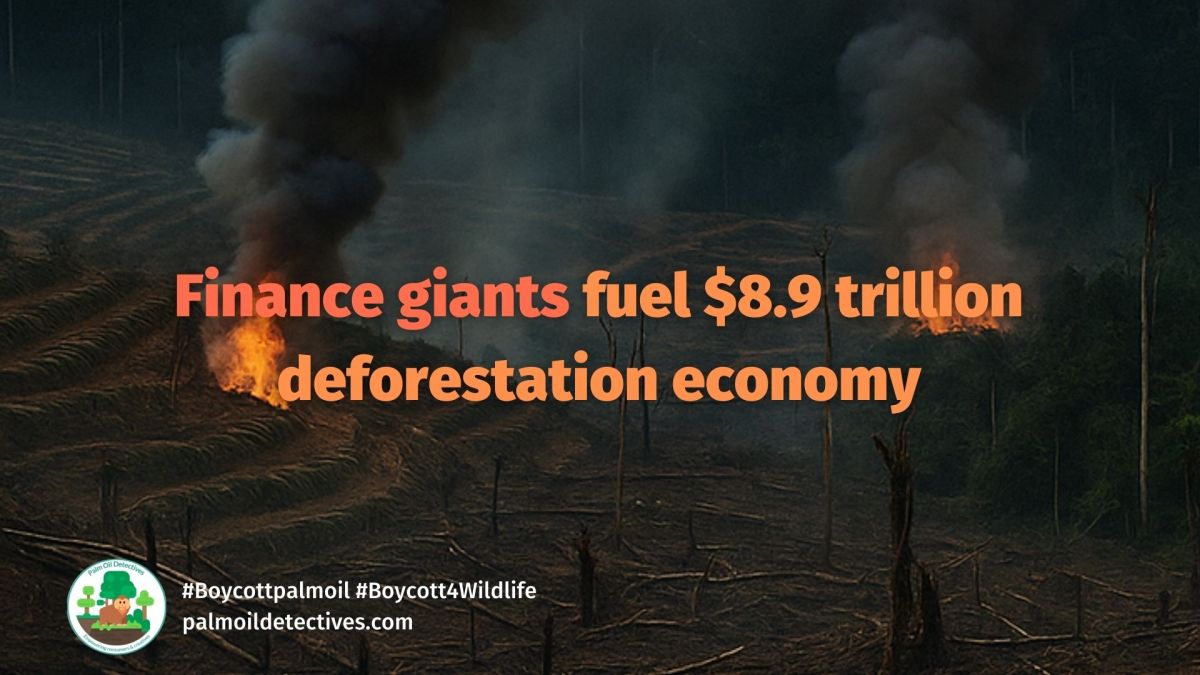

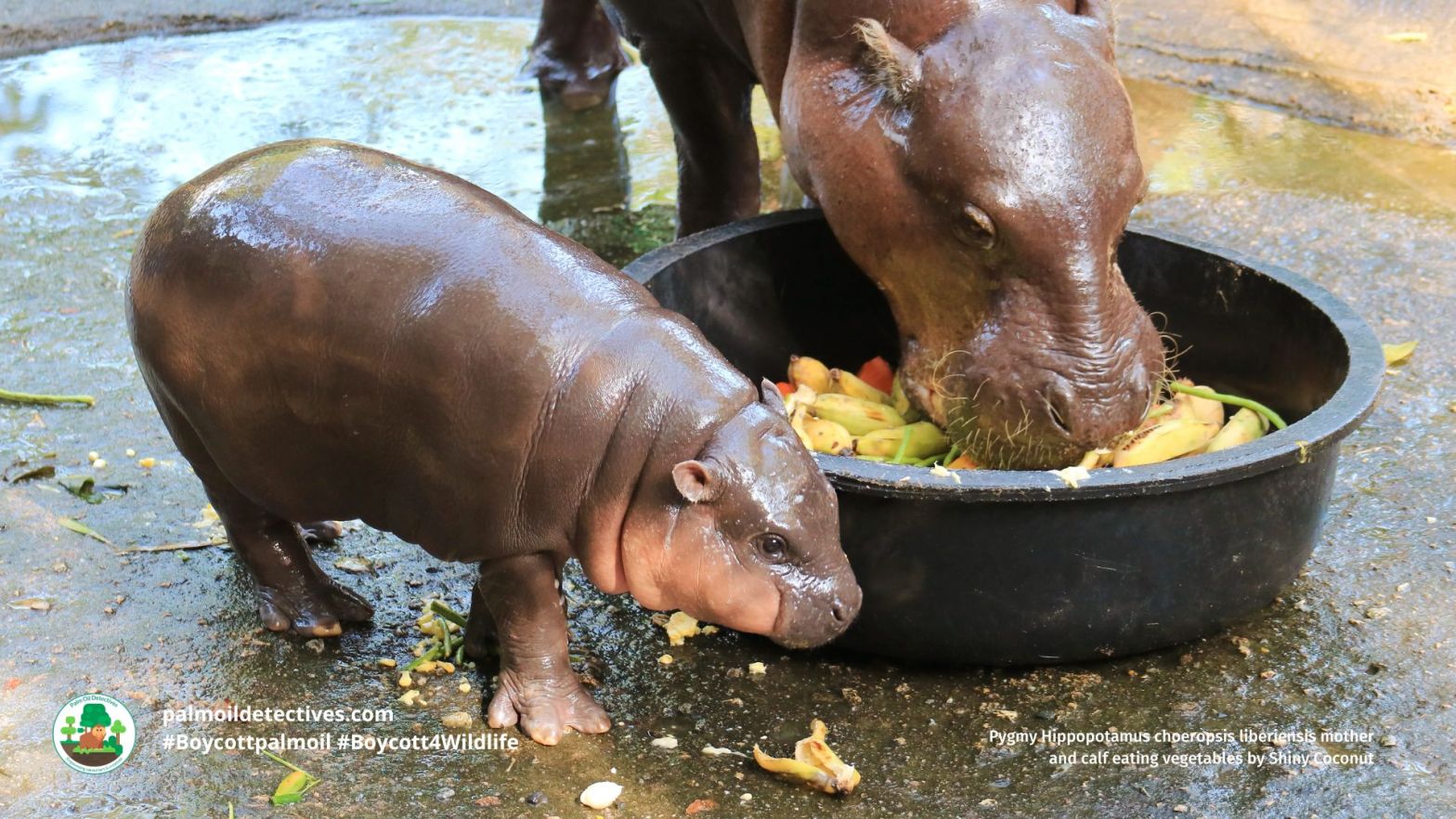
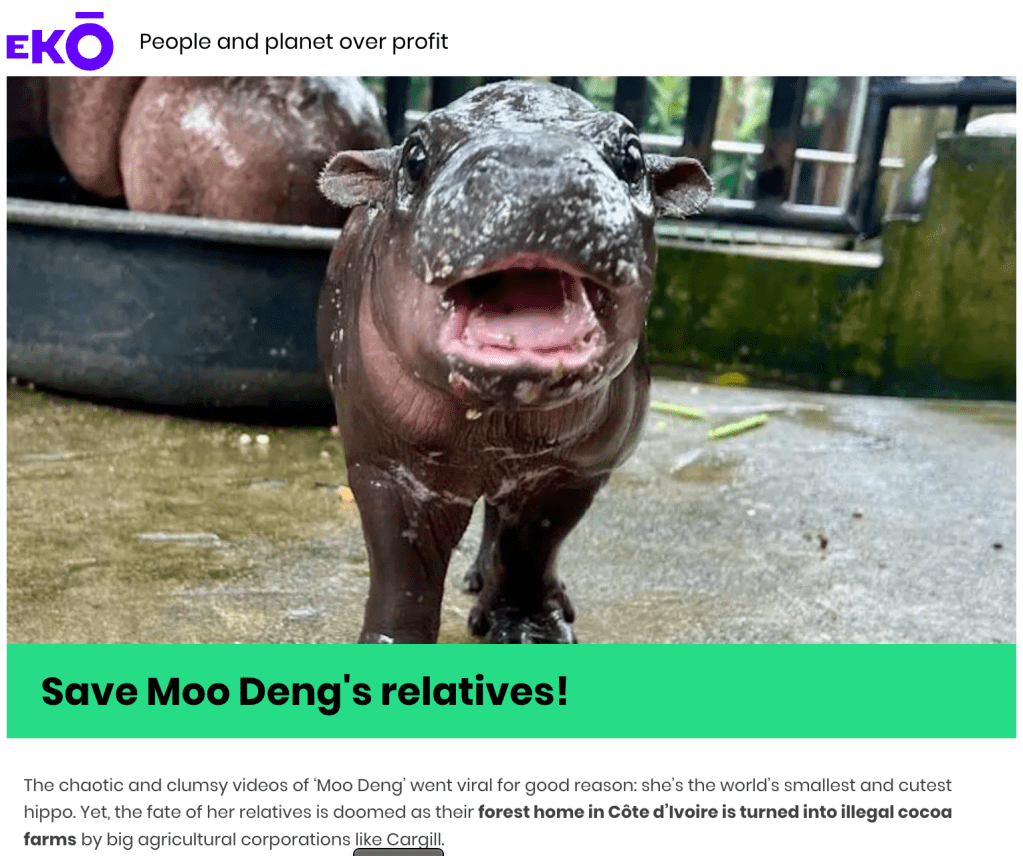
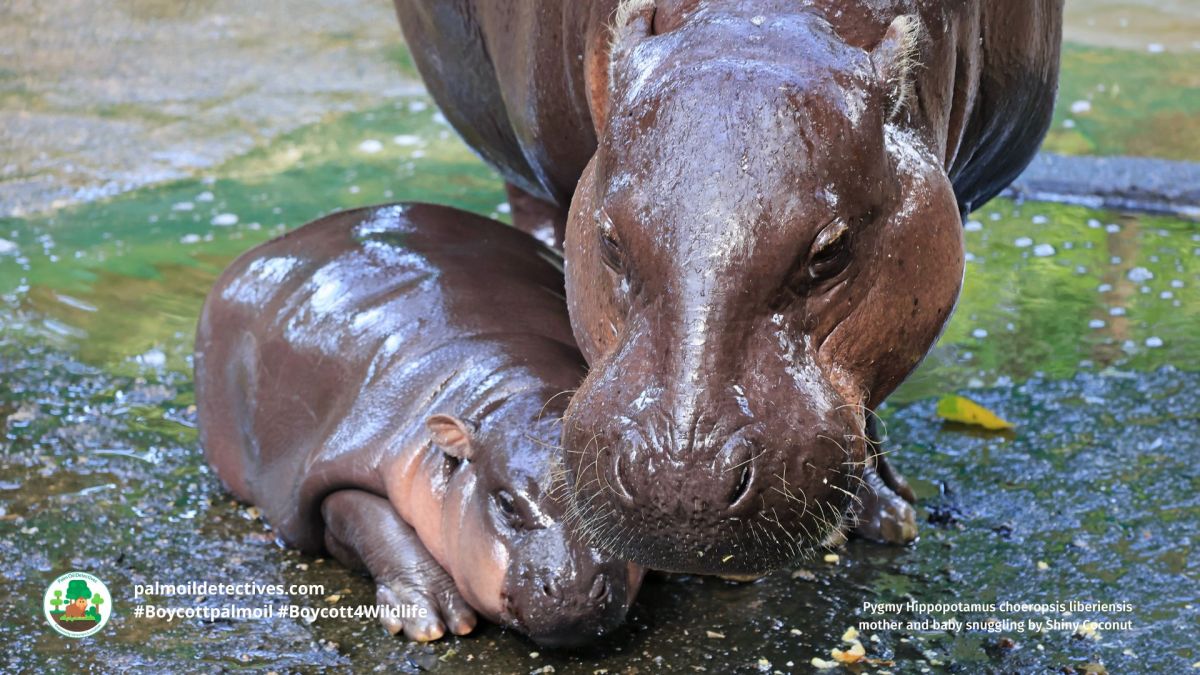

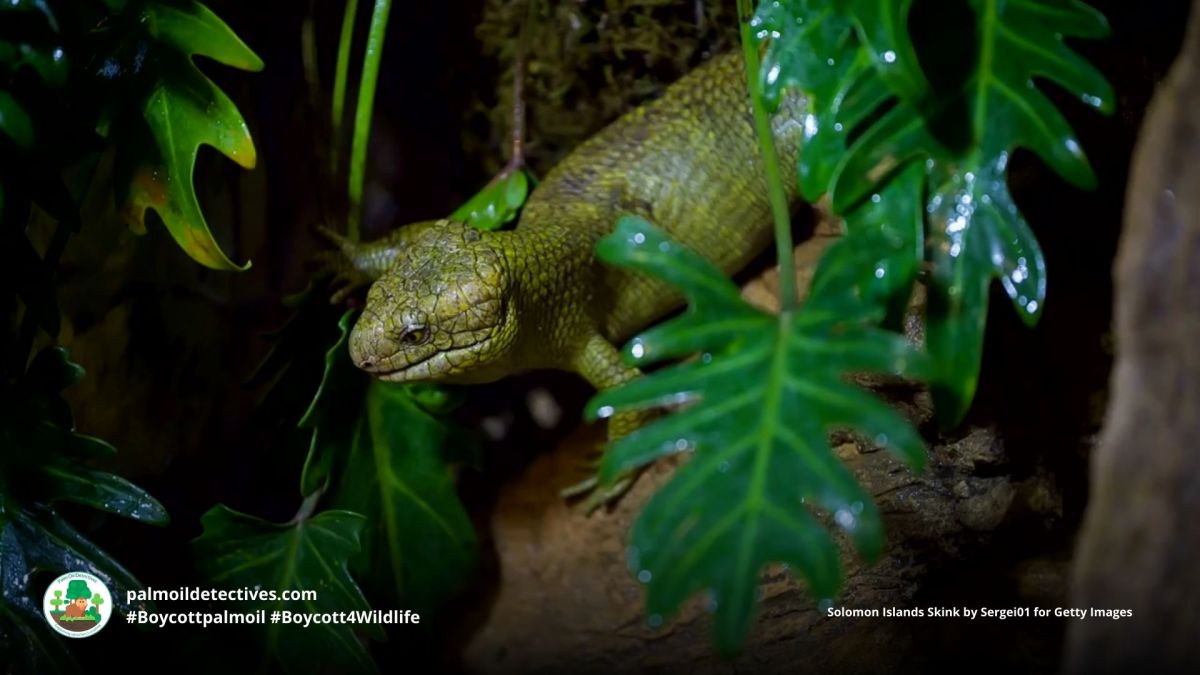


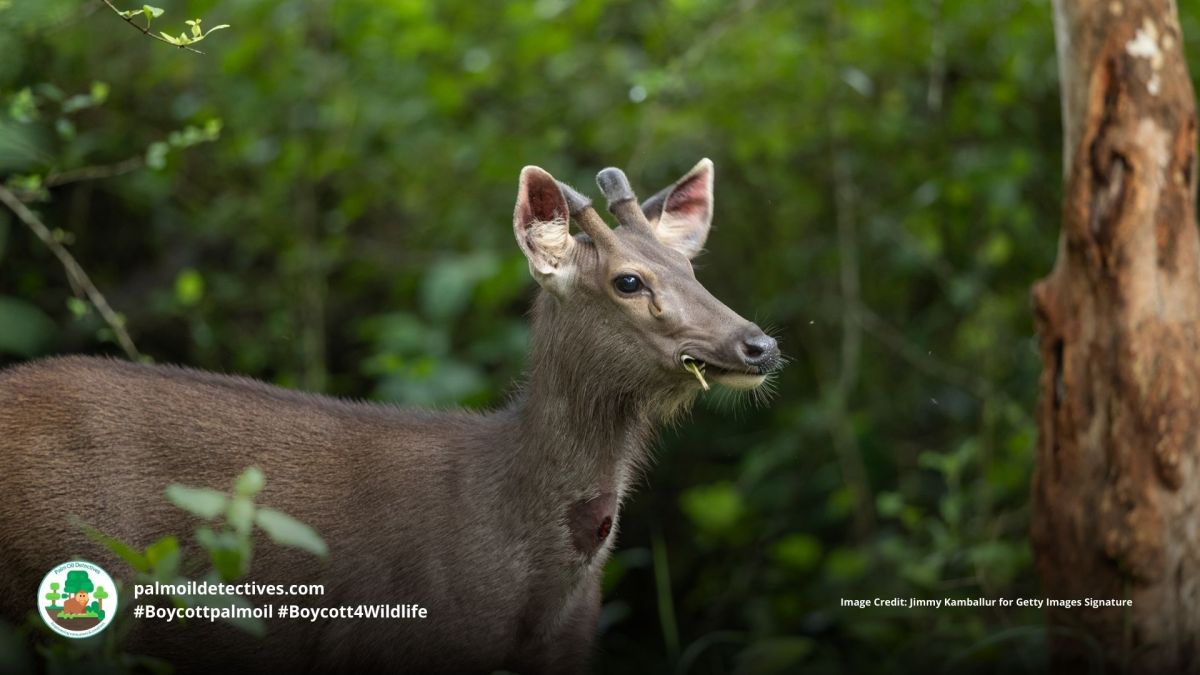
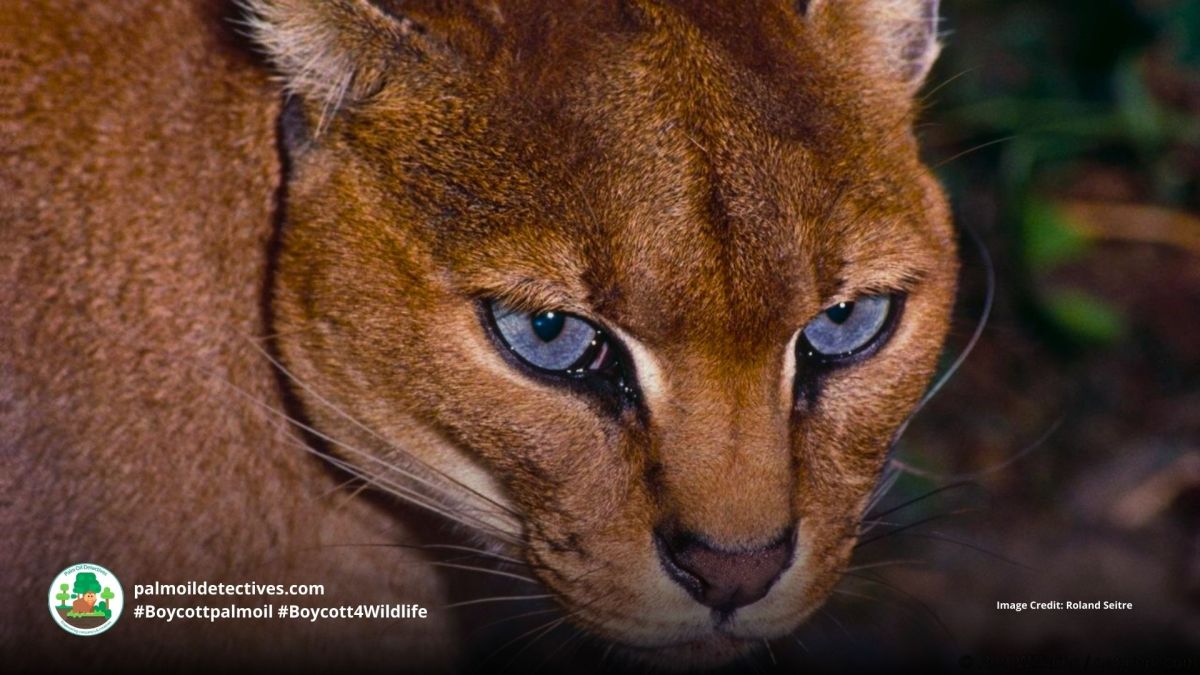
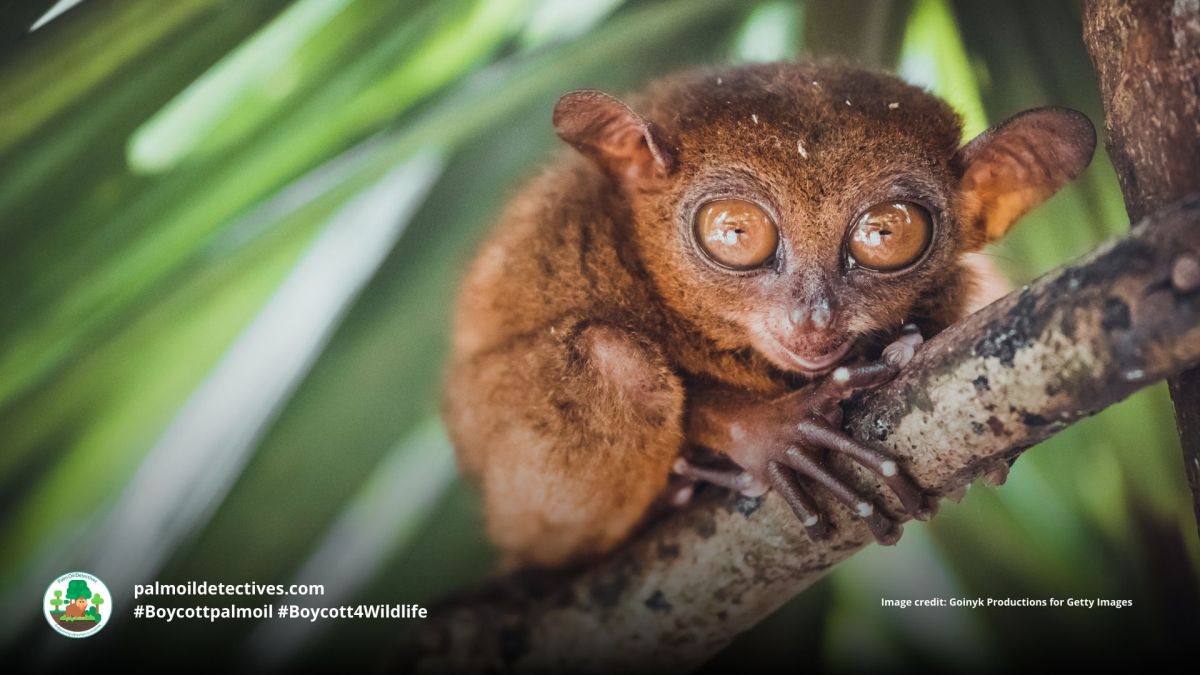



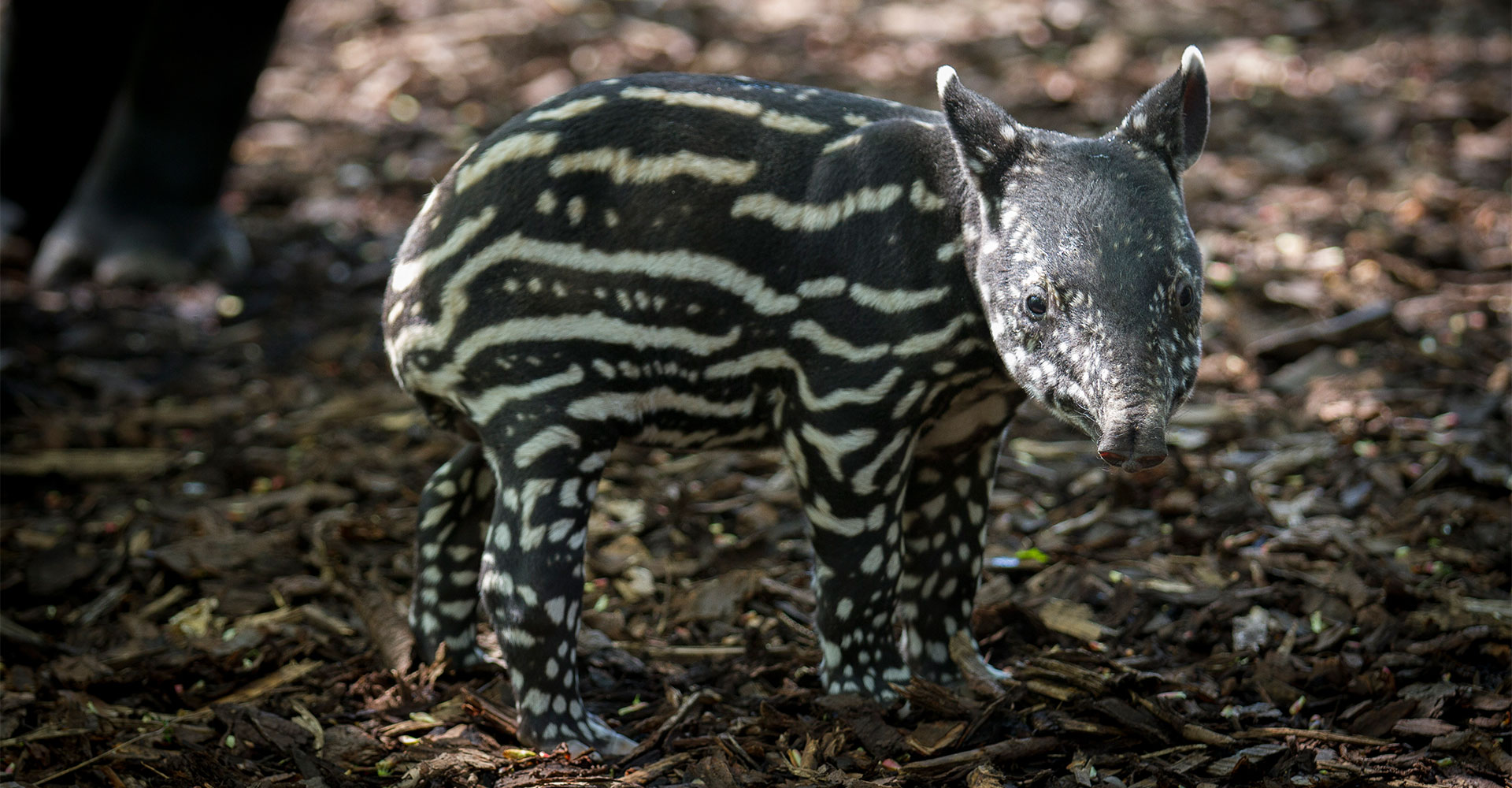
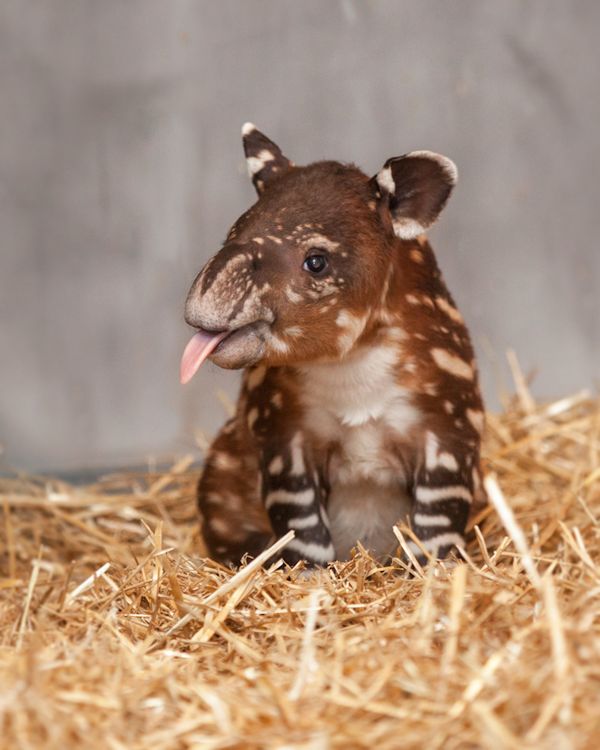

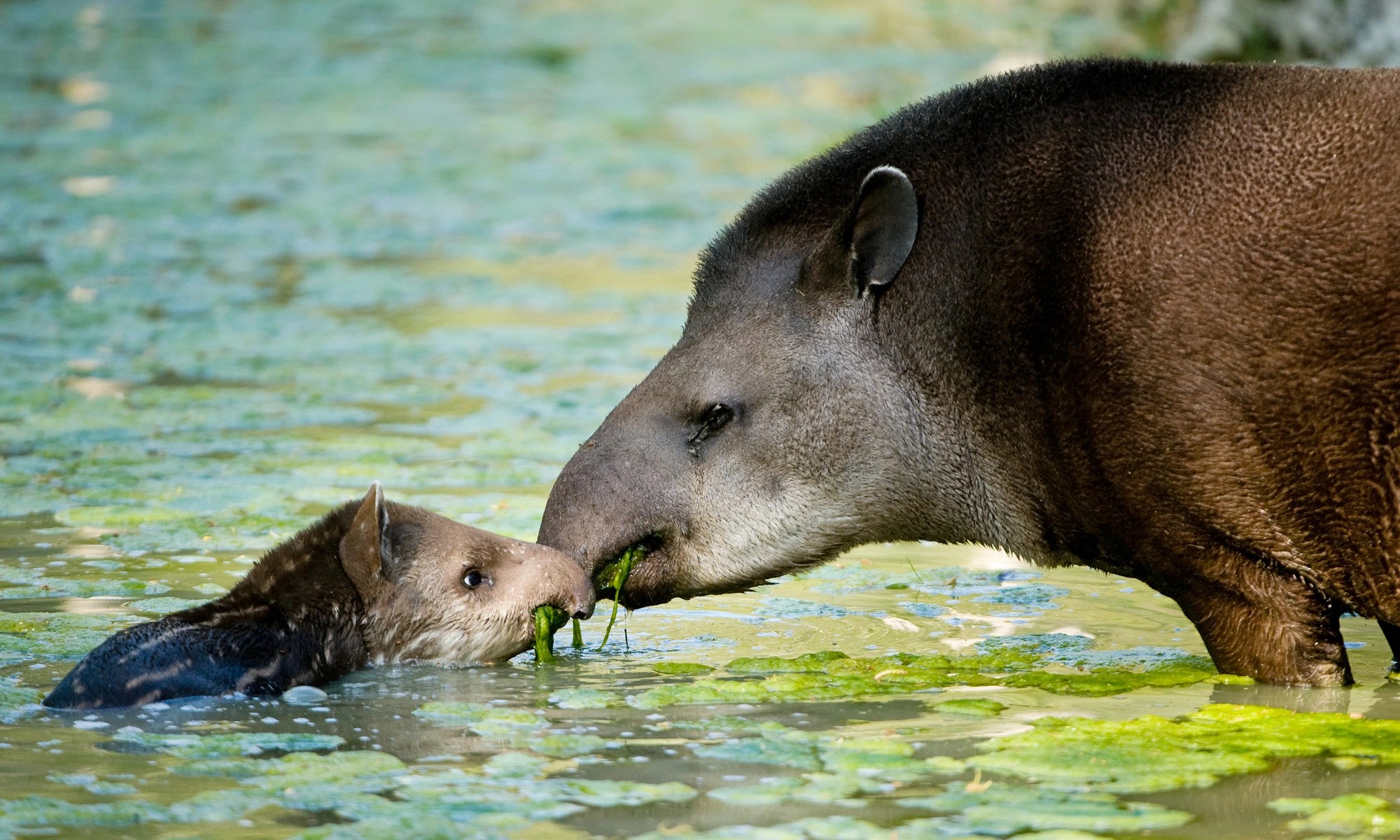
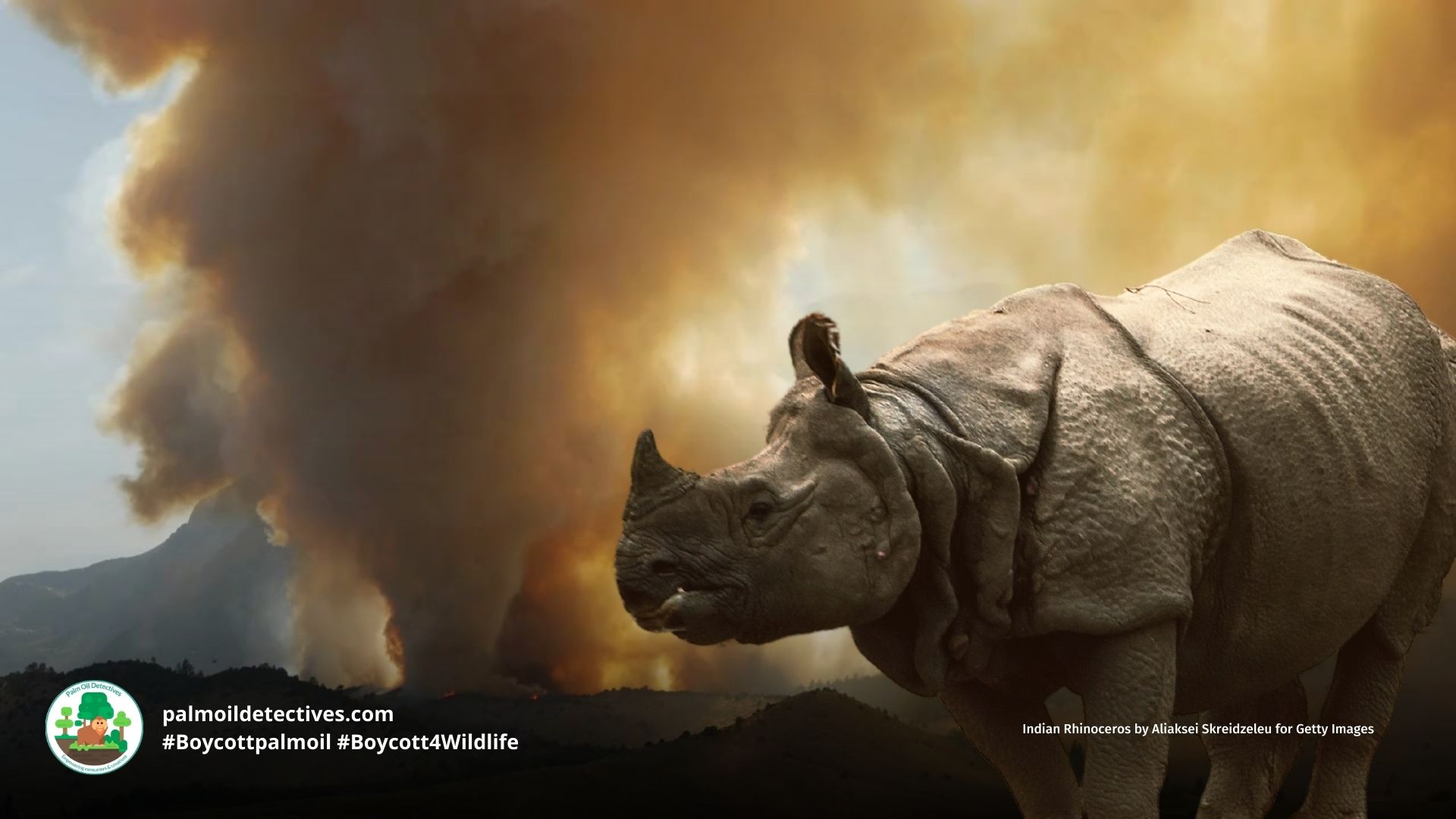

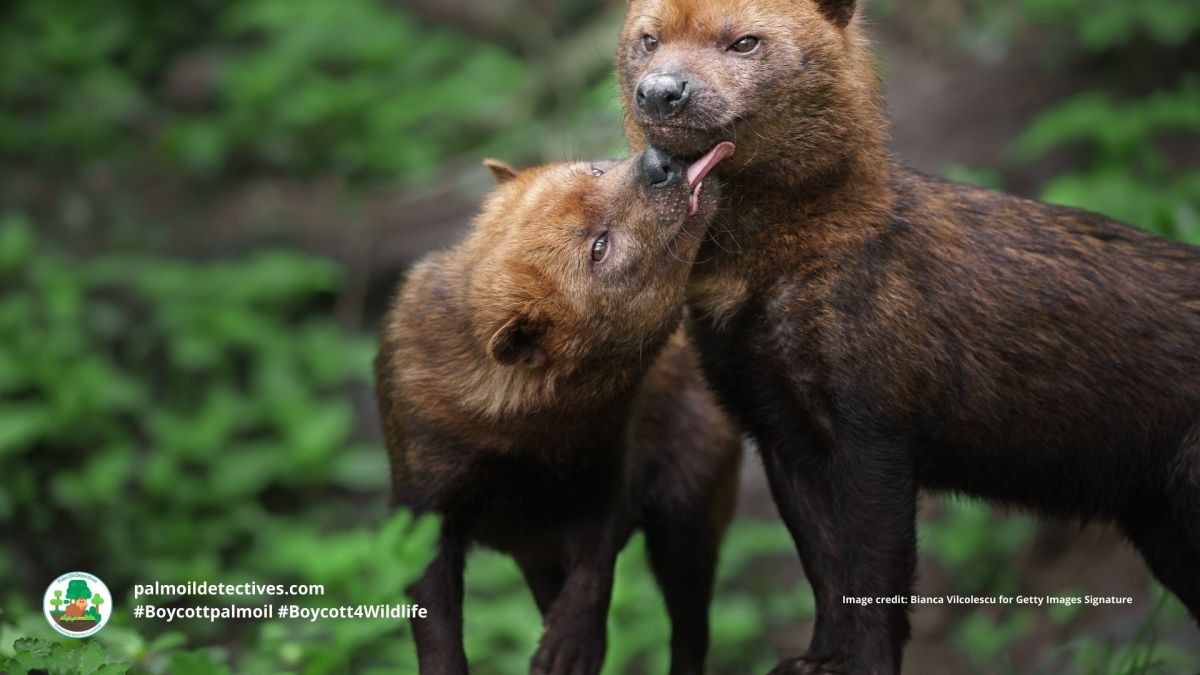



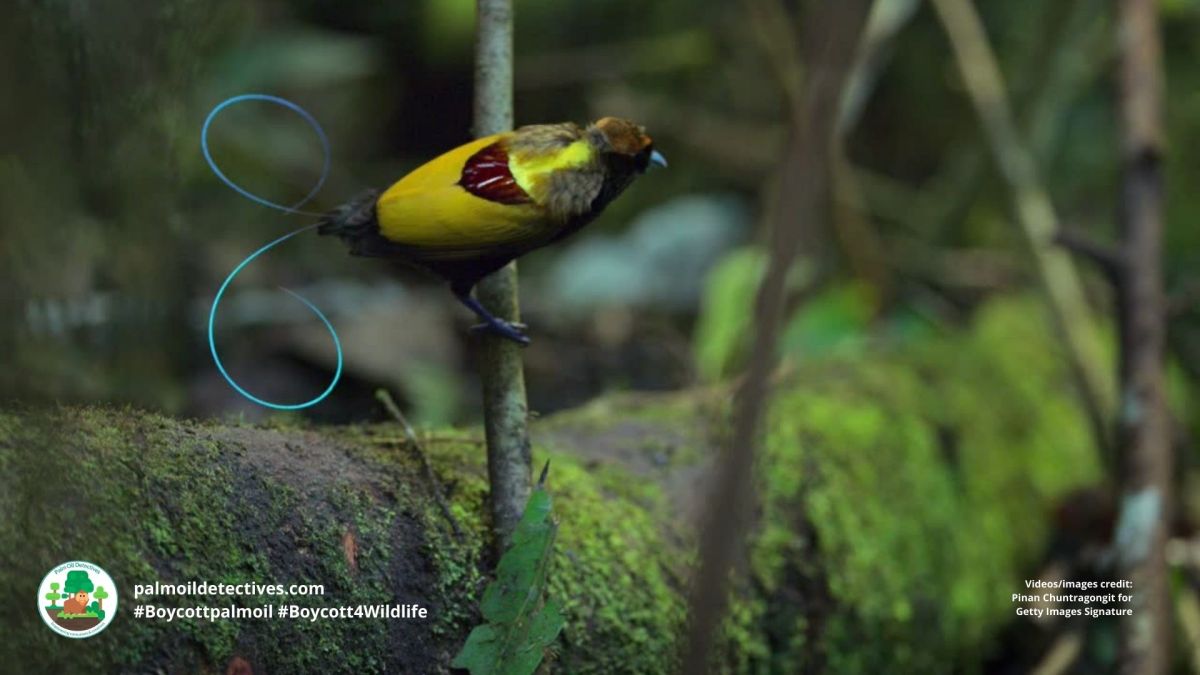
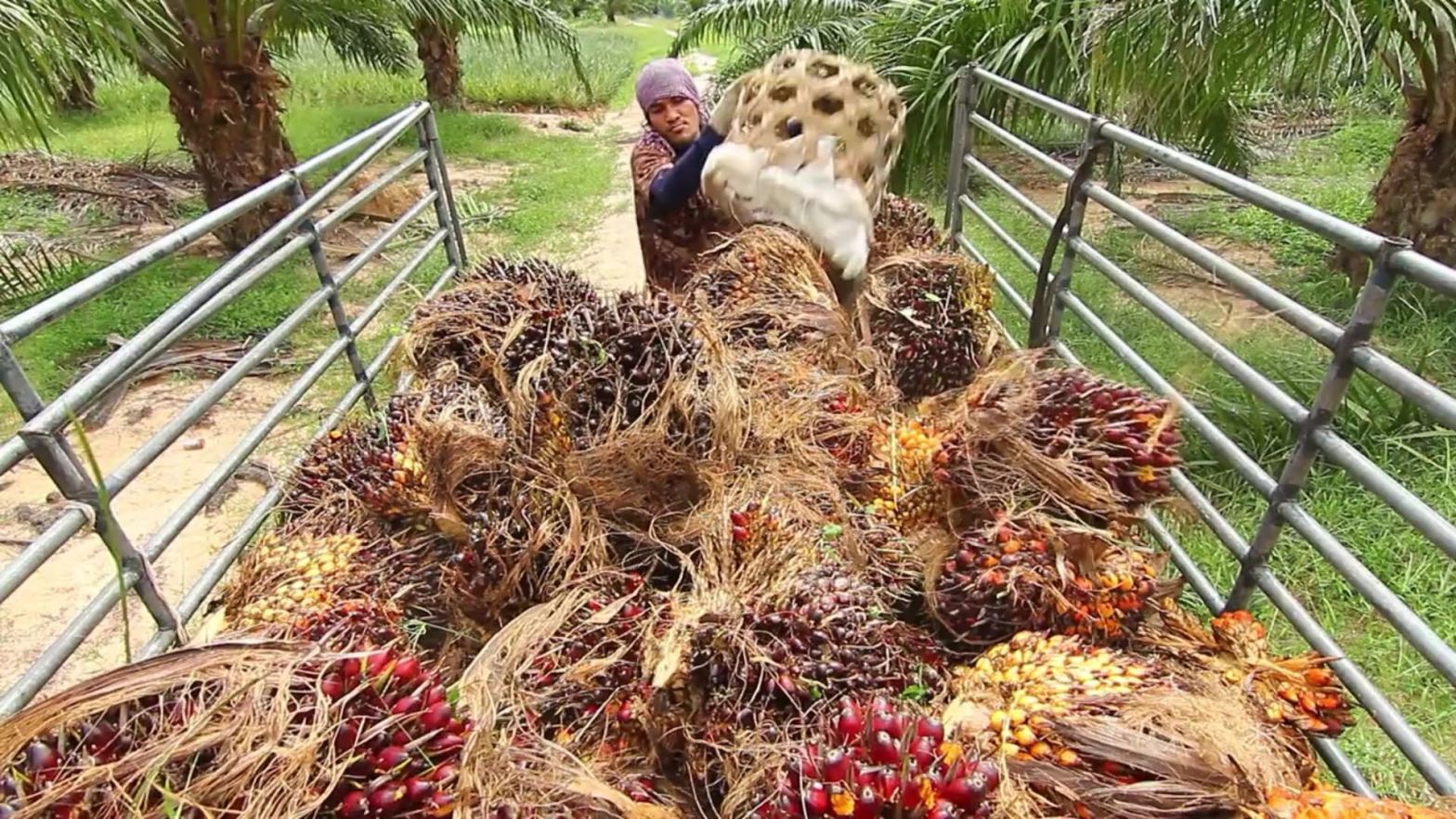

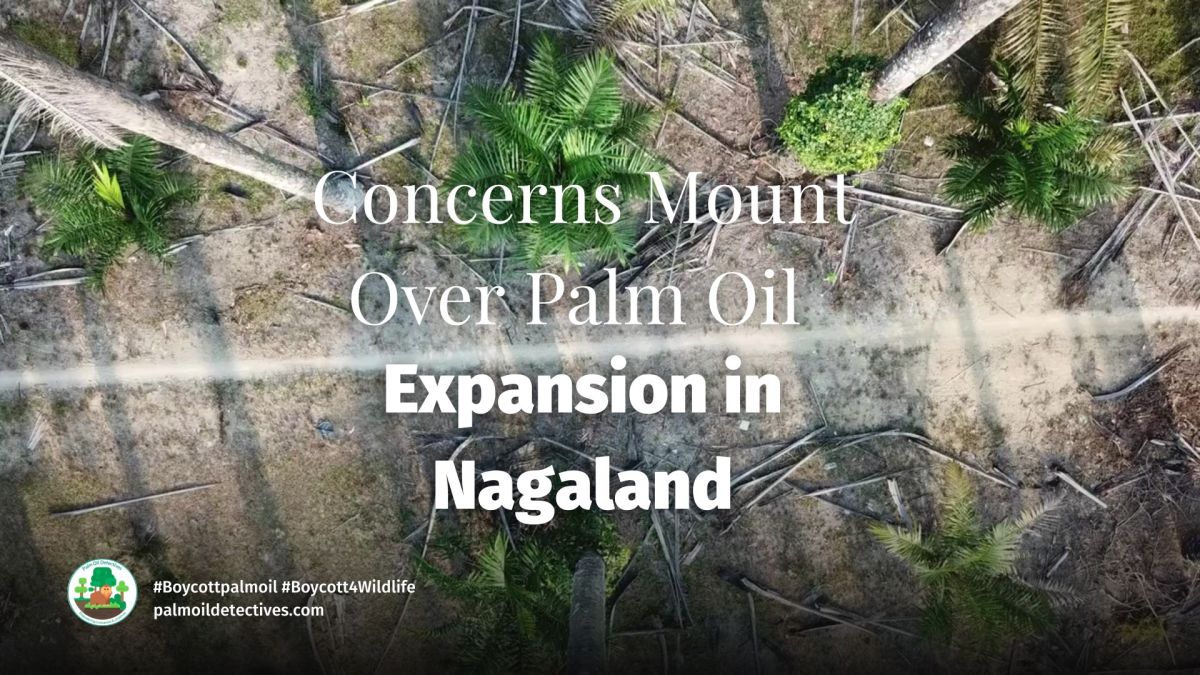
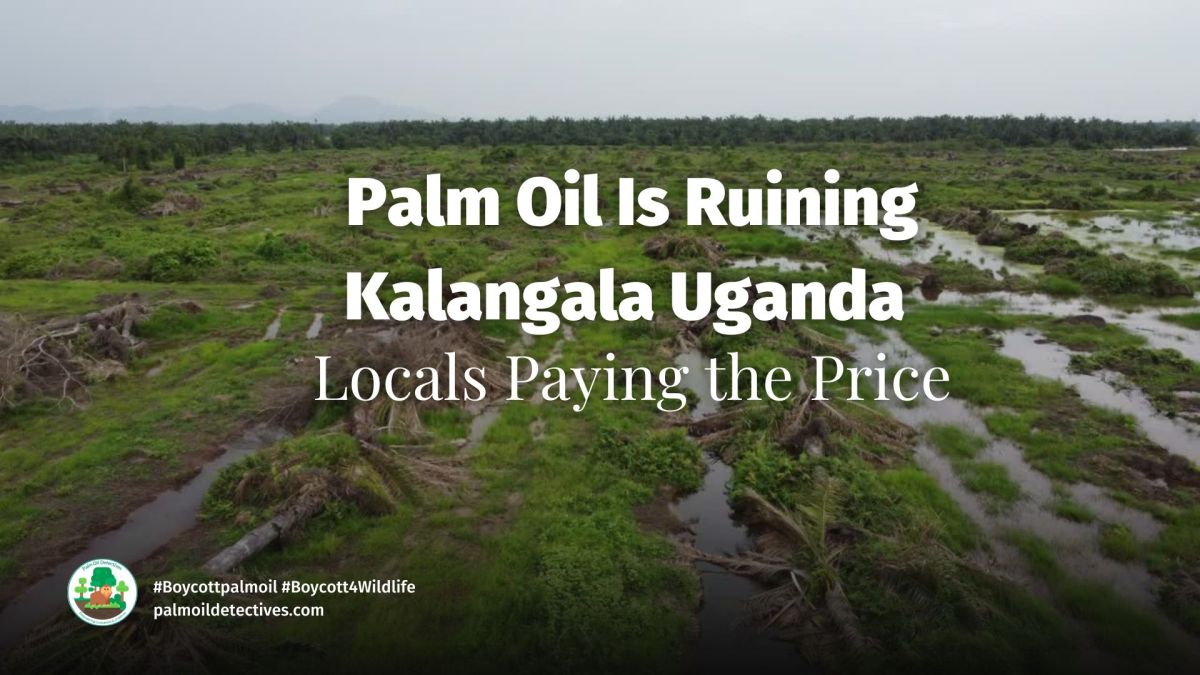
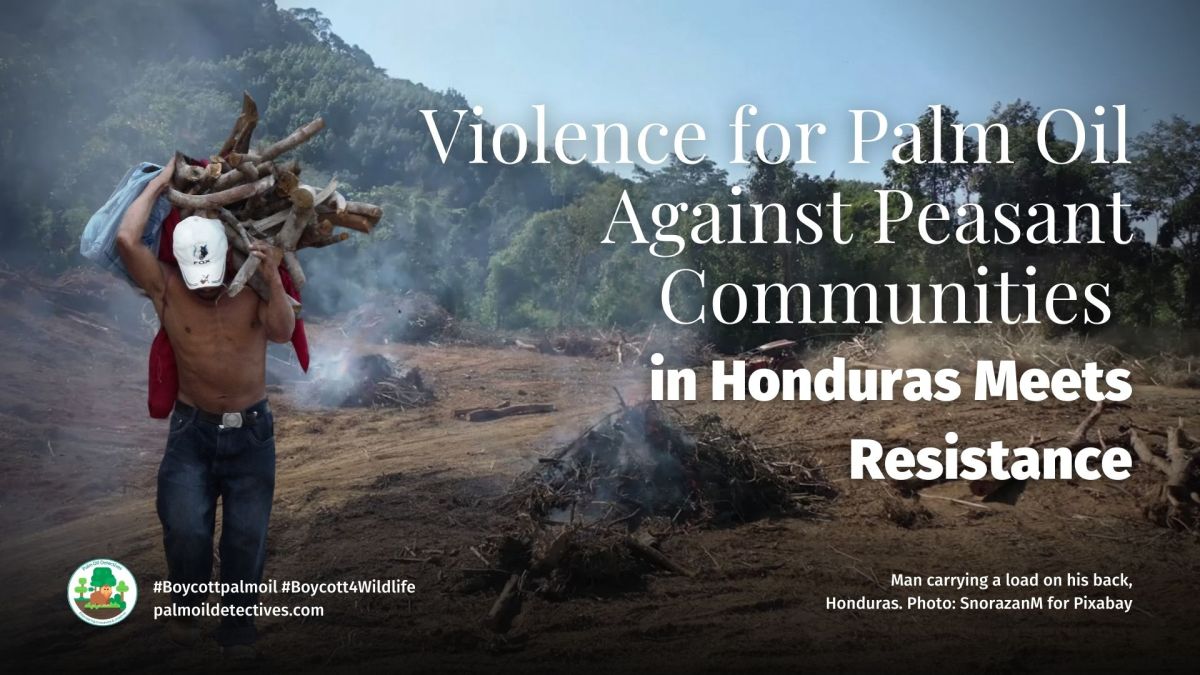
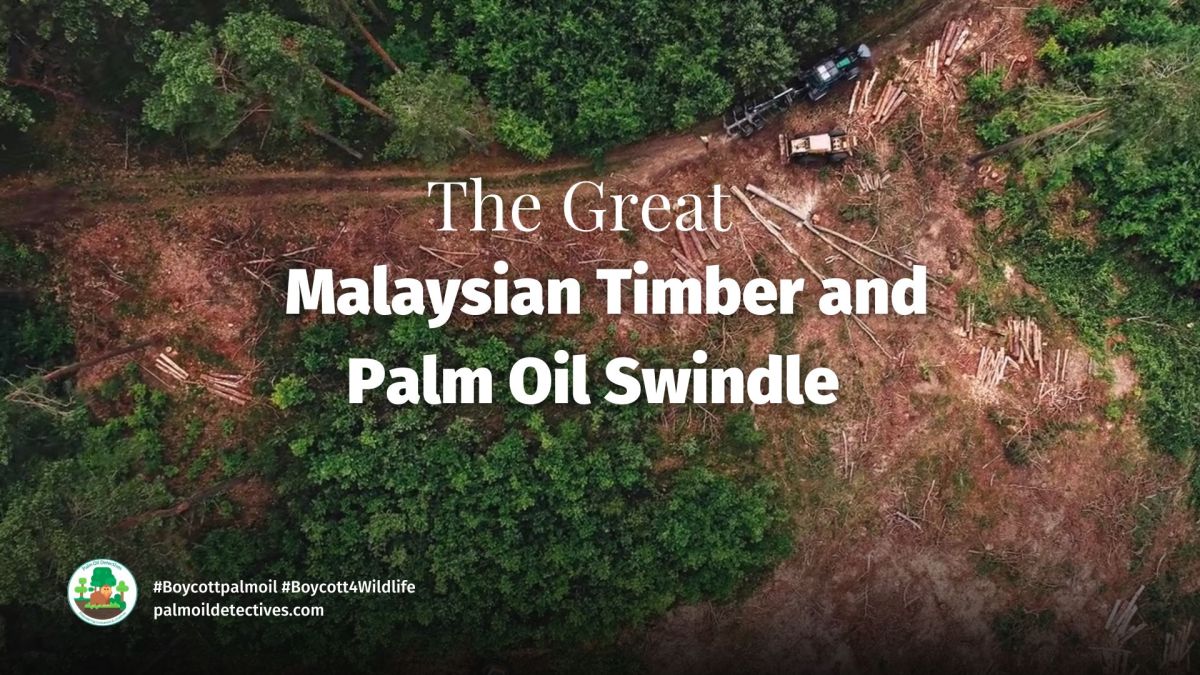
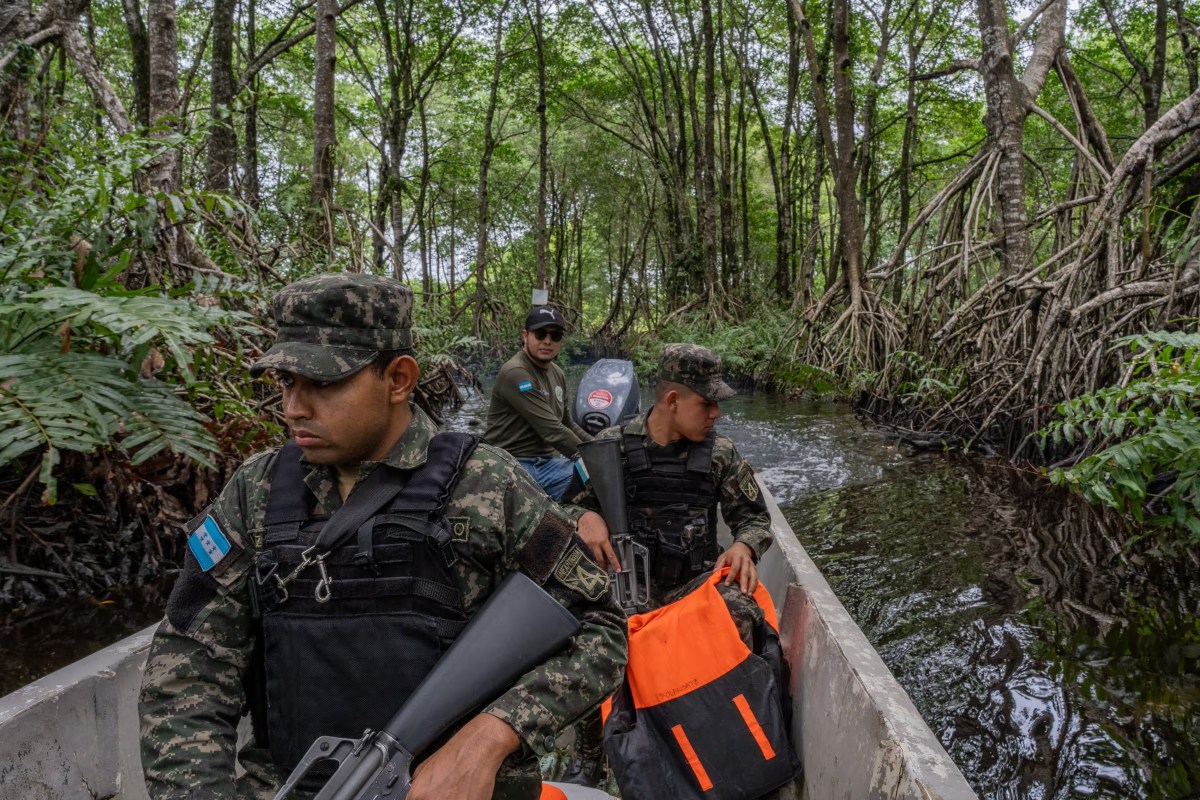





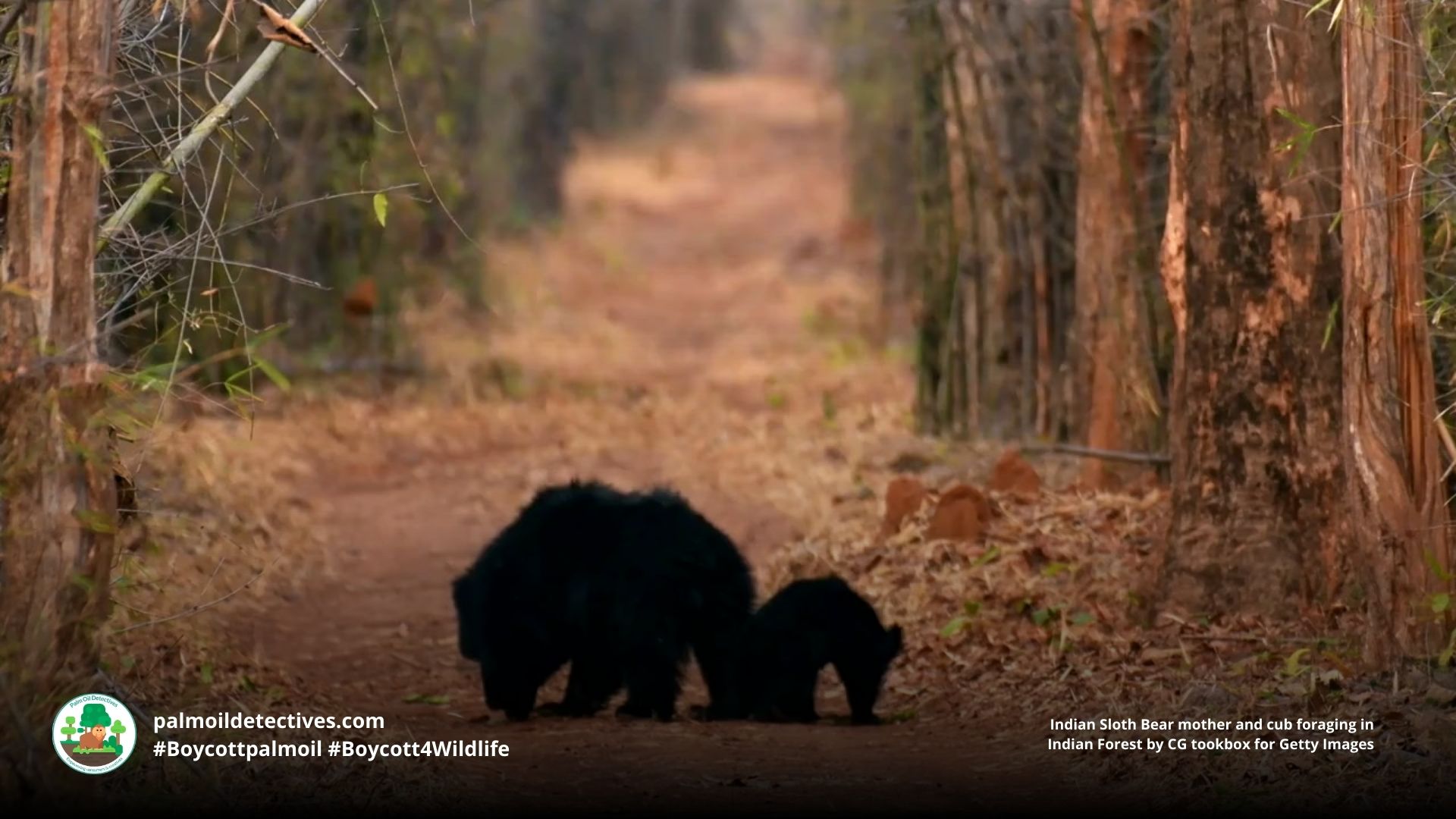



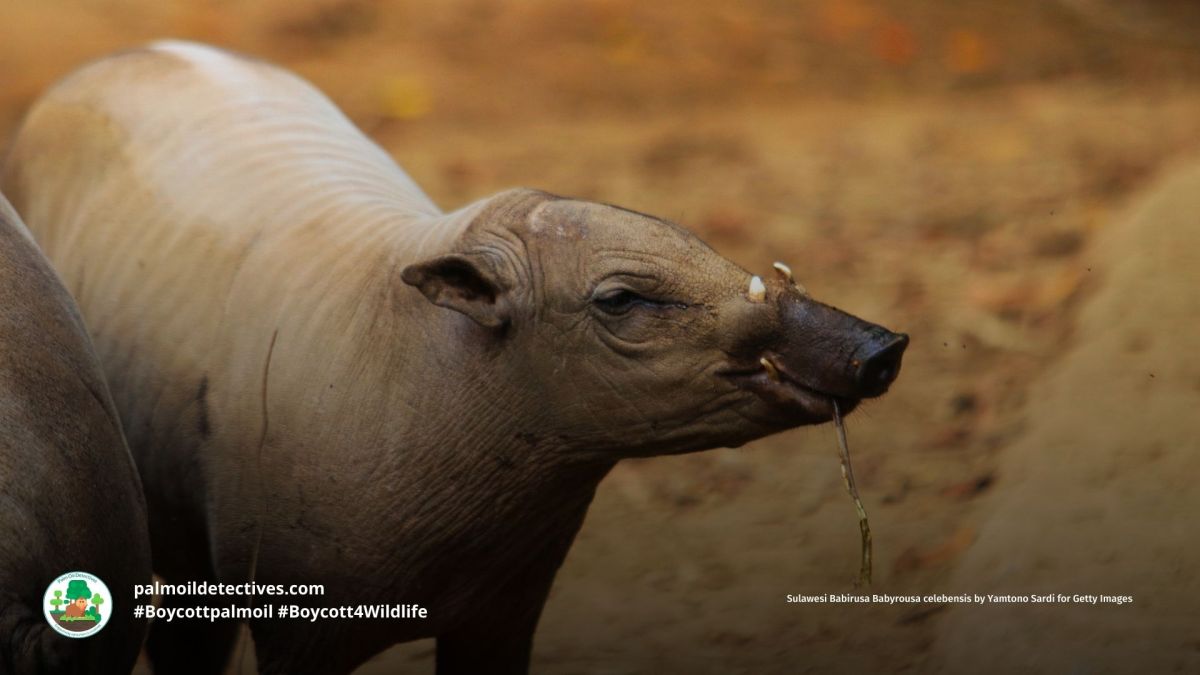
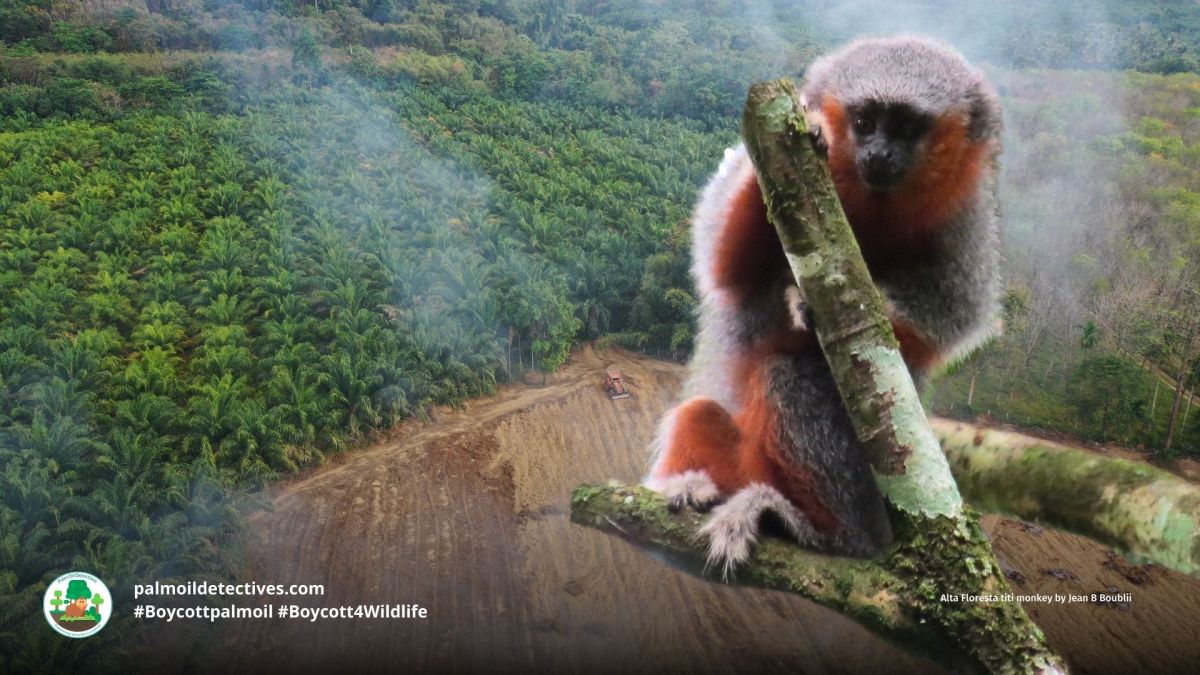


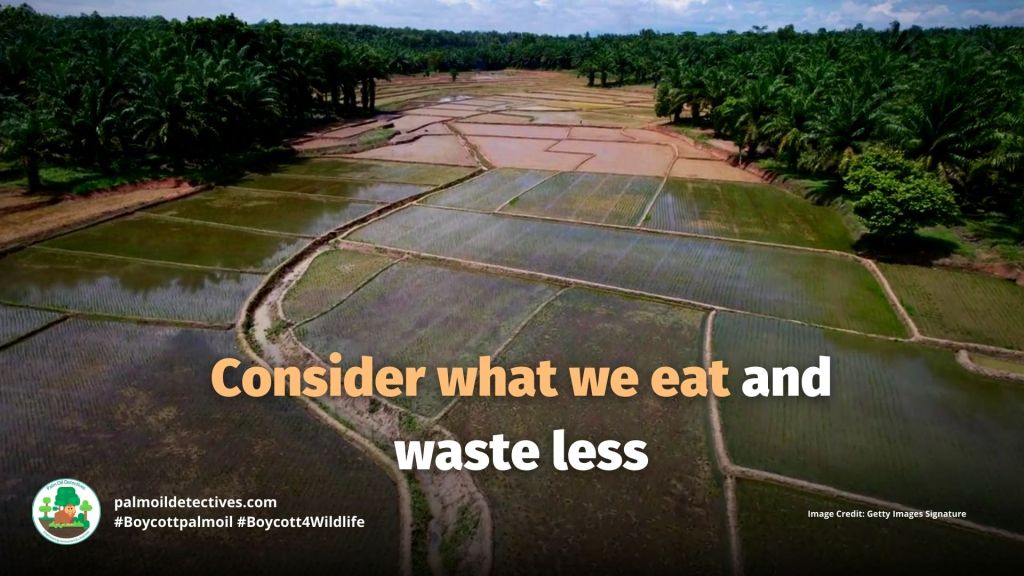


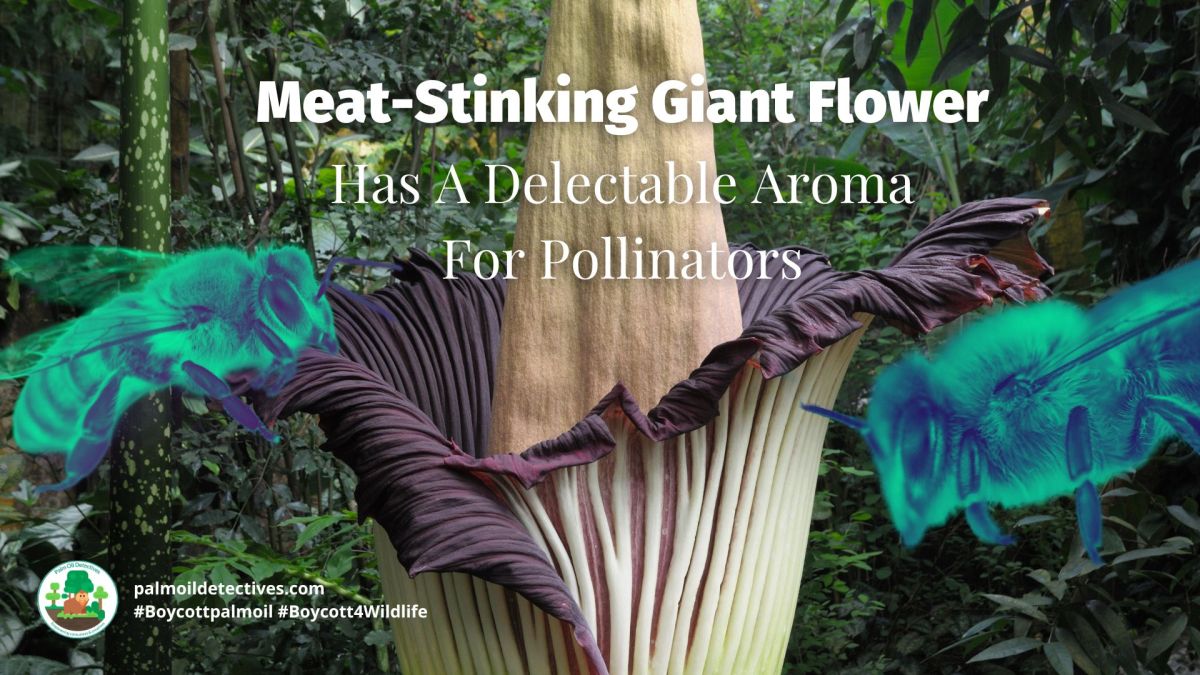

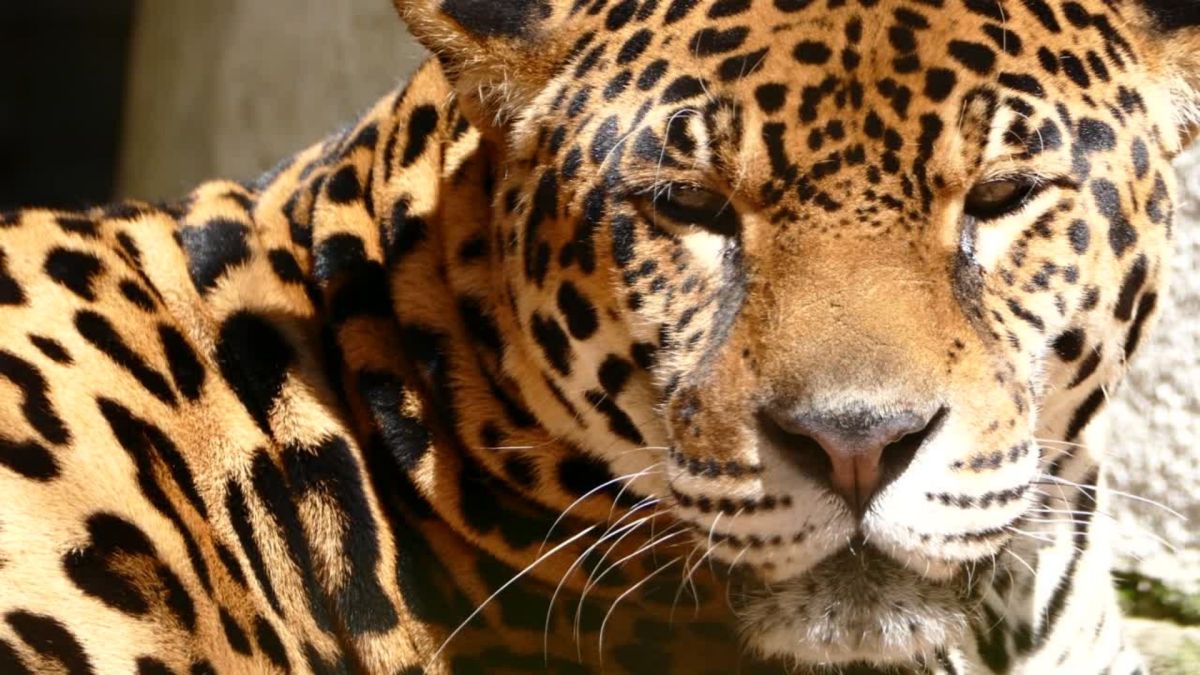
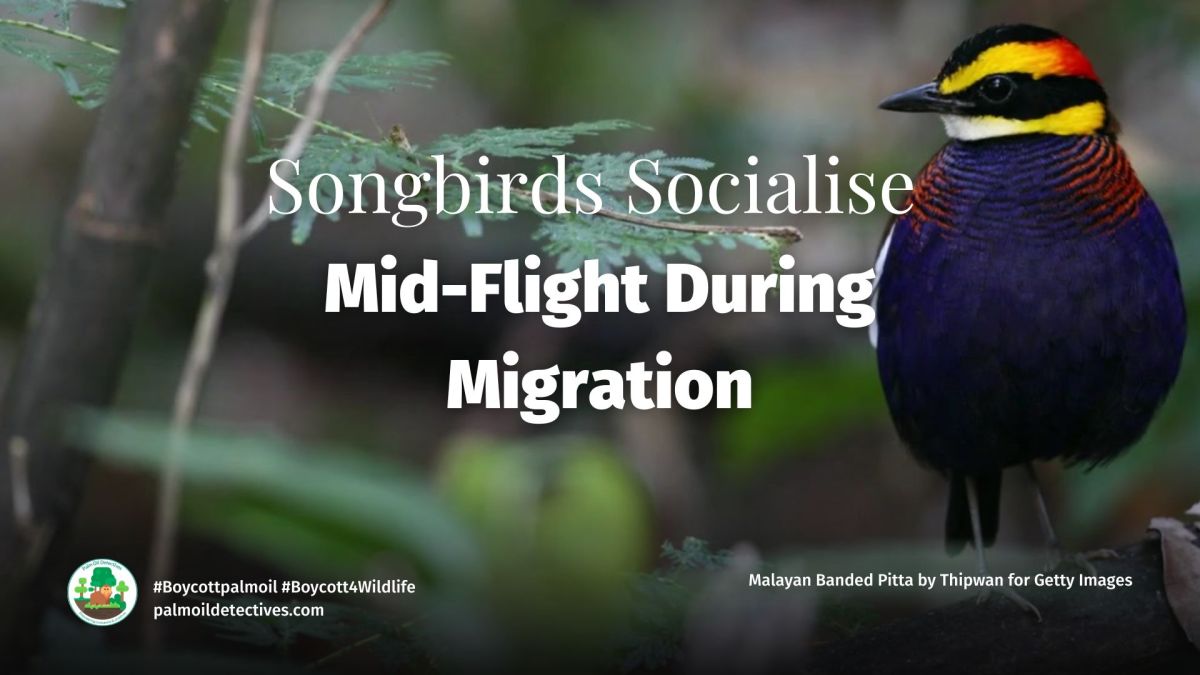
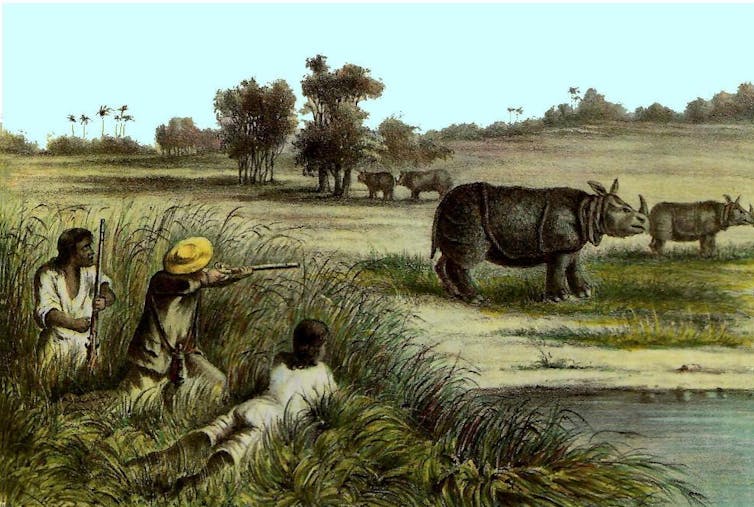
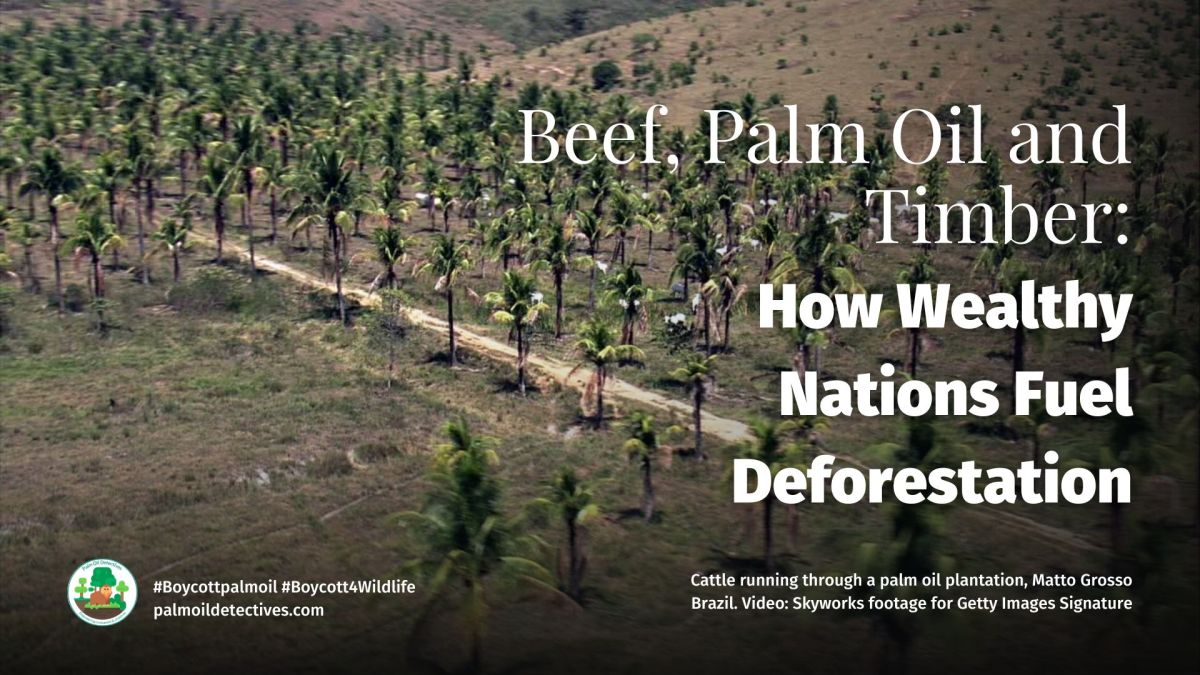
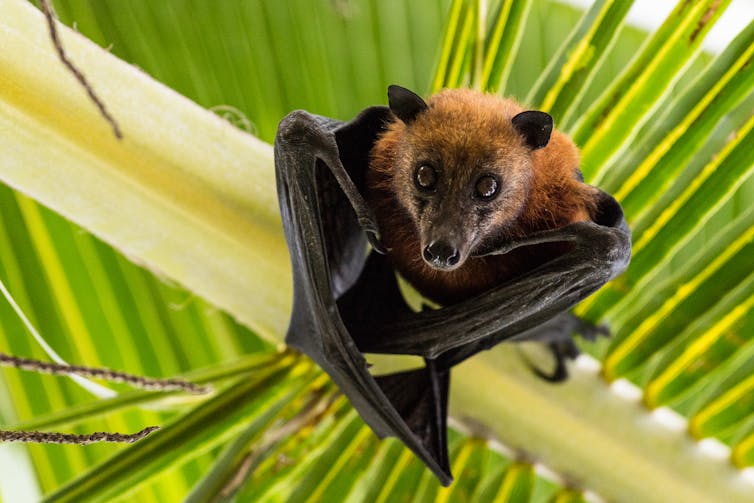
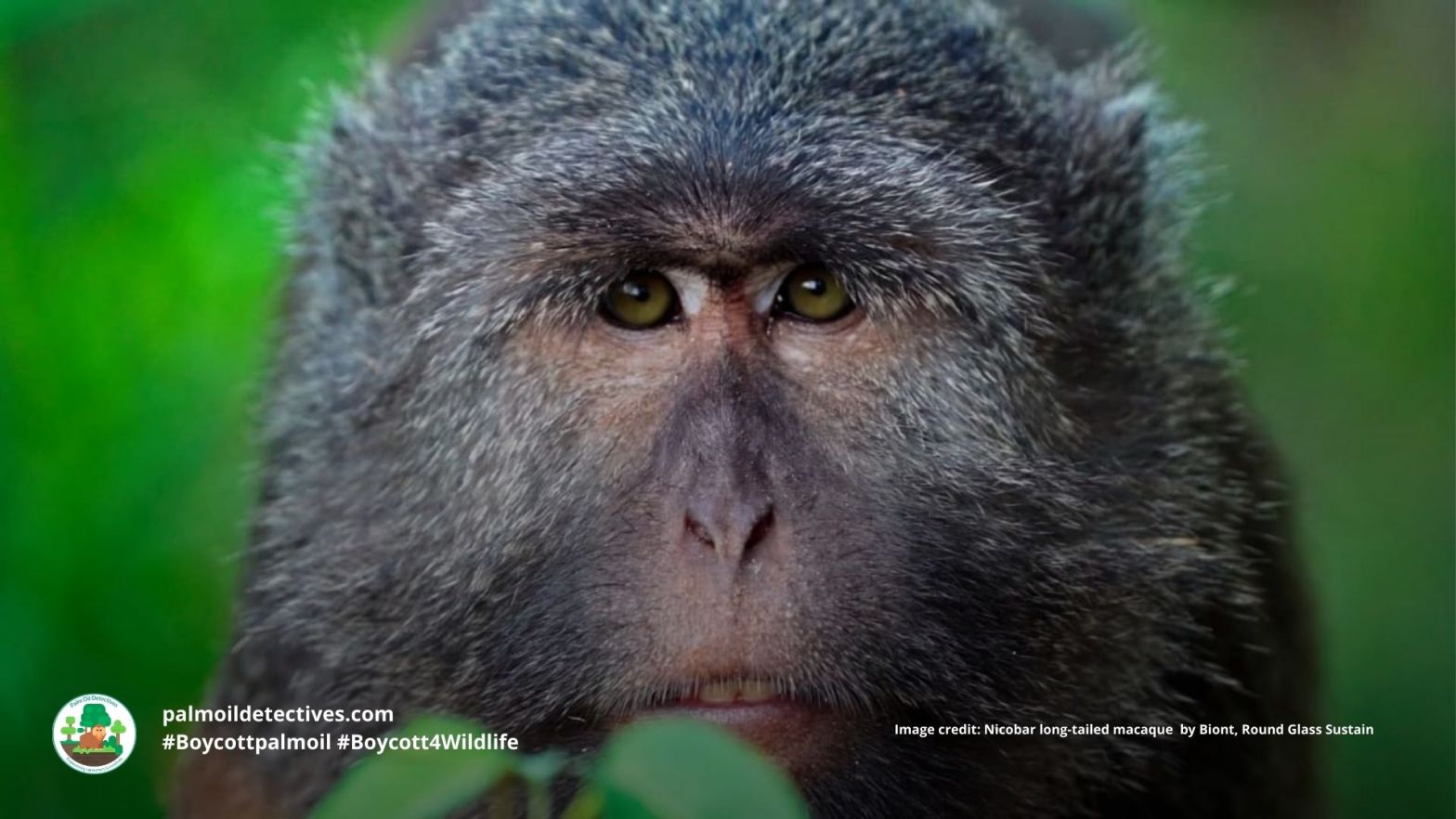
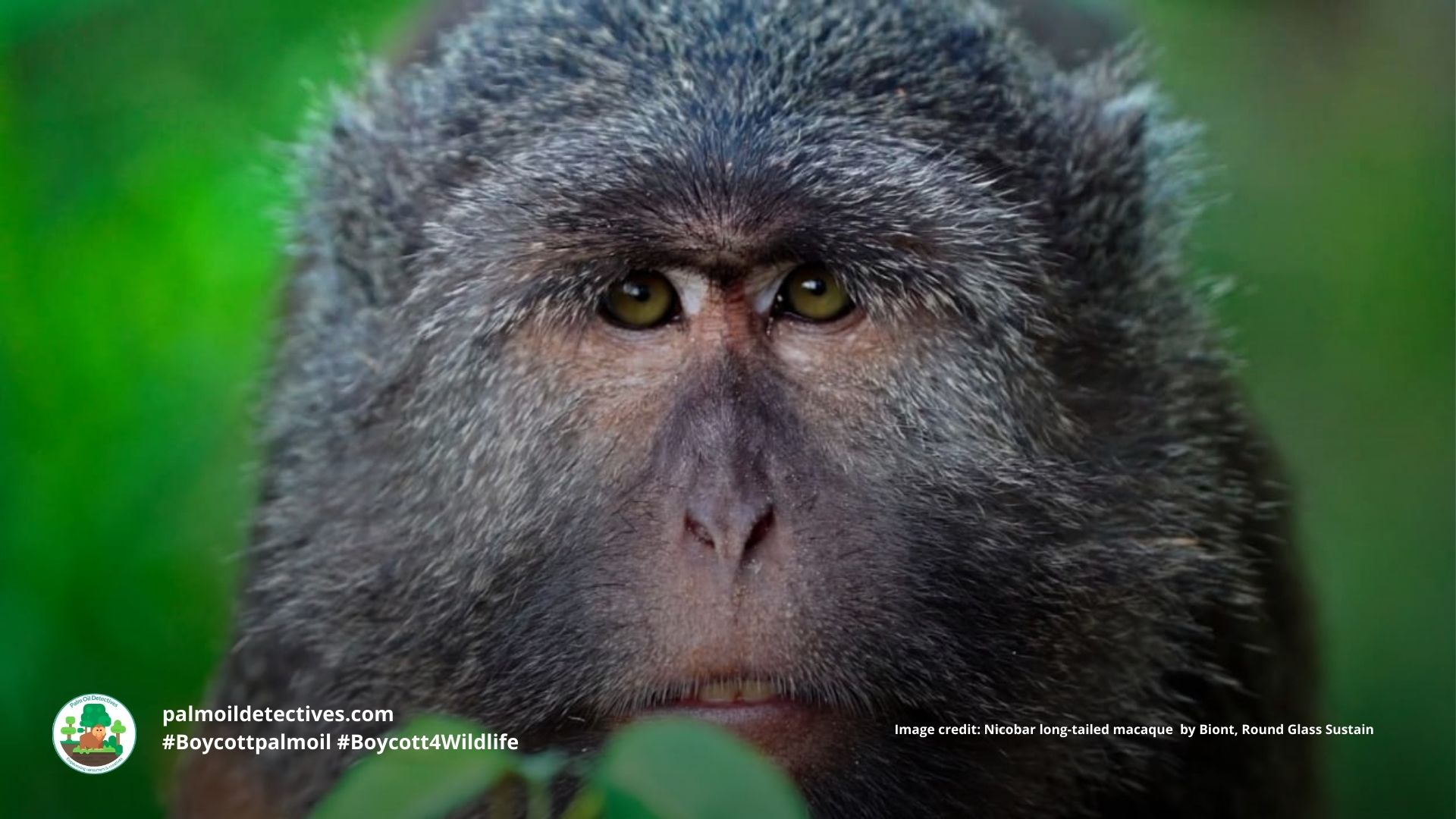
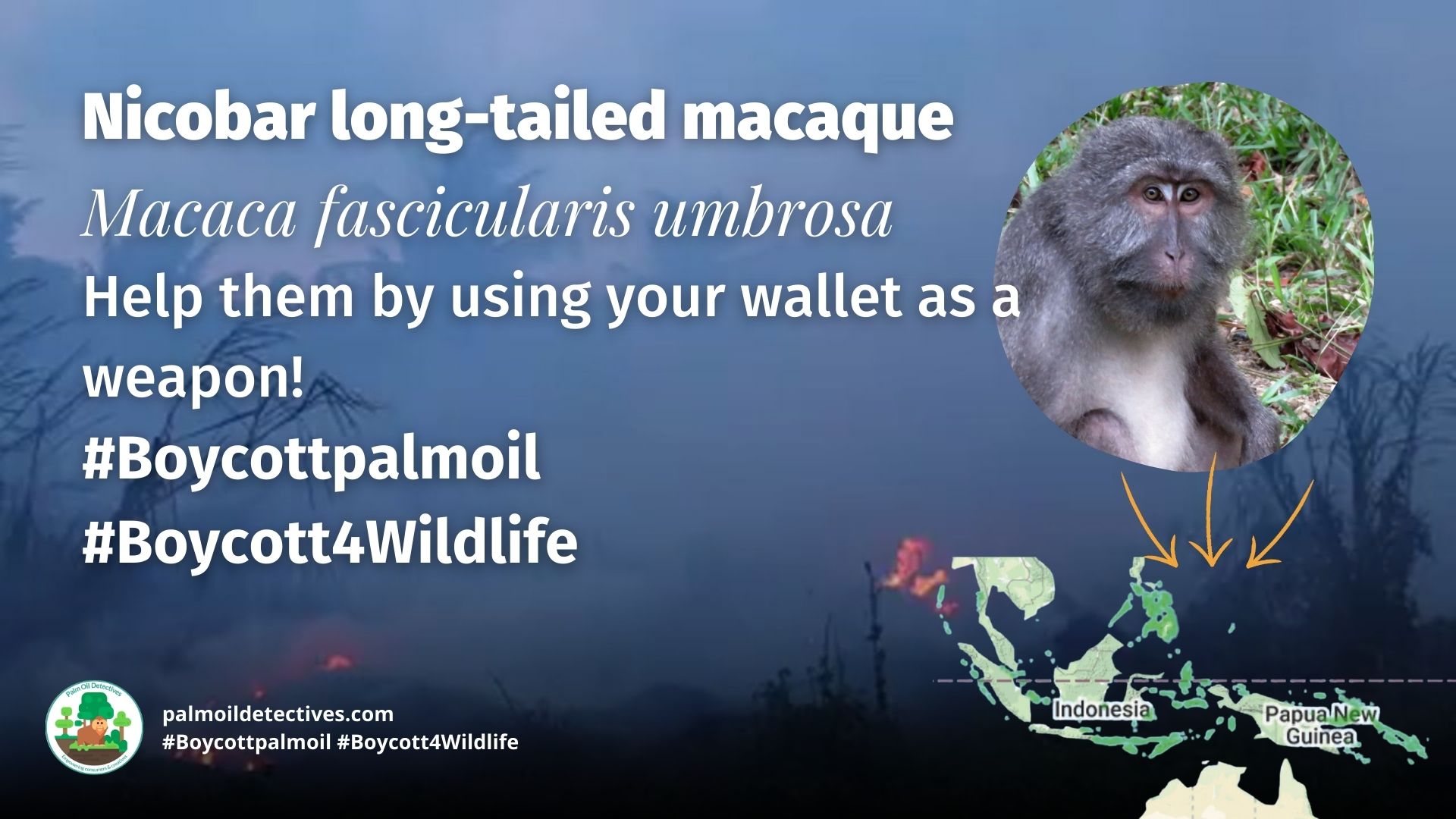
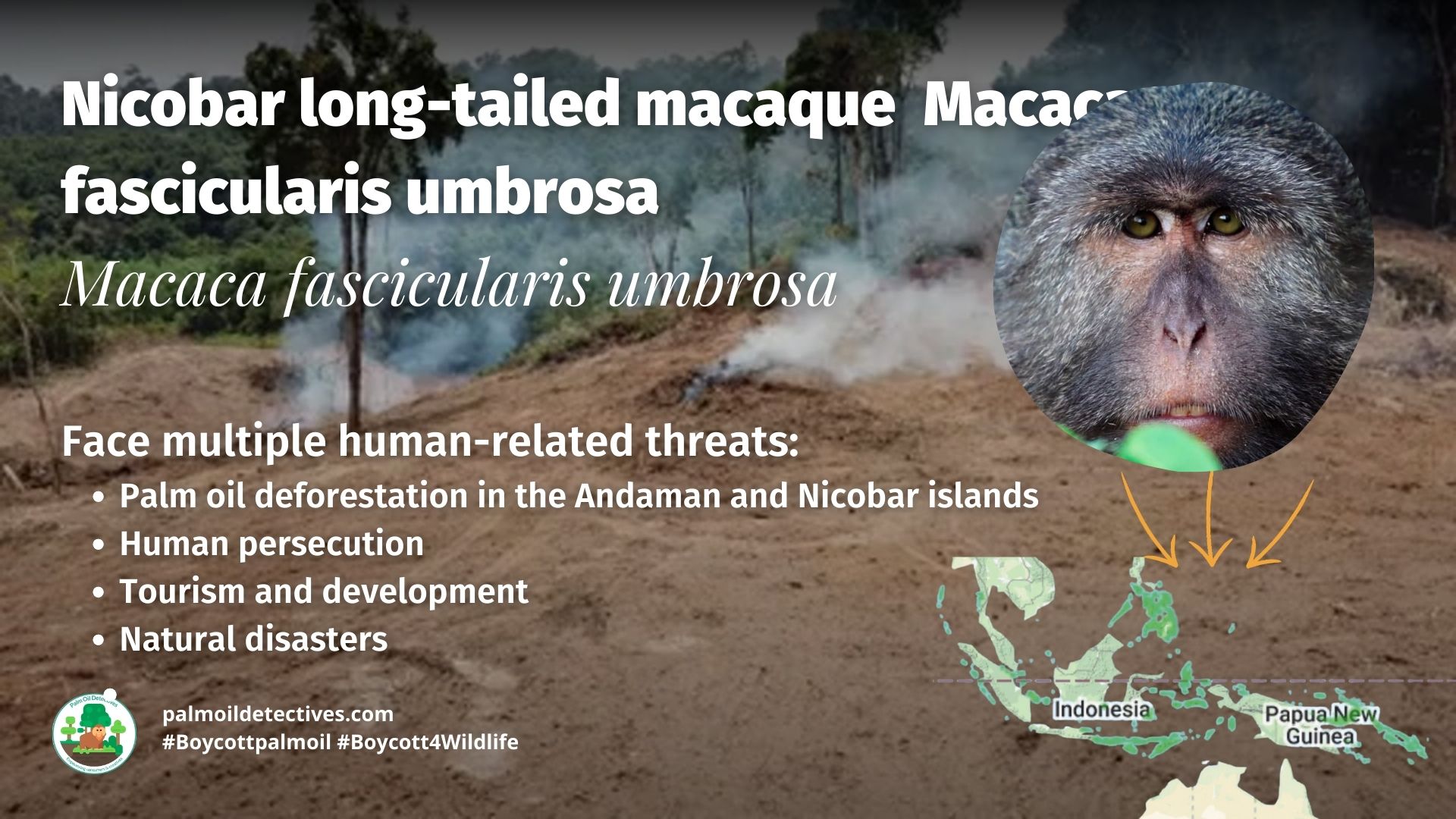
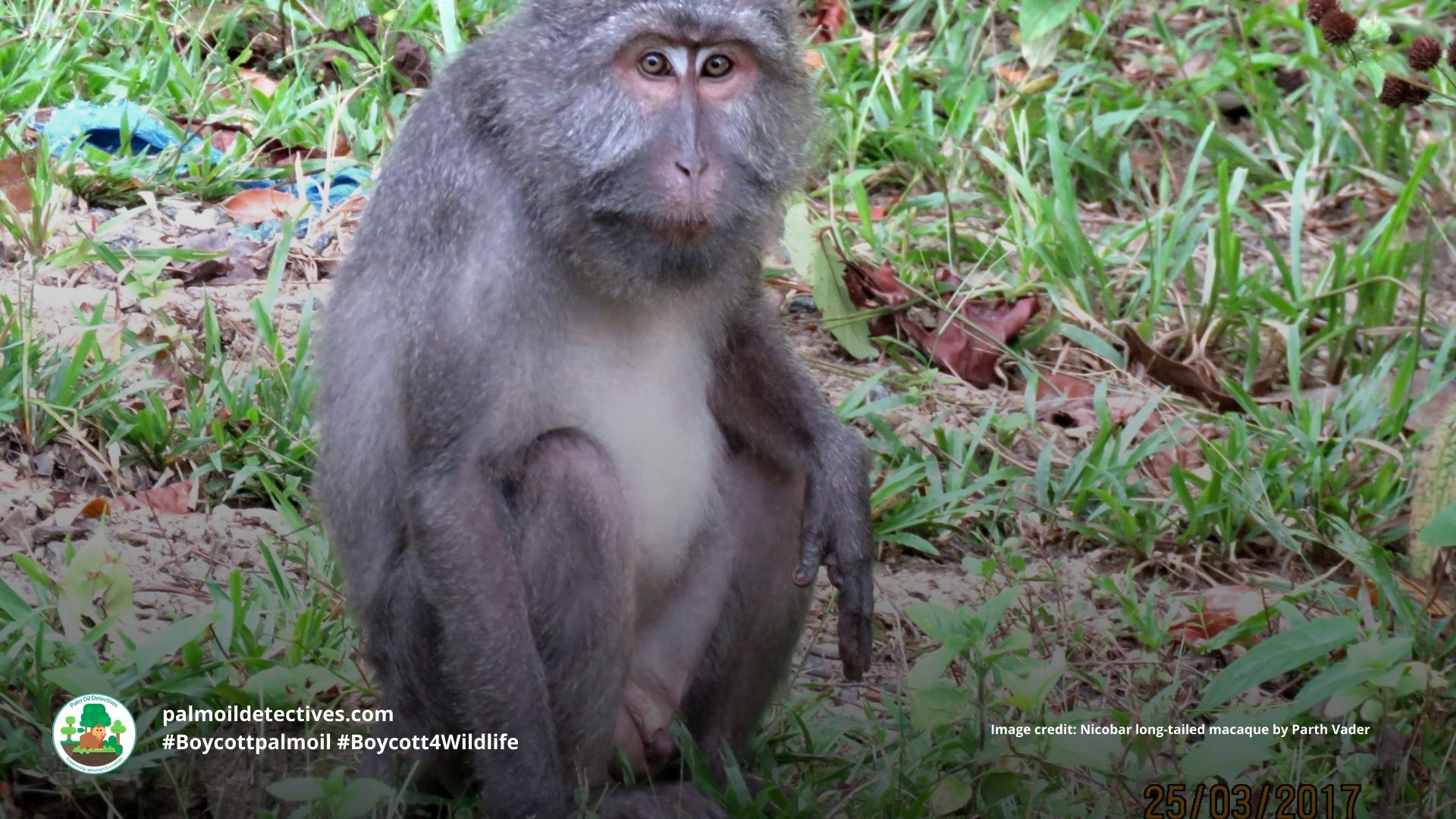
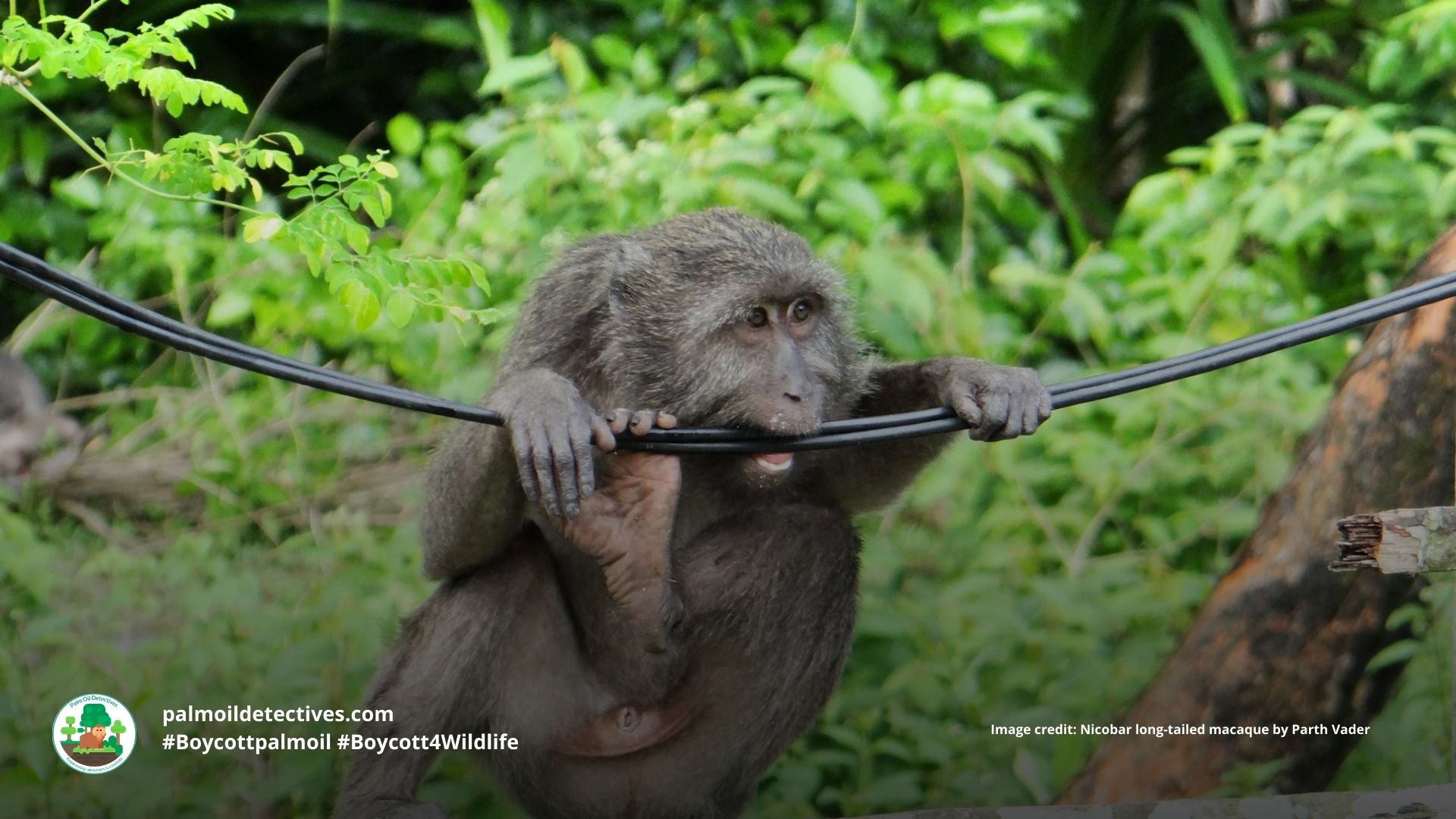
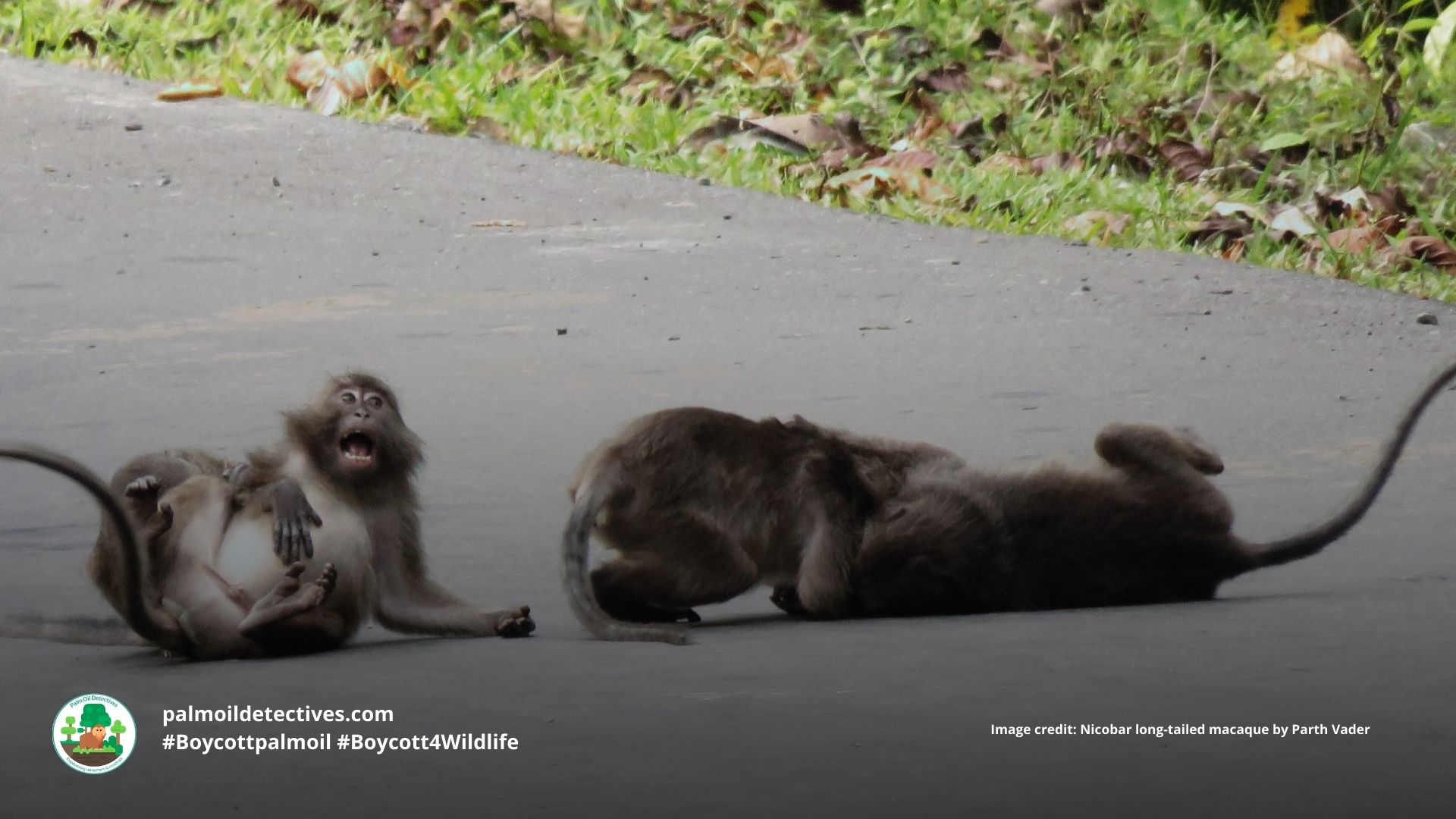
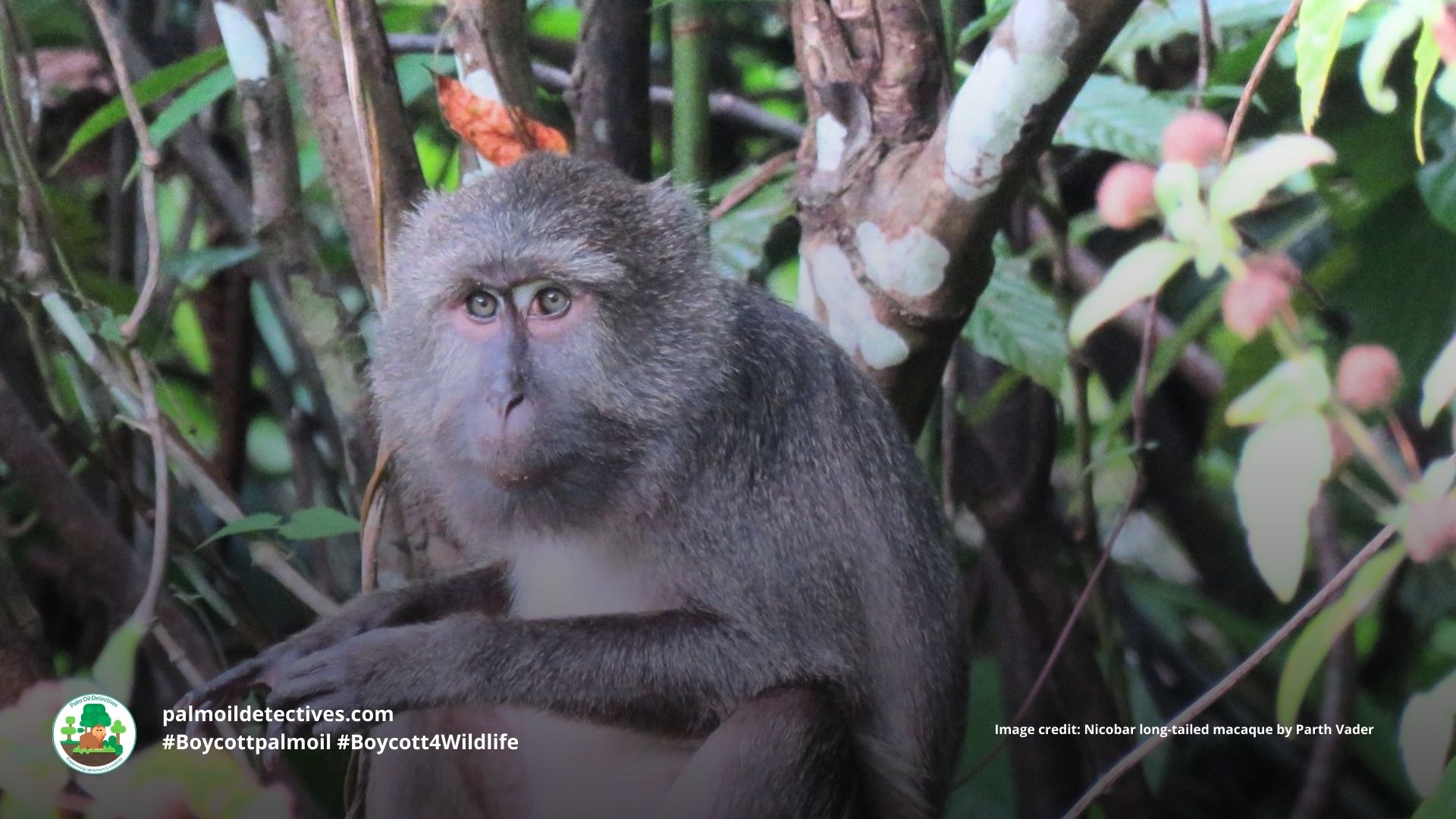
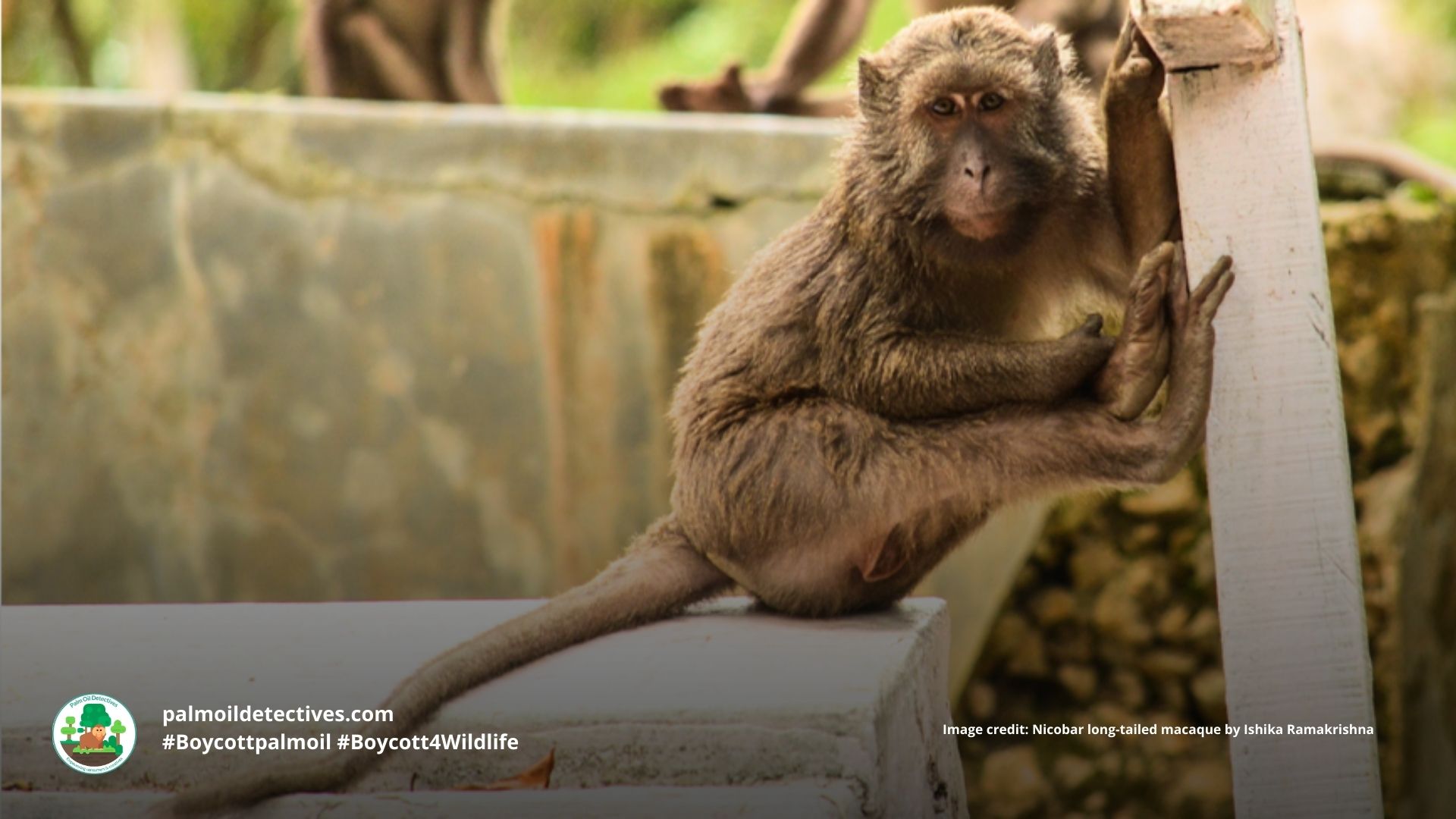
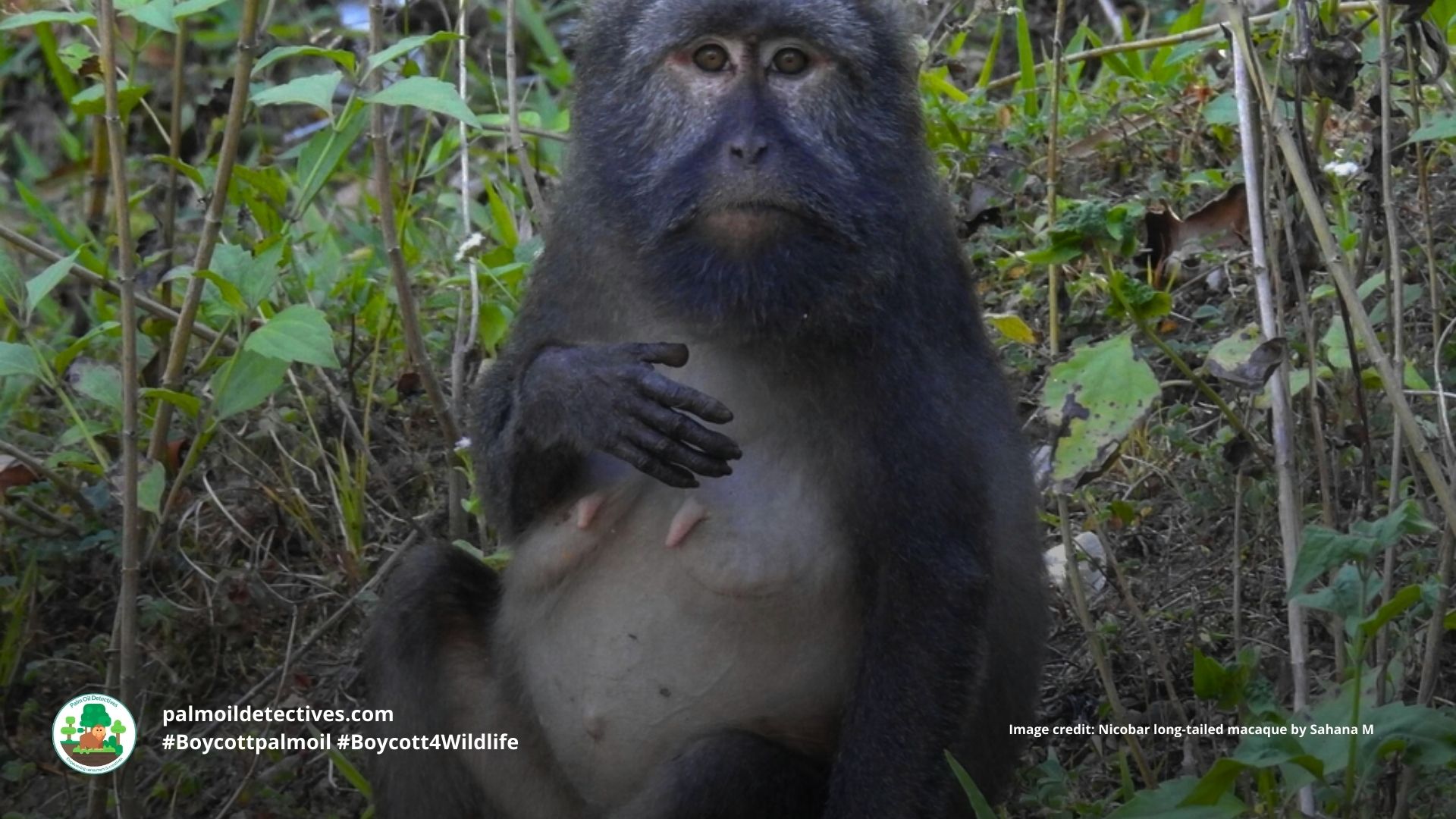
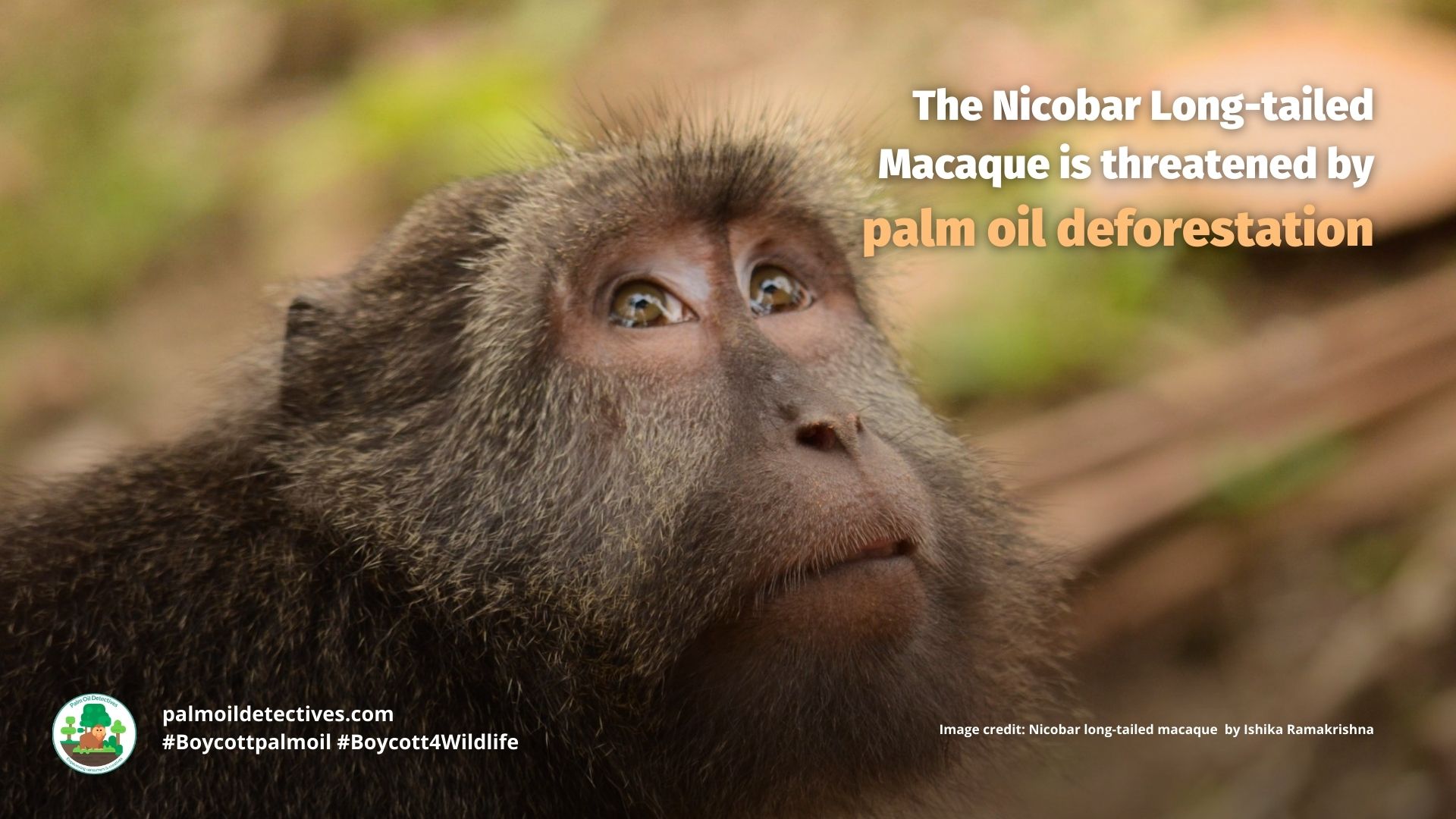
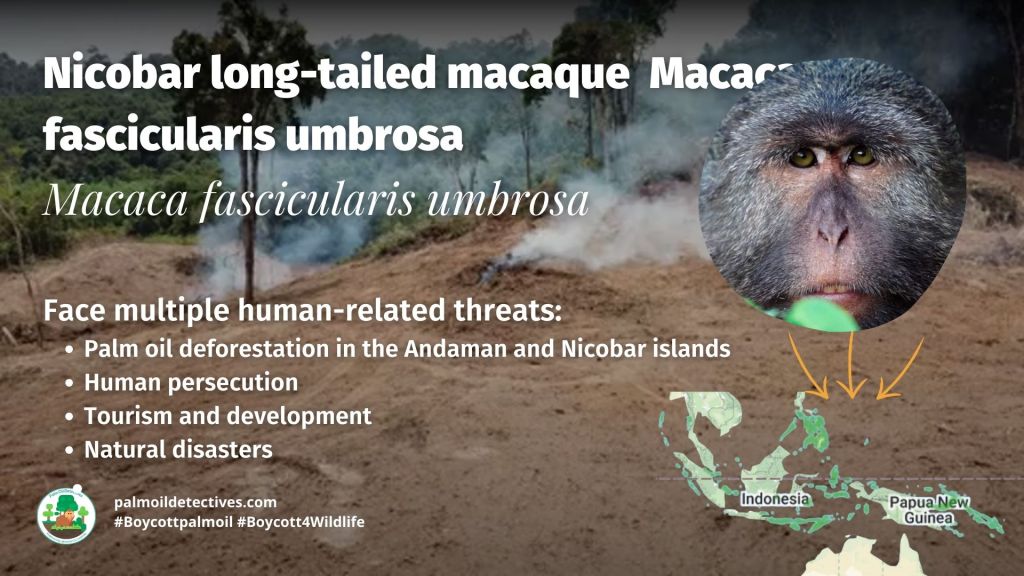
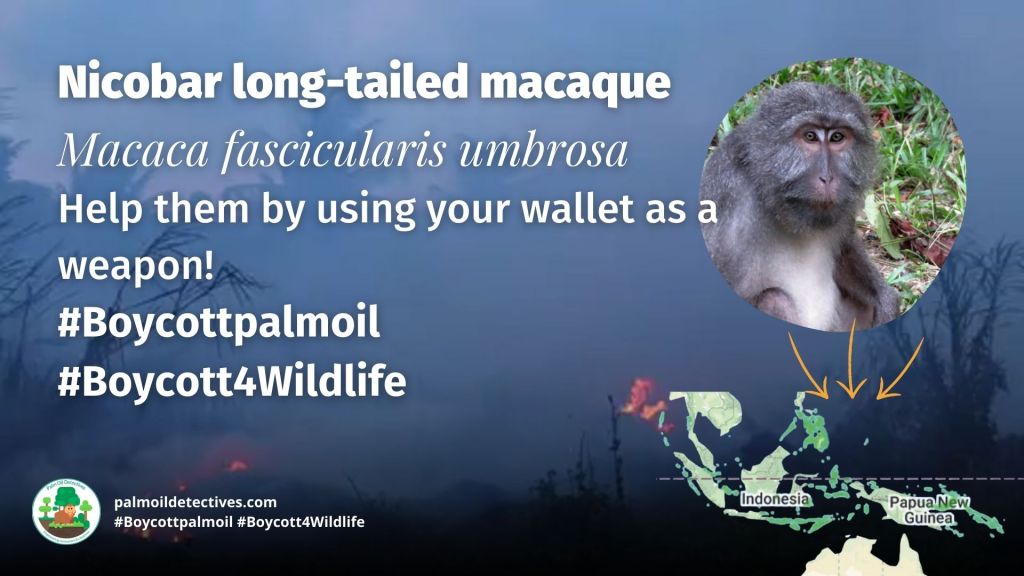

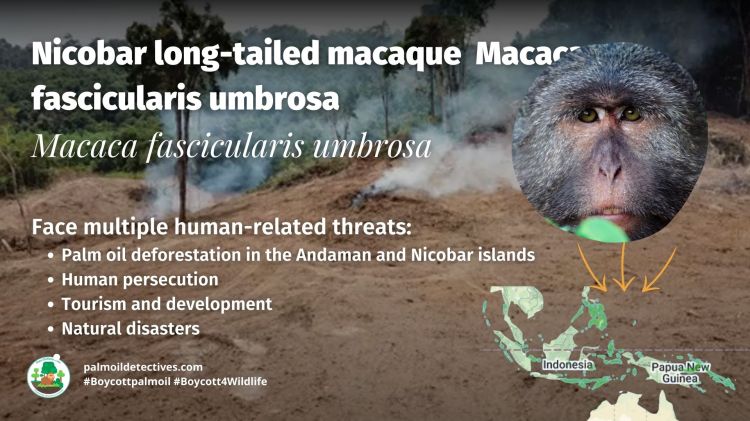
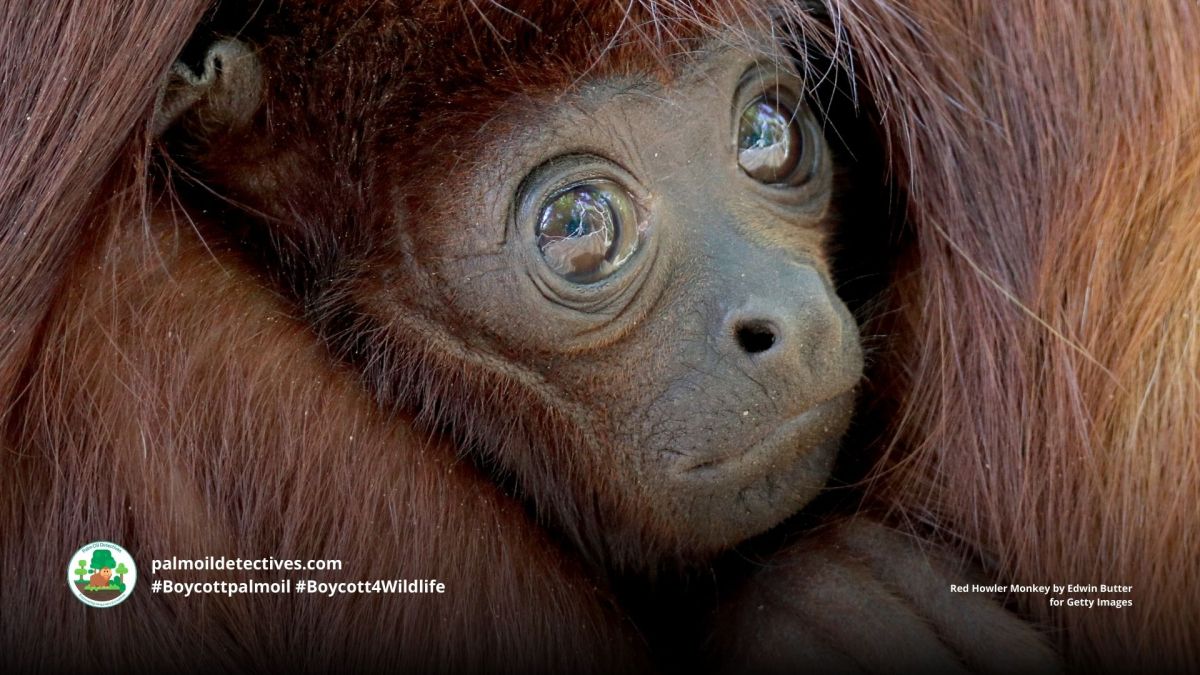
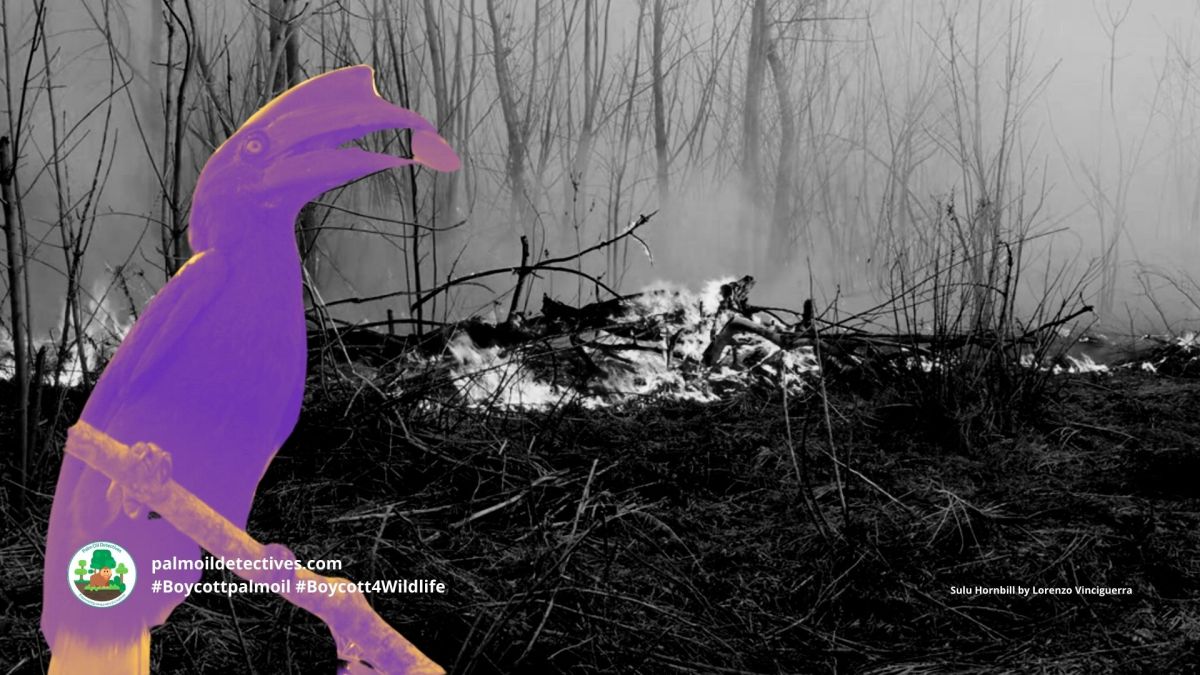


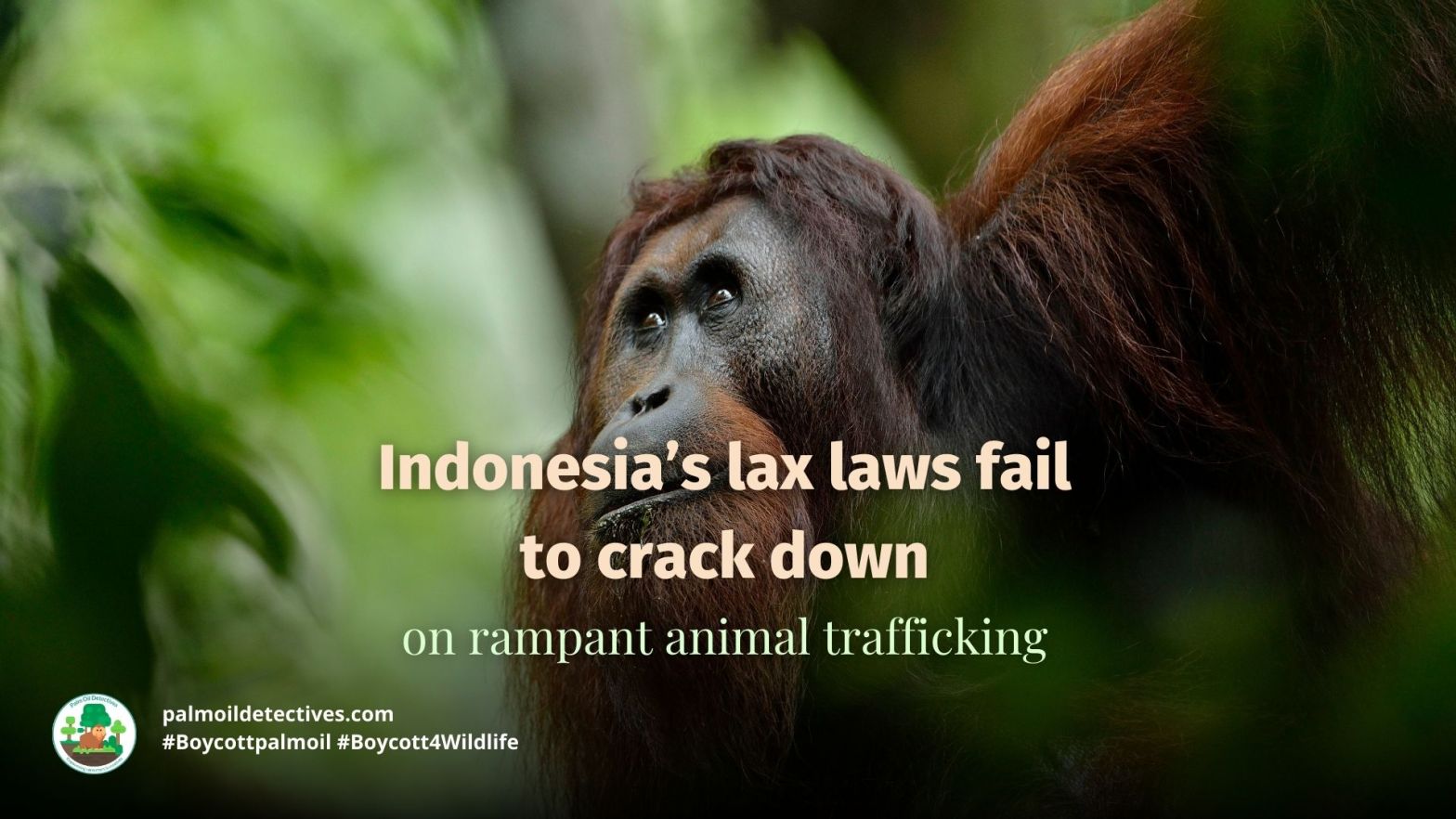
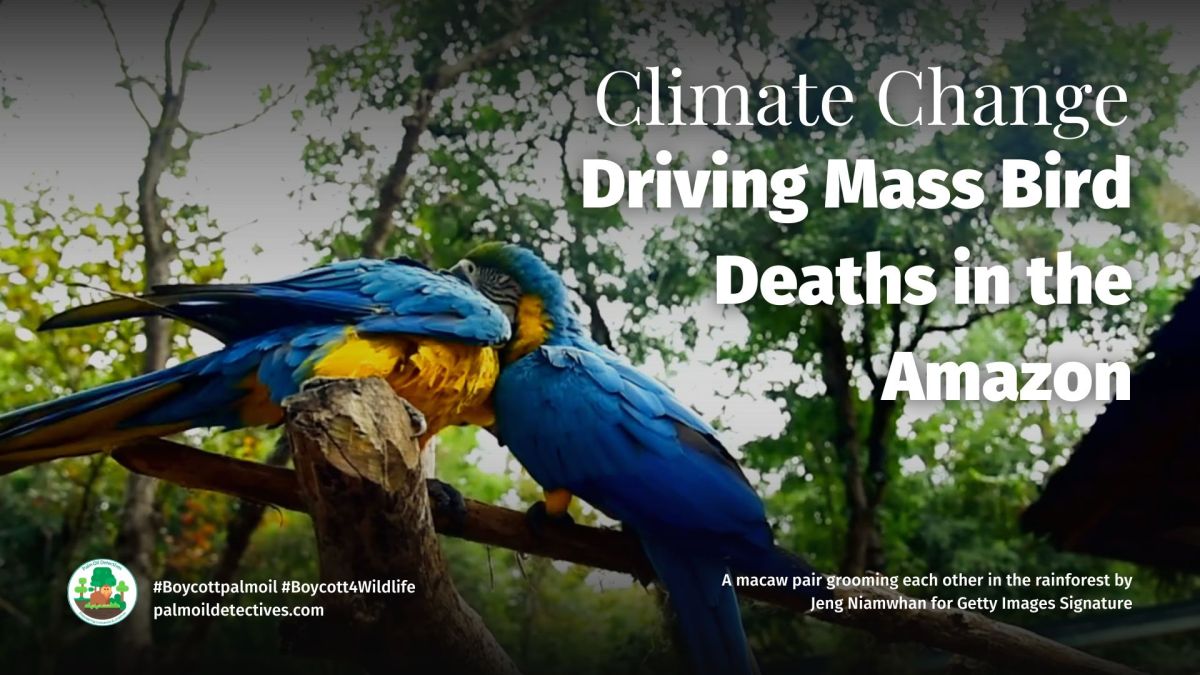
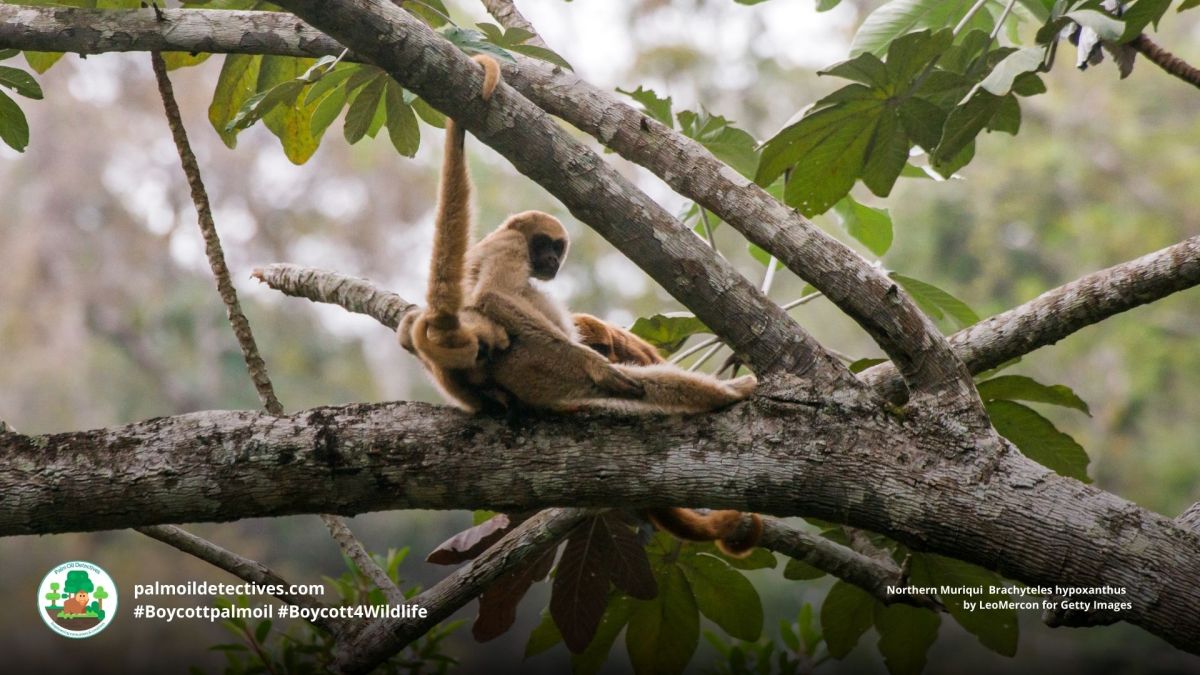
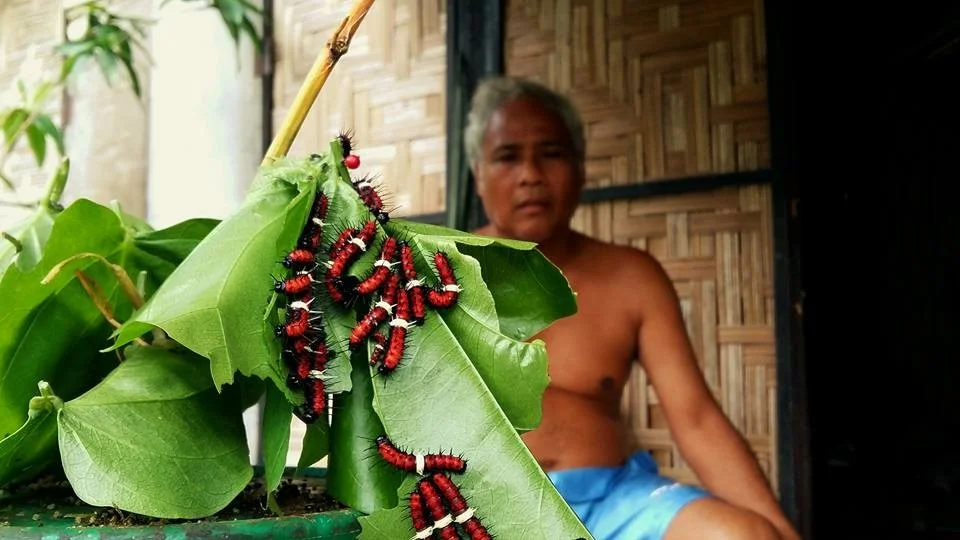
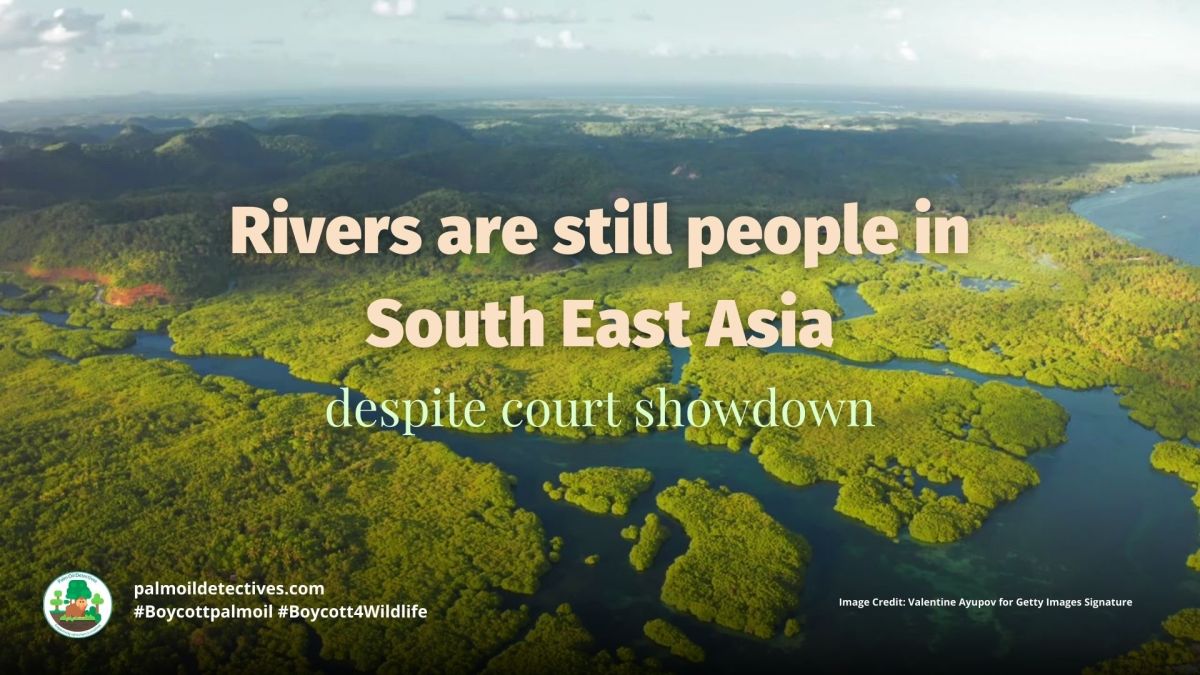
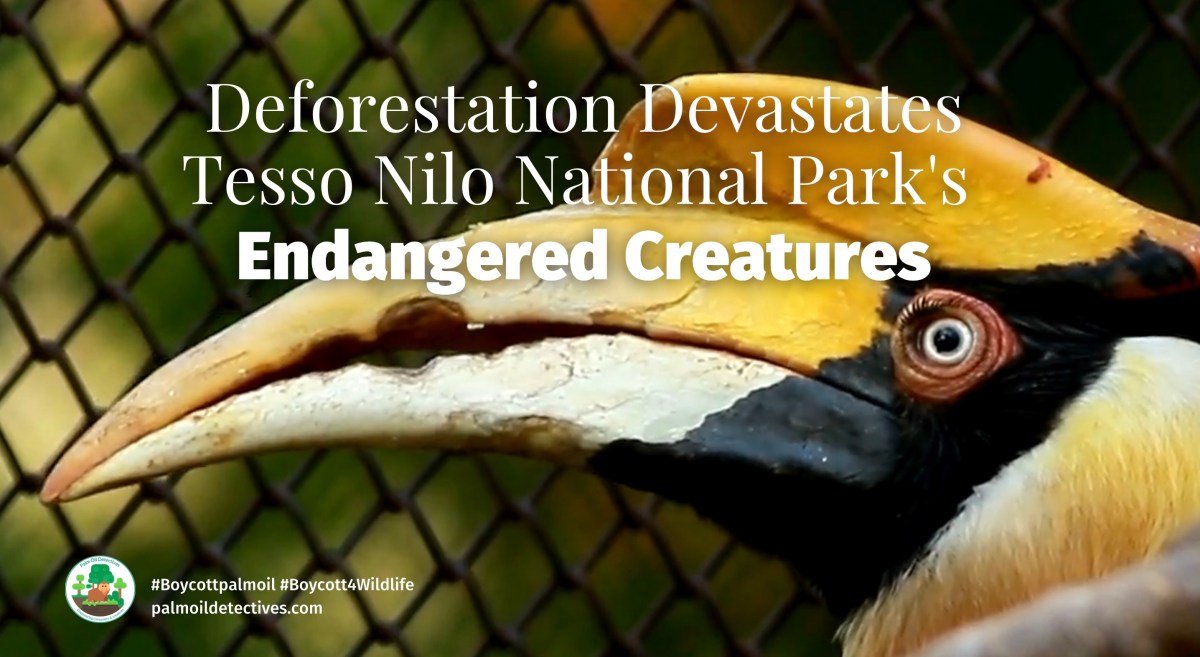
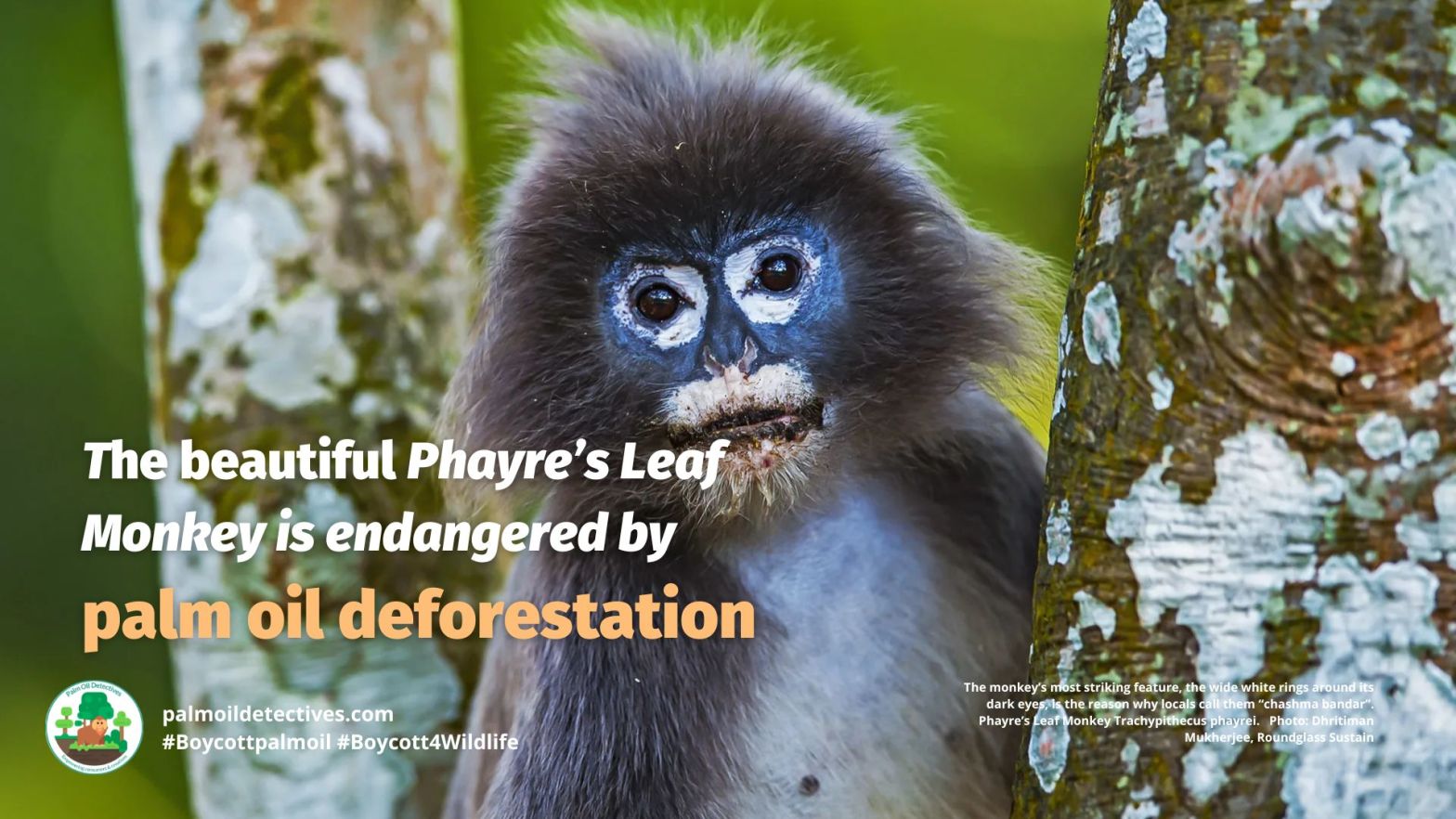
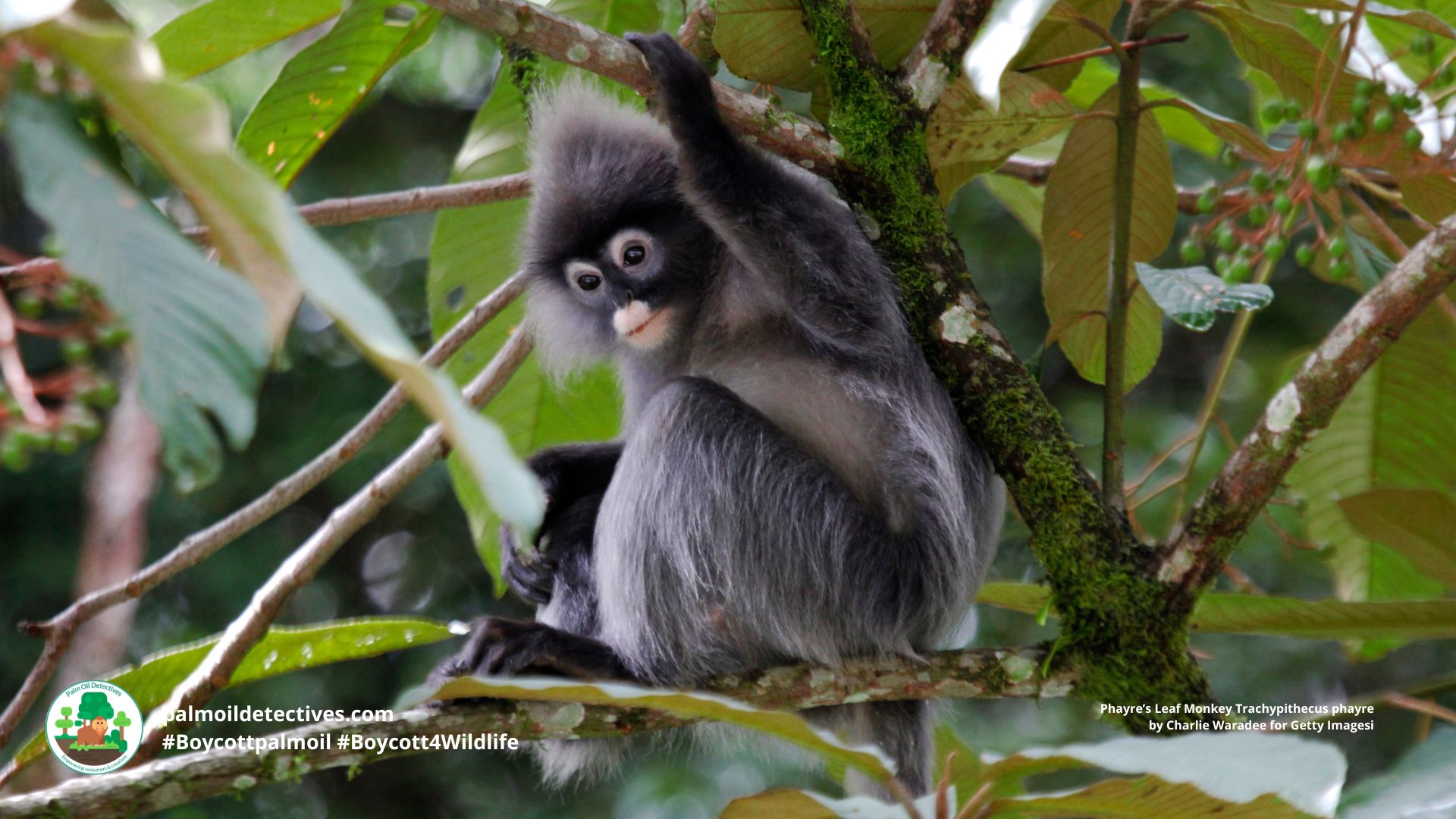
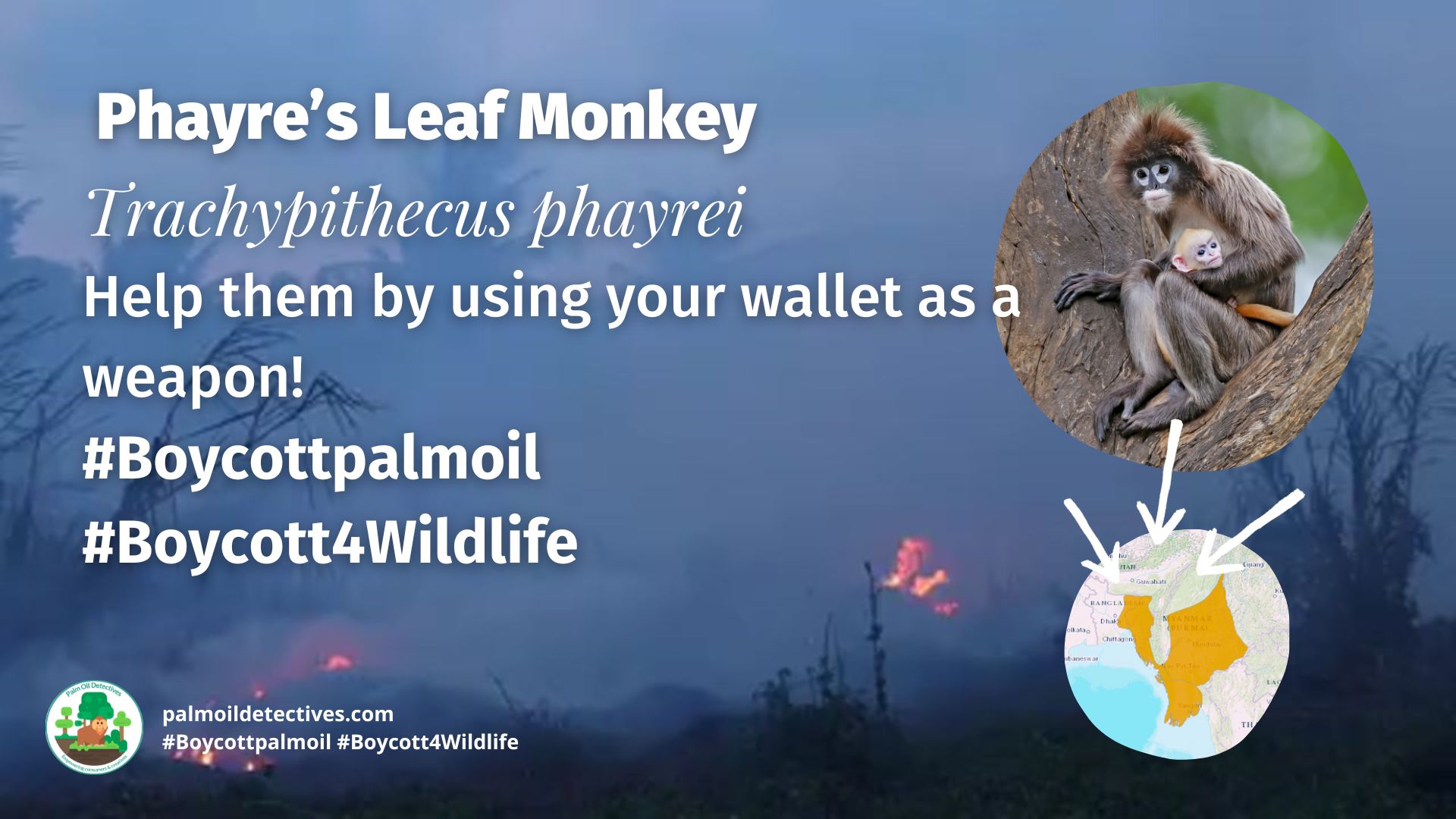
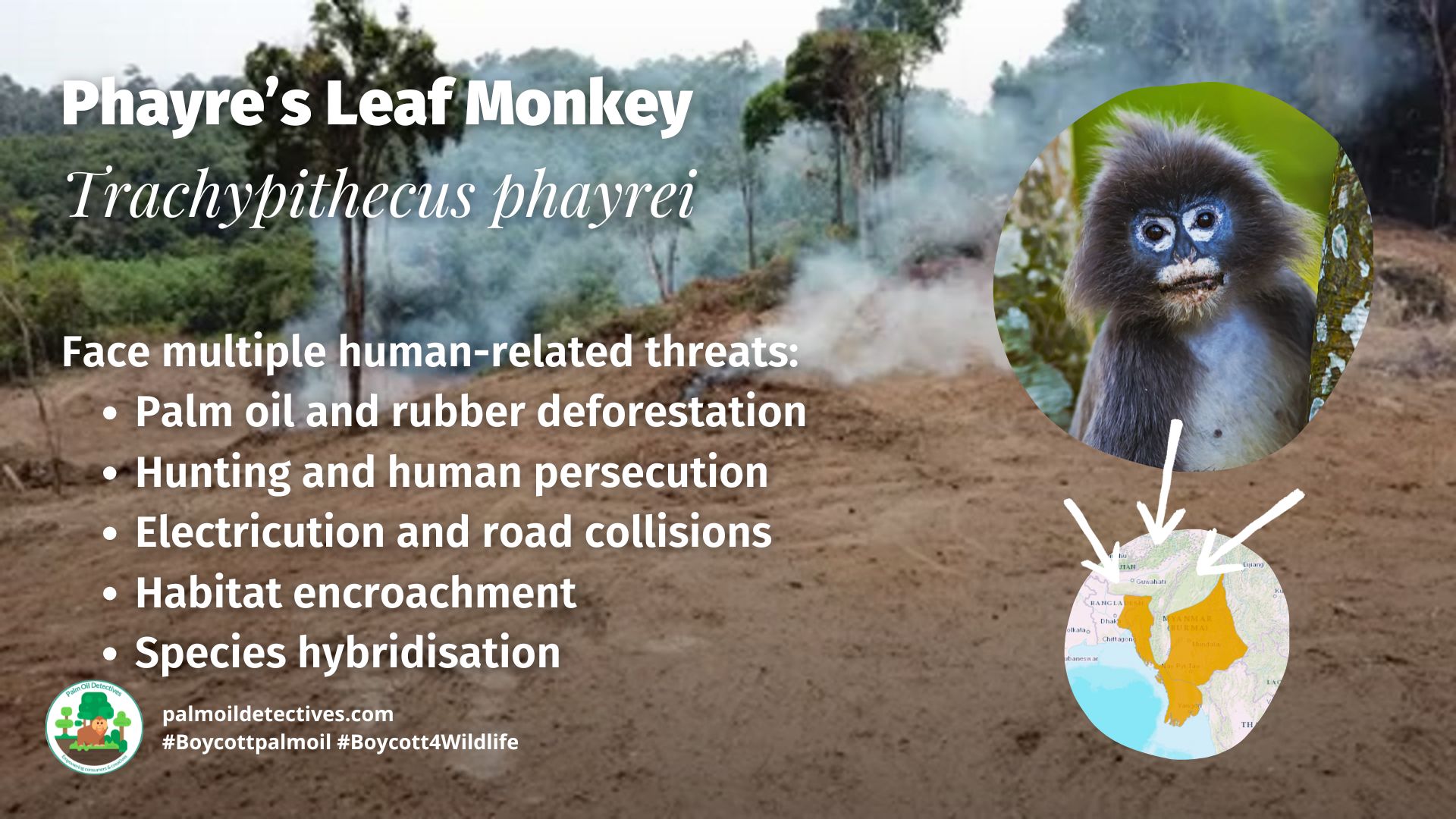

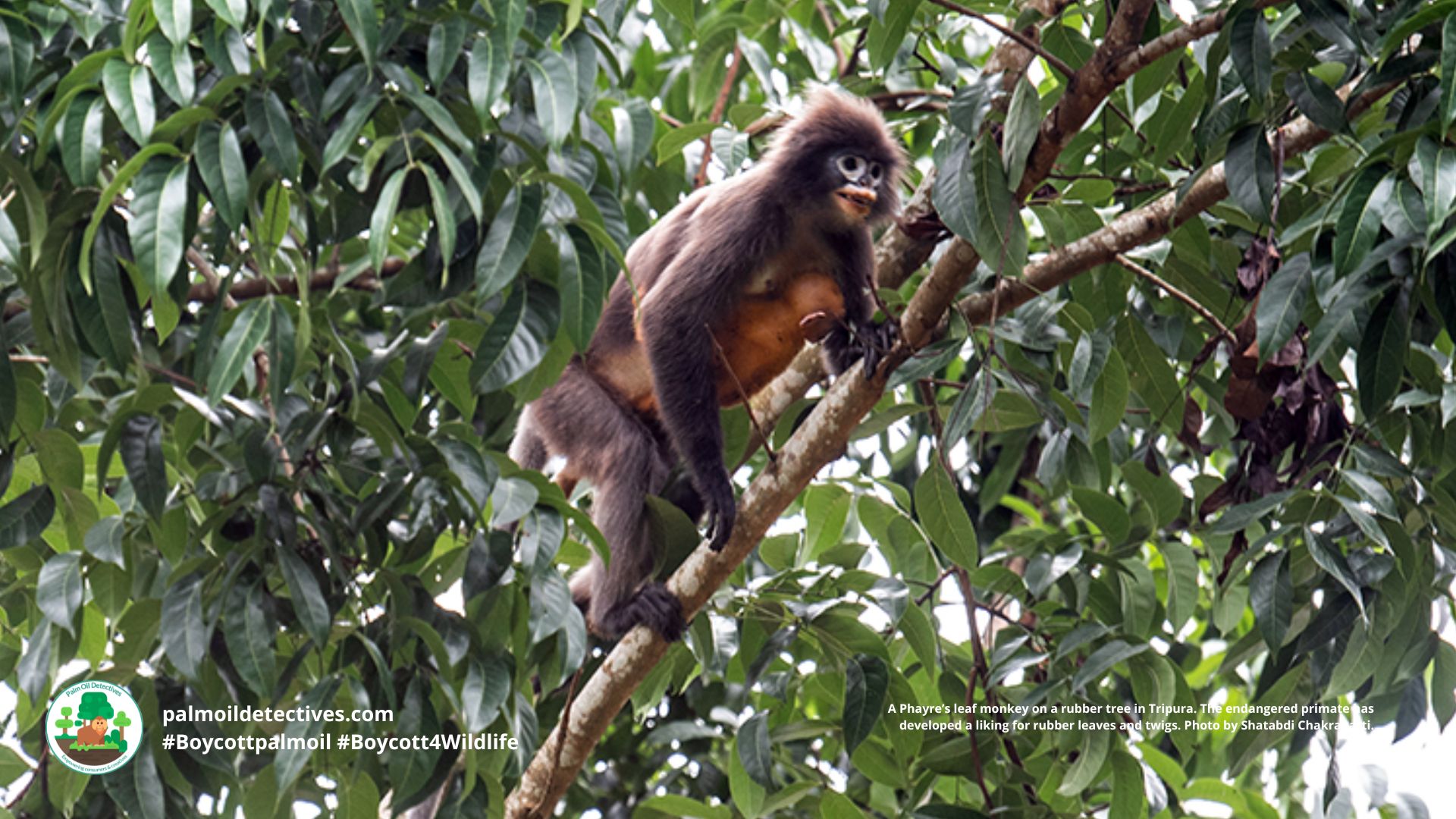
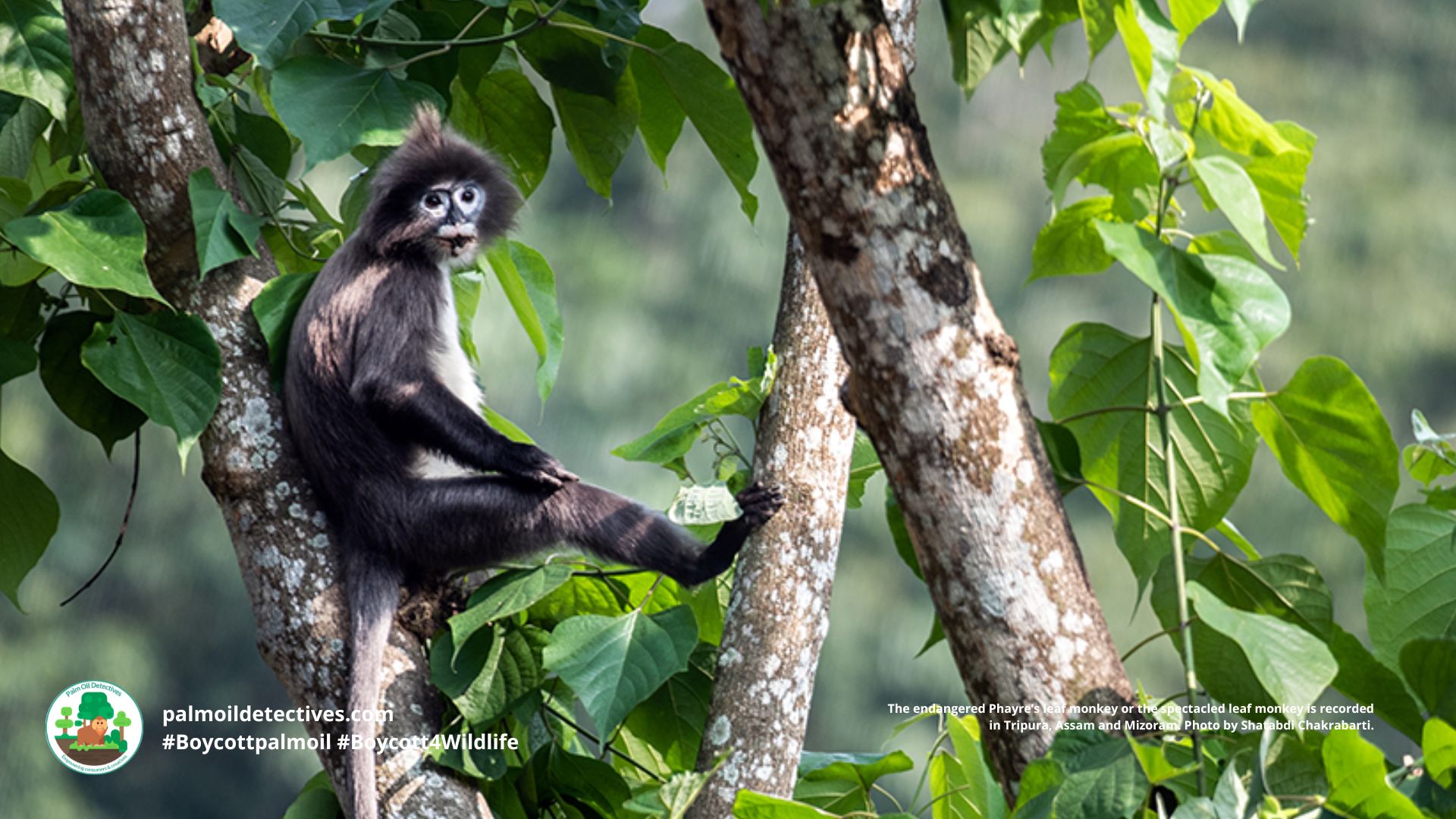
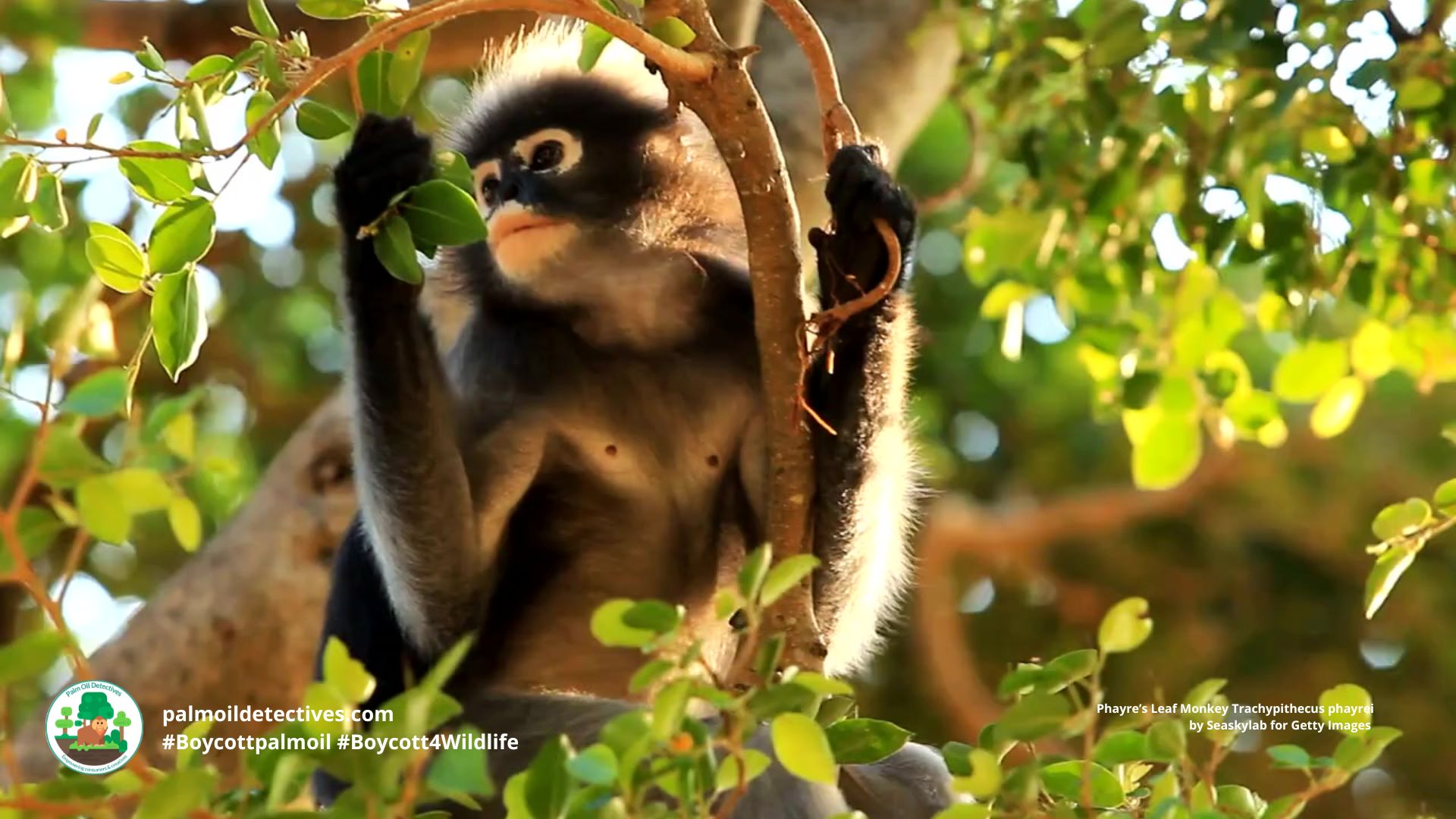
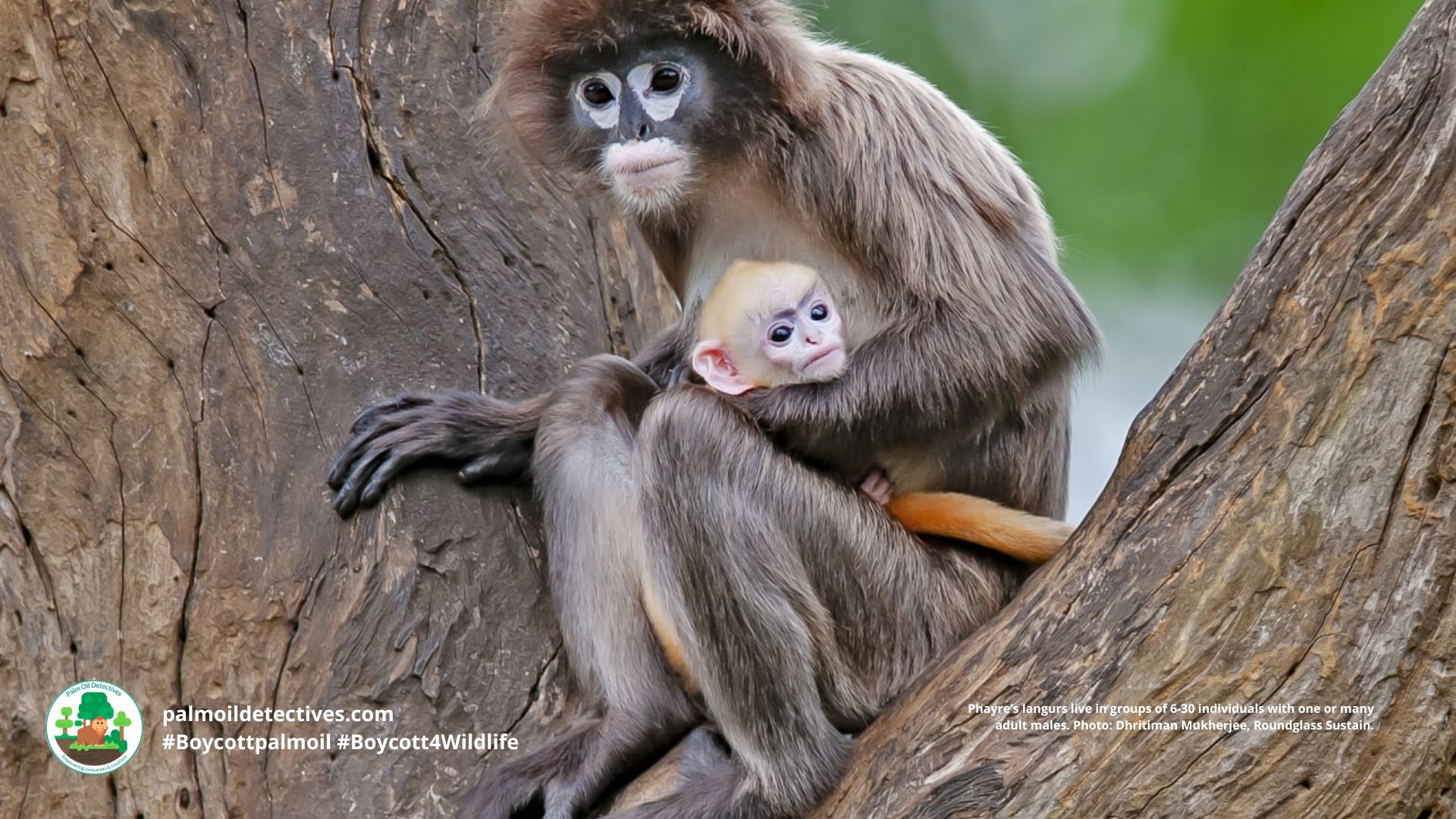
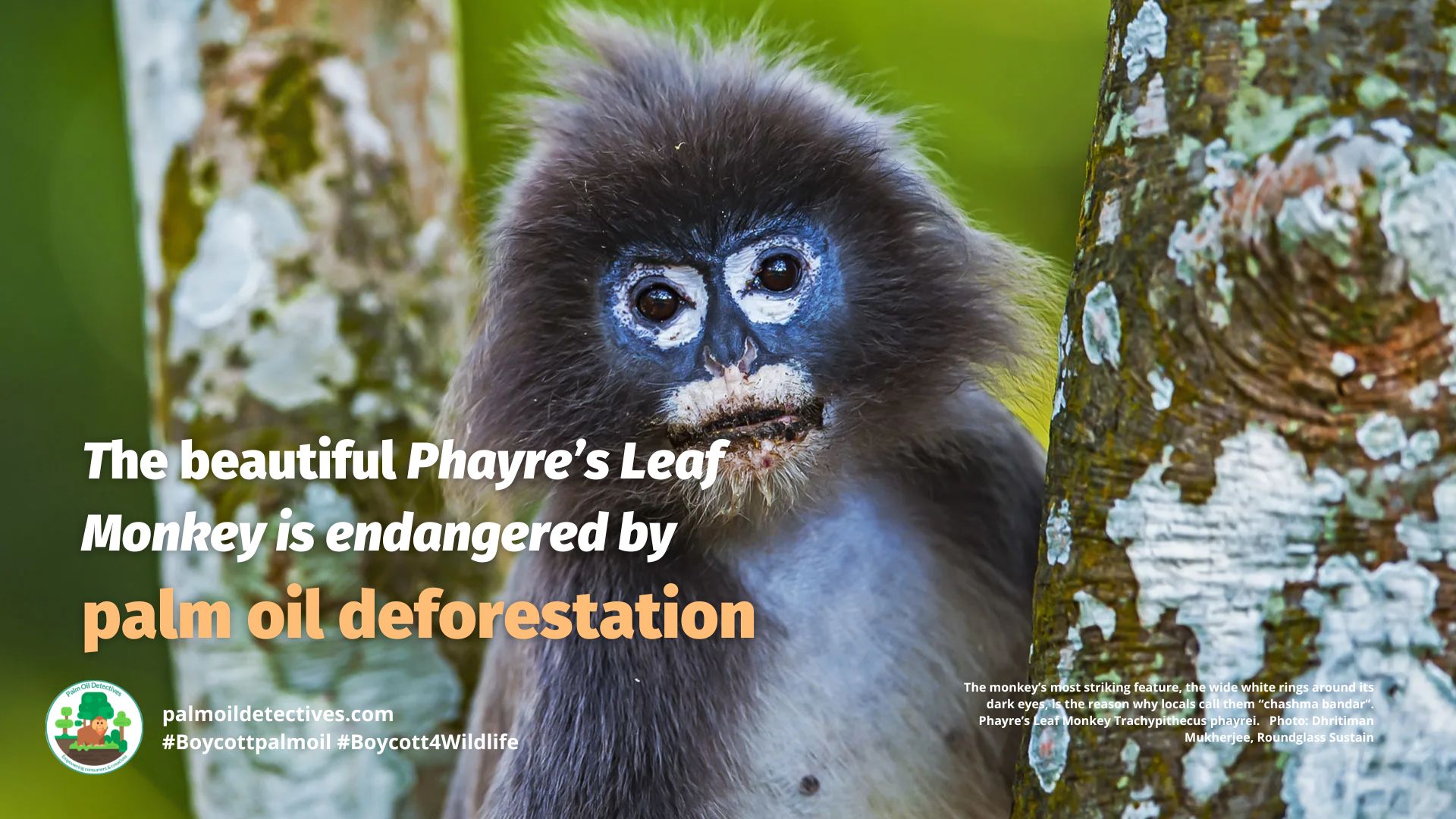
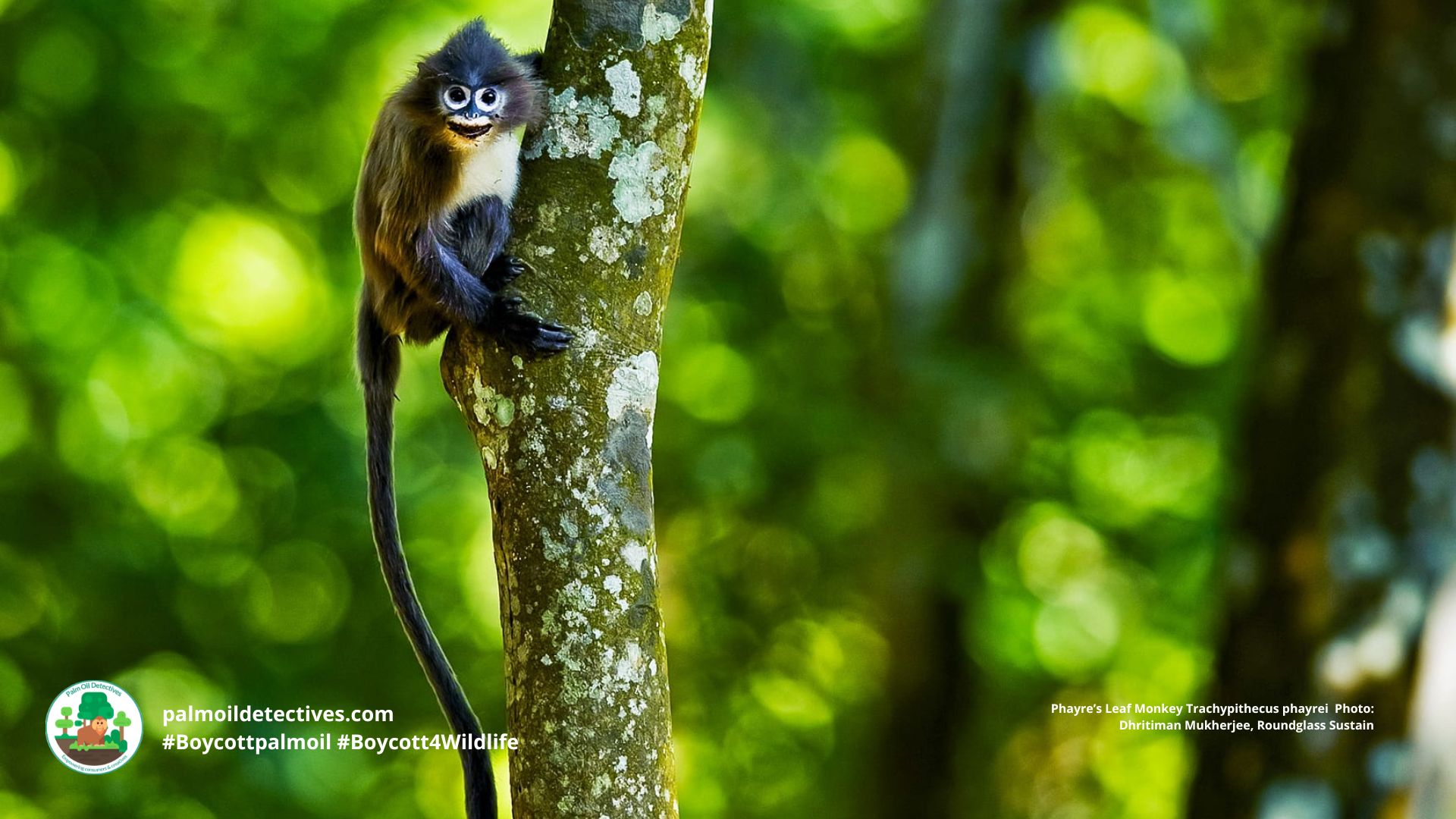
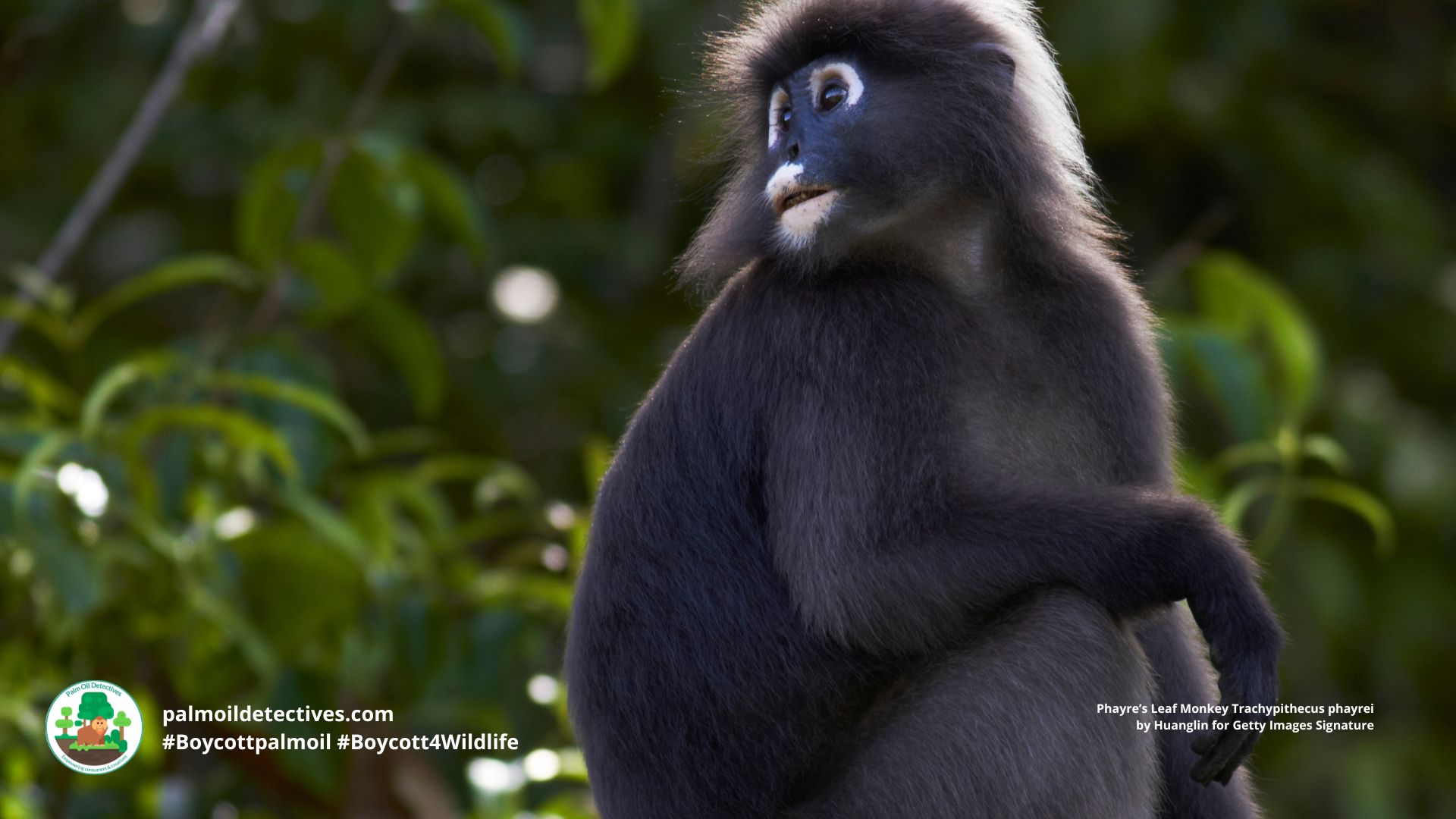
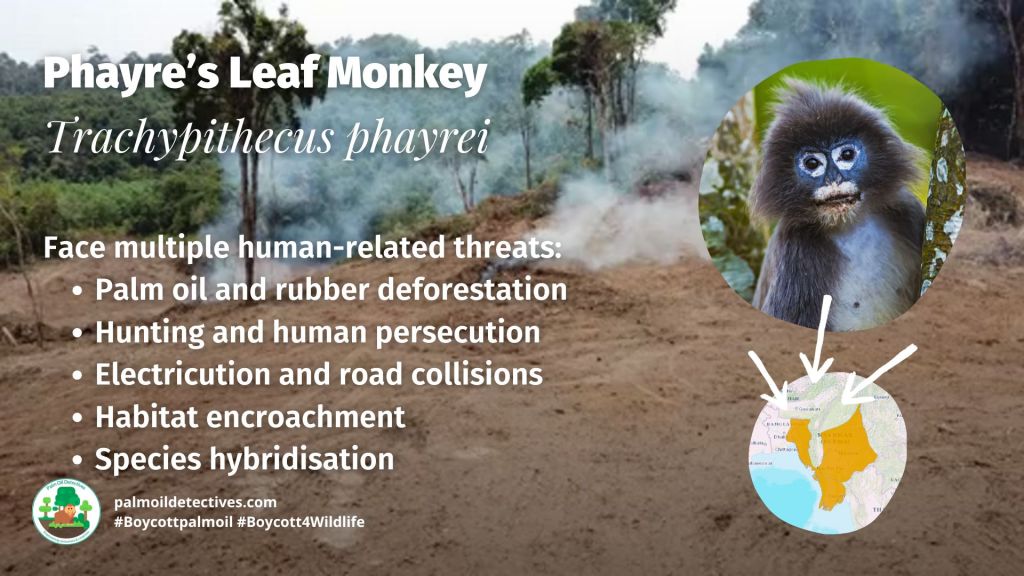
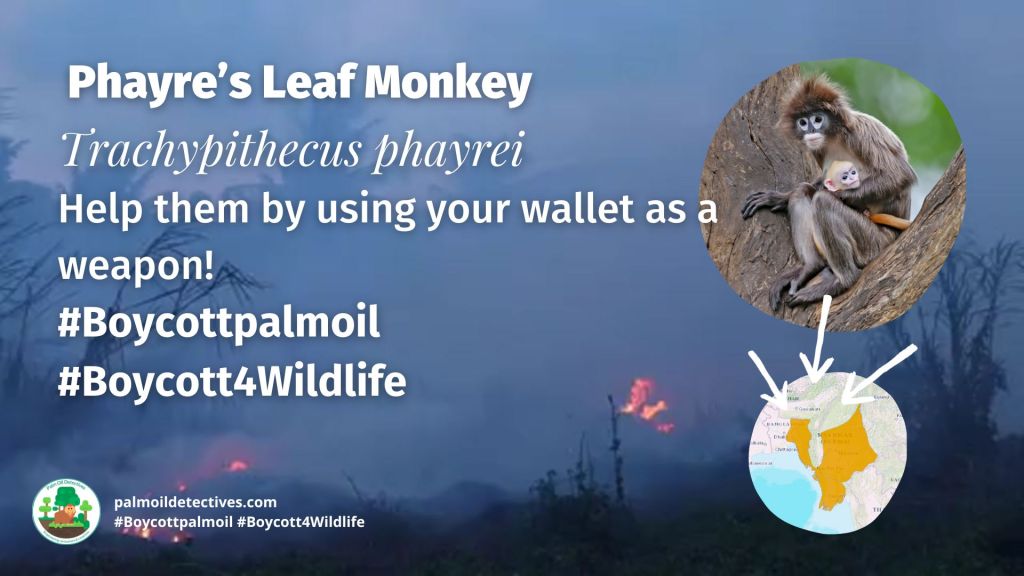
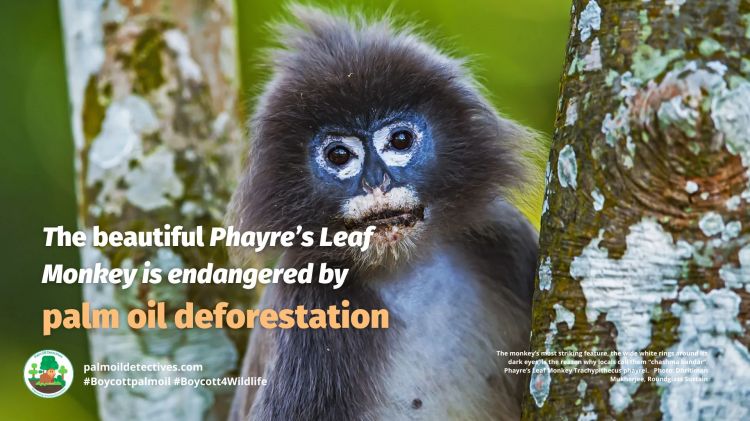

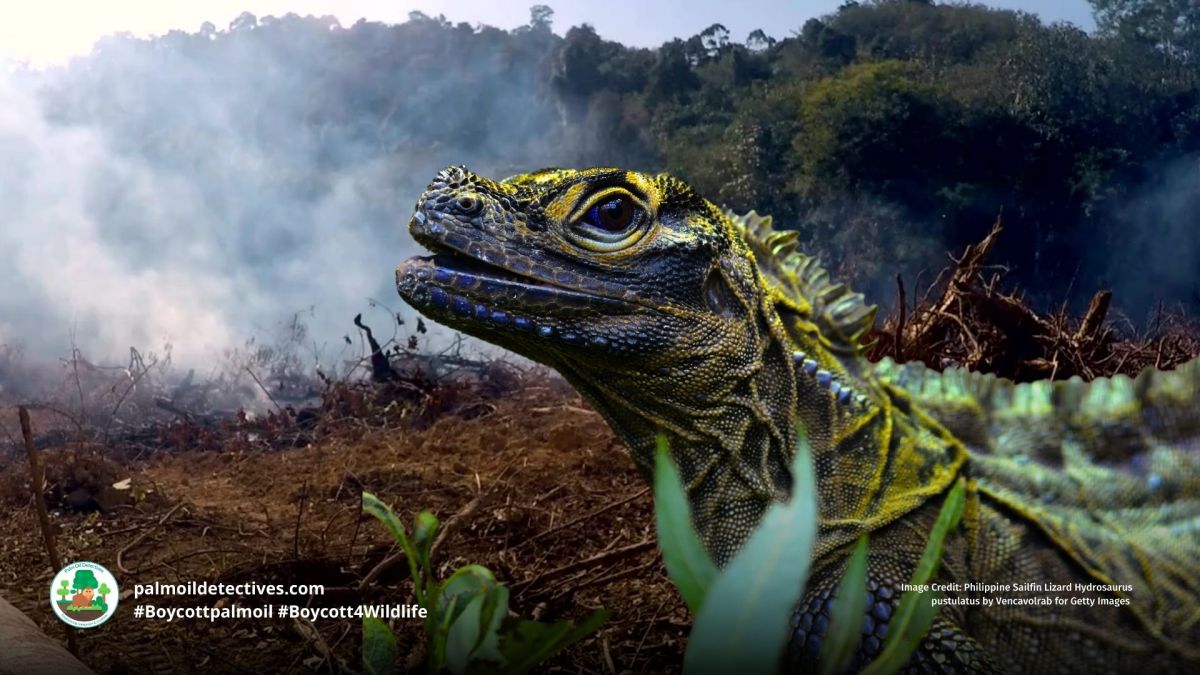
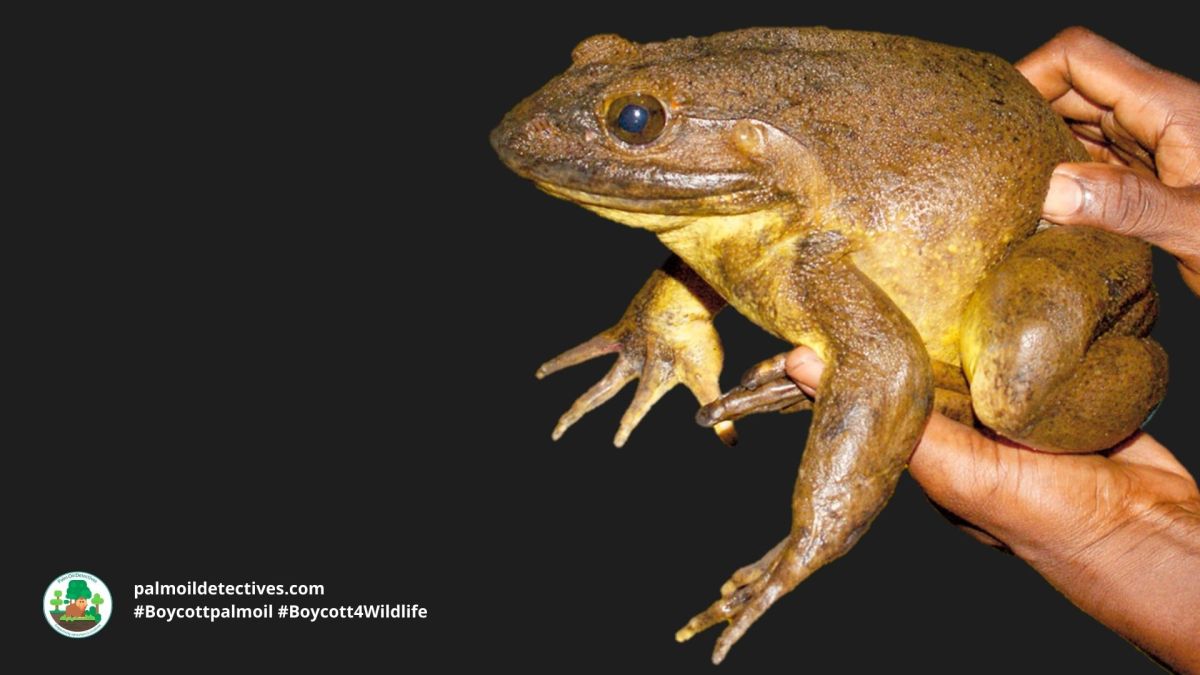

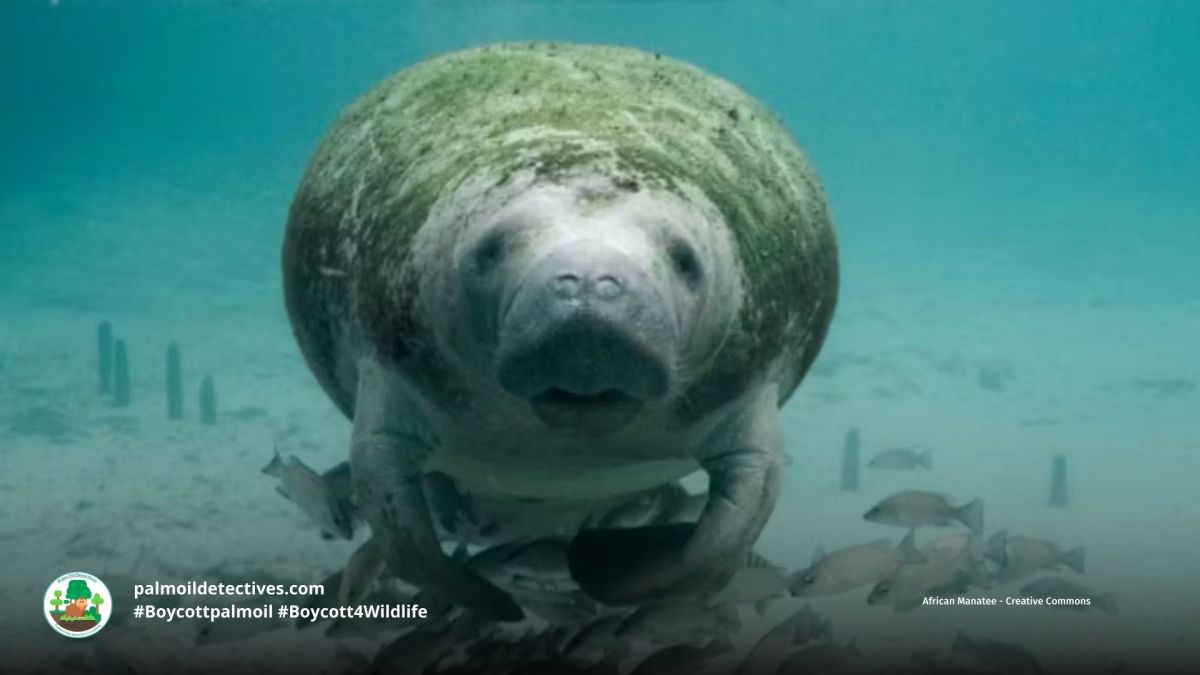
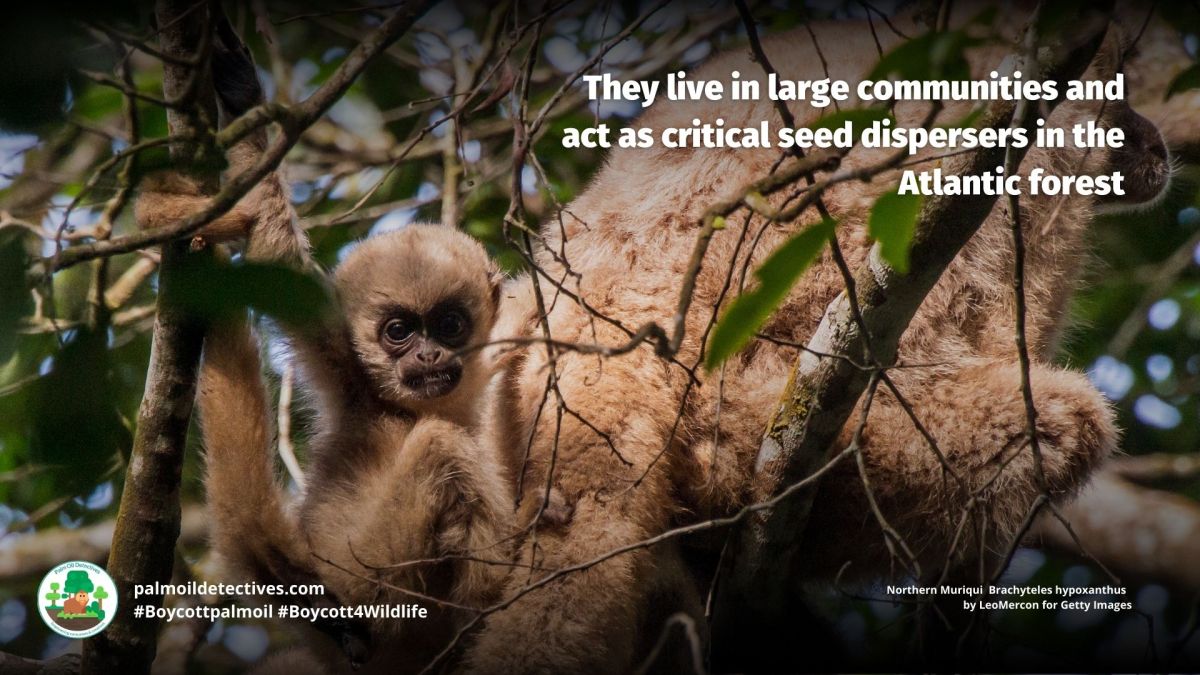

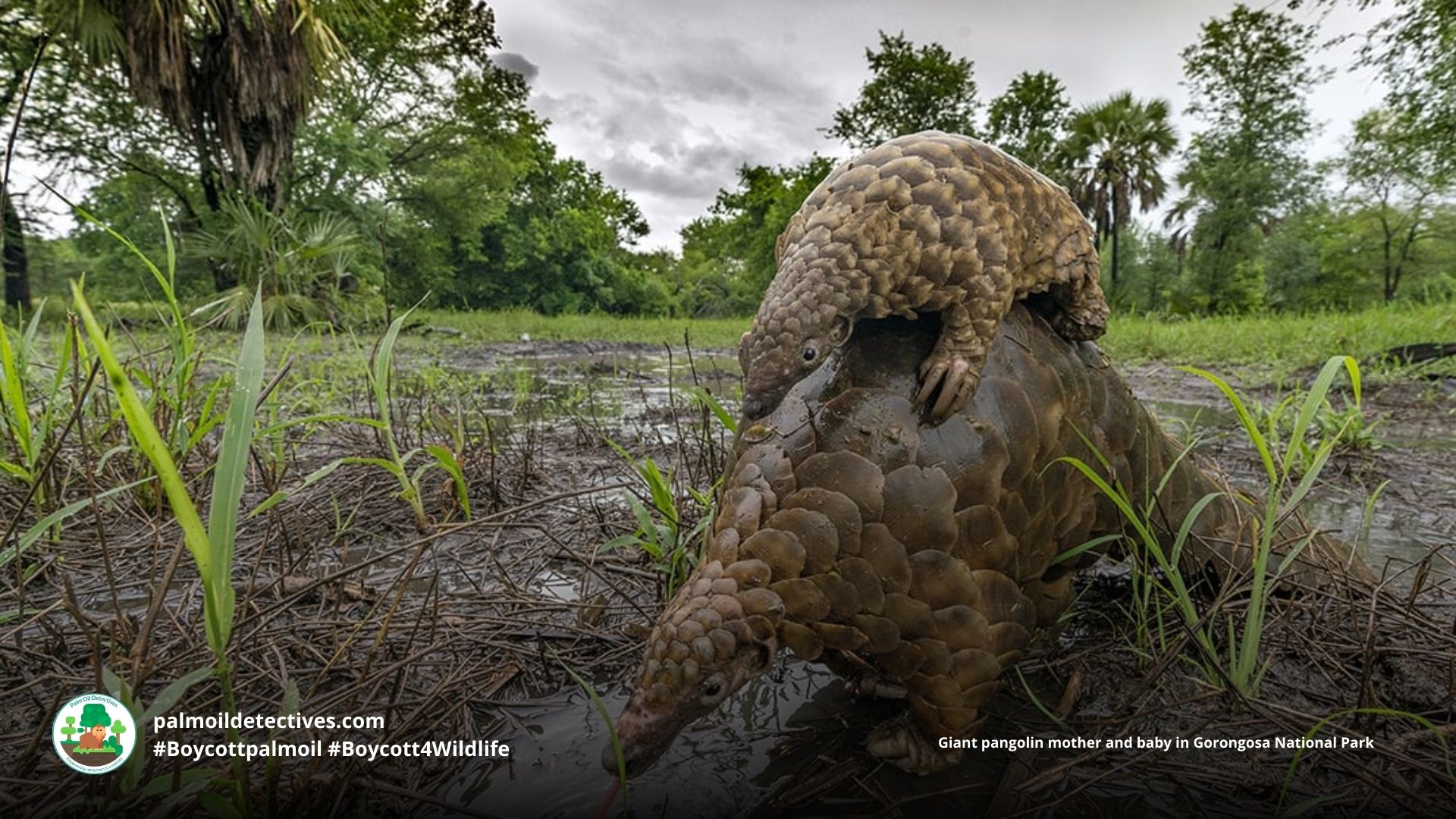
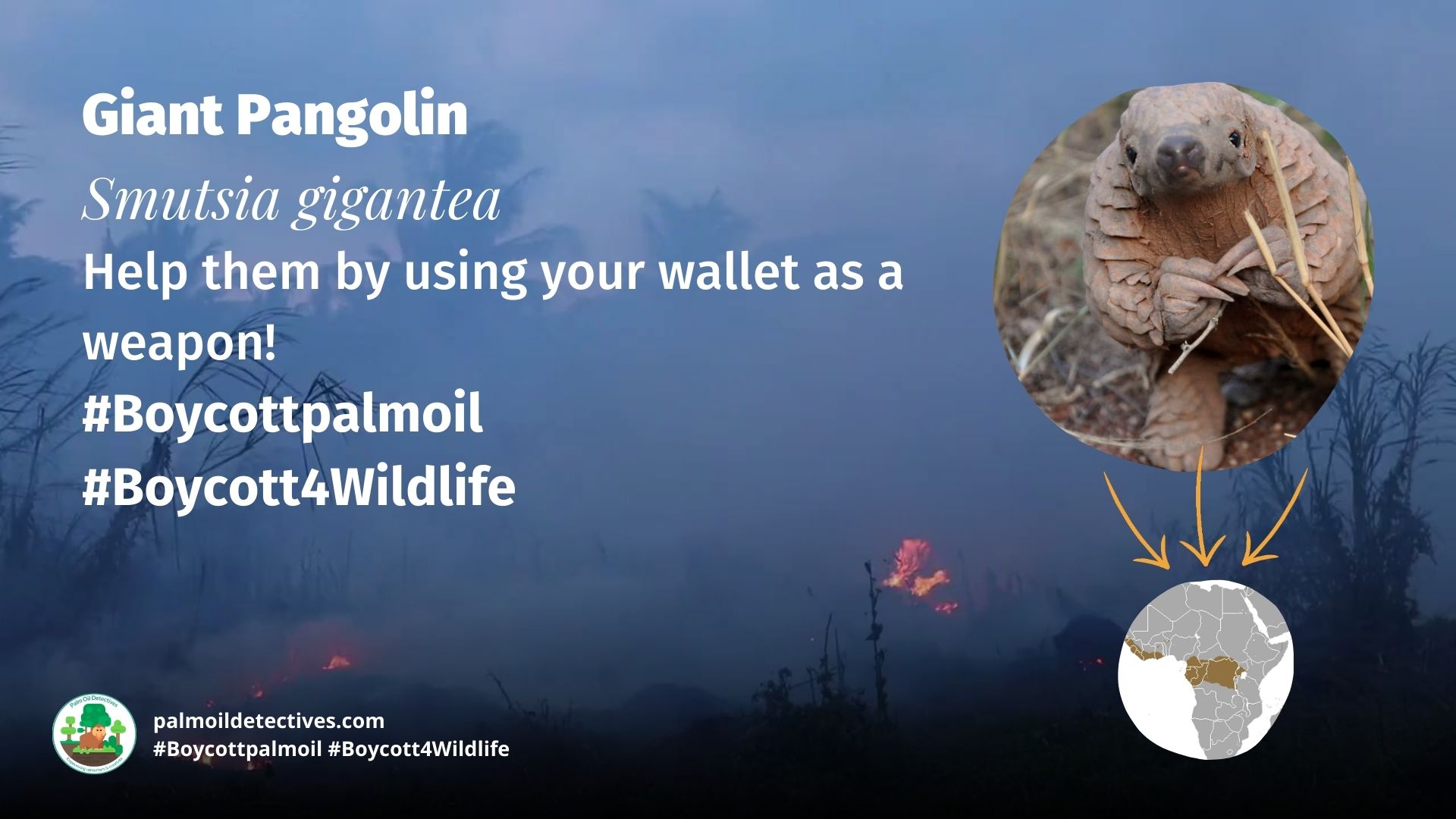


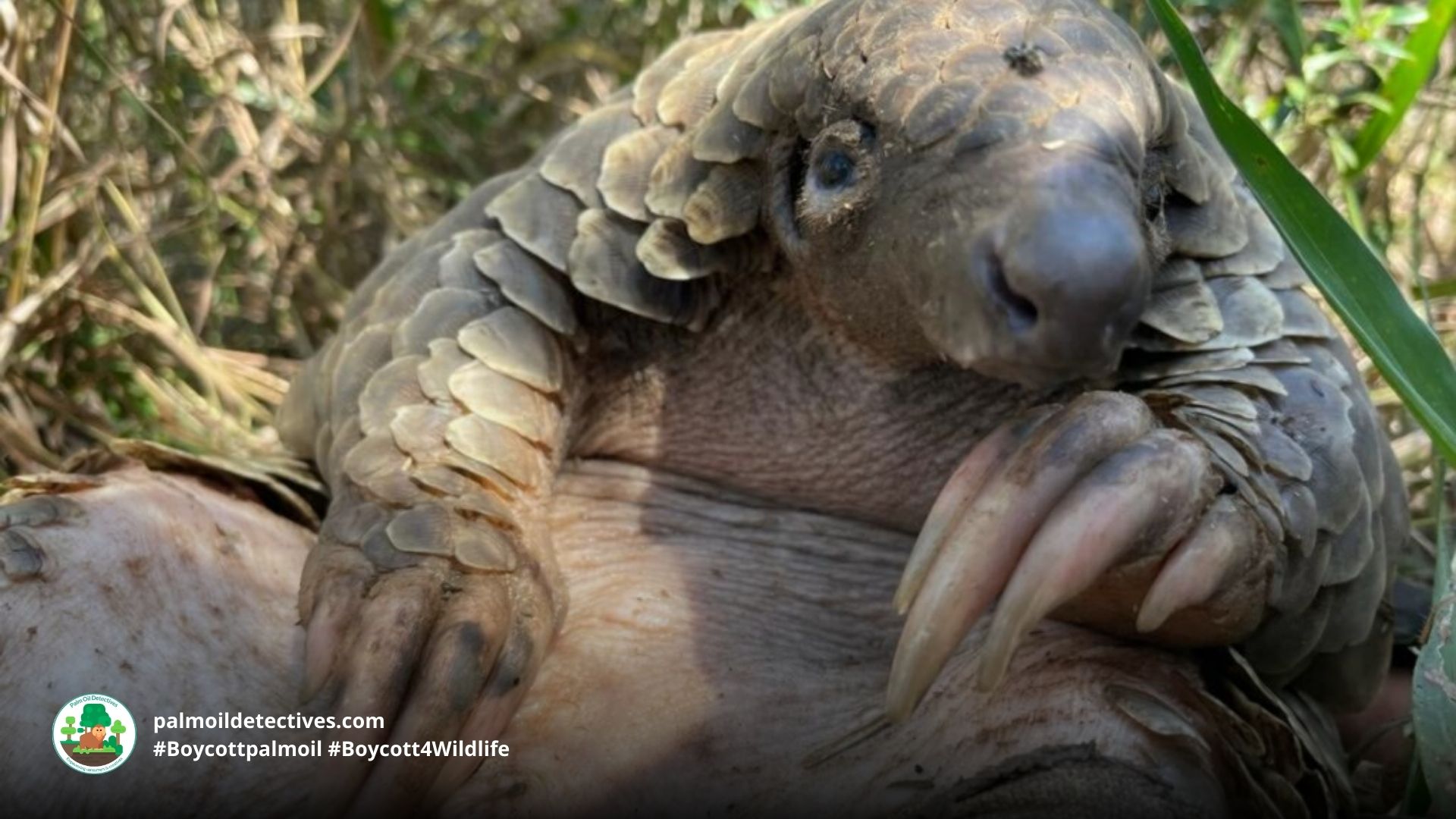


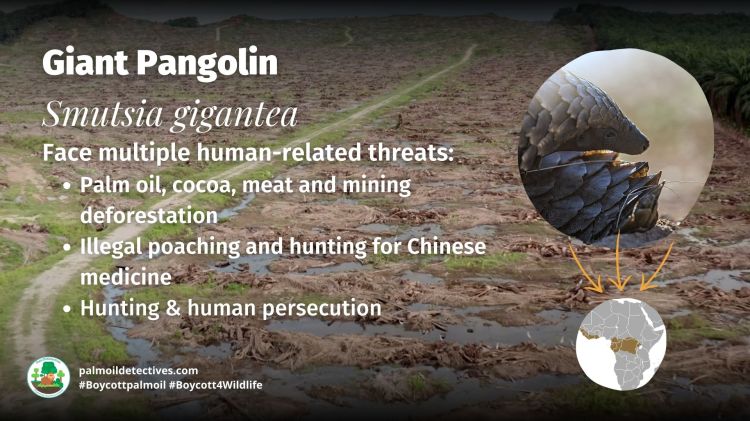


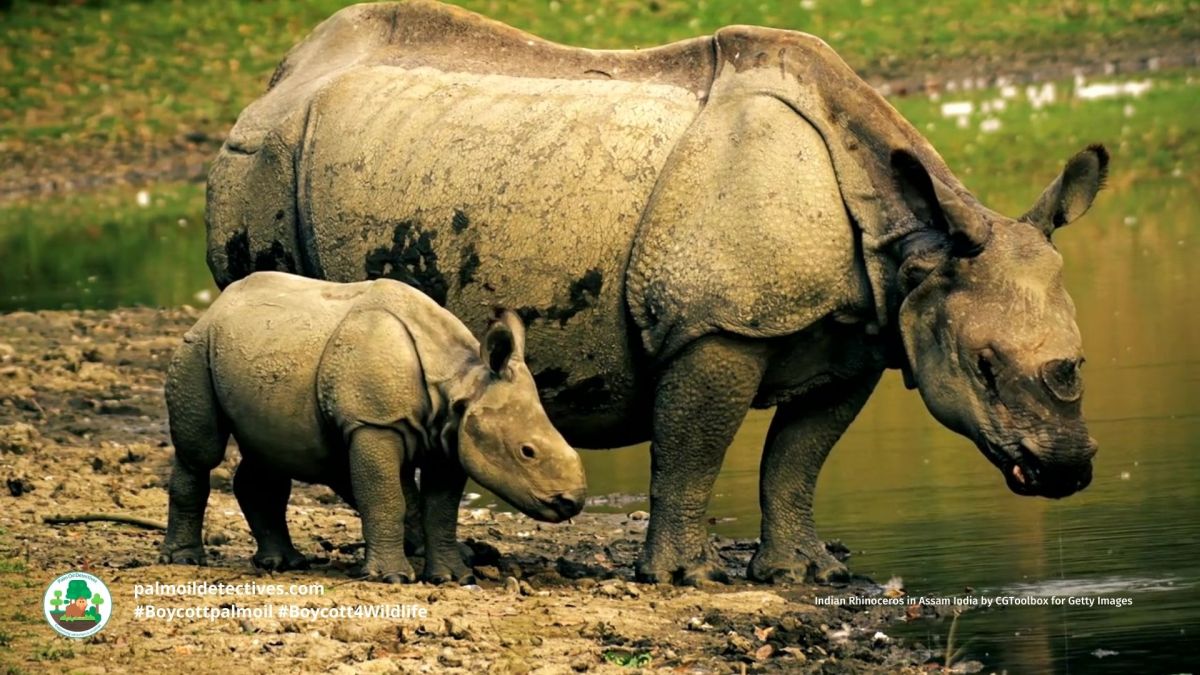
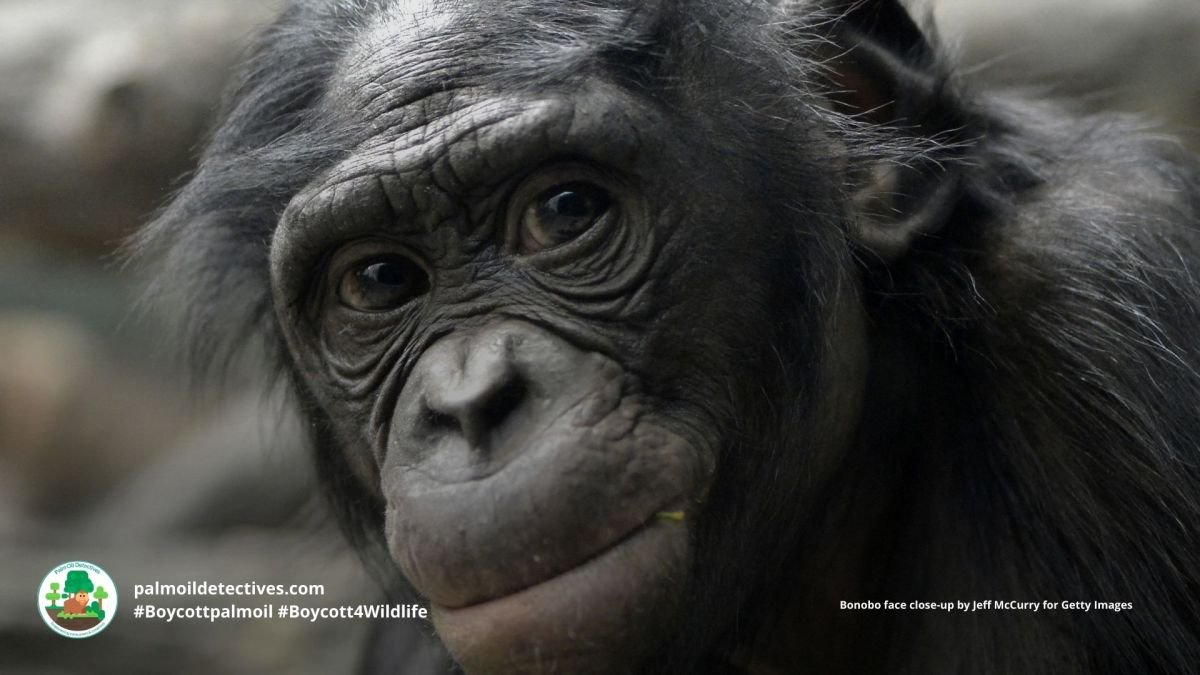




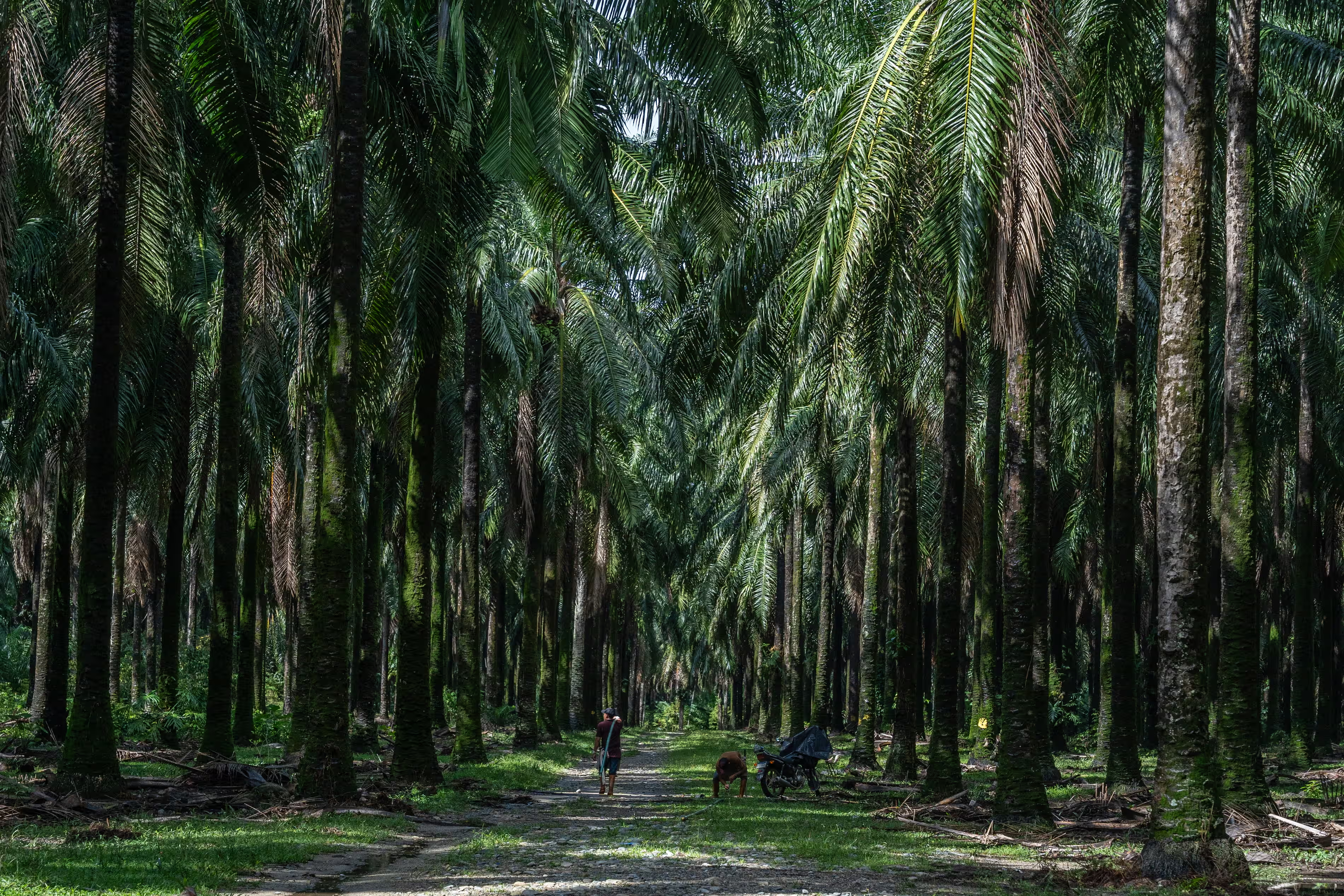



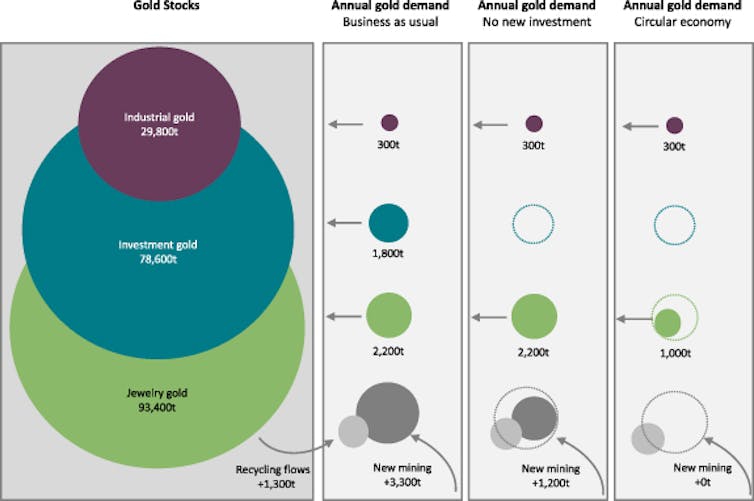
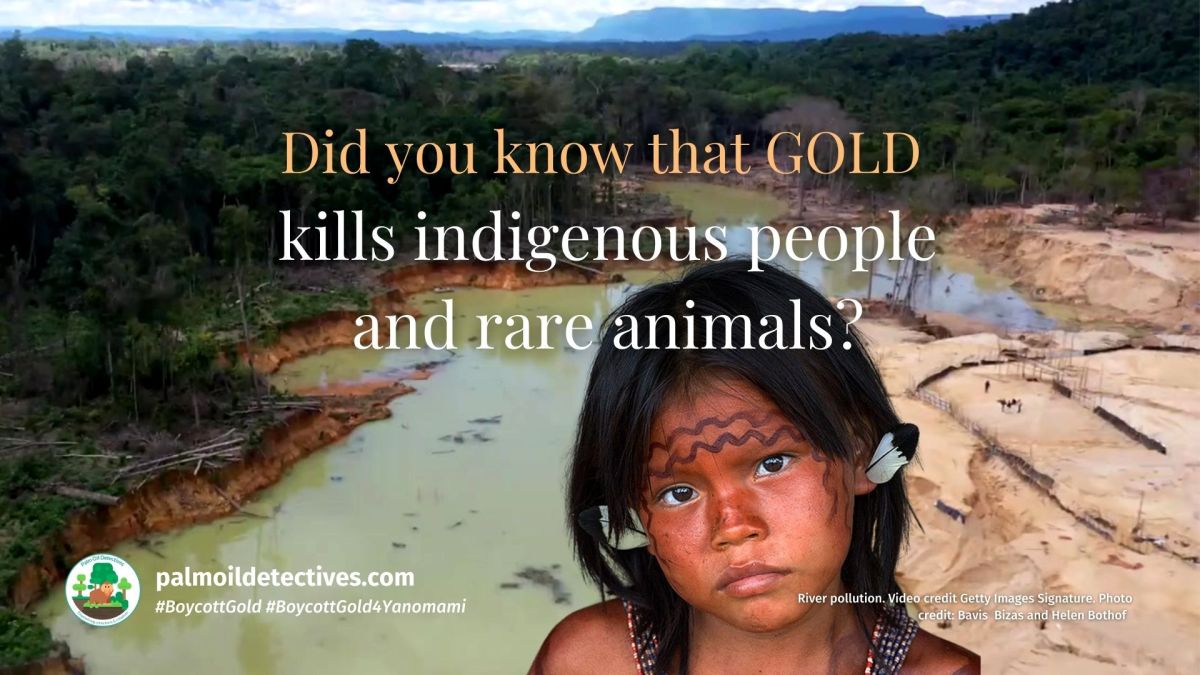


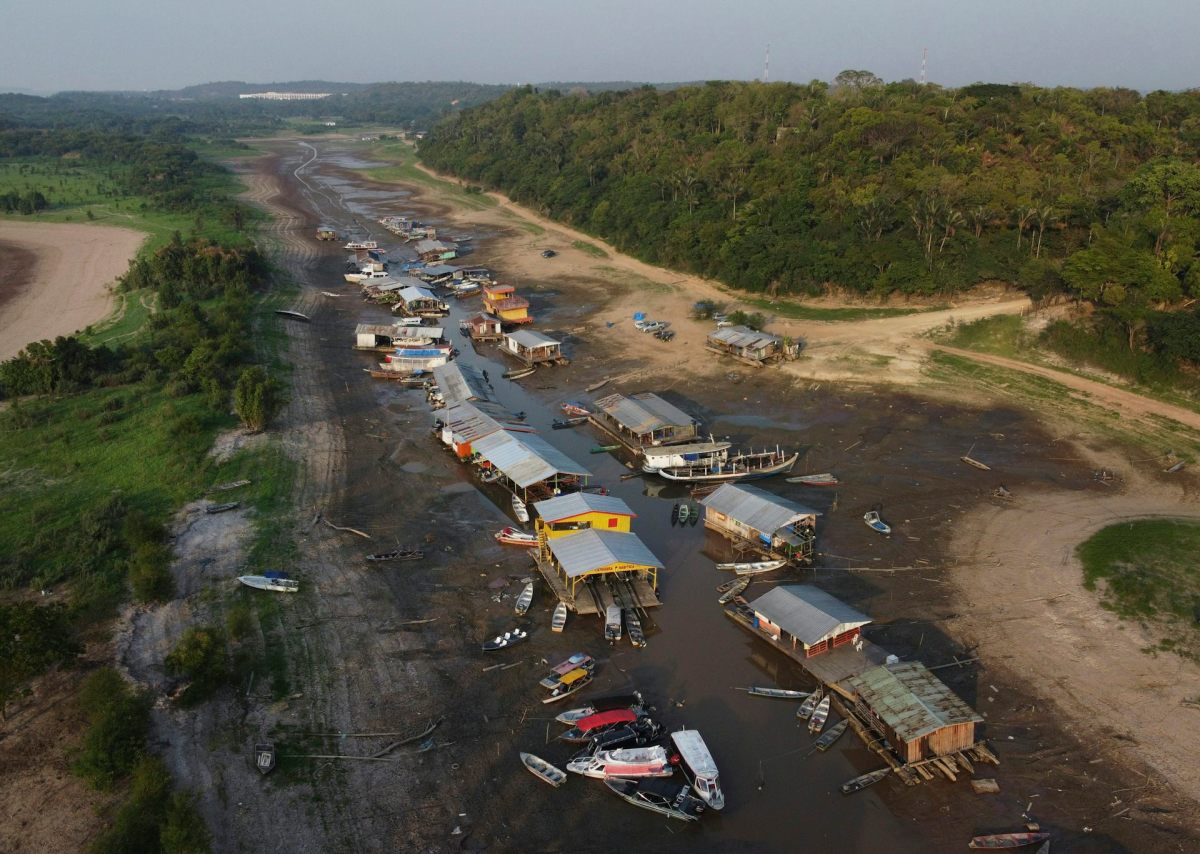
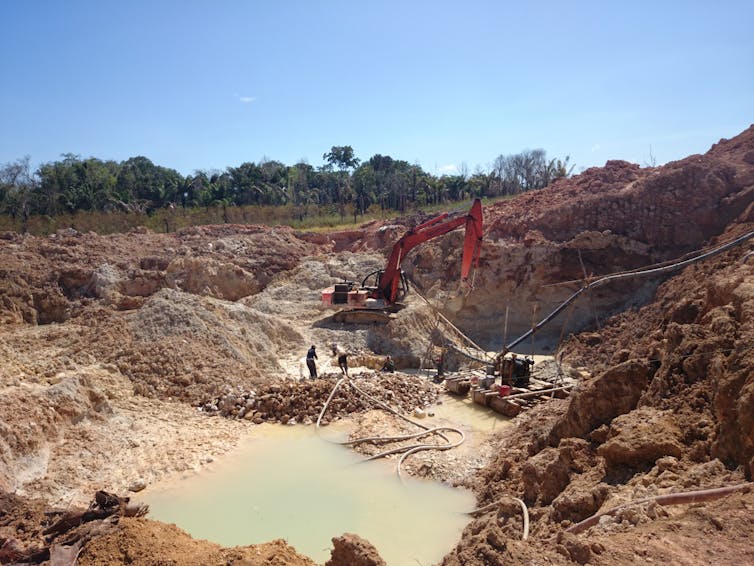
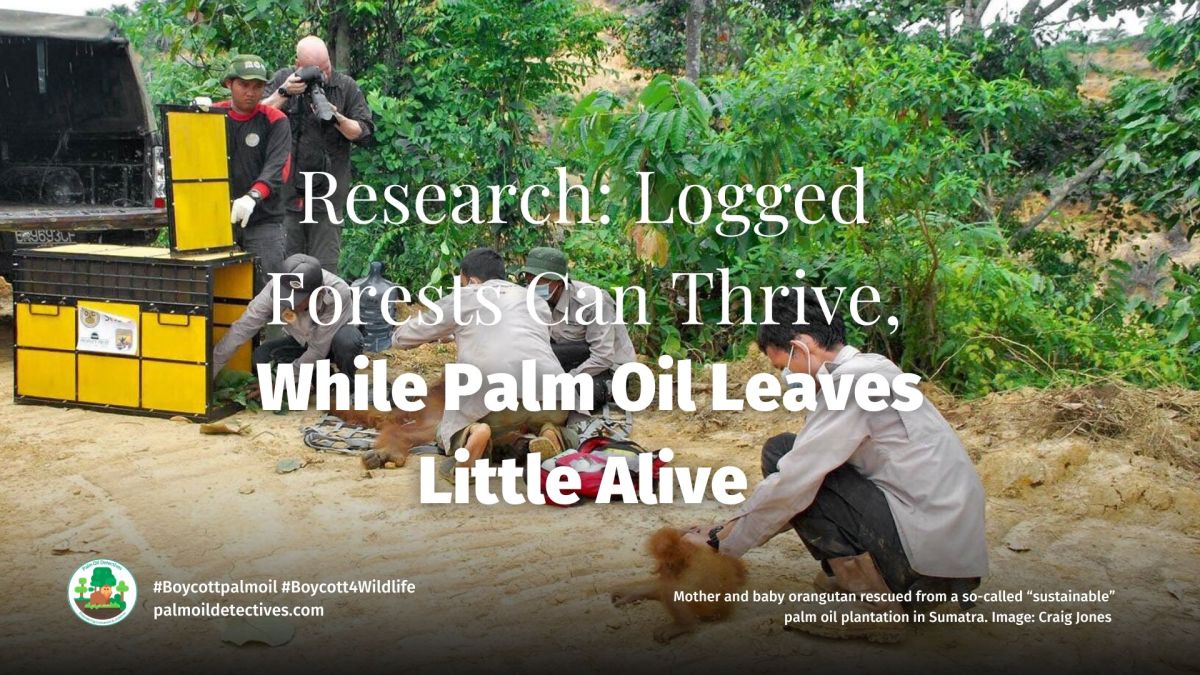
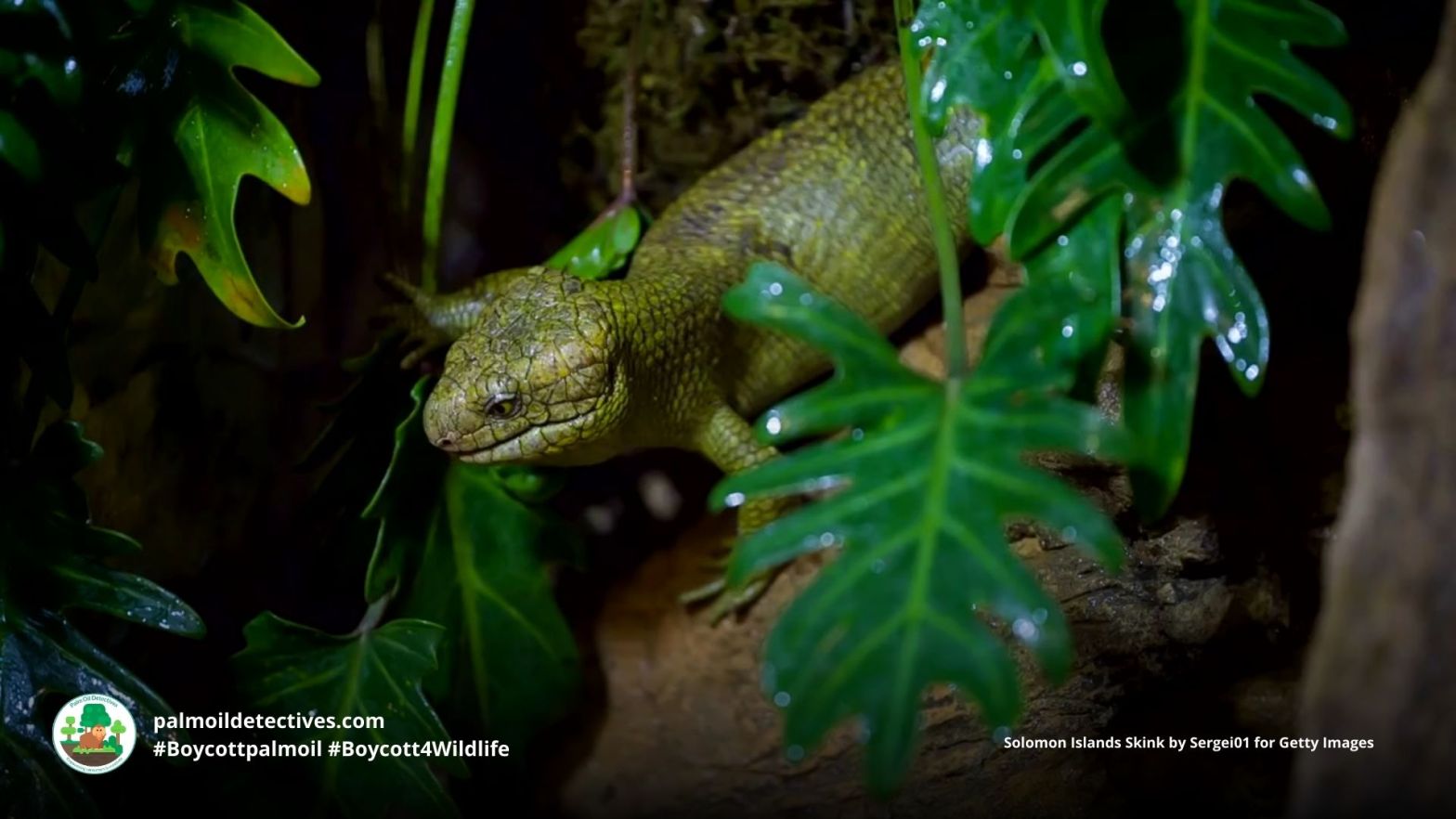


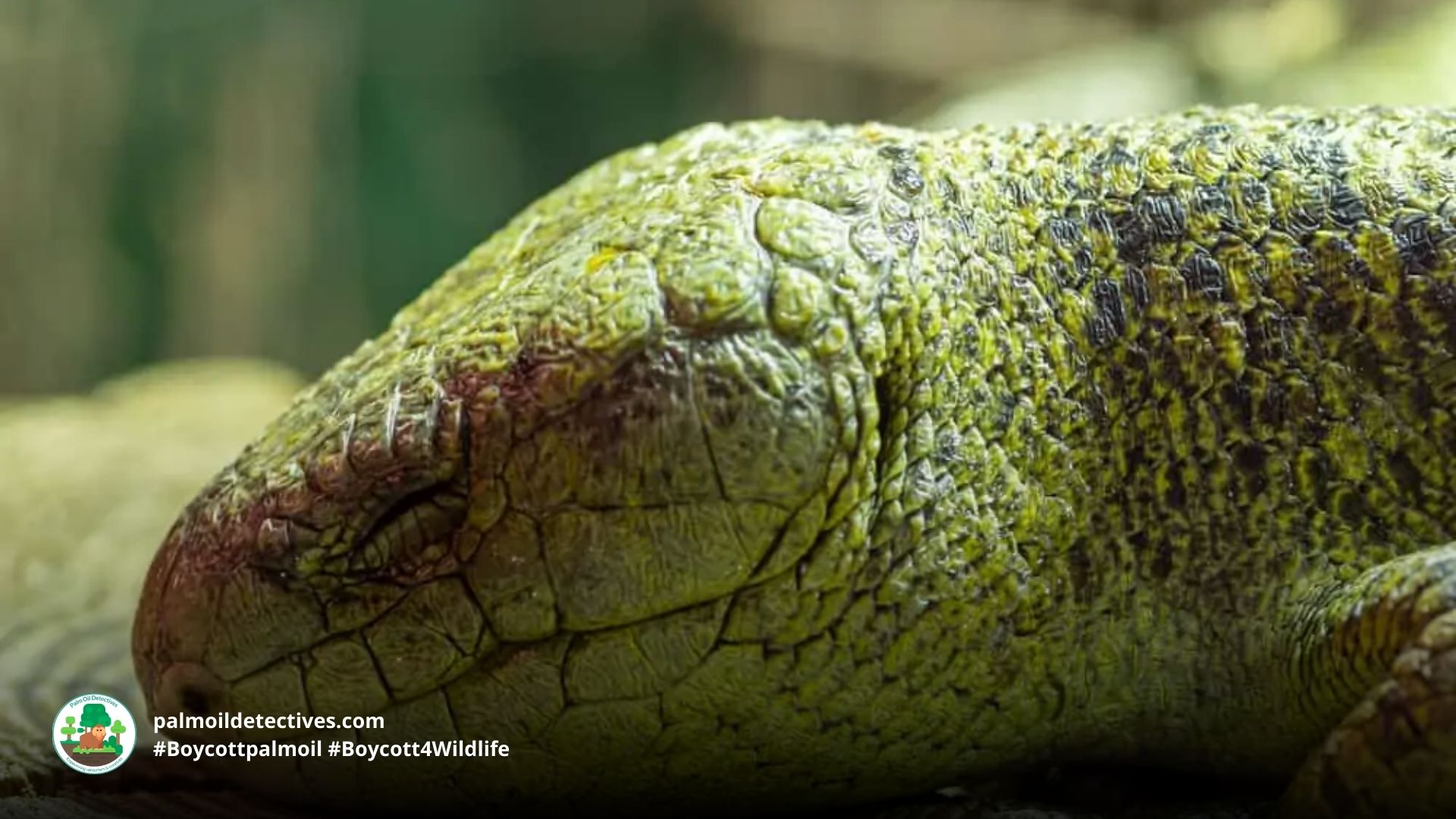
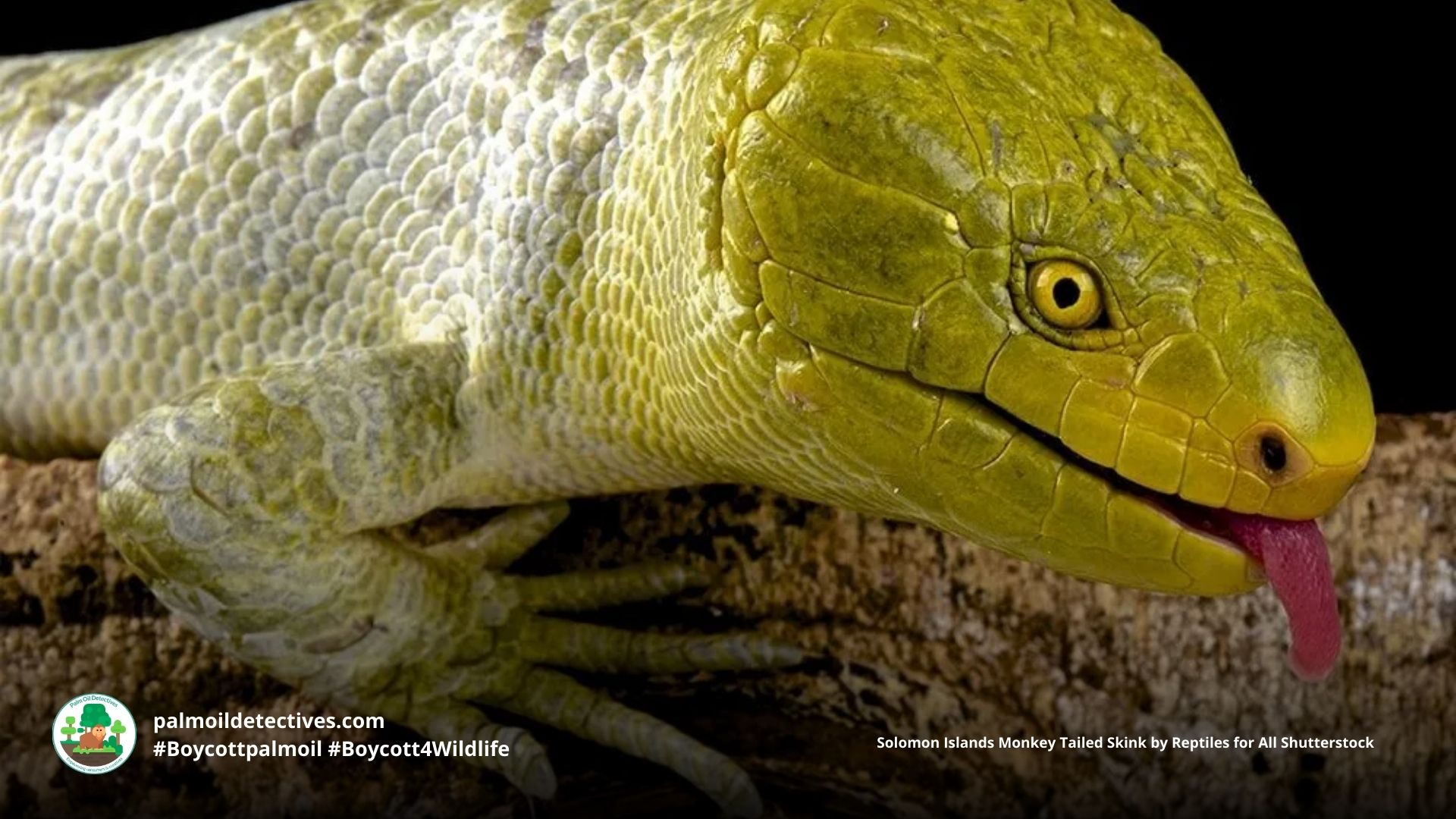
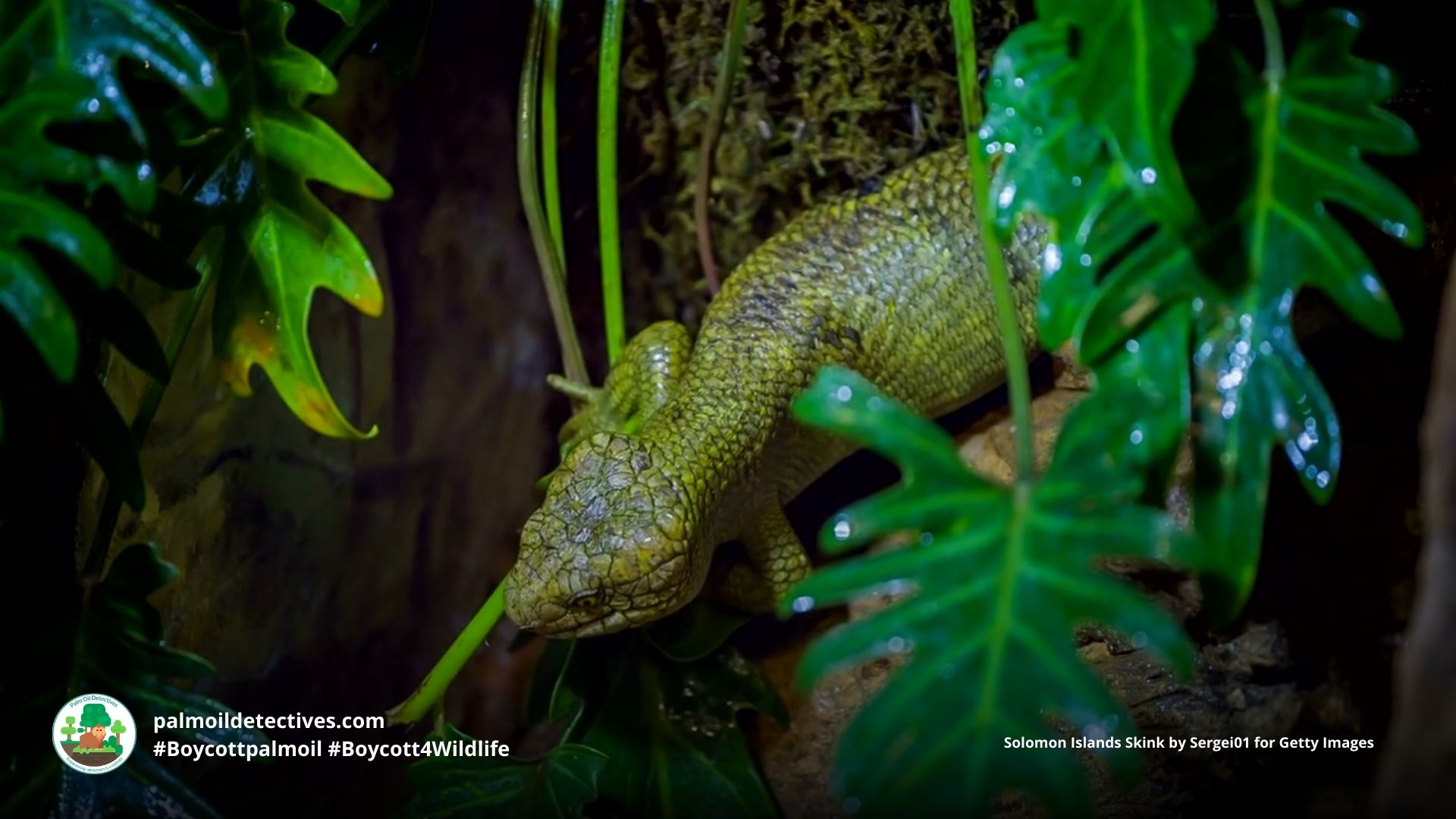

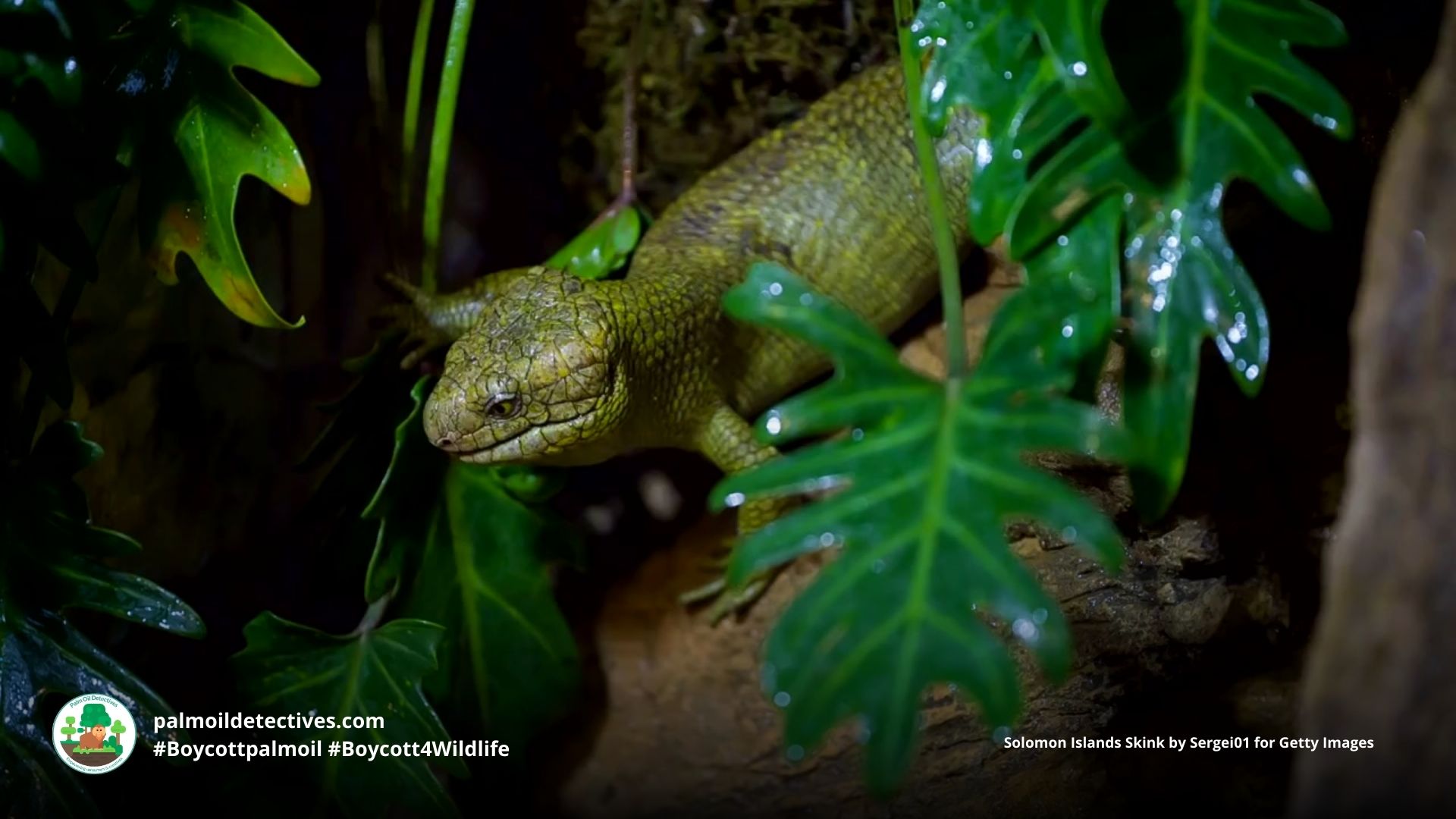
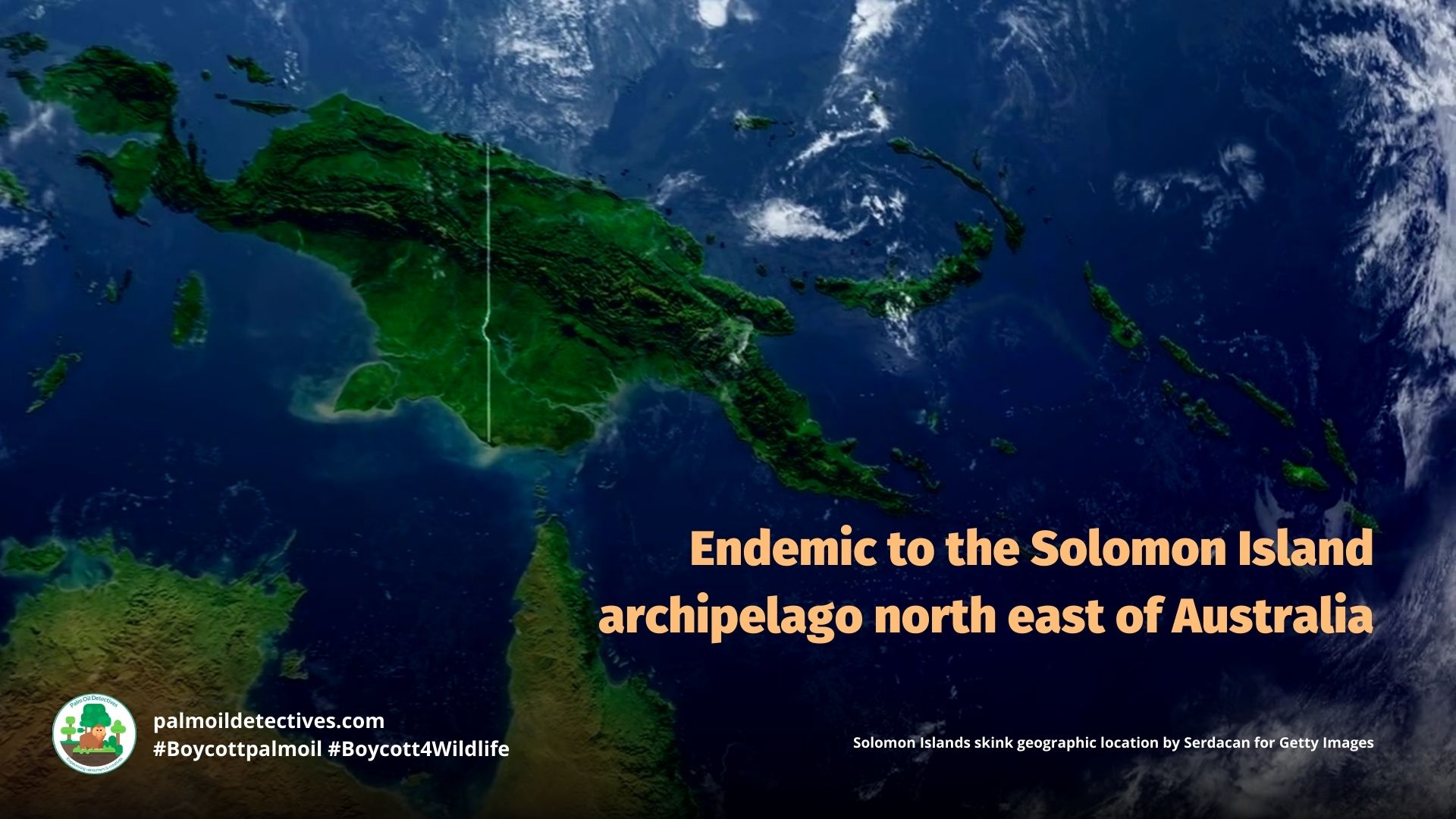
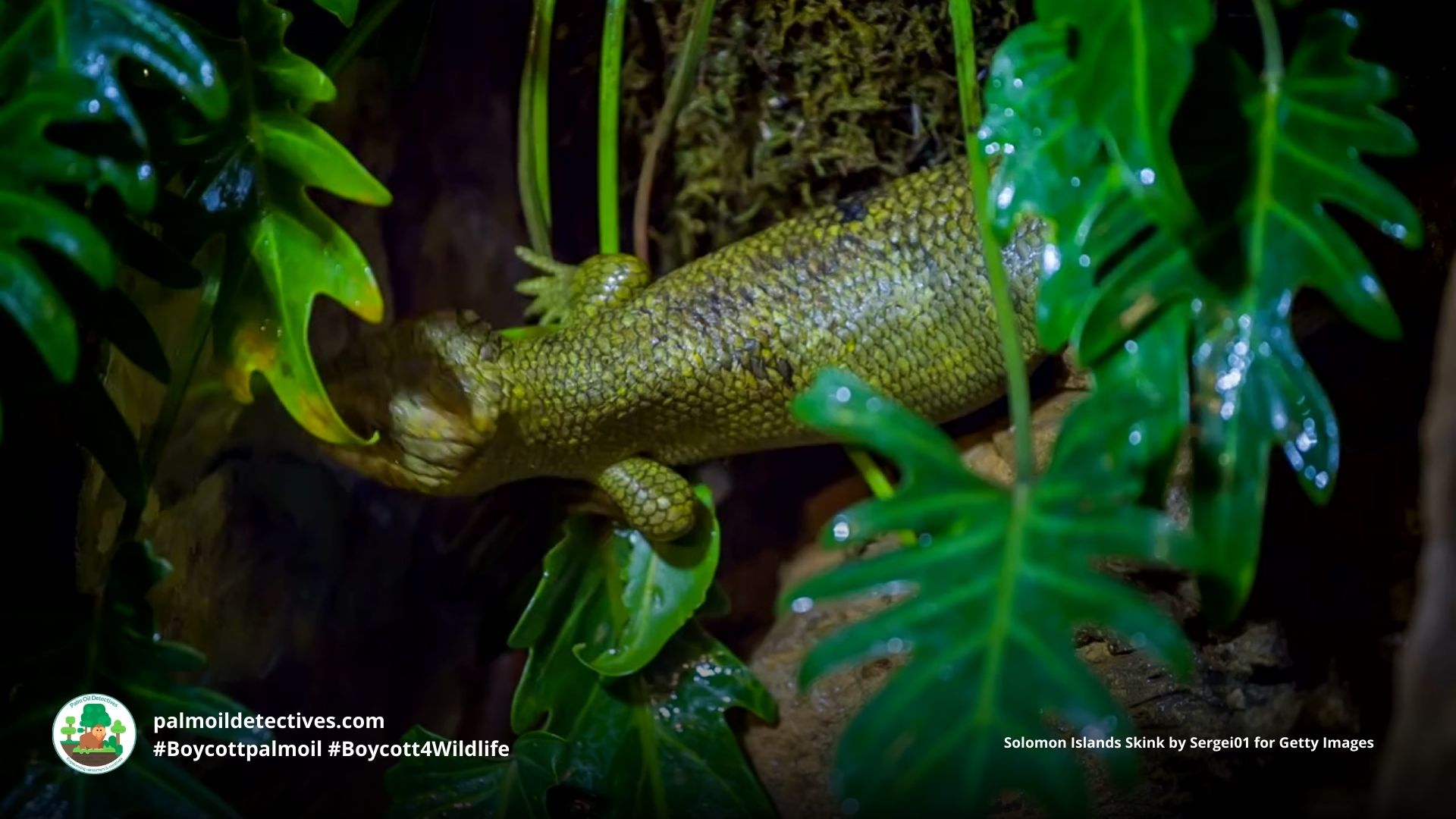
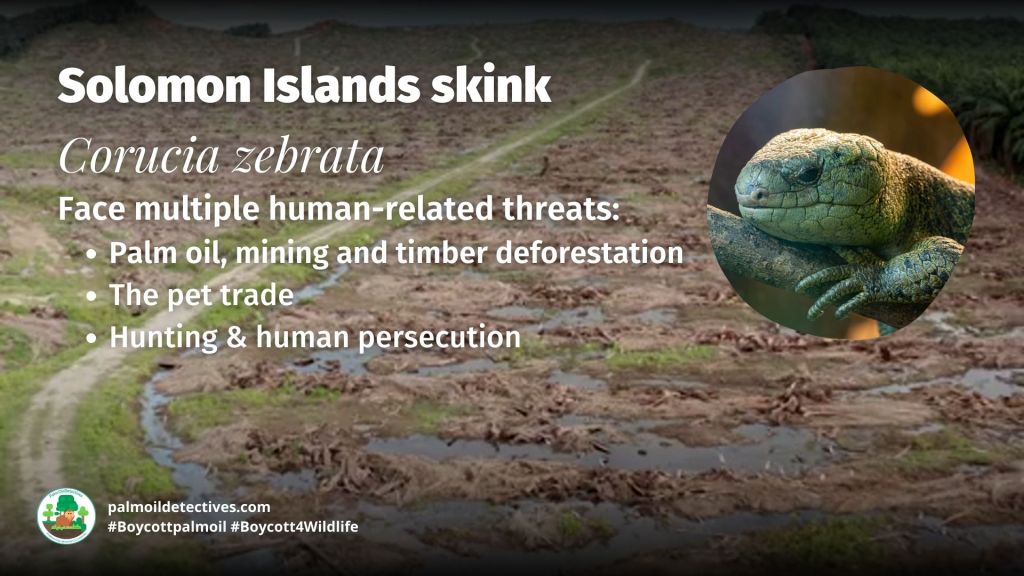

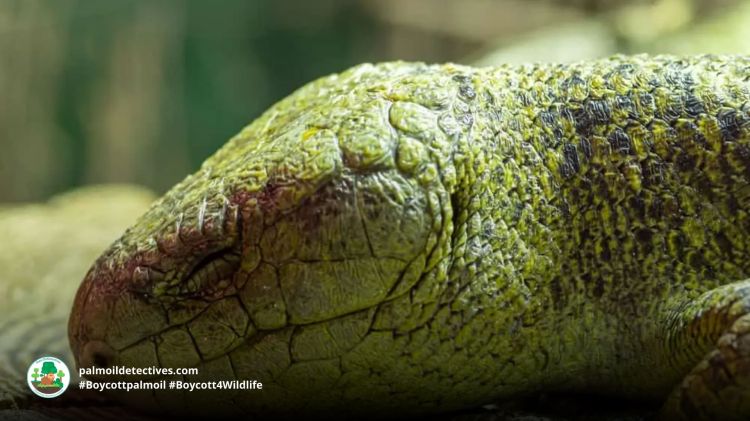

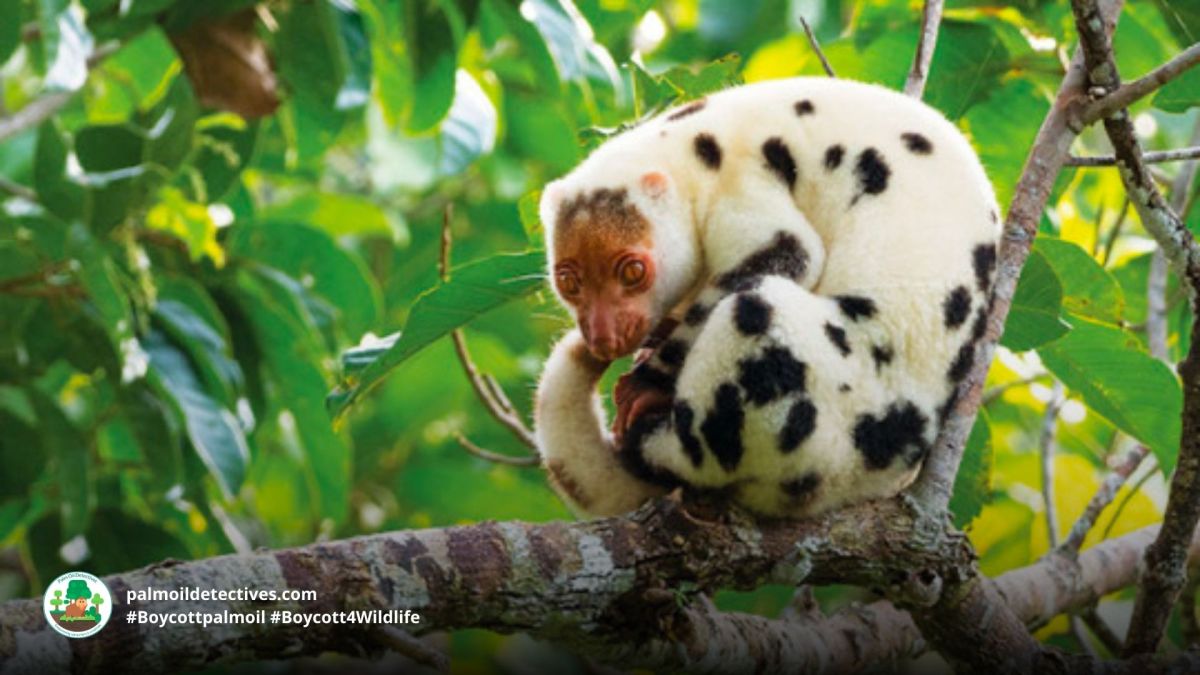
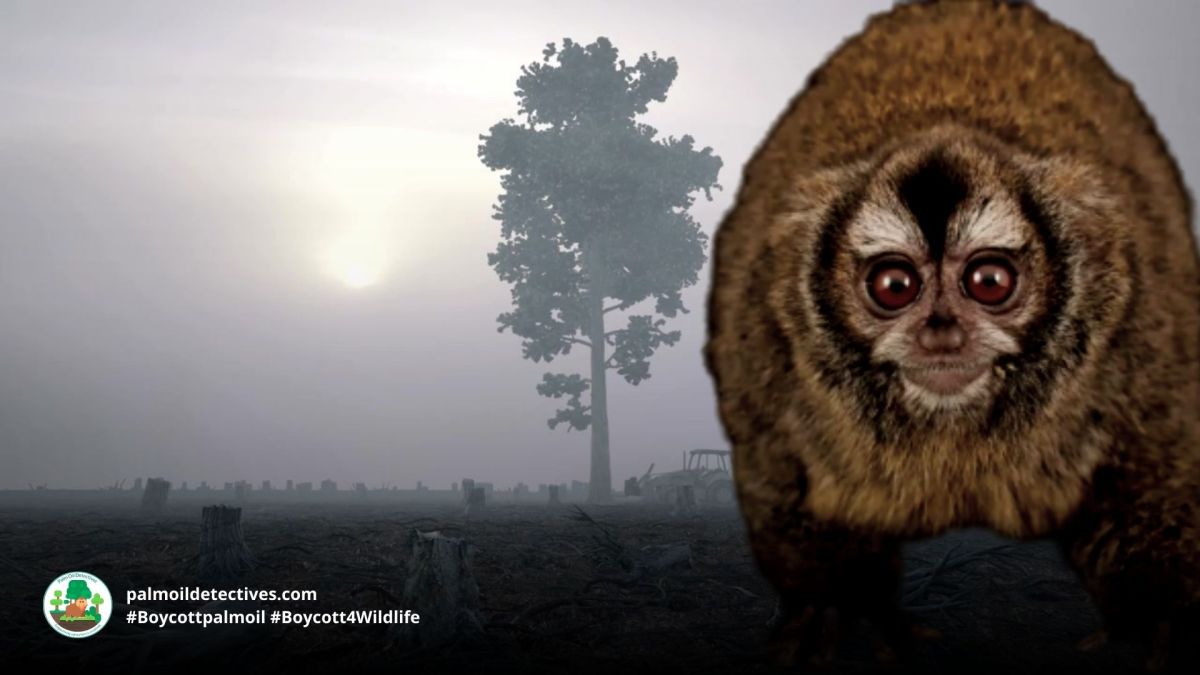

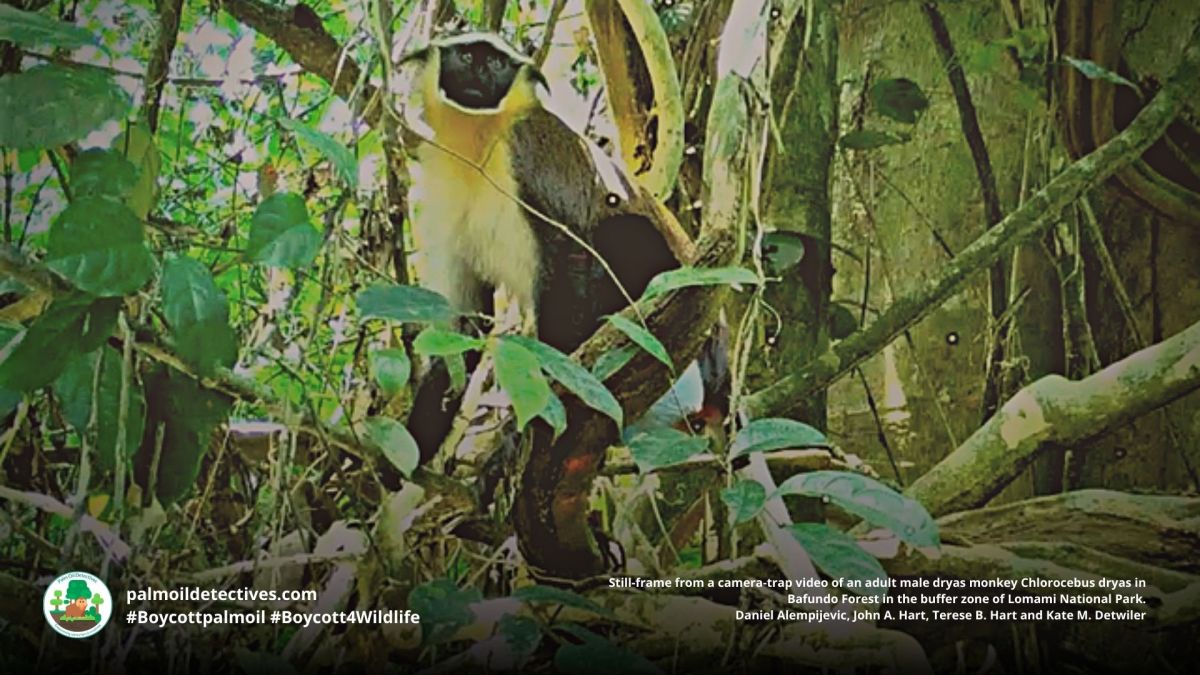
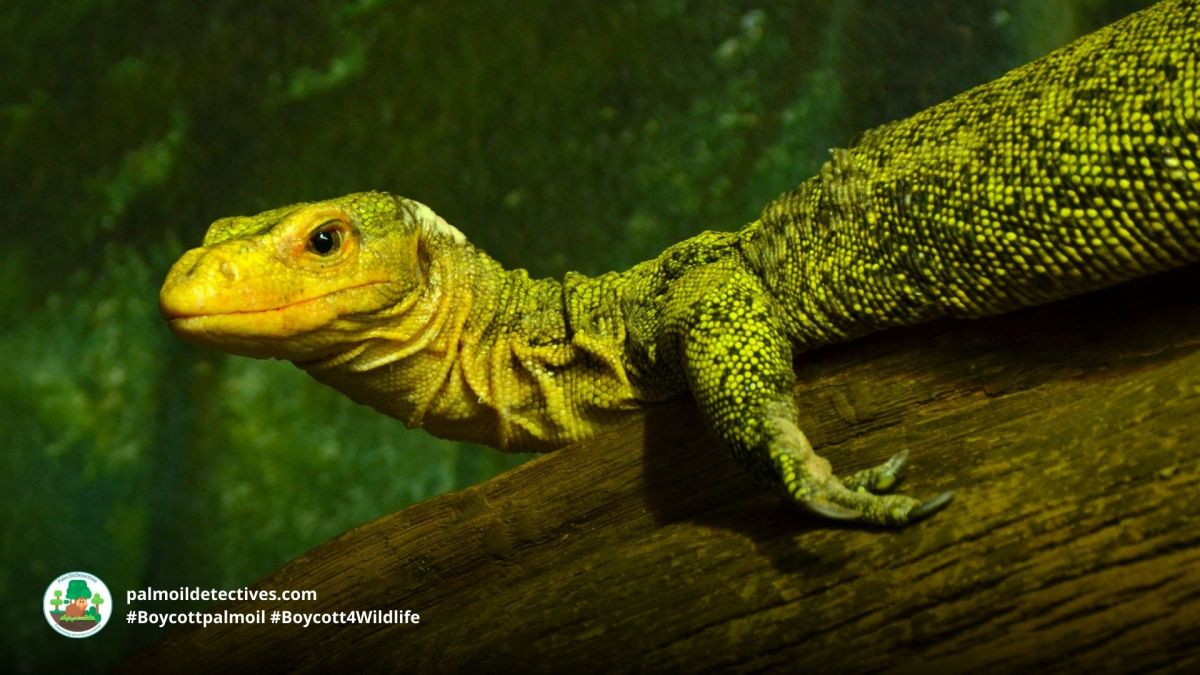

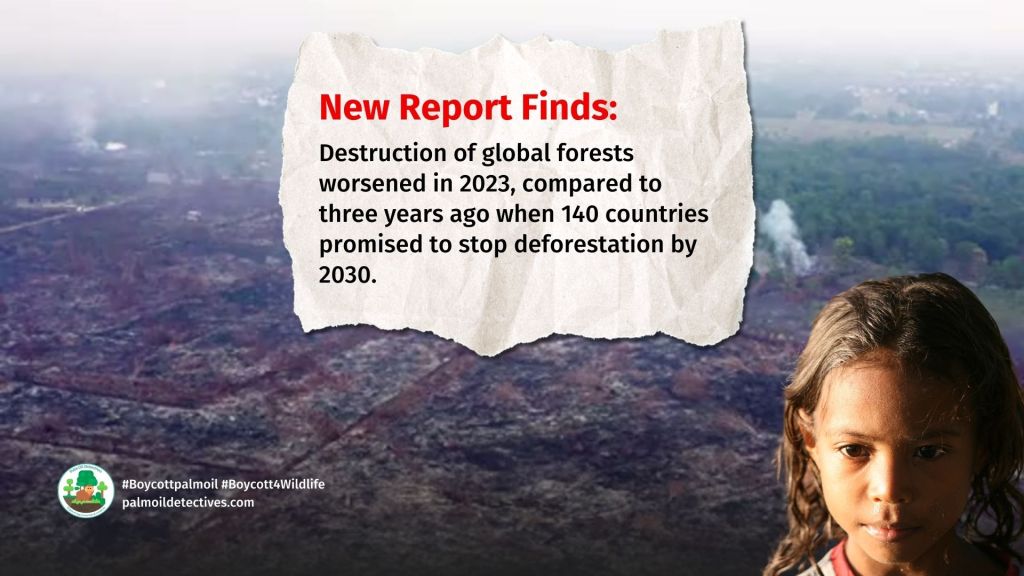
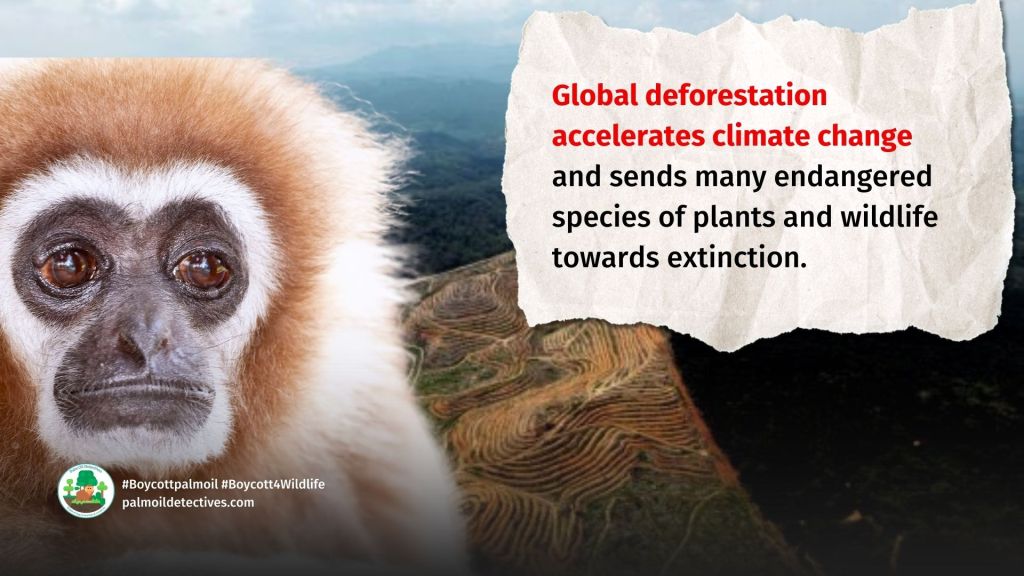
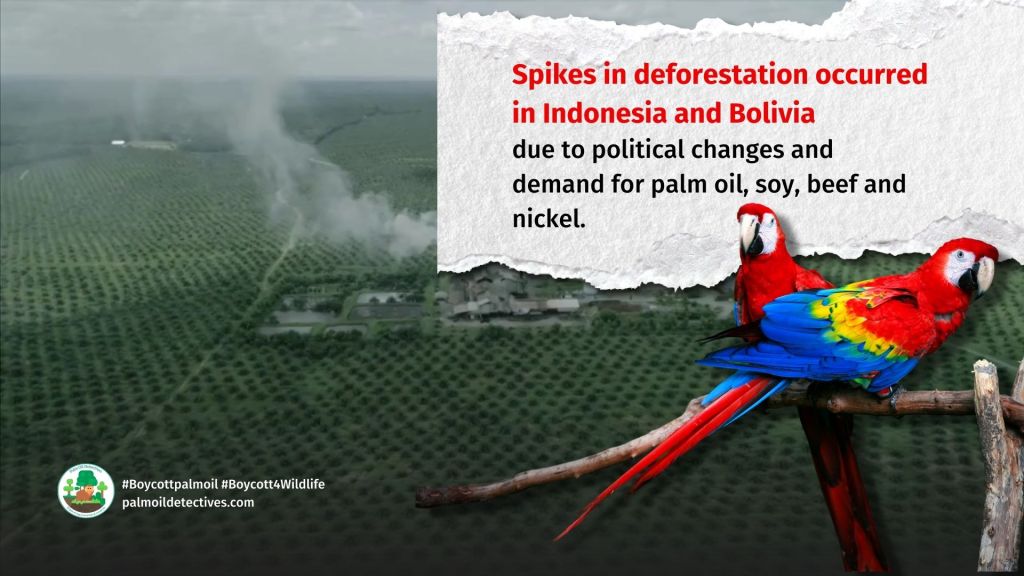
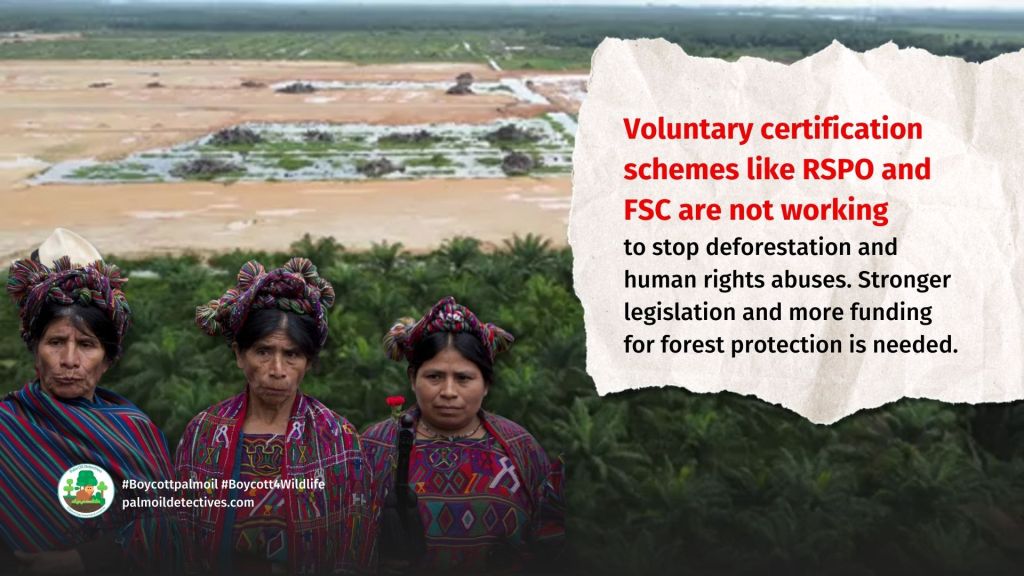
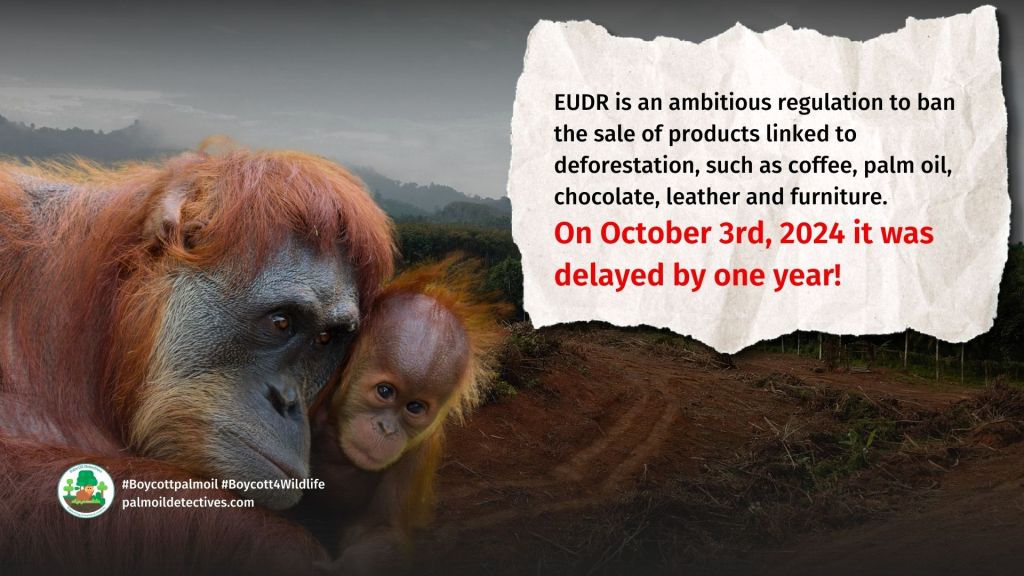



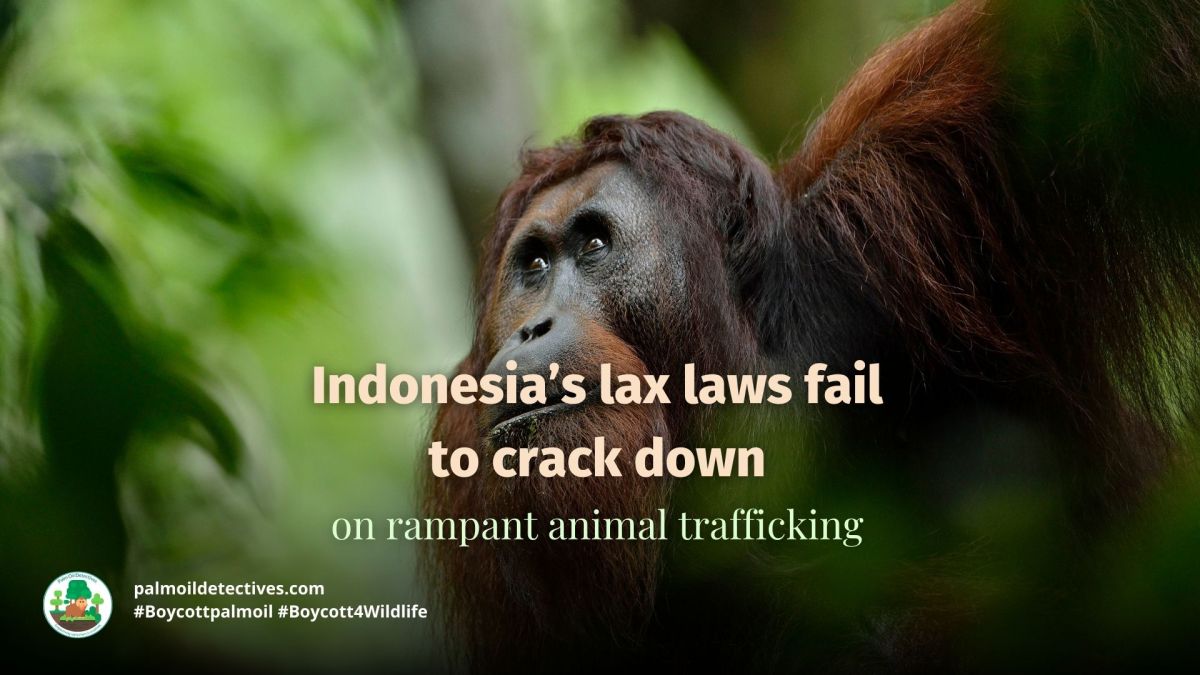
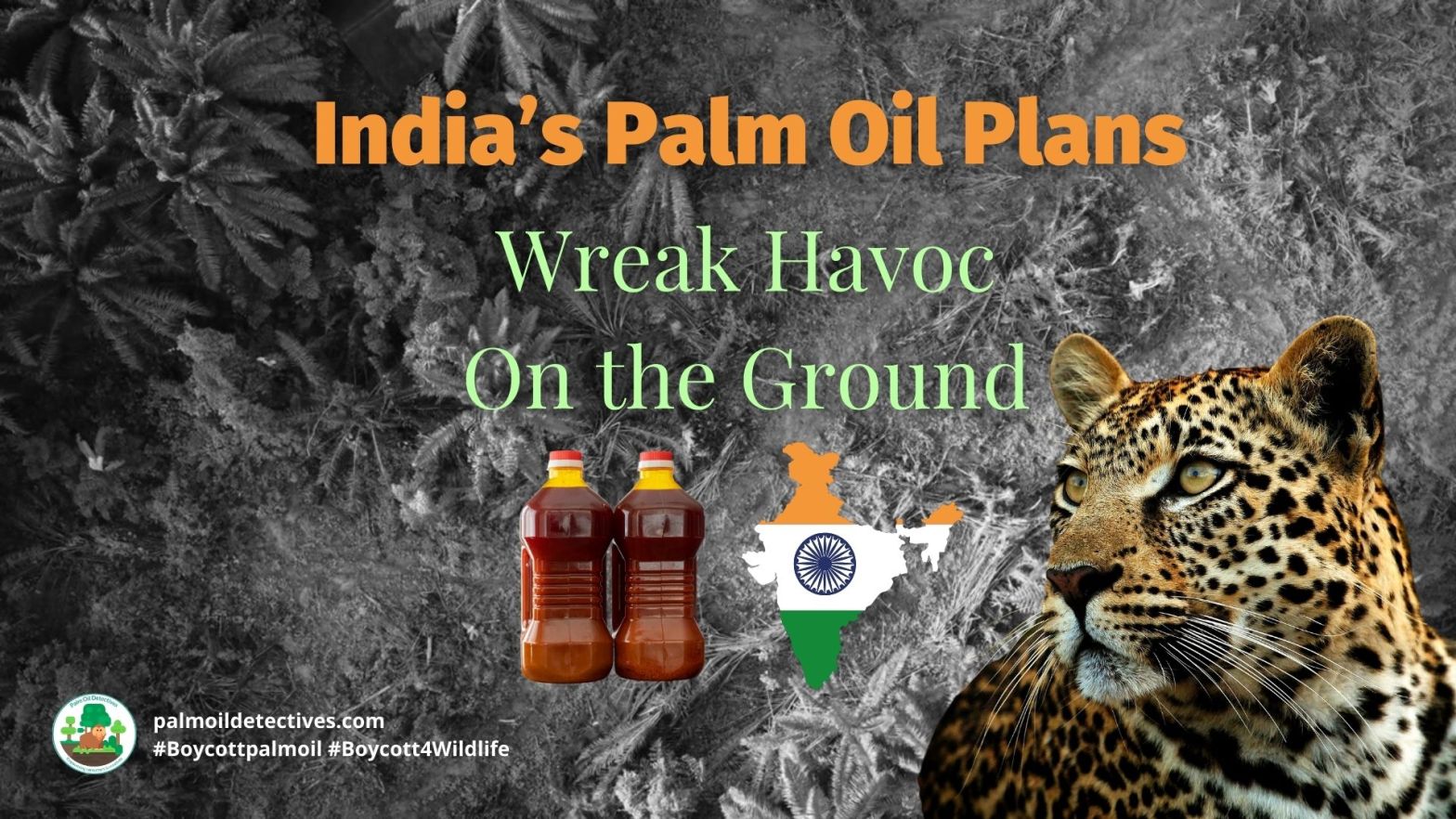
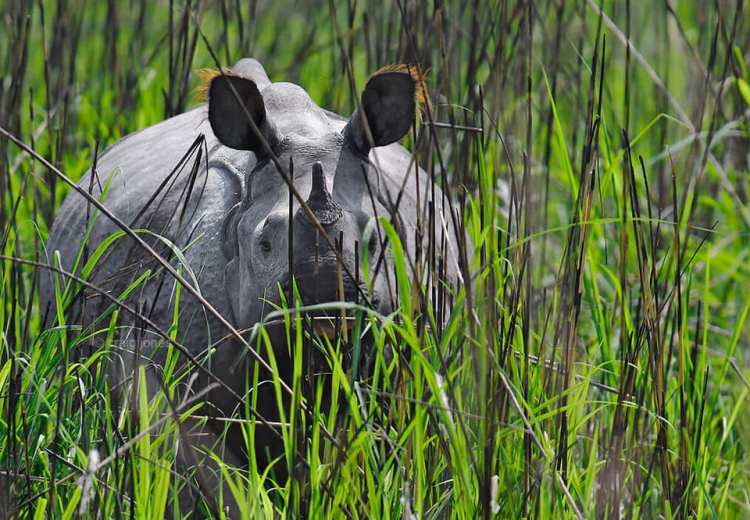
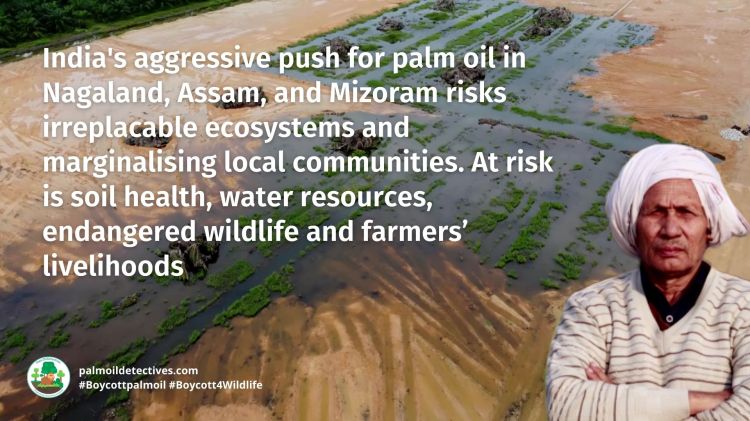



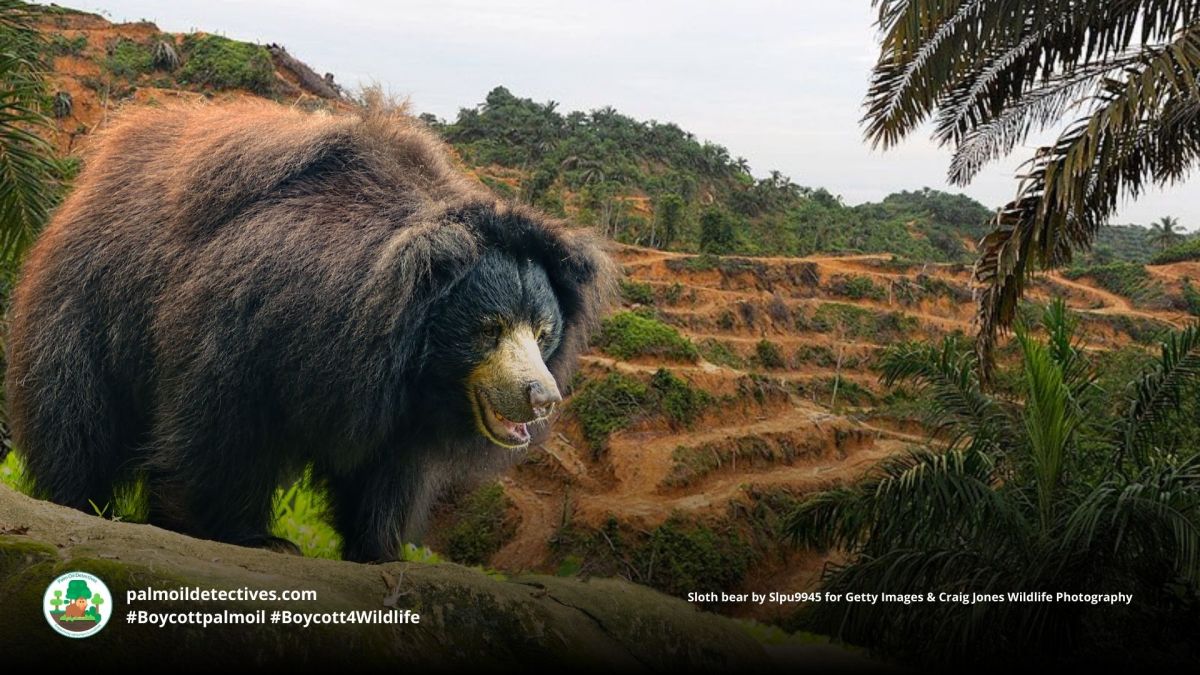

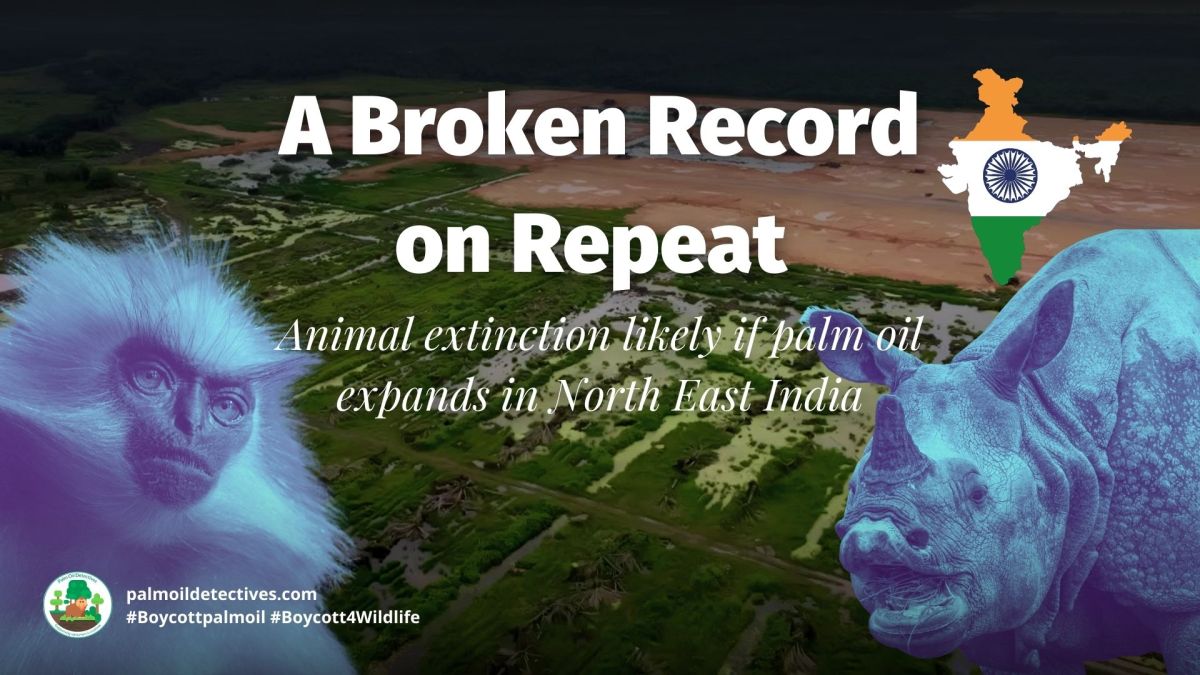

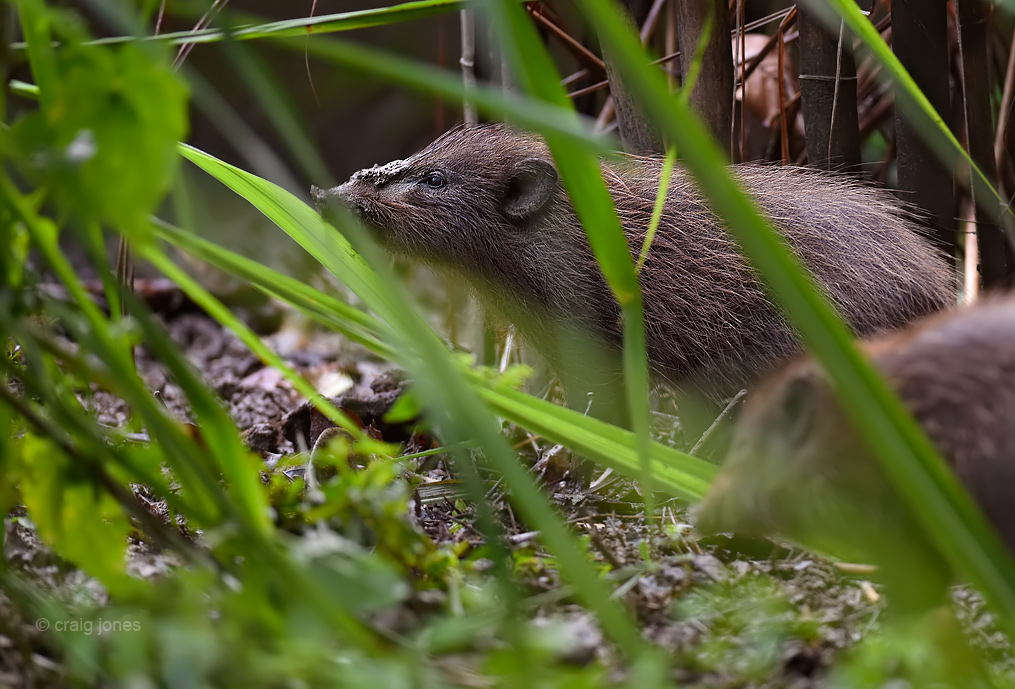

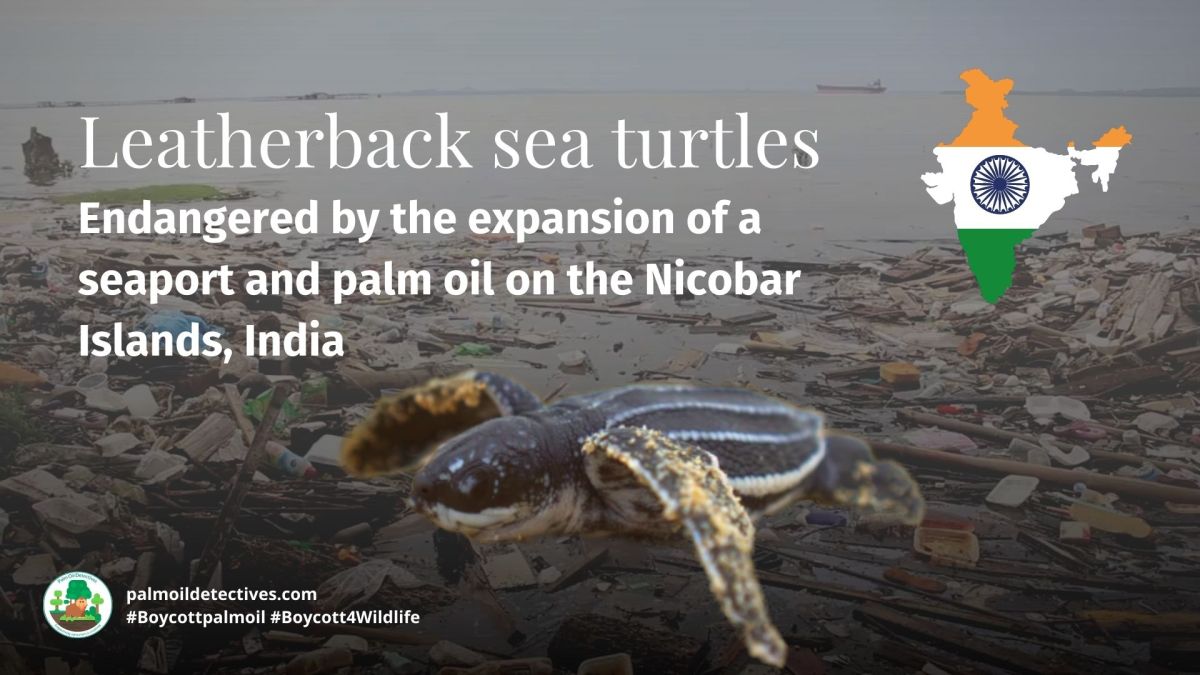



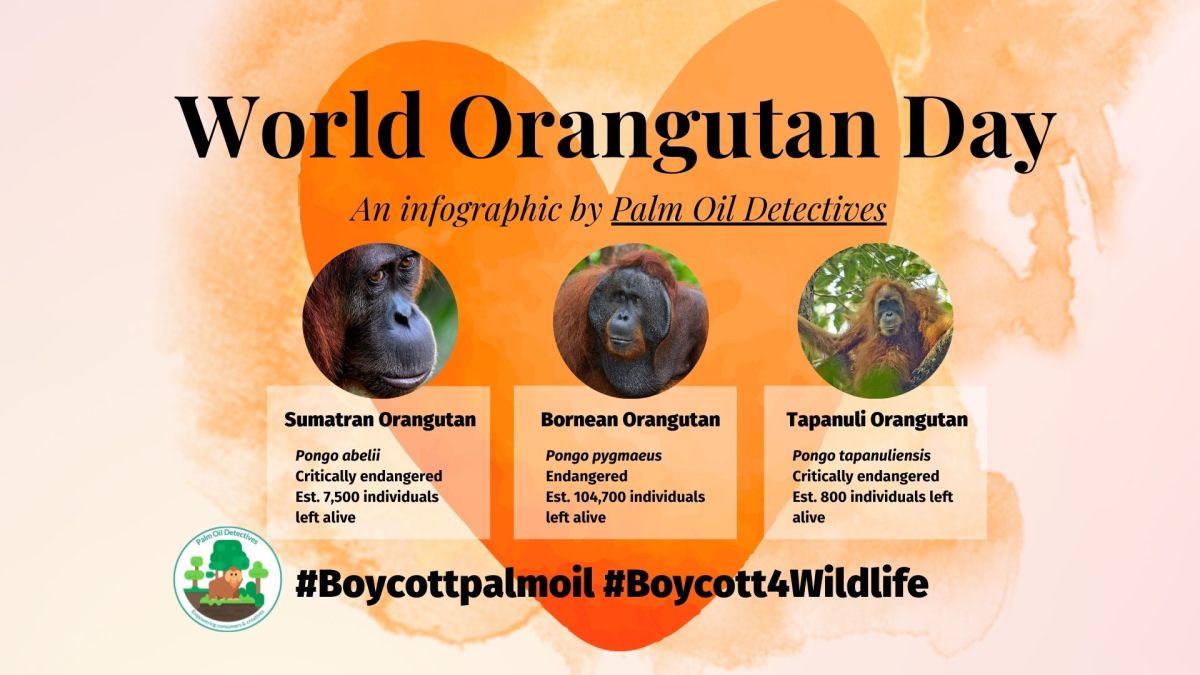
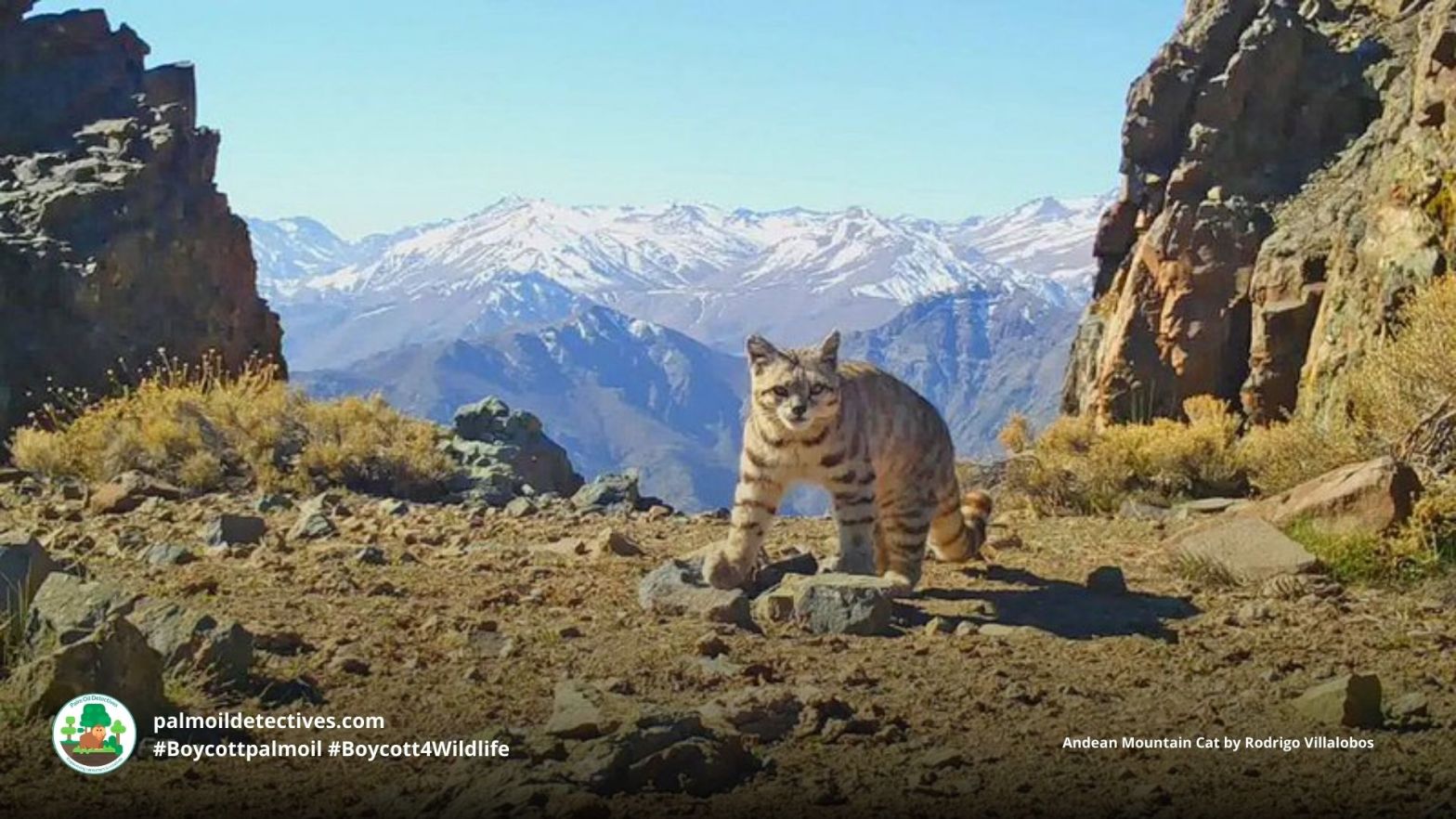

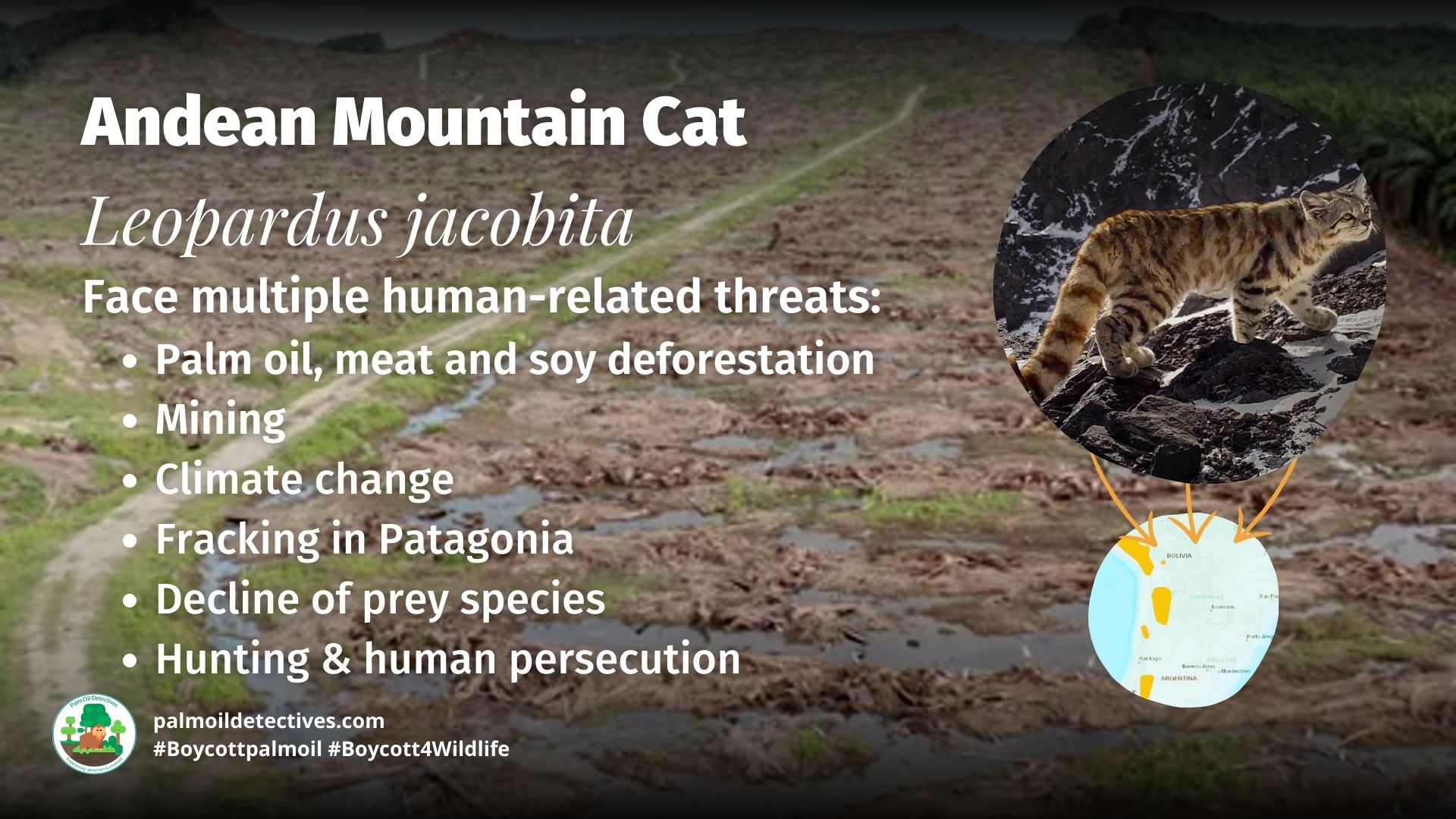


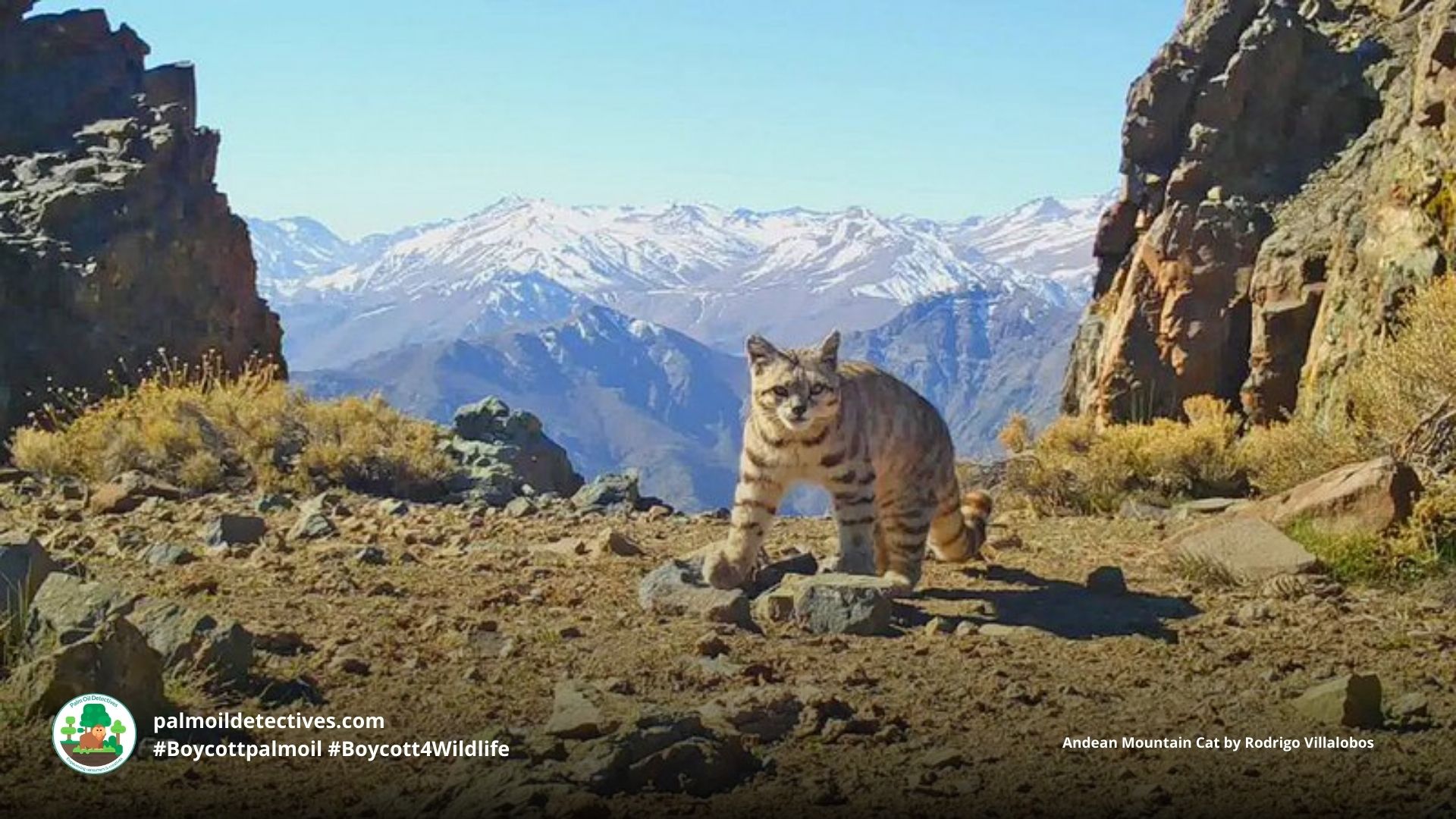
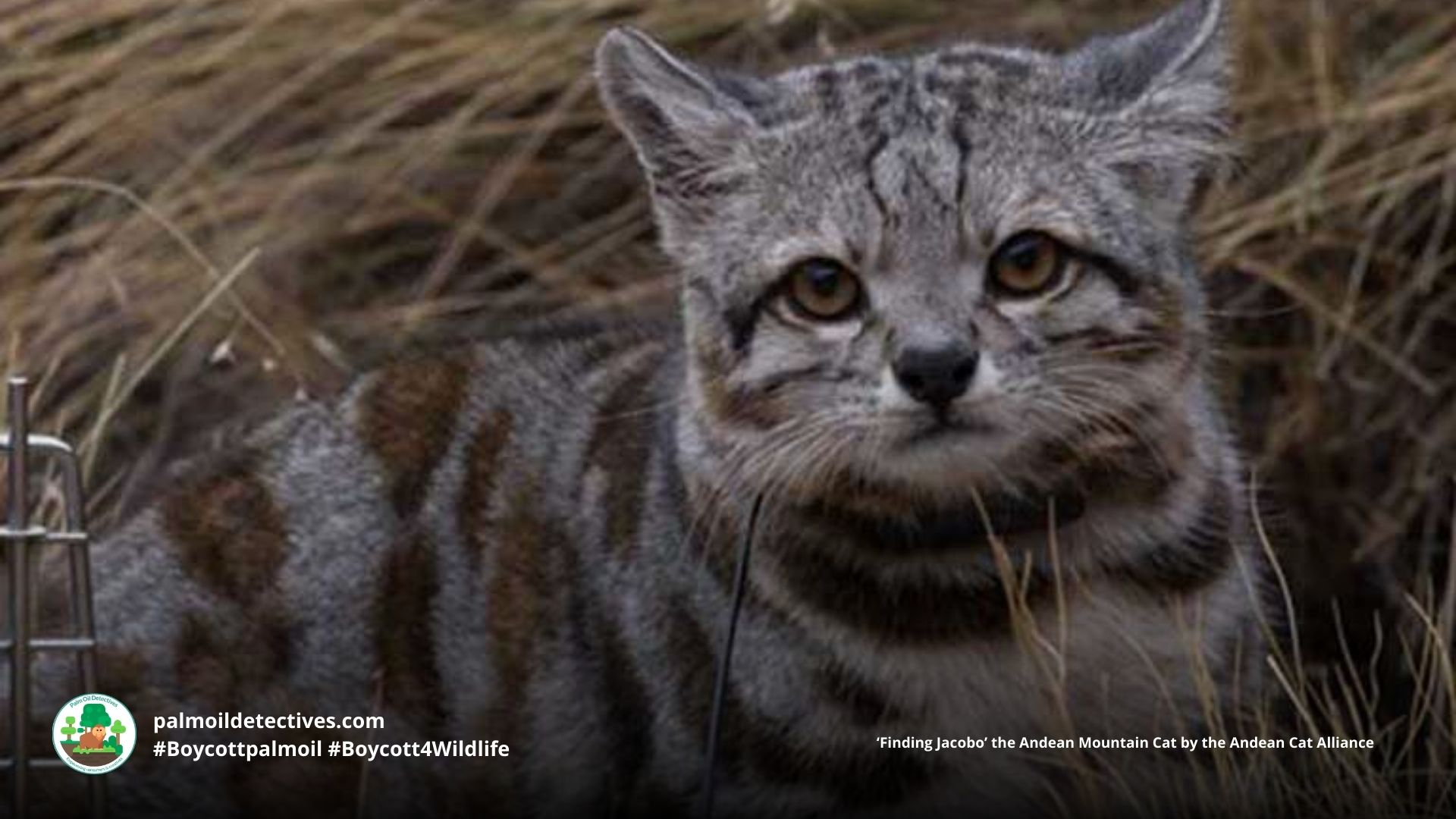
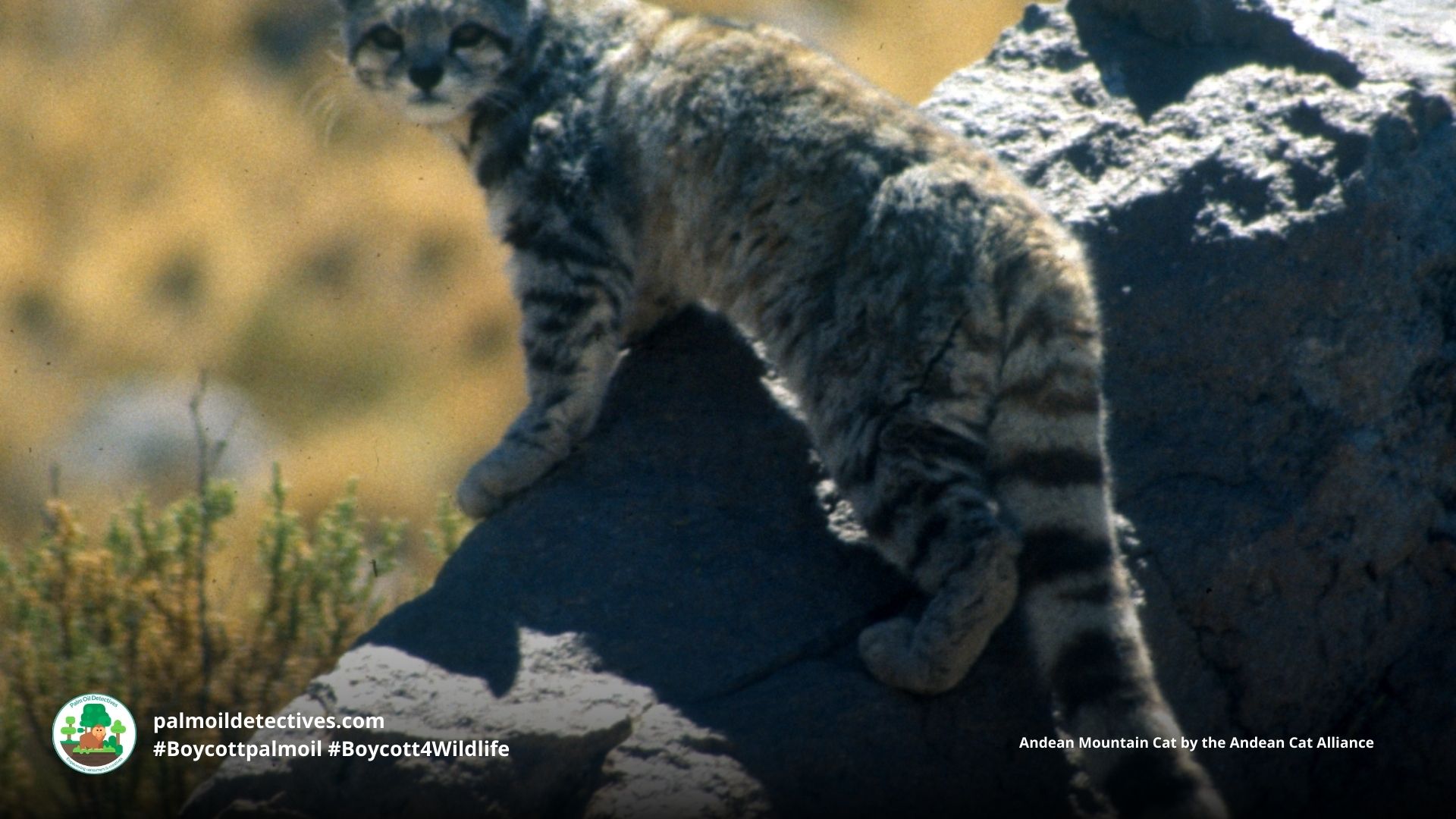
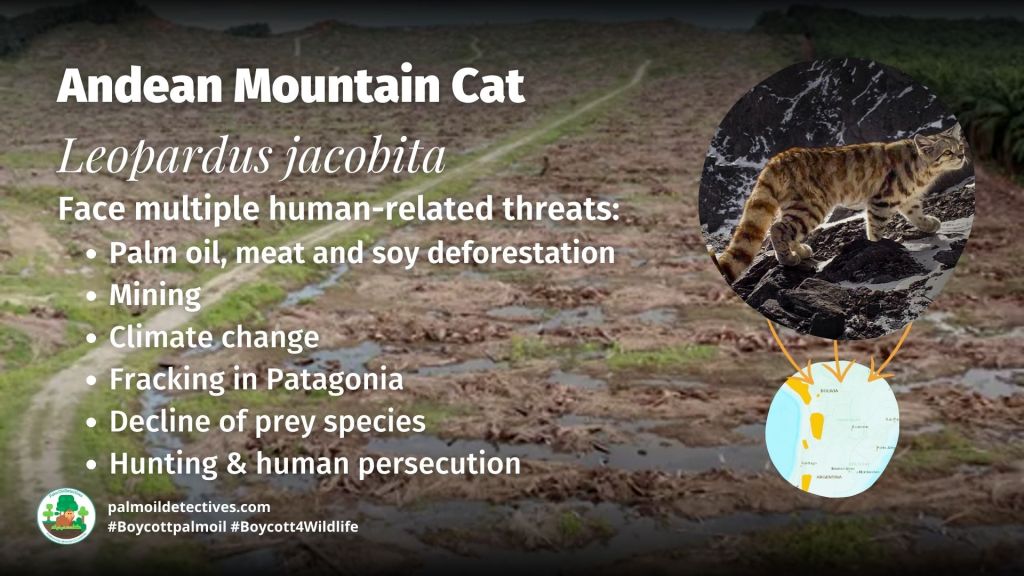

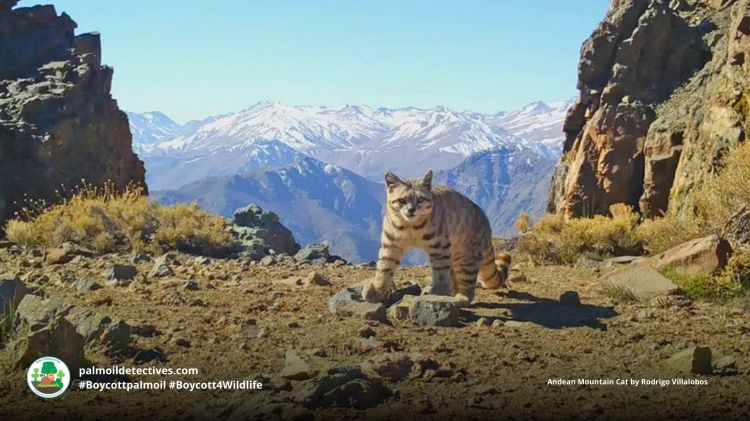

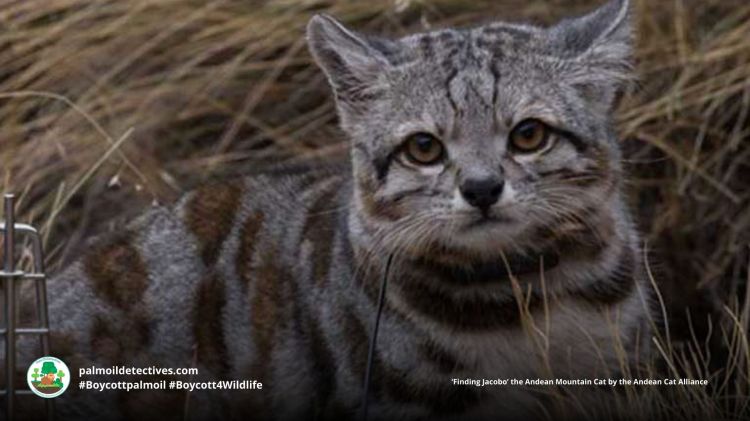
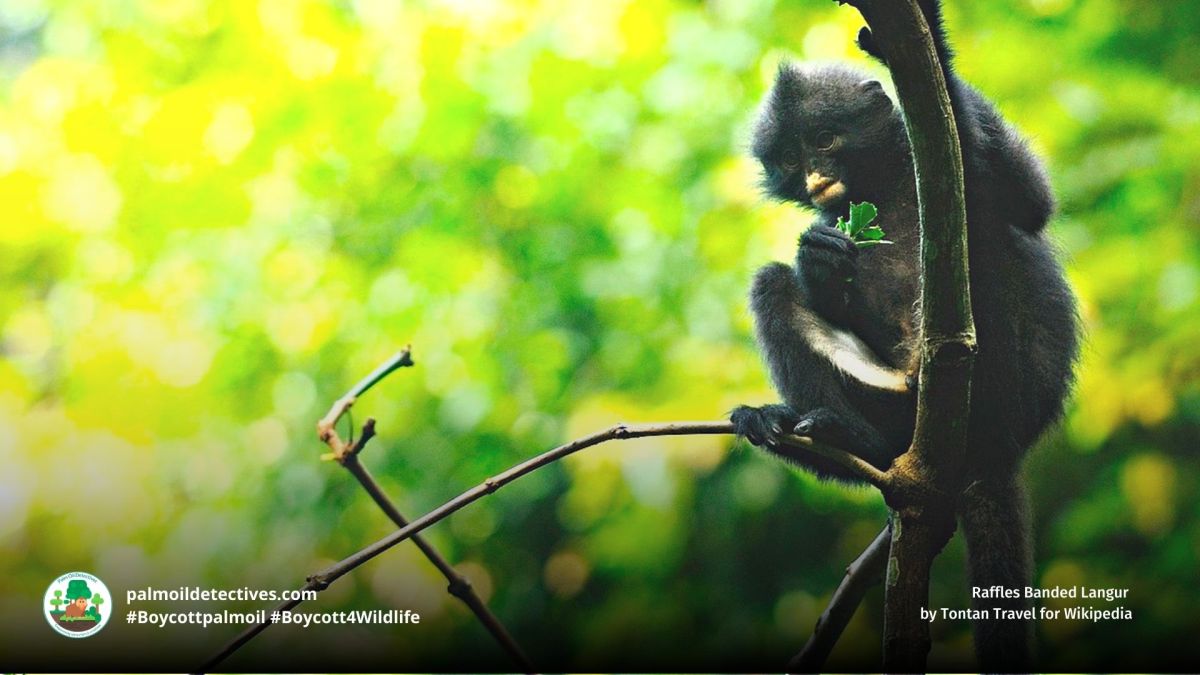
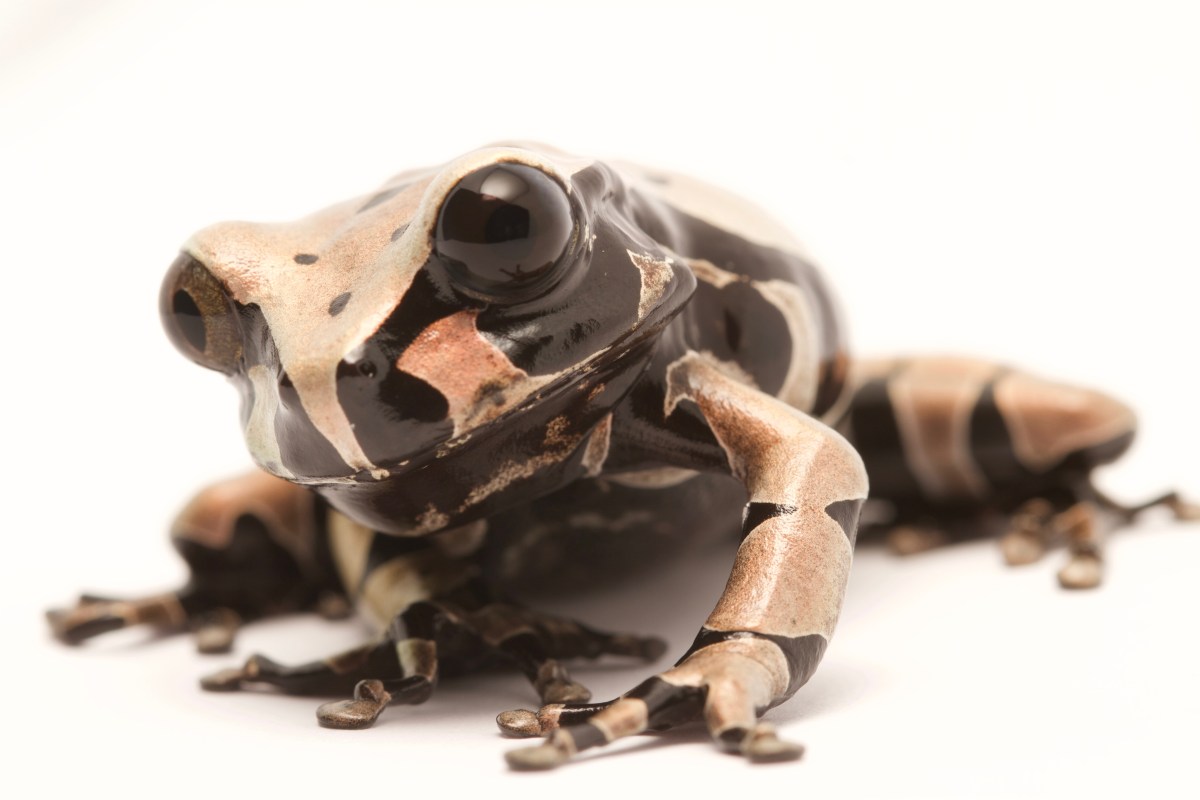
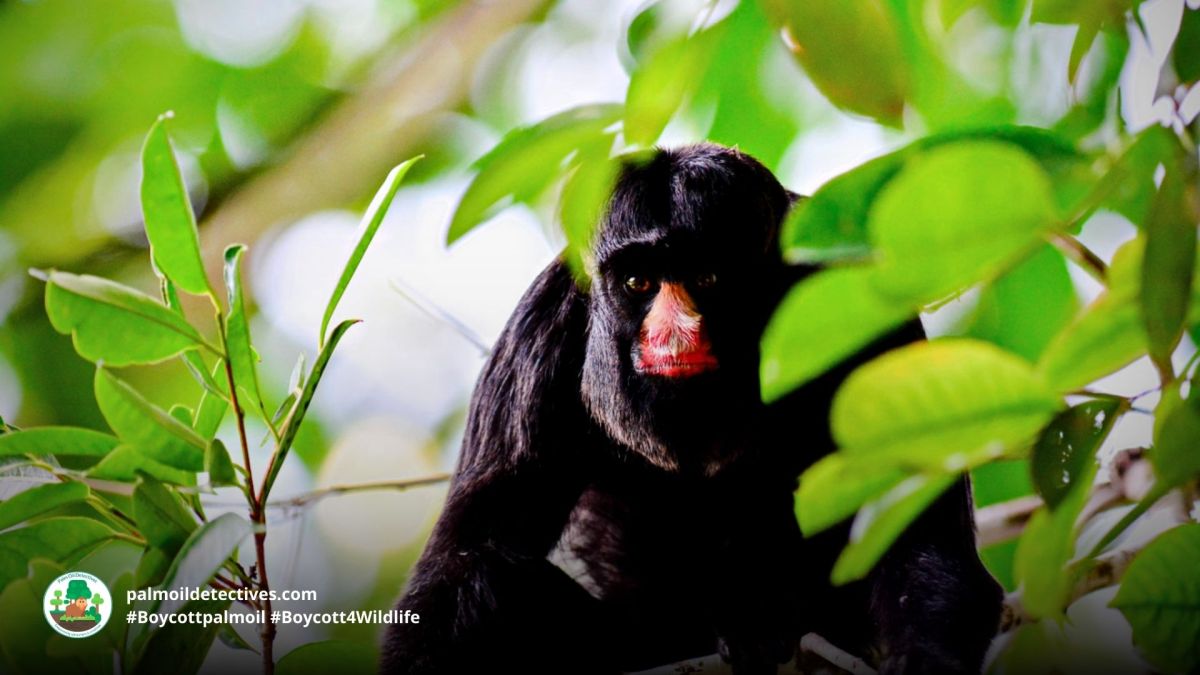
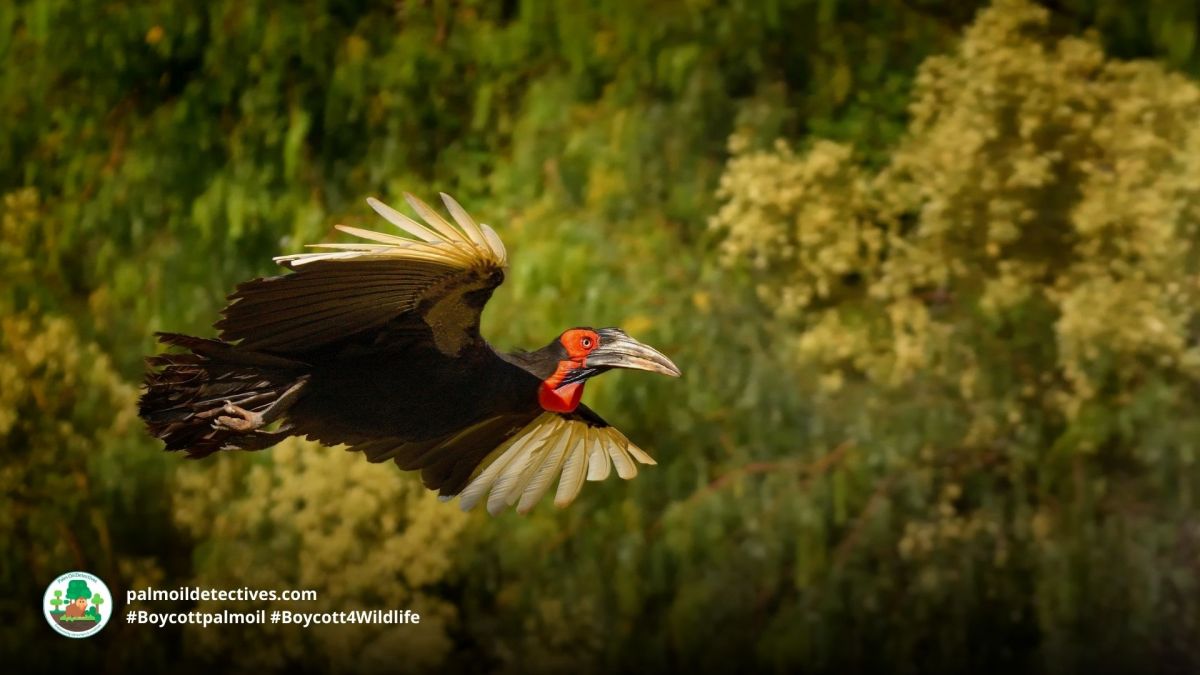
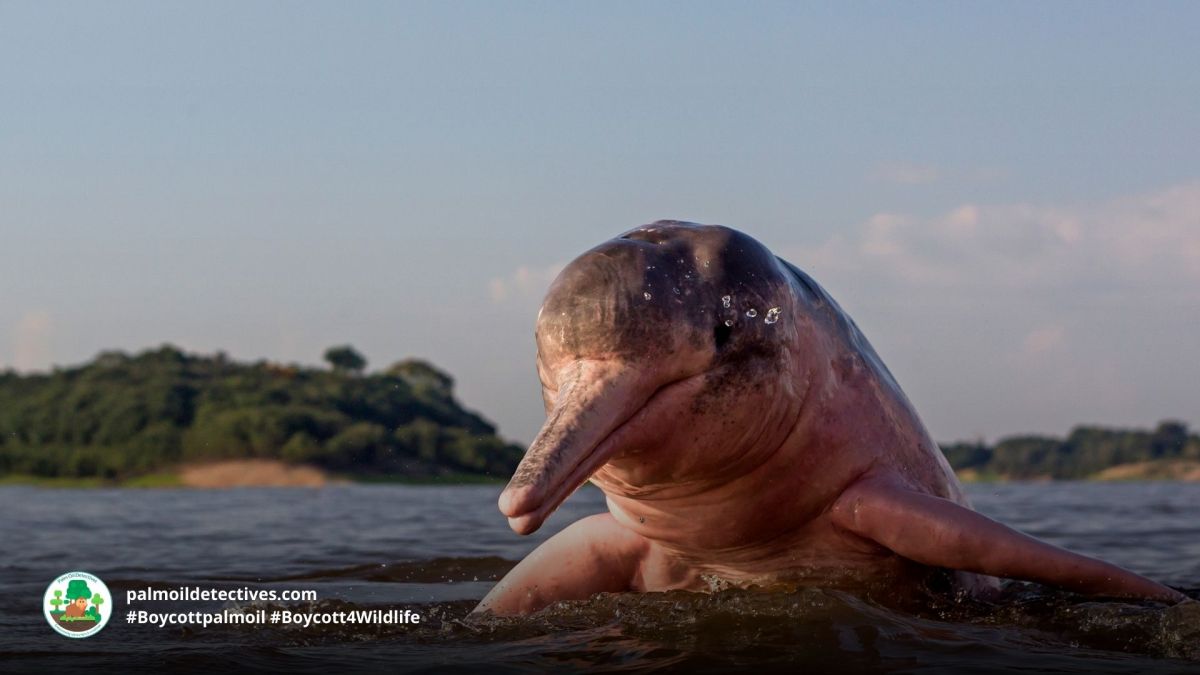
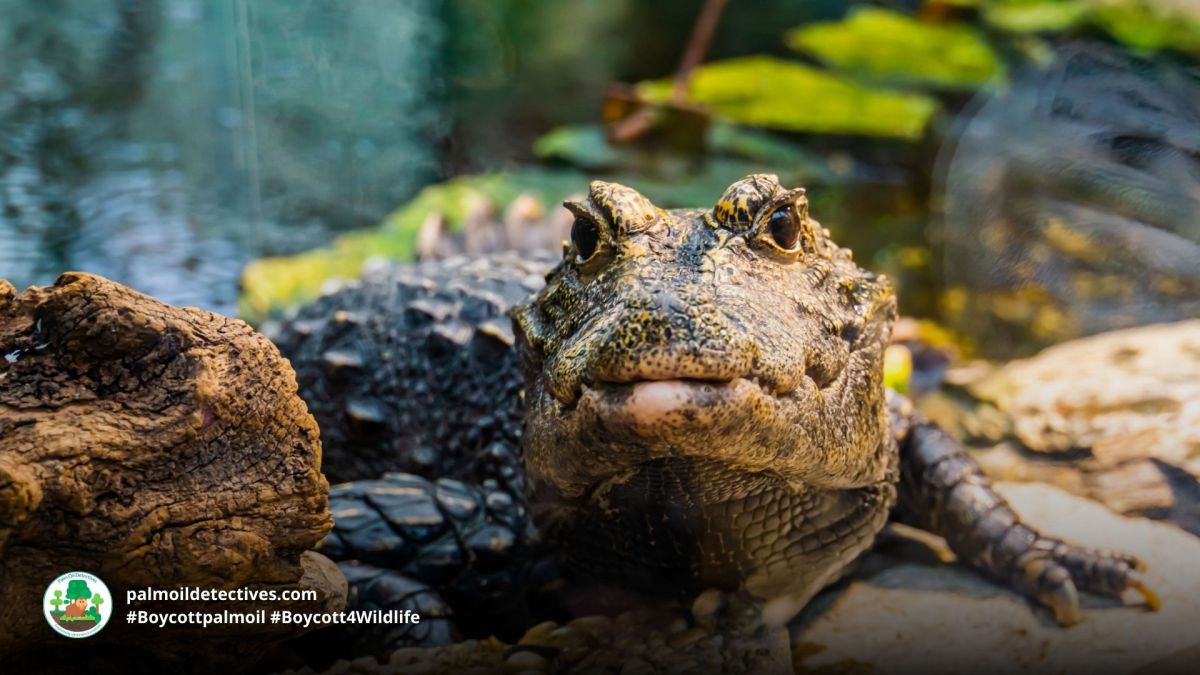
 Palm Oil Detectives

