Healthy rivers are essential for community wellbeing, economic development, and society, culture, and spirituality. But current damage to India and Bangladesh’s rivers compromises their health, and ultimately, the neighbouring people.
In recognising rivers and other natural entities as legal persons, Bangladesh and India have declared these natural entities have the capacity to bear rights, powers, duties and liabilities in law. As legal persons, these rivers are allowed to sue to uphold their own rights – or potentially be sued by others for any damage they cause. Take action and #BoycottPalmOil #Boycott4Wildlife
The article was originally published under Creative Commons by 360info™ on 6th of January 2023 and written by Dr Erin O’Donnell and Ishrat Jahan, read original.
India’s Ganges River runs nearly 2,500km and its catchment is home to nearly 650 million people. It is also home to a rich collection of wildlife, including dolphins, turtles, otters and fish. Understood by Hindus to be the embodiment of the goddess Ganga, the river holds deep spiritual significance to over one billion people: the faithful believe that “bathing in the waters can absolve people of their sins”.
But the Ganges, along with other vital regional waterways such as Bangladesh’s Turag River, are facing a fight to stave off myriad threats. And South Asia is running out of time to find solutions to make rivers healthy.
India and Bangladesh are part of the transnational Ganges-Brahmaputra-Meghna river basin and are defined by their relationship with these rivers. They flow from glaciers in the Himalayas, across the plains and out through rich mangrove forests of the Sundarbans.
Rivers play a big role in India and Bangladesh’s economies, supporting hydropower, industrial development, irrigated agriculture, fishing, tourism, and providing essential drinking water and sanitation resources.
With both countries defined by their relationships with rivers, India and Bangladesh face similar challenges. Climate change is hastening glacial melting, leading to catastrophic flash floods. Poor water management between multiple nations with diverse cultures and legal systems has limited each country’s ability to manage their rivers sustainably. Upstream countries are developingmega-dams to support hydropower, as downstream countries try to maintain water supplies in dry years and protect themselves from devastating floods in wet years.
Water pollution leaves people and animals without safe drinking water, as well as killing the fish and creatures that live in and around the rivers. Rising sea levels threaten the mangroves protecting the coastline from major storms. Rapidly urbanising populations have led to over-development along rivers and in Bangladesh has contributed to losing more than two-thirds of the country’s river systems.
Efforts to protect rivers in both countries have been underway for decades, yet rivers and waterways keep dying. Existing laws are failing to protect the health of rivers. In 2017, India joined New Zealand, Colombia, Ecuador and Bolivia by recognising that nature has a right to be, specifically, the rights of the Ganga and Yamuna rivers. In Bangladesh, a 2019 case in the country’s top court recognised all rivers across the country as legal and living persons with rights.
In recognising rivers and other natural entities as legal persons, Bangladesh and India have declared these natural entities have the capacity to bear rights, powers, duties and liabilities in law. As legal persons, these rivers are allowed to sue to uphold their own rights – or potentially be sued by others for any damage they cause.
In India and Bangladesh, the rights of rivers have been recognised by courts rather than in legislation. Unlike the development of new legislation, which takes time and requires integration between regulatory regimes, decisions by courts are relatively rapid. In both countries, the court explicitly recognises the urgency of problems confronting rivers, the failure of existing laws to protect rivers and the need for new legal mechanisms that may succeed where previous attempts failed. Courts have presented the recognition of rivers rights as the radical, yet necessary, step to ensure their ongoing protection.
The Rivers Ganga and Yamuna have legal personhood
In India, the Uttarakhand High Court declared the Rivers Ganga and Yamuna have “the status of a legal person with all corresponding rights, duties and liabilities of a living person”. The court also also constructed the rivers as ‘minors’ and nominated two state officials as guardians, to stand in loco parentis (in the place of parents) for the rivers.
The state of Uttarakhand has since appealed this decision. The state is arguing the rivers extend well outside the boundaries of Uttarakhand, making it impossible for the court-nominated guardians from Uttarakhand to effectively protect the river. Secondly, the guardians were concerned that, as ‘parents’, they may be held liable for the actions of the rivers, including floods. The Supreme Court of India has agreed to hear the appeal, and has suspended the original ruling until the appeal is complete.
In Bangladesh, Supreme Court Justice Ashraful Kamal was so moved by the plight of the rivers, he ruled all rivers must be recognised as legal persons and living persons, and the National River Protection Commission would be their guardian.
Justice Kamal handed down a 17-point directive, which included requiring the national government to pass legislation to give the river commission the powers it needs to be an effective river guardian. This decision was also appealed, and parts of it walked back. However, the status of the rivers as legal persons remains intact.
The new rights of rivers are already coming into conflict with human rights and interests
Around one million people are affected by riverbank erosion every year, and the Department of Disaster Management of Bangladesh distributes relief for victims of river erosion and flooding on humanitarian grounds. Depending on how the court rules on rights of nature, responsibility for this damage could theoretically lie with the river guardian.
In Bangladesh, the river protection measures include the power to evict people from developments on rivers, and evictions have already begun, largely targeting the poor rather than the corporate interests that drive the bulk of river damage. Farming communities in India rely on water from the Ganges for irrigation, and water is harnessed to run large hydropower projects. As a legal person, representatives for the river could seek to curtail these activities as detrimental to river health, affecting people who rely on the river.
Healthy rivers are essential for community wellbeing, economic development, and society, culture, and spirituality. But current damage to India and Bangladesh’s rivers compromises their health, and ultimately, the neighbouring people.
It would be a tragedy if attempts to improve the health of rivers entrapped all in an adversarial relationship of suit and countersuit with the river, each pursuing remedies for the damage each does to each other. To avoid this, policy and law reform will be needed, to better protect rivers and acknowledge the mutual interdependence of people and rivers.
Erin O’Donnell is a senior fellow at Melbourne Law School. She has worked in water law and policy for over 20 years and is internationally recognised for her work on the ground-breaking new field of legal rights of rivers. Erin is also a member of the Birrarung Council, the voice of the Yarra River.
Ishrat Jahan is a PhD candidate at Melbourne Law School.
Dr O’Donnell’s research was funded by Melbourne Law School’s Early Career Academic Fellowship
The article was originally published under Creative Commons by 360info™ on 6th of January 2023 and written by Dr Erin O’Donnell and Ishrat Jahan, read original.
ENDS
Read more about deforestation and ecocide in the palm oil industry
After wildfires, Belize’s indigenous people rebuild stronger based on “se’ komonil”: reciprocity, solidarity, gender equity, togetherness and community.
Investigation by Bloomberg exposes that despite being RSPO members, #SOCFIN plantations in #WestAfrica are the epicentre of #humanrights abuses, sexual coercion, environmental destruction, and #landgrabbing. Operating in #Liberia, #Ghana, #Nigeria, and beyond, SOCFIN’s…
Colonial palm oil and sugarcane causing the loss of West Papuans’ cultural identity. Land grabs force communities from forests, threatening Noken weaving
The Indigenous Semai #indigenous people of #Malaysia can teach us a lot about how to protect people, planet and biodiversity. The Indigenous concept of #badi is not superstition or taboo, it’s about respecting…
An explosive report by the Environment Investigation Agency (EIA) details how Indonesia’s Fangiono family, through a wide corporate web, is linked to ongoing #deforestation, #corruption, and #indigenousrights abuses for #palmoil. Calls mount for…
Something went wrong. Please refresh the page and/or try again.
Take Action in Five Ways
1. Join the #Boycott4Wildlife on social media and subscribe to stay in the loop: Share posts from this website to your own network on Twitter, Mastadon, Instagram, Facebook and Youtube using the hashtags #Boycottpalmoil#Boycott4Wildlife.
2. Contribute stories: Academics, conservationists, scientists, indigenous rights advocates and animal rights advocates working to expose the corruption of the palm oil industry or to save animals can contribute stories to the website.
3. Supermarket sleuthing: Next time you’re in the supermarket, take photos of products containing palm oil. Share these to social media along with the hashtags to call out the greenwashing and ecocide of the brands who use palm oil. You can also take photos of palm oil free products and congratulate brands when they go palm oil free.
More and more palm oil free 🦧 products in Australia 🇦🇺. Customer awareness is increasing month by month. Of course Bart Van Assen will keep pushing "sustainable" palm oil with Orangutan Land Trust. Boycott palm oil to protect wildlife! There is not planet B #boycott4wildlifepic.twitter.com/rm7chub5Rb
If possible to get Ovomaltine, please promote it among your friends. It openly advertises with 0 palm oil. No RSPO no bullshit. For me it even tasts better than nuttela. It substantiates that chocolate spread can be made delicious without filthy palm oil. pic.twitter.com/cyV5Tm3tLd
4. Take to the streets: Get in touch with Palm Oil Detectives to find out more.
5. Donate: Make a one-off or monthly donation to Palm Oil Detectives as a way of saying thank you and to help pay for ongoing running costs of the website and social media campaigns. Donate here
The blonde capuchin is found in the northeastern Atlantic Forest of Brazil, primarily in the states of Paraíba, Pernambuco, and Alagoas. Some populations have also been recorded in the Caatinga biome of Rio Grande do Norte, possibly due to habitat loss forcing them into new environments.
The blonde #capuchin (Sapajus flavius) is an enigmatic and critically endangered #primate found in the northeastern forests of Brazil. With their striking golden-yellow fur and intelligent, expressive faces, these capuchins are among the most visually distinctive of their genus. Once thought to be extinct, they were rediscovered in 2006, yet their populations remain fragmented and highly vulnerable. They inhabit a range of environments, from the coastal mangrove forests and várzea floodplains to terra firme forests in #Brazil’s Atlantic Forest biome. However, their survival is increasingly threatened by deforestation, agricultural expansion, #hunting, and the illegal #pettrade.
Blonde capuchins are known for their exceptionally large social groups, sometimes exceeding 150 individuals, where complex interactions, vocalisations, and even tool use have been observed. Unlike many primates, they do not have a specific breeding season, and infants can be seen being carried by their mothers year-round. Their remarkable adaptability to different habitats, including flooded forests and human-altered landscapes, underscores their resilience—but without immediate conservation action, these monkeys may not survive the pressures of habitat loss and hunting. Help them to survive every time you shop adopt a #Vegan lifestyle and #BoycottPalmOil#Boycott4Wildlife in the supermarket.
Evidence of social cohesion and empathic community behaviour, group and individual mourning of infant deaths.
Use up to 29 distinctive calls used to communicate.
Live in large groups of up to 150 individuals.
Evidence of complex tool use for self-medication and locating food.
Blonde capuchins are striking primates, their golden-yellow coats shimmering against the deep greens of the Atlantic Forest. They have a distinctive whitish cap on the front of their heads, which contrasts sharply with their dark brown eyes and black facial markings. Their fur is short and dense, suited to the humid tropical climate. Their hands and feet are a lighter shade of gold, with hairless black palms and soles for better grip while climbing. Males and females are similar in appearance, but males are typically larger and more muscular.
These capuchins are highly intelligent and social, living in large, multi-male, multi-female groups that can contain over 150 individuals. They use a complex system of vocalisations, with at least 29 distinct calls, to communicate. Their societies function with a fission-fusion dynamic, meaning they frequently split into smaller foraging groups to reduce competition over food. This flexibility is key to their survival in fragmented habitats.
Despite spending most of their time in the trees, blonde capuchins also frequently descend to the ground, particularly in Caatinga dry forests and areas where fruit is scarce. They exhibit high levels of problem-solving and tool use, including using sticks to fish for termites and rubbing millipede secretions onto their fur as an insect repellent.
These monkeys have strong social bonds, and mothers play an essential role in infant care, carrying their young for months after birth. Although males do not carry infants, they play a protective role, ensuring the safety of the group, particularly mothers and offspring. In a fascinating example of primate grief, a female blonde capuchin was observed carrying her dead infant for an extended period, refusing to abandon the body despite the risks of slowing down. Two adult males guarded the grieving mother, offering protection as she lagged behind the group, demonstrating a strong sense of social cohesion and empathy.
Threats
Sugar Cane, Palm Oil and Soy Monoculture
The relentless expansion of industrial agriculture, particularly sugar cane, palm oil and soy plantations, has led to the destruction of the Atlantic Forest—the blonde capuchin’s primary habitat. These plantations fragment their environment, forcing them into isolated forest patches where food scarcity increases competition and stress.
Cattle Ranching Deforestation
Large-scale cattle ranching contributes to deforestation, eliminating vast tracts of forest that blonde capuchins depend on. The clearing of land for pasture not only destroys their habitat but also reduces biodiversity, making it harder for them to find food and shelter.
Illegal Pet Trade
Blonde capuchins are frequently captured for the illegal pet trade. Their intelligence and playful nature make them highly sought after, but life in captivity is cruel. Confined to small cages and deprived of their social groups, they suffer immense psychological distress. The capture process is often violent, leading to injuries and death for both the captured individuals and the infants left behind.
Climate Change-Induced Extreme Weather
Rising temperatures and unpredictable weather patterns are disrupting food availability and seasonal cycles. Extreme droughts and storms destroy fruiting trees, leading to food shortages. Additionally, prolonged dry periods increase the risk of wildfires, further threatening their habitat.
Pesticides and River Pollution from Agriculture
Agricultural runoff, laden with pesticides and fertilisers, contaminates water sources. Blonde capuchins, like many primates, drink from forest streams, exposing them to toxic chemicals that weaken their immune systems and reduce reproductive success.
Geographic Range
Blonde capuchins are found in the fragmented forests of northeastern Brazil, particularly in the Atlantic Forest and, more recently, in the drier Caatinga biome. The latter may represent a forced adaptation due to habitat destruction.
Diet
Blonde capuchins are omnivores, feeding primarily on fruits, seeds, nuts, insects, and small vertebrates. In degraded habitats, they have been observed relying heavily on sugarcane, raiding plantations for food. This dietary shift highlights the impact of habitat destruction on their natural feeding behaviours.
Mating and Reproduction
Blonde capuchins (Sapajus flavius) exhibit year-round reproduction, meaning they do not adhere to a strict breeding season. This constant reproductive cycle allows for continuous population growth when environmental conditions permit. However, habitat destruction and human encroachment threaten this delicate balance, leading to increased infant mortality and population decline.
Maternal Care and Infant Development
Female blonde capuchins provide the primary care for their young, carrying infants on their backs for several months after birth. This close physical contact ensures warmth, protection, and the opportunity for infants to learn social behaviours by observing their mothers. Studies show that 68% of observed infant carrying was performed by females, emphasising their role as the primary caregivers (Medeiros et al., 2019).
Male Involvement in Infant Protection
Although males do not typically engage in direct infant care, they provide an essential protective role within the group. In some cases, two adult males have been observed guarding a vulnerable mother carrying her deceased infant, demonstrating social cooperation and the importance of group dynamics in protecting reproductive females (Andrade et al., 2020). This protective behavior ensures that mothers and infants are less vulnerable to predators while traveling with the group.
Infant Death and Maternal Grief
In rare but significant cases, female blonde capuchins have been documented engaging in corpse carrying behaviour, where a grieving mother carries her dead infant for days, even at the risk of slowing down her movements and exposing herself to danger. One such case involved a female who continued to carry her deceased infant despite being at increased risk of predation. Two males remained close to her, offering protection as she moved through the forest, suggesting that male blonde capuchins may provide indirect support to grieving mothers (Andrade et al., 2020).
This behavior is consistent with thanatology in primates, a field that examines how primates react to death. It suggests that blonde capuchins, like other cognitively complex primates, may experience a form of grief and maternal attachment beyond immediate survival instincts.
FAQs
Do blonde capuchins make good pets?
No. Keeping a blonde capuchin as a pet is both cruel and illegal. These intelligent primates require complex social interactions, large territories, and the freedom to forage and move. Captivity leads to severe mental and physical suffering. Additionally, the pet trade fuels poaching, further endangering wild populations.
How intelligent are blonde capuchins?
Blonde capuchins are among the most intelligent primates. They exhibit tool use, such as using sticks to extract termites and rocks to crack nuts. They also apply millipede secretions to their fur as a natural insect repellent, demonstrating problem-solving skills and cultural behaviours.
Why are blonde capuchins endangered?
The primary threats include deforestation for palm oil, sugar cane, soy and meat agriculture, habitat fragmentation, and the illegal pet trade. These pressures have drastically reduced their populations, leaving them confined to small, isolated forest patches.
How can I help protect blonde capuchins?
The best way to help is by supporting indigenous-led conservation initiatives and refusing to support industries that contribute to deforestation. Boycott palm oil and meat in the supermarket to fight against these destructive industries. #BoycottPalmOil #Boycott4Wildlife.
Take Action!
Blonde capuchins are in urgent need of protection. Every time you shop, you have the power to fight for their survival. Refuse products that contribute to deforestation and the destruction of their habitat. Support indigenous-led conservation efforts and advocate for stronger wildlife protection laws. Use your wallet as a weapon and #BoycottPalmOil #Boycott4Wildlife.
Support Blonde Capuchins by going vegan and boycotting palm oil in the supermarket, it’s the #Boycott4Wildlife
Support the conservation of this species
This animal has no protections in place. Read about other forgotten species here. Create art to support this forgotten animal or raise awareness about them by sharing this post and using the #Boycottpalmoil#Boycott4Wildlife hashtags on social media. Also you can boycott palm oil in the supermarket.
Further Information
Andrade, B. M. T., Freire-Filho, R., & Bezerra, B. (2020). The behaviours of a female blonde capuchin (Sapajus flavius) towards her dead infant.Behaviour.https://doi.org/10.1163/1568539X-bja10031
Valença-Montenegro, M.M., Bezerra, B.M., Martins, A.B., Jerusalinsky, L., Fialho, M.S. & Lynch Alfaro, J.W. 2021. Sapajus flavius (amended version of 2020 assessment). The IUCN Red List of Threatened Species 2021: e.T136253A192592928. https://dx.doi.org/10.2305/IUCN.UK.2021-1.RLTS.T136253A192592928.en. Accessed on 10 February 2025.
1. Join the #Boycott4Wildlife on social media and subscribe to stay in the loop: Share posts from this website to your own network on Twitter, Mastadon, Instagram, Facebook and Youtube using the hashtags #Boycottpalmoil#Boycott4Wildlife.
2. Contribute stories: Academics, conservationists, scientists, indigenous rights advocates and animal rights advocates working to expose the corruption of the palm oil industry or to save animals can contribute stories to the website.
3. Supermarket sleuthing: Next time you’re in the supermarket, take photos of products containing palm oil. Share these to social media along with the hashtags to call out the greenwashing and ecocide of the brands who use palm oil. You can also take photos of palm oil free products and congratulate brands when they go palm oil free.
More and more palm oil free 🦧 products in Australia 🇦🇺. Customer awareness is increasing month by month. Of course Bart Van Assen will keep pushing "sustainable" palm oil with Orangutan Land Trust. Boycott palm oil to protect wildlife! There is not planet B #boycott4wildlifepic.twitter.com/rm7chub5Rb
If possible to get Ovomaltine, please promote it among your friends. It openly advertises with 0 palm oil. No RSPO no bullshit. For me it even tasts better than nuttela. It substantiates that chocolate spread can be made delicious without filthy palm oil. pic.twitter.com/cyV5Tm3tLd
4. Take to the streets: Get in touch with Palm Oil Detectives to find out more.
5. Donate: Make a one-off or monthly donation to Palm Oil Detectives as a way of saying thank you and to help pay for ongoing running costs of the website and social media campaigns. Donate here
A 2019 World Health Organisation (WHO) report into the palm oil industry and RSPO finds extensive greenwashing of palm oil deforestation and the murder of endangered animals (i.e. biodiversity loss)
Tesso Nilo National Park, established two decades ago to safeguard one of Sumatra’s largest remaining lowland forests, is facing severe deforestation. Recent satellite imagery from Global Forest Watch indicates that the park has lost 78% of its primary forest cover between 2009 and 2023.
The primary driver of this deforestation is the expansion of illegal oil palm plantations. A 2018 investigation by the World Wildlife Fund revealed that nearly 75% of the park had been converted into such plantations. The development of these plantations introduces roads, increasing accessibility for poachers and further endangering wildlife.
Tesso Nilo is a biodiversity hotspot, home to over 4,000 plant species and nearly 3% of the world’s mammal species, including critically endangered Sumatran tigers and Sumatran elephants. The ongoing deforestation poses a significant threat to these species, leading to palm oil habitat loss and ecosystem disruption.
In addition to biodiversity loss, deforestation contributes to climate change by releasing stored carbon into the atmosphere, exacerbating global warming.
Efforts to combat deforestation in Tesso Nilo include raising awareness about the consequences of palm oil deforestation and promoting indigenous-led conservation initiatives. Make sure you resist against animal and plant extinction when you shop #BoycottPalmOil #Boycott4Wildlife!
For a detailed analysis, read the full article on The Cool Down.
Wealthiest people in USA and China responsible for 2/3 of global warming since 1990. Climate policies needed to target the richest people on the planet now!
Forest 500 report shows 150 of the world’s largest financial institutions invested nearly $9 trillion in deforestation-linked industries. Support EUDR!
Songbirds communicate with different species during nocturnal flights sharing vital info about navigation and stopover habitats. Save their fascinating world!
Something went wrong. Please refresh the page and/or try again.
Take Action in Five Ways
1. Join the #Boycott4Wildlife on social media and subscribe to stay in the loop: Share posts from this website to your own network on Twitter, Mastadon, Instagram, Facebook and Youtube using the hashtags #Boycottpalmoil#Boycott4Wildlife.
2. Contribute stories: Academics, conservationists, scientists, indigenous rights advocates and animal rights advocates working to expose the corruption of the palm oil industry or to save animals can contribute stories to the website.
3. Supermarket sleuthing: Next time you’re in the supermarket, take photos of products containing palm oil. Share these to social media along with the hashtags to call out the greenwashing and ecocide of the brands who use palm oil. You can also take photos of palm oil free products and congratulate brands when they go palm oil free.
More and more palm oil free 🦧 products in Australia 🇦🇺. Customer awareness is increasing month by month. Of course Bart Van Assen will keep pushing "sustainable" palm oil with Orangutan Land Trust. Boycott palm oil to protect wildlife! There is not planet B #boycott4wildlifepic.twitter.com/rm7chub5Rb
If possible to get Ovomaltine, please promote it among your friends. It openly advertises with 0 palm oil. No RSPO no bullshit. For me it even tasts better than nuttela. It substantiates that chocolate spread can be made delicious without filthy palm oil. pic.twitter.com/cyV5Tm3tLd
4. Take to the streets: Get in touch with Palm Oil Detectives to find out more.
5. Donate: Make a one-off or monthly donation to Palm Oil Detectives as a way of saying thank you and to help pay for ongoing running costs of the website and social media campaigns. Donate here
#India‘s fifty year long Project #Tiger has been a successful conservation project. A new research study finds that protecting tigers and their rainforest home has additional benefits to #carbonemissions, saving 1 million tonnes of CO2 from being spewed into the atmosphere. Conserving tigers as an iconic and legendary species is deeply ingrained into the world’s collective imagination. #BoycottPalmOil#Boycott4Wildlife
The year 2023 coincided with the 50th anniversary of India’s groundbreaking Project Tiger, an innovative programme designed to rescue the country’s iconic big cat from the precipice of extinction. In April, as part of these celebrations, prime minister Narendra Modi announced that tiger numbers in India have now surpassed 3,000, representing more than 70% of the wild tigers in the world.
From an initial investment in 1973 of just nine dedicated tiger reserves, India now protects 54 such areas. It adds up to an area in excess of 75,000 sq kilometres, or about 2% of the country.
Now, new research in the journal Nature Ecology and Evolution has identified a link between tiger conservation and the fight against climate change. Tigers are very adaptable and the exact same subspecies, the Bengal tiger, can be found scattered across India in jungles, mangroves and so-called “dry forests”. These habitats might seem very different, but the common link is of course lots of trees.
According to the authors of the new study, the strict protection provided within India’s network of tiger reserves has avoided huge amounts of deforestation. And by preserving forests that would have otherwise been chopped down, between 2007 and 2020, tiger protection may have contributed to over 1 million tonnes of avoided carbon emissions.
A million tonnes of carbon might sound like a lot, though it won’t put a huge dent in climate change. India alone emits about 2.7 billion tonnes each year (albeit very little per capita). But that isn’t the point.
India’s tiger reserves are spread across most of the country. India National Tiger Conservation Authority, CC BY-SA
In a monetary sense, that avoided deforestation and saved carbon can be equated to US$6.24 million (£5.06 million) in direct carbon offsets and, if wider “ecosystem services” such as watershed management and the provision of fuel and firewood are considered, this figure could rise to as much as US$92 million (£75m). The authors of the new research suggest that this could be a gamechanger for tiger protection, as it could be funded through carbon offset schemes.
There are critics who view India expanding its tiger reserves as an economic extravagance, one that brings the animals into conflict with humans and criminalises local communities (some of whom have been moved out of reserves) for living as they have always done. But in a neoliberal world where everything has a price tag, the future of vulnerable wildlife often depends on its ability to justify its own survival. And if carbon storage can be added to the list of reasons to protect tiger habitat, this in turn may provide fresh impetus for conservation.
Strolling into Tadoba reserve in central India. RealityImages / shutterstock
Still lots of habitat left
Even after centuries of deforestation and an expansion of farmland to feed a billion people, there still seems to be land available. In a recent interview in The Hindu newspaper the prominent tiger biologist Ullas Karanth made it clear that India has the potential, on paper at least, to quadruple its wild tiger numbers over the longer term. According to Karanth, there is still an estimated 380,000 sq kilometres of potential habitat available, just 20% of which is currently under strict protection and containing tigers.
Pilibhit Tiger Reserve along the border with Nepal, one of 54 reserves in India. Sourabh Bharti / shutterstock
The loss of their forests is still the main reason why tigers are threatened. But this meant there are habitats available that have been emptied of tigers by hunting, and which cannot be colonised by new populations since there are no safe “wildlife corridors” connecting one patch of forest to another.
If these vacant forests were given their proper value and managed with both (reintroduced) big cats and the climate in mind, India could further cement its position as the world leader in tiger conservation. Eventually it could start exporting surplus tigers to repopulate sites in neighbouring countries where Bengal tigers have declined (the many tigers in captivity, especially in the US, are too used to humans to be released into the wild).
This is a win-win situation. It would also help India to re-establish its green credentials during an era in which the country’s emphasis on development and business has conflicted with parallel efforts to protect its natural environment.
A 2019 World Health Organisation (WHO) report into the palm oil industry and RSPO finds extensive greenwashing of palm oil deforestation and the murder of endangered animals (i.e. biodiversity loss)
1. Join the #Boycott4Wildlife on social media and subscribe to stay in the loop: Share posts from this website to your own network on Twitter, Mastadon, Instagram, Facebook and Youtube using the hashtags #Boycottpalmoil#Boycott4Wildlife.
2. Contribute stories: Academics, conservationists, scientists, indigenous rights advocates and animal rights advocates working to expose the corruption of the palm oil industry or to save animals can contribute stories to the website.
3. Supermarket sleuthing: Next time you’re in the supermarket, take photos of products containing palm oil. Share these to social media along with the hashtags to call out the greenwashing and ecocide of the brands who use palm oil. You can also take photos of palm oil free products and congratulate brands when they go palm oil free.
More and more palm oil free 🦧 products in Australia 🇦🇺. Customer awareness is increasing month by month. Of course Bart Van Assen will keep pushing "sustainable" palm oil with Orangutan Land Trust. Boycott palm oil to protect wildlife! There is not planet B #boycott4wildlifepic.twitter.com/rm7chub5Rb
If possible to get Ovomaltine, please promote it among your friends. It openly advertises with 0 palm oil. No RSPO no bullshit. For me it even tasts better than nuttela. It substantiates that chocolate spread can be made delicious without filthy palm oil. pic.twitter.com/cyV5Tm3tLd
4. Take to the streets: Get in touch with Palm Oil Detectives to find out more.
5. Donate: Make a one-off or monthly donation to Palm Oil Detectives as a way of saying thank you and to help pay for ongoing running costs of the website and social media campaigns. Donate here
Locations: Endemic to Colombia, found in the Cordillera Central and Cordillera Occidental mountain ranges in the departments of Quindío, Risaralda, Caldas, and Valle del Cauca, between 1,400 and 2,410 metres above sea level.
Perched on delicate leaves above rushing mountain streams, Centrolene savagei is a rare frog of wonder. The Savage’s Glass Frog, also known as the Savage’s Cochran Frog has translucent emerald skin that shimmers under moonlight, revealing a celestial map of organs and veins. These appear like a tiny universe of stars glowing beneath their skin. This remarkable adaptation serves as camouflage, allowing them to blend seamlessly into their misty rainforest habitat. Male frogs fiercely protect a clutch of around 30 eggs while females gather food. Tragically these magnificent #frogs face mounting threats from #deforestation for #palmoil#soy#meat along with #climatechange which is disrupting the delicate balance of their cloud forest home. Protecting the cloud forests of #Colombia is essential to ensuring their continued survival. #BoycottPalmOil#Boycott4Wildlife.
Savage’s Glass Frog is an exquisite amphibian with skin so translucent that their inner organs are visible, glowing like a hidden constellation beneath a veil of green. Their slender limbs end in sticky, webbed toes, perfectly adapted for clinging to leaves in humid forests. Their wide, golden eyes, speckled with flecks of black, provide keen night vision, allowing them to detect predators and prey under the dim glow of the forest canopy. At night, they call softly to attract mates, their gentle trills merging with the sounds of the rainforest.
Threats
Savage’s Glass Frog (Centrolene savagei) faces numerous threats that are rapidly altering their cloud forest habitat in the Colombian Andes. A study by Prado-Sañudo et al. (2020) found that the species was absent from certain locations where they had previously been recorded, suggesting population declines may already be underway. Conservation efforts must prioritise protecting Colombia’s cloud forests from further degradation.
Palm Oil and Soy Monoculture
Large-scale agricultural expansion for palm oil and soy plantations is devastating Colombia’s biodiverse rainforests. These monocultures replace native vegetation with single-crop plantations, destroying the undergrowth and streamside vegetation that Centrolene savagei relies on for shelter and breeding. As forest cover disappears, humidity levels drop, making their microhabitats drier and less suitable for egg development. The clearance of forests also leads to soil erosion, which can result in sedimentation of the clear mountain streams where these frogs lay their eggs.
Cattle Ranching
Extensive cattle ranching in the Colombian Andes is another major driver of deforestation. Forests are slashed and burned to create pastures, reducing available habitat for Centrolene savagei. The removal of trees along waterways destroys vital breeding sites, while cattle compact the soil, disrupting the natural flow of water and increasing erosion. The destruction of riparian zones reduces the availability of suitable egg-laying sites, directly impacting the frog’s ability to reproduce.
Illegal Pet Trade
Centrolene savagei is at risk of being targeted by the illegal pet trade due to their striking appearance and rarity. Glass frogs are often smuggled and sold internationally to collectors who seek out exotic species. This illegal trade removes individuals from wild populations, reducing genetic diversity and making the species more vulnerable to extinction. Additionally, captured frogs often suffer high mortality rates due to stress, improper handling, and unsuitable captive conditions.
Climate Change and Extreme Weather
Rising global temperatures are altering the delicate climatic conditions of Colombia’s montane forests. Extreme weather events, such as prolonged droughts and intense rainfall, are becoming more frequent. Droughts can dry up the small streams where Centrolene savagei reproduces, leading to egg desiccation and failed breeding seasons. Intense storms, on the other hand, cause flash floods that wash away egg clutches and displace adult frogs. Long-term shifts in temperature and precipitation could also disrupt breeding cycles and reduce the availability of insect prey.
Pesticides and Pollution Runoff into Rivers
Agricultural chemicals, including pesticides and herbicides used in large-scale farming, often wash into nearby streams and rivers. Centrolene savagei, like many amphibians, has highly permeable skin that makes them exceptionally sensitive to toxins. Pesticide exposure can lead to developmental deformities, weakened immune systems, and increased mortality rates in both tadpoles and adults. Additionally, runoff containing fertilisers can trigger algal blooms, depleting oxygen levels in the water and further degrading their habitat.
Geographic Range
Savage’s Glass Frog is endemic to Colombia’s Andean cloud forests, occupying both the Cordillera Central and Cordillera Occidental. They are found in humid montane forests, clinging to vegetation near fast-flowing streams where they breed and shelter.
Diet
These frogs are insectivorous, feeding on a diet of small invertebrates, including flies, moths, and spiders. Their sticky tongues enable them to snatch unsuspecting prey with precision, while their nocturnal hunting habits help them avoid daytime predators.
Mating and Reproduction
Male Centrolene savagei play a vital role in protecting their offspring. They guard egg clutches laid on leaves overhanging streams, keeping them hydrated by absorbing water and transferring it to the eggs with their bodies. This parental care reduces embryo desiccation and shields them from predators. Once the eggs hatch, the tiny, transparent tadpoles drop into the water below, beginning their journey to adulthood.
FAQs
Why do Savage’s Glass Frogs have transparent skin?
Their translucent skin serves as an advanced form of camouflage. By reflecting the colour and light of their surroundings, they can evade predators more effectively. This adaptation, combined with their nocturnal habits, makes them exceptionally difficult to spot in the wild.
What are the main threats to Savage’s Glass Frog?
Deforestation for agriculture and human expansion poses the greatest risk. As forests are cleared, populations become isolated, making it harder for them to find mates and maintain genetic diversity. Additionally, climate change could alter their delicate montane ecosystems, impacting their breeding success. The illegal pet trade is a growing risk as these beautiful frogs are sought out for private collections reducing their populations in the wild.
Do Glass Frogs Make Good Pets?
No, glass frogs— including Centrolene savagei—do not make good pets. Keeping them in captivity is not only unethical but also contributes to their decline in the wild. These frogs have highly specialised habitat needs that are impossible to replicate in captivity. They require pristine, high-humidity cloud forests with access to flowing, oxygen-rich streams for breeding. Even small environmental changes can stress them, leading to illness and death.
Beyond the difficulty of caring for them, removing Centrolene savagei from the wild is a major conservation issue. Every individual taken for the pet trade weakens wild populations, reducing genetic diversity and making the species more vulnerable to extinction. Many glass frogs die in transit due to improper handling, dehydration, and stress. Others perish in captivity because of unsuitable conditions or lack of knowledge about their complex dietary and breeding requirements.
If you truly care about these remarkable amphibians, the best way to help them is to never buy wild-caught glass frogs and to actively speak out against the exotic pet trade. Instead, support habitat conservation efforts and help protect the fragile ecosystems they depend on. #BoycottWildlifeTrade #BoycottPalmOil #Boycott4Wildlife
What makes Savage’s Glass Frog unique?
Their combination of transparent skin, nocturnal behaviour, and dedicated male parental care sets them apart from many other amphibians. The ability of males to hydrate and defend their eggs is a rare adaptation that improves their offspring’s chances of survival.
Are Savage’s Glass Frogs endangered?
More research is needed to determine their current population trends. However, habitat destruction and population declines in certain areas suggest that conservation efforts are needed to ensure their long-term survival.
Take Action!
Colombia’s cloud forests are disappearing at an alarming rate, threatening the survival of Centrolene savagei and countless other species. Protect their habitat by supporting indigenous-led conservation initiatives and refusing to buy products linked to deforestation. Use your voice to demand stronger environmental protections and share awareness about the importance of preserving these fragile ecosystems. Every choice matters. Go #Vegan for the animals and #BoycottPalmOil #Boycott4Wildlife.
Support Savage’s Glass Frogs by going vegan and boycotting palm oil in the supermarket, it’s the #Boycott4Wildlife
Support the conservation of this species
This animal has no protections in place. Read about other forgotten species here. Create art to support this forgotten animal or raise awareness about them by sharing this post and using the #Boycottpalmoil#Boycott4Wildlife hashtags on social media. Also you can boycott palm oil in the supermarket.
1. Join the #Boycott4Wildlife on social media and subscribe to stay in the loop: Share posts from this website to your own network on Twitter, Mastadon, Instagram, Facebook and Youtube using the hashtags #Boycottpalmoil#Boycott4Wildlife.
2. Contribute stories: Academics, conservationists, scientists, indigenous rights advocates and animal rights advocates working to expose the corruption of the palm oil industry or to save animals can contribute stories to the website.
3. Supermarket sleuthing: Next time you’re in the supermarket, take photos of products containing palm oil. Share these to social media along with the hashtags to call out the greenwashing and ecocide of the brands who use palm oil. You can also take photos of palm oil free products and congratulate brands when they go palm oil free.
More and more palm oil free 🦧 products in Australia 🇦🇺. Customer awareness is increasing month by month. Of course Bart Van Assen will keep pushing "sustainable" palm oil with Orangutan Land Trust. Boycott palm oil to protect wildlife! There is not planet B #boycott4wildlifepic.twitter.com/rm7chub5Rb
If possible to get Ovomaltine, please promote it among your friends. It openly advertises with 0 palm oil. No RSPO no bullshit. For me it even tasts better than nuttela. It substantiates that chocolate spread can be made delicious without filthy palm oil. pic.twitter.com/cyV5Tm3tLd
4. Take to the streets: Get in touch with Palm Oil Detectives to find out more.
5. Donate: Make a one-off or monthly donation to Palm Oil Detectives as a way of saying thank you and to help pay for ongoing running costs of the website and social media campaigns. Donate here
A 2019 World Health Organisation (WHO) report into the palm oil industry and RSPO finds extensive greenwashing of palm oil deforestation and the murder of endangered animals (i.e. biodiversity loss)
Human Activities Shift Tree Species in Brazilian #Forests | Research by Lancaster University reveals that human-induced deforestation and degradation in Brazilian forests are causing a shift towards fast-growing, small-seeded tree species. These changes threaten biodiversity and reduce carbon storage capacity. Supporting indigenous-led conservation efforts is crucial to protect these ecosystems. #BoycottPalmOil #Boycott4Wildlife
Recent research out of Lancaster University reveals that human activities, including deforestation and forest degradation, are altering the composition of tree species in Brazilian forests. The study, published in Nature Ecology and Evolution, indicates a dominance of fast-growing, small-seeded tree species in areas with significant human disturbance.
These “winning” species, characterised by rapid growth and shorter lifespans, are replacing slow-growing, large-seeded trees with denser wood. This shift has serious implications for ecosystem services, notably reducing the forests’ ability to absorb and store carbon. Additionally, wildlife species that rely on large seeds for food and dispersal are adversely affected.
The international research team analyzed data from over 1,200 tropical tree species across more than 270 forest plots in the Brazilian Amazon and Atlantic forests. They identified that landscapes with high forest cover are dominated by dense-wooded, large-seeded trees, primarily dispersed by medium to large-bodied animals. In contrast, heavily deforested areas are increasingly populated by opportunistic species with softer wood and smaller seeds, dispersed by small, mobile birds and bats adapted to disturbed environments.
Lead author Bruno X. Pinho emphasizes the need for conservation and restoration efforts to preserve these vital ecosystems. Senior Investigator Professor Jos Barlow highlights the importance of addressing not only deforestation but also forest disturbances such as selective logging and fires.
Tropical forests are crucial reservoirs of biodiversity and play a significant role in mitigating climate change by absorbing greenhouse gases. The ongoing shifts in tree species composition due to human disruption underscore the urgent need for indigenous-led conservation initiatives to protect and restore these ecosystems.
Pangolins get their name from the Malay ‘pengguling’ meaning rolling up. These special critically endangered animals deserve a break from savage poaching
Peru’s alpine puna grasslands supports foraging of vulnerable Andean bears AKA Spectacled Bears. They prefer young bromeliad plants, Take action for them!
Testimony of Illegal poachers in Indonesia finds 26 of the estimated remaining 72 living Javan #Rhinos were slaughtered over the past five years. Shame!
Beef palm oil, and timber consumption in wealthy nations is driving mass deforestation and species extinction in tropical regions. EUDR is vital to stop this!
Almost 25% of all land in Africa has been damaged driven by climate change and deforestation for mining palm oil and cocoa. Take action and protect forests!
Something went wrong. Please refresh the page and/or try again.
Take Action in Five Ways
1. Join the #Boycott4Wildlife on social media and subscribe to stay in the loop: Share posts from this website to your own network on Twitter, Mastadon, Instagram, Facebook and Youtube using the hashtags #Boycottpalmoil#Boycott4Wildlife.
2. Contribute stories: Academics, conservationists, scientists, indigenous rights advocates and animal rights advocates working to expose the corruption of the palm oil industry or to save animals can contribute stories to the website.
3. Supermarket sleuthing: Next time you’re in the supermarket, take photos of products containing palm oil. Share these to social media along with the hashtags to call out the greenwashing and ecocide of the brands who use palm oil. You can also take photos of palm oil free products and congratulate brands when they go palm oil free.
More and more palm oil free 🦧 products in Australia 🇦🇺. Customer awareness is increasing month by month. Of course Bart Van Assen will keep pushing "sustainable" palm oil with Orangutan Land Trust. Boycott palm oil to protect wildlife! There is not planet B #boycott4wildlifepic.twitter.com/rm7chub5Rb
If possible to get Ovomaltine, please promote it among your friends. It openly advertises with 0 palm oil. No RSPO no bullshit. For me it even tasts better than nuttela. It substantiates that chocolate spread can be made delicious without filthy palm oil. pic.twitter.com/cyV5Tm3tLd
4. Take to the streets: Get in touch with Palm Oil Detectives to find out more.
5. Donate: Make a one-off or monthly donation to Palm Oil Detectives as a way of saying thank you and to help pay for ongoing running costs of the website and social media campaigns. Donate here
Around 800 million people in our world go hungry each day. Yet around the globe we have enough food to go around. So why the discrepancy? Market concentration and corporate monopoly of our global food system means that corporate giants control everything from access to seeds, access to land, #workersrights, #greenwashing and wages. Mergers and acquisitions take place at all stages of the global food system – from seeds and fertilisers to machinery and manufacturing. This is what contributes to bad health outcomes and food inequality. Learn how you can boycott big brands causing the corporate crush and other solutions. #Boycott4Wildlife
Across the world, over 800 million people spend their days hungry. More than 2 billion have limited access to food. Yet today’s global food system produces enough to feed every person on the planet.
This imbalanced situation can be explained in part by the effects of things like natural disasters, war, fragile supply chains and economic inequality. These are all significant factors which highlight the problems of a truly global food system, where shocks spread quickly from one place to another with sometimes devastating results.
To account for these trends, we need to look at market concentration, and how a small number of very big companies have come to dominate the production, greenwashing and supply of the food we all eat.
For the global food system has become much more concentrated in recent years, partly through an increase in mergers and acquisitions, where large firms buy up rival companies until they completely dominate key areas.
High levels of market concentration mean less transparency, weaker competition, and more power in the hands of fewer firms. And our research reveals that a rise in the number of mergers and acquisitions is taking place at all stages of the global food system – from seeds and fertilisers to machinery and manufacturing.
This is all part of food being increasingly seen as a source not only of human sustenance, but as a profitable investment – or what is known as the “financialisation of food”.
And while people have been buying and selling food for a very long time, the global system has seen a major incursion of big finance in recent decades. Pension funds, private equity and asset management firms have invested heavily in the sector.
The logic is simple. Everybody needs food, so the sector promises safe and potentially lucrative returns.
But feeding the world while looking after the planet costs money, and unfortunately, big financial actors are all about the bottom line. They aim to maximise returns, provide value to shareholders, and meet the expectations of markets.
This makes mergers and acquisitions an attractive business proposition. Why make risky, long-term investments in sustainable food solutions, when you can buy your competitor, increase your market share, and potentially make a lot of money in the process? By boosting share prices and removing competition, buy-outs have been used widely throughout the global food system as an easier way to achieve further growth.
Food for financial thoughts. Billion Photos/Shutterstock
Hunger games
This has resulted in more concentration and fewer, more powerful firms. One report revealed that just four firms control 44% of the global farm machinery market, two companies control 40% of the global seed market, and four businesses control 62% of the global agrochemicals market. This trend is matched in food retail, with four firms – Tesco, Sainsbury’s, Asda, and Morrisons – estimated to control over 64% of the UK grocery market.
This level of concentration and power affects everyone. It means less bargaining power for farmers, who are forced to negotiate with powerful conglomerates. Workers across key stages of the global food sector face downward pressures on wages, rights, and conditions. Local communities lose autonomy over how their land is cultivated and how the rewards are distributed.
And the negative effects are not limited to those working in food.
Fewer firms and less transparency can lead to higher prices. And research on Europe has shown that places with higher food market concentration, including the UK and Germany, sell more ultra-processed food.
The global food system also plays a big part in climate change. Too much corporate power limits the opportunities for communities to tackle environmental issues, and move towards sustainable provision of healthy food for everyone by producing more food themselves.
With so much at stake, improved regulation should surely be on the menu. Our research revealed the majority of food system mergers and acquisitions take place between firms of the same nationality. This could provide an opportunity for governments to prevent further market concentration within their borders – and even to seek to dilute what already exists.
International arrangements are more complicated, and would require a coordinated, international approach. However, this may prove difficult given the first-ever UN “food systems summit” in 2021 remained “strategically silent” on the issue.
We believe market concentration must become a defining feature of food system reform. To address climate change, provide a fair deal for workers, and eradicate hunger, we need power to be less corporate – for the benefit of the entire global community.
Global Witness report finds JBS, the world’s largest meat company, is directly linked to deforestation in the Amazon and Pantanal putting jaguars at risk
Fruit bats AKA flying foxes are vital in Africa’s forests as seed dispersers boosting biodiversity. Take action to save these protectors of the rainforest!
A recent #study has revealed that even in the most isolated parts of the #Amazon, bird #populations are collapsing due to #climatechange. Research published in Science Advances found that a 1°C increase in…
#Brazil’s Atlantic Forest, one of the most biodiverse ecosystems in the world, is facing severe threats due to deforestation and habitat fragmentation. This has led to a sharp decline in primate species, including…
Act now to save Tesso Nilo Park. This vital Indonesian park has lost 78% of its primary forest, threatening the habitat of Sumatran tigers and elephants
Something went wrong. Please refresh the page and/or try again.
Take Action in Five Ways
1. Join the #Boycott4Wildlife on social media and subscribe to stay in the loop: Share posts from this website to your own network on Twitter, Mastadon, Instagram, Facebook and Youtube using the hashtags #Boycottpalmoil#Boycott4Wildlife.
2. Contribute stories: Academics, conservationists, scientists, indigenous rights advocates and animal rights advocates working to expose the corruption of the palm oil industry or to save animals can contribute stories to the website.
3. Supermarket sleuthing: Next time you’re in the supermarket, take photos of products containing palm oil. Share these to social media along with the hashtags to call out the greenwashing and ecocide of the brands who use palm oil. You can also take photos of palm oil free products and congratulate brands when they go palm oil free.
More and more palm oil free 🦧 products in Australia 🇦🇺. Customer awareness is increasing month by month. Of course Bart Van Assen will keep pushing "sustainable" palm oil with Orangutan Land Trust. Boycott palm oil to protect wildlife! There is not planet B #boycott4wildlifepic.twitter.com/rm7chub5Rb
If possible to get Ovomaltine, please promote it among your friends. It openly advertises with 0 palm oil. No RSPO no bullshit. For me it even tasts better than nuttela. It substantiates that chocolate spread can be made delicious without filthy palm oil. pic.twitter.com/cyV5Tm3tLd
4. Take to the streets: Get in touch with Palm Oil Detectives to find out more.
5. Donate: Make a one-off or monthly donation to Palm Oil Detectives as a way of saying thank you and to help pay for ongoing running costs of the website and social media campaigns. Donate here
The beguiling Pesquet’s #parrots are sometimes known as ‘Dracula parrots’ due to their unique appearance. This includes black facial features, black feathers and bright red patches that reminiscent of a Dracula-like cloak. This striking combination lends them a slightly eerie and dramatic look, making them truly a sight to behold.
One of the quirkiest features of Pesquet’s parrot is their diet—they feed almost exclusively on a few species of figs, making them highly specialised frugivores. Their bare heads help prevent sticky fruit juice from matting their feathers. These birds are strong flyers, often seen gliding gracefully between trees. They are social creatures, typically spotted in pairs or small groups of up to 20 individuals.
Pesquet’s parrot, also known as the Dracula parrot, is an impressive bird with a length of about 46 cm (18 inches) and a weight of 680–800 grams (24–28 ounces). Their feathers are predominantly black with greyish scaling on the chest and vivid red patches on the belly, upper tails, and wing panels. Males have a distinctive red spot behind the eye. These parrots are known for their relatively small heads, bare black facial skin, and long, hooked bills, adaptations that help them feed on their favourite fruits.
Geographic Range
Pesquet’s parrots are native to the hill and montane rainforests of West Papua and Papua New Guinea, thriving at elevations between 100 and 1,800 metres. They favour dense, moist forests where they can find plenty of fruiting trees to feed on.
Diet
These parrots are strict frugivores, primarily feasting on figs. However, at times they also enjoy blossoms, flowers, and nectar, showcasing their diverse plant-based diet.
Mating and Reproduction
Pesquet’s parrots are known to lay two eggs in large, hollow trees. While detailed information about their breeding habits in the wild is limited, it is observed that the female incubates the eggs for about 27-31 days, with the male providing food during this period.
Support Pesquet’s Parrots by going vegan and boycotting palm oil in the supermarket, it’s the #Boycott4Wildlife
Support the conservation of this species
This animal has no protections in place. Read about other forgotten species here. Create art to support this forgotten animal or raise awareness about them by sharing this post and using the #Boycottpalmoil#Boycott4Wildlife hashtags on social media. Also you can boycott palm oil in the supermarket.
1. Join the #Boycott4Wildlife on social media and subscribe to stay in the loop: Share posts from this website to your own network on Twitter, Mastadon, Instagram, Facebook and Youtube using the hashtags #Boycottpalmoil#Boycott4Wildlife.
2. Contribute stories: Academics, conservationists, scientists, indigenous rights advocates and animal rights advocates working to expose the corruption of the palm oil industry or to save animals can contribute stories to the website.
3. Supermarket sleuthing: Next time you’re in the supermarket, take photos of products containing palm oil. Share these to social media along with the hashtags to call out the greenwashing and ecocide of the brands who use palm oil. You can also take photos of palm oil free products and congratulate brands when they go palm oil free.
More and more palm oil free 🦧 products in Australia 🇦🇺. Customer awareness is increasing month by month. Of course Bart Van Assen will keep pushing "sustainable" palm oil with Orangutan Land Trust. Boycott palm oil to protect wildlife! There is not planet B #boycott4wildlifepic.twitter.com/rm7chub5Rb
If possible to get Ovomaltine, please promote it among your friends. It openly advertises with 0 palm oil. No RSPO no bullshit. For me it even tasts better than nuttela. It substantiates that chocolate spread can be made delicious without filthy palm oil. pic.twitter.com/cyV5Tm3tLd
4. Take to the streets: Get in touch with Palm Oil Detectives to find out more.
5. Donate: Make a one-off or monthly donation to Palm Oil Detectives as a way of saying thank you and to help pay for ongoing running costs of the website and social media campaigns. Donate here
A 2019 World Health Organisation (WHO) report into the palm oil industry and RSPO finds extensive greenwashing of palm oil deforestation and the murder of endangered animals (i.e. biodiversity loss)
Strict global rainforest laws like #EUDR, enforcement of anti #poaching units, and a consumer boycott of #palmoil, hold the key to protecting #Sumatra’s last living tigers.
A mighty tiger drinking from a river. Image: Craig Jones Wildlife Photography
The Sumatran tiger Panthera tigris sumatrae is teetering on the brink of extinction. Recent findings underscore the urgency of protecting the last remaining populations of these unique and majestic apex predators. With deforestation continuing at alarming rates to meet global demands, particularly for palm oil, these tigers face severe threats to their survival. Another serious threat to their dwindling number is poaching. This article examines the findings of recent studies and argues for stricter forest protection regulations, enforcement of the European Union Deforestation Regulation (EUDR), and consumer boycotts of palm oil will help to protect Sumatra’s rainforests and wild animals.
Sumatran Tigers in Serious Trouble
The Sumatran tiger, the most diminutive subspecies of tiger in the world, is now restricted to the Indonesian island of Sumatra. Once widespread, these tigers have lost more than 70% of their habitat due to extensive logging, the expansion of palm oil monoculture, and poaching (Figel et al., 2024). A recent study by Figel and colleagues revealed that in the Ulu Masen Ecosystem, only 11 tigers were detected during a monitoring period from 2020 to 2022, with a male-biased ratio of eight males to one female, indicating significant population stress from poaching pressures and habitat loss (Costa, 2024). Without immediate and intensive action, these tigers face the same fate as the now-extinct Javan and Balinese tigers.
Habitat Loss and Deforestation: The Palm Oil Crisis
Forests critical to tiger survival are rapidly disappearing, largely driven by deforestation for palm oil, timber and mining. According to a study published in Scientific Reports, deforestation has been particularly damaging to lowland and primary forests, essential habitats for Sumatran tigers (Smith et al., 2018).
Palm oil companies in Indonesia, the world’s top producer of the commodity, cleared 30,000 hectares (about 74,100 acres) of forest last year to make way for plantations, up from 22,000 hectares (54,400 acres) in 2022 (Mongabay, 2024).
Over decades, rainforest loss for palm oil and timber on the island of Sumatra along with poaching of tigers has resulted in severely isolated tiger populations and loss of genetic diversity, which further compounds the risk of extinction (Wibisono, 2024). Despite legal protections, these animals are often displaced as logging companies encroach upon their habitats.
Strict Global Laws Needed to Protect Tigers and Rainforests
The European Union has recognised this issue through the European Union Deforestation Regulation (EUDR), which mandates that companies importing into the EU must prove that their products containing palm oil are not linked to deforestation. Although promising, the enforcement of the EUDR will be crucial for real impact, especially in countries like Indonesia, where lax regulation and government corruption has allowed large-scale deforestation to flourish (Figel et al., 2024).
Urgent Anti-Poaching Protection Needed
Poaching has been another devastating factor for Sumatran tigers, as highlighted by Figel et al. (2024). In their recent camera-trap study, they found alarming signs of tiger limb injuries due to snares, an indication of pervasive illegal hunting. In comparison to other tiger habitats in Sumatra, the lack of female tigers and cubs in the Ulu Masen region shows a population under severe stress. This study calls for the immediate introduction of up to 600 trained rangers to combat poaching and support tiger conservation in Ulu Masen—a recommendation that reflects the success of similar efforts in Kerinci-Seblat National Park, where a 41% reduction in snares was achieved through a well-resourced ranger network (Costa, 2024).
Protecting Prey and Preserving Balance in Ulu Masen
The Figel study underscores that the survival of Sumatran tigers in Ulu Masen hinges on reducing poaching and preserving prey populations, such as sambar deer, which play a critical role in tiger sustenance. Despite Ulu Masen’s extensive forest cover, the lack of formal protection leaves tigers vulnerable to habitat loss, illegal logging, and rampant snare usage, which remains the leading threat. With only one female observed among 11 tigers, the population skew suggests severe poaching pressures, underscoring the need for robust, targeted protection. Implementing a larger ranger network, akin to successful efforts in other Indonesian parks, is essential for tackling these threats and ensuring that Ulu Masen remains a viable habitat for Sumatran tigers.
Consumer Awareness and the Call to Boycott Palm Oil
To effectively protect these remaining tigers, consumer awareness and strong consumer action is equally important. By boycotting palm oil in the supermarket and supporting alternative vegan palm oil free products, consumers can reduce demand for this resource, which remains a primary driver of deforestation in Sumatra (Luskin et al., 2017). Educating consumers about the environmental costs associated with palm oil and meat deforestation is crucial; with heightened awareness, individuals can contribute to conservation efforts by opting for palm oil free alternatives.
We May Still Have Time to Secure Their Future
The plight of the Sumatran tiger reveals the interconnectedness of conservation, international environmental laws and consumer boycotts. While regulations like the EUDR are necessary, their strict enforcement is essential to prevent further destruction of tiger habitats. Alongside this, consumer action in the form of boycotting palm oil can make a meaningful difference. Protecting Sumatra’s forests is not just about saving a single species; it is about preserving an entire ecosystem under siege from the scourge of palm oil monoculture. By taking strong collective action, we still have time to secure a future for the Sumatran tiger and countless other species that depend on rainforests.
A 2019 World Health Organisation (WHO) report into the palm oil industry and RSPO finds extensive greenwashing of palm oil deforestation and the murder of endangered animals (i.e. biodiversity loss)
1. Join the #Boycott4Wildlife on social media and subscribe to stay in the loop: Share posts from this website to your own network on Twitter, Mastadon, Instagram, Facebook and Youtube using the hashtags #Boycottpalmoil#Boycott4Wildlife.
2. Contribute stories: Academics, conservationists, scientists, indigenous rights advocates and animal rights advocates working to expose the corruption of the palm oil industry or to save animals can contribute stories to the website.
3. Supermarket sleuthing: Next time you’re in the supermarket, take photos of products containing palm oil. Share these to social media along with the hashtags to call out the greenwashing and ecocide of the brands who use palm oil. You can also take photos of palm oil free products and congratulate brands when they go palm oil free.
More and more palm oil free 🦧 products in Australia 🇦🇺. Customer awareness is increasing month by month. Of course Bart Van Assen will keep pushing "sustainable" palm oil with Orangutan Land Trust. Boycott palm oil to protect wildlife! There is not planet B #boycott4wildlifepic.twitter.com/rm7chub5Rb
If possible to get Ovomaltine, please promote it among your friends. It openly advertises with 0 palm oil. No RSPO no bullshit. For me it even tasts better than nuttela. It substantiates that chocolate spread can be made delicious without filthy palm oil. pic.twitter.com/cyV5Tm3tLd
4. Take to the streets: Get in touch with Palm Oil Detectives to find out more.
5. Donate: Make a one-off or monthly donation to Palm Oil Detectives as a way of saying thank you and to help pay for ongoing running costs of the website and social media campaigns. Donate here
Very few people have heard of the rarest primate in #Africa – The Red Colobus. Featuring funky hairstyles and expressive faces they daringly leap between trees to search for food. Every species of red #colobus is under threat from hunting and rainforest clearing for #palmoil, #cocoa and #meat agriculture. Their disappearance from forests heralds the beginning of the vanishing of other animals: gorillas, chimpanzees and elephants. Another successful conservation effort for the Zanzibar red colobus led to a national park being created to protect this species. Conservationists hope that the same can be done for the Red Colobus species in the form of funding and greater protections. #BoycottPalmOil #Boycott4Wildlife
Evidence from several sites shows that red colobus are amongthe first large mammals to disappear from a hunted forest. They vanish before more well-known species such as gorilla, chimpanzee, and elephant die out in forests from hunting.
Many people have never heard of a red colobus, yet they are Africa’s most imperilled group of monkeys.
There are 17 species of red colobus found in tropical forests from Senegal in west Africa to the Zanzibar archipelago in east Africa. These photogenic monkeys have aesthetically appealing hairdos, coat colours and colour patterns. They weigh, on average, between 5kg and 12kg and take daring, long-distance leaps between trees to find foods that other primates find difficult to digest, like leaves and unripe fruit.
We are primate experts who specialise in studying how to conserve red colobus and other primates. With experts from Africa, Europe and the United States, we drew up the International Union for the Conservation of Nature’s Red Colobus Conservation Action Plan. This five year plan, which runs from 2021 to 2026, aims to make the red colobus a high priority animal for conservation purposes.
In the action plan and our latest published research, we argue that conserving the red colobus will benefit African tropical forests.
This is because evidence from several sites shows that red colobus are among the first large mammals to disappear from a hunted forest. They vanish before more well-known species such as gorilla, chimpanzee, and elephant die out in forests from hunting. Therefore, the absence of red colobus, or a declining population, is an early warning indicator of emptying forests and eroding ecosystems.
Red colobus conservation will also help to train and employ the next generation of African conservationists and improve human food security and public health.
Why are red colobus in danger?
According to the IUCN Red List of Threatened Species, every species of red colobus is threatened with extinction. Hunting by humans for meat is a leading cause of their decline. Red colobus live in large, noisy social groups. They tend not to flee like other mammals do in the presence of a hunter. This makes them easy targets.
Hunting has caused the probable extinction of Miss Waldron’s red colobus from Ghana and Côte d’Ivoire. This monkey was last seen alive by scientists in 1978, making it the first primate to likely have gone extinct in the last 300-500 years. Forest loss and degradation from logging, agriculture, mining, wood fuel production and infrastructure development also threaten red colobus because they rely so heavily on the oldest and tallest trees in a forest.
Infographic: Red Colobus species in Africa. Infographic: Alana J. Hyman
Why invest in conserving red colobus monkeys?
It is important to protect the red colobus from extinction. When funds and resources are directed at conserving red colobus, this helps safeguard and restore some of Africa’s most important forest habitats that the red colobus live in. These include the largest remaining forest blocks in west Africa, the Gulf of Guinea forests and large swathes of the Congo Basin forest. These forests are key for mitigating the impacts of global climate change.
Making red colobus a high conservation priority has already proven to be a successful strategy for conserving African tropical forests. The protection of Zanzibar red colobus, for example, was a key impetus in the creation of Zanzibar’s only national park, Jozani–Chwaka Bay and the Kidikotundu–Nongwe–Vundwe Reserve. Both of these areas protect large areas of indigenous forest on the island.
The forests in which red colobus live also support the livelihoods and health of millions of indigenous and local human populations in Africa. This is why conserving the red colobus needs to happen in partnership with forest-dependent communities. In Nigeria’s Niger Delta, for example, a Memorandum of Understanding has been signed by a local community to establish a red colobus community conservation area.
In the Sambel Kunda area in The Gambia, international scientists work with communities to support red colobus monitoring, forest restoration, and conservation education. This community-led project protects one of the largest remaining populations of Temminck’s red colobus.
What needs to be done?
The IUCN Red Colobus Conservation Action Plan is the first of its kind for any group of African monkeys. It recommends these actions to conserve the red colobus and preserve Africa’s tropical forests:
grant proper international and national legal protections for all red colobus species
conduct forest surveys to improve people’s understanding of where red colobus live and what they need from the environment to survive
invest in and expand protected area networks
support local communities to move away from unsustainable forest harvesting and take up more active roles in preserving their forests and endangered species
improve links between conservation and public health by strengthening access to family health services and implementing measures to prevent potential zoonotic disease transmission between monkeys and humans.
invest in local and global education and outreach programs focused on red colobus and their habitats.
We also formed a Red Colobus Working Group to guide the plan’s implementation and promote collaboration with other conservation initiatives. We’ve founded the Red Colobus Conservation Network to connect people interested in red colobus conservation.
Since the action plan’s publication in 2021, over US$500,000 has been directed to projects aimed at conserving red colobus and their habitats. But much more is needed. We conservatively estimate that a modest US$20 million is required over a five year period for strategies to prevent red colobus extinctions and preserve African tropical forests.
We call on scientists, conservation practitioners, civil society organisations, local communities, and governments to recognise red colobus as a priority conservation target and a flagship for catalysing broader African tropical forest conservation efforts.
(This article is based on the work of those who contributed directly to the Red Colobus Conservation Action Plan and the many individuals who have contributed to the conservation of red colobus and their habitats for many years. Drew T. Cronin, associate curator of International Conservation at the North Carolina Zoo in the US, was a co-author of this article and the original research. If you are interested in learning more about red colobus conservation or are interested in getting involved, please contact one of us or the coordinator of the Red Colobus Conservation Network, Florence Aghomo, at info@redcolobusnetwork.org.)
Very few people have heard of the rarest primate in #Africa – The Red Colobus. Featuring funky hairstyles and expressive faces they daringly leap between trees to search for food. Every species of red #colobus is under threat from hunting and rainforest clearing for #palmoil, #cocoa and #meat agriculture. Their disappearance from forests heralds the…
The Western Red Colobus Piliocolobus badius is one of West Africa’s most #endangered#primates, facing an escalating crisis of habitat loss and overhunting. Once abundant in mature forests across the region, they have been driven to the brink of #extinction by rampant deforestation for charcoal, palm oil and mining and the increasing demand for #bushmeat.…
A 2019 World Health Organisation (WHO) report into the palm oil industry and RSPO finds extensive greenwashing of palm oil deforestation and the murder of endangered animals (i.e. biodiversity loss)
1. Join the #Boycott4Wildlife on social media and subscribe to stay in the loop: Share posts from this website to your own network on Twitter, Mastadon, Instagram, Facebook and Youtube using the hashtags #Boycottpalmoil#Boycott4Wildlife.
2. Contribute stories: Academics, conservationists, scientists, indigenous rights advocates and animal rights advocates working to expose the corruption of the palm oil industry or to save animals can contribute stories to the website.
3. Supermarket sleuthing: Next time you’re in the supermarket, take photos of products containing palm oil. Share these to social media along with the hashtags to call out the greenwashing and ecocide of the brands who use palm oil. You can also take photos of palm oil free products and congratulate brands when they go palm oil free.
More and more palm oil free 🦧 products in Australia 🇦🇺. Customer awareness is increasing month by month. Of course Bart Van Assen will keep pushing "sustainable" palm oil with Orangutan Land Trust. Boycott palm oil to protect wildlife! There is not planet B #boycott4wildlifepic.twitter.com/rm7chub5Rb
If possible to get Ovomaltine, please promote it among your friends. It openly advertises with 0 palm oil. No RSPO no bullshit. For me it even tasts better than nuttela. It substantiates that chocolate spread can be made delicious without filthy palm oil. pic.twitter.com/cyV5Tm3tLd
4. Take to the streets: Get in touch with Palm Oil Detectives to find out more.
5. Donate: Make a one-off or monthly donation to Palm Oil Detectives as a way of saying thank you and to help pay for ongoing running costs of the website and social media campaigns. Donate here
Locations: Endemic to Yamdena and Larat islands, Tanimbar Archipelago, Indonesian occupied West Papua.
The Tanimbar Eclectus Parrot Eclectus riedeli also known as the Eclectus Parrot or Tanimbar Eclectus is a rare and striking #parrot found only on the #Tanimbar Islands of Indonesian occupied #WestPapua. Males display a brilliant emerald green plumage, while females are adorned in deep crimson and cobalt blue feathers, making them one of the most visually stunning #parrots in the world. These parrots face growing threats from habitat destruction, the pet trade, and climate change.
Forests are disappearing due to timber logging and #palmoil monoculture, while #poaching for the illegal#pettrade continues to remove individuals from the wild, disrupting their populations. #Climatechange also poses an increasing risk, with rising temperatures, storms, and unpredictable weather patterns affecting their habitat and food sources. The best way to protect these parrots is to keep them in the wild, not in cages. Use your wallet as a weapon in the supermarket and choose #PalmOilFree#BoycottPalmOil #Boycott4Wildlife.
Tanimbar Eclectus parrots are known for their dramatic sexual dimorphism. Male birds are covered in vibrant green feathers, with a yellow-orange beak, while females are deep red with bright blue undersides and a striking black beak. Their unique colours provide camouflage in the dense tropical foliage of their island home. These parrots are highly intelligent, social, and vocal, using a range of calls to communicate with their mates and flock members. They are strong fliers and spend most of their time in the high canopy, searching for food and nesting sites.
Threats
Palm Oil and Timber Deforestation
The Tanimbar Islands still hold large areas of forest, but deforestation for timber and palm oil is rapidly increasing. Logging, agricultural expansion, and human settlement rapidly shrinking the habitat of the Tanimbar Eclectus Parrot. This bird species’ range has already experienced an estimated 8% loss over the past three generations, and this rate is expected to accelerate as pressure on the islands’ forests grows.
The Illegal Pet Trade
Although the Tanimbar Eclectus is not yet widely traded internationally, it is still caught and sold within local markets. Parrots stolen from the wild often die from stress and injury before they even reach a buyer. The pet trade not only depletes populations but also leaves chicks abandoned in nests, causing further losses.
Climate Change
Rising temperatures and unpredictable weather patterns threaten the Tanimbar Eclectus in multiple ways. Intense storms and cyclones damage the forests they rely on, destroying nesting trees and food sources. Heatwaves and prolonged droughts also impact their breeding success and reduce fruit availability, making survival even more challenging.
The Tanimbar Eclectus Parrot feeds primarily on fruit, seeds, nuts, and flowers. They are particularly dependent on native fig trees and tropical fruiting plants found in their lowland forests. Their role as seed dispersers is crucial for maintaining the health of their ecosystem.
Mating and reproduction
These parrots are monogamous and form strong pair bonds. Breeding pairs nest in large tree hollows, where the female seals herself inside for protection while incubating eggs. The male is responsible for feeding his mate and chicks throughout this period. They typically lay 2–3 eggs, though only one chick often survives due to competition for food.
FAQs
Are Eclectus parrots endangered?
Yes, the Tanimbar Eclectus is listed as Vulnerable on the IUCN Red List due to habitat destruction and the pet trade. While not as heavily trafficked as some other bird species, local trapping remains a threat, and deforestation is reducing their available habitat.
How much do Eclectus parrots cost?
The real cost of buying an Eclectus parrot is far greater than any price tag. Whether wild-caught or captive-bred, keeping these intelligent, highly social birds in cages is cruel and unnatural. In the wild, they soar across vast rainforests, flying hundreds of kilometres each day, foraging, socialising, and raising their young in the towering canopy. No cage—no matter how large—can ever replace this freedom.
Parrots are not ornaments, conversation pieces, or living decorations. Confined to captivity, they suffer from boredom, frustration, and loneliness, often plucking out their own feathers, screaming incessantly, or developing neurotic behaviours. Their wings, meant for the open skies, become symbols of imprisonment.
Rather than supporting the pet trade, which fuels the demand that threatens wild populations, the best way to protect the Tanimbar Eclectus is to advocate for their conservation, protect their rainforest habitat, and reject the captivity of wild animals altogether.
How to keep an Eclectus Parrot as a pet?
Keeping a wild Tanimbar Eclectus or Eclectus Parrot as a pet is an incredibly damaging and selfish act. Many parrots captured for the pet trade are taken from their nests as chicks, leading to the destruction of their family units. Parrots stolen from the wild often die from stress and malnutrition before they even reach a buyer. Removing them from their habitat weakens their population, pushing them closer to extinction. Parrots born in a cage live in unnatural and cruel conditions all of their lives. These intelligent beings never know what its like to fly for 100’s of kilometres a day as they are meant to do. How would you feel to be born in a cage, live for around 70 years and then die in a cage?
Are Eclectus parrots aggressive?
Eclectus parrots are not naturally aggressive, but they are highly intelligent and require constant social interaction and mental stimulation. In captivity, frustration and isolation can cause behavioural issues, including biting and screaming. This is another strong reason why these birds should be left in the wild.
How does climate change affect the Tanimbar Eclectus / Eclectus Parrot?
Climate change poses a serious threat to this species. Rising temperatures, unpredictable storms, and habitat degradation are already having negative effects. More frequent cyclones destroy nesting trees and fruiting plants, while prolonged droughts limit their food supply. Changes in seasonal patterns may also disrupt their breeding cycles.
Take Action!
The Tanimbar Eclectus Parrot needs your help. The pet trade and palm oil deforestation are driving them toward extinction. Every time you shop, make ethical choices to protect their future.
🐦 Do not support the illegal pet trade!
🌳 Support indigenous-led conservation efforts to protect forests.
🛑 Avoid products containing palm oil.
🔥 Use your wallet and supermarket choices to help save them—#BoycottPalmOil #Boycott4Wildlife.
Support the Tanimbar Eclectus Parrot by going vegan and boycotting palm oil in the supermarket, it’s the #Boycott4Wildlife
Support the conservation of this species
This animal has no protections in place. Read about other forgotten species here. Create art to support this forgotten animal or raise awareness about them by sharing this post and using the #Boycottpalmoil#Boycott4Wildlife hashtags on social media. Also you can boycott palm oil in the supermarket.
1. Join the #Boycott4Wildlife on social media and subscribe to stay in the loop: Share posts from this website to your own network on Twitter, Mastadon, Instagram, Facebook and Youtube using the hashtags #Boycottpalmoil#Boycott4Wildlife.
2. Contribute stories: Academics, conservationists, scientists, indigenous rights advocates and animal rights advocates working to expose the corruption of the palm oil industry or to save animals can contribute stories to the website.
3. Supermarket sleuthing: Next time you’re in the supermarket, take photos of products containing palm oil. Share these to social media along with the hashtags to call out the greenwashing and ecocide of the brands who use palm oil. You can also take photos of palm oil free products and congratulate brands when they go palm oil free.
More and more palm oil free 🦧 products in Australia 🇦🇺. Customer awareness is increasing month by month. Of course Bart Van Assen will keep pushing "sustainable" palm oil with Orangutan Land Trust. Boycott palm oil to protect wildlife! There is not planet B #boycott4wildlifepic.twitter.com/rm7chub5Rb
If possible to get Ovomaltine, please promote it among your friends. It openly advertises with 0 palm oil. No RSPO no bullshit. For me it even tasts better than nuttela. It substantiates that chocolate spread can be made delicious without filthy palm oil. pic.twitter.com/cyV5Tm3tLd
4. Take to the streets: Get in touch with Palm Oil Detectives to find out more.
5. Donate: Make a one-off or monthly donation to Palm Oil Detectives as a way of saying thank you and to help pay for ongoing running costs of the website and social media campaigns. Donate here
A 2019 World Health Organisation (WHO) report into the palm oil industry and RSPO finds extensive greenwashing of palm oil deforestation and the murder of endangered animals (i.e. biodiversity loss)
Leopards’ Roars Are Actually Hidden Big Cat Fingerprints | Researchers from the University of Exeter have discovered that each #leopard possesses a distinctive roar, allowing for individual identification with 93% accuracy. This finding opens new avenues for monitoring and conserving these elusive big cats. Leopards are #vulnerable due to #palmoil#deforestation, #poaching and other threats. Help them every time you shop and #BoycottPalmOil #Boycott4Wildlife
A recent study has revealed that leopards can be individually identified by their unique roars, achieving an accuracy rate of 93%. This breakthrough offers a novel method for monitoring these solitary and nocturnal creatures, which are often challenging to study due to their elusive nature.
Conducted across a 450 km² area in Nyerere National Park, Tanzania, researchers employed a combination of camera traps and autonomous recording devices to capture both visual and auditory data. By analysing the temporal patterns of the leopards’ “sawing” roars—a series of low-frequency sounds used for communication—the team successfully distinguished individual animals.
Lead author Jonathan Growcott, a PhD student at the University of Exeter, emphasised the significance of this discovery: “Discovering that leopards have unique roars is an important but fundamentally quite basic finding that shows how little we know about leopards, and large carnivores in general.”
This advancement in bioacoustic monitoring presents a non-invasive approach to studying leopard populations, facilitating more accurate population estimates and aiding in conservation efforts. Given that leopards are classified as ‘vulnerable’ by the IUCN Red List due to habitat loss and human-wildlife conflict, such innovative monitoring techniques are crucial for their preservation.
The study also highlights the potential of integrating multiple technologies to gather comprehensive data on wildlife, enhancing our understanding of ecosystems and informing effective conservation strategies.
A 2019 World Health Organisation (WHO) report into the palm oil industry and RSPO finds extensive greenwashing of palm oil deforestation and the murder of endangered animals (i.e. biodiversity loss)
1. Join the #Boycott4Wildlife on social media and subscribe to stay in the loop: Share posts from this website to your own network on Twitter, Mastadon, Instagram, Facebook and Youtube using the hashtags #Boycottpalmoil#Boycott4Wildlife.
2. Contribute stories: Academics, conservationists, scientists, indigenous rights advocates and animal rights advocates working to expose the corruption of the palm oil industry or to save animals can contribute stories to the website.
3. Supermarket sleuthing: Next time you’re in the supermarket, take photos of products containing palm oil. Share these to social media along with the hashtags to call out the greenwashing and ecocide of the brands who use palm oil. You can also take photos of palm oil free products and congratulate brands when they go palm oil free.
More and more palm oil free 🦧 products in Australia 🇦🇺. Customer awareness is increasing month by month. Of course Bart Van Assen will keep pushing "sustainable" palm oil with Orangutan Land Trust. Boycott palm oil to protect wildlife! There is not planet B #boycott4wildlifepic.twitter.com/rm7chub5Rb
If possible to get Ovomaltine, please promote it among your friends. It openly advertises with 0 palm oil. No RSPO no bullshit. For me it even tasts better than nuttela. It substantiates that chocolate spread can be made delicious without filthy palm oil. pic.twitter.com/cyV5Tm3tLd
4. Take to the streets: Get in touch with Palm Oil Detectives to find out more.
5. Donate: Make a one-off or monthly donation to Palm Oil Detectives as a way of saying thank you and to help pay for ongoing running costs of the website and social media campaigns. Donate here
The fertile lungs of our planet, the Amazon jungle faces severe drought due to El Niño, climate change, and deforestation for agriculture like palm oil, soy and meat. This along with gold mining, affects biodiversity and local indigenous communities. To combat this crisis, stronger measures against deforestation and illegal mining are essential. Global and local leaders must act now to protect the Amazon. #BoycottPalmOil#BoycottGold4Yanomami#Boycott4Wildlife.
The drought plaguing the Amazon is a worrying portrait of the climate challenges facing the world. The combination of the El Niño phenomenon and anthropogenic climate change has played a significant role in accentuating this extreme weather event. The Amazon region, known for its lush rainforest and flowing rivers, is facing a critical situation due to a lack of rainfall and rising temperatures.
This phenomenon, never recorded at this intensity, has affected biodiversity and human life in eight Amazonian states. The drought has already killed more than 140 dolphins, including pink dolphins and tucuxis, also known as grey dolphins. The mortality of fish and other aquatic animals is also high. The low volume of the rivers affects the human supply, causing a lack of drinking water and food in all the small villages, even those located on the banks of the big rivers. Of the 62 municipalities in the state of Amazonas, 42 are in a state of emergency, 18 are in a state of alert and only two are in a normal situation.
The El Niño phenomenon has a direct influence on the Amazon drought. It manifests itself in the abnormal warming of the surface waters of the Pacific Ocean, affecting the rainfall regime in various parts of the world. In the case of the Amazon region, the drought is exacerbated by a decrease in humidity and a lack of rainfall, damaging the vegetation, fauna and local communities that depend on natural resources.
However, anthropogenic climate change is making the situation even worse. Rampant deforestation, driven by agricultural expansion and logging activity, reduces the Amazon rainforest’s ability to regulate the climate and retain moisture. In addition, the destruction of vast areas of vegetation contributes to rising temperatures, creating a cycle of even more accentuated droughts.
Deforestation and gold mining, major factors
Deforestation has been particularly devastating in the region of Highway BR-319, in the south of Amazonas state, driven by land grabbing which has provided cheap land to cattle ranchers from other states. In turn, this deforestation has increased the number of fires that feed back into the climate crisis. When they occur near riverbanks, deforestation also intensifies the phenomenon known as fallen land, which has drastically affected the draught of rivers and is already significantly jeopardising navigation and logistics, mainly affecting villages in the interior of the Amazon, which are already suffering from shortages.
Another factor that has played a significant role in affecting navigation is gold mining activity. Disorganised mineral extraction has created banks of land that are harmful to navigation and which, in the critical scenario of drought, have caused many vessels to run aground.
The impact of hydroelectric dams
Hydroelectric dams also play a role in contributing to the drought scenario, especially on the Madeira River. This is mainly due to the decomposition of organic matter in reservoirs created by dams, which releases methane, a potent greenhouse gas, into the atmosphere. In addition, deforestation associated with the construction of dams, as well as soil degradation and erosion resulting from the alteration of aquatic and terrestrial ecosystems, can increase emissions of carbon dioxide (CO2) and other pollutants, contributing to the impact of hydroelectric dams on climate change.
The Madeira River, now at its lowest level in almost 60 years, has been drastically affected and transformed by the Jirau and Santo Antônio hydroelectric dams. This was due to the drastic alteration of the river’s natural flow caused by the damming of water for power generation. When water is dammed, a reservoir is formed that retains part of the water that would normally flow along the river. This diversion of the flow directly affects the region’s aquatic and terrestrial ecosystems, since the basin’s hydrological cycle is interrupted. The reduction in the volume of water in the Madeira River, for example, can lead to prolonged periods of drought, affecting not only aquatic fauna and riparian habitats, but also local communities that depend on the river for their livelihoods.
In addition, the construction and operation of hydroelectric dams in the Amazon often involves the clearing of significant areas of forest for the construction of dams and associated infrastructure. Deforestation contributes to a reduction in evapotranspiration, which is a crucial process for water balance in the region. With fewer trees to release water into the atmosphere, the Amazon becomes more susceptible to drought. The combination of these factors results in a significant impact on the region, making hydroelectric dams one of the causes of drought in the Amazon, particularly on the Madeira River, with worrying environmental and social consequences.
The Amazon River dolphins, also known as the Boto Dolphins or Amazon Pink River Dolphins are playful, curious and intelligent mammals, the largest river dolphin species in the world.…
Baird’s tapirs may look like they are relatives of elephants, but they’re actually closer kin to horses, donkeys, zebras, and rhinoceroses. Also known as the Central American tapir, they…
The agile and graceful tumbling Olympians of the Amazonian rivers, Giant #Otters are able to swim 100 metres in less than 30 seconds. They are also known as the…
Chocó rainforests, the harlequin poison frog is as deadly as it is beautiful. Cloaked in hypnotic shades of orange, yellow, green and black, this tiny amphibian is a master…
Endemic to the Orinoco River Basin in #Colombia and #Venezuela, the majestic Orinoco Crocodile is one of the rarest and most threatened reptiles on Earth. These intelligent, powerful apex…
The Hoge’s Side-necked Turtle Ranacephala hogei—also known as Hoge’s Toadhead Turtle—is one of #Brazil’s rarest and most endangered reptiles. Having diverged from other turtles some 80 million years ago,…
In order to combat the extreme drought in the Amazon and its devastating effects, it is essential to adopt strict measures to curb deforestation and illegal mining in the region, and for the federal government to review major undertakings such as hydroelectric dams and roads, such as the BR-319 motorway.
Many politicians have argued that the road, if paved, could reduce the state’s isolation, especially during droughts. However, this is a fallacious argument, because connecting the most isolated municipalities would require hundreds of kilometres of side roads, which would further increase deforestation and aggravate the climate crisis.
In addition, the BR-319 motorway has become a spearhead that cuts through one of the most conserved blocks of forest, linking the central Amazon, which is still preserved, to the “arc of Amazonian deforestation”, a region that concentrates most of the climate anomalies in the entire biome.
Ecosystem on the edge
In a recent study published in the renowned journal Conservation Biology, it was shown that deforestation in the Amazon is already impacting ecosystem services that are essential for Brazil, such as the Amazon’s flying rivers. This scientific data shows that we are already at the threshold of deforestation and environmental degradation tolerated by the Amazon, and more forceful action needs to be taken now.
Part of this responsibility lies now in the hands of President Lula, in reviewing major developments in the Amazon, such as hydroelectric dams and highways like the BR-319. In addition, it is essential to institute a zero deforestation policy that should begin this year, and not in 2030, when it will be too late. Furthermore, it is crucial that the international community and local governments work together to reduce greenhouse gas emissions and tackle climate change effectively. Only with coordinated and decisive action will we be able to mitigate the impacts of drought in the Amazon and protect this unique ecosystem that plays a vital role in regulating the global climate.
The fertile lungs of our planet, the Amazon jungle faces severe drought due to El Niño, climate change, and deforestation for agriculture like palm oil, soy and meat. This along with gold mining,…
Gold mining’s environmental destruction is unparalleled. Learn how a circular economy using only recycled gold can end this ecocide and its human rights toll.
Gold mining kills indigenous peoples throughout the world like the Yanomami people of Brazil and Papuans in West Papua. The bloody, violent and greedy landgrabbing that goes on for gold forces indigenous women…
You will hear a Brown Howler #Monkey before you sere one. Heard from several kilometres away these monkeys have a haunting howl that penetrates and rustles the forest canopy. They live in groups…
Something went wrong. Please refresh the page and/or try again.
Take Action in Five Ways
1. Join the #Boycott4Wildlife on social media and subscribe to stay in the loop: Share posts from this website to your own network on Twitter, Mastadon, Instagram, Facebook and Youtube using the hashtags #Boycottpalmoil#Boycott4Wildlife.
2. Contribute stories: Academics, conservationists, scientists, indigenous rights advocates and animal rights advocates working to expose the corruption of the palm oil industry or to save animals can contribute stories to the website.
3. Supermarket sleuthing: Next time you’re in the supermarket, take photos of products containing palm oil. Share these to social media along with the hashtags to call out the greenwashing and ecocide of the brands who use palm oil. You can also take photos of palm oil free products and congratulate brands when they go palm oil free.
More and more palm oil free 🦧 products in Australia 🇦🇺. Customer awareness is increasing month by month. Of course Bart Van Assen will keep pushing "sustainable" palm oil with Orangutan Land Trust. Boycott palm oil to protect wildlife! There is not planet B #boycott4wildlifepic.twitter.com/rm7chub5Rb
If possible to get Ovomaltine, please promote it among your friends. It openly advertises with 0 palm oil. No RSPO no bullshit. For me it even tasts better than nuttela. It substantiates that chocolate spread can be made delicious without filthy palm oil. pic.twitter.com/cyV5Tm3tLd
4. Take to the streets: Get in touch with Palm Oil Detectives to find out more.
5. Donate: Make a one-off or monthly donation to Palm Oil Detectives as a way of saying thank you and to help pay for ongoing running costs of the website and social media campaigns. Donate here
In the vast soundscape of #nature, #birds have evolved intricate ways to make themselves heard. A groundbreaking global study by University of Madison-Wisconsin has found surprising connections between a bird’s habitat, body size, beak shape, and the frequency of their calls—offering new insight into the evolutionary forces that shape and govern their songs and the jungle symphony as a whole. This discovery sheds light on the intricate relationship between nature and bird communication. Help them every time you shop and #BoycottPalmOil #Boycott4Wildlife
This fascinating study reveals how bird habitats influence their songs, with species adapting their tunes to match environmental conditions like rushing water.
Key Insights
Rushing Water and High-Pitched Calls:
In dense forests and wetlands where waterfalls and rushing rivers create a constant backdrop of low-frequency white noise, birds have adapted by shifting their calls into a higher register. This allows their voices to cut through the environmental hum, ensuring they can still communicate with their kin and stake their territorial claims.
Latitude Dictates Melody:
Strikingly, birds living along the same latitudes tend to produce similar vocalisations, hinting at an underlying ecological pattern that influences their calls. Whether in tropical jungles or temperate woodlands, the climate, vegetation, and soundscape of a region seem to shape how birds communicate across vast distances.
Body Mass, Beak Shape, and the Science of Sound
Size matters in the avian world. Larger birds produce deep, resonant calls, while smaller birds favour higher-pitched chirps. Beak shape plays a crucial role as well—certain beak structures amplify specific frequencies, refining the way birds project their voices. This study confirms that these physical attributes are not just incidental but are deeply intertwined with how birds have evolved to communicate in their environments.
Sound as a Survival Tool:
For smaller birds, vocal versatility is key to survival. Their ability to produce a wide range of frequencies allows them to signal to their own species at high pitches while also using lower frequencies to mimic larger, more intimidating creatures. This acoustic illusion may trick predators into perceiving them as more formidable than they really are—a clever auditory camouflage in the battle for survival.
This global analysis of bird calls provides a deeper understanding of how nature fine-tunes the voices of its creatures, ensuring that they not only adapt but thrive in the ever-changing soundscape of the wild.
Implications for Wildlife Conservation
This research highlights the importance of protecting diverse ecosystems that allow birds to maintain and evolve their communication methods. Understanding how habitats influence behaviour offers valuable insights into preserving both wildlife and the natural environments they depend on.
The Bigger Picture
By exploring the interplay between habitat and communication, this study deepens our appreciation for the intricate connections within ecosystems and the resilience of bird species in adapting to environmental challenges.
A 2019 World Health Organisation (WHO) report into the palm oil industry and RSPO finds extensive greenwashing of palm oil deforestation and the murder of endangered animals (i.e. biodiversity loss)
1. Join the #Boycott4Wildlife on social media and subscribe to stay in the loop: Share posts from this website to your own network on Twitter, Mastadon, Instagram, Facebook and Youtube using the hashtags #Boycottpalmoil#Boycott4Wildlife.
2. Contribute stories: Academics, conservationists, scientists, indigenous rights advocates and animal rights advocates working to expose the corruption of the palm oil industry or to save animals can contribute stories to the website.
3. Supermarket sleuthing: Next time you’re in the supermarket, take photos of products containing palm oil. Share these to social media along with the hashtags to call out the greenwashing and ecocide of the brands who use palm oil. You can also take photos of palm oil free products and congratulate brands when they go palm oil free.
More and more palm oil free 🦧 products in Australia 🇦🇺. Customer awareness is increasing month by month. Of course Bart Van Assen will keep pushing "sustainable" palm oil with Orangutan Land Trust. Boycott palm oil to protect wildlife! There is not planet B #boycott4wildlifepic.twitter.com/rm7chub5Rb
If possible to get Ovomaltine, please promote it among your friends. It openly advertises with 0 palm oil. No RSPO no bullshit. For me it even tasts better than nuttela. It substantiates that chocolate spread can be made delicious without filthy palm oil. pic.twitter.com/cyV5Tm3tLd
4. Take to the streets: Get in touch with Palm Oil Detectives to find out more.
5. Donate: Make a one-off or monthly donation to Palm Oil Detectives as a way of saying thank you and to help pay for ongoing running costs of the website and social media campaigns. Donate here
Location: The Malayan Flying Fox is found across South and Southeast Asia, including India, Sri Lanka, Myanmar, Thailand, Cambodia, Laos, Vietnam, Malaysia, Indonesia, and the Philippines.
The Malayan Flying Fox, known also as the Large Flying Fox, Giant Fruit Bat, or Kalong, is an ethereal creature of the tropical Asian night. With wingspans reaching 1.7 metres, they are the largest bats in the world and glide silently through the darkness, a graceful presence in South East Asia’s moonlit forests. Their foxy almond shaped eyes and expressive faces are framed by glossy black fur and golden and russet collars, lend them a warm and mythical aura, while their immense wings are awe-inspiring to see in flight.
These nocturnal giants are the architects of tropical forests, scattering seeds and pollinating flowers as they journey across vast landscapes. Yet, despite their importance to ecosystems, they are under siege—hunted mercilessly and displaced by forests that vanish due to palm oil. Their story is a call to action: protect the guardians of the night before it is too late. #BoycottPalmOil#Boycott4Wildlife
The Malayan Flying Fox is a marvel of the natural world, both striking and otherworldly. Their velvety fur ranges from glossy black to a rich reddish-gold that glows in the dappled sunlight of their treetop roosts. Their expansive wings, often veined and translucent, are masterpieces of natural engineering, allowing them to soar effortlessly, sometimes for over 50 km in a single night. Weighing between 0.65 and 1.1 kilograms, they are among the largest bat species in the world.
Their glossy, woolly fur varies between individuals and ages, with mature males often sporting thicker, slightly stiffer coats. Colouration ranges from mahogany-red and orange-ochre on the head to chocolate-brown and silver tinges on their undersides. Their golden or orange mantles form a regal collar, while immature bats are duller, with greyish-brown hues that brighten as they age. They have no tail, and their fox-like faces, complete with pointed ears, add to their unique charm.
The Malayan Flying Fox’s haunting, intelligent eyes seem to observe the world with a quiet wisdom, reflecting their keen reliance on sight over echolocation. In their colonies—sometimes numbering tens of thousands—they are lively, social creatures.
Their wing membranes, mostly hairless, are rounded at the tips, granting them exceptional manoeuvrability in flight. Malayan Flying Foxes display a fascinating array of behaviours. At roost, they hang upside down, often fanning themselves with their wings to stay cool in tropical heat. They groom one another, squabble over perches with flurries of deep growls and impressive wing displays. They cradle their young tenderly in their wings.
By carrying seeds far and wide, they regenerate ecosystems across Southeast Asia’s fragile tropical ecosystems, ensuring the survival of countless other plants and animal species.
Threats
Deforestation and Habitat Loss
The Malayan Flying Fox faces relentless habitat destruction. Mangroves, lowland forests, and coastal trees, which they rely on for roosting and foraging, are being cleared for agriculture, particularly timber and palm oil plantations. In places like East Kalimantan, mangrove habitats have been replaced by shrimp farms, leaving once-thriving colonies displaced and fragmented.
Hunting and Human Persecution
These bats are hunted across their range for bushmeat, traditional medicine, and sport. In some areas, thousands are killed in a single night. Hunters target roost sites, causing devastating ripple effects on entire colonies. Farmers, frustrated by perceived crop damage, trap and poison them, unaware of their critical ecological role.
Climate Change and Extreme Weather
Climate change has intensified weather systems. Rising sea levels and intensifying typhoons ravage the mangroves and coastal forests these bats call home. Heatwaves have caused mass deaths from heatstroke, while the increasing frequency of extreme weather events further strains already vulnerable populations.
Human-Wildlife Conflict
As forests vanish, these gentle giants are forced into closer proximity to humans. Misguided fears have linked these bats to disease outbreaks, such as COVID-19. This has escalated culling and persecution activities in many countries, compounding the threats they already face.
Habitat and Geographic Range
The Malayan Flying Fox spans South and Southeast Asia, inhabiting countries like India, Malaysia, Indonesia, and the Philippines. Their range includes mangroves, lowland rainforests, and coastal forests. Roosting in tall trees, they depend on large, intact forest canopies for shelter and sustenance.
Diet
Large Flying Foxes are frugivores and nectarivores, with their diet focused on fruits, flowers, and nectar. They are particularly fond of figs, bananas, mangoes, and durian flowers, consuming the pulp of the fruit and licking nectar from blossoms without damaging them. They also feed on rambutan and langsat fruits.
At night, these bats fly up to 50 kilometres from their roosts to forage, guided by their exceptional eyesight. Upon landing on fruiting trees, they often choose the tips of branches, hanging upside down to feed. Their feeding aggregations are noisy and energetic, with flocks forming smaller family or feeding groups at foraging sites.
This diet makes them crucial for pollination and seed dispersal, ensuring the regeneration of tropical ecosystems across their range.
Mating and Reproduction
Malayan Flying Foxes are polygynous, with dominant males maintaining harems of up to 10 females. Courtship displays involve wing flutters and vocalisations. Females give birth to a single pup after a gestation of up to 190 days, usually timed with the abundance of fruiting trees.
Mating in Large Flying Foxes typically occurs in the autumn, with females giving birth to a single pup after a gestation of approximately six months. Gestation peaks vary by region: in Peninsular Malaysia, births are most common between November and January; in the Philippines, they occur in April and May.
Newborns cling tightly to their mothers as they forage, learning to navigate the vast night skies. Weaning occurs at around three months, but the bond between mother and pup often lasts much longer, a testament to the deep care these animals show their young. Pups remain dependent on their mothers until they develop the strength to join nightly foraging flights.
Their slow reproduction rate—female bats usually produce just one pup annually—makes the species especially vulnerable to population declines caused by hunting and habitat destruction.
FAQs
What are some unusual facts about flying foxes?
Malayan Flying Foxes are highly social, forming colonies of up to 20,000. They are skilled navigators, flying 30 miles nightly for food. Unlike most bats, they depend on sharp eyesight rather than echolocation, and as pollinators and seed dispersers, they are keystone species of tropical ecosystems.
Why are Malayan Flying Foxes important?
These bats are nature’s forest gardeners—ensuring tropical ecosystem regeneration by dispersing seeds and pollinating flowers. Without them, forests would suffer irreversible damage, threatening countless other species.
Are large flying foxes good pets?
Absolutely not. Keeping Malayan Flying Foxes as pets is cruel, contributes to their decline, and often involves illegal capture and colony disruption. If you care about these bats, do not support their trade as exotic pets.
Take Action!
The Malayan Flying Fox is a keystone species, essential for the health of tropical forests. Protect them by boycotting products linked to deforestation and advocating for stronger protections: #BoycottPalmOil #Boycott4Wildlife.
This animal has no protections in place. Read about other forgotten species here. Create art to support this forgotten animal or raise awareness about them by sharing this post and using the #Boycottpalmoil#Boycott4Wildlife hashtags on social media. Also you can boycott palm oil in the supermarket.
Hengjan, Y., et al. (2017). Daytime behaviour of Pteropus vampyrus in a natural habitat: The driver of viral transmission. Journal of Veterinary Medical Science, 79(6), 1125–1133. https://doi.org/10.1292/jvms.16-0643
Mildenstein, T., Abdul Aziz, S., Paguntalan, L., Jakosalem, P.G., Mohd-Azlan, J., Tagtag, A., Bansa, L., Reintar, A.R., Struebig, M., Fredriksson, G., Lee, B., Thong, V.D. & Sheherazade. 2022. Pteropus vampyrus. The IUCN Red List of Threatened Species 2022: e.T18766A22088824. https://dx.doi.org/10.2305/IUCN.UK.2022-2.RLTS.T18766A22088824.en. Accessed on 27 January 2025.
1. Join the #Boycott4Wildlife on social media and subscribe to stay in the loop: Share posts from this website to your own network on Twitter, Mastadon, Instagram, Facebook and Youtube using the hashtags #Boycottpalmoil#Boycott4Wildlife.
2. Contribute stories: Academics, conservationists, scientists, indigenous rights advocates and animal rights advocates working to expose the corruption of the palm oil industry or to save animals can contribute stories to the website.
3. Supermarket sleuthing: Next time you’re in the supermarket, take photos of products containing palm oil. Share these to social media along with the hashtags to call out the greenwashing and ecocide of the brands who use palm oil. You can also take photos of palm oil free products and congratulate brands when they go palm oil free.
More and more palm oil free 🦧 products in Australia 🇦🇺. Customer awareness is increasing month by month. Of course Bart Van Assen will keep pushing "sustainable" palm oil with Orangutan Land Trust. Boycott palm oil to protect wildlife! There is not planet B #boycott4wildlifepic.twitter.com/rm7chub5Rb
If possible to get Ovomaltine, please promote it among your friends. It openly advertises with 0 palm oil. No RSPO no bullshit. For me it even tasts better than nuttela. It substantiates that chocolate spread can be made delicious without filthy palm oil. pic.twitter.com/cyV5Tm3tLd
4. Take to the streets: Get in touch with Palm Oil Detectives to find out more.
5. Donate: Make a one-off or monthly donation to Palm Oil Detectives as a way of saying thank you and to help pay for ongoing running costs of the website and social media campaigns. Donate here
A 2019 World Health Organisation (WHO) report into the palm oil industry and RSPO finds extensive greenwashing of palm oil deforestation and the murder of endangered animals (i.e. biodiversity loss)
The Mountain #Cuscus are fascinating and shy creatures who live in Papua New Guinea and #WestPapua. Thick, dark, woolly fur covers most of their bodies, while their bellies are white. The Mountain Cuscus has a black tail with a rough, white tip. Their skulls are medium-sized, with a short snout, large back teeth, and three small teeth on each side of their lower jaws. It’s important to note that the Mountain Cuscus can sometimes be confused with the Silky Cuscus, which has a smooth tail without rough patches, a shorter or absent white tail tip, and fewer teeth in their lower jaw. They are threatened by massive #palmoil and #timber deforestation across West Papua and Papua New Guinea, help them every time you shop and #Boycottpalmoil #Boycott4Wildlife
The reclusive and quiet Mountain Cuscus is a mostly nocturnal species. They take plenty of naps during the day in tree hollows and tangled vegetation of the Pandanus plant. At night they spend about 50% of the time eating and the rest moving around or sleeping.
Their bodies are 37-43 cm long, with tails measuring 31-36.5 cm. They weigh between 1.7-2.6 kg. Their thick, woolly fur is dark on their backs, while their bellies are white.
Male Mountain Cuscuses move at an average speed of 59 meters per hour and have a territory of about four hectares. Females travel a bit slower at around 37 meters per hour and live in areas ranging from 2 to 8 hectares. They tend to keep to themselves, with little overlap in their territories.
Threats
Palm oil deforestation
Timber deforestation
Gold mining deforestation
Illegal hunting and poaching
The Mountain Cuscus is classified as Least Concern on the IUCN Red List the last time they were assessed. Since their last assessment, massive deforestation for timber and palm oil has occurred throughout their range. This enormous habitat loss means an urgent reassessment is needed.
Habitat
Mountain Cuscuses live in mid-montane to upper montane primary forests in New Guinea. They prefer undisturbed areas of forest at elevations between 1,350 and 3,800 meters. Alongside the Mountain Cuscus, you can find other similar species such as the Silky Cuscus, Stein’s Cuscus, Ground Cuscus, and Telefomin Cuscus in this same habitat.
Diet
The Mountain Cuscus is an avid leaf and fruit eater. Leaves make up around 80% of their diet, with fruits comprising about 18-20%. They also consume small quantities of flowers and bark. Some of the plants they feed on include Fuodia, Freycinetia, Garcinia, Helicia, Illex, Litsea, Pandanus, Podocarpus, Sphenostemon, and Syzygium. Interestingly, captive Mountain Cuscuses have been observed eating a pet lorikeet (!!!), Acalypha leaves, and softer parts of Casuarina stems. They also enjoy consuming fruits from Pandan trees and orchids.
Mating and breeding
The Mountain Cuscus is a marsupial. Marsupials are a group of mammals that give birth to relatively undeveloped young and carry them in a pouch on their belly until they are fully developed.
The Mountain Cuscus, like other marsupials, has a unique reproductive system where the female carries and nurtures her young in a pouch after giving birth to them.
Female Mountain Cuscuses give birth to a single young. Births have been reported throughout the year, indicating year-round breeding.
This animal has no protections in place. Read about other forgotten species here. Create art to support this forgotten animal or raise awareness about them by sharing this post and using the #Boycottpalmoil#Boycott4Wildlife hashtags on social media. Also you can boycott palm oil in the supermarket.
Further Information
Leary, T., Singadan, R., Menzies, J., Helgen, K., Wright, D., Allison, A., Salas, L. & Dickman, C. 2016. Phalanger carmelitae. The IUCN Red List of Threatened Species 2016: e.T16853A21950989. https://dx.doi.org/10.2305/IUCN.UK.2016-2.RLTS.T16853A21950989.en. Accessed on 03 June 2023.
1. Join the #Boycott4Wildlife on social media and subscribe to stay in the loop: Share posts from this website to your own network on Twitter, Mastadon, Instagram, Facebook and Youtube using the hashtags #Boycottpalmoil#Boycott4Wildlife.
2. Contribute stories: Academics, conservationists, scientists, indigenous rights advocates and animal rights advocates working to expose the corruption of the palm oil industry or to save animals can contribute stories to the website.
3. Supermarket sleuthing: Next time you’re in the supermarket, take photos of products containing palm oil. Share these to social media along with the hashtags to call out the greenwashing and ecocide of the brands who use palm oil. You can also take photos of palm oil free products and congratulate brands when they go palm oil free.
More and more palm oil free 🦧 products in Australia 🇦🇺. Customer awareness is increasing month by month. Of course Bart Van Assen will keep pushing "sustainable" palm oil with Orangutan Land Trust. Boycott palm oil to protect wildlife! There is not planet B #boycott4wildlifepic.twitter.com/rm7chub5Rb
If possible to get Ovomaltine, please promote it among your friends. It openly advertises with 0 palm oil. No RSPO no bullshit. For me it even tasts better than nuttela. It substantiates that chocolate spread can be made delicious without filthy palm oil. pic.twitter.com/cyV5Tm3tLd
4. Take to the streets: Get in touch with Palm Oil Detectives to find out more.
5. Donate: Make a one-off or monthly donation to Palm Oil Detectives as a way of saying thank you and to help pay for ongoing running costs of the website and social media campaigns. Donate here
New #research highlights how #deforestation for #mining, and oil #palmoil expansion are pushing rare species of #wildlife at #Indonesia’s #LakePoso to the brink. This unique ecosystem, home to critically endangered #fish and other endemic wildlife, is rapidly disappearing due to human-driven habitat destruction. Local indigenous communities and conservationists are calling for urgent action to halt the devastation. Protecting these species means addressing extractive industries head-on. Every action counts—use your purchasing power to support indigenous-led conservation and #BoycottPalmOil#Boycott4Wildlife.
Deforestation and Mining Destroying Indonesia’s Lake Poso Ecosystem
New research led by advocacy organisation WAHLI reveals alarming habitat destruction at Indonesia’s Lake Poso, a freshwater biodiversity hotspot under threat from deforestation, mining, and expanding palm oil plantations. This fragile ecosystem, which supports critically endangered fish and endemic species, is being wiped out at an unprecedented rate due to human exploitation.
Lake Poso: A Unique Ecosystem Under Siege
Lake Poso is one of Indonesia’s oldest and most ecologically significant lakes, supporting species found nowhere else on Earth. The lake and its surrounding forests provide refuge for a variety of endemic fish, amphibians, and invertebrates that have adapted to its isolated conditions over millennia. However, aggressive mining operations, large-scale deforestation, and industrial palm oil plantations are driving habitat loss at a staggering pace.
According to scientists, the destruction of Lake Poso’s ecosystem could have catastrophic consequences. The removal of forests destabilises water quality and eliminates the natural breeding grounds for fish and other aquatic species. Additionally, mining activity is releasing heavy metals into the water, poisoning fragile ecosystems and endangering both wildlife and local communities that depend on the lake for their livelihoods.
Palm Oil and Nickel Mining: The Drivers of Destruction
Palm oil expansion and mining are the main forces behind Lake Poso’s environmental crisis. Land clearing for oil palm plantations results in mass deforestation, stripping away the region’s biodiversity and leading to irreversible soil erosion. Mining operations, including nickel extraction, further compound the damage by leaching toxic chemicals into the environment.
Experts warn that without immediate intervention, endemic species could face extinction within years. Several critically endangered fish, unique to Lake Poso, are already experiencing severe population declines due to pollution and habitat destruction.
Local Communities and Activists Demand Urgent Action
Indigenous communities and environmental activists are fighting to protect Lake Poso’s biodiversity. Grassroots movements are pushing for stronger regulations against deforestation, mining, and palm oil expansion. However, corporate interests and weak enforcement of environmental laws continue to enable destructive industries to operate unchecked.
Protecting Lake Poso’s rare species requires bold action, including rejecting products linked to deforestation, supporting indigenous-led conservation efforts, and holding corporations accountable. Consumers can make a difference by choosing ethical products and avoiding goods containing palm oil.
Take Action!
Use your wallet as a weapon against deforestation. Choose indigenous-led conservation and agroecology. Support sustainable alternatives, demand accountability, and take a stand against corporate destruction of Lake Poso’s irreplaceable ecosystem. #BoycottPalmOil #Boycott4Wildlife.
Kaban, S., Ditya, Y. C., Makmur, S., Fatah, K., Wulandari, T. N., Dwirastina, M., … Samuel, S. (2023). Water quality and trophic status to estimate fish production potential for sustainable fisheries in Lake Poso, Central Sulawesi. Polish Journal of Environmental Studies, 32(5), 4083-4093. doi:10.15244/pjoes/168102
Damanik, A., Janssen, D. J., Tournier, N., Stelbrink, B., Von Rintelen, T., Haffner, G. D., … Vogel, H. (2024). Perspectives from modern hydrology and hydrochemistry on a lacustrine biodiversity hotspot: Ancient Lake Poso, Central Sulawesi, Indonesia. Journal of Great Lakes Research, 50(3), 102254. doi:10.1016/j.jglr.2023.102254
ENDS
Read more about deforestation and ecocide in the palm oil industry
Healthy rivers are essential for community wellbeing. India and Bangladesh legally recognise rivers as natural persons with rights and powers. Take action!
#India’s fifty year long Project #Tiger has been a successful conservation project. A new research study finds that protecting tigers and their rainforest home has additional benefits to #carbonemissions, saving 1 million tonnes…
Strict global rainforest laws like #EUDR, enforcement of anti #poaching units, and a consumer boycott of #palmoil, hold the key to protecting #Sumatra’s last living #tigers.
Every leopard possesses a distinctive roar, allowing individual cats to identify each other with 93% accuracy, save these remarkable animals from extinction!
Something went wrong. Please refresh the page and/or try again.
Take Action in Five Ways
1. Join the #Boycott4Wildlife on social media and subscribe to stay in the loop: Share posts from this website to your own network on Twitter, Mastadon, Instagram, Facebook and Youtube using the hashtags #Boycottpalmoil#Boycott4Wildlife.
2. Contribute stories: Academics, conservationists, scientists, indigenous rights advocates and animal rights advocates working to expose the corruption of the palm oil industry or to save animals can contribute stories to the website.
3. Supermarket sleuthing: Next time you’re in the supermarket, take photos of products containing palm oil. Share these to social media along with the hashtags to call out the greenwashing and ecocide of the brands who use palm oil. You can also take photos of palm oil free products and congratulate brands when they go palm oil free.
More and more palm oil free 🦧 products in Australia 🇦🇺. Customer awareness is increasing month by month. Of course Bart Van Assen will keep pushing "sustainable" palm oil with Orangutan Land Trust. Boycott palm oil to protect wildlife! There is not planet B #boycott4wildlifepic.twitter.com/rm7chub5Rb
If possible to get Ovomaltine, please promote it among your friends. It openly advertises with 0 palm oil. No RSPO no bullshit. For me it even tasts better than nuttela. It substantiates that chocolate spread can be made delicious without filthy palm oil. pic.twitter.com/cyV5Tm3tLd
4. Take to the streets: Get in touch with Palm Oil Detectives to find out more.
5. Donate: Make a one-off or monthly donation to Palm Oil Detectives as a way of saying thank you and to help pay for ongoing running costs of the website and social media campaigns. Donate here
A landmark study published in Global Studies Quarterly in April 2025 has revealed that the rapid expansion of the #palmoil industry in #WestPapua is not only fuelling #deforestation, #ecocide and environmental destruction but also perpetuating colonial-era patterns of land dispossession, #violence, and erasure of #Indigenous#Papuan communities #BoycottPalmOil
Researchers Szilvia Csevár and Yasmine Rugarli found that Indonesia’s government has shifted its palm oil plantation focus from Sumatra and Borneo to West Papua, granting private companies nearly unlimited concessions over millions of hectares—including protected forests and Indigenous lands. “Oil palm plantations and associated infrastructure in West Papua have proliferated on a massive scale,” the authors report, noting that this expansion is driven by global demand and a system ‘rigged’ by corruption and profit motives, with little regard for the rights of indigenous peoples and their sovreignty.
The study highlights that large companies overwhelmingly rely on monoculture and invasive agricultural methods, despite evidence that intercropping and smallholder farming could minimise environmental harm. “Profit-driven large companies remain reluctant to adopt these practices; a disturbing status quo resulting from a rigged system of corruption in Indonesia,” Csevár and Rugarli write.
The findings echo long-standing warnings from West Papuan leaders and human rights advocates. Douglas Gerrard, writing for the Office of Benny Wenda, describes how “the most critical years of West Papuan history are told entirely from the colonisers’ perspective,” contributing to a process of historical erasure that keeps Indonesia’s occupation and its consequences out of international view. Gerrard urges the world to “put West Papua back into history”—a call that resonates with the study’s documentation of ongoing land theft and displacement.
Human rights groups and scholars have repeatedly accused the Indonesian state of using military force to suppress Papuan self-determination and facilitate resource extraction. As Jacobin’s Ben Knobloch reported in 2021, “Indonesia’s repression hasn’t broken the West Papuan freedom struggle,” but it has resulted in widespread violence, mass displacement, and the deaths of hundreds of thousands of Papuans since the 1960s. The International Center on Nonviolent Conflict notes that West Papua’s decolonization was never completed, and that “the people of West Papua have the legal right to self-determination because the decolonisation process following Dutch rule was never completed.”
Csevár and Rugarli’s study underscores that the palm oil industry is now a central force in this ongoing conflict. The authors warn that unless global consumers and policymakers act, West Papua’s forests—and the cultures they sustain—will continue to be sacrificed for cheap palm oil. “The continued expansion of oil palm plantations in West Papua is inseparable from the broader colonial dynamics and the ongoing denial of Indigenous rights,” the study concludes.
As calls grow to boycott palm oil linked to deforestation and human rights abuses, Papuan leaders and their allies urge the international community to recognise the region’s history, support Indigenous land rights, and demand an end to the colonial exploitation of West Papua.
This article explores the links between colonial conflict, palm oil extraction, and displacement of Indigenous communities in Indonesia’s Papua region (“West Papua”). In West Papua, Indigenous communities are systematically subjected to extractive violence and forced displacement, with large part of these incidents closely linked to the palm oil industry. Unsound practices of plantation development to satisfy demands of economic growth has led to an increased militarization of Indigenous lands with a particularly harmful impact on Papua women. West Papua’s colonial origins led to decades of military rule, underdevelopment, and political exclusion entrenching a power structure through violence that can only be sustained in continuing conditions of oppression. The palm oil industry functions within a predatory political economy where revenue-generating activity depends on inequality and vulnerability to violence. This article exposes the continuance of colonial mentality, in which an exploitative and deeply unequal economy is sustained to control wealth and resources. This not only fuels multiple forms of insecurities for Papua communities but also diminishes the importance of their traditional environmental knowledge for climate adaptation. Building on the concept of human security, we conceptualize the intersecting threats created by conflict, plantation development, ethnicity, and gender in West Papua as a humanitarian catastrophe, contributing to the development of a principled understanding of such harms that will ultimately disrupt the existing colonial order.
Introduction
While the palm oil sector continues to be a growing industry, it begs many questions and belies a range of controversies. As certain impacts of large-scale plantation development have by now become unavoidable, particularly on the regional and local levels, there is a growing need to understand the linkages between political and economic forces that are driving social conflict, extraction activities, and their impact on Indigenous communities. There is a growing body of evidence highlighting the various gender dimensions of the interaction between environmental issues and security (Detraz 2017, pp. 146–173; UN Environment Programme [UNEP] 2020; Geneva Centre for Security Sector Governance [DCAF] 2022). Access to, use of, and control of natural resources are well-known drivers of conflict and insecurity, which play out against the backdrop of a range of interrelating power structures and pre-existing structural inequalities impacting upon gender and ethnic relations as factors of social differentiation. The variety of forms in which environmental insecurity manifests is difficult to generalize, and the way in which it will interact with other forms of insecurity will greatly depend on the specific context and personal circumstances of women and men. With reference to the situation in West Papua, this article aims to highlight the inextricable links between the palm oil industry and racialized gender-based harms impacting historically oppressed communities. It seeks to demonstrate that contemporary legal and policy frameworks remain rooted in a colonial mentality and therefore are inherently incapable of addressing structural causes of such harms that are supported by the economic interests of the state.
One of the main characteristics of extractive activities on Indigenous lands is the presence of security forces, either state or private or both, to secure economic state interests in the region. Such practices of militarized extraction have a particularly harmful impact on Indigenous communities trying to defend their lands and resources (Human Rights Council [HRC] 2013). In West Papua, oil palm plantations and mining projects are routinely guarded by military forces, creating a widespread and systematically racist pattern of rights abuses targeting Indigenous Papuans (Csevár 2020, pp. 5–9). In fact, military repression against Indigenous communities opposing oil palm plantation development on their traditional lands is endemic across the Indonesian archipelago (Forest Peoples 2021). In the Philippines, legitimate objection to national development projects by Indigenous groups has led to the entrenchment of paramilitary units on traditional lands to violently suppress community opposition (Alternative Law Groups Inc et al. 2009, pp. 55–64). The decades-long campaign of “red-tagging” by the Philippine government, labeling Indigenous and human rights defenders as supporters of the communist insurgency, has created a narrative in which violent attacks against Indigenous Peoples are not only deemed tolerable but are in fact encouraged (Amnesty International 2021; International Commission of Jurists [ICJ] 2022). Similar patterns and issues are frequently reported across different regions (Global Witness 2023), with Indigenous Peoples systematically subjected to extractive violence, albeit with different degrees of intensity, both in the Global South and the Global North (Inter-American Commission on Human Rights [IACHR] 2015; Hitchcock 2019, para. 302; Nachet et al. 2021). Such practices have led to persistent patterns of environmental racism in the Global South, where environmental justice remains elusive due to the inherent male and white bias maintaining racial hierarchies at the expense of communities of color (Batur and Weber 2017; Falzon and Batur 2018), with a particularly harmful impact on Indigenous women. At the same time, environmental security threats greatly weaken women’s ability to cope with and adapt to climatic changes. This is particularly disturbing as environmental knowledge—traditionally created, held, and transmitted by Indigenous women—is crucial for climate change resilience (McGregor et al. 2020; Spencer et al. 2020; Climate Investment Funds [CIF] 2021; Mekonnen et al. 2021).
Despite disturbing patterns of violence, international response to these concerns has been slow, if not completely absent. International discourse remains embedded in outdated state-centric approaches to peace and security and is thus unable to provide an effective response to human suffering not associated with national security interests as a military matter (Chinkin and Kaldor 2017). Conceptions of human security, developed mainly by the United Nations Development Programme (UNDP 1994, 2022), continue to be downplayed in security narratives, and efforts to adapt international frameworks to interconnected layers of violence remain uneven and precarious. While frameworks such as environmental peacebuilding or the Women, Peace and Security (WPS) agenda promote human security, they remain rooted in the traditional mentality of a narrow understanding of security, which puts virtually exclusive emphasis on the security of the territory and capital of the state (Csevár 2021). The intersecting threats created by environmental pressures, gender and ethnicity, and traditional environmental knowledge systems are thus largely discounted, and the international security discourse continues to draw on Western traditions shaped by pervasive racial and cultural biases. It is such colonialist approaches that this article takes issue with. The central argument is that contemporary frameworks enable the continued colonial dispossession of Indigenous Peoples by the extractive industry, supporting an abnormal political economy in which revenue-generating activity depends on violence and coercion. It exposes how the palm oil industry continues to reproduce harmful colonial binaries (civilized vs. primitive) and how neoliberal demands of endless economic growth and security of capital dismiss, often violently, any Indigenous resistance to unsound and exclusionary extraction practices on traditional lands. Building on the concept of second-generation human security, we conceptualize the situation in West Papua as a humanitarian catastrophe, shifting the focus away from national security interest to local needs and priorities, blurring harmful binaries, and ultimately disrupting the existing colonial order.
Section 2 of this article starts with describing issues of internal colonialism and contested indigeneity in Southeast Asia. It then highlights the concept of second-generation human security, which has gained some attention in literature as a consequence of the inadequacy of contemporary frameworks to provide effective responses to situations of exacerbated conflict, and human suffering. This forms the conceptual basis for analysis in the following sections. Section 3 describes the palm oil industry in West Papua, highlighting its coloniality, which has created an exploitative and deeply unequal economy facilitating dispossession of and violence against Indigenous Papuans. Section 4 illustrates the intersectional harms experienced by Papua women as their traditional roles and knowledge are eroding as a consequence of the loss or degradation of their lands. Section 5 offers some concluding remarks.
Colonialism and Indigeneity: Gaps in Human Security Models
The post-WWII era of decolonization marked a shift towards denouncing colonialism. The right to self-determination was adopted in numerous United Nations (UN) instruments, serving as a foundational norm for the UN-led process of decolonization. While most of the territories under European colonial power have indeed achieved some measure of self-determination, the process of decolonization continues to be shaped by certain antimonies (Anghie 2004). Established and dominated by Western powers, UN primacy in decolonization efforts and post-colonial state-building has led to serious concerns as such an approach was thought to “simply change[d] the form of European hegemony, not its substance” (Otto 1996, p. 340), a process that entrenched power relations established during colonial times and thus contributing to continuing oppression of historically marginalized communities. Indeed, international law—largely a Eurocentric system (Bedjaoui 1985; Koskenniemi 2011)—was instrumental in applying decolonization to some situations of violent domination, but not to others. The “salt-water theory” was introduced to exclude Indigenous communities from decolonization efforts by establishing a binary system in which colonial domination was assumed to exist only between a European and non-European entity (Bennett 1978). Also known as the blue-water theory, this concept served to prevent a broad application of Chapter XI of the UN Charter on non-self-governing territories. Under this theory, decolonization efforts were applied only to geographically separate overseas territories, and thus excluded self-determination by native communities residing within the territory of UN member states (Ofuatey-Kodjoe 1977; Stavenhagen 1990, pp. 5–6).1 At the same time, the historical trajectory of indigeneity as a concept of international law tracks to some extent that of decolonization. Grounded in the peoples’ right to self-determination, and as a result of decades of tireless efforts by Indigenous representatives, Indigenous rights have gradually gained acceptance by the international community (Anaya 2004) and have been formally espoused by the General Assembly with the adoption of the UN Declaration on the Rights of Indigenous Peoples in 2007. This process too was however largely shaped by Western understandings of indigeneity centered around white settler colonial experiences on the American continents, Australia, and New Zealand (Muehlebach 2001; Merlan 2009). The prevalent UN standards of decolonization and indigeneity are therefore too narrow, largely ignoring ethnic and cultural differences within the borders of the newly independent states exposing traditionally marginalized communities to various forms of internal colonization.
Settler colonialism is best conceptualized as a structure rather than a singular historical event, underscoring its permanent, ongoing and systemic nature (Wolfe 1994, 96; Wolfe 1999, 2). Unlike other colonial formations, settler colonialism’s primary goal of elimination is not race but the expropriation of land. This process is perpetuated through various mechanisms, seeking to “destroy to replace” (Wolfe 2006, 388), which differs from genocide as it encompasses not only physical elimination but also cultural erasure, assimilation, and the systematic destruction of Indigenous identities, land fragmentation and a wide array of biocultural assimilation (O’Brien 2010). Settler colonial narratives actively erase Indigenous Peoples while memorializing them as relics of the past—perpetuating the myth of the “vanishing Indian” (Kēhaulani Kauanui 2016, 3) which serves as an ideological tool to deny Indigenous presence and rights, thereby legitimizing settler claims to land (O’Brien 2010). The colonization experiences in Southeast Asia, as well as that of several African nations, are distinct from this practice in several ways. In its most renowned work, Fanon (1963) provides a powerful analysis of colonial structures, pointing to the emergence of new post-colonial forms of imperialism and political distortions entrenching racialized forms of violence and leading to the continued exploitation of former colonies. Tracing colonial techniques and strategies, Casanova (2007) explains internal colonization as the dominance and exploitation of natives by natives. Indeed, the concept of internal colonization refers to the practice of racialized classification of minority ethnic groups as subordinate to the dominant ethnicity within the borders of a single state. Such “domestic subset of a larger colonial (or imperial) paradigm” (Chávez 2011, p. 786) bears on all social relations, including political and extractive violence. Southeast Asia is particularly suitable to illustrate the various patterns and harmful impacts of internal colonization on traditional communities, closely linked to a narrow understanding, or even non-existence, of indigeneity in the region. Post-colonial state forming in most Southeast Asian countries denied the existence of specific Indigenous groups on the territory, claiming that the concept “internationalist indigeneity” (Merlan 2009, p. 303), as developed within the UN system, is inherently linked to European domination through settler colonialism and therefore inapplicable to Southeast Asian territories, which did not experience significant European settlement. What has become known as the “Asian controversy” (Kingsbury 1998), a peculiar all-or-nothing approach to indigeneity, is a common feature in qualifying indigeneity in the region (Baird 2020).
While there are notable parallels with the patterns of classic European settler colonialism, the current neo-colonial administration in West Papua clearly exhibits methods of internal colonization as well. Indonesian settlers under the Dutch colonial administration became the post-colonial elite and ruling class, perpetuating colonial structures and systems after independence. Their position was further strengthened by a large-scale, government-sponsored migration from other parts of Indonesia in successive years, increasingly marginalizing Indigenous Papuans, reducing them to a minority and dispossessing them of their ancestral lands (Chauvel 2007; International Coalition for Papua [ICP] 2020, 168–175). Given Indonesia’s historically discriminatory policies toward ethnic minorities within its territory, internal colonization has thus emerged as the most prevalent political structure. As a result, the concept of indigeneity remains highly controversial in Indonesia, where the government has explicitly denied the applicability of international standards of indigeneity on its territory. Instead, it refers to “customary law societies,” which are thus seemingly deprived from the possibility of asserting their Indigenous rights to land and resources as a matter of international law (Permanent Mission of Indonesia 2022). Such approaches were challenged by Gray (1995, p. 35), who linked the existence of Indigenous communities to the notion of internal colonialism, asserting that they are “colonized peoples (. . .) who are prevented from controlling their own lives, resources, and cultures.” Indeed, despite initial rejections on the state level, native communities across Southeast Asia have increasingly invoked the concept of indigeneity as an attempt to redress long-standing ills and grievances concerning land use and cultural extinction, albeit with various degrees of success (Baird 2019). Indonesia’s despising position notwithstanding, local organizations in West Papua have embraced the concept and assert their identity as Indigenous on the international level (Franciscans International 2022).
There might not be much sense in making clear distinctions between settler and internal colonialism or internationalized and local standards of Indigenous identity. Beyond the definitions and labels we apply, colonialism in any form shows high levels of oppression and violent events targeting traditional communities, which continue to be perceived as inferior to those in power, their opposition to development and extractive activities on their lands viewed as disruptive to the existing hierarchical order established during colonial times. Indigenous peoples thus remain disproportionately vulnerable to colonial depredation and military violence, their social status and security deteriorating. As traditional approaches prioritize the political and economic security of the state at the expense of marginalized communities, the emergence of the human security concept showed a promising attempt to generate alternative responses to such pervasive forms of human insecurity. Since its inception with the UNDP in 1994, human security has generated significant academic discussion (Martin and Owen 2014). In any event, the concept was both welcomed and met with concern, regularly criticized for its lack of precision, which gave rise to various interpretations of its scope (Paris 2001). In its report, the Commission on Human Security (CHS 2003, p. 4) defined human security as “the vital core of all human lives in ways that enhance human freedoms and human fulfilment”; a “threshold approach” embracing both human rights and human development, which seemingly reconciled the debate surrounding the scope of human security (Owen 2004, 2014), referring to a set of minimum or basic standards to guarantee survival, livelihood and dignity.
A common understanding of a vital core of human security suggests a homogenous concept, which is of course not the case. What constitutes minimum conditions of tolerable livelihood and dignity, survival even, will largely depend on the prevalent gender dynamics and societal norms within the local community. Human security is thus highly contextual. There have been incremental, though sporadic attempts to implement the human security framework in global policy and legal tools. Within the environmental peacebuilding discourse studies tend to adopt a narrow focus and analyse the environment-security nexus based mainly on the potential of environmental issues to influence and aggravate armed conflict (Swain and Öjendal 2018). While the benefits of environmental peacebuilding are significant, Ide (2020) cautioned about its potential to generate harmful and exclusionary practices. Such practices result from discounting the linkage between environment, security and ethnic and gender equality, feeding into broader concerns about international law normalizing systemic forms of environmental violence (Cusato 2021). At the same time, these linkages are significantly marginalized in the WPS framework as well, which has so far ignored environmental factors as drivers of violence against women, and thus failing to adopt an intersectional human security approach (Csevár 2021; Yoshida and Céspedes-Báez 2021). Indeed, WPS implementation and knowledge production is heavily criticized by its whiteness, whereby Global South actors are generally viewed as mere recipients of norms developed by actors in the Global North (Haastrup and Hagen 2021; Henry 2021; Parashar 2019). In parallel, linking environmental concerns and security issues has gained more attention in global debates, which, however, fail to properly consider the gender and ethnicity dimensions of environmental security (HRC 2015; Detraz 2017, para. 16). As they privilege theories advanced by Western actors to understand environmental insecurity in the Global South, colonialist assumptions and biases remain inherent in these frameworks (Kashwan and Ribot 2021; Sultana 2022). Current human security frameworks thus fail to address the abusive ethnic, racial, and gender paradigm of conflict situations, which has given rise to calls for reinterpretation. Chinkin and Kaldor (2017, pp. 479–526) argued powerfully for the need of a “second-generation human security.” A new model which builds on the existing critique on human security, shifting the focus away from top-down solutions introduced by dominant powers to an effective adoption of bottom-up approaches prioritizing local knowledge and needs. They reconstruct human security as a strategy of resistance, where insecurity emanates from a specific context that is generated by interrelated factors such as gender or ethnicity. International intervention should be developed based on local priorities, aimed at assisting local people, rather than imposing pre-set structures designed to advance Western geo-political or economic agendas.
Adequate responses to long-standing and mostly unresolved colonial practices remain one of the key gaps in human security models. Contemporary approaches often suit the geo-political or economic agenda of the dominant powers, rather than the needs of affected communities. The current study understands second-generation human security as an important opportunity to reflect on the interactions of power structures such as colonialism, militarism, and resource extraction. There is an urgent need for the model to account for complex histories of political violence rooted in colonial encounters, elucidating how unsound practices of extraction on Indigenous lands create a predatory political economy reproducing harmful colonial binaries and thus entrenching inequality and vulnerability affecting traditional communities the most. The next section examines the palm oil industry in West Papua and its implications for Indigenous Papua communities.
Colonial Manifestations of the Palm Oil Industry
The palm oil industry in West Papua operates within the context of an ongoing political conflict rooted in the region’s colonial history. Amid global security concerns during the Cold War, Indonesia’s invasion and continued military action in West Papua forced the Netherlands, the colonial power at the time, into accepting a bilateral agreement which transferred control of West Papua to Indonesia after a brief period of UN administration (Agreement No. 6311, 1962). The promised act of self-determination2, the 1969 UN-supervised Act of Free Choice, was marred by coercive military tactics by Indonesian forces (UN 1969; UNSF Background). Following such a frustrated process of decolonization and West Papua’s forceful integration (Drooglever 2009), Indonesia maintains a military control over the territory, entrenching power relations established through violence and facilitating extractive practices associated with continuing insecurity stemming from ethnic and racial marginalization of native Papua communities. As the connections between colonial grievances, violent Indonesian rule and the extractive industry in West Papua were discussed elsewhere (Csevár 2020, 2021), the focus of this section is on highlighting current practice enabling the palm oil industry to treat Indigenous lands as “empty land” at the expense of Indigenous Papuans to satisfy neoliberal demands of endless economic growth.
Oil palm plantations across Indonesia are expanding at a rapid pace, solidifying its position as the world’s largest exporter of palm oil. Building on the already extensive exploitation in other regions, the Indonesian government has shifted its plantation development focus to West Papua by granting private companies with concessions for virtually unlimited period of time and ensuring their access to an area of millions of hectares, encompassing not only agricultural land, but also protected forests and Indigenous settlements (awasMIFEE! 2012; Wakker 2005, p. 20). Since the late twentieth century, oil palm plantations and associated infrastructure in West Papua have indeed proliferated on a massive scale (Gaveau et al. 2021). As the global demand for palm oil continues to intensify, its trading price is relatively low, promoting an economy of scale whereby producers can remain competitive only by maintaining small prices and providing high quantities of the commodity (Tandra et al. 2022), necessitating invasive agricultural methods, such as monocultures, to maximize production. Despite growing evidence on intercropping providing a more sustainable method for palm oil cultivation, already implemented by smallholder farmers (Slingerland et al. 2019), profit-driven large companies remain reluctant to adopt these practices; a disturbing status quo resulting from a rigged system of corruption in Indonesia (The Gecko Project 2018, 2020).
As planation development in West Papua has grown, so have socio-ecological concerns about Indonesian palm oil. The rapid growth of plantations is affected by large-scale conversion of forests and traditional lands resulting in significant environmental harm, loss of biodiversity, and Indigenous livelihoods (Adrianto, Komarudin, and Pacheco 2019; Susanti and Maryudi 2016; Runtuboi et al. 2020). The scale of deforestation and displacement driven by plantation development in West Papua is thus significant. Mega-projects such as the billion-dollar business “Tanah Merah” (The Gecko Project 2018, Prologue) or the “textbook land grab” (Ginting and Pye 2013, p. 161) Merauke Integrated Food and Energy Estate (MIFEE) destroys millions of hectares of rainforests and Indigenous lands. At the same time, they operate within the context of military oppression, with direct roots in colonial histories, where resource extraction activities are characterized by a “steady marginalisation of [I]ndigenous Papuans, with top-down projects imposed from outside, and often accompanied by the threat of, or the use of violence to enforce plans” (Marr 2011; see also Csevár 2020). West Papua’s political conflict and environmental crises are thus inextricably intertwined—spatial evidence gathered by INTERPRT, an independent project investigating environmental crimes, reveals a disturbing territorial convergence between state violence and ecological devastation driven by corporate interests, underscoring a direct territorial link between genocide and ecocide. Consequently, the landscape transformation is not merely emblematic of a political conflict but represents a tangible conflict eroding the land, soil, water, people, fauna, and flora extending over time and space across West Papua (Center for Creative Ecologies 2018).
The harmful impacts of “colonial-style large scale corporate monoculture” (Li 2018, p. 328) did not go unnoticed by Indonesia’s key trade partners. Becoming increasingly aware of the environmental and social issues attached to palm oil, the European Union (EU) sought to enforce higher sustainability standards in trade agreements by restricting its palm oil import (de Clerck and Harmono 2019; European Parliament 2020) and introducing Trade Sustainable Development (TSD) chapters in free-trade agreements (Nessel and Orbie 2022). While the EU urgently needs to reflect on the inherent coloniality within its own environmental policies (Almeida et al. 2023), such attempts to “green” investment and trade agreements are long overdue. Indeed, Bilateral Investment Treaties (BITs) and trade agreements prioritize nationalistic economic agendas to secure foreign investments in developing states to facilitate economic growth (Gonzalez and Mutua 2022, p. 150; Vandevelde 1998), and thus play a significant role in extractive violence enacted against Indigenous Peoples (HRC 2016; 2018, paras. 34–35; 2023, paras. 14, 21). In response to mounting socio-ecological concerns, Indonesia introduced the Indonesian Sustainable Palm Oil (ISPO) certification scheme, which it, however, failed to effectively implement (Putri et al. 2022). In West Papua, the Manokwari Declaration was adopted, aimed at boosting forest conservation through better monitoring of illegal logging by palm oil companies (Cámara-Leret et al. 2019). While these commitments appear ambitious, they merely create a veneer of legitimacy that shrouds ongoing racial-capitalist exploitation. Engaged in a systemic structure of greenwashing, major palm oil enterprises in Indonesia operate by maintaining a seemingly sustainable production under various certification schemes, providing them access to the EU market, while also engaging in a “shadow” practice of deforestation and violation of community rights, enabling the continuous expansion of plantations (Greenpeace Indonesia 2024; The Gecko Project 2024). Palm oil certification schemes are indeed often function in an exclusionary way, designed to benefit large enterprises and beyond the reach of smallholders (Saadun et al. 2018). In that sense, the current blue-print of “green” agreements and sustainability certification schemes are part of the problem, not the solution, entrenching rather than undoing colonial practices of Indigenous land dispossession and ecological destruction.
Unchecked processes of plantation development in West Papua have been largely enabled through the continuous subjugation of Indigenous Papua communities resulting in persistent rights violations stemming from land-grabbing practices. Such pervasive patterns of exploitation find their roots in colonial dynamics—land-grabbing practices have long been legitimized under the terra nullius principle, or “empty land,” historically invoked to justify the seizure of Indigenous territories, thereby erasing Indigenous presence and history in the process (Saito 2020). In contemporary practice, this is further shaped by racial capitalism, prioritizing the pursuit of economic profits at the expense of human, non-human, material, and natural resources (Gonzalez and Mutua 2022). While Indigenous communities have historically maintained a harmonious relationship with nature, living in interconnected and reciprocal ways with their lands and forests, the arrival of colonial forces in West Papua, first Dutch and then Indonesian, marked a significant shift, triggering the slow but steady erosion of Indigenous knowledge systems. Historically, Papuan tribes maintained stewardship over their land with territorial boundaries marked by natural elements like large trees, stones, or rivers. These boundaries were rarely written, rather preserved through oral topography—reflecting a deep interconnection with the environment and a profound wisdom. (Asia Justice and Rights [AJAR] 2021, pp.160–161). These traditions were disrupted by colonial forces imposing a model of linearly demarcated territories infused with racial connotations, as slow institutional violence facilitated the commodification of nature (Ahmed 2015; Gonzalez and Mutua 2022, pp. 147). To justify the displacement of Indigenous communities, racialized myths propagated the idea that Indigenous Peoples were inherently inferior, warlike savages incapable of properly managing the land (Gonzalez and Mutua 2022, pp. 146–147). In the context of West Papua, Eichhorn (2023, p. 996) introduced the term “industrial racism” to describe the dehumanization and racialization of Indigenous Papuans linked to resource extraction, orchestrated by the intermediary of the industrial colonizer and the “civilizing” colonial master, the Indonesian government. This structural model of racialized oppression in West Papua shares notable parallels with the fate of Black African diasporic communities. Indigenous Papuans have been discriminated for their “blackness” through the time of the Dutch colonization which relied on racial politics that placed them at the bottom of the colonial societal pyramid, while “native” Indonesians and Chinese were playing the role of colonial mediator (Budiardjo and Liong 1998, p. 4; Kusamaryati 2021). This racialized model of oppression kept its long-lasting nature, persisting in the industrial colonization and still executed today within the extractive industry (Chao 2021a; Eichhorn 2023).
The palm oil industry in Indonesia is intricately tied to the country’s capitalistic agenda, driven primarily by the pursuit of state economic profit and financial security. Plantation projects operate within structures of internal colonialism and racial capitalism, where government-sponsored land-grabs treat Indigenous territories as empty land and thus facilitate an exploitative and deeply unequal economy whereby revenue-generating activity depends on the continued dispossession of Papuan communities and concurrent violence. Massive scale deforestation and loss of traditional lands also erodes Indigenous knowledge and traditions, integral to the communities’ livelihood, dignity, and survival. To fully comprehend such manifestations of culturally specific colonial violence, the next section will address the intersectional harms generated by the interplay between race and gender.
Intersectional Harms in West Papua
Embedded in Black feminism and critical race theory, the term intersectionality was coined by Crenshaw (1989) to describe the unique experiences of African American women who grappled with intersecting oppressions within the feminist movement. The term intersectionality is intended to recognize that individuals harbor multiple intersecting identities, such as class, gender, ethnicity, religion, and sexuality, among others (Davis 2008; Cho et al. 2013; Kaijser and Kron-Sell 2014). These identities profoundly shape their experiences and interact dynamically, exposing them to varying forms and layers of oppression or privileges. It is imperative to not only center the experiences and identity construction of those positioned at these intersections, but also to scrutinize how social, political, economic, and interpersonal inequalities are constructed and perpetuated (Collins 2022). Indeed, May (2015) expands upon this analytical paradigm by framing it as a “matrix of oppression”; the juncture where various experiences intersect. Ultimately, embracing intersectional perspectives requires holistic, open, and dynamic “matrix thinking.”
The externalization of costs stemming from the ecological devastation and socio-political insecurity in West Papua is spread unequally among various groups in society. Race and ethnicity are not the only drivers of insecurity; gender is another. As racialized expansion of palm oil monocultures continues, Indigenous Papuan women shoulder a disproportionate burden of environmental devastation and land dispossession as their traditional roles as community caregivers and environmental stewards are deeply intertwined with their reliance on forests and gardens (AJAR 2019, 2021). Traditionally, Papua women keep small farm plots adjacent to their houses to grow traditional food staples and harvest medicinal plants (Kadir and Mahadika 2019; Kadir 2022, Katmo 2016). They cultivate extensive knowledge of their local environments, cherish and care for the forests so that nature will provide them with a sustainable source of nutrition. Such practices thus constitute the source of traditional knowledge centralizing biodiversity, making Indigenous women the guardians of the ecosystem, as well as the cultural heritage of their communities (Mies and Shiva 1993, pp. 164–173). Despite the undeniable centrality of women in agricultural and ecological systems, Indigenous women generally fall in the “gender gap” in land access, as they have no decision-making and ownership rights over the lands they cultivate (Food and Agriculture Organization [FAO] 2018). In addition to government-sponsored industrial land-grabs, testimonies of Papuan women highlight further loss of access to their gardens when these are sold by male family members to the Indonesian government for the expansion of palm oil monocultures (AJAR 2019). This has a deeply detrimental impact on women’s health and well-being, further amplified by plantation-induced ecological degradation and diminished control over traditional resources.
Displacement not only imperils Papuan communities’ means of sustenance, but also threatens their sense of identity and cultural heritage. Papuan women have emphasized the vital role of sustenance and conservation practices in nurturing their innate connection to nature (Malinda 2021; Pusaka 2022). Commonly referred to as “Mother Earth” in metaphorical language, the land carries the feminine energy, which women nurture in their daily practices (Ortner 1972). Papua Indigenous philosophy encapsulates this profound bond with the idiomatic expression “Land is Mama” (Malinda 2021). The gathering and processing of traditional food staples carry profound social and communal significance, serving as rituals through which Indigenous women reaffirm their bonds with one another and cultivate reciprocity with nature, encapsulating the notion of “mutuality of being” (Ellen 2006; Chao 2020). The sense of belonging among Papuan women is interfered with by physical and sexual violence perpetrated by Indonesian forces as tools of domination, aimed at maintaining control over women’s agency and facilitating land grabbing (Csevár 2021). These injustices result in intergenerational stigmatization, which corrodes community ties and exposes women to increased discrimination, pushing them further into a cycle of poverty and marginalization. As the sense of identity and cultural heritage is undermined, a colonial agenda of domination and exploitation takes precedence, leading to catastrophic consequences for the long-term survival of ecosystems. In Maibo, women explained how large-scale logging destroyed the rivers, serving as the main water source of communities, leaving the land barren with no attempt at reforestation. Unsound logging practices also created a dependency on new seeds and chemical fertilizers, perpetuating the cycle of pollution and loss of biodiversity (AJAR 2019). In the Marind region, Indigenous women associate palm oil plantation with insatiable greed: “Oil palm is always hungry for more land and more water, […] it devours everything in its path—the trees, the cassowaries, the rivers. It does not think about what amay need to thrive. It does not care about the wellbeing of others—the plants, the animals, or us Marind” (Chao 2021b, p. 19). Displacement and alterations in landscapes play significant roles in the decline of wild foods and agrobiodiversity, thus influencing changes in dietary habits (Broegaard et al. 2017; Ickowitz et al. 2021). In the Merauke region, Papuan women have reported a marked decrease in the consumption of wild foods, notably sago and tubers—integral components of their diets known for providing sustained energy essential for lengthy hunting expeditions by men and for ensuring the health of women during childbirth. The harvesting of sago now entails longer walking distances compared to a couple of decades ago (Purwestri et al. 2019; Chao 2020). Due to the heightened reliance on processed foods supplied by transmigrants and the heavy presence of chemical fertilizers, high rates of malnutrition are found, with Indigenous women bearing particularly detrimental health impacts (AJAR 2019).
Conflict over land thus becomes recurrent both between state and community, as well as within communities exacerbating the risk of domestic violence. In all these instances, women have two major relationships to navigate: with the security forces present in the region and their personal relationships with their community and family. The interaction between these two creates a multi-layered insecurity for women, created by the matrix of militarized extraction, land dispossession, and the prevalent gender dynamics and societal norms within the local community. Papua women’s relationship with security forces, and the authorities whose economic interests they are protecting is closely linked to ethnicity or race, reinforcing violent discriminatory behaviors introduced during colonial times. Under the oppressive Indonesian regime, with the sole aim to maximize profit at the expense of local communities, Papuans are perceived as inferior to those in power, silenced when opposed to foreign investments and resource extraction on their lands. Indigenous women are disproportionately vulnerable to military violence in these situations, as gender-based violence is employed as a tactic to disrupt the community. At the same time, such practices enhance the possibility of domestic violence against women as a result of social stigmatization and the break-down of traditional gender structures, and thus have a detrimental impact on women’s personal relationships with their families. Domestic tensions are further accentuated by the loss of lands and resources, which makes women unable to carry out their traditional gender-based roles within the community. The changing climate aggravates these challenges. The intersectional harms greatly weaken women’s ability to cope with and adapt to environmental changes. This is particularly disturbing as environmental knowledge held by Indigenous women is crucial for climate change resilience (Jessen. et al. 2021). Their physical and spiritual connection with their traditional lands results in excellent observation and interpretation of changes to the environment. Indigenous practices in response to environmental challenges thus suggest proven adaptation methods. Continued land dispossession and displacement, however, lead to the loss of traditional environmental knowledge.
Conclusion
The outcome of decolonization as a matter of international law notwithstanding, West Papua’s forceful integration into Indonesia reproduced colonial structures intensifying local experiences of violent oppression. The environmental challenges faced by Indigenous Papuans, particularly women, are tightly linked to political, social, and economic norms rooted in colonial legacies; the manifestation of racial-capitalist exploitation reveals the inherent coloniality in the Indonesian palm oil industry. As oil palm plantations increasingly encroach on Indigenous lands, the ongoing presence of military forces not only pose risks to the survival of Indigenous communities, but also exacerbate community-level gender disparities by maintaining colonial power differentials. Within Papuan Indigenous communities, power structures and societal expectations heavily influence gender-based roles and resource access and, as a consequence, increase women’s exposure to various levels and forms of insecurity while also disempowering them as drivers of change, discounting the importance of their environmental knowledge in climate adaptation. The entrenched patriarchal dynamics subject Indigenous women to compounded vulnerabilities, exacerbated by the pervasive state of political and environmental insecurity in the region. Despite growing empirical evidence in ecofeminist discourse linking women’s marginalization with environmental destruction (Mellor 1981; Mies and Shiva 1993, pp. 164–165; Shiva 1988), the mainstream approach to environmental security remains ethnic and gender blind. Hence, addressing the complex challenges in West Papua necessitates an intersectional perspective, one that recognizes the interplay between environmental, racial, and gender factors that shape the experiences of Indigenous women.
Contemporary human security models remain reluctant to address structural causes of violence that are supported by the geo-political and economic interests of the state. The use of racialized extractive violence remains widespread, utilized to reinforce a hold on traditional communities with the aim to compel them to comply with development narratives. Such pervasive patterns of extractive violence feed into long-standing colonial structures of dispossession and displacement. Historically oppressed, Indigenous Peoples continue to be locked into a highly racialized classification of disposability, their presence deemed incompatible with extraction strategies drawing on Western tradition of thoughts. Conflict over land remains at the heart of extractive violence, where the state’s economic interest facilitates corporate practices in expropriation of Indigenous lands and resources. Moving towards a second-generation human security, there is an urgent need to deconstruct existing models and to develop alternative intersectional approaches to pervasive forms of human suffering in the name of economic development. New models must prioritize local experiences providing traditional communities with a right to resist oppressive regimes that operate at the matrix of colonialism, racial capitalism and ethnic, and cultural biases. Second-generation human security thus needs to critically examine and reflect on the ongoing complex ramifications of colonial legacies, contributing to a principled understanding of and sharper focus on racialized extractive violence enacted against historically marginalized groups.
Indigenous Melanesian women in West Papua fight land seizures for palm oil and sugar plantations, protecting their ancestral rights. Join #BoycottPalmOil
A landmark study published in Global Studies Quarterly in April 2025 has revealed that the rapid expansion of the #palmoil industry in #WestPapua is not only fuelling #deforestation, #ecocide and environmental destruction but…
Indonesian palm oil workers expose industry practices that mirror colonial exploitation: land grabbing, bad conditions, ecocide. Systemic change is needed!
Challenge a dangerous colonial myth that West Papua is an ’empty land’. This only serves the colonial domination of Indonesia not ancient tribes living there!
Something went wrong. Please refresh the page and/or try again.
Take Action in Five Ways
1. Join the #Boycott4Wildlife on social media and subscribe to stay in the loop: Share posts from this website to your own network on Twitter, Mastadon, Instagram, Facebook and Youtube using the hashtags #Boycottpalmoil#Boycott4Wildlife.
2. Contribute stories: Academics, conservationists, scientists, indigenous rights advocates and animal rights advocates working to expose the corruption of the palm oil industry or to save animals can contribute stories to the website.
3. Supermarket sleuthing: Next time you’re in the supermarket, take photos of products containing palm oil. Share these to social media along with the hashtags to call out the greenwashing and ecocide of the brands who use palm oil. You can also take photos of palm oil free products and congratulate brands when they go palm oil free.
More and more palm oil free 🦧 products in Australia 🇦🇺. Customer awareness is increasing month by month. Of course Bart Van Assen will keep pushing "sustainable" palm oil with Orangutan Land Trust. Boycott palm oil to protect wildlife! There is not planet B #boycott4wildlifepic.twitter.com/rm7chub5Rb
If possible to get Ovomaltine, please promote it among your friends. It openly advertises with 0 palm oil. No RSPO no bullshit. For me it even tasts better than nuttela. It substantiates that chocolate spread can be made delicious without filthy palm oil. pic.twitter.com/cyV5Tm3tLd
4. Take to the streets: Get in touch with Palm Oil Detectives to find out more.
5. Donate: Make a one-off or monthly donation to Palm Oil Detectives as a way of saying thank you and to help pay for ongoing running costs of the website and social media campaigns. Donate here
Resident: Argentina, Bolivia, Chile; Colombia, Ecuador; Peru, Brazil, Paraguay.
Possibly Extinct and Reintroduced: Venezuela, Bolivia
The Andean condorVultur gryphus is one of the largest flying #birds in the world and arguably the most majestic, with a wingspan of up to 3.3 metres and a body weight of up to 15 kilograms. These amazing birds are able to soar for up to five hours and cruise for over 100 kilometres using only the wind currents, not flapping. These vultures are primarily scavengers, feeding on carrion from large carcasses such as deer, cattle, and marine mammals. With a striking black plumage and distinct white ruff around their necks, they are iconic symbols of the #Andes mountains. Despite their impressive size and strength, Andean #condors are classified as #Vulnerable from human-related threats including habitat loss for #palmoil, #soy and #meat #deforestation. Farmers persecute these beautiful birds putting poison into animal carcasses. Their slow reproductive rate makes their survival even more challenging. These birds are critical for ecosystems, disposing carrion. Thus they prevent the spread of diseases. Help them to survive by simply changing your diet and buying habits. #BoycottMeat and be #vegan #Boycott4Wildlife
The Andean condor is a strangely beautiful and ecologically important bird. Their regal standing pose is an impressive height of 1.2 metres. With their wingspan reaching up to 3.3 metres. This makes Andean Condors the largest flying birds in the world by weight and wingspan combined. One study found that a condor was able to glide for over 100 kilometres without flapping their wings. They are built for soaring, using their large wings and air currents to glide effortlessly through the skies, often travelling more than 200 kilometres in a single day in search of food.
Adults are almost entirely black, except for a striking white frill around their necks and large white patches on their wings, which are only visible after their first moult.
The condor’s bald head and neck are red to blackish-red, and this colour can change rapidly depending on their emotional state. Males boast a dark red comb on their heads and a wattle on their necks, which are absent in females. Interestingly, males are larger than females, an unusual trait among birds of prey.
Andean Condors are social birds and form strong social hierarchies within their groups. Dominant males typically occupy the highest rank. Alpha males use body language, competitive play and vocalisations to establish their dominance. In flight, their long wings and bent-up primary feathers give them a unique silhouette, allowing them to soar for hours with minimal wing flapping.
Threats
Pesticide contamination
Widespread use of pesticides in agricultural areas is one of the most critical threats to Andean condors. When condors consume carcasses contaminated by these chemicals, they suffer from severe poisoning, which affects their health and reproductive success. This long-term exposure has a cumulative negative impact on condor populations .
Human-wildlife conflict
In rural areas, particularly in Bolivia, poisoned bait intended for predators like pumas has unintentionally killed condors. In 2021, 34 condors were found dead after consuming poisoned bait meant for other animals. This incident led the town of Laderas Norte to declare itself a protected reserve for condors, though the vast range of the species limits the effectiveness of localised protection .
Lead poisoning
Andean Condors are also exposed to lead poisoning when they consume carcasses shot with lead-based ammunition. This toxin can cause severe damage to their nervous systems and further reduce their already declining population .
Agricultural expansion
The expansion of agriculture for soy, meat, coffee and sugar cane is destroying the condors’ natural habitat. This destruction reduces their available foraging grounds and nesting areas. This also increases the likelihood of encounters with humans, further elevating the risk of persecution.
Persecution by farmers
Andean condors are often wrongly accused of attacking livestock, which leads to persecution through direct hunting or poisoning. Despite their preference for scavenging, these birds are sometimes seen as a threat by farmers .
Each of these threats compounds the challenges faced by the Andean condor, placing them at significant risk of further population decline. A combination of strong and urgent protection and better educational awareness of them as a species is necessary. As a consumer you can boycott meat and soy and be vegan (meat and soy are main sources of agricultural expansion throughout their range).
Habitat
The Andean condor can be found across South America, primarily in the Andes mountain range. Their range includes countries such as Argentina, Bolivia, Chile, Colombia, Ecuador, and Peru. They also inhabit coastal regions and, occasionally, lowland deserts and grasslands. Though rare, condors have been reported in Brazil, Venezuela, and Paraguay, but populations in these countries are thought to be vagrant. They are most often found in open grasslands and alpine areas, where they can spot carrion from the air.
Diet
Andean condors are obligate scavengers, meaning their diet primarily consists of carrion. They prefer large carcasses of deer, cattle, or marine mammals, and they have been known to feed on wild animals such as guanacos, llamas, and rheas. Along the coast, they often consume the beached carcasses of whales and sea lions. Occasionally, they may raid smaller birds’ nests to eat eggs or even hunt small mammals like rabbits and rodents, though this is rare. Despite their size, Andean condors do not possess strong talons for capturing prey and rely on their large beaks to tear into the tough hides of deceased animals.
Mating and breeding
Andean condors are monogamous and form lifelong pairs. During courtship, males display their dominance by inflating the skin around their necks, which changes from dull red to a brilliant yellow. They also engage in a series of elaborate displays, including wing spreading and vocalisations. Females lay one to two eggs, which hatch after an incubation period of 54 to 58 days. Both parents share in the incubation duties. Once the chick hatches, they remain with their parents for up to two years, learning to soar and hunt before becoming fully independent. Condors breed every two years, and due to their low reproductive rate, their populations are slow to recover from declines.
Support Andean Condor by going vegan and boycotting palm oil in the supermarket, it’s the #Boycott4Wildlife
Efforts to protect the Andean condor have gained momentum across South America. Numerous reintroduction programs, using captive-bred individuals, are in place in countries like Argentina, Colombia, and Chile. These programs are crucial, as the species faces threats from habitat loss, secondary poisoning, and direct persecution. Condors are often mistakenly targeted by farmers who perceive them as a threat to livestock.
In a significant and symbolic act of protection, the town of Laderas Norte in southern Bolivia became a reserve for Andean condors in 2021. After 34 condors were unintentionally killed by poisoned bait meant for pumas, the town passed a municipal law turning itself into a protected area for these birds. The Quebracho and Condor Natural Reserve, covering 3,296 hectares (8,145 acres), may not be vast enough to fully secure the condors’ daily roaming needs, but it is a powerful gesture showing community commitment to protecting this majestic species. This reserve also protects a key stand of white quebracho trees, adding further ecological value to the area.
Piña, C. I., Pacheco, R. E., Jacome, L., Borghi, C. E., & Pavez, E. F. (2020). Pesticides: The most threat to the conservation of the Andean condor (Vultur gryphus). Biological Conservation, 242, 108418. http://dx.doi.org/10.1016/j.biocon.2020.108418
1. Join the #Boycott4Wildlife on social media and subscribe to stay in the loop: Share posts from this website to your own network on Twitter, Mastadon, Instagram, Facebook and Youtube using the hashtags #Boycottpalmoil#Boycott4Wildlife.
2. Contribute stories: Academics, conservationists, scientists, indigenous rights advocates and animal rights advocates working to expose the corruption of the palm oil industry or to save animals can contribute stories to the website.
3. Supermarket sleuthing: Next time you’re in the supermarket, take photos of products containing palm oil. Share these to social media along with the hashtags to call out the greenwashing and ecocide of the brands who use palm oil. You can also take photos of palm oil free products and congratulate brands when they go palm oil free.
More and more palm oil free 🦧 products in Australia 🇦🇺. Customer awareness is increasing month by month. Of course Bart Van Assen will keep pushing "sustainable" palm oil with Orangutan Land Trust. Boycott palm oil to protect wildlife! There is not planet B #boycott4wildlifepic.twitter.com/rm7chub5Rb
If possible to get Ovomaltine, please promote it among your friends. It openly advertises with 0 palm oil. No RSPO no bullshit. For me it even tasts better than nuttela. It substantiates that chocolate spread can be made delicious without filthy palm oil. pic.twitter.com/cyV5Tm3tLd
4. Take to the streets: Get in touch with Palm Oil Detectives to find out more.
5. Donate: Make a one-off or monthly donation to Palm Oil Detectives as a way of saying thank you and to help pay for ongoing running costs of the website and social media campaigns. Donate here
A 2019 World Health Organisation (WHO) report into the palm oil industry and RSPO finds extensive greenwashing of palm oil deforestation and the murder of endangered animals (i.e. biodiversity loss)
Palm Oil Workers Expose Industry Practices Resembling Colonialism | A coalition of palm oil workers in Indonesia has unveiled industry practices that mirror colonial exploitation, including land grabbing, poor working conditions, and environmental degradation. These revelations highlight the urgent need to address systemic issues within the palm oil sector and advocate for indigenous rights. #HumanRights#IndigenousRights #BoycottPalmOil
The coalition points to instances where large palm oil corporations have seized ancestral lands without proper consent or compensation, displacing indigenous populations and disrupting their traditional way of life. Workers within the industry report facing hazardous conditions, inadequate wages, and a lack of labour rights protections, drawing parallels to exploitative colonial labour systems.
Environmental concerns are also at the forefront, with the expansion of palm oil plantations leading to deforestation, loss of biodiversity, and increased greenhouse gas emissions. These practices not only harm the ecosystem but also undermine the livelihoods of local communities dependent on forest resources.
The coalition is calling for comprehensive reforms in the palm oil industry, emphasising the need for policies that respect indigenous land rights, ensure fair labor standards, and promote environmentally sustainable practices. They urge consumers and policymakers to support initiatives that hold corporations accountable and advocate for ethical sourcing of palm oil.
For a detailed account, read the full article on Tempo.co.
Although #deforestation rates in the Brazilian #Amazon have halved, this globally critical biome is still losing more than 5,000km² every year. That’s an area three times larger than Greater London. By combining satellite…
A catastrophic storm in #Uganda’s Kalangala district left nearly 1,000 households homeless. The real culprit? Rampant #deforestation for #palmoil. Once rich in native forests that buffered storms, Kalangala is now a fragile landscape…
In the Aguán Valley of northern Honduras, peasant communities reclaiming ancestral lands face increasing violence and intimidation from armed groups linked to organised crime. The Dinant Corporation, a prominent palm oil producer, is…
Something went wrong. Please refresh the page and/or try again.
Take Action in Five Ways
1. Join the #Boycott4Wildlife on social media and subscribe to stay in the loop: Share posts from this website to your own network on Twitter, Mastadon, Instagram, Facebook and Youtube using the hashtags #Boycottpalmoil#Boycott4Wildlife.
2. Contribute stories: Academics, conservationists, scientists, indigenous rights advocates and animal rights advocates working to expose the corruption of the palm oil industry or to save animals can contribute stories to the website.
3. Supermarket sleuthing: Next time you’re in the supermarket, take photos of products containing palm oil. Share these to social media along with the hashtags to call out the greenwashing and ecocide of the brands who use palm oil. You can also take photos of palm oil free products and congratulate brands when they go palm oil free.
More and more palm oil free 🦧 products in Australia 🇦🇺. Customer awareness is increasing month by month. Of course Bart Van Assen will keep pushing "sustainable" palm oil with Orangutan Land Trust. Boycott palm oil to protect wildlife! There is not planet B #boycott4wildlifepic.twitter.com/rm7chub5Rb
If possible to get Ovomaltine, please promote it among your friends. It openly advertises with 0 palm oil. No RSPO no bullshit. For me it even tasts better than nuttela. It substantiates that chocolate spread can be made delicious without filthy palm oil. pic.twitter.com/cyV5Tm3tLd
4. Take to the streets: Get in touch with Palm Oil Detectives to find out more.
5. Donate: Make a one-off or monthly donation to Palm Oil Detectives as a way of saying thank you and to help pay for ongoing running costs of the website and social media campaigns. Donate here
Young gorillas often suffer horrific events in their childhood: the death of their mother or father due to poachers, kidnapping and rough handling for the illegal pet trade. A study of 250 gorillas throughout their lifespans have found they share a lot of needs with human children. And just like their human cousins, they thrive after adverse childhood events when given the right social and economic supports. Help gorillas and 1000’s of other animals to survive when you go plant-based and #BoycottPalmOil#Boycott4Wildlife
Gorilla and Human Childhood Resilience Tied to Economic and Personal Support
In 1974, an infant mountain gorilla was born in Volcanoes National Park in Rwanda. Researchers named him Titus. As is typical for young gorillas in the wild, Titus spent the first years of his life surrounded by his mother, father and siblings, as well as more distant relatives and unrelated gorillas that made up his social group.
In 1978, however, tragedy struck. Poachers killed Titus’ father and brother. In the chaos that followed, his younger sister was killed by another gorilla, and his mother and older sister fled the group. Juvenile Titus, who was at a developmental stage similar to that of an 8- or 9-year-old human, experienced more tragedy in his first four years of life than many animals do in a lifetime.
Titus’ (pictured) father and brother were killed by poachers when he was very young. Then his sister was killed by another gorilla. However, with the right care and supports he managed to overcome this childhood adversity and go on to thrive and live a long life.
In people, a rough start in life is often associated with significant problems later on. Early life adversity can take a wide variety of forms, including malnutrition, war and abuse. People who experience these kinds of traumas, assuming they survive the initial event, are more likely to suffer health problems and social dysfunction in adulthood and to have shorter life spans. Often, these outcomes trace back at least in part to what public health researchers call health risk behaviors – things like smoking, poor eating habits and a sedentary lifestyle.
A lot of bad things can happen to young mountain gorillas in the wild. Image: Dian Fossey Gorilla Fund
Given the connection between adverse events while young and poor health later in life, one might expect that Titus’ unlucky early years would predict a short, unhealthy adulthood for him. However, there are interesting hints that things might work differently in mountain gorillas, which are one of humans’ closest living relatives.
Researchers analyzed decades of observational data to determine how life turned out for young gorillas that had faced adversity. Dian Fossey Gorilla Fund
Losing your mother is only one of many bad things that can happen to a young gorilla, though. We wanted to investigate whether a pattern of resilience was more generalized. If so, could we gather any insight into the fundamental question of how early life experiences can have long-lasting effects?
To do this, we needed exceptionally detailed long-term data on wild gorillas across their lifetimes. This is no mean feat, given gorillas’ long life spans. Primatologists know that males can survive into their late 30s and females into their mid-40s.
The best data in the world to conduct such a study comes from the Dian Fossey Gorilla Fund, which has been following individual mountain gorillas in Rwanda almost daily for 55 years. We conducted doctoral and postdoctoral research with the Fossey Fund and have collaborated with other scientists there for more than 20 years.
From their database, which stretches back to 1967, we extracted information on more than 250 gorillas tracked from the day they were born to the day they died or left the study area.
We used this data to identify six adverse events that gorillas younger than age 6 can endure: maternal loss, paternal loss, extreme violence, social isolation, social instability and sibling competition. These experiences are the gorilla equivalent of some kinds of adversity that are linked with long-term negative effects in humans and other animals.
Many young gorillas didn’t survive these challenges. This is a strong indication that these experiences were indeed adverse from the perspective of a gorilla.
Ubufatanye experienced the loss of her mother and father and the disintegration of her family group before the age of 5. Now 20, she has become a successful mother, raising three offspring. Dian Fossey Gorilla Fund
We were surprised to discover, however, that most of the repercussions of these hardships were confined to early life: animals that survived past the age of 6 did not have the shorter life spans commonly associated with early life adversity in other species.
In fact, gorillas that experienced three or more forms of adversity actually had better survival outcomes, with a 70% reduction in the risk of death across their adult years. Part of this hardiness, especially for males, may be due to a phenomenon called viability selection: Only the strongest animals survive early adversity, and thus they are also the animals with the longest life spans.
While viability selection may be part of the story, the patterns in our data strongly suggest that as a species, mountain gorillas are also remarkably resilient to early adversity.
Where do gorillas get their resilience?
Although our findings corroborate previous research on maternal loss in gorillas, they contrast with other studies on early adversity in humans and other long-lived mammals. Our study indicates that the negative later-life consequences of early adversity are not universal.
The absence of this connection in one of our closest relatives suggests there might be protective mechanisms that help build resiliency to early-life knocks. Gorillas may provide valuable clues to understand how early life experiences have such far-reaching effects and how people can potentially overcome them.
Young gorillas live with their parents as part of larger social groups. Dian Fossey Gorilla Fund
While there is still much left to explore, we suspect that gorillas’ food-rich habitat and cohesive social groups could underpin their resiliency. When young gorillas lose their mothers, other social group members fill in the companionship hole she leaves behind. Something similar may happen for other types of early adversity as well. A supportive social network combined with plentiful food may help a young gorilla push through challenges.
This possibility underscores the importance of ensuring that human children who experience early adversity are supported in multiple ways: socially, but also economically, especially since early adversity is particularly prevalent among children living in poverty – itself a form of adversity.
Titus, pictured here as an adult, survived more adversity before age 4 than many animals confront in a lifetime. Dian Fossey Gorilla Fund
And what became of Titus? Despite his difficult start in life, Titus went on to lead his group for two decades, siring at least 13 offspring and surviving to his 35th birthday, making him one of the most successful gorillas the Dian Fossey Gorilla Fund has ever studied.
Though Titus’ story is only a single anecdote, it turns out that his resilience is not so unusual for a member of his species.
A 2019 World Health Organisation (WHO) report into the palm oil industry and RSPO finds extensive greenwashing of palm oil deforestation and the murder of endangered animals (i.e. biodiversity loss)
1. Join the #Boycott4Wildlife on social media and subscribe to stay in the loop: Share posts from this website to your own network on Twitter, Mastadon, Instagram, Facebook and Youtube using the hashtags #Boycottpalmoil#Boycott4Wildlife.
2. Contribute stories: Academics, conservationists, scientists, indigenous rights advocates and animal rights advocates working to expose the corruption of the palm oil industry or to save animals can contribute stories to the website.
3. Supermarket sleuthing: Next time you’re in the supermarket, take photos of products containing palm oil. Share these to social media along with the hashtags to call out the greenwashing and ecocide of the brands who use palm oil. You can also take photos of palm oil free products and congratulate brands when they go palm oil free.
More and more palm oil free 🦧 products in Australia 🇦🇺. Customer awareness is increasing month by month. Of course Bart Van Assen will keep pushing "sustainable" palm oil with Orangutan Land Trust. Boycott palm oil to protect wildlife! There is not planet B #boycott4wildlifepic.twitter.com/rm7chub5Rb
If possible to get Ovomaltine, please promote it among your friends. It openly advertises with 0 palm oil. No RSPO no bullshit. For me it even tasts better than nuttela. It substantiates that chocolate spread can be made delicious without filthy palm oil. pic.twitter.com/cyV5Tm3tLd
4. Take to the streets: Get in touch with Palm Oil Detectives to find out more.
5. Donate: Make a one-off or monthly donation to Palm Oil Detectives as a way of saying thank you and to help pay for ongoing running costs of the website and social media campaigns. Donate here
Extant (resident): Brazil: Minas Gerais, Bahia, Alagoas, Sergipe, Pernambuco, Rio Grande do Norte, Goiás, Tocantins, Piauí, Paraíba, Ceará, Maranhão.
The Brazilian three-banded #armadilloTolypeutes tricinctus, known as “tatu-bola” in Portuguese, is a rare and unique species native to #Brazil. With the ability to roll into a near-impenetrable ball, this endearing behaviour has made them an icon of conservation efforts. They are found in the dry forests and savannahs of Brazil, particularly in the #Cerrado and Caatinga biomes. These fascinating armoured creatures are Vulnerable on the IUCN Red List due to agricultural expansion for #palmoil, #soy and #meat. Fragmentation of their ecosystem is ongoing for infrastructure projects and #goldmining. With their population in sharp decline, efforts to protect their habitats are essential for their survival. Help them every time you shop and adopt a #vegan diet, and #BoycottPalmOil#BoycottGold#Boycott4Wildlife on social media!
The word “armadillo” means “little armoured one” in Spanish.
They are known as ‘kwaráu’ in the now extinct Huamoé language and ˈkʌ̨́ñíkį̀ in the Kambiwá language of Brazil.
Brazilian three-banded armadillos have a good nose and can smell termites and ants through up to 20 cm of soil.
Their loose armour creates a layer of air, helping them to regulate their temperature in harsh climates.
They are one of only two armadillo species that can roll into a tight ball.
Brazilian three-banded armadillos are easily recognised by their distinctive armour, which is composed of bony plates known as scutes. These scutes, covered in keratinised skin, form a protective shell around the animal’s body, allowing them to roll into a tight ball when threatened. This unique defence mechanism makes them virtually immune to most natural predators in the wild – except for humans. Their compact body length of 22 to 27 cm and a weight of about 1 to 1.6 kg makes it easy for them to navigate in the forest.
Their distinctive sharp claws and elongated snouts are perfectly adapted for foraging for ants and termites. Although primarily solitary, they sometimes travel in small family groups. They keep their noses to the ground sniffing out insects and move in a deliberate cautious way. Unlike other burrowing armadillos they prefer to hide in bushes for shelter and camouflage.
Threats
Deforestation for palm oil, soy and meat agriculture
Forest and grassland destruction for soy, palm oil, sugar cane and meat plantations is a serious threat. This has drastically reduced the Brazilian three-banded armadillo’s range in the Cerrado and Caatinga biomes.
Human encroachment for infrastructure projects
The Brazilian three-banded armadillo is impervious to many natural threats in their environment. However, infrastructure projects, roads, housing have become a significant threat to their survival.
Illegal hunting
Brazilian three-banded armadillos are hunted for their skins and meat.
Conservation
Conservation efforts for the Brazilian three-banded armadillo are indirect and focused on habitat protection rather than direct intervention. Protected areas within the Cerrado and Caatinga offer some refuge for the species. Yet large portions of their habitat remains at risk for deforestation.
Habitat
Resilient and tough, this armadillo has adapted over millions of years to thrive in harsh landscapes of poor rainfall and poor soil. Brazilian three-banded armadillos are found primarily in the northeastern regions of Brazil, inhabiting the open savannahs of the Cerrado and the dry woodlands of the Caatinga.
Diet
Brazilian three-banded armadillos are primarily insectivores, relying heavily on ants and termites as their main food source. Sharp claws allow them to dig into insect nests, and they use their long, sticky tongues to collect the prey. Occasionally they supplement their diet with molluscs, worms, fruit, and carrion.
Mating and breeding
The breeding season occurs between October and January. After a gestation period of approximately 120 days, females give birth to a single pup. Newborns are born blind, and their armour remains soft and pliable in the first weeks of life. A young armadillo’s shell hardens by week four. By this time they will be capable of protective rolling into a ball and walking. They are weaned by 10 weeks of age and reach reproductive maturity between 9 and 12 months.
Support Brazilian Three-Banded Armadillos by going vegan and boycotting palm oil in the supermarket, it’s the #Boycott4Wildlife
Support the conservation of this species
This animal has no protections in place. Read about other forgotten species here. Create art to support this forgotten animal or raise awareness about them by sharing this post and using the #Boycottpalmoil#Boycott4Wildlife hashtags on social media. Also you can boycott palm oil in the supermarket.
1. Join the #Boycott4Wildlife on social media and subscribe to stay in the loop: Share posts from this website to your own network on Twitter, Mastadon, Instagram, Facebook and Youtube using the hashtags #Boycottpalmoil#Boycott4Wildlife.
2. Contribute stories: Academics, conservationists, scientists, indigenous rights advocates and animal rights advocates working to expose the corruption of the palm oil industry or to save animals can contribute stories to the website.
3. Supermarket sleuthing: Next time you’re in the supermarket, take photos of products containing palm oil. Share these to social media along with the hashtags to call out the greenwashing and ecocide of the brands who use palm oil. You can also take photos of palm oil free products and congratulate brands when they go palm oil free.
More and more palm oil free 🦧 products in Australia 🇦🇺. Customer awareness is increasing month by month. Of course Bart Van Assen will keep pushing "sustainable" palm oil with Orangutan Land Trust. Boycott palm oil to protect wildlife! There is not planet B #boycott4wildlifepic.twitter.com/rm7chub5Rb
If possible to get Ovomaltine, please promote it among your friends. It openly advertises with 0 palm oil. No RSPO no bullshit. For me it even tasts better than nuttela. It substantiates that chocolate spread can be made delicious without filthy palm oil. pic.twitter.com/cyV5Tm3tLd
4. Take to the streets: Get in touch with Palm Oil Detectives to find out more.
5. Donate: Make a one-off or monthly donation to Palm Oil Detectives as a way of saying thank you and to help pay for ongoing running costs of the website and social media campaigns. Donate here
A 2019 World Health Organisation (WHO) report into the palm oil industry and RSPO finds extensive greenwashing of palm oil deforestation and the murder of endangered animals (i.e. biodiversity loss)
In #WestPapua, on illegally colonised and disputed land taken by violence from Melanesian Indigenous peoples last century by Indonesian forces, authorities label indigenous lands as “empty”. This is done in order to justify large-scale agricultural projects, displacing tribes like the #Malind and Khimaima peoples. These lands are vital sources of food and medicine, supporting traditional ways of life for several millennia. Communities and indigenous rights advocates call for halting exploitative #palmoil and #mining projects and honouring #LandRights#HumanRights#IndigenousRights#BoycottPalmOil
Papua’s Indigenous Communities Resist the ‘Empty Land’ Narrative
A controversial narrative labelling indigenous lands in Papua, Indonesia, as “empty” is fuelling and legitimsing large-scale agricultural projects that threaten the livelihoods of local tribes. The government’s food estate initiative has displaced indigenous communities, including the Malind, Maklew, Yei, and Khimaima tribes, who have depended on these lands for thousands of years.
A Source of Life, Not an Empty Land
The forests of Papua are far from vacant. They provide essential resources, including sago and other medicinal plants, sustaining the daily lives of indigenous peoples. These areas are deeply rooted in cultural and spiritual practices, making their loss devastating not just economically but also culturally.
Impact of Large-Scale Agriculture
Under the guise of “development,” projects like the food estate initiative restrict access to ancestral forests, impose security measures, and prioritise corporate profits over indigenous welfare. Such ventures often proceed without consulting or compensating local communities, exacerbating social and environmental injustices.
A Call to Respect Indigenous Sovereignty
Human rights advocates stress the need to protect indigenous land rights and halt exploitative practices. They demand inclusive policies that respect traditional knowledge and empower communities to manage their resources sustainably.
This issue underscores the importance of recognising indigenous sovereignty as central to ethical land use and environmental protection. The international community is urged to hold governments and corporations accountable for policies that displace indigenous people and degrade their ecosystems.
For more details, read the full article on Farm Land Grab.
Farmland Grab. (2025, January 25). Papua land is never empty, it is a source of livelihood for many. Retrieved January 28, 2025, from https://farmlandgrab.org/post/32579.
ENDS
Read more about human rights abuses and child slavery in the palm oil industry
Latin America is the fastest-growing producer of palm oil, but at what price for the environment and its defenders? Park rangers in Honduras tell harrowing tales of daily threats to their lives and…
From Brazil’s action against illegal gold miners to the Sacred Headwaters Alliance defending the Amazon, these top Indigenous stories of 2024 highlight resilience and challenges. The year of 2024 underscored the importance of…
Disgraceful incident in Kinshasa, DRC. During shareholder meeting for palm oil co. PHC (AKA Feronia) rights defenders were arrested, a journalist kidnapped!
The Amazon’s diverse ecosystem is under threat from rampant deforestation, degradation, a biodiversity crisis, and the climate crisis – jeopardising its ability to act as a carbon sink. This degradation increases the likelihood of zoonotic diseases emerging…
#India’s aggressive push for #palmoil plantations in #Nagaland, #Assam and #Mizoram is wreaking havoc on both the environment and local communities. The government plans to ramp up oil palm cultivation in the northeast,…
Something went wrong. Please refresh the page and/or try again.
Take Action in Five Ways
1. Join the #Boycott4Wildlife on social media and subscribe to stay in the loop: Share posts from this website to your own network on Twitter, Mastadon, Instagram, Facebook and Youtube using the hashtags #Boycottpalmoil#Boycott4Wildlife.
2. Contribute stories: Academics, conservationists, scientists, indigenous rights advocates and animal rights advocates working to expose the corruption of the palm oil industry or to save animals can contribute stories to the website.
3. Supermarket sleuthing: Next time you’re in the supermarket, take photos of products containing palm oil. Share these to social media along with the hashtags to call out the greenwashing and ecocide of the brands who use palm oil. You can also take photos of palm oil free products and congratulate brands when they go palm oil free.
More and more palm oil free 🦧 products in Australia 🇦🇺. Customer awareness is increasing month by month. Of course Bart Van Assen will keep pushing "sustainable" palm oil with Orangutan Land Trust. Boycott palm oil to protect wildlife! There is not planet B #boycott4wildlifepic.twitter.com/rm7chub5Rb
If possible to get Ovomaltine, please promote it among your friends. It openly advertises with 0 palm oil. No RSPO no bullshit. For me it even tasts better than nuttela. It substantiates that chocolate spread can be made delicious without filthy palm oil. pic.twitter.com/cyV5Tm3tLd
4. Take to the streets: Get in touch with Palm Oil Detectives to find out more.
5. Donate: Make a one-off or monthly donation to Palm Oil Detectives as a way of saying thank you and to help pay for ongoing running costs of the website and social media campaigns. Donate here
Illegal #mining for minerals like #gold and cassiterite, the latter used for renewable energy, is driving #deforestation in Indigenous #Amazonia. Countries like #Brazil, #Suriname and #Guyana face the challenge of conserving forests, protecting #indigenous peoples, biodiversity whilst also meeting international resource demands. Empowering indigenous peoples to care for biodiversity rich areas of Amazonia is key to saving them for future generations. Act now to protect Indigenous lands and wildlife. #BoycottGold4Yanomami#Boycott4Wildlife.
In recent years, these illegal miners, who are often self-employed, mobile and working covertly, have expanded their gold mining operations to include cassiterite or “black gold”, a critical mineral essential for the renewable energy transition. Cassiterite is used to make coatings for solar panels, wind turbines and other electronic devices. Brazil, one of the world’s largest exporters of this mineral, is now scrambling to manage this new threat to its Amazon forests.
The need for developing countries such as Brazil to conserve their forests for the collective global good conflicts with the increasing demand for their resources from international markets. To complicate matters further, both the renewable energy transition and the conservation of the Amazon are urgent priorities in the global effort to arrest climate change.
But escalating deforestation puts these forests at risk of moving from a carbon sink – with trees absorbing more carbon dioxide from the atmosphere than they release – to a carbon source, whereby trees release more carbon dioxide than they absorb as they degrade or are burnt.
Indigenous and other forest-dwelling communities are central to forest conservation. In 2014, I spent a year living in Guyana and Suriname, two of the nine countries that share the Amazon basin. I studied the effectiveness of international policies that aim to pay these countries to avoid deforestation.
I met with members of communities who were bearing the brunt of the negative effects of small-scale gold mining, such as mercury poisoning and loss of hunting grounds. For decades, mining for gold, which threatens communities’ food supply and traditional ways of life, has been the main driver of deforestation in both countries.
Small-scale mining operations can damage both communities and the natural world. Gold mining, which generates gold for export used for jewellery and electronics, usually begins with the removal of trees and vegetation from the topsoil, facilitated by mechanical equipment such as excavators. Next, the miners dig up sediment, which gets washed with water to extract any loose flecks of gold.
Miners usually then add mercury, a substance that’s known to be toxic and incredibly damaging to human health, to washing pans to bind the gold together and separate it from the sediment. They then burn the mercury away, using lighters and welding gear. During this process, mercury is inhaled by miners and washed into nearby waterways, where it can enter the food chain and poison fish and other species, including humans.
My new book, Forests of Refuge: Decolonizing Environmental Governance in the Amazonian Guiana Shield, highlights the colonial histories through which these countries were created. These histories continue to inform the land-use practices of people and forest users there. Having seen the dynamics firsthand, I argue that these unaddressed histories limit the effectiveness of international policies aimed at reducing deforestation.
Some of the policies’ limitations are rooted in their inattentiveness to the roughly five centuries of colonialism through which these countries were formed. These histories had seen forests act as places of refuge and resistance for Indigenous and Afro-descendant communities. I believe that power structures created by these histories need to be tackled through processes of decolonisation, which includes removing markets from their central place in processes of valuing nature, and taking seriously the worldviews of Indigenous and other forest-dependent communities.
But since 2014, small-scale mining-led deforestation in the Amazon has persisted, and even increased. The increase in mining worldwide, driven partly by the renewable energy transition, indicates that these power structures might be harder to shift than ever before.
Added pressure
When crackdowns on illegal gold mining took place in Brazil in the 1970s and ’80s, miners moved en masse to nearby Guyana and Suriname, taking their environmentally destructive technologies with them. Illegal miners of cassiterite are now following a similar pattern, showing that the global effort to reduce deforestation cannot simply focus on a single commodity as a driver of deforestation on the ground.
My work shows that the challenge of mining-led deforestation in the Amazon is rooted in historically informed, global power structures that position the Amazon and its resources as available for extraction by industries and governments in wealthier countries. These groups of people are now seeking to reduce their disproportionately high emissions through technological solutions and not through behavioural change.
These tensions also have roots in the readiness of governments and forest users in postcolonial countries, like Brazil and Guyana, to respond positively and unquestioningly to international demand for these resources.
In the Amazon, outcomes are affected by whether different groups of people have access to livelihoods that do not drive deforestation, such as those based on non-timber forest products. The situation is further shaped by the extent to which governments can work together to ensure that crackdowns in one part of the Amazon, such as Brazil, do not just drive deforestation elsewhere to Suriname, for example.
Until the power structure that disadvantages Indigenous and other historically marginalised groups changes, the negative effects of developing technologies to “save” the planet will continue to disproportionately burden these groups, even as their current way of life remains critical to supporting sustainable development outcomes.
Curious, social and beautiful White-Nosed Sakis are striking and unusual looking #primates. This vulnerable primate is instantly recognisable by their long, silky black fur, reddish-pink noses, and distinctive hair tufts crowning their heads.…
Thought for decades to be extinct in the wild, the New Guinea singing #dog populations hang on to survival in the remote mountains and forests of New Guinea. These #wilddogs were last spotted…
The Kaapori capuchin is a delightful, tenacious and intelligent small monkey species of #Brazil on a knife-edge of survival – they are critically endangered. In 2017 their population had been decimated by 80%…
Knobbed Hornbills are important seed dispersers in Indonesia. Known for their unique social nature, save this striking bird, when you shop boycott palm oil!
Something went wrong. Please refresh the page and/or try again.
Take Action in Five Ways
1. Join the #Boycott4Wildlife on social media and subscribe to stay in the loop: Share posts from this website to your own network on Twitter, Mastadon, Instagram, Facebook and Youtube using the hashtags #Boycottpalmoil#Boycott4Wildlife.
2. Contribute stories: Academics, conservationists, scientists, indigenous rights advocates and animal rights advocates working to expose the corruption of the palm oil industry or to save animals can contribute stories to the website.
3. Supermarket sleuthing: Next time you’re in the supermarket, take photos of products containing palm oil. Share these to social media along with the hashtags to call out the greenwashing and ecocide of the brands who use palm oil. You can also take photos of palm oil free products and congratulate brands when they go palm oil free.
More and more palm oil free 🦧 products in Australia 🇦🇺. Customer awareness is increasing month by month. Of course Bart Van Assen will keep pushing "sustainable" palm oil with Orangutan Land Trust. Boycott palm oil to protect wildlife! There is not planet B #boycott4wildlifepic.twitter.com/rm7chub5Rb
If possible to get Ovomaltine, please promote it among your friends. It openly advertises with 0 palm oil. No RSPO no bullshit. For me it even tasts better than nuttela. It substantiates that chocolate spread can be made delicious without filthy palm oil. pic.twitter.com/cyV5Tm3tLd
4. Take to the streets: Get in touch with Palm Oil Detectives to find out more.
5. Donate: Make a one-off or monthly donation to Palm Oil Detectives as a way of saying thank you and to help pay for ongoing running costs of the website and social media campaigns. Donate here
The Sumatran tigerPanthera tigris sondaica is a critically endangered big cat, with less than 600 of their species alive in the wild today. Once living in Java and Bali, they are now only found in Sumatra, Indonesia. The smallest tiger species, they possess darker coats and narrower stripes than their mainland counterparts. Each pattern is as unique and distinct as a fingerprint. Sumatran Tigers face serious and grave threats from palm oil habitat destruction, poaching, and human-wildlife conflict. Sumatra’s ongoing deforestation, driven by palm oil and acacia plantations, continues to shrink their habitat. While illegal poaching for the wildlife trade is decimating their population. Conservation efforts are underway, but the future of this magnificent species hangs in the balance. You can help protect the Sumatran tiger every time you shop. Learn how to boycott palm oil on the Palm Oil Detectives website. Raise awareness of them on social media using the hashtags #BoycottPalmOil #Boycott4Wildlife.
Their distinctive stripes are unique to each individual, similar to human fingerprints.
They are strong swimmers, often moving between islands and across rivers in order to seek new territory or hunt prey.
Sumatran tigers possess a rare combination of strength, beauty, and mystery that has captivated the human imagination since time immemorial. Their deep orange coats with distinctive black stripes seem to ripple as they move stealthily through dense forests. Unlike their mainland cousins, their coats are darker, and their stripes dissolve into spots, making them even more unique. Tigers in Sumatra are known for their grace and ferocity, moving silently through their home territory, often evoking admiration, fear and awe in all other species.
They are the smallest subspecies of tiger. Males weigh between 100-140 kg and females between 75-110 kg. Their compact size, compared to other tiger species, helps them move with agility through the dense forests of Sumatra.
These tigers like many other big cats prefer deep forests where they can blend into the foliage. Solitary creatures, Sumatran tigers only coming together for mating or a mother raising her young. These tigers are fiercely protective of their territory and will patrol vast areas to ensure their dominance. Their elusive and cryptic nature, combined with their regal appearance, inspires deep reverence from those who witness them.
As tigers lose their forest homes, they move closer to human settlements, sometimes attacking livestock. Retaliatory killings by villagers and farmers on palm oil plantations often result in the death of tigers, further reducing their numbers.
Genetic Conditions from Captive Breeding
Tigers captured from the wild and then bred in Zoos face genetic disorders due to inbreeding, such as vestibular dysfunctions. Vestibular dysfunctions include: head tilt, circling, ataxia (loss of muscle control), strabismus (being cross-eyed) and nystagmus (rapid uncontrolled movements of the eyes). A 2015 study observed these signs observed between birth and 2 months of age. These conditions can affect their health and ability to thrive and reproduce.
Habitat
Sumatran tigers inhabit a wide variety of forest habitats, including lowland tropical forests, hill forests, and montane forests. They are known to live in areas from sea level up to elevations of 3,200 metres in the highlands of Gunung Leuser National Park. Although they prefer dense forest areas for cover, Sumatran tigers are also forced to enter human-dominated landscapes such as farms and monoculture plantations at the edges of protected areas. Habitat fragmentation mainly occurs due to palm oil deforestation. These areas are less ideal for tigers and increase the likelihood of human-tiger conflicts. Sumatran tigers require large, contiguous forest blocks to roam, breed, and hunt effectively.
Diet
Sumatran tigers are apex predators, feeding primarily on medium to large-sized mammals. Their diet consists of wild pigs, sambar deer, Malayan tapirs, and occasionally monkeys and birds. Tigers rely on stealth and ambush tactics to catch their prey, stalking their target before launching a powerful and precise attack. In some areas, prey depletion has forced tigers to rely more on smaller animals or venture closer to human settlements, which increases the risks of conflict with humans. Their role as top predators is crucial in maintaining the balance of their ecosystem by controlling prey populations. This prevents overgrazing and helps to preserve forest vegetation.
Mating and breeding
Sumatran tigers are solitary animals that come together only for mating. Females typically give birth to litters of two or three cubs after a gestation period of about 3.5 months. Cubs are born blind and helpless, relying on their mother for protection and food for up to two years. During this time, the mother teaches the cubs essential hunting skills. Tigers reach sexual maturity at around 3 to 4 years of age. Due to their territorial nature, males will fight to defend their territory from other males, and only the strongest males have the opportunity to mate.
Conservation
Several organisations are working to protect the Sumatran tiger, including Fauna & Flora International, Panthera, and TRAFFIC.
Wheelhouse, J. L., Hulst, F., Beatty, J. A., Hogg, C. J., Child, G., Wade, C. M., & Barrs, V. R. (2015). Congenital vestibular disease in captive Sumatran tigers (Panthera tigris ssp. sumatrae) in Australasia. Veterinary Journal, 206(2), 178–182. https://doi.org/10.1016%2Fj.tvjl.2015.09.005
1. Join the #Boycott4Wildlife on social media and subscribe to stay in the loop: Share posts from this website to your own network on Twitter, Mastadon, Instagram, Facebook and Youtube using the hashtags #Boycottpalmoil#Boycott4Wildlife.
2. Contribute stories: Academics, conservationists, scientists, indigenous rights advocates and animal rights advocates working to expose the corruption of the palm oil industry or to save animals can contribute stories to the website.
3. Supermarket sleuthing: Next time you’re in the supermarket, take photos of products containing palm oil. Share these to social media along with the hashtags to call out the greenwashing and ecocide of the brands who use palm oil. You can also take photos of palm oil free products and congratulate brands when they go palm oil free.
More and more palm oil free 🦧 products in Australia 🇦🇺. Customer awareness is increasing month by month. Of course Bart Van Assen will keep pushing "sustainable" palm oil with Orangutan Land Trust. Boycott palm oil to protect wildlife! There is not planet B #boycott4wildlifepic.twitter.com/rm7chub5Rb
If possible to get Ovomaltine, please promote it among your friends. It openly advertises with 0 palm oil. No RSPO no bullshit. For me it even tasts better than nuttela. It substantiates that chocolate spread can be made delicious without filthy palm oil. pic.twitter.com/cyV5Tm3tLd
4. Take to the streets: Get in touch with Palm Oil Detectives to find out more.
5. Donate: Make a one-off or monthly donation to Palm Oil Detectives as a way of saying thank you and to help pay for ongoing running costs of the website and social media campaigns. Donate here
A 2019 World Health Organisation (WHO) report into the palm oil industry and RSPO finds extensive greenwashing of palm oil deforestation and the murder of endangered animals (i.e. biodiversity loss)
Research: Palm Oil Plantations Threaten Indigenous Waterways | A study by the University of Massachusetts Amherst reveals that the expansion of oil palm plantations in West Papua’s Kais River watershed has significantly degraded water quality, increasing sedimentation and nutrient pollution. This environmental harm disproportionately affects downstream Indigenous communities reliant on these waters, highlighting the urgent need for sustainable land management practices and the protection of Indigenous rights.
The global demand for palm oil, prevalent in products from instant noodles to cosmetics, is driving extensive tropical deforestation. Beyond biodiversity loss, new research from the University of Massachusetts Amherst uncovers significant disturbances to watersheds caused by oil palm plantations, particularly affecting Indigenous populations.
Focusing on the Kais River watershed in West Papua—a region covering over 1,000 square miles where approximately 25% has been converted into oil palm plantations—the study highlights the environmental repercussions of such land-use changes. This area is also home to various Indigenous Papuan groups who depend on the watershed for their daily water needs.
Lead author Briantama Asmara, during his graduate studies at UMass Amherst, and senior author Professor Timothy Randhir employed an enhanced Soil and Water Assessment Tool (SWAT+) to simulate the watershed’s hydrological responses under different land-use scenarios. They analyzed historical data (2010-2015), current conditions with extensive oil palm plantations (2015-2021), and projected future scenarios up to 2034, considering ongoing plantation expansion and climate change.
Findings indicate that the shift from tropical rainforest to oil palm plantations has led to increased precipitation, runoff, and soil moisture. Notably, water quality has deteriorated, with sedimentation rising by 16.9%, nitrogen levels by 78.1%, and phosphorus by 144%. Although future projections suggest a slight moderation in these effects, water quality is expected to remain significantly compromised compared to pre-plantation conditions.
Professor Randhir emphasizes the disproportionate impact on downstream Indigenous communities, stating, “They are bearing all the environmental and public health costs, while the international palm oil companies are reaping the rewards.” Asmara adds that the research aims to provide accessible data to those most affected, enabling informed decision-making.
This research underscores the pressing need for sustainable land-use practices that protect both environmental integrity and Indigenous rights. As the demand for palm oil continues to rise, balancing economic interests with ecological and social responsibilities becomes increasingly vital.
For a detailed exploration of the study, read more.
Research reveals no significant difference between RSPO-certified “sustainable” palm oil and non-certified palm in Indonesian land conflicts. Boycott palm oil!
An investigation reveals Socfin’s exploitation of rubber and palm oil in West Africa, leading to deforestation, landgrabbing, and shocking human rights abuses.
PepsiCo’s supply chain is linked to environmental and human rights violations in Peru, involving Amazon deforestation and Indigenous land invasion. For three years, palm oil from deforested Shipibo-Konibo territory has been used in…
The dangerous pesticide Paraquat is banned in the EU however continues to destroy the lives of palm oil plantation workers in Indonesia. Read this story below originally published in Geographic Magazine and learn how…
What does it mean when you encounter snakes slithering along paths or find a bird nest with eggs? For Indigenous peoples in Malaysia, these are tell-tale signs passed down by their ancestors discouraging…
Something went wrong. Please refresh the page and/or try again.
Take Action in Five Ways
1. Join the #Boycott4Wildlife on social media and subscribe to stay in the loop: Share posts from this website to your own network on Twitter, Mastadon, Instagram, Facebook and Youtube using the hashtags #Boycottpalmoil#Boycott4Wildlife.
2. Contribute stories: Academics, conservationists, scientists, indigenous rights advocates and animal rights advocates working to expose the corruption of the palm oil industry or to save animals can contribute stories to the website.
3. Supermarket sleuthing: Next time you’re in the supermarket, take photos of products containing palm oil. Share these to social media along with the hashtags to call out the greenwashing and ecocide of the brands who use palm oil. You can also take photos of palm oil free products and congratulate brands when they go palm oil free.
More and more palm oil free 🦧 products in Australia 🇦🇺. Customer awareness is increasing month by month. Of course Bart Van Assen will keep pushing "sustainable" palm oil with Orangutan Land Trust. Boycott palm oil to protect wildlife! There is not planet B #boycott4wildlifepic.twitter.com/rm7chub5Rb
If possible to get Ovomaltine, please promote it among your friends. It openly advertises with 0 palm oil. No RSPO no bullshit. For me it even tasts better than nuttela. It substantiates that chocolate spread can be made delicious without filthy palm oil. pic.twitter.com/cyV5Tm3tLd
4. Take to the streets: Get in touch with Palm Oil Detectives to find out more.
5. Donate: Make a one-off or monthly donation to Palm Oil Detectives as a way of saying thank you and to help pay for ongoing running costs of the website and social media campaigns. Donate here
Although a lot of research has been published about the direct negative impact of these ultra-processed #foods on our #health, including obesity, cardiovascular diseases and diabetes, little has been said about the impacts of #UPF on the environment. You can help rainforests and keep yourself healthy by limiting or stopping buying and consuming #meat, #dairy, #palmoil every time you shop. #BoycottPalmOil#Boycott4Wildlife
Our grocery stores are increasingly filled with ultra-processed foods, which have little to no nutritional value and a huge environmental impact. (Nathalia Rosa)
Ultra-processed foods (UPF) have become increasingly popular and range from chips to microwave meals and even bread. Even just a casual glance at supermarket shelves reveals a plethora of UPF offerings in all their elaborate and enticing packaging.
Besides their affordability, UPF not only offer time-saving convenience but also momentary satisfaction drenched in saturated fat, sugar, salt and additives. After all, who can resist enjoying a tasty snack when indulging in a football game or an electrifying new TV series?
Although much is discussed about the direct negative impact of these products on our health, including obesity, cardiovascular diseases and diabetes, little has been said about the impacts of UPF on the environment.
What are ultra-processed foods?
UPF can be defined as “formulations of ingredients, mostly of exclusive industrial use, that result from a series of industrial processes” and contain little or no whole foods.
They are made using industrial processing methods that may include moulding, chemical modification and hydrogenation (which can turn liquid unsaturated fat into a more solid form).
The consumption of ultra-processed foods is not new. In Europe, processed products on an industrial scale have been widely consumed since the late 18th and 19th centuries. A 2020 Canadian study shows that the percentage of total purchased calories attributed to UPF in Canada increased from 24 per cent in 1938 to 55 per cent in 2001 and, in 2013, Canadians purchased an astonishing average of 230 kg of UPF per person.
Even more alarmingly, 99 per cent of Canadian adults consume UPF at least once a week. In comparison, 57 per cent of people in the United Kingdom consume some kind of UPF on a weekly basis.
The consumption of UPF in Canada is largely associated with men, youth, those struggling with low income and those with obesity.
Unfortunately, UPF tend to be more affordable than fresh, whole foods. They have a longer shelf life, require no preparation and can be enticing due to high sugar content that trigger feel-good dopamine responses.
However, consuming UPF comes at a high cost not just to our health but to our environment as well.
The massive waste generated by over-packaged UPF is another factor to consider. Their plastic packaging doesn’t degrade in landfills or in nature, and has a dramatic impact on soil health and marine life.
One recent study published in Nature Sustainability demonstrates that UPF processing and packaging stages have the greatest environmental impacts of the whole system, and are a major source of environmental waste worldwide.
There are alternatives
There is no simple answer to the problem, but there are alternatives that can help reduce the pressure on the natural resources available on the planet. Embracing sustainable agricultural practices that prioritise regenerative farming, waste reduction and local sourcing of ingredients can effectively lower the carbon impact of UPF.
Small and medium-sized agri-food enterprises and small family farms often prioritise sustainable and locally-sourced ingredients, contributing to a more sustainable food system and enhancing biodiversity. Supporting local businesses not only encourages a healthier food ecosystem but also bolsters community resilience and regional economic development.
Indigenous communities as well possess a profound knowledge of sustainable agroforestry practices, and collaborating with these communities can provide essential teachings into more sustainable food production and responsible land and water management.
Indigenous farming knowledge is science, not superstition
The environmental impact of ultra-processed foods cannot be ignored any longer. As we become more and more conscious about what we buy and how it is produced, we hold the responsibility to advocate for change.
High rates of UPF consumption indicates an essential failure of our food system to provide universal access to affordable, wholesome food. Whether such a goal is even possible may be up for debate, but what cannot be denied is that our current industry-driven proliferation of UPF is inflicting harm on both our planet and our health.
Around 800 million people in our world go hungry each day. Yet around the globe we have enough food to go around. So why the discrepancy? Market concentration and corporate monopoly of our…
Young gorillas often suffer horrific events in their childhood: the death of their mother or father due to poachers, kidnapping and rough handling for the illegal pet trade. A study of 250 gorillas…
Although a lot of research has been published about the direct negative impact of these ultra-processed #foods on our #health, including obesity, cardiovascular diseases and diabetes, little has been said about the impacts…
In the age of cutesy #mammal sensations like pygmy hippo #MooDeng the chubby, pink-cheeked pygmy #hippo baby – many people believe that social media shares are correlated to cuteness. They are wrong, according…
Something went wrong. Please refresh the page and/or try again.
Take Action in Five Ways
1. Join the #Boycott4Wildlife on social media and subscribe to stay in the loop: Share posts from this website to your own network on Twitter, Mastadon, Instagram, Facebook and Youtube using the hashtags #Boycottpalmoil#Boycott4Wildlife.
2. Contribute stories: Academics, conservationists, scientists, indigenous rights advocates and animal rights advocates working to expose the corruption of the palm oil industry or to save animals can contribute stories to the website.
3. Supermarket sleuthing: Next time you’re in the supermarket, take photos of products containing palm oil. Share these to social media along with the hashtags to call out the greenwashing and ecocide of the brands who use palm oil. You can also take photos of palm oil free products and congratulate brands when they go palm oil free.
More and more palm oil free 🦧 products in Australia 🇦🇺. Customer awareness is increasing month by month. Of course Bart Van Assen will keep pushing "sustainable" palm oil with Orangutan Land Trust. Boycott palm oil to protect wildlife! There is not planet B #boycott4wildlifepic.twitter.com/rm7chub5Rb
If possible to get Ovomaltine, please promote it among your friends. It openly advertises with 0 palm oil. No RSPO no bullshit. For me it even tasts better than nuttela. It substantiates that chocolate spread can be made delicious without filthy palm oil. pic.twitter.com/cyV5Tm3tLd
4. Take to the streets: Get in touch with Palm Oil Detectives to find out more.
5. Donate: Make a one-off or monthly donation to Palm Oil Detectives as a way of saying thank you and to help pay for ongoing running costs of the website and social media campaigns. Donate here
Palm Oil Workers Face Hazardous Pesticide Exposure, New Report Reveals
A comprehensive study conducted by research agency Profundo, commissioned by the International Palm Oil Workers United (IPOWU) and funded by Mondiaal FNV, has uncovered alarming health risks faced by palm oil plantation workers in Colombia, Ghana, and Indonesia due to exposure to hazardous agrochemicals.
The investigation, involving 1,436 workers, identified the use of at least 56 different agricultural chemicals on plantations, including substances classified as “highly hazardous” by the World Health Organization. Notably, paraquat—a pesticide banned in the European Union since 2007—is still being exported from the EU to Indonesia, highlighting a concerning double standard in global chemical safety practices.
Key findings from the report include:
Absence of comprehensive chemical safety policies, leading to inadequate health monitoring, safety training, and protective clothing for workers.
None of the three countries studied have ratified key International Labour Organization conventions related to occupational health and safety.
International palm oil buyers do not mandate specific occupational health and safety policies from their suppliers.
Many workers are unaware of the dangers associated with pesticide exposure.
Personal protective equipment (PPE) is often not replaced when damaged, and access to facilities for washing PPE is limited, increasing the risk of contamination.
Workers with longer tenures reported more health issues, such as skin rashes, dizziness, and vomiting, indicating cumulative exposure effects.
The report underscores the urgent need for stronger enforcement of safety regulations, better training and equipment for workers, and greater accountability from international buyers to ensure the health and safety of those at the forefront of palm oil production.
The EU’s double standards by banning paraquat while exporting it to Indonesia
Quiroz is upset about the EU’s double standards: banning paraquat but still producing and exporting it to Indonesia. “That is unacceptable! That the EU protects its own citizens but not the rest of the world. The EU does not show much compassion for people in the supply chain. At the same time, we see that Colombia allows certain chemicals under specific and controlled conditions on palm oil and other commercial plantations, which eventually end up in the palm oil that we import. So that protection is not watertight at all.”
Risks of pesticide contamination are high for families and communities
“I did not expect that not all plantations have washing facilities for the workers’ protective clothing. So, they can’t wash their gear on-site, and they bring it home, exposing their families. There are even reports of people washing their protective clothing in nearby, flowing rivers, potentially contaminating the whole area. This happens on a small scale in Colombia and on a larger scale in Indonesia.” – lead researcher Diana Quiroz.
In Peninsular Malaysia, a new study published in Cell Biology by a team led by Dr Anna Holzner of German Centre for Integrative Biodiversity Research (iDiv) Halle-Jena-Leipzig has found that infant mortality rates…
Most butterflies sport colourful, eye-catching wings. But some species flit about using mostly transparent wings. Researchers have now uncovered the tricks that one of these — the glasswing butterfly (Greta oto) — uses to hide…
Lately, you may have heard someone say that we have reached a “tipping point.” Recently, we have witnessed dramatic shifts in our social and economic states of being. Our ability to understand and…
Something went wrong. Please refresh the page and/or try again.
Take Action in Five Ways
1. Join the #Boycott4Wildlife on social media and subscribe to stay in the loop: Share posts from this website to your own network on Twitter, Mastadon, Instagram, Facebook and Youtube using the hashtags #Boycottpalmoil#Boycott4Wildlife.
2. Contribute stories: Academics, conservationists, scientists, indigenous rights advocates and animal rights advocates working to expose the corruption of the palm oil industry or to save animals can contribute stories to the website.
3. Supermarket sleuthing: Next time you’re in the supermarket, take photos of products containing palm oil. Share these to social media along with the hashtags to call out the greenwashing and ecocide of the brands who use palm oil. You can also take photos of palm oil free products and congratulate brands when they go palm oil free.
More and more palm oil free 🦧 products in Australia 🇦🇺. Customer awareness is increasing month by month. Of course Bart Van Assen will keep pushing "sustainable" palm oil with Orangutan Land Trust. Boycott palm oil to protect wildlife! There is not planet B #boycott4wildlifepic.twitter.com/rm7chub5Rb
If possible to get Ovomaltine, please promote it among your friends. It openly advertises with 0 palm oil. No RSPO no bullshit. For me it even tasts better than nuttela. It substantiates that chocolate spread can be made delicious without filthy palm oil. pic.twitter.com/cyV5Tm3tLd
4. Take to the streets: Get in touch with Palm Oil Detectives to find out more.
5. Donate: Make a one-off or monthly donation to Palm Oil Detectives as a way of saying thank you and to help pay for ongoing running costs of the website and social media campaigns. Donate here
Extant (resident): Sub-Saharan Africa, Tropical West Africa and parts of southwestern Arabia.
Striking raptor Bateleur #EagleTerathopius ecaudatus soars through #Africa’s skies with powerful red legs, a bright intelligent face and intense eyes. They are famous for their distinctive aerial and soaring skills such as a rocking flight, similar to a tightrope walker. These eagles are known to travel over 300 kilometres a day in search of food. Sadly, their numbers are plummeting due to deforestation, poisoning, and habitat destruction. The loss of their habitat to #palmoil, #mining and #meat#deforestation are some of the biggest threats they face. Help them every time you shop and boycott palm oil and go plant-based. #BoycottPalmOil and #Boycott4Wildlife!
Bateleurs are large birds of prey named after their unique flight pattern, which resembles a tightrope walker’s balancing act.
Juveniles have longer wings and tails, giving them extra stability as they learn to fly.
These eagles can travel over 300 km in a single day while searching for food.
Bateleurs are medium-sized eagles with striking red facial skin, legs, and bold plumage. Their bold appearance and manner has made them the stuff of folklore and legend across many cultures. Their feathers are mainly black with chestnut on the back and tail, while the females display grey patches on their wings. Short tails give them a distinctive look in flight, making them easy to identify even from a distance. Bateleur Eagles are masterful flyers, gliding effortlessly with very few wing beats. These birds of prey often perch in tall trees and spend long periods scanning their surroundings. They are usually solitary but may form small groups when food is plentiful. If threatened, they raise their crest feathers, making themselves appear larger and more intimidating.
Threats
Palm oil deforestation:
Palm oil plantations are expanding rapidly throughout their forest range in tropical West Africa, destroying the Bateleur’s natural habitat. As forests are cleared for tobacco, mining, palm oil and cocoa agriculture, these eagles lose their nesting and hunting grounds. The removal of trees means fewer places to build nests and fewer sources of food. Without dense tree cover, Bateleurs struggle to thrive.
Poisoning:
In many parts of Africa, farmers lace animal carcasses with poison to kill predators like jackals and lions. Unfortunately, Bateleurs, as scavengers, are often accidental victims of these poisons. The toxins can spread quickly through the food chain, causing mass deaths of scavenging birds, including Bateleurs.
Habitat destruction:
Besides palm oil plantations, the Bateleur’s habitat is being destroyed for agriculture and livestock grazing. As savannas and woodlands are cleared for farming, these eagles are forced into smaller and more fragmented areas. This destruction also leads to a decline in their prey, making it harder for them to find food.
Hunting and poaching:
Bateleurs are sometimes hunted for their bright feathers, which are used in traditional rituals and ceremonies. The illegal wildlife trade puts further pressure on their already declining population. Their shy nature and vulnerability at nests make them easy targets for poachers.
Accidental deaths:
These eagles are also at risk of being electrocuted by power lines or drowning in man-made reservoirs. With more human infrastructure encroaching on their habitat, Bateleurs face a growing number of hazards in their daily lives.
Diet
Bateleurs are opportunistic feeders, hunting live prey and scavenging from carcasses. They eat small mammals, birds, reptiles, and insects. Snakes are a particular favourite, and they are known to take down venomous species like puff adders. Bateleurs are often the first to find fresh carcasses and will also feed on roadkill. Their diet includes doves, hornbills, and termites, along with small mammals such as hares and rodents.
Mating and breeding
Bateleurs are monogamous and often mate for life. Their courtship involves impressive aerial displays, with the male diving towards the female in mid-air. They build small, sturdy nests in tall trees, usually near water sources. The female lays a single egg, which both parents incubate for around 55 days. After hatching, the chick is dependent on their parents for several months and will remain close to the nest until they are strong enough to fly. Juveniles can take up to 7 years to develop their full adult plumage.
Habitat & geographic range
Bateleur eagles range across much of sub-Saharan Africa, from Senegal and Ethiopia down to South Africa. They are also found in parts of southwest Arabia. Their preferred habitat includes open savannas, grasslands, and lightly wooded areas, where they have plenty of space to soar in search of prey. Bateleurs avoid dense forests and deserts but can often be found near waterholes and rivers. They are territorial birds and require large areas to hunt and find food.
Conservation
Several organisations are working to protect Bateleur Eagles, including The Peregrine Fund, which focuses on preventing poisoning and protecting habitats. In many national parks across Africa, Bateleurs are thriving in protected environments. However, once they leave these safe zones, they face numerous threats. Continued education of farmers about the dangers of poisoning and habitat destruction is vital to their survival.
This animal has no protections in place. Read about other forgotten species here. Create art to support this forgotten animal or raise awareness about them by sharing this post and using the #Boycottpalmoil#Boycott4Wildlife hashtags on social media. Also you can boycott palm oil in the supermarket.
1. Join the #Boycott4Wildlife on social media and subscribe to stay in the loop: Share posts from this website to your own network on Twitter, Mastadon, Instagram, Facebook and Youtube using the hashtags #Boycottpalmoil#Boycott4Wildlife.
2. Contribute stories: Academics, conservationists, scientists, indigenous rights advocates and animal rights advocates working to expose the corruption of the palm oil industry or to save animals can contribute stories to the website.
3. Supermarket sleuthing: Next time you’re in the supermarket, take photos of products containing palm oil. Share these to social media along with the hashtags to call out the greenwashing and ecocide of the brands who use palm oil. You can also take photos of palm oil free products and congratulate brands when they go palm oil free.
More and more palm oil free 🦧 products in Australia 🇦🇺. Customer awareness is increasing month by month. Of course Bart Van Assen will keep pushing "sustainable" palm oil with Orangutan Land Trust. Boycott palm oil to protect wildlife! There is not planet B #boycott4wildlifepic.twitter.com/rm7chub5Rb
If possible to get Ovomaltine, please promote it among your friends. It openly advertises with 0 palm oil. No RSPO no bullshit. For me it even tasts better than nuttela. It substantiates that chocolate spread can be made delicious without filthy palm oil. pic.twitter.com/cyV5Tm3tLd
4. Take to the streets: Get in touch with Palm Oil Detectives to find out more.
5. Donate: Make a one-off or monthly donation to Palm Oil Detectives as a way of saying thank you and to help pay for ongoing running costs of the website and social media campaigns. Donate here
A 2019 World Health Organisation (WHO) report into the palm oil industry and RSPO finds extensive greenwashing of palm oil deforestation and the murder of endangered animals (i.e. biodiversity loss)
Although #deforestation rates in the Brazilian #Amazonhave halved, this globally critical biome is still losing more than 5,000km² every year. That’s an area three times larger than Greater London. By combining satellite imagery for the entire Amazon region with data from the Brazilian national census, our new study found that deforestation in areas protected by #Indigenous communities was up to 83% lower compared to unprotected areas.
Results demonstrate that returning lands to Indigenous communities can be extremely effective at reducing deforestation and boosting #biodiversity to help address #climatechange. Yet, forest conservation should not come at an economic cost to people living in Indigenous-managed lands.
Despite this win for indigenous-led conservation, our results also show that Indigenous communities had the lowest levels of socioeconomic development. Incomes in Indigenous territories were up to 36% lower compared to other land uses.
Indigenous people are among the most disadvantaged groups of people in the world. Although Indigenous communities in Brazil have strengthened their political representation in recent years, 33% of people living below the poverty line are Indigenous.
Improving the economic wellbeing of Indigenous people is not only the socially just thing to do but can also be environmentally effective. Research in Nepal showed that communities with higher levels of socioeconomic development are less likely to trade off development with deforestation. Providing communities with the ability to protect and conserve their local forests and develop economically can be a win-win for both people and the environment.
In 2022, governments across the world agreed to protect 30% of the planet’s surface by 2030. To meet the commitments of this 30×30 agenda, many countries need to drastically increase their conservation efforts to reverse deforestation in the Amazon and beyond.
Governments and philanthropic organisations pledged unprecedented political and financial support for forests and Indigenous peoples and local communities at the 2021 COP26 climate summit in Glasgow. These pledges have helped raise the voices of Indigenous peoples and ushered in a new era of commitments to return ancestral lands.
Yet, forests and their resources across the world remain coveted by many different interest groups, including mining and large agribusiness. The Supreme Court in Brazil is currently debating the constitutional validity of the controversial “Marco Temporal” or time limit framework which could substantially limit the ability of Indigenous peoples across the country to make claims for lands. This legal theory states that Indigenous peoples are only entitled to make claims for lands if they can prove that they were in possession of them on or before October 5 1988 when the Brazilian constitution came into effect.
Perhaps surprisingly, our results show that agricultural business development of the Brazilian Amazon is unlikely to provide greater socioeconomic benefits for local, non-indigenous communities than protection-focused alternatives that preserve forest cover but allow sustainable resource use by rural communities. But the agribusiness lobby in Brazil, who are often in direct conflict with Indigenous people, often argues that agricultural expansion will provide economic development for the region.
Our results demonstrate that returning lands to Indigenous communities can be extremely effective at reducing deforestation and boosting biodiversity to help address climate change. Yet, forest conservation should not come at an economic cost to people living in Indigenous-managed lands.
Access to land and opportunity
Indigenous communities need to regain access to their ancestral lands while also gaining access to development opportunities. Indigenous people in Brazil are eligible to receive support from social welfare programmes, such as the family allowance scheme (or bolsa familia in Portuguese), which is credited with lifting millions of Brazilians out of poverty and reducing inequality.
Protesters hold placards expressing their opinion during the demonstration. The Marco Temporal thesis, indigenous, and supporters of the indigenous movement met in downtown Rio de Janeiro, Brazil, in May 2023. ZUMA Press Inc / Alamy Stock Photo
However, many rural and isolated communities face substantial difficulties accessing support. For example, fuel costs to take long boat trips from remote communities to urban centres to collect payments are high and many communities lack access to technology to even apply for such schemes.
President Lula Da Silva’s government is considering developing an Indigenous family allowance programme to address access problems faced by Indigenous communities in Brazil. As efforts to return rights to land ramp up in the wake of the 30×30 agenda, more governments and nongovernmental organisations should support the many other rights that Indigenous peoples have and reduce the structural barriers that prevent rural communities from claiming them.
South East Asia is home to many fascinating creatures and rich biodiversity. The secrets of animal origins and ancient legends are revealed in their names: #Orangutan, #Gibbon, #Binturong and #Siamang in South East…
According to a new report from the Bureau for Workers’ Activities (ACTRAV) at the International Labour Organization (ILO). About 80% of the world’s poor live in rural areas where they face a myriad…
Renowned and prolific science communicator and author Julian Cribb writes this op-ed piece for Palm Oil Detectives. He addresses the world’s most pressing needs for survival as we descend into the pointy end…
The recently released Global Slavery Index reveals that Australia risks importing goods amounting to US $17.4 billion, which are suspected to be produced via forced labour.
Something went wrong. Please refresh the page and/or try again.
Take Action in Five Ways
1. Join the #Boycott4Wildlife on social media and subscribe to stay in the loop: Share posts from this website to your own network on Twitter, Mastadon, Instagram, Facebook and Youtube using the hashtags #Boycottpalmoil#Boycott4Wildlife.
2. Contribute stories: Academics, conservationists, scientists, indigenous rights advocates and animal rights advocates working to expose the corruption of the palm oil industry or to save animals can contribute stories to the website.
3. Supermarket sleuthing: Next time you’re in the supermarket, take photos of products containing palm oil. Share these to social media along with the hashtags to call out the greenwashing and ecocide of the brands who use palm oil. You can also take photos of palm oil free products and congratulate brands when they go palm oil free.
More and more palm oil free 🦧 products in Australia 🇦🇺. Customer awareness is increasing month by month. Of course Bart Van Assen will keep pushing "sustainable" palm oil with Orangutan Land Trust. Boycott palm oil to protect wildlife! There is not planet B #boycott4wildlifepic.twitter.com/rm7chub5Rb
If possible to get Ovomaltine, please promote it among your friends. It openly advertises with 0 palm oil. No RSPO no bullshit. For me it even tasts better than nuttela. It substantiates that chocolate spread can be made delicious without filthy palm oil. pic.twitter.com/cyV5Tm3tLd
4. Take to the streets: Get in touch with Palm Oil Detectives to find out more.
5. Donate: Make a one-off or monthly donation to Palm Oil Detectives as a way of saying thank you and to help pay for ongoing running costs of the website and social media campaigns. Donate here




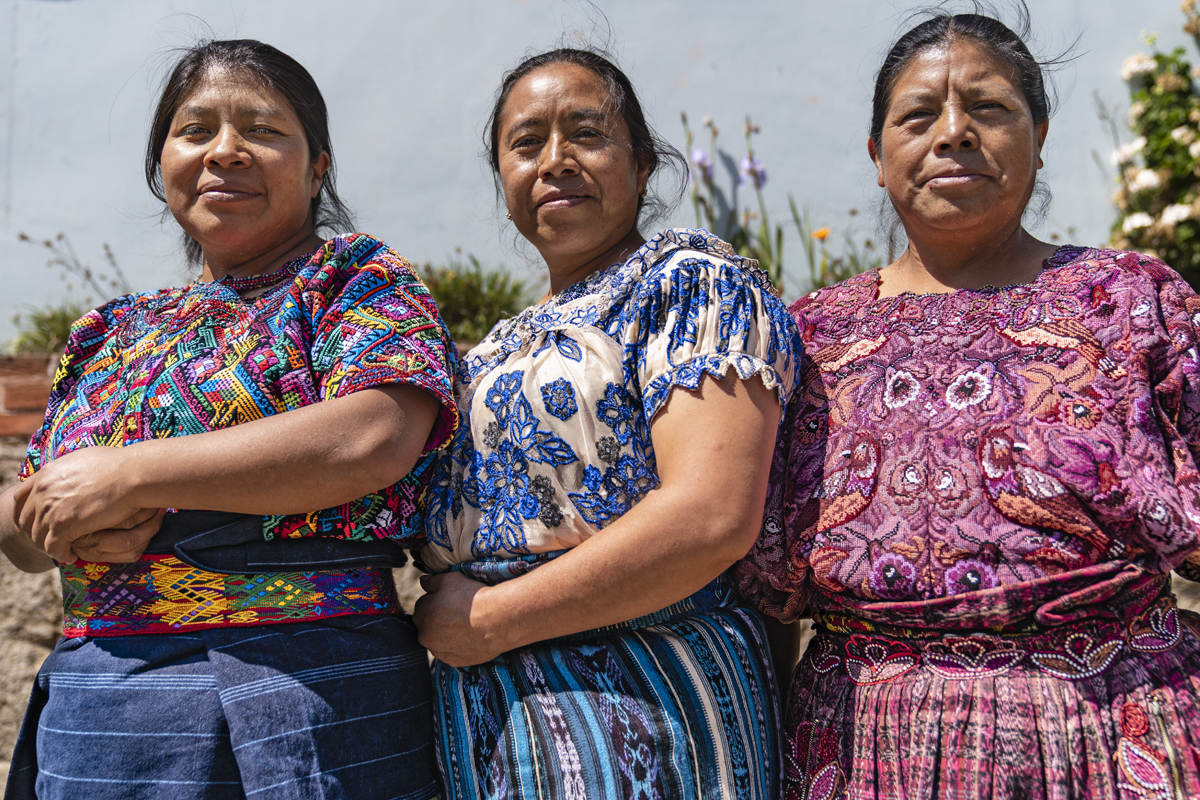
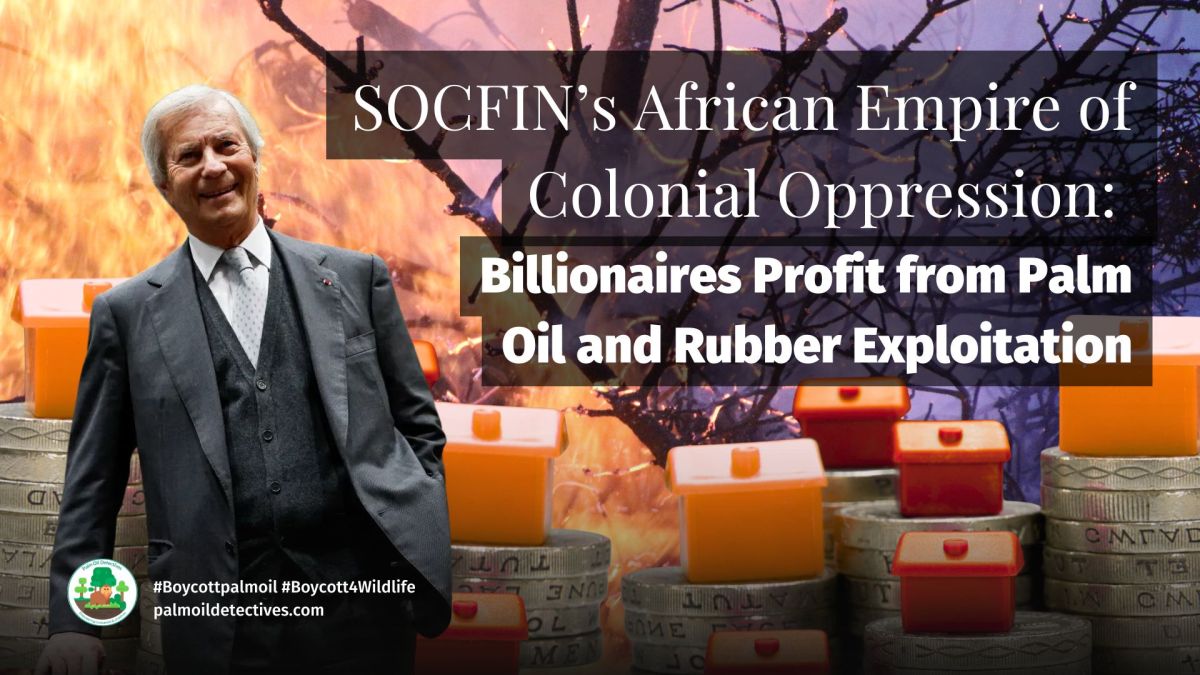
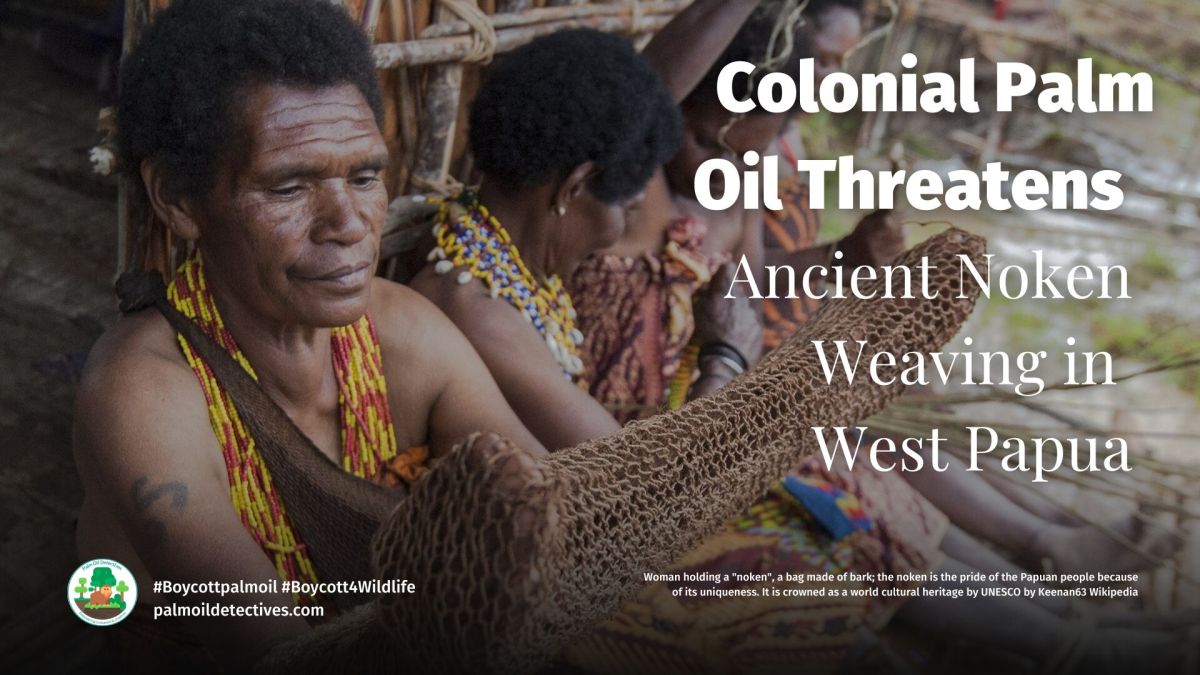
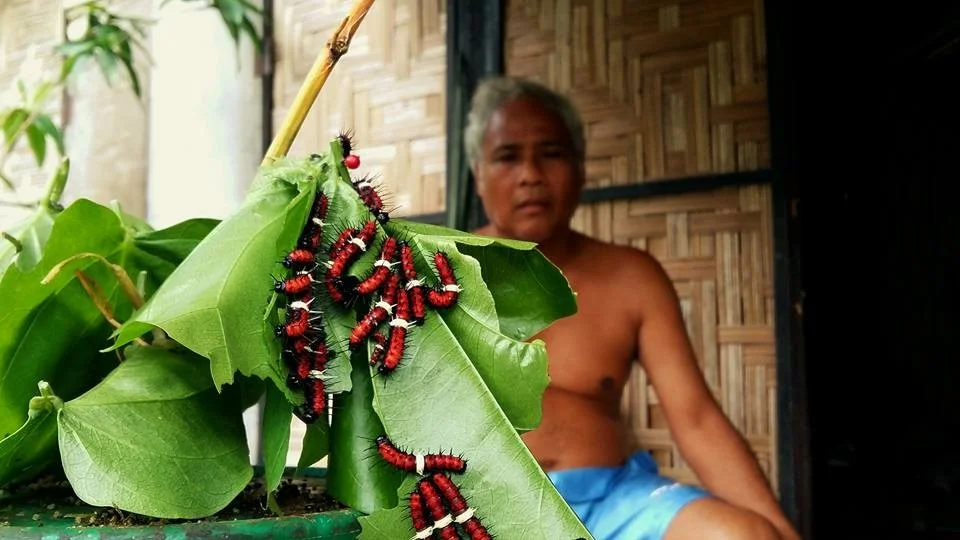




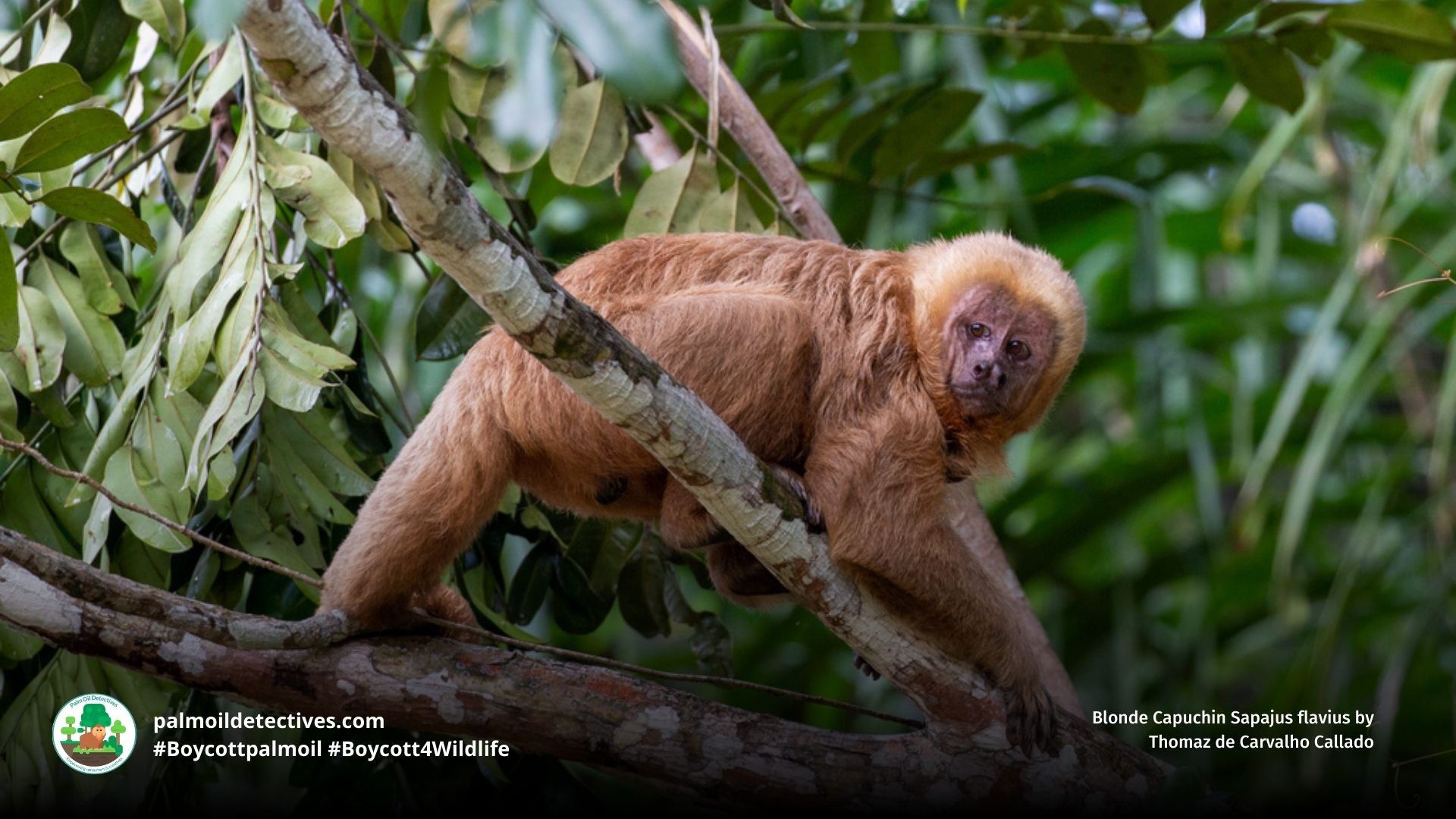


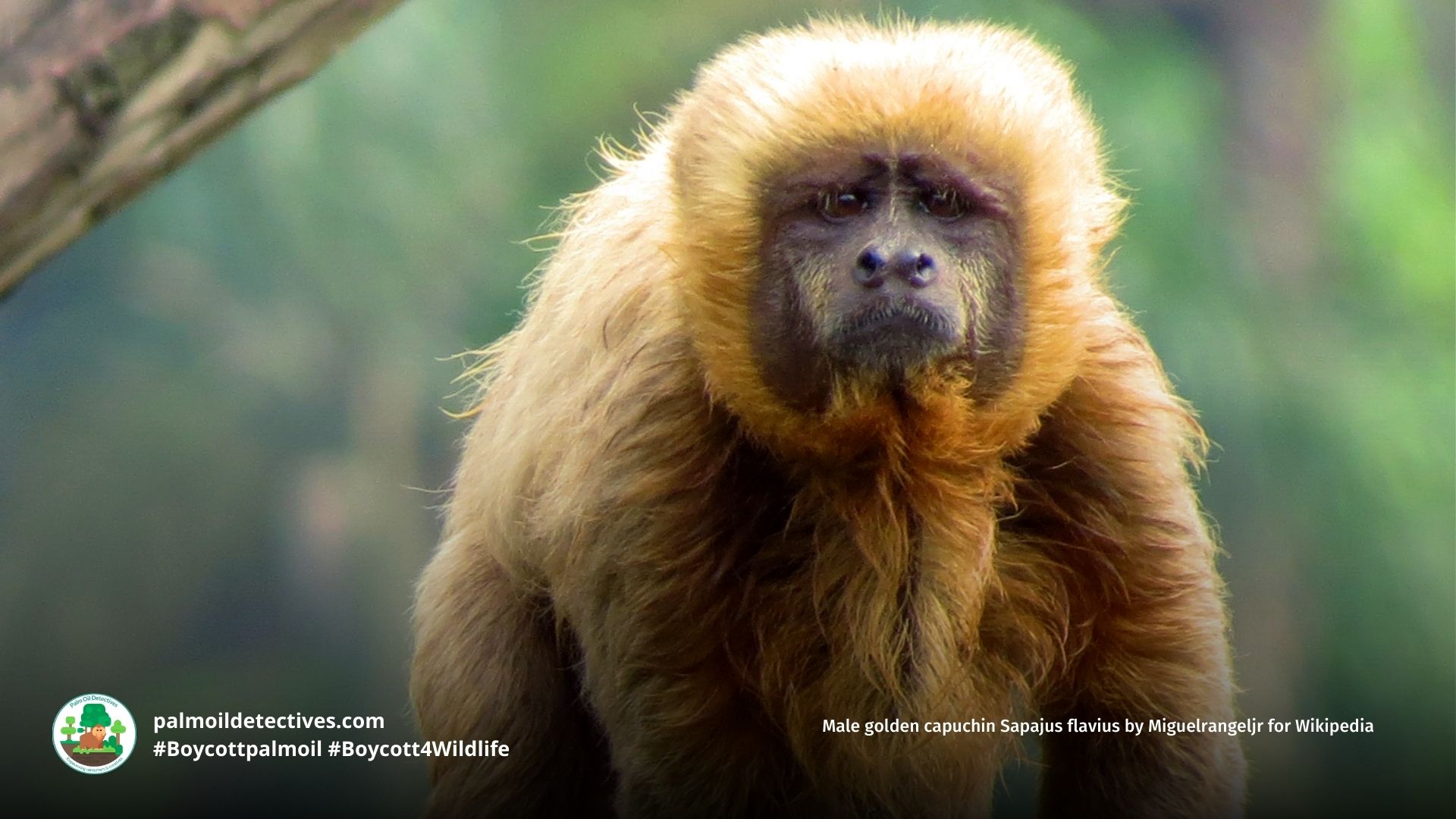


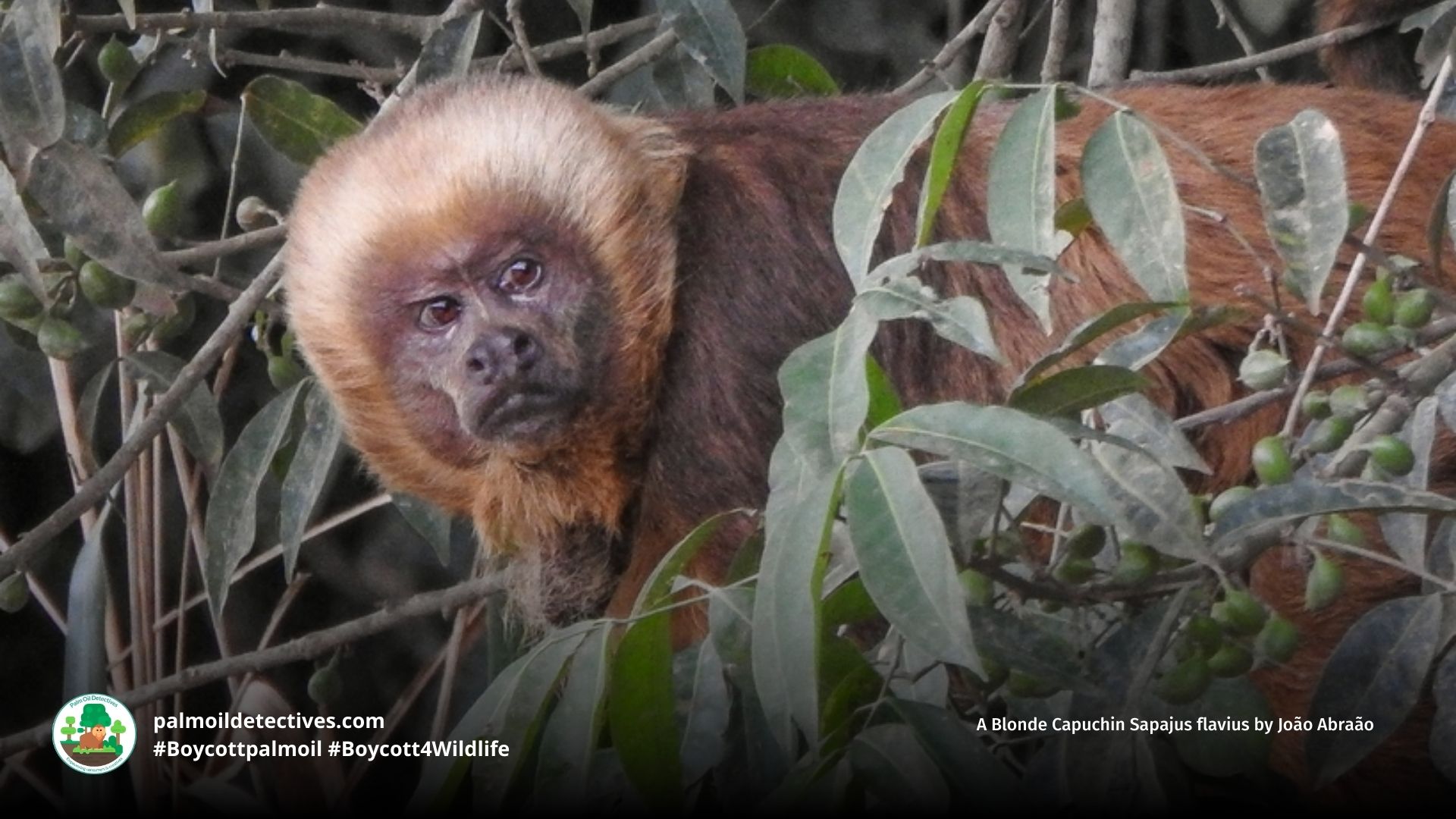


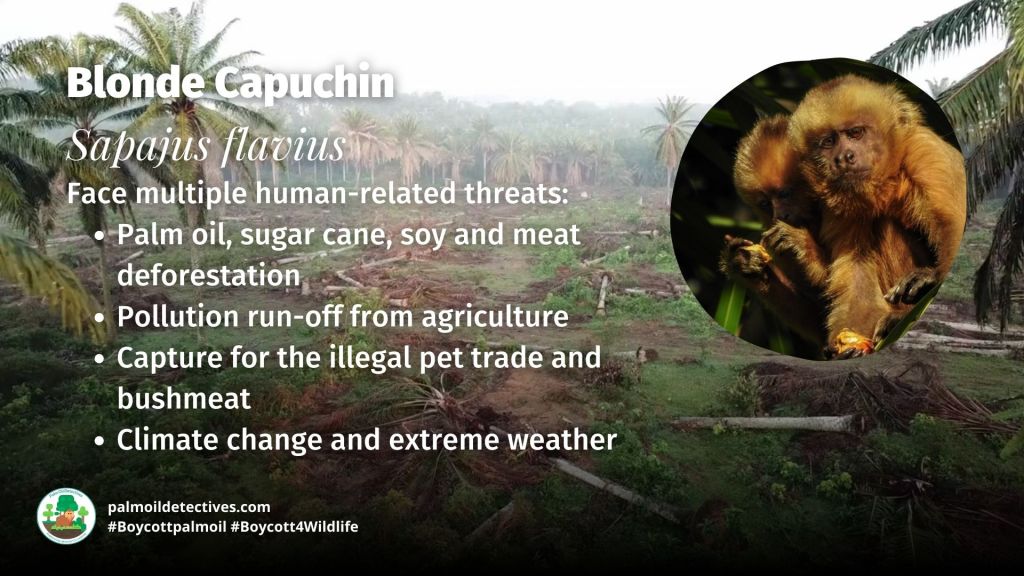

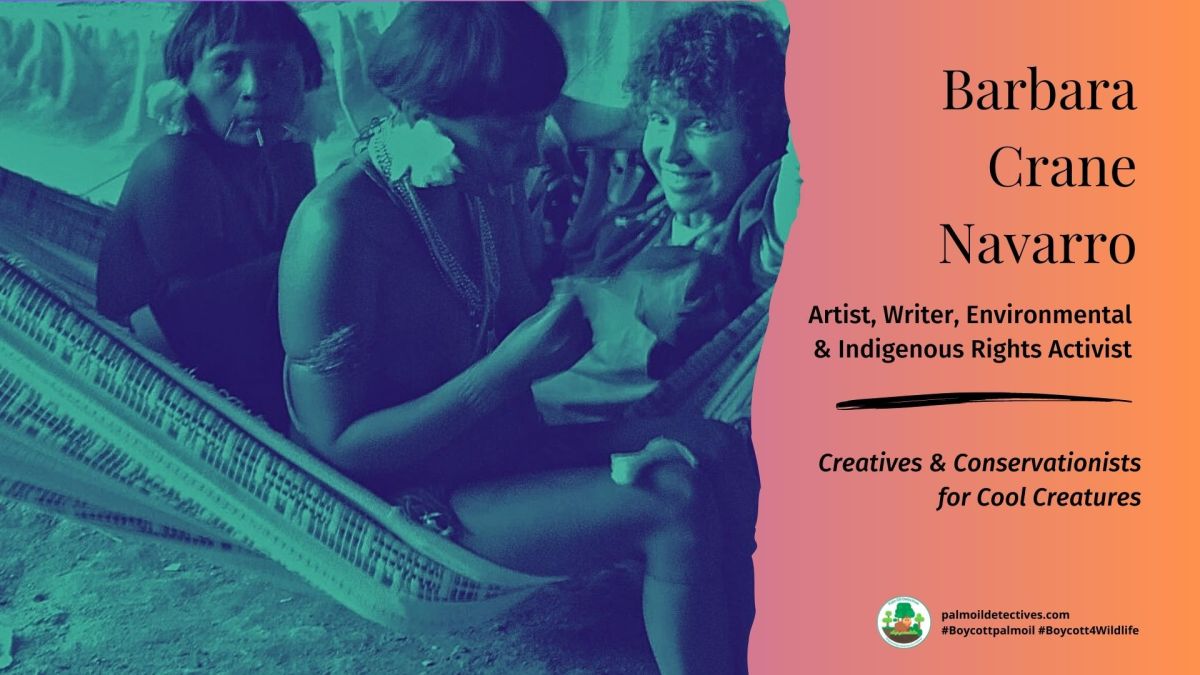

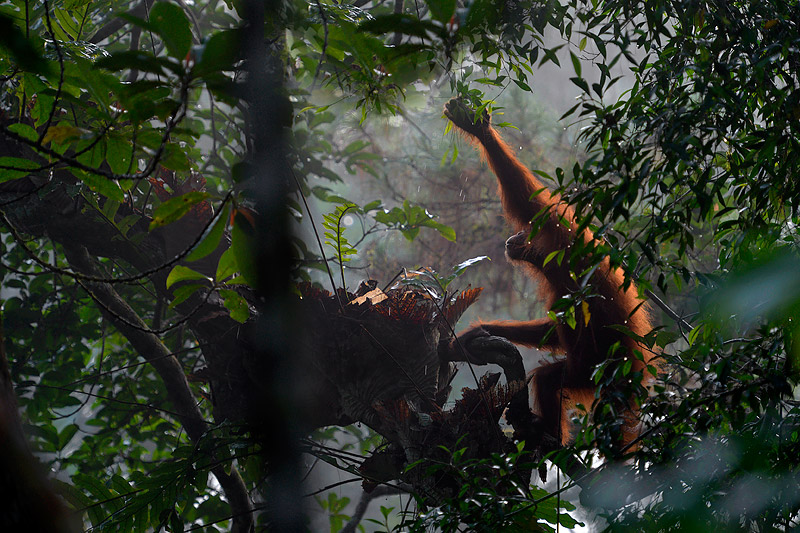


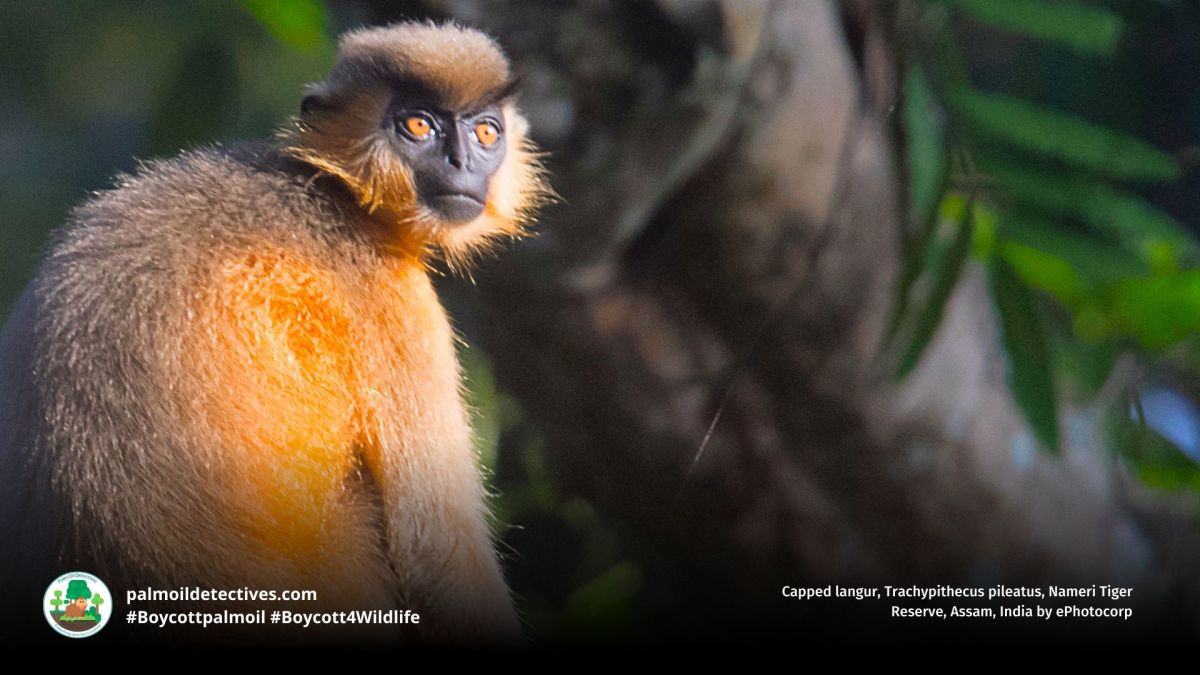
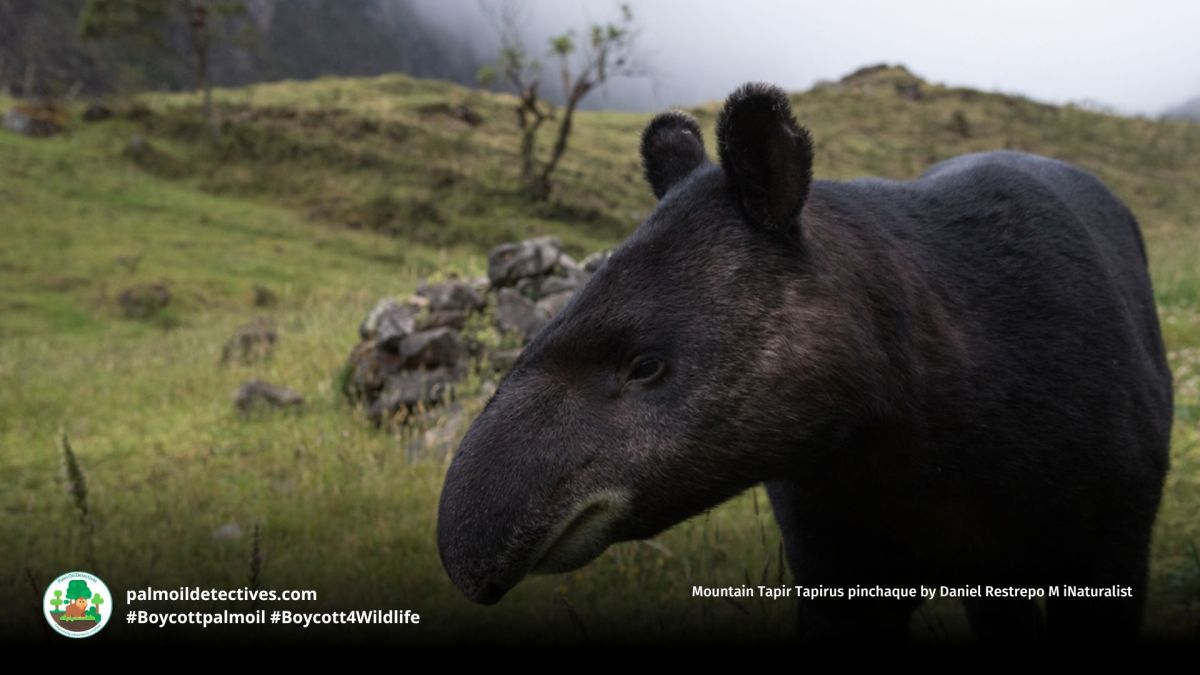
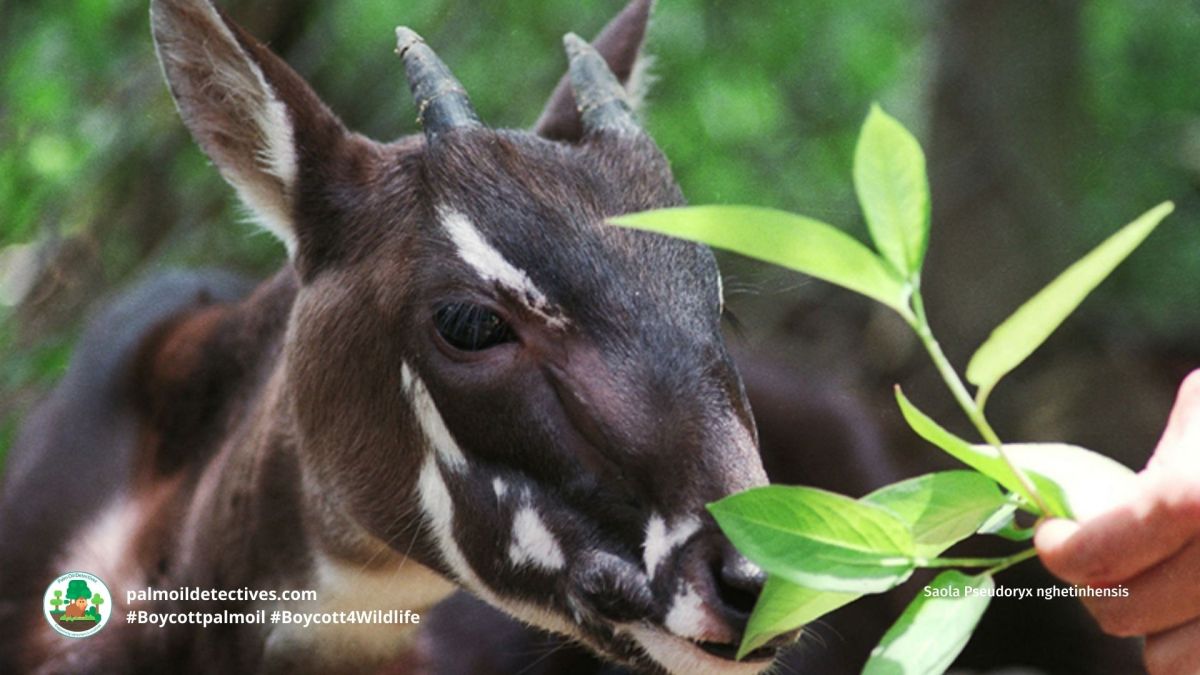



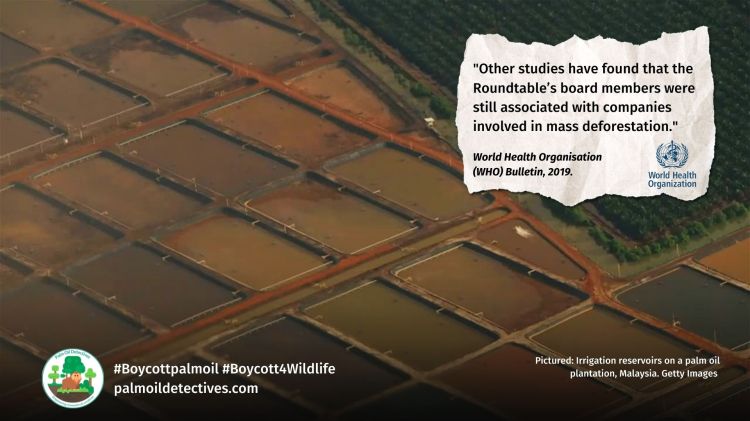
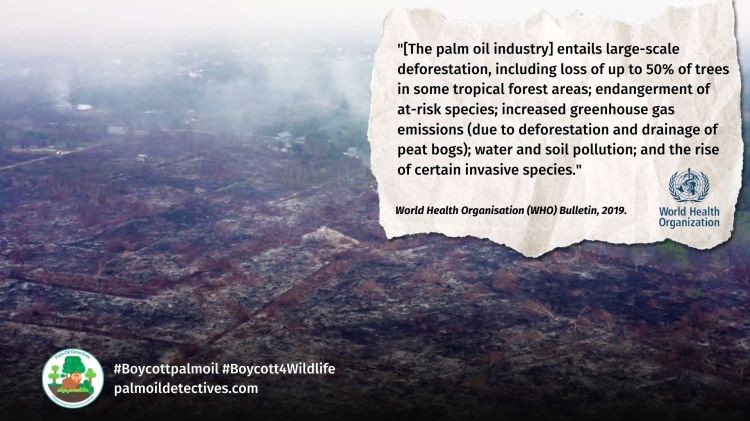

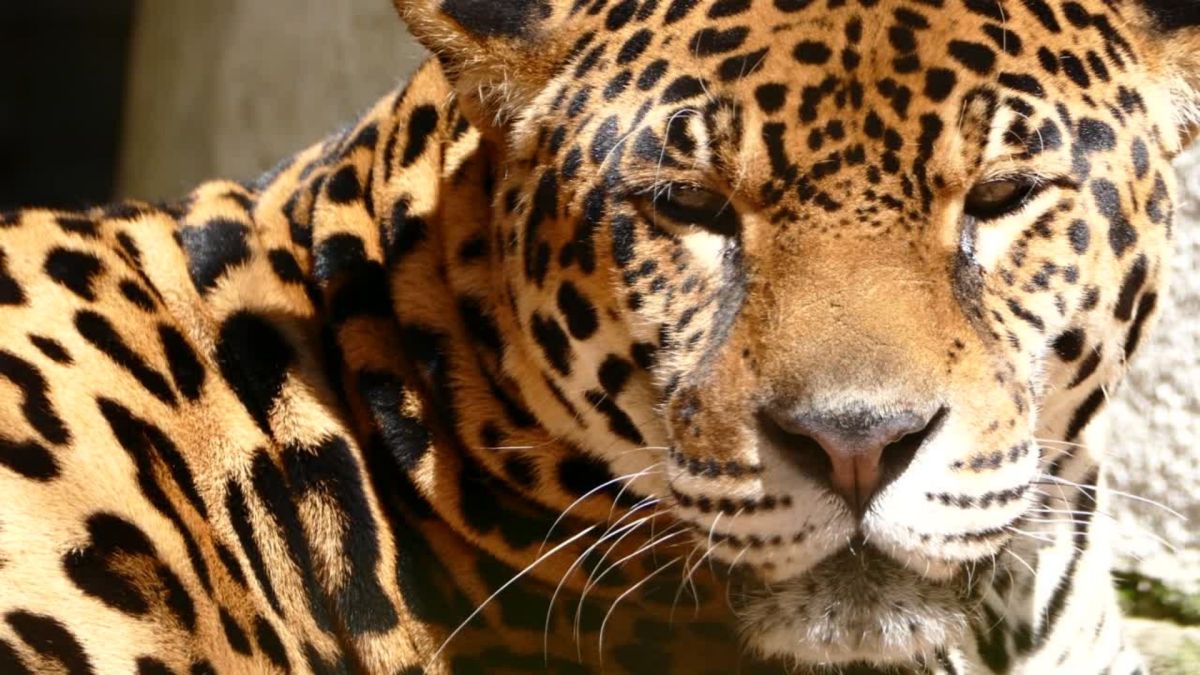
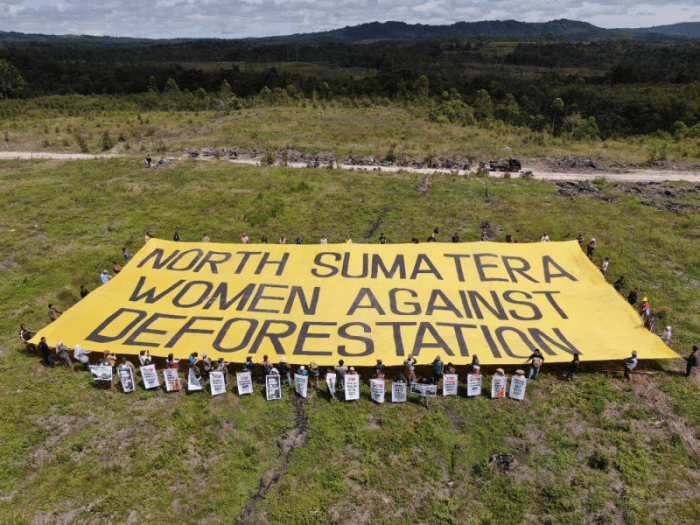
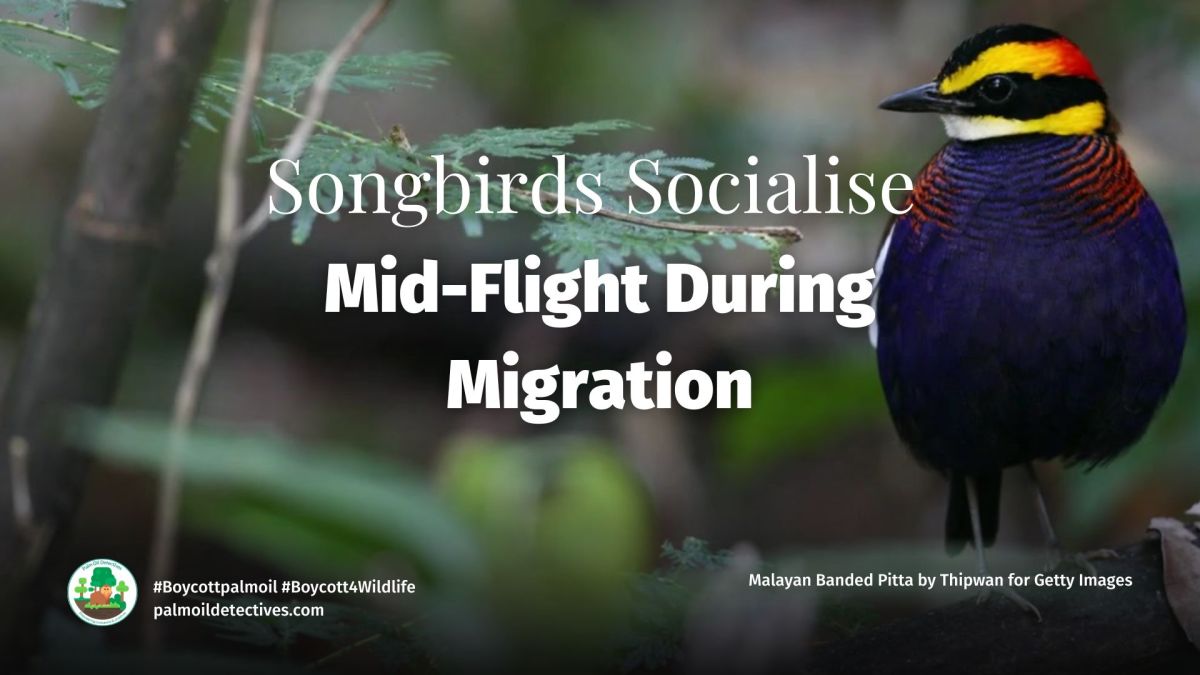





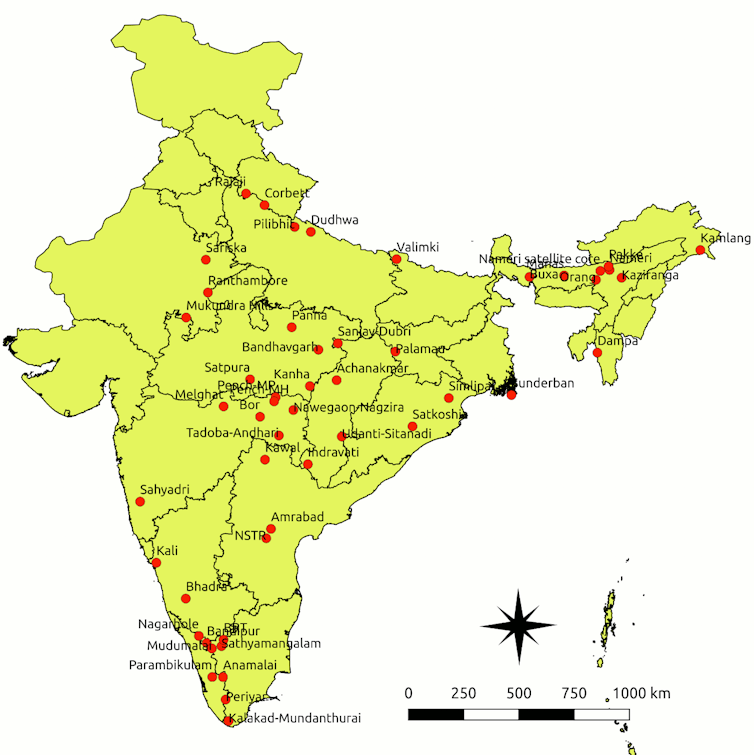
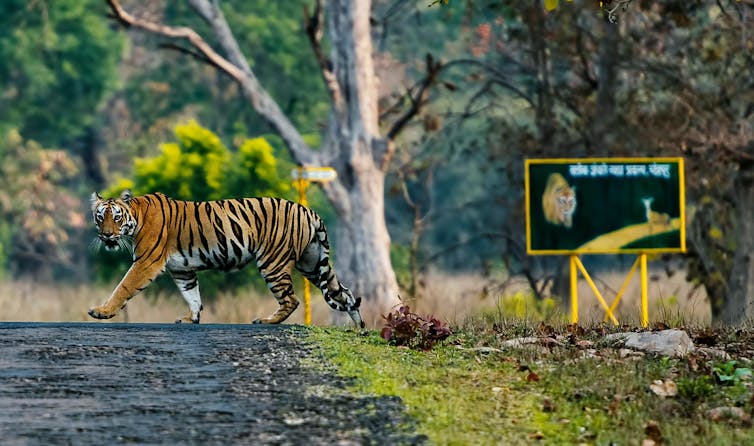


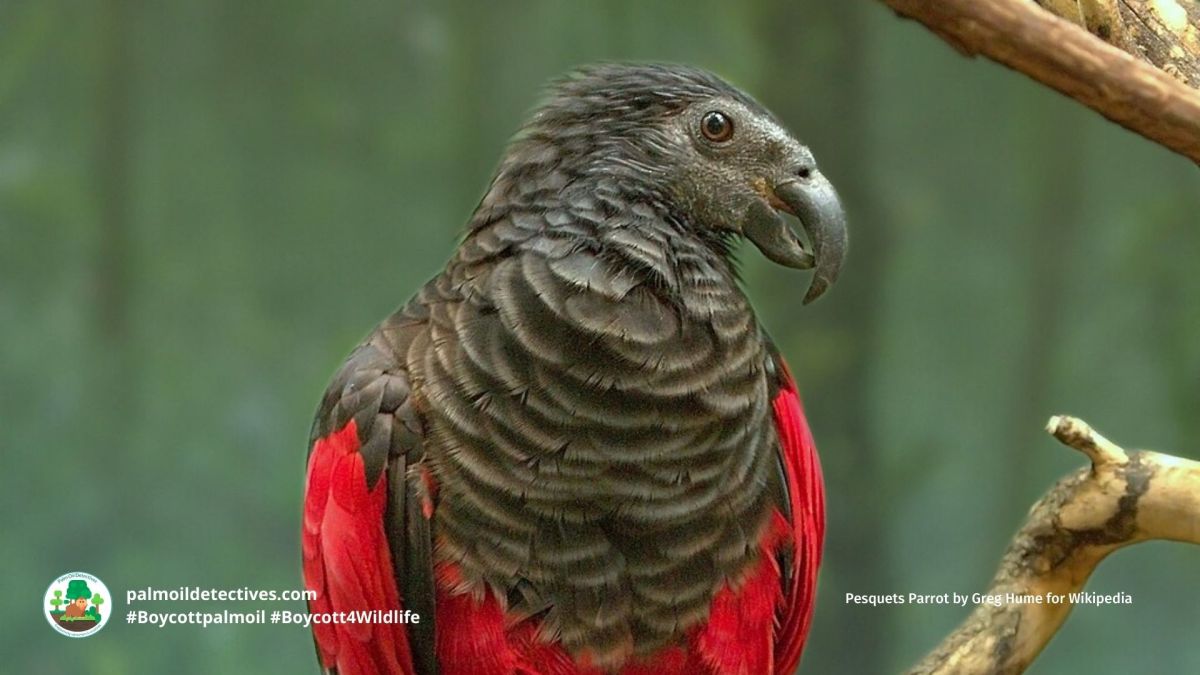
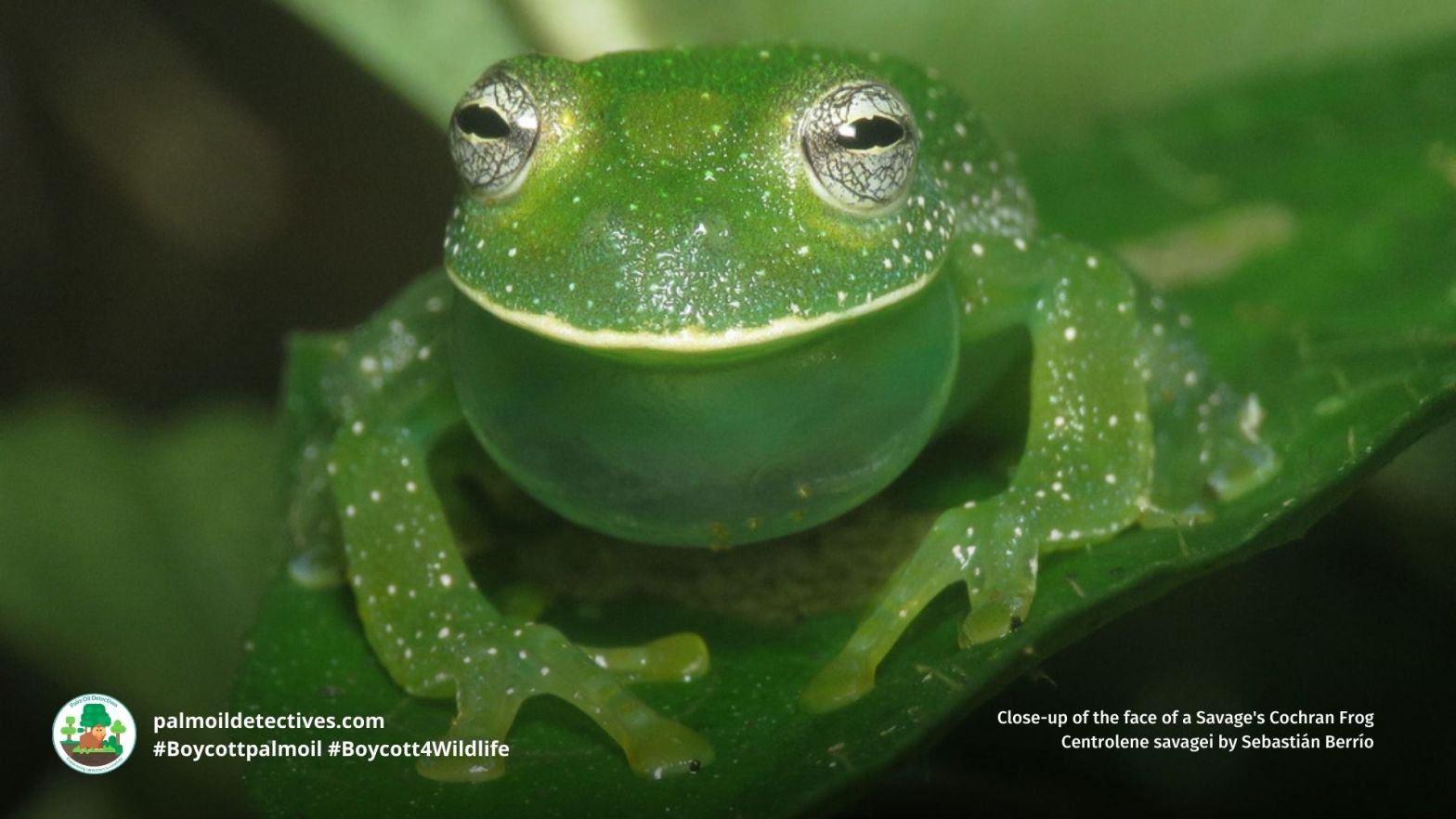
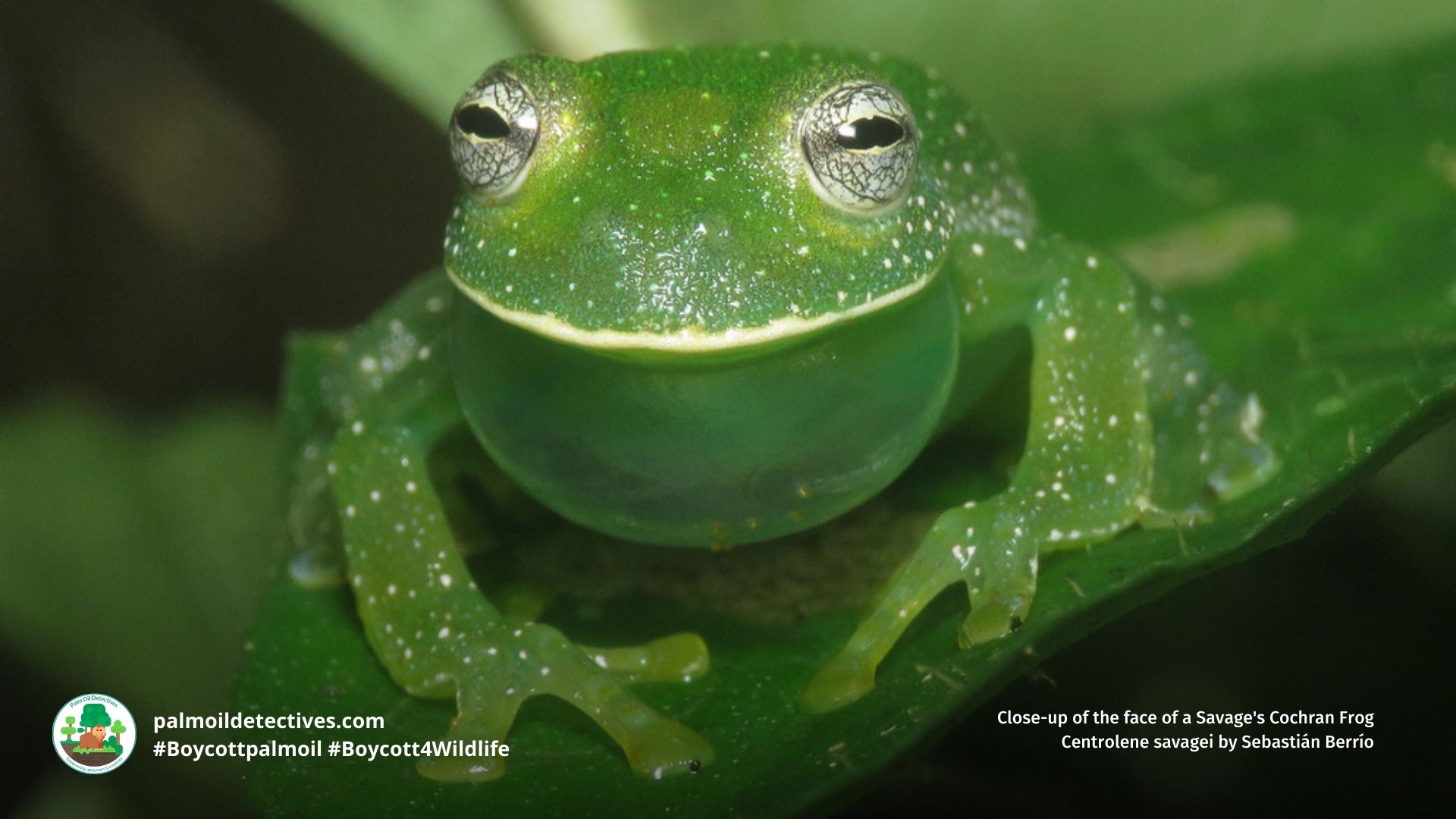
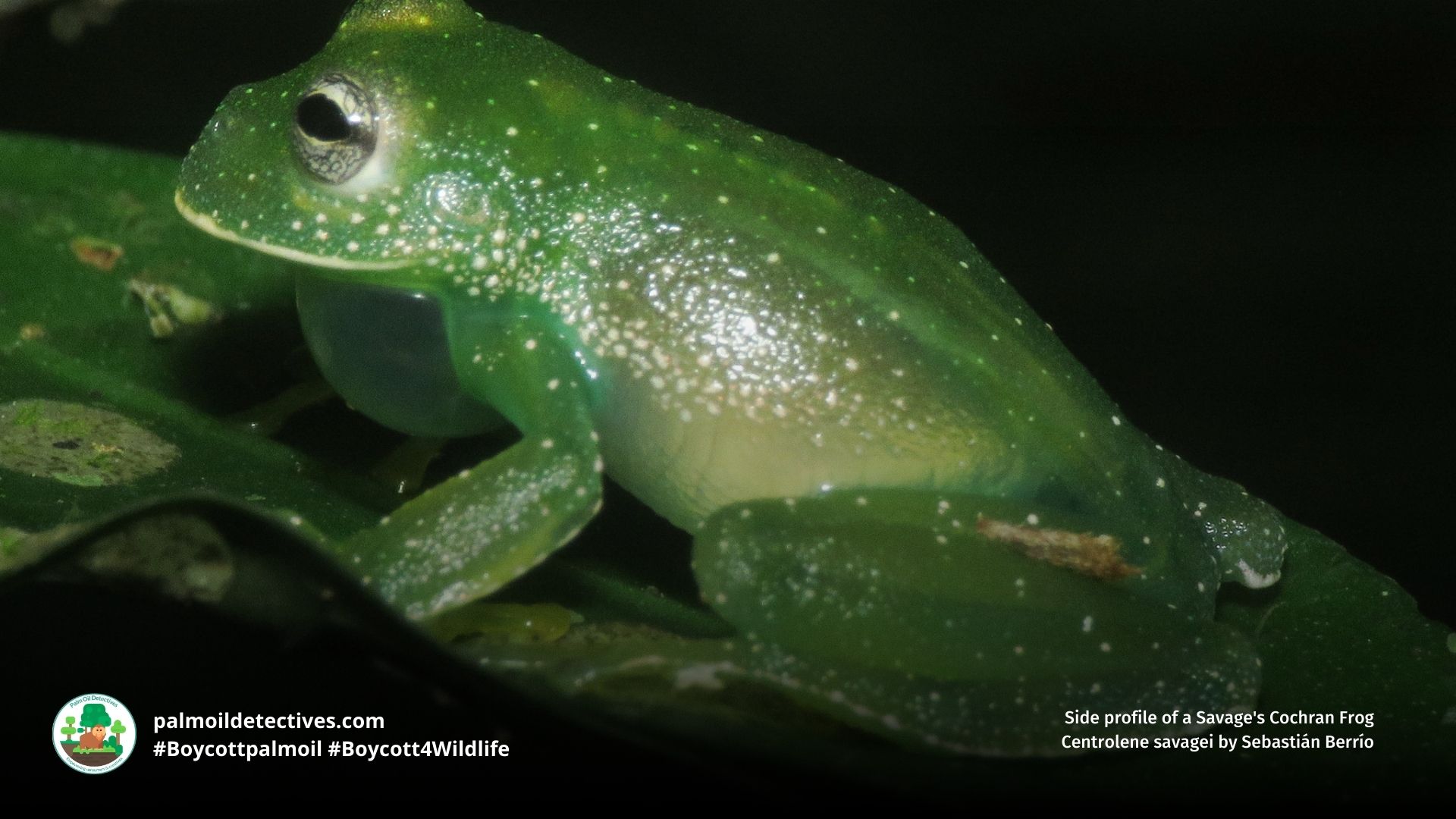
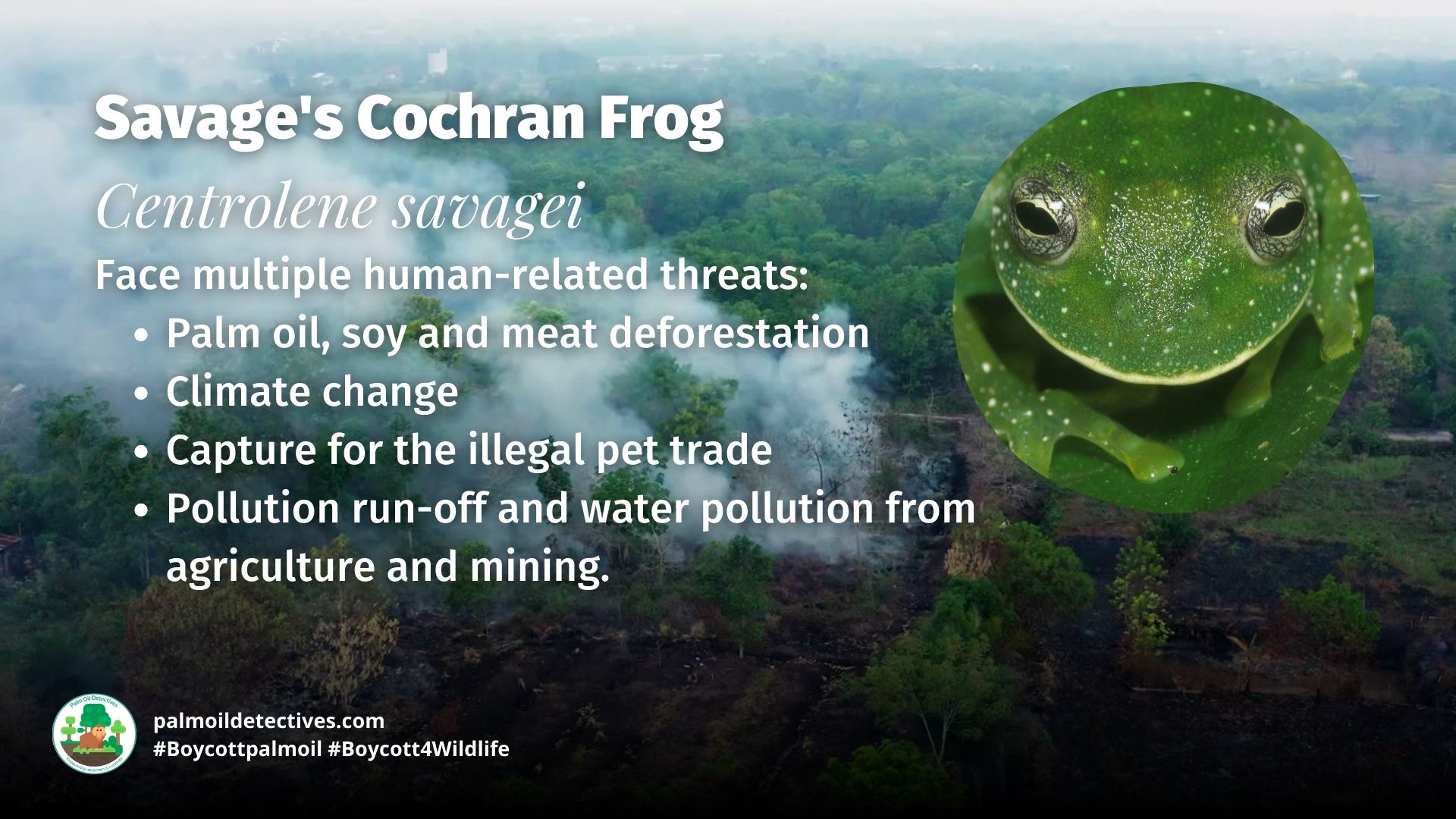
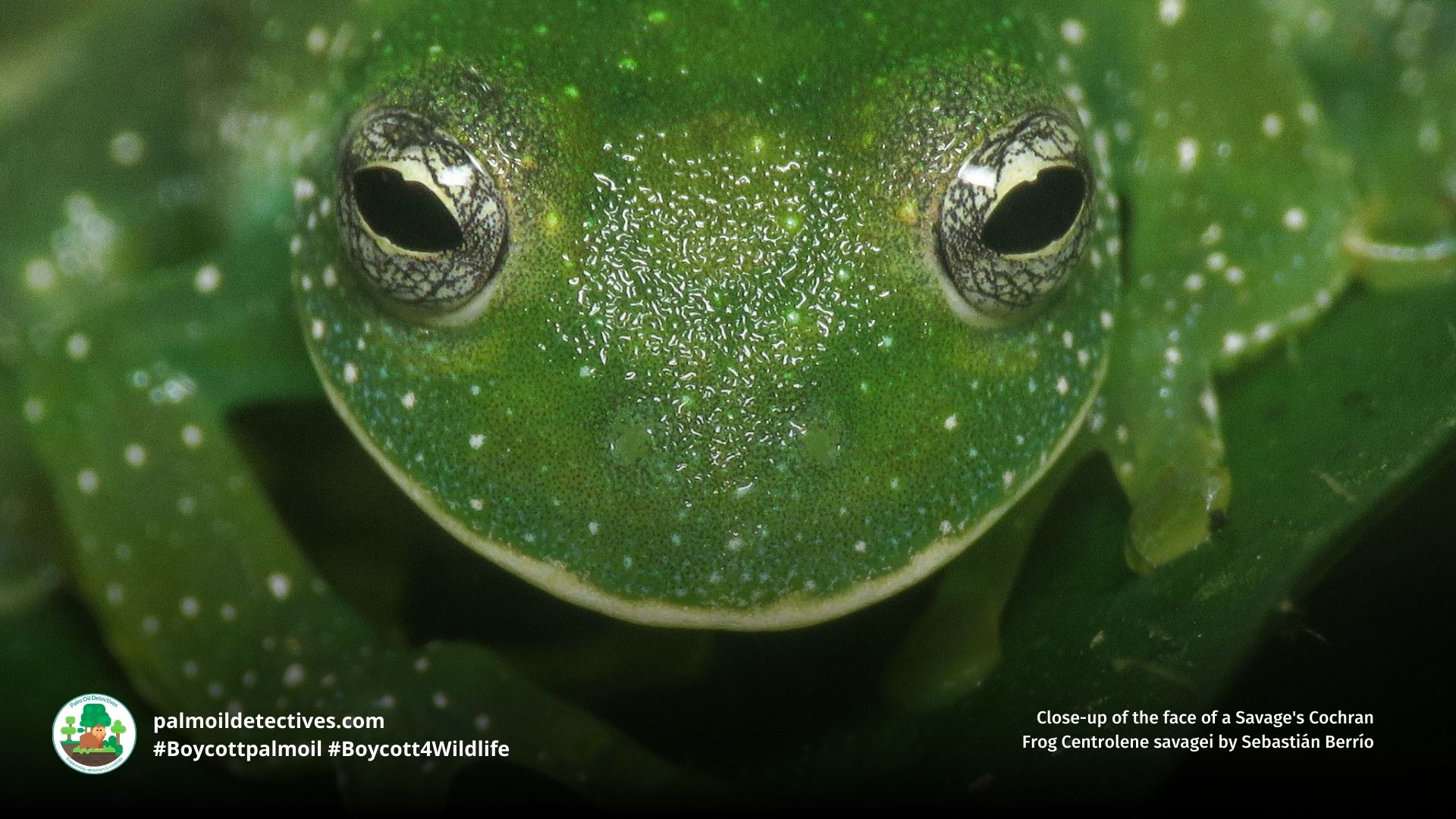

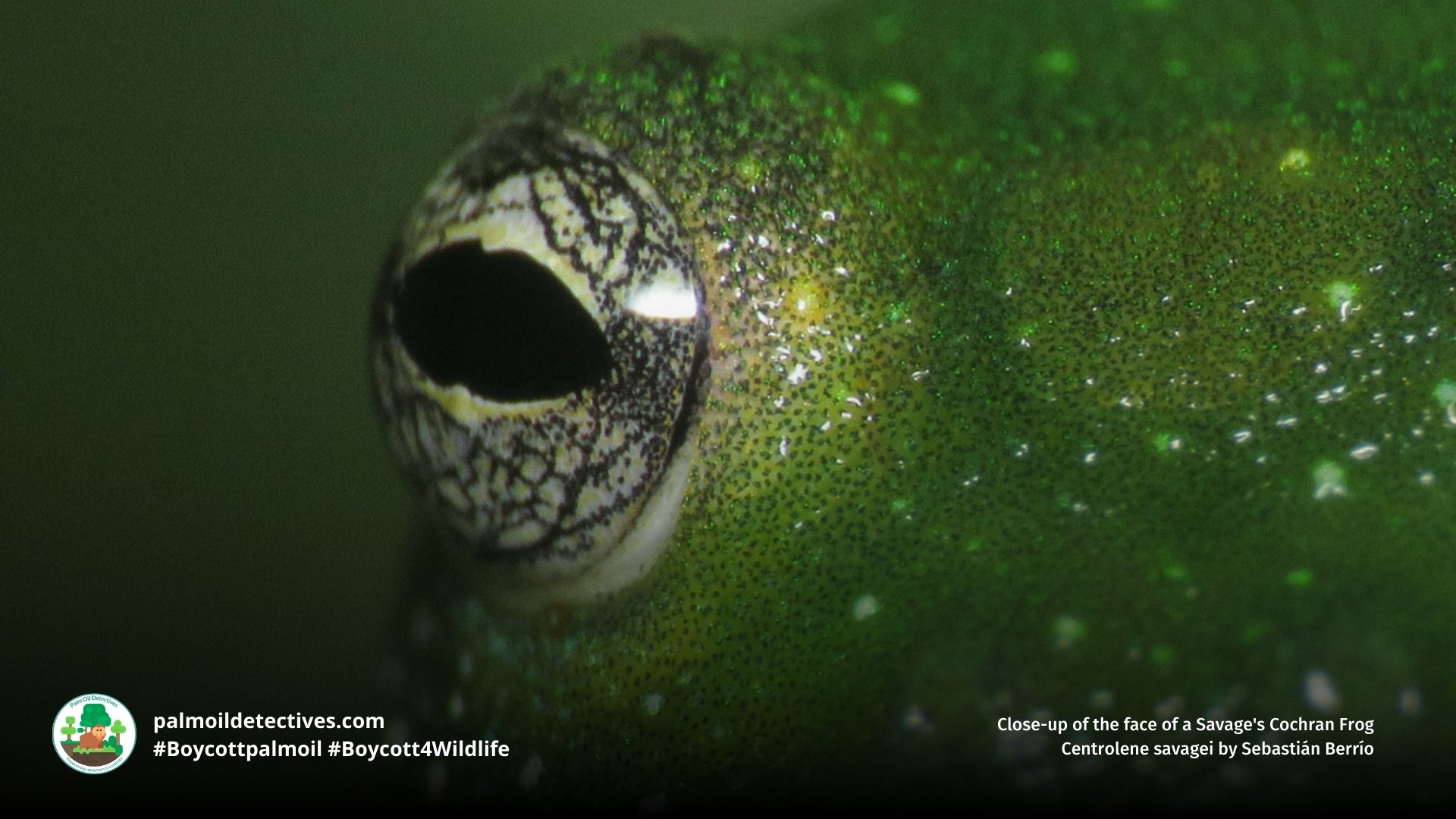
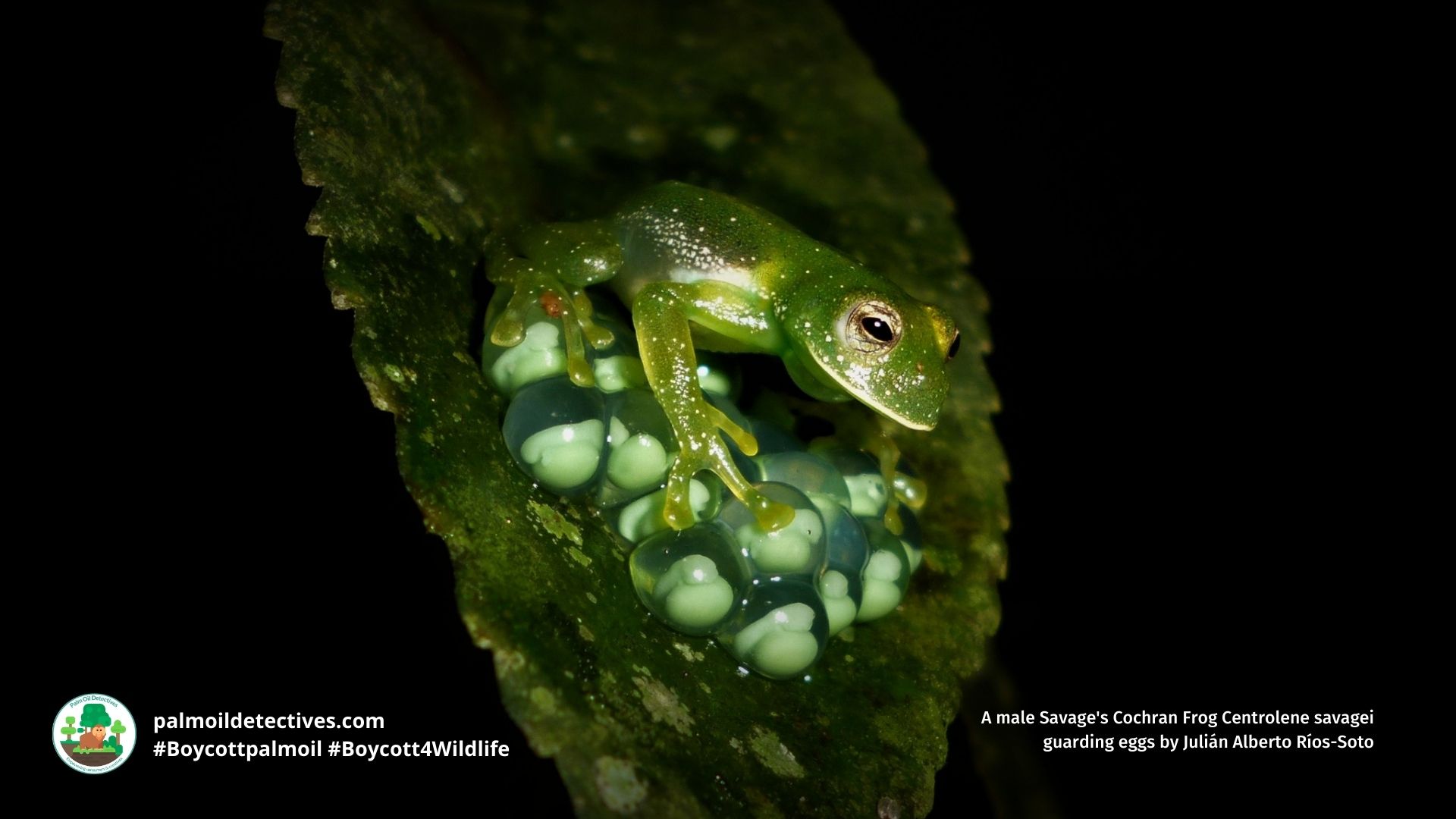

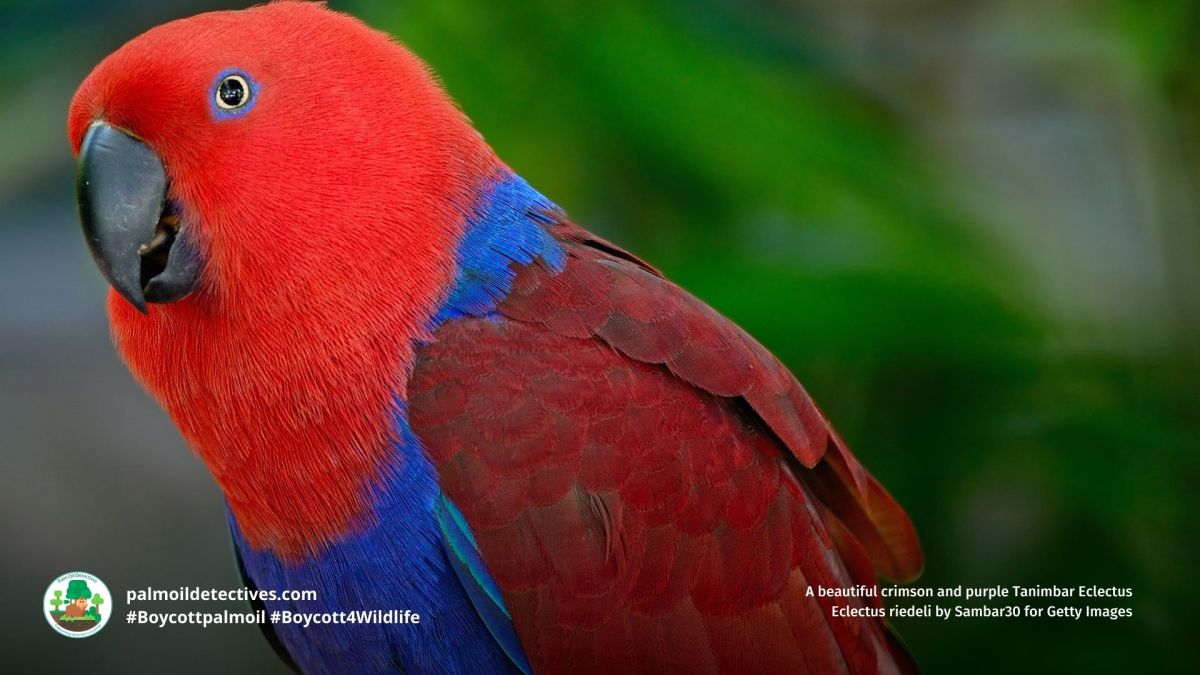
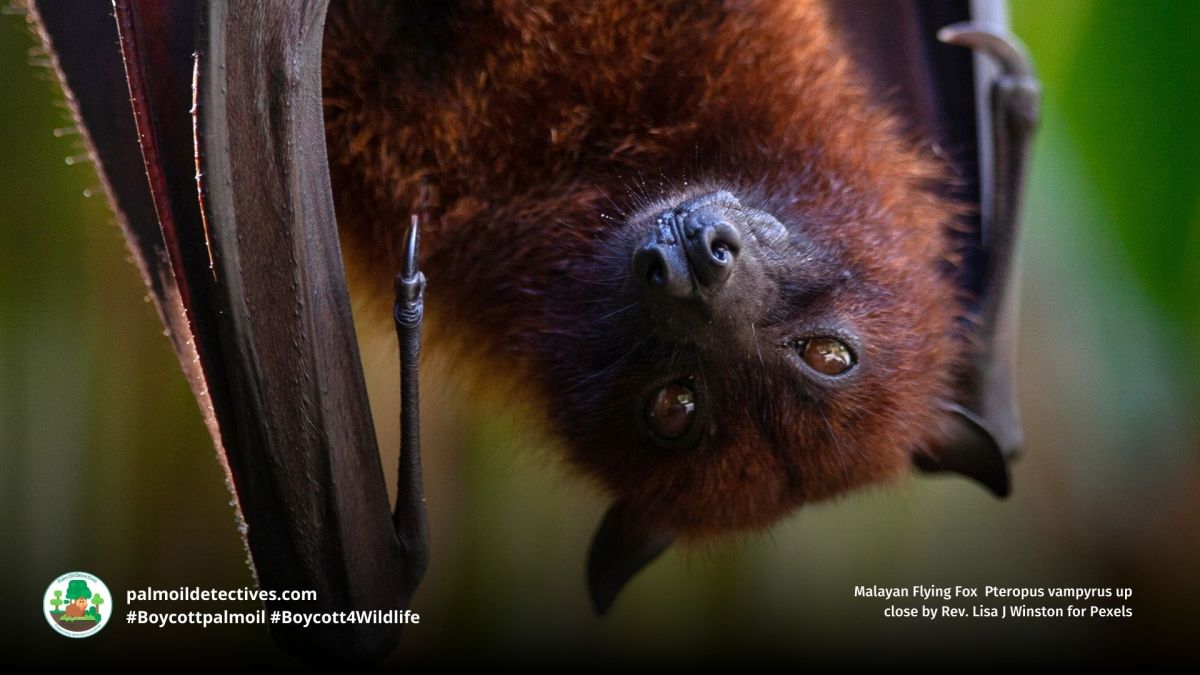


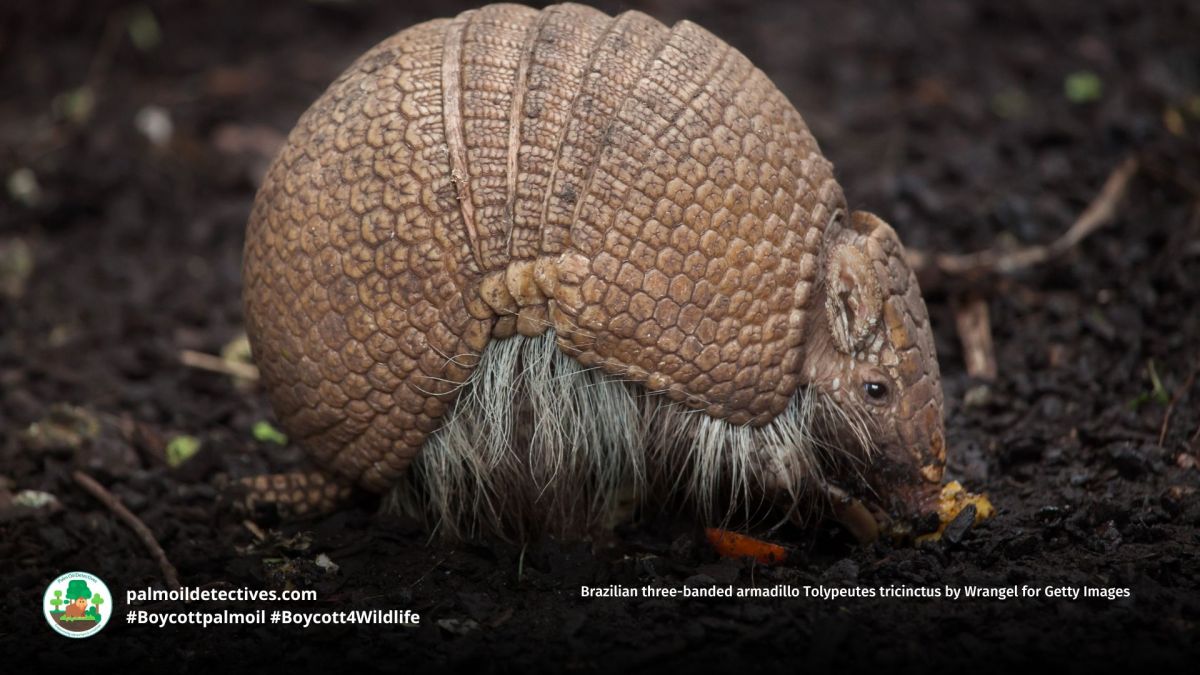

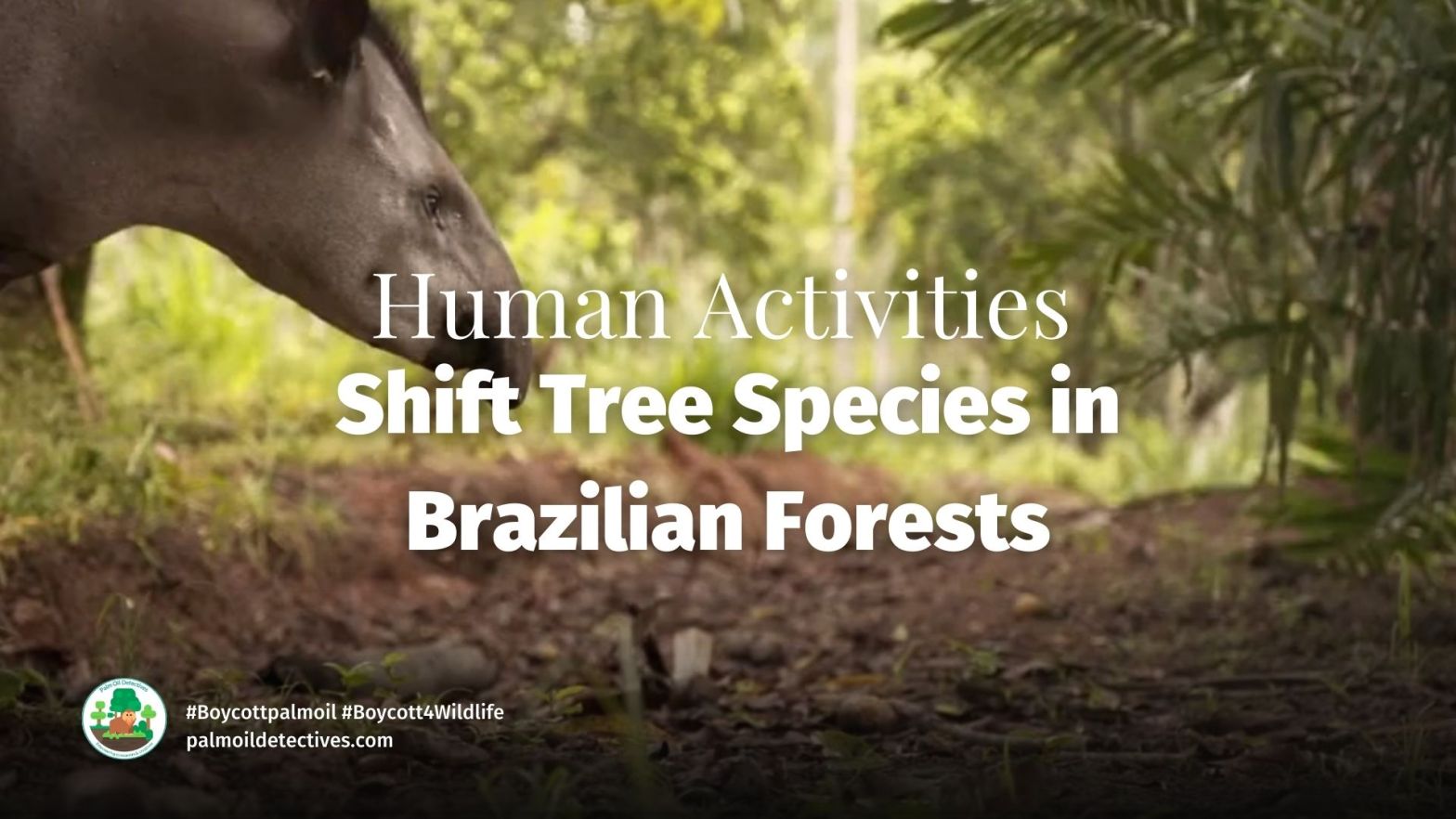
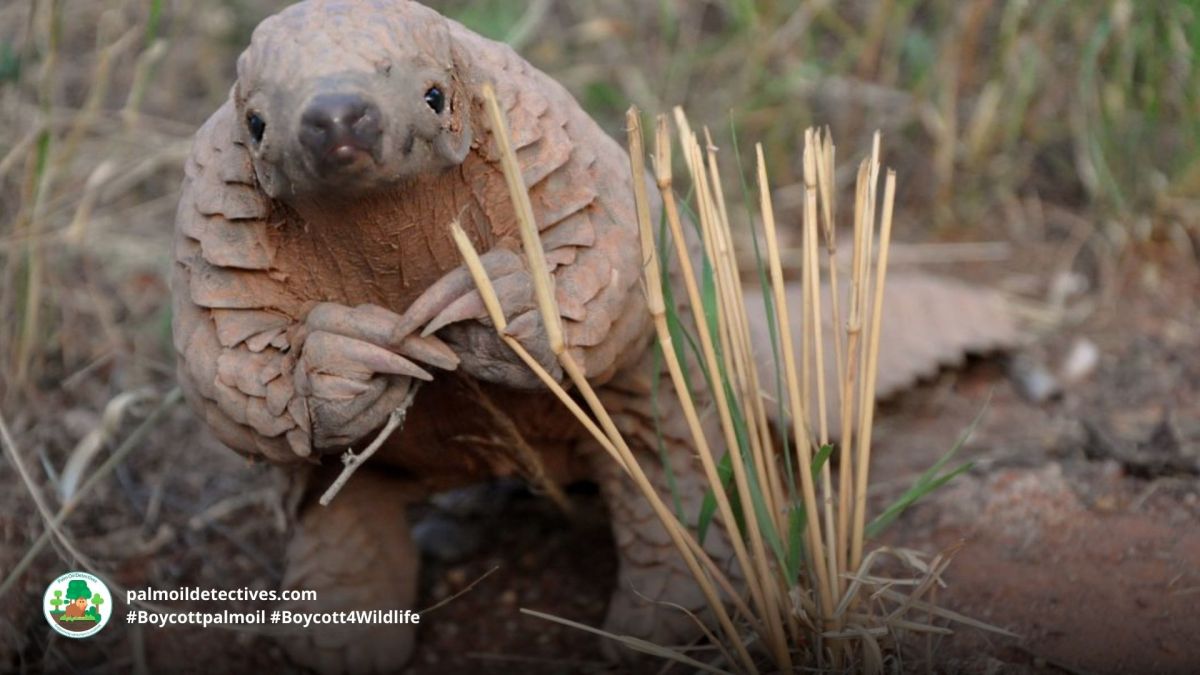
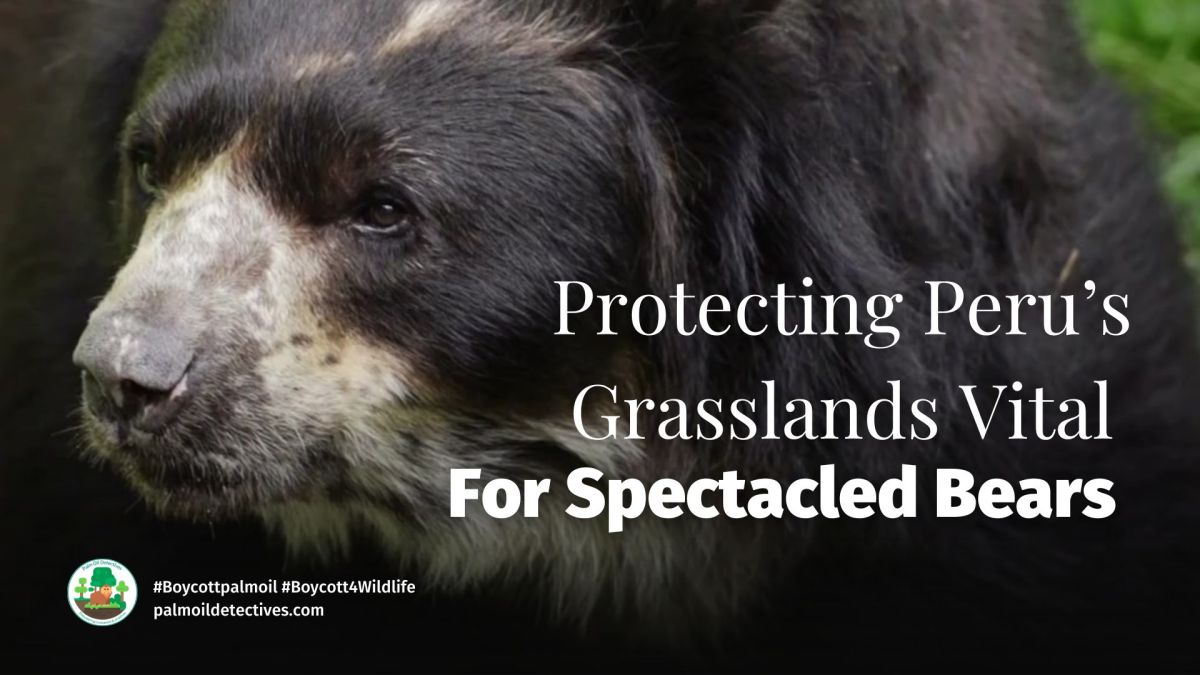
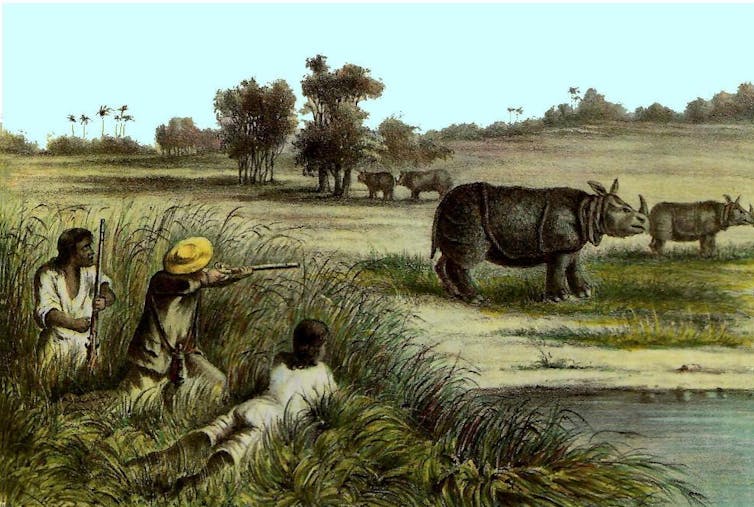
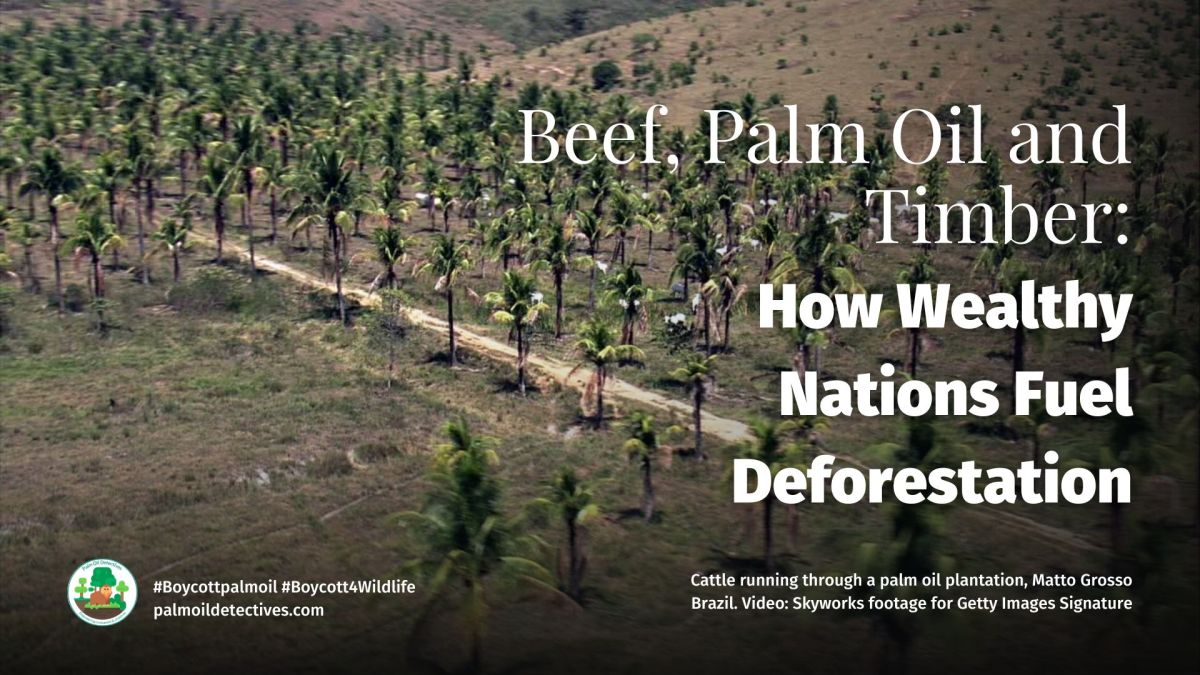


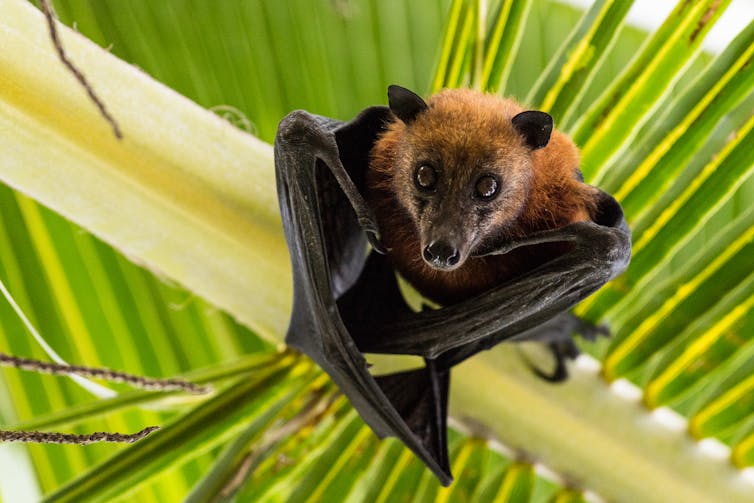
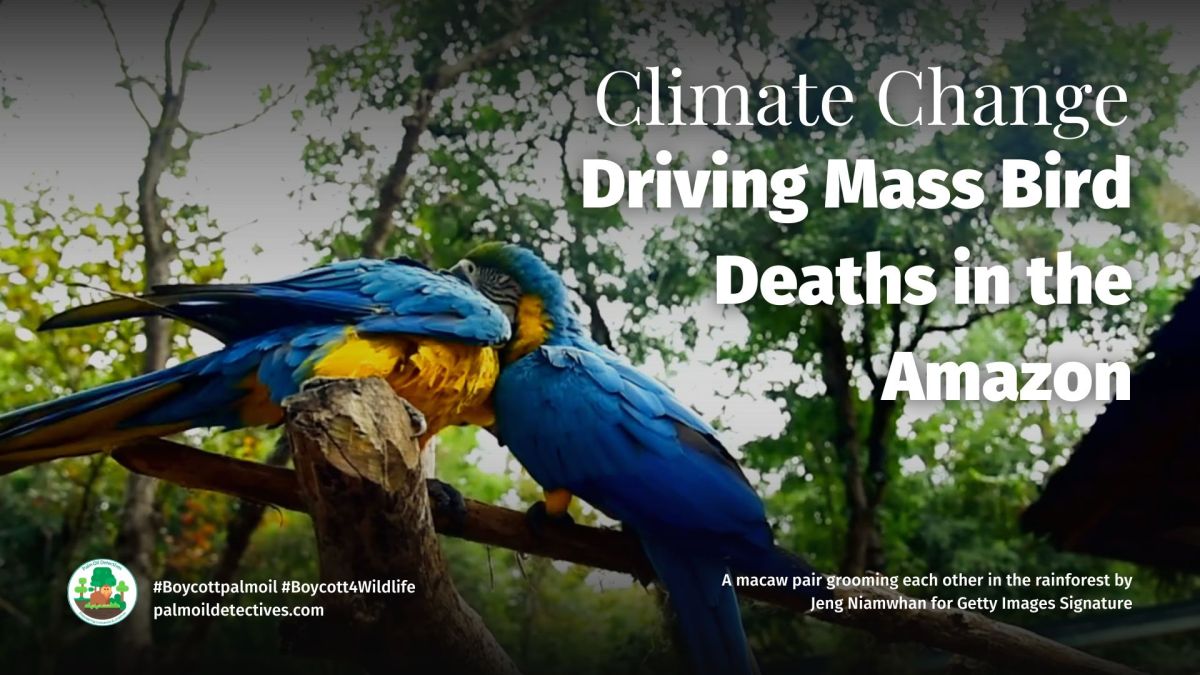
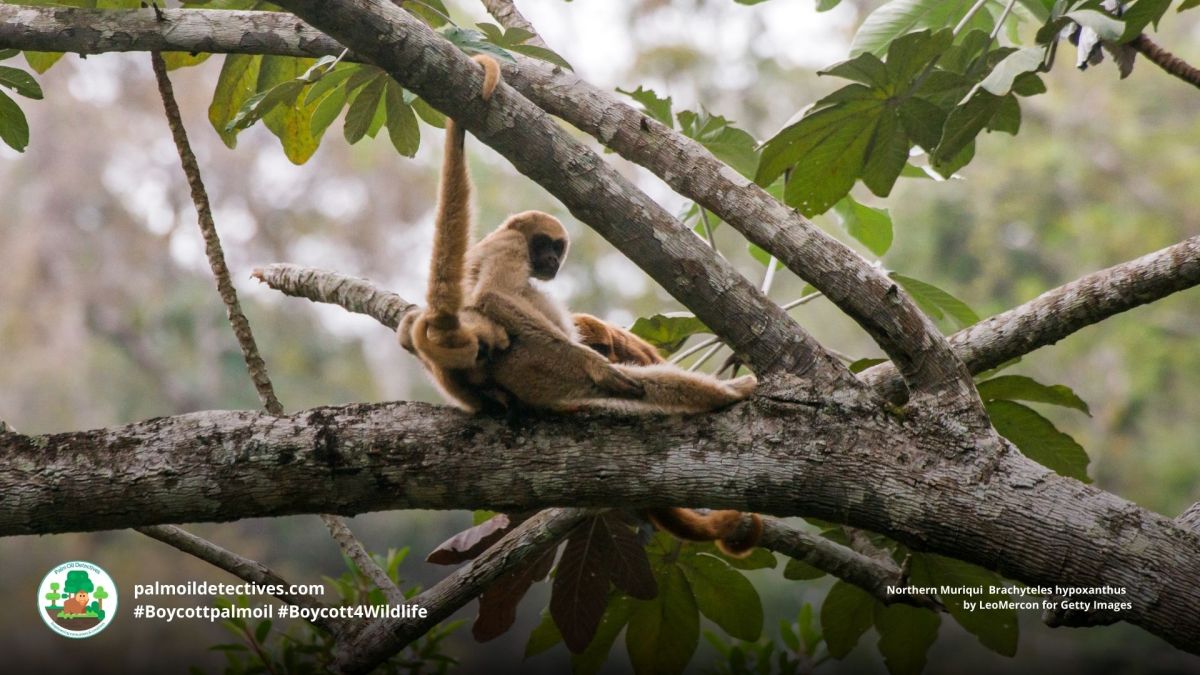
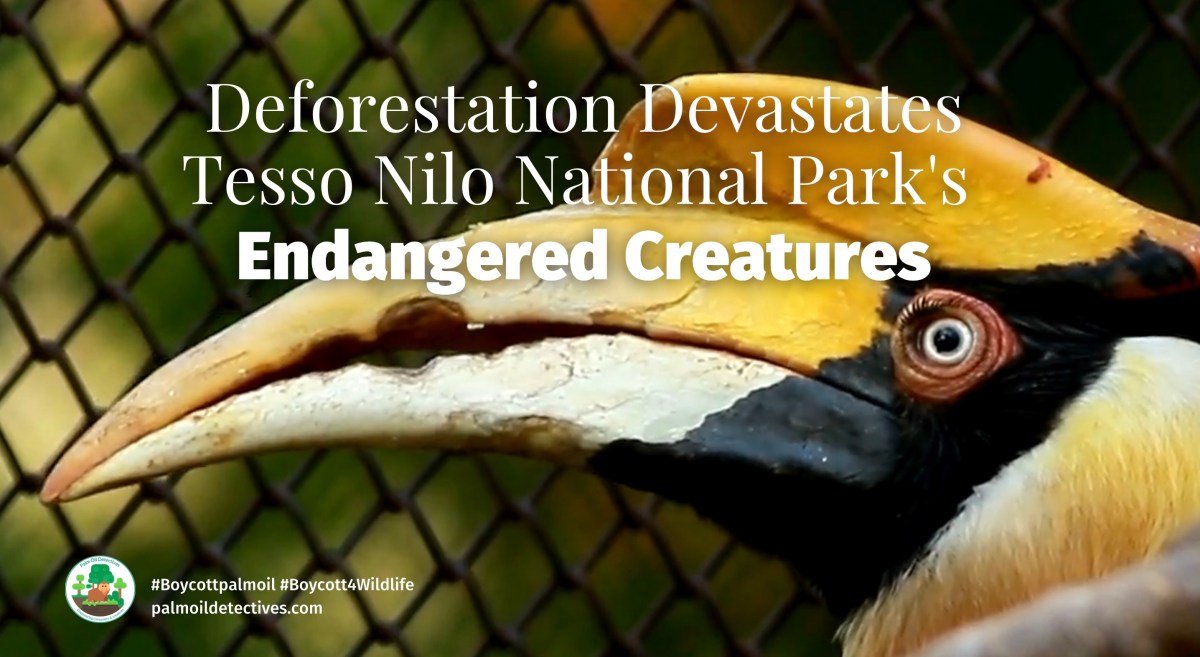

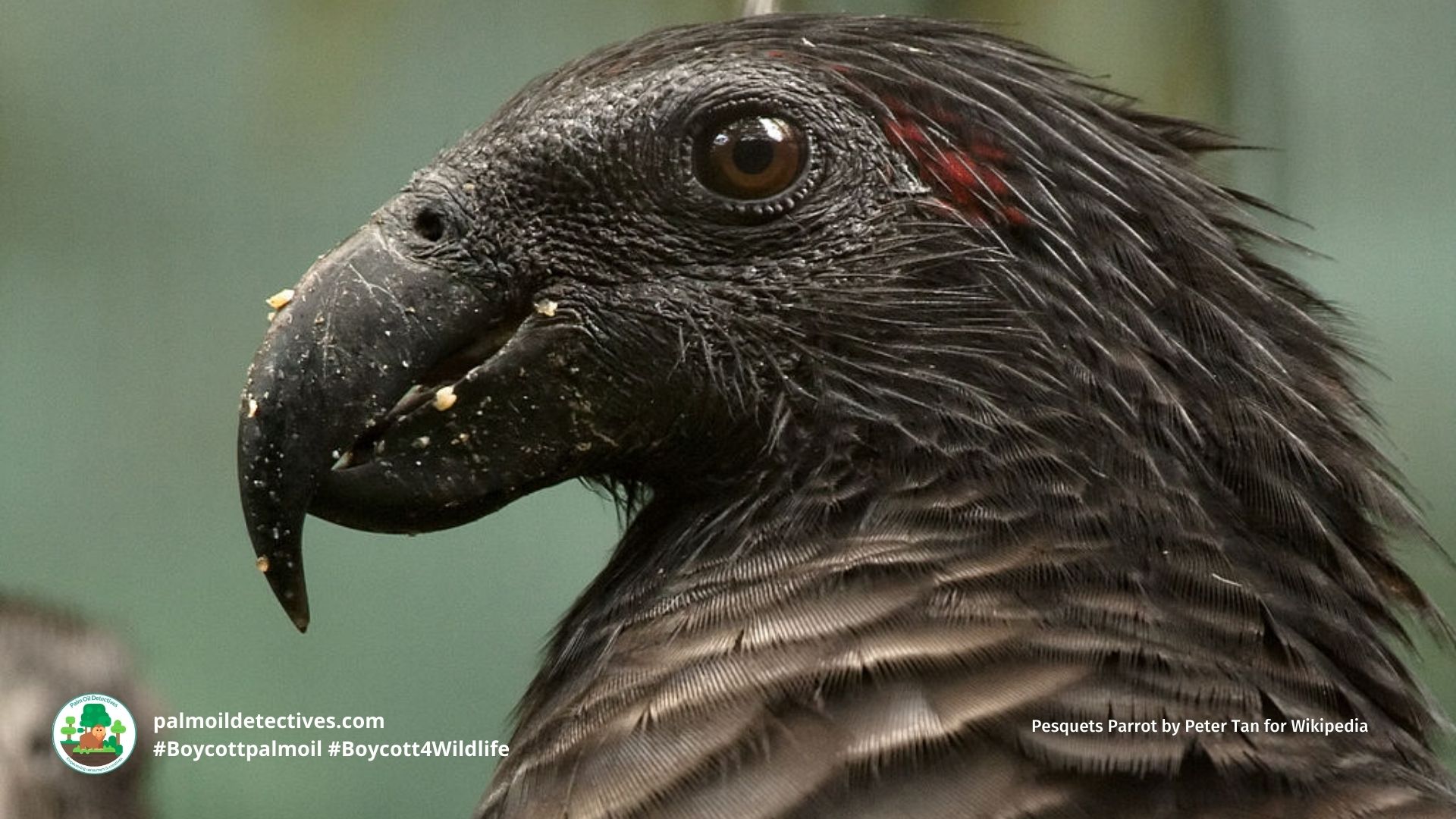
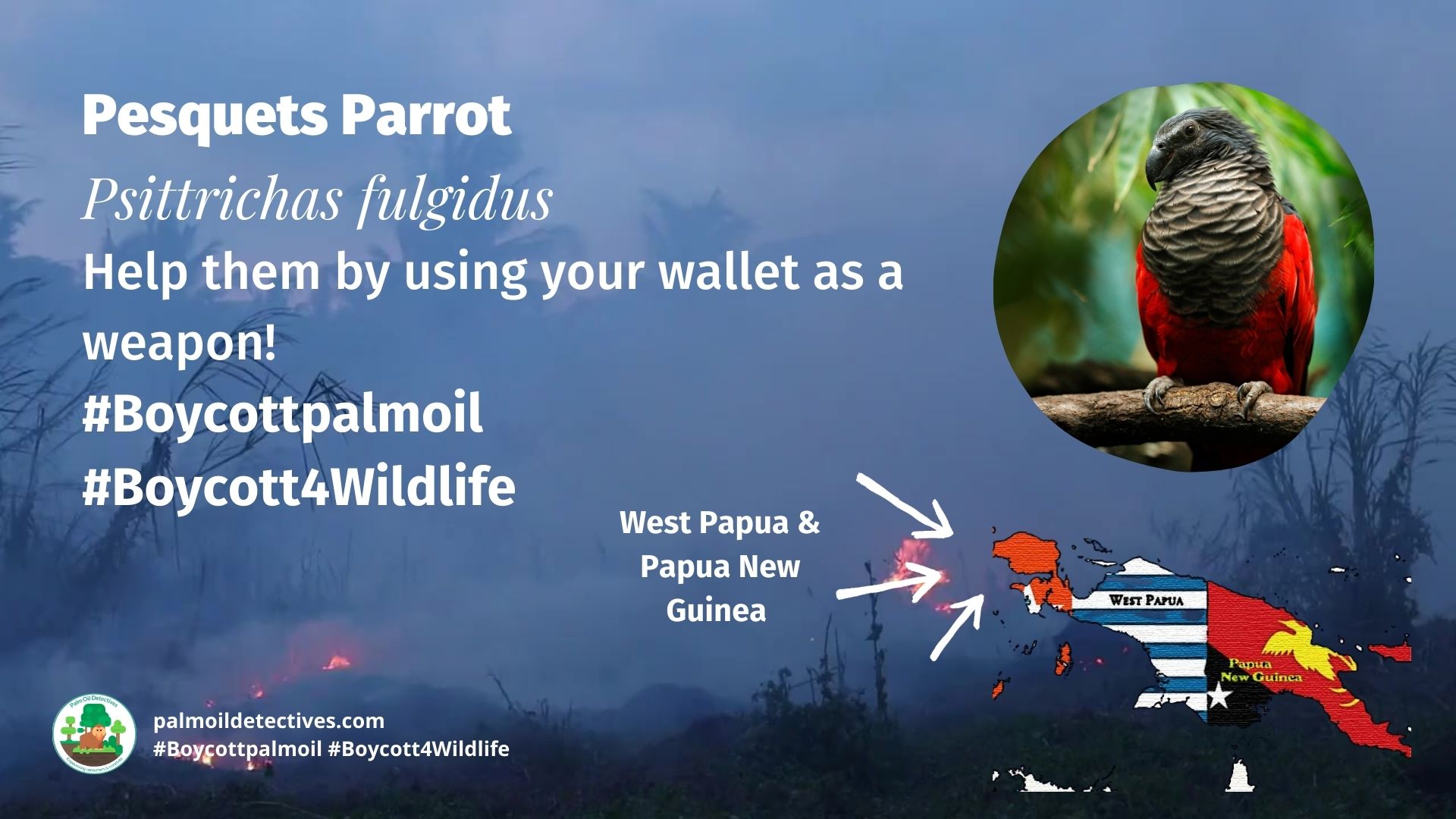
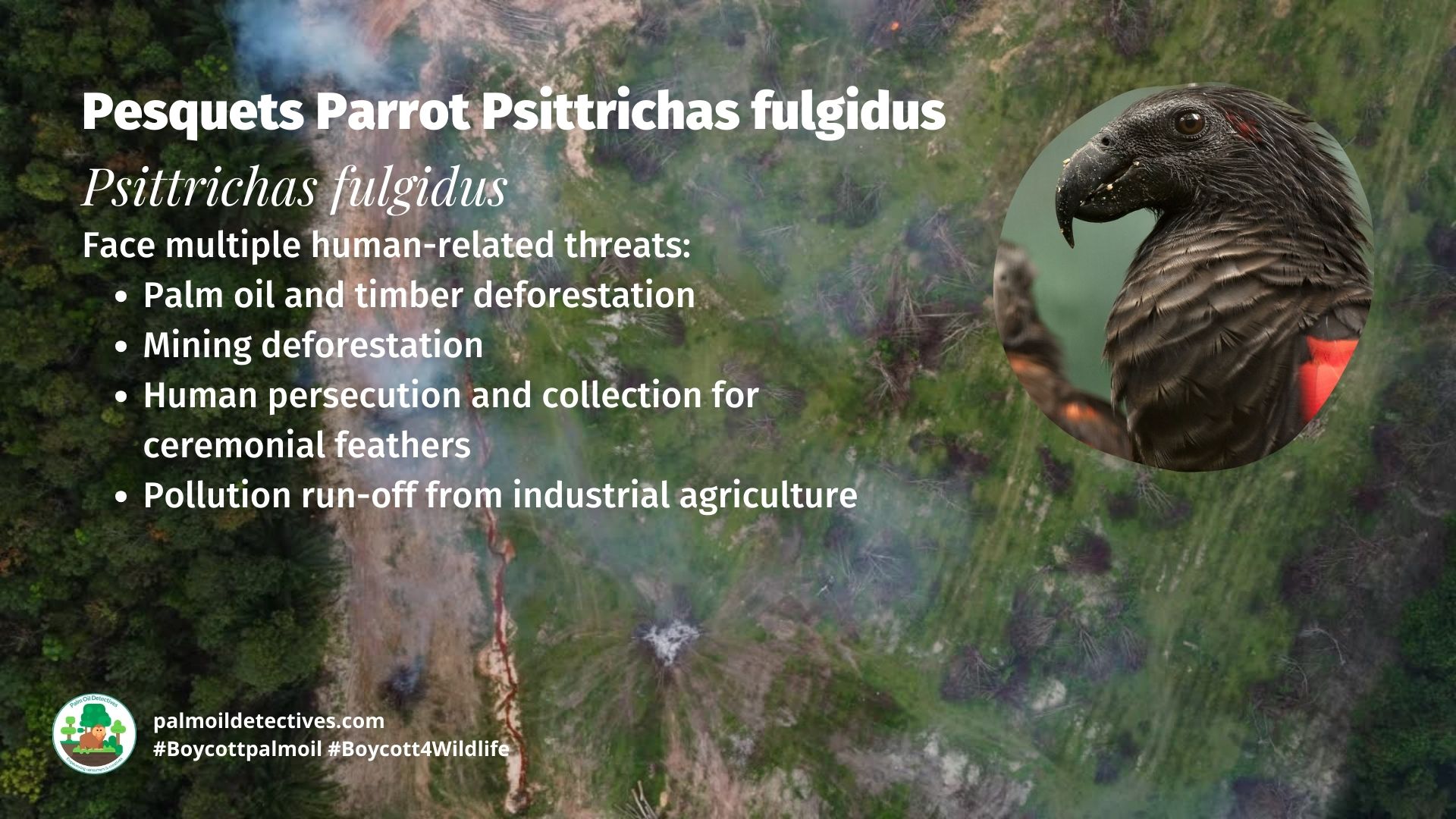
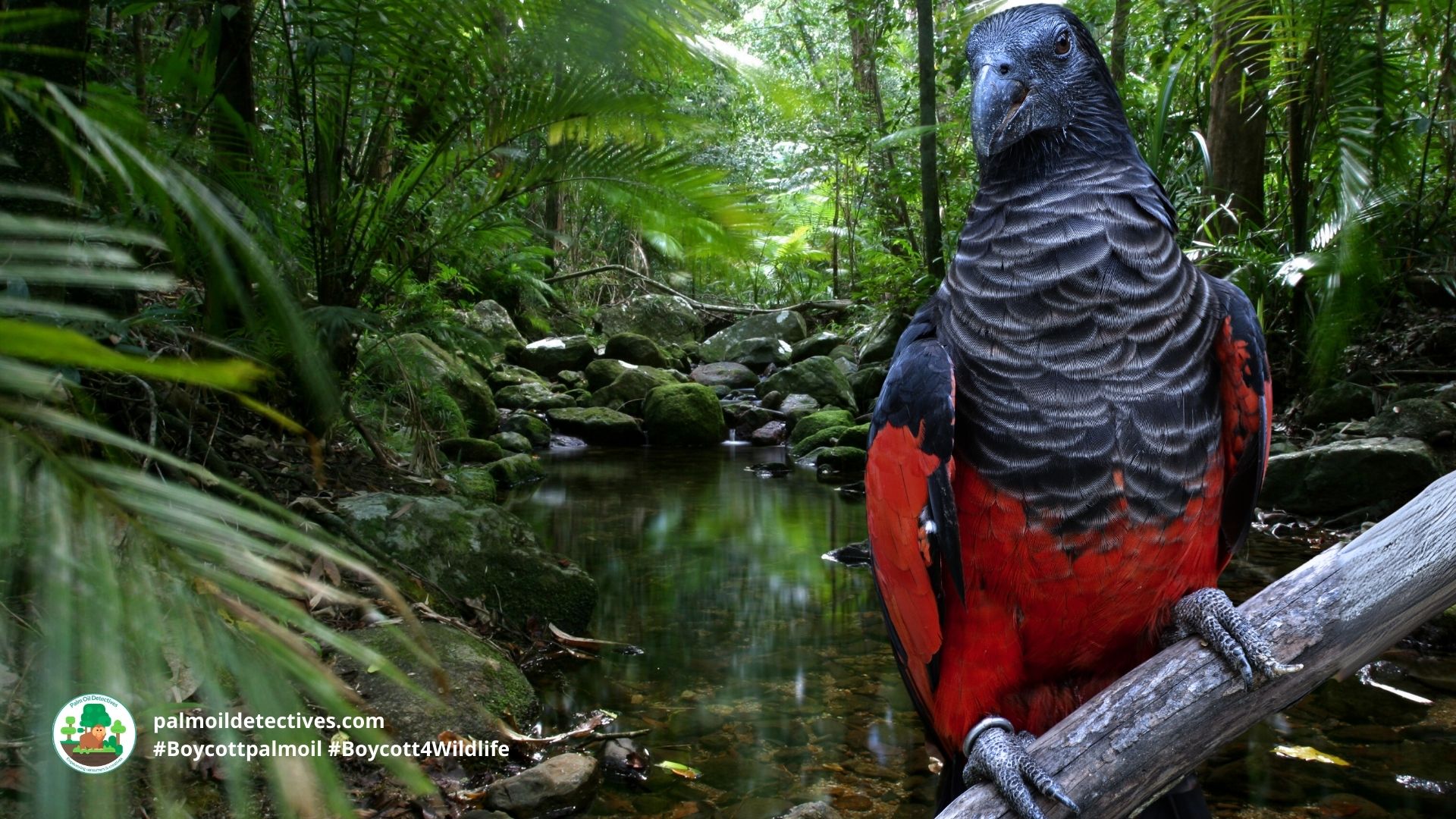
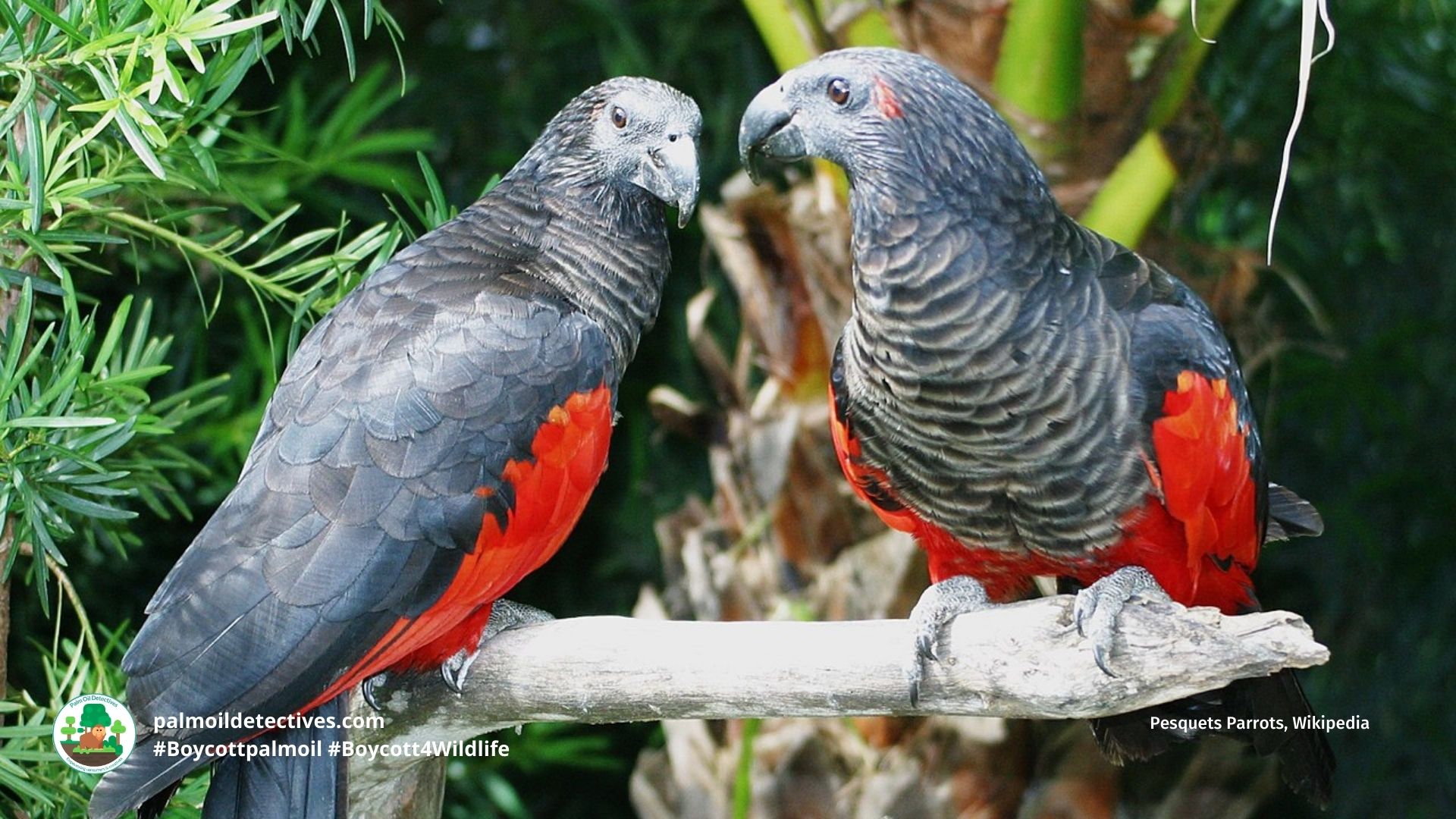
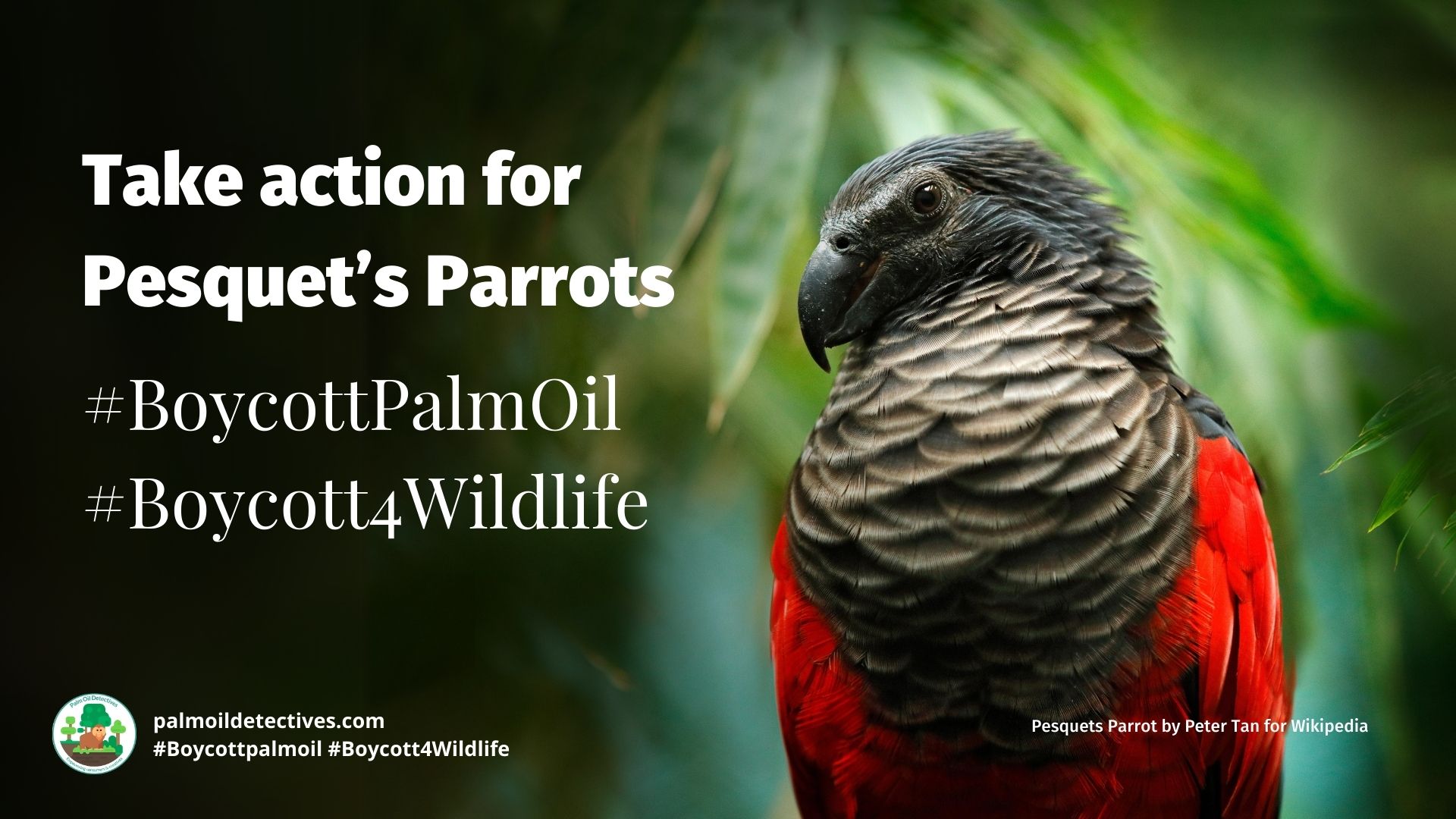
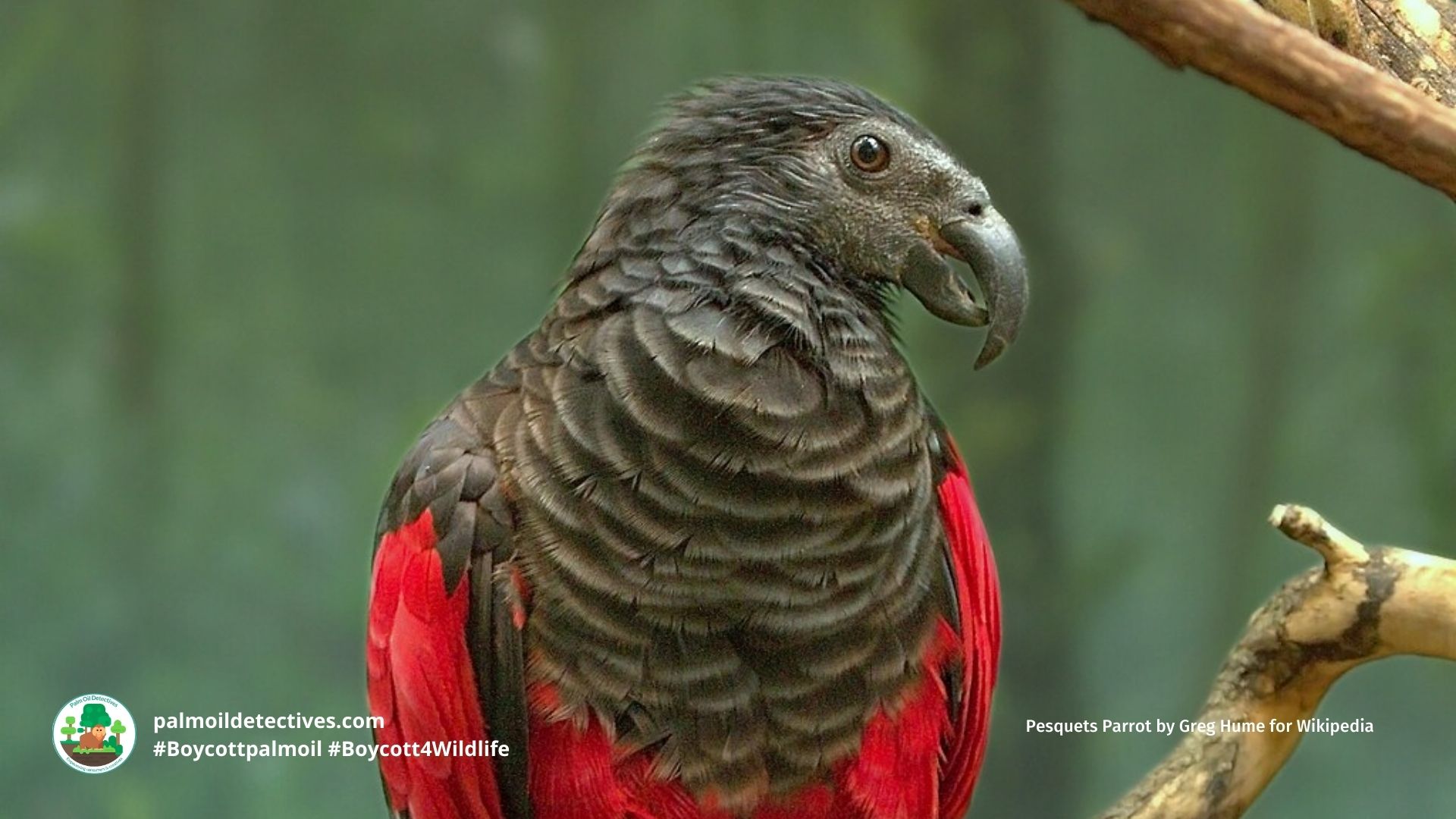





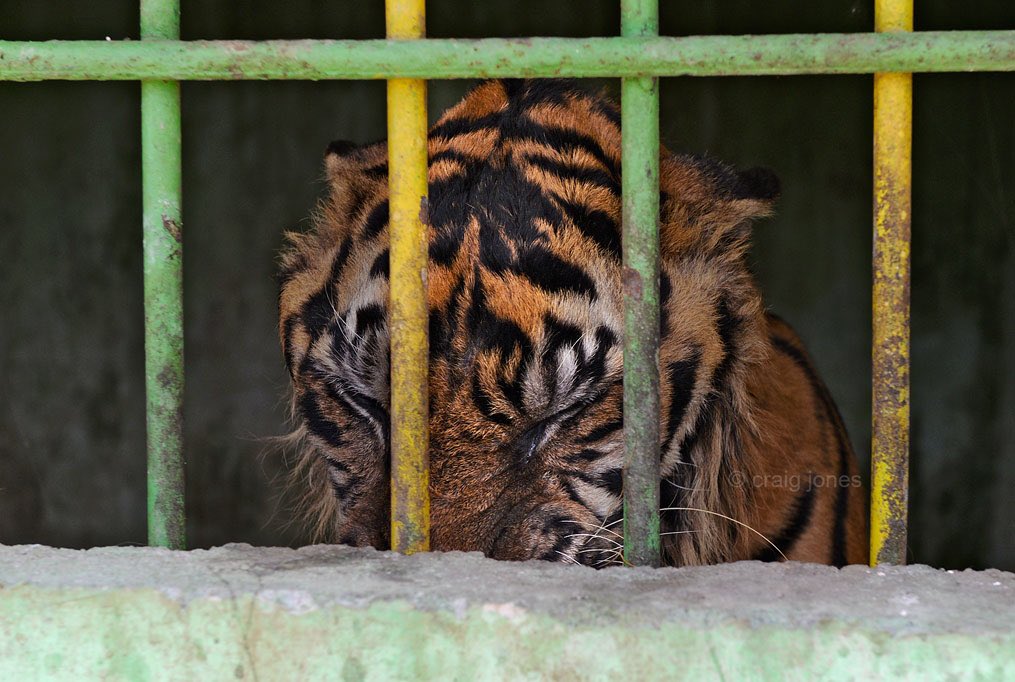


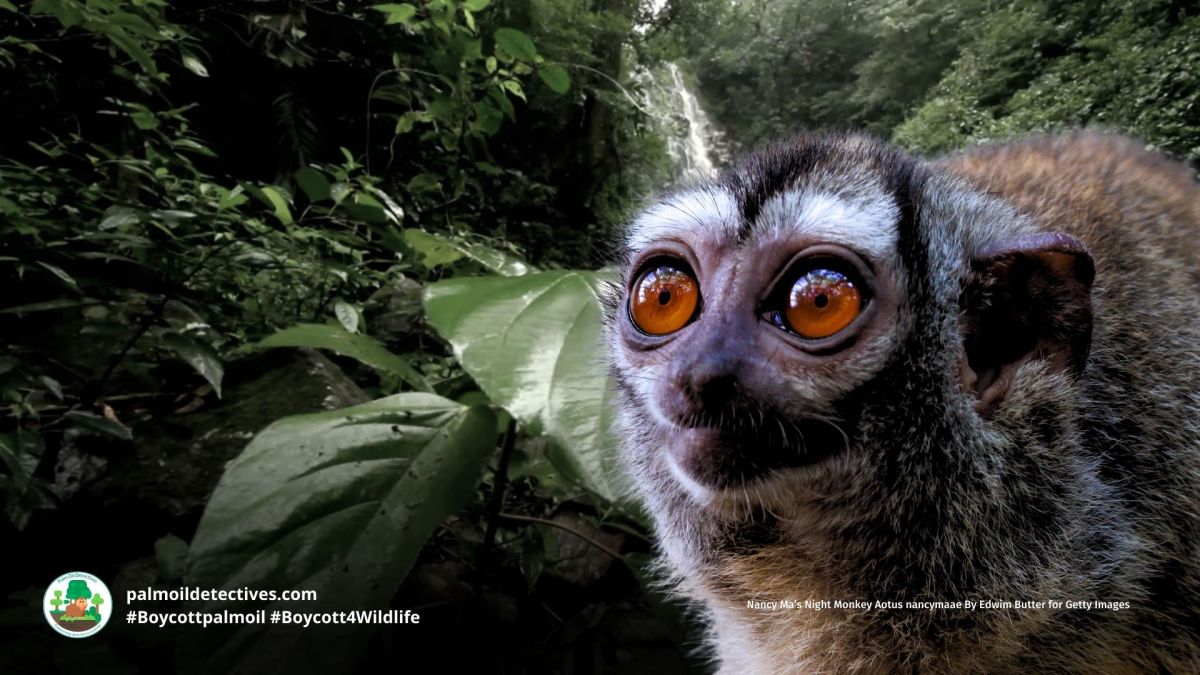
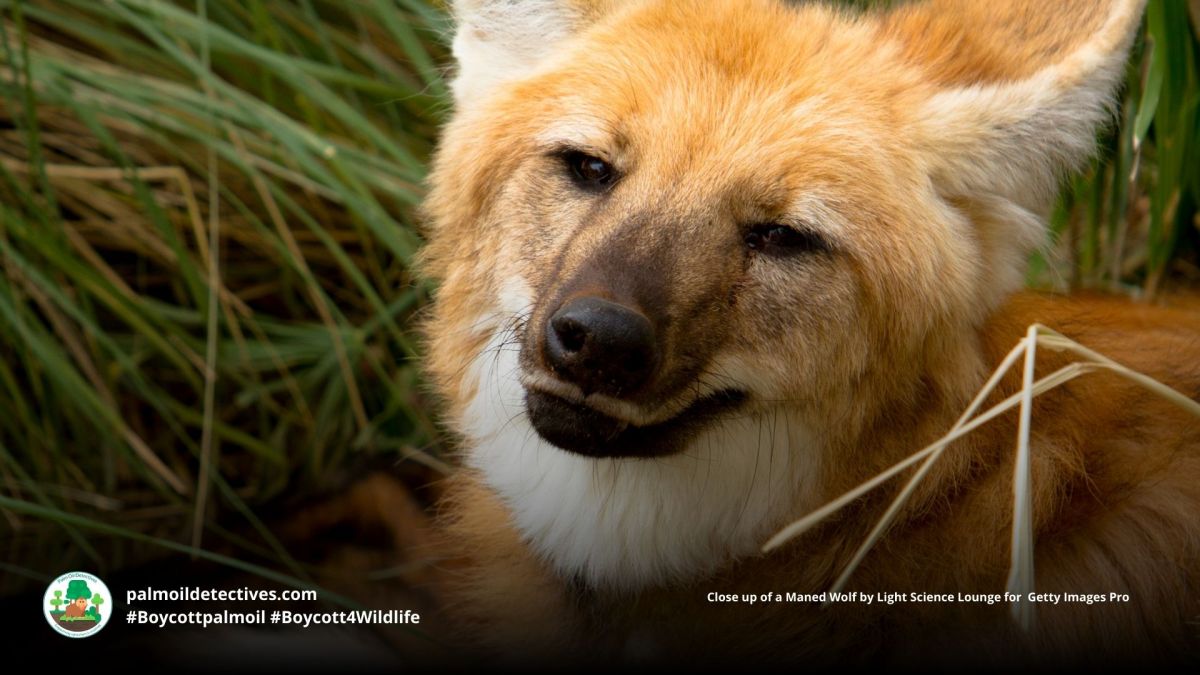

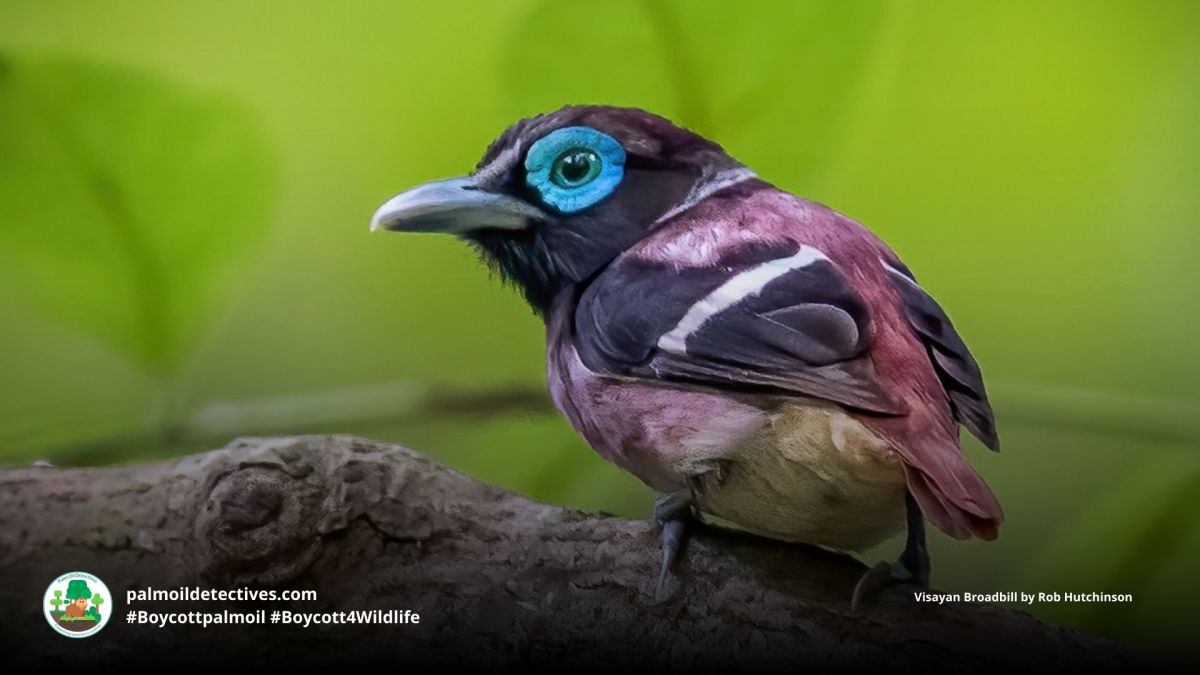
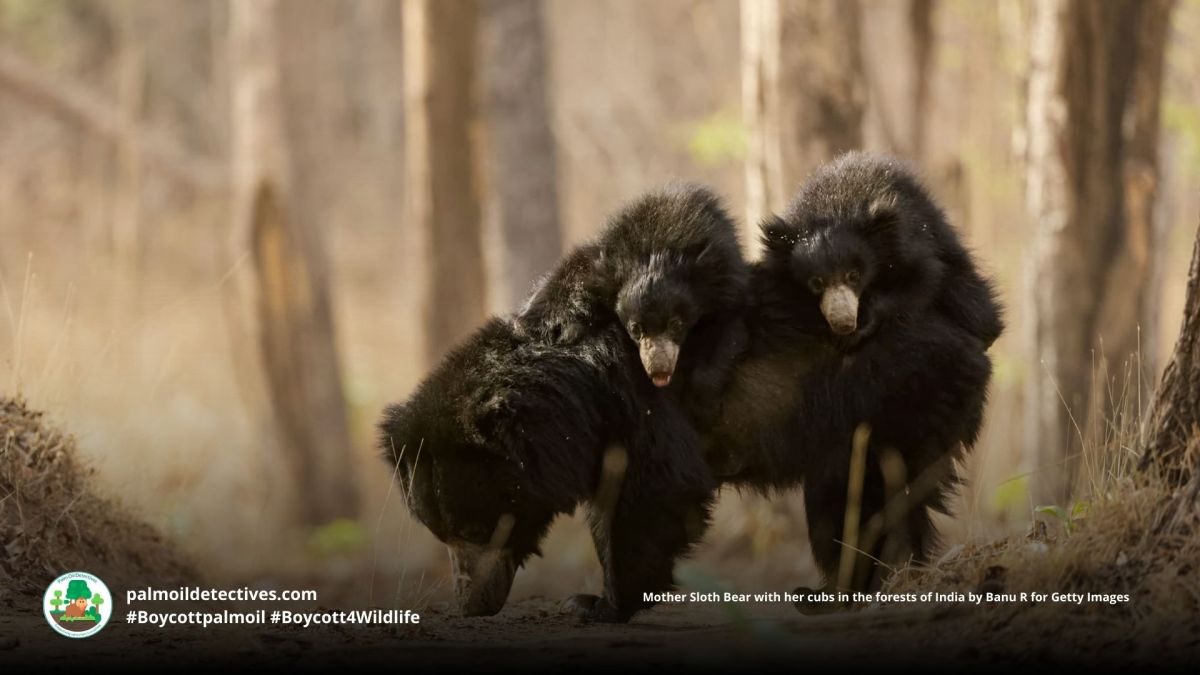
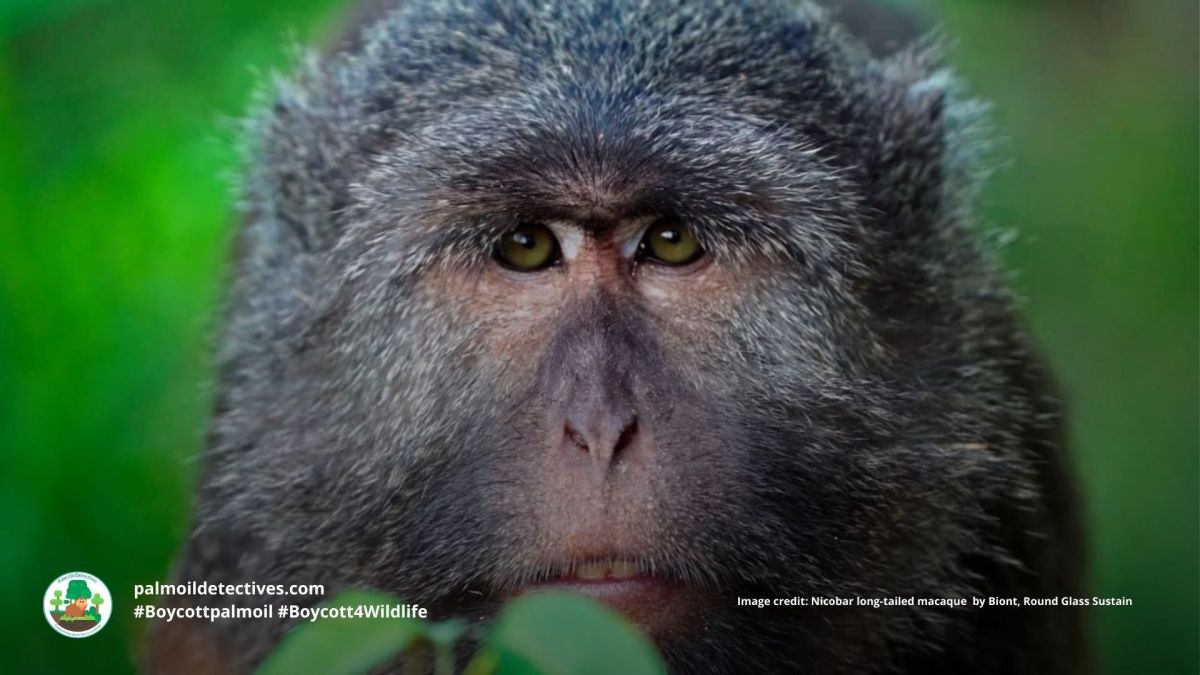
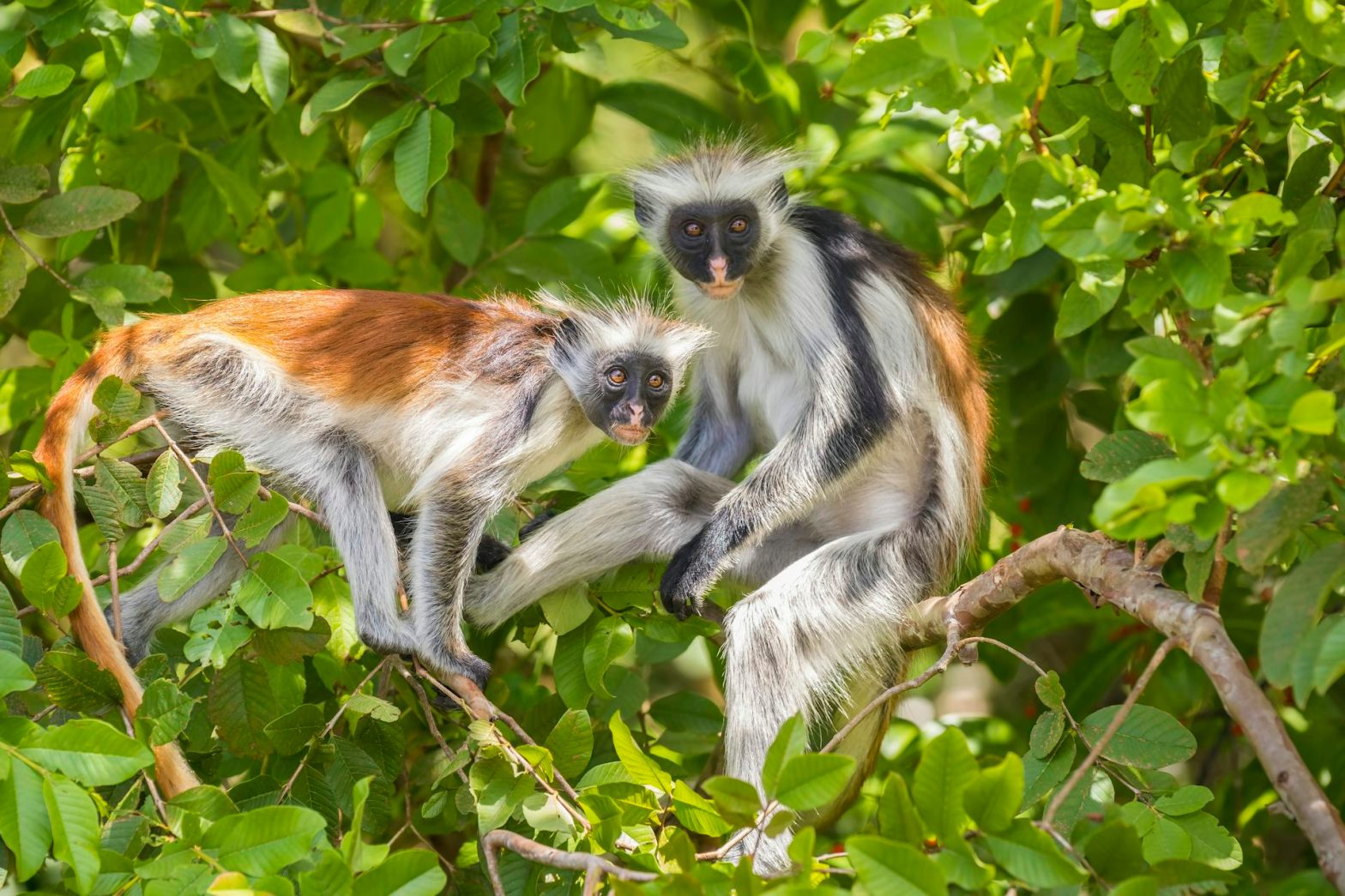
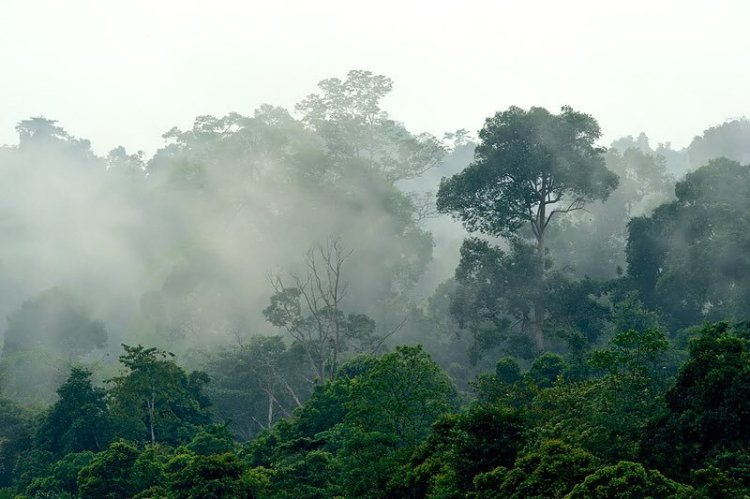
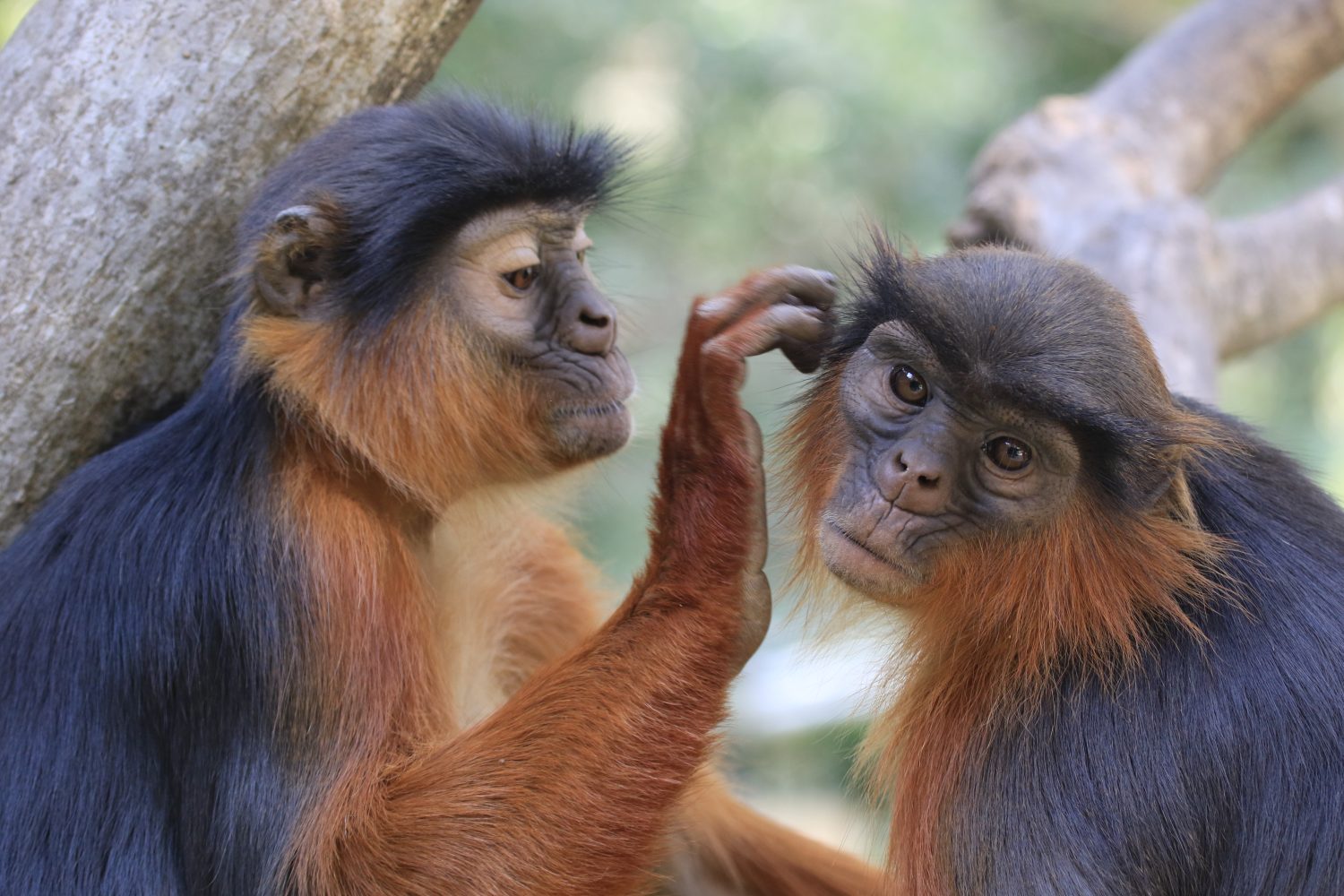
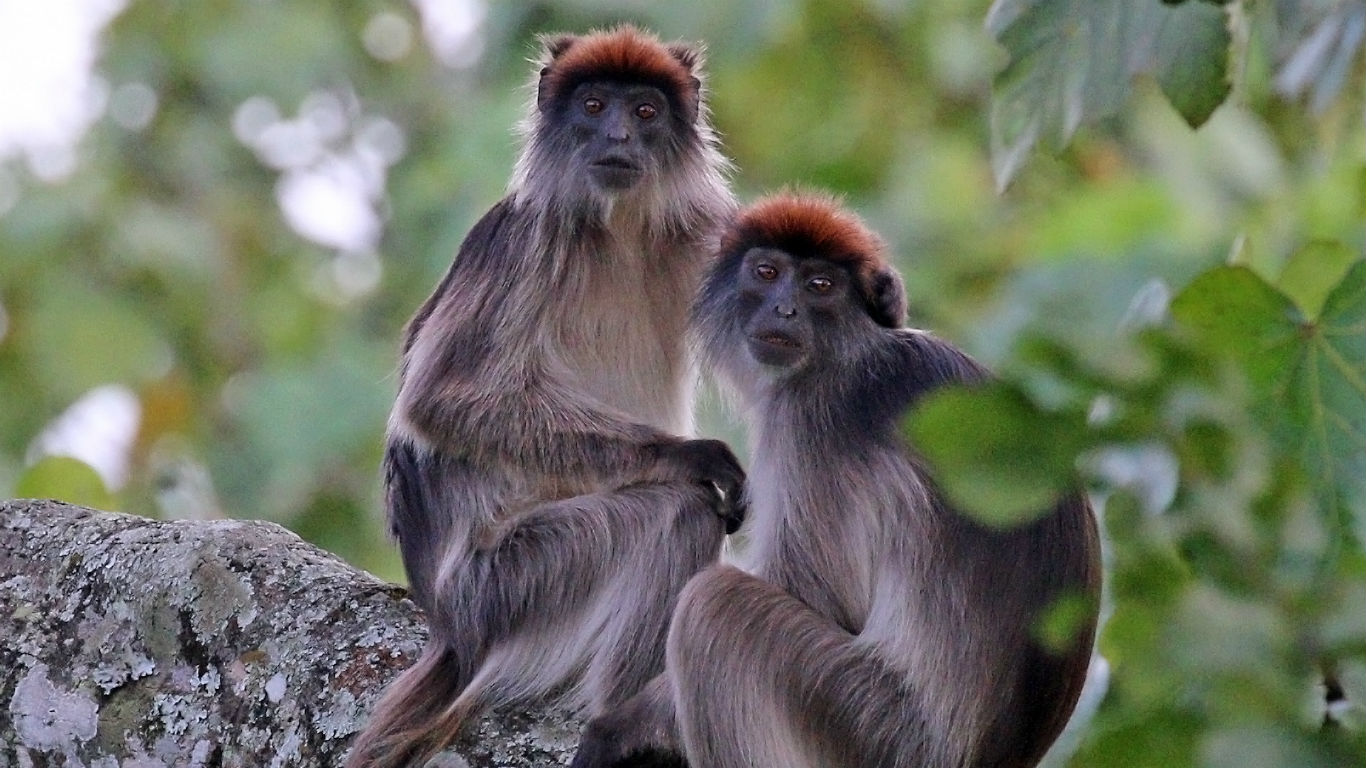
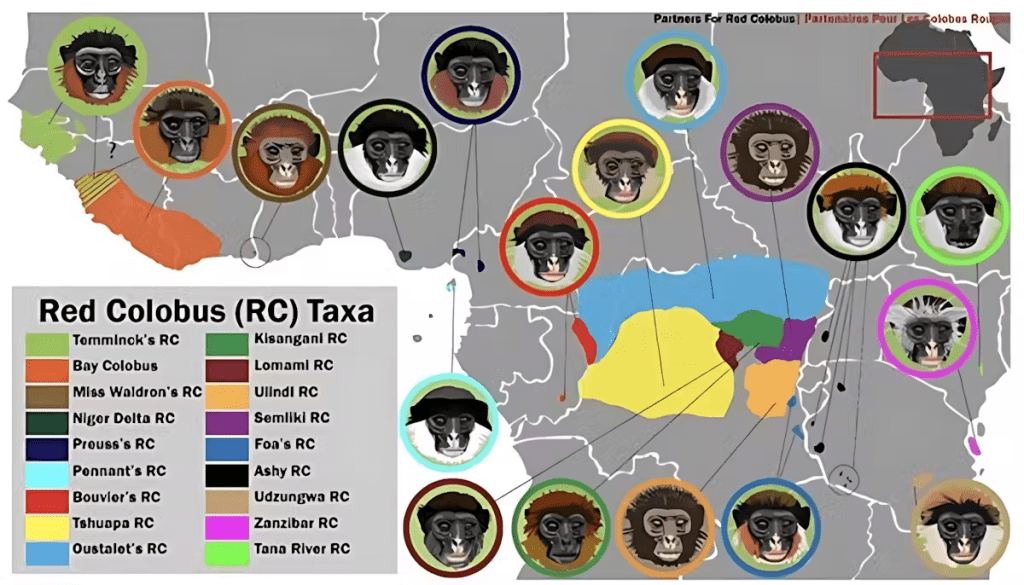

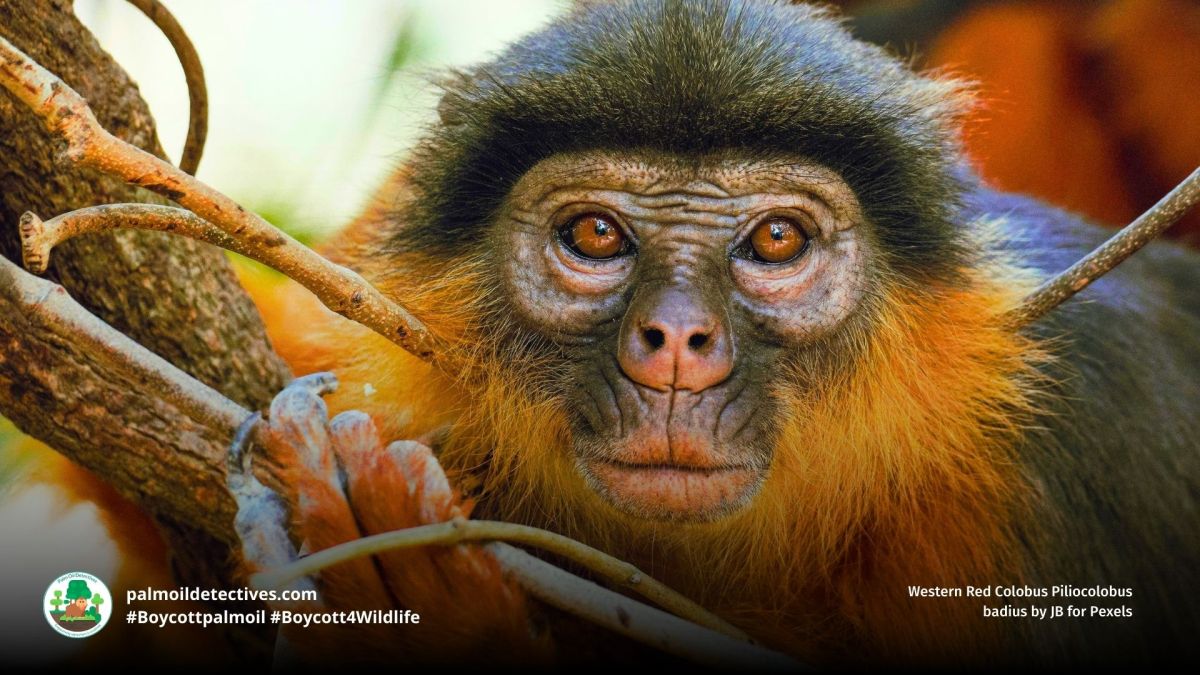
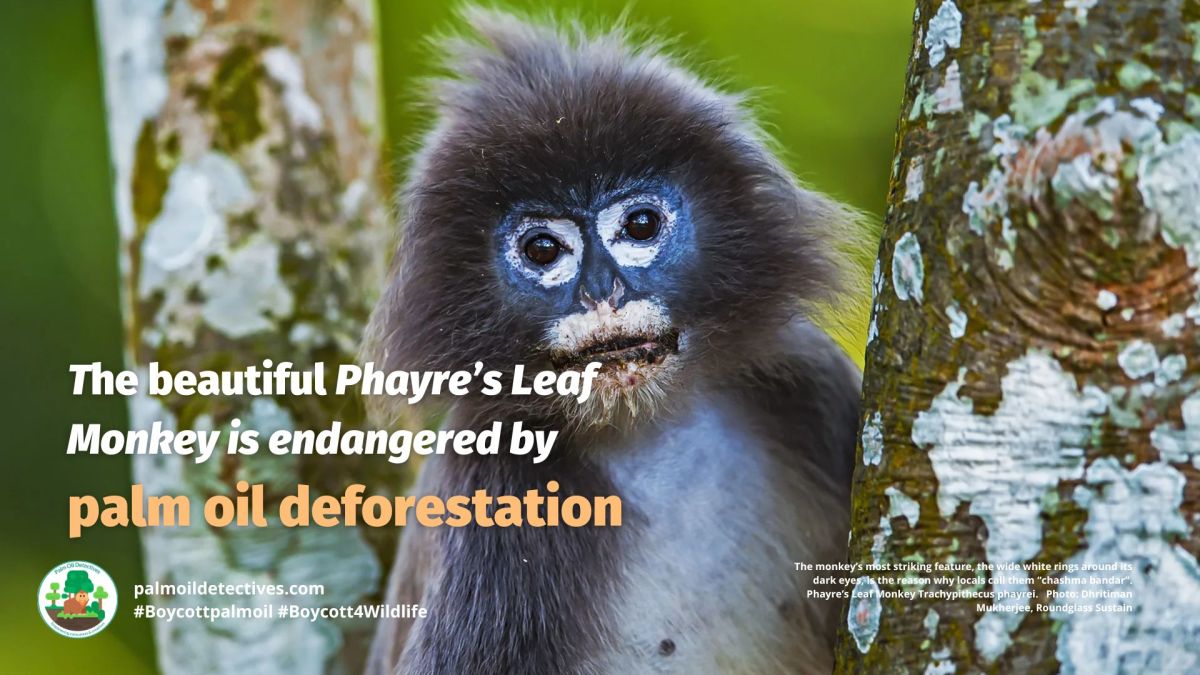
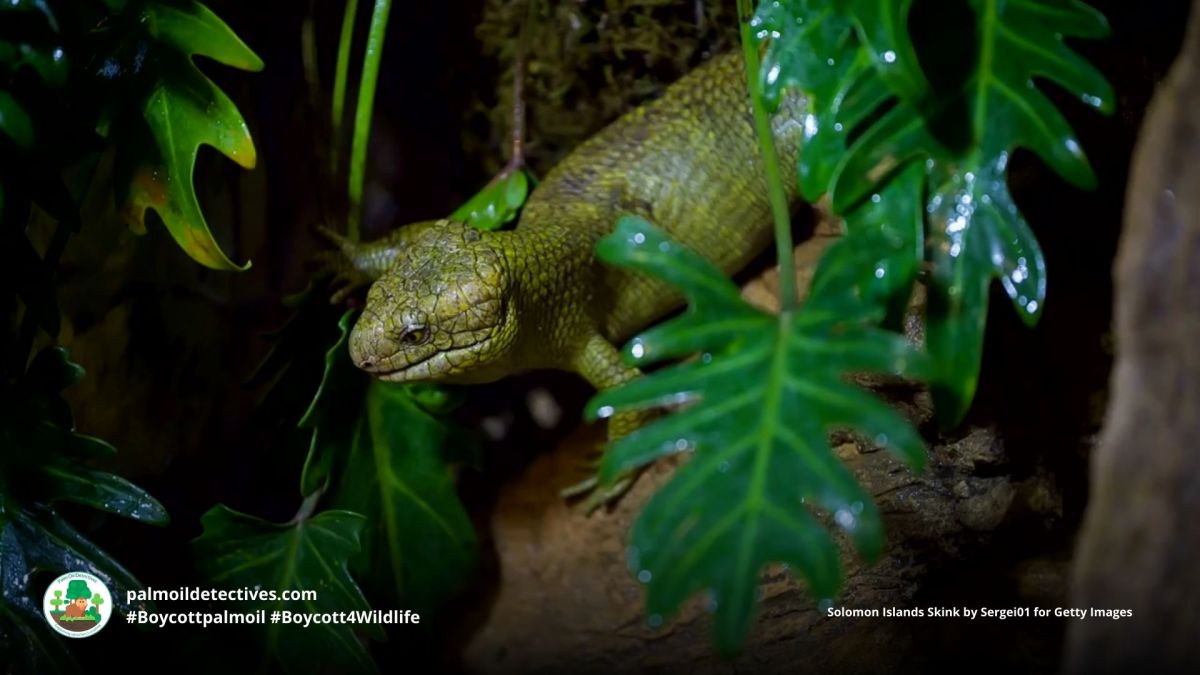


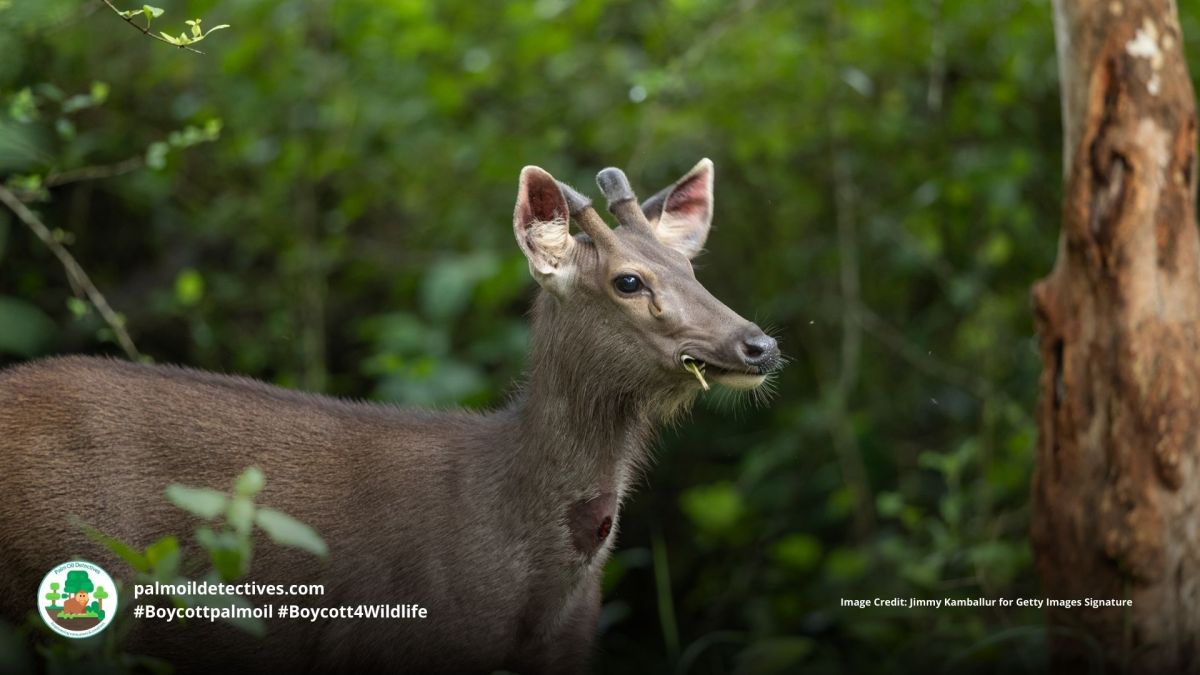
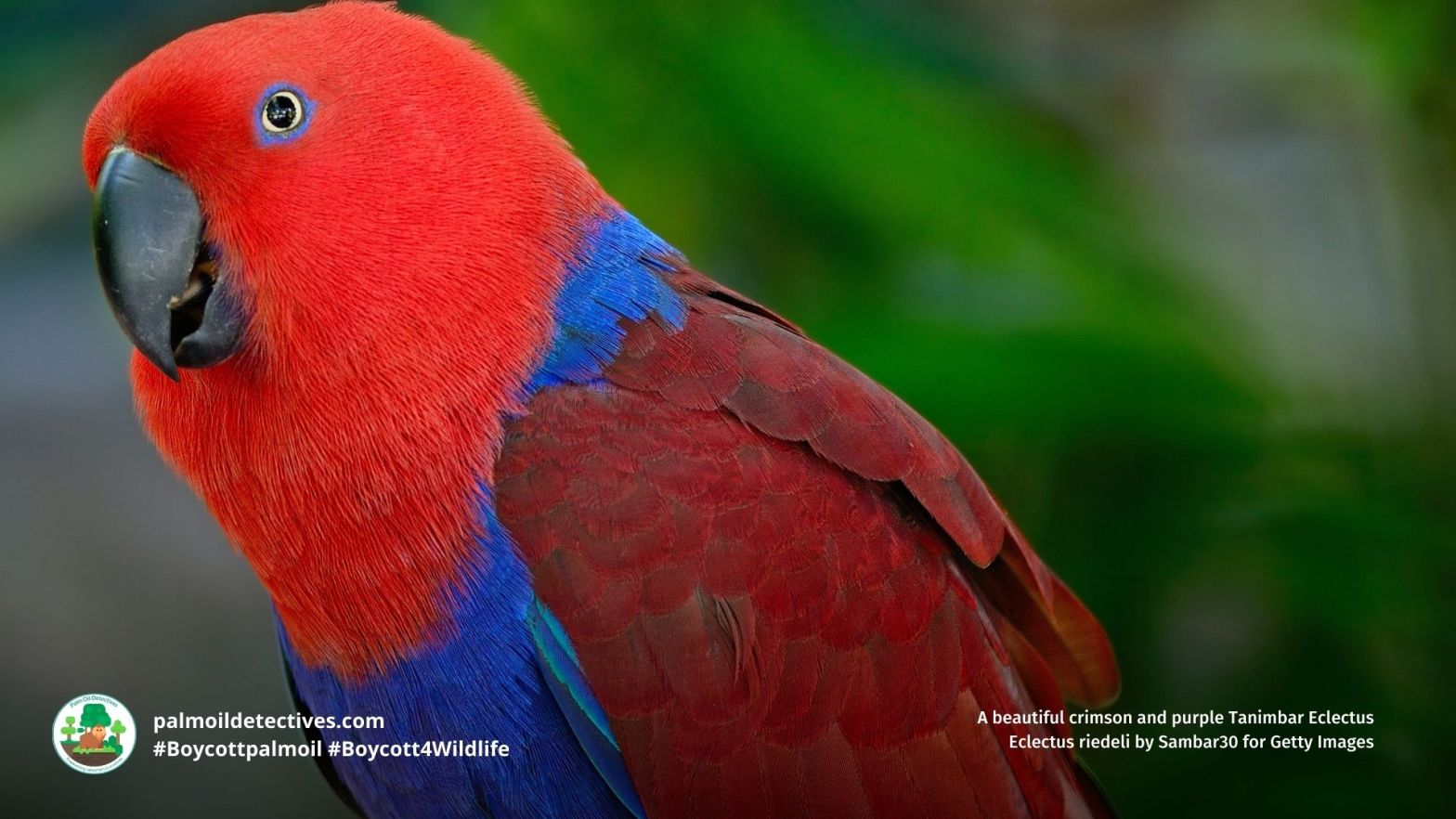
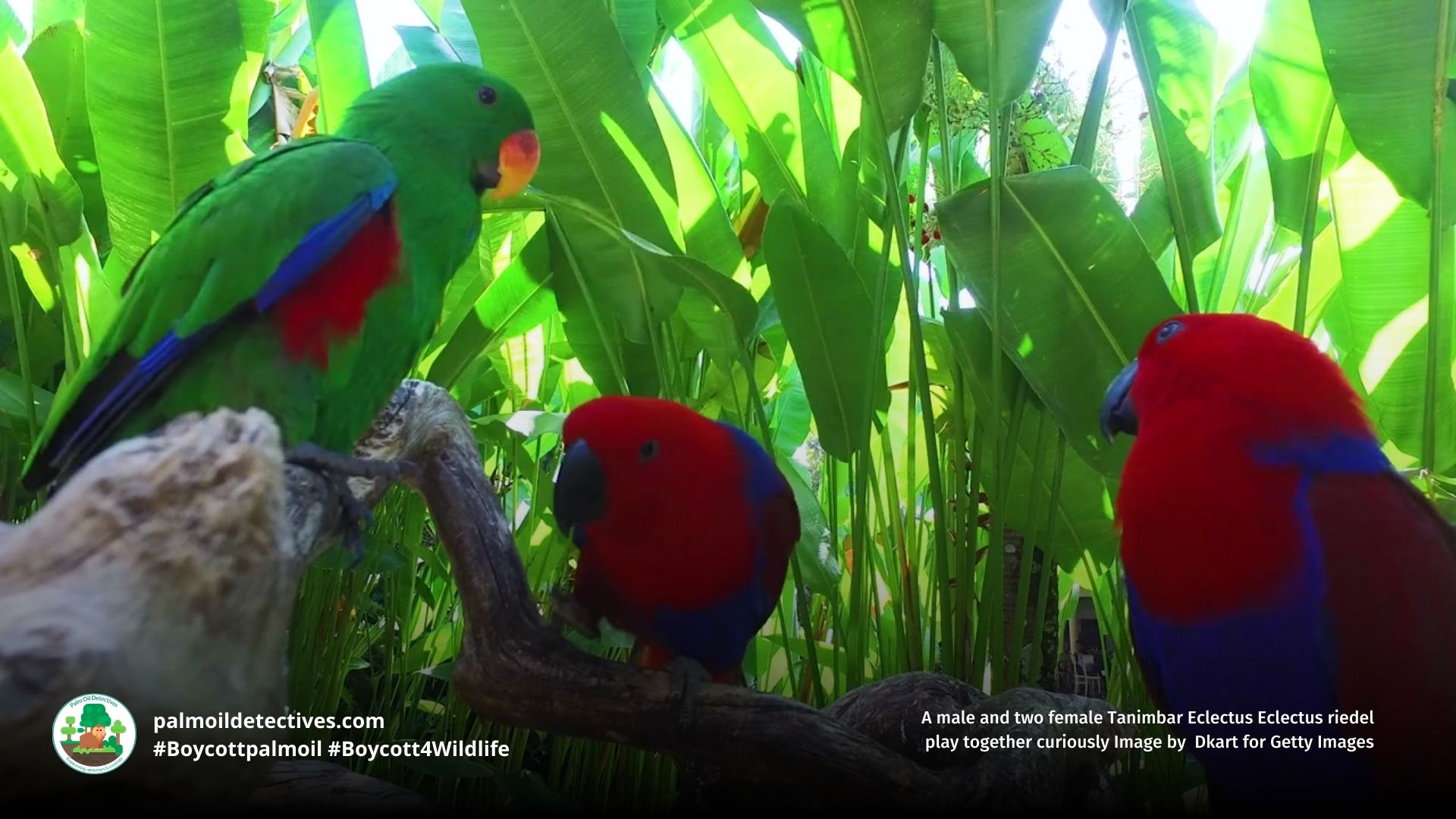
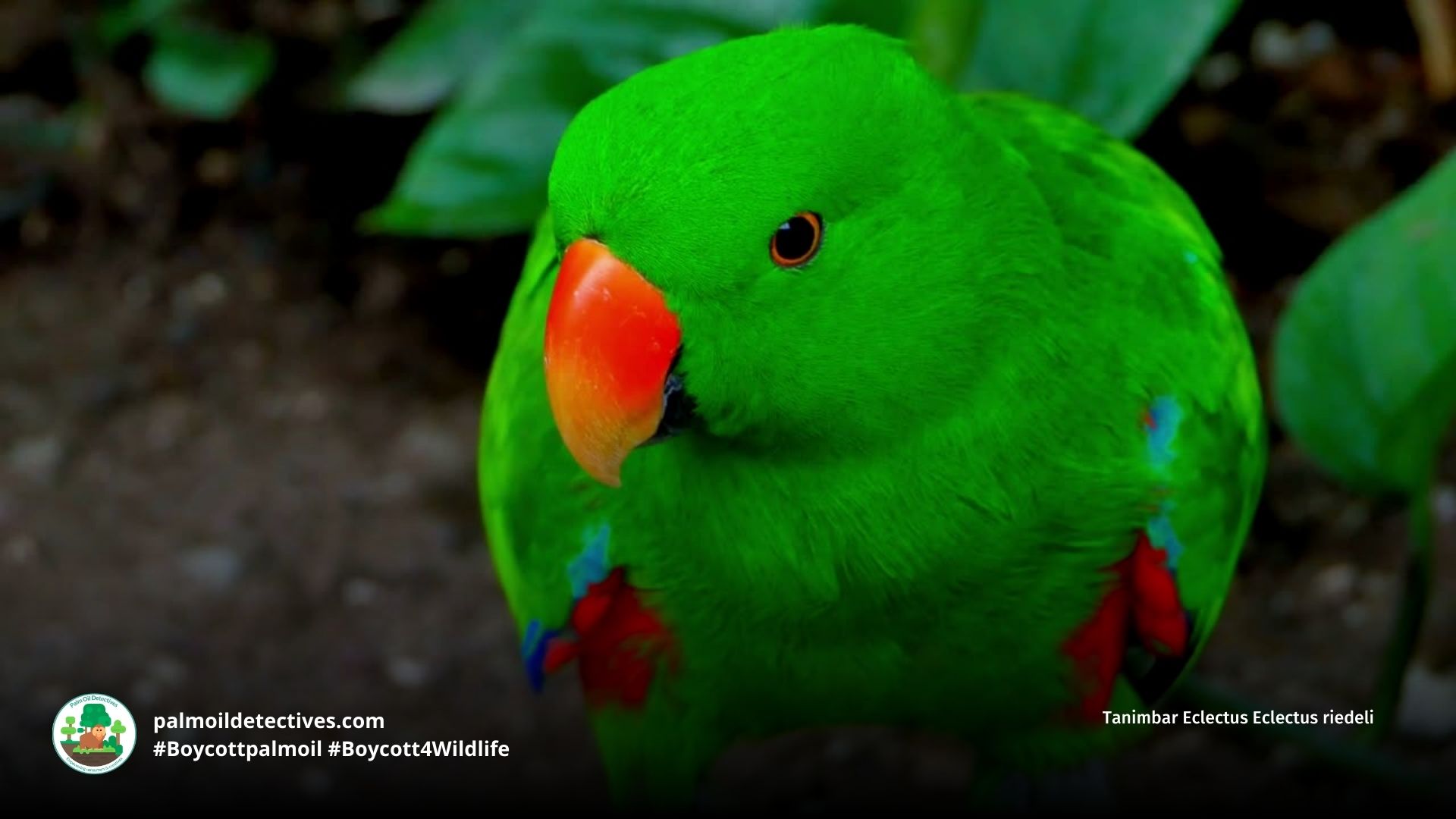
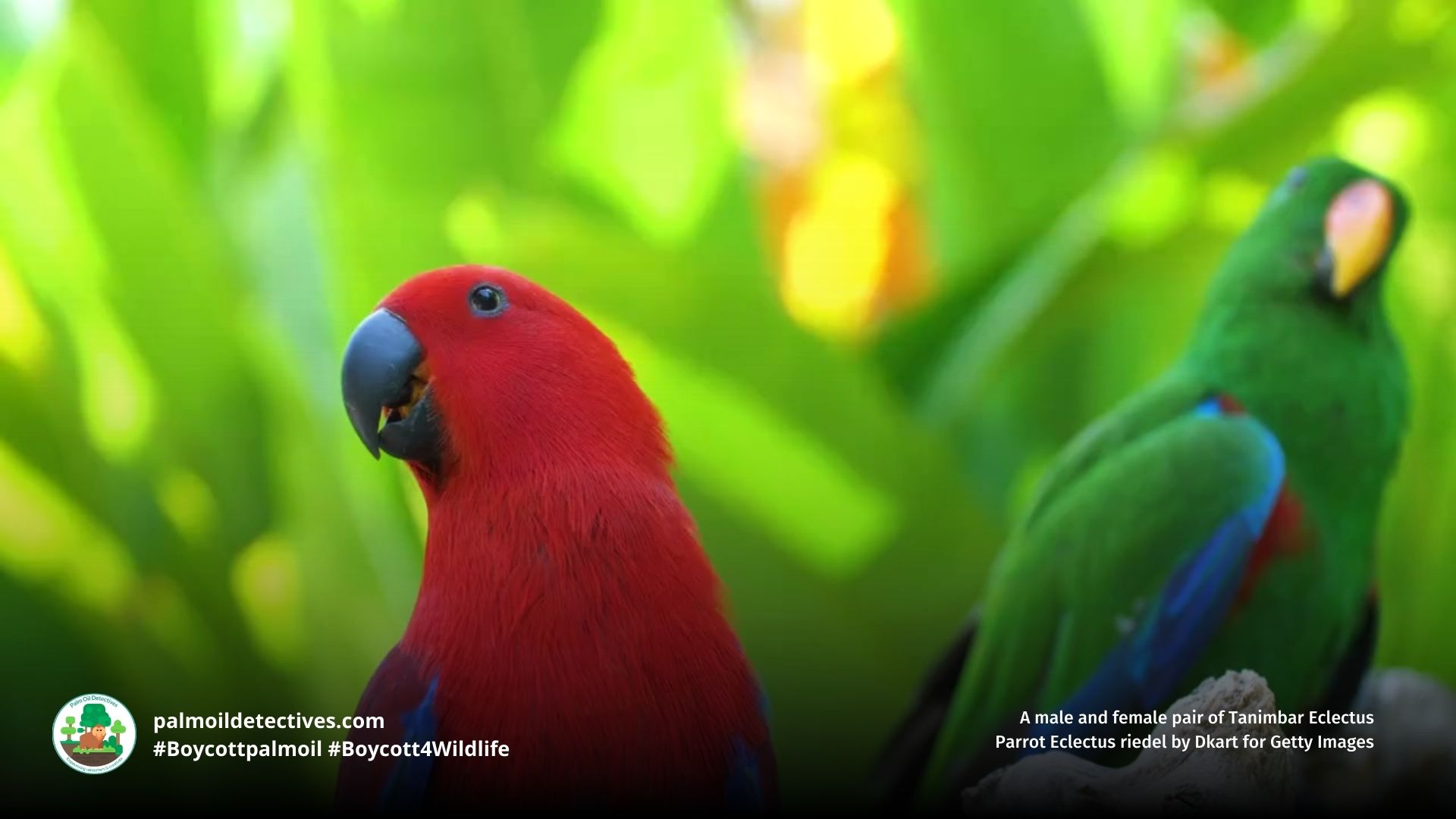
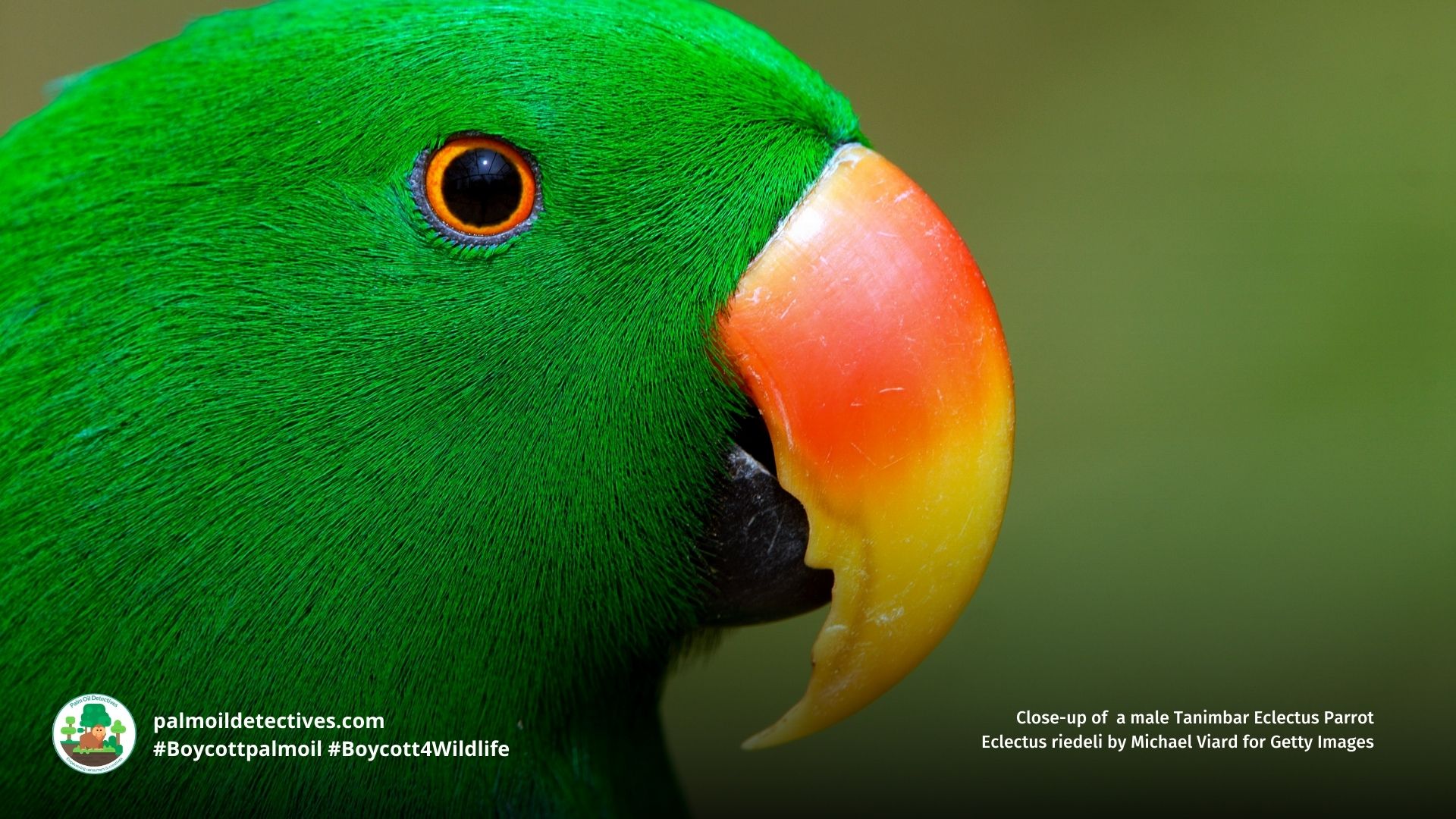
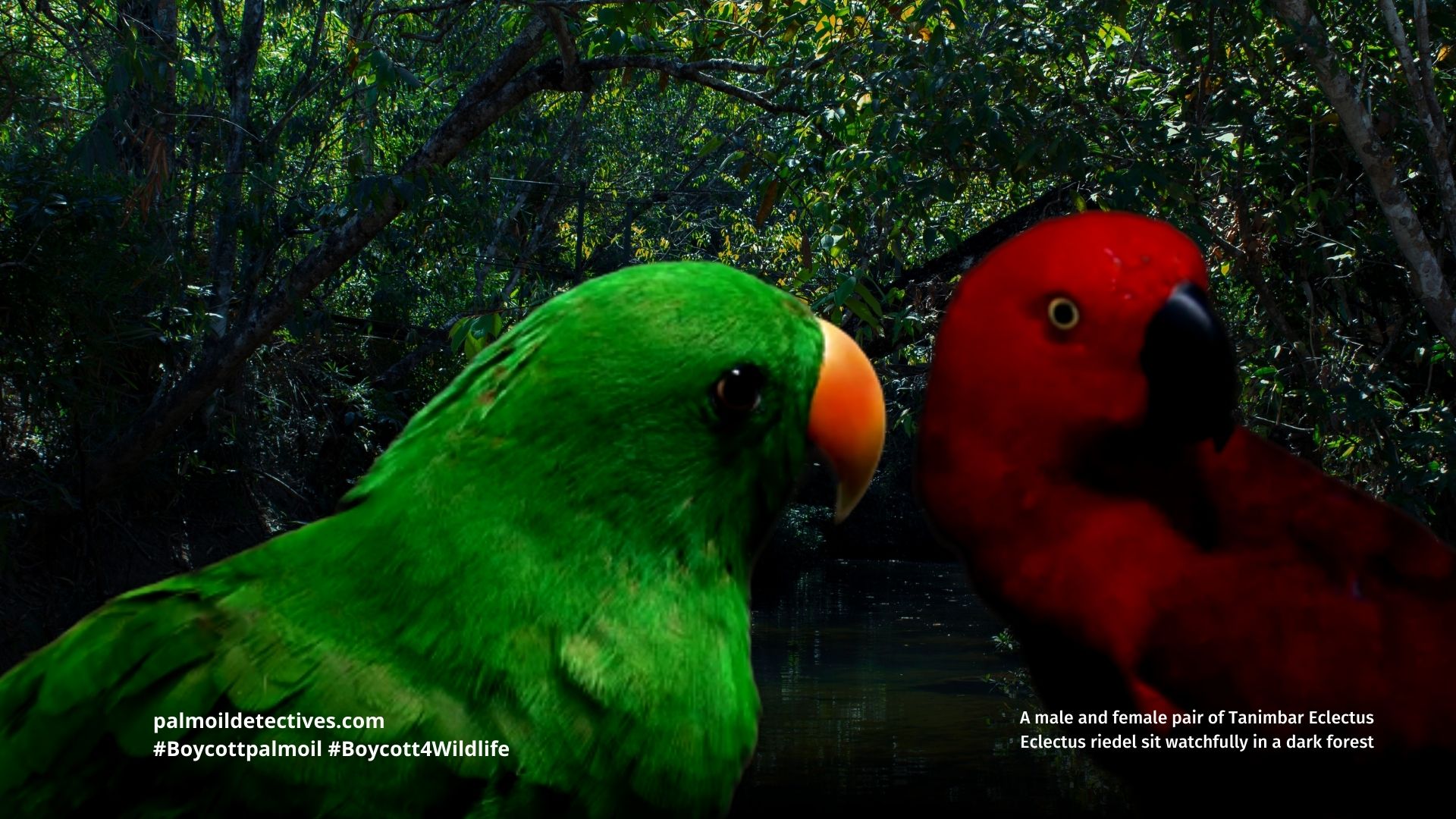
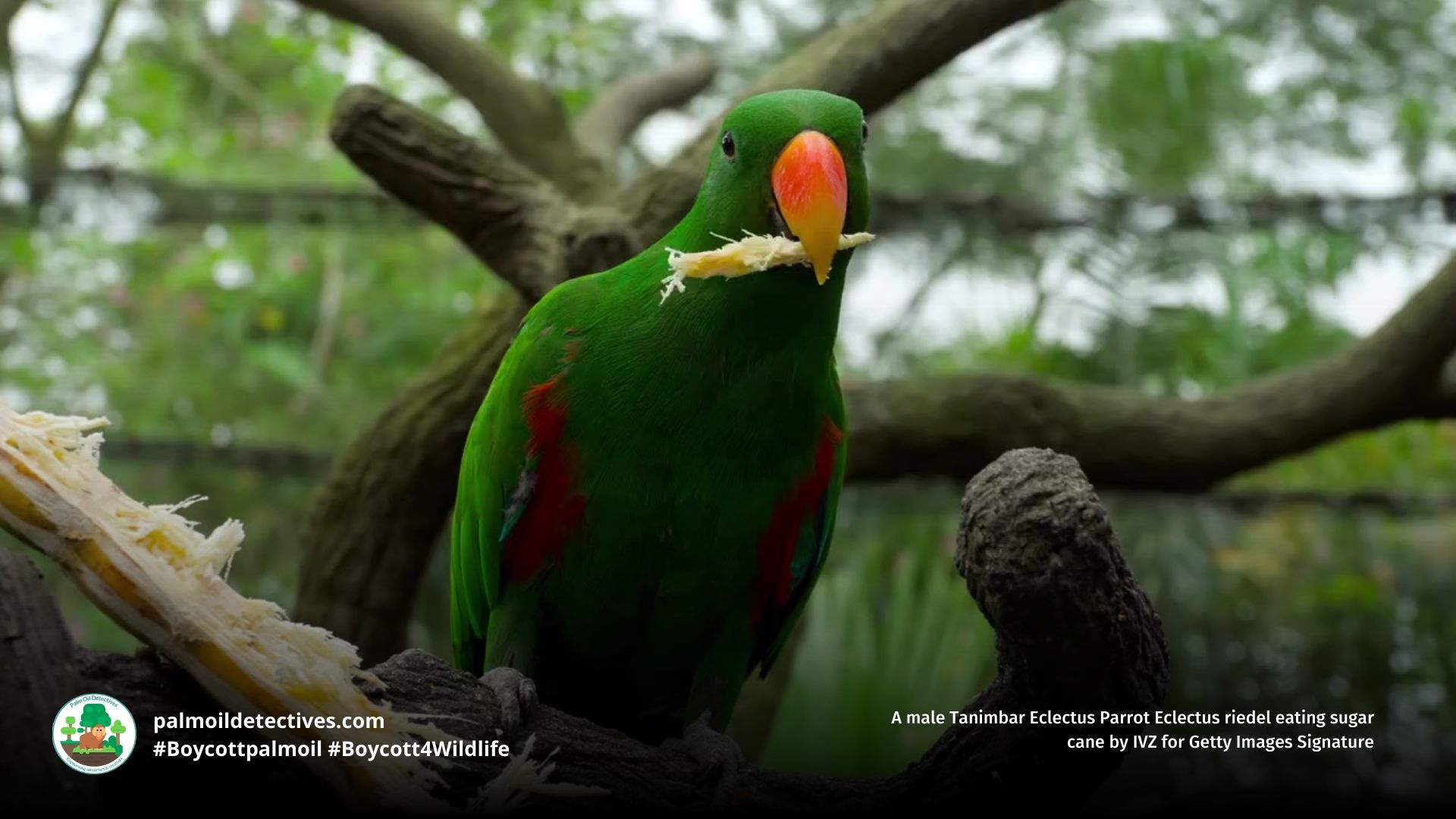
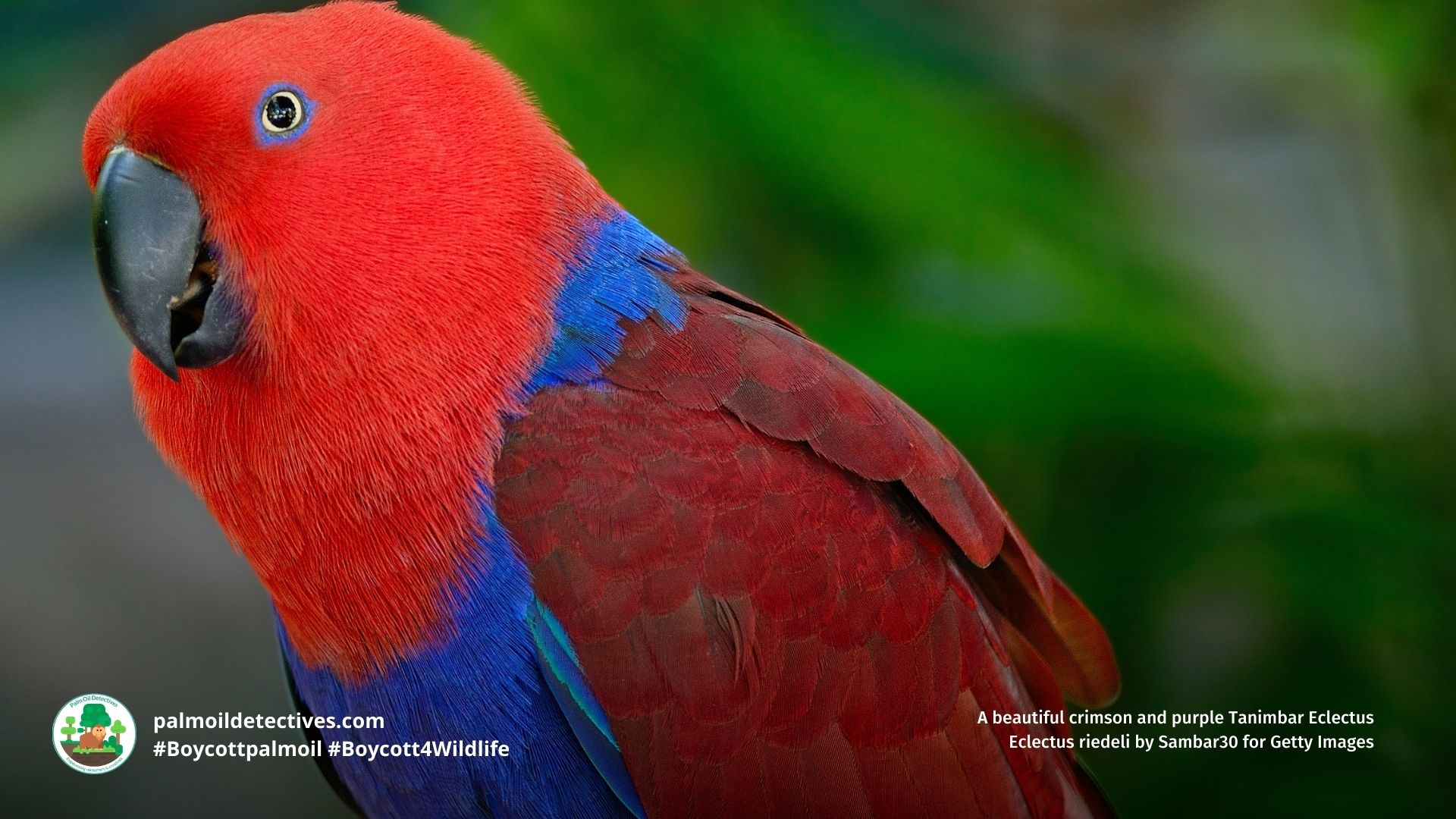

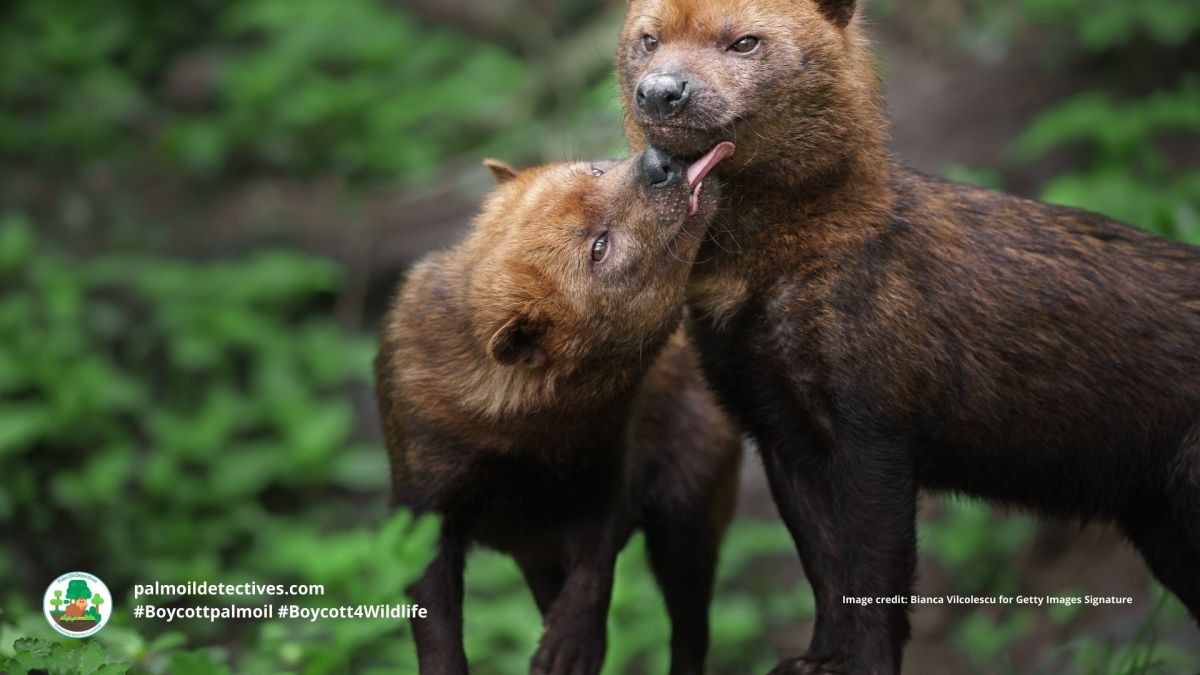


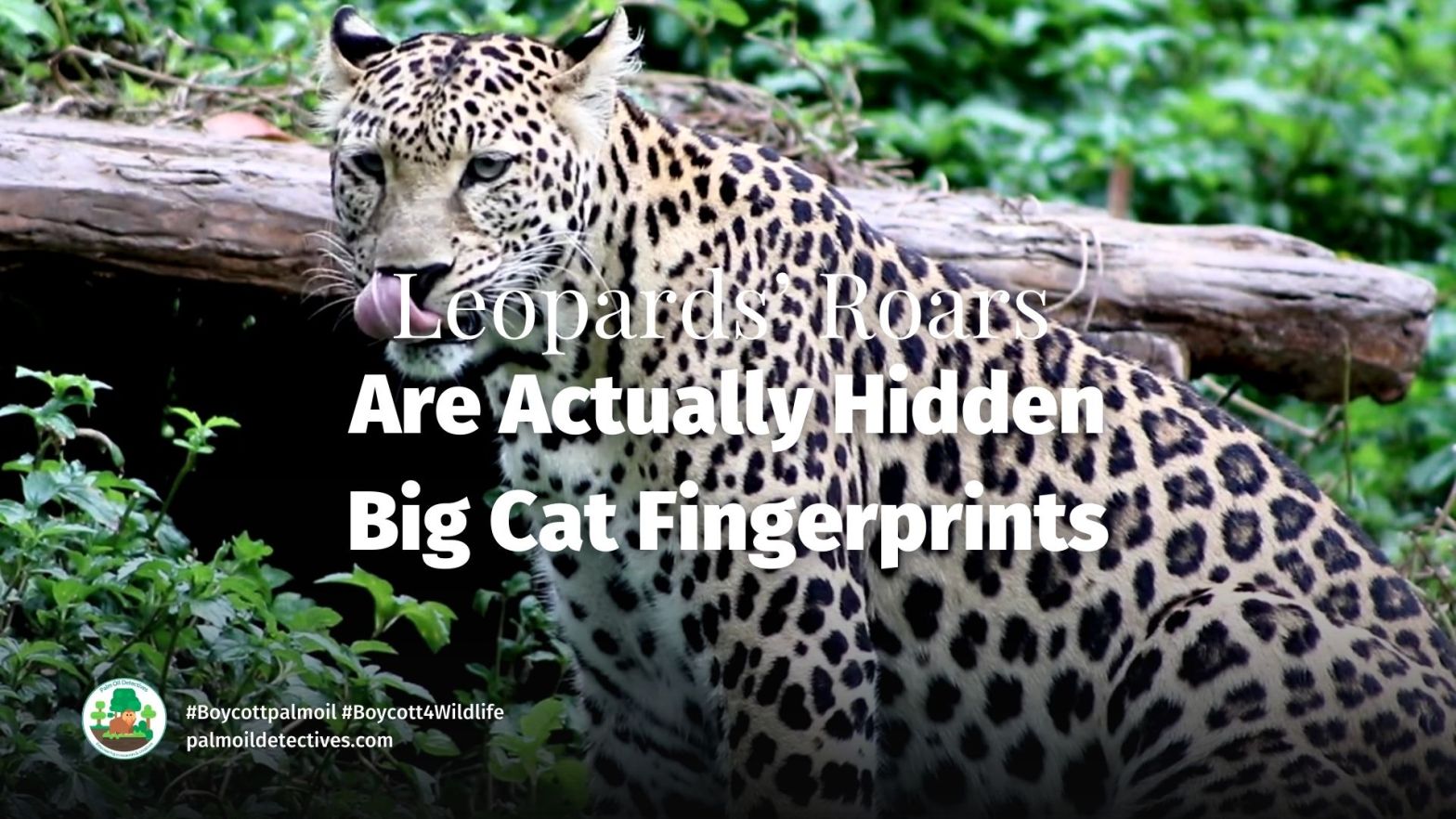
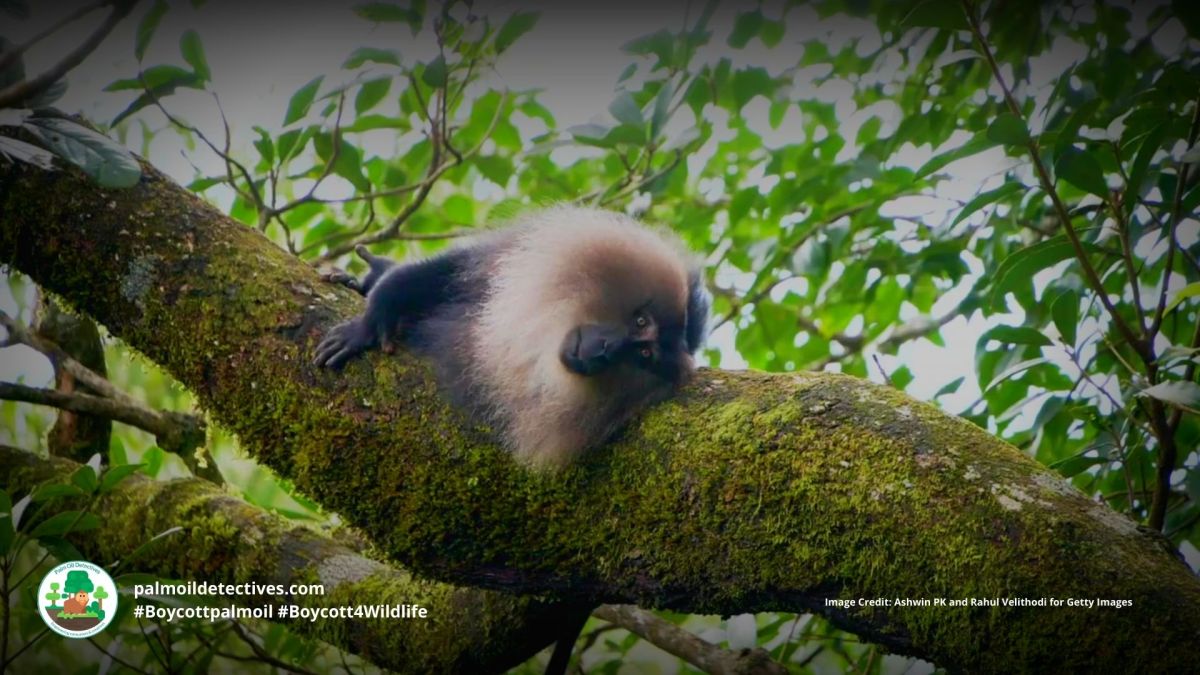
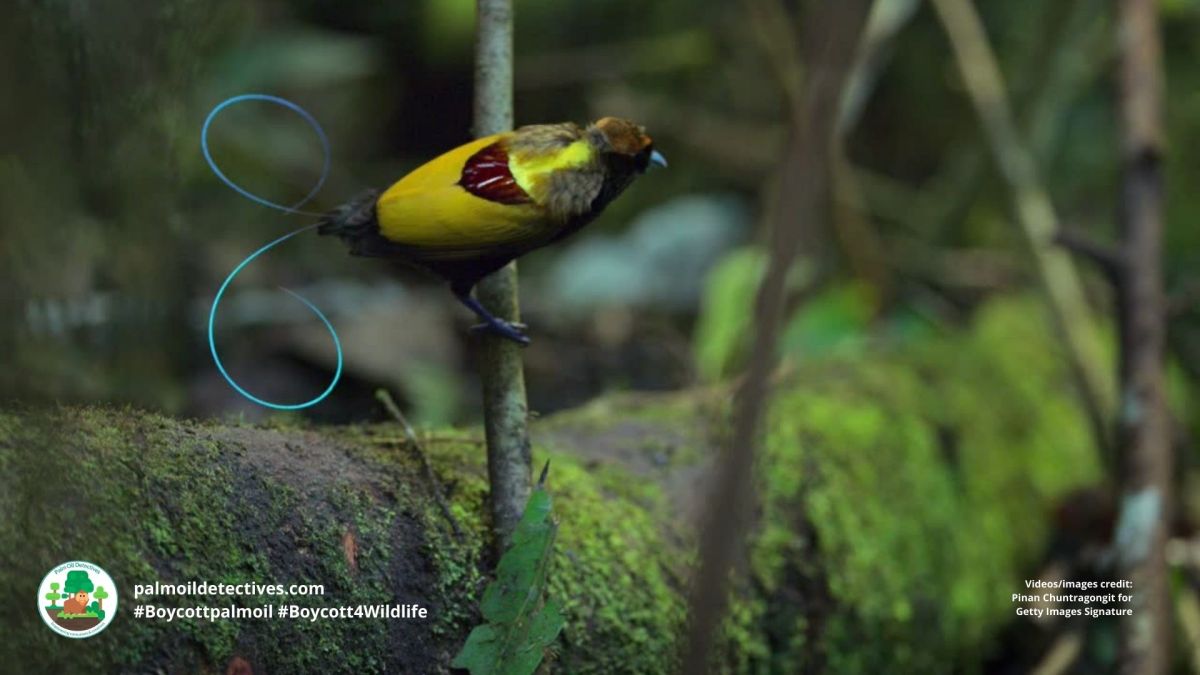


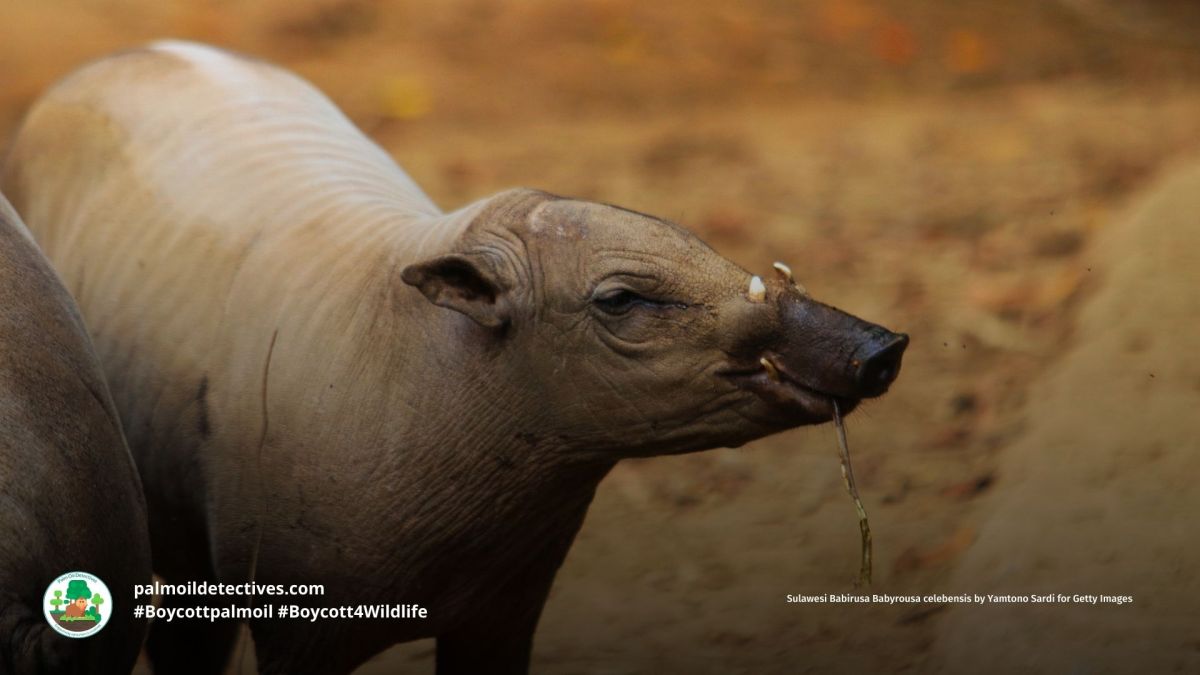
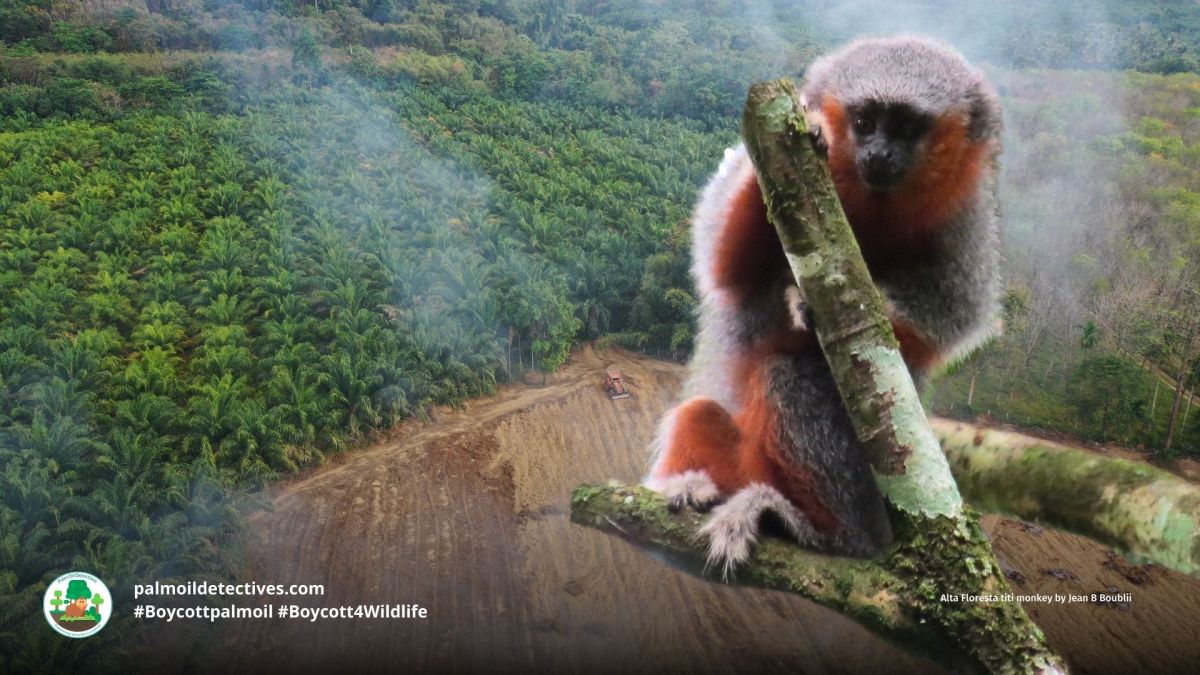
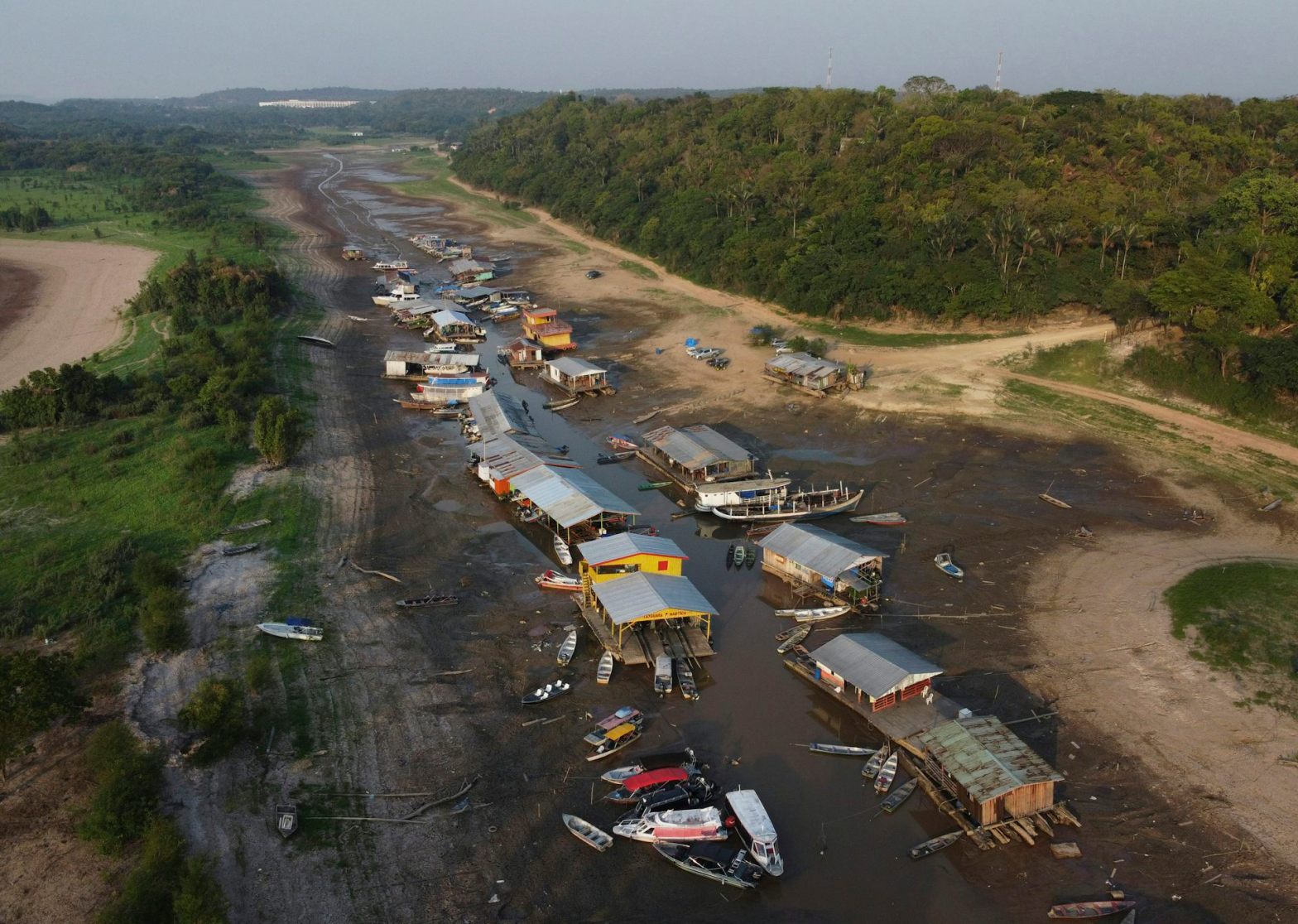
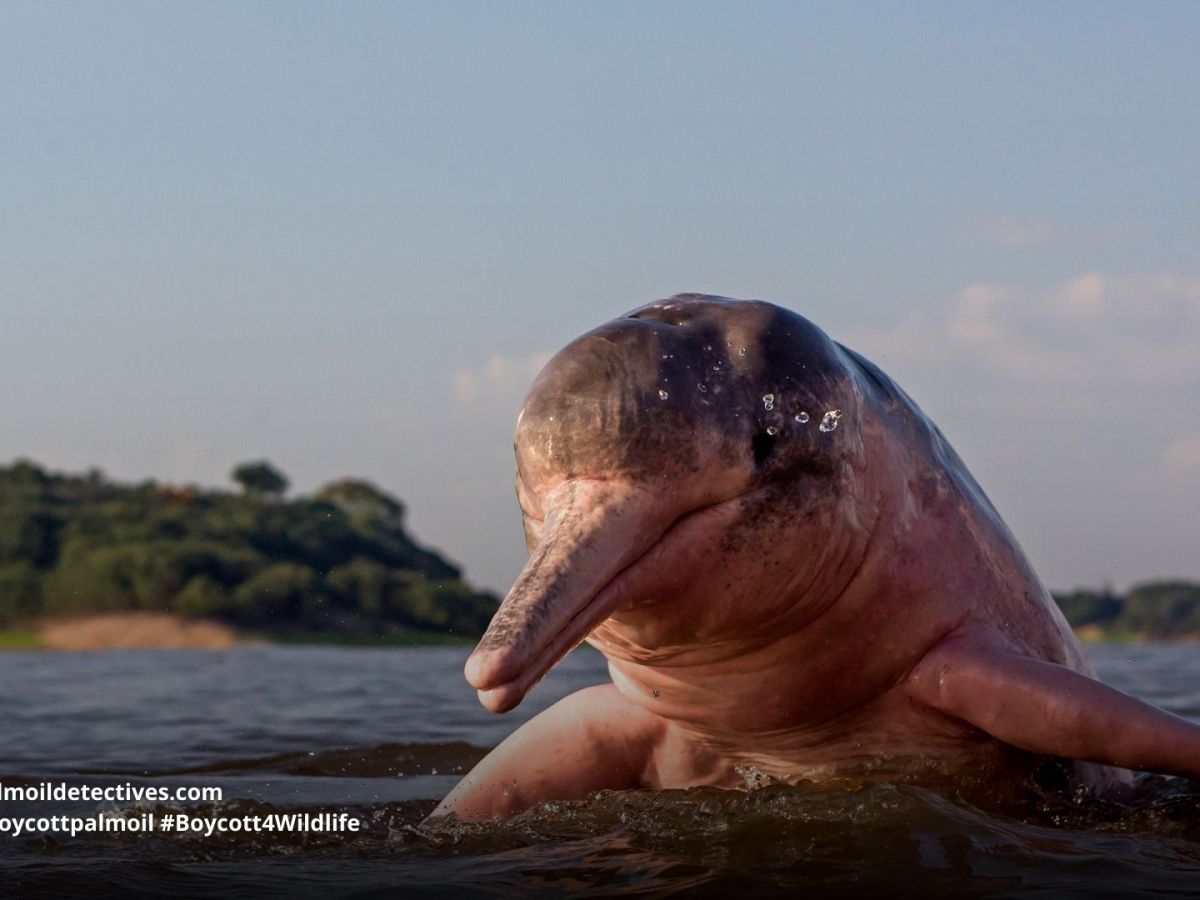
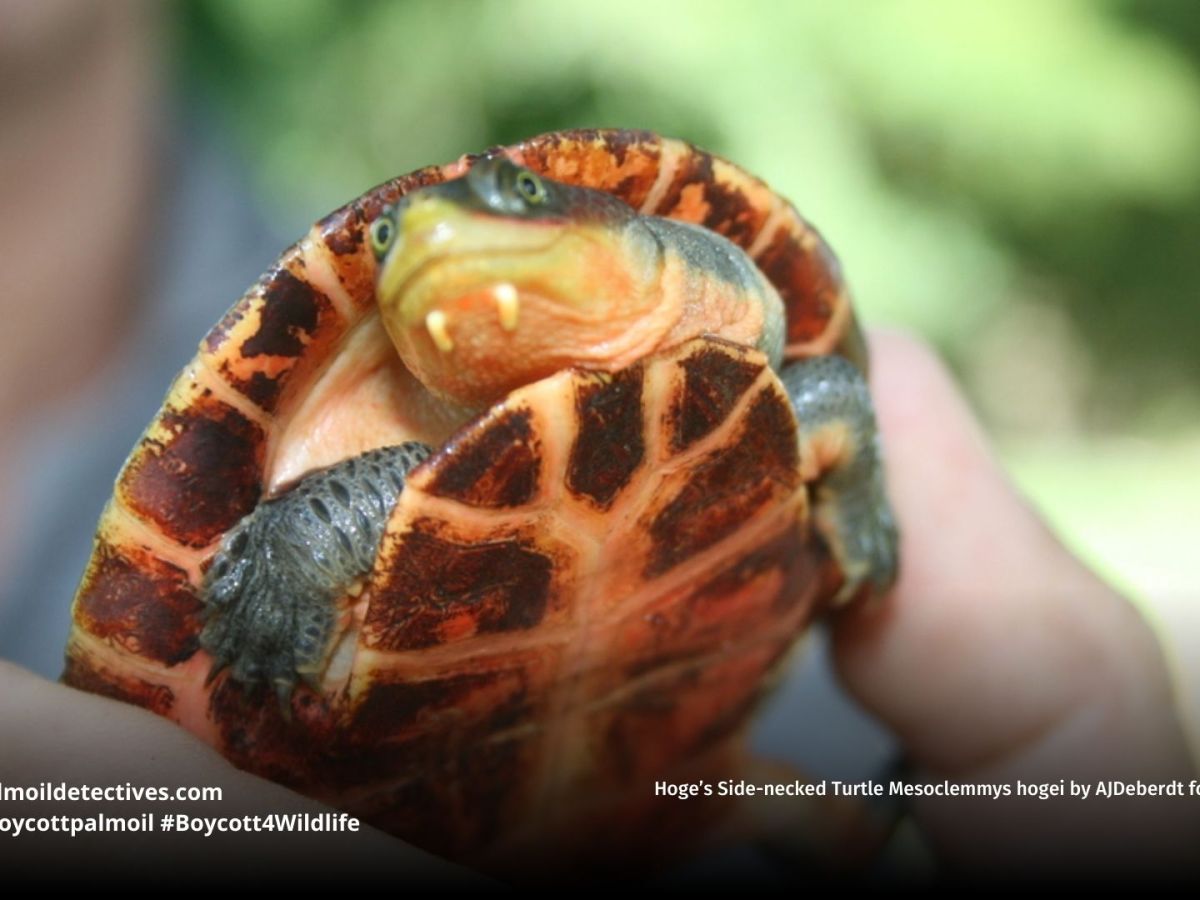
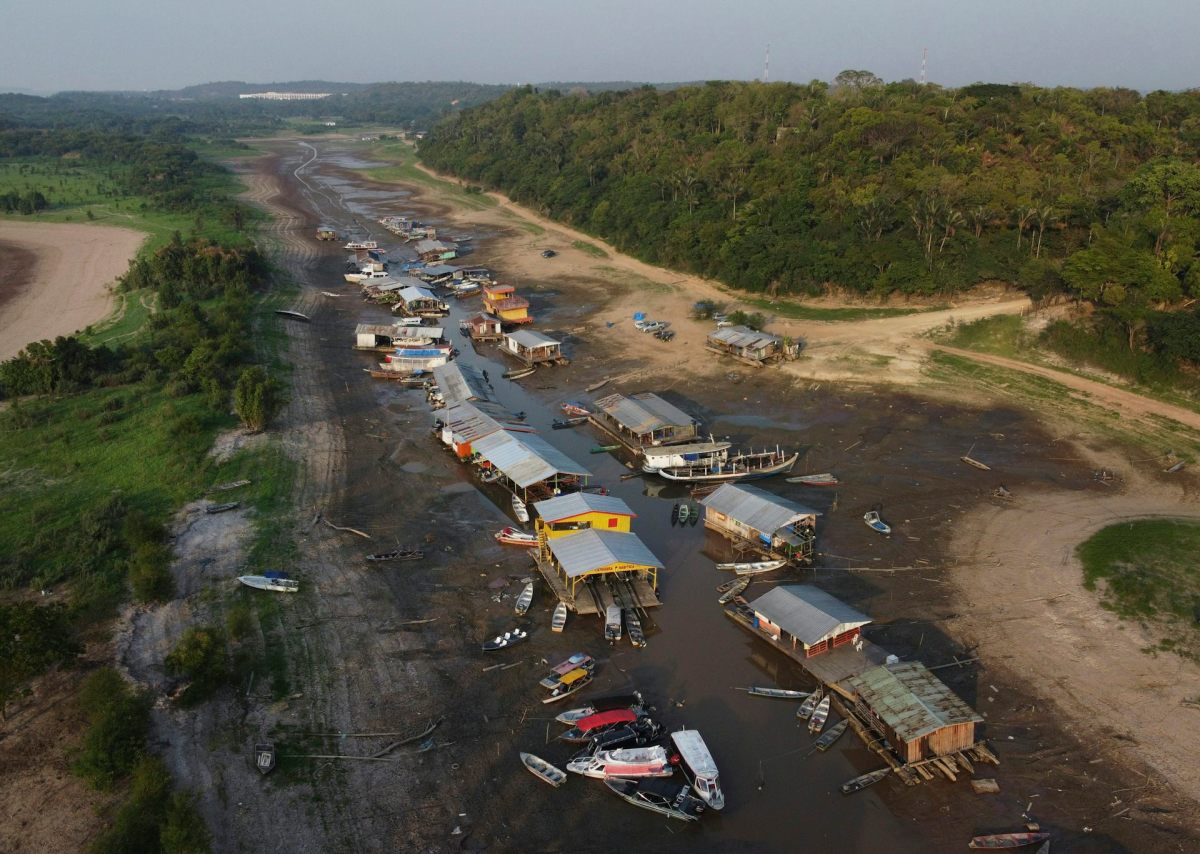
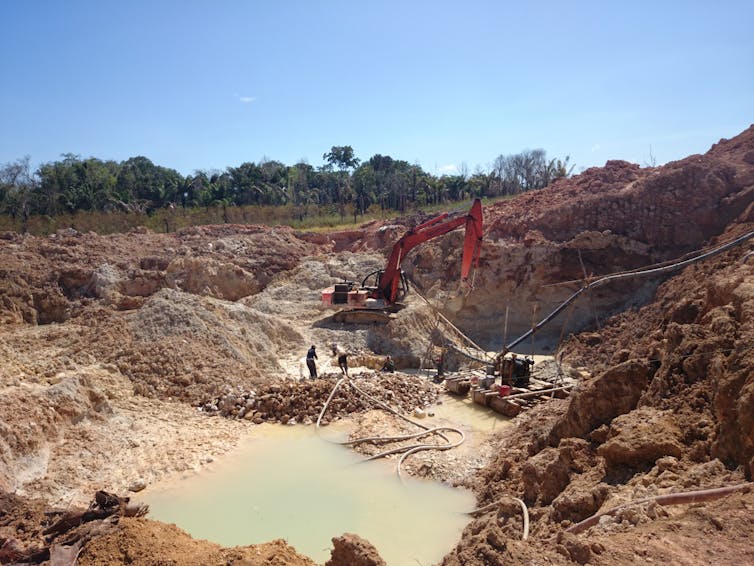
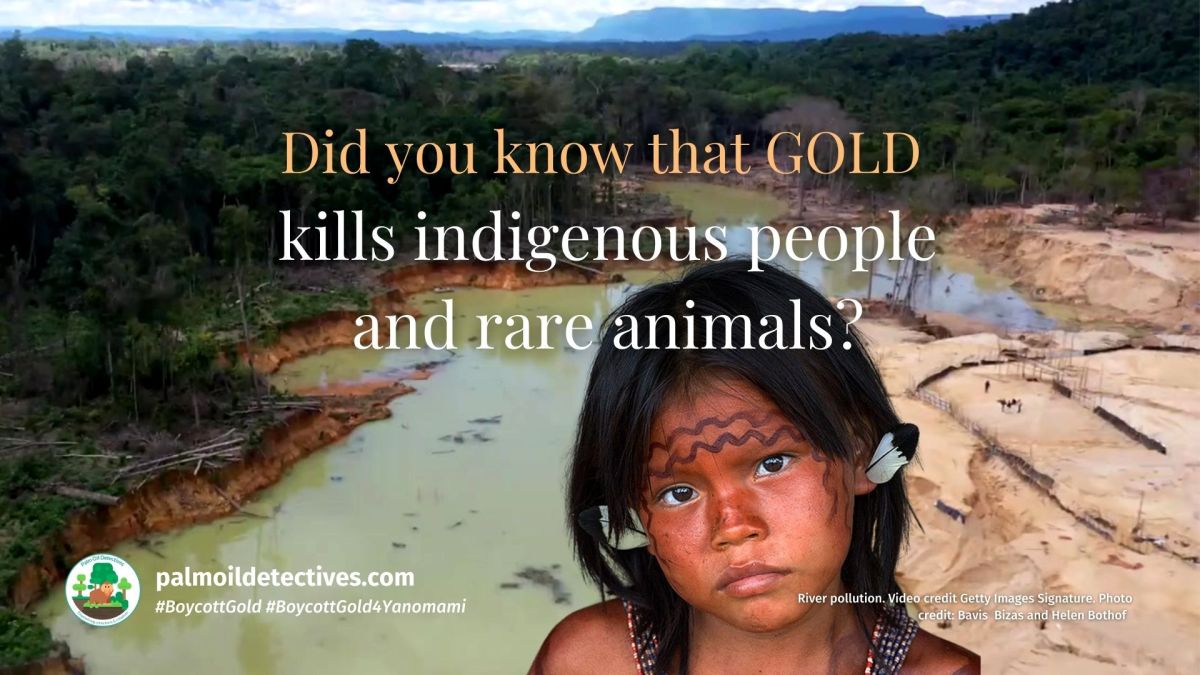

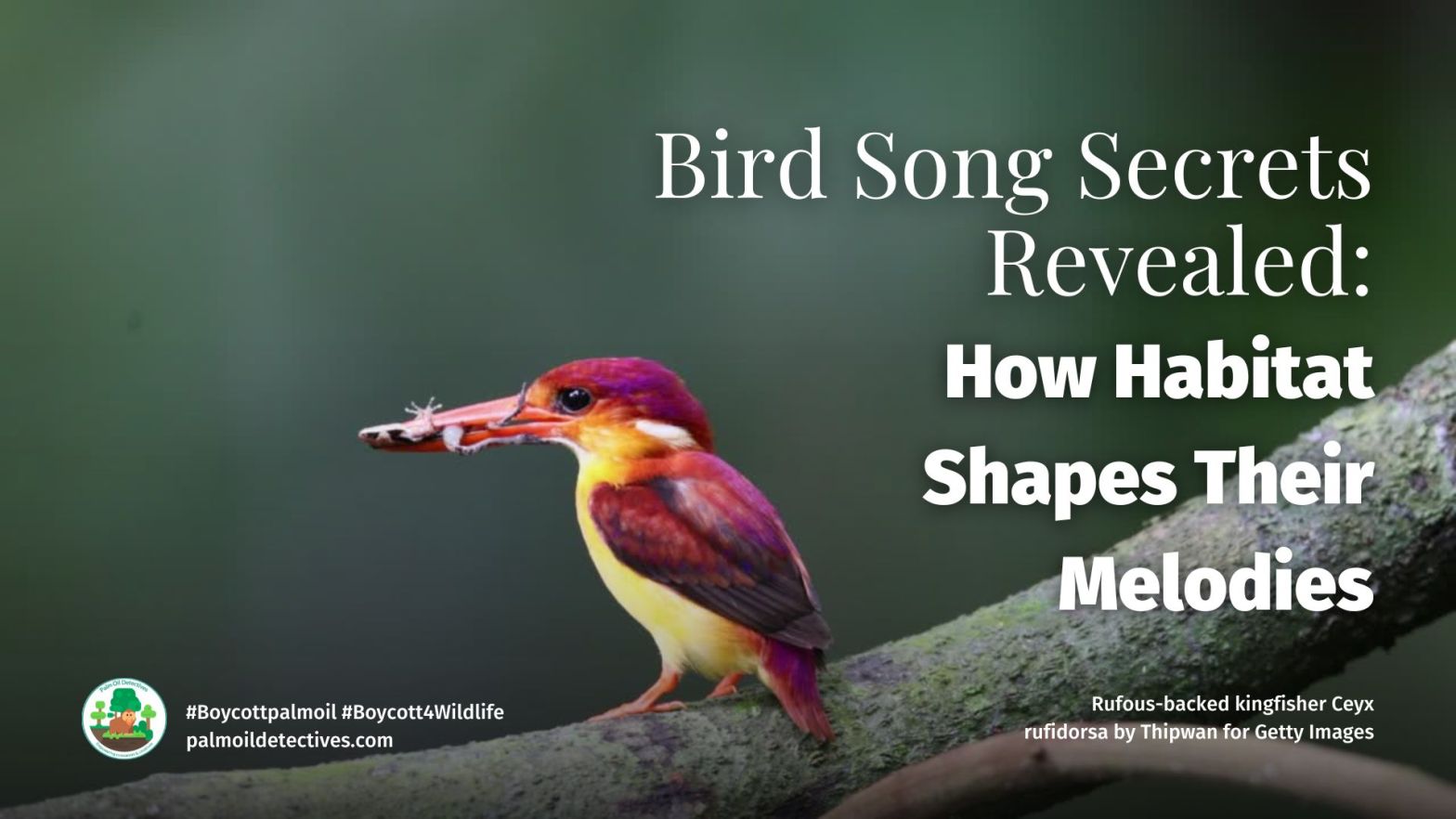
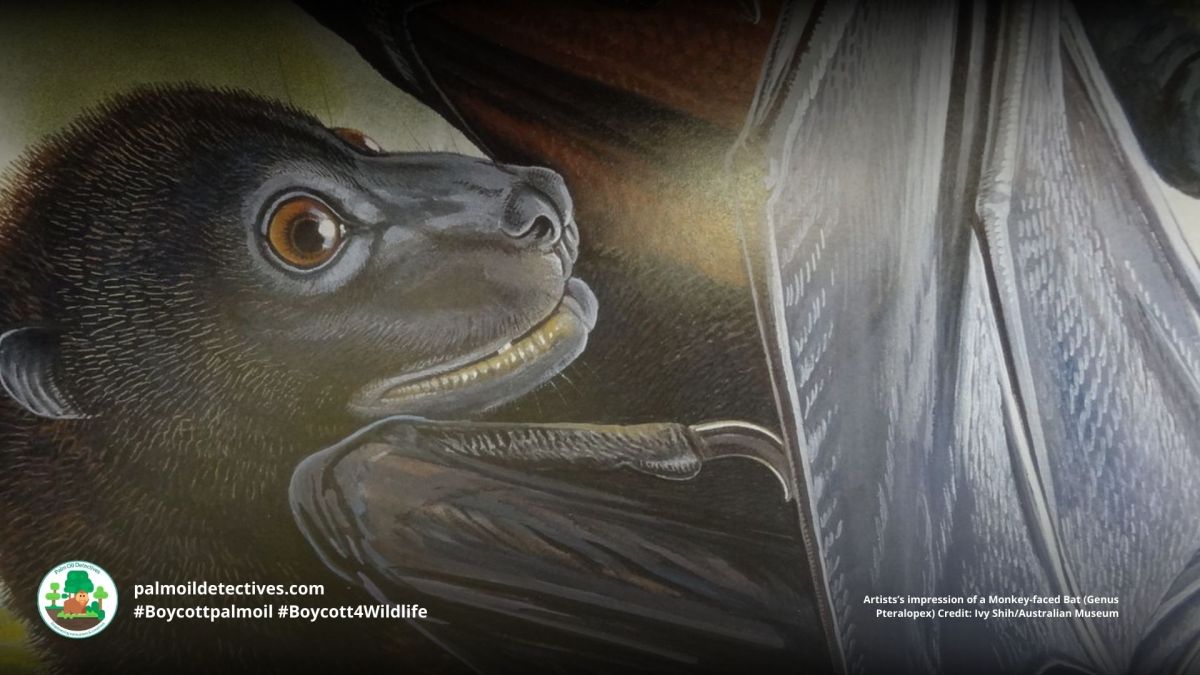

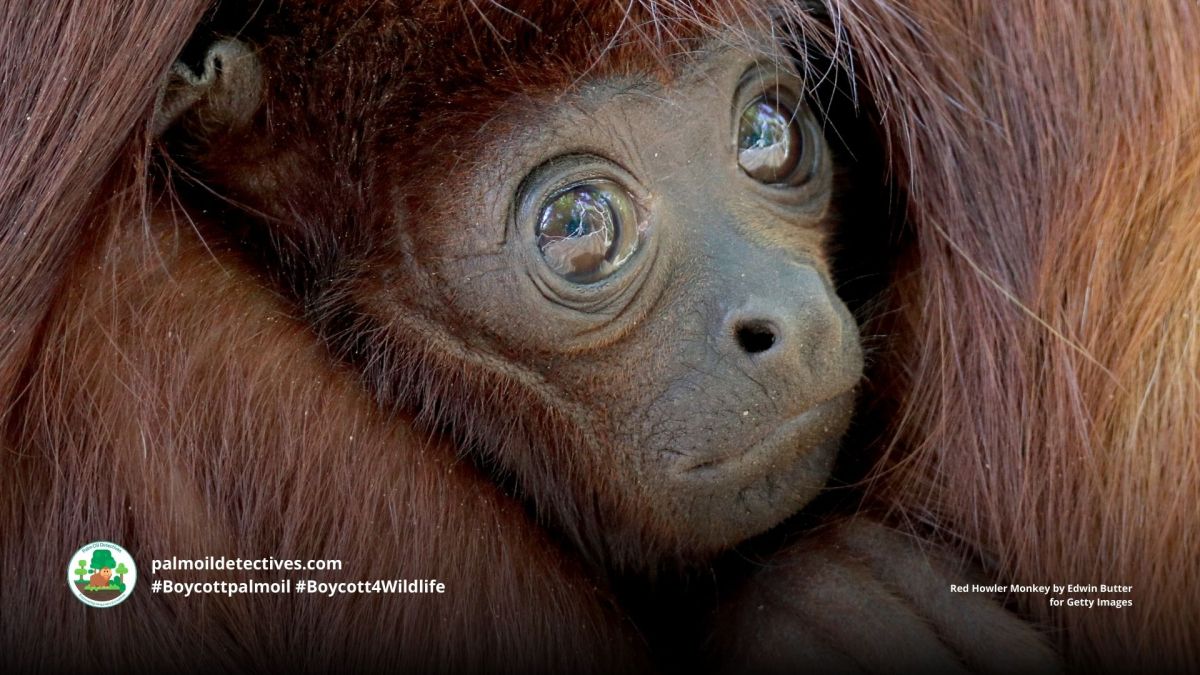

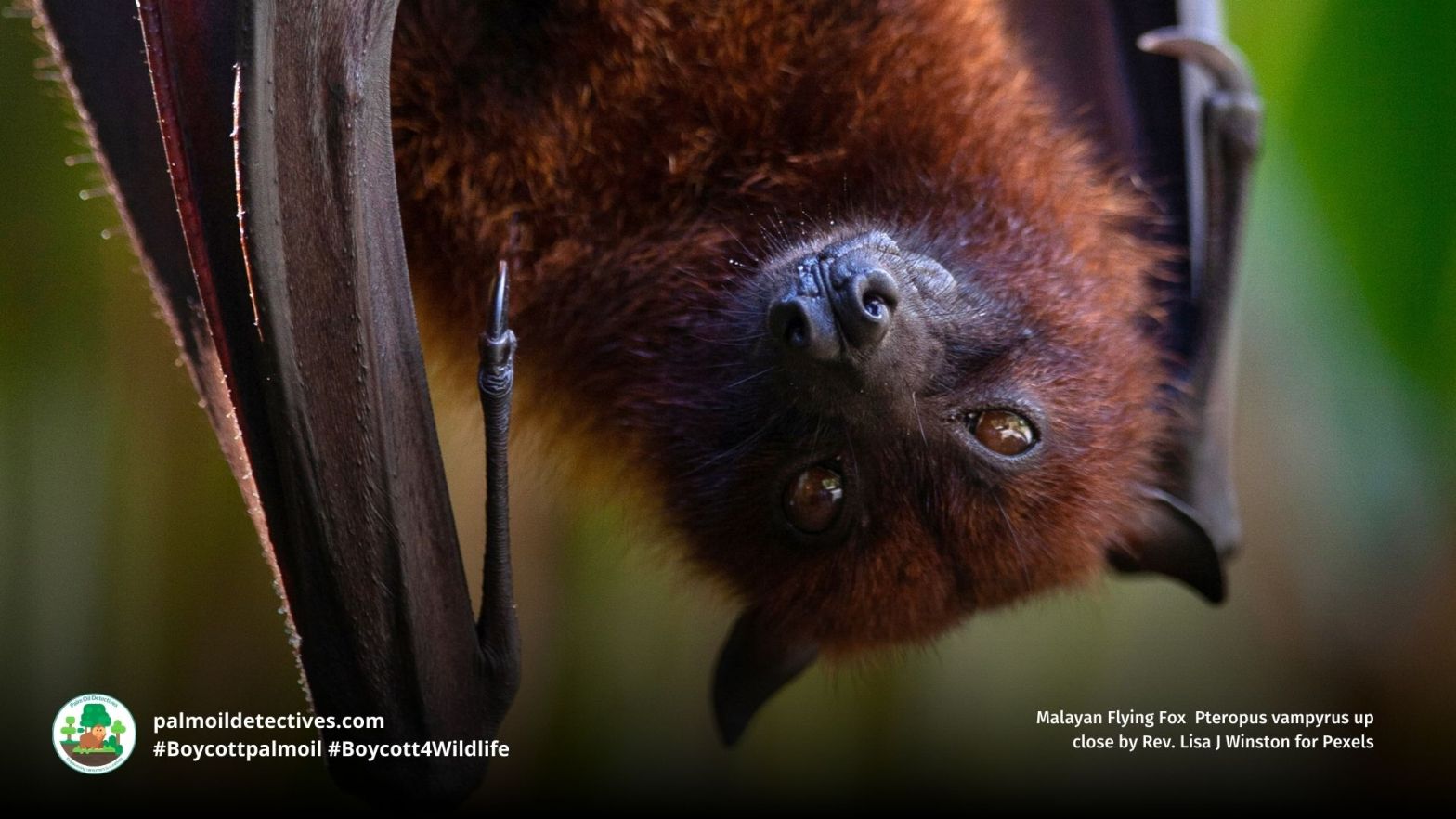
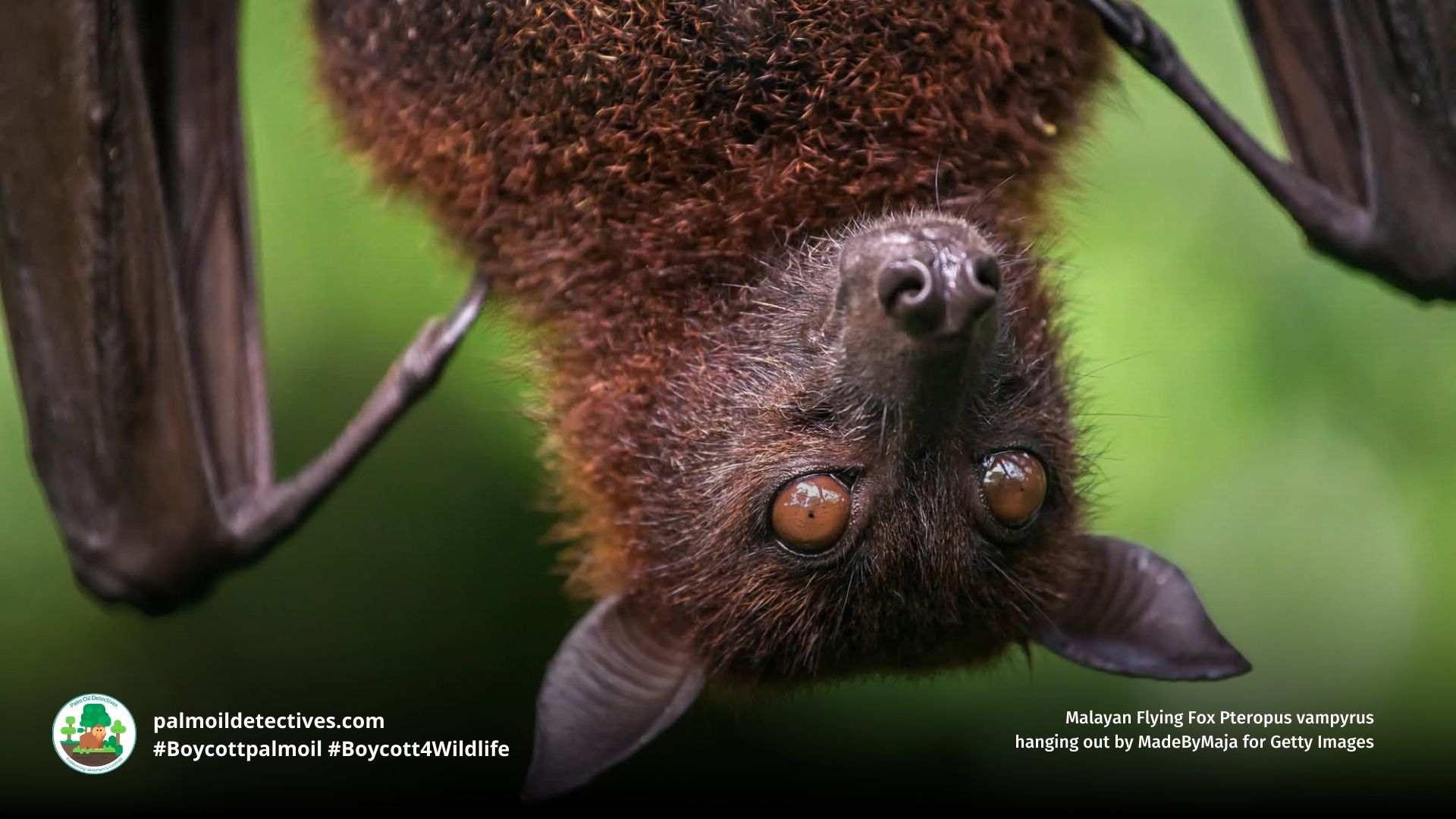
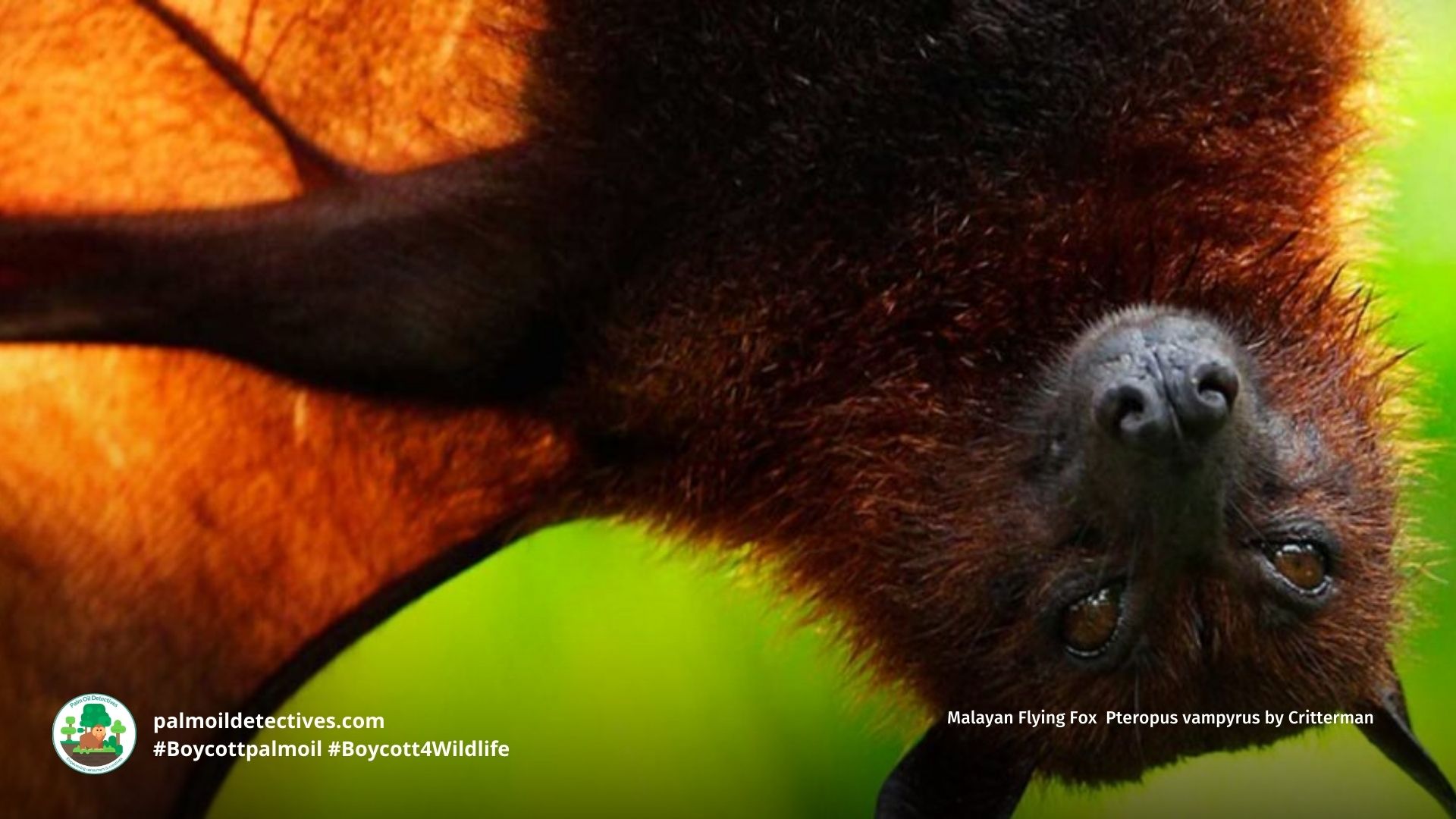
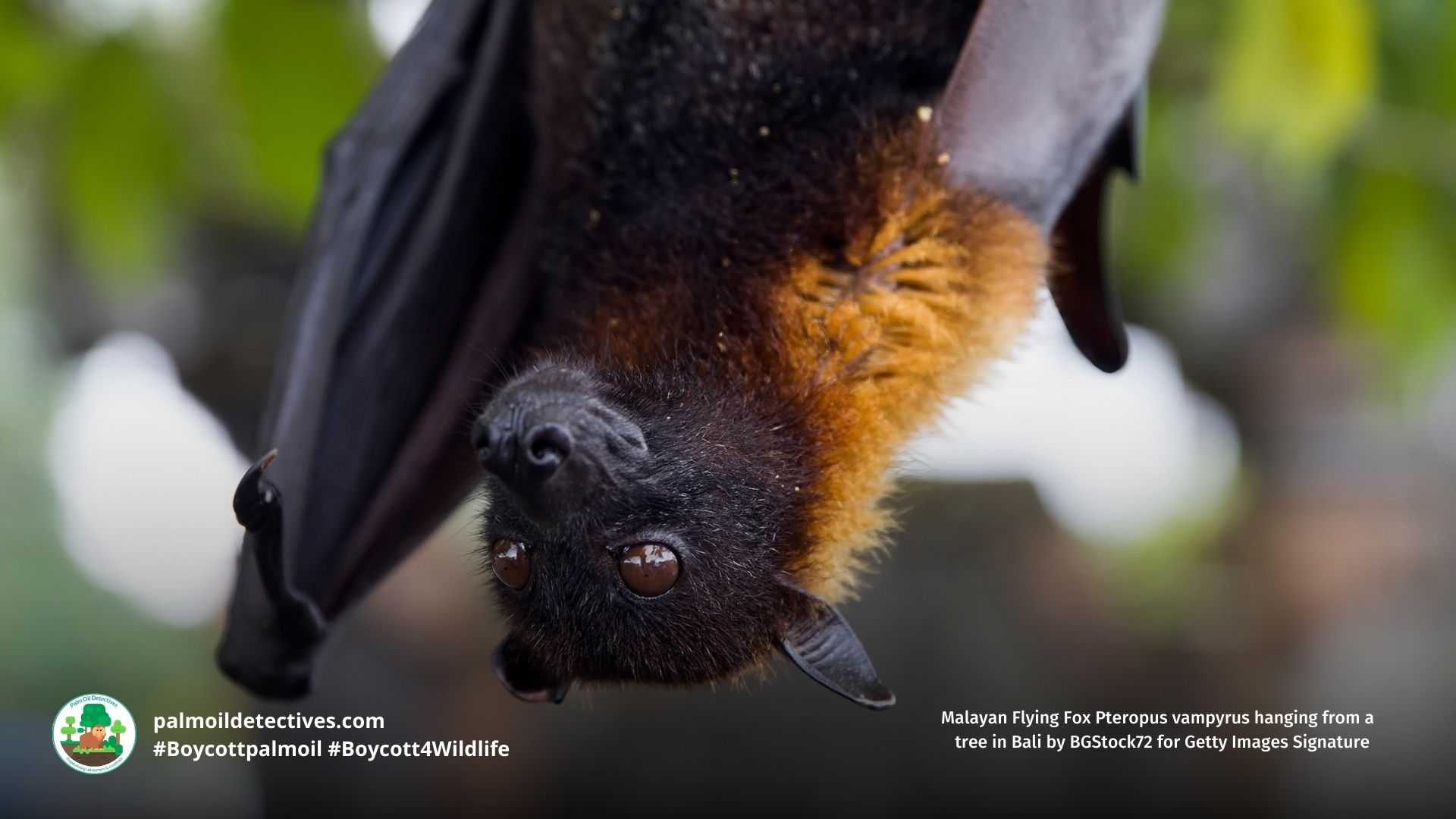
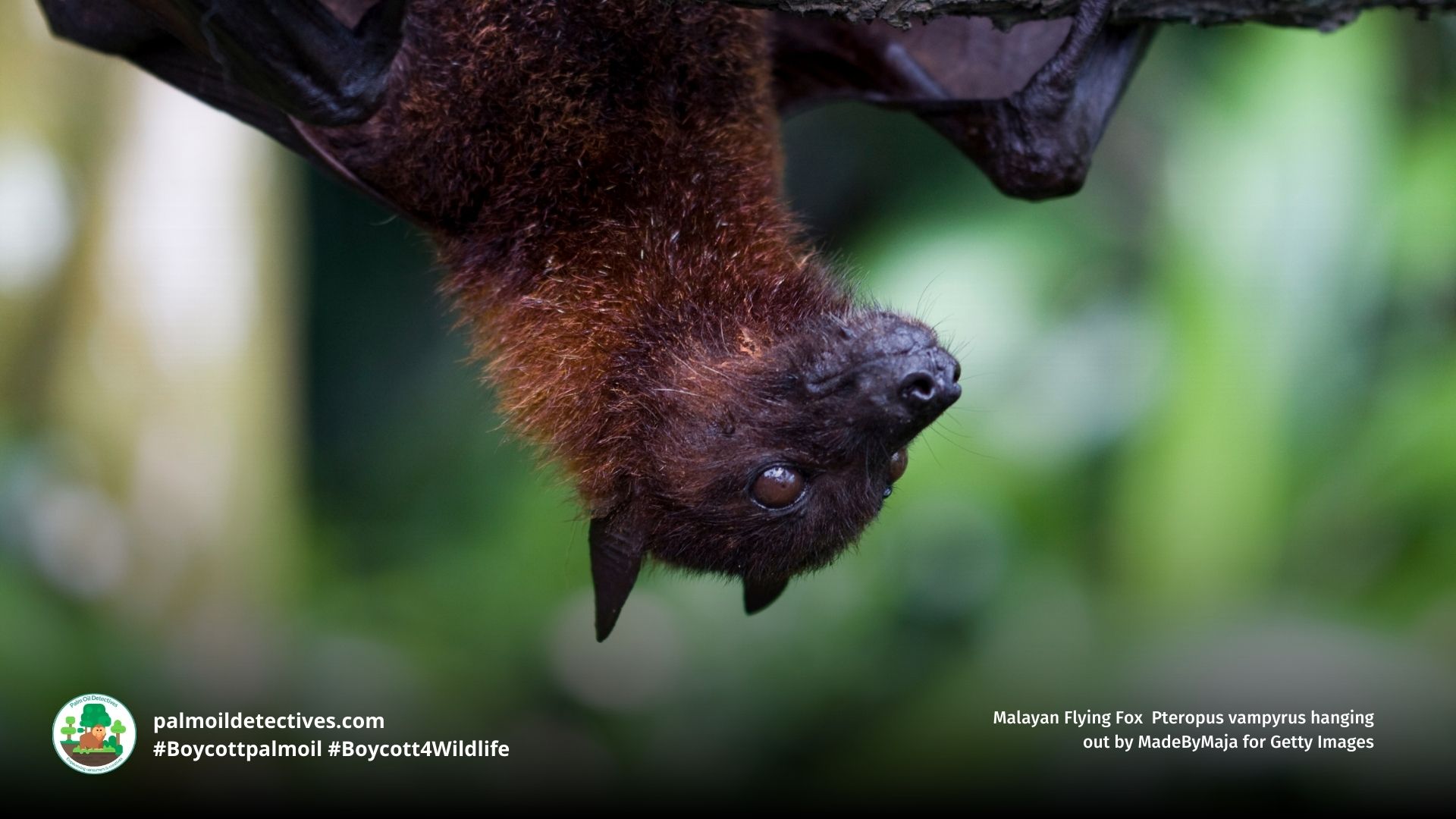
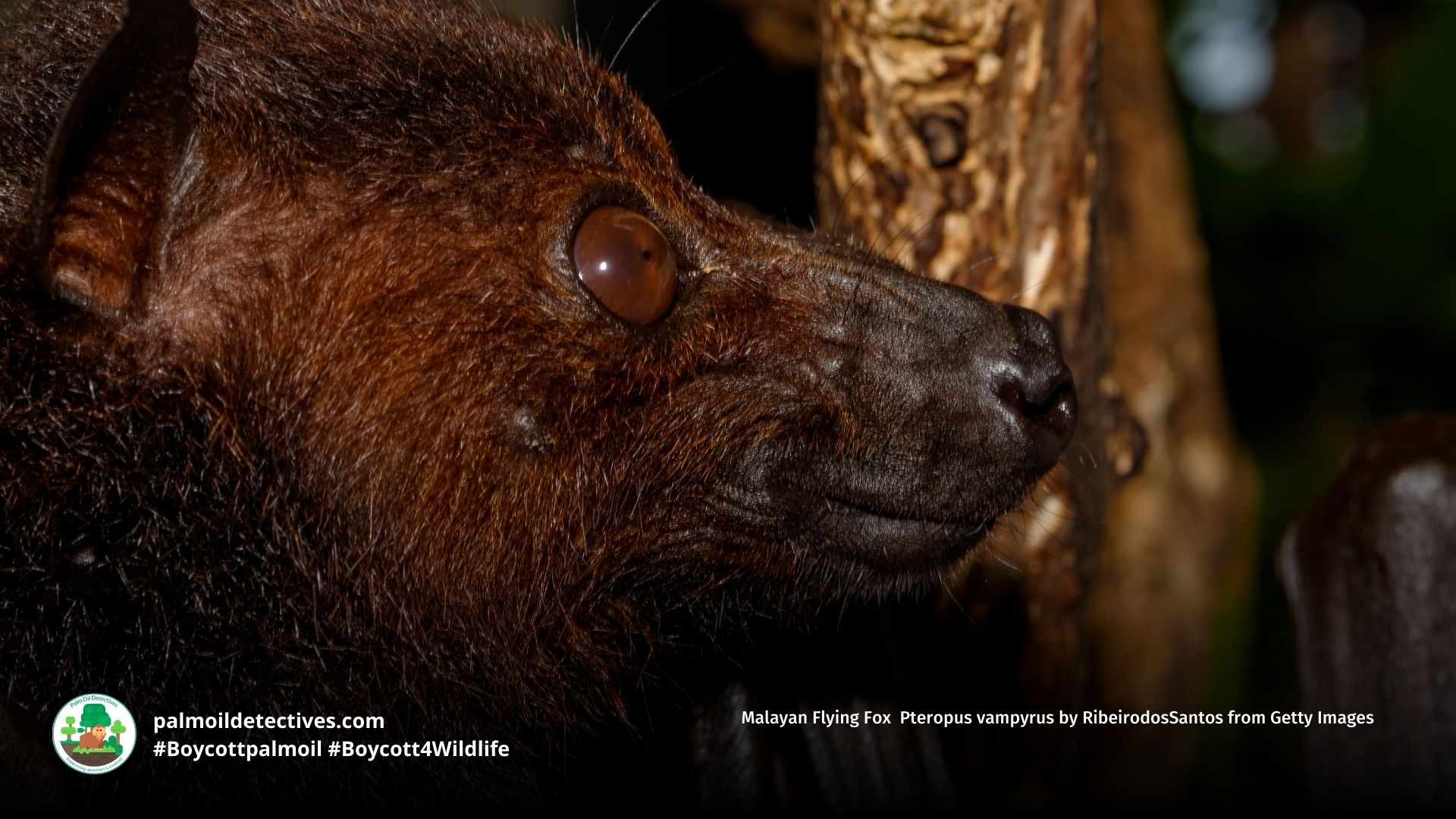
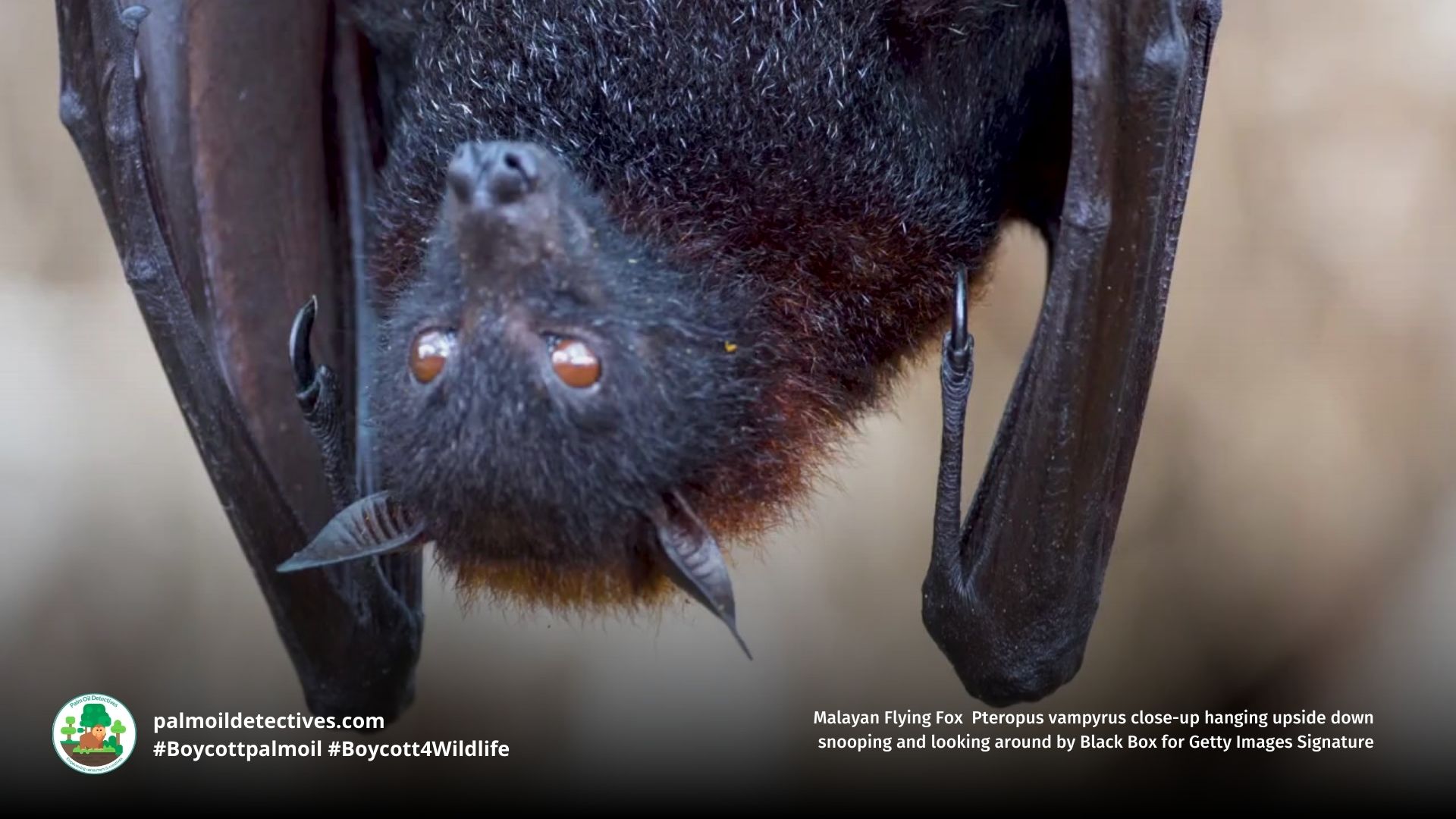
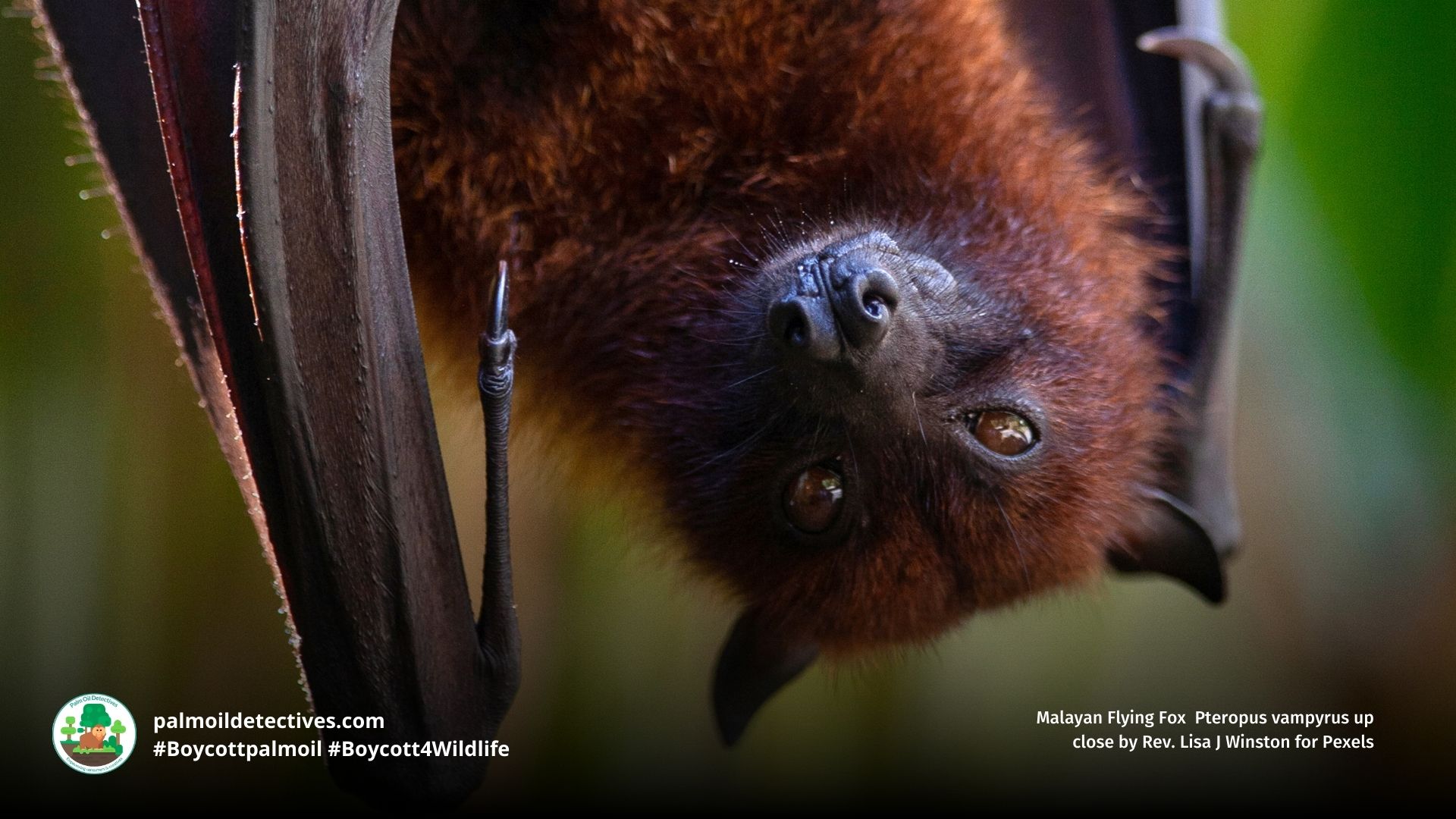
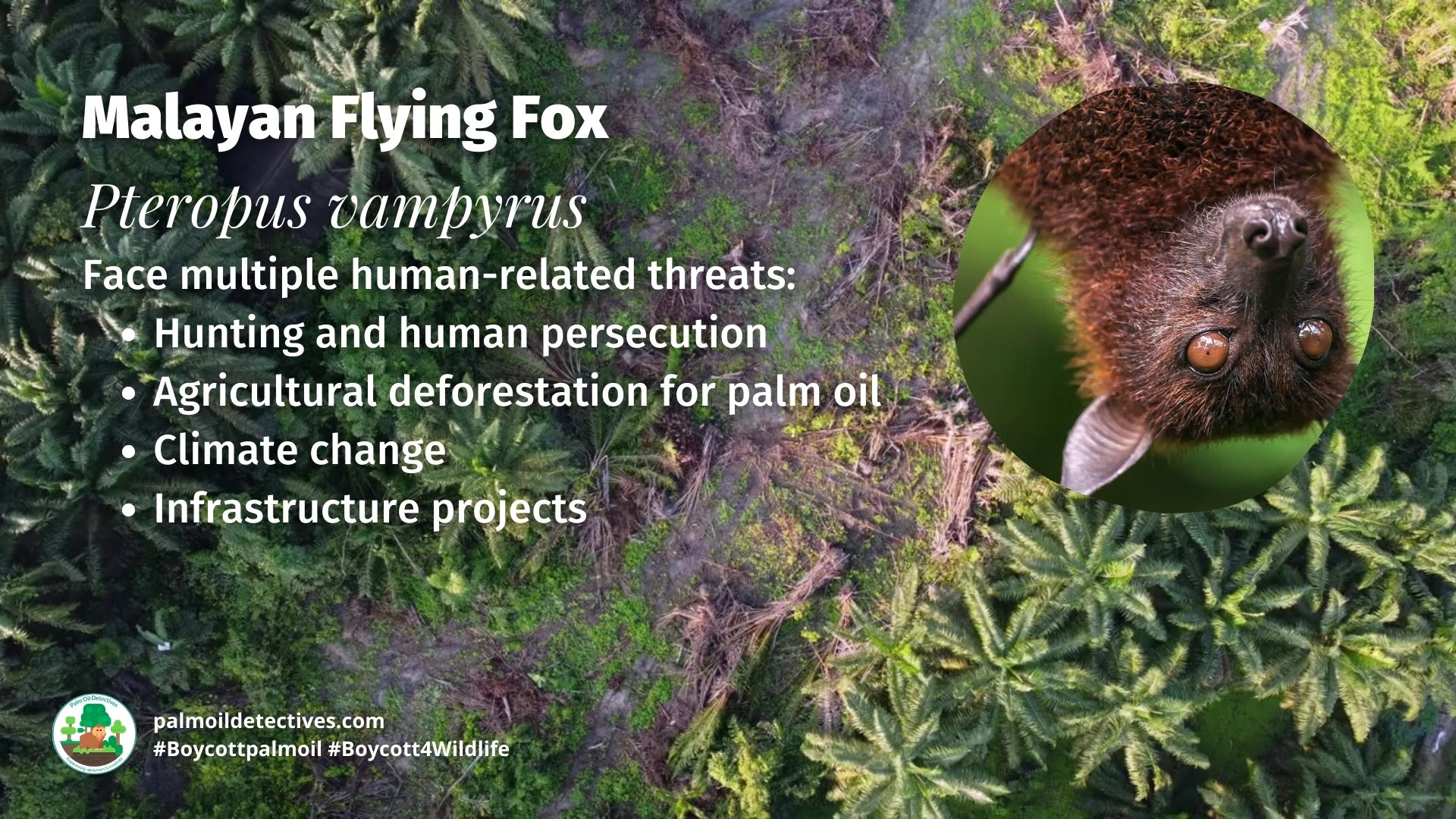
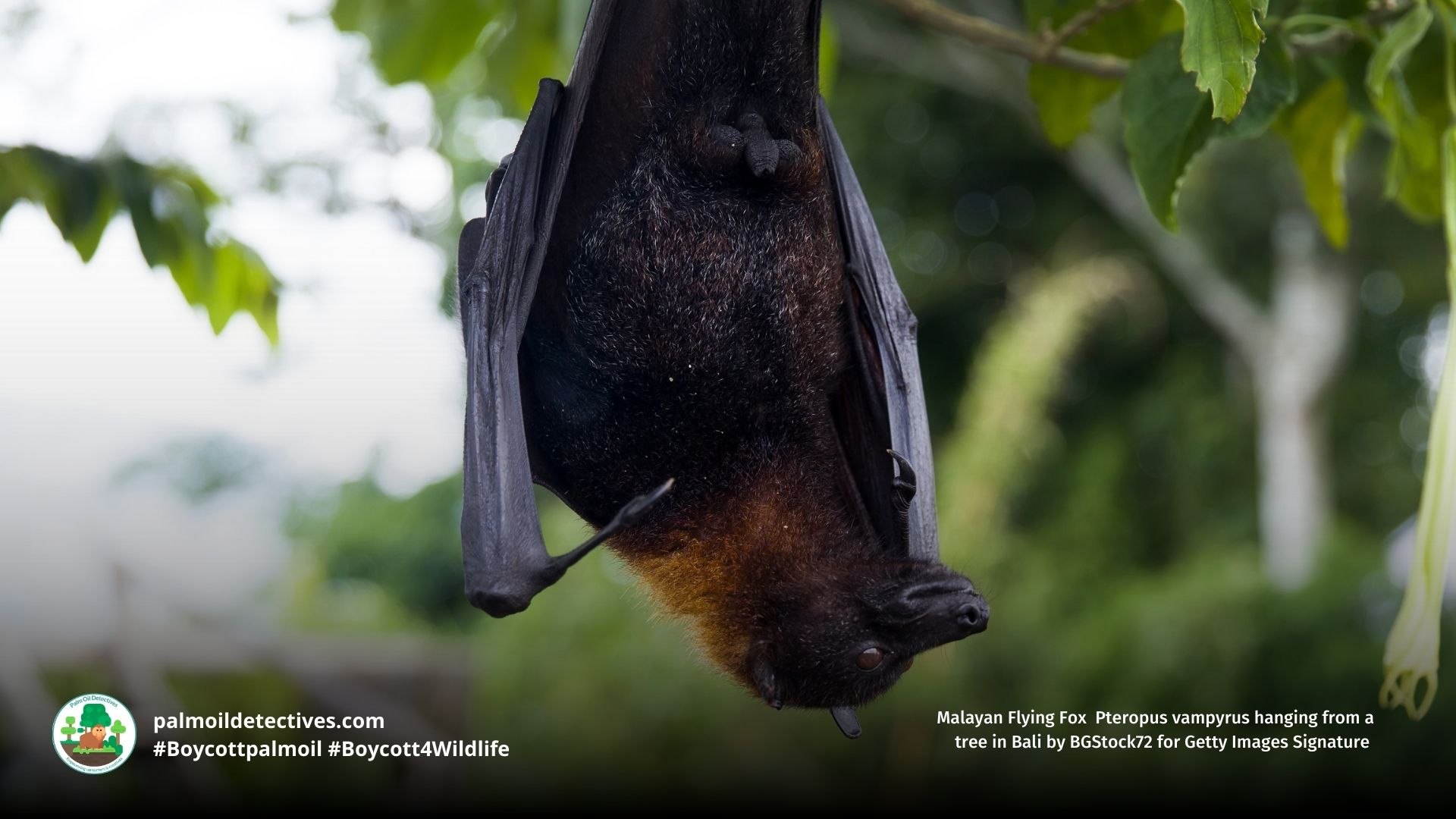





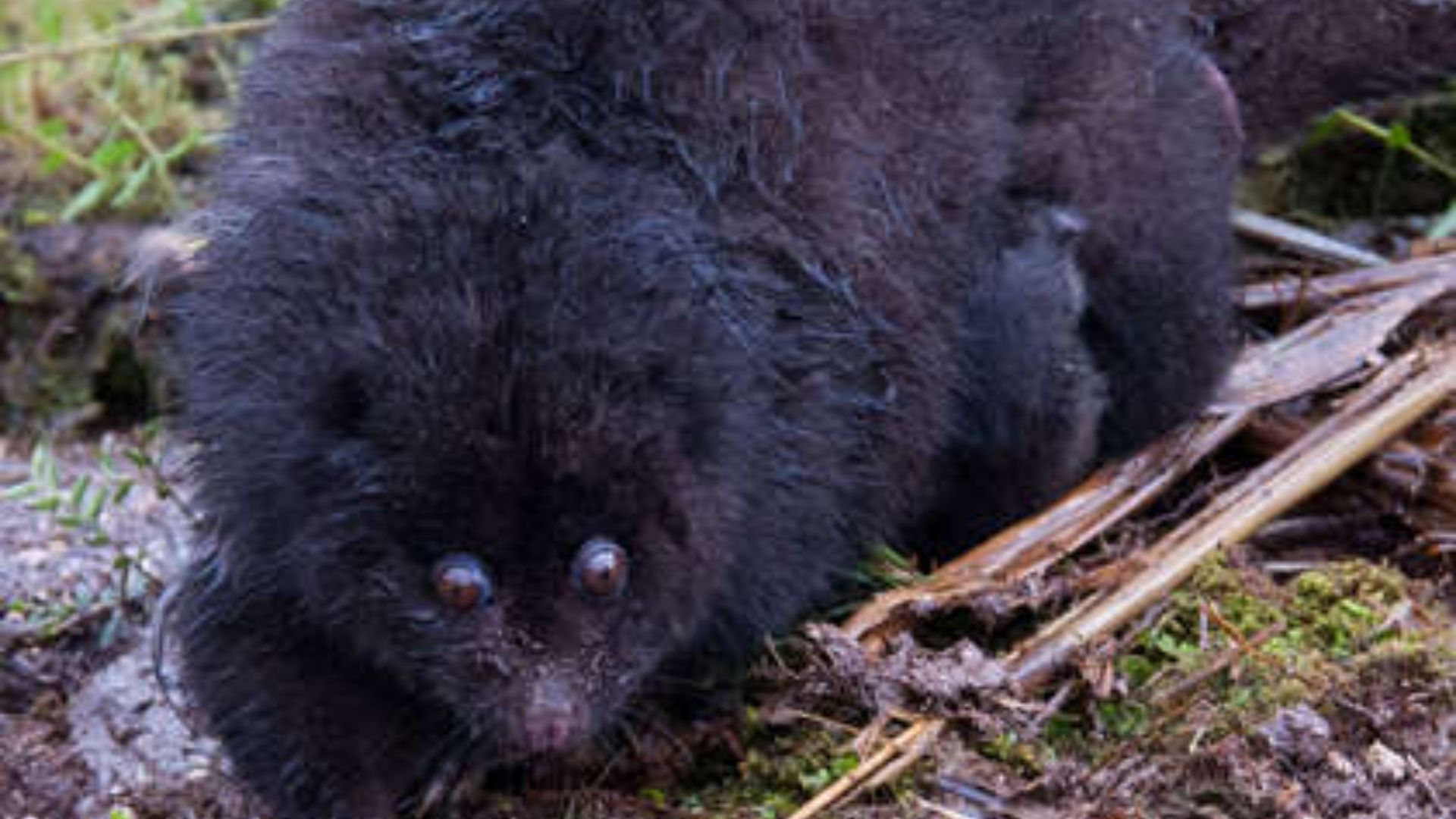
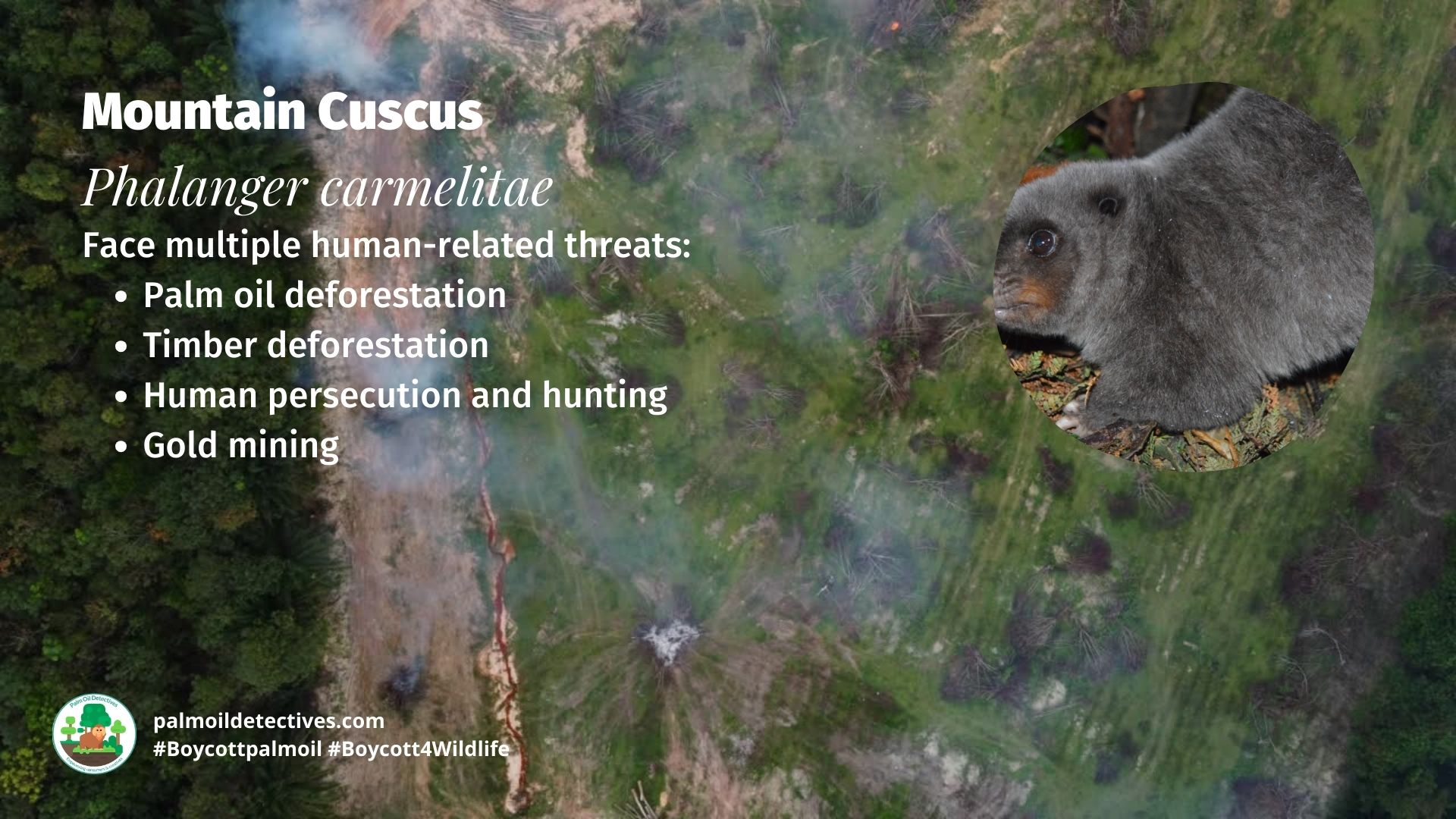


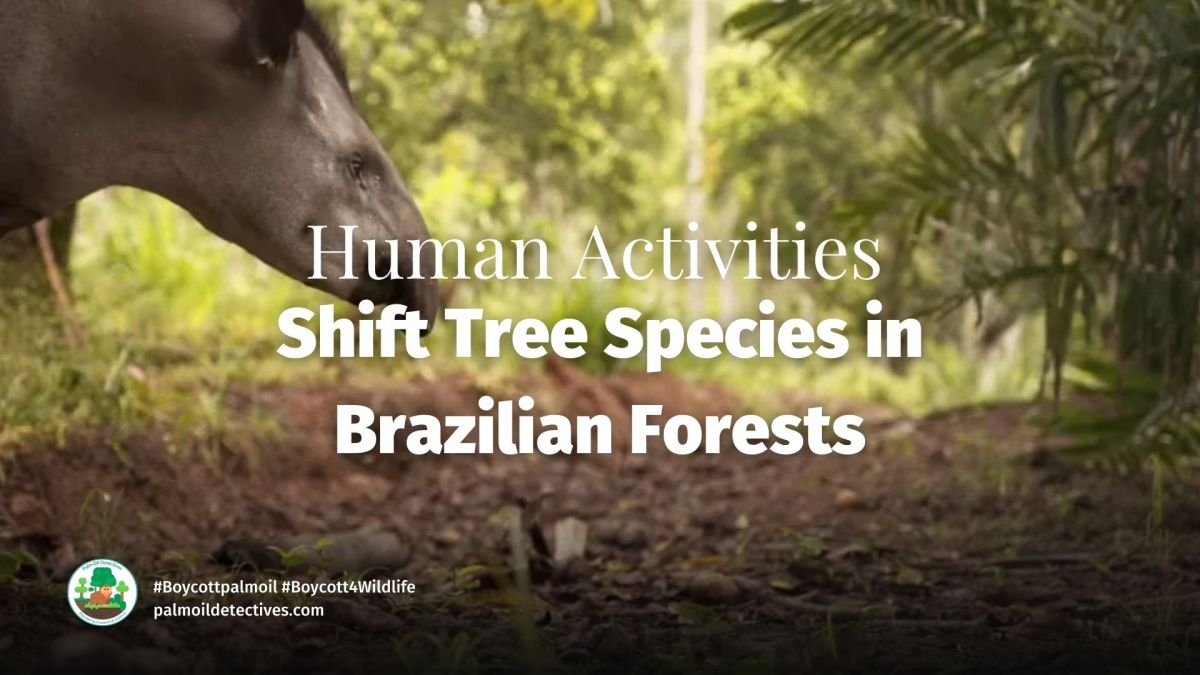

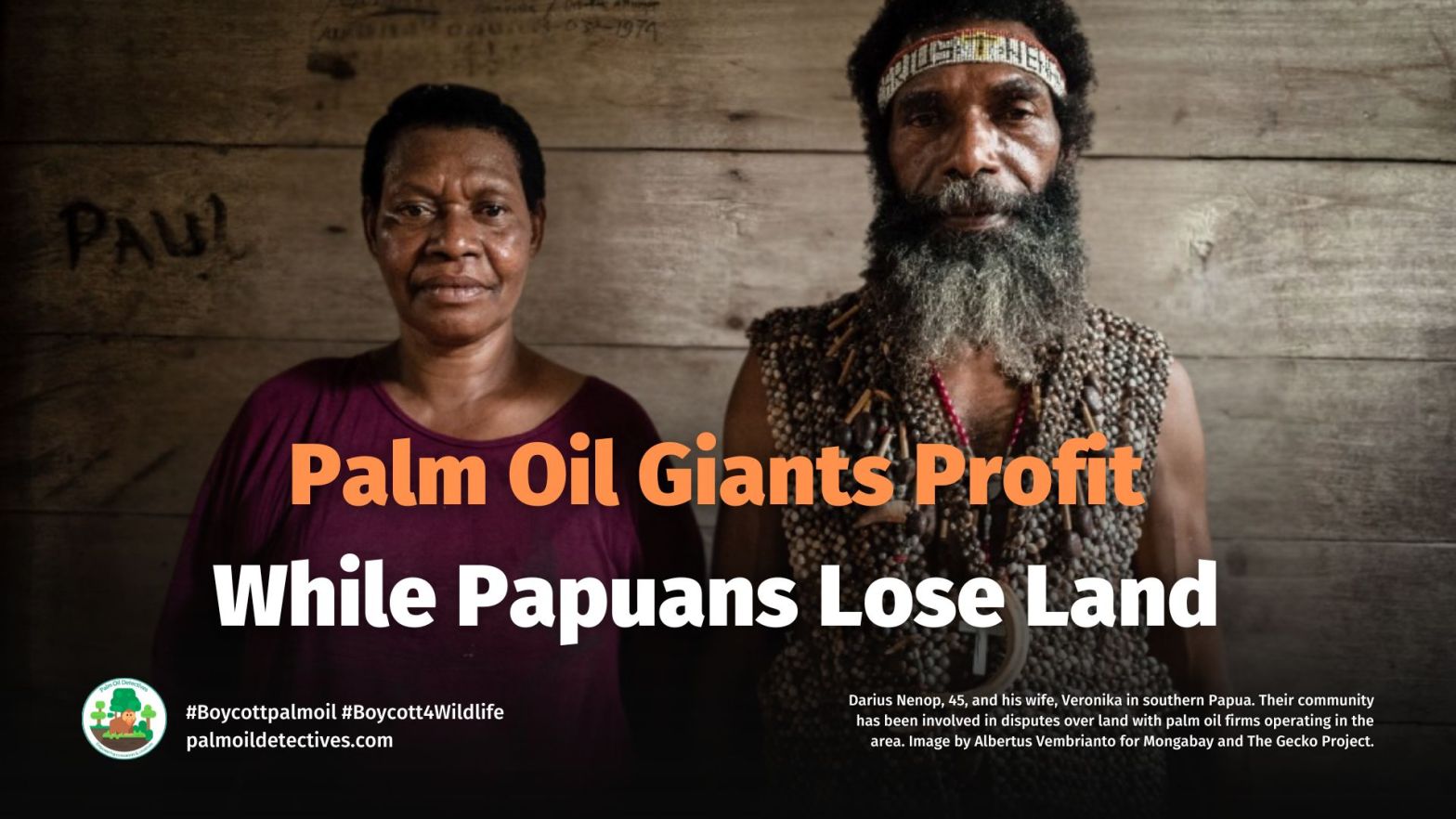


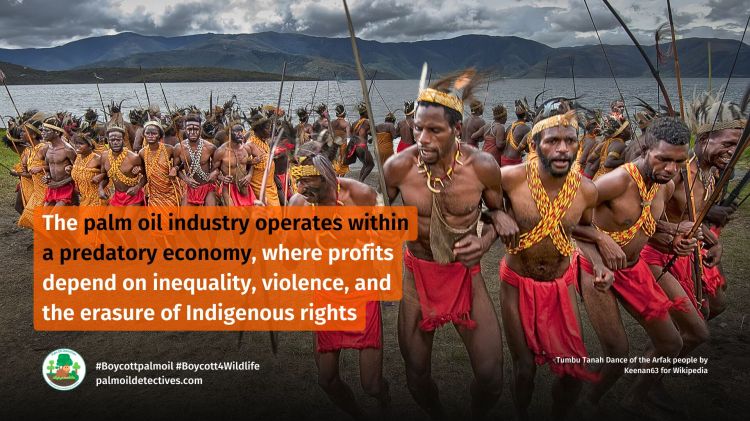
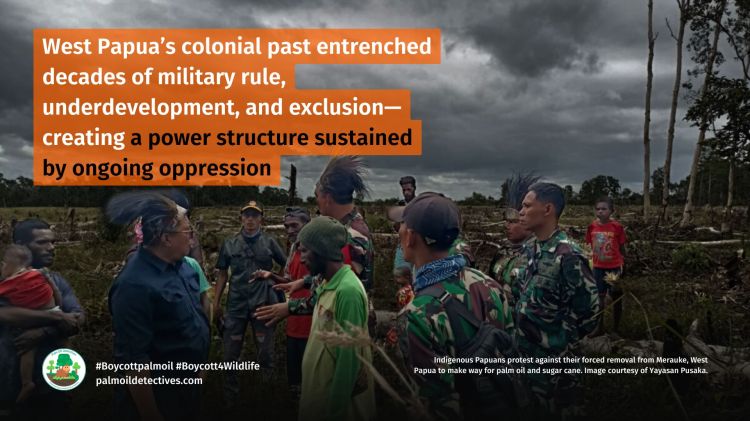
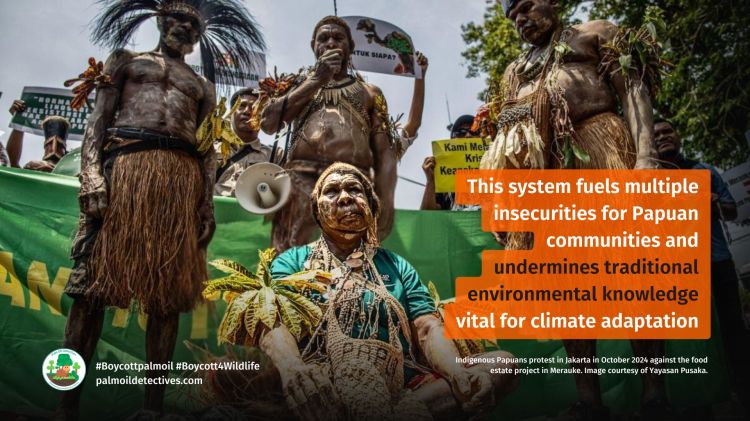
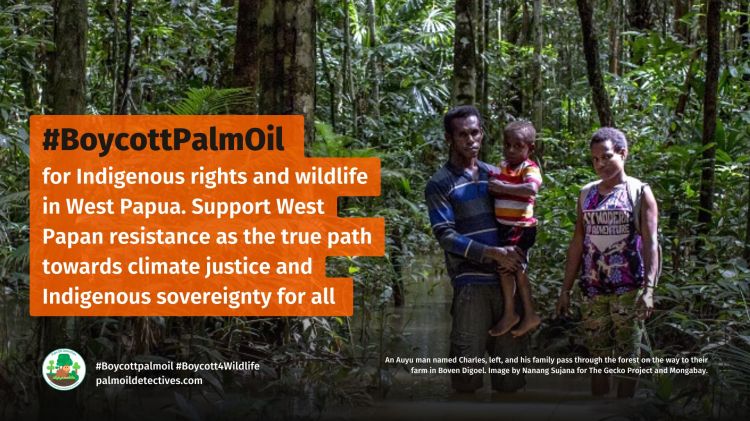
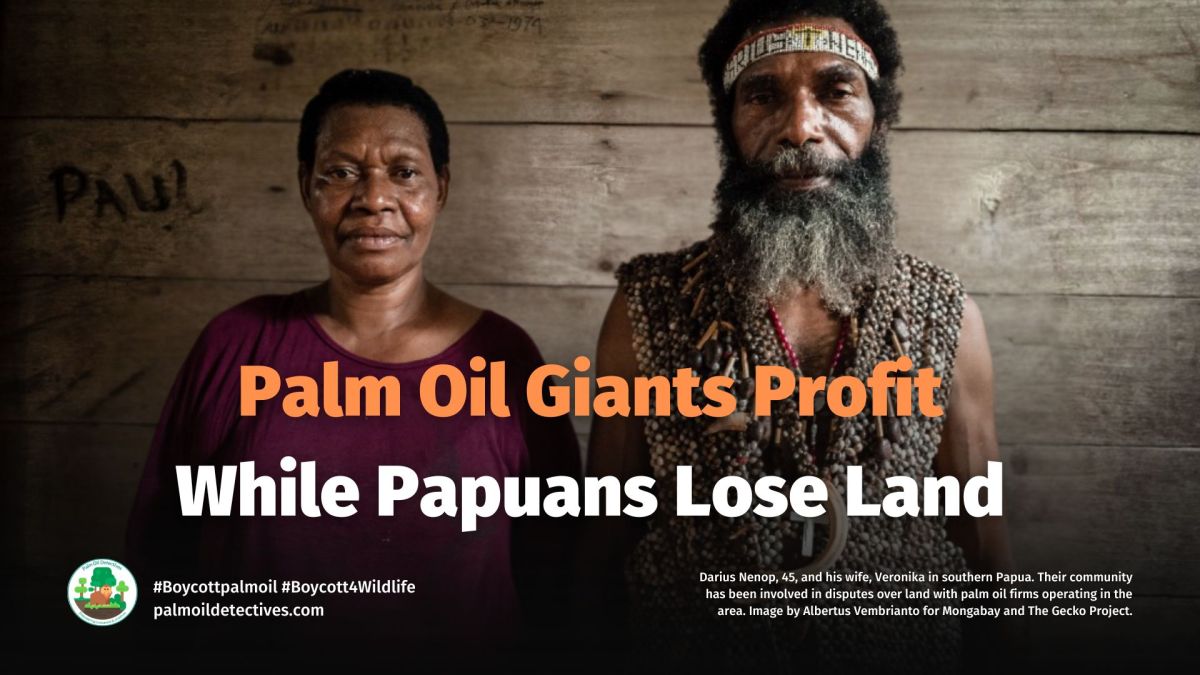
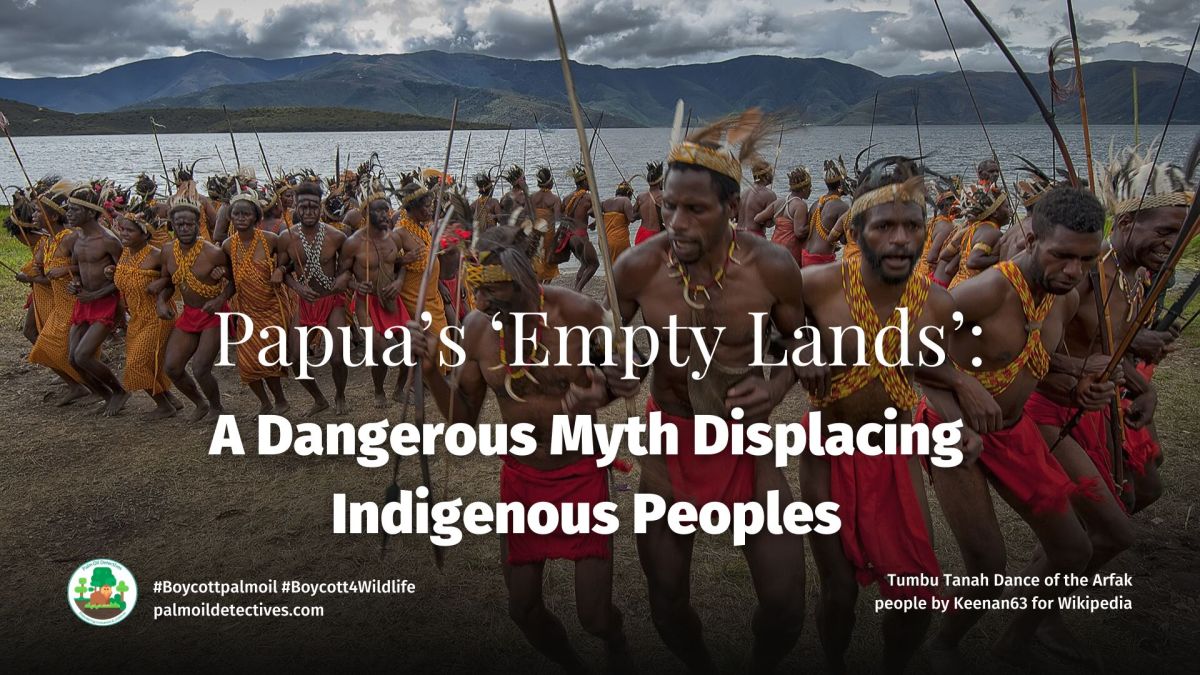
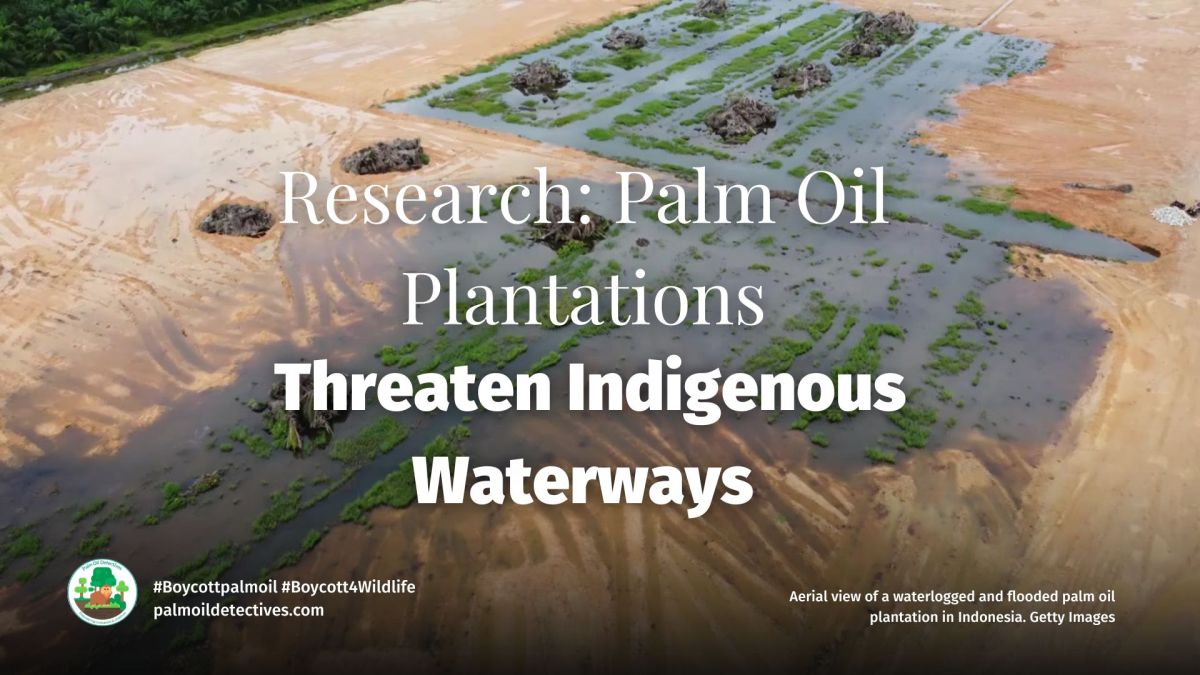

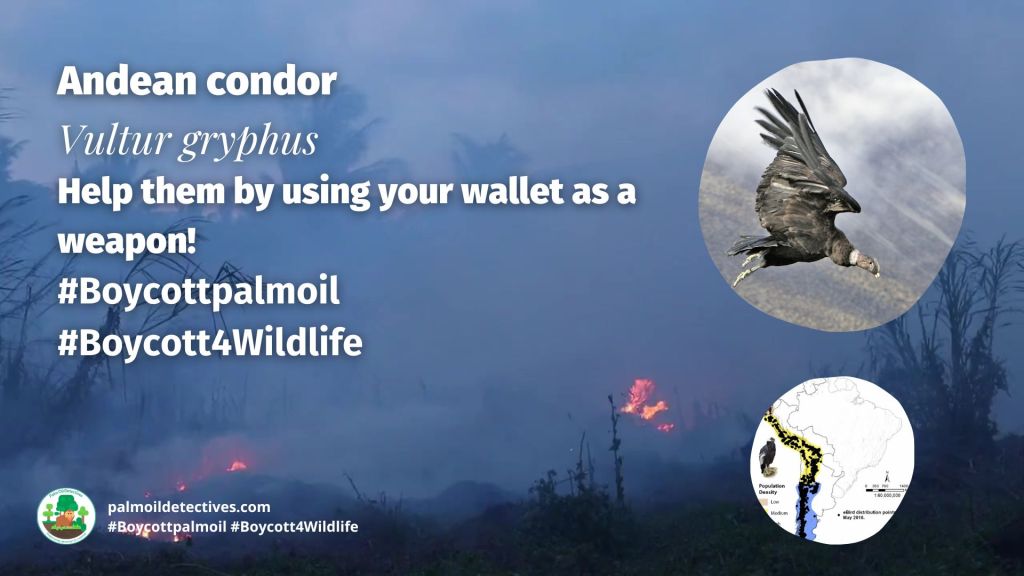

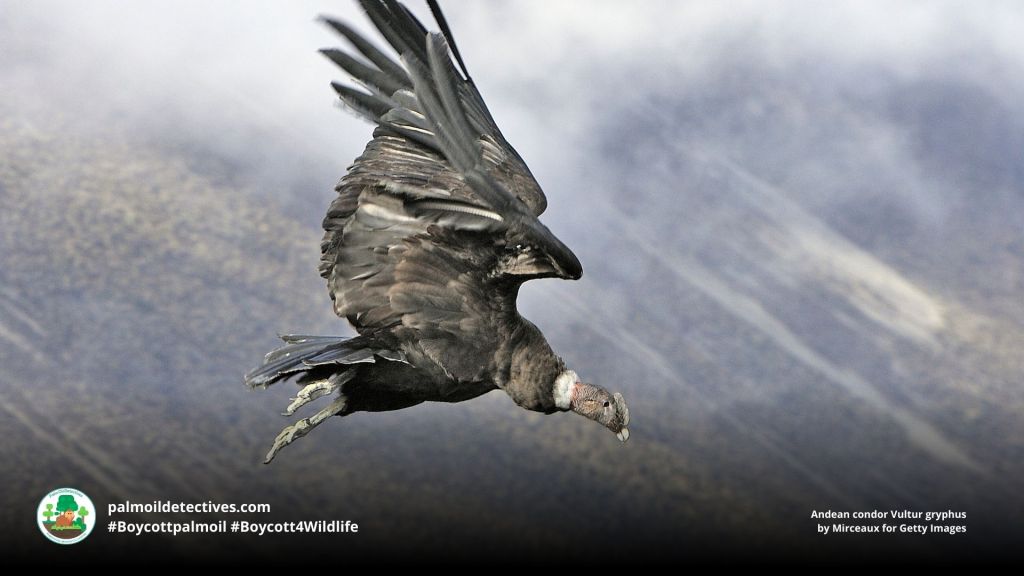

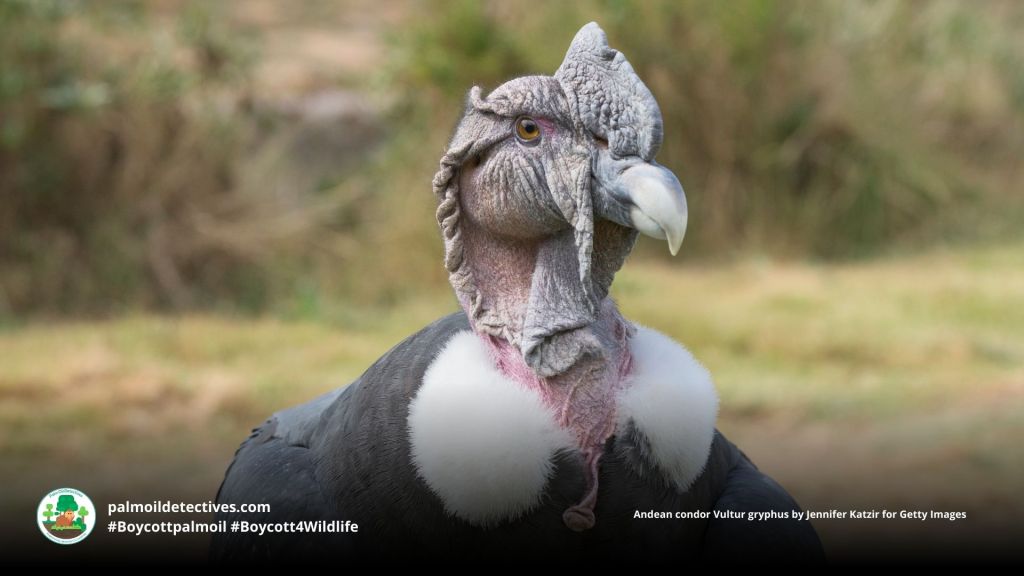
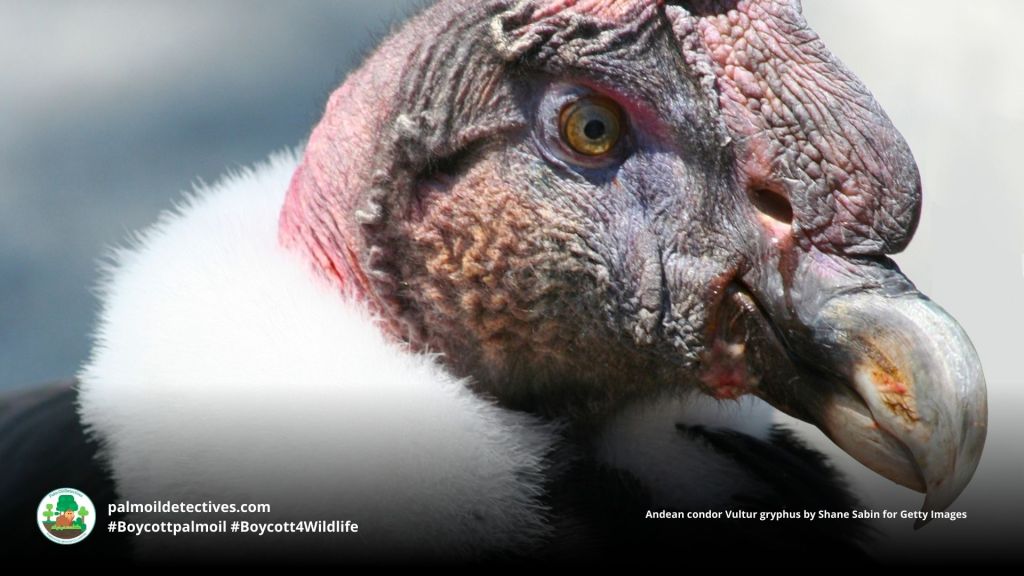
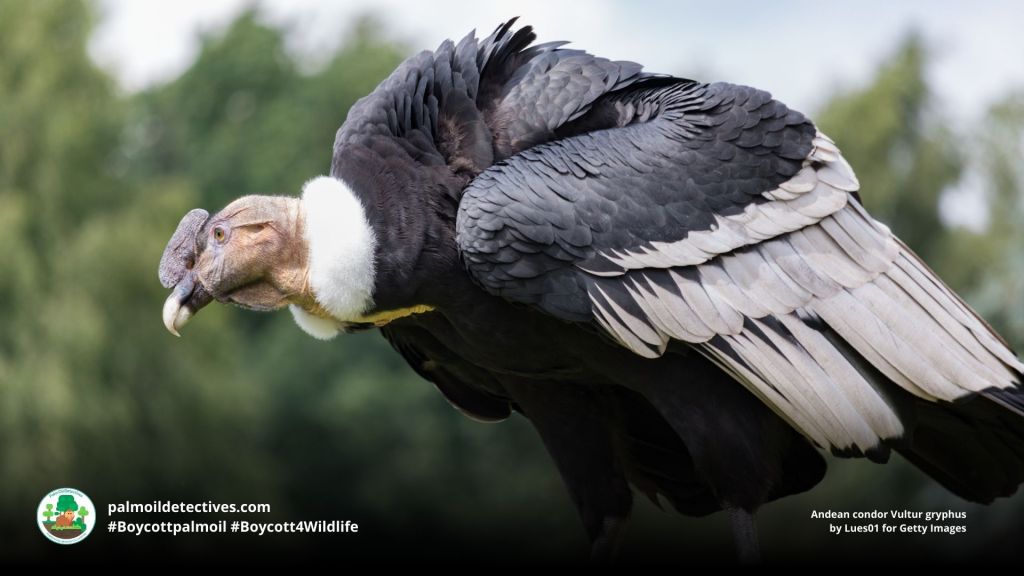

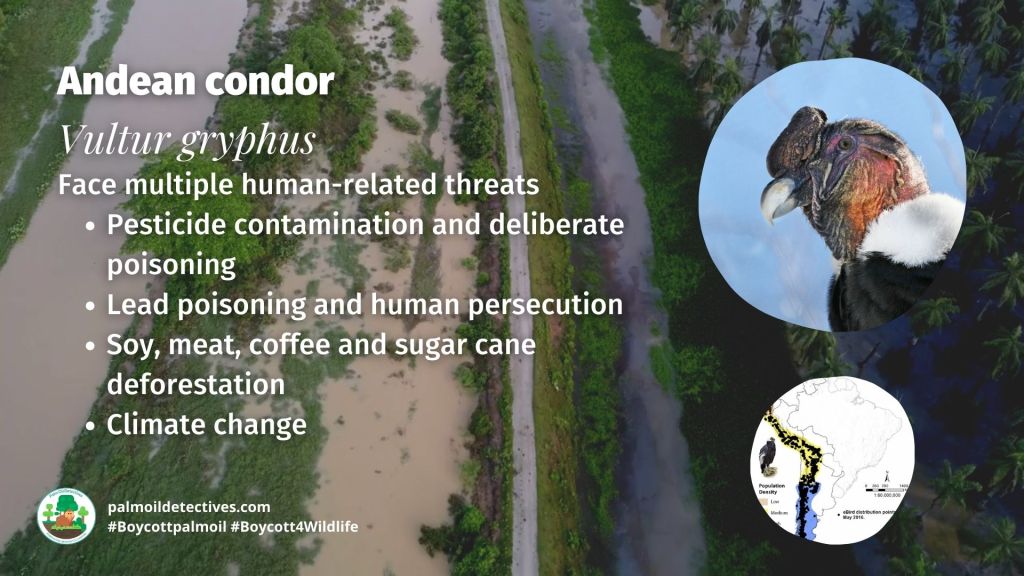
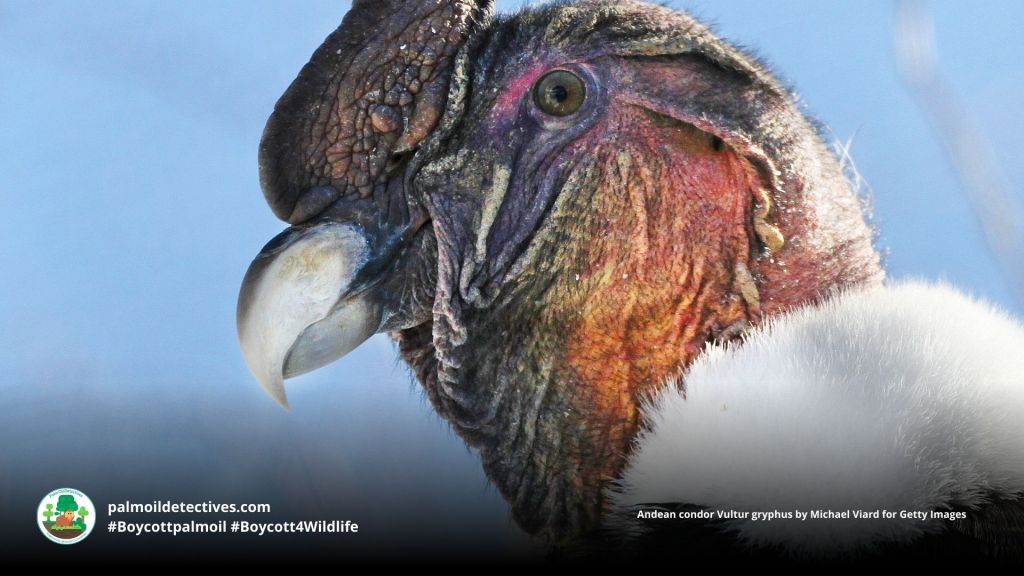


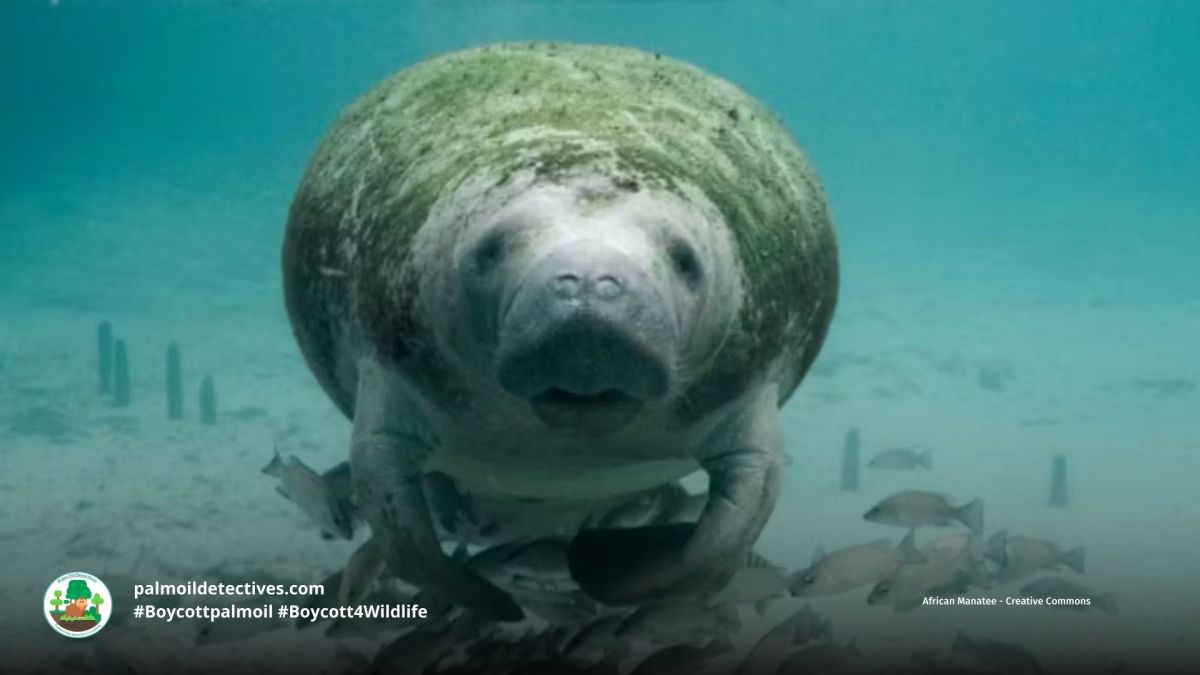
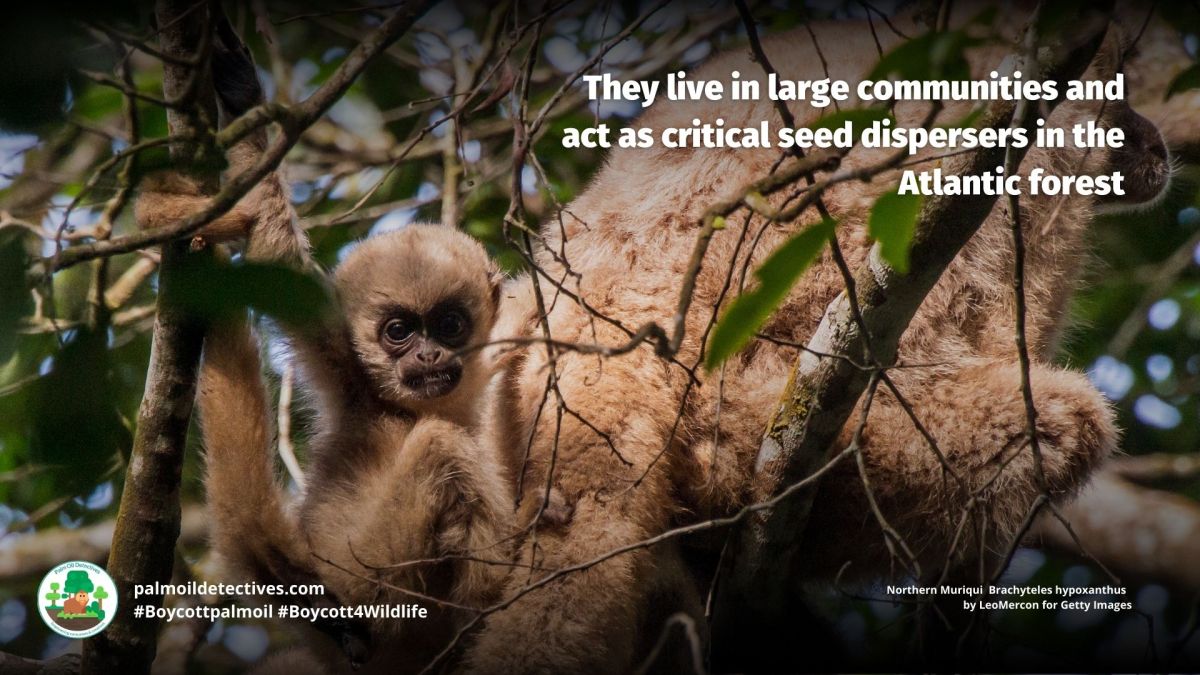


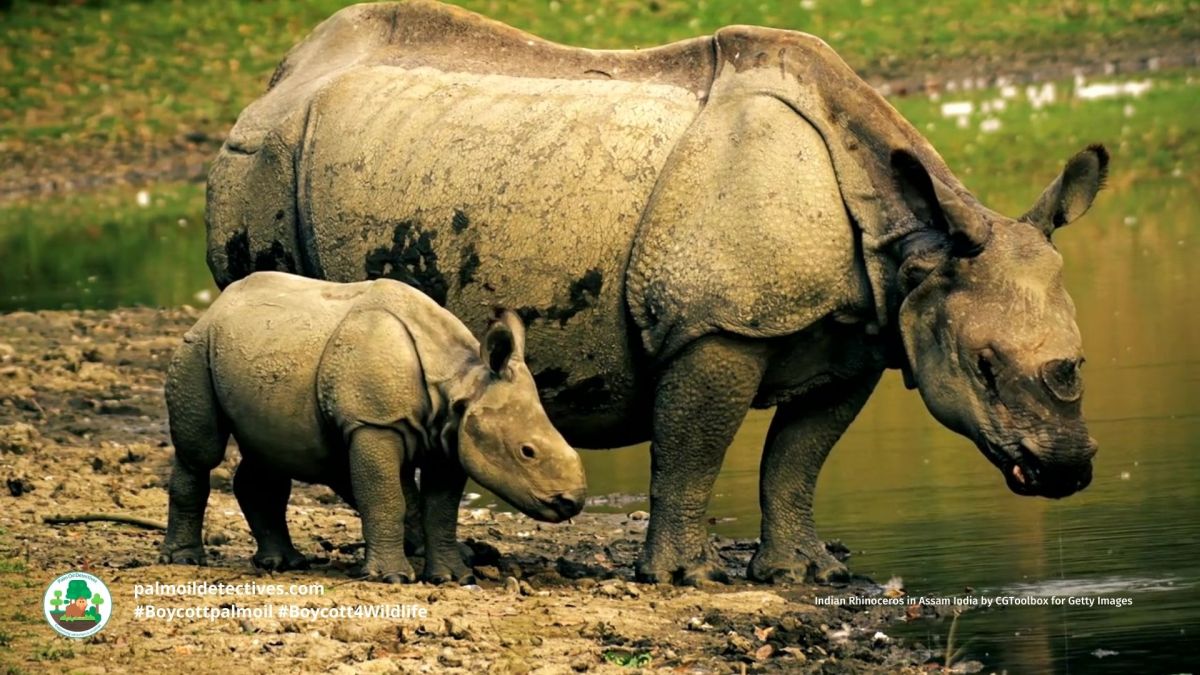
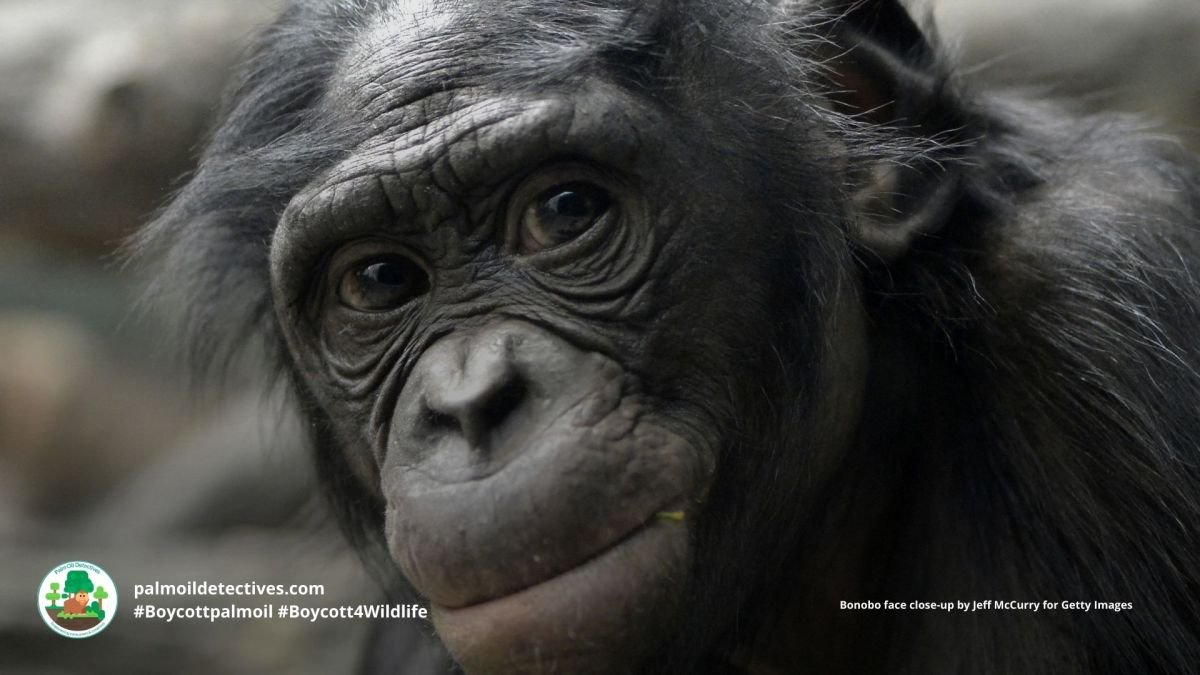
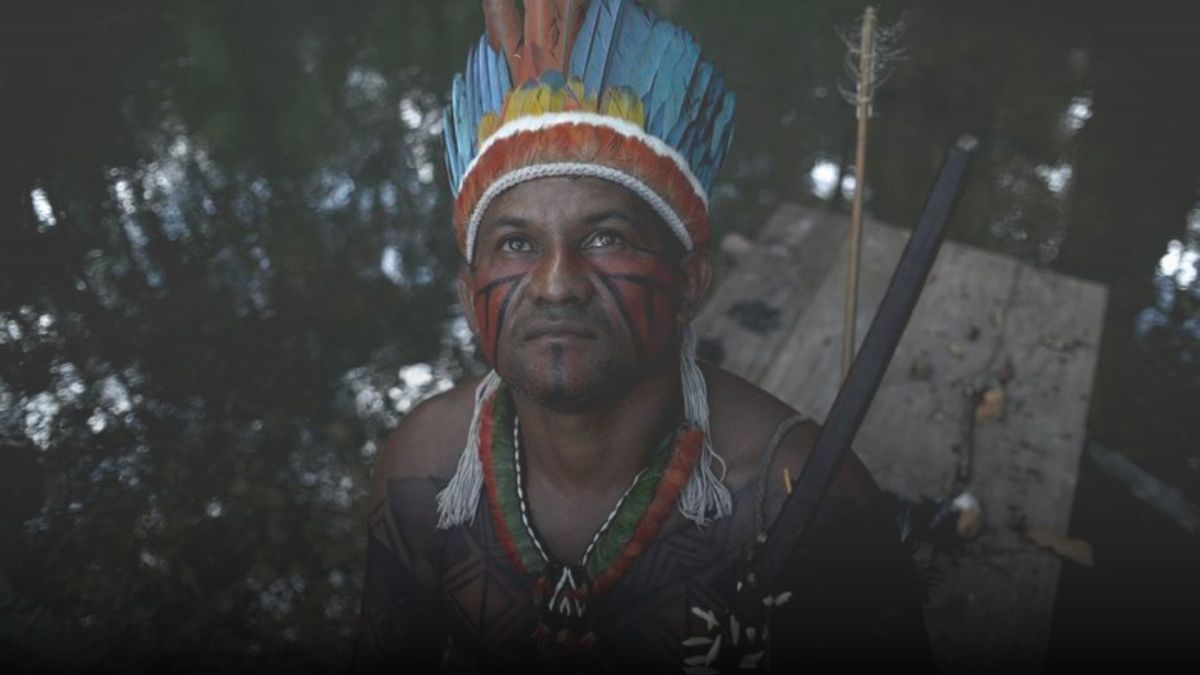
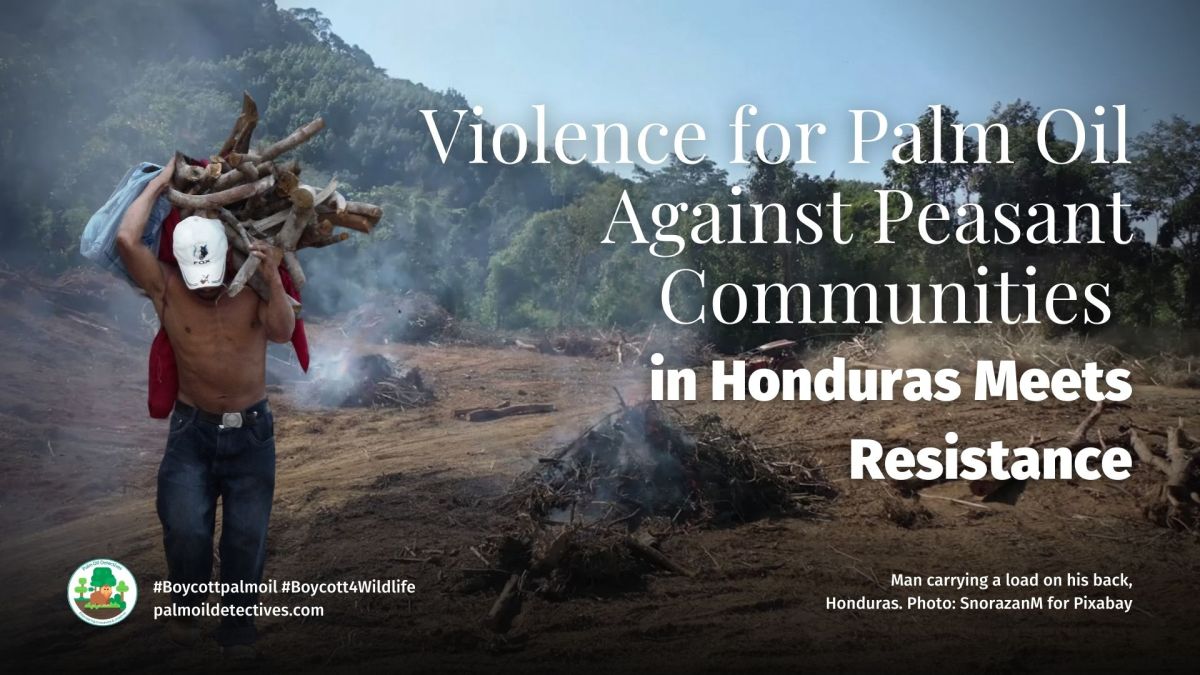
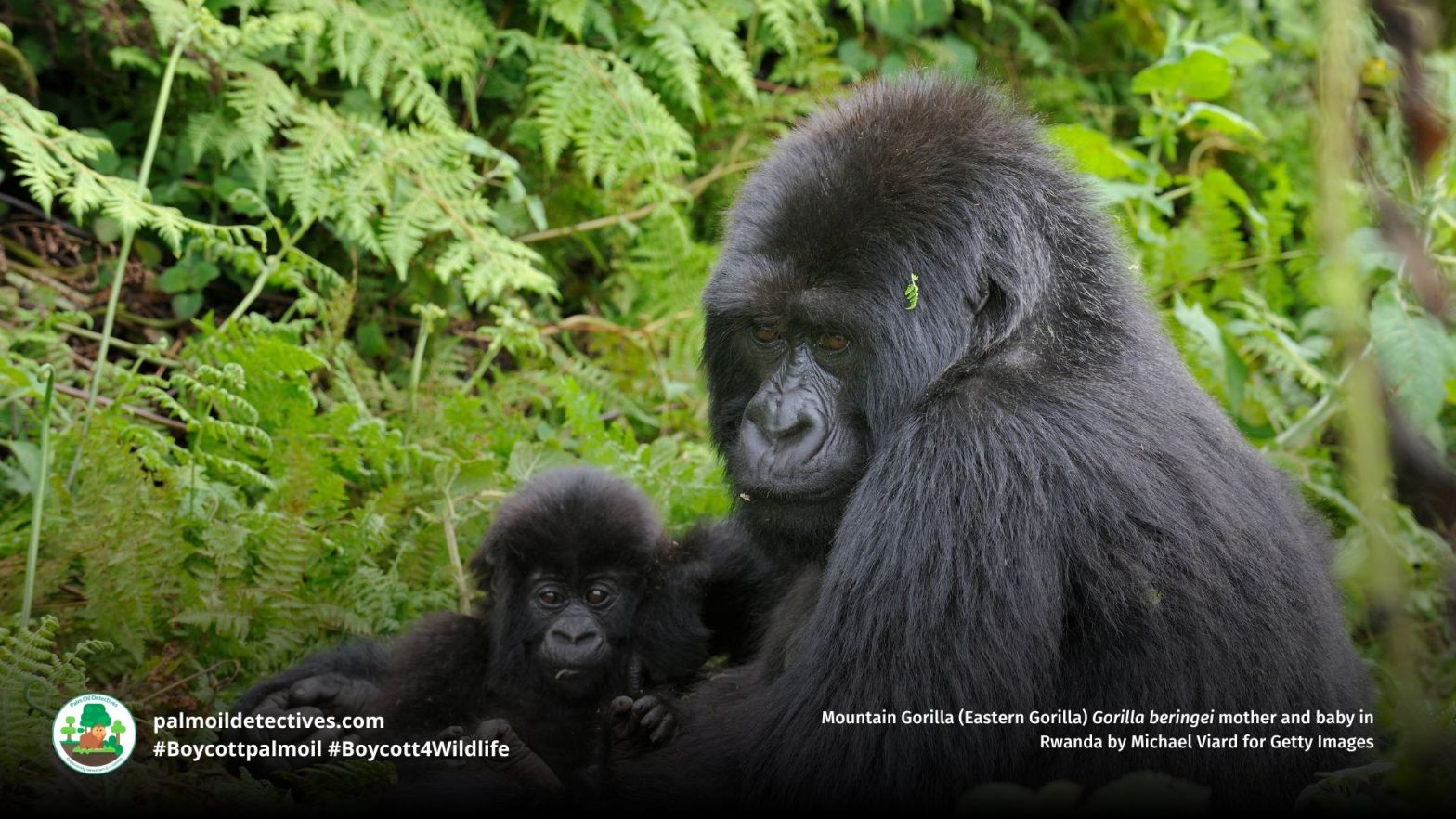

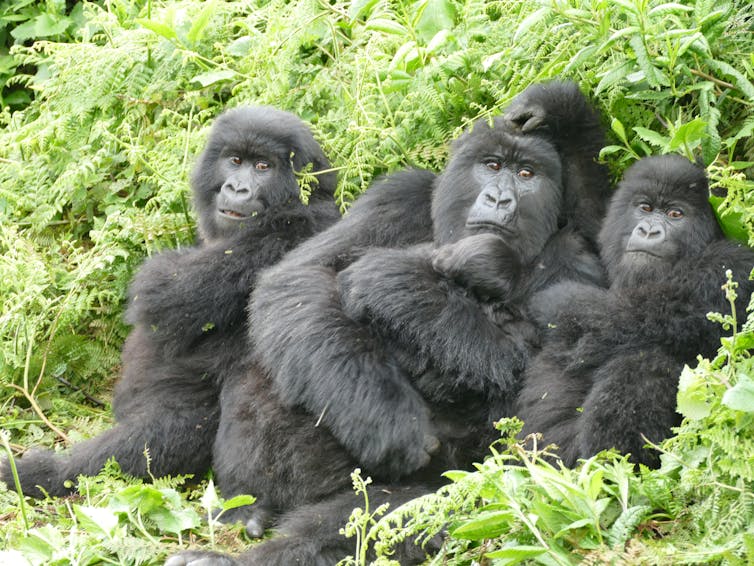
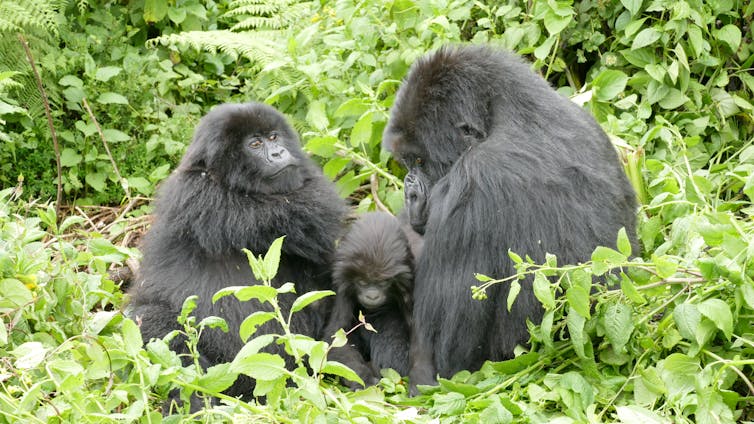
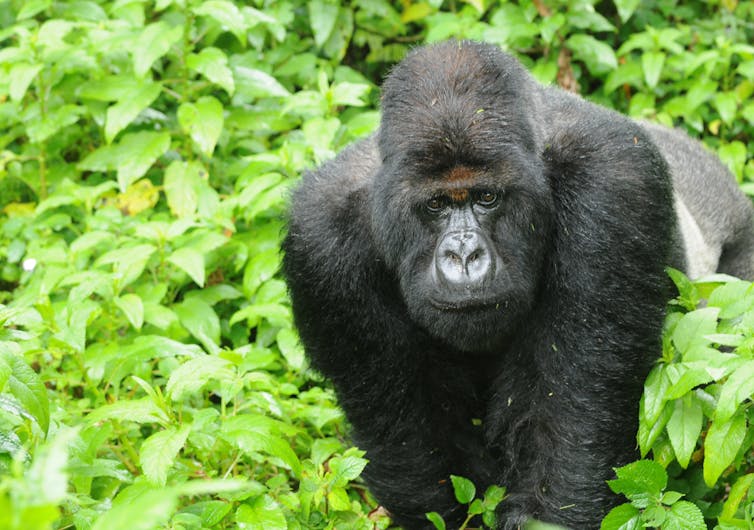

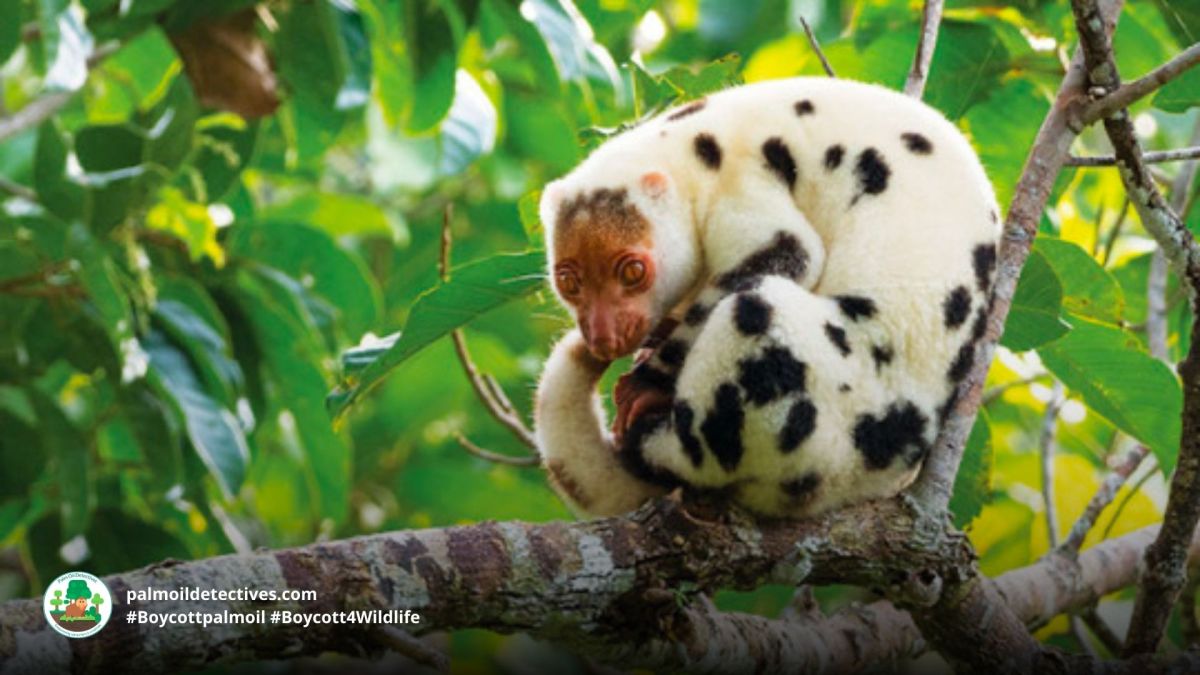
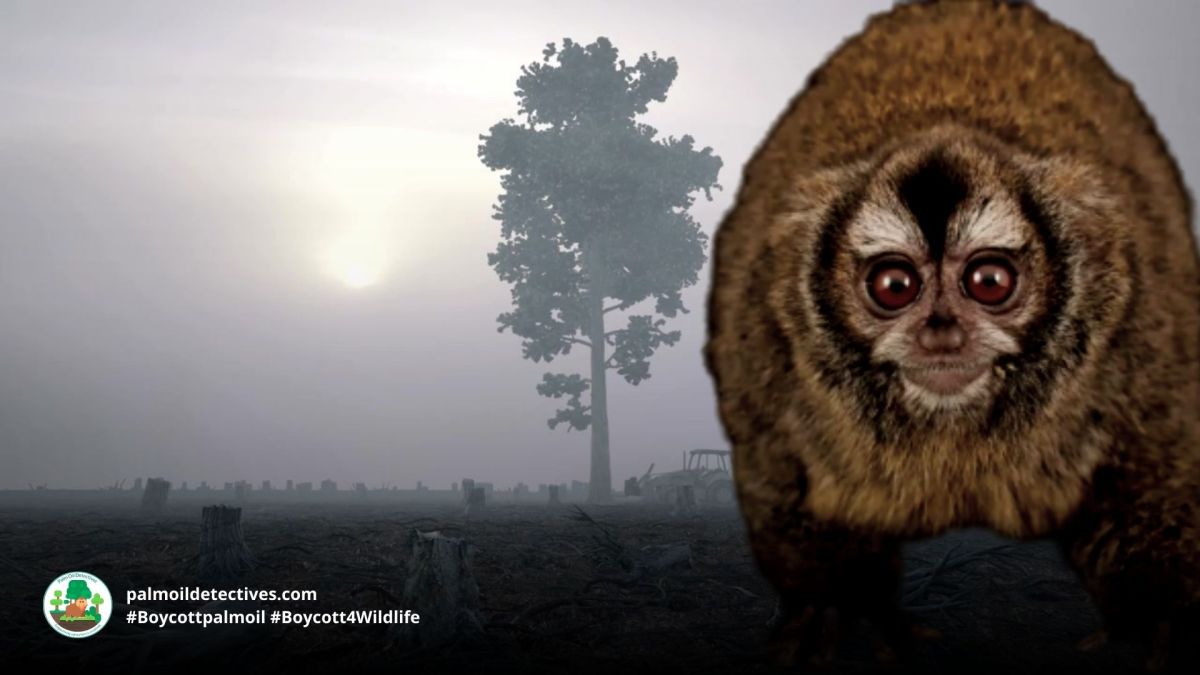

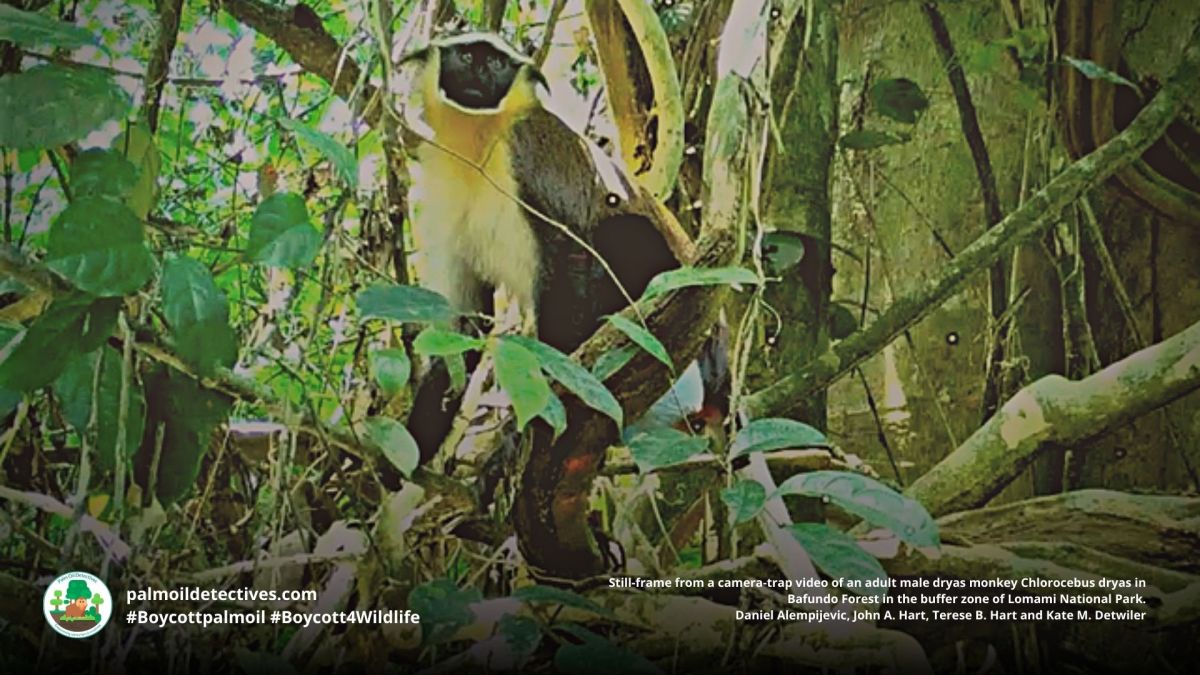


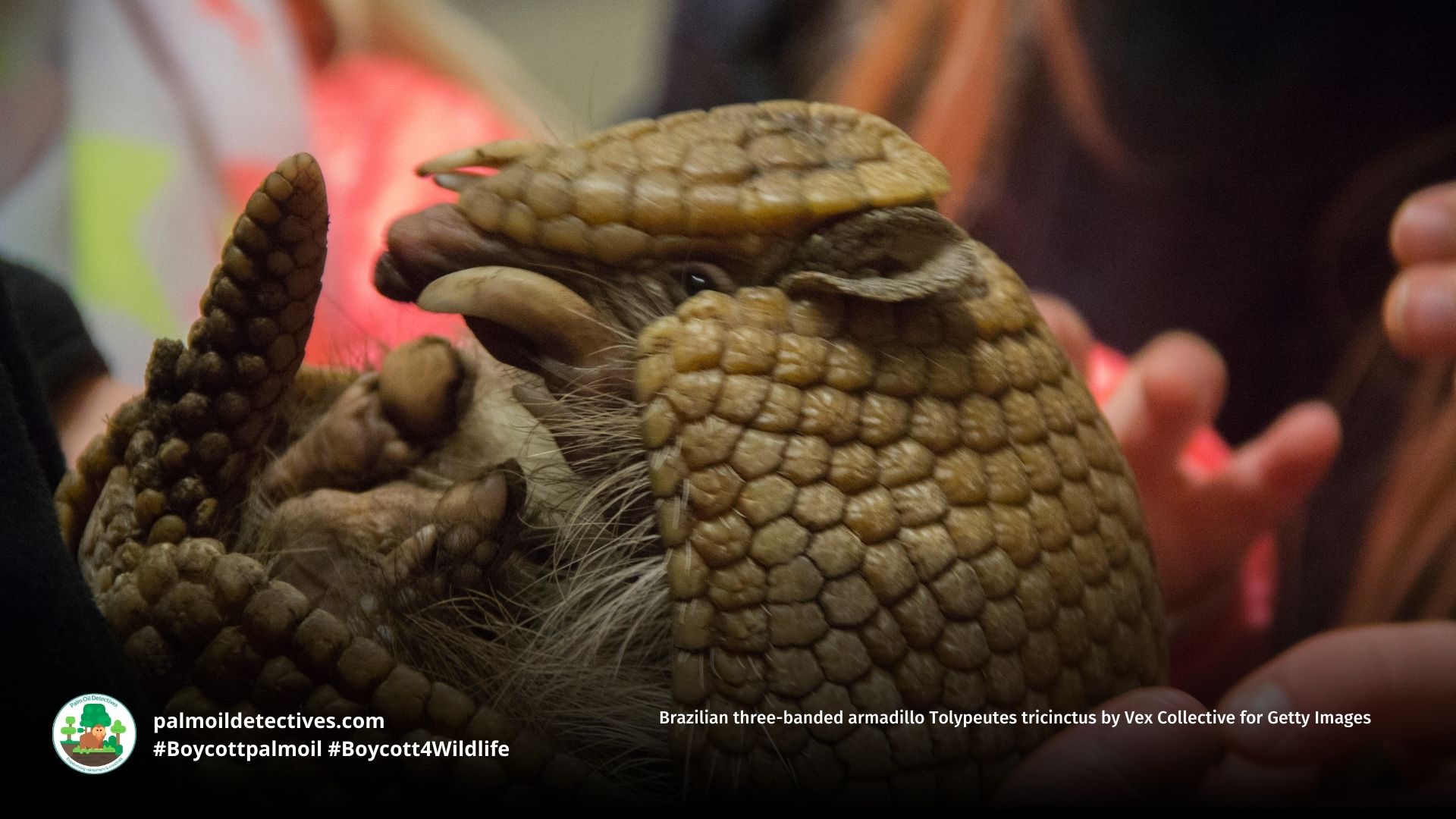
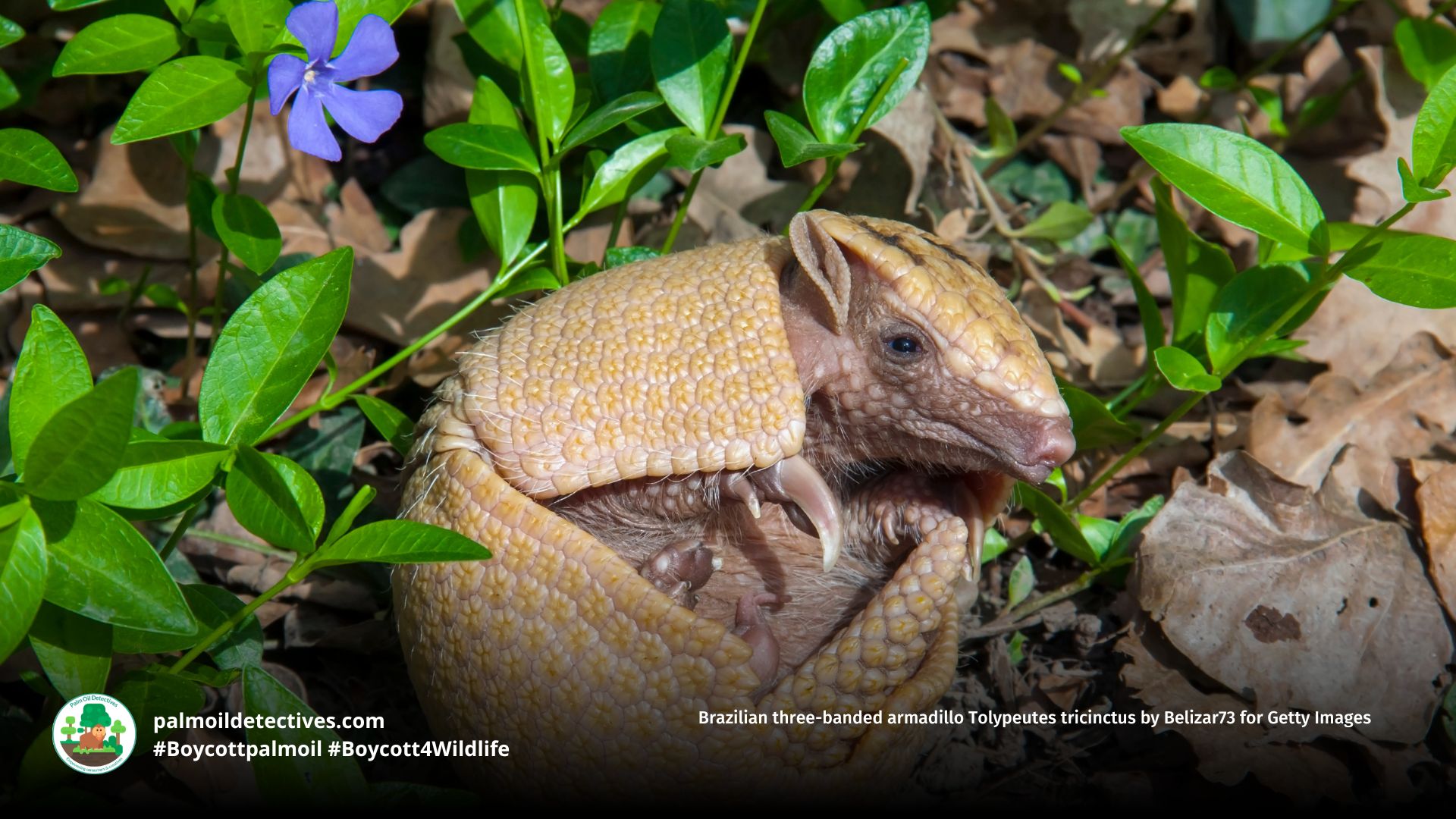


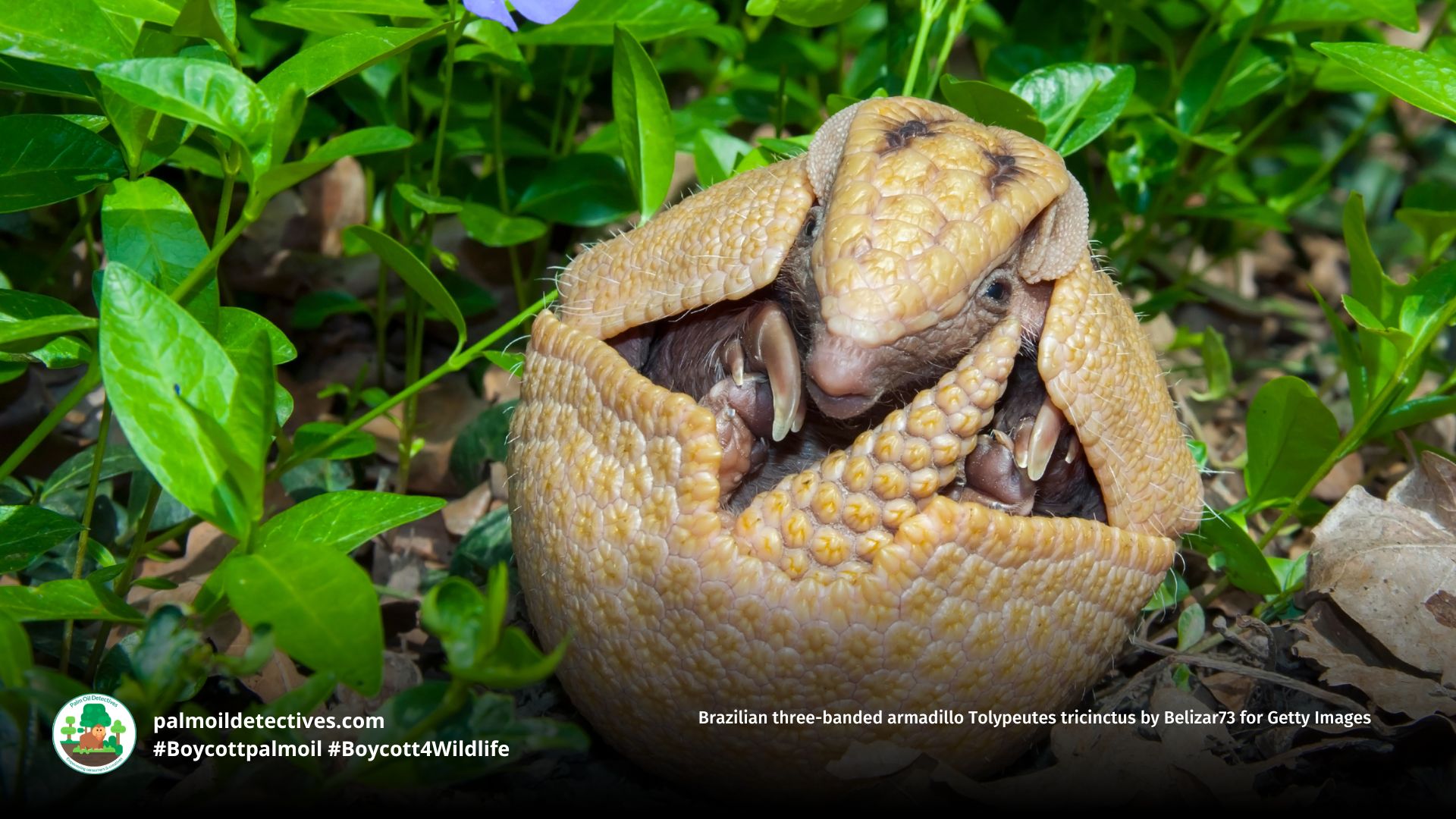
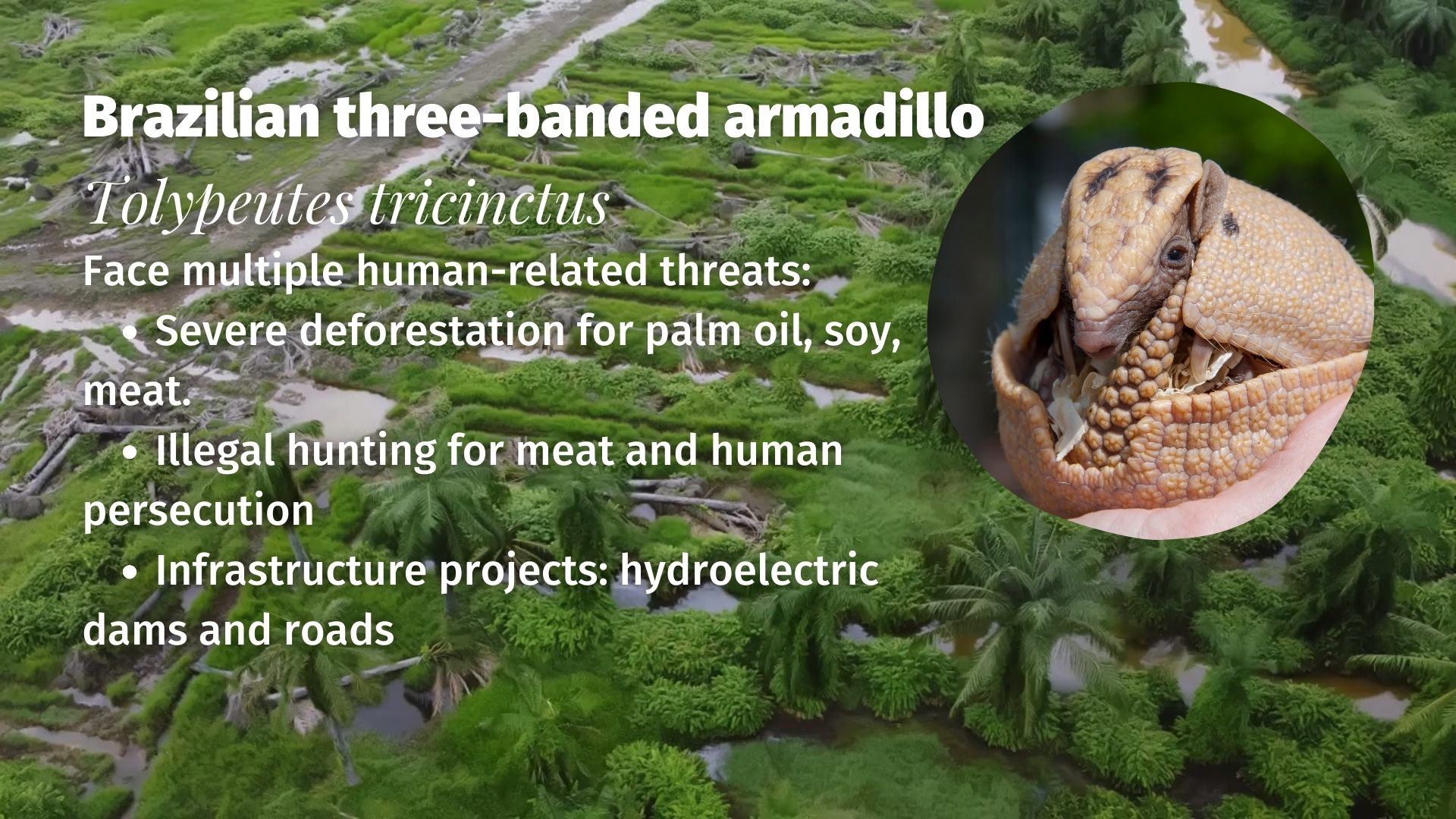
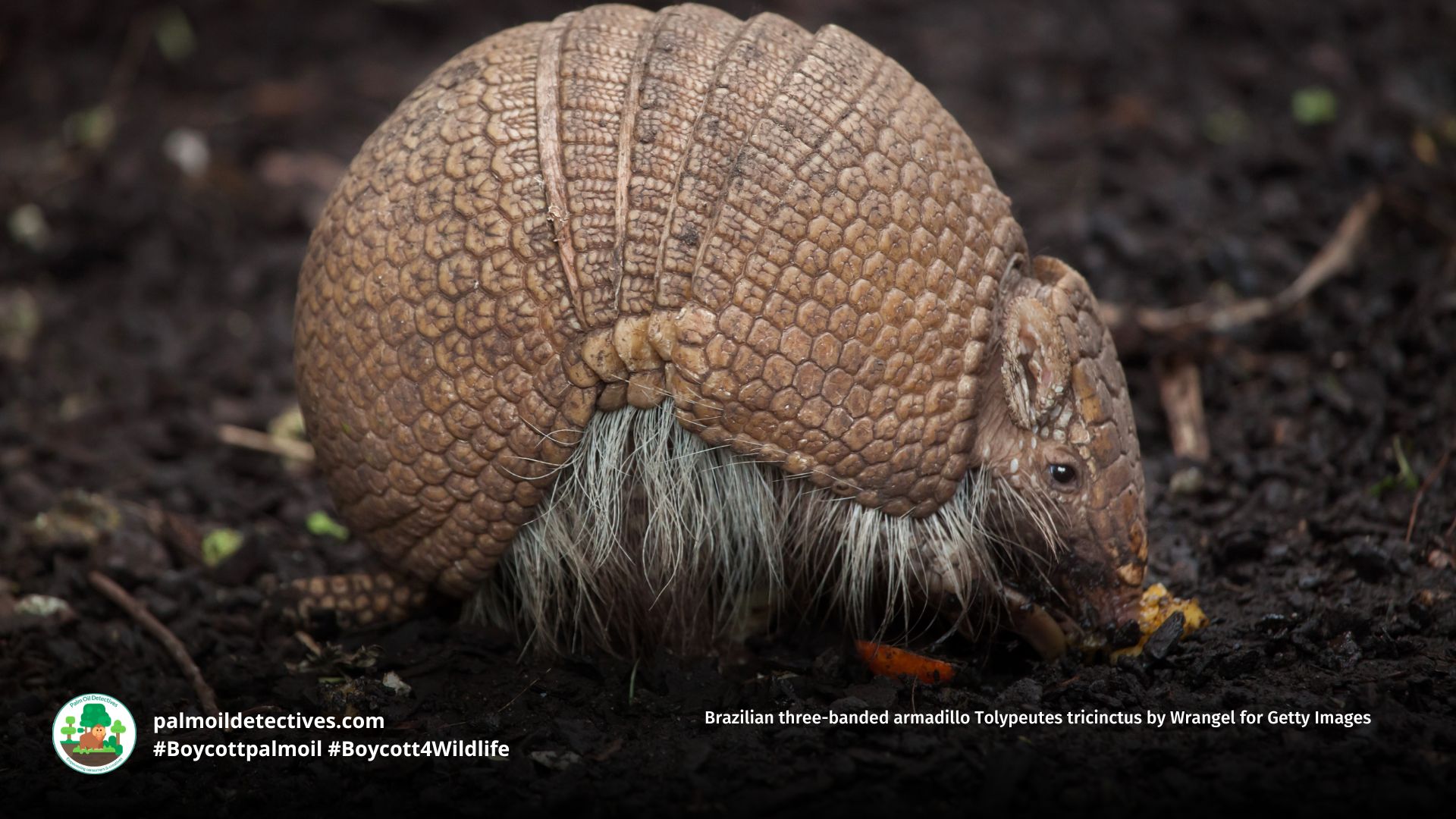


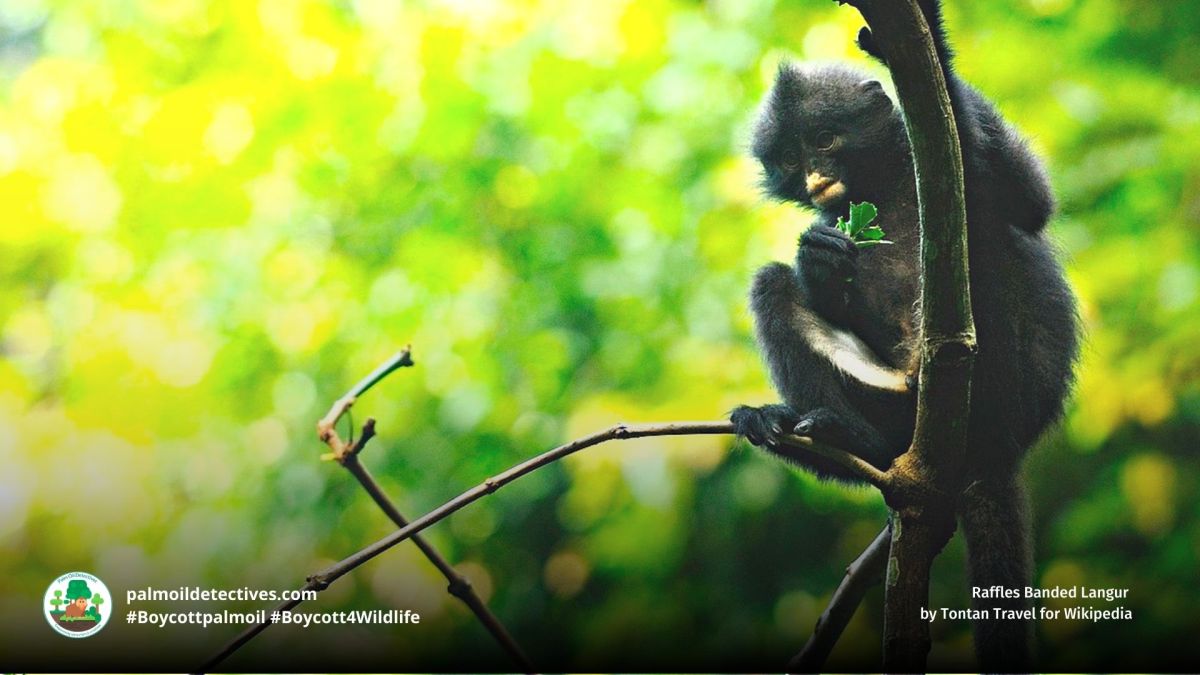

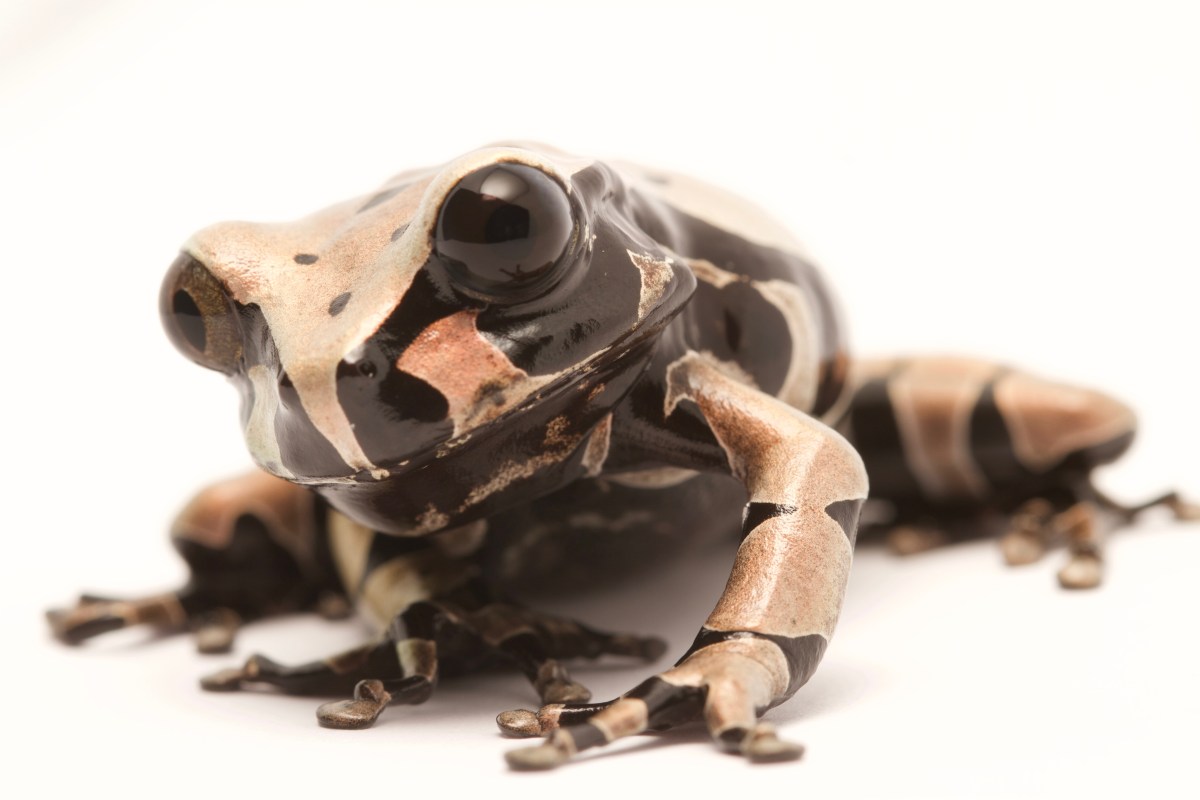

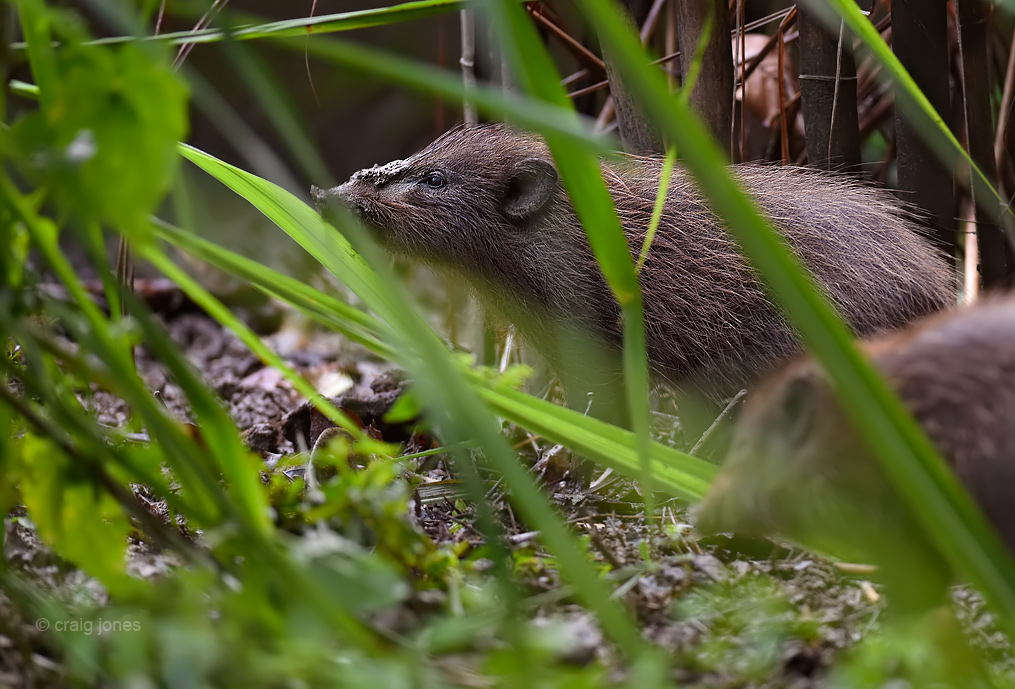
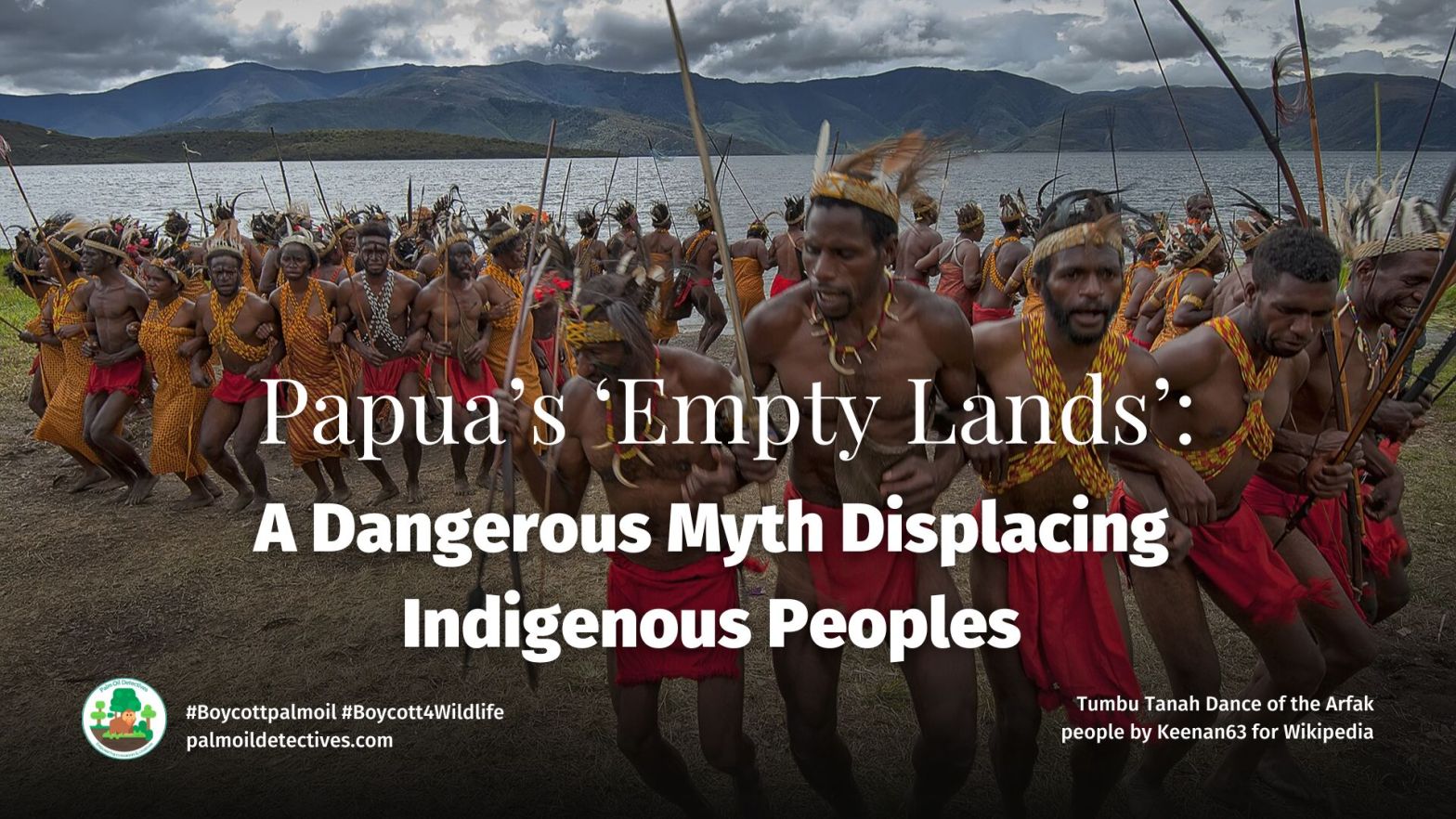
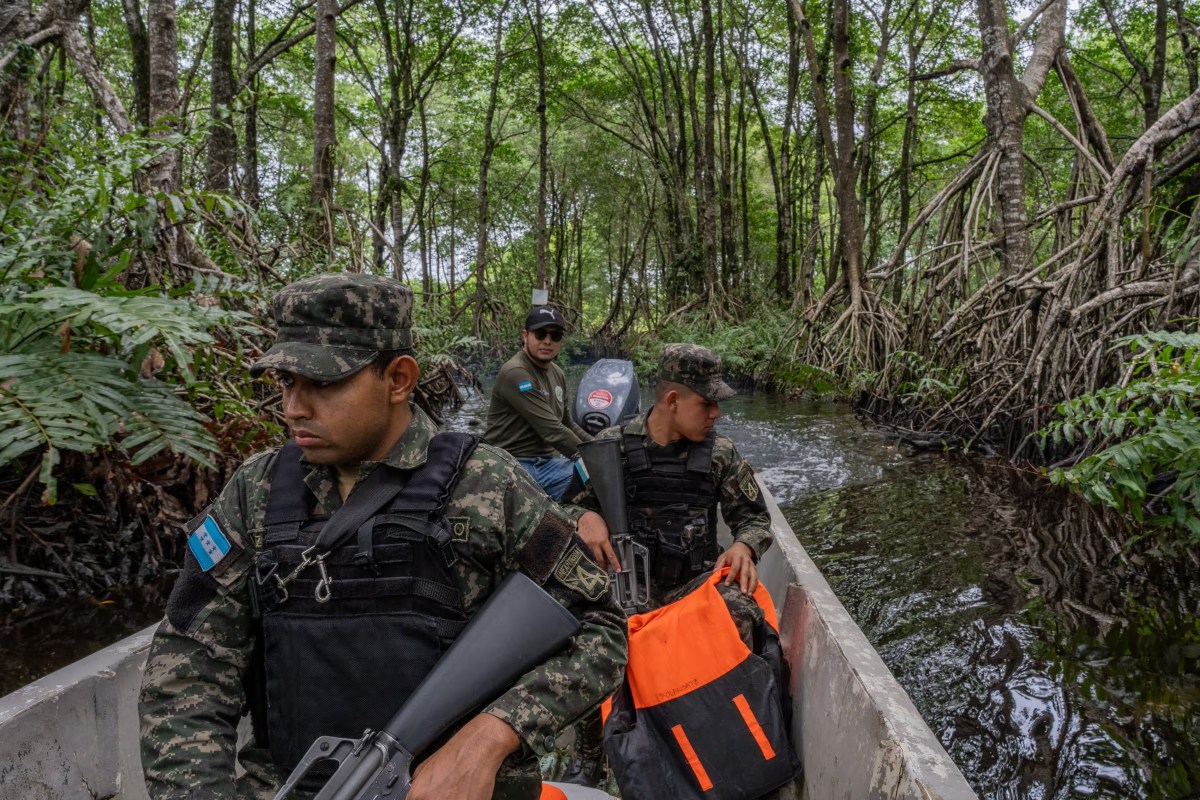


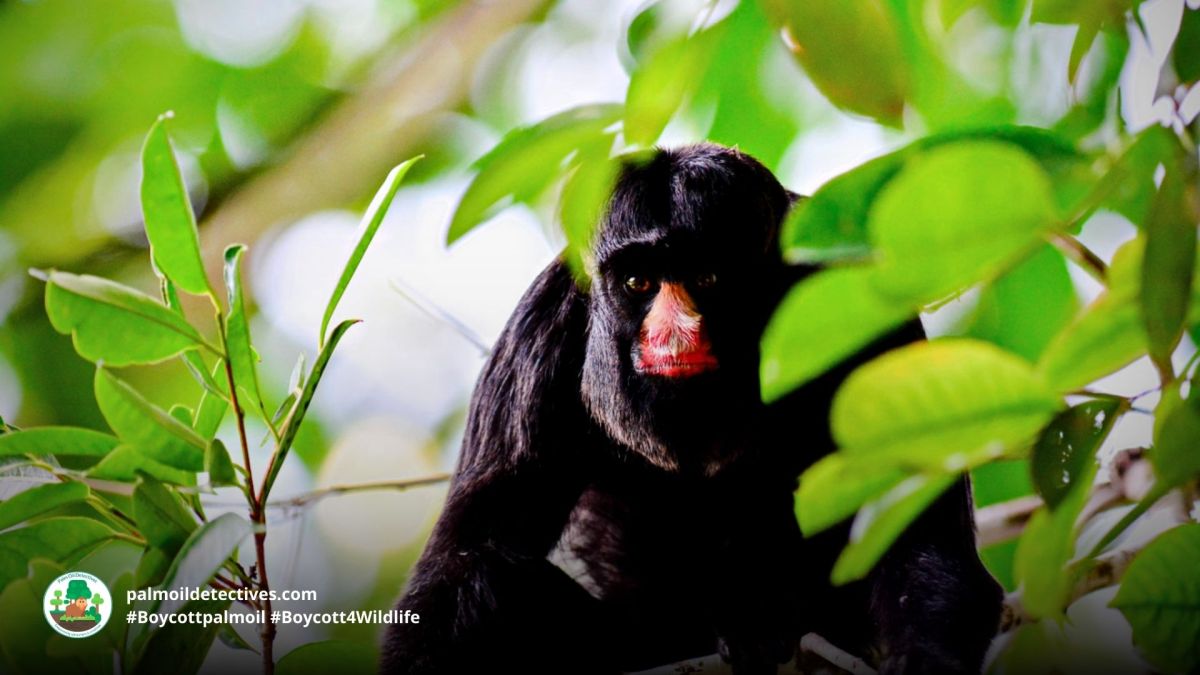

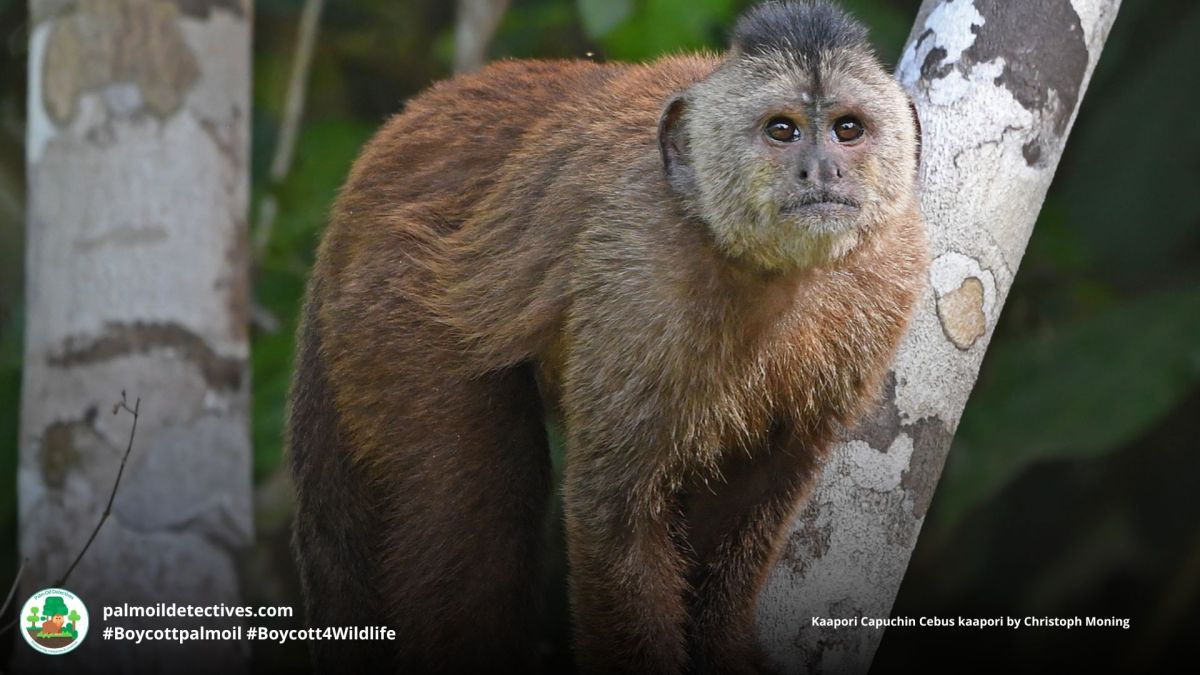

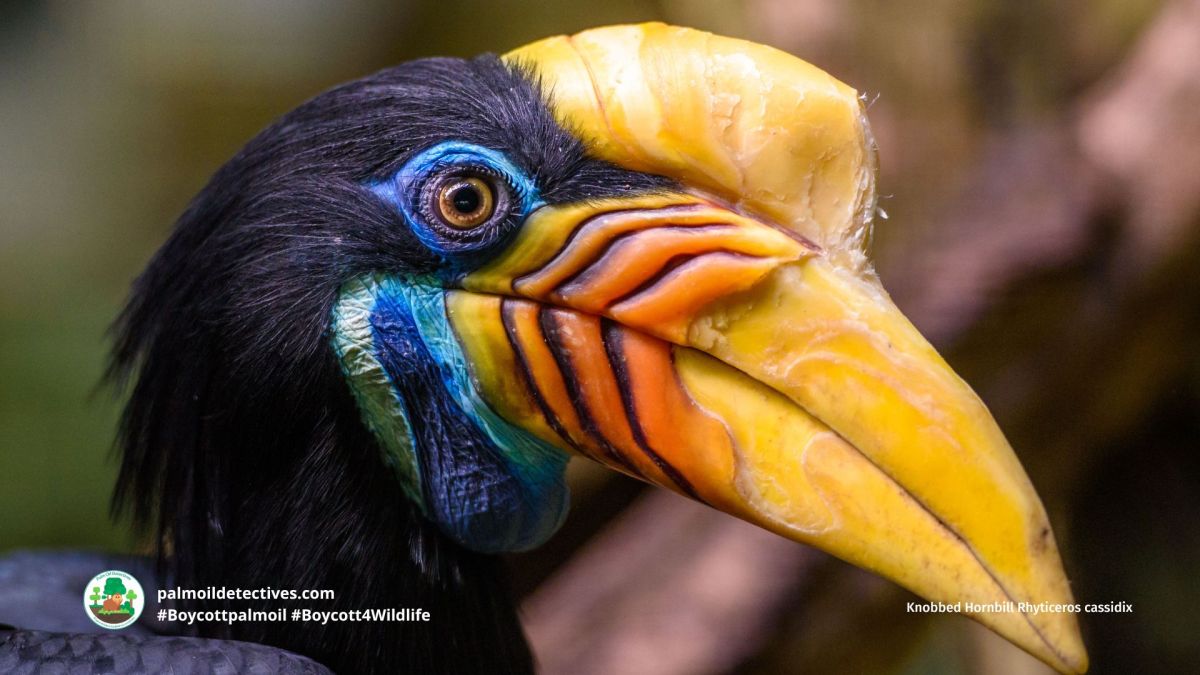

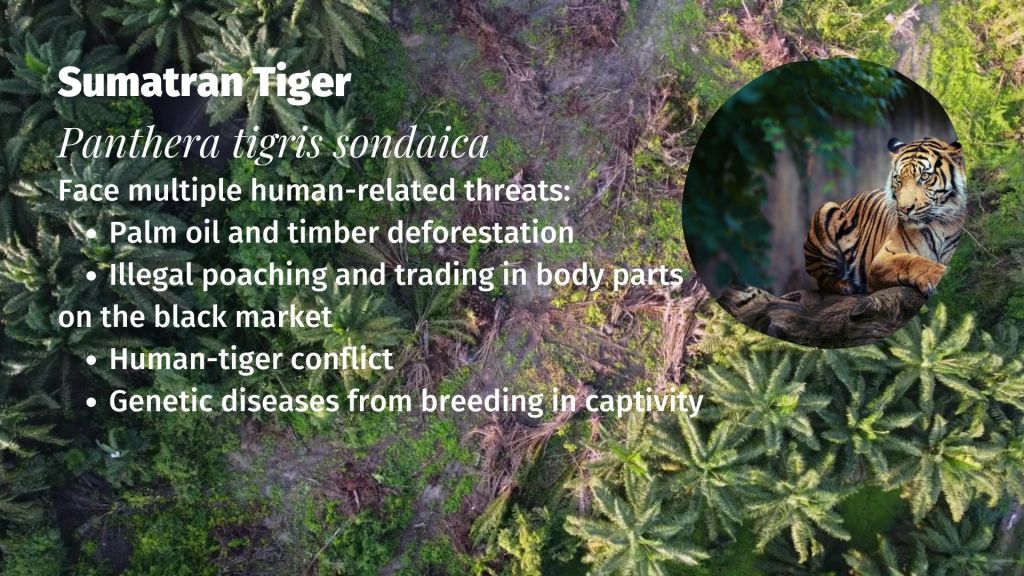
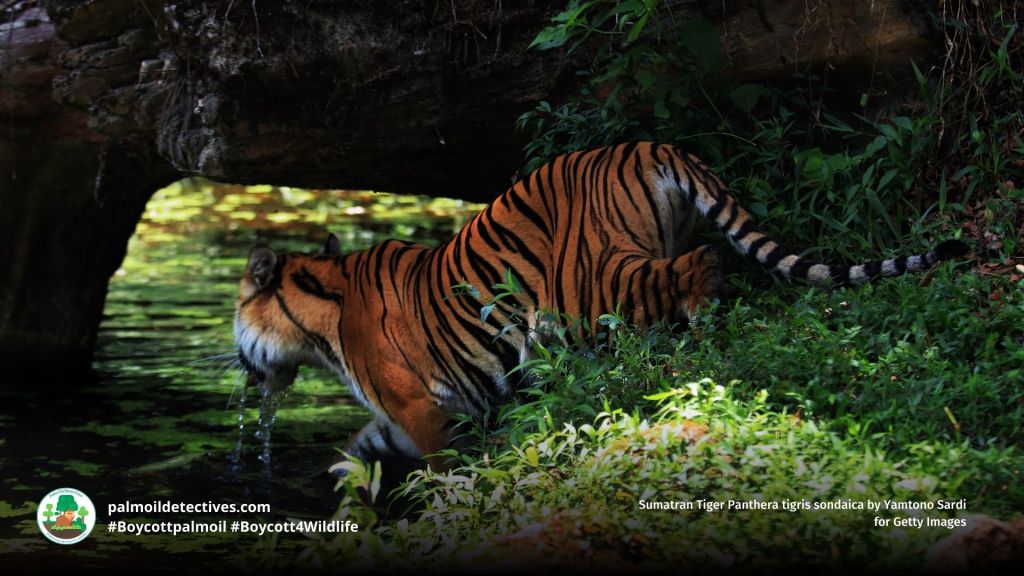
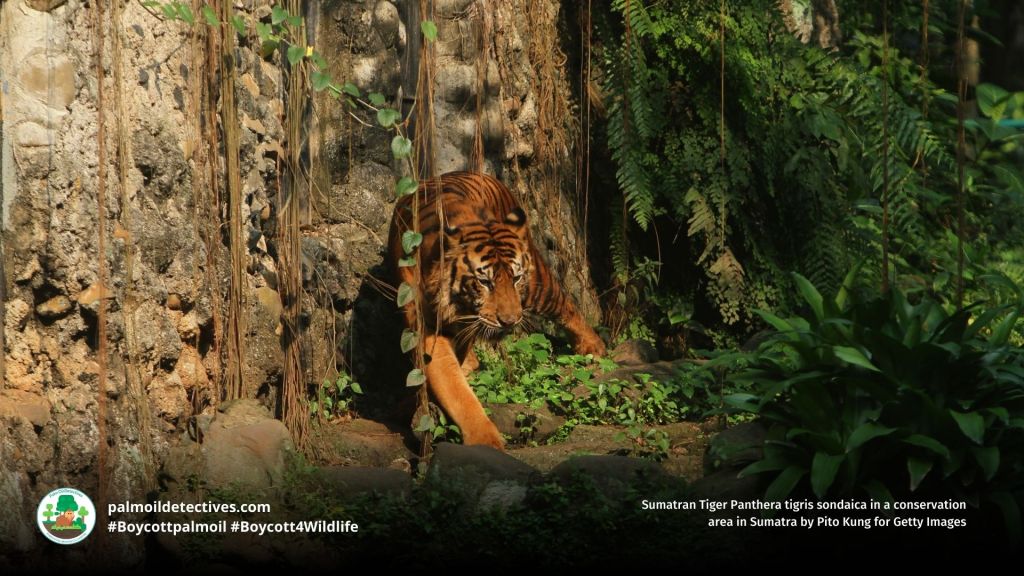







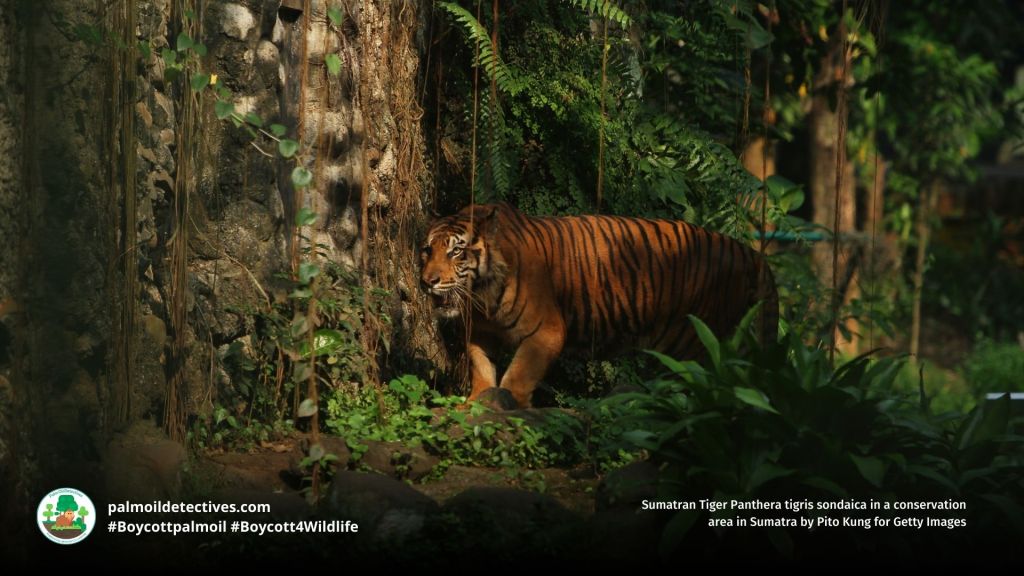


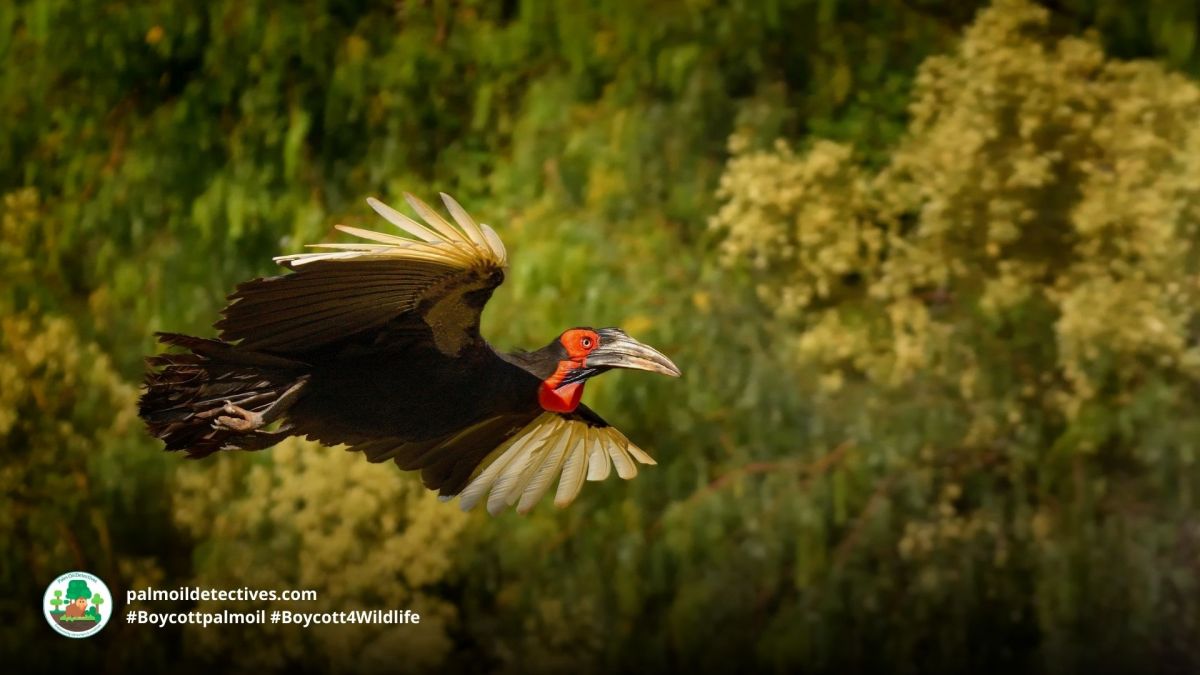
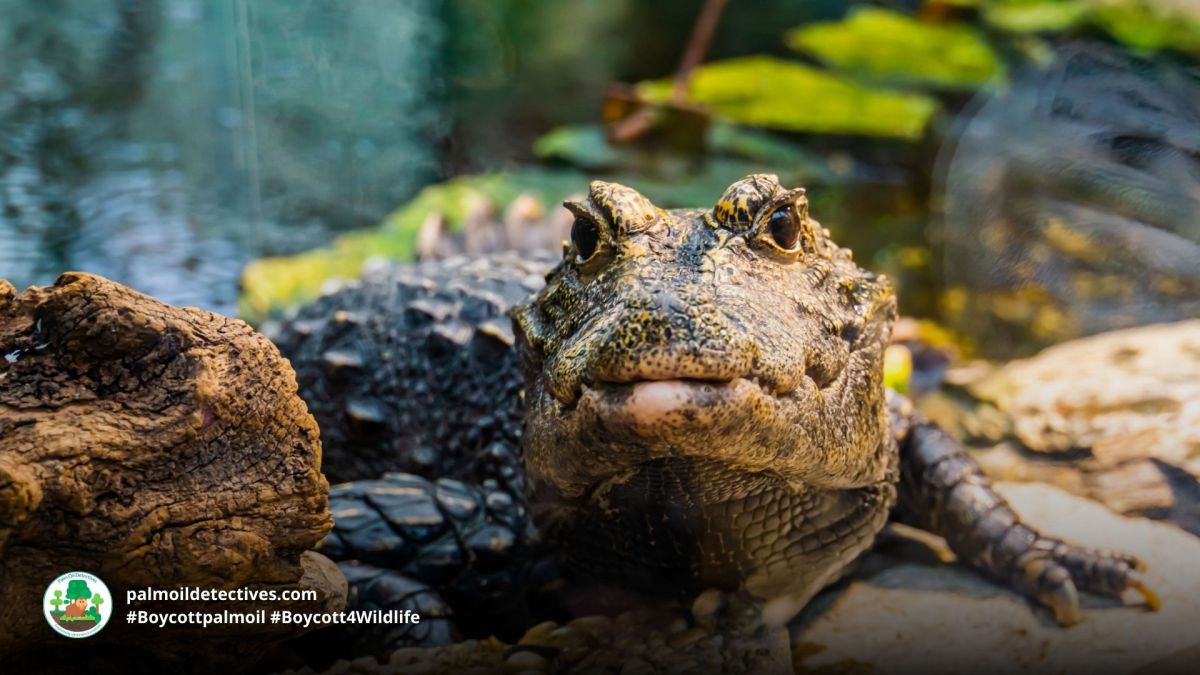
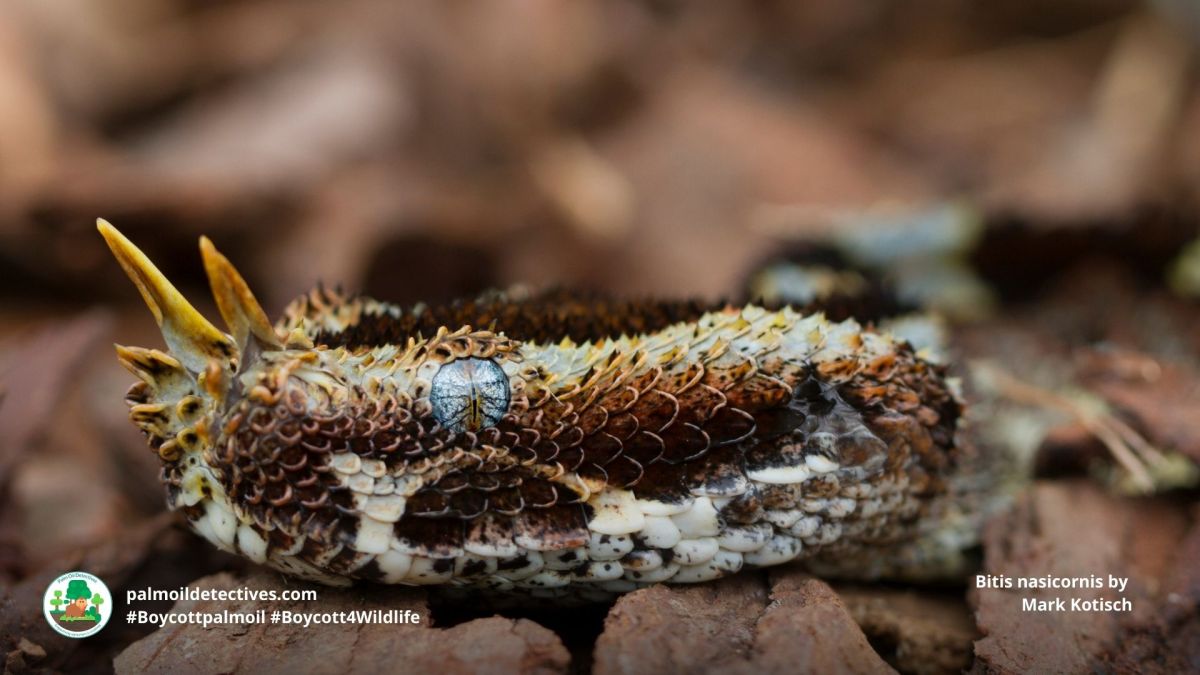
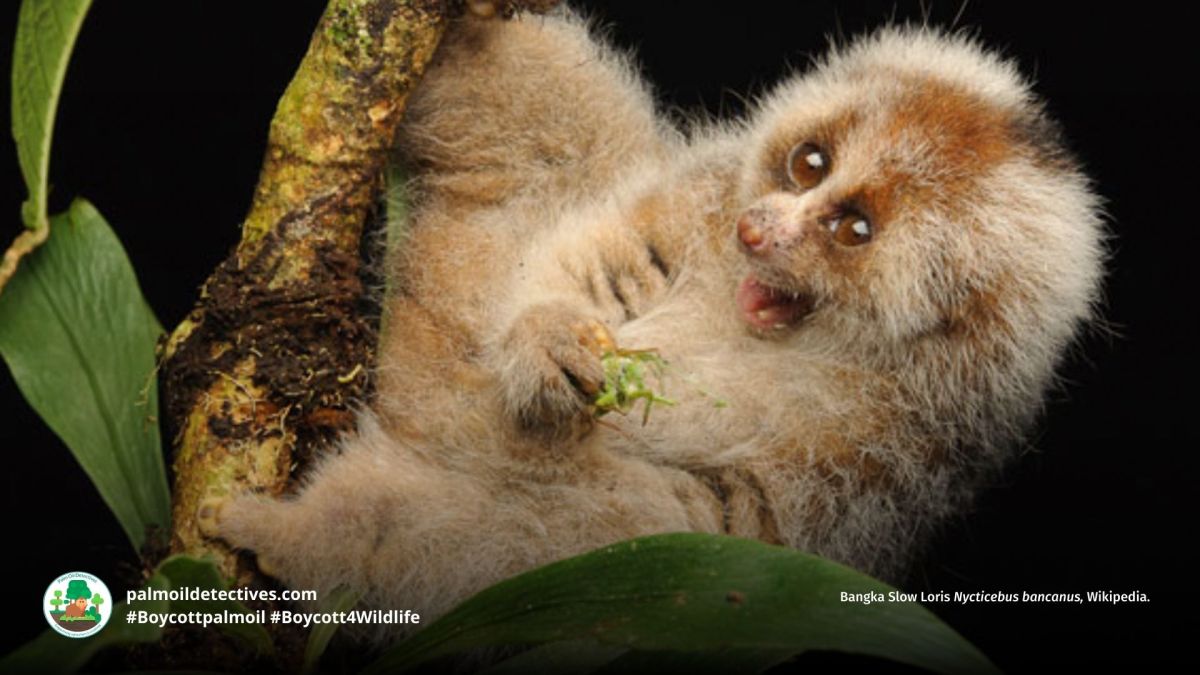
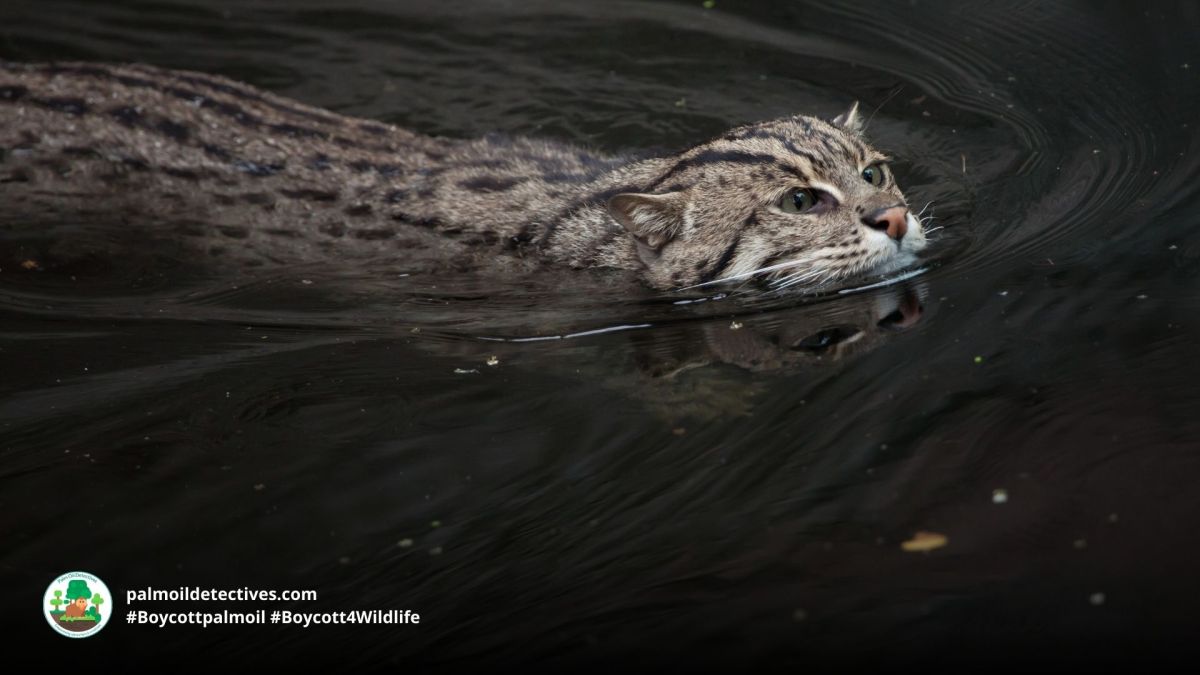

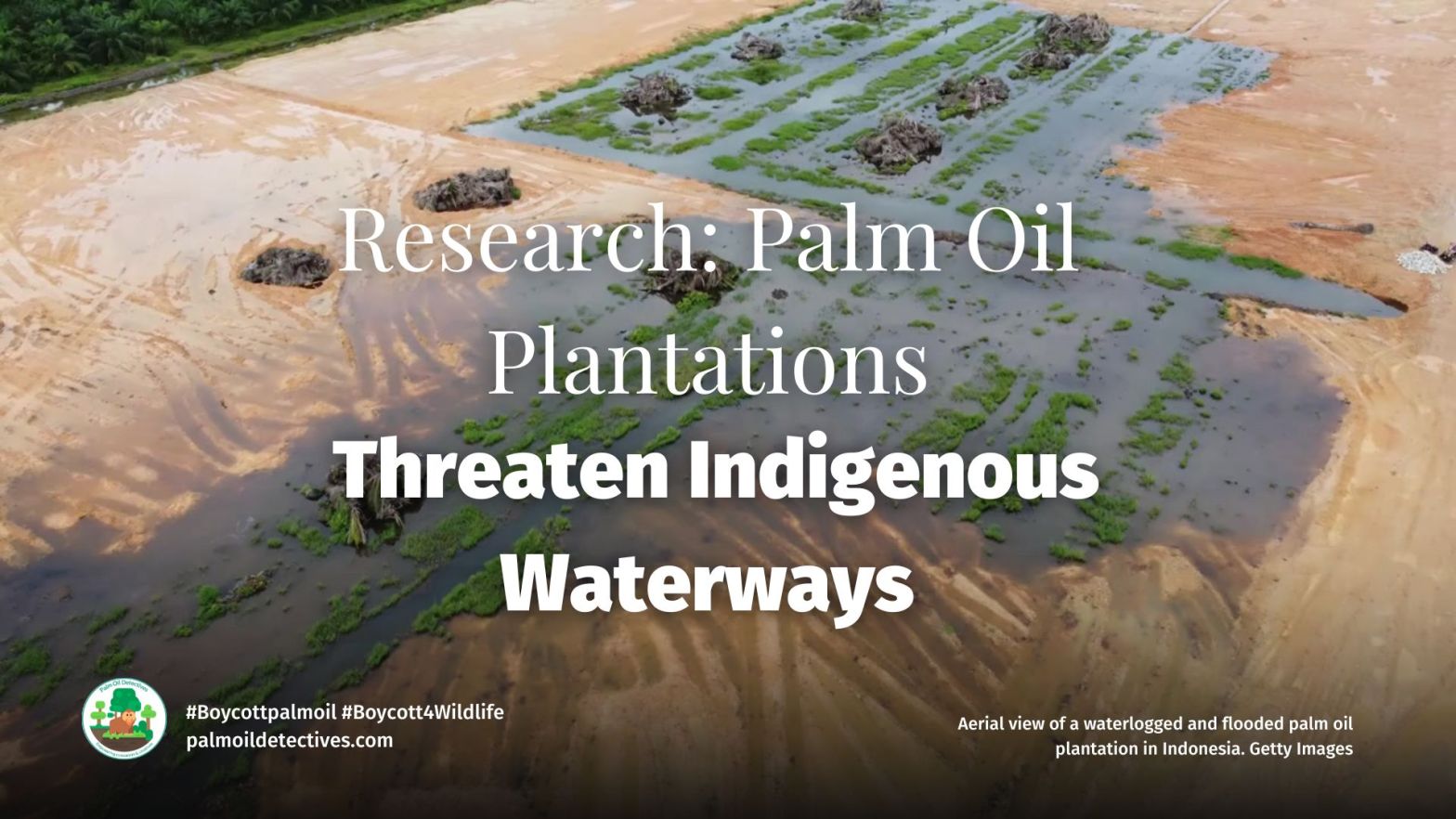

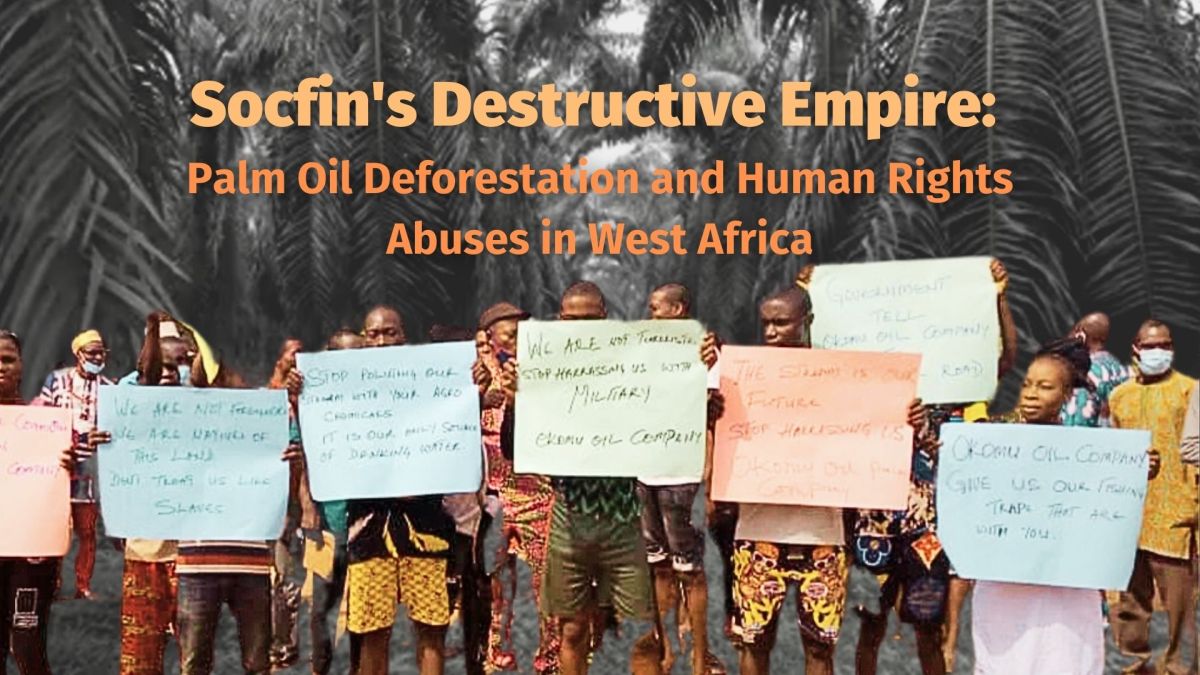
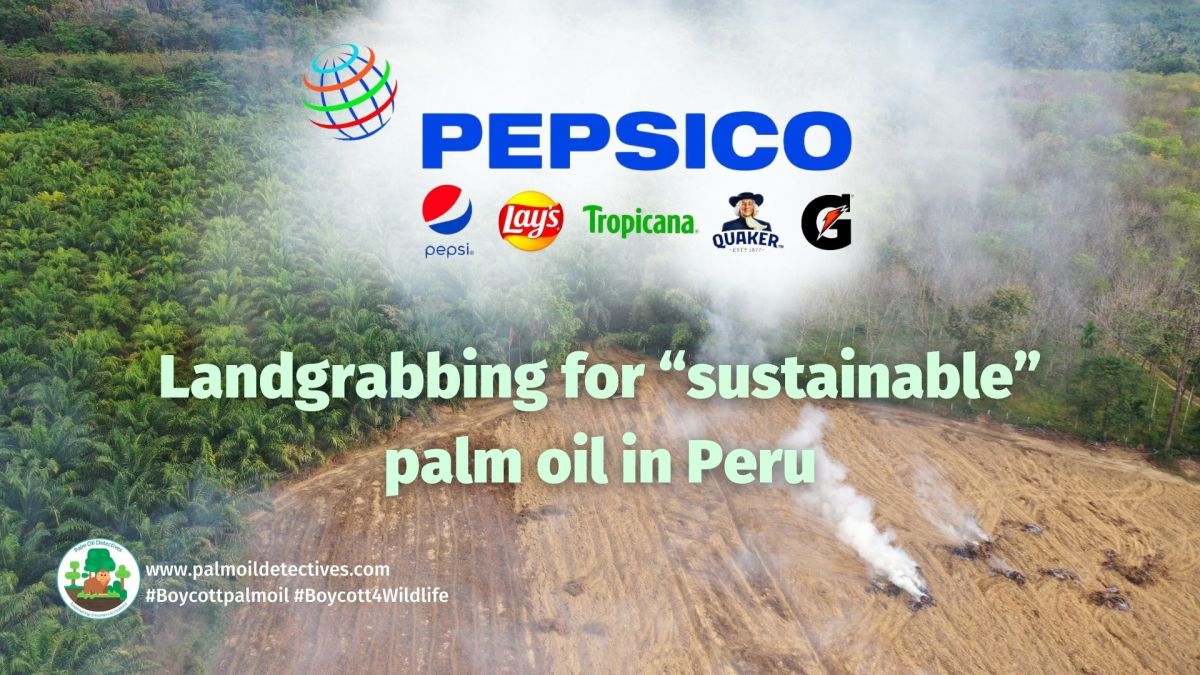
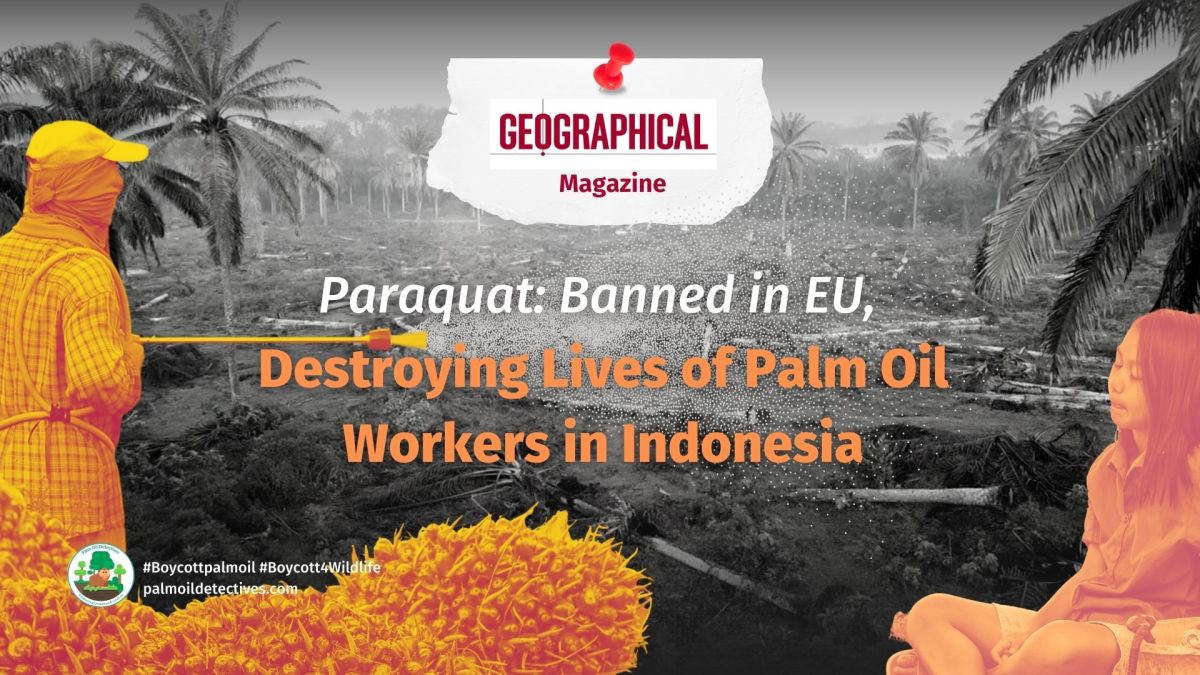



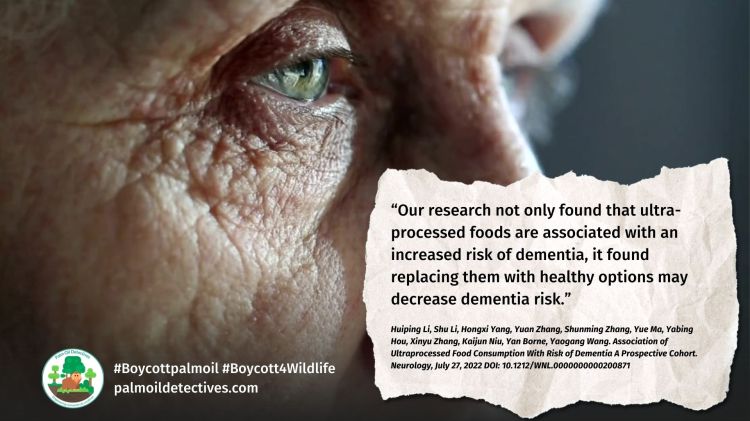

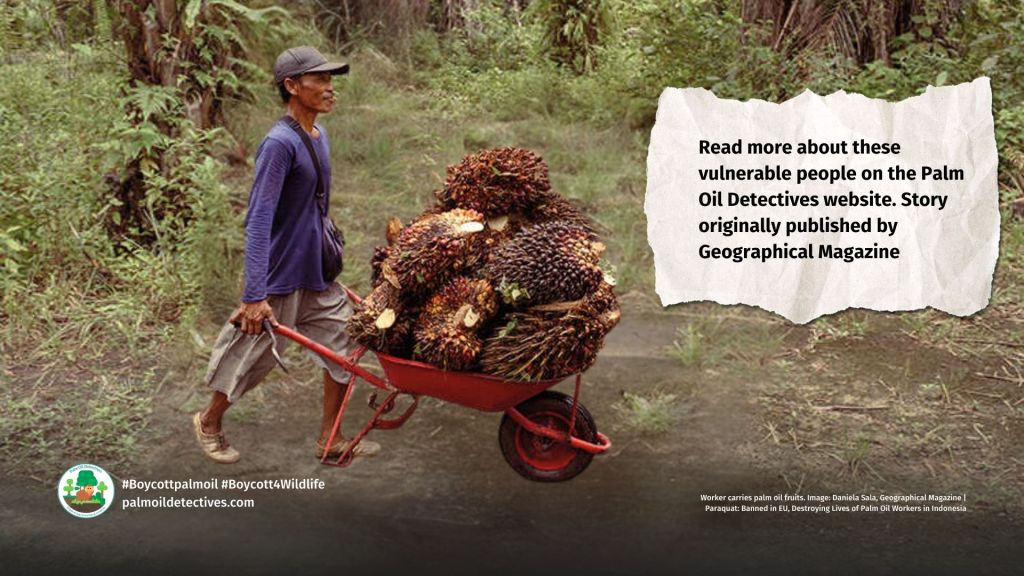
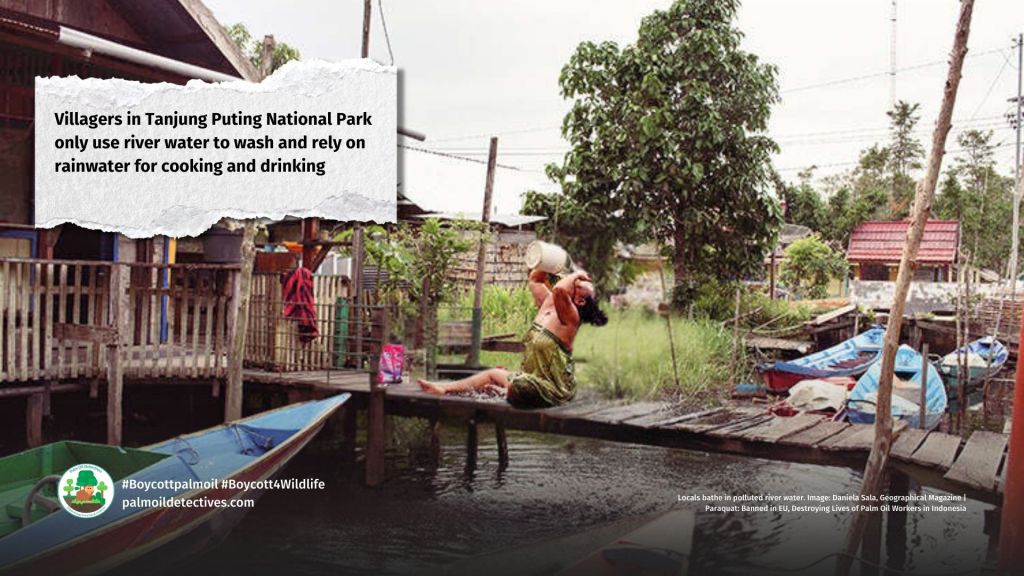
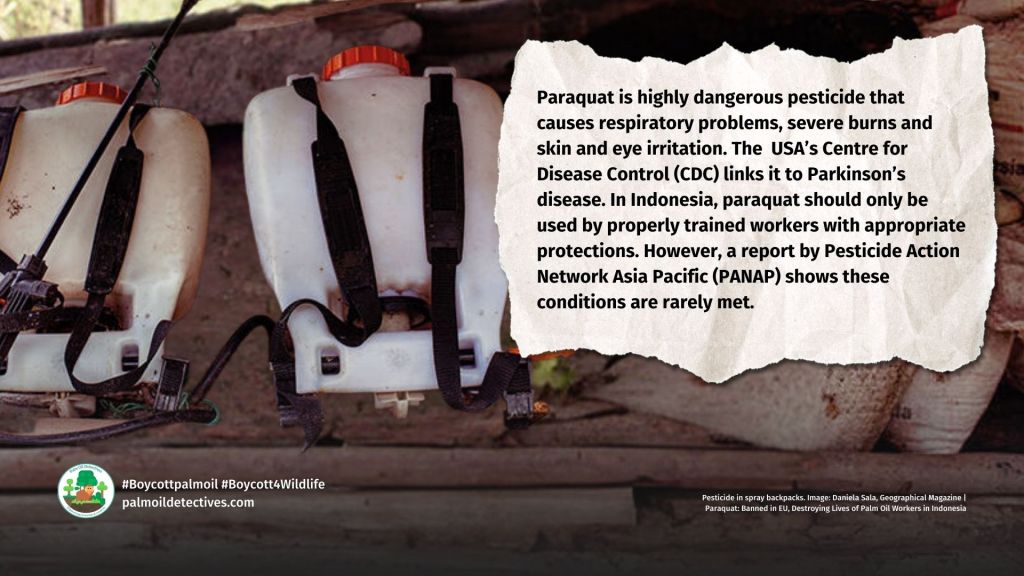
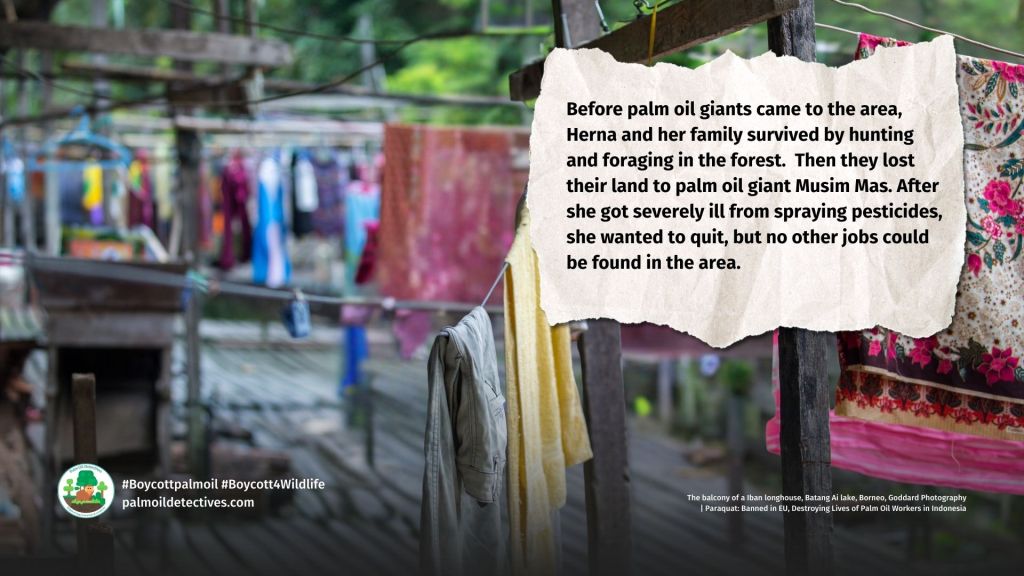
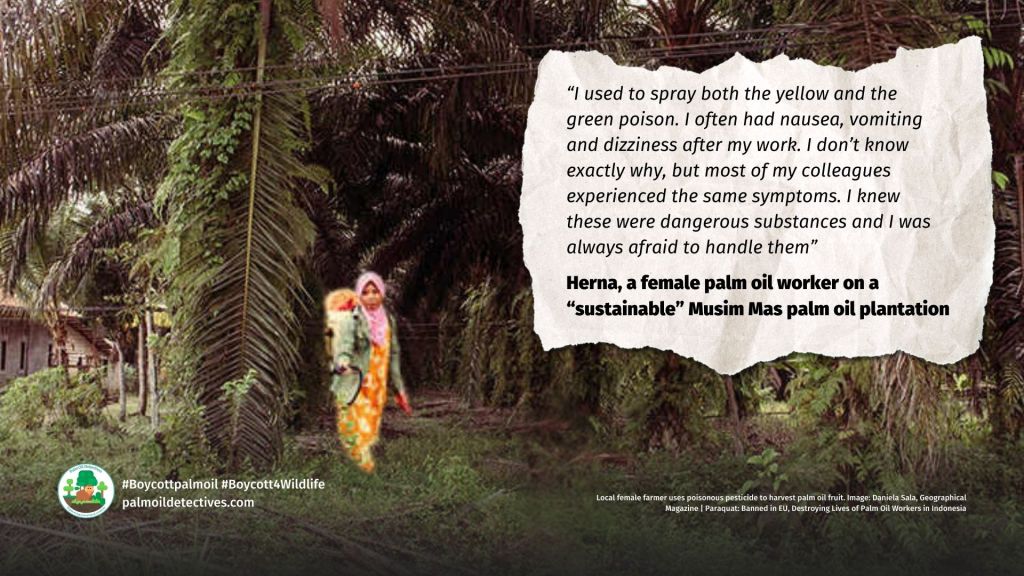

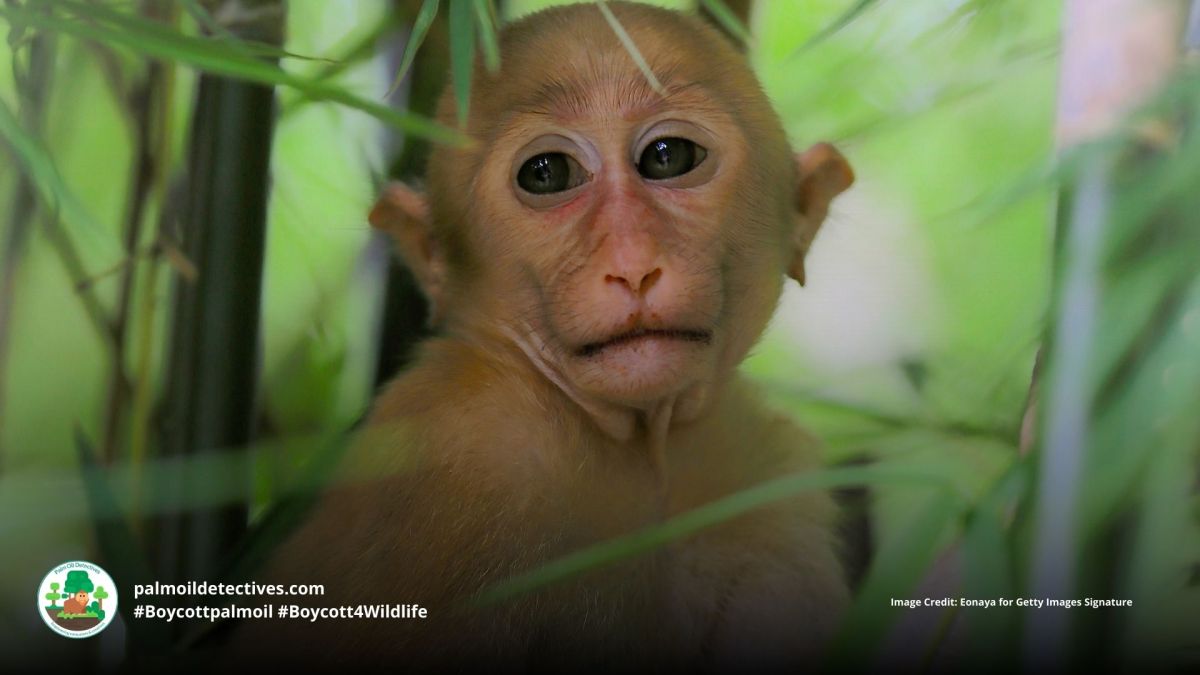
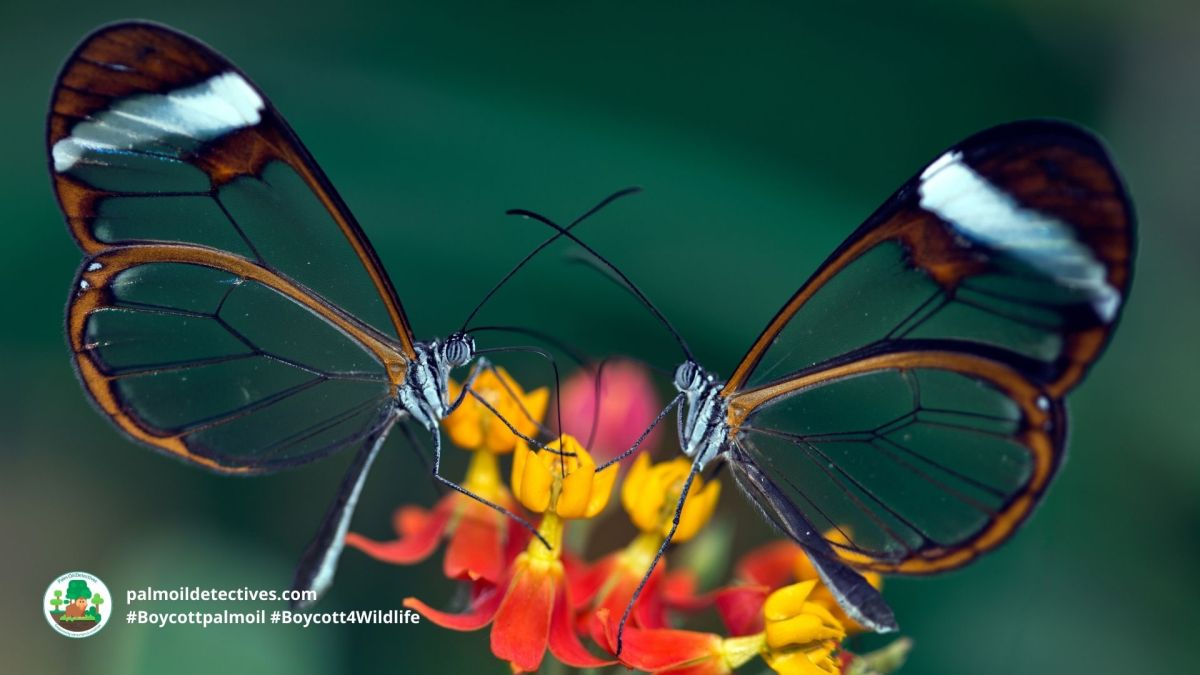
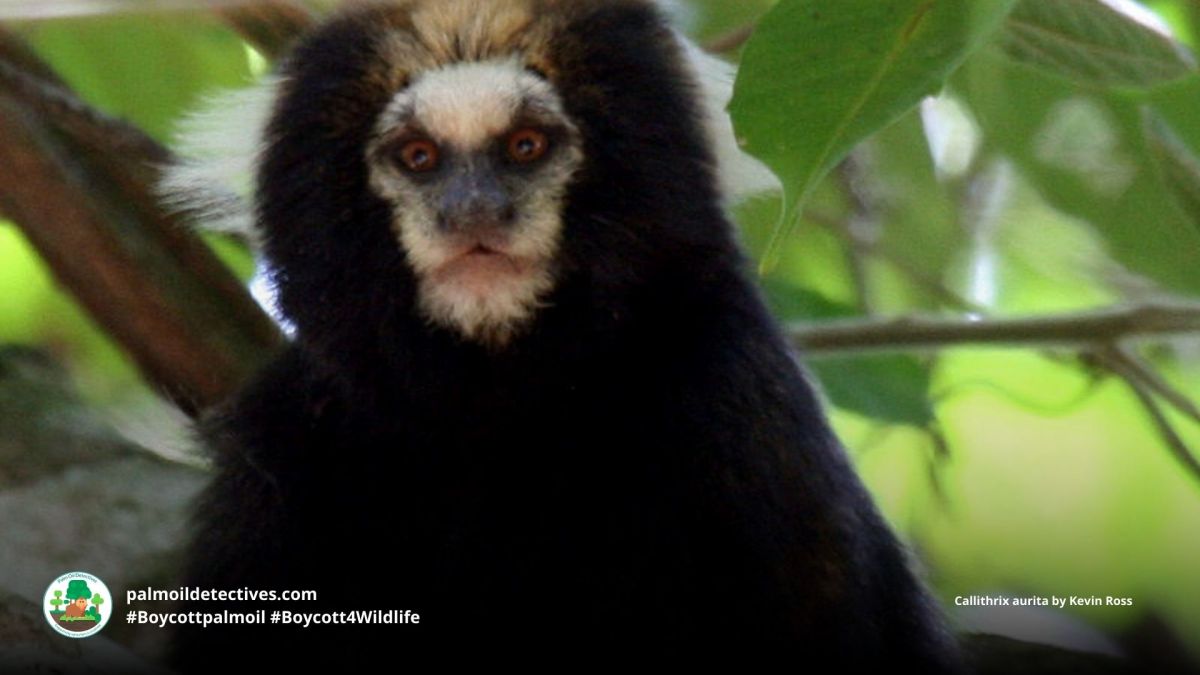
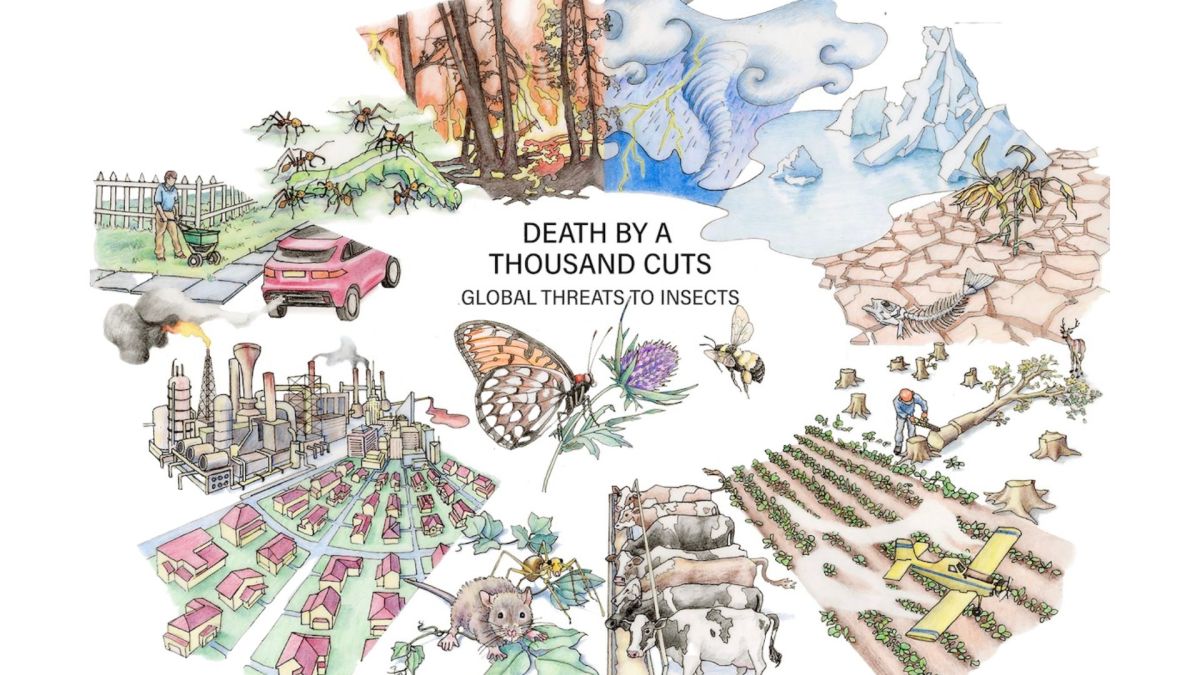
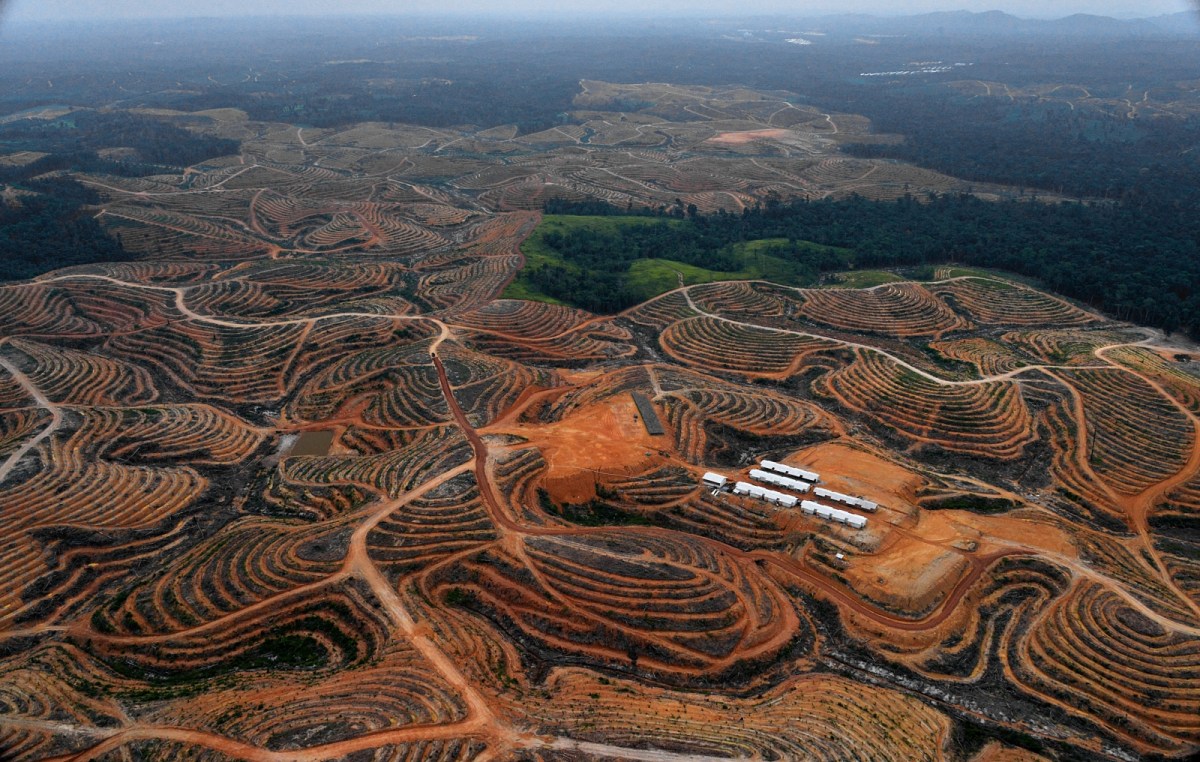

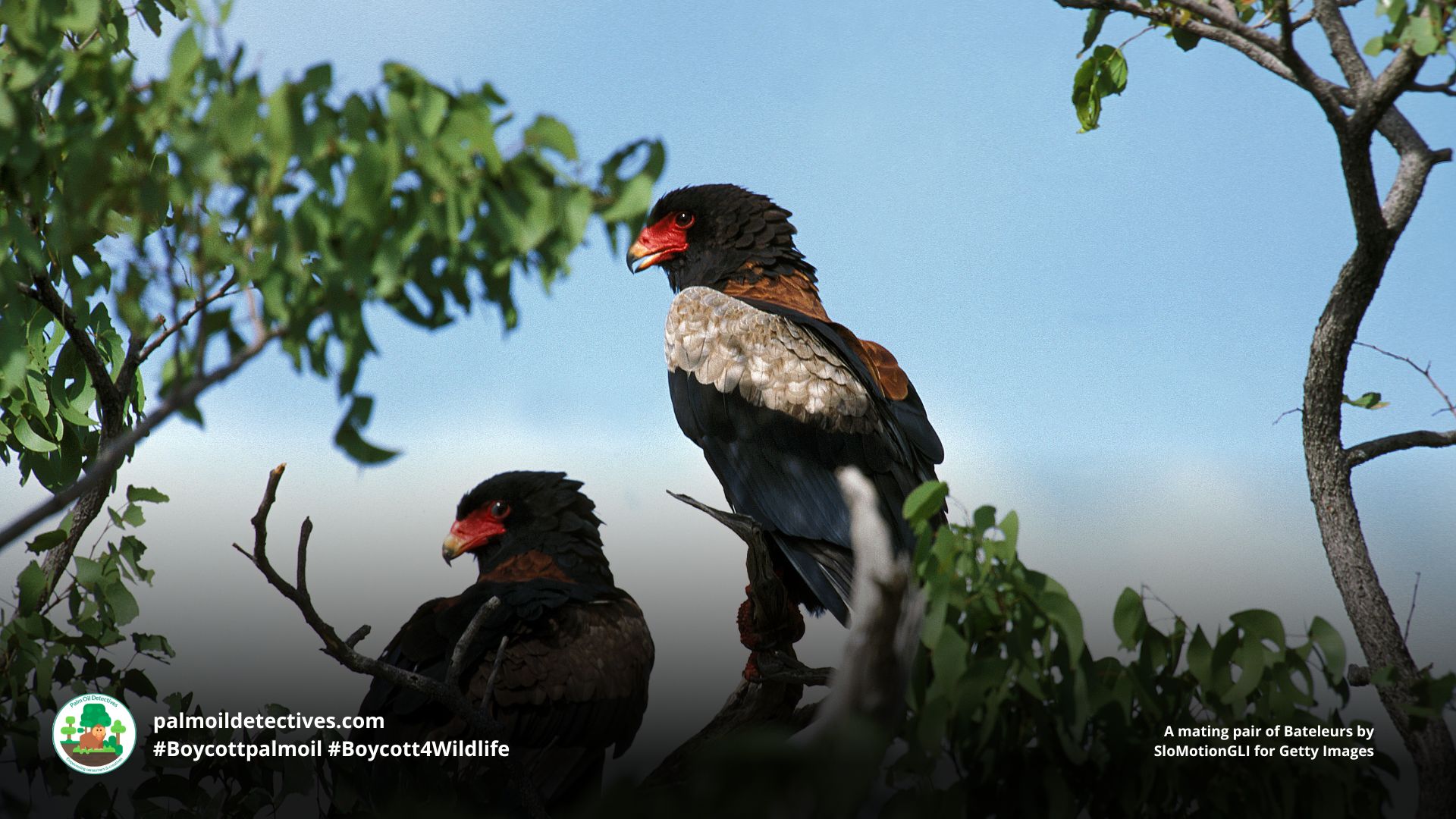
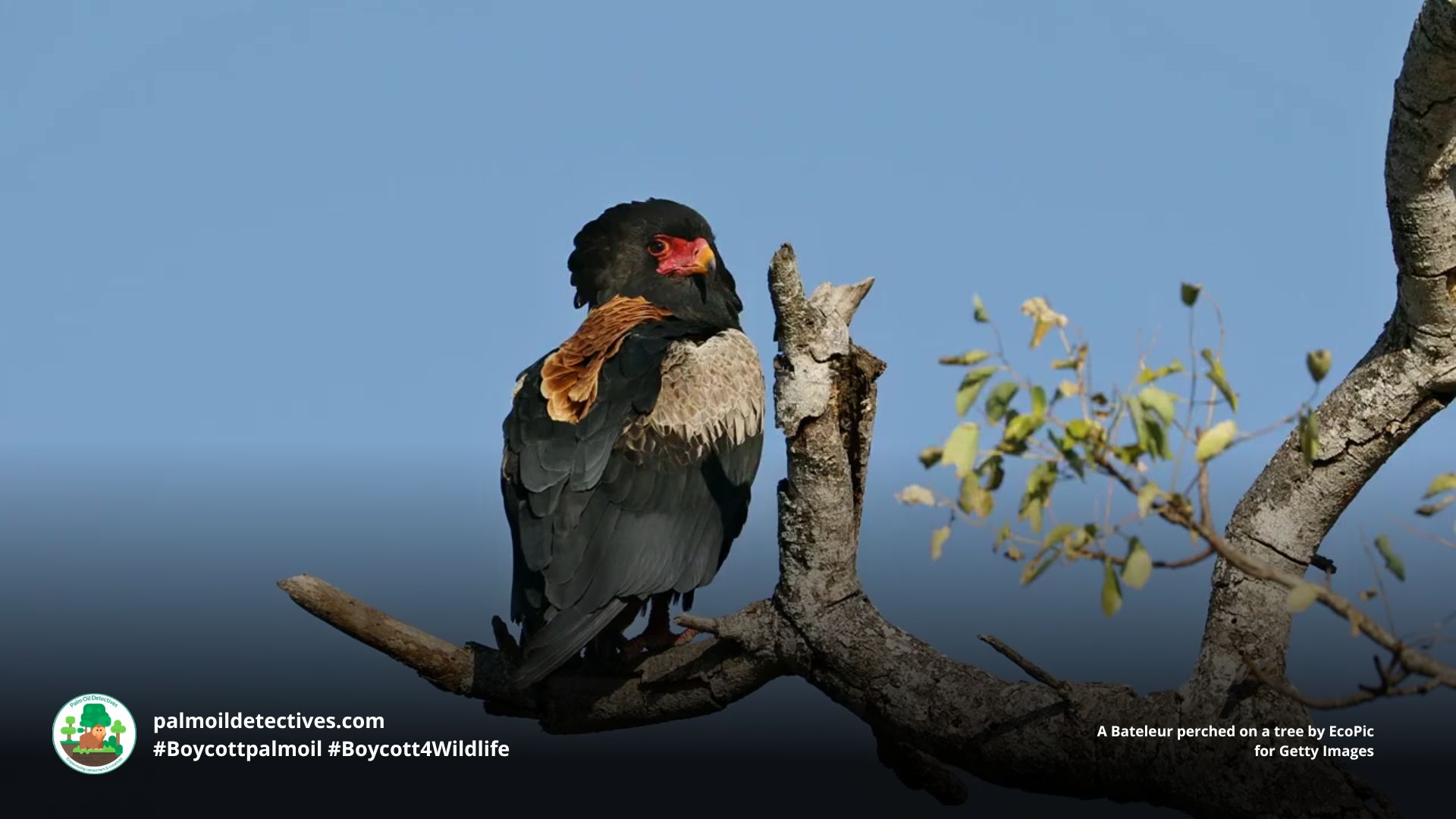
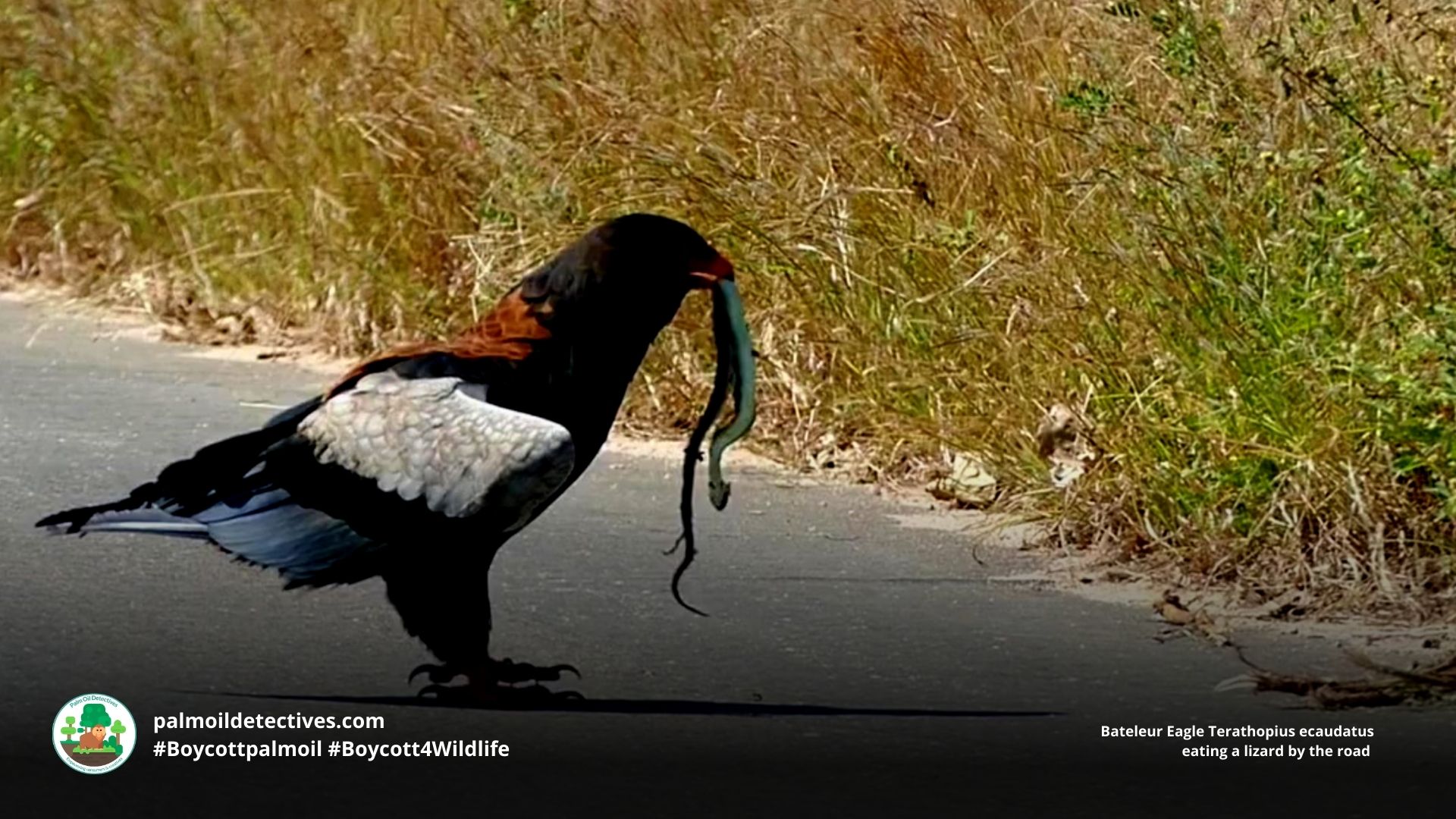
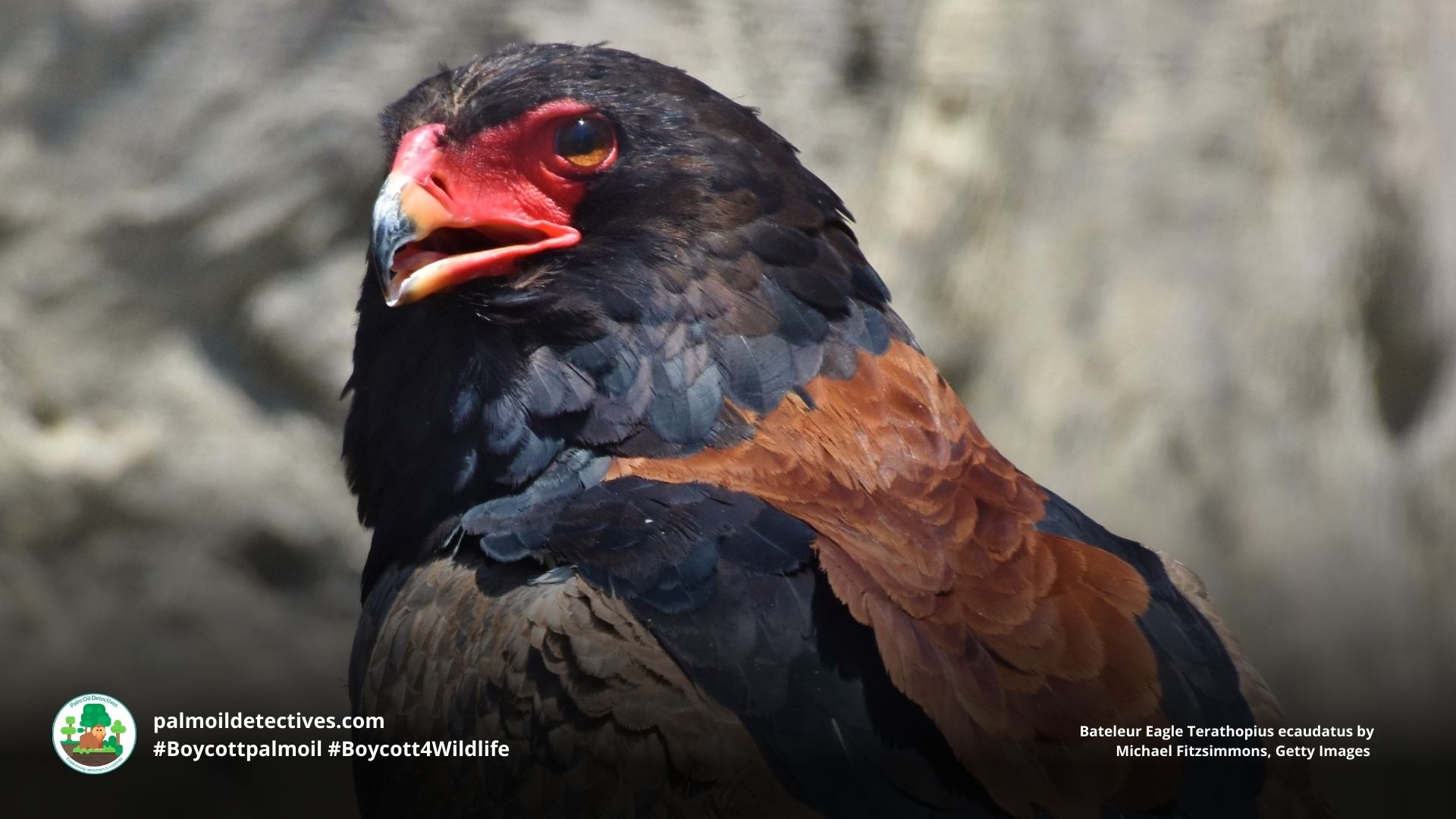
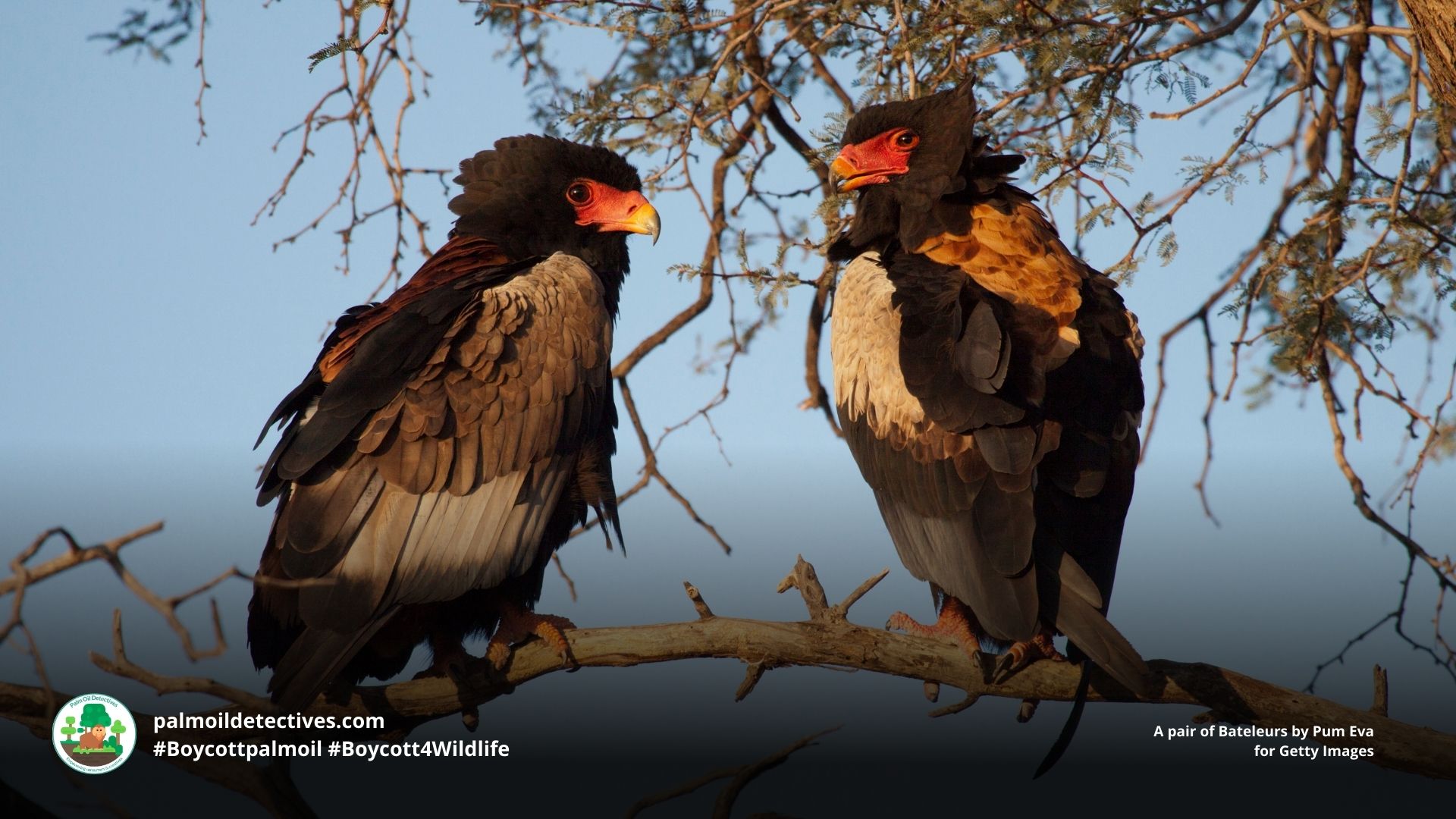
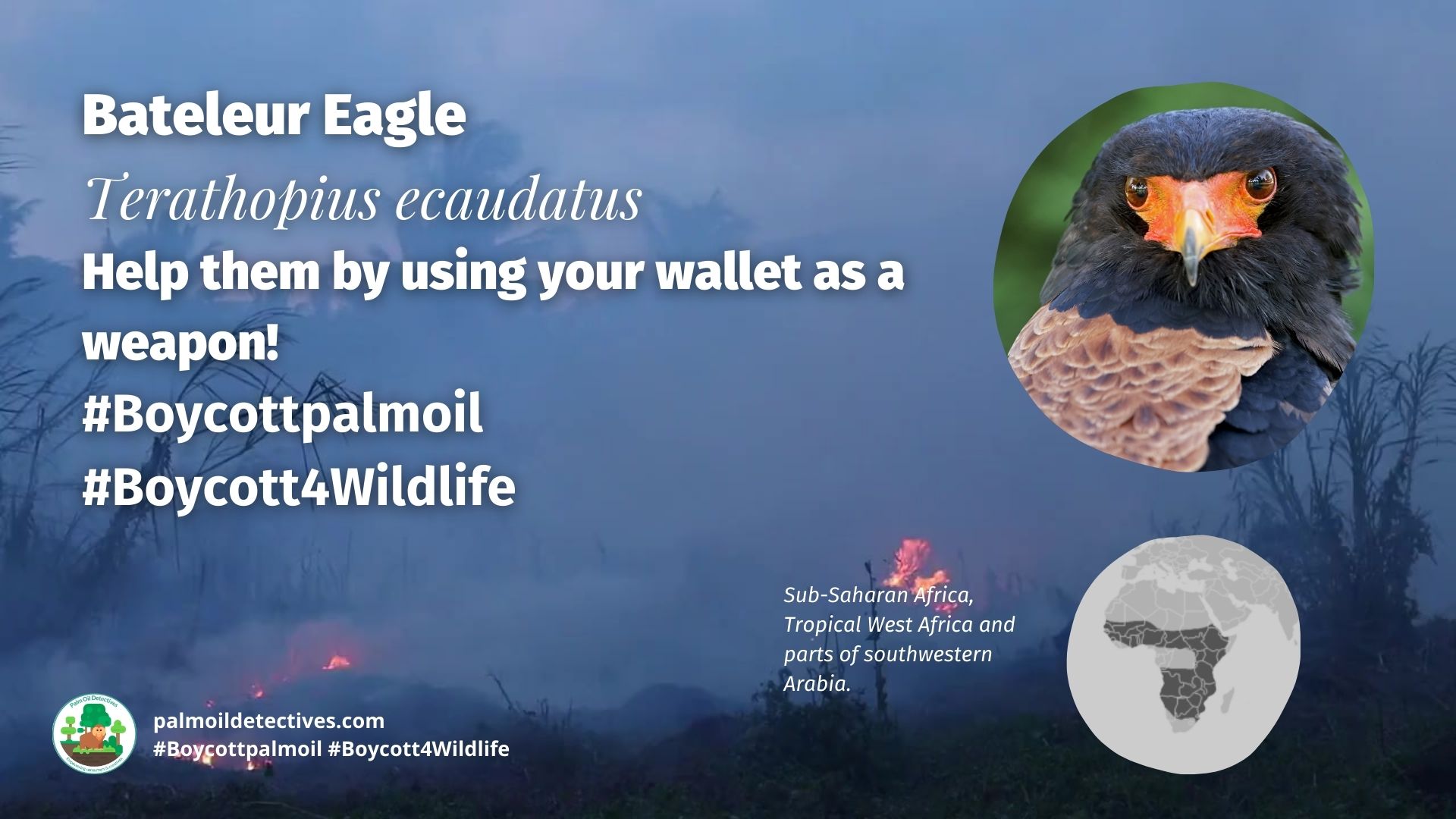
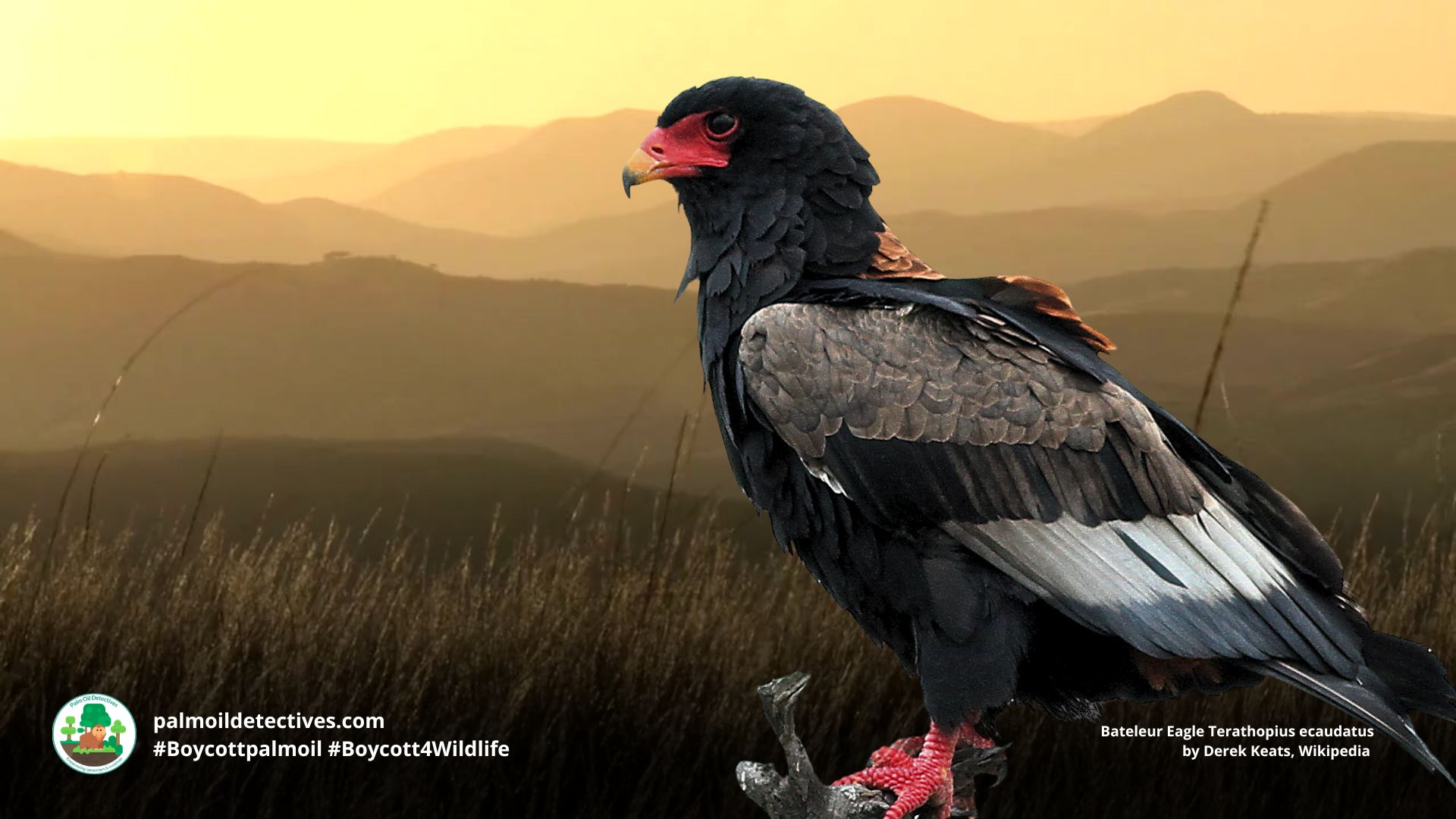
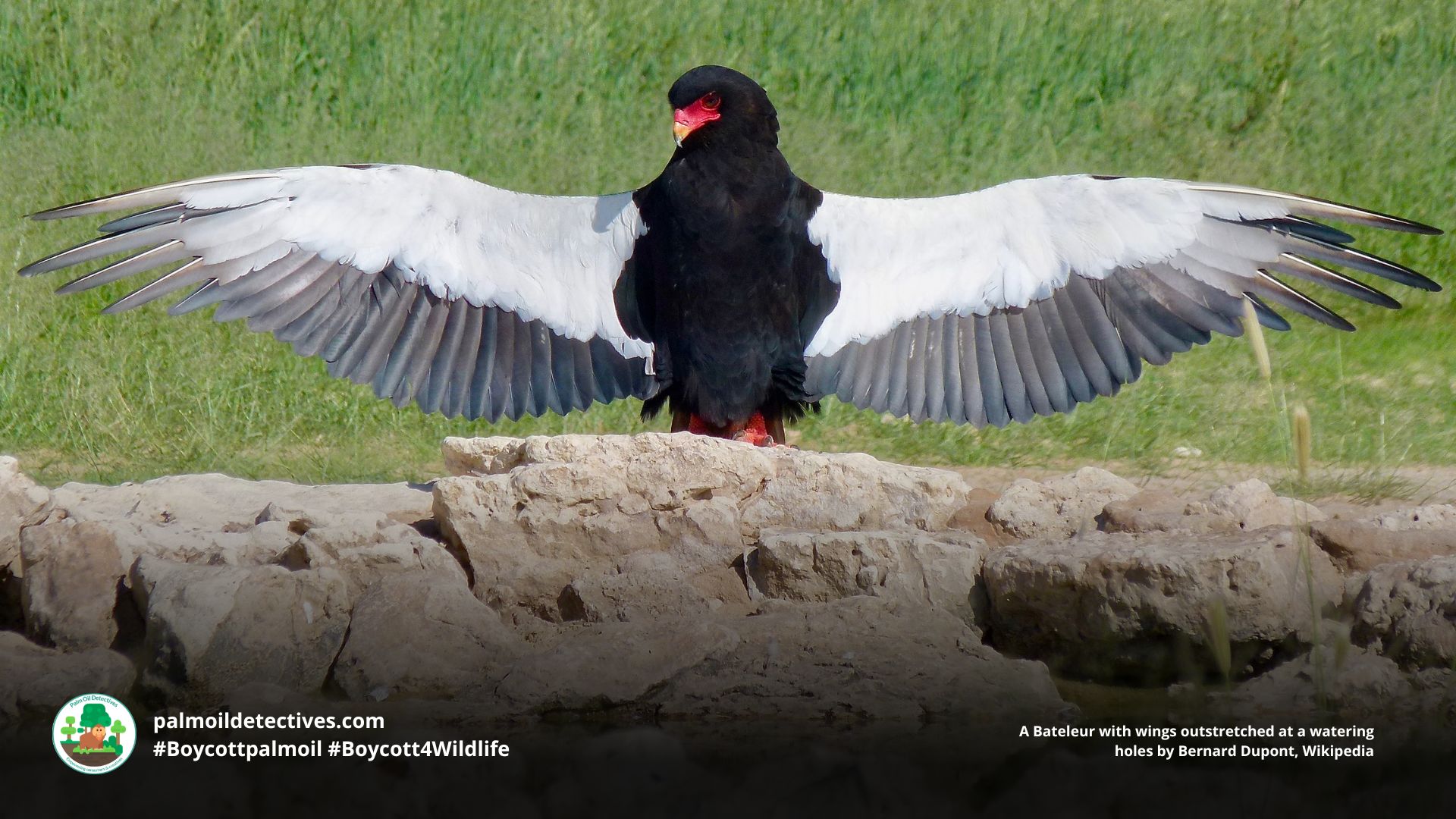
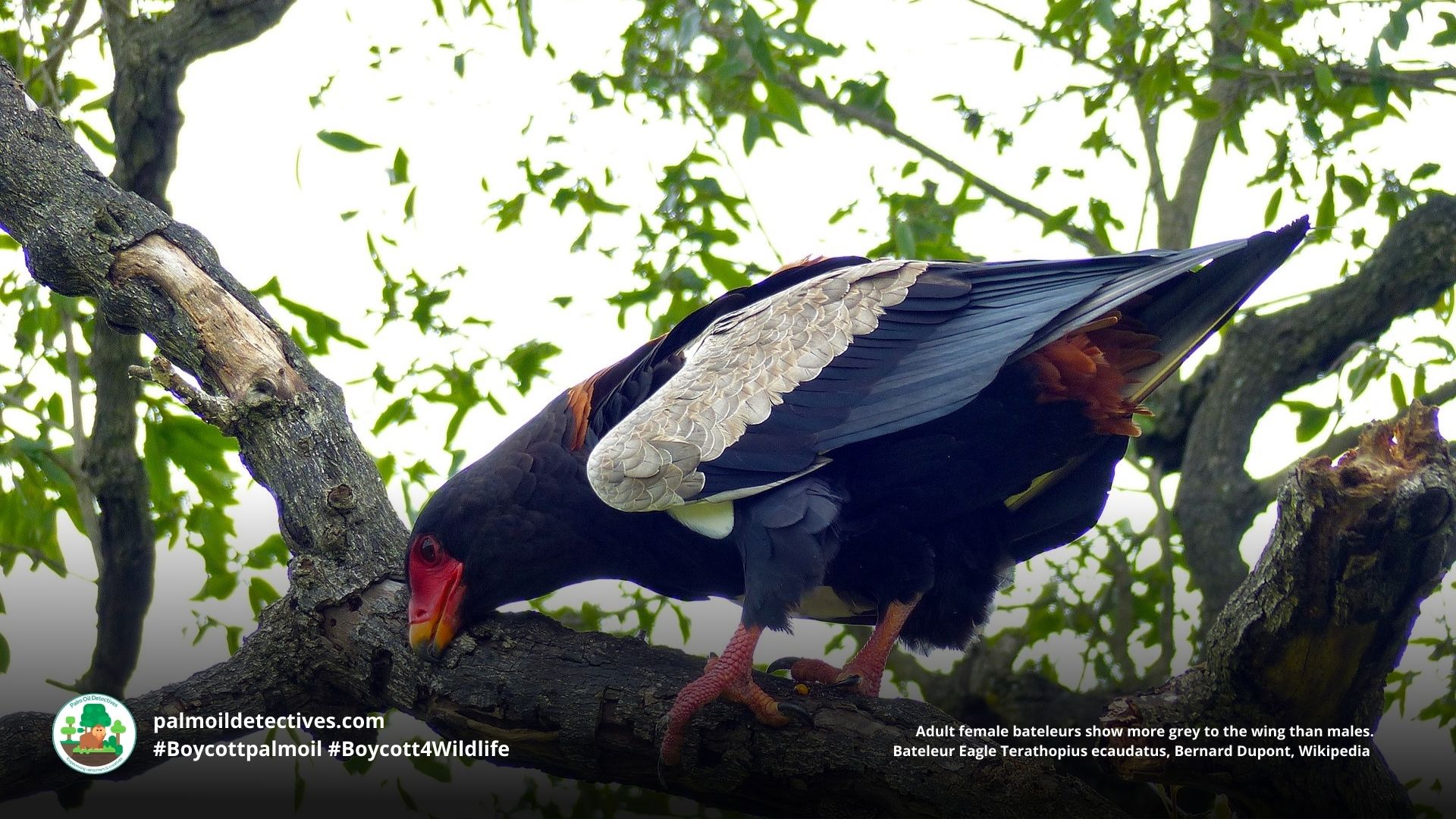
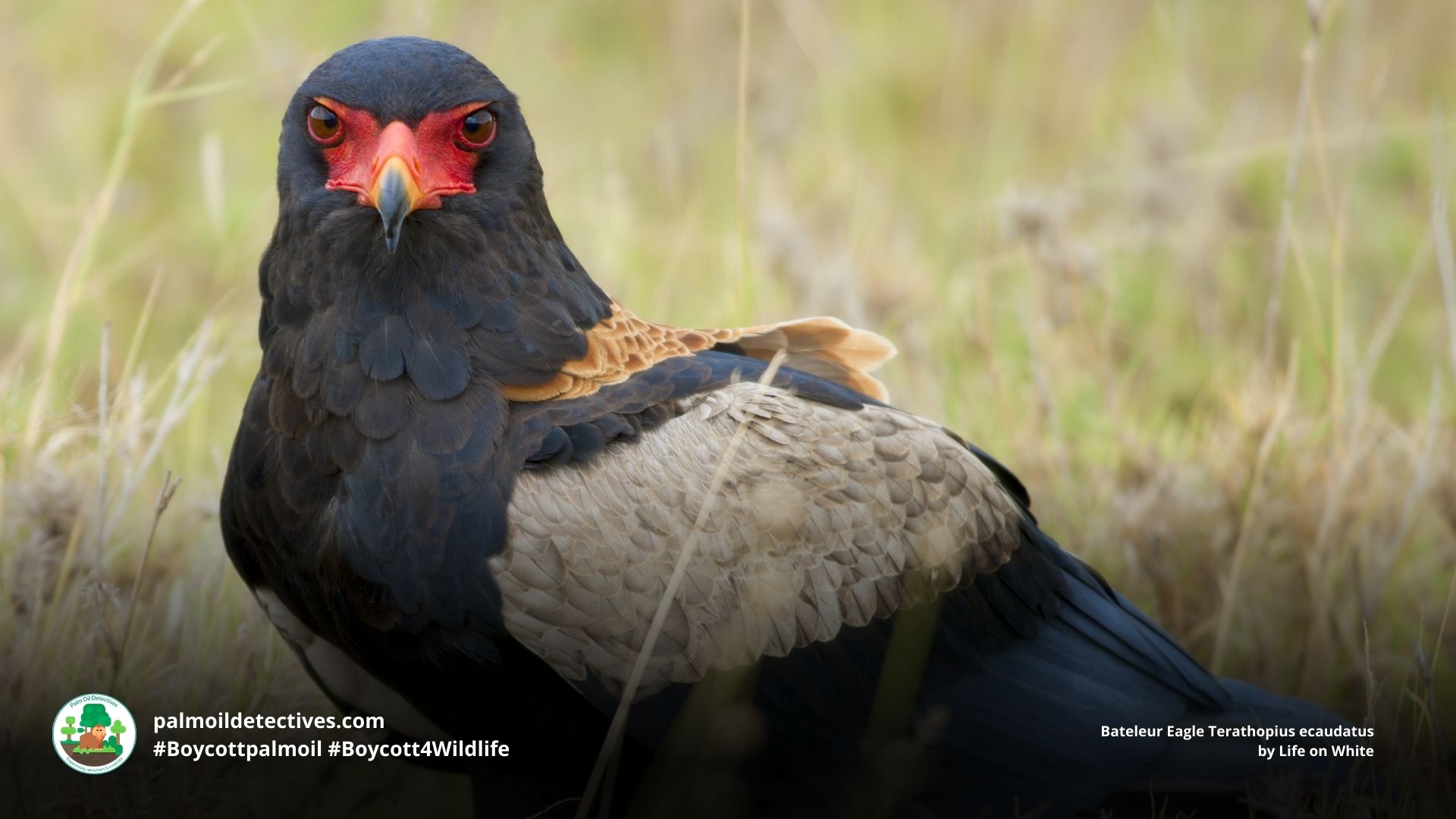
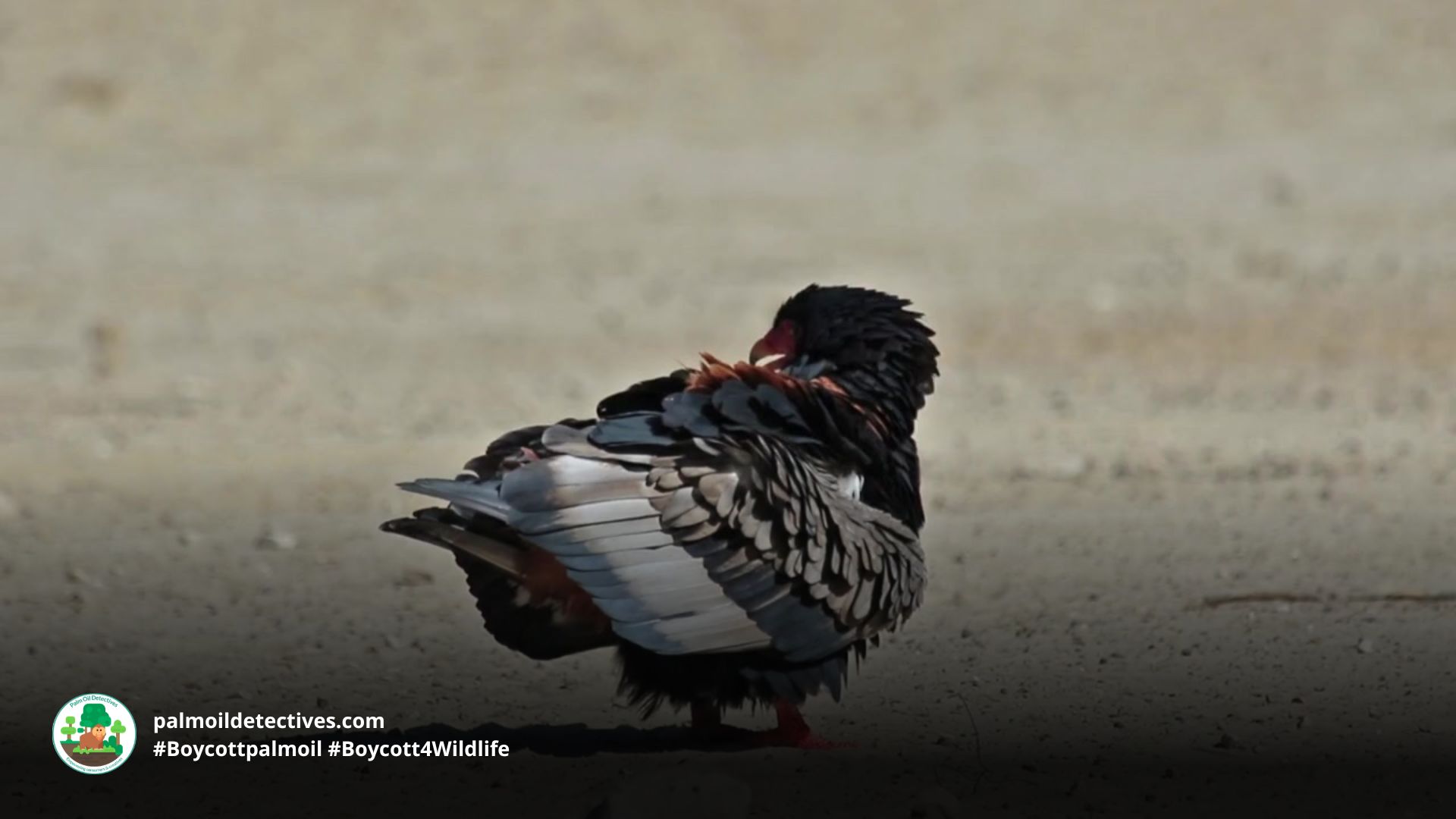
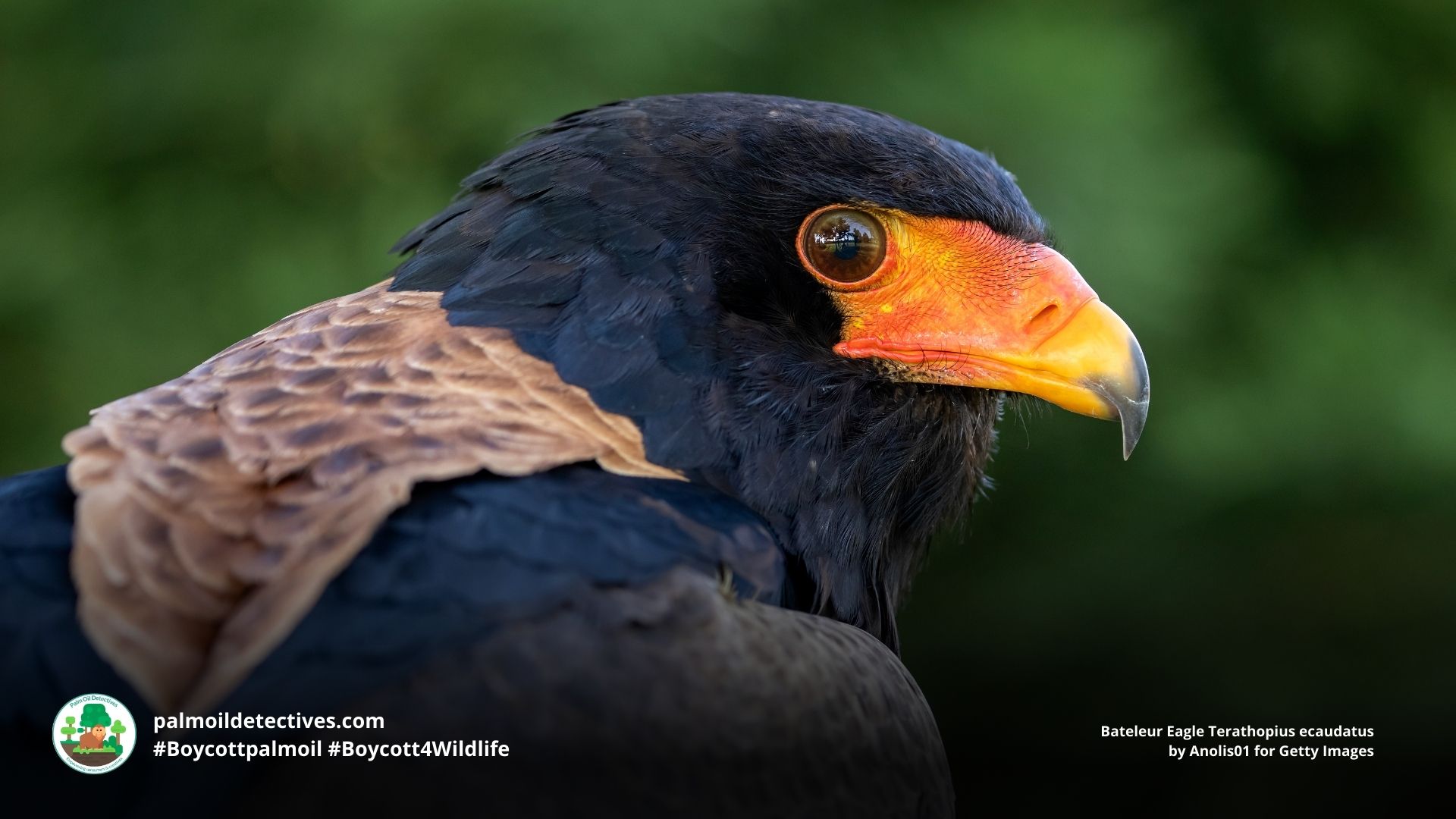
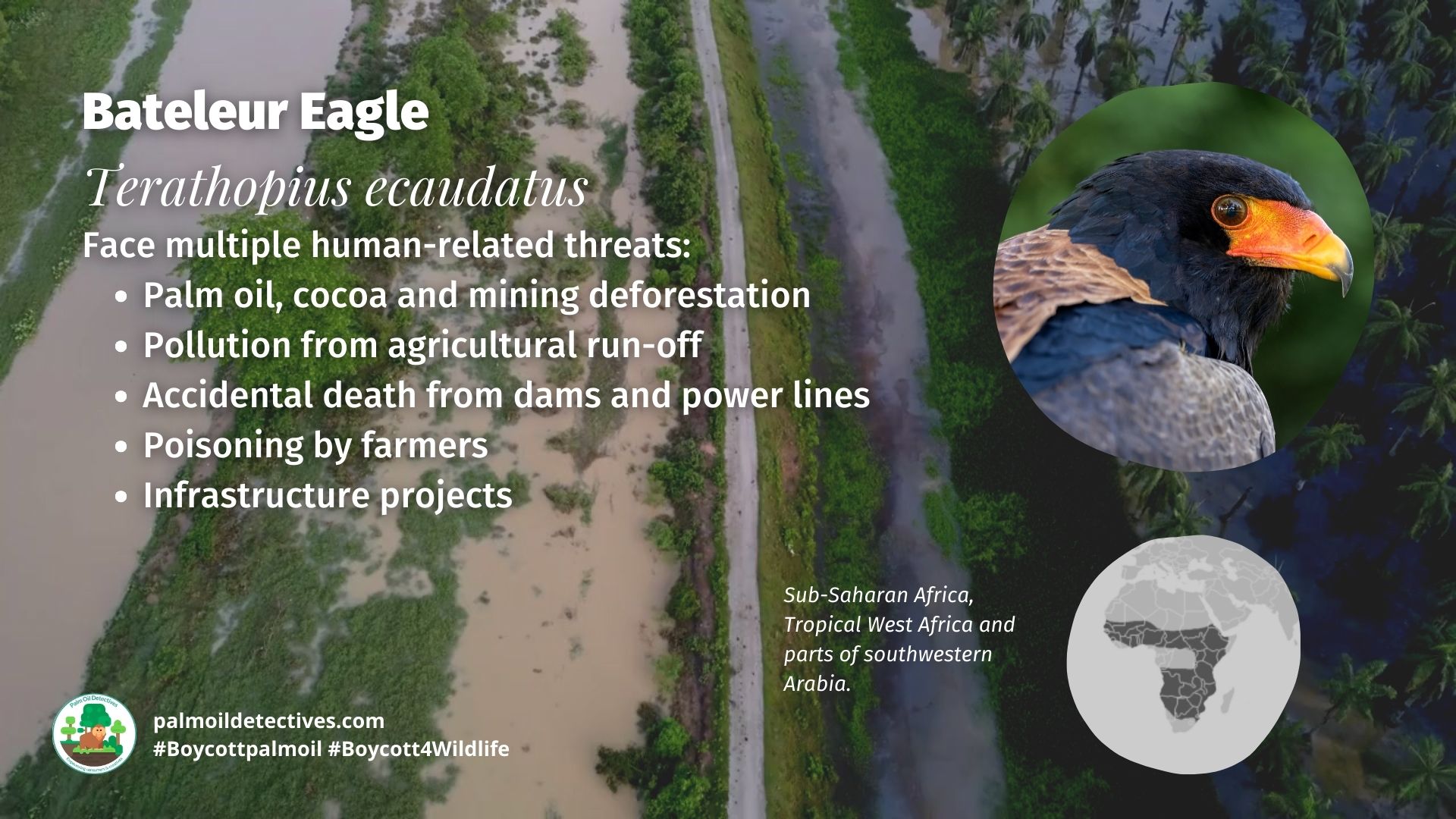
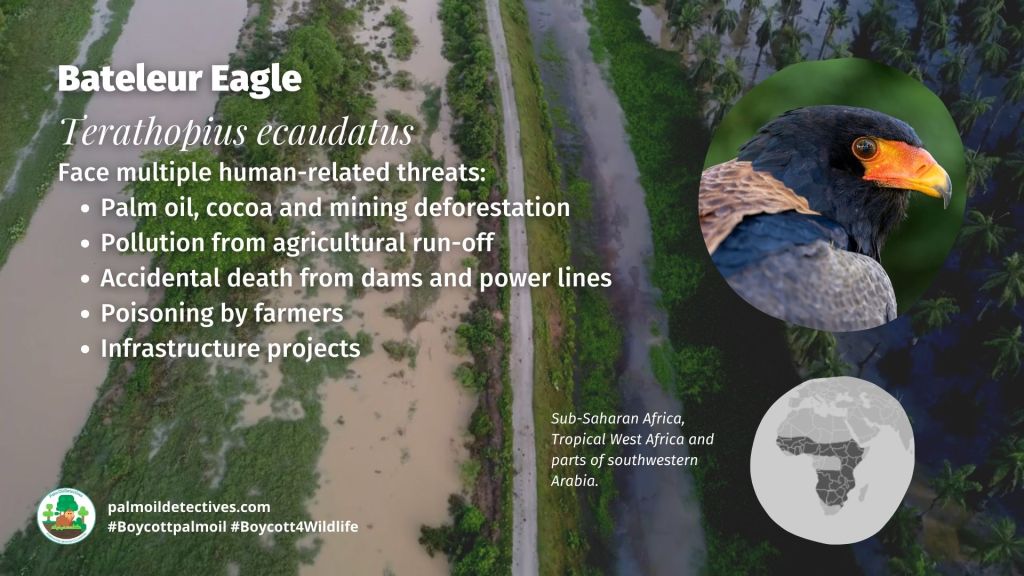

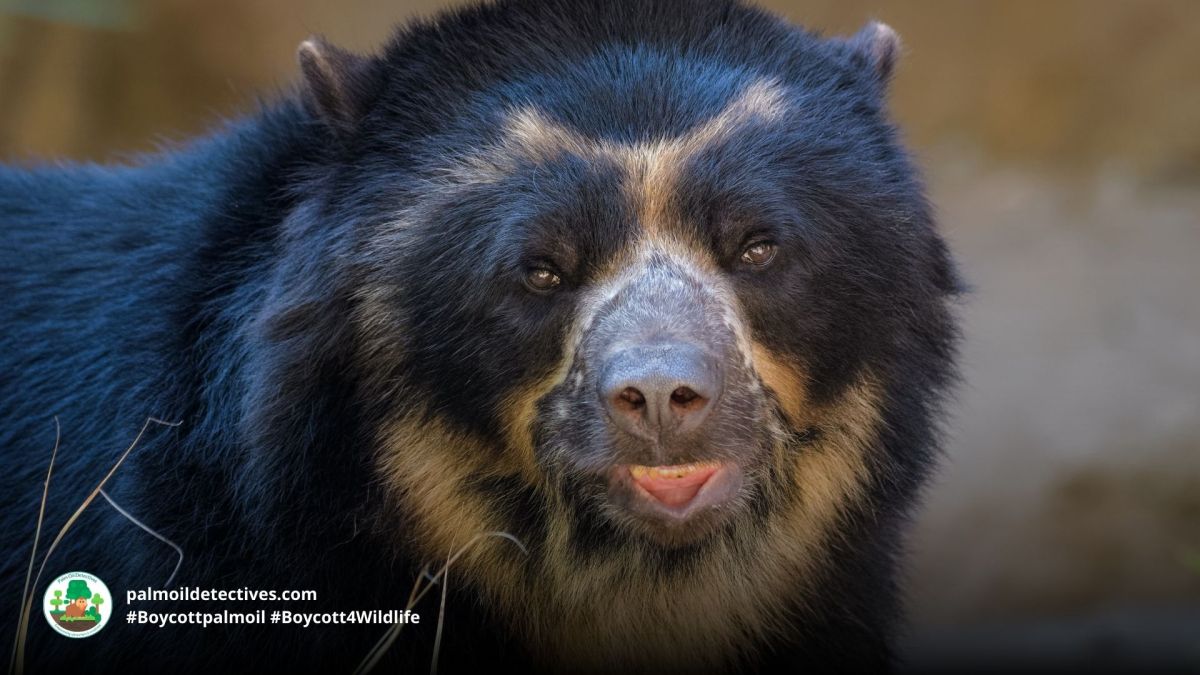
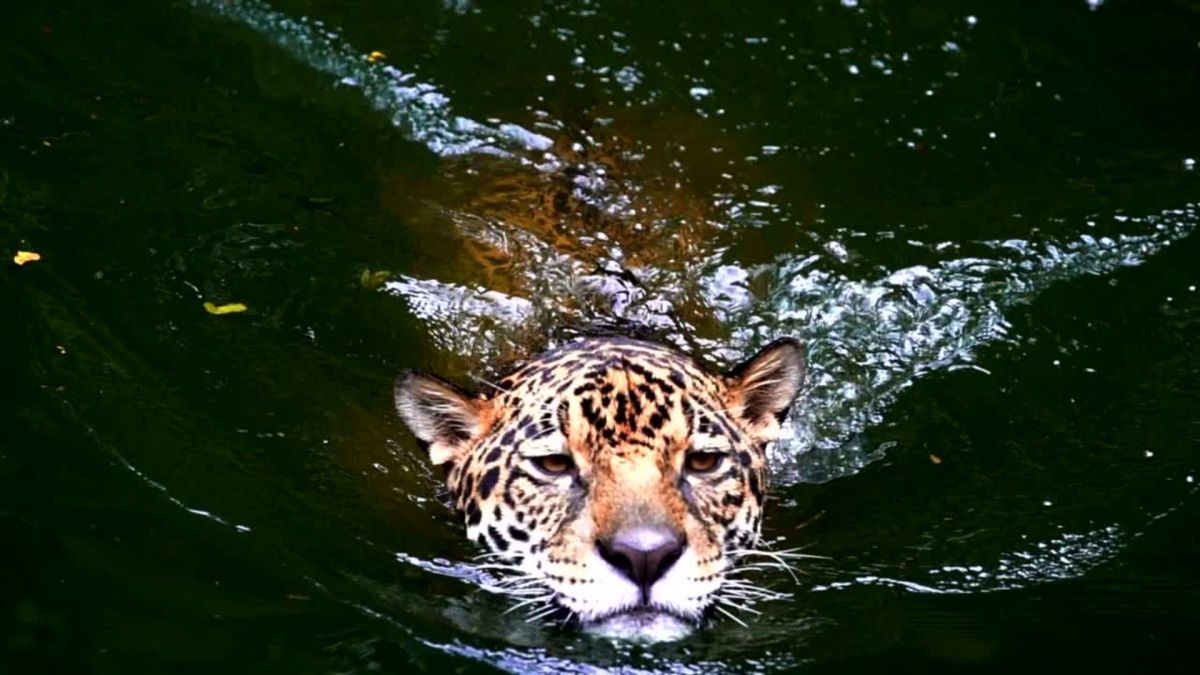

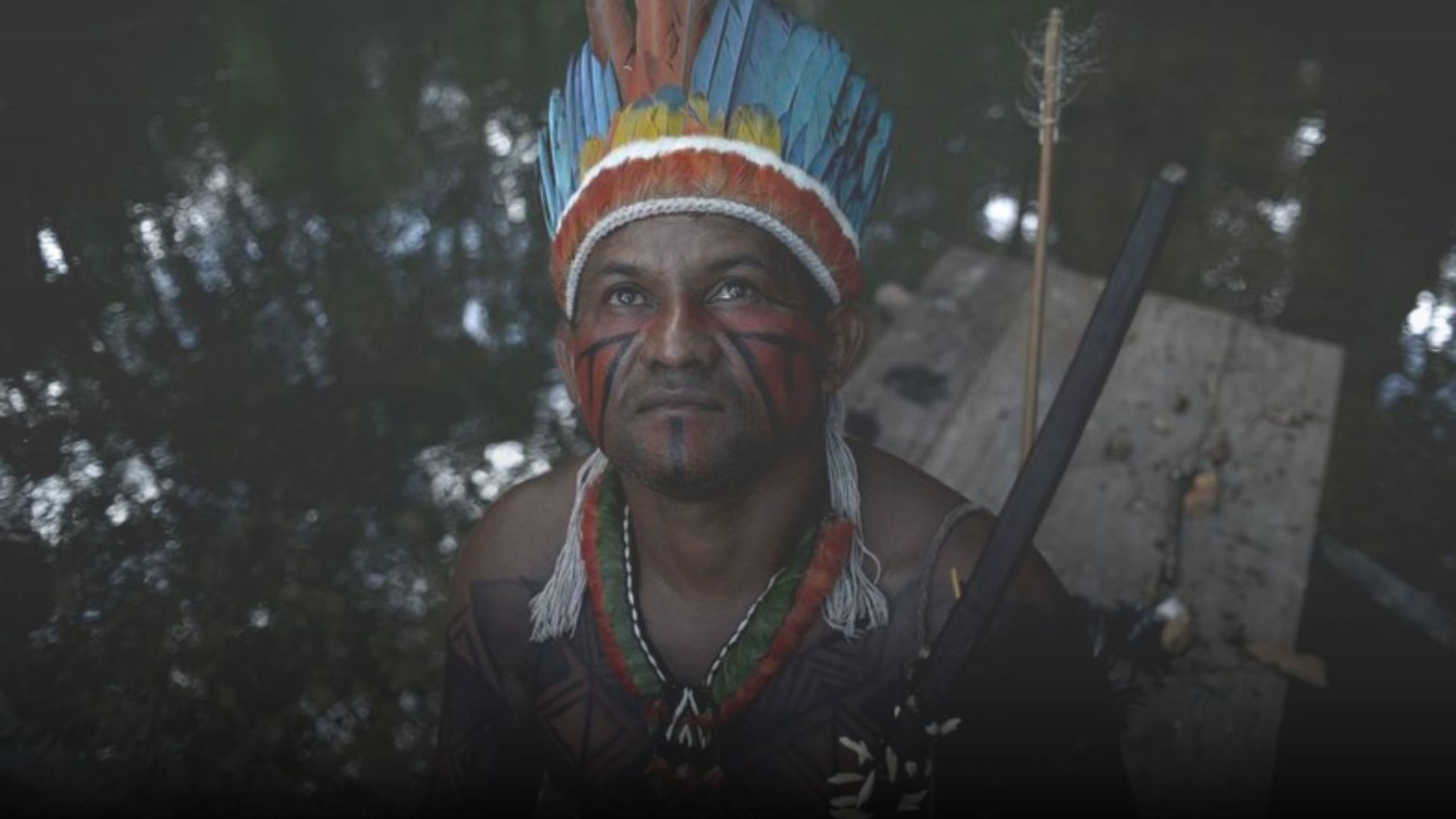
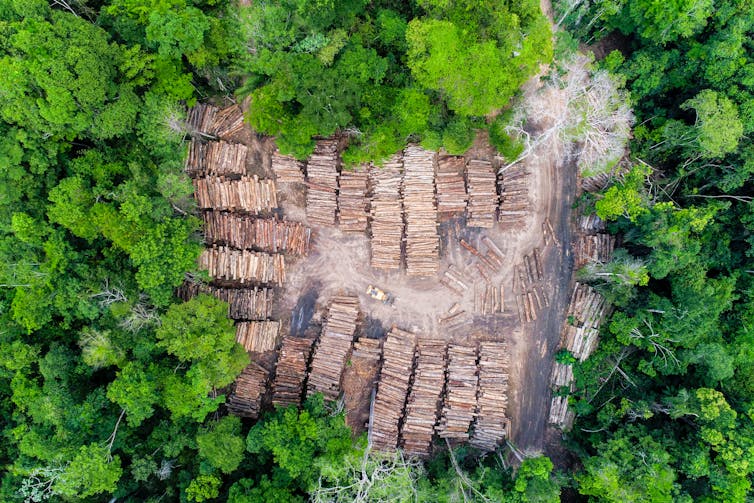
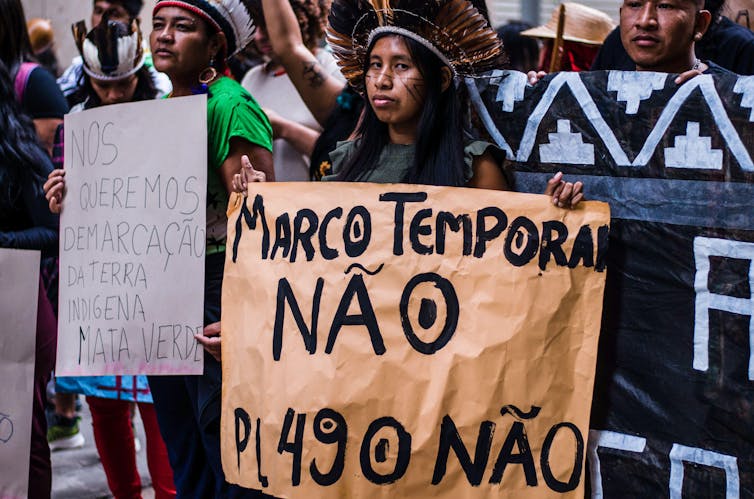
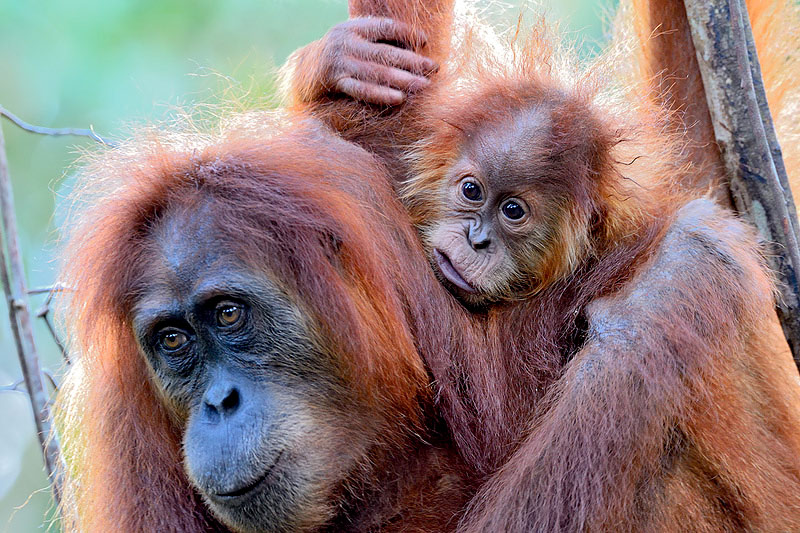
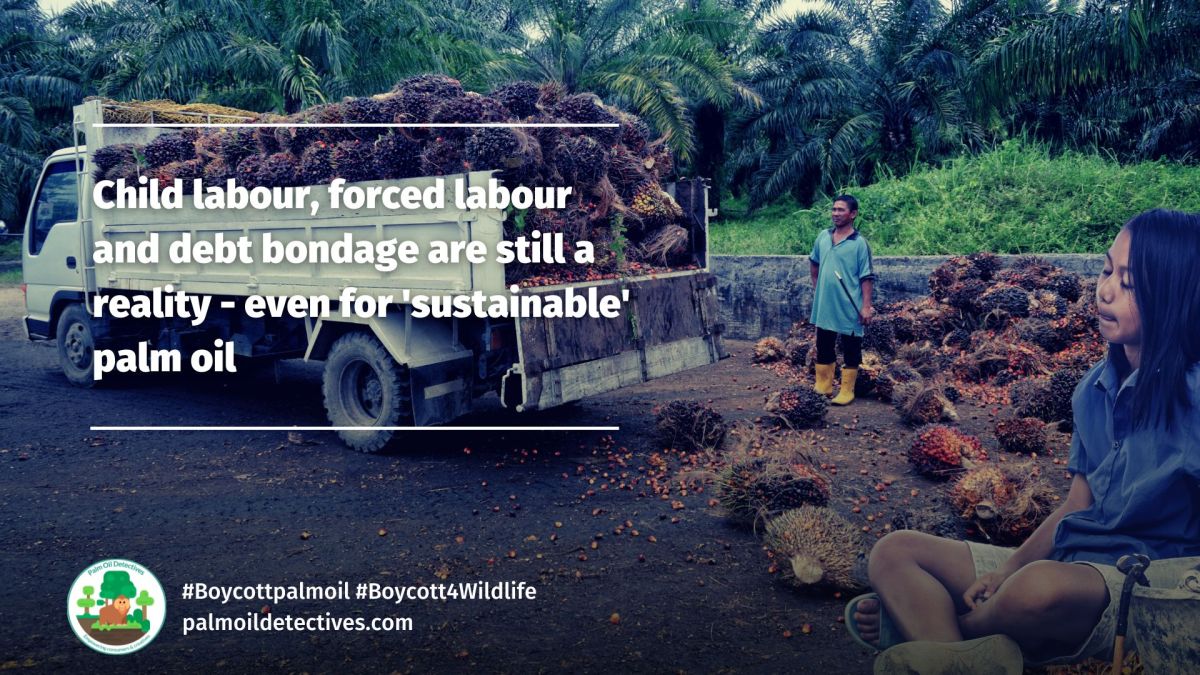


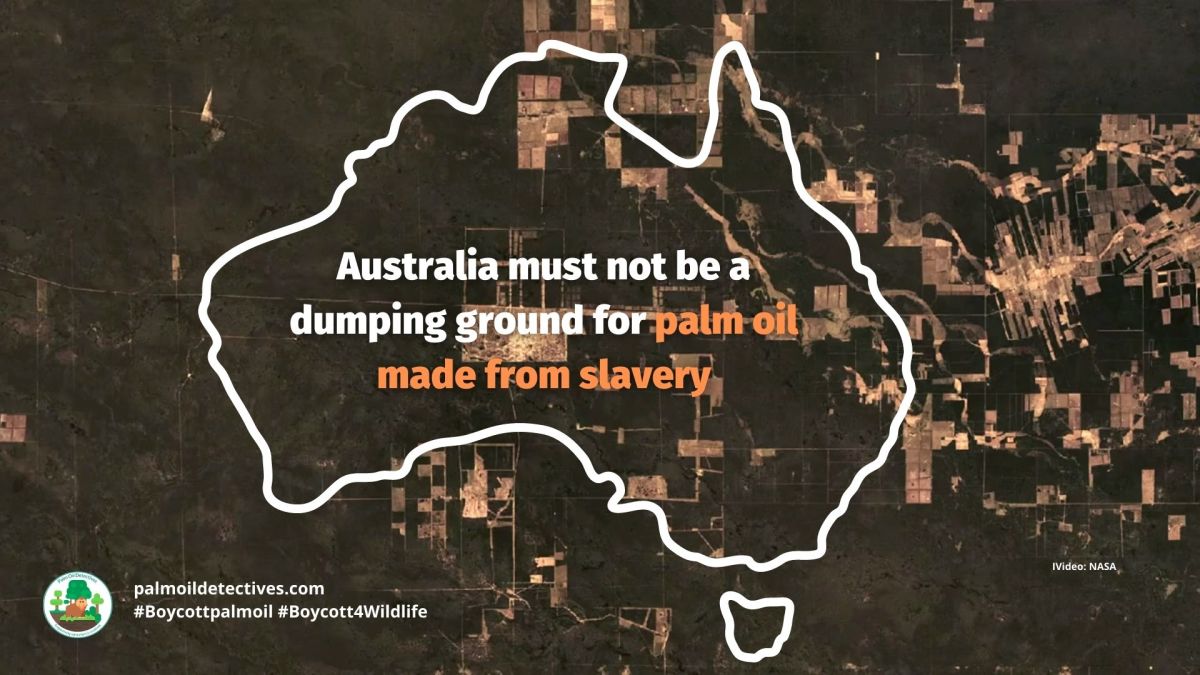
 Palm Oil Detectives