Yucatán Black Howler Monkeys are best known for their overpowering howl which can be heard up to 3 miles away. Morning and evening howling sessions can go on for over an hour. They are the largest #monkey in Latin America and keep a watchful presence in densely forested primary and secondary forest, mangroves and other human disturbed landscapes.
Their range is being rapidly destroyed for palm oil and sugar cane deforestation and mining. They are also facing human persecution and hunting pressures. Yucatán Black Howler Monkeys have been classified as endangered since 2004. Help them every time you shop and #Boycottpalmoil#Boycott4Wildlife
Yucatán Black Howler Monkeys prefer to live in a variety of forests and spend their days high up in the boughs of trees in evergreen and semi-evergreen forests, deciduous and semi-deciduous broad-leaved forests, mangroves, swamps eucalyptus plantations and agricultural plantations.
The main threats for black howler monkeys are accelerated deforestation rate across its distribution and the direct extraction of individuals for pet trade. In Guatemala a high rate of deforestation has been associated with the rapid expansion of the agriculture frontier due to megaprojects such as African palm oil and sugar cane, and the destruction of forest due to open mining (Foucart 2011).
IUCN red list
Behaviour
The howling of these monkeys is loud enough to be heard three miles away. A study in 2014 revealed just why Alouatta pigra and other howlers call out so loudly.
Our findings suggest that loud calls in black howler monkeys are multifunctional, but most frequently occur in the defense of major feeding sites. These calls also may function in the defense of infants and mates during encounters with extragroup males.
Van Belle, S., Estrada, A., & Garber, P. A. (2014). The function of loud calls in black howler monkeys (Alouatta pigra): Food, mate, or infant defense? American Journal of Primatology, 76(12), 1196–1206. https://doi.org/10.1002/ajp.22304
Van Belle, S., Estrada, A., & Garber, P. A. (2014). The function of loud calls in black howler monkeys (Alouatta pigra): Food, mate, or infant defense? American Journal of Primatology, 76(12), 1196–1206. https://doi.org/10.1002/ajp.22304
1. Join the #Boycott4Wildlife on social media and subscribe to stay in the loop: Share posts from this website to your own network on Twitter, Mastadon, Instagram, Facebook and Youtube using the hashtags #Boycottpalmoil#Boycott4Wildlife.
2. Contribute stories: Academics, conservationists, scientists, indigenous rights advocates and animal rights advocates working to expose the corruption of the palm oil industry or to save animals can contribute stories to the website.
3. Supermarket sleuthing: Next time you’re in the supermarket, take photos of products containing palm oil. Share these to social media along with the hashtags to call out the greenwashing and ecocide of the brands who use palm oil. You can also take photos of palm oil free products and congratulate brands when they go palm oil free.
More and more palm oil free 🦧 products in Australia 🇦🇺. Customer awareness is increasing month by month. Of course Bart Van Assen will keep pushing "sustainable" palm oil with Orangutan Land Trust. Boycott palm oil to protect wildlife! There is not planet B #boycott4wildlifepic.twitter.com/rm7chub5Rb
If possible to get Ovomaltine, please promote it among your friends. It openly advertises with 0 palm oil. No RSPO no bullshit. For me it even tasts better than nuttela. It substantiates that chocolate spread can be made delicious without filthy palm oil. pic.twitter.com/cyV5Tm3tLd
4. Take to the streets: Get in touch with Palm Oil Detectives to find out more.
5. Donate: Make a one-off or monthly donation to Palm Oil Detectives as a way of saying thank you and to help pay for ongoing running costs of the website and social media campaigns. Donate here
Locations: Found in humid lowland forests of Central and South America, particularly in Costa Rica, Ecuador, Honduras, Panama and Nicaragua.
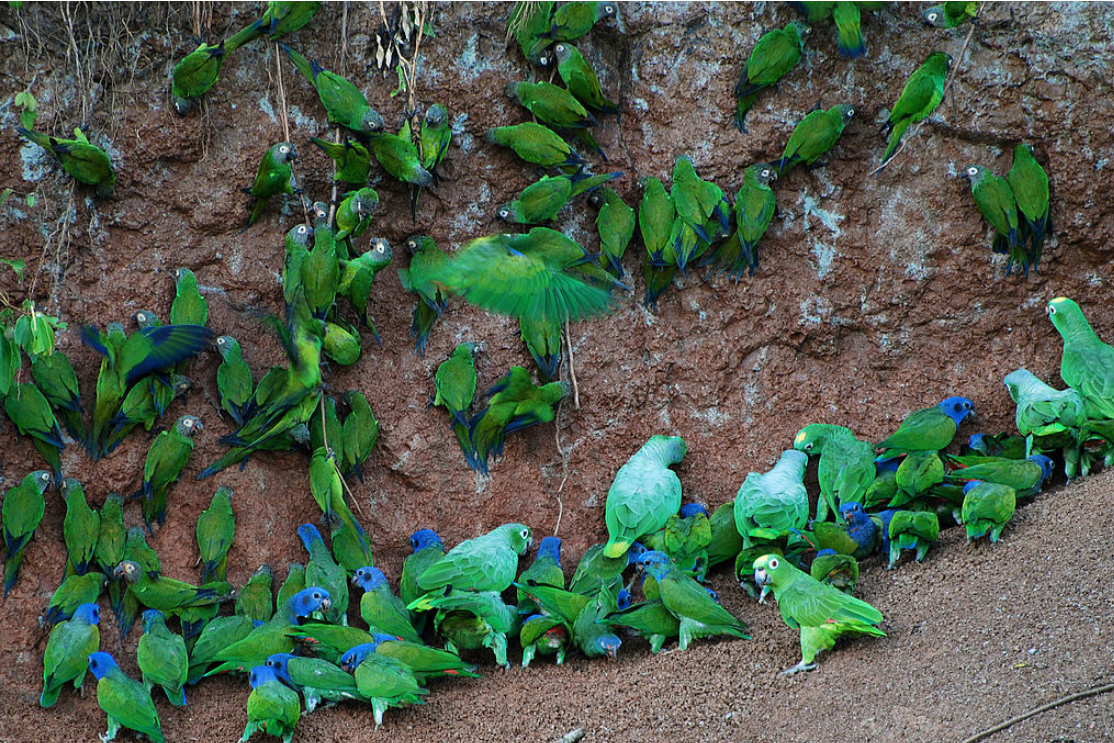
The Great Green Macaw Ara ambiguus are the largest macaw species and in flight they are dazzling symbol of Central and South America’s vanishing rainforests. Draped in shimmering green plumage with a fiery red forehead and striking blue-tipped feathers, these parrots are key players in their ecosystem. With their powerful beaks, they crack open tough nuts, dispersing seeds that sustain the forest’s delicate balance. Yet, these vibrant giants are under siege.
Deforestation—driven by palm oil plantations, illegal logging, and agriculture—has decimated the old-growth forests they call home. Their lifeline, the mountain almond tree, is vanishing, taking with it vital macaw nesting sites. Alarmingly, Great Green Macaw populations in Costa Rica and Ecuador have dwindled to critical levels, leaving fewer than 3,500 individuals to soar freely the skies.
Fight for their survival every time you shop. Support indigenous-led conservation and use your wallet as a weapon: #BoycottPalmOil #Boycott4Wildlife.
The historical range of the Great Green Macaw was reduced by ~90 % over the past 100 years (Chassot et al. 2002; O. Jahn in litt. 2004, 2005). Large areas of western Ecuador are being purchased, denuded of forest and converted to industrial oil palm plantations (Sharpe 1999).
IUCN red list
Great Green Macaw Ara ambiguu
Appearance and Behaviour
Great Green Macaws are spectacular birds, one of the largest macaws in the world measuring up to 90 cm in length, with a wingspan of approximately 110–120 cm. In flight, they are flurry of light green wings and are a special sight to behold. The Great Green Macaw qualifies as Critically Endangered because extensive habitat destruction for palm oil, soy, meat and gold mining; along with capture for the cagebird trade are causing extremely rapid and continuing population declines. These threats have had such a significant impact that the total population is now very small.
These macaws can live until around 70 years old and are highly social and intelligent, often travelling in pairs or small groups. Known for their loud, raucous calls, they use vocalisations to communicate with each other across the dense rainforest canopy.
Great Green Macaws are highly agile flyers, capable of navigating through thick forests with impressive speed and precision. They exhibit strong pair bonds, with mated pairs engaging in mutual preening and close companionship.
Threats
IUCN Red List Status: Endangered
The Great Green Macaw faces numerous threats across their range:
Deforestation for palm oil, meat and mining: Deforestation for agriculture, palm oil plantations, and cattle ranching has devastated much of their natural habitat. Forests of the Atlantic lowlands, once their stronghold, have been reduced to fragments, especially in Costa Rica and Nicaragua.
Illegal Logging: The macaw depends on large trees like the mountain almond (Dipteryx panamensis) for nesting and feeding. These trees are highly targeted for timber, further limiting their reproductive success.
Climate Change: Rising temperatures and changes in rainfall patterns threaten the viability of their already fragmented habitats.
These combined pressures have led to a steep population decline, with fewer than 3,500 individuals estimated to remain in the wild.
Diet
The Great Green Macaw primarily feeds on fruits, seeds, and nuts. A key component of their diet is the fruit of the mountain almond tree (Dipteryx panamensis), which also serves as a crucial nesting site. During the fruiting season, macaws can often be seen feasting high in the canopy. Their strong beaks are adept at cracking open tough nuts and seeds.
Reproduction and Mating
Great Green Macaws are monogamous, forming lifelong pair bonds. Breeding usually occurs between December and August, with females laying 2–3 eggs in tree hollows. These hollows are typically found in large, mature trees such as mountain almonds. The incubation period lasts around 26 days, with both parents taking part in feeding and protecting the chicks until they fledge at about 3 months of age.
Geographic Range
The Great Green Macaw is native to Central and South America, with populations found in Costa Rica, Honduras, Nicaragua, Panama, and Ecuador. They inhabit humid lowland forests, especially near forest edges and along rivers. While historically widespread, their range has shrunk dramatically due to habitat destruction.
In Costa Rica, they are mostly found in the northern lowlands, particularly within the Maquenque Wildlife Refuge. In Ecuador, small populations persist in the Chocó region.
FAQ
What does the name Ara mean?
The genus name Ara is derived from the Tupi word ará, an onomatopoeia mimicking the macaw’s loud and resonant calls. These calls are essential for communication in the dense rainforest.
What are the Great Green Macaw’s main characteristics?
Great Green Macaws are large parrots with emerald green plumage, a red forehead, and blue flight feathers. Their long tails and strong beaks are distinctive, and their expressive bright red faces and icy blue eyes give them a unique appearance.
Where do Great Green Macaws live?
They inhabit humid lowland forests in Central and South America, including regions in Costa Rica, Ecuador, Panama and Nicaragua. They rely on old-growth forests, particularly those with mountain almond trees, for food and nesting.
What do Great Green Macaws eat?
Their diet consists of fruits, seeds, and nuts, with the mountain almond (Dipteryx panamensis) being a primary food source. Their strong beaks enable them to crack tough nuts with ease.
How do Great Green Macaws reproduce?
They lay up to 3 eggs in tree hollows, with an incubation period of approximately 26 days. Both parents are involved in raising the chicks, these young birds fledge after 12 weeks.
What are the Great Green Macaw’s conservation status and efforts?
The species is globally Critically Endangered, with fewer than 3,500 individuals remaining. Conservation initiatives include habitat restoration, reintroduction programs, and community-led efforts to protect nesting sites in regions like Costa Rica and Ecuador.
1. Join the #Boycott4Wildlife on social media and subscribe to stay in the loop: Share posts from this website to your own network on Twitter, Mastadon, Instagram, Facebook and Youtube using the hashtags #Boycottpalmoil#Boycott4Wildlife.
2. Contribute stories: Academics, conservationists, scientists, indigenous rights advocates and animal rights advocates working to expose the corruption of the palm oil industry or to save animals can contribute stories to the website.
3. Supermarket sleuthing: Next time you’re in the supermarket, take photos of products containing palm oil. Share these to social media along with the hashtags to call out the greenwashing and ecocide of the brands who use palm oil. You can also take photos of palm oil free products and congratulate brands when they go palm oil free.
More and more palm oil free 🦧 products in Australia 🇦🇺. Customer awareness is increasing month by month. Of course Bart Van Assen will keep pushing "sustainable" palm oil with Orangutan Land Trust. Boycott palm oil to protect wildlife! There is not planet B #boycott4wildlifepic.twitter.com/rm7chub5Rb
If possible to get Ovomaltine, please promote it among your friends. It openly advertises with 0 palm oil. No RSPO no bullshit. For me it even tasts better than nuttela. It substantiates that chocolate spread can be made delicious without filthy palm oil. pic.twitter.com/cyV5Tm3tLd
4. Take to the streets: Get in touch with Palm Oil Detectives to find out more.
5. Donate: Make a one-off or monthly donation to Palm Oil Detectives as a way of saying thank you and to help pay for ongoing running costs of the website and social media campaigns. Donate here
Szabolcs Kókay @kokayart is a talented, respected and award-winning wildlife artist with a passion for animal conservation. Find out more about him and submit your #wildlife#art#artivism to Creatives 4 Cool Creatures #Boycott4Wildlife
Szabolcs Kókay was born in Hungary in 1976, and has been interested in nature, especially birds, since childhood. Although he has been drawing for as long as he can remember, it was only later on in his life, around the age of 20, when these two interests merged. For Szabolcs, watching and sketching nature go hand in hand, so much so that he cannot imagine doing one without the other. When potraying wildlife he is trying to have a vision of the animal within its natural habitat. That’s why he travels in search of new inspirations (like Snow Leopards in Ladakh, Birds of Paradise in Papua New Guinea, Spoon-billed Sandpiper in China).
Szabolcs Kókay
After working in nature conservation, Szabolcs became a full-time artist and illustrator in 2001. He has won many international art competitions including the former British Birds ‘Bird Illustrator of the Year’ award, and Birdwatch ‘Artist of the Year’.
Study trips have taken him to various places around the world, including Trinidad, China, India, Australia, Papua New Guinea, Morocco, Uganda and Japan.
Over the years, Szabolcs’ technique when approaching painting wildlife has radically changed, as he used to work solely from photographs. He feels that the revolution in digital photography and the invention of digiscoping attributed much to this approach. He now feels lucky to have realised over time the importance of working directly from life, and in recent years he has tried to spend as much time in the field as possible.
2000. British Birds ‘Bird Illustrator of the Year’ PJC Award 2001-02. British Birds ‘Bird Illustrator of the Year’ 3rd place 2002. Birdwatch Artist of the Year, identification category winner 2008. Birdwatch Artist of the Year 1st prize 2010. Don Eckelberry Scholarship Award from the Society of Animal Artists 2014. Langford Press Field Sketches Award 2015. Sociedad Gaditana de Historia Natural illustration competition 2nd prize
Location: Colombia. Endemic to the Chocó rainforest of Colombia, the Harlequin Poison Frog (Oophaga histrionica) inhabits humid lowland and foothill forests. These frogs thrive in leaf litter and near small water sources, where they reproduce and communicate using distinct vocalisations.
A dazzling splash of colour against the deep greens of Colombia’s Chocó rainforests, the harlequin poison frog is as deadly as it is beautiful. Cloaked in hypnotic shades of orange, yellow, green and black, this tiny amphibian is a master of chemical warfare—their skin is infused with powerful alkaloid toxins that can paralyse or kill predators. But despite their formidable defences, they are completely helpless against human destruction.
Once thriving in the dense, misty forests of western #Colombia, this critically endangered frog is now on the brink of extinction. Illegal mining, rampant deforestation for #palmoil plantations, and the relentless #wildlifetrade have devastated their fragile rainforest home. The same vibrant colours that warn predators away have made them a prime target for #poachers supplying the exotic #pettrade.
This extraordinary species is a vital part of its ecosystem, controlling insect populations and contributing to the rainforest’s delicate balance. But unless urgent action is taken, the harlequin poison frog could vanish forever.
Harlequin Poisonous #Frogs 🐸🐸have vivid shades of 💛💚🧡. Unlike other frogs both males and females fiercely guard eggs. #PalmOil#Soy#Meat and #GoldMining are threats in #Colombia. Help them when you #BoycottGold 🥇☠️⛔️ be #vegan#BoycottPalmOil 🌴☠️⛔️https://palmoildetectives.com/2021/03/20/harlequin-poison-frog-oophaga-histrionica/
Few creatures rival the harlequin poison frog in sheer visual spectacle. No two individuals look alike—each frog sports a unique pattern of vivid colours, a living work of rainforest art. These colours serve as a bold warning to predators: “Eat me and regret it.” Unlike other frogs that rely on camouflage, this species flaunts their toxicity in the open.
Growing to just 32.9 mm in length, these frogs are tiny but fiercely territorial. Males perch on fallen logs or leaves, calling loudly to attract mates and defend their domain. Their vocalisations shift depending on their surroundings—frogs near noisy streams produce higher-pitched calls to cut through the background noise.
Unlike most #amphibians, they do not lay their eggs in water. Instead, the female carefully deposits them on the forest floor. Once the tadpoles hatch, she carries them one by one on her back, climbing high into the canopy to deposit them in the tiny water pools inside bromeliads. She returns regularly to feed them unfertilised eggs, ensuring they receive the nutrients needed to grow. Without this dedicated parental care, the tadpoles would not survive (Medina et al., 2013).
Geographic Range
The harlequin poison frog is found only in the Chocó region of western Colombia, a biodiversity hotspot teeming with rare and endemic species. But its habitat is shrinking fast. Once covering vast swathes of rainforest, this species is now confined to small, isolated patches between 300 and 730 metres above sea level. This extreme habitat fragmentation is pushing the species closer to extinction (IUCN SSC Amphibian Specialist Group, 2019).
Diet
Harlequin poison frogs are insectivores, feasting primarily on ants, mites, and termites. Their diet is directly linked to their toxicity—these frogs do not produce their own poison but instead absorb toxic alkaloids from the insects they consume. In captivity, where their diet is different, they lose their toxicity entirely, proving just how essential their rainforest ecosystem is to their survival.
Reproduction and Mating
This species’ reproductive strategy is one of the most fascinating in the animal kingdom. Unlike most frogs that lay hundreds of eggs in water, the harlequin poison frog invests heavily in just a few offspring. The Harlequin Poison Frog demonstrates remarkable parental care.
Males attract females through distinct vocal calls, often influenced by environmental factors such as stream noise. After the female lays her eggs on the forest floor, the male guards them until they hatch. Then, the mother carries each tadpole on her back, one at a time, up into the trees. She carefully places them in separate bromeliads—tiny pools of water trapped in the plant’s leaves. To ensure their survival, she periodically returns to each tadpole and lays unfertilised eggs for them to eat. Without this specialised care, they would not survive (Medina et al., 2013).
This highly specialised reproductive strategy ensures tadpole survival in an ecosystem with limited standing water.
Threats
The major threats to the Harlequin Poison Frog are deforestation caused by small-scale agriculture, including livestock, mining activities, and logging, resulting in degraded and fragmented forest at the only known locality (M. Pareja pers. comm. February 2019). However, some patches are still in good condition (M. Pareja pers. comm. February 2019). Pollution associated with mining also represents a threat to the species.
These frogs are highly sought after in the exotic pet trade, with many dying in transit or being removed from wild populations at unsustainable rates.
Noise pollution
Increased human activity and deforestation near water sources are affecting their ability to communicate and reproduce.
Deforestation and Palm Oil Expansion
• Colombia’s rainforests are being rapidly cleared for palm oil plantations and cattle ranching. Illegal logging and land conversion have fragmented the frog’s habitat, leaving it nowhere to go.
Illegal Wildlife Trade
This species is highly sought after by collectors in the exotic pet trade. Despite international protections, poachers continue to smuggle these frogs out of Colombia.
Gold Mining and Mercury Contamination
Illegal gold mining pollutes water sources with mercury, poisoning amphibians at all life stages. Deforestation caused by mining activities is wiping out breeding and foraging habitats.
Climate Change
Rising temperatures and shifting rainfall patterns threaten the species’ delicate reproductive cycle. Extreme weather events may impact the availability of bromeliads for tadpole development.
Take Action!
The harlequin poison frog is on the edge of extinction, but there’s still time to help:
The harlequin poison frog produces powerful alkaloid toxins known as histrionicotoxins, which block neural receptors and can cause paralysis or death in predators. The toxins are acquired from their diet—frogs raised in captivity without their natural diet are completely non-toxic (Medina et al., 2013).
What makes Harlequin Poison Frogs toxic?
Their toxicity comes from consuming alkaloid-rich ants and mites. When deprived of this diet, such as in captivity, they lose their poison.
Why do Harlequin Poison Frogs have different calls?
Research by Vargas-Salinas and Amézquita (2013) found that their calls adapt to environmental noise levels. Frogs living near noisy streams produce higher-frequency calls to ensure their signals are heard, while those in quieter areas use lower-frequency calls. This shows how environmental conditions shape evolution in real time.
Why is the harlequin poison frog critically endangered?
Deforestation for palm oil, soy and meat, illegal wildlife trade, gold mining, and habitat fragmentation have driven this species to the brink. With an extremely limited range, any further habitat loss could mean extinction (IUCN SSC Amphibian Specialist Group, 2019).
What is unique about the harlequin poison frog’s reproduction?
This species exhibits exceptional parental care. Unlike most frogs, they do not lay eggs in water. Instead, females transport newly hatched tadpoles on their backs to water-filled bromeliads, where they are fed unfertilised eggs until they mature (Medina et al., 2013).
Do harlequin poison frogs make good pets?
No. While some poison dart frogs are legally bred in captivity, wild-caught harlequin poison frogs are often smuggled illegally, contributing to population decline. Captive frogs also lose their toxicity, making them less vibrant and potentially unhealthy (Zamora et al., 1999).
How many Harlequin Poison Frogs are left in the wild?
Exact numbers remain unknown, but population declines due to habitat loss and illegal trade are well-documented. Their Endangered status indicates a high risk of extinction if conservation efforts are not strengthened.
How long do Harlequin Poison Frogs live?
They typically live 5–8 years in the wild.
Are Harlequin Poison Frogs good pets?
No. Keeping these frogs as pets is a selfish act that contributes to their extinction. Many individuals in the pet trade are illegally captured, harming wild populations and destroying delicate ecosystems. If you care about these animals, advocate for their conservation instead of supporting the illegal pet trade.
How can I help protect Harlequin Poison Frogs?
Avoid and boycott palm oil, support conservation efforts, and speak out against the illegal pet trade. Protecting their rainforest home is the key to their survival.
Vargas-Salinas, F., & Amézquita, A. (2013). Stream noise, hybridization, and uncoupled evolution of call traits in two lineages of poison frogs: Oophaga histrionica and Oophaga lehmanni. PLoS ONE, 8(10), e77545. https://doi.org/10.1371/journal.pone.0077545
1. Join the #Boycott4Wildlife on social media and subscribe to stay in the loop: Share posts from this website to your own network on Twitter, Mastadon, Instagram, Facebook and Youtube using the hashtags #Boycottpalmoil#Boycott4Wildlife.
2. Contribute stories: Academics, conservationists, scientists, indigenous rights advocates and animal rights advocates working to expose the corruption of the palm oil industry or to save animals can contribute stories to the website.
3. Supermarket sleuthing: Next time you’re in the supermarket, take photos of products containing palm oil. Share these to social media along with the hashtags to call out the greenwashing and ecocide of the brands who use palm oil. You can also take photos of palm oil free products and congratulate brands when they go palm oil free.
More and more palm oil free 🦧 products in Australia 🇦🇺. Customer awareness is increasing month by month. Of course Bart Van Assen will keep pushing "sustainable" palm oil with Orangutan Land Trust. Boycott palm oil to protect wildlife! There is not planet B #boycott4wildlifepic.twitter.com/rm7chub5Rb
If possible to get Ovomaltine, please promote it among your friends. It openly advertises with 0 palm oil. No RSPO no bullshit. For me it even tasts better than nuttela. It substantiates that chocolate spread can be made delicious without filthy palm oil. pic.twitter.com/cyV5Tm3tLd
4. Take to the streets: Get in touch with Palm Oil Detectives to find out more.
5. Donate: Make a one-off or monthly donation to Palm Oil Detectives as a way of saying thank you and to help pay for ongoing running costs of the website and social media campaigns. Donate here
It’s Okay Not To Be Okay, But Not Okay to Remain That Way
We all go through stuff that makes us feel no okay, maybe a phase/season/period/stage, etc. It’s okay for this to happen, and our feelings are totally valid. There’s nothing wrong with that. Just allow yourself to outgrow the situations.
“On Overcoming #Activism Exhaustion: Social media is not a place to go when your emotions are everywhere, because whatever is trending there makes things worse”. A blog post by @winniecheche Comms Lead for @kean_network
When you are working hard for a better tomorrow, best trips, or even peace of mind. Making it happen entirely depends on you. You are the sole director of your life, hence make the most important decisions of your life
What happens when you are fighting and advocating for a greater goal that involves the outside world?
When you are doing your best to help others understand the importance of eliminating waste, pollution, growing trees, embracing minimalism, respecting wildlife space, or even being accountable t our environment. Especially to a population that for a very long time saw nothing wrong with everything wrong that has brought us where we are as a planet.
So far it has been progressing plus fails, or even creation of more problems.
Feelings of powerlessness and heartbreak are par for the course
Most of the time you may feel powerless and even afraid of facing another new day, as it always comes with its own challenges. Adding more problems to the list.
I remember mourning the clearing of trees along Mombasa road, despite all efforts put in place. The action still went ahead.
One sad afternoon, after participating in a strike #AfricaisNotADumpster on my way home I was shattered. Waiyaki way too had fallen victim to the clearing of trees. We almost got tear-gassed for striking, and the sadness in me had yet found a solution. Here we were with other problems and defeat was laughing at us.
CHECHE winnie
It was heartbreaking and all kinds of thoughts flooded my brains. I was numb for a moment, and couldn’t hold myself from crying. For a minute I wondered if it was worth it, whatever I was doing as an activist.
Avoid social media if you feel vulnerable
Social media is not a place to go when your emotions are everywhere, because whatever was trending there made things worst. The last nail on the coffin was the online Zoom where the tunnels gained more darkness.
For a few days, I was lost. I didn’t really understand or even have slight hopes that for the sure the environment will be given a front seat in our country.
Then I asked myself, what are my fellow activists going through? Are they letting it ut in any way? Do they have a listening ear?
We have seen their social media accounts being blocked due to their activism, and their friends continue to plead for them. On top of still fighting for nature, wildlife, people, and climate action.
They are young people who feel like adults no wrong care about their future. How do they get help?
Be kind to yourself, but don’t stay stuck
You still have a fight and course to complete, be your best friend. It’s important to understand that it may take a while before anything positive is done. Or even for leaders to finally understand your quest. Allow yourself to digest and recover, to be able to fight another day.
Me at a protest
You have to understand that they may take a while, they may mock you, they may frustrate you, or even kill your hopes. But you need to remain strong. If you need a time out, go for a trip and forget all these problems for a minute. Avoid places that remind you of the problems, and for a minute. Allow yourself to heal and forget everything going on.
Just because they continue ignoring you, they will eventually accept facts.
Climate change is no longer a future problem or a given part of the world. It’s everywhere and people are feeling it.
It will be an honor one day to enjoy milestones made from your activism. We need you to continue fighting and taking good care of your selves, both mentally and physically.
Tears clean a lot of bad stuff facing our peace, do utilize it. If you have to scream it out, go to the field or beach and scream. Let it out.
Endemic to the Orinoco River Basin in #Colombia and #Venezuela, the majestic Orinoco Crocodile is one of the rarest and most threatened reptiles on Earth. These intelligent, powerful apex predators once ruled vast waterways across northern South America, but today, their numbers have plummeted by more than 80% due to hunting, habitat loss, pollution, and deforestation. They are now restricted to tiny, fragmented populations across fewer than 34 rivers. #Goldmining and #palmoil #pollution pose a massive risk, imperiling these magnificent crocodiles. Urgent conservation efforts are essential to safeguard the Orinoco Crocodile from the brink of extinction. Boycott #palmoil, #soy, and #beef products contributing to deforestation. #BoycottGold4Yanomami Reject crocodile skin and be #vegan, and #BoycottPalmOil#Boycott4Wildlife
The Orinoco Crocodile is a magnificent and commanding presence in the waterways of the llanos. Reaching lengths of up to 6.6 metres, they are among the largest crocodilian species alive today. Their long, narrow snout is lined with sharp, conical teeth perfect for catching fish, and their olive-green skin is flecked with dark spots that help them blend into the muddy rivers. Their tails are muscular, their limbs powerful, and their eyes capable of seeing both above and below water.
These crocodiles are not mindless predators—they are deeply intelligent and play an essential role in their ecosystems. They bask in family groups, communicate through vocalisations, and mothers fiercely guard their nests. During dry seasons, they dig burrows into riverbanks and aestivate, waiting for rains to return. They are curious and resourceful, knowing their environment intimately and relying on it to raise their young.
Diet
Carnivorous and opportunistic, Orinoco Crocodiles primarily hunt fish, but will also take turtles, birds, and mammals that venture near the water’s edge. Young crocodiles eat insects and frogs until they grow large enough to tackle bigger prey. Their ambush style of hunting—silent and still—means they often go unnoticed until it is too late for their target. Their powerful bite and rapid acceleration make them highly efficient hunters.
Reproduction and Mating
Breeding occurs in the dry season between January and February. Female crocodiles dig nests on sandy riverbanks and lay between 32 and 44 eggs. After about 90 days, the hatchlings emerge, usually coinciding with the start of the wet season. Mothers are intensely protective, often staying near the nest to defend it from predators and assisting hatchlings as they enter the water.
These crocodiles are devoted to their young. Mothers have been observed communicating with their babies through calls and guarding them well beyond hatching. They are caring and resilient parents—traits rarely associated with reptiles but clearly evident in this extraordinary species.
Geographic Range
The Orinoco Crocodile is now restricted to scattered populations in Colombia and Venezuela, inhabiting rivers such as the Cojedes, Capanaparo, Meta, Arauca, Cravo Norte, Guaviare, and Vichada. Once widespread across the entire Orinoco River system, they are now extinct in more than half of their former range.
In Venezuela, the Cojedes and Capanaparo Rivers are the most important remaining strongholds. In Colombia, remnant populations cling on in the Ele, Lipa, and Cravo Norte River systems. Many rivers now report no sightings at all, with zero individuals found in surveys over decades.
Threats
Historical Overhunting for Skins:
From the 1920s to the 1950s, more than 254,000 crocodile skins were exported from Colombia alone. This brutal trade decimated wild populations across the species’ entire range (Medem, 1981).
Gold Mining and Mercury Pollution:
Illegal and industrial gold mining continues to poison rivers with mercury, a deadly neurotoxin that contaminates crocodile nesting areas and kills aquatic prey species they rely on.
Palm Oil, Soy and Cattle Ranching:
Massive deforestation for palm oil, soy monocultures, and cattle ranching is destroying riparian habitats. These industries pollute rivers, compact soil, and dry out the riverbanks where crocodiles nest, leading to widespread nest failure and loss of young.
River Development and Dams:
Hydroelectric dams and canal construction have altered the natural flow of rivers, reducing habitat availability and isolating populations. Some nesting beaches have been permanently flooded or destroyed.
Low-Scale Poaching and Fear-Based Persecution
Despite legal protections, crocodiles are still hunted or killed out of fear in some areas. Their eggs are also collected for local consumption. This low-level persecution remains a barrier to recovery.
Genetic Isolation and Fragmentation:
Most populations are now cut off from one another, with no chance of genetic exchange. This makes them vulnerable to inbreeding and local extinction.
Take Action!
The Orinoco Crocodile is a sentient and vital being—an ancient protector of South America’s rivers who deserves not just to survive, but to thrive. They care for their young, shape the waterways they inhabit, and have lived in balance with their ecosystems for millions of years.
But gold mining is poisoning their waters with mercury. Palm oil, soy, and cattle industries are bulldozing their nesting beaches and flooding their rivers with pesticides and faecal waste. Roads and dams are cutting them off from each other, forcing them into smaller and smaller refuges. These pressures are pushing them closer to extinction every year.
Fewer than 250 mature individuals are estimated to remain across Colombia and Venezuela. Most are confined to a few shrinking river systems. Some rivers now report zero sightings.
How long do Orinoco Crocodiles live?
They can live up to 60–70 years in the wild if they survive past juvenile threats. However, most do not reach maturity due to habitat destruction and hunting.
What are the main threats to Orinoco Crocodiles’ survival?
Historic skin hunting wiped out most of the population. Today, gold mining, palm oil deforestation, soy plantations, cattle ranching, pollution, dams, and genetic isolation threaten their survival.
Is there hope for recovery for the critically endangered Orinoco Crocodile?
Yes—but only with urgent action. Venezuela has released over 9,800 captive-bred crocodiles, and Colombia has begun smaller-scale reintroductions. A 2023 genetic study found captive populations still have high diversity and are suitable for wild release (Saldarriaga-Gómez et al., 2023).
Are Orinoco Crocodiles dangerous to humans?
Like all apex predators, they must be respected, but human attacks are extremely rare. Most killings of crocodiles are driven by fear, not fact.
The Orinoco Crocodile Crocodylus intermedius is distributed in the northern part of South America, occurring in both Colombia and Venezuela (Medem 1983). The Orinoco Crocodile is one of the largest crocodylian species extant in the world (largest individual recorded 669 cm total length; Humboldt 1860 in Medem 1983). This species dwells a variety of habitats including rivers in tropical evergreen forest, piedmont streams in the foothills of the Andes, and seasonal rivers in savannas (Medem 1983).
Balaguera-Reina, S.A., Espinosa-Blanco, A., Antelo, R., Morales-Betancourt, M. & Seijas, A. 2018. Crocodylus intermedius (errata version published in 2020). The IUCN Red List of Threatened Species 2018: e.T5661A181089024. https://dx.doi.org/10.2305/IUCN.UK.2018-1.RLTS.T5661A181089024.en. Downloaded on 16 February 2021.
Moreno-Arias, R.A., Ardila-Robayo, M.C. Journeying to freedom: the spatial ecology of a reintroduced population of Orinoco crocodiles (Crocodylus intermedius) in Colombia. Anim Biotelemetry 8, 15 (2020). https://doi.org/10.1186/s40317-020-00202-2
Saldarriaga-Gómez, A. M., Ardila-Robayo, M. C., Medem, F., & Vargas-Ramírez, M. (2023). Hope is the last thing lost: Colombian captive-bred population of the Critically Endangered Orinoco Crocodile (Crocodylus intermedius) is a genetic reservoir that could help to save the species from extinction. Nature Conservation, 53, 85–103. https://doi.org/10.3897/natureconservation.53.104000
Seijas, A., Espinosa-Blanco, A., & Chávez, B. (2010). Population status of Crocodylus intermedius in Venezuela. Crocodile Specialist Group Newsletter, 29(1), 7–11. http://dx.doi.org/10.1016/S0006-3207(99)00184-6
1. Join the #Boycott4Wildlife on social media and subscribe to stay in the loop: Share posts from this website to your own network on Twitter, Mastadon, Instagram, Facebook and Youtube using the hashtags #Boycottpalmoil#Boycott4Wildlife.
2. Contribute stories: Academics, conservationists, scientists, indigenous rights advocates and animal rights advocates working to expose the corruption of the palm oil industry or to save animals can contribute stories to the website.
3. Supermarket sleuthing: Next time you’re in the supermarket, take photos of products containing palm oil. Share these to social media along with the hashtags to call out the greenwashing and ecocide of the brands who use palm oil. You can also take photos of palm oil free products and congratulate brands when they go palm oil free.
More and more palm oil free 🦧 products in Australia 🇦🇺. Customer awareness is increasing month by month. Of course Bart Van Assen will keep pushing "sustainable" palm oil with Orangutan Land Trust. Boycott palm oil to protect wildlife! There is not planet B #boycott4wildlifepic.twitter.com/rm7chub5Rb
If possible to get Ovomaltine, please promote it among your friends. It openly advertises with 0 palm oil. No RSPO no bullshit. For me it even tasts better than nuttela. It substantiates that chocolate spread can be made delicious without filthy palm oil. pic.twitter.com/cyV5Tm3tLd
4. Take to the streets: Get in touch with Palm Oil Detectives to find out more.
5. Donate: Make a one-off or monthly donation to Palm Oil Detectives as a way of saying thank you and to help pay for ongoing running costs of the website and social media campaigns. Donate here
Want to hear something trippy? Unlike other aspects of an object such as its size or mass, colour is not an inherent property. Perceiving colour is a function of an organism’s sensory system. In other words, colour is a construct of the mind. But whose minds? Aside from various human experiences of colour, other-than-human eyes perceive colour in radically different ways.
The eye’s retina contains specialised cells called photoreceptors, which convert light that bounces off objects into signals that the brain processes into visual images. Two types of photoreceptors are rods and cones.
In humans, there are three types of cone cell that are responsible for the early stages of colour vision. Each type of cone cell is maximally absorbent in a different part of the spectrum – short, medium and long wavelengths of light. These are typically named blue, green and red cones, respectively, to describe how humans perceive light at each cone’s peak absorbency.
Inside the colourful world of animal vision
When light hits the eye, the cones are stimulated differentially according to their type, and the relative excitation of each type underlies colour sensations. In a process known as colour opponency, the outputs are then compared against each other in various permutations. This information is then sent to and interpreted by the brain, which provides the final sensation of colour.
How do other animals see colour?
Animals vary in the number and sensitivity of cones present, so visual processing can result in very different colour sensations, even before differences in brain processing are taken into account.
An example of how the world looks to a dichromatic (left) and trichromatic (right) primate. PLOS ONE, CC BY
Most mammals are dichromatic – they have only two cone types (blue and green sensitive). Humans have three types of interacting cones and so are trichromatic, although there is at least one documented case of a female having four cones.
Apes and Old World monkeys also have trichromatic vision, but New World monkeys have variable colour vision that is also sex-linked, meaning that males and females of the same species can have different numbers of cone type. Generally, females are trichromats whereas males are dichromats as they lack the photoreceptor that is sensitive to red wavelengths of light.
In several species of New World monkeys, such as marmosets and tamarins, all males are dichromatic but females may be either dichromatic or trichromatic. Trichromacy may offer a foraging advantage by enabling green and red food items to be easily distinguished, but may also be useful in signalling amongst individuals of the same species, whereas dichromacy may be advantageous when foraging for camouflaged food or in low light levels.
Bees are also trichromatic, but they can see ultraviolet (UV) light as they have a UV sensitive receptor, as well as blue and green sensitive receptors. In contrast, most birds, fish, and some insects and reptiles are tetrachromatic, having four (but sometimes even five or more) types of cone cell. In many cases in tetrachromats, the fourth photoreceptor allows the animal to perceive UV light.
Spectral sensitivity curves for a typical tetrachromat (such as a bird). L. Shyamal/Wikipedia
Despite not having a specific UV receptor, it was recently discovered that reindeer in the Arctic Circle see UV light. While the mechanism of this ability is still under investigation, it is thought that UV vision evolved due to the UV rich snowy conditions that the reindeer live in.
Lichens, which are a major source of food for reindeer, absorb UV light, as does urine – a good indicator of the presence of predators or potential mates. These appear black against the UV reflecting snow and are likely easier to see.
Do more photoreceptors result in better colour vision?
Theory predicts that a visual system comprised of around five photoreceptor types is plenty for encoding colours of the visual spectrum in day-to-day life.
The mantis shrimp (Haptosquilla trispinosa) by far exceeds this, with 12 photoreceptors. It was thought that the 12 types of photoreceptor in this marine crustacean allowed them to see a spectacular array of colours that we, as humans, could not imagine.
A recent study examining this hypothesis tested the limits of the mantis shrimp’s ability to discriminate between two colours. If more photoreceptors enable heightened colour perception, then the shrimp should be excellent at distinguishing between similar colours. Surprisingly, however, the mantis shrimp performed worse than humans.
The shrimp seem to have evolved a novel way of encoding colour, as the photoreceptor outputs do not undergo any opponent processing. The outputs appear to be sent directly to the brain where they may be compared to a “mental template” of colours. This type of vision may be advantageous as light requires less processing in the eye and is therefore likely to be more rapid. However, nothing is yet known about how the brain processes these inputs.
In truth, we can probably never know how a shrimp, or any kind of animal, perceives colour. Not only is it difficult for us to imagine colour vision more with more dimensions than our own, but we also need to account for how the brain interprets such information. That being said, there is still much left to learn about the colourful world of animal vision.
1. Join the #Boycott4Wildlife on social media and subscribe to stay in the loop: Share posts from this website to your own network on Twitter, Mastadon, Instagram, Facebook and Youtube using the hashtags #Boycottpalmoil#Boycott4Wildlife.
2. Contribute stories: Academics, conservationists, scientists, indigenous rights advocates and animal rights advocates working to expose the corruption of the palm oil industry or to save animals can contribute stories to the website.
3. Supermarket sleuthing: Next time you’re in the supermarket, take photos of products containing palm oil. Share these to social media along with the hashtags to call out the greenwashing and ecocide of the brands who use palm oil. You can also take photos of palm oil free products and congratulate brands when they go palm oil free.
More and more palm oil free 🦧 products in Australia 🇦🇺. Customer awareness is increasing month by month. Of course Bart Van Assen will keep pushing "sustainable" palm oil with Orangutan Land Trust. Boycott palm oil to protect wildlife! There is not planet B #boycott4wildlifepic.twitter.com/rm7chub5Rb
If possible to get Ovomaltine, please promote it among your friends. It openly advertises with 0 palm oil. No RSPO no bullshit. For me it even tasts better than nuttela. It substantiates that chocolate spread can be made delicious without filthy palm oil. pic.twitter.com/cyV5Tm3tLd
4. Take to the streets: Get in touch with Palm Oil Detectives to find out more.
5. Donate: Make a one-off or monthly donation to Palm Oil Detectives as a way of saying thank you and to help pay for ongoing running costs of the website and social media campaigns. Donate here
Red List Status: Endangered — Red List criteria confirm continued decline linked to the near-total destruction of Brazil’s Atlantic coastal forests.
Locations: Restricted to fragmented forest remnants in southern Bahia state, Brazil. Most populations persist in lowland mesophytic and semideciduous forest patches near Una Biological Reserve, Santa Cruz, Ilhéus, and Itabuna, occasionally in cabruca (shade-cacao agroforestry landscapes).
Appearance & Behaviour
Golden-headed Lion Tamarins radiate brilliance in the form of fiery red manes giving them a leonine appearance. Once a common sight in Brazil’s endangered Atlantic Forest and Bahian lowlands, their world has shrunk enormously to become scattered forest islands besieged by palm oil, cocoa, and cattle. Resourceful, social, and fiercely territorial, these primates nurture group cohesion through communal care and complex calls. Support indigenous sovereignty and safeguarding of ecosystems — use your wallet as a weapon and #BoycottPalmOil#Boycott4Wildlife.
The Golden-Maned Lion Tamarin, a fascinating creature, is distinguished by their striking golden-orange mane, which encircles their faces and extends down their backs, reminiscent of a lion’s mane. This mane not only serves as a majestic feature but also plays a crucial role in social communication among these primates. Inhabiting the Atlantic coastal forests of Brazil, this species leads an arboreal lifestyle, navigating the tree canopies with grace and agility.
Their striking golden-orange manes framing solid black bodies, with both males and females measuring 26–30cm in body length, and tails of up to 35cm. Weighing 500–700g, they epitomise agility: leaping, dashing, and threading through high canopies with dextrous, clawed digits. Family groups range from 2–8, forging strong bonds through communal grooming, play, and food sharing. Their calls, including long-distance territorial whoops and soft foraging trills, maintain group unity and mark territory. Tree hollows and, occasionally, giant bromeliads serve as sleeping refuges — reused for several nights before abandonment, a strategy to avoid predators. Adaptable yet cautious, Golden-headed Lion Tamarins sometimes share upper canopy hunting grounds with Wied’s black-tufted-ear marmosets, undisturbed due to different microhabitat preferences.
They exhibit remarkable social habits, living in tightly-knit family groups that communicate through a rich repertoire of vocalisations, facial expressions, and body postures. Their diet is varied, including fruits, insects, and small invertebrates, demonstrating their adaptability in foraging within the dense foliage.
Golden-maned lion tamarins are active during the day and are known for their agile movements and dexterity, which are essential for their survival in the complex ecosystem of the tropical forest. Conservation efforts are crucial for this species, as habitat loss poses a significant threat to their survival, highlighting the need to protect the vibrant biodiversity of their environment.
Threats
Palm oil, cocoa, and cattle deforestation
Golden-headed Lion Tamarins are confronted by catastrophic loss of primary forest, with over 92% of original habitat destroyed for palm oil, cocoa, and cattle expansion. Logging and burning of mature forest, especially for monoculture crops and pasture, fragments populations and reduces vital connections between habitat patches. Palm oil is particularly unsustainable, as conversion follows the collapse of the cocoa economy, leaving only degraded or regrown land for wildlife. Genetic isolation and decreased group sizes are now recognised in formerly robust zones.
The Illegal pet trade
These visually striking animals are often captured and sold illegally as exotic pets, which not only diminishes wild populations but also subjects individuals to stress, disease, and mortality during capture and transportation. Illegal capture disrupts group social structures, often leading to high mortality rates.
Population isolation
Small, isolated groups are especially vulnerable to predation, disease outbreaks, and environmental stress, amplified by irregular rainfall, temperature extremes, and human pressure.
Urban expansion
The primary threat to the Golden-Maned Lion Tamarin is the destruction of their natural habitat, primarily due to urban expansion, agricultural development, and especially the logging of forests for timber.
Palm oil deforestation
A significant and growing threat, palm oil plantations are leading to the deforestation of vast areas of the Atlantic coastal forests in Brazil. The expansion of palm oil cultivation results in the loss of critical habitat for the tamarins, reducing their living spaces and food sources.
Predation
While natural predation is a normal ecological pressure, habitat fragmentation makes tamarins more vulnerable to predators. Smaller, isolated patches of forest allow predators easier access to the tamarins’ territories.
Disease
Fragmented populations are more susceptible to the spread of diseases, which can have devastating effects on small, isolated groups of tamarins.
Climate Change
Alterations in climate change patterns can affect the availability of food resources and the quality of the tamarins’ habitat, potentially leading to further population declines.
Diet
Fruit forms the bulk of the Golden-headed Lion Tamarin’s diet; over 70% of foraging time is spent seeking and consuming ripe, soft fruits, mainly in the morning. Insects, spiders, snails, small lizards, and the occasional frog or bird egg supplement the diet, especially in the dry season or in more degraded forests. Long, dexterous fingers extract animal prey concealed in bromeliads, tree bark, and rotting wood. Unlike some callitrichines, tamarins consume tree gums and exudates only occasionally, relying instead on the stability of fruit and animal prey resources year-round in forest refuges. Bromeliads, as microhabitats, provide key sources of both fruit and invertebrate prey during seasonal scarcity.
Mating & Reproduction
Breeding synchronises with the wet season, between October and April, when food is most abundant. After a gestation period of approximately 4.2 months (125 days), females usually give birth to twins, occasionally triplets or singletons. Each infant receives intensive alloparental care — fathers and older siblings actively help carry and protect the young. Males increase vigilance and proximity during the female’s fertile phase, often displaying mounting behaviour and mate-guarding. In the wild, group flexibility and cooperation directly enhance infant survival and allow small groups to persist despite fragmentation.
Geographic Range
Golden Lion Tamarins occupy remnants of Atlantic lowland forest in southern Bahia, including core strongholds in Una Biological Reserve and several fragmented cabruca mosaics. Most groups inhabit elevations below 400m, where contiguous canopy persists. Only 8% of remaining habitat is officially protected, and occurrence is highest in the eastern edge of their range, where forests are larger and more connected. The species’ range has contracted by 42% over the past three decades; creation of ecological corridors through reforestation is urgently needed to prevent further genetic and demographic collapse.
FAQs
Are Golden Lion Tamarins extinct?
Golden Lion Tamarins are not extinct, but they remain at extreme risk of localised extinction in several regions. Recent field surveys confirm approximately 2,500 mature individuals in fragmented forest patches. Continued palm oil, cocoa, and cattle expansion could force entire populations to disappear.
What makes Golden-headed Lion Tamarins ecologically important?
As primary seed dispersers and insect predators, Golden-headed Lion Tamarins sustain forest regeneration and complexity. Their foraging shapes the composition of native tree species, influencing broader ecosystem health. Loss of these tamarins can reduce plant diversity, harm canopy structure, and threaten other dependent wildlife.
How do Golden-headed Lion Tamarins adapt to fragmented forests?
Exceptional ecological flexibility characterises this species. Tamarins use a mosaic of old-growth, regrowth, and agroforestry forest, adjusting diet and activity to locally available resources. Bromeliads and cabruca landscapes offer crucial foraging and movement corridors. However, without sufficient canopy connections and forest core, genetic isolation remains a persistent risk.
What are the main threats to Golden-headed Lion Tamarins’ survival?
The greatest threats are rapid expansion of palm oil, cocoa, and cattle deforestation, the illegal pet trade, population isolation, and genetic erosion. Fragmentation exposes small groups to greater predation and disease, imperilling long-term survival.
Take Action!
Use your wallet as a weapon and #BoycottPalmOil #Boycott4Wildlife. Demand transparency and support indigenous-led agroecology, reforestation, and land rights movements. Protect and restore the Atlantic Forest for future generations of tamarins, other animals, plants and people.
Kierulff, M.C.M., Mendes, S.L., Rylands, A.B. & de Oliveira, M.M. 2020. Leontopithecus chrysomelas. The IUCN Red List of Threatened Species 2020: e.T40643A17935020. https://dx.doi.org/10.2305/IUCN.UK.2020-2.RLTS.T40643A17935020.en. Downloaded on 05 March 2021.
Raboy, B. E., & Dietz, J. M. (2004). Diet, foraging, and use of space in wild golden-headed lion tamarins. American Journal of Primatology, 63(1), 1–15. https://doi.org/10.1002/ajp.20032
1. Join the #Boycott4Wildlife on social media and subscribe to stay in the loop: Share posts from this website to your own network on Twitter, Mastadon, Instagram, Facebook and Youtube using the hashtags #Boycottpalmoil#Boycott4Wildlife.
2. Contribute stories: Academics, conservationists, scientists, indigenous rights advocates and animal rights advocates working to expose the corruption of the palm oil industry or to save animals can contribute stories to the website.
3. Supermarket sleuthing: Next time you’re in the supermarket, take photos of products containing palm oil. Share these to social media along with the hashtags to call out the greenwashing and ecocide of the brands who use palm oil. You can also take photos of palm oil free products and congratulate brands when they go palm oil free.
More and more palm oil free 🦧 products in Australia 🇦🇺. Customer awareness is increasing month by month. Of course Bart Van Assen will keep pushing "sustainable" palm oil with Orangutan Land Trust. Boycott palm oil to protect wildlife! There is not planet B #boycott4wildlifepic.twitter.com/rm7chub5Rb
If possible to get Ovomaltine, please promote it among your friends. It openly advertises with 0 palm oil. No RSPO no bullshit. For me it even tasts better than nuttela. It substantiates that chocolate spread can be made delicious without filthy palm oil. pic.twitter.com/cyV5Tm3tLd
4. Take to the streets: Get in touch with Palm Oil Detectives to find out more.
5. Donate: Make a one-off or monthly donation to Palm Oil Detectives as a way of saying thank you and to help pay for ongoing running costs of the website and social media campaigns. Donate here
The rarest rhino in the world can be found wallowing in the mud at the Ol Pejeta Nature Conservancy in Kenya. Constantly guarded by vigilant rifle-clad guards, these two animals have no idea that they are the last members of their kind. They are northern white rhinos – the very last northern white rhinos anywhere on Earth. They have been poached to the very edge of extinction, with virtually no hope for recovery. Could this be the saddest story ever told? Likely! Vehemently and strongly oppose all forms of trophy hunting and poaching wherever you see it and #Boycott4Wildlife
The white rhino, paradoxically, is simultaneously both the rarest and commonest of all the world’s rhinos. If you consider the species as a whole, it is the only one that isn’t considered endangered (the IUCN classifies it as ‘Near Threatened’). However, all but two members of this species belong to the southern subspecies, of which roughly 20,000 individuals remain – far more than all the other four rhino species combined. The southern and northern white rhinos look remarkably similar, even if you stood them next to each other – although very trained eyes and scientific literature will tell you that their body proportions are slightly different and the northern white tends to hold its head a little higher.
The northern subspecies once roamed Africa in their thousands. But by the 1980s, intensive poaching had massively reduced their numbers, to the point that only around 15 wild individuals remained. In 2005, a survey found only four remaining animals, in the Garamba National Park in the Democratic Republic of the Congo. Considering that the national park is in the middle of a seemingly relentless war zone, it’s unsurprising that only a few years later even these last individuals were gone.
A very small captive population remained but they rarely reproduced. In a last-ditch attempt to save the subspecies, four rhinos from Dvůr Králové Zoo in the Czech Republic (the only reproductive animals of their kind left) were transported to Ol Pejeta Nature Conservancy in 2009, where they were monitored and protected round-the-clock by armed guards. It was hoped that being back in their natural habitat might stimulate these rhinos into breeding. Sadly, they never did. One of the four, a male, died in 2014 from natural causes. A year later, in 2015, the last two remaining northern white rhinos in captivity (one at Dvůr Králové Zoo; the other in San Diego Zoo), which were both elderly and unable to breed, also died, leaving the three living at Ol Pejeta Nature Conservancy – Sudan, Najin and Fatu – as the final representatives of their kind. But even these surviving animals – grandfather, mother and daughter – were too old, too ill, and too related to breed naturally.
In 2017, Ol Pejeta Conservancy teamed up with Tinder and Ogilvy Africa to launch a fundraising campaign in order to try and save the subspecies. They created a Tinder account for Sudan, the last remaining northern white rhino male. ‘I’m one of a kind,’ Sudan said on his profile. ‘No, seriously, I’m the last male white rhino on planet earth. I don’t mean to be too forward, but the fate of my species literally depends on us getting together. I like to eat grass and chill in the mud. No problems performing under pressure. 6ft tall and 5,000lbs if it matters.’ Tinder users could swipe right to make their donations for the development of new fertility treatment for the rhinos since all attempts to get them to mate naturally had failed.
But sadly, on 19 March 2018, Sudan was euthanised after suffering from age-related health issues, leaving only two ageing females left alive. Barring the existence of unknown or misclassified male northern white rhinos elsewhere in Africa, the subspecies is functionally already extinct.
But there is one possible means of salvation.
Egg cells have been taken from both Najin and Fatu and, in August 2019, were artificially inseminated using the frozen sperm that had been extracted from the last northern white rhino males, before they had died. Two of the resulting embryos were viable. In January 2020, another embryo was created using the same technique. All three embryos have been placed in liquid nitrogen until they can be placed in a surrogate mother, almost certainly the closely related southern white rhino.
Is the northern white rhino too far gone? Is it simply in limbo, waiting for the inevitable confirmation that the species has become yet another casualty in the extinction event that is threatening biodiversity around the world? Or will advanced reproductive technologies allow for one of the greatest comebacks of all time?
Testimony of Illegal poachers in Indonesia finds 26 of the estimated remaining 72 living Javan #Rhinos were slaughtered over the past five years. Shame!
The largest of the three rhino species in Asia, the Indian Rhino has a distinctive and unique armour-plated look which lends them a fairytale quality that has captivated admirers for aeons. Although Indian rhino numbers have climbed over the past decades due to conservation, they are under imminent threat from the expansion of palm oil…
As with the forest kingdoms of Borneo and the Amazon rainforest, the Indian forest kingdom of the Golden Langurs and Pygmy Hogs is under siege by palm oil in the north east of India. The region is home to some of the most endangered wildlife in the world. Situated in the foothills of the Himalayas,…
Indonesia is home to two of the world’s five rhinoceros species. Both the Javan rhino Rhinoceros sondaicus and the Sumatran rhino Dicerorhinus sumatrensis still exist today, uniquely only in the country. In India’s north east, the Indian Rhino hangs on to survival. Yet their existence has become increasingly fragile due to the unrelenting growth of…
With only 74 individuals left, the remarkable and beautiful Javan Rhino is on the brink of extinction and can be found on one of the most densely populated islands in the world – Java. Boycotting palm oil is how you can help them. Sunarto, Universitas Indonesia The Javan rhino was once found throughout many parts…
Baird’s tapirs may look like they are relatives of elephants, but they’re actually closer kin to horses, donkeys, zebras, and rhinoceroses. Also known as the Central American tapir, they are the largest land mammals in Central America and a living relic of an ancient lineage.
Their robust, stocky bodies and distinctive trunk-like snout make…
1. Join the #Boycott4Wildlife on social media and subscribe to stay in the loop: Share posts from this website to your own network on Twitter, Mastadon, Instagram, Facebook and Youtube using the hashtags #Boycottpalmoil#Boycott4Wildlife.
2. Contribute stories: Academics, conservationists, scientists, indigenous rights advocates and animal rights advocates working to expose the corruption of the palm oil industry or to save animals can contribute stories to the website.
3. Supermarket sleuthing: Next time you’re in the supermarket, take photos of products containing palm oil. Share these to social media along with the hashtags to call out the greenwashing and ecocide of the brands who use palm oil. You can also take photos of palm oil free products and congratulate brands when they go palm oil free.
More and more palm oil free 🦧 products in Australia 🇦🇺. Customer awareness is increasing month by month. Of course Bart Van Assen will keep pushing "sustainable" palm oil with Orangutan Land Trust. Boycott palm oil to protect wildlife! There is not planet B #boycott4wildlifepic.twitter.com/rm7chub5Rb
If possible to get Ovomaltine, please promote it among your friends. It openly advertises with 0 palm oil. No RSPO no bullshit. For me it even tasts better than nuttela. It substantiates that chocolate spread can be made delicious without filthy palm oil. pic.twitter.com/cyV5Tm3tLd
4. Take to the streets: Get in touch with Palm Oil Detectives to find out more.
5. Donate: Make a one-off or monthly donation to Palm Oil Detectives as a way of saying thank you and to help pay for ongoing running costs of the website and social media campaigns. Donate here
Found only in a narrow strip of lowland Atlantic coastal forest in south-eastern Brazil, specifically on Superagüi Island and adjacent mainland areas in Paraná and southern São Paulo.
The black-faced lion #tamarin Leontopithecus caissara, also known as the Superagüi lion tamarin, is listed as Critically Endangered on the IUCN Red List. With a total population of fewer than 400 individuals and a fragmented, low-lying coastal habitat of #Brazil, this species is on the edge of extinction. Threats include logging, the illegal #pettrade, palm oil, #soy and #meat deforestation and urban expansion. Conservation efforts have begun, but there is still enormous work to do to protect these irreplaceable #primates. Protect this rare and charismatic #primate by taking urgent action. #BoycottPalmOil#Boycott4Wildlife#Vegan
A striking little primate, the black-faced lion tamarin is covered in brilliant golden-orange fur, contrasted by a deep black face, hands, feet, and tail. Their expressive features, long limbs, and silky manes make them one of the most eye-catching members of the lion tamarin family. They move with agility through the canopy and are almost entirely arboreal, spending their days foraging, grooming, and playing in close-knit family groups of 2–8 individuals. Social bonding is strong, with grooming between breeding pairs being particularly important.
Diet
The black-faced lion tamarin has a varied diet consisting mainly of fruits and invertebrates such as insects, spiders, and snails. They also feed on nectar, fungi, and the tender leaves of bromeliads. During the dry season, when other food sources are scarce, they rely more heavily on mushrooms—a rare trait among primates.
Reproduction and Mating
Breeding usually occurs between September and March, with a single dominant female giving birth to twins each year. Their social structure is cooperative, with all group members helping to care for the young. Life expectancy in the wild is unknown but is estimated to be around 15 years, similar to other lion tamarins. A lack of genetic diversity due to population fragmentation increases the risk of inbreeding depression, threatening the species’ long-term survival.
Geographic Range
This species is found only in coastal Brazil, specifically in the Superagüi National Park on Superagüi Island and adjacent mainland in Paraná, and the Jacupiranga State Park in southern São Paulo. They inhabit lowland forest types including arboreal restinga and swampy secondary forests below 40 metres in elevation. A historical canal construction physically separated the island population from mainland groups, severely limiting gene flow.
Threats
The Black-faced Lion Tamarin is Critically Endangered and lives in several fragmented small populations that are still subject to loss of suitable habitat. Despite being present in a half-dozen protected areas the estimated number of mature individuals is less than 250, the average number of mature individuals is less than 50, and populations are projected to continue declining due to ongoing loss of suitable habitat in the states of Sao Paulo and Parana.
IUCN RED LIST
Habitat loss and fragmentation:
The Atlantic Forest is one of the most devastated biomes on Earth, and the black-faced lion tamarin’s range has been reduced to a few fragmented patches. Urban sprawl, agriculture, infrastructure development, and unplanned ecotourism have carved up their habitat. Heart-of-palm extraction is a particular threat, removing vital palm trees from which they feed and find shelter.
Illegal pet trade and poaching:
Despite their rarity, black-faced lion tamarins are targeted for the illegal pet trade due to their striking appearance and small size. Many are captured from the wild, leading to the collapse of already fragile family groups. Hunting and poaching for bushmeat, though less common, still occurs in some areas.
Inbreeding and isolation:
The separation of island and mainland populations has led to a severe lack of genetic exchange for Black-faced Lion Tamarins. With just a few isolated groups, the species is experiencing inbreeding depression, weakening its ability to adapt to diseases and environmental changes.
Climate change and extreme weather:
Extreme storms, intensified by climate change, have already destroyed large tracts of tamarin habitat. A 2018 hurricane flattened over 2,000 hectares of forest used by several groups. As a tree-dwelling species with no captive safety population, they are dangerously exposed.
How many black-faced lion tamarins are left in the wild?
A decades old population study in 2011 found that population estimates were under 400 individuals across both mainland and island groups (Nascimento et al., 2011). Ongoing research using camera traps and tracking collars is helping to refine this estimate and urgent action is needed to protect these irreplaceable primates.
How long do black-faced lion tamarins live?
Though specific data is limited, these tamarins are believed to live up to 15 years in the wild, similar to their close relatives in the Leontopithecus genus (Amaral Nascimento et al., 2011).
Why is habitat fragmentation so dangerous for them?
Fragmented forests isolate tamarin populations, preventing genetic exchange and leading to inbreeding. Without large, connected areas of forest, young tamarins cannot disperse safely, often being forced to the ground where they are vulnerable to predation or being struck by vehicles (Mongabay, 2022).
What role does palm oil play in the decline of the Black-Faced Lion Tamarin?
Absolutely not. Keeping tamarins as pets drives illegal trade, tears apart families in the wild, and pushes this Critically Endangered species closer to extinction. If you truly care about them, you must fight against the exotic pet trade and protect their wild homes.
Jerusalinsky, L., Mittermeier, R.A., Martins, M., Nascimento, A.T., Ludwig, G. & Miranda, J. 2020. Leontopithecus caissara. The IUCN Red List of Threatened Species 2020: e.T11503A17934846. https://dx.doi.org/10.2305/IUCN.UK.2020-2.RLTS.T11503A17934846.en. Downloaded on 15 February 2021.
Amaral Nascimento, A. T., Schmidlin, L. A. J., Prado, F., Valladares-Padua, C. B., & De Marco Júnior, P. (2011). Population density of black-faced lion tamarin (Leontopithecus caissara). Neotropical Primates, 18(1), 17–21. https://doi.org/10.1896/044.018.0103
Nascimento, A. T. A., & Schmidlin, L. A. J. (2011). Habitat selection by, and carrying capacity for, the Critically Endangered black-faced lion tamarin Leontopithecus caissara (Primates: Callitrichidae). Oryx, 45(2), 288–295. https://doi.org/10.1017/S0030605310000943
Nascimento, A. T. A., Schmidlin, L. A. J., Valladares-Padua, C. B., Matushima, E. R., & Verdade, L. M. (2011). A comparison of the home range sizes of mainland and island populations of black-faced lion tamarins (Leontopithecus caissara) using different spatial analysis. American Journal of Primatology, 73(11), 1114–1126. https://doi.org/10.1002/ajp.20977
1. Join the #Boycott4Wildlife on social media and subscribe to stay in the loop: Share posts from this website to your own network on Twitter, Mastadon, Instagram, Facebook and Youtube using the hashtags #Boycottpalmoil#Boycott4Wildlife.
2. Contribute stories: Academics, conservationists, scientists, indigenous rights advocates and animal rights advocates working to expose the corruption of the palm oil industry or to save animals can contribute stories to the website.
3. Supermarket sleuthing: Next time you’re in the supermarket, take photos of products containing palm oil. Share these to social media along with the hashtags to call out the greenwashing and ecocide of the brands who use palm oil. You can also take photos of palm oil free products and congratulate brands when they go palm oil free.
More and more palm oil free 🦧 products in Australia 🇦🇺. Customer awareness is increasing month by month. Of course Bart Van Assen will keep pushing "sustainable" palm oil with Orangutan Land Trust. Boycott palm oil to protect wildlife! There is not planet B #boycott4wildlifepic.twitter.com/rm7chub5Rb
If possible to get Ovomaltine, please promote it among your friends. It openly advertises with 0 palm oil. No RSPO no bullshit. For me it even tasts better than nuttela. It substantiates that chocolate spread can be made delicious without filthy palm oil. pic.twitter.com/cyV5Tm3tLd
4. Take to the streets: Get in touch with Palm Oil Detectives to find out more.
5. Donate: Make a one-off or monthly donation to Palm Oil Detectives as a way of saying thank you and to help pay for ongoing running costs of the website and social media campaigns. Donate here
#Palmoil plantations have an overall negative impact on #biodiversity, according to research released this week. The #study, published in Nature Communications, found palm oil plantations are home to fewer insect species than even intensive rubber tree plantations. A forests expert at James Cook University, Bill Laurance, said of the research: “The big message is that oil palm is bad for biodiversity, in every sense of the word — even when compared to damaged rainforests that are regenerating after earlier logging or clearing.” Make sure you take action every time you shop and #BoycottPalmOil#Boycott4Wildlife!
The study, conducted in Sumatra – an Indonesian island famous for its tiger and orangutan populations – found that palm oil plantations contain half the number of insect species that natural forests do.
We analyse consequences of the globally important land-use transformation from tropical forests to oil palm plantations. Species diversity, density and biomass of invertebrate communities suffer at least 45% decreases from rainforest to oil palm.
Worldwide, palm oil is one of the most rapidly expanding crops, with the total area of land devoted to palm oil production tripling in the last 25 years. This expansion has been blamed for the rapid deforestation seen in both Indonesia and Malaysia in recent years.
In Sumatra, roughly 25% of palm oil plantations have been directly converted from forest. Still, Indonesia – one of the world’s leading palm oil producers — plans to double palm oil production by 2020.
A decline in predatory insects — which help keep other species under control — was particularly worrying.
Laurance explained:
“This is analogous to the kinds of changes we see in larger animals, such as birds and mammals. The specialists and bigger predators tend to be highly vulnerable, and they’re often replaced by generalist omnivores in disturbed environments.
“For example, you lose tigers and specialised understory birds and gain ‘trash’ species—such as generalist rats—that can live almost anywhere.”
Read about the disappearing creatures of palm oil deforestation
Something went wrong. Please refresh the page and/or try again.
Ecosystem damage
Insects are important in ecosystems because they help recycle nutrients, and are a food source for other species.
The new research shows a clear link between the reduced numbers of species in palm oil plantations, and lower energy transfer and ecosystem function in these regions.
This is bad news for other species that live in the region, such as the orang-utan: if the environment is producing less energy, it will be harder to survive.
Head of the Conservation Biology department at the University of Göttingen, Germany, and one of the paper’s authors, Ulrich Brose, said there could be several reasons for the loss of insects.
“Two potential explanations are the pesticides or insecticides applied at higher levels in oil palm plantations or differences in energy (litter or nutrients) input.”
He said their data couldn’t yet disentangle these causes, however the research team at the University of Göttingen were working towards an answer.
Habitat: Primary and secondary moist lowland forests, swamp forests, montane and submontane forests, dry forests, woodland savannahs, fallow-agriculture mosaics, and oil palm-dominated landscapes
Chimpanzees (Pan troglodytes) are one of humanity’s closest living relatives and the most widespread of all great apes, with a vast historical range stretching across 21 African countries. Research from Uganda’s Budongo Forest has revealed remarkable prosocial behaviours: chimpanzees treat each other’s wounds, remove human snares, and apply chewed medicinal leaves to injuries. These extraordinary acts of empathy and healing show us just how intelligent, sensitive and socially complex these primates are. We must act now to protect them before it’s too late. Despite this, they are now classified as Endangered by the IUCN Red List due to catastrophic declines of more than 50% over a 75-year period, from 1975 to a projected 2050. These losses are driven by a lethal cocktail of threats: rampant poaching, habitat destruction for palm oil and logging, industrial mining, disease outbreaks like Ebola, and illegal trafficking. Subspecies such as P. t. ellioti have been reduced to only a few thousand individuals, while the once widespread P. t. verus is now Critically Endangered. Protecting them means dismantling the extractive industries that are ripping Africa’s forests apart such as the meat industry and palm oil industry. Help them when you #BoycottPalmOil #Boycott4Wildlife and be #Vegan#BoycottMeat
Chimpanzees are robust, long-limbed primates covered in coarse black or dark brown hair, with expressive bare faces and opposable thumbs and toes. Sexual dimorphism is subtle but present, with males slightly larger than females. They are renowned for their intelligence, strong familial bonds, and use of tools—a behaviour once thought uniquely human. Stone and wooden tools are crafted to crack nuts; stripped plant stems are used to fish for termites, ants, and honey; and in some populations, percussive techniques are used to break open tortoise shells, suggesting a form of proto-technology (Pika et al., 2019).
They live in large, complex, fission-fusion communities averaging 35 individuals but sometimes reaching up to 150. These societies are shaped by intricate social hierarchies, alliances, and cooperation. Male chimpanzees defend territories collectively, while females focus on maternal care and food acquisition. Power dynamics fluctuate within groups, influenced by both aggression and cooperation, and recent research shows that intersexual power is far more fluid than previously believed, shifting according to ecological and social contexts (Davidian et al., 2022).
Recent findings from the Budongo Forest in Uganda have revealed just how empathetic and knowledgeable these primates are. Chimpanzees there have been recorded treating wounds not only on themselves, but on others in their group. They apply chewed leaves from medicinal plants directly to cuts, remove wire snares, and even lick the wounds of unrelated individuals—a groundbreaking demonstration of care and prosocial concern with no immediate personal gain. These behaviours, including post-mating hygiene using leaves, suggest chimpanzees possess deep-rooted emotional awareness and a sophisticated understanding of their natural pharmacy. They are not just survivors in a threatened forest—they are healers, caretakers, and guardians of a cultural legacy we barely understand.
Diet
Chimpanzees are omnivorous and opportunistic, with fruit making up approximately 50% of their diet. They also consume terrestrial herbaceous vegetation, bark, stems, flowers, seeds, pith, mushrooms, honey, eggs, and even small to medium-sized mammals, making them the most carnivorous of the great apes. In Guinea and Gabon, for example, chimpanzees have been observed hunting monkeys, exploiting tortoises using percussive tools, and sharing meat with group members—behaviours that demonstrate advanced cognition and complex social rules around food distribution (Pika et al., 2019).
They are the most carnivorous of the great apes. Chimpanzees are also proficient tool users. Tools made from plant parts are used to extract bees, ants and termites from their nests (e.g., Fowler and Sommer 2007), and stone and wooden hammers are used to crack nuts (e.g., Boesch and Boesch 1984, Matsuzawa et al. 2011).
Chimpanzees living in anthropogenic landscapes, such as the agriculture-swamp mosaics of Sierra Leone, have adapted their diets to include cultivated fruits, oil palm (Elaeis guineensis), and swamp-dwelling plant species (Garriga et al., 2019). This ability to adjust to human-altered environments showcases their remarkable resilience, but also places them in direct conflict with farmers.
Reproduction and Mating
Females reach sexual maturity around 7 to 8 years, with first births typically occurring between 13 and 14 years, though births as early as 9 have been recorded in P. t. verus. The reproductive cycle is approximately 35 days, and gestation lasts 230 days. Offspring are typically weaned by age 4 or 5, and the interbirth interval—averaging between 4.6 and 7.2 years—reflects their slow reproductive rate. Females may continue reproducing into their late forties and give birth to up to nine infants across their lifespan, though infant mortality is high and only one-third typically survive beyond infancy (Williamson et al., 2013).
These slow life histories make chimpanzee populations particularly vulnerable to even moderate increases in mortality, whether from poaching, disease, or habitat loss. Communities rely heavily on the experience of older individuals for group stability, knowledge transfer, and parenting—meaning that every loss is acutely felt.
Geographic Range
Chimpanzees once roamed much of sub-Saharan Africa but now survive in fragmented populations across 21 countries. Their current range extends over 2.6 million km² but is increasingly broken by logging roads, mines, and agricultural development.
The four subspecies include:
P. t. verus: Found in West Africa from Senegal to Ghana. Now Critically Endangered and possibly extinct in Benin, Burkina Faso, and Togo.
P. t. ellioti: Endemic to Nigeria and Cameroon north of the Sanaga River, with fewer than 9,000 individuals.
P. t. schweinfurthii: Inhabits East and Central Africa, including Uganda, Rwanda, Burundi, and western Tanzania.
Recent studies show that over half the chimpanzee population in Sierra Leone lives outside protected areas, adapting to swamp-agriculture mosaics where swamps and abandoned settlements offer critical refuge (Garriga et al., 2019).
Threats
As tropical Asia nears its capacity for oil-palm plantations, Africa has become the new frontier for this crop, which offers excellent economic prospects in countries with appropriate rainfall, soil and temperature conditions (Rival and Lavang 2014). Unfortunately, these areas coincide with good great ape habitat: 42.3% of the African apes’ range is suitable for oil palm (Wich et al. 2014), so the spread of plantations is likely to hit Chimpanzee populations hard in coming years.
IUCN red list
Poaching for Bushmeat and Pet Trade
Despite national and international protections, illegal poaching remains the most immediate and deadly threat to chimpanzees. They are hunted for bushmeat in both rural and urban markets, especially near resource extraction camps. Infants captured from slain mothers often end up in the exotic pet trade. Wire snares set for other animals often maim or kill chimpanzees indiscriminately. This hunting pressure is amplified by road access into previously untouched forests, allowing easier transport of weapons, meat, and live animals (Quiatt et al., 2002; Hicks et al., 2010).
Habitat Loss from Logging and Mining
Extractive industries are razing African forests with shocking speed. Logging concessions, especially in the Congo Basin, degrade habitat by removing key food trees and fragmenting territories. Mining for gold, cobalt, and other minerals permanently destroys habitat through open-pit mining, pollution, and worker migration. The construction of roads, railways, and camps introduces further disturbance and dramatically increases hunting risk (Morgan et al., 2007; Laurance et al., 2015).
Palm Oil and Industrial Agriculture
With Southeast Asia reaching capacity, multinational companies have turned to Africa as the next frontier for palm oil. Up to 42% of chimpanzee habitat overlaps with regions ideal for oil palm. Forest is cleared on a massive scale to make way for plantations. This transformation not only removes food trees and nesting sites but also introduces human-wildlife conflict as chimpanzees raid crops out of desperation. They are often killed in retaliation, poisoned, or captured during such encounters (Wich et al., 2014; Garriga et al., 2019).
Disease and Zoonotic Transmission
Chimpanzees are genetically similar to humans and therefore vulnerable to many of the same diseases. Outbreaks of Ebola virus disease have decimated populations in Uganda, Gabon and the Republic of the Congo. The virus spreads rapidly and has wiped out entire communities in a matter of weeks. Respiratory illnesses, anthrax, and other infections also spread from humans during tourism, research, and contact in forest-edge settlements (Walsh et al., 2005; Köndgen et al., 2008; Gilardi et al., 2015).
Habitat Encroachment and Fragmentation
Outside protected areas, chimpanzees increasingly live in “agriculture-swamp matrices”—landscapes shaped by slash-and-burn farming, abandoned villages, and scattered oil palms. In Sierra Leone, these degraded landscapes are dominated by roads and settlements. Chimpanzees prefer swamps, avoid roads, and often nest near abandoned villages where wild fruits grow. But such areas are also hotspots for conflict and poaching (Garriga et al., 2019). Their continued existence in these landscapes depends on human tolerance, often rooted in cultural taboos or religion.
Take Action!
The survival of chimpanzees hinges on dismantling the industries that exploit Africa’s forests. Boycott palm oil, demand ethical investment policies from your bank, and support local and indigenous communities fighting for land sovereignty. Advocate for bans on forest clearance and stronger enforcement of wildlife protections. Never support the exotic pet trade or zoos that profit from captivity. #BoycottPalmOil #Boycott4Wildlife#Vegan#BoycottMeat
FAQs
How many chimpanzees are left in the wild?
Estimates vary, but the total population is believed to be between 172,000 and 300,000 individuals across all four subspecies. P. t. verus and P. t. ellioti are the most endangered, with populations under 65,000 and 9,000 respectively. The strongest populations are in the Democratic Republic of the Congo,Gabon, and Guinea (IUCN, 2021; Plumptre et al., 2010).
How do chimpanzees use tools?
Chimpanzees have been observed crafting and using a wide range of tools—sticks to fish for termites, stones to crack nuts, and even using rocks to break open tortoise shells (Pika et al., 2019). These behaviours vary by region and community, suggesting cultural transmission of knowledge across generations.
Do chimpanzees eat meat?
Yes. They are the most carnivorous of all great apes. While fruit forms the basis of their diet, they also hunt monkeys, birds, and small mammals. Meat is often shared socially, reinforcing bonds within groups.
Are chimpanzees affected by palm oil?
Industrial agriculture is expanding across the chimpanzee’s range, particularly oil palm (Elaeis guineensis), which is transforming the West African landscape. In places like Sierra Leone, more than half of all chimpanzees now survive in fallow-agriculture mosaics dominated by oil palms and swamps. These semi-domesticated oil palms—originally planted by people—have become fallback nesting sites and food sources for chimpanzees (Garriga et al., 2019). However, reliance on these plants places them directly in conflict with farmers, leading to more crop-raiding incidents and retaliatory killings. As noted in studies of chimpanzees in Guinea-Bissau and Sierra Leone, swamps and mangroves may offer some refuge due to being less disturbed, but these marginal areas are also vulnerable to fire, agricultural drainage, and infrastructure development. The expansion of palm oil agriculture not only destroys critical forest but introduces new risks of zoonotic disease and food insecurity for chimpanzees already on the edge.
Can chimpanzees survive outside protected areas?
Studies in Sierra Leone show that chimpanzees are adapting to anthropogenic landscapes such as swamps and farmland mosaics, but this is no substitute for intact forest ecosystems. Their survival depends on local tolerance, and even that is being eroded as competition for space intensifies (Garriga et al., 2019).
Despite the fact that all killing, capture or consumption of great apes is illegal, poaching is the greatest threat to most Chimpanzees. The second major driver of decline in central Chimpanzee populations is infectious disease, especially Ebola virus disease (EVD).
The conversion of forest to farmland across Africa has severely reduced the availability of Chimpanzee habitat. Such habitat loss is especially acute in West Africa, where it is estimated that more than 80% of the region’s original forest cover had been lost by the early 2000s (Kormos et al. 2003).
Effective, coordinated land-use planning is required across the geographic range of chimpanzees to avoid the clearing of large areas of Chimpanzee habitat to establish large-scale agriculture, especially oil-palm plantations (IUCN SSC Primate Specialist Group 2014, Wich et al. 2014, Ruysschaert and Rainer 2015).
Davidian, E., Surbeck, M., Lukas, D., Kappeler, P. M., & Huchard, E. (2022). The eco-evolutionary landscape of power relationships between males and females. Trends in Ecology & Evolution, 37(8), 706–718. https://doi.org/10.1016/j.tree.2022.04.004
Freymann, E., Hobaiter, C., Huffman, M. A., Klein, H., Muhumuza, G., Reynolds, V., Slania, N. E., Soldati, A., Yikii, E. R., Zuberbühler, K., & Carvalho, S. (2025). Self-directed and prosocial wound care, snare removal, and hygiene behaviors amongst the Budongo chimpanzees. Frontiers in Ecology and Evolution, 13, Article 1540922. https://doi.org/10.3389/fevo.2025.1540922
Garriga, R. M., Marco, I., Casas-Díaz, E., Acevedo, P., Amarasekaran, B., Cuadrado, L., & Humle, T. (2019). Factors influencing wild chimpanzee (Pan troglodytes verus) relative abundance in an agriculture-swamp matrix outside protected areas. PLOS ONE, 14(5), e0215545. https://doi.org/10.1371/journal.pone.0215545
Humle, T., Maisels, F., Oates, J.F., Plumptre, A. & Williamson, E.A. 2016. Pan troglodytes (errata version published in 2018). The IUCN Red List of Threatened Species 2016: e.T15933A129038584. https://dx.doi.org/10.2305/IUCN.UK.2016-2.RLTS.T15933A17964454.en. Downloaded on 12 March 2021.
Musgrave, S., Koni, D., Morgan, D., & Sanz, C. (2024). Planning abilities of wild chimpanzees (Pan troglodytes troglodytes) in tool-using contexts. Primates, 65, 525–539. https://doi.org/10.1007/s10329-023-01106-4
Pika, S., Klein, H., Bunel, S., Baas, P., Théleste, E., & Deschner, T. (2019). Wild chimpanzees (Pan troglodytes troglodytes) exploit tortoises via percussive technology. Scientific Reports, 9, 7661. https://doi.org/10.1038/s41598-019-43301-8
van Dijk, K., Cibot, M., & McLennan, M. R. (2021). Chimpanzees (Pan troglodytes) adapt their nesting behavior after large-scale forest clearance and community decline. American Journal of Primatology, 83(10), e23323. https://doi.org/10.1002/ajp.23323
1. Join the #Boycott4Wildlife on social media and subscribe to stay in the loop: Share posts from this website to your own network on Twitter, Mastadon, Instagram, Facebook and Youtube using the hashtags #Boycottpalmoil#Boycott4Wildlife.
2. Contribute stories: Academics, conservationists, scientists, indigenous rights advocates and animal rights advocates working to expose the corruption of the palm oil industry or to save animals can contribute stories to the website.
3. Supermarket sleuthing: Next time you’re in the supermarket, take photos of products containing palm oil. Share these to social media along with the hashtags to call out the greenwashing and ecocide of the brands who use palm oil. You can also take photos of palm oil free products and congratulate brands when they go palm oil free.
More and more palm oil free 🦧 products in Australia 🇦🇺. Customer awareness is increasing month by month. Of course Bart Van Assen will keep pushing "sustainable" palm oil with Orangutan Land Trust. Boycott palm oil to protect wildlife! There is not planet B #boycott4wildlifepic.twitter.com/rm7chub5Rb
If possible to get Ovomaltine, please promote it among your friends. It openly advertises with 0 palm oil. No RSPO no bullshit. For me it even tasts better than nuttela. It substantiates that chocolate spread can be made delicious without filthy palm oil. pic.twitter.com/cyV5Tm3tLd
4. Take to the streets: Get in touch with Palm Oil Detectives to find out more.
5. Donate: Make a one-off or monthly donation to Palm Oil Detectives as a way of saying thank you and to help pay for ongoing running costs of the website and social media campaigns. Donate here
Smoke is a clear sign of something brewing up. The decision taken afterward determines the outcomes. If ignored, the fire may destroy everything. But if we bother to check out, we may save the day.
It has been more than a month now since we heard the rumors of Kenya being used as a hub (read that as a dumpster), for recycling and waste exportation. This is to be included in the Trade deal with the USA. Sadly, none of the concerned authorities have bothered to come out and tell Kenyans what is happening. The youths have asked so many questions, but they are yet to get answers.
Where There’s Smoke There’s Fire: “By destroying one another, we end up destroying ourselves. We don’t have planet B and we are not secondary citizens. We deserve a clean healthy nation!” #Kenya#Africa by @chechewinnie
If the rumor (smoke ) was on something else, would we have gotten this same silence?
COVID millionaires exposé made people questioned, and we even witnessed a reduction in the numbers of the affected people within the shortest time possible.
What we tend to forget is that whatever affects our environment, affects us too. Its time we offered our planet’s health the seriousness it deserves.
We have homes flooded everywhere on our planet. People are losing lives and denied the very basic human needs. Things like education have become a luxury, not forgetting the access to clean water.
But this is not well presented, as the people who have been trusted to voice their concerns live comfortably in the cities. And dropped with choppers to stage charity events. Not necessarily to help the affected but for politic’s sake. Until when will we allow us?
If a developed country can’t handle their waste, why would they pass it to developing ones in Africa?
Recycling is no longer a plan to be depended on when it comes to handling the waste. It’s expensive and in some products fail to make any business sense.
The plastic business has made it clear that they don’t care about our environment.
Laws have been regulated, and guidelines around handling plastic products are outlined. But this only exists on papers. They may be busy supporting the cleanup events or tree planting ones, but what we most need from them. Is to stop suffocating our planet with plastics.
The creatives have done awesome jobs around turning waste into treasure. And we recommend them for that. But, we have to understand that the upcycled/downcycled /recycled products will eventually end up somewhere. It’s a postponed problem, but it will eventually happen. Now that’s where we should be thinking from.
We are humans, who need to be treated like any other humans around the world. We deserve good healthy deals that build all of us, and not one side.
CHECHE WINNIE
We should use this opportunity to find a permanent replacement for the plastics. Our decisions should consider our environment and sustainable use of the available natural resources.
It’s time we recognized that life empowerment surpasses all greed. Life before profits, not vice versa.
By destroying one another, we end up destroying ourselves
To those who think that the climate change or plastic menace fight is for some people, its time you opened your souls to reality. Look around and evaluate if you are happy with what you see. From the smelly landfills, treeless cities, not supportive local media, division amongst, among others.
By destroying one another, we end up destroying ourselves. We don’t have planet B and we are not secondary citizens. We deserve a clean healthy nation.
Let’s take this smoke seriously and do what is right for the common mwananchi. We may be poor but we don’t need to be treated poorly.
Extinct: Hong Kong; Jordan; Korea, Republic of; Kuwait; Lebanon; Mauritania; Morocco; Singapore; Syrian Arab Republic; Togo; Tunisia; United Arab Emirates; Uzbekistan
The primary threats to Leopards are anthropogenic. Deforestation for agriculture and mining, reduced prey base and human conflict have reduced Leopard populations throughout most of their range (Nowell and Jackson 1996, Ray et al. 2005, Hunter et al. 2013).
Appearance and Behaviour
Every leopard wears a coat unlike any other— with their rosettes and spots forming a one-of-a-kind constellation across golden, ochre, or charcoal fur. The beauty of these big cats is captivating, their gaze watchful and calculating.
Built to blend in
Their golden-yellow to pale ochre fur blends seamlessly into grasslands and forests, while leopards in colder or wetter habitats often appear darker or more greyish. This camouflage is key to their stealthy hunting behaviour. Melanistic leopards—commonly called black leopards or erroneously called black panthers—also occur, especially in rainforest regions.
Built for explosive predatory power
Built for stealth, leopards possess a combination of muscular grace and explosive power that allows them to leap six metres horizontally or drag prey twice their weight into the boughs of trees. Males are typically larger, weighing between 60 to 90 kilograms, while females range from 35 to 45 kilograms. Their bodies are compact and athletic, crowned with a long tail that helps with balance when climbing or navigating rough terrain.
Highly complex social communities are important
Though often described as solitary, recent research reveals a surprisingly complex social life behind the scenes. A 2023 study by Verschueren et al. uncovered evidence of structured social networks in leopards, suggesting that even these famously aloof cats form stable social units. Within these, same-sex and opposite-sex interactions occur regularly, and individuals appear to engage in temporal segregation—essentially taking turns using the same spaces at different times. Some leopards, known as ‘central individuals,’ maintain connections within and outside of their group, playing a key role in keeping their small communities stable. When such individuals are killed—often by trophy hunters or in retaliation for livestock losses—the social fabric of an entire local population can unravel.
Solitary yet highly social
Territorial by nature, leopards scent-mark and vocalise with a characteristic sawing call to define and defend their domains. Females maintain smaller, overlapping ranges often adjacent to their mothers’, while males tend to roam over much larger areas that may overlap with several female territories. Mating encounters can be prolonged and intense—filled with dramatic vocalisations, flirtatious circling, and frequent couplings over several days.
Hoisting prey into trees helps them avoid scavengers
Highly solitary and territorial, leopards are typically nocturnal but can be active at any time of day. They are agile climbers, often hoisting their prey into trees to avoid scavengers. They communicate through scent-marking, vocalisations like sawing calls, and claw scraping. Remarkably adaptive, leopards can survive in urban fringes, deserts, alpine zones, and tropical forests.
Leopard Photography below by Dalida Innes
She by Dalida Innes Wildlife PhotographyBeyond the Light by Dalida Innes Wildlife Photography
Diet
Leopards are opportunistic carnivores with the broadest diet among large cats, consuming over 100 prey species. These include medium-sized ungulates such as impala, bushbuck, chital, wild boar, and livestock. They also eat primates, birds, reptiles, small mammals, and even insects. In human-dominated areas, dogs and goats become common prey, often exacerbating conflict.
Caching kills in trees or dense vegetation is common, particularly in regions where competition with lions, hyenas, or tigers is high. This strategy allows leopards to return to large carcasses over several days, safe from scavengers. Their hunting relies on stealth and powerful ambush attacks.
Reproduction and Mating
Leopards are polygynous, with mating possible year-round in most regions. Gestation lasts 90–105 days, after which females give birth to 2–4 cubs in secluded dens. Cubs stay with their mother for up to two years, learning to hunt and survive.
Infanticide by rival males is a major cause of cub mortality, along with predation by lions, hyenas, and other carnivores. Reproductive age begins around 2.5 years, and the average generation length is estimated at 9.3 years. In captivity, leopards can live over 20 years, though the average wild lifespan is 12–17 years.
African leopard (P. p. pardus) – Found across Sub-Saharan Africa; declining due to prey depletion and conflict.
Indian leopard (P. p. fusca) – Widely spread in India; frequent conflict with humans and poaching.
Javan leopard (P. p. melas) – Endemic to Java; fewer than 250 breeding adults remain.
Amur leopard (P. p. orientalis) – Russian Far East; under 60 individuals remain.
Arabian leopard (P. p. nimr) – Oman and Yemen; 100–120 individuals remain.
Persian leopard (P. p. saxicolor) – Iran, Turkey, Caucasus; <1,000 individuals.
Sri Lankan leopard (P. p. kotiya) – 700–950 estimated.
Indochinese leopard (P. p. delacouri) – Southeast Asia; heavily impacted by poaching.
North Chinese leopard (P. p. japonensis) – Fewer than 500 individuals remain.
Populations are highly fragmented and often isolated, with extirpations in North Africa, Singapore, much of the Middle East, and large parts of Southeast Asia.
Deforestation in South-east Asia has increased for palm oil and rubber plantations (Sodhi et al. 2010, Miettinen et al. 2011). These factors were not incorporated in the previous assessment and likely have a substantial impact on suitable Leopard range.
IUCN red LIst
Habitat Loss and Fragmentation
Leopard habitats are being rapidly converted to agriculture, livestock grazing, roads, and urban expansion. From 1975 to 2000, potential leopard habitat declined by 57% in Africa, particularly in West Africa and North Africa. In Southeast Asia, palm oil and rubber plantations have erased vast tracts of forest. Leopards in India, though still widespread, are often confined to forest islands amid human settlements.
Prey Depletion
Bushmeat hunting has decimated prey populations. Between 1970 and 2005, prey species declined by 59% in 78 African protected areas (Craigie et al., 2010). West and East Africa have seen the worst collapses. In Asia, wild ungulates like Sambar deer are disappearing across tropical forest systems, further threatening leopard survival.
Illegal Wildlife Trade
Leopards are poached for their skins and body parts, often for traditional ceremonies or as tiger substitutes in traditional medicine. In India, at least four leopards per week were poached between 2002 and 2012. In southern Africa, up to 7,000 leopards may be killed annually to supply leopard skins to the Shembe Church (Balme, unpub. data). In Morocco, dozens of skins were found in just two surveys.
Trophy Hunting
Though regulated under CITES, trophy hunting quotas are often based on outdated models. In Zimbabwe, poorly managed trophy hunting, bushmeat snares, and high lion densities (>6/100km2) significantly lowered leopard densities to as few as 0.7 leopards/100km2 in some areas (Loveridge et al., 2022). South Africa temporarily banned leopard trophy hunting in 2016 due to poor population data.
Conflict with Humans
Leopards are frequently killed in retaliation for livestock attacks. Conflict is especially high in India, where leopards often venture into human settlements. In northern Iraq and parts of Iran, unsustainable leopard killing continues in retribution for livestock depredation (Raza et al., 2012).
Subspecies-Specific Threats
Amur leopard: <60 individuals, impacted by forest fragmentation, poaching, and low genetic diversity.
Arabian leopard: Endemic to Oman and Yemen; threatened by poaching and habitat degradation.
Indochinese leopard: Functionally extinct in Laos and Vietnam due to poaching and deforestation.
Javan leopard: Critically Endangered; primary threats are habitat loss and illegal trade.
North Chinese leopard: <500 individuals remain, fragmented across reserves.
Take Action!
The leopard’s survival depends on our choices. Avoid products linked to deforestation—especially palm oil. Support indigenous-led conservation and efforts to protect habitat and prey species. Oppose trophy hunting and illegal wildlife trade and actively campaign online against this. Advocate for wildlife corridors and coexistence strategies.
Use your wallet as a weapon for vulnerable leopards and for big cats all over the world. Every time you shop make sure you #BoycottPalmOil #Boycott4Wildlife adopt a #Vegan lifestyle and actively join the online campaign to #BanTrophyHunting
FAQs
How many leopards are left in the wild?
No global population estimate exists for leopards due to significant data gaps and their elusive natures. However, detailed studies of specific subspecies highlight an alarming trend. The Amur leopard (Panthera pardus orientalis), for example, is critically endangered with fewer than 60 individuals left in the wild. The Arabian leopard (P. p. nimr) has only 100 to 120 individuals in isolated populations across Oman and Yemen. The Javan leopard (P. p. melas), endemic to Indonesia, is estimated to have fewer than 250 wild individuals remaining. In contrast, the Indian leopard (P. p. fusca) has a relatively larger population of around 12,000 to 14,000 individuals, yet even they are under constant threat. Overall, leopards now occupy just 25% of their historical range, and localised extinctions are accelerating across Africa and Asia.
How long do leopards live?
Leopards generally live between 12 and 17 years in the wild, depending on factors such as prey availability, conflict with humans, and the presence of rival predators. In captivity, where threats are minimised, leopards can live up to 24 years. However, captivity cannot replicate the ecological complexity or the freedom of their wild habitats, which are vital for their well-being and natural behaviours.
Why are leopards disappearing?
Leopards are vanishing due to a toxic mix of human pressures. Habitat loss from deforestation, agriculture, and urban expansion is the single most significant threat. Leopards also suffer from prey depletion caused by unsustainable bushmeat hunting, especially in Africa where prey species in protected areas have declined by an average of 59%. Poaching for the illegal wildlife trade is rampant—leopards are killed for their skins, bones, and teeth. In India, an average of four leopards are poached each week. In Africa, ceremonial skin use, particularly among the Shembe Church in southern Africa, results in the deaths of thousands annually (Balme et al., unpublished data). Poorly managed trophy hunting has also devastated local populations, especially where outdated population models continue to inform CITES quotas.
Are leopards affected by palm oil plantations?
Yes, and the impact is devastating. The rapid spread of palm oil and rubber plantations in Southeast Asia has destroyed vast tracts of primary rainforest—habitats critical to the survival of Javan and Indochinese leopards. These forest-specialist subspecies rely on dense, biodiverse ecosystems for hunting, breeding, and shelter. Studies have shown that over 70% of native forests in parts of Indonesia, Malaysia, and Thailand have been cleared, largely to make way for monoculture plantations. With their habitat fragmented and prey vanishing, these leopards face extinction. #BoycottPalmOil and support indigenous-led conservation to protect what remains.
Is leopard poaching still happening?
Yes—on a staggering scale. Despite CITES Appendix I protections, illegal trafficking continues unabated. Skins are sold for ceremonial use, particularly in parts of southern Africa and Asia. Bones and claws are used in traditional medicine or as trophies. According to studies, India loses at least four leopards a week to poaching (Raza et al., 2012), while surveys in Morocco have documented leopard skins openly sold in urban markets (Kumar et al., 2017). Seizures of leopard parts are common across Asia, and online trade remains widespread. In sub-Saharan Africa, particularly South Africa, Botswana, and Zimbabwe, the trade in leopard skins for cultural regalia contributes heavily to the pressure on already-declining populations. With few deterrents and weak enforcement, poaching remains a major threat across the leopard’s global range.
Do leopards make good pets?
No. Leopards are wild apex predators, not domesticated animals. They have complex behavioural needs, vast territorial ranges, and require solitude. Keeping a leopard as a pet not only leads to severe psychological and physical distress for the animal but also fuels the illegal pet trade and pushes wild populations further toward extinction. Many so-called ‘pet’ leopards are stolen as cubs after their mothers are killed. These cubs are then sold into the exotic animal trade, where they are confined, abused, and deprived of everything natural to them. Keeping leopards as pets is a form of cruelty and exploitation—one that contributes directly to the collapse of wild populations. Advocate against exotic pet ownership and support efforts to keep wild animals in the wild where they belong.
There is no global population estimate due to data gaps, but some subspecies are critically endangered with populations under 100. The Indian leopard is estimated at 12,000–14,000 individuals (Bhattacharya, 2015). Amur leopards number fewer than 60.
Stein, A.B., Athreya, V., Gerngross, P., Balme, G., Henschel, P., Karanth, U., Miquelle, D., Rostro-Garcia, S., Kamler, J.F., Laguardia, A., Khorozyan, I. & Ghoddousi, A. 2020. Panthera pardus (amended version of 2019 assessment). The IUCN Red List of Threatened Species 2020: e.T15954A163991139. https://dx.doi.org/10.2305/IUCN.UK.2020-1.RLTS.T15954A163991139.en. Downloaded on 09 March 2021.
Further Information
Africa Geographic. (n.d.). Leopards – Silent, secretive and full of surprises. Africa Geographic. Retrieved April 19, 2025, from
Jacobson, A. P., et al. (2016). Leopard (Panthera pardus) status, distribution, and the research efforts across its range. PeerJ, 4, e1974. https://doi.org/10.7717/peerj.1974
Mitchell, C., Bolam, J., Bertola, L. D., Naude, V. N., Gonçalves da Silva, L., & Razgour, O. (2024). Leopard subspecies conservation under climate and land‐use change. Ecology and Evolution, 14(5), e11391. https://doi.org/10.1002/ece3.11391
Loveridge, A. J., et al. (2022). Environmental and anthropogenic drivers of African leopard Panthera pardus population density. Biological Conservation, 272, 109641. https://doi.org/10.1016/j.biocon.2022.109641
Verschueren, S., Fabiano, E. C., Nghipunya, E. N., Cristescu, B., & Marker, L. (2023). Social organization of a solitary carnivore, the leopard, inferred from behavioural interactions at marking sites. Animal Behaviour, 200, 115–124. https://doi.org/10.1016/j.anbehav.2023.03.019
1. Join the #Boycott4Wildlife on social media and subscribe to stay in the loop: Share posts from this website to your own network on Twitter, Mastadon, Instagram, Facebook and Youtube using the hashtags #Boycottpalmoil#Boycott4Wildlife.
2. Contribute stories: Academics, conservationists, scientists, indigenous rights advocates and animal rights advocates working to expose the corruption of the palm oil industry or to save animals can contribute stories to the website.
3. Supermarket sleuthing: Next time you’re in the supermarket, take photos of products containing palm oil. Share these to social media along with the hashtags to call out the greenwashing and ecocide of the brands who use palm oil. You can also take photos of palm oil free products and congratulate brands when they go palm oil free.
More and more palm oil free 🦧 products in Australia 🇦🇺. Customer awareness is increasing month by month. Of course Bart Van Assen will keep pushing "sustainable" palm oil with Orangutan Land Trust. Boycott palm oil to protect wildlife! There is not planet B #boycott4wildlifepic.twitter.com/rm7chub5Rb
If possible to get Ovomaltine, please promote it among your friends. It openly advertises with 0 palm oil. No RSPO no bullshit. For me it even tasts better than nuttela. It substantiates that chocolate spread can be made delicious without filthy palm oil. pic.twitter.com/cyV5Tm3tLd
4. Take to the streets: Get in touch with Palm Oil Detectives to find out more.
5. Donate: Make a one-off or monthly donation to Palm Oil Detectives as a way of saying thank you and to help pay for ongoing running costs of the website and social media campaigns. Donate here
Found in southeastern Brazil, this freshwater turtle is endemic to the Atlantic Forest, with confirmed records across the states of Minas Gerais, Rio de Janeiro, and Espírito Santo, especially within the Paraíba do Sul, Itabapoana, and Itapemirim river basins.
The Hoge’s Side-necked Turtle Ranacephala hogei—also known as Hoge’s Toadhead Turtle—is one of #Brazil’s rarest and most endangeredreptiles. Having diverged from other turtles some 80 million years ago, they are evolutionary survivors now on the brink. With fewer than 2,000 individuals thought to remain, their populations have plummeted due to #palmoil#soy and #meat#deforestation, damming, water pollution, and incidental deaths in fisheries. Once feared lost from parts of their range, new research using citizen science and extensive fieldwork has rediscovered them in previously unknown areas, sparking renewed hope. But the threats remain. Help them every time you shop and #BoycottPalmOil #Boycott4Wildlife, be #Vegan and #BoycottMeat
These unique turtles are members of the Chelidae family, or side-necked turtles, distinguished by the sideways tucking of their long necks rather than retracting straight back. Adult turtles can reach up to 38 cm in shell length and possess broad, flattened heads that lend them the nickname ‘toadhead turtle’. They are highly aquatic, preferring slow-flowing forest rivers and lakes with dense canopy cover. Adults are rarely seen on land outside the nesting season, while juveniles have also been spotted in small forest streams.
Diet
While little is known about their specific diet, Hoge’s Side-necked Turtle is likely omnivorous like others in their family, feeding on aquatic plants, insects, molluscs, fish, and amphibians. Their broad, muscular jaws suggest they are well-equipped to crush hard-shelled prey.
Reproduction and Mating
Nesting occurs between January and April. Females lay clutches of 5 to 11 eggs, likely on sandy or forested riverbanks. Population studies show a concerning lack of juveniles, suggesting high mortality among hatchlings. Egg predation, water pollution, or reduced fertility due to environmental stress may be contributing to this failure.
Geographic Range
Endemic to the Atlantic Forest, Hoge’s Side-necked Turtle has been confirmed in the states of Minas Gerais, Rio de Janeiro, and Espírito Santo. New research in 2024 expanded its known range by 144%, including findings in the Itabapoana, Lagoa Feia, Itapemirim, and São Salvador basins. The turtle is most frequently found in the Paraíba do Sul River system, though populations remain highly fragmented. Its historical presence in São Paulo remains uncertain.
Threats
Of 18 known subpopulations, 10 have been lost in the past 40 years, corresponding to roughly a 60% loss of sites during an estimated two turtle generations (generation time conservatively estimated as c. 20 years). Habitat destruction is the principal cause of population declines in this species (Moreira 1994, Drummond and Molina 2008, Drummond and Coutinho 2015).
How many Hoge’s Side-necked Turtles are left in the wild?
The most documented population in the Carangola River is estimated to number fewer than 2,000 individuals. Many subpopulations have declined by over 80% in the past three generations (Drummond et al., 2016), and their distribution remains extremely limited and fragmented.
Why is the Hoge’s Side-Necked Turtle so endangered?
A combination of threats—including water pollution, damming, habitat loss, and by-catch in fishing gear—has driven dramatic declines for this turtle. Its nesting habitat depends on intact rainforest reaching the river’s edge, yet much of this has been cleared for agriculture. Extremely low genetic diversity also increases the species’ vulnerability to environmental changes and disease.
Has the turtle’s range changed over time?
Yes. For many years, R. hogei was thought to be limited to the Carangola and Paraíba do Sul rivers. However, a 2024 study confirmed its presence across five major basins, with 44 confirmed occurrence points, including four protected areas and multiple new localities thanks to citizen science. This expands conservation possibilities and highlights the species’ resilience in overlooked rural areas (Assis et al., 2024).
What is being done to save Hoge’s Side-necked Turtle?
No-fishing zones and awareness campaigns have also been introduced. Despite these efforts, much more needs to be done, especially to protect water quality, restore forested buffers, and mitigate egg predation.
Assis, C. L., et al. (2024). Extensive sampling and citizen science expand the distribution of the threatened freshwater turtle Ranacephala hogei (Mertens, 1967).Anais da Academia Brasileira de Ciências, 96(suppl 1). https://doi.org/10.1590/0001-3765202420240484
1. Join the #Boycott4Wildlife on social media and subscribe to stay in the loop: Share posts from this website to your own network on Twitter, Mastadon, Instagram, Facebook and Youtube using the hashtags #Boycottpalmoil#Boycott4Wildlife.
2. Contribute stories: Academics, conservationists, scientists, indigenous rights advocates and animal rights advocates working to expose the corruption of the palm oil industry or to save animals can contribute stories to the website.
3. Supermarket sleuthing: Next time you’re in the supermarket, take photos of products containing palm oil. Share these to social media along with the hashtags to call out the greenwashing and ecocide of the brands who use palm oil. You can also take photos of palm oil free products and congratulate brands when they go palm oil free.
More and more palm oil free 🦧 products in Australia 🇦🇺. Customer awareness is increasing month by month. Of course Bart Van Assen will keep pushing "sustainable" palm oil with Orangutan Land Trust. Boycott palm oil to protect wildlife! There is not planet B #boycott4wildlifepic.twitter.com/rm7chub5Rb
If possible to get Ovomaltine, please promote it among your friends. It openly advertises with 0 palm oil. No RSPO no bullshit. For me it even tasts better than nuttela. It substantiates that chocolate spread can be made delicious without filthy palm oil. pic.twitter.com/cyV5Tm3tLd
4. Take to the streets: Get in touch with Palm Oil Detectives to find out more.
5. Donate: Make a one-off or monthly donation to Palm Oil Detectives as a way of saying thank you and to help pay for ongoing running costs of the website and social media campaigns. Donate here
Maned Three-toed Sloths are famous for being one of the slowest moving mammals on the planet. They live in the Atlantic coastal forests of eastern Brazil possess short and course hair giving them a bedraggled appearance. They are smaller and more delicate than other sloth species and thrive in areas with high rainfall and no dry season.
The maned three-toed sloth Bradypus torquatus is a rare and enigmatic creature, endemic to Brazil’s shrinking Atlantic Forest. Named for the striking black mane of coarse hair running down their neck and shoulders, these sloths are smaller and more delicate than their relatives, with unique adaptations for their arboreal lifestyle.
Maned three-toed sloths are among the slowest-moving mammals on Earth, spending their lives hanging from trees and subsisting on a diet of tough leaves. Their survival is closely tied to the rainforest, which provides both food and protection from predators. Tragically, their habitat has been reduced to less than 10% of its original range due to deforestation, agriculture, and urban expansion. Classified as Vulnerable, fewer than 10,000 individuals remain, making conservation efforts critical. Support indigenous-led conservation to help protect their fragile ecosystems. #BoycottPalmOil #Boycott4Wildlife
Appearance and Behaviour
Maned three-toed sloths are small, weighing just 4–7 kg and measuring approximately 55 cm in length. Their most distinctive feature is the mane of coarse, black hair encircling their neck, giving them a shaggy and bedraggled appearance. Their shaggy fur often harbours green algae. This provides a natural camouflage against the leafy canopy.
These sloths are uniquely adapted to their arboreal lifestyle. Their long, hook-like claws allow them to grip branches securely, while their specialised muscles enable them to hang upside down for extended periods without exertion. Despite their slow movements, they can swim surprisingly well, using their strong limbs to navigate flooded areas in their rainforest habitat.
Known for their gentle and solitary nature, maned three-toed sloths are most active during the day, spending hours feeding on leaves high in the trees. They rarely descend to the ground, doing so only to defecate or switch trees, which exposes them to predators such as jaguars, harpy eagles, and humans.
Threats
IUCN Status: Endangered
Palm oil, soy and meat deforestation
Brazil’s Atlantic Forest has been reduced to less than 10% of its original size, with significant losses due to logging, agriculture, and urbanisation. This has fragmented maned three-toed sloth populations, isolating them in small pockets of forest where survival is precarious.
Habitat Fragmentation:
Forest fragmentation prevents gene flow between populations, leading to inbreeding and reduced genetic diversity. A 2023 study revealed that maned sloths show genomic signs of adaptation to historical forest changes, but their resilience is now critically threatened (Authorea, 2023).
Expansion of cattle grazing and palm oil:
The expansion of palm oil plantations and cattle pastures has destroyed critical habitats for maned sloths, forcing them into ever-smaller ranges.
Hunting and Road Mortality:
Although not typically hunted, sloths are increasingly at risk of road collisions as their fragmented habitats bring them closer to human activity.
Geographic Range
Maned three-toed sloths are endemic to the Atlantic Forest along the eastern coast of Brazil, spanning the states of Bahia, Espírito Santo, and Rio de Janeiro. They are highly habitat-specific, relying on dense rainforest for food, camouflage, and protection. Once widespread, their range is now highly fragmented due to deforestation, with populations restricted to isolated forest patches.
Diet
Maned three-toed sloths are folivores, subsisting almost exclusively on a diet of tough, fibrous leaves. They are highly selective, feeding on leaves from specific tree species that provide the nutrients they need. Their slow metabolism and low-energy diet result in an unhurried lifestyle, with digestion taking up to a month for a single meal.
Reproduction and Mating
Females typically give birth to a single offspring after a gestation period of six months. Newborn sloths cling to their mothers’ fur for several months, learning to navigate the canopy before becoming independent. Maned sloths have a low reproductive rate, with females giving birth only once every one to two years, making population recovery slow and difficult.
Take Action!
To protect maned three-toed sloths, support indigenous-led conservation initiatives and advocate for stronger protections of the Atlantic Forest. Fight for their survival by boycotting palm oil and supporting ethical consumer choices. #BoycottPalmOil #Boycott4Wildlife
FAQ
What is the etymology or origins of the maned three-toed sloth’s name?
The name Bradypus torquatus comes from the Greek word “Bradypus,” meaning “slow-footed,” and the Latin word “torquatus,” meaning “collared,” a nod to the black mane that distinguishes them. Locally, they are often referred to as “preguiça-de-coleira” in Portuguese, which translates to “collared sloth.”
How do maned three-toed sloths move?
Maned three-toed sloths are known for their exceptionally slow movements, averaging just 0.15 miles per hour. Their long, curved claws allow them to hang securely from branches, and they move by dragging themselves along vines and branches with deliberate effort. On the rare occasions they descend to the forest floor, they move awkwardly but can swim with surprising agility, often using this skill to cross rivers or escape predators.
Who are the predators of the maned three-toed sloth?
Maned three-toed sloths face threats from several natural predators in the dense Atlantic Forest of Brazil. Their primary predators include:
• Harpy Eagles (Harpia harpyja): These powerful raptors are one of the most significant threats to sloths. Harpy eagles use their exceptional eyesight and strong talons to pluck sloths from tree branches.
• Ocelots (Leopardus pardalis): As opportunistic hunters, ocelots may prey on sloths when they descend to the ground, where they are most vulnerable.
• Jaguars (Panthera onca): Although rare, jaguars may prey on sloths if the opportunity arises, particularly when sloths are on the forest floor.
Sloths are particularly at risk during their infrequent trips to the ground for defecation or when moving to a new tree. However, their slow movements, excellent camouflage provided by algae-covered fur, and ability to cling tightly to branches make them challenging targets for predators. Despite these adaptations, the greatest threats to maned three-toed sloths come from habitat destruction and human activities rather than natural predation.
How are maned three-toed sloths protected from predators?
Maned three-toed sloths employ several strategies to evade predators:
• Camouflage: Their fur, often covered with algae, blends seamlessly with the mossy canopy.
• Slow Movement: By moving slowly and deliberately, they avoid detection by visually oriented predators like harpy eagles.
• Claws and Strength: They use their strong claws and grip to cling tightly to branches, making it nearly impossible for predators to pull them away.
How are maned three-toed sloths threatened?
Maned three-toed sloths are primarily threatened by deforestation. Over 90% of the Atlantic Forest has been lost, with remaining patches under continuous threat from palm oil, soy and meat agriculture, and urban expansion. This habitat destruction isolates populations, leading to genetic bottlenecks and reduced survival chances.
1. Join the #Boycott4Wildlife on social media and subscribe to stay in the loop: Share posts from this website to your own network on Twitter, Mastadon, Instagram, Facebook and Youtube using the hashtags #Boycottpalmoil#Boycott4Wildlife.
2. Contribute stories: Academics, conservationists, scientists, indigenous rights advocates and animal rights advocates working to expose the corruption of the palm oil industry or to save animals can contribute stories to the website.
3. Supermarket sleuthing: Next time you’re in the supermarket, take photos of products containing palm oil. Share these to social media along with the hashtags to call out the greenwashing and ecocide of the brands who use palm oil. You can also take photos of palm oil free products and congratulate brands when they go palm oil free.
More and more palm oil free 🦧 products in Australia 🇦🇺. Customer awareness is increasing month by month. Of course Bart Van Assen will keep pushing "sustainable" palm oil with Orangutan Land Trust. Boycott palm oil to protect wildlife! There is not planet B #boycott4wildlifepic.twitter.com/rm7chub5Rb
If possible to get Ovomaltine, please promote it among your friends. It openly advertises with 0 palm oil. No RSPO no bullshit. For me it even tasts better than nuttela. It substantiates that chocolate spread can be made delicious without filthy palm oil. pic.twitter.com/cyV5Tm3tLd
4. Take to the streets: Get in touch with Palm Oil Detectives to find out more.
5. Donate: Make a one-off or monthly donation to Palm Oil Detectives as a way of saying thank you and to help pay for ongoing running costs of the website and social media campaigns. Donate here
PZ Cussons is a British-owned global retail giant. They own well-known supermarket brands in personal care, cleaning, household goods and toiletries categories, such as Imperial Leather, Morning Fresh, Carex, Radiant laundry powder and more. (See below for full list)
Savvy consumers have been pressuring PZ Cussons to cease using deforestation palm oil. Yet they have failed on this. From their website:
‘We first published our action plan in October 2018 with the aim that by 2020 100% of the palm oil we use would come from producers whose entire operations have been independently verified compliant with No Deforestation/No Peat/No Exploitation (NDPE) standards.’
This phrasing above means absolutely nothing. In 2020, PZ Cusson’s supply chain continued to slash and burn thousands of hectares of forests and release mega-tonnes of carbon into the atmosphere. PZ Cussons is therefore involved in the killing thousands of endangered species. Once these animals are gone – they are gone for good. See research on PZ Cusson’s palm oil sources including Mulia Sawit, Peputra Group and Musirawas three massive polluting and forest destroying mills. Here is a PDF of their palm oil mills.
Global Witness October 2021 Report: Violence and death for palm oil connected to household supermarket brands (RSPO members)
“One palm oil firm, Rimbunan Hijau, [Papua New Guinea] negligently ignored repeated and avoidable worker deaths and injuries on palm oil plantations, with at least 11 workers and the child of one worker losing their lives over an eight-year period.
“Tainted palm oil from Papua New Guinea plantations was sold to household name brands, all of them RSPO members including Kellogg’s, Nestlé, Colgate, Danone, Hershey’s and PZ Cussons and Reckitt Benckiser”
PZ Cussons makes grand claims of sustainability and they are RSPO members. Yet despite all of this greenwashing, they continue to buy palm oil from 3 mills in Indonesia collectively responsible for 38,000ha of deforestation in 2020. Mulia Sawit, Peputra Group and Musirawas three massive polluting and forest destroying mills. Here is a PDF of their palm oil mills.
Fire on a palm oil plantation in West Papua – Getty Images video
Palm Oil Detectives thinks it is wise to boycott all PZ Cussons sub-brands below until it is verified that they have stopped 100% of their deforestation activities throughout the world.
PZ Cussons own a vast global empire of personal care and cleaning sub-brands
The most updated list of their stable of brands from their website includes:
Bayley’s of Bond Street Canoe Carex Charles Worthington Cussons Baby Cussons Kids Devon Kings five:am logo Fudge Professional Fudge Urban Haier Thermocool Imperial Leather
Mamador Morning Fresh Original Source Premier Cool Rafferty’s Garden Radiant Laundry Radiant Robb Sanctuary Spa St Tropez Venus for You ZIP
Orangutan populations of all three species are critically endangered in the wild. One of the things that may hamper their survival is the time they take to rear new generations.
Just like human mothers, primate mothers raise only a few slow-growing offspring during their reproductive years. An orangutan mother will not give birth again until she’s finished providing milk to her previous offspring. Nursing can take a long time and vary across seasons, as found in research published in Science Advances. Help these beautiful and rare great apes to survive when you #BoycottPalmOil #Boycott4Wildlife in the supermarket!
A young Bornean orangutan nursing. Erin Vogel, Author provided
Differences in infant development have a profound effect on how many children a female can have over the course of her life – the key marker of success from an evolutionary vantage point.
Great apes have a high-stakes strategy. Chimpanzee mothers nurse their offspring for five years on average, twice as long as humans in traditional small-scaled societies.
Orangutans have been suspected of having even longer periods of infant dependency, although determining just how long has been a particular challenge for field biologists.
Living high up in dwindling Southeast Asian forests, these apes are adept at evading observers. Their nursing behaviour is often concealed, particularly while juveniles cling to their mother or rest together in night nests.
Maintaining continuous field studies to track their development is expensive, and efforts are hindered by frequent forest fires and devastating deforestation for palm oil plantations.
Teeth tell the story
I have spent the past few decades studying how orangutans and other primates form their teeth. Amazingly, every day of childhood is captured during tooth formation, a record that begins before birth and lasts for millions of years.
I’ve also teamed up with researchers Manish Arora and Christine Austin, at Icahn School of Medicine at Mt Sinai in New York, who have pioneered methods to map the fine-scaled elemental composition of teeth, as well as primate lactation expert Katie Hinde at Arizona State University.
We have shown in a previous study that tiny amounts of the element barium are an accurate marker of mother’s milk consumption. Like calcium, barium is sourced from the mother’s skeleton, concentrated in milk, and ultimately written into the bones and teeth of her offspring.
Tooth growth creates daily lines (indicated by short white lines), as well as a neonatal line (NL) at birth. Growth starts at the junction between enamel and dentine, and progresses away from the junction and towards the root (arrows). Christine Austin and Tanya Smith
Once animals start nursing after birth, their teeth show increases in barium values, which begin to decrease when solid food is added to the diet. These values drop further to pre-birth levels when primates stop nursing and are weaned.
We’ve recently used this approach to explore the nursing histories of wild orangutans in collaboration with orangutan expert Erin Vogel at Rutgers University. In order to do so, I borrowed teeth housed in natural history museums from individuals that had been shot many years ago during collection expeditions.
Wild Bornean orangutan mother and suckling 19-month old infant. Paige Prentice, Author provided
Orangutan teeth show a gradual increase in barium values from birth through their first year of life, a time of increasing consumption of their mother’s milk. After 12-18 months, values decrease as infants begin eating solid foods consistently.
But surprisingly, barium levels then begin to fluctuate on an approximately annual basis. We suspect that this is due to seasonal changes in food availability. When fruit is in short supply, infants appear to rely more on their mother’s milk to meet their nutritional needs.
Light microscope image (left) of a wild orangutan molar contrasted with an elemental map of the same tooth (right) showing the distribution of barium. The timing of barium incorporation was determined from accentuated lines (in days of age on the left), which form during enamel and dentine secretion. Approximately annual bands of enriched barium are apparent in the dentine after the first year, likely due to seasonal increases in mother’s milk intake. Smith et al. (2017) Science Advances
Hanging around
Another surprising finding is that nursing may continue for more than eight years, longer than any other wild animal.
This information is the first of its kind for wild Sumatran orangutans, as they have been especially difficult to study in their native habitat. Previous estimates from two wild Bornean orangutans suggested that juveniles nurse until about six to eight years of age.
Rather than spending so much time and energy breastfeeding their children, human mothers in traditional societies transition their infants onto soft weaning foods around six months of age, tapering them off milk a few years later.
Humans also benefit from having help such as older siblings and grandparents who lend a hand with childcare and enable women to energetically prepare for having their next child.
Orangutan mothers have it hard by comparison. They live alone in unpredictable environments with limited nutritional resources. In order to survive they use less energy than other great apes, raising their young more slowly.
Wild orangutan mother and 11-month old infant. Tim Laman, Author provided
Vulnerable orangutans
Female orangutans begin reproducing around age 15 and can live until 50 years old in the most favourable of circumstances. They bear new offspring every six to nine years, producing no more than six or seven descendents over their lifetime.
Having a long nursing period and slow maturation makes orangutan populations especially vulnerable to environmental perturbations.
Recent work has also implicated poor habitat quality and the pet trade as additional factors in their rapidly declining numbers, which is underscored by their critically endangered status.
Research on collections housed in natural history museums provides timely evidence of how remarkable orangutans are, how much information we can retrieve from their teeth, and why conservation efforts informed by evolutionary biology are critical.
1. Join the #Boycott4Wildlife on social media and subscribe to stay in the loop: Share posts from this website to your own network on Twitter, Mastadon, Instagram, Facebook and Youtube using the hashtags #Boycottpalmoil#Boycott4Wildlife.
2. Contribute stories: Academics, conservationists, scientists, indigenous rights advocates and animal rights advocates working to expose the corruption of the palm oil industry or to save animals can contribute stories to the website.
3. Supermarket sleuthing: Next time you’re in the supermarket, take photos of products containing palm oil. Share these to social media along with the hashtags to call out the greenwashing and ecocide of the brands who use palm oil. You can also take photos of palm oil free products and congratulate brands when they go palm oil free.
More and more palm oil free 🦧 products in Australia 🇦🇺. Customer awareness is increasing month by month. Of course Bart Van Assen will keep pushing "sustainable" palm oil with Orangutan Land Trust. Boycott palm oil to protect wildlife! There is not planet B #boycott4wildlifepic.twitter.com/rm7chub5Rb
If possible to get Ovomaltine, please promote it among your friends. It openly advertises with 0 palm oil. No RSPO no bullshit. For me it even tasts better than nuttela. It substantiates that chocolate spread can be made delicious without filthy palm oil. pic.twitter.com/cyV5Tm3tLd
4. Take to the streets: Get in touch with Palm Oil Detectives to find out more.
5. Donate: Make a one-off or monthly donation to Palm Oil Detectives as a way of saying thank you and to help pay for ongoing running costs of the website and social media campaigns. Donate here
Location: Endemic to Colombia, specifically the Sinú Valley in the department of Córdoba.
IUCN Red List Status: Critically Endangered (Possibly Extinct)
The Sinu Parakeet Pyrrhura subandina is a magnificent rainbow #bird that may already be lost to the world. With no confirmed sightings since 1949, these vibrant green #parrots—once fluttering through Colombia’s Sinú Valley—teeter on the brink of #extinction. Despite extensive searches, the last known individuals have vanished from their historical range, victims of relentless #palmoil#soy and #meat#deforestation, agricultural expansion, and possibly the illegal pet trade. Their fate serves as a dire warning about habitat destruction in one of the world’s most biodiverse regions. Help all species to survive by being #vegan and #BoycottPalmOil #Boycott4Wildlife
The spectacularly plumed Sinu Parakeet is critically endangered and is known with certainty only from the Sinú Valley in northern Colombia, where recent searches have failed to find the species and they may be extinct
IUCN Red LisT
Appearance and Behaviour
Sinu Parakeets are striking medium-sized #parrots, measuring about 25 cm in length. Their plumage is primarily green, accented with a deep red belly patch and blue-tinged flight feathers. A maroon-red face and a dull blue and red forehead give them a distinctive look, setting them apart from other Pyrrhura species. Their scalloped grey and buff breast, coupled with a long deep red tail, makes them a stunning sight in #Colombia’s forests.
Highly social, they were often seen in small, noisy flocks, calling to one another with sharp, piercing cries. Their agile movements and strong social bonds helped them navigate the canopy in search of food.
Habitat and Distribution
Historically, Sinu Parakeets were found in Colombia’s Sinú Valley, thriving in subtropical and tropical moist lowland forests, gallery forests, and secondary growth areas. They adapted well to forest edges and plantations, but their dependence on tree cavities for nesting made them particularly vulnerable to deforestation. Today, their habitat has been so extensively destroyed that any surviving population is likely isolated in a tiny, fragmented patch of forest.
Diet
Like most parrots, Sinu Parakeets were primarily frugivorous, feeding on a variety of fruits, seeds, and flowers. They likely played an important role in their ecosystem as seed dispersers, helping maintain the delicate balance of their rainforest home. However, habitat loss has decimated their food sources, further driving their population decline.
Threats
Sinu Parakeets have suffered catastrophic habitat loss, with an estimated 92-98% of their original forest destroyed. The main threats include:
• Trapping for the pet trade – Although not well-documented, other Pyrrhura species are frequently captured for the illegal pet trade, which may have impacted this species.
• Illegal Hunting: There is evidence that small parrots are sometimes hunted for food in rural areas.
• Agrochemical Pollution: Pesticide and herbicide use in nearby agricultural areas may have contaminated food sources.
With no confirmed sightings for decades, it is feared that the species may already be extinct.
Possibly extinct Sinu Parakeet Pyrrhura subandina
Take Action!
The possible extinction of the Sinu Parakeet is a devastating loss to Colombia’s biodiversity. However, hope remains that a tiny remnant population survives, hidden in a last stretch of undisturbed forest. Conservationists continue to search for any sign of these parrots. You can help by:
• Boycotting products that are 100% palm oil-free to avoid contributing to deforestation and biodiversity loss.
1. Join the #Boycott4Wildlife on social media and subscribe to stay in the loop: Share posts from this website to your own network on Twitter, Mastadon, Instagram, Facebook and Youtube using the hashtags #Boycottpalmoil#Boycott4Wildlife.
2. Contribute stories: Academics, conservationists, scientists, indigenous rights advocates and animal rights advocates working to expose the corruption of the palm oil industry or to save animals can contribute stories to the website.
3. Supermarket sleuthing: Next time you’re in the supermarket, take photos of products containing palm oil. Share these to social media along with the hashtags to call out the greenwashing and ecocide of the brands who use palm oil. You can also take photos of palm oil free products and congratulate brands when they go palm oil free.
4. Take to the streets: Get in touch with Palm Oil Detectives to find out more.
5. Donate: Make a one-off or monthly donation to Palm Oil Detectives as a way of saying thank you and to help pay for ongoing running costs of the website and social media campaigns. Donate here
Found in the forests of Asia, this secretive midsized cat is almost as mysterious today as it was nearly 200 years ago when it was first described. We do know, however, that it has a taste for the treetops. This wonderfully agile feline is an incredible arboreal hunter, capable of catching monkeys, civets and even birds in the trees, balancing itself with the longest tail, in relation to body size, of any cat. In fact, the clouded leopard is probably the most talented climber in the whole cat family.
It is one of just two species of feline that can rotate its flexible ankles backwards (the other is the margay from South America), which allows it to climb down a tree headfirst with squirrel-like ease, move along horizontal branches while hanging beneath them like a sloth, and even dangle from a branch using just its hind feet. Its Malayan name is harimau-dahan, which means ‘branch tiger’.
With regard to the clouded leopard’s name, although it does have beautiful cloud-like markings on its body, it is not a leopard. It isn’t even part of the Panthera genus of ‘big cats’, where true leopards – along with lions, tigers and jaguars – sit. Originally, there was just one species of clouded leopard, but scientists ‘split’ the species in 2006 because of genetic differences between those found on mainland Asia and those found on the islands of Borneo and Sumatra. The images in this article are of the clouded leopard; the second, more recently recognised species, which tends to be darker in colour and has smaller cloud markings, is now known as the Sunda clouded leopard.
Relative to its size, the clouded leopard has the longest upper canine teeth of any predator. At 5 cm long, they’re not much shorter than those of a tiger, even though a tiger can be up to 10 times larger in body size. It seems as though the clouded leopard is the closest living species we have to the extinct sabre-toothed cats.
1. Join the #Boycott4Wildlife on social media and subscribe to stay in the loop: Share posts from this website to your own network on Twitter, Mastadon, Instagram, Facebook and Youtube using the hashtags #Boycottpalmoil#Boycott4Wildlife.
2. Contribute stories: Academics, conservationists, scientists, indigenous rights advocates and animal rights advocates working to expose the corruption of the palm oil industry or to save animals can contribute stories to the website.
3. Supermarket sleuthing: Next time you’re in the supermarket, take photos of products containing palm oil. Share these to social media along with the hashtags to call out the greenwashing and ecocide of the brands who use palm oil. You can also take photos of palm oil free products and congratulate brands when they go palm oil free.
More and more palm oil free 🦧 products in Australia 🇦🇺. Customer awareness is increasing month by month. Of course Bart Van Assen will keep pushing "sustainable" palm oil with Orangutan Land Trust. Boycott palm oil to protect wildlife! There is not planet B #boycott4wildlifepic.twitter.com/rm7chub5Rb
If possible to get Ovomaltine, please promote it among your friends. It openly advertises with 0 palm oil. No RSPO no bullshit. For me it even tasts better than nuttela. It substantiates that chocolate spread can be made delicious without filthy palm oil. pic.twitter.com/cyV5Tm3tLd
4. Take to the streets: Get in touch with Palm Oil Detectives to find out more.
5. Donate: Make a one-off or monthly donation to Palm Oil Detectives as a way of saying thank you and to help pay for ongoing running costs of the website and social media campaigns. Donate here
Brown Spider Monkeys have striking bright brown eyes and are highly intelligent. They travel and forage in the upper levels of the forest. They spend most of their time in the canopy, sometimes use the middle and lower strata but are rarely seen in the understory. They are highly frugivorous and feed largely on ripe fleshy fruits, which comprise approximately 80% of their diet and that are mainly found in the emergent trees and upper parts of the forest canopy (Van Roosmalen and Klein 1988, Di Fiore et al. 2008, Link et al. 2012).
In Colombia and Venezuela, Brown Spider Monkeys are subject to pervasive habitat loss and to hunting (Link et al. 2013). In Colombia the habitat ofBrown Spider Monkeys is extremely fragmented, and currently less than 20% of the historical distribution remains (Link et al. 2013). There may be a few populations of adequate size to be viable in the mid- to long-term (Defler et al. 2003). Habitat alteration appears to be the most important threat to the Venezuelan population of the Brown Spider Monkey. The lowland forest of the state of Zulia and the piedmont of the Perijá Mountains are heavily destroyed by expanding cattle ranching activities (B. Urbani unpubl. data).
Portillo and Velásquez (2006) undertook a gap analysis for this primate species within the Perijá Mountains and found that the remaining total forest area is still sufficiently large (813,257 ha), but only 30% is relatively well protected. The rest is affected by rapid human expansion and land clearance.
Beautiful and adorable young Leo along with his mum have made some cool videos about endangered species, and make reference to Palm Oil Detectives and palm oil as being a key threat to spider monkeys in Central and South America. Follow their channel for more
1. Join the #Boycott4Wildlife on social media and subscribe to stay in the loop: Share posts from this website to your own network on Twitter, Mastadon, Instagram, Facebook and Youtube using the hashtags #Boycottpalmoil#Boycott4Wildlife.
2. Contribute stories: Academics, conservationists, scientists, indigenous rights advocates and animal rights advocates working to expose the corruption of the palm oil industry or to save animals can contribute stories to the website.
3. Supermarket sleuthing: Next time you’re in the supermarket, take photos of products containing palm oil. Share these to social media along with the hashtags to call out the greenwashing and ecocide of the brands who use palm oil. You can also take photos of palm oil free products and congratulate brands when they go palm oil free.
More and more palm oil free 🦧 products in Australia 🇦🇺. Customer awareness is increasing month by month. Of course Bart Van Assen will keep pushing "sustainable" palm oil with Orangutan Land Trust. Boycott palm oil to protect wildlife! There is not planet B #boycott4wildlifepic.twitter.com/rm7chub5Rb
If possible to get Ovomaltine, please promote it among your friends. It openly advertises with 0 palm oil. No RSPO no bullshit. For me it even tasts better than nuttela. It substantiates that chocolate spread can be made delicious without filthy palm oil. pic.twitter.com/cyV5Tm3tLd
4. Take to the streets: Get in touch with Palm Oil Detectives to find out more.
5. Donate: Make a one-off or monthly donation to Palm Oil Detectives as a way of saying thank you and to help pay for ongoing running costs of the website and social media campaigns. Donate here
Savvy consumers have been pressuring French Dairy multinational Danonefor decades to cease using deforestation palm oil. Yet they actually haven’t stopped this. From their website:
‘Danone is committed to eliminating deforestation from its supply chain by end of 2020, and to the principles of no deforestation, no development on peat, and no exploitation of rights of workers, indigenous peoples and local communities (NDPE).’
This phrasing above means absolutely nothing. In reality, in 2021 Danone’s supply chain continues to slash and burn thousands of hectares of forests and release mega-tonnes of carbon into the atmosphere. Danone is therefore involved in the killing thousands of endangered species. Once these animals are gone – they are gone for good. See research on Danone’s palm oil sourcesincluding a PDF of their palm oil mills.
Global Witness October 2021 Report: Violence and death for palm oil connected to household supermarket brands (RSPO members)
“One palm oil firm, Rimbunan Hijau, [Papua New Guinea] negligently ignored repeated and avoidable worker deaths and injuries on palm oil plantations, with at least 11 workers and the child of one worker losing their lives over an eight-year period.
“Tainted palm oil from Papua New Guinea plantations was sold to household name brands, all of them RSPO members including Kellogg’s, Nestlé, Colgate, Danone, Hershey’s and PZ Cussons and Reckitt Benckiser”
Danone makes claims of sustainability for palm oil on their website. They have a NDPE policy on their website (a policy which prohibits deforestation and peatland destruction). However this policy is not worth the paper it is written on. In 2020, Danone was one of many global brands to continue to purchase palm oil from mills for 38,000 ha of newly destroyed rainforest in Indonesia. Sending hundreds of species of animals plummetting towards extinction. Danone’s claims do not match what is happening on the ground. This is pure greenwashing! The brand has a high ranking on the WWF Scorecard and has an RSPO certification. However this high ranking is greenwashing and this mega-brand is purchasing huge amounts of palm oil from two mills that are responsible for 44% of all deforestation: Indonusia and Sulaidy.
Palm Oil Detectives thinks it is wise to boycott all Danone sub-brands until it has been independently verified that they have stopped 100% of their deforestation activities throughout the world.
Danone own a vast global empire of dairy and drink sub-brands
The most updated list of their stable of brands from their website includes:
Every living organism has a way of communicating. We may not be able to understand each other’s language. But its there and communication get passed from one organism to another.
How do forests speak to us?
If you have ever been into the woods and feel different ways nature talks to us. From the wind whispers, total silent, singing birds, etc.
The air is fresh, the environment is calm and things somehow friendly. Very different from what we are used to in our living space.
The forest is free from all sort of pollution, allowing our souls and spirit to truly enjoy some peace.
Me in the forest
What about amphibians, even insects?
Have you ever been carried away watching small insects going about their business? The termites busy carrying stuff around, the beetle fighting or rolling some poop.
The lion plotting and finally running after their dinner. How the herbivores feed yet very alert of their environment. The constant checks and upright ears. It’s so refreshing.
I love how most of the animals and plants are so coordinated. You know, like how birds fly in groups creating different shapes up there. The termites and ants walking in a straight line. The parasitic trees growing beautiful over their host trees.
It’s just amazing, communicating to us the importance of togetherness, order, and union. Communication that is clearly passed across.
So how do humans communicate to non-humans?
I think we are the only living species that other organisms rarely learn from positive stuff.
We are not very generous in spreading the love with no ulterior motives. We tend to expect something for anything we offer. Lucky, it’s not all of us.
We throw garbage to their homes, destroy nature, kill both flora & fauna, just to name a few. We are even not very nice to our fellow humans times.
Words are not the only way we communicate stuff. But actions do carry heavier weight. And we forget that everyone does need a little grace and kindness.
Life is symbolised with a heartbeat
Always be keen to listen, observe and mingle with other living organisms, you will learn important life skills and lessons.
I was happy to read an article about someone researching if trees do have a heartbeat. Since life is symbolized by a heartbeat. From that article, they have concluded that trees indeed do most stuff like other animals. That is, have a pulse, sleep, move, etc. Am yet to really understand it. But it does make sense.
Long-time ago, insects and birds were used to foretell weather patterns and seasons for planting. We need to have such relationship back.By opening up to nature and other living organisms. We will be able to learn how to reclaim a healthy planet back.
Corvids – birds such as ravens, crows, and magpies – and parrots are considered to be special among birds, as they have unusually large and densely packed brains. They show many cognitive capacities that are linked to an advanced understanding of their surroundings. This has earned them the name “feathered apes”. A recent study has found that it’s not only crows and ravens who help one another – grey parrots do as well.
There are a few observations of helping behaviours in non-human animals. For example, vampire bats provide food to other group members and save them from starvation. In more experimental settings, in which scientists can better control the environment, chimpanzees helped each other get a tool that is out of reach, while bonobos even provided help to strangers.
But some animals, like monkeys, don’t. This raises the question of how helping behaviours evolved. And are they limited to great apes and humans only, or is this capacity also present in other (non-mammalian) species?
Corvids – birds such as ravens, crows, and magpies – and parrots are considered to be special among birds, as they have unusually large and densely packed brains. They show many cognitive capacities that are linked to an advanced understanding of their surroundings. This has earned them the name “feathered apes”. But in recent studies, researchers found that crows and ravens did not help another.
Parrots had not yet been tested, so we decided to find out about their helping behaviours. We tested two parrot species – African grey parrots and blue-headed macaws – and found that the African grey parrots recognised when the other was in need, and would help as a result.
African grey parrots. Eric Isselee/Shutterstock
The experiment
Both parrot species in our study are threatened by extinction in the wild. As a result, we conducted the study with captive parrots belonging to the Loro Parque Foundation, a Spanish conservation non-governmental organisation, in Tenerife. These parrots were well habituated to humans and more than willing to work for some nut rewards.
We trained the birds individually to pick up and place a metal ring, or token, into the open hand of an experimenter. In return for this action, we handed them a piece of walnut as a reward. Once the birds could reliably do this, we placed a pair of parrots into a test room that was separated into two smaller compartments.
We gave tokens to one bird. But its hole facing the experimenter was blocked. This meant that it could not exchange the tokens for food. Its neighbour, however, was able to perform this action. But it was missing the tokens.
In the first trial, Bird A received 10 tokens and could pass them to Bird B. Only Bird B could exchange these tokens for food, while Bird A did not receive any food for performing this action. In the second trial, the roles were reversed and now Bird B could transfer tokens to Bird A, while only Bird A could exchange them for food.
The parrot with the tokens did not receive any immediate rewards for helping out their partner during the trial. This made it a selfless act. But following each trial, the roles were reversed and birds could pay back the received favours.
We found that the African greys reciprocated help, and gave more tokens to their partner if they also received a lot of help before.
We also did two control tests. This was because we weren’t able to draw any conclusions about the parrots’ underlying motivation to help each other from the experiment. They could, for example, be playing or trying to bring the tokens closer to the human hand.
In one control, the parrots couldn’t exchange tokens for food. If the birds still transferred tokens to their partner, we could attribute this to their intrinsic motivation to play with objects.
In another control, we wanted to find out if the birds were transferring tokens based on a selfish motivation. We tested the birds without a partner present, consequently, no one on the other side could exchange the token for food. Under these conditions, it wouldn’t make sense for the parrot to transfer the tokens into an empty compartment unless they were trying to help themselves by bringing the tokens as close as possible to the experimenter’s hand.
The African greys were able to discriminate between conditions in which help was needed or useless. They transferred fewer tokens if no one was present on the other side, or if the partner could not exchange the tokens for food. However, if the partner could use the tokens and exchange those for food, they readily gave their partner tokens.
This demonstrated that they understood the task and their partner’s action-based goal: exchange tokens for food.
The blue-headed macaws, on the contrary, generally gave very few tokens to their partners. In fact, they acted rather selfishly, trying to bring the tokens as close as possible to the experimenter’s hand – whether or not another bird was on the other side.
Cognitive capacity
This result is very interesting, as it shows that the cognitive capacity to help another individual in need is present also in a non-mammalian species.
Birds and mammals shared their last common ancestor around 300 million years ago. Considering that monkeys and corvids don’t help each other, our findings suggest that the cognitive capacity for helping behaviours evolved multiple times during evolution, independently from one another.
Essentially, facing similar ecological and social pressures can lead to the evolution of the same cognitive capacities for coping with them.
In the case of the African grey parrots, considering they live in large flocks of up to 1,200 individuals, they need to keep track of multiple social interactions at a time: who did I interact with yesterday, was it positive or negative?
They would need to remember these interactions, as they might not see particular individuals every day.
Blue-headed macaws, on the contrary, were observed in smaller flocks of only around 10 individual in the wild. Living in smaller flocks means there’s less social information to store as the group composition potentially stays rather constant.
It would therefore make sense for parrots, which live in complex societies – with group compositions that change often – to have enhanced cognitive abilities.
1. Join the #Boycott4Wildlife on social media and subscribe to stay in the loop: Share posts from this website to your own network on Twitter, Mastadon, Instagram, Facebook and Youtube using the hashtags #Boycottpalmoil#Boycott4Wildlife.
2. Contribute stories: Academics, conservationists, scientists, indigenous rights advocates and animal rights advocates working to expose the corruption of the palm oil industry or to save animals can contribute stories to the website.
3. Supermarket sleuthing: Next time you’re in the supermarket, take photos of products containing palm oil. Share these to social media along with the hashtags to call out the greenwashing and ecocide of the brands who use palm oil. You can also take photos of palm oil free products and congratulate brands when they go palm oil free.
More and more palm oil free 🦧 products in Australia 🇦🇺. Customer awareness is increasing month by month. Of course Bart Van Assen will keep pushing "sustainable" palm oil with Orangutan Land Trust. Boycott palm oil to protect wildlife! There is not planet B #boycott4wildlifepic.twitter.com/rm7chub5Rb
If possible to get Ovomaltine, please promote it among your friends. It openly advertises with 0 palm oil. No RSPO no bullshit. For me it even tasts better than nuttela. It substantiates that chocolate spread can be made delicious without filthy palm oil. pic.twitter.com/cyV5Tm3tLd
4. Take to the streets: Get in touch with Palm Oil Detectives to find out more.
5. Donate: Make a one-off or monthly donation to Palm Oil Detectives as a way of saying thank you and to help pay for ongoing running costs of the website and social media campaigns. Donate here
Deep in the heart of Africa, in the dense tropical rainforests of the Democratic Republic of the Congo (DRC), there lurks a very curious creature. With long legs and predominantly dark brown coat of short fur, Okapi look, at first glance, a bit like a horse. But a second look will reveal a somewhat deer-like face atop a relatively long, flexible neck, and, most strikingly, horizontal white stripes on its upper legs and rump. Help them to survive every time you shop #BoycottPalmOil#Boycott4Wildlife and be #Vegan.
These stripes, the exact patterns of which are unique to each individual, look like streaks of sunlight filtering through the trees in a dark forest, or like a giraffe dipped in chocolate. This helps the animal fade into the shadows.
One might reasonably assume, based on brief glimpses of the animal’s striped hindquarters as it runs deeper into the jungle, that it is some kind of shy forest zebra. But it is, in fact, the okapi – the only close living relative of the giraffe.
All in the Family
Though okapis and giraffes look quite different, they actually have several things in common. To start with, they both possess the same relatively short, hair-covered horns called ossicones. However, although both male and female giraffes have them, they are present only on male okapis.
Secondly, both species have the same pacing gait. They simultaneously step forward with the front and hind leg on the same side of the body, rather than moving alternate legs on either side of the body like most other hoofed animals.
And finally – that tongue. A giraffe has an extremely long, mobile, blue-black tongue, around 45-50 cm in length, which is used not only for grasping foliage but also for poking up its own nostrils to give them a good clean. The okapi’s tongue is just as dextrous and long, if not slightly longer, and can be used to wash its own eyelids and clean its ears, inside and out.
The okapi is to the Congo what the giant panda is to China
A national and cultural symbol of the DRC, this animal gives its name to many businesses in the country and its image can be found almost everywhere, from government ranger uniforms to the watermarks on Congolese banknotes. Despite this, it is largely unheard of in the western world. In fact, the okapi is so shy and reclusive that it remained unknown to science until the turn of the 20th century.
Hunt for the Okapi
Although some Africans had known about the okapi for a very long time, it wasn’t until 1890 that the explorer Sir Henry Morton Stanley provided the western world with the first report of the animal. Stanley was already famous for finding a certain Scottish missionary in the heart of Africa several years previously and reporting the first words of their encounter: ‘Dr Livingstone, I presume?’. But although Stanley explored the Congo rainforest, he never actually saw the okapi himself – he merely had it described to him by local people. In volume 2 of his book, In Darkest Africa, Stanley wrote:
‘The Wambutti [a native tribe] knew a donkey and called it atti. They say that they sometimes catch them in pits. What they can find to eat is a wonder. They eat leaves.’
From this somewhat vague description, the ‘atti’ became surrounded with a unicorn-like mystique throughout much of the West, half-believed but never seen. Indeed, it became known as the ‘African unicorn’ by many Europeans. In 1900, the British high commissioner of Uganda, Sir Harry Johnston, was eager to get to the bottom of this mystery.
At this time, several Mbuti pygmies had been kidnapped by a German showman to be exhibited at the 1900 Paris World’s Fair, and the Belgian government of the Congo sought Johnston’s help in returning them to their home in the Ituri Forest. In doing this, Johnston befriended the Mbuti people and learned from them more about the mysterious animal mentioned in Stanley’s writing. The Mbuti occasionally hunted the creature and called it ‘o’api’ (the apostrophe was pronounced like a ‘k’). Though Sir Harry Johnston, like Stanley before him, did not see the living animal, he did at least see okapi tracks in the rainforest and acquired from some local soldiers in an isolated village several pieces of striped skin from an okapi’s hindquarters. Two of these strips of skin, sent home by Johnston, became the first incontrovertible physical evidence of the okapi’s existence to reach Europe, although the scientists back in London prematurely described it as a new species of zebra.
By 1901, Johnston had returned home to Uganda, but in February of that year he received two okapi skulls and a complete skin of the animal from Belgian soldiers in the Congo. The shape of the skulls and teeth told Johnston that this animal must be a forest-dwelling relative of the giraffe, and he sent the skin and skulls, along with a letter and a watercolour painting of two okapis, back to England. These were exhibited during a meeting of the London Zoological Society, and later that year the enigmatic animal was given the scientific name of Okapia johnstoni, in honour of Sir Harry Johnston himself.
This is the painting that Sir Harry Johnston made in 1901. Considering that he had never seen a living okapi and that he based the painting on just a couple of skulls and a skin, it is reasonably accurate.
Cryptozoology and Conservation
The okapi became something of a sensation in the early 20th century. This excitement largely stemmed from the fact that people were amazed that an animal this large had gone unnoticed for so long. But it was soon realised that, contrary to popular belief at the time, not all the big animals on the planet had been discovered by science. A year later, in 1902, the mountain gorilla was first found in the high mountain forests of Central Africa, and in 1912 the western world learned about the Komodo dragon for the first time.
Even as the decades past, the okapi retained its air of mystery. Impressively for such a large animal, the okapi managed to avoid being photographed in the wild until as recently as 2008 – and even then it was only captured by a camera trap. Acquiring a near-mythical status due to its rare and elusive nature, it became a poster-child for cryptozoologists. As a perfect example of a big mammal that had remained unknown to science for so long, the okapi demonstrated to many that other large unknown animals might still be out there, waiting to be discovered.
But the okapi is very real – and also very endangered. No one knows how widespread the okapi once was, or even how many remain today – a vague estimate of between 10,000 and 20,000 has been given. Partly, this is because they are extremely wary of humans and almost impossible to spot in the wild, and partly because the DRC is one of the last places on Earth you would want to be an endangered species.
You don’t need to know much about the okapi to know that the DRC has endured terrible and widespread violence in recent years. Decades of misrule under a succession of dictators has seen much of the Congo’s natural resources spin out of the government’s control. In many places of the country, illegal gold, coltan and diamond mines operate with impunity, causing pollution and deforestation. Following years of civil war, general lawlessness has prevailed, and poachers are rife. (For a more detailed exploration about the situation in the DRC and how it has affected wildlife, especially gorillas and African grey parrots, I highly recommend reading this article by Alex.)
Sometimes, the okapi and the people that protect them get caught in the crossfire. In June 2012, a group of rebels known as Mai Mai Simba launched a vicious attack on the Okapi Wildlife Reserve in the Ituri Forest, apparently as retaliation for a crackdown on poaching and mining in the area. The exact details of the attack are too horrifying to describe in detail here, but the militia killed six people, burned down the wildlife facility, and killed 13 okapis that were being housed there to raise local awareness about the species and their forest home.
The okapi has certainly been on a journey in the past 120 years. From being completely unknown to science, it was quickly catapulted to relative fame, with people admiring it for its near-mythical status. It briefly became a cryptozoological icon and is today a symbol of national pride for the people of the only country in which it lives. But that same country is factionally-divided and wrought with violence. Can the okapi survive it? We can only hope that the situation in the DRC improves – that human and animal exploitation ends and stability is restored. Perhaps then it can become a centre for eco-tourism, a place where people from all over the world can come and enjoy the beauties of one of Africa’s most biodiverse countries.
Read more about the Okapi and the threats they face
To find out more about the okapi, the hard work being done to conserve this amazing animal, and how you can help save the species, be sure to visit the Okapi Conservation Project website.
I love wildlife and I am ready to do whatever I can to ensure that future generation get to see animals
Kenyan conservationist and activist Winnie Cheche believes that humans are the custodians of nature. Hence it is our duty to protect nature not destroy it. Her work in conservation, education and awareness is essential to conserving the native animals and the landscape in Kenya. She is one of many brave and bold people fighting against animal extinction in Kenya. She is the Communications Lead for Kenya Environmental Action Network (KEAN).
Conservationists In Their Own Words: Winnie Cheche @WinnieCheche is Comms Lead for the @kean_network and is an inspiring #conservationist in #Kenya and who works tirelessly to protect animals and forests. #Boycott4Wildlife
“If you want to get involved in #conservation look at how humans are driven crazy out of our #greed and selfishness. Then work to find fixes and solutions for that. I believe in the #Boycott4Wildlife” @WinnieCheche Kenyan Activist Comms Lead @kean_network
#Kenyan locals have yet to embrace wildlife as important. Knowledge is power and a good start to ensure things change. Extinction is forever so I believe in the #Boycott4Wildlife” @WinnieCheche Kenyan Activist Comms Lead for @kean_network
“Most decisions are made without considering the perspective of animals”
~ Winnie Cheche
Poaching and conservation area encroachment continue to be a threat to wildlife existence, and something needed to be done.
I decided to be a conservationist and an activist when I realised that we were treating wildlife unfairly
Knowledge is power and a good start to ensure things change
Extinction is already taking them away, and humans contribute to that. Helping them know how they play that part will help stop the reaction.
Passion is everything. It gives you strength and reasons to fight for something!
If you want to get involved in conservation, look at the many ways that humans are driven crazy out of our greed and selfishness. Then work to find fixes and solutions for that. We can allow our humanity and compassion to guide us towards advocating for the right thing for animals and for the natural world.
Speak up and let’s stop normalising being oppressed in Kenya!
Just because we think nothing will be done. It’s one step at a time. The locals in Kenya have yet to embrace wildlife as important part of the ecosystem.
In Kenya, wildlife and animals are still seen through safari and tourism eyes
Wildlife is loosely assumed to belong to the Kenya Wildlife Service. Conservation will be effective and successful once we all understand and embrace the act of protecting wildlife welfare, even from ourselves.
My goal is to enable or give humans reasons to fall in love with our planet and wildlife
This love will help them consider the safety and welfare and welfare of animals while making decisions.
Wangari Mathai and Jim Nyamu helped me find strength to do what I do
I love what they have done for our environment and wildlife, and they challenge me to do more in ensuring that we do more. Our trees and wildlife should not suffer from human negative activities.
winnie cheche
Animals are never fake and are always their true selves
They demonstrate true bonds when it comes to relations among themselves. Greed and selfishness have stripped humans that luxury.
I love being in nature and the woods
Moments in the woods are the best. They are filled with bird’s song, the whistling wind, lots of fresh air, among other goodies. Nature allows you to enjoy stuff with no interruptions. I always look for the opportunity to embrace nature in a deeper way.
If I were to speak to my younger self, I would tell her to speak up – right from the beginning!
It took time before I got courage to speak up for anything. I would just remain silent and let it be. Not anymore and never again.
All I desire is for humans to fall in love with our planet, especially nature and wildlife
By opening up our hearts to animals and nature, we will eliminate our negative impact of our greed and selfishness. I also think it’s absolutely essential that we find eco-friendly solutions to waste and businesses and that we do right by our planet.
Please follow me on my journey as I change the state of wildlife conservation in Kenya
I blog regularly on WordPress about many issues relating to conservation and also the pressures, triumphs and challenges of wildlife conservation in Kenya. I am the Communications Lead for Kenya Environmental Action Network (KEAN). Feel free to get in touch with me for any opportunities or collaborations.
1. Join the #Boycott4Wildlife on social media and subscribe to stay in the loop: Share posts from this website to your own network on Twitter, Mastadon, Instagram, Facebook and Youtube using the hashtags #Boycottpalmoil#Boycott4Wildlife.
2. Contribute stories: Academics, conservationists, scientists, indigenous rights advocates and animal rights advocates working to expose the corruption of the palm oil industry or to save animals can contribute stories to the website.
3. Supermarket sleuthing: Next time you’re in the supermarket, take photos of products containing palm oil. Share these to social media along with the hashtags to call out the greenwashing and ecocide of the brands who use palm oil. You can also take photos of palm oil free products and congratulate brands when they go palm oil free.
More and more palm oil free 🦧 products in Australia 🇦🇺. Customer awareness is increasing month by month. Of course Bart Van Assen will keep pushing "sustainable" palm oil with Orangutan Land Trust. Boycott palm oil to protect wildlife! There is not planet B #boycott4wildlifepic.twitter.com/rm7chub5Rb
If possible to get Ovomaltine, please promote it among your friends. It openly advertises with 0 palm oil. No RSPO no bullshit. For me it even tasts better than nuttela. It substantiates that chocolate spread can be made delicious without filthy palm oil. pic.twitter.com/cyV5Tm3tLd
4. Take to the streets: Get in touch with Palm Oil Detectives to find out more.
5. Donate: Make a one-off or monthly donation to Palm Oil Detectives as a way of saying thank you and to help pay for ongoing running costs of the website and social media campaigns. Donate here
For a while now, we have been labeled as a generation promoting mass extinction of other species as a result of some negative activities we do for developments. We have occupied and displaced these species, as our population continues to expand.
A few days ago, we got the sad news of the elephants that died in the Okavango delta. They were in a bigger worrying number, as a result of something we are yet to be informed.
This is a blow to all of us, especially Africa as we have been trying to keep these gentle giants alive.
Poaching and illegal ivory trade have taken them away from us in big numbers, And we have been doing our best to stop this.
African Elephant Loxodonta africana
So far poaching has been ruled out, as the tusks were found intact on the dead elephants.
Mass death of buffalos in Lake Nakuru National Park due to anthrax outbreak
A while back, we also witnessed the mass death of buffalos in the Lake Nakuru National Park. Which was confirmed to have been caused by an outbreak of anthrax.
Luckily, we have always had a good population of buffaloes in this park. So the species bounced back in a short time.
What happens if species are already declining?
Poaching and illegal trade indeed lowered the elephant populations. And the need for space by growing Africa almost closed off the corridors and made space scarce commodity to the jumbos.
This provides unfavorable conditions to an already at-risk species to recover from just blows. Hence needs all the attention and help to bounce back.
We have been losing wildlife species in the wild at an alarming rate, whereby it only takes them a few years to disappear if nothing is done urgently.
We almost lost sitatungas in Kenya as communities encroached their habitat and hunted them. But through education and awareness, we were able to rehabilitate their home. And in response, their population bounced back.
Mass extinction is here with us and if we fail to address issues promoting it, we will lose wildlife faster than we think.
We need more people to indulge in wildlife conservation and preservation. We need more people to fight for their well being and survival. To be seen as part of society and not only as a source of tourism revenue.
We need to invest in wildlife and give them a chance to survive.
With their long shaggy coats and striking bright red faces, Bald-headed Uacaris are true icons of the Amazon rainforest and are found in #Brazil, #Peru and #Colombia. When a #Uacari has a bright red face this indicates they are in good health. A pale face indicates a sickly physical state. These remarkable #monkeys spend most of the year in the tree tops to avoid the seasonal flooding of their Amazonian habitat. During the dry season, they return to the ground to look for seeds. They face an existential threat from #palmoil, #soy and #meat #deforestation in the #Amazon. Once their unmistakeable scarlet faces were a common sight in the dusky green of the rainforest. Now they are rapidly disappearing, victims of a relentless drive for land, gold, and profit. Listed as Vulnerable, you can help them to survive every time you shop! #BoycottGold be #vegan for them and #BoycottPalmOil#Boycott4Wildlife
The Bald-headed Uacari is one of the most striking and easily recognisable primates of the Amazon Basin. Their vivid scarlet faces, completely free of fur, contrast sharply with their thick, shaggy coats. Scientific studies have shown that their red faces come from having very thin skin with a dense network of blood vessels just beneath the surface. Unlike other primates, they lack melanin pigment in their facial skin, allowing the redness to shine through. The bright red colour is thought to signal good health — individuals suffering from illness or parasites tend to have pale faces. This striking feature likely plays a major role in their social interactions and may help individuals choose healthy mates (Mayor et al., 2015).
Their long coats vary between subspecies, adding further distinction to their already dramatic appearance:
Cacajao calvus calvus — Known as the White Bald-headed Uacari, this subspecies has a pale blonde to white coat, making their deep red faces even more prominent. They are found mainly around the Mamirauá Sustainable Development Reserve in Brazil.
Cacajao calvus rubicundus — These Uacaris have reddish fur and pinkish-red faces, although little is known about their full physical description due to a lack of field studies.
Cacajao calvus ucayalii — Also called the Peruvian Red Uacari, they have reddish-brown fur with a deep red face. Adults, particularly males, are heavier and have strong jaws adapted for cracking open very hard seeds.
Cacajao calvus novaesi — This subspecies is poorly studied but is believed to have features that are somewhere between the pale calvus and the red ucayalii subspecies.
Bald-headed Uacaris are highly agile, moving quickly through the flooded forests and treetops. They have long limbs and strong hands that help them leap across branches, an essential skill during the rainy season when the forests are submerged and dry land disappears.
These New World monkeys are very gregarious and social, they live in groups called troops of close to 100 individuals. They then split up into smaller groups of about ten monkeys to forage. At night they sleep aloft, high in the rain forest canopy.
Groups of monkeys often split into smaller bands that travel separately and come back together depending on the season and food availability — a system known as “fission-fusion.” Some researchers believe Bald-headed Uacaris might even have complex social structures like those seen in some Old World monkeys, forming smaller family groups within larger communities (Bowler et al., 2012).
Diet
Bald-headed Uacaris have very specialised eating habits. They mostly eat the seeds inside fruits — not just soft fruit pulp like many other monkeys. Using their strong jaws and specialised teeth, they crack open hard seeds that other animals cannot access. In simple terms, they are seed specialists: animals that eat seeds as their main food. This unusual diet makes them important for forest health because they help control which plants grow by deciding which seeds get eaten and which survive. However, this also means they are vulnerable if their favourite trees are lost or their habitat changes.
Threats
Palm oil, soy and meat deforestation
The greatest threat facing the Bald-headed Uacari is the relentless destruction of their várzea forest habitats. These flooded forests are systematically cleared for agriculture and pasture, often to make way for cattle ranching, along with soy and palm oil industrial crops.
Small-scale farmers cut and burn sections of forest along the Amazon’s tributaries, degrading critical habitat needed by the Uacaris to forage and move. Although Cacajao calvus calvus populations in protected areas like Mamirauá have remained relatively stable, forest cover in unprotected areas of Brazil and Peru is shrinking at alarming rates. Should current deforestation trends continue, an estimated 10–15% of their habitat could be lost by mid-century (Global Forest Watch, 2024). This loss is particularly devastating because Bald-headed Uacaris are habitat specialists, dependent on seasonal floodplain forests — ecosystems that cannot easily regenerate once destroyed. As a result, deforestation not only reduces the total area available but also fragments populations, leading to genetic isolation and making them more vulnerable to extinction.
Palm oil plantations are rapidly spreading in parts of the Amazon, especially in Brazil, Venezuela and Peru, where industrial palm oil production has increased dramatically in recent years. Clearing forests for palm oil destroys the complex ecosystems that Bald-headed Uacaris depend on and creates long-term environmental damage by draining swamps and altering flood cycles.
Gold mining
Illegal and industrial gold mining is another grave threat to the Amazon and the wildlife that lives there. Mining operations clear vast tracts of forest, pollute rivers with toxic mercury, and destroy the delicate floodplain ecosystems that Bald-headed Uacaris need to survive. Mercury used in gold extraction contaminates water systems, poisoning fish and other aquatic life, and eventually enters the food chain. Even low levels of mercury exposure can cause long-term harm to primates, including neurological damage and reproductive problems.
Gold mining also brings waves of human migration into remote forest areas, increasing deforestation and hunting. Rivers once teeming with life become muddy, barren channels, while forests are left pockmarked with scars from mining pits. For Bald-headed Uacaris, whose lives are so closely tied to the health of river systems and floodplain forests, gold mining represents a direct assault on their habitat and wellbeing. Without urgent action to curb mining activities, these ecosystems — and the species that depend on them — face an uncertain future.
Hunting
Hunting is a significant threat to the Bald-headed Uacari, particularly in areas outside protected reserves. In some regions, they are hunted for bushmeat, despite their human-like appearance, which in a few traditional cultures discourages killing. In Peru, particularly along the Ucayali and Yavarí rivers, surveys have shown that hunting has already exterminated Uacari populations from entire stretches of their historical range (Aquino, 1988). The rise of logging operations in these remote areas has further exacerbated the problem. New logging roads provide easier access for hunters, and increased human presence fuels the demand for bushmeat. On the Yavarí and Yavarí-Mirín rivers, hunting levels rose sharply after 2004, correlating with the arrival of logging companies (Bodmer et al., 2006). This expansion has turned once-inaccessible refuges into open hunting grounds, severely threatening remaining Uacari populations.
Competition for aguaje palm with humans
The Mauritia flexuosa palm, also known as the aguaje palm, is a key food resource for the Bald-headed Uacari, particularly for the Cacajao calvus ucayalii subspecies. However, unsustainable harvesting practices have led to the decimation of Aguaje palm across large areas. Palm fruit extraction traditionally involved gathering fallen fruits. Nowadays, large-scale commercial harvesting often results in cutting down entire palms to access the fruit more quickly. This reduces food availability for uacaris. Studies near Iquitos have shown that intense extraction of Mauritia flexuosa correlates with the decline of seed predators like Uacaris (Bodmer et al., 1999; Meyer & Penn, 2003). The loss of these palms is doubly harmful, impacting both their diet and the integrity of the flooded forest ecosystems they inhabit.
Timber deforestation
The expansion of commercial timber logging concessions poses a hidden but deadly threat to Uacaris. Logging concessions in Peru now cover roughly one-third of the known range of Cacajao calvus ucayalii (Bowler, 2007). Even low-intensity logging operations open up forests, creating access routes that facilitate poaching and settlement.
Wherever humans infiltrate deeply into the rainforest, hunting occurs. In areas where logging has begun, researchers have recorded higher per capita consumption of bushmeat compared to rural villages without logging activity (Bodmer et al., 2006). Logging also disturbs forest composition, removing key tree species that form part of the Uacari’s specialised diet. Consequently, even small-scale logging can degrade habitats beyond repair, pushing already fragile populations closer to extinction.
Infrastructure development
Infrastructure development — including new roads, bridges, and settlements — fragments the continuous forests that Bald-headed Uacaris rely on. These irreplaceable primates are riverine specialists with limited dispersal capabilities, meaning that fragmented landscapes restrict their ability to travel, find mates, and access food. Isolation of small groups leads to reduced genetic diversity, increased inbreeding, and higher vulnerability to disease and environmental changes.
Fragmented habitats are more susceptible to edge effects, such as increased exposure to predators and invasive species. Without large, connected tracts of forest, Uacari communities collapse. Over time, fragmented and degraded forests become population sinks where local extinctions are inevitable unless proactive conservation measures are taken.
As the rivers swell and the great lakes spread into the trees, new life stirs. The Bald-headed Uacari times births to the bounty of the flood, a fragile promise carried on the rising waters. After a gestation of about six months, a single infant clings to its mother’s shaggy fur, learning the language of the trees — how to leap, how to forage, how to listen to the forest’s unseen warnings.
These young ones grow slowly, nurtured by mothers and guarded by their groups. In the wild, where predators and human threats loom, survival is uncertain. In captivity, away from the murmur of rivers and the hush of rain, they can live up to 30 years — but no cage can offer them what the flooded forest does.
Geographic Range
The Bald-headed Uacari is found in:
Brazil: Amazonas and Acre
Peru: Loreto and Ucayali
They move with the rivers through the flooded forest — a living map that changes with the rains. But roads, ranches, and chainsaws carve through this liquid world, isolating the Uacari in shrinking islands of trees. Each patch of forest lost is a story silenced, a life severed from the ancient currents that once connected the Amazon’s heart.
Take Action!
To protect the Bald-headed Uacari, it is essential to support indigenous-led conservation efforts, preserve Amazonian floodplain ecosystems, and stop the drivers of deforestation, including palm oil. Choose products that are 100% palm oil-free and advocate against illegal logging and the illegal wildlife trade. #BoycottPalmOil#Boycott4Wildlife#Vegan
FAQs
What is the current population of Bald-headed Uacaris?
Precise numbers are unknown due to the remoteness of their habitat and limited field studies. However, densities vary from 10 to 17 individuals per square kilometre in some protected areas, with an ongoing population decline estimated at 30% over three generations (2018–2048) (Paim, 2005; Bowler, 2007).
How long do Bald-headed Uacaris live?
In captivity, they can live up to 30 years. However, in the wild, survival is typically shorter due to threats like hunting and habitat loss (Ayres, 1986).
Why do Bald-headed Uacaris have red faces?
Their red faces result from a thinner skin with a dense network of large capillaries. This bright colour may be an honest signal of health, as sick or parasitised individuals show paler faces (Mayor et al., 2015).
Are Bald-headed Uacaris impacted by palm oil plantations?
Yes. Expansion of palm oil and other agricultural activities in the Amazon accelerates forest loss, contributing to their habitat degradation (Global Forest Watch, 2024).
Do Bald-headed Uacaris make good pets?
Absolutely not. Bald-headed Uacaris are highly social, intelligent primates who live in complex social communities. They thrive in their natural environment not in captivity. Keeping them as pets drives illegal hunting, disrupts wild populations, and is extremely cruel. Advocating against the exotic pet trade is crucial to their survival.
Support the conservation of this species
This subspecies is protected within the Mamirauá Sustainable Development Reserve (Ayres et al. 1999). Although no active conservation efforts are in place.
Support the conservation of this species
This animal has no protections in place. Read about other forgotten species here. Create art to support this forgotten animal or raise awareness about them by sharing this post and using the #Boycottpalmoil#Boycott4Wildlife hashtags on social media. Also you can boycott palm oil in the supermarket.
Further Information
Bowler, M., Bodmer, R.E. Diet and Food Choice in Peruvian Red Uakaris (Cacajao calvus ucayalii): Selective or Opportunistic Seed Predation?. Int J Primatol32, 1109–1122 (2011). https://doi.org/10.1007/s10764-011-9527-6
Mayor, P., Mamani, J., Montes, D., González-Crespo, C., Sebastián, M. A., & Bowler, M. (2015). Proximate causes of the red face of the bald uakari monkey Cacajao calvus. Royal Society Open Science, 2, 150145. https://doi.org/10.1098/rsos.150145
Veiga, L.M., Bowler, M., Silva Jr, J., Queiroz, H., Boubli, J. & Rylands, A.B. 2020. Cacajao calvus. The IUCN Red List of Threatened Species 2020: e.T3416A17975917. https://dx.doi.org/10.2305/IUCN.UK.2020-2.RLTS.T3416A17975917.en. Downloaded on 23 February 2021.
1. Join the #Boycott4Wildlife on social media and subscribe to stay in the loop: Share posts from this website to your own network on Twitter, Mastadon, Instagram, Facebook and Youtube using the hashtags #Boycottpalmoil#Boycott4Wildlife.
2. Contribute stories: Academics, conservationists, scientists, indigenous rights advocates and animal rights advocates working to expose the corruption of the palm oil industry or to save animals can contribute stories to the website.
3. Supermarket sleuthing: Next time you’re in the supermarket, take photos of products containing palm oil. Share these to social media along with the hashtags to call out the greenwashing and ecocide of the brands who use palm oil. You can also take photos of palm oil free products and congratulate brands when they go palm oil free.
More and more palm oil free 🦧 products in Australia 🇦🇺. Customer awareness is increasing month by month. Of course Bart Van Assen will keep pushing "sustainable" palm oil with Orangutan Land Trust. Boycott palm oil to protect wildlife! There is not planet B #boycott4wildlifepic.twitter.com/rm7chub5Rb
If possible to get Ovomaltine, please promote it among your friends. It openly advertises with 0 palm oil. No RSPO no bullshit. For me it even tasts better than nuttela. It substantiates that chocolate spread can be made delicious without filthy palm oil. pic.twitter.com/cyV5Tm3tLd
4. Take to the streets: Get in touch with Palm Oil Detectives to find out more.
5. Donate: Make a one-off or monthly donation to Palm Oil Detectives as a way of saying thank you and to help pay for ongoing running costs of the website and social media campaigns. Donate here
The Earth’s forests have been changing ever since the first tree took root. For 360 million years, trees have grown and been felled through a dynamic mix of hurricanes, #fires and natural regeneration. But with the dawn of the 17th century, humans began replacing large swathes of forest with farms and cities. The global pace of #deforestation has slowed in the 21st century, but #forests are still disappearing – albeit at different rates in different parts of the world. In the tropics, forest loss is accelerating in previously pristine wilderness. Help rainforests, wild animals and indigenous peoples to survive #BoycottPalmOil#Boycott4Wildlife
As forest cover has fluctuated over time, the biodiversity within forests has changed too. Forests support around 80% of all species living on land, but the species we see on our woodland walks today are likely to be different from those people saw in the past. Many species, such as the Alpine longhorn beetle, survive in intact old-growth forests, while species like the red fox have managed to thrive in areas with higher human impact.
Forests around the world are changing, affecting unique biodiversity. Malkolm Boothroyd, Author provided
We wanted to know how changes in biodiversity worldwide are linked to changes in the world’s forests, but this was always difficult, as the effects of forest loss vary from one place to the next. How biodiversity shifts over time following forest loss hadn’t been explored across the globe – until now.
The Alpine longhorn beetle persists in old-growth forests across continental Europe. Gergana Daskalova, Author provided
Harnessing over five million records across 150 years at over 6,000 locations, we were surprised to find that forest loss didn’t always lead to declines in biodiversity. Instead, when forest cover declined, changes in biodiversity intensified, with increases in the abundance of some species and decreases in others. The composition of forest life – the different types of species present – was altered too. The rate at which these changes happened in each location accelerated as forest cover shrank.
The effects of forest loss were not uniform in all places. The loss of the same sized patch of forest led to biodiversity declines in one area and increases in another. Knowing the history of a particular place was important for understanding this variation. Whether or not forest loss of that magnitude had occurred at that location in the past usually determined what happened in the present. Once pristine forests saw biodiversity declines and historically disturbed forests often experienced no change or even saw increases in biodiversity.
When forests were lost in previously pristine wilderness, we found declines in the abundance of animals like swift parrots in Australia, tigers in Russia and capercaillies (a type of grouse) in Spain. These species only tend to thrive in ancient and lightly disturbed forest habitats.
The species that we discovered increasing in abundance after forest loss included white storks, Eurasian skylarks, red deer and red foxes – species which have evolved alongside disturbance and are more adaptable.
Delayed effects
Changes in biodiversity didn’t always immediately follow forest loss. We discovered that the pace at which forest loss altered biodiversity differed among short-lived species, such as light-loving plants like St John’s wort, and longer-lived species like red-tailed hawk. The longer the lifespan of a species, the longer it took for the effects of forest loss to register.
Sometimes the effects carried across generations. Red-tailed hawks may manage to raise their young alongside deforestation, but these offspring may struggle to prosper in the shrinking habitat, and ultimately fail to produce young of their own. If resources are scarce, species with longer lifetimes could persist but not reproduce for decades. That’s how the impact of forest loss on such species might only appear decades after the first wave of deforestation.
The pace at which biodiversity responds to forest loss can vary from a couple of years to several decades. Gergana Daskalova, Author provided
These delayed effects highlight how important it is to monitor plants and animals over decades. A single snapshot in time cannot detect the full extent of human impacts on biodiversity. With a longer perspective, we are better equipped to conserve Earth’s biodiversity not just now, but for decades to come.
By combining datasets from around the world, we can understand the state of the world’s forests and of the millions of plants and animals they support. Changes in the biodiversity matter because they directly affect the benefits that forests provide for people, such as clean air and a brake on climate change. With a better understanding of how forest loss influences biodiversity, we can improve future conservation and restoration efforts around the planet.
1. Join the #Boycott4Wildlife on social media and subscribe to stay in the loop: Share posts from this website to your own network on Twitter, Mastadon, Instagram, Facebook and Youtube using the hashtags #Boycottpalmoil#Boycott4Wildlife.
2. Contribute stories: Academics, conservationists, scientists, indigenous rights advocates and animal rights advocates working to expose the corruption of the palm oil industry or to save animals can contribute stories to the website.
3. Supermarket sleuthing: Next time you’re in the supermarket, take photos of products containing palm oil. Share these to social media along with the hashtags to call out the greenwashing and ecocide of the brands who use palm oil. You can also take photos of palm oil free products and congratulate brands when they go palm oil free.
More and more palm oil free 🦧 products in Australia 🇦🇺. Customer awareness is increasing month by month. Of course Bart Van Assen will keep pushing "sustainable" palm oil with Orangutan Land Trust. Boycott palm oil to protect wildlife! There is not planet B #boycott4wildlifepic.twitter.com/rm7chub5Rb
If possible to get Ovomaltine, please promote it among your friends. It openly advertises with 0 palm oil. No RSPO no bullshit. For me it even tasts better than nuttela. It substantiates that chocolate spread can be made delicious without filthy palm oil. pic.twitter.com/cyV5Tm3tLd
4. Take to the streets: Get in touch with Palm Oil Detectives to find out more.
5. Donate: Make a one-off or monthly donation to Palm Oil Detectives as a way of saying thank you and to help pay for ongoing running costs of the website and social media campaigns. Donate here
The Rüppell’s Vulture is an enigmatic avian marvel soaring the African and European skies. Their powerful wings carry them aloft on streams of air to altitudes of 11,000 metres. From far above they scan the endless landscapes for sustenance. These remarkable carrion cleaners pose no threat to humans and only eat dead animals. They now teeter on the brink of extinction, fewer than 22,000 individuals remain alive due to the depletion of their prey species, human and wildlife conflict and palm oil deforestation throughout their range. This critically endangered species, are known for their awe-inspiring high altitude flights—reaching heights seen by commercial airlines. They face a grave threat from the insidious palm oil industry, mining along with other destructive industries across their range. Help them to survive and #BoycottPalmOil and #Boycott4Wildlife every time you shop.
Across Africa’s vast savannahs, where acacia trees dot endless grasslands and thermals rise from sun-baked earth, Rüppell’s vultures soar at breathtaking heights—reaching altitudes where commercial aircraft cruise.
Rüppell’s vultures command attention with their impressive 2.6-metre wingspan and distinctive blue-grey beaks contrasting against mottled brown and cream plumage. Their powerful wings allow them to soar higher than any other bird, using thermal currents to effortlessly patrol territories spanning hundreds of kilometres. These birds can spot carrion from distances exceeding 6 kilometres.
Rüppell’s vultures gather in spectacular numbers at carcasses, with hundreds congregating at single feeding sites. They exhibit complex social hierarchies during feeding, with dominant birds claiming choice positions while younger individuals wait their turn.
Rüppell’s vultures are obligate scavengers, feeding exclusively on carrion from wild ungulates, livestock, and smaller mammals. They locate food entirely through exceptional eyesight, often following other vulture species to feeding sites. Their powerful beaks and digestive systems allow them to consume tough hide, sinew, and bones that other scavengers cannot process. They can safely consume rotting meat containing anthrax, botulism, and cholera due to highly acidic stomachs that kill harmful bacteria.
Reproduction and Mating
Rüppell’s vultures form monogamous pairs that mate for life, building substantial stick nests on cliff faces and escarpments. Females lay single eggs requiring 55 days of shared incubation. Once hatched, chicks remain in nests for approximately 150 days before fledging, with parents continuing to feed and teach them essential survival skills.
Geographic Range
This vulture frequents open areas of Acacia woodland, grassland and montane regions. Rüppell’s vultures once ranged throughout the Sahel region from Senegal and Gambia eastward to Sudan and Ethiopia, extending south through East African savannas to Tanzania and Mozambique. Catastrophic population declines have eliminated them from vast areas, with 96-100% losses reported in Mali and South Sudan colonies. Small populations now persist mainly within protected areas.
Threats
Poisoning and human persecution
Carbofuran pesticide transforms feeding sites into death traps as farmers place poisoned carcasses to kill predators threatening livestock. Single poisoning events kill 37-600 vultures simultaneously, as Rüppell’s vultures’ communal feeding behaviour ensures widespread exposure. The highly toxic pesticide causes rapid death, with entire flocks perishing within hours. Diclofenac, a veterinary drug fatal to vultures, has been identified in Tanzania markets despite causing mass vulture deaths across Asia. Brazilian manufacturers aggressively market diclofenac across 15 African countries, threatening remaining populations.
Traditional medicine trade
West African markets openly sell vulture parts for traditional medicine, with 1,128-1,692 individuals traded over six years. Traditional practices attribute clairvoyant powers to Rüppell’s vultures, driving demand for their heads, feet, and feathers in ceremonies.
Deforestation for meat farming, palm oil and other agriculture
Palm oil plantations and agricultural conversion eliminate the open savannahs and woodland mosaics essential for Rüppell’s vulture survival. Intensive farming reduces wild ungulate populations, removing the carrion sources upon which vultures depend entirely. Livestock farming often replaces diverse wildlife communities with single domestic species, reducing food availability and increasing poisoning risks.
Infrastructure development
Power lines create deadly obstacles across vulture flight paths, causing electrocution and collision mortality as Rüppell’s vultures navigate unfamiliar structures. Their large wingspans make them particularly vulnerable to electrical infrastructure. Road development fragments habitat while increasing human disturbance at traditional nesting colonies.
Take Action!
Use your wallet as a weapon and #BoycottPalmOil#Boycott4Wildlife every time you shop. Adopt a vegan lifestyle protecting both wild and farmed animals from agricultural expansion. Support indigenous-led protection and traditional ecological knowledge recognising the vital role of scavengers. #BoycottPalmOil#Boycott4Wildlife#Vegan
FAQs
How high can Rüppell’s vultures fly?
Rüppell’s vultures hold the world record for highest bird flight, reaching altitudes of 11,300 metres (37,000 feet). One individual was tragically discovered when they collided with a commercial aircraft at this altitude over Ivory Coast in 1973. Rüppell’s vultures commonly cruise at 6,000 metres (20,000 feet) and can survive these extreme heights due to specialised hemoglobin that efficiently absorbs oxygen despite low atmospheric pressure. Their unique blood chemistry allows them to function where most other birds would pass out from oxygen deprivation.
What do Rüppell’s vultures eat?
Rüppell’s vultures prefer fresh carcasses but can eat decomposing meat several days old. They have backward-pointing spikes on their tongues to help strip meat from bones and can gorge themselves until barely able to fly. A single large meal can sustain them for up to four days.
How big are Rüppell’s vultures?
Rüppell’s vultures are among Africa’s largest birds, measuring 85-103 centimetres (33-41 inches) long with wingspans reaching 2.6 metres (8.5 feet). Adults weigh 6.4-9 kilograms (14-20 pounds), making them noticeably larger than closely related white-backed vultures. Both sexes look identical with mottled brown and black plumage, whitish-brown underparts, and distinctive white collar around the neck base. Their heads and necks lack feathers—an adaptation preventing mess when feeding inside carcasses.
Are Rüppell’s vultures dangerous to humans?
Rüppell’s vultures pose no danger to humans as they are exclusive scavengers feeding only on dead animals. These birds are generally silent except when feeding or at nests, where they may squeal and hiss at each other during competition for food. Rüppell’s vultures are highly social, often gathering in groups of hundreds at feeding sites, but they avoid human contact and prefer to maintain distance from people. Their powerful beaks are adapted for tearing carrion rather than attacking live prey, making them completely harmless to humans.
How long do Rüppell’s vultures live?
Rüppell’s vultures can live up to 50 years in optimal conditions, reflecting their status as long-lived raptors with extended learning periods. Young vultures remain dependent on parents for nearly a year after fledging, learning essential skills for locating and competing for food sources. Their generation length of approximately 18.8 years indicates they reach breeding maturity relatively late compared to smaller birds. However, current threats including poisoning and habitat destruction may be significantly reducing average lifespans in wild populations, as Rüppell’s vultures face increasing mortality from human activities.
Why don’t Rüppell’s vultures get sick from eating rotten meat?
Rüppell’s vultures have evolved remarkable adaptations allowing them to safely consume decomposing carrion that would kill most animals. Their stomachs produce extremely acidic digestive juices that destroy harmful bacteria, viruses, and toxins present in rotting meat. These vultures have also developed immunity to specific pathogens like anthrax, botulism, and cholera through evolutionary adaptation. Their featherless heads and necks prevent contamination when feeding inside carcasses, while specialised digestive systems process contaminated meat without illness, making them essential ecosystem cleaners.
What is the current population of Rüppell’s vultures?
The total population was estimated at approximately 22,000 mature individuals in the early 1990s, but recent catastrophic declines suggest numbers are now much lower. Rüppell’s vultures have experienced extremely rapid population declines of approximately 5.8% annually, equating to 92.5% loss over three generations. West African populations have been virtually eliminated, with some colonies declining by 96-100%. The species has disappeared entirely from Nigeria and experienced severe reductions across their former range.
How long do Rüppell’s vultures live?
Rüppell’s vultures have a generation length of approximately 18.8 years, indicating they can live well into their twenties under optimal conditions. Their long lifespan reflects the extended period required to master complex scavenging skills and locate widely dispersed food sources. Young vultures remain dependent on parents for extended periods, not reaching independence until the following breeding season. Current threats including poisoning and habitat loss may be significantly reducing average lifespans in wild populations.
What are the main conservation challenges facing Rüppell’s vultures?
The primary challenge is widespread poisoning, particularly from carbofuran pesticides placed in livestock carcasses to kill predators, which instead kills hundreds of vultures per incident. Traditional medicine trade in West Africa has decimated regional populations, with vulture parts commonly sold in fetish markets. Habitat conversion to palm oil plantations and agricultural expansion eliminates the open savannas Rüppell’s vultures require while reducing wild ungulate populations. Infrastructure development including power lines causes electrocution and collision mortality.
What are some interesting and unusual facts about Rüppell’s vultures?
Rüppell’s vultures hold the record for highest bird flight, reaching altitudes of 11,000 metres—higher than commercial aircraft typically cruise. They can spot carrion from distances exceeding 6 kilometres using exceptional eyesight. These highly social birds form monogamous lifelong partnerships and nest in large cliff colonies containing hundreds of breeding pairs. Despite their massive size and 2.6-metre wingspan, Rüppell’s vultures are surprisingly graceful fliers, using thermal currents to soar effortlessly across vast territories covering hundreds of square kilometres daily.
The species faces similar threats to other African vultures, being susceptible to habitat conversion to agro-pastoral systems, loss of wild ungulates leading to a reduced availability of carrion, hunting for trade, persecution and poisoning (Ogada et al. 2016).
Westrip, J.R.S., Garrido López, J.R., Saheb, M., Fellous-Djardini, A., Cuzin, F., Radi, M., Essetti, I., Onrubia, A. & Noaman, M. 2022. Gyps rueppelli (Mediterranean assessment). The IUCN Red List of Threatened Species 2022: e.T22695207A208734094. https://dx.doi.org/10.2305/IUCN.UK.2022-1.RLTS.T22695207A208734094.en. Accessed on 11 June 2025.
1. Join the #Boycott4Wildlife on social media and subscribe to stay in the loop: Share posts from this website to your own network on Twitter, Mastadon, Instagram, Facebook and Youtube using the hashtags #Boycottpalmoil#Boycott4Wildlife.
2. Contribute stories: Academics, conservationists, scientists, indigenous rights advocates and animal rights advocates working to expose the corruption of the palm oil industry or to save animals can contribute stories to the website.
3. Supermarket sleuthing: Next time you’re in the supermarket, take photos of products containing palm oil. Share these to social media along with the hashtags to call out the greenwashing and ecocide of the brands who use palm oil. You can also take photos of palm oil free products and congratulate brands when they go palm oil free.
More and more palm oil free 🦧 products in Australia 🇦🇺. Customer awareness is increasing month by month. Of course Bart Van Assen will keep pushing "sustainable" palm oil with Orangutan Land Trust. Boycott palm oil to protect wildlife! There is not planet B #boycott4wildlifepic.twitter.com/rm7chub5Rb
If possible to get Ovomaltine, please promote it among your friends. It openly advertises with 0 palm oil. No RSPO no bullshit. For me it even tasts better than nuttela. It substantiates that chocolate spread can be made delicious without filthy palm oil. pic.twitter.com/cyV5Tm3tLd
4. Take to the streets: Get in touch with Palm Oil Detectives to find out more.
5. Donate: Make a one-off or monthly donation to Palm Oil Detectives as a way of saying thank you and to help pay for ongoing running costs of the website and social media campaigns. Donate here


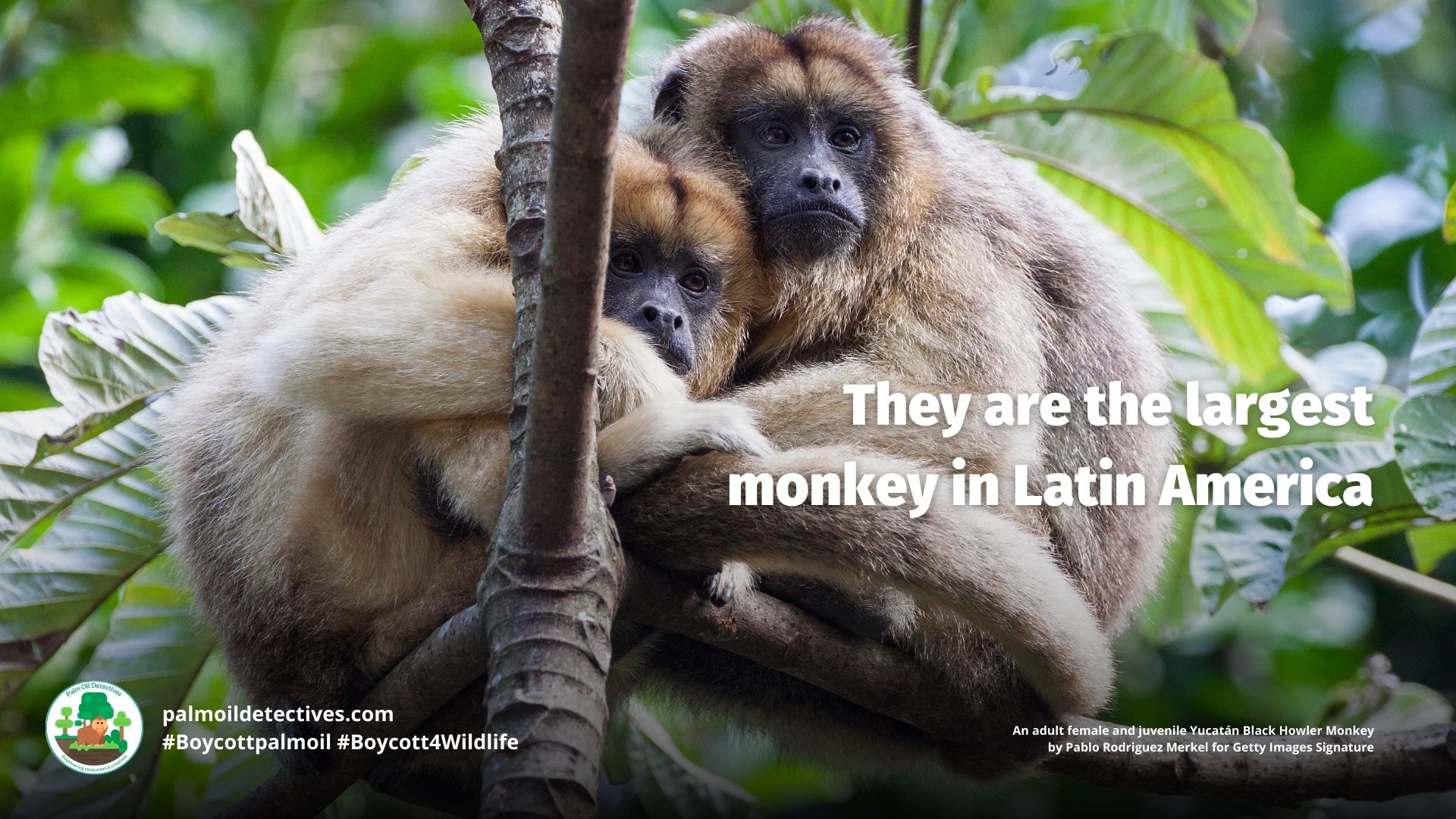
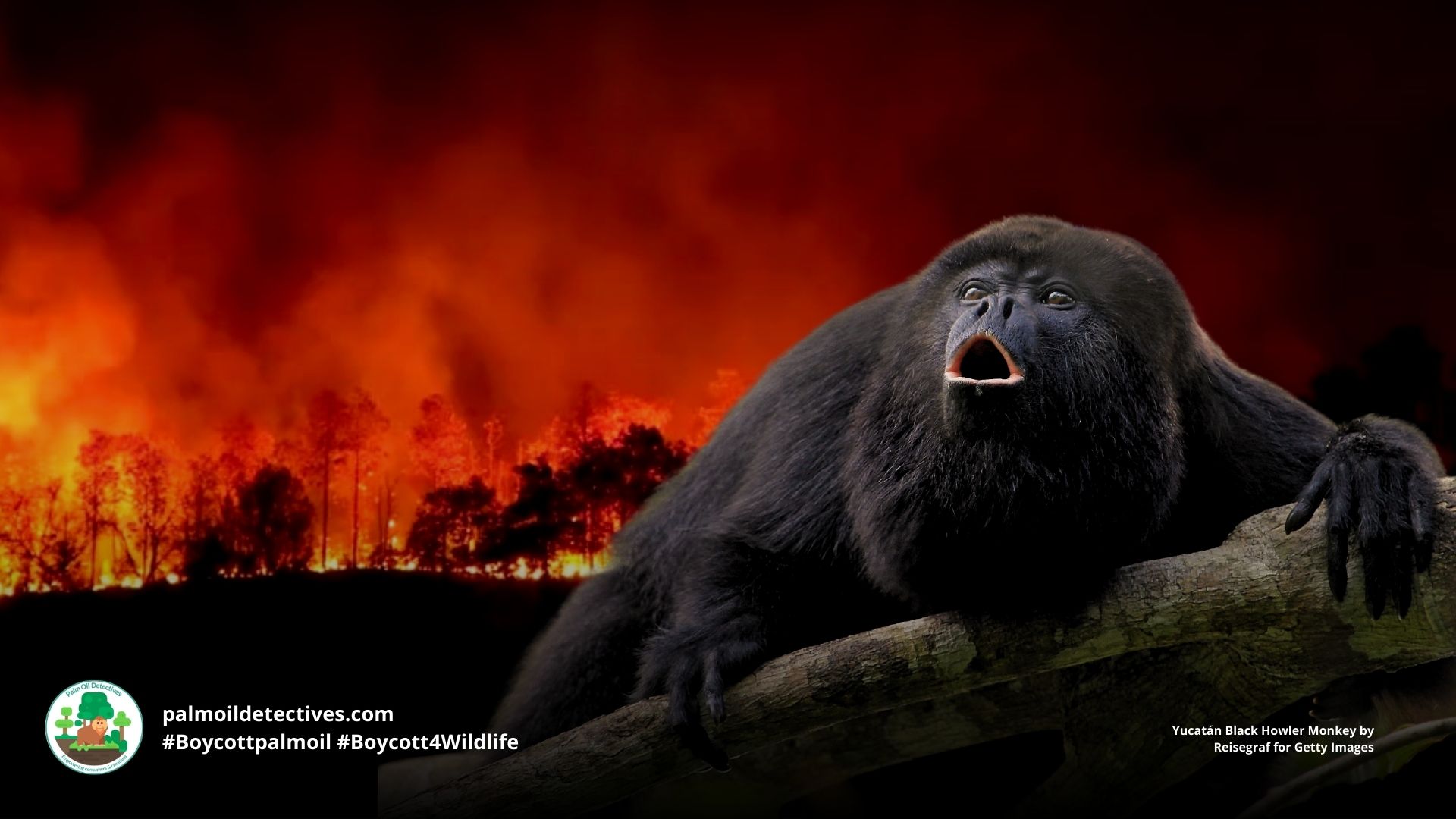
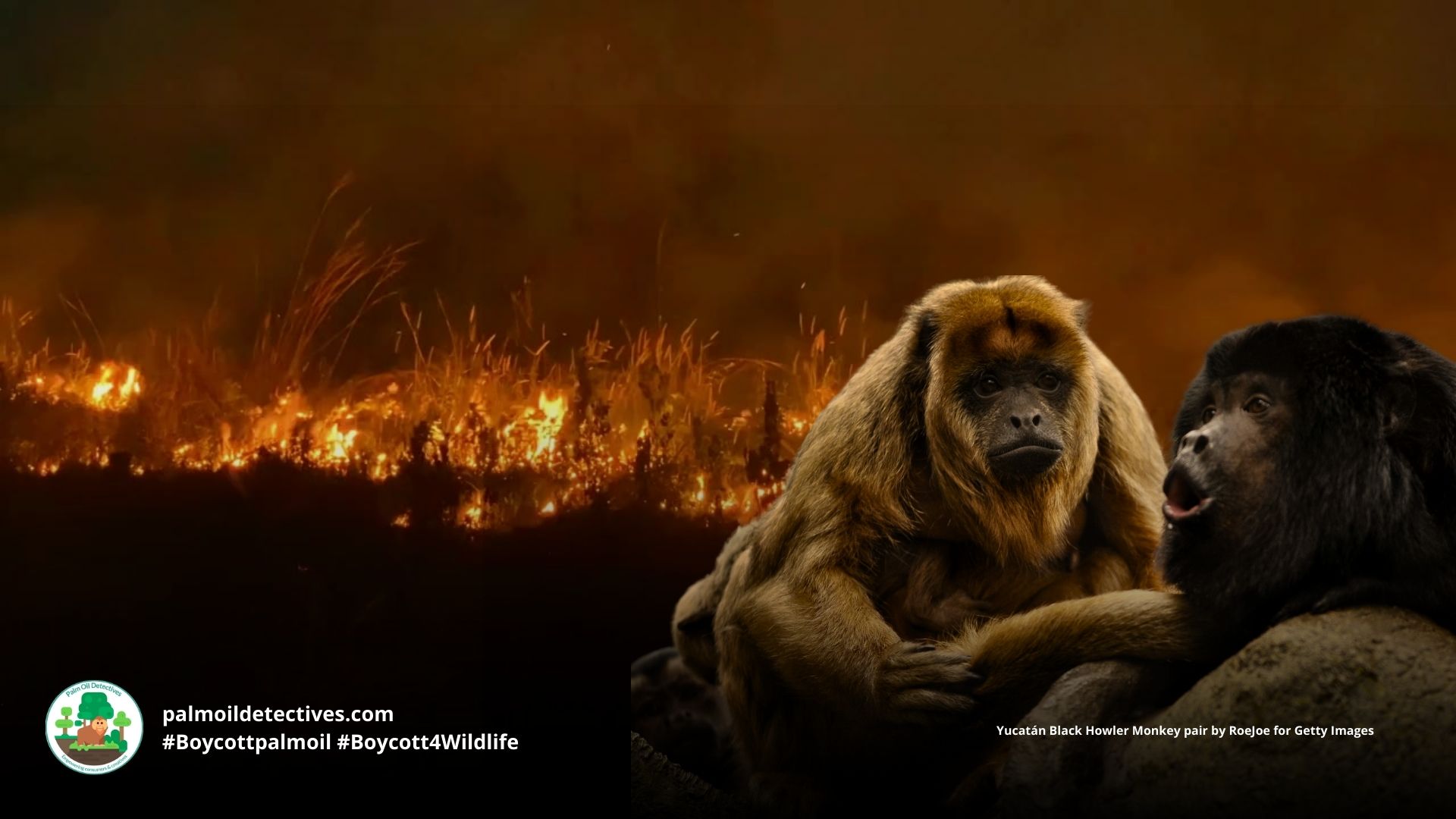
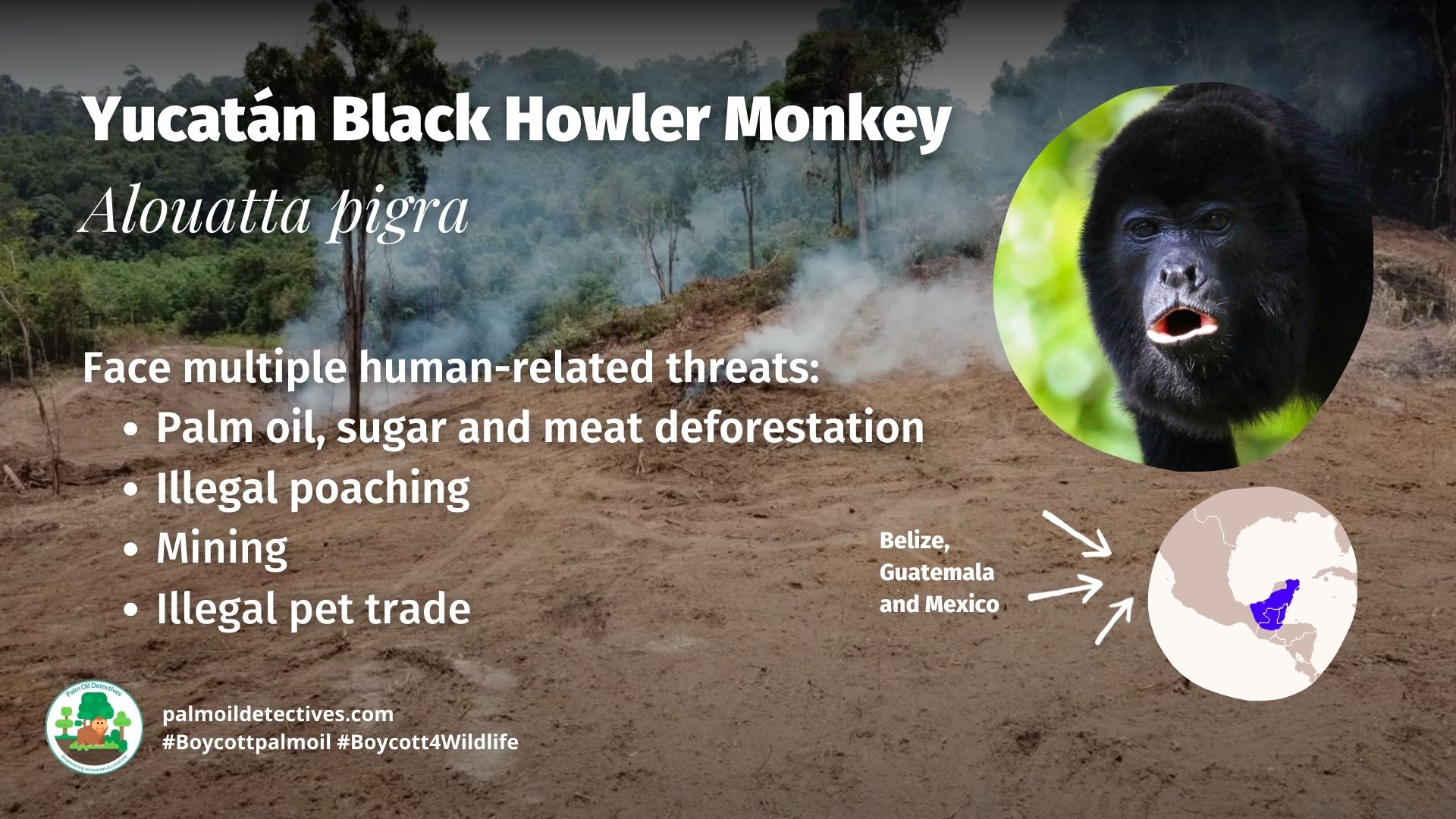
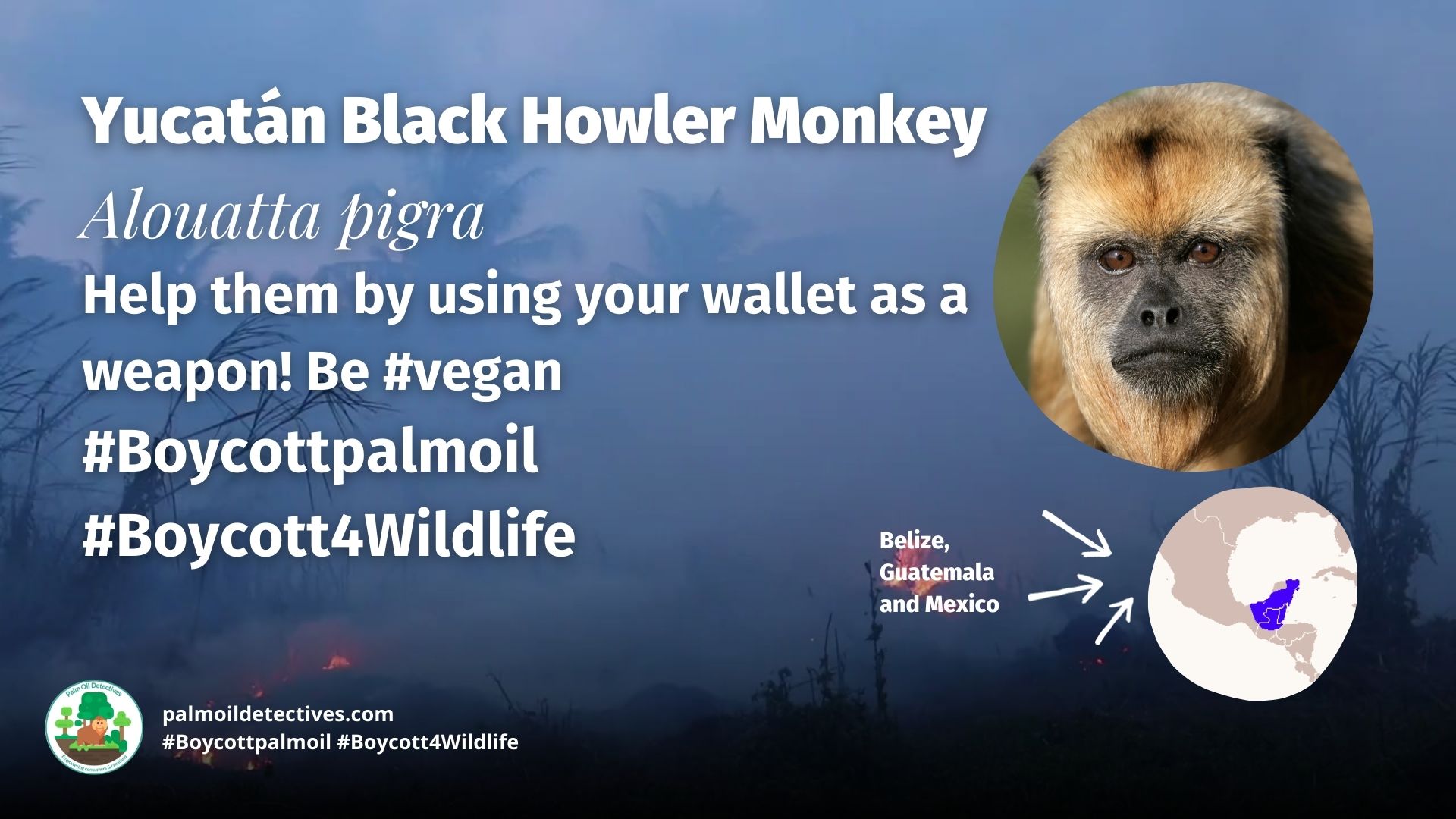


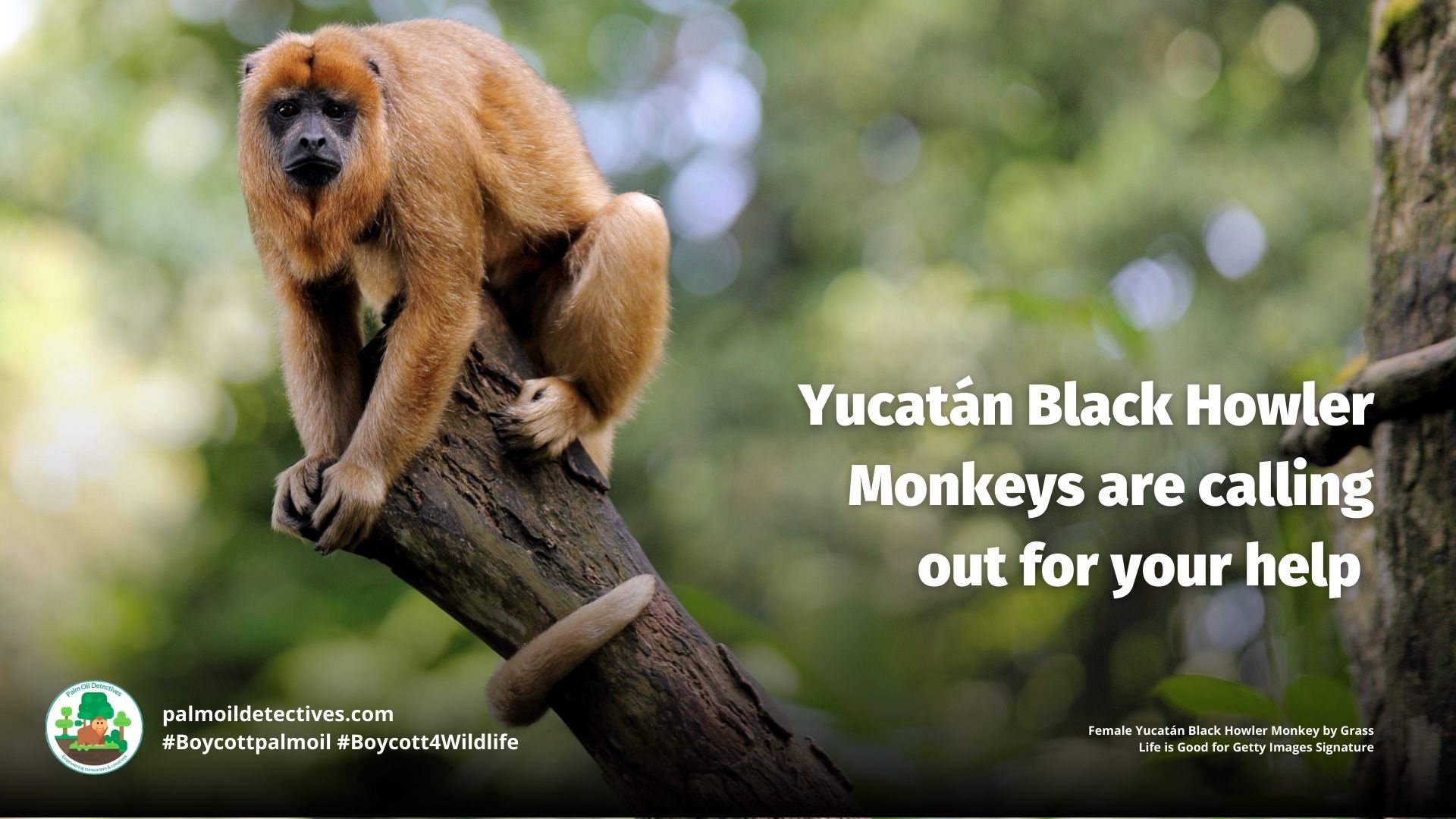

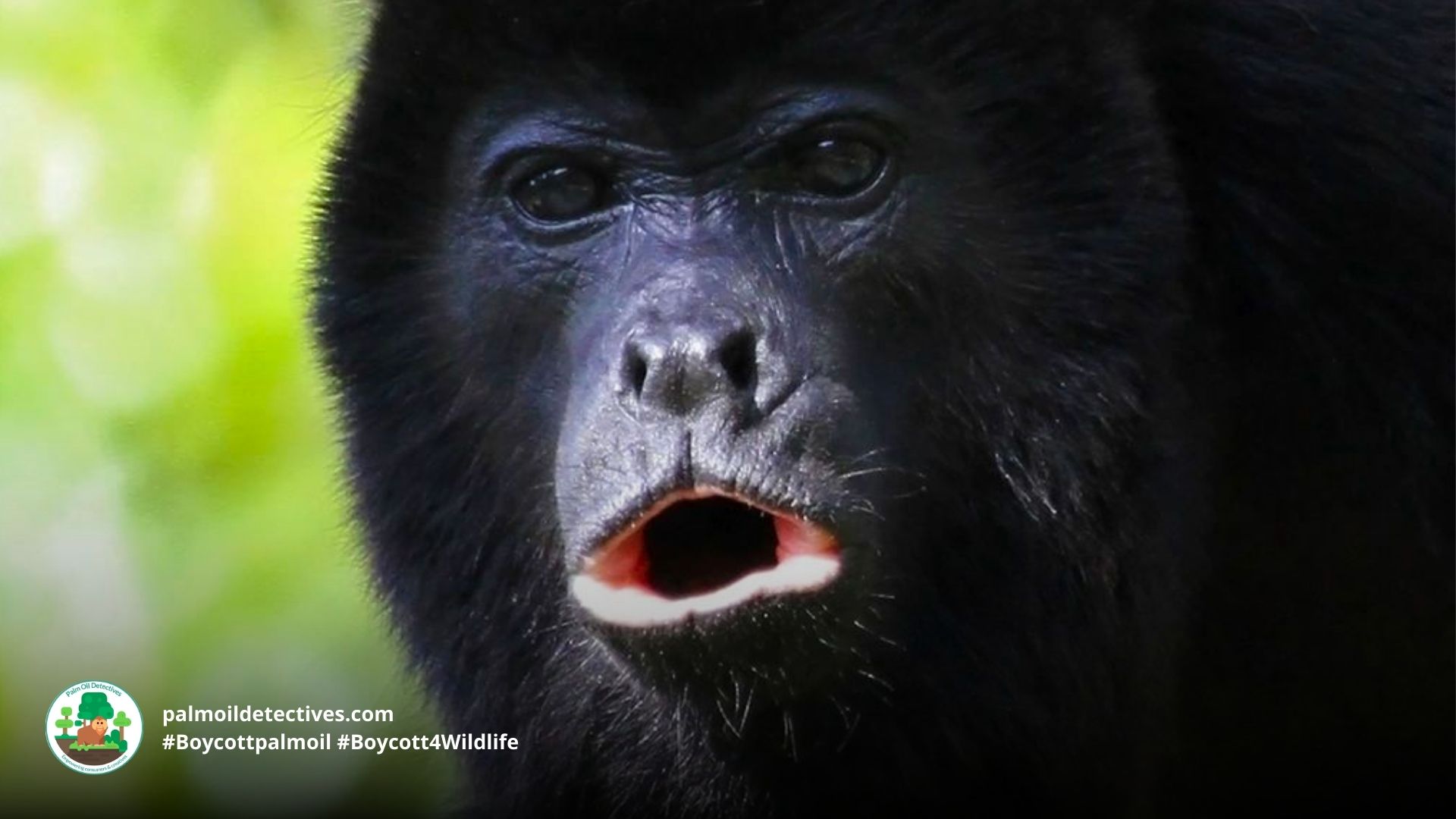
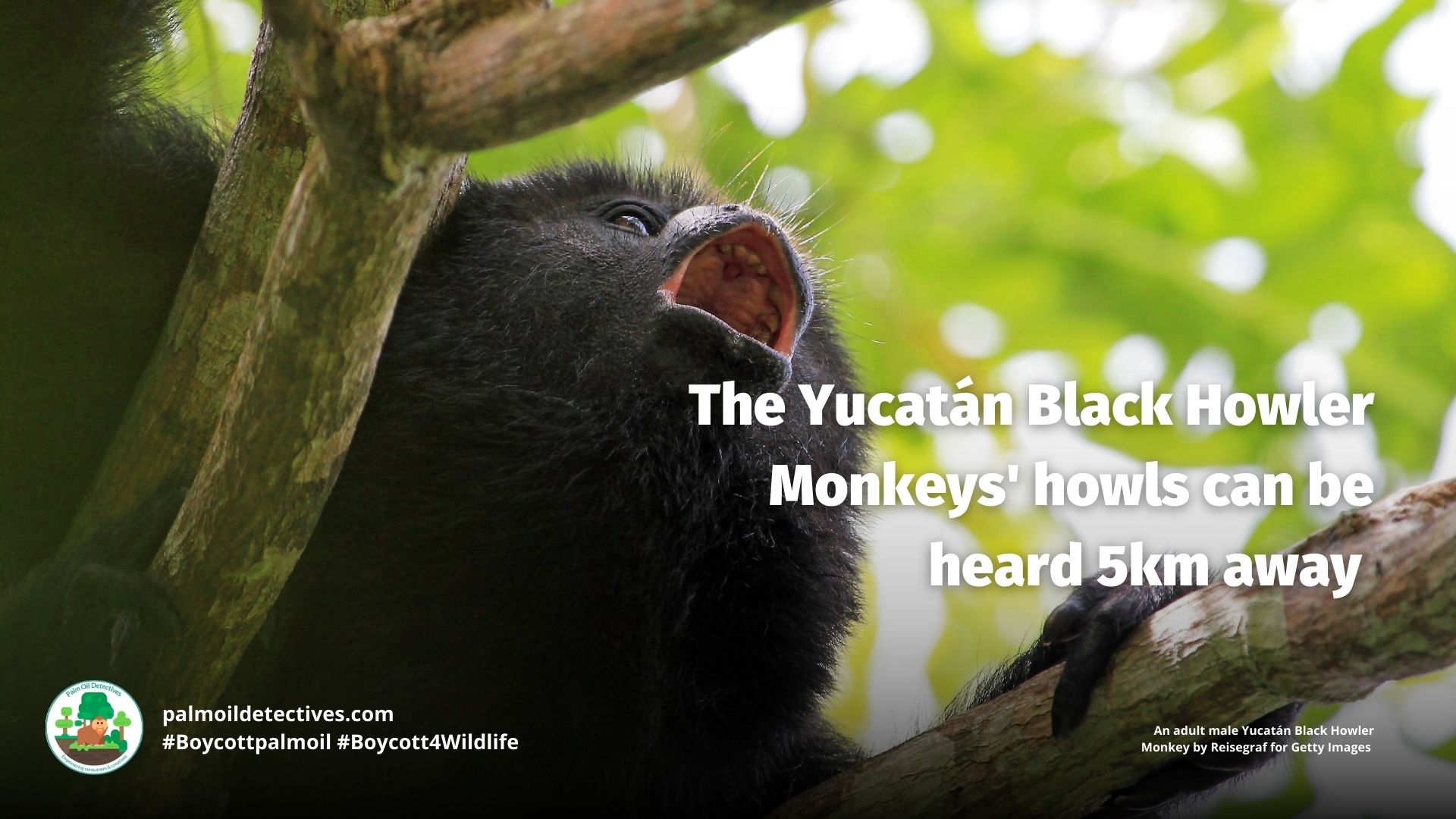

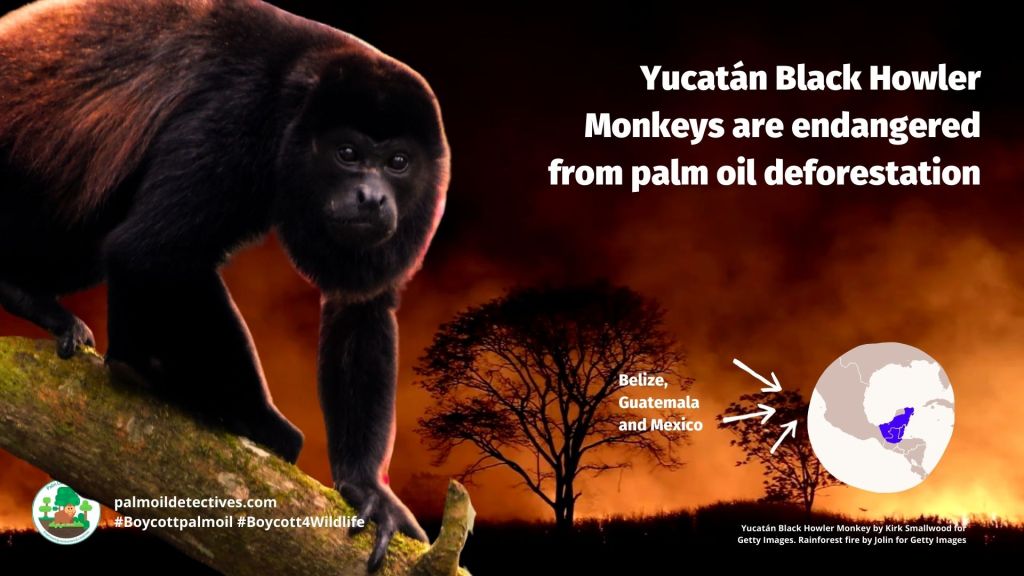
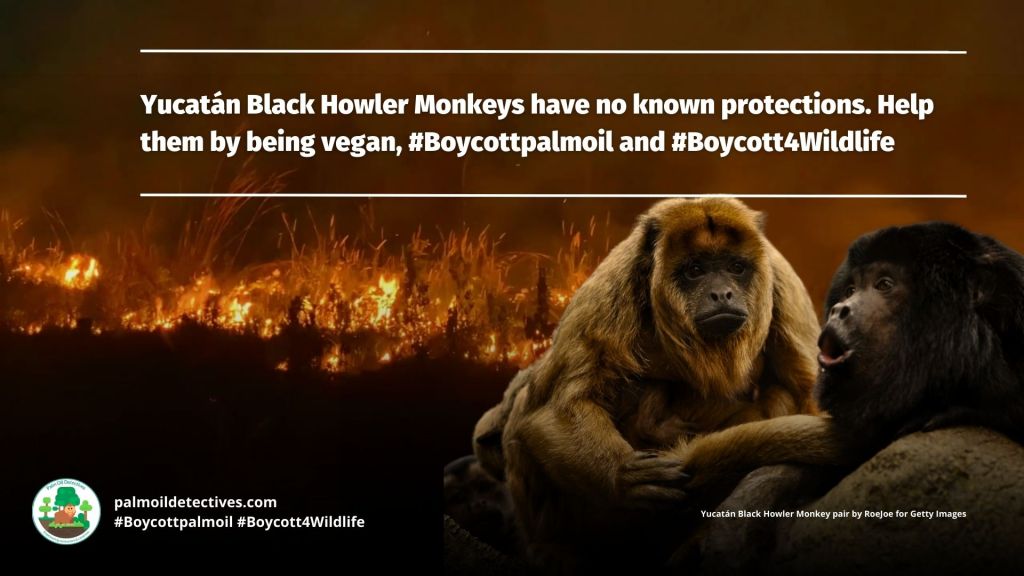
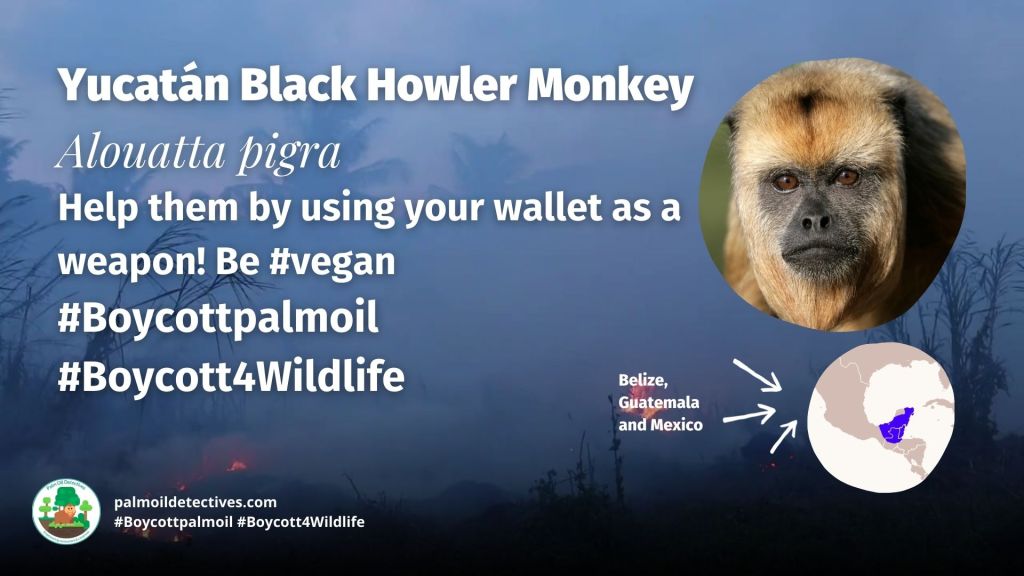
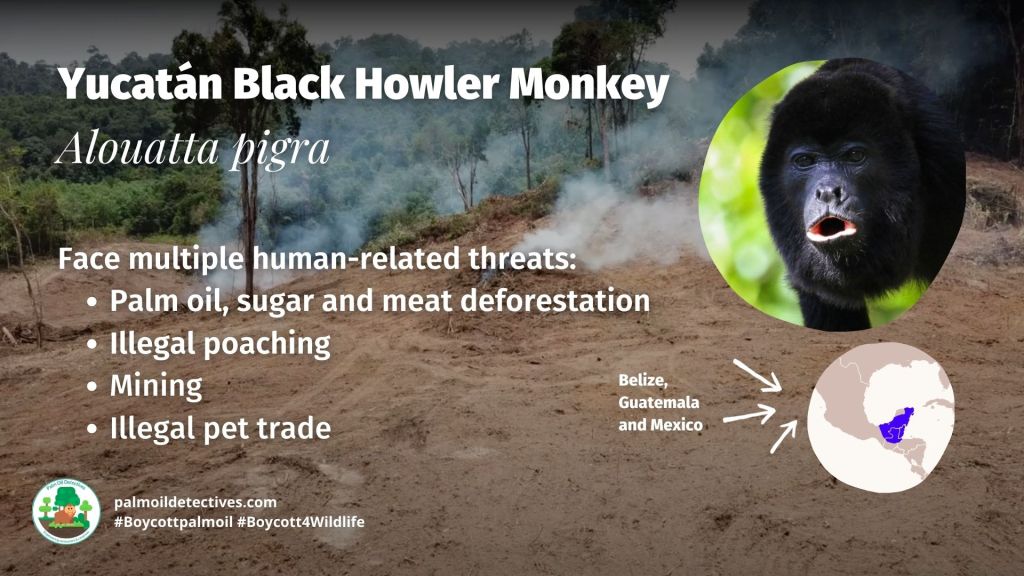
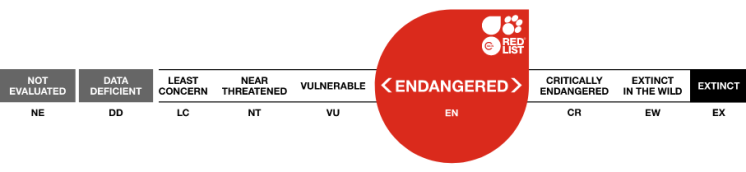

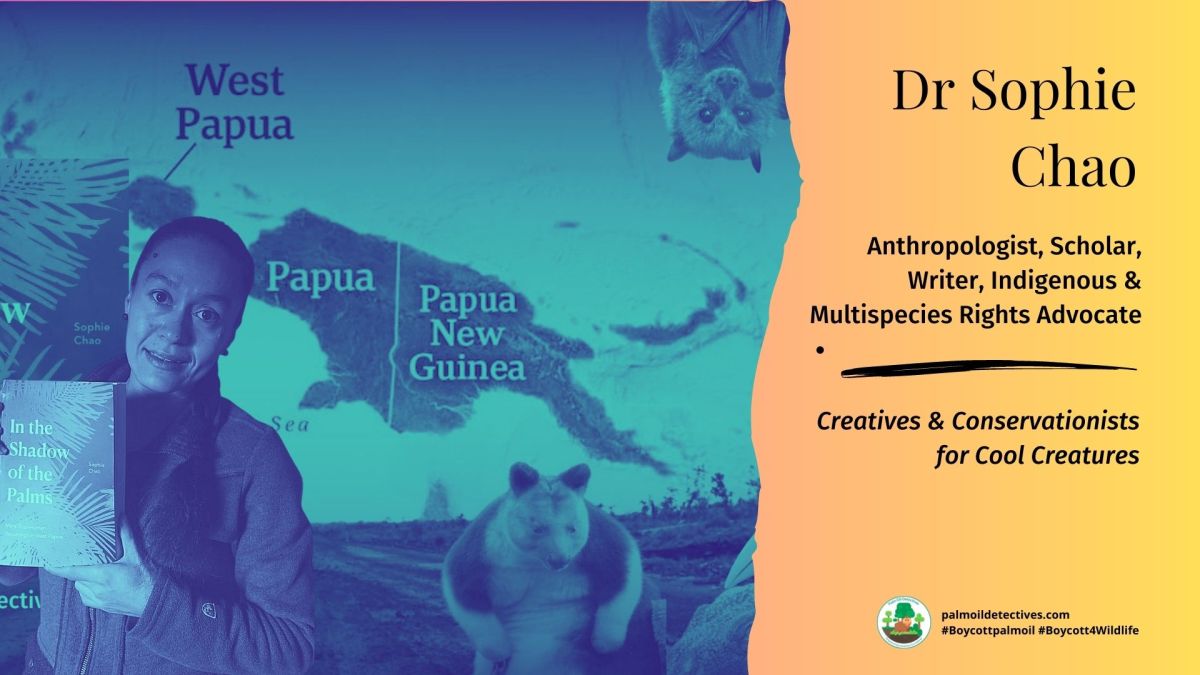



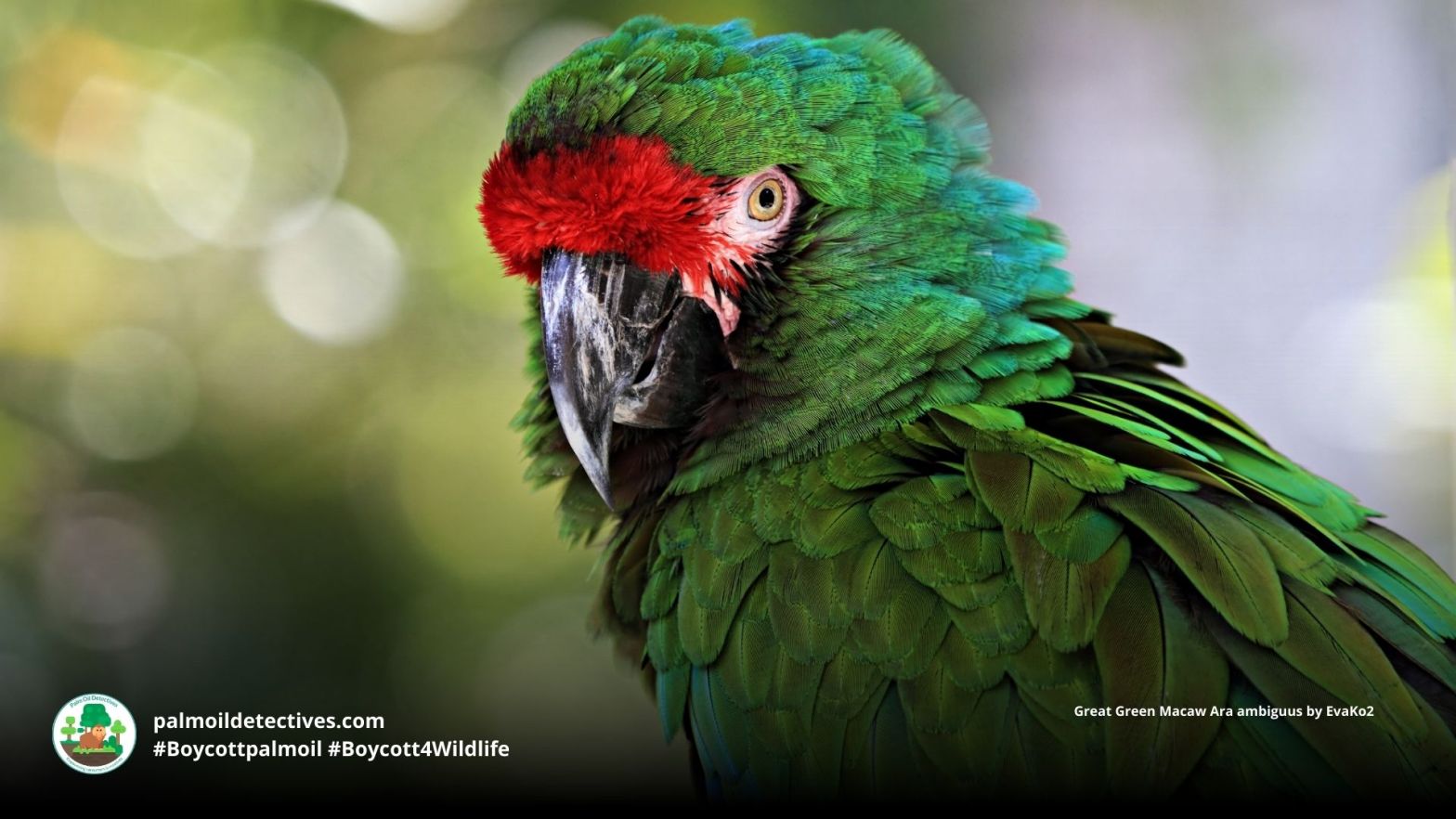

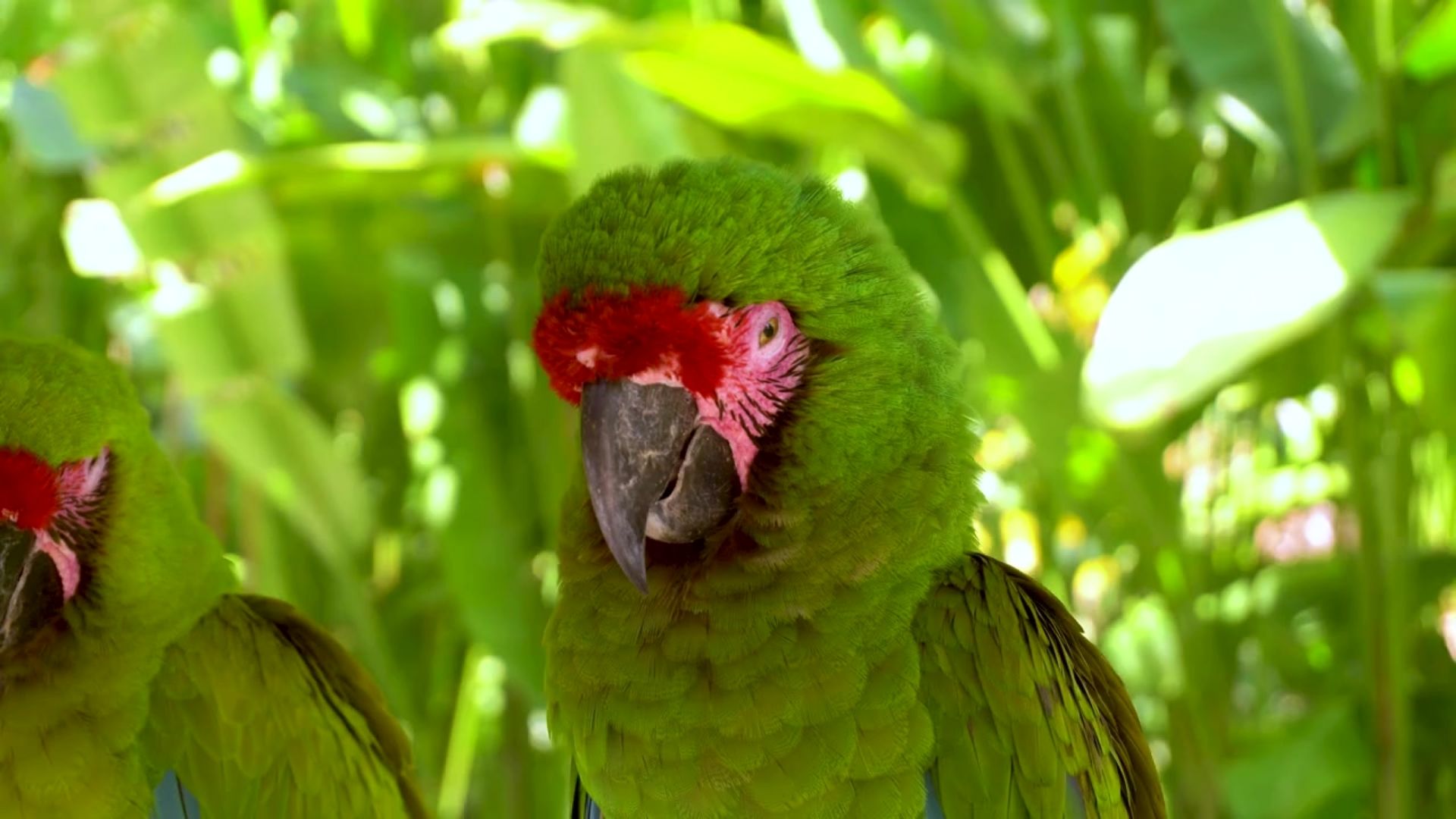
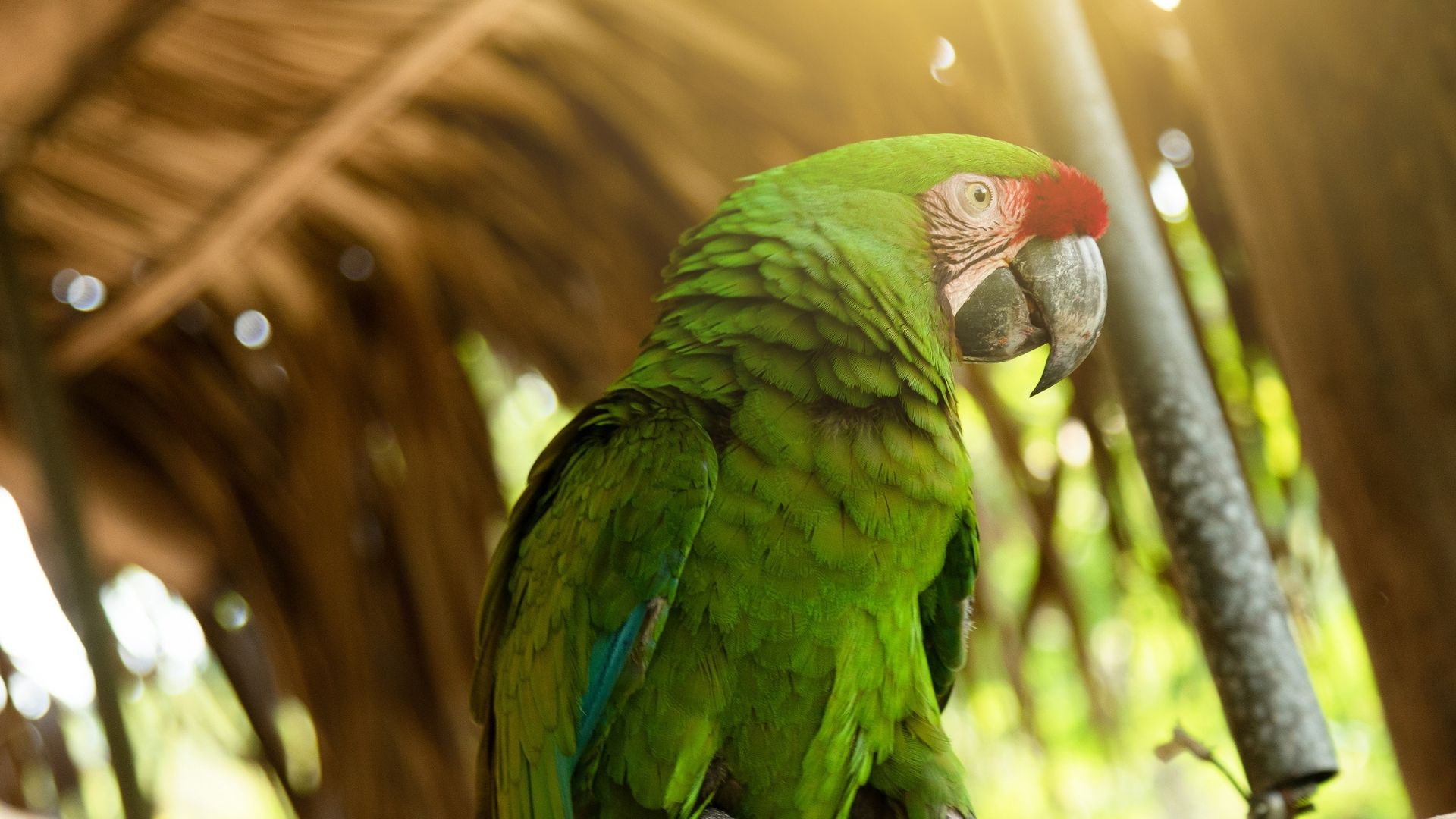
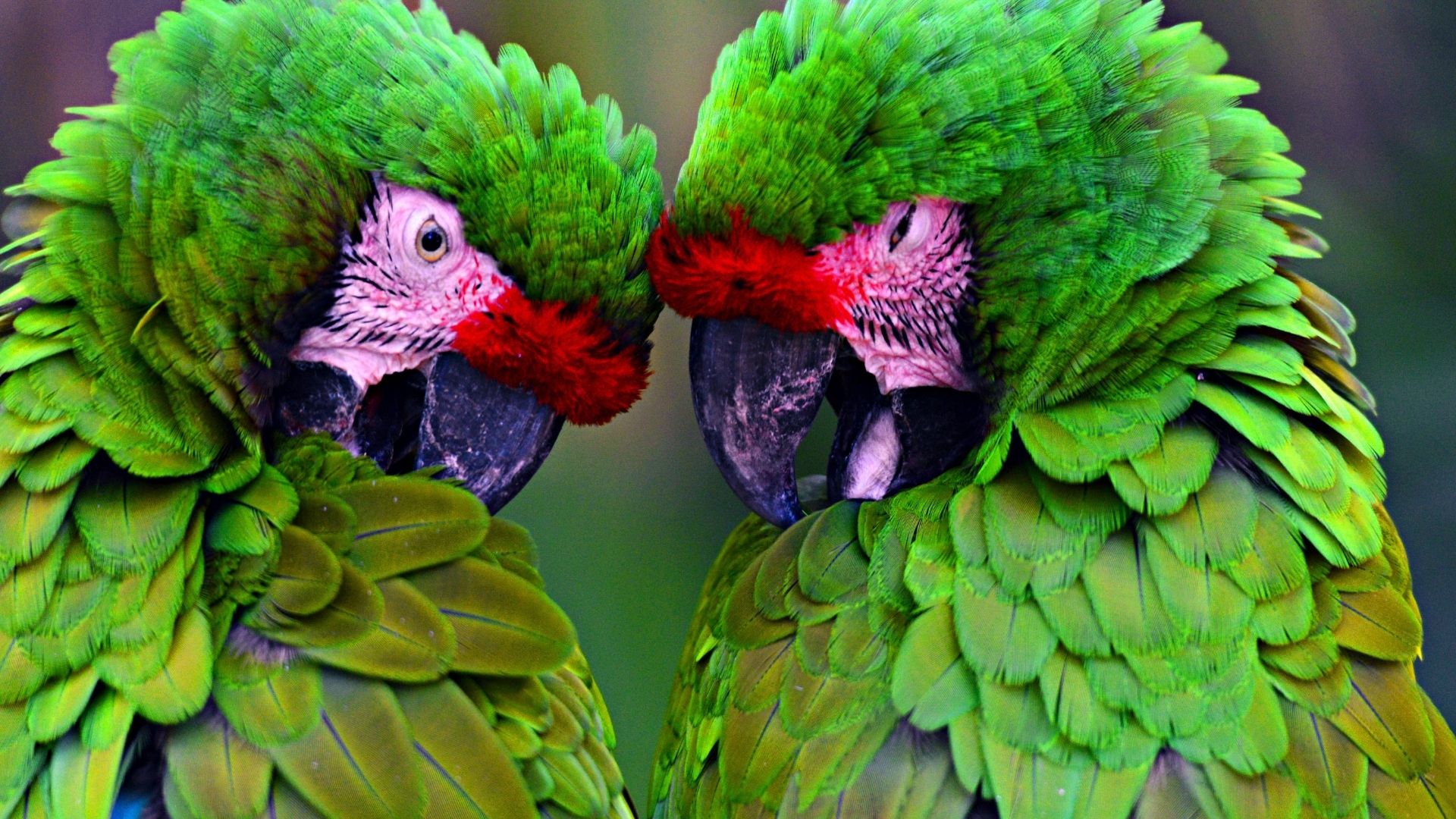
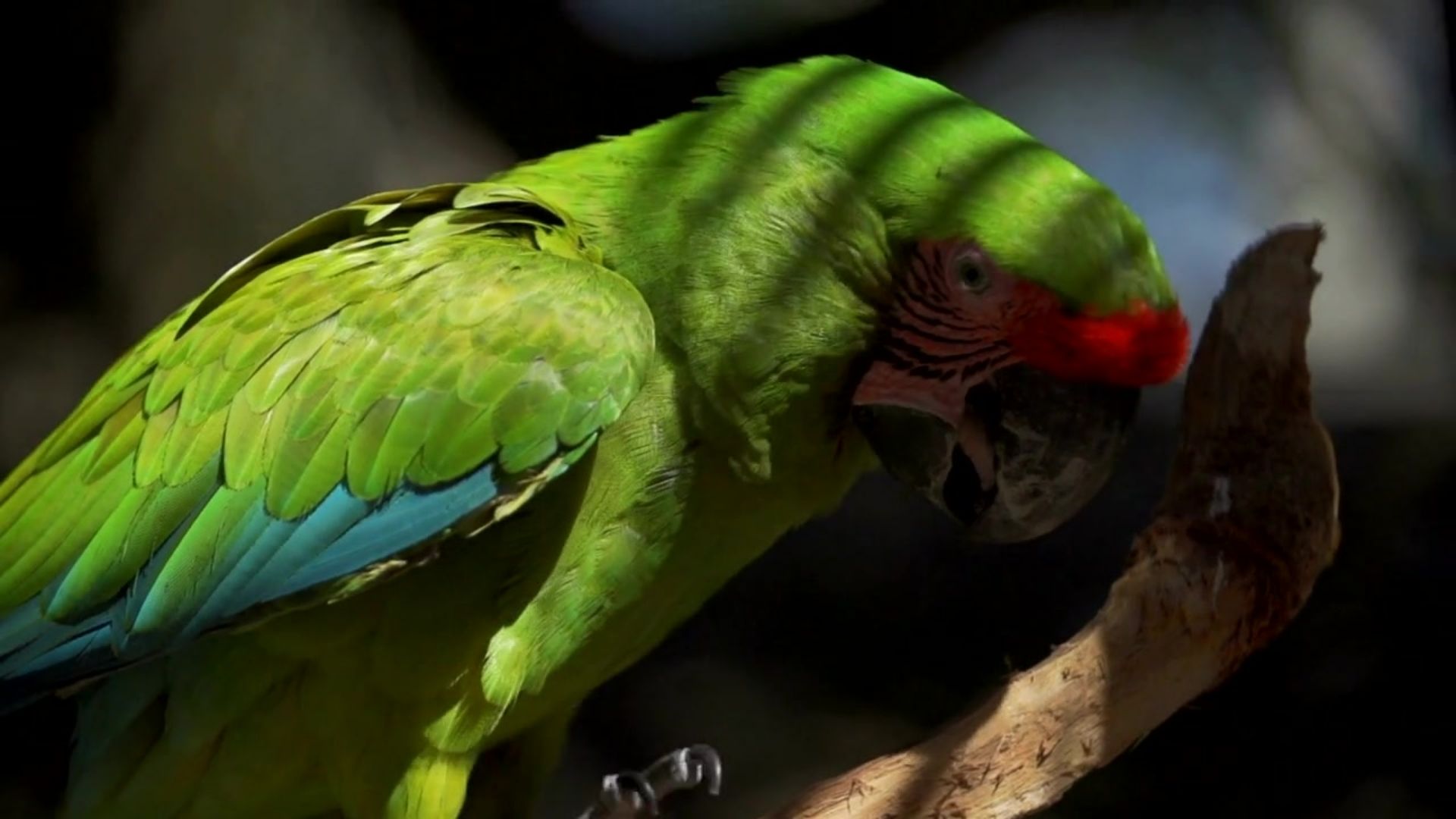
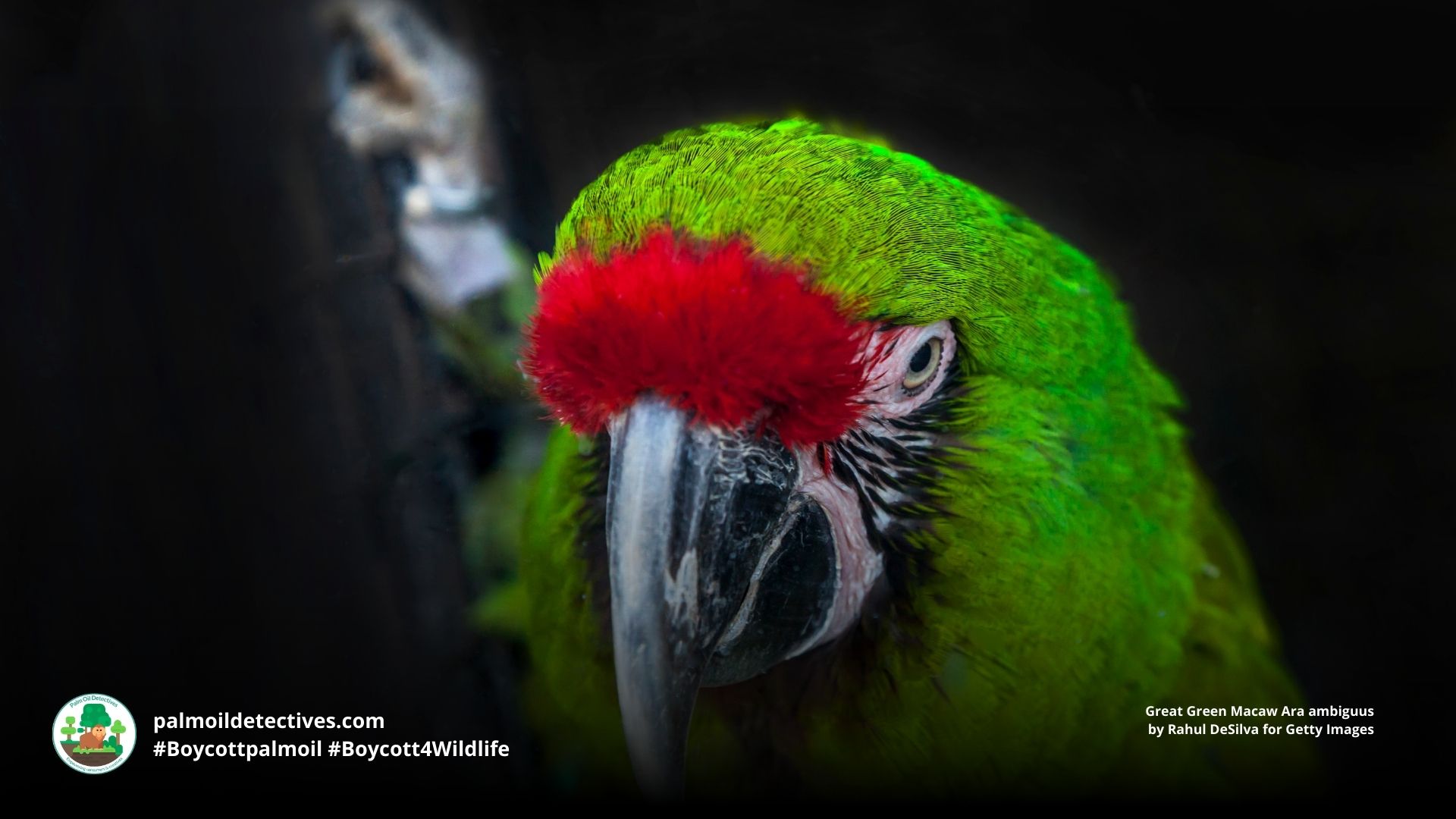
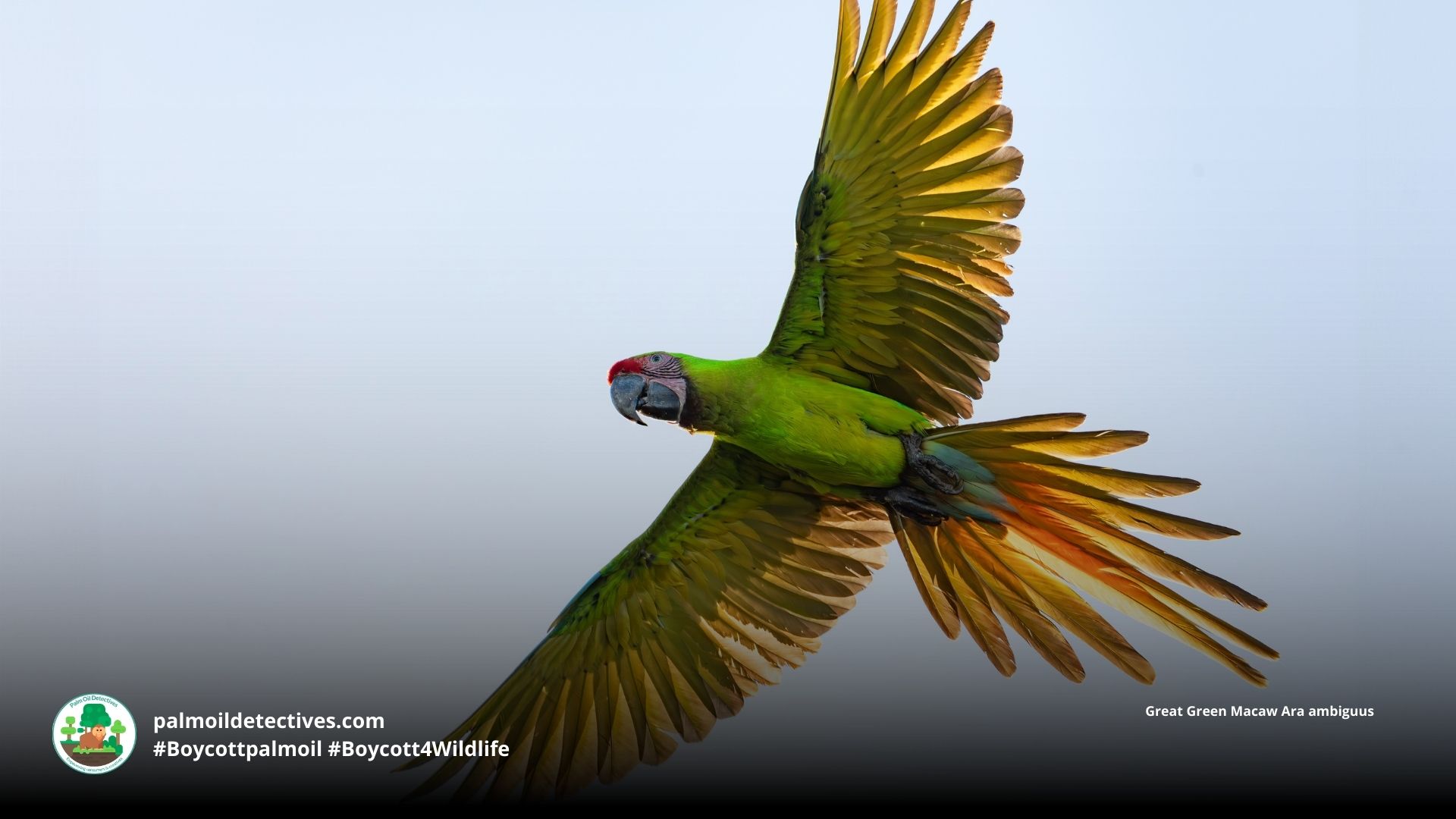
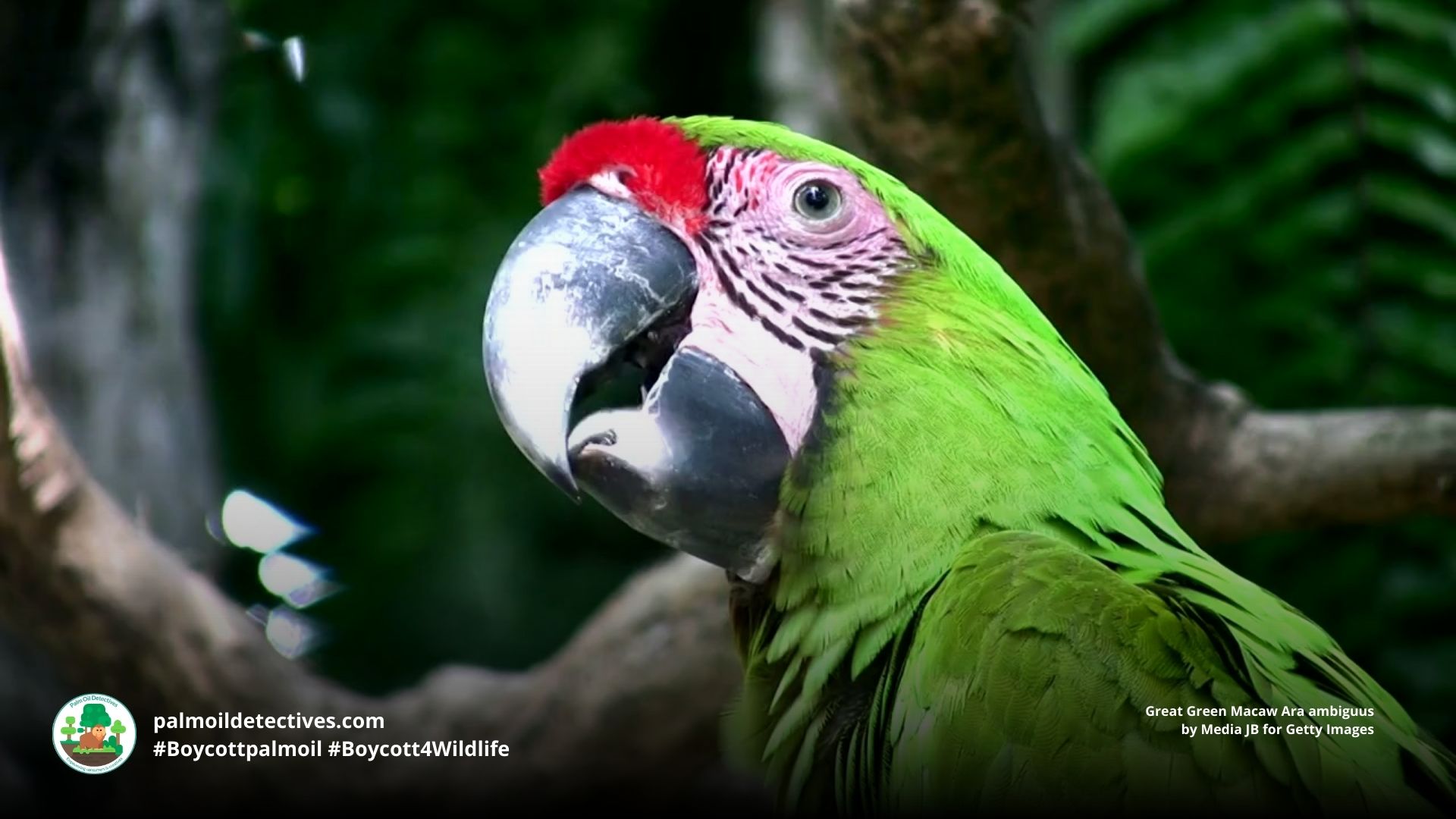
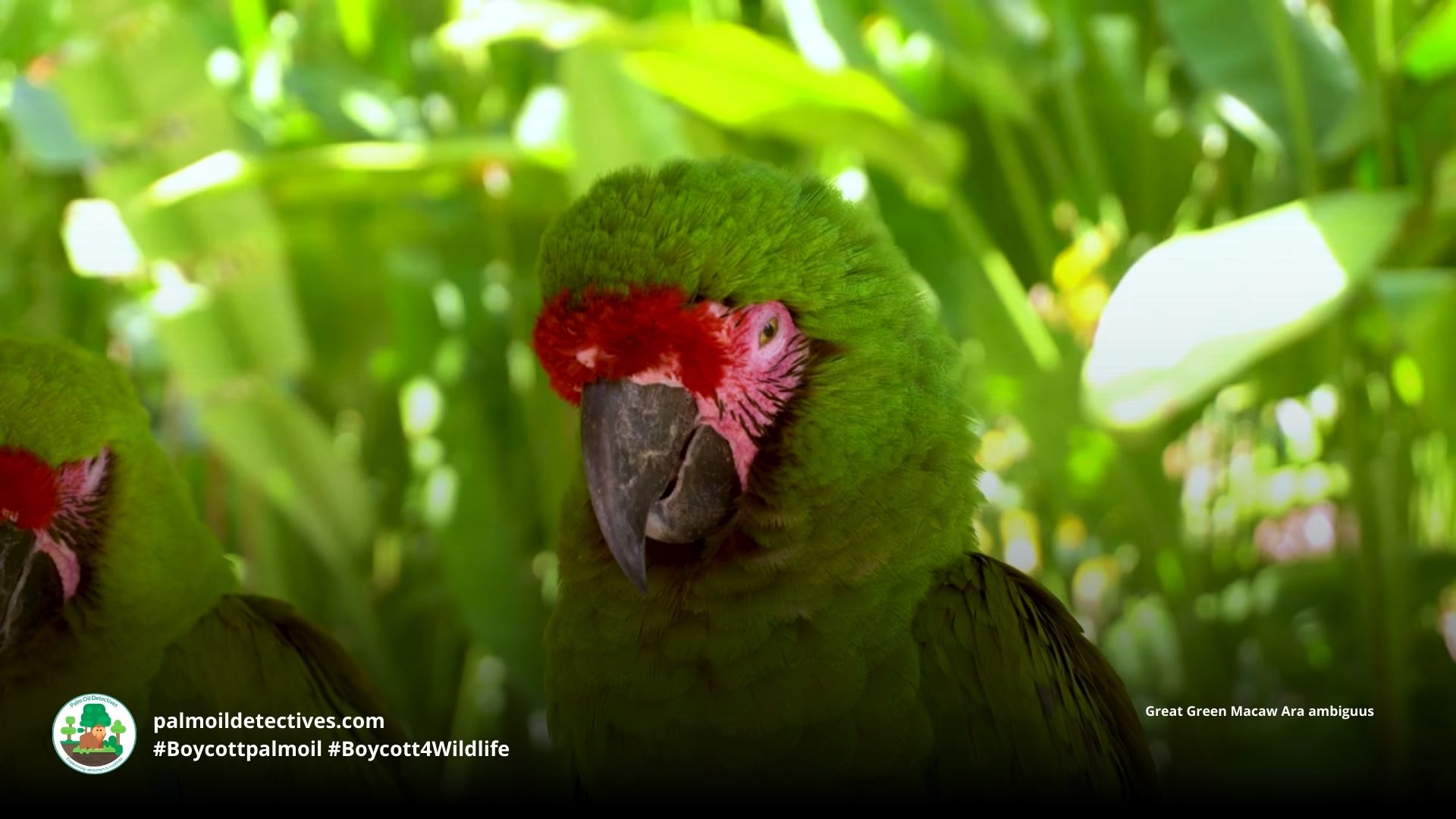
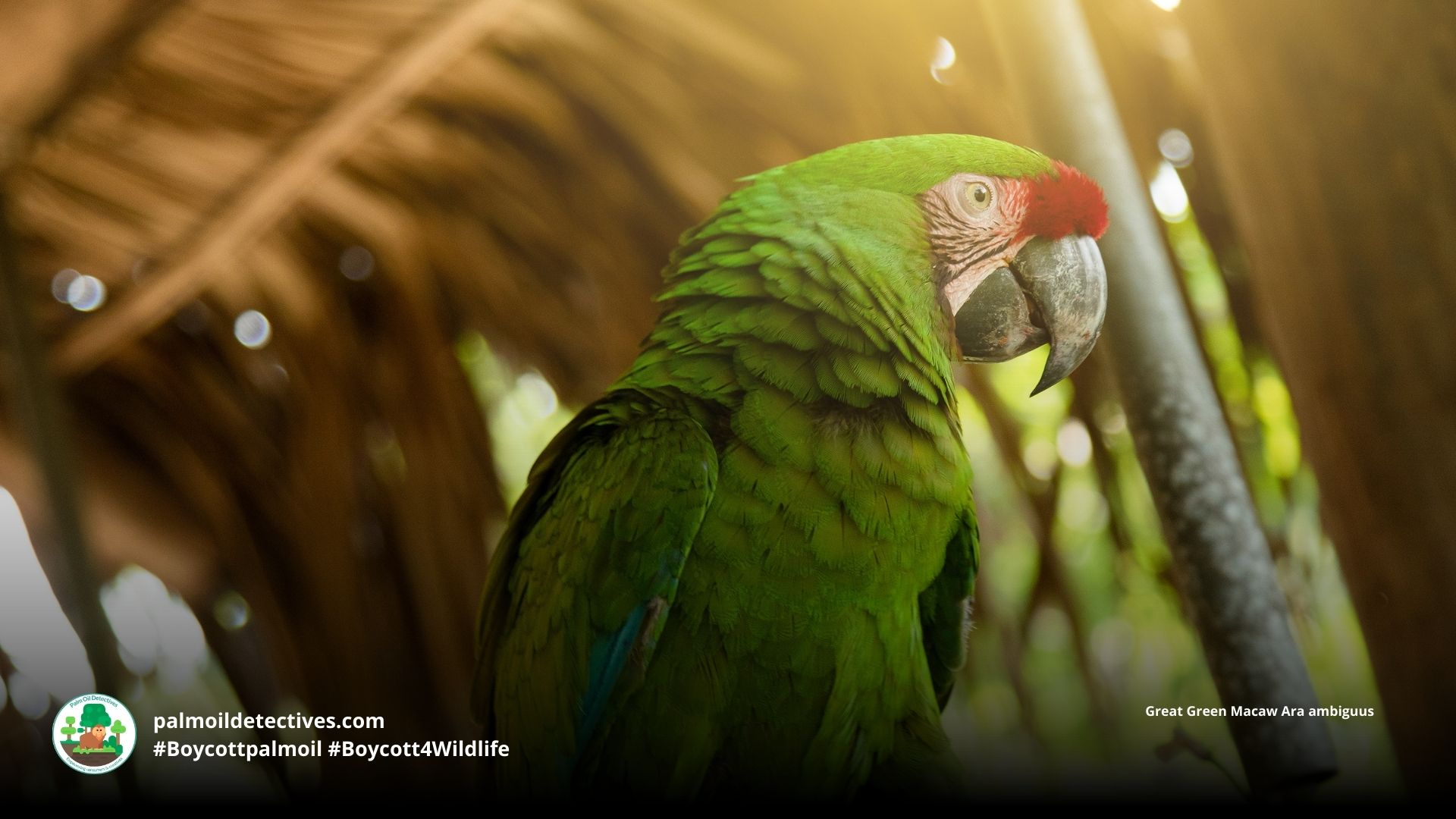
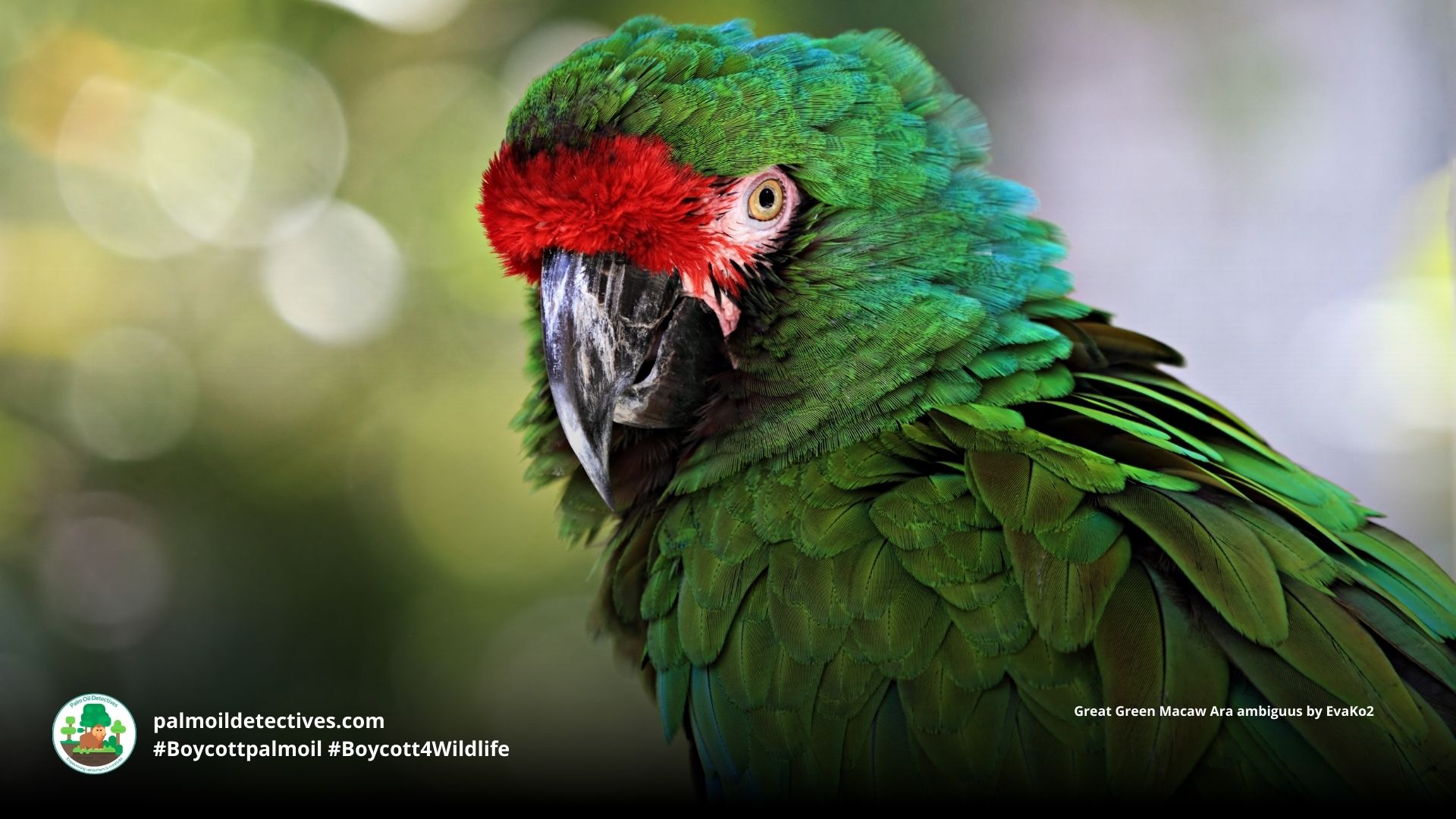
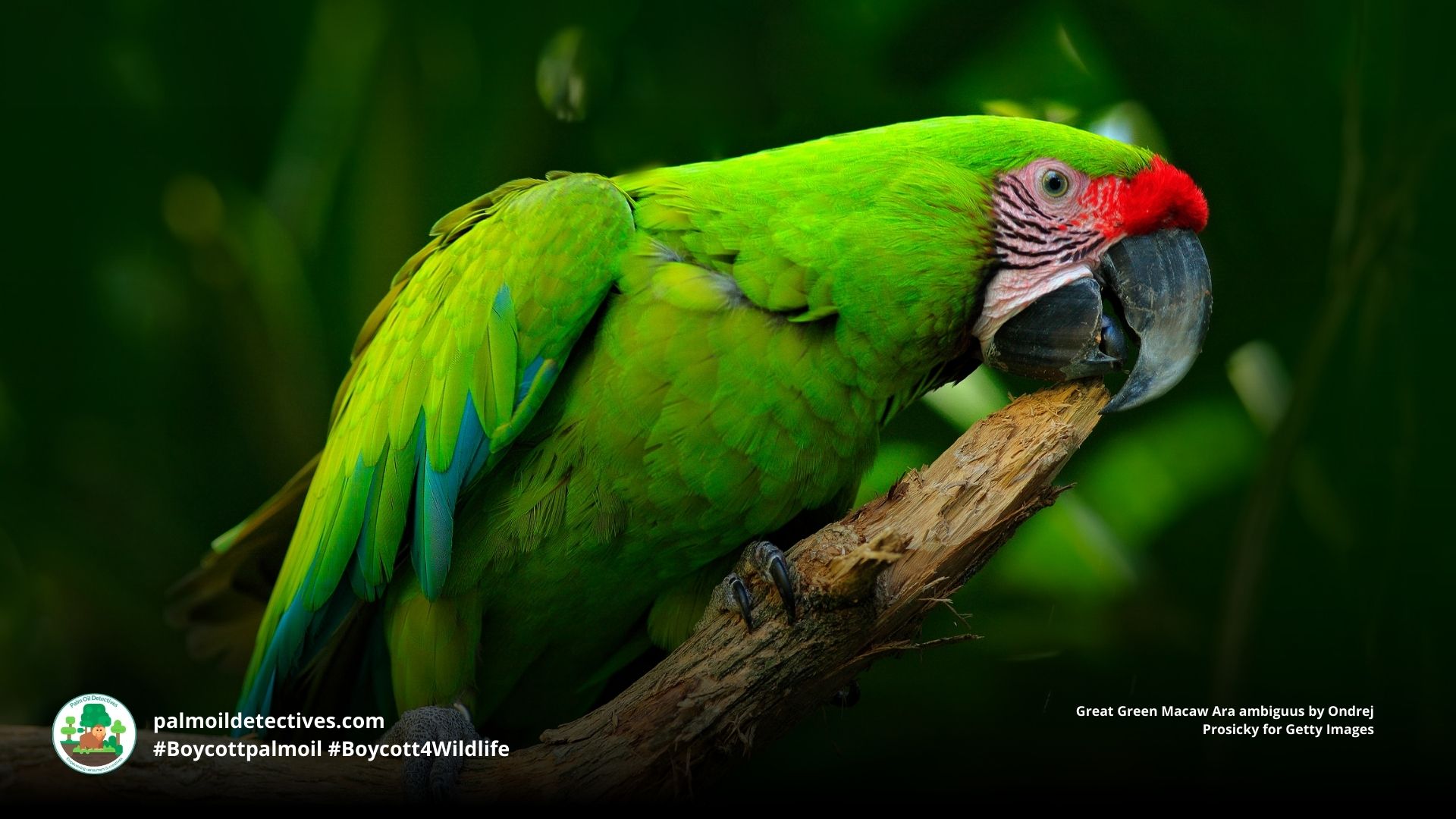
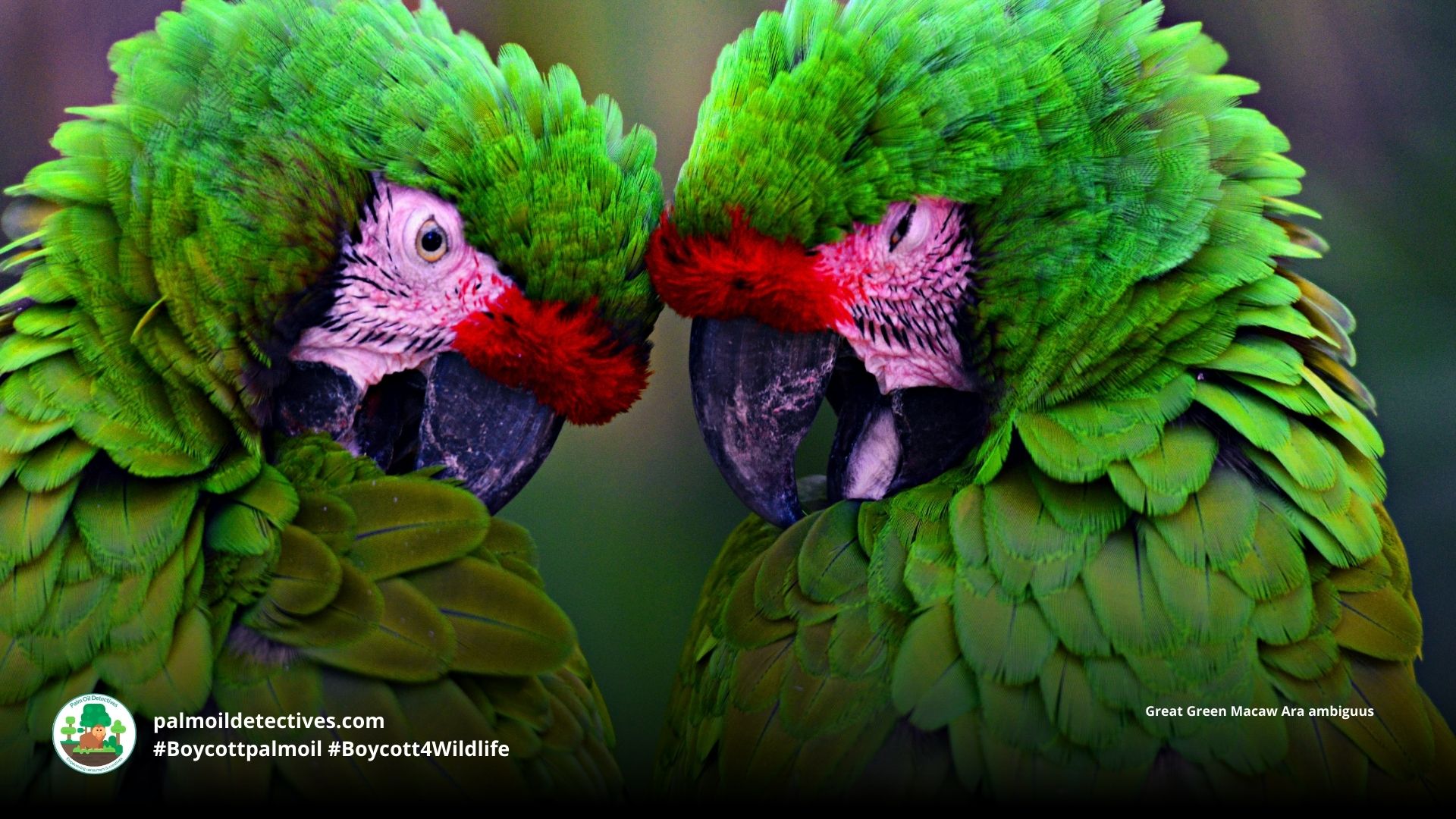
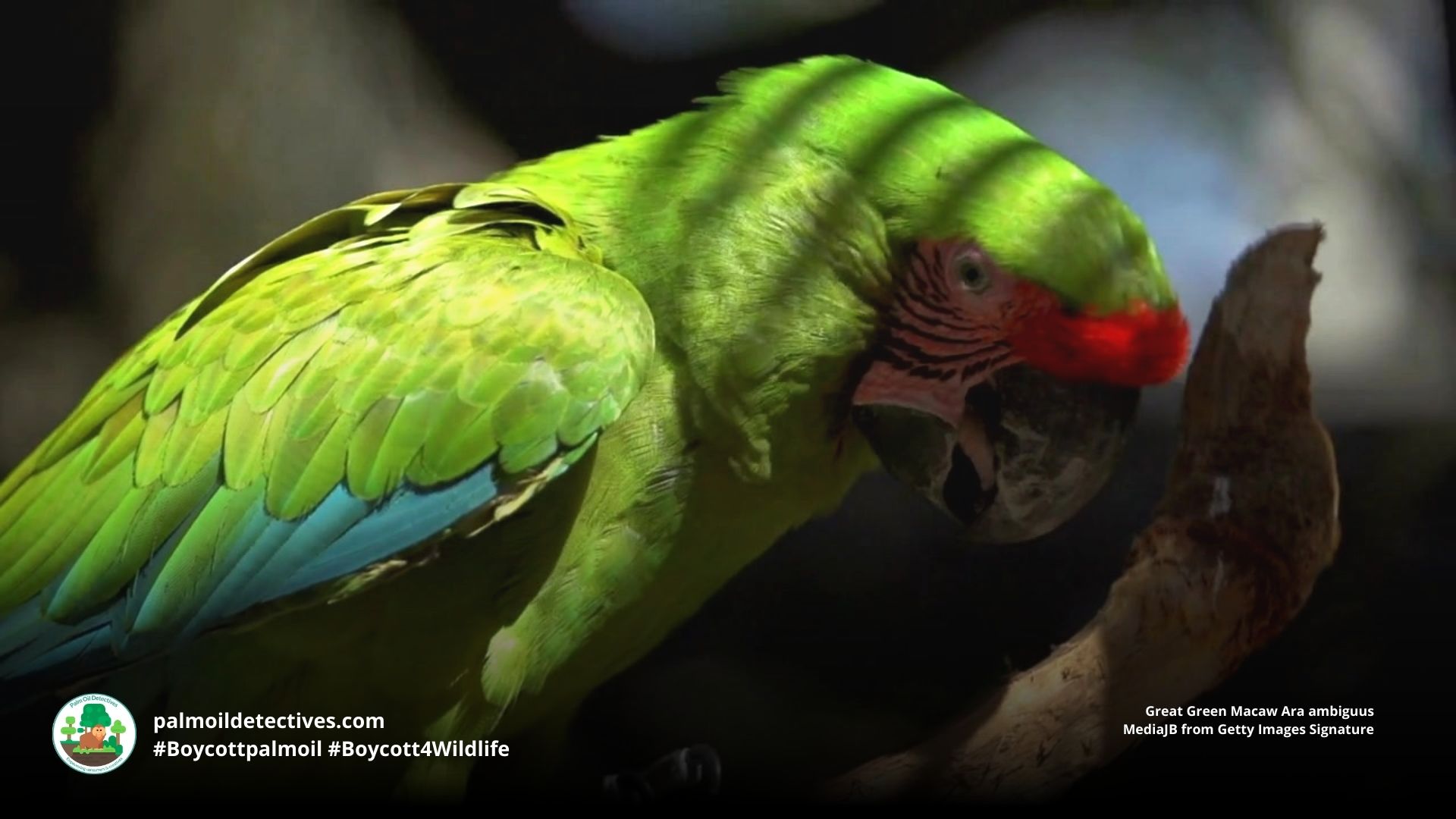
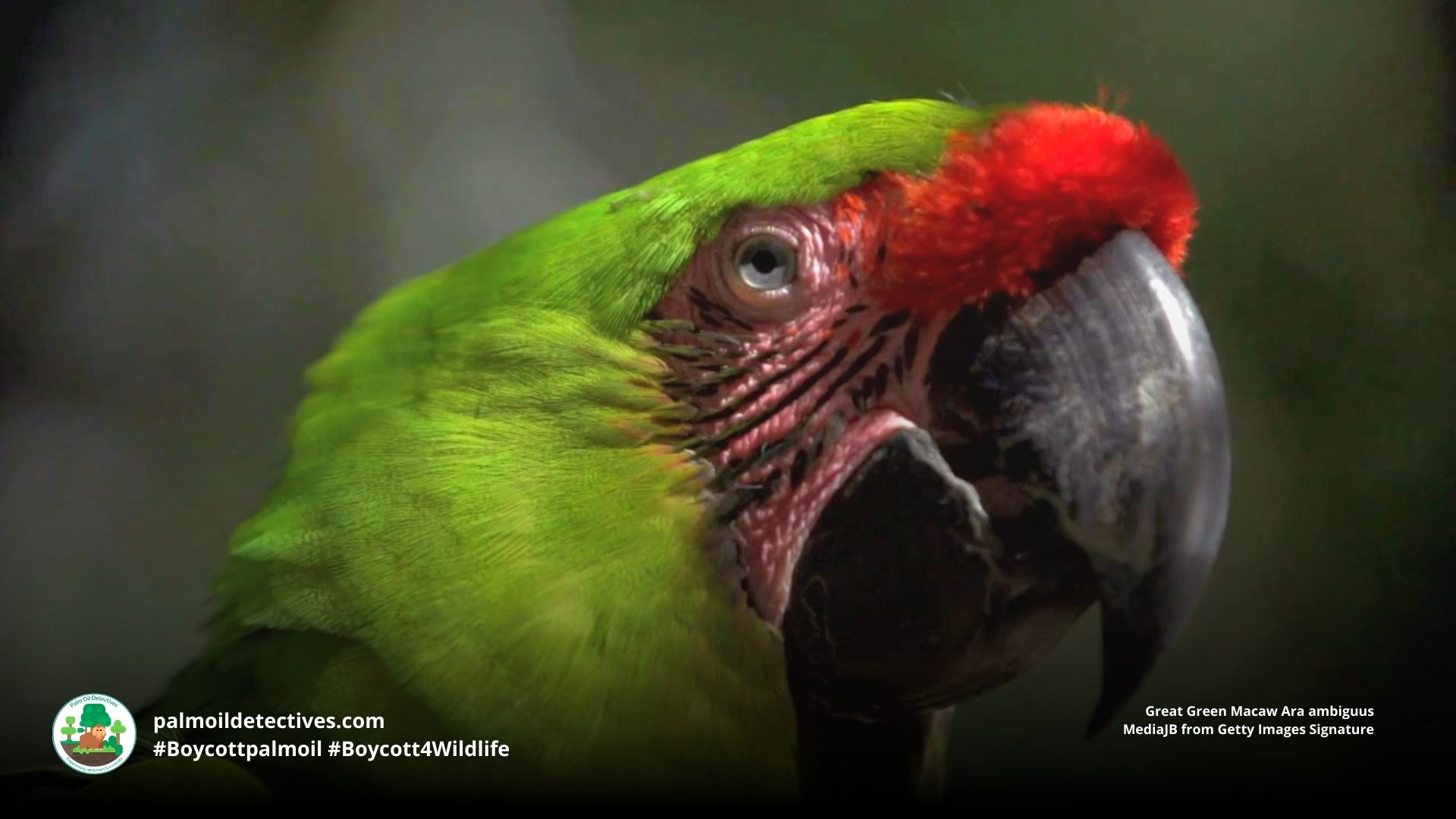
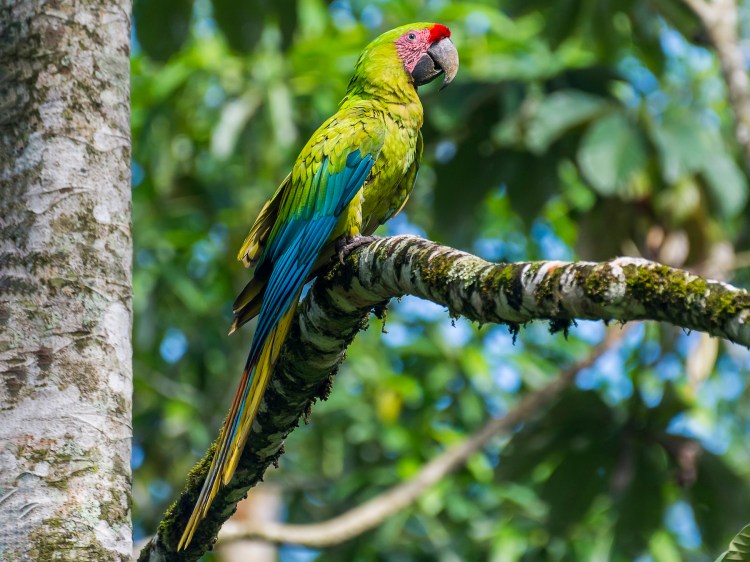
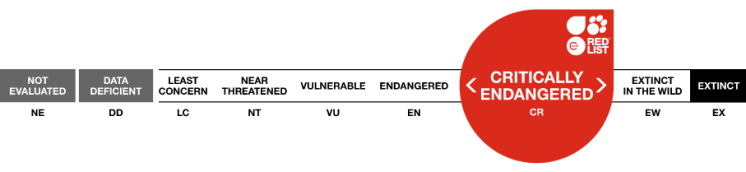

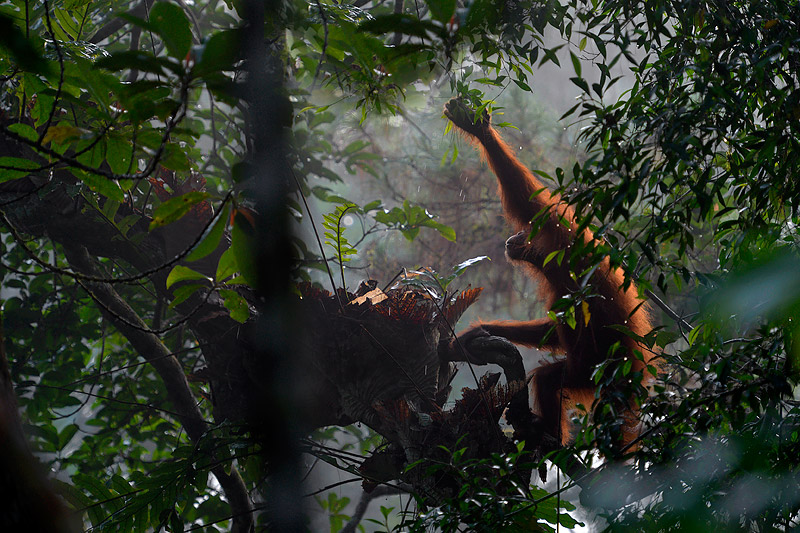


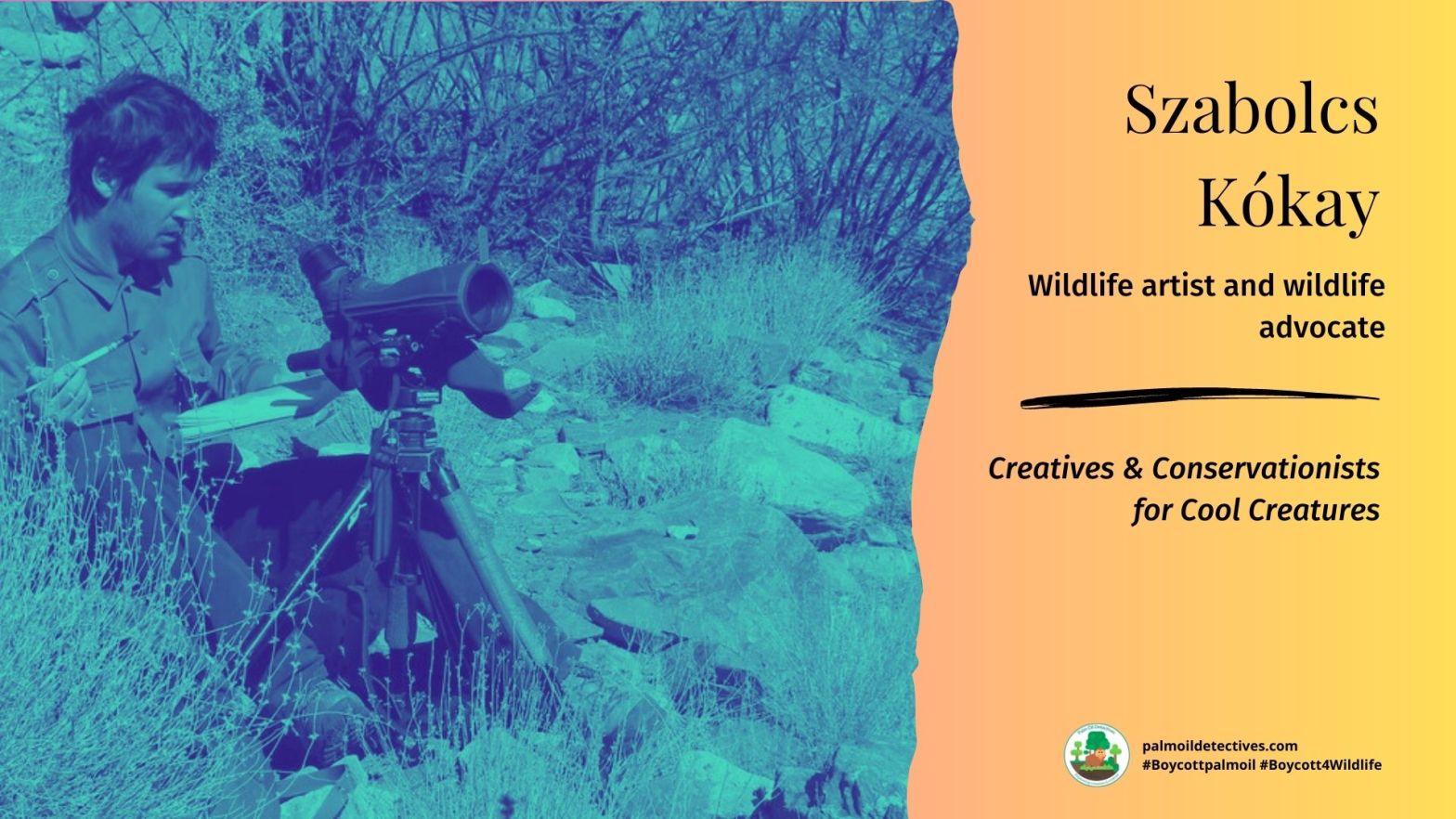
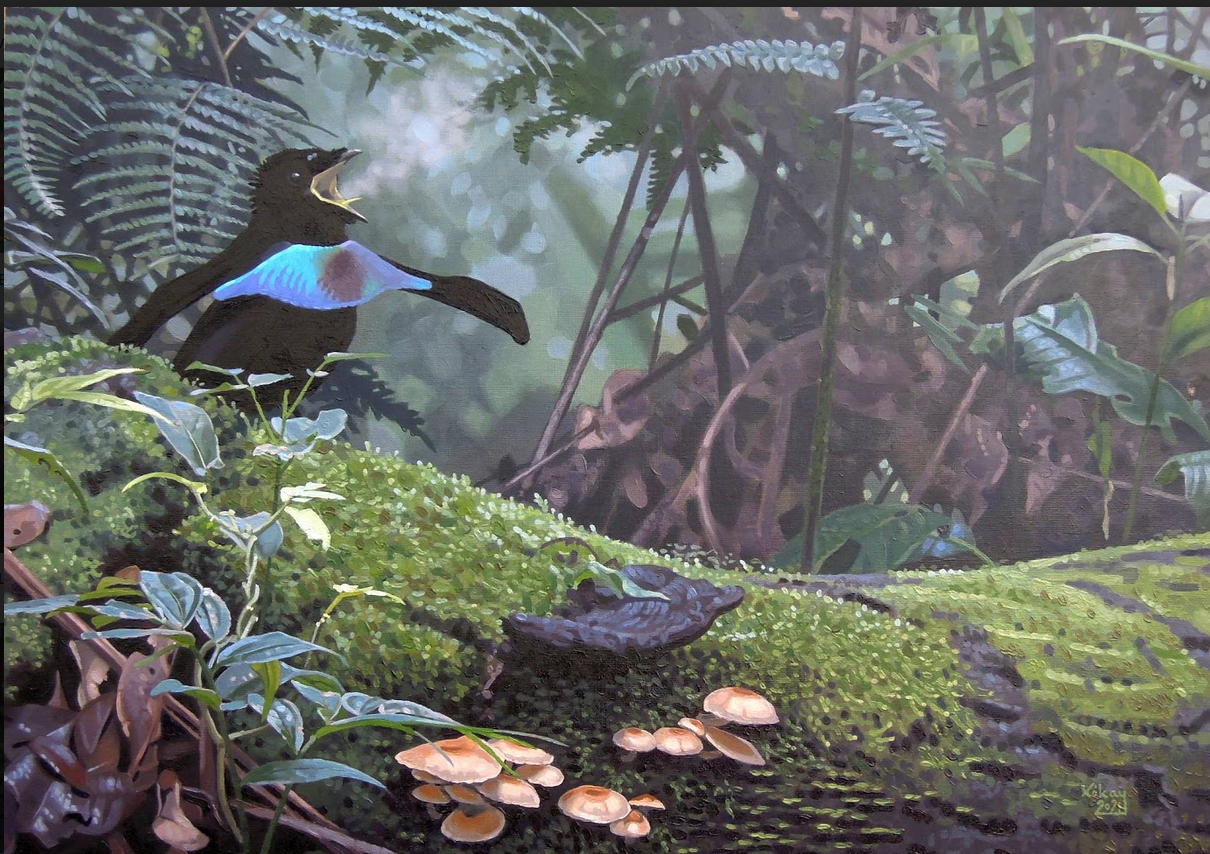

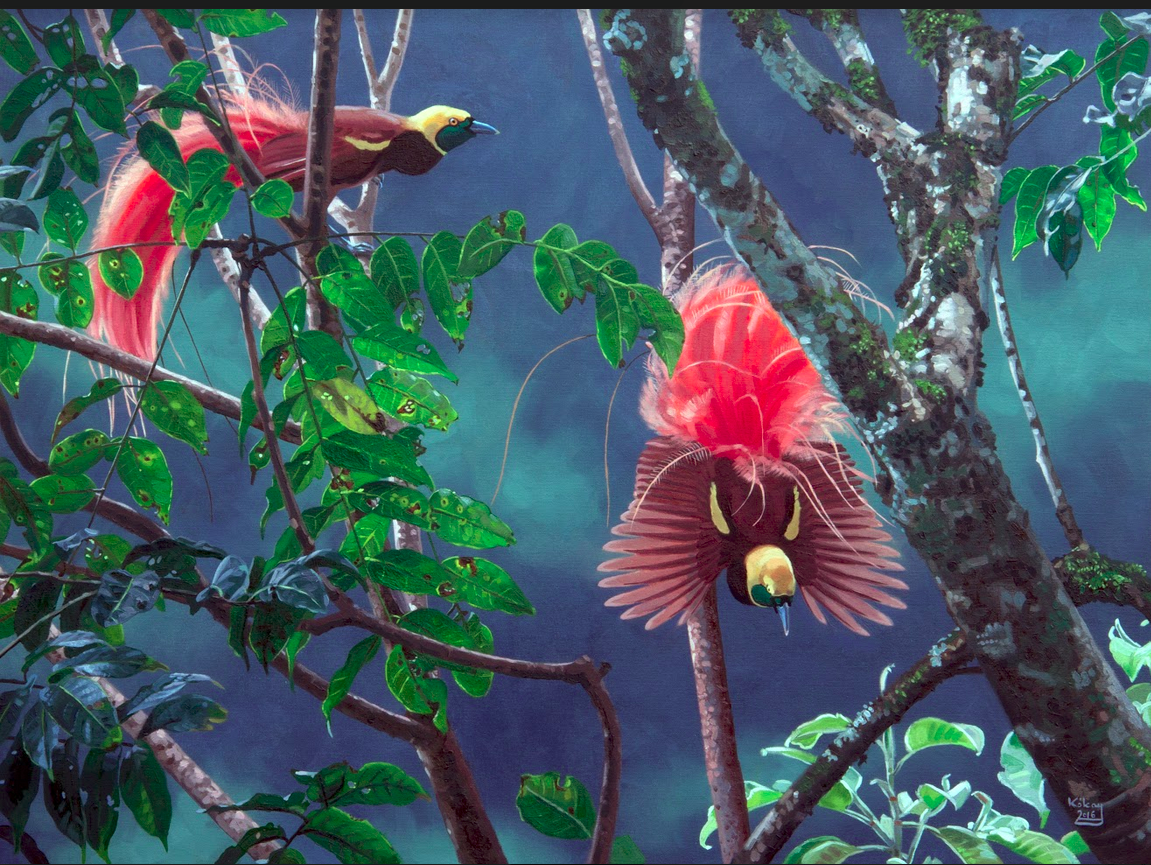
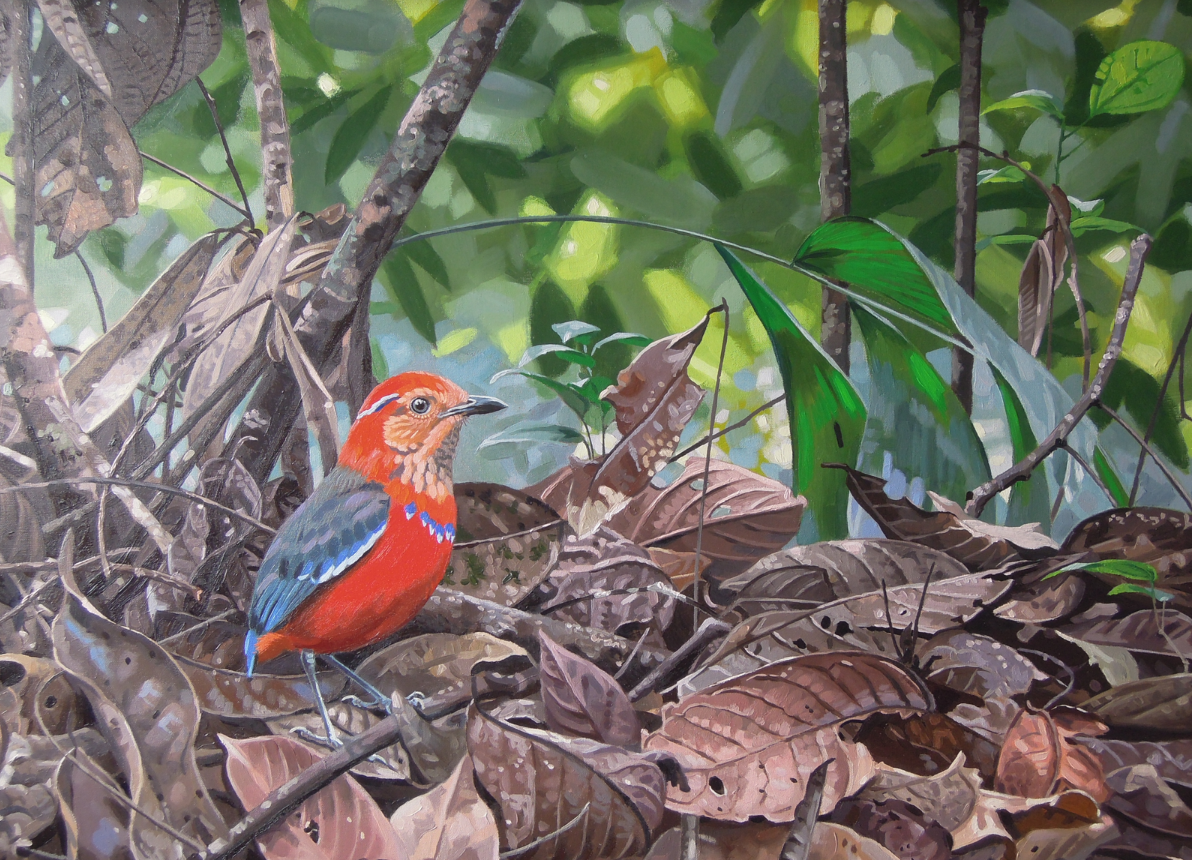
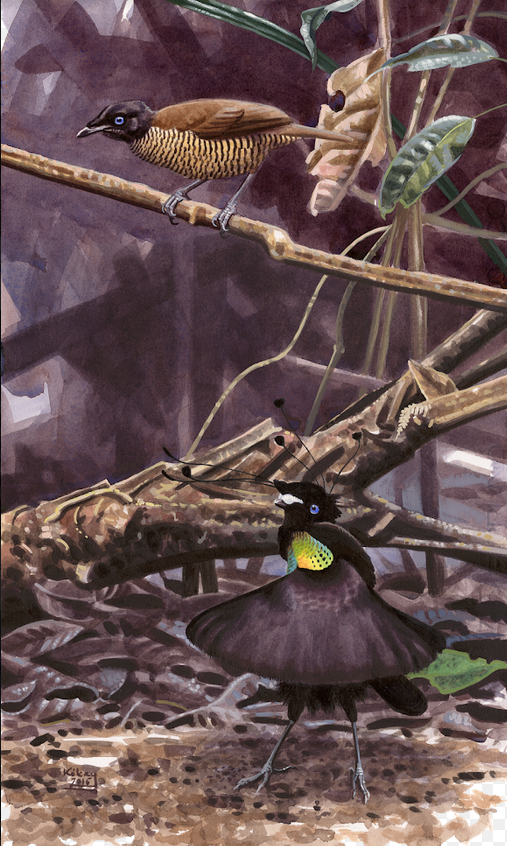
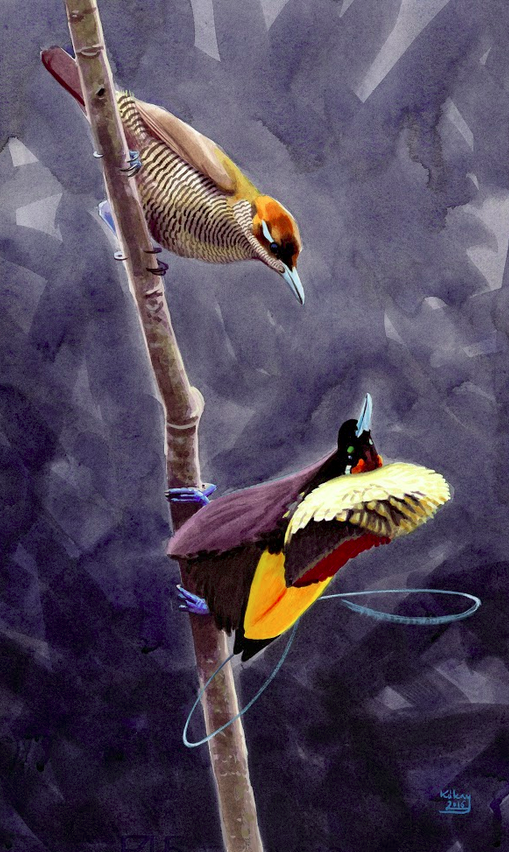
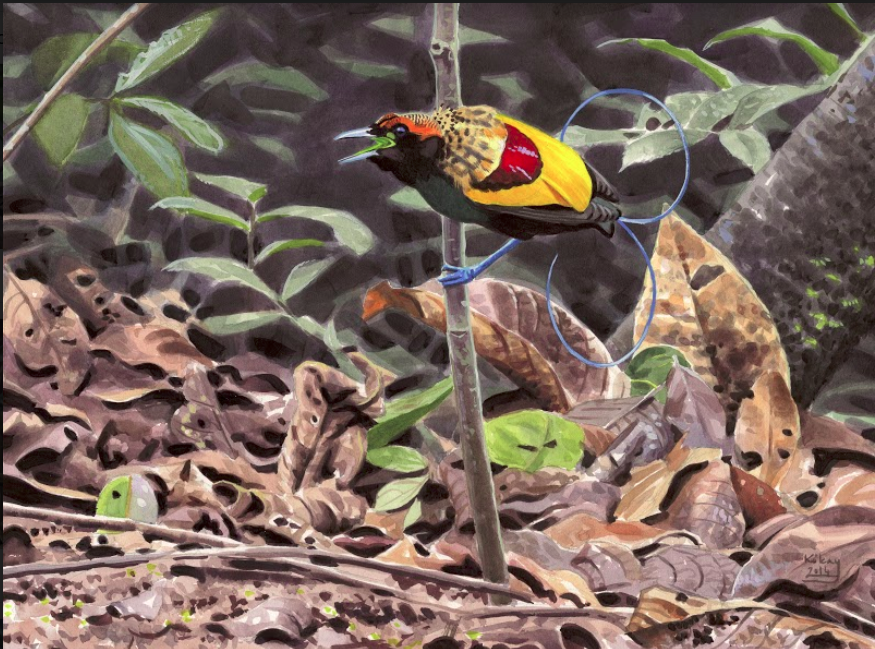
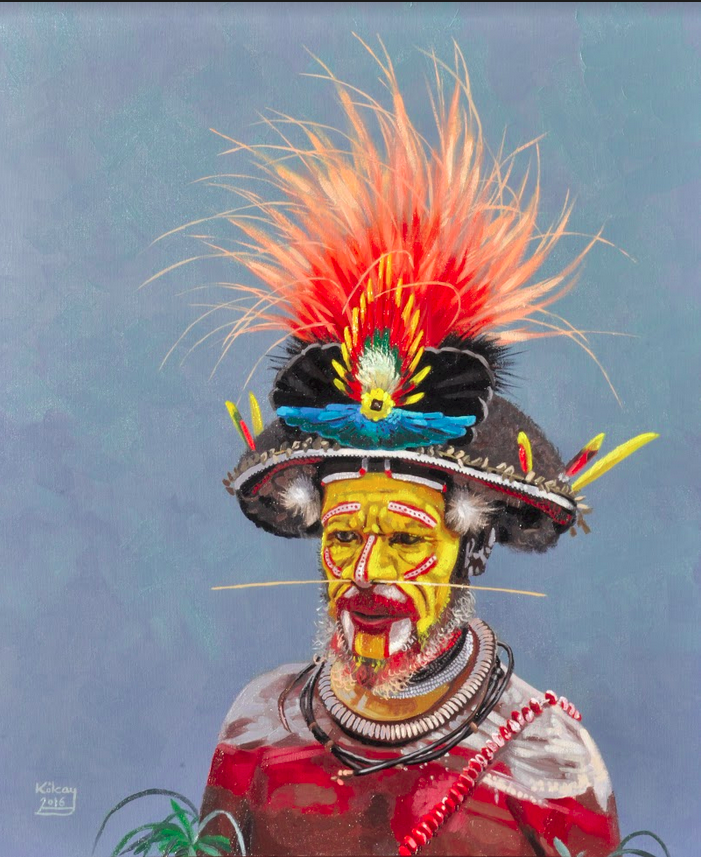
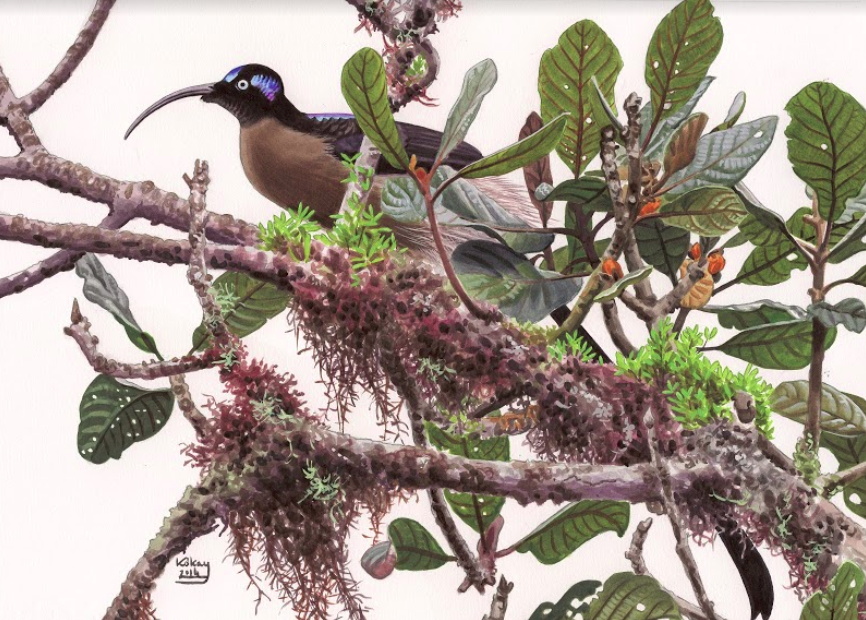
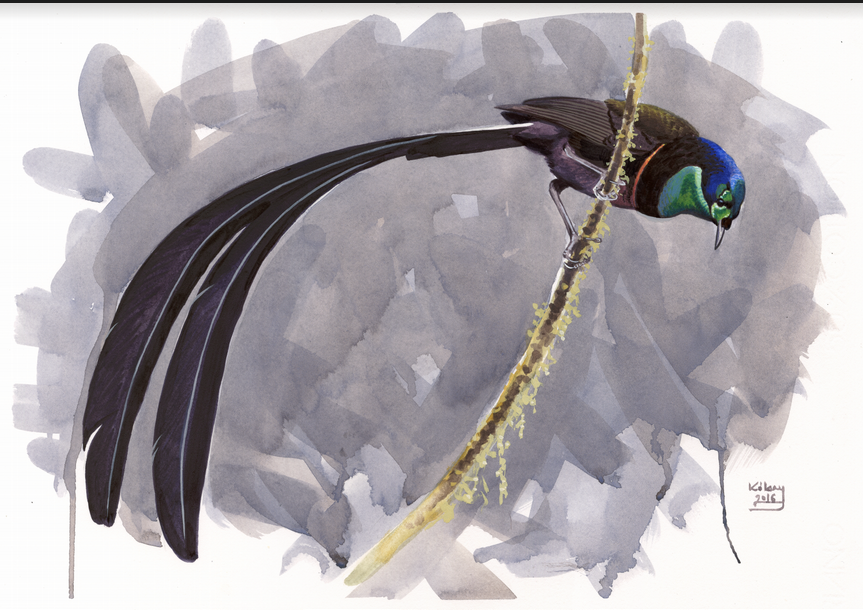
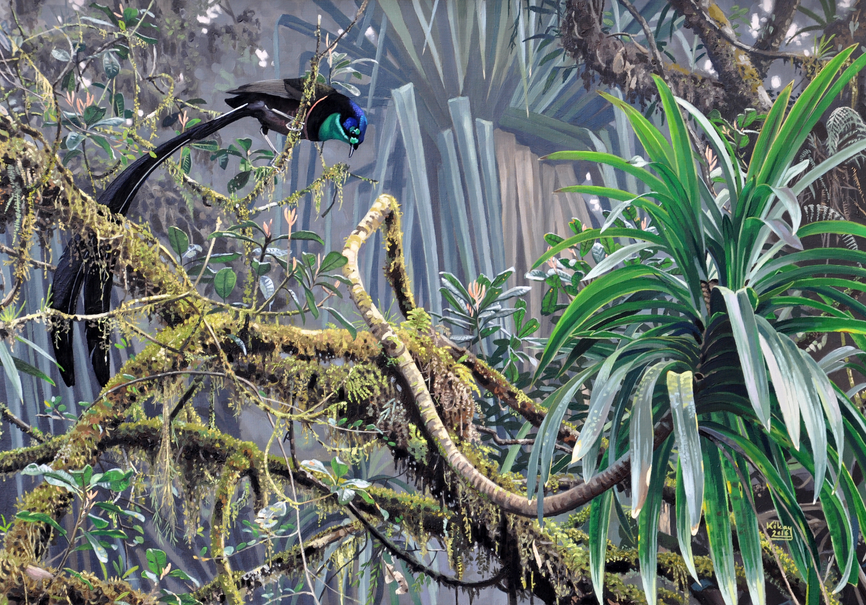
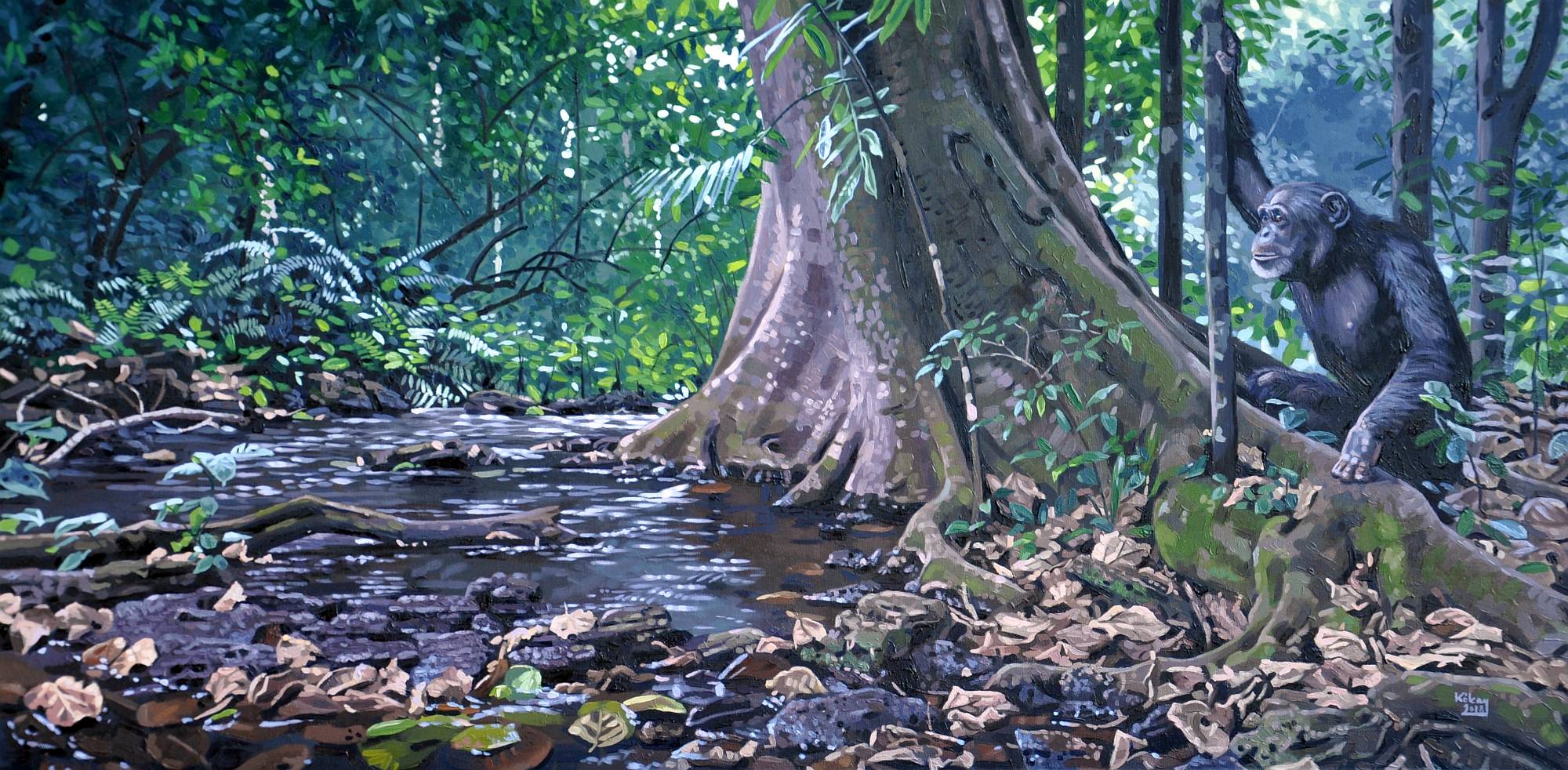

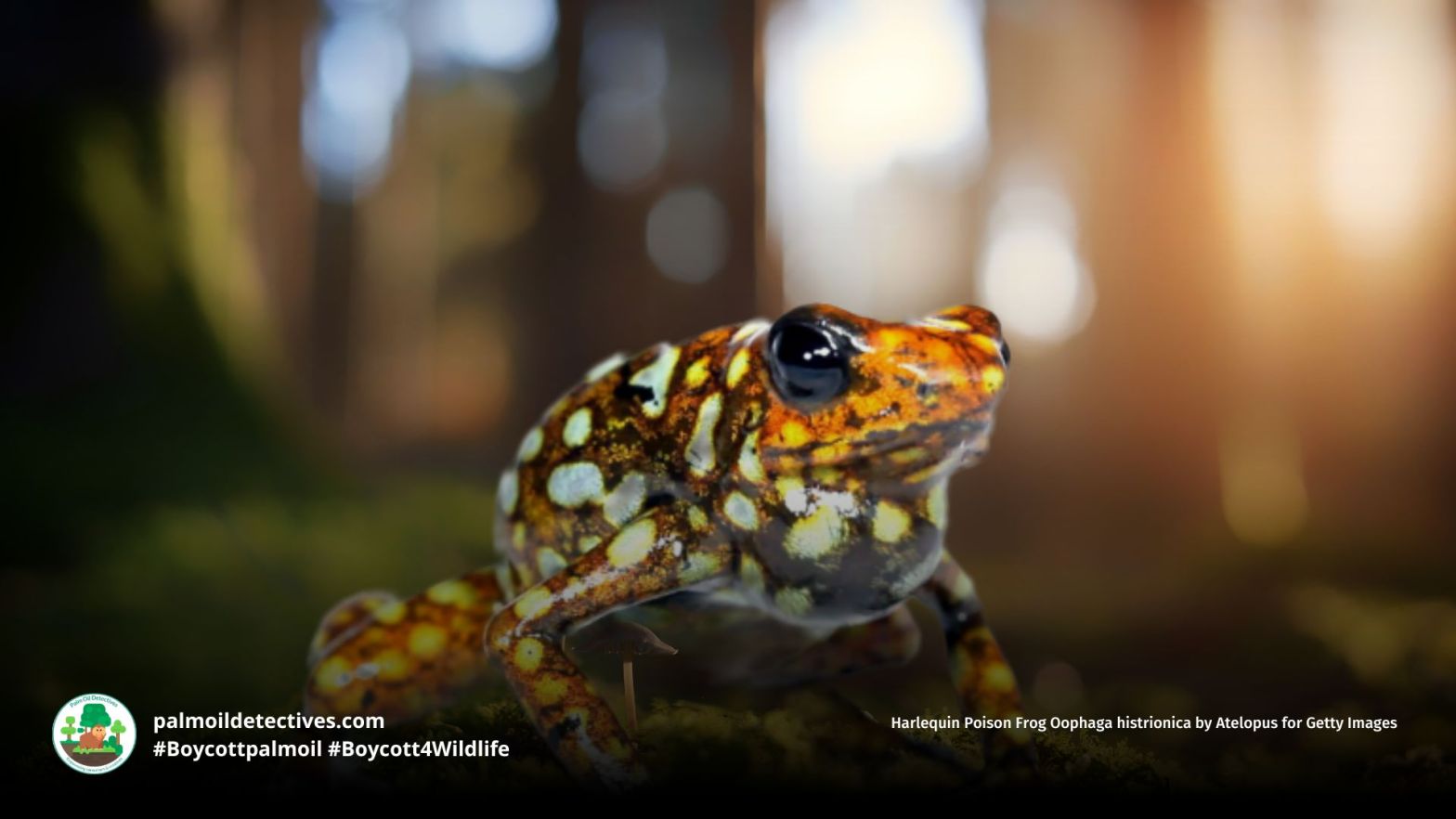

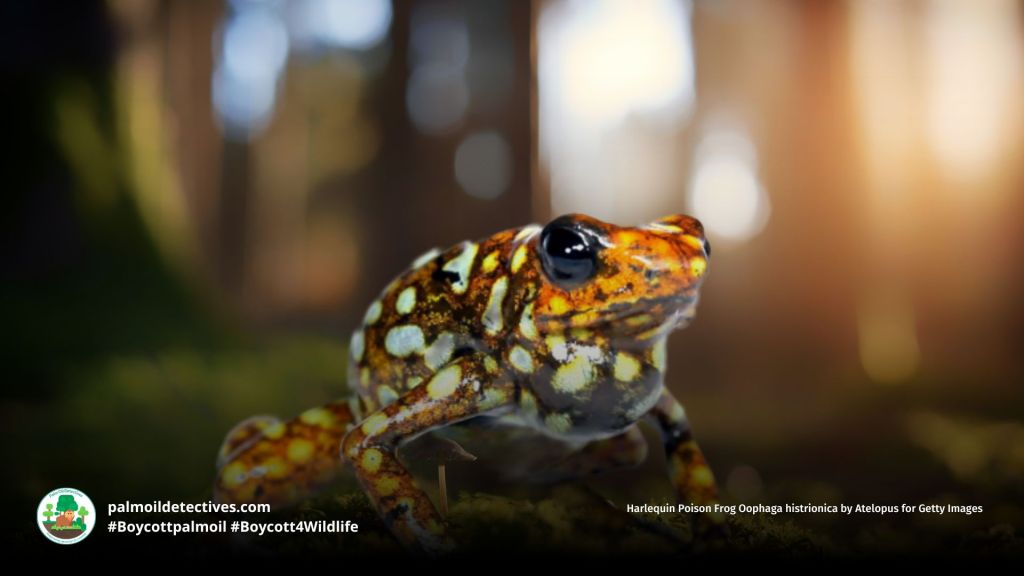
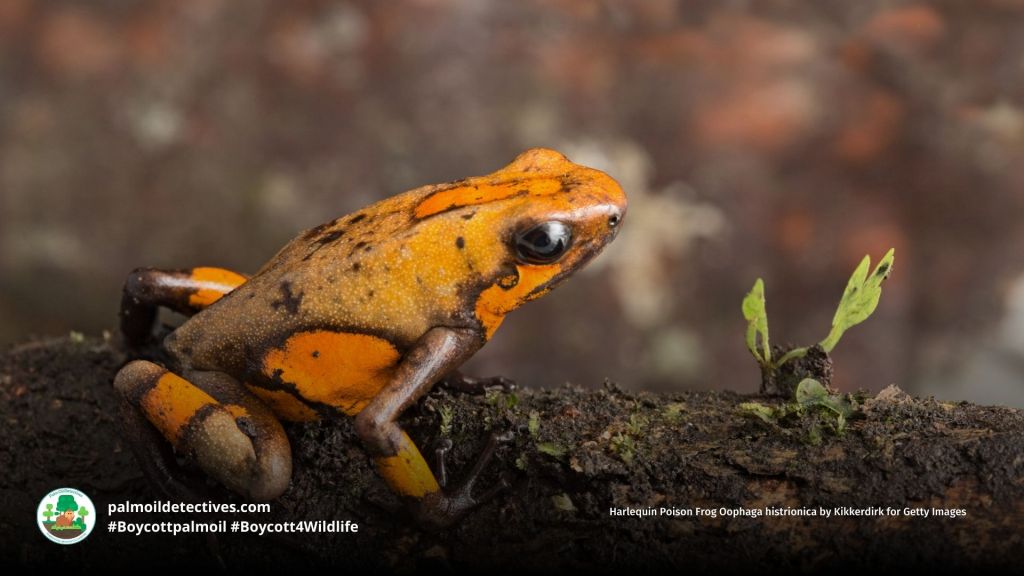
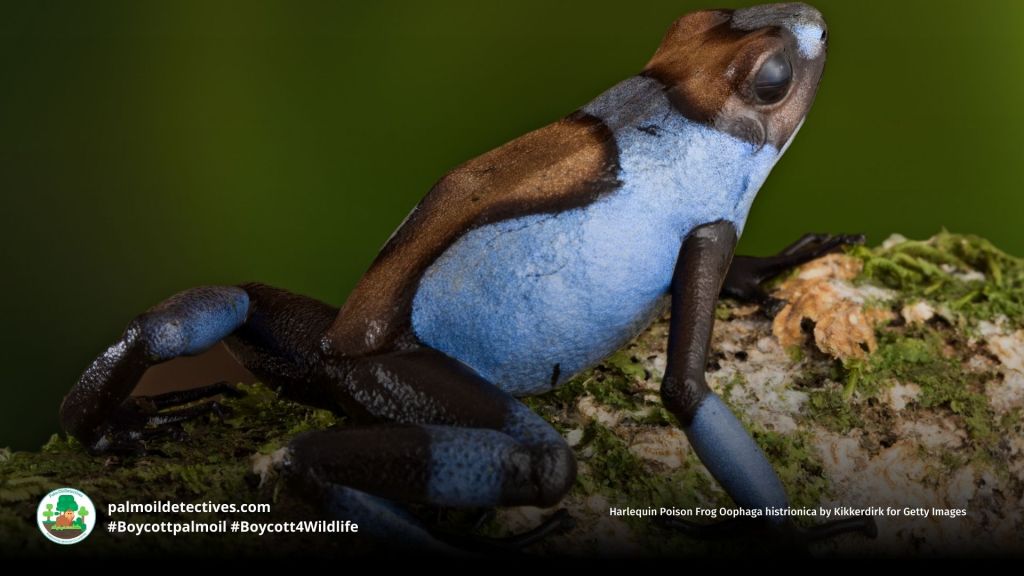
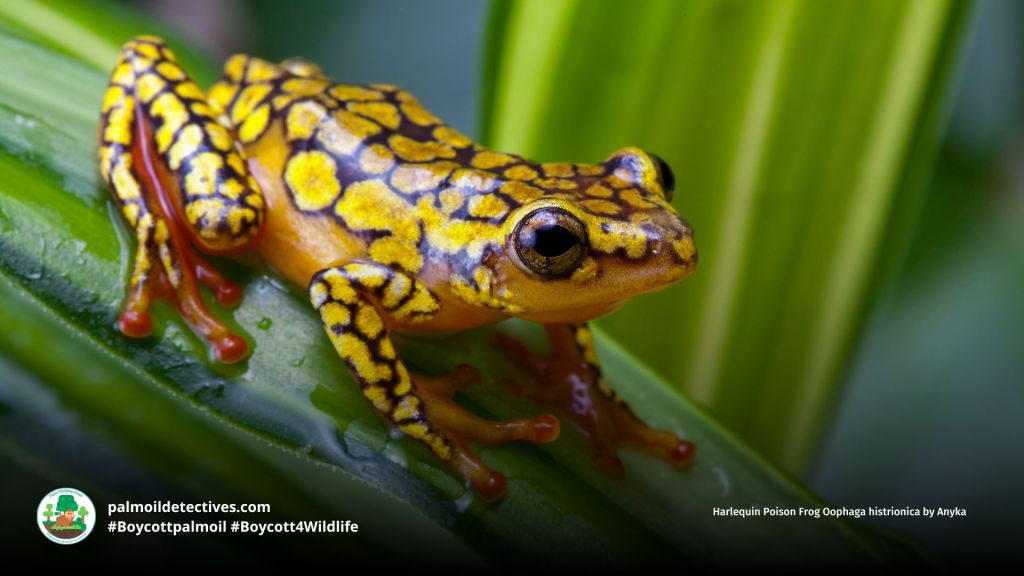
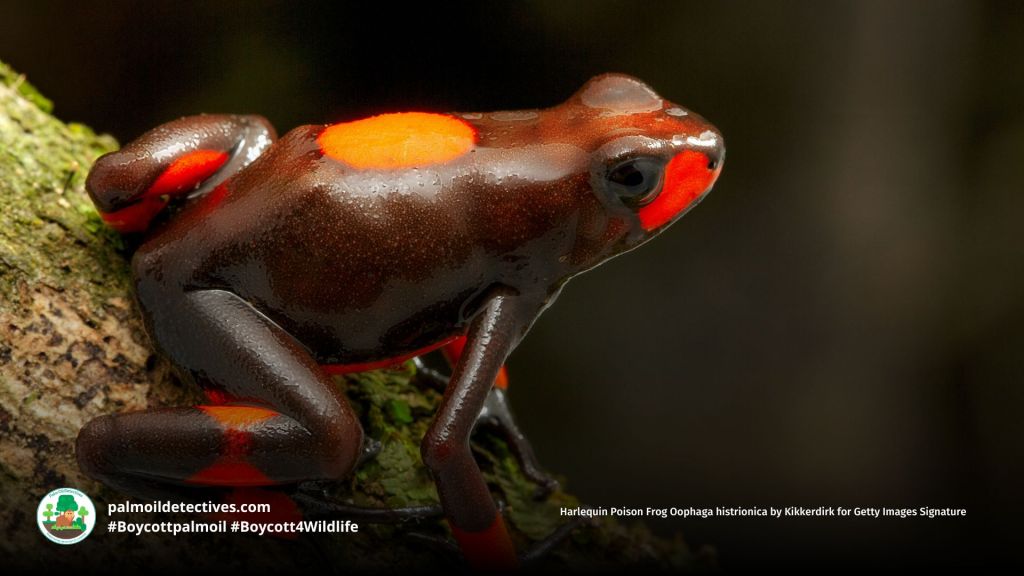

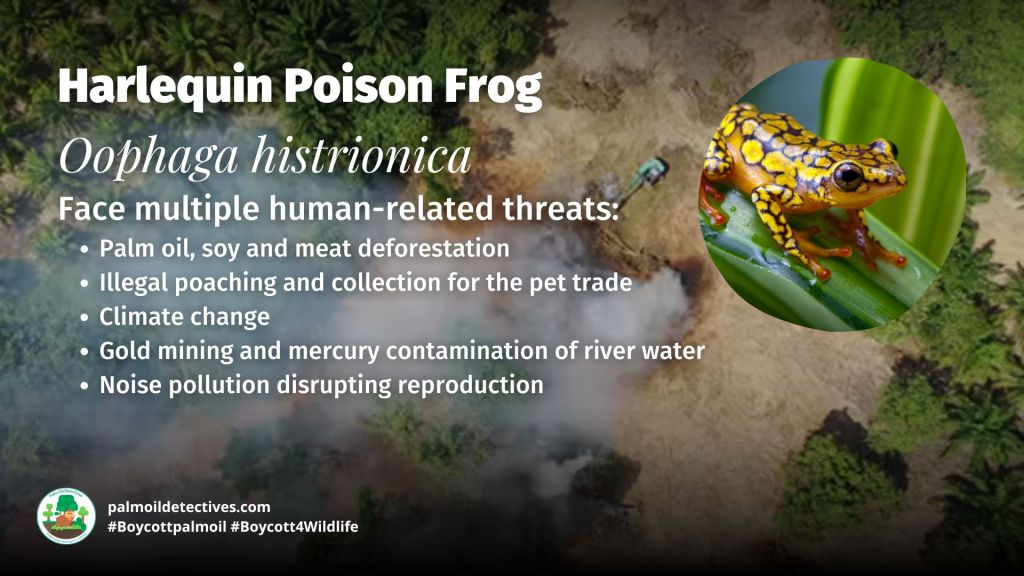
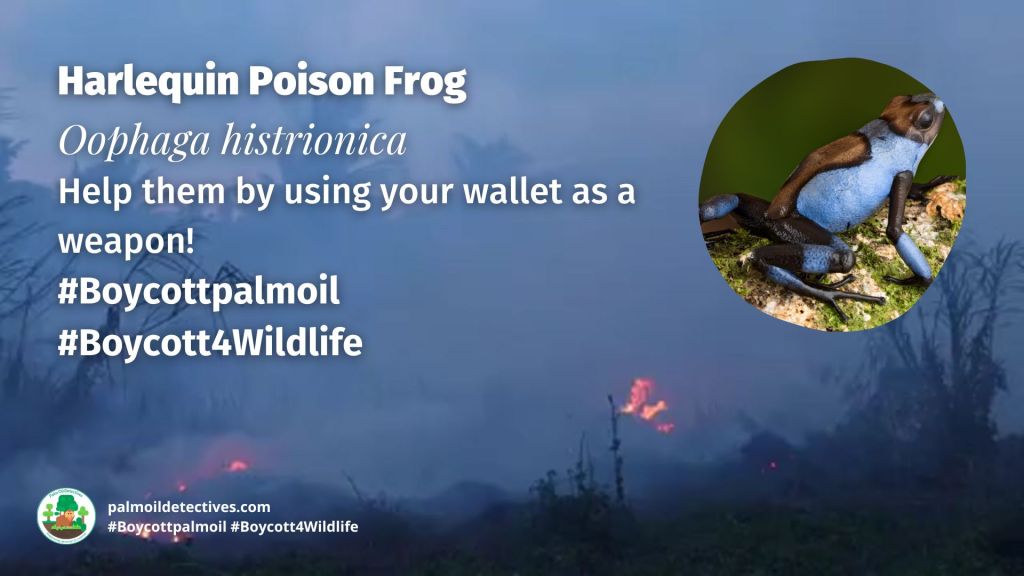
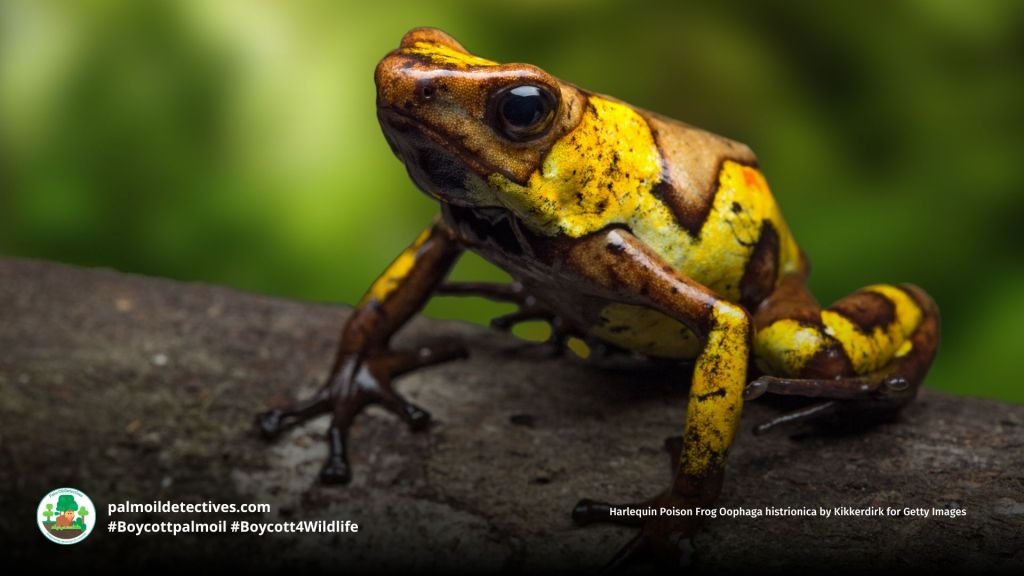
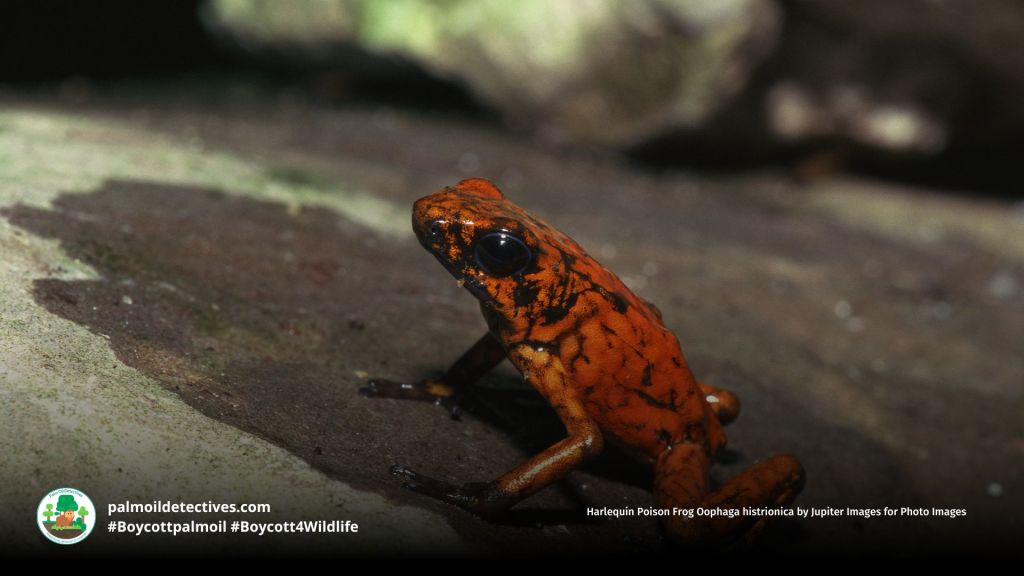
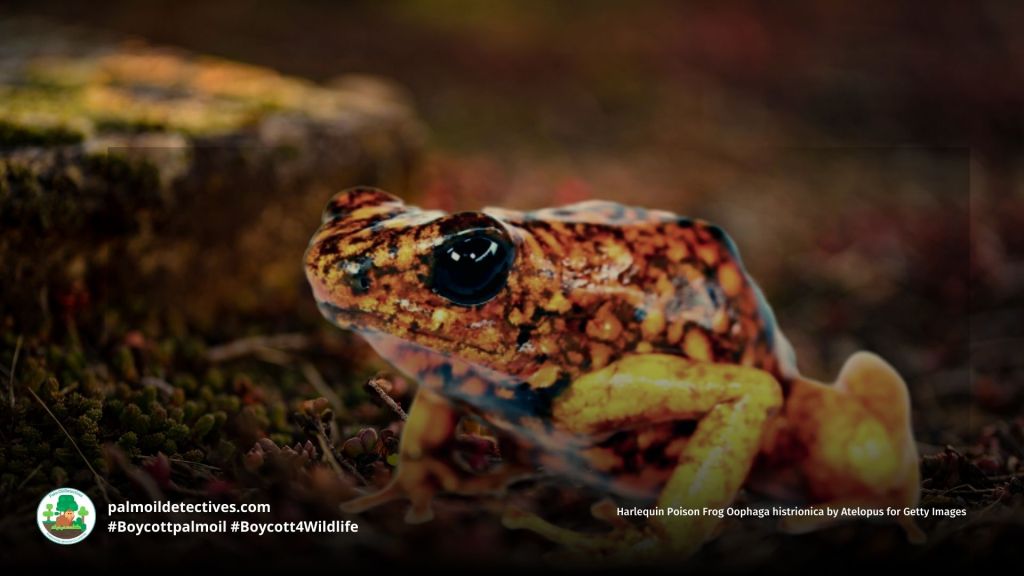

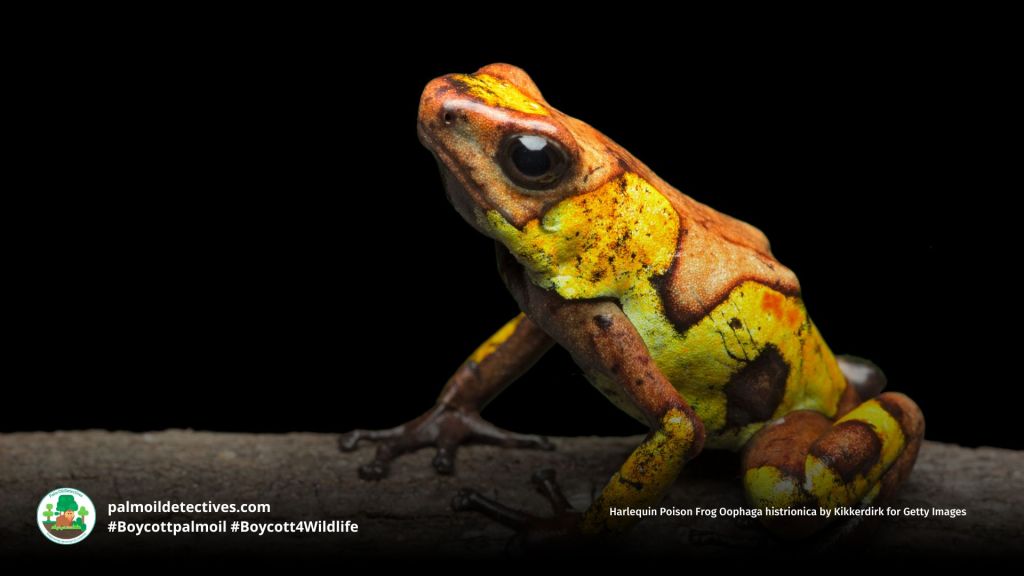
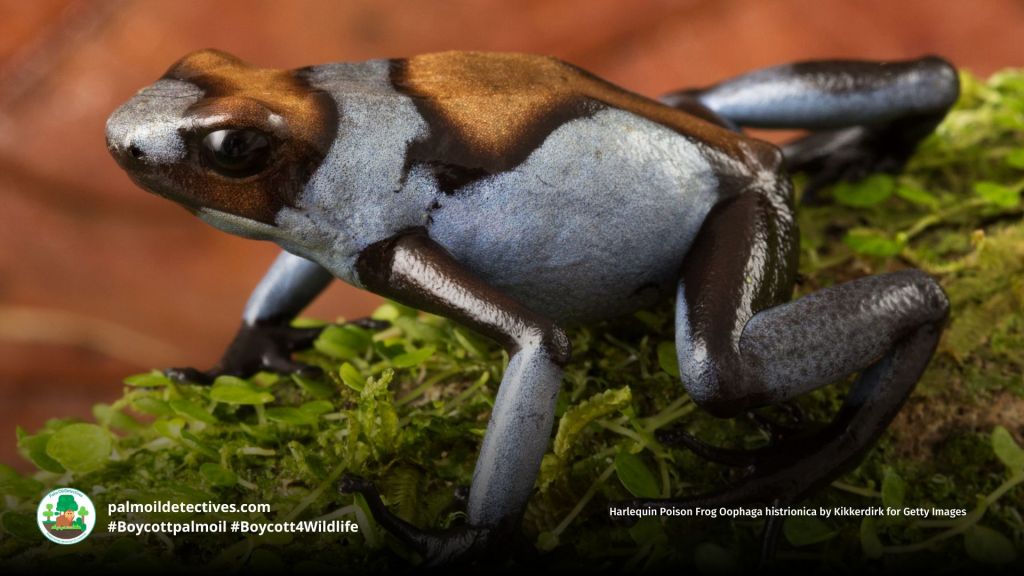
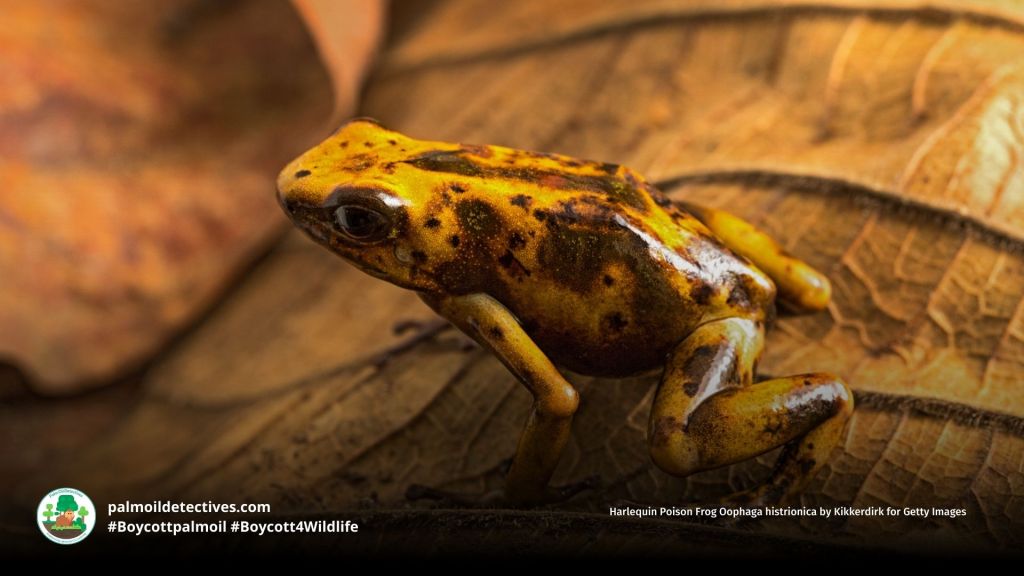
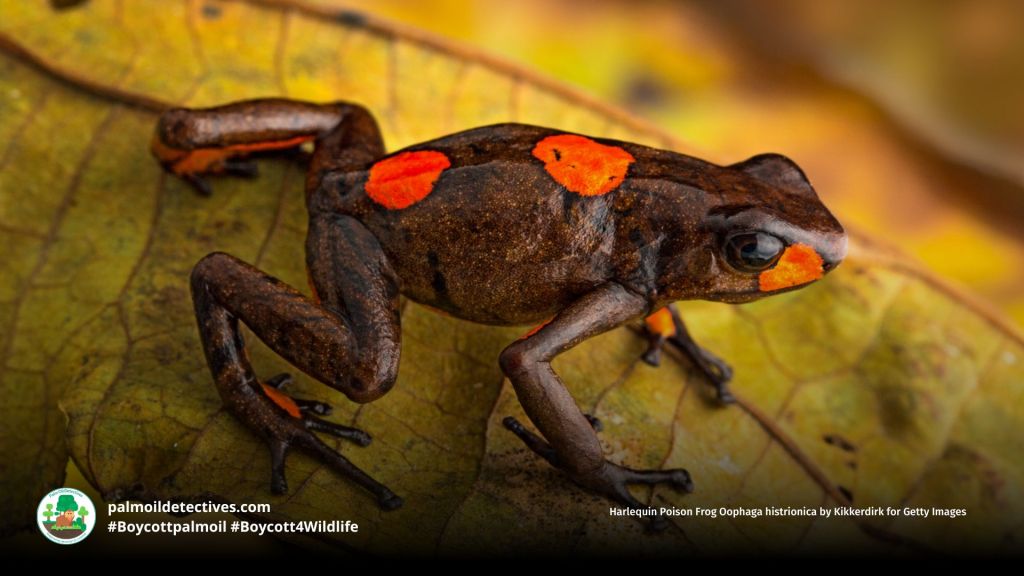
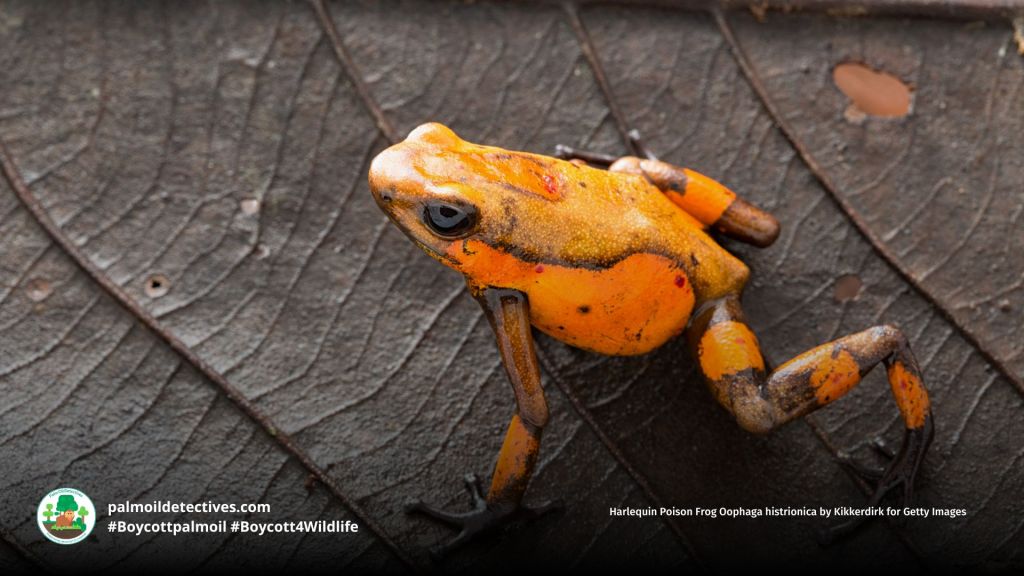
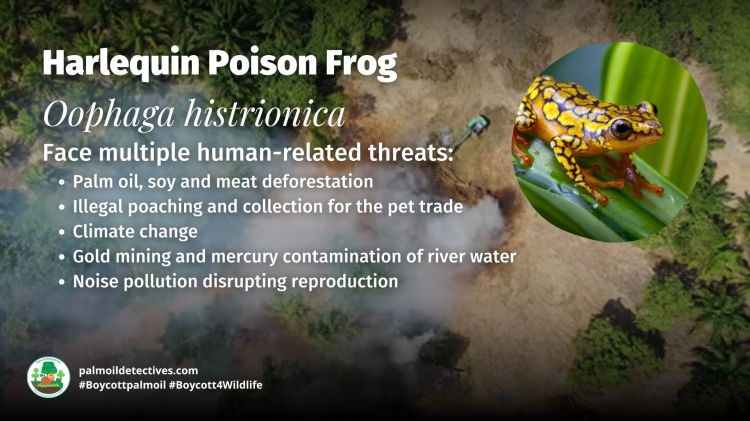
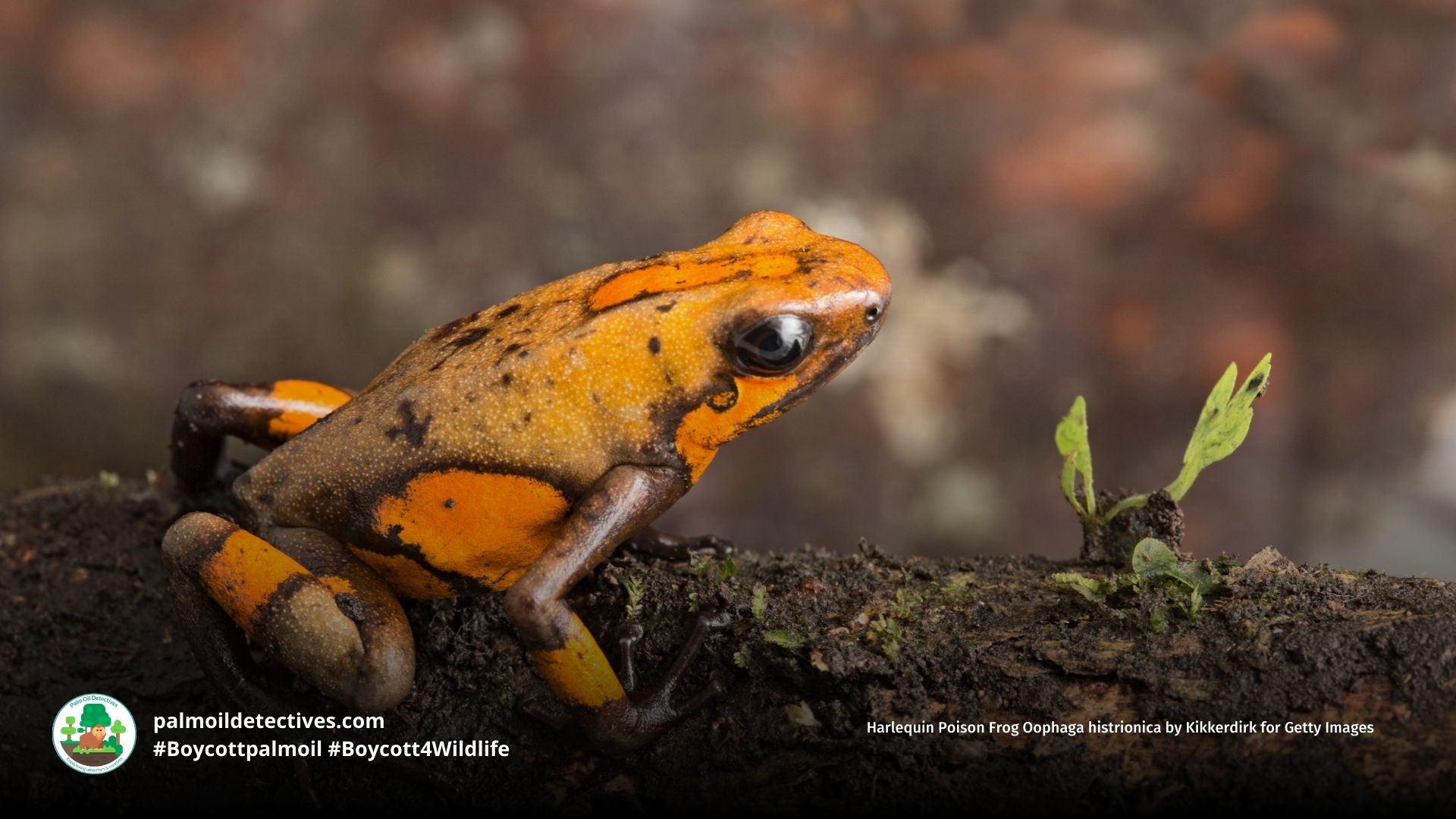
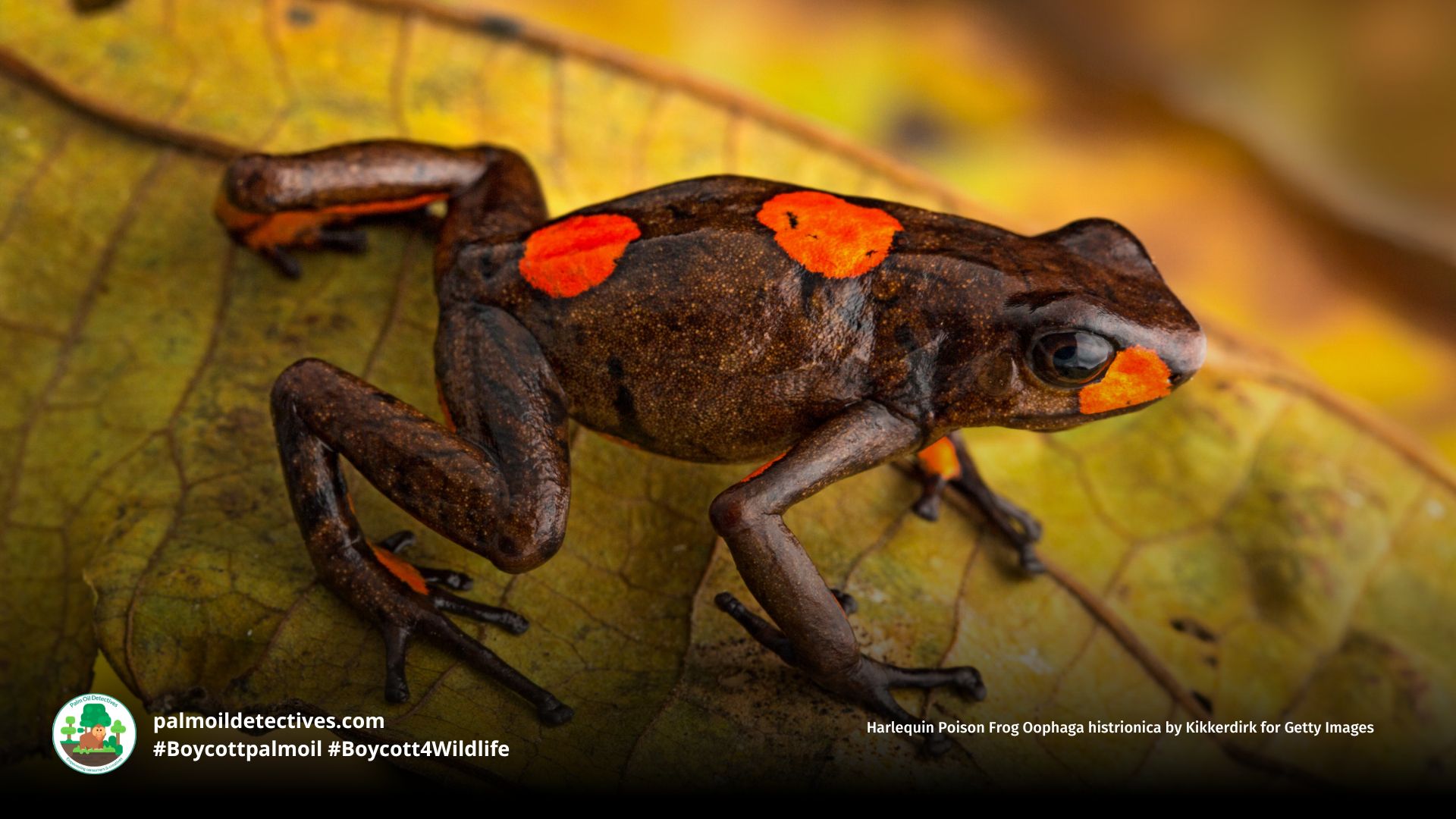


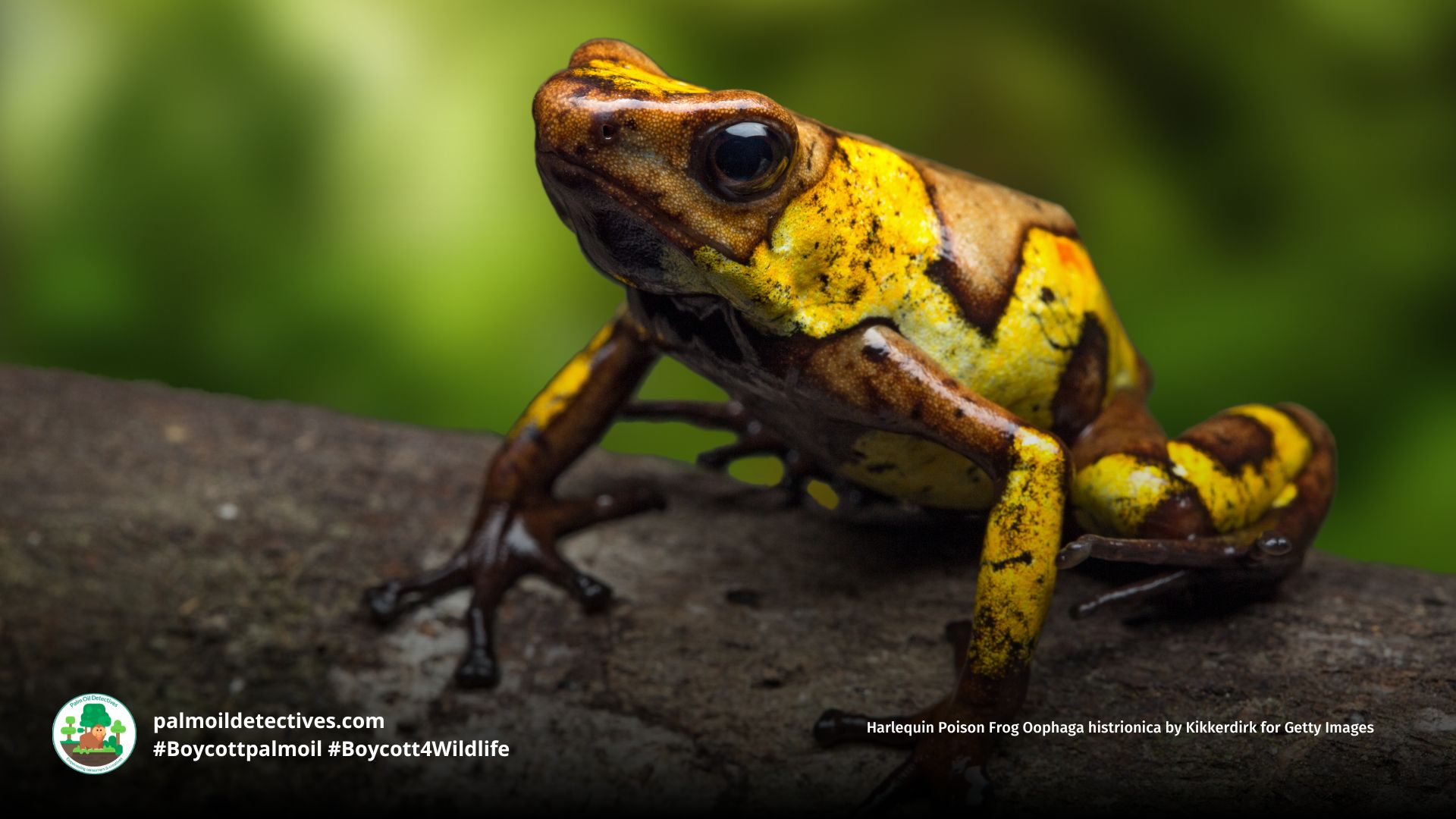
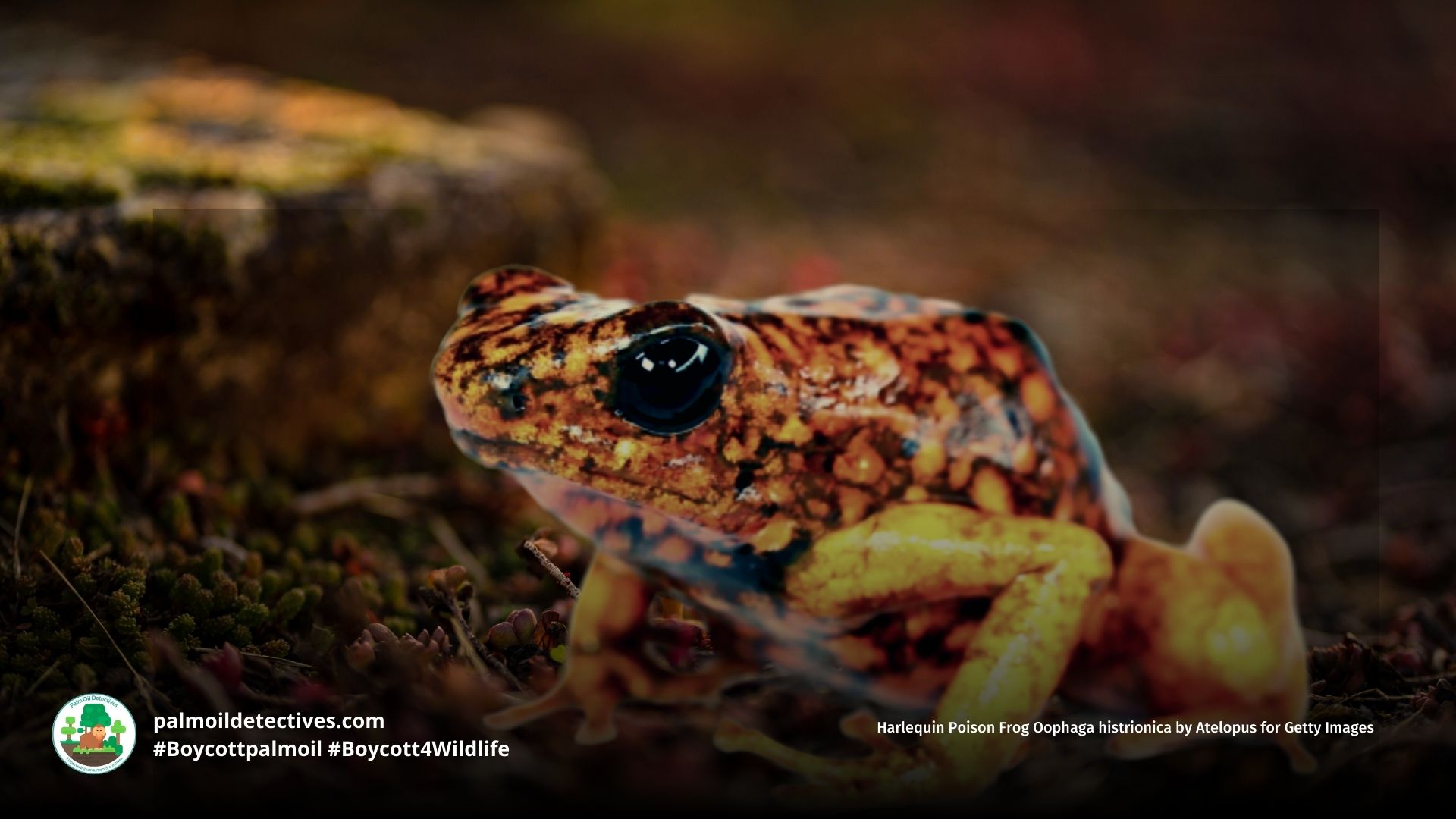


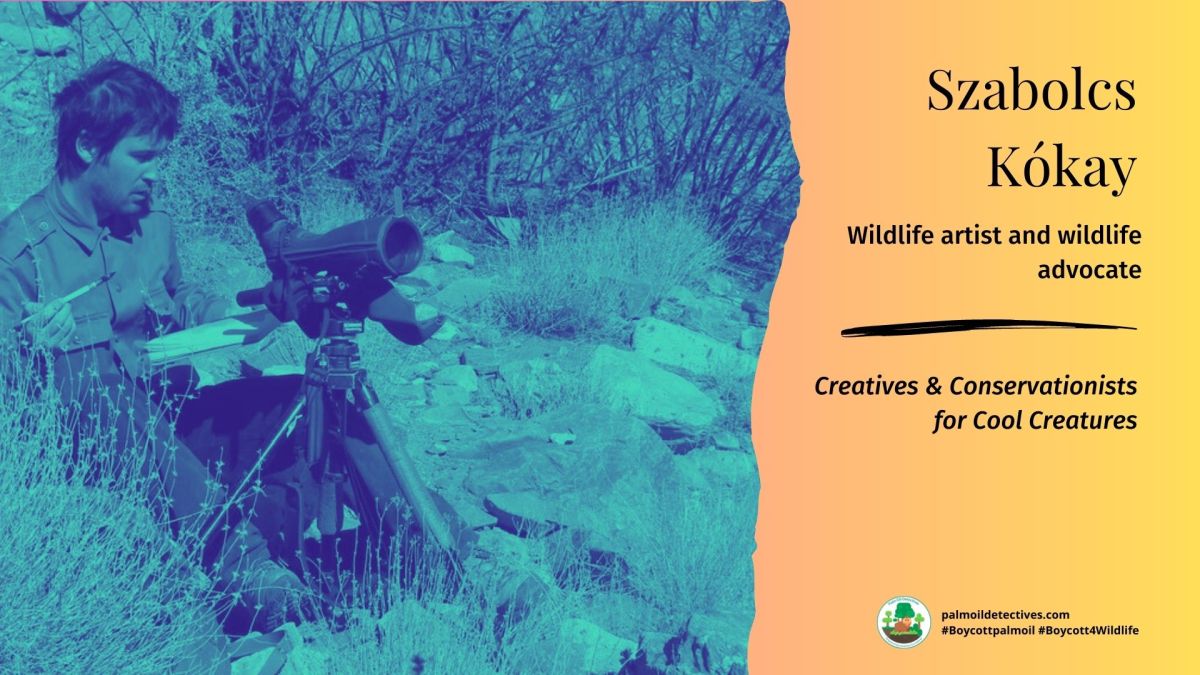

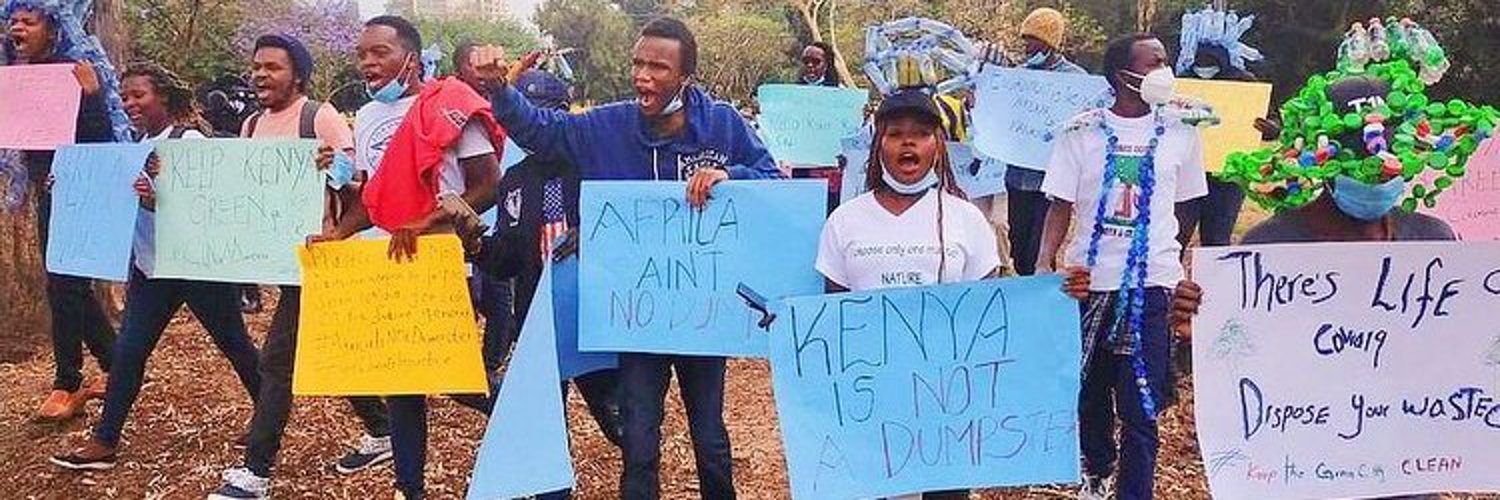



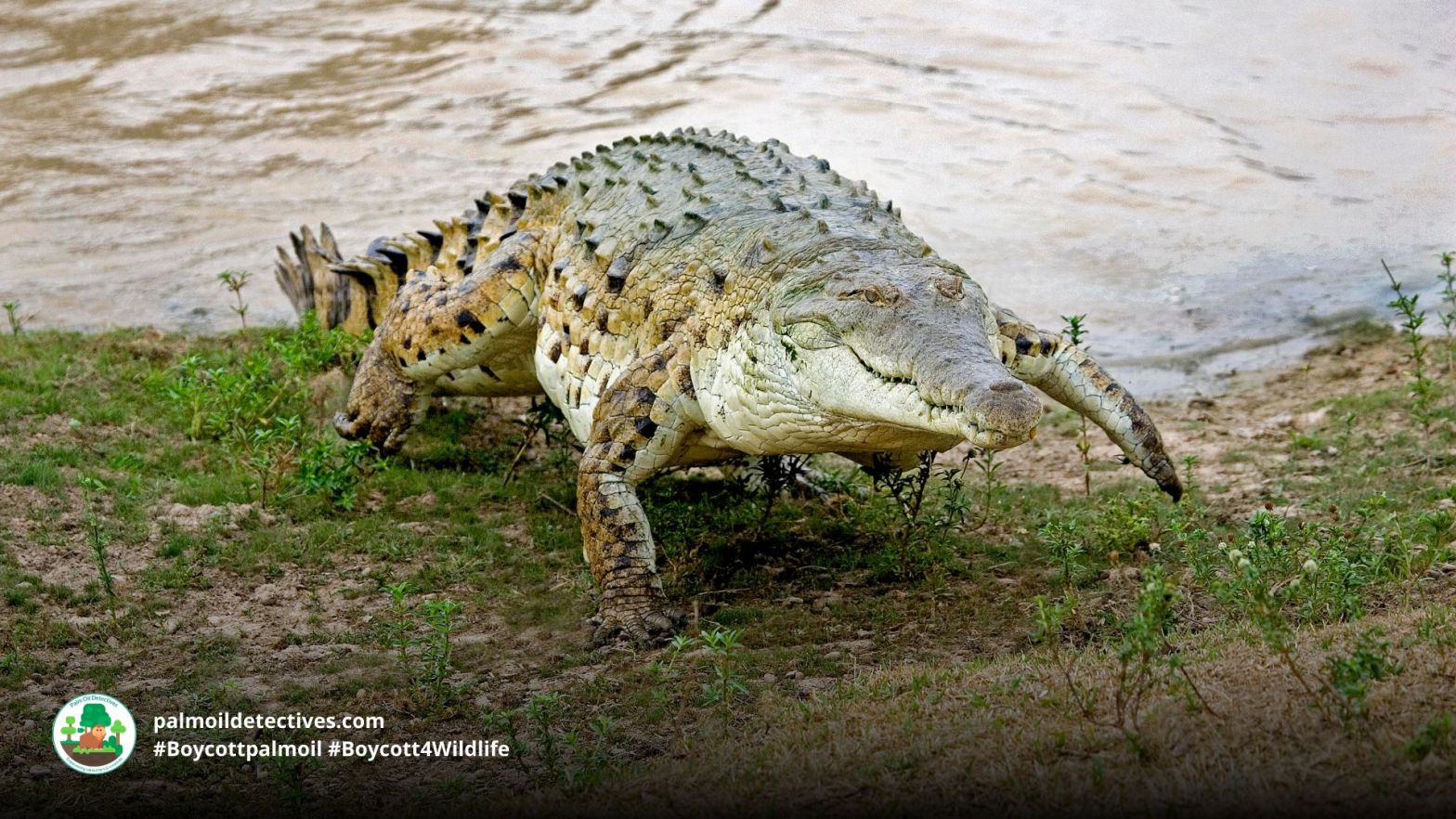

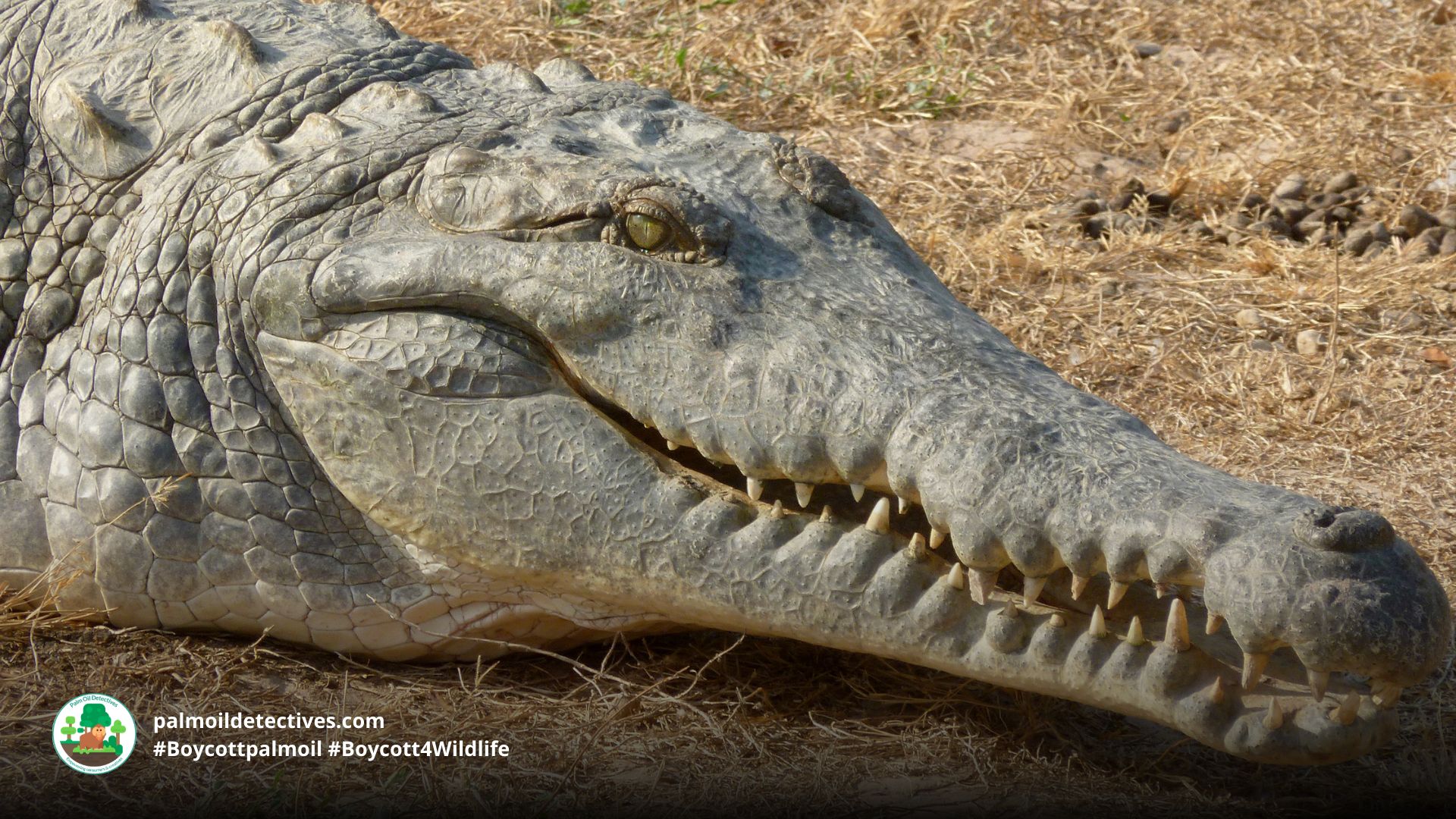
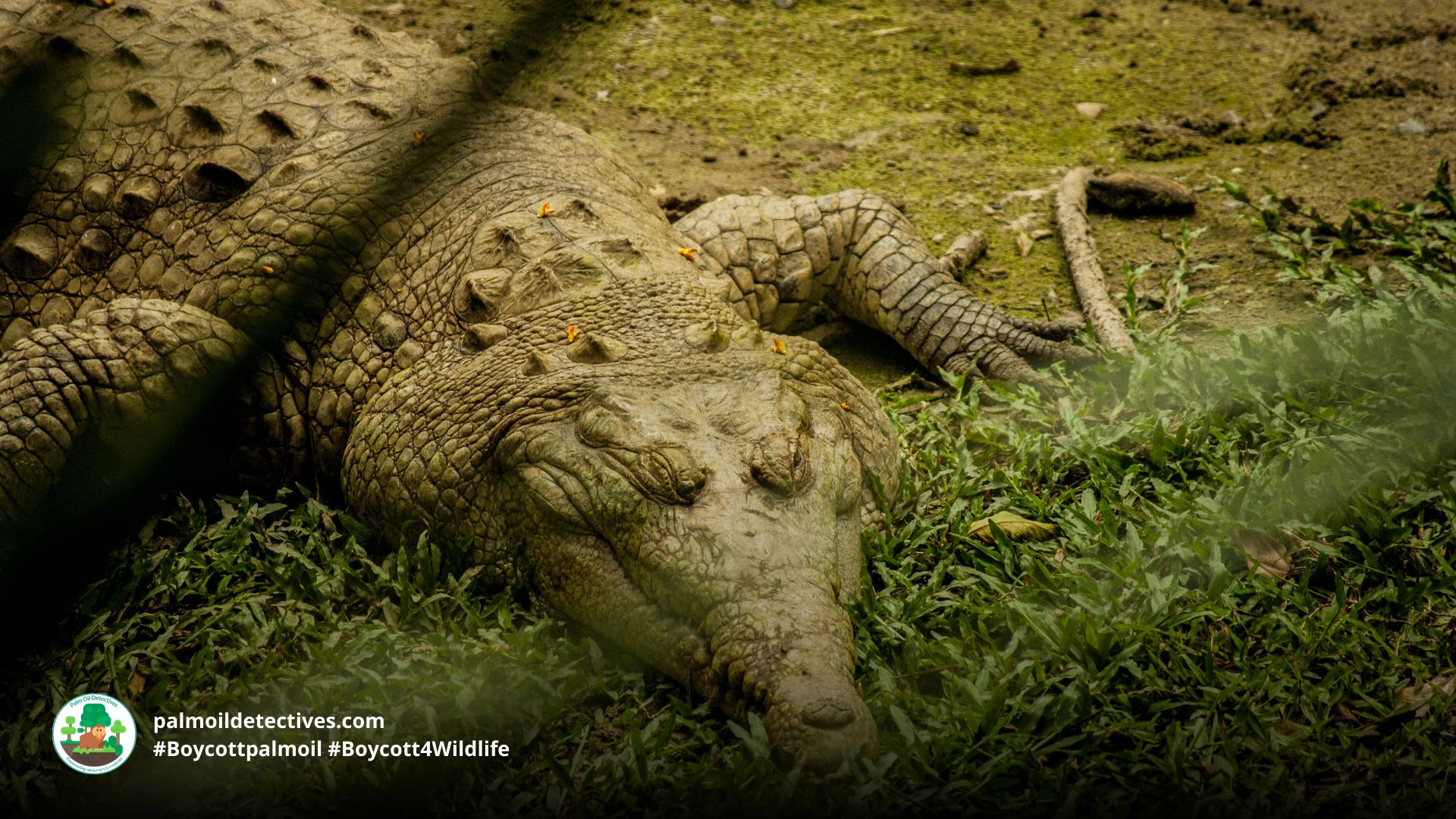
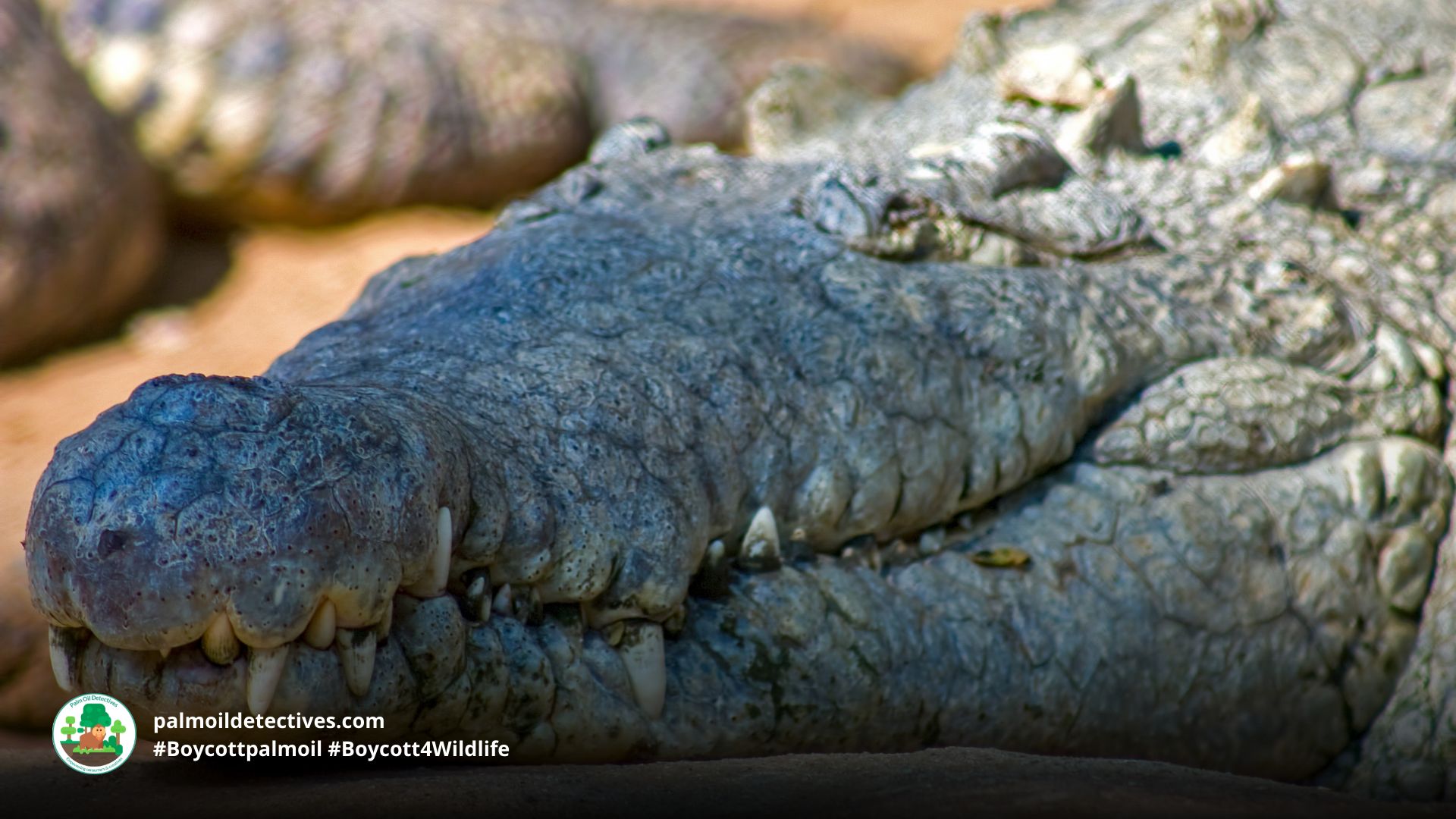

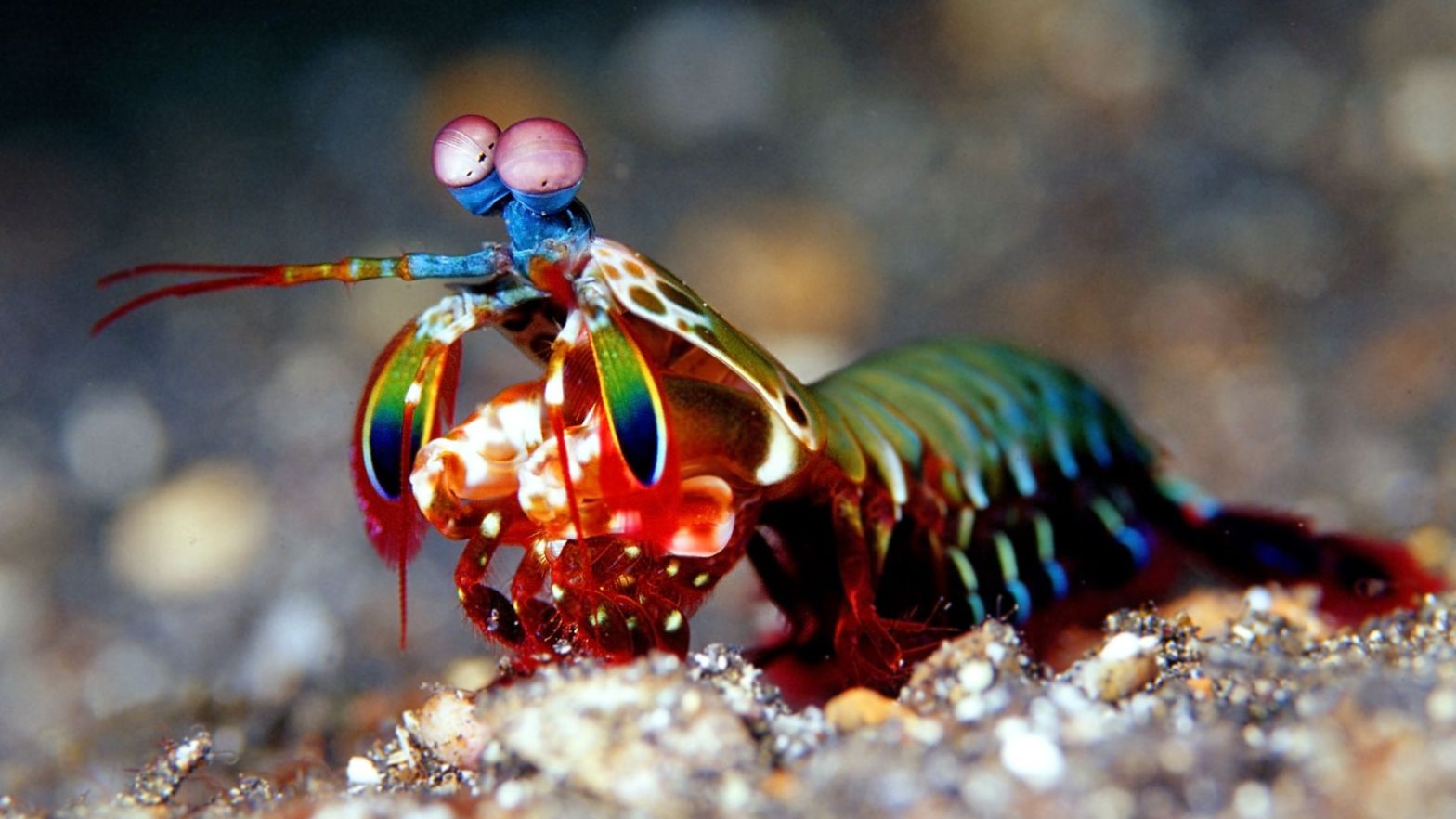
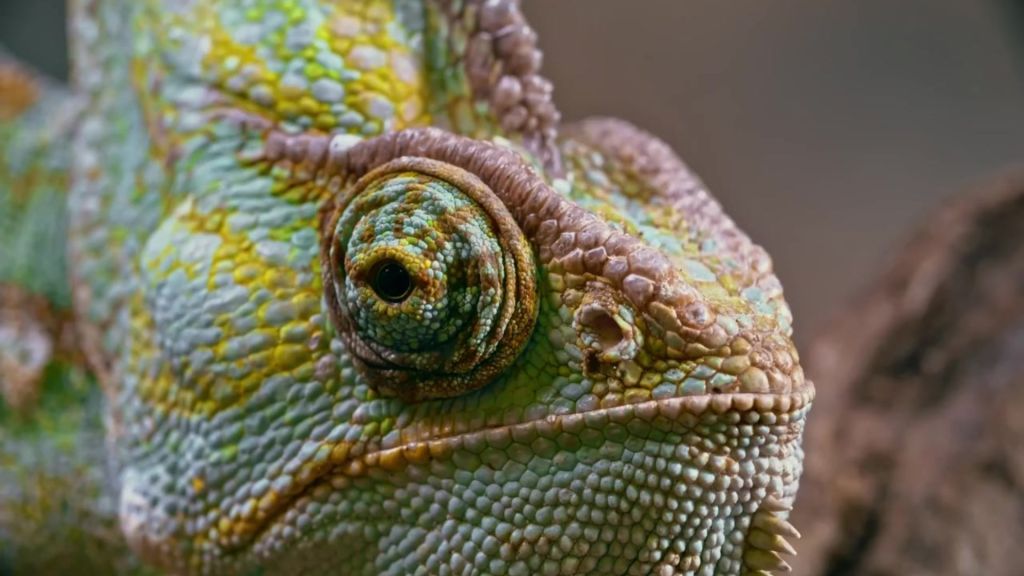


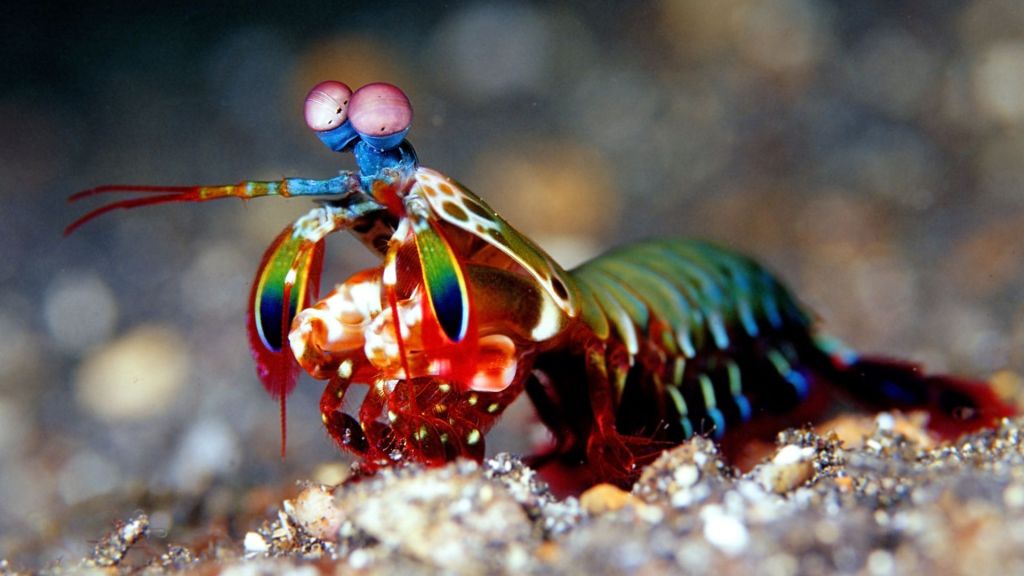
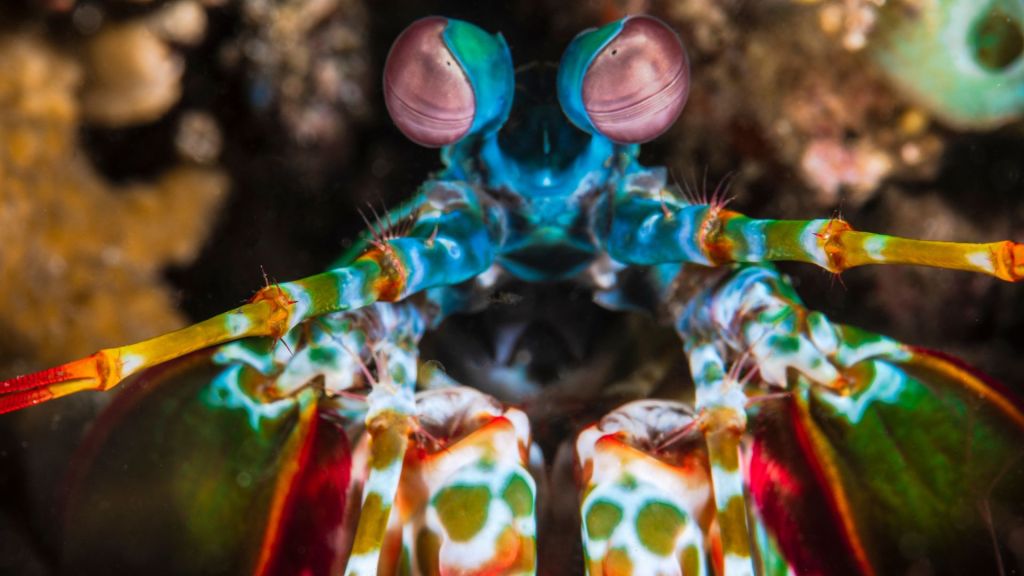

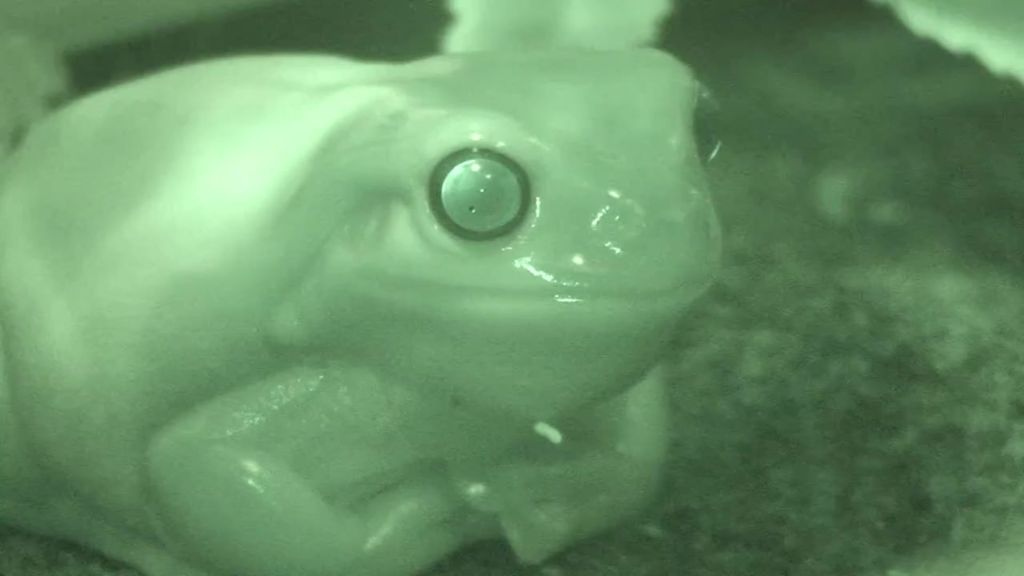
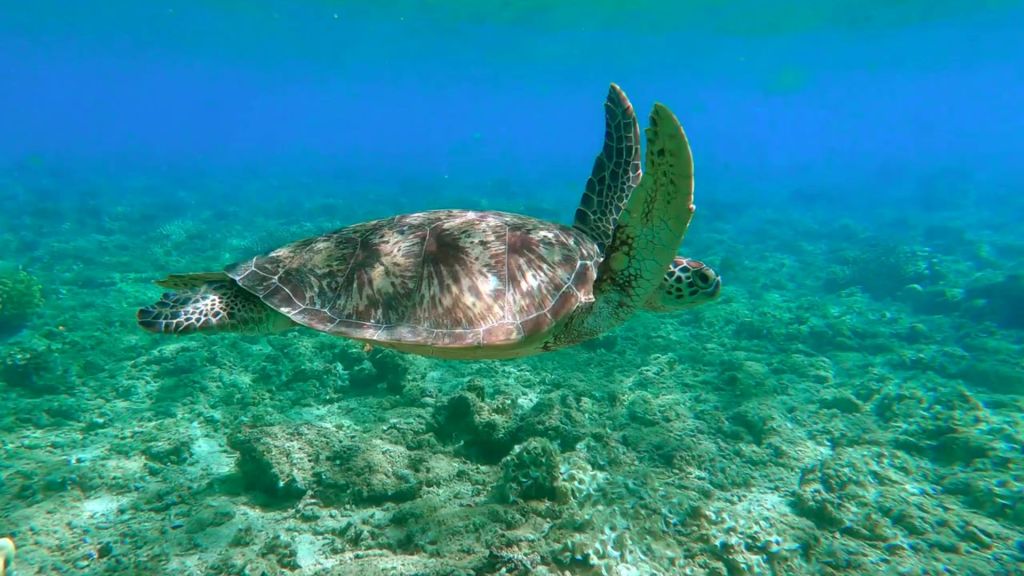
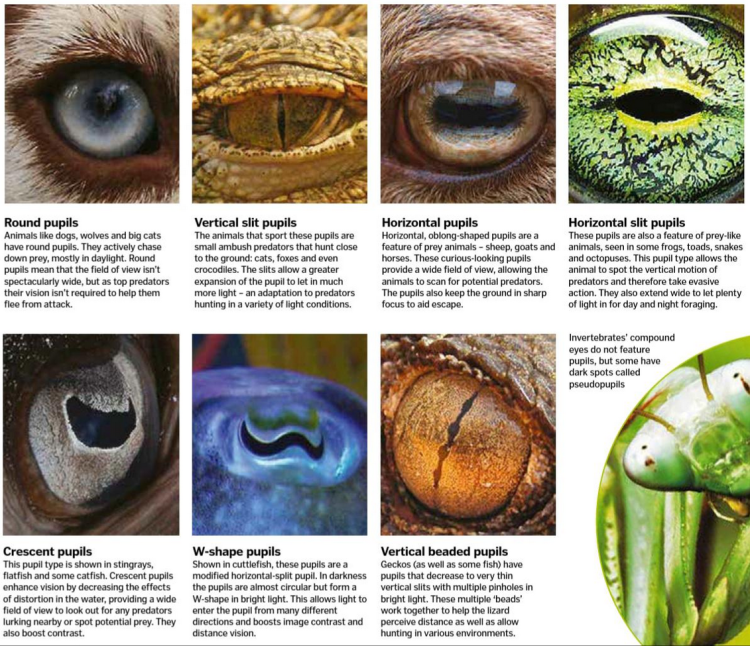
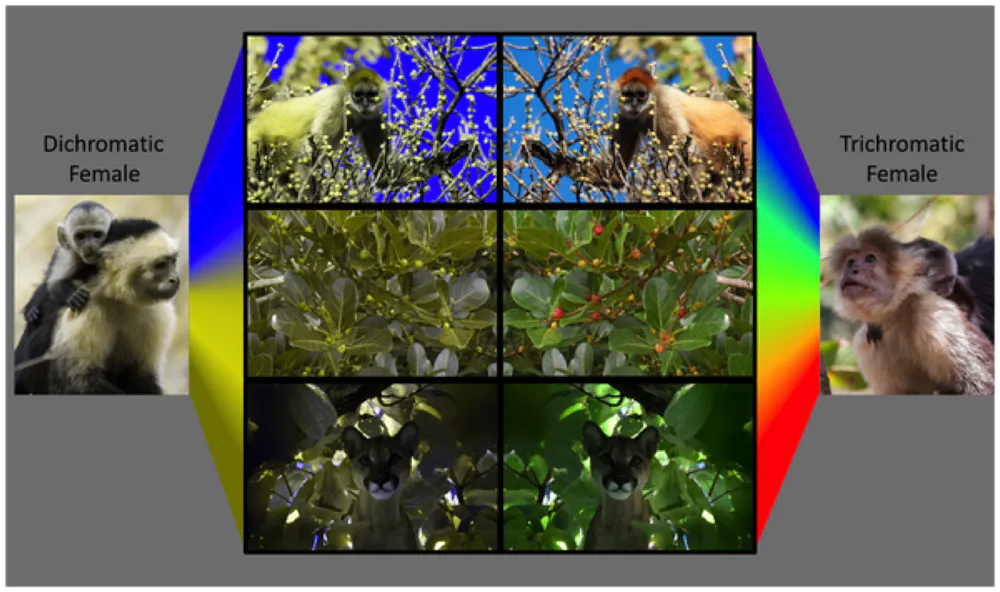


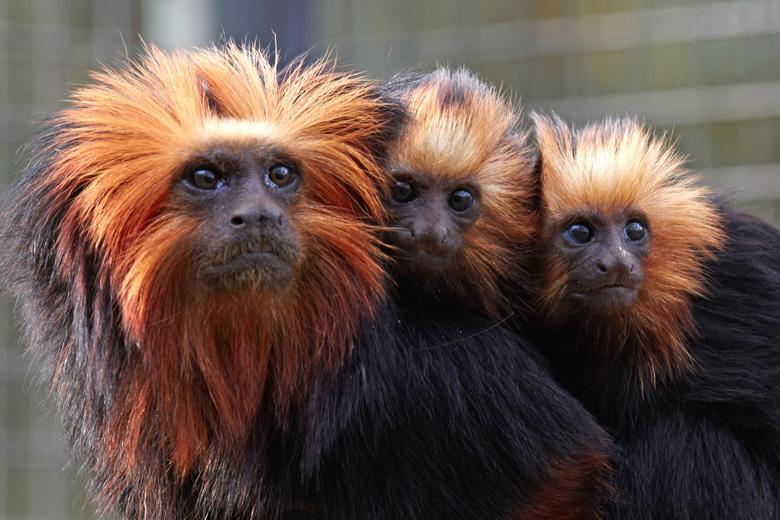
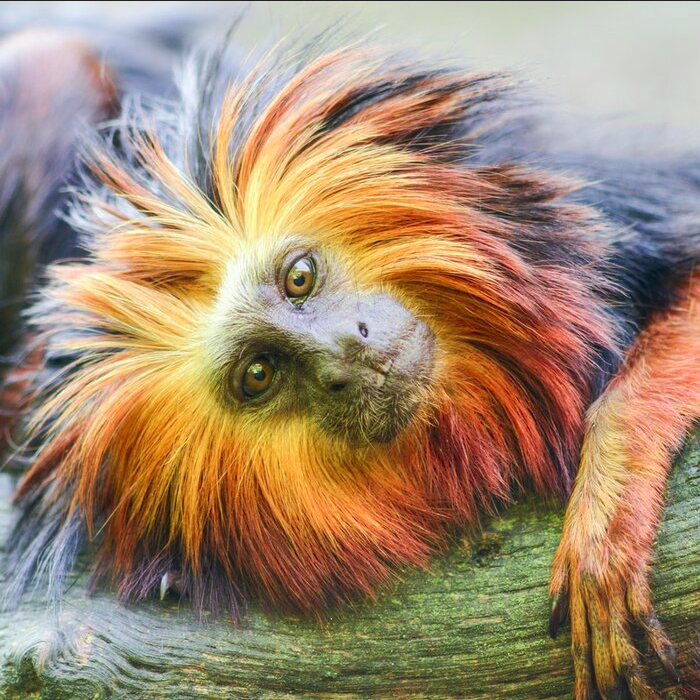
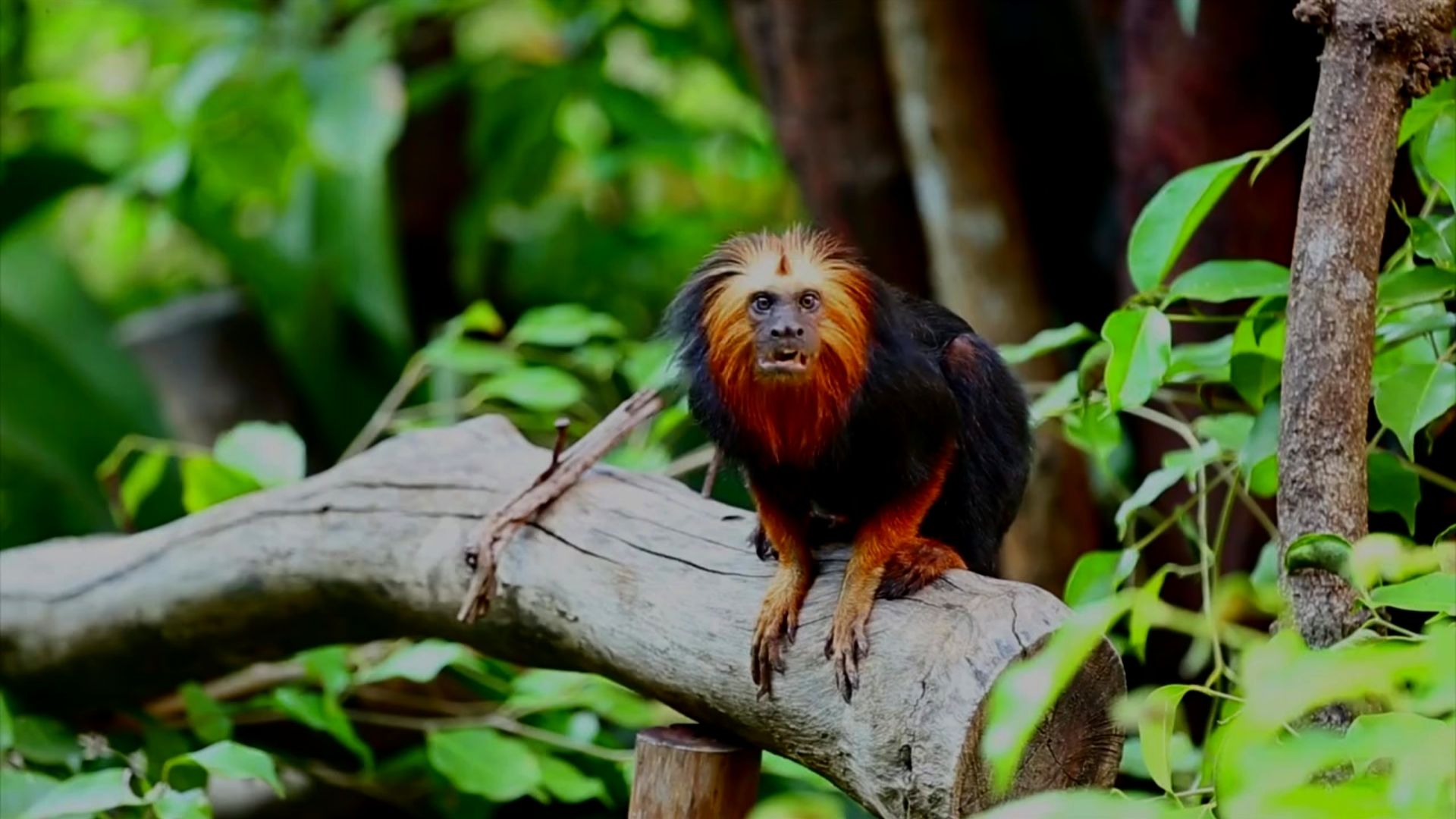
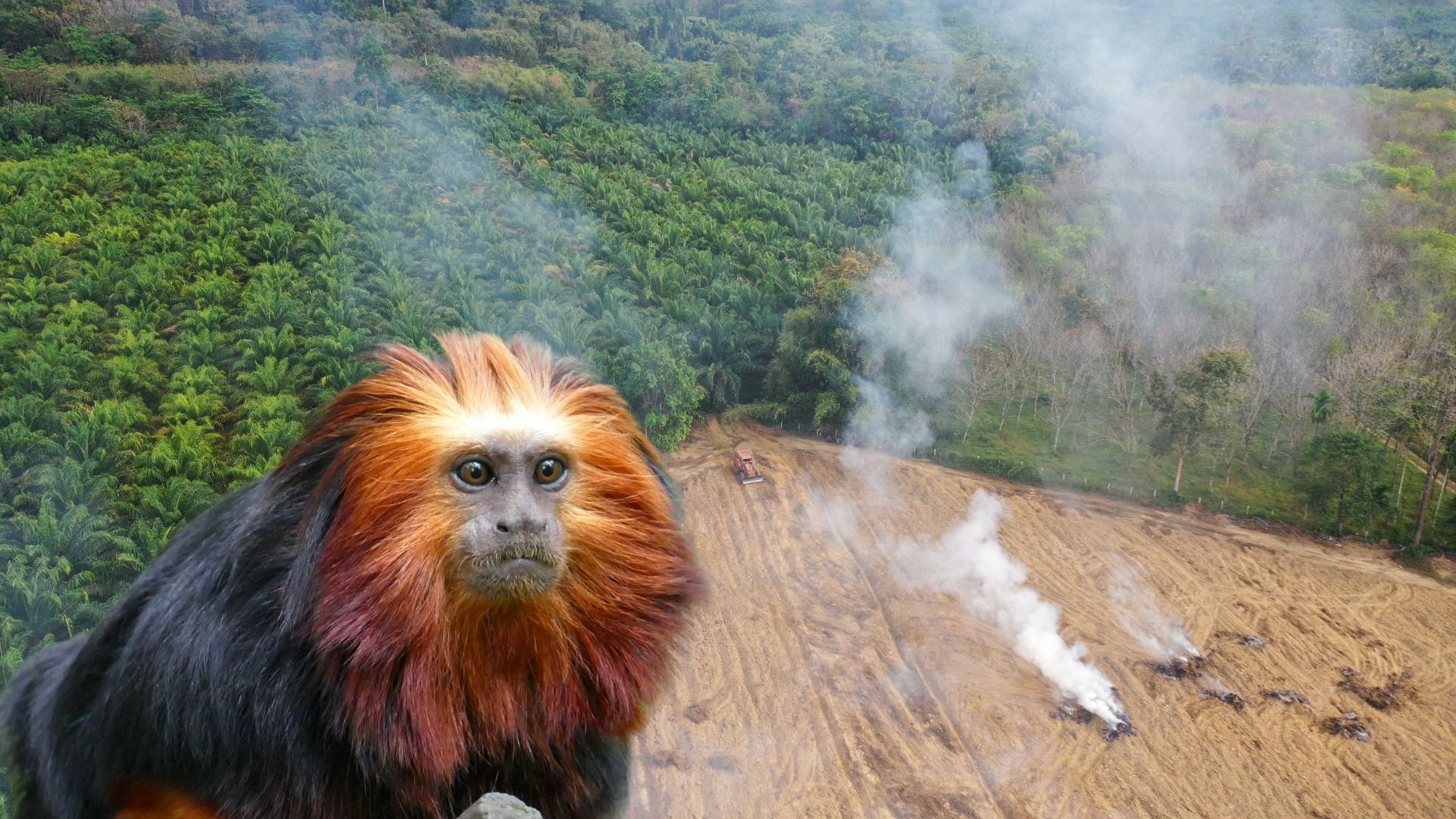
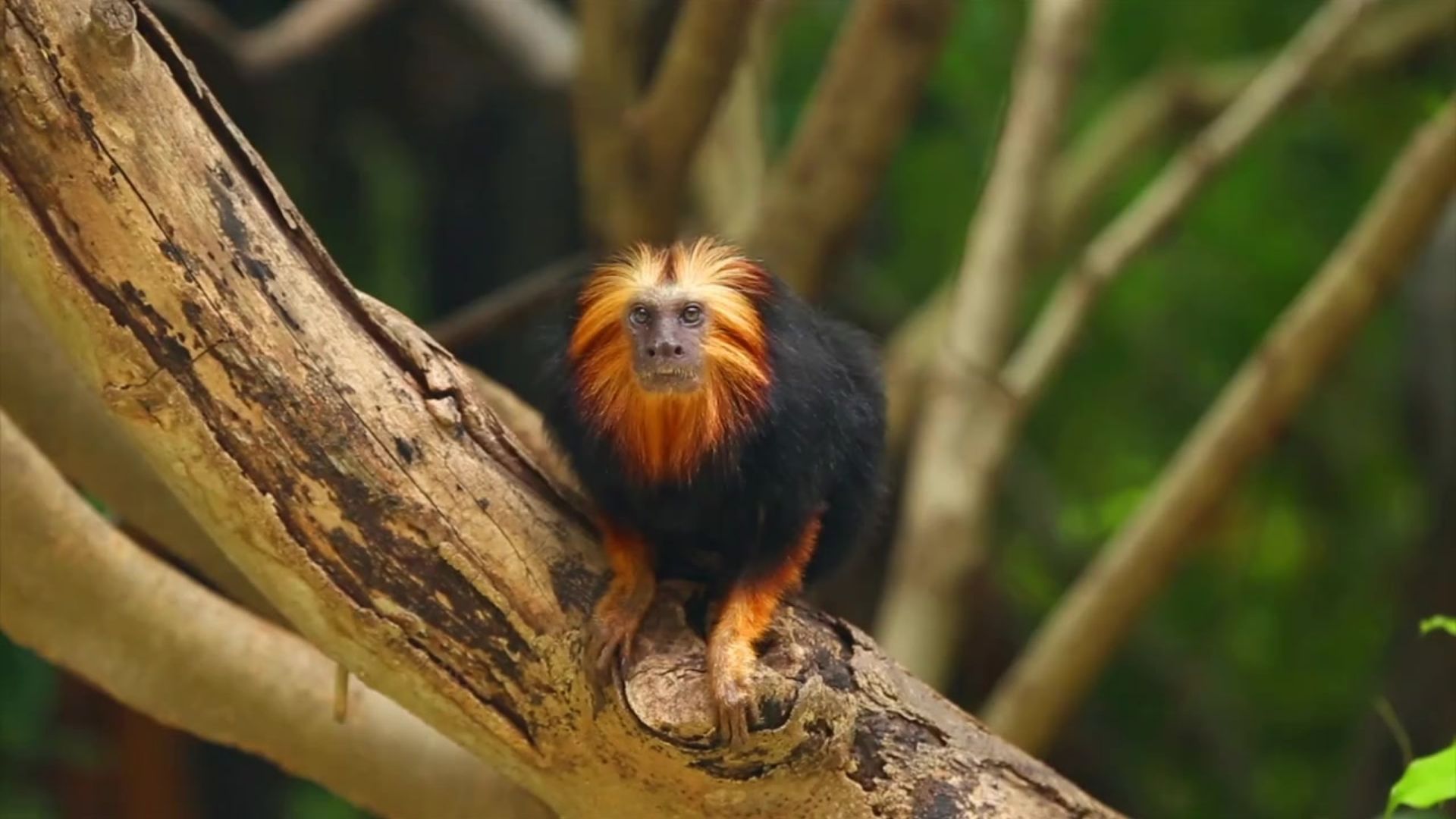
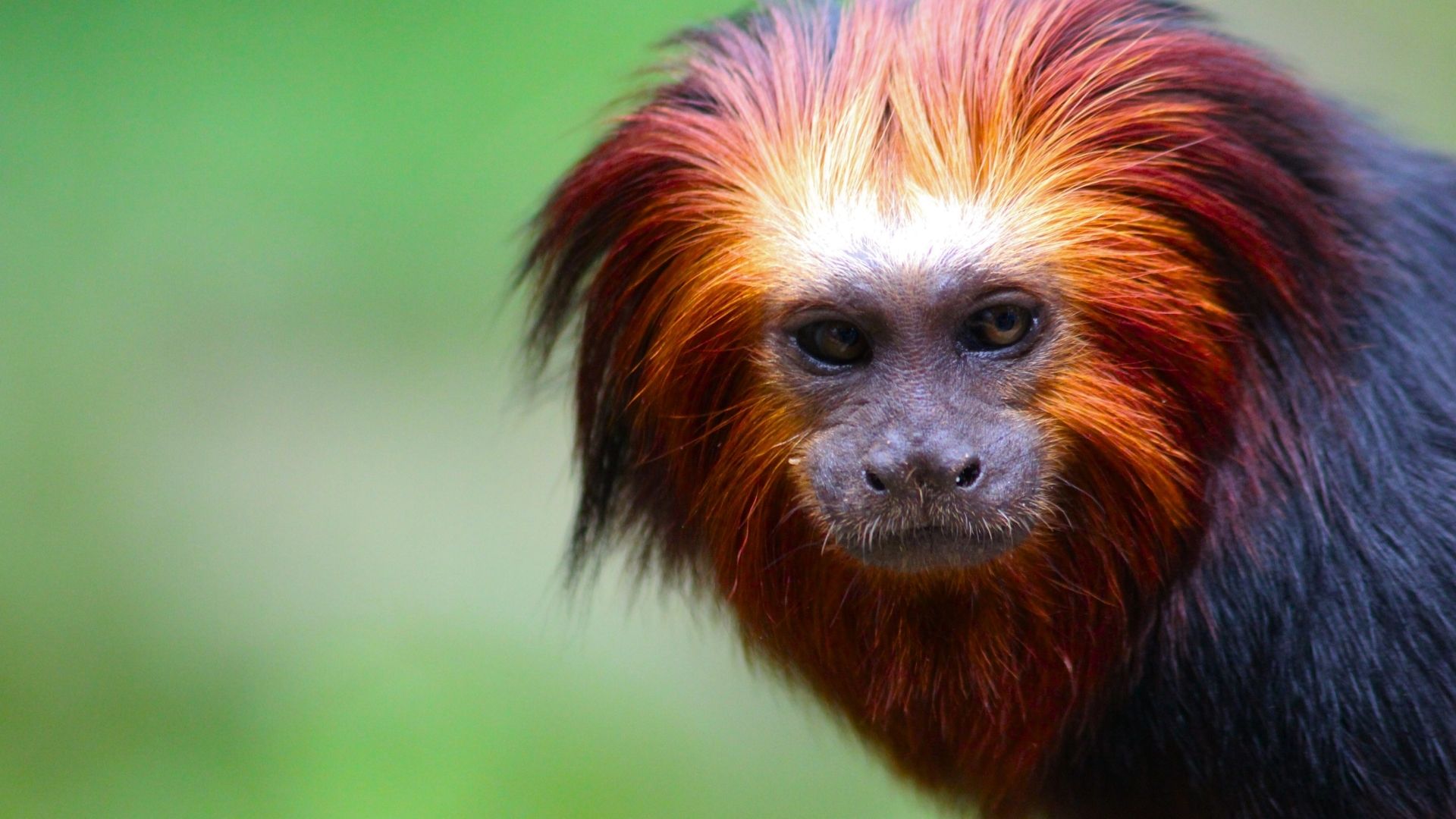
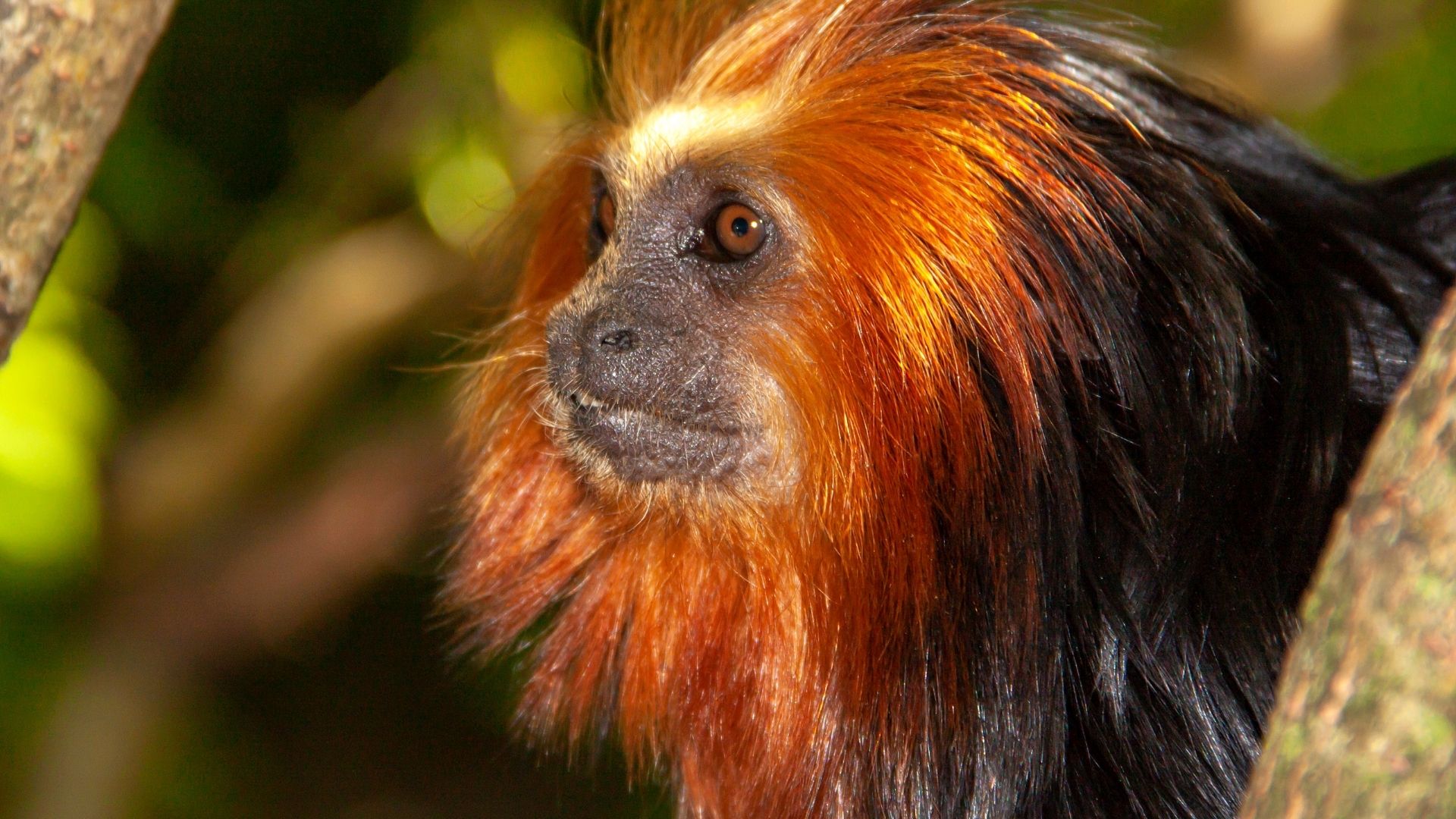
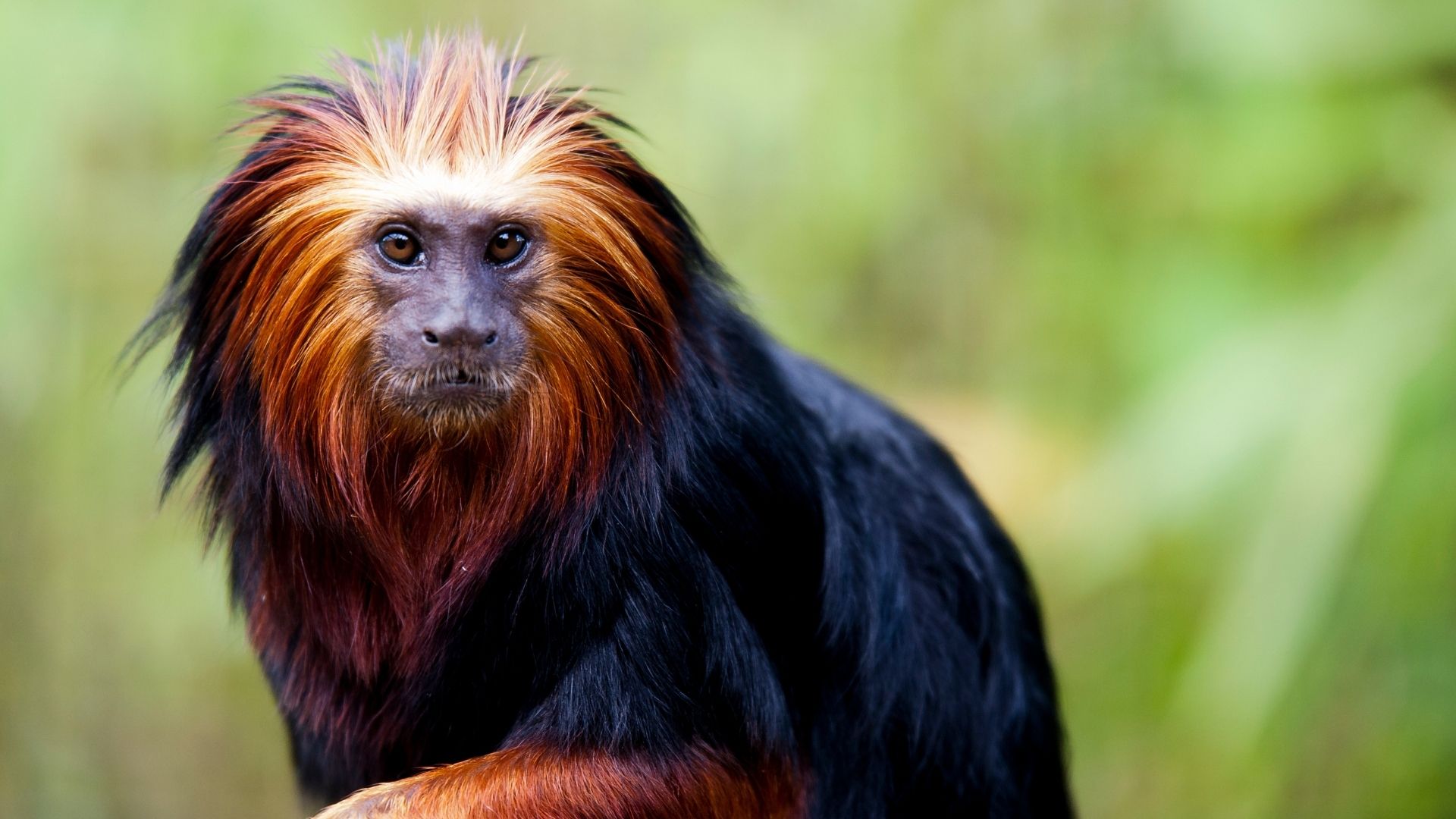
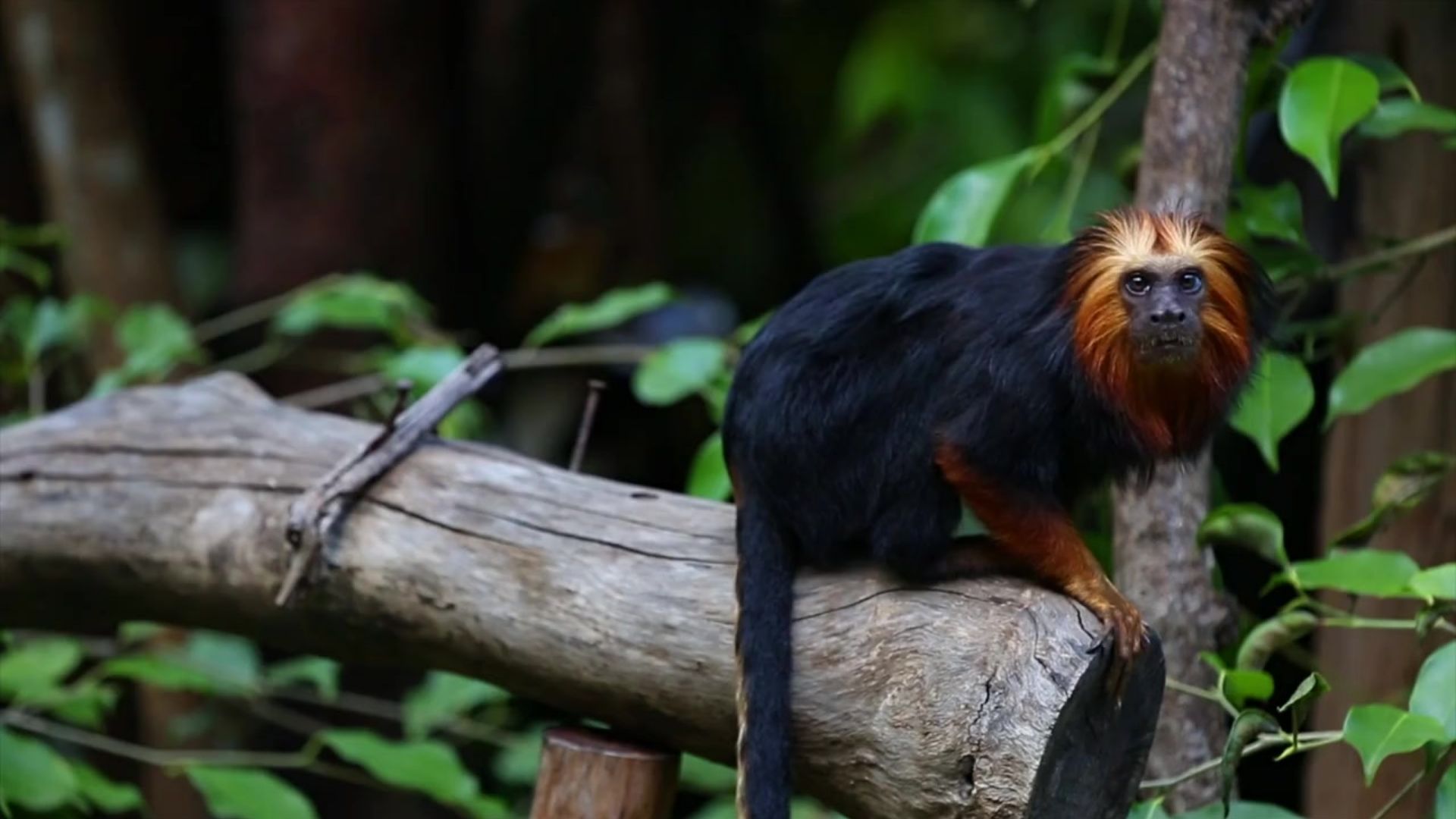
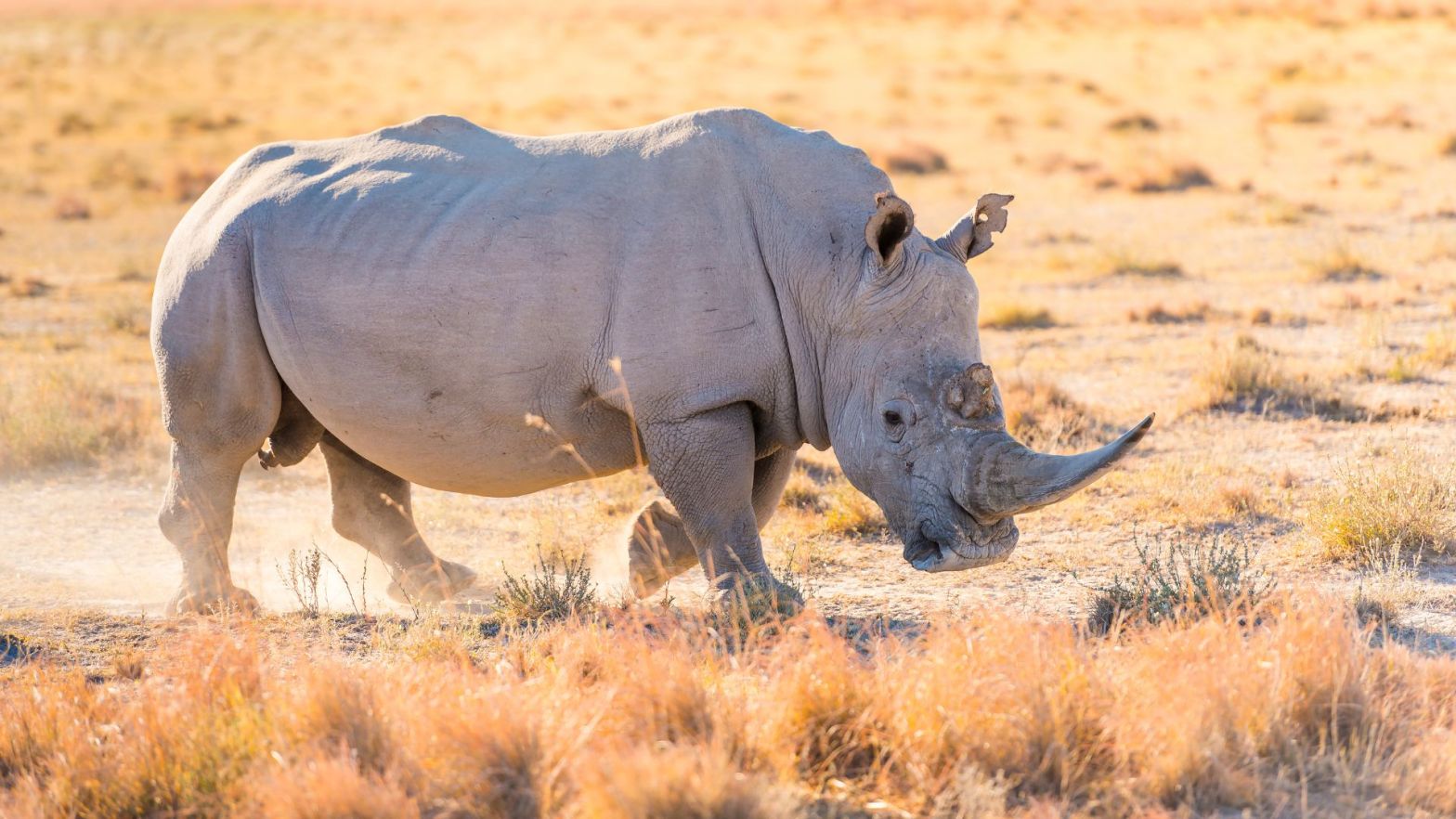
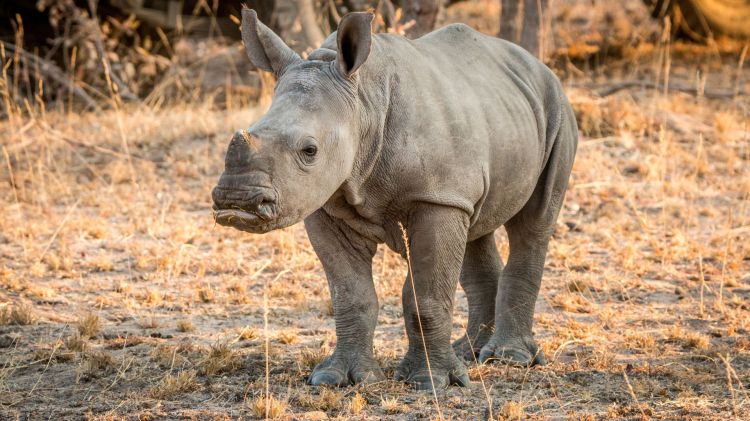

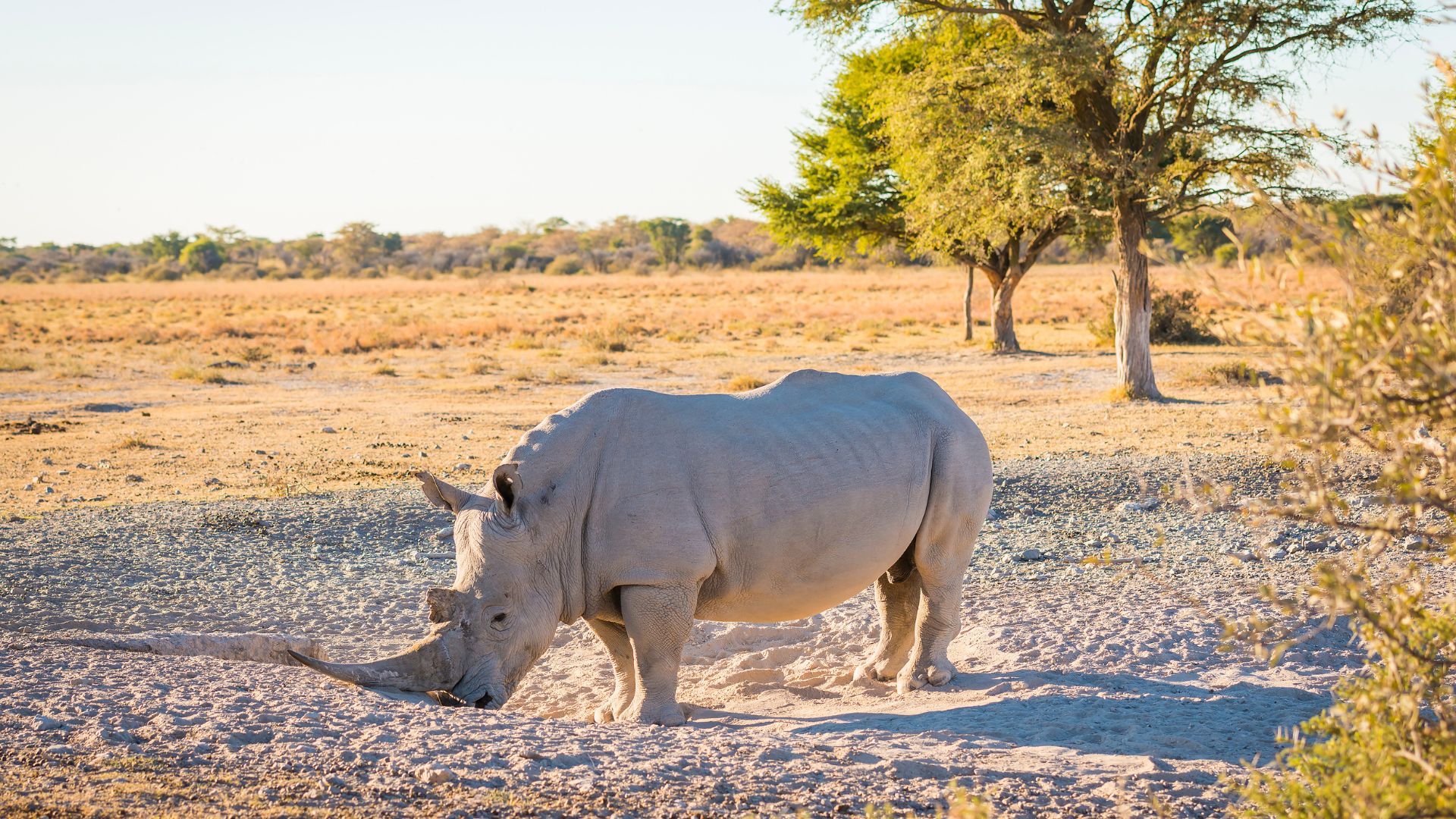
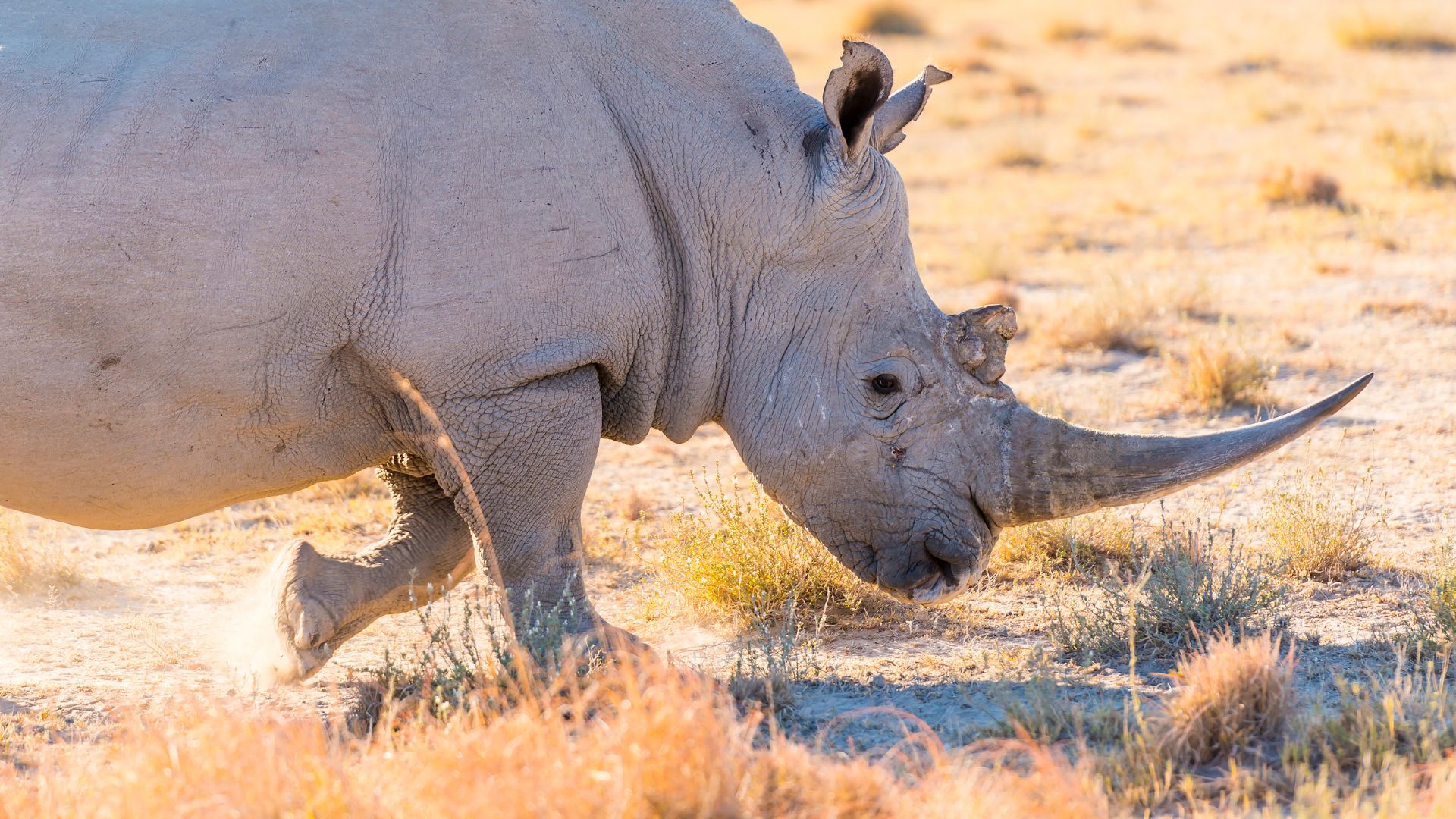
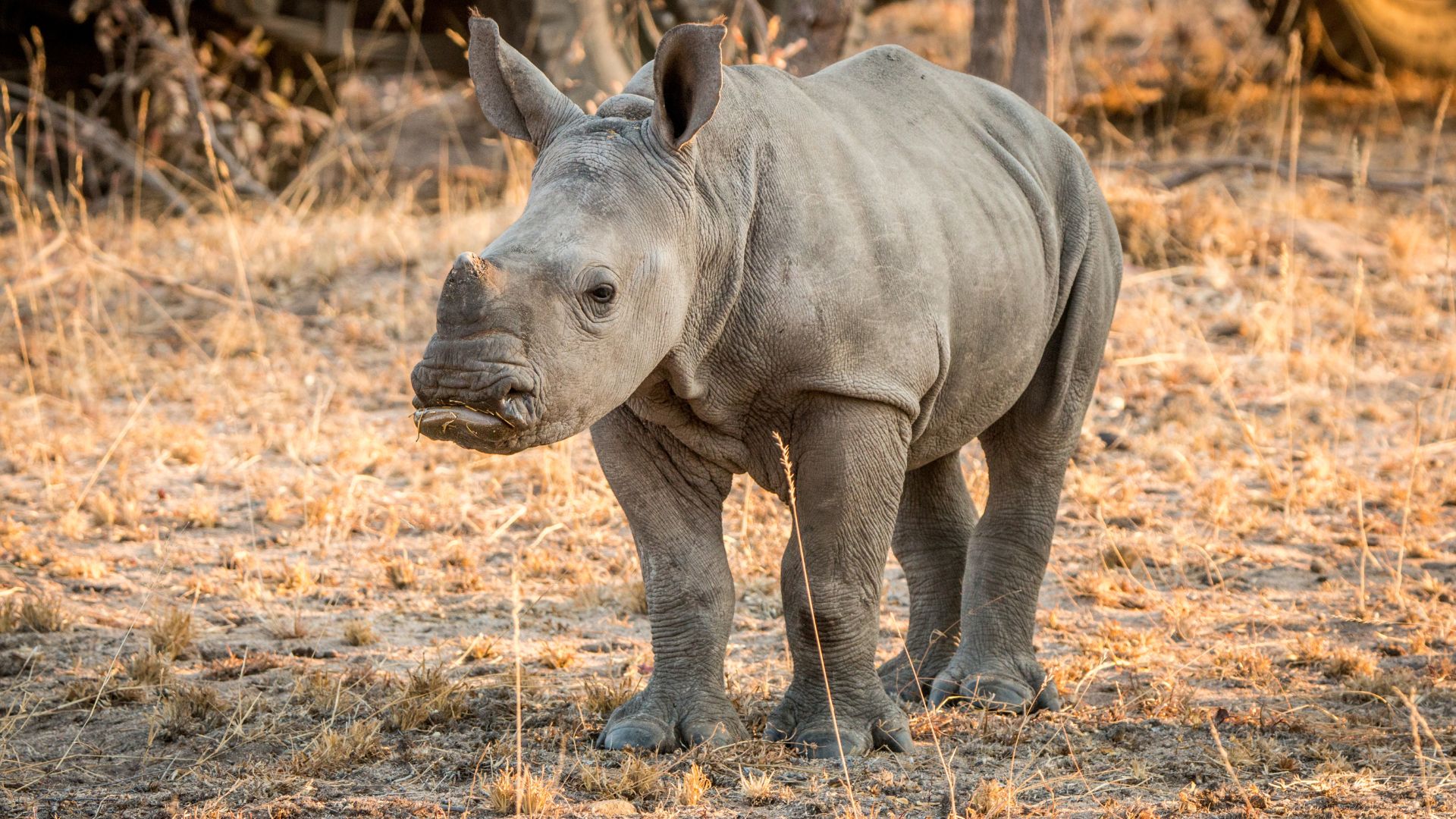


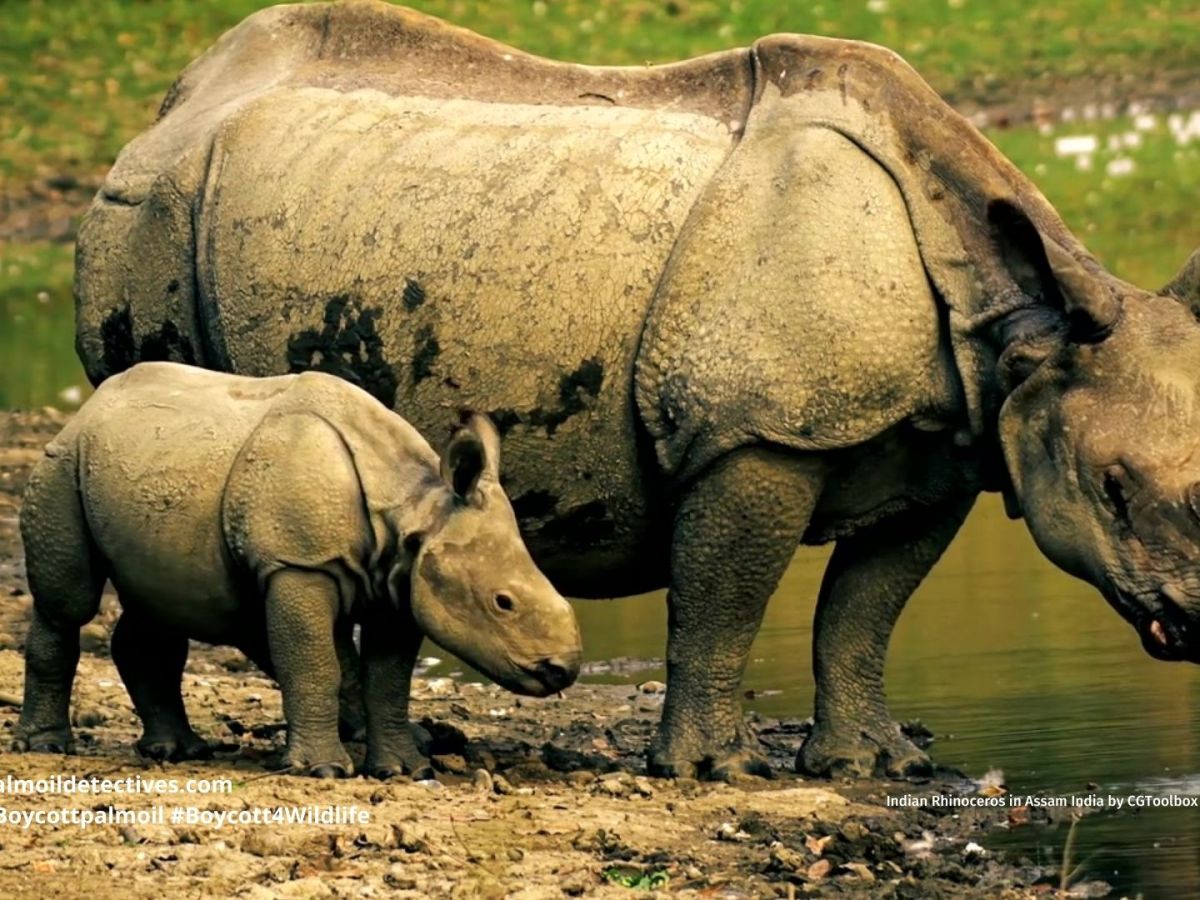

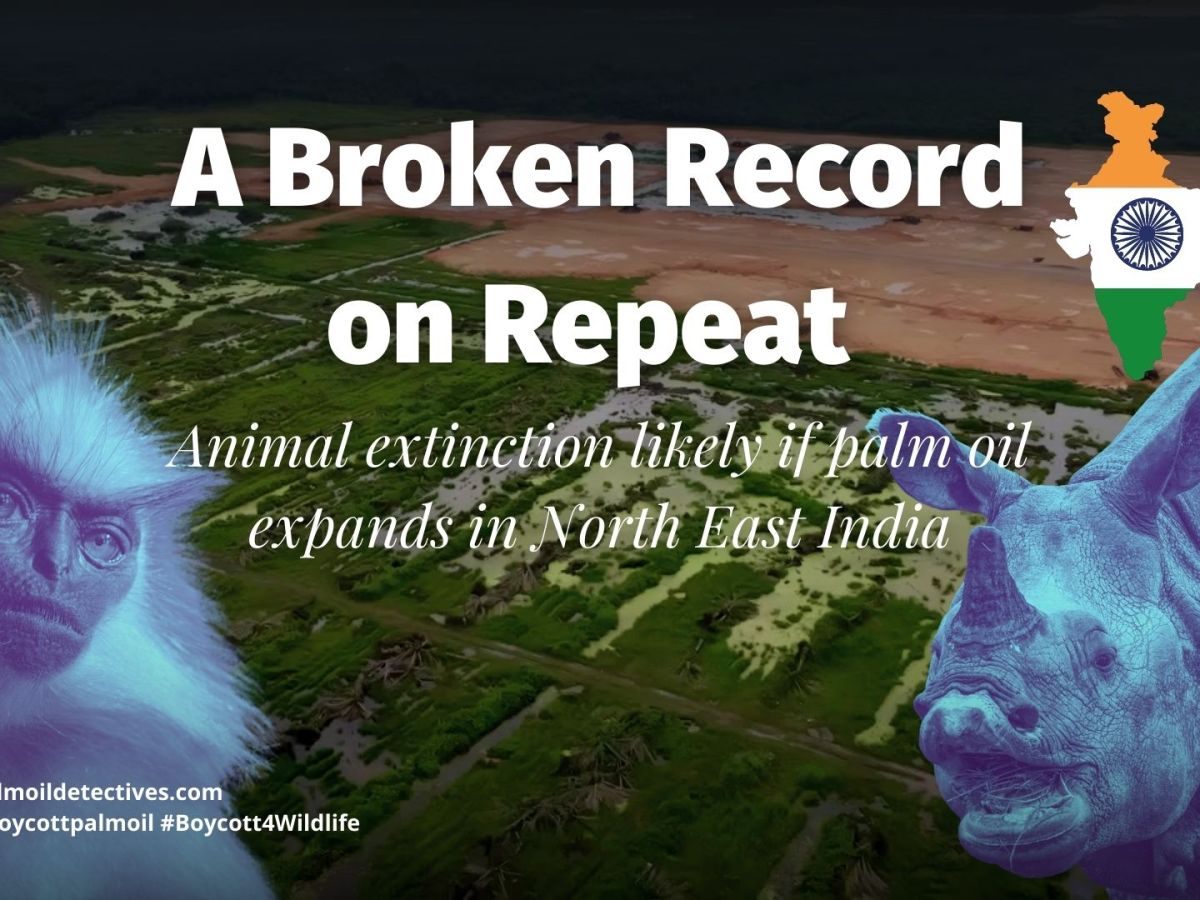
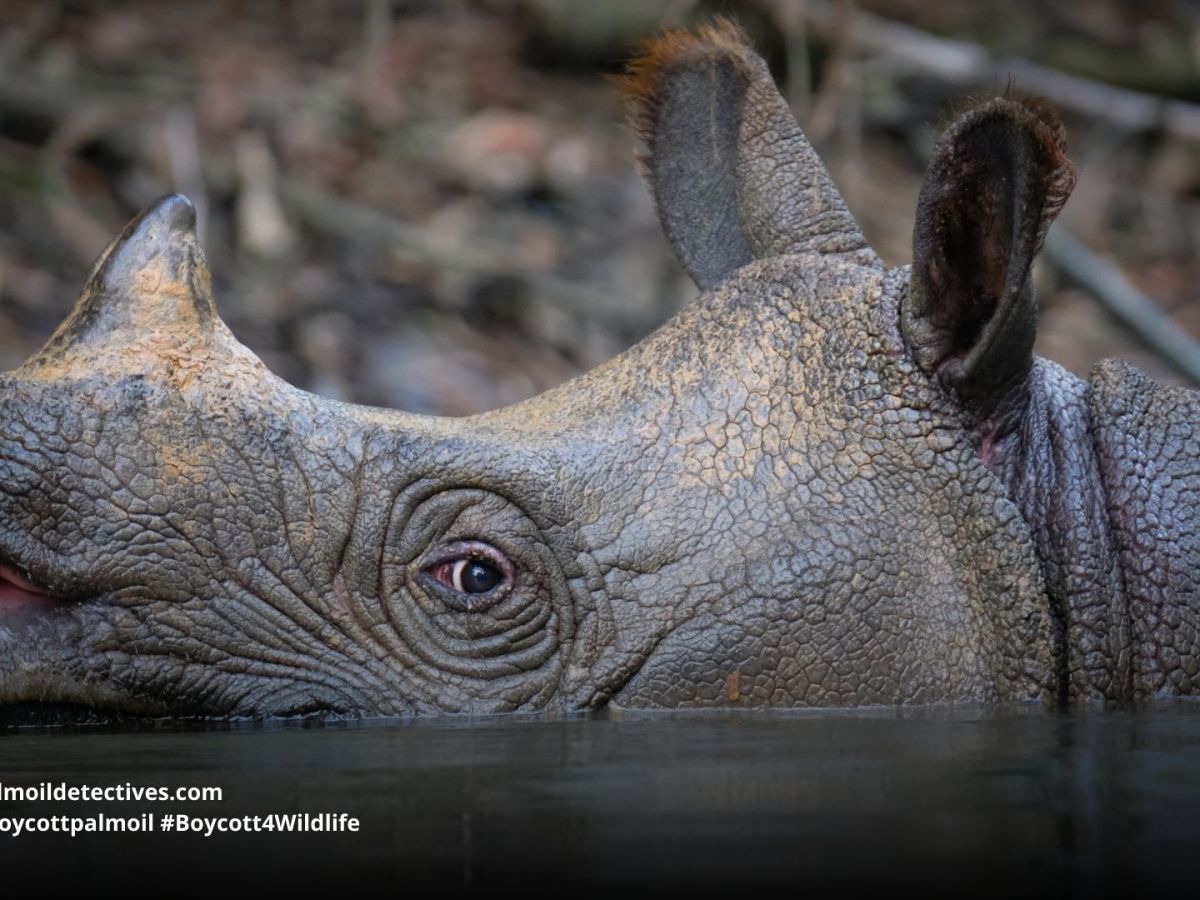
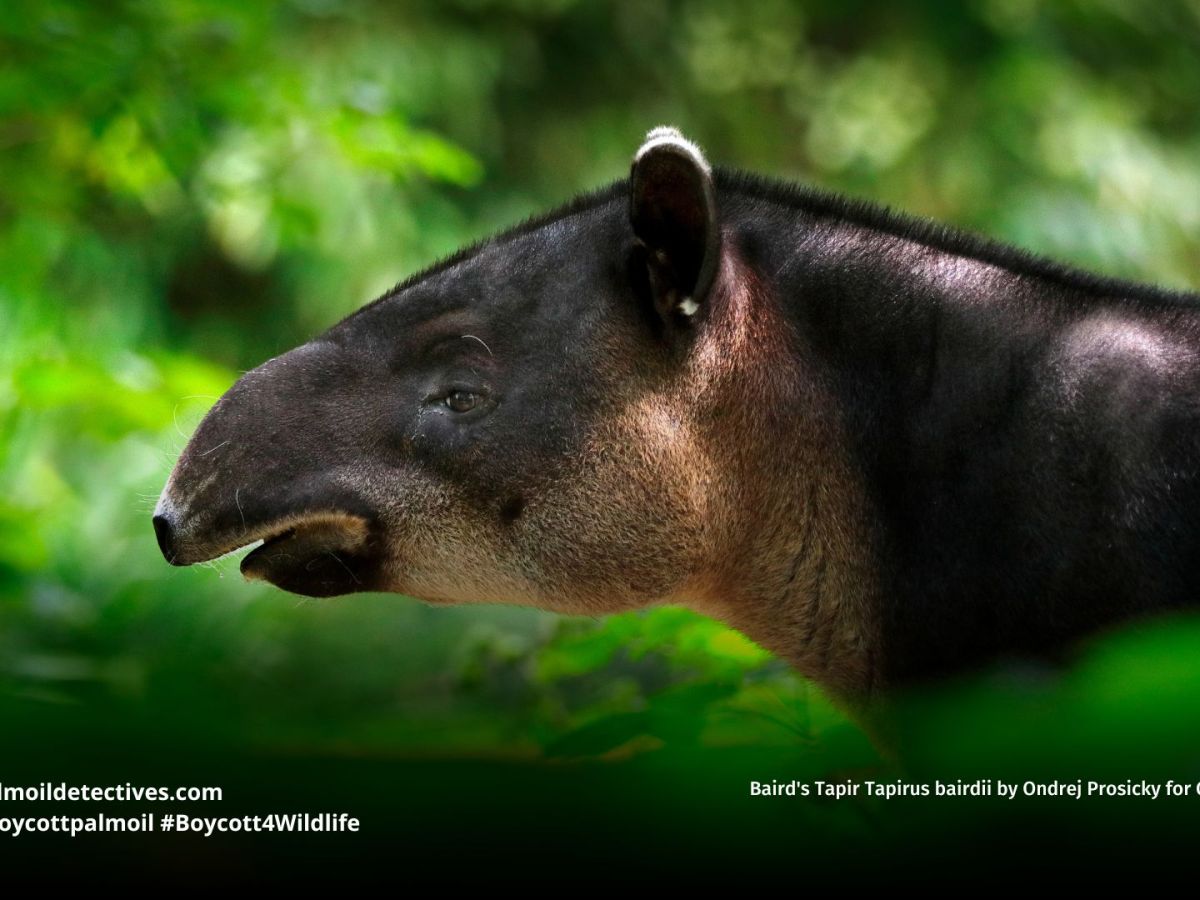
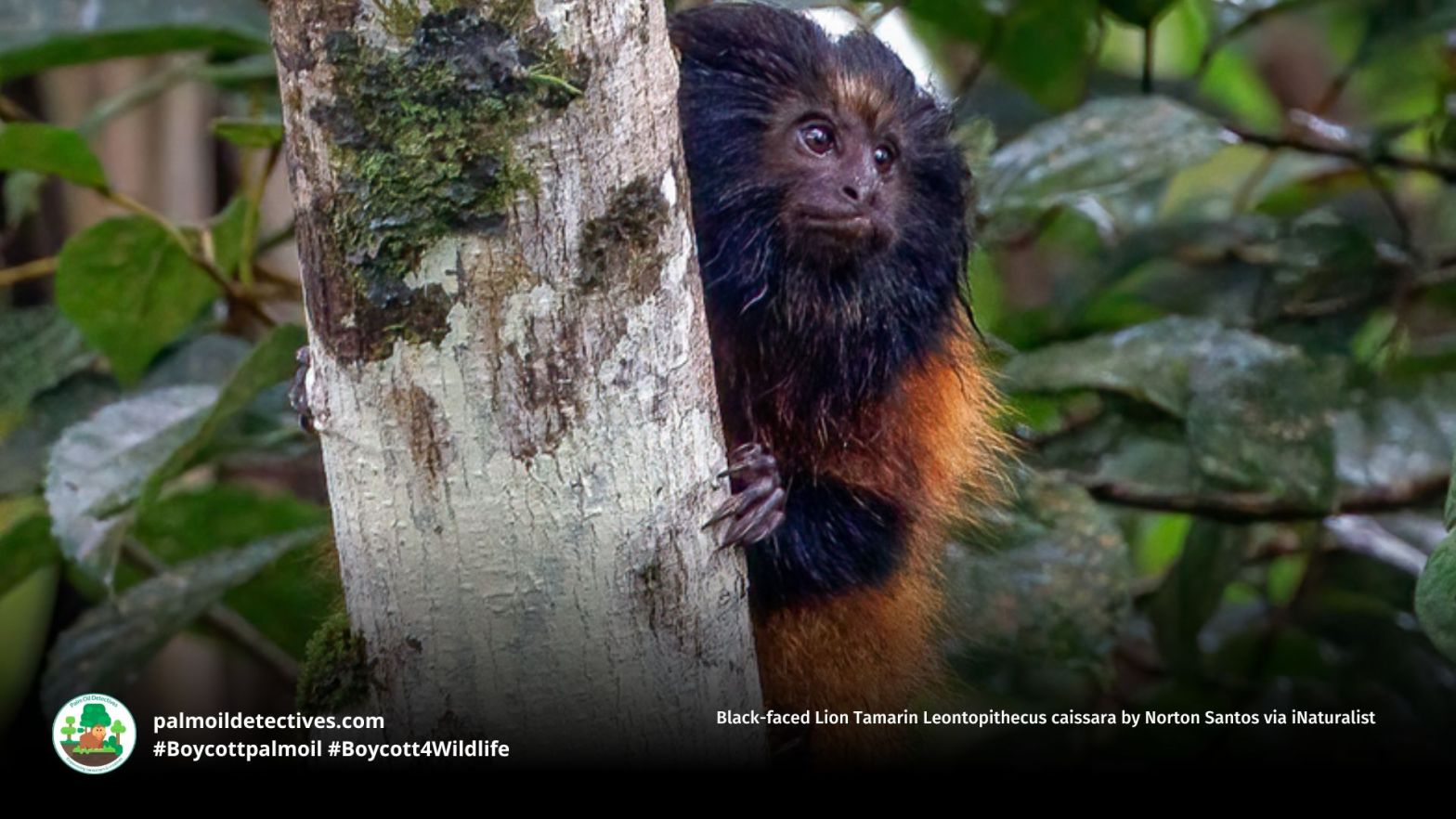
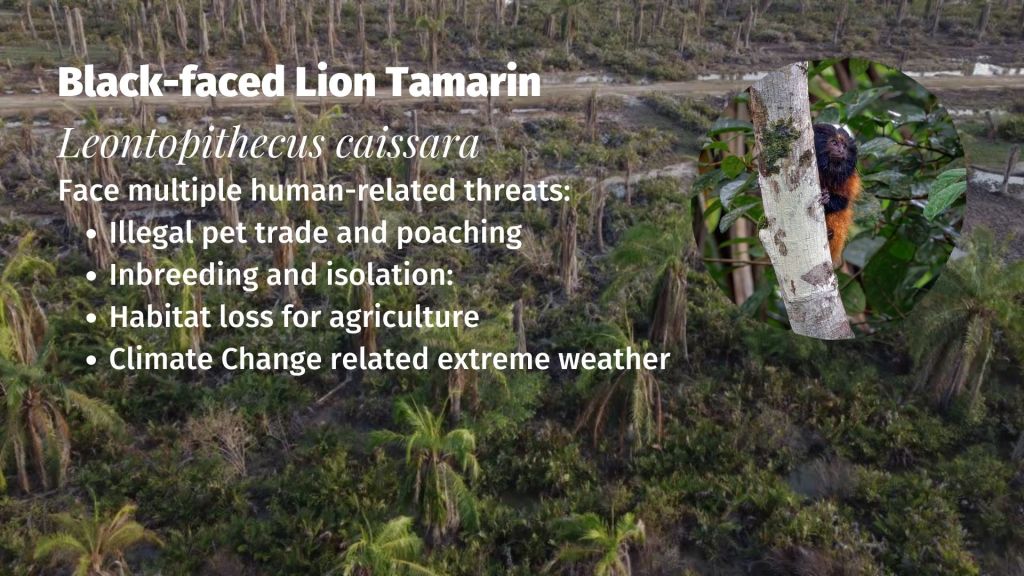
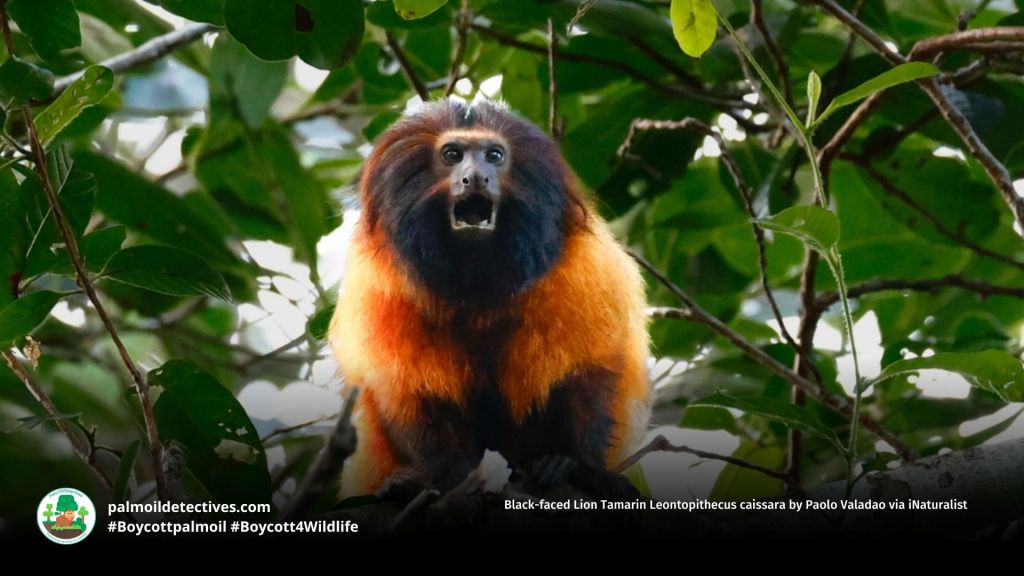
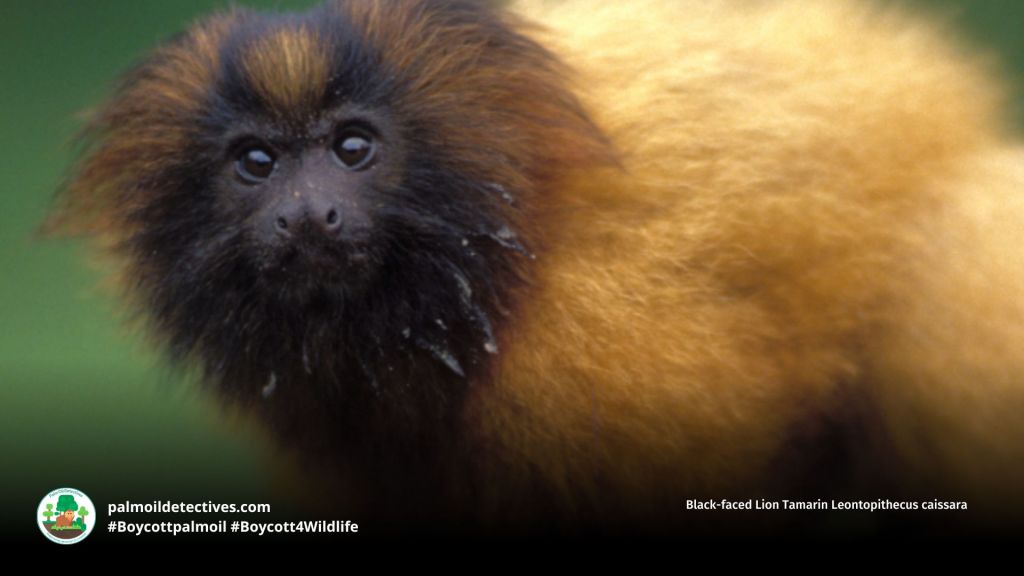
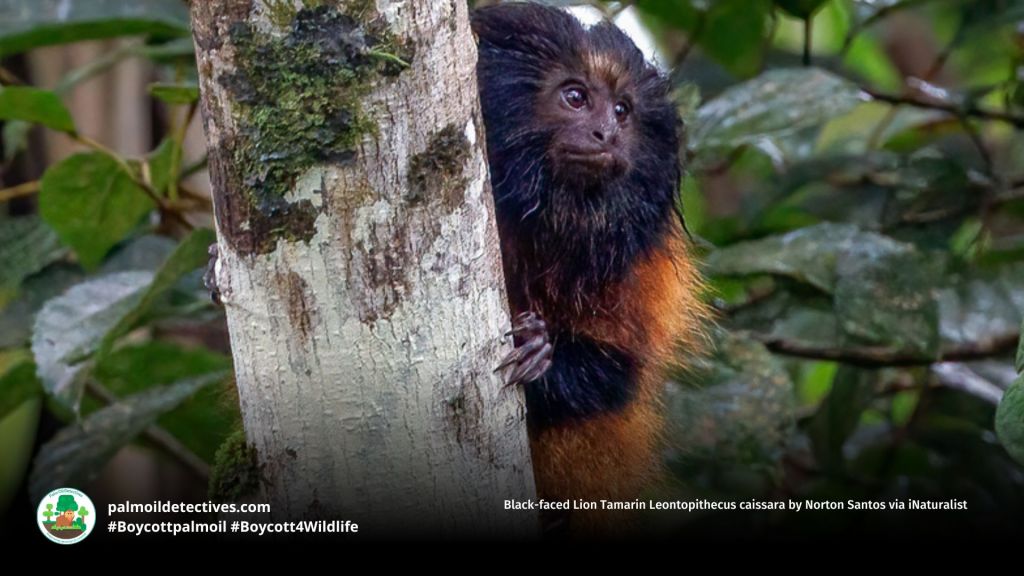
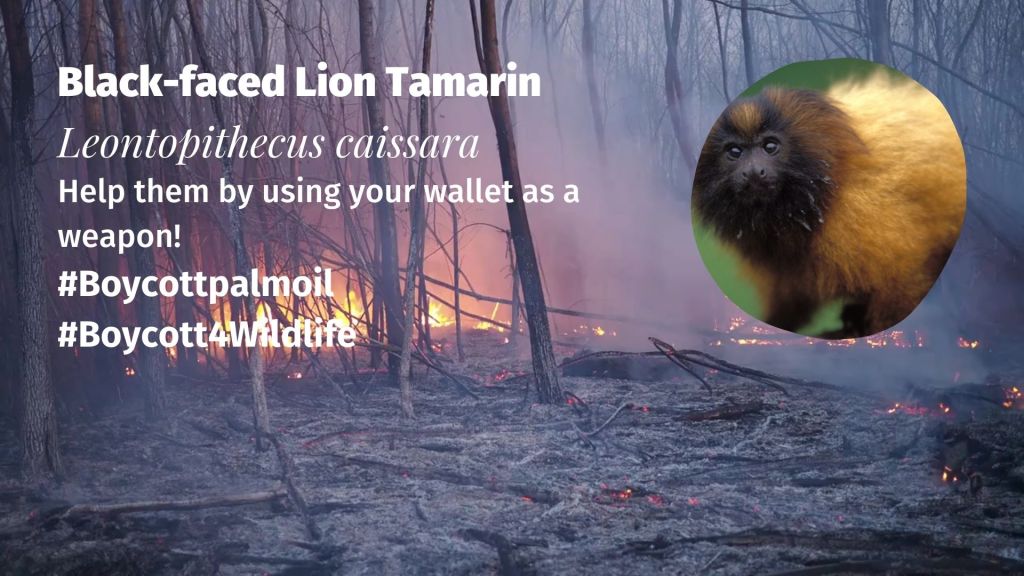
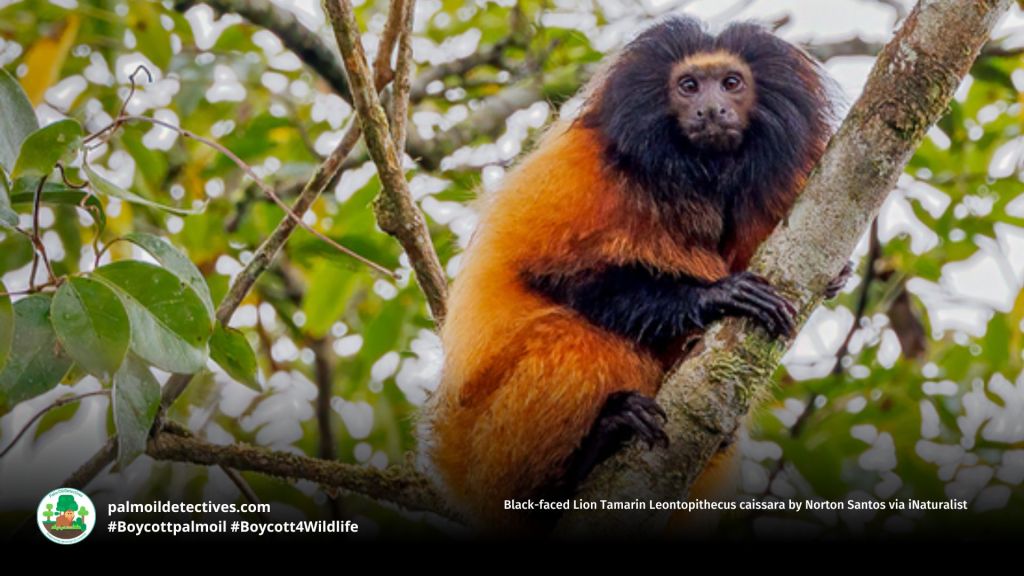
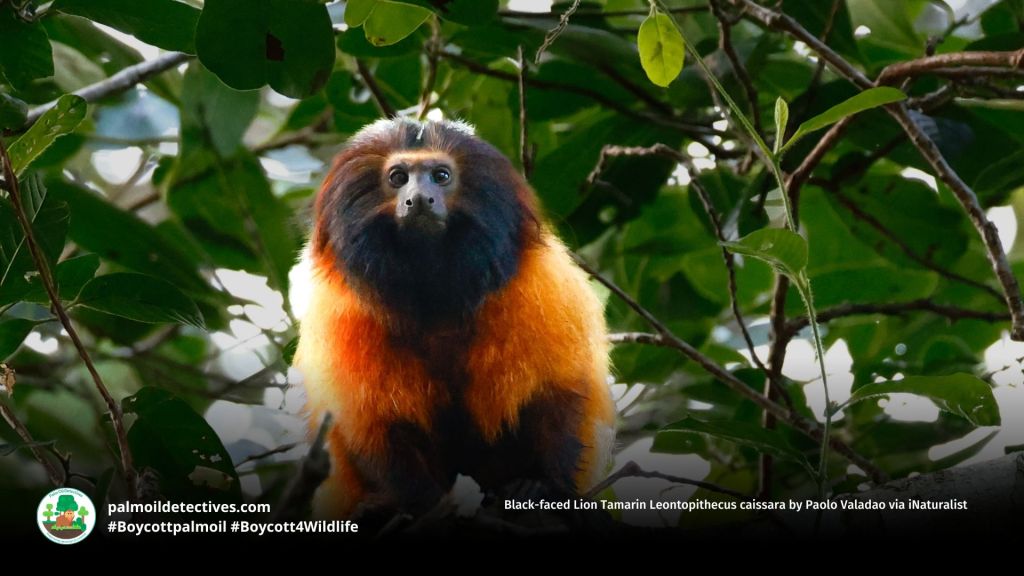
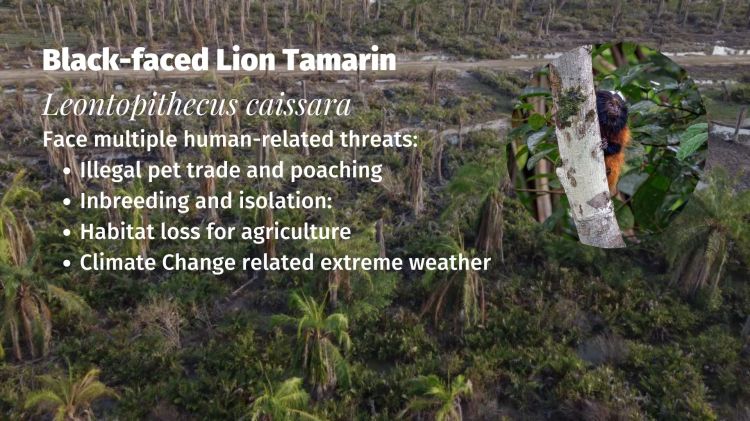
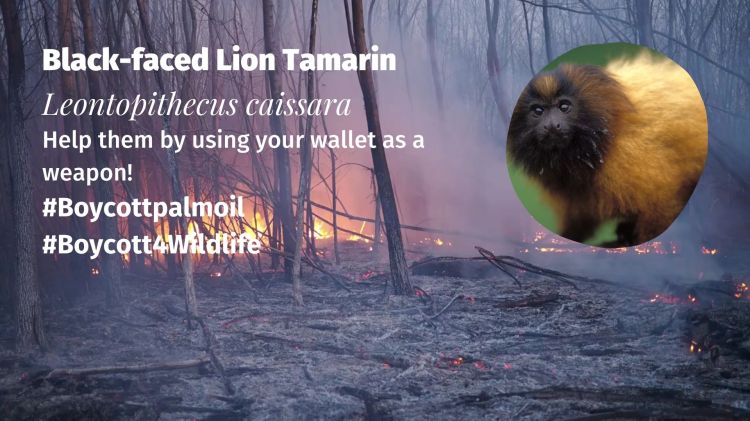
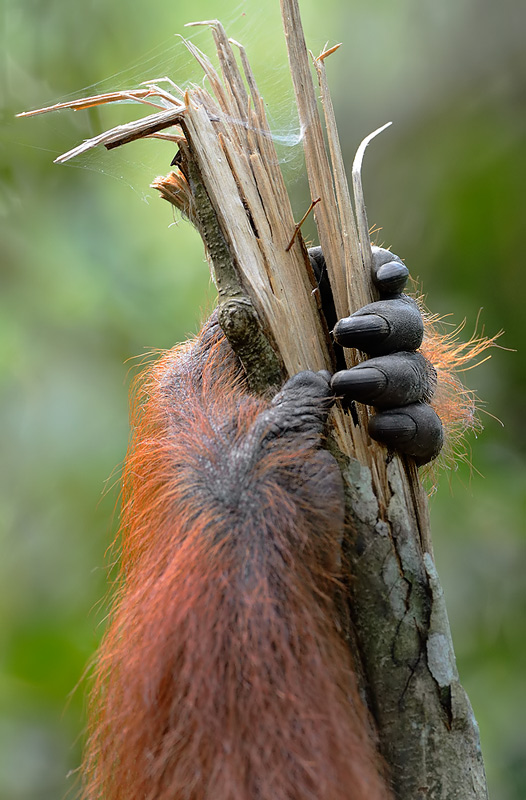
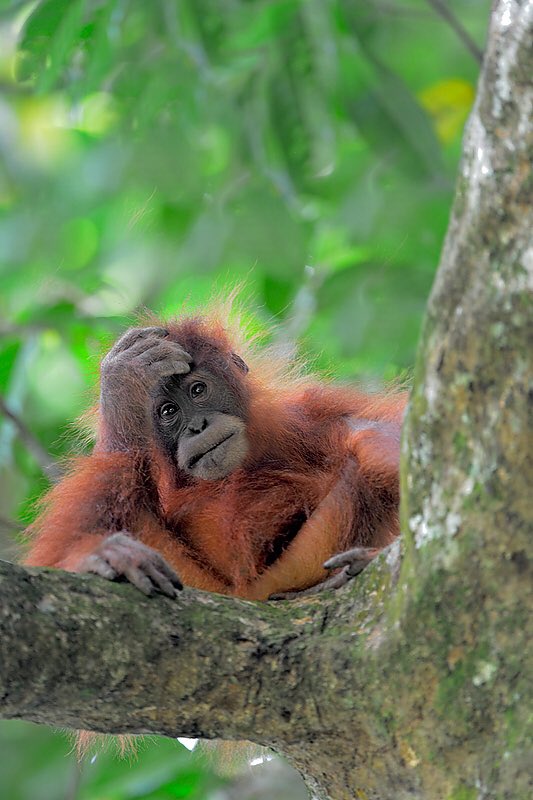
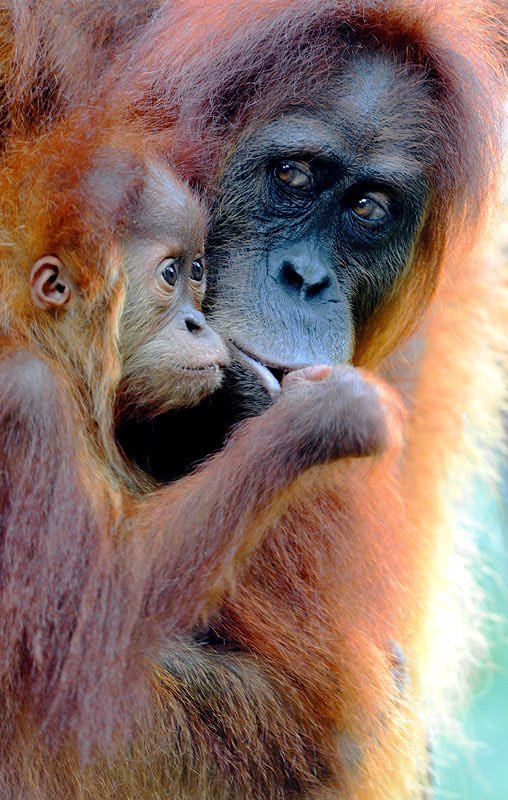


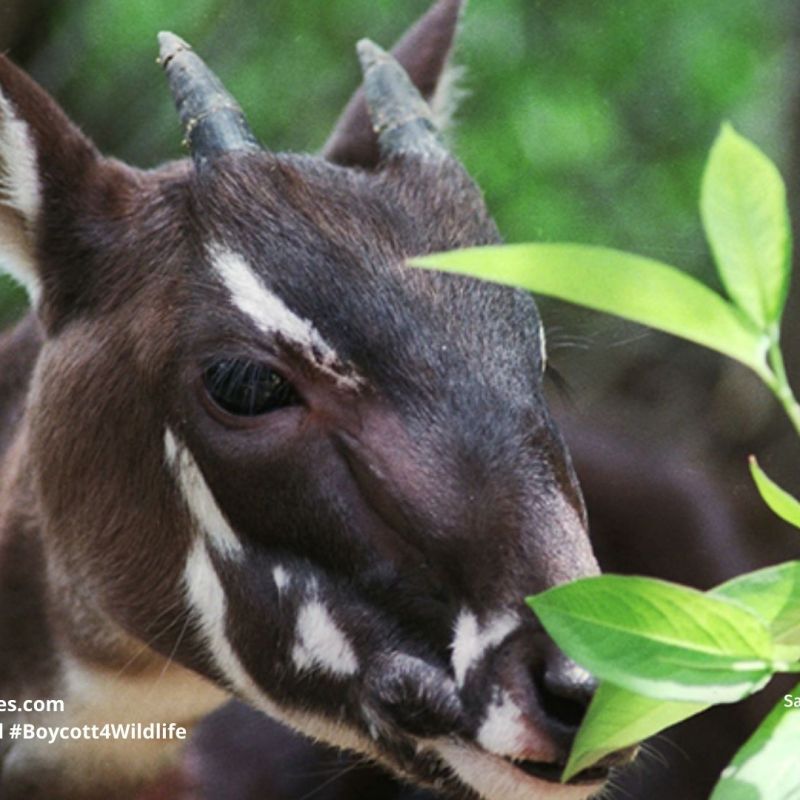
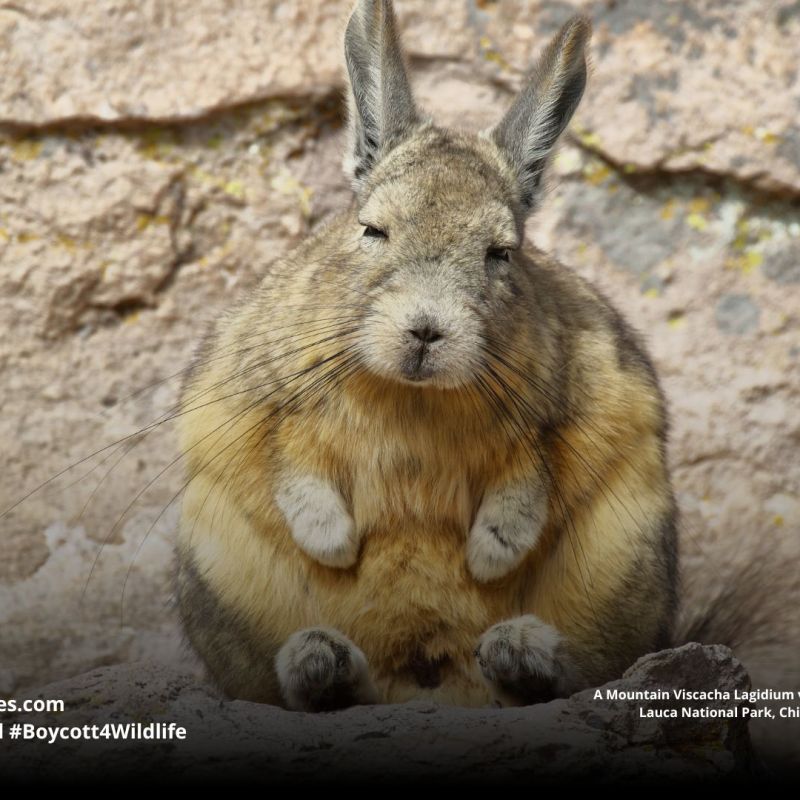

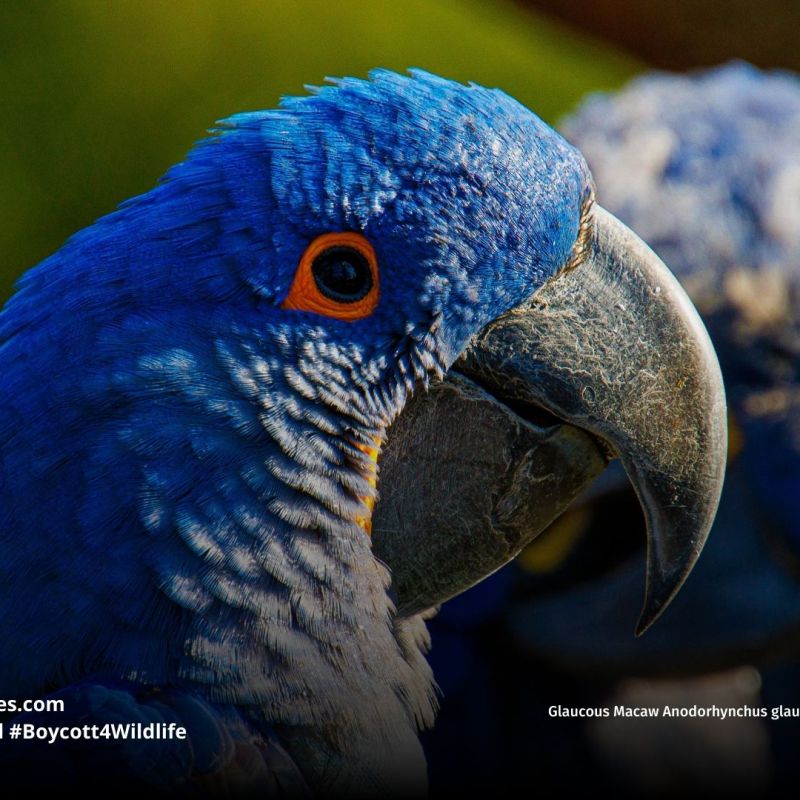
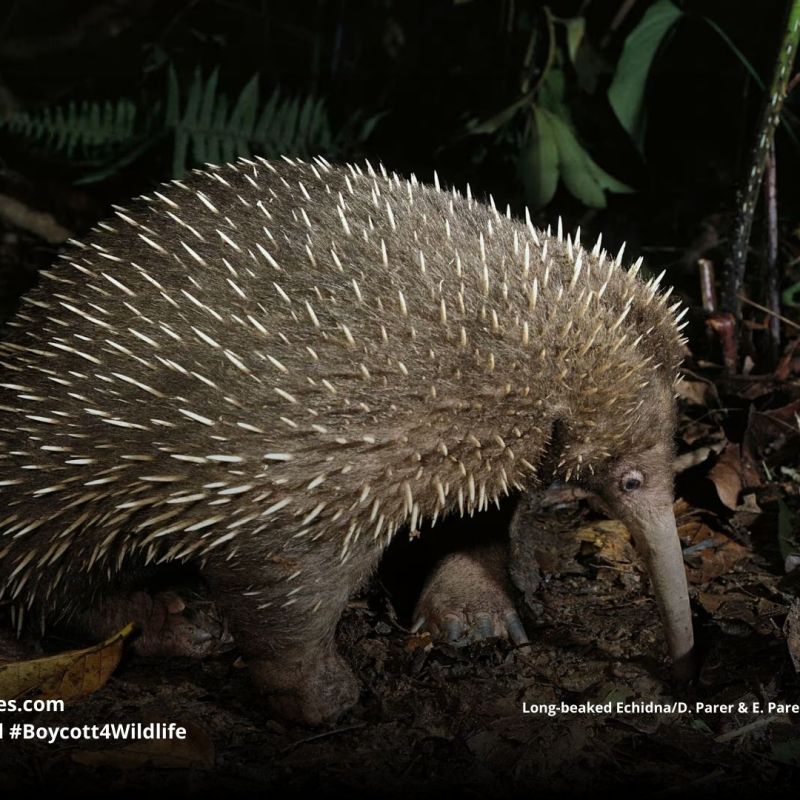
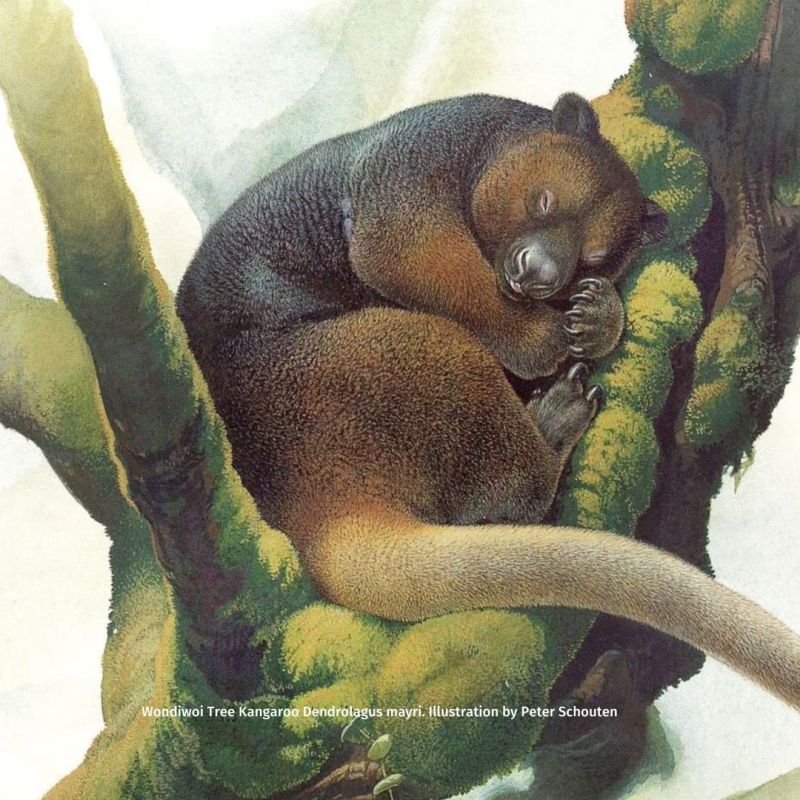
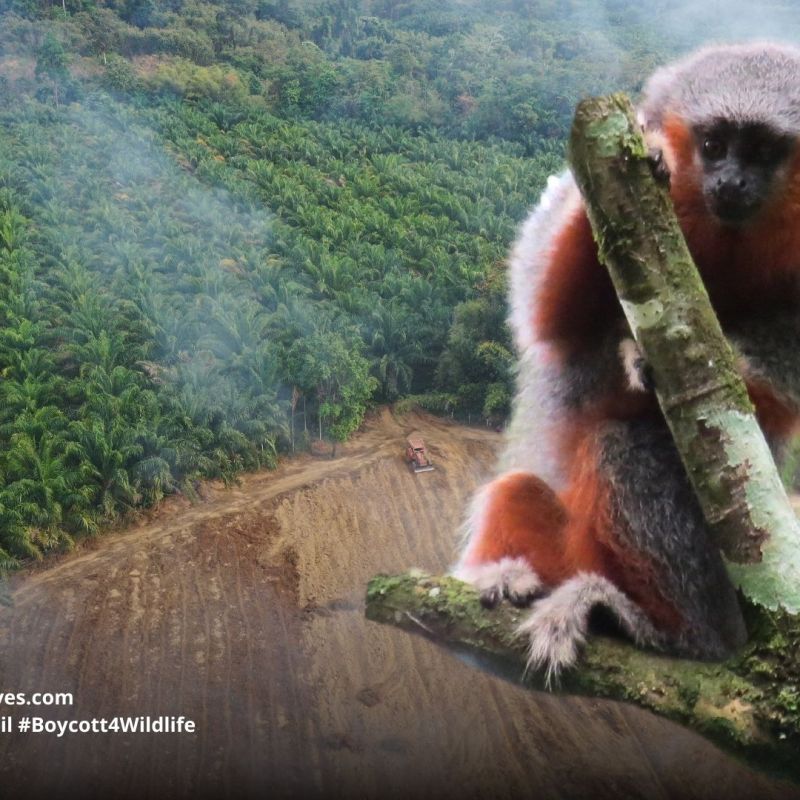
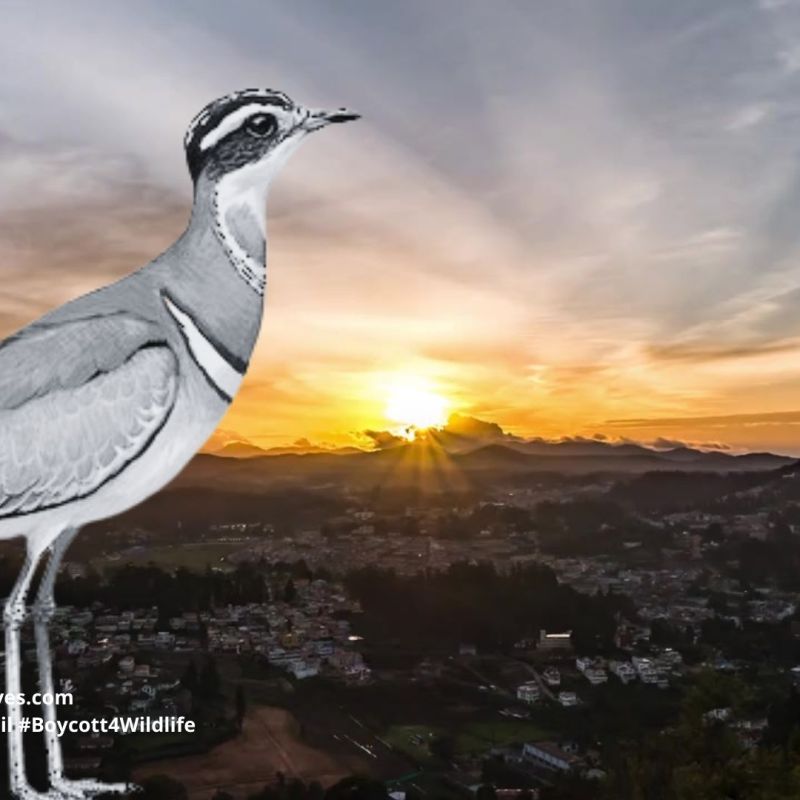
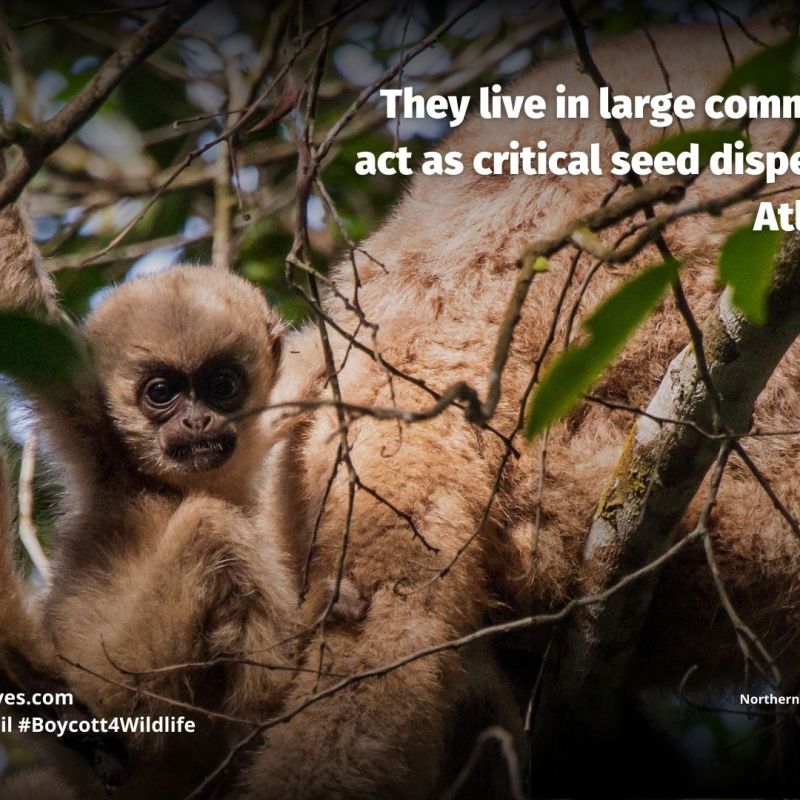

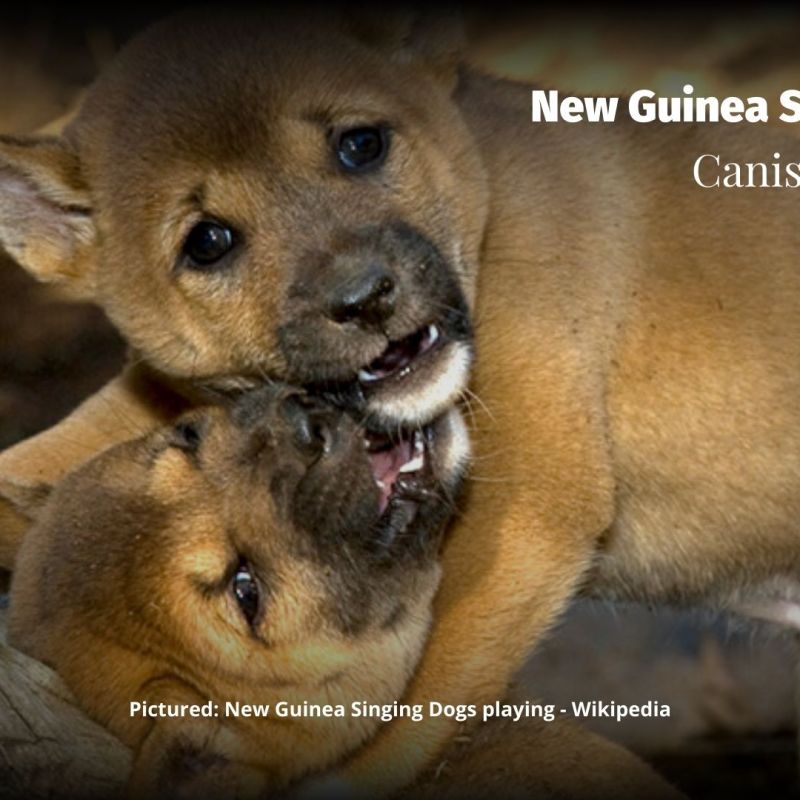
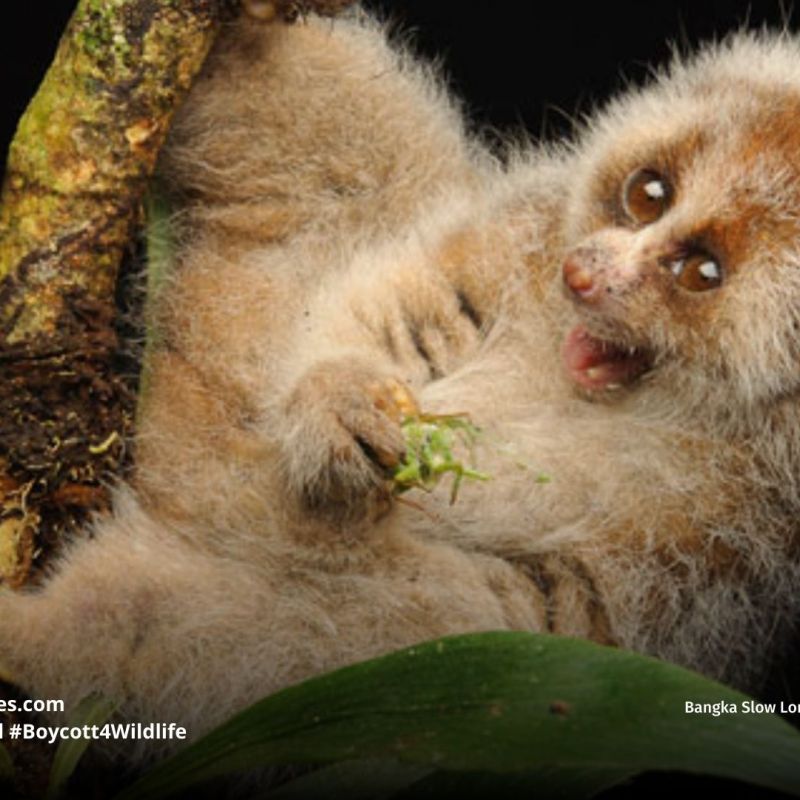
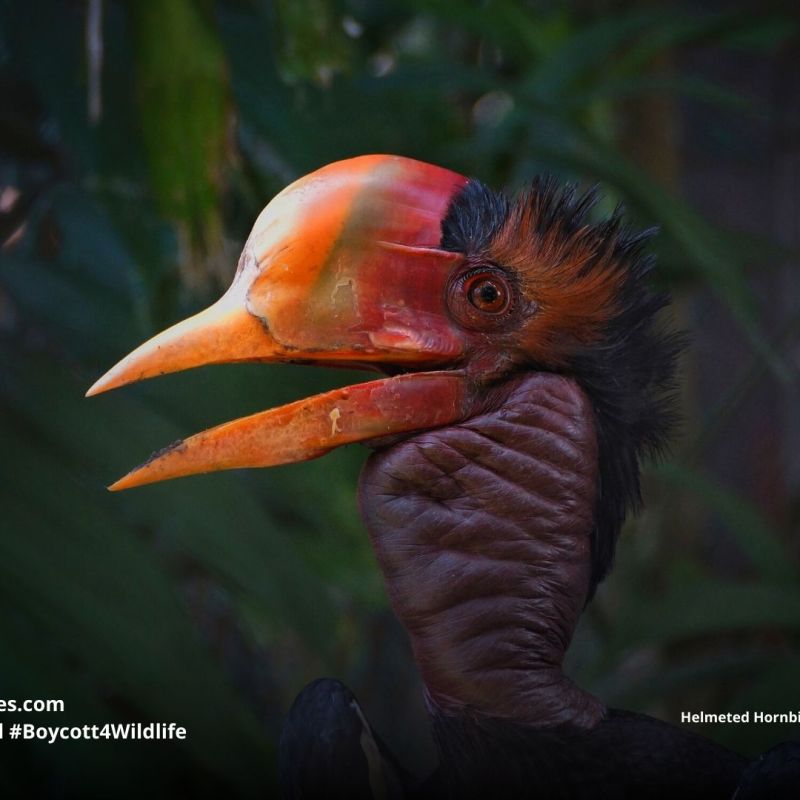
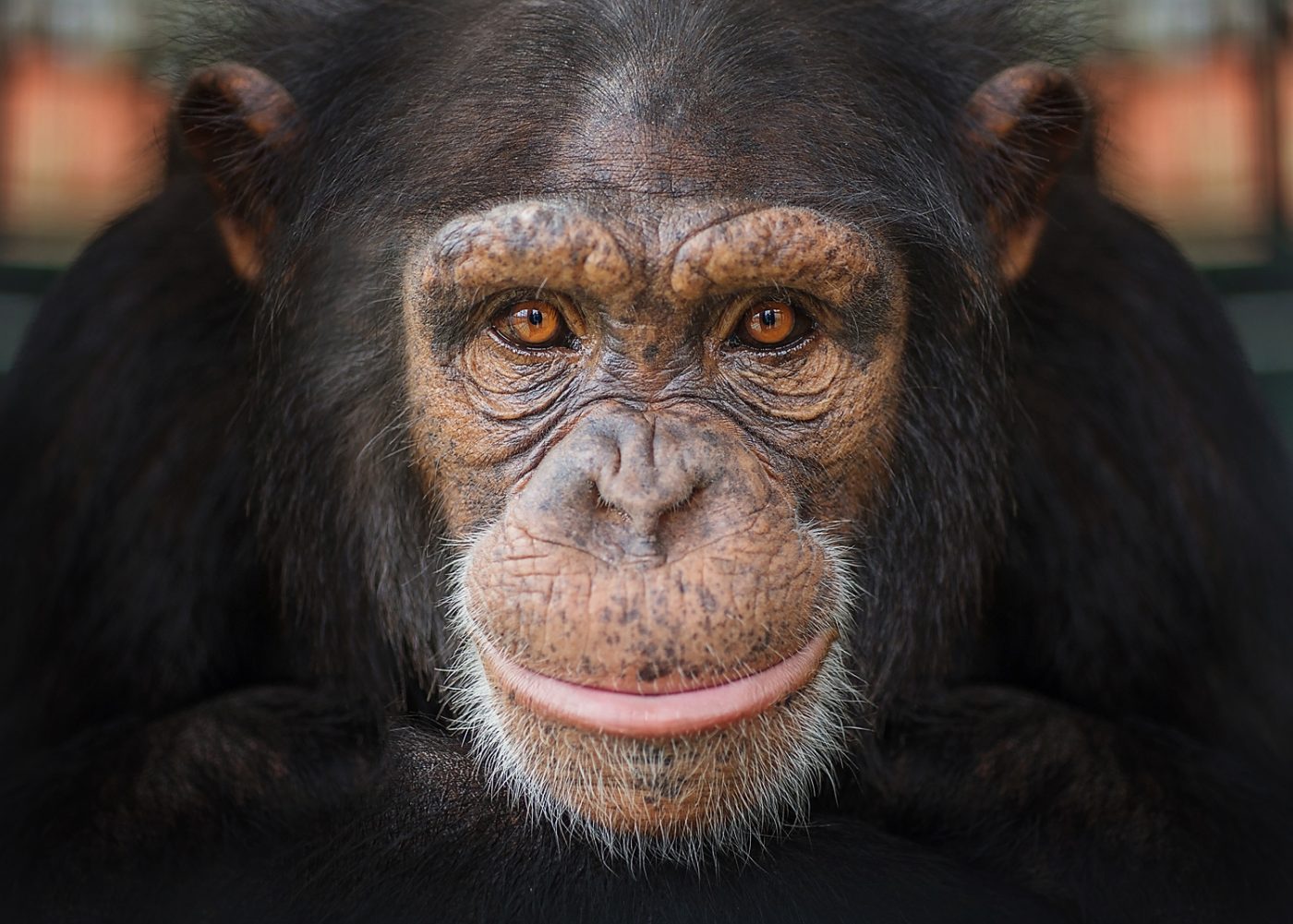


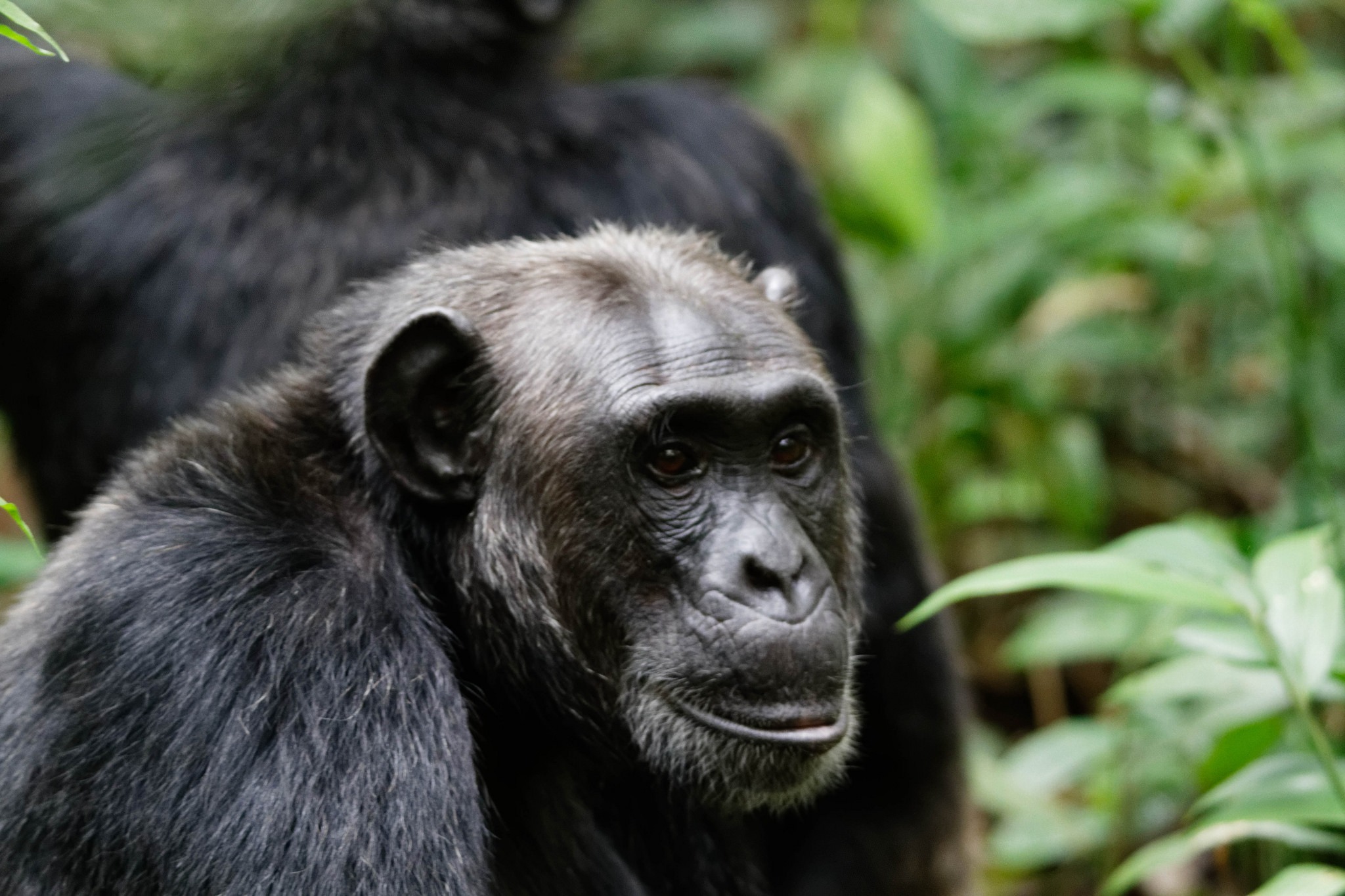
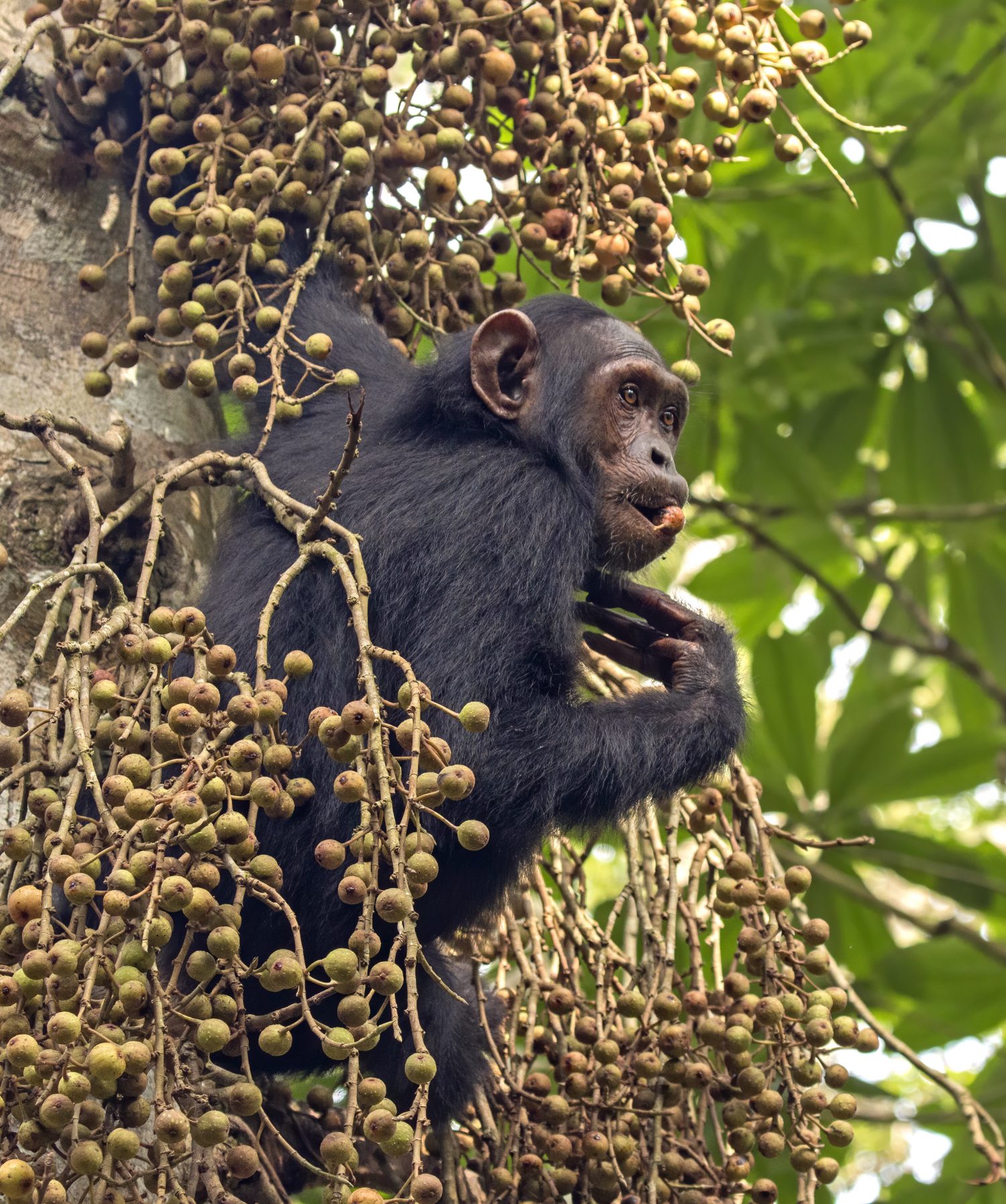
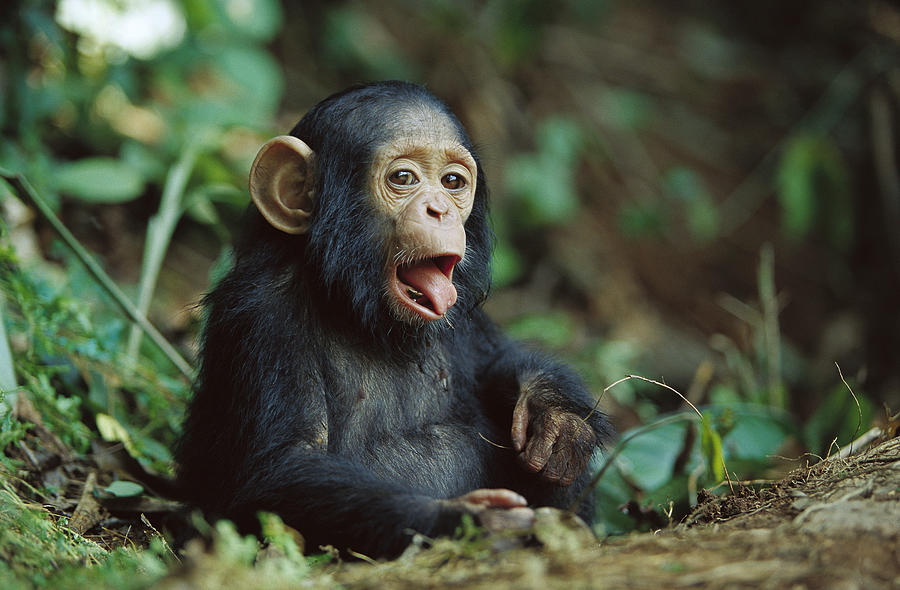
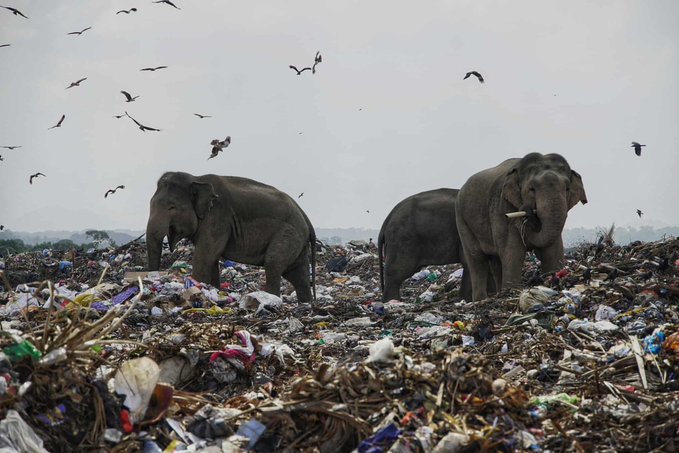

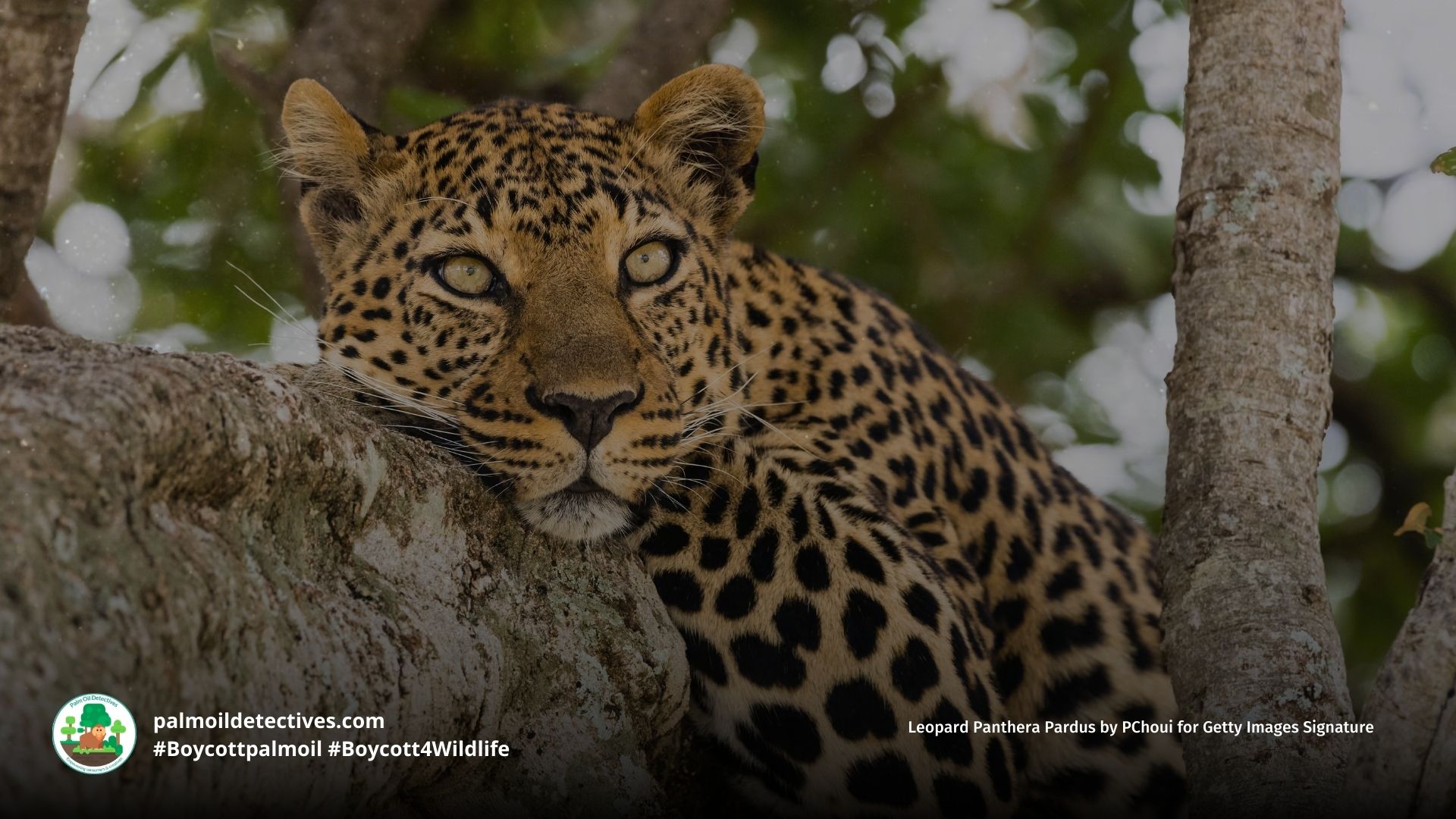
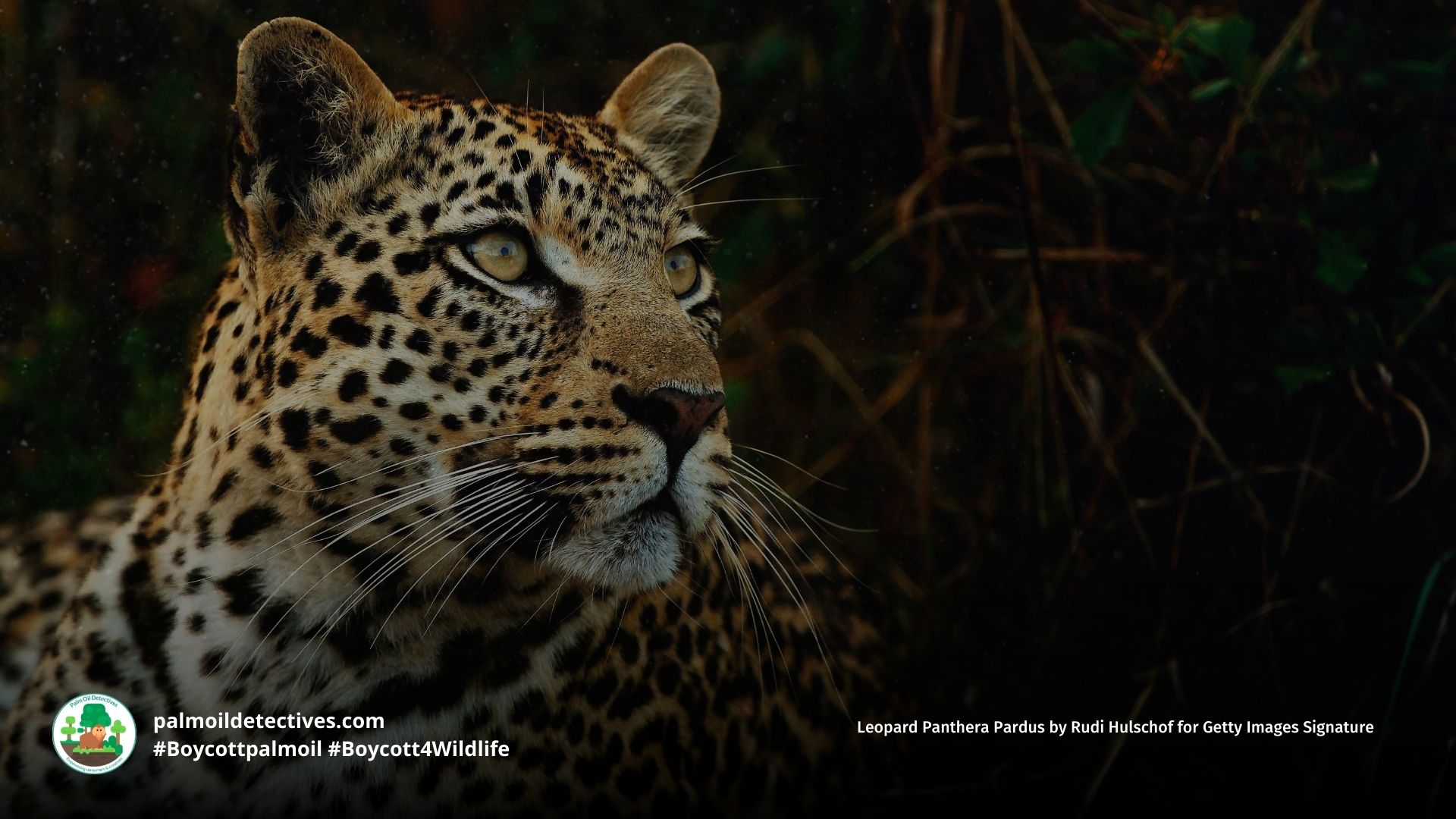
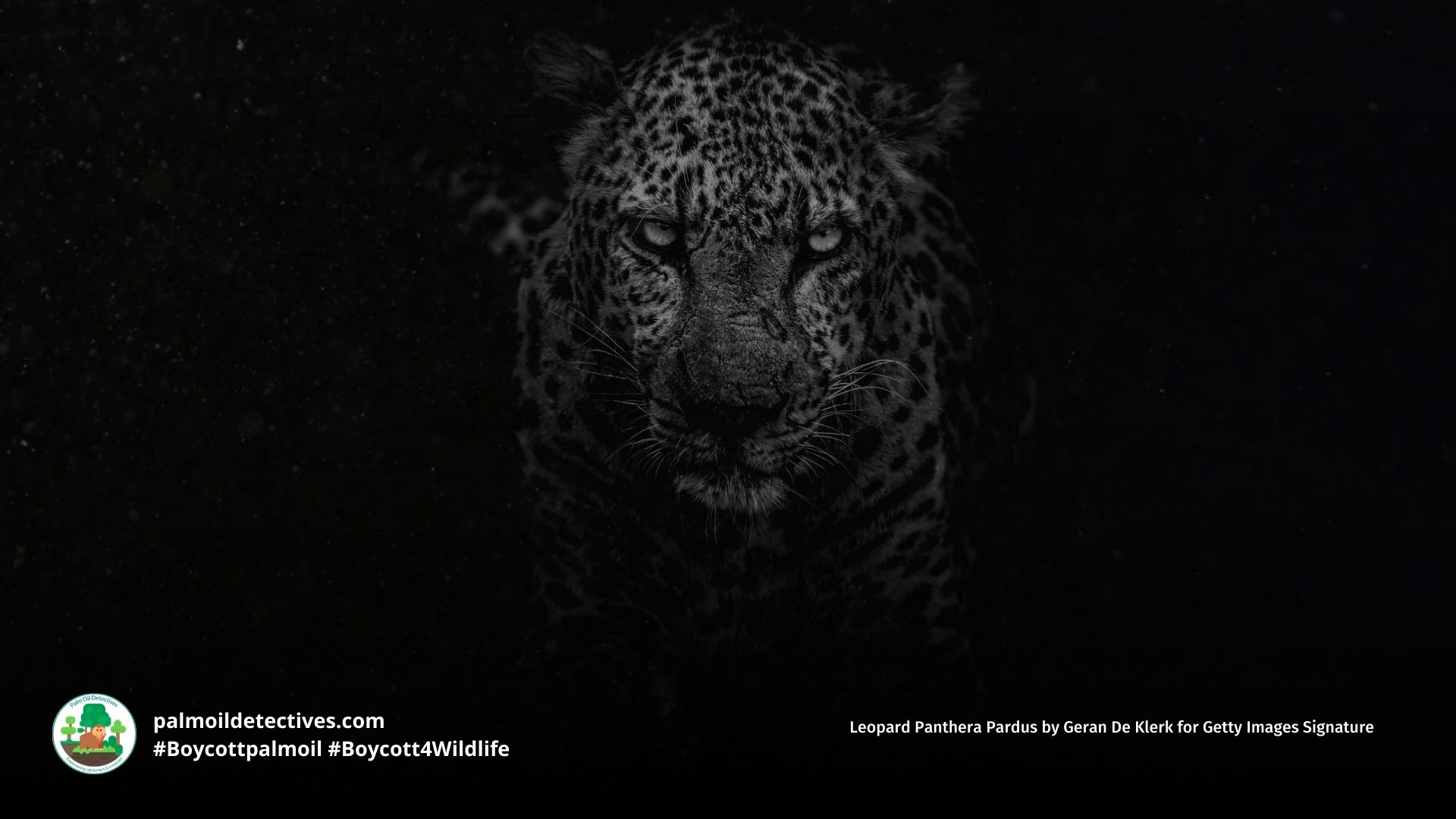
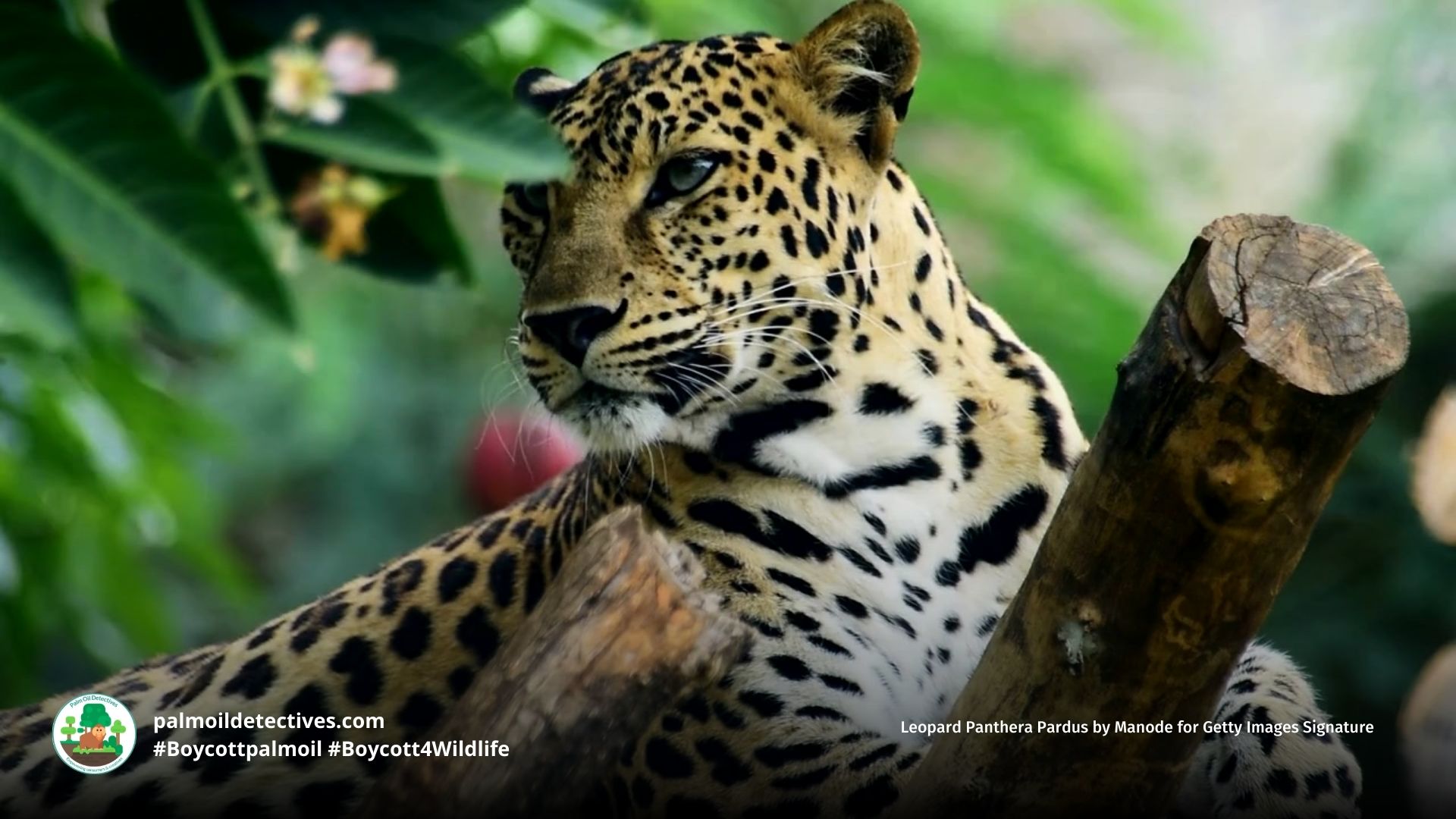
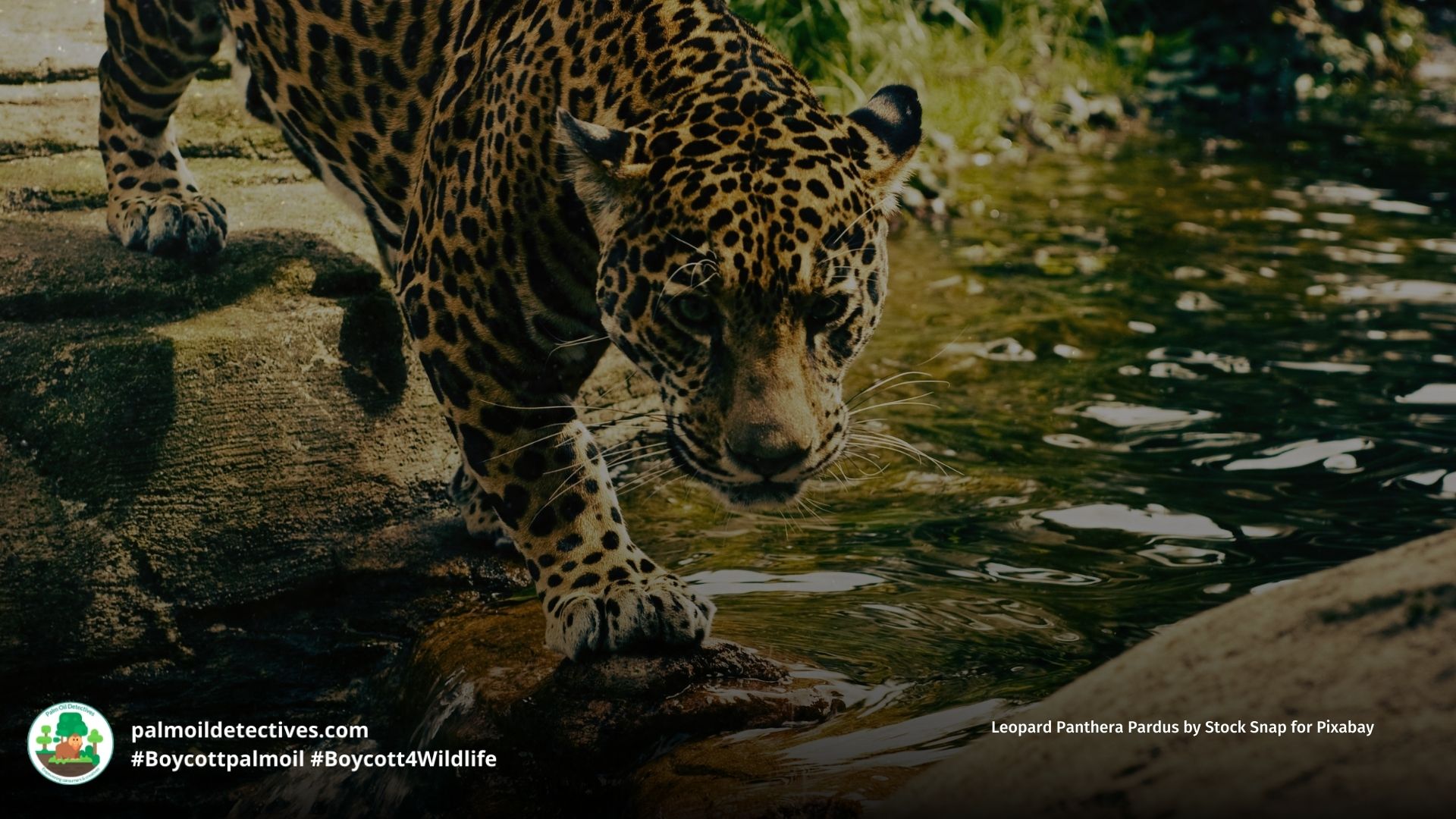
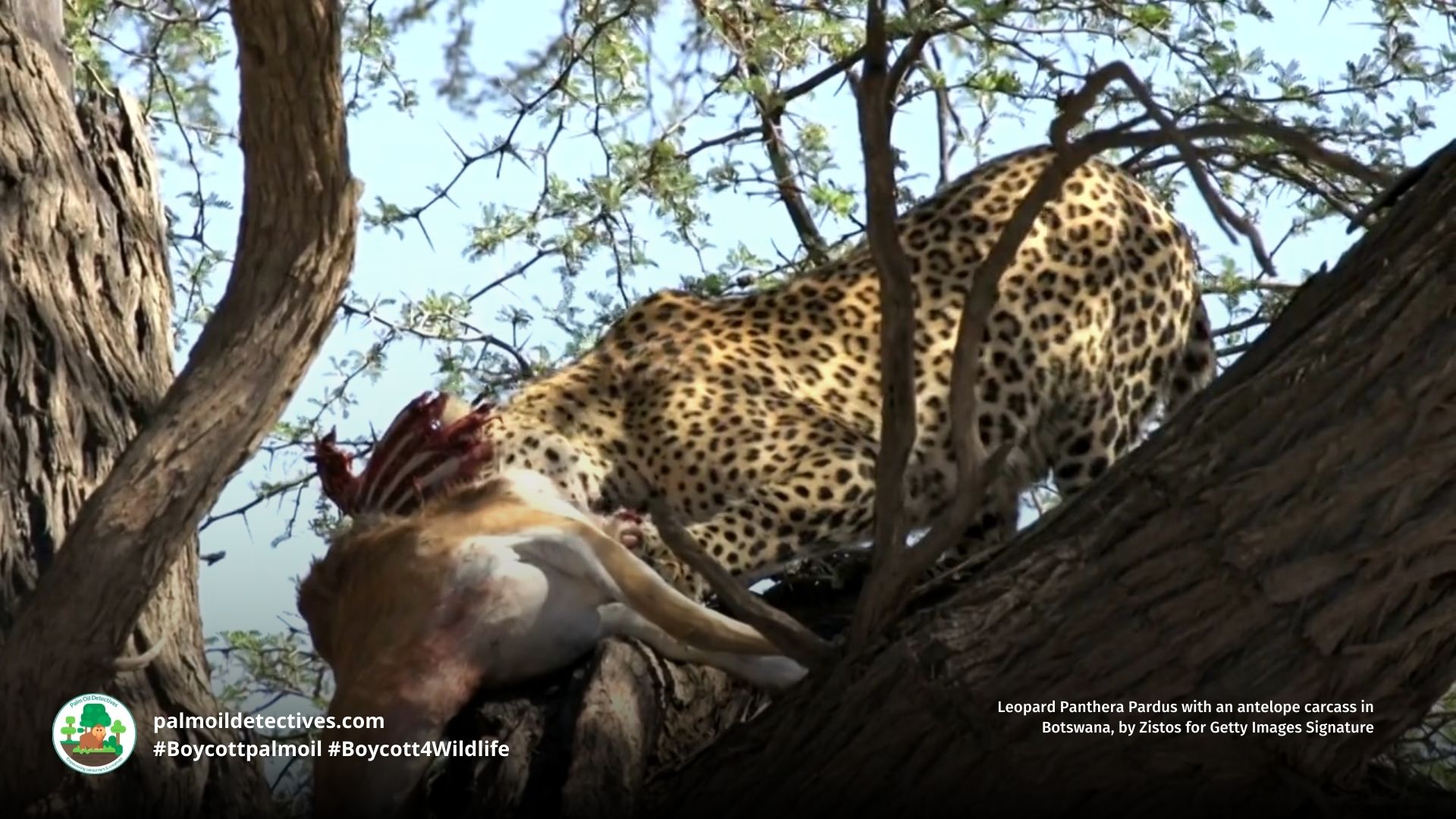
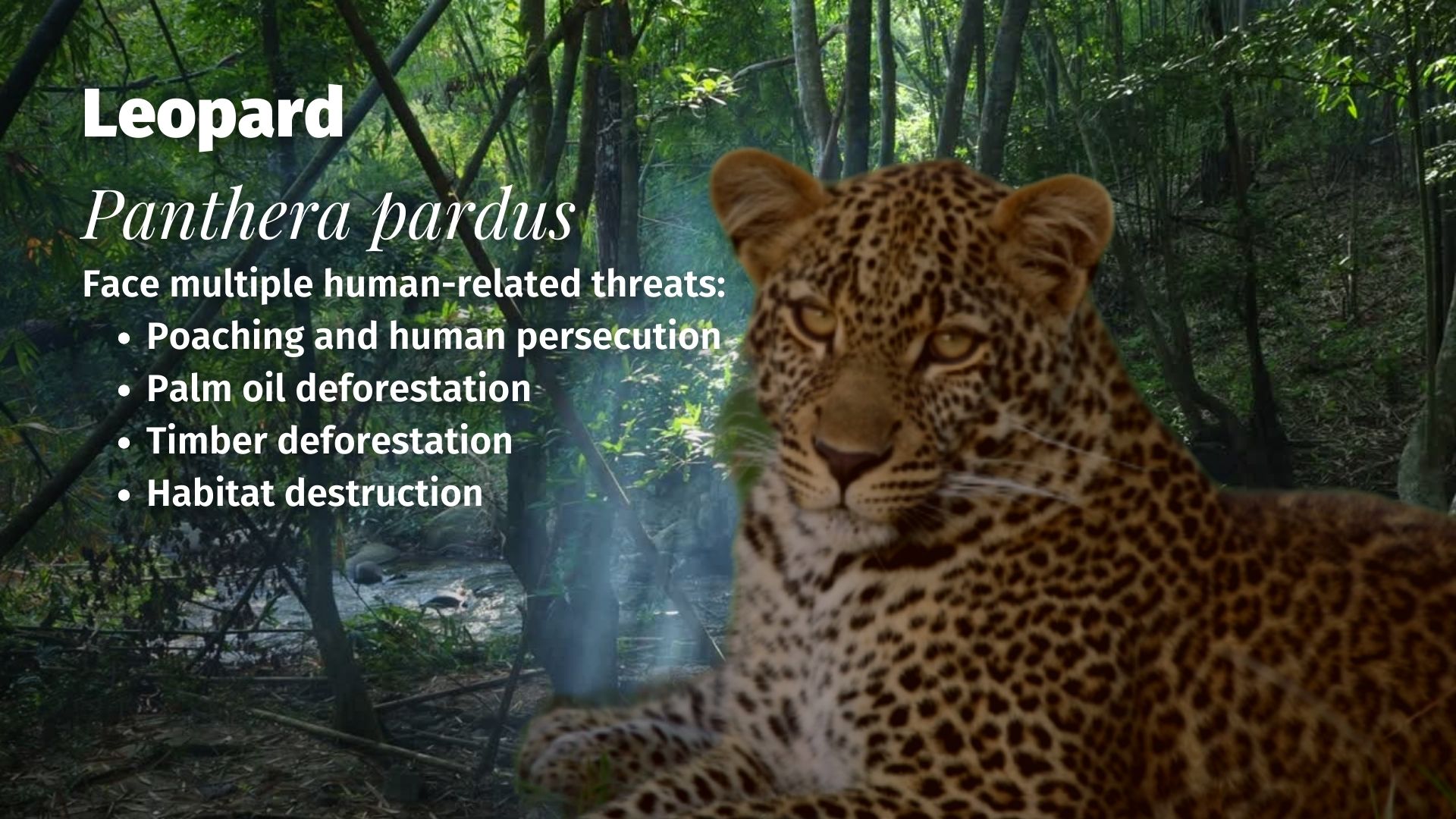






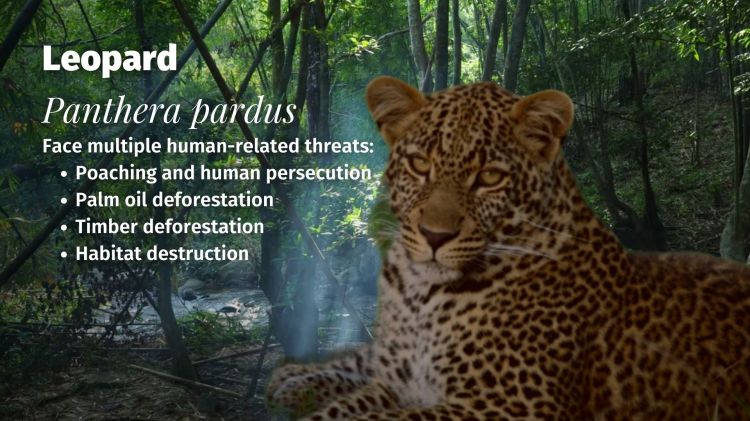

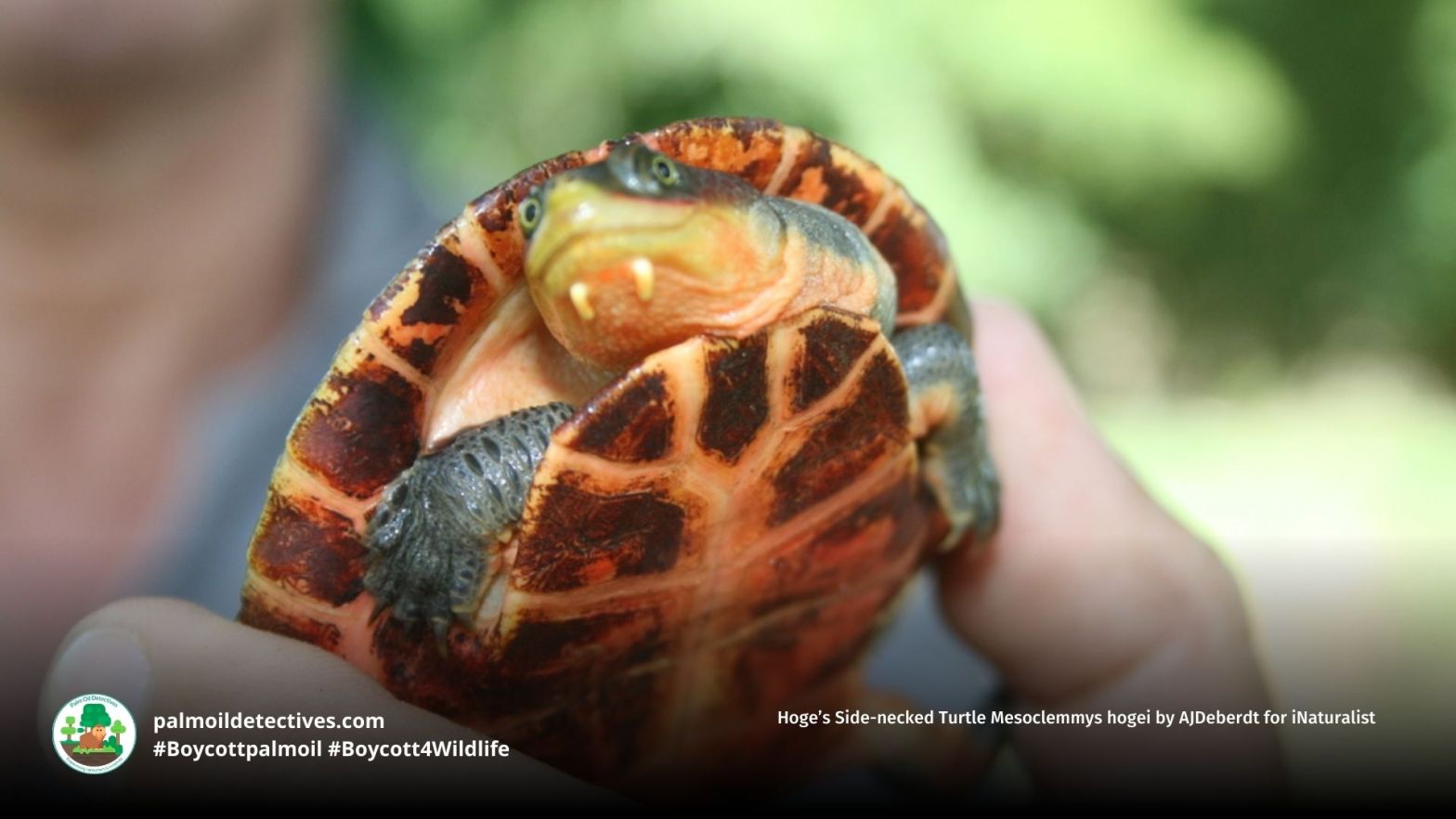
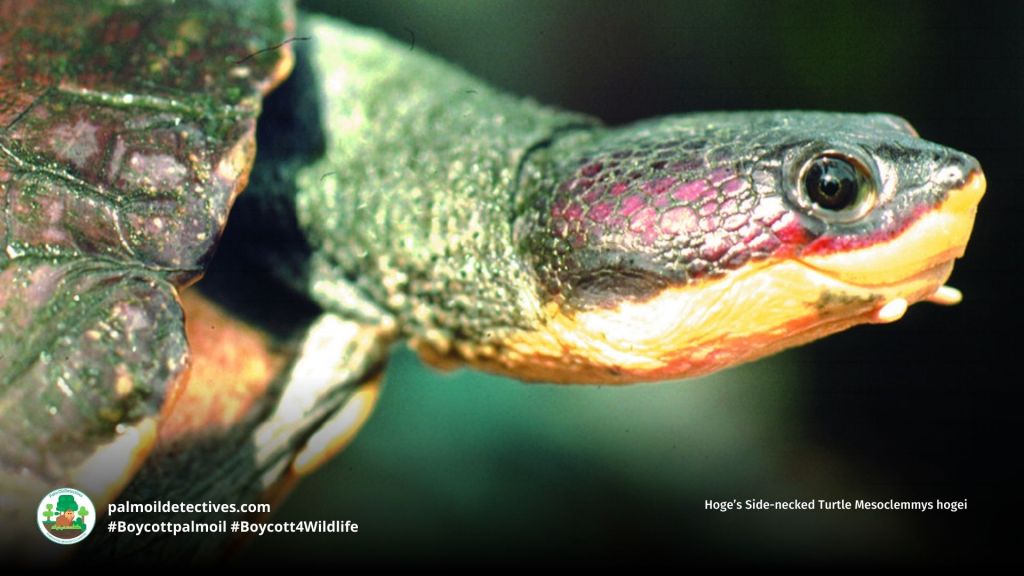
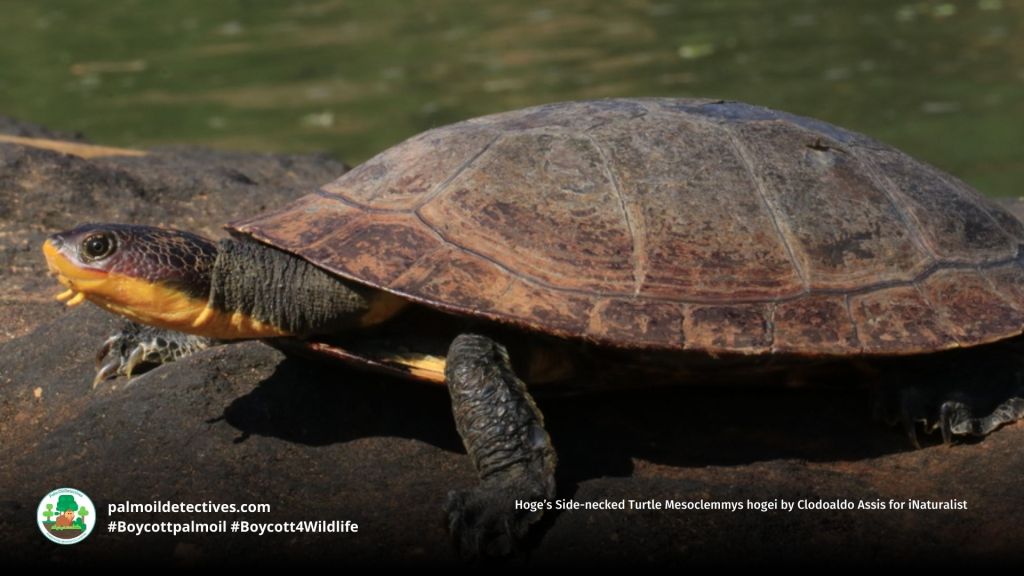
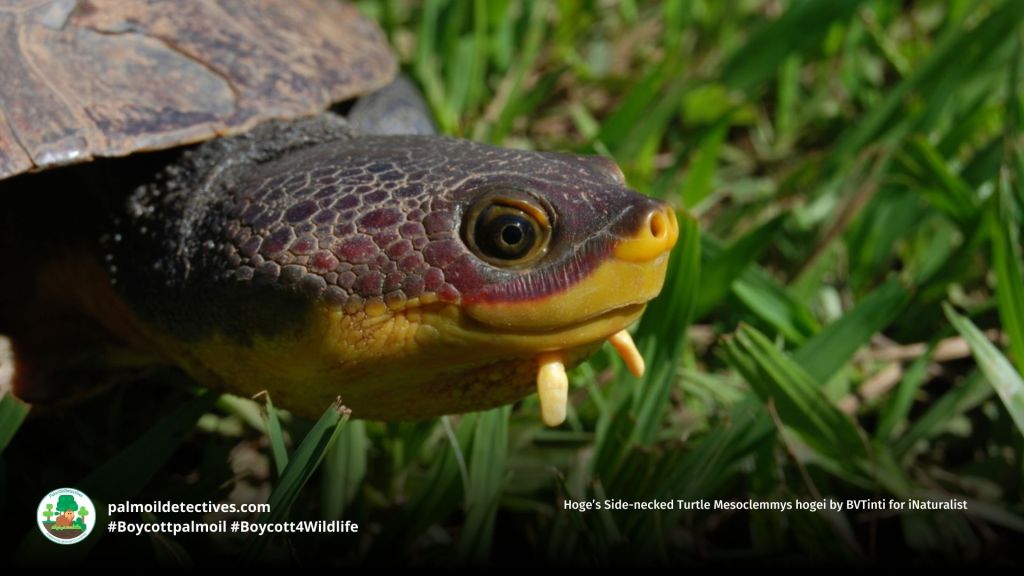
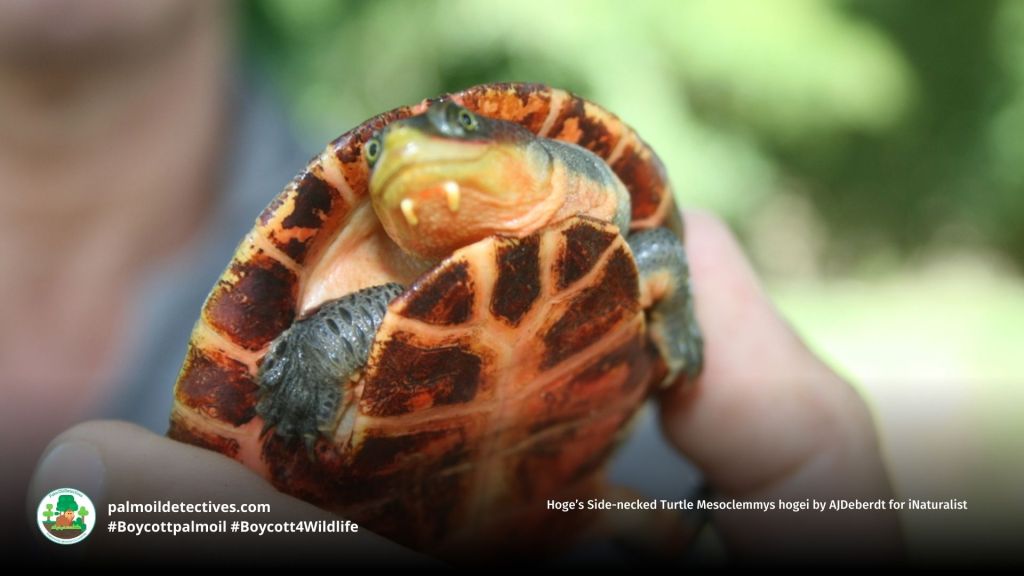


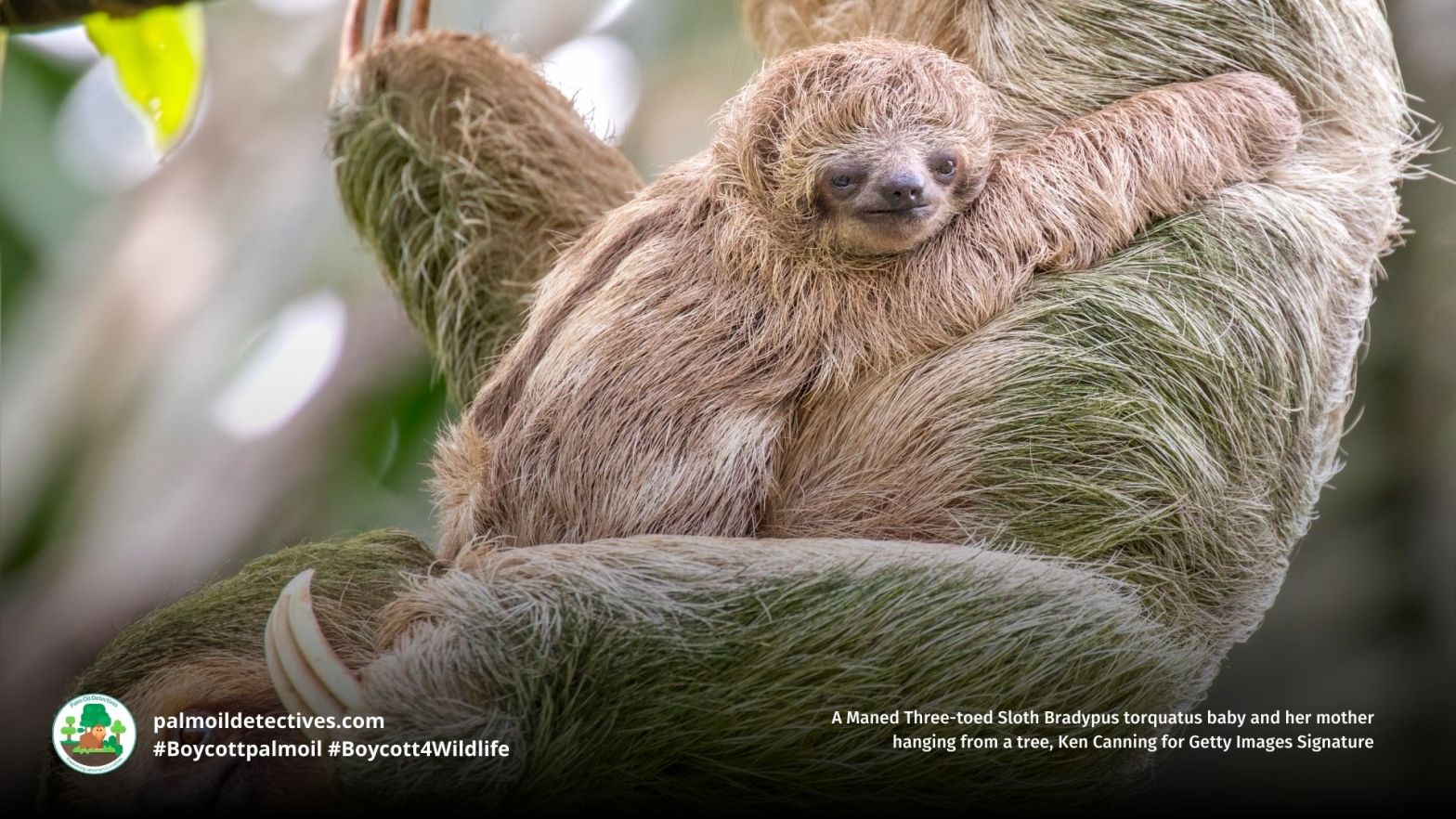
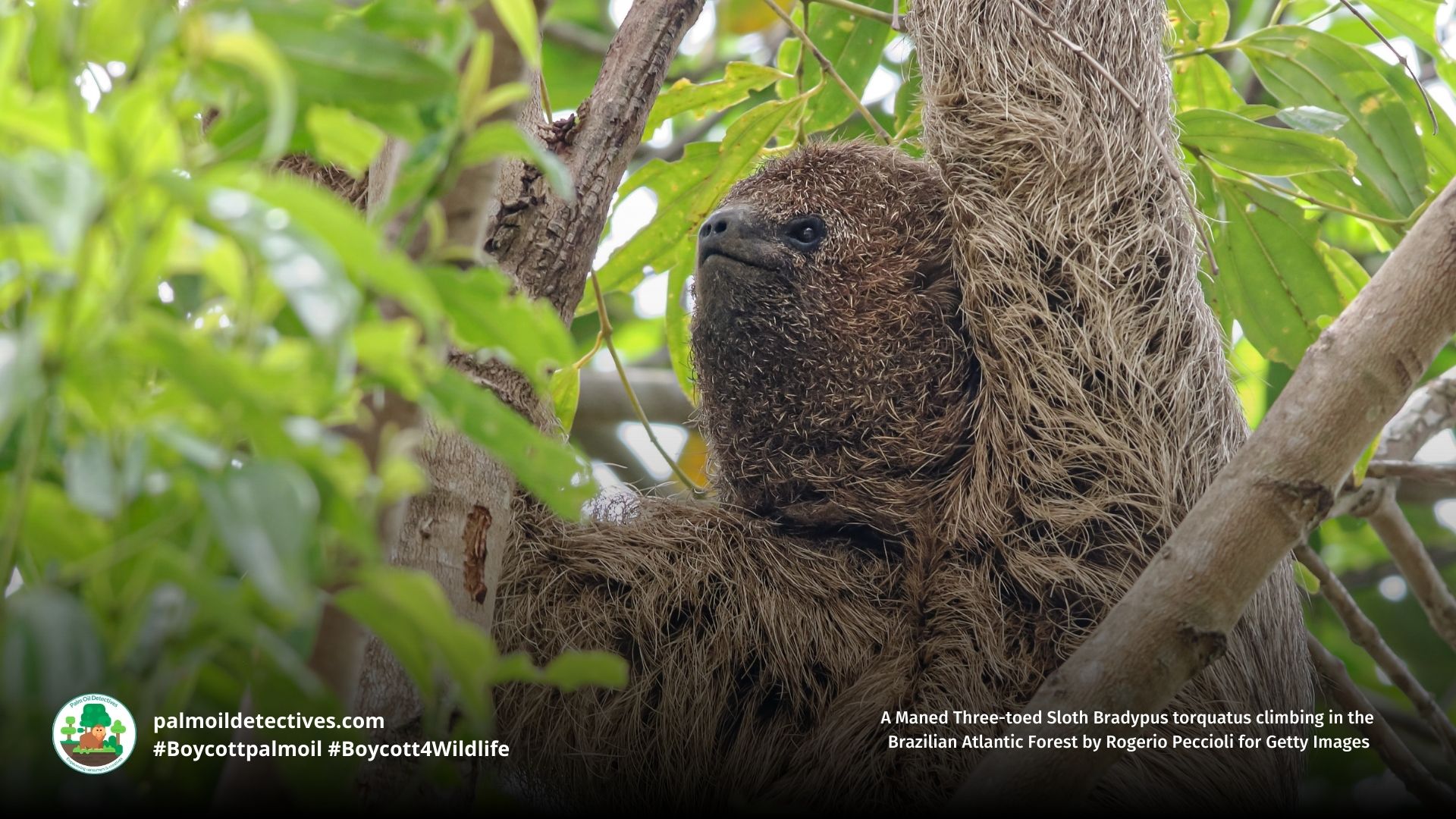

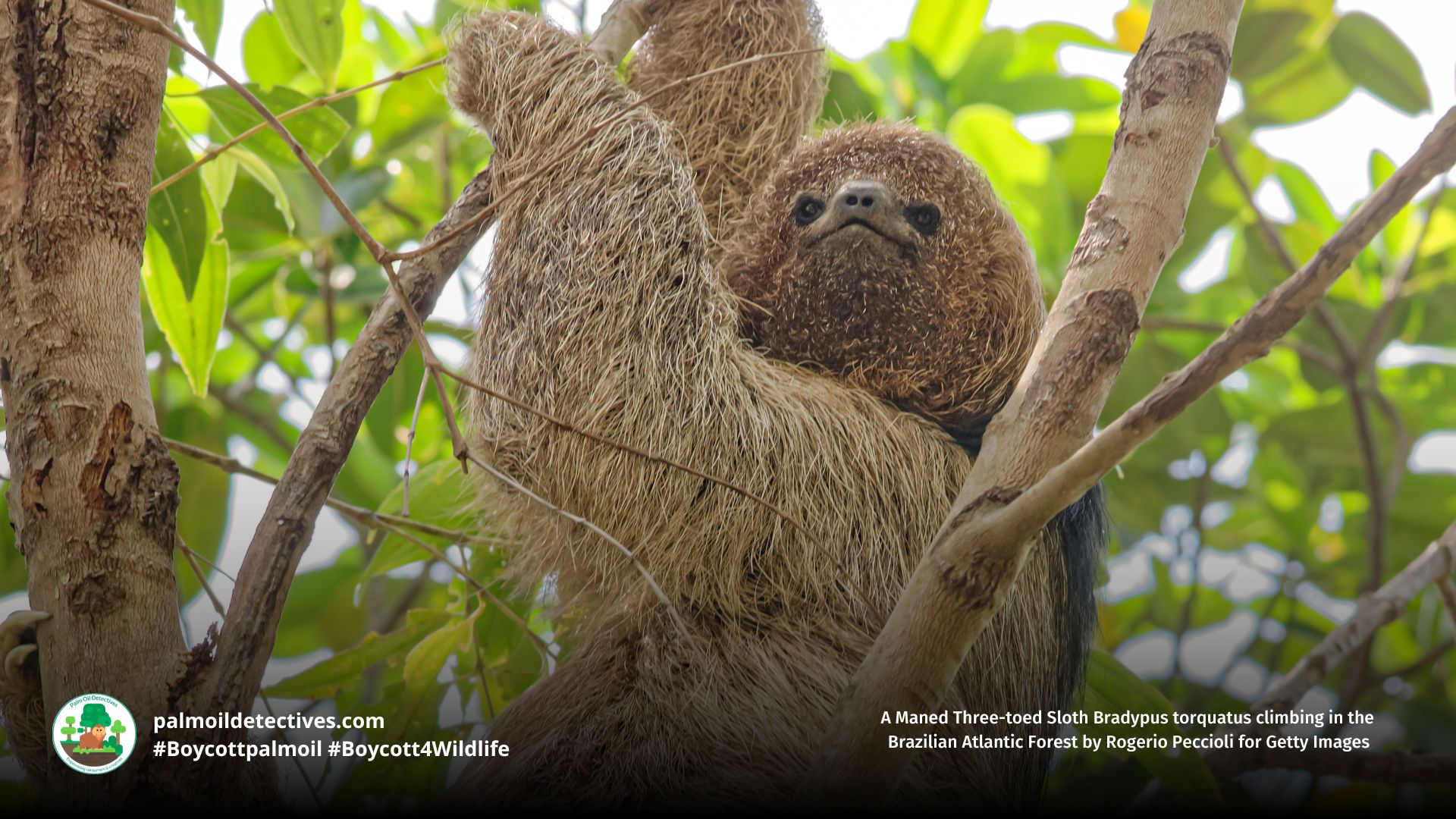

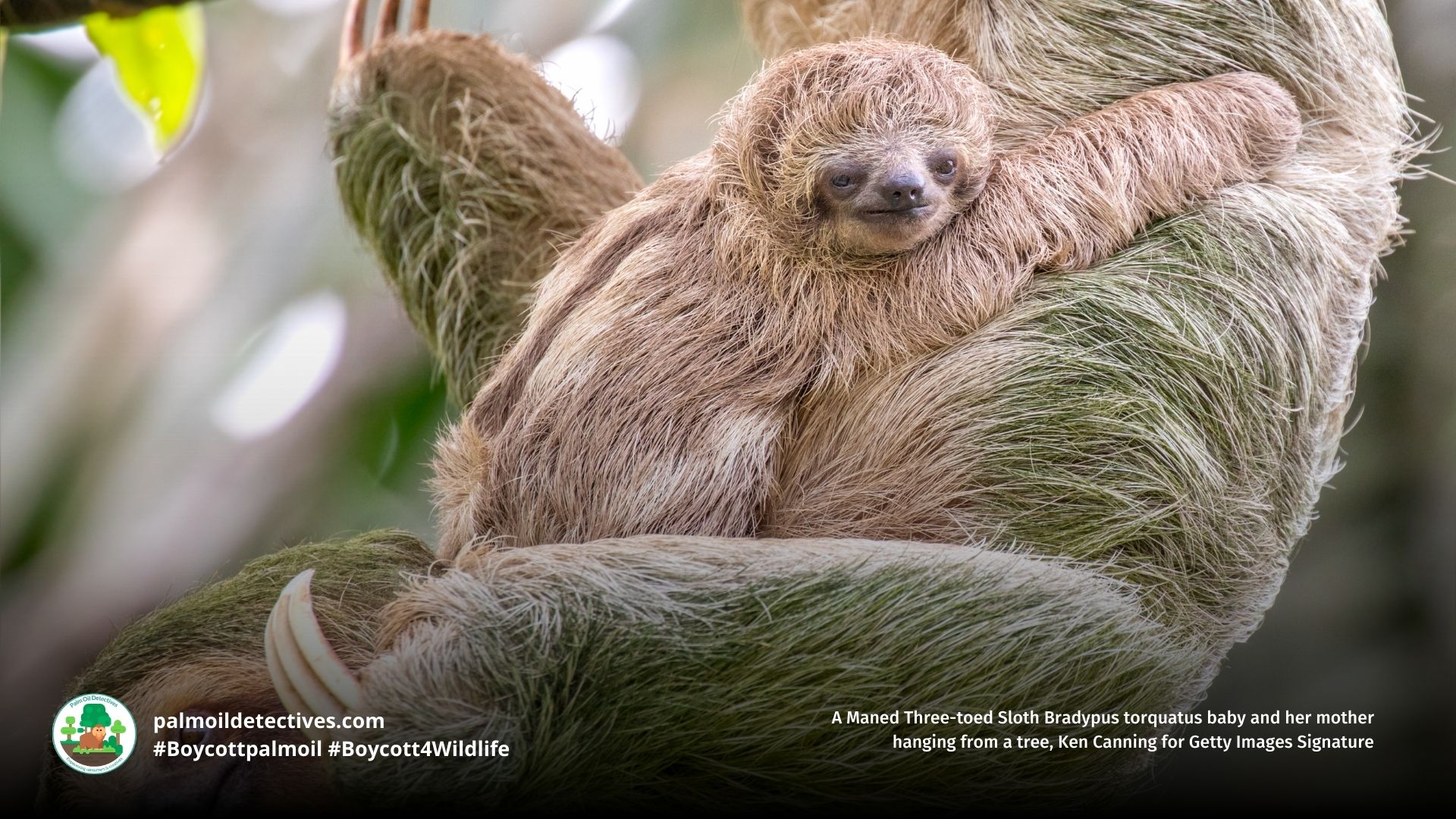


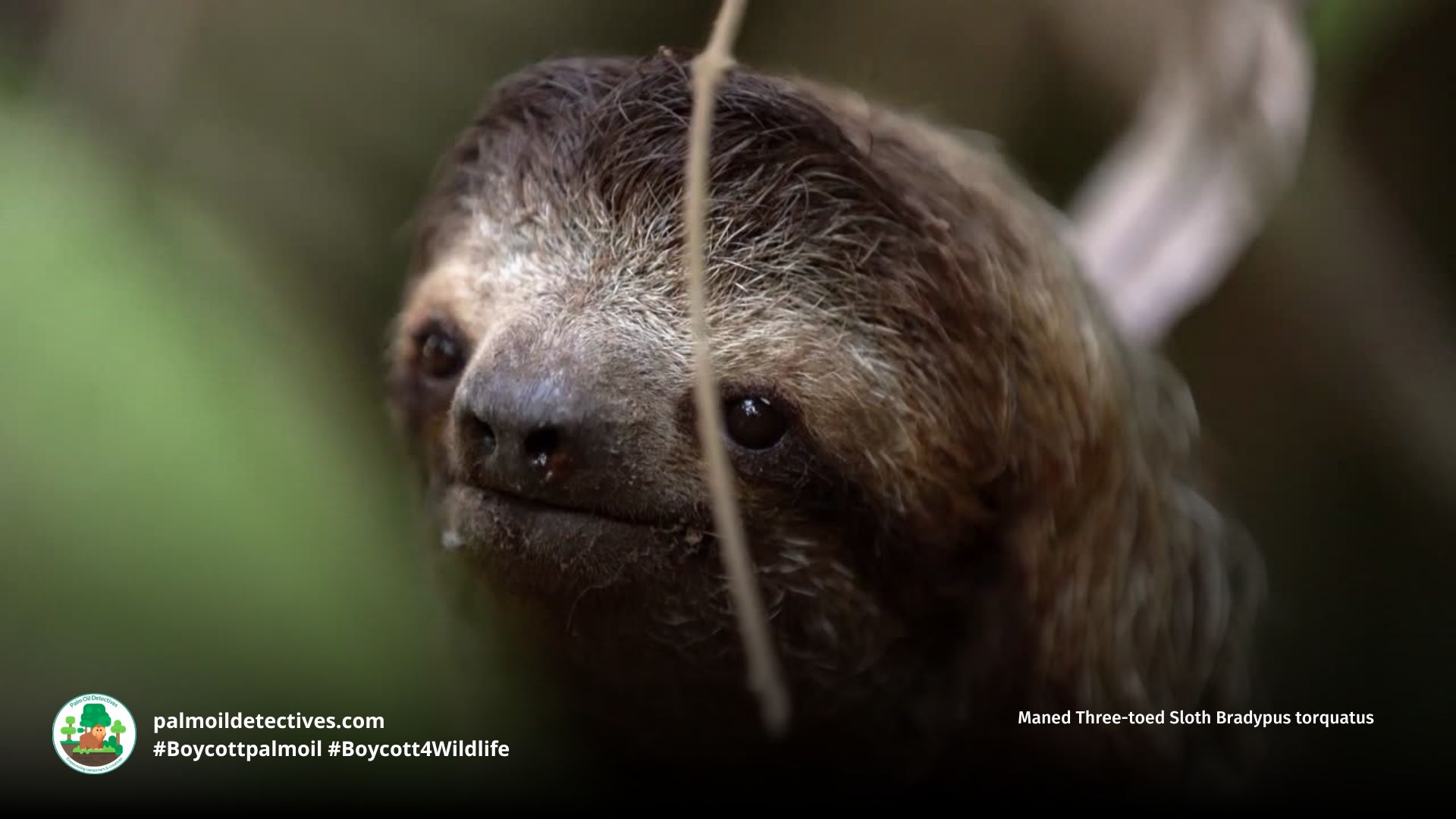

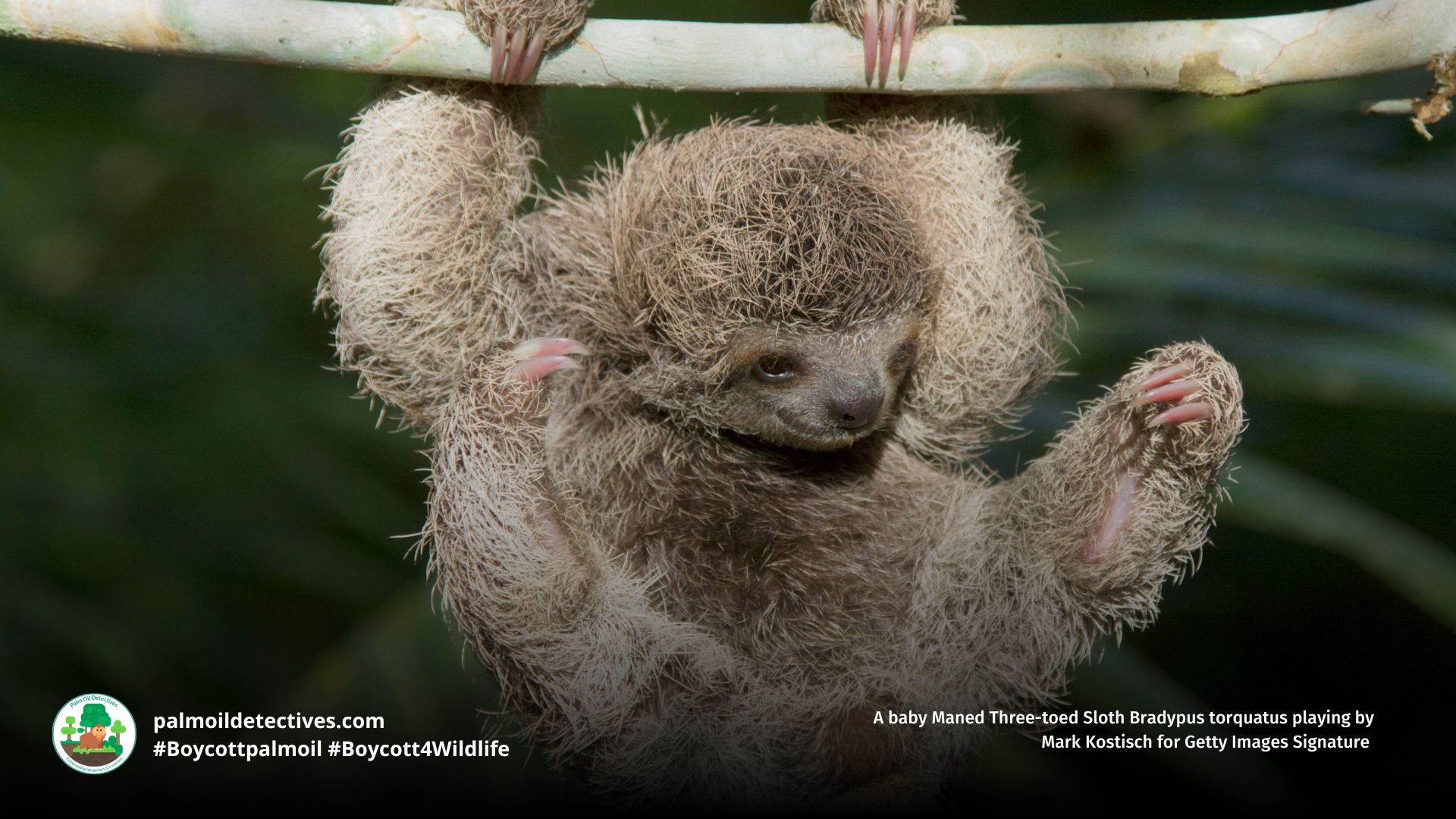

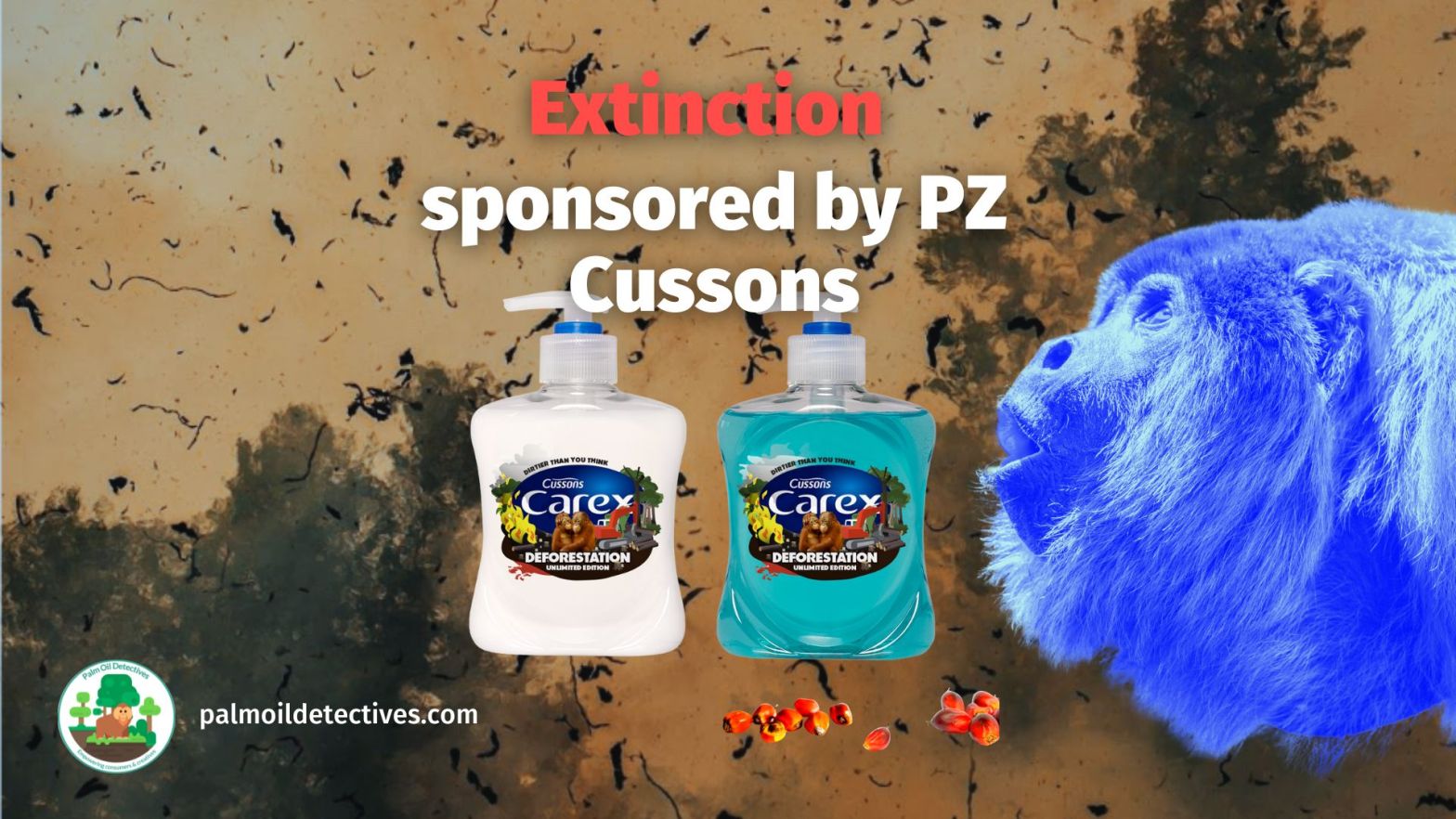
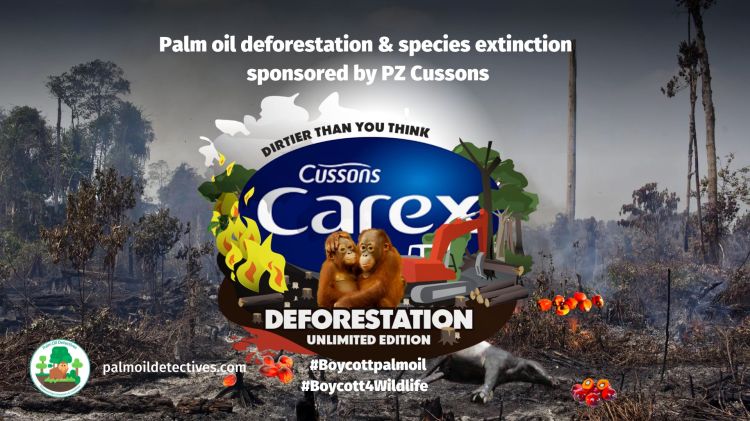

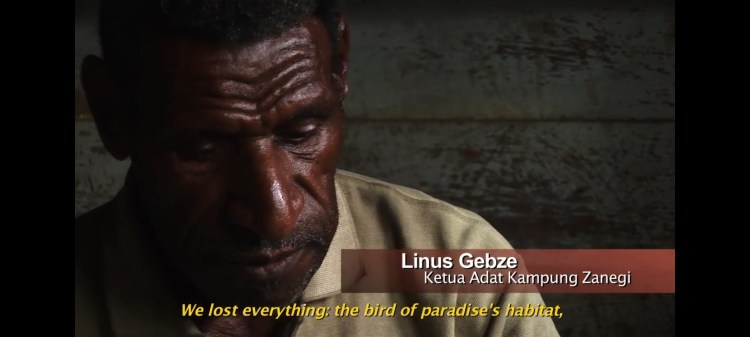

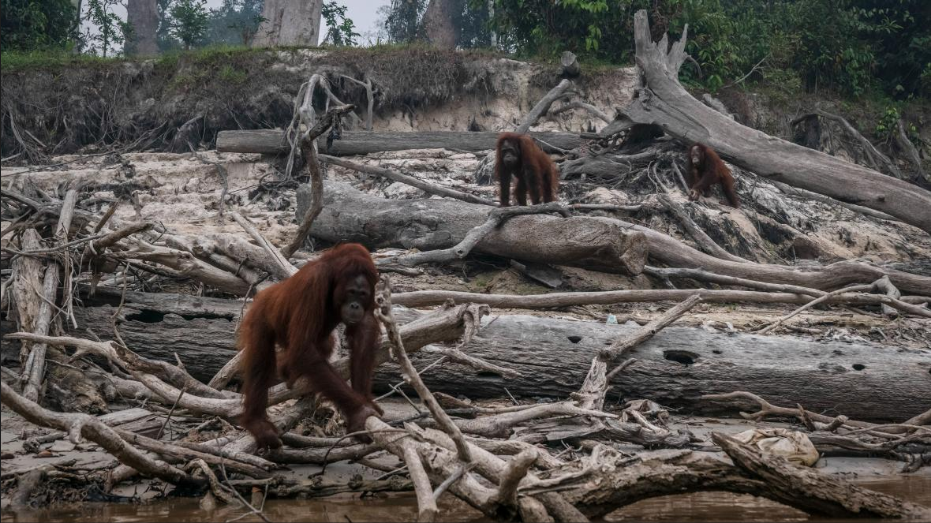

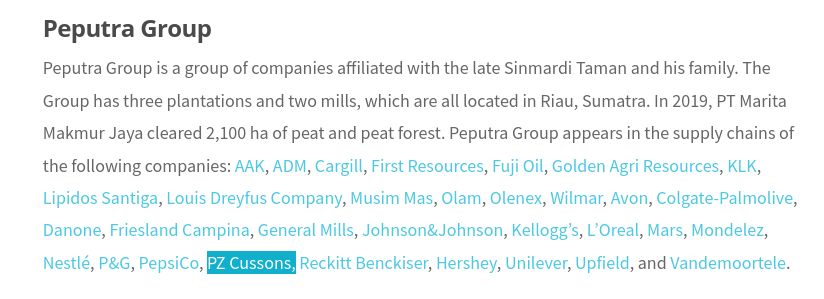
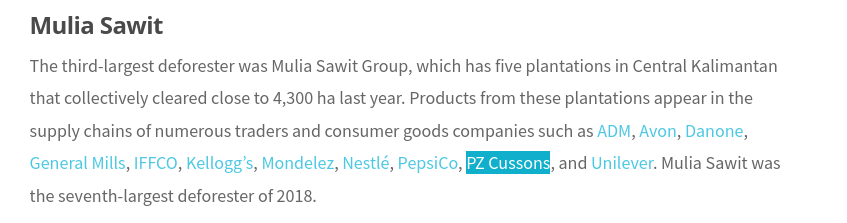


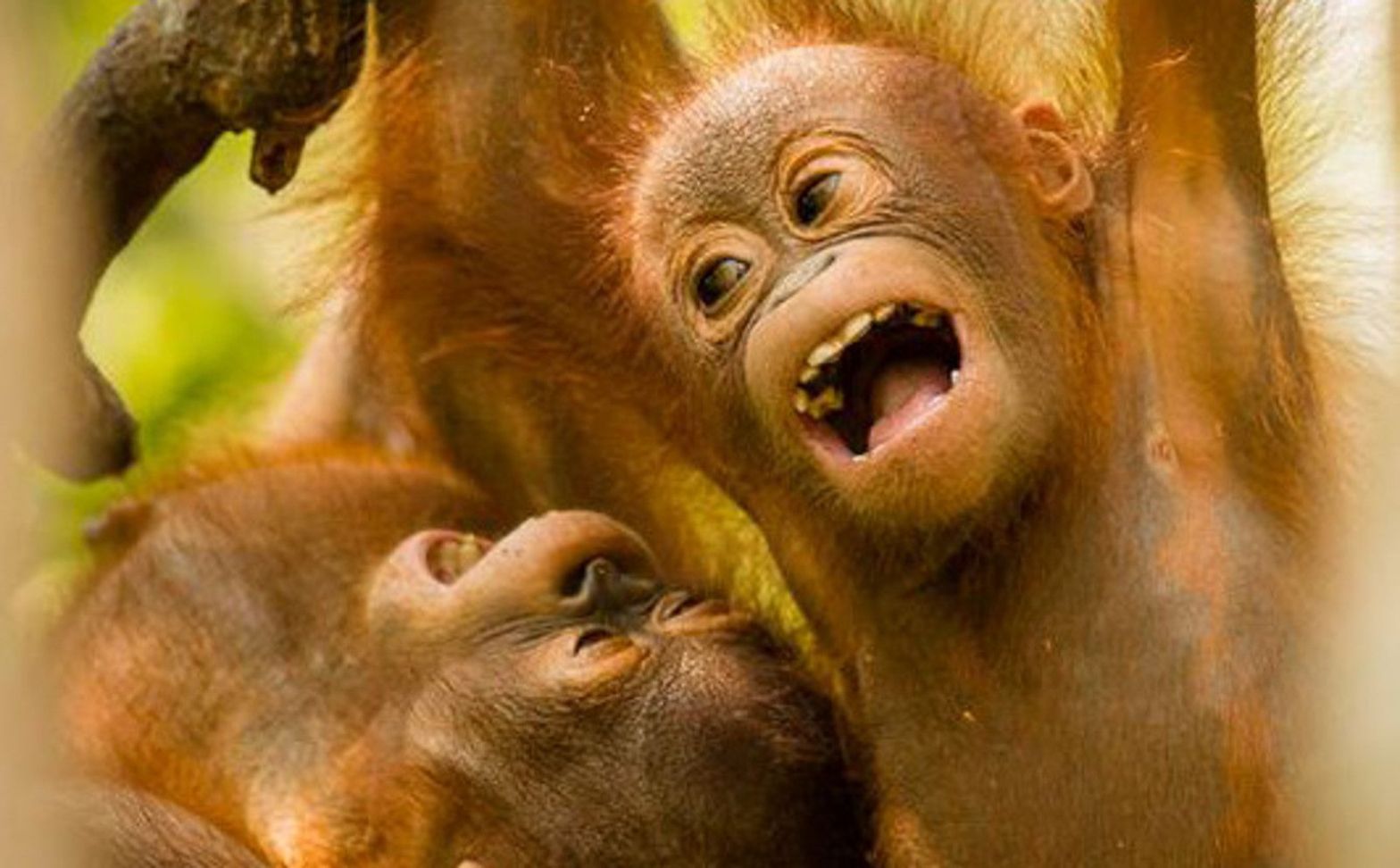
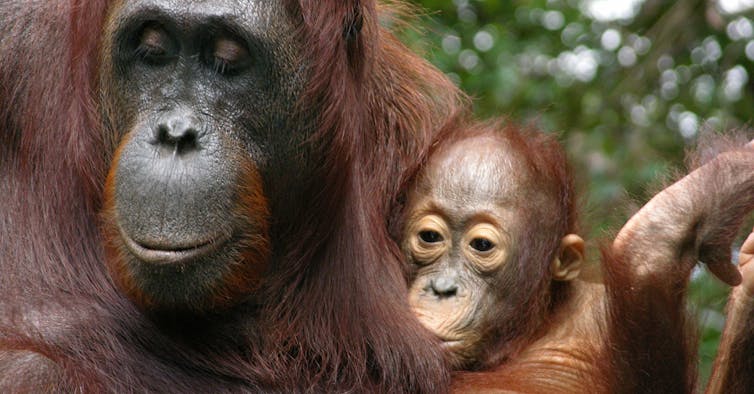
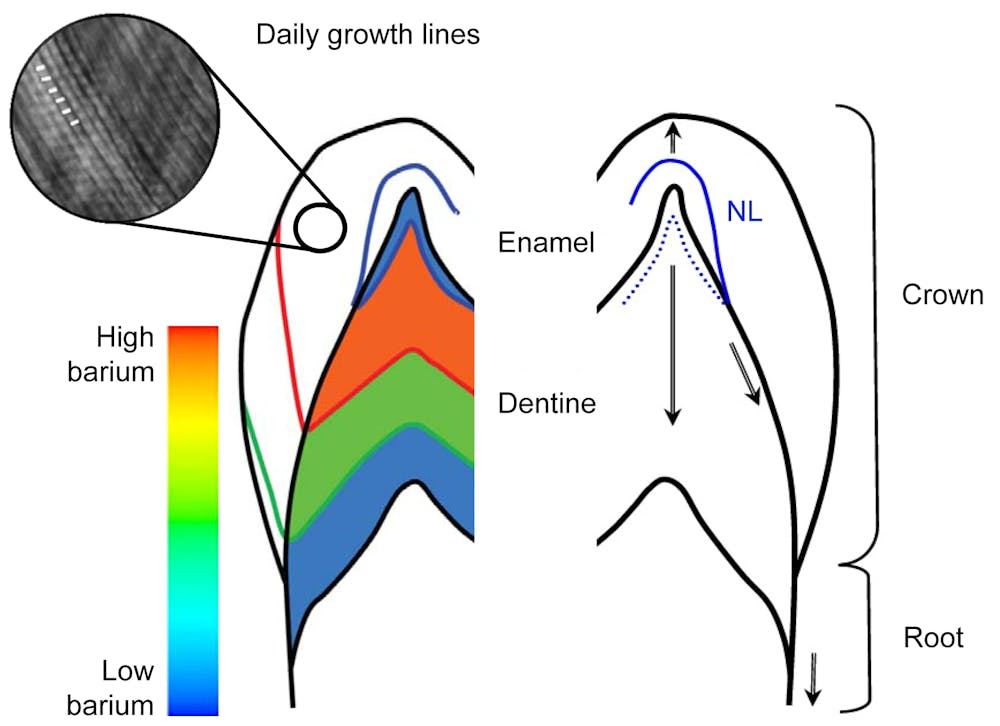
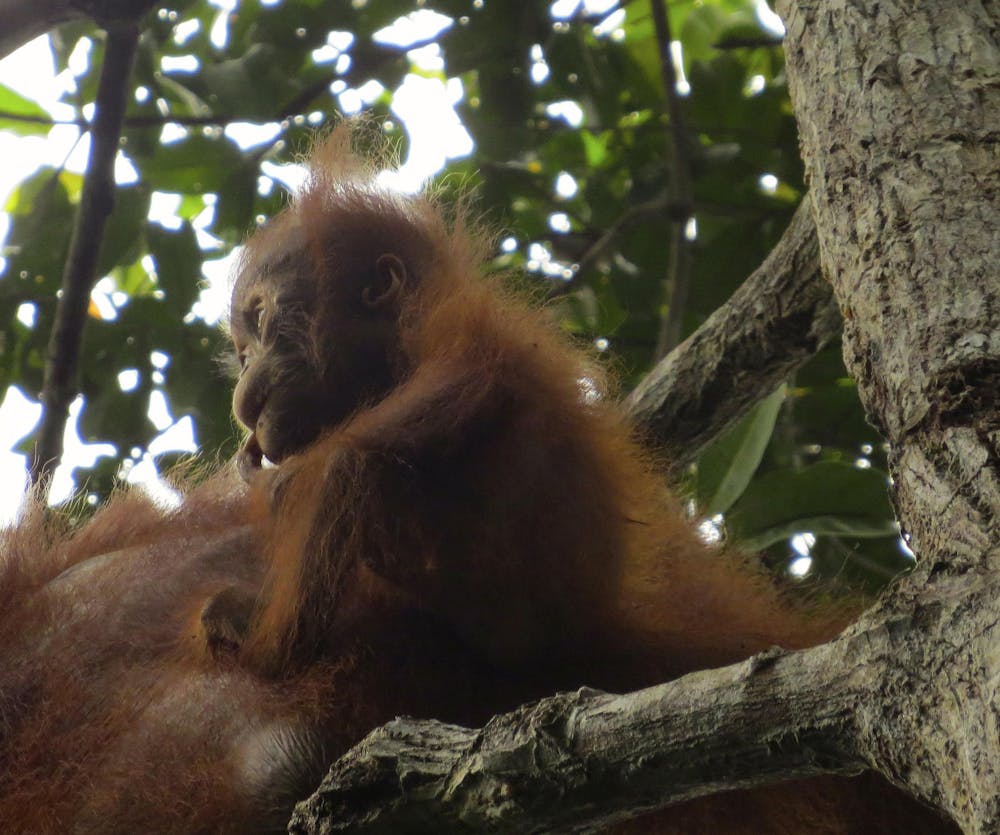
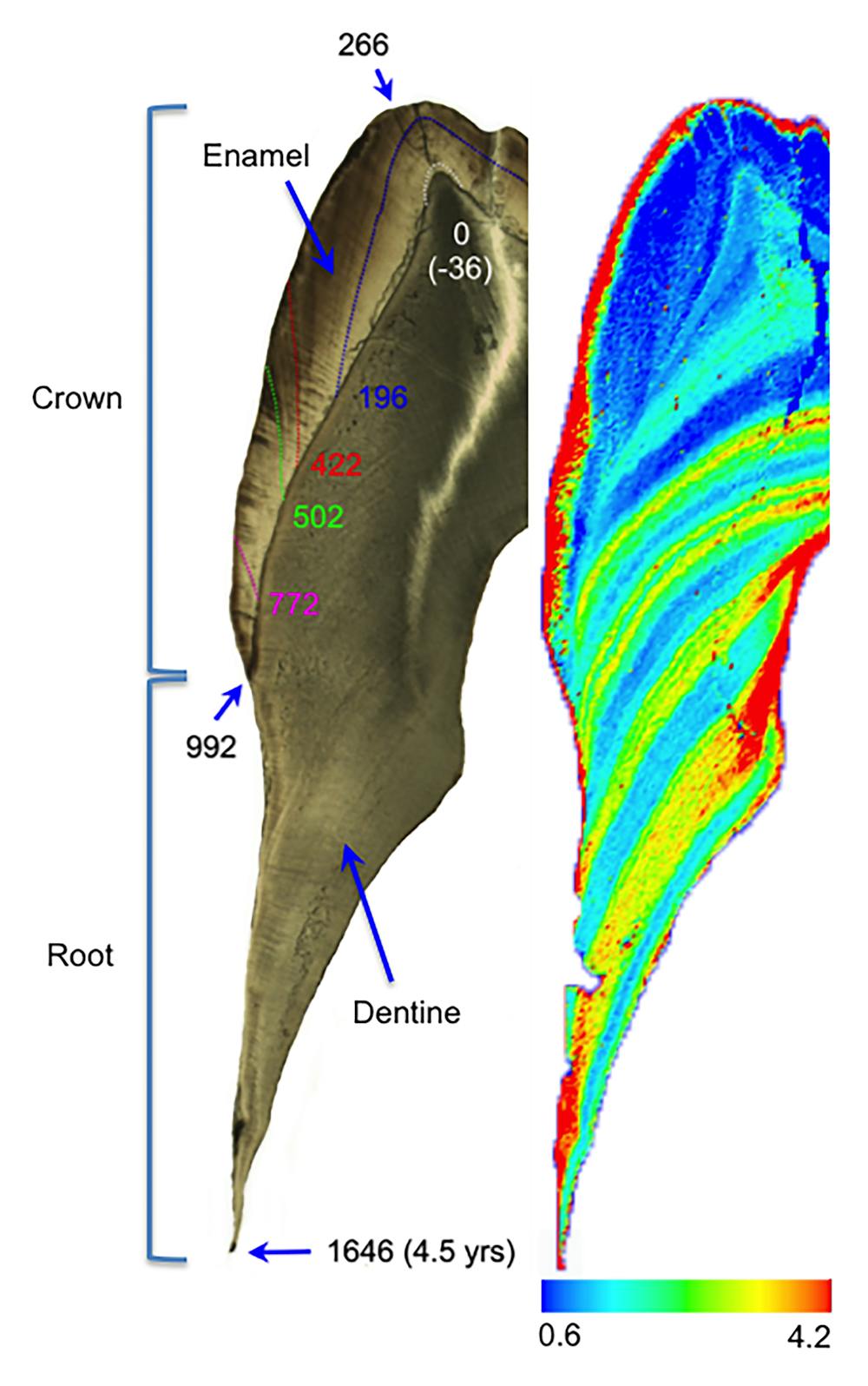
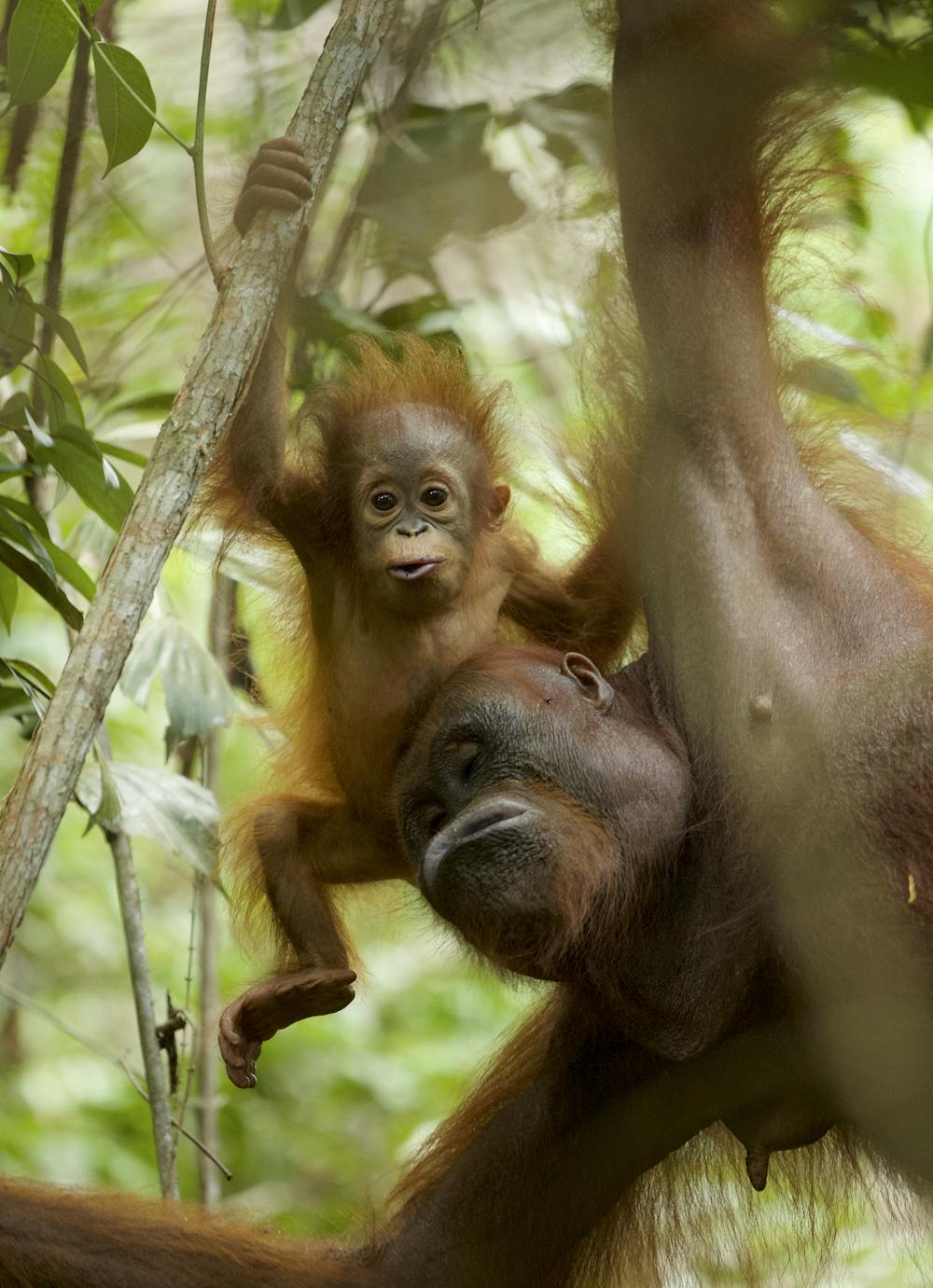
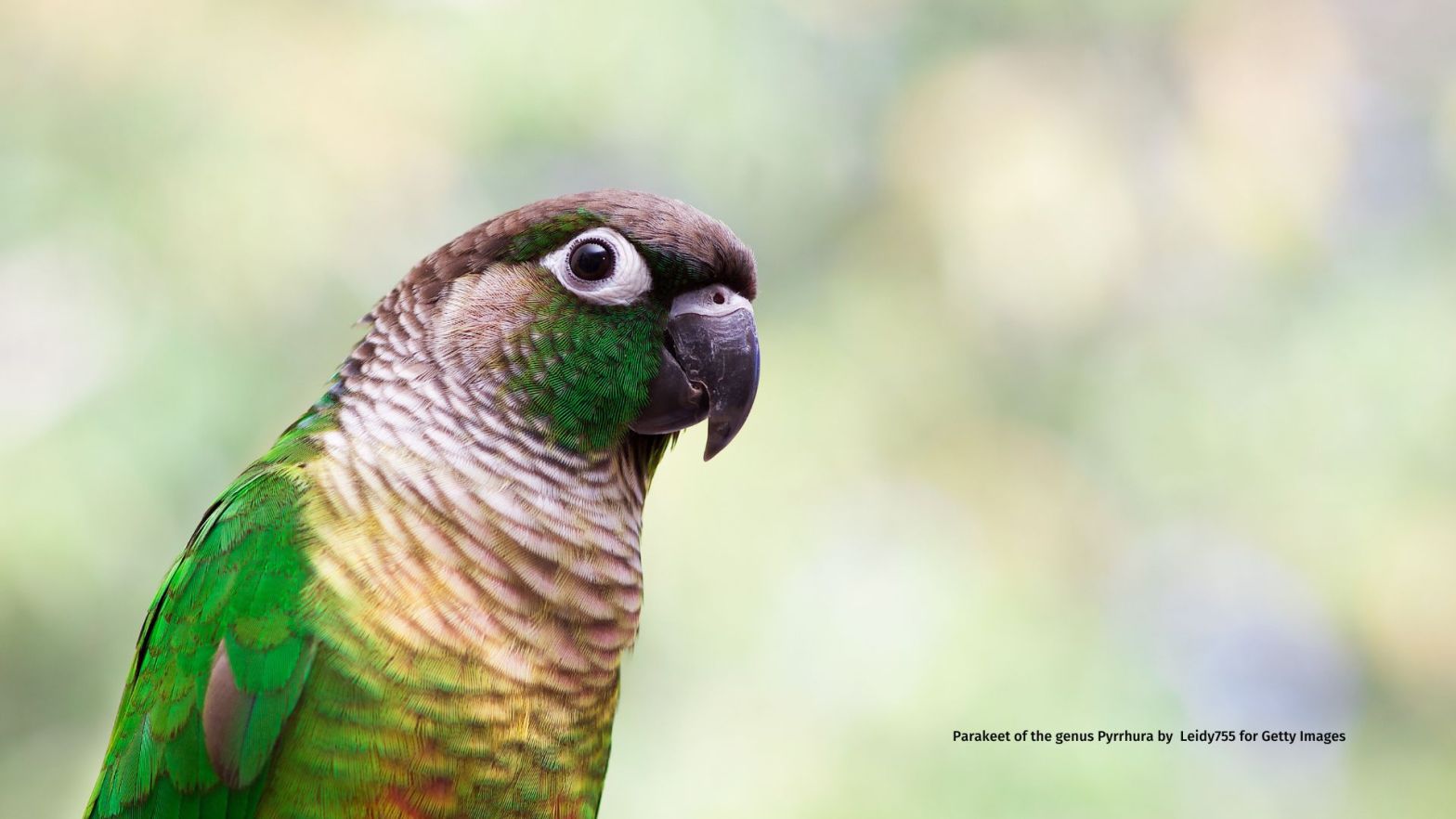
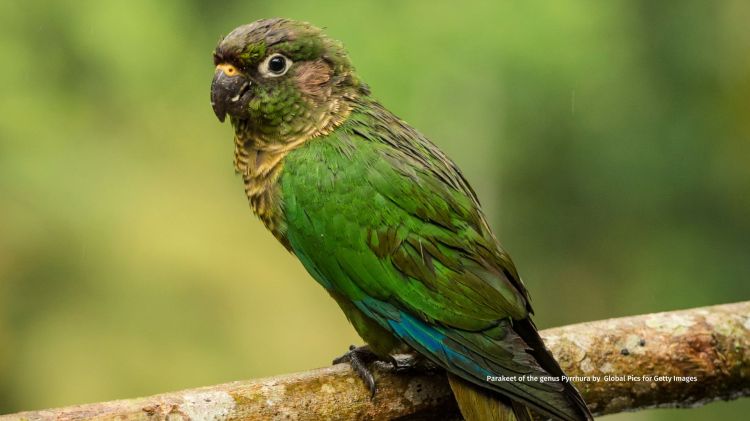
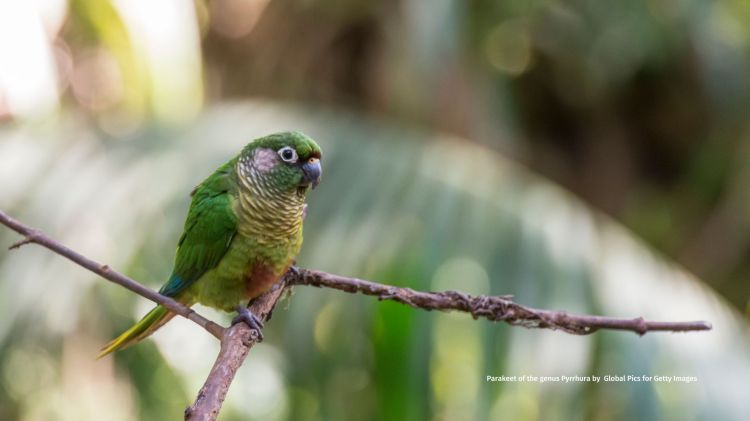
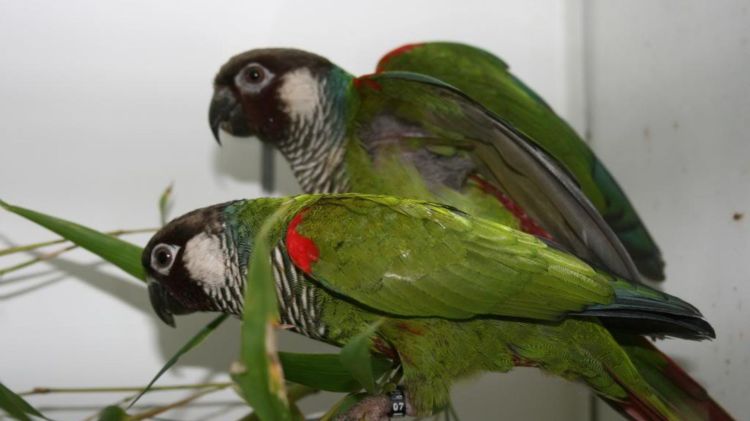
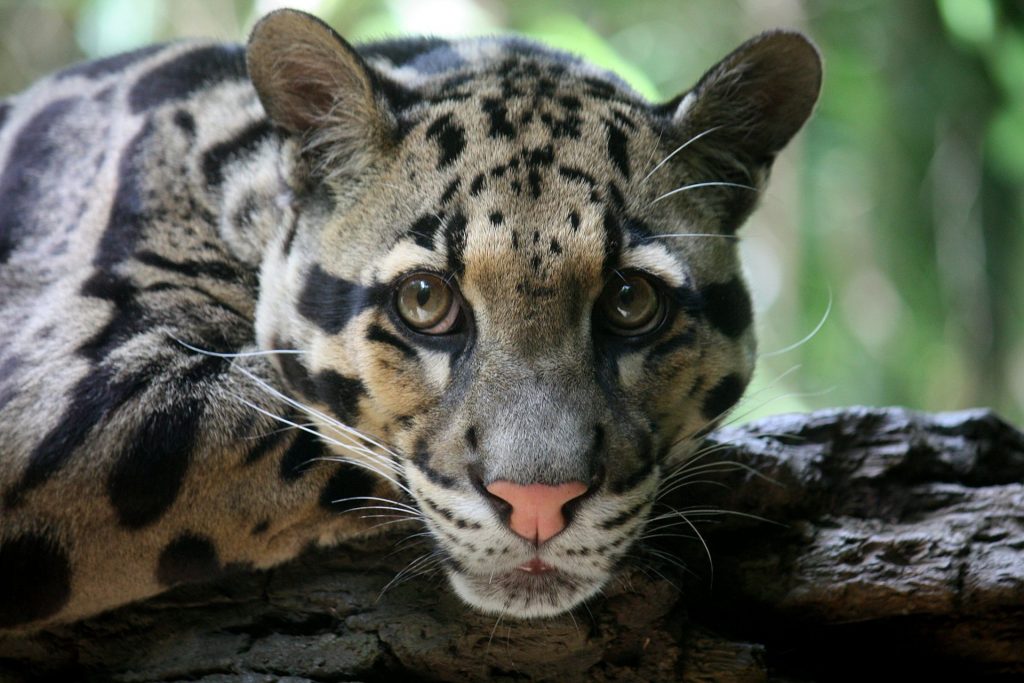

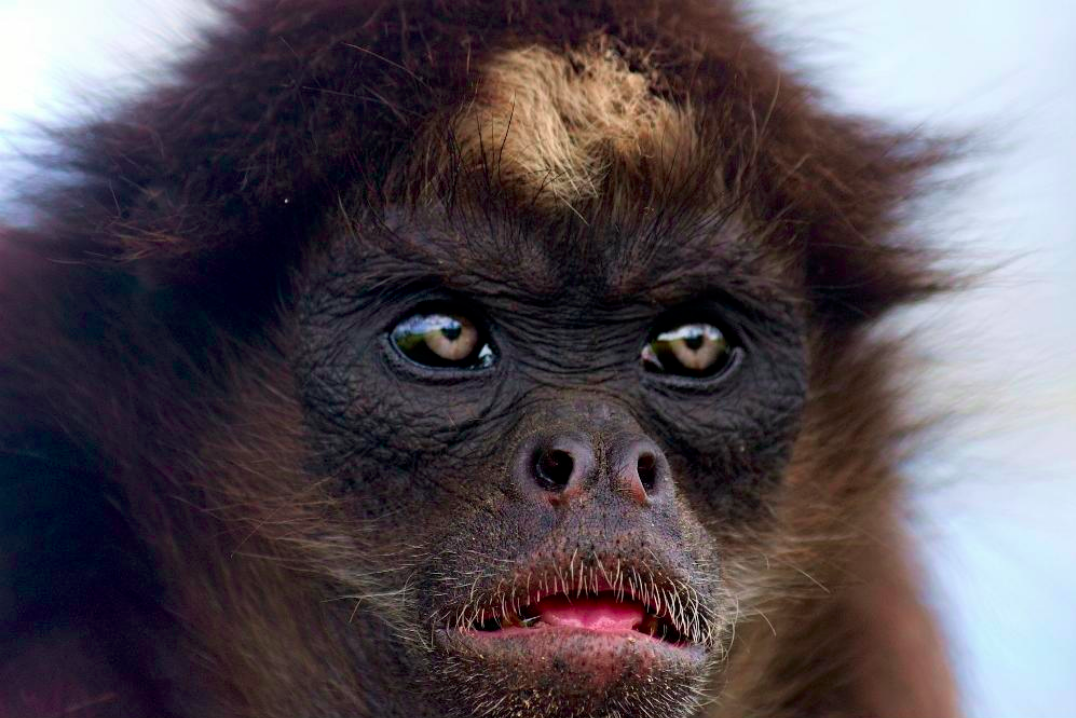


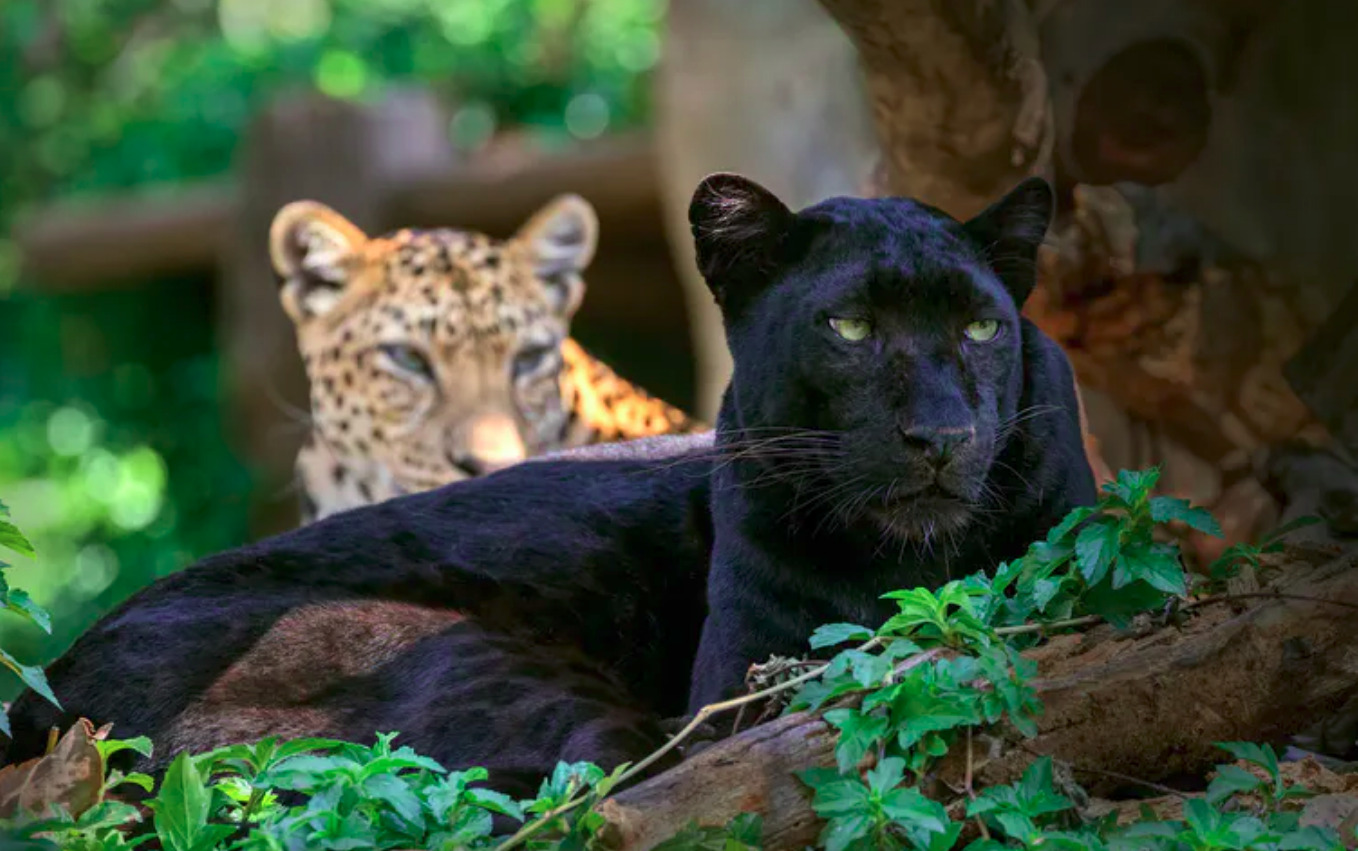
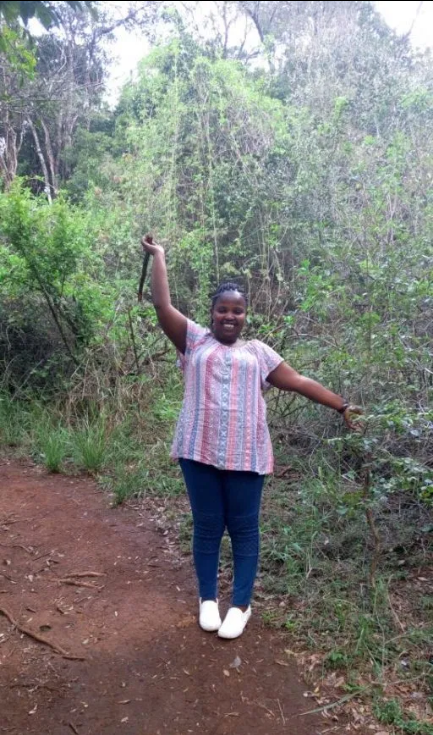
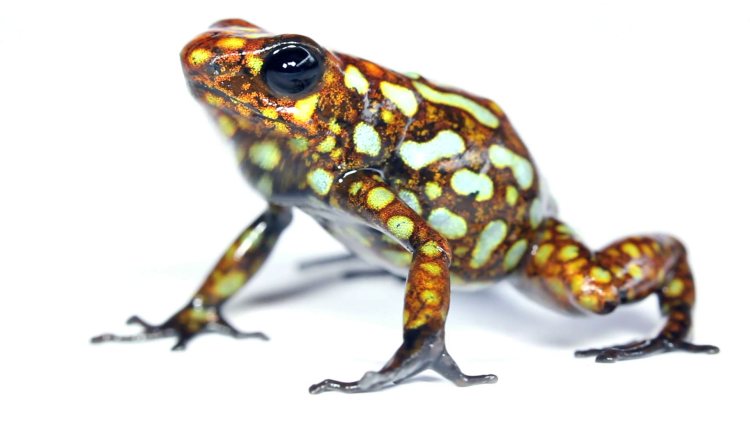
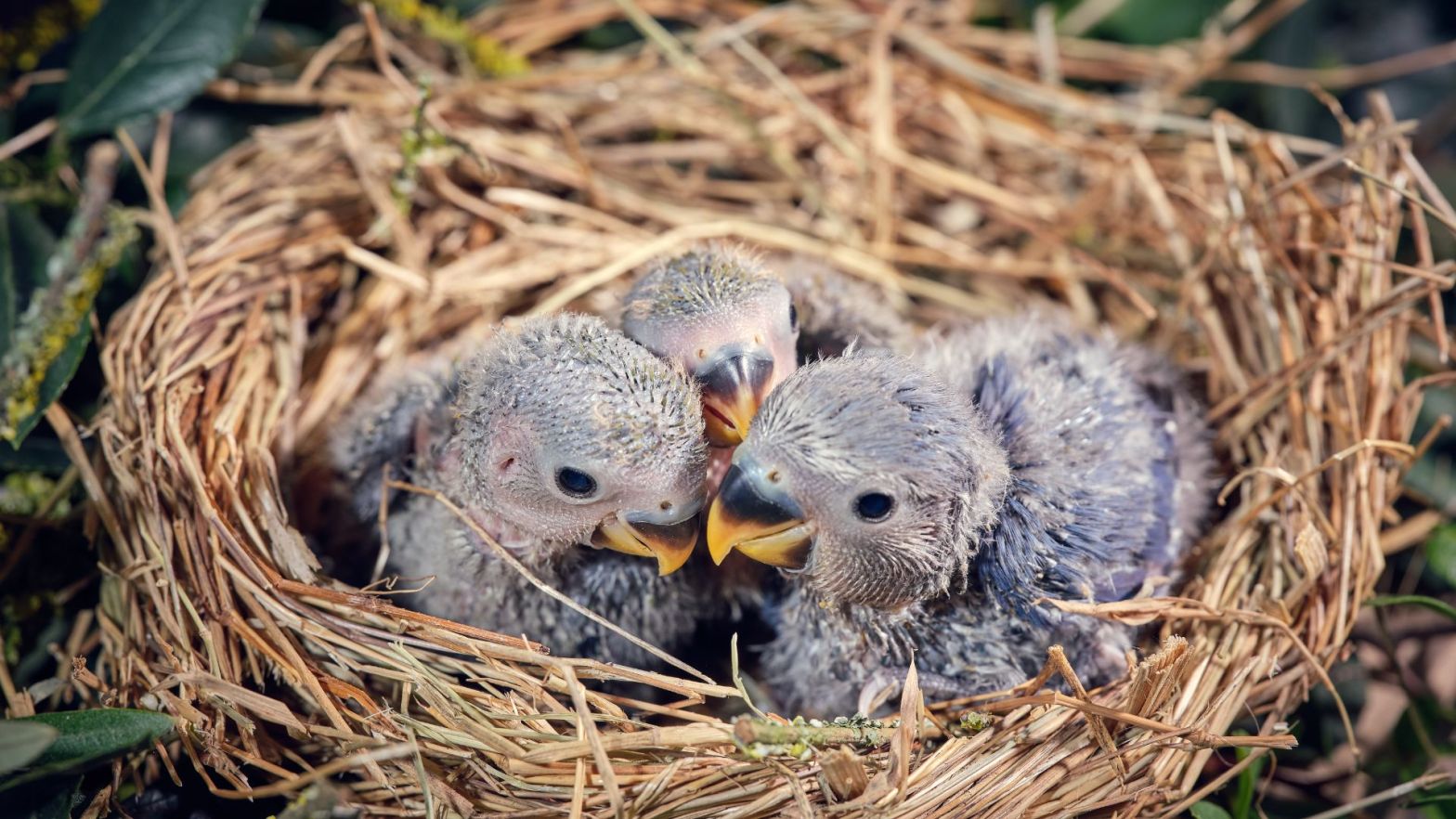
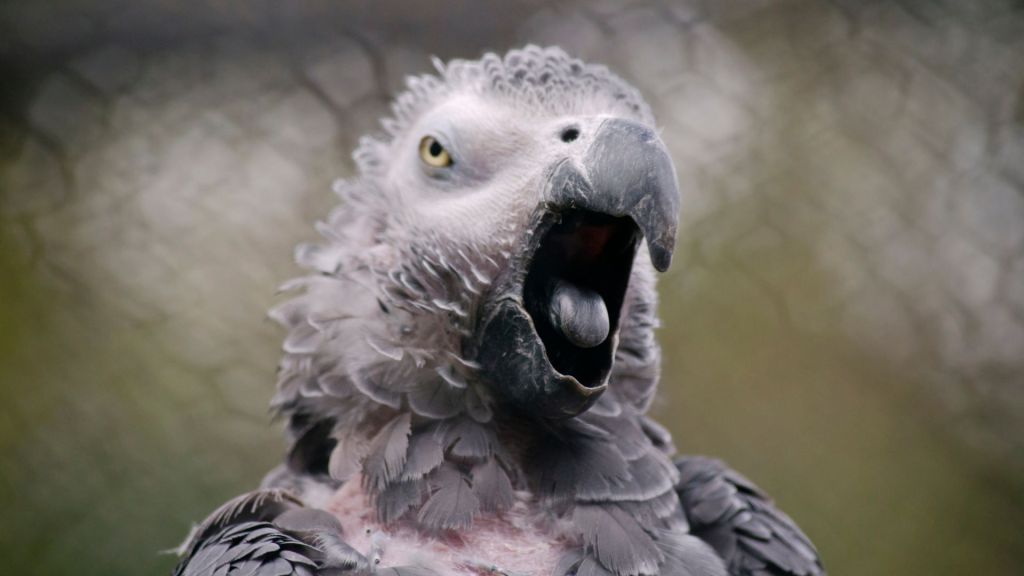
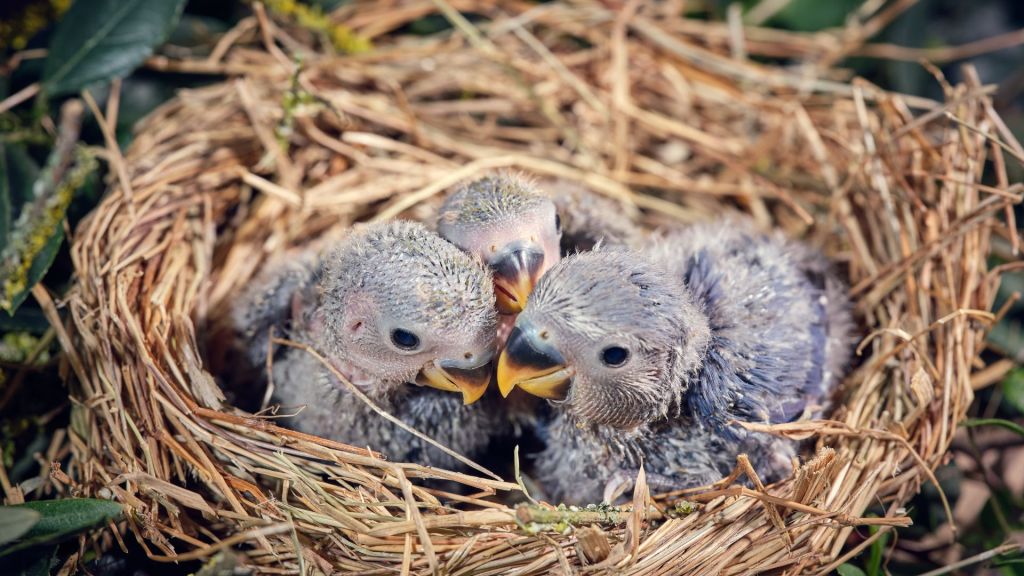
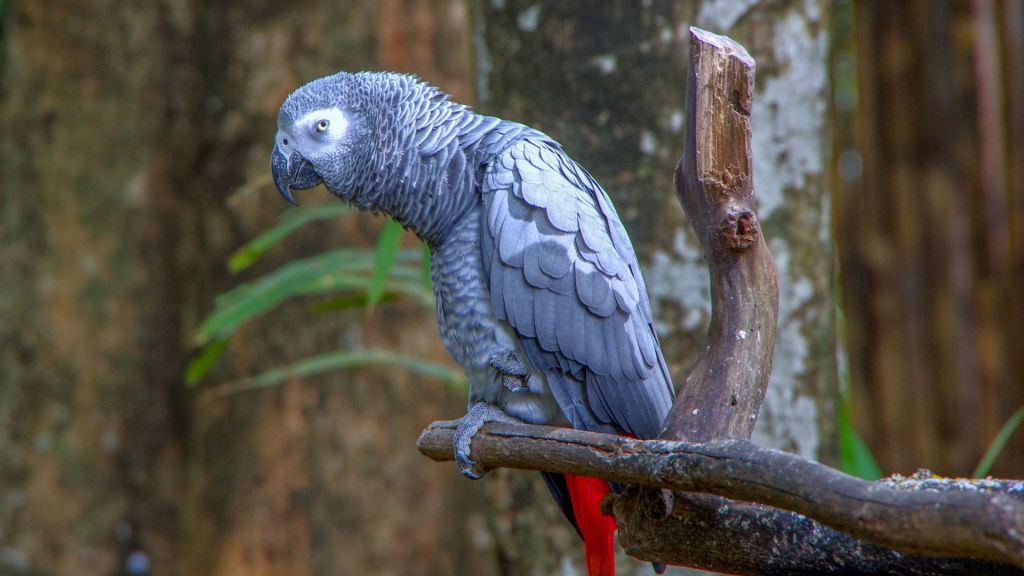
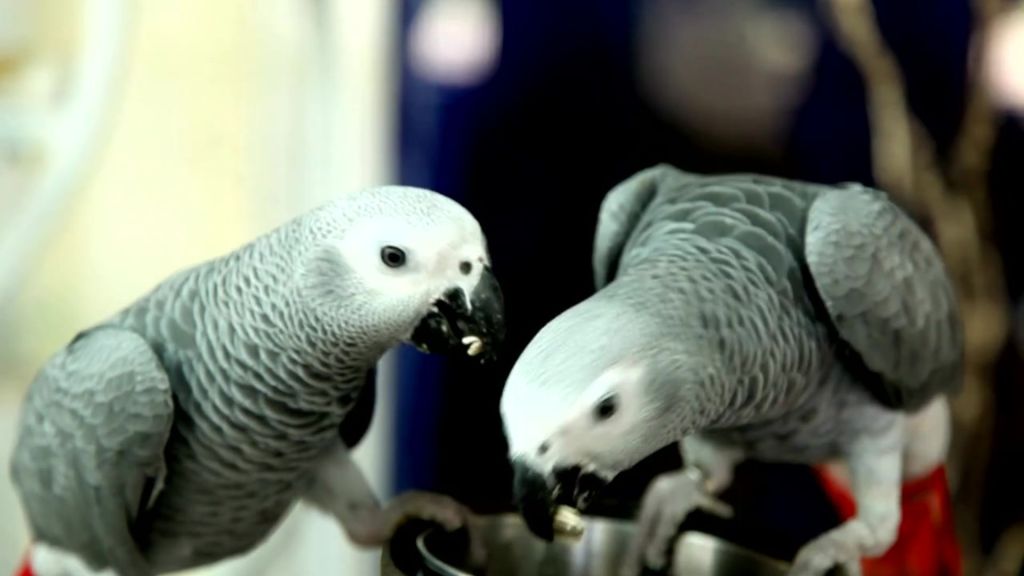
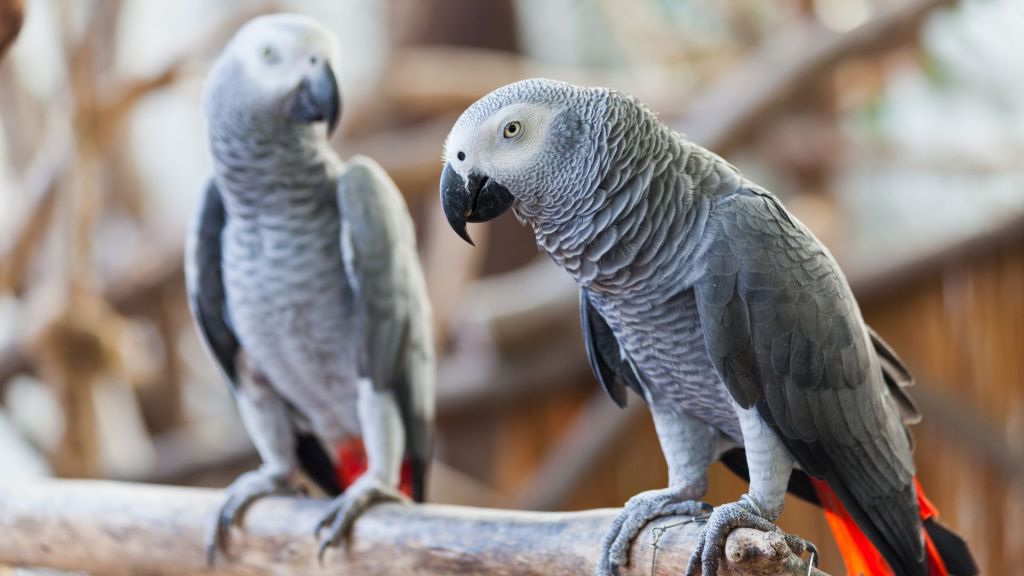
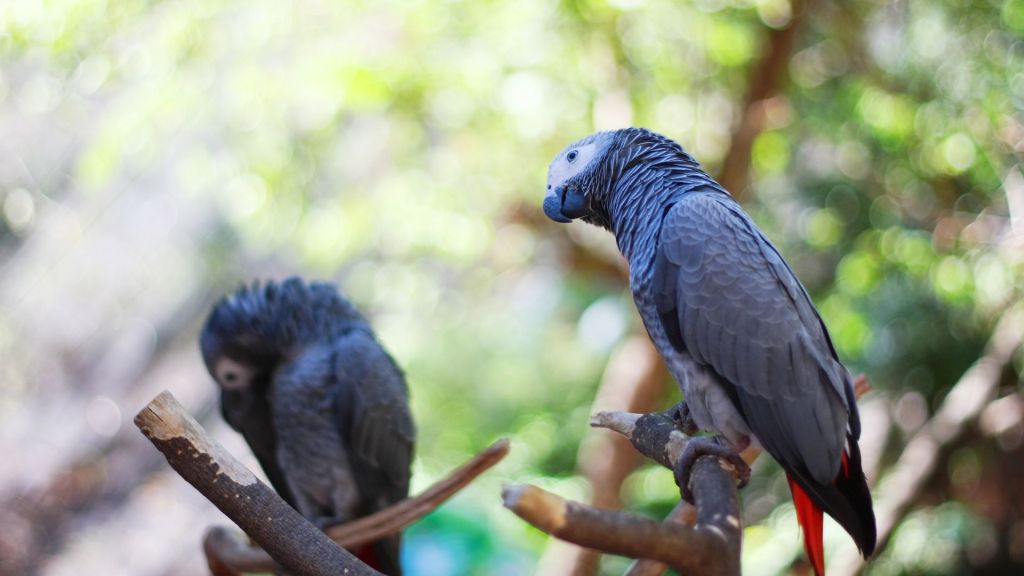
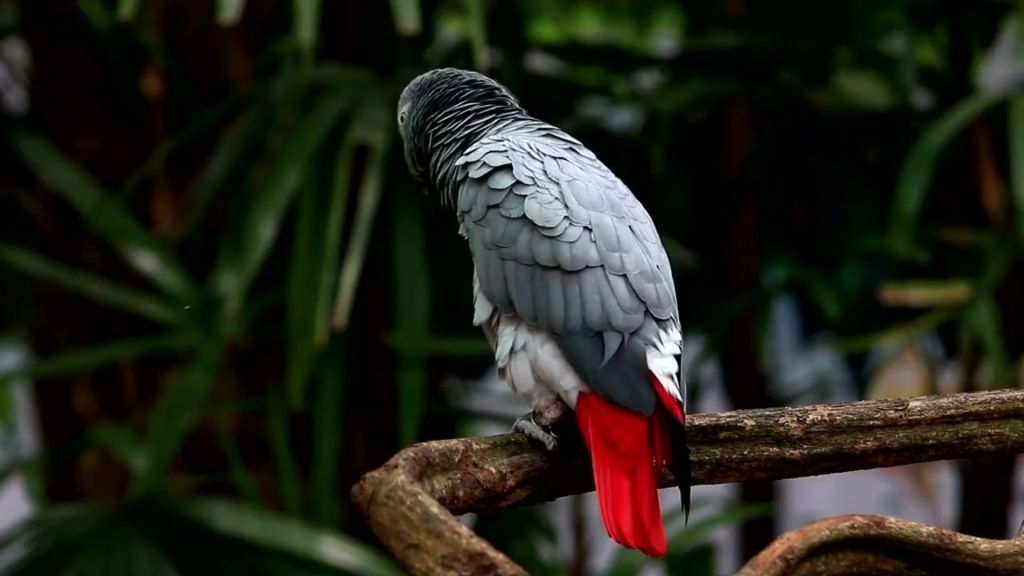
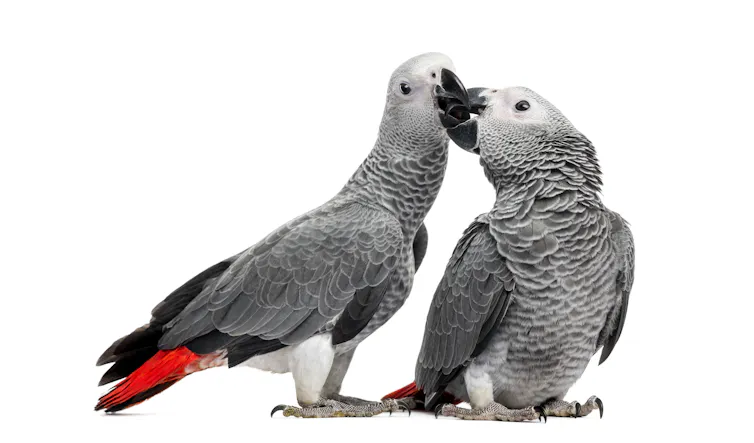
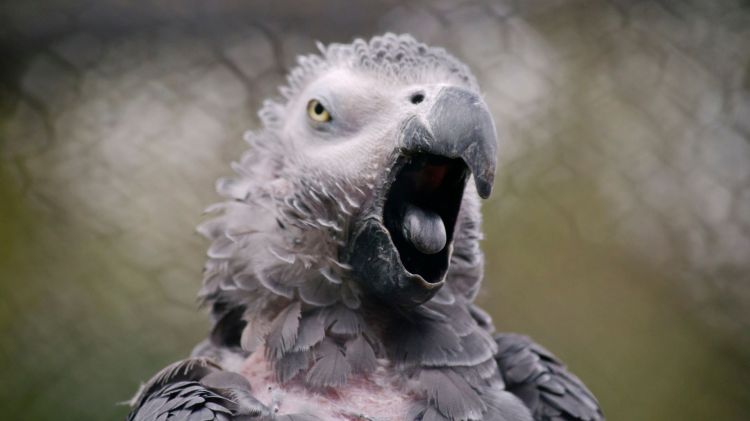
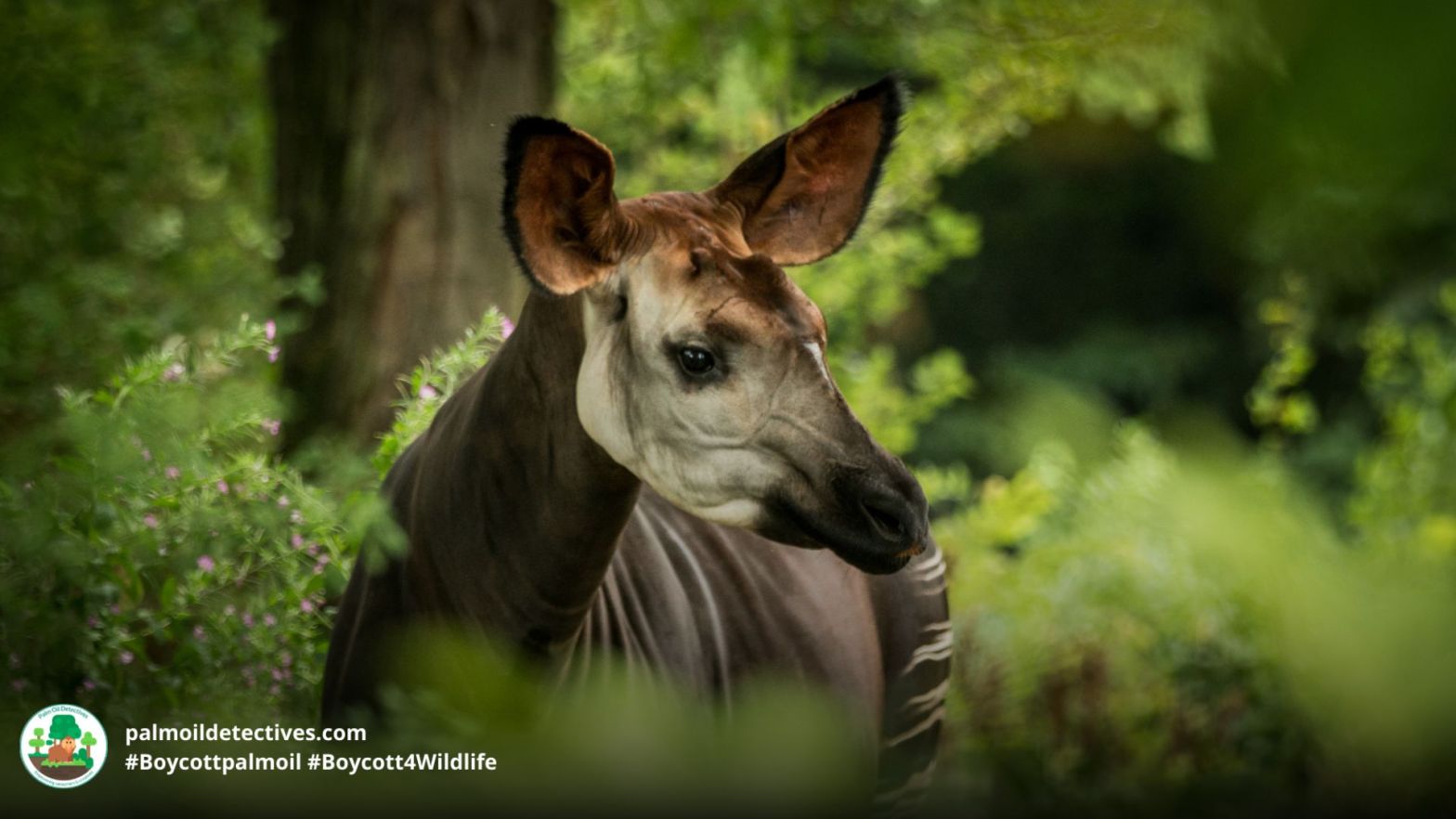
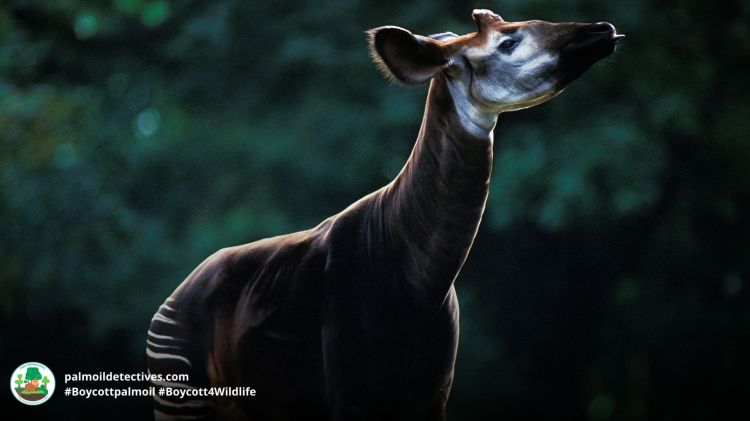
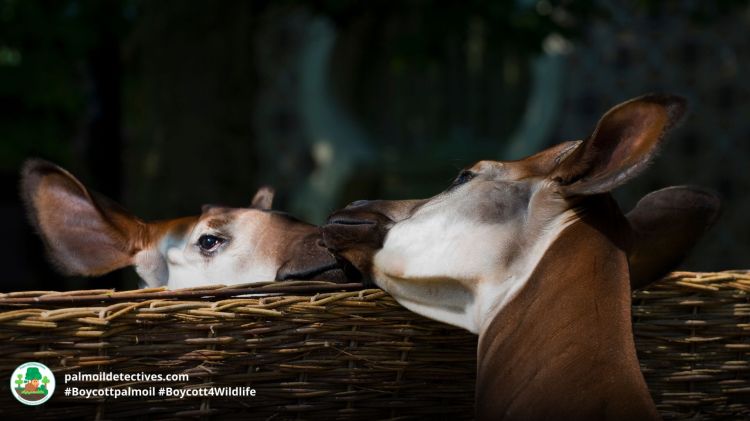


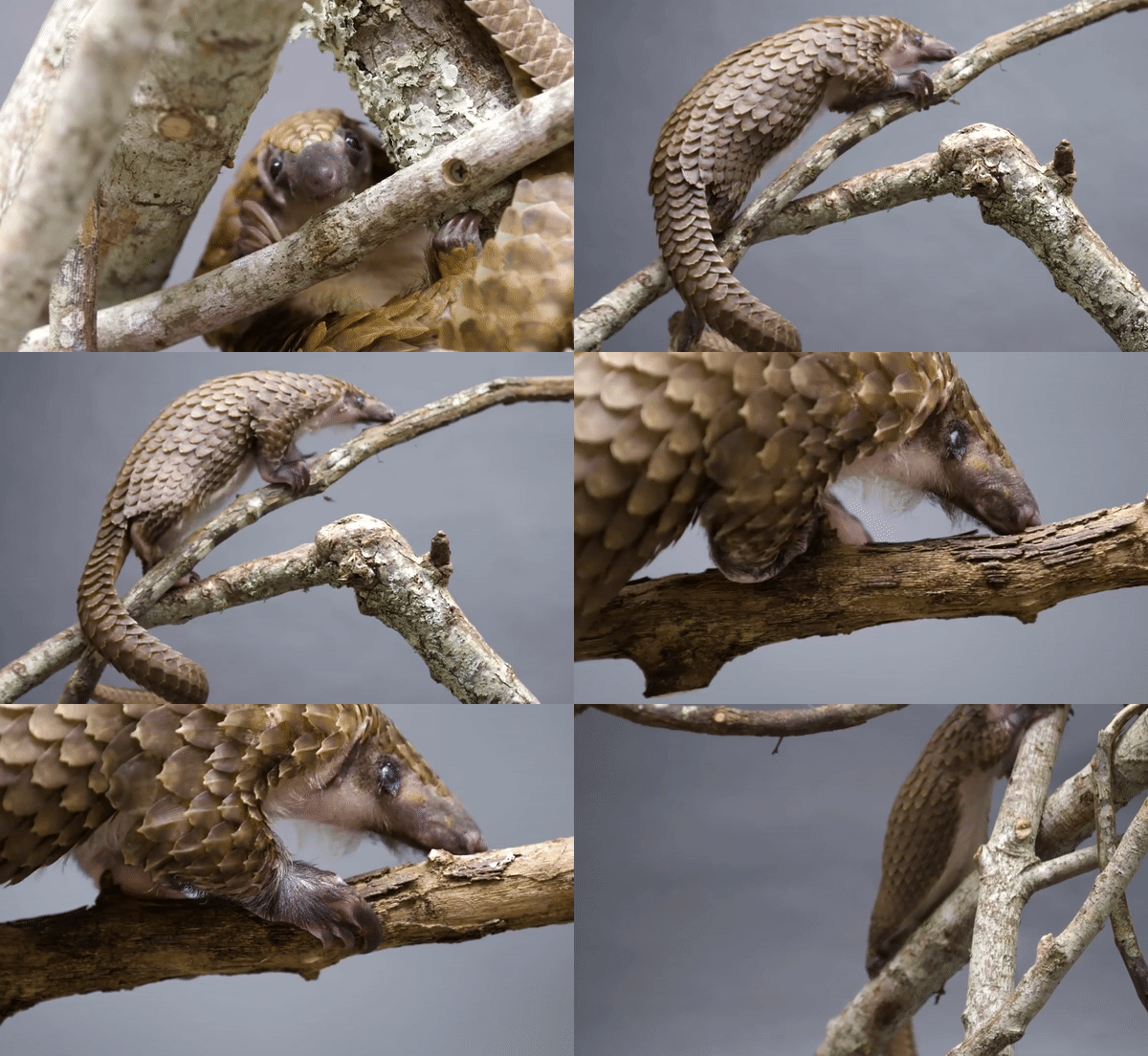
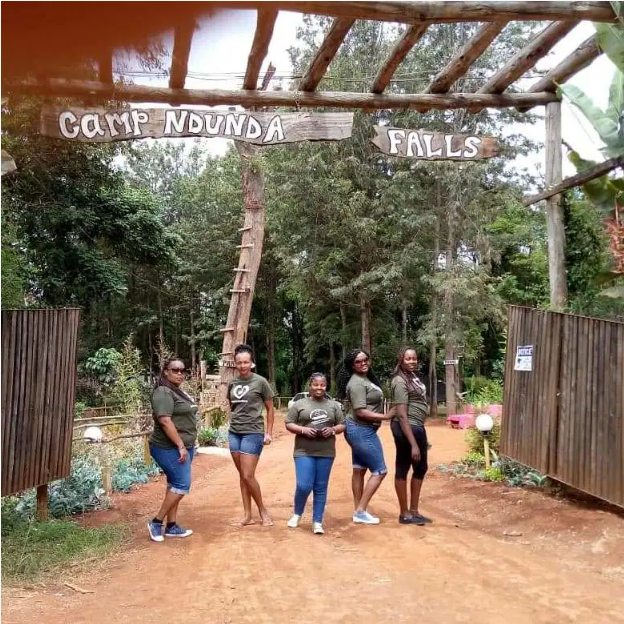



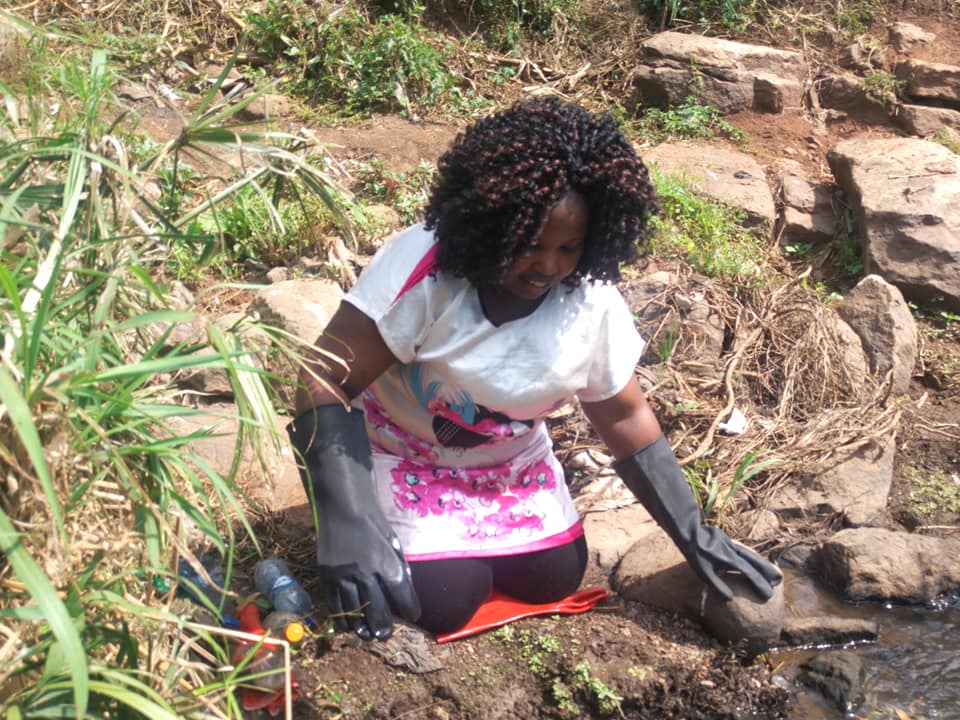
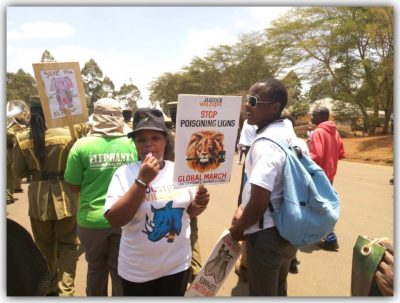
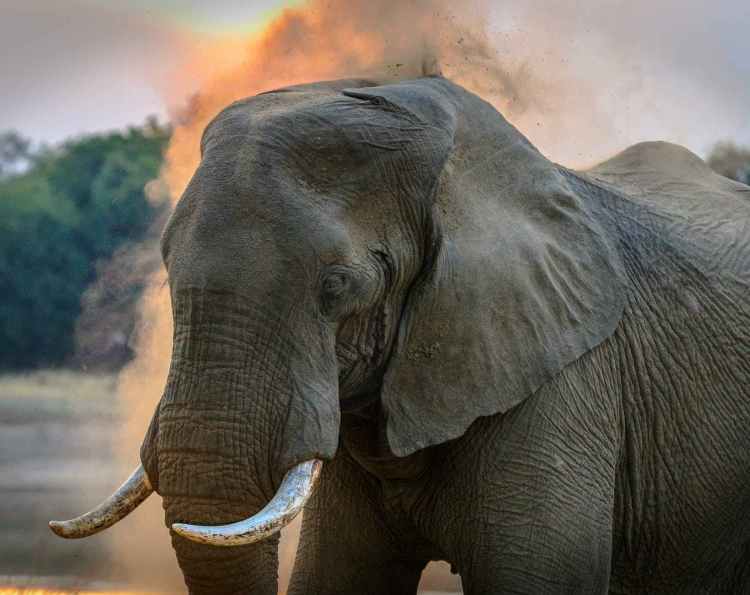


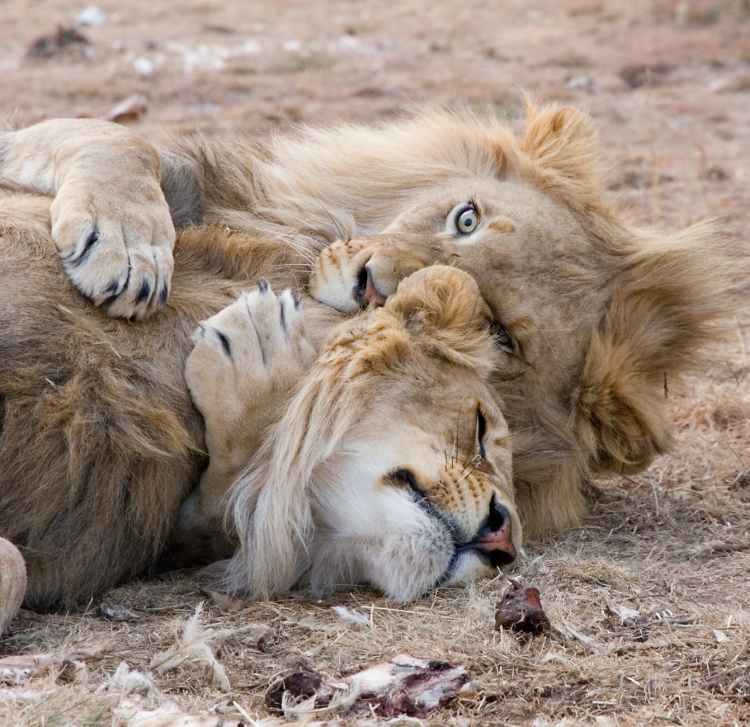
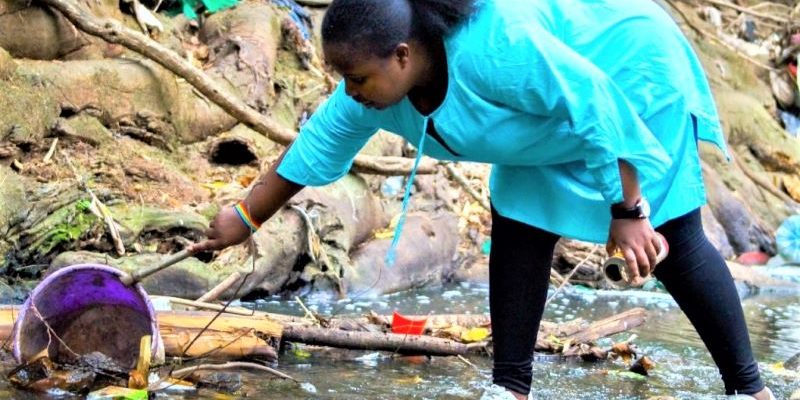

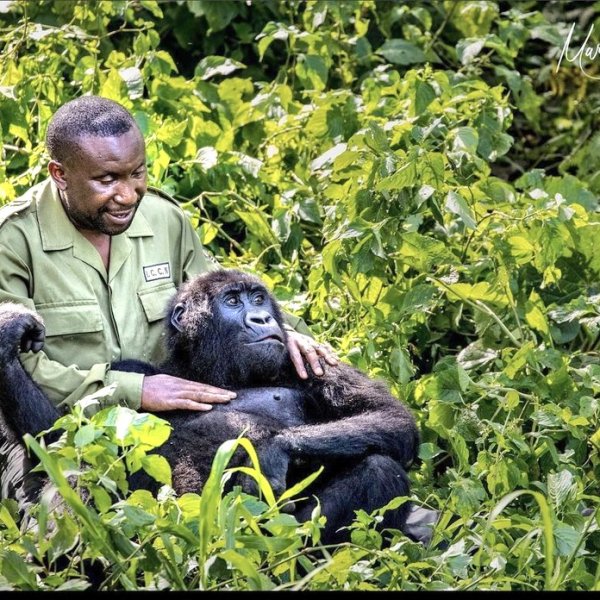



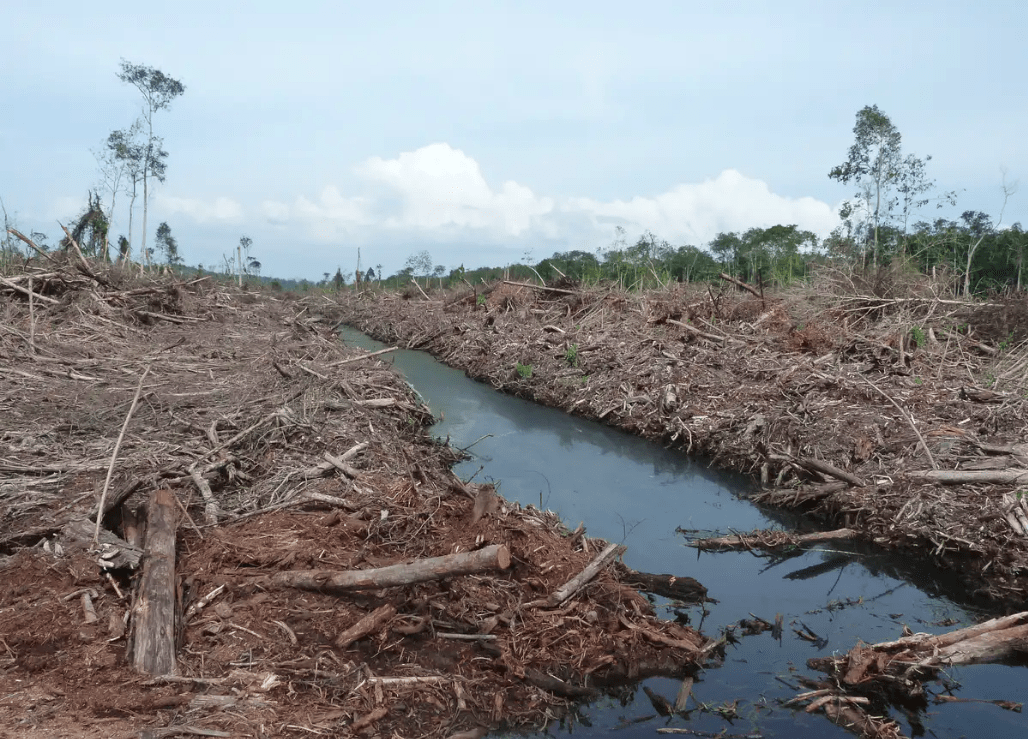
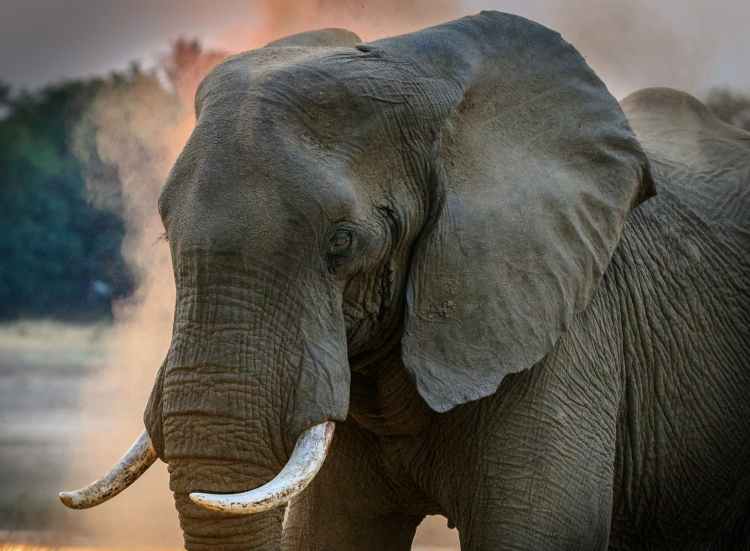

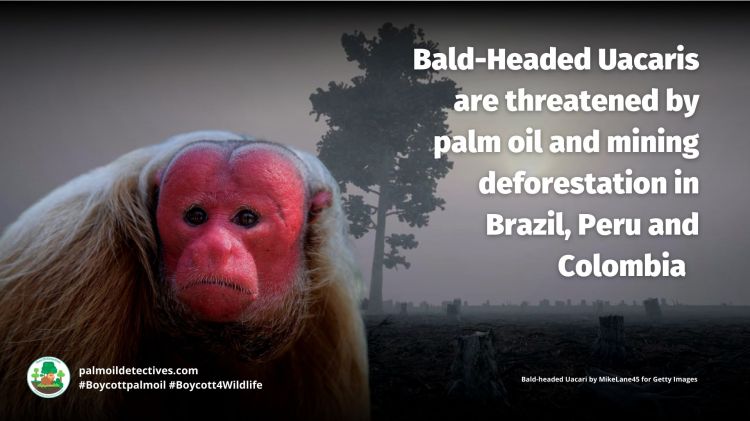
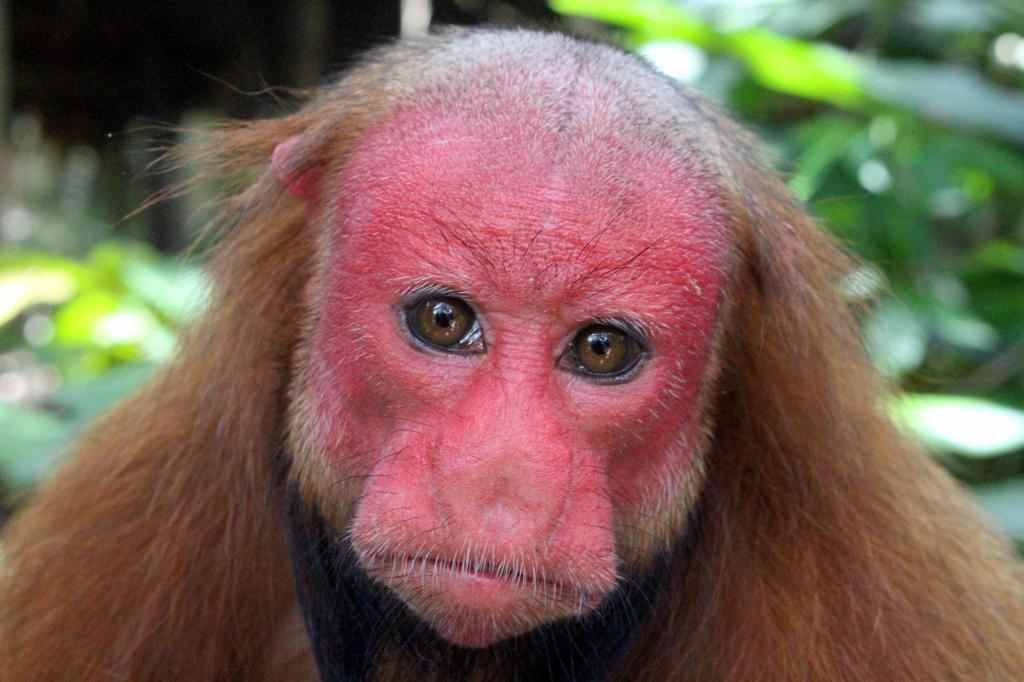
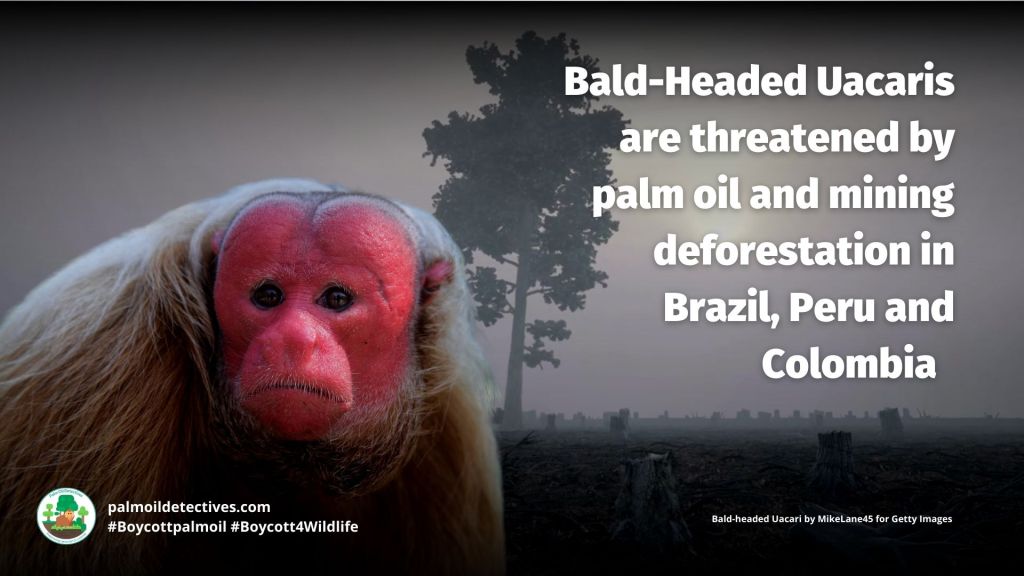
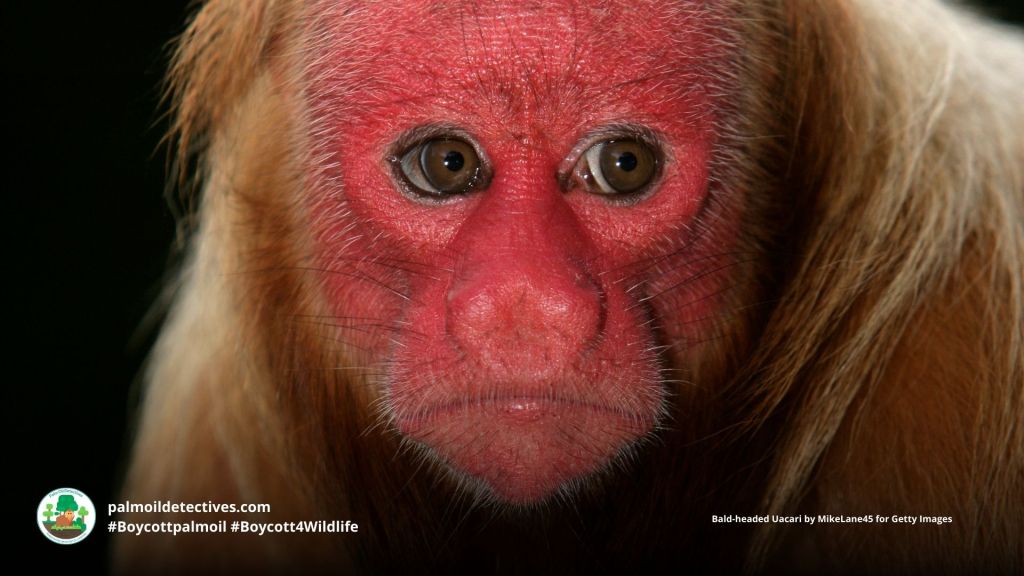
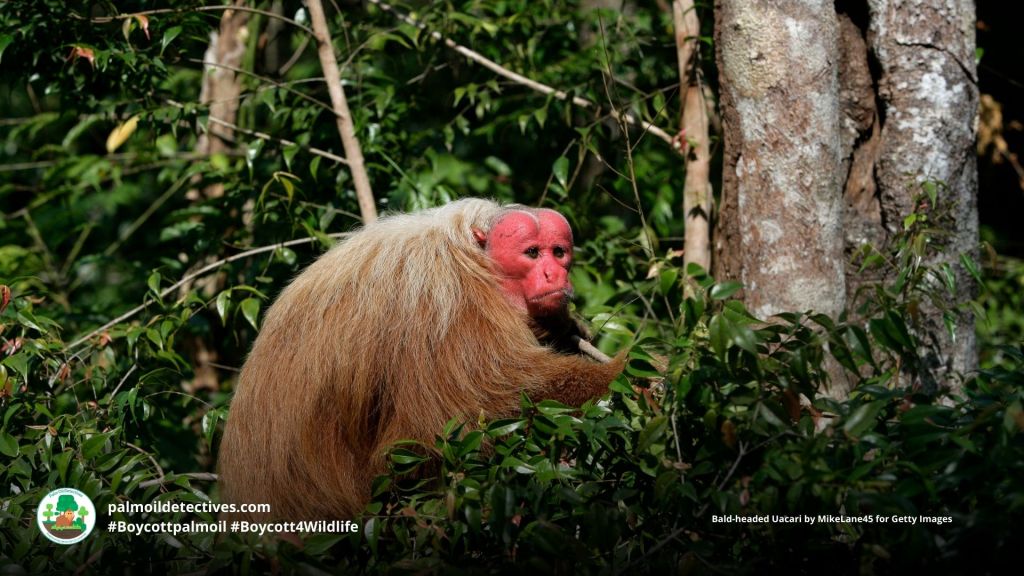
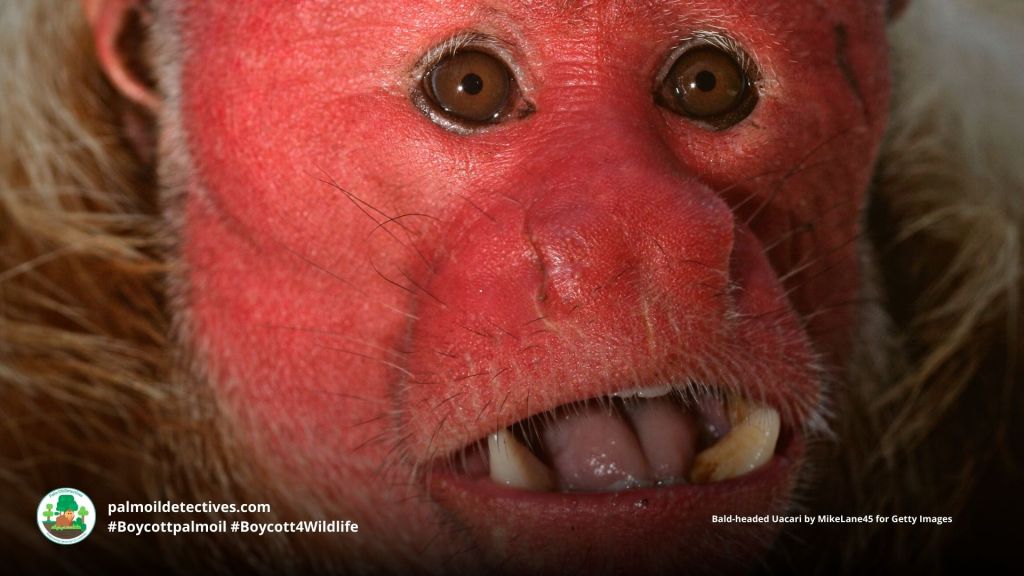
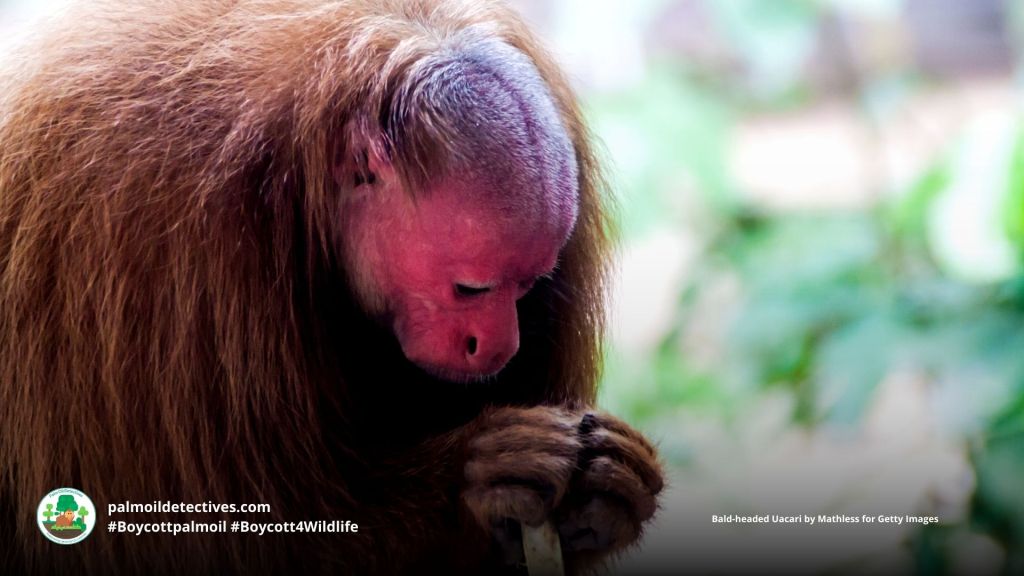
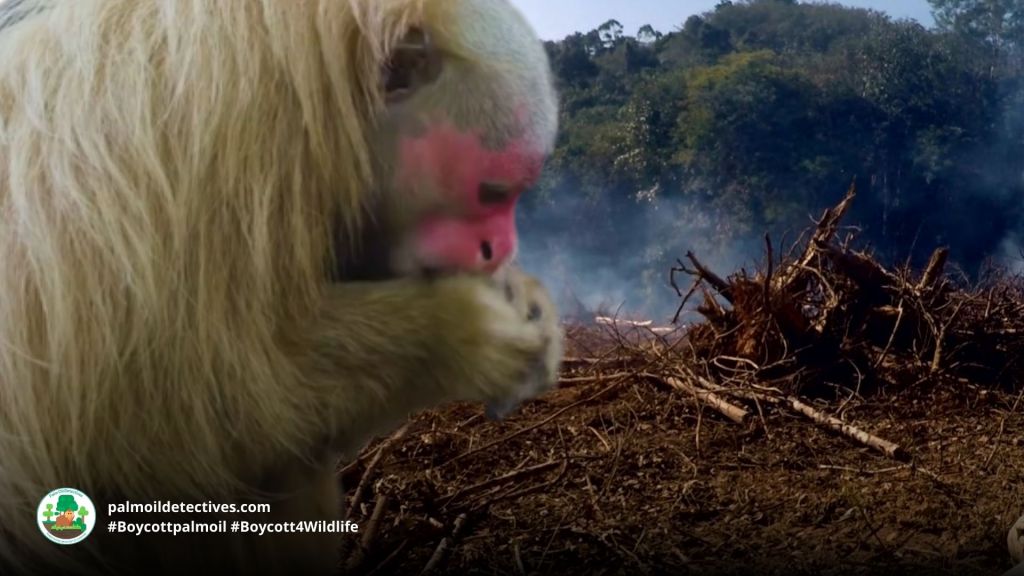
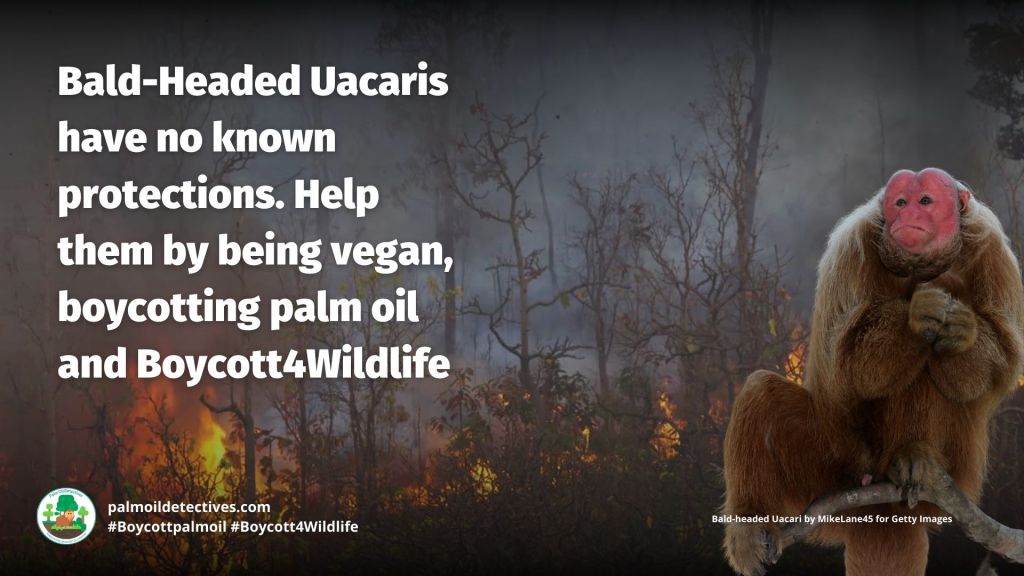
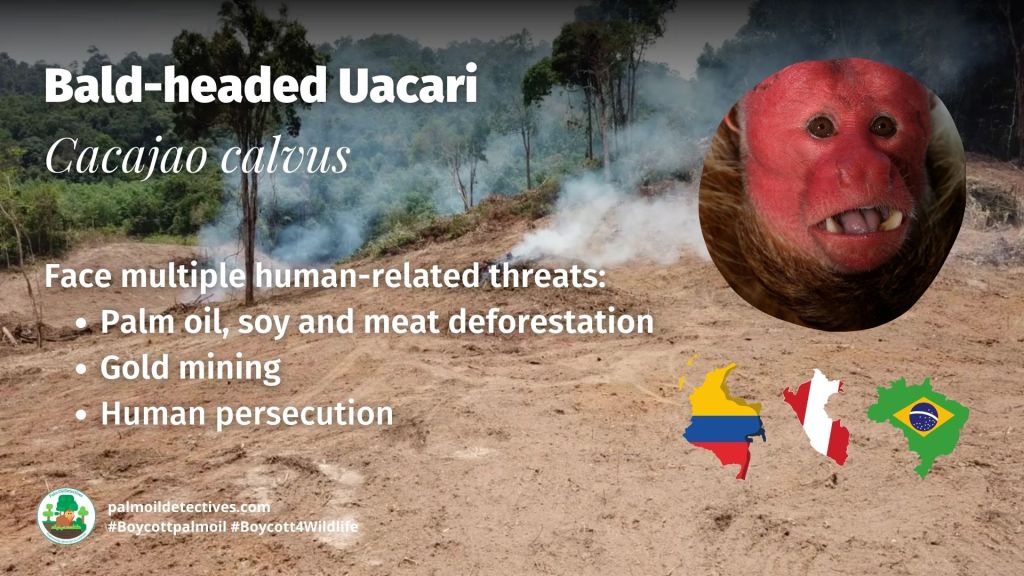
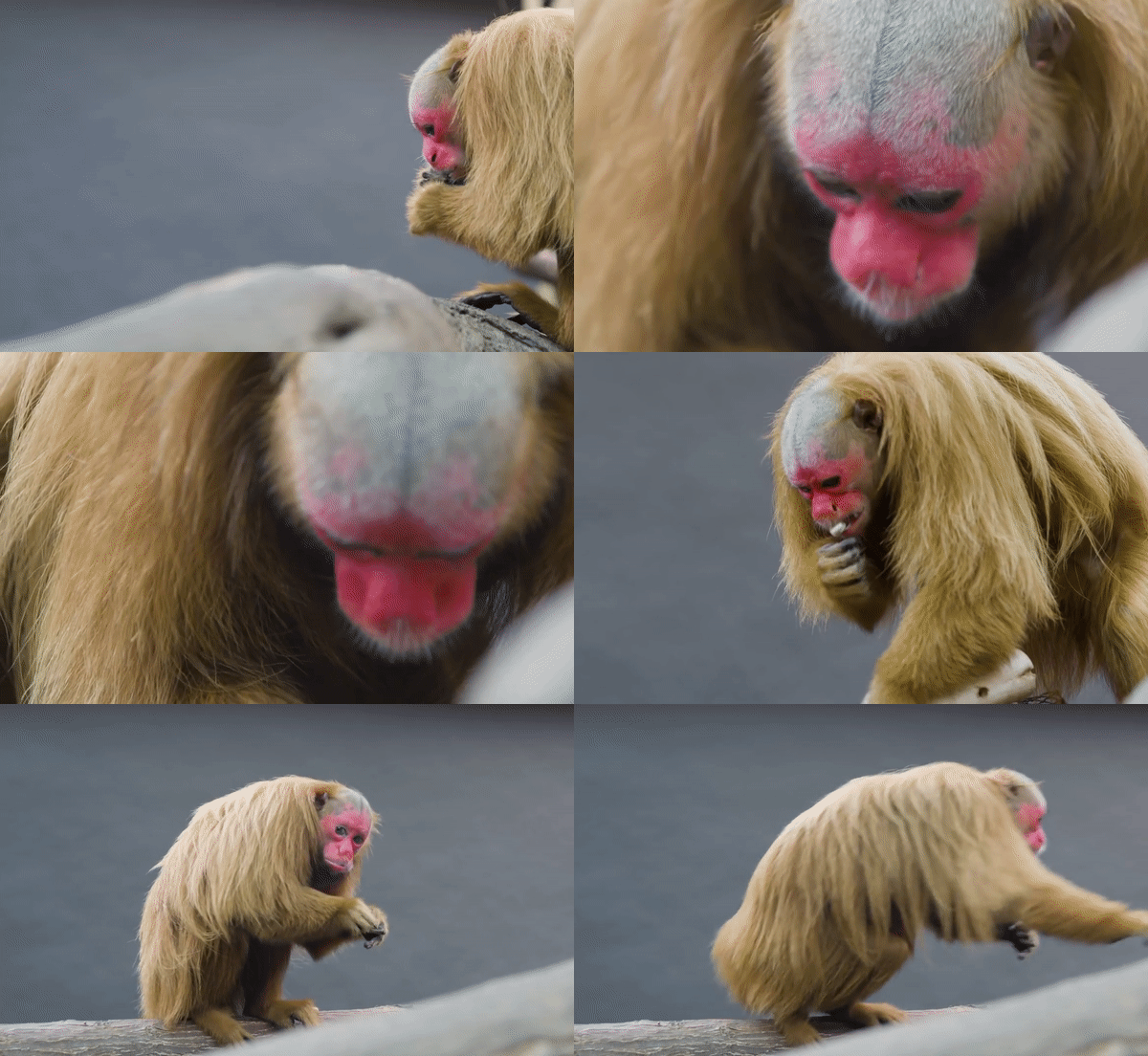
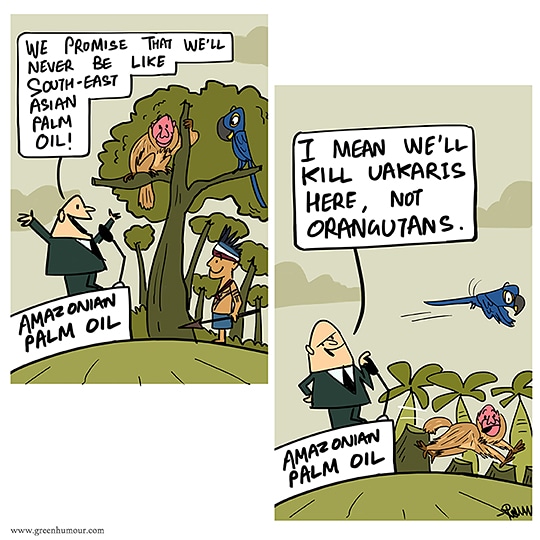
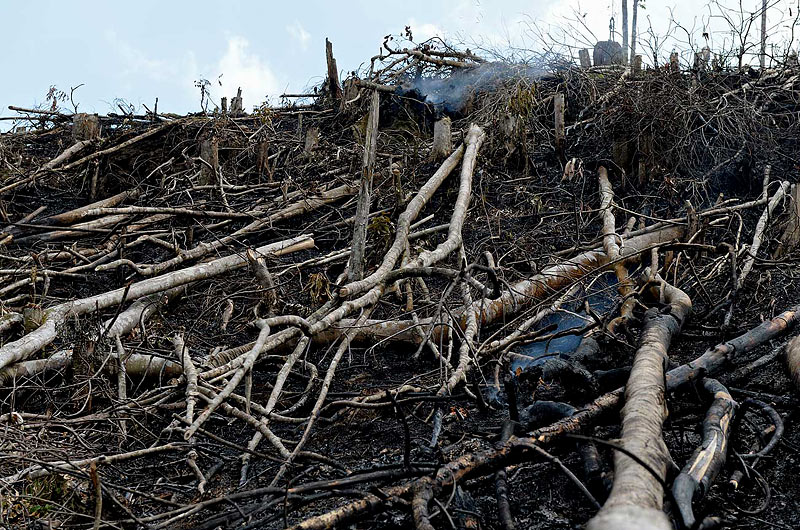
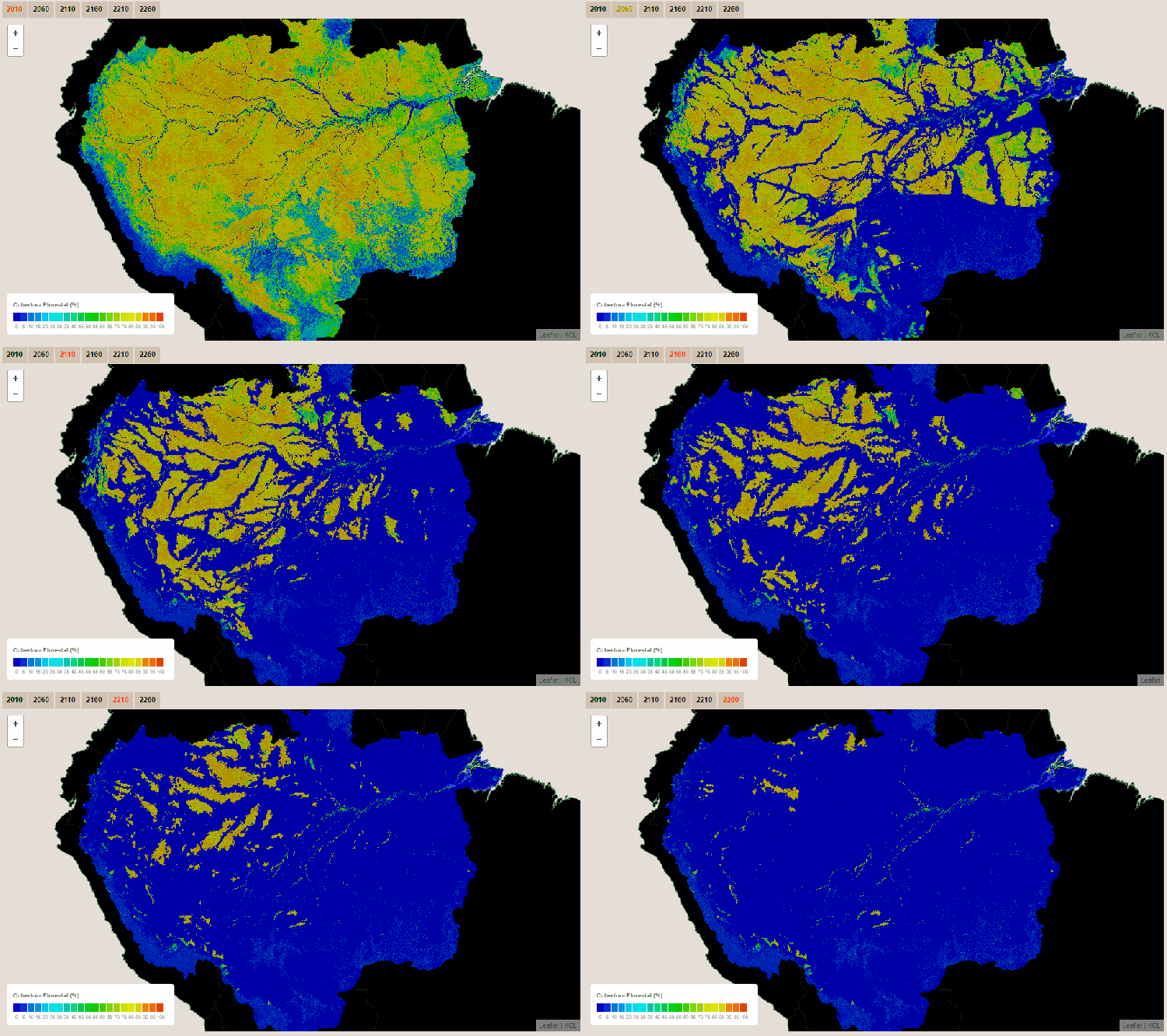
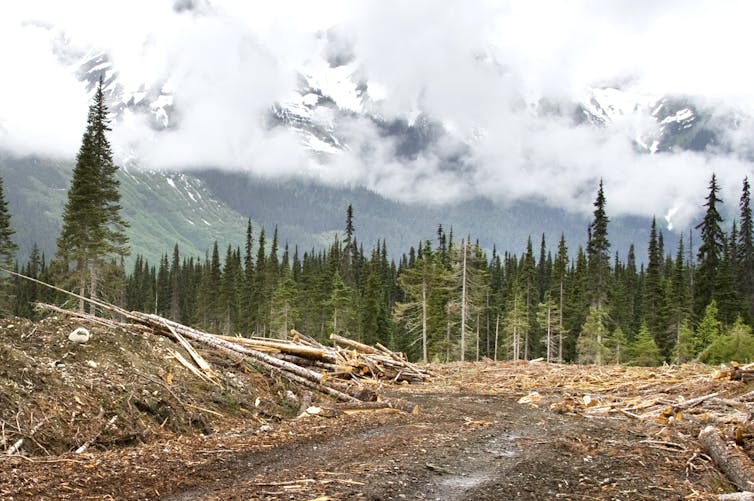
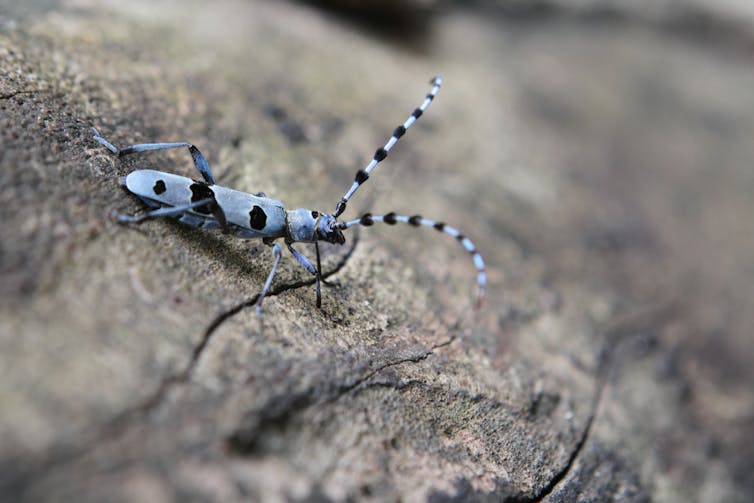
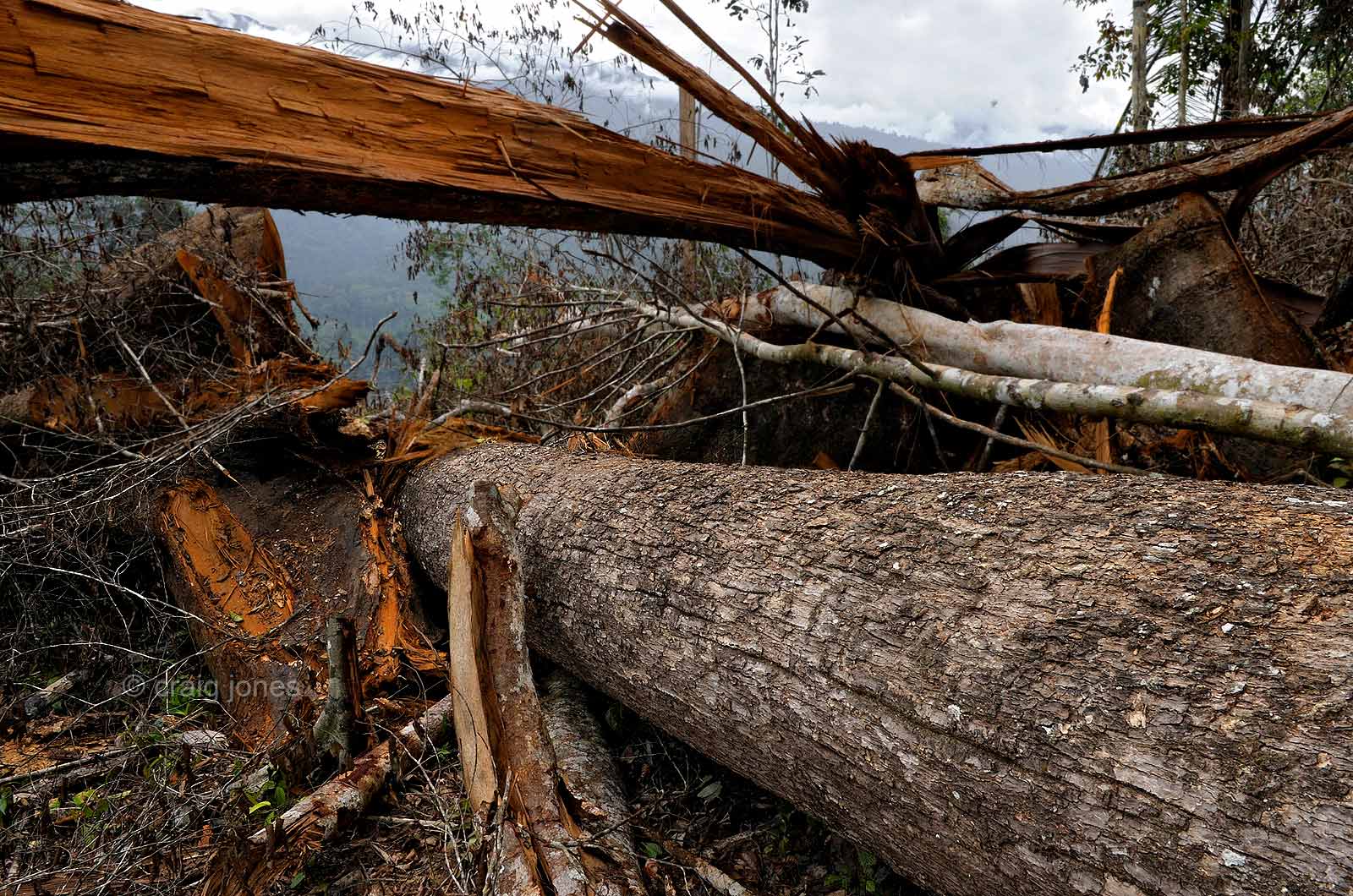
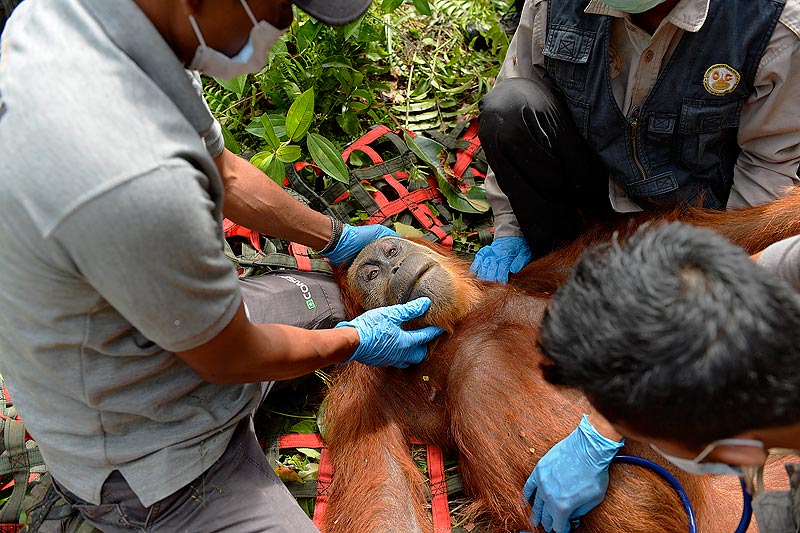
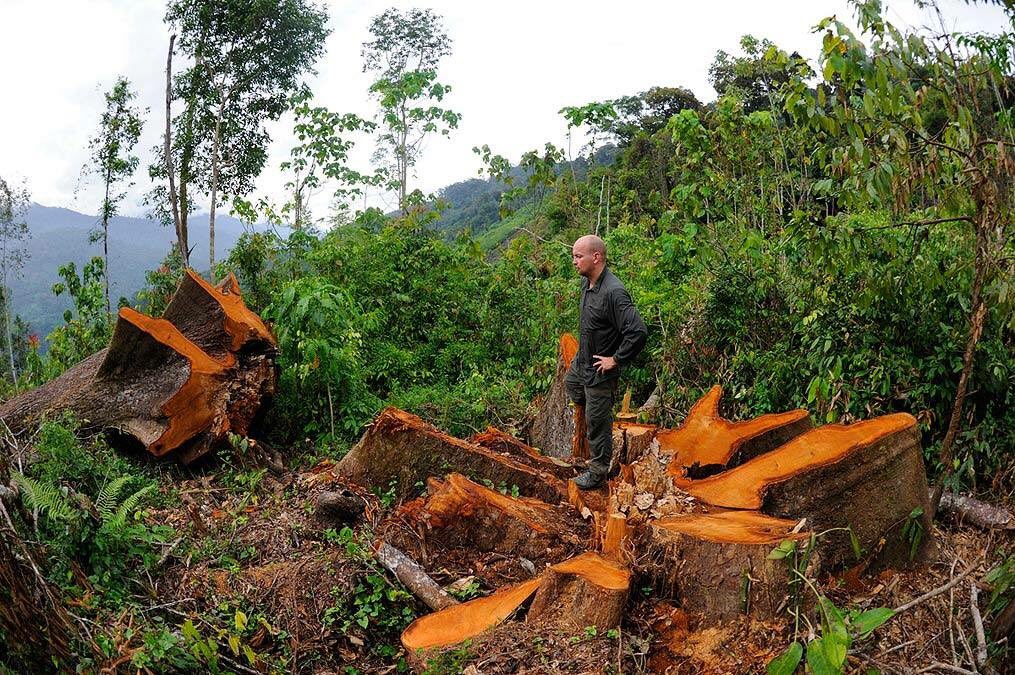


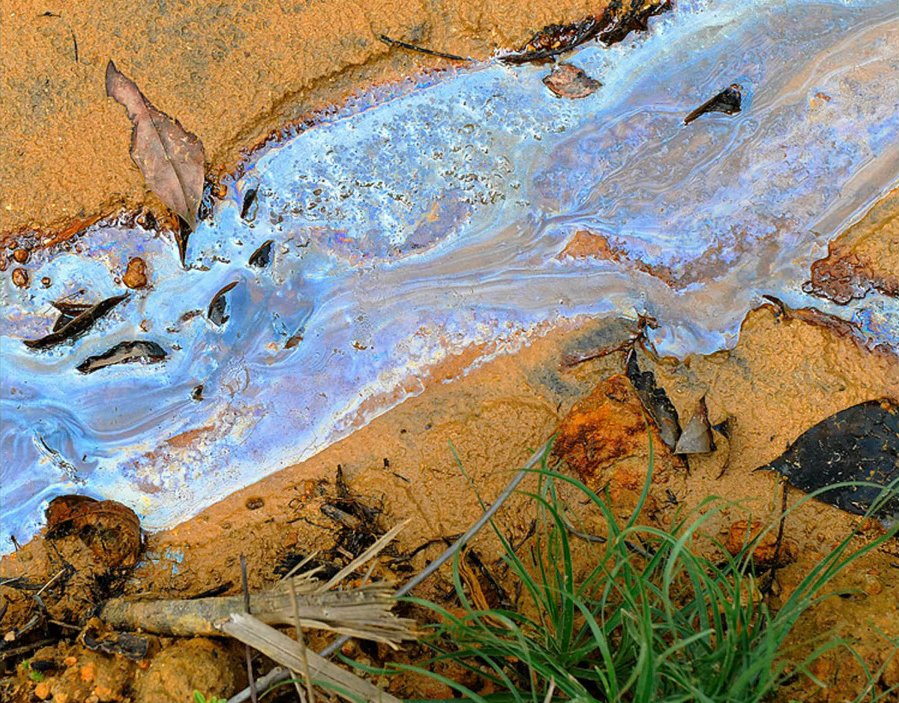

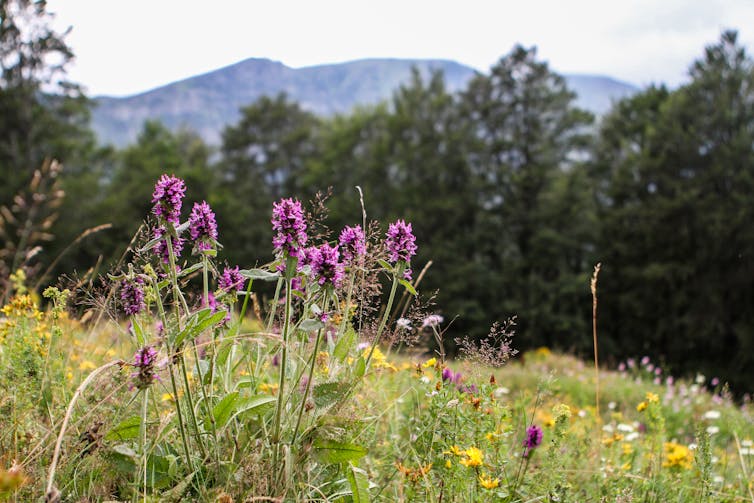
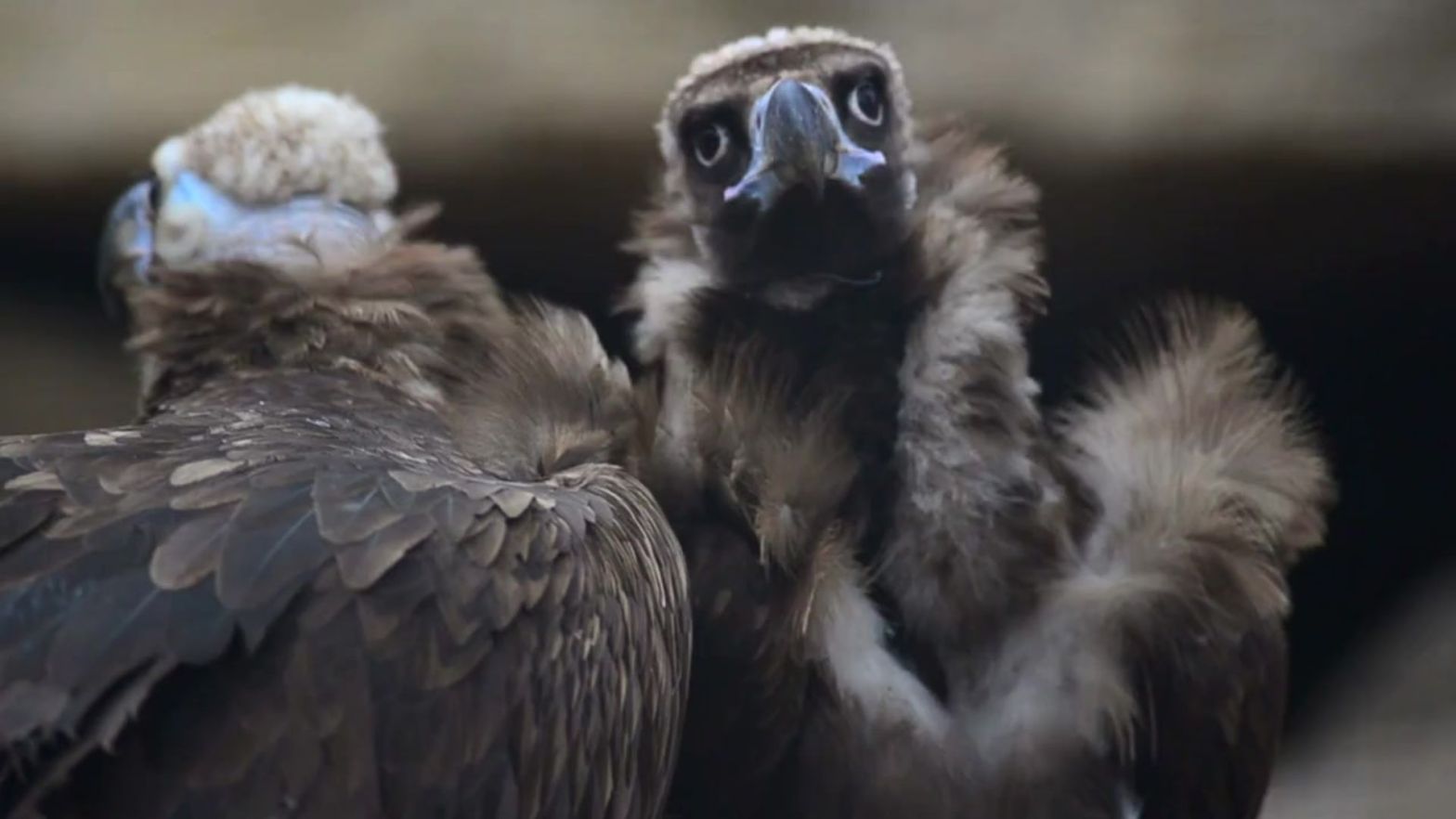

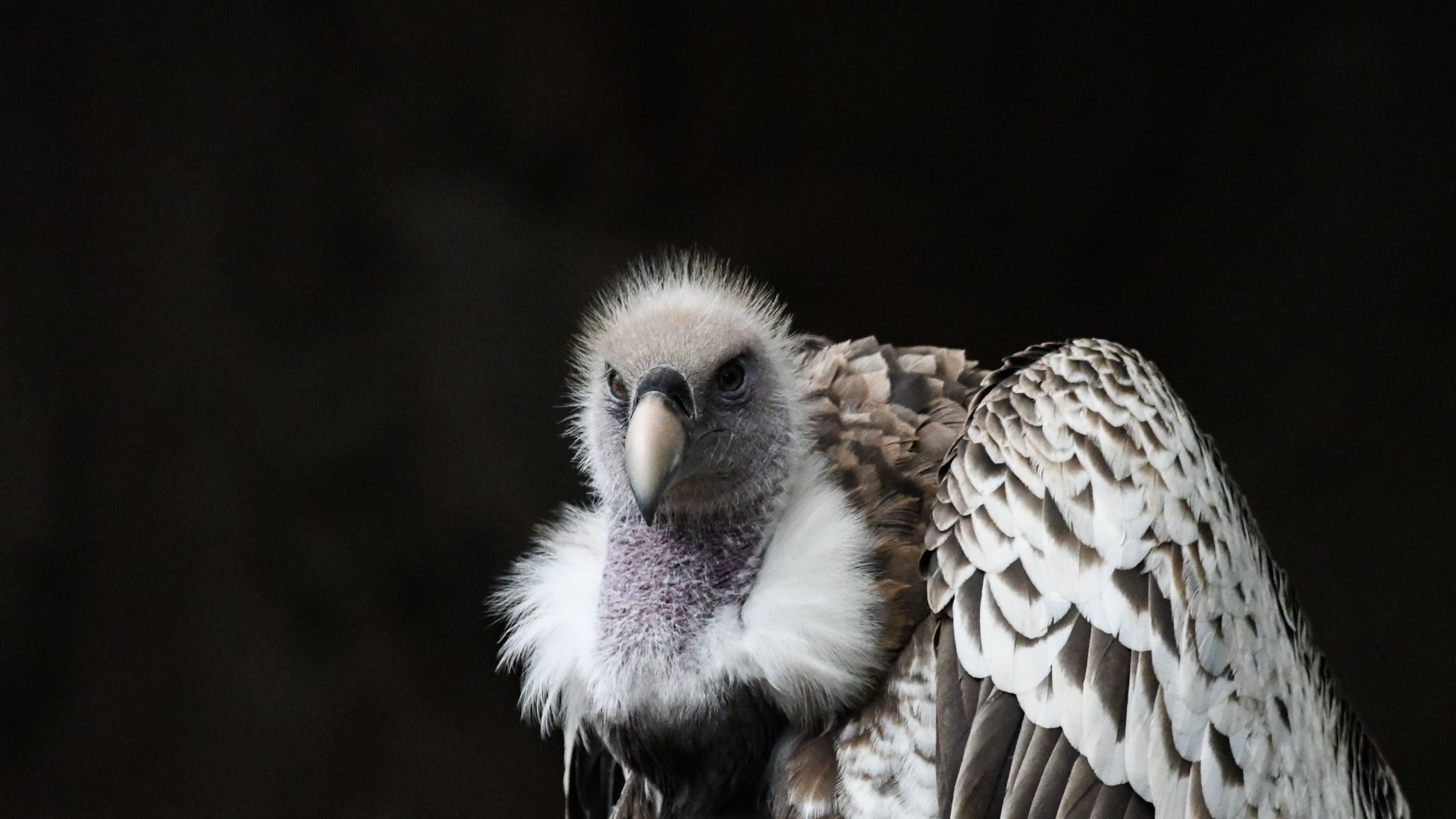
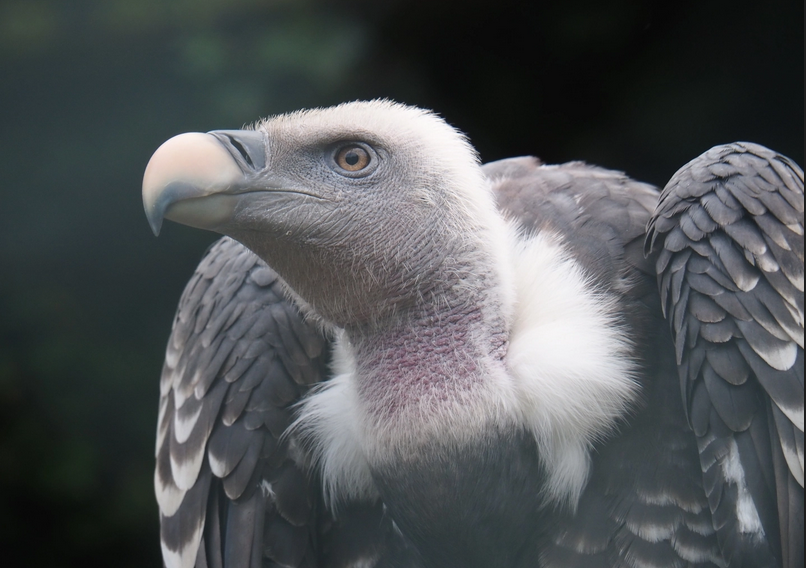

 Palm Oil Detectives