Here are some palm oil free convenience food and snack brands that DO NOT use rainforest-destroying palm oil. If you are ever in doubt look for the prefixes: LAUR, STEAR, GYLC and PALM in the ingredients list on packaging – this is most likely palm oil. Another tip is to shop for locally produced products instead of mass-produced convenience foods. Take action for your health and for wildlife when you go #PalmOilFree and #BoycottPalmOil#Boycott4Wildlife
Did you know that palm oil is one of the world’s most destructive crops, as it can only be harvested in tropical rainforest and peatland landscapes where the highest concentration of endangered species live? The majority of palm oil and soy is fed to farm animals that people eat. This is why palm oil is an animal rights issue. And it is for these reasons that palm oil isNOT considered vegan by animal activists. It may be a plant-based substance, but it is NOT VEGAN. Convenience food megabrands like Mondelez, Nestle, Danone, CocaCola, Pepsi, Hersheys and Ferrero claiming that their products are plant-based AKA vegan but yet still using palm oil are simply greenwashing extinction and ecocide!
Here are some palm oil free soaps that do not contain rainforest-destroying palm oil. If you are ever in doubt look for the prefixes: LAUR, STEAR, GYLC and PALM in the ingredients list on packaging – this is most likely palm oil. Another tip is to shop for locally produced soaps instead of mass-produced soap and hand sanitiser. Every year, more and more brands are going #palmoilfree, fight back against extinction and ecocide every time you shop! #BoycottPalmOil #Boycott4Wildlife
Did you know that palm oil is one of the world’s most destructive crops, as it can only be harvested in tropical rainforest and peatland landscapes where the highest concentration of endangered species live? The majority of palm oil and soy is fed to farm animals that people eat. This is why palm oil is an animal rights issue. And it is for these reasons that palm oil isNOT considered vegan by animal activists. It may be a plant-based substance, but it is NOT VEGAN. Soap brands like Palmolive, Unilever and L’Oreal claiming that their soap is plant-based AKA #vegan, yet are still using palm oil are simply greenwashing extinction and ecocide!
Thank you RMR Savage for this easy melt and pour lavender and rosemary soap recipe!
Melt and pour soap is one of the easiest ways to make soap and it’s safe to make with your children. One of the reasons I make it is to avoid palm oil as I find it in more and more hygiene products these days. You don’t need a lot of ingredients and you can easily source palm oil free melt and pour bases from suppliers.
One soap I love making is lavender and rosemary. I use either a clear glycerine base or a shea butter soap base. This recipe also uses a microwave, which takes up less energy than a gas/electric hob and should be quicker without a risk of burning your soap base. For this you only need a few more ingredients, so here’s what you need and how to make it:
Ingredients
500g soap base (palm oil free)
Natural blue colouring such as indigo powder
Lavender oil
Rosemary oil
Dried lavender flowers
Silicone moulds
A jug and a wooden spoon
Cup (with cold water)
Step one:
Cut your soap base into smaller cubes about 1-2cm. Then add some into a clean jug that you can use in a microwave. I normally add just a handful of cubes at a time. Here’s where that cup of water comes handy. Place the jug on one side in your microwave and place the cup of water opposite. The water will absorb excess microwaves to make it harder to burn your soap. Set the timer for short bursts to avoid the soap boiling (which means it’s burnt). I’d recommend 45 second bursts. Once your cubes start melting, gradually add the remainder, continuing the short bursts.
Step two:
Once your soap base has completely melted you’ll now be able to add your essential oils. I use equal amounts of rosemary and lavender oil, mixing with the wooden spoon. Then, before the soap base has a chance to form a skin on the top, add in your colour. I won’t add amounts because I think everyone has a different colour that they prefer. Softer, lighter colours are more attractive to me, so I don’t use much at all. At this point I don’t yet add the dried flowers.
Step three:
Pour your coloured and scented soap base into moulds. I find silicone ones easier to use and there’s lots of different designs to choose from. Next add your dried flowers. This creates a scrub layer, which is acts as a gentle exfoliator for skin.
The lavender farm – a nice day out and a way to harvest as much lavender as you need!
Here are some palm oil free skincare and beauty products that do not contain rainforest-destroying palm oil. If you are ever in doubt look for the prefixes: LAUR, STEAR, GYLC and PALM in the ingredients list on packaging – this is most likely palm oil. Another tip is to shop for locally produced products instead of mass-produced skincare or beauty brands.
Clean your home without using rainforest-destroying palm oil. Major #brands making #cleaning products 🧹🧼🫧 like Colgate-Palmolive Reckitt, Unilever, PZ Cussons and others tell lies and destroy rainforests. Don’t buy the #greenwashing of soc-called “sustainable” #palmoil 🌴🤮💀☠️❌ Instead shop #palmoilfree. If you are ever in doubt look for the prefixes: LAUR, STEAR, GYLC and PALM in the ingredients list – this is most likely palm oil. Another tip is to shop for locally produced cleaning products and brands instead of mass-produced products. Use your wallet as a weapon #BoycottPalmOil #Boycott4Wildlife
Did you know that palm oil is one of the world’s most destructive crops, as it can only be harvested in tropical rainforest and peatland landscapes where the highest concentration of endangered species live? The majority of palm oil and soy is fed to farm animals that people eat. This is why palm oil is an animal rights issue. And it is for these reasons that palm oil isNOT considered vegan by animal activists. It may be a plant-based substance, but it is NOT VEGAN. Brands making cleaning products like PZ Cussons, Colgate-Palmolive, Reckitt and Unilever claiming vegan status are simply greenwashing extinction and ecocide!
Here are some palm oil free makeup, cosmetics and perfume brands that do not use rainforest-destroying palm oil. If you are ever in doubt look for the prefixes: LAUR, STEAR, GYLC and PALM in the ingredients list on packaging – this is most likely palm oil. Another tip is to shop for locally produced products instead of mass-produced cosmetics, beauty and makeup brands. Beauty should never come at the cost of rainforest animals and indigenous peoples. Go #PalmOilFree and #BoycottPalmOil#Boycott4Wildlife
palm oil on fire African Forest Elephant Loxodonta cyclotis Deforestation for palm oilOrangutan defends her home deforestation Research: Palm Oil Deforestation and its connection to retail brands
Did you know that palm oil is one of the world’s most destructive crops, as it can only be harvested in tropical rainforest and peatland landscapes where the highest concentration of endangered species live? The majority of palm oil and soy is fed to farm animals that people eat. This is why palm oil is an animal rights issue. And it is for these reasons that palm oil is NOT considered vegan by animal activists. It may be a plant-based substance, but it is NOT VEGAN. Beauty brands like Avon, Unilever,L’Oreal, Procter & Gamble, PZ Cussons, Johnson & Johnson claiming that their products are plant-based AKA vegan but yet still using palm oil are simply greenwashing extinction and ecocide!
These brands (all of them RSPO members) use palm oil linked to the destruction of rainforests – the precious habitat of endangered species.
Every year, these brands (along with many others) contributed to the destruction of 100,000’s of hectares of rainforest in Indonesia, Malaysia and Papua New Guinea, West Papua, South and Central America and Africa. Therefore, these brands are directly involved in the extinction of thousands of endangered species.
You can help the animals and the forest by changing your supermarket choices and boycotting these mega brands along with all sub-brands. Here are some palm oil free alternatives too.
1. Join the #Boycott4Wildlife on social media and subscribe to stay in the loop: Share posts from this website to your own network on Twitter, Mastadon, Instagram, Facebook and Youtube using the hashtags #Boycottpalmoil#Boycott4Wildlife.
2. Contribute stories: Academics, conservationists, scientists, indigenous rights advocates and animal rights advocates working to expose the corruption of the palm oil industry or to save animals can contribute stories to the website.
3. Supermarket sleuthing: Next time you’re in the supermarket, take photos of products containing palm oil. Share these to social media along with the hashtags to call out the greenwashing and ecocide of the brands who use palm oil. You can also take photos of palm oil free products and congratulate brands when they go palm oil free.
More and more palm oil free 🦧 products in Australia 🇦🇺. Customer awareness is increasing month by month. Of course Bart Van Assen will keep pushing "sustainable" palm oil with Orangutan Land Trust. Boycott palm oil to protect wildlife! There is not planet B #boycott4wildlifepic.twitter.com/rm7chub5Rb
If possible to get Ovomaltine, please promote it among your friends. It openly advertises with 0 palm oil. No RSPO no bullshit. For me it even tasts better than nuttela. It substantiates that chocolate spread can be made delicious without filthy palm oil. pic.twitter.com/cyV5Tm3tLd
4. Take to the streets: Get in touch with Palm Oil Detectives to find out more.
5. Donate: Make a one-off or monthly donation to Palm Oil Detectives as a way of saying thank you and to help pay for ongoing running costs of the website and social media campaigns. Donate here
In late 2023, Kelloggs became Kellanova for their US arm. Savvy consumers have been pressuring Kelloggs for decades to cease using deforestation palm oil. Yet they actually haven’t stopped this. From their website:
‘All of the palm oil that is used in our products is sourced from a combination of the Roundtable of Sustainable Palm Oil (RSPO) Certified Segregated supply chain, RSPO Mass Balance mixed-source supply and the purchase of Green Palm certificates.’
This phrasing above means absolutely nothing. In reality, Kelloggs’ supply chain continues to slash and burn thousands of hectares of forests and release mega-tonnes of carbon into the atmosphere. Kellogg’s is therefore involved in the killing thousands of endangered species. Once these animals are gone – they are gone for good. See research on Kelloggs’s palm oil sources including a PDF of their palm oil mills.
Global Witness October 2021 Report: Violence and death for palm oil connected to household supermarket brands (RSPO members)
“One palm oil firm, Rimbunan Hijau, [Papua New Guinea] negligently ignored repeated and avoidable worker deaths and injuries on palm oil plantations, with at least 11 workers and the child of one worker losing their lives over an eight-year period.
“Tainted palm oil from Papua New Guinea plantations was sold to household name brands, all of them RSPO members including Kellogg’s, Nestlé, Colgate, Danone, Hershey’s and PZ Cussons and Reckitt Benckiser”
Kelloggsmakes claims of sustainability for palm oil on their website. However these claims do not match what is happening on the ground. This is pure greenwashing. The brand has a high ranking on the WWF Scorecard and has an RSPO certification. However this high ranking is greenwashing and this mega-brand is purchasing huge amounts of palm oil from four mills that are responsible for 44% of all deforestation: Jhonlin, Mulia Sawit, Tunas Baru Lampung and Peputra Group
Palm Oil Detectives thinks it is wise to boycott all Kelloggs sub-brands until it has been independently verified that they have stopped 100% of their deforestation activities throughout the world.
Sign a petition telling Kelloggs to stop deforestation!
Despite the virtue-signalling of the palm oil certification body the RSPO, Mondelez’s so-called “sustainable” palm oil is linked to 37.000ha of palm oil deforestation since 2016 (Source: Chain Reaction Research).
Mondelez destroys rainforests, sending animals extinct and release mega-tonnes of carbon into the atmosphere, and killing hundreds of endangered species. Once these animals are gone – they are gone for good. See research on Mondelēz’s palm oil sources.
Mondelez is on the board of the RSPO,9 is a signatory to the New York Declaration on Forests and co-chairs the Consumer Goods Forum Palm Oil Working Group. However, Mondelez continues to source palm oil from rainforest destroyers, despite its stated commitment to responsible sourcing.
Oh no! Mondelez – the maker of Oreo – is buying palm oil from suppliers that are causing deforestation and fires in Indonesia. This is why it’s important to hold these corporations accountable for protecting forests. pic.twitter.com/GspGZMJllj
In light of this – the pledges about palm oil on their website are a massive joke
‘Mondelēz International is committed to sourcing palm oil sustainably and eradicating deforestation and human rights violations in the palm oil supply. We take this responsibility seriously.’
Palm Oil Detectives thinks it is wise to boycott all Mondelēz sub-brands until it has been indepedently verified that they have stopped 100% of their deforestation activities throughout the world.
Mondelēz own a vast global empire of snackfood, confectionery, food and beverage brands…
2014 Infographic
The most updated list of their stable of brands from their website includes:
Global mega-brand Johnson & Johnson have issued a position statement on palm oil in 2020.
‘At Johnson & Johnson, we are committed to doing our part to address the unsustainable rate of global deforestation, particularly in precious rain forests.’
However, despite this virtue signalling, the brand’s supply chain continues to slash and burn forests and release mega-tonnes of carbon into the atmosphere, and killing hundreds of endangered species. Once these animals are gone – they are gone for good. See research on Johnson & Johnson’s palm oil sources.
Johnson & Johnson makes claims of sustainability including a ‘promise’ to stop deforestation. Promises mean nothing – action is what matters. Johnson & Johnson has a high ranking on the WWF Scorecard and an RSPO certification. However this high ranking is greenwashing and this mega-brand is purchasing huge amounts of palm oil from two mills that are responsible for deforestation: Peputra Group and Jhonlin.
This target has been and gone. Still, enormous environmental and social damage continues to be caused by L’Oreal and its palm oil. Despite being an RSPO member, L’Oreal continues to be involved in human rights abuses, deforestation, child slavery and rape for the palm oil that goes into their beauty products.
“Because you’re worth it!”…but not if you live in the third world, are paid almost nothing and are treated like dirt
A 2020 Associated Press investigation found L’Oreal, Unilever, Johnson&Johnson and Avon involved in rape, child slavery and human rights abuses in their palm oil plantations.
“Please pay attention to our lives.” @AP spoke to dozens of women on palm oil plantations who describe rapes, harassment and punishing physical effects of their brutal work, which feeds into top Western beauty brands.
L’Oreal and its supply chain are destroying rainforests, releasing mega-tonnes of carbon into the atmosphere, and killing hundreds of endangered species. Once these animals are gone – they are gone for good.
L’Oreal makes claims of sustainability including a ‘promise’ to stop deforestation. Promises mean nothing – action is what matters. L’Oreal has a high ranking on the WWF Scorecard and an RSPO certification. However this high ranking is greenwashing and this mega-brand is purchasing huge amounts of palm oil from three mills that are responsible for deforestation: Jhonlin, Indonusa, and Peputra Group
Given this evidence, it is wise to boycott all L’Oreal-owned sub-brands until it is proven that they have ceased 100% of their deforestation activities and human rights abuses throughout the world.
Global Witness October 2021 Report: Violence and death for palm oil connected to household supermarket brands (RSPO members)
“One palm oil firm, Rimbunan Hijau, [Papua New Guinea] negligently ignored repeated and avoidable worker deaths and injuries on palm oil plantations, with at least 11 workers and the child of one worker losing their lives over an eight-year period.
“Tainted palm oil from Papua New Guinea plantations was sold to household name brands, all of them RSPO members including Kellogg’s, Nestlé, Colgate, Danone, Hershey’s and PZ Cussons and Reckitt Benckiser”
Nestlé makes claims of sustainability including a ‘promise’ to stop deforestation. Promises mean nothing – action is what matters. Nestlé has a high ranking on the WWF Scorecard and an RSPO certification. However this high ranking is greenwashing and this mega-brand is purchasing huge amounts of palm oil from six mills that are responsible for deforestation: Jhonlin, Mulia Sawit, Tunas Baru Lampung, Peputra Group, Musirawas
Based on evidence from many different corruption whistleblower organisations – it is best to boycott all Nestlé-owned brands until it has been proven that they have ceased with human rights abuses, slavery, deforestation and indigenous land-grabbing for palm oil and other commodities.
Nestlé own a vast global stable of food and beverage brands and products
Despite global retail giant Colgate-Palmolive forming a coalition with other brands in 2020, virtue-signalling that they will stop all deforestation, they continue to do this – destroying rainforest and releasing mega-tonnes of carbon into the atmosphere, and killing hundreds of endangered species. Once these animals are gone – they are gone for good. See research on Colgate-Palmolive.
Colgate-Palmolive makes claims of sustainability including a ‘promise’ to stop deforestation. Promises mean nothing – action is what matters. Colgate-Palmolive has a high ranking on the WWF Scorecard and an RSPO certification. However this high ranking is greenwashing and this mega-brand is purchasing huge amounts of palm oil from all over the world linked to slavery, human rights abuses, deforestation, violence and ecocide.
AJAX made by Colgate-Palmolive looks eco-friendly but contains rainforest destroying palm oil
Don’t be fooled by the greenwashing words and design on the packaging and in-store displays! Colgate-Palmolive is deeply embedded in deforestation for palm oil all over the world – despite their RSPO membership and claim to use “sustainable” palm oil.
Colgate-Palmolive own a vast global stable of pet care, personal care and cleaning products….
Yet despite this, they continue with slavery, human rights abuses, deforestation and ecocide
See 2021 Global Witness report
Global Witness October 2021 Report: Violence and death for palm oil connected to household supermarket brands (RSPO members)
“One palm oil firm, Rimbunan Hijau, [Papua New Guinea] negligently ignored repeated and avoidable worker deaths and injuries on palm oil plantations, with at least 11 workers and the child of one worker losing their lives over an eight-year period.
“Tainted palm oil from Papua New Guinea plantations was sold to household name brands, all of them RSPO members including Kellogg’s, Nestlé, Colgate, Danone, Hershey’s and PZ Cussons and Reckitt Benckiser”
Data courtesy of Palm Watch, a multidisciplinary research initiative by the University of Chicago.
Unilever makes claims of sustainability including a ‘promise’ to have a deforestation-free supply chain by 2023. Promises mean nothing – action is what matters. Unilever has a high ranking on the WWF Scorecard and an RSPO certification. However Unilever is purchasing huge amounts of palm oil from five mills that are responsible for deforestation: Musirawas, Mulia Sawit, Tunas Baru Lampung, Indonusa and Peputra Group.
Sunce (Sun) – mayonnaise (Serbia, North Macedonia, Bosnia and Herzegovina, Montenegro), brand now discontinued, Sunce factory now produces Unilever brand Knorr mayonnaise
Knorr (Knorr-Suiza in Argentina, Royco in Indonesia and Kenya, Continental in Australia) – sauces, stock cubes, ready-meals, meal kits, ready-soups, frozen food range
Location: Indonesia (Sulawesi, Buton, Muna, Kabaena, Selayar, Togian Islands)
The spectral tarsier is found across several islands in the Sulawesi biogeographic region of Indonesia. They live in dense lowland and submontane forests up to 1,500 metres elevation, including degraded and agricultural landscapes.
The spectral tarsier is a tiny, delicate primate with velvety brown fur and an unforgettable face. Their saucer-like amber eyes dominate their head, enabling astonishing night vision. They cannot move their eyes in their sockets, but instead swivel their heads 180 degrees like an owl.
They are social primates who groom, vocalise, and nest together in groups of two to six. They spend their days snuggled up together in dense vegetation and become active at dusk and night.
Vocal Duets at Night and Dawn at Ultrasonic Frequencies Not Detectable by Humans
These duets, sometimes also heard during territorial conflicts at night, are performed by both males and females and can even include ultrasonic frequencies undetectable to the human ear (Gursky, 2000). At dawn, group members return to their sleeping site, often vocalising in loud duets or choruses that reinforce social bonds and territorial boundaries
Scent making and foraging together
Males tend to travel farther than females and patrol their home ranges, which average around one hectare (MacKinnon & MacKinnon, 1980). They regularly scent-mark boundaries using urine and epigastric glands. Both sexes urinate on their hands to spread their scent and enhance their grip while leaping.
Gravity-defying leaps
Despite their small size, tarsiers can jump over 40 times their body length thanks to their elongated tarsus bones, a feature from which they get their name. Their elongated ankle bones, and suction-cup-like fingertips allow them to spring through the forest canopy in gravity-defying leaps.
Lunarphilia: Increased Activity Under a Full Moon
These tiny tree-dwellers are not only nocturnal, they display “lunar philia”—increased activity under brighter moonlight—which helps compensate for their lack of a tapetum lucidum (a reflective eye layer common in other nocturnal animals). Instead, their massive eyes provide extreme light sensitivity. When threatened by predators like snakes, civets, or birds of prey, tarsiers may scatter and hide—or mob the predator by surrounding it and making repeated vocal attacks until it flees.
During a landmark study at Tangkoko Nature Reserve in Sulawesi, Gursky (2000) documented over 1,000 encounters between adult group members across 442 hours of focal observations. Social behaviour occurred frequently throughout the night—not just during rest periods—and nearly half of all interactions involved adult male–female pairs. In some groups, females were also highly interactive with one another, and subadults from neighbouring groups engaged in friendly cross-sex encounters. These interactions ranged from quick greetings to prolonged sessions lasting over three hours, including grooming, play, and coordinated foraging.
Diet
Unlike most primates, spectral tarsiers are obligate carnivores. Their diet is composed entirely of live prey—mainly insects such as moths, cicadas, beetles, and grasshoppers. They also opportunistically catch small lizards, snakes, and birds. Their lightning-fast reflexes, long fingers, and extraordinary night vision make them formidable miniature hunters in the darkness.
Reproduction and Mating
Spectral tarsiers breed twice a year, between April–June and October–November. Males and females form monogamous pairs during mating season, staying close through ultrasonic duets and courtship rituals including genital sniffing, scent marking, and chirping. After a gestation period of about six months, a single, highly developed infant is born. Infants begin venturing off alone as early as 23 days of age. Adolescent siblings often babysit younger offspring, freeing the mother to forage. Both males and females disperse from their natal groups as they mature.
Geographic Range
The spectral tarsier is endemic to Indonesia, found in Sulawesi, Buton, Muna, Kabaena, Selayar, and the Togian Islands. Although once thought to have a wide continuous range, this species likely consists of several distinct and cryptic island species. Populations are fragmented and localised, especially due to habitat loss and recent taxonomic revisions that split several former subspecies into distinct species.
Threats
• Habitat loss due to palm oil, agriculture, and illegal logging
Vast areas of Sulawesi’s once-intact tropical forest are being cleared for monocultures including palm oil, coffee, nutmeg, and coconut. These practices eliminate the dense understorey vegetation that tarsiers need for sleeping, foraging, and nesting. Although spectral tarsiers show some tolerance to disturbed areas, ongoing forest clearance dramatically reduces their viable habitat, isolates populations, and increases the risk of local extinction.
Major threats include habitat loss due to agriculture, illegal logging, mining of limestone for cement manufacture, agricultural pesticides, and predation by domestic animals (dogs and cats). Based on habitat loss alone, this species is considered Vulnerable in that at least 30% of the habitat has been converted in the past 20 years (approximately three generations).
IUCN Red List
• Limestone mining for cement production
Spectral tarsiers often roost in karst limestone formations, which provide critical sleeping sites and shelter. However, the demand for limestone in cement manufacture has led to extensive quarrying in Sulawesi. This destruction removes entire microhabitats and creates irreversible changes to the landscape that tarsiers cannot adapt to or recolonise.
• Pesticide use in agricultural zones
Insecticides used on plantations surrounding forest fragments poison the tarsiers’ primary food sources. As obligate insectivores, any reduction in insect abundance has immediate and severe impacts on their survival. Furthermore, bioaccumulation of toxins in their prey may lead to health problems or infertility in tarsier populations.
• Predation by domestic animals such as dogs and cats
With the encroachment of human settlements into forest edges, free-ranging dogs and cats often hunt and kill small native fauna like the spectral tarsier. These domestic predators are especially dangerous at night when tarsiers are active. They also introduce diseases to which wild animals have little immunity, increasing mortality.
• Illegal capture for the exotic pet trade
Spectral tarsiers are sometimes taken from the wild to be sold as pets, particularly in tourist hotspots like Tangkoko. These nocturnal primates do not survive well in captivity due to their strict dietary needs and extreme stress from handling. Removing them from the wild not only causes immense suffering but disrupts fragile family groups and reduces genetic diversity in already fragmented populations.
• Lack of legal protections and inadequate conservation measures
Although the species is listed as Vulnerable by the Red List and under Appendix II of CITES, this offers little practical protection on the ground. Many of the forests they inhabit remain unprotected and are at risk of conversion or degradation. The full extent of their decline may be underestimated due to their cryptic nature and unresolved taxonomy, and some distinct island populations may already be on the brink of extinction.
Take Action!
Use your power as a consumer to help save the spectral tarsier. Boycott palm oil and products that destroy Indonesian forests. Never support the exotic pet trade. Tarsiers are wild animals, not pets. Support indigenous-led conservation efforts and ecosystem restoration in Sulawesi.#BoycottPalmOil #Boycott4Wildlife and be #Vegan#BoycottMeat to help them survive!
FAQs
How many spectral tarsiers are left in the wild?
Exact numbers are unknown due to their cryptic nature and complex taxonomy. In one well-studied location, Tangkoko, population density is estimated between 70 and 156 individuals per square kilometre (MacKinnon & MacKinnon, 1980; Gursky, 1997). However, many island populations are isolated and may be in steeper decline than previously understood.
How long do spectral tarsiers live?
In the wild, spectral tarsiers may live up to 14–16 years. In captivity, their close relatives have lived up to 17 years. Ageing tarsiers show greying fur and slower activity (Archuleta, 2019).
What makes them different from other primates?
Spectral tarsiers are the only exclusively carnivorous primates, relying entirely on live animal prey. They also possess the largest eye-to-body ratio among all mammals and use ultrasonic vocalisations for echolocation and social bonding—traits rarely seen in primates (Gursky, 2019).
Are spectral tarsiers endangered because of palm oil?
Yes. While not their only threat, palm oil-driven deforestation is one of the biggest threats to them and many 1000’s of other animals and plants in their ecosystem. The conversion of tropical forests into palm oil monoculture severely reduces the complex undergrowth they rely on for roosting, foraging, and raising young. Pollution and pesticide run-off from agricultural plantations also poses a major threat. The razing of their natural ecosystem for palm oil makes it easier for illegal poaching to occur and capture for the illegal wildlife trade.
Are tarsiers good pets?
No—spectral tarsiers are intelligent and emotionally complex beings with specialised needs. Keeping them as pets is not only unethical and extremely cruel but is also a major threat contributing to their extinction. Wild-caught individuals often die from stress and trauma, and their removal devastates wild populations. If you love tarsiers, never buy them or keep them as pet! —Instead campaign against the pet trade.
Support the conservation of this species
This animal has no protections in place. Read about other forgotten species here. Create art to support this forgotten animal or raise awareness about them by sharing this post and using the #Boycottpalmoil#Boycott4Wildlife hashtags on social media. Also you can boycott palm oil in the supermarket.
Gursky, S.L. (2022). The Effect of Tourism on a Nocturnal Primate, Tarsius Spectrum, in Indonesia. In: Gursky, S.L., Supriatna, J., Achorn, A. (eds) Ecotourism and Indonesia’s Primates. Developments in Primatology: Progress and Prospects. Springer, Cham. https://doi.org/10.1007/978-3-031-14919-1_5
MacKinnon, J., & MacKinnon, K. (1980). The behaviour of wild spectral tarsiers. International Journal of Primatology, 1(4), 361–379. https://doi.org/10.1007/BF02692280
1. Join the #Boycott4Wildlife on social media and subscribe to stay in the loop: Share posts from this website to your own network on Twitter, Mastadon, Instagram, Facebook and Youtube using the hashtags #Boycottpalmoil#Boycott4Wildlife.
2. Contribute stories: Academics, conservationists, scientists, indigenous rights advocates and animal rights advocates working to expose the corruption of the palm oil industry or to save animals can contribute stories to the website.
3. Supermarket sleuthing: Next time you’re in the supermarket, take photos of products containing palm oil. Share these to social media along with the hashtags to call out the greenwashing and ecocide of the brands who use palm oil. You can also take photos of palm oil free products and congratulate brands when they go palm oil free.
More and more palm oil free 🦧 products in Australia 🇦🇺. Customer awareness is increasing month by month. Of course Bart Van Assen will keep pushing "sustainable" palm oil with Orangutan Land Trust. Boycott palm oil to protect wildlife! There is not planet B #boycott4wildlifepic.twitter.com/rm7chub5Rb
If possible to get Ovomaltine, please promote it among your friends. It openly advertises with 0 palm oil. No RSPO no bullshit. For me it even tasts better than nuttela. It substantiates that chocolate spread can be made delicious without filthy palm oil. pic.twitter.com/cyV5Tm3tLd
4. Take to the streets: Get in touch with Palm Oil Detectives to find out more.
5. Donate: Make a one-off or monthly donation to Palm Oil Detectives as a way of saying thank you and to help pay for ongoing running costs of the website and social media campaigns. Donate here
The Pileated Gibbon is listed as Endangered as they are suspected to have experienced a reduction of more than 50% over a time frame of three generations (45 years) in the past. Most populations are not yet secured in protected areas, and the main threats are habitat loss due to logging, agricultural conversion, hydroelectric development and new human settlements (W. Brockelman pers. Comm.)
The Pileated Gibbon belongs to the genus Hylobates. The word Hylobates means ‘Forest Walker’ in Greek. The gibbons in this genus are known for the white circle of fur around their faces. They are known to communicate in species-specific song when defining territory or attracting mates. They sing in regional accents to each other, have long swinging arms, inquisitive natures and superior acrobatic skills, they spend most of their lives high up in the tree-tops. Researchers find the species somewhat shyer and more elusive than the Lar Gibbon (W. Brockelman pers. Comm.)
Mating and Reproduction
The Pileated Gibbons form strong monogomous bonds with their partners and children.
Habitat and Geographic Range
They live in moist, seasonal evergreen and mixed deciduous-evergreen forests and have been recorded living to about 1,500 m in Cambodia and to around 1,200 m in Thailand.
Diet
The Pileated Gibbon is similar to the Lar Gibbon in diet and general ecology and they eat mostly fruits, shoots, and some immature leaves, as well as insects (Srikosamatara 1980, 1984).
Threats
Hunting and habitat loss: This species is threatened by both hunting, primarily for subsistence, and severe habitat fragmentation and degradation (Duckworth et al. 1999, Traeholt et al. 2005).
In Thailand, all populations are now within protected conservation areas and the era of logging and slash-and-burn agriculture (Brockelman 1983) is now mostly over.
Deforestation even in ‘protected’ forests is a threat: Nevertheless, severe encroachment has occurred in eastern Khao Yai Park and other major protected areas, and subsistence hunting by minor forest product collectors is still uncontrolled (Phoonjampa and Brockelman 2008). In Cambodia, however, habitat destruction is a more immediate threat than poaching, especially in remote areas.
Most populations are not yet secured in protected areas, and the main threats are habitat loss due to logging, agricultural conversion, hydroelectric development and new human settlements (W. Brockelman pers. Comm.)
How to easily identify gibbons by Noah RNS Shepherd
Support the conservation of this species
This animal has no protections in place. Read about other forgotten species here. Create art to support this forgotten animal or raise awareness about them by sharing this post and using the #Boycottpalmoil#Boycott4Wildlife hashtags on social media. Also you can boycott palm oil in the supermarket.
1. Join the #Boycott4Wildlife on social media and subscribe to stay in the loop: Share posts from this website to your own network on Twitter, Mastadon, Instagram, Facebook and Youtube using the hashtags #Boycottpalmoil#Boycott4Wildlife.
2. Contribute stories: Academics, conservationists, scientists, indigenous rights advocates and animal rights advocates working to expose the corruption of the palm oil industry or to save animals can contribute stories to the website.
3. Supermarket sleuthing: Next time you’re in the supermarket, take photos of products containing palm oil. Share these to social media along with the hashtags to call out the greenwashing and ecocide of the brands who use palm oil. You can also take photos of palm oil free products and congratulate brands when they go palm oil free.
4. Take to the streets: Get in touch with Palm Oil Detectives to find out more.
5. Donate: Make a one-off or monthly donation to Palm Oil Detectives as a way of saying thank you and to help pay for ongoing running costs of the website and social media campaigns. Donate here
The Bengal Slow Loris‘s are wide-eyed beauties that are arboreal and nocturnal and live in tropical evergreen rainforest, semi-evergreen forest, and mixed deciduous forest. They are the largest loris species and feed predominantly on plant sap. They are now endangered in Malaysia and other parts of South East Asia, their primary threats are illegal capture for the pet trade and #palmoil#deforestation throughout their range. Help them every time you shop and #Boycottpalmoil #Boycott4Wildlife
The major threats that this species’ habitat faces include farming, timber removal, human settlement, road building, dams, power lines, fragmentations, soil loss and erosion, and deliberately set fires.
IUCN Red List
Appearance and Behaviour
The Bengal Slow Loris is the largest of all slow loris species, a nocturnal primate whose soulful eyes, moon-like face and deliberate movements have made them both iconic and vulnerable. Once widespread across the lush forests of Asia, their numbers have been slashed by more than half in just over two decades, driven by relentless hunting, the illegal pet trade, and the clearing of forests for palm oil, timber, and agriculture. Every destroyed tree and every loris taken for trade deepens the silence in these forests. Stand up for the Bengal Slow Loris—use your wallet as a weapon and BoycottPalmOil Boycott4Wildlife.
The Bengal Slow Loris is cloaked in dense, woolly brown-grey fur, with a lighter, creamy underside. A striking dark stripe runs from the crown of their head, sometimes forking towards the eyes, which are set in triangular patches of dark fur. Their hands and feet are pale, and they possess a distinctive “toilet-claw” on the second toe for grooming. Their large, round head and short ears lend them a gentle, almost spectral appearance, while their enormous, forward-facing eyes glow with a vivid orange under torchlight. They move with slow, deliberate grace, gripping branches with powerful, opposable toes, and sleep curled in dense foliage or tree hollows by day. At night, Bengal Slow Lorises emerge to forage, marking their territory with scent and communicating through soft whistles and scent cues. Uniquely, they are venomous, secreting a pungent oil from a gland near the elbow, which they spread on their toothcomb for defence.
Threats
Habitat loss and deforestation
The Bengal Slow Loris is Endangered, with forests disappearing beneath the advance of palm oil plantations, logging, and agriculture. Bulldozers flatten ancient trees, leaving behind barren earth and fragmented canopies. Roads, power lines, and dams dissect once-continuous habitats, isolating populations and exposing them to new dangers. In many regions, slash-and-burn agriculture turns vibrant green into ash, and selective logging removes the old trees that lorises depend on for food and shelter.
Hunting, the illegal pet trade, and traditional medicine
Hunters pursue the Bengal Slow Loris for bushmeat,Chinese medicine, and the illegal pet trade. In border markets like Mong La, Myanmar, hundreds are killed and sold annually—limbs traded as key rings, bodies dried for medicine, and infants taken for pets. The demand as tourist photo props is especially severe in Thailand, where almost all lorises in the trade are Bengal Slow Lorises. Captured individuals endure stress, loneliness, and early death in captivity, with wild populations pushed ever closer to extinction.
As forests are fragmented, Bengal Slow Lorises are forced to the edges, crossing roads where many are killed by vehicles. Human settlements encroach deeper, bringing fire, pollution, and the constant threat of capture. Even protected areas offer little safety, as poaching and illegal logging persist.
Climate change and river pollution
Changing rainfall, altered fruiting patterns, and polluted rivers further erode the delicate balance of the forests these primates call home. As the climate shifts, the resources Bengal Slow Lorises rely on become scarce, compounding the effects of habitat loss and hunting.
Diet
Under the cover of darkness, Bengal Slow Lorises forage for nectar, plant sap, tree gum, fruits, and small invertebrates. Their diet is dominated by plant exudates—sticky gums and saps from wounded trees, which they lap up with specialised tongues. These exudates are a vital, year-round staple, especially when fruit is scarce. They also hunt insects, snails, or small vertebrates, their slow movements belying a patient, methodical approach. By feeding, they become pollinators and seed dispersers, quietly sustaining the health and diversity of their forest home.
Reproduction and Mating
Bengal Slow Lorises are not seasonal breeders—females can attract mates with a loud whistle at any time of year. Gestation lasts around six months, and usually only one infant is born at a time, though twins are rare. Newborns arrive with eyes open, covered in soft fur, and are carried by their mothers for the first three months. During this period, mothers may leave their young on branches while foraging, returning frequently to nurse and groom them. Weaning occurs at around six months, and young lorises reach sexual maturity by about 20 months. In the wild, Bengal Slow Lorises can live up to 20 years.
Geographic Range
The Bengal Slow Loris has the widest range of any slow loris species, spanning Bangladesh, Bhutan, Cambodia (west of the Mekong), southern and western Yunnan and possibly southwestern Guangxi in China, north-eastern India (including Arunachal Pradesh, Assam, Manipur, Meghalaya, Mizoram, Nagaland, Tripura), Lao PDR, Myanmar (including the Mergui Archipelago), Thailand (north of the Isthmus of Kra), and Vietnam. Within these countries, their forests are shrinking, and populations have vanished from many regions, especially where hunting and habitat loss are most severe. Even in protected areas, the absence of lorises is a stark reminder of their fragility.
FAQs
What is the current population trend for the Bengal Slow Loris?
The Bengal Slow Loris population has declined by more than 50 percent over the past three generations, and is projected to decline by another 50 percent in the next three generations due to ongoing hunting and habitat loss. Across much of their range, they have disappeared entirely, with only scattered, isolated populations remaining.
How long do Bengal Slow Lorises live?
In the wild, Bengal Slow Lorises can live up to 20 years, though many perish far earlier due to hunting, capture, and habitat destruction. In captivity, their lifespan may be shorter due to stress and poor conditions.
What are the main threats impacting the Bengal Slow Loris?
The greatest challenges are relentless hunting for the pet trade and traditional medicine, widespread deforestation for palm oil and other agriculture, and weak law enforcement even in protected areas. Fragmented habitats and the illegal wildlife trade make recovery difficult, and the species is often overlooked in planning for indigenous-led conservation.
How does agriculture threaten the Bengal Slow Loris?
Palm oil plantations, slash-and-burn farming, and other forms of agriculture have destroyed vast swathes of their forest habitat, leaving only fragments where lorises can survive. These agricultural frontiers are expanding, pushing the species ever closer to extinction.
How does the illegal pet trade endangered the Bengal Slow Loris?
The illegal pet trade is a primary driver of the Bengal Slow Loris’s decline. Infants are torn from their mothers, adults are mutilated or killed, and those sold as pets often die from stress, malnutrition, and loneliness. The trade also fuels demand for tourist photo props and traditional medicine.
Do Bengal Slow Lorises make good pets?
No. Bengal Slow Lorises suffer extreme stress, loneliness, and early death in captivity. The pet trade rips families apart, inflicts cruelty, and fuels their extinction in the wild. Keeping them as pets is illegal and unethical.
Why do Bengal Slow Lorises spit toxic venom?
Bengal Slow Lorises along with other lorises and are the world’s only venomous primates. They secrete a toxin from a gland near the elbow, which they spread on their teeth and use for defence. Their bite can cause severe allergic reactions in humans and other animals. This is an evolutionary defence mechanism to ward of predators.
How do Bengal Slow Lorises contribute to their ecosystem?
As pollinators and seed dispersers, Bengal Slow Lorises play a vital role in maintaining the health and diversity of their forests. Their feeding habits help regenerate trees and sustain the intricate web of life in their habitats.
Do Bengal Slow Lorises live in protected areas where they are safe?
While Bengal Slow Lorises are found in many protected areas, poaching and illegal logging are rampant even within these boundaries. Enhanced enforcement and indigenous-led stewardship are urgently needed to safeguard their future.
How does climate change affect Bengal Slow Lorises?
Support indigenous-led conservation and agroecology, refuse to buy products containing palm oil, and never participate in the illegal pet trade or tourist photo prop industry. Stronger law enforcement and habitat protection are also critical.
Why are Bengal Slow Lorises used in Chinese medicine?
Their body parts are used in Chinese and other traditional medicine across Asia, believed to treat a range of ailments, especially for women after childbirth, though there is no scientific basis for these folk uses. The demand for these false and scientifically baseless remedies is driving the hunting and trade that threatens their survival.
Take Action!
Fight for the survival of the Bengal Slow Loris every time you shop. Boycott palm oil. Boycott products that drive deforestation. Reject the illegal pet trade and tourist photo prop industry. Support indigenous-led conservation and agroecology. Use your wallet as a weapon and demand a future where the forests still whisper with the movement of Bengal Slow Lorises. #BoycottPalmOil #Boycott4Wildlife
Nekaris, K.A.I., Al-Razi, H., Blair, M., Das, N., Ni, Q., Samun, E., Streicher, U., Xue-long, J. & Yongcheng, L. 2020. Nycticebus bengalensis (errata version published in 2020). The IUCN Red List of Threatened Species 2020: e.T39758A179045340. https://dx.doi.org/10.2305/IUCN.UK.2020-2.RLTS.T39758A179045340.en. Downloaded on 08 February 2021.
1. Join the #Boycott4Wildlife on social media and subscribe to stay in the loop: Share posts from this website to your own network on Twitter, Mastadon, Instagram, Facebook and Youtube using the hashtags #Boycottpalmoil#Boycott4Wildlife.
2. Contribute stories: Academics, conservationists, scientists, indigenous rights advocates and animal rights advocates working to expose the corruption of the palm oil industry or to save animals can contribute stories to the website.
3. Supermarket sleuthing: Next time you’re in the supermarket, take photos of products containing palm oil. Share these to social media along with the hashtags to call out the greenwashing and ecocide of the brands who use palm oil. You can also take photos of palm oil free products and congratulate brands when they go palm oil free.
More and more palm oil free 🦧 products in Australia 🇦🇺. Customer awareness is increasing month by month. Of course Bart Van Assen will keep pushing "sustainable" palm oil with Orangutan Land Trust. Boycott palm oil to protect wildlife! There is not planet B #boycott4wildlifepic.twitter.com/rm7chub5Rb
If possible to get Ovomaltine, please promote it among your friends. It openly advertises with 0 palm oil. No RSPO no bullshit. For me it even tasts better than nuttela. It substantiates that chocolate spread can be made delicious without filthy palm oil. pic.twitter.com/cyV5Tm3tLd
4. Take to the streets: Get in touch with Palm Oil Detectives to find out more.
5. Donate: Make a one-off or monthly donation to Palm Oil Detectives as a way of saying thank you and to help pay for ongoing running costs of the website and social media campaigns. Donate here
The Titiwangsa Horned Tree Lizard is a stunning and elusive reptile found exclusively in the cool montane forests of Peninsular Malaysia’s Titiwangsa Mountain Range. First described in 2009, they are known for their striking spines and intricate camouflage, which allow them to blend seamlessly into their forested environment. They are threatened by palm oil deforestation and urban expansion in Peninsular Malaysia. Help them to survive when you #BoycottPalmOil#Boycott4Wildlife in the supermarket!
As insectivores these lizards help regulate populations of insects and other small invertebrates. By preying on herbivorous insects, they prevent overgrazing of vegetation, which helps maintain the health and diversity of the forest undergrowth. They are a vital part of Malaysia’s biodiversity. Protecting their habitat ensures the survival of this precious lizard along with other irreplaceable species within these montane ecosystems.
The Titiwangsa Horned Tree Lizard is easily recognisable by the prominent spines above their eyes, giving them a “horned” appearance, and smaller spines along their back. Their bodies are adorned with yellow-brown to olive-green scales, complemented by eye-like patterns (ocelli) for camouflage.
Typically, they perch on tree trunks at heights of no more than two metres during the day, remaining motionless to evade predators. Their arboreal lifestyle and striking features make them well-adapted to life in the dense undergrowth of montane forests.
Habitat
Endemic to Peninsular Malaysia, this species thrives in the montane forests of the Titiwangsa Mountain Range at elevations above 1,000 metres. These cooler, moist habitats are rich in vegetation and provide the perfect environment for shelter and foraging.
However, habitat loss from deforestation and land development poses a growing threat to their survival.
Diet
While direct studies on their diet are limited, the Titiwangsa Horned Tree Lizard likely feeds on insects and small invertebrates, similar to other species in their genus. By controlling insect populations, they play a key role in maintaining the balance of their ecosystem.
Reproduction and Mating
Little is known about the reproduction of this specific species. However, like other agamid lizards, they are oviparous, laying eggs that incubate in soil or leaf litter. Field research is needed to better understand their breeding habits and population dynamics.
Threats
The Titiwangsa Horned Tree Lizard classified as endangered due to them being an endemic species to Malaysia’s rainforests and with a limited range. This range is consistently under threat by palm oil deforestation and urban development. Conservation measures are needed to protect them and their montane forest habitats.
• Habitat Loss: Deforestation for palm oil agriculture.
Urban development: Tourism and urban development of the Cameron Highlands is a growing risk for this lizard.
Illegal Wildlife Trade: Collection for local wildlife trade, local zoos and private collections pose a significant risk to wild populations.
Boycott Palm Oil to Protect the Titiwangsa Horned Tree Lizard Acanthosaura titiwangsaensis
Protecting the montane forests of the Titiwangsa Mountain Range is crucial for the survival of this species. Advocate for habitat preservation and responsible land-use policies. Support initiatives that combat deforestation and regulate wildlife trade.
The rapid conversion of rainforest for agricultural use and tourist development in the Cameron Highlands is a threat to this species’ habitat (L. Grismer and E. Quah pers. comm. 2017).
IUCN Red LIst
Support the conservation of this species
This animal has no protections in place. Read about other forgotten species here. Create art to support this forgotten animal or raise awareness about them by sharing this post and using the #Boycottpalmoil#Boycott4Wildlife hashtags on social media. Also you can boycott palm oil in the supermarket.
Further Information
Ecology Asia. (n.d.). Titiwangsa Horned Tree Lizard. Retrieved from ecologyasia.com
1. Join the #Boycott4Wildlife on social media and subscribe to stay in the loop: Share posts from this website to your own network on Twitter, Mastadon, Instagram, Facebook and Youtube using the hashtags #Boycottpalmoil#Boycott4Wildlife.
2. Contribute stories: Academics, conservationists, scientists, indigenous rights advocates and animal rights advocates working to expose the corruption of the palm oil industry or to save animals can contribute stories to the website.
3. Supermarket sleuthing: Next time you’re in the supermarket, take photos of products containing palm oil. Share these to social media along with the hashtags to call out the greenwashing and ecocide of the brands who use palm oil. You can also take photos of palm oil free products and congratulate brands when they go palm oil free.
More and more palm oil free 🦧 products in Australia 🇦🇺. Customer awareness is increasing month by month. Of course Bart Van Assen will keep pushing "sustainable" palm oil with Orangutan Land Trust. Boycott palm oil to protect wildlife! There is not planet B #boycott4wildlifepic.twitter.com/rm7chub5Rb
If possible to get Ovomaltine, please promote it among your friends. It openly advertises with 0 palm oil. No RSPO no bullshit. For me it even tasts better than nuttela. It substantiates that chocolate spread can be made delicious without filthy palm oil. pic.twitter.com/cyV5Tm3tLd
4. Take to the streets: Get in touch with Palm Oil Detectives to find out more.
5. Donate: Make a one-off or monthly donation to Palm Oil Detectives as a way of saying thank you and to help pay for ongoing running costs of the website and social media campaigns. Donate here
Although the world is highly complex, every person can make a difference. That previous sentence almost sounds like a cliche right?
Really it’s not. If every person on the planet made a few simple lifestyle changes, it would result in less demand on land and resources and soften the impact of deforestation on endangered species.
Agriculture is the main threat to 86% of the 28,000 species known to be at risk of extinction. Whether or not you should become vegan is beyond the scope of this website. The choice is yours to make. However, there is overwhelming evidence that if every person changed their diet to be plant-based and reduced demand for meat, we could end deforestation, pollution and stop the mass extinction of thousands of animal species.
This is pretty gross really. If we don’t change this imbalance, firstly all of the wild animals will die (which we are seeing right now), then the forests will die and then the entire planet will die, including humans because there will be no more oxygen to breathe. According to experts, this will happen within the next few decades.
Soy, followed by palm oil used in animal feed are some of the biggest causes of tropical deforestation on the planet. Source: Global Canopy & Trase Insights.
Soy, mainly in animal feed, has been the main culprit in the EU’s deforestation footprint 2005-2017, closely followed by palm oil. @TraseEarth data in the new @WWFEU report shows key commodities driving the EU's deforestation footprint.
We live in a culture that celebrates meat-eating, it will take quite a lot of effort for some people to unlearn this. That is understandable. Wherever you are on the journey, even making some meals plant-based can make the difference to forests and wildlife.
Foodie inspiration
It is possible to make mouth-watering, indulgent, healthy and absolutely amazing food in your own home, all without hurting any animals, or the forests.
Brands love to virtue-signal about how green they are. They use PR-friendly phrasing which make them sound amazing, but these words mean absolutely nothing in terms of real action.
“We are committed to ending deforestation by xyz”
“We have started on a journey towards xyz”
“We engraved our brand name onto a tree in the Amazon…”
This is also known as green-washing. As you have seen on this website – there are very few truly sustainable multinational retail brands that are not destroying the earth in some way or another. A good place to start looking for brands who may be doing the right thing:
However, be aware that there is no real guarantee that any brand is sustainable. Be suspicious of green ticks of approval or websites with overly flowery language to describe environmental activities. Be vigilant for new information about brands. Subscribe to news from independent watchdogs of (palm oil, wood, soy, meat) deforestation such as:
When in doubt, look for small-to-mid sized local retail brands that you can liaise with directly yourself to find out about their policies. Shop at independent supermarkets that support these brands and that source ethical products.
Understand: The RSPO and WWF Palm Oil Scorecard are yet another form of green-washing
The WWF Scorecard allocates a high, score to multinational brands that have not yet stopped deforestation activities in their supply chain.
Recent research from industry watchdogs indicates that retail brands with ‘No Peatland and No Deforestation (NDPE) policies for their palm oil are still buying from mills destroying forests. This means that whatever ‘sustainable’ RSPO certified palm oil label is attached to their brand – they are clearly responsible for large-scale species extinction.
A new report sheds light on the ownership overlap between three Indonesian companies all linked to Indonesia’s Fangiono family that have been among the largest deforesters in the last few years and supply several buyers that have NDPE policies.https://t.co/ykS8gvjGtI
So far, no palm oil industry watchdogs have been able to give Palm Oil Detectives any confirmation of any brand using deforestation free palm oil – even despite major brands such as Nestle, Ferrero, Unilever and Mars supposedly using ‘sustainable’ palm oil and obtaining a high rating on the WWF Palm Oil Scorecard.
Ergo – RSPO certification is a form of green-washing.
But perhaps we shouldn’t throw the baby out with the bathwater just yet!
If the RSPO can tighten its rules under pressure from consumers, it may actually make a positive difference to the forests and the animals. Consumers want all brands in the RSPO to stop 100% of their deforestation activities – right now. You can do this by joining the boycott and using the hashtag #Boycott4Wildlife
Oversight of the RSPO by independent authorities is critical to make sure big retail brands who are the big polluters and destroyers of the natural world are held to account. Consumer boycotts of supermarket brands are also critical to force the hand of change.
The Counterpunch: Boycott! Boycott! Boycott!
Using this website, you can boycott all of the brands responsible for deforestation, until they agree to stop destroying forests.
Once there is evidence (provided by independent sources: Greenpeace, Environmental Investigation Agency, etc) that deforestation has ceased – then, you will be able to find an updated list of deforestation-free palm oil brands here. But only once these brands are proven to have stopped cutting down forests.
Not promised, not talked about, not virtue-signalled…but fully ceased deforestation!
Often (not always) small-scale SME businesses have better oversight of their supply chain. They can therefore give clear and definitive answers on where their ingredients come from and where their packaging comes from.
Shopping to support a local business means you support the local economy, rather than a nameless, faceless corporate giant.
When in doubt – reach out to the brand over the phone or in person. You should find it relatively easy to reach a flesh and blood human being and to have a conversation about deforestation free palm oil. If they are doing the wrong thing, rather than boycotting straight away, consider pressuring them initially to change to deforestation free palm oil or another oil source that is also deforestation free, often smaller companies have the ability to pivot quicker and change suppliers than larger companies.
Buy wholefood ingredients and cook meals instead of buying convenience foods
Benefits
Healthier for your body, gives you more energy and helps you maintain a healthy weight.
Often (not always) cheaper than convenience foods.
Cooking from ingredients means you know exactly what you’re eating.
If you buy plant-based, your food choices aren’t hurting the forests and the endangered species living there.
Boycotting the deforestation palm oil in your convenience food benefits all of the animals.
You won’t be exposed to the harmful additives in convenience food that you can’t pronounce.
Break up with your stuff
Donate, sell and giveaway your excess stuff. Take the Marie Condo approach and live better with less. The stuff you own can end up owning you. Once you are rid of it and learn to live with less, there is a huge amount of freedom in this way of living.
Jettison your petrol-guzzling car
Ask yourself…do you really need a car? Can you just use an Uber instead and have an ebike for getting around? The next time you buy a car, can you buy an EV instead of a petrol-guzzler?
Audit all of the stuff you own
There’s no reason why every household on our planet needs a power drill, a hair dryer, a juicer, several TVs, expensive sporting equipment that’s used once and then stashed away. Instead you could always ask someone in your local area or your neighbourhood if and when you need to borrow something. Sharing things you rarely use instead of buying them helps to lower the pressure on natural resources.
Join the Sharing Economy
Live simply and join a community of people where you can borrow things, as and when you need it, rather than owning things outright. It saves on space, saves you money and it helps to slow down deforestation.
Trading websites are great for this. You help your local community and also
Limit your exposure to advertising and surveillance with open-source software
When you rid your daily life of ads, it becomes easier to avoid feeling pressured to constantly buy furniture, tech, snack foods and all of those traps of modern life that are destroying rainforests.
Instead you can look after your privacy and limit your ad exposure with these open-source alternatives to Big Tech. The Big Tech companies buy and sell every aspect of your personal life to advertisers. Facebook, WhatsApp, Instagram, Google and Amazon are the worst for this.
Here are some alternatives:
Signal: Free state-of-the-art open-source private messaging for mobile devices and web. Used by whistle-blowers such as Edward Snowdon. A fully private alternative to Facebook-owned WhatsApp.
Ecosia: A Google search engine alternative that will plants trees the more you use the search function.
UBlock Origin: A free, open-source ad blocking browser extension that works in Firefox for both web browser and mobile device. It can also block ads on Youtube when you view videos in Firefox.
Proton VPN:Free and paid versions allow you to use a fully encrypted VPN tunnel that ensures your passwords and data stays safe. It keeps your browsing history private and data is stored securely in Switzerland. It protects the identity of activists and journalists in countries where they may be at risk.
Protonmail: A free open-source email service that provides complete privacy. Designed by CERN Scientists in Switzerland who were motivated to create a fully secure email service. Data stored in Switzerland which has one of the strictest data privacy policies in the world.
Linux: A free open-source computer operating system. An alternative to Microsoft Windows and Apple. It has a small learning curve to use it but this is 100% worth it. The documents you create and store on a Linux computer are fully private, whereas for Microsoft and Apple operating systems, this is not the case.
Beware of tech FOMO
Tech FOMO (Fear or Missing Out) means being sucked into marketing to buy the latest iPhone, smart watch or smart TV. In accordance with creating this demand, tech companies also ensure that tech is designed intentionally to fail after only a few years, so that consumers are forced to buy new products.
Technology is deliberately very difficult to take apart, repair or replace parts inside of mobile phones, tablets and computers. This forces consumers to purchase a new phone or new computer. This has a terrible impact on the natural environment, as more components for tech means more deforestation and mining and more animal extinction.
The same practice occurs in fast-fashion and furniture. The practice of planned obsolescence by brands is highly unethical and unsustainable for the environment and the animals that live there.
The Counterpunch: Learn how to be a hacker, a fixer and an Inspector Gadget
Fast fashion is a mode of clothing production that is very cheap due to low labour costs in third world nations. Aside from the huge human rights issues with clothing production done in this way, fast fashion also has a devastating effect on the world’s natural resources. Consider that it takes nearly 2,000 gallons of water to produce one pair of jeans. According to one UN report:
The fashion industry produces 20 per cent of global wastewater and 10 per cent of global carbon emissions – more than all international flights and maritime shipping. Textile dyeing is the second largest polluter of water globally and it takes around 2,000 gallons of water to make a typical pair of jeans.
The good news is that you can contribute to slowing the pace of fast fashion by buying less clothes and buying clothes in biodegradable fabric like cotton, tencel or hemp. Before you hit ‘Buy Now’, ask yourself:
Do I need these new clothes or shoes or are the ones I own still OK?
Why do I want this item? Did I see an ad or see an influencer talking about this item and it made me want it?
Bookmark the page and then revisit the website in a week’s time. If you still want the item of clothing, then perhaps you should get it. Often we are held hostage by momentary urges that go away after a short period of time.
Am I feeling sad or frustrated or depressed? Is there something I am trying to escape by purchasing? Often we buy things to cheer ourselves up. This rarely works for more than a few hours, then you’re back to feeling sad again but with an emptier wallet.
A good place to start looking for fashion brands which may be sustainable is the B Corporation directory. You can filter your search to brands in a particular industry and part of the world.
Let me know what you think of these ideas, I hope you like them!
The World Health Organisation’s Bulletin: Palm Oil Industry Lobbying and Greenwashing is Like Big Tobacco. Palm. oil’s impact on deforestation and animal extinction
The World Health Organisation’s Bulletin: Palm Oil Industry Lobbying and Greenwashing is Like Big Tobacco. Palm. oil’s impact on deforestation and animal extinction. RSPO board members are associated with companies involved in mass deforestation
The World Health Organisation’s Bulletin: Palm Oil Industry Lobbying and Greenwashing is Like Big Tobacco. Palm. oil’s impact on deforestation and animal extinction. RSPO board members are associated with companies involved in mass deforestation
The World Health Organisation’s Bulletin: Palm Oil Industry Lobbying and Greenwashing is Like Big Tobacco. Palm. oil’s impact on deforestation and animal extinction.
Oil palm plantations support much fewer species than do forests and often also fewer than other tree crops. Further negative impacts include habitat fragmentation and pollution, including greenhouse gas emissions.
Currently certified grower supply bases and concessions in Sumatra and Borneo are located in large mammal’s habitat and in areas that were biodiverse tropical forests less than 30 years ago. We suggest that certification schemes claim for the “sustainable” production of palm oil just because they neglect a very recent past of deforestation and habitat degradation.
We analyse consequences of the globally important land-use transformation from tropical forests to oil palm plantations. Species diversity, density and biomass of invertebrate communities suffer at least 45% decreases from rainforest to oil palm.
We found that certified plantation concessions that are committed to deforestation-free production are limited in their ability to prevent further biodiversity loss, due to the past conversion of forest habitats to plantations. Concession holders can improve forest habitats through corridor development and other measures, which would mitigate, but not prevent, further biodiversity loss.
"RSPO conference rocked by multiple NGO reports of illegalities in member concessions"
Allegations including widespread illegal fires, human rights abuses, fraudulent certifications & permitting irregularities ignored by global palm oil body.https://t.co/fWb6XuMgCIpic.twitter.com/beVCMfDbLM
We find positive effects on prices and income from sale of certified products. However, we find no change in overall household income and assets for workers. The wages for workers are not higher in certified production.
There was no significant difference was found between certified and non-certified plantations for any of the sustainability metrics investigated, however positive economic trends including greater fresh fruit bunch yields were revealed. To achieve intended outcomes, RSPO principles and criteria are in need of substantial improvement and rigorous enforcement.
This article argues that the form of sustainability offered by certification schemes such as the RSPO fetishes the commodity palm oil in order to assuage critical consumer initiatives in the North. This technical-managerial solution is part of a larger project: the “post-political” climate politics regime (Swyngedouw) that attempts to “green” the status quo.
“Both Roundtable on Sustainable Palm Oil (RSPO) and Indonesian Sustainable Palm Oil (ISPO) schemes are failing to ensure that palm oil is being produced and traded legally, let alone sustainably. They cannot be relied upon by overseas consumers concerned about their role in the global chain that leads to deforestation.”
Deceased Estate: Illegal palm oil wiping out Indonesia’s national forest, Greenpeace Indonesia, Oct 2021
No significant difference was found between certified and non-certified plantations for any of the sustainability metrics investigated, however positive economic trends including greater fresh fruit bunch yields were revealed. To achieve intended outcomes, RSPO principles and criteria are in need of substantial improvement and rigorous enforcement.
During its 14 years of existence, RSPO – the Roundtable on Sustainable Palm Oil – has failed to live up to its claim of “transforming” the industrial palm oil production sector into a so-called “sustainable” one. In reality, the RSPO has been used by the palm oil industry to greenwash corporate destruction and human rights abuses, while it continues to expand business, forest destruction and profits.
RSPO presents itself to the public with the slogan “transforming the markets to make sustainable palm oil the norm”. Palm oil has become the cheapest vegetable oil available on the global market, making it a popular choice among the group that dominates RSPO membership, big palm oil buyers.
They will do everything to secure a steady flow of cheap palm oil. They also know that the key to the corporate success story of producing “cheap” palm oil is a particular model of industrial production, with ever-increasing efficiency and productivity which in turn is achieved by:
Planting on a large-scale and in monoculture, frequently through conversion of tropical biodiverse forests
Using “high yielding” seedlings that demand large amounts of agrotoxics and abundant water.
Squeezing cheap labour out of the smallest possible work force, employed in precarious conditions so that company costs are cut to a minimum
Making significant up-front money from the tropical timber extracted from concessions, which is then used to finance plantation development or increase corporate profits.
Grabbing land violently from local communities or by means of other arrangements with governments (including favourable tax regimes) to access land at the lowest possible cost.
Those living on the fertile land that the corporations choose to apply their industrial palm oil production model, pay a very high price.
Violence is intrinsic to this model:
violence and repression when communities resist the corporate take over of their land because they know that once their land is turned into monoculture oil palm plantations, their livelihoods will be destroyed, their land and forests invaded. In countless cases, deforestation caused by the expansion of this industry, has displaced communities or destroyed community livelihoods where
companies violate customary rights and take control of community land;
sexual violence and harassment against women in and around the plantations which often stays invisible because women find themselves without possibilities to demand that the perpetrators be prosecuted;
Child labour and precarious working conditions that go hand-in-hand with violation of workers’ rights;
working conditions can even be so bad as to amount to contemporary forms of slavery. This exploitative model of work grants companies more economic profits while allowing palm oil to remain a cheap product. That is why, neither them or their shareholders do anything to stop it.
exposure of workers, entire communities and forests, rivers, water springs, agricultural land and soils to the excessive application of agrotoxics;
depriving communities surrounded by industrial oil palm plantations of their food sovereignty when industrial oil palm plantations occupy land that communities need to grow food crops.
RSPO’s proclaimed vision of transforming the industrial oil palm sector is doomed to fail because the Roundtable’s certification principles promote this structural violent and destructive model.
The RSPO also fails to address the industry’s reliance on exclusive control of large and contingent areas of fertile land, as well as the industry’s growth paradigm which demands a continued expansion of corporate control over community land and violent land grabs.
None of RPSO’s eight certification principles suggests transforming this industry reliance on exclusive control over vast areas of land or the growth paradigm inherent to the model.
Industrial use of vegetable oils has doubled in the past 15 years, with palm oil being the cheapest. This massive increase of palm oil use in part explains the current expansion of industrial oil palm plantations, especially in Africa and Latin America, from the year 2000 onward, in addition to the existing vast plantations areas in Malaysia and Indonesia that also continue expanding.
On the ground, countless examples show that industrial oil palm plantations continue to be synonymous to violence and destruction for communities and forests. Communities’ experiences in the new industrial oil palm plantation frontiers, such as Gabon, Nigeria, Cameroon, Liberia, Sierra Leone, Peru, Honduras, Brazil, Colombia, Ecuador, are similar to past and ongoing community experiences in Indonesia and Malaysia.
RSPO creates a smokescreen that makes this violence invisible for consumers and financiers. Governments often fail to take regulatory action to stop the expansion of plantations and increasing demand of palm oil; they rely on RSPO to deliver an apparently sustainable flow of palm oil.
For example, in its public propaganda, RSPO claims it supports more than 100,000 small holders. But the profit from palm oil production is still disproportionally appropriated by the oil palm companies: in 2016, 88% of all certified palm oil came from corporate plantations and 99,6% of the production is corporate-controlled.
RSPO also claims that the principle of Free, Prior and Informed Consent (FPIC) is key among its own Principles and Criteria. The right to FPIC implies, among others, that if a community denies the establishment of this monoculture in its territory, operations cannot be carried out. Reality shows us, however, that despite this, many projects go ahead.
Concessions are often guaranteed long before the company reaches out to the affected communities. Under these circumstances, to say that FPIC is central to RSPO is bluntly false and disrespectful.
RSPO also argues that where conflicts with the plantation companies arise, communities can always use its complaint mechanism. However, the mechanism is complex and it rarely solves the problems that communities face and want to resolve.
This becomes particularly apparent in relation to land legacy conflicts where the mechanism is biased against communities. It allows companies to continue exploiting community land until courts have come to a decision. This approach encourages companies to sit out such conflicts and count on court proceedings dragging on, often over decades.
Another argument used by RSPO is that industrial oil palm plantations have lifted millions of people out of poverty. That claim is certainly questionable, even more so considering that there is also an important number of people who have been displaced over the past decades to make space for plantations.
Indigenous communities have in fact lost their fertile land, forests and rivers to oil palm plantations, adversely affecting their food, culture and local economies.
The RSPO promise of “transformation” has turned into a powerful greenwashing tool for corporations in the palm oil industry. RSPO grants this industry, which remains responsible for violent land grabbing, environmental destruction, pollution through excessive use of agrotoxics and destruction of peasant and indigenous livelihoods, a “sustainable” image.
What’s more, RSPO membership seems to suffice for investors and companies to be able to claim that they are “responsible” actors. This greenwash is particularly stunning, since being a member does not guarantee much change on the ground. Only recently, a company became RSPO member after it was found to deforest over 27.000 hectares of rainforest in Papua, Indonesia.
Certification is structurally dependent on the very same policies and regulation that have given rise to the host of environmental devastation and community land rights violations associated with oil palm plantations. These systemic governance issues are part of the destructive economic model, and embedded in state power.
For this reason, voluntary certification schemes cannot provide adequate protection for forests, community rights, food sovereignty and guarantee sustainability. Governments and financiers need to take responsibility to stop the destructive palm oil expansion that violates the rights of local communities and Indigenous Peoples.
As immediate steps, governments need to:
Put in place a moratorium on palm oil plantations expansion and use that as a breathing space to fix the policy frameworks;
Drastically reduce demand for palm oil: stop using food for fuel;
Strengthen and respect the rights of local communities and Indigenous Peoples to amongst others, self-determination and territorial control.
Promote agro-ecology and community control of their forests, which strengthens local incomes, livelihoods and food sovereignty, instead of advancing industrial agro-businesses.
Signatures
Aalamaram-NGOAcción Ecológica, Ecuador
ActionAid, France
AGAPAN Amics arbres
Arbres amics
Amis de la Terre France
ARAARBA (Asociación para la Recuperación del Bosque Autóctono)
Asociación Conservacionista YISKI, Costa Rica Asociación Gaia El Salvador
Association Congo Actif, Paris
Association Les Gens du Partage, Carrières-sous-Poissy
Association pour le développement des aires protégées, Swizterland
BASE IS
Bézu St Eloi
Boxberg OT Uhyst
Bread for all
Bruno Manser Fund
CADDECAE, Ecuador
Campaign to STOP GE Trees
CAP, Center for Advocacy Practices
Centar za životnu sredinu/ Friends of the Earth Bosnia and Herzegovina
CESTA – FOE El Salvador
CETRI – Centre tricontinental
Climate Change Kenya
Coalición de Tendencia Clasista. (CTC-VZLA)
Colectivo de Investigación y Acompañmiento Comunitario
Collectif pour la défense des terres malgaches – TANY, Madagascar
Community Forest Watch, Nigeria
Consumers Association of Penang
Corporate Europe Observatory
Cuttington University
Down to Earth Consult
El Campello
Environmental Resources Management and Social Issue Centre (ERMSIC) Cameroon
Environmental Rights Action/Friends of the Earth Nigeria
Have a look at these quarterly and at-a-glance reports by Mighty Earth, they show the RSPO members (palm oil manfacturers, traders, processors and retail brands) at the centre of deforestation. Click on image to go to most recent report. This information below is a stark contrast to the greenwashing WWF Palm Oil Scorecard, which allocates many of these same brands with a ‘green’ and ‘sustainable’ label and encourages people to buy from them! We call out this form of greenwashing and #Boycottpalmoil#Boycott4Wildlife!
With so much misinformation, greenwashing and BS out there. It is difficult to know who is telling the truth.
Here’s a list of NGOS, individuals and media outlets you can trust for clear information that exposes the corruption going on around so-called ‘sustainable’ palm oil, deforestation and many other issues.
Also these media outlets, individuals and NGOs regularly cover other topics like deforestation for soy, meat, gold, timber, cocoa, coffee and other commodities. They also expose corruption, abuse, violence and death of indigenous people, land grabs etc and how this links to global companies.
There are now literally thousands of people who are a passionate supporters and activists in the #Boycott4Wildlife – This list is not ignoring these people, you are all amazing people and the contribution you are making is very important!. However this list here focuses on people or NGOs who publish and produce news, research, books, photojournalism, podcasts or TV documentaries. So that everyone else knows who to listen to in the gigantic social media cacophony.
Palm Oil Detectives is completely self-funded by its creator. All hosting and website fees and investigations into brands are self-funded by the creator of this online movement. If you like what I am doing, you and would like me to help meet costs, please send Palm Oil Detectives a thanks on Ko-Fi.
The Hoolock Gibbons are three species located in South Central Asia. They are the second largest of the gibbons after the Siamang. They have rings around their eyes and mouths giving them a mask-like appearance. Like other gibbon species they call to each other in regionalised accents, have long swinging arms and superior acrobatic skills.
The Eastern Hoolock Gibbon is a forest-dweller that inhabits primary evergreen, scrub and semi-deciduous hill forest, as well as mountainous broadleaf and pine-dominated forest. They range up to 2,700 m in elevation, (Kumar et al. 2013, Zhang et al. 2014) in mixed pine/broadleaf forest in northeastern Myanmar (Geissmann et al. 2013, Ujhelyi et al. 2000).
These gibbons are listed as Vulnerable because it is suspected that the population will decline by more than 30% over the next three generations (approximately 45 years), based on continued habitat loss and hunting throughout its range (Fan et al. 2011a, 2011b; Kumar et al. 2013).
IUCN Red LIst
The Eastern Hoolock Gibbon is a frugivorous species, with ripe fruits composing a majority of its diet. Individuals also eat a large proportion of figs and some amount of leaves, shoots, and petioles.
How to easily identify gibbons by Noah RNS Shepherd
How to easily identify gibbons by Noah RNS Shepherd
These gibbons ranges up to 2,700 m in elevation, (Kumar et al. 2013, Zhang et al. 2014) in mixed pine/broadleaf forest in northeastern Myanmar (Geissmann et al. 2013, Ujhelyi et al. 2000). Eastern Hoolocks Gibbons are threatened by habitat loss and hunting, both for meat as well as for use in traditional “medicine” (Fan et al. 2011a, Geissmann et al. 2013). In Myanmar, commercial logging may eliminate most forest habitats outside of protected areas, but in and around Mahamyiang Sanctuary, selectively logged forests (with dipterocarps removed) still contain many gibbons (Geissmann et al. 2013).
1. Join the #Boycott4Wildlife on social media and subscribe to stay in the loop: Share posts from this website to your own network on Twitter, Mastadon, Instagram, Facebook and Youtube using the hashtags #Boycottpalmoil#Boycott4Wildlife.
2. Contribute stories: Academics, conservationists, scientists, indigenous rights advocates and animal rights advocates working to expose the corruption of the palm oil industry or to save animals can contribute stories to the website.
3. Supermarket sleuthing: Next time you’re in the supermarket, take photos of products containing palm oil. Share these to social media along with the hashtags to call out the greenwashing and ecocide of the brands who use palm oil. You can also take photos of palm oil free products and congratulate brands when they go palm oil free.
More and more palm oil free 🦧 products in Australia 🇦🇺. Customer awareness is increasing month by month. Of course Bart Van Assen will keep pushing "sustainable" palm oil with Orangutan Land Trust. Boycott palm oil to protect wildlife! There is not planet B #boycott4wildlifepic.twitter.com/rm7chub5Rb
If possible to get Ovomaltine, please promote it among your friends. It openly advertises with 0 palm oil. No RSPO no bullshit. For me it even tasts better than nuttela. It substantiates that chocolate spread can be made delicious without filthy palm oil. pic.twitter.com/cyV5Tm3tLd
4. Take to the streets: Get in touch with Palm Oil Detectives to find out more.
5. Donate: Make a one-off or monthly donation to Palm Oil Detectives as a way of saying thank you and to help pay for ongoing running costs of the website and social media campaigns. Donate here
Energetic and social Western Hoolock Gibbons live in India, Bangladesh and Myanmar. Known for their close-knit families and melodious singing, they are endangered from palm oil deforestation, timber deforestation, human persecution and illegal poaching. Help them every time you shop by boycotting palm oil in the supermarket. #Boycottpalmoil#Boycott4Wildlife
The Hoolock Gibbons are three species located in South Central Asia. They are the second largest of the gibbons after the Siamang. They have rings around their eyes and mouths giving them a mask-like appearance. Like other gibbon species they call to each other in regionalised accents, have long swinging arms and superior acrobatic skills.
The Western Hoolock Gibbonis a forest-dweller that, depending on its locale, inhabits tropical evergreen rainforests, tropical evergreen and semi-evergreen forests, tropical mixed deciduous forests, and subtropical broadleaf hill forests. It has also been noted in bamboo “brakes” and hollock (Terminalia myriocarpa) and ajhar (Largerstroemia flosreginae) plantations. One gibbon pair in the Borajan Reserved Forest (north-east India) was observed to habitually descend from the trees to move over scrub and short bamboo especially while trying to reach the isolated food trees inside a village. This pair was found sleeping at heights of 0 m or less in bamboo clumps (Kakati 1997).
Although gibbons may be moving through, or sleeping in, bamboo forest or plantations, they cannot survive in monocultures such as palm oil (W. Brockleman pers. comm.)
IUCN Red List
The Western Hoolock Gibbon remains Endangered, based upon a suspected population reduction of at least 50% over the period of three generations (2001-2015, 2016-2030 and 2031-2045), based on ongoing and significant levels of forest loss in Bangladesh, northeastern India and Myanmar, combined with ongoing and similarly significant levels of subsistence hunting and live capture for the pet trade throughout the species’ range.
Affecting all northeastern Indian primate populations are harvesting of bamboo for paper mills, oil mining and exploration, and coal mining, which deplete habitat and cause pollution and disturbance (Choudhury 1991). Habitat fragmentation and loss are major threats in India (Kakati 2000).
IUCN Red List
How to easily identify gibbons by Noah RNS Shepherd
How to easily identify gibbons by Noah RNS Shepherd
1. Join the #Boycott4Wildlife on social media and subscribe to stay in the loop: Share posts from this website to your own network on Twitter, Mastadon, Instagram, Facebook and Youtube using the hashtags #Boycottpalmoil#Boycott4Wildlife.
2. Contribute stories: Academics, conservationists, scientists, indigenous rights advocates and animal rights advocates working to expose the corruption of the palm oil industry or to save animals can contribute stories to the website.
3. Supermarket sleuthing: Next time you’re in the supermarket, take photos of products containing palm oil. Share these to social media along with the hashtags to call out the greenwashing and ecocide of the brands who use palm oil. You can also take photos of palm oil free products and congratulate brands when they go palm oil free.
More and more palm oil free 🦧 products in Australia 🇦🇺. Customer awareness is increasing month by month. Of course Bart Van Assen will keep pushing "sustainable" palm oil with Orangutan Land Trust. Boycott palm oil to protect wildlife! There is not planet B #boycott4wildlifepic.twitter.com/rm7chub5Rb
If possible to get Ovomaltine, please promote it among your friends. It openly advertises with 0 palm oil. No RSPO no bullshit. For me it even tasts better than nuttela. It substantiates that chocolate spread can be made delicious without filthy palm oil. pic.twitter.com/cyV5Tm3tLd
4. Take to the streets: Get in touch with Palm Oil Detectives to find out more.
5. Donate: Make a one-off or monthly donation to Palm Oil Detectives as a way of saying thank you and to help pay for ongoing running costs of the website and social media campaigns. Donate here
Location: Eastern Myanmar and southwestern China, particularly the Gaoligong Mountains
IUCN Status: Endangered
High in the treetops of Myanmar and China’s remote montane forests, the Skywalker Hoolock Gibbon swings effortlessly through the canopy, moving with near-weightless grace. These rare, tree-dwelling primates were only officially described in 2017, making them one of the most recently discovered gibbon species. With fewer than 150 individuals confirmed in the wild, they are now among the world’s most endangered gibbons, clinging to existence in increasingly fragmented forests.
Despite their elusive nature, their presence is unmistakable—their piercing songs echo at dawn, carrying for over a kilometre through the jungle. But in many places, these songs have fallen silent, drowned out by the sounds of logging, mining, and hunting. Their delicate grip on survival is under immense pressure from habitat destruction, poaching, and the relentless expansion of agriculture. Help them by campaigning for their survival #Boycott4Wildlife.
Skywalker Hoolock Gibbons are strikingly beautiful primates, with graceful, elongated limbs and expressive, intelligent eyes. Their fur varies from black to dark brown, with a large beard that can be either black or brown, unlike their closest relatives, the Eastern hoolock gibbon (Hoolock leuconedys), which have white beards. One of their most distinctive features is their white eyebrows, which are thinner and more widely spaced than those of other hoolock gibbons.
Males and females are sexually dimorphic. Males have dark brown fur with a slight brownish overlay, while females are yellowish or reddish-blonde, with incomplete white facial rings. Younger gibbons lack the white fur under their eyes and chin, making them easier to distinguish.
These gibbons are arboreal specialists, spending their entire lives in the trees. They travel through the forest canopy using brachiation, swinging between branches with their long arms at breathtaking speed. On the ground, they are awkward and vulnerable, avoiding descent unless absolutely necessary.
Skywalker hoolock gibbons are highly social and monogamous, forming lifelong pairs. Their strong bonds are reinforced through duet calls—long, melodious songs that mated pairs perform together at dawn. These calls serve as territorial markers and as a way to maintain their connection. However, in some areas, researchers have observed gibbons going silent for weeks after hearing gunfire, an eerie reminder of the threats they face.
Geographic Range
Skywalker Hoolock Gibbons are found in the dense montane forests of eastern Myanmar and southwestern China, particularly in the Gaoligong Mountains. Initially, scientists believed their population was limited to small, fragmented groups in China. However, a groundbreaking study in 2024 confirmed that Myanmar is home to the largest known population of these elusive primates.
Using a combination of acoustic monitoring and DNA analysis, researchers were able to identify 44 previously unknown Skywalker gibbon groups in Myanmar. This discovery significantly expands their known range and offers new hope for their conservation.
Despite this positive news, over 90% of their range remains unprotected, leaving them highly vulnerable to habitat destruction. In Myanmar, their forest home is shrinking due to illegal logging, mining, and agricultural expansion, forcing them into smaller and more isolated populations.
Diet
Skywalker Hoolock Gibbons are primarily frugivorous, meaning that fruit makes up the majority of their diet (around 49%). However, when fruit is scarce, they also consume leaves, buds, flowers, and even small invertebrates or bird chicks. Their diet shifts with the seasons, with ripe fruit being the most sought-after food source.
They play a crucial role in their ecosystem as seed dispersers, ensuring the health and regeneration of the forests they inhabit. Without them, the delicate balance of their habitat would begin to unravel.
Reproduction and Mating
Mating among Skywalker hoolock gibbons is a complex social ritual. Females initiate courtship, presenting themselves to males, who respond by approaching them in an elaborate display of mutual trust. Once bonded, these pairs remain together for life, raising one offspring at a time.
The gestation period lasts around 7 months, after which a single helpless, pink-skinned infant is born. The mother provides constant care and protection, carrying the baby clinging to her fur for the first several months of life. Juveniles remain dependent on their parents for up to 8 years before reaching sexual maturity.
Due to their slow reproductive rate, any decline in population is devastating. If adult gibbons are killed, the loss is felt for generations, pushing their already fragile numbers closer to extinction.
Threats
Skywalker Hoolock Gibbons face a critical battle for survival, with their population declining due to multiple human-driven threats.
In Myanmar, the Skywalker Hoolock Gibbon remains threatened by habitat loss due largely to slash-and-burn agriculture, gold mining and logging, and secondarily by hunting for food and medicinal purposes (Ni et al. 2018). Unfortunately, the species is not known to occur in any protected areas in this country.
IUCN Red List
Habitat Destruction and Deforestation
• Myanmar and China’s forests are rapidly disappearing due to commercial logging, mining, and slash-and-burn agriculture.
• Over 90% of their range remains unprotected, making them highly vulnerable to deforestation.
• In Myanmar, forest loss has accelerated since 2000, with up to 9% of their habitat disappearing in key areas.
As trees fall, gibbons lose their homes, their food sources, and their ability to move safely through the forest canopy.
Agricultural Expansion and Cardamom Plantations
• Large swathes of forest are being cleared for cardamom plantations, particularly in China.
• While some gibbons have adapted to agroforestry environments, heavy fragmentation of these habitats isolates populations, preventing gene flow and increasing the risk of inbreeding.
Hunting and the Illegal Wildlife Trade
• In Myanmar, hoolock gibbons are hunted for food and traditional Chinese medicine, with the false belief that consuming their brains can cure epilepsy.
• They are poached for the illegal pet trade, with babies being torn from their mothers, who are often killed in the process.
• Even when not actively hunted, gibbons are often shot by miners and loggers as they are seen as “noisy disturbances.”
Climate Change and Habitat Fragmentation
• Warming temperatures and unpredictable weather patterns due to climate change are altering the availability of food sources, forcing gibbons into competition with one another.
• Fragmentation of forests forces gibbons to travel across open ground, making them highly vulnerable to predators and human threats.
FAQS
How many Skywalker hoolock gibbons are left?
Fewer than 150 individuals have been confirmed in the wild. However, new research suggests their numbers may be slightly higher in Myanmar, though they remain endangered.
Where do Skywalker hoolock gibbons live?
They are found in eastern Myanmar and southwestern China, particularly in the Gaoligong Mountains and areas between the Salween and Irrawaddy Rivers.
What do Skywalker hoolock gibbons eat?
Their diet is primarily fruit, but they also consume leaves, buds, flowers, insects, and bird chicks when plant sources are limited.
How do Skywalker hoolock gibbons communicate?
They perform loud, melodic duet songs at dawn, which serve to mark territory and strengthen bonds between mated pairs.
Why are they called ‘Skywalker’ hoolock gibbons?
They were named by researchers who are Star Wars fans, inspired by their graceful movement through the treetops and the Chinese translation of their name, which means ‘heaven’s movement’.
Are Skywalker hoolock gibbons endangered?
Yes, they are listed as Endangered on the IUCN Red List. Their population is small and highly fragmented, with habitat loss being the greatest threat to their survival.
Can Skywalker hoolock gibbons be kept as pets?
No. Keeping a gibbon as a pet is illegal, immoral and cruel. Many gibbons in the pet trade are illegally captured from the wild, often involving the killing of their family members.
Take Action
Skywalker Hoolock Gibbons are on the brink of extinction, but you can help ensure their survival. The biggest threats to these rare primates come from deforestation, illegal hunting, and the expansion of agriculture such as cardamom plantations. Protecting them means taking action against habitat destruction and the wildlife trade.
• Boycott palm oil, cardamom, and other crops linked to deforestation. The destruction of their habitat is directly linked to agriculture and logging. Every time you shop, choose products that are 100% palm oil-free to avoid contributing to deforestation and biodiversity loss.
• Support Indigenous-led conservation efforts. More than 90% of their habitat is unprotected. Local indigenous communities play a crucial role in protecting their forests from destruction. Donate to or amplify the work of organisations that empower Indigenous and local communities to safeguard forests.
• Demand stronger wildlife protection laws. Gibbons are hunted for food and traditional medicine, and the illegal pet trade remains a major threat. Contact policymakers and demand harsher penalties for those who exploit endangered species.
• Spread awareness. Many people have never heard of the Skywalker Hoolock Gibbon or the threats they face. Share their story on social media using #BoycottPalmOil#Boycott4Wildlife#Vegan and encourage others to take action.
Without urgent intervention, these rare gibbons could be lost forever. Every action counts—speak up, make ethical choices, and help protect their rainforest home before it’s too late.
How to easily identify gibbons by Noah RNS Shepherd
How to easily identify gibbons by Noah RNS Shepherd
Support the conservation of this species
This animal has no protections in place. Read about other forgotten species here. Create art to support this forgotten animal or raise awareness about them by sharing this post and using the #Boycottpalmoil#Boycott4Wildlife hashtags on social media. Also you can boycott palm oil in the supermarket.
1. Join the #Boycott4Wildlife on social media and subscribe to stay in the loop: Share posts from this website to your own network on Twitter, Mastadon, Instagram, Facebook and Youtube using the hashtags #Boycottpalmoil#Boycott4Wildlife.
2. Contribute stories: Academics, conservationists, scientists, indigenous rights advocates and animal rights advocates working to expose the corruption of the palm oil industry or to save animals can contribute stories to the website.
3. Supermarket sleuthing: Next time you’re in the supermarket, take photos of products containing palm oil. Share these to social media along with the hashtags to call out the greenwashing and ecocide of the brands who use palm oil. You can also take photos of palm oil free products and congratulate brands when they go palm oil free.
More and more palm oil free 🦧 products in Australia 🇦🇺. Customer awareness is increasing month by month. Of course Bart Van Assen will keep pushing "sustainable" palm oil with Orangutan Land Trust. Boycott palm oil to protect wildlife! There is not planet B #boycott4wildlifepic.twitter.com/rm7chub5Rb
If possible to get Ovomaltine, please promote it among your friends. It openly advertises with 0 palm oil. No RSPO no bullshit. For me it even tasts better than nuttela. It substantiates that chocolate spread can be made delicious without filthy palm oil. pic.twitter.com/cyV5Tm3tLd
4. Take to the streets: Get in touch with Palm Oil Detectives to find out more.
5. Donate: Make a one-off or monthly donation to Palm Oil Detectives as a way of saying thank you and to help pay for ongoing running costs of the website and social media campaigns. Donate here
Locations: Endemic to the Mentawai Islands off the west coast of Sumatra, Indonesia
The Kloss’s gibbonHylobates klossii, also known as the dwarf siamang, Mentawai gibbon or bilou by locals, is a small, agile primate with dark smoky grey fur and an ethereal song that resonates and echoes throughout the forests of the Mentawai Islands. These gibbons are known for their intricate vocalisations, with both males and females producing unique solo songs. Their haunting melodies play an essential role in marking territory and strengthening social bonds.
Classified as Endangered by the IUCN, Kloss’s gibbons face a relentless barrage of threats, including habitat destruction for logging and palm oil plantations, poaching for the illegal pet trade, and human encroachment. With populations declining by 50% in the past 45 years, immediate action is needed to save this unique species. Fight for their survival with indigenous-led conservation efforts and use your wallet as a weapon—boycott palm oil and support agroecology. #BoycottPalmOil #Boycott4Wildlife
This species is threatened mainly by hunting and commercial logging (Whittaker 2006). It is also threatened by conversion to oil palm plantations, in addition to forest clearing and product extraction by local people (Whittaker 2006).
IUCN Red List
Appearance and Behaviour
Kloss’s gibbons are small, agile primates with slender bodies covered in dense smoky grey or black fur, which provides camouflage in the shadows of the tropical forests. They weigh between 4–7 kg and measure 44–63 cm in length, making them one of the smallest gibbons. Unlike other gibbon species, they lack facial markings, adding to their striking appearance.
The Kloss’s Gibbon belongs to the genus Hylobates meaning ‘Forest Walker’ in Greek. They are known to communicate in species-specific song when defining territory or attracting mates. They sing in regional accents to each other, have long swinging arms, inquisitive natures and superior acrobatic skills, they spend most of their lives high up in the tree-tops.
Known for their arboreal lifestyle, Kloss’s gibbons use their long arms to effortlessly swing between trees, a movement called brachiation. They are diurnal, spending their days foraging for fruit, young leaves, flowers, and occasionally insects. Their territorial vocalisations are among the most complex in the animal kingdom, with males and females performing distinct solo songs featuring trills, rising notes, and intricate phrasing.
Threats
IUCN Status: Endangered
Palm oil and timber deforestation: Habitat loss for commercial logging, palm oil plantations, and agriculture has devastated the Mentawai Islands. Forest clearing not only removes their primary habitat but also fragments populations, isolating groups and increasing vulnerability.
Road building: Logging roads further disrupt habitats, allowing access for poachers and illegal traders.
Hunting and the Illegal Pet Trade: Kloss’s gibbons are frequently targeted for bushmeat and the pet trade. Poachers often kill adult gibbons to capture their infants, which are sold as exotic pets.
Climate Change: Rising temperatures and changing rainfall patterns due to climate change threaten the delicate ecosystems of the Mentawai Islands, further endangering the gibbons’ already restricted range.
Population Decline: The population of Kloss’s gibbons has decreased by 50% over the past 45 years, and fewer than 25,000 individuals remain. Without urgent conservation efforts, their numbers will continue to plummet.
Geographic Range
Kloss’s gibbons are endemic to the Mentawai Islands, including Siberut, Sipora, North Pagai, and South Pagai, off the west coast of Sumatra, Indonesia. They inhabit lowland and montane rainforests, preferring dense canopy cover to protect against predators and provide ample food sources. However, logging and agricultural expansion for palm oil have severely reduced and fragmented their habitat, confining them to smaller, isolated patches.
Diet
These gibbons are primarily frugivorous, with fruits making up the majority of their diet. They also consume young leaves, flowers, and insects to supplement their nutritional needs. Their foraging behaviour plays a critical ecological role, as they disperse seeds throughout the forest, aiding in regeneration and maintaining biodiversity.
Reproduction and Mating
Kloss’s gibbons are monogamous, forming long-term pair bonds that last for life. Breeding pairs raise a single offspring every 2–3 years, with a gestation period of approximately seven months. The infant remains dependent on the mother for up to two years before becoming more independent. The low reproductive rate makes population recovery challenging, particularly in the face of ongoing threats.
Take Action!
Protecting Kloss’s gibbons requires urgent action. Support indigenous sovereignty and agroecology initiatives that safeguard their habitats. Boycott palm oil and advocate for stricter anti-poaching laws. Together, we can secure a future for these remarkable primates. #BoycottPalmOil #Boycott4Wildlife
FAQ
How many Kloss’s gibbons are left in the world?
The population of Kloss’s gibbons has declined by more than 50% over the past 45 years, with fewer than 25,000 individuals remaining in the wild. Their numbers continue to dwindle due to habitat destruction, hunting, and the illegal pet trade.
What is unique about the Kloss’s gibbon?
Kloss’s gibbons are celebrated for their ethereal, complex vocalisations. Males and females perform distinct solo songs featuring trills and rising notes, often described as hauntingly beautiful. These songs serve as territorial markers and help strengthen social bonds.
Where would you find Kloss’s gibbons?
Kloss’s gibbons are found exclusively on the Mentawai Islands, including Siberut, Sipora, North Pagai, and South Pagai. They inhabit dense lowland and montane rainforests, where they forage in the canopy and use their long arms for brachiation.
What are the main threats to Kloss’s gibbons?
The main threats include habitat loss from logging and palm oil plantations, hunting for bushmeat, and capture for the illegal pet trade. Climate change also poses a significant risk to their already fragile ecosystems.
The Kloss’s Gibbon is Endangered due to a past and continued population reduction, estimated at more than 50% over a period of 45 years, including two past generations (1986-2015) and the current generation (2016-2030). The population reduction is due to widespread local hunting for cultural reasons and loss of habitat, particularly in North Pagai, South Pagai and Sipora Islands.
A recent study shows that habitat loss in the Mentawai islands was mainly due to forest conversion for agriculture expansion by local communities. A total of 73,500 ha of forest in Siberut, North Pagai, South Pagai and Sipora Islands have been allocated for oil palm plantation by the local government and about 34,000 ha (46%) was granted to only two companies (FFI, unpublished report)
1. Join the #Boycott4Wildlife on social media and subscribe to stay in the loop: Share posts from this website to your own network on Twitter, Mastadon, Instagram, Facebook and Youtube using the hashtags #Boycottpalmoil#Boycott4Wildlife.
2. Contribute stories: Academics, conservationists, scientists, indigenous rights advocates and animal rights advocates working to expose the corruption of the palm oil industry or to save animals can contribute stories to the website.
3. Supermarket sleuthing: Next time you’re in the supermarket, take photos of products containing palm oil. Share these to social media along with the hashtags to call out the greenwashing and ecocide of the brands who use palm oil. You can also take photos of palm oil free products and congratulate brands when they go palm oil free.
More and more palm oil free 🦧 products in Australia 🇦🇺. Customer awareness is increasing month by month. Of course Bart Van Assen will keep pushing "sustainable" palm oil with Orangutan Land Trust. Boycott palm oil to protect wildlife! There is not planet B #boycott4wildlifepic.twitter.com/rm7chub5Rb
If possible to get Ovomaltine, please promote it among your friends. It openly advertises with 0 palm oil. No RSPO no bullshit. For me it even tasts better than nuttela. It substantiates that chocolate spread can be made delicious without filthy palm oil. pic.twitter.com/cyV5Tm3tLd
4. Take to the streets: Get in touch with Palm Oil Detectives to find out more.
5. Donate: Make a one-off or monthly donation to Palm Oil Detectives as a way of saying thank you and to help pay for ongoing running costs of the website and social media campaigns. Donate here
The Bornean White-bearded Gibbon belongs to the genus Hylobates. The word Hylobates means ‘Forest Walker’ in Greek. The gibbons in this genus are known for the white circle of fur around their faces. They are known to communicate in species-specific song when defining territory or attracting mates. They sing in regional accents to each other, have long swinging arms, inquisitive natures and superior acrobatic skills, they spend most of their lives high up in the tree-tops.
The Bornean White-bearded Gibbon is an intelligent and dynamic gibbon of the genus Hylobates (meaning forest walker in Greek). Endangered @IUCNredlist from complex threats incl. #palmoil#deforestation in #Kalimantan#Boycott4Wildlife
The Bornean White-bearded Gibbon is considered Endangered under Criterion A4cd, based on an overall suspected population reduction of 50% or more over the previous two generations (1990-2019), which is also expected to continue impacting the current generation (2020-2035).
IUCN Red List
The Bornean White-bearded Gibbon is chiefly arboreal and diurnal. This species is socially monogamous and highly territorial (Mitani 1987); estimates of territory size are 47 ha at Sabangau (Cheyne 2010) and 30-43 ha at Gunung Palung (Mitani 1990; Marshall 2004). These gibbons prefer to eat ripe, sugar-rich fruits (Cheyne 2008, Cheyne et al. 2016, Dillis et al. 2014, McConkey 2000, Singh et al. 2018) although unripe fruits, immature leaves, insects, and flowers are consumed during periods of low fruit abundance (Coiner-Collier et al. 2016, McConkey 1999). The species inhabits a range of primary, secondary and selectively logged tropical evergreen forest types (Cheyne 2010, Cheney et al. 2016, Harrison et al. 2010, Marshall et al. 2009). Peat swamp forest is a particularly important forest type for the Bornean White-bearded Gibbon (Cheyney 2008, 2010; Cheyney et al. 2008). Population densities are correlated with forest structure (Hamard et al. 2010, Cheyne et al. 2016, Marshall et al. 2014), altitude (Marshall 2009), and the abundance of important fallback foods (Marshall and Leighton 2006).
The Bornean White-bearded Gibbon is considered Endangered under Criterion A4cd, based on an overall suspected population reduction of 50% or more over the previous two generations (1990-2019), which is also expected to continue impacting the current generation (2020-2035). The reduction is driven by a corresponding loss of suitable habitat (that has averaged 1% annually in Borneo over the past 30 years) and is expected to continue at that rate (or higher) for the next 10 to 20 years, as well as by significant losses due to hunting and live capture for the pet trade.
1. Join the #Boycott4Wildlife on social media and subscribe to stay in the loop: Share posts from this website to your own network on Twitter, Mastadon, Instagram, Facebook and Youtube using the hashtags #Boycottpalmoil#Boycott4Wildlife.
2. Contribute stories: Academics, conservationists, scientists, indigenous rights advocates and animal rights advocates working to expose the corruption of the palm oil industry or to save animals can contribute stories to the website.
3. Supermarket sleuthing: Next time you’re in the supermarket, take photos of products containing palm oil. Share these to social media along with the hashtags to call out the greenwashing and ecocide of the brands who use palm oil. You can also take photos of palm oil free products and congratulate brands when they go palm oil free.
More and more palm oil free 🦧 products in Australia 🇦🇺. Customer awareness is increasing month by month. Of course Bart Van Assen will keep pushing "sustainable" palm oil with Orangutan Land Trust. Boycott palm oil to protect wildlife! There is not planet B #boycott4wildlifepic.twitter.com/rm7chub5Rb
If possible to get Ovomaltine, please promote it among your friends. It openly advertises with 0 palm oil. No RSPO no bullshit. For me it even tasts better than nuttela. It substantiates that chocolate spread can be made delicious without filthy palm oil. pic.twitter.com/cyV5Tm3tLd
4. Take to the streets: Get in touch with Palm Oil Detectives to find out more.
5. Donate: Make a one-off or monthly donation to Palm Oil Detectives as a way of saying thank you and to help pay for ongoing running costs of the website and social media campaigns. Donate here
The Müller’s Gibbon also known as the Bornean Gibbon or the Southern Grey Gibbon is endemic to the southeastern lowland and hill rainforests of Kalimantan, Indonesia, found between the Mahakam and Barito Rivers. This area has been heavily logged for timber and palm oil.
The Müller’s Gibbon is threatened by habitat loss due the expansion of agricultural palm oil plantations, clear-felling for timber and, to a lesser extent, selective logging, all of which are exacerbated by forest fires associated with El Niño events (Bartlett 2007, Campbell et al. 2008, Cheyne et al. 2016). Illegal hunting and live capture for the pet trade pose additional threats (Nijman and Menken 2005).
IUCN Red List
Appearance and Behaviour
Unlike many gibbon species, male and female Müller’s Gibbons look alike, both clad in ash-grey or brown fur with a bright, contrasting face ring. Some individuals also have a dark cap on their heads. Weighing just 4 to 8 kg, they are nimble and fast-moving, swinging effortlessly through the forest canopy. They live in monogamous family groups and sing long, powerful duets at dawn to mark their territory. Each female has a distinct vocal signature, identifiable by other gibbons with near-perfect accuracy, reflecting deep social bonds and individuality.
Diet
Primarily frugivorous, Müller’s Gibbons prefer soft, pulpy fruits—especially those that are yellow, juicy, and available in large quantities. When fruit is scarce, they supplement their diet with leaves, flowers, and insects. They tend to favour fruit with few or no seeds and have been observed selecting based on traits like colour and size, showing clear preferences when food is plentiful.
Reproduction and Mating
These gibbons form lifelong pair bonds and are thought to follow a reproductive cycle similar to other Hylobates species. Females likely give birth to a single infant every two to three years after a gestation period of about seven months. Pair bonding is maintained through vocal duets and possibly through copulation calls, which some females sing near territorial boundaries—possibly to guard mates and strengthen relationships.
Geographic Range
Hylobates muelleri is found only in southeastern Borneo, Indonesia, south of the Mahakam River and east of the Barito River. These intelligent gibbons inhabit lowland dipterocarp forests and hill rainforests, including protected areas like the Danum Valley Conservation Area. Once more widespread, their range has been dramatically reduced and fragmented by logging, plantations, and fires.
Threats
• Industrial logging and clear-felling for timber.
Protect Müller’s Gibbons by boycotting palm oil, demanding deforestation-free products, and supporting indigenous-led conservation across Borneo. Help amplify their songs by defending the forests they depend on. Push governments and companies to end destructive logging and land grabs. Every forest saved keeps a gibbon family singing. Help them every time you shop and #BoycottPalmOil #Boycott4Wildlife be #Vegan and #BoycottMeat
FAQs
How many Müller’s Gibbons are left?
Precise population numbers of these gibbons are unknown, but they are declining rapidly. Habitat loss across Kalimantan has been severe, and the IUCN estimates that nearly 50% of suitable habitat may be lost over three generations (45 years) if current trends continue (Marshall et al., 2020).
What makes the singing of Müller’s Gibbons unique?
Müller’s Gibbons are famous for their haunting morning duets. Each female has a unique vocal signature, and recent studies have shown that other gibbons can identify individual callers with over 95% accuracy (Clink et al., 2017). These calls help maintain pair bonds, defend territories, and possibly even deter rivals from encroaching.
How does palm oil threaten Müller’s Gibbons?
The expansion of palm oil plantations is one of the biggest drivers of deforestation in Borneo. Entire forests have been cleared, pushing gibbon families into isolated fragments. This not only reduces access to food but makes it harder to find mates or escape poachers. There is no such thing as sustainable palm oil—boycott it entirely to protect forest wildlife.
Are Mueller’s Gibbons hunted or captured?
Yes. Despite legal protections, Müller’s Gibbons are sometimes hunted or caught for the pet trade. Young gibbons are especially vulnerable, and capturing them often involves killing the mother. This cruel trade contributes directly to population declines and family disruption.
Further Information
Clink, D. J., Bernard, H., Crofoot, M. C., & Marshall, A. J. (2017). Investigating individual vocal signatures and small-scale patterns of geographic variation in female Bornean gibbon (Hylobates muelleri) great calls. International Journal of Primatology, 38(4), 656–671. https://doi.org/10.1007/s10764-017-9972-y
Inoue, Y., Sinun, W., & Okanoya, K. (2019). Copulation calls in wild Mueller’s gibbons (Hylobates muelleri): A case study. Interaction Studies, 20(2), 362–374. https://doi.org/10.1075/is.16018.ino
McConkey, K. R., Aldy, F., Ario, A., & Chivers, D. J. (2002). Selection of fruit by gibbons (Hylobates muelleri × agilis) in the rain forests of Central Borneo. International Journal of Primatology, 23(1), 123–145. https://doi.org/10.1023/A:1013253909046
1. Join the #Boycott4Wildlife on social media and subscribe to stay in the loop: Share posts from this website to your own network on Twitter, Mastadon, Instagram, Facebook and Youtube using the hashtags #Boycottpalmoil#Boycott4Wildlife.
2. Contribute stories: Academics, conservationists, scientists, indigenous rights advocates and animal rights advocates working to expose the corruption of the palm oil industry or to save animals can contribute stories to the website.
3. Supermarket sleuthing: Next time you’re in the supermarket, take photos of products containing palm oil. Share these to social media along with the hashtags to call out the greenwashing and ecocide of the brands who use palm oil. You can also take photos of palm oil free products and congratulate brands when they go palm oil free.
More and more palm oil free 🦧 products in Australia 🇦🇺. Customer awareness is increasing month by month. Of course Bart Van Assen will keep pushing "sustainable" palm oil with Orangutan Land Trust. Boycott palm oil to protect wildlife! There is not planet B #boycott4wildlifepic.twitter.com/rm7chub5Rb
If possible to get Ovomaltine, please promote it among your friends. It openly advertises with 0 palm oil. No RSPO no bullshit. For me it even tasts better than nuttela. It substantiates that chocolate spread can be made delicious without filthy palm oil. pic.twitter.com/cyV5Tm3tLd
4. Take to the streets: Get in touch with Palm Oil Detectives to find out more.
5. Donate: Make a one-off or monthly donation to Palm Oil Detectives as a way of saying thank you and to help pay for ongoing running costs of the website and social media campaigns. Donate here
The Silvery Gibbonbelongs to the genus Hylobates. The word Hylobates means ‘Forest Walker’ in Greek. The gibbons in this genus are known for the white circle of fur around their faces. They are known to communicate in species-specific song when defining territory or attracting mates. They sing in regional accents to each other, have long swinging arms, inquisitive natures and superior acrobatic skills, they spend most of their lives high up in the tree-tops.
Appearance & Behaviour
Silvery gibbons are small apes, their bodies draped in long, silvery-grey fur with a dark grey or black cap on their heads and a distinctive fringe of white or light grey around their dark faces. Adults typically weigh around 6 kilograms, with males and females similar in size. Their arms are exceptionally long, spanning twice their body length, allowing them to brachiate—swing hand over hand—through the treetops with remarkable speed and agility. Unlike many other gibbon species, silvery gibbons do not sing duets; instead, it is the females who dominate the morning chorus with loud, haunting calls that echo through the forest. These family groups, usually consisting of a monogamous pair and their offspring, move together through the canopy, their movements fluid and almost effortless.
Threats
Palm oil and agricultural deforestation
Silvery gibbons face severe pressure from the ongoing loss of their forest habitat. In Java, particularly in Banten Province, deforestation is accelerating at a high rate. The conversion of forests to agricultural land, including palm oil plantations and other crops, leaves behind only isolated fragments of habitat. This fragmentation forces gibbons into ever-smaller territories, increasing stress and competition for resources. The once-continuous canopy that silvery gibbons depend on is being replaced by agricultural fields, making survival increasingly difficult for these arboreal primates.
Illegal pet trade, illegal poaching and hunting
Silvery gibbons are targeted by hunters for both meat and the illegal pet trade. Poachers often kill adult gibbons to capture infants, who are then sold as pets in markets throughout Indonesia. This practice not only removes individuals from the wild but also disrupts family groups and weakens the social structure essential for gibbon survival. The illegal pet trade remains a persistent and devastating threat, driven by demand for exotic animals and compounded by the ongoing destruction of their natural habitat.
Timber logging and habitat fragmentation
Logging operations further degrade and fragment the remaining forest habitat of silvery gibbons. Roads and clearings cut through the forest, severing the vital canopy connections that gibbons rely on for movement and social interaction. Fragmentation isolates populations, reducing genetic diversity and making them more vulnerable to disease and environmental change. In many areas, only small, isolated groups of gibbons remain, cut off from neighbouring populations by cleared land.
Climate change
Shifting rainfall patterns and rising temperatures threaten to alter the delicate balance of Indonesia’s forests. Changes in fruiting and flowering times can disrupt the silvery gibbon’s food supply, while extreme weather events destroy habitat and isolate populations even further. The silvery gibbon’s world is becoming hotter, drier, and less predictable, with the forests they depend on shrinking year by year.
Diet
Silvery gibbons are primarily frugivorous, with fruit making up about 61% of their diet and leaves accounting for another 38%. They also consume flowers and, to a lesser extent, insects. The silvery gibbon’s foraging is a daily journey through the treetops, as they search for scattered fruit-bearing trees. Their home ranges average between 17 and 60 hectares, and several families may share overlapping territories, especially where fruit is abundant. The rhythm of their feeding is woven into the life of the forest, as they play a vital role in seed dispersal and the regeneration of their ecosystem.
Mating & Reproduction
The Silvery Gibbon is considered Endangered based on a suspected population reduction of 50% or more over the course of three generations (2001-2015, 2016-2030, 2031-2045). This ongoing decline is due to the combined threats of forest habitat loss and hunting for subsistence purposes, in addition to supplying the pet trade.
IUCN Red List
Silvery gibbons are monogamous, forming lifelong pair bonds. There is no set breeding season, and females give birth to a single infant after a gestation period of about seven to eight months. The mother carries her baby close for the first year, nursing and protecting it as the family group moves through the forest. Weaning occurs at around 18 months, and offspring remain with their parents until they reach maturity at about eight years of age, when they leave to form their own families. The family unit is tight-knit, with both parents sharing in the care of their young and strong emotional bonds that are essential for survival in a changing world.
Geographic Range
Silvery gibbons are endemic to the island of Java, Indonesia, with their range primarily in the (still forested) western regions of Banten and West Java, and extending into parts of Central Java as far east as the Dieng Mountains. They inhabit lowland and lower montane rainforests up to 2,400 metres above sea level, though they are most commonly found below 1,600 metres. Their historical range has contracted dramatically due to deforestation and human infrastructure development, and they are now restricted to fragmented forest patches. The sounds of the silvery gibbon—once a common feature of Java’s forests—are now tragically heard in very few places.
FAQs
How many silvery gibbons are left?
Estimates suggest that fewer than 2,500 mature silvery gibbons remain in the wild, with populations continuing to decline due to habitat loss, fragmentation, and the illegal pet trade. In some areas, fewer than 2,000 individuals are considered genetically viable for the continuation of the species. The silvery gibbon’s future is precarious, and urgent action is needed to prevent their extinction.
What are the characteristics of the silvery gibbon?
Silvery gibbons are small, slender apes with long, silvery-grey fur and a dark cap on their heads. They lack a tail, and their arms are exceptionally long—up to twice their body length—allowing them to brachiate through the forest canopy with remarkable speed and grace. Adults typically weigh between 6 and 8 kilograms, with males slightly larger than females. Silvery gibbons are strictly arboreal, rarely descending to the forest floor, and live in small, monogamous family groups. The female leads the morning chorus with haunting, resonant calls that can be heard for up to a kilometre.
Is a silvery gibbon a monkey?
A silvery gibbon is not a monkey, but a lesser ape. The primary difference between a lesser ape (like a gibbon) and a monkey is that apes, including lesser apes, do not have tails, while most monkeys do. Additionally, apes are generally larger and have broader chests, while monkeys tend to be smaller and have narrower chests. Apes also have shoulder joints that allow for brachiation—swinging through trees—and some species exhibit higher intelligence and tool use. Lesser apes, such as gibbons and siamangs, are smaller than the great apes (chimpanzees, gorillas,orangutans, and humans) but share these key anatomical and behavioural traits. In contrast, most monkeys have tails, which they use for balance, and are more adapted to running along branches rather than swinging through the trees. While monkeys are intelligent, apes generally exhibit more complex cognitive abilities and social behaviours.
Why will the silvery gibbon become extinct in the next decade?
The silvery gibbon faces multiple, compounding threats that make extinction within the next decade a real possibility. Habitat loss due to deforestation has reduced their forest home to less than 4% of its original extent. Fragmentation isolates populations, making them more vulnerable to disease and genetic decline. The illegal pet trade continues to remove individuals from the wild, and climate change is altering the availability of food and water. Without urgent, large-scale intervention, the silvery gibbon is likely to disappear from much of its remaining range.
Are gibbon monkeys aggressive?
Gibbons, including silvery gibbons, are not monkeys but lesser apes. In their natural environment, silvery gibbons are highly territorial and will defend their home range with vocalisations and, if necessary, physical displays. Males and females both play a role in defending their territory, with the female’s morning calls and the male’s aggressive responses to intruders. Within the family group, silvery gibbons are generally peaceful and nurturing, with strong social bonds between parents and offspring. In captivity, gibbons can show aggression during introductions or when resources are contested, but this is not typical of their behaviour in the wild.
Are silvery gibbons Endangered?
Yes, the silvery gibbon is classified as Endangered on the Red List of Threatened Species. Their population is estimated at fewer than 2,500 mature individuals and is declining due to habitat loss, fragmentation, and the illegal pet trade. The silvery gibbon’s survival is at risk, and their future depends on the protection of remaining forest habitat and the reduction of human-induced threats
Take Action!
Use your wallet as a weapon and #BoycottPalmOil #Boycott4Wildlife. Support indigenous-led conservation and agroecology. Reject products linked to deforestation, mining, and the illegal wildlife trade. Adopt a #vegan lifestyle and #BoycottMeat to protect wild and farmed animals alike. Every choice matters—stand with the silvery gibbon.
Further Information
Kim, S., Lappan, S., & Choe, J. C. (2010). Diet and ranging behavior of the endangered Javan gibbon (Hylobates moloch) in a submontane tropical rainforest. American Journal of Primatology, 72(10), 991–1000. https://doi.org/10.1002/ajp.20893
Reyes, K. R., Patel, U. A., Nunn, C. L., & Samson, D. R. (2021). Gibbon sleep quantified: The influence of lunar phase and meteorological variables on activity in Hylobates moloch and Hylobates pileatus. Primates, 62, 749–759. https://pubmed.ncbi.nlm.nih.gov/34052907/
1. Join the #Boycott4Wildlife on social media and subscribe to stay in the loop: Share posts from this website to your own network on Twitter, Mastadon, Instagram, Facebook and Youtube using the hashtags #Boycottpalmoil#Boycott4Wildlife.
2. Contribute stories: Academics, conservationists, scientists, indigenous rights advocates and animal rights advocates working to expose the corruption of the palm oil industry or to save animals can contribute stories to the website.
3. Supermarket sleuthing: Next time you’re in the supermarket, take photos of products containing palm oil. Share these to social media along with the hashtags to call out the greenwashing and ecocide of the brands who use palm oil. You can also take photos of palm oil free products and congratulate brands when they go palm oil free.
More and more palm oil free 🦧 products in Australia 🇦🇺. Customer awareness is increasing month by month. Of course Bart Van Assen will keep pushing "sustainable" palm oil with Orangutan Land Trust. Boycott palm oil to protect wildlife! There is not planet B #boycott4wildlifepic.twitter.com/rm7chub5Rb
If possible to get Ovomaltine, please promote it among your friends. It openly advertises with 0 palm oil. No RSPO no bullshit. For me it even tasts better than nuttela. It substantiates that chocolate spread can be made delicious without filthy palm oil. pic.twitter.com/cyV5Tm3tLd
4. Take to the streets: Get in touch with Palm Oil Detectives to find out more.
5. Donate: Make a one-off or monthly donation to Palm Oil Detectives as a way of saying thank you and to help pay for ongoing running costs of the website and social media campaigns. Donate here
The Abbott’s Gray Gibbon belongs to the genus Hylobates. The word Hylobates means ‘Forest Walker’ in Greek. The gibbons in this genus are known for the white circle of fur around their faces. They are known to communicate in species-specific song when defining territory or attracting mates. They sing in regional accents to each other, have long swinging arms, inquisitive natures and superior acrobatic skills, they spend most of their lives high up in the tree-tops.
These gibbons are threatened by habitat loss due the expansion of agricultural plantations, clear-felling for timber and, to a lesser extent, selective logging, all of which are exacerbated by forest fires associated with El Niño events.
The Abbott’s Gray Gibbon lives in primary and secondary semi-deciduous monsoon, dipterocarp, tropical evergreen forest, and logged forest (tolerant to a certain extent and in the condition that fruit-bearing trees are still retained). Their diet includes young leaves, fruits, flowers, and insects. This species is yet to be studied in the wild for a better understanding of ecology. Hylobates abbotti is considered Endangered under Criterion A4cd, based on an overall suspected population reduction of 50% or more over the previous generation (2004-2018), which is expected to continue impacting the next two generations (2019-2048).
Illegal hunting and live capture for the pet trade pose additional threats (Bartlett 2007, Campbell et al. 2008, 2015, Cheyne et al. 2016).
1. Join the #Boycott4Wildlife on social media and subscribe to stay in the loop: Share posts from this website to your own network on Twitter, Mastadon, Instagram, Facebook and Youtube using the hashtags #Boycottpalmoil#Boycott4Wildlife.
2. Contribute stories: Academics, conservationists, scientists, indigenous rights advocates and animal rights advocates working to expose the corruption of the palm oil industry or to save animals can contribute stories to the website.
3. Supermarket sleuthing: Next time you’re in the supermarket, take photos of products containing palm oil. Share these to social media along with the hashtags to call out the greenwashing and ecocide of the brands who use palm oil. You can also take photos of palm oil free products and congratulate brands when they go palm oil free.
More and more palm oil free 🦧 products in Australia 🇦🇺. Customer awareness is increasing month by month. Of course Bart Van Assen will keep pushing "sustainable" palm oil with Orangutan Land Trust. Boycott palm oil to protect wildlife! There is not planet B #boycott4wildlifepic.twitter.com/rm7chub5Rb
If possible to get Ovomaltine, please promote it among your friends. It openly advertises with 0 palm oil. No RSPO no bullshit. For me it even tasts better than nuttela. It substantiates that chocolate spread can be made delicious without filthy palm oil. pic.twitter.com/cyV5Tm3tLd
4. Take to the streets: Get in touch with Palm Oil Detectives to find out more.
5. Donate: Make a one-off or monthly donation to Palm Oil Detectives as a way of saying thank you and to help pay for ongoing running costs of the website and social media campaigns. Donate here
At dawn under a slowly brightening sky, a sound begins to swell, a clear, haunting melody that cascades through the trees. This is the sound of the Northern grey gibbon, a small, acrobatic ape greeting the new day. They are masters of their treetop world, their long arms carrying them in a breathtaking, high-speed ballet from branch to branch. But their fragile world is shrinking. The roar of chainsaws replaces their song as ancient forests fall for palm oil plantations and timber. The Northern grey gibbon’s existence hangs by a thread, their families torn apart for the cruel pet trade. Their song is a plea for survival, a plea you can answer. Fight for their survival every time you shop #BoycottPalmOil #Boycott4Wildlife.
The Northern grey gibbon wears a coat of light brown fur that darkens on its face and chest, framed by a delicate white ring. Their most incredible feature is their impossibly long arms, a special adaptation for their life swinging through the trees. While they are territorial, defending their home with powerful songs, they are not necessarily aggressive neighbours. A long-term study in Malaysia’s Danum Valley Conservation Area found that when different family groups met, their interactions were mostly peaceful and communicative, using their songs to interact rather than fighting (Inoue et al., 2023).
These gibbons are also surprisingly adaptable. During “mast fruiting” events, when the forest trees produce a massive amount of fruit all at once, the gibbons’ social lives flourish. Fueled by the extra energy from the fruit bounty, they travel further, stay active later into the day, and spend significantly more time singing, playing, and grooming each other (Inoue et al., 2021). This period of abundance transforms their behaviour, turning their focus to strengthening social bonds within their family group.
Threats
The Red List classifies the Northern grey gibbon as Endangered. Their population has dropped by more than half in the last 30 years because their forest home continues to be destroyed for palm oil and timber.
The Northern Gray Gibbon is threatened by habitat loss due the expansion of agricultural plantations, clear-felling for timber and, to a lesser extent, selective logging, all of which are exacerbated by forest fires associated with El Niño events.
IUCN Red List
Palm oil and timber deforestation
The greatest danger to the Northern grey gibbon is the clearing of rainforests for palm oil agriculture and logging. This destruction carves up their habitat, leaving them stranded in small, isolated forest patches. In these fragments, they struggle to find food and mates, pushing them closer to extinction. Despite the immense greenwashing, there is no such thing as “sustainable” palm oil, all of it drives deforestation.
Illegal hunting and the illegal pet trade
These gibbons are also hunted illegally. Poachers target them for the pet trade, a cruel business that rips families apart. Mothers are often killed to steal their infants, who then face a miserable life in captivity. A gibbon belongs in the canopy, not a cage. Adopt a #vegan lifestyle and #BoycottMeat to protect wild and farmed animals alike.
Diet
Northern grey gibbons are primarily fruit-eaters. Their lives are shaped by the forest’s rhythm of feast and famine. Their diet and energy levels are directly linked to the “mast fruiting” cycles in the Bornean rainforest. When fruit is abundant, they thrive, using the extra energy to fuel their social lives (Inoue et al., 2021). When fruit is scarce, they survive by eating more leaves, flowers, and insects, but these periods put a strain on their health and ability to reproduce.
Northern Gray Gibbon Hylobates funereus
Mating and Reproduction
Northern grey gibbons form devoted pairs, raising their young in tight-knit family groups. A female gives birth to a single infant after a seven-month pregnancy, and she will nurse the baby for up to two years. The bond is strong, with the young gibbon staying with his family for as long as eight years to learn the skills needed to survive. Interestingly, social bonding seems to be a key part of their lives. Researchers have seen pairs mating even when the female is already pregnant, suggesting the act is not just for making babies but also for reinforcing their relationship, especially during times of fruit abundance when energy is high (Inoue et al., 2021).
Geographic Range
The Northern grey gibbon is found only in the rainforests of northeastern Borneo. They live high in the trees in the Malaysian states of Sabah and Sarawak, the Indonesian provinces of North and East Kalimantan, and in Brunei. They almost never touch the ground, spending their lives in the forest canopy that is now under constant threat.
FAQs
What are the main threats to the Eastern grey gibbon’s existence?
Their survival is threatened by the relentless destruction of their rainforest home for palm oil and timber. They are losing the trees they need for food, shelter, and movement. They are also victims of the illegal pet trade, which involves hunters killing mothers to capture their babies for a life of cruel captivity.
How can we protect the Northern grey gibbon?
A major hurdle for their protection is that the Northern grey gibbon is not officially on Indonesia’s list of protected species, unlike other gibbons. Furthermore, many of these gibbons live outside of national parks on land owned by local communities and private companies. Therefore, a critical step for their survival is to work with these multiple stakeholders to develop a conservation strategy that protects gibbons both inside and outside of protected areas (Setiawan et al., 2021).
How do Eastern grey gibbons communicate with each other?
They communicate using complex, beautiful songs. A mated pair sings duets at dawn to announce their territory and strengthen their bond. Studies show that these songs are also their main way of interacting with neighbouring groups, usually avoiding physical conflict (Inoue et al., 2023).
What are the natural predators of the Northern grey gibbon?
While humans are their biggest threat, Northern grey gibbons do have natural predators in the rainforest. Their main predators include large, stealthy cats like the Sunda clouded leopard, big snakes such as reticulated pythons and king cobras, and powerful birds of prey like the crested serpent eagle and the white-bellied sea eagle. Gibbons are incredibly fast and agile, which helps them escape, and they use loud alarm calls to warn their family and even other monkey species of nearby danger.
Are Northern grey gibbons aggressive towards their neighbours?
While they are territorial animals, Northern grey gibbons mostly avoid physical fights with their neighbours. A long-term study in Borneo observed that when different family groups came into contact, they almost always interacted peacefully. Instead of fighting, they use their powerful songs to communicate, settle disputes, and announce their presence, showing that their relationships are more complex than simple aggression (Inoue et al., 2023).
How does food availability change a Northern grey gibbon’s social life?
The social life of a Northern grey gibbon changes dramatically depending on how much food is available. During “mast fruiting” events, when the forest is full of fruit, they have a surplus of energy which they invest in social activities. Research shows that during these times of plenty, they spend much more time playing, grooming, and singing together, strengthening their family bonds (Inoue et al., 2021).
Do Northern grey gibbons mate for many reasons?
Yes. Mating appears to be an important social activity for Northern grey gibbons, not just a way to produce offspring. Scientists have observed them mating even when the female is already pregnant, particularly during times when food is abundant. This suggests that for gibbons, mating also serves to strengthen the bond between the male and female of a pair, reinforcing their lifelong partnership (Inoue et al., 2021).
Take Action!
Don’t let the beautiful songs of Northern grey gibbons go silent! Use your wallet as a weapon and #BoycottPalmOil#Boycott4Wildlife. When you reject products containing palm oil, you send a clear message that you will not fund ecocide and deforestation. Support Indigenous-led conservation efforts, as they are the original and enduring protectors of Borneo’s rainforests. Your choices can help ensure the gibbon’s song is heard for generations to come.
Inoue, Y., Sinun, W., & Okanoya, K. (2021). Increase in social interactions of wild Northern Gray gibbons (Hylobates funereus) during the mast fruiting period in the Danum Valley Conservation Area, Sabah, Malaysia. acta ethologica, 24, 153–163. https://link.springer.com/article/10.1007/s10211-021-00370-1
Lempang, M. E. P., Dewayanti, F. K., Syahrani, L., Permana, D. H., Malaka, R., Asih, P. B. S., & Syafruddin, D. (2022). Primate malaria: An emerging challenge of zoonotic malaria in Indonesia. One Health, 14, 100389. https://doi.org/10.1016/j.onehlt.2022.100389
Setiawan, A., Cahyaningrum, E., Sibarani, M. C., Oktaviani, R., Nayasilana, I. N., Rifqi, M. A., Abdi, A. M., Rusmadipraja, I. A., & Prasetyo, D. (2021). The future of Indonesian gibbons: challenges and recommendations. Oryx, 55(5), 649-650. https://doi.org/10.1017/S0030605321000909
1. Join the #Boycott4Wildlife on social media and subscribe to stay in the loop: Share posts from this website to your own network on Twitter, Mastadon, Instagram, Facebook and Youtube using the hashtags #Boycottpalmoil#Boycott4Wildlife.
2. Contribute stories: Academics, conservationists, scientists, indigenous rights advocates and animal rights advocates working to expose the corruption of the palm oil industry or to save animals can contribute stories to the website.
3. Supermarket sleuthing: Next time you’re in the supermarket, take photos of products containing palm oil. Share these to social media along with the hashtags to call out the greenwashing and ecocide of the brands who use palm oil. You can also take photos of palm oil free products and congratulate brands when they go palm oil free.
More and more palm oil free 🦧 products in Australia 🇦🇺. Customer awareness is increasing month by month. Of course Bart Van Assen will keep pushing "sustainable" palm oil with Orangutan Land Trust. Boycott palm oil to protect wildlife! There is not planet B #boycott4wildlifepic.twitter.com/rm7chub5Rb
If possible to get Ovomaltine, please promote it among your friends. It openly advertises with 0 palm oil. No RSPO no bullshit. For me it even tasts better than nuttela. It substantiates that chocolate spread can be made delicious without filthy palm oil. pic.twitter.com/cyV5Tm3tLd
4. Take to the streets: Get in touch with Palm Oil Detectives to find out more.
5. Donate: Make a one-off or monthly donation to Palm Oil Detectives as a way of saying thank you and to help pay for ongoing running costs of the website and social media campaigns. Donate here
The Tonkin Black Crested #Gibbon of the genus Nomascusare also known as the Indochinese black-crested gibbon. They are critically endangered #primates native to the misty mountain forests of northern #Vietnam, southern #China, and parts of #Laos. These highly intelligent and social #primates are famous for their morning duets, with pairs singing in species specific harmony to reinforce familial bonds and mark their territory. Research has shown that different populations have unique vocal accents, much like human dialects, making their songs distinct across their range. Despite their unique and sparkling vocal range, they are tragically on the edge of extinction. Only around 300 individuals are left in the wild, their survival is threatened by deforestation for palm oil, coffee, and rubber plantations, along with hunting for the illegal pet trade and traditional medicine. Help them to survive every time you shop boycott palm oil and call-out the exotic pet trade! #BoycottPalmOil #Boycott4Wildlife
Tonkin black-crested gibbons are strikingly beautiful primates with a dramatic sexual dimorphism in their fur colour. Males are jet black with a distinctive crest of hair, giving them a regal appearance. Females, in contrast, are golden or light buff with dark faces, their dense fur providing camouflage among the treetops.
As true masters of the canopy, they rely on brachiation—swinging through the trees with their long, powerful arms—to travel effortlessly. Their limbs and hands are highly adapted for gripping branches, allowing them to cover great distances without ever touching the ground. Unlike other primates, they rarely descend from the trees, as doing so would leave them vulnerable to predators and poachers.
Each morning, their haunting, melodic calls echo through the rainforest, a ritual that strengthens pair bonds and communicates with neighbouring groups. Studies reveal that their songs differ by region, much like human accents, making each population’s calls unique.
Threats
Deforestation and Habitat Loss
The biggest threat to Tonkin black-crested gibbons is the rampant destruction of Southeast Asia’s rainforests. Vast tracts of land are cleared for palm oil, coffee, and rubber plantations, destroying their ancient treetop homes. Even within so-called “protected areas,” illegal logging and encroachment continue to fragment their shrinking range. With less than 2% of their original habitat remaining, their survival is at extreme risk.
The biggest threats to Nomascus concolor throughout its range include destructive local forest use and hunting while selective logging and agriculture encroachment are additional threats (Geissmann et al. 2000, Jiang et al. 2006, Sun et al. 2012, Wei et al. 2017).
IUCN Red List
Hunting and Illegal Pet Trade
Despite being legally protected, these gibbons are still hunted for bushmeat, traditional medicine, and the exotic pet trade. Hunters kill adult gibbons to steal their infants, who are then sold on the black market. Many of these stolen babies die from stress, malnutrition, or trauma, while those that survive endure a miserable existence in tiny cages.
Infrastructure and Road Expansion
New roads and infrastructure projects are fragmenting gibbon populations, cutting them off from crucial foraging and mating territories. As forests become increasingly isolated, inbreeding and local extinctions become inevitable. Roads also provide easier access for poachers to hunt these vulnerable primates.
Climate Change Induced Extreme Weather
Recent research (Yang et al., 2023) suggests that climate change is altering their rainforest habitat, with rising temperatures affecting food availability. Increased typhoons and extreme weather events are also destroying large swathes of forest, leaving them with fewer places to find shelter and food.
Diet
Tonkin black-crested gibbons are primarily frugivores, feeding on wild figs, berries, and other soft fruits. They also consume young leaves, flowers, and insects, adapting their diet depending on seasonal availability. Their role as seed dispersers is vital in maintaining and regenerating rainforest ecosystems.
Reproduction and Mating
Gibbons form strong, monogamous pairs, a rarity among primates. Mating pairs stay together for life, raising their young in close-knit family groups. After a six-to-seven-month gestation period, females give birth to a single infant, which clings tightly to its mother for the first few months. Juveniles remain with their parents for several years before venturing off to establish their own families.
Geographic Range
Tonkin black-crested gibbons lives in subtropical and montane evergreen, semi-evergreen and deciduous forest. These magnificent gibbons are classified as Critically Endangered based on a suspected population reduction of over 80% in the last 45 years (three generations) and a suspected continuing reduction at the same rate for at least 15 years (one generation) in the future, due primarily to widespread hunting and habitat loss.
Following extensive forest loss their dwindling number are only found in isolated forest patches across northern Vietnam, southern China, and Laos. Their remaining populations are largely confined to fragmented, high-altitude forests in the Yunnan province of China, the Mu Cang Chai region of Vietnam, and parts of northern Laos. These populations are critically small and continue to shrink due to habitat destruction.
FAQs
Are Tonkin black-crested gibbons good pets?
No. Keeping a Tonkin black-crested gibbon as a pet is cruel, unethical, and highly illegal. These primates are wild animals that belong in the rainforest, not in cages. To fuel the illegal pet trade, hunters slaughter adult gibbons to steal their babies, who are then smuggled and sold. Most of these infants die from stress, disease, or malnutrition within weeks. If you truly love gibbons, you should fight against the pet trade and demand stronger enforcement of wildlife protection laws.
How does palm oil and other agriculture threaten Tonkin black-crested gibbons?
The expansion of palm oil, coffee, and rubber plantations is wiping out the last remaining forests where these gibbons live. Vast areas of Vietnam, Laos, and China have been cleared for monoculture agriculture, leaving only small, disconnected patches of rainforest. Without large, intact forests, gibbons cannot find enough food, establish new family groups, or escape from hunters. Boycotting palm oil, along with coffee and rubber sourced from deforested land, is one of the most powerful ways to help.
Why are Tonkin black-crested gibbons different colours?
Like many gibbon species, males and females have different fur colours—a trait known as sexual dichromatism. Males have sleek, black fur with a crest of hair on their heads, while females are golden with dark faces. Infants are born with a pale, golden coat that darkens as they mature, eventually taking on the adult coloration of their sex.
How many Tonkin black-crested gibbons are left in the wild?
Only around 300 individuals remain, scattered across fragmented forest patches in Vietnam, China, and Laos. Their numbers continue to decline due to deforestation, hunting, and the illegal pet trade. Without urgent intervention, they could disappear entirely within a few decades.
Take Action!
The survival of Tonkin black-crested gibbons depends on protecting their forests and ending the illegal wildlife trade. You can help by:
• Boycotting palm oil and other commodities linked to deforestation
• Refusing to support the exotic pet trade
• Raising awareness about their plight and supporting conservation efforts
1. Join the #Boycott4Wildlife on social media and subscribe to stay in the loop: Share posts from this website to your own network on Twitter, Mastadon, Instagram, Facebook and Youtube using the hashtags #Boycottpalmoil#Boycott4Wildlife.
2. Contribute stories: Academics, conservationists, scientists, indigenous rights advocates and animal rights advocates working to expose the corruption of the palm oil industry or to save animals can contribute stories to the website.
3. Supermarket sleuthing: Next time you’re in the supermarket, take photos of products containing palm oil. Share these to social media along with the hashtags to call out the greenwashing and ecocide of the brands who use palm oil. You can also take photos of palm oil free products and congratulate brands when they go palm oil free.
More and more palm oil free 🦧 products in Australia 🇦🇺. Customer awareness is increasing month by month. Of course Bart Van Assen will keep pushing "sustainable" palm oil with Orangutan Land Trust. Boycott palm oil to protect wildlife! There is not planet B #boycott4wildlifepic.twitter.com/rm7chub5Rb
If possible to get Ovomaltine, please promote it among your friends. It openly advertises with 0 palm oil. No RSPO no bullshit. For me it even tasts better than nuttela. It substantiates that chocolate spread can be made delicious without filthy palm oil. pic.twitter.com/cyV5Tm3tLd
4. Take to the streets: Get in touch with Palm Oil Detectives to find out more.
5. Donate: Make a one-off or monthly donation to Palm Oil Detectives as a way of saying thank you and to help pay for ongoing running costs of the website and social media campaigns. Donate here


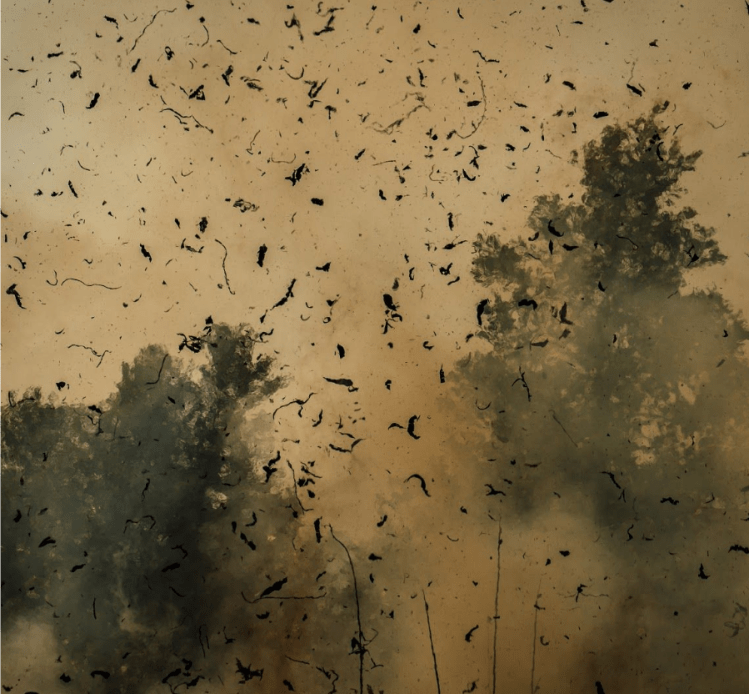


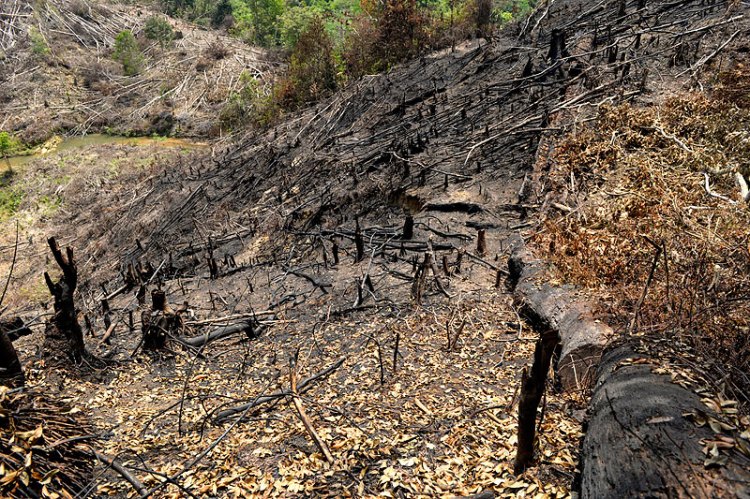





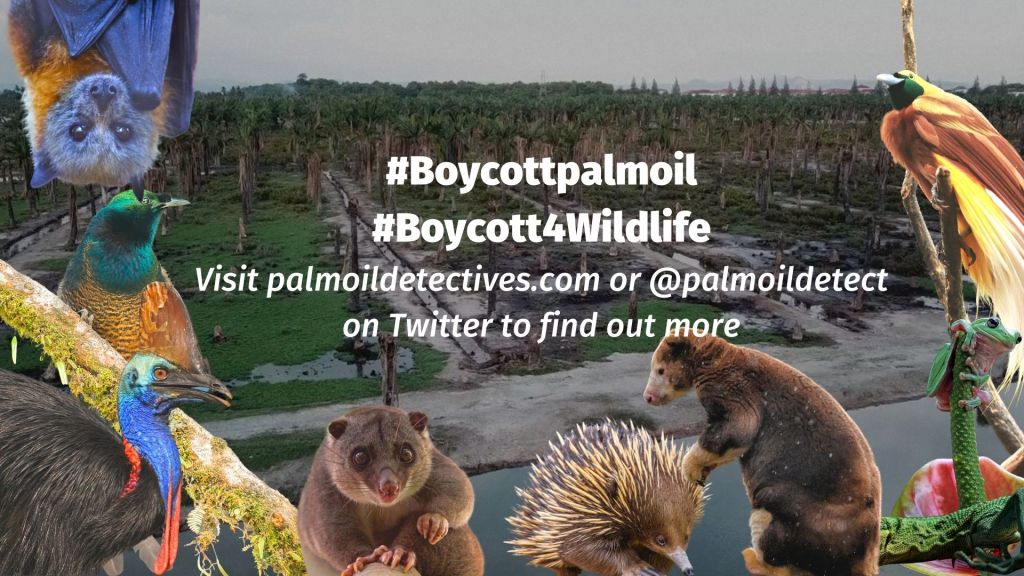

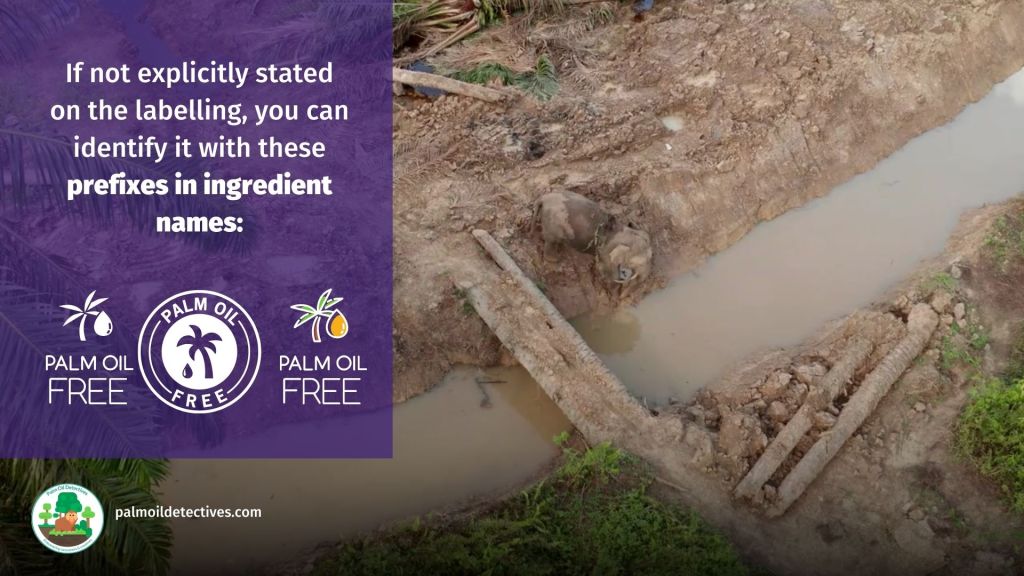


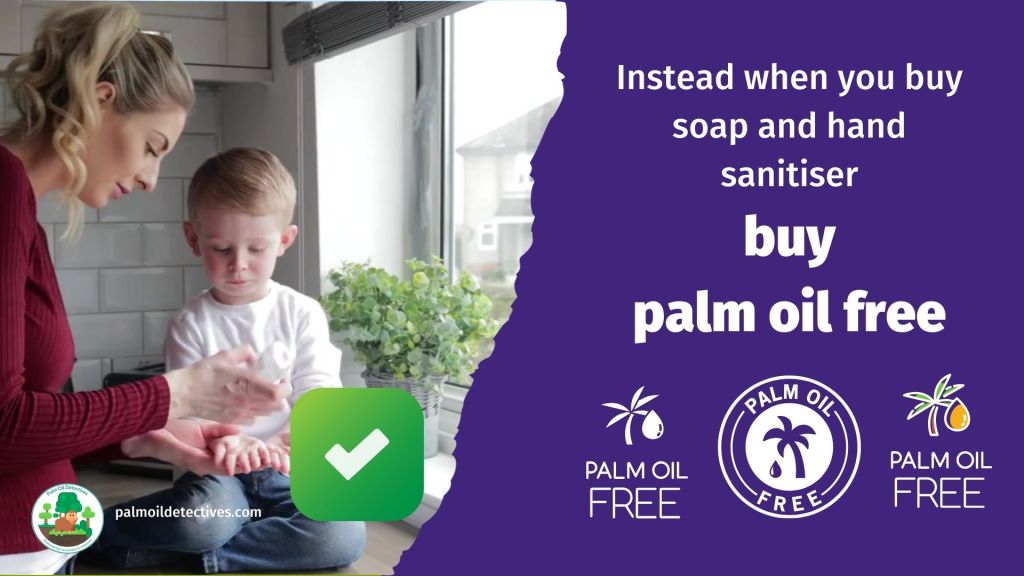
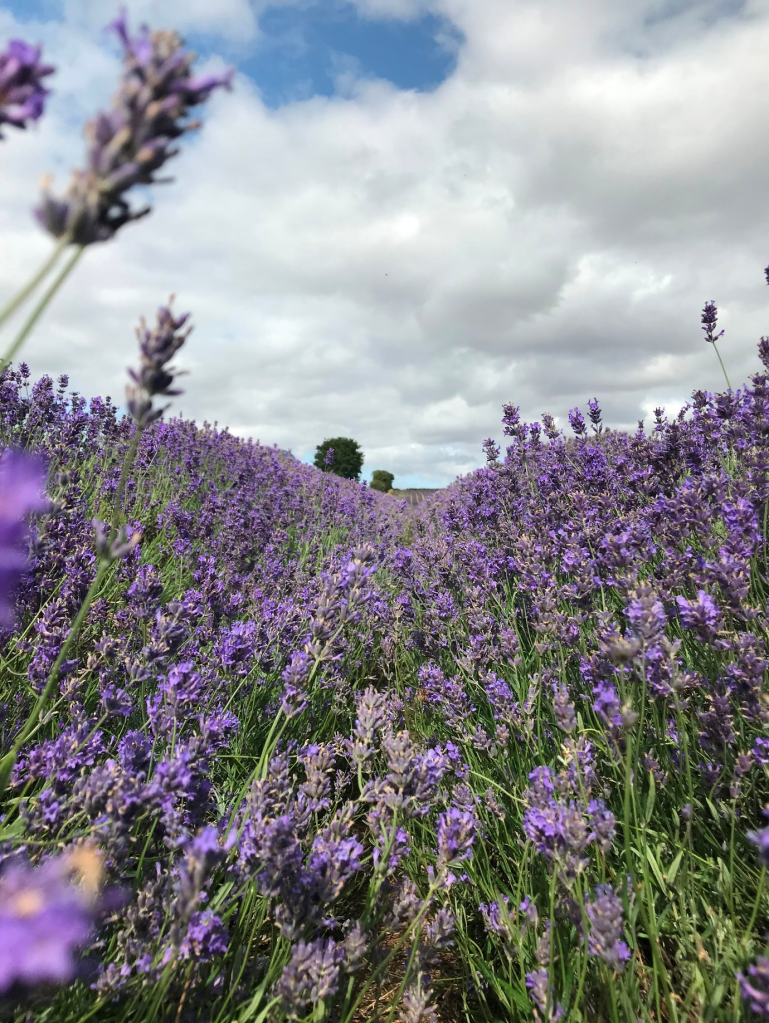

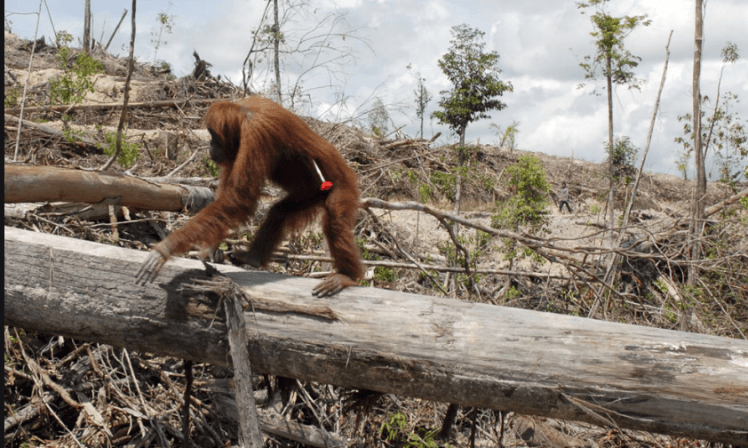
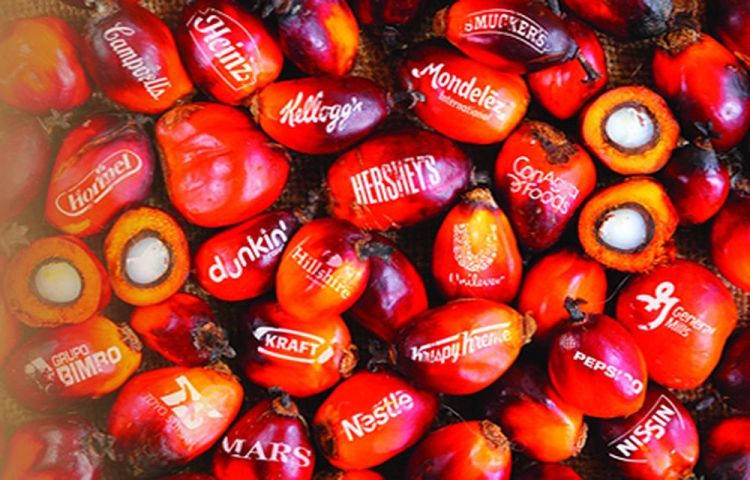
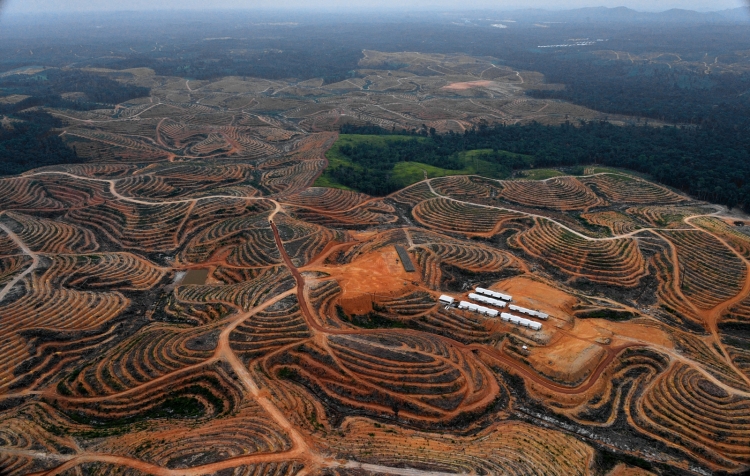





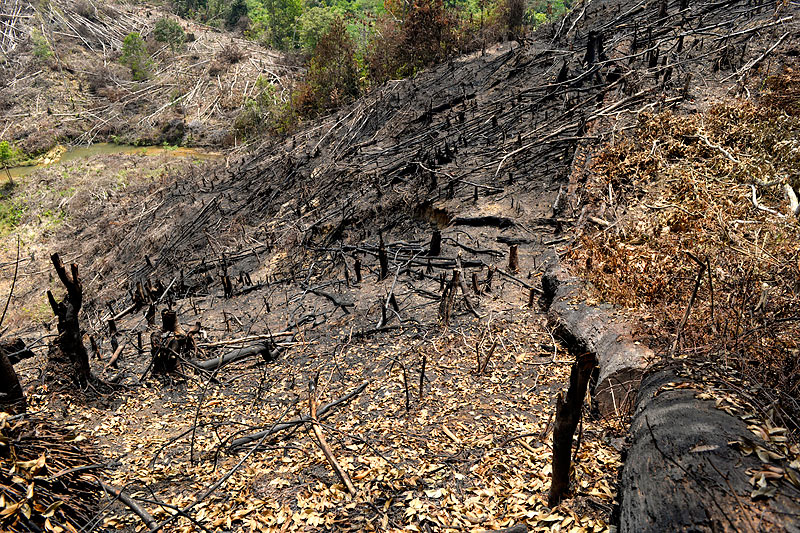
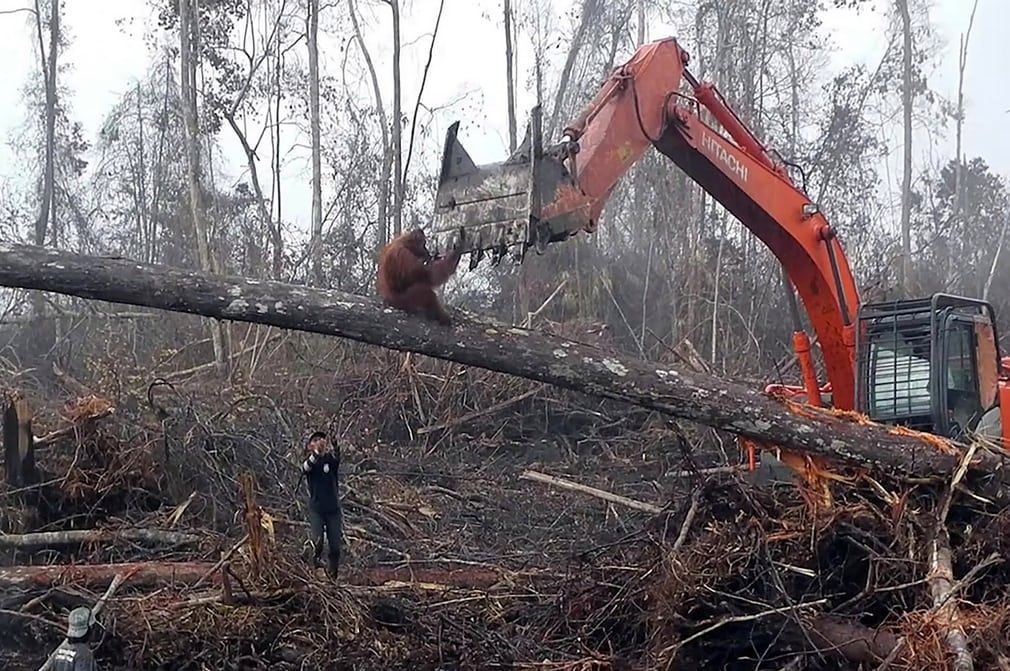

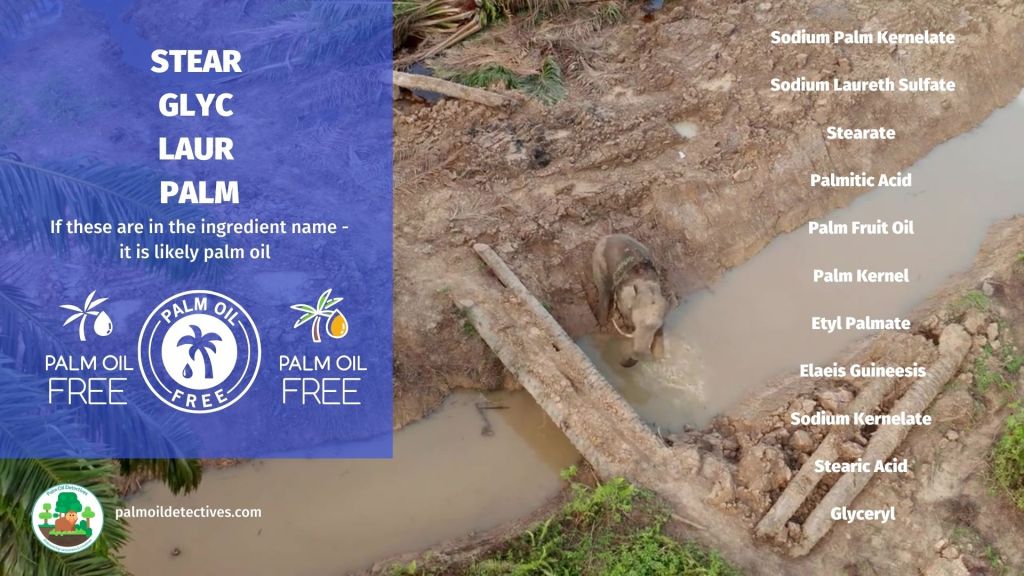










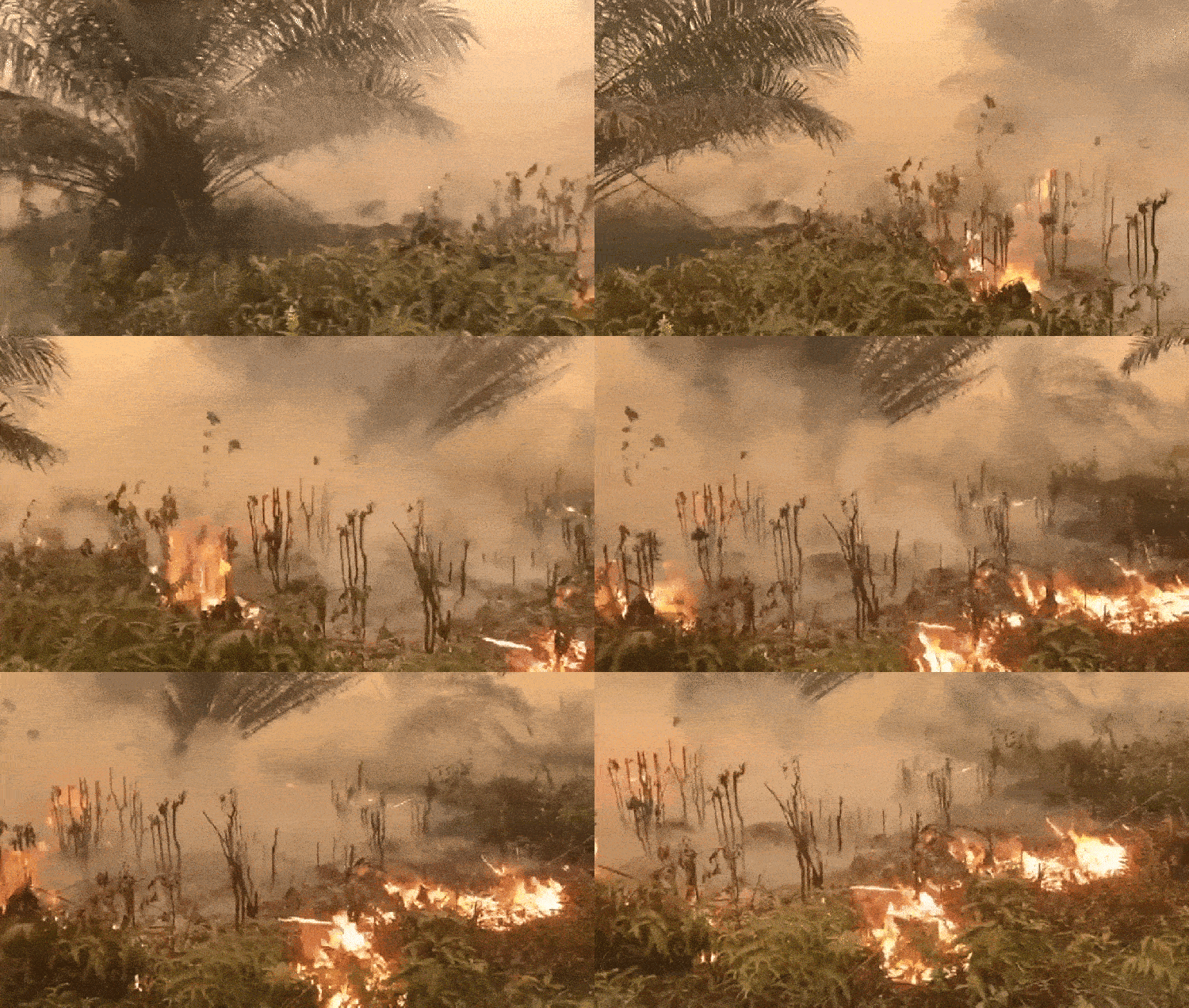

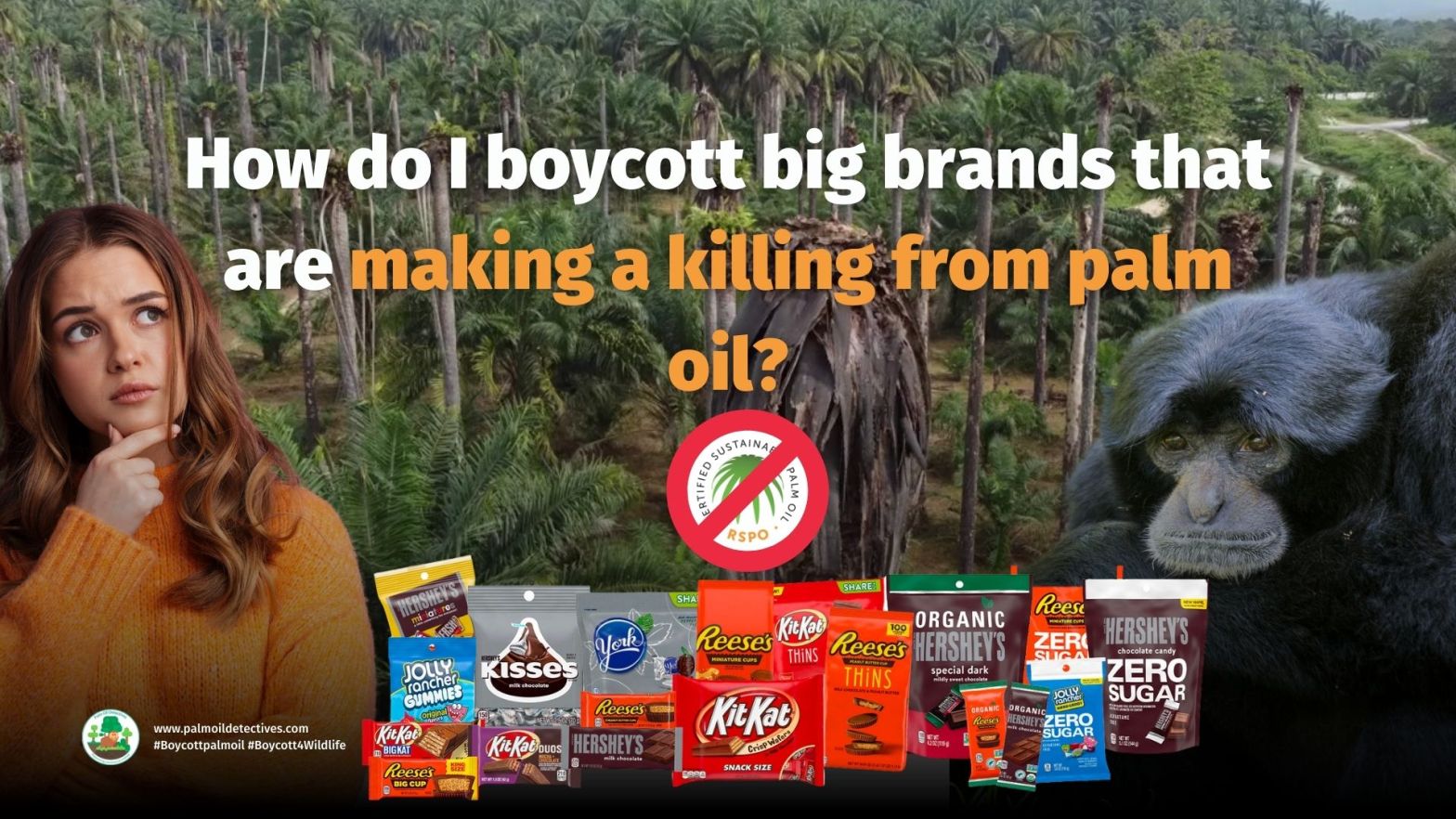


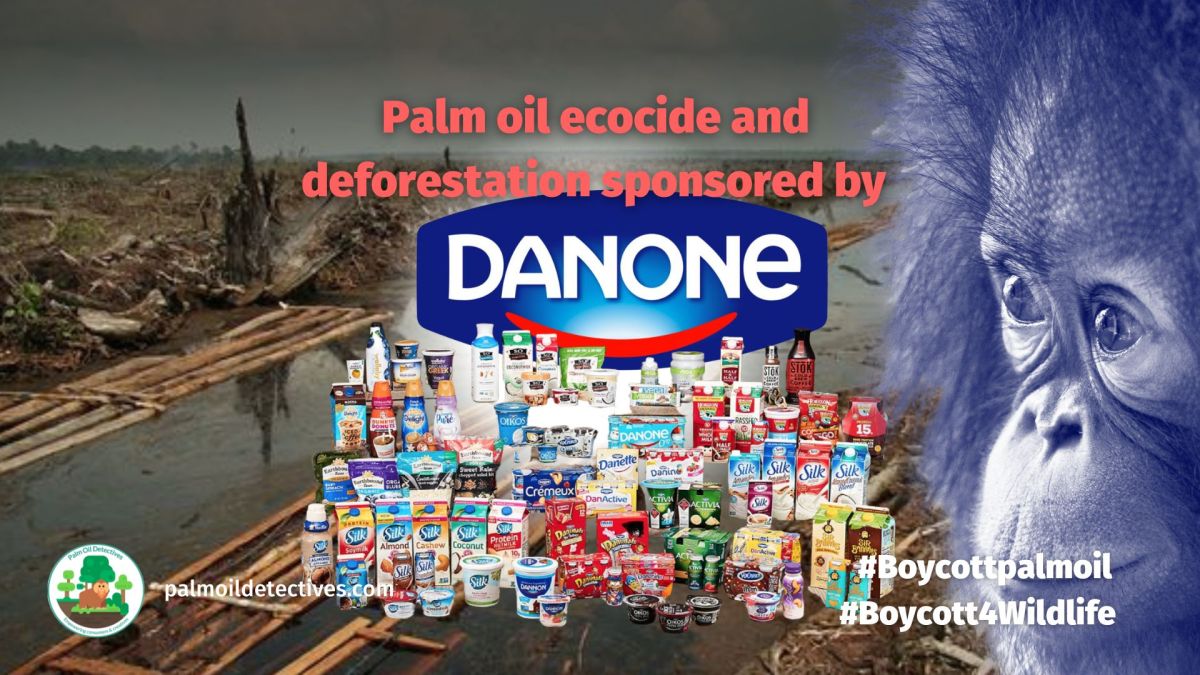
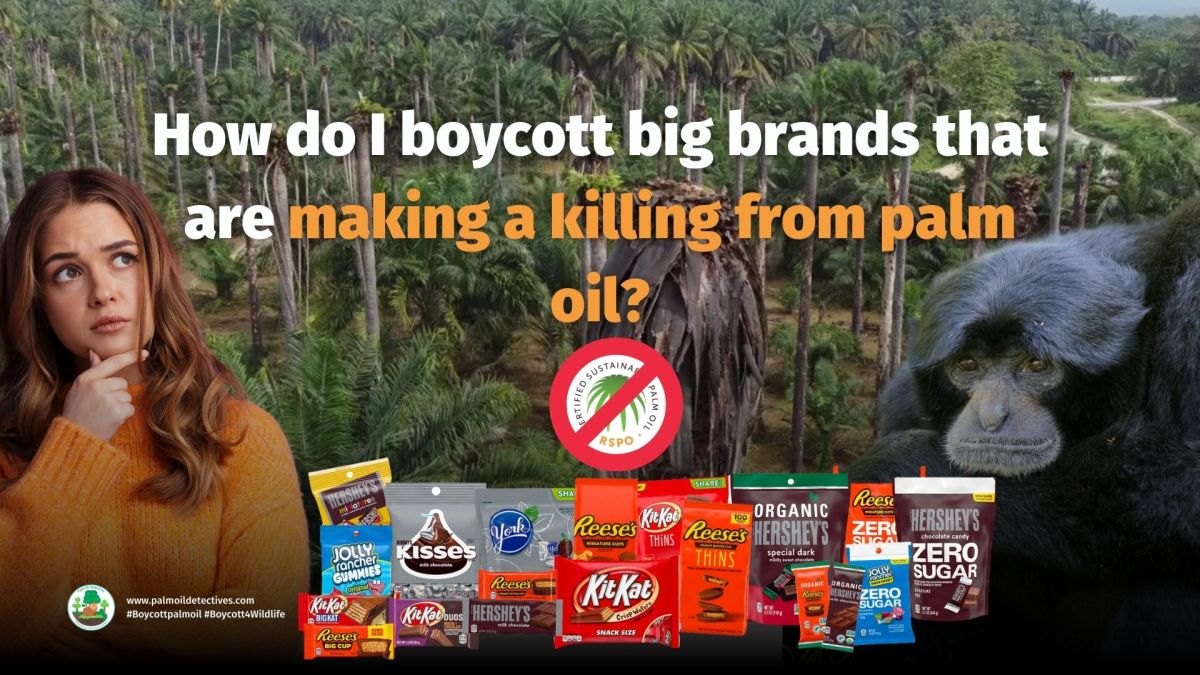


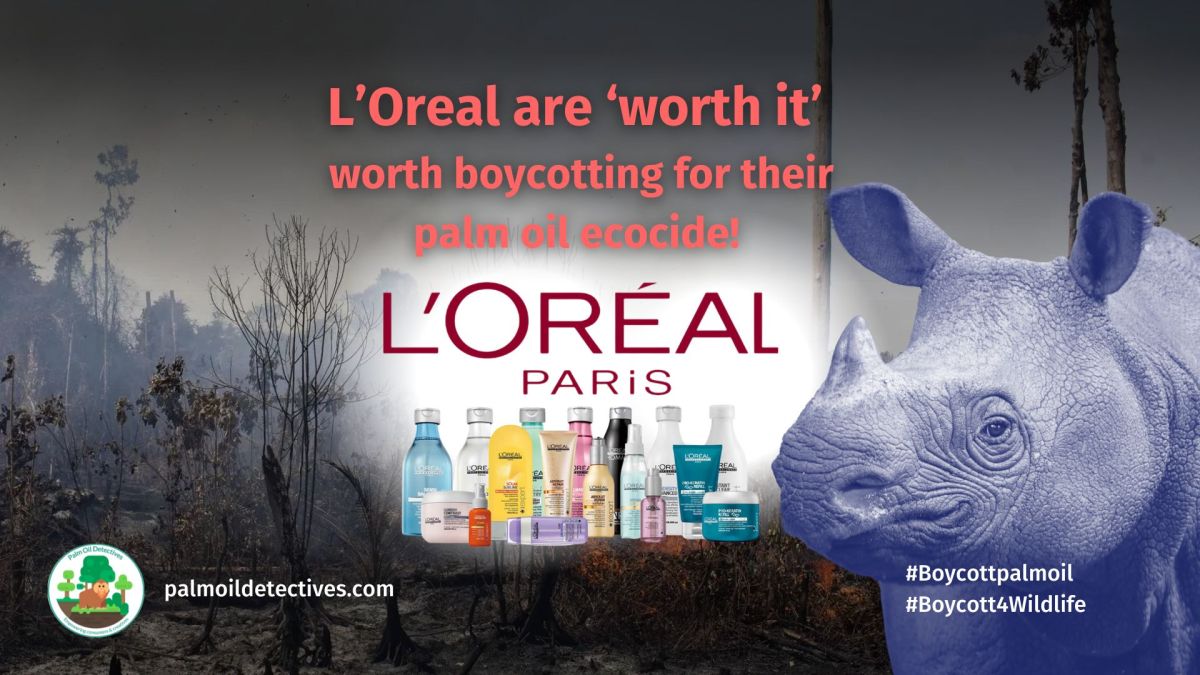


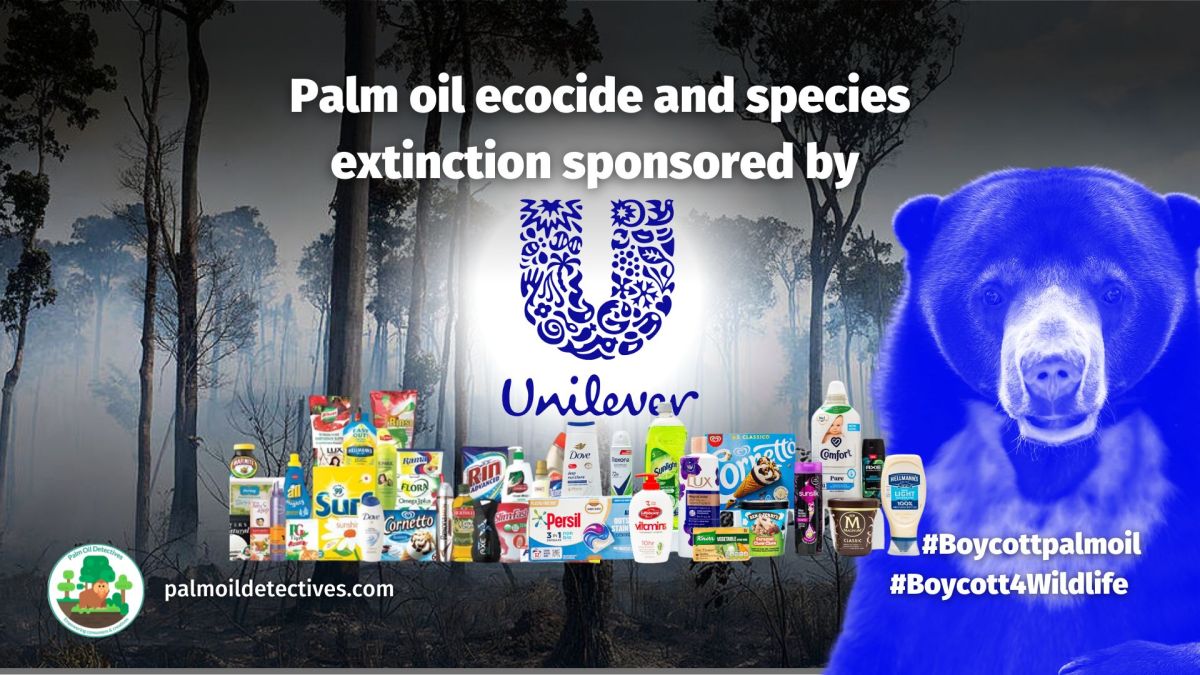
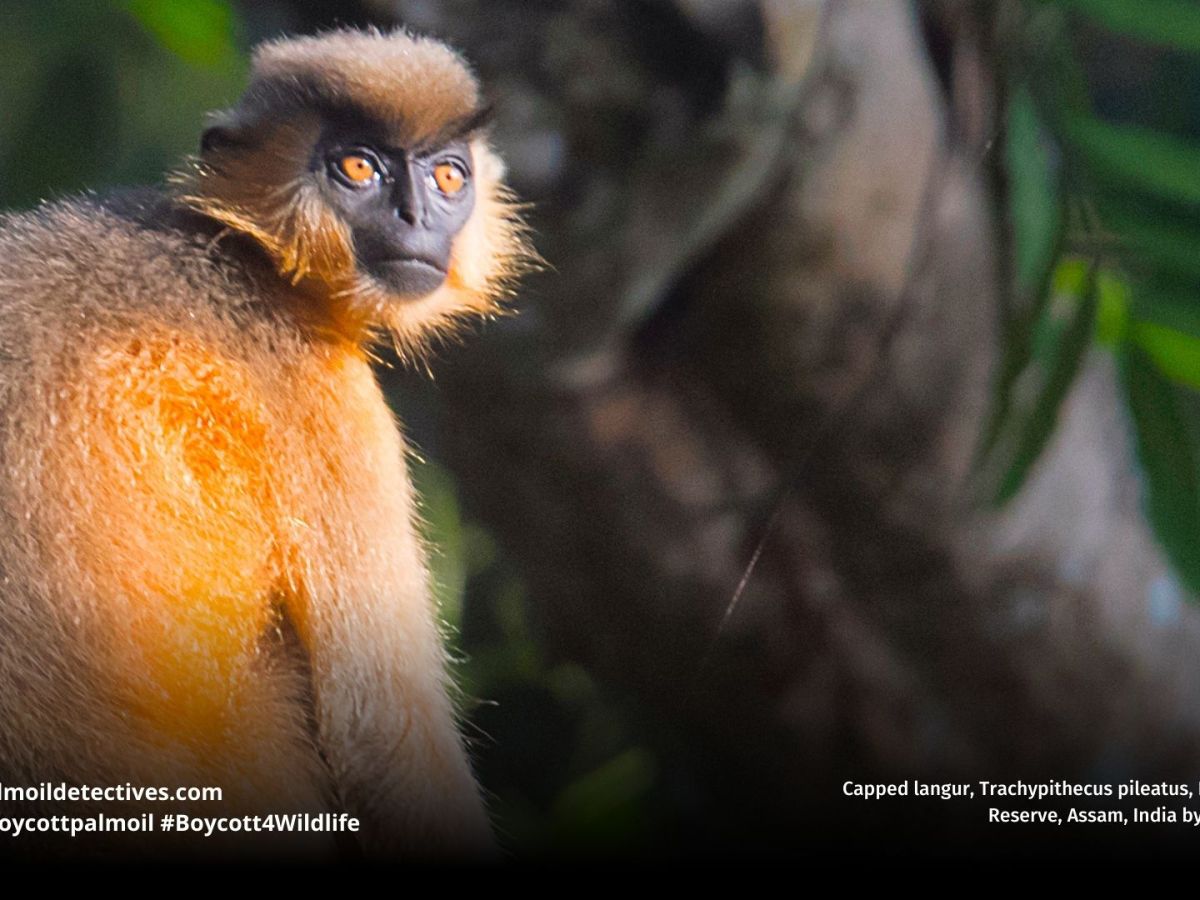
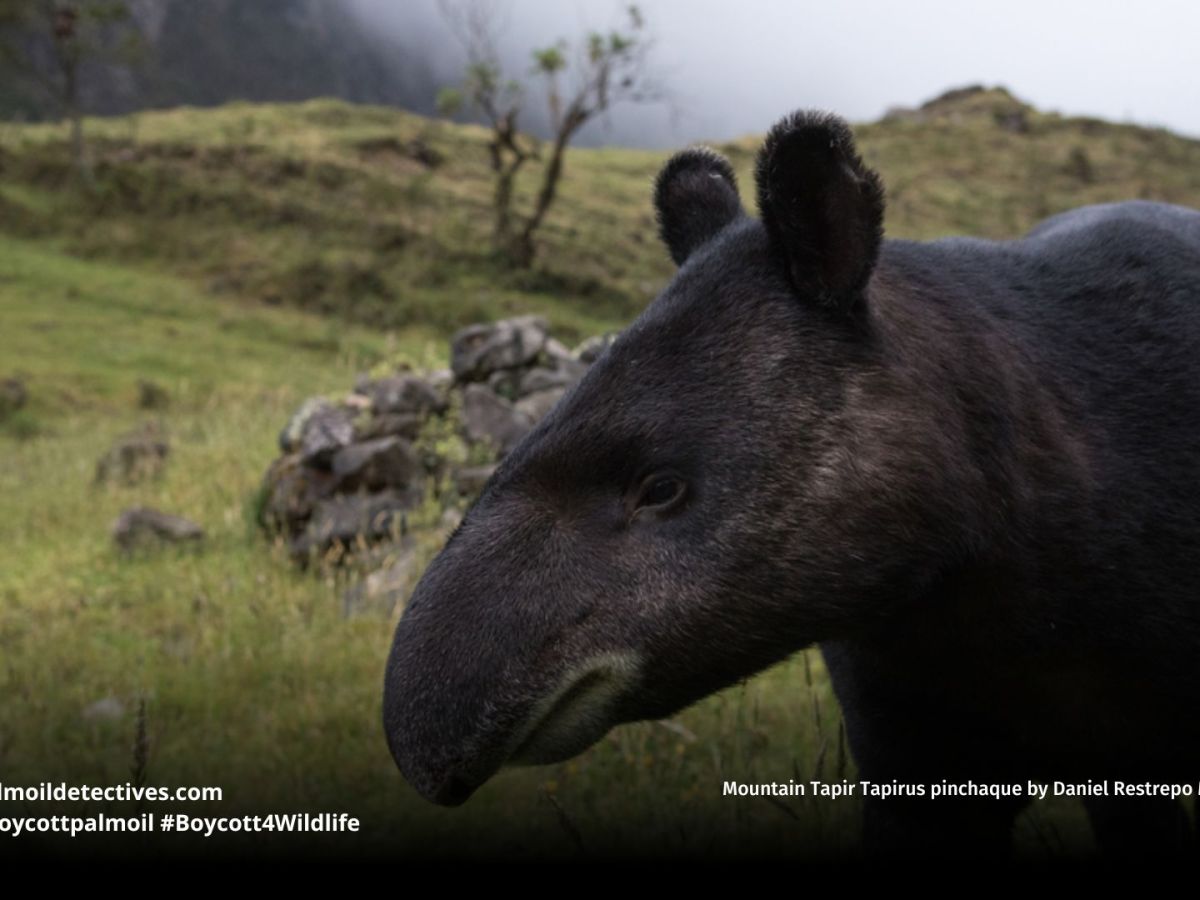


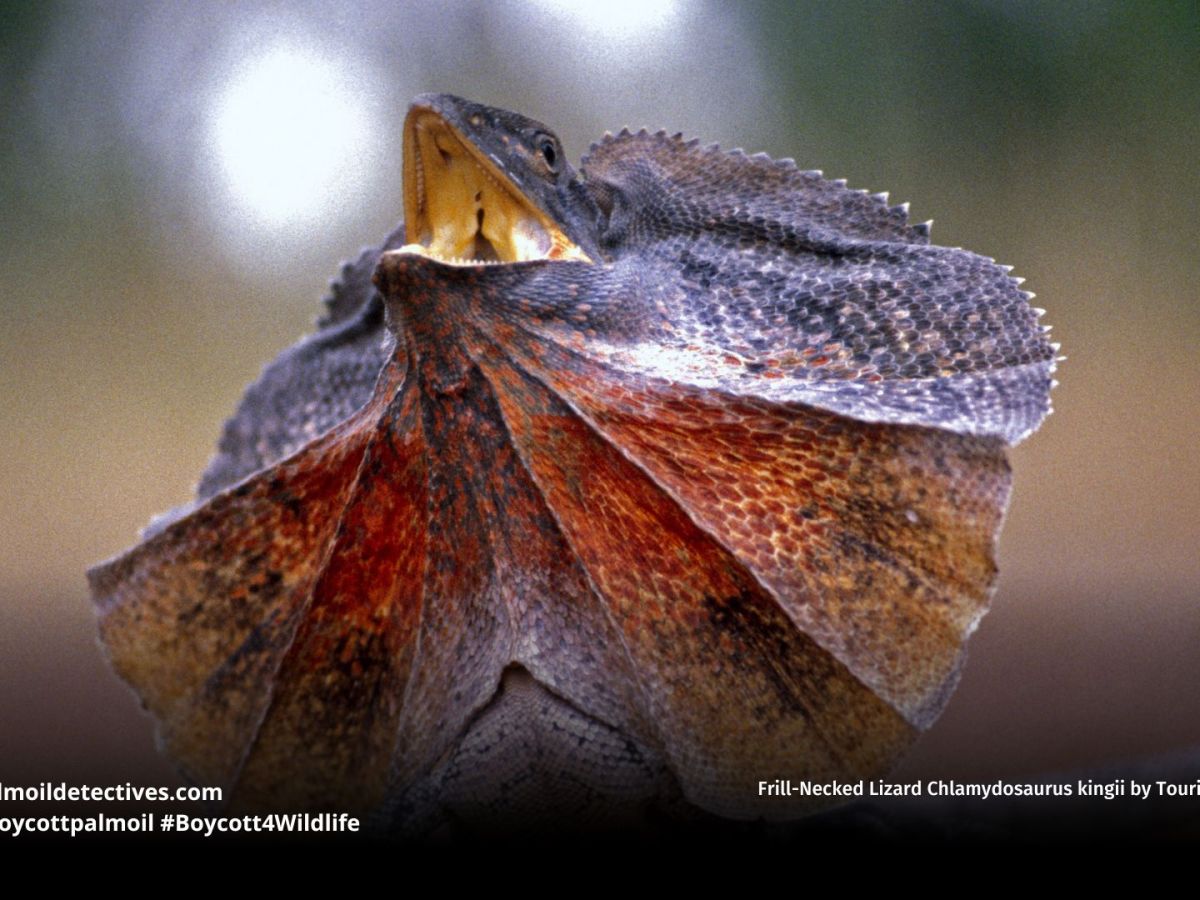


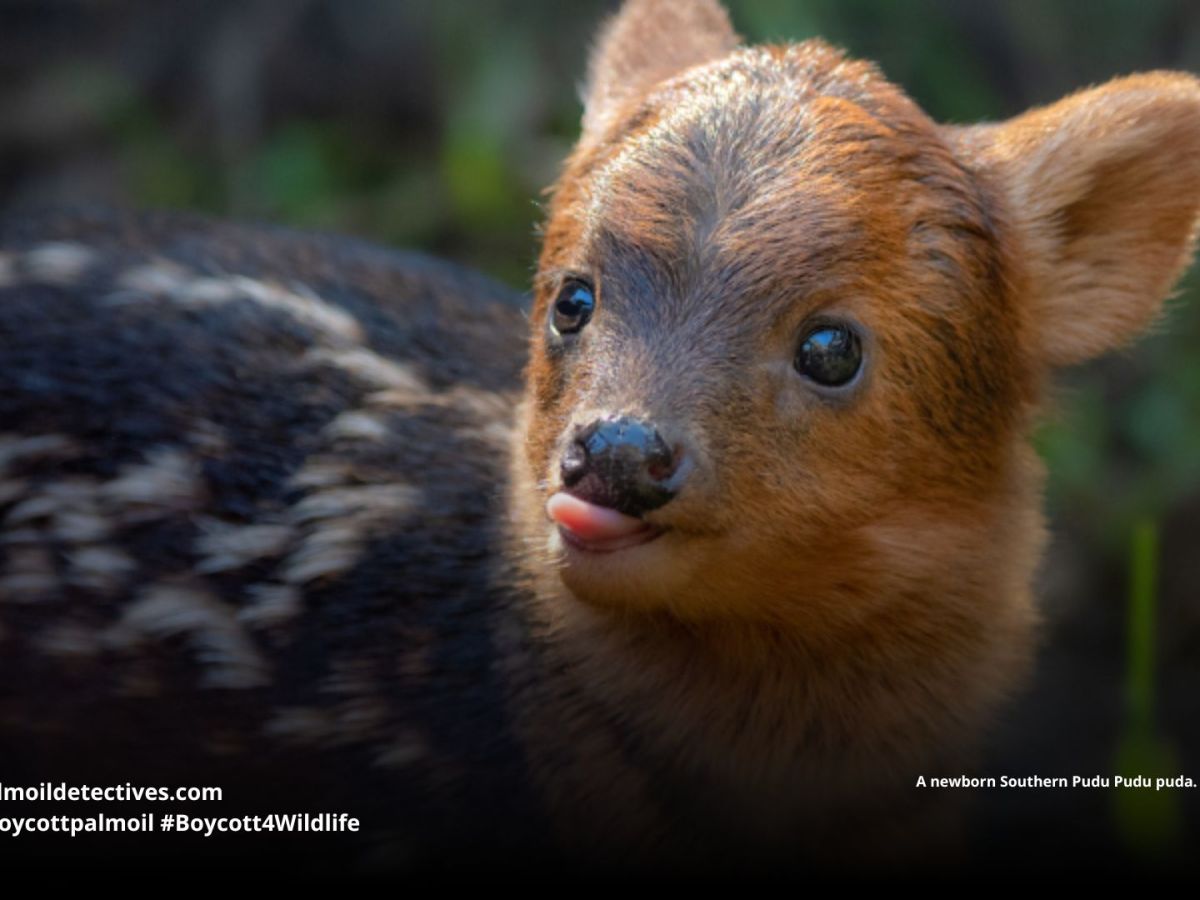
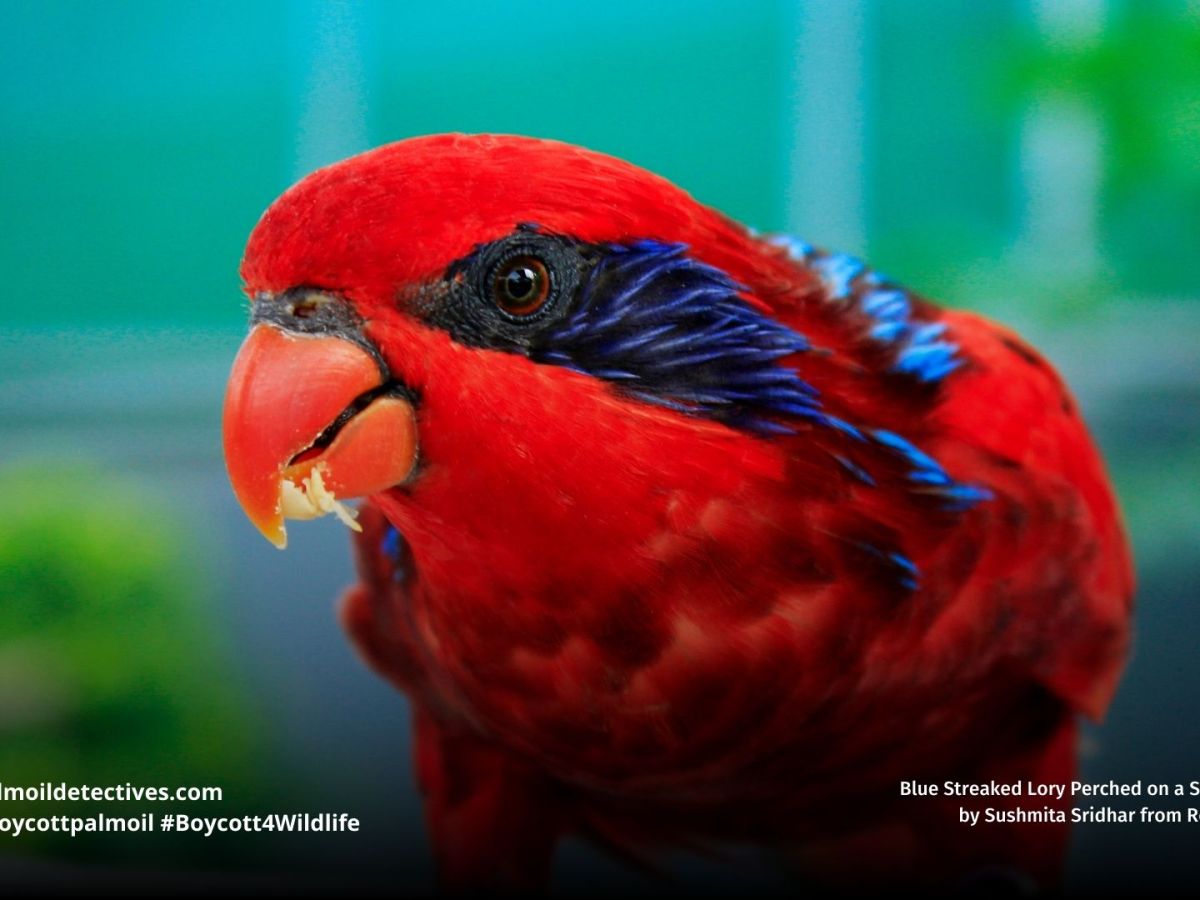
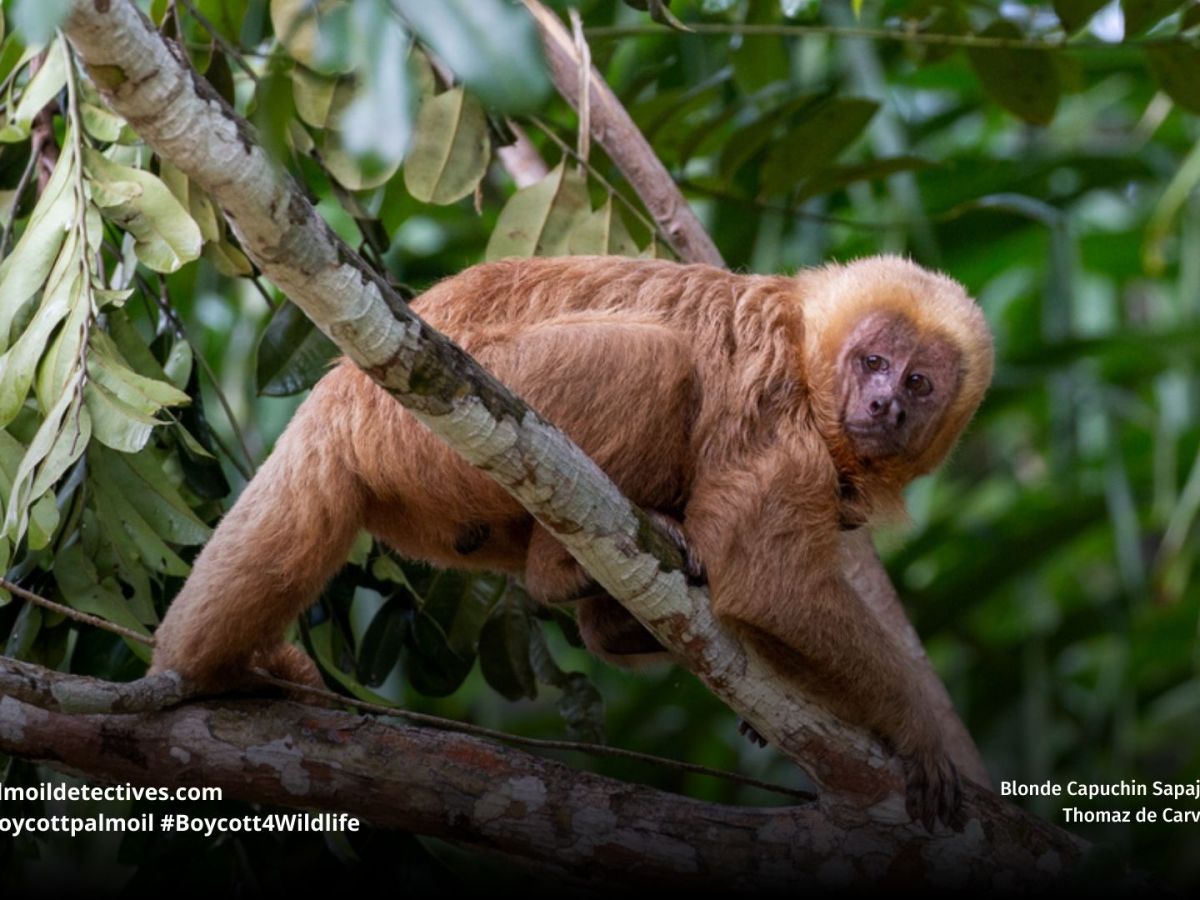
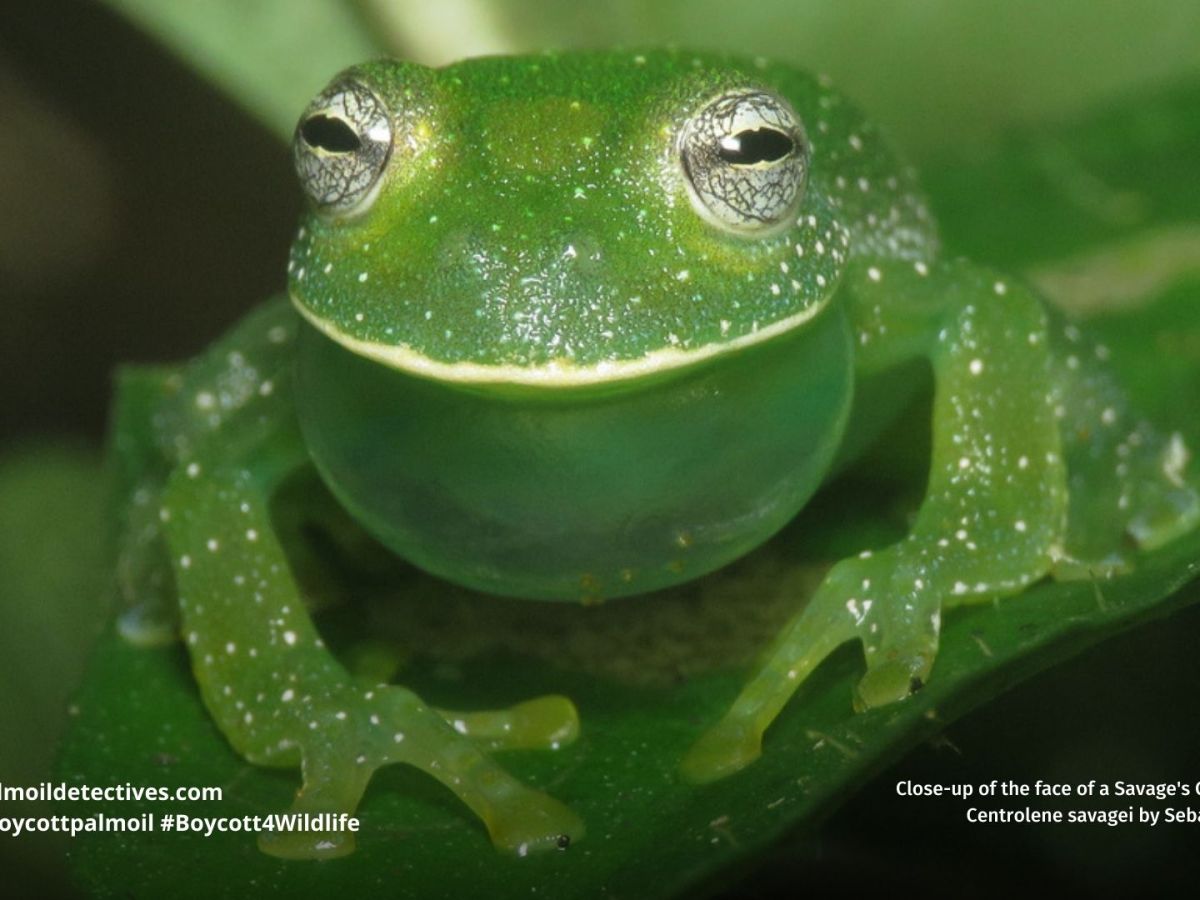


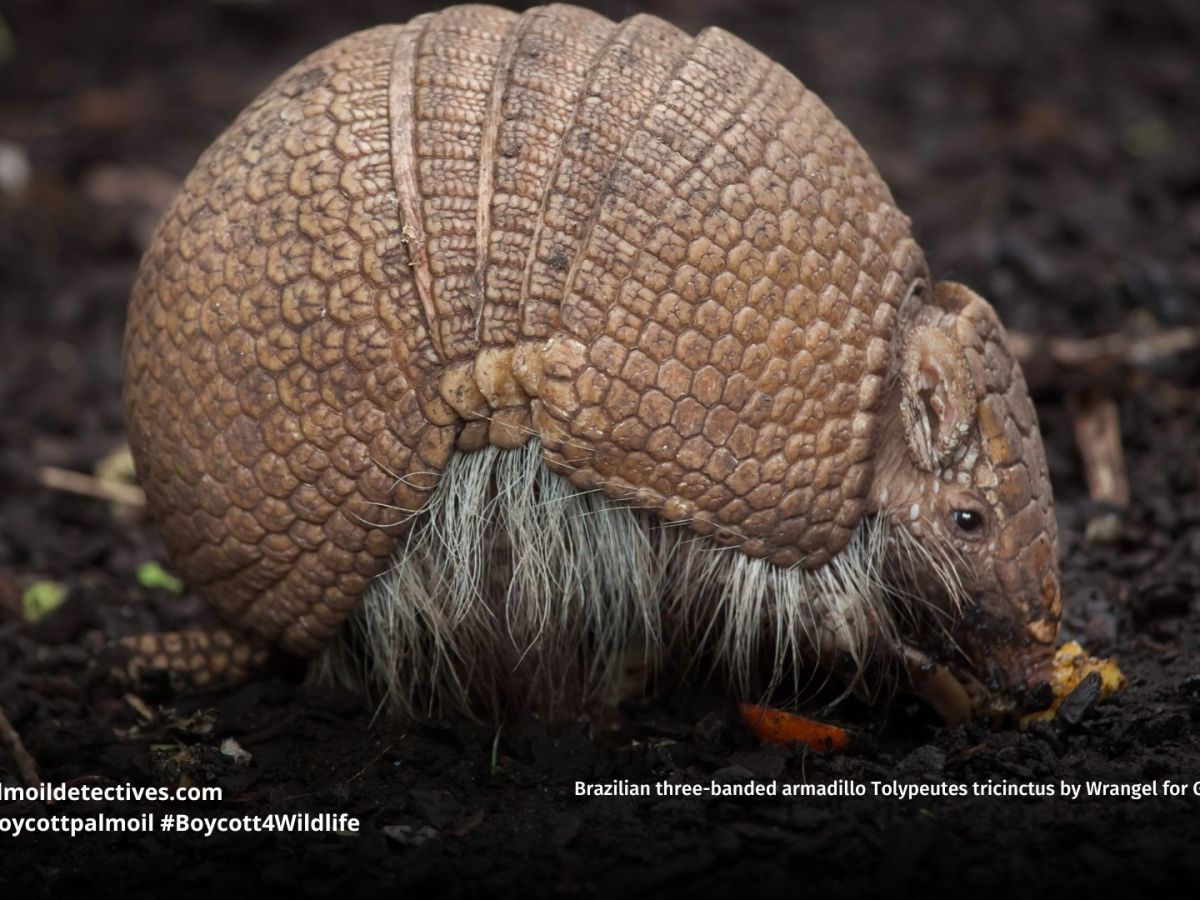
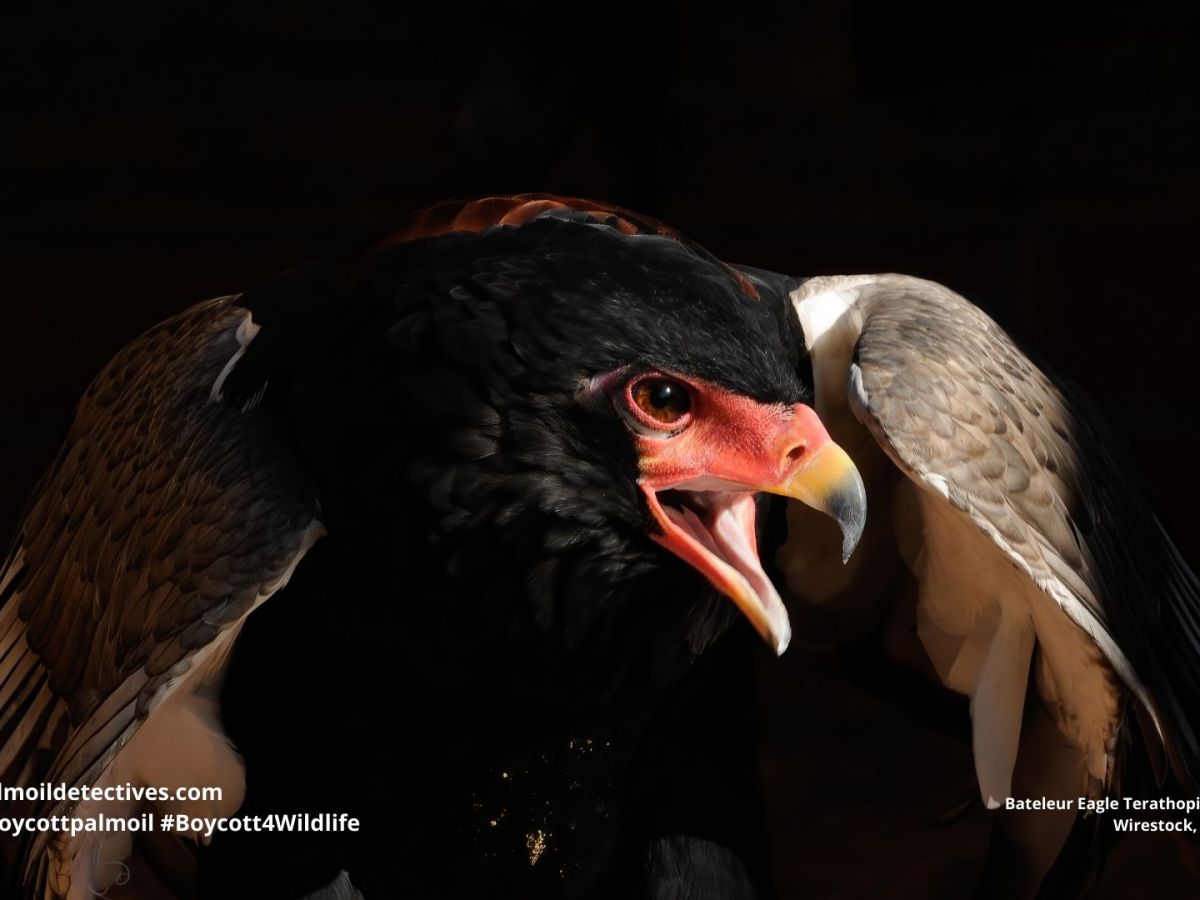
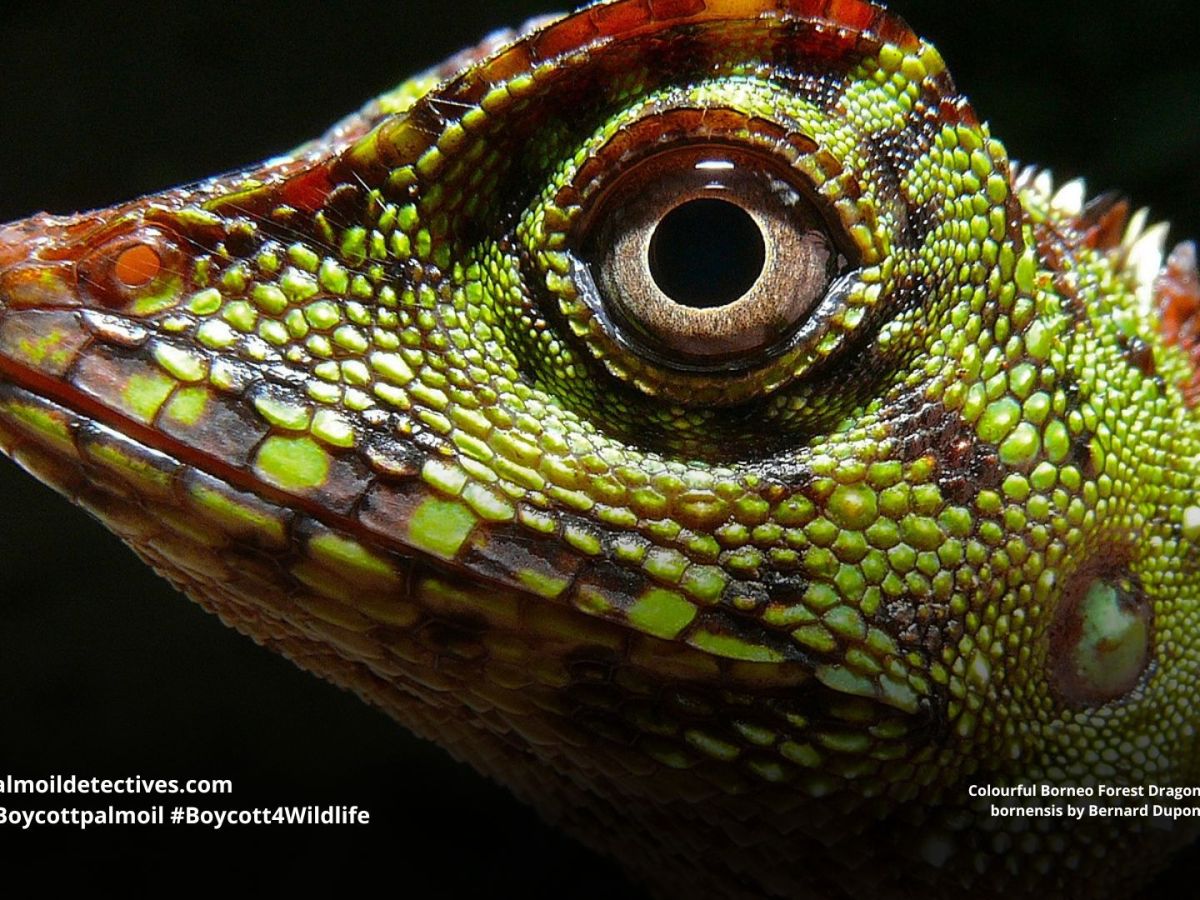

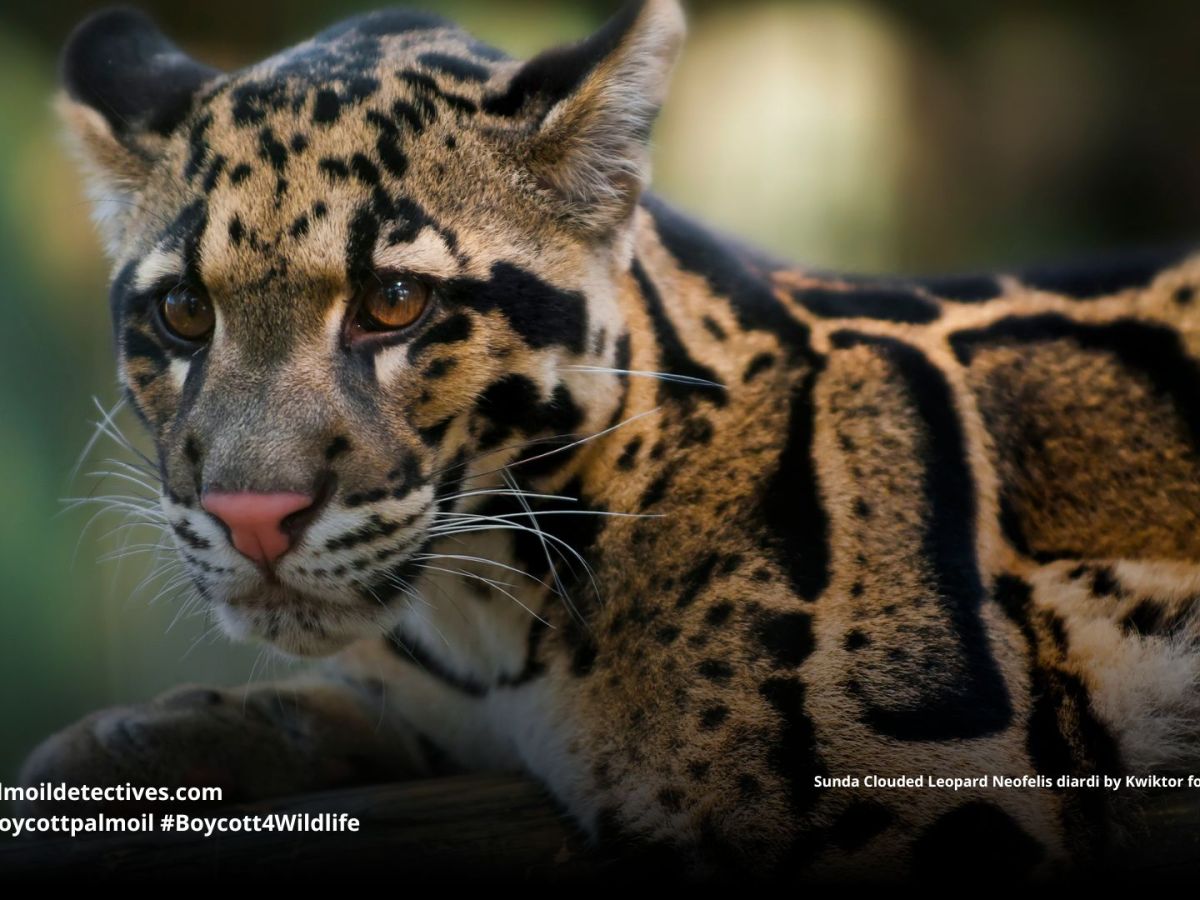

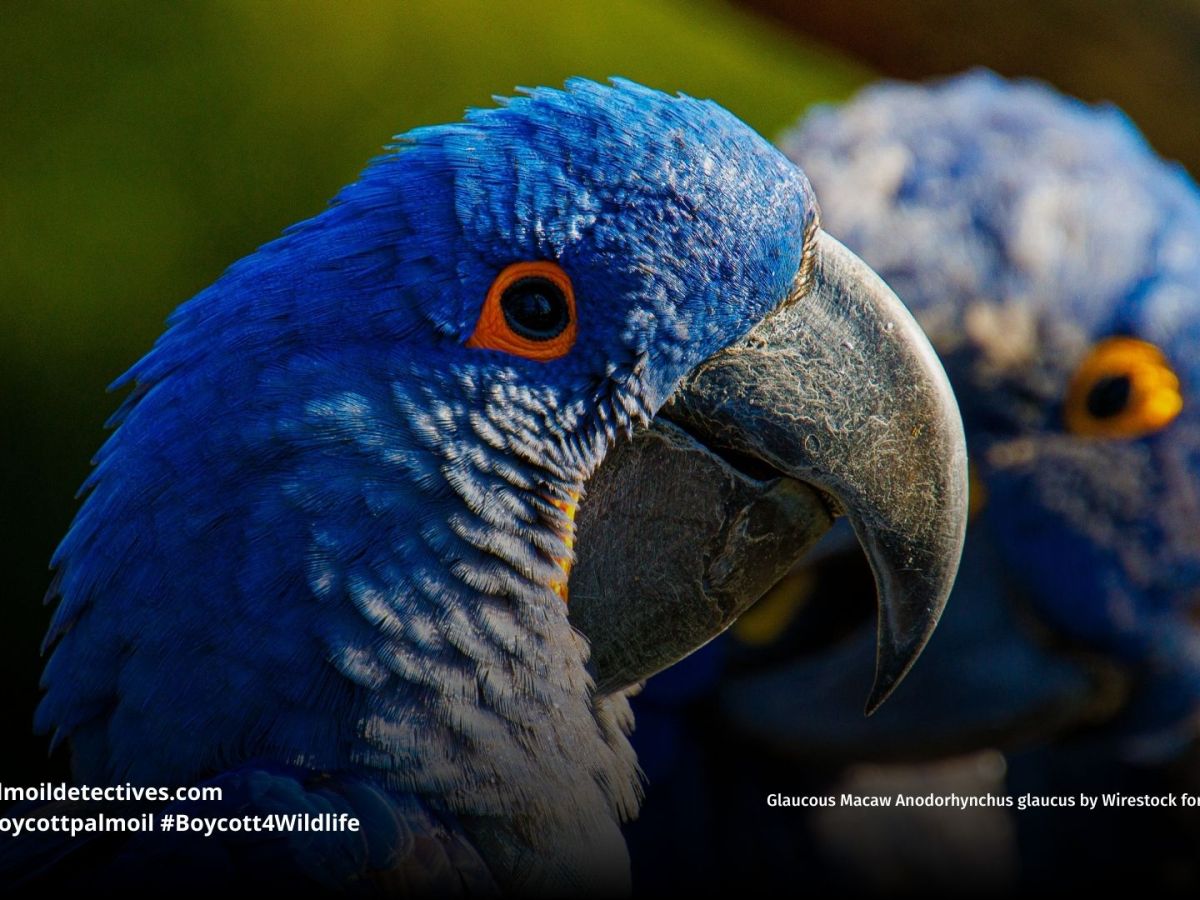


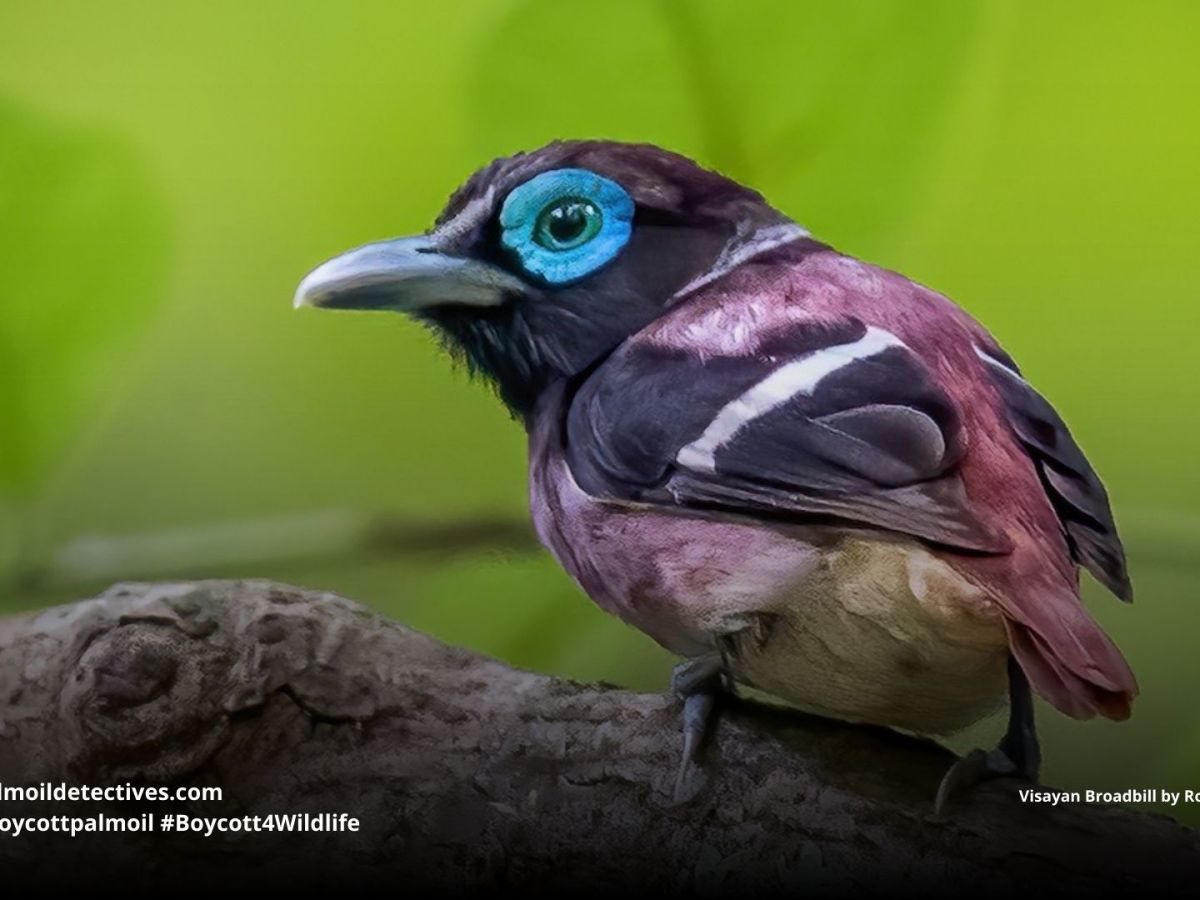




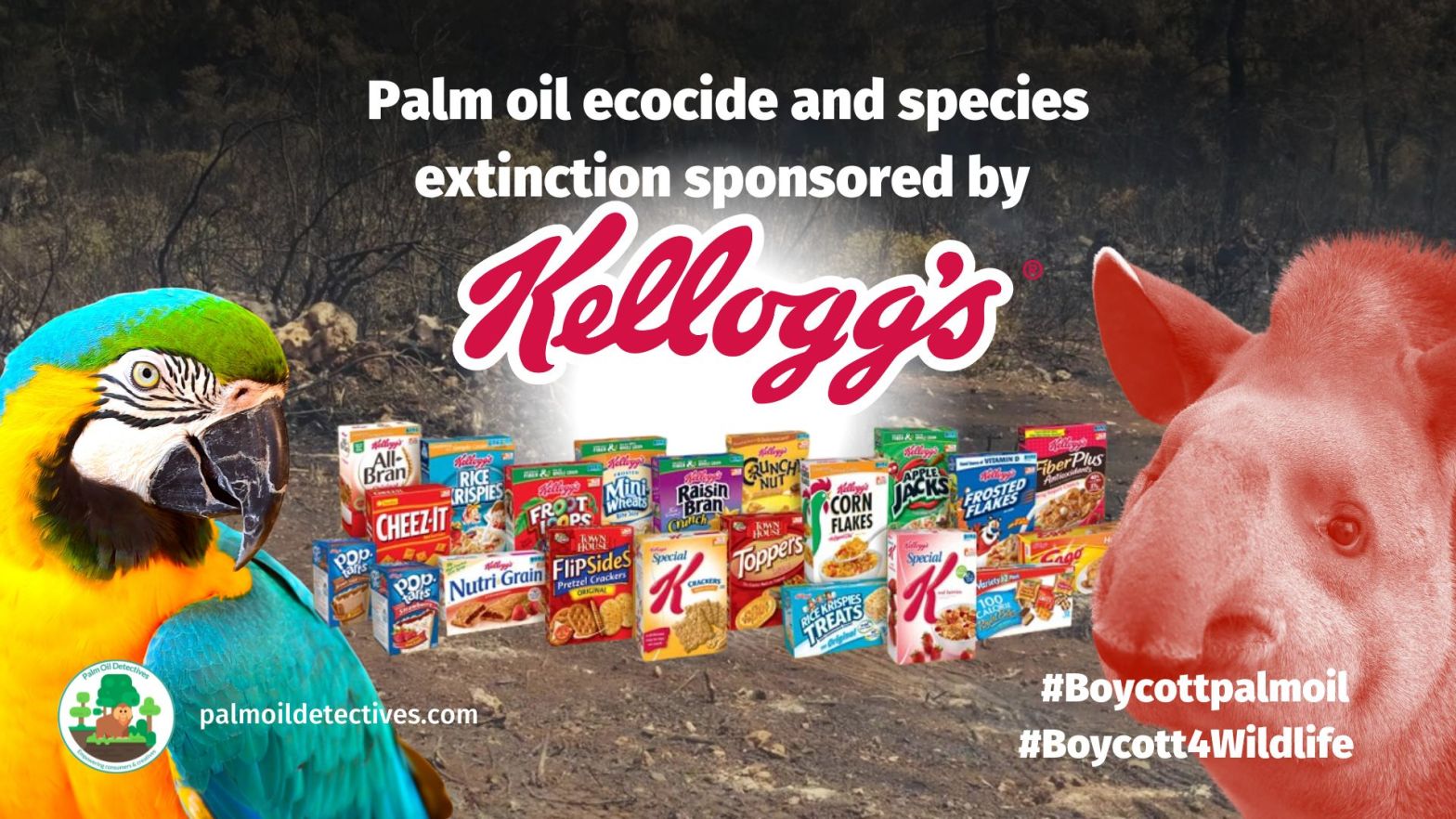
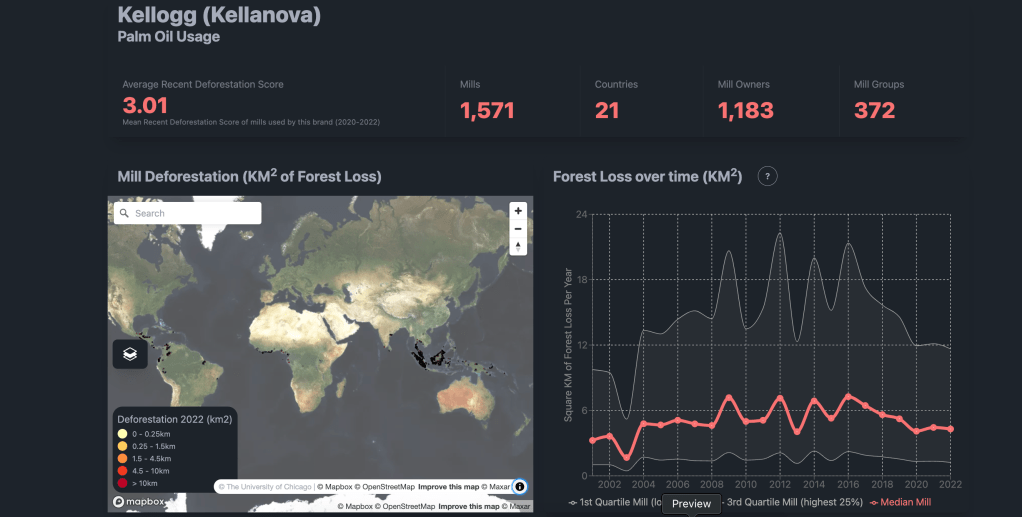
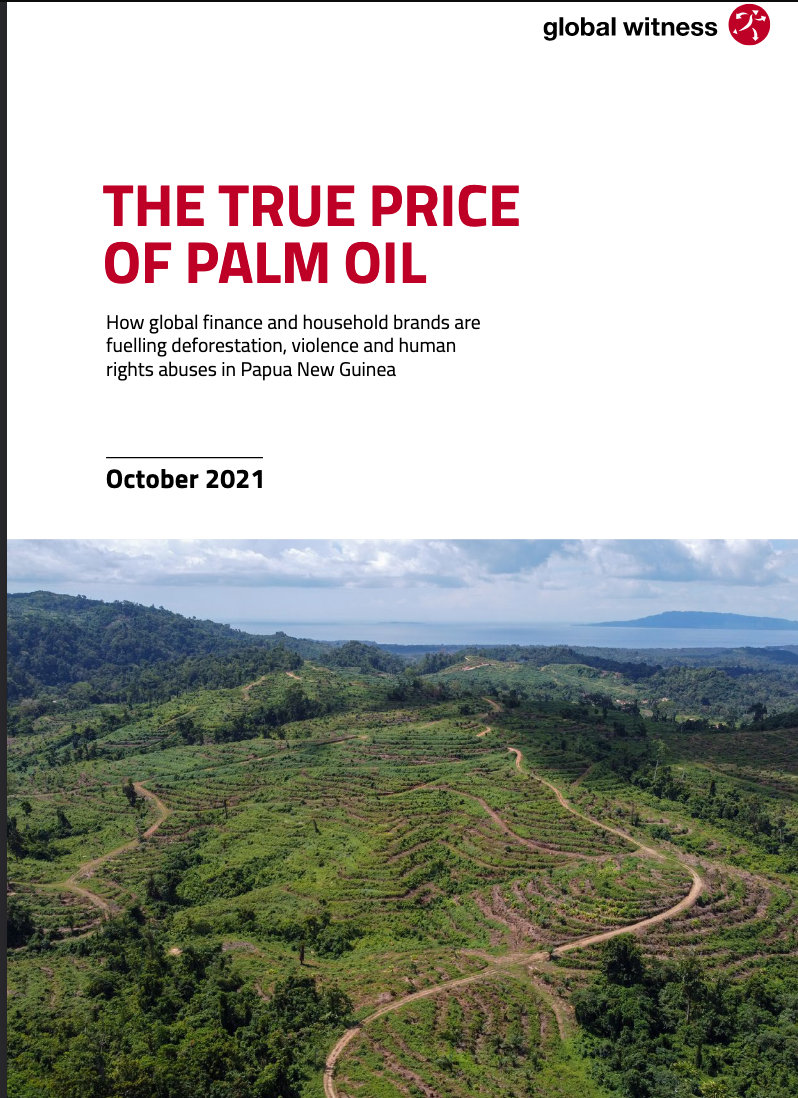
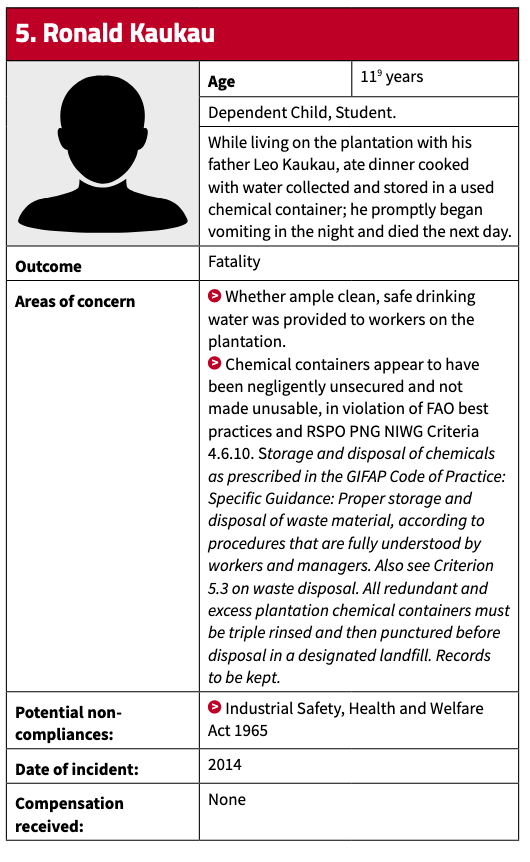
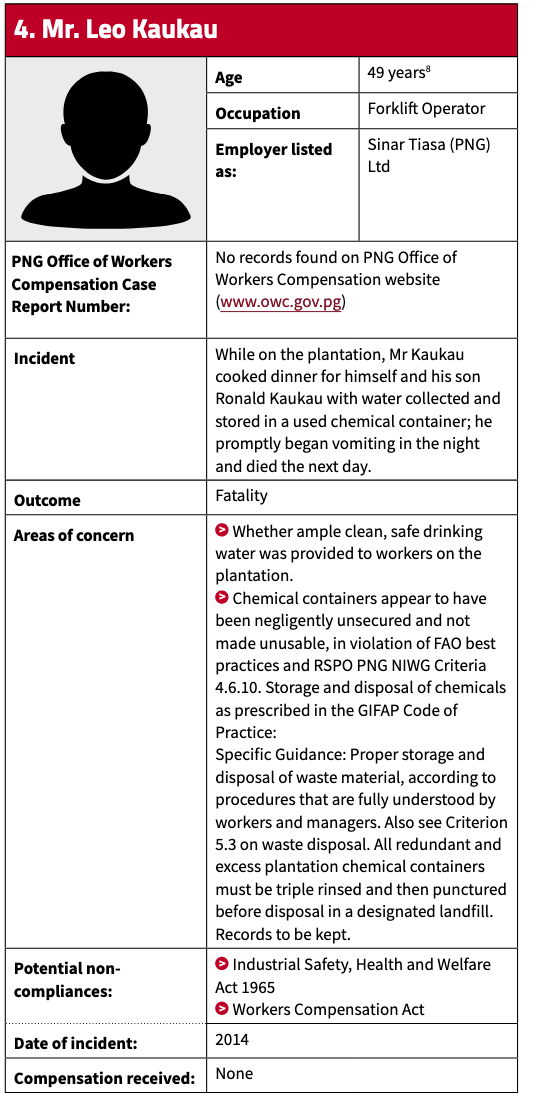
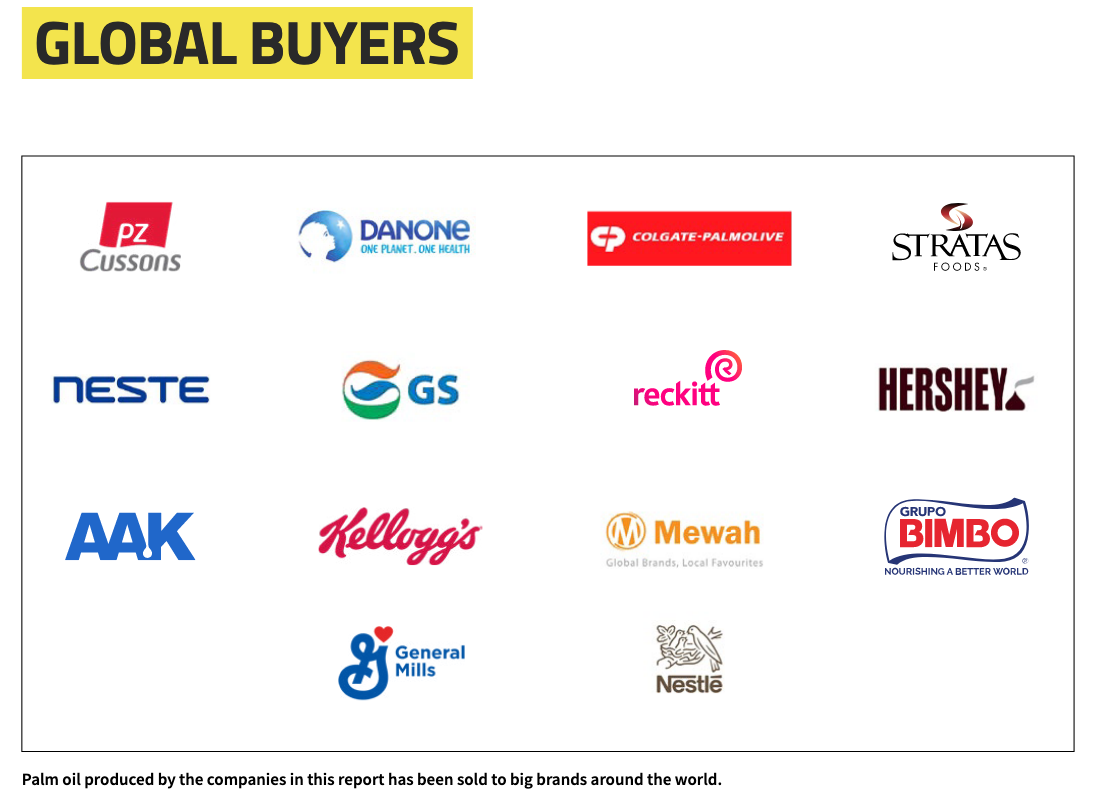
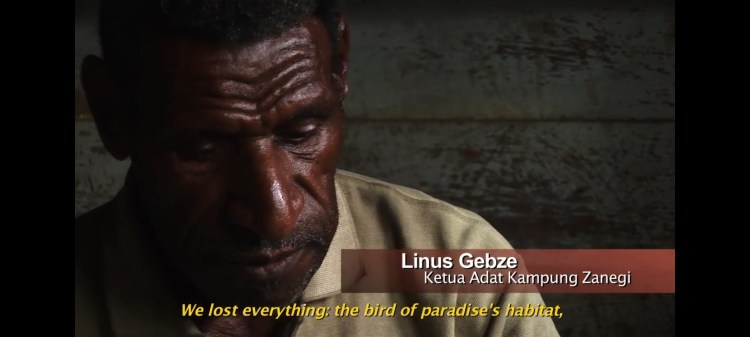
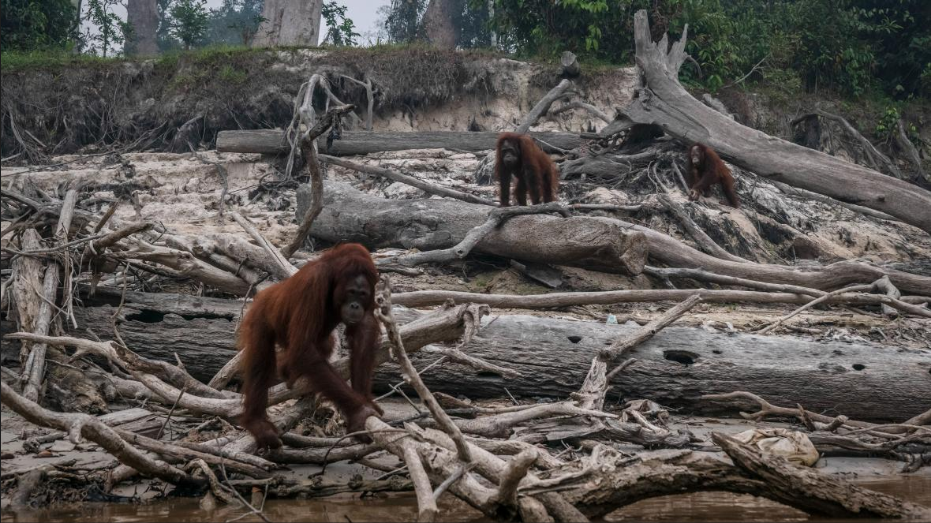


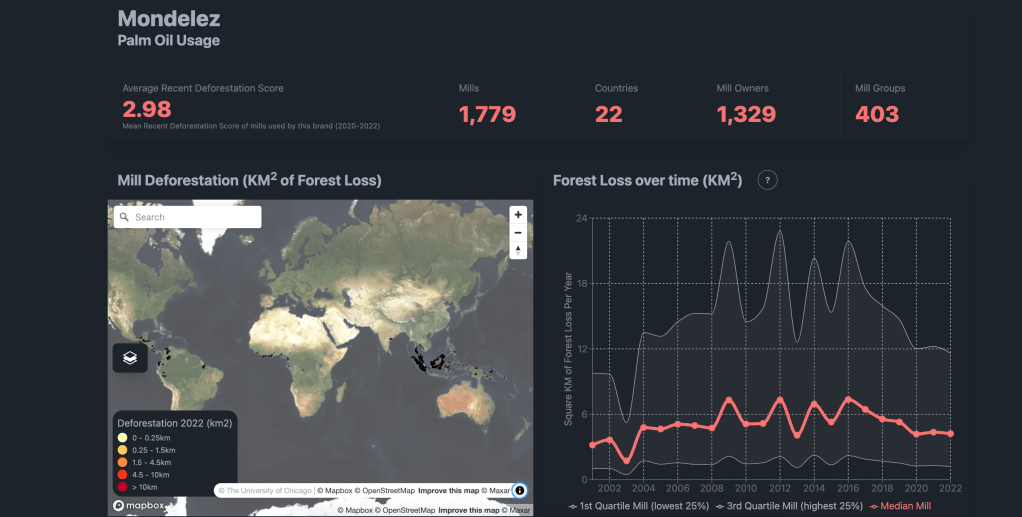
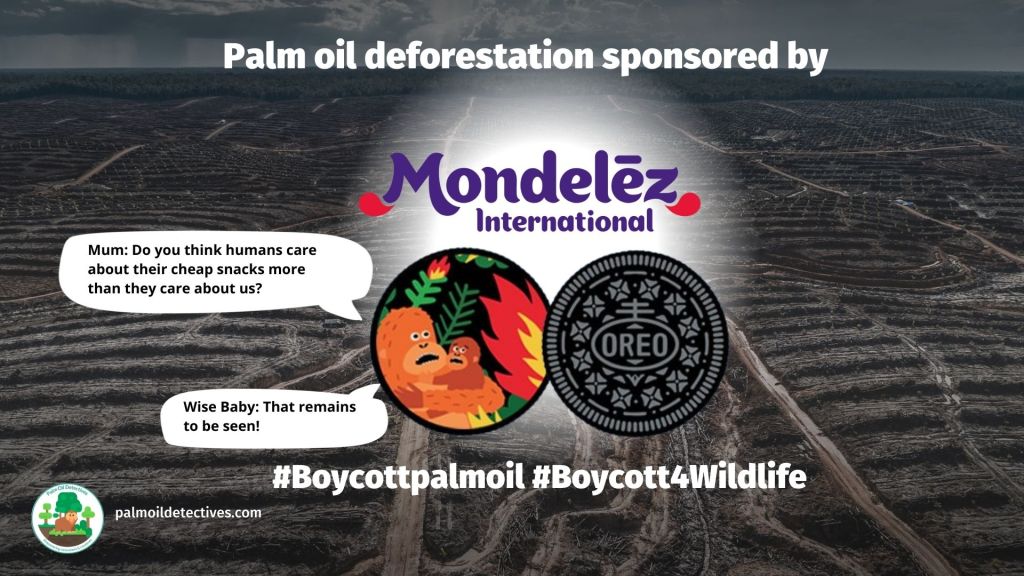
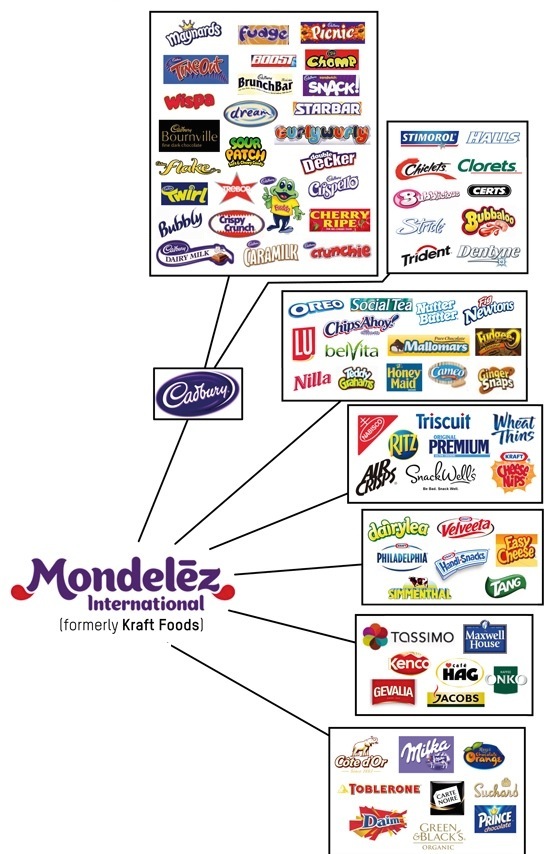


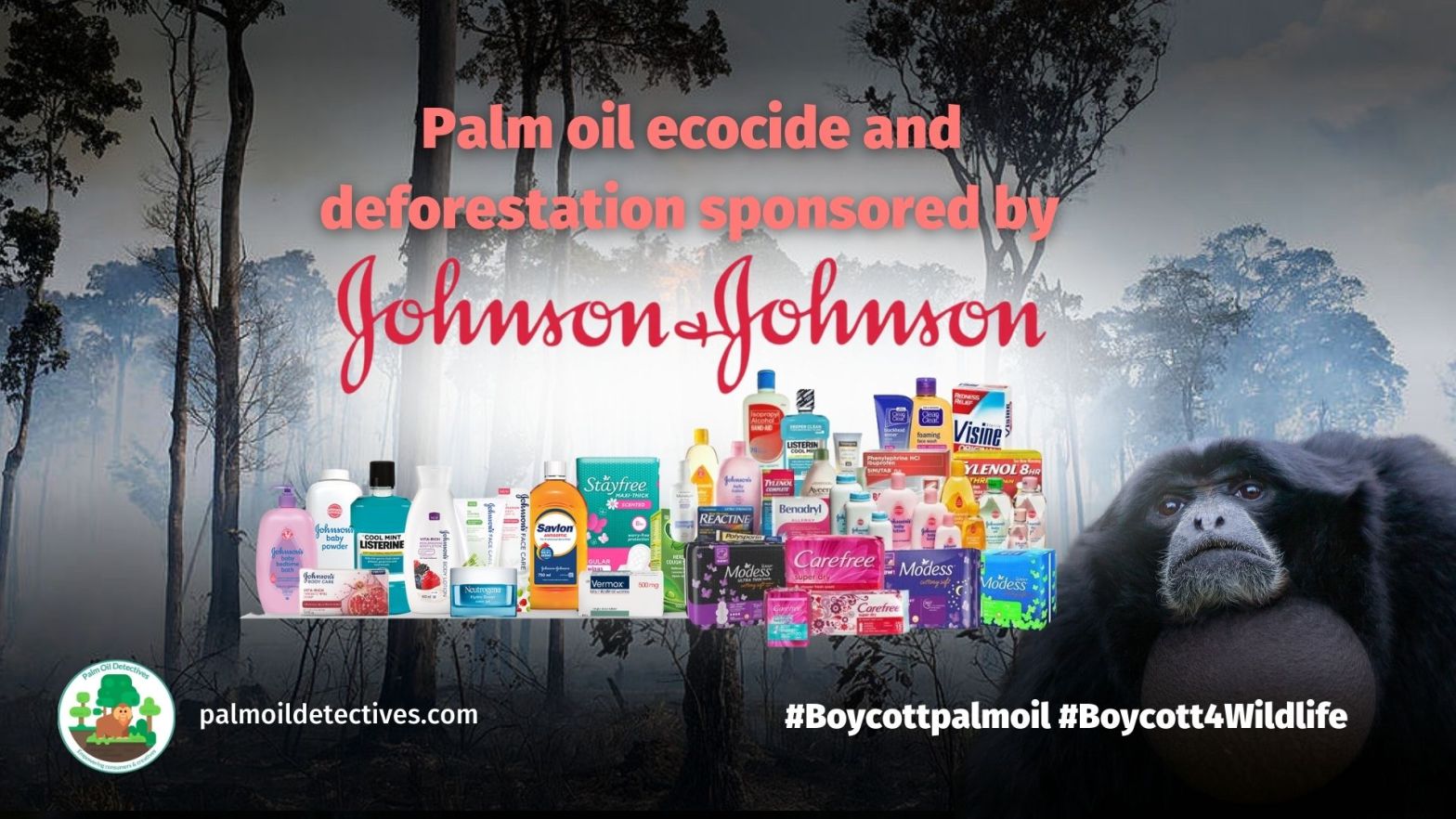
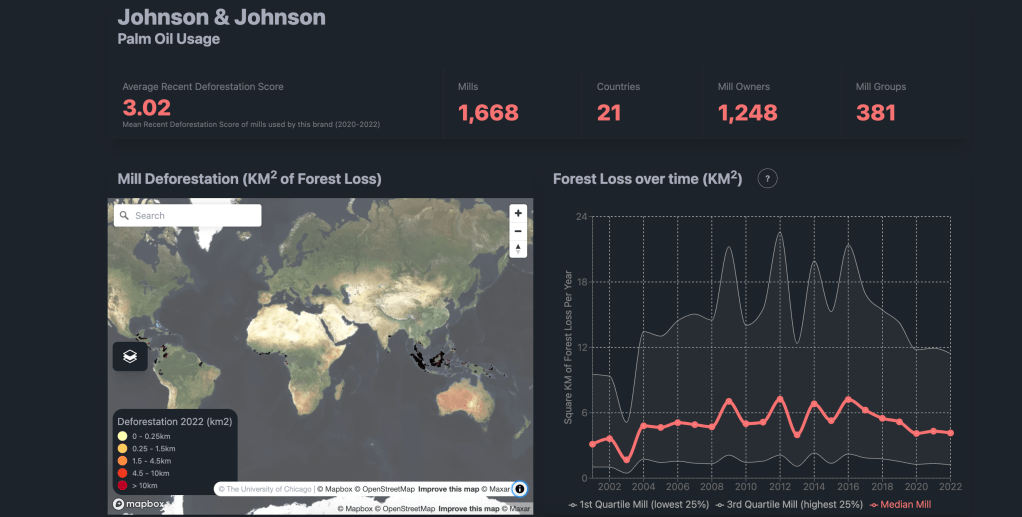

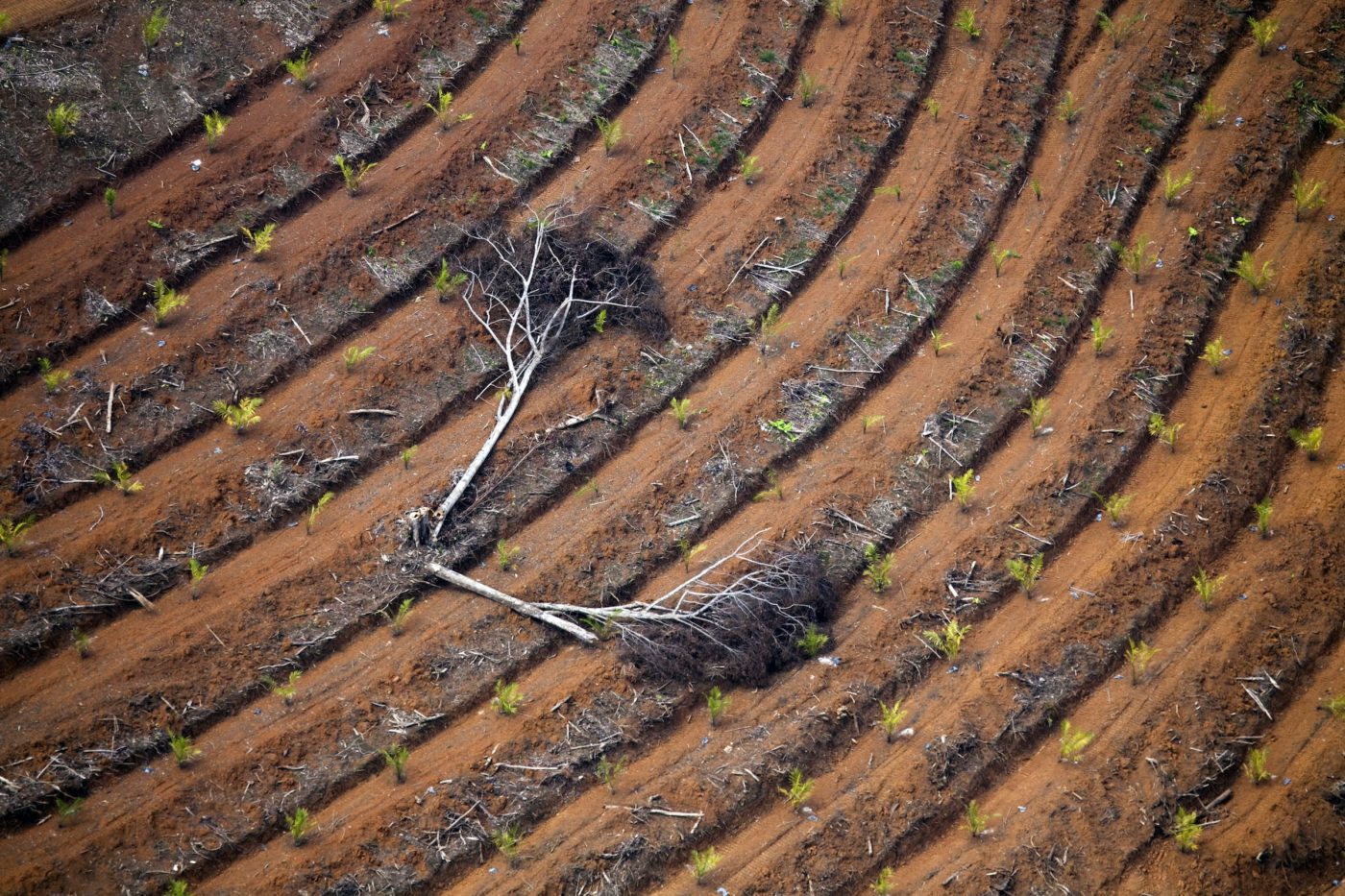
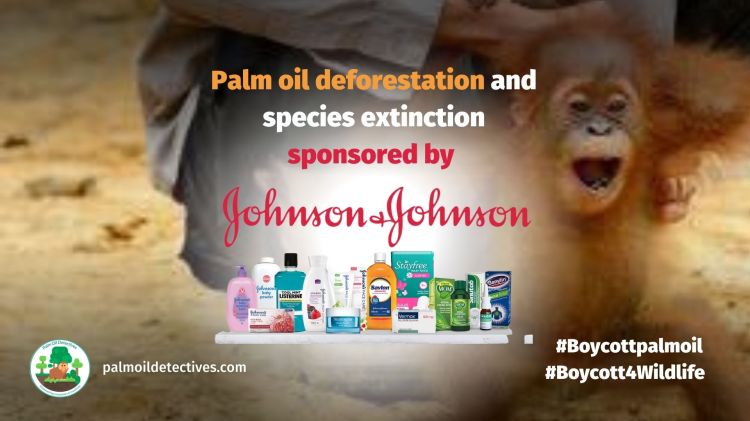
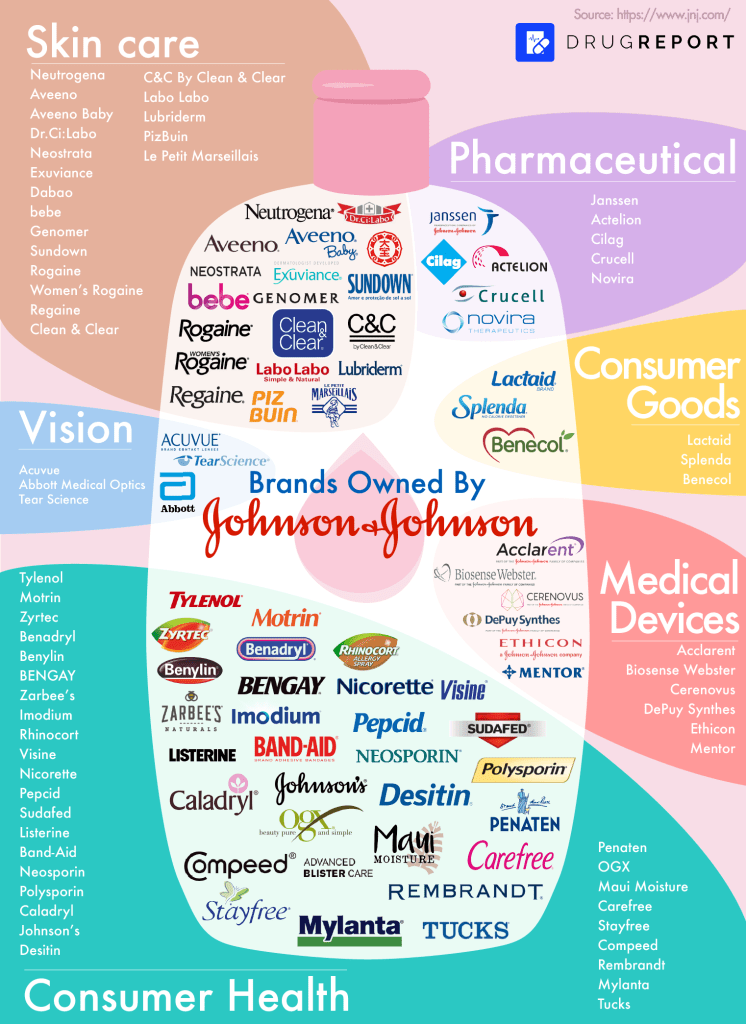
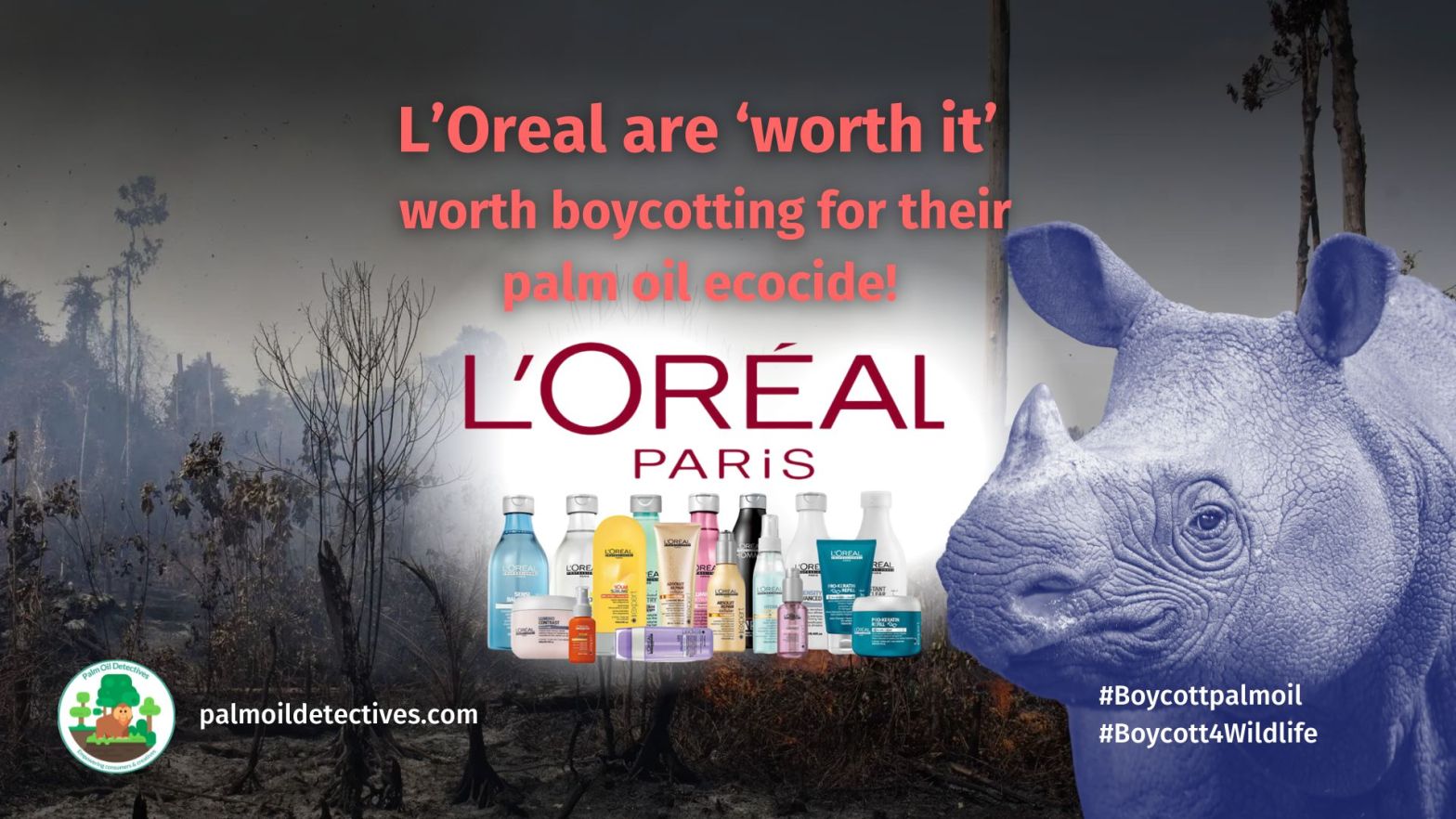
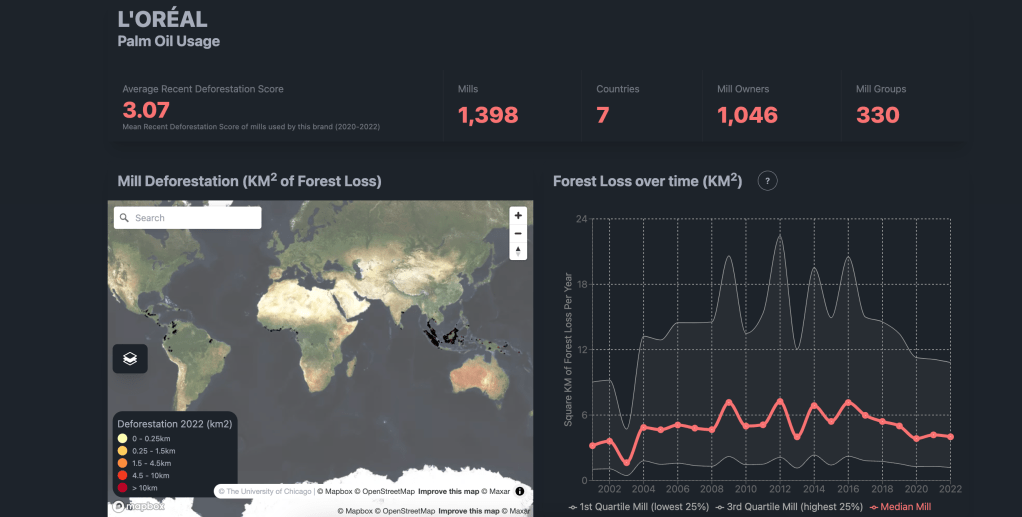
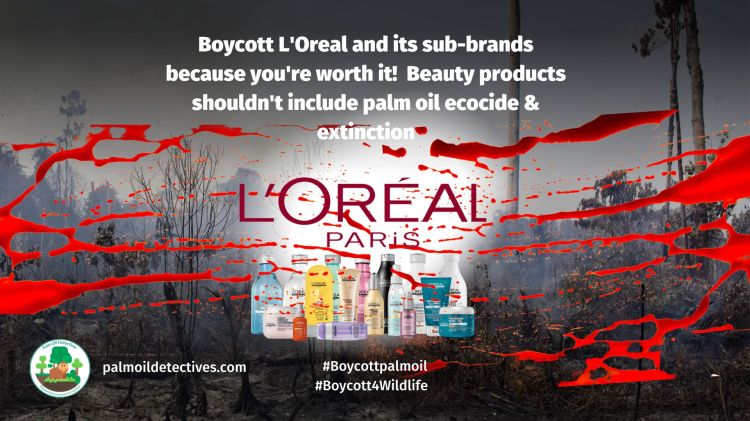
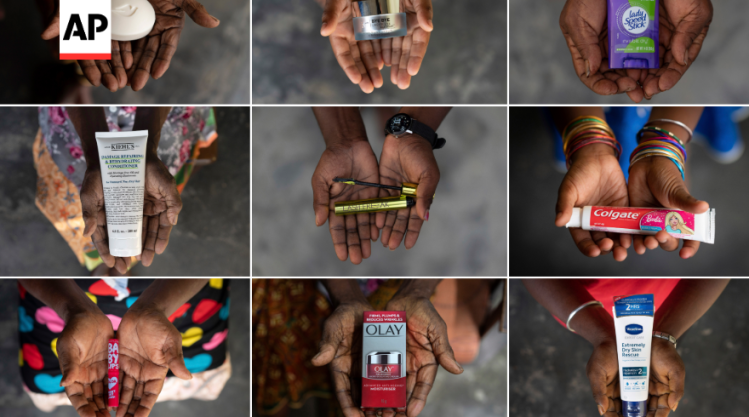

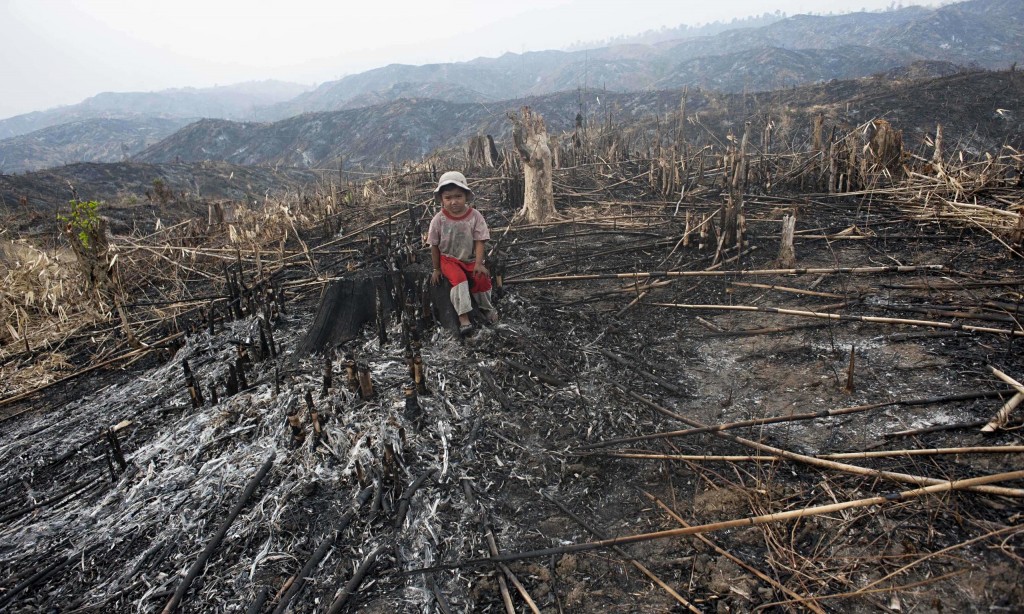

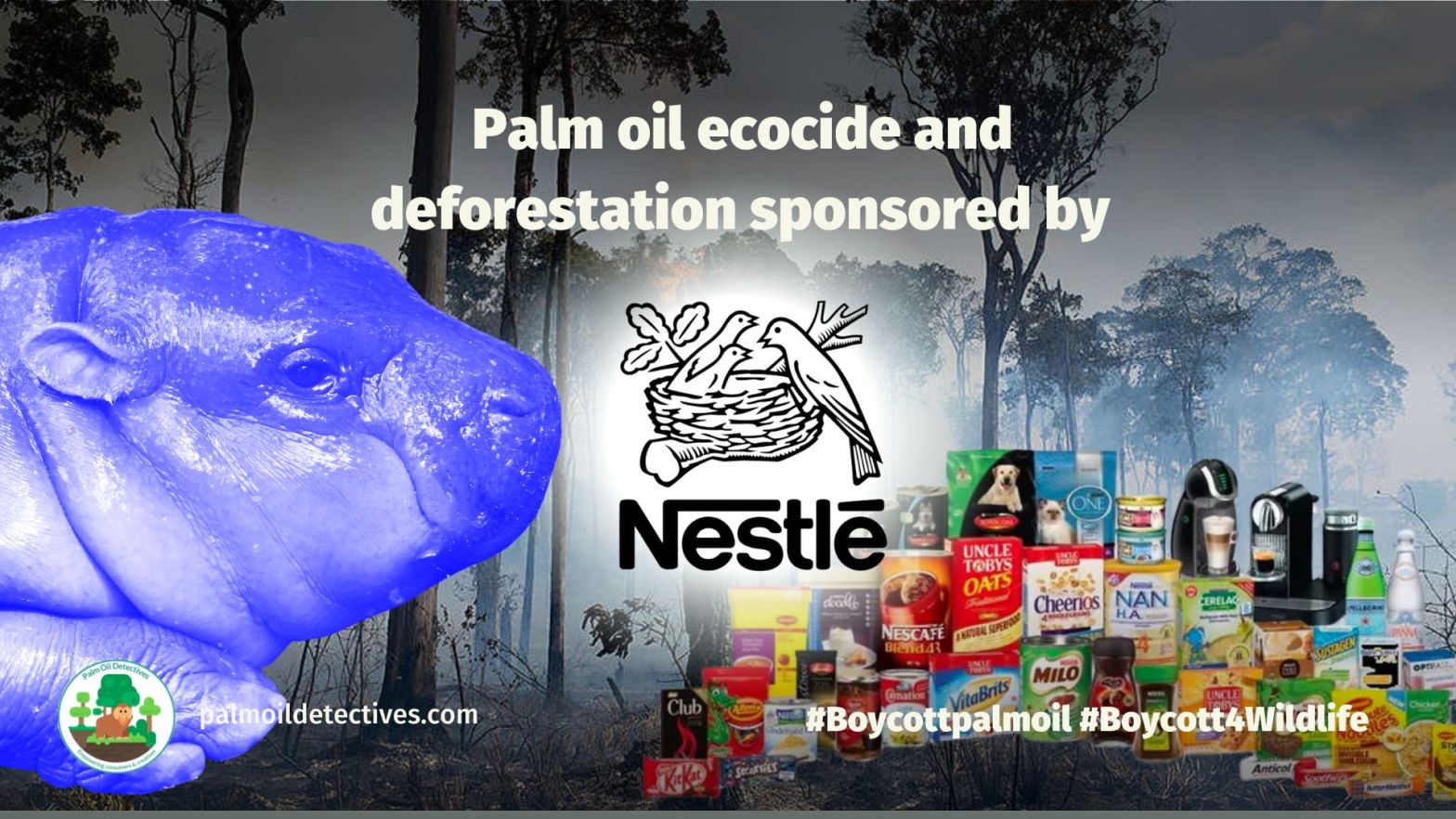

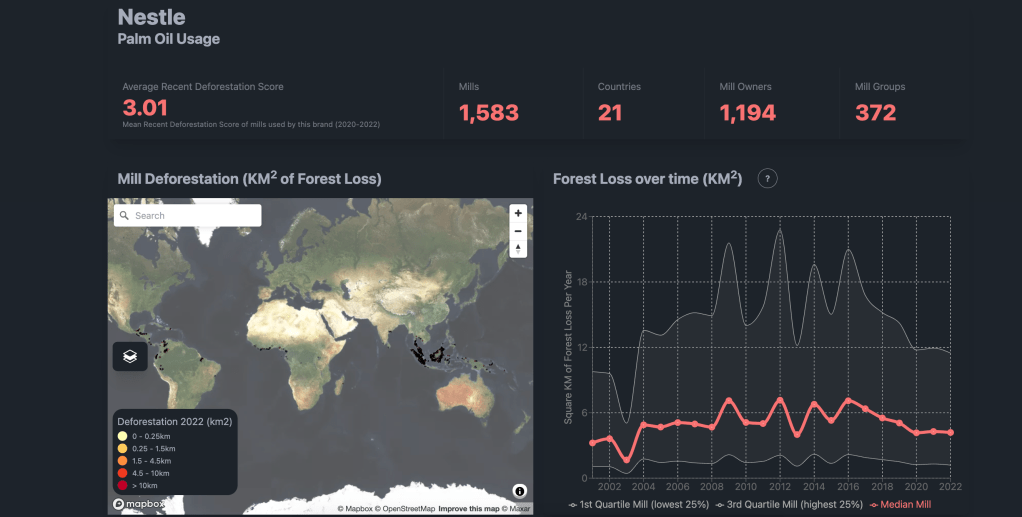


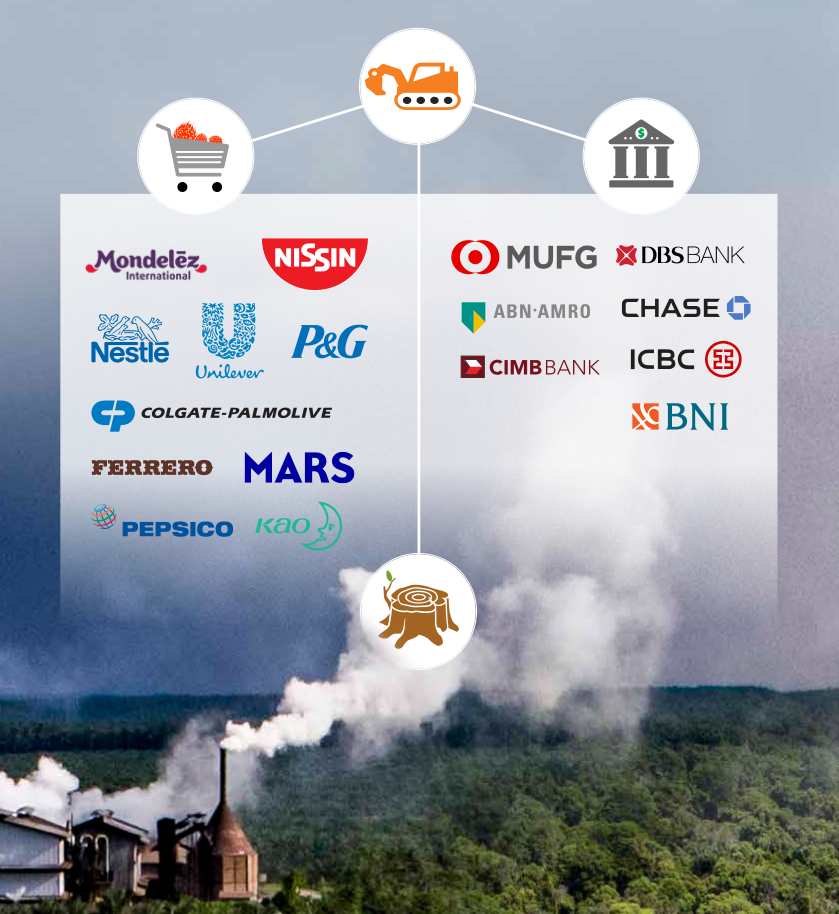
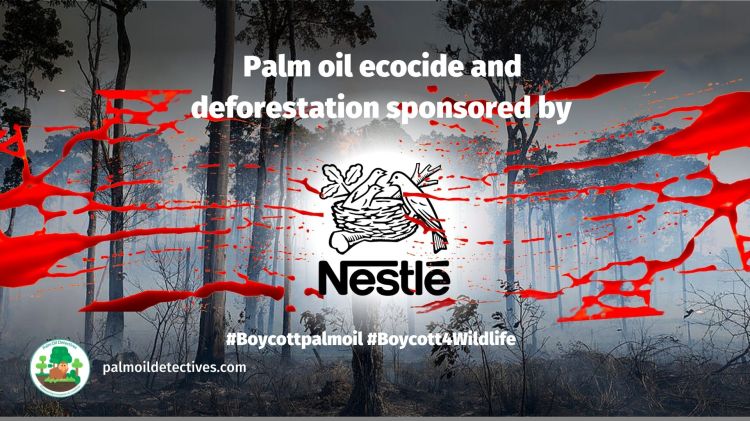


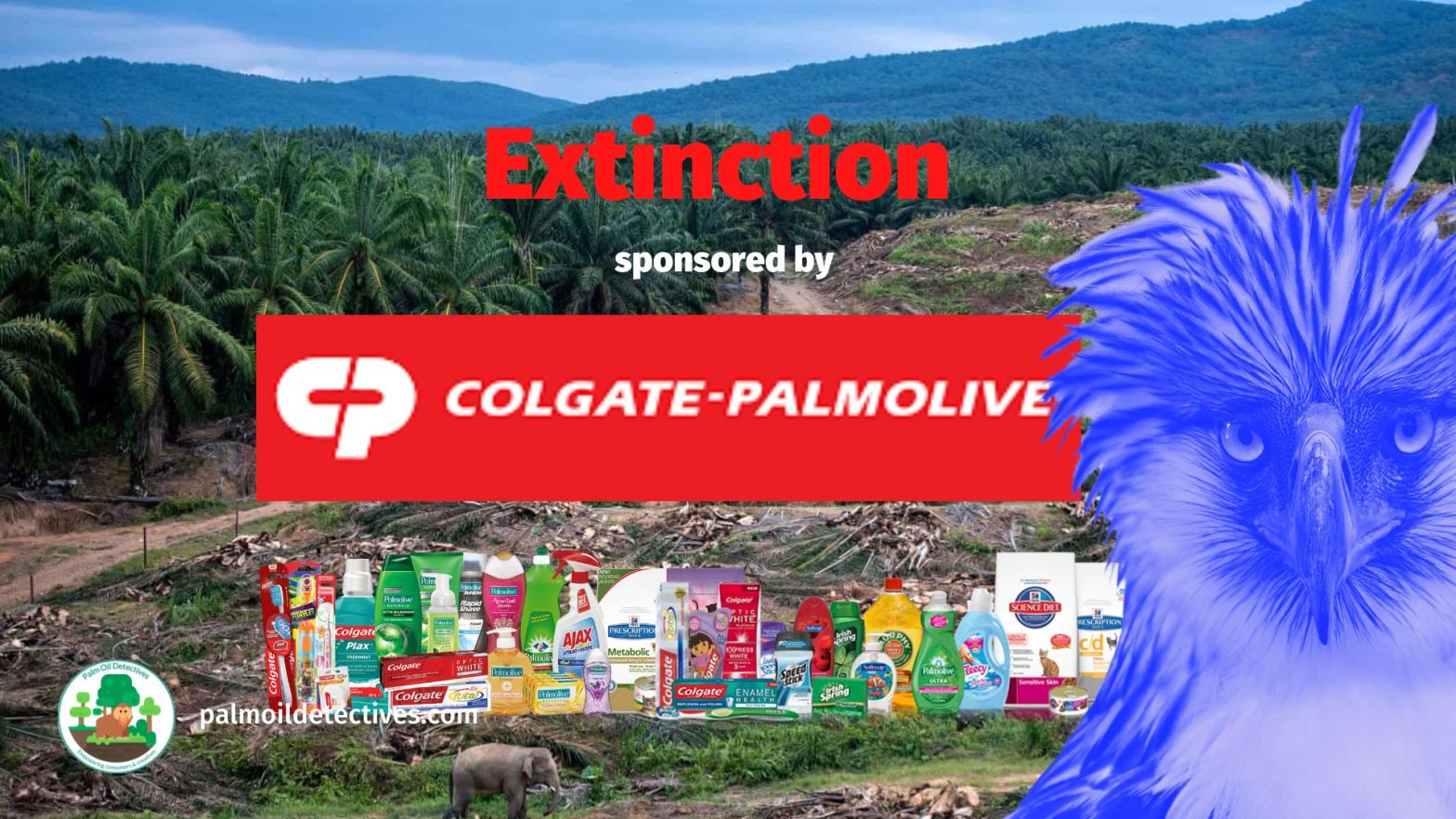
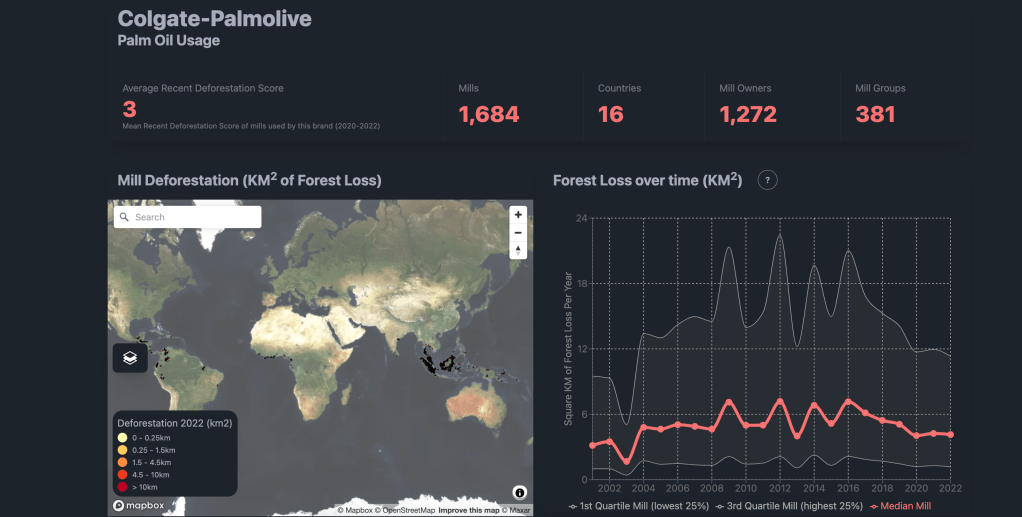
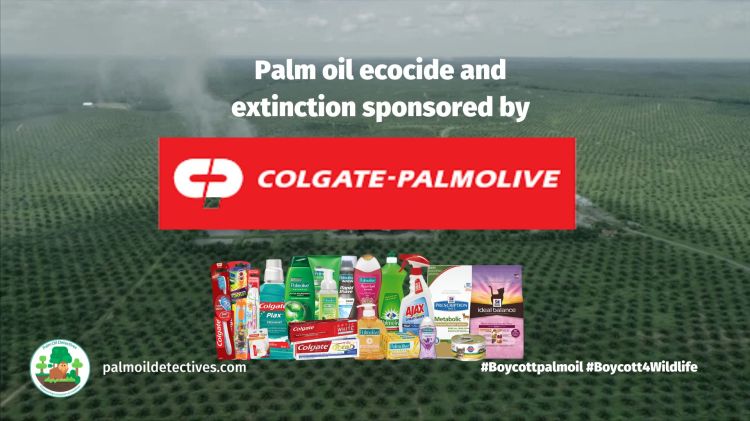
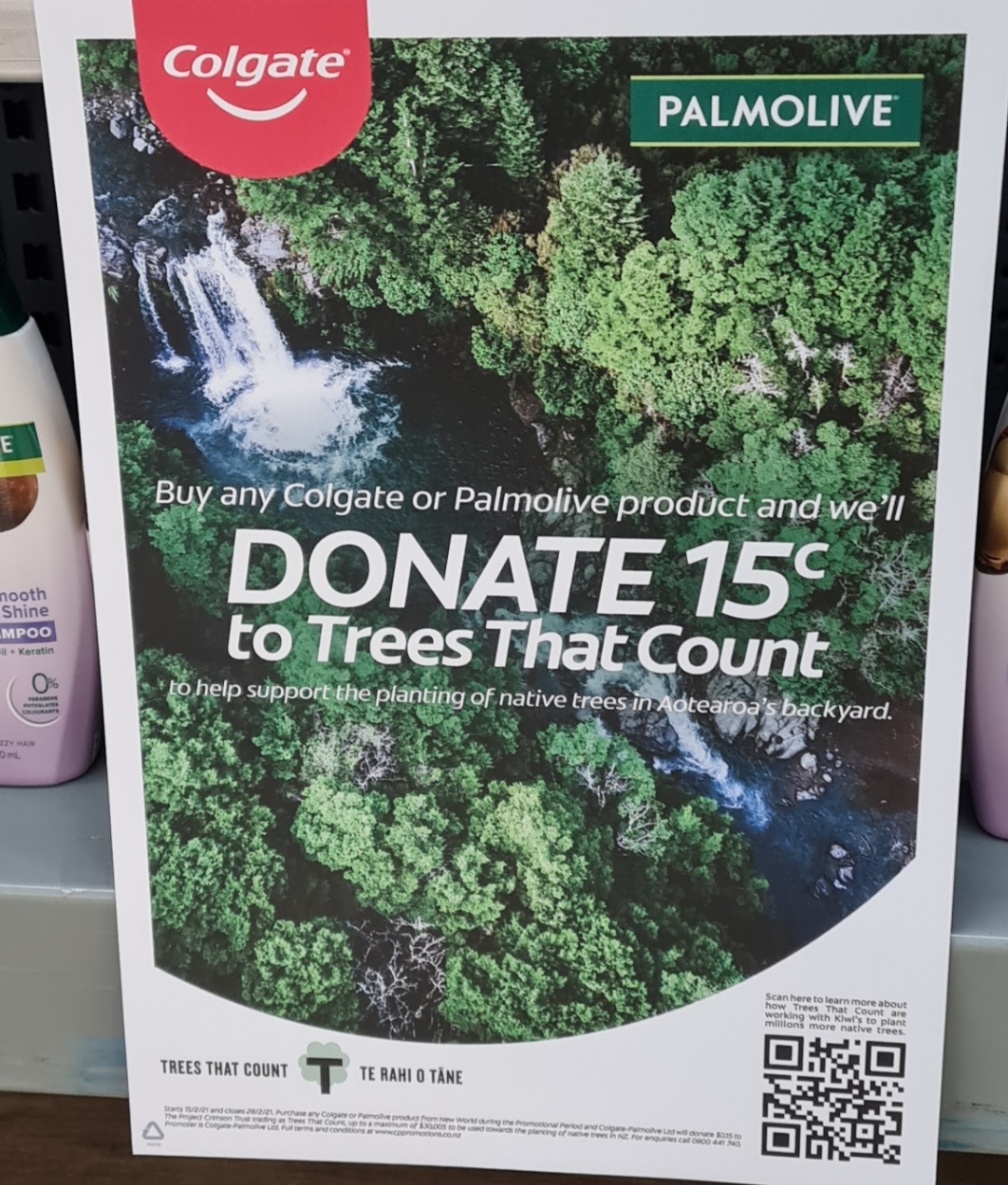
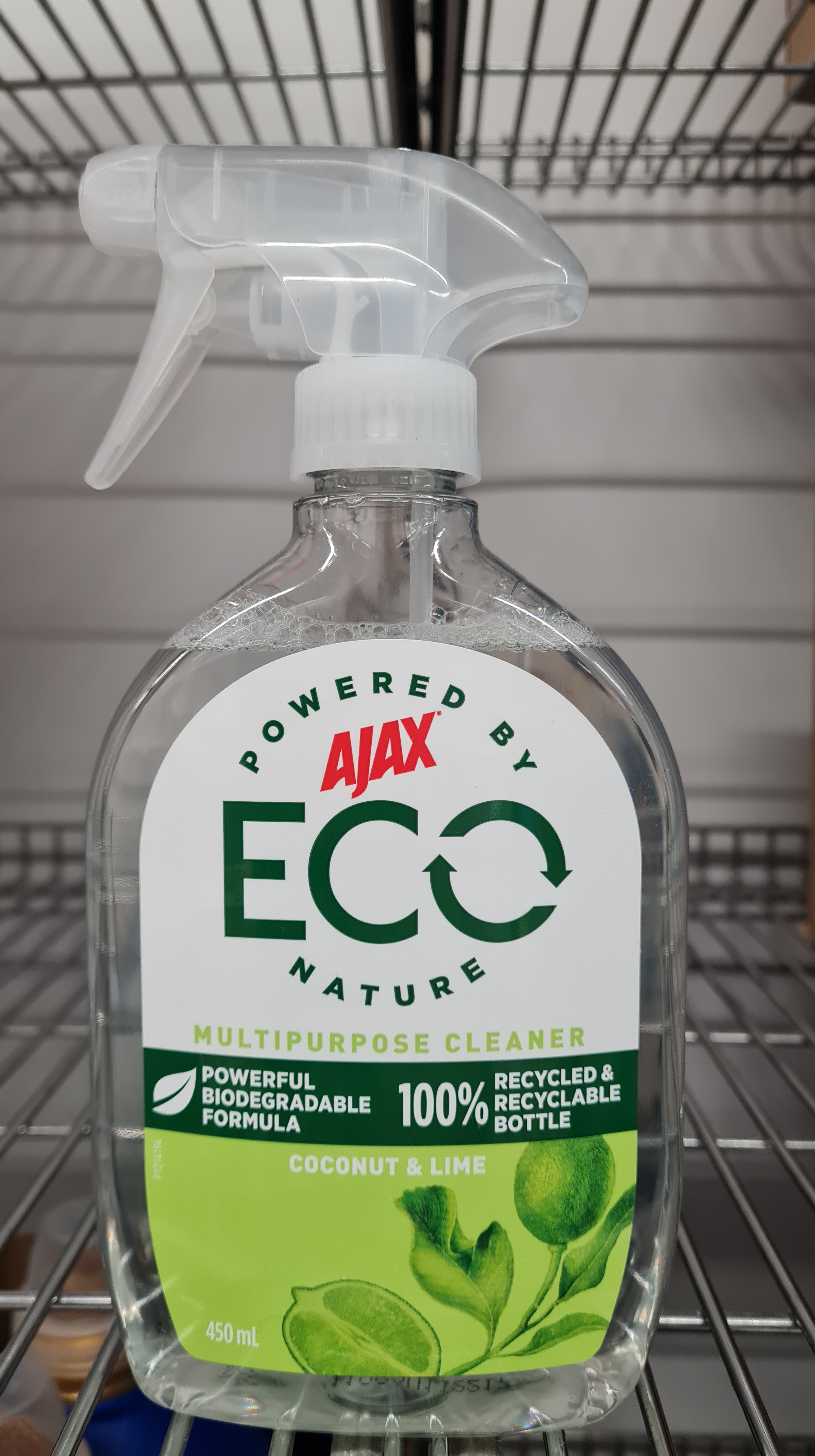
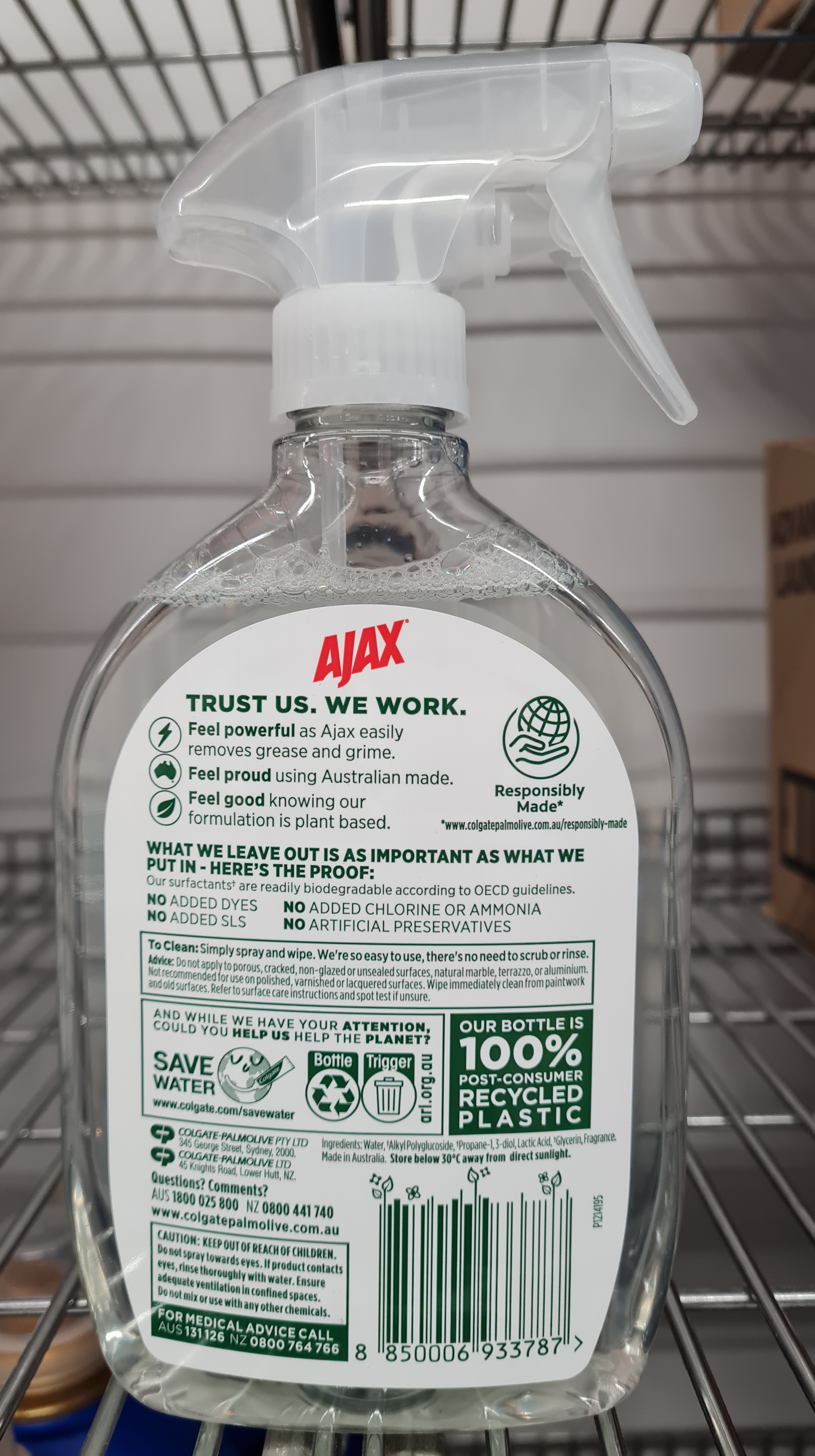

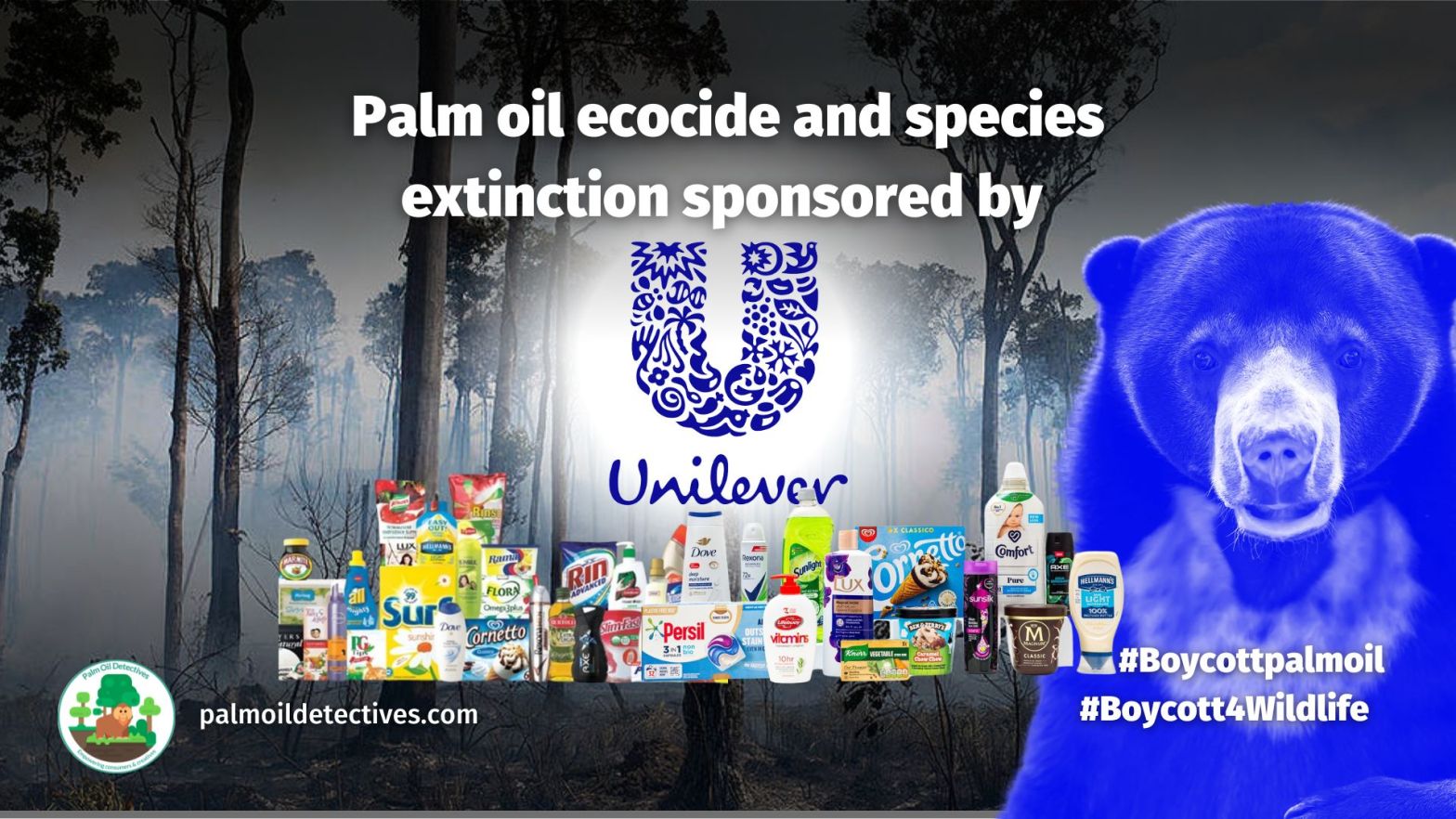

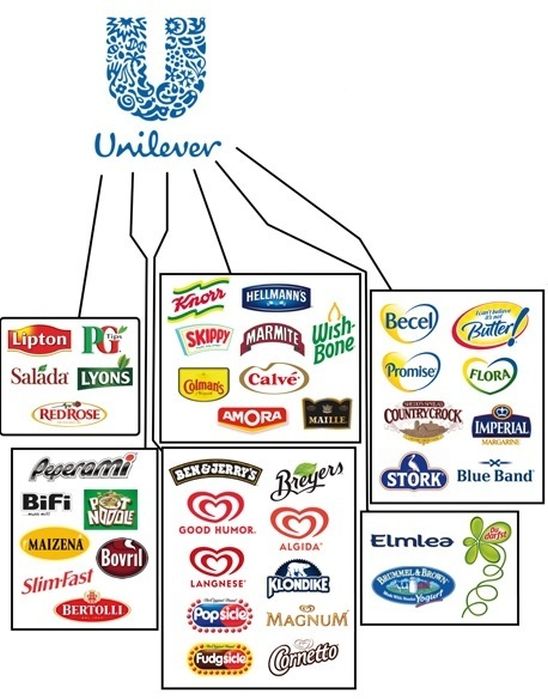

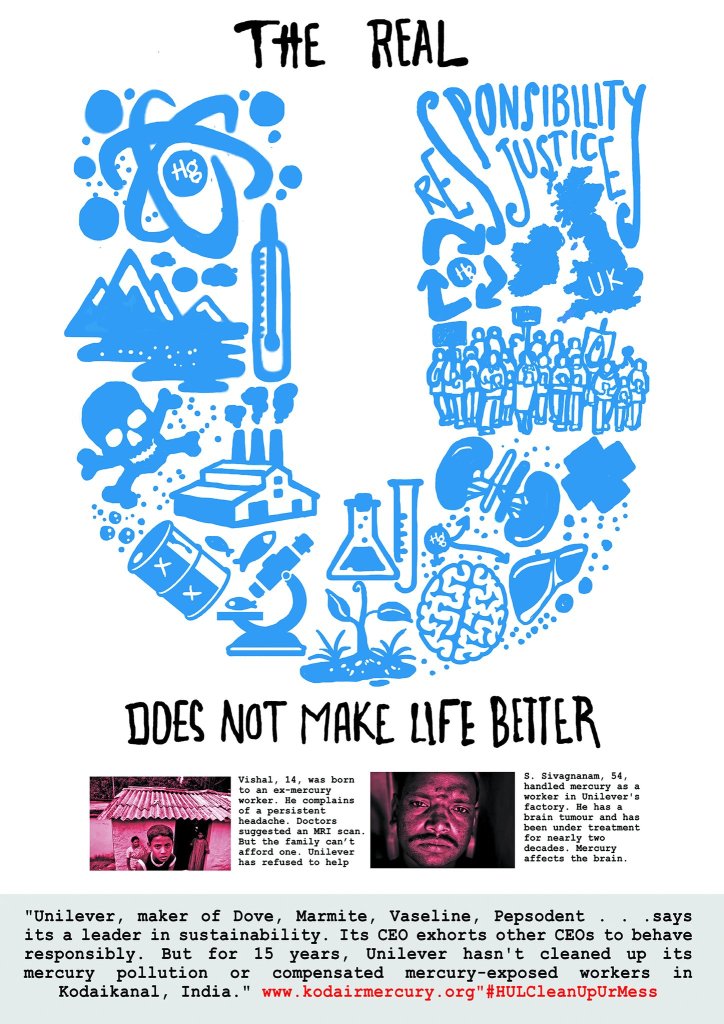

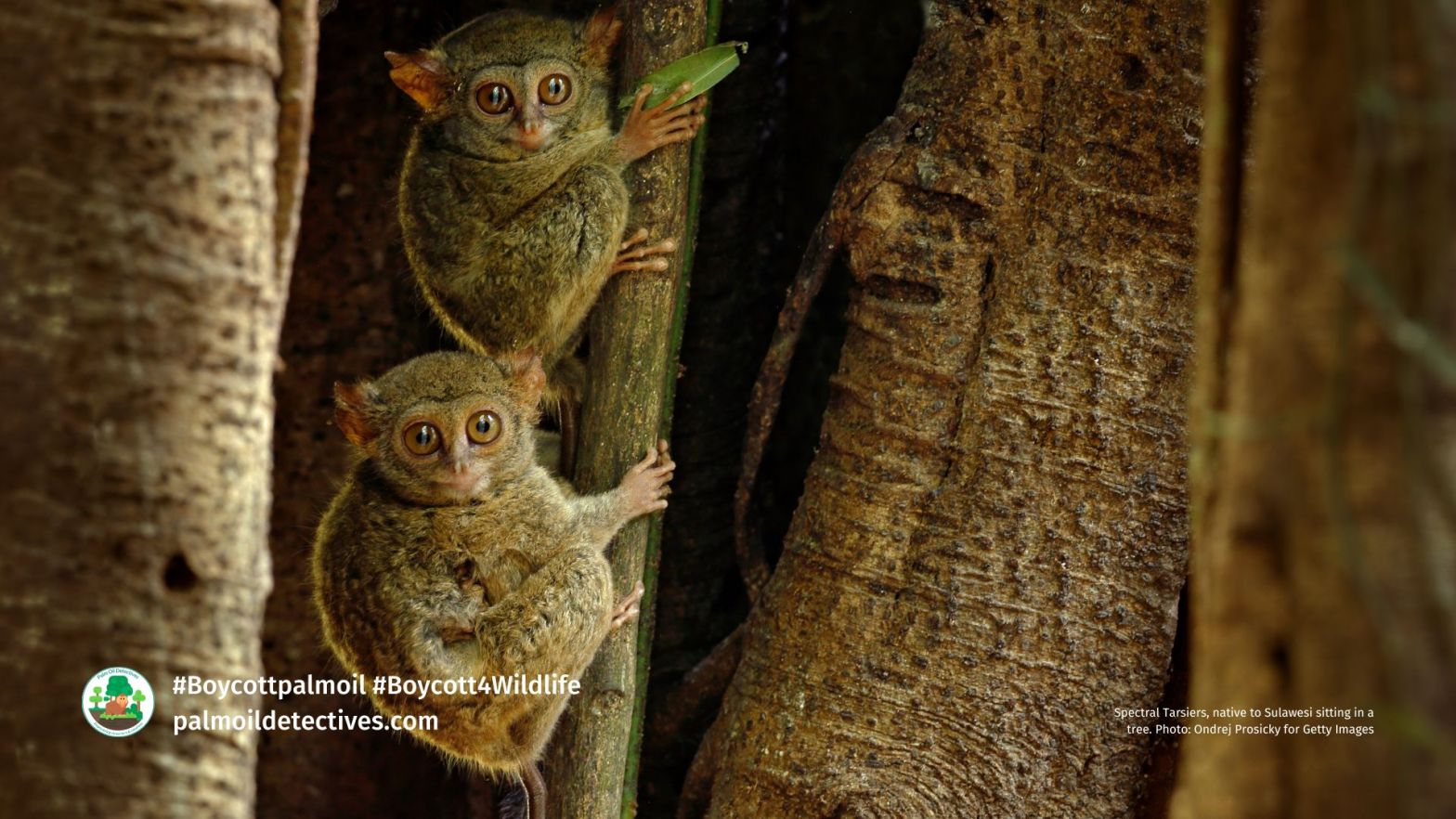
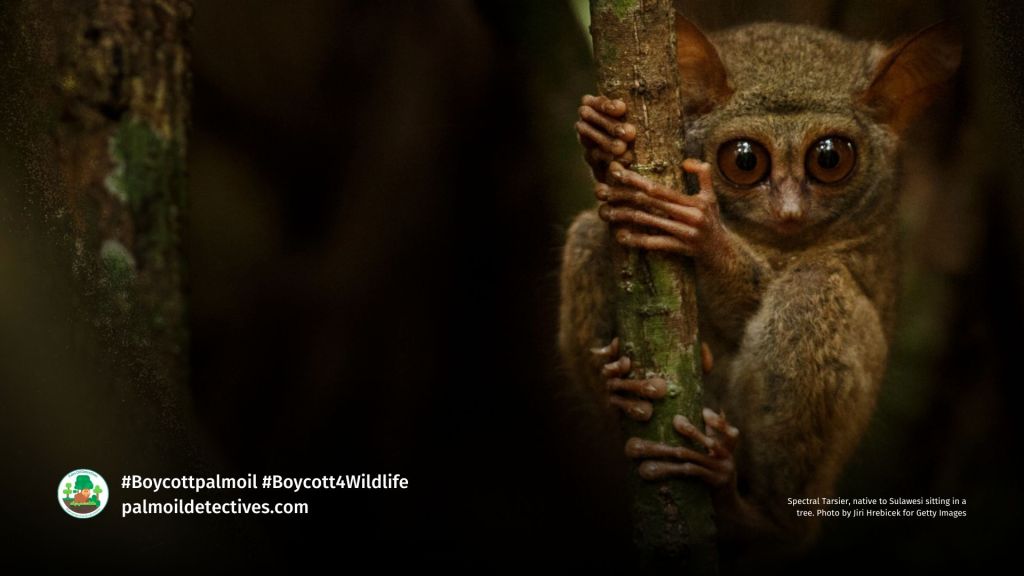
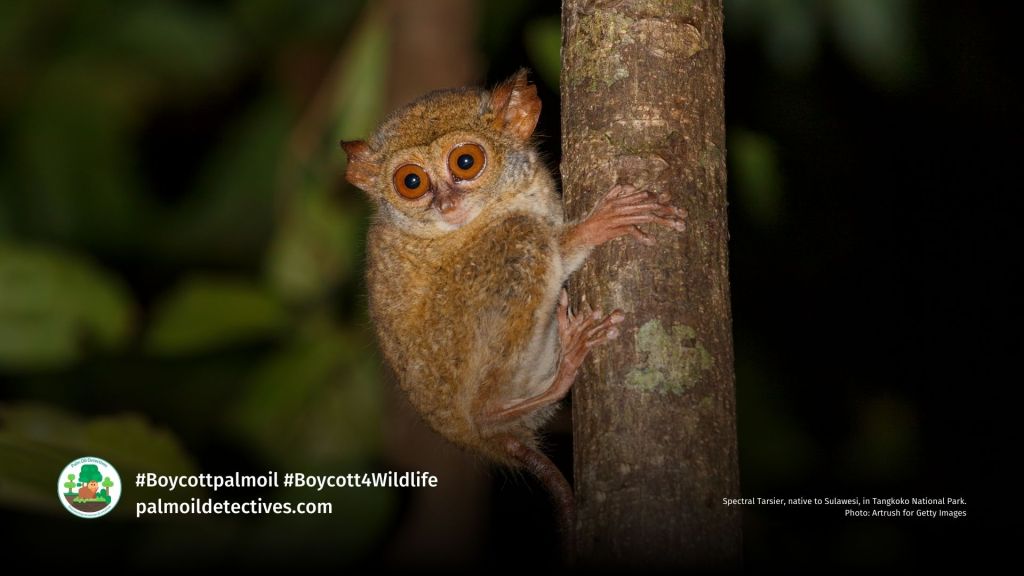
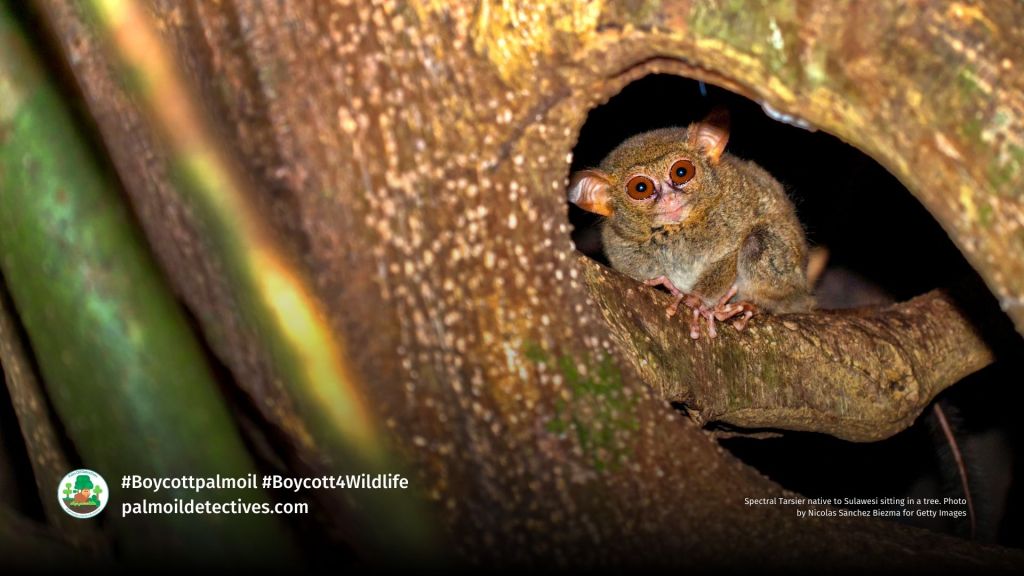
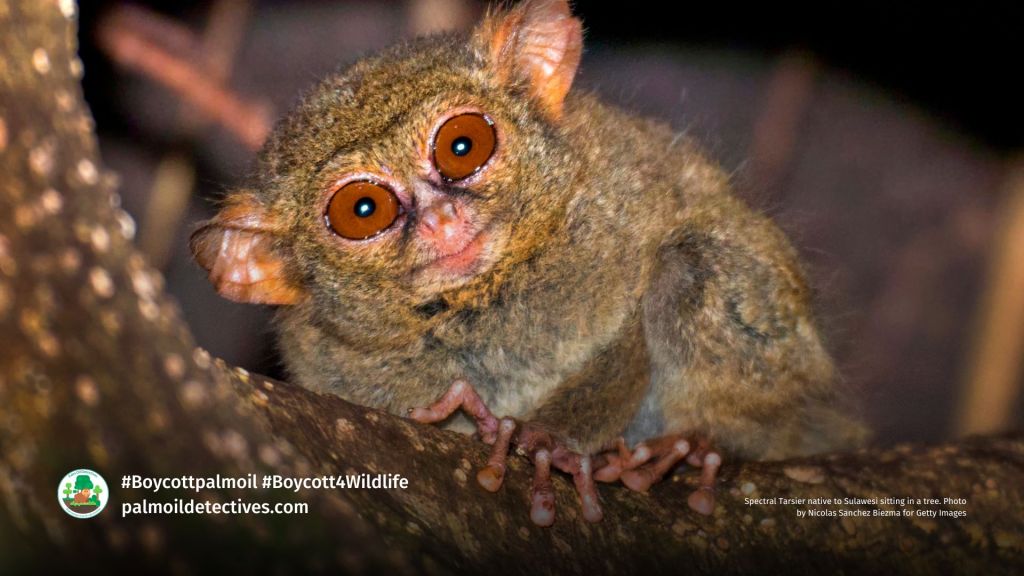
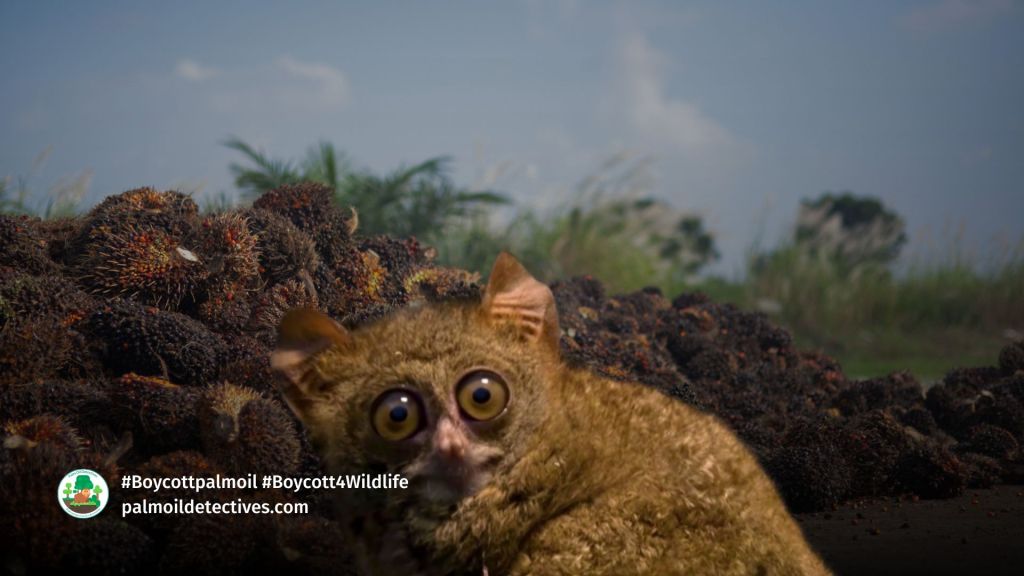
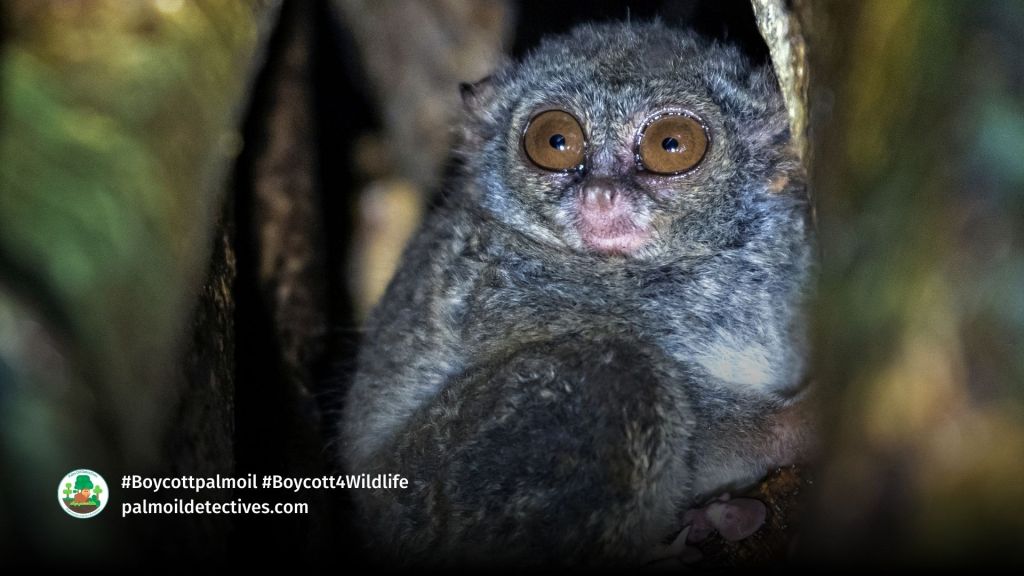
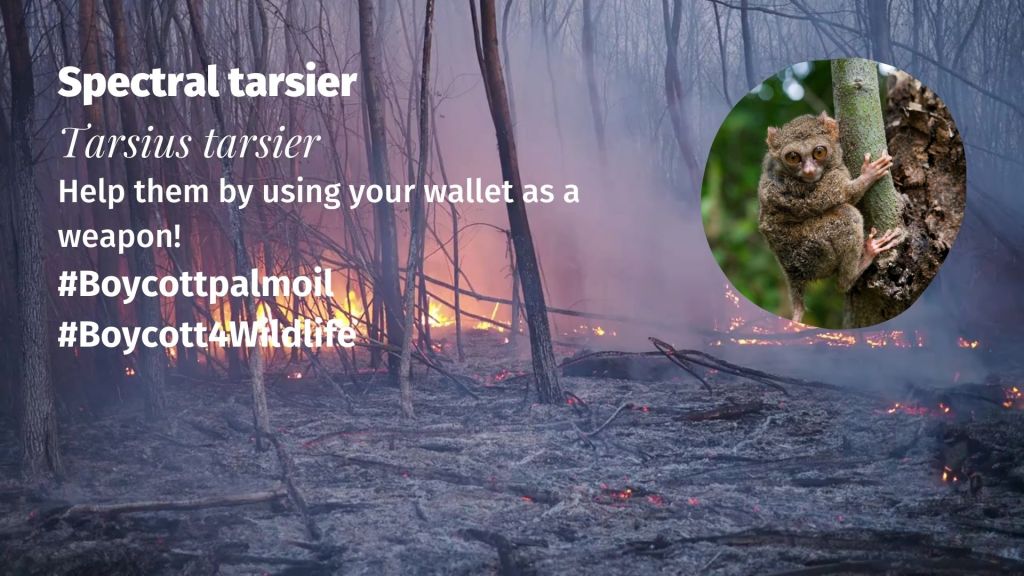
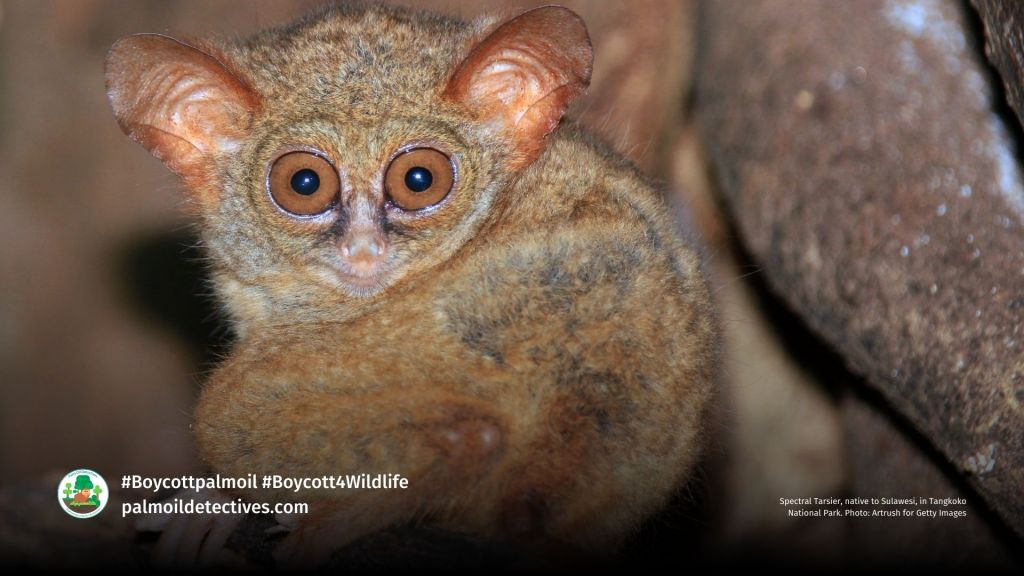
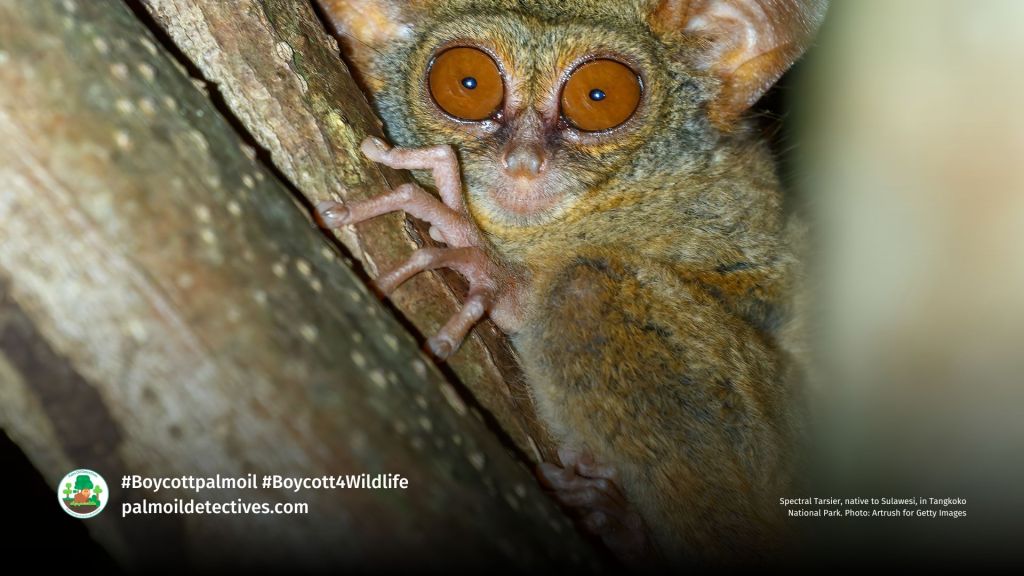
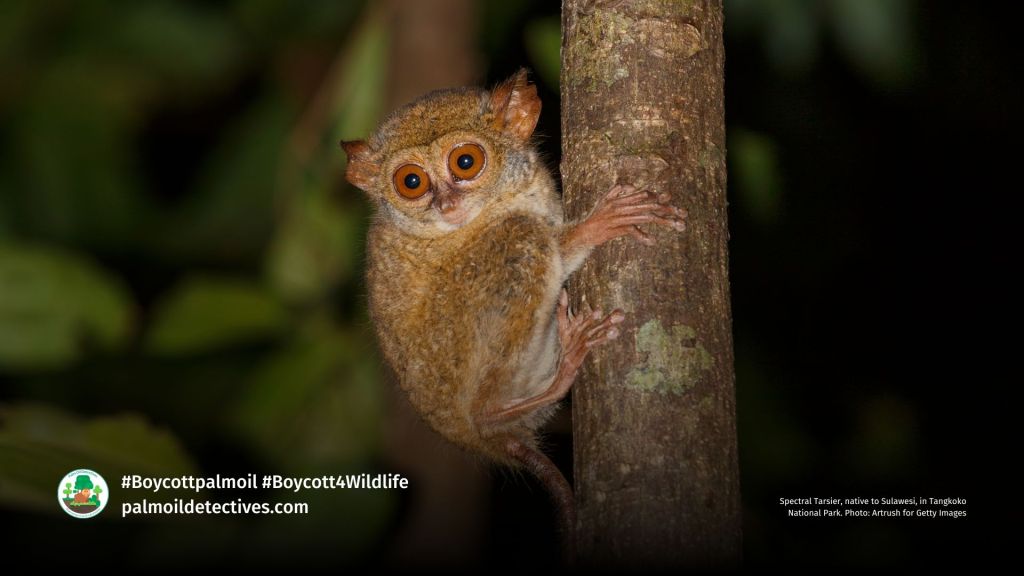
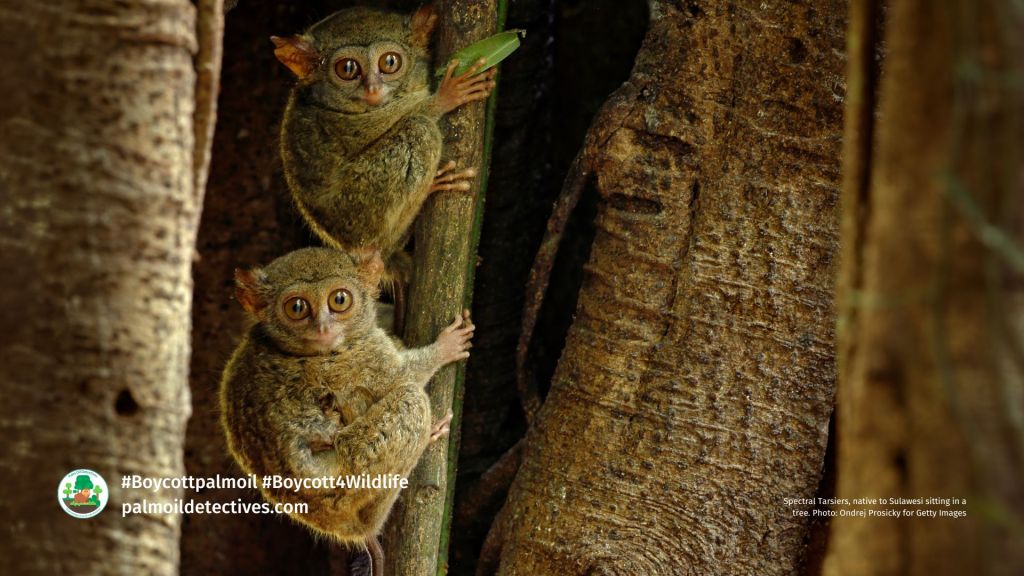
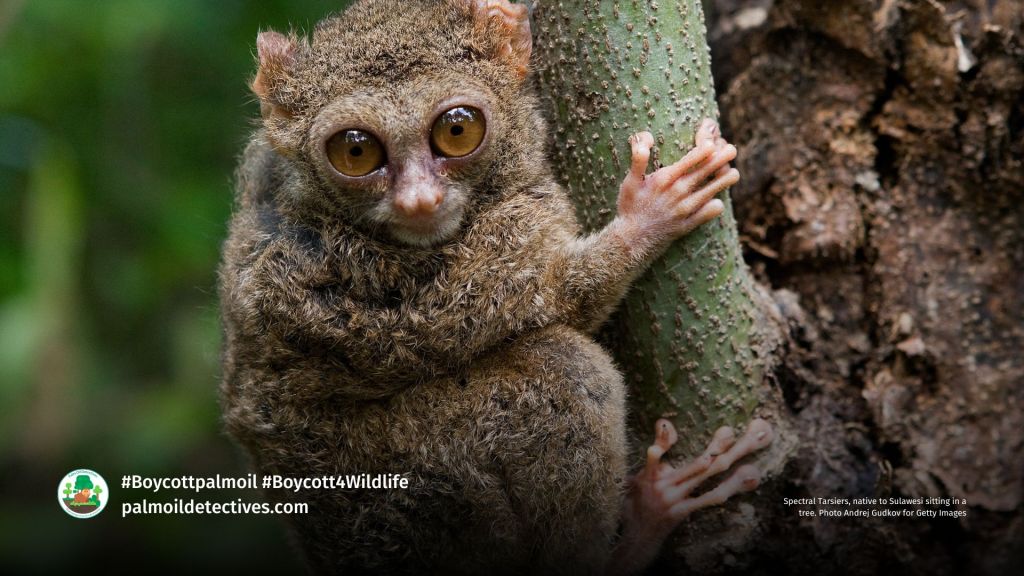
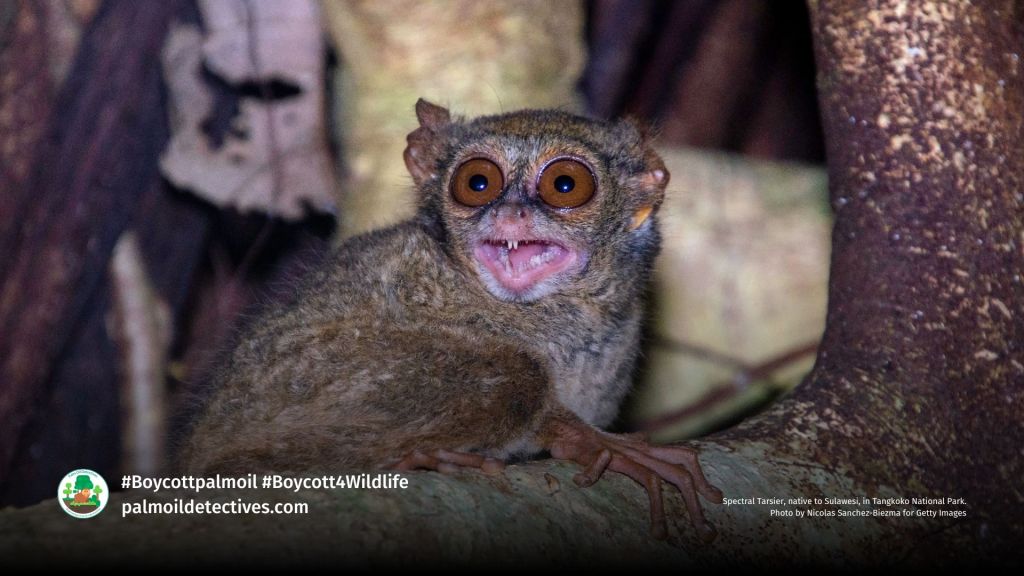
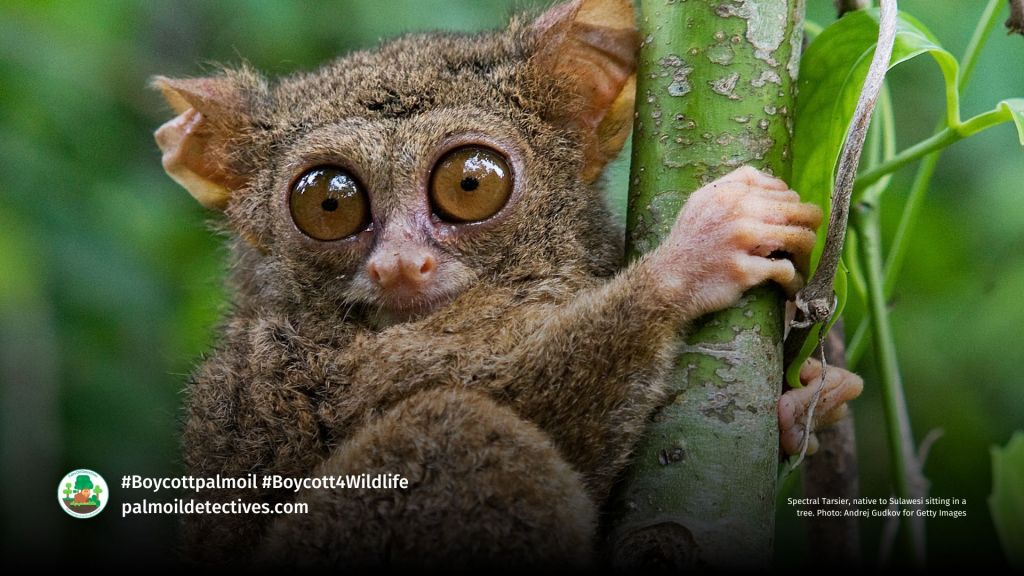
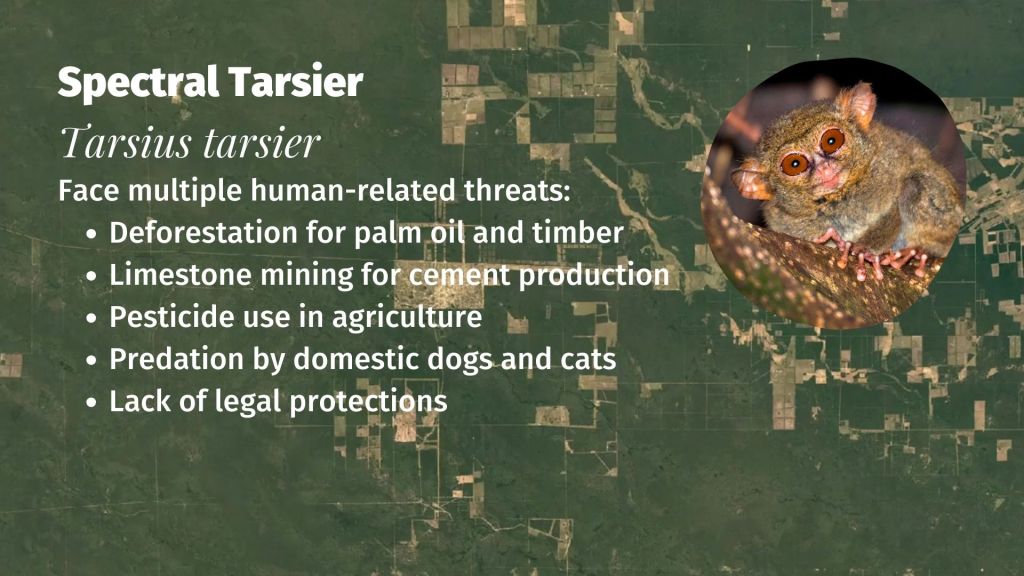
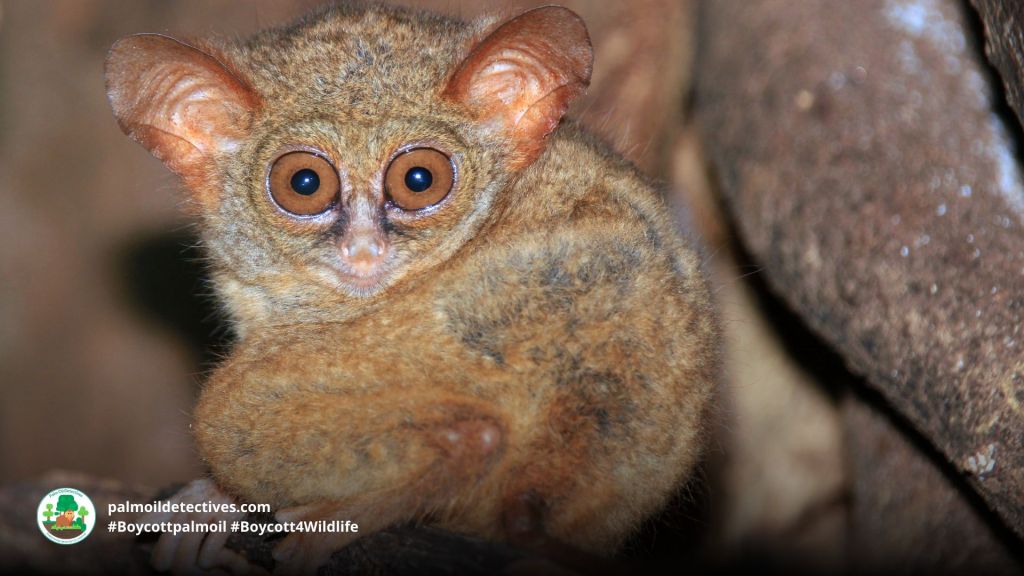

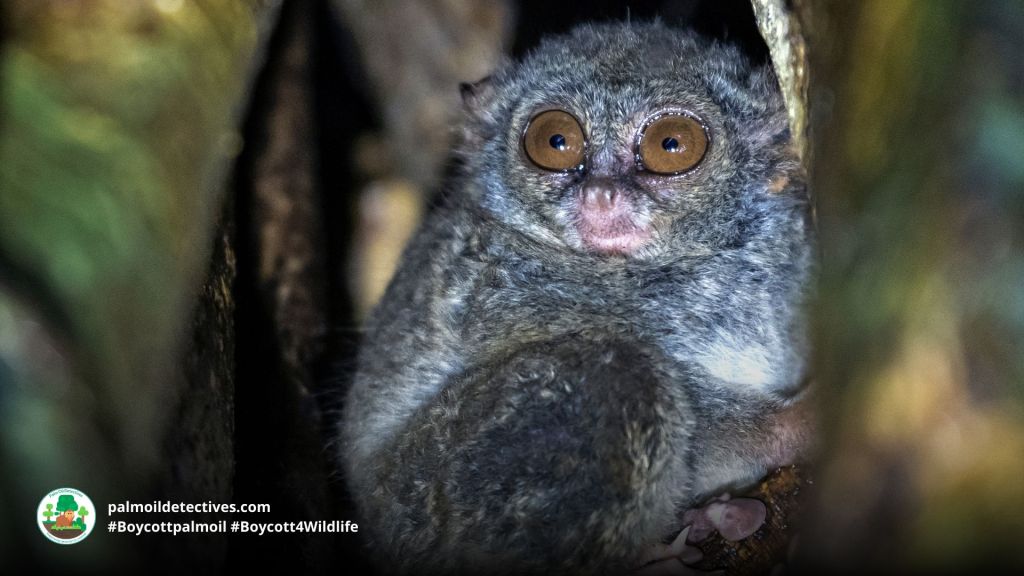
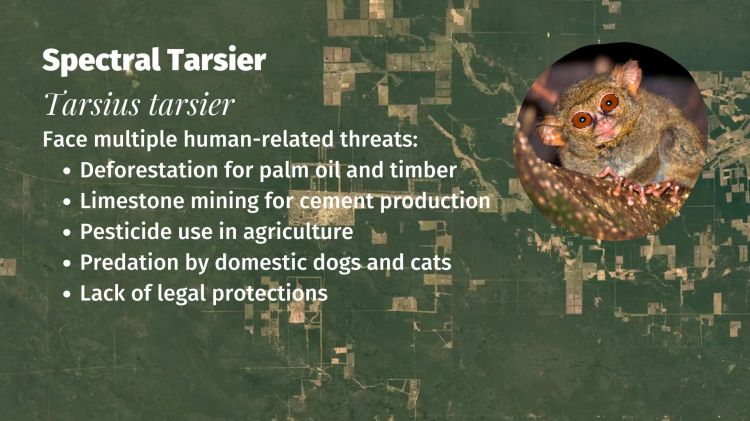

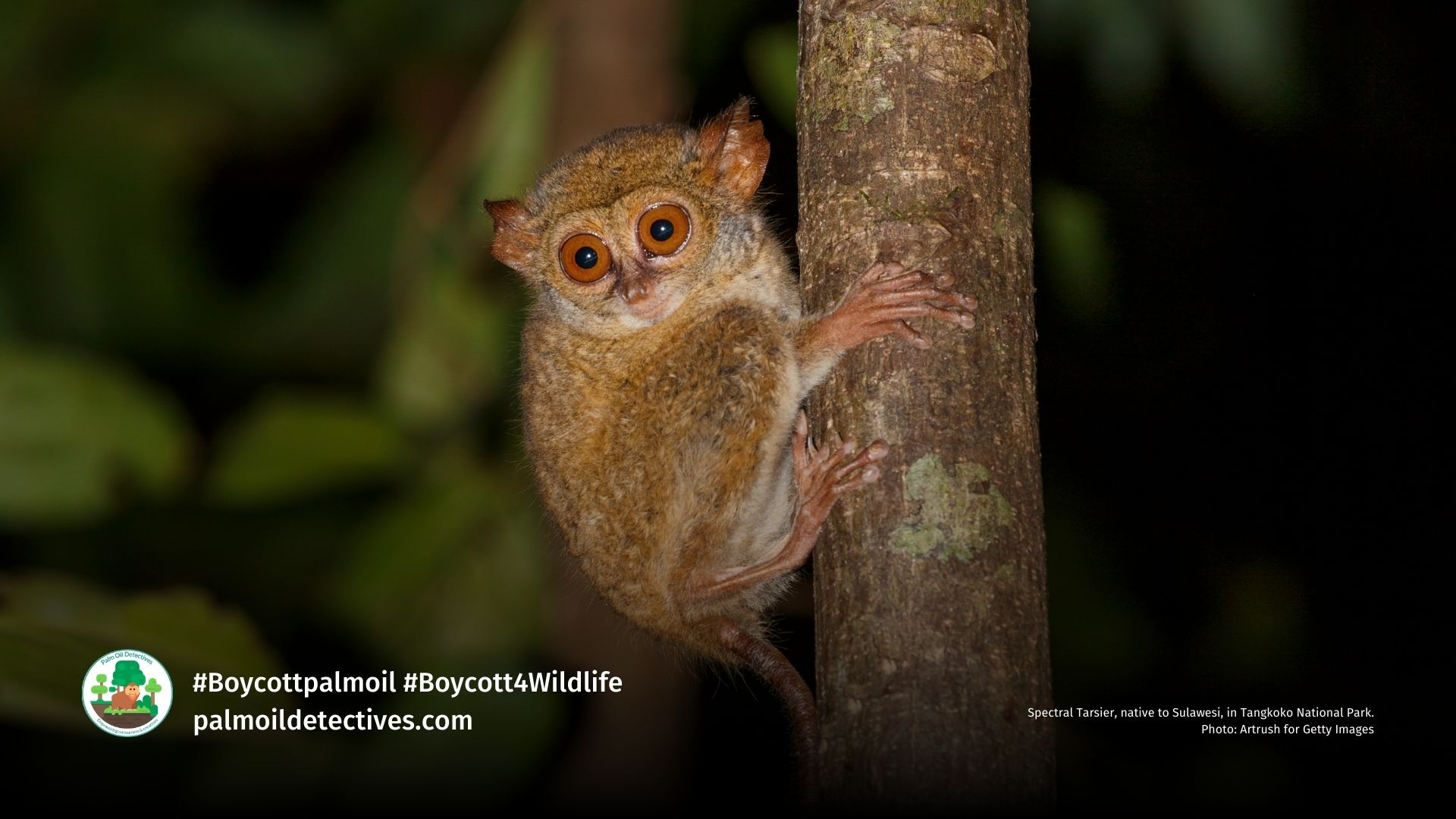

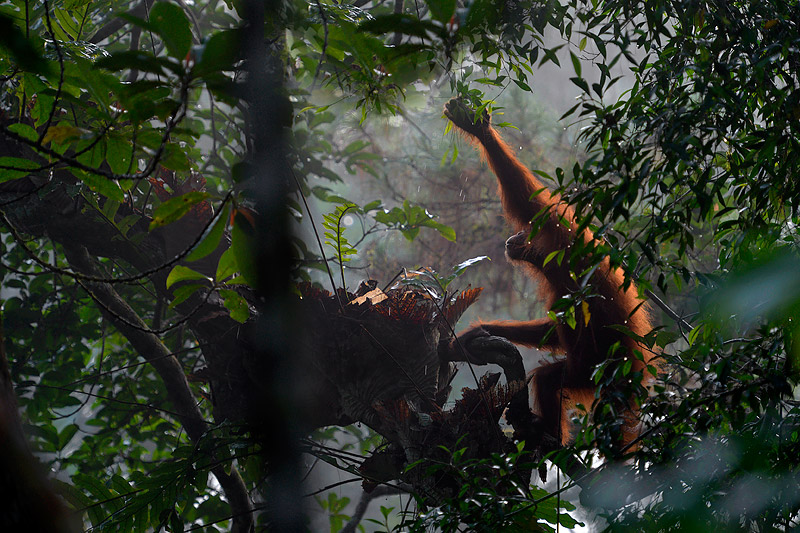



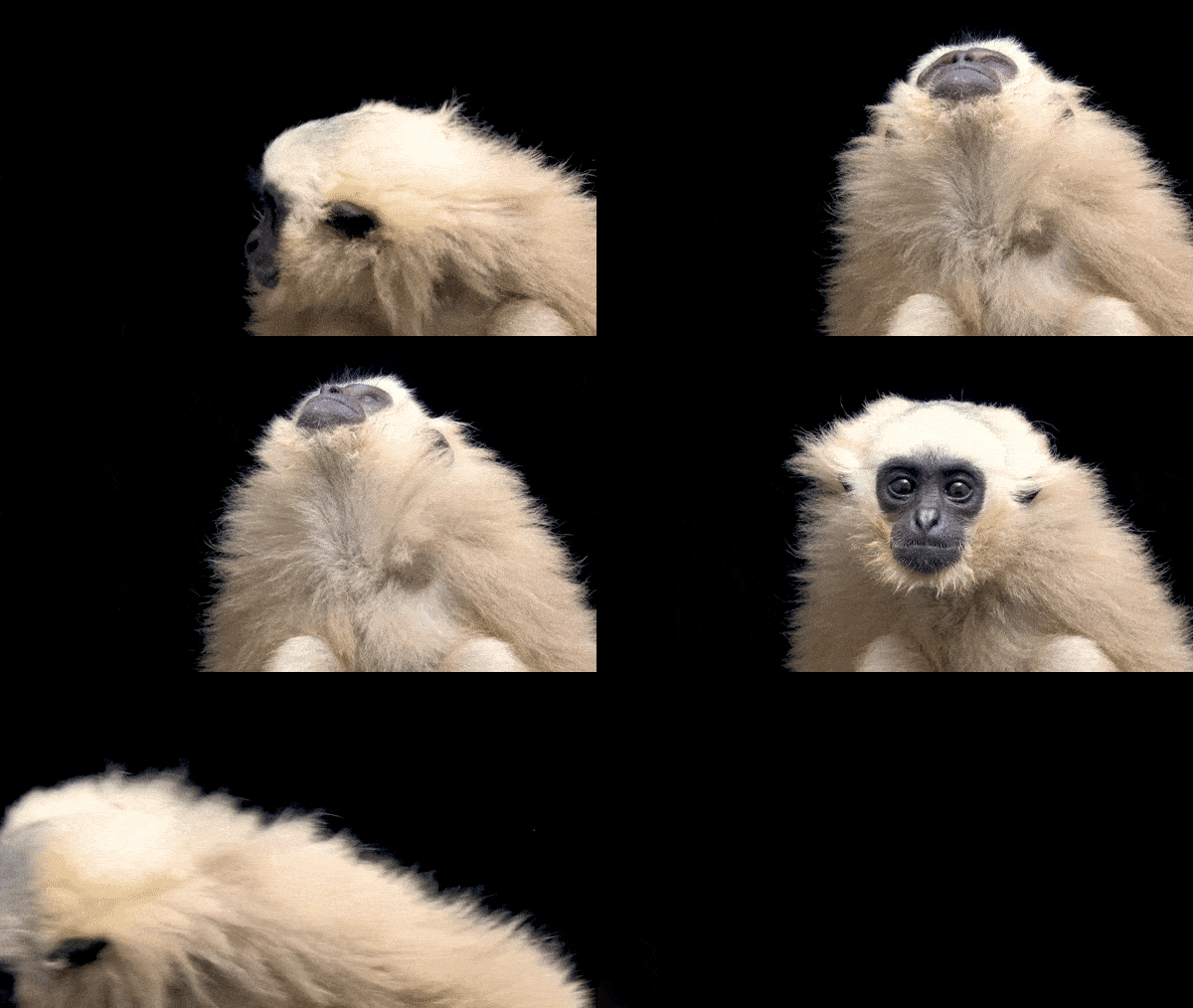
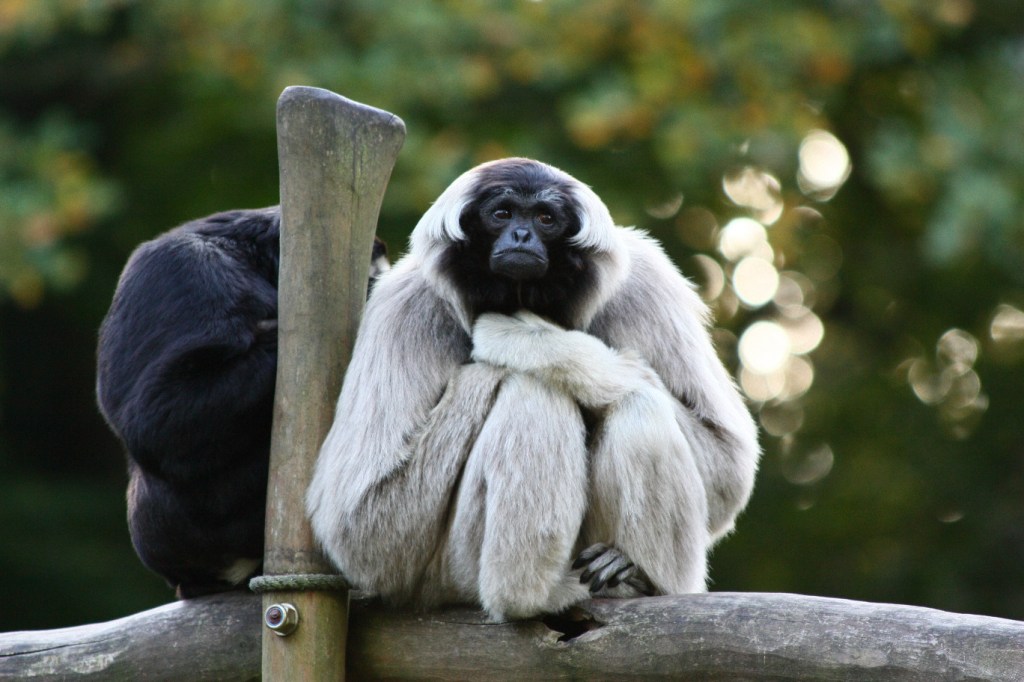



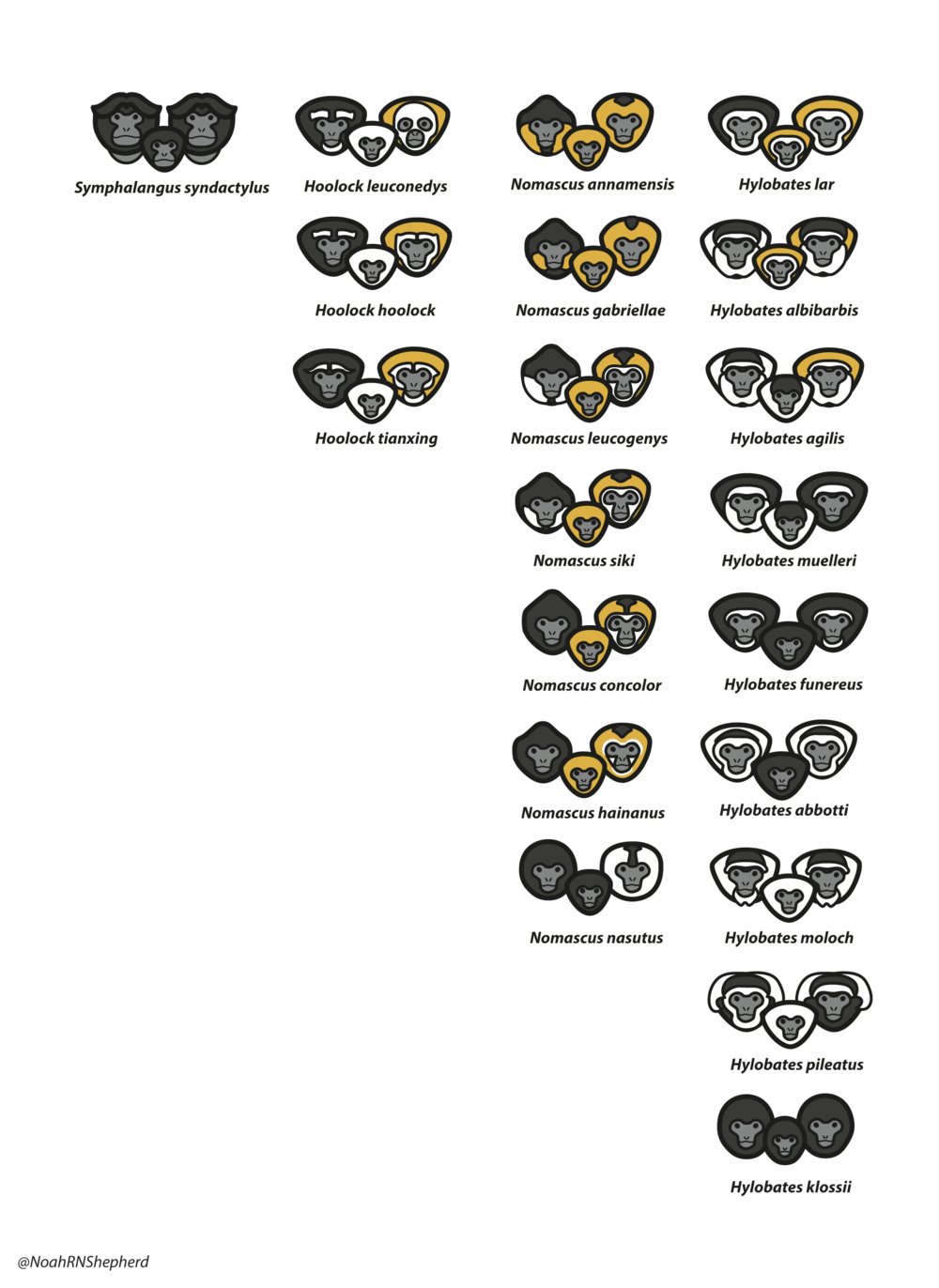
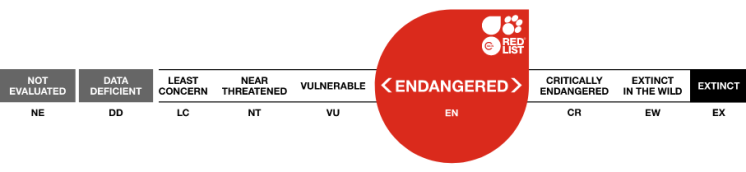
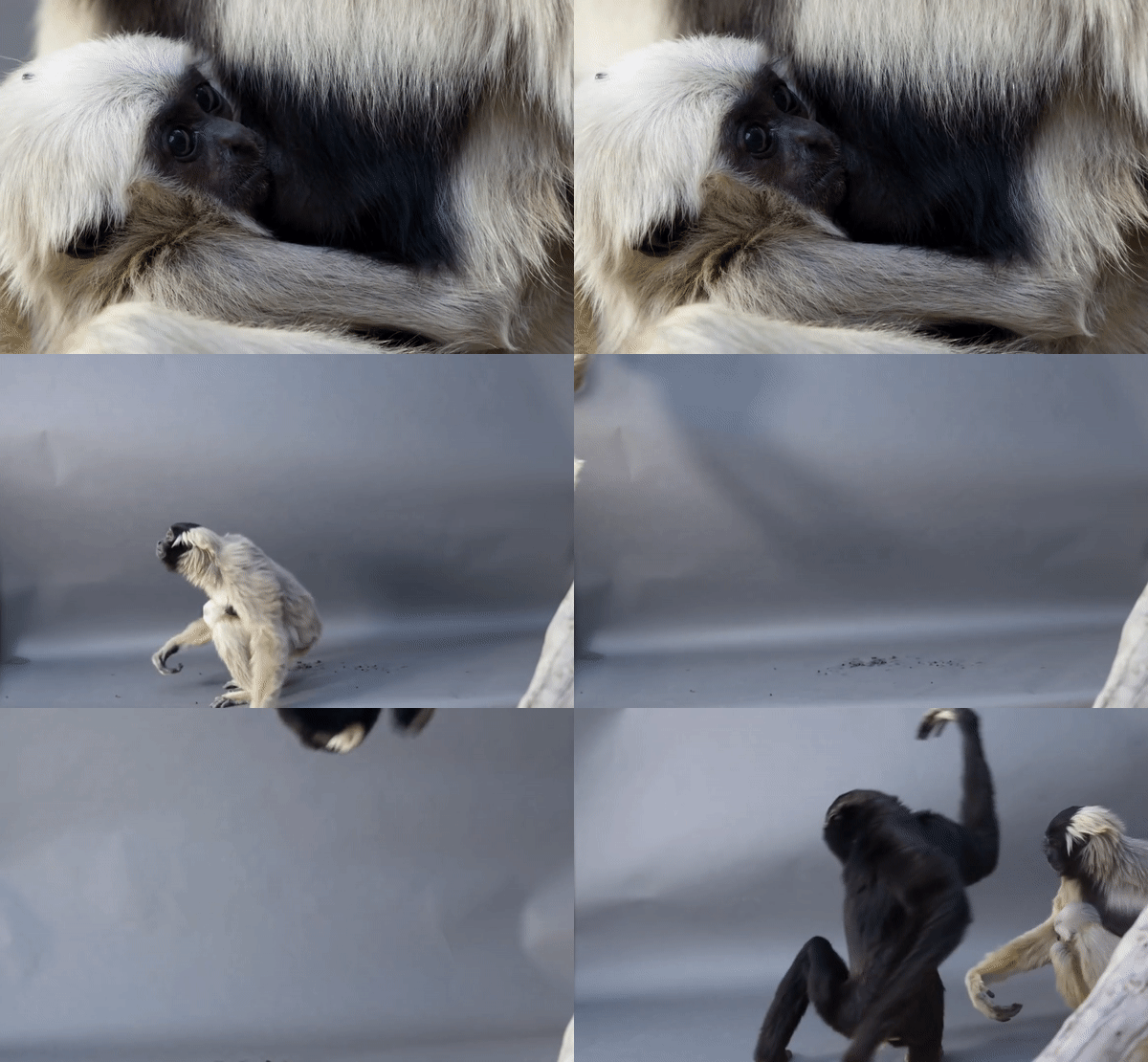






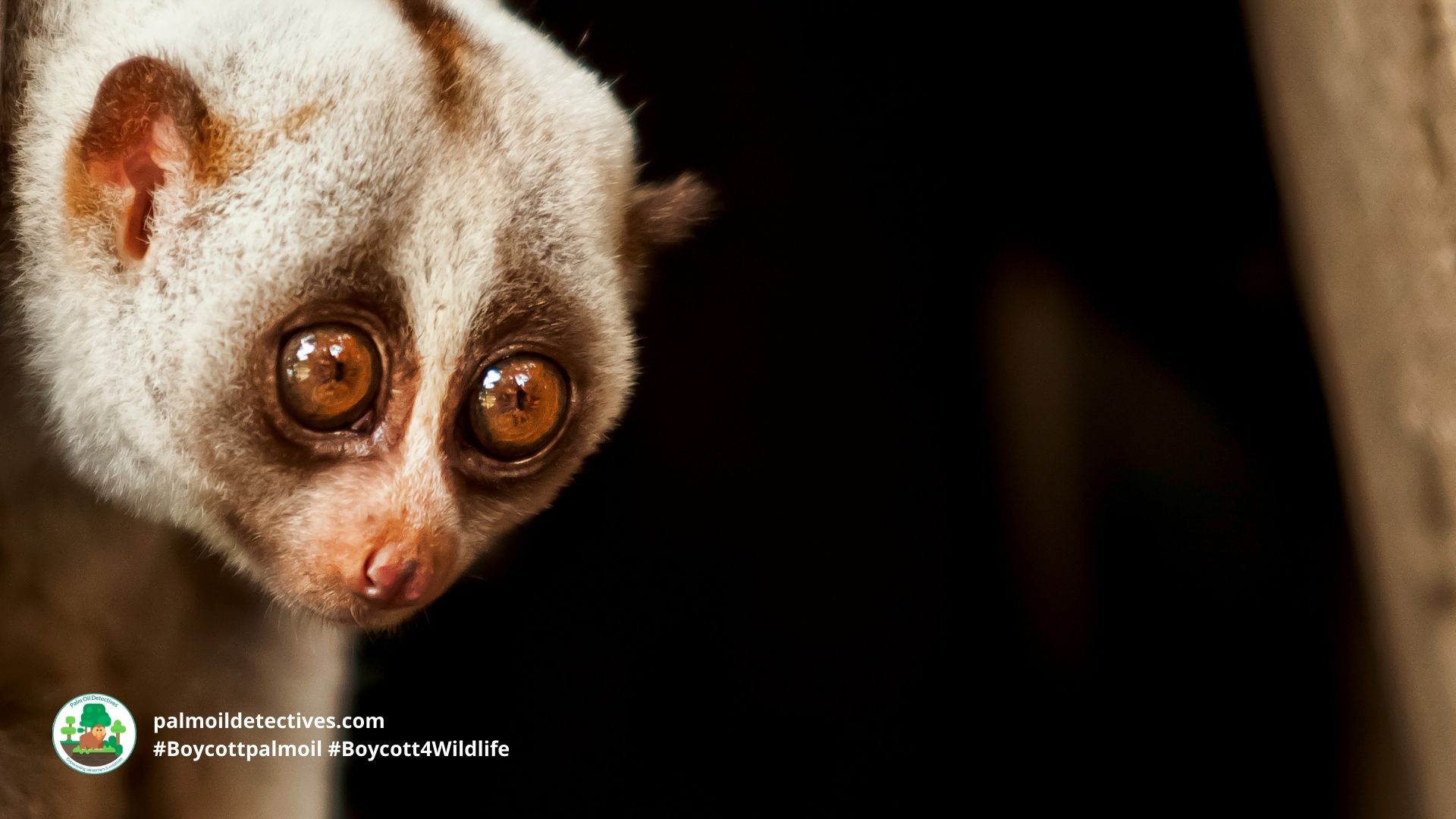


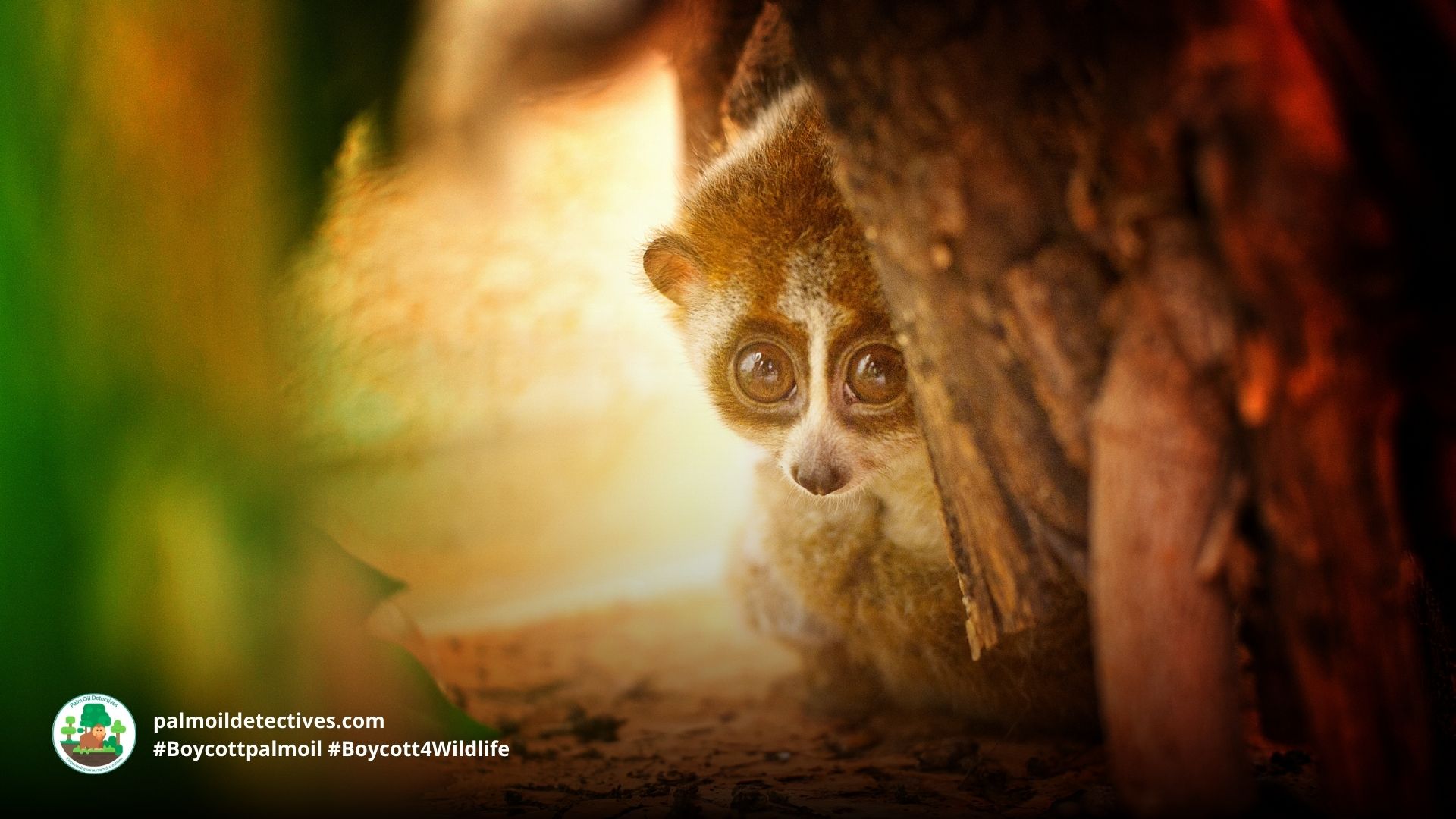

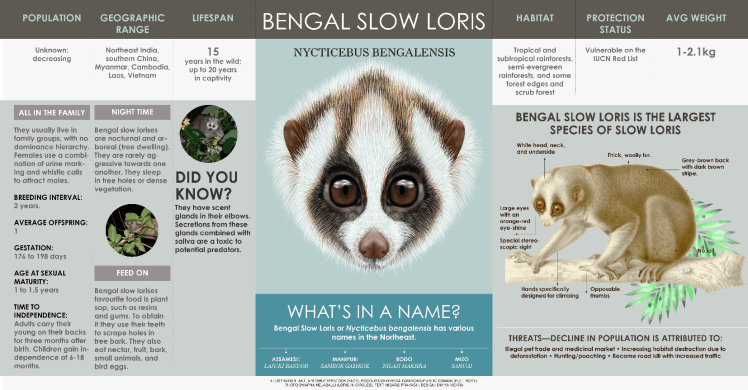
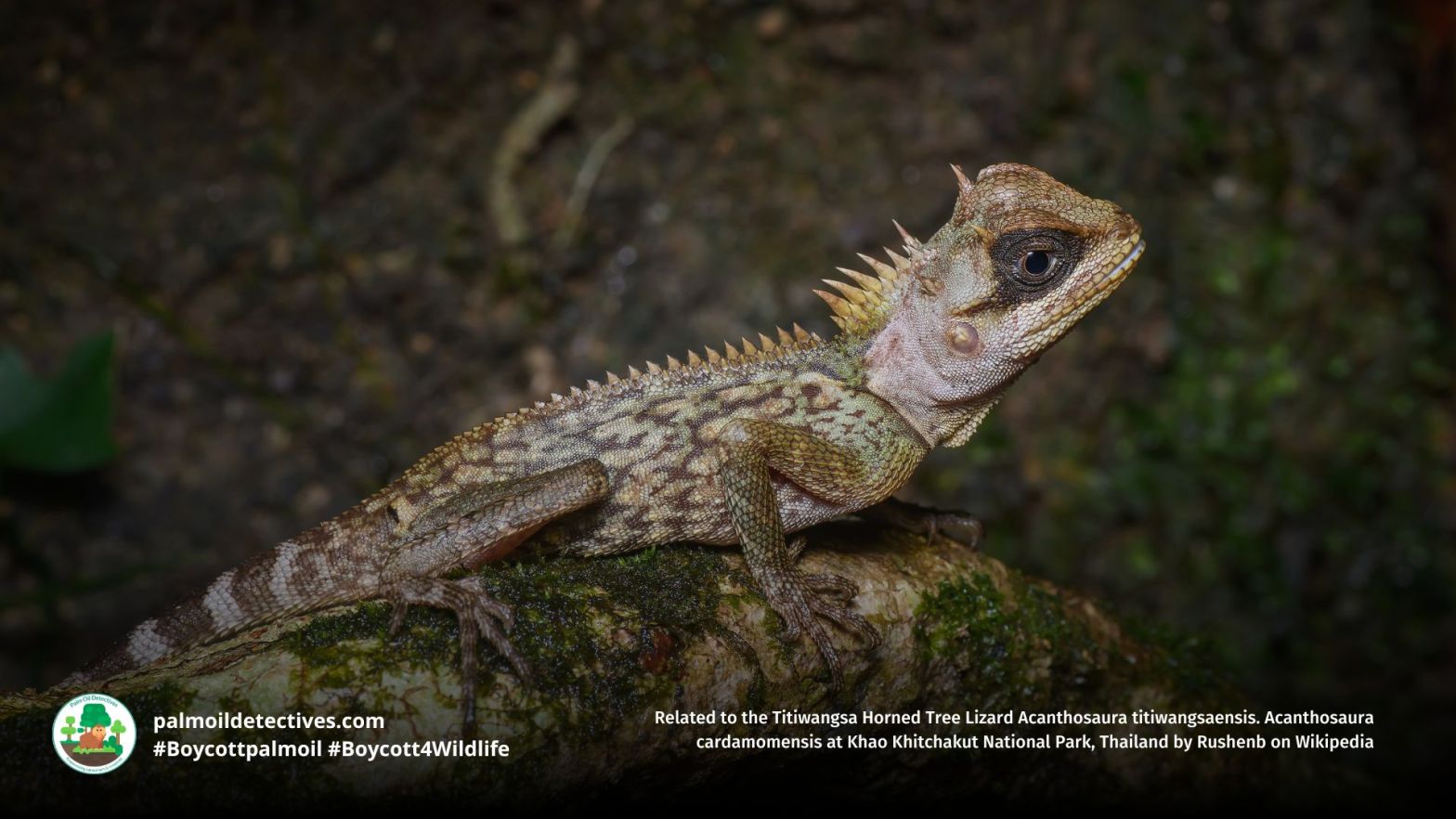
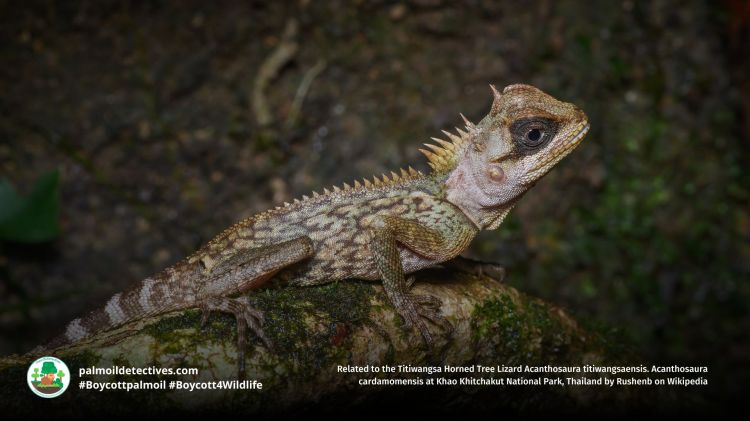
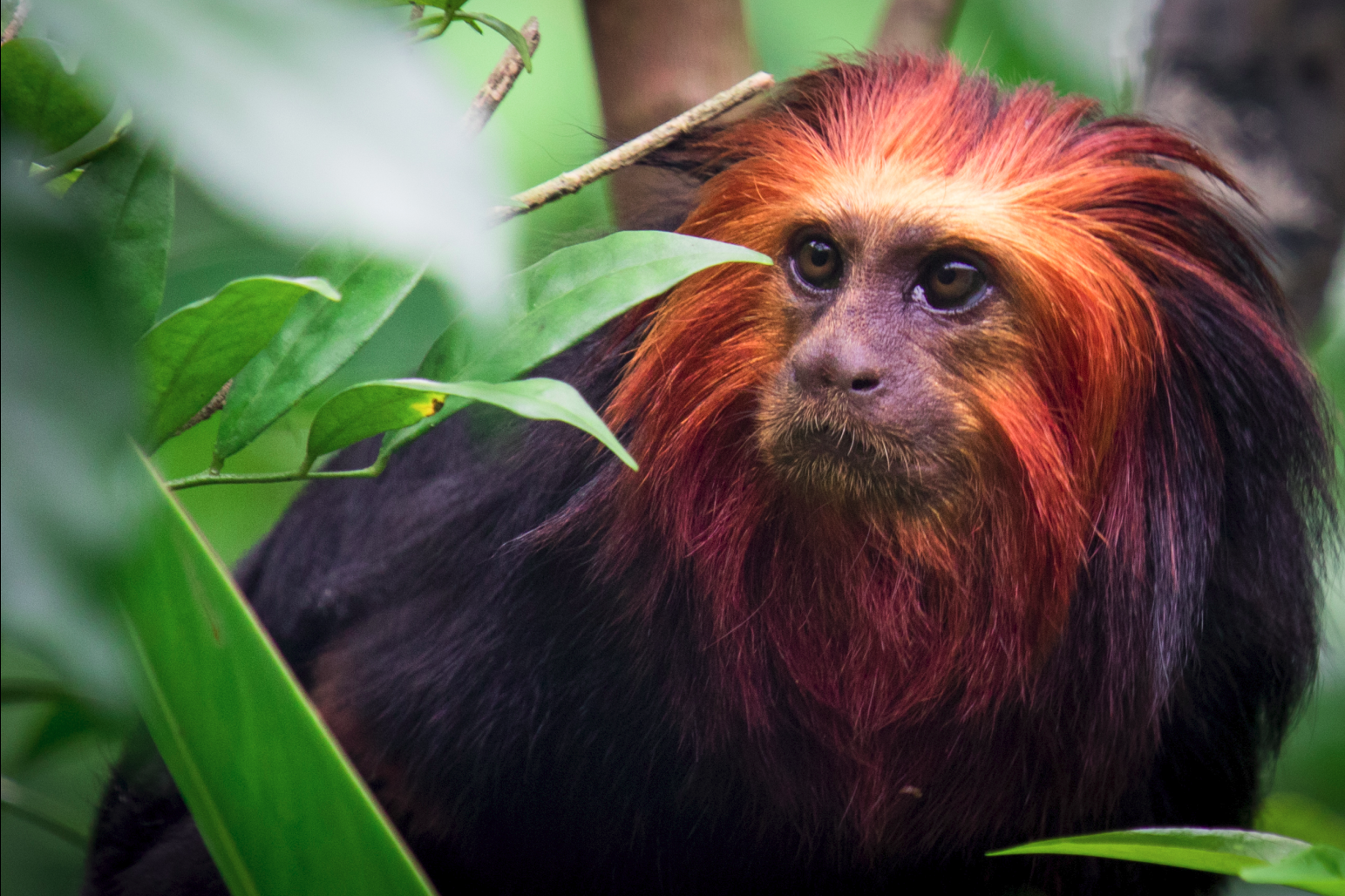

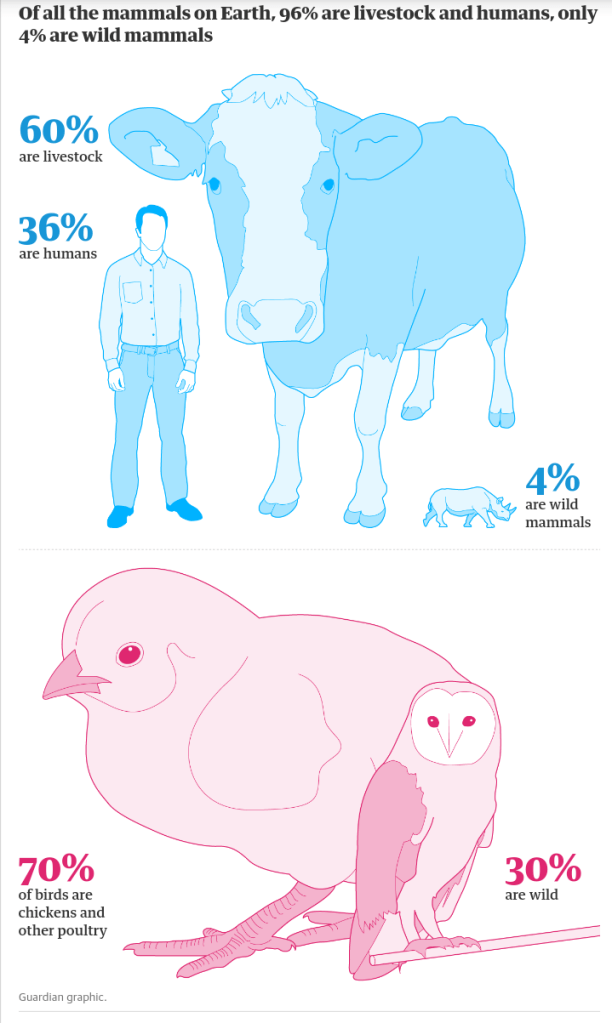
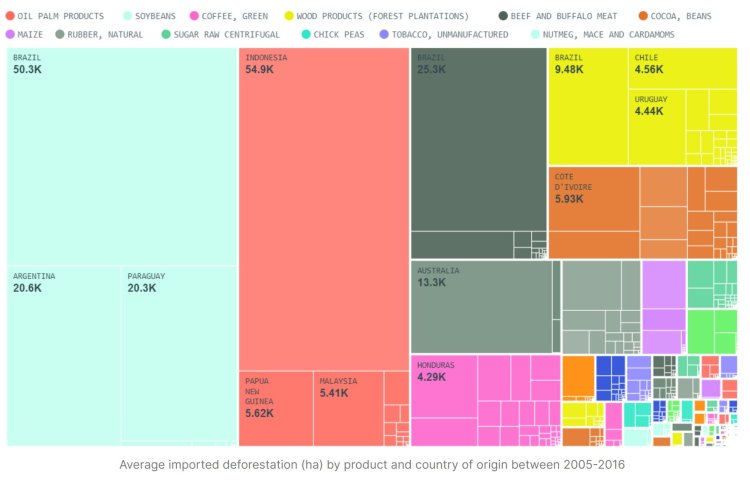

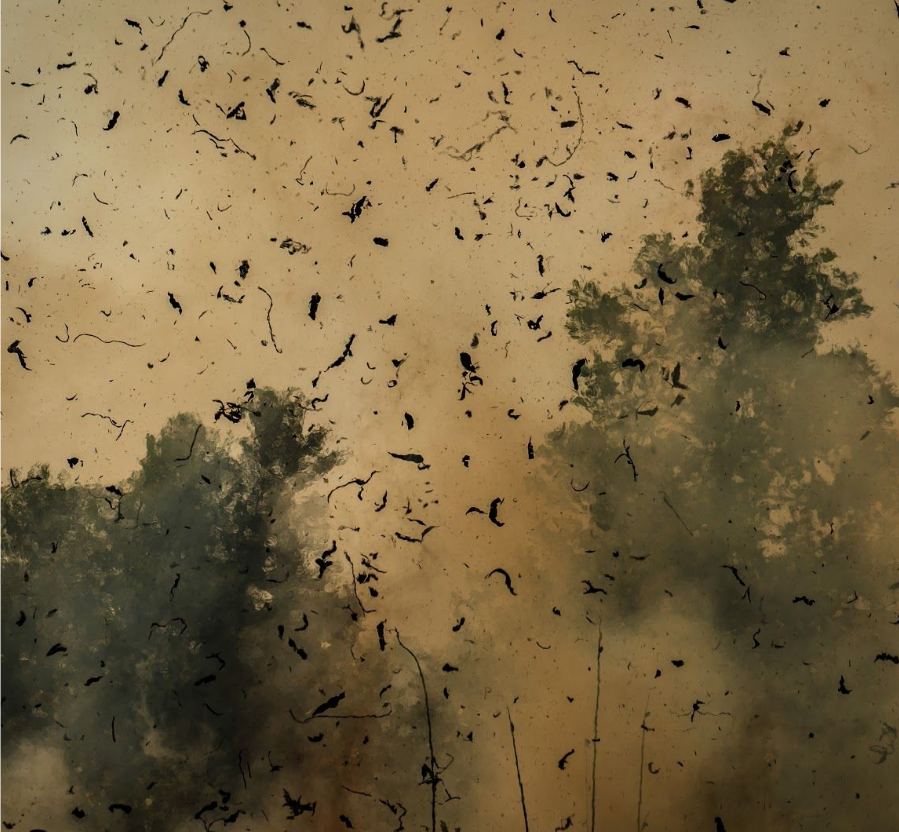

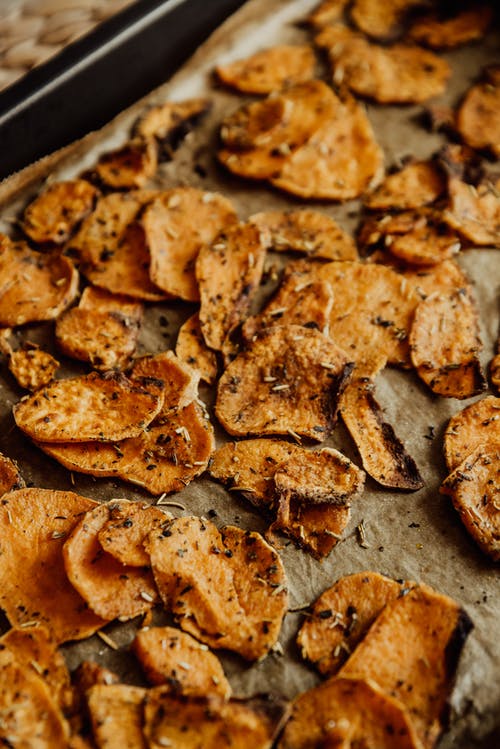


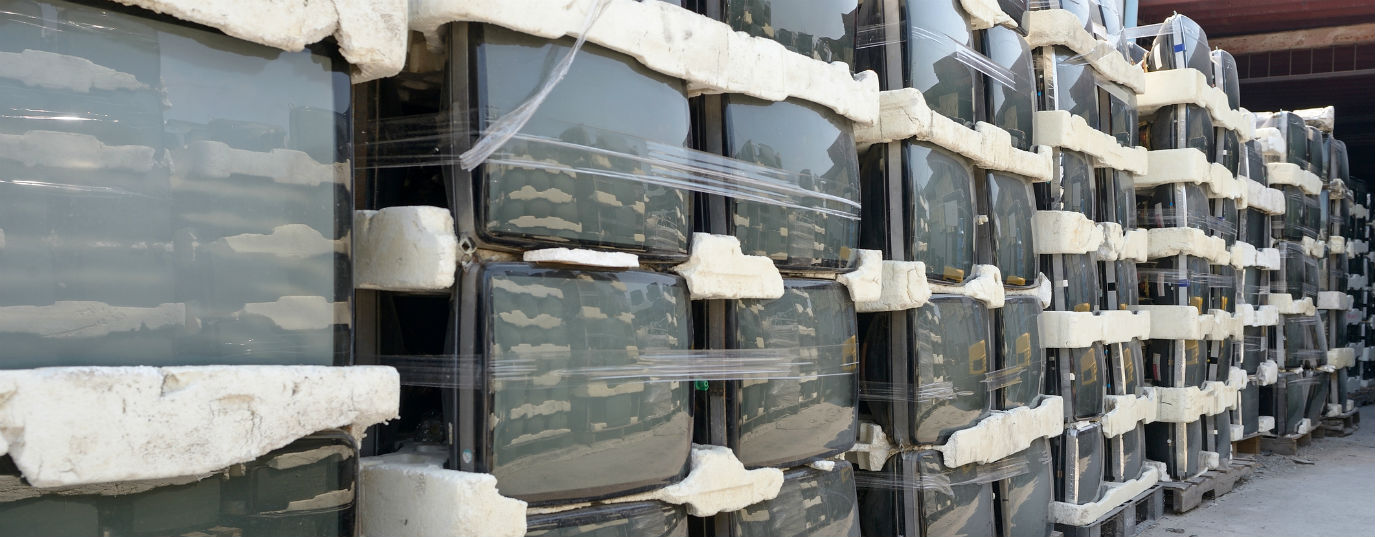

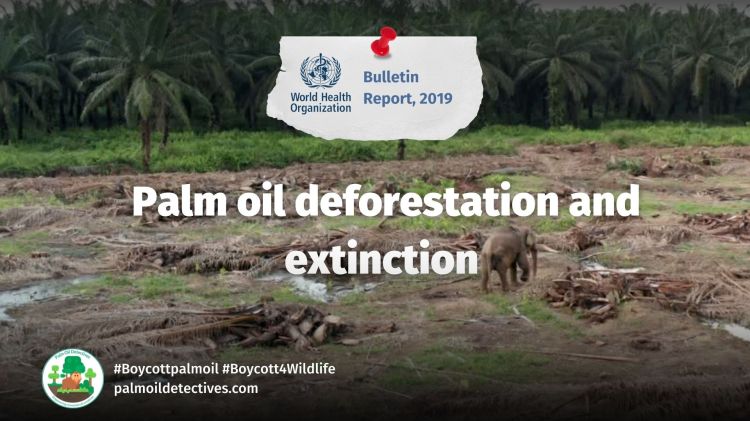
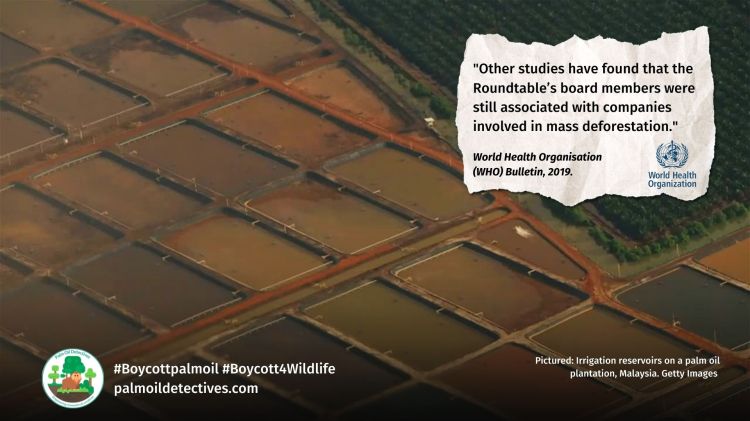


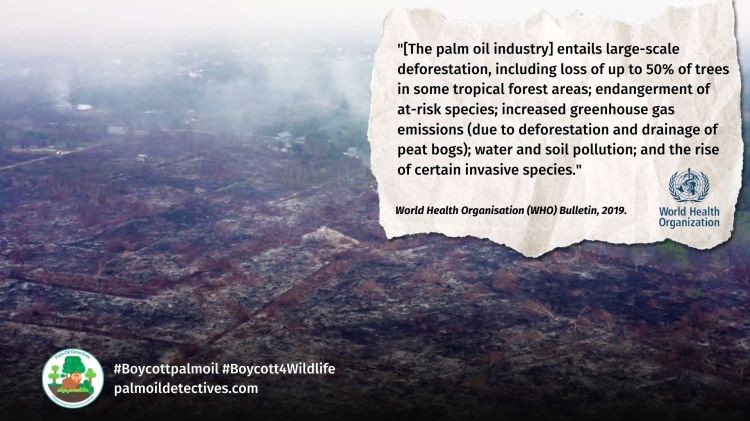
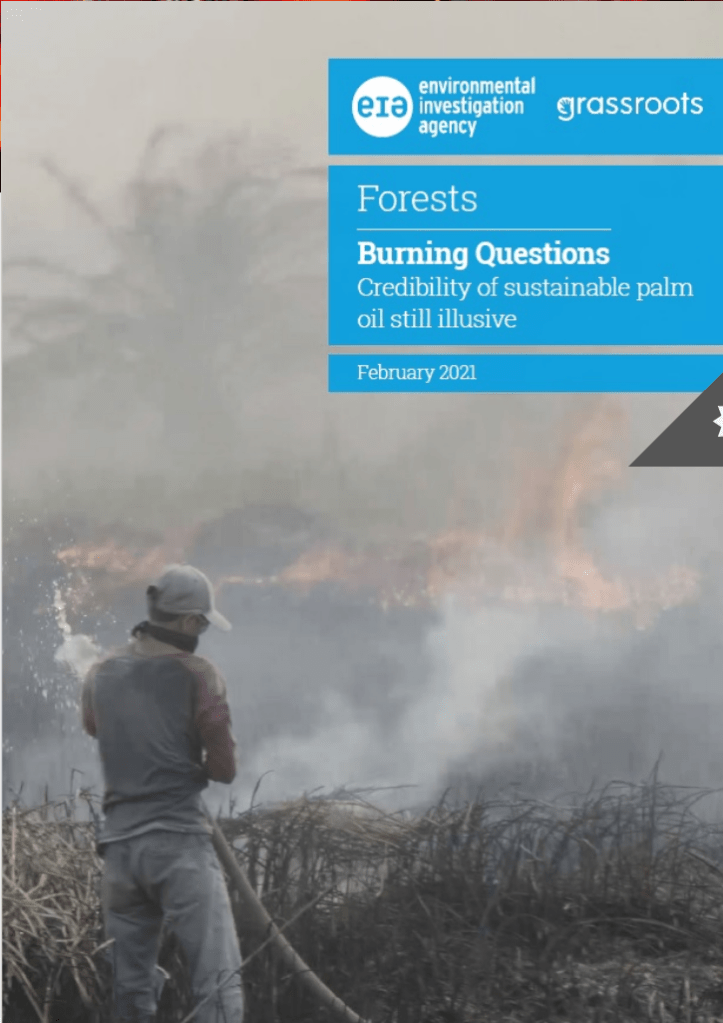

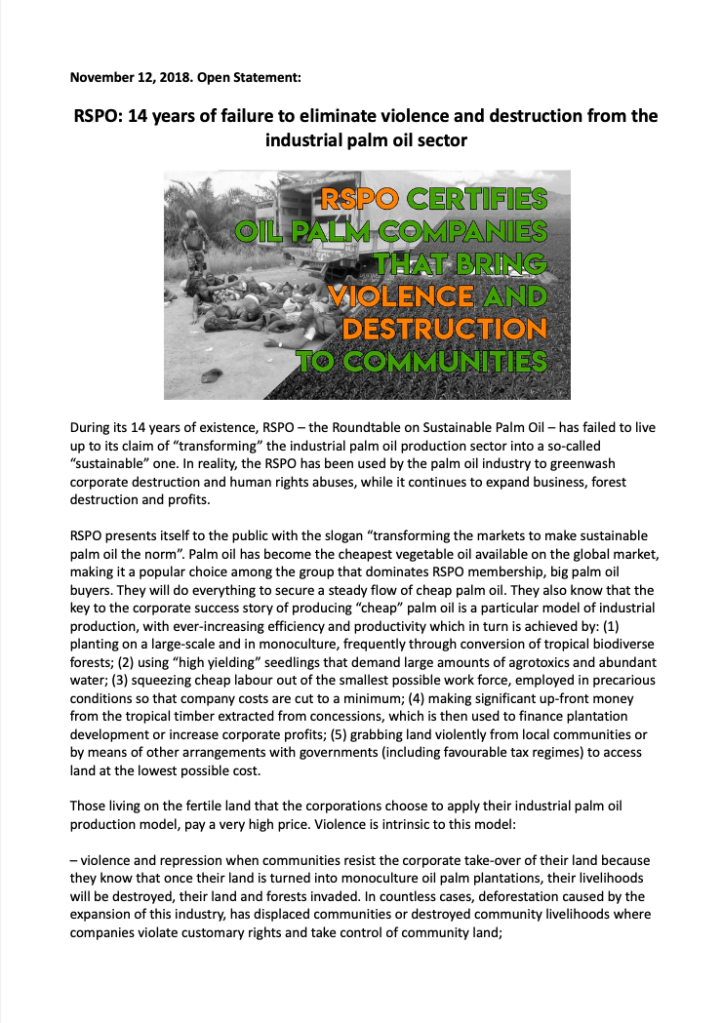


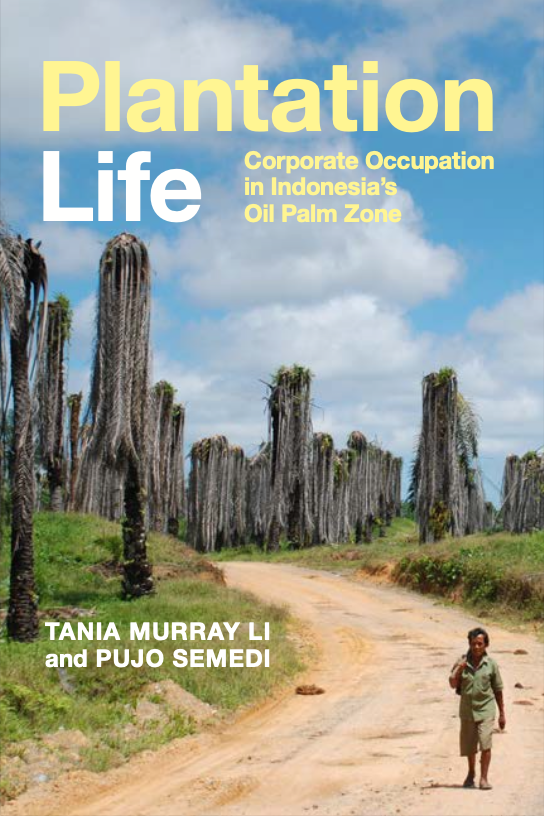



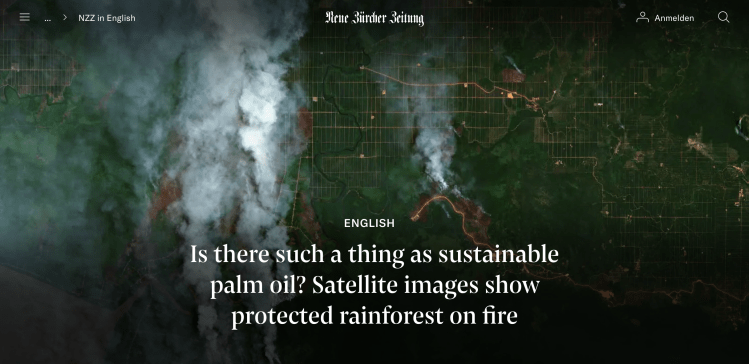
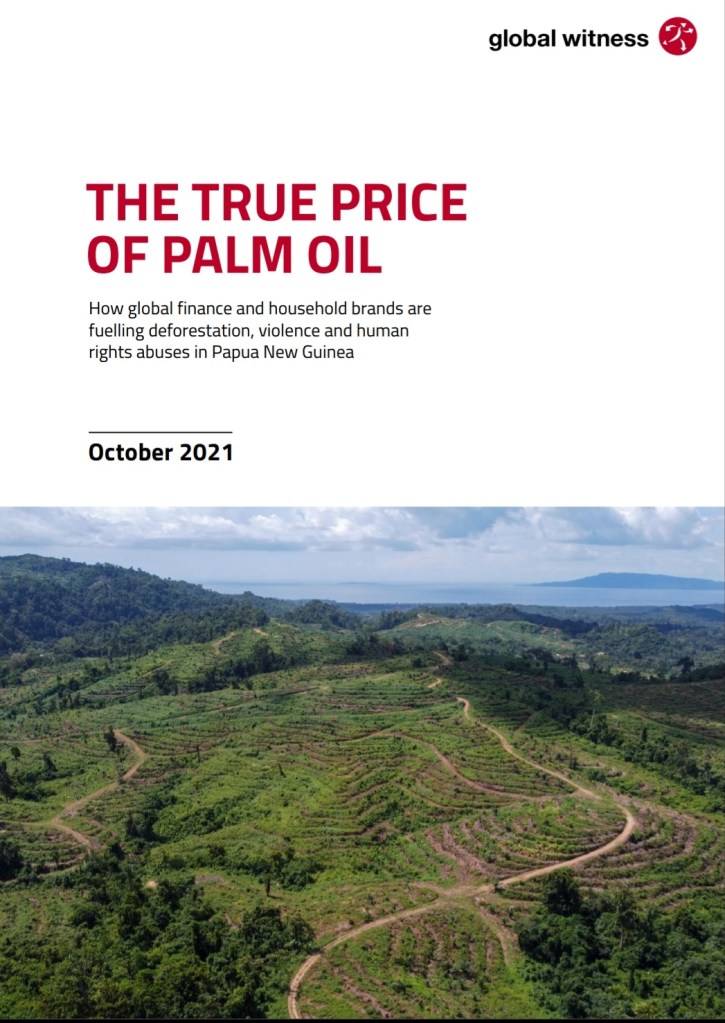
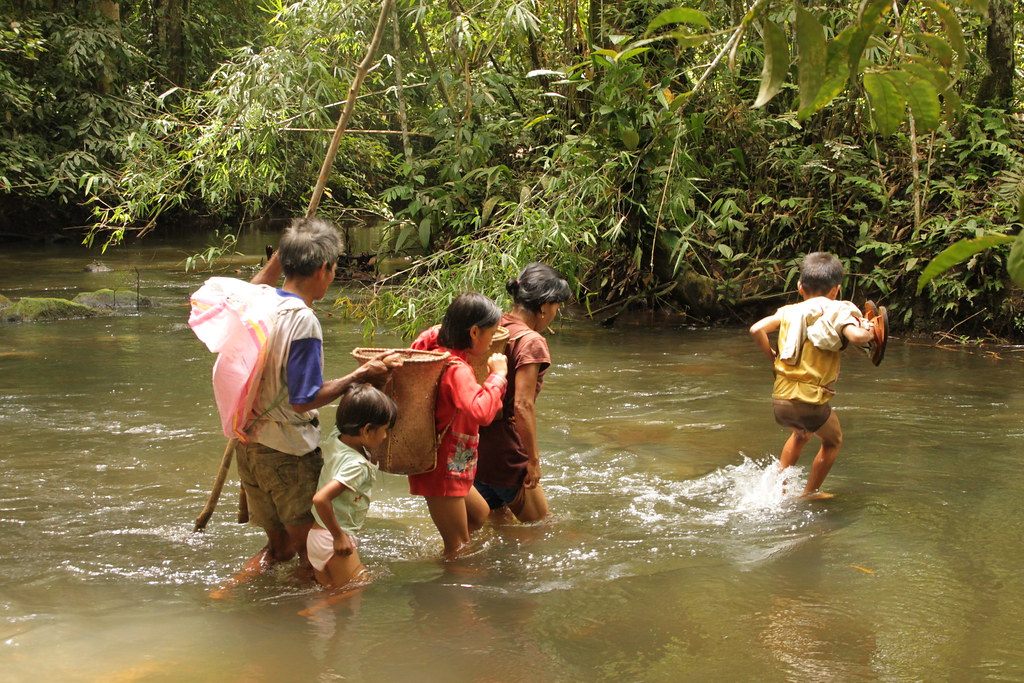
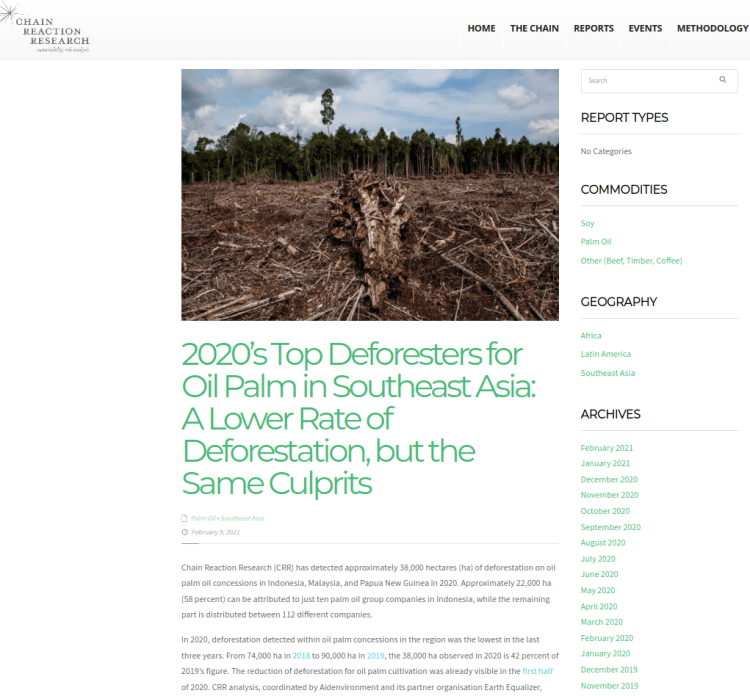
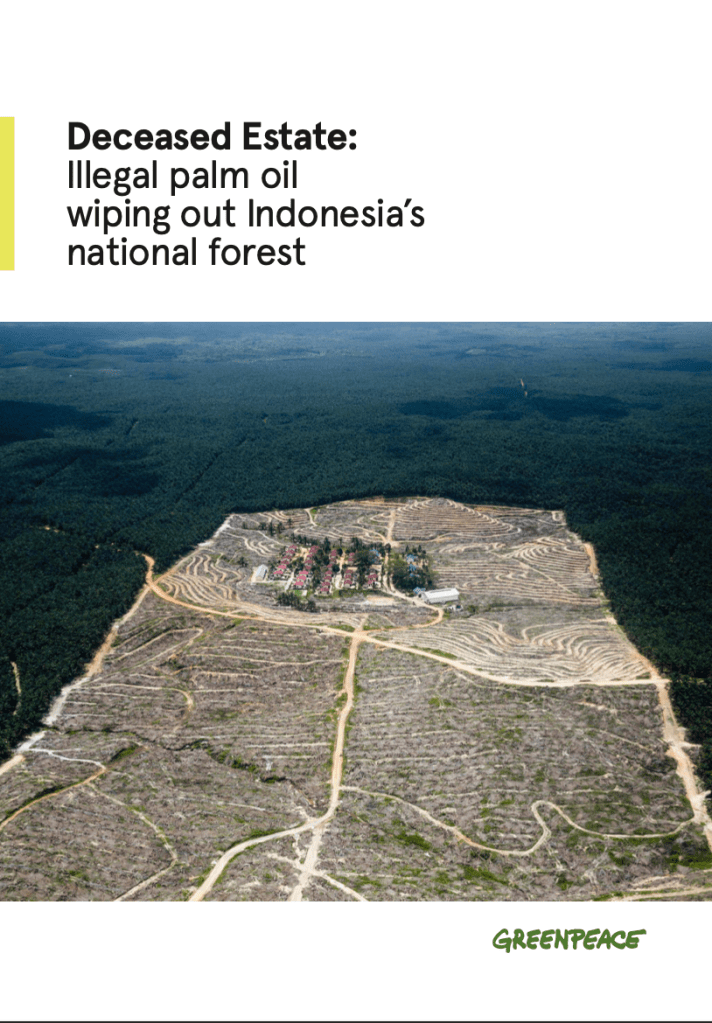

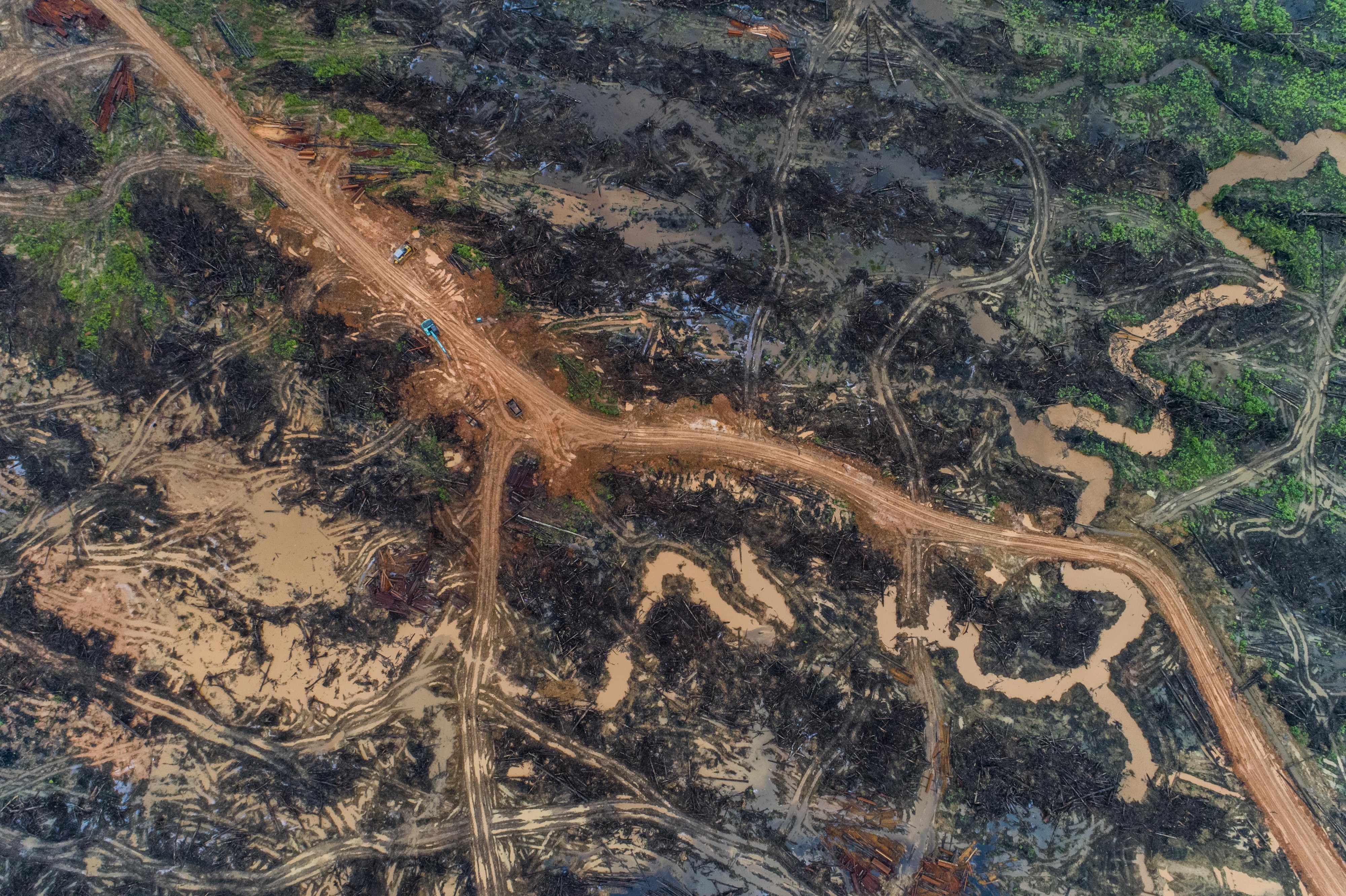
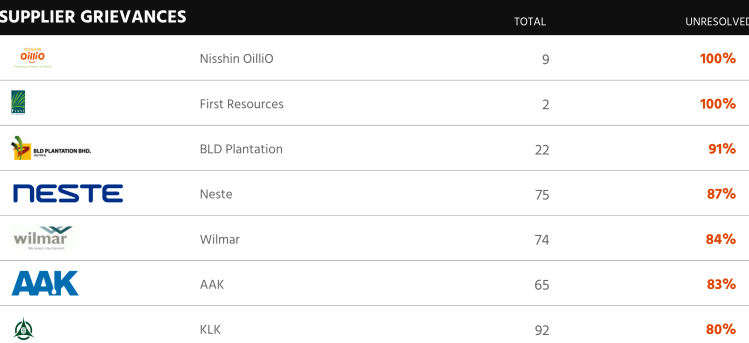
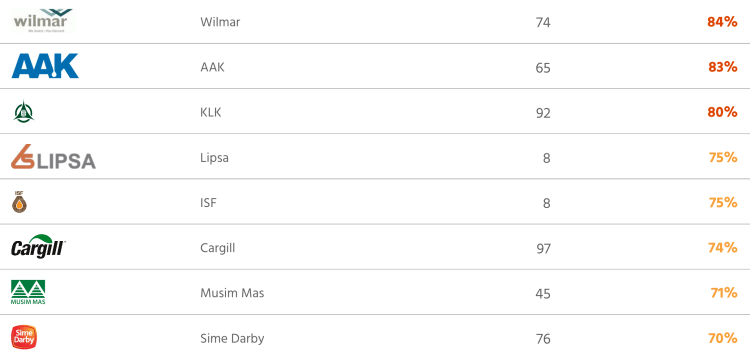

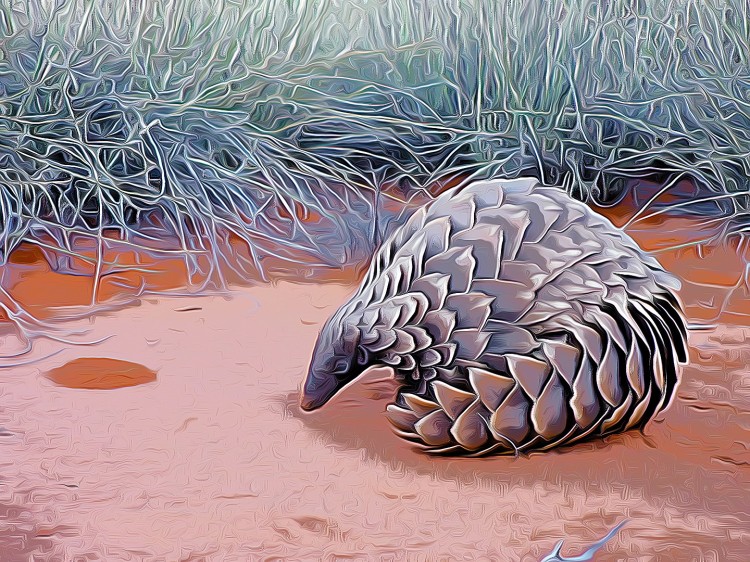
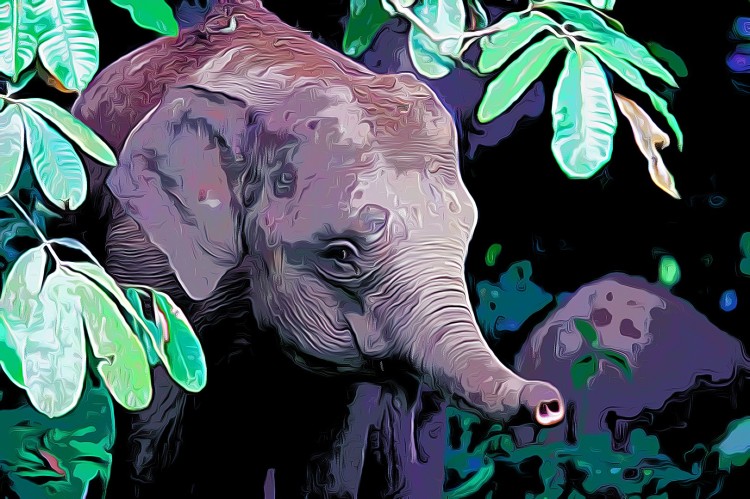
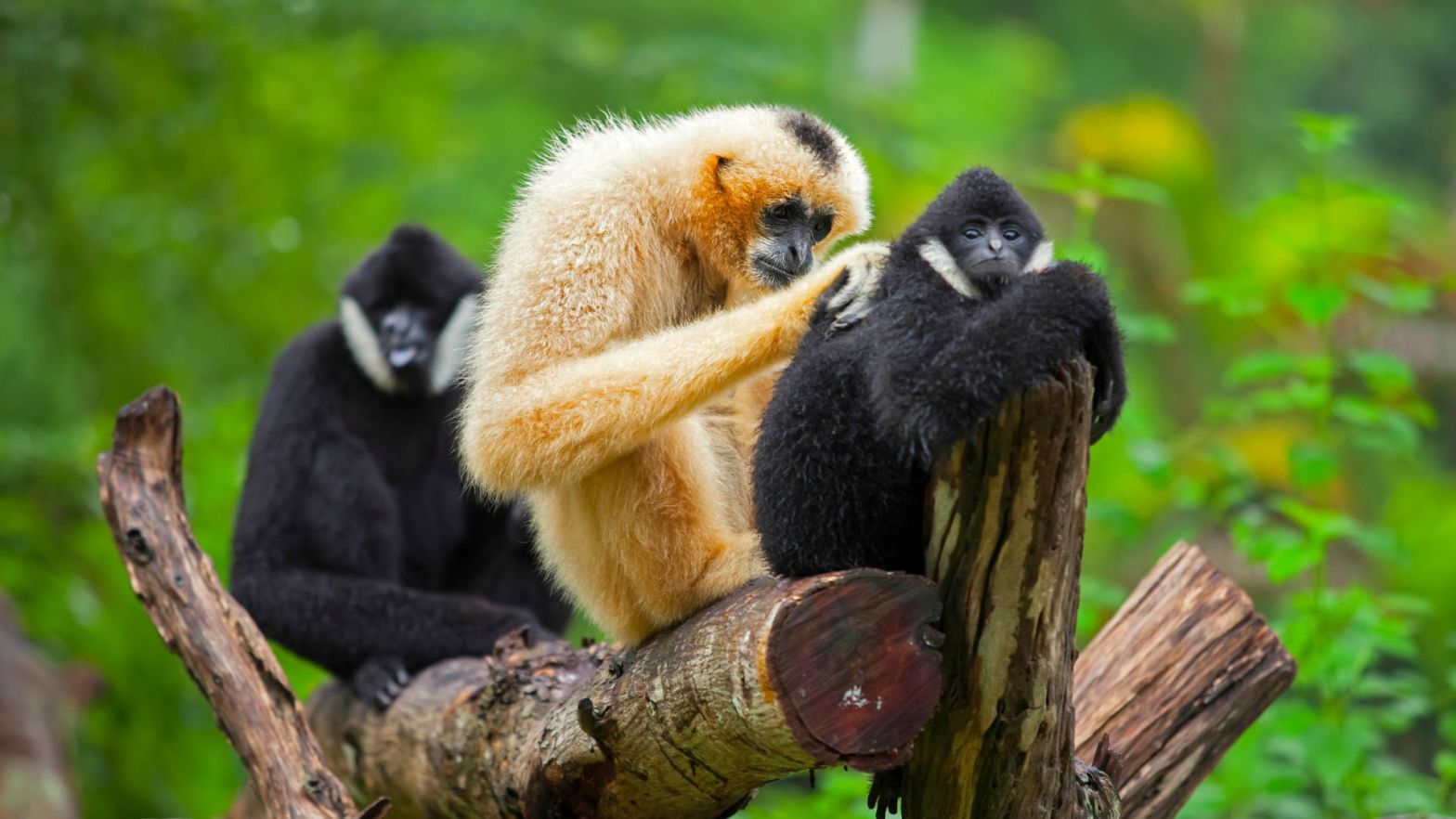

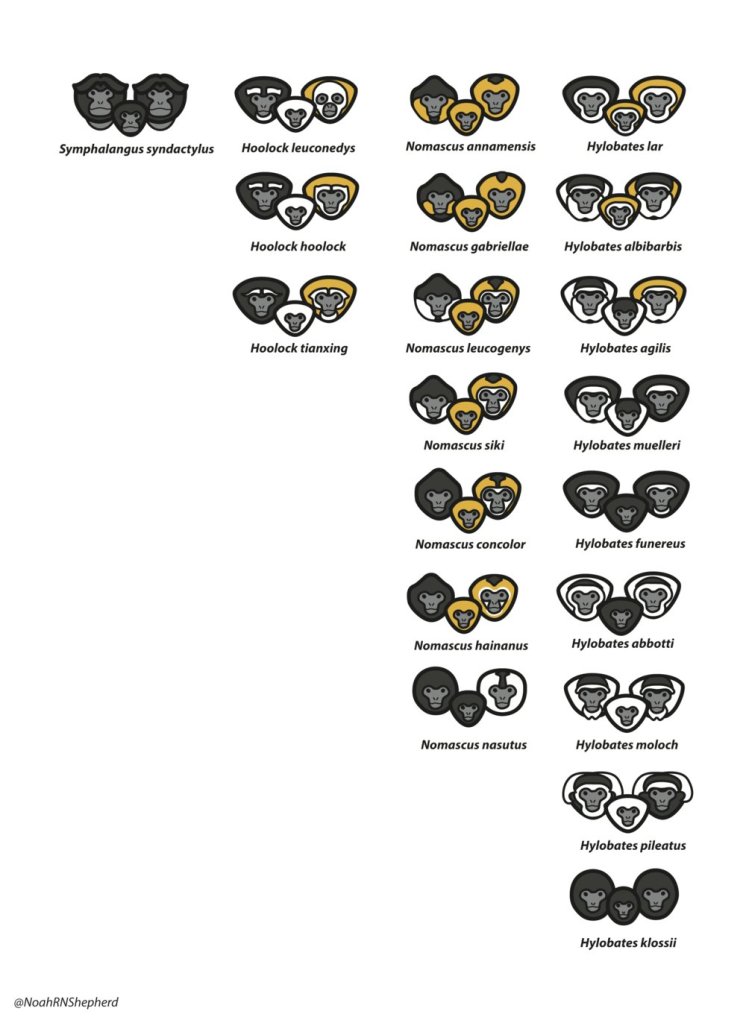
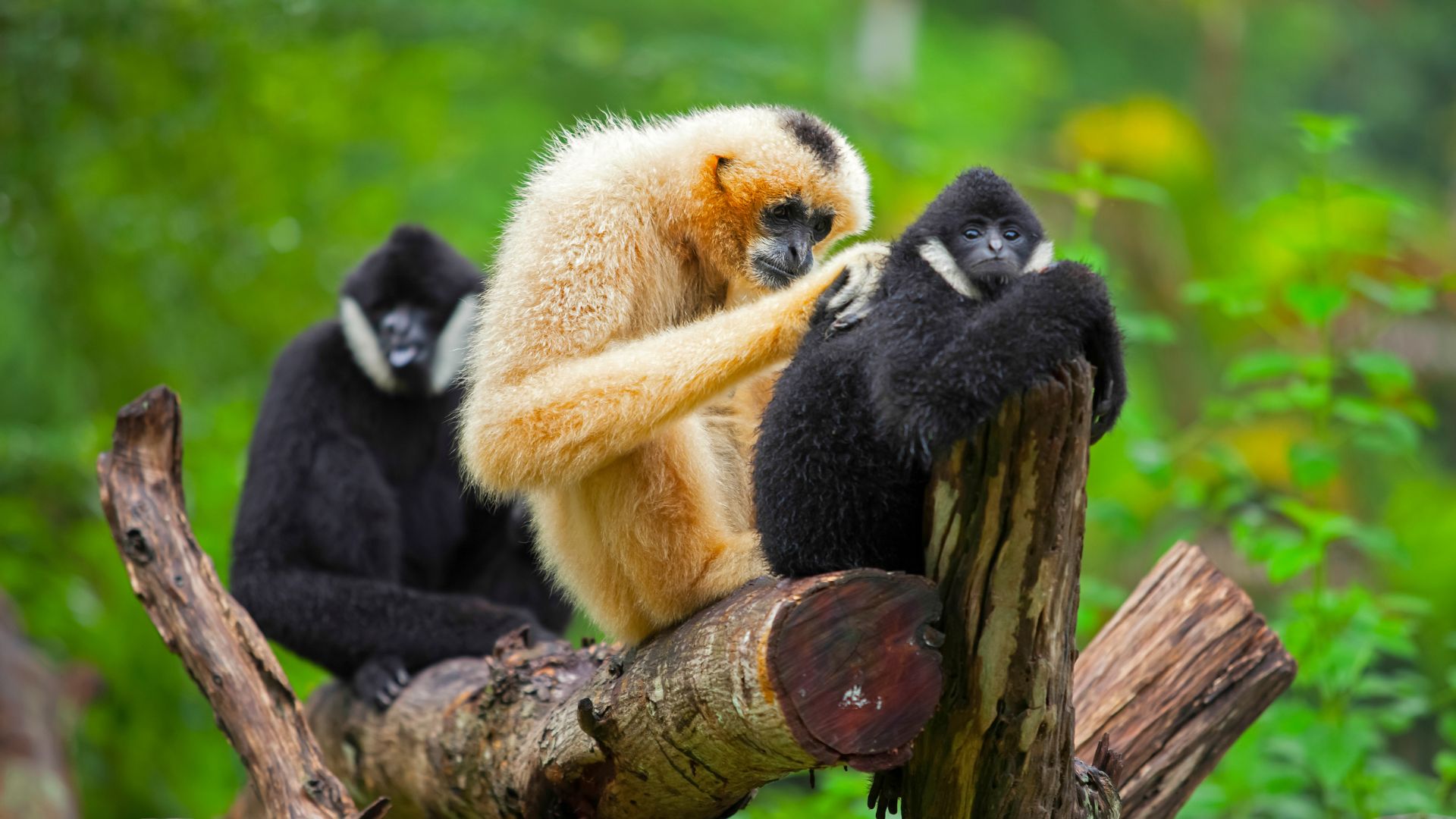
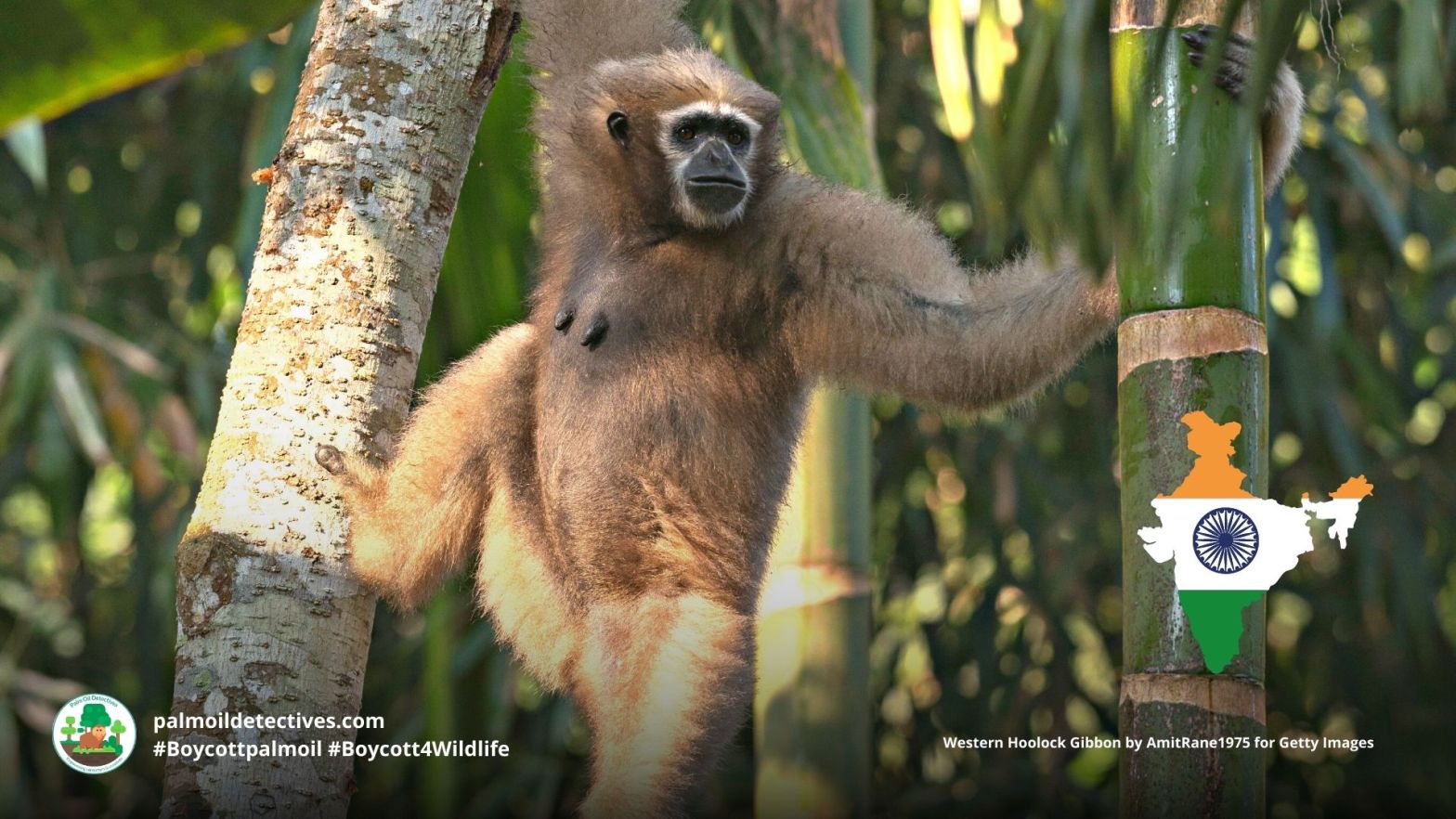
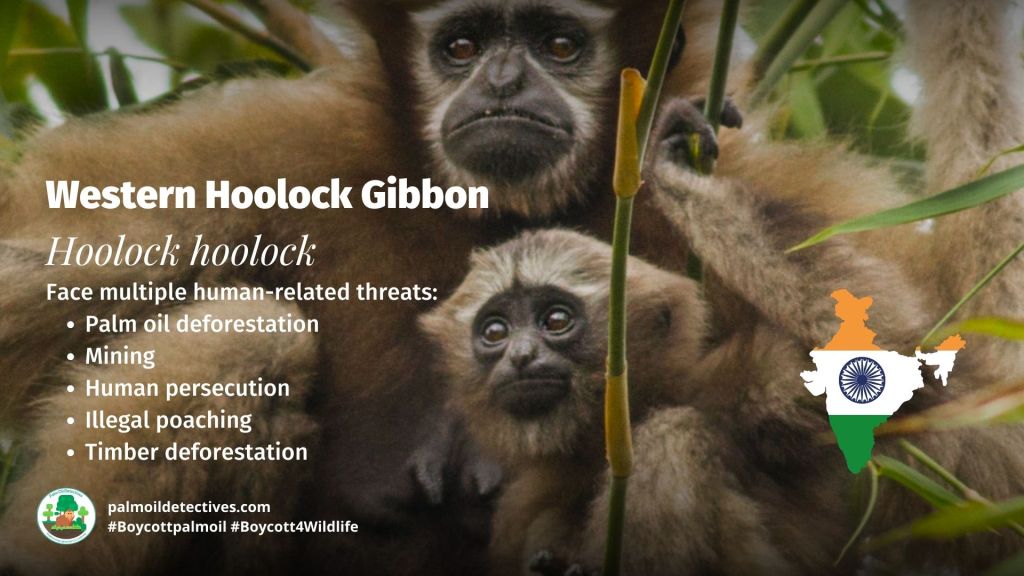
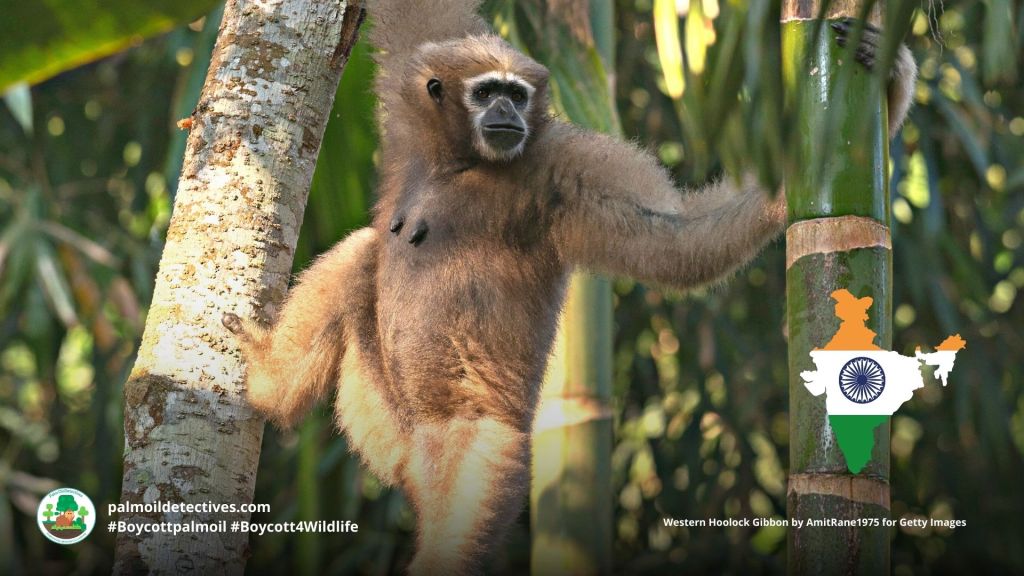
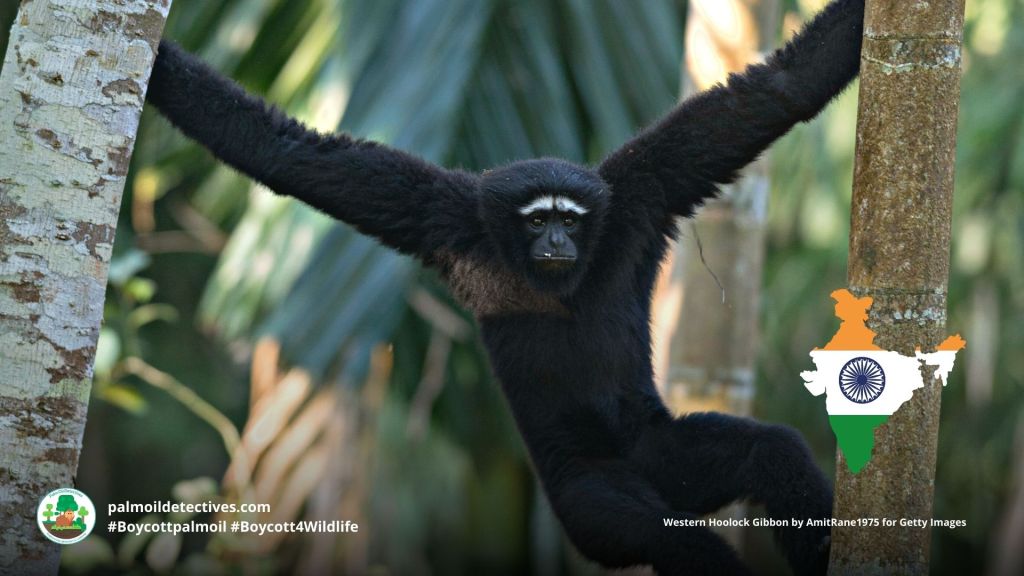
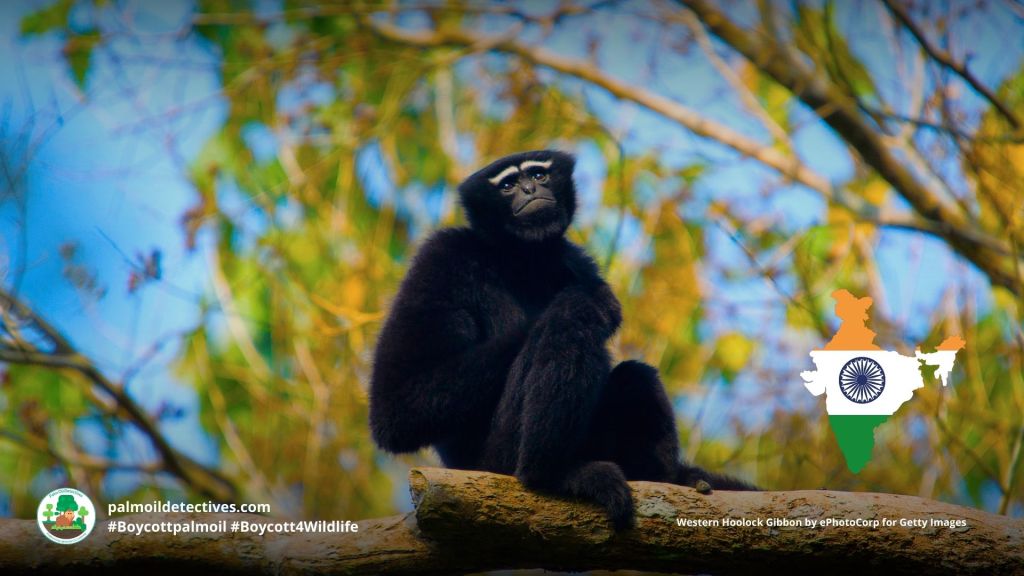


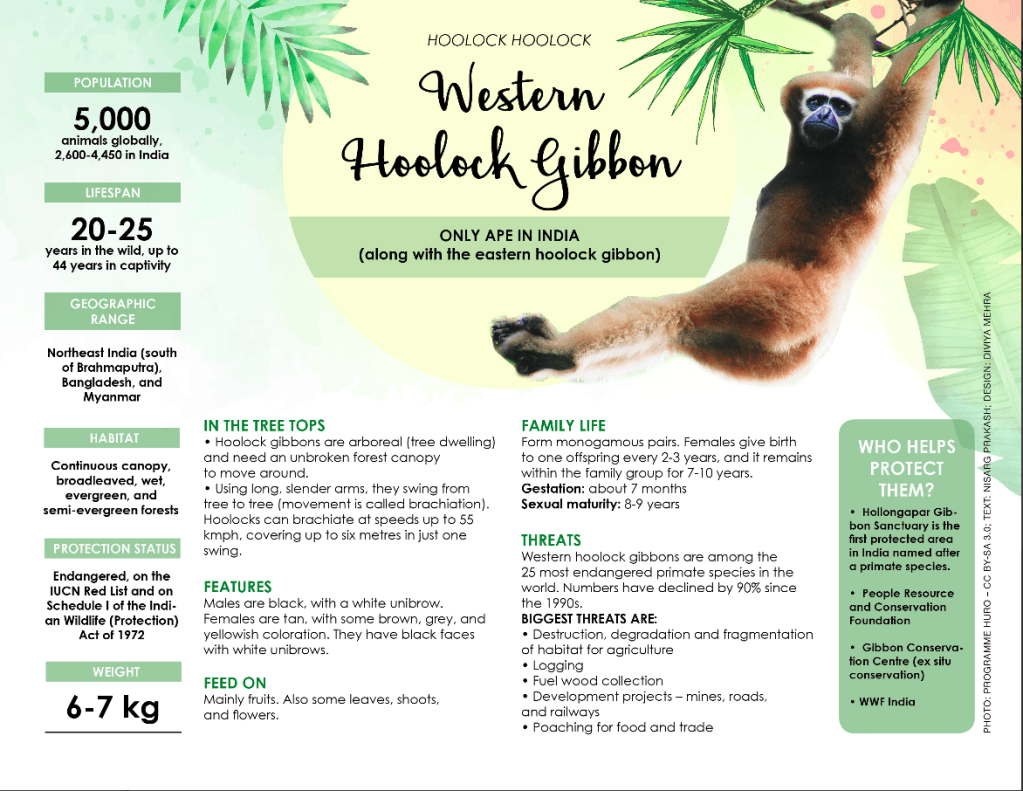
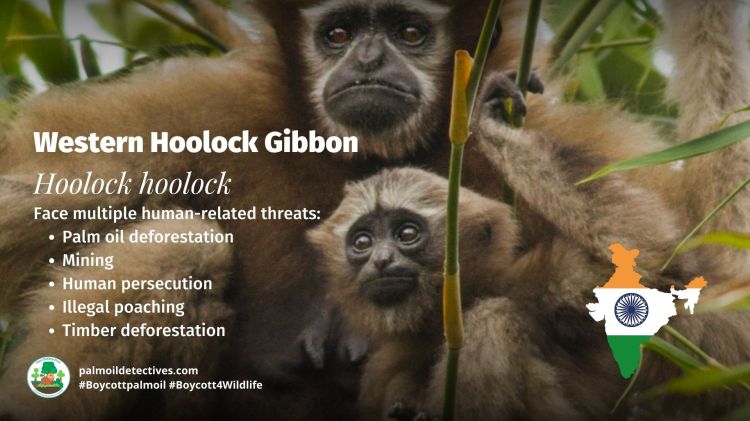
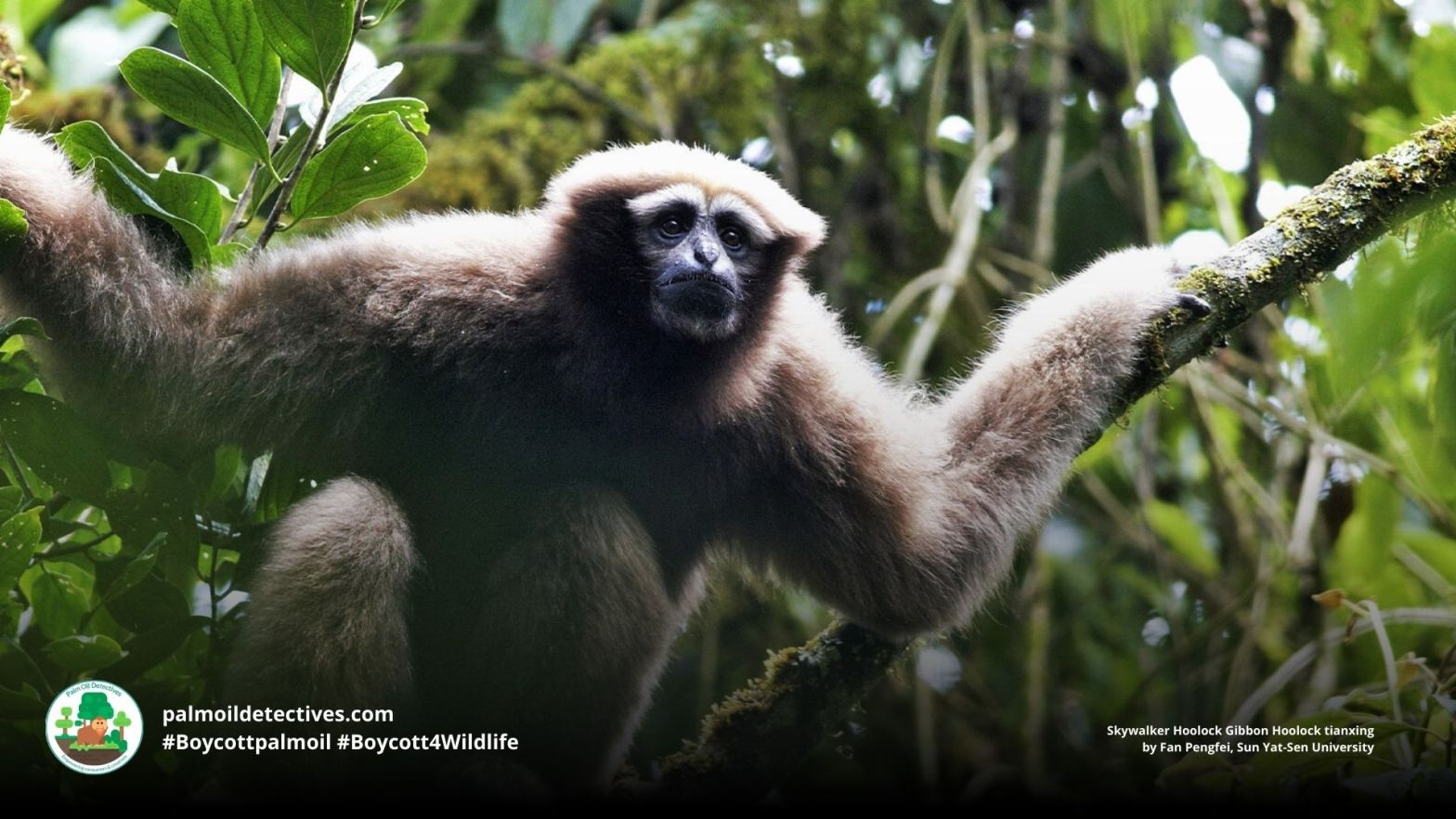

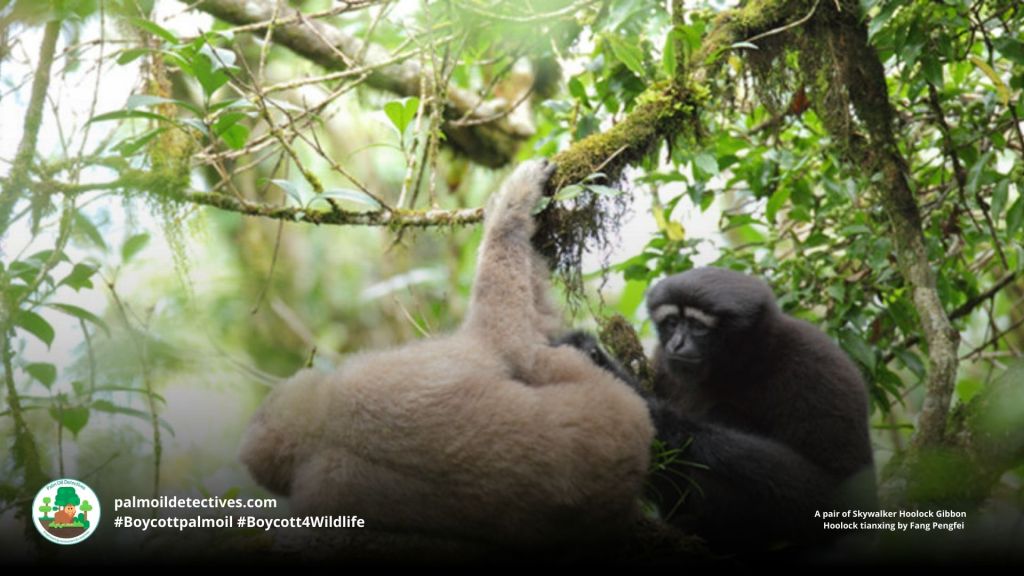
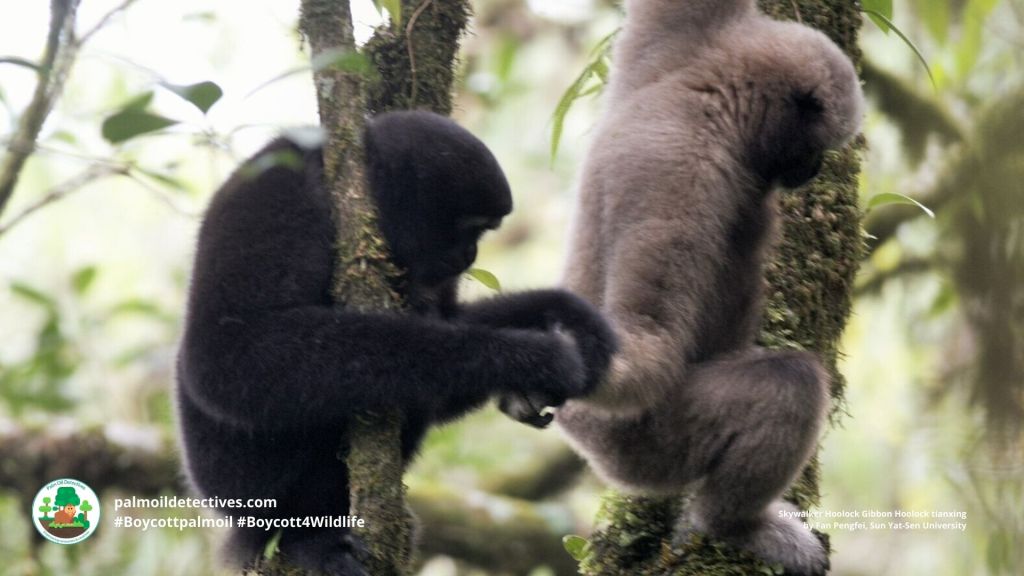
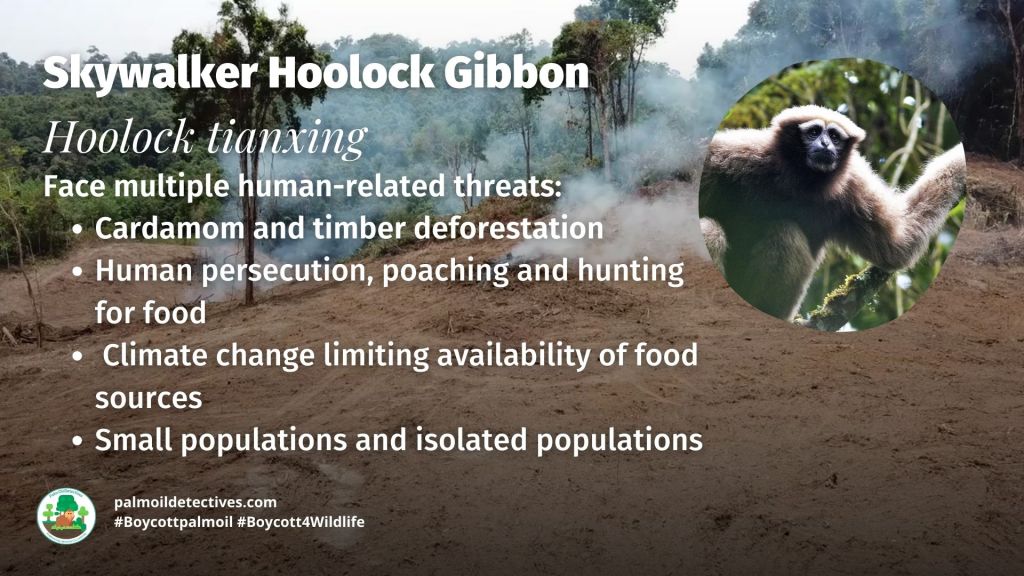
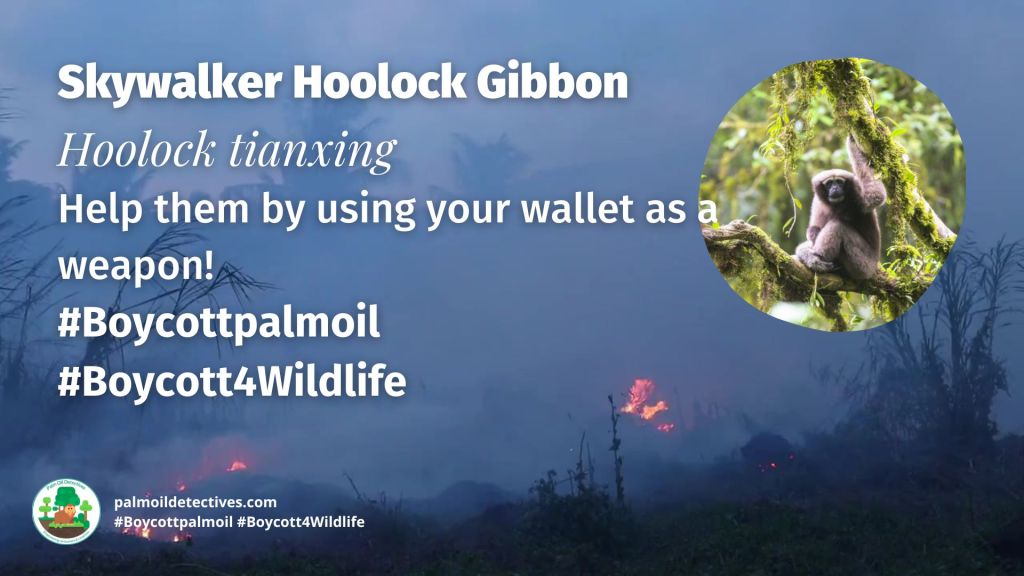
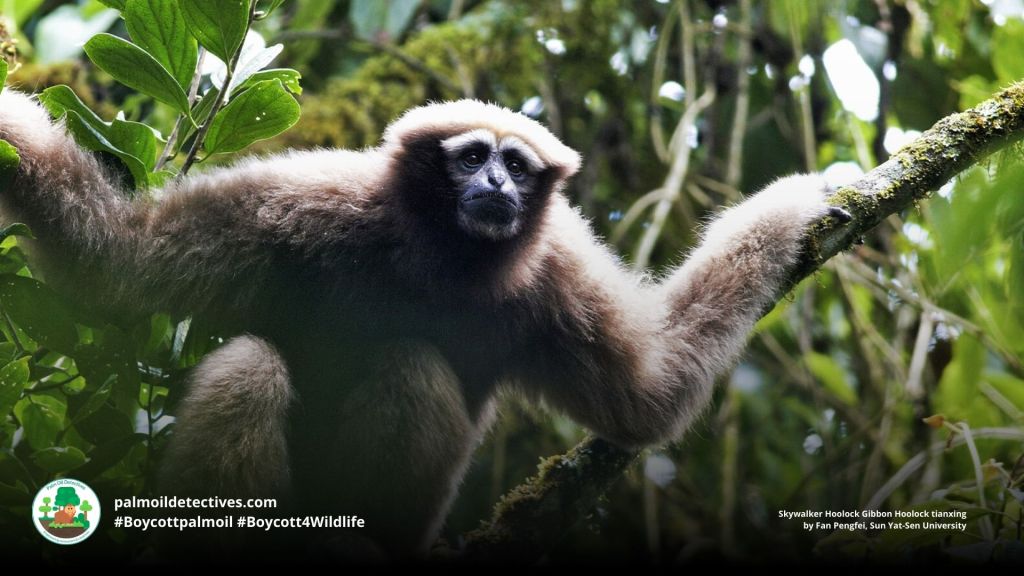
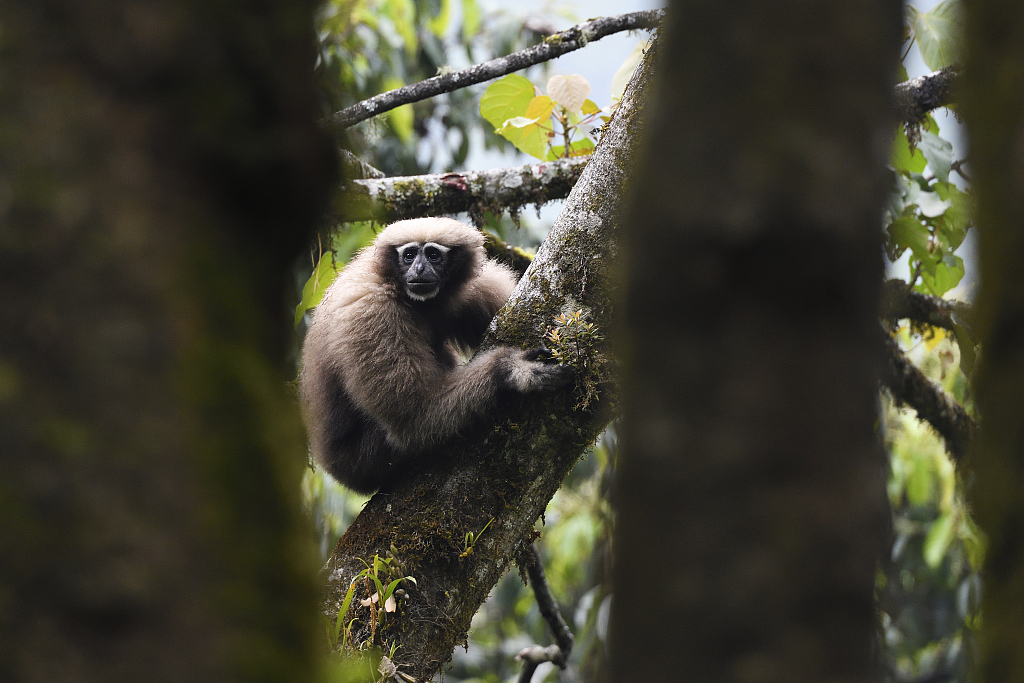
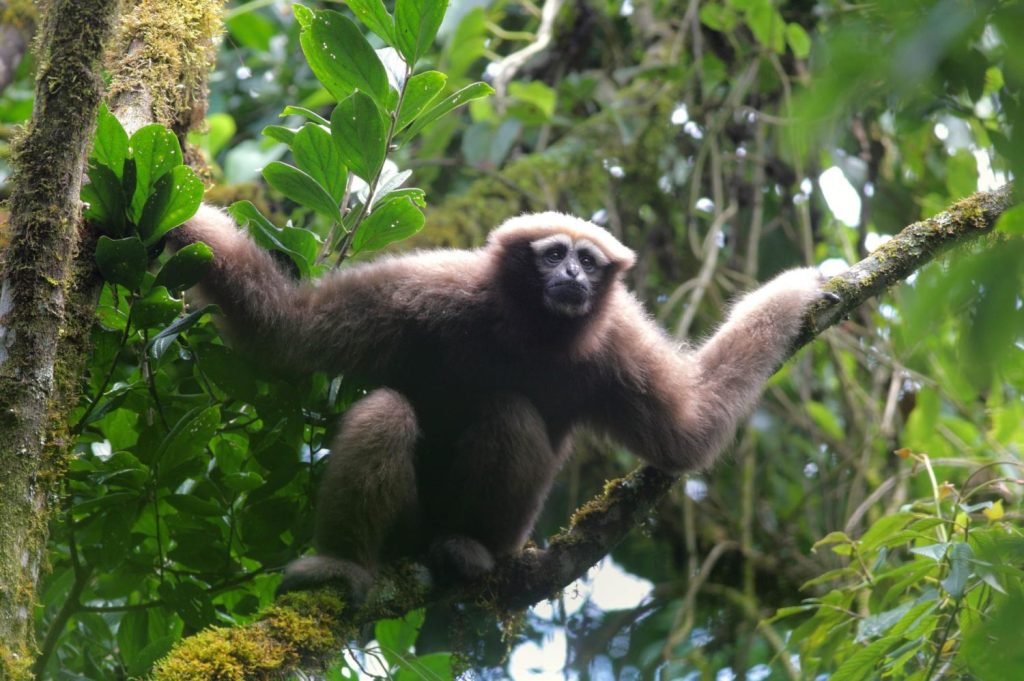

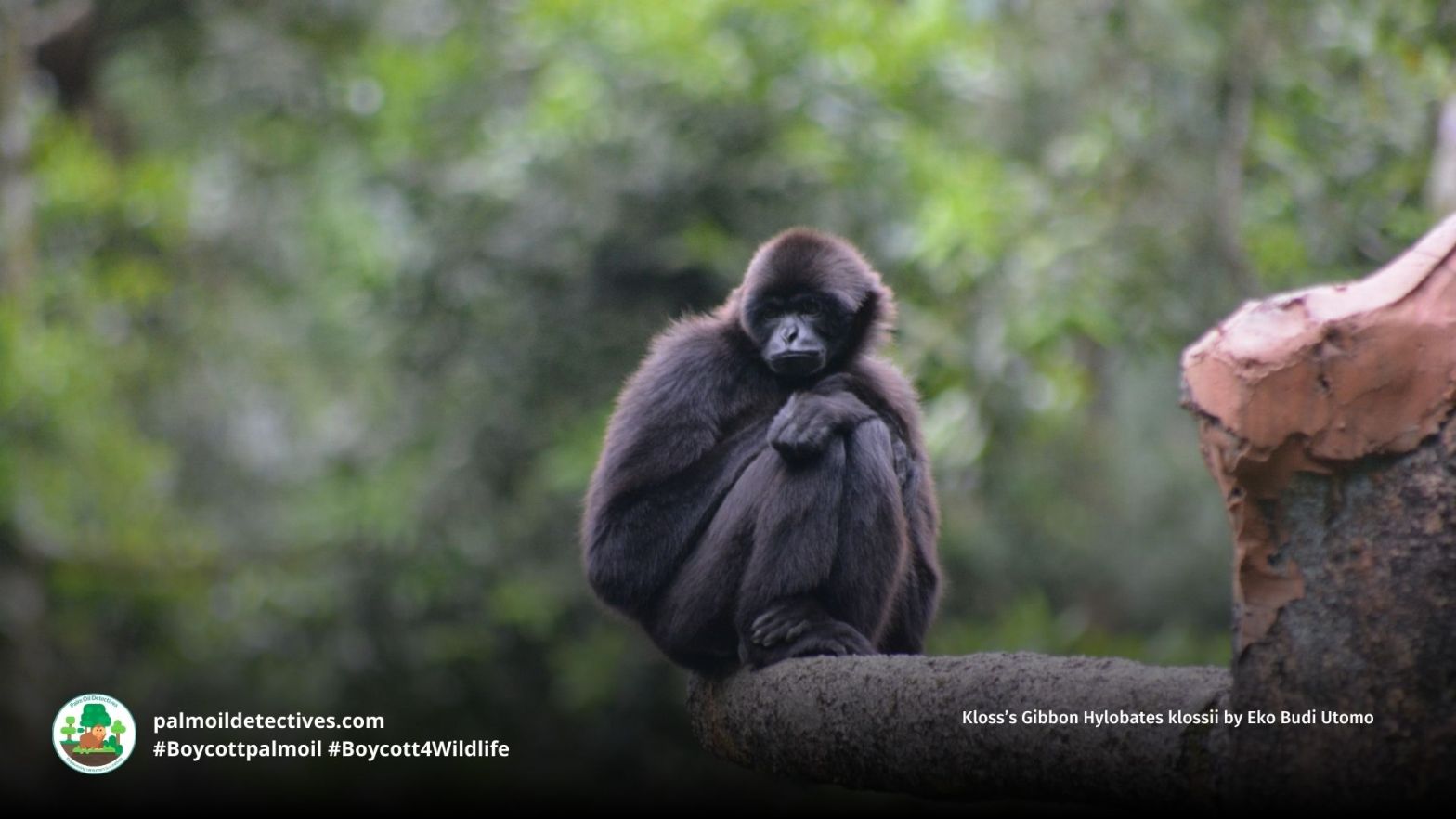
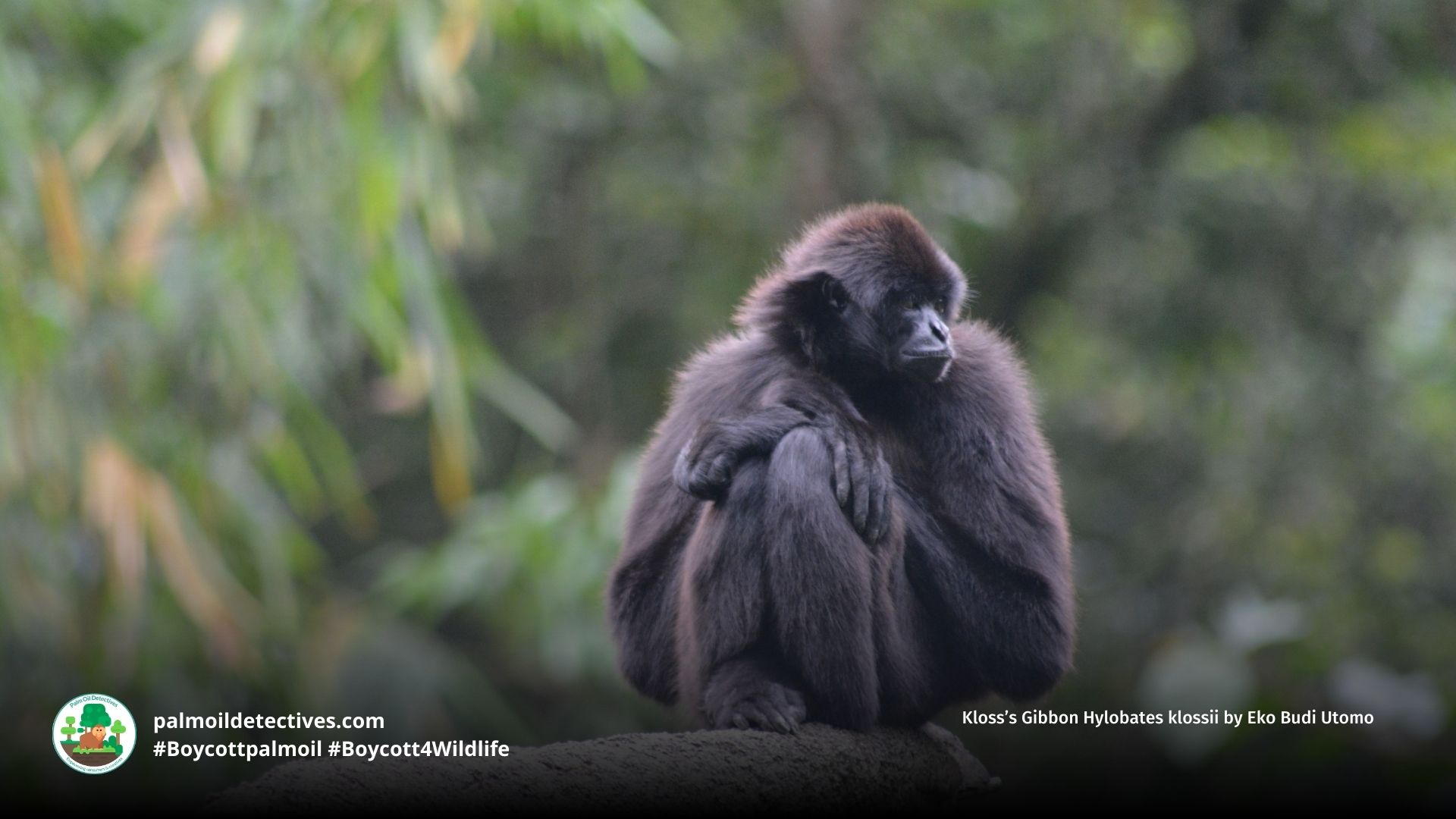

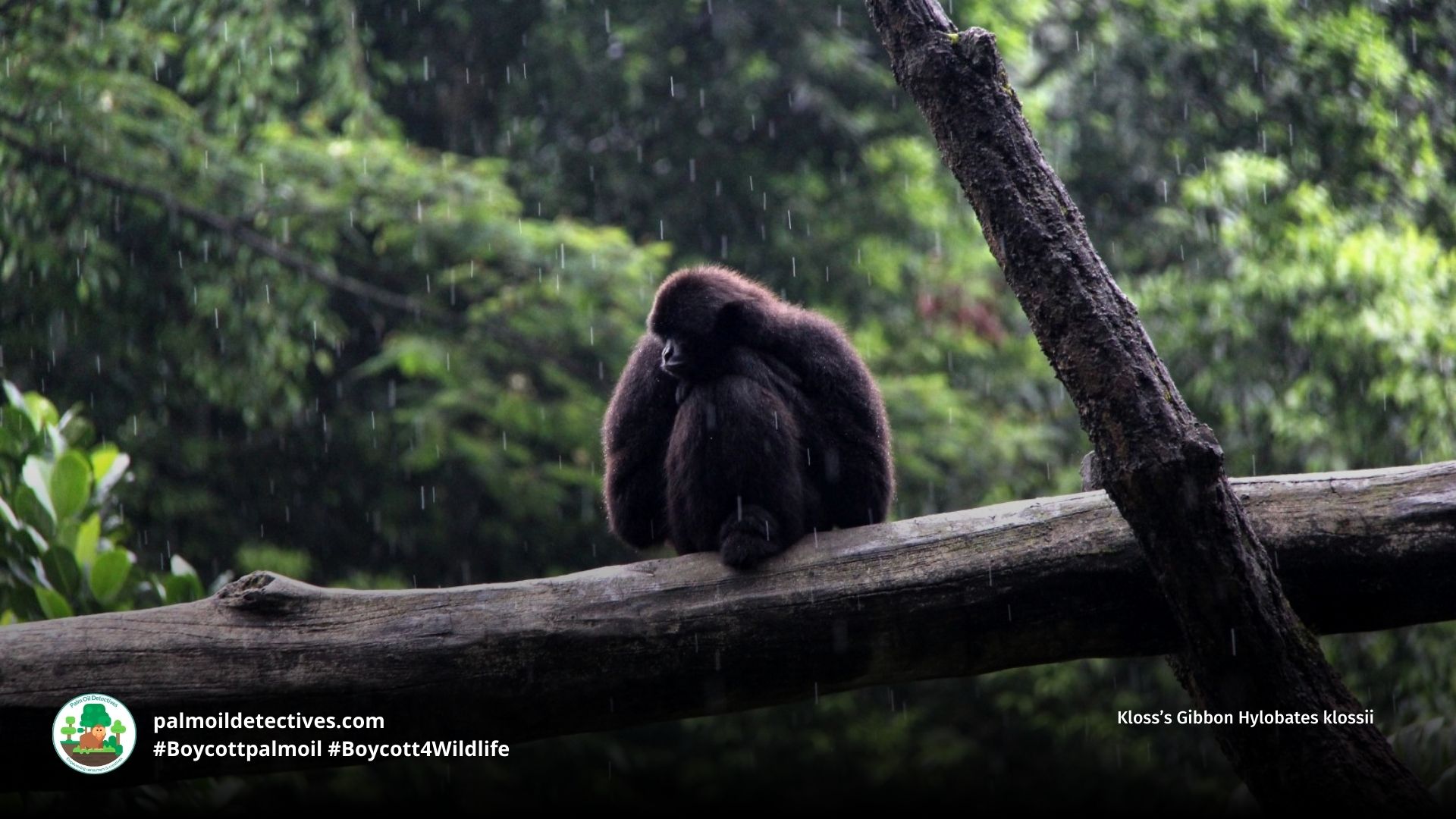
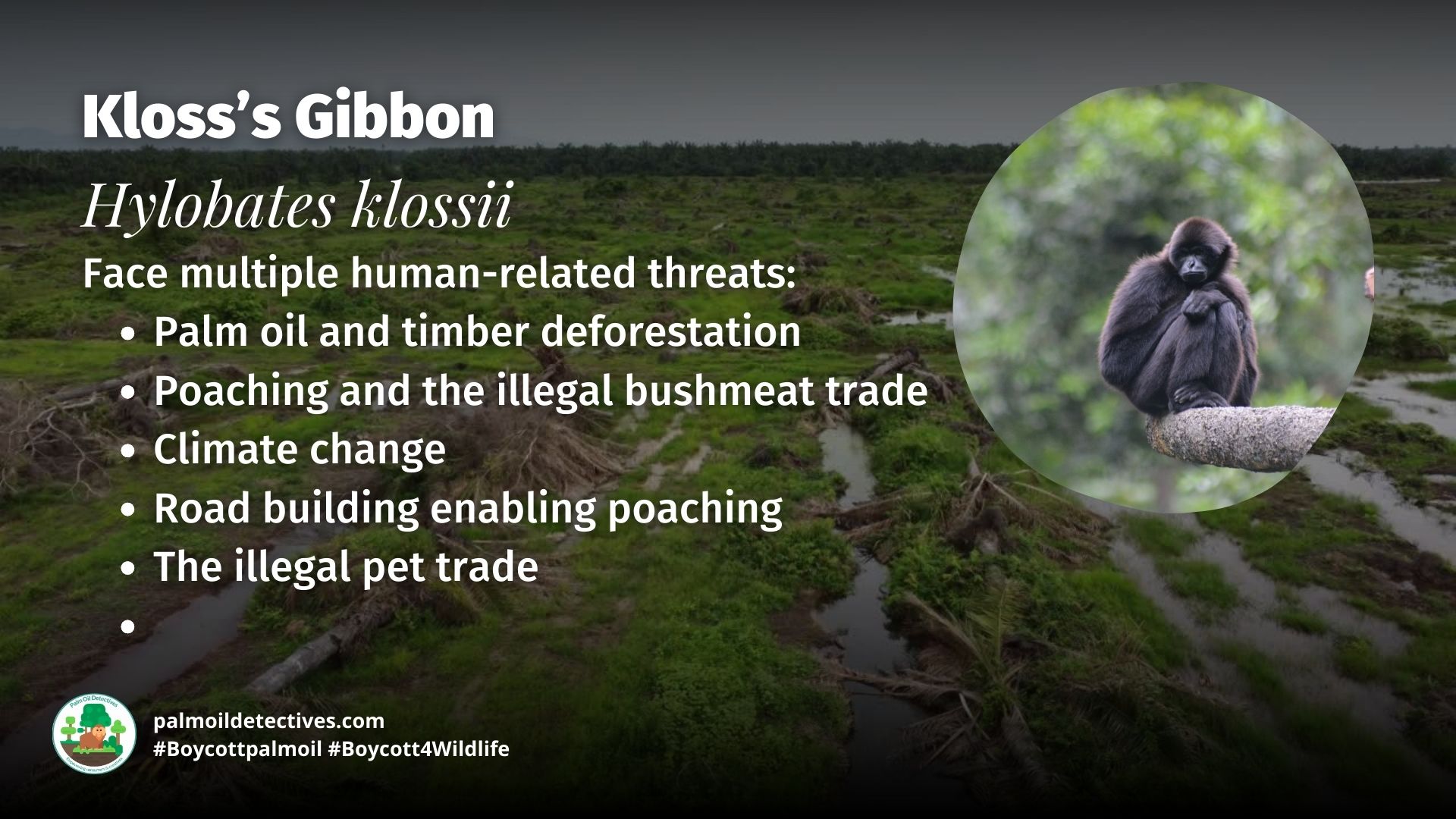
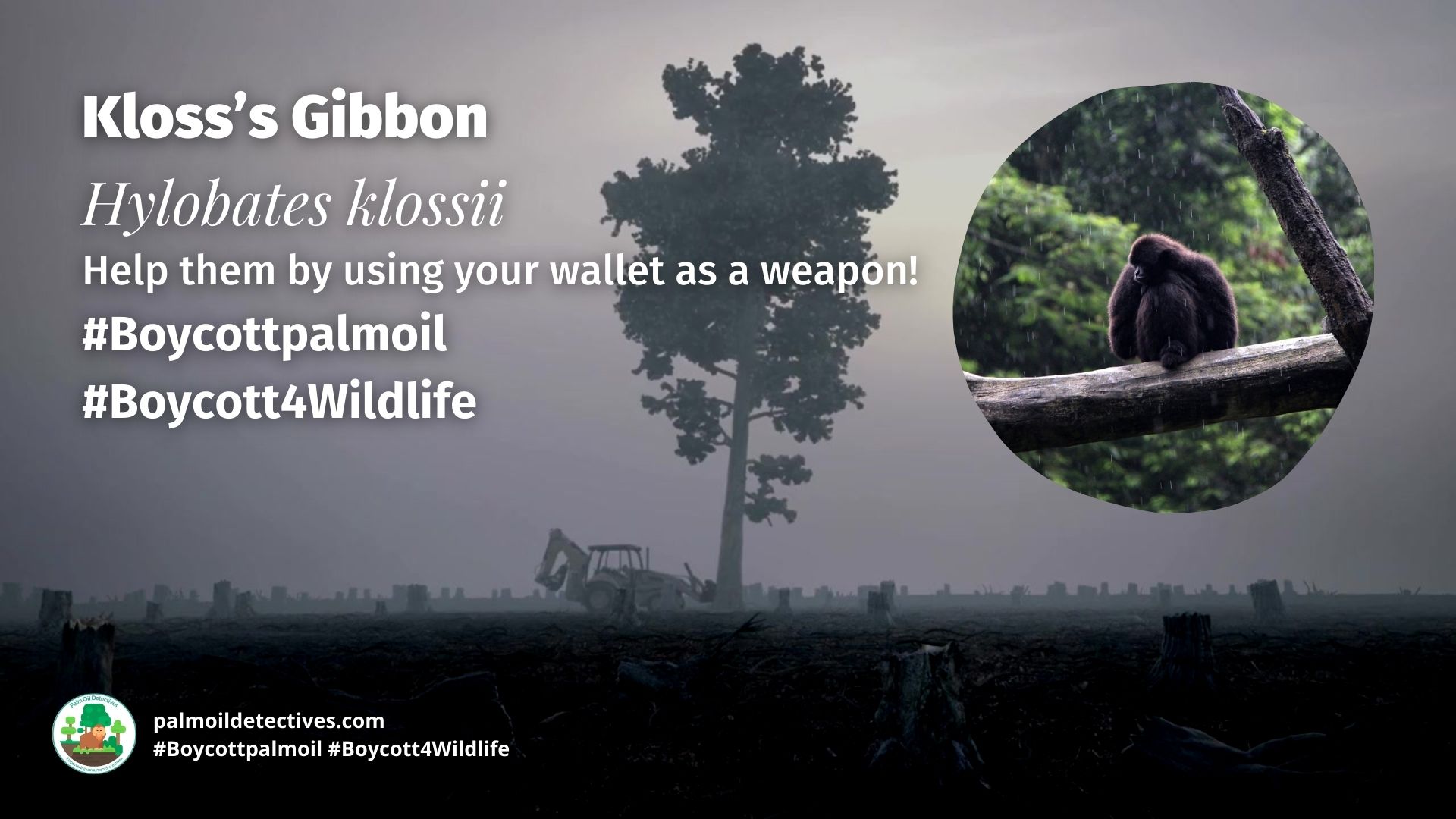
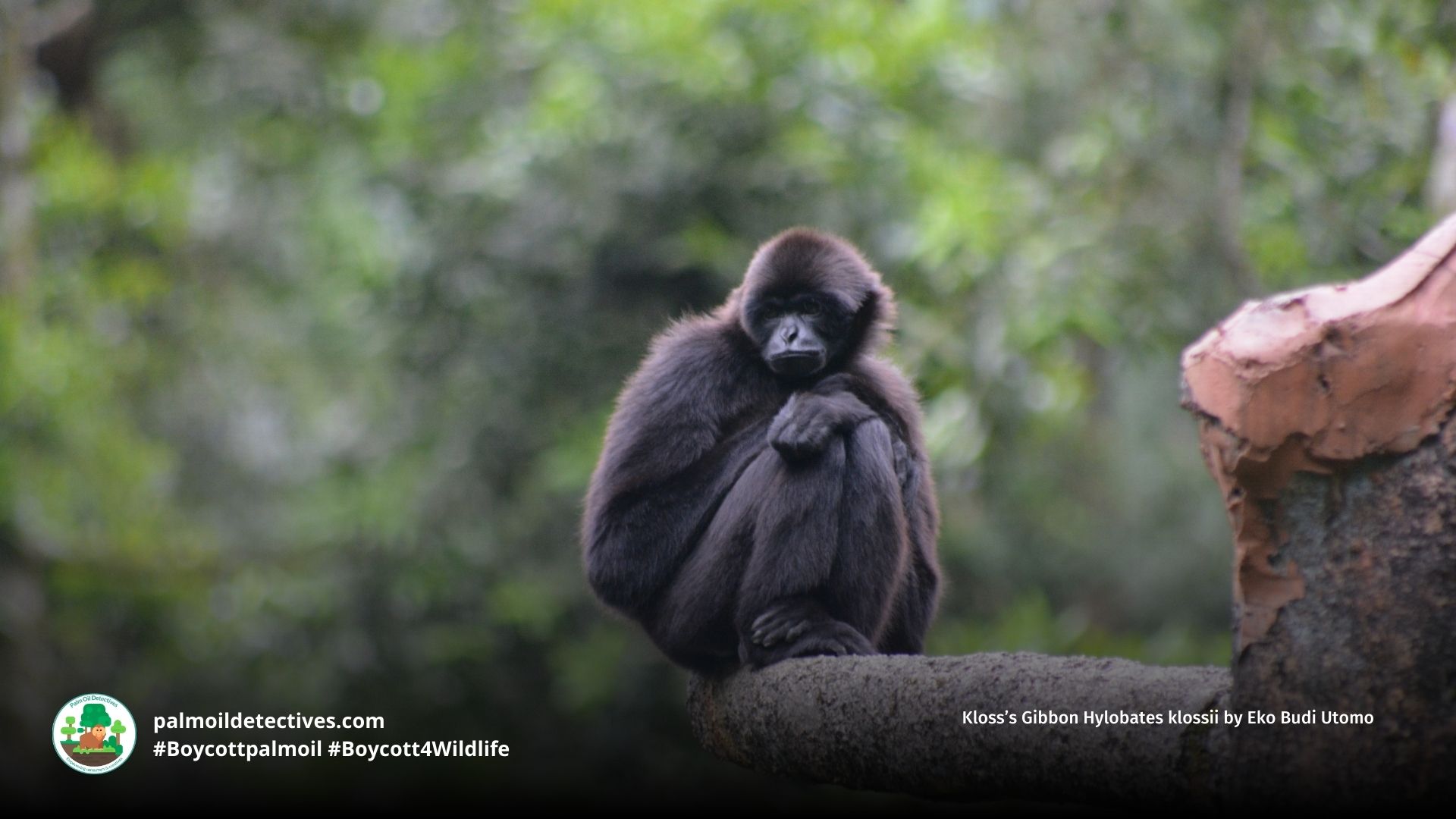
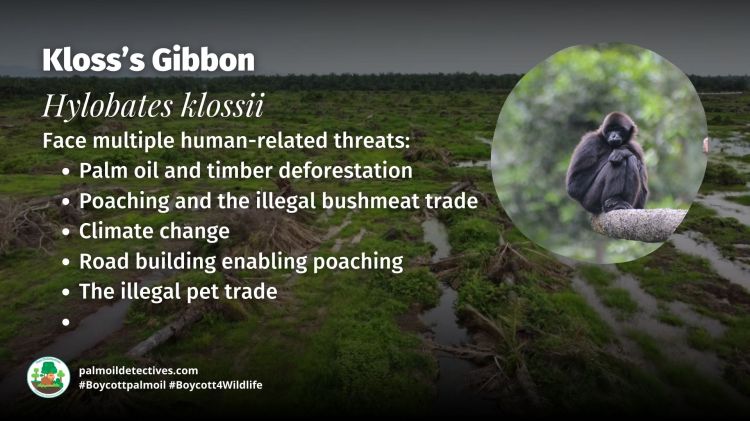
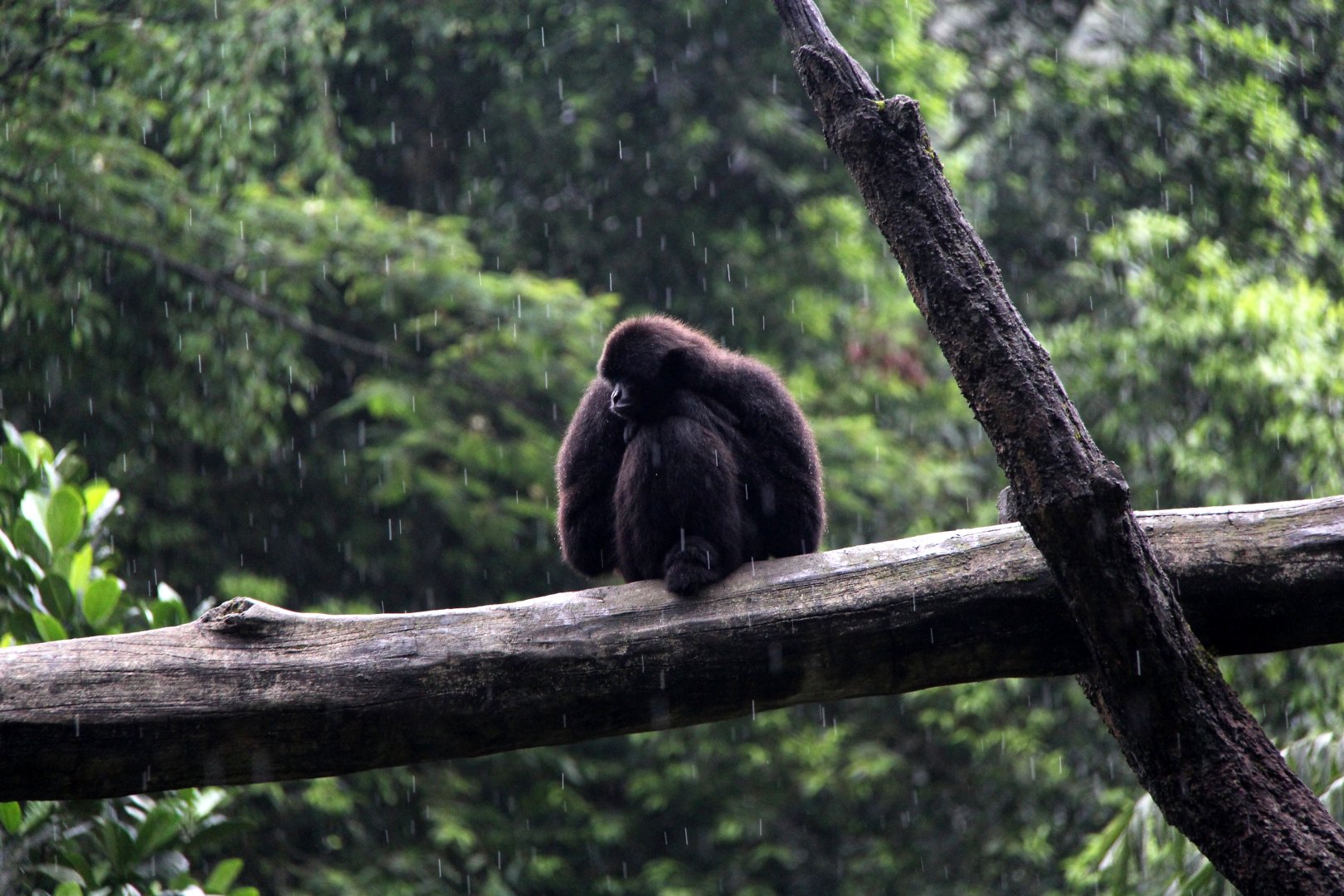
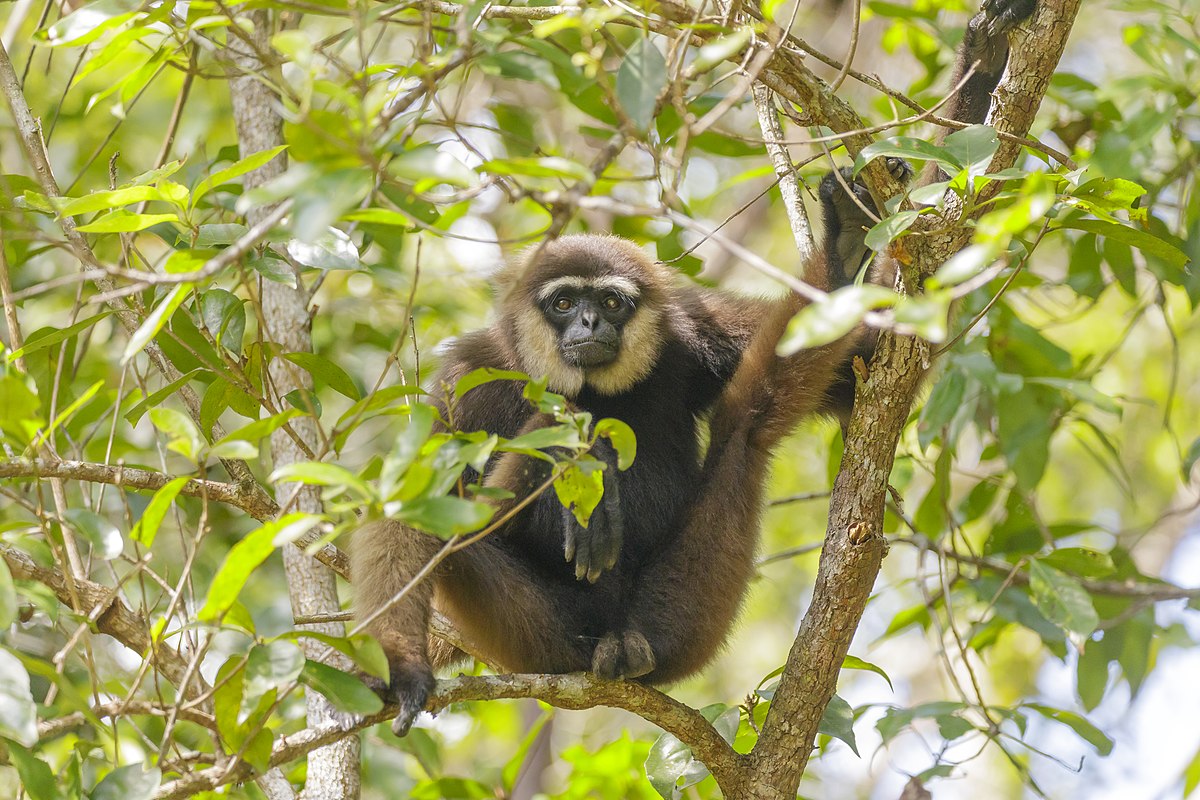
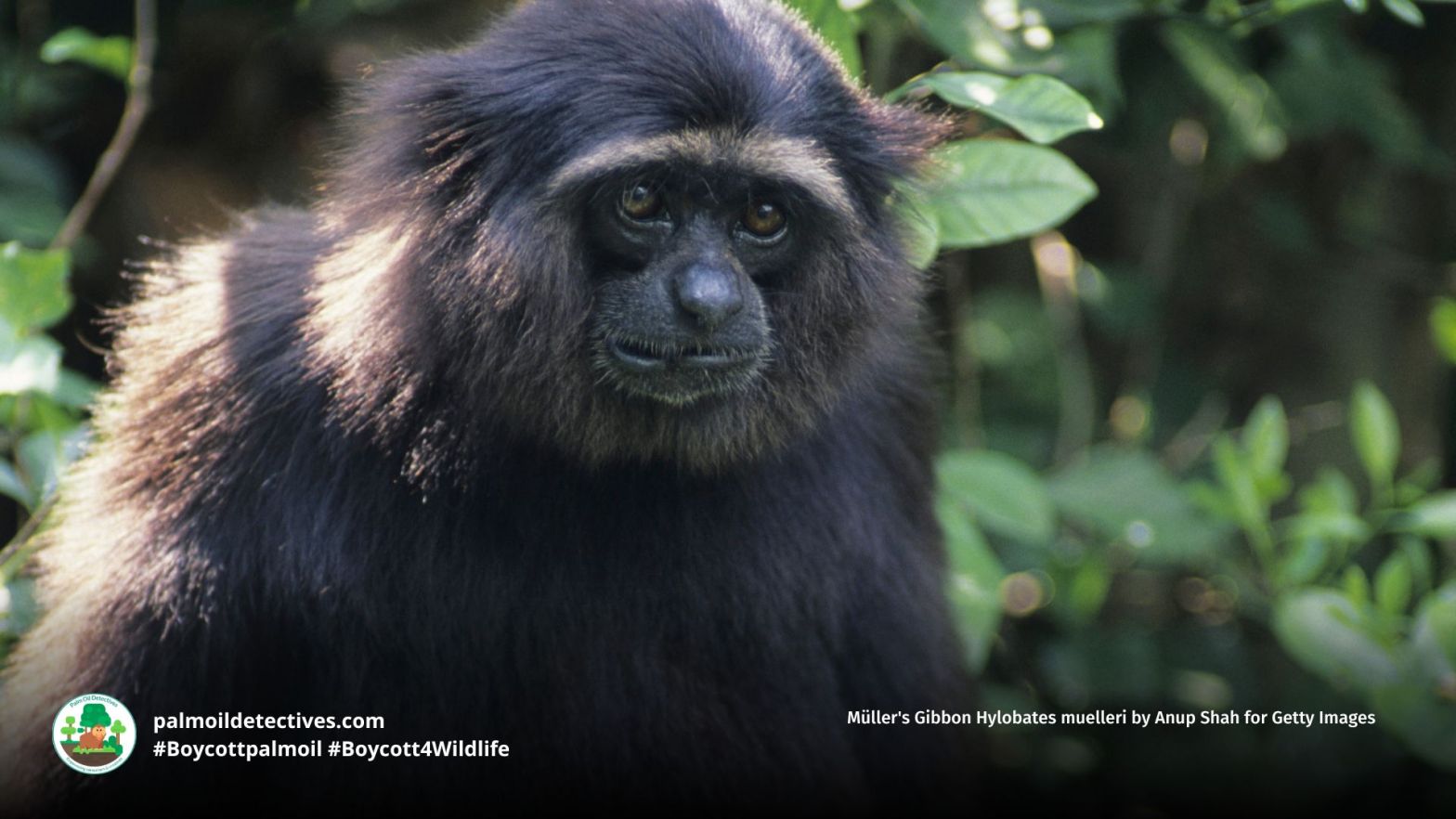
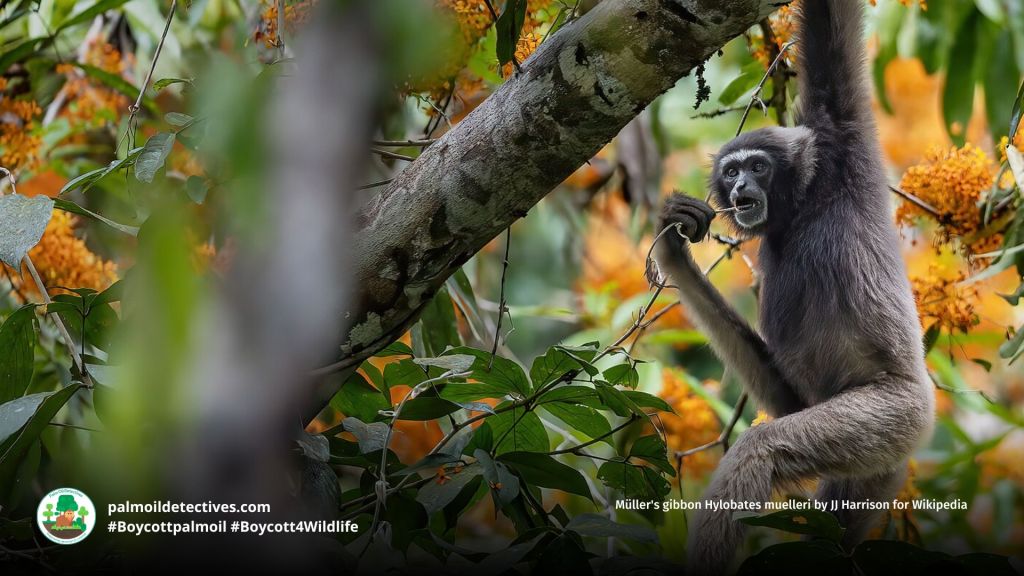
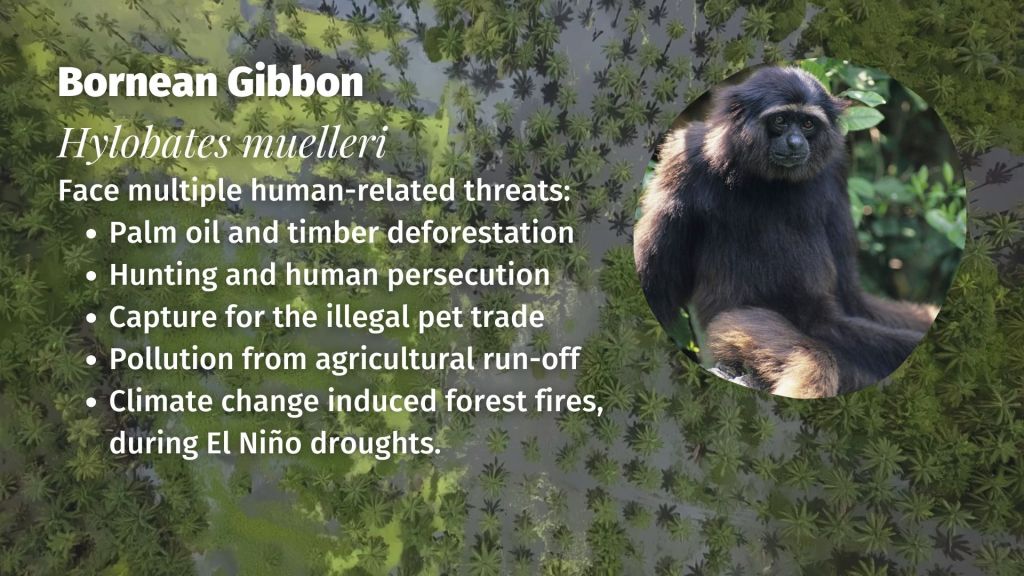
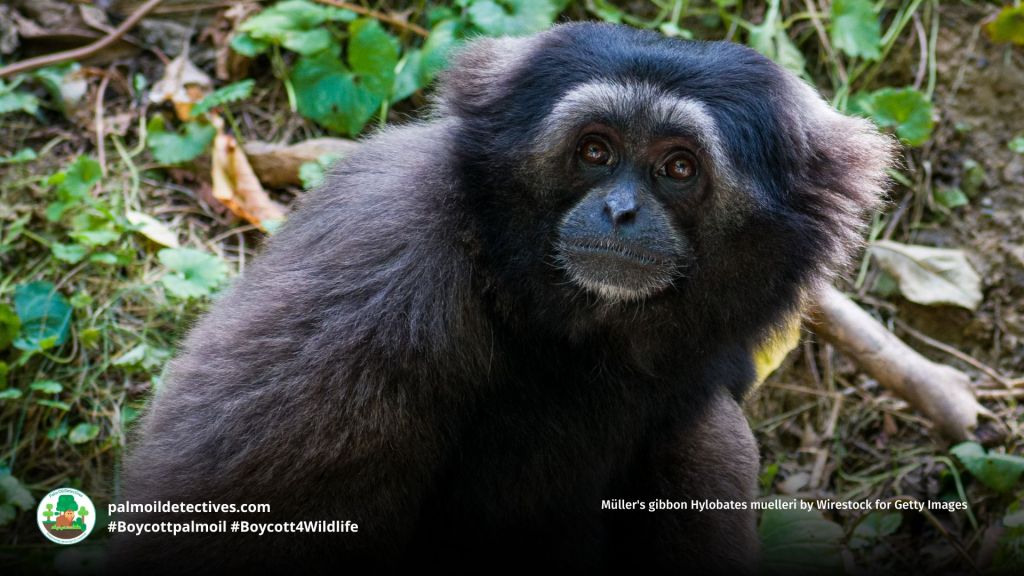
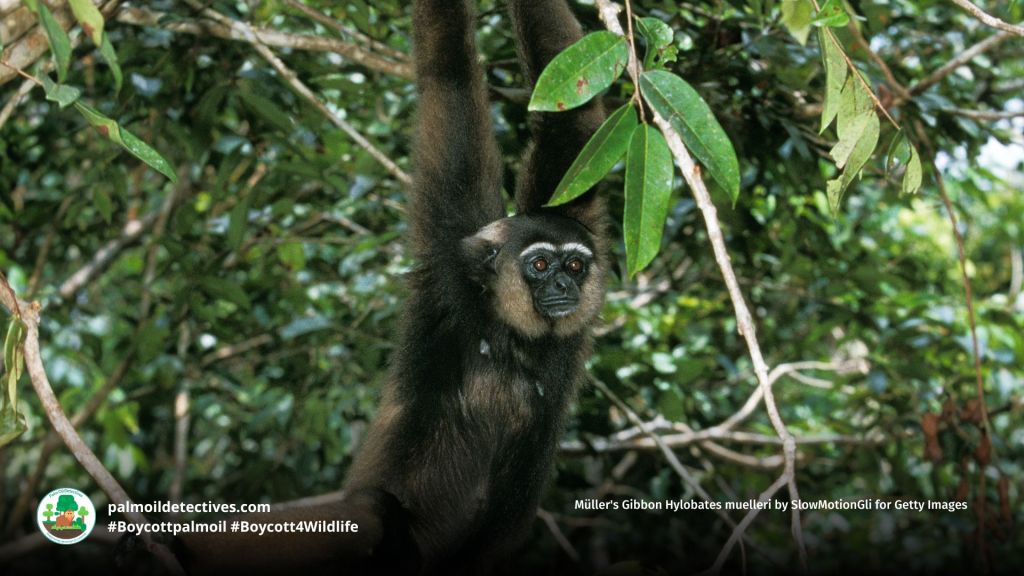
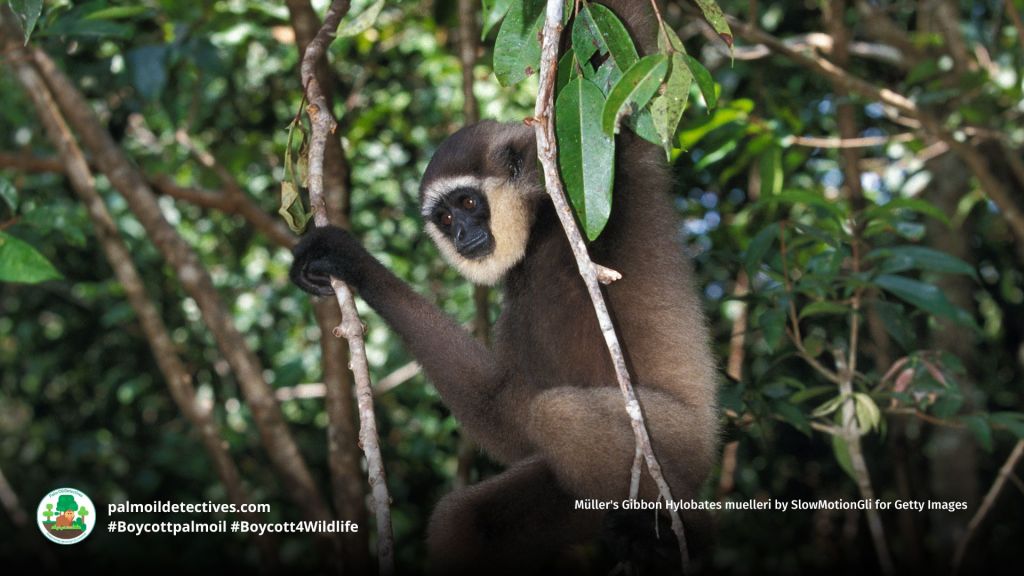
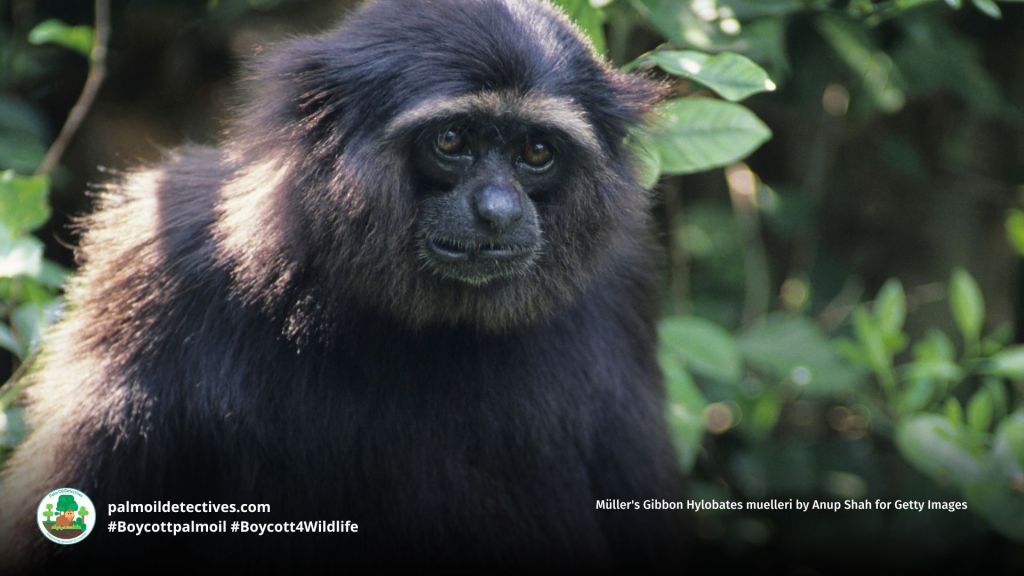
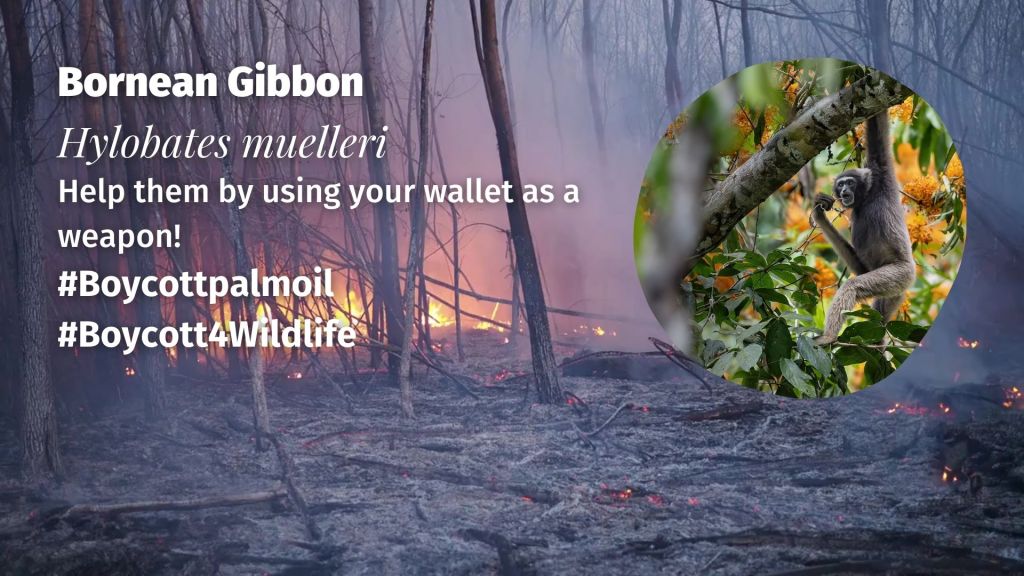
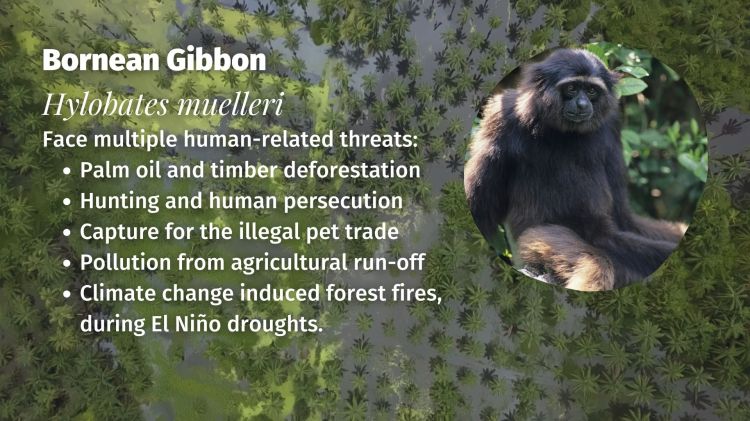

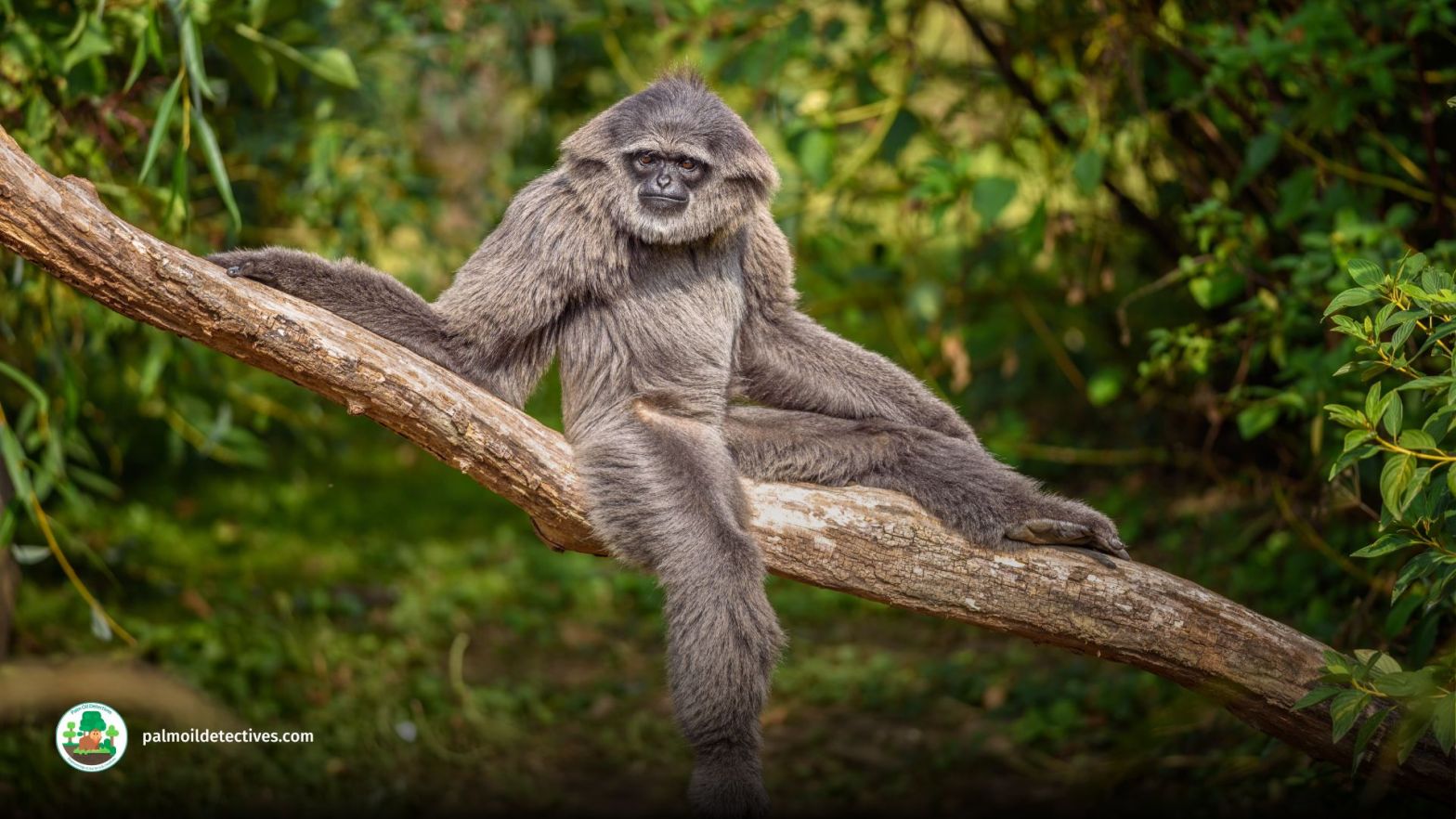
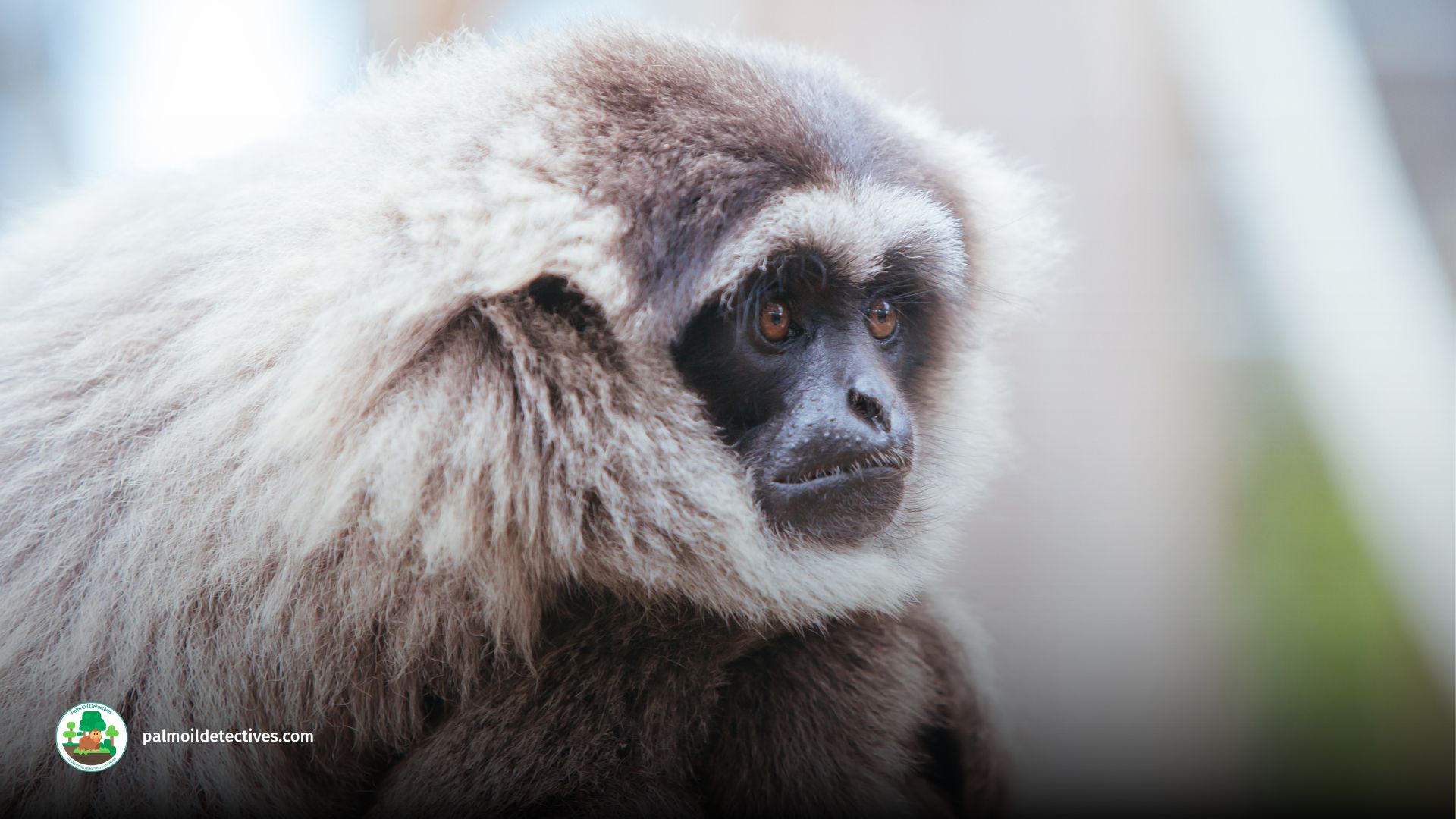
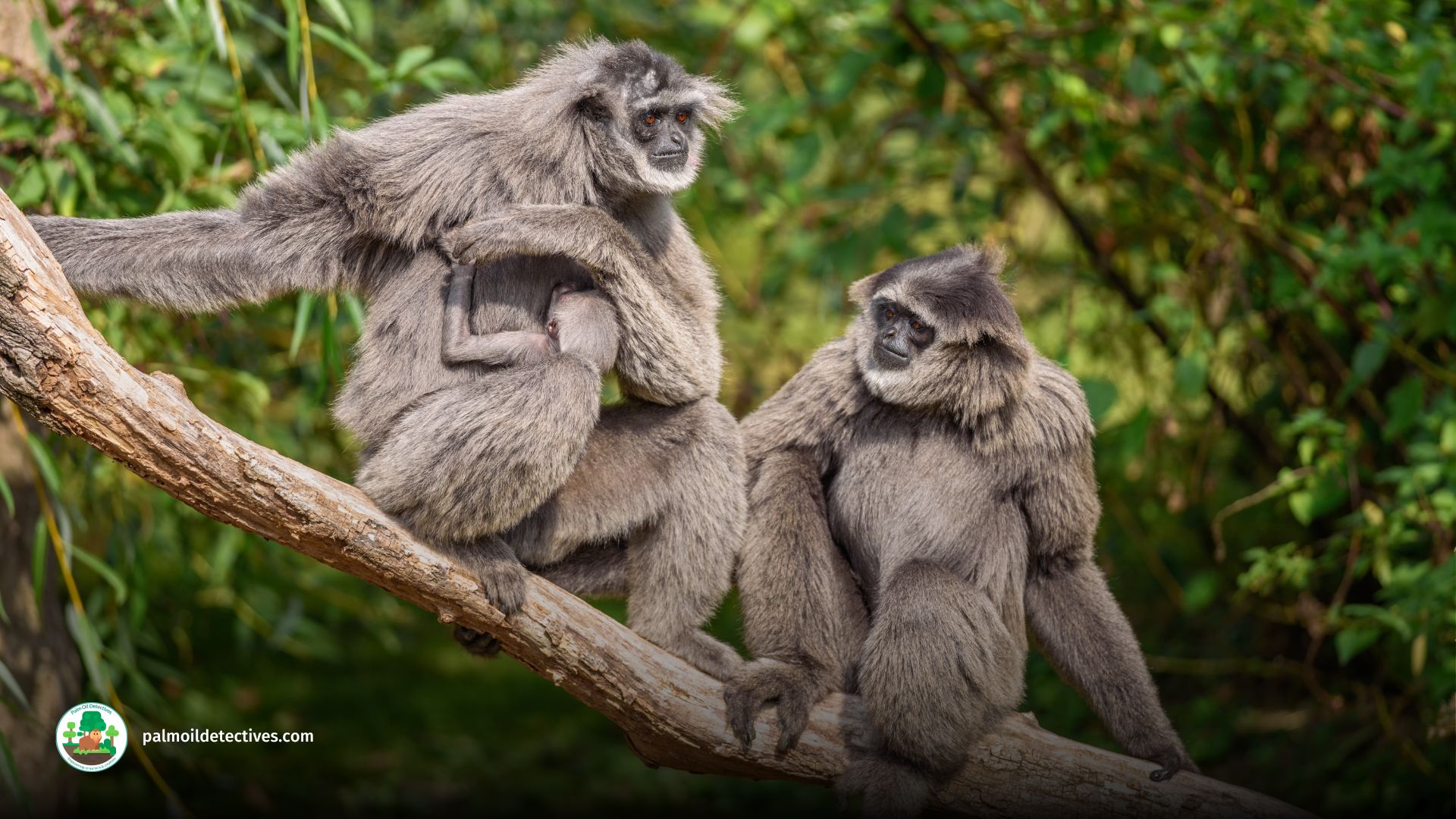
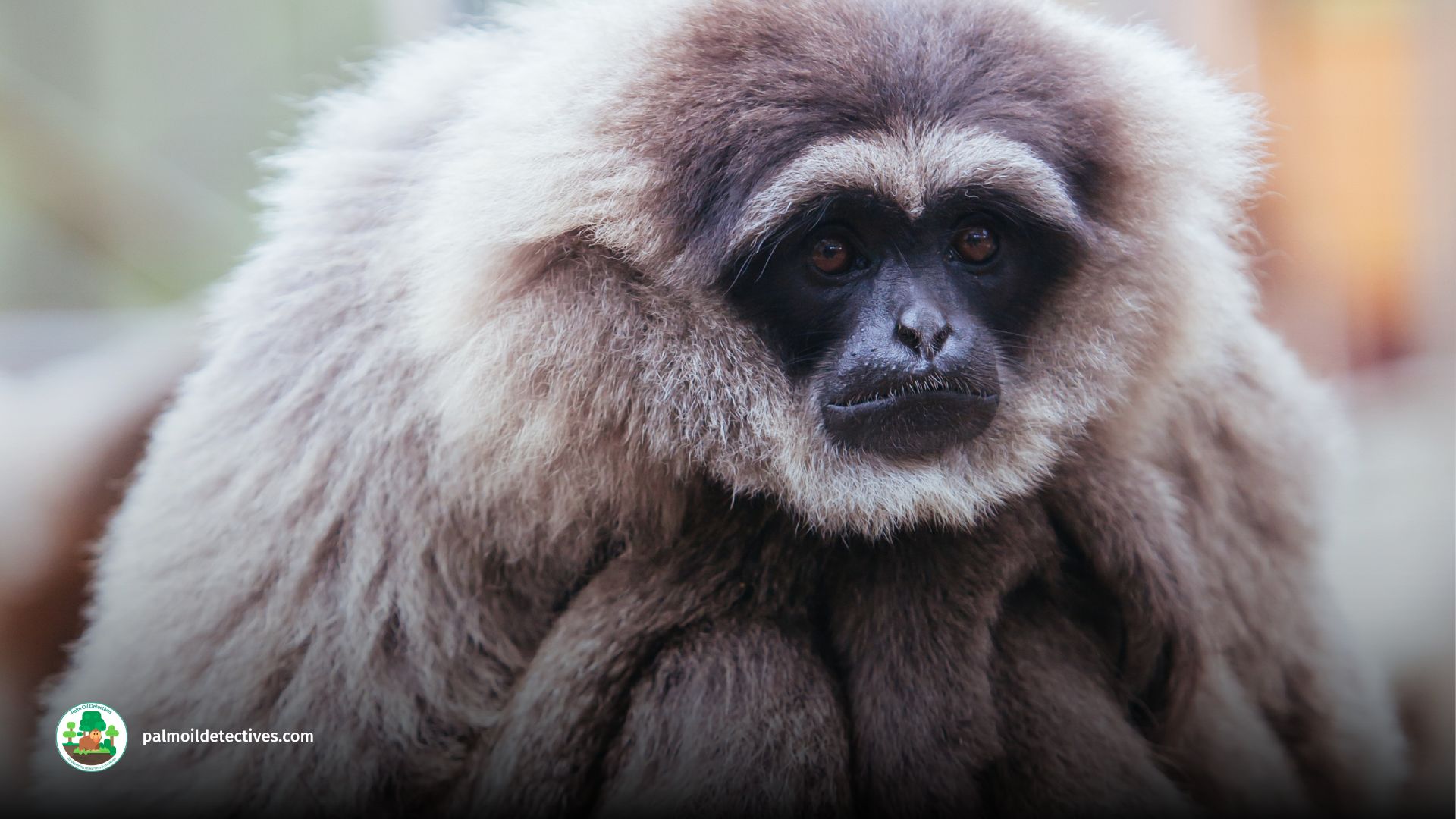
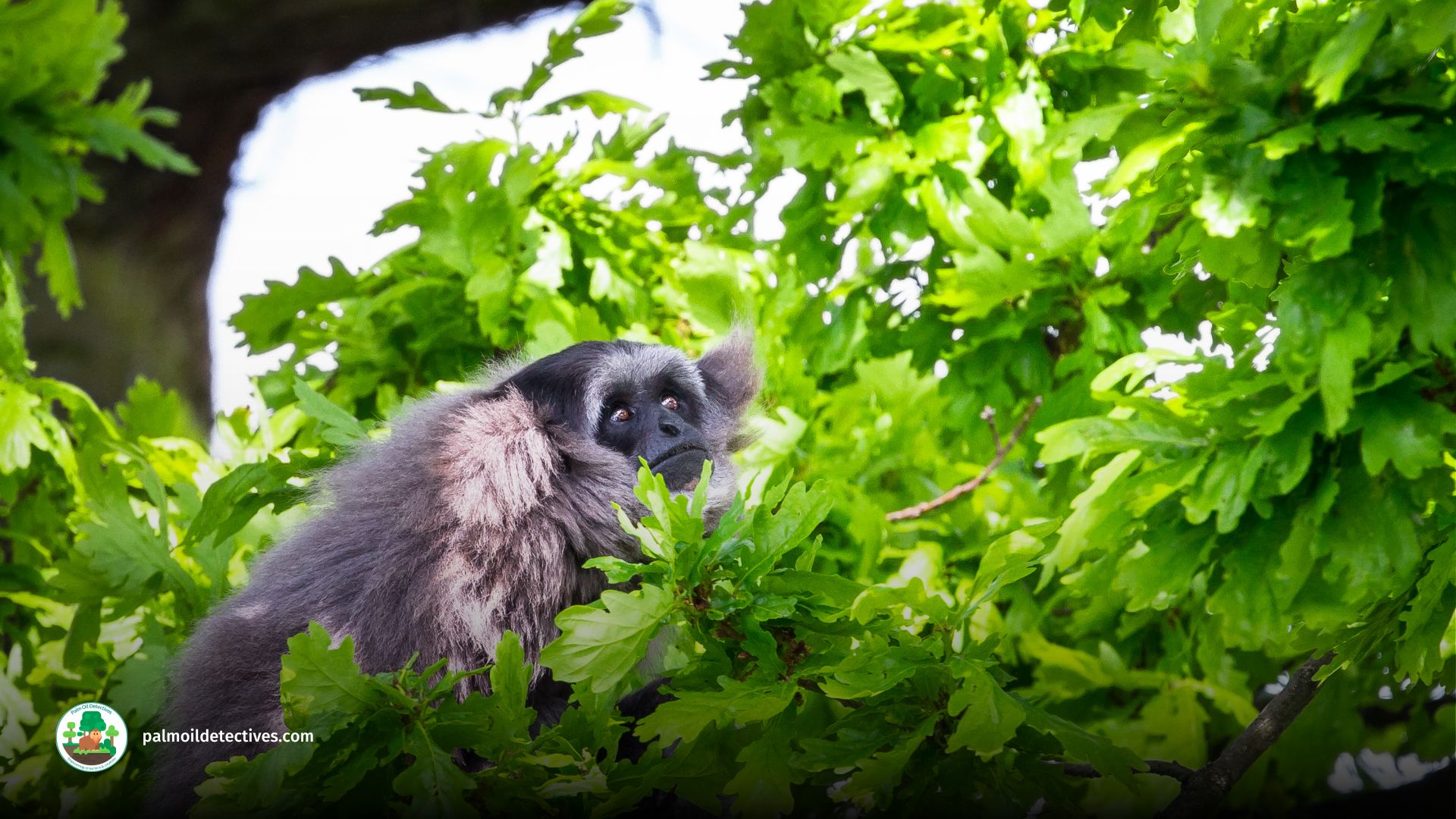
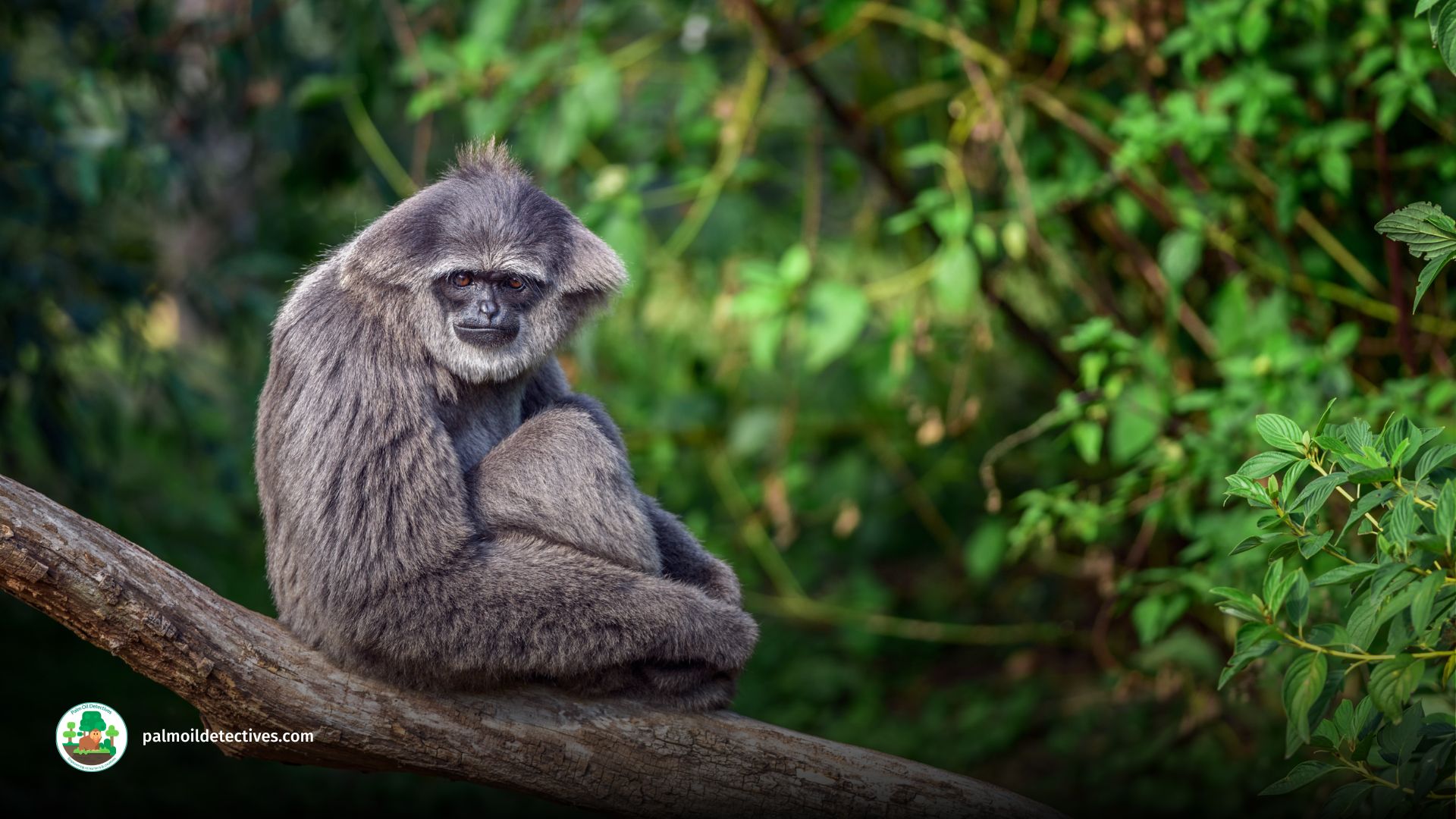


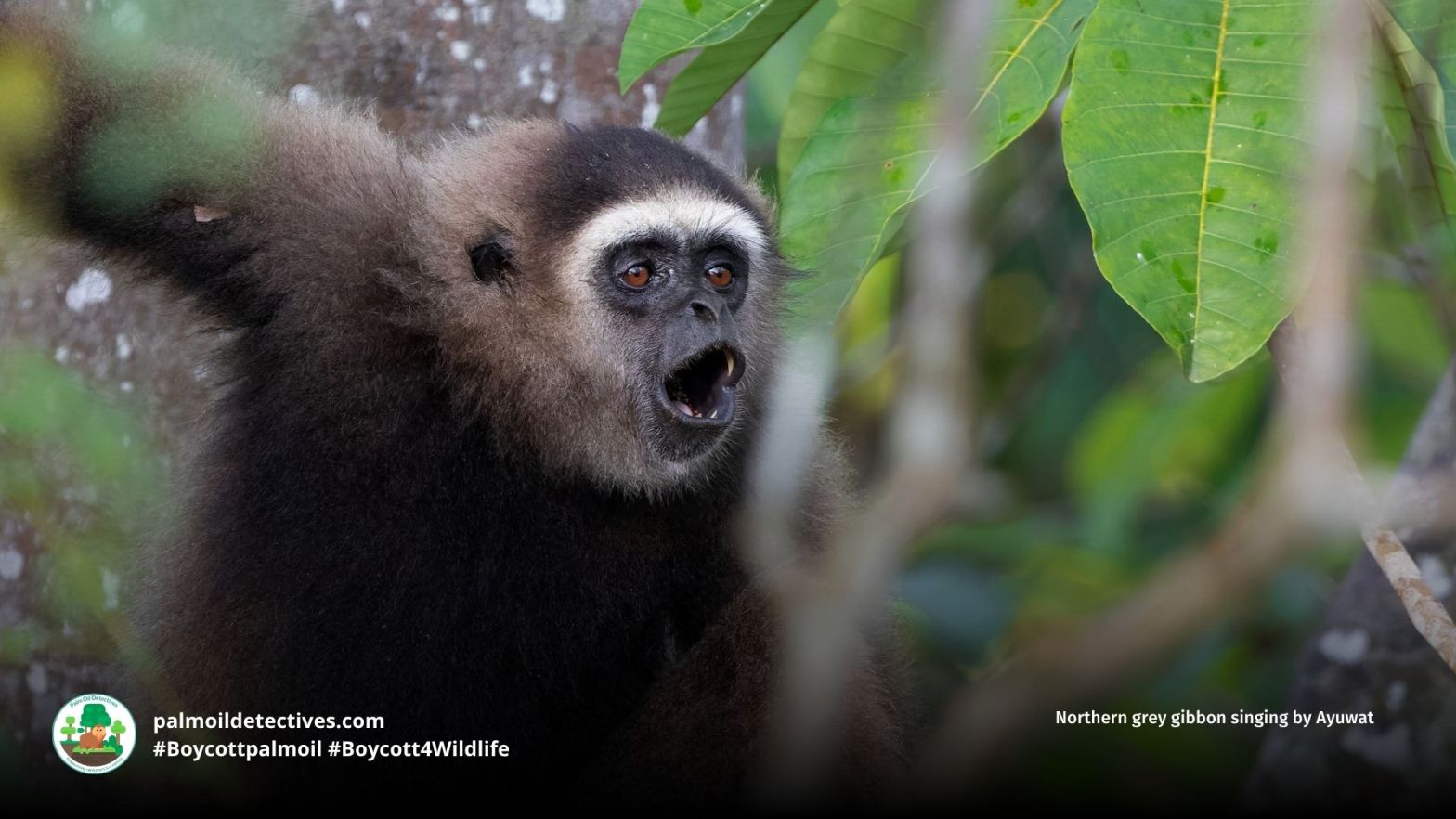
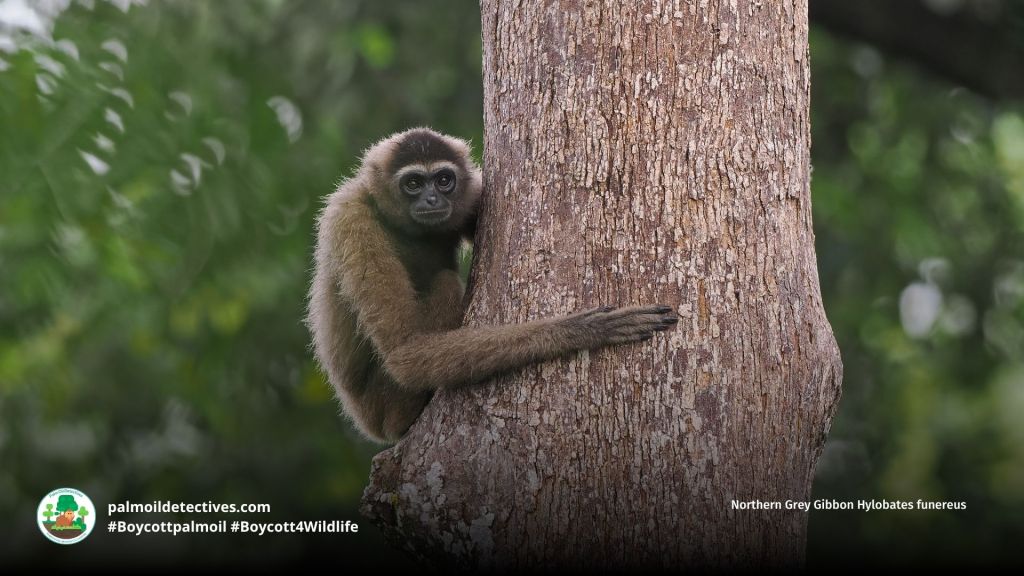
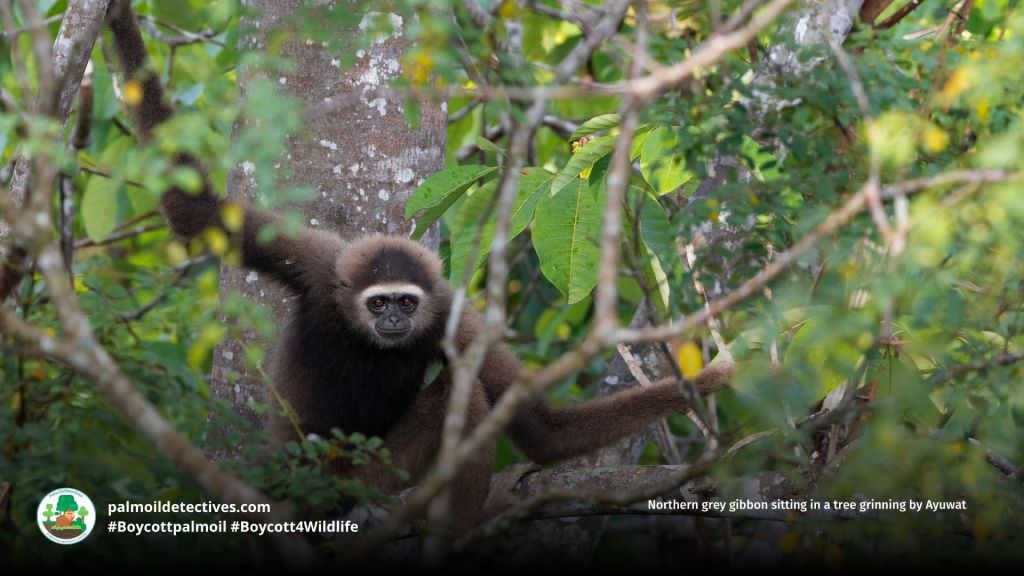
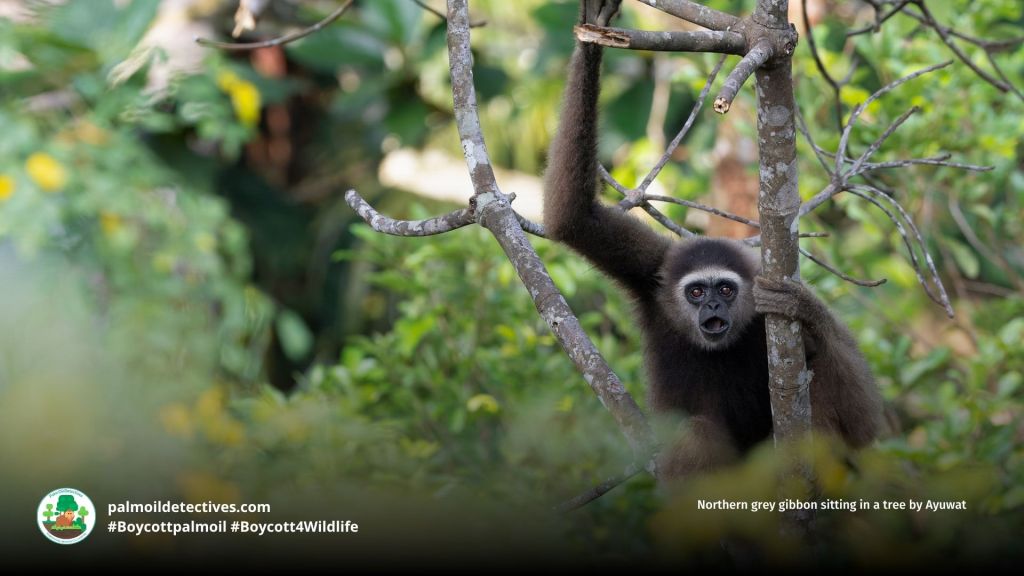
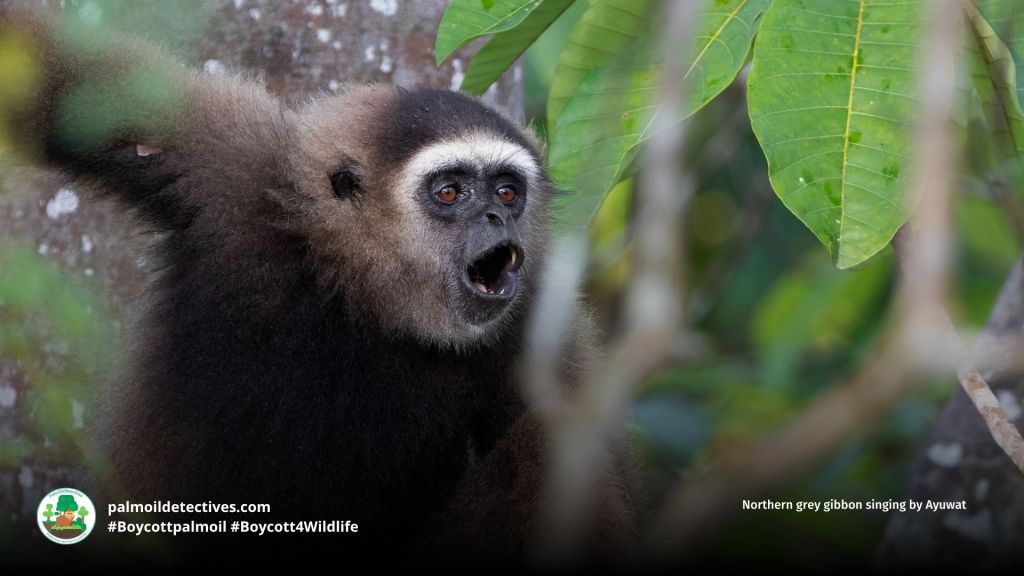
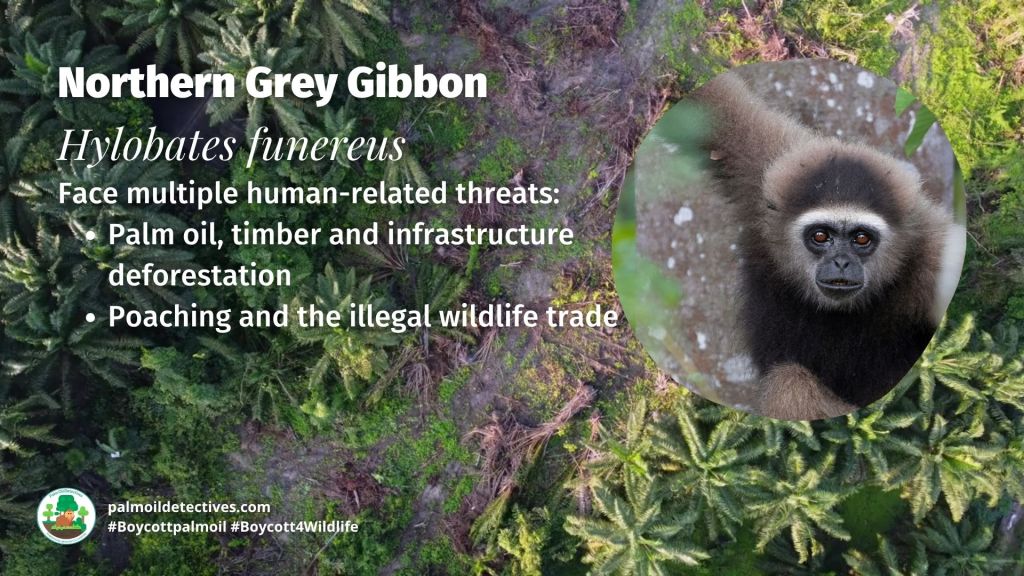

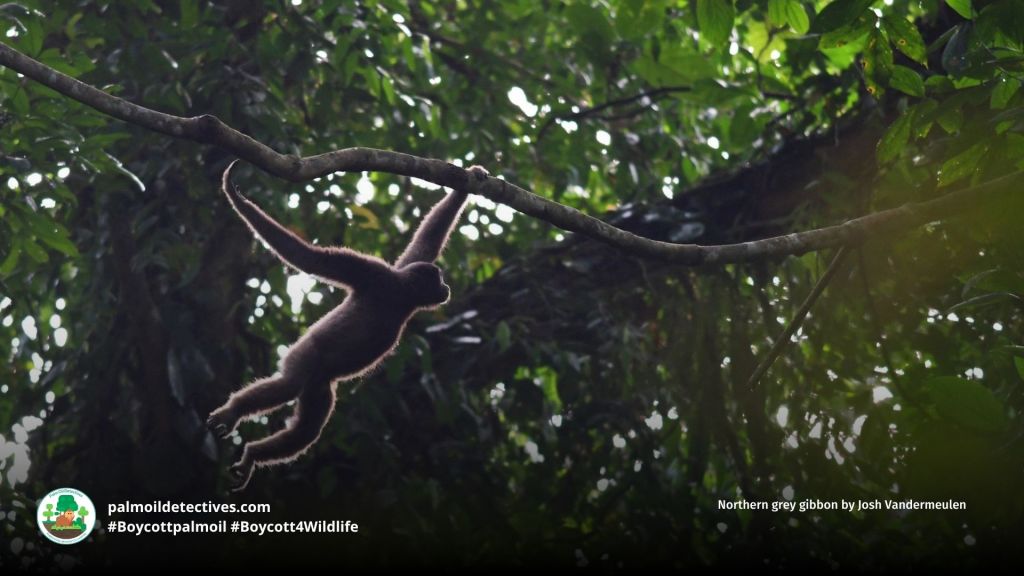
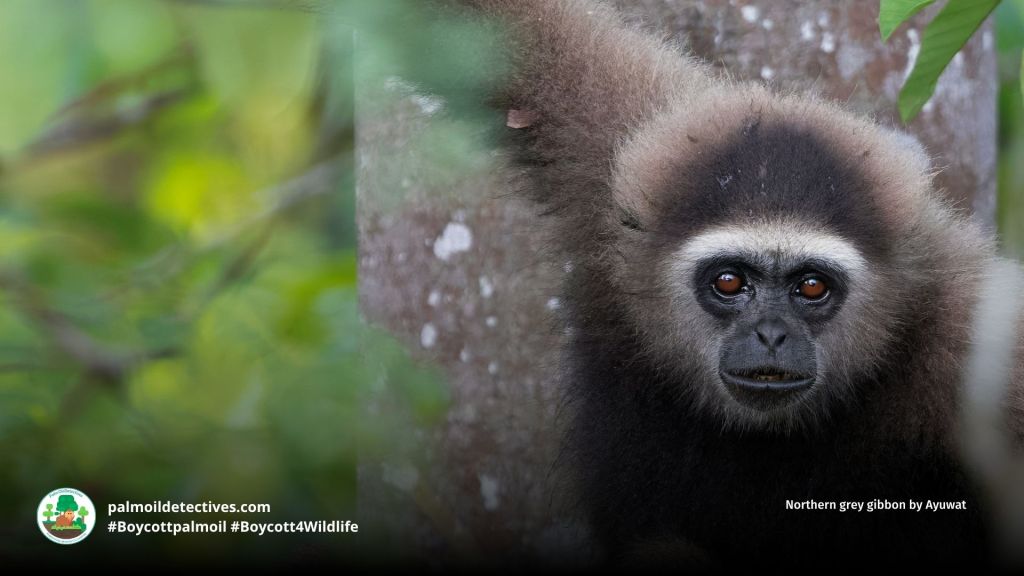
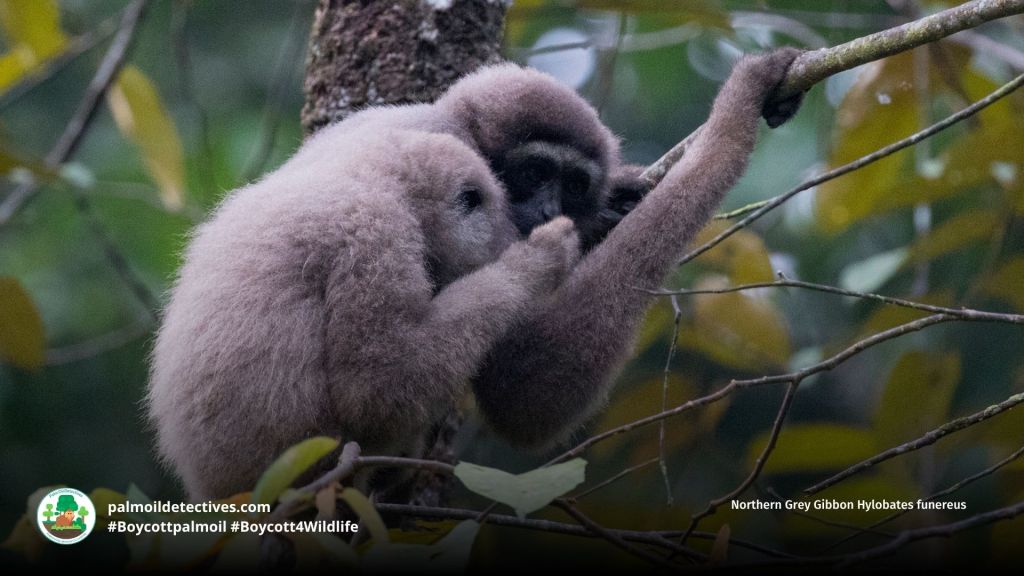

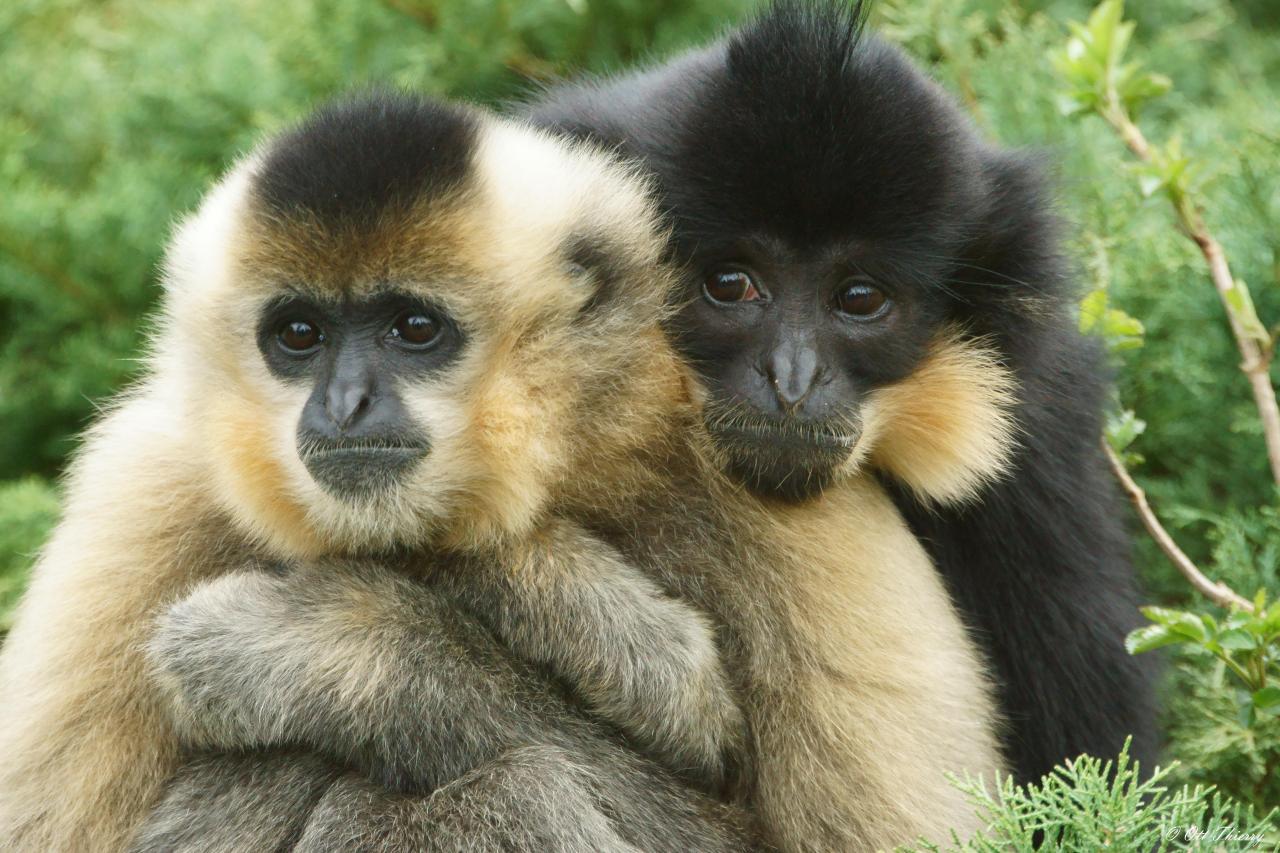
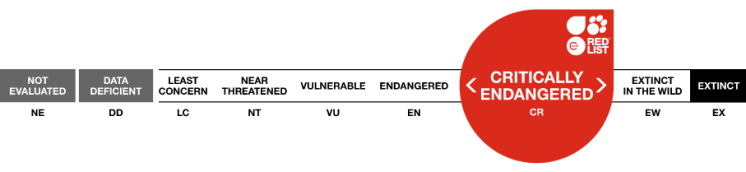
 Palm Oil Detectives