Location: Found across South America, including Venezuela, Colombia, the Guianas, Brazil, Ecuador, Peru, Bolivia, and Trinidad.
Deep in the heart of the #Amazon rainforest, a flash of vibrant colour moves between the towering canopy trees. The Channel-billed #Toucan Ramphastos vitellinus is a striking bird endemic to #Colombia, #Venezuela, #Ecuador, #Peru, Brazil and #Bolivia with a massive, curved bill and a raucous voice that echoes through the jungle. With their large, expressive eyes and vivid markings, these toucans are more than just symbols of tropical biodiversity—they are crucial players in the rainforest ecosystem, dispersing seeds that sustain the lush vegetation.
But their world is shrinking. The relentless destruction of the Amazon for cattle ranching, soy production, #palmoil and #goldmining is closing in on them. Habitat loss, hunting, and the wildlife trade are pushing them towards localised declines. In some parts of their range, they are disappearing entirely. Use your wallet as a weapon—fight for their survival. #BoycottPalmOil #Boycott4Wildlife
The primary threat to the Channel-billed Toucan is accelerating deforestation in the Amazon basin as land is cleared for cattle ranching, palm oil and soy production, facilitated by expansion of the road network (Soares-Filho et al. 2006, Bird et al. 2011).
IUCN red list
Appearance and Behaviour
The Channel-billed Toucan is a striking bird, reaching up to 48 cm in length and weighing between 300-430 g. Their most recognisable feature is their enormous, arched bill, which varies in colour depending on the subspecies. Their plumage is primarily black, with bright splashes of yellow, orange, red, and blue. A vivid blue patch of bare skin surrounds their eyes, giving them a permanently inquisitive expression.
Unlike their smaller toucanet cousins, Channel-billed Toucans are strong fliers, moving between fruiting trees in a distinctive undulating flight pattern. They are highly social, often travelling in small family groups or loose flocks, and their deep, croaking calls resonate through the rainforest canopy.
Channel-billed Toucans rarely fly more than 100 metres at a time and prefer to bounce from branch to branch. Their large bills help them to regulate body temperature. A toucan’s bill can reach over 18cm in length, and is also used to reach for food and break open bird nests.
Channel-billed Toucans are also declining as a result of hunting pressure (del Hoyo et al. 2002), although due to beliefs about the sacredness of these birds, their consumption by Indigenous peoples of Amazonia is rare.
Subspecies
There are four recognised subspecies of Ramphastos vitellinus, each with slightly different markings and geographic distributions:
Nominate subspecies (R. v. vitellinus): Found in Venezuela, the Guianas, northern Brazil, and Trinidad.
Yellow-ridged Toucan (R. v. culminatus): Found in the upper Amazon Basin from western Venezuela to northern Bolivia. Distinguished by a yellow bill ridge.
Ariel Toucan (R. v. ariel): Inhabits central and eastern Brazil south of the Amazon. Has a striking orange throat and chest, with a yellow-based bill.
Citron-throated Toucan (R. v. citreolaemus): Found in northern Colombia and north-western Venezuela. Has a yellow-tinged throat and a pale bluish iris.
Where their ranges overlap, these subspecies frequently interbreed, creating intermediate forms.
Diet
Channel-billed Toucans are primarily frugivorous birds, feeding on lipid-rich fruits from trees such as Virola, Euterpe, Cecropia, and Ficus. However, they also supplement their diet with small reptiles, insects, eggs, and nestlings, making them opportunistic omnivores. Their large bills allow them to pluck fruit from branches that are too thin to support their weight, a crucial adaptation for forest survival.
Reproduction and Mating
Like other toucans and many other birds, they nest in tree cavities, where the female lays 2-4 eggs. Both parents take turns incubating the eggs for around 16 days. Hatchlings are born blind and featherless, with specialised heel pads that protect them from the rough nest floor. They remain in the nest for 40-50 days before fledging, relying on their parents for food and protection.
Geographic Range and Habitat
Channel-billed Toucans inhabit a wide range of forested environments, from lowland tropical rainforests to riverine forests and swampy areas. They are most common in pristine forests but can also be found in forest edges, clearings, and even small patches of forest within savanna landscapes. However, they are less frequently observed in secondary or selectively logged forests, and their long-term survival depends on the preservation of mature, undisturbed rainforest.
Threats
Deforestation for Palm Oil, Cattle and Soy: The Amazon is being destroyed at an unprecedented rate to make way for cattle ranching, palm oil and soy plantations, wiping out crucial habitat (Soares-Filho et al., 2006; Bird et al., 2011).
Gold Mining: Illegal and industrial-scale gold mining operations pollute waterways and destroy vast areas of rainforest (Ottema, 2020).
Hunting and Trade: Although not widely consumed by forest communities, toucans are hunted in certain regions and are frequently trapped for the illegal pet trade, particularly for export to Asia (Bruslund, 2022).
Logging Pressure: While the impact of logging in Suriname remains relatively low, the intensity of forest exploitation is increasing, leading to greater habitat fragmentation (Ottema, 2020).
Ecological Role: Seed Dispersers and Nest Predators
Channel-billed Toucans are essential seed dispersers, particularly for large-seeded rainforest trees. They ingest fruit whole and excrete seeds far from the parent tree, facilitating forest regeneration. However, they also have a darker side—recent studies have documented them raiding the nests of smaller birds, preying on eggs and chicks (Costa et al., 2021). This predatory behaviour may have increased due to habitat fragmentation and urban encroachment, forcing them to exploit alternative food sources.
There are four recognised subspecies, with intermediate forms occurring where ranges overlap.
You can support this beautiful animal
There are no known conservation activities for this animal. Share out this post to social media and join the #BoycottPalmOil #Boycott4Wildlife on social media to raise awareness
1. Join the #Boycott4Wildlife on social media and subscribe to stay in the loop: Share posts from this website to your own network on Twitter, Mastadon, Instagram, Facebook and Youtube using the hashtags #Boycottpalmoil #Boycott4Wildlife.
2. Contribute stories: Academics, conservationists, scientists, indigenous rights advocates and animal rights advocates working to expose the corruption of the palm oil industry or to save animals can contribute stories to the website.
3. Supermarket sleuthing: Next time you’re in the supermarket, take photos of products containing palm oil. Share these to social media along with the hashtags to call out the greenwashing and ecocide of the brands who use palm oil. You can also take photos of palm oil free products and congratulate brands when they go palm oil free.
More and more palm oil free 🦧 products in Australia 🇦🇺. Customer awareness is increasing month by month. Of course Bart Van Assen will keep pushing "sustainable" palm oil with Orangutan Land Trust. Boycott palm oil to protect wildlife! There is not planet B #boycott4wildlifepic.twitter.com/rm7chub5Rb
If possible to get Ovomaltine, please promote it among your friends. It openly advertises with 0 palm oil. No RSPO no bullshit. For me it even tasts better than nuttela. It substantiates that chocolate spread can be made delicious without filthy palm oil. pic.twitter.com/cyV5Tm3tLd
4. Take to the streets: Get in touch with Palm Oil Detectives to find out more.
5. Donate: Make a one-off or monthly donation to Palm Oil Detectives as a way of saying thank you and to help pay for ongoing running costs of the website and social media campaigns. Donate here
Palm Oil Detectives interviews Primatologist Dr Cleve Hicks @Cleve_Hicks about why we must urgently respect the #cultures in non-human #apes, being #vegan #palmoil and why he believes in the #Boycott4Wildlife
Palm Oil Detectives interviews Primatologist Dr Cleve Hicks @Cleve_Hicks about why we must urgently respect the #cultures in non-human #apes, being #vegan #palmoil and why he believes in the #Boycott4Wildlife
“West African chimpanzee populations reduced 80-90% in a few decades, due to #cocoa and #palmoil plantations, mines, civil war and poaching. Vanishing with them are their unique cultures.” Primatologist @Cleve_Hicks #Boycottpalmoil #Boycott4Wildlife
“Palm oil has already devastated South East Asia. I can see it gobbling up tropical forest where I live in Colombia. I salute the efforts of @Palmoildetect and support the #Boycottpalmoil #Boycott4Wildlife” @Cleve_Hicks
“#Consumers can and should #boycott brands causing #palmoil #meat #soy #deforestation. I support the #Boycott4Wildlife, going vegan is another way an individual can make a difference to #rainforests #animals” #Primatologist @Cleve_Hicks
“#Greenwashing is rife in the products we buy. Labelling products is a start. Although there is loads of #corruption around the world on how these labels including palm oil are certified. #Boycottpalmoil #Boycott4Wildlife” Primatologist @Cleve_Hicks
“The homecoming of #palmoil to #Africa under global capitalism is likely to reduce the glorious Central African forests to ashes, replaced by lifeless plantations, just for slightly cheaper junk food! #Boycottpalmoil” Primatologist @Cleve_Hicks
Deep in the lush wilderness of the Bili-Uéré region of the Democratic Republic of the Congo is a large population of Bili-Uéré chimpanzees – Pan troglodytes subspecies schweinfurthii.
“My team and I spent over 12 years living in the jungle to get up close to them, our nearest cousins on the evolutionary tree”
“A century ago, humans believed that tool use was what set us apart from other species. In recent decades, supposedly exclusive human behaviours have been falling to the wayside“
Jane Goodall’s discovery of stick tool use by the Gombe chimpanzees in the 1960’s changed this. Now we know that orangutans and many monkeys use tools as well, and that’s only and that’s only looking at primates.
Animals have complex societies, self-awareness, they engage in conduct cooperative hunting, warfare, and even have what looks like active teaching, in orcas
Dr Cleve Hicks
A painting of mine of primates. Photo: Dr Cleve HicksPhoto: Px FuelPhoto: Px Fuel
Culture is still revered by some as being a uniquely human characteristic. Our species has, indeed, ‘gone nuclear’, so to speak, with cumulative culture. Look around you.
Nevertheless, if we define culture as socially-transmitted behaviour that varies between populations, we can see at least the seeds of culture in other species, including chimpanzees.
My research shows that Bili-Uéré chimpanzees ignore the abundant Macrotermes termite mounds that are fished for with tools by chimpanzees living in many other areas, including Gombe. Instead, they prey on two other kinds of termites of the genera Cubitermes and Thoractotermes, that are common across chimpanzee range in Africa, but ignored by almost all other populations.
Instead of using tools to get them, the Bili-Uéré chimpanzees pound open their mounds against roots and rocks.
Unlike other chimpanzees but similar to gorillas, Bili-Uéré chimpanzees often make nests to sleep on the ground.
Unusual tool-using chimp culture discovered in the Congo –
Mongabay Newscast
Primatologist Cleve Hicks leads a research team that has discovered a new tool-using chimp culture in the Democratic Republic of the Congo. After 12 years of research, their findings include an entirely new chimpanzee tool kit featuring four different kinds of tools. These chimps also build ground nests, which is highly unusual for any group of chimps, but especially for ones living around dangerous predators like lions and leopards. But these chimps' novel use of tools and ground nesting aren't even the most interesting behavioral quirks this group displays, Hicks says on this podcast. If you enjoy this show, please visit www.patreon.com/mongabay to pledge any amount to keep it growing. Mongabay is a nonproft media outlet, so all support helps. We love reviews, so please find the reviews section of the app that delivers your podcasts and tell the world about the Mongabay Newscast, so that we can find new listeners. Thank you! Also, please invite your friends to subscribe via Android, Apple Podcasts, Google Podcasts, Stitcher, TuneIn, Spotify or wherever they get podcasts. Thank you! And please send thoughts, questions, or feedback about this show to submissions@mongabay.com.
“Ground nesting is also relevant to our own evolution, because at some unknown time, our ancestors switched from sleeping in the trees to sleeping on the ground.”
The Congo Basin ecosystem began collapsing a long time ago
“West African chimpanzee populations crashed by 80 to 90% over the past few decades, due to the proliferation of cocoa and palm oil plantations, mines, civil war and poaching. Vanishing with them are their unique cultures.“
This process has accelerated rapidly over the past few decades. Although there are still 10s of 1000s of Eastern chimpanzees in Northern DRC, mining activities are spreading throughout the region, and these can cause great damage to wildlife: Eastern lowland gorillas, for instance, were decimated over the past few decades. Conflict related to mining can also lead to massacres and enslavement of local people.
“I am afraid the same thing will happen to chimpanzees quite soon, if the global community does not somehow tame its voracious appetite”
~ Dr Cleve Hicks
Photo: An open-cut cobalt mine in the Democratic Republic of Congo. The resources plundered here go into the lithium-ion batteries found in our tech devices.
I think we’re all beginning to realize how our recent cultural divorce from the rest of the natural world is having a terrible effect on ourselves and on all other life.
Dr Cleve Hicks
Palm oil has already devastated South East Asia. I can see it gobbling up tropical forest where I currently live in Colombia as well
Oil palm has been used for millennia by indigenous peoples of Africa in an ecologically rather sound way.
The imminent homecoming of palm oil to Africa under the framework of global capitalism is likely to reduce the glorious Central African forests to ashes.
These forests are poised to be replaced by endless, lifeless plantations, just so we can all pay a slightly cheaper price for junk food.
Palm Oil Detectives helps to shine light on these abuses and bring some degree of accountability to this immensely destructive oil palm behemoth
It is also critical to reach those millions of well-meaning people who may be unaware of the effects that their daily supermarket purchases are having on the natural world. The problems seem so huge. There seems to be so little that an individual can do.
But consumers can and should choose to boycott companies who are behaving irresponsibly and unethically. Going vegan, as I did years ago, is one way an individual can make a big difference.
Dr Cleve Hicks
“Consumers can and should #boycott brands causing #palmoil #meat #soy #deforestation. I support the #Boycott4Wildlife, going vegan is another way an individual can make a difference to #rainforests #animals” #Primatologist @Cleve_Hicks
Greenwashing is rife with the foods we eat and the products we buy
Labelling products as forest-friendly is a start. Although there is loads of corruption around the world about to how these labels, including palm oil, are certified.
I make every effort in my personal life to not buy products containing palm oil.
Dr Cleve Hicks
Food manufacturers should offer us consumers a greater variety of tasty vegan products and also food that does not use palm oil or soy, that has been harvested from the ashes of old-growth tropical forests.
Consumers should seek out and demand more locally-grown foods in their supermarkets.
Consumers can also help donating to groups working on the frontline everyday like the Black Mambas, an all female anti-poaching team!
I wrote the children’s book ‘A Rhino to the Rescue’ because rhino populations have been decimated in the past century
Sometimes working in conservation can be extremely frustrating. Seeing many dead primate orphans in the Congo had a deep effect on me. So I decided to use watercolours and create my own world and hero, the endearingly bumbling Ernest Horningway. He is a gentrified rhino who goes to Africa to meet his wild cousins and help them. It’s difficult to convey the terrible problem of wildlife trafficking to children.
“My hope is that my whimsical tale will expose children to important information about what is happening in our world without traumatising them”
I also wanted to help out the brave conservationists in the field protecting Ernest’s cousins, which is why we donate some of the proceeds of the book to Black Mambas and Bush Babies. Big news: we have a French translation of the book coming out very soon!
When you purchase the book ‘A Rhino to the Rescue’, 10% of proceeds go towards the Black Mambas
Buy now on Amazon and find out more on these social channels
They have protected the wildlife of Bili for the past 10 years. They co-funded my 2012 surveys which revealed a stable chimpanzee population. This survey helped convince them to set up a project there.
This organisation does incredible work to save bonobos.
Another very effective way to help endangered wildlife is to go vegan
I have been vegan for 20 years. I was inspired to do so while studying western lowland gorillas for 2 years in a forest called Mondika. After all, nobody asks a (mostly) vegan silverback gorilla, how he gets his protein!
Really, if one cares about the state of our global environment the easiest and most effective thing anyone can do is go vegan, or at least greatly reduce one’s consumption of meat and dairy products.
What is more important, another lousy hamburger or the survival of the Amazon and Congolese rainforests, and all the plants, nonhuman animals and people living in them? Not to mention what we are doing to our seas!
1. Join the #Boycott4Wildlife on social media and subscribe to stay in the loop: Share posts from this website to your own network on Twitter, Mastadon, Instagram, Facebook and Youtube using the hashtags #Boycottpalmoil #Boycott4Wildlife.
2. Contribute stories: Academics, conservationists, scientists, indigenous rights advocates and animal rights advocates working to expose the corruption of the palm oil industry or to save animals can contribute stories to the website.
3. Supermarket sleuthing: Next time you’re in the supermarket, take photos of products containing palm oil. Share these to social media along with the hashtags to call out the greenwashing and ecocide of the brands who use palm oil. You can also take photos of palm oil free products and congratulate brands when they go palm oil free.
More and more palm oil free 🦧 products in Australia 🇦🇺. Customer awareness is increasing month by month. Of course Bart Van Assen will keep pushing "sustainable" palm oil with Orangutan Land Trust. Boycott palm oil to protect wildlife! There is not planet B #boycott4wildlifepic.twitter.com/rm7chub5Rb
If possible to get Ovomaltine, please promote it among your friends. It openly advertises with 0 palm oil. No RSPO no bullshit. For me it even tasts better than nuttela. It substantiates that chocolate spread can be made delicious without filthy palm oil. pic.twitter.com/cyV5Tm3tLd
4. Take to the streets: Get in touch with Palm Oil Detectives to find out more.
5. Donate: Make a one-off or monthly donation to Palm Oil Detectives as a way of saying thank you and to help pay for ongoing running costs of the website and social media campaigns. Donate here
1. Join the #Boycott4Wildlife on social media and subscribe to stay in the loop: Share posts from this website to your own network on Twitter, Mastadon, Instagram, Facebook and Youtube using the hashtags #Boycottpalmoil #Boycott4Wildlife.
2. Contribute stories: Academics, conservationists, scientists, indigenous rights advocates and animal rights advocates working to expose the corruption of the palm oil industry or to save animals can contribute stories to the website.
3. Supermarket sleuthing: Next time you’re in the supermarket, take photos of products containing palm oil. Share these to social media along with the hashtags to call out the greenwashing and ecocide of the brands who use palm oil. You can also take photos of palm oil free products and congratulate brands when they go palm oil free.
More and more palm oil free 🦧 products in Australia 🇦🇺. Customer awareness is increasing month by month. Of course Bart Van Assen will keep pushing "sustainable" palm oil with Orangutan Land Trust. Boycott palm oil to protect wildlife! There is not planet B #boycott4wildlifepic.twitter.com/rm7chub5Rb
If possible to get Ovomaltine, please promote it among your friends. It openly advertises with 0 palm oil. No RSPO no bullshit. For me it even tasts better than nuttela. It substantiates that chocolate spread can be made delicious without filthy palm oil. pic.twitter.com/cyV5Tm3tLd
4. Take to the streets: Get in touch with Palm Oil Detectives to find out more.
5. Donate: Make a one-off or monthly donation to Palm Oil Detectives as a way of saying thank you and to help pay for ongoing running costs of the website and social media campaigns. Donate here
Did you know that Black #leopards only differ from other leopards by the colour of their coat, a genetic variation that’s #recessive also known as melanism? One of their threats is #palmoil #deforestation. Help their survival be #vegan #Boycottpalmoil #Boycott4Wildlife in the supermarket
There have been a number of reports of black leopard in Africa, but very few confirmed sightings.
A 2017 global review of black leopard observations found reports of the animal in Ethiopia, Kenya, and South Africa dating back to 1909. But the only confirmed report was from Ethiopia.
There isn’t very much data when it comes to leopards. Global leopard population numbers are unknown, as are the population numbers for many leopard subspecies.
Black leopards only differ from other leopards in the colour of their coat, a genetic variation that’s recessive and known as “melanism”.
Black leopards are found more often in densely forested habitats. Most confirmed sightings come from south-east Asia. The concentration of these are in the Malay Peninsula, where more than 90% of leopards are black. The frequency and distribution of black leopards in Africa is still part of ongoing research.
Based on what’s known about the type of terrain black leopards prefer it’s predicted that they would be present along the equator across western, central and eastern Africa.
We started our leopard conservation programme nearly two years ago in Laikipia County, central Kenya. The goals of our research are to determine population abundance and status of leopards in the area, and to mitigate human-leopard conflict.
As part of this research, we began recording black leopard observations last year. Since then we have confirmed three different melanistic individuals in our study area, suggesting that these leopards may be more common than first thought.
Why are they black, and does this offer any advantages over other leopards?
Melanism in leopards comes from a mutation that knocks out a gene that regulates the production of melanin. This causes an over production of pigment which turns the coat black.
About 11% of all leopards are black.
The coat still has all the same features as a non-melanistic leopard, including the rosettes or spots which is one of the pieces of evidence we used in our study to scientifically confirm black leopard presence in Kenya.
Broadly, melanism has arisen independently in the cat family multiple times, and exists in 13 of the 37 cat species in the Felidae family. This suggests an adaptive significance to carrying this trait.
Black leopards are thought to persist in densely forested habitats, because it offers additional camouflage against shaded or dark backgrounds. For example, in tropical forests in the Malay Peninsula, melanism is displayed at such a high frequency that it’s likely that this is an advantageous trait in natural selection, rather than occurring by chance alone.
So, it’s interesting that our research has confirmed black leopards living in an open, arid environment in Kenya, where shade is limited.
This raises questions about whether being black in an arid environment influences hunting strategy, mating and reproduction. And whether there are natural selection mechanisms, other than camouflage, that allow melanism to persist in leopards.
Are there any specific threats faced by black leopards, and what needs to be done to protect them?
Leopards face a number of threats, including habitat loss, prey loss, conflict with humans and poaching and trafficking of their parts. These threats face all leopards, black included.
It’s unknown if black leopards face more persecution than non-melanistic leopards. If a leopard were to kill livestock, it would face persecution from locals regardless of its coat colour. However, through our conversations with communities we found stories that reveal a level of protection towards the big cats. When hunting in Kenya was legal, some guides refused to shoot black leopards. In Samburu culture in the Laikipia Plateau, owning a black cow is thought to be lucky to livestock herders, and the principle of rarity extends to black leopard. Sighting one is thought to be a symbol which requires interpretation and reflection.
Hopefully the global attention garnered recently by the black leopard images will move public consciousness to recognise leopards and their plight in conservation.
Sam Williams, Postdoctoral Research Fellow in the Department of Zoology, University of Venda, Researcher at IGDORE, and Honorary Research Fellow in the Department of Anthropology, Durham University. This article is republished from The Conversation under a Creative Commons license. Read the original article.
Take Action in Five Ways
1. Join the #Boycott4Wildlife on social media and subscribe to stay in the loop: Share posts from this website to your own network on Twitter, Mastadon, Instagram, Facebook and Youtube using the hashtags #Boycottpalmoil #Boycott4Wildlife.
2. Contribute stories: Academics, conservationists, scientists, indigenous rights advocates and animal rights advocates working to expose the corruption of the palm oil industry or to save animals can contribute stories to the website.
3. Supermarket sleuthing: Next time you’re in the supermarket, take photos of products containing palm oil. Share these to social media along with the hashtags to call out the greenwashing and ecocide of the brands who use palm oil. You can also take photos of palm oil free products and congratulate brands when they go palm oil free.
More and more palm oil free 🦧 products in Australia 🇦🇺. Customer awareness is increasing month by month. Of course Bart Van Assen will keep pushing "sustainable" palm oil with Orangutan Land Trust. Boycott palm oil to protect wildlife! There is not planet B #boycott4wildlifepic.twitter.com/rm7chub5Rb
If possible to get Ovomaltine, please promote it among your friends. It openly advertises with 0 palm oil. No RSPO no bullshit. For me it even tasts better than nuttela. It substantiates that chocolate spread can be made delicious without filthy palm oil. pic.twitter.com/cyV5Tm3tLd
4. Take to the streets: Get in touch with Palm Oil Detectives to find out more.
5. Donate: Make a one-off or monthly donation to Palm Oil Detectives as a way of saying thank you and to help pay for ongoing running costs of the website and social media campaigns. Donate here
For decades, investigative journalists have been exposing that illegal land grabbing from Indigenous peoples as a regular occurrence in West Papua, South and Central America, Africa and Asia.
Indigenous people’s land is being forcibly (and often violently) taken from them by predatory palm oil companies. Major supermarket brands and also palm oil producers that are RSPO members are involved in this illegal land-grabbing.
The ‘certified sustainable’ label of the RSPO is absolutely meaningless given that this is going on.
The @RSPOtweets and #palmoil lobbyists have lied and denied the illegal #landgrabbing of forest from #indigenous owners for 17 years – by RSPO members. #palmoil #greenwashing #FreeWestPapua Boycott4Wildlife
RSPO member, NGO Orangutan Land Trust is the main shill on social media pushing greenwashing misinformation about “sustainable” palm oil to unaware consumers.
For decades, they have consistently pushed the lie of “sustainable” palm oil as being the saviour for rainforests, indigenous people and rare, endangered animals. Their greenwashing occurs despite a continuous stream of research papers and reports from many different sources showing that “sustainable” palm oil is a complete lie. Over almost 20 years, the following crimes continue to occur by RSPO members:
The lies are perpetuated by three main accounts: Michelle Desilets, Jane Griffiths and Bart Van Assen. They are supported by various other accounts associated with Zoos sponsored by big food companies like Ferrero and also fake accounts that they set up themselves in an effort to astroturf about “sustainable” palm oil.
Lies have got short legs on the internet
Individuals on Twitter who promote “sustainable” palm oil have paid links to the palm oil industry in almost every single case. Find out who these people are on Twitter
Major international brands sourcing palm oil from Brazilian plantations linked to violence, torture and land fraud
Two Brazilian palm oil giants in particular, Brasil Biofuels (BBF) and Agropalma, are embroiled in long-standing conflict with local communities. BBF are accused of waging violent campaigns to silence Indigenous and traditional communities defending their ancestral lands, while Agropalma is linked to fraudulent land grabs and stranding or evicting communities. Both companies have acquired these lands to grow profitable palm crops, apparently at the expense of communities’ constitutional rights.
Global supermarket brands Ferrero, ADM, Bunge, Cargill, Danone, Ferrero, Hershey’s, Kellogg, Mondelez, Nestlé, PepsiCo, Unilever and many others source palm oil from Agropalma and BBF.
These supermarket brands along with Agropalma and BBF claim to use “sustainable” palm oil from the RSPO.
Agropalma states that its corporate policies forbid actions inhibiting legal and regular activities of Human Rights Defenders, while maintaining Agropalma’s right to protect its employees and its assets. Agropalma denies using violent actions against the communities and individuals in this report, and states that there are no land claims by Indigenous people overlapping with Agropalma lands.
Major international brands – ADM, Bunge, Cargill, Danone, Ferrero, Hershey’s, Kellogg, Mondelez, Nestlé, PepsiCo, Unilever and others – continue to purchase palm oil from BBF and/or Agropalma despite the situation in Pará, contributing to the violations of Indigenous and traditional peoples’ rights. Companies’ responses are included below.
RSPO members sourcing palm oil from Agropalma and BBF
A litany of abuses
Global Witness received information of continued abuses in late April 2022 and early July 2022, attributed to armed men alleged to be working on behalf of BBF.
Groups of armed men have blockaded multiple roads around Indigenous, Quilombola and riverine territories.
Armed men have been stopping and searching cars and people on motorcycles saying they are ‘on the hunt’ for Indigenous and Quilombola leaders.
Armed men have tortured detained members of an Indigenous community by spilling burning plastic over their backs.
Armed men have shot and injured at least one Indigenous community member; several have been made to lie down, humiliated and had shots fired near their heads.
Armed men forced a Quilombola man and a teenager who were working on their crops to lay on the floor, firing shots next to their heads, causing both serious hearing problems.
Daily and nightly, community members are stopped, questioned and humiliated by BBF employees and/or security men.
Greenwashing ecocide – Agropalma & Orangutan Land Trust
“We benefit in no way whatsoever from the sale of palm oil. Not sure where this nonsense idea stems from.”
Orangutan Land Trust’s Michelle Desilets on the 18th of September, 2023
Michelle Desilets of Orangutan Land Trust with yet another lie about not profiting from palm oil, despite receiving funds from serial Amazon destroyer Agropalma for decades. Original tweet
Orangutan Land Trust receives funding from Agropalma: during their decades long destruction of the Amazon for palm oil
Orangutan Land Trust mentions fellow RSPO member Agropalma as being a sponsor and funder on their website and annual ACOP ( a report given to the RSPO) in 2014. Agropalma are listed on the OLT website until 2019.
“With Agropalma’s generous support, we can enable conservation activities in Indonesia and Malaysia that will not only help to protect the orangutan, but also all the biodiversity that shares its rainforest habitat”.
Agropalma: "The success of the Forest Reserves Protection and Biodiversity Monitoring Program is greatly related to the zero deforestation and forest preservation policy adopted by the Group in 2001." https://t.co/yCPx2EYwA8
— Orangutan Land Trust🦧 (@orangulandtrust) July 20, 2018
Oh I see. Agropalma (as well as Daabon) have managed to be efficient producing both organic and sustainable palm oil but agree it is not the norm. @msabrito@DaabonOrganics
It IS in South America. Why not go on a scavenger hunt and see if you can spot the jaguar on the Sustainable Palm Oil Choice website (and name the country)? https://t.co/GRxRz94AD4 Here's a hint: "Agropalma"
A report by the Palm Oil Innovation Group (POIG) on their website between 2014-2020 reveals that Agropalma have been paying Orangutan Land Trust 10,000 GBP per quarter. Read report
In 2022, Agropalma were the subject of a 2022 Global Witness report into the destruction of the Amazon rainforest and violence against indigenous land defenders. Read report
In 2020, the RSPO ruled in favour of Agropalma and against the human rights defenders and closed the case. Read letter
In March 2023, Mongabay and Rainforest Rescue reported that Agropalma’s RSPO membership had been temporarily suspended due to Mongabay and Global Witness’s reporting on these human rights abuses
Investor warning: the RSPO certificate of Brazil's palm oil producer Agropalma, has been suspended.
The company, which is reportedly for sale, has already been investigated by the Federal Police for a land grabbing scheme in Pará.https://t.co/kX5PUYSymV
Two months after this in May 2023, the South American conference for RSPO featured Agropalma’s logo emblazoned on the stage and promoted Agropalma as being “sustainable” despite countless concurrent news reports of their human rights abuses and landgrabbing
Two months after this in May 2023, the South American conference for RSPO featured Agropalma’s logo emblazoned on the stage and promoted Agropalma as being “sustainable” despite countless concurrent news reports of their human rights abuses and landgrabbing
Palm Oil Detectives is completely self-funded by its creator. All hosting and website fees and investigations into brands are self-funded by the creator of this online movement. If you like what I am doing, you and would like me to help meet costs, please send Palm Oil Detectives a thanks on Ko-Fi.
What journalists, whistle-blowers and human rights defenders say
A 2021 Investigation by Global Witness found that palm oil companies in Papua New Guinea are alleged to have been involved in corruption, child labour, tax evasion, deforestation, worker deaths and paying police to assault villagers.
The palm oil from these mills in Papua New Guinea is used by RSPO members Colgate-Palmolive, Kelloggs, General Mills, Nestle, Hersheys, Danone, PZ Cussons – finds its way into our weekly supermarket shop.
Research: Certifying commodities does not advance equity or income for workers
We identified 64 conflicts that involved RSPO member companies, of which 17 prompted communities to convey their grievances to the RSPO’s conflict resolution mechanism…We conclude that—on all counts—the conflict resolution mechanism is biased in favor of companies. The result of these biases is that the actual capacity of the RSPO’s mechanism to provide a meaningful remedy for rural communities’ grievances remains very limited. This unequal access to justice sustains conflicts between companies and communities over land.
Afrizal, A., Hospes, O., Berenschot, W. et al. Unequal access to justice: an evaluation of RSPO’s capacity to resolve palm oil conflicts in Indonesia. Agric Hum Values40, 291–304 (2023). https://doi.org/10.1007/s10460-022-10360-z
We find positive effects on prices and income from sale of certified products. However, we find no change in overall household income and assets for workers. The wages for workers are not higher in certified production.
We find that, while sustainability standards can help improve the sustainability of production processes in certain situations, they are insufficient to ensure food system sustainability at scale, nor do they advance equity objectives in agrifood supply chains.
This article argues that the form of sustainability offered by certification schemes such as the RSPO fetishes the commodity palm oil in order to assuage critical consumer initiatives in the North. This technical-managerial solution is part of a larger project: the “post-political” climate politics regime (Swyngedouw) that attempts to “green” the status quo.
This finds that beauty brands (RSPO members) L’Oreal, Colgate-Palmolive, Johnson& Johnson, Unilever are linked to rape on palm oil plantations via palm oil company Musim Mas
Women on plantations often face sexual abuse, ranging from verbal harassment and threats to rape, and victims rarely speak out.
When they do, companies often don’t take action or police charges are either dropped or not filed. 2/7https://t.co/NPRaVrHk9a
Women working in the palm oil industry in Indonesia are facing sexual violence and exploitation, a new investigation reveals. pic.twitter.com/HI8uO6ozhm
Associated Press Investigation (2020) finds wide-spread rape, human rights abuses and slavery on palm oil plantations for well known brands: Unilever, Johnson & Johnson, L’Oreal, Avon, Colgate Palmolive
Dayak Indigenous Ethnographer Dr Setia Budhi: In His Own Words
“The expansion of oil palm plantations has created many detrimental environmental impacts, such as deforestation, loss of biodiversity, land conflicts, labour conflicts, and social conflicts around plantations.
“Environmental damage and social injustice were reasons why the global palm oil certification, the Roundtable on Sustainable Palm Oil (RSPO) was established.
“In practice, requirements for oil palm certifications are easily violated. Lots of things are problematic.”
During its 14 years of existence, RSPO – the Roundtable on Sustainable Palm Oil – has failed to live up to its claim of “transforming” the industrial palm oil production sector into a so-called “sustainable” one. In reality, the RSPO has been used by the palm oil industry to greenwash corporate destruction and human rights abuses, while it continues to expand business, forest destruction and profits.
RSPO presents itself to the public with the slogan “transforming the markets to make sustainable palm oil the norm”. Palm oil has become the cheapest vegetable oil available on the global market, making it a popular choice among the group that dominates RSPO membership, big palm oil buyers.
They will do everything to secure a steady flow of cheap palm oil. They also know that the key to the corporate success story of producing “cheap” palm oil is a particular model of industrial production, with ever-increasing efficiency and productivity which in turn is achieved by:
Planting on a large-scale and in monoculture, frequently through conversion of tropical biodiverse forests
Using “high yielding” seedlings that demand large amounts of agrotoxics and abundant water.
Squeezing cheap labour out of the smallest possible work force, employed in precarious conditions so that company costs are cut to a minimum
Making significant up-front money from the tropical timber extracted from concessions, which is then used to finance plantation development or increase corporate profits.
Grabbing land violently from local communities or by means of other arrangements with governments (including favourable tax regimes) to access land at the lowest possible cost.
Those living on the fertile land that the corporations choose to apply their industrial palm oil production model, pay a very high price.
Violence is intrinsic to this model:
violence and repression when communities resist the corporate take over of their land because they know that once their land is turned into monoculture oil palm plantations, their livelihoods will be destroyed, their land and forests invaded. In countless cases, deforestation caused by the expansion of this industry, has displaced communities or destroyed community livelihoods where
companies violate customary rights and take control of community land;
sexual violence and harassment against women in and around the plantations which often stays invisible because women find themselves without possibilities to demand that the perpetrators be prosecuted;
Child labour and precarious working conditions that go hand-in-hand with violation of workers’ rights;
working conditions can even be so bad as to amount to contemporary forms of slavery. This exploitative model of work grants companies more economic profits while allowing palm oil to remain a cheap product. That is why, neither them or their shareholders do anything to stop it.
exposure of workers, entire communities and forests, rivers, water springs, agricultural land and soils to the excessive application of agrotoxics;
depriving communities surrounded by industrial oil palm plantations of their food sovereignty when industrial oil palm plantations occupy land that communities need to grow food crops.
RSPO’s proclaimed vision of transforming the industrial oil palm sector is doomed to fail because the Roundtable’s certification principles promote this structural violent and destructive model.
The RSPO also fails to address the industry’s reliance on exclusive control of large and contingent areas of fertile land, as well as the industry’s growth paradigm which demands a continued expansion of corporate control over community land and violent land grabs.
None of RPSO’s eight certification principles suggests transforming this industry reliance on exclusive control over vast areas of land or the growth paradigm inherent to the model.
Industrial use of vegetable oils has doubled in the past 15 years, with palm oil being the cheapest. This massive increase of palm oil use in part explains the current expansion of industrial oil palm plantations, especially in Africa and Latin America, from the year 2000 onward, in addition to the existing vast plantations areas in Malaysia and Indonesia that also continue expanding.
On the ground, countless examples show that industrial oil palm plantations continue to be synonymous to violence and destruction for communities and forests. Communities’ experiences in the new industrial oil palm plantation frontiers, such as Gabon, Nigeria, Cameroon, Liberia, Sierra Leone, Peru, Honduras, Brazil, Colombia, Ecuador, are similar to past and ongoing community experiences in Indonesia and Malaysia.
RSPO creates a smokescreen that makes this violence invisible for consumers and financiers. Governments often fail to take regulatory action to stop the expansion of plantations and increasing demand of palm oil; they rely on RSPO to deliver an apparently sustainable flow of palm oil.
For example, in its public propaganda, RSPO claims it supports more than 100,000 small holders. But the profit from palm oil production is still disproportionally appropriated by the oil palm companies: in 2016, 88% of all certified palm oil came from corporate plantations and 99,6% of the production is corporate-controlled.
RSPO also claims that the principle of Free, Prior and Informed Consent (FPIC) is key among its own Principles and Criteria. The right to FPIC implies, among others, that if a community denies the establishment of this monoculture in its territory, operations cannot be carried out. Reality shows us, however, that despite this, many projects go ahead.
Concessions are often guaranteed long before the company reaches out to the affected communities. Under these circumstances, to say that FPIC is central to RSPO is bluntly false and disrespectful.
RSPO also argues that where conflicts with the plantation companies arise, communities can always use its complaint mechanism. However, the mechanism is complex and it rarely solves the problems that communities face and want to resolve.
This becomes particularly apparent in relation to land legacy conflicts where the mechanism is biased against communities. It allows companies to continue exploiting community land until courts have come to a decision. This approach encourages companies to sit out such conflicts and count on court proceedings dragging on, often over decades.
Another argument used by RSPO is that industrial oil palm plantations have lifted millions of people out of poverty. That claim is certainly questionable, even more so considering that there is also an important number of people who have been displaced over the past decades to make space for plantations.
Indigenous communities have in fact lost their fertile land, forests and rivers to oil palm plantations, adversely affecting their food, culture and local economies.
The RSPO promise of “transformation” has turned into a powerful greenwashing tool for corporations in the palm oil industry. RSPO grants this industry, which remains responsible for violent land grabbing, environmental destruction, pollution through excessive use of agrotoxics and destruction of peasant and indigenous livelihoods, a “sustainable” image.
What’s more, RSPO membership seems to suffice for investors and companies to be able to claim that they are “responsible” actors. This greenwash is particularly stunning, since being a member does not guarantee much change on the ground. Only recently, a company became RSPO member after it was found to deforest over 27.000 hectares of rainforest in Papua, Indonesia.
Certification is structurally dependent on the very same policies and regulation that have given rise to the host of environmental devastation and community land rights violations associated with oil palm plantations. These systemic governance issues are part of the destructive economic model, and embedded in state power.
For this reason, voluntary certification schemes cannot provide adequate protection for forests, community rights, food sovereignty and guarantee sustainability. Governments and financiers need to take responsibility to stop the destructive palm oil expansion that violates the rights of local communities and Indigenous Peoples.
As immediate steps, governments need to:
Put in place a moratorium on palm oil plantations expansion and use that as a breathing space to fix the policy frameworks;
Drastically reduce demand for palm oil: stop using food for fuel;
Strengthen and respect the rights of local communities and Indigenous Peoples to amongst others, self-determination and territorial control.
Promote agro-ecology and community control of their forests, which strengthens local incomes, livelihoods and food sovereignty, instead of advancing industrial agro-businesses.
Signatures
Aalamaram-NGOAcción Ecológica, Ecuador
ActionAid, France
AGAPAN Amics arbres
Arbres amics
Amis de la Terre France
ARAARBA (Asociación para la Recuperación del Bosque Autóctono)
Asociación Conservacionista YISKI, Costa Rica Asociación Gaia El Salvador
Association Congo Actif, Paris
Association Les Gens du Partage, Carrières-sous-Poissy
Association pour le développement des aires protégées, Swizterland
BASE IS
Bézu St Eloi
Boxberg OT Uhyst
Bread for all
Bruno Manser Fund
CADDECAE, Ecuador
Campaign to STOP GE Trees
CAP, Center for Advocacy Practices
Centar za životnu sredinu/ Friends of the Earth Bosnia and Herzegovina
CESTA – FOE El Salvador
CETRI – Centre tricontinental
Climate Change Kenya
Coalición de Tendencia Clasista. (CTC-VZLA)
Colectivo de Investigación y Acompañmiento Comunitario
Collectif pour la défense des terres malgaches – TANY, Madagascar
Community Forest Watch, Nigeria
Consumers Association of Penang
Corporate Europe Observatory
Cuttington University
Down to Earth Consult
El Campello
Environmental Resources Management and Social Issue Centre (ERMSIC) Cameroon
Environmental Rights Action/Friends of the Earth Nigeria
Oil palm expansion is shaped by wider political economies and development policies.
Market-based development policies have favored large-scale over smallholder production.
Benefits from oil palm are unevenly distributed across rural population.
Violence across forest frontiers has fueled conflicts linked to oil palm.
Weak forest governance has led to significant deforestation by industrial plantations.
A. Castellanos-Navarrete, F. de Castro, P. Pacheco, The impact of oil palm on rural livelihoods and tropical forest landscapes in Latin America, Journal of Rural Studies, Volume 81, 2021, https://doi.org/10.1016/j.jrurstud.2020.10.047.
Reports: human rights and land rights violations, violence and indigenous land-grabbing by RSPO members
Discussion Paper. The Centre for Economic Performance, London School of Economics. Release date: 12th March, 2022
This paper provides novel granular evidence on the interaction between the Ebola epidemic, deforestation, and palm oil plantations in Liberia. The palm oil multinationals, exploiting the health crisis, stepped up deforestation to increase output. The effect on deforestation is more severe in areas inhabited by politically unrepresented ethnic groups, characterized by a reduction in tree coverage by 6.5%.
New! This paper investigates the relationship between the Ebola epidemic, deforestation, and palm oil concessions in Liberia.
— Centre for Economic Performance (@CEP_LSE) March 11, 2022
We also document an increase of more than 125% in the likelihood of fire events within concessions during the epidemic. This suggests that not only did the palm oil companies foster deforestation, but further that they used forest fires to do so. This is particularly harmful to the environment, and the smoke and the haze may have severe health consequences, apart from being a source of carbon dioxide.
This deforestation was accompanied by a 150% increase in the amount of land dedicated to cultivation. This exploitative behaviour was highly profitable for palm oil companies, with a 1428% increase in the value of Liberian palm oil’s exports compared with the pre-Ebola period. Unfortunately, we cannot say the same for local people or the local environment.
The difficulty of addressing and resolving oil palm conflicts is due not only to the inadequacies of Indonesia’s legal framework regarding land and plantations but also to the way in which Indonesia’s informalized state institutions foster collusion between local power holders and palm oil companies. This collusion enables companies to evade regulation, suppress community protests and avoid engaging in constructive efforts to resolve conflicts. Furthermore, this collusion has made the available conflict resolution mechanisms largely ineffective.
Verisk Maplecroft: 2021 ESG Analysis of palm oil land-grabbing
Key insight: Palm oil is ranked highest risk for land grabs in Indonesia. The country produces more than half the world’s palm oil and #landgrabbing is on the rise there. There were 241 land conflicts across Indonesia in 2020, 10 times the amount of 2008
Ahead of Nature Day at #COP26@jameslockharts and I have looked at the impact of our growing demand for minerals to combat the climate crisis (as well as food, commodities etc) on social risks like land grabs and destruction of biodiversity 👇 #hro2021https://t.co/0ZJyThbmIl
“There is a clear link between land grabs and the loss of natural capital: clean air and water, pollinating insects, and soil quality. Both land grabs and natural capital degradation are influenced by poverty, corruption and weak rule of law”
New investigation in the Amazon documents impact of palm oil plantations on Indigenous communities –
Mongabay Newscast
Palm oil plantations look likely to become a new cause of deforestation and pollution across the Amazon: though companies say their supply chains are green and sustainable, critics in Brazil–including scientists & federal prosecutors–cite deforestation, chemical pollution, and human rights violations. Mongabay's Rio-based editor Karla Mendes investigated one such project in Para State and joins us to discuss the findings of her new report, Déjà vu as palm oil industry brings deforestation, pollution to Amazon. Beside the health toll of chemical sprays on Indigenous people whose land it encroaches, Mendes studied satellite imagery to disprove claims that the company only plants on land that's already been deforested. Also joining the show are a scientist who's documented contamination of water sources and related health impacts, Sandra Damiani from the University of Brasília, plus a federal prosecutor in the Amazon region, Felício Pontes Júnior, who is trying to hold palm oil companies accountable for polluting Indigenous communities. Palm oil is used in a huge array of consumer goods sold in most countries–from snacks to ice cream & shampoo—and is a main cause of rainforest loss in Africa and Southeast Asia. Now, the industry sees the Amazon as prime new ground. Episode artwork: Fresh palm oil fruit, West Kalimantan, Indonesia. Photo courtesy of Nanang Sujana for CIFOR. Please invite your friends to subscribe to the Mongabay Newscast wherever they get podcasts, or download our free app in the Apple App Store or in the Google Store to have access to our latest episodes at your fingertips. If you enjoy the Newscast, please visit http://www.patreon.com/mongabay to pledge a dollar or more to keep the show growing, Mongabay is a nonproft media outlet and all support helps! Supporting at the $10/month level now delivers access to Insider Content at Mongabay.com, too, please visit the link above for details. See all our latest news from nature's frontline at Mongabay's homepage: news.mongabay.com or find us on Facebook, Twitter, and Instagram by searching for @mongabay. Feedback is always welcome: submissions@mongabay.com.
Orangutan Land Trust has been funded and associated with many past and present deforesters in the palm oil industry including PO companies: Agropalma, New Britain Palm Oil and Kulim Malaysia Berhad. Michelle, Bart and Jane maintain that they “volunteer” for their NGO.
Orangutan Land Trust a CONservation NGO received 500,000USD from a palm oil co Kulim Malaysia Berhad in 2015 -disgraced for #deforestation – yet still today Michelle Desilets, Executive Director of Orangutan Land Trust has been evasive about where exactly the money went. pic.twitter.com/GwjcOBtcaz
— Palm Oil Detectives #BoycottPalmOil (@PalmOilDetect) November 19, 2021
The RSPO was set up 17 years ago by the WWF along with global palm oil companies themselves in order to monitor and regulate their own actions and to supposedly stop deforestation and ecocide.
RSPO members include the world’s biggest food companies: Nestle, Unilever, Cargill, L’Oreal, Danone, Kelloggs, Pepsi, Coca Cola, Mondelez, Johnson & Johnson, PZ Cussons, Ferrero and more. Since it was created in 2004, these RSPO members have been embroiled in greenwashing, corruption, illegal land-grabbing from indigenous peoples, the killing of wildlife, human rights abuses and 100,000’s of hectares of deforestation. Yet these members faced no expulsion from the RSPO and they faced no punishment at all for their actions, despite this going against the rules of the RSPO. The corruption and greenwashing of this industry knows no bounds!
Abusive, gaslighting and greenwashing Pro Palm Oil Lobbyists on Twitter:
It is recommend to block all of these people to make your Twitter experience more enjoyable with less palm oil greenwashing, abuse, harassment and hate in your life
Bart Van Assen is the most vile and abusive troll of all. He has harassed me and stalked me in two successive workplaces and has been banned several times from Mastadon and Twitter for harassment and abuse. You can also find him doing the same to other people on Instagram
Ray Whitley:@RayWhitley13 (Fake vegan/lobbyist who does not advocate for animals on Twitter but instead simply foments divisiveness and hate on Twitter)
These brands have products that contain palm oil sourced from mills that are responsible for the destruction of precious habitats of endangered species. Just in 2020 alone,…
Learn how to avoid major brands linked to palm oil land-grabbing, deforestation, human rights abuses, and slavery and instead buy palm oil free in the shops!
Although the world is highly complex, every person can make a difference. That previous sentence almost sounds like a cliche right? Really it’s not. If every person…
Discover the truth about palm oil from experts’ reports. Research shows RSPO members still cause deforestation and human rights abuses, despite greenwashing!
1. Join the #Boycott4Wildlife on social media and subscribe to stay in the loop: Share posts from this website to your own network on Twitter, Mastadon, Instagram, Facebook and Youtube using the hashtags #Boycottpalmoil #Boycott4Wildlife.
2. Contribute stories: Academics, conservationists, scientists, indigenous rights advocates and animal rights advocates working to expose the corruption of the palm oil industry or to save animals can contribute stories to the website.
3. Supermarket sleuthing: Next time you’re in the supermarket, take photos of products containing palm oil. Share these to social media along with the hashtags to call out the greenwashing and ecocide of the brands who use palm oil. You can also take photos of palm oil free products and congratulate brands when they go palm oil free.
More and more palm oil free 🦧 products in Australia 🇦🇺. Customer awareness is increasing month by month. Of course Bart Van Assen will keep pushing "sustainable" palm oil with Orangutan Land Trust. Boycott palm oil to protect wildlife! There is not planet B #boycott4wildlifepic.twitter.com/rm7chub5Rb
If possible to get Ovomaltine, please promote it among your friends. It openly advertises with 0 palm oil. No RSPO no bullshit. For me it even tasts better than nuttela. It substantiates that chocolate spread can be made delicious without filthy palm oil. pic.twitter.com/cyV5Tm3tLd
4. Take to the streets: Get in touch with Palm Oil Detectives to find out more.
5. Donate: Make a one-off or monthly donation to Palm Oil Detectives as a way of saying thank you and to help pay for ongoing running costs of the website and social media campaigns. Donate here
Palm Oil Detectives is completely self-funded by its creator. All hosting and website fees and investigations into brands are self-funded by the creator of this online movement. If you like what I am doing, you and would like me to help meet costs, please send Palm Oil Detectives a thanks on Ko-Fi.
Location: India, Nepal, Bhutan, Bangladesh, Myanmar, Thailand, Laos, Vietnam, Cambodia, Malaysia, Indonesia (Sumatra, Borneo), China (Yunnan, Guangxi, Tibet), Brunei
The marbled cat is a small #wildcat that can be found in the eastern part of the Himalayas and southern Asia. They are related to the Asian Golden Cat and the Borneo Bay Cat, and similar in size to a house cat. The Marbled Cat’s fur varies in color from brownish yellow to grey. Marbled Cats have rounded, short ears with a black spot on the back of the ears, and a white upper lip and chin.
With a coat resembling swirling marble, the Marbled Cat is a true spectacle of nature. Their elongated body and bushy tail help them balance effortlessly among tree branches, while their large paws and retractable claws make them formidable climbers. These agile hunters are rarely seen, spending much of their time in the trees where they stalk prey and avoid ground-dwelling predators.
Despite their elusive nature, Marbled Cats face mounting threats. #timber #palmoil #deforestation and human settlements are destroying their rainforest home. Illegal #hunting, indiscriminate snaring, and retaliatory killings from farmers also contribute to their decline. Without urgent action, these magnificent cats may disappear from the wild. #BoycottPalmOil #Boycott4Wildlife every time you shop.
The elusive and beautiful Marbled #Cat 🐱🫶 is a small #wildcat of #Asia. They’re Near Threatened by #palmoil #deforestation 🌴🔥 #Chinese medicine 🔪 and #hunting. Join the #Boycott4Wildlife #Boycottpalmoil to help them 🌴🪔☠️🔥🧐⛔️ @palmoildetect https://palmoildetectives.com/2021/07/24/marbled-cat-pardofelis-marmorata/
The Marbled Cat is forest dependent and forest loss and degradation is continuing across its range from logging and expansion of human settlements and agriculture, including oil palm plantations.
The Marbled Cat is valued for skin, meat and bones, although it is infrequently observed in the wildlife trade (Nowell and Jackson 1996). However, it is possible that illegal killing and trade is underreported compared to other species. Targeted and indiscriminate snaring are prevalent throughout much of the range and likely to pose a significant threat.
IUCN RED LIST
Appearance and Behaviour
The Marbled Cat is a medium-sized wild feline, weighing between 2 to 5 kg, with a strikingly patterned coat of dark, irregular blotches against a pale gold or grey background. Their large eyes, adapted for both day and night vision, and long whiskers make them highly sensitive to movement in their surroundings.
Unlike most wild cats, Marbled Cats spend much of their time in the trees. Their long, bushy tail—nearly the length of their body—acts as a counterbalance, allowing them to move with exceptional agility through the canopy. They are primarily diurnal, with studies showing more daytime activity than other small wild cats.
Diet
Little is known about the exact dietary habits of the Marbled Cat, but they are thought to be opportunistic hunters. Their primary prey likely includes rodents such as squirrels, as well as birds,reptiles, and possibly small primates. Their exceptional climbing skills give them an advantage over other forest predators, allowing them to ambush prey from above.
Reproduction and Mating
Very little is known about the breeding habits of the Marbled Cat due to their secretive nature. They are believed to reproduce in dense forested areas, likely raising their young in tree hollows or sheltered ground dens. Reports suggest that they give birth to one to four kittens per litter, with the mother providing all parental care. Their lifespan in the wild is unknown, but in captivity, they have been recorded living up to 12 years.
Geographic Range
The Marbled Cat is distributed across the forests of the Himalayan foothills, Southeast Asia, and the islands of Sumatra and Borneo. They prefer dense, mixed deciduous-evergreen rainforests and are often found in hilly or mountainous regions. Camera trap surveys have detected them in both pristine and disturbed forests, but they appear to avoid open landscapes and plantations, highlighting their strong dependence on undisturbed rainforest.
The Marbled Cat seems to be sensitive to changes and disruptions caused by humans. Status and distribution of the Marbled cat are poorly studied and population trends are unknown. There is some indication that the species may be relatively rare when compared with other felids in the same habitat.
Exact population numbers are unknown, but they are declining due to habitat destruction and poaching. Their Near Threatened status indicates that without conservation efforts, they may become endangered in the near future.
How long do Marbled Cats live?
In captivity, they have been recorded living up to 12 years, but their lifespan in the wild remains uncertain due to their secretive nature.
Are Marbled Cats good pets?
No! Marbled Cats are wild animals that belong in their natural habitat. The illegal pet trade and wildlife trafficking contribute to their decline. If you care about them, do not support the exotic pet trade—advocate for their protection instead.
Are Marbled Cats related to Clouded Leopards?
Although their coat pattern is similar, they are not closely related to Clouded Leopards. Marbled Cats belong to the genus Pardofelis, which also includes the Asiatic Golden Cat and the Borneo Bay Cat.
Why are Marbled Cats so rare?
Marbled Cats are naturally elusive and spend much of their time in the trees, making sightings rare. Additionally, habitat destruction and hunting have reduced their numbers, making them even harder to find.
How can I help protect Marbled Cats?
Boycott palm oil, support conservation initiatives, and speak out against deforestation. Protecting their rainforest home is the key to their survival.
Further Information
Ross, J., Brodie, J., Cheyne, S., Datta, A., Hearn, A., Loken, B., Lynam, A., McCarthy, J., Phan, C., Rasphone, A., Singh, P. & Wilting, A. 2016. Pardofelis marmorata. The IUCN Red List of Threatened Species 2016: e.T16218A97164299. https://dx.doi.org/10.2305/IUCN.UK.2016-1.RLTS.T16218A97164299.en. Downloaded on 05 June 2021.
1. Join the #Boycott4Wildlife on social media and subscribe to stay in the loop: Share posts from this website to your own network on Twitter, Mastadon, Instagram, Facebook and Youtube using the hashtags #Boycottpalmoil #Boycott4Wildlife.
2. Contribute stories: Academics, conservationists, scientists, indigenous rights advocates and animal rights advocates working to expose the corruption of the palm oil industry or to save animals can contribute stories to the website.
3. Supermarket sleuthing: Next time you’re in the supermarket, take photos of products containing palm oil. Share these to social media along with the hashtags to call out the greenwashing and ecocide of the brands who use palm oil. You can also take photos of palm oil free products and congratulate brands when they go palm oil free.
More and more palm oil free 🦧 products in Australia 🇦🇺. Customer awareness is increasing month by month. Of course Bart Van Assen will keep pushing "sustainable" palm oil with Orangutan Land Trust. Boycott palm oil to protect wildlife! There is not planet B #boycott4wildlifepic.twitter.com/rm7chub5Rb
If possible to get Ovomaltine, please promote it among your friends. It openly advertises with 0 palm oil. No RSPO no bullshit. For me it even tasts better than nuttela. It substantiates that chocolate spread can be made delicious without filthy palm oil. pic.twitter.com/cyV5Tm3tLd
4. Take to the streets: Get in touch with Palm Oil Detectives to find out more.
5. Donate: Make a one-off or monthly donation to Palm Oil Detectives as a way of saying thank you and to help pay for ongoing running costs of the website and social media campaigns. Donate here
Almost one-fifth of the world’s reptiles are currently threatened with extinction.A recent study assessed 1500 species for extinction risks. From the 19% found to be in danger, 12% were classified as Critically Endangered, 41% as Endangered and 47% Vulnerable. Three of the species listed as being Critically Endangered are believed to be possibly extinct. This is a deeply worrying and saddening state of affairs. Instead of feeling helpless take action when you shop and #BoycottPalmOil #Boycott4Wildlife and be #Vegan
Frill-necked lizard AKA frilled dragons are endangered in southern Papua New Guinea and Indonesian-occupied West Papua due to palm oil ecocide, take action!
The #Borneo Forest Dragon, also known as the Borneo Anglehead #Lizard is a vividly coloured lizard native to Borneo. This arboreal #reptile is known for their prominent…
In the age of cutesy #mammal sensations like pygmy hippo #MooDeng the chubby, pink-cheeked pygmy #hippo baby – many people believe that social media shares are correlated…
Imagine a creature straight out of a fantastical computer game – this could be the Solomon Islands skink Corucia zebrata , also affectionately known as the monkey-tailed…
Researchers have identified a species of frog Limnonectes phyllofolia completely new to science. The tiny Indonesian amphibian is in the possession of little fangs. Researchers think that…
Many animals have a colourful, yet largely hidden, trait. Marine creatures like #fish and corals can glow blue, green or red under certain types of light. So…
Stunning bright coloured Philippine sailfin lizards are becoming more and more rare from palm oil deforestation across their range in #WestPapua #Philippines and eastern #Indonesia. They are…
#Reptiles are fascinating creatures who are sadly feared, misunderstood and persecuted by humans. It is high time that we stand up for #lizards, #snakes, #terrapins, #crocodiles, caimans,…
The Quince Monitor Varanus melinus get their name from the spectacular bright yellow of their skin. This is a rare and elusive species of #monitor #lizard that lives in…
Researchers travel into the remote wilderness of #Cambodia to study the world’s most endangered #crocodile, the placid, cryptic and little-known Siamese crocodile. Help their survival in the…
African Dwarf #Crocodiles are timid #nocturnal animals and solitary hunters. They predate mainly on small animals in rivers or nearby to the riverbank. They are also known…
Although they possess one of the most potent venoms of all #snakes in #Africa, Butterfly Vipers are surprisingly placid and won’t attack unless provoked or threatened. They…
Ask anyone the identity of the world’s most famed turtles, and the answer is likely to be those legendary heroes in a half-shell, the Teenage Mutant Ninjas.…
The Black-Throated Monitor is a mighty and large lizard reaching over 2 metres long. They are threatened by agriculture deforestation and #hunting for their leather and meat…
Almost one-fifth of the world’s reptiles are currently threatened with extinction.A recent study assessed 1500 species for extinction risks. From the 19% found to be in danger,…
Protect the Four-Horned Chameleons, native to Cameroon’s rainforests, these extraordinary reptiles are now listed as Vulnerable, boycott palm oil for them!
Chocó rainforests, the harlequin poison frog is as deadly as it is beautiful. Cloaked in hypnotic shades of orange, yellow, green and black, this tiny amphibian is…
Endemic to the Orinoco River Basin in #Colombia and #Venezuela, the majestic Orinoco Crocodile is one of the rarest and most threatened reptiles on Earth. These intelligent,…
The Hoge’s Side-necked Turtle Ranacephala hogei—also known as Hoge’s Toadhead Turtle—is one of #Brazil’s rarest and most endangered reptiles. Having diverged from other turtles some 80 million…
As the lush equatorial rainforests of South East Asia are exhausted, increasingly focus is being placed on parts of Central and South America. Oil Palm is a…
The Titiwangsa Horned Tree Lizard is a stunning and elusive reptile found exclusively in the cool montane forests of Peninsular Malaysia’s Titiwangsa Mountain Range. First described in…
The Malayan Forest Gecko, a rare reptile endemic to Peninsular Malaysia’s dense rainforests, is in grave danger due to deforestation for palm oil plantations
The Southeast Asian Box #Turtle Cuora amboinensis, also known as the Amboina Box Turtle, Malayan Box Turtle, or Indonesian Box Turtle, is a freshwater #reptile species found…
As the rainforest habitats are destroyed in Indonesia, Indonesian and Chinese oil palm processing companies are switching focus towards Papua New Guinea, Africa and South America to…
Tropical regions were listed as the main source of concern for reptile numbers, largely due to the destruction of natural habitats by logging and the development of rural agriculture.
Animal extinction visual
Freshwater turtles are at the greatest risk, with between 30-50% believed to be close to extinction.
1. Join the #Boycott4Wildlife on social media and subscribe to stay in the loop: Share posts from this website to your own network on Twitter, Mastadon, Instagram, Facebook and Youtube using the hashtags #Boycottpalmoil #Boycott4Wildlife.
2. Contribute stories: Academics, conservationists, scientists, indigenous rights advocates and animal rights advocates working to expose the corruption of the palm oil industry or to save animals can contribute stories to the website.
3. Supermarket sleuthing: Next time you’re in the supermarket, take photos of products containing palm oil. Share these to social media along with the hashtags to call out the greenwashing and ecocide of the brands who use palm oil. You can also take photos of palm oil free products and congratulate brands when they go palm oil free.
More and more palm oil free 🦧 products in Australia 🇦🇺. Customer awareness is increasing month by month. Of course Bart Van Assen will keep pushing "sustainable" palm oil with Orangutan Land Trust. Boycott palm oil to protect wildlife! There is not planet B #boycott4wildlifepic.twitter.com/rm7chub5Rb
If possible to get Ovomaltine, please promote it among your friends. It openly advertises with 0 palm oil. No RSPO no bullshit. For me it even tasts better than nuttela. It substantiates that chocolate spread can be made delicious without filthy palm oil. pic.twitter.com/cyV5Tm3tLd
4. Take to the streets: Get in touch with Palm Oil Detectives to find out more.
5. Donate: Make a one-off or monthly donation to Palm Oil Detectives as a way of saying thank you and to help pay for ongoing running costs of the website and social media campaigns. Donate here
In this story, Craig uses his own words to bear witness to the awesome love and intelligence of orangutans, and also shares stories of the immense suffering of orangutans and other species within RSPO member palm oil plantations. Craig is an absolute inspiration to photographers, animal lovers and conservationists. It is an honour to showcase his work and stories on Palm Oil Detectives.
#Wildlife #photographer Craig Jones @CraigJones17 uses his heart and camera to capture the spectacular animals of Asia even in settings of absolute cruelty and #palmoil #deforestation. He tells his story! #Boycott4Wildlife
“The most beautiful rainforest in the world is turned into a souless landscape of palm oil within weeks, with brutal efficiency. Anything in its way gets crushed, killed and discarded.” #Wildlife #photographer Craig Jones @CraigJones17 #Boycott4Wildlife
“That scream I can still hear now, the tone went through me, the pitch could have broken a glass, it was so high and shocking to hear.“ @CraigJones17 recalls rescuing a mum and baby #orangutan from an @RSPOtweets #palmoil plantation
#Wildlife #photographer Craig Jones @CraigJones17 uses his heart and camera to capture spectacular animals of Asia even in settings of absolute cruelty and #palmoil #deforestation he tells his story! #Boycott4Wildlife #Boycottpalmoil
“Sustainable palm oil is a con. #Palmoil is all about #wealth and it’s killing us and the planet. So mother nature will have the last laugh. It’s all corruption. #Boycottpalmoil #Boycott4Wildlife” #Wildlife photographer @CraigJones17
“I kept hearing from locals that the government fails to protect national parks and #endangered species. The same government hands out #palmoil licences letting these companies play god” #Boycottpalmoil #Boycott4Wildlife @CraigJones17
“Those with a vested interest in sustainable #palmoil are linked in some way. How can anyone say sustainable is OK when it is grow in the ashes of the dead wildlife and burnt forests?” #Boycottpalmoil #Boycott4Wildlife” #Wildlife photographer @CraigJones17
Nature saved me really. That’s behind everything I do. I’ve seen bad things in life and nature has always been there…
When I see animals in stress or danger, I have learned that I can turn my passion into a positive and use my heart and camera to capture what I see. This is despite shocking scenes I have witnessed in my career, with the many examples of sheer and pointless human cruelty.
Craig jones
Respect and care for wildlife was instilled in me by my late mother
[Pictured] Craig Jones as a boy in his aviary, in the garden of his mother’s home
“My love of wildlife started at a young age. My mum took me to the nearby woods where wildlife was as a small child. My mum taught me about the circle of life and where my food was from. She taught me to always to respect wildlife and listen to the woods, listen to nature and nature will give up her secrets.”
Craig Jones Wildlife Photography – Virgin and untouched rainforest in Sumatra
From those early days, I spent so much time being at one with nature, close to and watching, hidden from view on the off chance I would see a certain animal.
[Pictured] Puffins locked in an embrace. Craig Jones Wildlife Photography
I have learned how to get close to wildlife without disturbing animals and their world. In doing so, I can understand the animal better and give them complete respect. I have gained many skills by observing animals and their behaviour. This gives me a private window into their private lives.
The word conservation means many things to many different people
The courageous team from HOCRU led by Panut Hadisiswoy, rescue orangutans daily from RSPO palm oil plantations and illegally destroyed forests in Sumatra. Craig Jones Wildlife Photography
For me, conservation means to simply to care, love and protect wildlife. I use my camera as an extension of myself to capture what I see and express this in my photography, with minimal intervention and great respect for wildlife.
Combining conservation and photography can be very powerful. This can move people to such a degree that change can and does happen!
craig jones
Early on in my career, I learned the power of an image. This moved me, and I was sure this would move viewers too. I try to help all animals with my images. I tell the stories behind the pictures, where and how they live.
The best camera is a person’s heart. This is then reflected through their eyes and the result is the photography
If you want to get into wildlife photography, be honest with yourself and nature when you are behind the camera. Don’t cut corners and always remember you are a guest in the animal’s world.
Watch and learn about wildlife and the species you wish to photograph. Don’t look for the perfect shot, because there isn’t such a thing really.
The perfect shot drives photographers to try and achieve this, often at the cost of the animals’ wellbeing and peace.
Become part of the environment, learn about fieldcraft, ethics and always respect nature. I have a saying, “what you give to nature, you get back” and this often is reflected in my work. Work with your heart on your sleeve and always be honest with nature and yourself with your work.
I love every single creature and species of the natural world. I find everything fascinating. Every individual animal is going about their own lives around us, often unnoticed and in clear view ~ Craig Jones
For my 8th Birthday I was given a book called “Animal World”. On the cover is tiger and to the side is an Orangutan. I’ve still got this book, which is signed inside by my late mum. As a child I was amazed by these animals. Without my knowing, this book started my life-long love and fascination for these two species.
Craig Jones Wildlife Photography – Animal World, the book that Craig Jones received from his mother which got him interested in wildlife conservation as a young boy.
Despite the shocking scenes I have witnessed, I am able to switch from the heart to my head and capture the true essence of the things I have seen
Craig Jones
When I see animals in stress of danger, I am able to turn that passion into a positive and use my heart and camera to photograph what I see.
Craig Jones Wildlife Photography. Craig sits devastated after seeing the destruction of Sumatra’s rainforests
Craig Jones Wildlife Photography. A female orangutan at dawn in Sumatra
Craig Jones Wildlife Photography – A Sumatran Orangutan on the verge of death is saved from an RSPO “sustainable” palm oil plantation
This wasn’t planned, it wasn’t taught, it comes from that true and powerful love for wildlife I had from a small child
I witnessed so much in Sumatra, it has been an emotional roller coaster with so many ups and downs, looking into an orangutan’s eyes and seeing yourself has filled me with so much joy, and at the same time sorrow. I have loved these enduring animals since childhood and now as an adult helping them is a blessing for me.
I try and show not only the beauty of the natural world, but also the suffering. My hope with my own contribution to conservation is to give all wildlife a true and meaningful voice around the world.
Although I had to walk away from these animals, I want my photos to be a visual reminder that these beautiful creatures will never be forgotten. Their plight wasn’t ignored
Orangutans are us and we are them in so many ways. Their peaceful mannerisms and intelligence is just remarkable
I feel there is so much we still don’t know about these great apes. For as long as I walk this earth, I will do my best to help them. Along with every other creature we share this planet with, using my camera and my own voice.
Orangutans are us and we are them in so many ways…
I’ve climbed trees in the rainforest. I’ve slept rough and washed in rainwater to be close to these amazing animals. I’ve seen their beauty, their spirit and my work I hope gives them a voice, and in turn I truly hope their voices will be heard.
Craig Jones Wildlife Photography – A Sumatran Orangutan on the verge of death is saved from an RSPO “sustainable” palm oil plantationCraig Jones Wildlife Photography – Sumatran Orangutan babyCraig Jones Wildlife Photography – Sumatran OrangutanSumatran orangutan close up. Craig Jones Wildlife PhotographyCraig Jones Wildlife Photography – Sumatran Orangutan mother and baby This baby orangutan was named Craig after we rescued him from the RSPO member palm oil plantation – Craig Jones Wildlife Photography Orangutan baby named Craig, rescued from an RSPO certified palm oil plantation in Sumatra. By Craig Jones Wildlife PhotographyFemale orangutan at dawn in the Sumatran jungle – Craig Jones Wildlife Photography
Without direct intervention in National Parks, orangutans along with all other forest-dependant species like the Sumatran Tigers and Sumatran Elephants will become progressively scarcer until their populations are no longer viable.
Craig jones
I have seen things during my time in Sumatra that have upset and angered me
Craig Jones
[Pictured] A forest is destroyed in so-called “protected” parts of Indonesia, first for timber, then for palm oil by palm oil companies that are granted permits by the government despite clear ecocide.
The fringes of protected rainforest habitat are slowly being eroded away with small to large de-forestation and illegal logging and forest clearance. This goes unchecked, as parts of the protected rainforest is lost each year and is shrinking at an alarming rate. There is no enforcement of regulations.
Long term initiatives like reducing corruption, massive changes in management regimes, institutional change, monitoring illegal wildlife trade and prosecuting criminal behaviour will take a long time to halt the immediate crisis.
Logging companies use bribes and are better armed and equipped than most rangers who protect the animals…
At last count when I visited there were 2,155 field rangers for a 108,000km square area. They have no access to helicopters, airplanes, arms or military patrolling skills that would enable them to prevent illegal activity.
If the rangers had the necessary training, communication, transport and arms then they’d be better placed to protect and prevent these illegal acts against the protected forests. HOCRU which stands for Human-Orangutan Conflict Response Unit are a brave group of wildlife rangers who go out every day attempting to save animals on so-called “sustainable” palm oil plantations and “protected” forests that have been destroyed.
HOCRU – Brave wildlife rangers attempting to save animals on so-called “sustainable” palm oil plantationsThe courageous team from HOCRU who rescue orangutans daily from RSPO palm oil plantations and illegally destroyed forests in Sumatra. Craig Jones Wildlife Photography The courageous team from HOCRU who rescue orangutans daily from RSPO palm oil plantations and illegally destroyed forests in Sumatra. Craig Jones Wildlife Photography
Reducing the rate of deforestation over Indonesia as a whole will also have a dramatic impact on the regional carbon dioxide emissions and thus help to prevent dangerous levels of global climate change.
If the logging of national parks continues unchallenged it could under-mine the protected area concept worldwide.
Palm oil companies play god and play with fire in Sumatra…
Rainforest is quickly changed to dead land throughout the world by palm oil.
“One of the main things I kept hearing from locals was that the government fails to protect national parks, areas that contain so many endangered flagship species of wildlife. The same government that hands out licensees to palm oil companies letting them play god with some of the richest forests on earth.”
“Sustainable palm oil is a con. Palm oil is all about wealth and it’s killing us and the planet. So mother nature will have the last laugh. It’s all corruption. Those with a vested interest in this sustainable nonsense are linked in someway you mark my words because how could anyone say sustainable is OK when it’s grow in the ashes of the dead wildlife and burnt forests. This saddens me”. ~ Craig Jones
My recommendations on how you can help…
Craig Jones’ photography features on a billboard in London for the Spotlight on Sumatra exhibition. Craig Jones gives public talks to raises awareness of the plight of orangutans and other animals in Sumatra and he advocates for better, ethical wildlife photography that does not harm animals.
Consume less stuff overall and stop buying products containing palm oil, so this lowers demand
Move away from cheap food, cheap clothing and products that we really don’t need that have a hand in the destruction of the rainforests.
If consumers at the supermarket were able to see what their purchase destroyed in its production then there might be more change. Cheap, calorific foods are killing the planet and us in the process. Companies need to give back to nature not take more. @BorisJohnson@PalmOilDetectpic.twitter.com/O2RTh9a2YN
Although the world is highly complex, every person can make a difference. That previous sentence almost sounds like a cliche right? Really it’s not. If every person on the planet made a few simple lifestyle changes, it would result in less demand on land and resources and soften the impact of deforestation on endangered species.…
Look beyond so-called “sustainable” labels for palm oil and other commodities and you will see the lies, greenwashing and corruption inherent within them
Palm oil is not sustainable, we all need to cut consumption, protect what is left working with local communities. There also needs to be strictly enforcement of the laws protecting rainforests and the wildlife they support. @PalmOilDetect@DrBirute@natalieben@benedictallenpic.twitter.com/508HXQUVb1
Why do charities & their staff defend sustainable palm oil?Many act as proxies for the large corporations that are destroying the worlds rainforests.Surely it’s better to be on the same page than be working against those trying to highlight the issues around @RSPOtweets palm oil? pic.twitter.com/0v6EUh9vCZ
Look on social media at those championing @RSPOtweets and most have some vested interest in pushing this narrative out to the consumer which then creates more confusion while vast amounts of rainforests are flattened to the ground with ruthless efficiency, it’s disgraceful. pic.twitter.com/88XLhawKM1
Products that destroy the environment should come with a warning label on the side, like for cigarettes. Brands should pay a levy for rainforest destruction and give something back to offset their environmental impact.
The root problem is our bad food choices and what we put into our mouths
Once we’ve made ourselves sick with palm oil-ridden junk food, drug companies pick up where the junk food left off. People then become reliant on medical interventions to keep them alive. I try to cook and eat fresh. This way I remove the majority of palm oil out of my shopping basket. There are also many companies providing toiletries without palm oil, so just shop around for palm oil free products.
We should go back to eating “fresh” and avoiding junk food, as this will help the planet but also our own health
When I was young, I always and home-cooked food. Junk food was expensive and so my mum brought fresh and cooked fresh. Nowadays, junk food has become normal and not many can cook from fresh. This is a tragedy and we need to change this.
Bio: Craig Jones One of Britain’s finest wildlife photographers, Craig Jones is also one of the most humble and down-to-earth guys you will ever meet. His photography and stories capture the lives of endangered rainforest animals that we hold so dearly to our hearts: Sumatran orangutans, Sumatran tigers, Sumatran elephants, Siamangs and more. His work has featured in BBC News, BBC Wildlife Magazine and National Geographic magazine. He has also appeared for Nat Geo WILD discussing Sumatra as part of the “Paradise Islands & Photo Ark” Nat Geo series. He has spoken at the UK Green Party Conference about the…
1. Join the #Boycott4Wildlife on social media and subscribe to stay in the loop: Share posts from this website to your own network on Twitter, Mastadon, Instagram, Facebook and Youtube using the hashtags #Boycottpalmoil #Boycott4Wildlife.
2. Contribute stories: Academics, conservationists, scientists, indigenous rights advocates and animal rights advocates working to expose the corruption of the palm oil industry or to save animals can contribute stories to the website.
3. Supermarket sleuthing: Next time you’re in the supermarket, take photos of products containing palm oil. Share these to social media along with the hashtags to call out the greenwashing and ecocide of the brands who use palm oil. You can also take photos of palm oil free products and congratulate brands when they go palm oil free.
More and more palm oil free 🦧 products in Australia 🇦🇺. Customer awareness is increasing month by month. Of course Bart Van Assen will keep pushing "sustainable" palm oil with Orangutan Land Trust. Boycott palm oil to protect wildlife! There is not planet B #boycott4wildlifepic.twitter.com/rm7chub5Rb
If possible to get Ovomaltine, please promote it among your friends. It openly advertises with 0 palm oil. No RSPO no bullshit. For me it even tasts better than nuttela. It substantiates that chocolate spread can be made delicious without filthy palm oil. pic.twitter.com/cyV5Tm3tLd
4. Take to the streets: Get in touch with Palm Oil Detectives to find out more.
5. Donate: Make a one-off or monthly donation to Palm Oil Detectives as a way of saying thank you and to help pay for ongoing running costs of the website and social media campaigns. Donate here
Yellow-tailed Woolly Monkeys are social and active during daylight hours, living in groups with a dominant male, mature males and females, and young monkeys. They communicate through vocalizations like a loud, barking call. Endemic to the Peruvian Andes, they thrive in montane rainforests and cloud forests. They face an existential threat from habitat loss due to palm oil, soy and meat deforestation. Let’s unite to protect these precious creatures by boycotting palm oil, adopting a vegan lifestyle, and raising awareness for them. Together, we can protect the Peruvian Yellow-tailed Woolly Monkeys and their habitat. 🌳🐒💚 #BoycottPalmOil #Boycott4Wildlife
The Yellow-tailed Woolly Monkey is listed as Critically Endangered due to a suspected population decline of greater than 80%, where the causes of reduction have not ceased, and is based on a corresponding decline of suitable, available habitat over the course of 50 years (ca 1985-2030; representing two prior generations and one future generation) and continued hunting.
IUCN red list
Peruvian Yellow-tailed Woolly Monkeys are highly sociable creatures, active during daylight hours. They live in groups of 4-30 individuals, comprising a dominant male, mature males and females, and young monkeys. Communication between communities involves vocalizations, particularly a loud, barking call used for alarm and territorial displays.
Endemic to the montane rain forests and cloud forests of the Peruvian Andes in the Departments of San Martín and Amazonas, south and east of the Río Marañón, these precious monkeys thrive at altitudes ranging from 1,100 to 2,700 meters above sea level. But they face threats from habitat loss and human activities, including palm oil production.
Spider Monkey Spider Monkey Spider Monkey
Relative inaccessibility of this species’ cloud forest habitat served as protection for The Yellow-tailed Woolly Monkey up until the 1950’s. Subsequently, road construction, selective logging and subsistence hunting have led to deforestation, forest fragmentation and population declines. More recently, mining operations have increased in this high mountain region. Leo Luna (1984) estimated 11,240 km² of remaining suitable forest habitat for this species in 1981. Buckingham and Shanee (2008) estimated 6,302 km² remaining in 2008, representing a prior average annual forest loss of over 180 km², and noted that 70% of the remaining forest habitat was unprotected. Peruvian ministry reports and GCF data suggest a slightly higher annual forest loss rate (210 km²/year) for San Martin Province, the core of this species range, over the period 2010-2017. These data would seem to suggest that the loss of nearly all remaining unprotected habitat within this species’ range is possible, if current rates of deforestation continue to the year 2030.
Additionally, the Yellow-tailed Woolly Monkey is heavily hunted by indigenous communities, market hunters and in retaliation for crop damage. Infants are also routinely taken as pets when mothers are killed.
You can support the survival of this beautiful animal
Shanee, S., Cornejo, F.M., Aquino, R., Mittermeier, R.A. & Vermeer, J. 2021. Lagothrix flavicauda (amended version of 2019 assessment). The IUCN Red List of Threatened Species 2021: e.T39924A192307818. https://dx.doi.org/10.2305/IUCN.UK.2021-1.RLTS.T39924A192307818.en. Downloaded on 06 June 2021.
1. Join the #Boycott4Wildlife on social media and subscribe to stay in the loop: Share posts from this website to your own network on Twitter, Mastadon, Instagram, Facebook and Youtube using the hashtags #Boycottpalmoil #Boycott4Wildlife.
2. Contribute stories: Academics, conservationists, scientists, indigenous rights advocates and animal rights advocates working to expose the corruption of the palm oil industry or to save animals can contribute stories to the website.
3. Supermarket sleuthing: Next time you’re in the supermarket, take photos of products containing palm oil. Share these to social media along with the hashtags to call out the greenwashing and ecocide of the brands who use palm oil. You can also take photos of palm oil free products and congratulate brands when they go palm oil free.
More and more palm oil free 🦧 products in Australia 🇦🇺. Customer awareness is increasing month by month. Of course Bart Van Assen will keep pushing "sustainable" palm oil with Orangutan Land Trust. Boycott palm oil to protect wildlife! There is not planet B #boycott4wildlifepic.twitter.com/rm7chub5Rb
If possible to get Ovomaltine, please promote it among your friends. It openly advertises with 0 palm oil. No RSPO no bullshit. For me it even tasts better than nuttela. It substantiates that chocolate spread can be made delicious without filthy palm oil. pic.twitter.com/cyV5Tm3tLd
4. Take to the streets: Get in touch with Palm Oil Detectives to find out more.
5. Donate: Make a one-off or monthly donation to Palm Oil Detectives as a way of saying thank you and to help pay for ongoing running costs of the website and social media campaigns. Donate here
Mighty, intelligent and gentle Western Lowland Gorillas are well-loved apes, they are #critically endangered by #deforestation and habitat loss for #palmoil, cocoa and mining along with disease and illegal poaching in #Congo #Nigeria #Cameroon Help them to survive every time you shop! Join the #Boycott4Wildlife
Despite superior intelligence and tight-knit families, Western Lowland #Gorillas 🦍 are critically #endangered by #palmoil and #tobacco #deforestation and #poaching 😓 Don’t let them vanish! #BoycottPalmOil #Boycott4Wildlife 🌴💀🔥🚫 @palmoildetect https://palmoildetectives.com/2021/07/10/western-lowland-gorilla-gorilla-gorilla/
Habitat loss is emerging as a major threat to Western Gorillas. Other threats include disease and poaching. As oil-palm plantations in Asia reach capacity, Africa is becoming the new frontier for this crop, offering excellent economic prospects in countries with appropriate rainfall, soil and temperatures (Rival and Lavang 2014). Unfortunately, such areas coincide with good Gorilla habitat: 73.8% of the Western Lowland Gorilla’s range is considered suitable for oil palm (Wich et al. 2014).
Western Lowland Gorillas are found in Angola (Cabinda enclave), Cameroon, Central African Republic (CAR), mainland Equatorial Guinea (Rio Muni), Gabon, Nigeria and Republic of Congo. Until recently, the core population had an almost continuous distribution from southern CAR to the Congo River and west to the coast. Rivers are the primary geographic barrier for this taxon, followed by habitat fragmentation: the two subspecies are separated by a major river (the Sanaga), and Western Lowland Gorillas are divided into subpopulations by other major rivers in the region (Anthony et al. 2007, Fünfstück et al. 2014, Fünfstück and Vigilant 2015).
The northwestern limit of the western lowland subspecies distribution is the Sanaga River in Cameroon; the northern limit is the forest-savanna boundary to a maximum of roughly 6°N; the eastern limit is the Ubangi River; the Congo River south of its confluence with the Ubangi then becomes the southeastern and southern limits all the way to the coast. Small outlying populations of the Cross River subspecies remain on the Nigeria-Cameroon border at the headwaters of the Cross River and in the proposed Ebo National Park in Cameroon. Most Western Gorillas are found below 500 m asl, but those living on mountains occasionally reach elevations of 1,900 m asl.
Western Gorillas are diurnal and semi-terrestrial. They build nests to sleep in every night, usually on the ground but sometimes in trees. They are social and live in stable, cohesive groups composed of one “silverback” adult male, several adult females and their offspring. Gorillas are not territorial and group ranges overlap extensively.
Western Lowland Gorillas occur in both swamp and lowland forests throughout Western Equatorial Africa. They are especially common where ground vegetation is dominated by monocotyledonous plants. Their staple foods are leaves and shoots of the Marantaceae family, whereas fruit consumption varies greatly between seasons (Rogers et al. 2004). Some populations spend hours feeding on aquatic herbs in swamps. Social ants and termites are the only animal matter deliberately eaten. Group size averages 10, but is occasionally over 20 individuals, and annual home ranges are usually 10–25 km² (Williamson and Butynski 2013).
Male Western Gorillas take 18 years to reach full maturity, whereas females take around 10 years. Their length of the reproductive cycle is unknown. Infant mortality up to three years of age is 22–65%. Infants suckle for 4–5 years, causing lactational amenorrhea in the mother. Interbirth intervals are 4–6 years. Western Gorillas appear to reproduce more slowly than Eastern Gorillas (G. beringei). The maximum length of their lives is unknown but likely to be around 40 years. Generation time is estimated to be 22 years.
The recent expansion of industrial-scale mineral extraction and the creation of open-pit mines are of great concern (Edwards et al. 2014, Lanjouw 2014), and also lead to the establishment of development corridors, which can be several kilometres wide and add to areas of “lost forest” (Laurance et al. 2015). There is a disconnect between the various bodies responsible for land-use planning in the realms of conservation, mining and agriculture in all Western Gorilla range states except Gabon. Consequently, there is increasing competition for land between long-term conservation needs and immediate financial gain as governments explore the potential of clearing natural habitat in favour of economic development. Without careful and immediate land-use planning that involves cooperation between the government bodies responsible for protected areas and wildlife on one hand, and economic and agricultural development on the other, large areas of Western Lowland Gorilla habitat could be cleared within a few decades.
Maisels, F., Bergl, R.A. & Williamson, E.A. 2018. Gorilla gorilla (amended version of 2016 assessment). The IUCN Red List of Threatened Species 2018: e.T9404A136250858. https://dx.doi.org/10.2305/IUCN.UK.2018-2.RLTS.T9404A136250858.en. Downloaded on 06 June 2021.
1. Join the #Boycott4Wildlife on social media and subscribe to stay in the loop: Share posts from this website to your own network on Twitter, Mastadon, Instagram, Facebook and Youtube using the hashtags #Boycottpalmoil #Boycott4Wildlife.
2. Contribute stories: Academics, conservationists, scientists, indigenous rights advocates and animal rights advocates working to expose the corruption of the palm oil industry or to save animals can contribute stories to the website.
3. Supermarket sleuthing: Next time you’re in the supermarket, take photos of products containing palm oil. Share these to social media along with the hashtags to call out the greenwashing and ecocide of the brands who use palm oil. You can also take photos of palm oil free products and congratulate brands when they go palm oil free.
More and more palm oil free 🦧 products in Australia 🇦🇺. Customer awareness is increasing month by month. Of course Bart Van Assen will keep pushing "sustainable" palm oil with Orangutan Land Trust. Boycott palm oil to protect wildlife! There is not planet B #boycott4wildlifepic.twitter.com/rm7chub5Rb
If possible to get Ovomaltine, please promote it among your friends. It openly advertises with 0 palm oil. No RSPO no bullshit. For me it even tasts better than nuttela. It substantiates that chocolate spread can be made delicious without filthy palm oil. pic.twitter.com/cyV5Tm3tLd
4. Take to the streets: Get in touch with Palm Oil Detectives to find out more.
5. Donate: Make a one-off or monthly donation to Palm Oil Detectives as a way of saying thank you and to help pay for ongoing running costs of the website and social media campaigns. Donate here
Don’t let the forests go silent! Here are 100s of forgotten animals of the secretly destroyed forests. They are nearing #extinction due to #palmoil #deforestation and other threats. #Boycottmeat #Boycottpalmoil #Boycott4Wildlife via @palmoildetect https://wp.me/pcFhgU-1Kd
Globally, #palmoil is secretly destroying #rainforest and putting 1000s of animals close to the brink of #extinction – many have no protections. Learn about them here and #Boycottpalmoil #Boycottmeat #Boycott4Wildlife in the supermarket @palmoildetect https://wp.me/pcFhgU-1Kd
Something went wrong. Please refresh the page and/or try again.
Boycott these major supermarket brands using so-called “sustainable” palm oil
These brands have products that contain palm oil sourced from mills that are responsible for the destruction of precious habitats of endangered species. Therefore, these brands are directly involved in the extinction of hundreds of endangered species.
1. Join the #Boycott4Wildlife on social media and subscribe to stay in the loop: Share posts from this website to your own network on Twitter, Mastadon, Instagram, Facebook and Youtube using the hashtags #Boycottpalmoil #Boycott4Wildlife.
2. Contribute stories: Academics, conservationists, scientists, indigenous rights advocates and animal rights advocates working to expose the corruption of the palm oil industry or to save animals can contribute stories to the website.
3. Supermarket sleuthing: Next time you’re in the supermarket, take photos of products containing palm oil. Share these to social media along with the hashtags to call out the greenwashing and ecocide of the brands who use palm oil. You can also take photos of palm oil free products and congratulate brands when they go palm oil free.
More and more palm oil free 🦧 products in Australia 🇦🇺. Customer awareness is increasing month by month. Of course Bart Van Assen will keep pushing "sustainable" palm oil with Orangutan Land Trust. Boycott palm oil to protect wildlife! There is not planet B #boycott4wildlifepic.twitter.com/rm7chub5Rb
If possible to get Ovomaltine, please promote it among your friends. It openly advertises with 0 palm oil. No RSPO no bullshit. For me it even tasts better than nuttela. It substantiates that chocolate spread can be made delicious without filthy palm oil. pic.twitter.com/cyV5Tm3tLd
4. Take to the streets: Get in touch with Palm Oil Detectives to find out more.
5. Donate: Make a one-off or monthly donation to Palm Oil Detectives as a way of saying thank you and to help pay for ongoing running costs of the website and social media campaigns. Donate here
Unlike traditionally produced foods humans have been making for many millennia, ultra-processed foods contain ingredients to prolong their shelf-life and artificially augment the food’s taste or texture. This occurs at the expense of nutritional value and as a result, human populations with a high consumption of ultra processed foods like palm oil, saturated fats and refined sugar are at high risk of chronic diseases like diabetes and obesity along with increased mortality risk from cardiovascular disease, #stroke, #dementia and gastrointestinal #cancer. Take action for your #health and #BoycottPalmOil
Humans (and our ancestors) have been processing food for at least 1.8 million years. Roasting, drying, grinding and other techniques made food more nutritious, durable and tasty. This helped our ancestors to colonise diverse habitats, and then develop settlements and civilisations. Many traditional foods used in cooking today are processed in some way, such as grains, cheeses, dried fish and fermented vegetables. Processing itself is not the problem.
Only much more recently has a different type of food processing emerged: one that is more extensive, and uses new chemical and physical techniques. This is called ultra-processing, and the resulting products ultra-processed foods.
To make these foods, cheap ingredients such as starches, vegetable oils and sugars, are combined with cosmetic additives like colours, flavours and emulsifiers. Think sugary drinks, confectionery, mass-produced breads, snack foods, sweetened dairy products and frozen desserts.
Unfortunately, these foods are terrible for our health. And we’re eating more of them than ever before, partially because of aggressive marketing and lobbying by “Big Food”.
Ultra-processed foods are harming our health
So concludes our recent literature review. We found that more ultra-processed foods in the diet associates with higher risks of obesity, heart disease and stroke, type-2 diabetes, cancer, frailty, depression and death.
These harms can be caused by the foods’ poor nutritional profile, as many are high in added sugars, salt and trans-fats. Also, if you tend to eat more ultra-processed foods, it means you probably eat fewer fresh and less-processed foods.
Certain features of ultra-processed foods also promote over-consumption. Product flavours, aromas and mouthfeel are designed to make these foods ultra-tasty, and perhaps even addictive.
Ultra-processed foods also harm the environment. For example, food packaging generates much of the plastic waste that enters marine ecosystems.
And yet, we’re eating more and more of them
In our latest study, published in August, we found ultra-processed food sales are booming nearly everywhere in the world.
Sales are highest in rich countries like Australia, the United States and Canada. They are rising rapidly in middle-income countries like China, South Africa and Brazil, which are highly populated. The scale of dietary change and harms to health are therefore likely immense.
‘Big Food’ is driving consumption
We also asked: what explains the global rise in ultra-processed food sales? Growing incomes, more people living in cities, and working families seeking convenience are a few factors that contribute.
However, it’s also clear “Big Food” corporations are driving ultra-processed food consumption globally — think Coca-Cola, Nestlé and McDonald’s. Sales growth is lower in countries where such corporations have a limited presence.
Globalisation has allowed these corporations to make huge investments in their overseas operations. The Coca-Cola System, for example, now includes 900 bottling plants worldwide, distributing 2 billion servings every day.
As Big Food globalises, their advertising and promotion becomes widespread. New digital technologies, such as gaming, are used to target children. By collecting large amounts of personal data online, companies can even target their advertising at us as individuals.
Supermarkets are now spreading throughout the developing world, provisioning ultra-processed foods at scale, and at low prices. Where supermarkets don’t exist, other distribution strategies are used. For example, Nestlé uses its “door-to-door” salesforce to reach thousands of poor households in Brazil’s urban slums.
Rising consumption also reflects Big Food’s political power to undermine public health policies. This includes lobbying policymakers, making political donations, funding favourable research, and partnerships with community organisations.
The evidence that ultra-processed foods are harming our health and the planet is clear. We must now consider using a variety of strategies to decrease consumption. This includes adopting new laws and regulations, for example by using taxation, marketing restrictions and removing these products from schools.
Around 800 million people in our world go hungry each day. Yet around the globe we have enough food to go around. So why the discrepancy? Market concentration and corporate monopoly of our global food system means that corporate giants control everything from access to seeds, access to land, #workersrights, #greenwashing and wages. Mergers and…
Although a lot of research has been published about the direct negative impact of these ultra-processed #foods on our #health, including obesity, cardiovascular diseases and diabetes, little has been said about the impacts of #UPF on the environment. You can help rainforests and keep yourself healthy by limiting or stopping buying and consuming #meat, #dairy,…
Ethicist Peter Singer warn our consumption of meat and dairy risks the planet’s future driving climate change, food security and animal extinction. Be vegan!
Recently, the CEO of breakfast giant Kelloggs Gary Pilnick promoted the benefits eating breakfast cereal for dinner as a way for people to cope with the increased cost of living and food:
“Cereal for dinner is something that is probably more on trend now, and we would expect [it] to continue as that consumer is…
In the mist-laden bamboo forests of the Virunga massif, the golden monkeyCercopithecus mitis kandti darts through dappled sunlight and the tree canopy. This endangered primate is found only in the high-altitude forests of the Albertine Rift, nestled deeply in volcanic mountains. They are found in four national parks: Mgahinga, in south-west Uganda; Volcanoes, in north-west #Rwanda; and Virunga and Kahuzi-Biéga, in the eastern Democratic Republic of #Congo. Like many other animals in the region they are protected and yet human threats including #mining #hunting and #agriculture continue to come dangerously close. Help these sweet-faced and severely threatened #primates every time you shop #BoycottPalmOil #Boycott4Wildlife
The largest part of the geographic range of the Golden Monkey is probably in Rwanda, followed by Democratic Republic of the Congo and Uganda. Forest in all three countries is seriously threatened by harvesting of trees and bamboo, clearance for agriculture, palm oil, charcoal production, and grazing of livestock.
Golden monkeys are instantly recognisable by their vibrant golden-orange fur, which shimmers against the deep green of the bamboo forest. Their faces are framed by a halo of golden hair, with expressive eyes that reflect the intelligence and curiosity of these social primates. The Golden Monkey was previously thought to be a subspecies of the Blue Monkey. The two species look similar, although the Golden Monkey has a golden-orange patch on their upper flanks and back.
Adults typically weigh between 7 and 12 kilograms and measure up to 60 centimetres in body length, with tails extending even longer. Agile and acrobatic, golden monkeys leap between slender bamboo stalks, their movements swift and fluid as they forage in the canopy. Living in groups that can number over 60 individuals, the golden monkey’s social bonds are strong, with constant vocalisations and grooming sessions echoing through the forest. Their calls—soft chirps and whistles—blend with the forest’s morning chorus, a reminder of the complex lives unfolding in these threatened habitats.
Threats
Deforestation for palm oil and other monocultures
The golden monkey’s Endangered status is inseparable from the devastation wrought by palm oil, pine and bamboo agricultural expansion. Since the 1950s, the Virunga massif and Gishwati forests have lost vast tracts of habitat, with the Gishwati forest suffering a staggering 98% reduction. In the Rwandan part of the Virunga massif, habitat has shrunk by approximately 50%. These losses are driven by the relentless clearing of forests for palm oil, livestock, and crop production, leaving only isolated fragments for the golden monkey to survive. As the forest falls silent, the golden monkey’s world contracts, their food sources dwindle, and their future becomes ever more precarious.
Logging and habitat fragmentation
Logging scars the landscape, carving roads through once-continuous forests and isolating golden monkey populations. Fragmentation disrupts the intricate web of life in which the golden monkey is entwined, reducing genetic diversity and increasing vulnerability to disease and environmental change. In the Gishwati-Mukura landscape, golden monkeys are forced into degraded monoculture plantations, where their diet and behaviour shift dramatically in response to limited resources.
Poaching and human disturbance
Despite legal protection, golden monkeys remain at risk from poaching and illegal activities within their remaining habitats. Snares set for other wildlife can injure or kill golden monkeys, while the presence of humans in the forest brings stress and disruption to their daily lives. The pressure of human population densities—up to 1,000 people per square kilometre in some areas—further encroaches on their fragile existence.
Climate change
Shifting rainfall patterns and changes in key food plant regeneration, potentially driven by climate change, threaten to alter the delicate balance of the golden monkey’s ecosystem. As fruiting and flowering times change, the availability of essential foods becomes unpredictable, challenging the survival of this already vulnerable primate.
Diet
Golden monkeys are primarily frugivorous and folivorous, feasting on a diverse array of fruits, young leaves, bamboo shoots, and flowers. In the bamboo forests of the Virunga massif, they are especially fond of tender bamboo shoots and leaves, which provide both food and moisture. However, in degraded habitats such as pine plantations outside Gishwati-Mukura National Park, golden monkeys have adapted to consume pinecones and needles, a stark departure from their typical diet. This flexibility underscores their resilience but also signals the severity of habitat degradation they face. Their foraging is a rhythmic dance through the forest, with group members spreading out to exploit seasonal abundance and retreating together when resources are scarce.
Reproduction and Mating
Golden monkeys exhibit pronounced reproductive seasonality, with births peaking during periods of high fruit availability. Studies in Gishwati forest reveal that food abundance directly influences mating and birthing patterns, underscoring the importance of intact, diverse habitats for their survival. Gestation lasts about five months, after which a single infant is born. Mothers are attentive and nurturing, carrying their young close as they move through the canopy, while other group members participate in grooming and protection. The social fabric of golden monkey groups is woven through these intimate interactions, with infants learning essential skills by observing and mimicking older individuals.
Geographic Range
The golden monkey’s range is heartbreakingly small and fragmented. They are found only in the Virunga massif—spanning the borders of Rwanda, Uganda, and the Democratic Republic of the Congo—and in the Gishwati-Mukura National Park and Gishwati Forest in Rwanda. Once more widespread, their historical range has been decimated by decades of deforestation and human encroachment. Today, only two isolated populations persist, separated by expanses of farmland and settlements. The forests they inhabit are alive with the sounds of rain and the scent of moss, but these refuges are shrinking, and the golden monkey’s hold on survival is tenuous.
FAQs
What is the current population size of the golden monkey Cercopithecus mitis kandti?
Current estimates indicate that the golden monkey population is limited to two small, isolated fragments: the Virunga massif and Gishwati Forest. Surveys in Volcanoes National Park and Gishwati Forest conducted between 2007 and 2018 provide density and group size estimates, but the overall population remains small and vulnerable. In Mgahinga Gorilla National Park, a 41% decline was observed between 1998 and 2003, reflecting the ongoing threats to their survival. The continued loss and fragmentation of habitat make accurate population assessments challenging, but the trend is one of decline.
How long do golden monkeys live in the wild?
Golden monkeys can live up to 20 years in the wild, although survival rates are heavily influenced by habitat quality, predation, and human disturbance. Infants face significant risks from predation and environmental stress, while adults must navigate the dangers of poaching and habitat encroachment. The stability and longevity of golden monkey groups depend on the preservation of their forest home and the reduction of human-induced threats.
What are the main conservation challenges for the golden monkey?
The golden monkey faces a suite of interlinked challenges: palm oil-driven deforestation, logging, agricultural expansion, poaching, and climate change. The fragmentation of their habitat isolates populations, reducing genetic diversity and increasing vulnerability to disease and environmental fluctuations. Effective protection of the golden monkey requires indigenous-led conservation and agroecology, as well as the safeguarding of remaining forests from further destruction. Only through coordinated action across national borders and genuine community engagement can the golden monkey’s future be secured.
Does the golden monkey Cercopithecus mitis kandti make a good pet?
Golden monkeys do not make good pets. Captivity causes extreme stress, loneliness, and early death for these highly social, intelligent primates. The pet trade tears families apart and fuels extinction, as infants are ripped from their mothers and forced into unnatural, impoverished conditions. Protecting golden monkeys means rejecting the illegal pet trade and supporting their right to live wild and free in their forest homes.
Take Action!
Fight for the golden monkey’s survival every time you shop—#BoycottPalmOil #Boycott4Wildlife. Support indigenous-led conservation and agroecology. Reject products linked to deforestation and the illegal wildlife trade. Adopt a #vegan lifestyle and #BoycottMeat to protect wild and farmed animals alike. Every choice matters—stand with the golden monkey and defend their forest home.
You can support this beautiful animal
There are no known conservation activities for this animal. Share out this post to social media and join the #BoycottPalmOil #Boycott4Wildlife on social media to raise awareness
1. Join the #Boycott4Wildlife on social media and subscribe to stay in the loop: Share posts from this website to your own network on Twitter, Mastadon, Instagram, Facebook and Youtube using the hashtags #Boycottpalmoil #Boycott4Wildlife.
2. Contribute stories: Academics, conservationists, scientists, indigenous rights advocates and animal rights advocates working to expose the corruption of the palm oil industry or to save animals can contribute stories to the website.
3. Supermarket sleuthing: Next time you’re in the supermarket, take photos of products containing palm oil. Share these to social media along with the hashtags to call out the greenwashing and ecocide of the brands who use palm oil. You can also take photos of palm oil free products and congratulate brands when they go palm oil free.
More and more palm oil free 🦧 products in Australia 🇦🇺. Customer awareness is increasing month by month. Of course Bart Van Assen will keep pushing "sustainable" palm oil with Orangutan Land Trust. Boycott palm oil to protect wildlife! There is not planet B #boycott4wildlifepic.twitter.com/rm7chub5Rb
If possible to get Ovomaltine, please promote it among your friends. It openly advertises with 0 palm oil. No RSPO no bullshit. For me it even tasts better than nuttela. It substantiates that chocolate spread can be made delicious without filthy palm oil. pic.twitter.com/cyV5Tm3tLd
4. Take to the streets: Get in touch with Palm Oil Detectives to find out more.
5. Donate: Make a one-off or monthly donation to Palm Oil Detectives as a way of saying thank you and to help pay for ongoing running costs of the website and social media campaigns. Donate here
In this story, Craig uses his own words to bear witness to the awesome love and intelligence of orangutans, and also shares stories of the immense suffering of orangutans and other species within RSPO member palm oil plantations. Craig is an absolute inspiration to photographers, animal lovers and conservationists. It is an honour to showcase his work and stories on Palm Oil Detectives.
My name is Craig Jones, I’m a #wildlife photographer. Here is my eyewitness account of rescuing an #orangutan mother and baby from an #RSPO “sustainable” #palmoil plantation in #Sumatra. We #BoycottPalmOil #Boycott4Wildlife 🌴🔥🛢️⛔ @palmoildetect.bsky.social https://wp.me/pcFhgU-1wJ
“The most beautiful rainforest in the world is turned into a souless landscape of palm oil within weeks, with brutal efficiency. Anything in its way gets crushed, killed and discarded.” #Wildlife #photographer Craig Jones @CraigJones17 #Boycott4Wildlife
“That scream I can still hear now, the tone went through me, the pitch could have broken a glass, it was so high and shocking to hear.“ @CraigJones17 recalls rescuing a mum and baby #orangutan from an @RSPOtweets #palmoil plantation
#Wildlife #photographer Craig Jones @CraigJones17 uses his heart and camera to capture spectacular animals of Asia even in settings of absolute cruelty and #palmoil #deforestation he tells his story! #Boycott4Wildlife #Boycottpalmoil
“Sustainable palm oil is a con. #Palmoil is all about #wealth and it’s killing us and the planet. So mother nature will have the last laugh. It’s all corruption. #Boycottpalmoil #Boycott4Wildlife” #Wildlife photographer @CraigJones17
“I kept hearing from locals that the government fails to protect national parks and #endangered species. The same government hands out #palmoil licences letting these companies play god” #Boycottpalmoil #Boycott4Wildlife @CraigJones17
“Those with a vested interest in sustainable #palmoil are linked in some way. How can anyone say sustainable is OK when it is grow in the ashes of the dead wildlife and burnt forests?” #Boycottpalmoil #Boycott4Wildlife” #Wildlife photographer @CraigJones17
A mother and baby are rescued from an RSPO certified palm oil plantation
From the moment we received the rescue call, the days plans changed instantly. I really didn’t know what was waiting for me, as we drove north to the providence of Ache. All I knew was that a mother and her baby were trapped, and we were heading in that direction as fast as will could. When we arrived all I saw was mile upon mile of this horrific landscape.
When we arrived all I saw was mile upon mile of this horrific landscape…
“Walking through a tattered landscape of barren red earth and alien palm oil trees, where once one of the finest rain forests in the world stood, is just impossible for me to describe.
“They take the best rain forest in the world and change it into a souless landscape of palm oil within a matter of weeks, with brutal efficiency. Anything in its way gets crushed, killed and discarded.”
We started desperately searching for the mother and her baby orangutan and eventually we found them. Once we managed to tranquilise the mother, her basic instinct was to protect her child, fueling her to just hang on and not give into the tranquilizer.
It was heartbreaking. I was praying she’d just let go so they could receive help. She had a strong will and this went on for around fifteen minutes. By this time it was almost too hard to watch, the team was moving below her and watching them both, just to make sure the net was in the right place, as she could fall at any time.
After a while, you could see she was becoming slightly clumsy, missing branches that she was trying to hold onto. Then she went to just one arm, and then she just fell into the waiting net below.
The team scrambled up the steep hillside. They try to take the baby away from the unconscious mother at the first available chance. I managed to capture that incredibly moving moment with this image, as the mother is carried off in the net she fell into, while one of the team give the signal to where they have to go.
As I took images of the mother, the baby was being held by one of the team, as it’s safer for the baby this way. While mother and baby were apart, the baby struggled, trying to bite and screaming.
“That scream I can still hear now, the tone went through me, the pitch could have broken a glass, it was so high and shocking to hear.“
Craig Jones
We had about 40 minutes before the sedative wore off. A good chunk of that time the orangutan had fought, hanging in the tree. Time was tight. The vet took blood, checked her teeth, bum area and general health. It was so sad to see but I knew these guys were helping her.
A mother and baby orangutan are rescued from an RSPO member palm oil plantation. Craig Jones Wildlife Photography
I carried on taking images so that I could capture this story no matter what.
The mother looking straight at me with an indescribable emotional stare, and in the background the little baby was screaming.
Craig Jones
An RSPO palm oil plantation where an orangutan mother and baby were found struggling to stay alive in Sumatra. By Craig Jones Wildlife Photography
The mother was slightly underweight but she was fine otherwise. The vet gave her the antidote which brings the Orangutan around by counter-acting the tranquilizer. At that point fresh leaves were put in the cage we’d brought for her. She was placed inside the cage and the baby was reunited with his mother. We loaded the mother and baby into the back of our vehicle then drove to the release site which is part of the national park. After this we released them and within a few minutes they had vanished into the dense forest.
Mother and baby Sumatran orangutans are rescued from an RSPO member palm oil plantation. Craig Jones Wildlife Photography
Orangutan baby named Craig, rescued from an RSPO certified palm oil plantation in Sumatra. By Craig Jones Wildlife Photography
“The team named the baby ‘Craig’ after me, which was a great honour and very touching. “I hope he keeps that fight in his belly that he displayed when he was separated from his mother as this will stand him in good stead for the uncertain future that awaits these Sumatran Orangutans.”
craig jones
Orangutans are us and we are them in so many ways…
Palm oil companies play god and play with fire in Sumatra…
Rainforest is quickly changed to dead land throughout the world by palm oil.
“One of the main things I kept hearing from locals was that the government fails to protect national parks, areas that contain so many endangered flagship species of wildlife. The same government that hands out licensees to palm oil companies letting them play god with some of the richest forests on earth.”
“@RSPOtweets #sustainable #palmoil is a con. How can anyone say sustainable is OK when it’s grown in the ashes of dead #wildlife #ecocide #deforestation?” @craigjones17 #Boycottpalmoil #Boycott4Wildlife
“Sustainable palm oil is a con. Palm oil is all about wealth and it’s killing us and the planet. So mother nature will have the last laugh. It’s all corruption. Those with a vested interest in this sustainable nonsense are linked in someway you mark my words because how could anyone say sustainable is OK when it’s grow in the ashes of the dead wildlife and burnt forests. This saddens me”. ~ Craig Jones
If consumers at the supermarket were able to see what their purchase destroyed in its production then there might be more change. Cheap, calorific foods are killing the planet and us in the process. Companies need to give back to nature not take more. @BorisJohnson@PalmOilDetectpic.twitter.com/O2RTh9a2YN
I have loved these enduring animals since childhood and now as an adult helping them is a blessing for me…
I witnessed so much in Sumatra, it has been an emotional roller coaster. I feel there is so much we still don’t know about these great apes. For as long as I walk this earth I will do my best to help them, alongside every other creature we share this planet with, by using my camera and my own voice to help them. Without direct intervention in the national parks the Orangutans along with other forest-dependant wildlife- like the Sumatran Tigers and Elephants will become progressively scarcer until their populations are no longer viable.
Their peaceful mannerisms and intelligence is just remarkable…
Found in dense tropical forests, mangroves, and limestone hills across the Malaysia Thailand, and southern Myanmar, these striking primates thrive in both primary and secondary forests.
The dusky langur, also known as the spectacled langur or dusky leaf monkey, is one of Southeast Asia’s most charismatic primates. Living in #Thailand, #Myanmar and #Malaysia they have vivid white eye patches that resemble spectacles and a fluffy dark-grey coat, they cut an unmistakable figure against the rustling emerald canopy of the rainforest. These intelligent and agile #monkeys play a crucial role in their ecosystems by dispersing seeds, keeping forests healthy and thriving. Yet, deforestation for agriculture—particularly #palmoil, rubber, and durian plantations—alongside hunting and illegal #wildlifetrade, is pushing them closer to extinction. Without urgent intervention, the forests they call home will be razed, and their populations will continue to plummet. Use your voice to protect them—fight for their survival and #BoycottPalmOil #Boycott4Wildlife every time you shop
Dusky Langurs are beautiful #primates and excellent parents 🤎🐒 They’re threatened by #palmoil #deforestation in #Malaysia 🇲🇾 #Myanmar and #Thailand 🇹🇭 Help them when you shop and #BoycottPalmOil 🌴🧐 #Boycott4Wildlife in the supermarket @palmoildetect https://palmoildetectives.com/2021/06/27/dusky-langur-trachypithecus-obscurus/
Dusky #langurs have a vivid ‘goggles’ around their eyes 👀😻 The whole troop cares for young. #Endangered by #palmoil #deforestation and the illegal pet trade, help them to survive when u shop #BoycottPalmOil 🌴☠️🤮🧐🙊⛔️ #Boycott4Wildlife @palmoildetect https://palmoildetectives.com/2021/06/27/dusky-langur-trachypithecus-obscurus/
Dusky langurs are captivating primates, instantly recognisable by their dark fur, which can range from deep charcoal to soft grey, offset by their wide, white eye-rings and pink lips. Their expressive faces with white ‘goggles’ give them a perpetual look of surprise. Infants are born a vibrant orange—in stark contrast to their adult counterparts. This helps mothers quickly identify their young in the dense foliage. Over the first few months, their bright coats fade into the muted hues of adulthood.
These highly social primates live in structured troops led by a dominant male, with multiple females and their offspring. They communicate using an array of vocalisations, from soft coos and grunts to high-pitched alarm calls warning of predators. Agile and acrobatic, they leap effortlessly between treetops, covering vast distances in search of food, rarely descending to the ground.
Threats
Hunting for food is a major threat, as is fragmentation, habitat loss and degradation due to expanding oil palm plantations, agriculture, urbanization, and touristic development (Groves et al. 2013). In Peninsular Malaysia the langurs are frequent victims of road-kill (Boonratana 2003).
IUCN Red list
Habitat Destruction
Massive deforestation for palm oil, rubber, and durian plantations has left dusky langurs stranded in shrinking patches of forest, unable to find food or shelter. Expanding urbanisation and infrastructure projects further fragment their habitat, increasing their vulnerability to starvation and predation.
Hunting and the Illegal Wildlife Trade
Despite legal protections, dusky langurs are still poached for the illegal pet trade. Adults are slaughtered, and their defenceless infants are ripped from their grasp, often dying from stress or malnutrition in transit. They are also hunted for bushmeat and traditional medicine.
Human-Wildlife Conflict
As forests disappear, these monkeys are forced to forage in farmlands, where they are viewed as pests and often shot or poisoned by farmers. Road accidents are another growing danger, with many langurs killed while attempting to cross highways that bisect their habitat.
Diet
Dusky langurs are primarily folivores, with a specialised digestive system that allows them to break down tough, fibrous leaves. However, they also eat fruits, flowers, and buds when available. Individuals are able to take advantage of unripe fruit, which have chemical defenses, by the same means that they break down toxins in plant leaves, using the bacteria found in their digestive system (MacKinnon and MacKinnon 1980). Their foraging habits make them key seed dispersers, helping maintain the biodiversity of their ecosystems.
Reproduction and Mating
The Dusky Langur is often found in single female-multiple male groups or in multiple male and female groups of around 10-20 individuals. Females give birth to a single infant after a gestation period of approximately six months. Newborns, with their striking orange fur, are cared for by multiple females in the troop, a behaviour known as alloparenting.
Dusky Langur infants have bright orange fur with pink skin. The orange hair begins to shed 2nd week after birth. At around 3rd week old, black-greyish hair starts to appear on the forehead, tail, and limbs. By four months old, the baby’s head and back are black-greyish with only the cheeks showing remaining traces of yellow. Their early colouring as infants is thought to help mothers and other group members to identify and care for young more easily. Young dusky langurs remain dependent on their mothers for several months before fully integrating into the troop’s daily activities.
Geographic Range
These langurs inhabit forests throughout Thailand, Malaysia, and Myanmar. Their strongholds include Penang National Park and other protected areas, but outside these reserves, their numbers are rapidly declining due to human encroachment.
Dusky Langurs prefer to live in closed primary forests, but they can also be found in old-growth secondary and disturbed forests, plantations, urban areas, and parks. They are mostly tree dwelling and active throughout the day. They face many threats including hunting and deforestation for palm oil and other agriculture.
FAQs
Why are dusky langur babies orange?
The bright orange colouration of newborn dusky langurs is thought to help mothers and other group members identify and care for them more easily. The colour gradually fades to the dark grey coat of adulthood within a few months.
What are some interesting facts about dusky langurs?
• They are exceptional leapers, capable of jumping over 6 metres between trees.
• Their stomachs have multiple chambers, allowing them to digest tough leaves efficiently.
• Unlike many primates, they are relatively quiet, using body language and soft vocalisations to communicate.
What do dusky langurs eat?
Their diet primarily consists of leaves, but they also consume fruits, seeds, and flowers. By eating a wide range of plants, they help regenerate forests by dispersing seeds.
Are dusky leaf monkeys aggressive?
No, dusky langurs are typically gentle and non-aggressive. They prefer to avoid conflict and will flee from threats rather than confront them.
Why are dusky langurs endangered?
The biggest threats to their survival are deforestation for palm oil, illegal hunting, and the pet trade. Habitat destruction has forced them into smaller, isolated areas, making it harder for populations to recover.
What can people do to help dusky langurs?
Boycott palm oil in the supermarket. Support conservation organisations working to protect them. Campaign against the illegal wildlife trade by reporting sellers of exotic pets. Actively report sellers of animals on social media to the authorities.
Take Action!
Every time you shop, you have the power to make a difference. Say NO to palm oil and support ethical conservation and indigenous-led rewilding efforts. #BoycottPalmOil #Boycott4Wildlife
1. Join the #Boycott4Wildlife on social media and subscribe to stay in the loop: Share posts from this website to your own network on Twitter, Mastadon, Instagram, Facebook and Youtube using the hashtags #Boycottpalmoil #Boycott4Wildlife.
2. Contribute stories: Academics, conservationists, scientists, indigenous rights advocates and animal rights advocates working to expose the corruption of the palm oil industry or to save animals can contribute stories to the website.
3. Supermarket sleuthing: Next time you’re in the supermarket, take photos of products containing palm oil. Share these to social media along with the hashtags to call out the greenwashing and ecocide of the brands who use palm oil. You can also take photos of palm oil free products and congratulate brands when they go palm oil free.
More and more palm oil free 🦧 products in Australia 🇦🇺. Customer awareness is increasing month by month. Of course Bart Van Assen will keep pushing "sustainable" palm oil with Orangutan Land Trust. Boycott palm oil to protect wildlife! There is not planet B #boycott4wildlifepic.twitter.com/rm7chub5Rb
If possible to get Ovomaltine, please promote it among your friends. It openly advertises with 0 palm oil. No RSPO no bullshit. For me it even tasts better than nuttela. It substantiates that chocolate spread can be made delicious without filthy palm oil. pic.twitter.com/cyV5Tm3tLd
4. Take to the streets: Get in touch with Palm Oil Detectives to find out more.
5. Donate: Make a one-off or monthly donation to Palm Oil Detectives as a way of saying thank you and to help pay for ongoing running costs of the website and social media campaigns. Donate here
Extant (resident): Belize; Colombia; Costa Rica; Guatemala; Honduras; Mexico; Nicaragua; Panama
Extinct: El Salvador
Presence Uncertain: Ecuador
Baird’s tapirs may look like they are relatives of elephants, but they’re actually closer kin to horses, donkeys, zebras, and rhinoceroses. Also known as the Central American tapir, they are the largest land mammals in Central America and a living relic of an ancient lineage.
Their robust, stocky bodies and distinctive trunk-like snout make them unique among mammals. However, they are now Endangered, with fewer than 5,000 individuals left in the wild.
Tragically, palm oil, soy and meat deforestation, hunting, and human encroachment are driving this species toward extinction. Protecting their habitats is critical to ensuring their survival. Use your wallet as a weapon—boycott palm oil and support conservation initiatives. #BoycottPalmOil #Boycott4Wildlife
Even though they look like elephants 🐘 Baird’s Tapirs are more closely related to #horses 🐴 and #rhinos 🦏🩶 #Endangered in #SouthAmerica from #palmoil 🌴🥩🔥 #meat #deforestation. Help save them! Be #vegan and #Boycottpalmoil @palmoildetect https://palmoildetectives.com/2021/06/26/bairds-tapir-tapirus-bairdii/
Weighing up to 300kg and 2 metres in length the Baird’s Tapir is a gentle giant #ungulate of #Guatemala 🇬🇹#Mexico 🇲🇽 #Colombia 🇨🇴 #Palmoil #deforestation and #hunting are threats. Help them to survive, be #vegan and #Boycottpalmoil 🌴🪔⛔️ @palmoildetect https://palmoildetectives.com/2021/06/26/bairds-tapir-tapirus-bairdii/
Baird’s tapirs are large, herbivorous mammals weighing between 200–300 kg and reaching up to 2 metres in length. Their short, bristly coat is dark brown, with a distinctive cream-coloured patch running from their cheeks to the tip of their rounded ears. They also have small, expressive eyes and a prehensile snout used for foraging.
Like all tapirs, this species has a prominent nose. This is made of soft and flexible tissues, allowing them to snatch leaves and stems that would otherwise be out of reach. This species eats more than 200 kinds of plants, including twigs, stems, leaves, and even aquatic vegetation.
Baird’s Tapirs are solitary animals that usually only come together when they mate. Females have a gestation period of 13 months and then the baby remains with mum for 1-2 years. Juvenile Baird’s Tapirs have a coat covered in spots and tripes, that is thought to disguise them from predators such as Jaguars and Pumas in the understory of the rainforest.
Despite their size, tapirs are shy and elusive, often active at night (nocturnal) or during twilight hours (crepuscular). They are excellent swimmers, using rivers and lakes as escape routes from predators and to cool down in tropical heat. Tapirs are highly territorial and mark their paths with urine trails.
Threats
IUCN Status: Endangered
Habitat Destruction: Deforestation for palm oil and soy agriculture, livestock grazing, along with palm oil and soy monoculture plantations has led to an 85% reduction in Baird’s tapir habitats. In Central America, critical lowland forests are being cleared at an alarming rate.
Infrastructure development: Such as roads and dams, fragments their habitats, isolating populations.
Hunting: Tapirs are often hunted for their meat, despite legal protections in many countries.
Climate Change: Shifting rainfall patterns and rising temperatures from climate change threaten the tropical ecosystems tapirs rely on. Increased frequency of droughts and floods reduces access to food and shelter.
Human-Wildlife Conflict: As human settlements expand, tapirs often wander into agricultural lands, where they are killed to protect crops.
Geographic Range
Baird’s tapirs are found in the tropical forests of Mexico and Central America, including Belize, Guatemala, Honduras, Costa Rica, Nicaragua, and Panama. They are also present in small numbers in Colombia. They inhabit lowland rainforests, mangroves, and montane forests up to elevations of 3,000 metres.
Populations are most stable in protected areas, such as Costa Rica’s Corcovado National Park and Panama’s Darien National Park. However, even these areas are not immune to deforestation and poaching.
Diet
Tapirs are herbivorous browsers, consuming over 200 plant species, including fruits, leaves, twigs, and aquatic vegetation. Their strong prehensile snouts allow them to grasp and pull vegetation with precision. As seed dispersers, they play a critical role in forest regeneration by spreading seeds through their dung over vast areas.
The loss of diverse tropical forests reduces food availability and puts additional pressure on declining populations.
Reproduction and Mating
Baird’s tapirs have a long gestation period of approximately 13 months, after which a single calf is born. Calves weigh about 10 kg at birth and are covered in light spots and stripes for camouflage. These markings fade as they grow.
Females typically give birth every 2–3 years, which limits population recovery. Young tapirs stay with their mothers for up to two years before becoming independent. Habitat loss and hunting reduce their chances of surviving to adulthood.
Take Action!
The survival of Baird’s tapirs is in your hands. Support indigenous-led conservation efforts, boycott palm oil, and spread awareness of their plight. Together, we can fight for their survival. #BoycottPalmOil #Boycott4Wildlife
FAQ
How many Baird’s tapirs are left in the world?
Fewer than 5,000 mature individuals remain, with populations declining rapidly due to habitat loss and poaching.
What is the closest relative to the Baird’s tapir?
Baird’s tapirs are most closely related to other members of the Tapiridae family, such as the South American tapir (Tapirus terrestris) and the Malayan tapir (Tapirus indicus).
Is a tapir a pig or elephant?
Neither. Tapirs are perissodactyls (odd-toed ungulates) and are more closely related to horses and rhinoceroses than pigs or elephants.
Where do Baird’s tapirs live?
They inhabit tropical and subtropical forests in Central America, including Mexico, Belize, Guatemala, Honduras, Costa Rica, Nicaragua, and Panama.
What’s the biggest threat to the Baird’s tapir?
Between 2001 and 2010, Mexico and Central America lost 179,405 km² of forest, replaced by palm oil plantations and agricultural land. The Maya Forest in Mexico, Belize, and Guatemala, as well as Nicaragua’s Caribbean coast, faced the highest deforestation rates (Aide et al., 2012). This deforestation fragments habitats, isolating tapir populations genetically. In Nicaragua, even Biosphere Reserves and protected areas are under severe threat from ongoing deforestation.
In recent years, the increasing of palm oil plantations through the Baird Tapir’s distribution is becoming an relevant threat in the region.
IUCN red list
You can support this beautiful animal
There are no known conservation activities for this animal. Share out this post to social media and join the #BoycottPalmOil #Boycott4Wildlife on social media to raise awareness
Garcìa, M., Jordan, C., O’Farril, G., Poot, C., Meyer, N., Estrada, N., Leonardo, R., Naranjo, E., Simons, Á., Herrera, A., Urgilés, C., Schank, C., Boshoff, L. & Ruiz-Galeano, M. 2016. Tapirus bairdii. The IUCN Red List of Threatened Species 2016: e.T21471A45173340. https://dx.doi.org/10.2305/IUCN.UK.2016-1.RLTS.T21471A45173340.en. Downloaded on 06 June 2021.
EDGE of Existence. (2023). Baird’s Tapir. EDGE of Existence.
National Geographic. (2021). Baird’s Tapir. National Geographic.
1. Join the #Boycott4Wildlife on social media and subscribe to stay in the loop: Share posts from this website to your own network on Twitter, Mastadon, Instagram, Facebook and Youtube using the hashtags #Boycottpalmoil #Boycott4Wildlife.
2. Contribute stories: Academics, conservationists, scientists, indigenous rights advocates and animal rights advocates working to expose the corruption of the palm oil industry or to save animals can contribute stories to the website.
3. Supermarket sleuthing: Next time you’re in the supermarket, take photos of products containing palm oil. Share these to social media along with the hashtags to call out the greenwashing and ecocide of the brands who use palm oil. You can also take photos of palm oil free products and congratulate brands when they go palm oil free.
More and more palm oil free 🦧 products in Australia 🇦🇺. Customer awareness is increasing month by month. Of course Bart Van Assen will keep pushing "sustainable" palm oil with Orangutan Land Trust. Boycott palm oil to protect wildlife! There is not planet B #boycott4wildlifepic.twitter.com/rm7chub5Rb
If possible to get Ovomaltine, please promote it among your friends. It openly advertises with 0 palm oil. No RSPO no bullshit. For me it even tasts better than nuttela. It substantiates that chocolate spread can be made delicious without filthy palm oil. pic.twitter.com/cyV5Tm3tLd
4. Take to the streets: Get in touch with Palm Oil Detectives to find out more.
5. Donate: Make a one-off or monthly donation to Palm Oil Detectives as a way of saying thank you and to help pay for ongoing running costs of the website and social media campaigns. Donate here
What would happen if we cut down the entire Amazon rainforest? Could it be replaced by an equal amount of reforestation elsewhere? Removing the entire Amazon rainforest would have myriad consequences, with the most obvious ones possibly not the worst. Most people will first think of the carbon currently stored in the Amazon, the world’s largest rainforest. But the consequences would be far-reaching for the climate as well as biodiversity and ecosystems — and, ultimately, people. Fight for animals, indigenous peoples and the planet itself #BoycottPalmOil #BoycottGold and #Boycott4Wildlife
The Amazon rainforest is estimated to harbour about 76 billion tonnes of carbon. If all trees were cut down and burned, the forest’s carbon storage capacity would be lost to the atmosphere.
Some of this carbon would be taken up by the oceans, and some by other ecosystems (such as temperate or arctic forests), but no doubt this would exacerbate climate warming. For comparison, humans emit about 10 billion tonnes of carbon every year through the burning of fossil fuels.
But the Amazon forest does more than store carbon. It is also responsible for the circulation of huge quantities of water.
This image, captured by NASA’s Aqua satellite in 2009, shows how the forest and the atmosphere interact to create a uniform layer of “popcorn” clouds during the dry season. It is during this period, the time without rain, that the forest grows the most.
If the Amazon’s cloud systems and its capacity to recycle water were to be disrupted, the ecosystem would tip over and irreversibly turn into dry savannah very quickly. Estimates of where this tipping point could lie range from 40% deforestation to just 20% loss of forest cover from the Amazon.
A uniform layer of tiny ‘popcorn’ clouds covers the Amazon rainforest during the dry season. NASA/Jeff Schmaltz, CC BY-ND
Reforestation elsewhere to achieve the same amount of carbon storage is technically possible, but we have neither the time (several hundred years would be needed) nor the land (at least an equivalent surface area would be required).
Another reason why reforestation is not a remedy is that the water the rainforest circulates — and with it the availability of nutrients — would disappear.
Once you cut the circulation of water through (partial) deforestation, there is a point of no return. The water doesn’t disappear from the planet, but certainly from the forest ecosystems, with immediate and powerful consequences for the world’s climate.
Loss of life
Perhaps the most drastic, and least reversible, impact would be the loss of wildlife diversity.
The number of animal species found in the Amazon is even higher, with the largest part made up by insects, representing around 10% of the known insect fauna, as well as a large but unknown number of fungi and microbes.
Once species are lost, they are lost forever, and this would ultimately be the most harmful consequence of cutting down the Amazon. It would possibly be worse than the loss of its role as a massive redistributor and storage of water and carbon.
Last but certainly not least, there are about 30 million people living in and near the Amazon rainforest.
The consequences of losing the forest as a provider of the ecosystem services mentioned above and as a source of food and habitat are unfathomable. The repercussions would reach far into global politics, the global economy, and societal issues.
1. Join the #Boycott4Wildlife on social media and subscribe to stay in the loop: Share posts from this website to your own network on Twitter, Mastadon, Instagram, Facebook and Youtube using the hashtags #Boycottpalmoil #Boycott4Wildlife.
2. Contribute stories: Academics, conservationists, scientists, indigenous rights advocates and animal rights advocates working to expose the corruption of the palm oil industry or to save animals can contribute stories to the website.
3. Supermarket sleuthing: Next time you’re in the supermarket, take photos of products containing palm oil. Share these to social media along with the hashtags to call out the greenwashing and ecocide of the brands who use palm oil. You can also take photos of palm oil free products and congratulate brands when they go palm oil free.
More and more palm oil free 🦧 products in Australia 🇦🇺. Customer awareness is increasing month by month. Of course Bart Van Assen will keep pushing "sustainable" palm oil with Orangutan Land Trust. Boycott palm oil to protect wildlife! There is not planet B #boycott4wildlifepic.twitter.com/rm7chub5Rb
If possible to get Ovomaltine, please promote it among your friends. It openly advertises with 0 palm oil. No RSPO no bullshit. For me it even tasts better than nuttela. It substantiates that chocolate spread can be made delicious without filthy palm oil. pic.twitter.com/cyV5Tm3tLd
4. Take to the streets: Get in touch with Palm Oil Detectives to find out more.
5. Donate: Make a one-off or monthly donation to Palm Oil Detectives as a way of saying thank you and to help pay for ongoing running costs of the website and social media campaigns. Donate here
Locations: Colombia, primarily in the Magdalena Valley and Serranía de San Lucas.
The Varied White-Fronted Capuchin Cebus versicolor is an intelligent, tenacious and resourceful small primate endemic to the forests of Colombia. With their pale white faces, reddish-gold coats, they are both striking in appearance and crucial to their ecosystems. These capuchins play an essential role in seed dispersal, ensuring the health and regeneration of their forest homes.
Tragically, their populations are declining due to deforestation, hunting, and the illegal wildlife trade. Protecting these forests is critical to their survival. Support indigenous-led conservation, adopt a vegan lifestyle and #BoycottPalmOil and #Boycott4Wildlife to take meaningful action for these incredible primates.
Most of the natural ecosystems within its historical distribution area have been transformed and less than 20% of its habitat remains in the lowland forests and wetlands of the Magdalena River basin (Link et al. 2013). Pet trade, human-animal conflict due to crop foraging and subsistence hunting also pose imminent threats to wild populations of varied white-fronted capuchin monkeys.
IUCN RED LIST
Appearance and Behaviour
The Varied White-Fronted Capuchin is a small, agile primate, weighing between 2 and 4 kg, with a body length of 30–45 cm. Their reddish-gold coat contrasts beautifully with their pale white face, chest, and a dark crown atop their head. Their prehensile tail, often matching their body length, allows them to navigate their forested habitat with grace and precision.
These social primates live in groups of 10–30 individuals, led by a dominant alpha male member and multiple males and multiple females of varying ages. They are territorial and actively defend their territories against neighbouring troops.
They communicate using a combination of vocalisations, facial expressions, and gestures. Known for their intelligence, these capuchins have been observed using tools to access food and solve problems, showcasing their adaptability and resourcefulness.
Threats
The main threats to this capuchin are agriculture, urban sprawl, deforestation, increasing energy matrix, increasing road matrix habitat fragmentation, habitat reduction, hunting, harvesting and extensive areas of monoculture eucalyptus and pine.The Varied White-fronted Capuchin is highly threatened in the middle Magdalena region in Colombia partly due to the pervasive habitat loss to large scale cattle ranching, palm oil agro-industries and mining.
IUCN red list
Habitat loss for palm oil and meat agriculture
Deforestation poses the greatest threat to the Varied White-Fronted Capuchin. Over 95% of the original forest in Colombia’s Magdalena Valley has been destroyed, largely due to cattle ranching, palm oil plantations, and monoculture agriculture (IUCN, 2021). The loss of forest cover leaves capuchins with limited resources and isolates populations, reducing their ability to survive and reproduce.
Mining and Oil Extraction
Illegal gold mining and oil exploration are degrading capuchin habitats at an alarming rate. These activities clear vast areas of forest and pollute rivers with mercury and other toxins, destroying essential food and water sources. Roads built to support mining operations bring increased human activity into previously untouched areas, amplifying threats to these primates (Link et al., 2021).
Illegal Hunting
The Varied White-Fronted Capuchin is frequently targeted by hunters, primarily for bushmeat. In many regions of Colombia, subsistence hunting is driven by local communities’ reliance on wildlife for food. However, the scale of hunting has increased with growing human populations and access to previously remote areas through deforestation and mining-related infrastructure (Link et al., 2022). Hunting adult capuchins disrupts the species’ tightly bonded social groups, as these primates depend on cooperation for survival. The loss of key individuals, particularly group leaders or mothers, has severe consequences for their population stability.
The Illegal Wildlife and Pet Trade
The illegal pet trade poses an equally devastating threat to the Varied White-Fronted Capuchin. Infants are captured and the mothers killed. Infants are sold as exotic pets internationally, often via criminal networks and alongside illicit drugs and other criminal activities.
Diet
The Varied White-Fronted Capuchin is a tenacious and highly adaptable forager with a highly varied diet, feeding on fruits, seeds, insects, small vertebrates, and bird eggs. They regularly use tools to extract and manipulate food sources. This adaptability allows them to survive in different habitats and seasons. They are vital to their ecosystems, acting as seed dispersers that promote forest regeneration. However, deforestation reduces access to fruiting trees and other food sources, making survival increasingly challenging for this species.
Reproduction and Mating
These capuchins live in complex social groups where cooperation plays a key role in raising young. Females typically give birth to a single infant after a gestation period of about 160 days. Mothers are the primary caregivers, but other group members often assist with caring for infants, a behaviour known as alloparenting. This social structure is vital to the group’s cohesion and the survival of offspring. However, hunting and habitat destruction disrupt these dynamics, making population recovery more difficult.
Geographic Range
The Varied White-Fronted Capuchin is found exclusively in Colombia, with populations concentrated in the Magdalena Valley and Serranía de San Lucas. Historically, their range extended across vast lowland and montane forests. Today, extensive deforestation and human activity have confined them to fragmented forest patches, leaving them vulnerable to extinction.
FAQ
When was the Varied White-Fronted Capuchin identified as a separate species?
The Varied White-Fronted Capuchin was identified as a distinct species in 2012 following genetic analysis. Significant differences in mitochondrial DNA separated them from the White-Fronted Capuchin (Cebus albifrons), underscoring their unique ecological role and conservation needs.
What are the threats to the Varied White-Fronted Capuchin?
The Varied White-Fronted Capuchin is threatened by habitat los, hunting, and the illegal pet trade. Deforestation for agriculture, palm oil plantations, and cattle ranching has destroyed most of their habitat. Hunting for bushmeat and capturing infants for the pet trade further endanger their populations.
What is the Varied White-Fronted Capuchin’s conservation status?
What is the Varied White-Fronted Capuchin’s physical appearance?
The Varied White-Fronted Capuchin has a reddish-gold coat, a light chest, and a dark crown on their head. Their expressive brown eyes and flattened nose enhance their distinct appearance. Their prehensile tail, matching their body length, is critical for navigating their arboreal habitat.
Where does the Varied White-Fronted Capuchin live?
The Varied White-Fronted Capuchin lives in Colombia, primarily in the Río Magdalena Valley and Serranía de San Lucas. They inhabit lowland moist forests and palm swamps, but habitat destruction has confined them to fragmented patches, making their survival increasingly precarious.
Take Action!
Help protect the Varied White-Fronted Capuchin by supporting indigenous-led conservation initiatives. Boycott products linked to deforestation, such as palm oil, and consider adopting a #vegan lifestyle to reduce habitat destruction. Your choices can make a difference — #BoycottPalmOil #Boycott4Wildlife.
You can support this beautiful animal
There are no known conservation activities for this animal. Share out this post to social media and join the #BoycottPalmOil #Boycott4Wildlife on social media to raise awareness
1. Join the #Boycott4Wildlife on social media and subscribe to stay in the loop: Share posts from this website to your own network on Twitter, Mastadon, Instagram, Facebook and Youtube using the hashtags #Boycottpalmoil #Boycott4Wildlife.
2. Contribute stories: Academics, conservationists, scientists, indigenous rights advocates and animal rights advocates working to expose the corruption of the palm oil industry or to save animals can contribute stories to the website.
3. Supermarket sleuthing: Next time you’re in the supermarket, take photos of products containing palm oil. Share these to social media along with the hashtags to call out the greenwashing and ecocide of the brands who use palm oil. You can also take photos of palm oil free products and congratulate brands when they go palm oil free.
More and more palm oil free 🦧 products in Australia 🇦🇺. Customer awareness is increasing month by month. Of course Bart Van Assen will keep pushing "sustainable" palm oil with Orangutan Land Trust. Boycott palm oil to protect wildlife! There is not planet B #boycott4wildlifepic.twitter.com/rm7chub5Rb
If possible to get Ovomaltine, please promote it among your friends. It openly advertises with 0 palm oil. No RSPO no bullshit. For me it even tasts better than nuttela. It substantiates that chocolate spread can be made delicious without filthy palm oil. pic.twitter.com/cyV5Tm3tLd
4. Take to the streets: Get in touch with Palm Oil Detectives to find out more.
5. Donate: Make a one-off or monthly donation to Palm Oil Detectives as a way of saying thank you and to help pay for ongoing running costs of the website and social media campaigns. Donate here
Location:Brazil (southern Bahia, eastern Minas Gerais, Espírito Santo). In Brazil’s Atlantic Forest, where morning mist clings to ancient trees, the crested capuchin moves through their shrinking world with quiet intelligence.
The crested capuchin stands as one of Brazil’s most endangered primates. Their distinctive scarlet crests catch filtered sunlight as they navigate forest fragments between the Jequitinhonha and Doce rivers. With only 14,400 individuals remaining, these intelligent tool-users face extinction as palm oil plantations, soy agriculture, and urban sprawl devour their ancestral homes. #BoycottPalmOil #Boycott4Wildlife every time you shop and be #Vegan to help their survival.
Cheeky Crested #Capuchins are gregarious tool-using #monkeys, #endangered in #Brazil 🇧🇷 from #palmoil 🌴⛔️ meat 🥩🐮⛔️ and soy #deforestation and the illegal #pettrade 🏹 Help save them, when you shop #BoycottPalmOil #Boycott4Wildlife @palmoildetect https://palmoildetectives.com/2021/06/12/crested-capuchin-sapajus-robustus/
Main threats to Crested Capuchins are agriculture, urban sprawl, deforestation, increasing energy matrix, increasing road matrix habitat fragmentation, habitat reduction, hunting, harvesting and extensive areas of monoculture eucalyptus and pine.
IUCN red list
Appearance and Behaviour
The Crested Capuchin’s most striking feature blazes against the Atlantic forest canopy —a conical crest of brilliant scarlet adorned with a black spot. Their crests may extend around their faces, creating elegant black beards. Their robust bodies measure 33-57 centimetres with tails reaching 40-47 centimetres. Males weigh up to 3.8 kilograms.
These remarkable and gregarious primates reveal intelligence through sophisticated tool use. They employ eleven distinct actions including hammering, probing, and sponging. The social structure of Crested Capuchins features linear hierarchies spanning both sexes, with dominant males commanding respect from highest-ranking females.
Crested Capuchin Sapajus robustus
Diet
Crested capuchins are master foragers. As frugivore-insectivores, they feast on fruits from 56 native species, protein-rich arthropods, tender shoots and leaves, and occasionally small mammals. Their nimble little hands extract seeds from tough-shelled fruits with craftsperson precision. Crested capuchins maintain preferences for wild forest fruits even when exotic options become available, allowing them to maintain home ranges of approximately 120 hectares.
Reproduction and Mating
Groups of capuchins ranging from 12 to 27 individuals create dynamic communities. Males typically disperse from natal groups seeking new territories. Females remain within birth communities, creating matrilineal bonds spanning generations. Dominant males secure priority access to females during breeding seasons. Mothers teach essential foraging skills and social behaviours determining offspring survival prospects.
Geographic Range
Once ranging broadly between the Doce and Jequitinhonha rivers across Espírito Santo, Minas Gerais, and Bahia, crested capuchins now survive primarily in forest fragments. Climate projections predict significant habitat deterioration by 2070. Their extent of occurrence spans greater than 119,000 square kilometres, yet actual occupancy remains unknown as habitat fragments into smaller islands.
Threats
Cattle ranching, timber, palm oil and soy deforestation
Palm oil plantations strip away multilayered canopy, replacing complex ecosystems with sterile monocultures. Soy cultivation and cattle ranching carve geometric scars across landscapes. Roads slice through forest fragments, creating barriers preventing genetic exchange. Energy infrastructure fragments habitat further. Urban sprawl consumes forest edges with relentless appetite. Pine and eucalyptus plantations replace native forest with fast-growing exotic trees providing neither food nor shelter.
Hunting and illegal wildlife trade
Hunters target crested capuchins for bushmeat near human settlements. The illegal pet trade tears infants from mothers’ arms, condemning them to stress, loneliness, and early death. Young capuchins suffer psychological trauma often proving fatal. Local communities facing economic hardship may turn to hunting as protein sources. Law enforcement struggles to patrol vast fragmented areas.
Climate change
Rising temperatures and shifting weather patterns disrupt seasonal rhythms. Prolonged droughts stress fruit trees, reducing food source abundance. Earlier or delayed fruiting seasons create mismatches between peak food availability and energy demand periods. Extreme weather events caused by climate change destroy habitat and force populations of crested capuchins into marginal areas.
Take Action!
Use your wallet as a weapon and #BoycottPalmOil #Boycott4Wildlife every time you shop. Reject soy-fed meat and adopt a vegan lifestyle protecting wild and farmed animals. Support indigenous-led protection and agroecology. Refuse products containing palm oil and meat, which is driving Atlantic Forest deforestation. #BoycottPalmOil #Boycott4Wildlife and go plant-based every time you shop.
FAQs
What is the current population of crested capuchins?
The total remaining population of Crested Capuchins is estimated at 14,400 individual monkeys based on census data in protected areas. Population densities range from 2.47 sightings per 10 kilometres in protected areas to 0.22 groups per 10 square kilometres in degraded habitats. Groups of capuchins typically consist of 12-15 individuals, though larger assemblages of up to 27 individuals show remarkable fluidity. The species faces ongoing population decline of at least 50% over three generations due to continuing habitat loss.
How long do crested capuchins live?
Related capuchin species typically live 15-25 years in the wild and potentially longer in captivity. Their longevity depends heavily on habitat quality, food availability, and human disturbance levels. Dominant individuals may enjoy better access to resources and greater longevity. However, ongoing deforestation and declining food availability may be reducing average lifespans of Crested Capuchins as individuals face increased stress and greater exposure to human-related mortality factors.
What are the main conservation challenges facing crested capuchins?
The primary challenge is relentless destruction of their Atlantic Forest habitat, with less than 12% of original forest remaining in small, isolated fragments. Palm oil plantations, soy cultivation for livestock feed, and cattle ranching continue converting forest into monocultures. Climate change compounds pressures by altering rainfall patterns, potentially making suitable habitat uninhabitable by 2070. Hunting for bushmeat and illegal pet trade further reduce numbers while disrupting social structures. Their restricted range makes them particularly vulnerable to local extinctions.
What are some interesting and unusual facts about crested capuchins?
Crested capuchins display remarkable intelligence through sophisticated tool use, employing eleven distinct actions including hammering, probing, and sponging. They modify tools for specific tasks and learn from watching companions. Their most distinctive feature is the brilliant scarlet conical crest adorned with a black spot. They show remarkable dietary flexibility, maintaining preferences for wild forest fruits even when exotic cultivated options become available. Their social groups can reach up to 27 individuals with remarkable fluidity, sometimes forming temporary subgroups.
Do crested capuchins make good pets?
Absolutely not. Crested capuchins suffer extreme stress, loneliness, and early death in captivity. These highly social primates have complex needs that cannot be met domestically. The illegal pet trade rips infants from mothers’ arms, causing severe trauma while removing breeding individuals from critically endangered populations. They require sophisticated social interactions, diverse natural foods, and extensive territories. Legal ownership is prohibited under Brazilian law, making possession illegal and unethical.
Further Information
Chiarello, A. G. (1999). Effects of fragmentation of the Atlantic forest on mammal communities in south-eastern Brazil. Biological Conservation, 89(1), 71-82. https://doi.org/10.1016/S0006-3207(98)00130-X
Fragaszy, D. M., Izar, P., Visalberghi, E., Ottoni, E. B., & de Oliveira, M. G. (2004). Wild capuchin monkeys (Cebus libidinosus) use anvils and stone pounding tools. American Journal of Primatology, 64(4), 359-366. https://doi.org/10.1002/ajp.20085
Martins, W. P., de Melo, F. R., Kierulff, M. C. M., Mittermeier, R. A., Lynch Alfaro, J. W., & Jerusalinsky, L. (2021). Sapajus robustus (amended version of 2019 assessment). The IUCN Red List of Threatened Species 2021: e.T42697A192592444. https://dx.doi.org/10.2305/IUCN.UK.2021-1.RLTS.T42697A192592444.en
Santos, P. M., Bocchiglieri, A., & Chiarello, A. G. (2023). Impacts of climate change and habitat loss on the distribution of the endangered crested capuchin monkey (Sapajus robustus). American Journal of Primatology, 85(11), e23548. https://doi.org/10.1002/ajp.23548
Steinberg, D. L., Lynch, J. W., & Cartmill, E. A. (2022). A robust tool kit: First report of tool use in captive crested capuchin monkeys (Sapajus robustus). American Journal of Primatology, 84(11), e23428. https://doi.org/10.1002/ajp.23428
You can support this beautiful animal
There are no known conservation activities for this animal. Share out this post to social media and join the #BoycottPalmOil #Boycott4Wildlife on social media to raise awareness
Martins, W.P., de Melo, F.R., Kierulff, M.C.M., Mittermeier, R.A., Lynch Alfaro, J.W. & Jerusalinsky, L. 2021. Sapajus robustus (amended version of 2019 assessment). The IUCN Red List of Threatened Species 2021: e.T42697A192592444. https://dx.doi.org/10.2305/IUCN.UK.2021-1.RLTS.T42697A192592444.en. Downloaded on 06 June 2021.
1. Join the #Boycott4Wildlife on social media and subscribe to stay in the loop: Share posts from this website to your own network on Twitter, Mastadon, Instagram, Facebook and Youtube using the hashtags #Boycottpalmoil #Boycott4Wildlife.
2. Contribute stories: Academics, conservationists, scientists, indigenous rights advocates and animal rights advocates working to expose the corruption of the palm oil industry or to save animals can contribute stories to the website.
3. Supermarket sleuthing: Next time you’re in the supermarket, take photos of products containing palm oil. Share these to social media along with the hashtags to call out the greenwashing and ecocide of the brands who use palm oil. You can also take photos of palm oil free products and congratulate brands when they go palm oil free.
More and more palm oil free 🦧 products in Australia 🇦🇺. Customer awareness is increasing month by month. Of course Bart Van Assen will keep pushing "sustainable" palm oil with Orangutan Land Trust. Boycott palm oil to protect wildlife! There is not planet B #boycott4wildlifepic.twitter.com/rm7chub5Rb
If possible to get Ovomaltine, please promote it among your friends. It openly advertises with 0 palm oil. No RSPO no bullshit. For me it even tasts better than nuttela. It substantiates that chocolate spread can be made delicious without filthy palm oil. pic.twitter.com/cyV5Tm3tLd
4. Take to the streets: Get in touch with Palm Oil Detectives to find out more.
5. Donate: Make a one-off or monthly donation to Palm Oil Detectives as a way of saying thank you and to help pay for ongoing running costs of the website and social media campaigns. Donate here
The fashion industry is one of the most polluting industries in the world, producing 20% of global wastewater and 10% of global carbon emissions – and it’s estimated that by 2050 this will have increased to 25%. A staggering 300,000 tonnes of clothes are sent to British landfills each year.
The fast fashion business model, first developed in the early 2000s is responsible for the increase in consumer demand for high quantities of low-quality clothing. Many fashion products now being designed and made specifically for short-term ownership and premature disposal. Clothing quality is decreasing along with costs, and the increased consumption levels of mass-manufactured fashion products are pushing up the consumption of natural resources.
The pressure to facilitate consumer hunger imposes significant social and environmental pressures on the manufacturing supply chain. The UK’s consumption levels of fashion are the highest in Europe, at 26.7kg per capita. This compares to a consumption rate of 16.7kg in Germany, 16kg in Denmark, 14.5kg in Italy, 14kg in the Netherlands and 12.6kg in Sweden.
The need for change is tentatively being acknowledged by fashion brands and manufacturers. Many different market sectors in fashion, from high street to high end, are increasingly taking action. But it’s very conservative. For example, high street retailer H&M are boycotting the use of Brazilian leather over concerns that the country’s cattle industry has contributed to the deforestation of the Amazon rainforest. Meanwhile, other brands, such as Adidas, Stella McCartney and Patagonia, are focusing their action on the use of waste products in the development of textile materials for new collections.
Of course, such policies can only be positive. But are fashion brands really doing enough to change? Recent UN reports state that we have 11 years to prevent irreversible damage from climate change. It’s doubtful that the small, incremental changes made by brands will do enough to significantly contribute towards the fight on climate change, so more pressure from consumers and campaign groups is needed.
Fashion brands are not the only ones who have the power to create change. Consumers also have leverage – and it’s key that they use it. As London Fashion Week opened earlier this month, large protests and demonstrations highlighting fashion’s contribution to climate change reinforced the impact that consumers can have on raising public awareness of environmental issues. Consumer-driven behaviour change can encourage brands to adapt their practices towards a more sustainable future for the fashion industry.
If real change is to happen, more people must begin to take a proactive approach and act in reflection of their moral values. Small lifestyle changes can create a big sustainable impact. So here are four things for you to consider before you buy any new clothes:
Think of each new item like a massive plastic bag. Karina Tess/Unsplash, FAL
1. Think before you buy
Before we just buy more new clothes and contribute to escalating pollution, we need to think about the alternative options. This might not only save us money, but is also certainly better for the environment. These options include using what we have, borrowing, swapping, thrifting and making. Buying new items should be seen as the final choice, once all other options have been considered. This approach goes very much against the principles of fast fashion, with slow and considered consumption being the priority.
2. Shop by your values
We need to think about where we shop, as each purchase effectively acts as a vote towards the practices of a brand. By doing a small amount of research into a company’s responsible values, we can begin to make informed decisions about our shopping behaviour. This will ensuring that your chosen store reflects your personal beliefs.
For example, if you want to know where your fashion comes from then you need to choose a brand that is transparent and open about their supply chain. Brands like Community Clothing, owned by Sewing Bee judge Patrick Grant, tell shoppers exactly where the raw materials were sourced from, where the yarn was produced and even where the final garment was made. Likewise, if you specifically want to take action against ocean plastic waste, then a brand like Ecoalf might be for you.
3. Buy a pre-loved item
The second-hand market is having a revival. Once seen as an edgy, individual and cost-effective method of shopping, it soon fell out of favour, to be replaced by cheap, mass-market product from fast-fashion retailers. But with Oxfam opening their charity superstore and Asda launching a pre-loved fashion pop up shop, buying second-hand clothing can give fashion products a new life and prevent the purchasing of new fashion garments.
4. Dispose responsibly
As well as considering where we buy our clothes, we too must consider the end-of-life options for our fashion items. It is estimated that £140m worth of clothing goes to landfill each year. Many of these items will be made from synthetic fibres, meaning they can take anywhere between 20-200 years to decompose. Again, people should explore a range of options available here, such as donating clothing to charity, recycling, reuse, repair and passing on items to friends and family. Why not hold a clothes swap at your house one weekend?
Responsible procurement, ownership and disposal are all vital considerations when exercising your power to create sustainable change for the future of the fashion industry. Today, shoppers have more influence and ability to create change than ever before, with social media platforms allowing easier voicing of complaints and concerns. Meanwhile, the emergence of a circular economy business model is again pushing consumers to take a more active role in creating change.
We can no longer sit back and wait for brands to take action. Individual drive and willingness to change everyday behaviour will be crucial in changing the future environmental impact of fashion.
Indonesia now has the has the fastest rate of deforestation in the world, driven largely by clearing for palm oil plantations. But the process began long ago, with one of the most common building materials: plywood.
#Plywood is everywhere in #IKEA and all other #furniture and #homewares. DYK: This came from #Borneo in the 70’s and 80’s, 100,000’s ha of jungle and millions of animals disappeared to make way for #palmoil? #Boycott4Wildlife by @JCU
As far as commodities are concerned, it was plywood that defined the rainforests of Borneo in the 1970s and 80s, clearing the way for pulp and paper, and the booming palm oil industry.
Indonesia was once the second-largest tropical rainforest in the world (after the Amazon), a position it has relinquished to the rainforests of the Congo.
The flora of Borneo has about 15,000 species — richer than the whole continent of Africa, which is 40-times larger.
My Yamaha guitar – not sourced from primary forest. Penny van Oosterzee, Author provided
As many as 315,000 orangutans lolled in the branches of the giant dipterocarp forests in Borneo. Now it is estimated only 27,000 orangutans are left.
Plywood is everywhere
I recently bought my very first guitar. The strong straight wood grain of the impeccably-finished instrument tells me it came from a tropical rainforest tree — a tree that may have reached 45 metres high. This tree was felled to provide the plywood that backs my guitar.
Plywood is one of the most common building materials. You will likely find it in your house, in part of your furniture and your boat.
The strings that tie us to the paradise forests of Borneo twine through our financial institutions, our law-makers and the stuff we began to buy in the 1950s.
In America — and Japan where my guitar was made — plywood fuelled the booming post-World War II building industries.
The story of plywood
In 1966, the Indonesian economy was in a bad way. General Suharto became President under dubious circumstances after inciting the bloody year of living dangerously, a massacre that killed perhaps one million communist sympathisers.
The International Monetary Fund, the World Bank, Australia and Japan together organised financial assistance through a development plan to attract private foreign investment. Development was a neat new narrative in the 1960s. But it silenced other narratives such as conservation and the rights of indigenous people.
With the help of western economic advisers, Suharto became known as the “Father of Development”. His development order crafted the basic forestry law of 1967 and associated foreign investment laws. These laws designated 143 million hectares — three-quarters of all of Indonesia’s land area — as Forest Area.
Forest loss in Indonesia between 2000 and 2013 (pink), intact forest (dark green) and degraded forest (light green), logged forest (yellow) and oil palm (light pink). Click through for interactive map. Global Forest Watch
Unambiguous exploitation rights were granted to private firms and their domestic partners for generous logging concessions, already inhabited by Indigenous Dayak groups. Despite millenia of presence, these traditional rights were subsumed to twentieth century logging firms.
Displacement of these peoples, and transmigration of seven million Javanese redistributed poverty to devastating affect. Ultimately the great fire of Borneo in 1982-83, the worst forest fire then known, was started by poor farmers clearing land for subsistence cropping.
In May 2014 Indonesia’s Human Rights Commission launched the first national inquiry into violations related to land and forests.
The Philippines saw an astonishing logging spree of 30 million hectares, 80% of the country, stripped bare in three decades. In 1972, the feverish scramble resulted in more concessions offered than forest available.
A comprehensive study of logging in Indonesia showed that in three years from 1967 to 1970 logging concessions, covering over fifty three million hectares, were virtually gifted to global logging companies.
Mirroring practises honed in the Philippines, companies such as US Wyerhauser and Georgia-Pacific, and Japanese Mitsubishi were guaranteed the free repatriation of profits and tax holidays while, between 1969 and 1974, the export price of Indonesian logs rose 600%.
By 1979, Indonesia was the world’s leading producer of tropical logs, with 40% of the global market.
One of the biggest logging companies in the world in 1970 was American Georgia Pacific. Its local partner was Bob Hasan, a close friend and business partner of President Suharto. To staunch the flow of windfall profits leaving the country (as logs) and refocus them on the central leadership Hasan re-formed the entire forestry industry by setting up a monopoly of globally lucrative plywood.
In 1981, the ban on logs leaving the country saw the exit of many big foreign investors dragging down the domestic value of logs and provided cheap raw material for plywood mills.
The Indonesian Wood Panel Association (Apkindo), controlled by Hasan, was given extraordinary powers by Suharto, including sole authority to grant export licenses to plywood makers, and the power to sanction any company that breached its rules.
Apkindo flooded the world’s plywood export market. By 1987, Apkindo’s predatory pricing strategies had captured three quarters of the American import market, and 67% of the global market for tropical plywood with immense profits channeled to Hasan and Suharto’s inner circle.
By 1994 Hasan was one of the richest men on earth.
In 1997, in an Orwellian twist, Bob Hasan was even awarded a US medal for his environmental achievements in building a giant pulp and paper mill, and an honorary professorship.
Changes and deforestation in Borneo due to palm oil plantations
Forests on fire
But by then concern at the loss of forests had began to emerge enflamed, in 1997-98, by the largest forest fire ever known that burned five million hectares of rich dipterocarp forest, and killed one third of all orangutans. If it were people, think of a fire that wipes out the population of China, the US, and Europe.
It was only at the turn of this century that someone finally looked at what was happening to Indonesia’s forest estate. The 2002 report Where have all the forests gone by Derek Holmes was shocking. It shows graphs of forest cover that slope inexorably toward zero.
Extrapolated downward, the slopes show no lowland rainforest for Kalimantan (Indonesian Borneo) by 2010, and no forests at all by 2035. In 2014 it’s not quite as bad as Holmes predicted but it’s pretty bad.
Nearly 60% of Kalimantan’s lowland forest is gone, and any rainforest that remains is being cleared faster than ever to feed consumer demand for paper and oil palm.
And as for my guitar, Yamaha has a policy that recognises unsustainable harvesting practises and procurement guidelines that focus on planted forests, ironically on plywood from plantations that now grow on land cleared of rainforest.
We know that ecosystems under stress can reach a point where they rapidly collapse into something very different. Research published in the journal Nature Communications, shows that the size of the ecosystem is important. Once a “tipping point” is triggered, large ecosystems could collapse much faster than we had thought possible. It’s a finding that has worrying implications for the functioning of our planet. Fight back and resist for nature when you shop be #vegan and #BoycottPalmOil #Boycott4Wildlife
The clear water of a pristine lake can turn algae-green in a matter of months. In hot summers, a colourful coral reef can soon become bleached and virtually barren. And if a tropical forest has its canopy significantly reduced by deforestation, the loss of humidity can cause a shift to savanna grassland with few trees. We know this can happen because such changes have already been widely observed.
The Amazon (left) may one day look more like the Serengeti (right). worldclassphoto / GTS Productions / shutterstock
We started off by wondering how the size of the ecosystem might affect the time taken for these changes (ecologists call them “regime shifts”) to happen. It seems intuitive to expect large ecosystems to shift more slowly than small ones. If so, would the relationship between shift time and size be the same for lakes, corals, fisheries and forests?
We began by analysing data for about 40 regime shifts that had already been observed by scientists. These ranged in size from very small ponds in North America, through to savanna grassland in Botswana, the Newfoundland fishery and the Black Sea aquatic ecosystem.
Fish like the beluga once ruled the Black Sea, but their reign ended in an ecological collapse that took just 40 years. alexkoral
We found that larger ecosystems do indeed take longer to collapse than small systems, due to the diffusion of stresses across large distances and time-lags. The relationship does seem to hold across different types of ecosystem: lakes take longer than ponds, forests take longer to collapse than a copse, and so on.
But what really stood out was that larger systems shift relatively faster. A forest that is 100 times bigger than another forest will not take 100 times longer to collapse – it actually collapses much more quickly than that. This is quite a profound finding because it means that large ecosystems that have been around for thousands of years could collapse in less than 50 years. Our mean estimates suggest the Caribbean coral reefs could collapse in only 15 years and the whole Amazon rainforest in just 49 years.
Real world observations (solid line) predict large ecosystems will collapse relatively faster than predicted by a simple linear relationship (dashed line). Dearing et al, Author provided
What explains this phenomenon? To find out, we ran five computer models that simulated things like predation and herbivory (think: wolves, sheep and grasslands) or social networks (how accents spread through society). The models support the data in that large systems collapse relatively faster than small ones.
However, the models also provide further insight. For example, large ecosystems often have relatively more species and habitats existing as connected compartments, or sub-systems. This enhanced “modularity” actually makes the system more resilient to stress and collapse, rather like the water-tight compartments in a ship prevent it from sinking if the hull is breached.
But paradoxically, the same modularity seems to allow a highly stressed system to unravel more quickly once a collapse starts. And because large systems are relatively more modular, their collapse is relatively faster.
These unravelling effects should add to concerns about the effects of fires on the long-term resilience of the Amazon to climate change, or the rapid spread of recent bush fires in Australia caused by existing fires igniting further fires. The only upside to our finding concerns ecosystems that have already been managed into alternate regimes, such as human-made agricultural landscapes. These now have much less modularity, and thus may experience relatively slow transitions in the face of climate change or other stresses.
The messages are stark. Humanity now needs to prepare for changes in ecosystems that are faster than we previously envisaged through our traditional linear view of the world. Large iconic ecosystems like the Amazon rainforest or the Caribbean coral reefs are likely to collapse over relatively short “human timescales” of years and decades once a tipping point is triggered. Our findings are yet another reason to halt the environmental damage that is pushing ecosystems to their limits.
1. Join the #Boycott4Wildlife on social media and subscribe to stay in the loop: Share posts from this website to your own network on Twitter, Mastadon, Instagram, Facebook and Youtube using the hashtags #Boycottpalmoil #Boycott4Wildlife.
2. Contribute stories: Academics, conservationists, scientists, indigenous rights advocates and animal rights advocates working to expose the corruption of the palm oil industry or to save animals can contribute stories to the website.
3. Supermarket sleuthing: Next time you’re in the supermarket, take photos of products containing palm oil. Share these to social media along with the hashtags to call out the greenwashing and ecocide of the brands who use palm oil. You can also take photos of palm oil free products and congratulate brands when they go palm oil free.
More and more palm oil free 🦧 products in Australia 🇦🇺. Customer awareness is increasing month by month. Of course Bart Van Assen will keep pushing "sustainable" palm oil with Orangutan Land Trust. Boycott palm oil to protect wildlife! There is not planet B #boycott4wildlifepic.twitter.com/rm7chub5Rb
If possible to get Ovomaltine, please promote it among your friends. It openly advertises with 0 palm oil. No RSPO no bullshit. For me it even tasts better than nuttela. It substantiates that chocolate spread can be made delicious without filthy palm oil. pic.twitter.com/cyV5Tm3tLd
4. Take to the streets: Get in touch with Palm Oil Detectives to find out more.
5. Donate: Make a one-off or monthly donation to Palm Oil Detectives as a way of saying thank you and to help pay for ongoing running costs of the website and social media campaigns. Donate here
Ground-breaking research has found that wild parrots teach their chicks unique sound signatures so that they can identify their parents. We are only just scratching the surface of knowledge about these immensely intelligent non-human beings, protect them! Be #Vegan and #BoycottPalmOil #Boycott4Wildlife
Humans and dolphins create unique sounds by which individuals are identified and there was some evidence to suggest captive parrots created ‘contact calls’ – special calls used to identify family and friends. But until now, it was not clear how or if this naming process worked in nature.
To test whether contact calls were innate or learned from parents, researchers from Cornell University and the University of California in the U.S. took eggs from the nests of wild green-rumped parrotlets (Forpus passerinus) and swapped them with eggs from other wild wild green-rumped parrotlet nests. Twelve nests were used in the swapping experiment.
Eight additional nests served as controls, where the eggs were removed but then put back without swapping.
By observing the chicks’ development through video and audio rigs, the scientists saw that the young parrots used the contact calls of their adoptive parents.
A study of green-rumped parrotlets found that adopted chicks use the names given to them by their foster parents, suggested naming is learned rather than hard-wired. Flickr/barloventomagico
This suggests that the names used to identify them were learned, rather than hard-wired by DNA from their biological parents, the authors said.
1. Join the #Boycott4Wildlife on social media and subscribe to stay in the loop: Share posts from this website to your own network on Twitter, Mastadon, Instagram, Facebook and Youtube using the hashtags #Boycottpalmoil #Boycott4Wildlife.
2. Contribute stories: Academics, conservationists, scientists, indigenous rights advocates and animal rights advocates working to expose the corruption of the palm oil industry or to save animals can contribute stories to the website.
3. Supermarket sleuthing: Next time you’re in the supermarket, take photos of products containing palm oil. Share these to social media along with the hashtags to call out the greenwashing and ecocide of the brands who use palm oil. You can also take photos of palm oil free products and congratulate brands when they go palm oil free.
More and more palm oil free 🦧 products in Australia 🇦🇺. Customer awareness is increasing month by month. Of course Bart Van Assen will keep pushing "sustainable" palm oil with Orangutan Land Trust. Boycott palm oil to protect wildlife! There is not planet B #boycott4wildlifepic.twitter.com/rm7chub5Rb
If possible to get Ovomaltine, please promote it among your friends. It openly advertises with 0 palm oil. No RSPO no bullshit. For me it even tasts better than nuttela. It substantiates that chocolate spread can be made delicious without filthy palm oil. pic.twitter.com/cyV5Tm3tLd
4. Take to the streets: Get in touch with Palm Oil Detectives to find out more.
5. Donate: Make a one-off or monthly donation to Palm Oil Detectives as a way of saying thank you and to help pay for ongoing running costs of the website and social media campaigns. Donate here
How important are the mountain #gorillas of Uganda’s Bwindi Impenetrable Forest National Park to global populations? Their importance to the health of the forest is immeasurable and irreplacable! Mountain gorillas are one of the two subspecies of eastern gorillas. They are divided into just two populations: one in the Virunga Massif that spans the borders of Uganda, Rwanda and the Democratic Republic of Congo (DRC) and one population that lives in the Bwindi Impenetrable National Park in Uganda and the adjacent Sarambwe Nature Reserve in DRC. Help them to survive, be #vegan and #BoycottPalmOil #Boycott4Wildlife
A new census – carried out by the Greater Virunga Transboundary Collaboration (a coalition of governments, non-profits and conservationists) in 2018 – shows that the population of mountain gorillas in Uganda’s Bwindi Impenetrable Forest National Park is now at 459, up from 400 in 2011. This could bring the total number count for the subspecies to 1,069 gorillas. Katerina Guschanski explains that while this is great news, these figures may still not be accurate.
The Bwindi population holds a bit less than half of all mountain gorillas in the world, thus its importance for the global survival of these great apes cannot be overstated.
Mountain gorillas receive admirable conservation attention but they’re vulnerabledue to habitat encroachment, potential disease transmission from humans, poaching and civil unrest.
Mountain gorillas in Bwindi Impenetrable Forest. Shutterstock/Claire E Carter
Because there are only about 1,000 mountain gorillas left, it’s important that their population size be continuously monitored to evaluate whether, and which, conservation tactics work.
Their populations must keep growing because mountain gorillas have very low genetic diversity. This reduces their ability to adapt to future changes in the environment. For instance, if faced with new diseases, they are extremely susceptible because they don’t have genetic variants that would give them more resistance. Low genetic diversity was implicated in the extinction of some mammals, such as the mammoth.
Continued population growth is also needed to make them less vulnerable to random events, such as habitat destruction through extreme weather events, which could wipe out an entire population.
What can account for a rise in the number of gorillas?
One of the main factors that explains the higher detected number of gorillas is the change in the census technique used. During mountain gorilla censuses researchers collect faecal samples from gorilla nests (where they sleep at night) to genetically identify individuals. Gorillas that are used to human presence can be directly counted.
The teams in the latest census conducted two full systematic sweeps through the forest. They covered the entire region twice from east to west. This is a physically and logistically demanding method, but it’s very thorough.
The previous census, carried out in 2011, also covered the area twice, but only one of these attempts was a full sweep – meaning it started at one end of the forest and systematically progressed towards the other end. The other sweep was disjointed, in terms of how it covered the area and the timing, allowing gorilla groups to easily move and avoid detection.
In Bwindi, from the estimated 459 individuals, 196 are in groups that are used to people and can easily be counted. This means that population estimates are largely based on genetic profiles generated from night nests and so can’t be fully accurate because some will be missed.
Censuses of Virunga mountain gorillas are more accurate because more of their gorillas are used to human presence. In the most recent census, there’s been a rise in their population. It shows an increase from 458 individuals in 2010 to 604 in 2016. Most of these gorillas – 418 out of 604 – belong to groups that are used to human presence, they can be followed daily and easily counted.
The population increases in the Virunga gorillas is strongly attributed to active conservation. This includes continuous monitoring and veterinary attention, such as the removal of snares and treatment of respiratory diseases.
Is this rise a significant number and how accurate do you think it is?
The Bwindi census results were made publicly available in a somewhat unusual way. Scientific studies generally undergo a thorough peer-review before they are published, which has not yet happened for these findings. This means the findings haven’t yet been properly scrutinised and leaves the question about the gorilla’s population size open.
In addition, as mentioned above, the larger number of individuals detected in the 2018 census could be the result of the changed survey method. We therefore can’t make reliable comparisons to previous estimates from the 2011 and the 2006 censuses.
Consider that in the latest census, of the 33 gorilla groups – which weren’t used to the presence of people – only 14 (or 42%) were detected during both sweeps. Similarly, only one of 13 solitary individuals was detected in both sweeps. So, even with full, systematic sweeps, more than half the groups and solitary individuals were missed every time.
This shows we still do not have a good understanding of the actual population size of Bwindi mountain gorillas. The previous surveys are likely to have missed multiple groups and individuals so we can’t derive conclusions about population size changes. If another sweep were to be conducted, researchers could find more individuals, but that doesn’t necessarily mean that the population has grown.
What we can say is that there are more mountain gorillas than we thought, which is great news.
What can be done to improve census methods?
Using the results of the two census sweeps in Bwindi, researchers will estimate the likely number of gorillas. The accuracy and precision of the estimate depends strongly on how many gorilla groups and individuals were detected in both sweeps.
To make census figures more concrete, more sweeps need to be included so that more individuals are confirmed. This would make the population size estimates more accurate with less uncertainty.
1. Join the #Boycott4Wildlife on social media and subscribe to stay in the loop: Share posts from this website to your own network on Twitter, Mastadon, Instagram, Facebook and Youtube using the hashtags #Boycottpalmoil #Boycott4Wildlife.
2. Contribute stories: Academics, conservationists, scientists, indigenous rights advocates and animal rights advocates working to expose the corruption of the palm oil industry or to save animals can contribute stories to the website.
3. Supermarket sleuthing: Next time you’re in the supermarket, take photos of products containing palm oil. Share these to social media along with the hashtags to call out the greenwashing and ecocide of the brands who use palm oil. You can also take photos of palm oil free products and congratulate brands when they go palm oil free.
More and more palm oil free 🦧 products in Australia 🇦🇺. Customer awareness is increasing month by month. Of course Bart Van Assen will keep pushing "sustainable" palm oil with Orangutan Land Trust. Boycott palm oil to protect wildlife! There is not planet B #boycott4wildlifepic.twitter.com/rm7chub5Rb
If possible to get Ovomaltine, please promote it among your friends. It openly advertises with 0 palm oil. No RSPO no bullshit. For me it even tasts better than nuttela. It substantiates that chocolate spread can be made delicious without filthy palm oil. pic.twitter.com/cyV5Tm3tLd
4. Take to the streets: Get in touch with Palm Oil Detectives to find out more.
5. Donate: Make a one-off or monthly donation to Palm Oil Detectives as a way of saying thank you and to help pay for ongoing running costs of the website and social media campaigns. Donate here
In a recent journal article, a team of biologists, medical scientists, environmental scientists and conservationists proposed a number of measures to reduce the likelihood of future pandemics, many of which originate with wild animals such as bats. They argue that spending billions of dollars per year – a fraction of the cost of pandemics – on programs that reduce deforestation would curtail wildlife trade and support the communities that live on the forests’ edge.
Research by @BU_Tweets shows that stopping #deforestation is the key in preventing another global #pandemic and costs a fraction of other interventions. Join the #Boycott4Wildlife! Read more
Les Kaufman, professor of biology at Boston University and a member of the team, spoke about what causes pandemics, and how we might prevent them.
What was this study trying to find?
I helped organize a group of researchers from a variety of related disciplines to ask the question: “Can we suppress the emergence of pandemic pathogens like what we’re experiencing now with COVID-19?”
The estimated cost of dealing with COVID-19 is that it will wind up in the tens of trillions of dollars globally. We propose spending about $22 billion to $30 billion a year on programs that will reduce the likelihood of future pandemics emerging from the edges of tropical forests.
What people may not realize is that there are at least two potentially pandemic pathogens coming into the human population every year. And about every one or two decades, one of them actually succeeds in becoming a global pandemic. We forget we are still dealing with HIV. MERS and SARS-1 never really hugely impacted the United States so we pretend they didn’t happen. But these are things that we’re constantly at risk of.
What kinds of diseases does this study focus on preventing?
We have focused on zoonoses, which are diseases that come into the human population from animals. The best example is the cluster of diseases caused by a group of viruses called coronaviruses that are harbored by bats in the wild.
For reasons we’re just beginning to understand, bats are able to tolerate an unusually high viral load. Their relationship with the virus and the function of their immune system is different than ours. Bats are critical pollinators. We want them to leave the forest and come into our crops so that they get pollinated. They’re critical for eating enormous amounts of insect pests. But none of that requires going out and grabbing the bats by hand, or cooking them or keeping them in cages near other animals that we eat or have close to us.
What kind of practices lead to zoonoses spreading?
We have been deforesting at an accelerated rate, largely to plant crops such as oil palm or in some cases acacia. So tropical forests are leveled and roads are driven into it. Once people have access for one reason, other businesses crop up, among them hunting for bush meat, and the exotic wildlife trade for traditional medicine and pets. So people go into the forest and they catch these animals and they bring them to markets, where lots of live wild and domestic animals are in close proximity to each other. And that’s how the virus gets into us – either directly from the wildlife, or from livestock that we placed in close proximity to infected wildlife.
A lot of the novel viruses are also coming from wildlife when we destroy their habitats. So they begin to forage in our farms and agricultural areas, at which point they’re exposed to our domestic livestock which can, as in the wet markets, serve as a bridge between the wild animal harboring the virus and humans.
How can governments justify spending billions on pandemic prevention?
That may sound like a lot of money, but let’s remember, the cost of a single pandemic is in the trillions. So if every pandemic costs us $15 trillion, even if you prorate that over a bunch of years, $30 billion a year is nothing. And that doesn’t even include the cost in human suffering, which matters greatly to us but is not meaningful to represent in dollar terms.
What should the money be spent on?
In our paper, we looked at the cost of arresting deforestation, of regulating the trade in wild bushmeat, and reducing incursions into the forest. A lot of side benefits come out of it. We preserve biodiversity, which has lots of benefits down the road. We increase the amount of forest absorbing carbon dioxide, helping with climate change. And we also make available renewable forest products, especially non-timber forest products … but hopefully not bushmeat, at least beyond local, artisanal needs.
But the key to the whole thing is that people living at the forest edge should have a good life. Should have access to decent livelihoods, good health care, and that their children can be educated. And so we’re beginning to understand that the leading edge of all this is regulating deforestation, and the bushmeat trade, thus reducing contact between people and virus-laden wildlife.
How do governments deal with the first of the two major causes – deforestation?
Deforestation can be slowed down and even reversed in largely intact forests like the Amazon. These areas can be managed to reduce deforestation through governance, through laws and through monitoring from the air and from satellites. And in Brazil, this was very, very successful. Until recently, deforestation in Brazil had come way down. But with the new Bolsonaro administration, a lot of that progress was reversed and lost.
In fragmented forests that are receding rapidly, we need to do a couple of things. We need to help the forest to heal, reconnecting fragments back into a continuum so that the wildlife have a forest to stay in and they’re not wandering all over in our fields.
The other thing we need to do is address the needs of the edge of the forest. The people who live there may not even realize how much damage they’re doing to themselves in an attempt to live and survive day to day. So what do these people need? Health care, education and a way to make a living.
We should closely regulate all other kinds of trade and wildlife that are potential pathogen vectors. It means patrols against poaching in the forest itself. It means changes in the way the markets work. And it means enforcement of international laws on the sale of threatened and endangered species. Meanwhile, we need to maintain the work of scientists who monitor wildlife and humans for novel viruses, and who seek to understand pathogens so we can nip each potential pandemic in the bud.
Whose responsibility would this be?
If we look at the countries that are able to contribute to such a fund, they’re mostly in the so-called developed world. The U.S., Europe, Japan and as a matter of fact, China. Some people say it’s unfair, the U.S. shouldn’t be spending money for other people’s benefit. We’re not spending money for other people’s benefit – the fact that other people benefit is a bonus. We’re spending money to protect ourselves. And the amount of money we’re talking about is trivial against the cost of not spending it. The more the responsibility is shared, the better.
The Southern Patas Monkey Erythrocebus baumstarki is an imperiled rare primate of East Africa’s savannahs. They are critically endangered due to multiple human-related threats including habitat loss from agriculture and hunting for bushmeat. These long-limbed beauties are vital seed disperser throughout their home. Take action every time you shop 🌴🐒 #BoycottPalmOil #Boycott4Wildlife 🌴🔥⛔️
The Southern Patas #Monkey (Erythrocebus baumstarki) is an elusive, long-limbed #primate once common across northern #Tanzania and parts of #Kenya and now on the very edge of #extinction. With a lean, agile body built for speed, they are among the fastest-running primates in the world, capable of reaching speeds up to 55 km/h. Once ranging over approximately 66,000 km², their habitat has been decimated by agriculture, human settlements, and bushmeat hunting, reducing their known range by over 85% in recent decades. By 2021, estimates suggested fewer than 200 individuals remained in the wild, restricted to small populations in western Serengeti National Park and its surroundings (de Jong & Butynski, 2021).
Without urgent intervention, this striking species could be the next primate extinction in Africa. Help them every time you shop and campaign for these rare primates, every time you shop go #vegan and #Boycott4Wildlife!
Appearance and Behaviour
The main threat to the Southern Patas Monkey is habitat degradation,fragmentation, and loss due primarily to agricultural expansion and intensification (both crops and livestock).
IUCN red list
Southern Patas Monkeys have a lanky and long-limbed appearance. Juveniles possess a reddish-brown crown which may become grey in adults.
Southern Patas Monkeys are slender and long-limbed, designed for high-speed sprints across the open savannahs and dry forests of #EastAfrica. Their fur is a striking reddish-gold, contrasting with a white underbelly and black facial markings. Their back and flanks are covered with shaggy reddish fur with their bellies are white or cream. There are sex differences and males are on average twice as larger (4-7 kilos) than females, with more pronounced facial features. Unlike many other primates, they are largely terrestrial and prefer running over climbing, using their speed to evade predators rather than seeking refuge in trees.
Highly social, they live in small, female-led groups, with a dominant male providing protection. Their diet primarily consists of gum, fruit, seeds, and insects, making them vital to their ecosystems as seed dispersers. However, habitat loss and increasing human activity have forced them into shrinking territories, leading to a sharp population decline (de Jong & Butynski, 2021).
Diet
Southern Patas Monkeys are predominantly omnivores and feed on pods, seeds, gall, gum, flowers and young leaves acacia trees. Acacia gums are defended by ants, these monkeys will continue to eat the gum while being attacked by the ants until the ant bites become too painful to bear. Acacia gum is supplemented with grasses, berries, seeds and fruits. Most of the meat portion of their diet comes from ants and crickets, however they sometimes supplement this with eggs, lizards and small birds when these foods become available.
Threats
The Southern Patas Monkey faces a multitude of existential threats, primarily driven by human activity:
• Habitat Destruction: Agricultural expansion, cattle grazing, charcoal production, and human settlements are rapidly eroding their already limited range. The increasing human population along the Serengeti boundary has intensified habitat fragmentation (Veldhuis et al., 2019).
• Hunting and Bushmeat Trade: These monkeys are frequently killed for bushmeat, with their pelts also used in traditional ceremonies and witchcraft. Retaliatory killings occur when they raid crops in search of food (Loishooki et al., 2016).
• Competition with Livestock:Grazing by livestock in protected areas like the Grumeti Game Reserve has significantly degraded their habitat, leaving little space or food for the species (G. Tolchard, pers. comm. 2019).
• Human Encroachment and Water Scarcity: Rapid human expansion in the Ngorongoro Conservation Area and Serengeti region has led to a severe reduction in available water sources, forcing monkeys to compete with livestock (IUCN, 2014).
• Local Extinctions: The species has already been extirpated from Kenya and from parts of Tanzania, including the Kilimanjaro region, since 2011. Only a handful of individuals remain in protected areas (de Jong & Butynski, 2021).
The main threat to the Southern Patas Monkey is habitat degradation, fragmentation, and loss due primarily to agricultural expansion and intensification (both crops and livestock), charcoal production, fire, and ‘development’ activities (e.g., settlements, roads; De Jong et al. 2009, Loishooki et al. 2016), but also hunting and loss of access to water. In Grumeti Game Reserve, western Serengeti, Whistling Thorn Acacia woodlands are disappearing due to over-stocking by livestock (G. Tolchard pers. comm. 2019).
Habitat and Range
Historically, the Southern Patas Monkey ranged across open grasslands and acacia woodlands in northern Tanzania and Kenya. However, their range has been dramatically reduced, and today they are believed to exist only within the western Serengeti ecosystem, primarily in protected areas such as Serengeti National Park, Maswa Game Reserve, and Grumeti Game Reserve.
Their habitat consists of dry savannahs, acacia woodlands, and open grasslands, where they forage for gum, fruits, seeds, and insects. Unlike their close relatives, they rely less on trees and more on speed to evade predators (de Jong & Butynski, 2021).
Conservation Efforts
• Legal Protection: The species is protected under Tanzanian law, but enforcement is weak, and poaching remains a major threat.
• Habitat Conservation: Conservation efforts focus on protected areas like Serengeti National Park and Grumeti Game Reserve, where the last populations persist.
• Community Awareness: Conservation programs are working to engage local communities in protecting these monkeys by promoting alternative livelihoods and discouraging hunting (Mongabay, 2024).
Take Action!
This is the most critically endangered primate in East Africa, and without urgent intervention, they could be extinct within a decade. Use your voice and your choices to fight for them! Resist and fight for their survival each time you shop! #BoycottPalmOil #Boycott4Wildlife
• Support conservation organisations that protect habitats in Tanzania.
• Boycott deforestation-linked products like palm oil,tobacco and meat which contributes to habitat loss.
• Spread awareness—share this information and encourage sustainable travel in East Africa.
• Advocate for stronger legal protection against bushmeat hunting.
You can support this beautiful animal
There are no known conservation activities for this animal. Share out this post to social media and join the #BoycottPalmOil #Boycott4Wildlife on social media to raise awareness
de Jong, Y. A., & Butynski, T. M. (2021). Is the Southern Patas Monkey Africa’s Next Primate Extinction? Reassessing taxonomy, distribution, abundance, and conservation. American Journal of Primatology, 83(8), 1-15. https://doi.org/10.1002/ajp.23316
1. Join the #Boycott4Wildlife on social media and subscribe to stay in the loop: Share posts from this website to your own network on Twitter, Mastadon, Instagram, Facebook and Youtube using the hashtags #Boycottpalmoil #Boycott4Wildlife.
2. Contribute stories: Academics, conservationists, scientists, indigenous rights advocates and animal rights advocates working to expose the corruption of the palm oil industry or to save animals can contribute stories to the website.
3. Supermarket sleuthing: Next time you’re in the supermarket, take photos of products containing palm oil. Share these to social media along with the hashtags to call out the greenwashing and ecocide of the brands who use palm oil. You can also take photos of palm oil free products and congratulate brands when they go palm oil free.
More and more palm oil free 🦧 products in Australia 🇦🇺. Customer awareness is increasing month by month. Of course Bart Van Assen will keep pushing "sustainable" palm oil with Orangutan Land Trust. Boycott palm oil to protect wildlife! There is not planet B #boycott4wildlifepic.twitter.com/rm7chub5Rb
If possible to get Ovomaltine, please promote it among your friends. It openly advertises with 0 palm oil. No RSPO no bullshit. For me it even tasts better than nuttela. It substantiates that chocolate spread can be made delicious without filthy palm oil. pic.twitter.com/cyV5Tm3tLd
4. Take to the streets: Get in touch with Palm Oil Detectives to find out more.
5. Donate: Make a one-off or monthly donation to Palm Oil Detectives as a way of saying thank you and to help pay for ongoing running costs of the website and social media campaigns. Donate here
Animals and plants constitute a very small part of our native biodiversity (roughly 5%). The vast majority – fungi, bacteria and the enormous diversity of other microscopic organisms, including invertebrates – is a massive, largely unexplored economic resource.
While these products are of immense commercial value, the source species are rarely harvested in the conventional sense. Rather, a few specimens provide ample material for analysis.
So for microbes, invertebrates or plants, there is little concern that these industries are threats. For vertebrates, such as sharks, samples are either non-destructive or severely limited.
Many charismatic animals such as tigers and whales are used as icons for conservation, so can species that we use for developing products – but with the added grunt that they are central to the economy. These are very sexy stories; fascinating tales of the transformation of natural phenomena into industrial products.
Third, much of biodiversity exploration research is overseas. Some Australian scientists and engineers are involved, for example, in utilising the arrangements of plant fibres to inspire lightweight strengthening of aircraft engines. However, it is hard to find the promotion of this exciting research in any policy nation-wide; political, economic or scientific.
Scientists and engineers inside many industries are forging ahead with exploration for biodiversity products in many, non-destructive and highly imaginative ways all over the world. It’s time our governments and conservationists wised up.
1. Join the #Boycott4Wildlife on social media and subscribe to stay in the loop: Share posts from this website to your own network on Twitter, Mastadon, Instagram, Facebook and Youtube using the hashtags #Boycottpalmoil #Boycott4Wildlife.
2. Contribute stories: Academics, conservationists, scientists, indigenous rights advocates and animal rights advocates working to expose the corruption of the palm oil industry or to save animals can contribute stories to the website.
3. Supermarket sleuthing: Next time you’re in the supermarket, take photos of products containing palm oil. Share these to social media along with the hashtags to call out the greenwashing and ecocide of the brands who use palm oil. You can also take photos of palm oil free products and congratulate brands when they go palm oil free.
More and more palm oil free 🦧 products in Australia 🇦🇺. Customer awareness is increasing month by month. Of course Bart Van Assen will keep pushing "sustainable" palm oil with Orangutan Land Trust. Boycott palm oil to protect wildlife! There is not planet B #boycott4wildlifepic.twitter.com/rm7chub5Rb
If possible to get Ovomaltine, please promote it among your friends. It openly advertises with 0 palm oil. No RSPO no bullshit. For me it even tasts better than nuttela. It substantiates that chocolate spread can be made delicious without filthy palm oil. pic.twitter.com/cyV5Tm3tLd
4. Take to the streets: Get in touch with Palm Oil Detectives to find out more.
5. Donate: Make a one-off or monthly donation to Palm Oil Detectives as a way of saying thank you and to help pay for ongoing running costs of the website and social media campaigns. Donate here
The golden-bellied mangabey (Cercocebus chrysogaster) is an intriguing and elusive monkey endemic to the Democratic Republic of Congo (DRC). Named for the vibrant golden hue of their undersides, these primates are known for their intelligence, complex social behaviours, and unique ecological role. Found in the remote tropical forests along the Congo River Basin, these monkeys remain poorly studied due to their limited range and secretive nature.
Tragically, the golden-bellied mangabey faces mounting threats from habitat destruction, driven by logging, coltan and gold mining, and agricultural expansion, including palm oil plantations. Their population continues to decline due to hunting and habitat fragmentation. Act now to protect these monkeys and their fragile habitat—boycott palm oil and stand against deforestation. #BoycottPalmOil #Boycott4Wildlife
The species is also threatened by habitat loss due to logging, leading to declines in range area and range occupancy. Inogwabini et al. (2013) report that west of the Lake Mai-Ndombe, where the species no longer occurs, local communities reported their disappearance over the course of two decades following the arrival of intensive logging.
IUCN red list
Appearance and Behaviour
Golden-bellied Mangabeys are only found in the Democratic Republic of Congo in tropical rainforests. They are known for their striking bright yellow and gold bellies which is easily distinguishable from their orange fur.
They medium-sized monkeys, weighing between 5–10 kg. They have sleek, dark grey fur with a striking golden-yellow underside that gives them their name. Their faces are expressive, with pale eyelids and a short muzzle that accentuates their curious and alert demeanour.
These mangabeys are highly social, living in groups of 10–30 individuals. They exhibit intricate communication through vocalisations, facial expressions, and physical gestures. A fascinating behaviour observed in these primates is their occasional consumption of mammalian prey, a rare trait among mangabeys. Research shows that golden-bellied mangabeys sometimes hunt small animals, sharing their spoils within their group—a behaviour that highlights their adaptability and complex social interactions (ResearchGate, 2024).
Geographic Range
Golden-bellied mangabeys are restricted to the dense tropical forests of the Congo River Basin in the DRC. Their primary habitats include swamp forests and lowland rainforests, areas that provide a mix of canopy cover and access to fruiting trees.
Their range is limited, with populations concentrated in fragmented forest patches. This restricted distribution makes them particularly vulnerable to habitat loss and environmental changes (IUCN, 2020).
Diet
Golden-bellied mangabeys are primarily frugivorous, with fruits comprising the majority of their diet. They also consume seeds, leaves, flowers, and insects. Their foraging habits contribute to seed dispersal, making them vital to forest regeneration.
Recent studies have highlighted their occasional consumption of small vertebrates, including mammals, showcasing a level of dietary adaptability not commonly associated with mangabeys (ResearchGate, 2024). This dietary flexibility may help them survive in degraded or fragmented habitats but also underscores the challenges they face as their traditional food sources dwindle.
Reproduction and Mating
These monkeys have a gestation period of approximately six months, with females typically giving birth to a single infant every 1–2 years. Juveniles will not be fully independent until they are 4 to 5 years old. They are a nomadic, social species that travel in groups from 8 to 30 individuals. They have pouches in their cheeks which allow them to transport food. Mothers are the primary caregivers, but infants also interact closely with other group members, learning essential survival skills through observation and play.
Golden-bellied mangabeys exhibit strong social bonds within their groups, which may help ensure the survival of young despite the environmental challenges they face.
Threats
The golden-bellied mangabey is classified as Endangered by the IUCN. Conservation initiatives in the Congo Basin focus on protecting their habitats through anti-logging measures, wildlife corridors, and community-based conservation projects.
Despite these efforts, enforcement of wildlife protection laws remains inconsistent, and logging concessions continue to encroach on their range. Education and collaboration with local communities are essential to reducing hunting pressure and fostering coexistence.
IUCN Status: Endangered
Palm oil, tobacco and cocoa deforestation:
Logging, agricultural expansion, and palm oil plantations have severely fragmented their forest habitats. Deforestation rates in the Congo Basin are among the highest globally.
The species is also threatened by habitat loss due to logging, leading to declines in range area and range occupancy. Inogwabini et al. (2013) report that west of the Lake Mai-Ndombe, where the species no longer occurs, local communities reported their disappearance over the course of two decades following the arrival of intensive logging. Industrial-scale logging concessions have been delimited in about 30% of the species’ range. Additional smaller-scale logging operations are widespread in the western range (Ministry of Environment 2013), thus the proportion of the species’ range vulnerable to habitat loss and degradation is likely higher.
Hunting and Poaching:
Golden-bellied mangabeys are hunted for bushmeat, with their small populations making them highly susceptible to overhunting.
High numbers of Golden-bellied Mangabeys are killed for the commercial bushmeat trade across their range. This has led to ongoing dramatic population declines. The species appears to be highly vulnerable to hunting.
Gold and coltan mining deforestation:
Coltan and gold mining operations disrupt their habitats, introducing pollution and human encroachment.
Climate Change:
Rising temperatures and altered rainfall patterns threaten their food sources and nesting sites.
Population Isolation:
Fragmented habitats restrict genetic exchange between groups, increasing the risk of inbreeding and reducing population resilience.
Take Action!
Help safeguard the golden-bellied mangabey by boycotting palm oil and advocating for stronger wildlife protections in the Congo Basin. Share their story to raise awareness and support organisations dedicated to protecting their habitats. #BoycottPalmOil #Boycott4Wildlife
Support the conservation of this species
This animal has no protections in place. Read about other forgotten species here. Create art to support this forgotten animal or raise awareness about them by sharing this post and using the #Boycottpalmoil #Boycott4Wildlife hashtags on social media. Also you can boycott palm oil in the supermarket.
1. Join the #Boycott4Wildlife on social media and subscribe to stay in the loop: Share posts from this website to your own network on Twitter, Mastadon, Instagram, Facebook and Youtube using the hashtags #Boycottpalmoil #Boycott4Wildlife.
2. Contribute stories: Academics, conservationists, scientists, indigenous rights advocates and animal rights advocates working to expose the corruption of the palm oil industry or to save animals can contribute stories to the website.
3. Supermarket sleuthing: Next time you’re in the supermarket, take photos of products containing palm oil. Share these to social media along with the hashtags to call out the greenwashing and ecocide of the brands who use palm oil. You can also take photos of palm oil free products and congratulate brands when they go palm oil free.
4. Take to the streets: Get in touch with Palm Oil Detectives to find out more.
5. Donate: Make a one-off or monthly donation to Palm Oil Detectives as a way of saying thank you and to help pay for ongoing running costs of the website and social media campaigns. Donate here
Did you know that our #primate cousins – other #apes (#chimpanzees, #bonobos, #orangutans, #gorillas and #gibbons) and monkeys – also exhibit a similar personality profile to humans? Some are bold, others shy. Some are friendly, other aggressive. Some are curious, while others are conservative and make more reserved decisions. Here’s some fascinating evolutionary research about why.
Every human is different. Some are outgoing, while others are reserved and shy. Some are focused and diligent, while others are haphazard and unfussed. Some people are curious, others avoid novelty and enjoy their rut.
This is reflected in our personality, which is typically measured across five factors, known as the “Big Five”. These are:
Openness – intellectual curiosity and preference for novelty
Conscientiousness – the degree of organisation and self-discipline
Extraversion – sociability, emotional expression and tendency to seek others’ company
Agreeableness – degree of trust or suspicious of others and tendencies towards helpfulness and altruism, and
Neuroticism – emotional stability or volatility.
But primates also differ from us in some interesting ways. And it’s in teasing out these differences that we can learn a surprising amount about the way they live, and how they have evolved.
Purple-faced Langur Semnopithecus vetulus
Social influence
Comparative psychologists have long adapted personality tests to measure the personality of other species, including pets, big cats, and our “hairy” primate relatives.
Since nonhuman animals cannot fill out a questionnaire, a human who knows them well – perhaps a caregiver, zookeeper, owner, researcher or park ranger – rates their personality for them.
Chimpanzees, it turns out, are remarkably similar to us in their personality make-up. They have been found to have the same five personality factors that we have. However, they also have a sixth Dominance factor. This includes features such as: independent, confident, fearless, intelligent, bullying and persistent.
Why do chimps have a Dominance factor and we don’t? It appears to be due to the kind of society that chimps live in. Understanding the dominance hierarchy of male chimpanzees – who is powerful and who is not – is a matter of survival and well-being for every chimpanzee in a community.
Other primates also show interesting variations in personality that correspond to their social dynamics.
Do I look conscientious or neurotic? Rod Waddington/Flickr, CC BY-SA
A team of researchers, led by Mark Adams and Alexander Weiss of Edinburgh University, investigated personality and social structure in six species of macaque and found some interesting variation.
There are four main categories of social style, ranging from Grade 1 “despotic” to Grade 4 “tolerant”, depending on how strict or relaxed their female dominance hierarchies are.
At the other end of the spectrum, the Grade 4 species showed more tolerance in social interactions between unrelated females. This includes Tonkean macaques, which are found in Sulawesi and the nearby Togian Islands in Indonesia, and Crested macaques, which are critically endangered.
(A wild crested macaque received international attention when he stole a wildlife photographer’s camera and then photographed himself. This could be an example of a “bold” and “curious” personality.)
Red-cheeked Gibbon Nomascus gabriellae
In the middle of the social tolerance scale are the Grade 2 and 3 species. This includes Assamese macaques, which are sometimes found at high altitudes in Nepal and Tibet, and Barbary macaques, which include the infamous “apes” of Gibraltar (actually monkeys, not apes), who are often overweight and aggressive because tourists overfeed them.
Do I look aggressive to you? Michelle Bender/Flickr, CC BY-NC-ND
Personality differences between macaque species
Interestingly, the individual species of macaques didn’t all have the same personality factors. The Japanese, Barbary, crested and Tonkean macaques had only four, while the Assamese had five, and rhesus monkeys had six factors.
All of the species exhibited the dimension of Friendliness. This seems to be a personality factor unique to macaques, and is a blend of chimpanzee Agreeableness and human Altruism.
Tonkean macaques also had a Sociability personality factor. Just like chimpanzees and humans, this species of macaque uses affiliative contacts (i.e. friendship) to reinforce bonds. Only crested macaques did not show the personality factor of Openness (i.e. curiosity), usually found in humans and other primates. The factors Dominance and Anxiety were found for rhesus and Japanese macaques.
The old and the new
The study also showed the fascinating connections between personality and social style. Grade 1 despotic species – Japanese and rhesus macaques – were rather similar, and so were Grades 2, 3 and 4, including the more tolerant species such as Assamese, Tonkean and crested macaques.
On the evolutionary scale, African primates, such as the African Barbary macaque, are “older”. Therefore, they represented the “ancestral” social behaviours for macaques.
Barbary macaque personality has a Dominance/Confidence factor, which is related to social assertiveness, an Opportunism factor, which relates to aggression and impulsivity, a Friendliness factor, relating to social affiliation, and an Openness factor, relating to curiosity and exploratory behaviour.
Rhesus and Japanese macaques, on the other hand, are “younger” on the evolutionary scale. Therefore, the Dominance and Anxiety factors seen in these species must have evolved later.
Psst. You’re disagreeable. jinterwas/Flickr, CC BY
Understanding the personality of an individual animal or species can help in animal management and welfare. Rhesus macaques, for example, display an Anxiety personality factor. These monkeys are also most commonly used in bio-medical laboratory research. Knowing that some individuals may be prone to anxiety means that researchers must make extra efforts to alleviate any potential distress.
The findings that some Barbary macaques may be especially socially assertive, aggressive, impulsive, curious and exploratory may also help us convince tourists to keep their distance from these monkeys in Gibraltar to avoid conflicts!
Such studies of animal personality also shed light on our own personality dimensions. Our lack of a Dominance factor suggests that our ancestral environment was perhaps more egalitarian and less characterised by high social stratification, which is also borne out by anthropological and palaeontological studies.
Ultimately, we can learn a lot from our primate cousins, not only about their personalities, but about personality itself – not to mention learning a thing or two about ourselves and the social environment in which we evolved.
1. Join the #Boycott4Wildlife: Share posts from this website to your own network on Twitter, Instagram and Facebook using the hashtags #Boycottpalmoil #Boycott4Wildlife.
2. Contribute stories: Academics, conservationists, scientists, indigenous rights advocates and animal rights advocates working to expose the corruption of the palm oil industry or to save animals can contribute stories to the website.
3. Supermarket sleuthing: Next time you’re in the supermarket, take photos of products containing palm oil. Share these to social media along with the hashtags to call out the greenwashing and ecocide of the brands who use palm oil. You can also take photos of palm oil free products and congratulate brands when they go palm oil free.
4. Take to the streets: Get in touch with Palm Oil Detectives to find out more.
5. Donate: Make a one-off or monthly donation to Palm Oil Detectives as a way of saying thank you or to help pay for ongoing running costs.
Share palm oil free purchases online and shame companies still using dirty palm oil!
Don’t forget to tag in #BoycottPalmOil #Boycott4Wildlife to get shared
Palm Oil is a vegetable oil found in many products It is responsible for destroying many millions acres of rain forests chasing species after species to extinction levels especially awesome Orangutan Demand full Palm Oil labeling and stop buying their products before too late pic.twitter.com/3gDSF25YnL
All of Northern Africa, the Middle East and Southern Europe
Endangered
Saker #Falcons are majestic and powerful birds of prey that have a wide range throughout much of Southern Europe, the Middle East and parts of Africa. Their plumage ranges from chocolate brown in colour to a pale sandy with brown bars or streaks and can be snow white and off-white.
This species has been uplisted to Endangered because a revised population trend analysis indicates that they may be undergoing a very rapid decline. This negative trend is a result of a range of anthropogenic factors including electrocution on power lines, unsustainable capture for the falconry and #pettrade, as well as habitat degradation throughout all three continents but especially in Africa. Help them every time you shop and #Boycott4Wildlife
The majestic Saker #Falcon 🦅🕊️😍🩷 has a large range from #Europe, to the #MiddleEast and #Africa, however they are #endangered due to human-wildlife conflict and #deforestation. Resist for them when you #Boycott4Wildlife 🌴🩸🧐🙊⛔️ @palmoildetect https://palmoildetectives.com/2021/04/17/saker-falcon-falco-cherrug/
1. Join the #Boycott4Wildlife on social media and subscribe to stay in the loop: Share posts from this website to your own network on Twitter, Mastadon, Instagram, Facebook and Youtube using the hashtags #Boycottpalmoil #Boycott4Wildlife.
2. Contribute stories: Academics, conservationists, scientists, indigenous rights advocates and animal rights advocates working to expose the corruption of the palm oil industry or to save animals can contribute stories to the website.
3. Supermarket sleuthing: Next time you’re in the supermarket, take photos of products containing palm oil. Share these to social media along with the hashtags to call out the greenwashing and ecocide of the brands who use palm oil. You can also take photos of palm oil free products and congratulate brands when they go palm oil free.
More and more palm oil free 🦧 products in Australia 🇦🇺. Customer awareness is increasing month by month. Of course Bart Van Assen will keep pushing "sustainable" palm oil with Orangutan Land Trust. Boycott palm oil to protect wildlife! There is not planet B #boycott4wildlifepic.twitter.com/rm7chub5Rb
If possible to get Ovomaltine, please promote it among your friends. It openly advertises with 0 palm oil. No RSPO no bullshit. For me it even tasts better than nuttela. It substantiates that chocolate spread can be made delicious without filthy palm oil. pic.twitter.com/cyV5Tm3tLd
4. Take to the streets: Get in touch with Palm Oil Detectives to find out more.
5. Donate: Make a one-off or monthly donation to Palm Oil Detectives as a way of saying thank you and to help pay for ongoing running costs of the website and social media campaigns. Donate here
The COVID pandemic has shown us that disruptions to the way we move around, complete daily activities and interact with each other can shatter our wellbeing.
What is driving species to extinction?
Disruptions such as #covid #deforestation and #hunting cascade through #ecosystems impacting species reproduction and survival shows study by @Sydney_Uni. Help them by joining the #Boycott4Wildlife
This doesn’t apply only to humans. Wildlife across the globe find themselves in this situation every day, irrespective of a global pandemic.
Our latest research published today in Nature Ecology and Evolution has, for the first time, quantified the repercussions of logging, pollution, hunting, and other human disturbances, on the movements of a wide range of animal species.
Our findings were eye-opening. We found human disturbances, on average, restricted an animal’s movements by 37%, or increased it by 70%. That’s like needing to travel an extra 11 km to get to work each day (Australia’s average is 16 km).
Disruptions cascade through the ecosystem
The ability to travel is essential to animal survival because it allows animals to find mates, food and shelter, escape predators and competitors, and avoid disturbances and threats.
And because animal movement is linked to many important ecological processes — such as pollination, seed dispersal and soil turnover — disruptions to movement can cascade through ecosystems.
Our study involved analysing published data on changes in animal movement in response to different types of disturbance or habitat modification by humans. This included agriculture, logging, grazing, recreation, hunting, and pollution, amongst others.
All up, we looked at 719 records of animal movement, spanning 208 studies and 167 species of birds, mammals, reptiles, fish, insects and amphibians. The size of the species we studied ranged from the sleepy orange butterfly to the white shark.
Species included in our study, clockwise from top-left: sleepy orange butterfly, southern leopard frog, tawny owl, white shark, diademed sifaka and red-eared slider turtle. Photos adapted from Flickr under Creative Commons license CC BY 2.0. Clockwise from top-left: Anne Toal; Trish Hartmann; Les Pickstock; Elias Levy; John Crane; USFWS Midwest Region.
What we found
We found changes in movement are very common, with two-thirds of the 719 cases comprising an increase or decrease in movement of 20% or more. More than one-third of cases changed by 50% or more.
Whether an animal increases or decreases its movement in response to disturbance from humans depends on the situation.
Animals may run away from humans, or move further in search of food and nesting sites. For example, a 2020 study on koalas found their movements were longer and more directed in areas where habitats weren’t well connected, because they had to travel further to reach food patches.
Likewise, the daily movement distances of mountain brushtail possums in central Victoria were 57% higher in remnant bushland along roadsides, compared to large forest areas.
Land clearing can cause animals to move through risky areas in search of suitable habitat. Tim Doherty, Author provided
Decreases in movement can occur where animals encounter barriers (such as highways), if they need to shelter from a disturbance, or can’t move as efficiently through altered habitats. In the United States, for example, researchers played a recording of humans talking and found it caused a 34% decrease in the speed that mountain lions move.
On the other hand, some decreases in movement occur where an animal actually benefits from habitat changes. A wide range of animals — including storks, vultures, crows, foxes, mongooses, hyenas and monitor lizards — have shorter movements around garbage dumps because they don’t have to move very far to get the food they need.
Huge changes in movement make animals vulnerable
Overall, we found the average increase in animal movement was +70% and the average decrease was -37%, which are substantial changes.
Imagine having to increase the distance you travel to work, the shops and to see family and friends, by 70%. You would spend a lot more time and energy travelling and have less time to rest or do fun things. And if you live in Melbourne, you know what substantial reductions in movement are like due to COVID-related lockdowns.
Examples of what a 70% increase (bottom left) and a 37% decrease (bottom right) in your normal home range (top) might look life if you lived in Melbourne.
In addition to greater energy expenditure, increased movements can mean animals need to move through risky areas where they are more vulnerable to predation.
And decreases in movement can be harmful if animals can’t find adequate food or disperse to find mates, or if ecological processes such as seed dispersal are disrupted.
For example, flightless rails, birds native to New Zealand, are important for dispersing seeds. But research showed birds in areas of high human activity (campgrounds) moved 35–41% shorter distances than birds away from campgrounds. This could limit the population growth of plants if their seeds are not being dispersed as far.
When disturbances are unpredictable
We compared the effects of different disturbance types on animals by splitting them into two categories: human activities (such as hunting, military procedures and recreation like tourism) and habitat modification (such as agriculture and logging).
Both disturbance types can have severe impacts, ranging from a 90% decrease to 1,800% increase in movement for human activities, and a 97% decrease to a 3,300% increase for habitat modifications.
Changes in animal movement distances in response to different types of disturbance. Positive values mean movement was higher in disturbed compared to undisturbed areas.
But we found human activities caused much stronger increases in animal movement distances (averaging +35%) than habitat modifications (averaging +12%).
This might be because human activities are more episodic in nature. In other words, animals are more likely to run away from these unpredictable disturbances.
For example, military manoeuvres in Norway led to 84% increase in the home range of moose. And when moose in Sweden were exposed to back-country skiers, their movement speed increased 33-fold.
In contrast, habitat modifications like logging generally represent more persistent changes to the environment, which animals can sometimes adapt to over time.
Human activities can lead to huge changes in the movement of animals, such as moose. Shutterstock
Reducing harms on wildlife
To reduce the harms we inflict on wildlife, we must protect habitats in relatively intact sea and landscapes from getting degraded or transformed. This could include establishing and managing new national parks and marine protected areas.
Where ecosystems are already modified, improving the connections between habitats and the availability of resources (food and water) can help animals move more easily and populations persist.
And with regards to human activities, which generally caused stronger increases in movement, better managing disturbances such as hunting, recreation and tourism can help to minimise or avoid impacts on animal movement. This could include, for example, establishing a no-take zone in a marine protected area, or enforcing restrictions to activities during breeding periods.

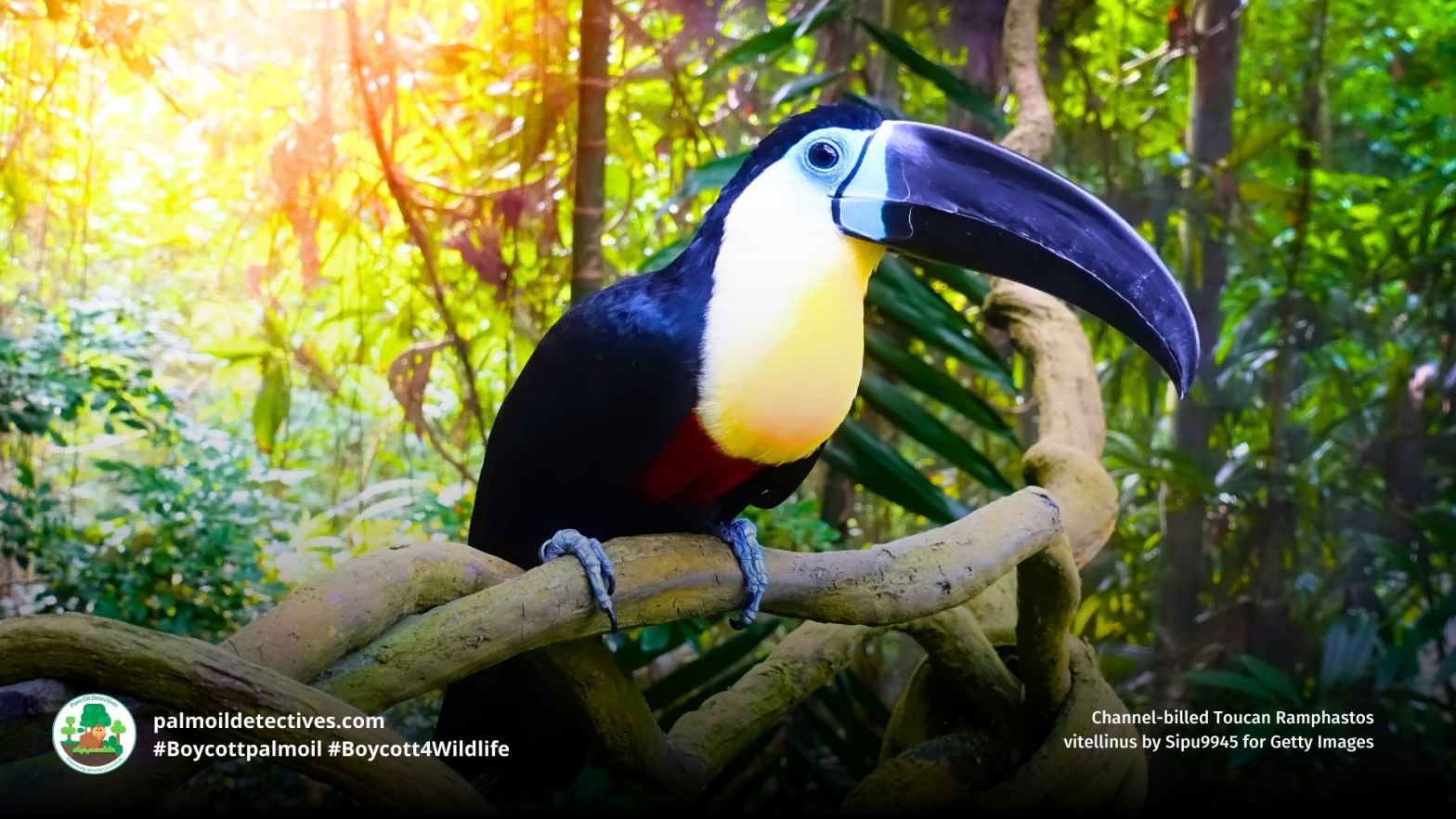

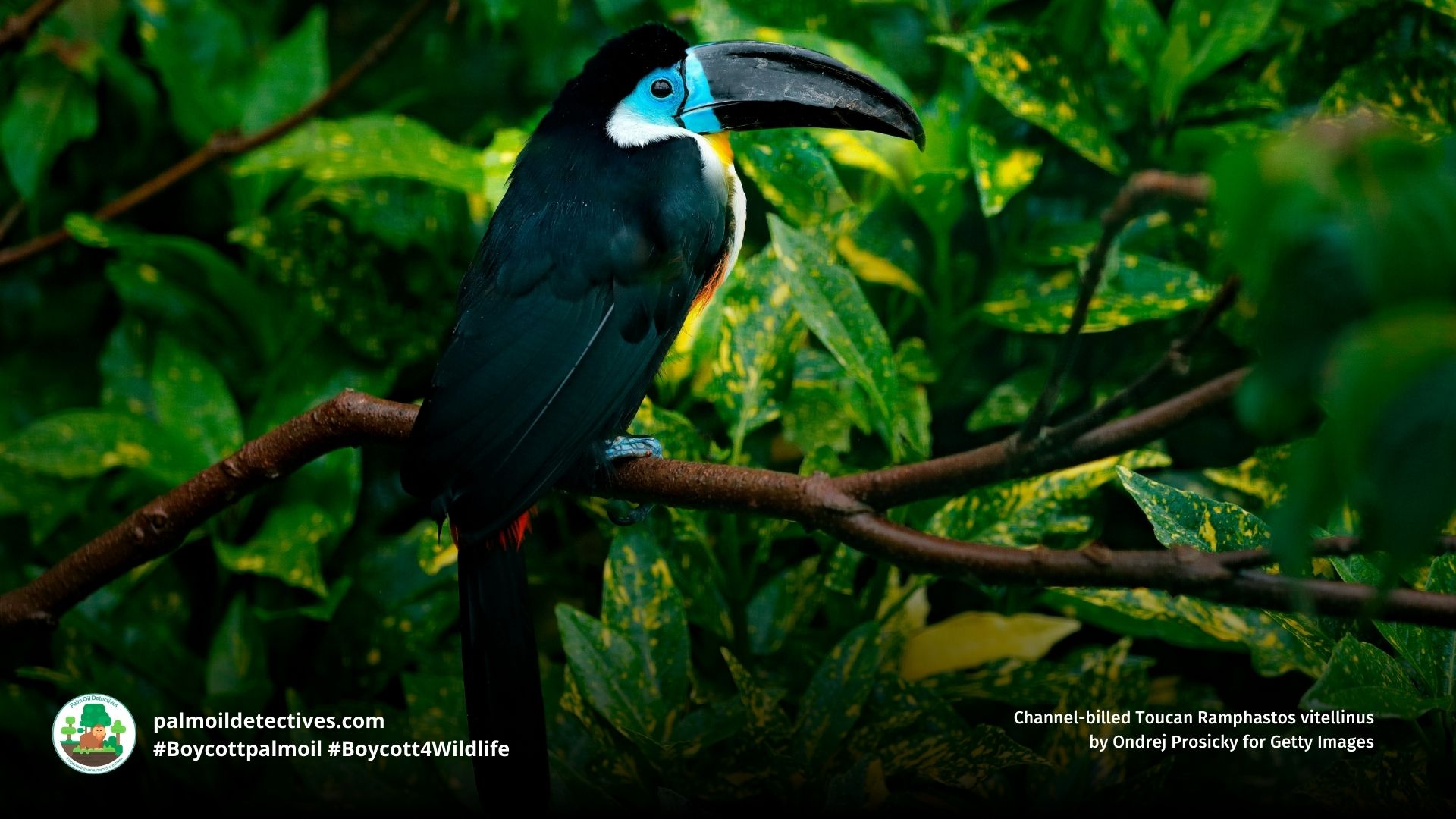
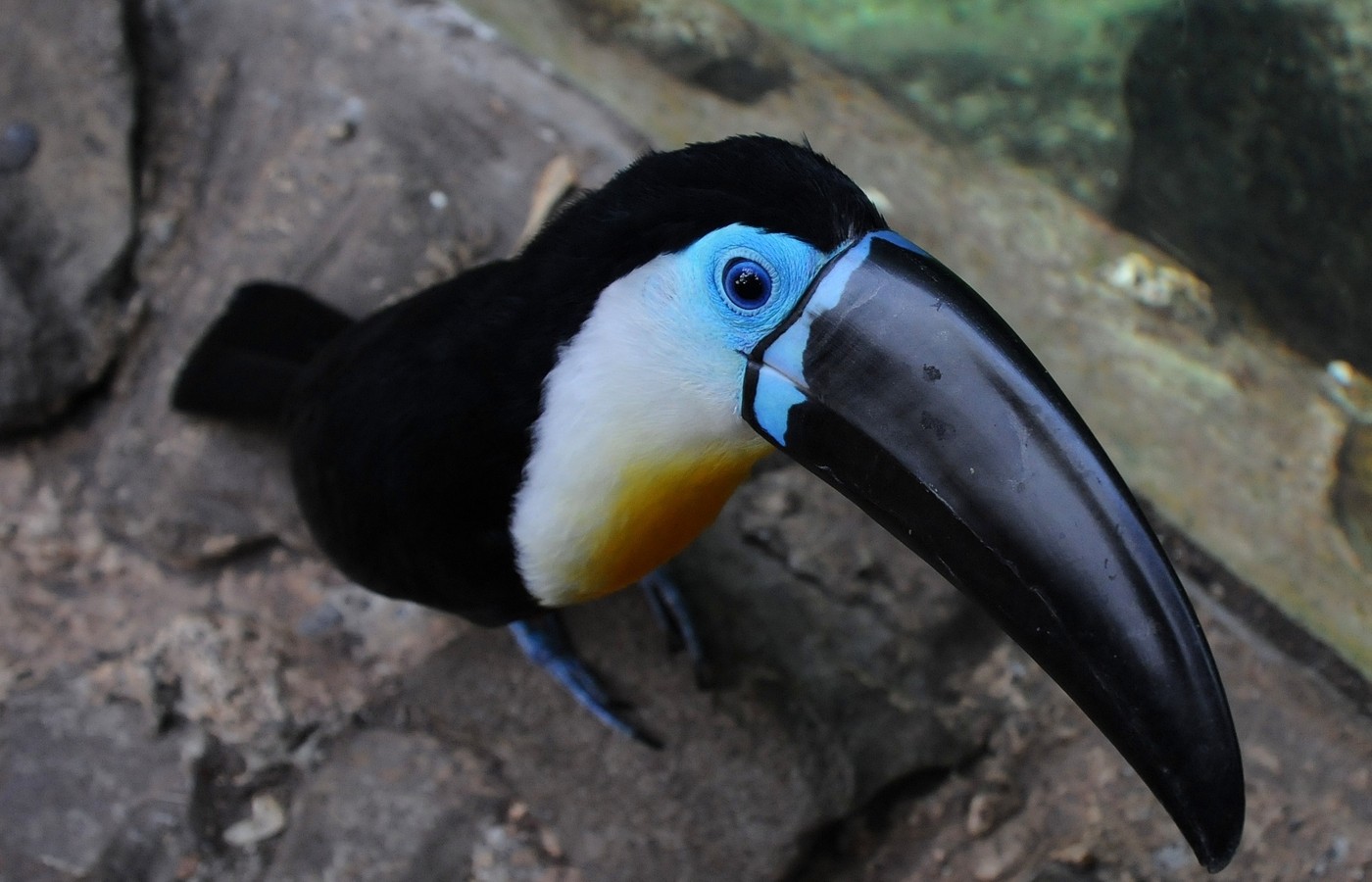
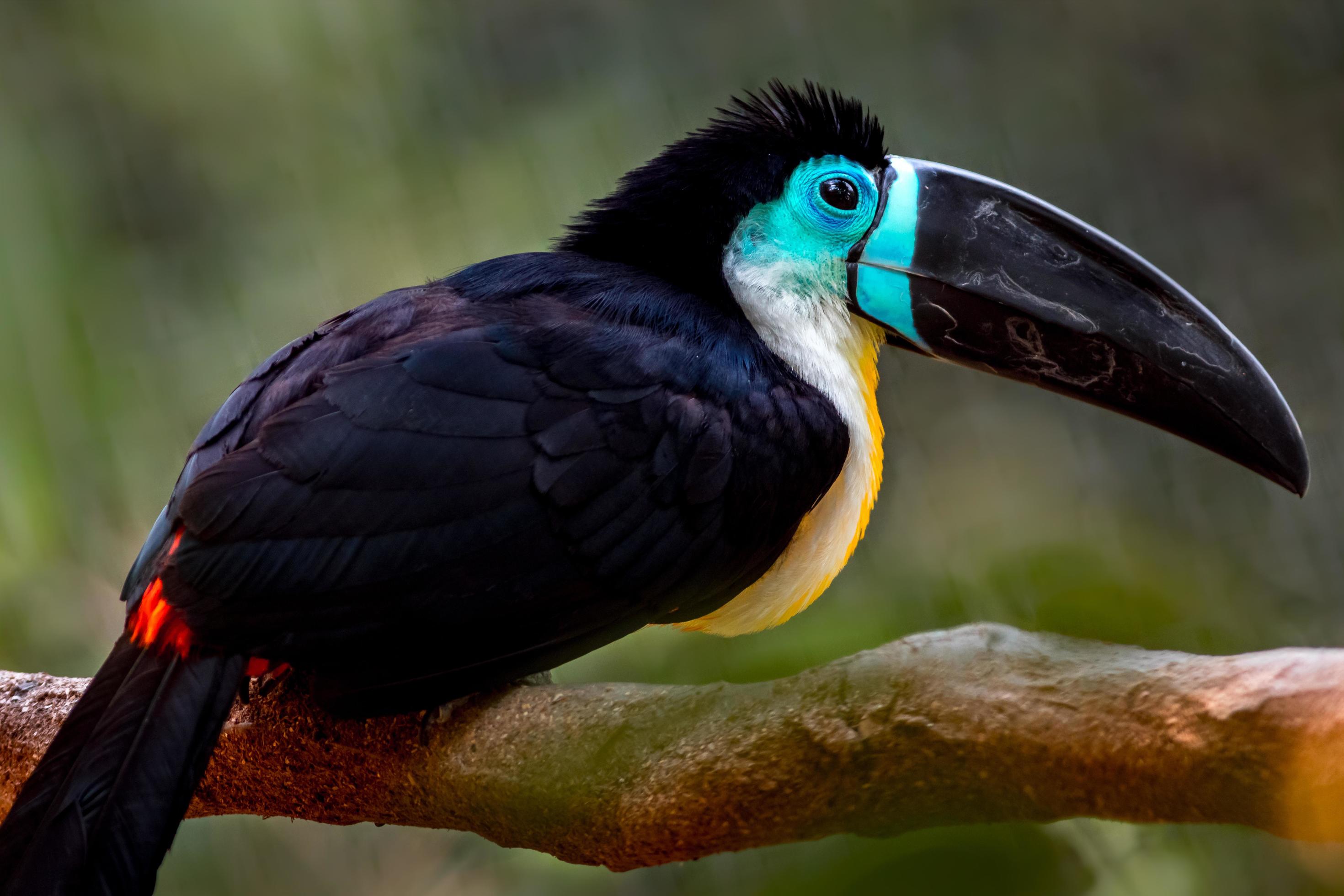

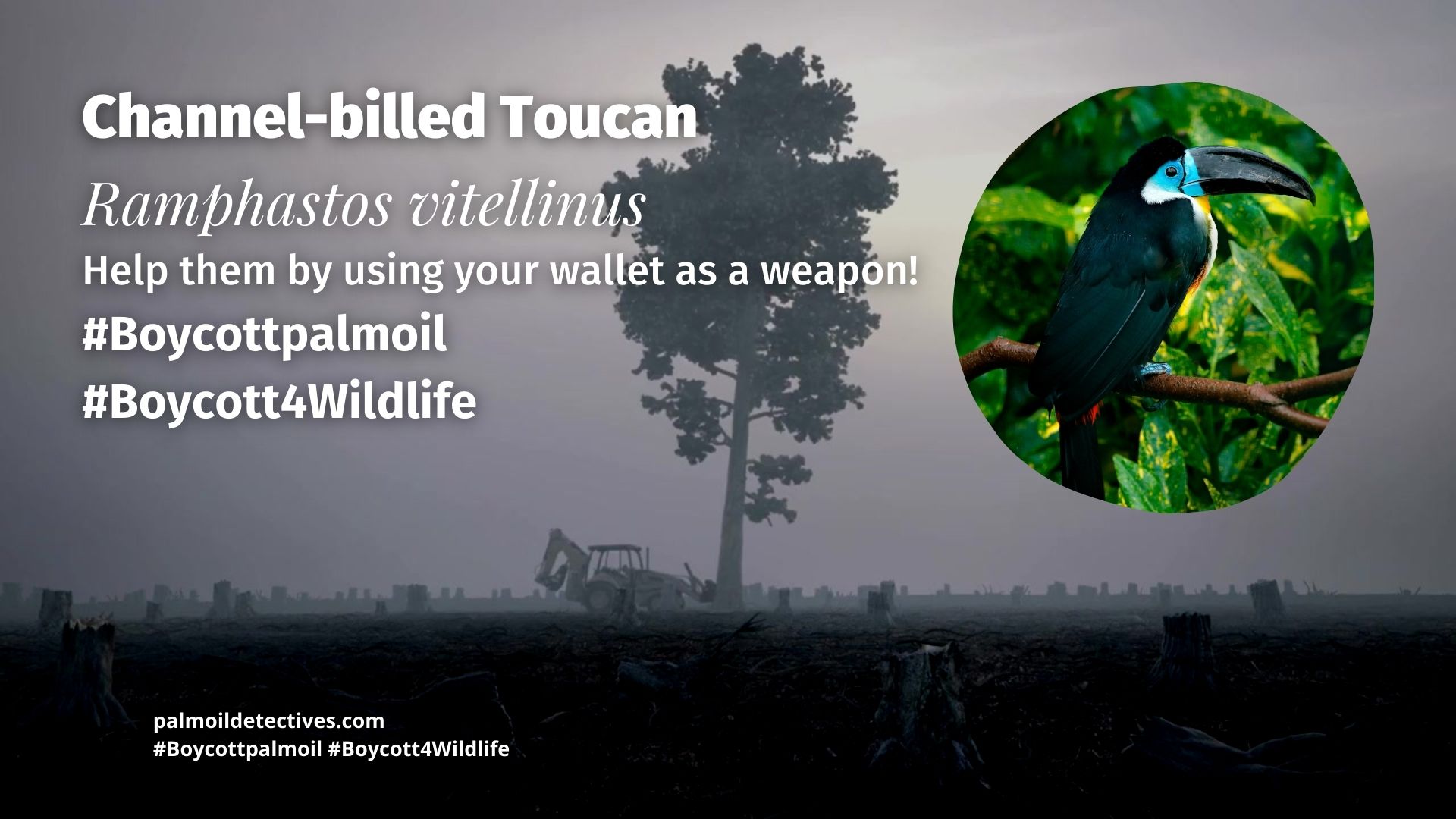

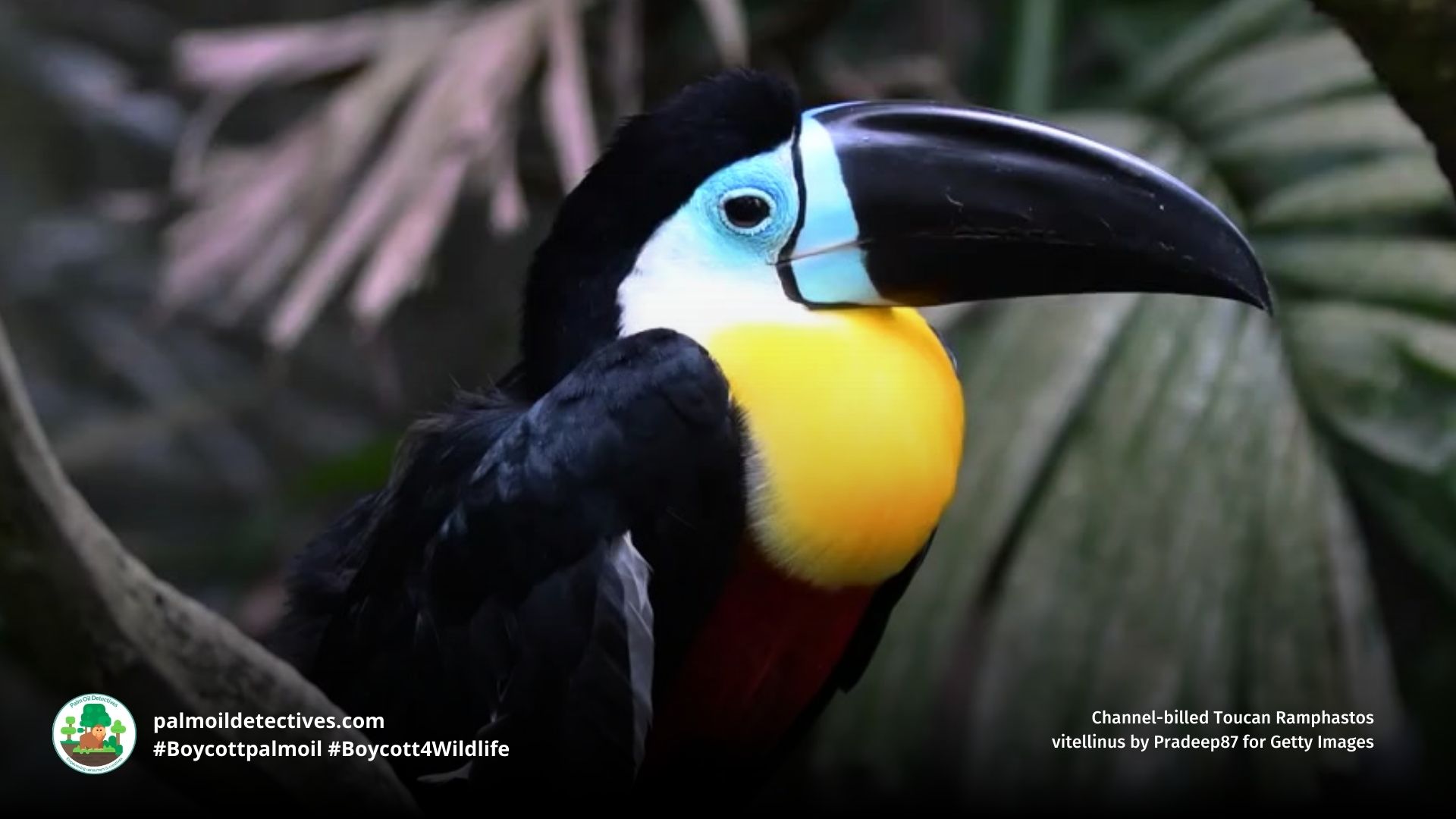


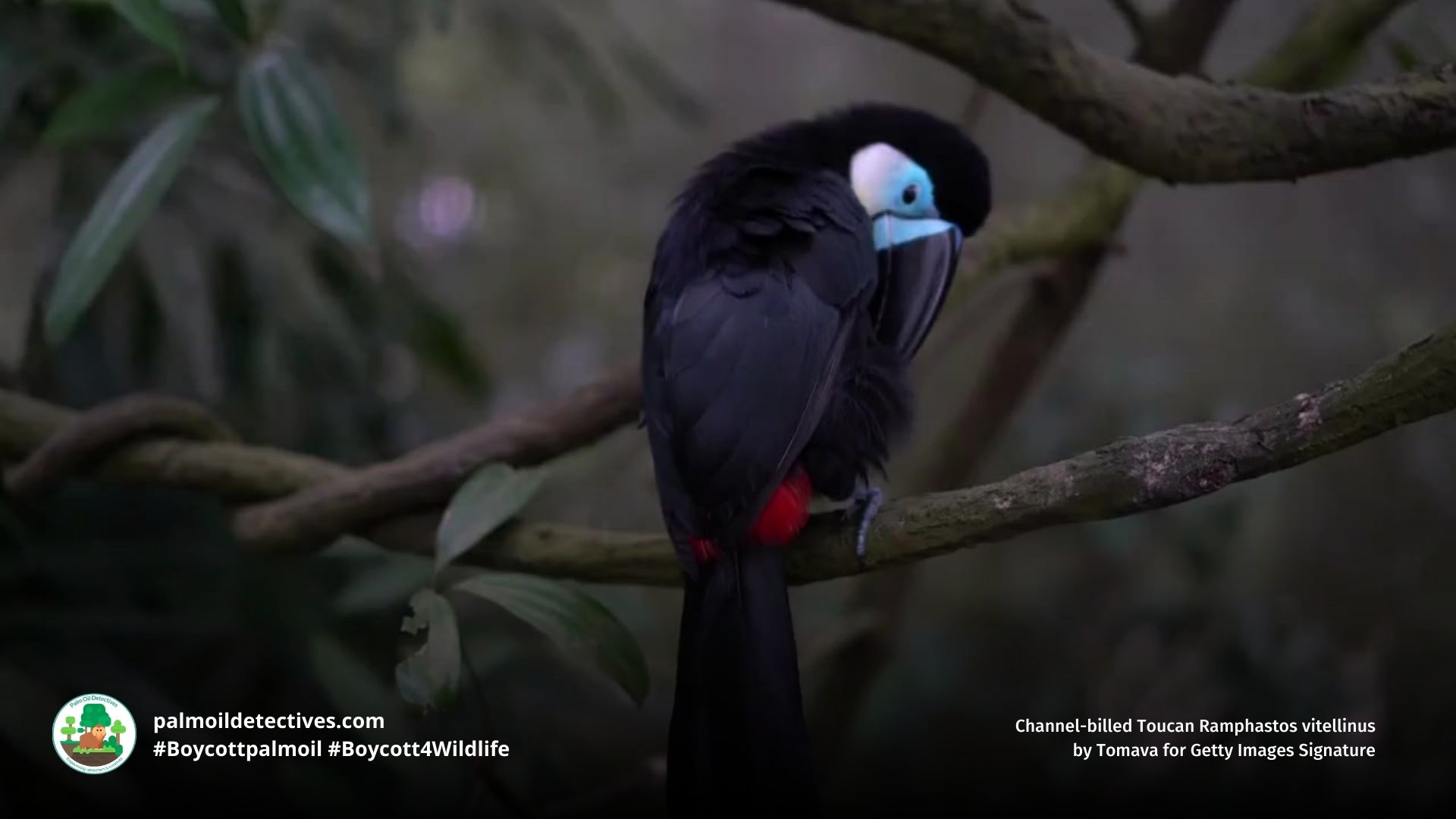
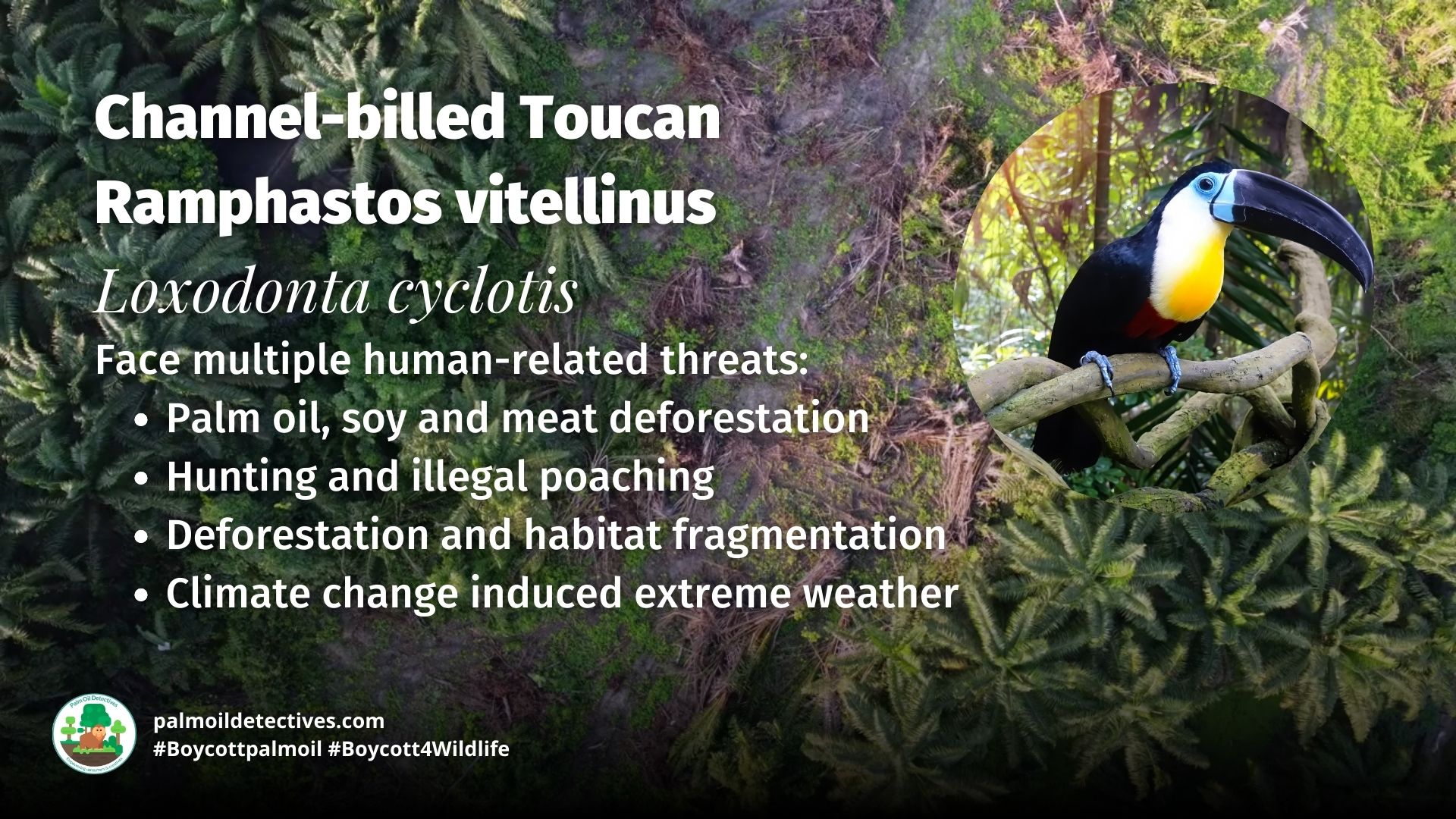
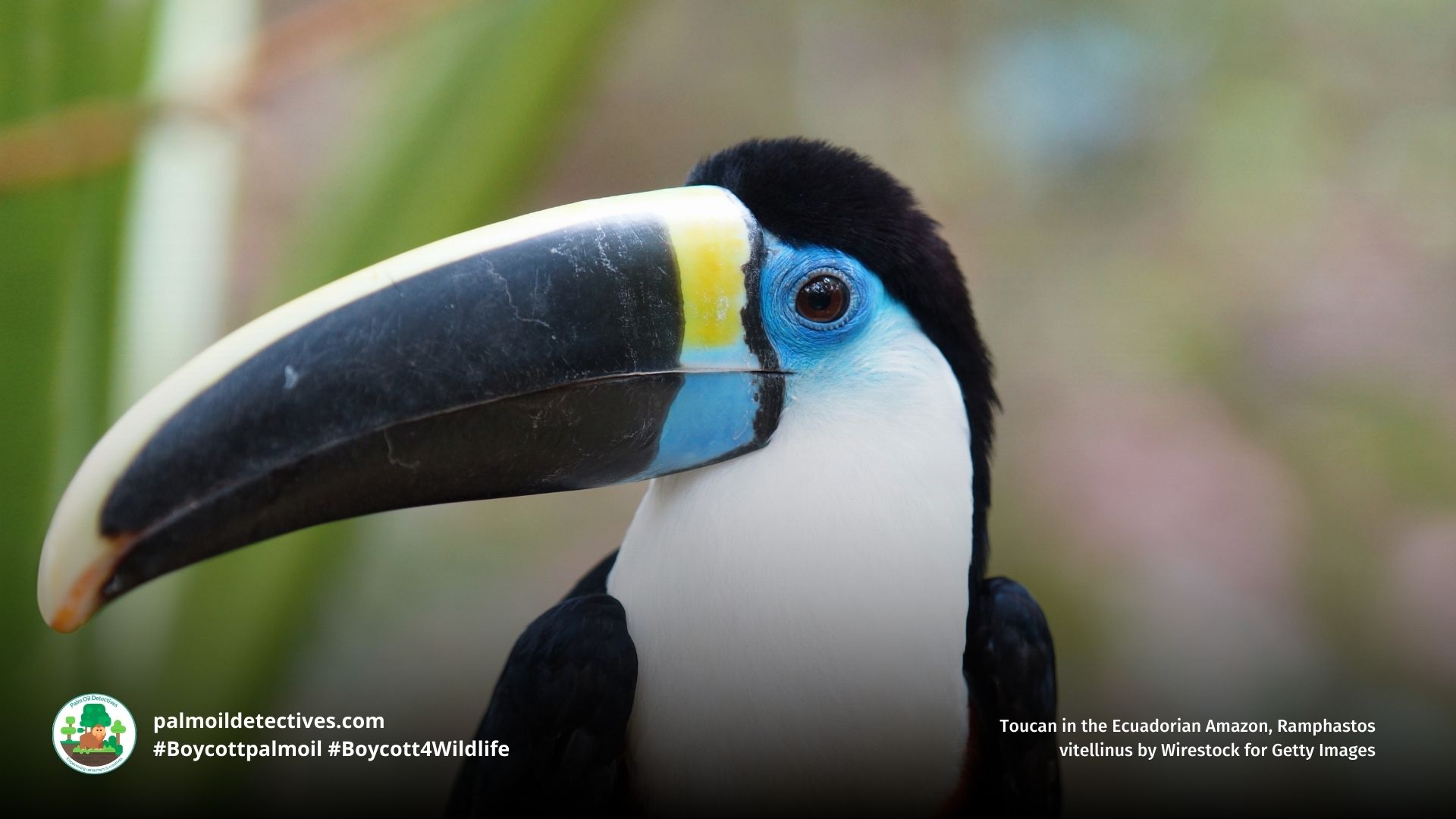

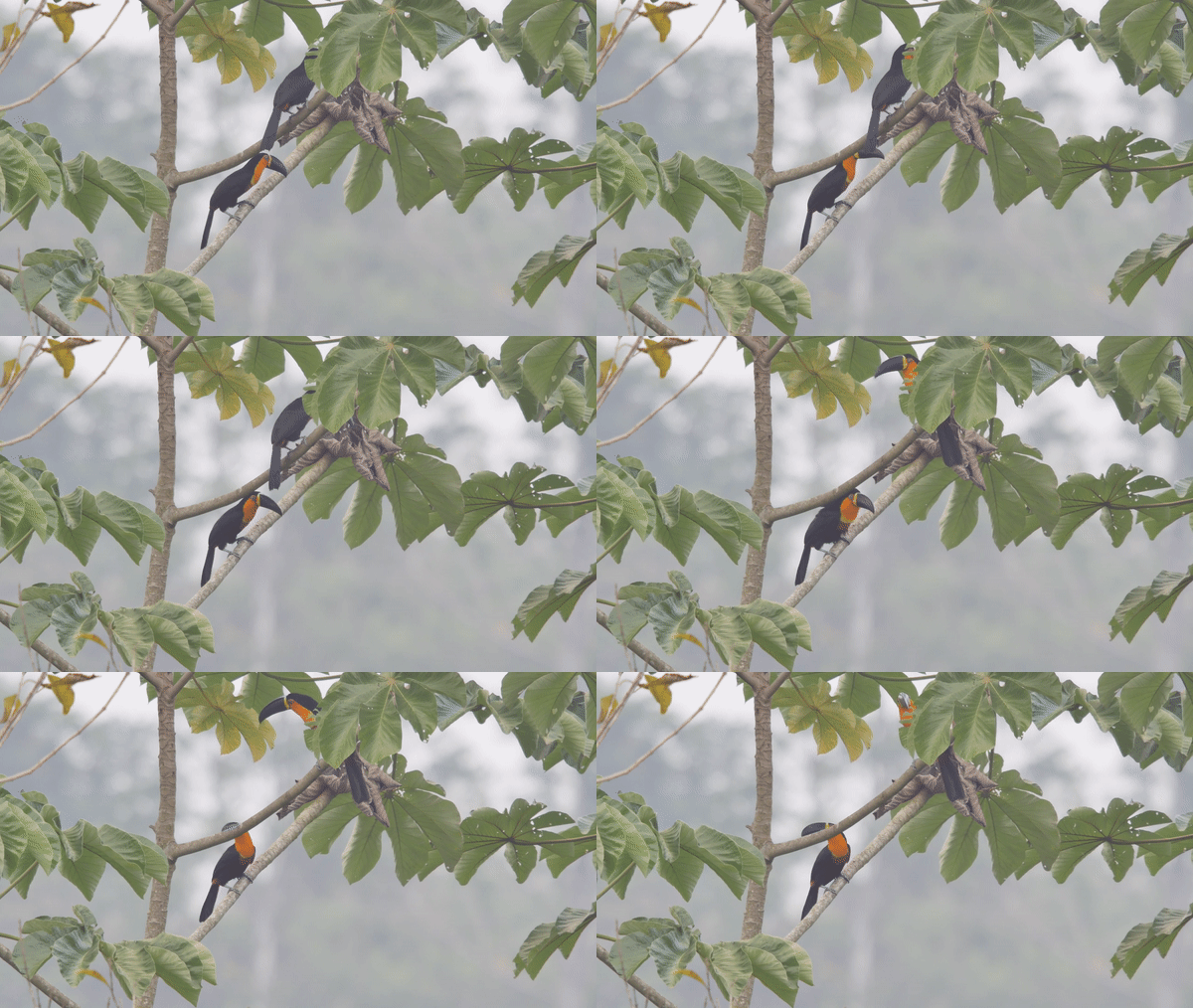

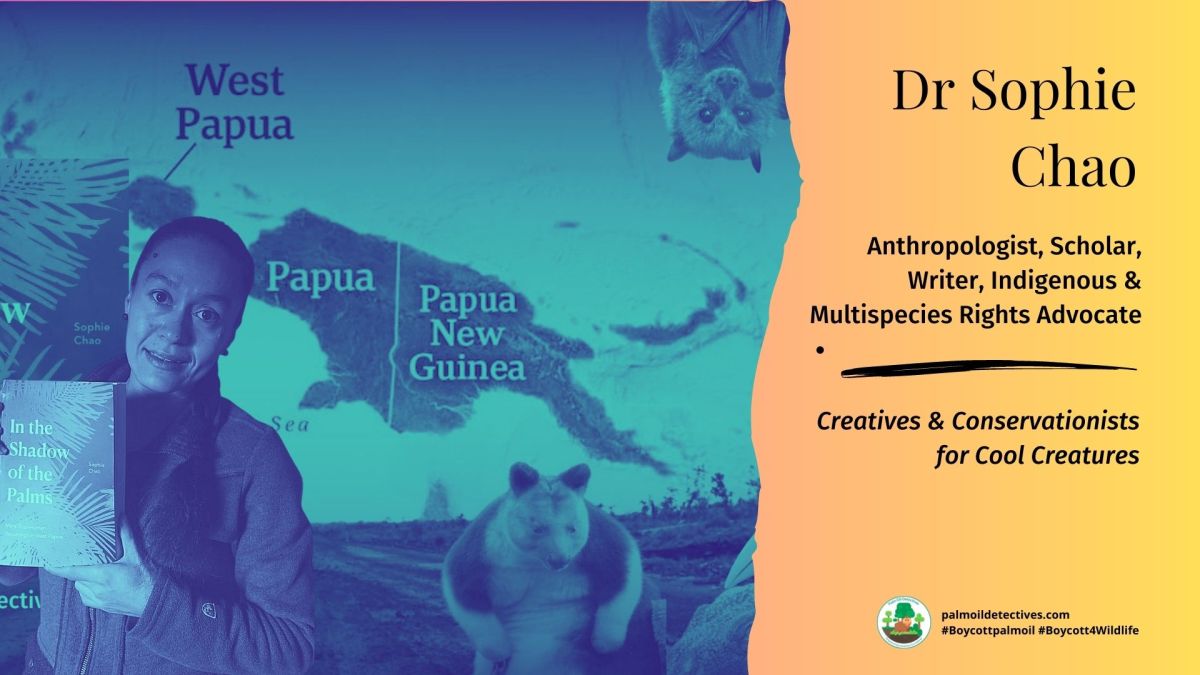



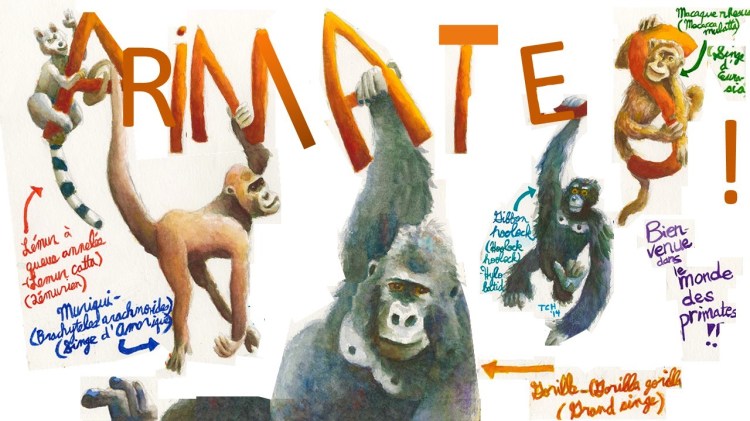
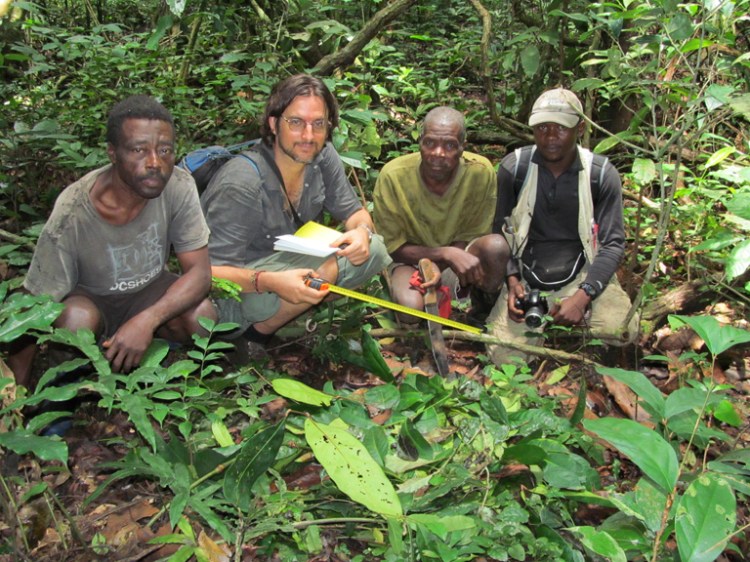

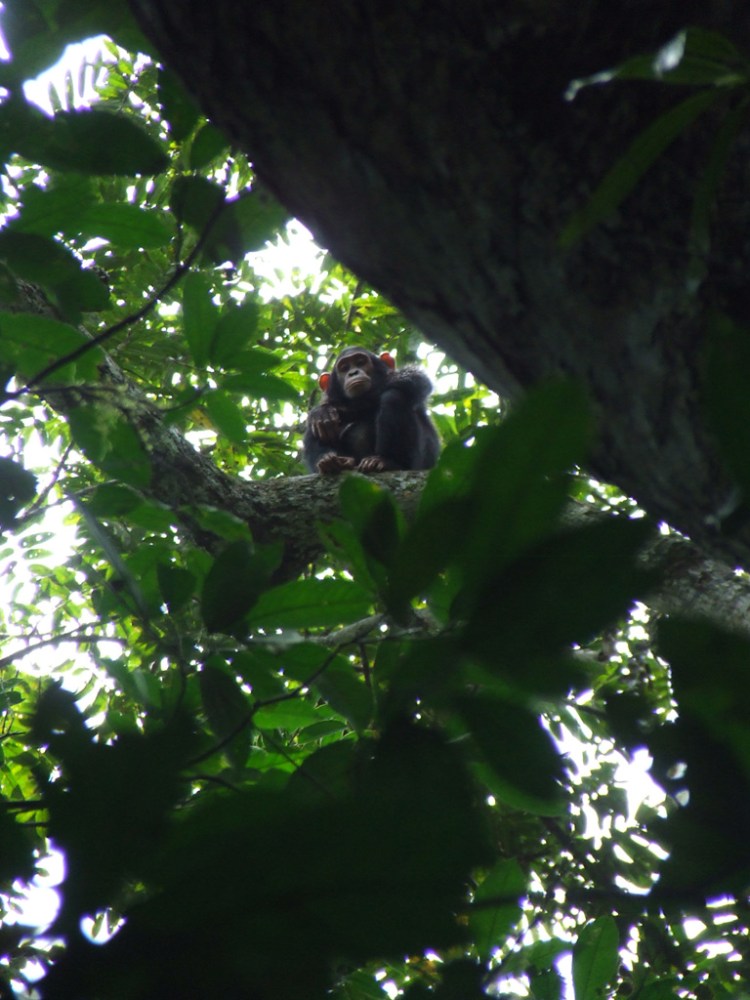


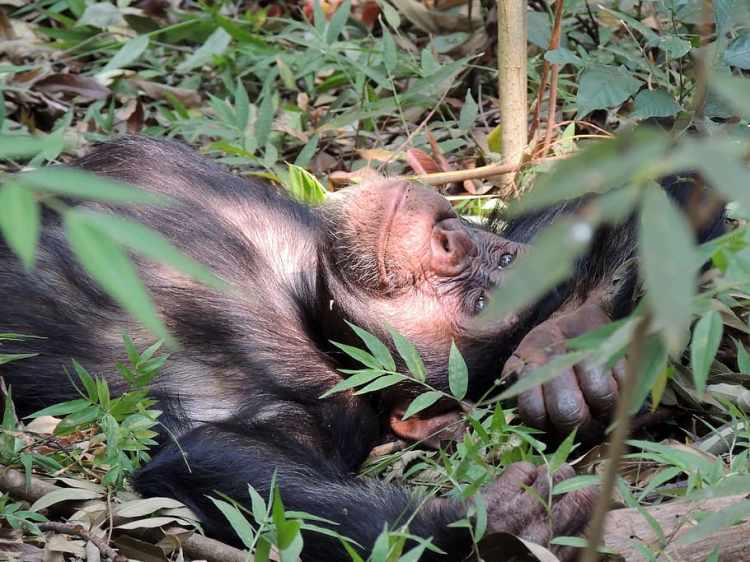
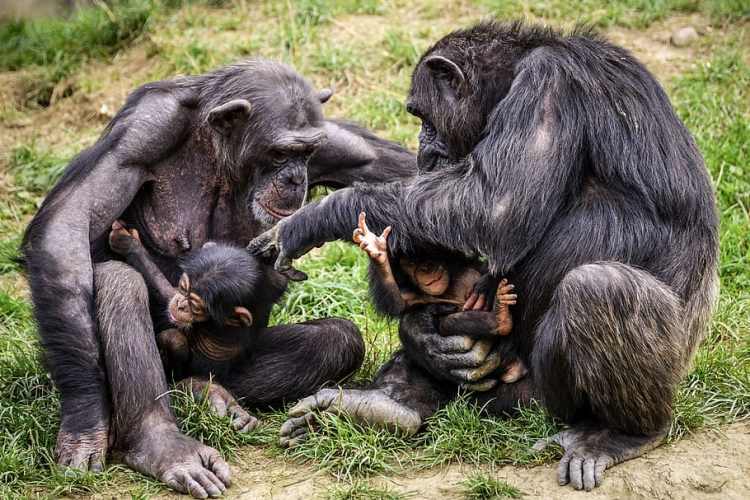


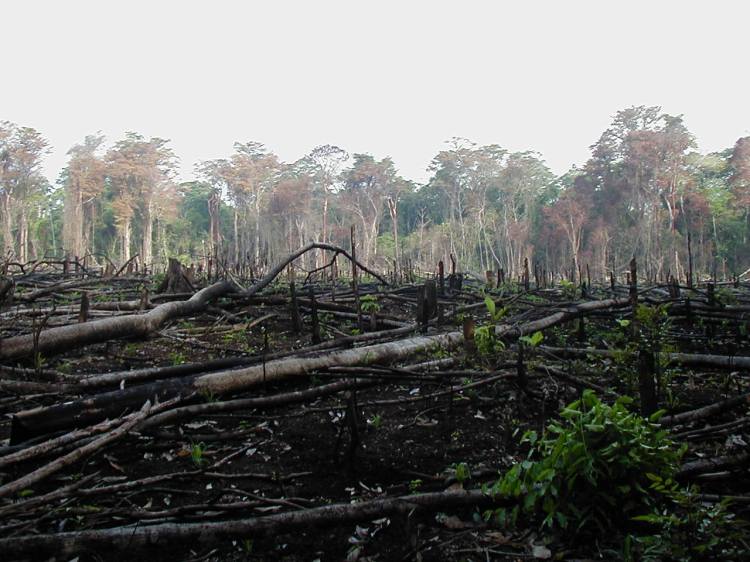


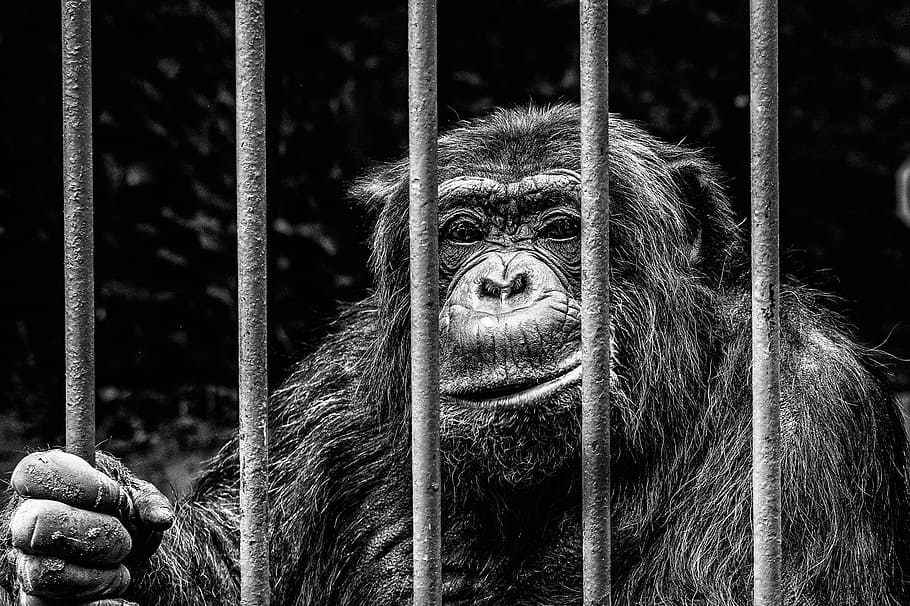
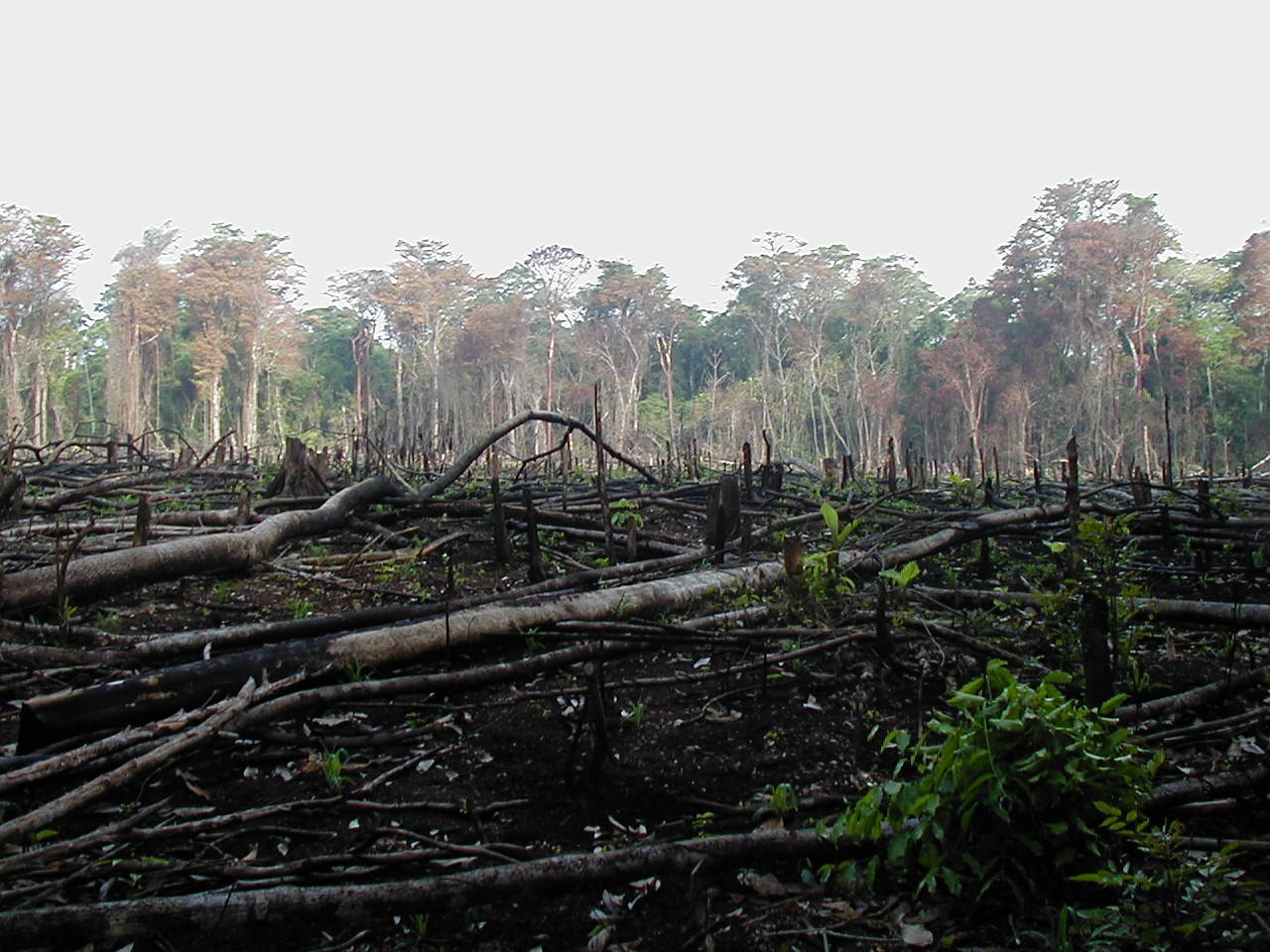

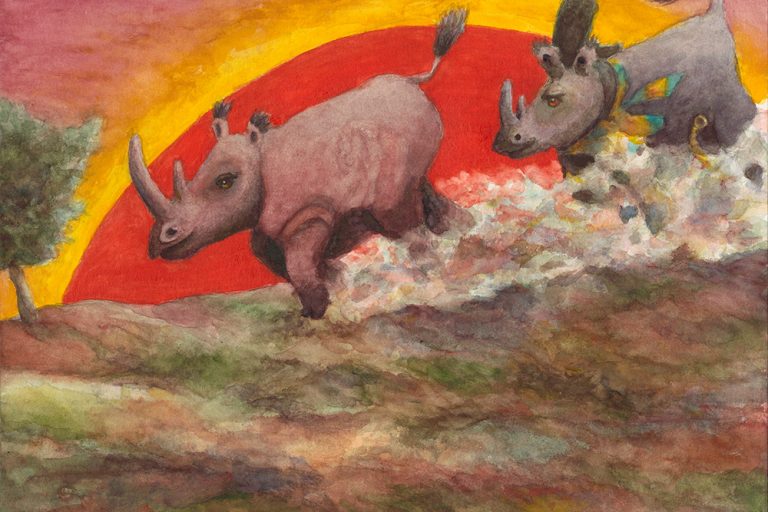




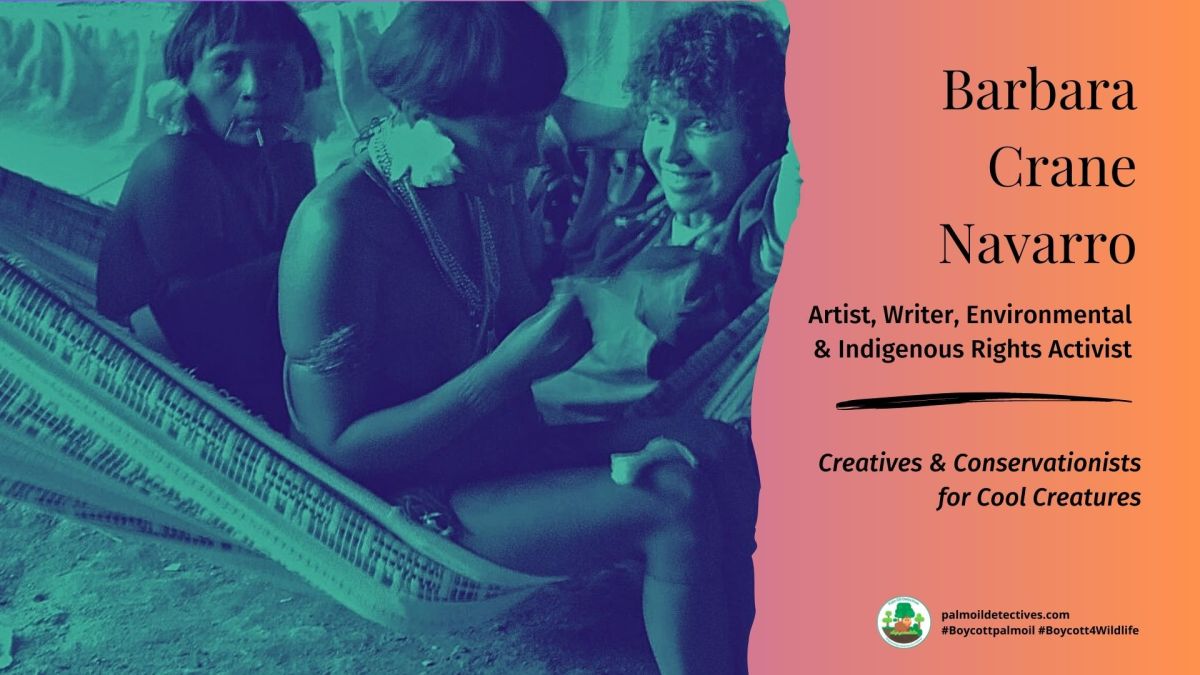

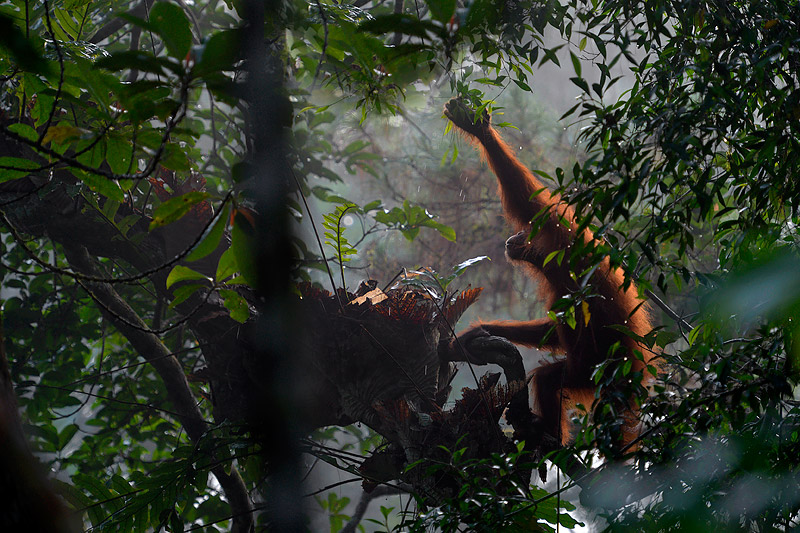


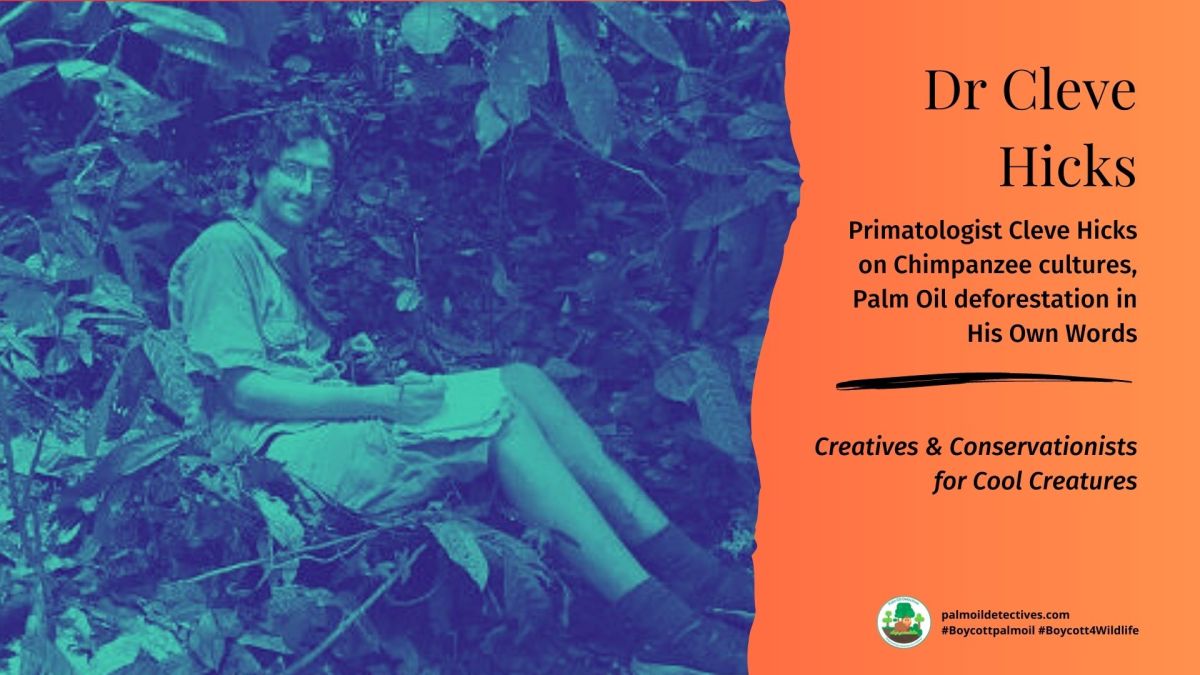
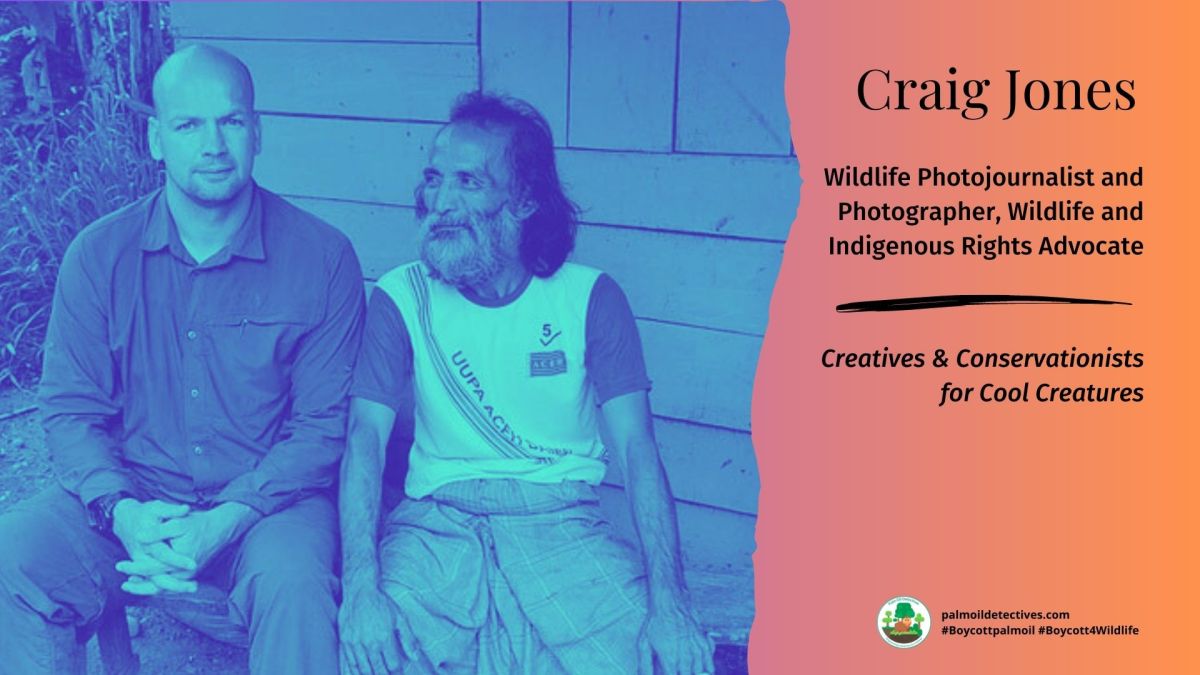



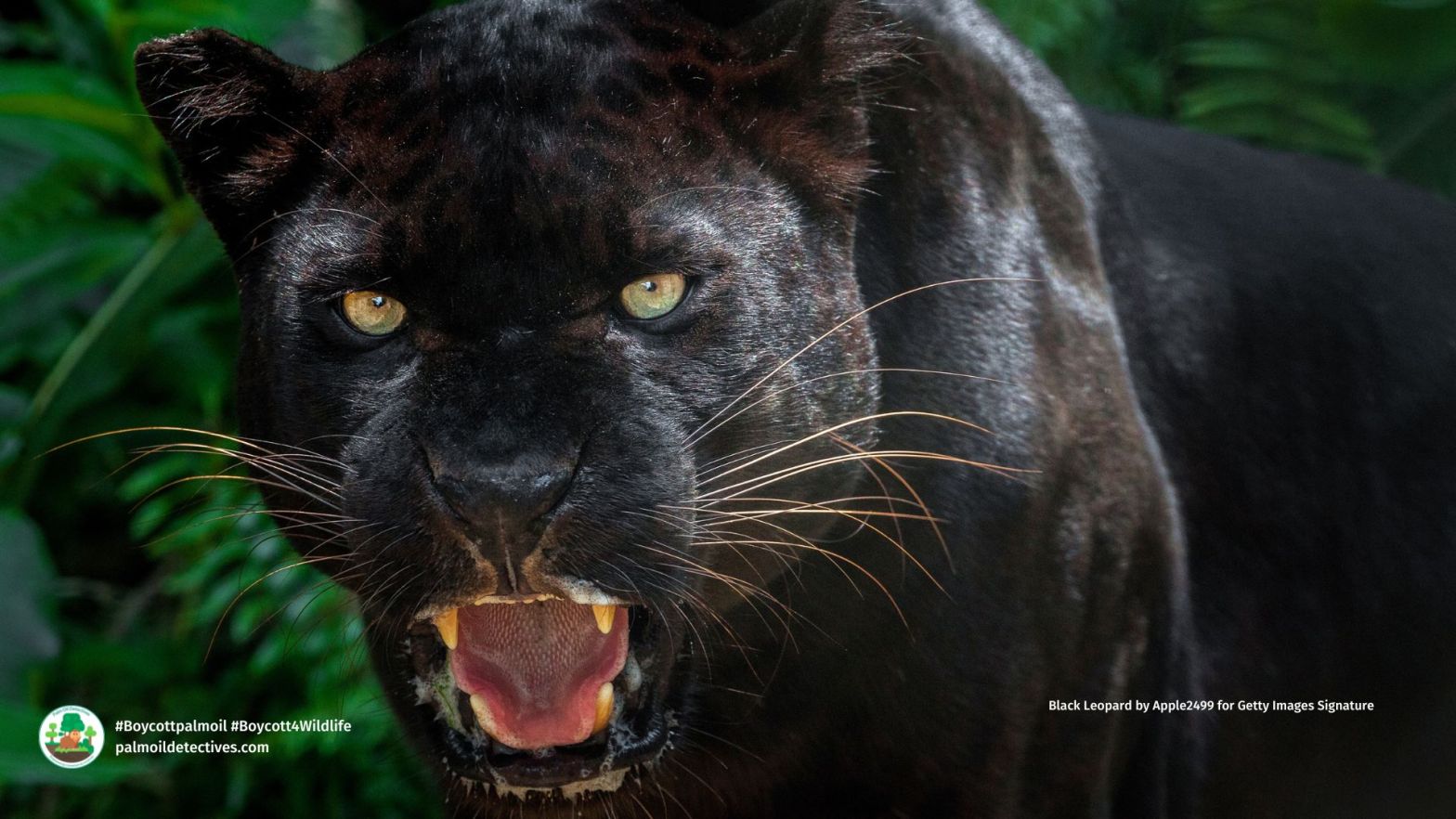
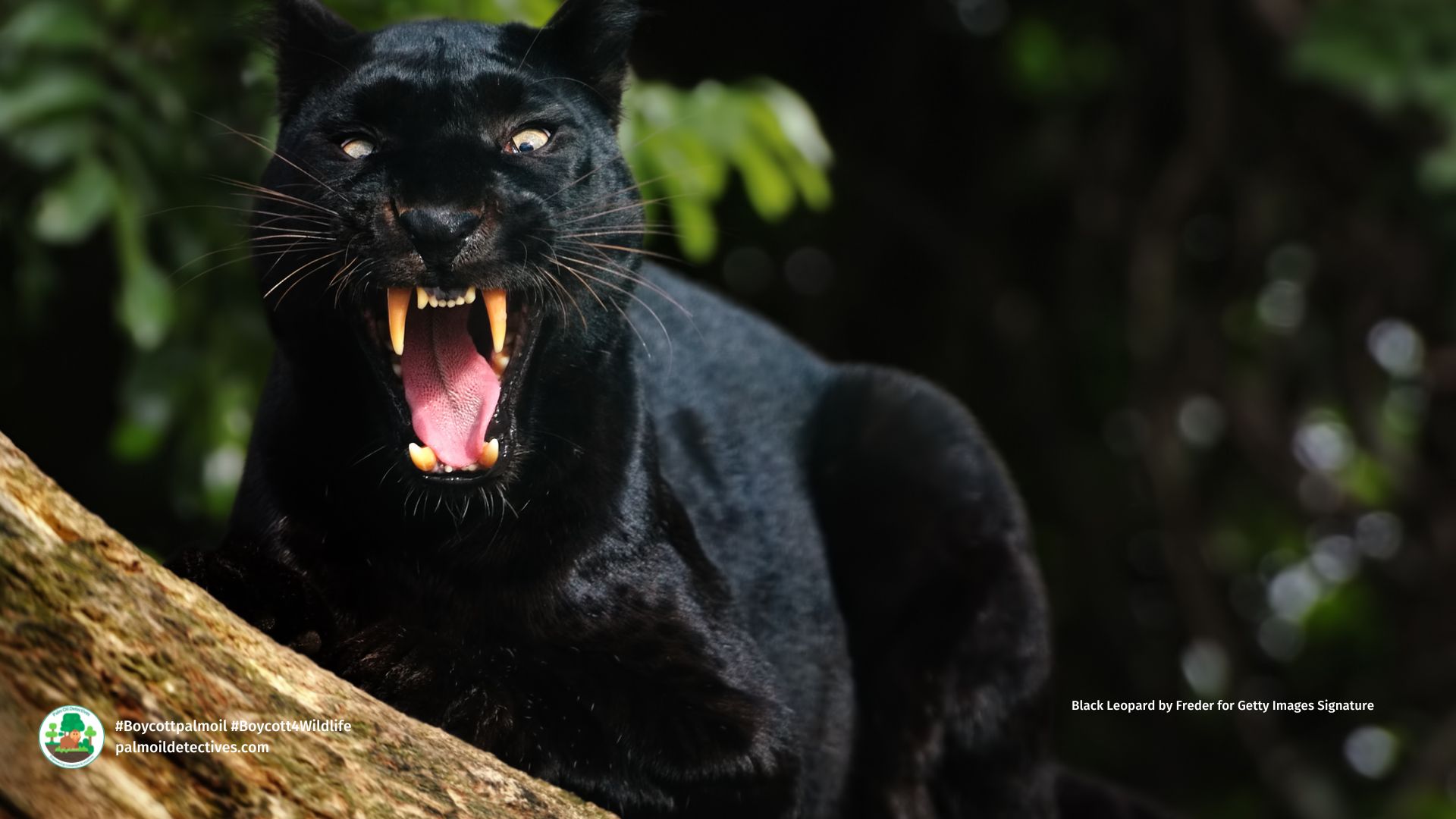
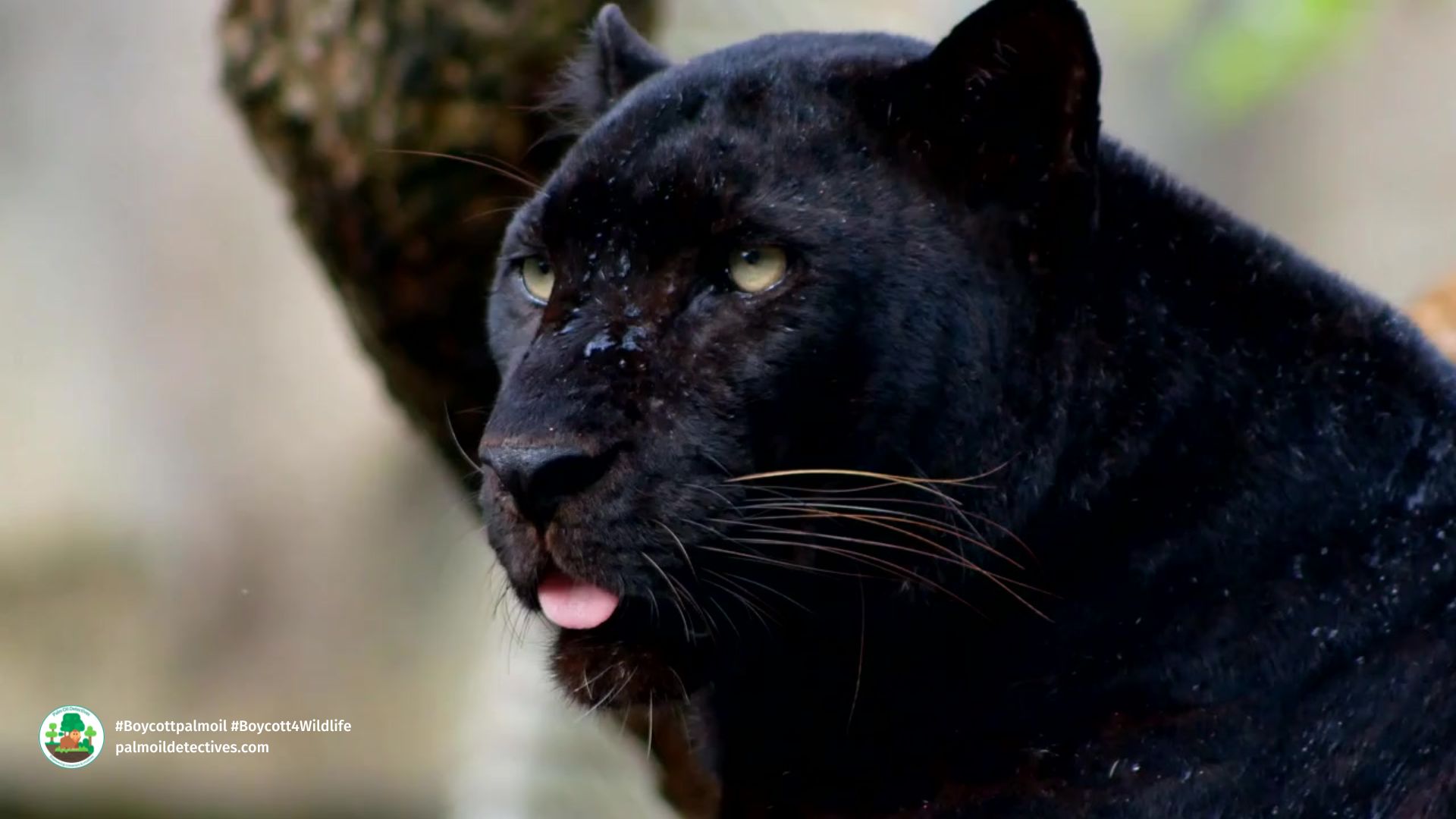
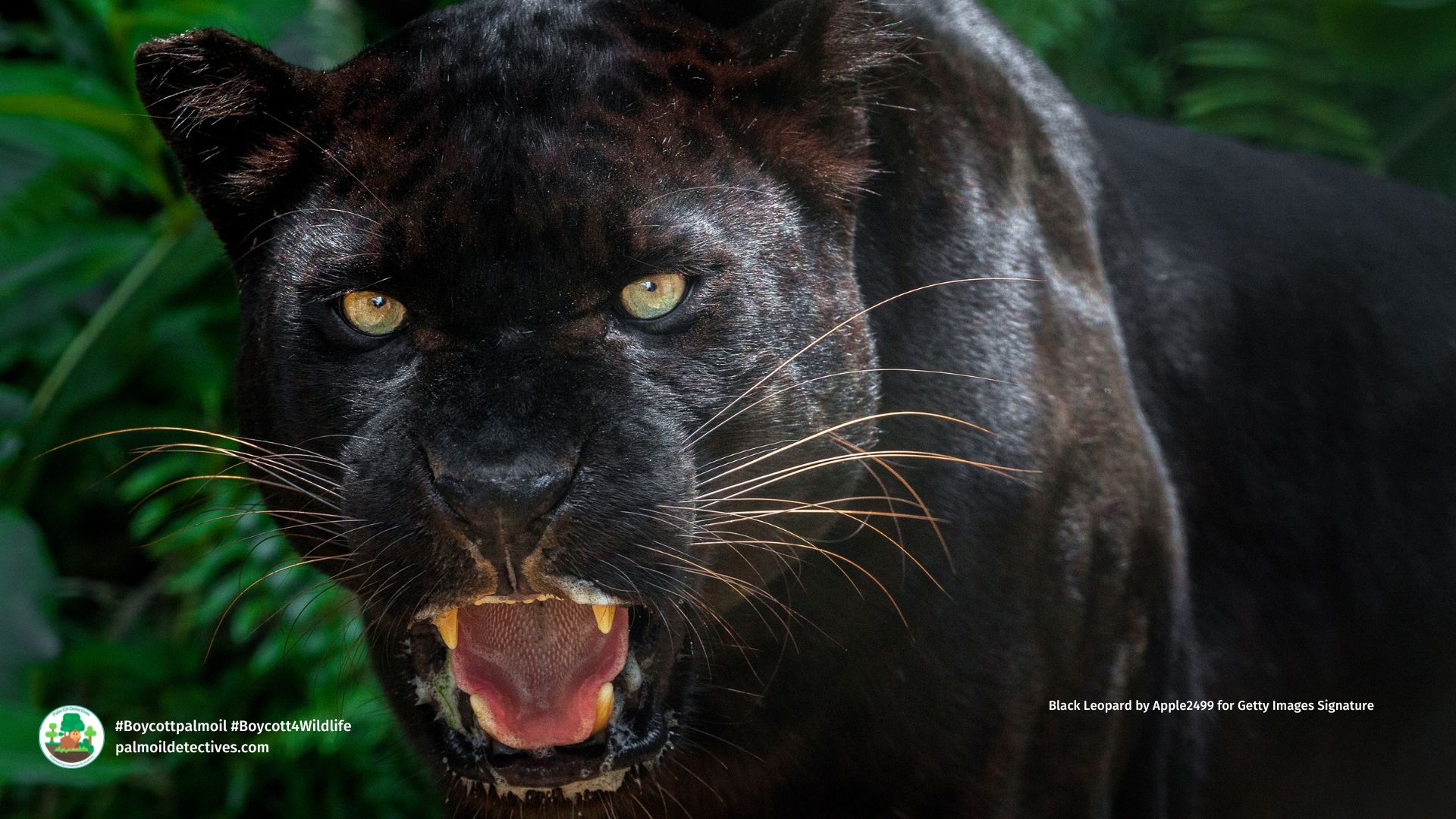
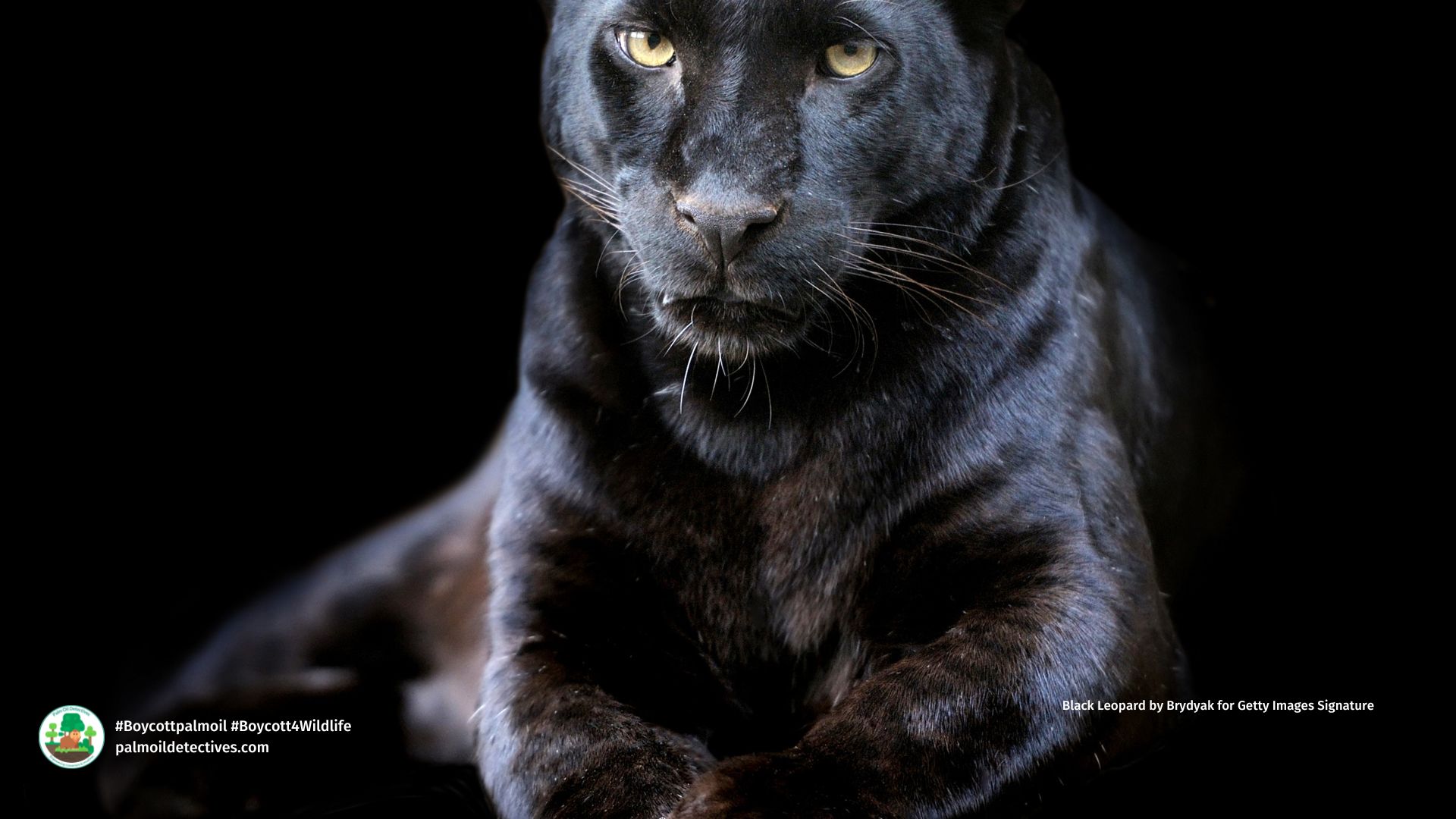
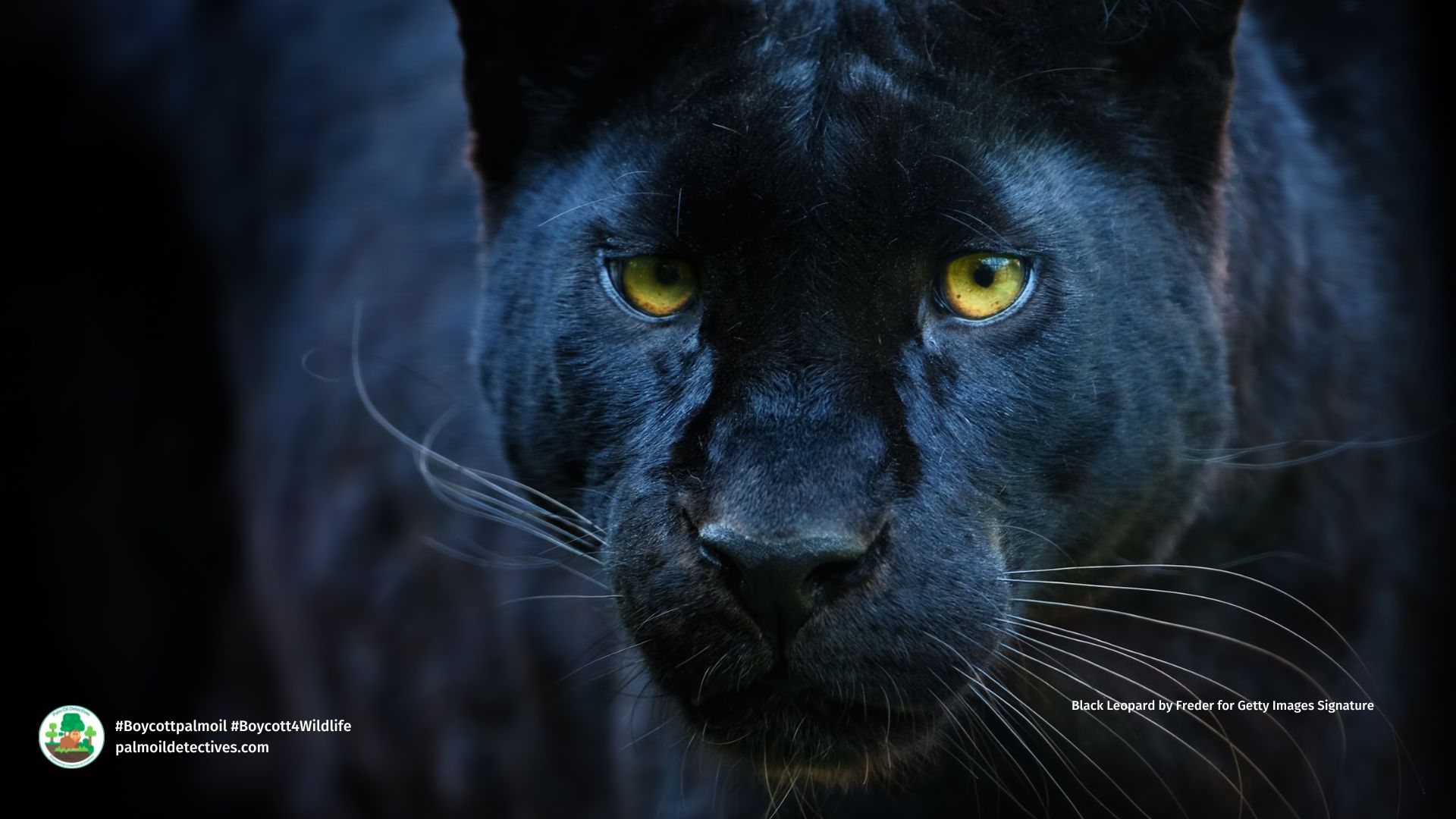
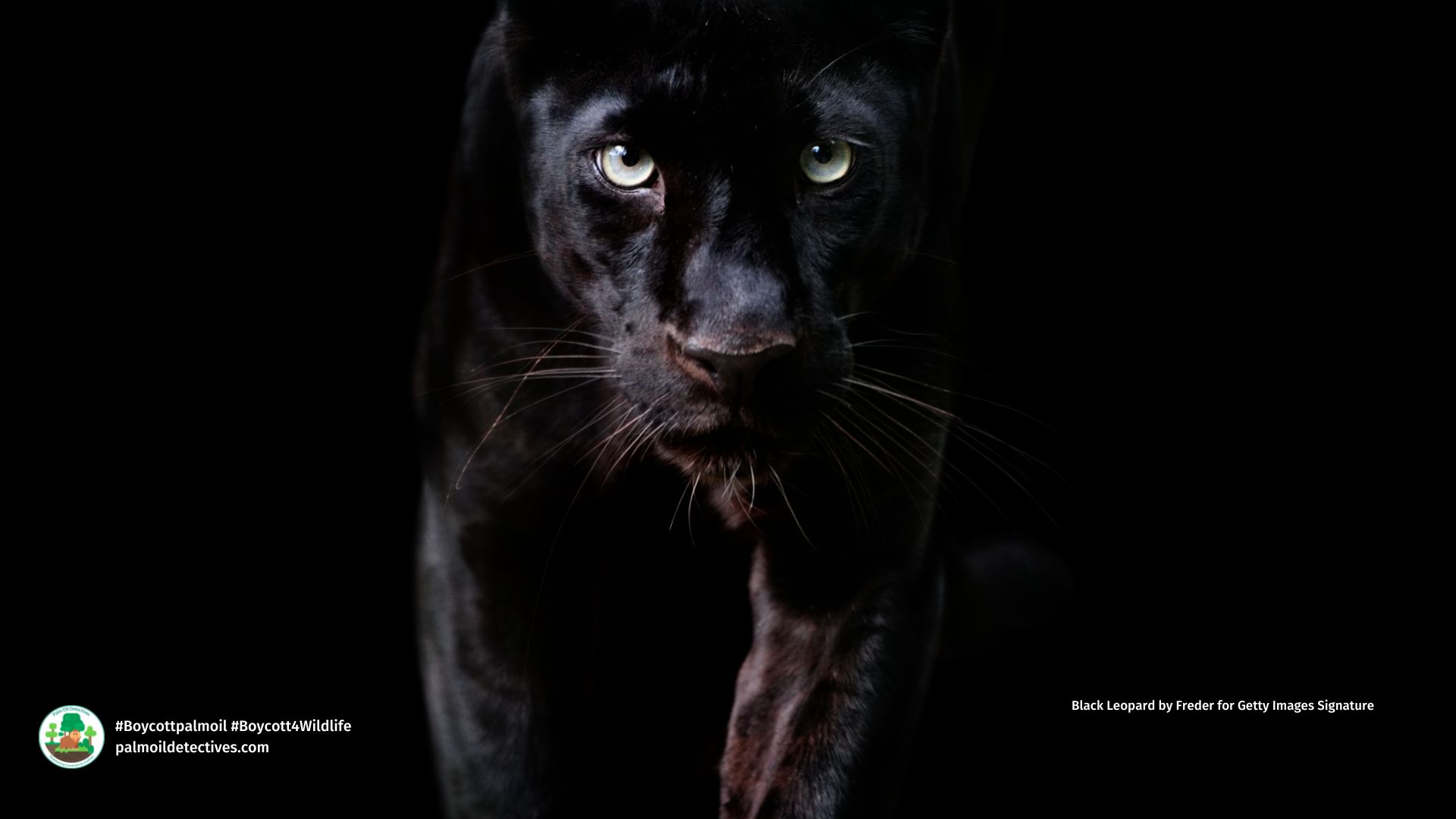
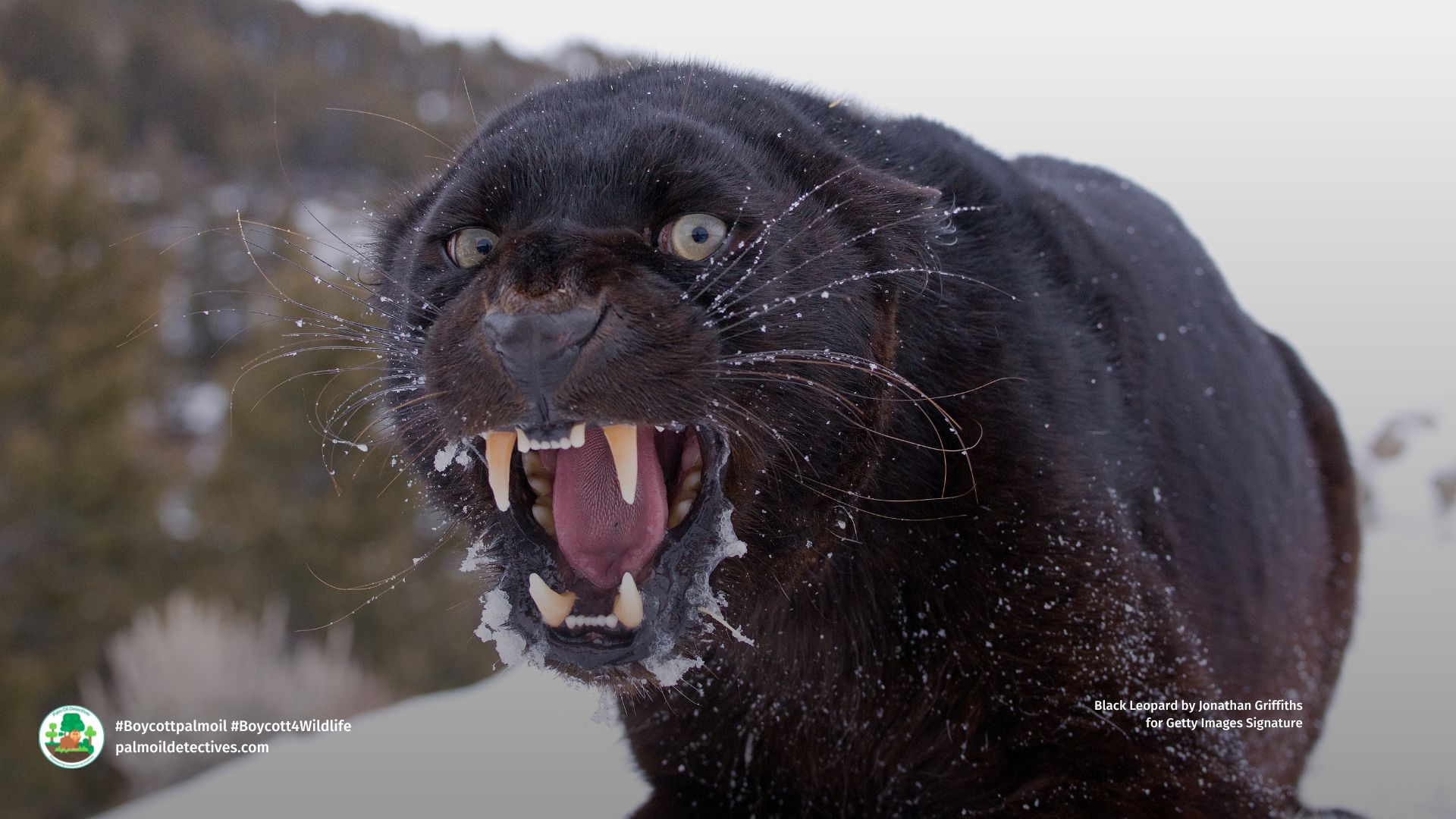
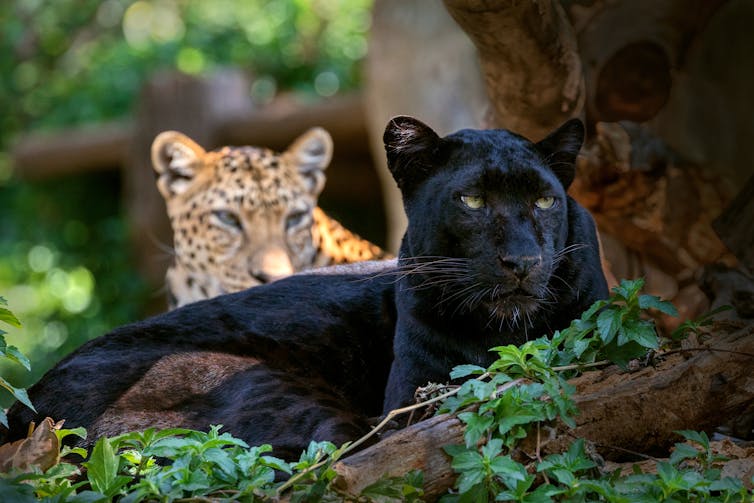
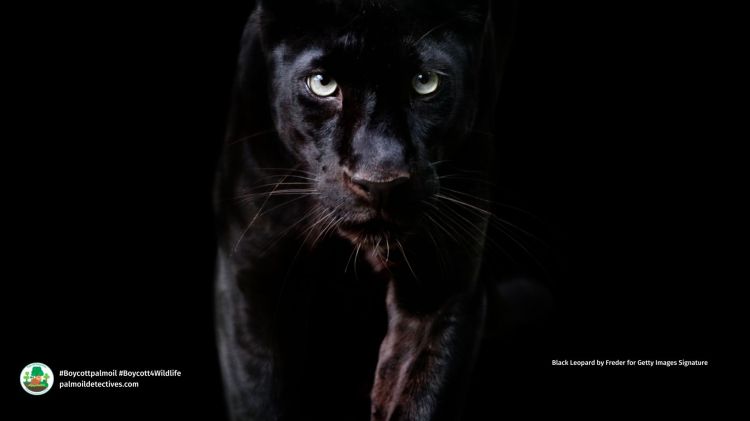
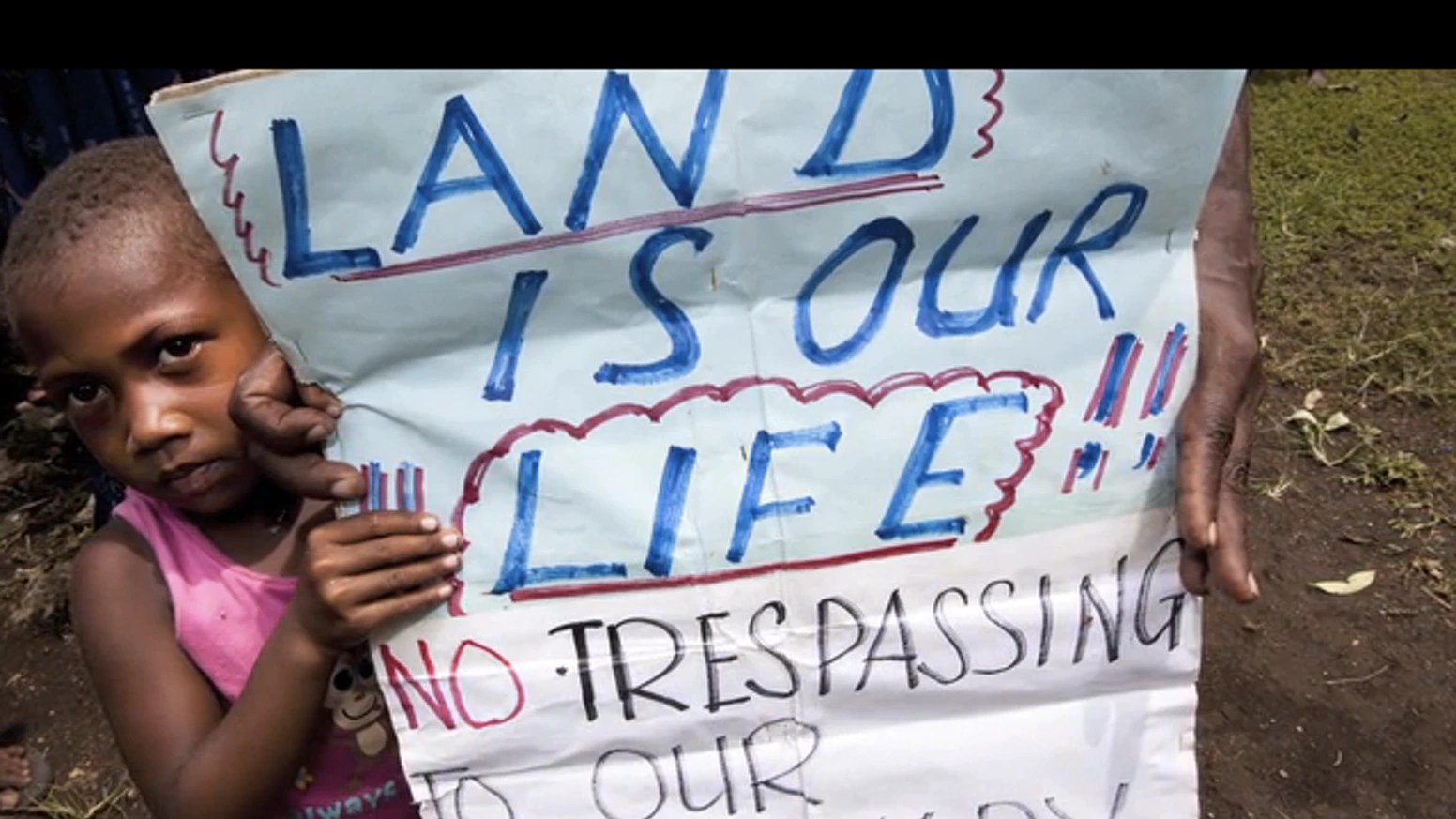

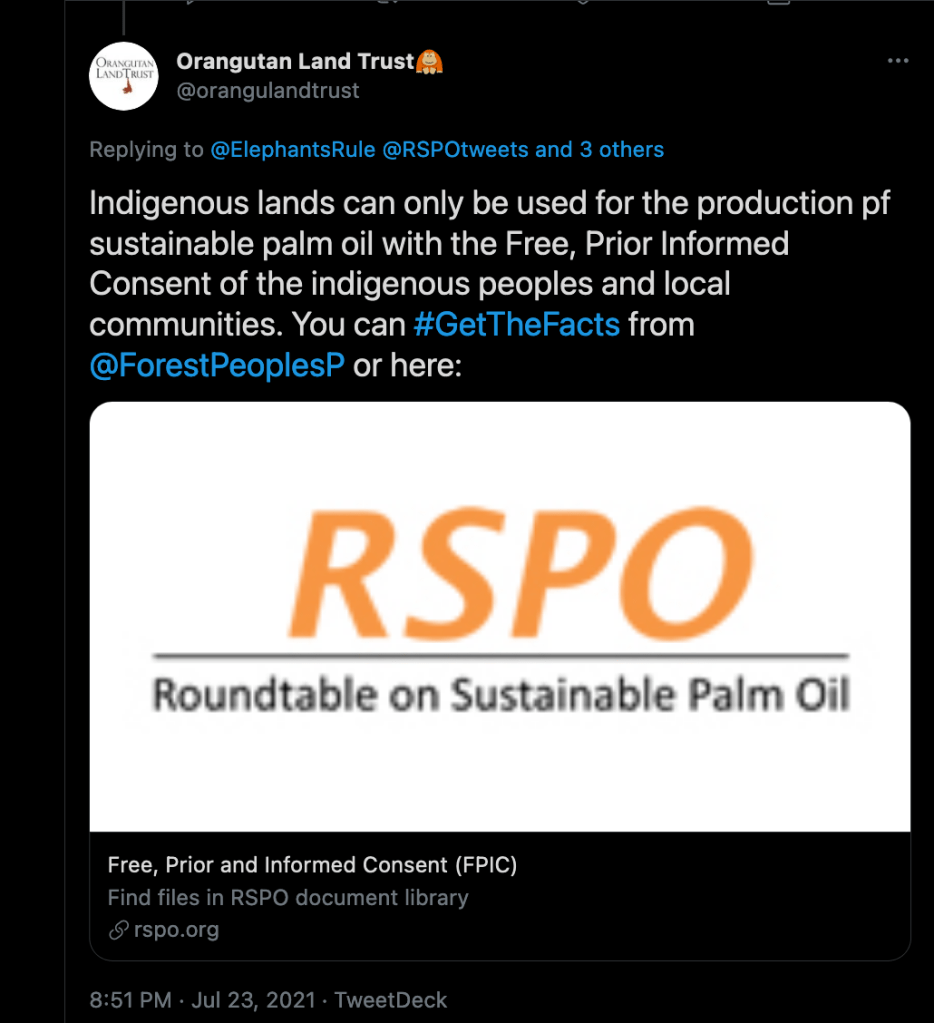
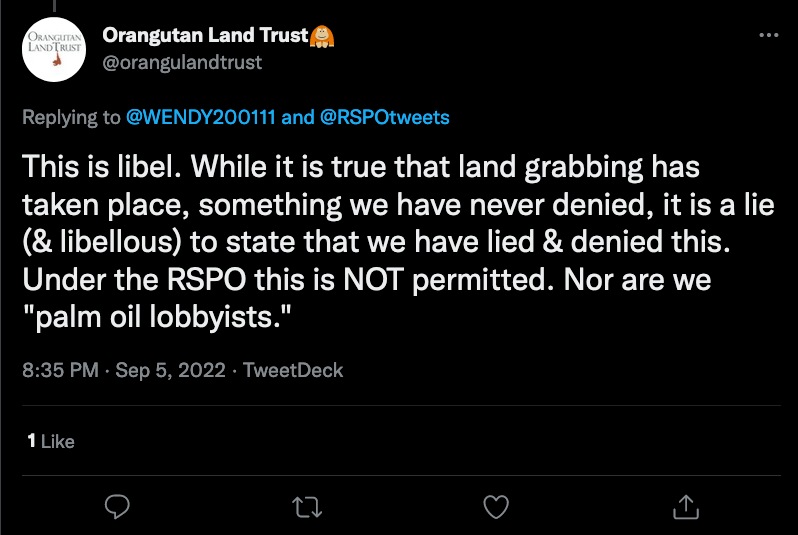
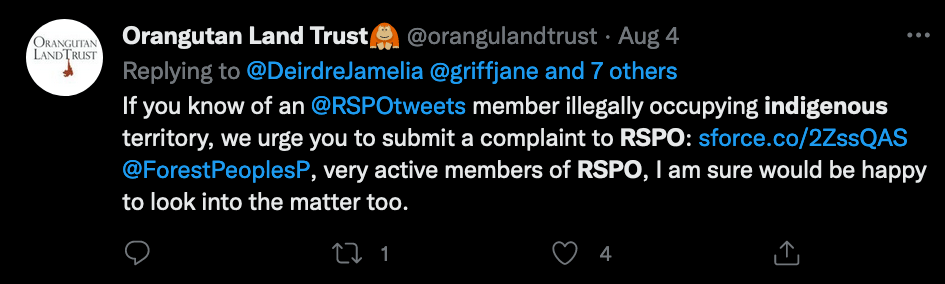
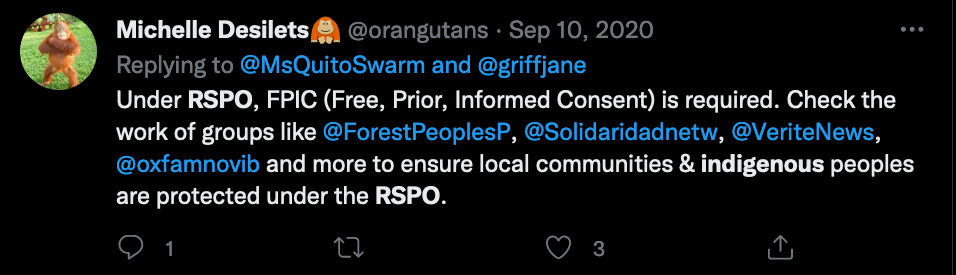
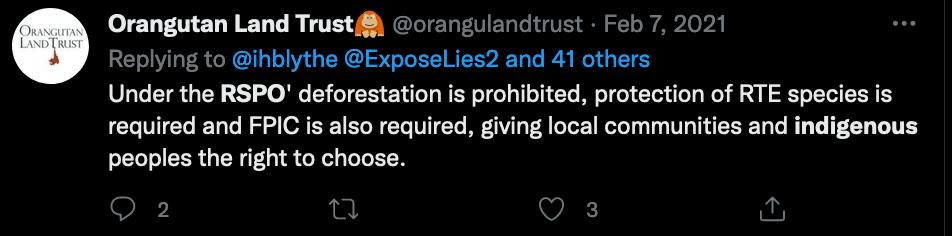
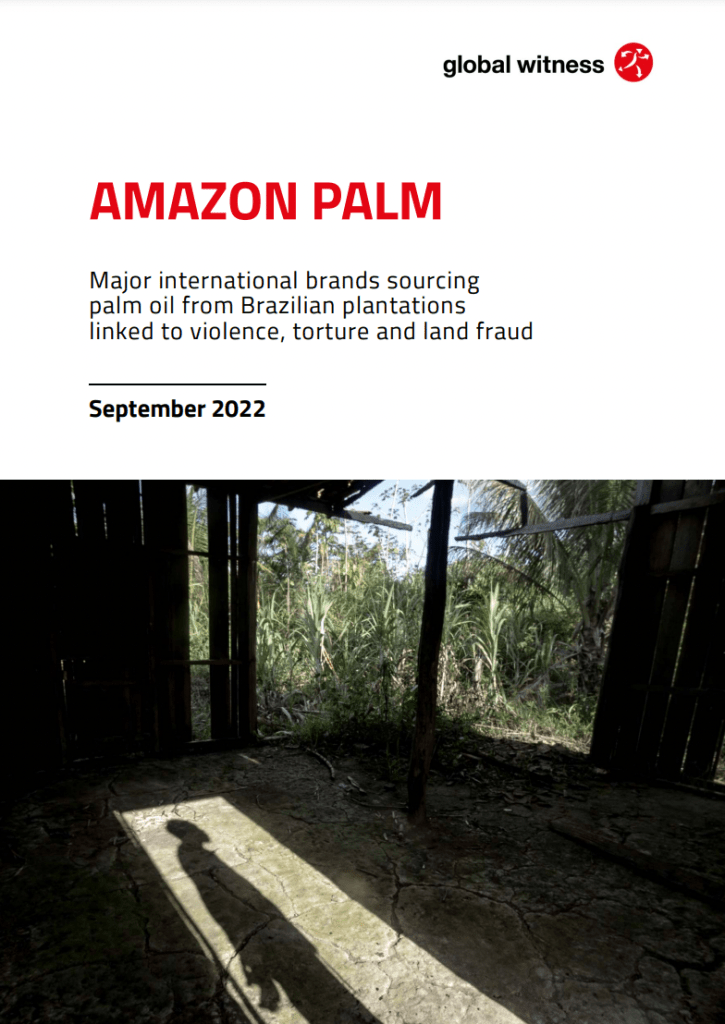
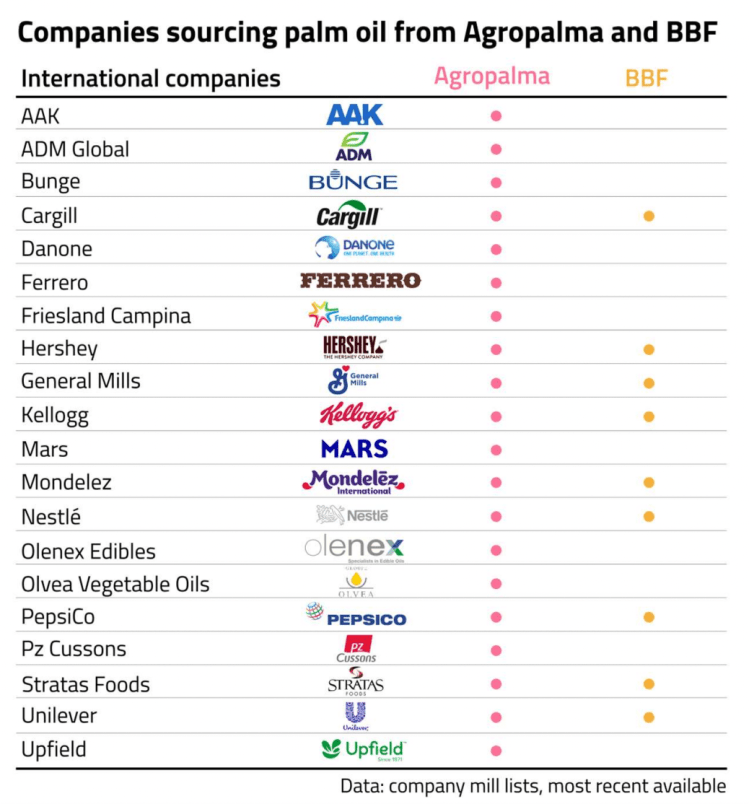
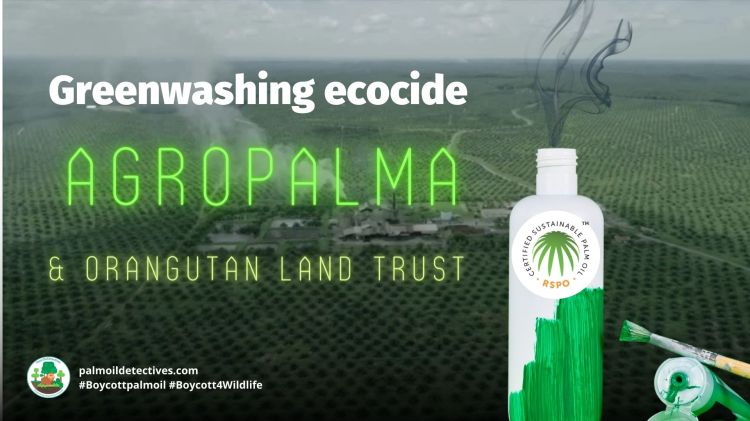
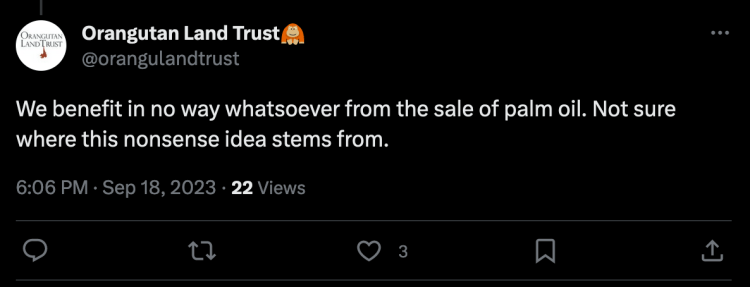

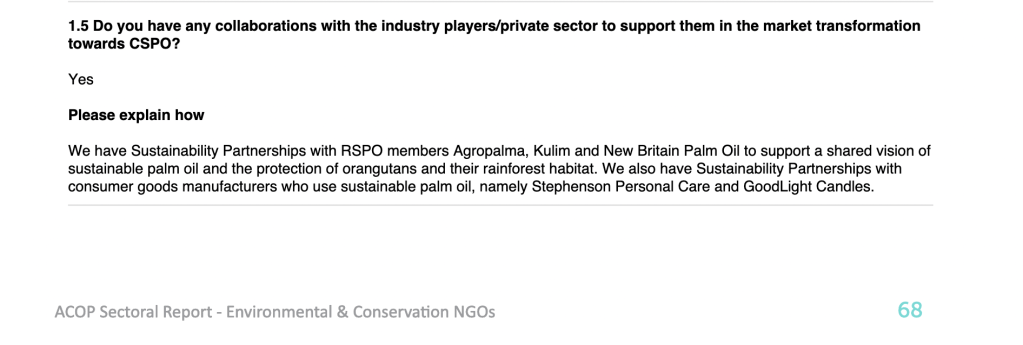
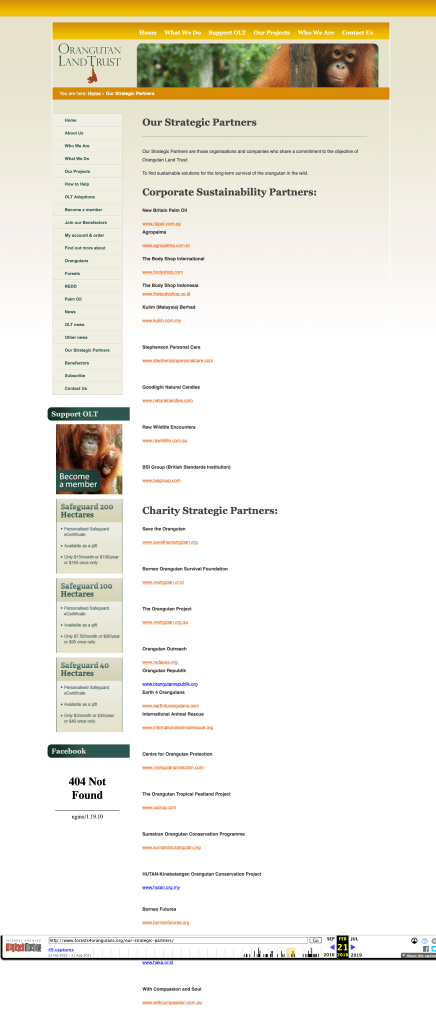
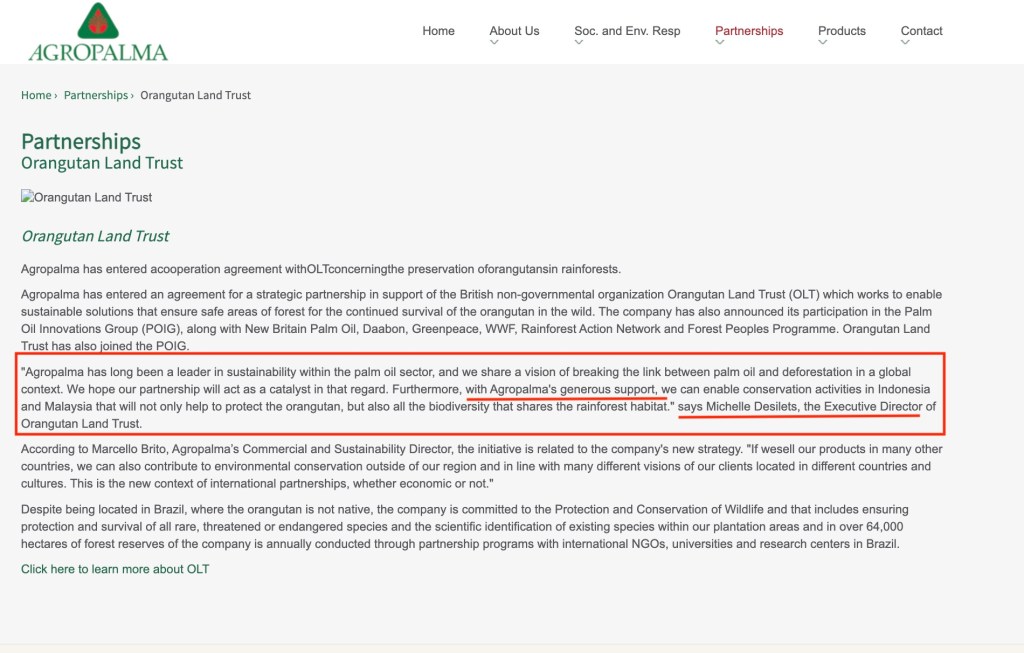
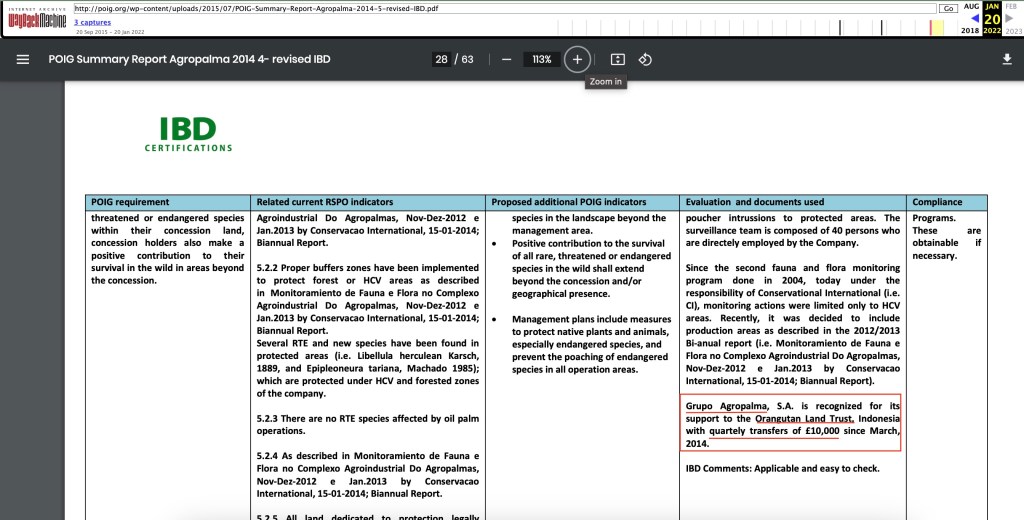
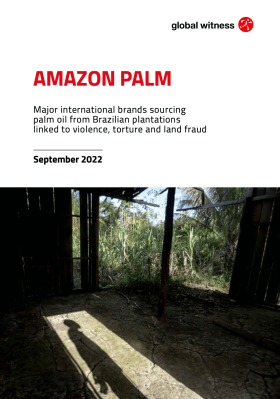
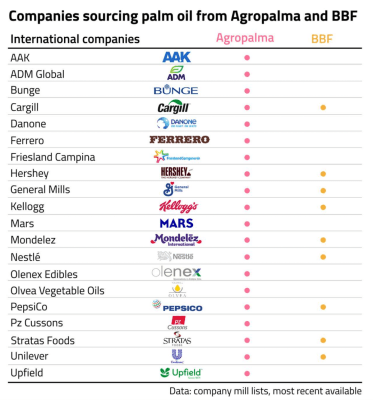






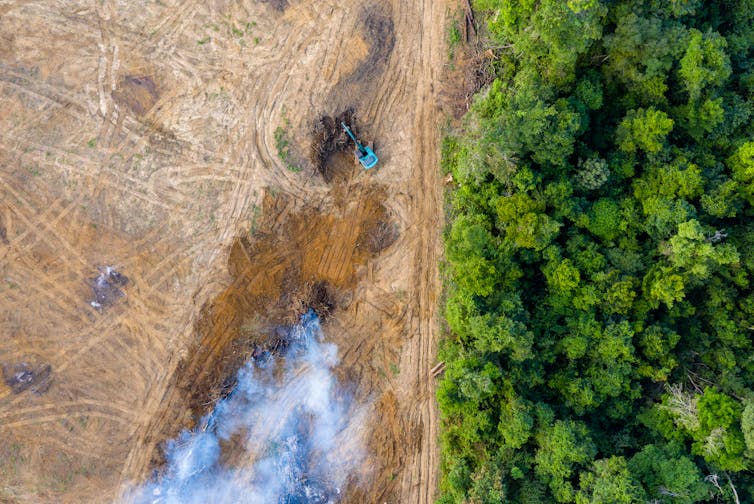


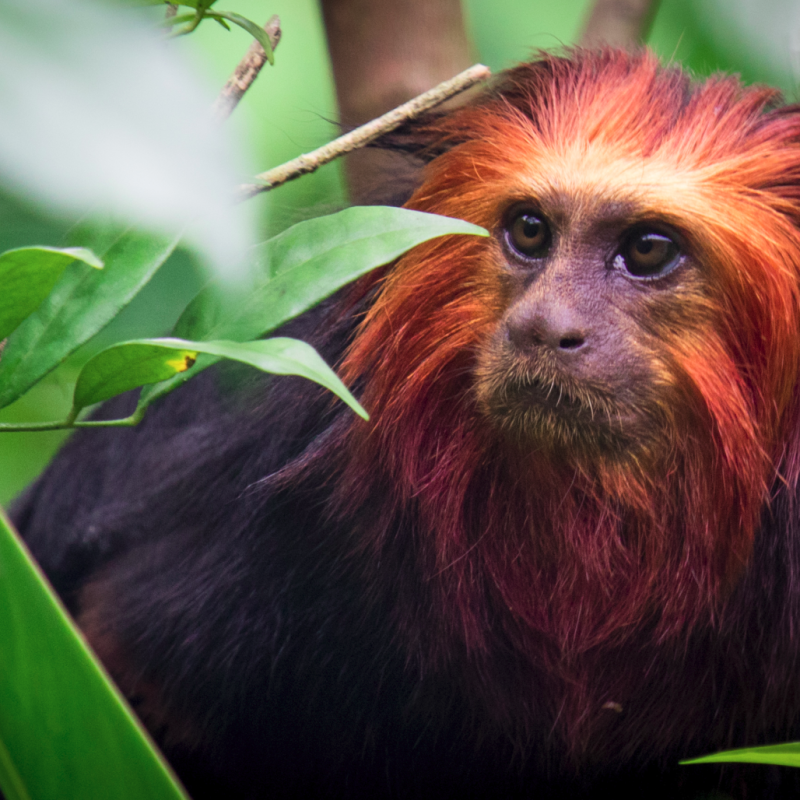

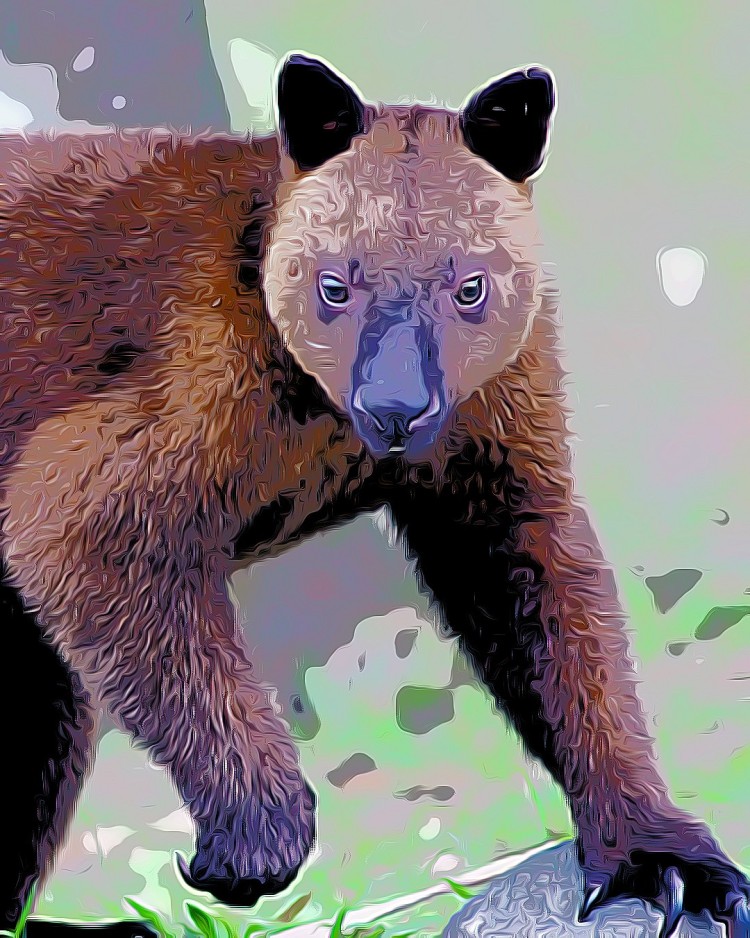
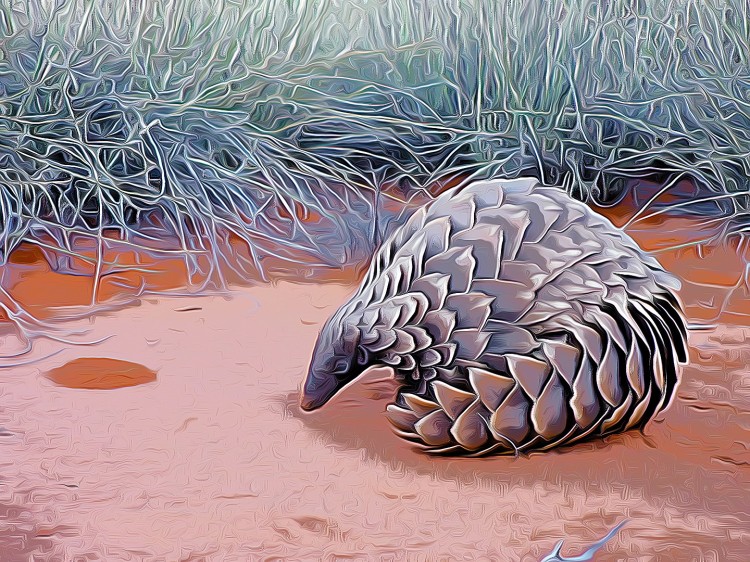
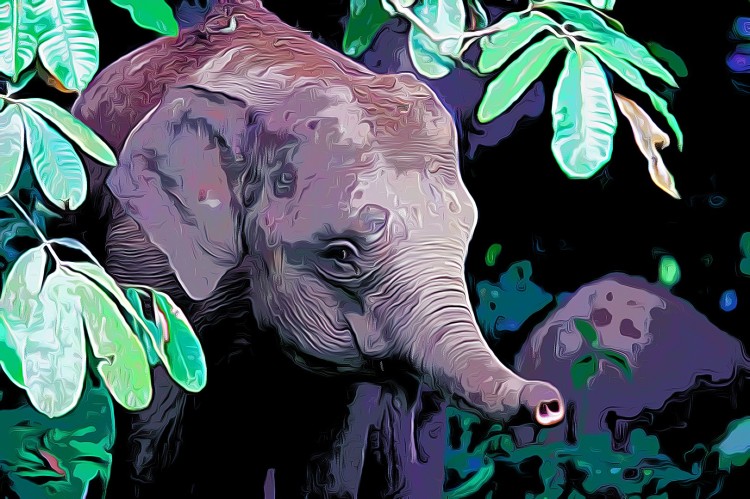
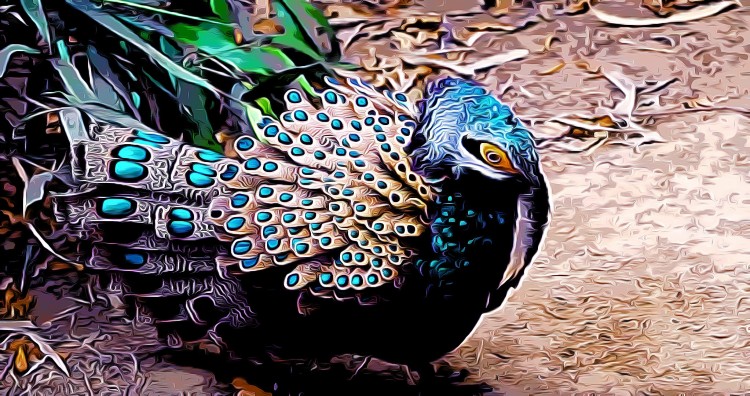
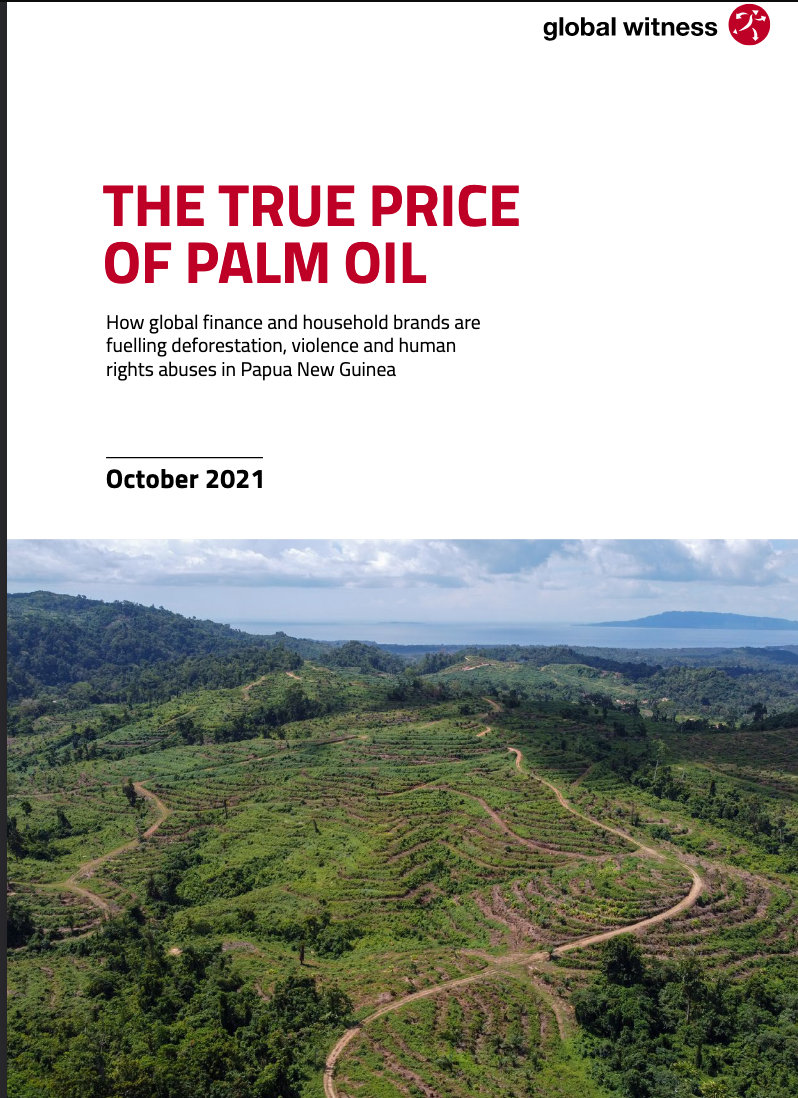

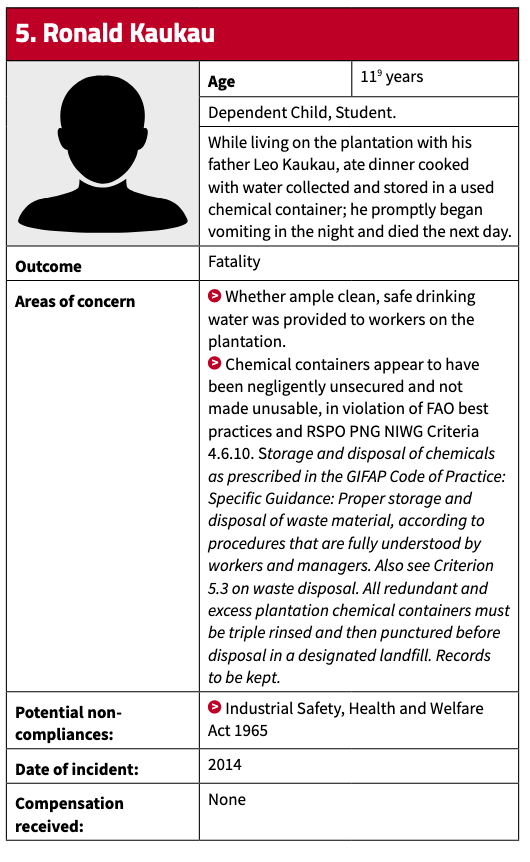
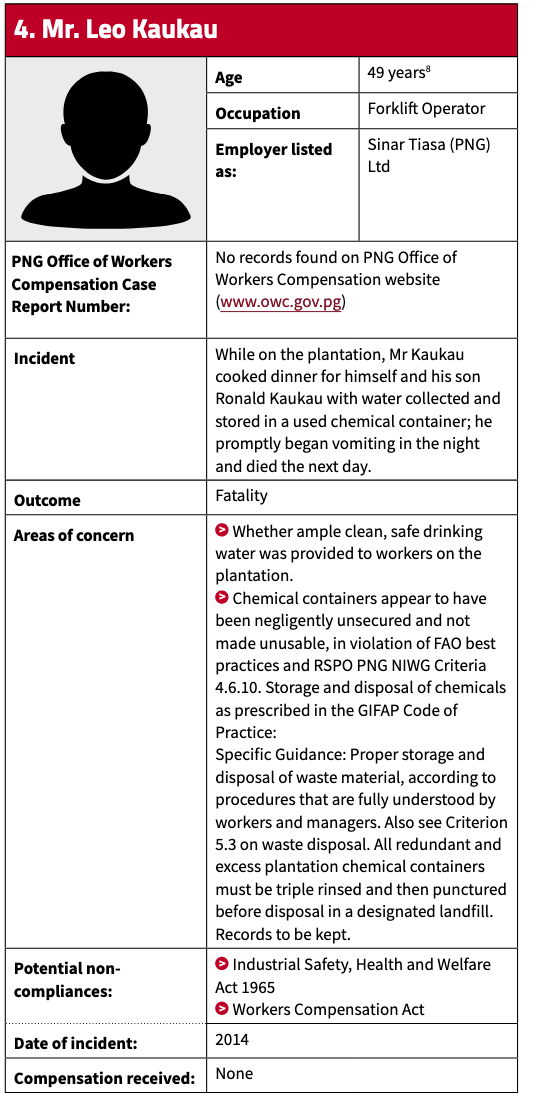
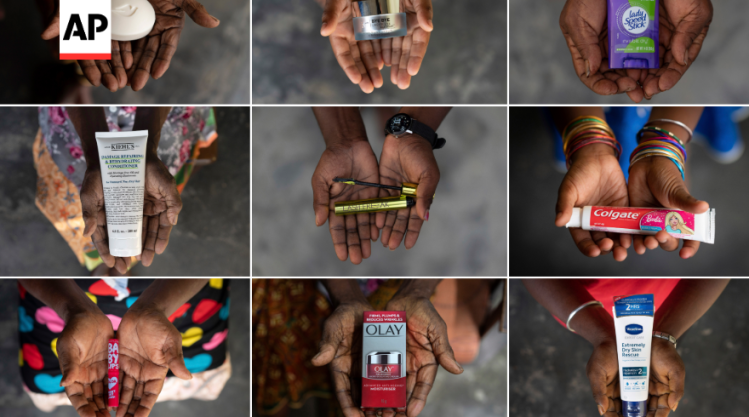

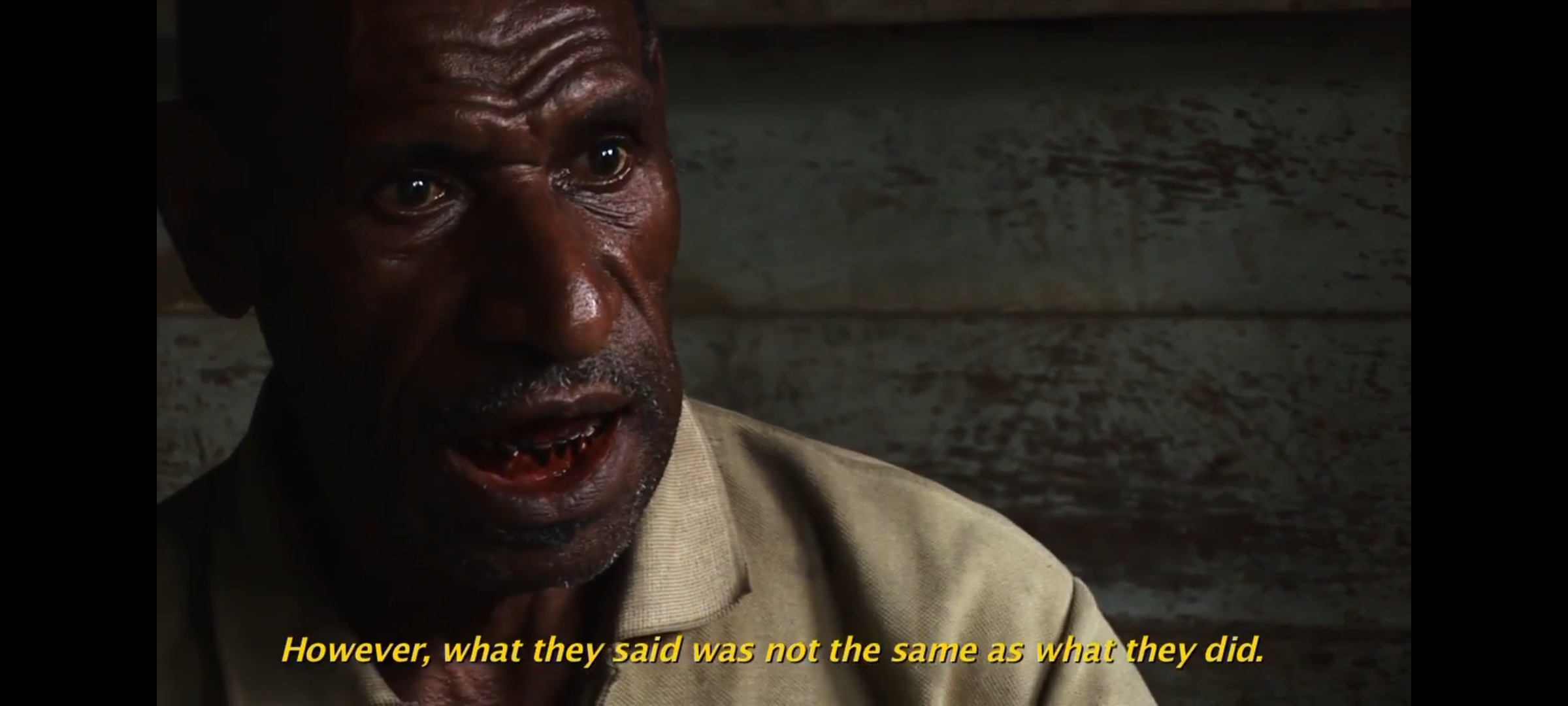
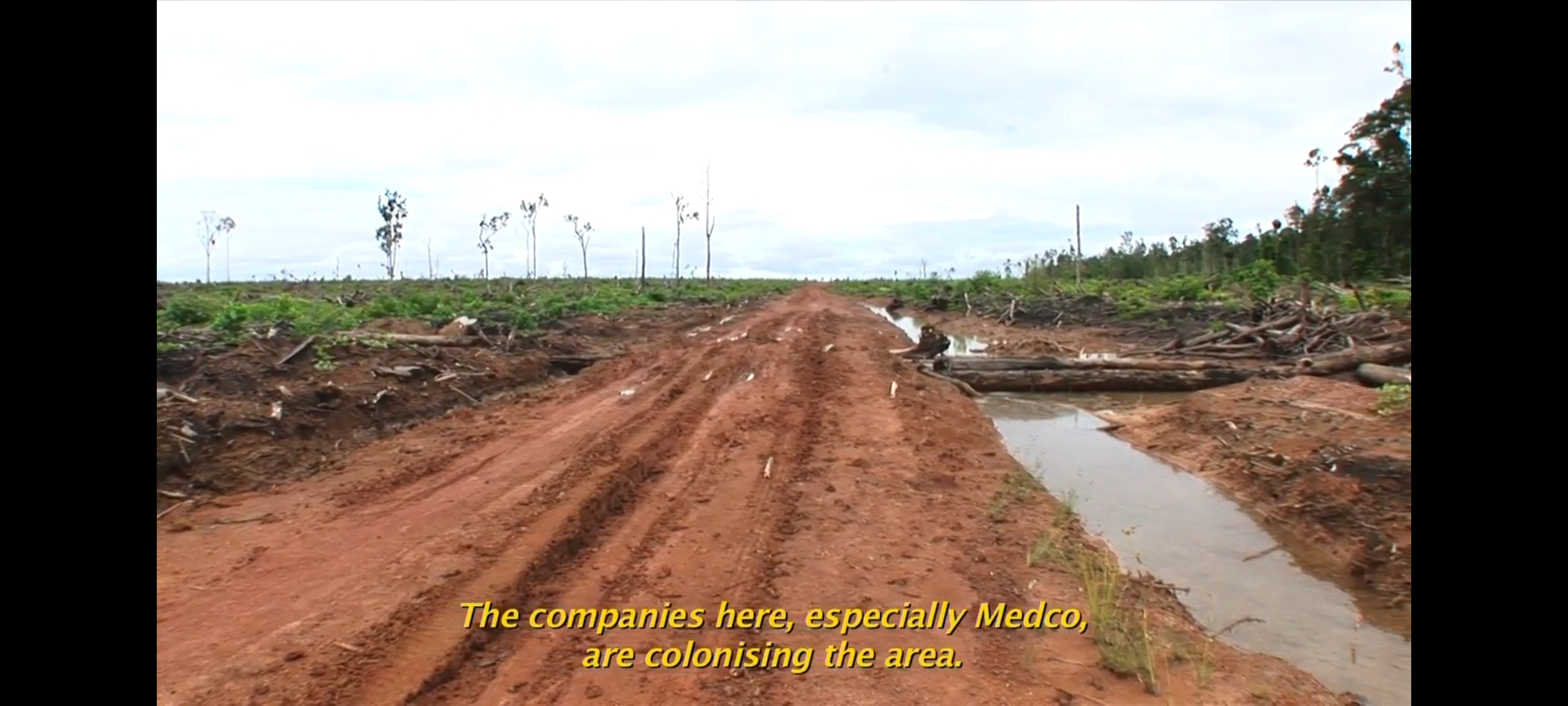
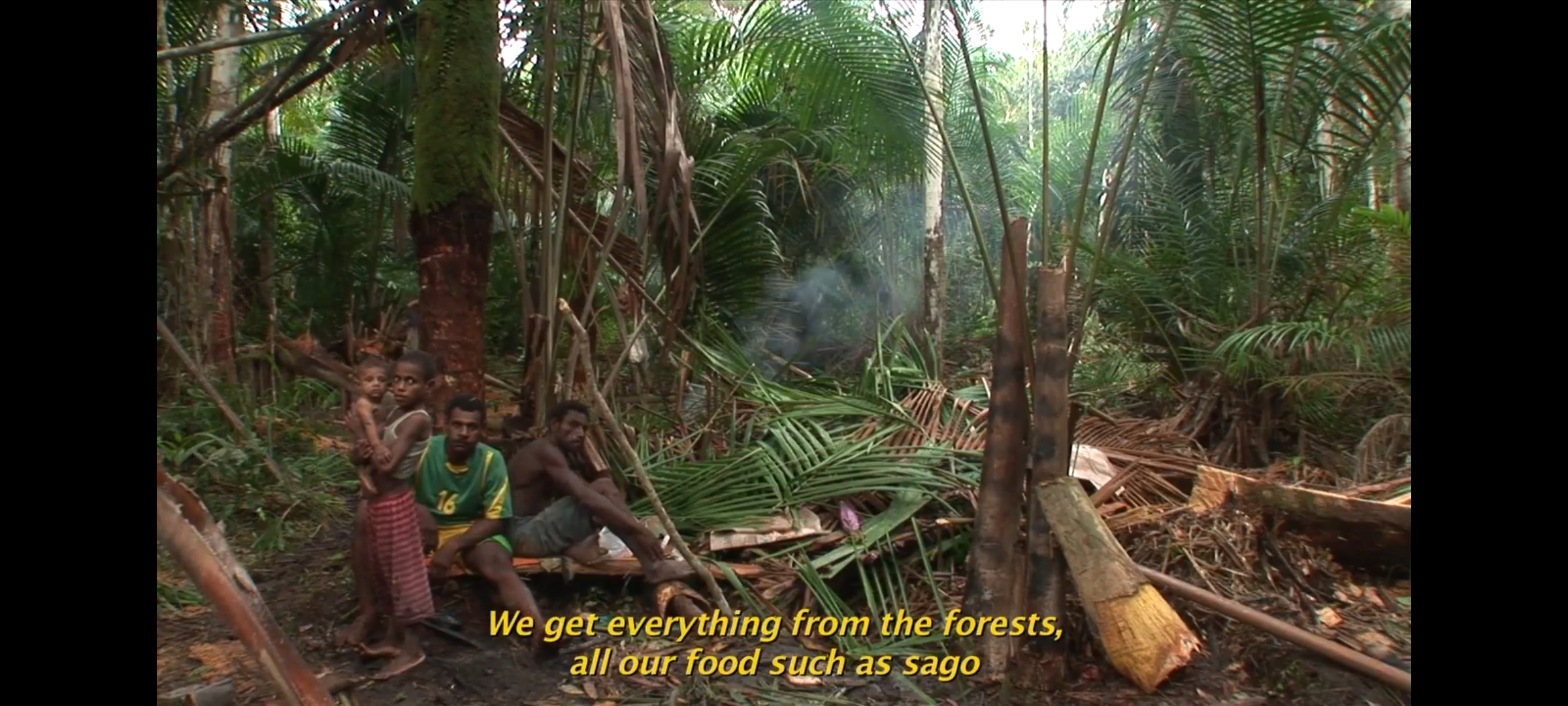
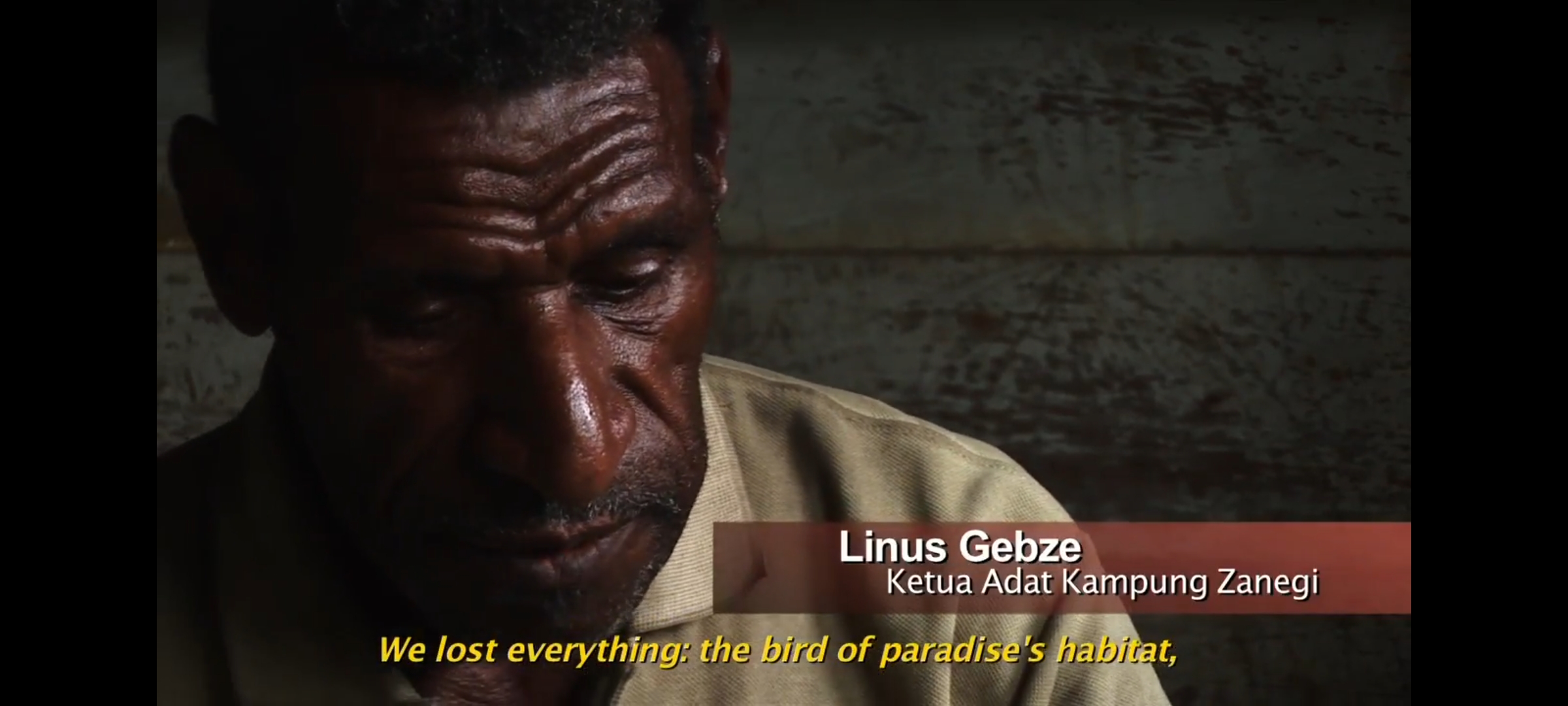
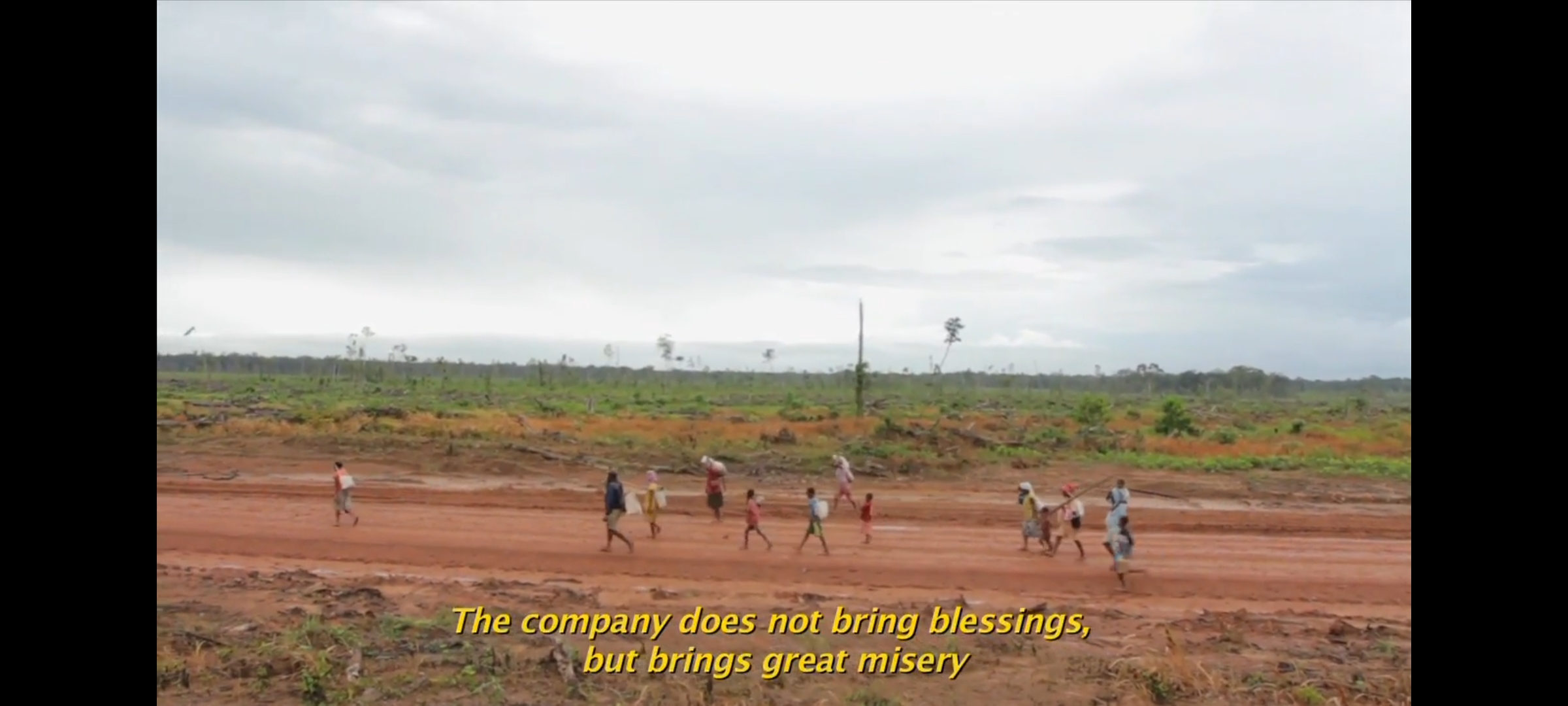
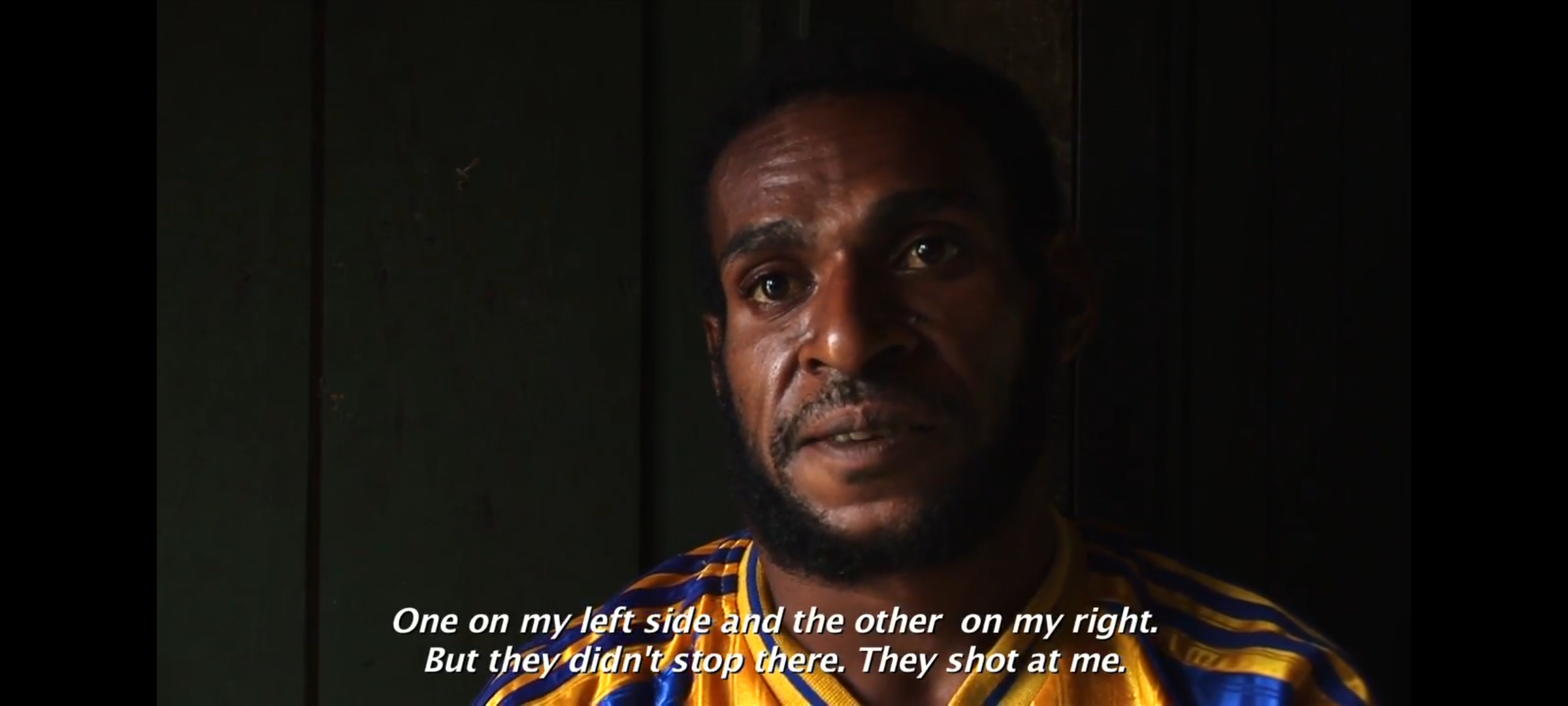

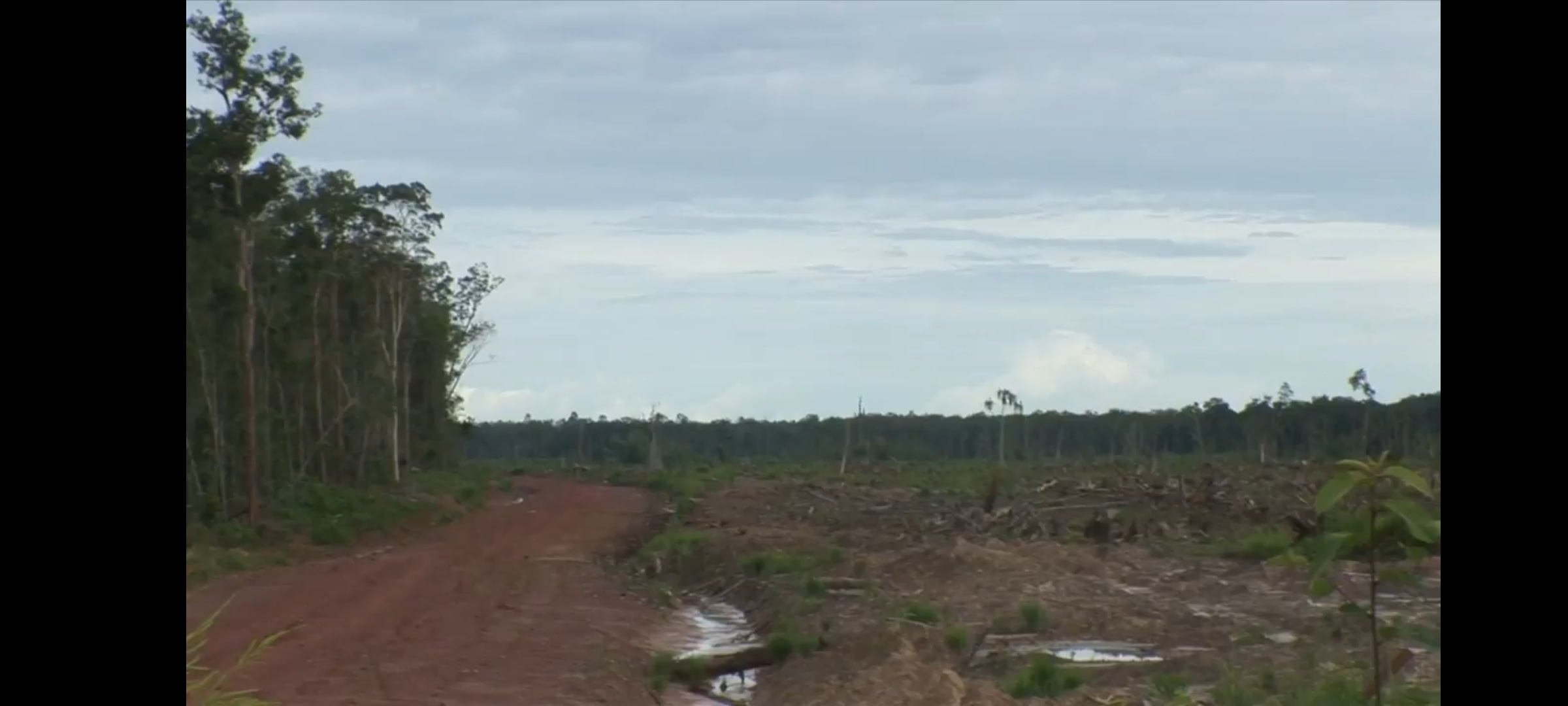
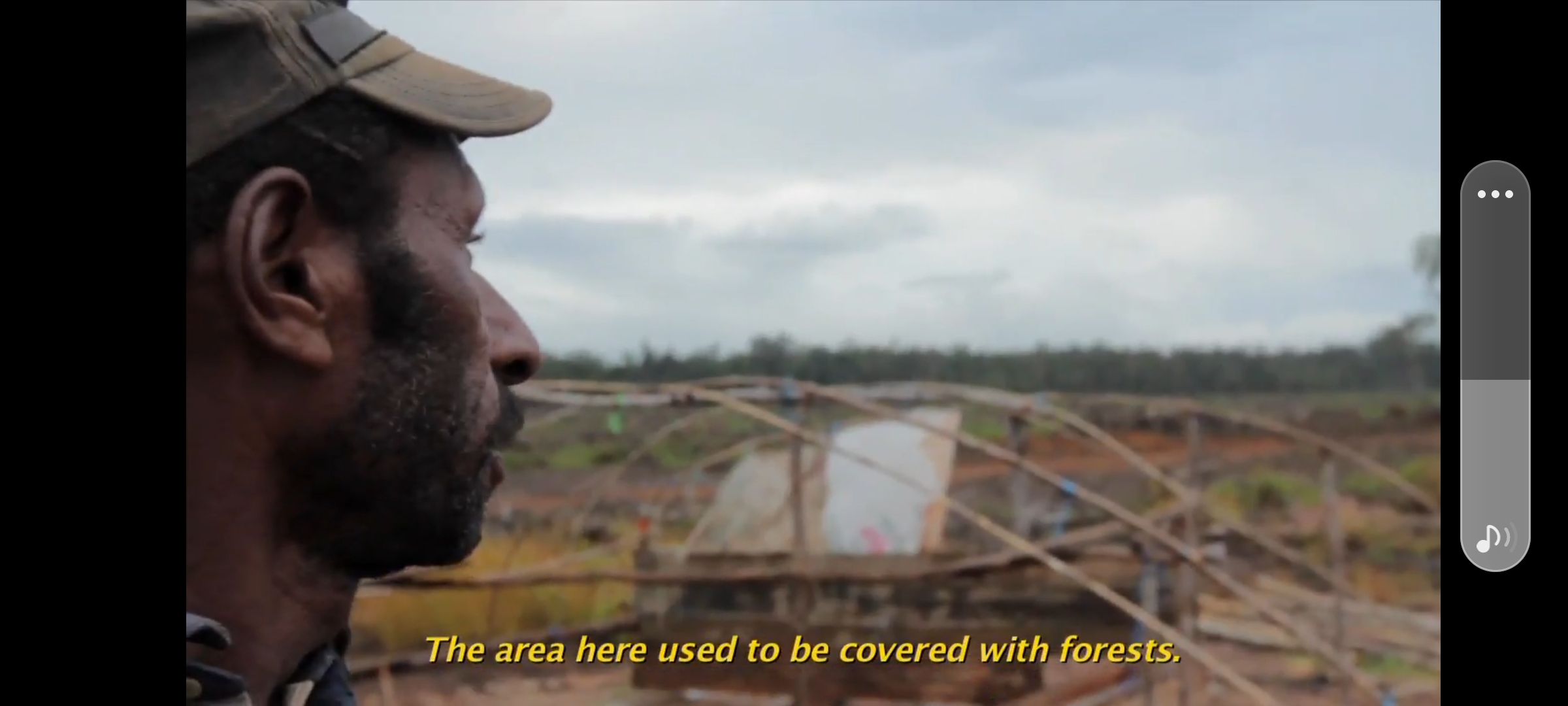
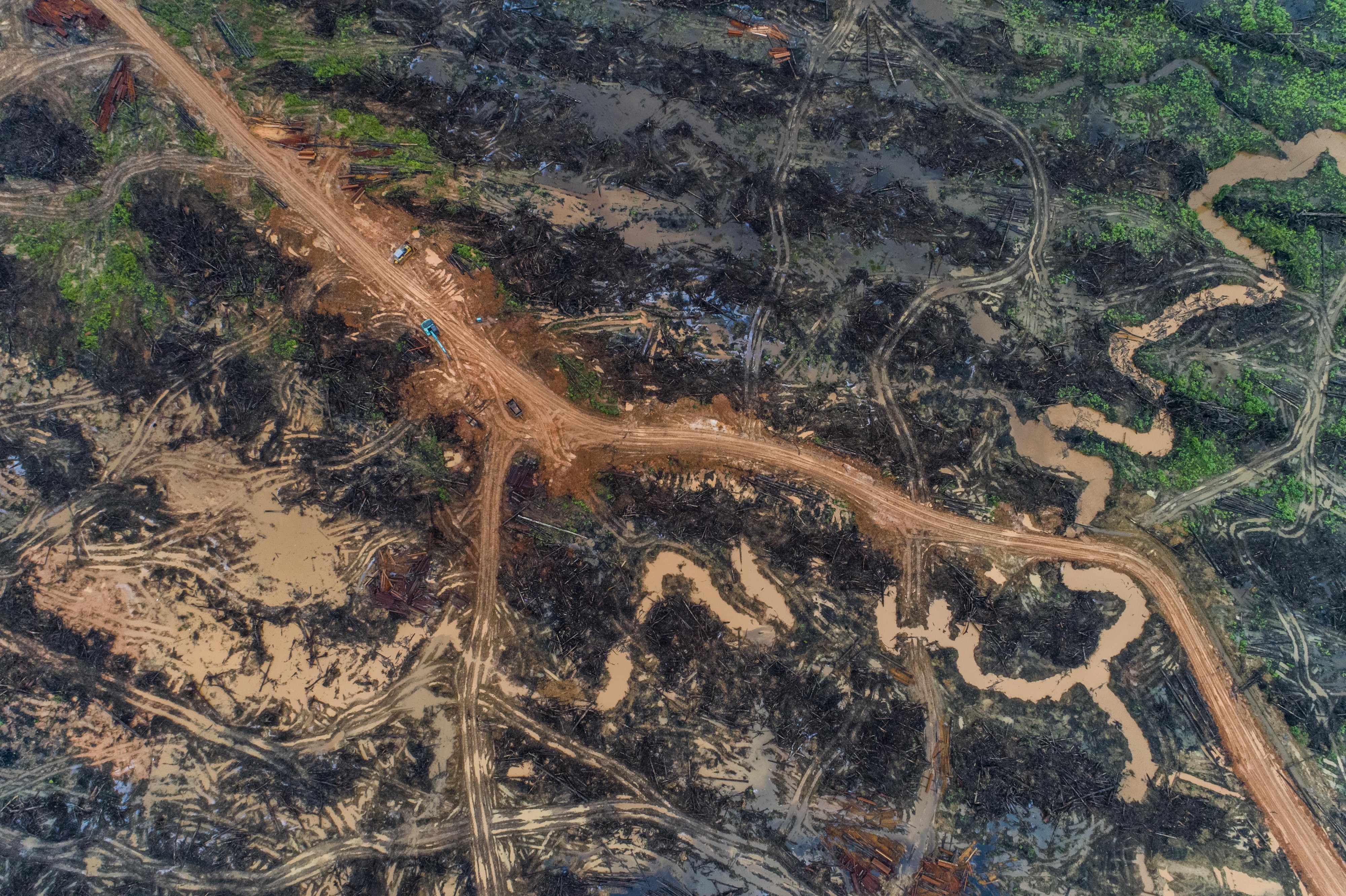
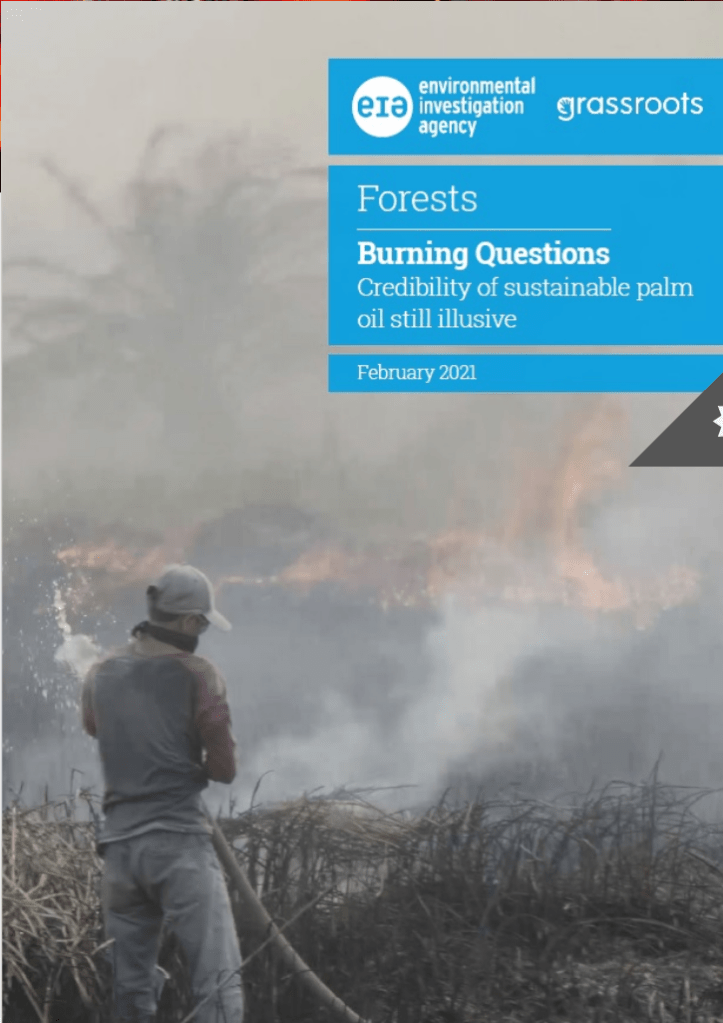

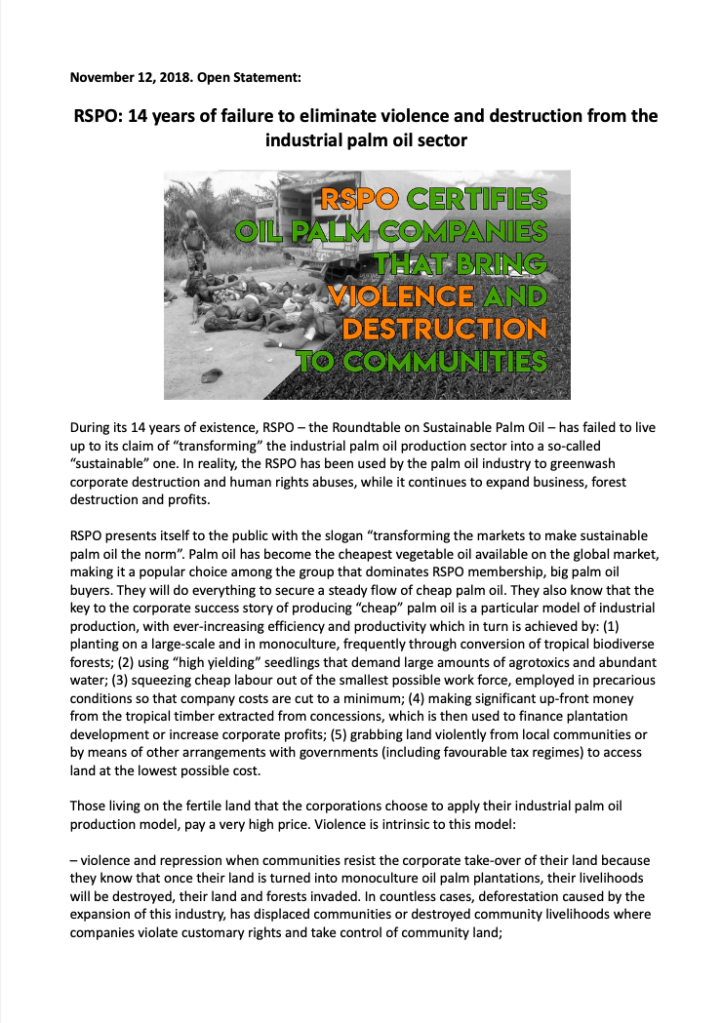
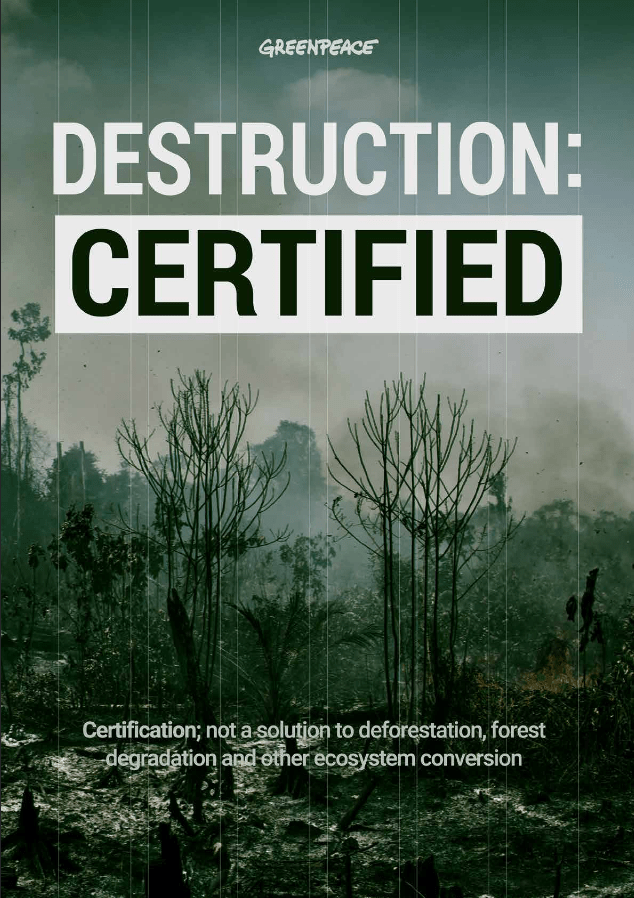
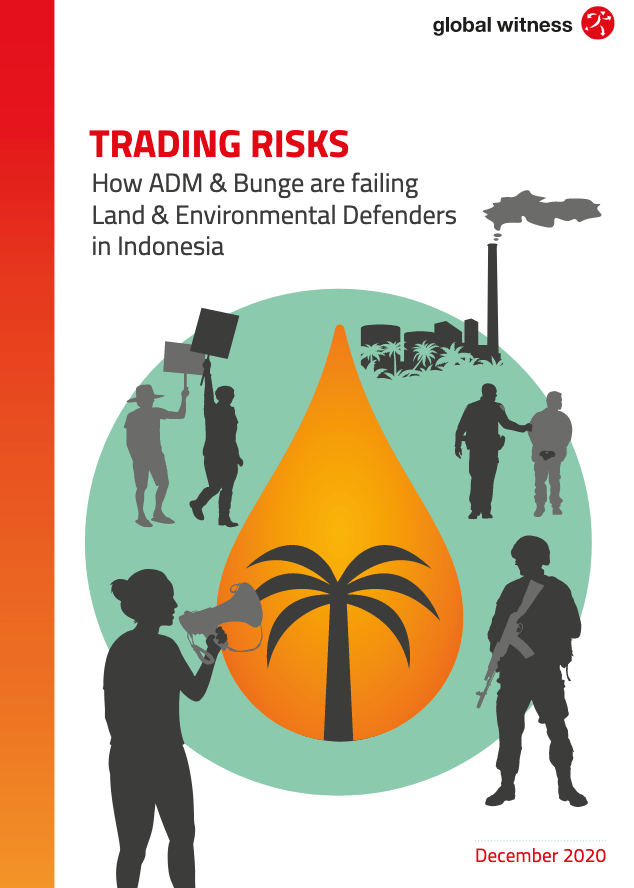
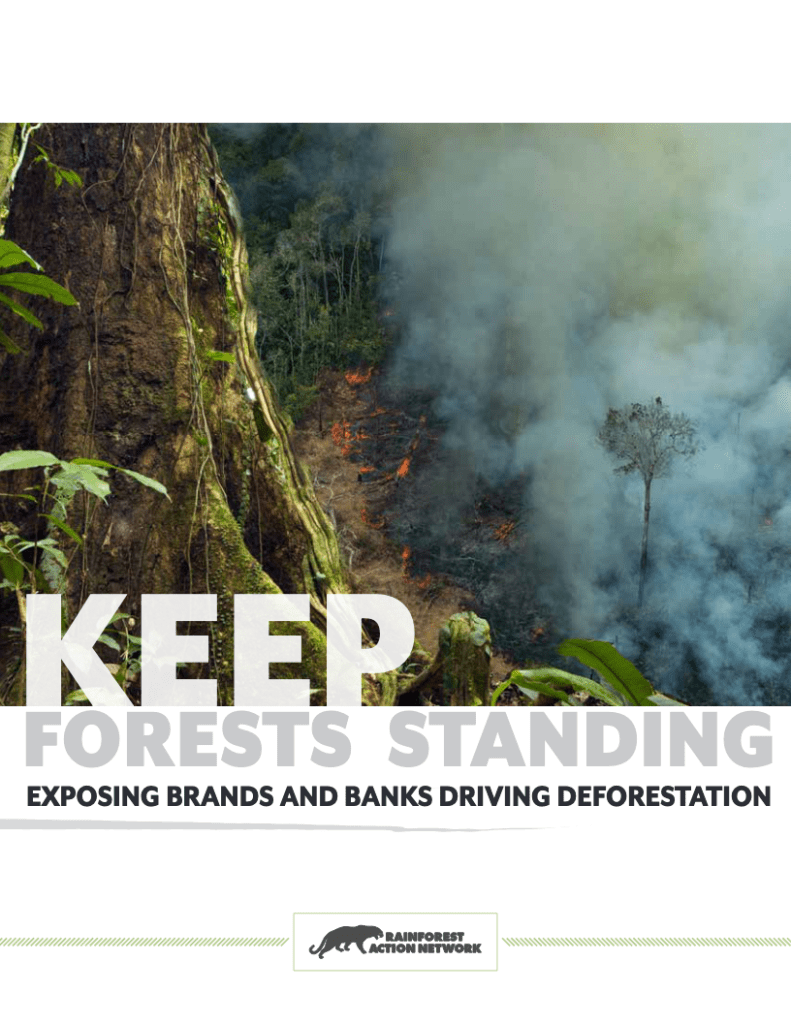

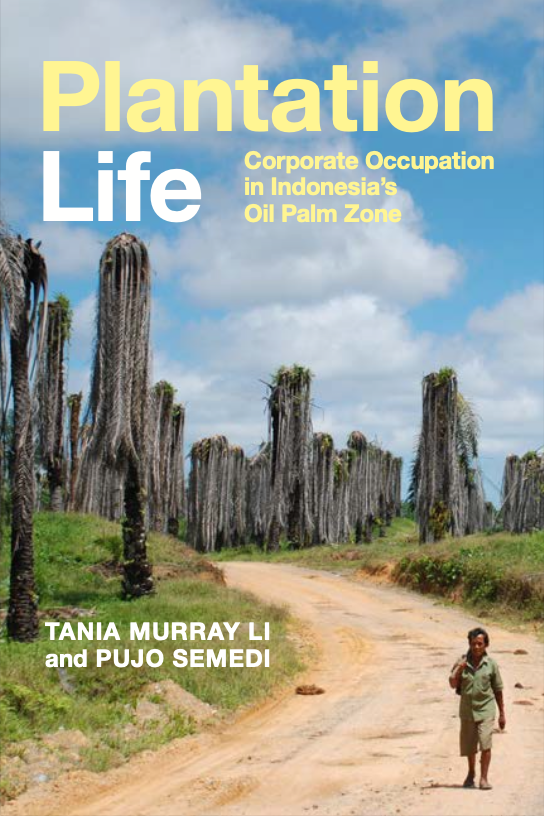



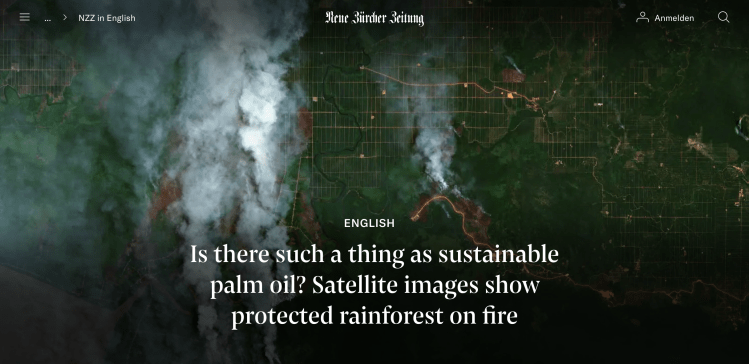
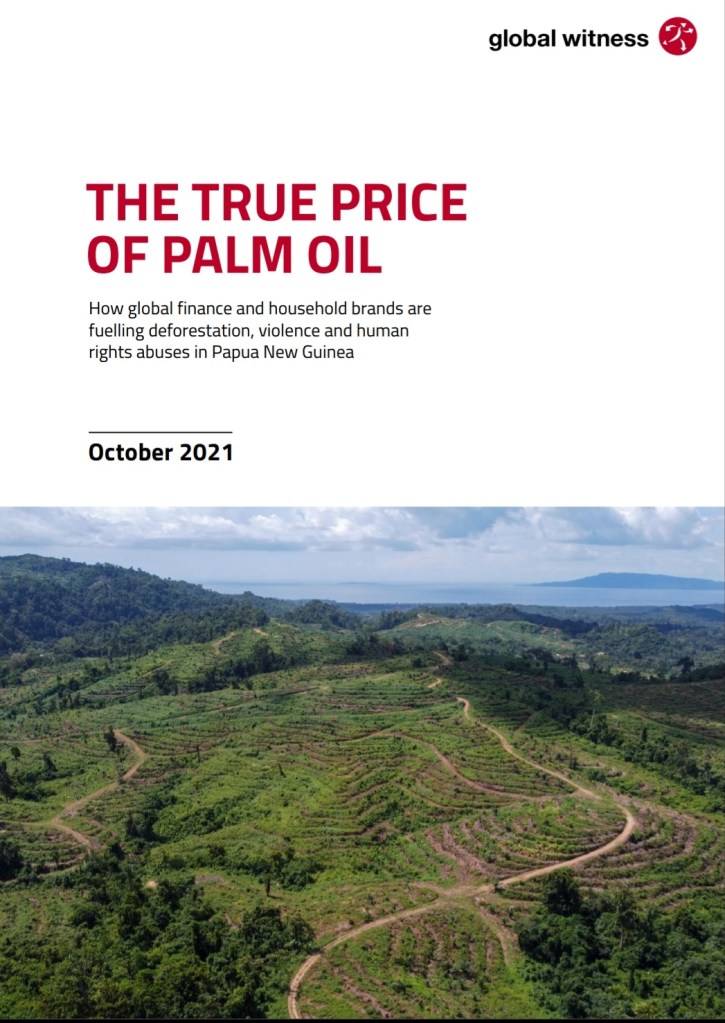

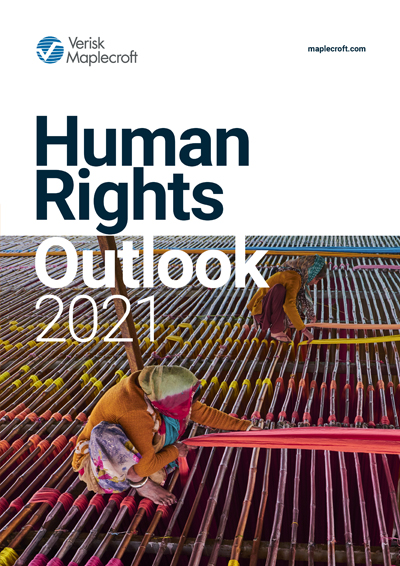
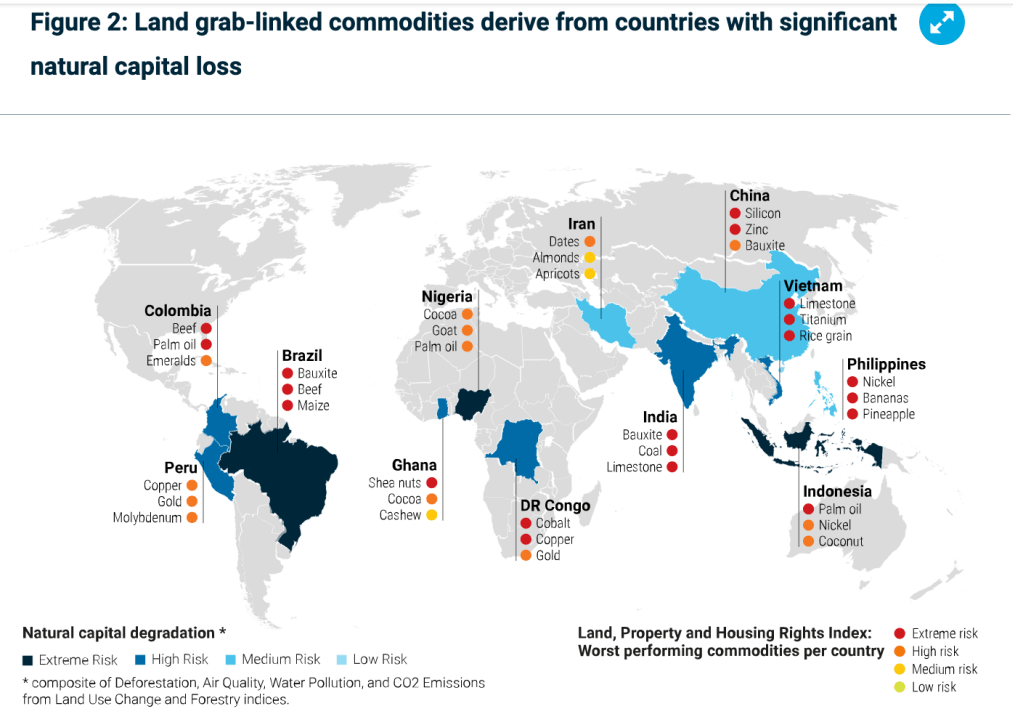
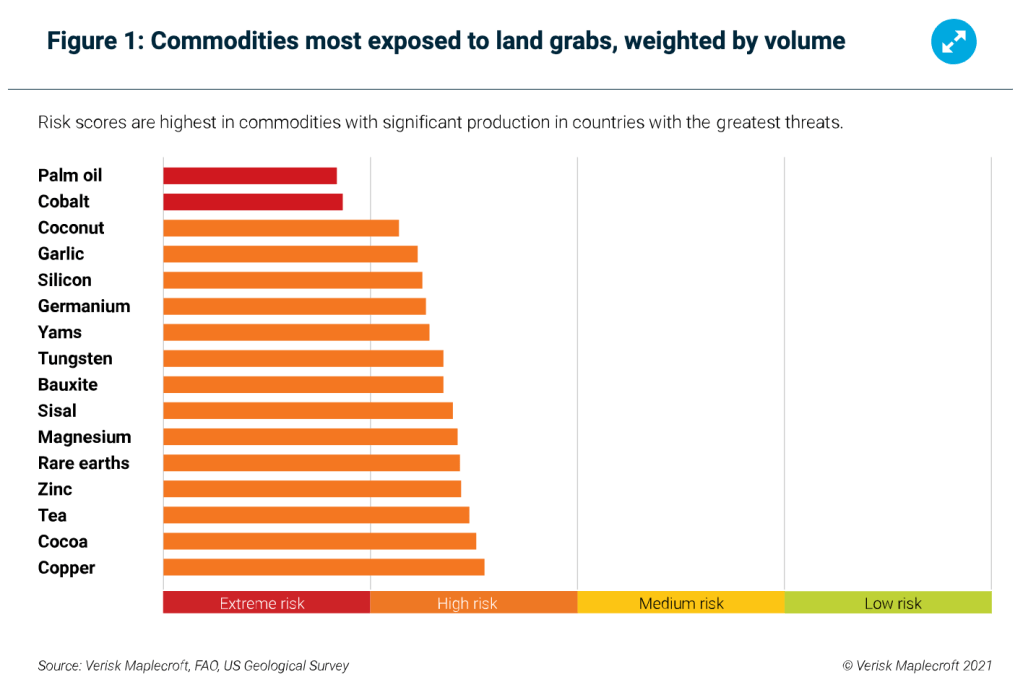


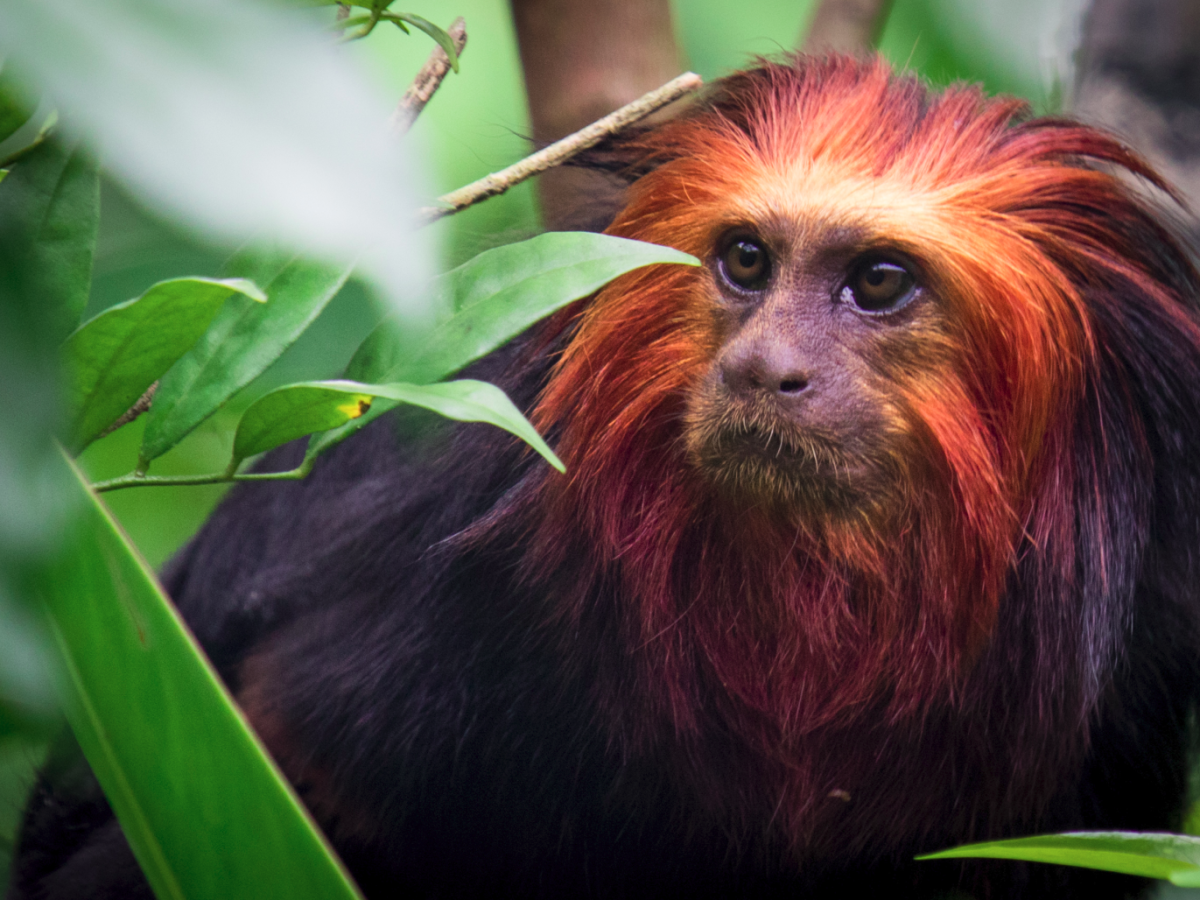

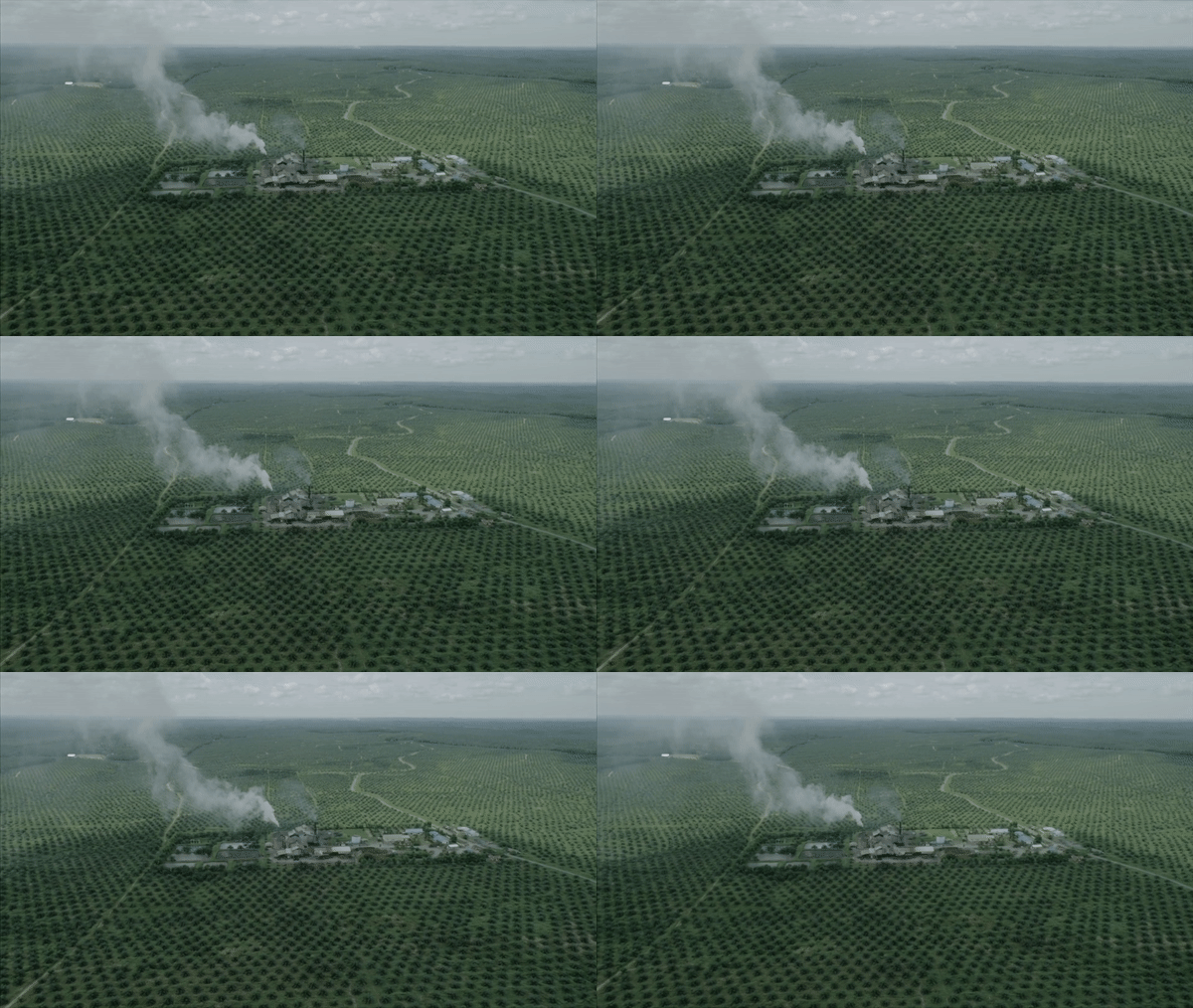
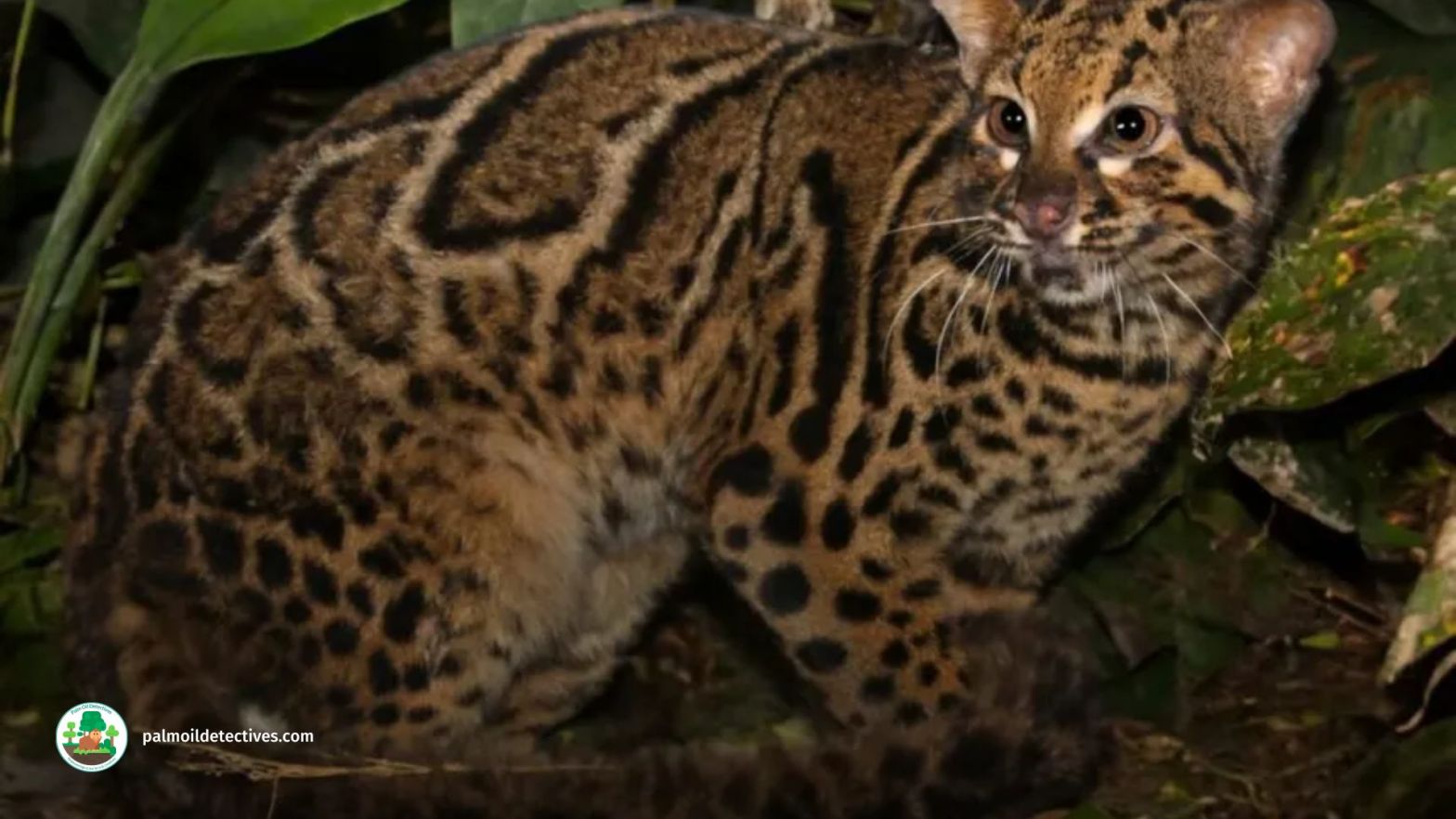




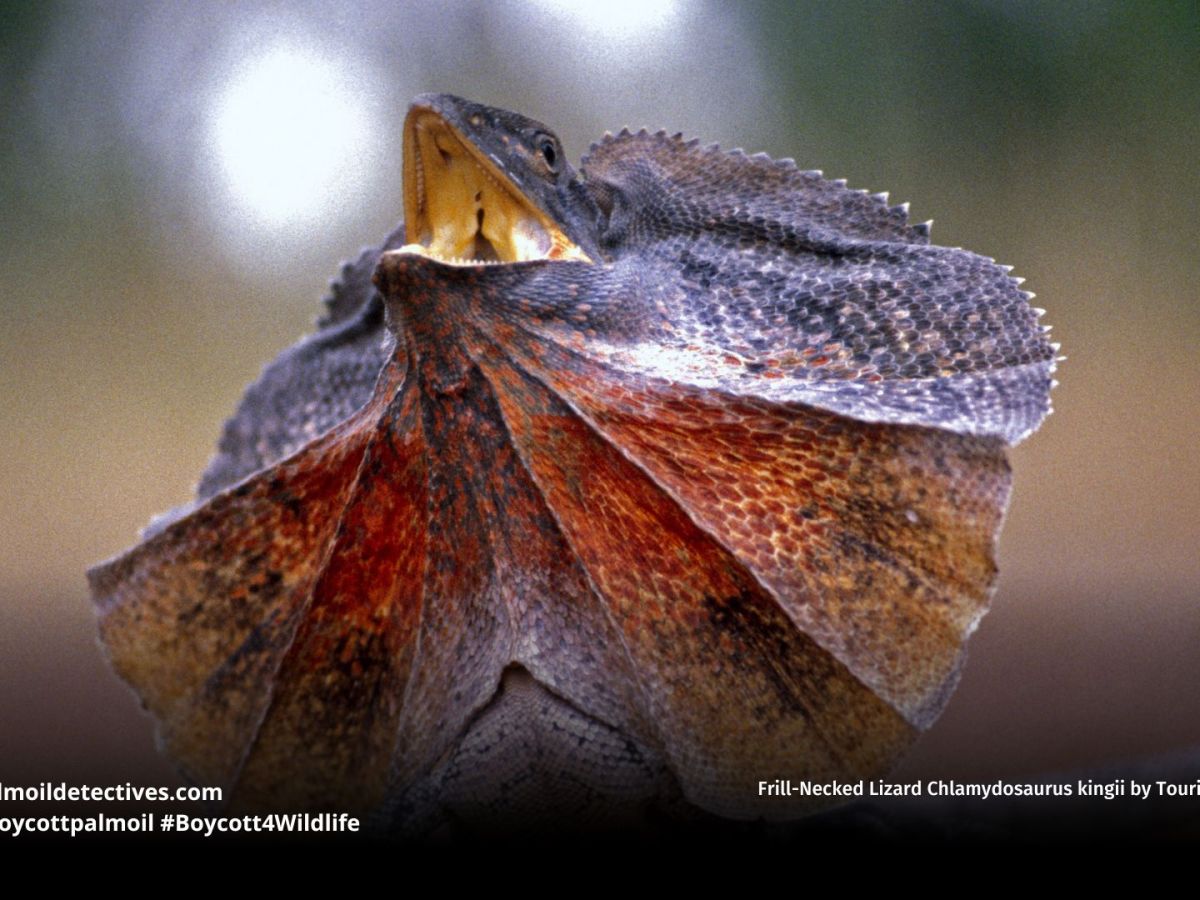
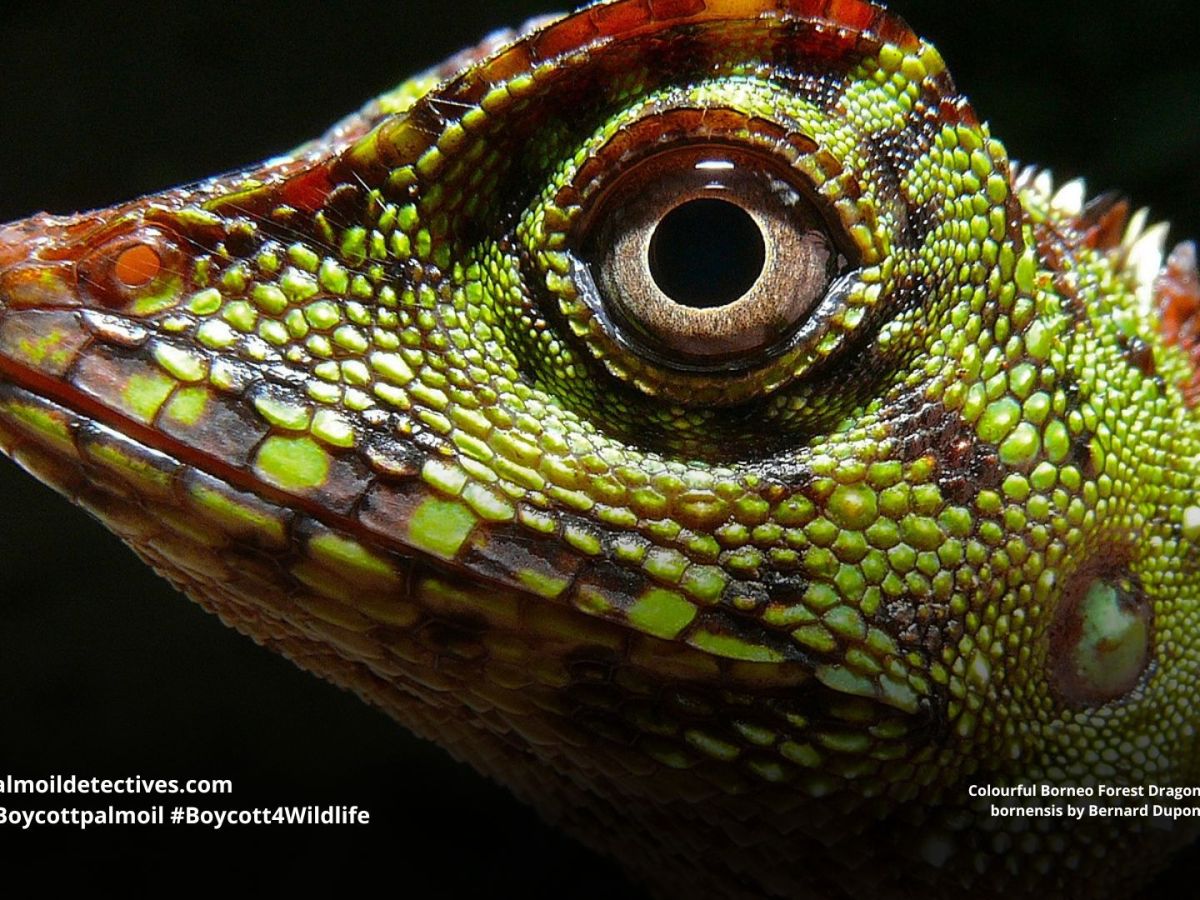
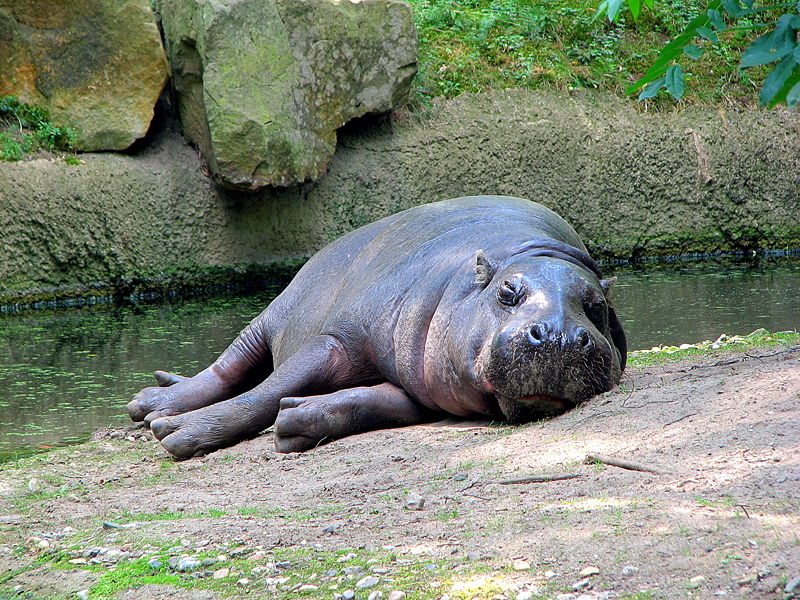
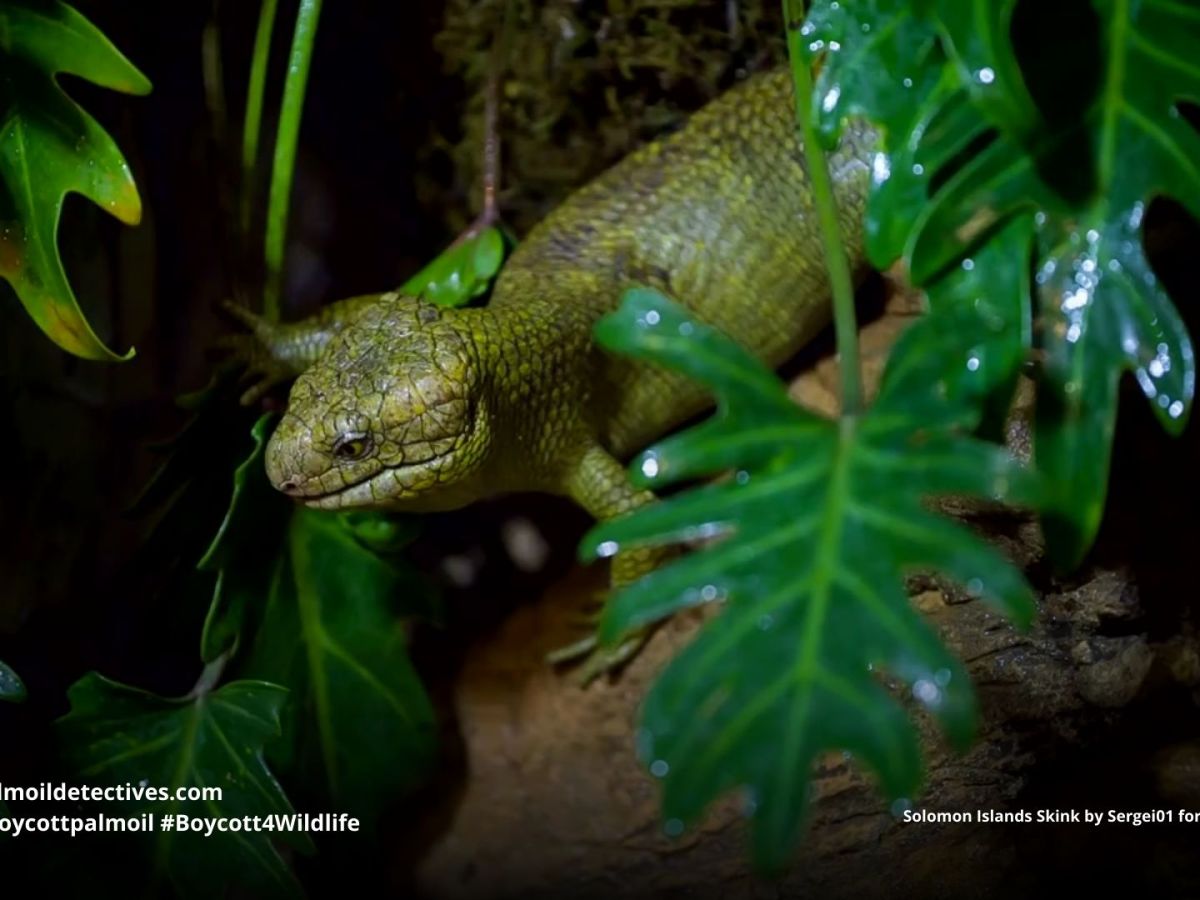
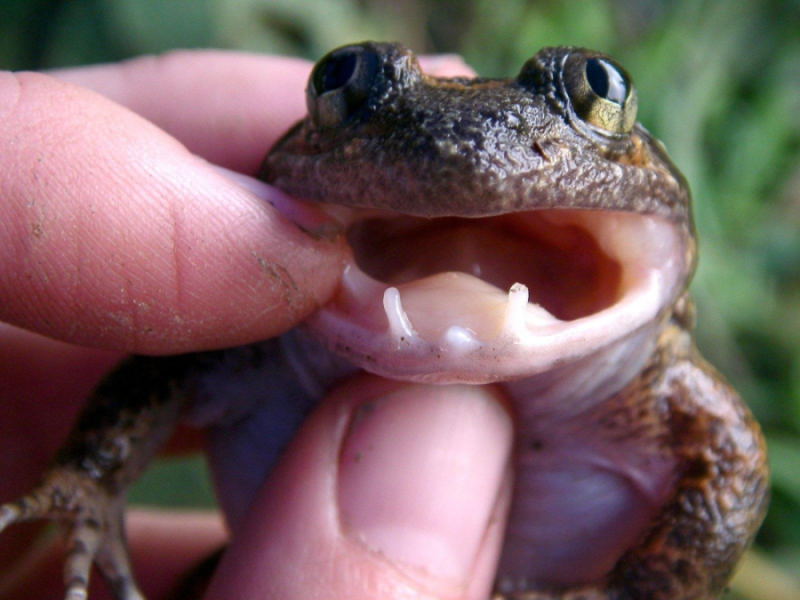
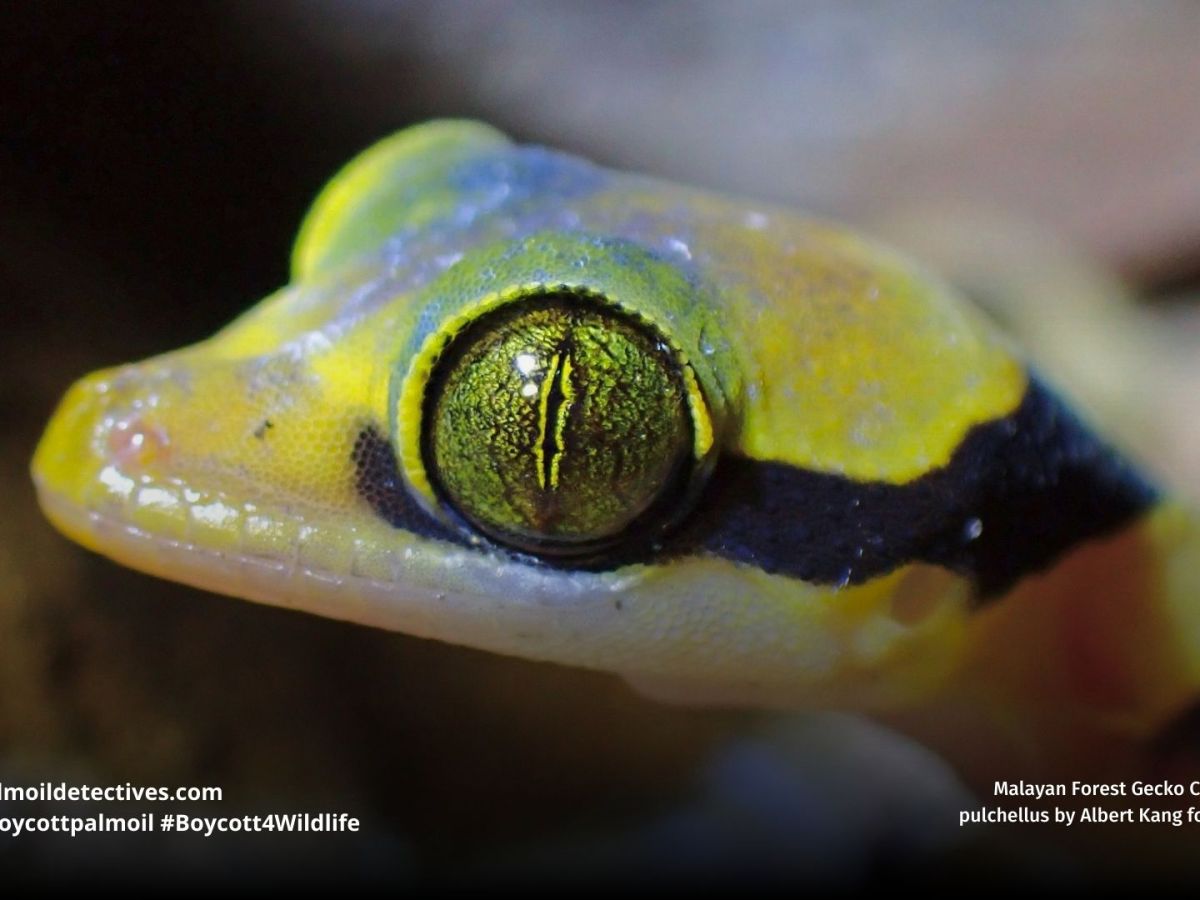
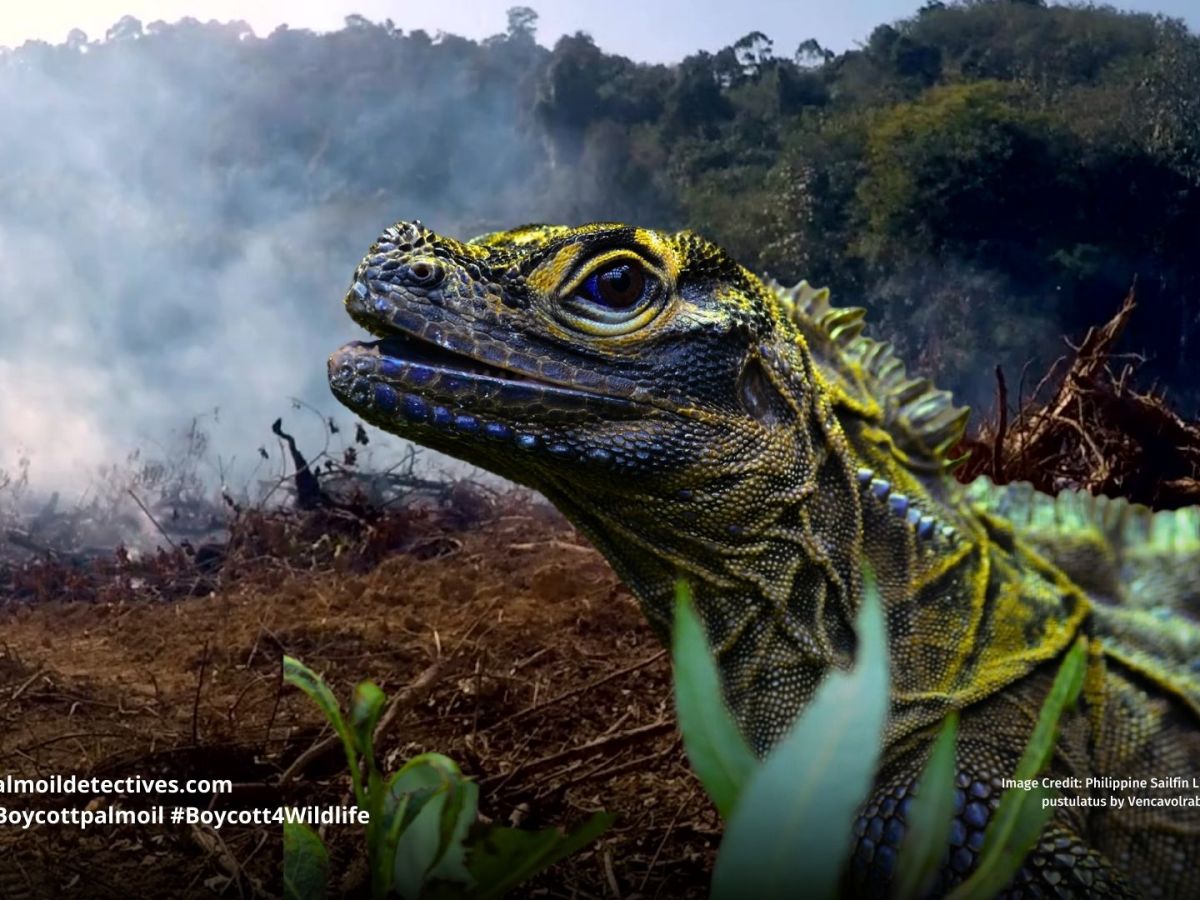


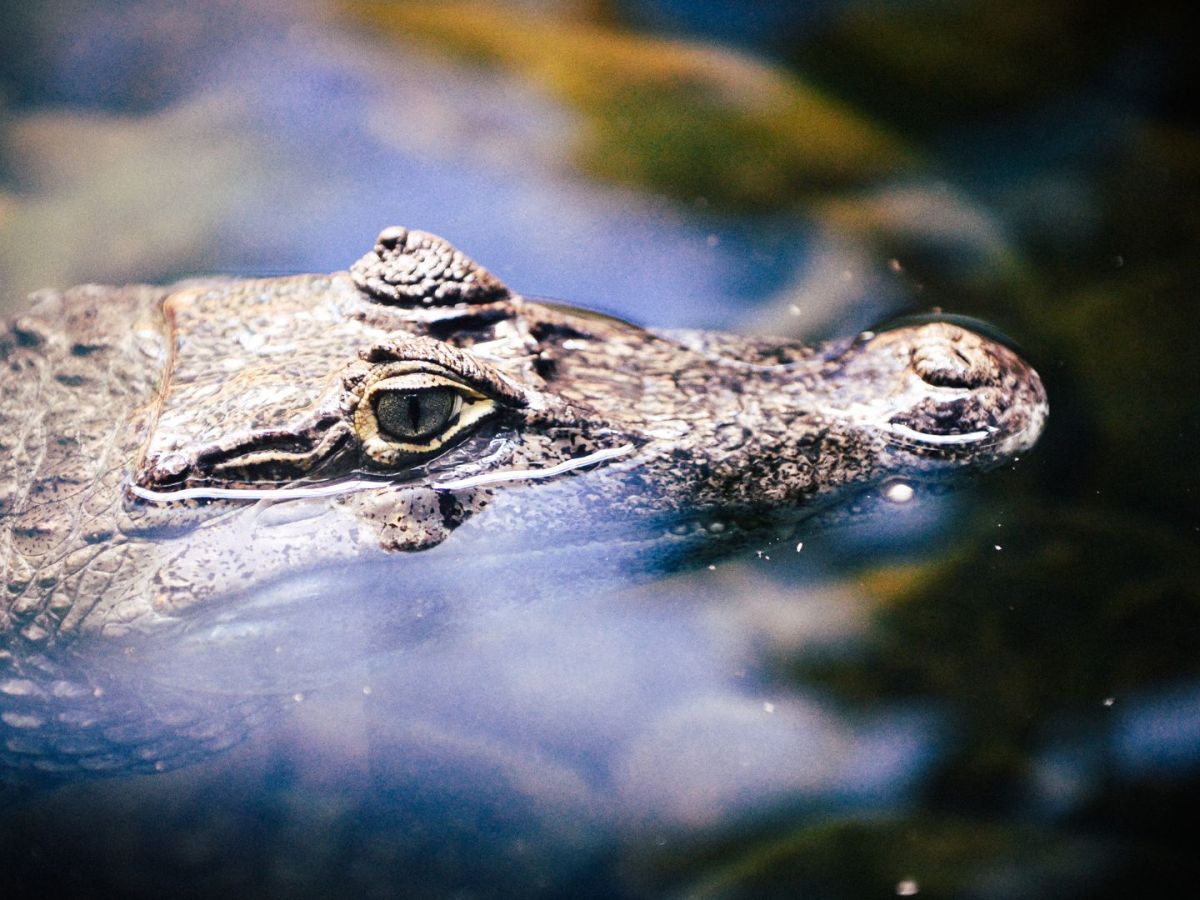
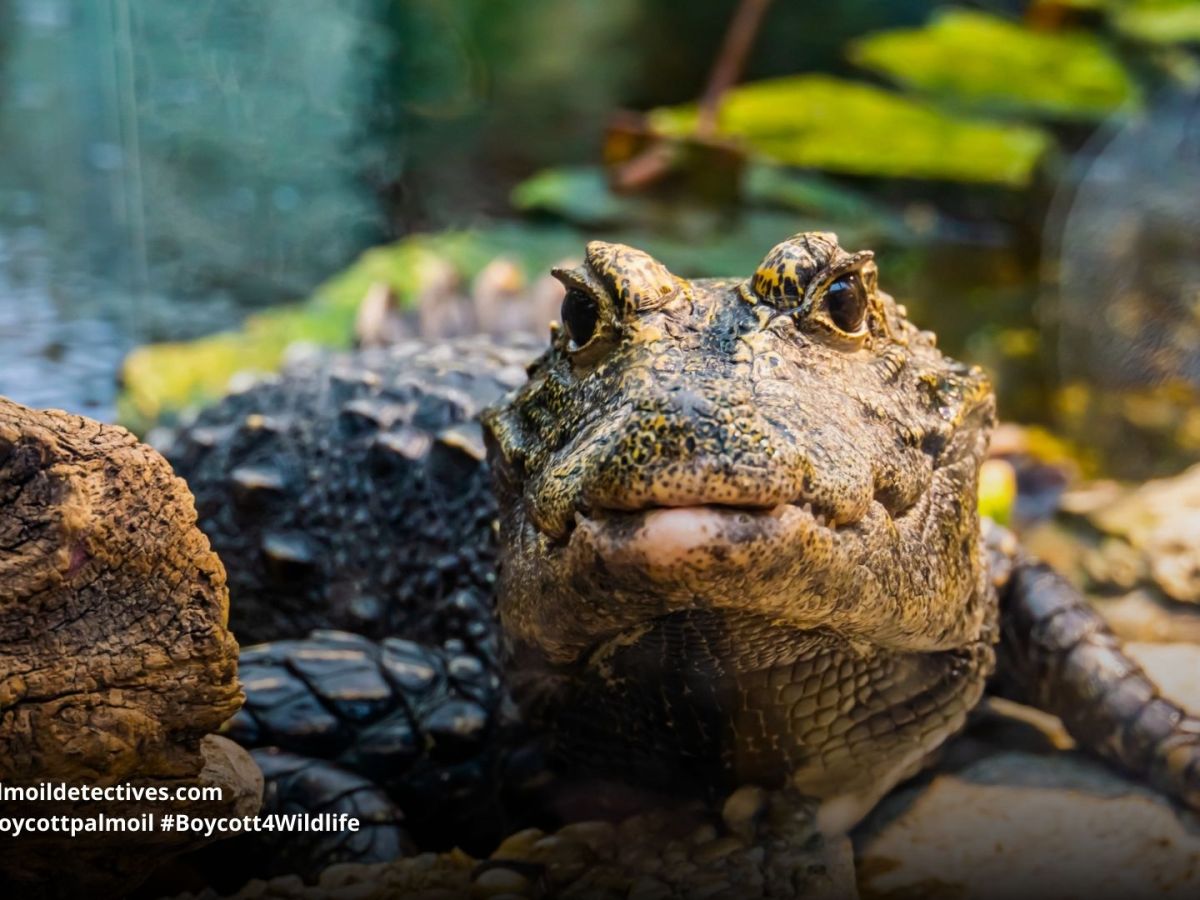
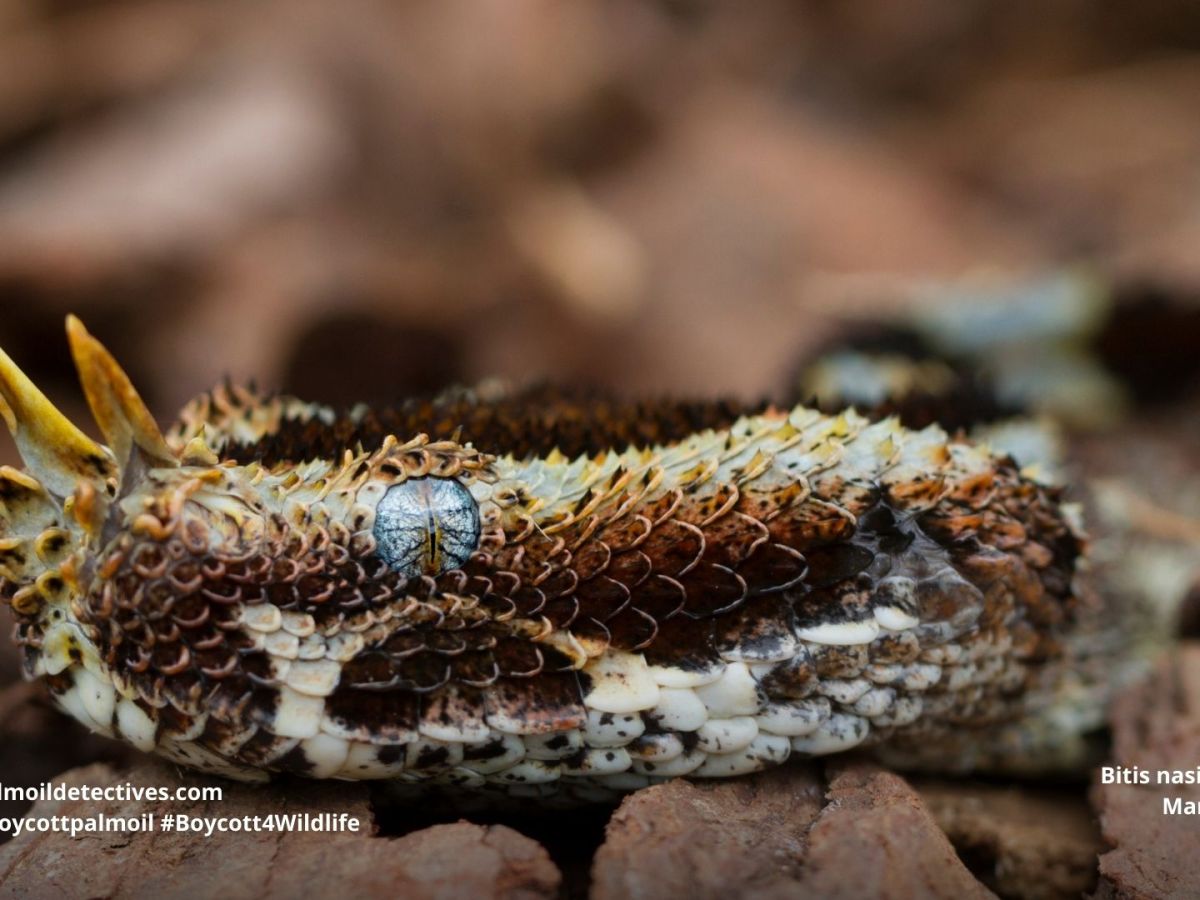
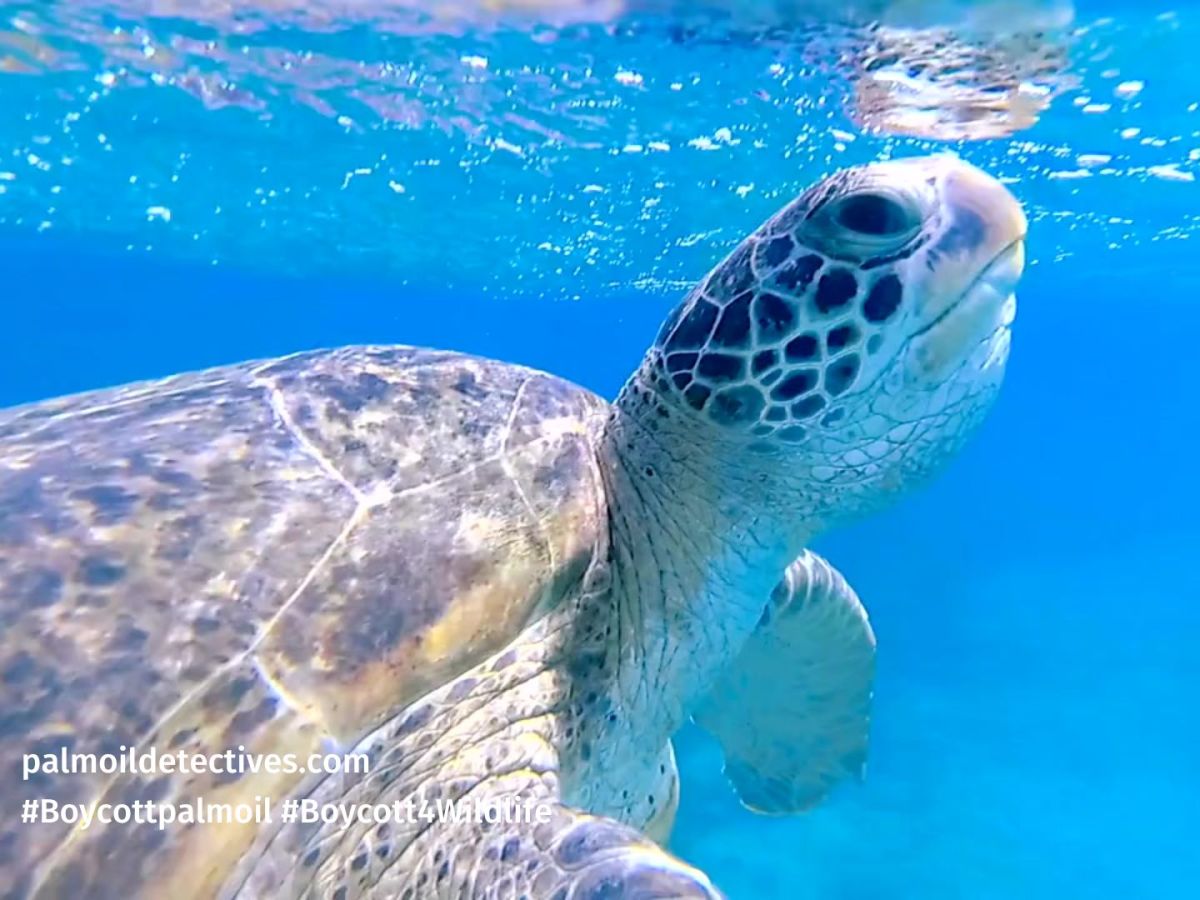
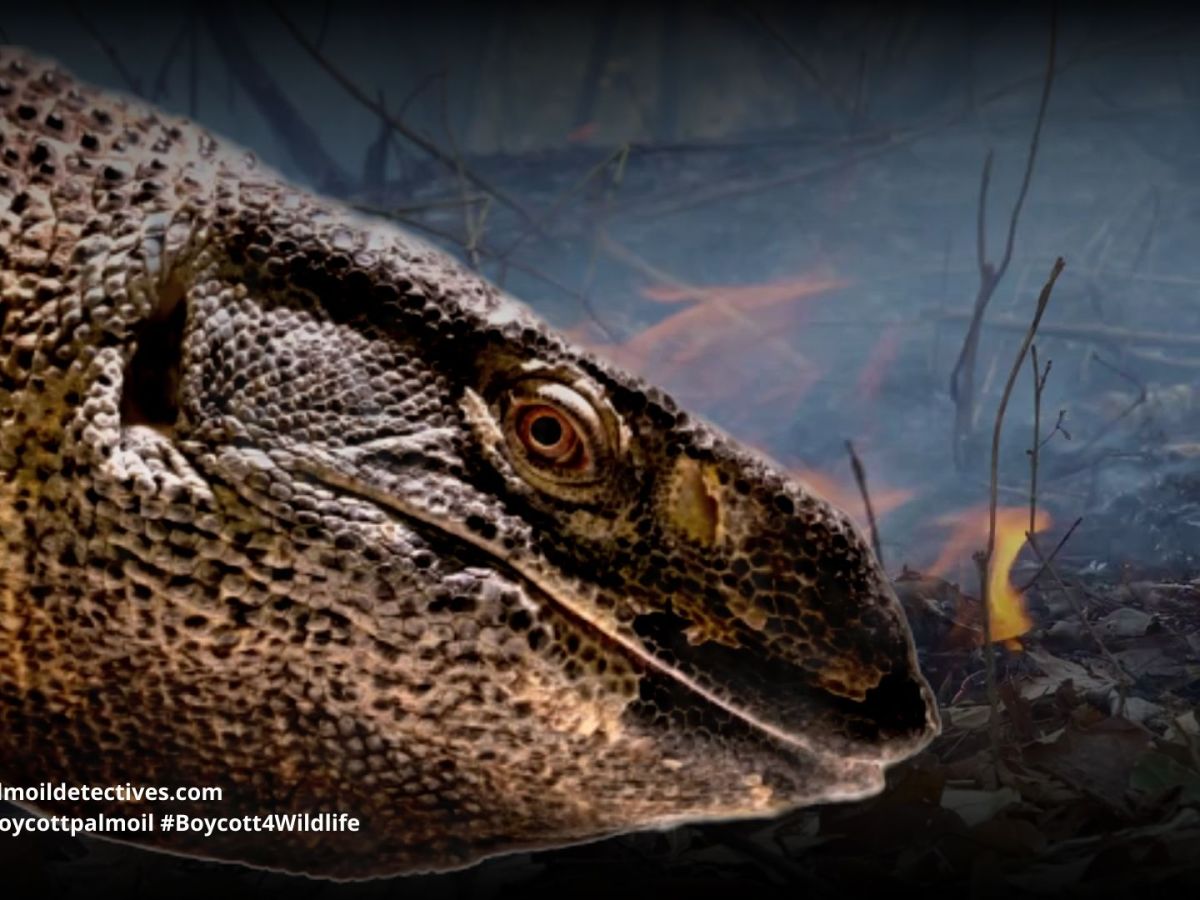
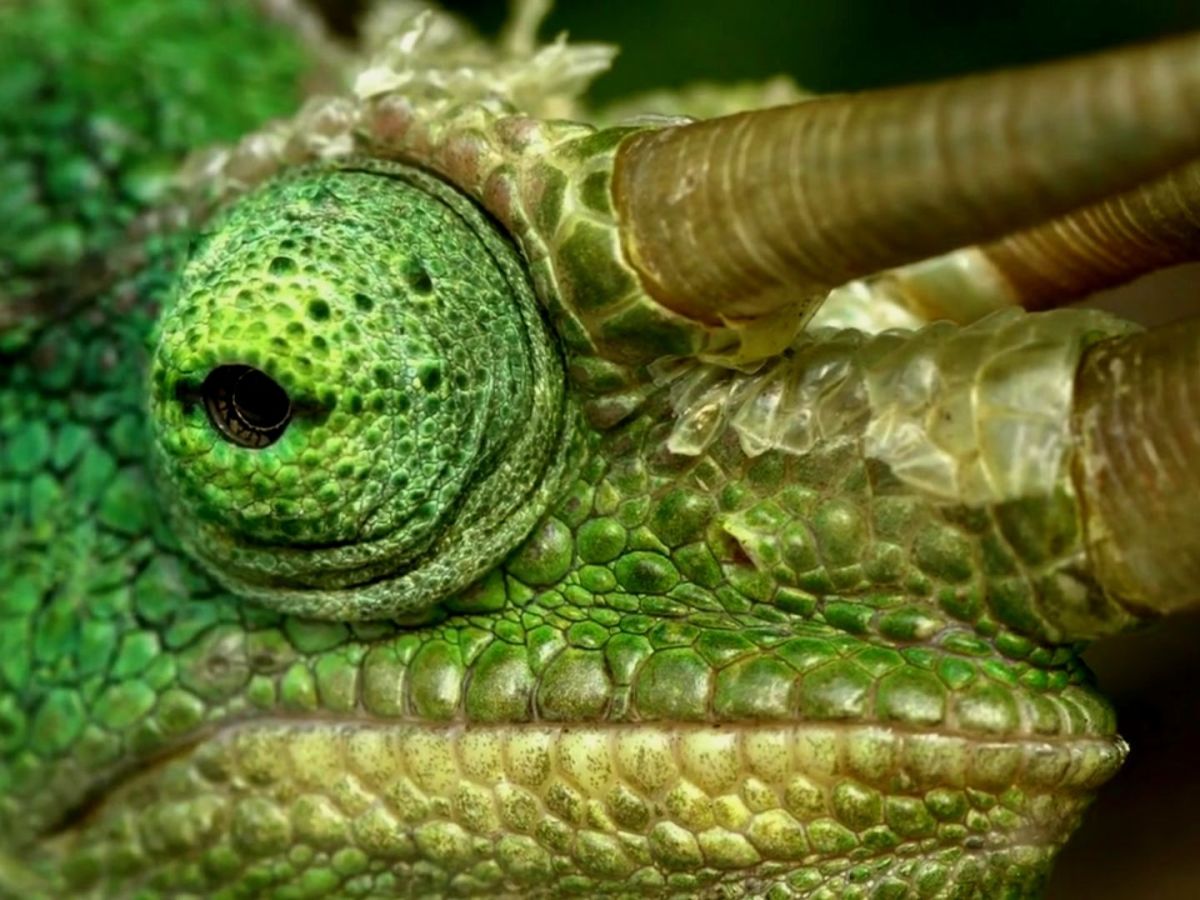
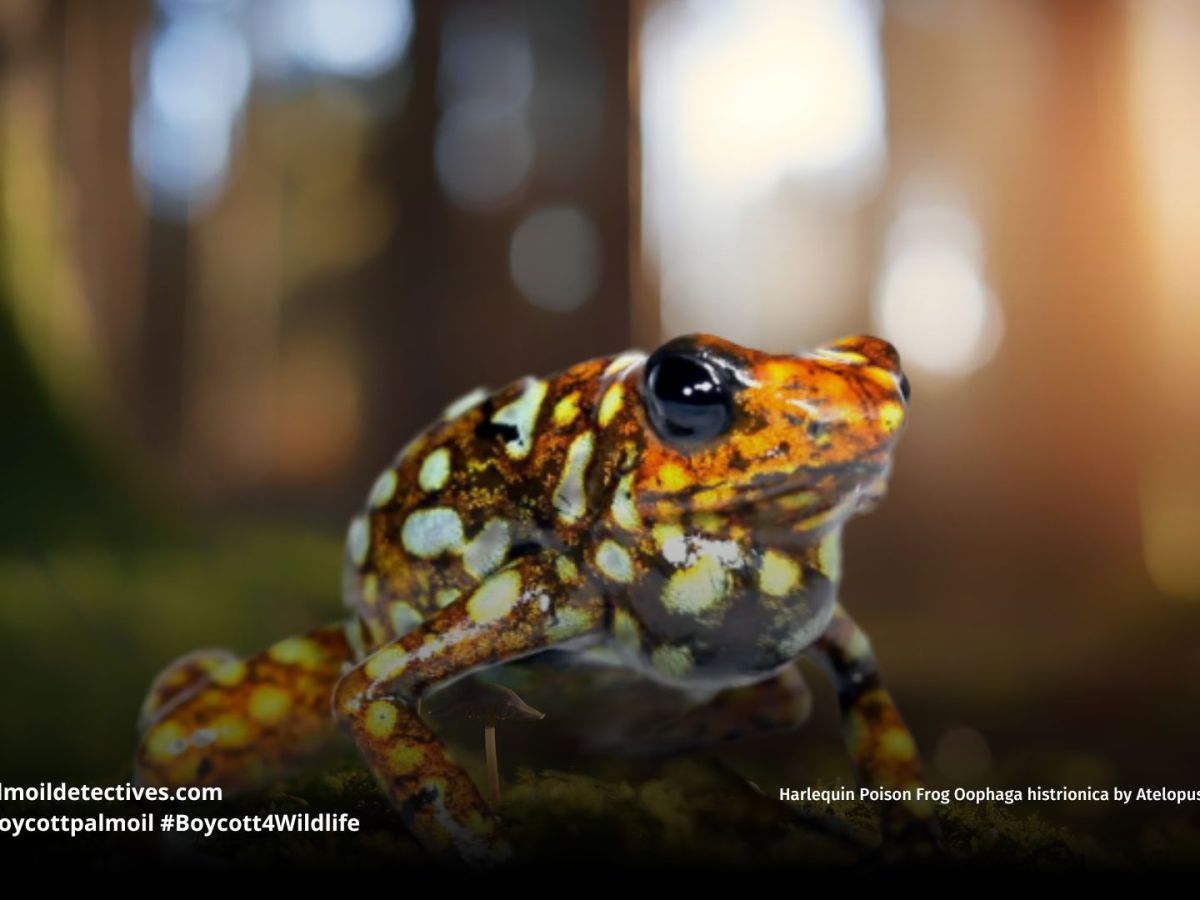
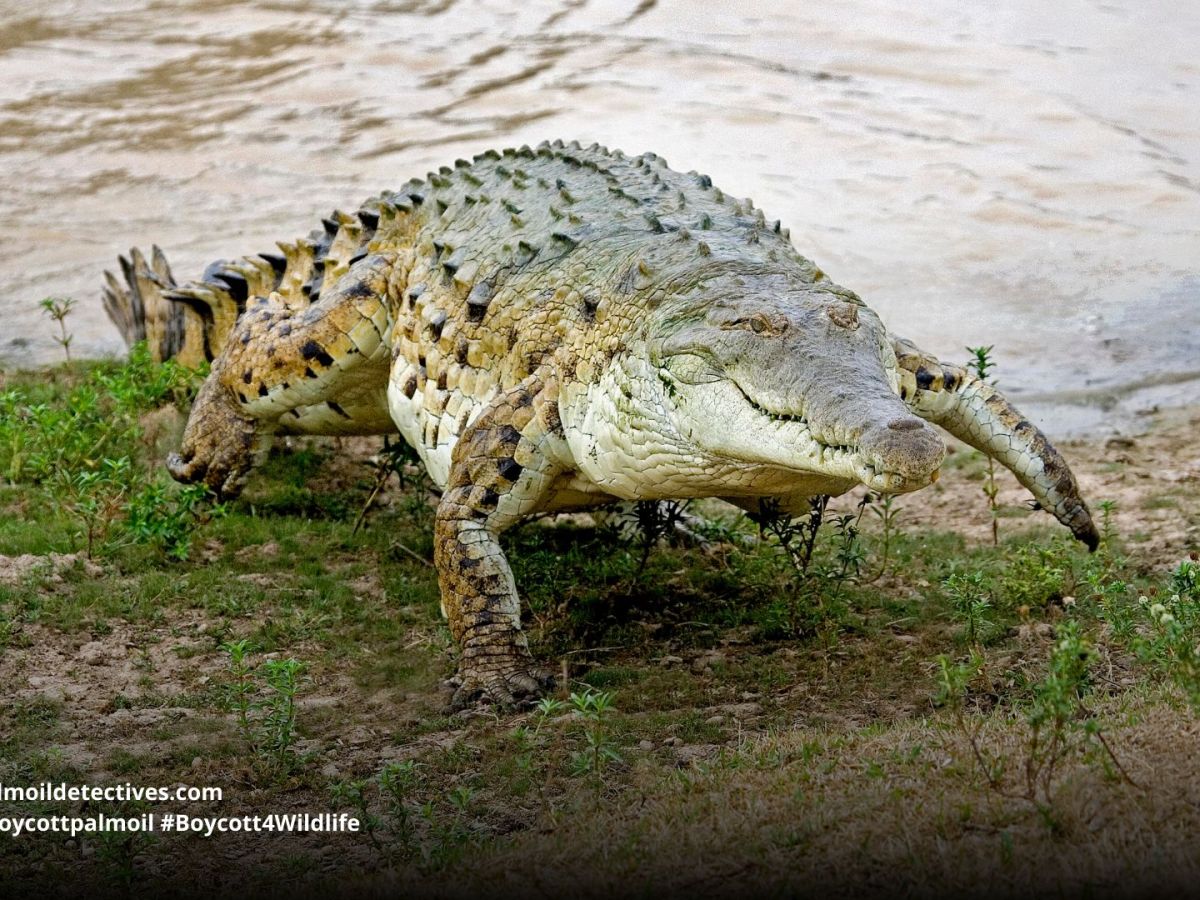
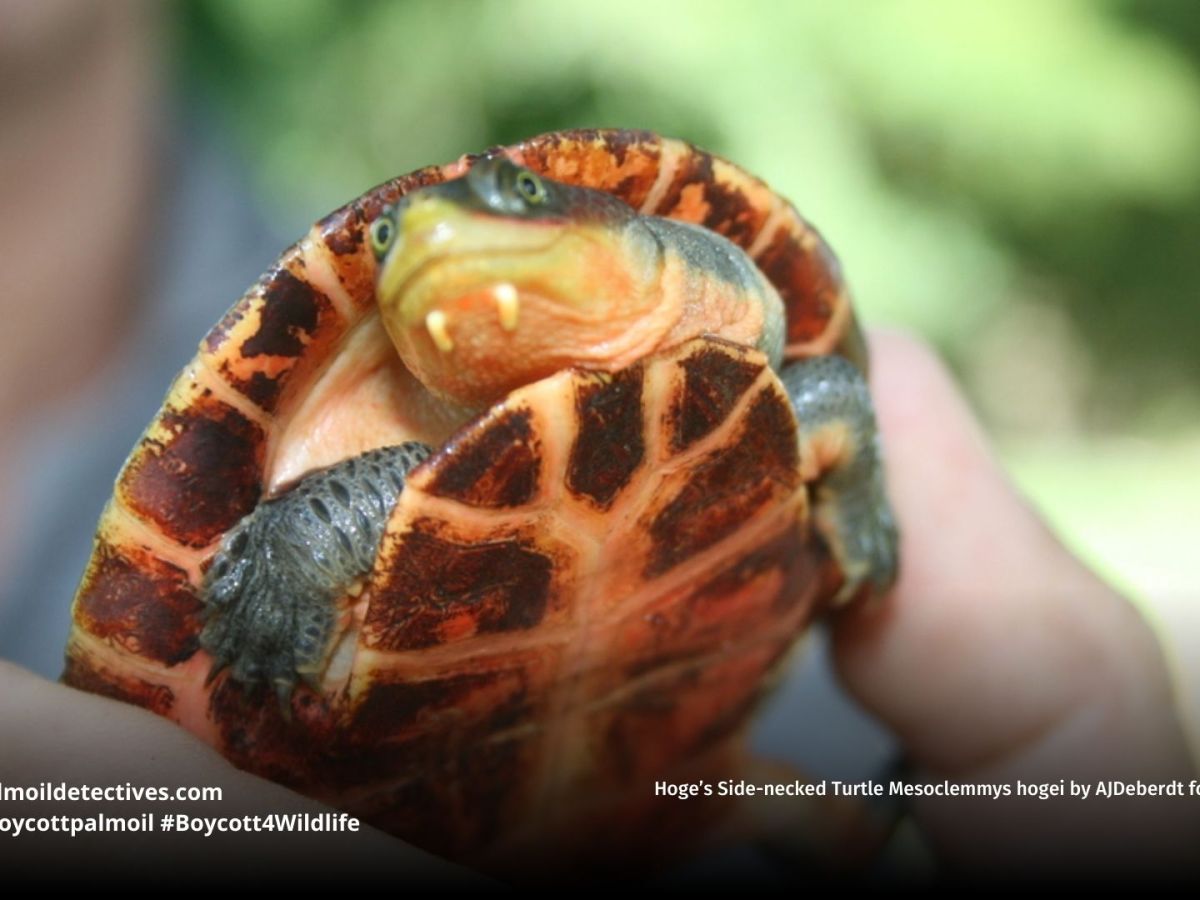
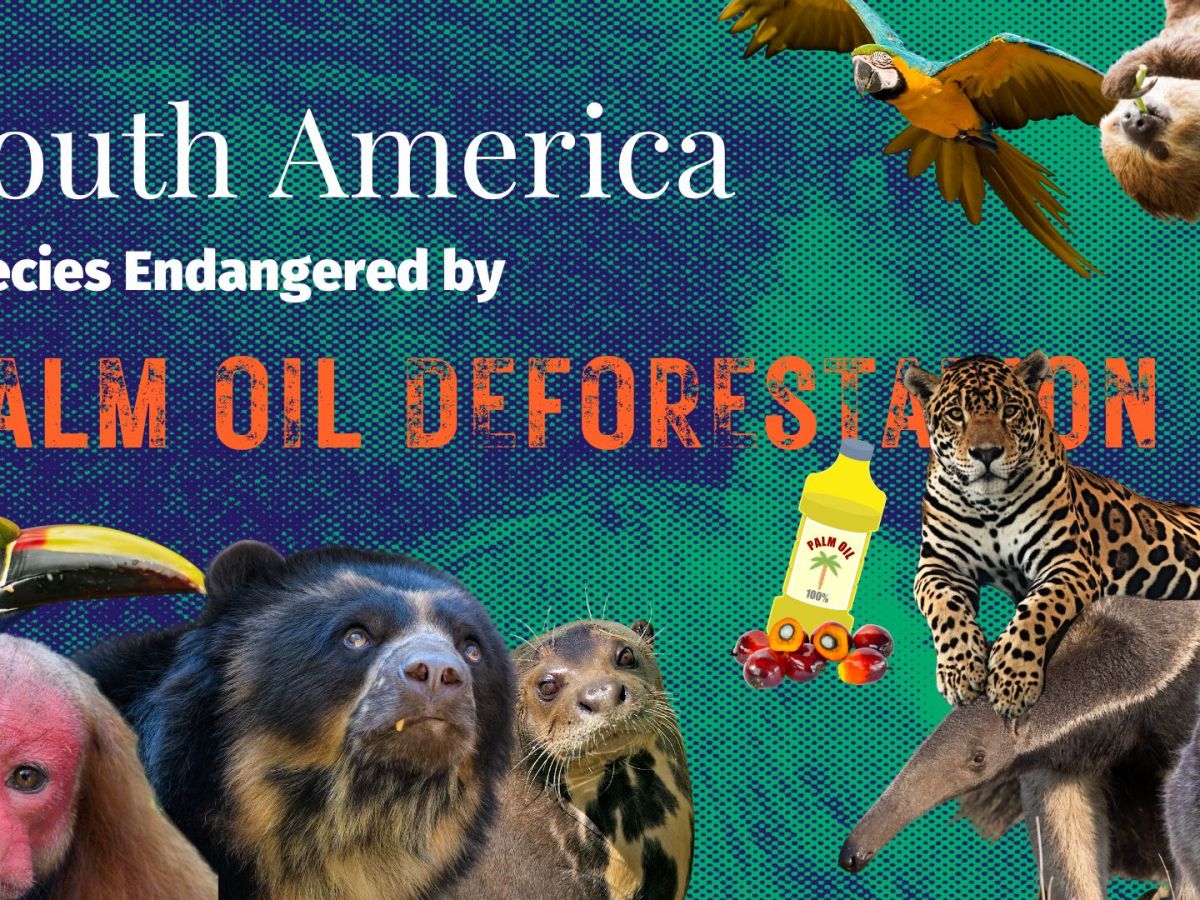
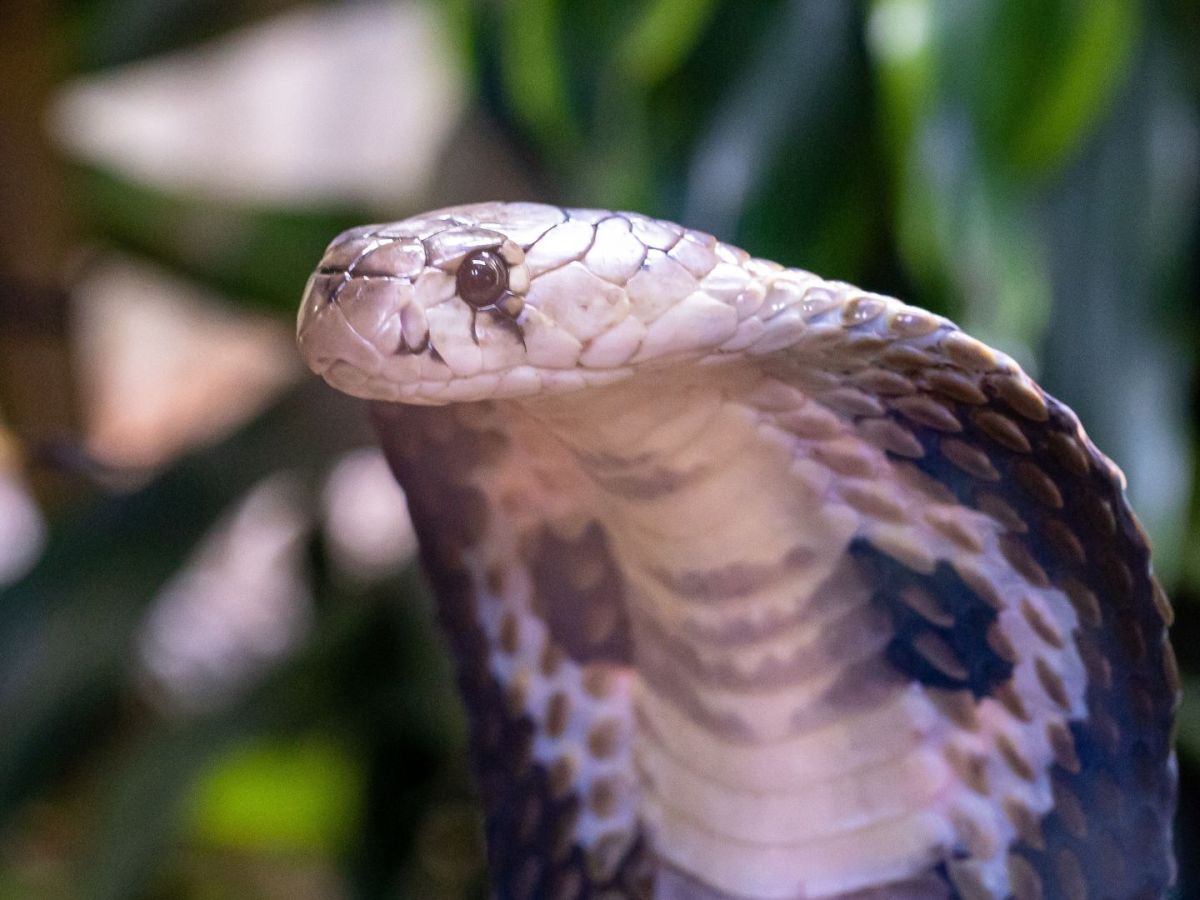
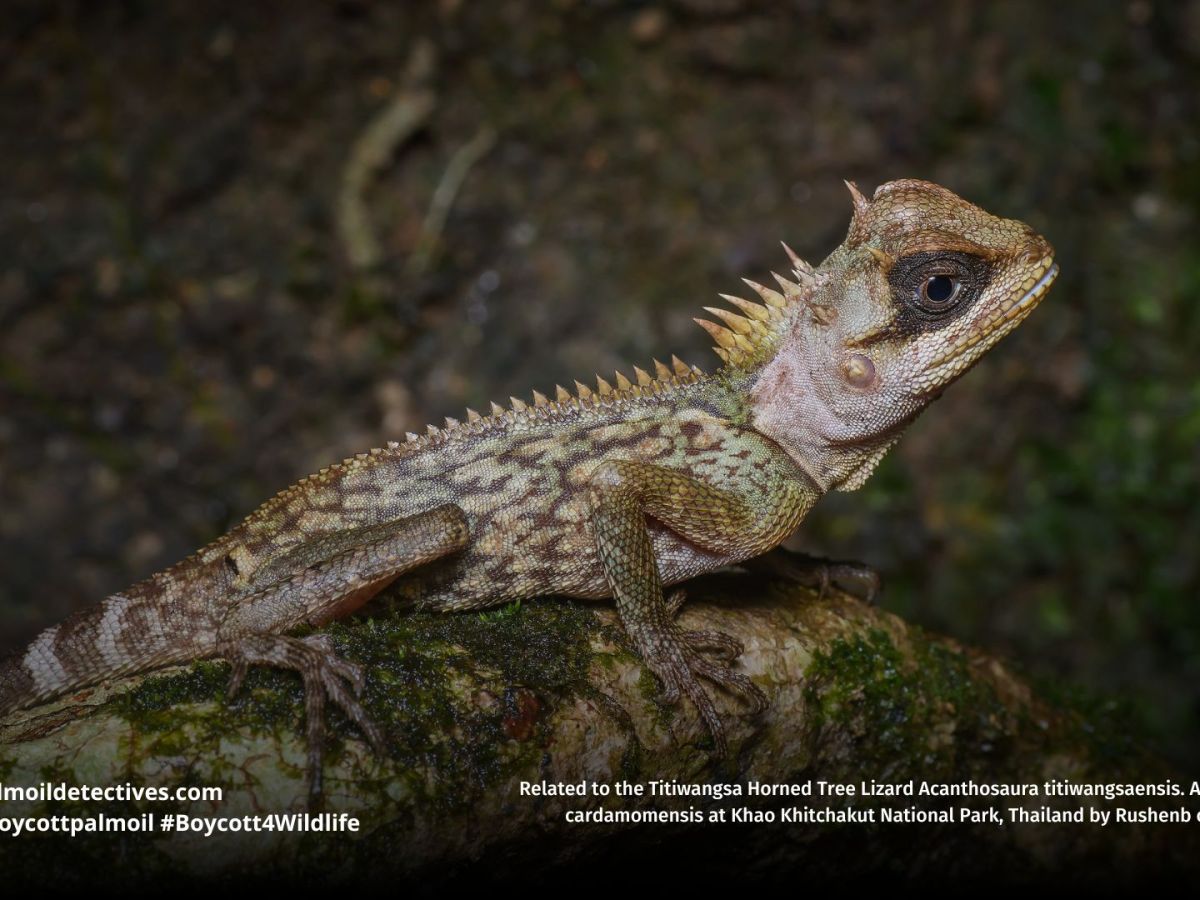
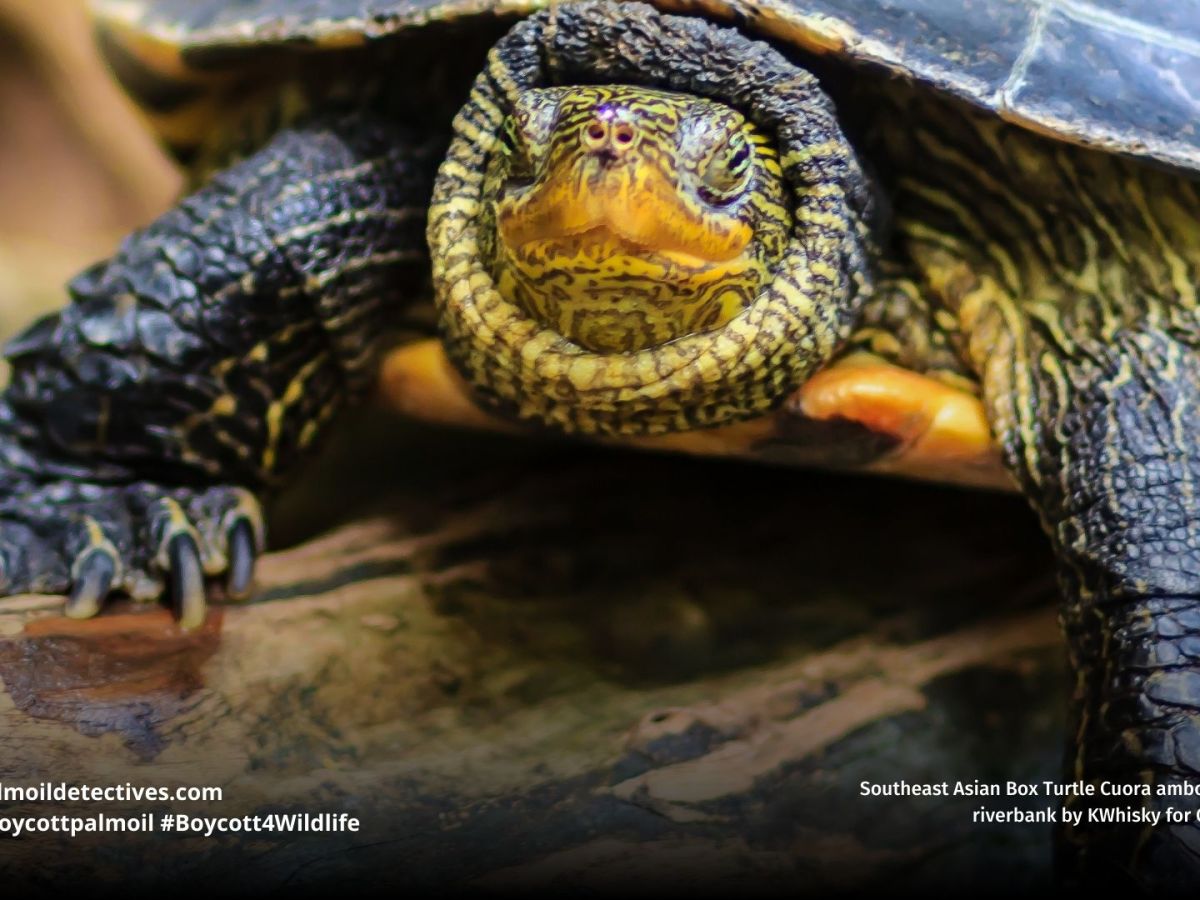
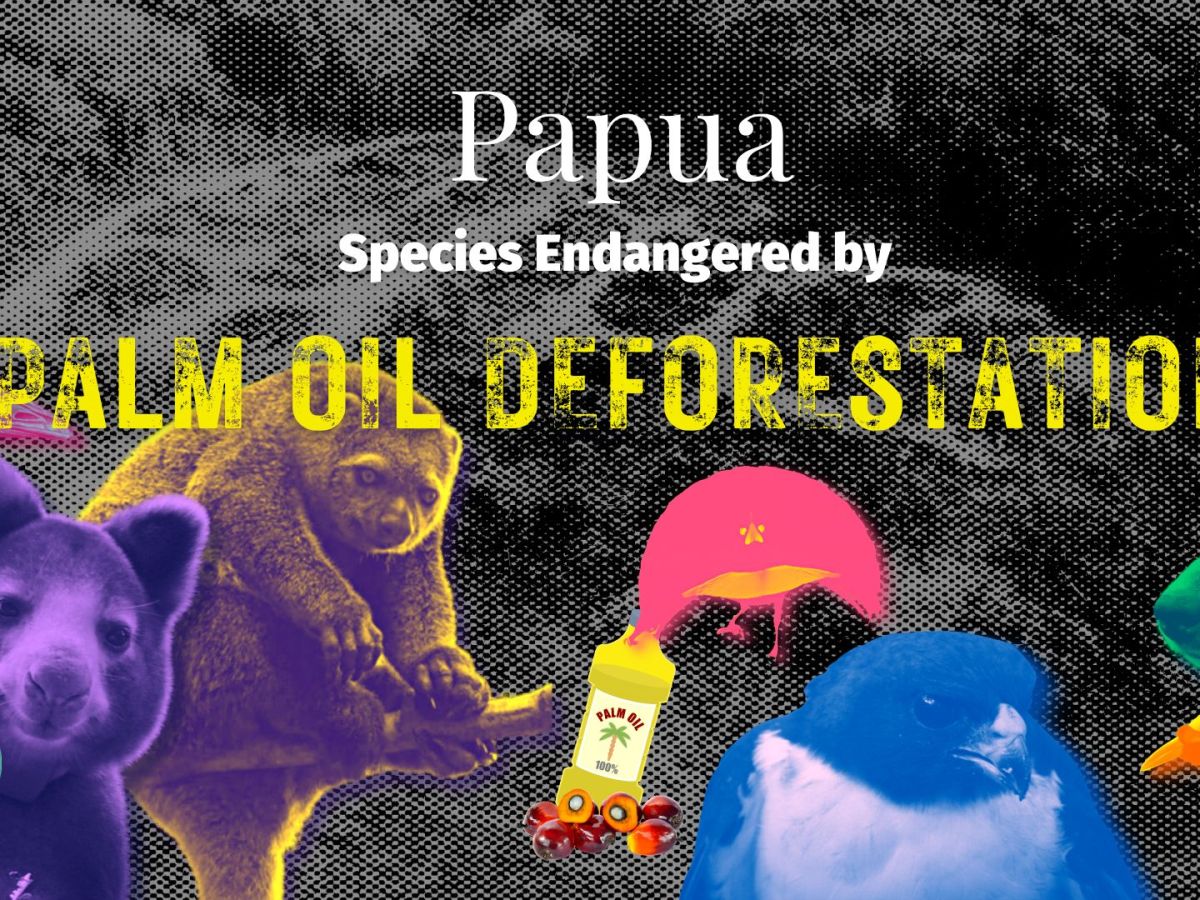

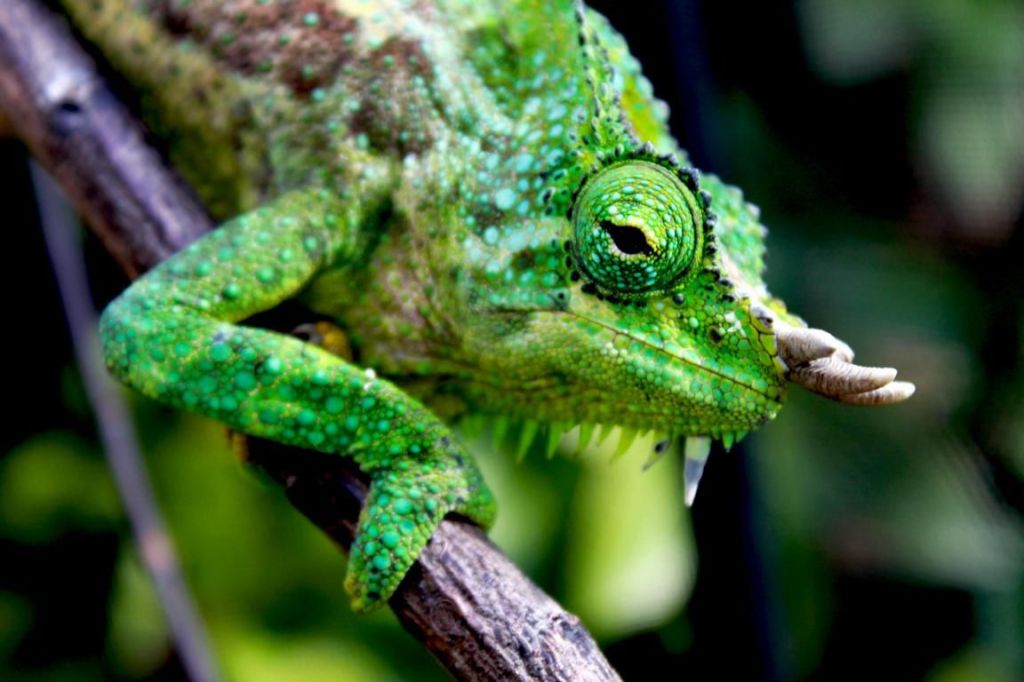

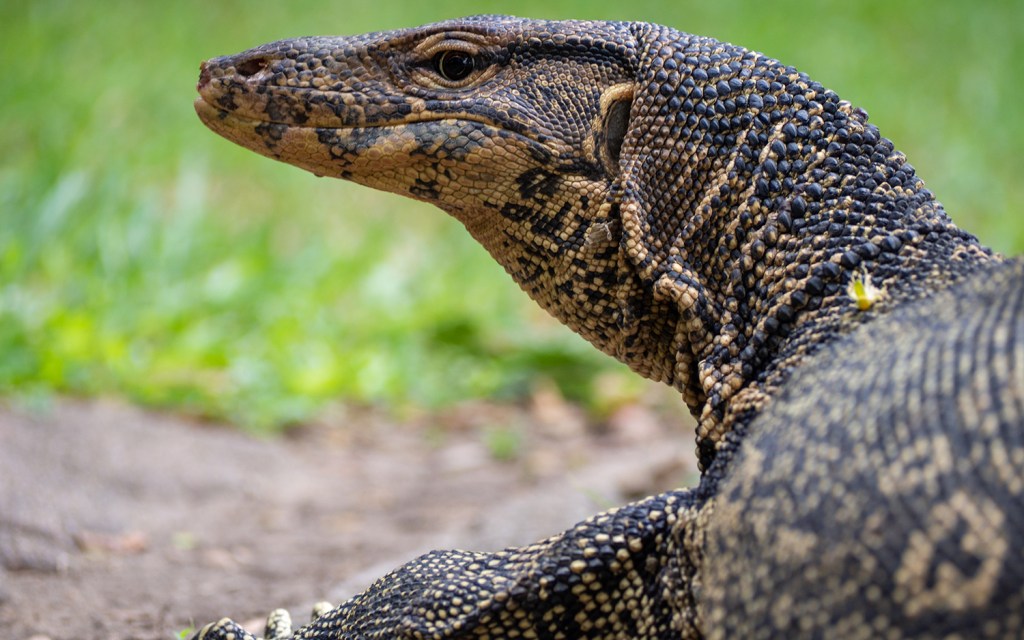
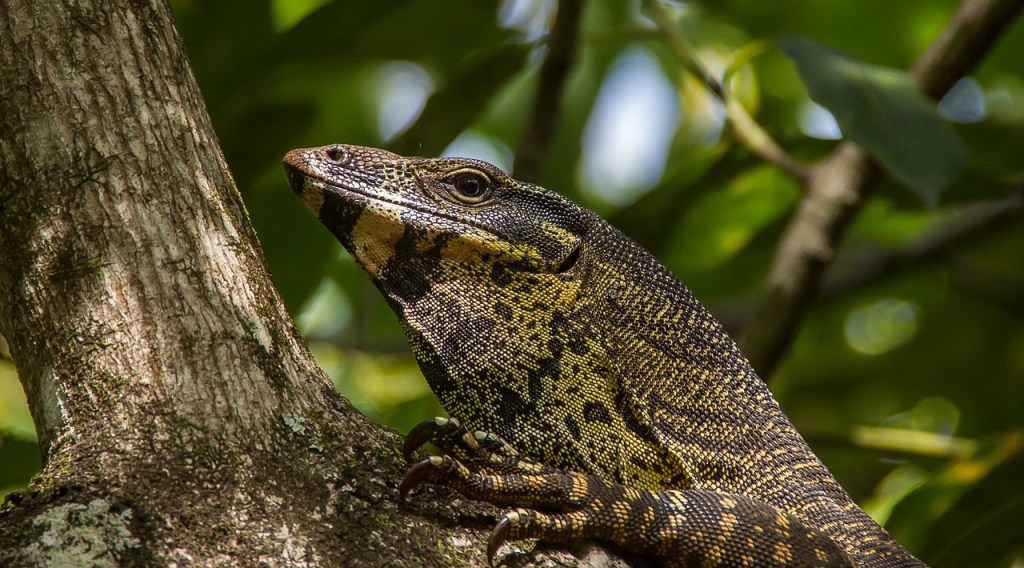


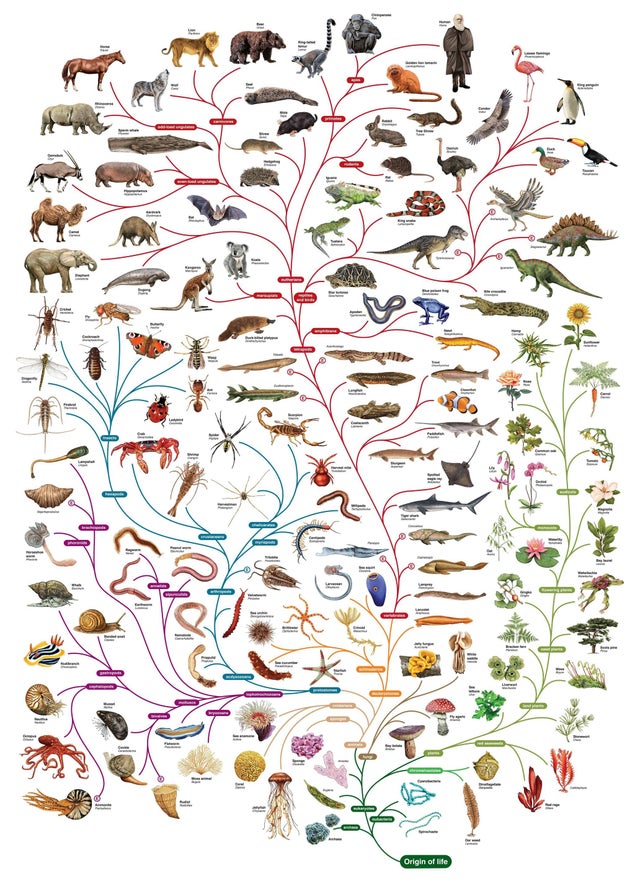
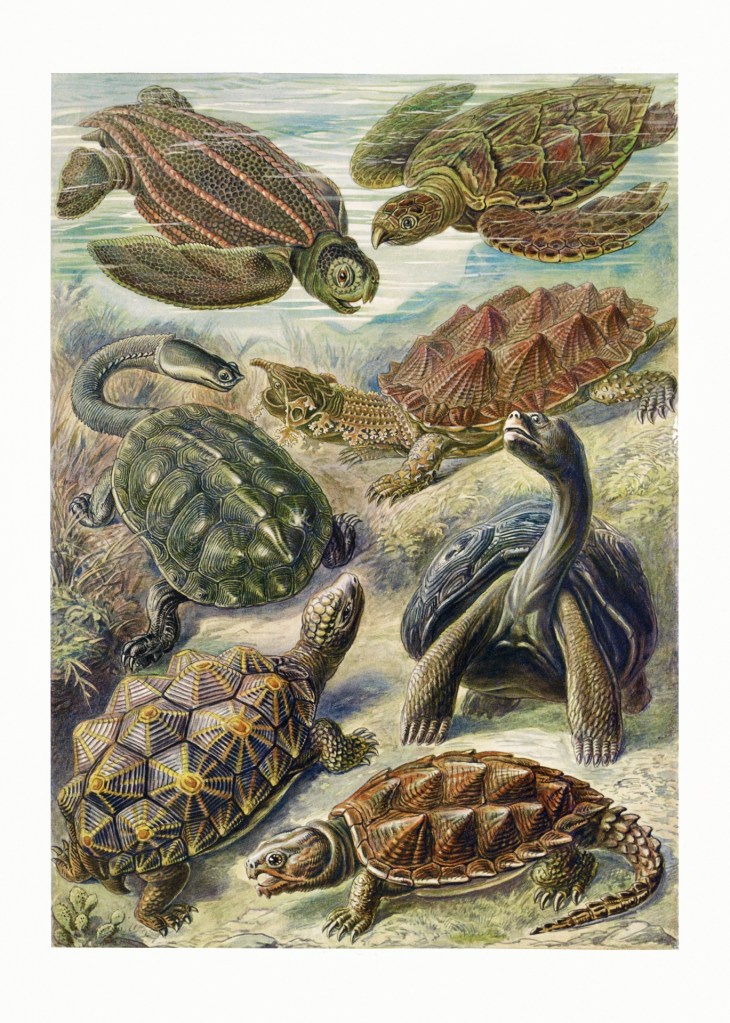
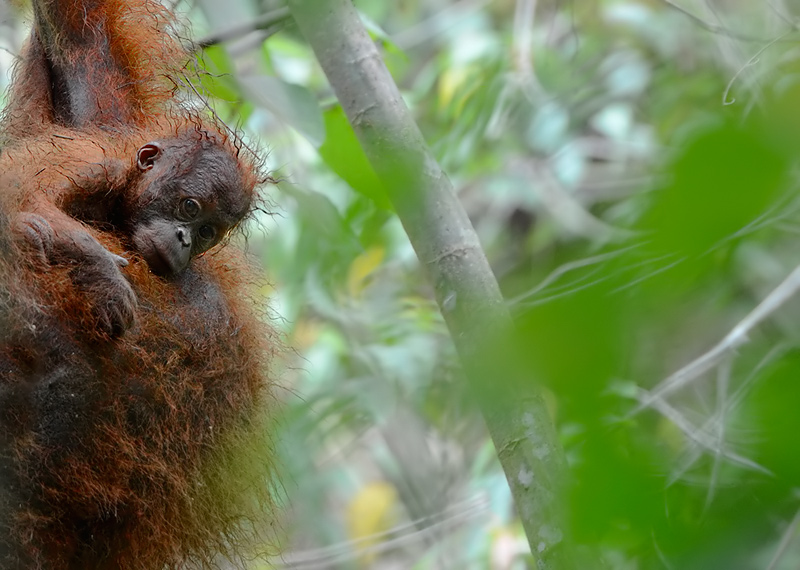



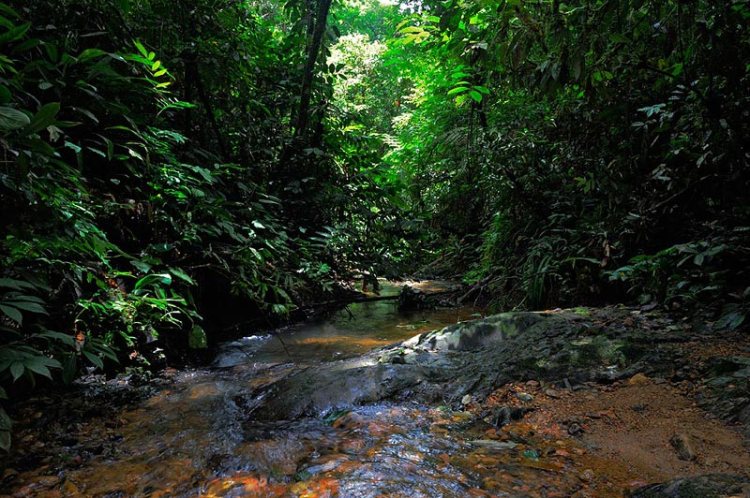
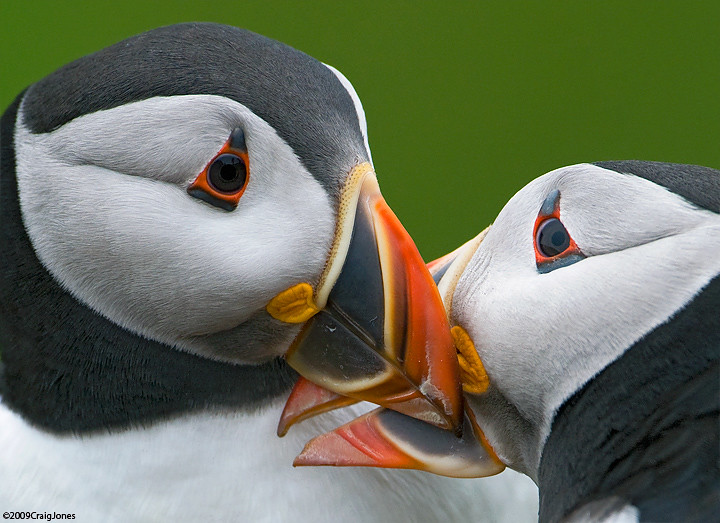
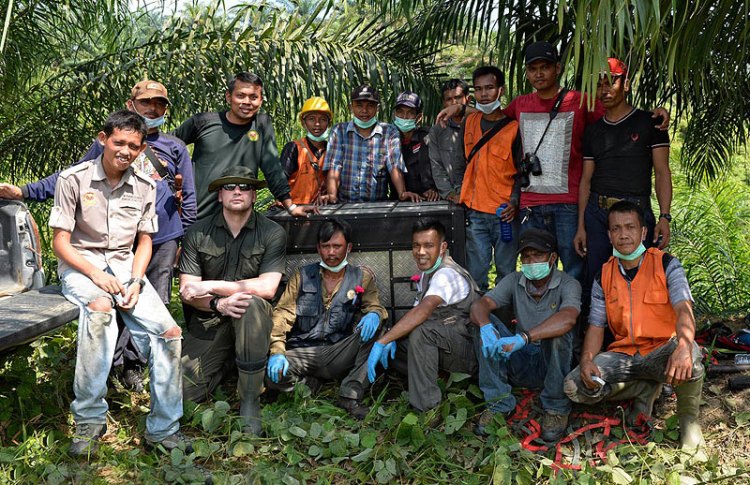

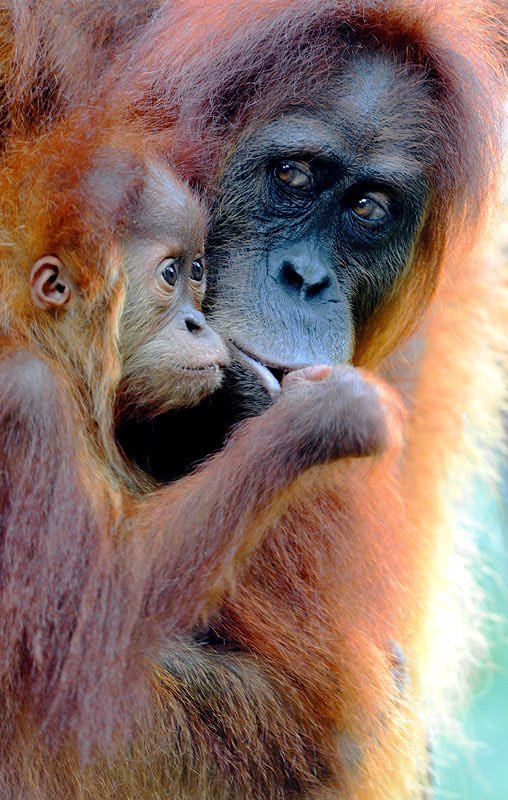
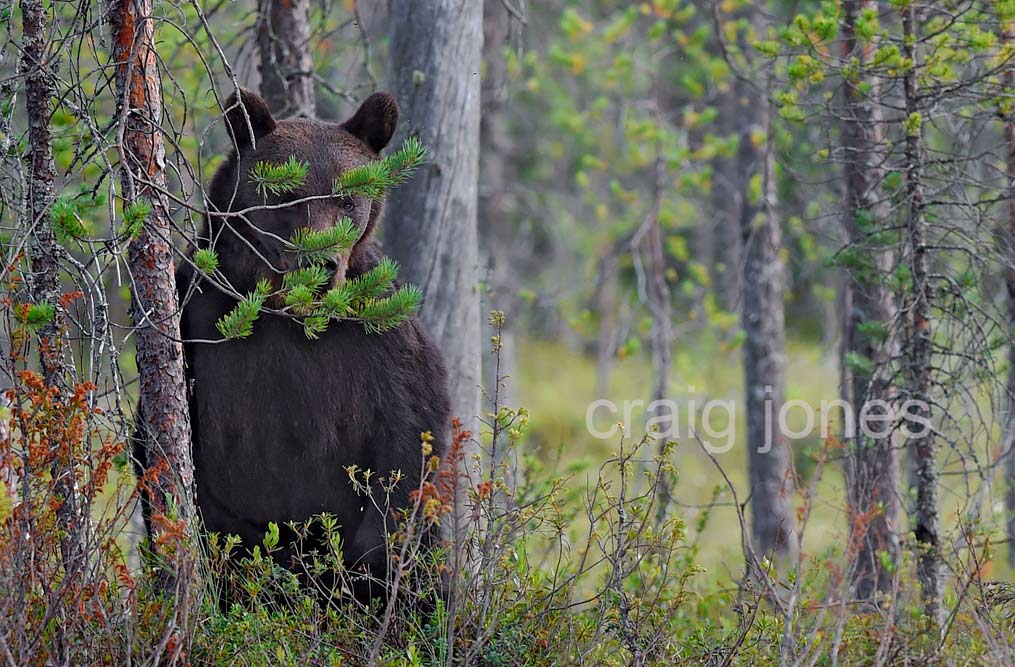
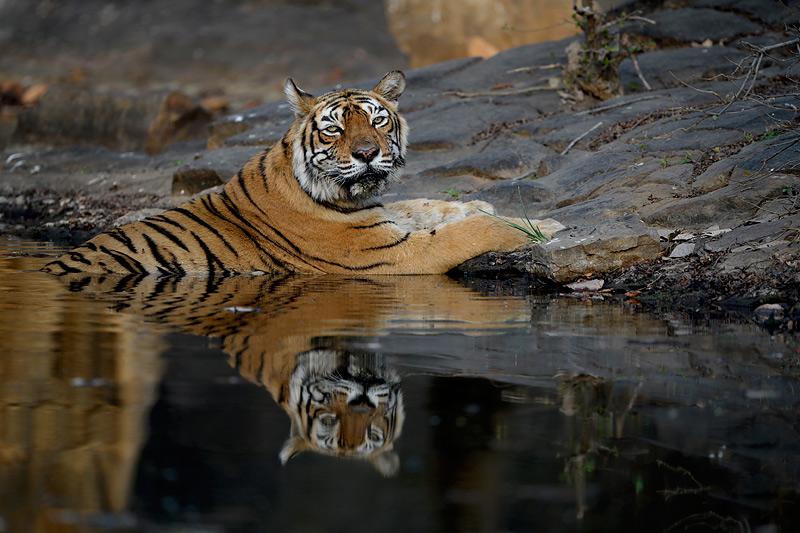
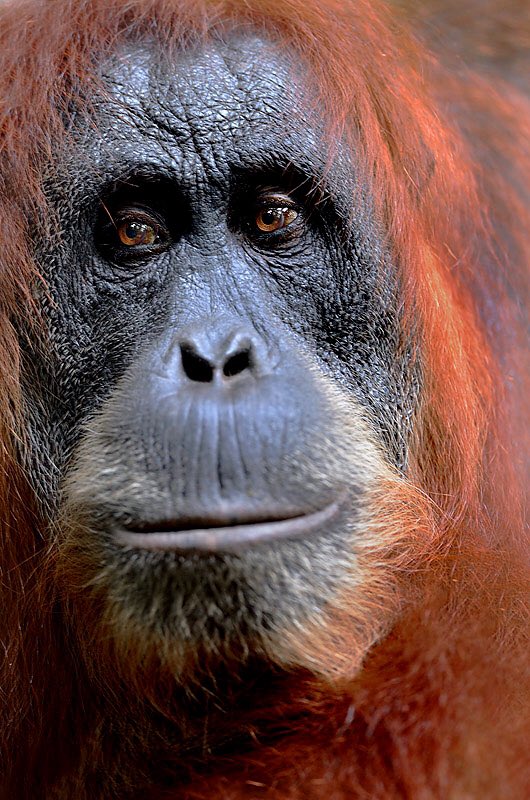
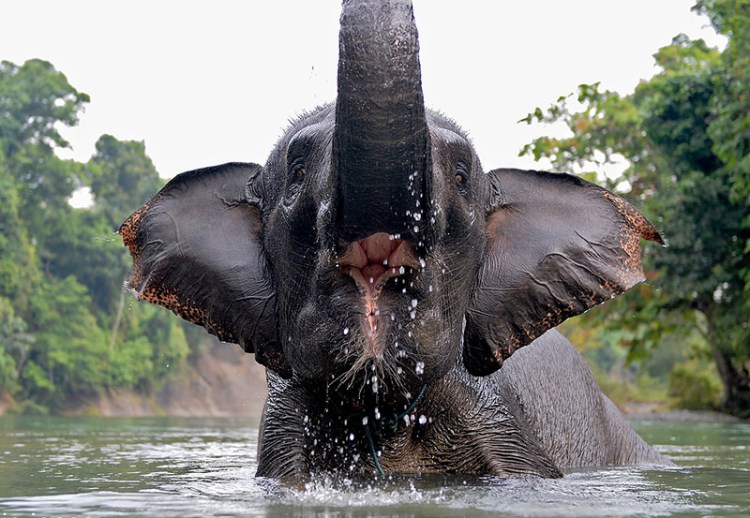
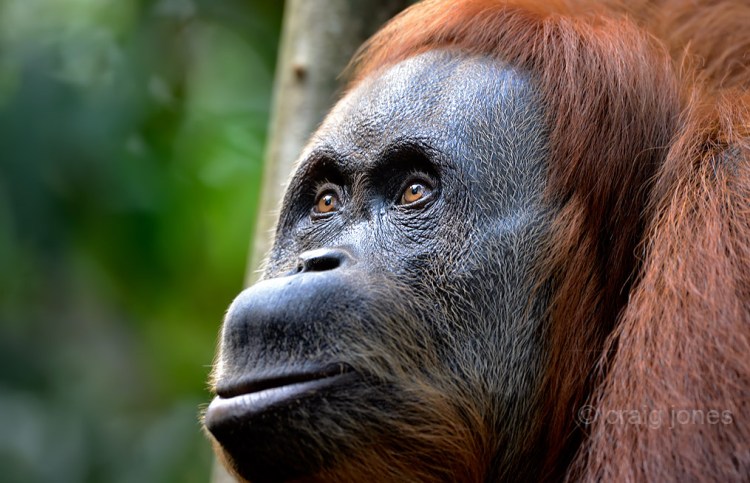


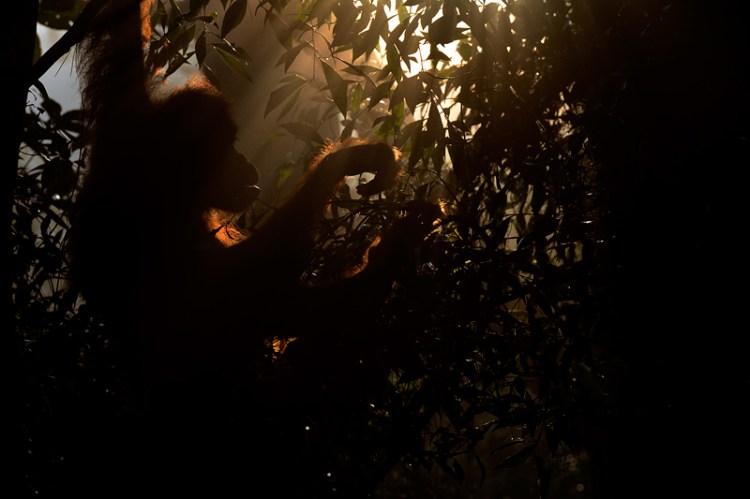
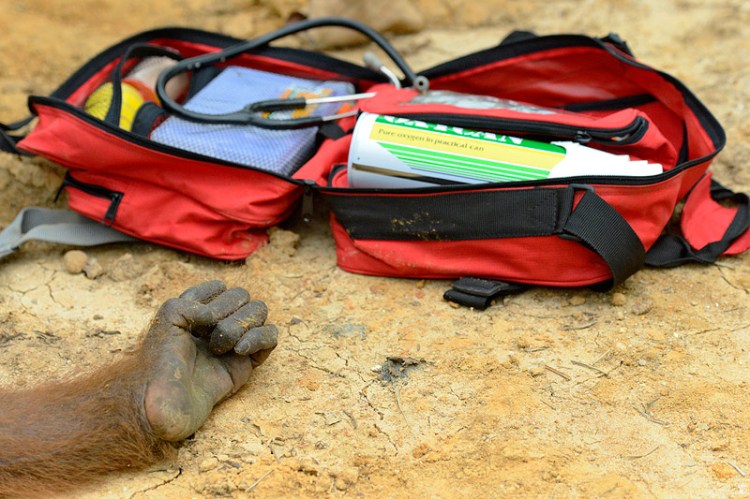
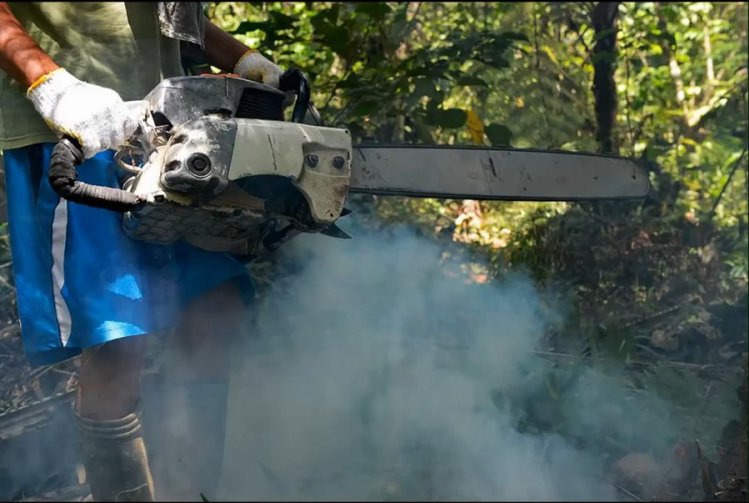
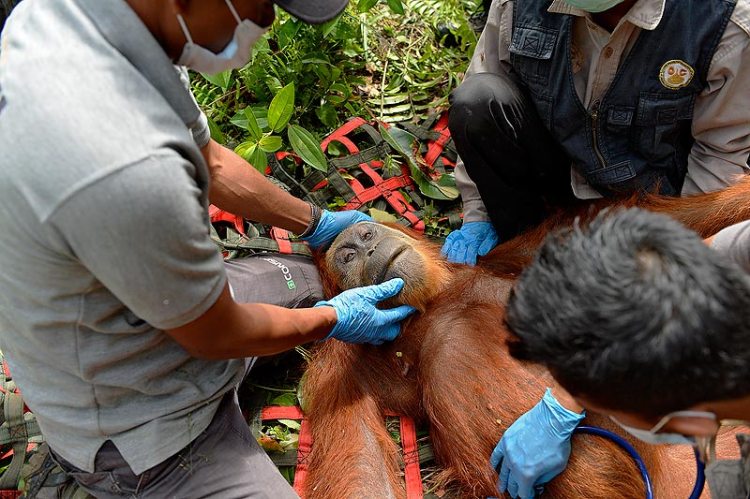
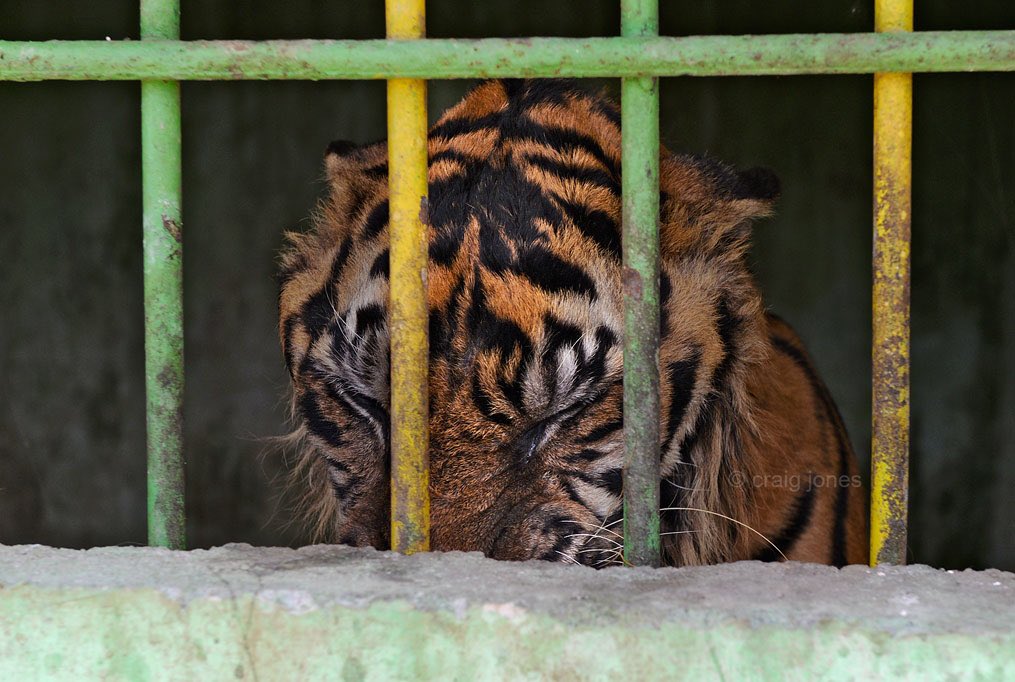
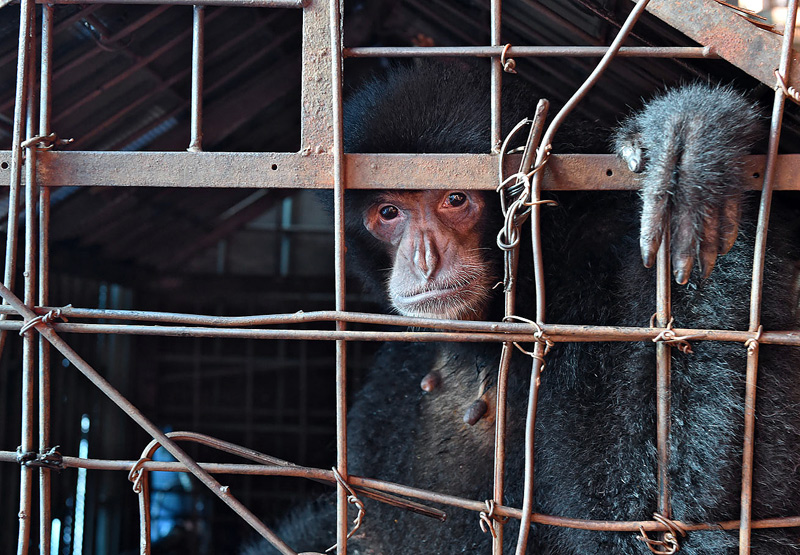
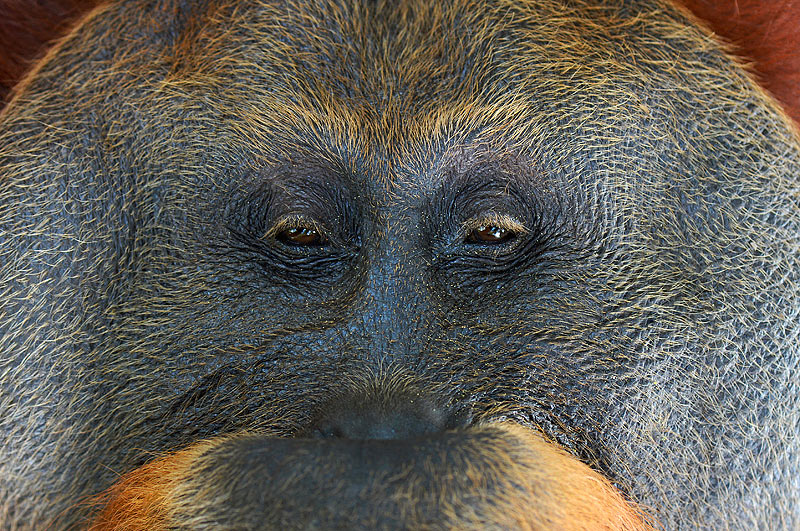
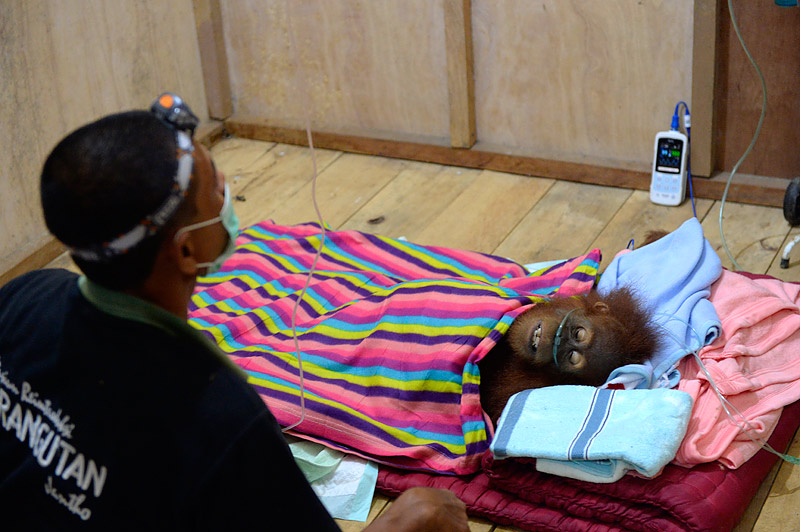
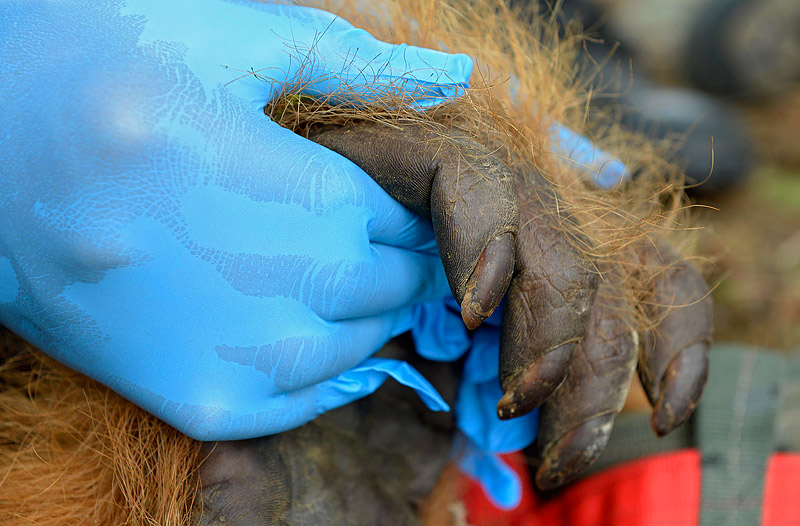

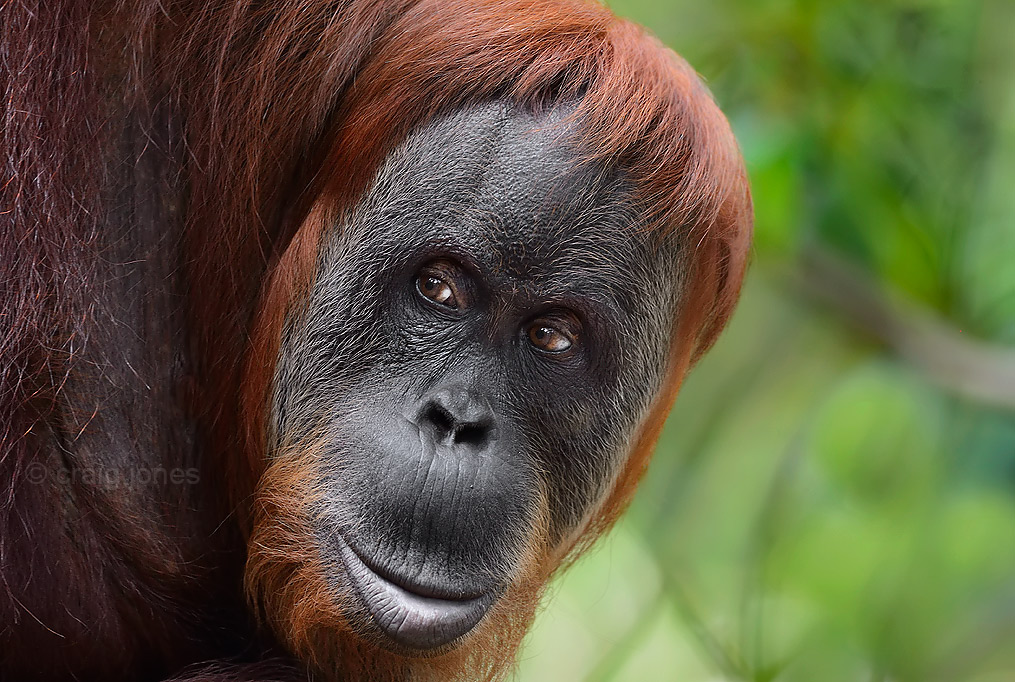


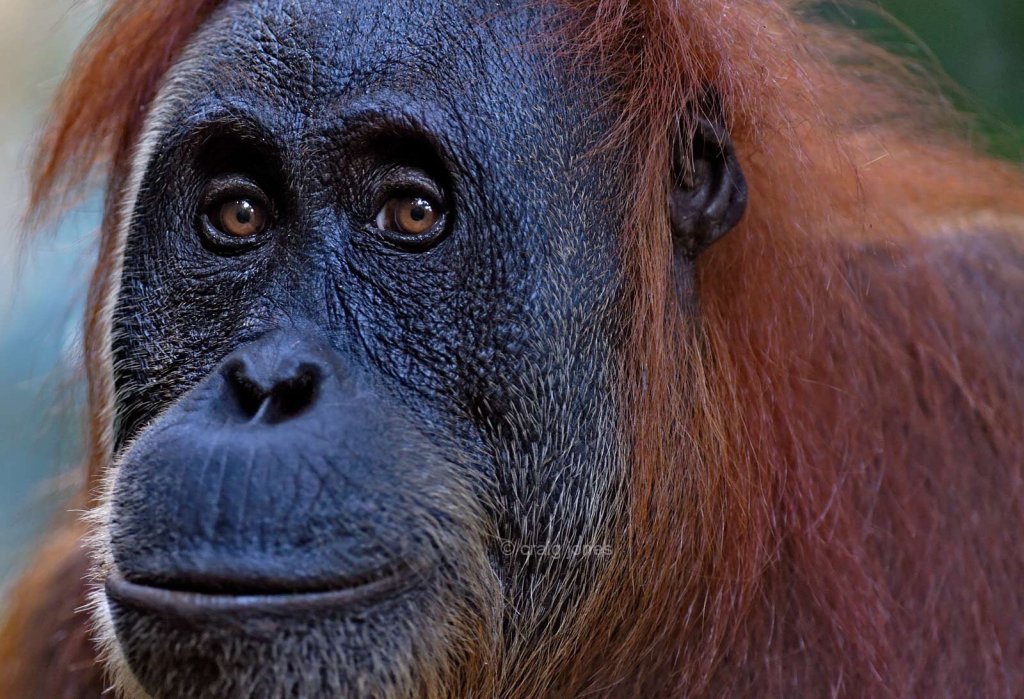


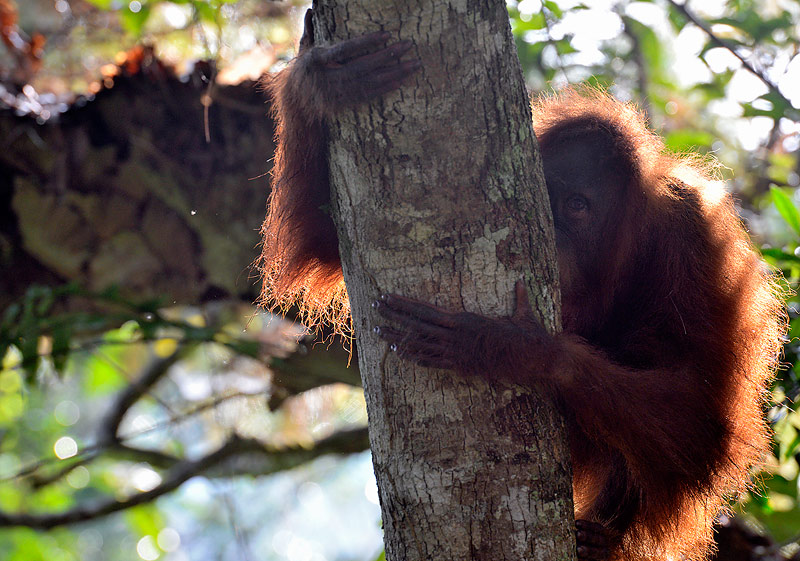

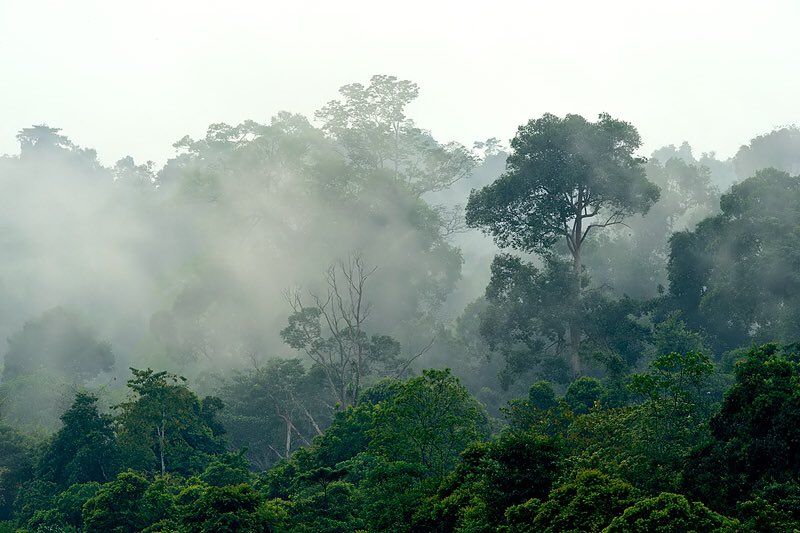


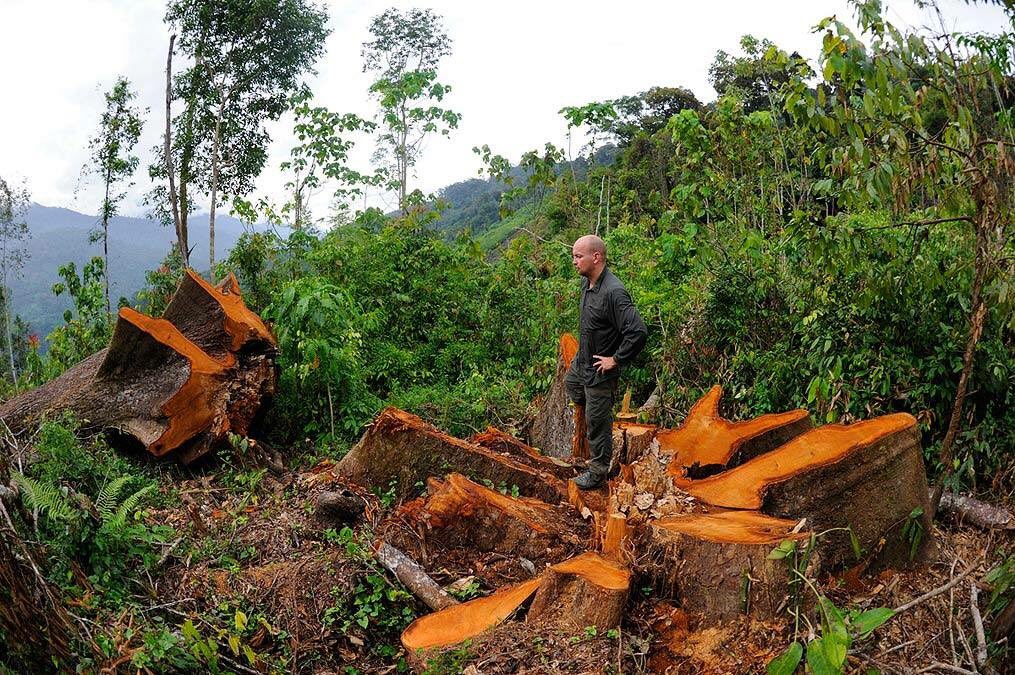
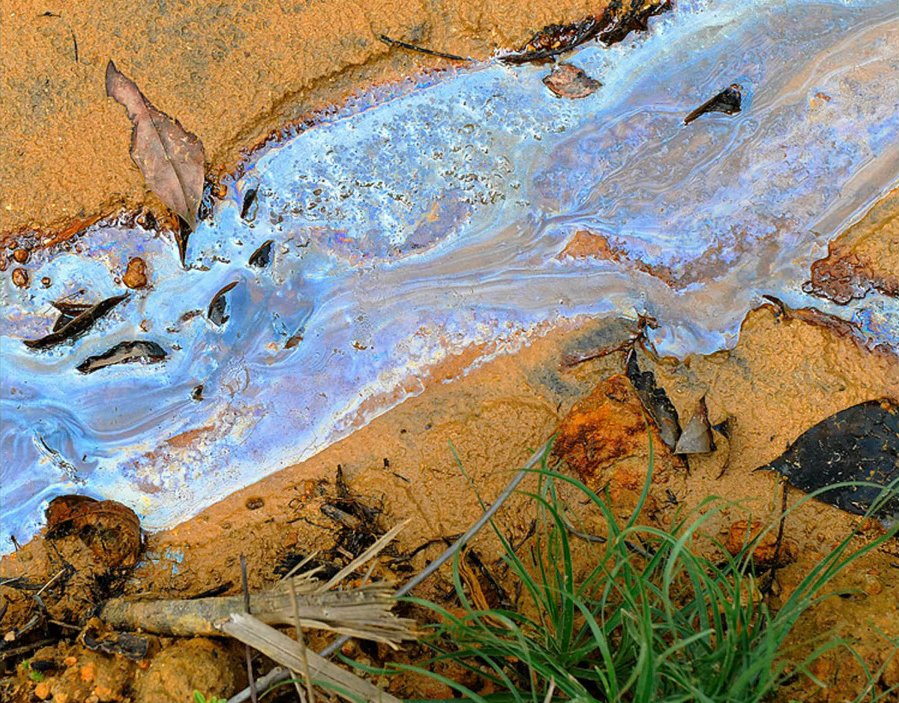


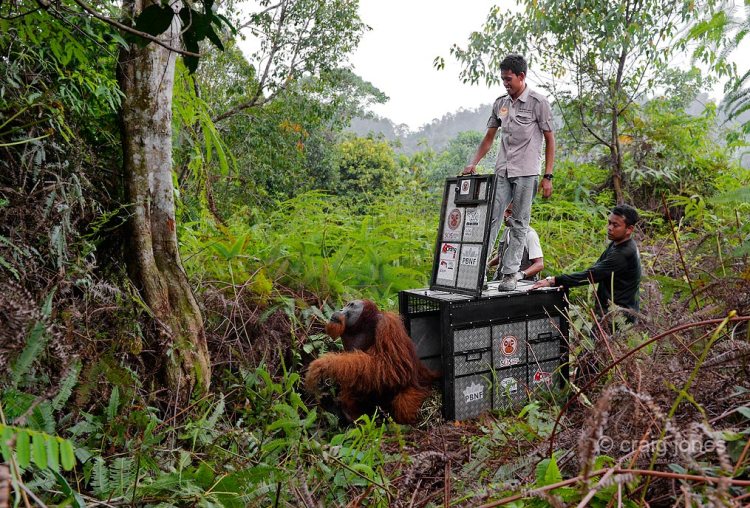


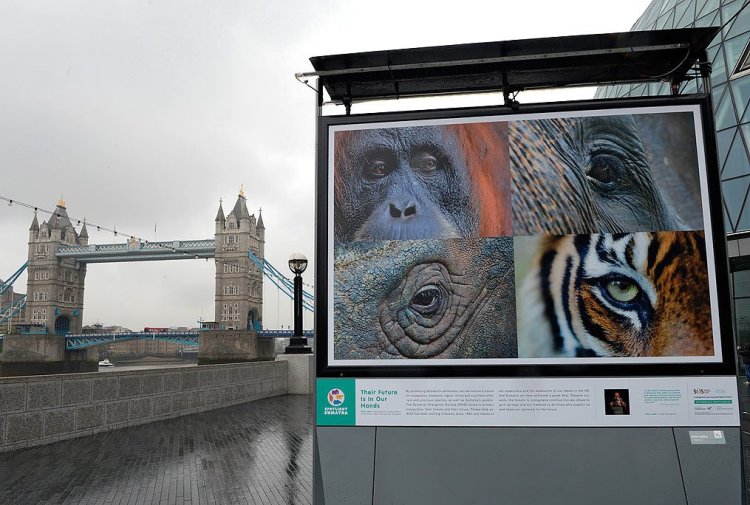


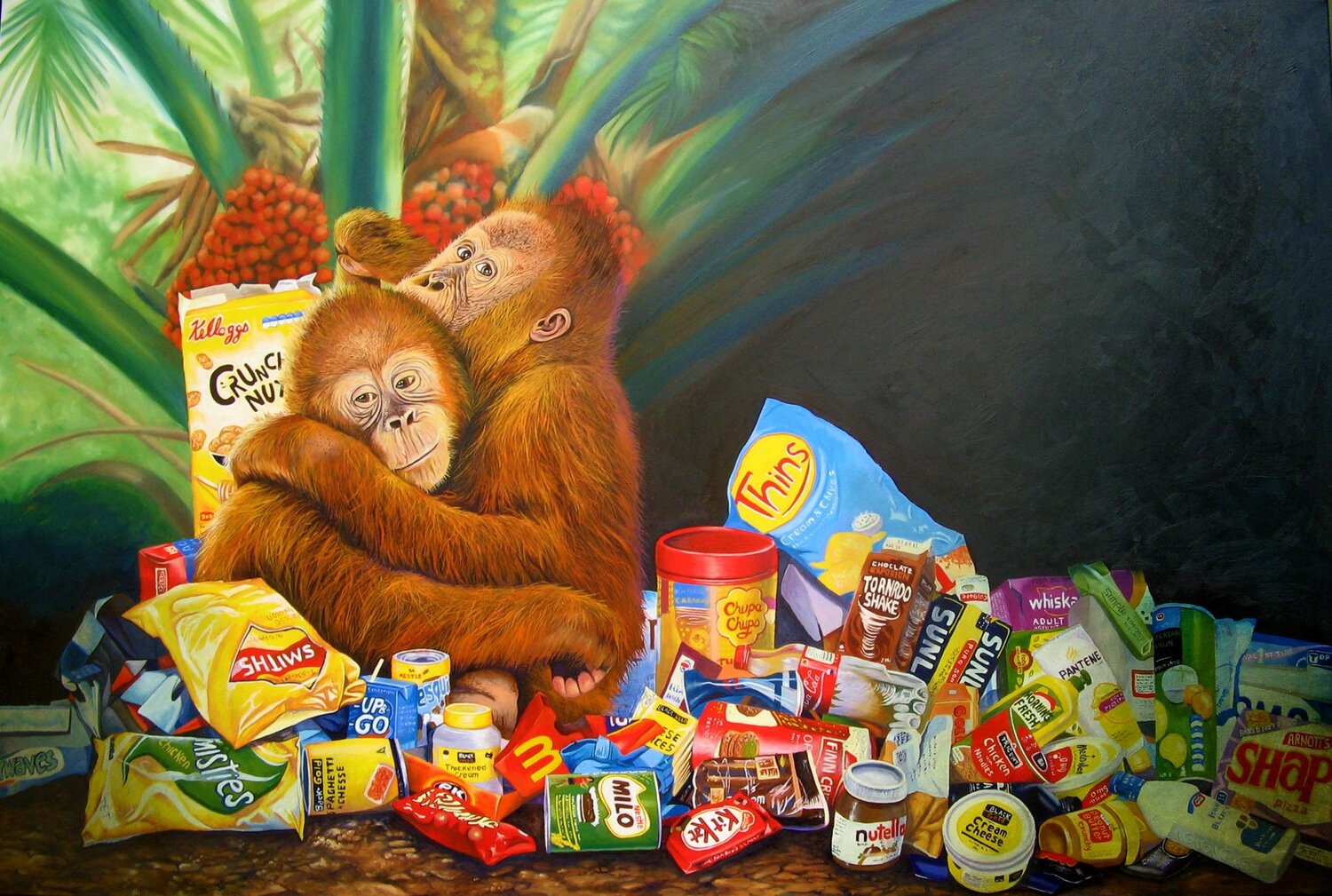
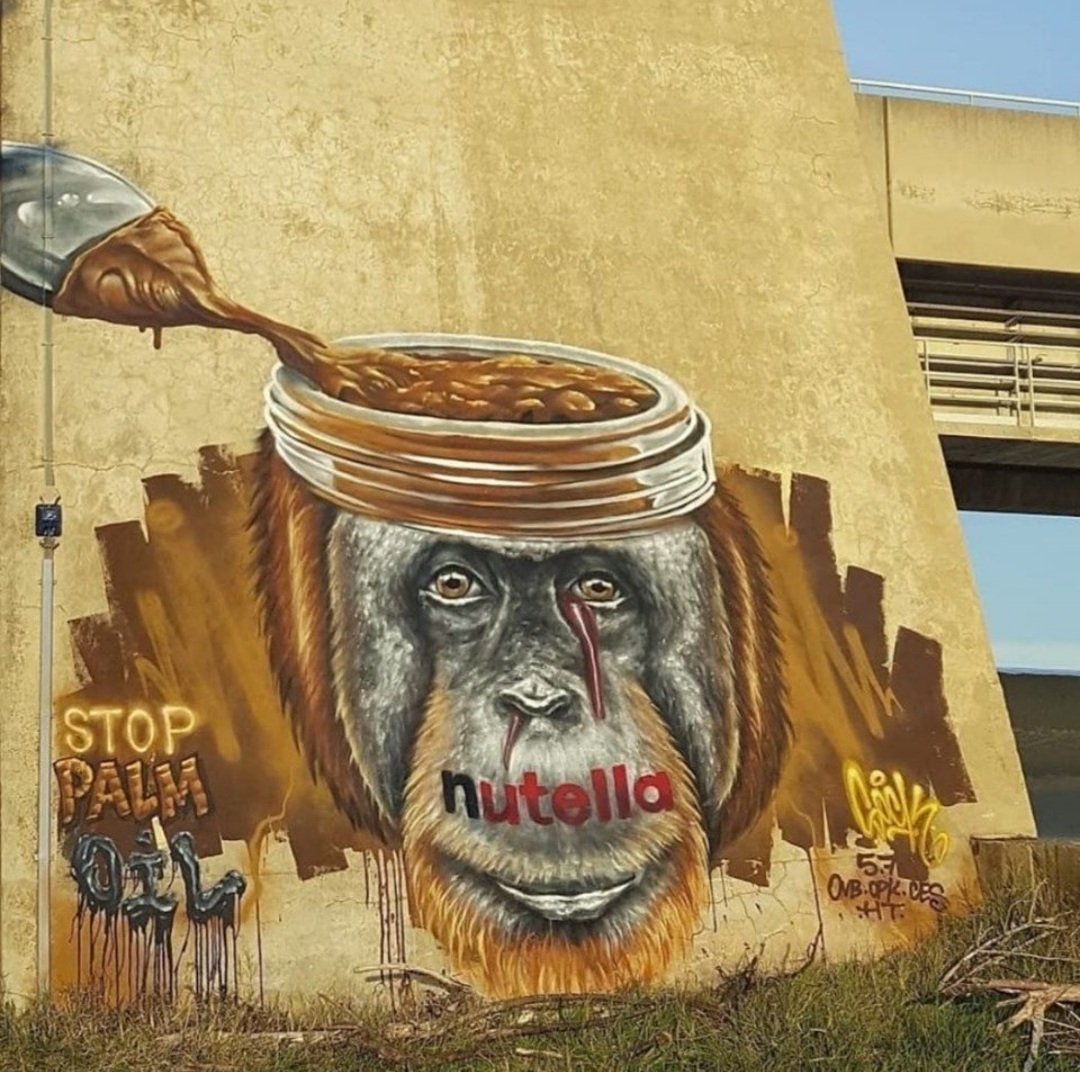


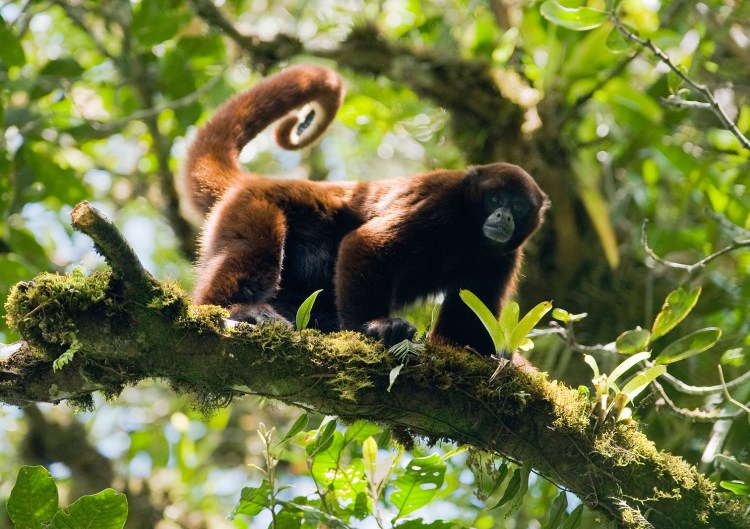

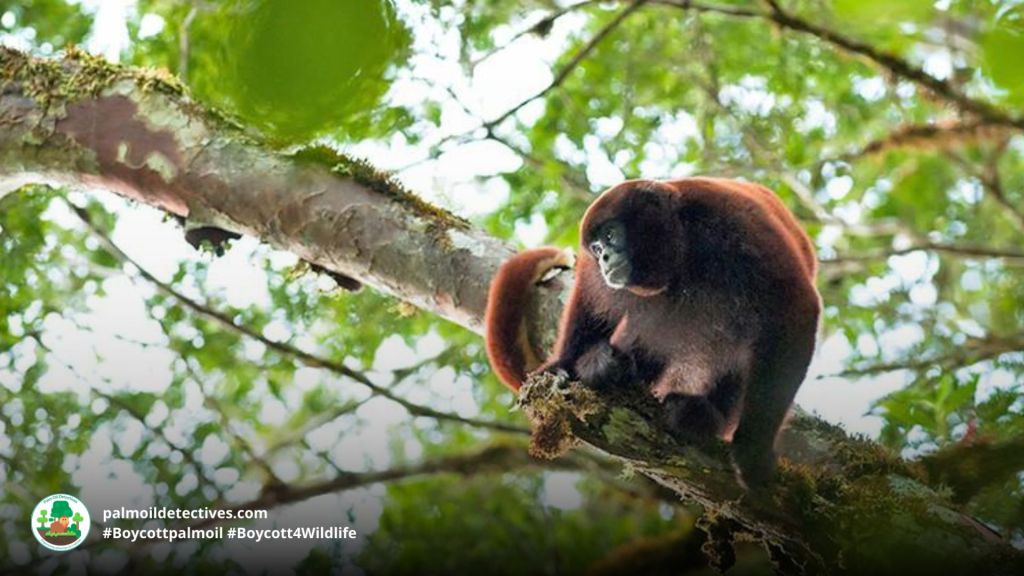
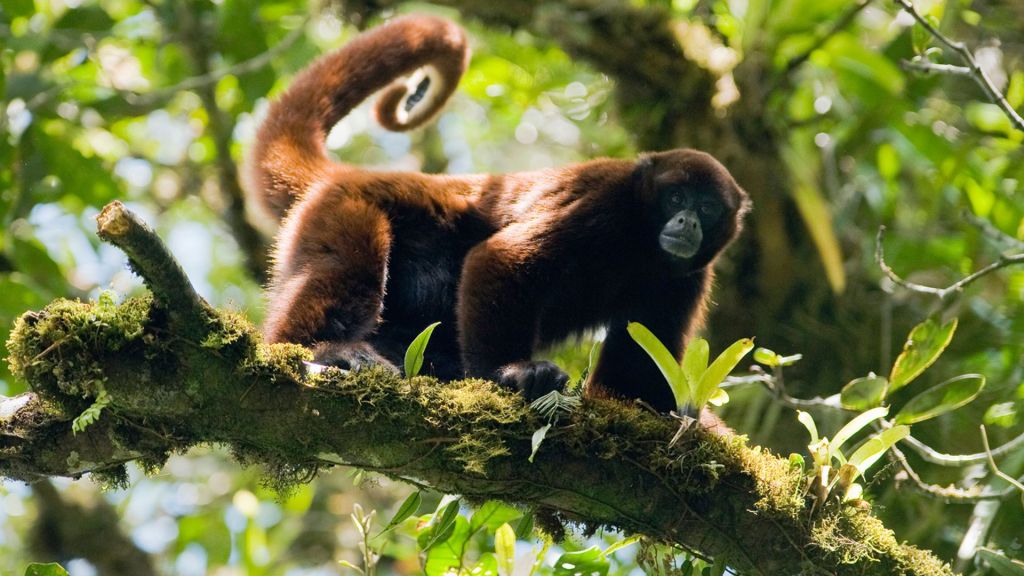
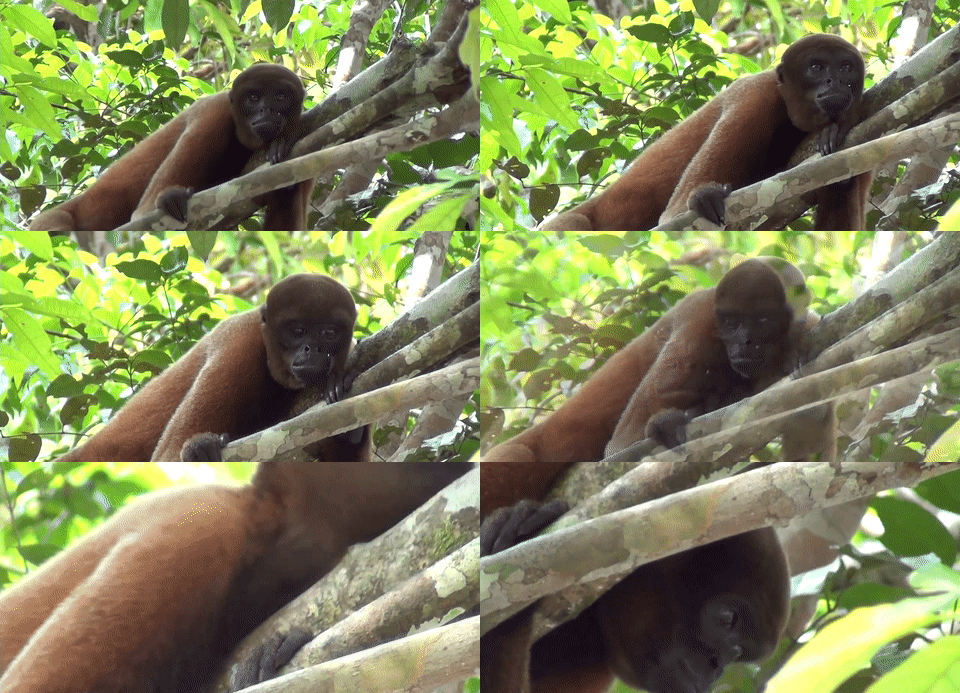

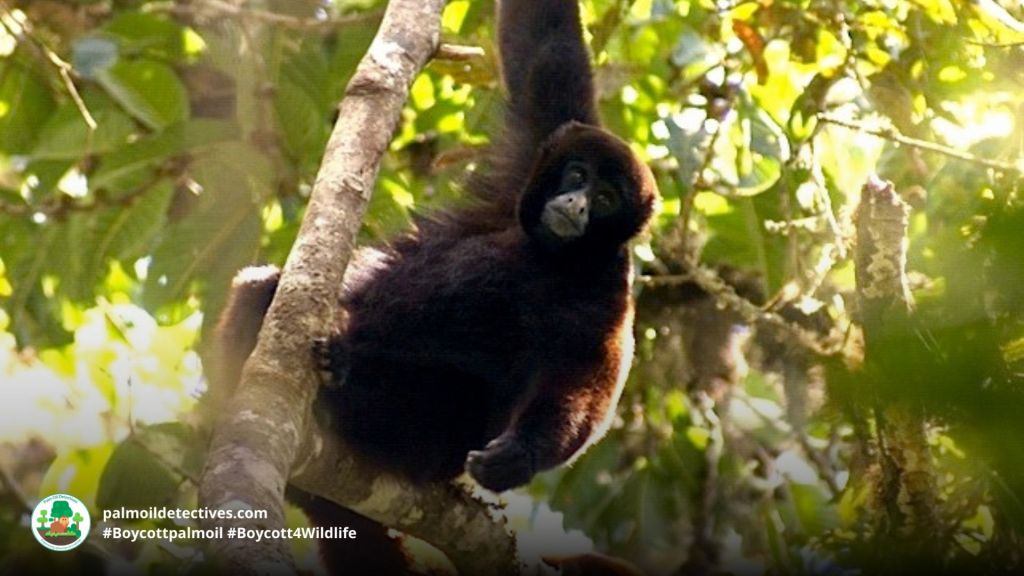


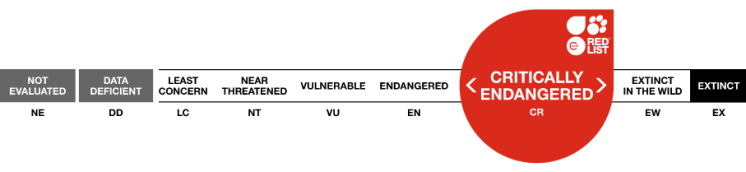

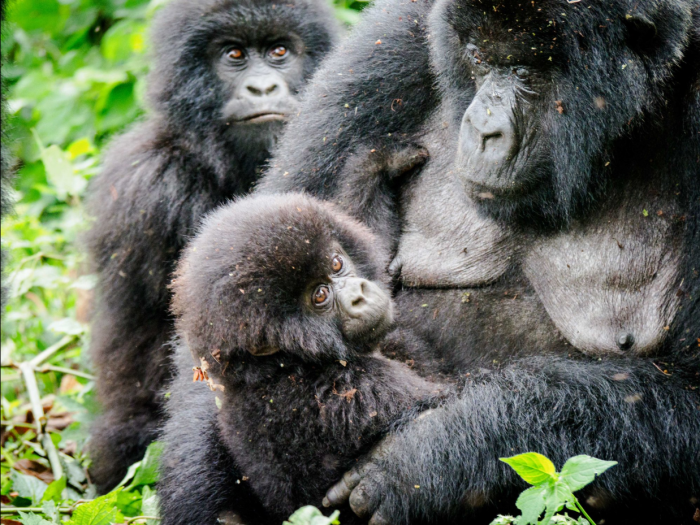
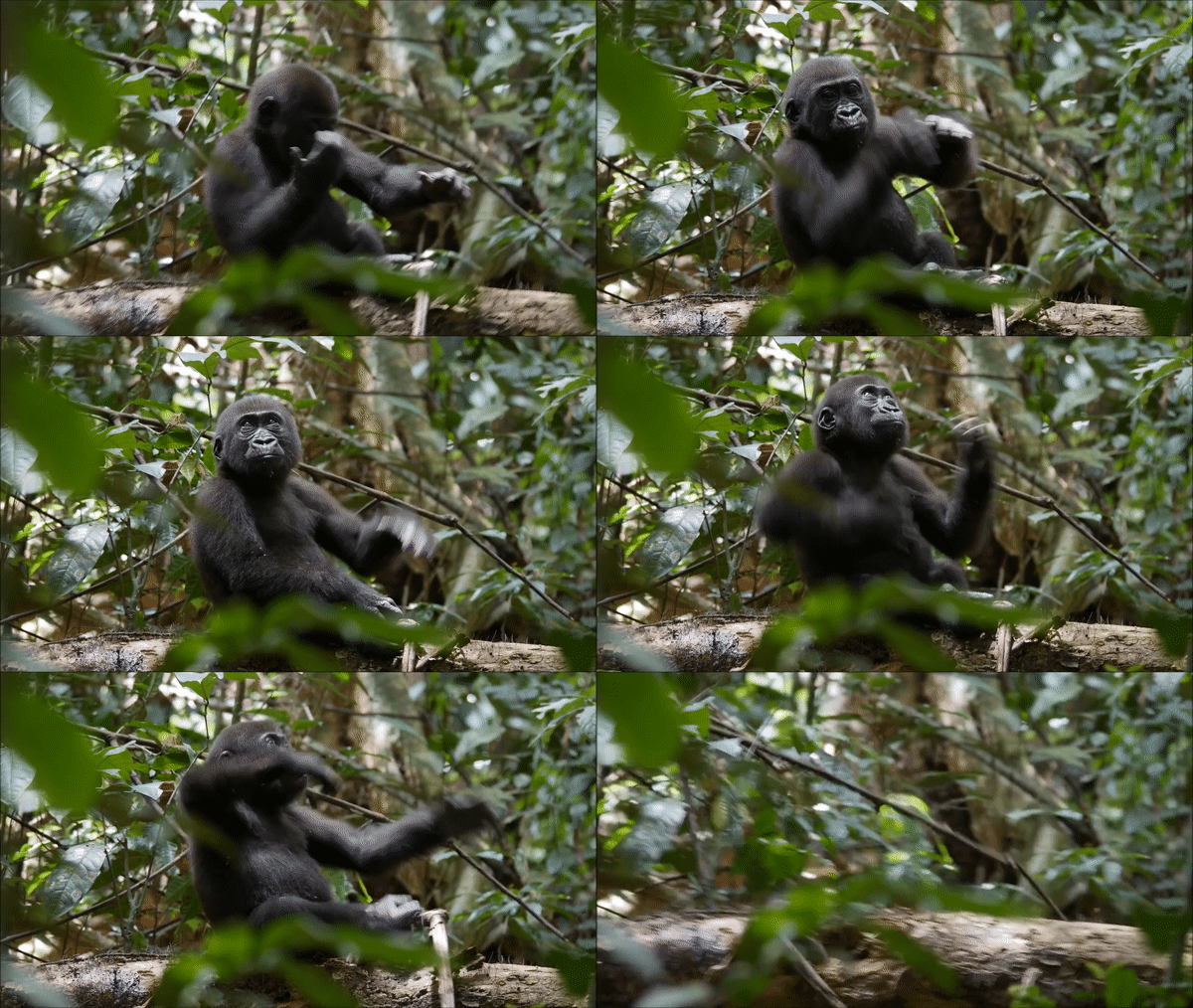
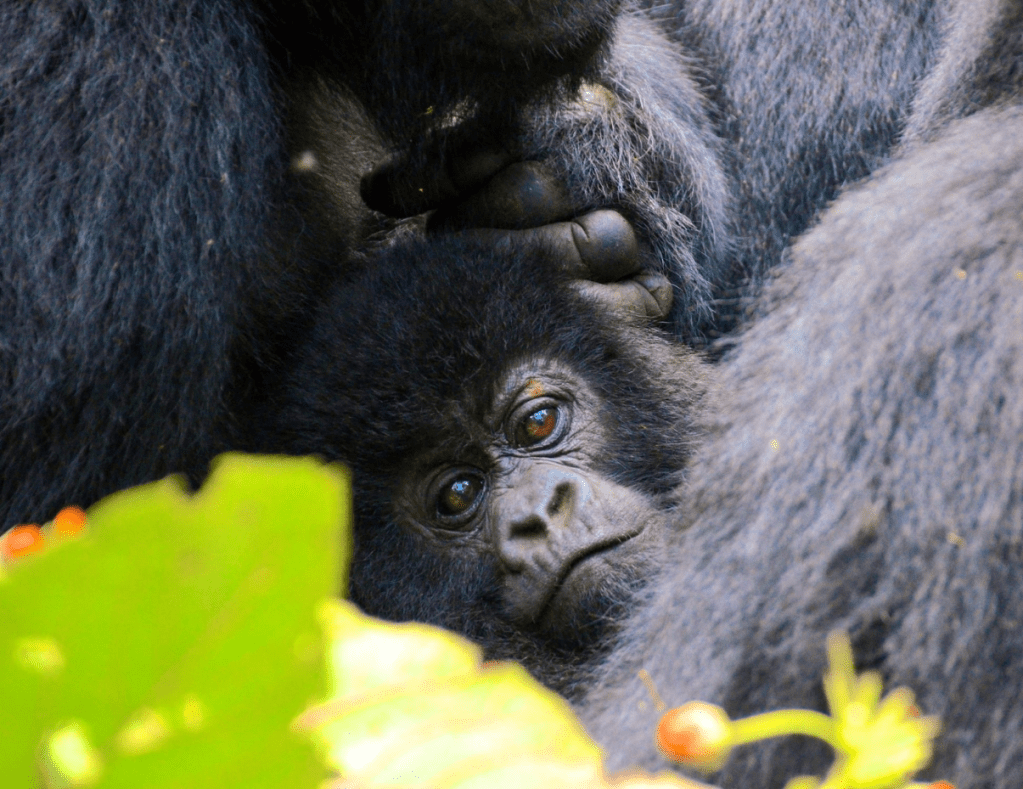
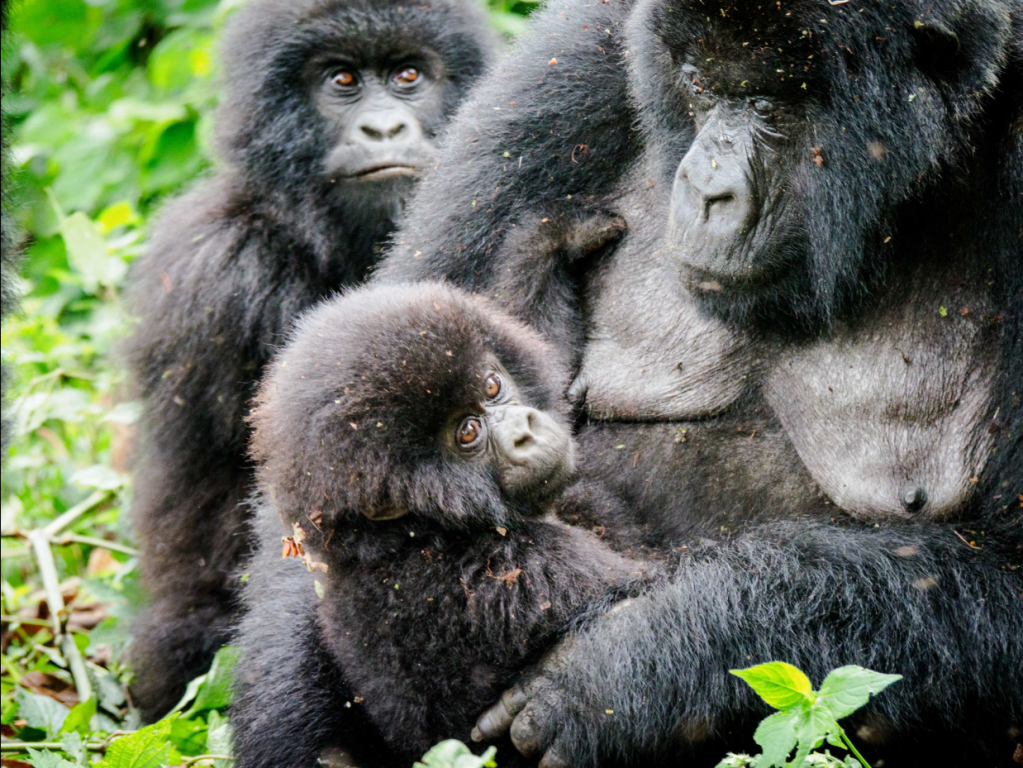
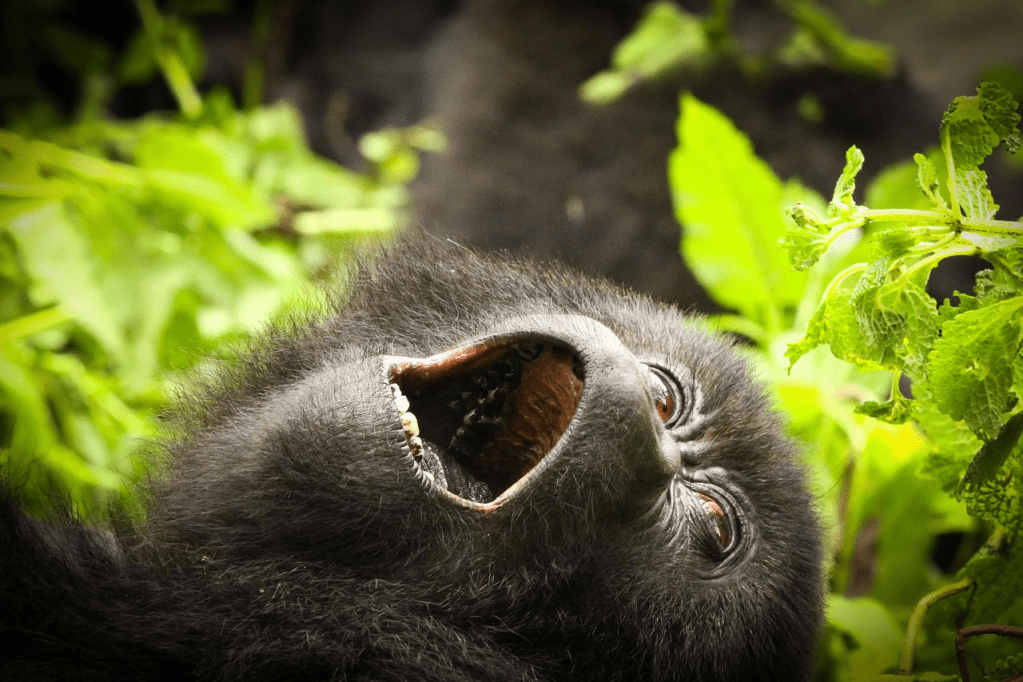
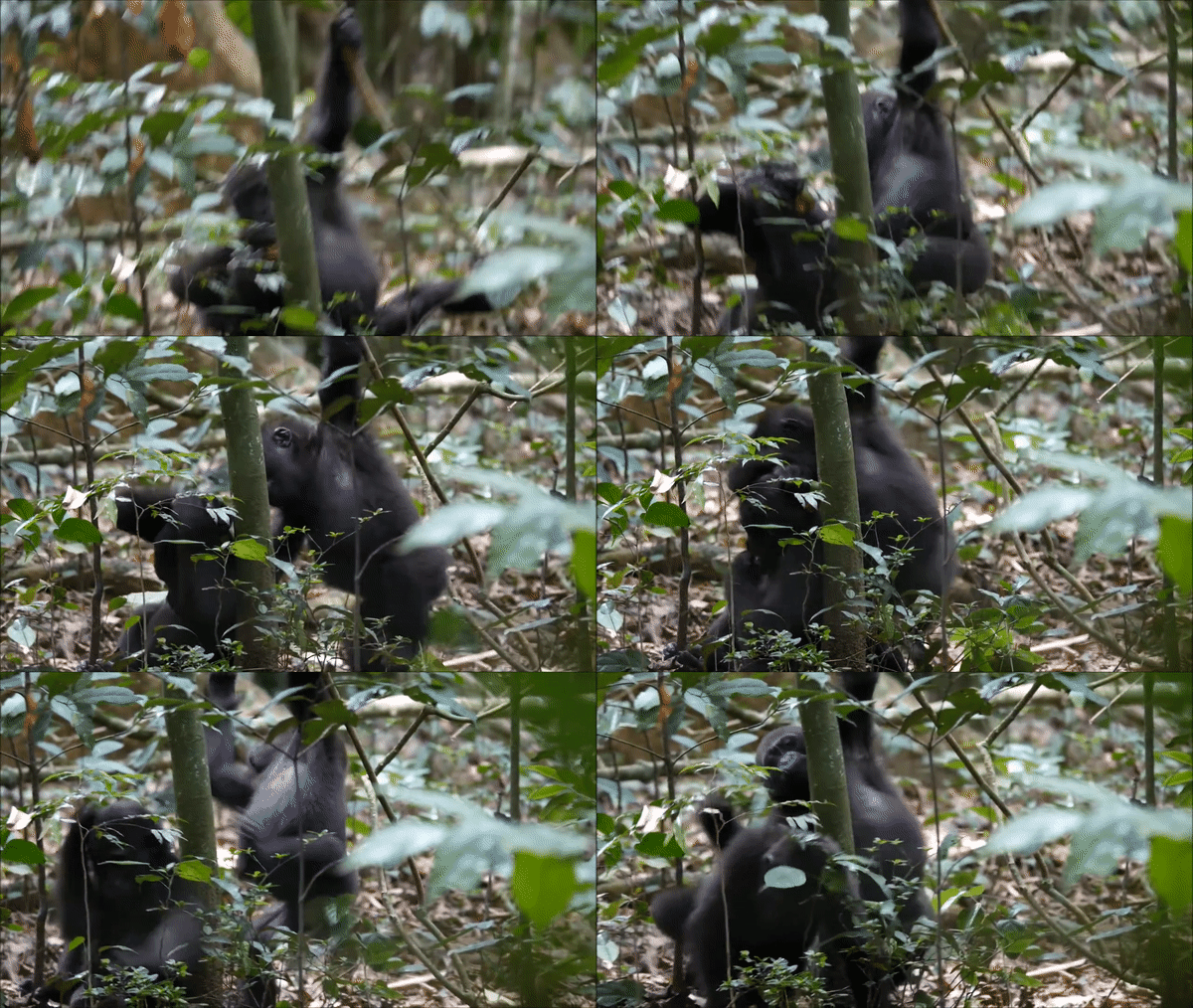
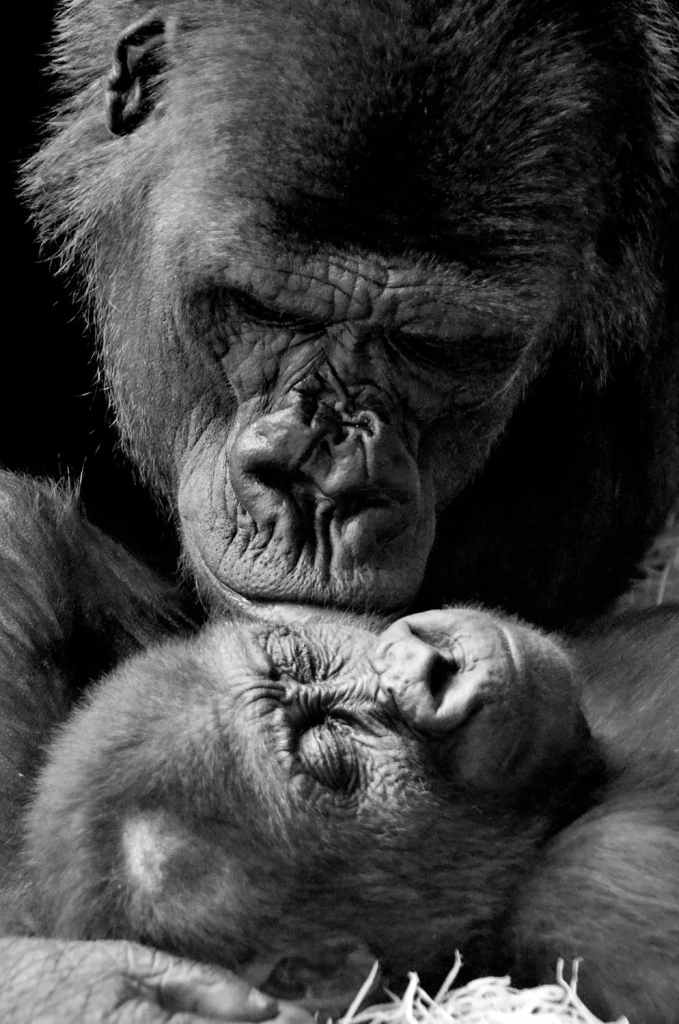
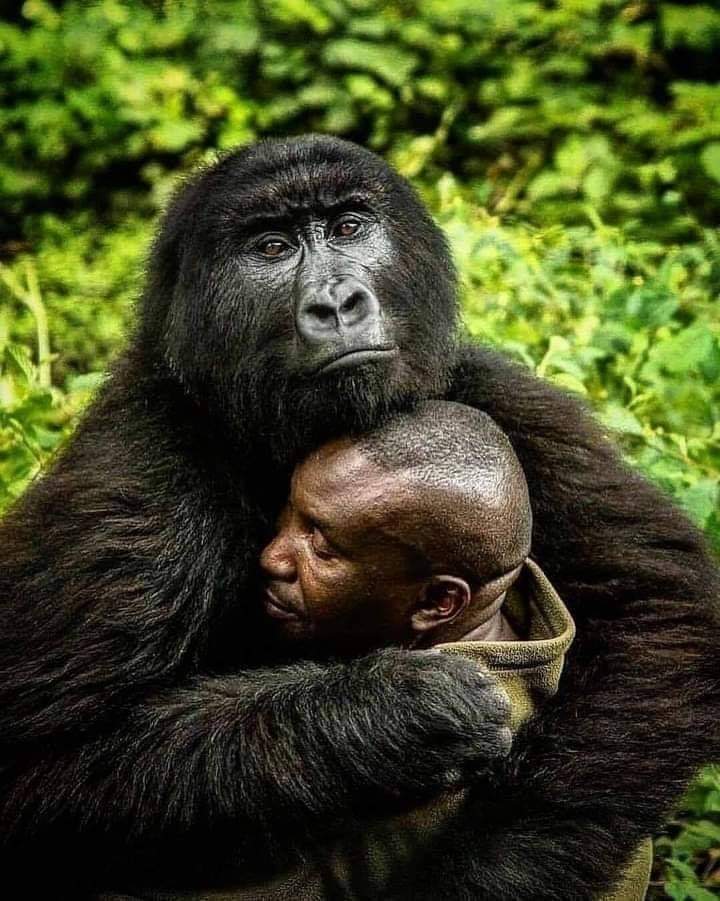
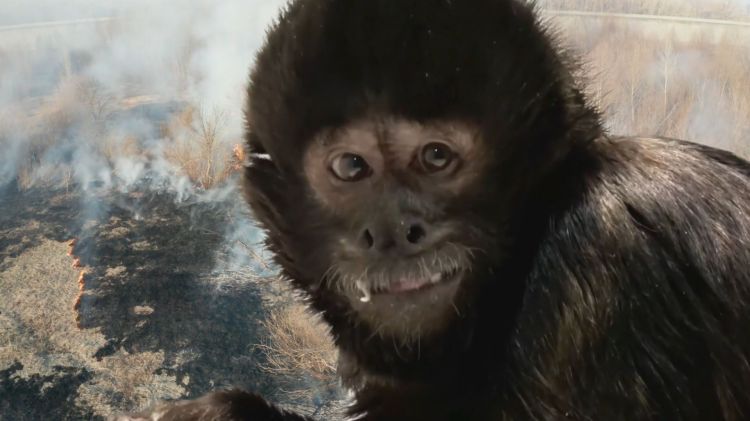
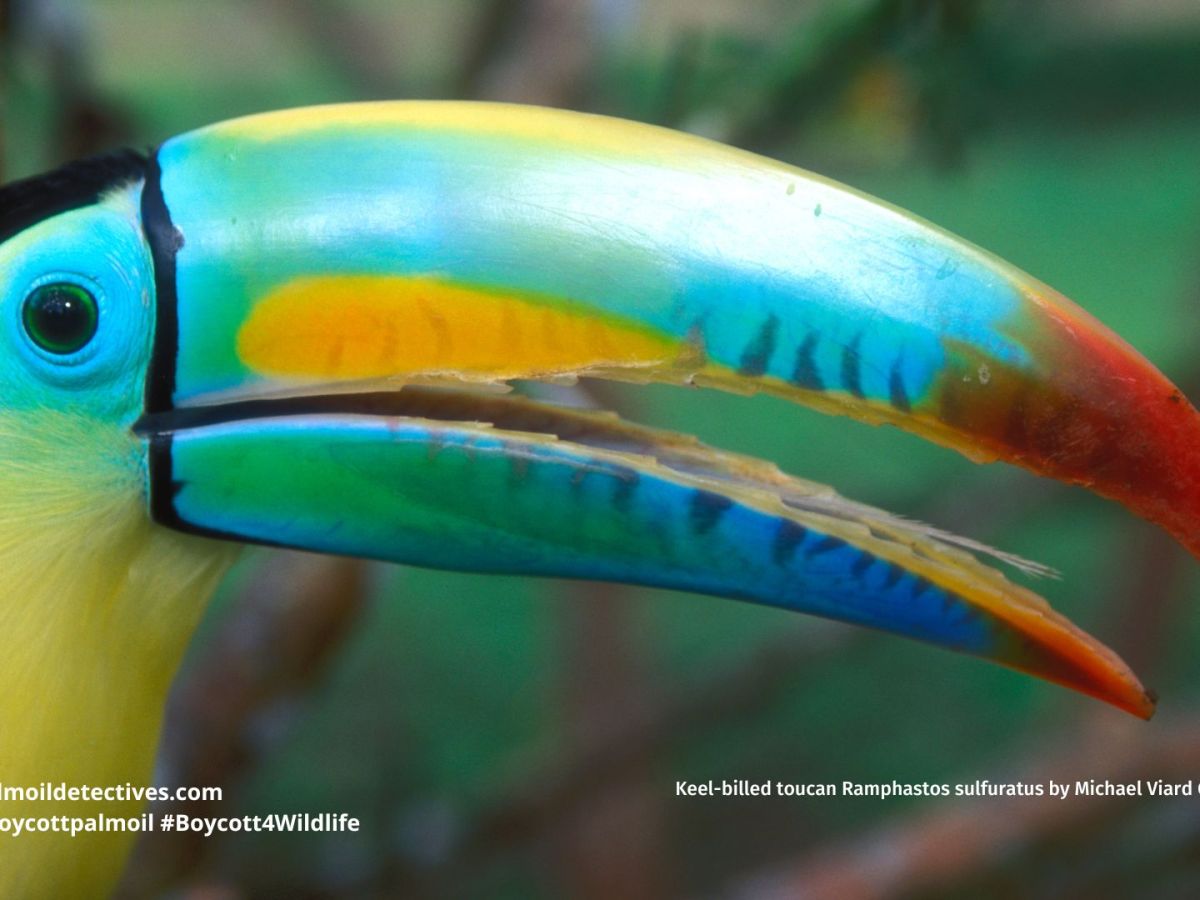
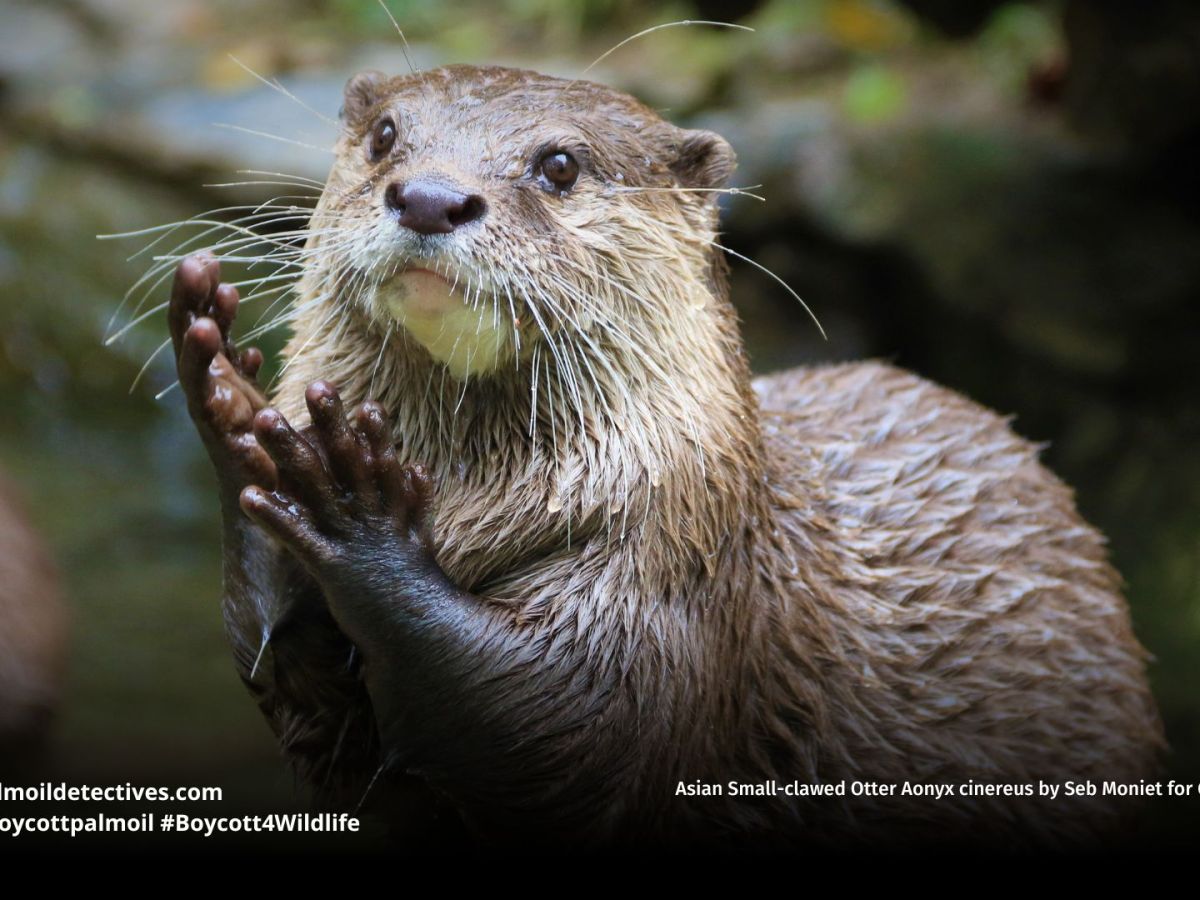
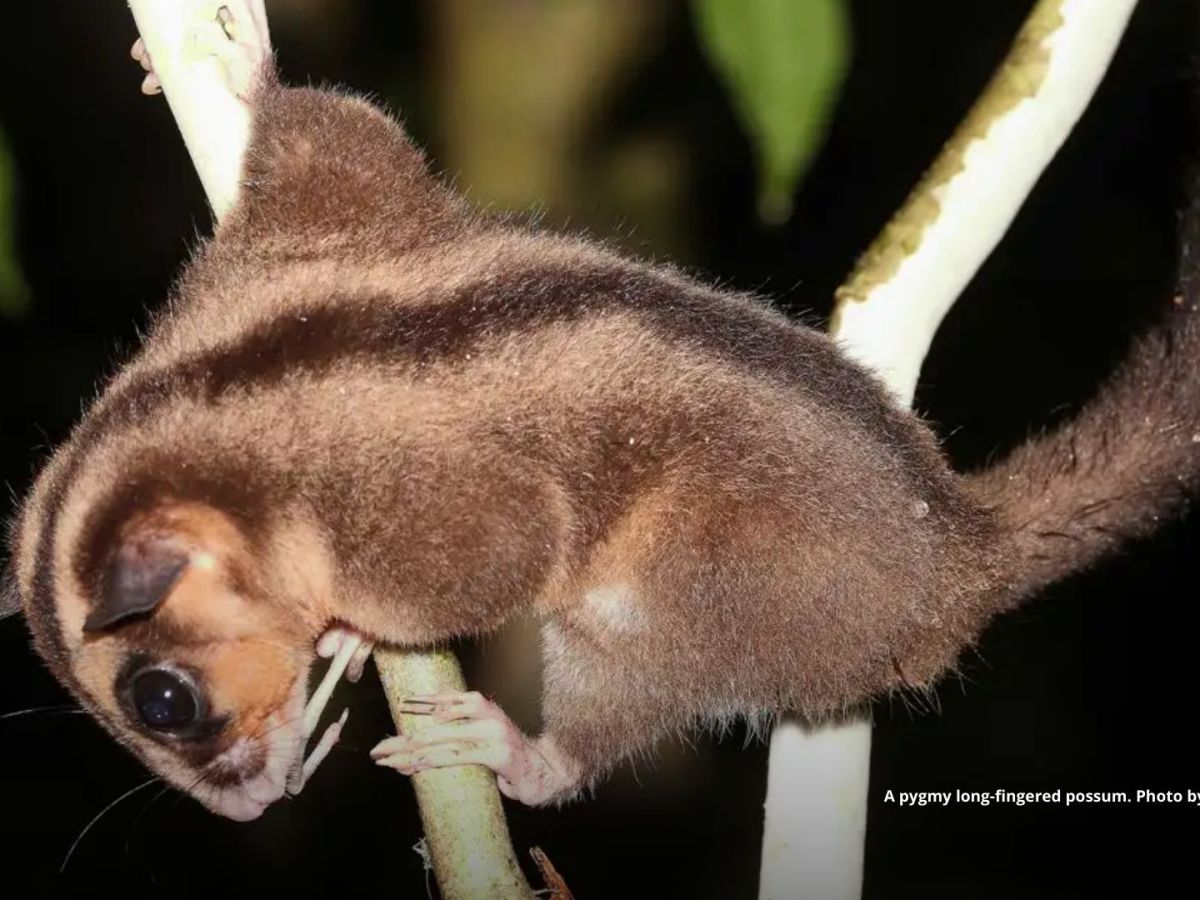
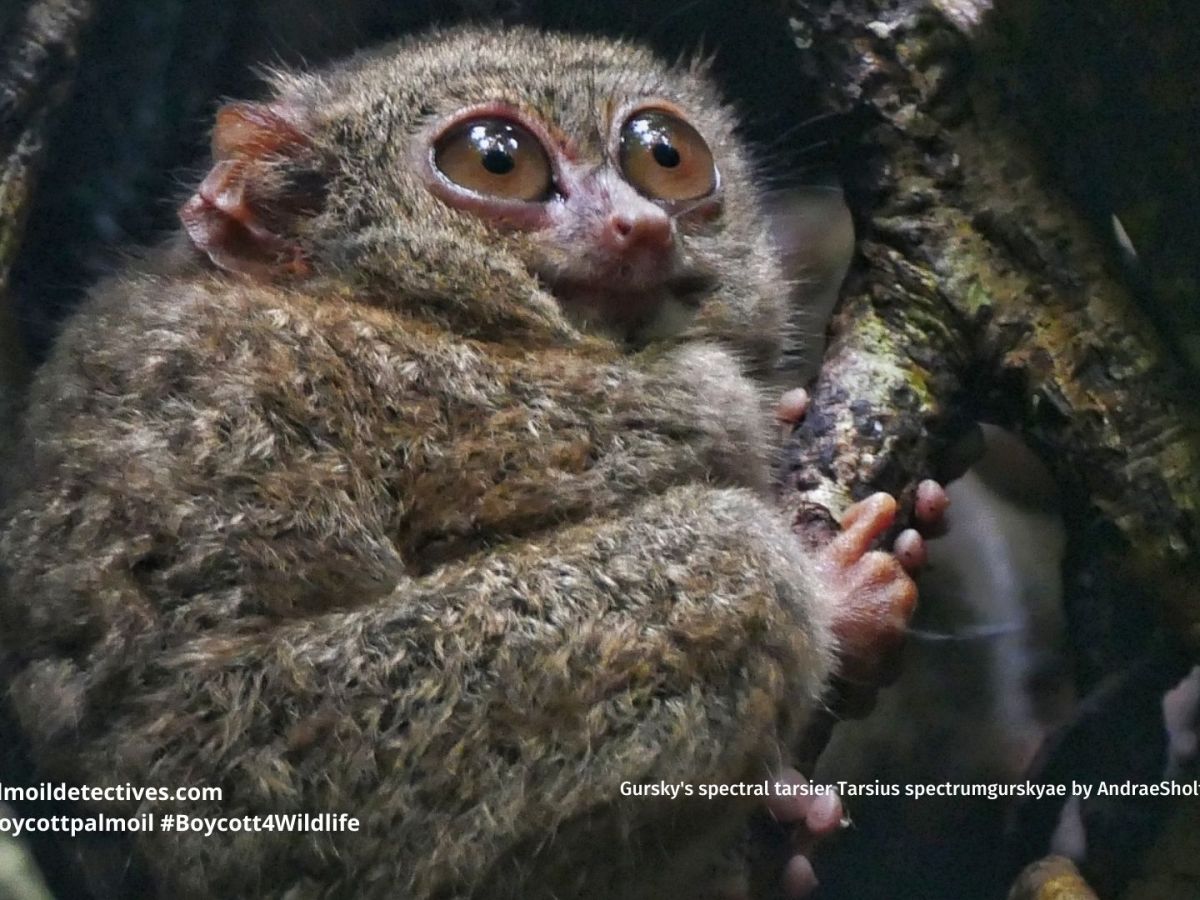
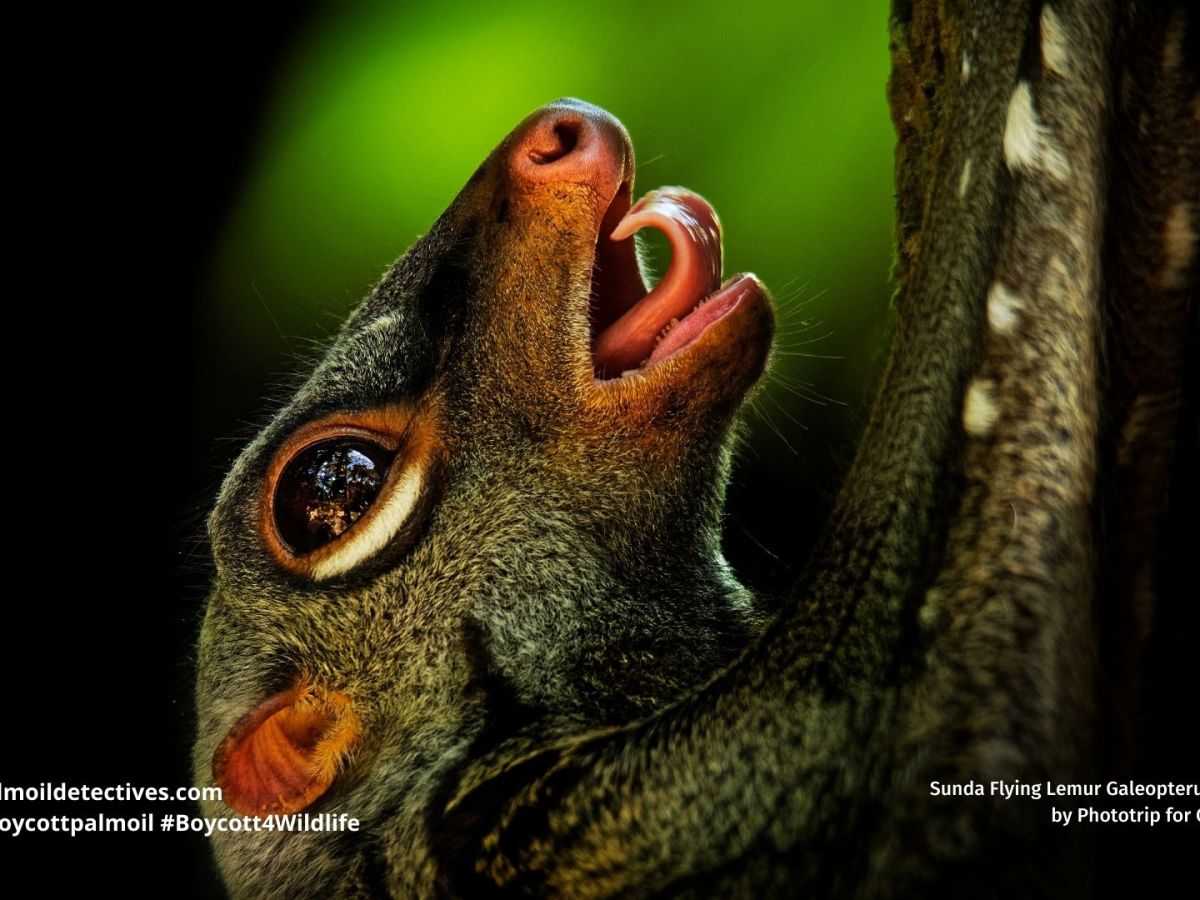
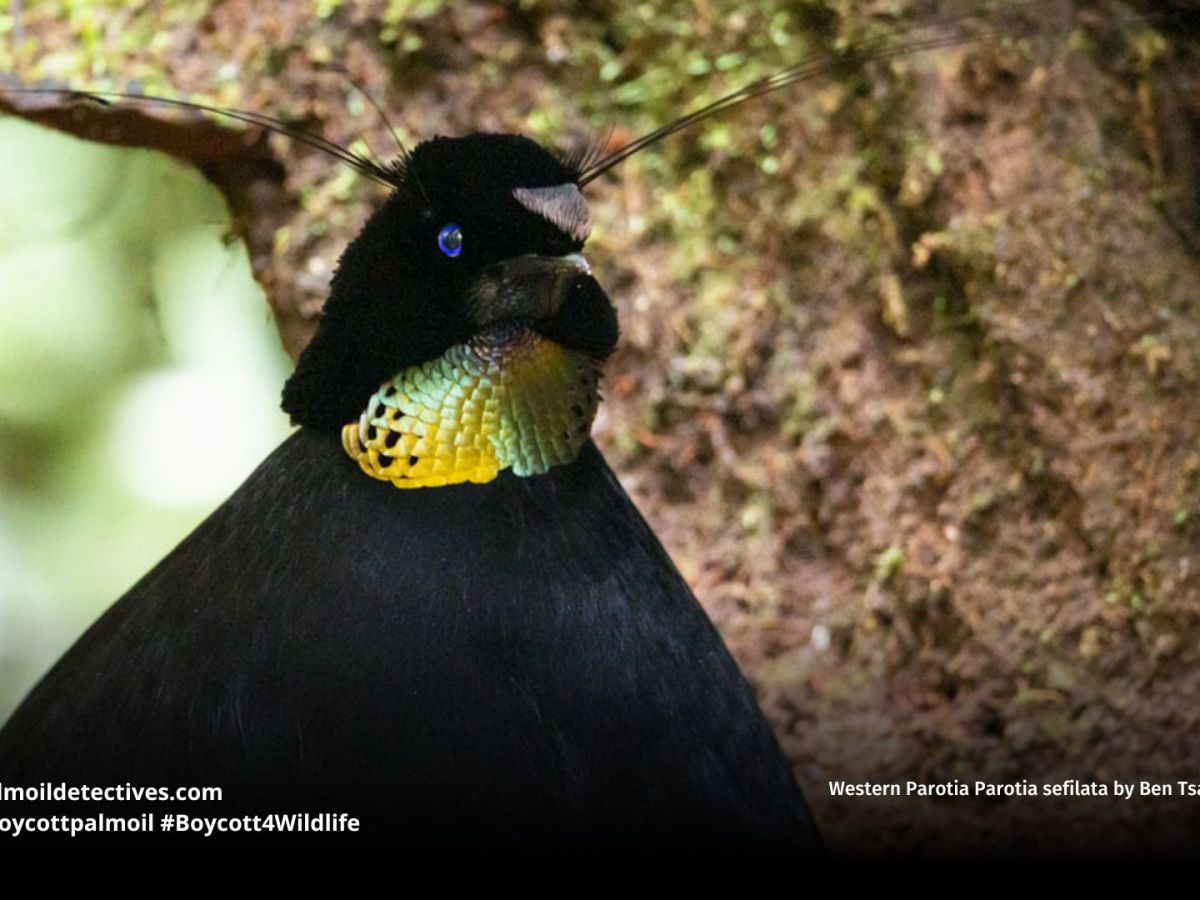
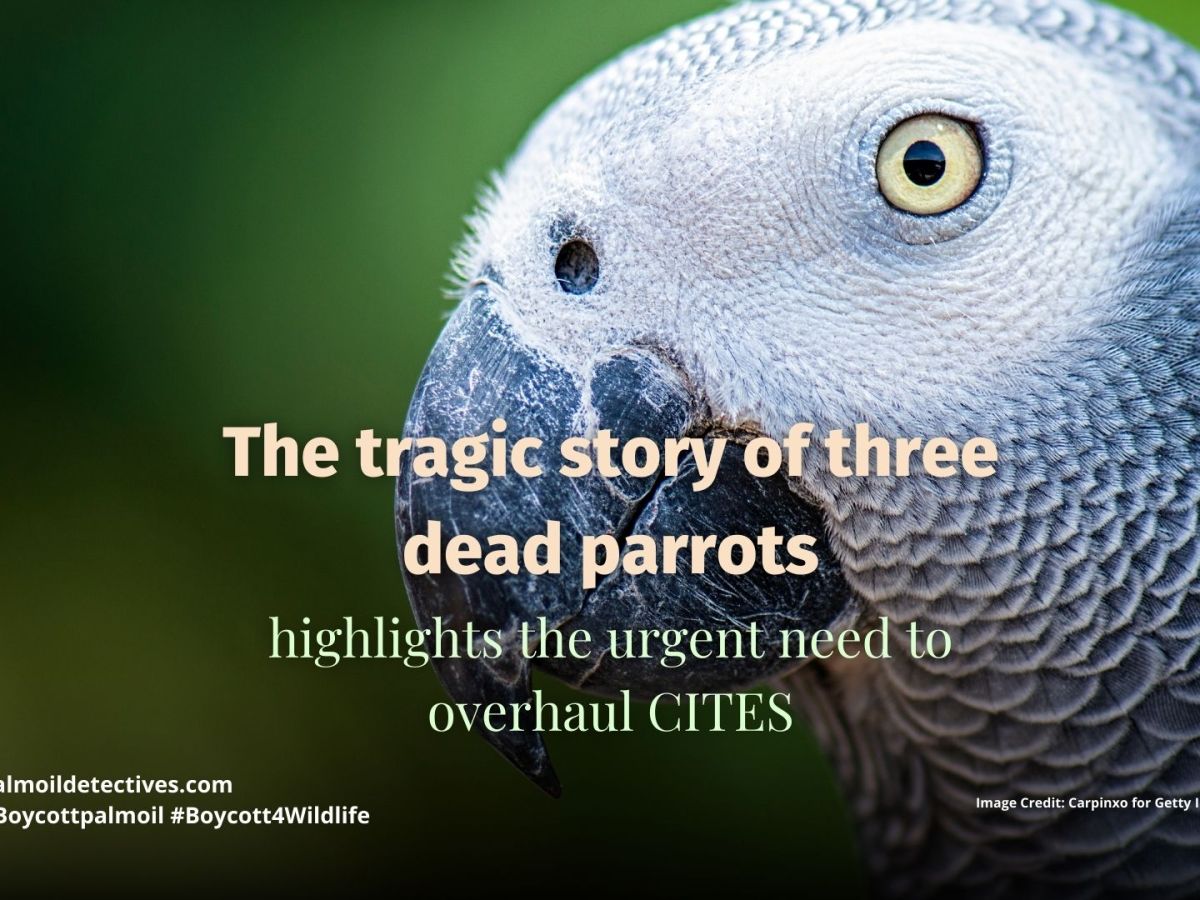
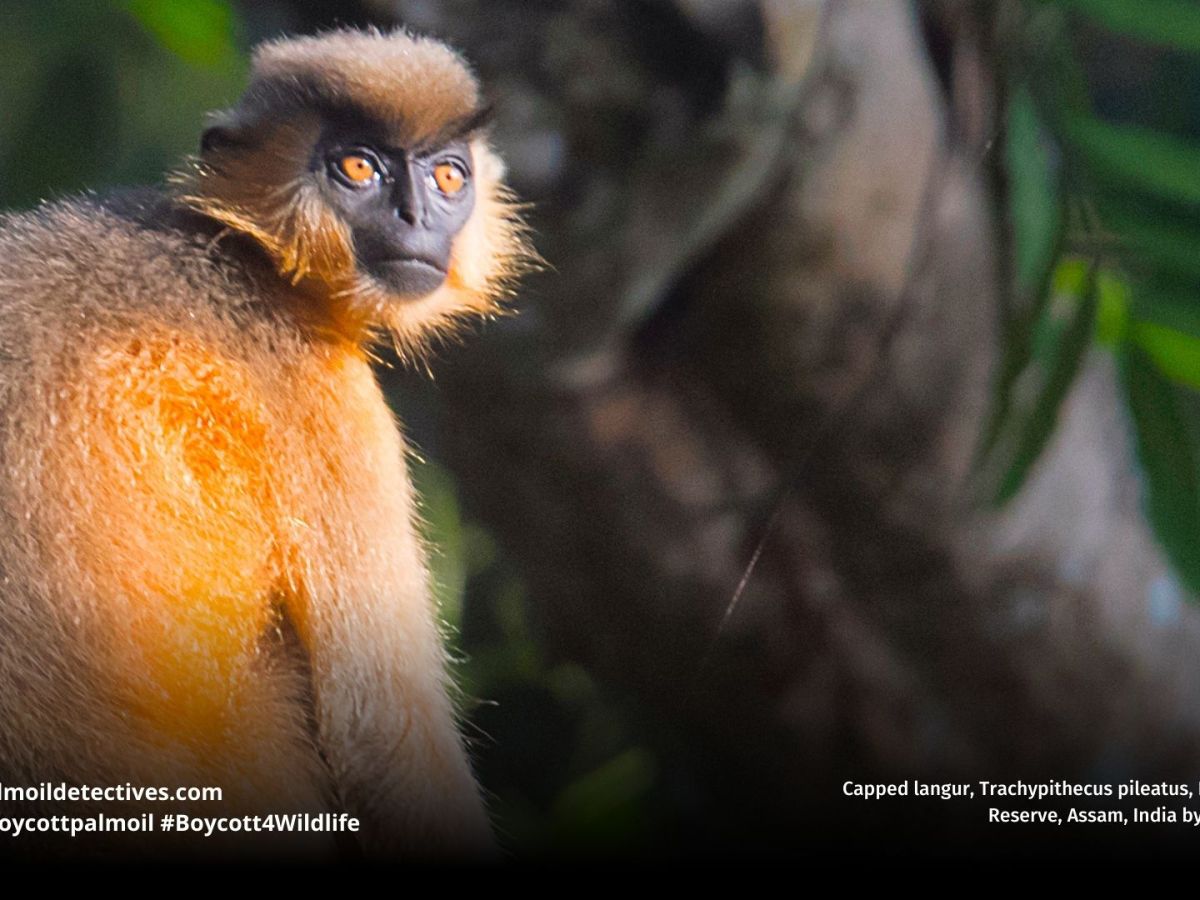
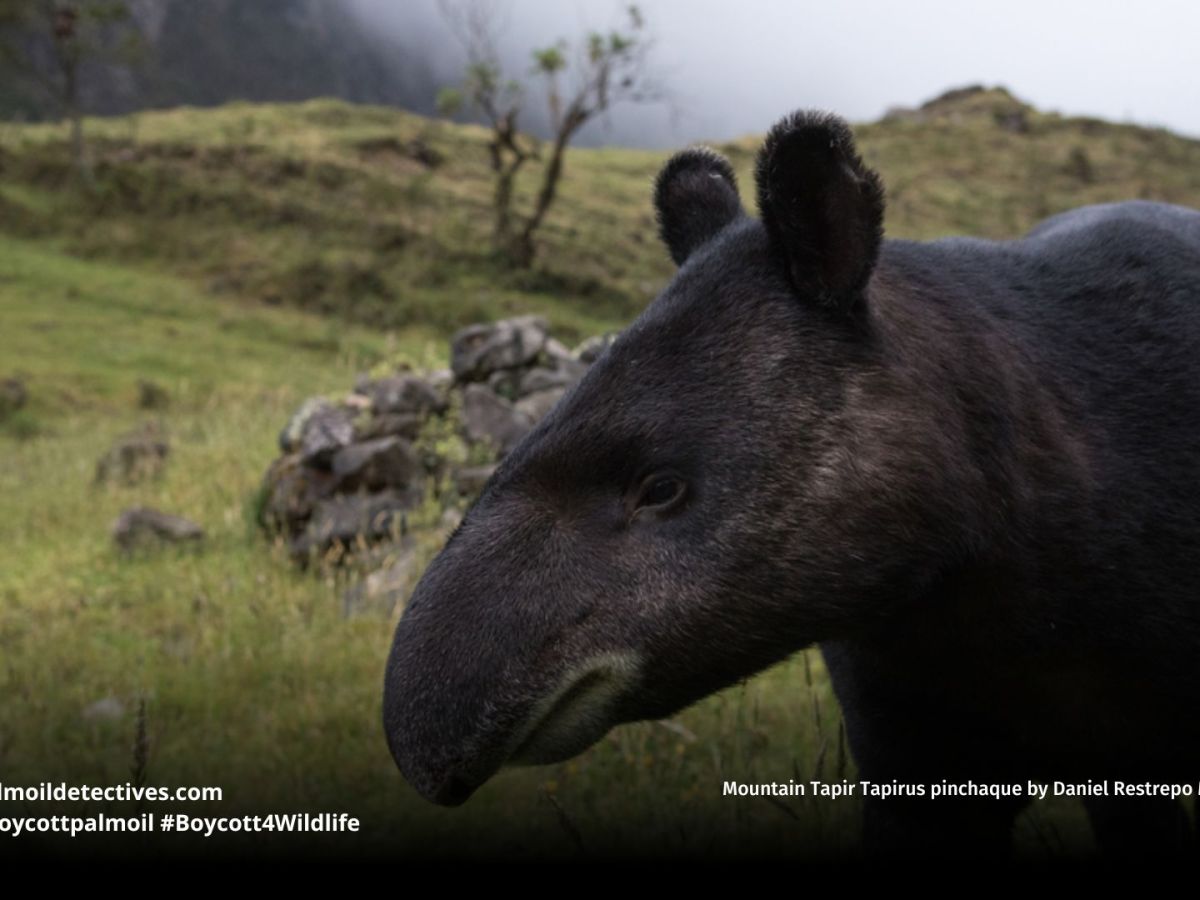


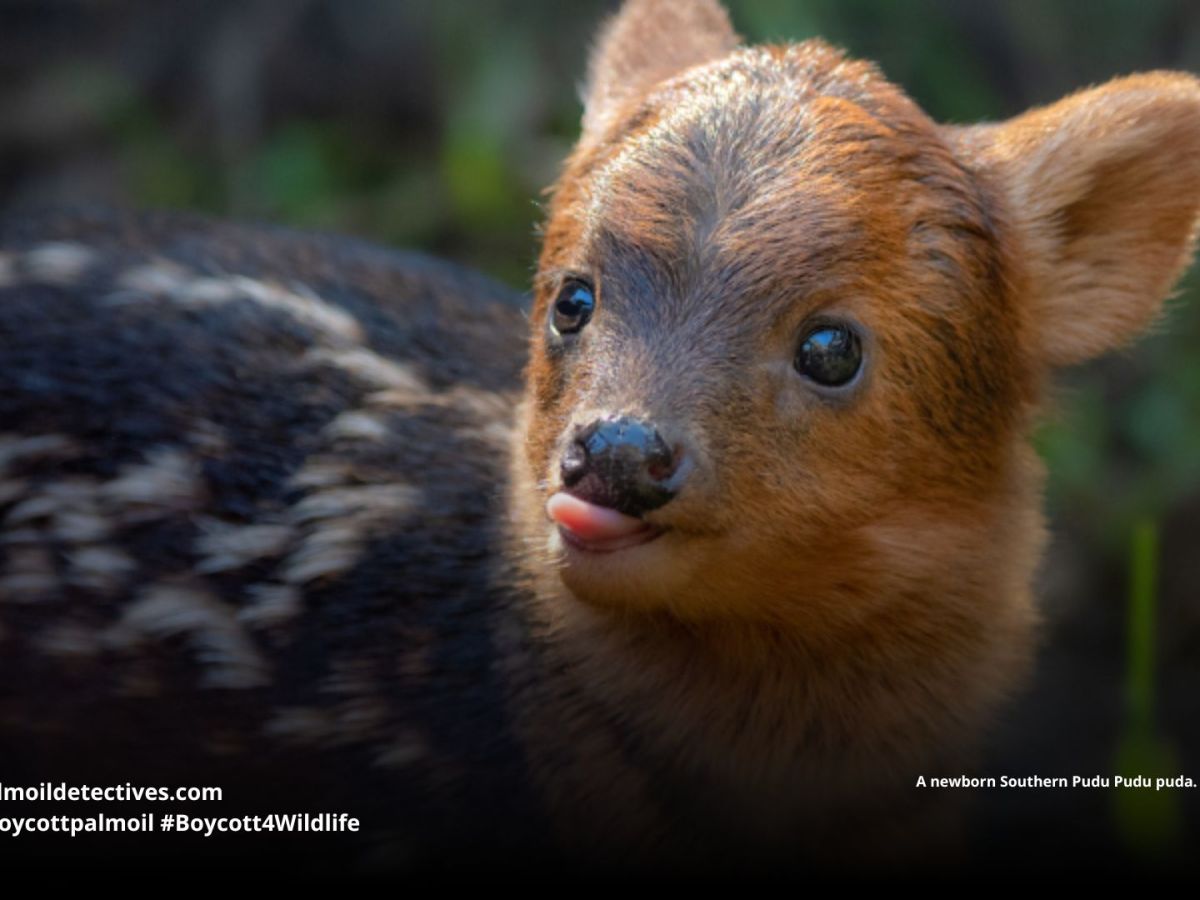
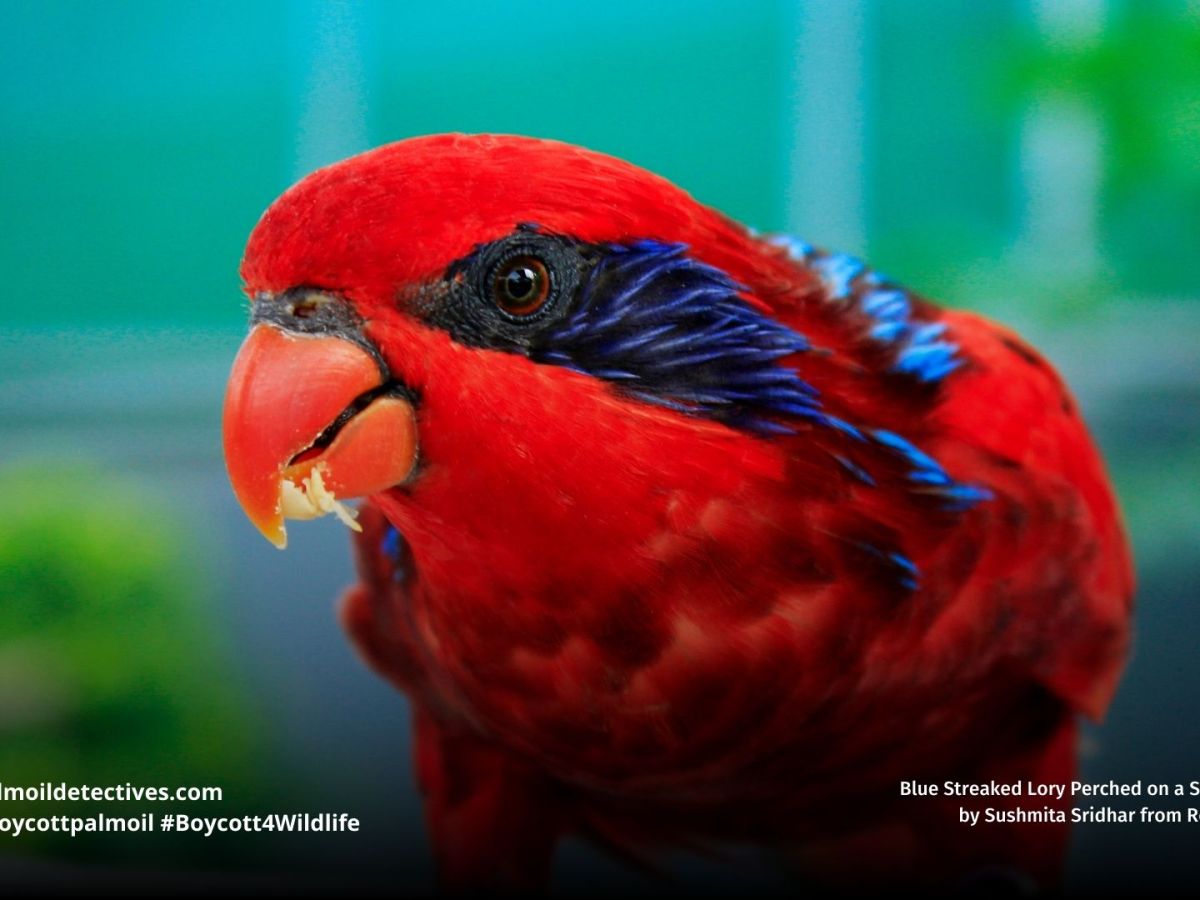
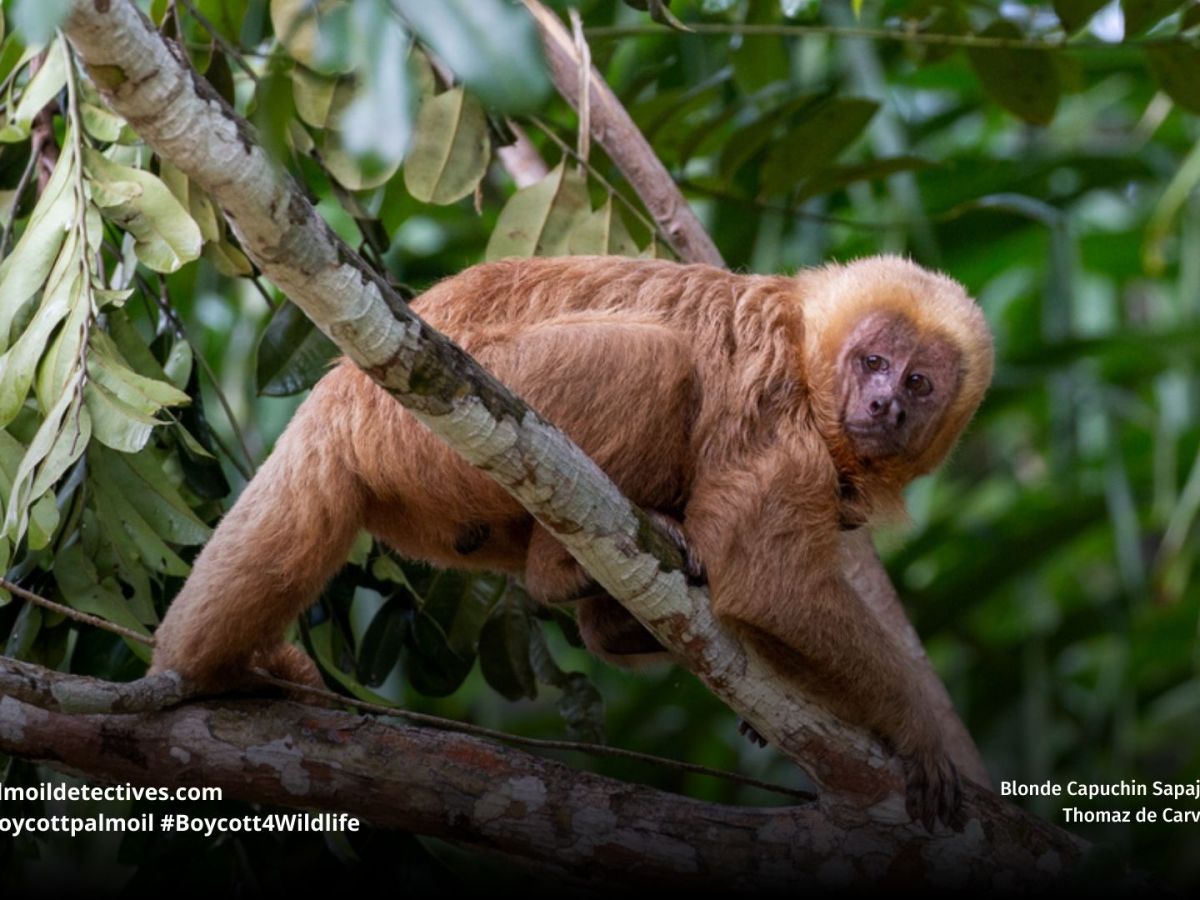
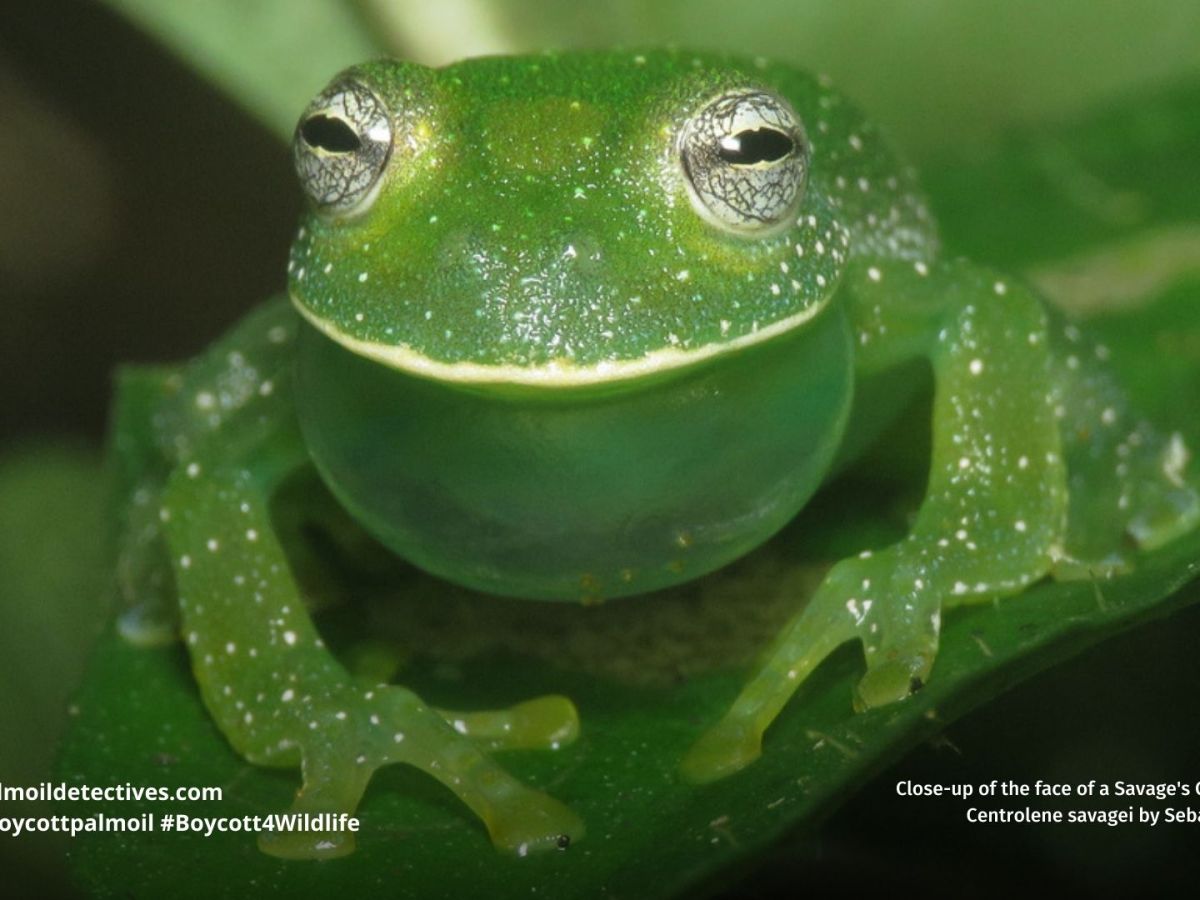


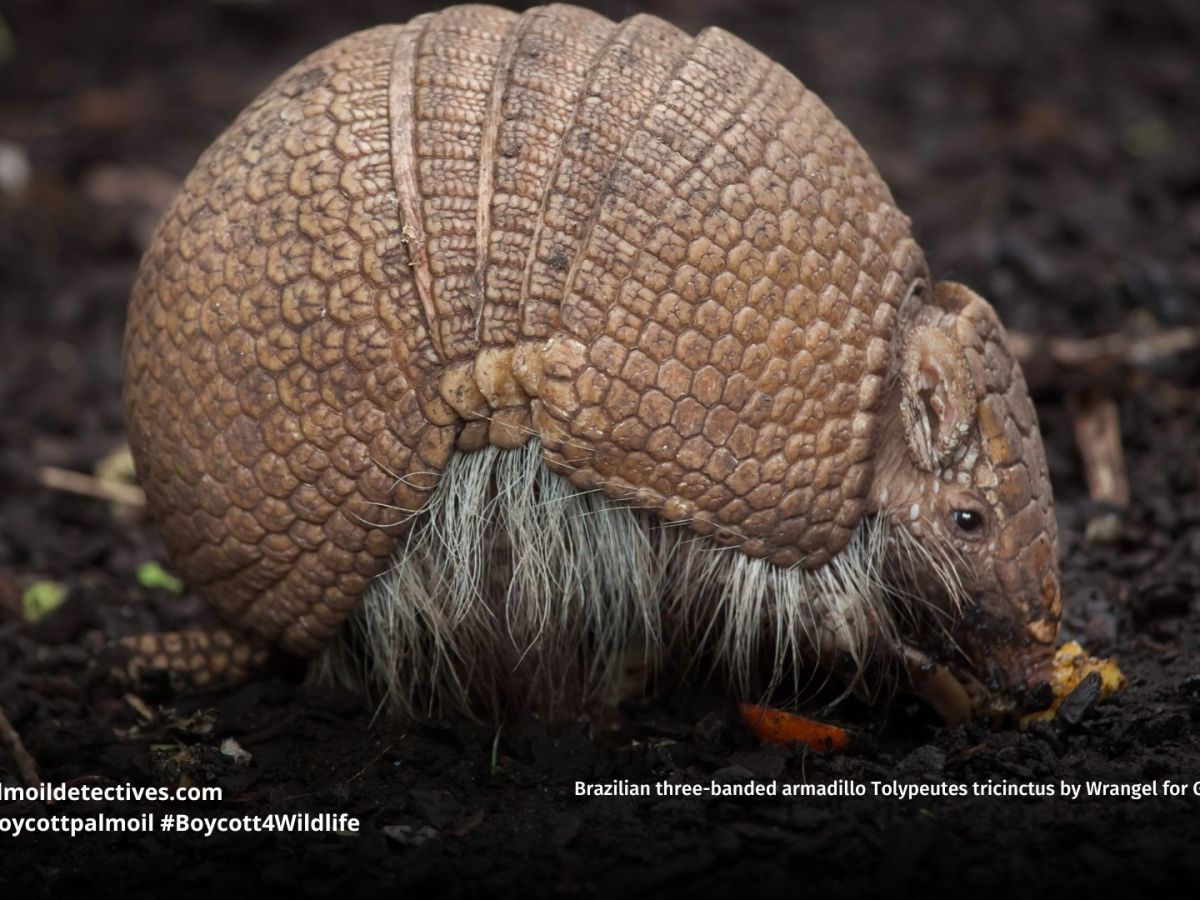
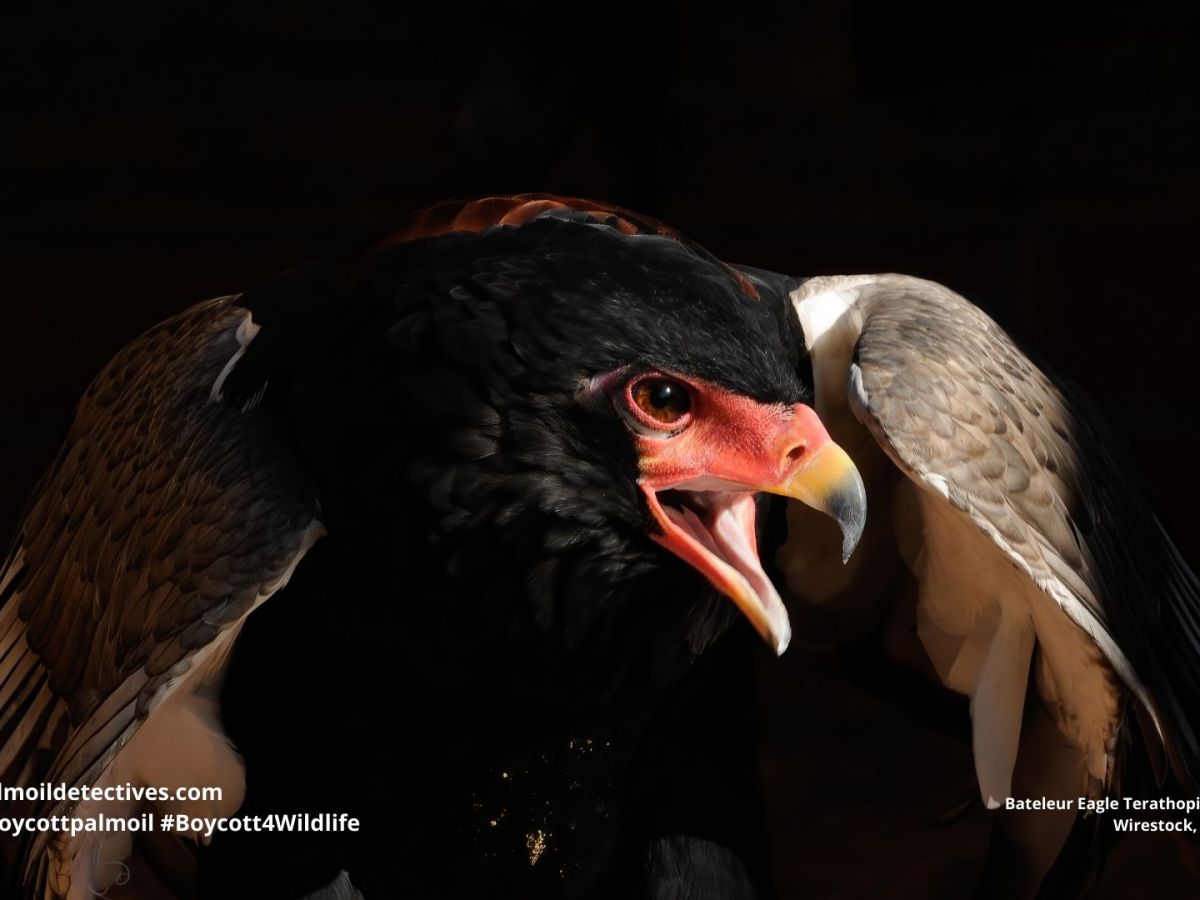

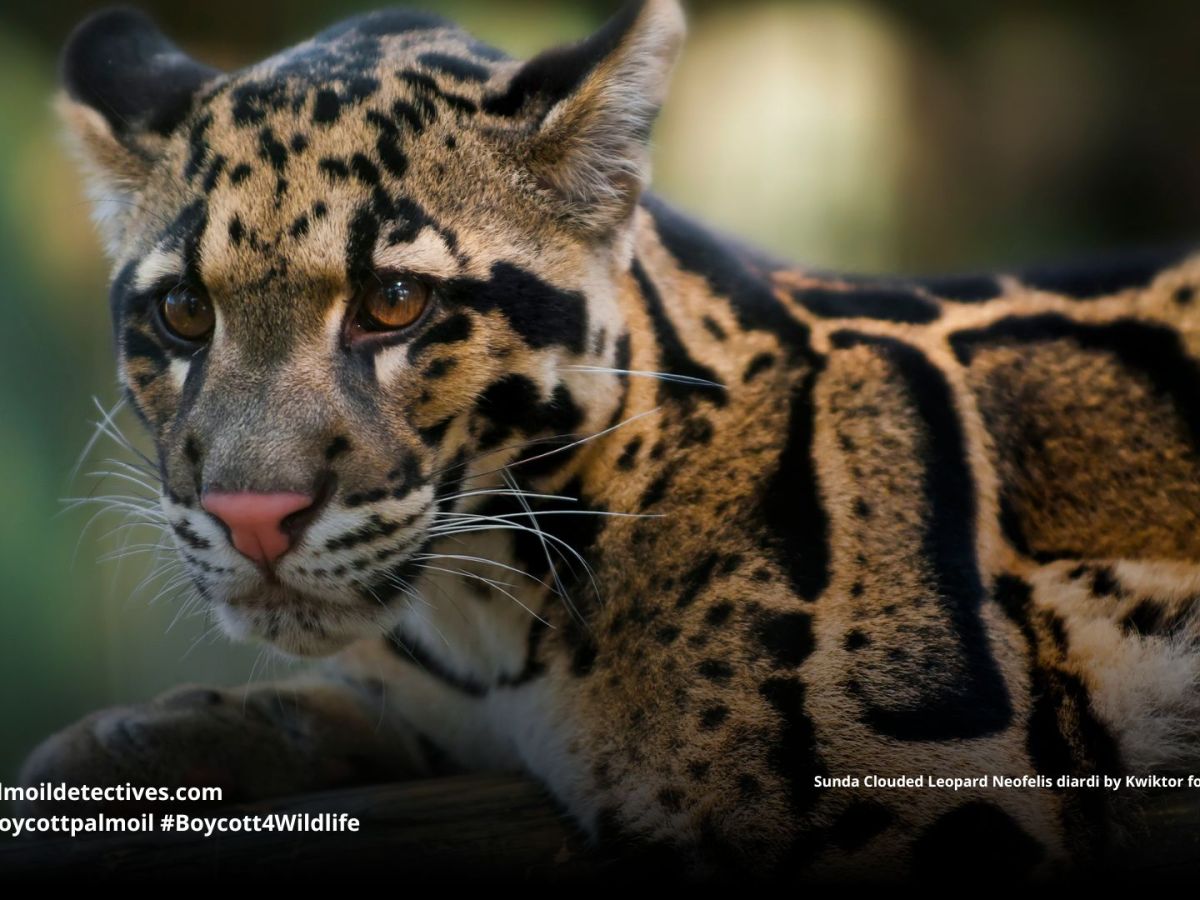

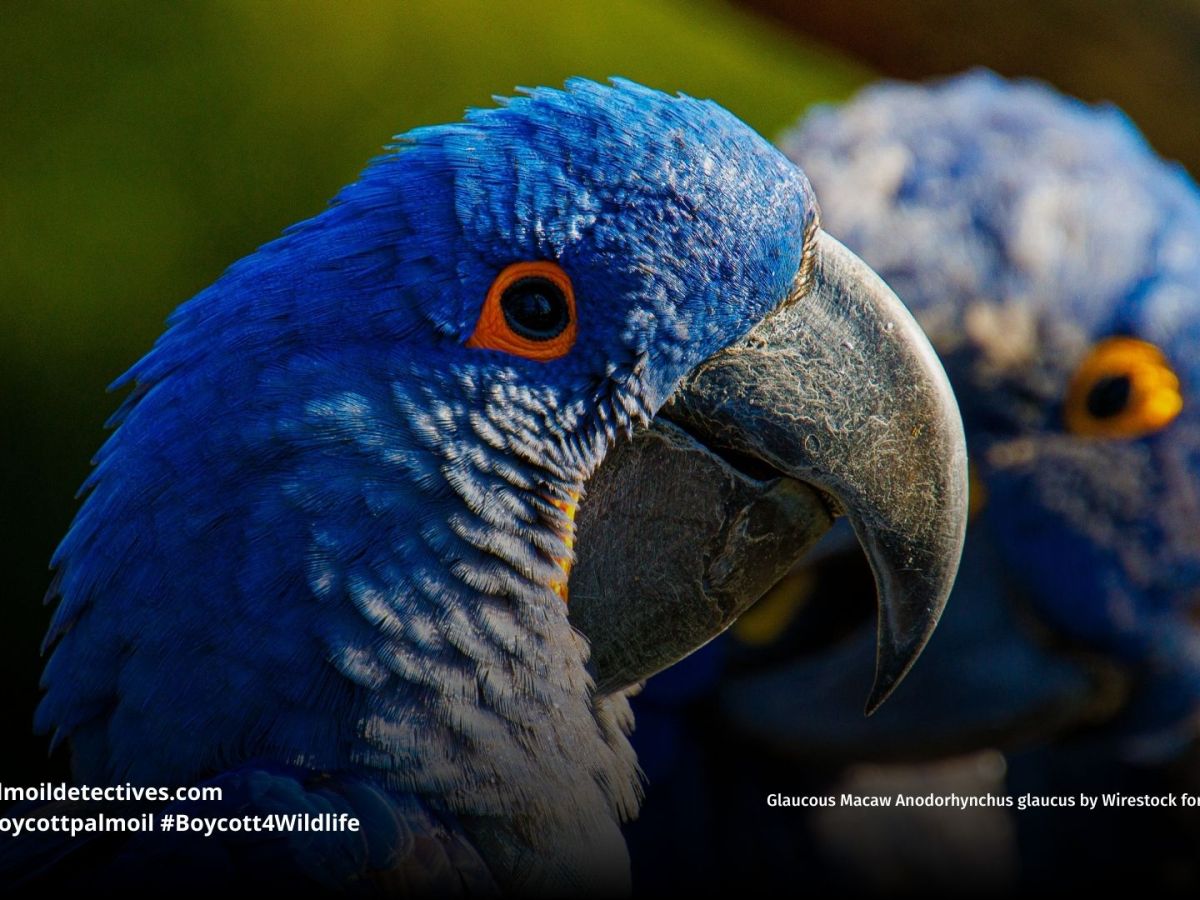


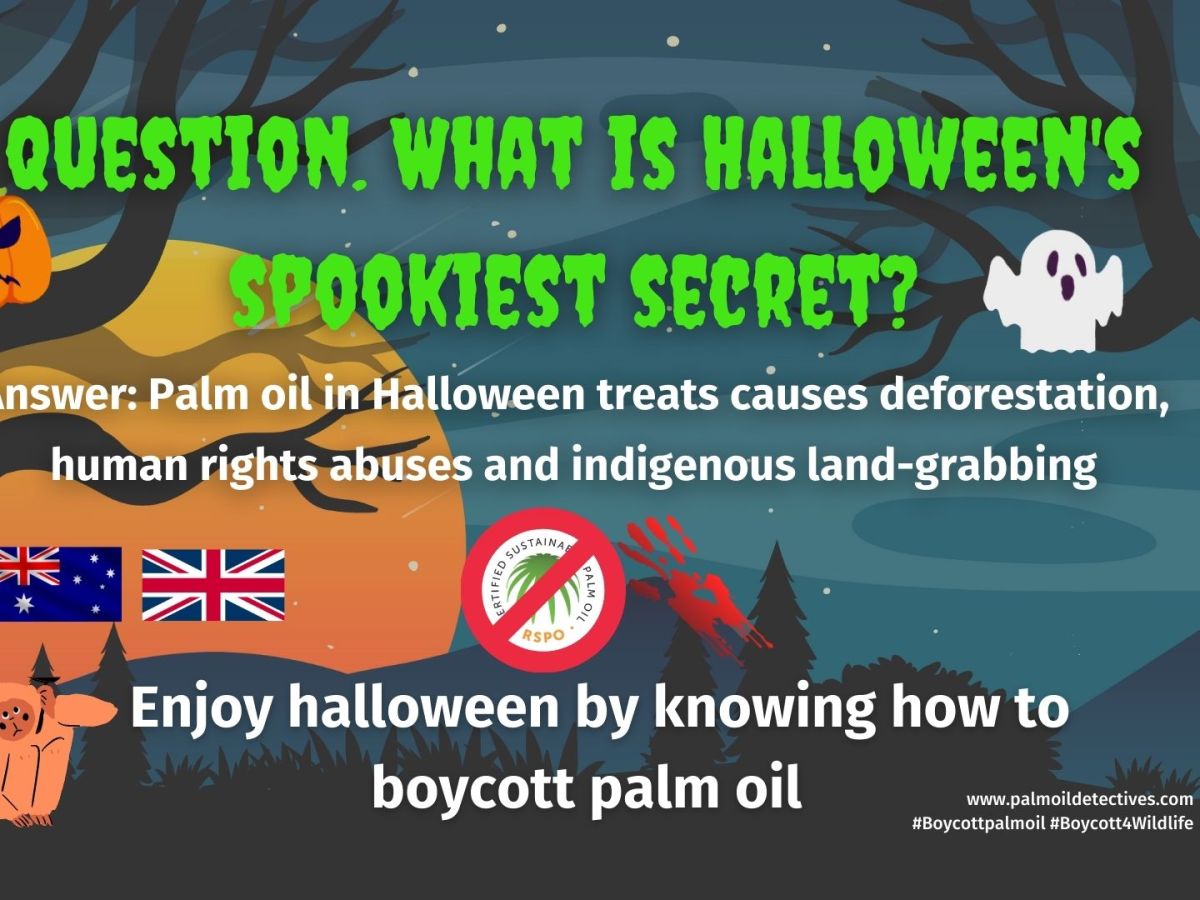


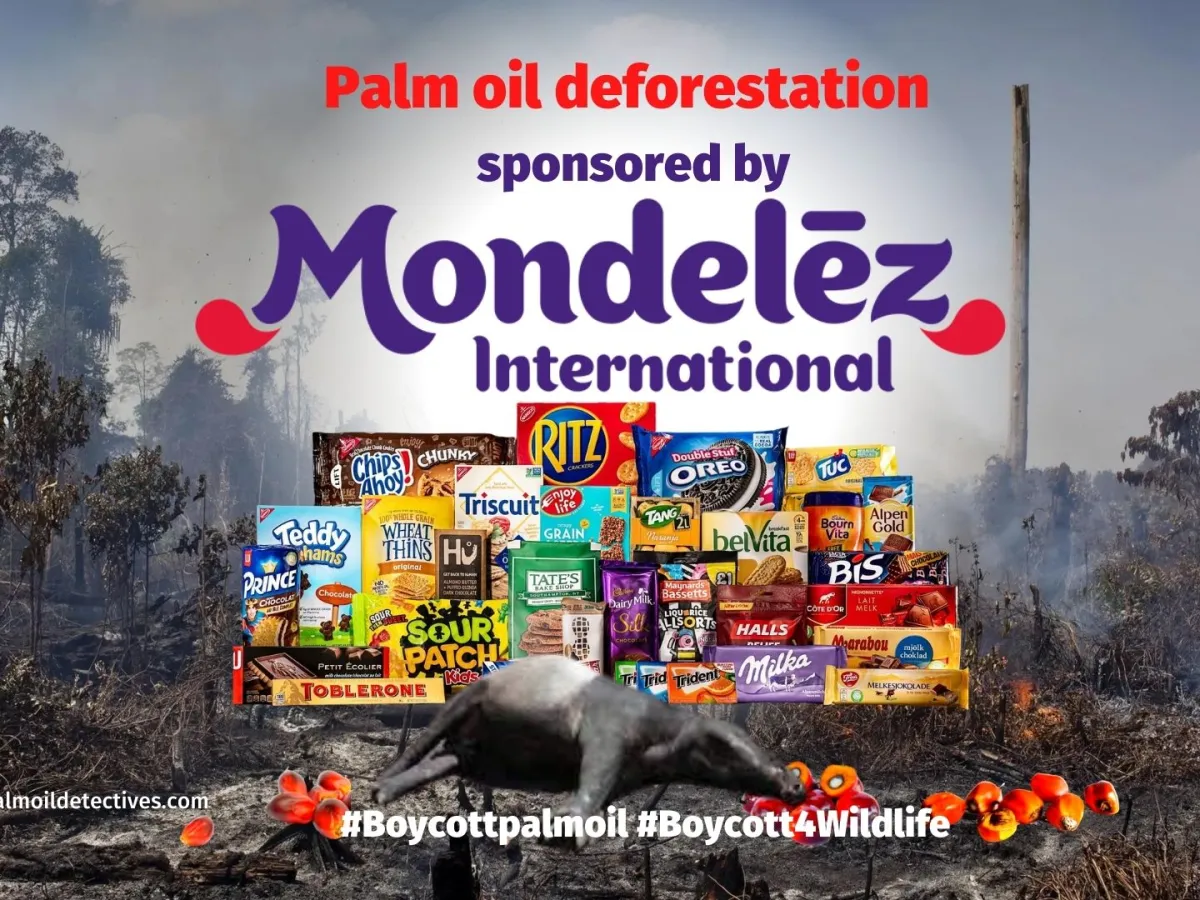













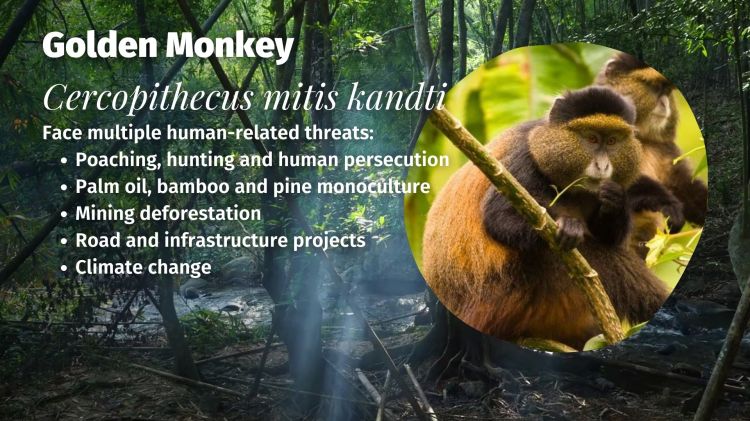
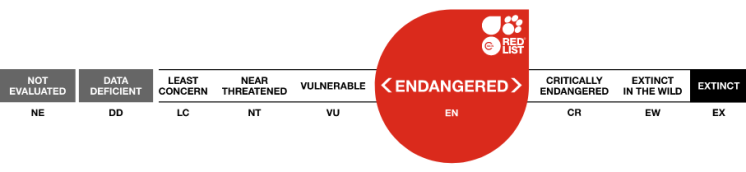
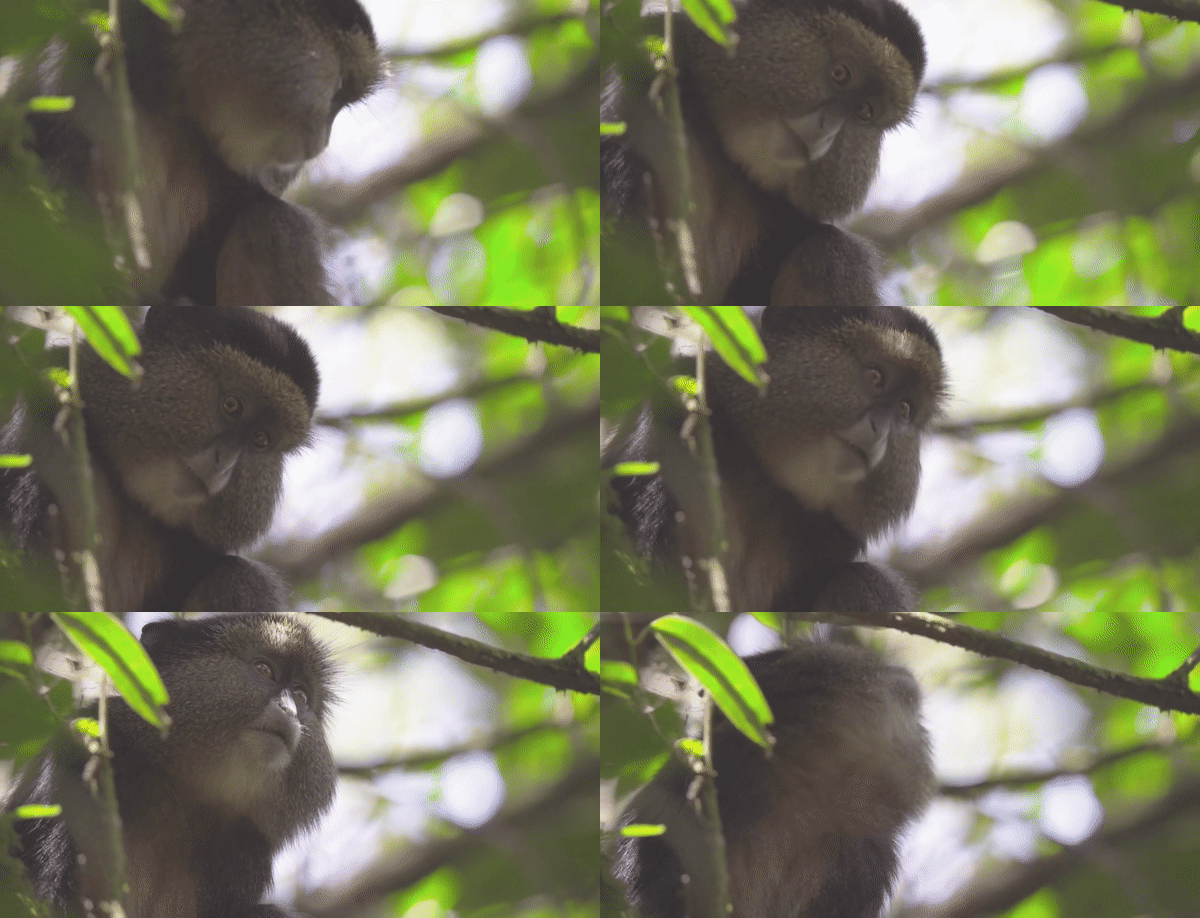




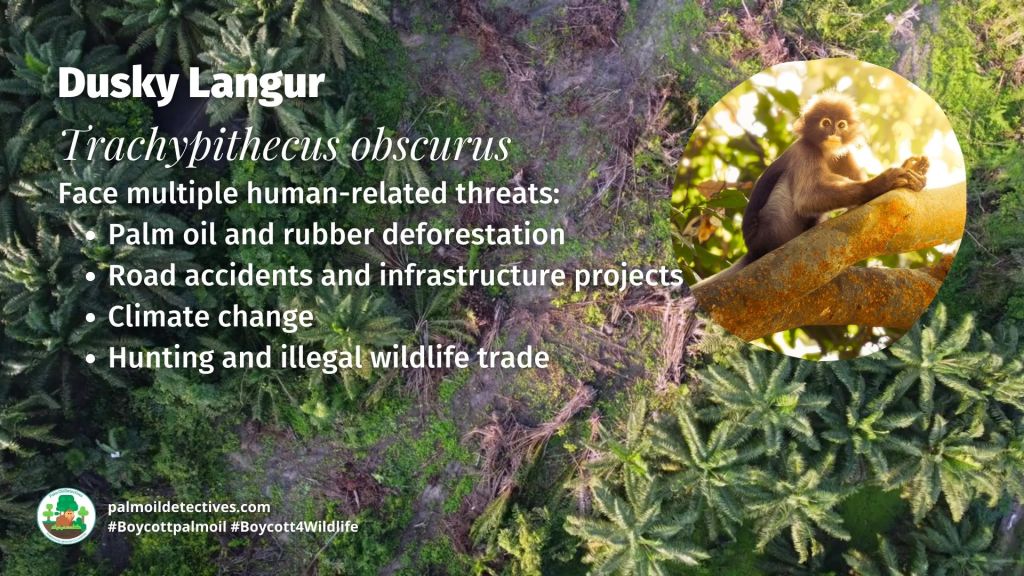
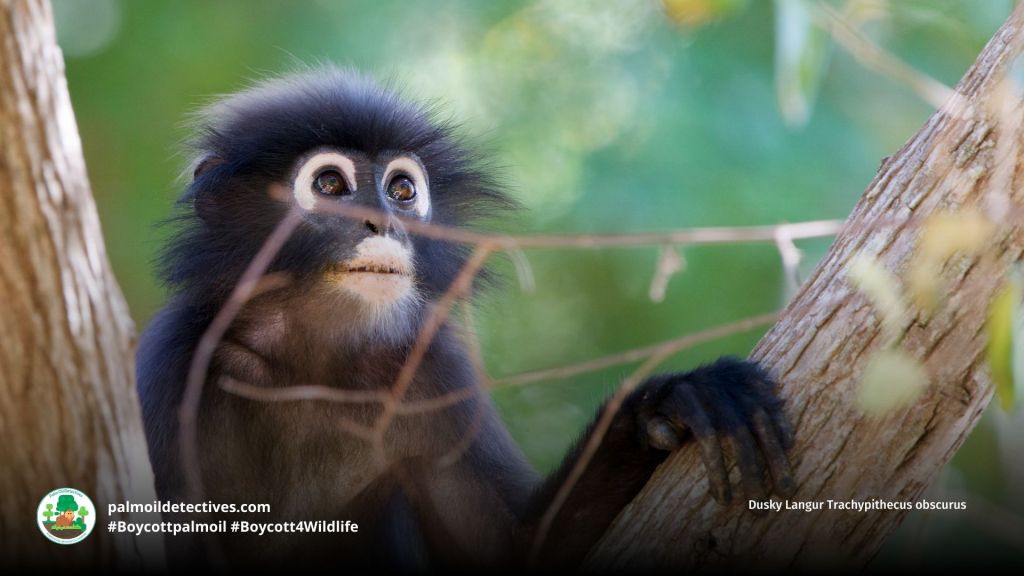
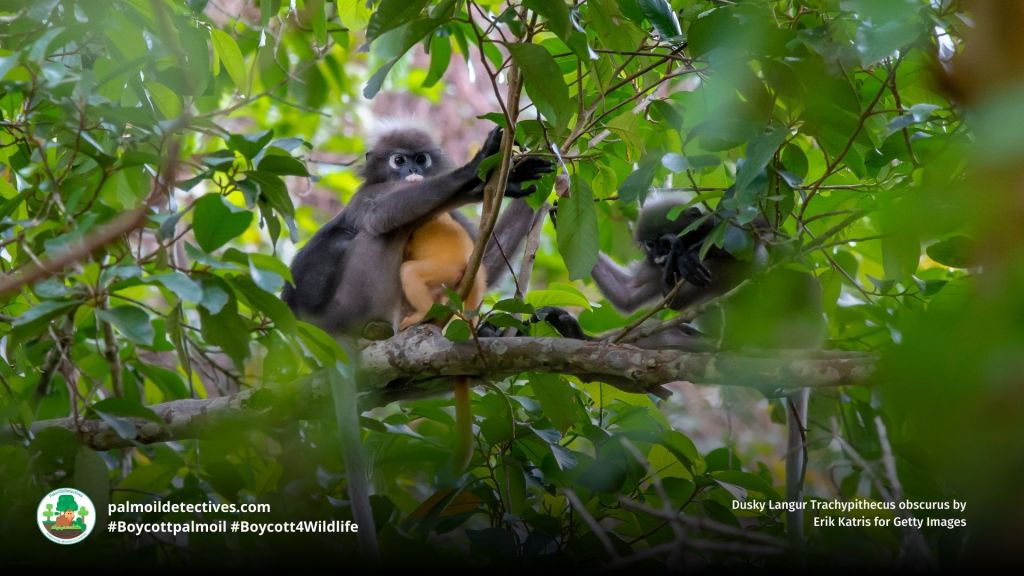


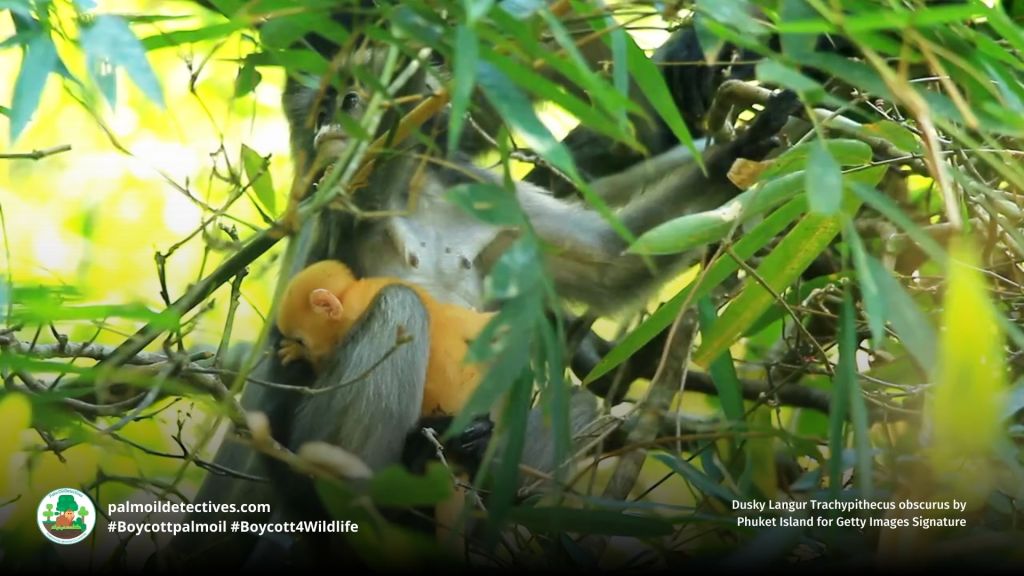
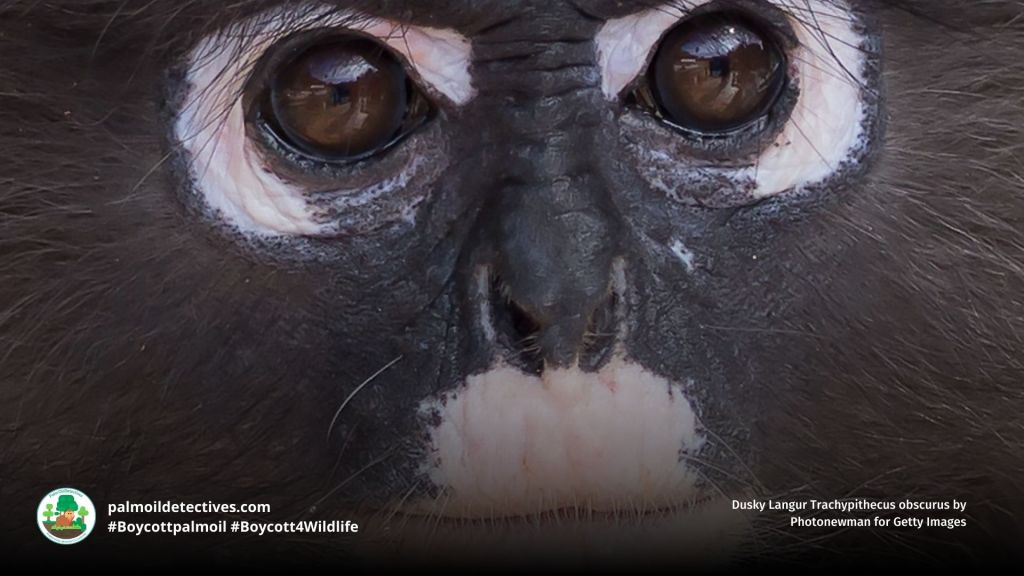

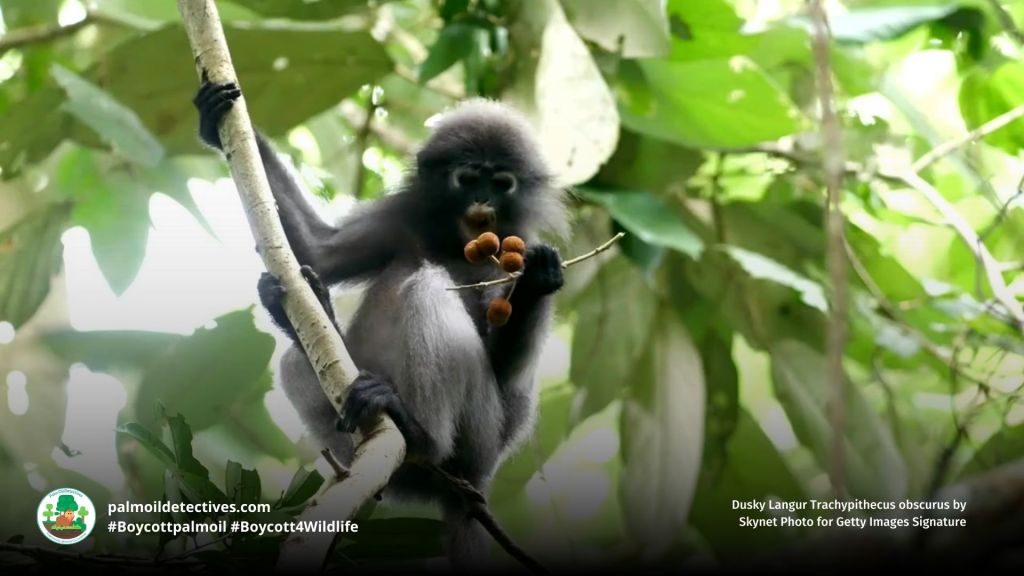
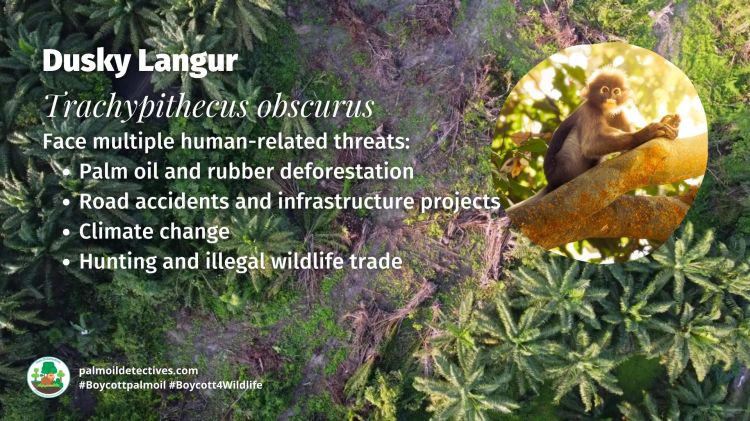

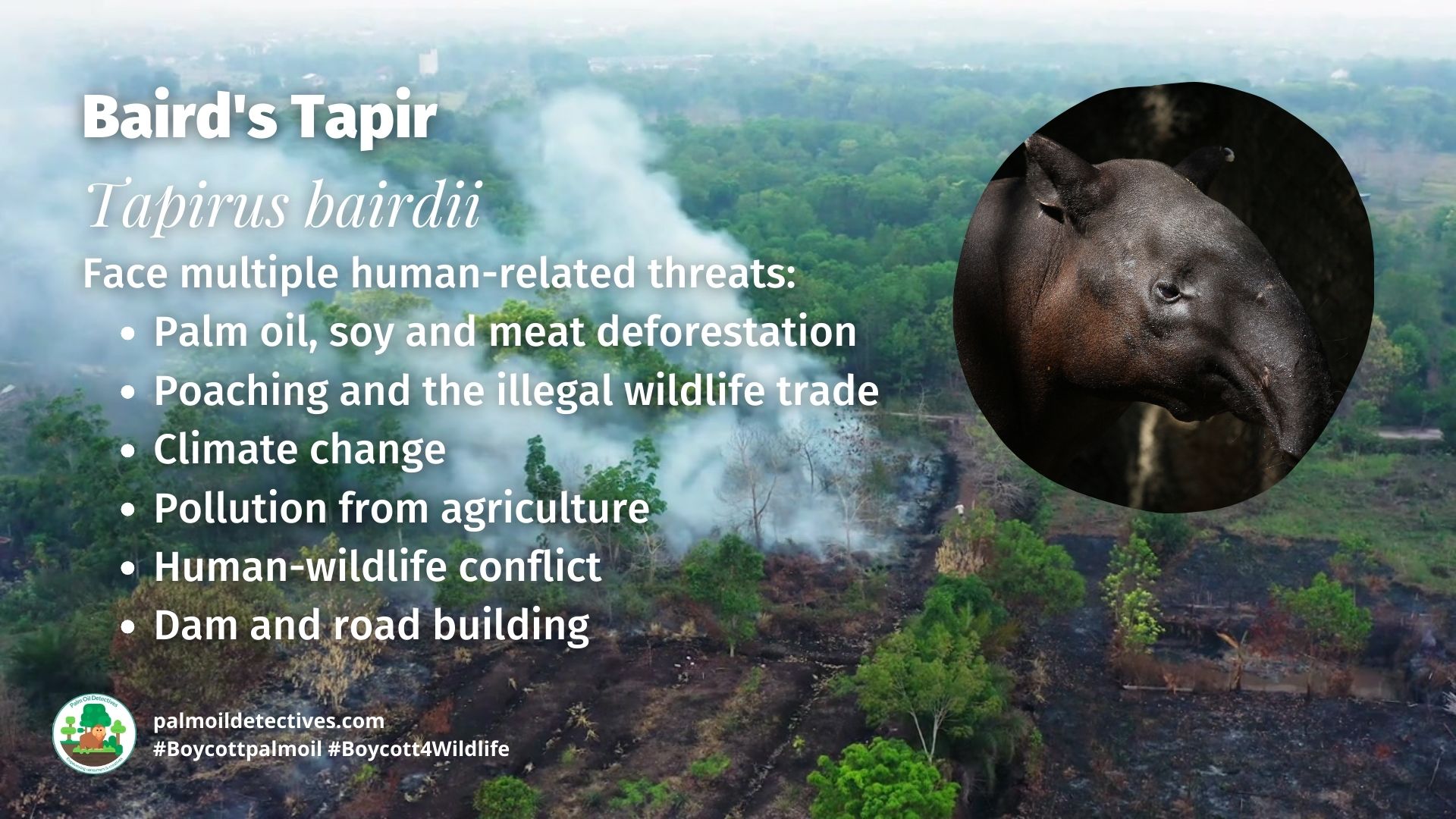
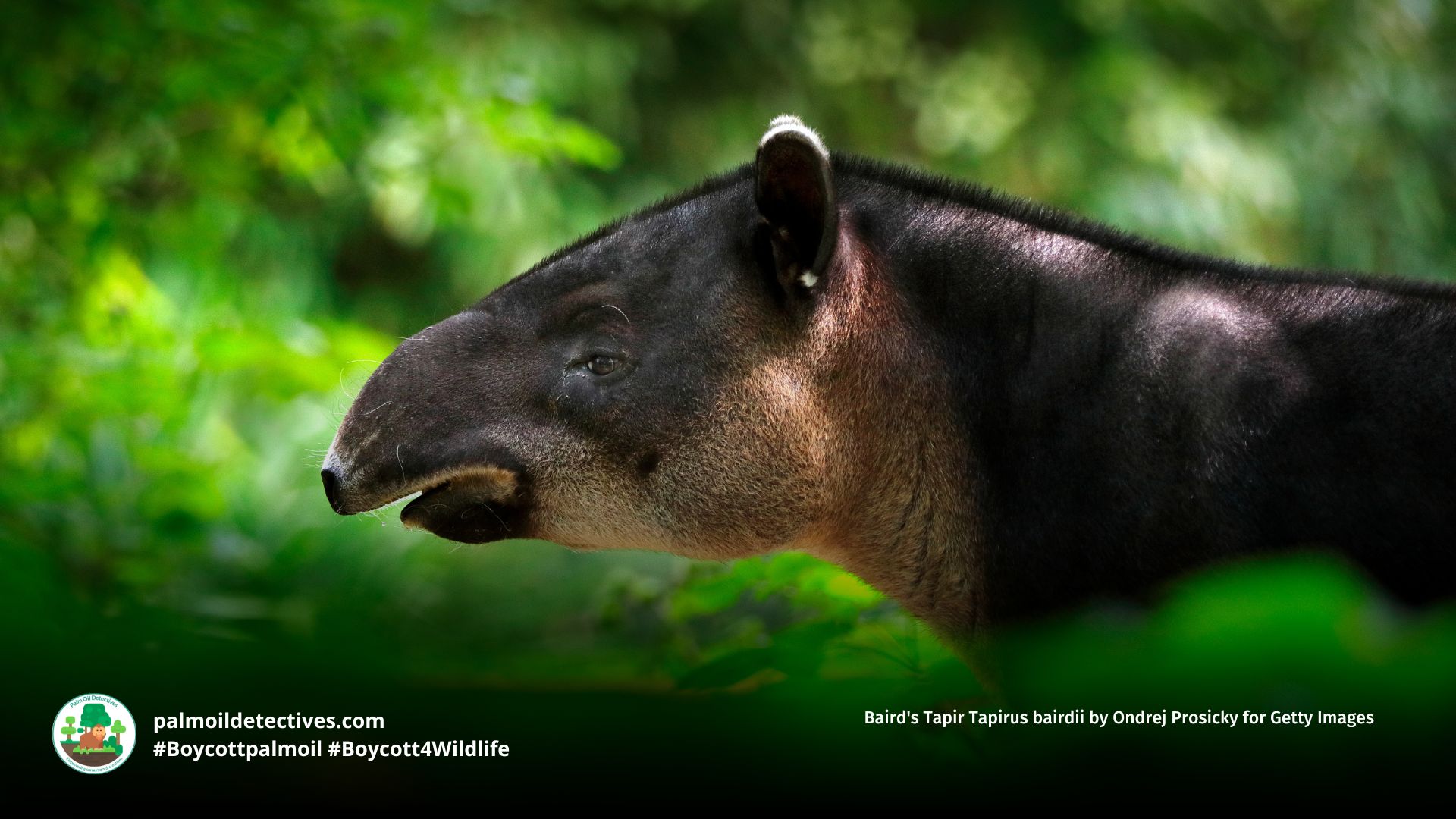

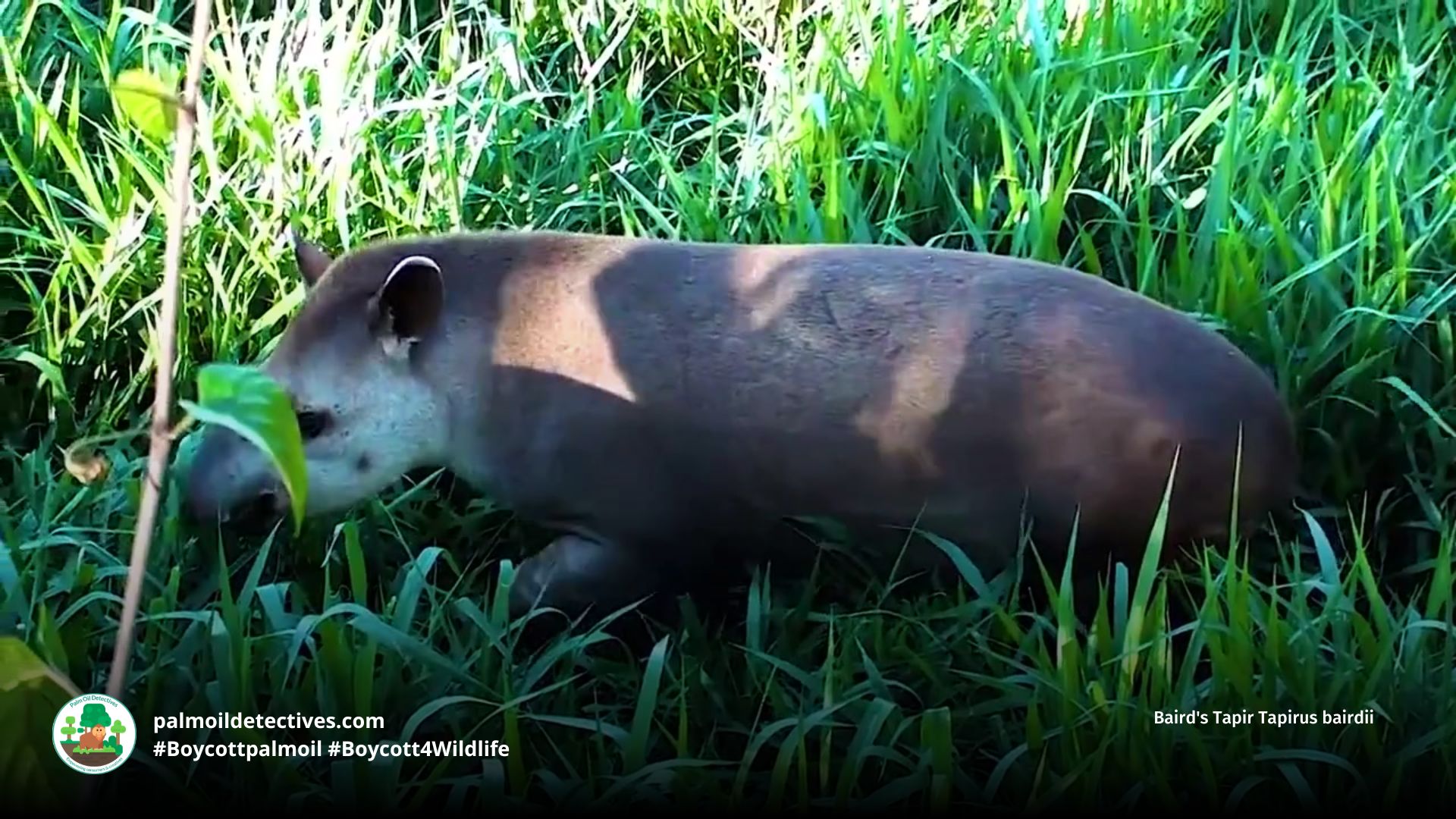

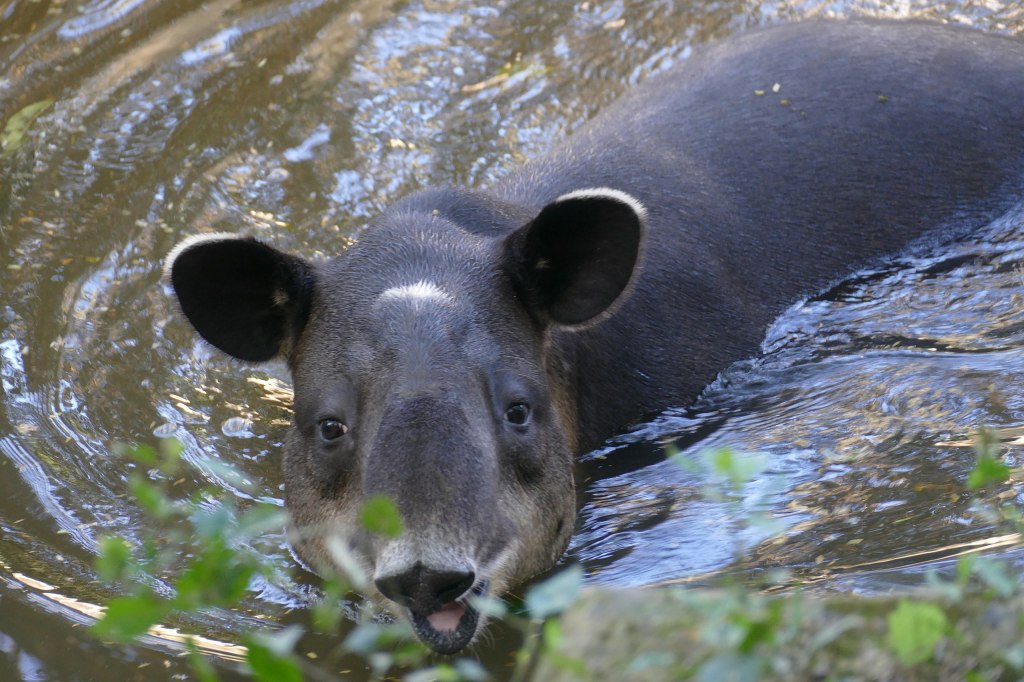
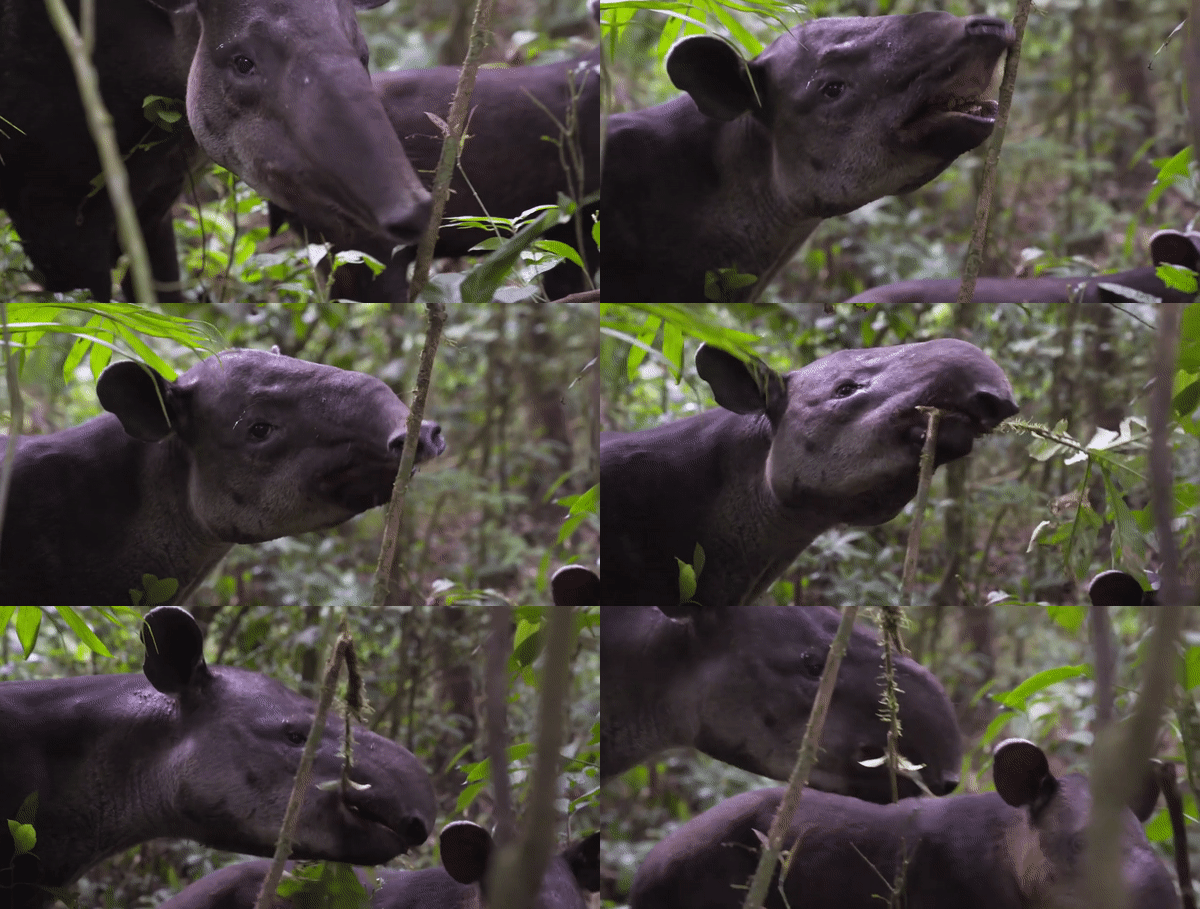
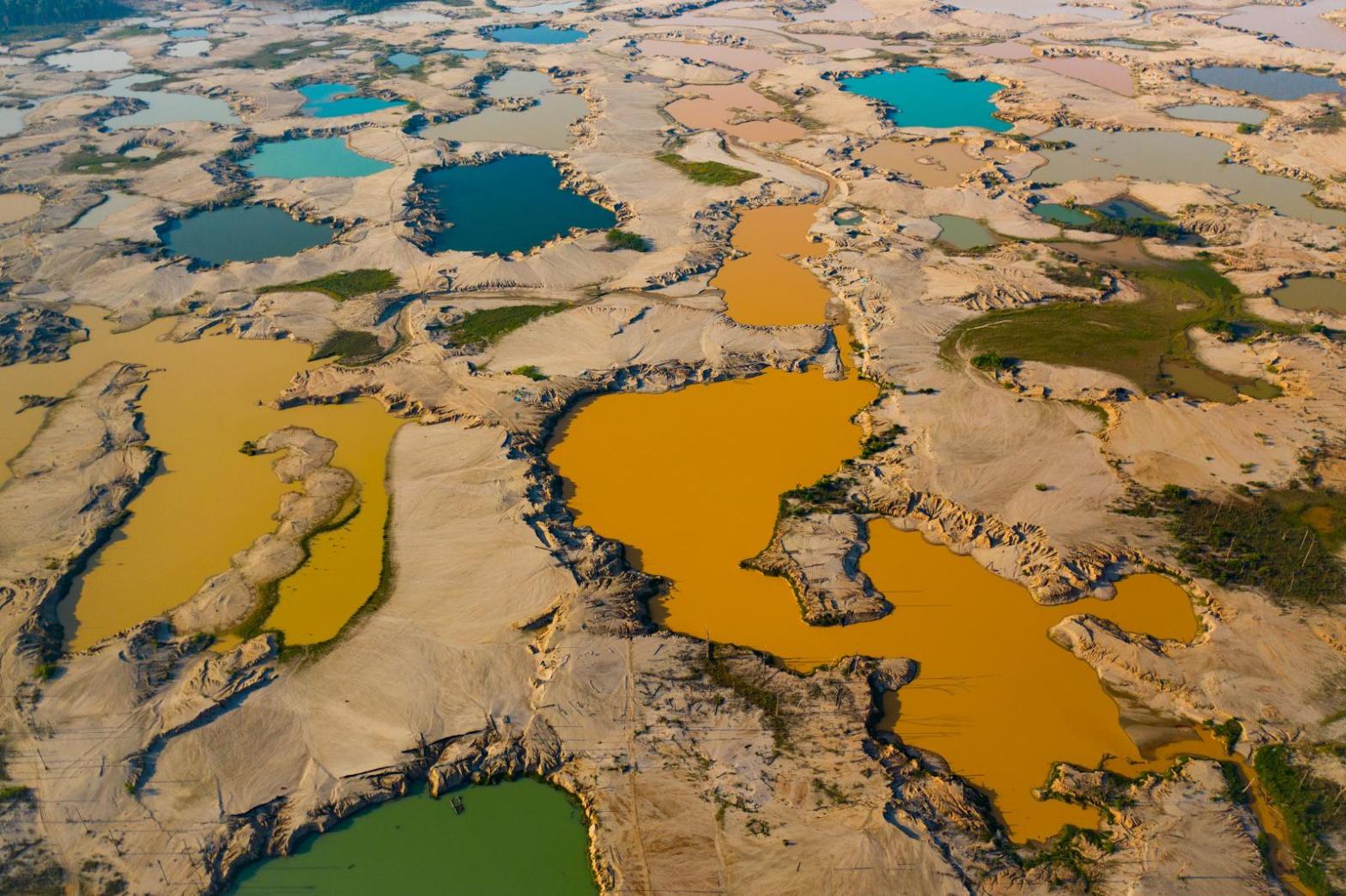
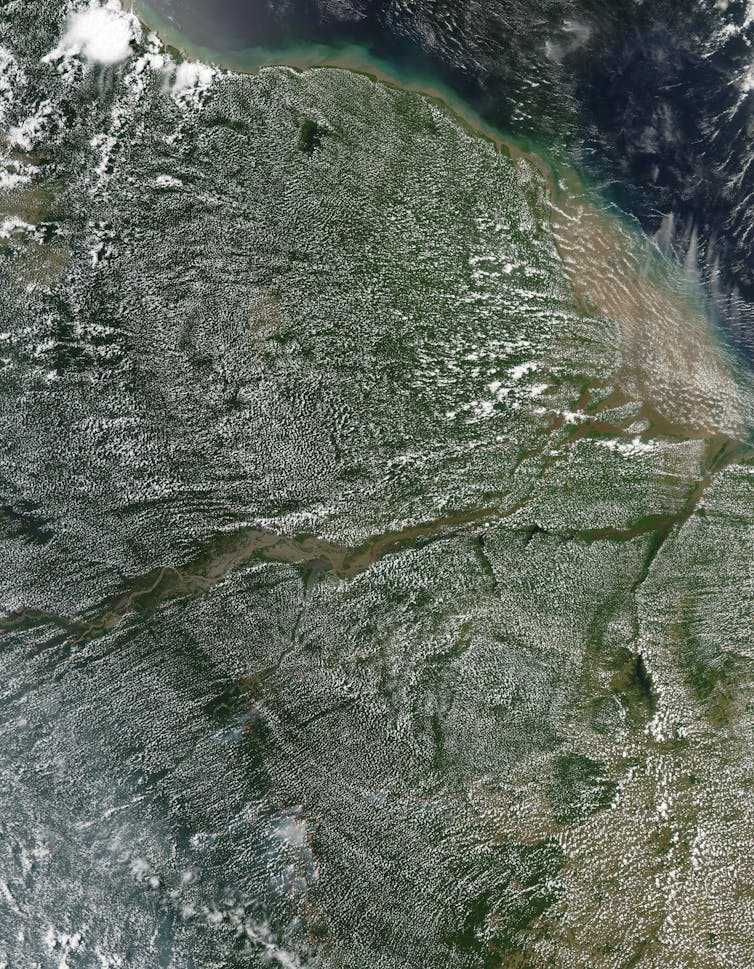
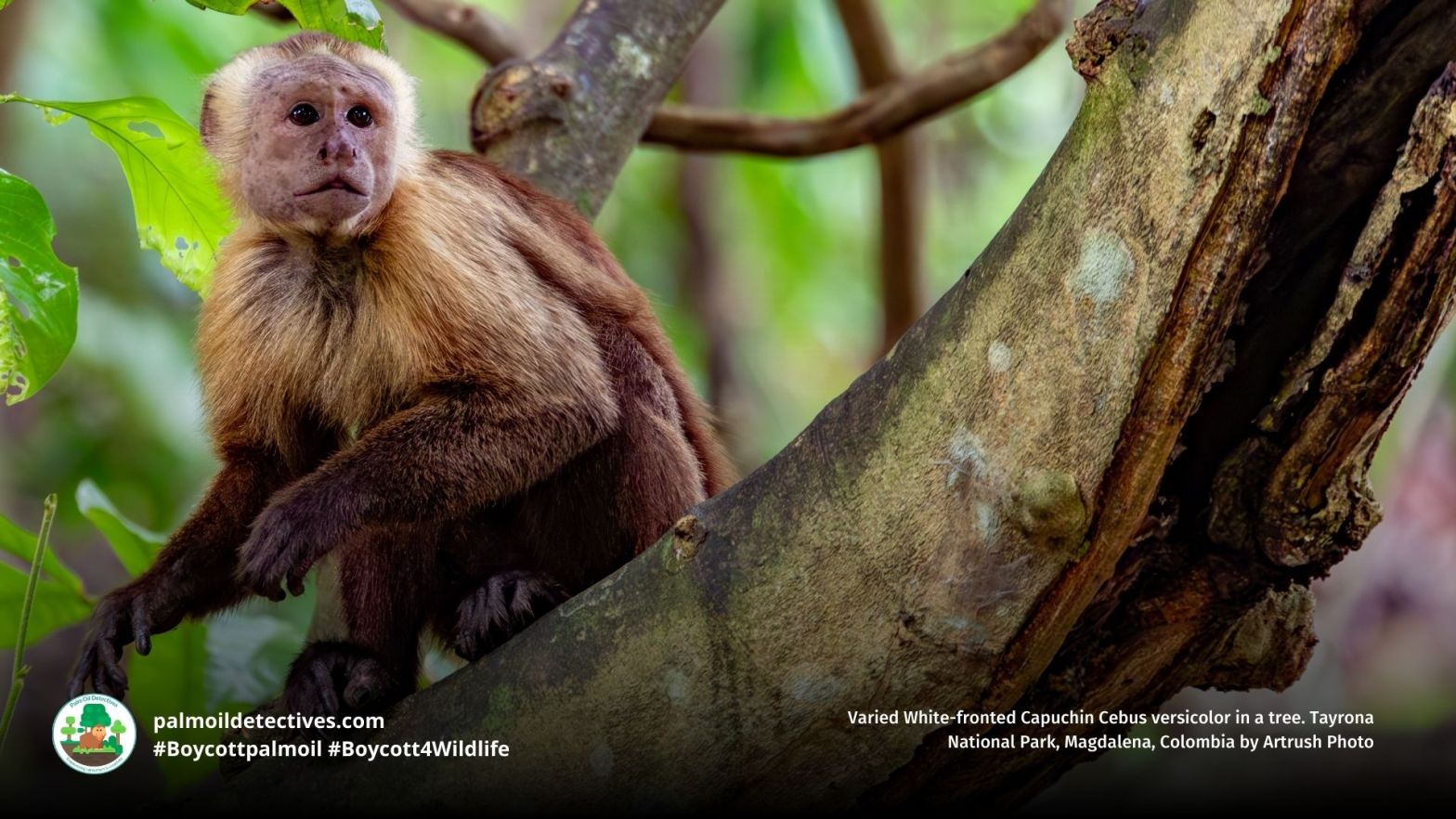





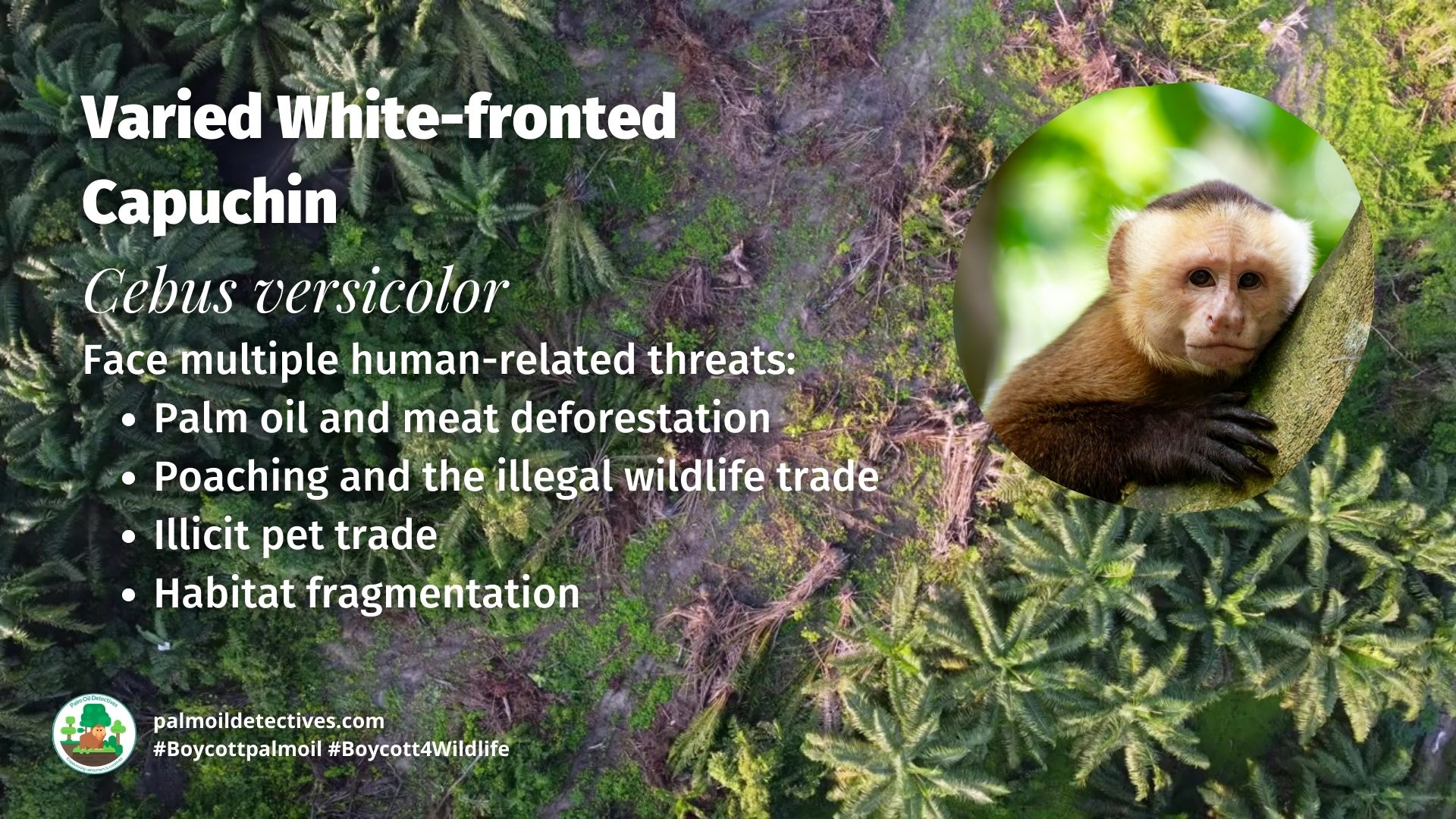

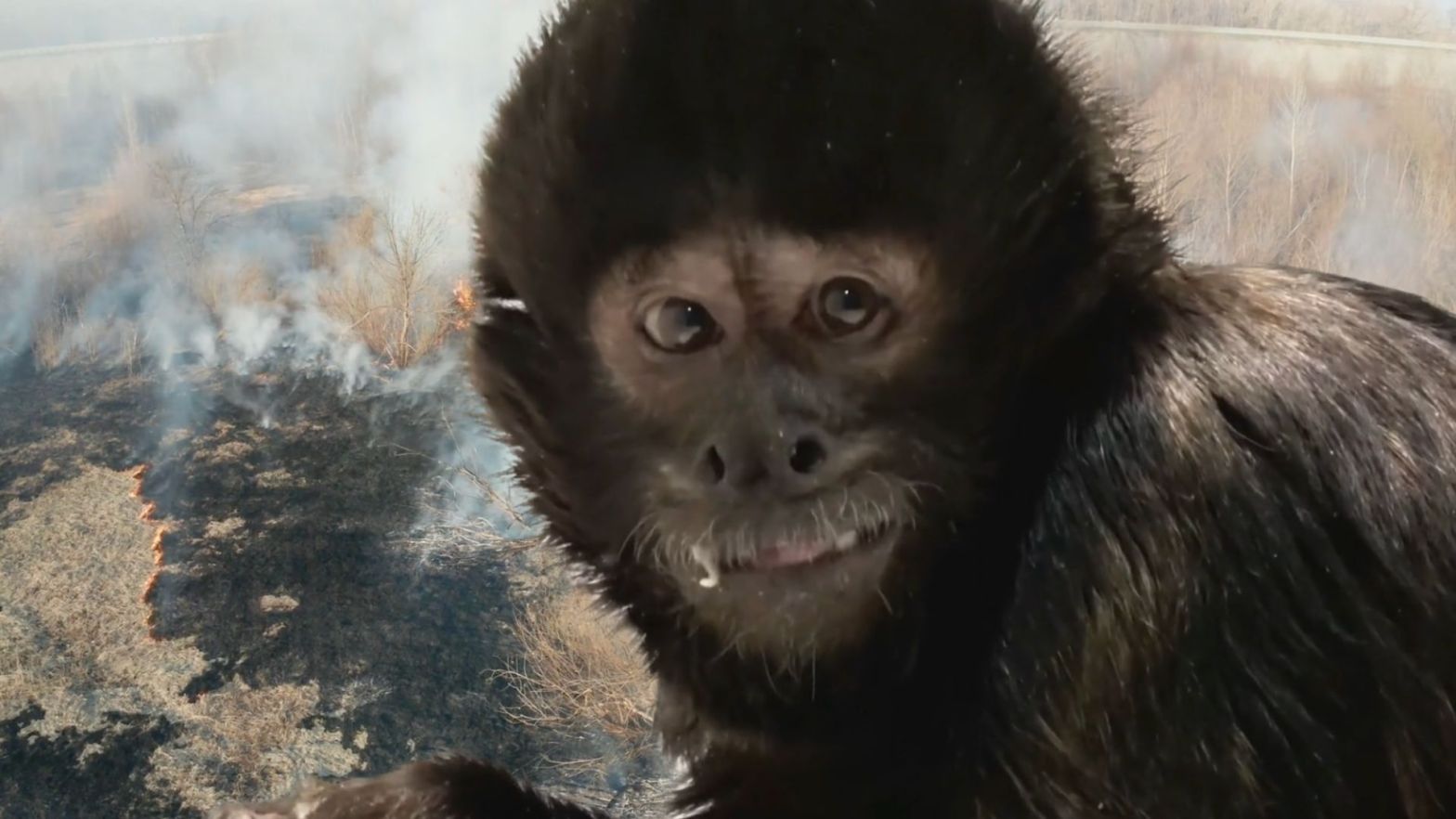
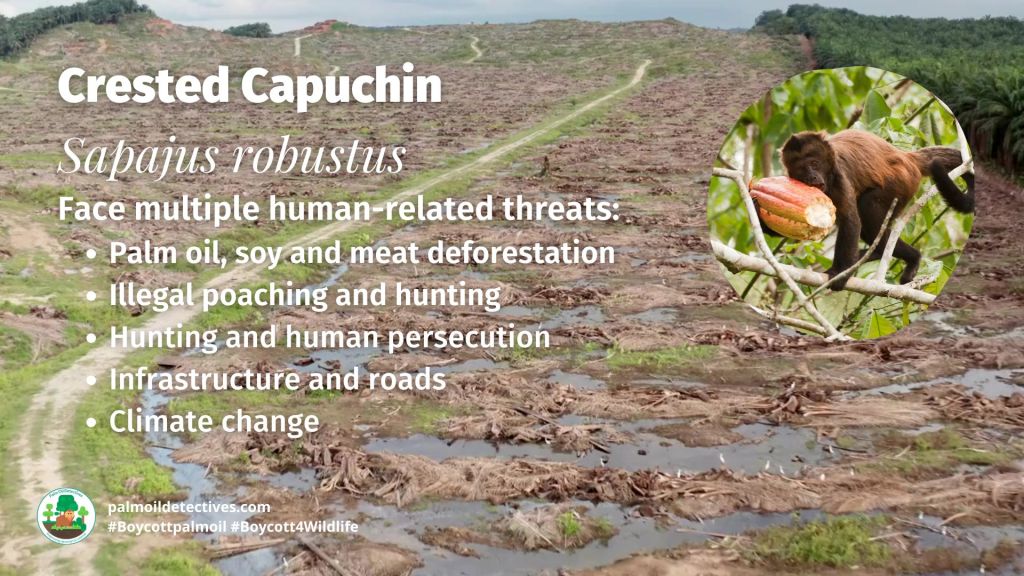
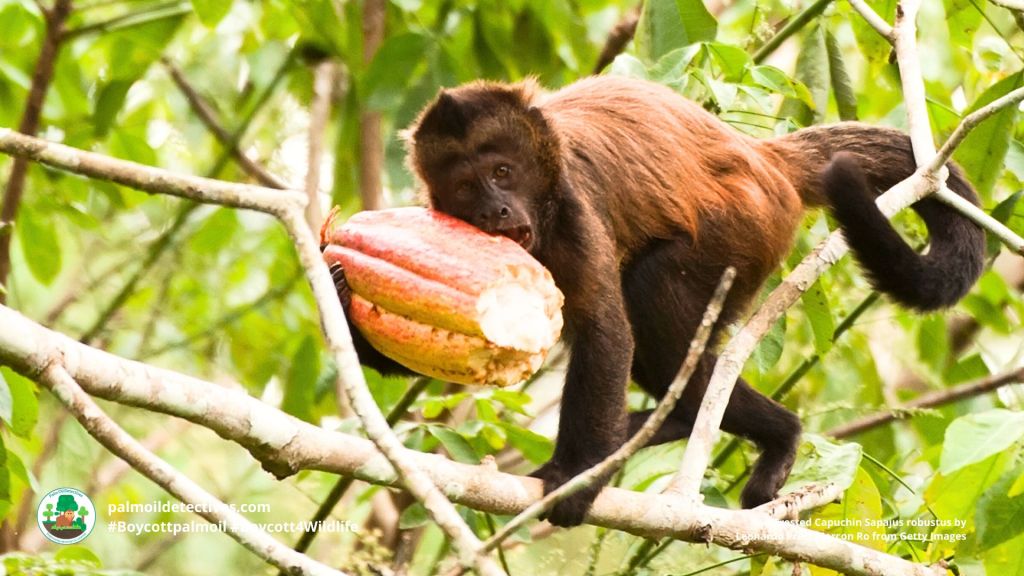
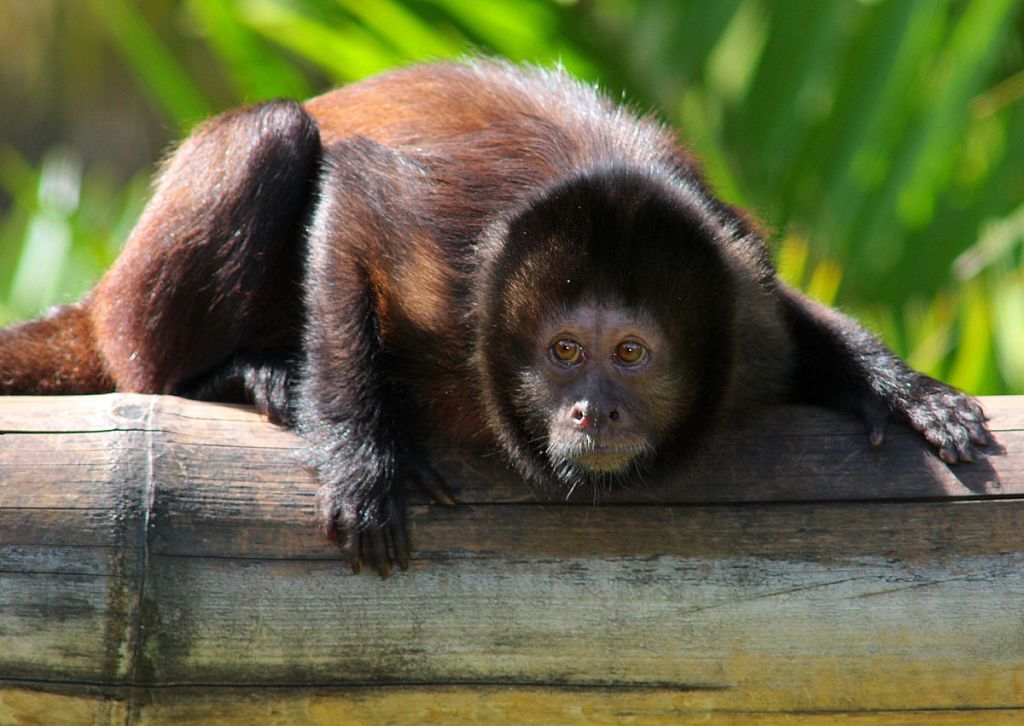
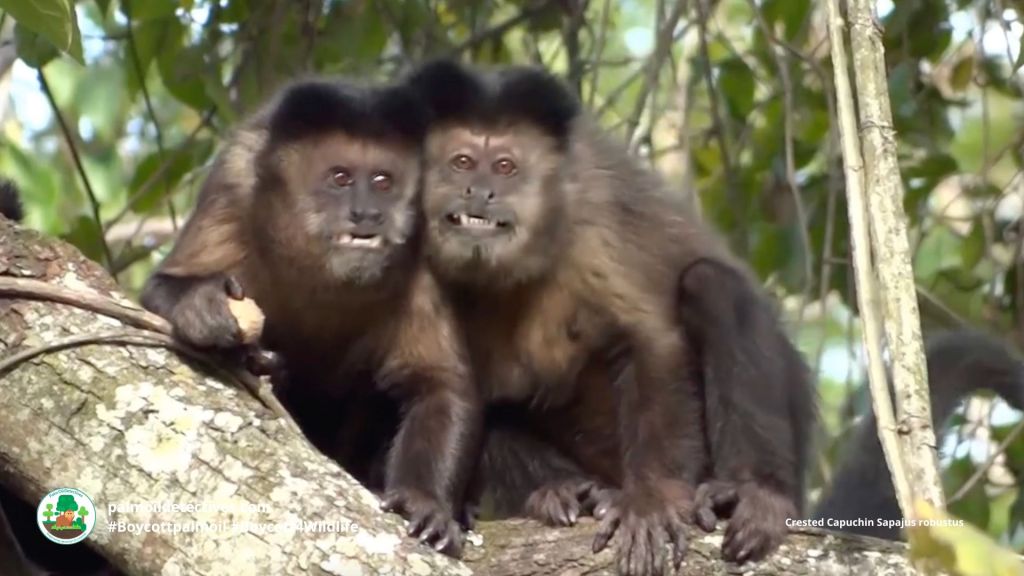
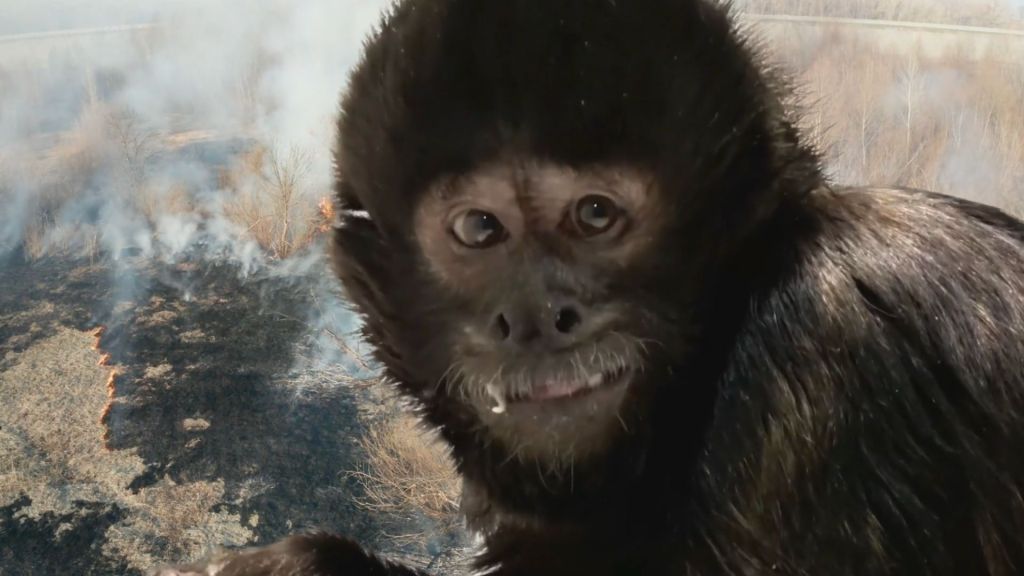

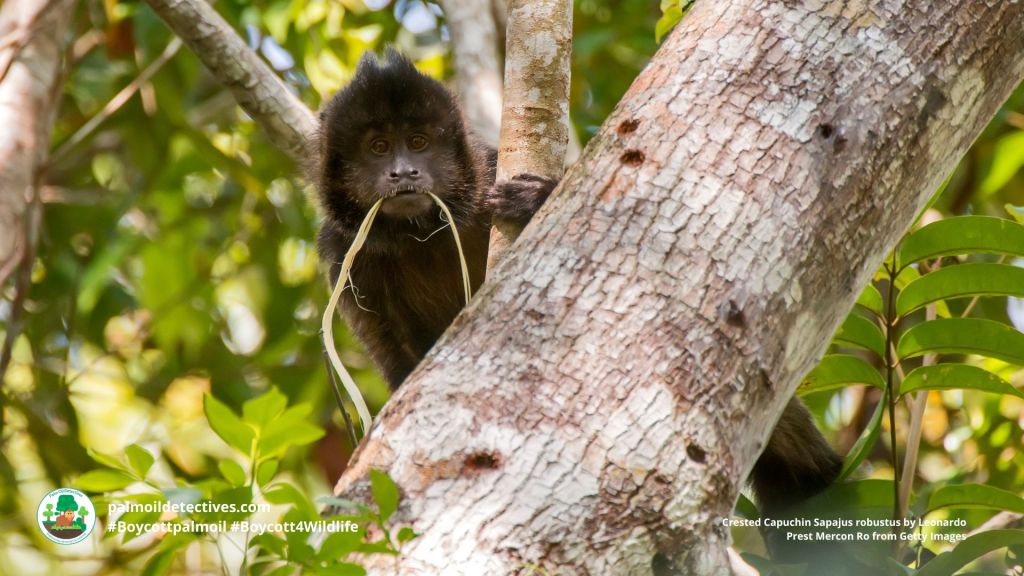
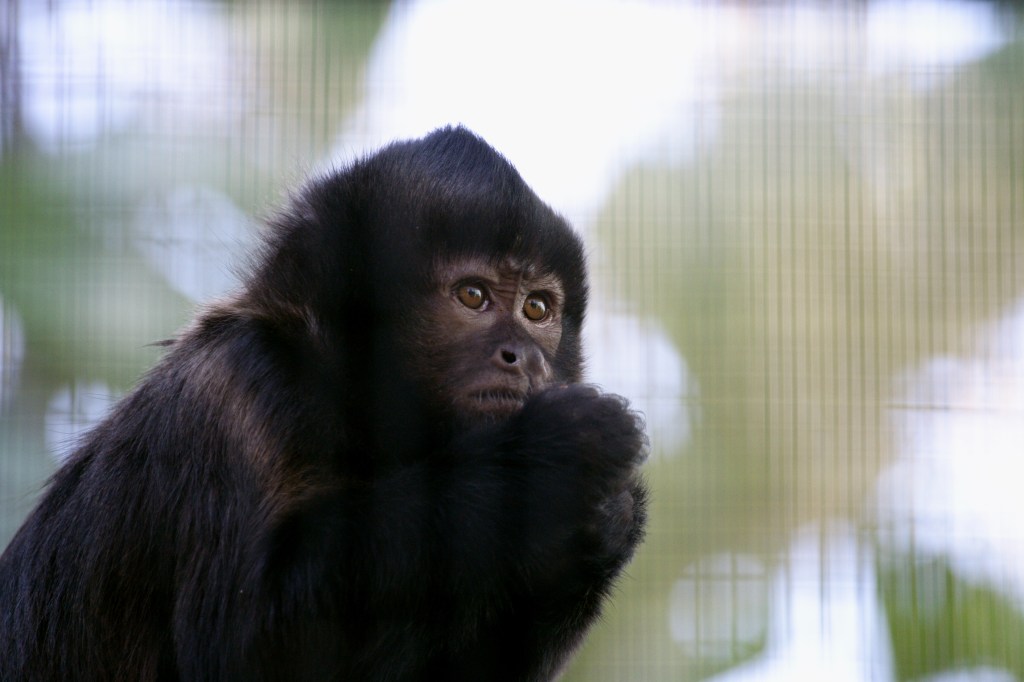
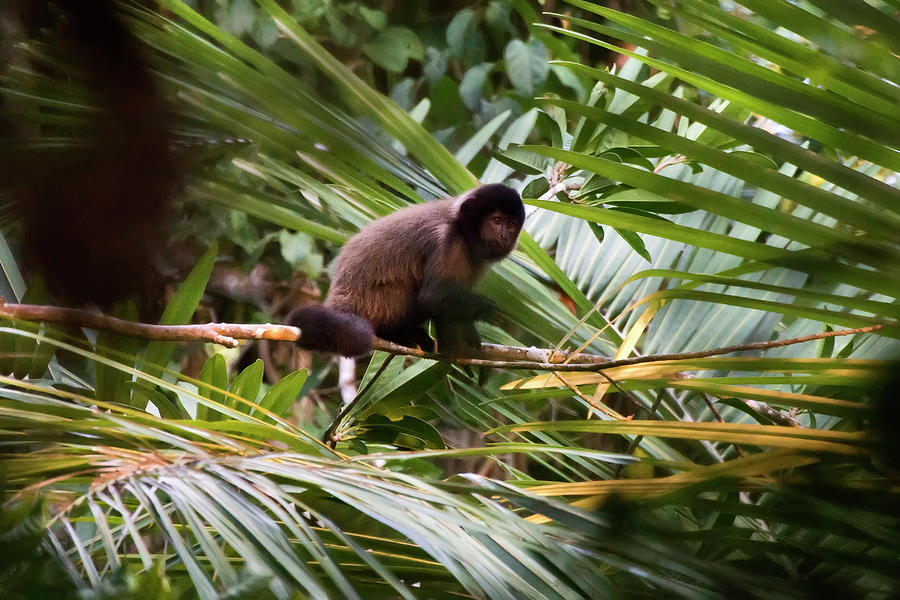
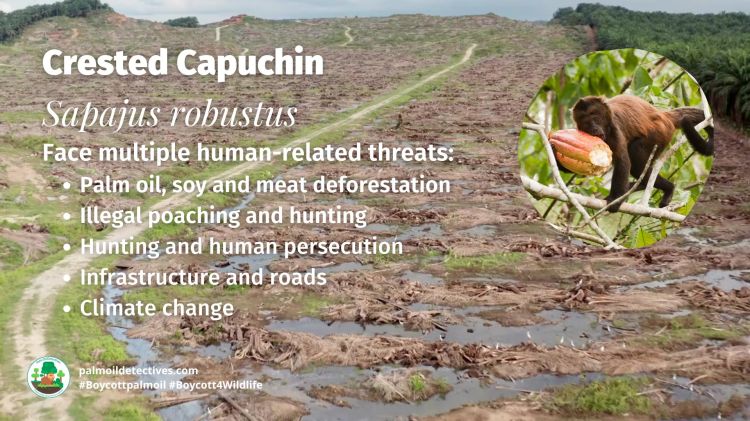
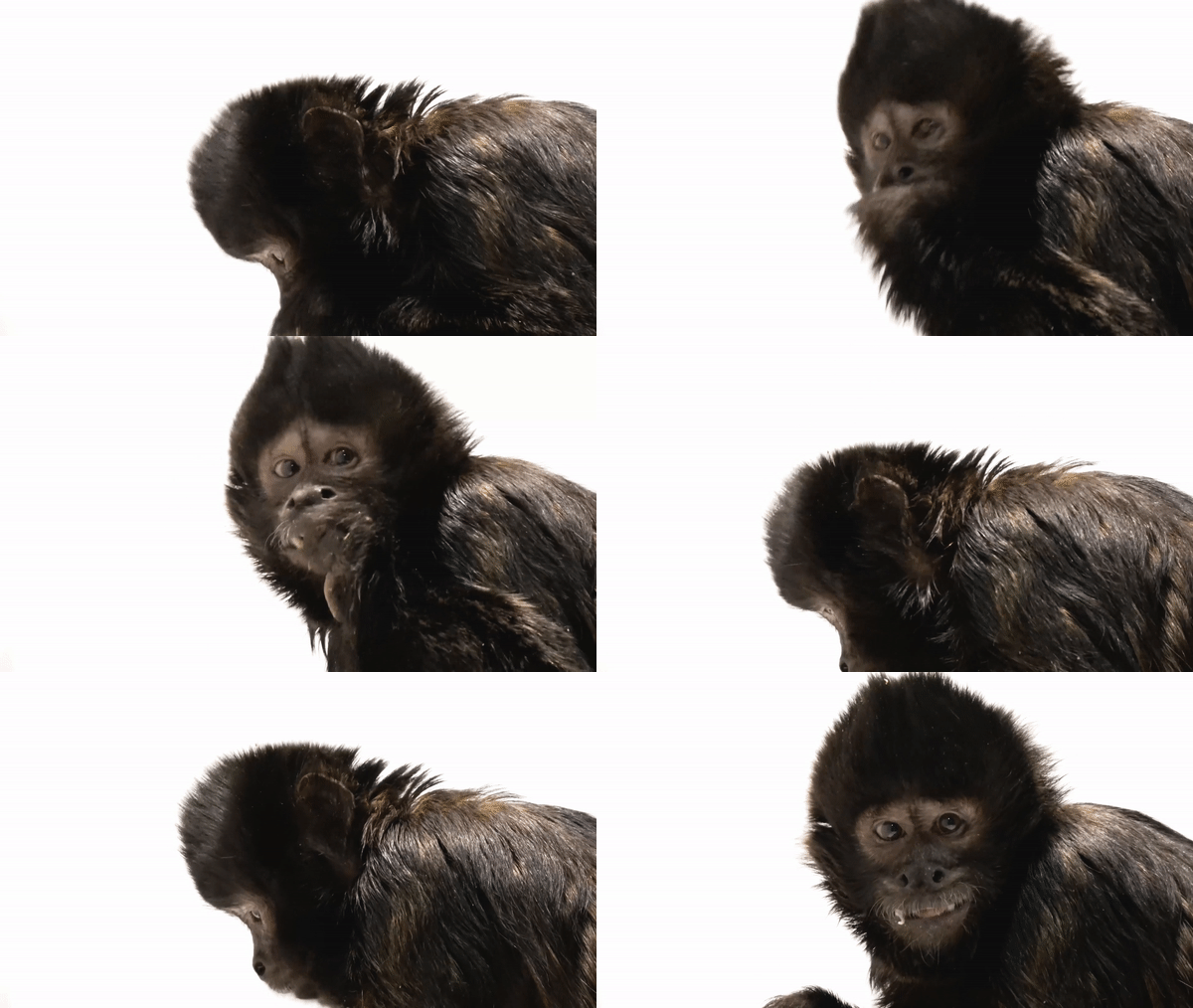


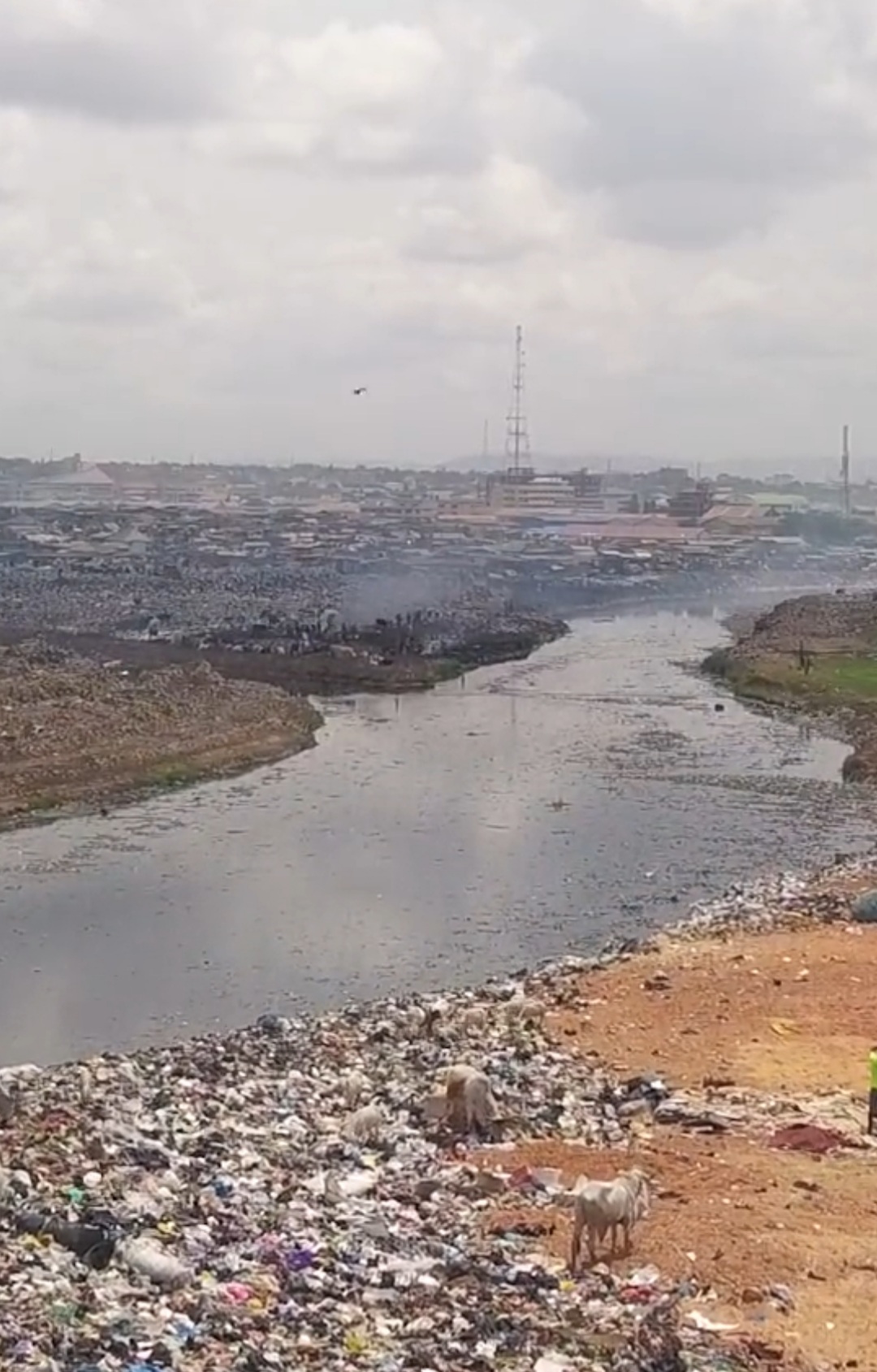
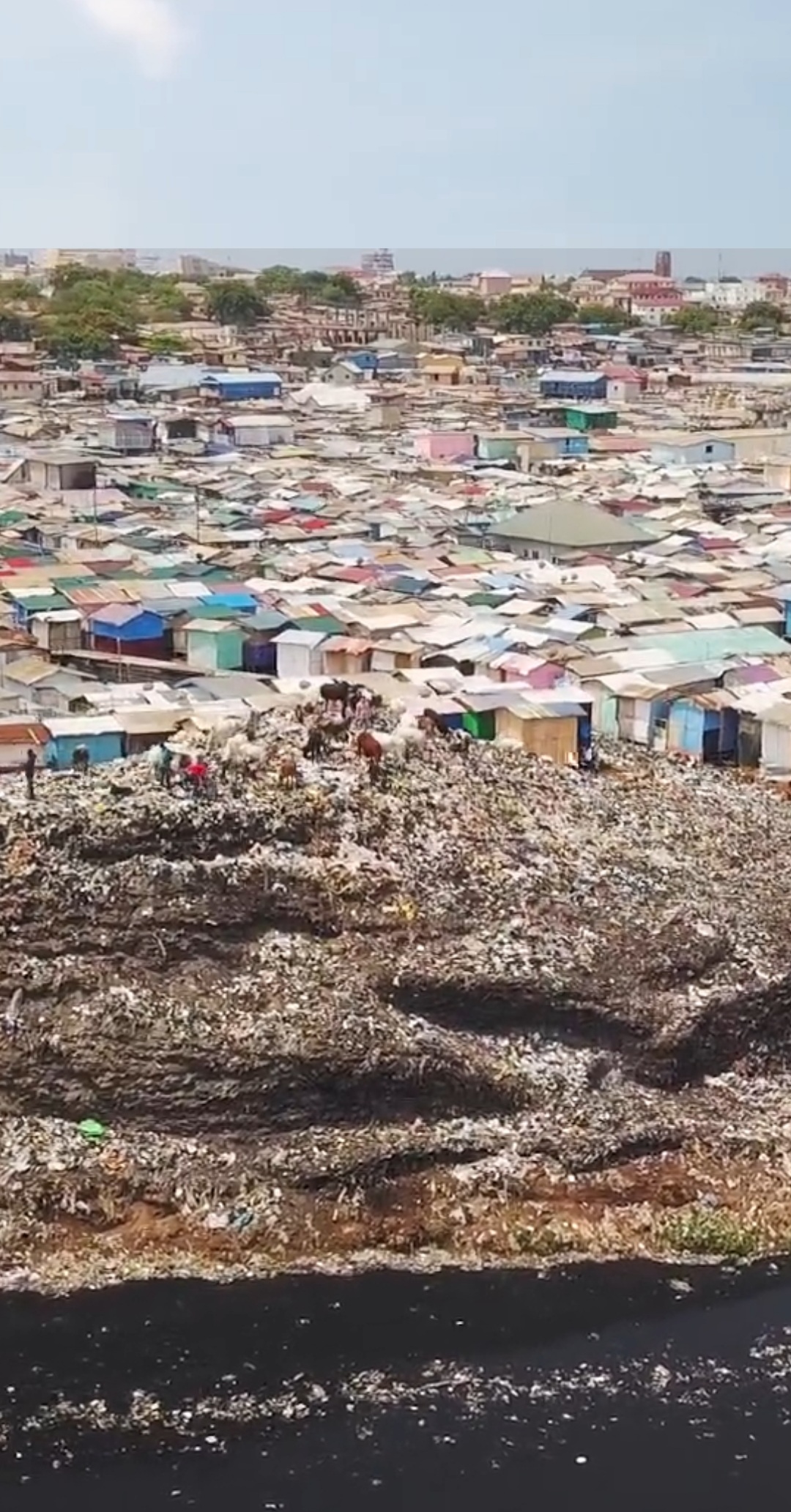
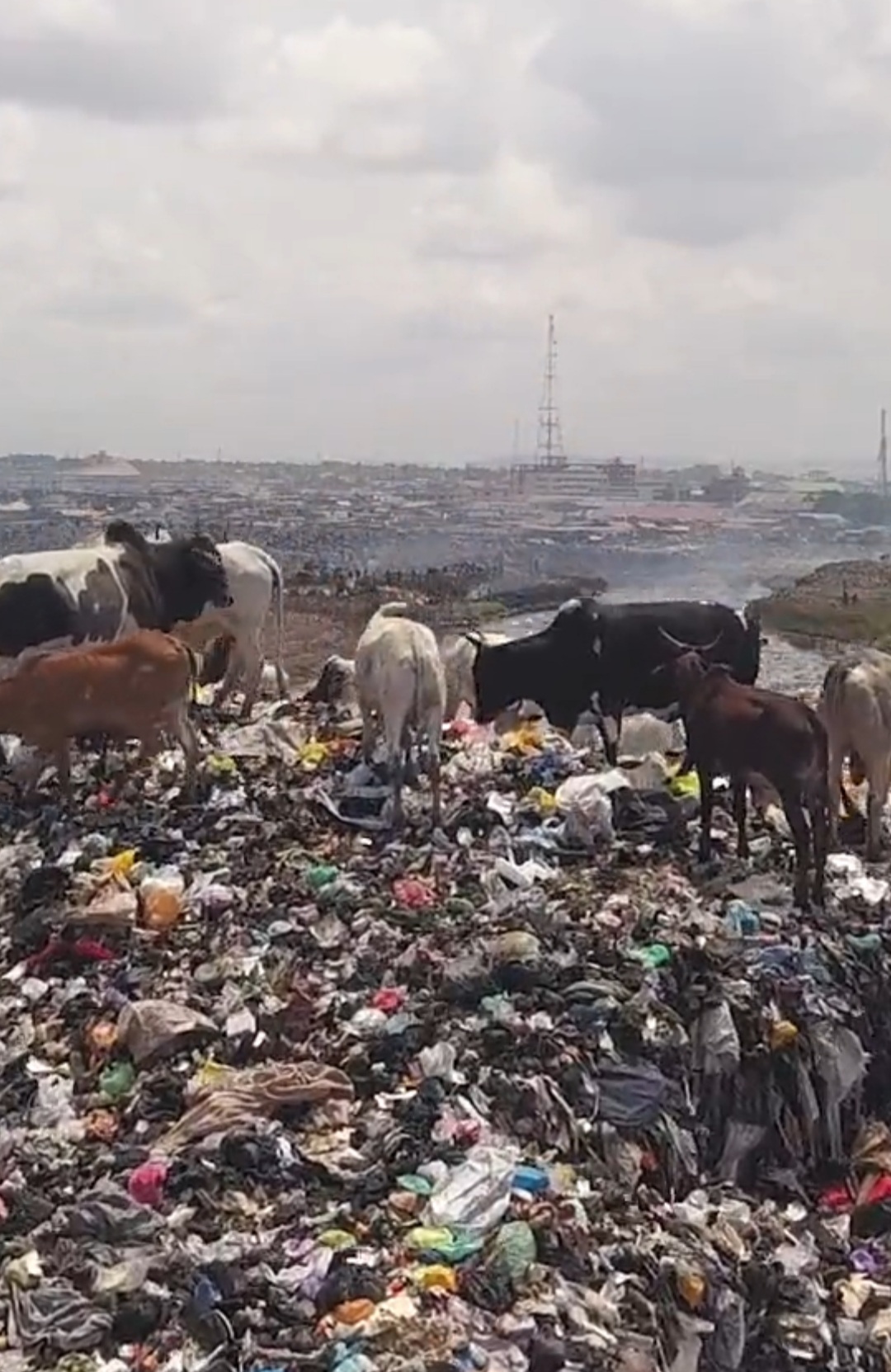
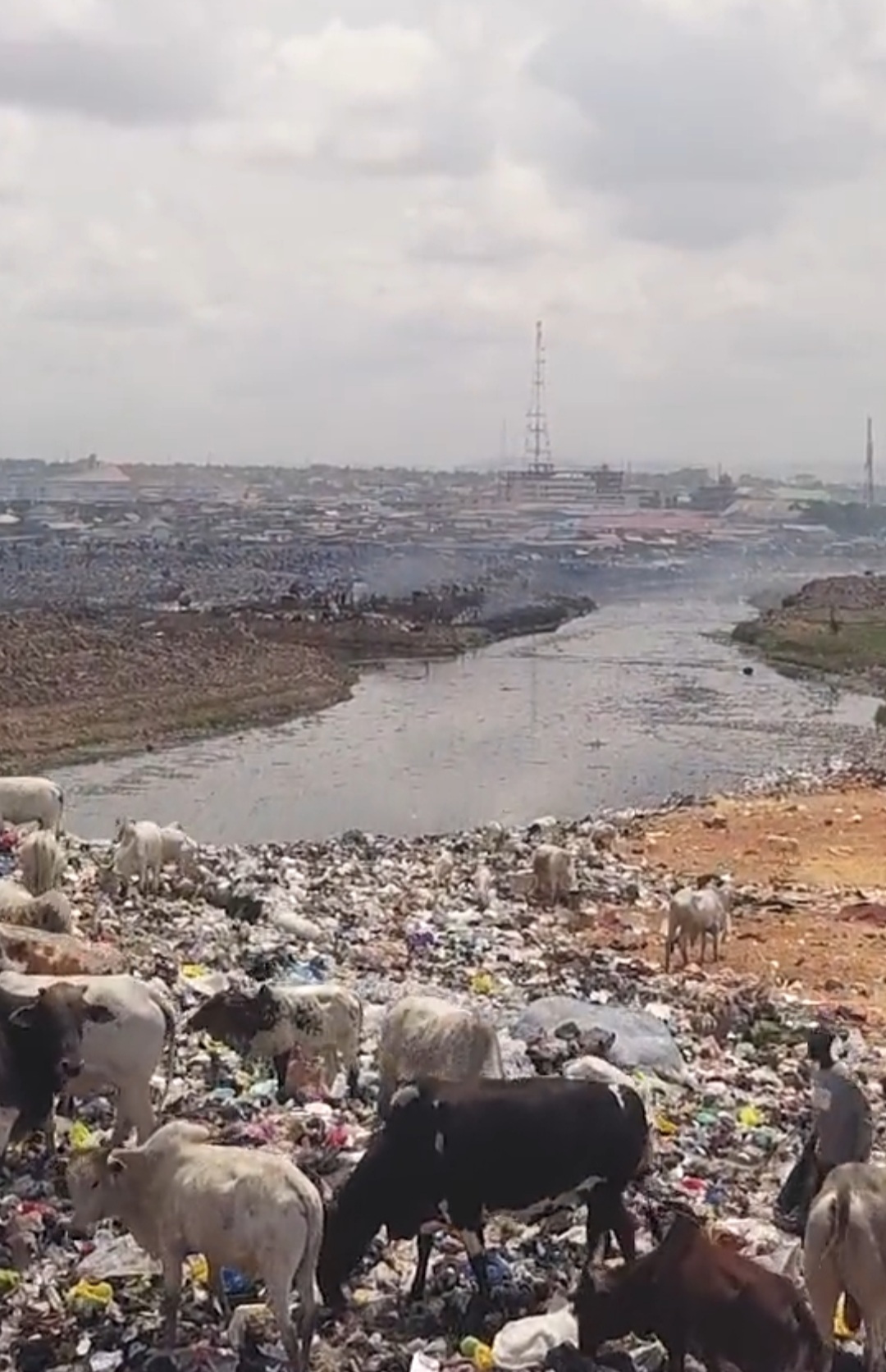

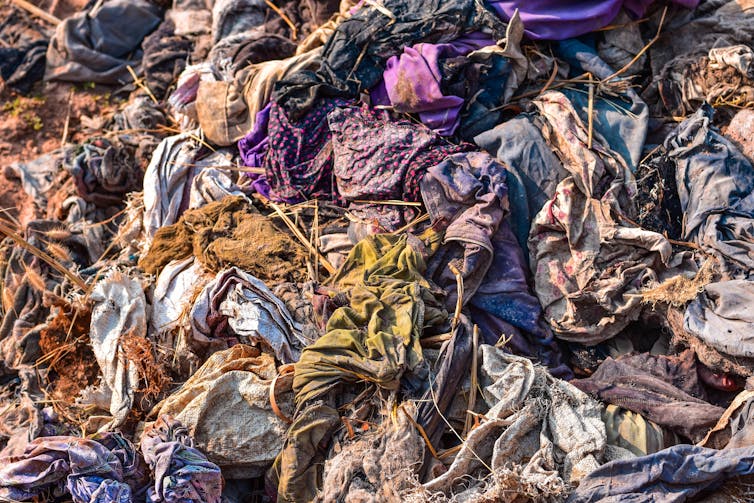

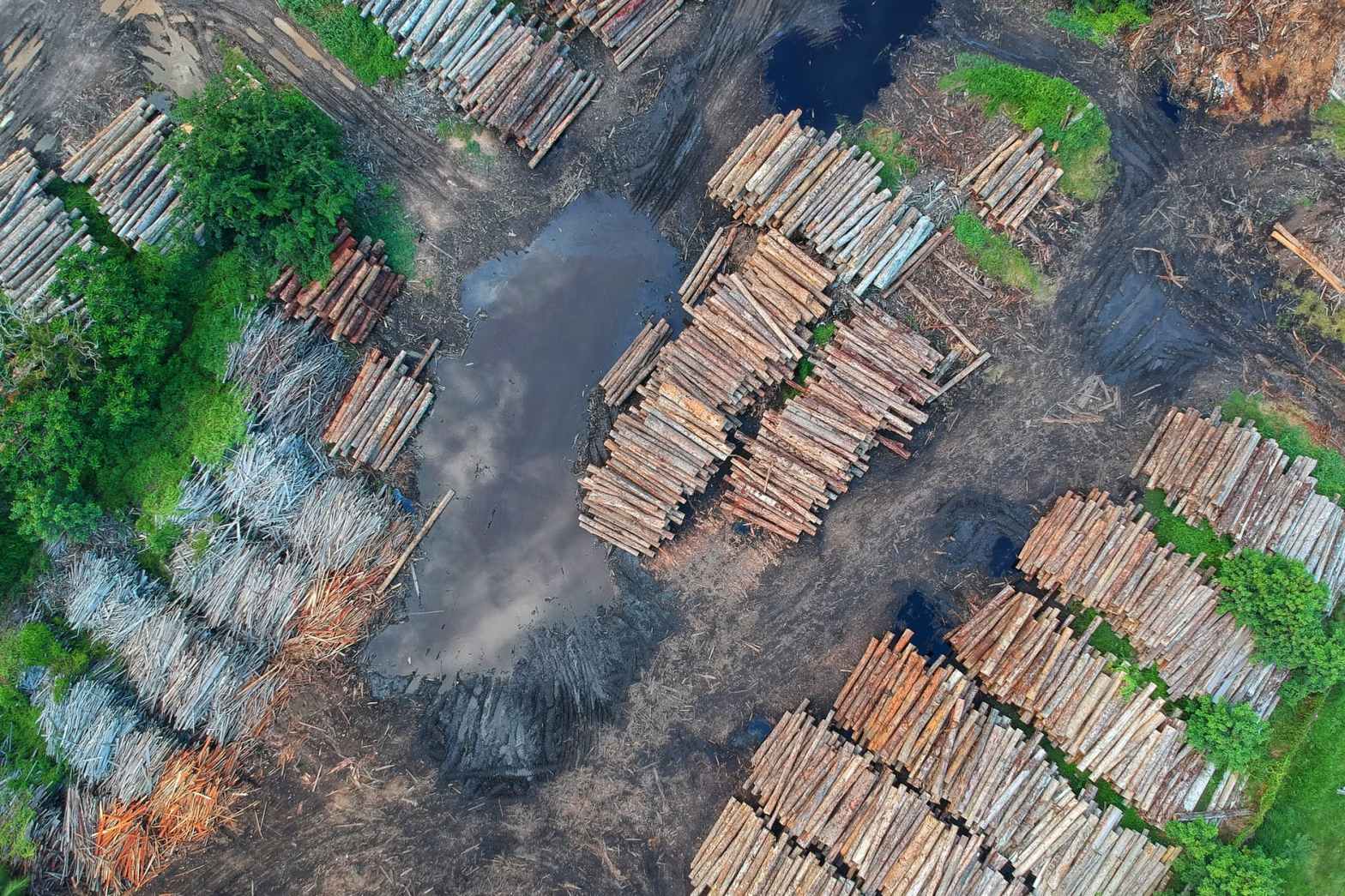
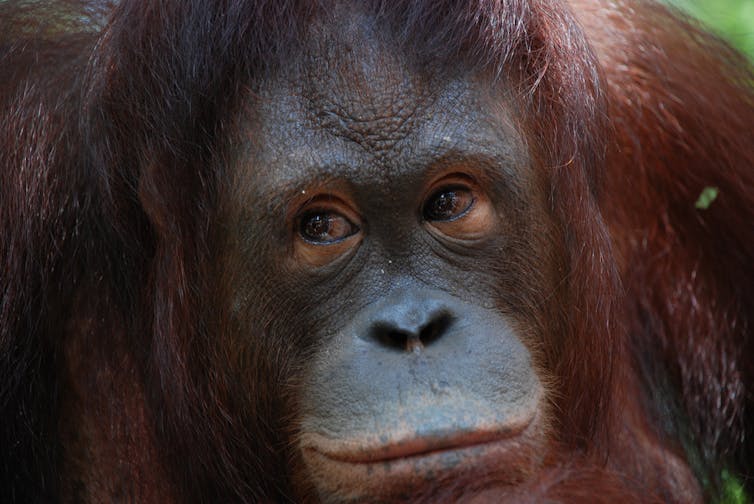

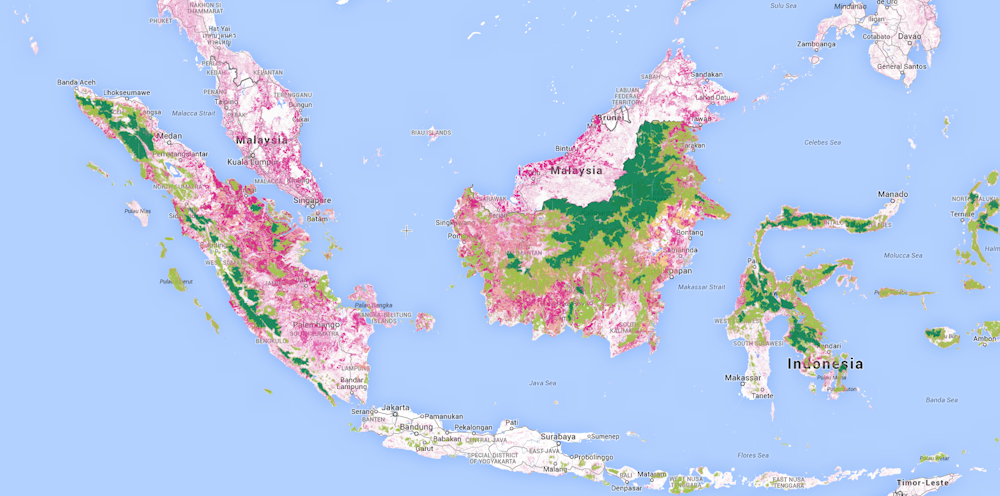

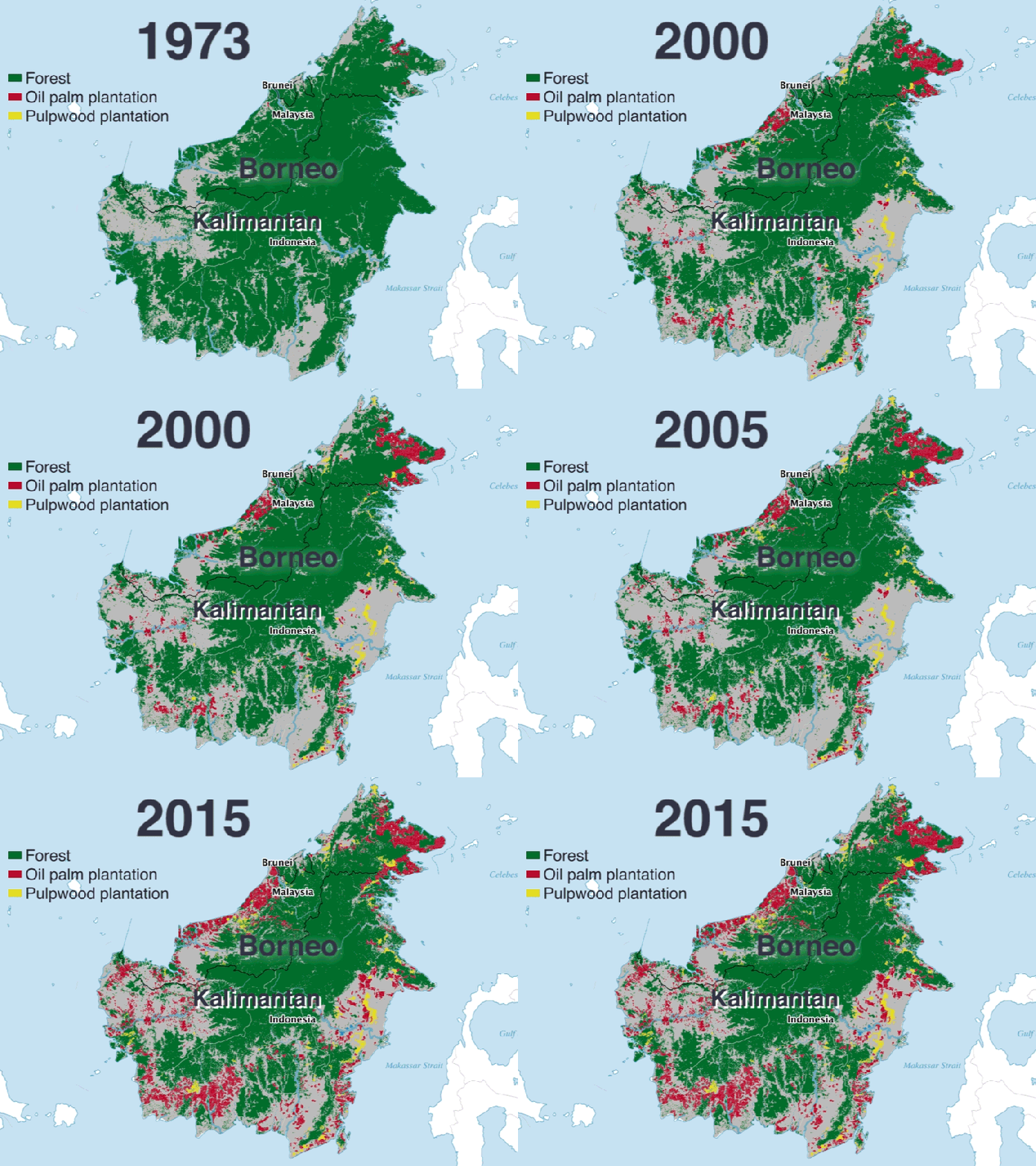
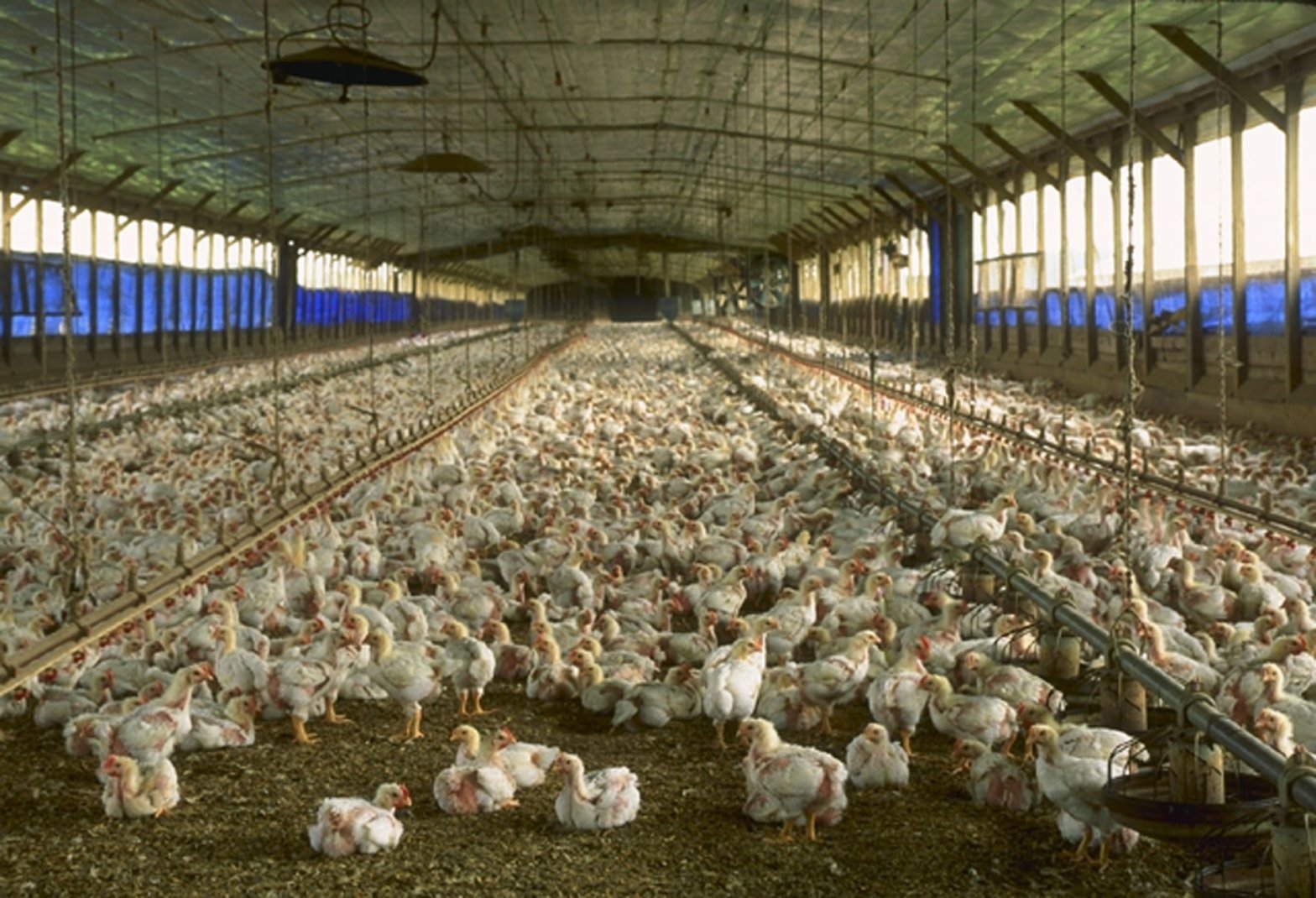
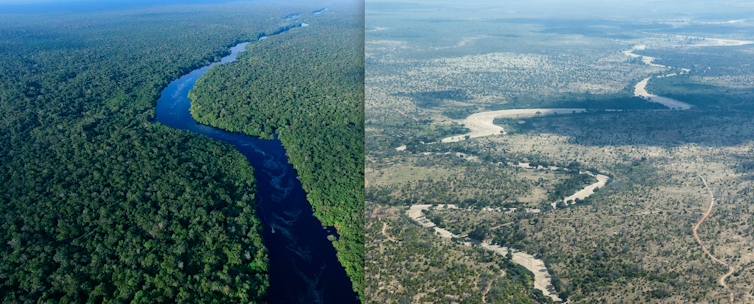
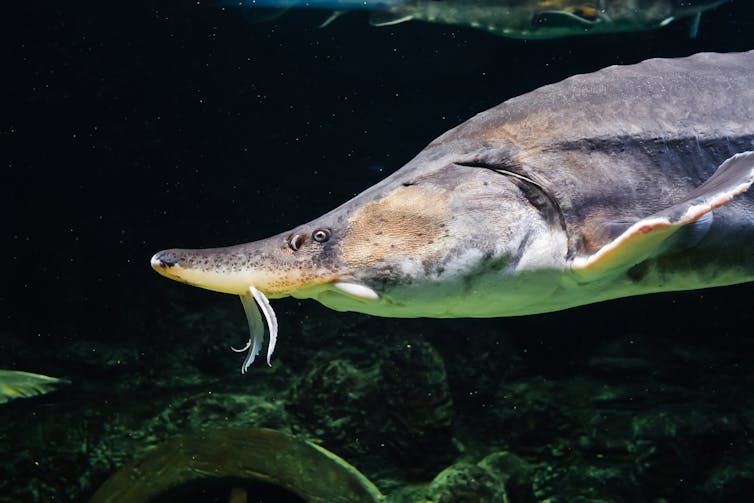
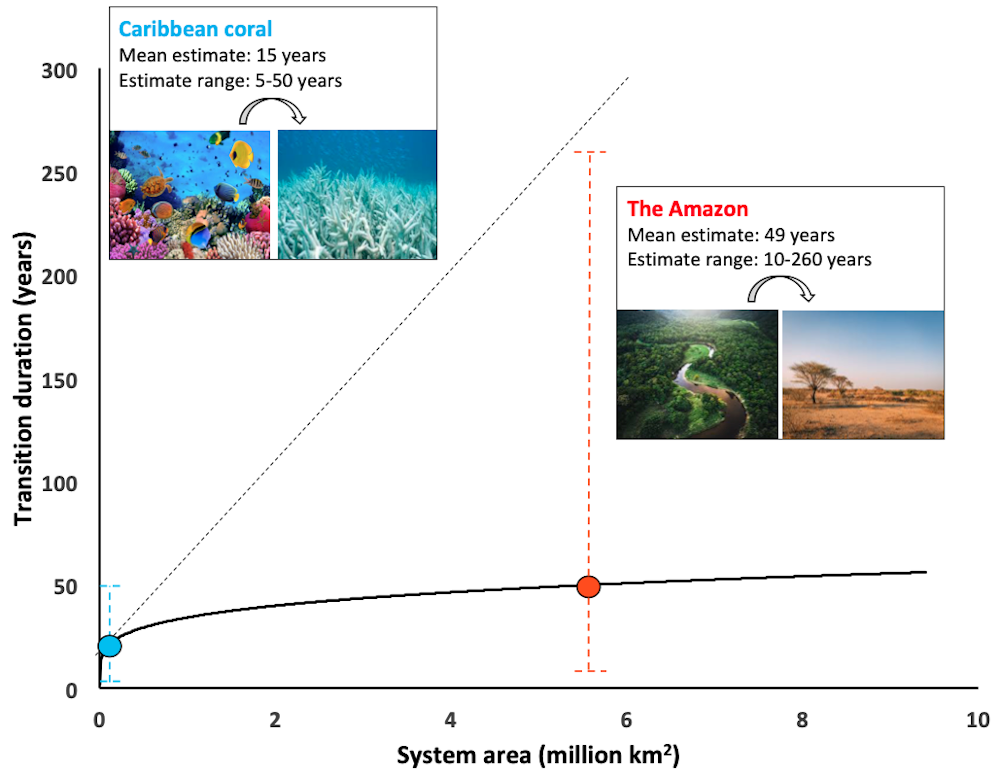
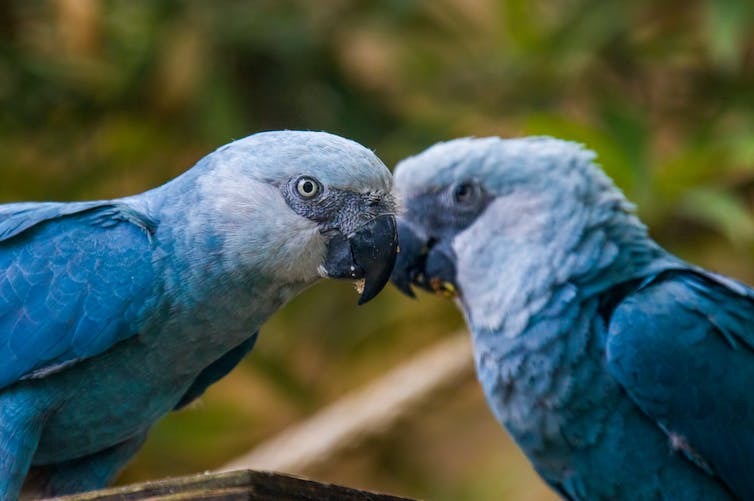
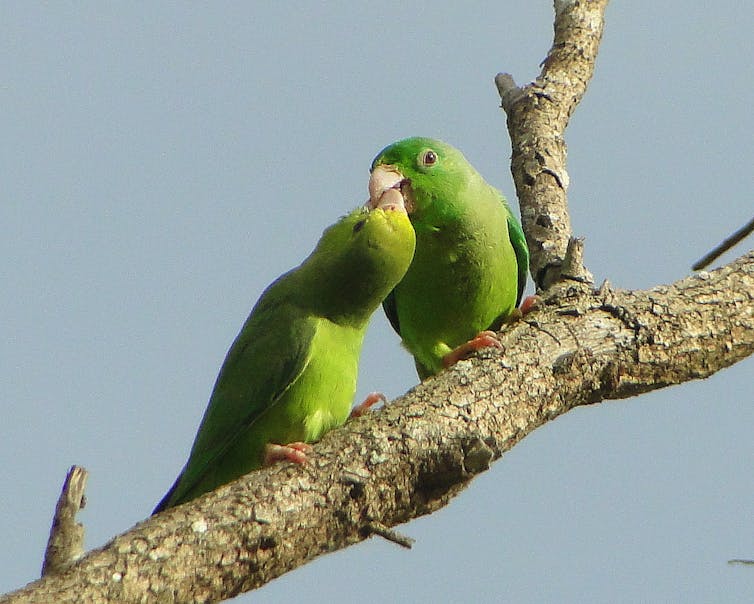
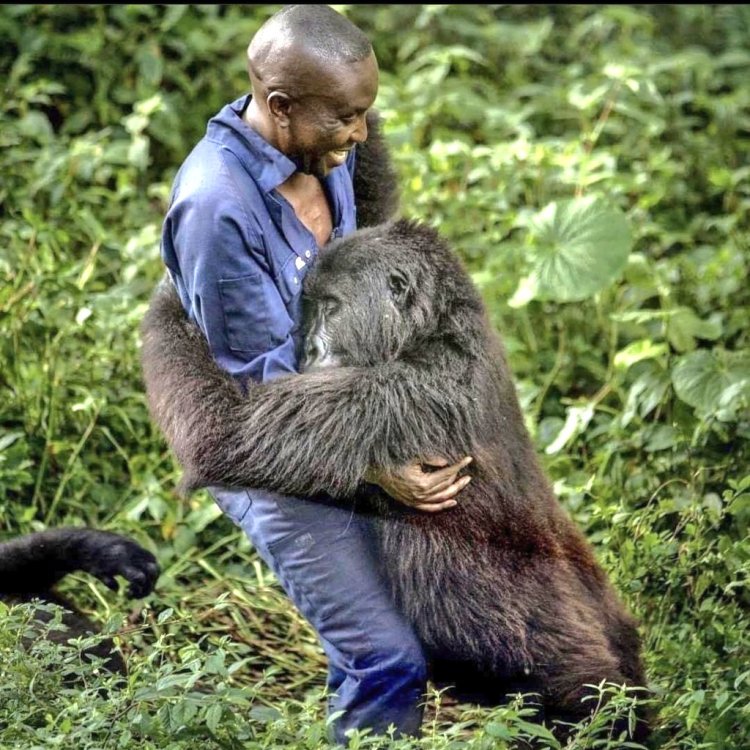
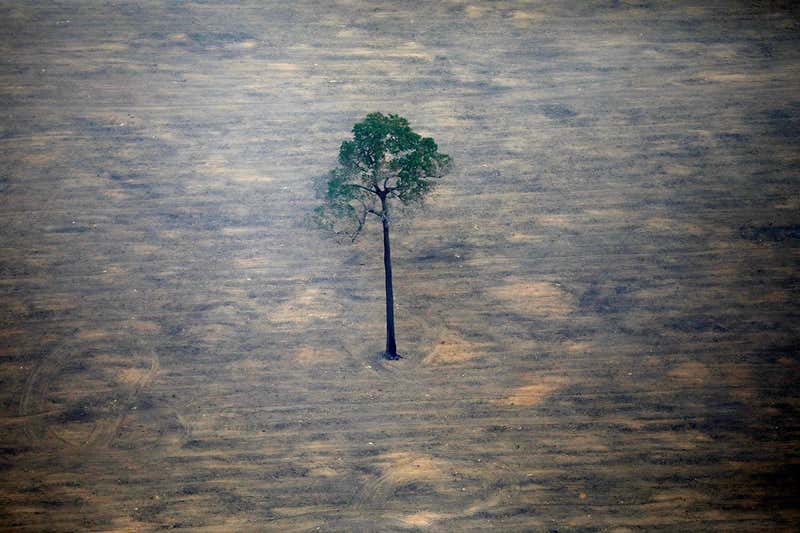










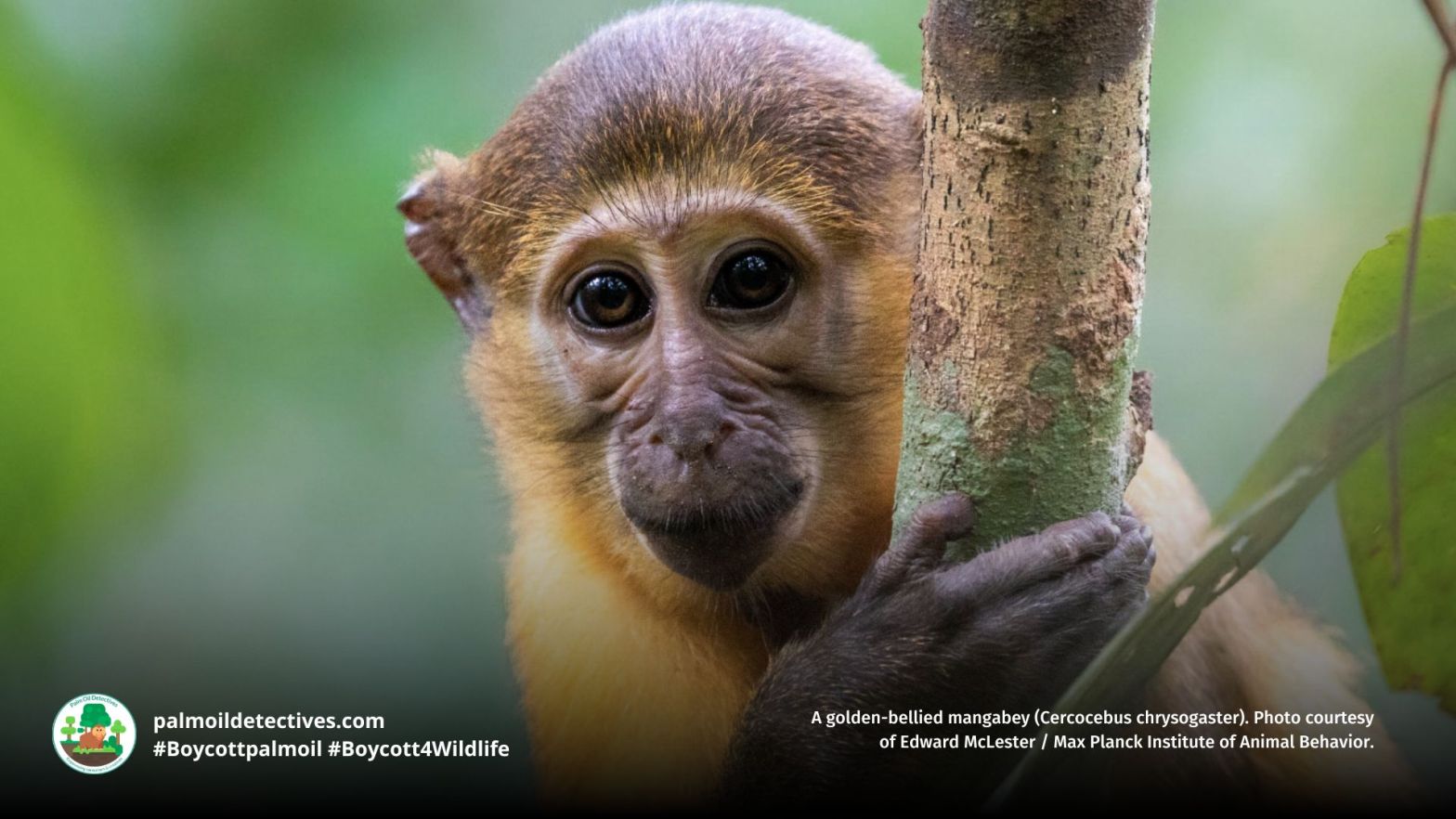
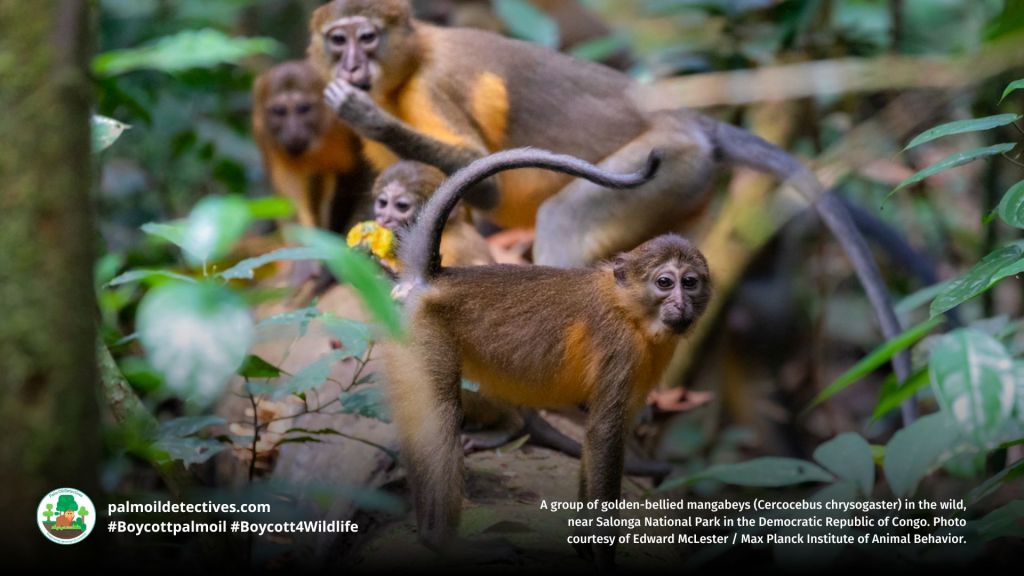
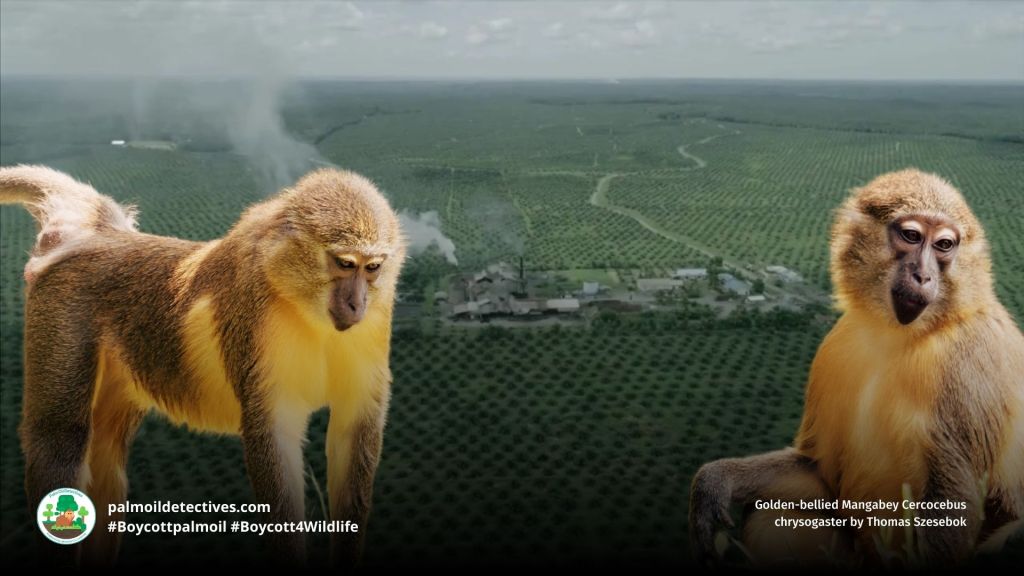
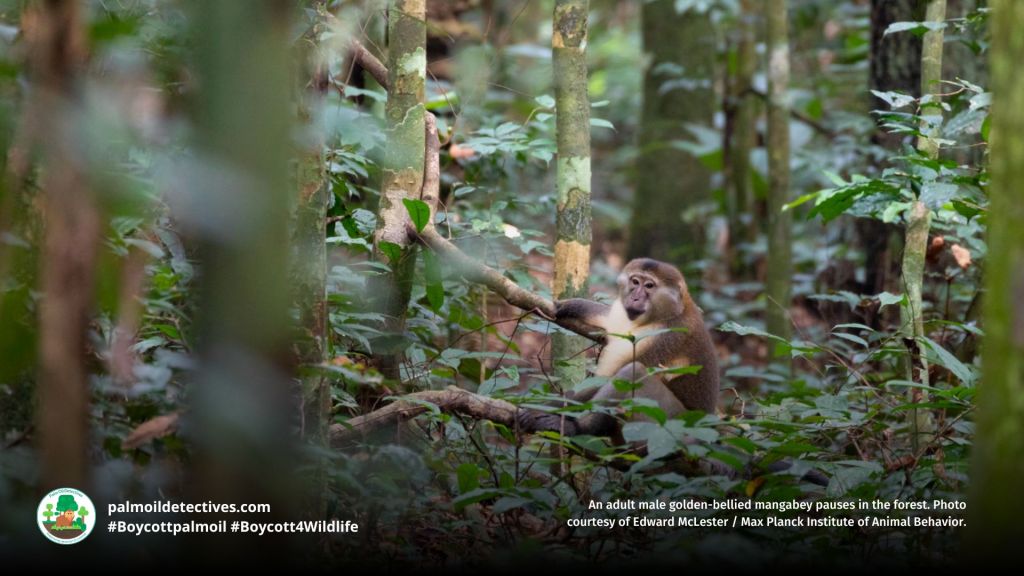
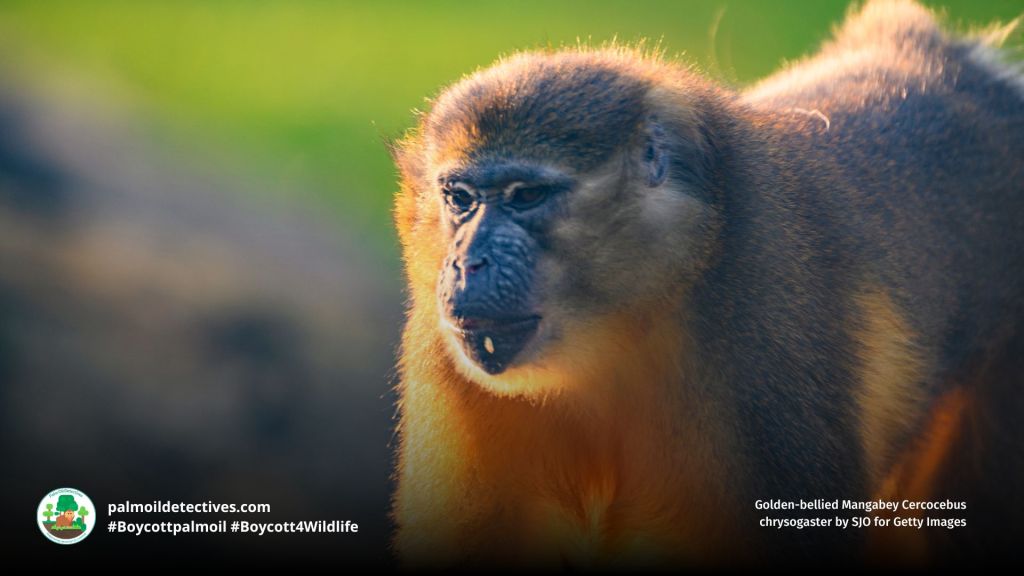
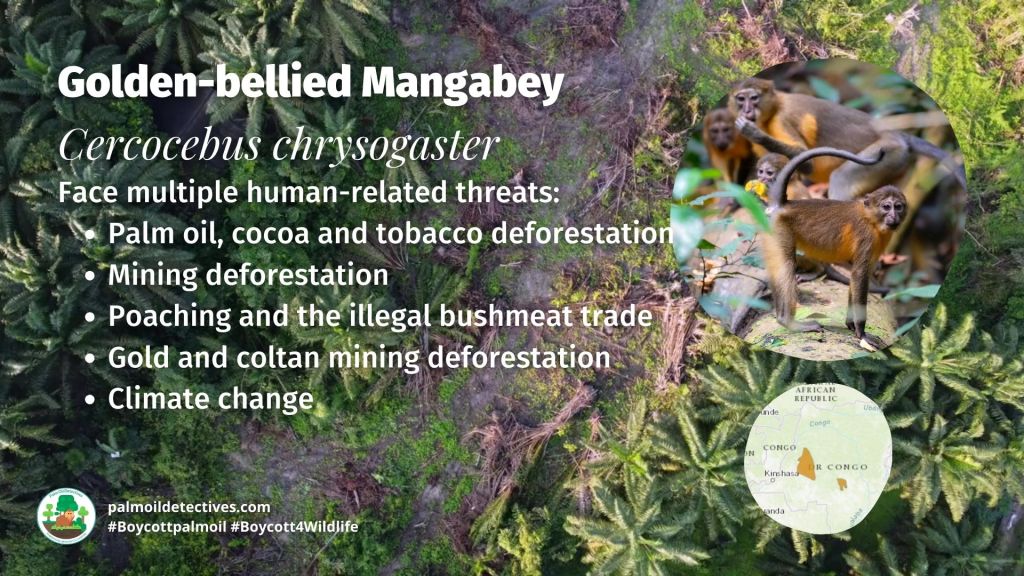
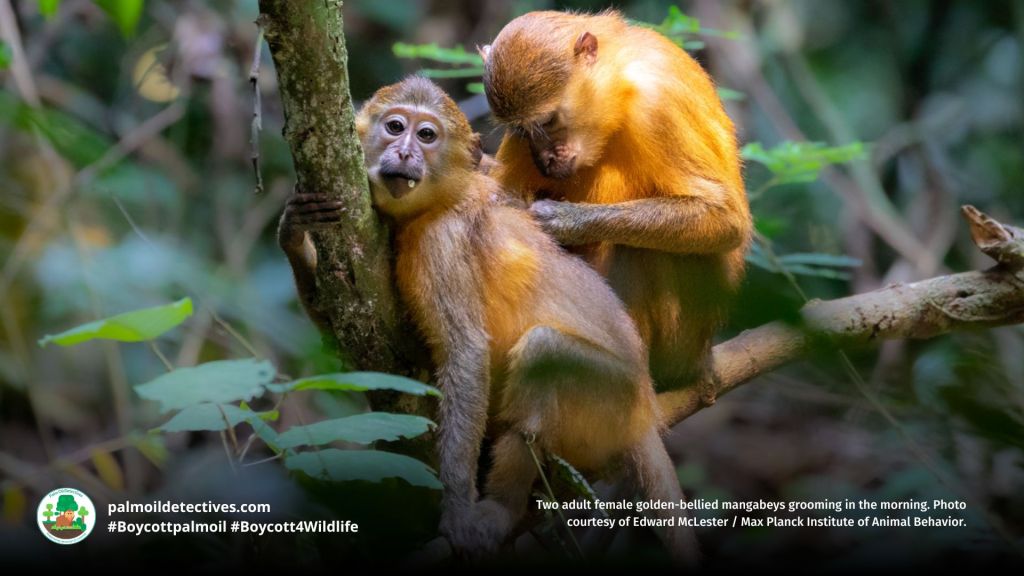
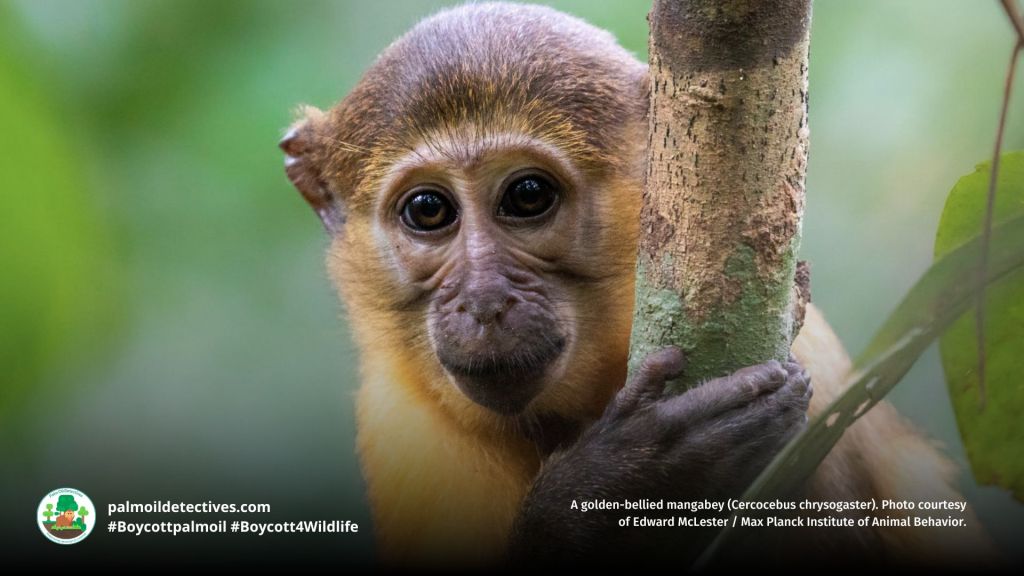
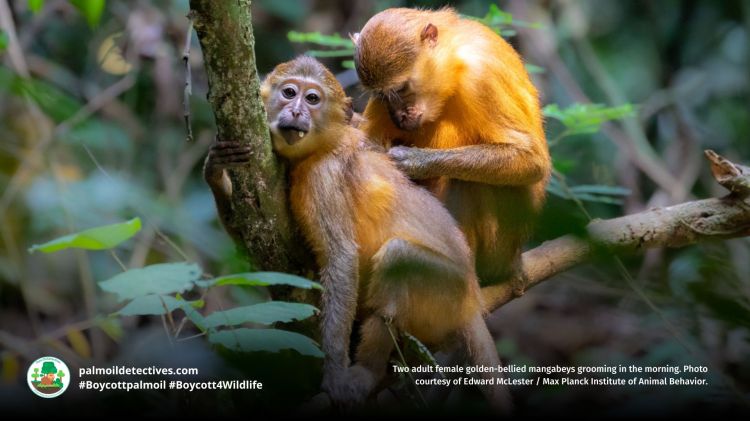
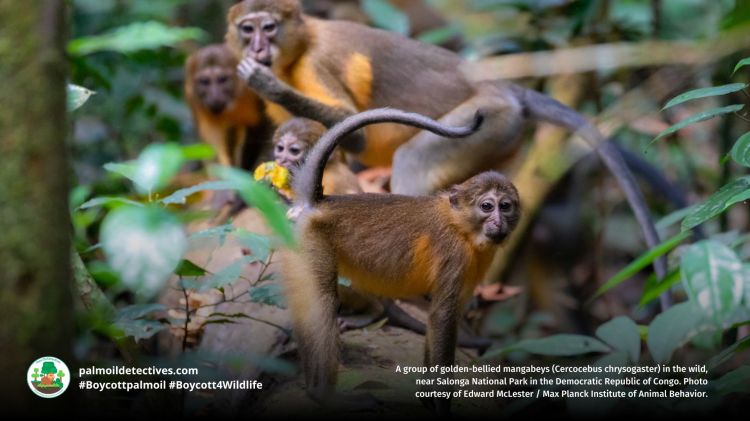
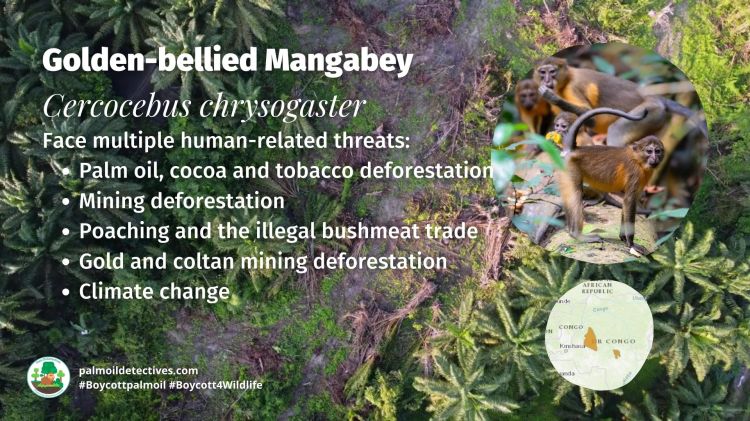
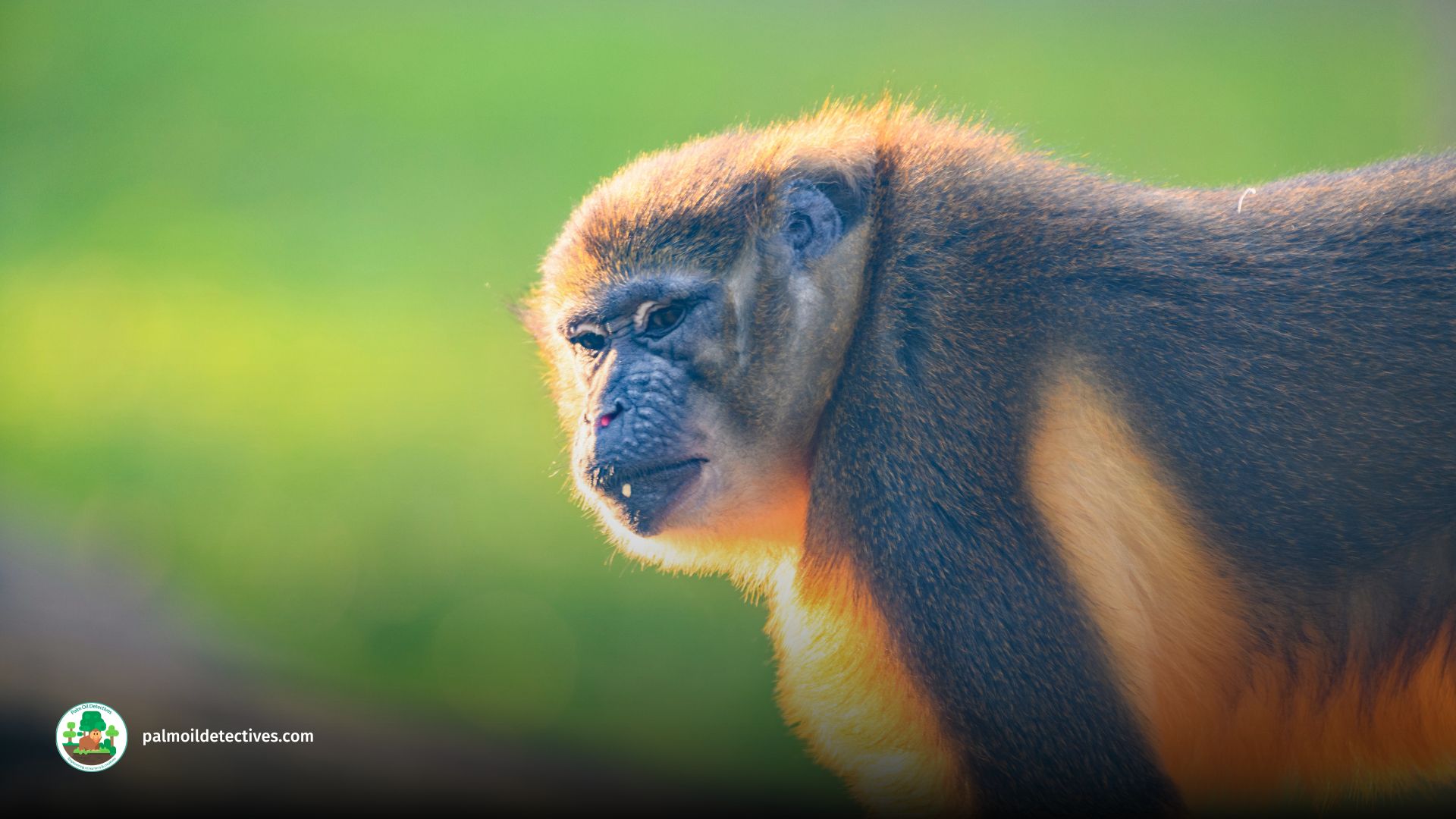
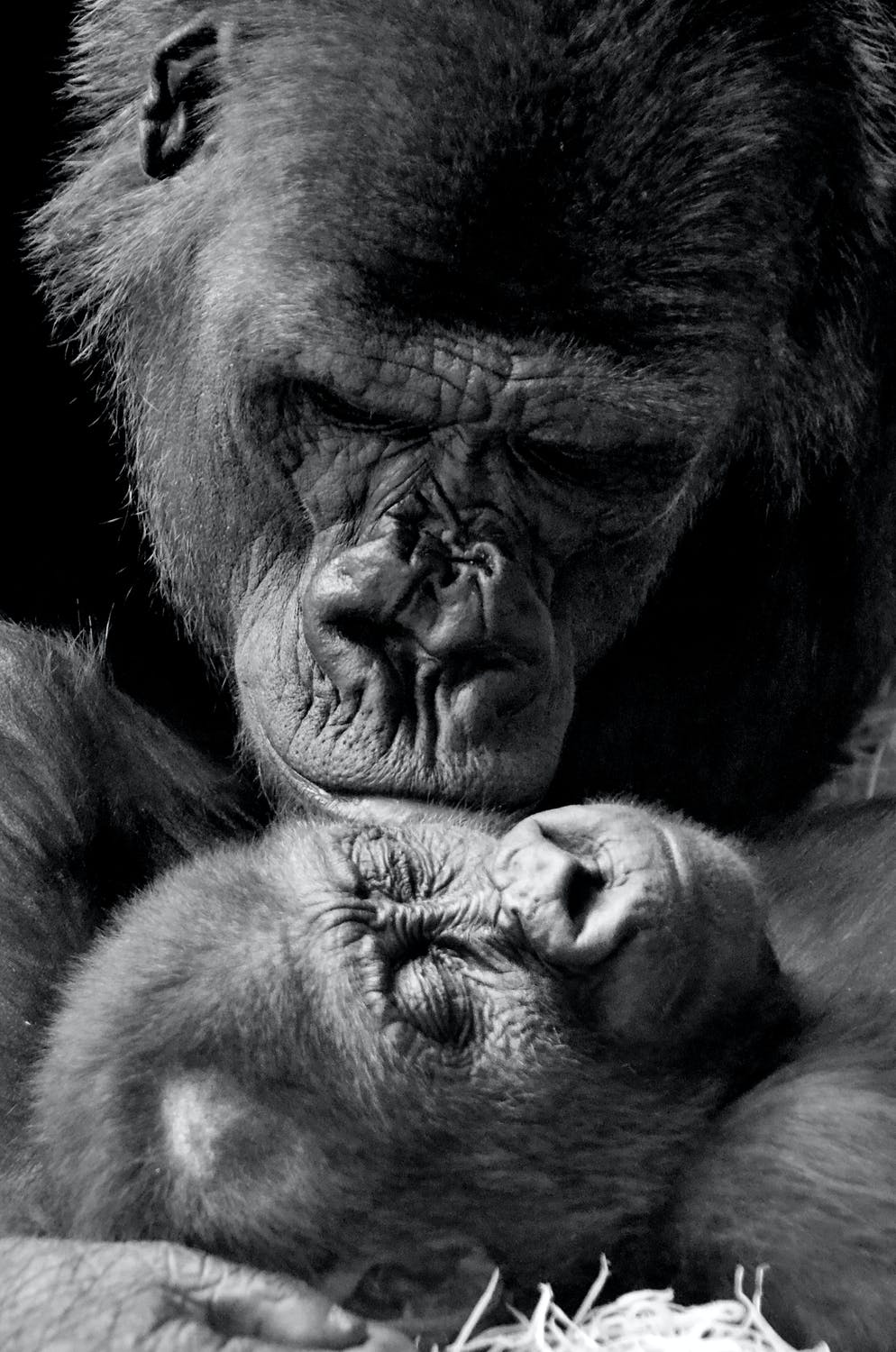

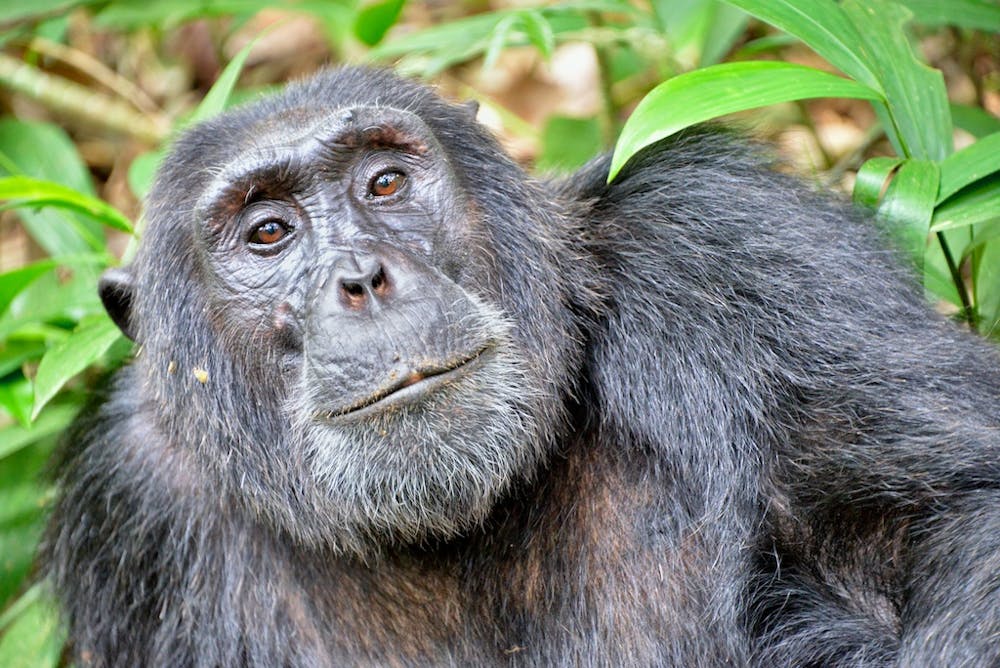
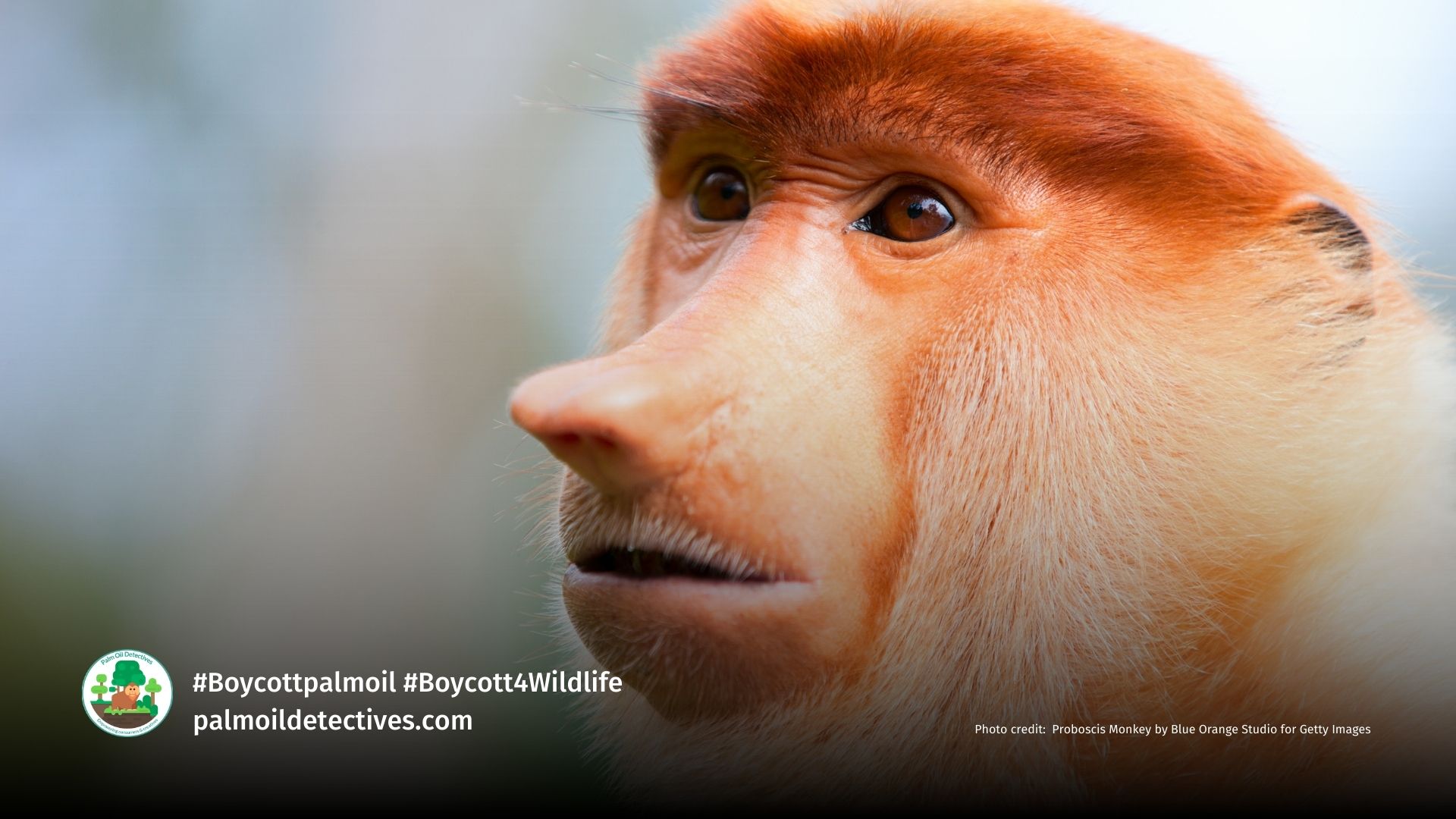
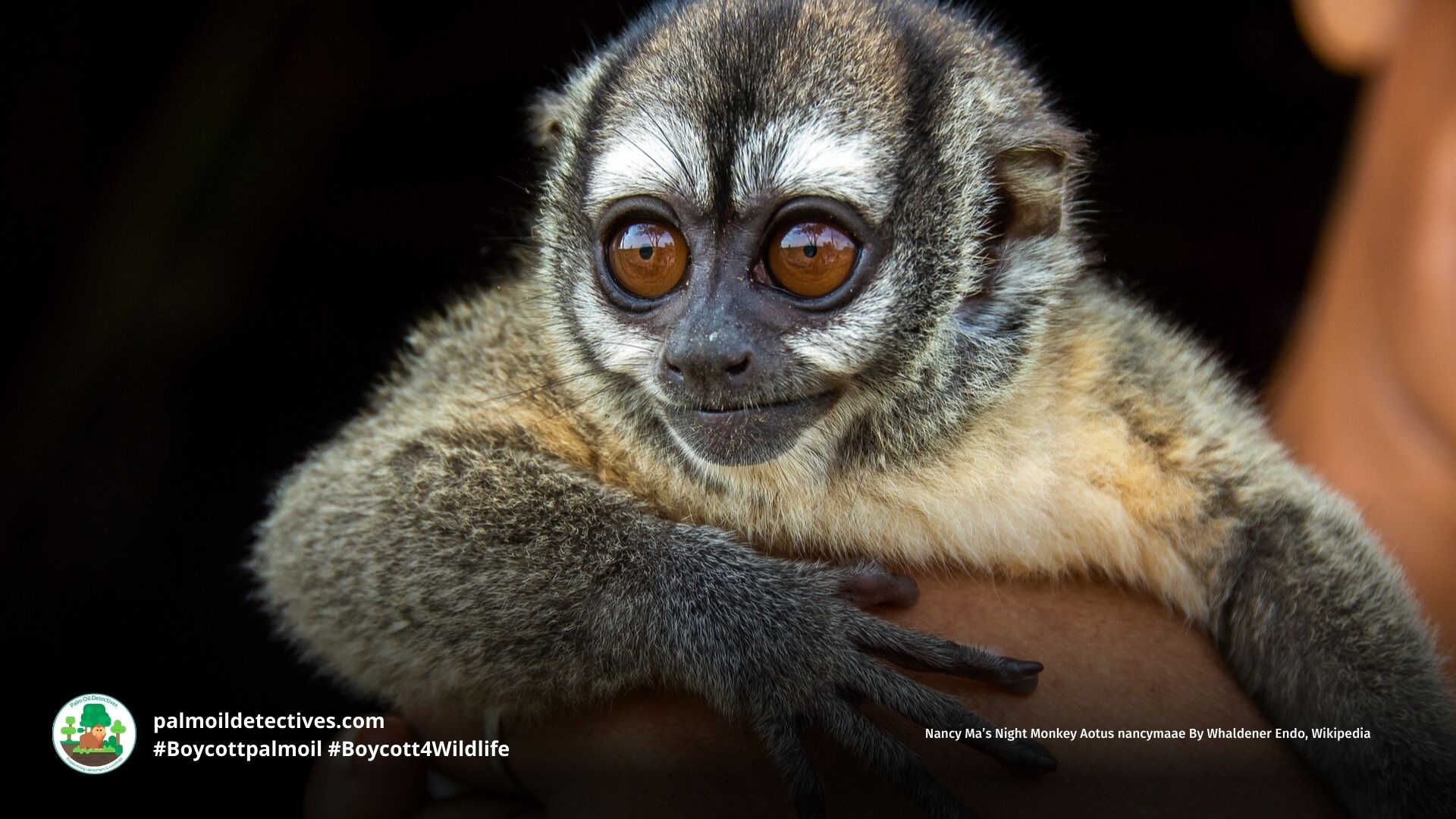
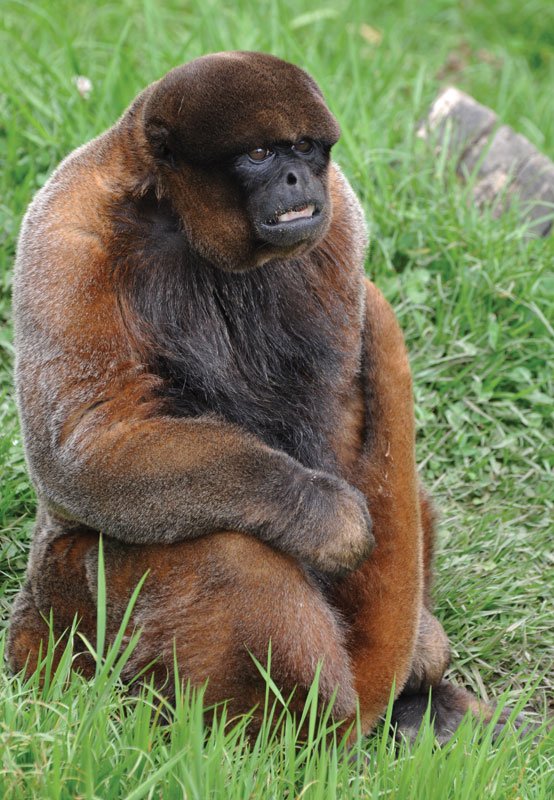

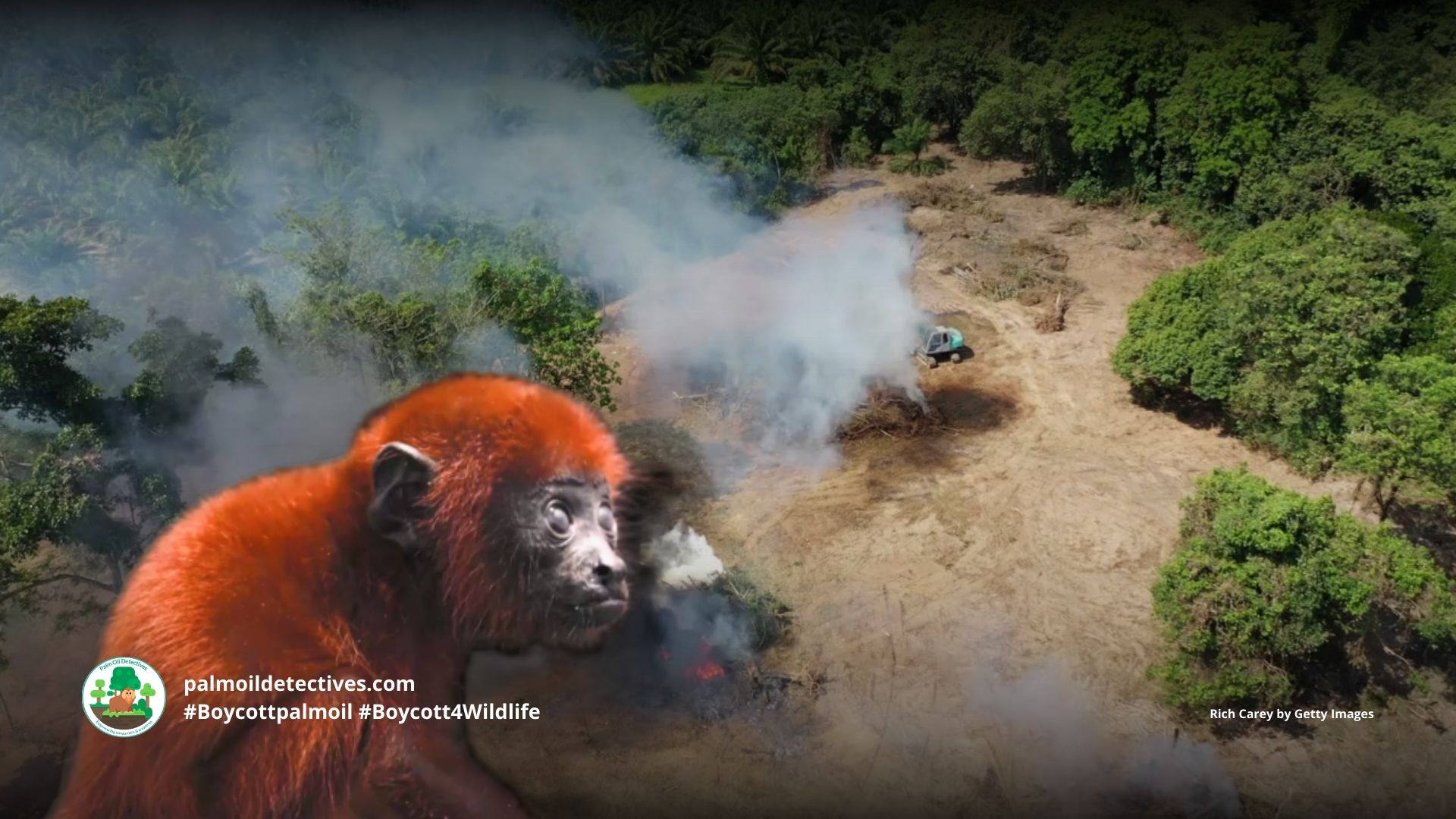

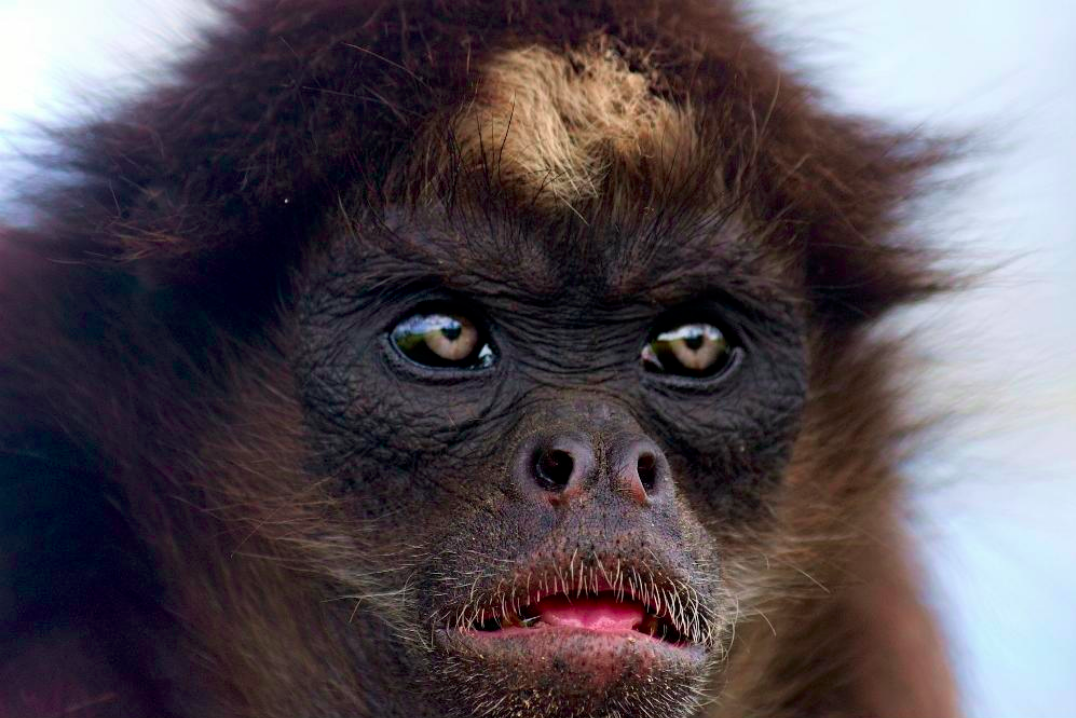
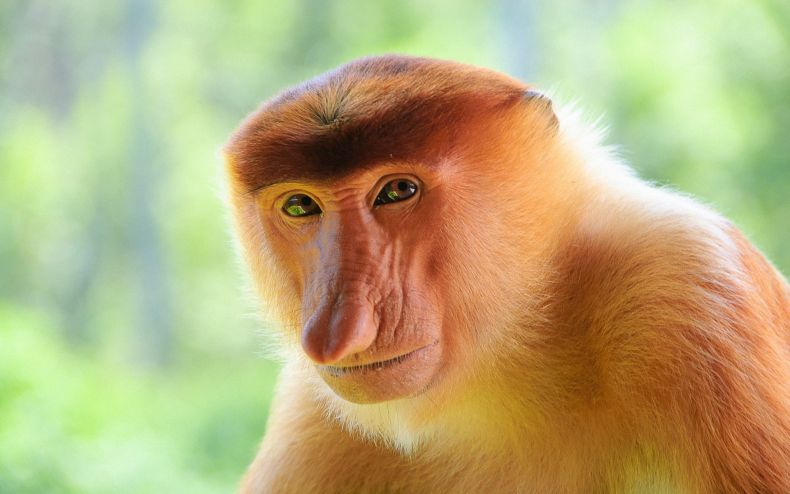
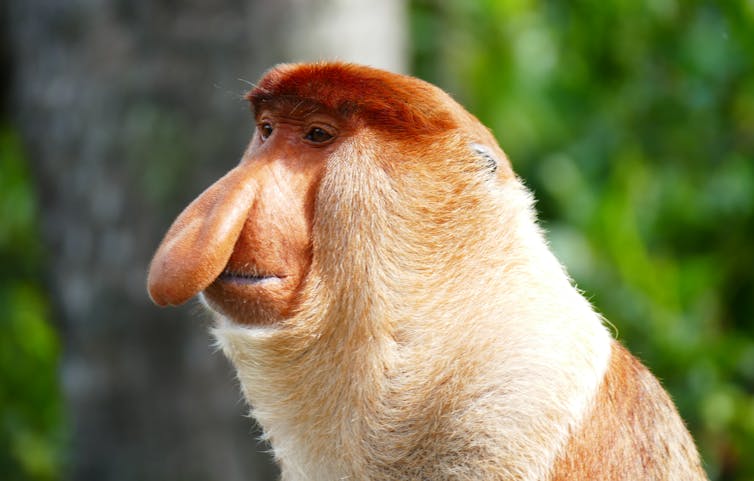
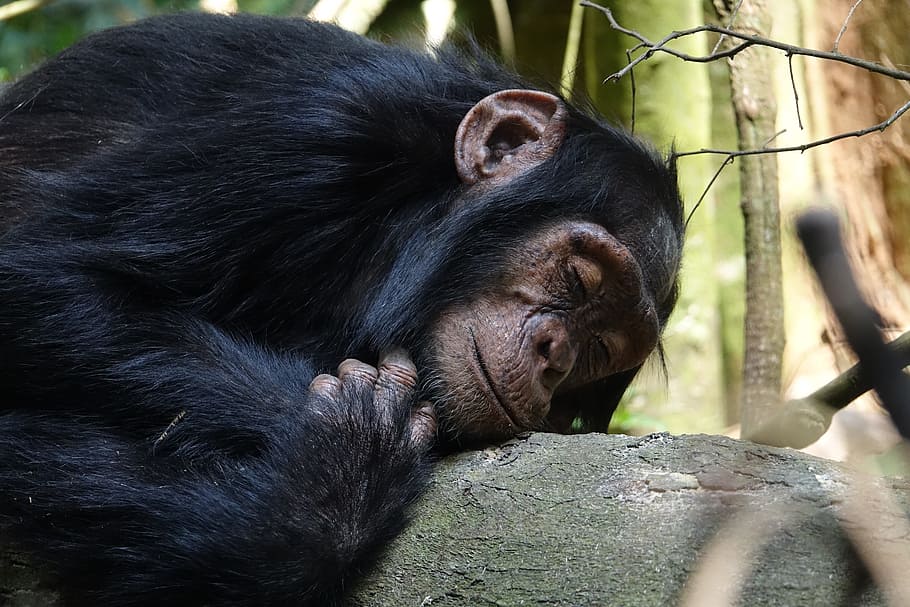
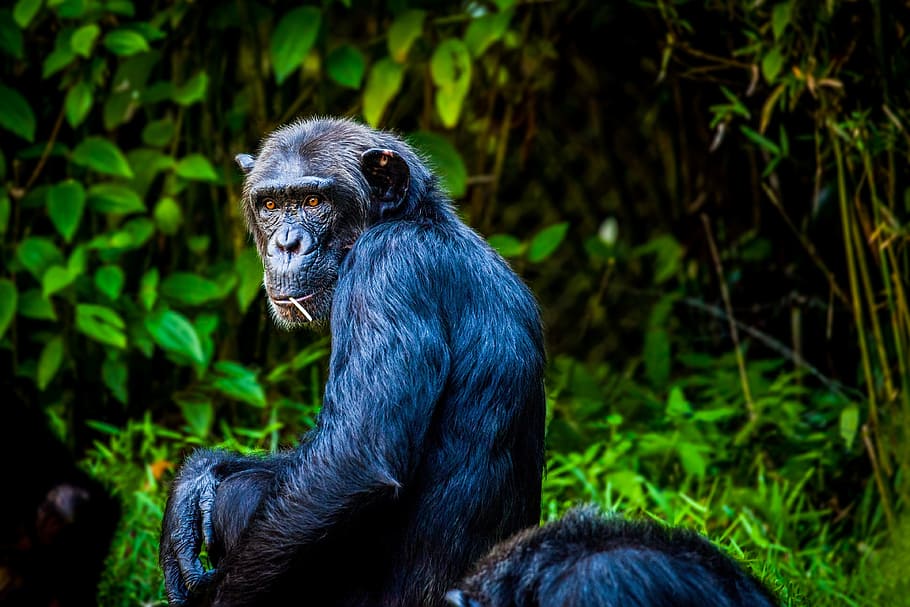
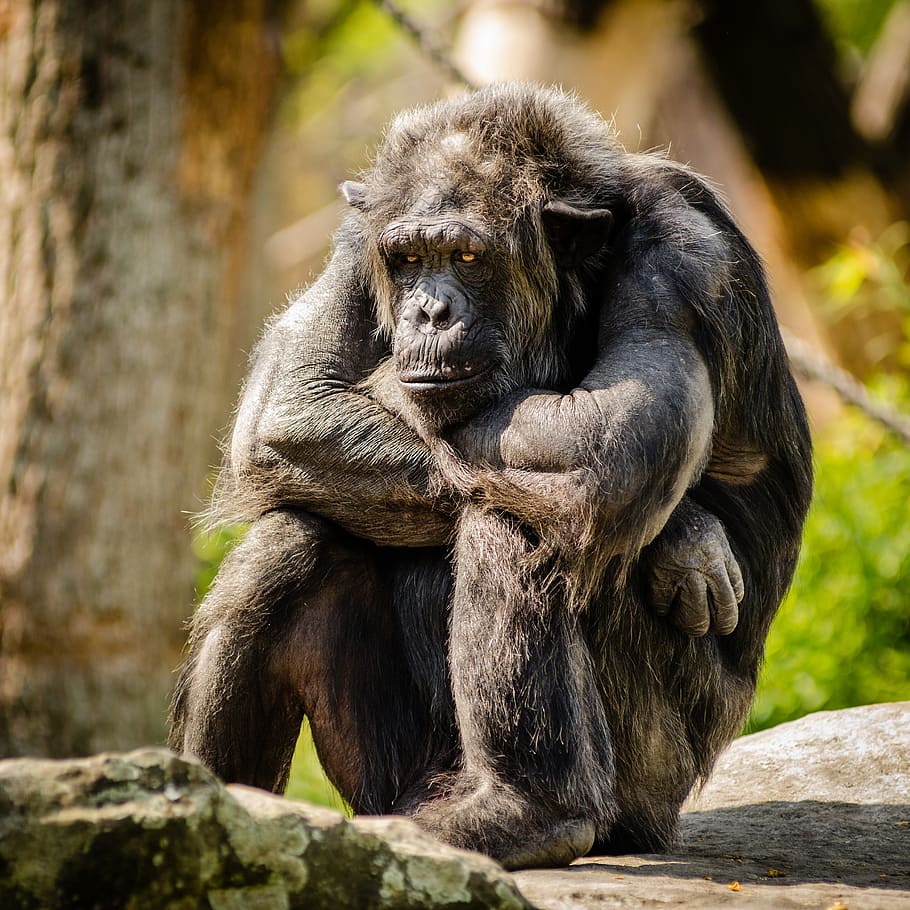
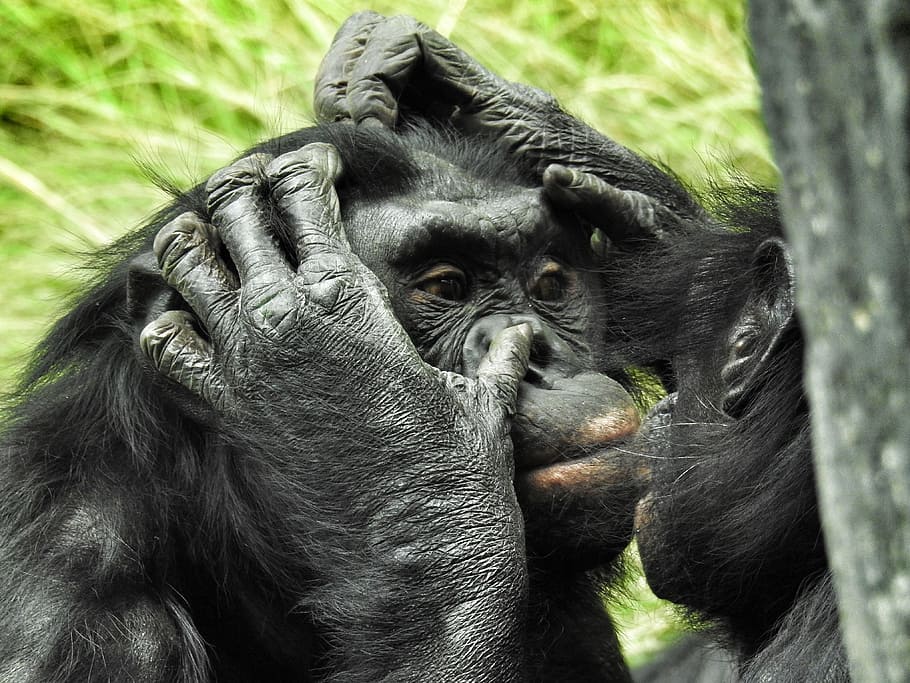
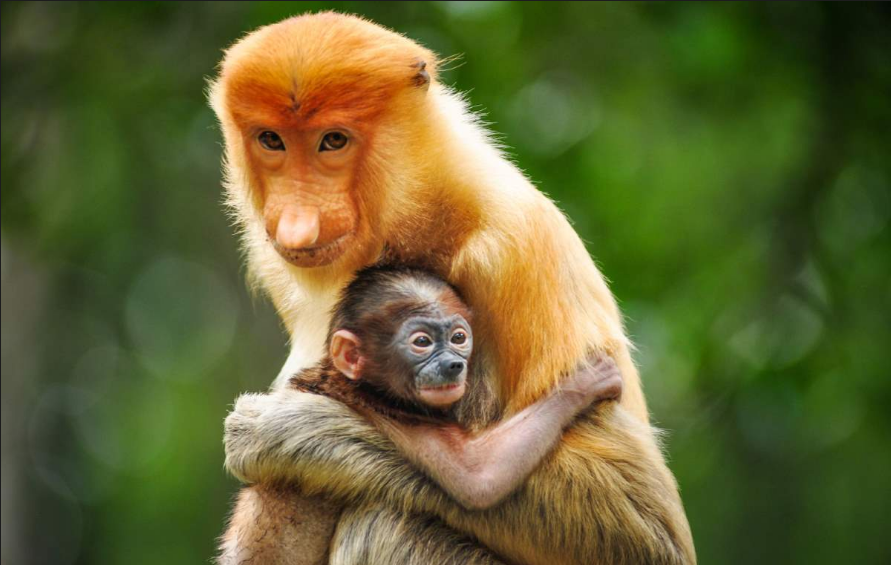


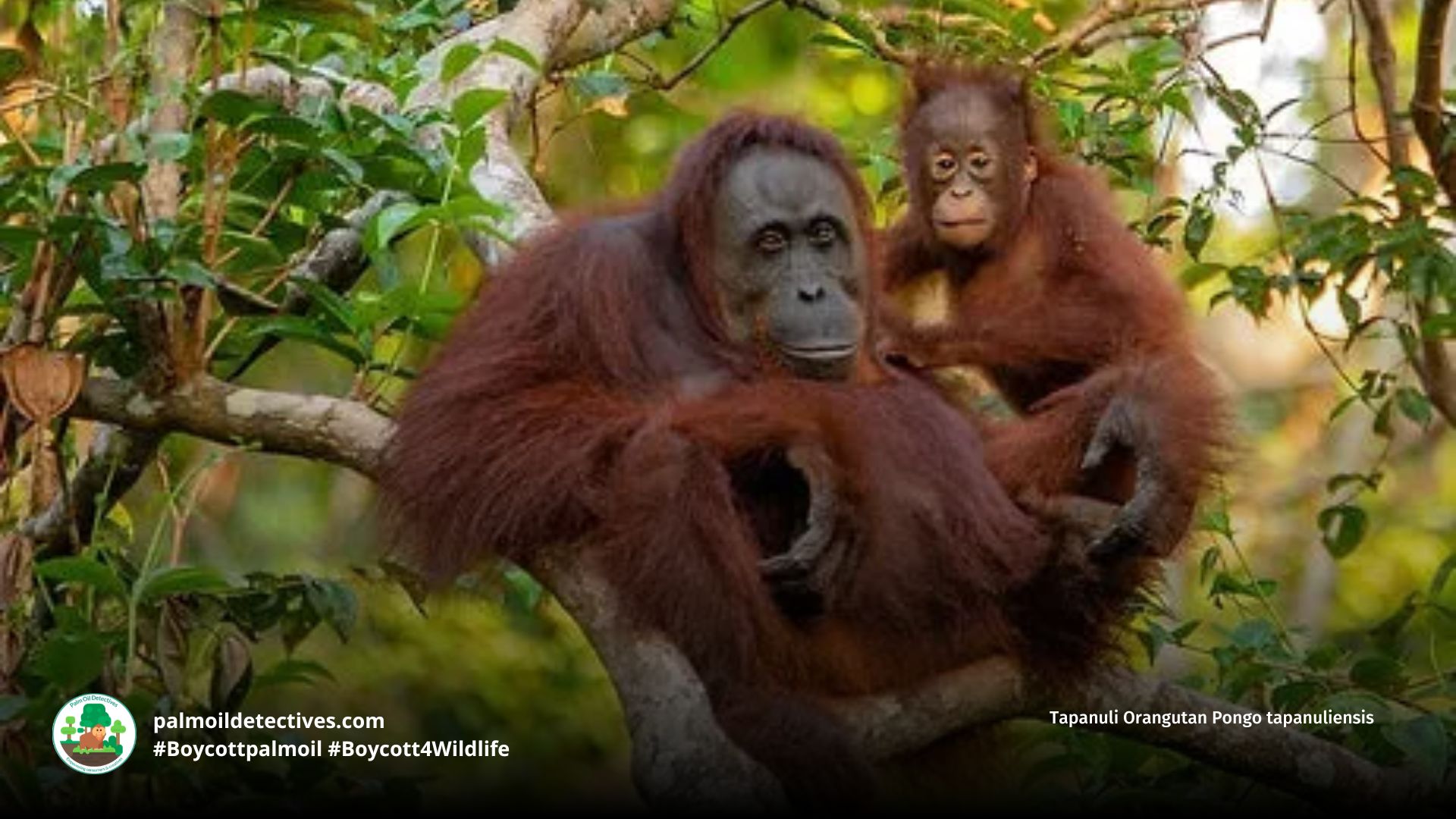

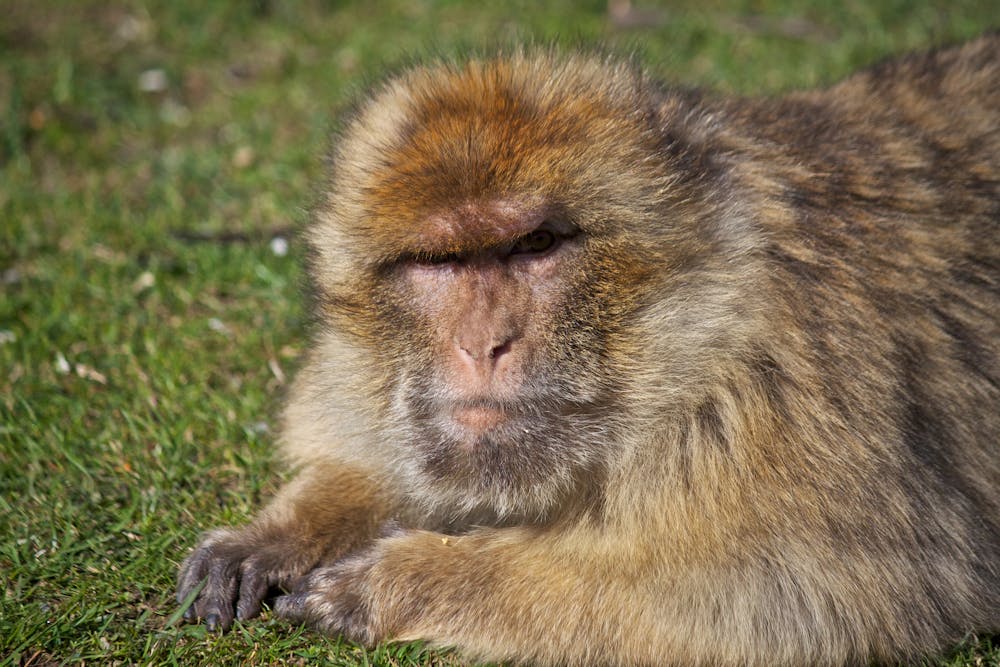
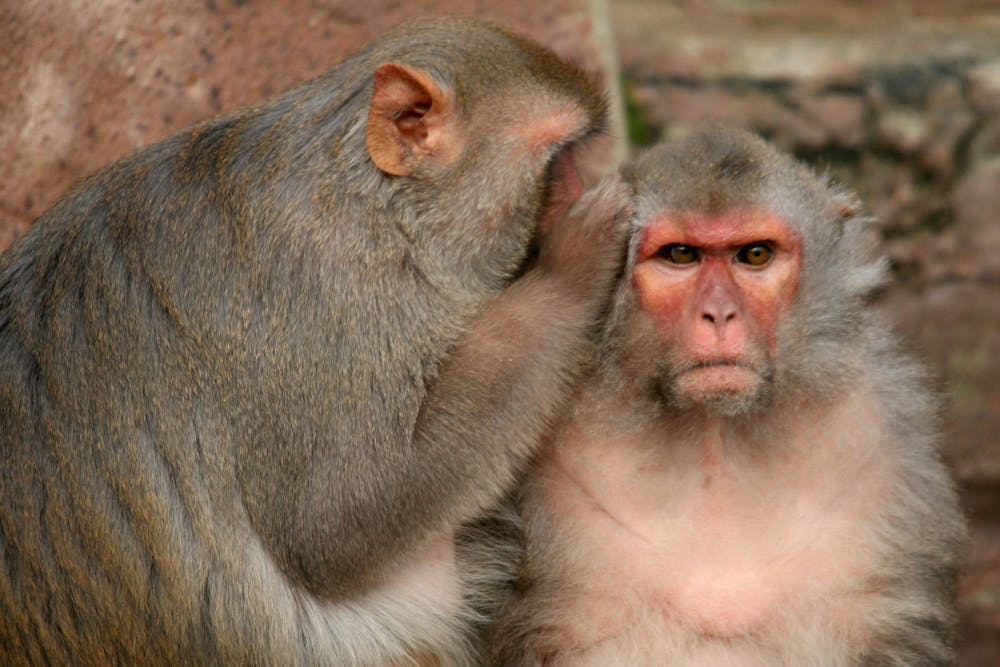




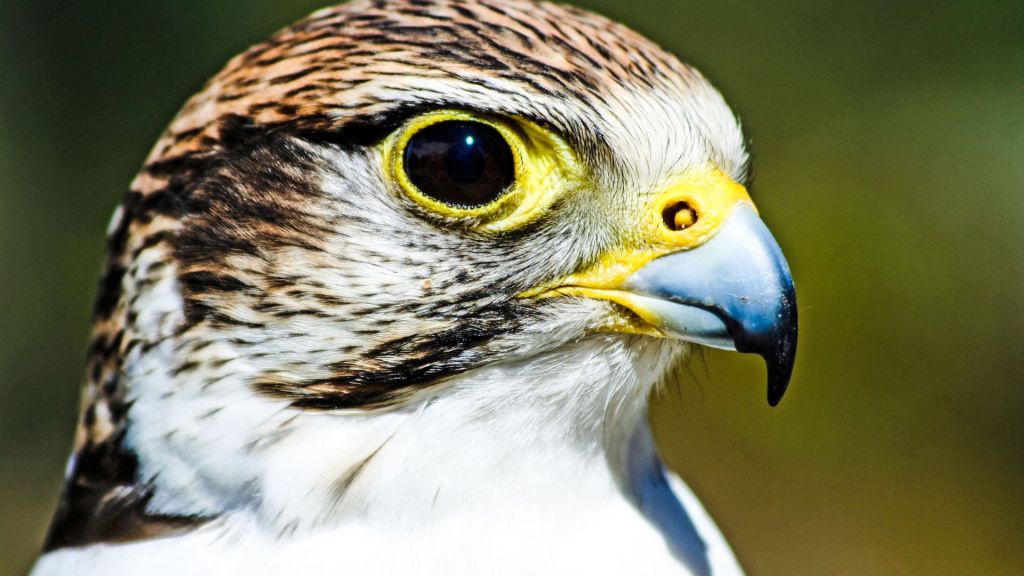
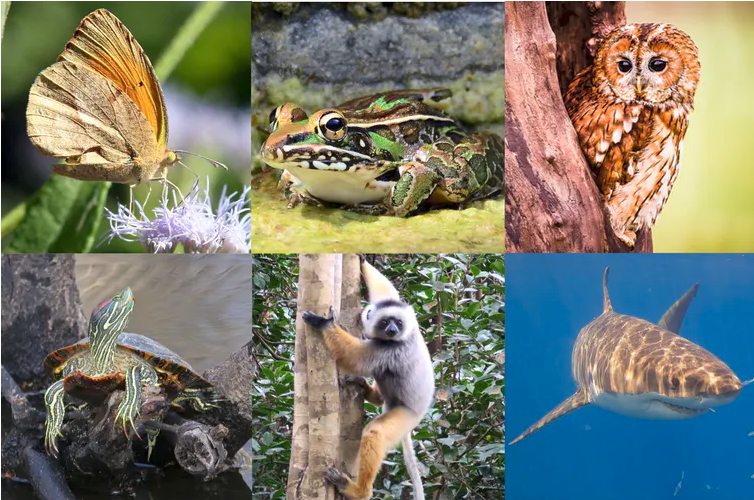
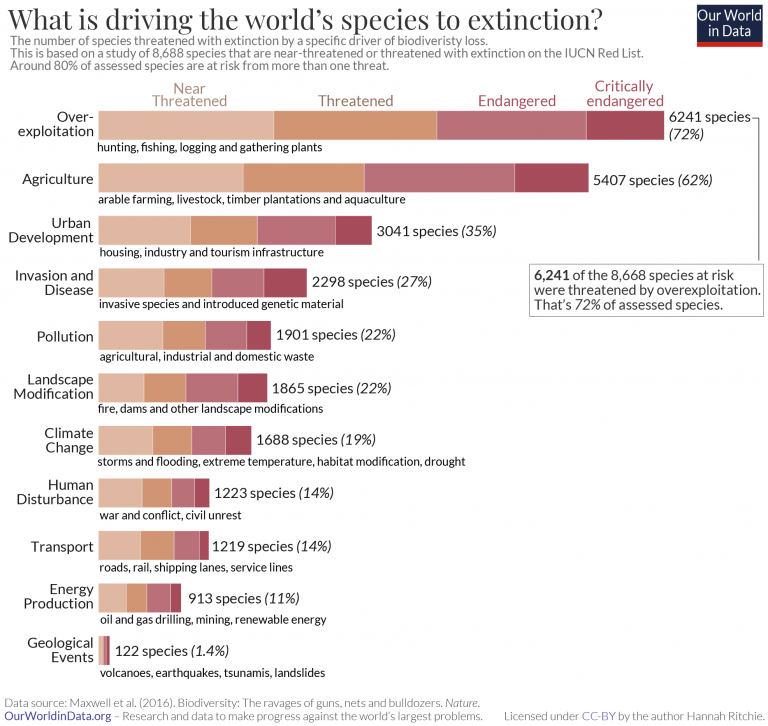
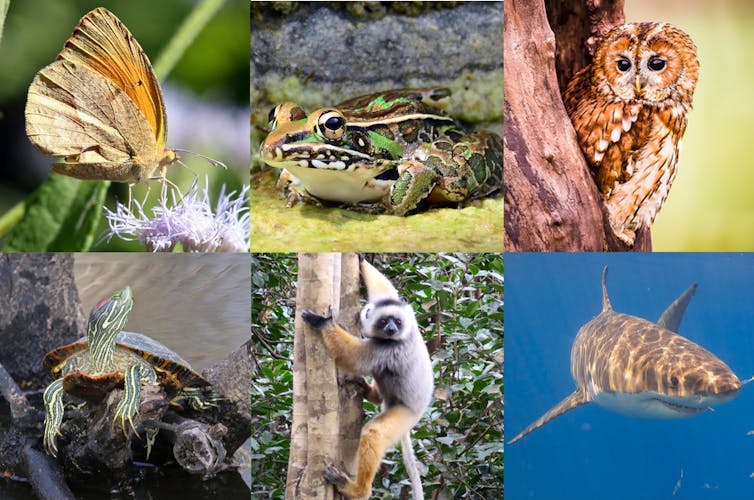

 Palm Oil Detectives